PROFESSIONAL POST ACUTE CENTER
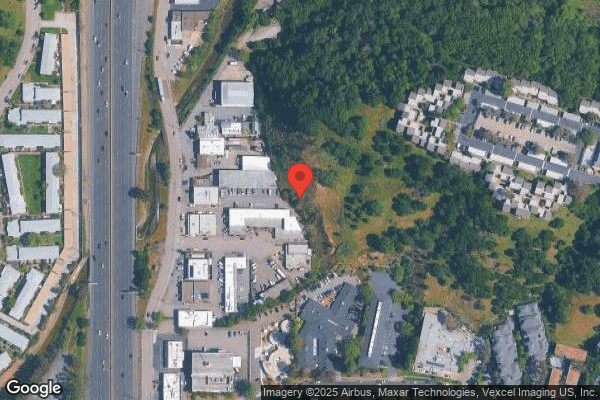
81 PROFESSIONAL CENTER PARKWAY, SAN RAFAEL, CA 94903 (415) 479-5161
For profit - Limited Liability company 99 Beds CAMBRIDGE HEALTHCARE SERVICES Data: November 2025
Trust Grade
0/100
#1090 of 1155 in CA
Last Inspection: September 2024

Within standard 12-15 month inspection cycle. Federal law requires annual inspections.

Overview

Professional Post Acute Center in San Rafael, California has a Trust Grade of F, indicating poor performance and significant concerns about care quality. Ranked #1090 out of 1155 facilities in California, they are in the bottom half of the state, and they are the least favorable option in Marin County. Although the facility is showing improvement, with issues decreasing from 20 in 2024 to 5 in 2025, it still has a concerning history, including $283,454 in fines, which is higher than 98% of other California facilities. Staffing is a relative strength with a 4/5 rating, but turnover at 44% is average, suggesting some instability. Specific incidents include reports of staff verbal abuse and neglect, failure to provide adequate pain management for residents, and a lack of fall prevention measures that led to a resident sustaining a fracture. Overall, while there are strengths in staffing levels, the facility's serious past issues and poor trust grade may raise red flags for families considering this option.

Trust Score
F
0/100
In California
#1090/1155
Bottom 6%
Safety Record
High Risk
Review needed
Inspections
Getting Better
20 → 5 violations
Staff Stability
○ Average
44% turnover. Near California's 48% average. Typical for the industry.
Penalties
○ Average
$283,454 in fines. Higher than 65% of California facilities. Some compliance issues.
Skilled Nurses
○ Average
Each resident gets 33 minutes of Registered Nurse (RN) attention daily — about average for California. RNs are the most trained staff who monitor for health changes.
Violations
⚠ Watch
90 deficiencies on record. Higher than average. Multiple issues found across inspections.
★☆☆☆☆
1.0
Overall Rating
★★★★☆
4.0
Staff Levels
★★★☆☆
3.0
Care Quality
★☆☆☆☆
1.0
Inspection Score
Stable
2024: 20 issues
2025: 5 issues

The Good

  • 4-Star Staffing Rating · Above-average nurse staffing levels
  • Full Sprinkler Coverage · Fire safety systems throughout facility
  • No fines on record
  • Staff turnover below average (44%)

    4 points below California average of 48%

Facility shows strength in staffing levels, fire safety.

The Bad

1-Star Overall Rating

Below California average (3.1)

Significant quality concerns identified by CMS

Staff Turnover: 44%

Near California avg (46%)

Typical for the industry

Federal Fines: $283,454

Well above median ($33,413)

Significant penalties indicating serious issues

Chain: CAMBRIDGE HEALTHCARE SERVICES

Part of a multi-facility chain

Ask about local staffing decisions and management

The Ugly 90 deficiencies on record

8 actual harm
Aug 2025 2 deficiencies 1 Harm
SERIOUS (G) 📢 Someone Reported This

A family member, employee, or ombudsman was alarmed enough to file a formal complaint

Actual Harm - a resident was hurt due to facility failures

Accident Prevention (Tag F0689)

A resident was harmed · This affected 1 resident

**NOTE- TERMS IN BRACKETS HAVE BEEN EDITED TO PROTECT CONFIDENTIALITY** Based on interview and record review, the facility failed to ensure an environment free of falls for one resident (Resident 1) o...

Read full inspector narrative →
**NOTE- TERMS IN BRACKETS HAVE BEEN EDITED TO PROTECT CONFIDENTIALITY** Based on interview and record review, the facility failed to ensure an environment free of falls for one resident (Resident 1) of three sampled residents when the facility:1. Did not initiate a person-centered care plan for Resident 1's fall risk prior to [DATE]; and,2. Did not analyze Resident 1's risk for a fall after worsening edema (swelling from an accumulation of fluid in the body's tissues) and possible deep vein thrombosis (DVT, a blood clot in a deep vein which can cause pain and swelling) in her lower legs.These failures contributed to Resident 1 sustaining a left fibula (one of the two bones in the calf) [NAME] fracture (a break of the upper fibula usually caused by twisting or forceful rotation of the ankle) from a fall. Cross reference F557.Findings:1. A review of Resident 1's admission record indicated Resident 1 was admitted to the facility on [DATE] with diagnoses of venous insufficiency (a condition where the veins in the legs have difficulty in returning blood to the heart, often causing swelling and pain), morbid obesity (a disorder that involves having too much body fat, which increases the risk of serious health problems such as joint pain from excess weight), and personality disorder (a mental health condition characterized where people have a pattern of seeing themselves and reacting to other others in ways that cause problems). A review of Resident 1's care plans on [DATE] indicated the following:-On [DATE] a care plan was initiated for Resident 1's limited ability to perform Activities of Daily Living (ADL, basic tasks performed by individuals to maintain their daily life) related to her limited mobility and morbid obesity. Resident 1's goal was to demonstrate the appropriate use of adaptive devices (equipment used to help people perform daily activities, such as a cane or walker) to increase her ability with transfers or toilet use; however, no specific adaptive device was indicated. The interventions listed to assist Resident 1 to meet this goal included, TRANSFER: The resident has requires [sic] 1 staff assistance with transfers.[Revised] on [DATE].[and] TOILET USE: The resident has requires [sic] 1 staff participation to use toilet.[Revised] on [DATE].-On [DATE] a care plan was initiated for Resident 1's moderate risk for falls related to gait and balance problems. Resident 1's goal was to be free of serious injury through the review date of [DATE]. The last time this care plan was updated was on [DATE].-On [DATE] a care plan was initiated for Resident 1's risk for breakdown immobility related to an alteration in peripheral tissue perfusion (a reduction or impairment in blood flow to the tissues of the arms and legs, preventing them from receiving enough oxygen) due to chronic venous insufficiency. Staff were expected to implement interventions which included checking the lower extremities for pain, cramping, and weakness in one or both legs. This care plan was revised on [DATE].- On [DATE] a care plan was initiated for Resident 1's potential to demonstrate.behaviors r/t [related to] poor impulse control which indicated staff was expected to Assess and anticipate resident's needs.toileting needs, comfort level, body positioning, pain etc.-There was no documented evidence that a care plan for Resident 1's risk of falls was updated between [DATE] and [DATE].A review of Resident 1's quarterly risk data collection tool dated [DATE] at 6:37 p.m., [DATE] at 11:51 a.m., [DATE] at 11:23 a.m., and [DATE] at 5:33 p.m. indicated, .is resident at risk for falls? Yes.A review of Resident 1's Minimum Data Set (MDS-a federally mandated resident assessment tool) dated [DATE] indicated:-Resident 1 had a Brief Interview for Mental Status (BIMS, an assessment used to measure cognition (a person's ability to process information and understanding)) score of 15 which indicated Resident 1's cognition was intact;-Resident 1 normally used a walker as a mobility device; and,-Resident 1 required setup or clean-up assistance (meaning the helper assisted only prior to or following the activity) when transferring from a sitting to standing position and during toilet transfers.During an interview on [DATE] at 12:43 p.m., the Director of Nursing (DON) stated nursing staff did not consider Resident 1 at risk of falls prior to [DATE] and acknowledged Resident 1's care plan regarding her fall risk was initiated on the same day Resident 1 fell on [DATE].2. A review of Resident 1's order summary report dated [DATE] to [DATE] indicated the following physician's orders:-On [DATE] an order was placed for staff to encourage Resident 1 to elevate her legs using the recliner every shift for swelling; and,-On [DATE] an order was placed for a Left Duplex Scan (a non-invasive ultrasound test that uses sound waves to create images of blood vessels and assess blood flow) for veins in extremity unilateral (one side) one time only related to morbid obesity;A review of Resident 1's physician progress note dated [DATE] indicated, Assessment & Plan.Venous Stasis Edema W [with] Inflammation [the reddening and swelling of a body part as a reaction to injury or infection] of Bilat [both] Legs (primary encounter diagnosis) Note: Severe edematous leg edema with chronic inflammation changes. Left more than right leg, Patient is not compliant with leg elevation, which can be uncomfortable for patient.Patient does not walk tends to be sitting most of the day. She is at risk of DVT [deep vein thrombosis, a blood clot in a deep vein, usually in the leg or pelvis, which can cause pain, swelling, and skin changes] given that his [sic] unilateral more affected on the left leg.Hold off on antibiotics until ultrasound is done and or see any improvement with above intervention, patient is afebrile [without fever].A review of Resident 1's care plan initiated on [DATE] indicated a focus on Resident 1's left lower leg edema related to venous insufficiency; however, it did not indicate interventions staff were expected to implement regarding how the left lower leg edema could change Resident 1's mobility or what specific safety measures to implement.A review of all of Resident 1's care plans initiated between [DATE] and [DATE] showed no documented evidence of any use of furosemide, its side effects, and how it related to Resident 1's risk of falls.A review of Resident 1's care plan regarding her left lower leg edema related to venous insufficiency was revised on [DATE] to include .has increased swelling and erythema to LLE [left lower extremity]; pain, ‘achy,' and ‘hot'. but was not revised to include interventions staff were expected to implement regarding how the change in condition could change her mobility or what specific safety measures to implement.A review of Resident 1's Change in Condition Evaluation dated [DATE] at 7:36 p.m., indicated, [Resident 1] had several staff assisting her, 2 on her right side and one on her left side supporting her and attempting to pivot her to the bedside commode when she had an assisted fall to the floor.Most recent weight.307.4 [no unit of measure indicated] Date [weight was obtained] [DATE] at 4:44 p.m. [using a] Scale: Wheelchair.Is a behavioral assessment relevant to the change in condition been reported? Not clinically applicable to the change in condition being reported.List any medication changes made in the past week.Furosemide 20 mg.A review of a hospital Emergency Department (ED) admission information form, dated [DATE], indicated Resident 1 arrived to the ED on via ambulance at 7:45 p.m. with a primary diagnosis of left leg cellulitis (skin infection causing redness, swelling and pain to affected area) and a secondary diagnosis of left fibula [NAME] nondisplaced fracture. Resident 1's chief complaint indicated, Accident from [Facility], staff was attempting to help patient to commode and she slid to the floor.A review of the facility's post-fall review of Resident 1's fall dated [DATE] at 7:49 p.m. indicated, Date and Time of Fall.XXX[DATE] at [7:10 p.m.].[Resident 1] fell on both knees, both legs folded underneath her.[Resident 1 was] Receiving staff assistance with transfer to bedside commode.Was resident using assistive device for ambulation or transfer? No.Resident's footwear at time of fall.Slippers.Resident's behavior last observed prior to fall (Check all that apply).Excited, Agitated, Anxious/Nervous Appearance.Medications given in last 4 hours prior to fall .Diuretic.Has the resident received new medications in the past 7 days that may add to fall risk? Yes.Lasix(R) [furosemide].IDT Review Summary and Recommendations.Resident stated she fell because she wanted her old chair back. Resident with Hx [history] of personality disorder Root cause: Resident without apparent injuries, does have left lower leg redness to which the resident was refusing care/treatment to her leg and refused pillows or elevation. Resident requests to be in a chair/recliner.Resident has requested her old recliner [the one her son purchased for her] chair back multiple times- it is in extreme disrepair as evidence by a deep smell that affects other residents and staff.Resident stands and pivots to her bedside commode and fell.[document was signed on] [DATE].A review of Resident 1's care plans initiated on [DATE] indicated the following:-A focus on Impaired Physical Mobility General indicated, Goal[s].Resident will be able to perform activity within physical limits.Resident will be free of complications of immobility.Resident will maintain normal muscle tone.Resident will maintain safe balance and coordination.Resident will participate in prescribed rehabilitation program.Resident will perform physical activity within prescribed mobility restrictions.Resident will use adaptive techniques to safely transfer and ambulate .[Interventions to assist Resident 1 to meet these goals included] Patient will be monitored for complication such as depression, suicidal thought due to immobility.Patient will be sent out to [hospital] for checking the muscle, bones.Patient will be provided with call light and help instead of walking herself.-A focus on a risk for falls r/t Gait/balance problems indicated, Goal.The resident will not sustain serious injury.[Interventions to assist Resident 1 to meet these goals included] Ensure that [Resident 1] is wearing appropriate footwear (slippers) when ambulating or mobilizing in w/c [wheelchair].A review of Resident 1's care plan with a focus on resident is/has potential to demonstrate.behaviors r/t [related to] poor impulse control was revised on [DATE] to include, [Resident 1] has a preference to use old reclining chair (with foul odor and is dirty) oppose to a new one. She verbalizes being upset with staff due to replacement indicated the following intervention for staff to implement Assess and anticipate resident's needs.toileting needs, comfort level, body positioning, pain etc.A review of a hospital's discharge summary note dated [DATE] at 9:07 p.m. indicated, .[Resident 1] had suffered a fall at skilled nursing facility. [Resident 1] was brought here for work-up and noted to have a left fibula fracture as well as a right lower extremity deep venous thrombosis. [Resident 1] was started on anticoagulation [medical treatment that prevents blood clots] but then developed severe soft tissue hemorrhage [heavy, uncontrolled bleeding] into the left lower extremity.[Resident 1] developed progressive septic shock [a life-threatening condition that occurs when the body's immune system overreacts to an infection, leading to a drop in blood pressure and organ failure] with acute renal [kidney] failure despite antibiotics for cellulitis.[Resident 1] on [DATE].died peacefully.During an interview on [DATE] at 12:43 p.m., the DON stated the reason there were so many staff in Resident 1's room was to place her on the commode because Resident 1 stated she had been having pain in her legs. The DON further stated, Knowing what [Resident 1's] pain level was that day, I would have used a [resident lift (a mechanical device used to safely transfer residents with limited mobility)].During an interview on [DATE], at 9:29 a.m., Certified Nursing Assistant 1 (CNA 1) stated Resident 1 had attempted to stand up from the new recliner (the one the facility gave her) chair to use the commode for 5-10 minutes. CNA 1 stated Resident 1 said she was unable to get off the new recliner chair and stand up. CNA 1 stated he went to seek assistance from his co-workers. The Nursing Supervisor (NS) and CNA 2 were available to assist. CNA 1 stated, Each of us put an arm under [Resident 1's] armpit and helped her to stand. It took a couple of times, but when [Resident 1] finally stood she went down.It happened so suddenly, and she was heavy. She fell and landed on her knees hard. CNA 1 stated Resident 1 did not use a walker or wheelchair and did not have one at the time of the fall.During an interview on [DATE] at 10:05 a.m., CNA 2 stated, When I walked in the room on [DATE], [Resident 1] had a look on her face like she was in pain. We each took an arm, and [Resident 1] was finally able to stand. When she started to turn toward the commode, [Resident 1's] knees buckled. We tried to stop the fall, but she was too heavy. She landed on her knees.During an interview on [DATE] at 10:29 a.m., the Nurse Supervisor (NS) stated Resident 1 normally was able to get up on her own. LN 1 stated CNA 1 and CNA 2 needed more help to get Resident 1 off the new recliner, so LN 1 got behind Resident 1 and helped push her up from the recliner. LN 1 stated Resident 1 finally got up but quickly became weak. LN 1 stated, The CNAs tried to catch her, but she was too heavy, so she landed on her knees and cried out in pain.During an interview on [DATE] at 10:45 a.m., the Director of Staff Development (DSD) stated an order was not necessary to use the lift equipment on a resident; however, Physical Therapy normally evaluated each resident prior to use. The DSD also stated a Registered Nurse would also be able to evaluate whether a resident was able to transfer safely. The DSD further stated if three people were attempting to transfer a resident, a total lift (a mechanical device used to safely transfer residents who cannot support their own weight) should be used.During an interview on [DATE] at 12:54 p.m., CNA 1 stated Resident 1 was uncomfortable in the new recliner (the one the facility gave her) and needed help getting up to use the commode even before she fell on [DATE].During an interview on [DATE] at 8:33 a.m., the DON stated the administration of furosemide medication would place a resident at risk for falls due to its side effects of lowering blood pressure, possible dizziness and confusion combined with an urgency and frequency to void. The DON confirmed Resident 1 did not have a care plan for the use of furosemide and one should have been created with the implementation of furosemide on [DATE].During an interview on [DATE] at 8:51 a.m., Family Member 1 (FM 1) stated Resident 1's old recliner was purchased several years ago, and Resident 1 depended heavily on this chair to maintain her independence and to be free of pain. The features of Resident 1's old recliner included: lifted Resident 1 to a standing position, oversized for a bariatric (obese) user, elevated Resident 1's legs, fully reclined Resident 1 to a lying position, and was heated. FM 1 stated these features assisted Resident 1 to feel independent and live pain free. During an interview on [DATE] at 12:24 p.m., the DON stated the care plan created for Resident 1's left lower leg edema should have triggered a care plan to be created for fall risk. The DON further stated though [Resident 1] was independent in transferring to the commode, the pain she had in her leg was enough to make her fall.During a telephone interview and concurrent record review on [DATE] at 2 p.m., Physical Therapist 1 (PT 1) stated he was unable to find any documented evidence that Resident 1 had ever been evaluated by a PT for the safe use of either a walker or a wheelchair.A review of facility policy titled Falls and Fall Risk, Managing, dated 2001, indicated, Based on previous evaluations and current data, the nursing staff will identify interventions related to the resident's specific risks and causes to try to prevent the resident from falling and try to minimize complications from falling.Resident conditions that may contribute to the risk of falls include.lower extremity weakness.medication side effects.functional impairments.Medical factors that contribute to the risk of falls include.heart failure.balance and gait disorders.Resident-Centered Approaches to Managing Falls and Fall Risk.Examples of initial approaches might include.a rearrangement of room furniture.improving footwear.etc.A review of the facility's policy titled Care Plans, Comprehensive Person-Centered revised [DATE] indicated, A comprehensive, person-centered care plan that includes measurable objectives and timetables to meet the resident's physical, psychological and functional needs is developed and implemented for each resident.The comprehensive, person-centered care plan.reflects currently recognized standards of practice for problem areas and conditions.Care plan interventions are chosen only after data gathering, proper sequencing of events, careful consideration of the relationship between the resident's problem areas and their causes, and relevant clinical decision making.Assessments of residents are ongoing and care plans are revised as information about the residents and the residents' conditions change.The interdisciplinary team reviews and updates the care plan.when there has been a significant change in the resident's condition.A review of the facility's policy titled Safe Lifting and Movement of Residents revised [DATE] indicated, .Manual lifting ((the activity involving the use of the human body to lift or support a load) of residents shall be eliminated when feasible. Nursing staff, in conjunction with rehabilitation staff, shall assess individual residents' needs for transfer assistance on an ongoing basis. Staff will document resident transferring and lifting needs in the care plan. Such assessment shall include the following.Resident's mobility (degree of dependency); Resident's size; Weight-bearing ability.Whether the resident is usually cooperative with staff.Mechanical lifting devices shall be used for heavy lifting, including lifting and moving residents when necessary.
CONCERN (D) 📢 Someone Reported This

A family member, employee, or ombudsman was alarmed enough to file a formal complaint

Potential for Harm - no one hurt, but risky conditions existed

Deficiency F0557 (Tag F0557)

Could have caused harm · This affected 1 resident

**NOTE- TERMS IN BRACKETS HAVE BEEN EDITED TO PROTECT CONFIDENTIALITY** Based on interview and record review, the facility failed to allow one resident (Resident 1) to retain her personal recliner cha...

Read full inspector narrative →
**NOTE- TERMS IN BRACKETS HAVE BEEN EDITED TO PROTECT CONFIDENTIALITY** Based on interview and record review, the facility failed to allow one resident (Resident 1) to retain her personal recliner chair which assisted in supporting Resident 1's lower back and venous insufficiency (a condition where the veins in the legs have difficulty in returning blood to the heart, often causing swelling and pain).This failure resulted in Resident 1 enduring back and leg pain. Cross reference F689.Findings:A review of Resident 1's admission record indicated Resident 1 was admitted to the facility on [DATE] with diagnoses of venous insufficiency (a condition where the veins in the legs have difficulty in returning blood to the heart, often causing swelling and pain), morbid obesity (a disorder that involves having too much body fat, which increases the risk of serious health problems such as joint pain from excess weight), and personality disorder (a mental health condition characterized where people have a pattern of seeing themselves and reacting to other others in ways that cause problems). This document also indicated Resident 1 was her own responsible party.A review of Resident 1's multidisciplinary care conference notes indicated the following:-On 4/18/24 at 1:49 p.m. indicated, Resident is able to verbalize her needs and is a strong advocate for herself.-On 7/15/24 at 5:04 p.m. indicated, .her recliner chair needs to be replaced due to her incontinence as the order [sic] is very unpleasant.SSD [Social Service Director]: we have requested that she replace her electric recliner with a new one, but she has not been too receptive to this. She says she will think about it but is not sure she wants to as this chair is comfortable. Per family they will be bringing her a new recliner chair.A review of Resident 1's care plans indicated the following:-On 4/22/25 a care plan was initiated regarding Resident 1's preference for self-directed room activities indicated it was Very important [for staff] to take care of [Resident 1's] personal belongings/ things.-On 7/1/25 a care plan regarding Resident 1's potential to demonstrate verbally abusive behaviors related to poor impulse control was revised to include [Resident 1's] preference to use old personal reclining chair (with foul odor and is dirty) oppose to a new one. She verbalizes being upset with staff due to [the] replacement.A review of a Resident Council Meeting dated 4/23/25 indicated, Has [sic] issues been resolved to Resident/ Family Councils reasonable satisfaction? Yes [check marked].Spoke to [Family Member 1 (FM 1)] as well [as] patient.[FM 1] said he would look into hiring professionals to clean chair and follow back up w/ [with] facility. Facility will keep chair stored until we hear back from [FM 1]. A review of the Resident Council Meetings dated May 2025 documented no continuing complaints regarding odor from Resident 1's chair.A review of Resident 1's progress note dated 6/5/25 at 11:11 a.m. indicated, The resident's son informed the facility that he approves replacing the resident's current reclining chair with a new one, as the existing chair is very old and emits a strong, unpleasant odor. The facility has received multiple complaints regarding offensive odors originating from the chairs.A review of Resident 1's progress note dated 6/5/25 at 4:35 p.m., documented by the SSD indicated, The facility had to replace residents [sic] chair with another reclining chair due to infection control issues. Her chair was cloth and over time had become soiled. We replaced it with a faux leather recliner. Her previous chair is being stored in the garage for now. She [Resident 1] is unhappy with the current chair.A review of Resident 1's progress note dated 6/18/25 at 12:39 p.m., the SSD indicated, Resident believes that by professionally cleaning her old chair it will be sufficient but due to how far the smell is deep in the cushions we believe it will not work.Facility replaced her old one with one that was donated to the facility, but she [Resident 1] does not like the footrest as it does not elevate high enough.A review of the facility's post-fall review of Resident 1's fall dated 6/28/25 at 7:49 p.m. indicated, Date and Time of Fall.6/28/25 at [7:10 p.m.].[Resident 1] fell on both knees, both legs folded underneath her.[Resident 1 was] Receiving staff assistance with transfer to bedside commode.Was resident using assistive device for ambulation or transfer? No.Resident's footwear at time of fall.Slippers.Resident's behavior last observed prior to fall (Check all that apply).Excited, Agitated, Anxious/Nervous Appearance.Medications given in last 4 hours prior to fall.Diuretic.Has the resident received new medications in the past 7 days that may add to fall risk? Yes.Lasix(R) [furosemide].IDT Review Summary and Recommendations.Resident stated she fell because she wanted her old chair back. Resident with Hx [history] of personality disorder Root cause: Resident without apparent injuries, does have left lower leg redness to which the resident was refusing care/treatment to her leg and refused pillows or elevation. Resident requests to be in a chair/recliner.Resident has requested her old recliner [the one her son purchased for her] chair back multiple times- it is in extreme disrepair as evidence by a deep smell that affects other residents and staff.Resident stands and pivots to her bedside commode and fell.[document was signed on] 6/30/2025.During an interview on 8/13/25 at 8:33 a.m., FM 1 stated, This whole mess started when [the facility] took away [Resident 1's personal] recliner that I had purchased because it smelled. This chair was a medical necessity [for Resident 1] as much as a wheelchair would be to a quad [referring to paralysis in all 4 limbs] or a para [referring to paralysis in lower limbs]. FM 1 stated Resident 1 had a fused lower vertebra (a series of small bones that make up the spine) causing Resident 1 chronic back pain. Because of Resident 1's venous insufficiency, Resident 1 needed to elevate her feet as often as possible. FM 1 stated Resident 1 had the. recliner for many years, and it did not cause Resident 1 any problems. FM 1 stated he offered to have the chair deep cleaned by a professional company. An appointment was scheduled but was shut down by the Administrator [ADM]. FM 1 stated the replacement chair was causing Resident 1 significant pain in her lower back. FM 1 also reported the footrest on the chair dug into the back of her legs, causing further pain and it did not elevate high enough to drain her legs for her venous insufficiency. FM 1 stated since the facility took Resident 1's personal recliner chair on 6/5/25, Resident 1 suffered and diligently tried to get it back.During an interview on 8/15/25at 11:22 a.m., the SSD stated Resident 1 did not like the replacement chair because it did not recline back far enough and nor raise her legs high enough. The older chair needed to be replaced because it had years of urine soaked into the cushions. The SSD further stated, I know the family offered to have it deep cleaned but we didn't think it would get rid of the smell or get clean enough. The SSD stated this was the decision of the ADM.During an interview on 8/19/25 at 8:33 a.m., the DON stated she understood Resident 1 was uncomfortable in the replacement chair and further stated, If I were [Resident 1], I would want my chair back too. During an interview on 8/19/25 at 8:48 a.m., the ADM stated the odor from Resident 1's chair was frequently a topic of discussion at Resident Council.During an interview on 8/19/25 at 9:24 a.m., the Resident Council President (RCP) stated there was never a mention of Resident 1's chair or any odor emitted from it during the meetings.During an interview on 8/19/25 at 9:41 a.m., the Activities Director (AD) stated he was present at all the Resident Council meetings and did not recall any discussion about Resident 1's chair or any odor emitted from it.During an interview on 8/19/25at 10:02 a.m., FM 2 stated she made an appointment with a professional cleaning company to deep clean Resident 1's chair on 6/20/25 between 11 a.m. and 2 p.m.; however, FM 2 stated the Housekeeping Services Supervisor (HSS) informed her that the ADM would not approve of the Resident 1's recliner to be cleaned and any new chair purchased for Resident 1's use needed to be approved by the ADM first.During an interview on 8/19/25 at 10:32 a.m., the HSS stated the ADM instructed him to remove Resident 1's recliner chair from Resident 1's room on 6/5/25.During an interview on 8/20/25at 9:15 a.m., the Operations Manager of the cleaning company FM 2 hired confirmed an appointment had been made to deep clean an upholstered recliner chair at the facility on 6/20/25. The Operations Manager stated the appointment was cancelled on 6/19/25.During an interview on 8/20/25 at 12:37 p.m., the ADM stated the family of Resident 1 never followed up with deep cleaning Resident 1's chair. The ADM stated she spoke with Resident 1 all the time and [Resident 1] didn't like the replacement chair because [Resident 1] hated change.During an interview on 8/21/25at 11:45 a.m., the HSS confirmed he spoke with FM 2 to cancel the appointment for Resident 1's reclining chair because the ADM would not approve of having Resident 1's chair deep cleaned. The HSS stated the ADM wanted to approve of any chairs purchased by the family for Resident 1.A review of the facility's policy titled Personal Property, revised August 2022 indicated, Residents are encouraged to use personal belongings to maintain a homelike environment and foster independence. Residents are permitted to bring room furnishings if.the room is large enough to accommodate the furniture.the furniture does not infringe upon the rights of others.and the furniture does not violate current life safety code requirements.A review of the facility's policy titled Resident Rights, revised February 2021 indicated, Federal and state laws guarantee certain basic rights to all residents of this facility. These rights include the resident's right to.self-determination.be supported by the facility in exercising .her rights.retain and use personal possessions to the maximum extent that space and safety permit.
Jul 2025 1 deficiency
CONCERN (D) 📢 Someone Reported This

A family member, employee, or ombudsman was alarmed enough to file a formal complaint

Potential for Harm - no one hurt, but risky conditions existed

Infection Control (Tag F0880)

Could have caused harm · This affected 1 resident

Based on observation, interview and record review, the facility failed to ensure a safe and sanitary environment for one out of four sampled residents (Resident 3) when Resident 3's commode (a portabl...

Read full inspector narrative →
Based on observation, interview and record review, the facility failed to ensure a safe and sanitary environment for one out of four sampled residents (Resident 3) when Resident 3's commode (a portable toilet, often resembling a chair, designed for individuals with mobility limitations who may have difficulty accessing a traditional toilet) bucket (removable container of the commode that collects wastes) was covered with a blanket.This failure has the potential to spread germs and cause infections. Findings:A review of Resident 3's face sheet (front page of the chart that contains a summary of basic information about the resident) indicated an admission date of 7/2025 with a diagnosis of Pain in right knee and difficulty in walking.During a concurrent observation and interview on 7/8/25 at 12:17 p.m., Resident 3's commode bucket was covered with blanket. Resident 3 stated he had not been given a commode with a lid for the bucket. Resident 3 confirmed staff covered the commode bucket with a blanket.During an interview on 7/8/25 at 12:25 p.m., Unlicensed Staff B verified Resident 3's commode bucket was covered with blanket. Unlicensed Staff B stated staff should not use a blanket to cover the commode bucket for infection controlas it was unsanitary.During an interview on 7/8/25 at 12:10 p.m., the Infection Preventionist (IP) stated it was not acceptable to cover the commode bucket with a blanket because it could lead to cross contamination (happens when bacteria or other microorganisms are unintentionally transferred from one object to another) which could result in infection.During an interview on 7/8/25 at 2:15 p.m., the Minimum Data Set coordinator (MDSC) stated it was not appropriate to cover the commode bucket with blanket. The MDSC stated the blanket used to cover the commode was now contaminated and could have bacteria (germs) which was a risk for cross contamination and infection.A review of the facility's policy and procedure (P&P) titled Policies and Practices-Infection Control, revised 10/2028, indicated, . this facility's infection control policies and practices are intended to facilitate maintaining a safe, sanitary and comfortable environment and to help prevent and manage transmission of diseases and infections .
Apr 2025 1 deficiency
CONCERN (D) 📢 Someone Reported This

A family member, employee, or ombudsman was alarmed enough to file a formal complaint

Potential for Harm - no one hurt, but risky conditions existed

Deficiency F0658 (Tag F0658)

Could have caused harm · This affected 1 resident

Based on interview and record review, the facility failed to ensure one of two sampled residents (Resident 1) received care consistent with nursing professional standards of quality and the resident's...

Read full inspector narrative →
Based on interview and record review, the facility failed to ensure one of two sampled residents (Resident 1) received care consistent with nursing professional standards of quality and the resident's individualized nursing care plan (document that contains essential information about a patient's condition, diagnosis, goals, interventions, and outcomes) when Resident 1 had symptoms consistent with a urinary tract infection (UTI- infection in any part of the urinary system, including the bladder and kidneys)over the period of approximately one month (approximately 3/5/2025 to 4/7/2025), including bladder pain and blood in her urine (hematuria), but nursing staff did not ensure her provider (physician or nurse practitioner) was notified, a urinalysis (test of urine; used to detect infection) was obtained, and the hematuria was monitored. This failure contributed to Resident 1 experiencing bladder pain for approximately four weeks, potentially delayed treatment of her UTI, and placed her at risk for kidney infection, kidney damage and sepsis (life-threatening blood infection). Findings: A review of Resident 1's facesheet (front page of the chart/medical record that contains a summary of basic information about the resident) indicated she had a history of urinary tract infection. Review of Resident 1's nursing care plan, dated 9/14/2024, indicated Resident had a history of urinary incontinence (involuntary leakage of urine from the bladder) as well as, risk of . septicemia [a serious infection where bacteria enter the bloodstream and spreads] will be minimized/prevented via prompt recognition and treatment of symptoms of UTI . Care plan interventions included, . Monitor/document for s/sx [signs and symptoms] UTI: pain . blood tinged urine . Review of Resident 1's nurse progress note, dated 2/27/2025 at 4:09 p.m., indicated nursing staff performed a Brief Interview for Mental Status (BIMS -an assessment tool used by facilities to screen and identify memory, orientation, and judgement status of the resident) evaluation; Resident 1's BIMS summary score was 14 (cognitively intact). A review of Resident 1's medication administration records (MAR - a daily documentation record used by a licensed nurse to document medications and treatments given to a resident), dated 3/1/2025, indicated she had a history of urinary hesitancy (difficulty initiating or maintaining a steady urine flow). Review of Resident 1's change of condition (CIC) nurse progress note, dated 3/5/25 at 9:00 p.m. (approximately one month prior to Resident 1's admission to Hospital D), indicated, . Resident noted to have blood-tinged urine . Blood in urine . blood is noted in vaginal area . Per NP [nurse practitioner on call that evening] . continue to monitor, and refer resident to OBGYN[obstetrics/gynecology specialist; area of medicine that involves the treatment of conditions affecting the female reproductive system] consult . Review of Resident 1's CIC nurse progress note, dated 4/7/25 at 9:31 a.m., indicated, .Patient [Resident 1] reported to LN [licensed nurse] this morning that she has increasing pain radiating from her spine to feet. She also reports nausea/vomiting along with dizziness that has worsened this morning . [Resident 1] requested to be sent out to ED [hospital emergency department] . Review of Resident 1's physician History and Physical note (physician's documentation of a patient's medical history) from Hospital D, dated 4/7/25 at 3:35 p.m., indicated Resident 1 was, . being evaluated in ER [emergency room/department] for generalized weakness and noted to have hematuria in setting of UTI. Being admitted [to the hospital] for observation . UTI with hematuria . Chronic Urinary incontinence . recently noted blood-tinged urine in diaper . Review of Resident 1's physician progress note from Hospital D, dated 4/10/2025 at 9:30 a.m., indicated, E coli [bacteria/germ that can causes infection] UTI . Her incontinence puts her at risk for UTIs. Her generalized weakness is likely due to her UTI. Continue [phenazopyridine hydrochloride-pain relieving medication used to treat urinary/bladder pain]. Unfortunately the E coli is resistant to ceftriaxone [antibiotic]. Today I will start levofloxacin [antibiotic to treat infection] . During a telephone interview on 4/16/2025 at 11:30 a.m., Staff B (who worked at Hospital D) stated Resident 1 had been admitted to Hospital D (from the facility) on 4/7/25 and stayed until 4/11/25 (four-day hospital stay). Staff B stated Resident 1 was diagnosed with a urinary tract infection while at Hospital D. Resident 1 had told Staff B (via an interpreter) she had been asking for medical care at the facility, but Staff B stated it sounded to her like the facility waited over one month to provide it. During an interview on 4/21/25 at 1:50 p.m., Resident 1 stated (through an interpreter) that the night before she was sent to Hospital D (4/6/25), she did not feel good, her blood pressure was elevated, and she had pain. Resident 1 stated staff sent her to the hospital the next morning; she stated they checked her bladder at the hospital and hospital staff told her she had a urinary tract infection. Resident 1 stated she had on and off pain in her bladder for one month prior to being sent to Hospital D but she did not know if she had an infection during that time. During an interview 4/21/25 at 1:40 p.m., Licensed Nurse A (LN A) stated Resident 1 had a history of urinary tract infections and urinary retention (condition where the bladder does not empty completely or at all during urination); the urinary retention was being treated with medication. During an interview on 4/21/25 at 2:35 p.m., the Infection Preventionist (IP) stated she tracked UTI's in the facility and Resident 1 was not diagnosed with a UTI in March or April of 2025 (prior to transport to the hospital). IP stated Resident 1 was diagnosed in Hospital D with a UTI, the infection was caused by ESBL (E coli that was resistant to some antibiotics), and she was subsequently started on antibiotics. During a telephone interview and concurrent medical record review on 4/22/25 at 2:30 p.m., the Director of Nursing (DON) reviewed Resident 1's CIC dated 3/5/25 at 9 p.m. and confirmed nursing staff documented she had blood-tinged urine. When asked if her hematuria on 3/5/25 had been worked up (thorough diagnostic exam that includes history taking, laboratory tests, and x-rays [imaging to see inside the body]), the DON confirmed a urinalysis had not been obtained; the DON stated he did not know the NP's rationale for not obtaining a UA. The DON confirmed the nurse progress notes for Resident 1 did not contain documentation that her hematuria was monitored by nursing staff after it was documented on 3/5/25. During a telephone interview on 4/24/2025 at 3:50 p.m., Nurse Practitioner C (NP C) stated he cared for Resident 1. NP C stated on 3/5/25, nursing staff reported Resident 1 had vaginal bleeding with clots and he ordered a gynecology consult and a stat (to be drawn immediately) CBC (laboratory test of the patient's blood; CBC can detect anemia caused by bleeding). NP C stated no one mentioned Resident 1 also had blood in her urine and he was not aware she had been experiencing bladder pain. NP C stated if staff had told him about the hematuria, he would have ordered a UA and evaluated her for a UTI. When queried, NP C stated it could be possible that Resident 1's documented hematuria on 3/5/25 and her report that she had bladder pain off and on for a month may have indicated she had a UTI at that time (3/5/25). Review of facility policy titled, Urinary Tract Infections/Bacteriuria - Clinical Protocol subtitled Assessment and Recognition, dated 2001, indicated, .The staff and practitioner will identify individuals with possible signs and symptoms of a UTI.The presentation of symptomatic UTIs varies. Nurses should . document, and report signs and symptoms (for example, . hematuria) . Review of facility policy titled, Acute Condition Changes - Clinical Protocol, subtitled Cause Identification , revised March 2023, indicated, .The staff and physician will discuss possible causes . Under subtitle Monitoring and Follow-Up, the policy indicated, . The physician will help the staff monitor a resident . with a recent acute change of condition until the problem or condition has resolved or stabilized . Review of the Mayo Clinic's online website indicated symptoms of a UTI can include urine that appears red, bright pink, or cola-colored - signs of blood in the urine, pelvic pressure and lower belly discomfort. Nausea and vomiting can be symptoms when the infection is in the kidneys. If left untreated, UTIs can cause serious health problems including permanent kidney damage from a kidney infection and sepsis, a potentially life-threatening complication of an infection. (https://www.mayoclinic.org/diseases-conditions/urinary-tract-infection/symptoms-causes/syc-20353447)
Feb 2025 1 deficiency
CONCERN (D) 📢 Someone Reported This

A family member, employee, or ombudsman was alarmed enough to file a formal complaint

Potential for Harm - no one hurt, but risky conditions existed

Free from Abuse/Neglect (Tag F0600)

Could have caused harm · This affected 1 resident

**NOTE- TERMS IN BRACKETS HAVE BEEN EDITED TO PROTECT CONFIDENTIALITY** Based on observation, interview and record review, the facility failed to ensure one resident (Resident 1) of four sampled resid...

Read full inspector narrative →
**NOTE- TERMS IN BRACKETS HAVE BEEN EDITED TO PROTECT CONFIDENTIALITY** Based on observation, interview and record review, the facility failed to ensure one resident (Resident 1) of four sampled residents was free from physical abuse when Resident 2 squeezed Resident 1 ' s left arm causing bruising and pain to Resident 1. This failure resulted in a physical injury and emotional distress to Resident 1. Findings: Resident 1 was admitted on [DATE] with Radiculopathy (injury or damage to nerve roots in the area where they leave the spine) and unspecified psychosis (a severe mental condition in which thought, and emotions are so affected that contact is lost with reality). A review of Resident 1 ' s Minimum Data Set (MDS- a federally mandated resident assessment tool) dated 11/14/24, indicated her Brief Interview for Mental Status (BIMS- an assessment tool used by facilities to screen and identify memory, orientation, and judgement status of the resident) score was 4, which indicated severe cognitive (relating to processes of thinking and reasoning) impairment. Resident 2 was admitted on [DATE] with unspecified Dementia (a progressive state of decline in mental abilities). A review of Resident 2 ' s MDS, dated [DATE], indicated Resident 2 had a BIMS score of 1 which indicated severe cognitive impairment. A review of Resident 1 ' s progress note dated 2/1/25 at 1:56 p.m., indicated, At 9:40 a.m. CNA [Certified Nursing Assistant] brought [Resident 1] to the LN [Licensed Nurse] attention, [Resident 1] was crying and noted a bruise and scratch with scanty bleed to her left forearm, per CNA, she was passing by activity room and saw [Resident 2] squeeze [Resident 1's] arm and makde [Resident 1] upset and yell .left forearm cleansed with NS [normal saline, a solution used to clean wounds], pat dry, applied bacitracin [a topical antibiotic] ointment and leave open to air . During an interview on 2/6/25 at 12:45 p.m., CNA B stated she was walking another resident past the activity room/dining room on 2/1/25 when she heard Resident 1 yelling as Resident 2 was squeezing Resident 1 ' s left arm. Resident 2 had to be physically separated from Resident 1. CNA B then brought Resident 1 to her nurse for evaluation. During an interview on 2/6/25 at 12:48 p.m., CNA C stated she was walking behind CNA B when she heard yelling coming from the activity room/dining room. CNA C saw Resident 2 squeezing Resident 1 ' s left arm. Resident 1 was yelling and crying. Resident 3 was screaming, No, no! She stated she helped separate them and removed Resident 2 from the area. During an interview on 2/6/25 at 1 p.m., Resident 3 stated he was watching TV in the activity room/dining room with Resident 1 a few days ago when Resident 2 came in the room and started bothering Resident 1. Resident 3 stated, [Resident 2] grabbed her and hurt her [Resident 1] bad .She [Resident 1] started crying. During a concurrent observation and interview on 2/6/25 at 12:53 p.m., Resident 1 was seated in the activity room/dining room at a table with other residents, finishing her lunch. Resident 1 had visible bruising and scratches to her left forearm. She was unable to explain how the injury occurred to her arm. She stated her left arm hurts. During an interview on 2/6/25 at 1:12 p.m., LN stated she usually was assigned to care for both Resident 1 and Resident 2. During the incident, she stated Resident 1 had immediate bruising to her left forearm and was upset. During an interview on 2/6/25 at 1:24 p.m., CNA D stated Resident 2 can be aggressive. If Resident 2 was told to do something she did not like, she could become angry. During an interview on 2/6/25 at 2:05 p.m., the Administrator (AD)/Abuse Coordinator stated the abuse allegation was investigated and the abuse allegation was substantiated. A record review of policy titled Abuse Prevention Program dated 8/2021, indicated Our residents have the right to be free from abuse .This includes but is not limited to .physical abuse .
Sept 2024 2 deficiencies
CONCERN (D)

Potential for Harm - no one hurt, but risky conditions existed

Drug Regimen Review (Tag F0756)

Could have caused harm · This affected 1 resident

Based on interview, record review, and facility policy review, the facility failed to act upon pharmacy recommendation for 1 (Resident #73) of 6 sampled residents reviewed for unnecessary medications,...

Read full inspector narrative →
Based on interview, record review, and facility policy review, the facility failed to act upon pharmacy recommendation for 1 (Resident #73) of 6 sampled residents reviewed for unnecessary medications, psychotropic medication, and medication regimen review. Findings included: A facility policy titled, Medication Regimen Review (Monthly Report), with an effective date of 06/2021, indicated, The consultant pharmacist performs a comprehensive medication regiment review (MRR) at least monthly. The MRR includes evaluating the resident's response to medication therapy to determine that the resident maintains the highest practicable level of functioning and prevents or minimizes adverse consequences related to the medication therapy. The policy directed, E. Recommendations are acted upon and documented by the facility staff and or the prescriber. 1) Physician accepts and acts upon suggestion or rejects and provides an explanation for disagreeing by the next physician visit. An admission Record revealed the facility admitted Resident #73 on 09/07/2023. According to the admission Record, the resident had a medical history that included diagnoses of hemiplegia and hemiparesis following cerebral infarction affecting left non-dominant side, cerebral infarction due to thrombosis of right middle cerebral artery, muscle weakness, and reduced mobility. An annual Minimum Data Set (MDS), with an Assessment Reference Date (ARD) of 08/15/2024, revealed Resident #73 had a Brief Interview for Mental Status (BIMS) of 13, which indicated the resident had intact cognition. Resident #73's care plan, included a focus area revised 05/20/2024, that indicated the resident had hemiplegia/ hemiparesis related to right middle artery infarct. Interventions directed staff to obtain and monitor laboratory/diagnostic work as ordered (initiated 09/08/2023). Resident #73's Order Summary Report, revealed an order dated 09/07/2023, for atorvastatin calcium oral tablet 80 milligrams, give one tablet by mouth at bedtime for high cholesterol and an order dated 09/07/2023, for clopidogrel bisulfate oral tablet 75 mg, give one tablet by mouth one time a day for blood thinner. The Consultant Pharmacist (CP) recommendation for Resident #73 dated 07/24/2024 and signed by the physician on 08/21/2024, revealed the resident took atorvastatin and clopidogrel, and did not have a recent lipid panel, comprehensive metabolic panel (CMP), complete blood count (CBC) documented in their chart. Per the recommendation, Please consider monitoring on the next convenient lab [laboratory] day and every 6 months thereafter. During an interview on 09/19/2024 at 8:49 AM, the Registered Nurse (RN) Supervisor stated she did not see any orders for the laboratory work for Resident #73. The RN Supervisor confirmed the CP's recommendations for Resident #73 dated 07/24/2024 had not been implemented. During an interview on 09/19/2024 at 9:11 AM, the Senior Director of Clinical Operations (SDCO) stated the facility acted upon the pharmacy recommendations by placement of the recommendation in the physician's binders for the physician to sign. Per the SDCO, once the physician signed the recommendation, the nurses were to ensure the recommendations were implemented. The SDCO stated she expected the staff to follow through with the pharmacy recommendations. During an interview on 09/19/2024 at 9:27 AM, the Administrator stated she expected staff to follow-up on what the pharmacist recommended or requested.
CONCERN (D)

Potential for Harm - no one hurt, but risky conditions existed

Unnecessary Medications (Tag F0759)

Could have caused harm · This affected 1 resident

Based on observation, interview, record review, and facility policy review, the facility failed to maintain a medication error rate of 5% or less. There were two medication errors out of 27 opportunit...

Read full inspector narrative →
Based on observation, interview, record review, and facility policy review, the facility failed to maintain a medication error rate of 5% or less. There were two medication errors out of 27 opportunities, which yielded a medication error rate of 7.41% for 1 resident (Resident #10) of 4 residents observed for medication administration. Findings included: A facility policy titled, Administering Medications, revised 04/2023, indicated, Medication are administered in a safe and timely manner, and as prescribed. Per the policy, 9. The individual administering the medication checks the label to verify the right resident, right medication, right dosage, right time and right method (route) of administration before giving the medication. An admission Record revealed the facility admitted Resident #10 on 11/05/2015. According to the admission Record, the resident had a medical history that included diagnoses of unspecified iron deficiency anemia, presence of a right artificial knee joint, contracture of the left knee, and generalized muscle weakness. A quarterly Minimum Data Set (MDS), with an Assessment Reference Date (ARD) of 08/06/2024, revealed Resident #10 had a Brief Interview for Mental Status (BIMS) score of 15, which indicated the resident had intact cognition. Resident #10's care plan included a focus area revised 04/29/2024 that indicated the resident had a history of skin breakdown related, in part, to anemia and osteoarthritis of the knee. Interventions directed the staff to administer medications as ordered. Monitor/document for side effects and effectiveness (initiated 11/06/2015). Resident #10's Order Summary Report that included active orders as of 09/17/2024, revealed an order dated 09/26/2018, for oyster shell calcium D tablet 500-200 milligram (mg) unit, give one tablet by mouth one time a day for supplement and an order dated 02/23/2024, for ferrous fumarate oral tablet, give 325 mg by mouth one time a day for microlytic anemia. During medication administration observation on 09/17/2024 at 8:32 AM, Licensed Vocational Nurse (LVN) # 1 prepared medications for Resident #10. LVN #1 placed a ferrous sulfate tablet and an oyster shell calcium tablet into the medication cup, along with Resident #10's other scheduled medications, and gave those medications to Resident #10. In an interview on 09/18/2024 at 11:13 AM, the Consultant Pharmacist (CP) stated the ferrous sulfate the LVN had given to Resident #10 and the physician-ordered ferrous fumarate both contained iron but included a different salt compound. The CP stated it would have been better had LVN #1 given Resident #10 what was ordered. The CP stated if he had been observing medication pass he would have counted the exchange of ferrous sulfate for ferrous fumarate as a medication error. The CP stated any medication, not given as ordered by the physician, was considered a medication error. During a concurrent observation and interview on 09/18/2024 at 11:38 AM, LVN #1 removed the ferrous sulfate bottle used to dispense Resident #10's morning medication and compared the bottle with the physician's order. LVN #1 confirmed the physician ordered ferrous fumarate for the resident and stated she had given the resident the ferrous sulfate instead of the ferrous fumarate. LVN #1 stated she had not noticed the medications were not the same and therefore, had not reported the discrepancy to the physician or the medication error to anyone. LVN #1 then removed the calcium from the medication cart that had been given to Resident #10, reviewed the physician's order, and confirmed the order for calcium with Vitamin D. LVN #1 declined to answer why she had not given the correct medication to Resident #10, but acknowledged not giving the right medication was a medication error. In an interview on 09/18/2024 at 1:26 PM, the Senior Director of Clinical Operations (SDCO) stated she expected nurses to follow the rights of medication administration, which included the administration of the right medication to the resident. The SDCO stated if the medication in the medication cart did not match the medication ordered by the physician, she expected the nurse to call the physician for clarification. The SDCO stated since LVN #1 had not followed the physician's orders, LVN #1 had made a medication error. In an interview on 09/18/2024 at 3:11 PM, the Administrator stated that when nurses gave medications she expected the physician's orders to be followed. The Administrator stated LVN #1 made a medication error because the LVN had not followed the physician's order and had not given Resident #10 the correct medication.
Sept 2024 3 deficiencies
CONCERN (D) 📢 Someone Reported This

A family member, employee, or ombudsman was alarmed enough to file a formal complaint

Potential for Harm - no one hurt, but risky conditions existed

Free from Abuse/Neglect (Tag F0600)

Could have caused harm · This affected 1 resident

Based on observations, interviews, and record reviews, the facility failed to ensure the right one of seven sampled residents, Resident 1, to be free from physical abuse when, Resident 1, who had a hi...

Read full inspector narrative →
Based on observations, interviews, and record reviews, the facility failed to ensure the right one of seven sampled residents, Resident 1, to be free from physical abuse when, Resident 1, who had a history of yelling and screaming due to hallucinations, was slapped on the left side of her face by another resident, Resident 2, who had a care planned intervention to modify her environment by reducing the noise level due to a potential to demonstrate aggressive behavior. Resident 1 and Resident 2 were in rooms close to each other. This failure had the potential to result in physical injuries to Resident 1. Findings: A review of Resident 1's Progress Notes, dated 8/25/24, at 5:44 p.m., authored by Licensed Nurse A, indicated, .Resident 1 was yelling in her room when Resident 2 went into the room and slapped Resident 1 on the left cheek. Resident 1 was visibly red on the left cheek following the incident . A review of Resident 1's Progress Notes, dated 8/25/24, at 11:35 p.m., authored by Licensed Nurse B indicated, Resident 1 being monitored for emotional distress related to being slapped on the left cheek by another Resident 2 .Left cheek with scattered petechiae (Petechiae are pinpoint, round spots that form on the skin. They're caused by bleeding, which makes the spots look red, brown, or purple. The spots often form in groups and may look like a rash) . A review of Resident 2's Care Plan, initiated on 5/8/23, indicated, Resident 2 has a potential to demonstrate physical behaviors (kicking staff) related to Dementia. The goal for this care plan indicated, The resident (Resident 2) will not harm self or others . One of the interventions for this focused problem indicated, Modify environment: (Specify: .Reduce noise . etc.). A review of Resident 1's Care Plan, initiated on 6/10/24, indicated, The resident (Resident 1) has a behavior problem related to Hallucinations causing her to yell and scream due to fear. During an observation on 9/3/24, at 1:10 p.m., Resident 1 was asleep in bed, and seemed comfortable. It was observed that Resident 1's room was very close to Resident 2's room. Resident 2 was observed eating her lunch in her room. During a concurrent interview and observation on 9/3/24, at 1:40 p.m., with Resident 2, she ambulated independently to the interview room without the use of any assistive device. Resident 2 stated there was a lady close to her room that yells and screams. Resident 2 stated sometimes she would go to that room and just ask the lady (Resident 2) to be quiet because there are people who want to rest. A review of Resident 2's MDS (Minimum Data Set-is part of the federally mandated process for clinical assessment of all residents in Medicare and Medicaid certified nursing homes), dated 6/25/24, Section C (Cognitive Patterns), indicated her BIMS (Brief Interview for Mental Status) score of 3, (The BIMS assessment uses a points system that ranges from 0 to 15 points: 0 to 7 points suggests severe cognitive impairment. 8 to 12 points suggests moderate cognitive impairment. 13 to 15 points suggests that cognition is intact). Resident 2's BIMS score indicated she had a severe cognitive (relating to or involving the processes of thinking and reasoning) impairment. During an interview on 9/6/24, at 11:15 a.m., with Licensed Nurse A, she stated she was made aware of the incident by Certified Nursing Assistant C. Licensed Nurse A stated Certified Nursing Assistant C informed her that he witnessed Resident 1 was slapped on the left side of her face by Resident 2. Licensed Nurse A stated she checked Resident 1, and she had a fresh red spot on the left side of her face which was not evident during her first assessment at around 4:30 p.m. Licensed Nurse A stated that 5 p.m., the redness appeared which was approximately the size of a quarter. Licensed Nurse A stated that she called it in to CDPH (California Department of Public Health) and also faxed the SOC 341 (Report of Suspected Dependent Adult/Elder Abuse). Licensed Nurse A stated that Resident 1 was non-interviewable. During an interview on 9/6/24, at 4 p.m., with Certified Nursing Assistant C, he stated at around 3:30 p.m., he was walking in the hallway when he saw the call light in a resident's room was on. He stated he entered the room to check the call light and Resident 1 was yelling at that time. Certified Nursing Assistant C stated he saw Resident 2 standing at the side of Resident 1's bed and slapped Resident 1 on the left side of her face. Certified Nursing Assistant C stated he did not have time to prevent the incident from happening and was shocked at what he witnessed. Certified Nursing Assistant C stated Resident 1 also looked shocked and stopped yelling after Resident 2 slapped her. Certified Nursing Assistant C stated he intervened and asked Resident 2 to go out of the room. He stated Resident 2 walked independently back to her room without the use of any assistive device. Certified Nursing Assistant C stated he reported the incident to Licensed Nurse B and Licensed Nurse D, who were doing the change of shift report at that time. When Certified Nursing Staff C was asked if Resident 2's action that he witnessed was intentional or accidental, he stated it was intentional. During an interview on 9/9/24, at 10:26 a.m., with Licensed Nurse B, she stated it was during the change of shift on 8/25/24, when Certified Nursing Assistant C reported the incident between Resident 1 and Resident 2. Licensed Nurse B stated that she reported the incident to Licensed Nurse A. Licensed Nurse B stated that she knew that allegations of abuse should be reported immediately or within 2 hours. During a follow-up interview on 9/9/24, at 10:55 a.m., with Licensed Nurse A, she stated she was aware of the reporting requirements that if it involved abuse, it had to be reported to CDPH immediately or within 2 hours. Licensed Nurse A stated that she was verifying that she called the incident to CDPH on Sunday 8/25/24, at around 9 p.m. and faxed the SOC 341 at around the same time. Licensed Nurse A stated she did not want to make excuses about the delay in reporting the alleged abuse incident. A review of Resident 2's other Care Plans, indicated, 1. Risk for fall care plan, dated, 6/27/24, indicated she was at risk for fall due to self-ambulatory (walk independently), poor safety awareness, and medication side effects. One of the interventions indicated, Provide assistance in transfer and mobility. 2. Risk for elopement/wandering care plan, dated 6/27/24, related to cognitive loss, impaired decision making, and wandering outside the facility. One of the interventions indicated, Frequent visual checks of resident's (Resident 2's) whereabouts. During an interview on 9/9/24, at 2:45 p.m., with the facility Administrator/Abuse Coordinator, she stated the abuse allegation was fully investigated. The Administrator stated she interviewed Certified Nursing Assistant C via phone. The Administrator stated the abuse allegation was substantiated (to establish by proof or competent evidence; verify). The Administrator stated new interventions are in place and was included in the 5-day report submitted to CDPH. The Administrator stated Resident 2 declined to be transferred to another room. The Administrator stated that it was her expectation that allegations of abuse are reported to CDPH immediately or within 2 hours. The Administrator stated she had evidence that the SOC 341 was faxed within 2 hours. The Administrator was informed that the phone call to report the incident was made by a facility staff on 8/25/24, at 9:02 p.m., and the faxed SOC 341 was received by CDPH on 8/25/24, at 9:13 p.m. On 9/12/24, at 10:04 a.m., an email was sent to the facility Administrator to follow-up if she had secured the faxed confirmation she stated that she had, as evidence that the facility faxed the SOC 341 immediately or within 2 hours to CDPH. The Administrator was not able to provide the fax confirmation that the SOC 341 was sent immediately or within 2 hours to CDPH to report the allegation of physical abuse between Resident 1 and Resident 2. A review of a facility policy and procedure (P&P) titled, Abuse, Neglect, Exploitation, and Misappropriation prevention Program, dated, April 2023, indicated, Residents have the right to be free from abuse, neglect, misappropriation of resident property, and exploitation. This includes but is not limited to freedom from corporal punishment, involuntary seclusion, verbal, mental, sexual, or physical abuse, and physical chemical restraint not required to treat a resident's symptoms.
CONCERN (D) 📢 Someone Reported This

A family member, employee, or ombudsman was alarmed enough to file a formal complaint

Potential for Harm - no one hurt, but risky conditions existed

Report Alleged Abuse (Tag F0609)

Could have caused harm · This affected 1 resident

Based on observations, interviews, and record reviews, the facility failed to ensure that an alleged violation of physical abuse to one of seven sample residents, Resident 1, was reported to the State...

Read full inspector narrative →
Based on observations, interviews, and record reviews, the facility failed to ensure that an alleged violation of physical abuse to one of seven sample residents, Resident 1, was reported to the State Survey Agency immediately, but not later than 2 hours after the allegation of physical abuse was made, when Certified Nursing Assistant C witnessed Resident 2 slapped Resident 1 on the left side of her face on 8/25/24, at 3:30 p.m., and Licensed Nurse A reported the incident to the State Survey Agency via voicemail on 8/25/24, at 9:02 p.m., followed by a fax transmitted to the State Survey Agency on 8/25/24, at 9:13 p.m. The physical abuse allegation was reported by Licensed Nurse A to the State Survey Agency more than 5 hours after Certified Nursing Assistant C's allegation was made. This failure had the potential to result in further escalation and recurrence of physical abuse of Resident 1 by Resident 2 pending an investigation and identification of new measures to protect Resident 1 from Resident 2. Findings: A review of Resident 1's Progress Notes, dated 8/25/24, at 5:44 p.m., authored by Licensed Nurse A, indicated, .Resident 1 was yelling in her room when Resident 2 went into the room and slapped Resident 1 on the left cheek. Resident 1 was visibly red on the left cheek following the incident . A review of Resident 1's Progress Notes, dated 8/25/24, at 11:35 p.m., authored by Licensed Nurse B indicated, Resident 1 being monitored for emotional distress related to being slapped on the left cheek by another Resident 2 .Left cheek with scattered petechiae (Petechiae are pinpoint, round spots that form on the skin. They're caused by bleeding, which makes the spots look red, brown, or purple. The spots often form in groups and may look like a rash) . A review of Resident 2's Care Plan, initiated on 5/8/23, indicated, Resident 2 has a potential to demonstrate physical behaviors (kicking staff) related to Dementia. The goal for this care plan indicated, The resident (Resident 2) will not harm self or others . One of the interventions for this focused problem indicated, Modify environment: (Specify: .Reduce noise . etc.) A review of Resident 1's Care Plan, initiated on 6/10/24, indicated, The resident (Resident 1) has a behavior problem related to Hallucinations causing her to yell and scream due to fear. During an observation on 9/3/24, at 1:10 p.m., Resident 1 was asleep in bed, seemed comfortable. It was observed that Resident 1's room was very close to Resident 2's room. Resident 2 was observed eating her lunch in her room. During a concurrent interview and observation on 9/3/24, at 1:40 p.m., with Resident 2, she ambulated independently to the interview room without the use of any assistive device. Resident 2 stated there was a lady close to her room that yells and screams. Resident 2 stated sometimes she would go to that room and just ask the lady (Resident 2) to be quiet because there are people who want to rest. A review of Resident 2's MDS (Minimum Data Set-is part of the federally mandated process for clinical assessment of all residents in Medicare and Medicaid certified nursing homes), dated 6/25/24, Section C (Cognitive Patterns), indicated her BIMS (Brief Interview for Mental Status) score of 3, (The BIMS assessment uses a points system that ranges from 0 to 15 points: 0 to 7 points suggests severe cognitive impairment. 8 to 12 points suggests moderate cognitive impairment. 13 to 15 points suggests that cognition is intact). Resident 2's BIMS score indicated she had a severe cognitive (relating to or involving the processes of thinking and reasoning) impairment. During an interview on 9/6/24, at 11:15 a.m., with Licensed Nurse A, she stated she was made aware of the incident by Certified Nursing Assistant C. Licensed Nurse A stated Certified Nursing Assistant C informed her that he witnessed Resident 1 was slapped on the left side of her face by Resident 2. Licensed Nurse A stated she checked Resident 1, and she had a fresh red spot on the left side of her face which was not evident during her first assessment at around 4:30 p.m. Licensed Nurse A stated that 5 p.m., the redness appeared which was approximately the size of a quarter. Licensed Nurse A stated that she called it in to CDPH (California Department of Public Health) and also faxed the SOC 341 (Report of Suspected Dependent Adult/Elder Abuse). Licensed Nurse A stated that Resident 1 was non-interviewable. During an interview on 9/6/24, at 4 p.m., with Certified Nursing Assistant C, he stated at around 3:30 p.m., he was walking in the hallway when he saw the call light in a residnet's room was on. He stated he entered the room to check the call light and Resident 1 was yelling at that time. Certified Nursing Assistant C stated he saw Resident 2 standing at the side of Resident 1's bed and slapped Resident 1 on the left side of her face. Certified Nursing Assistant C stated he did not have time to prevent the incident from happening and was shocked at what he witnessed. Certified Nursing Assistant C stated Resident 1 also looked shocked and stopped yelling after Resident 2 slapped her. Certified Nursing Assistant C stated he intervened and asked Resident 2 to go out of the room. He stated Resident 2 walked independently back to her room without the use of any assistive device. Certified Nursing Assistant C stated he reported the incident to Licensed Nurse B and Licensed Nurse D, who were doing the change of shift report at that time. When Certified Nursing Staff C was asked if Resident 2's action that he witnessed was intentional or accidental, he stated it was intentional. During an interview on 9/9/24, at 10:26 a.m., with Licensed Nurse B, she stated it was during the change of shift on 8/25/24, when Certified Nursing Assistant C reported the incident between Resident 1 and Resident 2. Licensed Nurse B stated that she reported the incident to Licensed Nurse A. Licensed Nurse B stated that she knew that allegations of abuse should be reported immediately or within 2 hours. During a follow-up interview on 9/9/24, at 10:55 a.m., with Licensed Nurse A, she stated she was aware of the reporting requirements that if it involved abuse, it had to be reported to CDPH immediately or within 2 hours. Licensed Nurse A stated that she was verifying that she called the incident to CDPH on Sunday 8/25/24, at around 9 p.m. and faxed the SOC 341 at around the same time. Licensed Nurse A stated she did not want to make excuses about the delay in reporting the alleged abuse incident. During an interview on 9/9/24, at 2:45 p.m., with the facility Administrator/Abuse Coordinator, she stated the abuse allegation was fully investigated. The Administrator stated she interviewed Certified Nursing Assistant C via phone. The Administrator stated the abuse allegation was substantiated (to establish by proof or competent evidence; verify). The Administrator stated new interventions are in place and was included in the 5-day report submitted to CDPH. The Administrator stated Resident 2 declined to be transferred to another room. The Administrator stated that it was her expectation that allegations of abuse are reported to CDPH immediately or within 2 hours. The Administrator stated she had evidence that the SOC 341 was faxed within 2 hours. The Administrator was informed that the phone call to report the incident was made by a facility staff on 8/25/24, at 9:02 p.m., and the SOC 341 was received by CDPH on 8/25/24, at 9:13 p.m. On 9/12/24, at 10:04 a.m., an email was sent to the facility Administrator to follow-up if she had secured the faxed confirmation she stated that she had, as evidence that the facility faxed the SOC 341 immediately or within 2 hours to CDPH. The Administrator was not able to provide the fax confirmation that the SOC 341 was sent immediately or within 2 hours to CDPH to report the allegation of physical abuse between Resident 1 and Resident 2. A review of a facility policy and procedure (P&P) titled, Abuse, Neglect, Exploitation, and Misappropriation prevention Program, dated, April 2023, the P&P Policy Statement indicated, Residents have the right to be free from abuse, neglect, misappropriation of resident property, and exploitation. This includes but is not limited to freedom from corporal punishment, involuntary seclusion, verbal, mental, sexual, or physical abuse, and physical chemical restraint not required to treat a resident's symptoms. The P&P Policy Interpretation and Implementation indicated, 6. Provide staff orientation and training/orientation programs that include topics such as abuse prevention, identification and reporting of abuse, stress management, and handling verbally or physically aggressive behavior. 8. Investigate and report any allegations within timeframes required by federal requirements. * The State Operations Manual (SOM) Appendix PP, Guidance to Surveyors for Long Term Care Facility, dated 2/3/23, indicated the federal reporting requirements: §483.12(c) In response to allegations of abuse, neglect, exploitation, or mistreatment, the facility must: §483.12(c)(1) Ensure that all alleged violations involving abuse, neglect, exploitation or mistreatment, including injuries of unknown source and misappropriation of resident property, are reported immediately, but not later than 2 hours after the allegation is made, if the events that cause the allegation involve abuse or result in serious bodily injury, or not later than 24 hours if the events that cause the allegation do not involve abuse and do not result in serious bodily injury, to the administrator of the facility and to other officials(including to the State Survey Agency and adult protective services where state law provides for jurisdiction in long-term care facilities) in accordance with State law through established procedures.
CONCERN (D) 📢 Someone Reported This

A family member, employee, or ombudsman was alarmed enough to file a formal complaint

Potential for Harm - no one hurt, but risky conditions existed

Safe Environment (Tag F0921)

Could have caused harm · This affected 1 resident

**NOTE- TERMS IN BRACKETS HAVE BEEN EDITED TO PROTECT CONFIDENTIALITY** Based on observations and interviews, the facility failed to ensure a safe and functional environment to three of seven sampled ...

Read full inspector narrative →
**NOTE- TERMS IN BRACKETS HAVE BEEN EDITED TO PROTECT CONFIDENTIALITY** Based on observations and interviews, the facility failed to ensure a safe and functional environment to three of seven sampled residents (Resident 3, 4, and 5) in room [ROOM NUMBER], when the sliding door and screen door locking mechanisms were broken. This failure had the potential to result in harm to these residents in case of a violent break-in situation or when accidentally left open during extreme weather patterns, jeopardizing their health and safety. Findings: On 7/17/24, at 8:38 a.m., the California Department of Public Health (CDPH) received a complaint that included an allegation that door locks inside one of the resident rooms were broken and not able to be locked. During a concurrent observation and interview on 9/3/24, at 2 p.m., with the facility's Maintenance Supervisor in room [ROOM NUMBER], 2, and 3, it was observed that the original sliding door locking mechanisms were broken and not able to lock. It was also observed that the screen door in room [ROOM NUMBER] was not locking because it was bent and not able be locked, (A picture of the bent locking system was taken). When the Maintenance Supervisor was asked if he knew about room [ROOM NUMBER]'s sliding door and screen door was not able to be locked, he stated that this was the first time that he knew about it. The Maintenance Director was asked to try and lock both the sliding door and screen door inside room [ROOM NUMBER], and he was not able to lock it and he stated that it was broken. The Maintenance Supervisor and this surveyor also checked the original sliding door locking mechanism in room [ROOM NUMBER] and 2, and these were not able to lock. During an observation on 9/3/24, at 2:35 p.m., with the facility Administrator, she was able to show that room [ROOM NUMBER] and 2 had makeshift locking systems that locked the sliding doors inside the rooms. The makeshift lock in room [ROOM NUMBER] was missing a part and the sliding door was not able to be locked. The Administrator was observed trying to locate the missing part under the bed of the resident in 3C and was not able to find the missing piece. A review of a facility policy and procedure (P&P) titled, Quality of Life- Homelike Environment, undated, the P&P indicated on the policy statement, Residents are provided with a safe, clean, comfortable, and homelike environment and encourage to use their personal belongings to the extent possible.
Jun 2024 1 deficiency
CONCERN (E) 📢 Someone Reported This

A family member, employee, or ombudsman was alarmed enough to file a formal complaint

Potential for Harm - no one hurt, but risky conditions existed

Accident Prevention (Tag F0689)

Could have caused harm · This affected multiple residents

Based on observation, interviews and record review, the facility did not ensure the safety of 1 out of 5 sampled residents (Resident 1, Resident 2, Resident 3, Resident 4, Resident 5), when Resident 4...

Read full inspector narrative →
Based on observation, interviews and record review, the facility did not ensure the safety of 1 out of 5 sampled residents (Resident 1, Resident 2, Resident 3, Resident 4, Resident 5), when Resident 4 eloped from the facility and was found .4 miles away by the Police Department. This failure had the potential for all residents at risk of elopement, to be at risk of falls, injury and possible death. Findings: During an observation on 6/11/24, at 8:25 a.m., the front of the facility located at 81 Professional Center Parkway sat on the side of a hill, with a steep inclined driveway up to the front entrance. The facility was located on a street with moderate traffic in the middle of a hill that contained high-density housing, offices and a convenience store. The street began on a frontage road at the base of a steep incline up to where the facility was located. During an observation 6/11/24, at 10:29 a.m. the hallway corridor that ended at the north side of facility, led to the outside courtyard. The metal door that led outside was not locked or alarmed and allowed unsupervised passage for residents and staff from inside to the outside facility courtyard area. To the right of the door, resident rooms had sliding glass doors that appeared closed. A gazebo / shaded area was towards the east side of the courtyard. Behind the gazebo, there was a painted wooden shed with a door and behind the shed was a wooden painted gate (See Photo) that separated the right / east side of the courtyard from a walkway that led along the facility ' s east side out to the front of the facility and to the street (Professional Center Drive). To the left of the unsupervised door, observations indicated a steep walkway with a small chain suspended at waist level (See photo). The walkway went down a steep incline past the first floor of the facility and ended in the parking level of the front of the facility and opened to Professional Center Parkway. During an observation 6/11/24 at 10:30 a.m., Resident 4 sat in the outside courtyard, under the gazebo, playing guitar. The Maintenance Director was conducting repairs on a resident's room screen door at the corner of facility facing the courtyard. Resident 4 was dressed in pants and a shirt and wore a baseball cap. Resident 4 wore walking shoes and socks and had a monitoring device on his right ankle. During an interview and observation, on 6/11/24, at 11:20 a.m., with the Maintenance Director, he stated he checked the doors with alarms every morning. He stated the only doors without an alarm on them was the door leading from the facility out to the back courtyard and the resident rooms with patio doors that led out to the back courtyard. He stated he did not know if Resident 4 had a security device on the day he eloped. He stated he did not check the security devices on the residents and stated he did not know how the nurses checked for functionality. He stated he did not know what the manufacturer ' s instructions for use was for the security alarms and devices that alerted when a resident attempted to exit the facility. The Maintenance Director stated he conducted safety rounds once a month with other administrators and team members, that included a walk around the facility to identify what physical features might be an accident or safety hazard for residents. The Maintenance Director stated he did not recall if the outside courtyard had been identified as a resident risk. He stated, from the back outside courtyard, the residents and staff had access to the front of the facility through a gate on the east side of the courtyard (See Photo). He stated the gate was used by kitchen staff to get dietary items out of a shed (See Photo). He stated the other way was a walkway down the side of the facility but it was steep and he put a chain there to keep residents from walking out that way (See Photo). The Maintenance Director walked outside, through a door at the end of the hall by the kitchen, on the east side of the facility. The door was alarmed when he opened it. It opened onto a walkway on the east side of the facility that led to the front of the facility on the right side, and to the left side, the walkway led to the courtyard at the back of the facility on the north side against a steep hill (See photo of gate leading to outside courtyard). He stated kitchen staff used the gate all the time to get to the shed (See Photo). He stated it had a latch and they were supposed to close it. The gate was opened by the use of a simple metal latch, and the Maintenance Director opened and walked through the gate. The gate was not alarmed and did not have an auto-closure mechanism with a spring. The gate was as tall as the Maintenance Director ' s shoulders (See Photo). When he closed the gate, he stated there was the shed the kitchen staff stored stuff in (See Photo). He stated the staff used the gate to get dietary stuff out of the shed and take it back to the kitchen. The Maintenance Director reached over the top of the gate and unlocked the metal latch to open the gate and exit through the gate to leave the courtyard and go back to the walkway that led to the driveway at the front of the facility. He stated a resident as tall as Resident 4 would be able to reach over and unlatch it himself and walk away from the facility. The Maintenance Director stated he was out in the courtyard this morning to repair some patio doors. He stated he did not remember if Resident 4 had any visitors in the smoking gazebo while he was working in the courtyard. The Maintenance Director stated residents walked out to the courtyard through the one door that did not have an alarm security system, all the time. He stated they walked in and out whenever they wanted. He stated, if a resident did walk out to the front of the facility they had the potential to fall. During an interview and record review, on 6/11/24 at 10:20 a.m., Licensed Nurse B stated she did not know where Resident 4 was. She stated he was always walking around. She stated she was assigned to him. She stated she was unaware of any safety concerns for Resident 4. She stated he had a personal security alarm device, and did not check it. She stated the battery was good until 2025. During a review of a binder titled, Elopement Binder, she stated if a resident was an elopement risk the resident information and photographs were in the binder. Review of the binder indicated Resident 1, Resident 2, Resident 3, Resident 4 and Resident 5, were listed as facility resident elopement risks. She stated, if someone thought a resident was missing, they were supposed to call a Code Green. Review of the Elopement Binder indicated it was supposed to be Code Yellow. During an interview on 6/11/24, at 10:24 a.m., Licensed Nurse A stated Resident 4 was a very easy resident and did not have safety issues. She stated she did not know where Resident 4 was, and he usually walked around independently and liked to go outside to the courtyard and sit. She stated he went out there by himself. She stated no one was assigned to watch him like a 1:1 resident. She stated everyone knew he went out there. She stated she thought Resident 4 eloped out of the building through his bedroom patio, and that is why they moved him to another room that had a patio door that opened to the inner courtyard that did not have an exit to the courtyard. During an interview on 6/11/24, at 10:31 a.m., Resident 4 stated he remembered he took a walk a few days ago because he needed to go to the bank. He stated, I just had to go because I have some issues. He stated he walked out his room ' s patio door into the courtyard and walked out the gate. He stated the gate was open. The interview concluded after 20 minutes, at 10:51 a.m. During an interview on 6/11/24, at 11 a.m., the Social Services Director stated Resident 4 could ambulate without issue, had lowered cognition, participated in activities, but mostly liked to walk around the building and play his guitar. She stated she interviewed him after he eloped, and he stated, I just wanted to go out for a walk. She stated she did not think he had a security device alarm at that time. She stated he just walked away from the facility, maybe through his patio door at the time. She stated he walked into the courtyard and then outside the facility. She stated, after the elopement he was moved to room that had access to a secure inner courtyard without access to the outside of the facility. She stated she did not know if the other residents at risk for elopement were roomed on the interior secure courtyard. During an interview on 6/11/24, at 12:10 p.m., the Director of Nursing stated Resident 4 had been out on the patio this morning. She stated maintenance had watched him while he was out there. She stated all the department heads conducted safety rounds in the facility and outside the facility, everyday. She stated it had not been done for last two weeks. She stated the nursing staff were supposed to check the functionality of the resident ' s security alarm they wear, every shift, by using the testing device from the manufacturer. During an interview and record review on 6/11/24, at 1:30 p.m., with the Director of Nursing, she stated the facility did not conduct a Root Cause Analysis for Resident 4's elopement. He stated the post-event review documentation did not indicate a trigger for review of the environment. She stated Resident 4 ' s elopement was not caused by a security alarm bracelet. She stated Resident 4 was not wearing a security device at the time. She stated all the nurses knew how to check the devices for functionality. She state they should check the devices every shift, by using the manufacturer ' s testing device. During an interview on 6/11/24, at 1:32, p.m. Licensed Nurse C stated she did not know if any of her assigned residents were elopement risks. She stated she did not know of an Elopement Binder that had residents at risk of elopement listed in it at the nursing station. She stated she did not know how to check if a resident ' s personal security alarm device was working. She stated she did not know what the facility P&P was for resident security alarm device testing. During an interview on 6/11/24, at 1:35 p.m., with the Licensed Nurse B, she stated she checked the resident security alarm device by walking them past an alarm door, and if it alarmed, she knew it was working. She stated she did not know how the nurses on the midnight-to-morning shift checked the residents devices. She stated she did know about a manufacturer ' s testing device that could be used to test a resident ' s device. During an interview on 6/11/24, at 1:40 p.m., Licensed Nurse A stated resident security alarm devices were checked by using a special device that should have been in the medicine cart, every shift. She attempted to locate one in the medication carts and was unable to find a device. She stated she would walk a resident by a door with a, alarm and if the door alarmed she knew the device was working. She stated she did not know how the night nurses would check if a resident's device was working. During a phone interview and record review on 6/12/24, at 3:45 p.m., the Administrator stated, when Resident 4 eloped on 5/27/24, at dinnertime, the staff followed facility P&P. She stated they called the police, who found the resident and returned him to the facility. She stated there was no police report yet. She stated when the resident returned he was on a 1:1 observation for 72 hours, the staff checked the functionality of all the alarmed security doors, and moved him to a room without access to an outside courtyard. She stated Resident 4 was ambulatory and had never eloped since she had been at the facility, since January. She stated the facility suspected he eloped through the patio door in his bedroom that led out to the courtyard. She stated a post-event huddle was conducted and all those in attendance discussed any areas that could have been improved to prevent elopement. She stated there was no facility P&P for resident safety. She stated environmental safety rounds were conducted daily, assigned to all managers and then discussed at the stand-up meetings. She there were no cameras or video of the outside of the facility. She stated the conclusion of the stand-up meeting was the gate used by kitchen staff on the side of the building was where he probably exited the courtyard. She stated Resident 4 may have seen staff, who used the gate to come in and leave the courtyard, and gotten out of the facility through that gate. She stated she did not know if Resident 4 went out the other side of the courtyard with the chain because it was more dangerous and unleveled. A review of a facility document titled, Post event review V-2, dated 5/30/24, indicated, No in the section: 1. Was environment and assistive equipment checked for potential issues that could have contributed to event? She stated it should have been marked, Yes. She stated the environment was checked. She stated all the patio doors were closed and locked from the inside, the gate was checked, and it was closed. She stated, due to emergency egress issues, the facility could not lock the gate or outside access. She stated the gate did not close automatically, and they were in process of putting an automatic spring door closure on the gate. A copy of the receipt of purchase of the spring closure device was requested and not received by the end of the survey. She stated the gate was not secured by a closure device 12 days after Resident 4 eloped, and the facility suspected he exited through that gate. She stated the chain at the other exit was a huge trip hazard. She stated there was no timeline in place to address the two elopement / safety risks identified in the outside courtyard. She stated residents were allowed to be outside, unattended, in the patio courtyard area and monitoring them for safety was a collective team effort. She stated nurses were supposed to check residents' personal security alarm devices by walking them past a door with an alarm. She stated they did not do it on night shift. She stated there was no manufacturer ' s testing device, because they got lost and were expensive. She stated, We know the risk of elopement if that residents would wander off the premises, and hurt themselves. During a record review, a document titled, Face Sheet, indicated Resident 4 was admitted to the facility 9/16/21, with diagnoses that included Frontal Lobe and Executive Function deficit following cerebral infarction (After a stroke, it appears as a breakdown of skills needed to perform simple functional tasks like going somewhere without getting lost, following a sleep schedule, managing social situations), Encephalopathy (Damage to the brain that includes loss of memory, confusion, poor balance, difficulty coordinating muscle movements.), muscle weakness, and aphasia (A language disorder that affects how you communicate). Review of a document titled, Brief Interview for Mental Status, (BIMS) Evaluation (A screening tool used to evaluate the mental status of residents, with a rating from 0 – 15. A score of 13- 15 indicated no cognitive impairment. A score 0-12 indicated moderate to severe impairment), indicated Resident 4 had a BIMS score of 11 on his 5/16/24, Quarterly MDS (Minimum Data Sheet) (Tool used to determine well being and functionality of patients in a Skilled Nursing Facility). Review of a Facility document titled, ' FACILITY REPORTED EVENT, indicated for Resident 4, BIM Score 6. Review of a facility document titled, MORNING DAILY QA MEETING, dated 5/28/24, indicated, Elopement all doors tested for (Individual Security Alarm Device) working. Review of a facility document titled, Progress Notes, dated 5/28/24, at 5:42 a.m., The patient was last seen by this writer roughly between 16:00 (4 p.m.) - 16:30 (4:30 p.m.) as he was given his afternoon medications during that time. Once dinner trays were passed out, staff members noted that the patient was unable to be found. Following the announcement of the elopement code, all staff members at (Facility) proceeded to search for the individual at roughly 17:30 (5:30 p.m.) . Once the facility was searched, staff members also searched outside around the facility for the resident. Once the facility and nearby areas were searched, laws enforcement was then notified when the individual was still not found. When the patient was unable to be located at the facility this writer notified the administration and the DON (Director of Nursing) at 17:41 (5:41 p.m.), MD (Physician) at roughly 18:05 (6:05 p.m.), RP (Responsible Party) at 18:10 (6:10 p.m.) and law enforcement at 17:57 (5:57 p.m.) in regards to the patient ' s elopement. Law enforcement was able to locate the individual at 24-40 Redwood Highway and informed (Facility) staff at 19:35 (7:35 p.m.). Patient re-entered the facility at 19:45 (7:45 p.m.) Once the patient was asked about why or how he exited the facility, the patient was unable to provide a concise, consistent statement. Review of a facility document titled, Post – Event Review – V2, dated 5/30/24, indicated, Date and Time of event 5/27/24 8 p.m., Elopement .1. Was environment and assistive equipment checked for potential issues that could have contributed to event c. No-not applicable .Room move for better observation. Review of a facility document titled, Progress Notes IDT Review, dated 5/31/24, indicated, Root Cause: Wandering .IDT Recommendations based on root cause: Q 15 mins monitoring x 72 hours Continue to monitor the exit seeking / attempt to leave facility IDT will review after 72 hours (Personal security alarm device) replaced. Review of a facility Policy and Procedure (P&P) titled, Safety and Supervision of Residents, Revised July 2023, indicated, Our facility strives to make the environment as free from accident hazards as possible. Resident safety and supervision and assistance to prevent accidents are facility—wide priorities .When accident hazards are identified, the QAPI/safety committee shall evaluate and analyze the cause(s) of the hazards and develop strategies to mitigate or remove the hazards to the extent possible .Our individualized, resident-centered approach to safety addresses safety and accident hazards for individual residents. Review of a facility care plan for Resident 4, dated 9/30/21, revision on 5/28/24, indicated, At risk for elopement/wandering r/t (Related to): -cognitive loss – impaired decision making – DX(Diagnosis) history of CVA (Cerebral vascular accident)(Stroke) – wanders outside of facility property – wanders into other resident ' s rooms.
Feb 2024 2 deficiencies 1 Harm
SERIOUS (G) 📢 Someone Reported This

A family member, employee, or ombudsman was alarmed enough to file a formal complaint

Actual Harm - a resident was hurt due to facility failures

Deficiency F0697 (Tag F0697)

A resident was harmed · This affected 1 resident

Based on interview and record review, the facility failed to ensure 1 resident (Resident 1) in a census of 86 residents received adequate pain management consistent with nursing standards of practice,...

Read full inspector narrative →
Based on interview and record review, the facility failed to ensure 1 resident (Resident 1) in a census of 86 residents received adequate pain management consistent with nursing standards of practice, the resident's individualized care plan, the resident's preferences, and facility policy. Resident 1 described his pain as severe and stated it was #5-9 (moderate to severe) on the pain scale (Pain Scale: a tool health care professionals utilize to help assess a person's pain; the pain scale is from 0 to 10, where 0 is no pain, and 10 is the worst pain imaginable) and his physician ordered him to receive Hydromorphone (also know as Dilaudid; a narcotic pain medication) 4 mg (milligrams) every 4 hours on a scheduled basis. Licensed nurses did not administer Hydromorphone as ordered by the physician because the facility ran out of the medication; nurses did not consistently access and administer Hydromorphone from the emergency medication supply (known as an e-kit); nursing staff did not notify Resident 1's physician (Physician J) when they were unable to administer his pain medication for a period of 24 hours and intermittently thereafter; the pharmacy did not deliver the medication timely; and nursing staff did not develop, and revise when needed, a person-centered care plan addressing pain for Resident 1. These failures: 1) Caused Resident 1 to experience increased pain, 2) Caused Resident 1 to feel suicidal, hopeless, out of control, angry and depressed, 3) Caused Resident 1 to experience symptoms of narcotic withdrawal, and 4) Prevented Physician J from being aware of the ongoing issues related to Resident 1's Hydromorphone delivery and administration and therefore, potentially prevented him from evaluating and addressing the issue. (Online review of the Mayo Clinic website revealed a pain scale provides a standardized means of measuring pain intensity and severity. Their pain scale follows: .Pain Free = 0; Mild Pain = 1-3 (nagging or annoying but doesn't interfere with daily activities) .Moderate Pain = 4-6 (interferes with daily activities) . Sever Pain = 7-10 (disabling or unable to carry out normal daily activities) Ranges from impacts your social relationships, or sleep to being bedridden or even delirious.) [https://connect.mayoclinic.org/blog/adult-pain-medicine/newsfeed-post/what-to-expect-at-my-pain-medicine-appointment] Findings: During a confidential telephone interview on 1/5/24 at 1:54 p.m., Confidential Family Member (CF) stated the facility did not give Resident 1 his pain medication as ordered. CF stated Resident 1's physician ordered he receive Dilaudid for his pain but staff withheld it and the pharmacy sometimes did not deliver it to the facility. Review of Resident 1's medical record revealed his physician diagnosed him with Diabetes Mellitus (commonly known as diabetes; disease characterized by sustained high blood sugar levels), paraplegia (paralysis that mainly affects the legs- though it can sometimes affect the lower body), amputation (surgical removal) of his left leg below the knee, phantom limb syndrome with pain (syndrome where an individual continues to feel sensations like pain, itching, or movement, in a limb that has been amputated) and chronic pain syndrome. A physician order, dated 9/20/2023, indicated Resident 1 was to receive Hydromorphone (Dilaudid) 4 mg (milligrams), .give 1 tablet by mouth every 4 hours for chronic pain. An additional physician order, dated 10/31/2023, indicated Resident 1 was to receive Hydromorphone 2 mg, .give 2 tablet (sic) [for a total of 4 mg] by mouth every 4 hours for chronic pain. Review of Resident 1's electronic medical record revealed nursing staff documented his pain in the MAR (medication administration report). In October 2023, nursing staff documented Resident 1's pain ranged from approximately zero (no pain) to 7 (severe pain). In November 2023, nursing staff documented on his MAR that his pain ranged from approximately zero to 8 (severe). In December 2023, nursing staff documented on his MAR that Resident 1's pain ranged from approximately 2 (mild pain) to 8 (severe). Review of Resident 1's electronic medical record revealed a nursing care plan (document that contains essential information about a patient's condition, diagnosis, goals, interventions, and outcomes) for pain was not located in his medical record. Review of facility policy titled, Pain Assessment and Management, subtitled, General Guidelines (revised October 2022) indicated, 1. the pain management program is based on a facility-wide commitment to appropriate assessment and treatment of pain, based on professional standards of practice, (and) the comprehensive care plan . Review of Resident 1's medical record revealed the October 2023 MAR that indicated from 10/28/23 through 10/29/23, nursing staff did not give Resident 1 approximately six doses of his scheduled Hydromorphone (representing a time period of approximately twenty-four hours). The following doses were documented as not given: 4 a.m.; the nurse documented, .waiting for supplies ., 8 a.m. the nurse documented, .await for delivery ., 12 noon the nurse documented, .on order ., 4 p.m. the nurse documented, .waiting for supplies ., 8 p.m. the nurse documented, .waiting for supplies ., at midnight the nurse documented the medication was not given and at 3 a.m documented, .waiting for supplies. Review of Resident 1's medical record revealed the November MAR indicated on 11/8/2023, the midnight dose was not given and the nurse documented #9 (no side effects) and #2 (Resident not available). Review of Resident 1's medical record revealed the December MAR that indicated multiple doses of Hydromorphone were not given between 12/11/2023 to 12/14/2023. On 12/11/2023 at 4 p.m., the nurse documented Resident 1's pain scale was #7 (severe) and the rationale for not administering the medication was other. On 12/12/23 at 4 a.m., the nurse documented Resident 1's pain as #7 (severe), Hydromorphone was not given, and the nurse documented at 6:21 a.m. that they were, .waiting for supplies . On 12/13/23, the nurse documented the midnight and 4 a.m. doses were not given due to, Hold med, see progress notes. At 05:55 a.m., the nurse documented that they were, .waiting for supplies . On 12/14/23, the nurse documented the midnight dose was not given; at 00:40 a.m. (forty minutes past midnight), the nurse documented, .Previous LN (licensed nurse) shared . that resident was out of Dilaudid, refill will be process (sic), and supply will be deliver(ed) by midnight. However, no delivery has been made. Contacted pharmacy and spoke with (name), stated that refill has not been processed yet but she will process and will be delivered to the facility by 445am (sic). Per pharmacist, she was unable to give me authorization from the e-kit (emergency medication supply) since the prescription is different . At 1:23 a.m., the nurse documented, .Contacted pharmacy .Refill is (sic) yet to be processed . At 4:20 a.m., the nurse documented, Unable to get any (Hydromorphone) from the e-kit per pharmacy since prescription is different. waiting for delivery . , During an interview on 1/30/2024 at 2 p.m., Licensed Nurse C (LN C) stated the pharmacy delivered medication to the facility daily at approximately 6 a.m., 4:30 p.m., and 10 p.m. but it was sometimes hard getting medications from the pharmacy. She stated if a resident's medication was missing, nursing staff had to call the pharmacy. She stated she had had to make multiple calls (to request the medication) in the past and it occurred on all three shifts (day, evening, and night shifts). When asked why staff needed to make multiple calls, LN C stated she did not know. LN C stated she remembered Resident 1, he had an amputation of he left leg below his knee, he had a heel wound, and he would describe his pain as being, everywhere. She stated Resident 1 was receiving his Dilaudid every four hours but the pharmacy had not delivered it, she had called pharmacy (to request the medication), but it was not delivered. She stated she had to call pharmacy to get a one-time code for access to the e-kit and she was then able to administer the medication. (The e-kit required a pharmacy-provided code in order to access narcotics like Hydromorphone/Dilaudid). During the same interview on 1/30/2024 at 2 p.m., LN C stated other resident's medication were similarly impacted. She stated she had had to call pharmacy for other residents whose medications were missing but the pharmacy failed to deliver them. LN C stated when she called the pharmacy, she spoke directly with a pharmacist (versus general pharmacy staff) because she was more likely to get the medication delivered if she did so. During a telephone interview and concurrent review of email correspondence (from Pharmacist F) on 2/12/24 at 11:20 a.m., Pharmacist F (Pharm F) stated the facility requested Resident 1's Hydromorphone be refilled on 10/27/23 (the day prior to his not receiving Hydromorphone for twenty-four hours), the medication was not delivered until 10/29/23 at 2:30 a.m., and the pharmacy was only able to provide a small supply of ten tablets (the Hydromorphone was on backorder). When asked why the medication was not delivered on 10/28/23, Pharmacist F stated they attempted to fill the full order (versus the ten tablets) and the pharmacy sent out the medication on 10/28/23 at approximately midnight. When asked why nursing staff did not get the Hydromorphone from the e-kit (on 10/28/23), Pharmacist F stated Resident 1's order was for 4 m.g dose tablets and the ekit had only 2 m.g tablets. He stated the nurse could have called the physician for a one-time order (physician order for one dose of medication, versus a scheduled dose) of Hydromorphone (in order to access the e-kit medication) and stated this was common (practice). When asked why nursing staff did not get a new one-time order, Pharmacist F stated he did not know and stated that should have happened. During the same telephone interview and concurrent review of email correspondence on 2/12/24 at 11:20 a.m., Pharm F was asked why the nurse did not give the Hydromorphone on 11/8/23 dose at midnight. Pharm F stated he believed the nurses did not have the medication. During the same telephone interview and concurrent review of email correspondence on 2/12/24 at 11:20 a.m., Pharmacist F was asked about nurses intermittent failures to administer Hydromorphone to Resident 1 from 12/11/2023 to 12/13/2023. Pharm F stated he did not know why nurses did not administer Hydromorphone during this time. He stated the Hydromorphone order was changed to 2 m.g tablets (nurses would give two, 2 mg tablets) in November and was filled and delivered on 11/20/23 and 11/29/23. When asked how many tablets were delivered on 11/29/23, Pharm F stated 118 pills were delivered. When asked how many doses that represented, Pharm F stated about ten days worth and the medication would have run out on 12/11/20 (when nursing staff began documenting that the medication was missing). He stated the facility requested a refill on 12/9/23 and 12/13/23 but the pharmacy had to send a notice to the facility and provider (doctor) on both occasions; the notice indicated no refills remained and another physician order was needed. Pharm F stated the next order the pharmacy saw requested was on 12/14/23 around 12:53 a.m.; the Hydromorphone went out (with a quantity of fifty tablets) and was delivered at 6:30 a.m. on the same day. During a telephone interview on 2/12/2024 at 3:30 p.m., Resident 1 and CF were asked what it was like not receiving his Dilaudid, especially during the 24-hour period on 10/28/23. Resident 1 stated he had lots of pain, had the sweats, felt itchy, and felt like he had hives. He stated he had withdrawal (from his Dilaudid) on top of his pain. Resident 1 stated his pain was always above a 7 (severe), occasionally at a 9, but not below a 5 (moderate). Resident 1 stated missing his Dilaudid doses caused his pain to increase and made him feel like it was a hopeless situation. Resident 1 stated not receiving his pain medication made him feel angry and depressed. He stated he felt out of control and stated, I was at their whim and at their mercy. CF stated Resident 1 talked about suicide due to not getting his pain medication and the resulting increased pain. During the same telephone interview on 2/12/2024 at 3:30 p.m., CF stated she had told the prior DON and Administrator (both no longer at the facility) about Resident 1's suicidal thoughts. She stated she was not sure who they were (their names) as the facility had had multiple DON's over the past month and a temporary Administrator. Online review of the Mayo Clinic website indicated, .Do not .suddenly stop taking opioids (Hydromorphone) .Opioids withdrawal can be dangerous, and symptoms can be severe stop opioids slowly, called a taper. Tapering means slowly lowering over time the amount of opioid medicine you take until you stop completely .Symptoms of opioid withdrawal may include .mood changes such as sadness and depression . Increased pain .Goose bumps on the skin . sweating .Thoughts of suicide . (https://www.mayoclinic.org/diseases-conditions/prescription-drug-abuse/in-depth/tapering-off-opioids-when-and-how/art-20386036). During an interview on 2/13/24 at 11:55 a.m., Licensed Nurse H (LN H) stated she remembered Resident 1 well. She stated he used to take his Dilaudid for pain prn (as needed, not scheduled). He took it so frequently that staff called his physician and got the order changed to scheduled Dilaudid (nursing brought him his Dilaudid every four hours versus waiting for him to request it). LN H stated Resident 1's family member (CF) would sometimes call her to tell her Resident 1 was in pain. When asked if she was aware Resident 1 had felt suicidal when his medication was withheld, she stated she was not aware. During the same interview on 2/13/24 at 11:55 a.m., LN H stated pharmacy medication delivery was an ongoing issue at the facility. She stated nursing staff had to call the pharmacy multiple times for missing medications or refills, especially for narcotics (like Hydromorphone). She stated she would keep calling, they would say they would deliver the medication, but the medication would not come. LN H stated she did not know why they didn't process and send the medication. She stated sometimes the did does not message the pharmacy back (after pharmacy reached out to them). LN H stated she worked at another facility and they had a process where nurses could request a rush med, where a driver would pick up the medication and deliver it within two hours. She stated it would be nice if this facility had such a backup system. During the same interview on 2/13/24 at 11:55 a.m., LN H stated if a resident was out of a medication, nursing could call the pharmacy and access the e-kit (pharmacy would provide a code to access the e-kit). When asked why a nurse might not get a code from the pharmacy, she stated the prescription for the medication may be old and/or the resident needed a new prescription. LN H stated on day shift, a nurse could call the physician and ask for a new order. LN H stated the facility had a lot of registry nurses (provided by a contract service) and they did not always ask for help (if they had an issue) and they did not go the extra length (for their residents). During a telephone interview and concurrent medical record review on 2/14/2024 at 9 a.m., the Director of Nursing (DON) was asked about Resident 1 not being administered his Hydromorphone on 10/28/23. The DON stated Resident 1 missed a total of seven doses of Hydromorphone on 10/28/23 and nursing staff documented he had no pain (on the MAR during that time). She confirmed Resident 1's medical record contained no documentation that he was suicidal, no social service note addressing his being suicidal, and no nursing care plan to address his chronic pain. When asked what should have happened, the DON stated staff should have faxed pharmacy a request a refill, called the pharmacy and documented an estimated time of medication arrival. If the medication was not delivered, staff should have called pharmacy a second time and bumped it up, (notified) the DON or the Administrator, and documented in the record that the physician was notified. The DON stated nursing should have gotten a code to access the e-kit (and get the medication) and she stated there was no reason to go seven dosed without pain medication. During the same telephone interview and concurrent medical record review on 2/14/2024 at 9 a.m., the DON stated there was no progress note (nursing note) from nursing staff documenting why his midnight dose of Hydromorphone was not given on 11/8/23. She stated nursing should have documented the reason. During the same telephone interview and concurrent medical record review on 2/14/2024 at 9 a.m., the DON confirmed Resident 1 did not receive his 12/11/23 Hydromorphone scheduled for 6 p.m. and that nursing documented his pain was #7/10 (severe) at the time. She confirmed he did not receive his Hydromorphone on 12/12/23 at 4 a.m., nursing documented they were waiting for supplies, and his pain was #7 (severe). The DON confirmed Resident 1's Hydromorphone was not given on 12/13/23 at 4 a.m. The DON confirmed on 12/14/23, Resident 1 did not receive his Hydromorphone at midnight and 4 a.m The DON stated her expectation was that nurses needed to do what they needed to do to get the medication and they should bump it up (to leadership for assistance). During the same telephone interview and concurrent medical record review on 2/14/2024 at 9 a.m., the DON was asked if she was aware nursing staff had reported pharmacy deliveries were an ongoing problem at the facility and she stated she did not know (this). When asked if the issue with pharmacy was not resolved in October and continued into December 2023 for Resident 1, the DON stated it was a safe assumption and it appeared the issue had not been resolved. During a telephone interview on 2/21/24 4:30 p.m. and 6:00 p.m., Pharmacist G (Pharm G) stated he was the consulting pharmacist at the facility, dealt primarily with clinical issues, and delivery issues were dealt with on the dispensing side (at the dispensing pharmacy, where Pharm F was located). Pharm G confirmed Resident 1 was not given Hydromorphone for twenty-four hours on 10/28/23 and stated it was an, unfortunate situation that he missed his scheduled medication. When asked what nursing should have done in this situation, he stated that they should have notified the physician, who could have then contacted the pharmacy. During the same telephone interview on 2/21/24 4:30 p.m. and 6:00 p.m., Pharmacist G was asked about nursing staff not accessing the e-kit for Resident 1's Hydromorphone. He stated nursing can access the e-kit twenty-four hours a day and it requires a one-time code. He stated this necessitated a physician prescription which could be a verbal order, followed by a written copy (of the order) within seven days. The pharmacy could call the physician for emergency pharmacy needs. Pharm G confirmed Resident 1's issues with Hydromorphone (delivery) in October were still present in December (approximately two months later). When asked if he was aware of issues with accessing the e-kit, Pharm G stated, no. When asked if he was aware of ongoing delivery issues at the facility, Pharm D stated he was aware, but not of any specific issues. He stated there was turnover at the top (leadership at the facility) and that can happen with leadership issues. During a telephone interview on 2/27/2024 at 9:43 a.m., Physician J was asked if he was aware Resident 1 experienced pharmacy delivery issues with his Dilaudid (Hydromorphone). He stated he was aware it happened one time but did not know it was a routine issue. When asked if he was aware nursing staff had not administered Resident 1 his scheduled Dilaudid for approximately twenty-four hours on 10/28/23, Physician J stated the patient (Resident 1) shared the information with him, but nursing staff had not. When asked if nursing staff should have informed him of this, he stated, of course. Physician J stated nurses lost track of narcotic counts and they called when they ran out (of medication). Physician J was asked if Resident 1's symptoms of sweating, itching, and feeling like he had hives were consistent with narcotic withdrawal symptoms and he confirmed that they were, and stated Resident 1 was dependent on Dilaudid. Physician J was informed nursing staff did not document that they were monitoring for signs of withdrawal during that time and he stated nursing staff should have documented the issue and, escalated it up. Physician J stated if he was not available, they (his group) had an on-call (physician available to take a call) physician and staff could have escalated it up to them (for assistance). When asked if he was aware Resident 1 had felt suicidal at the time, Physician J stated, no. He stated Resident 1 had expressed to him that he was upset and uncomfortable (due to pain). Physician J was informed that Resident 1 and CF stated they had informed the previous DON and Administrator about Resident 1's suicidal ideation's and he stated, I believe them. When asked what his expectation was regarding leadership's knowledge of Resident 1's suicidal ideation, he stated the DON should call pharmacy to uncover the problem. He stated the DON should have called pharmacy when Resident 1 ran out of medications on other occasions as well. Physician J was informed Resident 1 missed multiple dosed of Dilaudid from 12/11/23 through 12/14/23. Physician J stated nursing staff should have used the Dilaudid located in the E-kit. Review of facility policy titled, Pain Assessment and Management, subtitled, Implementing Pain Management Strategies (revised October 2022) indicated, . 4. When opioids are used for pain management, the resident is monitored for medication effectiveness, adverse effects . 5. The following are considered when establishing the medication regimen: .b. Administering medications around the clock . 6. The medication regimen is implemented as ordered. Results of the interventions are documented and communicated directly to the provider (doctor) when appropriate. Ongoing communication between the prescriber and the staff is necessary for the optimal and judicious use of pain medications . Under subtitle, Monitoring and Modifying Approaches, the policy indicated, . 4. If the resident is prescribed opioid analgesics (pain medication), monitor for the following side effects: . b. Physical dependence which causes symptoms of withdrawal when opioid medication is stopped, or a dose is held or missed . Review of facility policy titled, Administering Medication, subtitled, Policy Statement (Revised April 2019) indicated, Medications are administered in a . timely manner, and as prescribed. Under subtitle, Policy Interpretation and Implementation, the policy indicated, .4. Medications are administered in accordance with prescribe orders, including and required time frame . Review of facility policy titled, Provider Pharmacy Requirements, subtitled Policy (dated April 2008) indicated, Regular and reliable pharmaceutical service is available to provide residents with prescription and nonprescription medications, services, and related equipment and supplies . Under subtitle, Procedures, the policy indicated, .D. The provider pharmacy agrees to perform the following pharmaceutical services, including but not limited to: .2) Accurately dispensing prescriptions based on authorized prescribe orders 6) Providing routine and timely pharmacy service seven days per week and emergency pharmacy service 24 hours per day, seven days per week .b. Medications which should be promptly available such as . drugs used to treat problems including severe pain . or other severe discomfort are available within 4 hours. Based on interview and record review, the facility failed to ensure 1 resident (Resident 1) in a census of 86 residents received adequate pain management consistent with nursing standards of practice, the resident's individualized care plan, the resident's preferences, and facility policy. Resident 1 described his pain as severe and stated it was #5-9 (moderate to severe) on the pain scale (Pain Scale: a tool health care professionals utilize to help assess a person's pain; the pain scale is from 0 to 10, where 0 is no pain, and 10 is the worst pain imaginable) and his physician ordered him to receive Hydromorphone (also know as Dilaudid; a narcotic pain medication) 4 mg (milligrams) every 4 hours on a scheduled basis. Licensed nurses did not administer Hydromorphone as ordered by the physician because the facility ran out of the medication; nurses did not consistently access and administer Hydromorphone from the emergency medication supply (known as an e-kit); nursing staff did not notify Resident 1's physician (Physician J) when they were unable to administer his pain medication for a period of 24 hours and intermittently thereafter; the pharmacy did not deliver the medication timely; and nursing staff did not develop, and revise when needed, a person-centered care plan addressing pain for Resident 1. These failures: 1) Caused Resident 1 to experience increased pain, 2) Caused Resident 1 to feel suicidal, hopeless, out of control, angry and depressed, 3) Caused Resident 1 to experience symptoms of narcotic withdrawal, and 4) Prevented Physician J from being aware of the ongoing issues related to Resident 1's Hydromorphone delivery and administration and therefore, potentially prevented him from evaluating and addressing the issue. (Online review of the Mayo Clinic website revealed a pain scale provides a standardized means of measuring pain intensity and severity. Their pain scale follows: .Pain Free = 0; Mild Pain = 1-3 (nagging or annoying but doesn't interfere with daily activities) .Moderate Pain = 4-6 (interferes with daily activities) . Sever Pain = 7-10 (disabling or unable to carry out normal daily activities) Ranges from impacts your social relationships, or sleep to being bedridden or even delirious.) [https://connect.mayoclinic.org/blog/adult-pain-medicine/newsfeed-post/what-to-expect-at-my-pain-medicine-appointment] Findings: During a confidential telephone interview on 1/5/24 at 1:54 p.m., Confidential Family Member (CF) stated the facility did not give Resident 1 his pain medication as ordered. CF stated Resident 1's physician ordered he receive Dilaudid for his pain but staff withheld it and the pharmacy sometimes did not deliver it to the facility. Review of Resident 1's medical record revealed his physician diagnosed him with Diabetes Mellitus (commonly known as diabetes; disease characterized by sustained high blood sugar levels), paraplegia (paralysis that mainly affects the legs- though it can sometimes affect the lower body), amputation (surgical removal) of his left leg below the knee, phantom limb syndrome with pain (syndrome where an individual continues to feel sensations like pain, itching, or movement, in a limb that has been amputated) and chronic pain syndrome. A physician order, dated 9/20/2023, indicated Resident 1 was to receive Hydromorphone (Dilaudid) 4 mg (milligrams), .give 1 tablet by mouth every 4 hours for chronic pain. An additional physician order, dated 10/31/2023, indicated Resident 1 was to receive Hydromorphone 2 mg, .give 2 tablet (sic) [for a total of 4 mg] by mouth every 4 hours for chronic pain. Review of Resident 1's electronic medical record revealed nursing staff documented his pain in the MAR (medication administration report). In October 2023, nursing staff documented Resident 1's pain ranged from approximately zero (no pain) to 7 (severe pain). In November 2023, nursing staff documented on his MAR that his pain ranged from approximately zero to 8 (severe). In December 2023, nursing staff documented on his MAR that Resident 1's pain ranged from approximately 2 (mild pain) to 8 (severe). Review of Resident 1's electronic medical record revealed a nursing care plan (document that contains essential information about a patient's condition, diagnosis, goals, interventions, and outcomes) for pain was not located in his medical record. Review of facility policy titled, Pain Assessment and Management, subtitled, General Guidelines (revised October 2022) indicated, 1. the pain management program is based on a facility-wide commitment to appropriate assessment and treatment of pain, based on professional standards of practice, (and) the comprehensive care plan . Review of Resident 1's medical record revealed the October 2023 MAR that indicated from 10/28/23 through 10/29/23, nursing staff did not give Resident 1 approximately six doses of his scheduled Hydromorphone (representing a time period of approximately twenty-four hours). The following doses were documented as not given: 4 a.m.; the nurse documented, .waiting for supplies ., 8 a.m. the nurse documented, .await for delivery ., 12 noon the nurse documented, .on order ., 4 p.m. the nurse documented, .waiting for supplies ., 8 p.m. the nurse documented, .waiting for supplies ., at midnight the nurse documented the medication was not given and at 3 a.m documented, .waiting for supplies. Review of Resident 1's medical record revealed the November MAR indicated on 11/8/2023, the midnight dose was not given and the nurse documented #9 (no side effects) and #2 (Resident not available). Review of Resident 1's medical record revealed the December MAR that indicated multiple doses of Hydromorphone were not given between 12/11/2023 to 12/14/2023. On 12/11/2023 at 4 p.m., the nurse documented Resident 1's pain scale was #7 (severe) and the rationale for not administering the medication was other. On 12/12/23 at 4 a.m., the nurse documented Resident 1's pain as #7 (severe), Hydromorphone was not given, and the nurse documented at 6:21 a.m. that they were, .waiting for supplies . On 12/13/23, the nurse documented the midnight and 4 a.m. doses were not given due to, Hold med, see progress notes. At 05:55 a.m., the nurse documented that they were, .waiting for supplies . On 12/14/23, the nurse documented the midnight dose was not given; at 00:40 a.m. (forty minutes past midnight), the nurse documented, .Previous LN (licensed nurse) shared . that resident was out of Dilaudid, refill will be process (sic), and supply will be deliver(ed) by midnight. However, no delivery has been made. Contacted pharmacy and spoke with (name), stated that refill has not been processed yet but she will process and will be delivered to the facility by 445am (sic). Per pharmacist, she was unable to give me authorization from the e-kit (emergency medication supply) since the prescription is different . At 1:23 a.m., the nurse documented, .Contacted pharmacy .Refill is (sic) yet to be processed . At 4:20 a.m., the nurse documented, Unable to get any (Hydromorphone) from the e-kit per pharmacy since prescription is different. waiting for delivery . , During an interview on 1/30/2024 at 2 p.m., Licensed Nurse C (LN C) stated the pharmacy delivered medication to the facility daily at approximately 6 a.m., 4:30 p.m., and 10 p.m. but it was sometimes hard getting medications from [TRUNCATED]
CONCERN (E) 📢 Someone Reported This

A family member, employee, or ombudsman was alarmed enough to file a formal complaint

Potential for Harm - no one hurt, but risky conditions existed

Pharmacy Services (Tag F0755)

Could have caused harm · This affected multiple residents

Based on interview and record review, the facility's pharmacy failed to provide 1 resident (Resident 1) in a census of 86 residents with his routine pain medication (Hydromorphone, also known as Dilau...

Read full inspector narrative →
Based on interview and record review, the facility's pharmacy failed to provide 1 resident (Resident 1) in a census of 86 residents with his routine pain medication (Hydromorphone, also known as Dilaudid) timely and failed to ensure nursing staff had access to the Hydromorphone located in the facility's e-kit (container with emergency medication storage). These failures contributed to Resident 1 to missing his Hydromorphone doses for approximately 24 hours on 10/28/2023 and missing his pain medication again multiple times from 12/11/23 through 12/14/23 which in turn: 1) Caused Resident 1 to experience increased pain, 2) Caused Resident 1 to feel suicidal, hopeless, out of control, angry and depressed, 3) Caused Resident 1 to experience symptoms of narcotic withdrawal, and 4) Prevented Physician J from being aware of the ongoing issues related to Resident 1's Hydromorphone delivery and administration and therefore, prevented him from evaluating and addressing the issue.(Online review of the Mayo Clinic website revealed a pain scale provides a standardized means of measuring pain intensity and severity. Their pain scale follows: .Pain Free = 0; Mild Pain = 1-3 (nagging or annoying but doesn't interfere with daily activities) .Moderate Pain = 4-6 (interferes with daily activities) . Sever Pain = 7-10 (disabling or unable to carry out normal daily activities) Ranges from impacts your social relationships, or sleep to being bedridden or even delirious.) [https://connect.mayoclinic.org/blog/adult-pain-medicine/newsfeed-post/what-to-expect-at-my-pain-medicine-appointment] Findings: During a confidential telephone interview on 1/5/24 at 1:54 p.m., Confidential Family Member (CF) stated the facility did not give Resident 1 his pain medication as ordered. CF stated Resident 1's physician ordered he receive Dilaudid for his pain but staff withheld it and the pharmacy sometimes did not deliver it to the facility. Review of Resident 1's medical record revealed his physician diagnosed him with Diabetes Mellitus (commonly known as diabetes; disease characterized by sustained high blood sugar levels), paraplegia (paralysis that mainly affects the legs- though it can sometimes affect the lower body), amputation (surgical removal) of his left leg below the knee, phantom limb syndrome with pain (syndrome where an individual continues to feel sensations like pain, itching, or movement, in a limb that has been amputated) and chronic pain syndrome. A physician order, dated 9/20/2023, indicated Resident 1 was to receive Hydromorphone (Dilaudid) 4 mg (milligrams), .give 1 tablet by mouth every 4 hours for chronic pain. An additional physician order, dated 10/31/2023, indicated Resident 1 was to receive Hydromorphone 2 mg, .give 2 tablet (sic) [for a total of 4 mg] by mouth every 4 hours for chronic pain. Review of Resident 1's electronic medical record revealed nursing staff documented his pain in the MAR (medication administration report). In October 2023, nursing staff documented Resident 1's pain ranged from approximately zero (no pain) to 7 (severe pain). In November 2023, nursing staff documented on his MAR that his pain ranged from approximately zero to 8 (severe). In December 2023, nursing staff documented on his MAR that Resident 1's pain ranged from approximately 2 (mild pain) to 8 (severe). Review of Resident 1's electronic medical record revealed a nursing care plan (document that contains essential information about a patient's condition, diagnosis, goals, interventions, and outcomes) for pain was not located in his medical record. Review of facility policy titled, Pain Assessment and Management, subtitled, General Guidelines (revised October 2022) indicated, 1. the pain management program is based on a facility-wide commitment to appropriate assessment and treatment of pain, based on professional standards of practice, (and) the comprehensive care plan . Review of Resident 1's medical record revealed the October 2023 MAR that indicated from 10/28/23 through 10/29/23, nursing staff did not give Resident 1 approximately six doses of his scheduled Hydromorphone (representing a time period of approximately twenty-four hours). The following doses were documented as not given: 4 a.m.; the nurse documented, .waiting for supplies ., 8 a.m. the nurse documented, .await for delivery ., 12 noon the nurse documented, .on order ., 4 p.m. the nurse documented, .waiting for supplies ., 8 p.m. the nurse documented, .waiting for supplies ., at midnight the nurse documented the medication was not given and at 3 a.m documented, .waiting for supplies. Review of Resident 1's medical record revealed the November MAR indicated on 11/8/2023, the midnight dose was not given and the nurse documented #9 (no side effects) and #2 (Resident not available). Review of Resident 1's medical record revealed the December MAR that indicated multiple doses of Hydromorphone were not given between 12/11/2023 to 12/14/2023. On 12/11/2023 at 4 p.m., the nurse documented Resident 1's pain scale was #7 (severe) and the rationale for not administering the medication was other. On 12/12/23 at 4 a.m., the nurse documented Resident 1's pain as #7 (severe), Hydromorphone was not given, and the nurse documented at 6:21 a.m. that they were, .waiting for supplies . On 12/13/23, the nurse documented the midnight and 4 a.m. doses were not given due to, Hold med, see progress notes. At 05:55 a.m., the nurse documented that they were, .waiting for supplies . On 12/14/23, the nurse documented the midnight dose was not given; at 00:40 a.m. (forty minutes past midnight), the nurse documented, .Previous LN (licensed nurse) shared . that resident was out of Dilaudid, refill will be process (sic), and supply will be deliver(ed) by midnight. However, no delivery has been made. Contacted pharmacy and spoke with (name), stated that refill has not been processed yet but she will process and will be delivered to the facility by 445am (sic). Per pharmacist, she was unable to give me authorization from the e-kit (emergency medication supply) since the prescription is different . At 1:23 a.m., the nurse documented, .Contacted pharmacy .Refill is (sic) yet to be processed . At 4:20 a.m., the nurse documented, Unable to get any (Hydromorphone) from the e-kit per pharmacy since prescription is different. waiting for delivery . , During an interview on 1/30/2024 at 2 p.m., Licensed Nurse C (LN C) stated the pharmacy delivered medication to the facility daily at approximately 6 a.m., 4:30 p.m., and 10 p.m. but it was sometimes hard getting medications from the pharmacy. She stated if a resident's medication was missing, nursing staff had to call the pharmacy. She stated she had had to make multiple calls (to request the medication) in the past and it occurred on all three shifts (day, evening, and night shifts). When asked why staff needed to make multiple calls, LN C stated she did not know. LN C stated she remembered Resident 1, he had an amputation of he left leg below his knee, he had a heel wound, and he would describe his pain as being, everywhere. She stated Resident 1 was receiving his Dilaudid every four hours but the pharmacy had not delivered it, she had called pharmacy (to request the medication), but it was not delivered. She stated she had to call pharmacy to get a one-time code for access to the e-kit and she was then able to administer the medication. (The e-kit required a pharmacy-provided code in order to access narcotics like Hydromorphone/Dilaudid). During the same interview on 1/30/2024 at 2 p.m., LN C stated other resident's medication were similarly impacted. She stated she had had to call pharmacy for other residents whose medications were missing but the pharmacy failed to deliver them. LN C stated when she called the pharmacy, she spoke directly with a pharmacist (versus general pharmacy staff) because she was more likely to get the medication delivered if she did so. During a telephone interview and concurrent review of email correspondence (from Pharmacist F) on 2/12/24 at 11:20 a.m., Pharmacist F (Pharm F) stated the facility requested Resident 1's Hydromorphone be refilled on 10/27/23 (the day prior to his not receiving Hydromorphone for twenty-four hours), the medication was not delivered until 10/29/23 at 2:30 a.m., and the pharmacy was only able to provide a small supply of ten tablets (the Hydromorphone was on backorder). When asked why the medication was not delivered on 10/28/23, Pharmacist F stated they attempted to fill the full order (versus the ten tablets) and the pharmacy sent out the medication on 10/28/23 at approximately midnight. When asked why nursing staff did not get the Hydromorphone from the e-kit (on 10/28/23), Pharmacist F stated Resident 1's order was for 4 m.g dose tablets and the ekit had only 2 m.g tablets. He stated the nurse could have called the physician for a one-time order (physician order for one dose of medication, versus a scheduled dose) of Hydromorphone (in order to access the e-kit medication) and stated this was common (practice). When asked why nursing staff did not get a new one-time order, Pharmacist F stated he did not know and stated that should have happened. During the same telephone interview and concurrent review of email correspondence on 2/12/24 at 11:20 a.m., Pharm F was asked why the nurse did not give the Hydromorphone on 11/8/23 dose at midnight. Pharm F stated he believed the nurses did not have the medication. During the same telephone interview and concurrent review of email correspondence on 2/12/24 at 11:20 a.m., Pharmacist F was asked about nurses intermittent failures to administer Hydromorphone to Resident 1 from 12/11/2023 to 12/13/2023. Pharm F stated he did not know why nurses did not administer Hydromorphone during this time. He stated the Hydromorphone order was changed to 2 m.g tablets (nurses would give two, 2 mg tablets) in November and was filled and delivered on 11/20/23 and 11/29/23. When asked how many tablets were delivered on 11/29/23, Pharm F stated 118 pills were delivered. When asked how many doses that represented, Pharm F stated about ten days worth and the medication would have run out on 12/11/20 (when nursing staff began documenting that the medication was missing). He stated the facility requested a refill on 12/9/23 and 12/13/23 but the pharmacy had to send a notice to the facility and provider (doctor) on both occasions; the notice indicated no refills remained and another physician order was needed. Pharm F stated the next order the pharmacy saw requested was on 12/14/23 around 12:53 a.m.; the Hydromorphone went out (with a quantity of fifty tablets) and was delivered at 6:30 a.m. on the same day. During a telephone interview on 2/12/2024 at 3:30 p.m., Resident 1 and CF were asked what it was like not receiving his Dilaudid, especially during the 24-hour period on 10/28/23. Resident 1 stated he had lots of pain, had the sweats, felt itchy, and felt like he had hives. He stated he had withdrawal (from his Dilaudid) on top of his pain. Resident 1 stated his pain was always above a 7 (severe), occasionally at a 9, but not below a 5 (moderate). Resident 1 stated missing his Dilaudid doses caused his pain to increase and made him feel like it was a hopeless situation. Resident 1 stated not receiving his pain medication made him feel angry and depressed. He stated he felt out of control and stated, I was at their whim and at their mercy. CF stated Resident 1 talked about suicide due to not getting his pain medication and the resulting increased pain. During the same telephone interview on 2/12/2024 at 3:30 p.m., CF stated she had told the prior DON and Administrator (both no longer at the facility) about Resident 1's suicidal thoughts. She stated she was not sure who they were (their names) as the facility had had multiple DON's over the past month and a temporary Administrator. Online review of the Mayo Clinic website indicated, .Do not .suddenly stop taking opioids (Hydromorphone) .Opioids withdrawal can be dangerous, and symptoms can be severe stop opioids slowly, called a taper. Tapering means slowly lowering over time the amount of opioid medicine you take until you stop completely .Symptoms of opioid withdrawal may include .mood changes such as sadness and depression . Increased pain .Goose bumps on the skin . sweating .Thoughts of suicide . (https://www.mayoclinic.org/diseases-conditions/prescription-drug-abuse/in-depth/tapering-off-opioids-when-and-how/art-20386036). During an interview on 2/13/24 at 11:55 a.m., Licensed Nurse H (LN H) stated she remembered Resident 1 well. She stated he used to take his Dilaudid for pain prn (as needed, not scheduled). He took it so frequently that staff called his physician and got the order changed to scheduled Dilaudid (nursing brought him his Dilaudid every four hours versus waiting for him to request it). LN H stated Resident 1's family member (CF) would sometimes call her to tell her Resident 1 was in pain. When asked if she was aware Resident 1 had felt suicidal when his medication was withheld, she stated she was not aware. During the same interview on 2/13/24 at 11:55 a.m., LN H stated pharmacy medication delivery was an ongoing issue at the facility. She stated nursing staff had to call the pharmacy multiple times for missing medications or refills, especially for narcotics (like Hydromorphone). She stated she would keep calling, they would say they would deliver the medication, but the medication would not come. LN H stated she did not know why they didn't process and send the medication. She stated sometimes the did does not message the pharmacy back (after pharmacy reached out to them). LN H stated she worked at another facility and they had a process where nurses could request a rush med, where a driver would pick up the medication and deliver it within two hours. She stated it would be nice if this facility had such a backup system. During the same interview on 2/13/24 at 11:55 a.m., LN H stated if a resident was out of a medication, nursing could call the pharmacy and access the e-kit (pharmacy would provide a code to access the e-kit). When asked why a nurse might not get a code from the pharmacy, she stated the prescription for the medication may be old and/or the resident needed a new prescription. LN H stated on day shift, a nurse could call the physician and ask for a new order. LN H stated the facility had a lot of registry nurses (provided by a contract service) and they did not always ask for help (if they had an issue) and they did not go the extra length (for their residents). During a telephone interview and concurrent medical record review on 2/14/2024 at 9 a.m., the Director of Nursing (DON) was asked about Resident 1 not being administered his Hydromorphone on 10/28/23. The DON stated Resident 1 missed a total of seven doses of Hydromorphone on 10/28/23 and nursing staff documented he had no pain (on the MAR during that time). She confirmed Resident 1's medical record contained no documentation that he was suicidal, no social service note addressing his being suicidal, and no nursing care plan to address his chronic pain. When asked what should have happened, the DON stated staff should have faxed pharmacy a request a refill, called the pharmacy and documented an estimated time of medication arrival. If the medication was not delivered, staff should have called pharmacy a second time and bumped it up, (notified) the DON or the Administrator, and documented in the record that the physician was notified. The DON stated nursing should have gotten a code to access the e-kit (and get the medication) and she stated there was no reason to go seven dosed without pain medication. During the same telephone interview and concurrent medical record review on 2/14/2024 at 9 a.m., the DON stated there was no progress note (nursing note) from nursing staff documenting why his midnight dose of Hydromorphone was not given on 11/8/23. She stated nursing should have documented the reason. During the same telephone interview and concurrent medical record review on 2/14/2024 at 9 a.m., the DON confirmed Resident 1 did not receive his 12/11/23 Hydromorphone scheduled for 6 p.m. and that nursing documented his pain was #7/10 (severe) at the time. She confirmed he did not receive his Hydromorphone on 12/12/23 at 4 a.m., nursing documented they were waiting for supplies, and his pain was #7 (severe). The DON confirmed Resident 1's Hydromorphone was not given on 12/13/23 at 4 a.m. The DON confirmed on 12/14/23, Resident 1 did not receive his Hydromorphone at midnight and 4 a.m The DON stated her expectation was that nurses needed to do what they needed to do to get the medication and they should bump it up (to leadership for assistance). During the same telephone interview and concurrent medical record review on 2/14/2024 at 9 a.m., the DON was asked if she was aware nursing staff had reported pharmacy deliveries were an ongoing problem at the facility and she stated she did not know (this). When asked if the issue with pharmacy was not resolved in October and continued into December 2023 for Resident 1, the DON stated it was a safe assumption and it appeared the issue had not been resolved. During a telephone interview on 2/21/24 4:30 p.m. and 6:00 p.m., Pharmacist G (Pharm G) stated he was the consulting pharmacist at the facility, dealt primarily with clinical issues, and delivery issues were dealt with on the dispensing side (at the dispensing pharmacy, where Pharm F was located). Pharm G confirmed Resident 1 was not given Hydromorphone for twenty-four hours on 10/28/23 and stated it was an, unfortunate situation that he missed his scheduled medication. When asked what nursing should have done in this situation, he stated that they should have notified the physician, who could have then contacted the pharmacy. During the same telephone interview on 2/21/24 4:30 p.m. and 6:00 p.m., Pharmacist G was asked about nursing staff not accessing the e-kit for Resident 1's Hydromorphone. He stated nursing can access the e-kit twenty-four hours a day and it requires a one-time code. He stated this necessitated a physician prescription which could be a verbal order, followed by a written copy (of the order) within seven days. The pharmacy could call the physician for emergency pharmacy needs. Pharm G confirmed Resident 1's issues with Hydromorphone (delivery) in October were still present in December (approximately two months later). When asked if he was aware of issues with accessing the e-kit, Pharm G stated, no. When asked if he was aware of ongoing delivery issues at the facility, Pharm D stated he was aware, but not of any specific issues. He stated there was turnover at the top (leadership at the facility) and that can happen with leadership issues. During a telephone interview on 2/27/2024 at 9:43 a.m., Physician J was asked if he was aware Resident 1 experienced pharmacy delivery issues with his Dilaudid (Hydromorphone). He stated he was aware it happened one time but did not know it was a routine issue. When asked if he was aware nursing staff had not administered Resident 1 his scheduled Dilaudid for approximately twenty-four hours on 10/28/23, Physician J stated the patient (Resident 1) shared the information with him, but nursing staff had not. When asked if nursing staff should have informed him of this, he stated, of course. Physician J stated nurses lost track of narcotic counts and they called when they ran out (of medication). Physician J was asked if Resident 1's symptoms of sweating, itching, and feeling like he had hives were consistent with narcotic withdrawal symptoms and he confirmed that they were, and stated Resident 1 was dependent on Dilaudid. Physician J was informed nursing staff did not document that they were monitoring for signs of withdrawal during that time and he stated nursing staff should have documented the issue and, escalated it up. Physician J stated if he was not available, they (his group) had an on-call (physician available to take a call) physician and staff could have escalated it up to them (for assistance). When asked if he was aware Resident 1 had felt suicidal at the time, Physician J stated, no. He stated Resident 1 had expressed to him that he was upset and uncomfortable (due to pain). Physician J was informed that Resident 1 and CF stated they had informed the previous DON and Administrator about Resident 1's suicidal ideation's and he stated, I believe them. When asked what his expectation was regarding leadership's knowledge of Resident 1's suicidal ideation, he stated the DON should call pharmacy to uncover the problem. He stated the DON should have called pharmacy when Resident 1 ran out of medications on other occasions as well. Physician J was informed Resident 1 missed multiple dosed of Dilaudid from 12/11/23 through 12/14/23. Physician J stated nursing staff should have used the Dilaudid located in the E-kit. Review of facility policy titled, Pain Assessment and Management, subtitled, Implementing Pain Management Strategies (revised October 2022) indicated, . 4. When opioids are used for pain management, the resident is monitored for medication effectiveness, adverse effects . 5. The following are considered when establishing the medication regimen: .b. Administering medications around the clock . 6. The medication regimen is implemented as ordered. Results of the interventions are documented and communicated directly to the provider (doctor) when appropriate. Ongoing communication between the prescriber and the staff is necessary for the optimal and judicious use of pain medications . Under subtitle, Monitoring and Modifying Approaches, the policy indicated, . 4. If the resident is prescribed opioid analgesics (pain medication), monitor for the following side effects: . b. Physical dependence which causes symptoms of withdrawal when opioid medication is stopped, or a dose is held or missed . Review of facility policy titled, Administering Medication, subtitled, Policy Statement (Revised April 2019) indicated, Medications are administered in a . timely manner, and as prescribed. Under subtitle, Policy Interpretation and Implementation, the policy indicated, .4. Medications are administered in accordance with prescribe orders, including and required time frame . Review of facility policy titled, Provider Pharmacy Requirements, subtitled Policy (dated April 2008) indicated, Regular and reliable pharmaceutical service is available to provide residents with prescription and nonprescription medications, services, and related equipment and supplies . Under subtitle, Procedures, the policy indicated, .D. The provider pharmacy agrees to perform the following pharmaceutical services, including but not limited to: .2) Accurately dispensing prescriptions based on authorized prescribe orders 6) Providing routine and timely pharmacy service seven days per week and emergency pharmacy service 24 hours per day, seven days per week .b. Medications which should be promptly available such as . drugs used to treat problems including severe pain . or other severe discomfort are available within 4 hours.
Feb 2024 3 deficiencies
CONCERN (D) 📢 Someone Reported This

A family member, employee, or ombudsman was alarmed enough to file a formal complaint

Potential for Harm - no one hurt, but risky conditions existed

Deficiency F0658 (Tag F0658)

Could have caused harm · This affected 1 resident

**NOTE- TERMS IN BRACKETS HAVE BEEN EDITED TO PROTECT CONFIDENTIALITY** Based on interview and record review, the facility failed to ensure professional standards of practice were implemented for one ...

Read full inspector narrative →
**NOTE- TERMS IN BRACKETS HAVE BEEN EDITED TO PROTECT CONFIDENTIALITY** Based on interview and record review, the facility failed to ensure professional standards of practice were implemented for one of three sampled residents (Resident 1) when Administrator B (Facility ' s previous Administrator) failed to follow-up on an antipsychotic (A medication that affects brain activity associated with mental processes and behavior and treats symptoms of mental illness) consent form that was needed for Resident 1 to resume his preadmission antipsychotic therapy. This finding had the potential to result in harm, neglect, and inability for Resident 1 to reach his maximum health care potential. Findings: Record review indicated Resident 1 was admitted to the facility on [DATE] with medical diagnoses including Hemiplegia (Severe or complete loss of strength leading to paralysis on one side of the body) and Hemiparesis (Weakness on one side of the body) affecting his left side and Anxiety Disorder, (Persistent and excessive worry that interferes with daily activities. This ongoing worry and tension may be accompanied by physical symptoms, such as restlessness) according to the facility Face Sheet (Facility demographic). Record review of Resident 1 ' s MDS (Minimum Data Set-An assessment tool) dated 12/21/23 indicated a BIM (Brief Interview of Mental Status-A cognition [The mental action or process of acquiring knowledge and understanding through thought, experience, and the senses] assessment) evaluation could not be conducted because Resident 1 was rarely or never understood. This document also indicated Resident 1 had a memory problem and his cognitive skills for daily decision making were moderately impaired (Poor decisions, cues/supervision required). Record review of the Discharge summary dated [DATE] at 12:41 p.m., from the General Acute Care Hospital (GACH) that transferred Resident 1 to the facility on [DATE] indicated Resident 1 was being discharged on several antipsychotic medications. Record review of a report received by the DEPARTMENT on 1/09/24 at 11:47 a.m., indicated, [Resident 1] was admitted to [Name of facility] almost two weeks ago. During this time, he has not received his Psychiatric Medication (Antipsychotic medications). [Name of facility] stated that they needed his doctor ' s signature to administer his medication. His doctor submitted this on 1/4/24 and [Resident 1] remains unmedicated .[Name of program that assists individuals with services to manage mental health, including antipsychotic therapy] and now [Resident 1 ' s] physician are extremely concerned with the lack of care he is receiving .[Resident 1] needs these medications, is asking for them, and is being denied access to care. During a phone interview on 1/10/24 at 9:45 a.m., Witness BB stated Resident 1 was receiving services from [A community program that assists individuals with mental health services, for which Witness BB and Witness CC are employed] which included a prescription for antipsychotic medications that Resident 1 needed to manage his daily life as he suffered from mental illness. Witness BB stated they had sent the nursing facility the consent form more than once to initiate Resident 1 ' s antipsychotic therapy, but the facility was still not administering these medications to Resident 1. Witness BB stated the last time she sent Administrator B the consent form was on 1/04/24 by e-mail, as an attachment, but Resident 1 still had not received his antipsychotics. During an interview with Case Manager E on 1/10/24 at 11:22 a.m., he stated the facility needed the consent form to initiate Resident 1 ' s antipsychotics, but it had not been received, therefore they had not initiated Resident 1 ' s antipsychotics. During an interview with Licensed Staff C (Resident 1 ' s assigned nurse) on 1/10/24 at 11:55 a.m., she confirmed Resident 1 was not receiving his antipsychotic medications. According to Licensed Staff C, Resident 1 ' s antipsychotic medications had been ordered by the physician already, but they were on hold until the facility received a signed consent form for the use of the antipsychotics. Record review of an e-mail sent to Administrator B from Witness BB on 1/04/24 at 3:50 p.m., indicated, Hello [Name of Administrator B], Please find attached the signed document to allow for [Resident 1] to receive his medications. Let me know if you have any questions, please. It is so essential that he receive his medication. This e-mail was forwarded to the Surveyor on 1/11/24 at 10:23 a.m. and included the signed consent form for Resident 1 ' s antipsychotics, added as an attachment, signed by his primary care psychiatrist. Record review of an e-mail sent by Administrator B to the Surveyor on 1/11/24 at 10:40 a.m., he confirmed receiving the e-mail from Witness BB (sent on 1/04/24) but stated the attachment (Which consisted of the signed antipsychotic consent form) was not included. The Surveyor responded to Administrator B through an email sent on 1/11/24 at 11:06 a.m., asking him if he had reached out to Witness BB to let her know the consent form was not received. Administrator B responded to the Surveyor by e-mail on 1/11/24 at 11/09 a.m., and indicated, I spoke to [Witness CC-employed by the program that offers mental health services] in person when she came in earlier this week as to not having the consent I never emailed back. During a phone interview with Witness CC on 2/20/24 at 10:05 a.m., she was asked if Administrator B had asked her for Resident 1 ' s signed antipsychotic consent form the week of 1/08/24. Witness CC responded, I cannot recall. Record review of an e-mail sent to Administrator A (Current Administrator) by the Surveyor on 1/16/24 at 11:10 a.m., indicated Administrator A was asked to provide all evidence the facility attempted to obtain the antipsychotic consent form to initiate Resident 1 ' s antipsychotic medications, from any staff at the facility including Administrator B. Administrator A responded to this request through an e-mail sent on 1/19/24 at 11:15 a.m., which consisted of progress notes written by Case Manager E throughout Resident 1 ' s stay at the facility. There was no documentation entered by Administrator B. Only two documented entries indicated the facility had attempted to obtain Resident 1 ' s signed antipsychotic consent form. The first note was documented on 12/18/23 at 11:03 a.m., by Case Manager E, and indicated, [Resident 1] visited by [Witness CC] and stated that resident is under her care. [Witness CC] stated that she can be placed as contact for care conference and discharge planning but is not authorized to sign psych (Psychiatric) consent. The second attempt to obtain the antipsychotic consent form for Resident 1 was documented on 1/10/24 at 11:37 a.m. by Case Manager E, after speaking to the Surveyor about this issue on 1/10/24 (See interview above dated 1/10/24 at 11:22 a.m.). During a phone interview with Case Manager E on 2/14/24 at 12:45 p.m., he stated he was no longer employed by the facility. Case Manager E was asked the reason he waited more than 20 days (From 12/18/23 to 1/10/24) to follow up on the signed antipsychotic consent form for Resident 1. Case Manager E stated Administrator B told him he would take care of it. Record review of Resident 1 ' s Medication Administration Record (MAR) for January 2024, indicated his antipsychotics were not initiated until 1/11/24, 28 days after he was admitted to the facility with an order for antipsychotic medications from the discharging facility. During a phone interview with Physician F (Who prescribed the antipsychotics on 1/11/24 from 11:21 a.m. to 11:29 a.m., according to physician orders for Resident 1 on 1/11/24) on 2/14/24 at 1:45 p.m., he stated not remembering Resident 1 very well but stated antipsychotic medications could not abruptly stopped, as the behaviors or purpose the antipsychotics were ordered in the first place, would come back if not treated. Record review of the facility policy titled, Psychotropic (Synonym of antipsychotic) Medication Use, last revised in July of 2022, indicated, Residents, families and/or the representative are involved in the medication management process .Use of psychotropic medications may be considered appropriate in specific circumstances .These include: c. new admissions where the resident is already on a psychotropic medication. Record review of the medical study titled, Antipsychotic Withdrawal Symptoms: A Systematic Review and Meta-Analysis, published by the United States National Library of Medicine (The largest medical library operated by the United States Federal government), on 9/29/2020, indicated, Withdrawal symptoms appear to occur frequently after abrupt discontinuation of an oral antipsychotic .Reported symptoms included nausea and vomiting, abdominal pain, diarrhea, headache, tachycardia (Heart rate over 100 beats per minute), vertigo (A sensation of motion or spinning that is often described as dizziness), increased perspiration, dry mucous membranes, myalgia (Muscle aches and pain), restlessness, anxiety, tension, insomnia, and hyperkinesia (Extreme or excessive activity of a part of the body, especially the muscles).
CONCERN (D) 📢 Someone Reported This

A family member, employee, or ombudsman was alarmed enough to file a formal complaint

Potential for Harm - no one hurt, but risky conditions existed

Staffing Information (Tag F0732)

Could have caused harm · This affected 1 resident

Based on observation, interview and record review, the facility failed to ensure the daily nursing staffing information was posted in a conspicuous place during a time of the day when visitors were al...

Read full inspector narrative →
Based on observation, interview and record review, the facility failed to ensure the daily nursing staffing information was posted in a conspicuous place during a time of the day when visitors were allowed to enter the facility, during one of three visits by the Surveyor (On 12/14/24). This finding had the potential to result in inability for residents, visitors, and staff to review the staffing information, advocate for the residents ' care, and identify issues with staffing numbers, which could have contributed to decreased quality of care. Findings: During an observation on 2/14/24 at 9:30 a.m., the posting that included the nursing staffing information, located in the lobby area of the facility, on top of the receptionist ' s desk, had staffing posting information from the day before, 2/13/24. At that time, there was a lot of activity going on at the facility. More than ten residents were observed in the dining area involved in recreational activities, and staff were busy with their morning work routines. During an interview with Unlicensed Staff D on 2/14/24 at 9:32 a.m., he confirmed he was responsible for posting the daily nursing staffing information. When asked what time this was usually done, he stated it was done at 9 a.m. daily. When notified of the time, and asked for the reason the updated posting was not in place at 9:30, he responded, I am here now. During an interview with Administrator A on 2/14/24 at 2:30 p.m., she stated there were no established visiting hours at the facility, but it was common for visitors to visit residents at the facility as early as 8 a.m. During a second interview with Unlicensed Staff D on 2/14/24 at 2:40 p.m., he stated that routinely, another person posted the daily staffing information, but she was currently on vacation, so it was his responsibility at the time to do it. Unlicensed Staff D stated he was unable to post it earlier than 9:32 a.m., because he was busy with family-related tasks and had just arrived at the facility (at 9:32 a.m.). During an interview on 2/14/24 at 2:30 p.m., Administrator A was asked for a policy on nursing staffing postings. Administrator A responded to this request through e-mail on 2/15/24 at 1:01 p.m., not with a policy but with a statement indicating, For staffing posting we follow F-732.
CONCERN (E) 📢 Someone Reported This

A family member, employee, or ombudsman was alarmed enough to file a formal complaint

Potential for Harm - no one hurt, but risky conditions existed

Accident Prevention (Tag F0689)

Could have caused harm · This affected multiple residents

**NOTE- TERMS IN BRACKETS HAVE BEEN EDITED TO PROTECT CONFIDENTIALITY** Based on observation, interview and record review, the facility failed to protect one of three sampled residents (Resident 1) fr...

Read full inspector narrative →
**NOTE- TERMS IN BRACKETS HAVE BEEN EDITED TO PROTECT CONFIDENTIALITY** Based on observation, interview and record review, the facility failed to protect one of three sampled residents (Resident 1) from possible abuse and self-injurious behavior, when: 1. Two injuries of unknown origin, discovered on 1/01/24, were not investigated by the facility, and; 2. Resident 1, who had a history of skin lesions (A region in an organ or tissue which has suffered damage through injury or disease), was not protected from self-injurious behavior, nor were several new skin lesions documented, care planned or receiving any type of treatment at the time of discovery by the DEPARTMENT Surveyor. These findings had the potential to result in abuse and harm, including death from serious skin infections to Resident 1. Findings: Record review indicated Resident 1 was admitted to the facility on [DATE], with medical diagnoses including Hemiplegia (Severe or complete loss of strength leading to paralysis on one side of the body) and Hemiparesis (Weakness on one side of the body) affecting left side and Anxiety disorder (Persistent and excessive worry that interferes with daily activities. This ongoing worry and tension may be accompanied by physical symptoms, such as restlessness), according to the facility Face Sheet (Facility demographic). Record review of Resident 1 ' s MDS (Minimum Data Set-An assessment tool), dated 12/21/23, indicated a BIM (Brief Interview of Mental Status-A cognition [The mental action or process of acquiring knowledge and understanding through thought, experience, and the senses] assessment) evaluation could not be conducted because Resident 1 was rarely or never understood. This document also indicated Resident 1 had a memory problem and his cognitive skills for daily decision making were moderately impaired (Poor decisions, cues/supervision required). The MDS also indicated Resident 1 required maximal assistance (When the resident requires significant assistance to complete the task) with personal hygiene. Record review of a facility document titled, Admission/readmission Data Tool, dated 12/14/23 at 3:08 p.m., indicated Resident 1 was admitted to the facility with scabs on bilateral (both) legs (Unknown exactly what region) and a left ankle scab. No other skin injuries were documented. 1. During a concurrent observation and interview on 1/10/24 at 11:40 a.m., Resident 1 was in bed with one abrasion to the nose that measured 1.5 cm (Centimeter) in length by 0.5 cm in width. This abrasion was covered by a dark brownish-red scab. Two abrasions were observed on his forehead, the first one was heart-shaped and measured 1 cm in length by 1 cm in width. This abrasion was scabbed dry. The second abrasion on the forehead was round and measured 0.5 cm in length by 0.5 cm in width and was also scabbed dry. All abrasions were exposed and open to air. Resident 1 was interviewed but appeared to be very confused and could not explain the cause of the injuries. During an interview on 1/10/24 at 11:55 a.m., Licensed Staff C, Resident 1 ' s assigned nurse, stated not knowing the cause of Resident 1 ' s skin abrasions to his nose and forehead and explained night shift staff had discovered them. Licensed Staff C stated the abrasions may have been caused by Resident 1, banging his head, but was not sure. Record review of a nursing note, dated 1/01/24 at 12:48 a.m., indicated, The patient [Resident 1] noted with multiple skin scratches to fore head (Sic) and nose, the CNA (Certified Nursing Assistant) reported to the nurse stated he found the patient in bed bleeding, I asked the CNA if patient fell, she stated don ' t know because he was in bed. Record review of a facility document titled, eINTERACT Change in Condition Evaluation, dated 1/01/24 at 1:08 a.m., documented the scratches to Resident 1 ' s forehead and nose, but did not describe the scratches, or provide measurements. Record review of a care plan, dated 1/01/24, for Resident 1 ' s skin abrasions to his forehead and nose contained the following interventions MD (Medical Doctor) notified, V/S (Vital signs) q shift (To be taken every shift) x (For) 72 hours .monitor skin abrasion to forehead and nose Q (Every) shift and notifies (Sic) MD if any changes. This care plan did not list any interventions to prevent these abrasions from reoccurring, nor did it indicate what treatment was ordered to help heal the abrasions. During an interview with Administrator A (Current Administrator) on 2/14/24 at 2:30 p.m., she was asked to provide the investigation for Resident 1 ' s abrasions to his forehead and nose (Discovered on 1/01/24), by 2/15/24 at 12 p.m. This document was not provided. Record review of an e-mail sent to Administrator B (The active Administrator when the 1/01/24, abrasions were discovered) by the Surveyor on 2/15/24 at 12:58 p.m., indicated Administrator B was asked the reason the facility did not initiate an investigation for the abrasions to Resident 1 ' s forehead and nose, which appeared to be injuries of unknown origin. Administrator B responded to this question through an email sent to the Surveyor on 2/15/24 at 1:35 p.m., with the following statement, The DON (Director of Nursing) at the time should of (Sic) investigated the lesions as I know a COC (Change in condition) was completed. Administrator A sent the Surveyor an e-mail on 2/19/24 at 10:44 a.m., that indicated, There was not a DON on 1/01/2024, when asked for information about DON coverage on 1/01/24, the day the abrasions to Resident 1 ' s forehead and nose were discovered. 2. During a concurrent observation and interview on 2/08/24 at 2:59 p.m., Resident 1 was sitting in his wheelchair in the hallway of the facility right in front of one of the nursing stations. Resident 1 was wearing shorts above the knee, which left his knees and lower legs exposed. Resident 1 ' s bilateral legs at and around the knee area were badly bruised and contained multiple abrasions in different stages of healing, with some abrasions in which the skin had been completely removed and was starting to form scabs. With Resident 1 ' s permission, photographs were taken as evidence. Resident 1 was asked what caused those injuries, and he responded that he scratched himself. Resident 1 ' s nails were observed, and they were approximately 0.3 cm in length, long enough to seriously injure the skin. Licensed Staff C, who was in the nursing station, hearing the Surveyor ' s conversation with Resident 1, stated those abrasions were caused by Resident 1 scratching himself. Licensed Staff C stated Resident 1 was supposed to wear pants, instead of shorts, but the CNA assigned to him that morning notified her (Licensed Staff C) that she was unable to find pants for Resident 1, so she dressed him in shorts. During an interview with the DON on 2/08/24 at 3:10 p.m., she was asked to provide the following documents: · Change of condition report for skin injuries to bilateral legs and care plan. · Evidence of the last time Resident 1 ' s nails were trimmed. During an interview with the DON on 2/14/24 at 12:40 p.m., she provided the documents requested by the Surveyor (on 2/08/24 at 3:10 p.m.) but all of them were completed after the Surveyor ' s visit to the facility on 2/08/24. There was no documented evidence staff identified these injuries to Resident 1 ' s bilateral legs prior to the Surveyor's visit on 2/08/24. Record review of Resident 1 ' s ADL record for December 2023, indicated Resident 1 ' s nails were last trimmed on 12/14/23 at 4:50 a.m. (day of admission, almost two months prior to the discovery of Resident 1 ' s abrasions to bilateral legs). This document was provided by the DON on 2/14/24 at 12:40 p.m., in response to the request for documentation of the last time Resident 1 had his nails trimmed. Record review of a care plan dated 12/15/23 for Activities of Daily Living (ADLs- Activities related to personal care such as dressing, bathing and toileting) services indicated, The resident [Resident 1] has required skin inspection daily as required (Sic). Observe for redness, open areas, scratches, cuts, bruises and report changes to the Nurse. During an interview with Administrator A on 2/14/24 at 2:30 p.m., she was asked to provide evidence these skin inspections for Resident 1, written in his care plan for ADLs, were being conducted daily by staff, by 2/15/24 at 12 p.m. This evidence was not provided. Record review of a facility document titled, eINTERACT Change in Condition Evaluation, dated 2/08/24 at 9:59 p.m. (After the Surveyor ' s visit to the facility on 2/08/24) indicated, Resident [Resident 1] is noted with new scratches on bilateral lower legs and 1 open skin area on the left knee measuring 1.5 cm x 1.5 cm .Resident nails is (Sic) noted to be long. Record review of a care plan, dated 2/09/24 (One day after the discovery of multiple skin abrasions to Resident ' s bilateral legs), indicated, The resident has actual impairment to skin integrity r/t (Related to) scratches to bilateral legs and open area to left knee .interventions: Follow up with MD for treatment order .Keep nails short and free of dirt. During an interview with Licensed Staff C (Assigned to Resident 1 on 2/08/24 and 2/14/24) on 2/14/24 at 12:27 p.m., she stated she had already noted the abrasions to Resident 1 ' s bilateral legs prior to the Surveyor on 2/08/24. When asked if she had already initiation a change of condition prior to the Surveyor discovering the abrasions, she stated she had not. When asked if she had already initiated treatment, she stated she had not. When asked if she was performing daily skin care inspections as indicated in the care plan for ADLs, dated 12/15/23, she stated she had not read that care plan, therefore she was not doing it. Record review of Resident 1 ' s Treatment Administration Record for February 2024, indicated Resident 1 started receiving treatment to the bilateral lower leg abrasions on 2/10/24, two days after the abrasions were discovered by the Surveyor. Record review of the facility policy titled, Investigating Unexplained Injuries, last revised in November of 2023, indicated, An investigation of unexplained injuries will be conducted by the Director of Nursing Services, and/or other individual appointed by the Administrator, to ensure that the safety of our residents has not been jeopardized. Record review of the facility policy titled, Activities of Daily Living (ADLs), Supporting, last revised in March of 2018, indicated, Residents who are unable to carry out activities of daily living independently will receive the services necessary to maintain good nutrition, grooming and personal and oral hygiene. Record review of the undated facility job description for, LICENSED VOCATIONAL NURSE, indicated, ESSENTIAL DUTIES AND RESPONSIBLITIES Accurate and detailed charting of resident progress notes .Timely reporting of change in resident ' s condition to the Nurse Supervisor. Record review of the undated facility job description for, CERTIFIED NURSE ASSISTANT, indicated, ESSENTIAL DUTIES AND RESPONSIBLITIES Helping residents with their daily grooming .Timely reporting of change in resident ' s condition to the Nurse Supervisor.
Feb 2024 6 deficiencies 2 Harm
SERIOUS (G) 📢 Someone Reported This

A family member, employee, or ombudsman was alarmed enough to file a formal complaint

Actual Harm - a resident was hurt due to facility failures

Pressure Ulcer Prevention (Tag F0686)

A resident was harmed · This affected 1 resident

Based on interviews and records review, the facility failed to assess and provide necessary services to prevent the worsening of facility-acquired pressure ulcer (injuries to skin and underlying tissu...

Read full inspector narrative →
Based on interviews and records review, the facility failed to assess and provide necessary services to prevent the worsening of facility-acquired pressure ulcer (injuries to skin and underlying tissue resulting from prolonged pressure on the skin) for one of two sampled residents (Resident 1) when Resident 1 was found to have an open wound on her sacrum (the triangular bone just below the backbone) and coccyx (the tailbone) and the facility failed to: 1. Obtain a doctor ' s order for a routine wound treatment when a sacral wound was identified; 2. Assess and document the status of wound perimeter (refers to the surrounding area of the wound edge), wound bed (the base or open area of a wound) and healing progress as part of the pressure ulcer care plan; and 3. Conduct a comprehensive nutritional assessment for Resident 1 according to facility policy on Prevention of Pressure Injuries (localized damage to the skin as well as underlying soft tissue, usually occurring over a bony prominence or related to medical devices). These failures resulted to the worsening of Resident 1 ' s sacral wound as evidenced by the development of thick adherent (a close and persistent attachment) devitalized (also called slough [a yellow, tan, green or brown in color and may be moist, loose, and stringy) necrotic (dead) tissue and an increased in wound size from 0.5 cm. (centimeter- a metric unit of length) x (by) 0.7 cm to 3.3 cm in length, 1.5 cm in width and 0.1 cm in depth. Findings: During a review of the Minimum Data Set (MDS - an assessment tool completed by clinical staff to identify potential resident problems, strengths, and preferences) dated 9/29/23, indicated Resident 1 had a short and long term memory problem. Her cognitive (relating to the mental process involved in knowing, learning, and understanding things) skills for daily decision making was severely impaired. The MDS indicated Resident 1 required extensive (resident involved in activity; staff provide weightbearing support [staff supports some of the weight of the resident])) one person physical assistance with bed mobility (how resident moves to and from lying position, turns side to side, and positions body while in bed or alternate sleep furniture). During a review of the Pressure Ulcer Care Plan initiated on 11/22/23 indicated care plan interventions to include but not limited to: Administer treatments as ordered and monitor for effectiveness; Assess/record/monitor wound healing. Measure length, width, and depth where possible. Assess and document status of wound perimeter, wound bed, and healing progress. Report improvements and declines to the MD (Medical Doctor); Encourage to reposition self as tolerated; and Nutritional supplement as ordered for wound healing. 1. During a review of the Progress Note dated 11/22/23 at 7:49 p.m. and concurrent interview with Licensed Staff B on 2/08/24 at 11:14 a.m., the progress note indicated Resident 1 was noted with 4.5 cm x 4.5 cm of non-blanchable redness (skin redness that do not fade when a person presses on them) to sacrococcyx area (pertaining to both the sacrum and coccyx) with an open wound measuring 0.5 cm x 0.7 cm., and was treated with Medihoney (a brand name wound and burn gel). When Licensed Staff B was asked if Resident 1 ' s physician gave the order to treat the wound with medihoney, Licensed Staff B stated yes; however, after review of the Physician ' s Order for November 2023 with Licensed Staff B, she stated there was no order written for medihoney on 11/22/23. She stated she got the order herself from the physician and could have forgotten to enter a physician ' s order. Licensed Staff B stated there was a doctor ' s order written on 11/24/23 to cleanse the sacral wound and apply Medi honey every day. During a review of the Treatment Administration Record (TAR) for November 2023 and concurrent interview with Licensed Staff B on 2/08/24 at 11:21 a.m., the TAR indicated an order written on 11/24/24 to cleanse the sacral wound and apply Medihoney every day. Licensed Staff B verified that the initial wound treatment was done on 11/25/23. When Licensed Staff B was asked if she would know if wound treatment was provided to Resident 1 on 11/23/23 and 11/24/23, she stated no. She stated there was no other wound treatment order written on the TAR except for the 11/24/23. During a review and concurrent interview with the Director of Nursing (DON) on 2/08/24 at 1:35 p.m., the Progress Note dated 11/22/23 at 10:00 p.m. indicated Resident 1 ' s sacral wound was treated with Medihoney, however; after review of the Physician ' s order with the DON, the DON verified there was no written treatment order for Resident 1 ' s sacral wound on 11/22/23. When the DON was asked about her expectations form nurses when providing wound treatment to the residents, she stated, nurses cannot dispense any medication without a doctor ' s order. She stated she expected the nurses to obtain a doctor ' s order for any medication prior to medication or treatment administration following the five rights (right patient, right drug, right time, right dose, right route) of medication administration. 2. During a review of the Progress Note dated 11/23/23 at 2:42 p.m., the Progress Note indicated Resident 1 was monitored for pressure ulcer to her sacrococcyx. The Progress Note indicated, No active bleeding and no signs and symptoms of infection noted. During a review of the Progress Note dated 11/24/23 at 3:31 p.m., the Progress Note indicated, Resident 1 was monitored for pressure ulcer. The Progress Note indicated, No signs and symptoms of infection. During a review of the Progress Note dated 11/25/23 at 4:31 p.m., the Progress Note indicated Resident 1 was monitored for pressure ulcer to coccyx. The Progress Note indicated, No active bleeding and no symptoms of infection. During a review of the Progress Note dated 11/26/23 at 3:11 p.m., the Progress Note indicated Resident 1 was monitored for pressure ulcer to sacrococcyx and was repositioned every 2 hours as needed. During a review of the document titled Initial Wound Evaluation & Management Summary dated 11/28/23 indicated Resident 1 had an Unstageable DTI (Deep Tissue Injury - a form of pressure ulcer or pressure sore. A full thickness skin loss in which the base of the ulcer is covered by slough and /or eschar [a necrotic tissue characterized as dry, thick, leathery tissue that is often tan, brown or black]) to her sacrum with the wound measuring 3.3 cm in length, 1.5 cm in width and 0.1 cm in depth. The document indicated the wound had 60% (percent) of thick adherent devitalized necrotic tissue and 40% granulation tissue (reddish connective tissue [made up of cells, fibers, and a gel-like substance that forms on the surface of a wound when the wound is healing]). During a review of the Treatment Administration Record (TAR) for November 2023 and concurrent interview with the Treatment Nurse on 2/08/24 at 12:20 p.m., the TAR for Resident 1 indicated the Treatment Nurse ' s initial on 11/27/28. The Treatment Nurse verified she provided the wound treatment to Resident 1 ' s sacral pressure ulcer on 11/27/23; however, when the Treatment Nurse was asked if she noted any changes to Resident 1 ' s sacral wound during treatment, she stated no. She stated she would document in Resident1 ' s record if she observed any change. During an interview and concurrent record review with the Treatment Nurse on 2/08/24 at 12:37 p.m., the Treatment nurse stated she had a Progress Note dated 11/28/23 at 2:41 p.m. that Resident 1 was noted with unstageable DTI to her sacrum; however, the Treatment Nurse concurred that her note was based from the wound doctor ' s assessment. When the Treatment Nurse was asked if there were any notes from the nurses indicating Resident 1 ' s sacral wound had worsened prior to the wound doctor ' s visit and that the doctor was notified, she stated no. During an interview with the DON on 2/08/24 at 1:35 p.m., when the DON was asked about her expectations on what the nurses would document when assessing a pressure ulcer, the DON stated she expected for the nurses to document how the wound bed looked like, any necrotic tissue, slough observed, if it is improving or worsening, any signs of infection, if the wound treatment was effective. The DON stated she expected the nurses to notify the physician for any changes and obtain new treatment order if appropriate. During an interview with Licensed Staff D on 2/15/24 at 11:05 a.m., when Licensed Staff D was asked about the facility ' s practice for skin assessment, Licensed Staff D stated licensed nurses were to conduct a skin assessment on admission then weekly. He stated nurses were to document on the weekly nursing progress note for any new and active skin issues to keep track of any skin improvement or worsening. He stated the Progress Note should describe the condition of the wound including wound measurement, drainage, or bleeding if any, presence of odor, and signs of infection. After review of the Weekly Nursing Progress Note dated 11/26/23 for Resident 1 with Licensed Staff D, Licensed Staff D verified the Progress Note indicated, No new skin issue noted. Licensed Staff D verified the Progress Note did not indicate that Resident 1 had an open wound to her sacrum. During an interview and concurrent record review with Unlicensed Staff E on 2/15/24 at 11:10 a.m., when Unlicensed Staff E was asked how often did the direct care staff check the residents for any skin changes, Unlicensed Staff E stated resident ' s skin was constantly checked when providing incontinence (involuntary or accidental leakage of urine [wee] or feces [poo]) care (assisting a resident to apply or change incontinence products like absorbent pads) and every time shower or bed bath was provided. She stated CNAs (Certified Nursing Assistant) would report to the nurse using the facility ' s Stop and Watch tool (an early warning communication tool that CNAs can use to alert a nurse if they notice something different in a resident ' s daily care routine) if a new or worsening skin issue was observed. After review of the document titled Documentation Survey Report for Resident 1 from 11/23/23 to 11/28/23 with the Unlicensed Staff E, Unlicensed Staff E verified that on 11/25/23, A Stop and Watch alert was created indicating a new skin observation and was reported to the nurse. 3. During an interview and concurrent record review with the Registered Dietician (RD) on 2/08/24 at 1:04 p.m., when the RD was asked about her process when a resident was found to have pressure ulcer, the RD stated she would do a full nutritional assessment and will provide recommendations as needed to assist with wound healing. When the RD was asked if Resident 1 was assessed after she was noted to have sacral pressure ulcer, she stated she was on training with the facility RD prior to Resident 1 ' s hospital transfer. She stated the outgoing RD gave her a list of residents who were being monitored for pressure ulcer which did not include Resident 1. The RD also verified there was no comprehensive nutritional assessment for November 2023 from the previous RD for Resident 1 after the identification of the sacral pressure ulcer on 11/22/23. Review of the Facility policy and procedure titled Prevention of Pressure Injuries revised on April 2020 indicated under Nutrition of the Prevention list to, Conduct a comprehensive nutritional assessment for any resident at risk of pressure injury who is screened to be at risk for malnutrition; and for all adult residents with a pressure injury. Review of the Facility policy and procedure titled Nutritional Assessment revised on December 2011 indicated, The Dietician, in conjunction with the nursing staff and healthcare practitioners, will conduct a nutritional assessment for each resident upon admission (within current initial assessment timeframes) and as indicated by a change of condition that places the resident at risk for impaired nutrition.
SERIOUS (G) 📢 Someone Reported This

A family member, employee, or ombudsman was alarmed enough to file a formal complaint

Actual Harm - a resident was hurt due to facility failures

Accident Prevention (Tag F0689)

A resident was harmed · This affected 1 resident

**NOTE- TERMS IN BRACKETS HAVE BEEN EDITED TO PROTECT CONFIDENTIALITY** Based on observation, interviews, and records review, the facility failed to provide staff supervision for transfer and ambulati...

Read full inspector narrative →
**NOTE- TERMS IN BRACKETS HAVE BEEN EDITED TO PROTECT CONFIDENTIALITY** Based on observation, interviews, and records review, the facility failed to provide staff supervision for transfer and ambulation to one of two sampled residents (Resident 1) when Resident 1 required extensive (resident involved in activity; staff provide weightbearing support [staff supports some of the weight of the resident]) one-person physical assist with transfers and ambulation and was found lying at the hallway. This failure resulted in Resident 1 sustaining a right femoral fracture (a break in the thigh bone) and subsequently had a significant physical functional (the ability to perform basic and instrumental activities of daily living) decline. Findings: During a review of the Face sheet (A one-page summary of important information about a resident) indicated Resident 1 was admitted on [DATE] with diagnosis including but not limited to: Diabetes Mellitus (disease that result in too much sugar in the blood); Hypertension (High Blood Pressure); and Neurocognitive Disorder (decreased mental function due to a medical disease other than a psychiatric [relating to mental] illness). During a review of the Minimum Data Set (MDS - an assessment tool completed by clinical staff to identify potential resident problems, strengths, and preferences) dated 9/29/23 indicated Resident 1 had a short and long term memory problem. Her cognitive (relating to the mental process involved in knowing, learning, and understanding things) skills for daily decision making was severely impaired. The MDS indicated Resident 1 required extensive one person physical assistance with transfers to and from a bed to a chair (or wheelchair); and ambulation. During a review of the document titled Post-Fall Review dated 10/21/23 indicated Resident 1 was found lying at the hallway on 10/21/23 at 7:00 p.m. The document indicated Resident 1 was last observed lying in bed/sleeping prior to the fall. During an observation of Resident 1 ' s room location on 12/26/24 at 11:02 a.m., Resident 1 ' s room was located at the middle of the hallway away from the nurses ' station. During a review of the Progress Note dated 11/03/23 at 3:09 p.m. indicated Resident 1 complained of right hip pain and a request for a STAT (translates to immediately) X-ray (a type of medical imaging that creates pictures of the bones and soft tissues) was sent to Resident 1 ' s Primary Care Physician (PCP). During a review of the document titled Radiology Interpretation dated 11/11/23 indicated Resident 1 had a right femoral fracture. During a review of the document titled Physical Therapy (PT) Evaluation and Plan of Treatment dated 11/21/23 and concurrent interview with Physical Therapist (PT) on 2/08/24 at 10:31 a.m., the document indicated Resident 1 exhibited a significant functional decline due to a right hip fracture as a result from a fall. The PT stated Resident 1 required maximum assistance with transfers and did not ambulate (walk) during her therapy sessions due to Resident 1 was put on non-weight bearing (NWB -resident must not put any weight through the affected leg or foot) to her right leg and was not able to follow weight bearing precautions due to Dementia (impaired ability to remember, think, or make decisions that interferes with doing everyday activities). During an interview with Unlicensed Staff A on 12/26/23 at 1:11 p.m., when Unlicensed Staff A was asked how much staff assistance Resident 1 needed to walk and transfer from bed to wheelchair and back to her bed prior to her fall on 10/21/23, Unlicensed Staff A stated Resident 1 required extensive assist with both transfers and ambulation. Unlicensed Staff A stated Resident 1 subsequently became dependent from staff with transfer following her fall and did not ambulate. Unlicensed Staff A also stated Resident 1 spent most of the time in bed after falling. During an interview with Licensed Staff B on 2/08/24 at 11:14 a.m. when Licensed Staff B was asked if Resident 1 could transfer and walk without staff assistance, Licensed Staff B stated no; however, when asked how Resident 1 managed to transfer and walk from her room to the hallway and subsequently was found lying on the hallway on 10/21/23, she stated she did not know what happened. During an interview and concurrent record review with the MDS Coordinator (a nursing professional who helps manage a nursing team in a medical facility) on 2/08/24 at 11:48 a.m., the MDS Coordinator stated Resident 1 required extensive one person physical assistance with transfers and ambulation prior to her fall on 10/21/23. After review of the MDS dated [DATE] with the MDS Coordinator, the MDS Coordinator stated Resident 1 had a decline with her ability to transfer from extensive one person assist to being dependent with staff. The MDS Coordinator also stated Resident 1 did not walk during the seven day observation period (11/19/23 to 11/25/23). Review of the Facility policy and procedure titled Activities of Daily Living (ADL), Supporting revised on March 2018 indicated, Appropriate care and services will be provided for residents who are unable to carry out ADLs independently, with the consent of the resident and in accordance with the plan of care, including appropriate support and assistance with mobility (transfer and ambulation, including walking)
CONCERN (D) 📢 Someone Reported This

A family member, employee, or ombudsman was alarmed enough to file a formal complaint

Potential for Harm - no one hurt, but risky conditions existed

Deficiency F0658 (Tag F0658)

Could have caused harm · This affected 1 resident

Based on observations, interviews and records review, the facility failed to meet nursing professional standards for one of two sampled residents (Resident 1) when a facility licensed staff provided w...

Read full inspector narrative →
Based on observations, interviews and records review, the facility failed to meet nursing professional standards for one of two sampled residents (Resident 1) when a facility licensed staff provided wound treatment to Resident 1 without a physician ' s order. This failure had a potential risk for Resident 1 of adverse drug reaction. (Reference F686) Findings: During a review of the Progress Note dated 11/22/23 at 7:49 p.m. and concurrent interview with Licensed Staff B on 2/08/24 at 11:14 a.m., the progress note indicated Resident 1 was noted with 4.5 cm x 4.5 cm of non-blanchable redness (skin redness that do not fade when a person presses on them) to sacrococcyx area (pertaining to both the sacrum and coccyx) with an open wound measuring 0.5 cm x 0.7 cm., and was treated with Medihoney (a brand name wound and burn gel). When Licensed Staff B was asked if Resident 1 ' s physician gave the order to treat the wound with medihoney, Licensed Staff B stated yes; however, after review of the Physician ' s Order with Licensed Staff B, she stated there was no order written for medihoney on 11/22/23. She stated she got the order herself from the physician and could have forgotten to enter a physician ' s order. During a review and concurrent interview with the Director of Nursing (DON) on 2/08/24 at 1:35 p.m., the Progress Note dated 11/22/23 at 10:00 p.m. indicated Resident 1 ' s sacral wound was treated with Medihoney, however; after review of the Physician ' s order with the DON, the DON verified there was no written treatment order for Resident 1 ' s sacral wound on 11/22/23. When the DON was asked about her expectations form nurses when providing wound treatment to the residents, she stated, nurses cannot dispense any medication without a doctor ' s order. She stated she expected the nurses to obtain a doctor ' s order for any medication prior to medication or treatment administration following the five rights (right patient, right drug, right time, right dose, right route) of medication administration. During an interview with Licensed Staff F on 2/15/24 at 11:16 a.m. when Licensed Staff F was asked how are new skin issues identified for residents, she stated skin check was constantly done when providing resident care. Licensed Staff F stated if a new wound was observed, this will be document to the resident ' s medical record and will notify the physician to obtain treatment order. Licensed Staff F stated she could clean the wound and cover with dry dressing while waiting a for treatment order from the doctor. Review of the Facility policy and procedure titled Administering Medications revised on April 2019 indicated, Medications are administered in a safe and timely manner, and as prescribed.
CONCERN (D) 📢 Someone Reported This

A family member, employee, or ombudsman was alarmed enough to file a formal complaint

Potential for Harm - no one hurt, but risky conditions existed

Quality of Care (Tag F0684)

Could have caused harm · This affected 1 resident

**NOTE- TERMS IN BRACKETS HAVE BEEN EDITED TO PROTECT CONFIDENTIALITY** Based on interviews and records review, the facility failed to provide necessary services for one of two sampled residents (Resi...

Read full inspector narrative →
**NOTE- TERMS IN BRACKETS HAVE BEEN EDITED TO PROTECT CONFIDENTIALITY** Based on interviews and records review, the facility failed to provide necessary services for one of two sampled residents (Resident 1) when: 1. The facility did not perform a rehabilitation screening for Resident 1 after the fall to evaluate any adverse effects from the fall and the potential need for rehabilitation services. 2. The facility waited for eight (8) days to perform a right hip X-ray (a type of medical imaging that creates pictures of the bones and soft tissues) after Resident 1 had complained of right hip pain and waited for another 8 days to obtain an order for weight bearing precaution after Resident 1 was found with right femoral fracture (a break in the thigh bone). These failure resulted to a delayed treatment and could have resulted to a more serious injury when facility staff allowed Resident 1 to bear weight to her right leg during sit to stand activity (the ability to come to a standing position from sitting in a chair, wheelchair, or on the side of the bed) without knowing Resident 1 had a right femoral fracture. (Reference F689) Findings: During a review of the Face sheet (A one-page summary of important information about a resident) indicated Resident 1 was admitted on [DATE] with diagnosis including but not limited to: Diabetes Mellitus (disease that result in too much sugar in the blood); Hypertension (High Blood Pressure); and Neurocognitive Disorder (decreased mental function due to a medical disease other than a psychiatric illness). 1. During a review of the document titled Post-Fall Review dated 10/21/23 indicated Resident 1 was found lying at the hallway on 10/21/23 at 7:00 p.m. The document indicated Rehab post-fall screen under the IDT Review Summary and Recommendations. During a review of the Progress Note for Resident 1 dated 11/10/23 at 1:20 p.m. indicated the Director of Nursing (DON) requested a fall screen on 11/10/23 related to an unwitnessed fall on 10/21/23. The Progress Note indicated skilled therapy (services that are reasonable and necessary to treat illness or injury, performed by or under supervision of a licensed therapist) was not indicated due to a pending right hip x-ray result and clearance from the doctor. During an interview with the OT (Occupational Therapist - a healthcare provider who helps you improve your ability to perform daily tasks) on 2/08/24 at 10:19 a.m., when the OT was asked if Resident 1 received OT (Occupational Therapy - branch of health care that focuses on improving the patient's ability to perform activities of daily living) screening after the 10/21/23 fall incident, the OT stated the rehabilitation staff did not receive a referral from the nursing staff for Resident 1 until 11/10/23. She stated the DON asked the OT to screen Resident 1 due to Resident 1 ' s fall on 10/21/23; however, the OT stated skilled therapy was not started due to pending x-ray result. When the OT was asked how would the rehabilitation staff know if a resident needed rehabilitation screening, she stated the facility IDT (Interdisciplinary Team - group of health care professionals who work together toward the goals of the resident) would meet every morning to discuss clinical issues including but not limited to change of conditions and fall incidents. The OT stated the referral would come from the nursing staff if a resident needed rehabilitation screening. During an interview with the PT (Physical Therapist - a health specialist who evaluates and treats human body disorders) on 2/08/24 at 10:25 a.m., when the PT was asked if Resident 1 received PT (branch of health care that focuses on improving the patient's ability to move their body) screen after her fall on 10/21/23, he stated Resident 1 did not receive PT screen right after her fall incident; however, he stated Resident 1 received PT evaluation on 11/21/23 and was treated for over a week prior to Resident 1 ' s transfer to the hospital. When the PT was asked about their process for rehab screening, he stated after receiving a referral from the nursing staff, rehab screen will be completed right away. During an interview with the MDS (Minimum Data Set - an assessment tool completed by clinical staff to identify potential resident problems, strengths, and preferences) Coordinator (a nursing professional who helps manage a nursing team in a medical facility) on 2/08/24 at 11:48 a.m., the MDS Coordinator verified that he participated with the post fall review for Resident 1 on 10/21/23. The MDS Coordinator verified there was a recommendation for Resident 1 to have a rehab post-fall screen. When the MDS Coordinator was asked who made the referral to rehabilitation staff for Resident 1 ' s rehabilitation screening, he stated the Director of Rehabilitation (DOR) also participated with the post fall review and there was no need for nursing staff to make a referral; however, he stated the DOR no longer work for the facility and could not verify whether the DOR passed the information to the rehabilitation staff. Review of the Facility policy and procedure titled Therapy Screenings (no date) indicated therapists will conduct a brief, hands off resident assessment which consists of a review of the medical chart and resident observation when appropriate to determine if a therapy evaluation is warranted. Screenings will be conducted with consideration of federal, state, and facility requirements. The policy indicated, Residents identified as having a significant change by the facility will be screened by the therapy and recommended for skilled or restorative intervention. 2. During a review of the Progress Note dated 11/03/23 at 3:09 p.m. indicated Resident 1 complained of right hip pain and a request for a STAT (translates to immediately) X-ray was sent to Resident 1 ' s Primary Care Physician (PCP). During a review of the Progress Note dated 11/09/23 at 12:16 a.m. indicated the x-ray provider was called to follow up about the request for STAT x-ray for Resident 1 ' s right hip; however, the Progress Note indicated the x-ray provider ' s representative was not able to find the request form. During a review of the document titled Order Summary Report for Resident 1, the document indicated a doctor ' s order written on 11/09/23 for a right hip STAT x-ray. During a review of the Progress Note dated 11/13/23 at 9:32 a.m., the Progress Note indicated the x-ray provider was called to follow about the right hip x-ray result for Resident 1. The Progress Note indicated the x-ray result was received via fax showing Resident 1 had a right femoral neck fracture and Resident 1 ' s PCP was notified. During a review of the document titled Documentation Survey Report for November 2023, the document indicated from 11/03/23 to 11/13/23, Resident 1 was allowed to do a sit to stand activity six times during morning shift and six times during evening shift. During a review of the Progress Note dated 11/21/23 at 11:51 a.m., the Progress Note indicated Licensed Staff B followed up with Resident 1 ' s PCP regarding an update for Resident 1 ' s right hip fracture. The Progress Note indicated Resident 1 ' s PCP gave an order for non-weight bearing (NWB -resident must not put any weight through the affected leg or foot) to Resident 1 ' s right leg. During a record review and concurrent interview with the DON on 2/08/24 at 1:18 p.m., the Progress Note dated 11/03/23 at 3:09 p.m. indicated Resident 1 had a recent fall and had complained of right hip pain. The Progress Note indicated a request for a STAT X-ray was sent to the doctor and the incoming nurse was made aware. The DON verified there was no follow-up progress note from the nurses related to the requested x-ray until 11/09/23. When the DON was asked about her expectations from the nurses when a resident had a change of condition, she stated nurses were expected to inform the doctor of any change of condition; document if there were any doctor ' s order and make sure to follow the order. The DON stated if a request was sent to the doctor and did not get an answer by the end of shift, the nurse was expected to communicate this to the incoming nurse for follow-up. The DON stated the nurses should have not waited until 11/09/23 to follow-up on the requested x-ray for Resident 1 and should have not waited 8 days to obtain an order for weight bearing precaution after learning that Resident1 had a right femoral fracture.
CONCERN (E) 📢 Someone Reported This

A family member, employee, or ombudsman was alarmed enough to file a formal complaint

Potential for Harm - no one hurt, but risky conditions existed

Deficiency F0553 (Tag F0553)

Could have caused harm · This affected multiple residents

**NOTE- TERMS IN BRACKETS HAVE BEEN EDITED TO PROTECT CONFIDENTIALITY** Based on interviews and records review, the facility failed to ensure care plan conferences were conducted for two or two sample...

Read full inspector narrative →
**NOTE- TERMS IN BRACKETS HAVE BEEN EDITED TO PROTECT CONFIDENTIALITY** Based on interviews and records review, the facility failed to ensure care plan conferences were conducted for two or two sampled residents (Residents 1 and 2). This failure resulted to Resident 1 ' s Representative and Resident 2 not being able to exercise their right to participate with care planning on continuing or changes in care, treatment, and healthcare goals that could affect Resident 1 and Resident 2 ' s quality of care and quality of life. Findings: Resident 1 During an interview with Witness C on 12/20/23 at 1:26 p.m., Witness C stated Resident 1 had no capacity to make healthcare decisions due to Dementia (impaired ability to remember, think, or make decisions that interferes with doing everyday activities). He stated he expected the facility to invite him every scheduled care plan meetings as he was Resident 1 ' s Representative to make healthcare decisions and would not miss any of the care plan meetings if he was invited; however, he stated he was not invited to participate with most of the care plan meetings. Witness C also stated most of the meetings were not a multidisciplinary team (a mix of healthcare professionals come together to plan and coordinate resident ' s care) care conference. He stated a social worker designee facilitates the care plan meetings and there was no clinically trained staff who could answer clinical related questions. During a review of the Face sheet (A one-page summary of important information about a resident) indicated Resident 1 was admitted on [DATE] with diagnosis including but not limited to: Diabetes Mellitus (disease that result in too much sugar in the blood); Hypertension (High Blood Pressure); and Neurocognitive Disorder (decreased mental function due to a medical disease other than a psychiatric [relating to mental] illness). During a review of the Minimum Data Set (MDS - an assessment tool completed by clinical staff to identify potential resident problems, strengths, and preferences) dated 9/29/23 indicated Resident 1 had a short and long term memory problem. Her cognitive (relating to the mental process involved in knowing, learning, and understanding things) skills for daily decision making was severely impaired. During a review of the document titled Multidisciplinary Care Conference dated 4/04/23 at 2:42 p.m. indicated a quarterly care conference was held with the following attendees: Nursing, Dietary Manager, Therapy, Social Service and Activities. The document indicated a conference notification was sent to Resident 1 ' s Representative via telephone call; however, the document indicated Resident 1 ' s Representative did not attend or participate with the care conference. During an interview and concurrent record review with the Social Service Director (SSD) on 2/15/24 at 11:51 a.m., the SSD stated care conferences are held every quarter and as needed to address any change of condition. The SSD stated she was responsible for coordinating with the Interdisciplinary Team (IDT - group of health care professionals who work together toward the goals of the resident) and responsible for sending the invitation to the residents or their representatives in person or via phone call one week prior to the scheduled meeting. She stated if resident ' s representative were not available on the set date, she stated she would move the care conference to accommodate the representative. After review of the electronic record for Resident 1, the SSD stated Resident 1 had a care conference on 7/13/20, 9/23/21, 7/27/22, 10/13/22 and 4/4/23. The SSD stated she did not know the reason why Resident 1 did not have a care conference every three months. She stated she started her employment on January 2024. Resident 2 During a review of the Face sheet indicated Resident 2 was admitted on [DATE] with diagnosis including but not limited to: Paraplegia (paralysis of the legs and lower body) and Major Depressive Disorder (a mental disorder characterized by a persistently depressed mood and long-term loss of pleasure or interest in life). During review of the MDS dated [DATE] indicated Resident 2 had a BIMS score of 15 out of 15 (Brief Interview for Mental Status - a 15-point cognitive screening measure that evaluates memory and orientation. A score of 13 - 15 is cognitively intact, 08 - 12 is moderately impaired, and 00 - 07 is severe impairment). During a review of the electronic record for Resident 2 with the SSD, the SSD verified Resident 2 had a care conference held on 3/21/23 and 11/09/23. Review of the Facility policy and procedure titled Care Plans, Comprehensive Person-Centered revised on March 2022 indicated: The resident is informed of his or her right to participate in his or her treatment and provided advance notice of care planning conferences; The policy indicated, If the participation of the resident and his/her resident representative in developing the resident's care plan is determined to not be practicable, an explanation is documented in the resident's medical record. The explanation should include what steps were taken to include the resident or representative in the process. The policy indicated the IDT reviews and updates the care plan when: - There has been a significant change in the resident's condition; - The desired outcome is not met; - The resident has been readmitted to the facility from a hospital stay; and - At least quarterly, in conjunction with the required quarterly MDS assessment.
CONCERN (E) 📢 Someone Reported This

A family member, employee, or ombudsman was alarmed enough to file a formal complaint

Potential for Harm - no one hurt, but risky conditions existed

Deficiency F0657 (Tag F0657)

Could have caused harm · This affected multiple residents

**NOTE- TERMS IN BRACKETS HAVE BEEN EDITED TO PROTECT CONFIDENTIALITY** Based on interviews and records review, the facility failed to implement timely revision of ADL (Activities of Daily Living) Sel...

Read full inspector narrative →
**NOTE- TERMS IN BRACKETS HAVE BEEN EDITED TO PROTECT CONFIDENTIALITY** Based on interviews and records review, the facility failed to implement timely revision of ADL (Activities of Daily Living) Self Care Performance Deficit Care Plan for one of two residents (Resident 1) when the facility did not update the Care Plan for Resident 1 reflecting the decline in Resident 1 ' s functional status. These failure had the potential for facility staff to provide inadequate care and supervision to ensure Resident 1 ' s health and safety needs. (Reference F689, F686) Findings: During a review of the Face sheet (A one-page summary of important information about a resident) indicated Resident 1 was admitted on [DATE] with diagnosis including but not limited to: Diabetes Mellitus (disease that result in too much sugar in the blood); Hypertension (High Blood Pressure); and Neurocognitive Disorder (decreased mental function due to a medical disease other than a psychiatric [relating to mental] illness). During a review of the document titled Post-Fall Review dated 10/21/23 indicated Resident 1 was found lying at the hallway on 10/21/23 at 7:00 p.m. The document indicated Resident 1 was last observed lying in bed/sleeping prior to the fall. During a review of the Progress Note dated 11/22/23 at 7:49 p.m. indicated Resident 1 was noted with 4.5 cm (centimeter- a metric unit of length) x (by) 4.5 cm non-blanchable redness (skin redness that do not fade when a person presses on them) to sacrococcyx area (pertaining to both the sacrum and coccyx with an open wound measuring 0.5 cm x 0.7 cm. During a review of the Care Plan for ADL Self Care Performance Deficit Resident 1 initiated on 12/31/19 and concurrent interview with the MDS (Minimum Data Set - an assessment tool completed by clinical staff to identify potential resident problems, strengths, and preferences) Coordinator (a nursing professional who helps manage a nursing team in a medical facility) on 2/08/24 at 11:48 a.m., the Care Plan indicated Resident 1 was able to ambulate around facility without assistance or assistive device and able to move freely in bed; however, when the MDS Coordinator was asked how much ADL support did Resident 1 require with transfers, bed mobility and ambulation prior to her fall on 10/21/23, the MDS Coordinator stated Resident 1 ' s MDS dated [DATE] indicated Resident 1 required extensive one person physical assistance with transfers, bed mobility and ambulation. When the MDS Coordinator was asked who was responsible for updating the care plans, he stated he was responsible for updating long term care plans every quarter (three months). The MDS Coordinator concurred that Resident 1 ' s ADL care plan should have been updated to reflect Resident 1 ' s current functional status. During a review of the Pressure Ulcer Care Plan for Resident 1 initiated on 11/22/23 and concurrent interview with the MDS Coordinator on 2/08/24 at 12:02 p.m. indicated Resident 1 had episodes of noncompliance with turning and repositioning. One of the Care Plan interventions indicated, Encourage to reposition self as tolerated. When the MDS Coordinator was asked if it was possible for Resident 1 to reposition herself to completely relieve her sacrum from pressure when she required extensive assist with bed mobility, he stated no. The MDS Coordinator verified there was no care plan for Resident 1 ' s noncompliance with turning and repositioning in bed prior to the identification of pressure ulcer. During a review of the Pressure Ulcer Care Plan for Resident 1 initiated on 11/22/23 and concurrent interview with the Director of Nursing (DON) on 2/08/23 at 1:53 p.m., the DON verified one of the care plan interventions indicated Encourage to reposition self as tolerated. When the DON was asked about her expectations for a care plan, the DON stated the care plan must reflect the actual care given to each individual residents and interventions must be updated as needed. Review of the Facility policy and procedure titled Care Plans, Comprehensive Person-Centered revised on March 2022 indicated, The comprehensive, person-centered care plan includes measurable objectives and timeframes; describes the services that are to be furnished to attain or maintain the resident's highest practicable physical, mental, and psychosocial well-being The policy indicated the Interdisciplinary Team (IDT - group of health care professionals who work together toward the goals of the resident) reviews and updates the care plan when: There has been a significant change in the resident's condition; and At least quarterly, in conjunction with the required quarterly MDS assessment.
Feb 2024 1 deficiency
CONCERN (E) 📢 Someone Reported This

A family member, employee, or ombudsman was alarmed enough to file a formal complaint

Potential for Harm - no one hurt, but risky conditions existed

Deficiency F0557 (Tag F0557)

Could have caused harm · This affected multiple residents

**NOTE- TERMS IN BRACKETS HAVE BEEN EDITED TO PROTECT CONFIDENTIALITY** Based on interview and record review, the facility failed to implement a Plan of Correction (POC-a document submitted by license...

Read full inspector narrative →
**NOTE- TERMS IN BRACKETS HAVE BEEN EDITED TO PROTECT CONFIDENTIALITY** Based on interview and record review, the facility failed to implement a Plan of Correction (POC-a document submitted by licensed health care facilities to respond to deficiencies identified in a survey of the facility conducted by state field staff) after they were cited on 4/20/23 for not having replaced or reimbursed several missing items for one of three residents (Resident 4). In this POC, which was approved by the DEPARTMENT 7/20/23, the facility agreed to reimburse Resident 4 for a list of missing items provided by Resident 1 ' s resident representative (Witness AA) but did not do it. This finding resulted in frustration, resentment, and anger to Resident 4 ' s family, which added to the grief of her loss in August of 2023. Findings: Record review indicated Resident 1 was admitted to the facility on [DATE] with medical diagnoses including Dementia (The loss of cognitive functioning — thinking, remembering, and reasoning — to such an extent that it interferes with a person's daily life and activities) and Hearing Loss according to the facility Face Sheet (Facility demographic). Record review of form CMS-2567 (The record of the survey wherein the survey team documents and justifies its determination of compliance and informs the provider or supplier of its state of compliance with the requirements for participation in Federal programs) for complaint CA00763212 & CA00794864 indicated that on 4/20/23, 8 deficiencies were cited for the lack of care provided to Resident 4 at the time of the investigations, which were conducted from 3/09/23 to 4/20/23. One of the deficiencies was cited under Federal tag F609 for failure to reimburse or replace Resident 4 ' s missing items, including a cell phone, prescription glasses and a down comforter. The facility did not appeal the deficiency, and submitted a POC which was approved by the DEPARTMENT on 7/20/23. This POC, with a completion date of 5/16/23, indicated, Social Services reached out to the family and agreed to reimburse any all (Sic) lost or damaged item. The facility never reached out to this Surveyor, who approved this POC, indicating that the POC was not implemented. During a phone interview with Witness AA, Resident 4 ' s RP, on 2/08/24 at 11:50 a.m., she stated she still had not been reimbursed for Resident 4 ' s missing items, that were investigating by this same Surveyor in March and April of 2023. Witness AA stated she had been following up with each new Administrator at the facility, to obtain reimbursement, but had not been successful. Witness AA stated that she had just recently e-mailed Administrator B with the list of missing items, but still had not been reimbursed, and had become aware Administrator B was no longer employed by the facility. Witness AA stated feeling very frustrated by this situation. Witness AA was asked to forward the e-mail she sent to Administrator B with the list of missing items. Record review of an e-mail sent to Administrator B on 1/08/24 at 2:35 p.m., (Forwarded to the Surveyor on 2/08/24 at 12:05 p.m.) by Witness AA, indicated, [Resident 4] was bruised, ignored, not clean and many personal belongings stolen. Every visit tore us apart! I called, complained in person, provided a list of missing items on several occasions .[Resident 4] passed away on August 7th, 2023, under Hospice (End of life care focused on comfort and symptom management] care at [Name of Facility], the only decent care [Resident 4] received but it was too late. Record review of an e-mail sent to Witness AA by Administrator B on 1/08/24 at 2:55 p.m., in response to her e-mail on 1/08/24 at 2:35 p.m., (Forwarded to this Surveyor on 208/24 at 12:05 p.m.), indicated, I started late October and will be leaving on Friday as they have hired a new administrator for the building. As for a list of belongings missing, I am unaware of this list of items to be reimbursed .If you could e-mail me a list of items that were to be reimbursed, I will work with the new administrator and social services to get this completed. Record review of another e-mail sent to Administrator B by Witness AA (Forwarded to the Surveyor on 2/08/24 at 12:05 p.m.) on 1/08/24 at 3:50 p.m., indicated, Here is the list, which has been submitted for the last 2 years .This is shameful! The list contained the same items that were investigated in March of 2023, which included a smartphone, a down comforter and a pair of prescription glasses, among several other items. During an interview with Administrator A, the current Administrator, on 2/14/24 at 10:35 a.m., she was asked to provide evidence the facility had attempted to reach out to Witness AA regarding the lost and missing items, for which the facility was cited on 4/20/23. Administrator A was also asked to provide evidence the facility had reimbursed Witness AA for the lost/missing items, for which the facility was cited on 4/20/23. During an interview on 2/14/24 at 11:44 a.m., Administrator A stated she was unable to find any evidence for these two requests. Administrator A did attempt to reach out to Witness AA herself after the conversation with the Surveyor that morning at 10:35 a.m. but was unable to reach her (Witness AA). Record review of the facility policy titled, Lost and Found, last revised in January of 2008, indicated, Our facility shall assist all personnel and residents in safe-guarding their personal property .Resident or family complaints of missing items must be reported to the director of nursing services .Reports of misappropriation or mistreatment of resident property are immediately investigated.
Jan 2024 2 deficiencies
CONCERN (D) 📢 Someone Reported This

A family member, employee, or ombudsman was alarmed enough to file a formal complaint

Potential for Harm - no one hurt, but risky conditions existed

Deficiency F0697 (Tag F0697)

Could have caused harm · This affected 1 resident

**NOTE- TERMS IN BRACKETS HAVE BEEN EDITED TO PROTECT CONFIDENTIALITY** Based on interview and record review the facility failed to adequately manage one of one resident's (Resident 5) pain control. T...

Read full inspector narrative →
**NOTE- TERMS IN BRACKETS HAVE BEEN EDITED TO PROTECT CONFIDENTIALITY** Based on interview and record review the facility failed to adequately manage one of one resident's (Resident 5) pain control. This failure resulted in Resident 5 suffering unnecessary pain for eight days until the diagnosis of a fracture had been confirmed. Findings: During a review of Resident 5 ' s admission record, dated 3/5/21, indicated Resident 5 had been admitted to the facility on [DATE] with a history of high blood pressure, osteoporosis (a bone disease when mineral density and bone mass decreases or when the structure and strength of bone chances, leading to increased risk of fracture) and dementia (a general term for the impaired ability to remember, think or make decisions that interferes with doing everyday activities). A review of Resident 5 ' s, Progress Note, dated 10/9/23, indicated (name of company) (mobile x-ray company) had been contacted on 10/8/23 and the order from the doctor was faxed to the company but when (name of company) was contacted by telephone, the person receiving the call stated the order had not been received by the company and services would not be provided unless there was an order from a doctor. The progress note indicated once the order had been faxed over from the facility the x-ray would be completed that morning. A review of the progress note dated 10/9/23 at 12:39 p.m., indicated there were multiple calls to (name of company) regarding the order for a stat x-ray for Resident 5 and there was no concrete explanation of why there was still no x-ray which had been taken. A review of Resident 5 ' s, Progress Note, dated 10/10/23 indicated there were telephone calls made to (name of company) some calls went directly to voice mail, meaning a person was not answering the phone. (Name of company) communicated to the staff at the facility that they were short staffed and unknown when the x-ray would be completed. A review of Resident 5 ' s, Progress Notes, dated 10/11/23, 10/12/23, 10/13/23, 10/14/23 and 10/15/23 indicated Resident 5 ' s left knee continued to be swollen and painful to touch and repositioning. There was no indication regarding following up with (name of company) and the order for a stat x-ray dated 10/8/23. During a review of Resident 5 ' s, Progress Note dated 10/16/23, indicated Resident 5 ' s left knee continued to be swollen and painful to touch, the doctor was notified and ordered another x-ray stat. A progress note dated 10/16/23 indicated Resident 5 had an x-ray taken at the facility. During a review of Resident 5 ' s, Progress Note, dated 10/16/23 indicated the result of the x-ray performed on 10/16/23 resulted in a fracture around the hardware in the left knee. The doctor was notified of the results of the x-ray and Resident 5 was transferred to a higher level of care for treatment of the facture. During a review of Resident 5 ' s, Progress Note, dated 10/19/23, indicated Resident 5 had been transferred back to the facility and had been place on hospice (care which focuses on comfort and quality of life of a person with a serious illness or those who decide not to undergo certain treatment and who would be approaching the end of life). During an interview on 11/15/23 at 9:06 a.m. with Director of Nursing (DON), DON stated there had been an investigation regarding Resident 5 who had a change in condition on 10/8/23 for redness and swelling to left knee and the doctor was notified. The doctor indicated he thought Resident 5 had gout in the absence of any trauma or injury and the staff indicated there was no trauma or injury prior to 10/8/23. DON printed up radiology report dated 10/16/23 when the x-ray was taken and dated 10/17/23 when it had been reviewed by a radiologist and the report was then sent to the facility on [DATE]. The doctor was notified of the fracture of the hardware around the knee on 10/17/23 and then ordered for Resident 5 to be evaluated at higher level of care for treatment purposes. The radiology company had completed the x-ray request, only after she had spoken with the company directly had the x-ray finally been processed. DON could not explain why it took eight days (10/8/23 to 10/16/23) for Resident 5 to have the x-ray completed. DON indicated she had assessed Resident 5 every day and there was no indication Resident 5 was in pain, even with movement of the left knee. During an interview on 11/15/23 at 12:15 p.m. with Licensed Staff A, Licensed Staff A indicated Resident 5 had cognitive decline related to her diagnosis of dementia and did not speak in full sentences. Licensed Staff A indicated Resident 5 could convey when she was in pain, by grimacing, pointing to her left knee and withdrawing from pain. Licensed Staff A indicated she had medicated Resident 5 for pain as per the doctor ' s orders and added that when Resident 5 was lying still in bed, she did not have pain, only when being moved or repositioned. Licensed Staff A indicated Resident 5 was incontinent (having no or insufficient voluntary control over urination of bowel movements). Licensed Staff A indicated Resident 5 normally would get out of bed and into her wheelchair where she attended activities in the dining room but once Resident 5 had been initially diagnosed with gout (10/8/23), Resident 5 stopped getting out of bed because it was so painful to move. During an interview on 12/14/23 at 11:28 a.m., with Medical Doctor B (MDB), MDB indicated the fracture was diagnosed after the x-ray results were noted on 10/17/23 and MDB personally examined Resident 5 at the bedside. MDB indicated Resident 5 had dementia and was not very communicative but Resident 5 was in pain when her left knee was touched or moved. MDB indicated that was the reason why he ordered additional pain medicine for her because of the fact Resident 5 did not have gout but a fracture around the hardware in her left knee. MDB indicated Resident 5 would be in pain every time the staff changed her brief for incontinence or had to change her bed or with repositioning. MDB indicated Resident 5 ' s death was exacerbated by the fracture of the left knee. During a review of Resident 5 ' s, Medication Administration Record, dated the Month of October 2023, indicated Resident 5 was assessed each shift for pain on each shift and during the time period of 10/8/23 to 10/16/23; there was one shift dated 10/11/23 (day shift) when Resident 5 was assessed for pain score of 10 out of 10. A review of Resident 5 ' s pain medication order, indicated Acetaminophen Tablets to give 500 milligrams by mouth every six hours as needed for pain. Record reviewed revealed Resident 5 received Acetaminophen on 10/8/23 at 10:00 p.m. and on 10/10/23 at 5:13 p.m. as documented by Licensed Staff A. Resident 5 was unable to be interviewed or observed at the time of the investigation as she had already passed away at the facility. The facility did not provide a policy.
CONCERN (D) 📢 Someone Reported This

A family member, employee, or ombudsman was alarmed enough to file a formal complaint

Potential for Harm - no one hurt, but risky conditions existed

Deficiency F0776 (Tag F0776)

Could have caused harm · This affected 1 resident

**NOTE- TERMS IN BRACKETS HAVE BEEN EDITED TO PROTECT CONFIDENTIALITY** Based on interview and record review, the facility failed to ensure radiological services were provided in a timely manner for o...

Read full inspector narrative →
**NOTE- TERMS IN BRACKETS HAVE BEEN EDITED TO PROTECT CONFIDENTIALITY** Based on interview and record review, the facility failed to ensure radiological services were provided in a timely manner for one of one resident (Resident 5) when a STAT (immediately) x-ray (a form of electromagnetic radiation, which is used to generate images of tissues and structures inside of the body) of the left knee was not completed for eight days. This failure resulted in a delayed diagnosis and treatment causing pain and suffering. Findings: Review of Resident 5 ' s admission record, dated 3/5/21, indicated Resident 5 had been admitted to the facility on [DATE] with a history of high blood pressure, osteoporosis (a bone disease when mineral density and bone mass decreases or when the structure and strength of bone chances, leading to increase risk of fracture) and dementia (a general term for the impaired ability to remember, think or make decisions that interferes with doing everyday activities). A review of Resident 5 ' s, Progress Note dated 10/8/23, indicated Resident 5 had a redness and swelling on the left knee and the doctor was notified where an order to x-ray the left was prescribed. The progress note indicated a call was placed to (Name of Company) Mobile Radiology and was unable to reach any staff member to place the order. The same progress noted dated 10/8/23 indicated that a person was contacted at (Name of Company) and the stat order for the x-ray was explained and the response time regarding the x-ray would be approximately two hours. A review of Resident 5 ' s, Progress Note, dated 10/9/23, indicated (Name of company) had been contacted (on 10/8/23) and the order from the doctor was faxed to the company but when (Name of company ) was contacted by telephone the person receiving the call stated the order had not been received by the company and services would not be provided unless there was an order from a doctor. The progress note indicated once the order had been faxed over from the facility the x-ray would be completed that morning. A review of the progress note dated 10/9/23 at 12:39 p.m., indicated there were multiple calls to (Name of company) regarding the order for a stat x-ray for Resident 5 and there was no concrete explanation of why there was still no x-ray which had been taken. A review of Resident 5 ' s, Progress Note, dated 10/10/23 indicated there were telephone calls made to (Name of company) some calls went directly to voice mail, meaning a person was not answering the phone. (Name of company) communicated to the staff at the facility that they were short staffed and unknown when the x-ray would be completed. A review of Resident 5 ' s, Progress Notes, dated 10/11/23, 10/12/23, 10/13/23, 10/14/23 and 10/15/23 indicated Resident 5 ' s left knee continued to be swollen and painful to touch and repositioning. There was no indication regarding following up with (Name of company) and the order for a stat x-ray dated 10/8/23. Review of Resident 5 ' s, Progress Note dated 10/16/23, indicated Resident 5 ' s left knee continued to be swollen and painful to touch, the doctor was notified and ordered another x-ray stat. A progress note dated 10/16/23 indicated Resident 5 had an x-ray taken at the facility. During a review of Resident 5 ' s, Progress Note, dated 10/16/23 indicated the result of the x-ray performed on 10/16/23 resulted in a fracture around the hardware in the left knee. The doctor was notified of the results of the x-ray and Resident 5 was transferred to a higher level of care for treatment of the facture. During a review of Resident 5 ' s, Progress Note, dated 10/19/23, indicated Resident 5 had been transferred back to the facility and had been place on hospice (care which focuses on comfort and quality of life of a person with a serious illness or those who decide not to undergo certain treatment and who would be approaching the end of life). During an interview on 11/15/23 at 9:06 a.m. with Director of Nursing (DON), DON stated there had been an investigation regarding Resident 5 and there was no indication that Resident 5 had any trauma or injury to think there might have been a fracture. DON indicated there had been problems with the mobile x-ray company and only after she had spoken with the company directly had the x-ray finally been processed. DON could not explain why it took eight days (10/8/23 to 10/16/23) for Resident 5 to have the x-ray completed. During an interview on 11/15/23 at 12:15 p.m., with Licensed Staff A, Licensed Staff A indicated she had taken care of Resident 5 and had medicated her for pain. Licensed Staff A indicated she was not sure why the x-ray had taken so long but had thought the DON was dealing with the x-ray company. During an interview on 12/14/23 at 11:28 p.m. with Medical Doctor B (MDB), MDB indicated he was contacted by telephone from the facility regarding the change in condition to Resident 5 ' s left knee. MDB indicated that in the absence of any trauma or injury, he had thought Resident 5 had gout but wanted an x-ray just to be sure there was not an injury the staff were unaware of. MDB stated he was not informed that the x-ray had not taken place until 10/16/23 and when he visited the facility and assessed Resident 5 at the bedside on 10/17/23 was when MDB was made aware of the fracture from the results of the x-ray. MDB indicated the fracture had probably occurred during routine care of the resident based upon advanced age ([AGE] years old) and history of osteoporosis. MDB indicated since he was initially informed the left knee redness and swelling without trauma or injury, he thought Resident 5 had gout and would not have sent Resident 5 to the hospital unless there was injury reported with the redness and swelling. MDB indicated Resident 5 had been in pain when he assessed her on 10/17/23, especially when he moved her left knee. MDB indicated the fracture did not cause Resident 5 ' s death but the fracture did hasten (quick to do something) Resident 5 ' s death.
Nov 2023 5 deficiencies
CONCERN (D) 📢 Someone Reported This

A family member, employee, or ombudsman was alarmed enough to file a formal complaint

Potential for Harm - no one hurt, but risky conditions existed

Report Alleged Abuse (Tag F0609)

Could have caused harm · This affected 1 resident

Based on interview and record review, the facility failed to report within 2 hours a suspected abuse incident between two residents (Resident 7 and Resident 11). This failure had the potential of plac...

Read full inspector narrative →
Based on interview and record review, the facility failed to report within 2 hours a suspected abuse incident between two residents (Resident 7 and Resident 11). This failure had the potential of placing residents at risk for further abuse, delay the assessment, and evaluation of the involved residents and management of psychosocial or physical injury, delay the investigation to determine the cause and extent of the conflict, or rule out abuse. Findings: A review of a report dated 10/19/23, indicated staff witnessed resident-to-resident abuse but did not report the incident until a day after, leaving the victim and abuser sharing a room. A review of the facility abuse log between 9/23 and 10/23, indicated the incident between Resident 7 and Resident 11 happened on 9/28/23 at 3:27 p.m. A review of Progress Notes (PN) dated 9/28/23, at 3:27 p.m., titled Social Service Note (SSN) indicated, Resident 7 reported to Social Service Staff (SS Staff) that Resident 11 hit her on the neck with a cane. SSN dated 9/29/23 at 1:16 p.m., indicated the report of suspected dependent adult/elder abuse (SOC 341) was completed and sent to California Department of Public Health (CDPH), Police department, and Ombudsman. During an interview on 11/22/23, at 2:32 p.m., SS Staff confirmed the altercation between Resident 7 and Resident 11 was on 9/28/23 around 4pm. SS Staff confirmed the SOC 341 was sent on 9/29/23 after 1:00 p.m. and stated he did not know and was not oriented on the timeline of reporting of suspected abuse. A review of the facility's policy titled: Abuse investigation and reporting dated revised 7/17, indicated all reports of resident abuse, neglect, mistreatment, etc. shall be promptly reported to local, state, and federal agencies and thoroughly investigated by facility management. An alleged violation of abuse, neglect, etc., will be reported immediately, but not later than two (2) hours if the alleged violation involves abuse OR has resulted in serious bodily injury.
CONCERN (E) 📢 Someone Reported This

A family member, employee, or ombudsman was alarmed enough to file a formal complaint

Potential for Harm - no one hurt, but risky conditions existed

Resident Rights (Tag F0550)

Could have caused harm · This affected multiple residents

**NOTE- TERMS IN BRACKETS HAVE BEEN EDITED TO PROTECT CONFIDENTIALITY** Based on observation, interview and record review the facility failed to treat four of ten sampled residents (Resident 1, Reside...

Read full inspector narrative →
**NOTE- TERMS IN BRACKETS HAVE BEEN EDITED TO PROTECT CONFIDENTIALITY** Based on observation, interview and record review the facility failed to treat four of ten sampled residents (Resident 1, Resident 2, Resident 6, and Resident 8) with respect and dignity when Resident 1 was not ensured access to a call light, assistance with answering phone calls from family, and had to call out/yell and wait for assistance, Resident 2 was left sitting or lying in his urine or feces for prolonged period of time, Resident 6 was left waiting a long time to get cleaned up, and Resident 8 feeling staff in the graveyard shift avoid cleaning him and left him lying in his feces and waiting for the morning to clean him up. These failures caused Resident 1 to feel frustrated, Resident 2 to feel staff did not care, Resident 6 to cry stating she felt like she was in a concentration camp, and Resident 8 stating he felt staff were doing it on purpose, and he felt bad and hurt. Findings: During a concurrent observation and interview on 10/25/23 at 2:16 p.m., Resident 2 was lying in a low bed gesturing to be helped. His call light was beside him. Resident 1, his roomamte, was also in bed. When asked if he could reach his call light, Resident 1 stated he could use his elbow, as both his hands were in a splint. When the Infection Preventionist (IP) nurse outside the room in the hallway was informed Resident 2 needed assistance, she asked what he wanted, she was tied up, and his Certified Nursing Assistant (CNA) would answer his call light. During an interview on 10/25/23, at 3:13 p.m., Resident 1 stated he could not use a regular call light, he must call out or yell for assistance. Resident 1 stated he could not use the phone to make calls by himself, he had to wait an hour or an hour and a half to get staff to come in to assist. Resident 1 stated staff were supposed to come more often to check on him, but they didn't. Resident 1 stated he felt frustrated. A review of Resident 1's admission Minimum Data Set (MDS – federally mandated clinical assessment tool) dated 9/18/23 indicated he was admitted on [DATE] with a Brief interview for Mental Status (BIMS - a tool to assess cognitive function) score of 13 indicating Resident 1 was cognitively intact. Resident 1's face sheet (resident demographics) indicated he was admitted with a diagnosis of quadriplegia (loss of feeling and control of movement from the neck down), osteomyelitis (inflammation of the bone) of the sacral and sacrococcygeal region, diabetes, and malnutrition among other medical conditions. Resident 1 has an indwelling urinary catheter (tube inserted in the bladder draining urine to a bag), and a colostomy (opening for the colon, or large intestine, through the abdomen). During an interview on 10/25/23, at 3:16 p.m., when asked how the care in the facility was, Resident 2 stated he lays or sits in his urine or feces for hours, 4-5 times a week, and felt like crap . Resident 2 stated staff do not care. A review of Resident 2's admission MDS dated [DATE] indicated he was admitted to the facility on [DATE], was frequently incontinent (inability to control) of urine and bowel movement, and had a BIMS score of 14 indicating he was cognitively intact. Resident 2's face sheet indicated he was in the facility for post-traumatic seizures (seizures occurring after head trauma that are believed to be caused by the trauma itself), encephalopathy (damage or disease that affects the brain leading to an altered mental state, leaving you confused and not acting like you usually do), impulsiveness, and anxiety disorders among other medical conditions. During continuous observation on 10/26/23 starting 12:08 p.m., the call light outside a residnet's room came on. The Treatment Nurse in the hallway was observed passing by the room without looking in on her way back to nurses' station 2 and 3. At 12:19 p.m. a call from the room was heard. Nobody was in the hallway, and nobody went into the room. At 12:22 p.m., the Resource Nurse walked into the room. At 12:26 p.m., the call light outside the room went off. During an interview on 10/26/23, at 12:36 p.m., in the room, Resident 1 confirmed he can use the pressure pad call light placed under his left elbow. Staff must make sure it stays under his elbow, otherwise he will holler to call for assistance. Resident 1 stated facility staff respond to his call light sometimes within half an hour, sometimes an hour and a half. During an interview on 10/27/23, at 11:50 a.m., Resident 6 stated when CNAs changed her, they pushed her onto the side, her feet dangling on the side of bed. This makes her fear she might fall. Resident 6 stated her night nurse or CNA did not clean her up of urine and she had to wait 2-3 hours last night to be cleaned. She stated she felt like she was in concentration camp, and she cried. A review of Resident 6's annual MDS dated [DATE], indicated she was admitted to the facility on [DATE], had a BIMS score of 6 indicating she had severe cognitive impairment. Resident 6 did not reject activities of daily living (ADL) assistance and was always incontinent of bladder and bowel movement. During an interview on 10/27/23, at 2:36 p.m., Resident 8 stated it had been 2 months since he was admitted to the facility. Resident 8 stated he had access to a pressure call light, but evening staff did not come as soon as they should, as it took them 15 minutes or longer. Resident 8 stated some CNAs try to avoid cleaning and changing him, especially the evening shift. He had to lie in bed in his feces waiting to be cleaned, sometimes feeling staff were doing it on purpose. Resident 8 stated he would go to sleep in linen soiled with his feces, and staff would wait for 5 a.m. to clean him. He stated he felt bad and hurt. A review of Resident 8's admission MDS dated [DATE] indicated he was admitted [DATE], had a BIMS score of 13 indicating he was cognitively intact, did not reject activities of daily living (ADL) assistance and was always incontinent of bowel movement. Resident 8's face sheet indicated he was admitted for osteomyelitis (inflammation or swelling ) of the sacraococcygeal (the shield-shaped bony structure that is located at the base of the lower vertebrae that connected to the pelvis and the tailbone) region, stage 4 pressure ulcer (full thickness tissue loss with exposed bone, tendon, or muscle) of the sacral region, quadriplegia ((loss of feeling and control of movement from the neck down), and diabetes among other medical conditions. During a follow-up interview on 11/22/23, at 11:46 a.m. , Resident 1 stated he had been waiting for assistance for 30 minutes. He needed his arms repositioned, his arms were aching, and his pain had gone up from 7 to 9 (on a scale 0-10 with 0 being no pain, and 10 the worst pain ever) while waiting. His brother had called twice. The phone rang four times twice , but he could not get staff to assist him. During interview on 12/6/23, at 1:59 p.m., CNA J confirm he was assigned to Resident 1 and Resident 2. CNA J stated Resident 1 needed assistance with everything, he could use his elbow to press his call light. CNA J stated there was no monitoring schedule to check on Resident 1. He called staff when he saw them pass his room. CNA J stated Resident 2 needed limited assistance, and needed assistance to clean himself after using the bathroom, and Resident 2 was able to use a call light. When asked why staff did not respond or answer residents' call lights in a timely manner, CNA J stated he did not know why other staff did not answer call lights. During an interview on 12/6/23, at 2:00pm, when asked why staff did not answer call lights in a timely manner and passed by rooms with call lights on, CNA E stated staff maybe ignored patients because the patient was not theirs, some thought managers should answer call lights too, and sometimes nurses did not answer call lights. During an interview on 12/6/23, at 2:26 p.m., when asked why staff passed by rooms with a call light on and not respond to the call light, Licensed Nurse L stated she would respond but some staff either ignore the call light because they might be with some other patient, or they may have just gotten back from or going out for lunch and will need to clock in/out. On a follow-up interview on 12/6/23, at 2:31 p.m., Licensed Nurse K stated Resident 1 was on 15 minutes monitoring. When asked if there is documentation of the monitoring, she stated it should be in PointClickCare (POC - computer software used by facilities to store and communicate across healthcare and providers health services and information on residents in their facilities) where CNAs input their reports. During an interview on 12/8/23 at 5:08 p.m., Licensed Nurse M confirmed there was a nursing intervention initiated in the Medication Administration Record (MAR) of Nurses on 9/22/23 to monitor Resident 1 every 15 minutes. The intervention was written to monitor every hour, but they all knew it meant every 15 minutes. The same monitoring schedule was communicated to the CNAs but there was no CNA task in the POC for CNAs to input any monitoring because they were not able to figure out how to program the frequency of monitoring in POC. Licensed Nurse M stated Nurses and CNAs were aware of the 15-minute monitoring but only nurses could document, CNAs could not document if they monitored the resident or not. A review of the facility guideline titled: Answering the call light , dated revised 10/20 indicated when the resident is in bed or confined to a chair be sure the call light is within easy reach of the resident. Some residents may not be able to use their call light, be sure you check these residents frequently. Answer the resident's call as soon as possible. A review of the facility policy titled: Resident rights , dated revised 2/21 indicated employees shall treat all residents with kindness, respect, and dignity.
CONCERN (E) 📢 Someone Reported This

A family member, employee, or ombudsman was alarmed enough to file a formal complaint

Potential for Harm - no one hurt, but risky conditions existed

Safe Environment (Tag F0584)

Could have caused harm · This affected multiple residents

**NOTE- TERMS IN BRACKETS HAVE BEEN EDITED TO PROTECT CONFIDENTIALITY** Based on observation, interview and record review, the facility failed to maintain a safe and homelike environment when one of n...

Read full inspector narrative →
**NOTE- TERMS IN BRACKETS HAVE BEEN EDITED TO PROTECT CONFIDENTIALITY** Based on observation, interview and record review, the facility failed to maintain a safe and homelike environment when one of nine air conditioning (AC) units of the facility was not replaced or repaired, and the emergency exit door by Nursing Station 2 and 3 was not repaired for an undisclosed long period of time, and the iron gate at the top of the stairs leading from the emergency exit door was not secured and left accessible to anyone from the driveway in front of the building. These failures exposed residents in at least 6 of 38 rooms (approximately 16 of 82 residents) and staff in the facility to uncomfortably hot environment in the summer and potentially extreme cold conditions this winter that could worsen the frail health conditions of the residents, cause an accident from the door falling or a break-in and harm to residents and staff from intruders through the open gate. Findings: A review of a complaint to the Department dated 10/17/23, alleged four to five AC/heating units in the facility were not functional and have not been replaced. The report indicated the residents had to go without AC for the entire summer. The complaint alleged the back exit door had not been repaired for three years. A review of another complaint dated 10/19/23,alleged one of the AC units had been non-functional for three years, and the facility was aware but did not want to invest to fix it. The complaint alleged the emergency exit door near Nurses station 2 and 3 was broken, the whole door could fall out of the door frame if an attempt to open it was made. The complaint alleged the stairs by the broken exit door that led down to the front of the building had an iron gate that was left open and unlocked. The complaint alleged indicated it posed a hazard and danger to residents who can walk and exit through the sliding glass doors on the same side of the exit door. During an observation on 10/25/23, at 12:26 p.m., the emergency exit door was located near Nurses' station 2 and 3, at the end of the hallway between rooms [ROOM NUMBERS]. A red tape ran across the door from the upper left corner of the door frame to the lower right corner and from the upper right corner of the door frame to the lower left corner of the door forming a huge X on the inside of the door facing the hallway. The emergency exit door led to a concrete deck and stairs on the left leading down to the driveway and garage on the ground floor at the front of the building. The iron gate on top of the stairs was open. During a concurrent interview and observation on 10/25/23, at 2:31 p.m., near the emergency exit door by Station 2 and 3, the CMD stated the emergency exit door must be repaired, it needed repair since maybe 3 years ago. The CMD stated he was waiting for repair estimates. When asked to open the door, the CMD removed the red tape from across the door, pointed to several holes by the detached hinges near the top right corner of the door, stating those were probably the holes from the attempts to fix the hinges to keep the door attached to the door frame. The exit door led to a narrow concrete deck on the second floor of the [NAME] side of the building. On the right of the exit door were 4 sliding glass doors leading to the deck from 4 residents' rooms (Rooms 21, 23, 25, and 26). To the left of the exit door were stairs going down to the driveway and garage on the ground floor in front of the facility. The iron gate on the top of the stair was open. After the interview the CMD was requested to provide a copy of the maintenance assessment report of the ACs and the quotations for the repair of the exit door. During an interview on 10/25/23, at 2:39 p.m., Licensed Nurse C stated the emergency exit door was broken some time ago, she was not sure exactly when. During an interview on 10/25/23, at 2:43 p.m., Licensed Nurse D stated room [ROOM NUMBER] has a resident who wandered but had not been out through the sliding door. Licensed Nurse D stated anyone could enter the facility through the open gate at the top of the stairs. During a concurrent observation and interview on 11/22/23, at 11:42 a.m., the Maintenance Assistant was adjusting the spring on the latch of the iron gate on top of the stairs to the deck by the repaired emergency exit door. The latch did not completely close, and the gate can remained open. When asked who monitored if the gate was secure, Maintenance Assistant stated he did not know. When asked if intruders could get up to the deck and access the facility through any of the sliding doors, he stated it was possible intruders could come in. During a concurrent record review and interview on 10/25/23, at 2:28 p.m., the Corporate Maintenance Director (CMD) provided the floor plan of the facility with numbers 1 to 9 highlighted in yellow indicating the locations of the AC units along the facility hallways. The CMD stated there were 9 AC units on the roof as indicated in the facility floor plan. An outside service provider had just completed the quarterly maintenance assessment of the ACs and left around 12:45 p.m. that day. A review of the maintenance assessment invoice billed to the facility dated 10/25/23 indicated, AC unit #s (numbers) #6, #3, #5, and #8 had problems. Of the 4 ACs with problems, AC unit #8 was not working and the contractor recommended to replace the unit. On 12/5/23 at 12:49 p.m., the Medical Records Director was requested to provide a copy of an evaluation or assessment of the facility's heating, ventilation, and air conditioning (HVAC) system prior to 10/25/23. On 12/7/23 at 9:22 a.m., the Medical Records Director replied in an email there was no evaluation or assessment of the HVAC prior to 10/25/23. A review of an undated facility Assessment template provided by the facility, indicated, under Physical environment and building /plant needs, the process to ensure adequate supplies and to ensure equipment is maintained to protect and promote the health and safety of residents for services such as (HVAC) was to contract services to evaluate and maintain equipment serviceable or as needed repairs. There was no process indicated to maintain or repair the entry/exit ways. A review of the facility policy on Inspection of HVAC systems dated revised 5/08 indicated the facility's heating and air-conditioning system shall be inspected at least semi-annually.
CONCERN (E) 📢 Someone Reported This

A family member, employee, or ombudsman was alarmed enough to file a formal complaint

Potential for Harm - no one hurt, but risky conditions existed

Pharmacy Services (Tag F0755)

Could have caused harm · This affected multiple residents

Based on interview and record review, the facility failed to establish a system for disposition of controlled substances in sufficient detail when two Licensed Nurses (Licensed Nurse G and Licensed Nu...

Read full inspector narrative →
Based on interview and record review, the facility failed to establish a system for disposition of controlled substances in sufficient detail when two Licensed Nurses (Licensed Nurse G and Licensed Nurse H) did not know how to properly dispose of unused or wasted narcotic medication. This failure increased the risk for potential misuse and abuse of narcotic medication or could result in water pollution and unintentionally expose of the public to chemical from the medications. Findings: During a concurrent observation and interview on 10/26/23, at 4:14 p.m., Licensed Nurse G was observed administering medication to a resident. When asked how she would dispose of a narcotic medication, Licensed Nurse G responded, two licensed nurses signed out the narcotic medication as wasted, crushed the narcotic medication, added water, and disposed of it in the sink. During the interview on 10/26/23, at 4:28 p.m., after acknowledging Licensed Nurse G's response to the question on disposal of narcotic medication, the Director of Nursing (DON) stated she needed to gather the nurses and in-service them on proper disposal of narcotic medication. During a concurrent observation and interview on 10/27/23, at 1:32 p.m., Licensed Nurse H was asked how she would dispose of a narcotic medication, and she responded that two licensed nurses signed the narcotic book, disposed of narcotic medication in a mini disposable container in the bottom of the cart where other medications were disposed of. A review of the facility's policy titled: Discarding and destroying medications dated revised 10/20 indicated, medications will be disposed of in accordance with federal, state, and local regulations governing management of non-hazardous pharmaceuticals, hazardous (any biological agent and other disease-causing agent which after release into the environment and upon exposure, ingestion, inhalation ., will or may reasonably be anticipated to cause death, disease, behavioral abnormalities, cancer, genetic mutation, physiological malfunctions .or physiological deformations to a persons or their offspring) waste, and controlled substances (medications that can cause physical and mental dependence). For unused, non-hazardous controlled substances that are not disposed of by an authorized collector, follow the Environmental Protection Agency's (EPA) recommendation of destruction and disposal with other solid waste: take the medication out of the original container, mix the medication with an undesirable substance, place the waste mixture in a sealable bag, empty can, or other container to prevent leakage, document the disposal on the medication disposition record, include the signatures of at least two witnesses.
CONCERN (E) 📢 Someone Reported This

A family member, employee, or ombudsman was alarmed enough to file a formal complaint

Potential for Harm - no one hurt, but risky conditions existed

Infection Control (Tag F0880)

Could have caused harm · This affected multiple residents

**NOTE- TERMS IN BRACKETS HAVE BEEN EDITED TO PROTECT CONFIDENTIALITY** Based on observation, interview and record review, the facility failed to practice proper hand hygiene when four of seven Certif...

Read full inspector narrative →
**NOTE- TERMS IN BRACKETS HAVE BEEN EDITED TO PROTECT CONFIDENTIALITY** Based on observation, interview and record review, the facility failed to practice proper hand hygiene when four of seven Certified Nursing Assistants (CNAs) (CNA A, CNA B, CNA E, and CNA F) did not offer, encourage, clean or wash residents' hands prior to serving meal trays or before letting residents eat. The failure increased the potential to spread communicable diseases or infection among residents and staff in the facility and further compromise the already frail condition of the residents. Findings: During a concurrent observation and interview on 10/25/23, at 12:32 p.m., CNA A went into a resident's room and served a resident the meal tray. When asked if he offered to clean the hands of the resident, CNA A stated the CNA assigned to this resident could have done it already. CNA A confirmed he had not offered to clean the resident's hands and acknowledged he should have. During a concurrent observation and interview on 10/25/23, at 12:35 p.m., CNA B brought the meal tray to a resident. CNA B was not heard to offer to clean the hands of the resident. When asked if he offered the resident hand hygiene before letting the resident start eating, CNA B stated he did not asked resident to wash or wipe hands before eating and acknowledged he should have. During a concurrent observation and interview on 10/26/23, at 12:49 p.m., CNA E brought the meal tray to a resident but was not heard to remind or offer hand hygiene to the resident before leaving the resident to eat. When the resident was asked if he had washed his hand or staff had offered to wipe or wash his hands, the resident stated he had not washed his hands. During an interview on 10/26/23, at 12:50 p.m., when asked if he offered hand hygiene to the resident he just served, CNA E confirmed he had not offered to clean the resident's hand. CNA E said sorry, he made a mistake. During a concurrent observation and interview on 10/26/23 12:53 p.m. CNA F brought the meal tray in room [ROOM NUMBER] but did not offer to clean resident's hand. When asked if he offered hand hygiene to the resident before the resident ate, CNA F confirmed he had cleaned the hands residents assigned to him but not to this last patient who was not assigned to him. During a concurrent observation and interview on 11/22/23 12:38 p.m., a resident was observed eating lunch, but noted the packet of hand sanitizer on her meal tray. When asked if a CNA had asked her to wipe her hands prior to eating, she stated: no, they never have. A review of the facility's policy titled: Handwashing/Hand hygiene policy dated revised 8/19 indicated the facility considers hand hygiene the primary means to prevent the spread the of infections. All personnel shall follow the handwashing/hand hygiene procedure to help prevent the spread of infection to other personnel, residents, and visitors. The policy indicated, resident, family members and/or visitors will be encouraged to practice hand hygiene with fact sheets, pamphlets and/or other written materials provided at the time of the admission and /or posted through the facility. Use an alcohol-based hand rub containing at least 62% alcohol, or, alternatively, soap and water before and after eating or handling food, and before and after assisting a resident with meals. The policy did not specifically indicate to do the same for the residents.
Aug 2023 1 deficiency
CONCERN (D) 📢 Someone Reported This

A family member, employee, or ombudsman was alarmed enough to file a formal complaint

Potential for Harm - no one hurt, but risky conditions existed

Deficiency F0658 (Tag F0658)

Could have caused harm · This affected 1 resident

Based on observation, interview and record review, the facility did not ensure licensed nursing staff followed professional standards of care for 2 of 3 Sampled Residents (Resident 1 and Resident 2) w...

Read full inspector narrative →
Based on observation, interview and record review, the facility did not ensure licensed nursing staff followed professional standards of care for 2 of 3 Sampled Residents (Resident 1 and Resident 2) when Licensed Nurse A (LN A) did not follow manufacturer ' s directions nor facility policy when administering rapid acting insulin (Insulin is a hormone made by the pancreas to control blood sugar; a person who ' s pancreas does not make or release insulin has Diabetes, and may need to take synthetic insulin [insulin medication]). This failure placed Residents 1 and 2 at risk for hypoglycemia, and potential harm, when LN A administered their rapid acting insulin (insulin that begins to lower blood sugar 15 minutes after administration) too early (approximately 20–35 minutes before the lunch trays arrived on the resident ' s hall). (Hypoglycemia, also called low blood sugar, is a fall in blood sugar to an abnormal level; symptoms include headache, tiredness, clumsiness, trouble talking, confusion, loss of consciousness, seizures, or death; hypoglycemia is most commonly caused by medication like insulin). Findings; During a medication pass observation on 7/6/2023 at 12 p.m., LN A gave Resident 1 Lispro (rapid-acting insulin); the dose was 7 units and was given approximately thirty-five minutes before the lunch meal arrived on the unit/resident ' s hall. Review of Resident 1 ' s medical record revealed physician orders (dated 1/19/2023) that indicated, Insulin Lispro . inject 6 unit (sic) . before meals and a second order with the same date that indicated, Insulin Lispro . inject per sliding scale (based on blood sugar levels; in addition to the 6 units) . with meals . During a medication pass observation on 7/6/2023 at 12:15 p.m., LN A gave Resident 2 Novolog (rapid-acting insulin); the dose was 2 units and was given approximately twenty minutes before the lunch meal arrived on the unit. Review of Resident 2 ' s medical record revealed a physician order (dated 10/7/2022) that indicated, Insulin Aspart (Novolog is a brand name for Aspart) . inject as per sliding scale . before meals . During an interview on 7/6/2023 at 12:33 p.m., LN A was asked what time Lispro and Novolog should be given in relation to the resident ' s meal. LN A stated that giving them a half hour before meals was, okay. During an observation on 7/6/2023 at 12:35 p.m., the lunch meal carts (containing Resident 1 and 2 ' s meal) arrived in their hall. Staff began checking the meals (for accuracy prior to delivering them to residents). Staff began to deliver the lunch meal after all the trays were checked. During an interview on 7/6/2023 at 1:35 p.m., the Director of Nursing (DON) was asked when Lispro and Novolog should be administered in relation to resident meals (food intake) and she stated it depended on the physician ' s order; she stated the physician ' s order should be followed. When asked what the manufacturer recommended for administration timing related to food, the DON stated she could look it up (research it). The DON stated she thought administering rapid-acting insulin thirty-five minutes before food intake was too long and stated the meal tray should be delivered (to the resident, prior to administration). Review of manufacturer ' s guidelines titled, Novolog insulin aspart injection ., subtitled, Indications and Usage (revised 2/2023) indicated, Novolog is rapid acting human insulin analog . Under subtitle, Dosage and Administration, the document indicated, .Inject subcutaneously (fat layer underneath the skin) within 5-10 minutes before a meal . Under subtitle, 5.3 Hypoglycemia, the document indicated, Hypoglycemia is the most common adverse reaction of all insulins, including NOVOLOG®. Severe hypoglycemia can cause seizures, may lead to unconsciousness, may be life threatening or cause death . Review of manufacturer ' s guidelines titled, Highlights of Prescribing Information, indicated .Humalog (insulin lispro injection .) Under subtitle, Indications and Use the document indicated, Humalog is a rapid acting human insulin . Under subtitle Dosage and Administration, the document indicated, Subcutaneous injection . Administer within 15 minutes before a meal . Review of facility polity titled, Insulin Administration, subtitled, Preparation (revised 9/2014) indicated, . 5. The nursing staff will have access to specific instructions (from the manufacturer if appropriate) on all forms of insulin delivery . Under subtitle, Characteristics and Types of Insulin, the policy indicated, 1 .a. Onset of action – how quickly the insulin reaches the bloodstream and begins to lower blood glucose (sugar) . 2.Rapid-acting . (onset) 10-15 minutes .
Jul 2023 1 deficiency 1 Harm
SERIOUS (G) 📢 Someone Reported This

A family member, employee, or ombudsman was alarmed enough to file a formal complaint

Actual Harm - a resident was hurt due to facility failures

Deficiency F0837 (Tag F0837)

A resident was harmed · This affected 1 resident

**NOTE- TERMS IN BRACKETS HAVE BEEN EDITED TO PROTECT CONFIDENTIALITY** Based on interview and record review, the facility's (Facility 1) Governing Body did not ensure Administrator A followed facilit...

Read full inspector narrative →
**NOTE- TERMS IN BRACKETS HAVE BEEN EDITED TO PROTECT CONFIDENTIALITY** Based on interview and record review, the facility's (Facility 1) Governing Body did not ensure Administrator A followed facility policies for safe discharge when one resident (Resident 1), out of a census of 85 residents, was discharged to Facility 2 (an Independent Living home) that did not provide the care he needed. Resident 1 was assessed by the DOR (Director of Rehabilitation) at Facility 1 prior to discharge, and she determined Resident 1 required assistance with medication administration, stand-by assistance (presence of a person within arm's reach to prevent injury) when ambulating with his FWW (front-wheel walker), and Home Health services (physical therapy and occupational therapy for strength training, balance, etc.). Facility 2 provided the following: two meals a day (lunch and dinner) and housecleaning. Facility 1 did not follow the DOR's recommendations, discharging Resident 1 to a facility that did not meet his needs and did so: 1) Without physician's orders (including orders for medications); 2) Without input from the DON (Director of Nursing) and without notifying the DON; 3) Without the assistance of a qualified Social Worker; 4) Without notifying the Ombudsman (resident advocate; representative serving as a liaison between resident and facility; assists with complaint/concern resolution; investigates elder abuse), ; 5) Without consultation of the IDT (Interdisciplinary Team of healthcare professionals including nursing, social workers, pharmacy, and dietary staff); 6) Without ensuring all of his belongings were sent with him; 7) Without following up with him at Facility 2, to ensure he was safe and well; and, 8) Without accurately and completely documenting the discharge process. These failures caused Resident 1 to: 1) Be admitted to a hospital on two occasions; 2) Suffer a seizure in the Emergency Department (ED) on his first hospital visit; 3) Fall and experience knee pain; 4) Feel scared; and 5) Lose some of his belongings. These failures also impaired the review of his discharge process by facility staff and the Department. (Facility 1 is the skilled nursing facility (SNF) from which Resident 1 was discharged . Facility 2 is the Independent Living (IL) facility to which Resident 1 was sent. Hospital 3 is where Resident 1 was sent when he asked for help from a neighbor. Facility 4 is the SNF where Resident 1 currently lives, located down the street from Facility 1). Findings: Review of Resident 1's medical record (Diagnosis Information portion of the admission Record) from Facility 1 revealed he was admitted to Facility 1 on 8/30/21. His diagnoses included epilepsy (disorder of the brain characterized by repeated seizures), intracranial injury (brain injury), osteoarthritis of the right knee (degenerative [wear and tear] joint condition), intermittent explosive disorder (explosive outbursts of anger and violence in which one reacts out of proportion to the situation), cognitive communication deficit (communication difficulty due to cognitive deficit [acquiring knowledge and understanding through thought, experience, and the senses] more than language/speech deficit), unsteadiness on his feet, and repeated falls. During a telephone interview on 4/4/23 at 11:50 a.m., the Ombudsman (resident advocate; representative serving as a liaison between resident and facility; assists with complaint/concern resolution; investigates elder abuse) stated Resident 1 was a Spanish-speaking man who was concerned he would be evicted from Facility 1 in 2021 after he was involved in an, incident. She stated she spoke to Administrator A at that time, and he moved Resident 1 to a room in another hallway (in response to the incident). The Ombudsman stated she received several incident reports involving Resident 1 (since 2021), where Resident 1 inappropriately touched other residents and one staff member. During the same interview on 4/4/23 at 11:50 a.m., the Ombudsman was asked about Resident 1's discharge from Facility 1 on 1/16/23 (almost two years after he was admitted ). The Ombudsman stated Administrator A did not notify her of Resident 1's discharge until after he was already out of the facility. The Ombudsman stated the normal process was for a facility to notify the Ombudsman thirty days prior to a Resident discharge and stated it was, not okay for Administrator A to have notified her after Resident 1 was gone. She stated she did not know where Resident 1 was sent. She stated Resident 1 did not have any family for support. She could not advocate for Resident 1 (since she was not aware of the discharge) and she, would have intervened (had she known Facility 1 was discharging him). During the same interview on 4/4/23 at 11:50 a.m., the Ombudsman stated she spoke to Administrator A after the fact (after discharge on [DATE]) and he stated Resident 1, was agreeable (to the discharge) and with the facility where he was sent (Facility 2). She stated Administrator A told her Facility 2 was a licensed (by the State of California) Board and Care (facility providing room, board, 24-hour staffing and assistance with bathing, dressing, and medication management). During an onsite visit to Facility 4 (Resident 1's current home, at a SNF) on 4/20/23 at 4:05 p.m., Resident 1 was asked about his discharge from the Facility 1 (on 1/16/23). Resident 1 stated Administrator A wanted to discharge him, but he (Resident 1) did not want to go. On the day of discharge, Resident 1 stated he was not told he was being discharged to another facility; he stated he was told he was going on an outing. Resident 1 stated he did not take any of his personal belongings with him because he thought he was going to be returning to Facility 1. He stated he left his legal documents at Facility 1, including his identification and ATM cards. Resident 1 stated these items were never returned to him. He stated the Ombudsman went to Facility 1 to retrieve these items. During the same interview on 4/20/23 at 4:05 p.m., Resident 1 stated he was dropped off in Oakland (approximately thirty-four miles away) at a residence that housed other people in wheelchairs (Facility 2). Resident 1 stated no one prepared meals for them or gave them their medication. Resident 1 stated when he was dropped off, he had no medication at all, and he was unable to take his medication. Resident 1 stated he was scared. During the same interview on 4/20/23 at 4:05 p.m., Resident 1 stated, after a few days at Facility 2, he asked a neighbor for help. He stated the neighbor called 911 for him, and he was picked up and taken to a hospital. Resident 1 stated he spent days at the hospital before being released to his current SNF (Facility 4), where he felt more comfortable. Review of Resident 1's medical record from Hospital 3 (dated 1/31/23 at 8:39 a.m.) revealed an Emergency Department (ED) physician note indicating, History of Present Illness . (Resident 1) with past medical history of prior CVA (stroke) . with dysarthria (difficult to understand his speech) and right sided hemiparesis (weakness or partial paralysis on one side of the body), TBI (traumatic brain injury), and epilepsy (disorder of the brain characterized by repeated seizures), chronic right knee pain, presented to the ED for evaluation of reported chronic right knee pain after recurrent falls according to both EMS (emergency medical services) and patient. Reports he is unable to receive adequate care at his current living facility (Facility 2) .; has phone numbers provided to him from contacts at APS (Adult Protective Services) and CDPH (California Department of Public Health) who he says are attempting to advocate for him. Reports he is not receiving his medication regularly including his seizure meds. Is having difficulty moving around due to right sided motor deficits from last CVA but does not have new weakness . Is able to report he does not have family nearby who can help provided (sic) care for him . Continued review of Resident 1's medical record from Hospital 3 (dated 1/31/23 at 8:39 a.m.) revealed an Emergency Department (ED) physician note titled, Medical Decision Making that indicated, Differential Diagnosis (process where a doctor differentiates between two or more conditions causing a person's symptoms) Breakthrough seizure (sudden, uncontrolled electrical activity burst in the brain causing; causes changes in behavior, movements, feelings and levels of consciousness) .patellar (knee) fracture .epilepsy (neurological [brain and nervous system] disorder causing seizures), seizure disorder, subtherapeutic med levels (medication level too low to produce the intended medical effect), CVA . Patient (Resident 1) reported reaching out to a neighbor for help this morning to call for (sic) ambulance transport, unable to take maintenance meds x 2-3 (for two to three) days and no pain meds for knee pain provided .patient experienced single episode witnessed tonic-clonic (generalized seizure involving unconsciousness and violent muscle contractions; can be life threatening if untreated) seizure in ED .suspect likely breakthrough seizure (due to) . lack of access to AEDs (Anti-epileptic drugs; AEDs are the most commonly used treatment for epilepsy), provided 1g (gram) of Keppra (anti-seizure medication) in the ED . unable to confirm living facility condition for patient . patient having difficulty meeting ADLs (activities of daily living; eating, bathing, taking medications, etc.) for med admin (administration) and mobility, patient admitted to (Hospital 3) for evaluation and placement (living arrangement). During an onsite visit to Facility 1, interview, and concurrent review of Resident 1's medical record on 6/15/23 at 1:15 p.m., the current DON and current Administrator (Administrator JJ) were asked about Resident 1's discharge on [DATE]. The DON stated 1/16/23, was her first day as the Interim DON at Facility 1, and she did not assist with Resident 1's discharge. A physician discharge order was not located in Resident 1's electronic medical record (EMR). When asked if a physician should have written a discharge order prior to Resident 1 leaving, Administrator JJ stated, they should have an order. No communication with the receiving facility (Facility 2) was located in Resident 1's EMR. The DON stated the prior Administrator (Administrator A) may have communicated via email with Facility 2 (no email communication was located or provided). A resident assessment for the appropriateness of moving Resident 1 to a lower level of care (Facility 2) was not located in the EMR. When asked who assessed residents for a lower level of care, the DON stated a physician did the discharge assessment and documented on a provider note (physician note). Review of facility policy titled, Discharging the Resident, subtitled, Preparation (revised 12/2016) indicated, .6.ensure that a transfer summary is completed and telephone report is called to the receiving facility. Under subtitle, Documentation, the policy indicated The following information should be recorded in the resident's medical record: .3. All assessment data obtained during the procedure . Review of policy titled, Discharging a Resident without Physician's Approval (revised 10/2022) indicated, A physician's order is obtained for discharges . During an interview and concurrent document review on 6/15/23 at 3:10 p.m., Licensed Nurse (LN) E stated she was a wound nurse, and she had performed a skin assessment on Resident 1 prior to discharge. LN E confirmed she documented the skin assessment, dated 1/16/23, located in Resident 1's medical record. LN E stated Resident 1 had asked about his medications and belongings, and she told him he needed to ask his nurse about that. During an interview and concurrent document review on 6/15/2023 at 3:45 p.m., LN F was asked if she was Resident 1's nurse on the day he was discharged (1/16/23). LN F stated she was not sure. When asked if she helped him get ready to leave, LN F stated she did not remember. LN F reviewed Resident 1's, Interdisciplinary Discharge Summary (IDT team's documentation of discharge), dated 1/16/23. She confirmed she signed the section titled, Nursing Services and stated she had signed the document, so I was there in the a.m. (day shift). LN F stated the social worker (Assistant D) said Resident 1 was leaving but did not specify a time. LN F stated her day shift ended at 3:30 p.m. Review of Resident 1's medical record titled, Interdisciplinary Discharge Summary, subtitled, Nursing Services (dated 1/16/23) indicated areas on the form were left blank. The line containing, Clinical lab values or diagnostic tests was not completed (it was blank). The line containing, Behavior issues was not completed and was blank (Resident 1's history of intermittent explosive disorder and inappropriately touching female residents/staff was not documented), and the line containing, Medication allergies was not completed. During an interview and concurrent document review on 6/15/23 at 4 p.m., LN L stated she was Resident 1's nurse on the evening shift (from approximately 3:30 p.m. to 11 p.m.). She stated LN F gave her report (shift summary given to the on-coming nurse) and told her Resident 1 was leaving. LN L stated Assistant D spoke some Spanish (Resident 1's primary language), and she took him Assistant D's office to review his medication. She stated Resident 1 expressed understanding of his medication and then waited for his ride. LN L stated Resident 1 was picked up after 4 p.m., and she and Assistant D took him downstairs to meet his ride. LN L stated Resident 1 had his belongings and medications at discharge. When informed there was no documentation by her in the EMR about medication teaching, medication dispensing, or belongings being sent with Resident 1, LN L stated, I should have done that. She stated Assistant D had told her she would do the documentation and told her, not to worry about it. Review of facility polity titled, Discharge Medications (revised 3/2022) indicated, 1. A physician must be contacted for an order to discharge a resident with medications before they will be dispensed . 5. The nurse shall review medication instructions with the resident . 6. The nurse shall complete the medication disposition record, including: a. the resident's name; .d. the name and prescription (Rx) number of each medication, e. the quantity .of each medication; f. the strength of each medication; g. any special instructions; h. telephone numbers for the physician, pharmacy and facility; and i. the signatures of the person receiving the medications and the nurse releasing them . Review of Resident 1's medical record, revealed a document titled, Post-Discharge Plan of Care (dated 1/16/23). Under subtitle, Medications, the document indicated, See attached. No document was attached. Under subtitle, Medication at Discharge (Prescribed and OTC [over-the-counter]), the document indicated, see attached. No document was attached. During a telephone interview on 6/20/23 at 10:44 a.m., Social Worker C (SW C) stated he was Facility 1's Social Worker from 1/16/23 (the day Resident 1 was discharged ) through May 2023. He stated his first two days of employment were spent in orientation, so he did not work with Resident 1. SW C stated Assistant D was an Assistant Social Worker and worked with Resident 1. SW C stated Administrator A asked him to follow-up with Resident 1 after discharge, but he was unsuccessful doing so. SW C stated none of the information located in Resident 1's medical record about the IL (Independent Living) home (Facility 2), where Resident 1 was sent, was correct. SW C stated the business name of Facility 2 was incorrect, the address was incorrect, and the phone number was incorrect. SW C stated he was unable to locate Facility 2 with an internet map search and stated it was, kind of bizarre. SW C stated he called the two contacts (his brother and former caretaker) listed on Resident 1's medical record and neither knew where Resident 1 was located. SW C stated something seemed wrong. SW C stated it was, weird and stated, How do you discharge someone to a place that doesn't exist? SW C stated he reported his inability to follow-up with Resident 1's discharge due to lack of accurate contact information for Facility 2. When asked what Administrator A did about this, SW C stated he did not know. During the same interview on 6/20/23 at 10:44 a.m., SW C stated he received a call from a Social Worker at Facility 4. The Social Worker called to ask how Facility 1 obtained Social Security payments from Resident 1. She stated Facility 4 currently had Resident 1, but they were having issues assisting him with Social Security payments. SW C stated he asked Administrator A about this and was informed by him that Facility 1 was never able to access Resident 1's Social Security payments, and they were never paid by Social Security. SW C stated his facility (Facility 1) paid Resident 1's first month's rent at Facility 2, where Resident 1 was discharged . During the same interview on 6/20/23 at 10:44 a.m., SW C stated he received a call from the Ombudsman who asked about Resident 1's belongings. SW C stated he dug through the office and found a stack of letters belonging to Resident 1 including some items from the Department of Motor Vehicles. SW C stated he found a temporary identification card, his identification and, quite a bit of other letters. SW C stated Resident 1 did not get everything belonging to him at discharge, I gave a lot to the Ombudsman. Review of facility policy titled, Discharging the Resident subtitled, Discharging the resident to home or another long-term care facility (revised 12/2016), indicated, .2. Be careful in packing the resident's personal effects .Review the personal effects inventory with the resident . and have them sign off that they have received all personal effects. During the same interview on 6/20/23 at 10:44 a.m., SW C was asked about Social Services at Facility 1 prior to his arrival on 1/16/23 (staff who would have assisted with Resident 1's discharge). SW C stated that Assistant D was an Assistant Social Worker. When he finished orientation, SW C stated he worked with Assistant D a half day and she left after that. When she returned, SW C stated she resigned. SW C stated Assistant D did not have training (in social work) and he was technically her boss. SW C stated Assistant D was not reliable and did not provide any notes or hand-off information about Resident 1 prior to her resignation. Review of Resident 1's medical record revealed a discharge document titled, Interdisciplinary Discharge Summary, subtitled, Rehab (rehabilitation) Services (dated 1/16/23) that indicated Patient 1, .requires Home Health to improve function, mobility, & strength. Requires w/c (wheelchair) for mobility & FWW (front-wheel walker)/ with SBA (standby assistance) for ambulation. The summary was signed by the Director of Rehabilitation. During a telephone interview on 6/23/23 at 11:15 a.m., the Director of Rehabilitation (DOR) stated she remembered Resident 1, and he had been her patient. The DOR stated she worked with Resident 1 approximately three times per week. She stated they worked on gait (manner of walking), as he had a tendency to go toward the left side, safety awareness, strength, and standby (staff within arms reach) balance. When asked how Resident 1 was doing with his therapy, the DOR stated, at the time of his discharge, he used a FWW (walker with wheels on the front to provide smoother walking pattern) for ambulation assistance, was able to walk 150 to 200 feet with standby assistance and required one to two breaks during ambulation. The DOR stated Resident 1 required verbal queuing (verbal reminders) when walking; for example, he needed reminders to take smaller steps. During the same interview on 6/23/23 at 11:15 a.m., the DOR was asked about Resident 1's Interdisciplinary Discharge Summary and confirmed she had documented the section titled, Rehab Services, dated 1/16/23. The DOR stated, at the time of discharge, I did request Resident 1 receive Home Health (Physical Therapy and Occupational Therapy) services at his new facility to assist him with navigation of his new environment and space. She stated she recommended he continue with Physical Therapy to improve and be more aware of, and acclimated to, his new surroundings. When asked if Resident 1 received those services at Facility 2, the DOR stated she was, not aware. She stated Resident 1's discharge was, abrupt and she was, not in the loop regarding discharge planning. She stated she was not aware when he was discharged and did not know where he was sent. During the same interview on 6/23/23 at 11:15 a.m., the DOR was asked if she evaluated Resident 1 for a lower level of Care (living at a facility providing fewer services because the resident was more independent). The DOR stated she evaluated Resident 1 for his physical therapy needs, including gait and transferring (example, bed to wheelchair); the DOR stated he needed supervision with these activities. The DOR stated Resident 1 required Physical Therapy and Occupational Therapy for gait, strength training, and balance and stated she communicated these needs to Administrator A and the IDT team. During the same interview on 6/23/23 at 11:15 a.m., when the DOR was informed Resident 1 was discharged to a building without supervision for ambulation or medication administration assistance, she stated, Wow. The DOR stated Resident 1 needed assistance with medication, and he could not make executive decisions, such as higher ADL activities (like medication administration). The DOR stated Resident 1 needed supervision with ambulation and needed Home Health services for PT and OT and he needed supervision with medication administration and could not take his medicine independently. During an email communication on 6/23/2023 at 10:49 a.m., the Community Care Licensing Department was contacted to verify if Facility 2 was a licensed Board and Care or Assisted Living facility. At 3:34 p.m., Technician Q responded via email and indicated, There is no license at that address (Facility 2 ' s address; Facility 2 was not a licensed Board and Care or Assisted Living facility). During a telephone interview on 6/30/2023 at 9:25 a.m., Hospital 3's Social Worker (SW H, who assisted finding Resident 1 a place to live after discharge from the hospital) was asked about Resident 1. SW H stated she assumed Facility 2 was not a licensed AL building as that type of facility was beyond Resident 1's income. SW H stated she consulted with an associate who informed her Facility 2 did not provide meals, medication administration assistance, or supervision. SW H stated she spoke to the owner of Facility 2, and he confirmed Facility 2 was an IL building that did not provide meals, medication assistance, or supervision. SW H stated Facility 2 was, like renting a room. SW H stated she placed Resident 1 into a Board and Care (after his first hospital admission), that provided more services for him. SW H stated Resident 1 lasted one day at that facility because that facility's administrator, couldn't manage Resident 1. Review of Resident 1's medical record from Hospital 3 indicated he was admitted again from 2/14/23 through 2/21/23. The physician ED note titled, HPI (history of present illness), dated 2/14/23, indicated Resident 1 had a history of, .epilepsy, CVA with severe dysarthria (difficulty in speech due to weakness of speech muscles) Present by EMS (via ambulance) with knee pain . Pt (patient) has hx (history of) multi (multiple) falls d/t (due to) chronic right knee pain with difficulty bearing weight on right knee. States he fell today . pt also requesting refill on chronic meds, also wants home health options to help with his meds, meals, states he cannot read. Also requesting a walker . Review of Hospital 3's, Hospitalists' (physicians who cares for patients inside a hospital) SNF/Rehab Discharge Summary (dated 2/21/23), indicated Resident 1 was discharged from Hospital 3 on 2/21/23, to a SNF (Facility 4). During a telephone interview on 6/23/23 at 2:11 p.m., Director of Nursing (DON) J stated she was the DON at Facility 1 from 11/14/22 through 1/13/23 (three days prior to Resident 1's discharge from the facility). When asked what Resident 1's care needs were, DON J stated Resident 1 used a wheelchair, was assisted to the bathroom by staff who waited for him at the bathroom door until he was ready, used the shower with staff help, and required 1:1 staffing (one staff assigned to one resident) due to his behavior of inappropriately touching other residents. DON J stated Resident 1 had not fallen while she was working at the facility. When asked if she thought Resident 1 could cook his own meals, DON J stated, I don't think he could cook. She stated he would only be at eye-level at the stove since he was in a wheelchair. During the same interview on 6/23/23 at 2:11 p.m., DON J stated Administrator A wanted Resident 1 out of Facility 1 because he was costing the facility money with his 1:1 staffing need. DON J stated Administrator A told her to, get rid of this guy because he was taking staff and was an inconvenience. When asked to clarify, DON J stated Administrator A verbalized to her he wished to get rid of Resident 1, and said they had to move, this guy out and find some (other) place. During the same interview on 6/23/23 at 2:11 p.m., DON J was asked about Resident 1's discharge process. DON J stated she had no idea he was being discharged on Monday (1/16/23), three days after her last day (1/13/23). DON J stated discharges went through the Social Services Department and the person acting in that capacity was Assistant D. DON J stated Assistant D was hired as an assistant, had no prior social work experience prior to working at Facility 1, and rarely made it to work. She stated Assistant D had no formal discharge planning training but did a good job. DON J stated she had informal training in the form of consultation with her (the DON) and the prior Social Worker (who was no longer at the facility). During the same interview on 6/23/23 at 2:11 p.m., DON J was asked if Resident 1's discharge was discussed at the IDT (Interdisciplinary Team) meetings. DON J stated, We weren't taking about it in IDT, and if they had been, she or the MDS (Minimum Data Set, assessment tool) nurse would have written a note (in Resident 1's medical record). When asked if nursing was cut out of Resident 1's discharge process, DON J stated nursing (staff and leadership) was not part of his discharge process. When told that Resident 1 had no physician orders in his medical record, DON J stated, Oh, my god, he had to have orders. DON J stated the facility's electronic medical record software made discharges easy. She stated there was a place to click, and the program would take you through the discharge process. She stated the software allowed staff to print the medication list, and nursing would do the medication administration education with the resident. During a telephone interview on 7/5/23 at 12:45 p.m., the owner of Facility 2 (Owner G) was asked about the services provided to residents in his building. Owner G stated his facility was an, Independent Living Group Home (care settings providing housing and limited support services) building and residents had to, help themselves. Owner G stated his facility provided complementary food, including breakfast, lunch, dinner, coffee, and pastries. When asked if he provided medication assistance for residents, he stated, No. When asked if he provided supervision, including supervision for ambulation, he stated, No. When asked if staying at his building was like renting a room, Owner G stated, Yes. Owner G stated he told Administrator A his facility was IL, and not a Board and Care or Assisted Living facility (both of which provided more care for residents). When asked to clarify whether Administrator A was aware he was sending Resident 1 to IL with no supervision and no medication assistance, Owner G stated, Yes, he knows. Owner G stated Resident 1 only stayed a few days at the building. He stated he had some sort of, attack or seizure, a resident called 911, and he was taken to the hospital. During the same interview on 7/5/23 at 12:45 p.m., Owner G stated he went to Facility 1 to assess Resident 1 prior to accepting him to his building. When asked how he had assessed him, Owner G stated he asked him if he could go to the bathroom himself and he said that he could; he asked if he could eat on his own and he said that he could. When asked if he was aware the DOR had recommended Resident 1 needed Physical Therapy and standby assistance when using the walker, as he was a high fall risk, Owner G stated No, I did not know. When asked if he was aware the DOR determined Resident 1 needed assistance with medication administration, Owner G stated, Nobody told me that. Owner G stated, if he had known about Resident 1's medication administration and standby assistance requirements, he would not have accepted him. When asked why, Owner G stated, We don't offer those services. In an email from Community Care Licensing Division (a State department regulating Independent Living facilities), dated 7/12/23, Analyst P wrote, . One of the renters, (at Facility 2) does the cooking . he does prepare lunch and dinner. For breakfast, clients make their own foods from the stocks in the kitchen. Clients interviewed confirmed a that (a resident) cooks and cleans the house. And that they don't get any assistance with ADLs. During a telephone interview on 7/12/23 at 8:45 a.m., Physician K stated he was Resident 1's physician at Facility 1 and confirmed he had medical history of epilepsy, intracranial injury, falls. When asked if his seizures were controlled while at Facility 1, Physician K stated it had been six months (since Resident 1's discharge), and stated he did not know but he was prescribed Phenytoin (antiseizure medication) to help control them. During the same interview and concurrent record review on 7/12/23 at 8:45 a.m., Physician K was asked about Resident 1's discharge paperwork titled, Physician's Discharge Summary (signed by Physician K on 1/27/23, eleven days after discharge). A box was checked on the Discharge Summary that indicated, The resident's health has improved sufficiently and no longer needs the services provided by the facility. Physician K was asked how Resident 1's health had improved sufficiently. Physician K stated Resident 1 could self-propel himself in the wheelchair and he could feed himself. He stated he thought Resident 1 could manage a lower level of care. When asked what type of facility would have been appropriate for him, Physician K stated, Assisted Living or Board and Care (not independent living). When asked if he thought Resident 1 could self-administer his own medication safely, Physician K stated he thought so. He stated Resident 1 might not know which medications were which, secondary to his brain injury, and he might have needed some clarification (by someone else). During the same interview on 7/12/23 at 8:45 a.m., Physician K was asked if he wrote discharge orders (they were not located in the medical record). Physician K stated there was, no record of me signing orders, and he stated he did not remember signing [TRUNCATED]
Jul 2023 1 deficiency
CONCERN (E) 📢 Someone Reported This

A family member, employee, or ombudsman was alarmed enough to file a formal complaint

Potential for Harm - no one hurt, but risky conditions existed

Accident Prevention (Tag F0689)

Could have caused harm · This affected multiple residents

**NOTE- TERMS IN BRACKETS HAVE BEEN EDITED TO PROTECT CONFIDENTIALITY** Based on Observation, interviews and records review, the facility failed to complete an elopement (an unauthorized departure of ...

Read full inspector narrative →
**NOTE- TERMS IN BRACKETS HAVE BEEN EDITED TO PROTECT CONFIDENTIALITY** Based on Observation, interviews and records review, the facility failed to complete an elopement (an unauthorized departure of a patient from an around-the-clock care setting) risk assessment and failed to provide oversight supervision to ensure a safe environment for one of three sampled residents (Resident 1) when Resident 1 had a cognitive impairment (a temporary or permanent loss of mental functions, causing forgetfulness, lack of concentration, learning difficulties, and other reductions in effective thinking) and had the ability to walk around the facility. This failure resulted to Resident 1 leaving the facility unnoticed which put him at risk for serious physical harm or even unexpected death. Findings: On 5/25/23 at 4:07 p.m., the California Department of Public Health (CDPH), Field Operations Division received an online complaint involving Resident 1. The information indicated, on 5/17/23 at around 1:30 p.m., the Complainant found Resident 1 walking with a walker, seemed confused in the middle of the road. The information indicated Resident 1 stated he had been out of the facility since 11 a.m. trying to find the bank. The information indicated the Complainant brought Resident 1 to the facility at around 1:30 p.m. and learned that staff did not know Resident 1 had left the facility. The information indicated on 5/23/23, the Complainant while jogging again found Resident 1 at the sidewalk appeared anxious and agitated. During a record review for Resident 1, the Face sheet indicated Resident 1 was admitted on [DATE] with diagnoses including but not limited to Alcohol-induced persisting Dementia (a deterioration of mental function resulting from the persisting effects of alcohol abuse. It is characterized by multiple cognitive deficits, especially of memory); Depression (a mental disorder characterized by a persistently depressed mood and long-term loss of pleasure or interest in life) and Bipolar Disorder (disorder associated with episodes of mood swings). During a record review for Resident 1, the document titled Hospitalist Discharge summary dated [DATE] indicated, Neurology and Psychiatry (a medical doctor who specializes in the diagnosis and treatment of mental disorders that are caused by abnormalities in the brain. They deal with disorders that have both neurological and psychiatric features) saw Resident 1 and both confirmed that Resident 1 currently lacks capacity to make decisions regarding independent living or leaving medical care. The document indicated Resident 1 ' s sister served as his surrogate decision maker. The document indicated Resident 1 ' s cognitive decline is thought most likely an alcoholic dementia. During a record review for Resident 1, the Elopement (the ability of a cognitively impaired resident, who is not capable of protecting themselves, to successfully leave the facility unsupervised and unnoticed, potentially coming to harm)/ Wandering (moving from place to place without a fixed plan] that leads to the resident leaving the facility) Care Plan initiated on 3/22/23 indicated Resident 1 was at risk for elopement related to cognitive loss (a total and permanent deterioration or loss of intellectual capacity that has required the member to be under continuous care and supervision by another adult person); impaired decision making and inability to accept nursing home. The Care Plan indicated Resident 1 was at risk for AMA (leaving against medical advice – when a resident leaves the hospital against the advice of their doctor). Care Plan interventions include but not limited to: encourage family/friends to visit and be involved with resident's care; encourage group activities and attempt to keep occupied; encourage to be involved with activities of choice; frequent visual checks of resident's whereabouts; give reminders regularly/PRN (as needed); During a record review for Resident, the Minimum Data Set (MDS -health status screening and assessment tool used for all residents) dated 3/27/23 indicated Resident 1 required staff supervision (oversight, encouragement, or cueing) with walking. During a record review for Resident 1, the Progress Note titled Plan of Care Note dated 5/17/23 at 5:00 p.m. indicated, At approx. 1300 hours, [Resident 1] was brought to the facility by a bystander who gave him a ride back from a bank nearby. The Progress Note indicated, [Resident 1] have some issues with safe decision making. During a record review for Resident 1, the Progress Note titled Health Status Note dated 5/23/23 at 4:37 p.m. indicated, [Resident 1] attempted to leave the building again today without telling staff or calling his sister. The Progress Note indicated Resident 1 was given wanderguard bracelet (bracelet that residents wear, sensors that monitor doors and a technology platform that sends safety alerts in real time) to help Resident 1 and staff know when Resident 1 attempts to leave without permission. During a record review for Resident 1, the Progress Note titled Health Status Note dated 5/26/23 at 3:47 p.m. indicated Resident 1 removed his wanderguard bracelet twice. During an observation on 6/08/23 at 11:16 a.m. at station three hallway, Resident 1 was observed walking with unsteady gait using his walker towards the dining room. During an interview with Unlicensed Staff A on 6/08/23 at 11:20 a.m. Unlicensed Staff A stated Resident 1 always wanted to leave the facility when he had money to buy beer. When Unlicensed Staff A was asked how Resident 1 managed to leave the facility unnoticed, Unlicensed Staff A stated, I don ' t know, maybe he went downstairs using the elevator to buy snacks from the vending machine and left from there. Unlicensed Staff A stated they have two exit doors downstairs. During an observation and concurrent interview with Unlicensed Staff A on 6/08/23 at 11:28 a.m., ground level of the building had two exit doors. Exit door going to an open parking garage had an alarm system, however; when the door was left open for approximately 15 seconds, it did not activate the alarm. Unlicensed Staff A stated it would activate the alarm if a resident with wanderguard was going through the garage door. When Unlicensed Staff A was asked how would facility staff know if a resident without a wanderguard left the facility trough the garage door, he stated, nobody would know. During an observation and concurrent interview with Unlicensed Staff A on 6/08/23 at 11:30 a.m. at the ground level of the facility. The exit door facing the street took at least 10 seconds to activate the alarm while leaving the door propped open. Unlicensed Staff A stated alarm system was activated with a wanderguard. During an observation and concurrent interview with Unlicensed Staff A on 6/08/23 at 11:34 a.m., the exit door by station two had an alarm system, however; the alarm did not trigger when the door was opened. Unlicensed Staff A stated the alarm would be triggered when a resident with a wanderguard leave through station two exit door. When Unlicensed Staff A was asked how would facility staff know if a resident without a wanderguard left the facility trough station two exit door, Unlicensed Staff A stated residents would not be able to leave the vicinity because they have a fence with a latch lock outside the door; however, when this writer and Unlicensed Staff A went out through the exit door, Unlicensed Staff A verified the fence was open and stated the door should always be kept close to prevent residents from going out the street without staff supervision. During an interview with Unlicensed Staff B on 6/08/23 at 11:43 a.m., Unlicensed Staff B was asked about the incident with Resident 1 leaving the facility without staff supervision on 5/23/23. Unlicensed Staff B stated he did not know Resident 1 left the building without letting staff know. Unlicensed Staff B stated he thought Resident 1 was out smoking; however, when lunch tray was being served, Resident 1 was not in his room; therefore, staff started looking for Resident 1. During an interview and concurrent record review with the Director of Nursing (DON) on 6/08/23 at 12:12 p.m., the DON was asked how were staff notified of Resident 1 ' s attempt to leave the facility unsupervised when exit door ' s alarm system was not activated. The DON stated Resident 1 did not have cognitive impairment and was responsible for himself, therefore he could leave anytime he wanted. After review of the document titled Hospitalist Discharge Summary dated 3/22/22 with the DON, the DON verified the document indicated Resident 1 lacks capacity with regard to a decision to leave medical care/ live independently and that Resident 1 ' s sister was his surrogate decision maker. During a record review and concurrent interview with the DON on 6/08/23 at 1:01 p.m., the DON verified Resident 1 ' s Elopement Risk Assessment was completed on 5/17/23. When the DON was asked if there was an elopement risk assessment completed for Resident 1 on admission, the DON stated she did not know if there was an assessment completed prior to 5/17/23. During an observation and concurrent interview with the Administrator on 6/08/23 at 1:41 p.m. at station two hallway, the exit door for station two activated the alarm when a resident was coming in. The Administrator stated the resident was wearing a wanderguard, however; when a staff opened the door, the Administrator verified the alarm did not activate. When the Administrator was asked how they monitor residents without wanderguard going through the exit doors, he stated residents with no cognitive impairment were allowed to go out whenever the wanted to go out; however, residents with cognitive impairment and ambulatory were monitored and redirected to make sure they do not go near the exit doors or go out of the facility without staff supervision. During an interview and concurrent record review with the DON on 6/08/23 at 2:01 p.m., when the DON was asked if the facility completed a formal cognitive assessment for Resident 1 to consider him responsible for himself and capable to make his own health care decisions, the DON stated there was no cognitive assessment done from Resident 1 ' s Primary Care Physician; however, she stated Resident 1 had a psychiatric evaluation. Review of the document titled Complete Evaluation/ Nursing Home dated 4/12/23 with the DON indicated a Psychiatric-Mental Health Nurse Practitioner (PMHNP – advanced practice registered nurse trained to provide a wide range of mental health services to patients) saw Resident 1 for a psychiatric diagnostic evaluation. The DON verified the document indicated Resident 1 had mild cognitive loss. During an interview with Licensed Staff C on 6/08/23 at 2:28 p.m. when asked about the facility policy when a resident went missing, Licensed Staff C stated all staff would search for the resident first with in the facility on all rooms then outside of the building. When Licensed Staff C was asked about the risk for the residents who managed to leave the facility unnoticed, Licensed Staff C stated risk for cognitively impaired residents could be heat or cold exposure and risk for a car accident. Review of the Facility policy and procedure titled Wandering and Elopements revised in March 2019 indicated, The facility will identify residents who are at risk of unsafe wandering and strive to prevent harm while maintaining the least restrictive environment for residents.
May 2023 1 deficiency
CONCERN (E) 📢 Someone Reported This

A family member, employee, or ombudsman was alarmed enough to file a formal complaint

Potential for Harm - no one hurt, but risky conditions existed

Deficiency F0940 (Tag F0940)

Could have caused harm · This affected multiple residents

Based on interviews and records review, the facility failed to ensure all dietary staff received proper fire safety training. This failure had the potential risk of spreading an uncontrolled fire when...

Read full inspector narrative →
Based on interviews and records review, the facility failed to ensure all dietary staff received proper fire safety training. This failure had the potential risk of spreading an uncontrolled fire when a dietary staff did not know what to do when a grease fire (fire that catches on when cooking oil or grease becomes too hot) incident occurred in the kitchen. Findings: The California Department of Public Health, Field Operations received a Facility Reported Incident on 4/18/22 regarding a grease fire incident in the Facility 's kitchen that had happened on 4/17/23. During an interview with the Dietary Manager on 4/27/23, at 10:55 a.m., when asked about the grease fire incident on 4/17/2023, the Dietary Manager stated the Dietary Aide A panicked when she observed water with oil was boiling over which ignited a flame. The Dietary Manager stated the Dietary Aide A brought the cooking pot on flame to the kitchen sink and poured water that resulted in a heavy steam activating the sprinkler. During an interview and concurrent record review with the Director of Staff Development (DSD) on 4/27/23, at 11:34 a.m., regarding fire prevention training, the DSD stated all staff were expected to participate with the fire drill provided every three months. The DSD stated the facility did not have fire safety training specific for dietary staff on how to manage kitchen related fire. The DSD stated he provided a video training to kitchen staff regarding kitchen fire safety on 4/20/23 and plan to incorporate this training to the facility 's fire prevention/ safety in-services at least every 3 months. Review of the following Fire Drill sign-in sheet with the DSD indicated: - the Dietary Manager, one cook and three dietary aides participated with the training on 6/29/22 indicated; - two of the dietary aides and one cook participated with the training on 12/29/22; and - one dietary aide participated with the training on 3/17/23. During an interview with the Maintenance Director on 4/27/23, at 11:44 a.m., when asked how often fire prevention training was provided to staff, the Maintenance Director stated training was provided 3 to 4 times a year. He stated all staff were expected to participate; however, he stated he was aware not all staff participated every time fire prevention training was provided. During an interview with the Dietary Aide B on 4/27/23, at 12:09 p.m., Dietary Aide B stated facility provided fire drill at least every three months. When Dietary Aide B was asked what she would do if there was grease fire in the kitchen, Dietary Aide B stated she would use the fire extinguisher. Review of the Facility policy and procedure titled Fire Safety and Prevention, revised in May 2011, the policy and procedure indicated, All personnel must learn methods of fire prevention and must report condition(s) that could result in a potential fire hazard.
Apr 2023 8 deficiencies
CONCERN (D) 📢 Someone Reported This

A family member, employee, or ombudsman was alarmed enough to file a formal complaint

Potential for Harm - no one hurt, but risky conditions existed

Deficiency F0557 (Tag F0557)

Could have caused harm · This affected 1 resident

**NOTE- TERMS IN BRACKETS HAVE BEEN EDITED TO PROTECT CONFIDENTIALITY** Based on observation, interview and record review, the facility failed to ensure one of three sampled residents (Resident 1) was...

Read full inspector narrative →
**NOTE- TERMS IN BRACKETS HAVE BEEN EDITED TO PROTECT CONFIDENTIALITY** Based on observation, interview and record review, the facility failed to ensure one of three sampled residents (Resident 1) was treated with dignity when she was dressed in other residents ' clothing, several items in her closet belonged to other residents, and her shoes were extremely dirty. These findings had the potential to result in feelings of shame, frustration, and loss of dignity for Resident 1. Findings: Record review indicated Resident 1 was admitted to the facility on [DATE] with medical diagnoses including Dementia (The loss of cognitive functioning — thinking, remembering, and reasoning — to such an extent that it interferes with a person's daily life and activities) and Hearing Loss according to the facility Face Sheet (Facility demographic). Record review of Resident 1 ' s MDS (Minimum Data Sheet-An assessment tool) dated 1/09/23 indicated her BIMS (Brief Interview of Mental Status-A cognition [the mental action or process of acquiring knowledge and understanding through thought, experience, and the senses] assessment) score was 99, which indicated she was unable to complete the interview and had a memory problem. This document also indicated Resident 1 required extensive assistance of one staff for personal hygiene and dressing. During concurrent observations and interviews on 3/09/23 from 9:23 a.m. to 9:57 a.m., six clothing items and one pair of shoes inside Resident 1 ' s closet had other residents ' names or room numbers on them. According to Family Member AA who was present during the observation, these items did not belong to Resident 1. Family Member AA stated Resident 1 was often dressed in other residents ' clothing. Eight clothing items found in Resident 1 ' s closet were not labeled with any residents ' names or room numbers. Some items labeled as belonging to Resident 1 were no longer functional and were still stored in her room. One of these items was a blue shirt, with large holes and rips around the front and back of the collar. In addition, a pair of black sneakers were stored under Resident 1 ' s bed. These sneakers had white and black material, which appeared to be mold, and were extremely dirty. Photographs of these findings were taken as evidence. During an interview on 3/09/23 at 10:46 a.m., Unlicensed Staff A confirmed the observations, and stated the laundry often made mistakes when putting away residents ' clothes. She also stated residents ' clothes should be labeled with name and room number. Unlicensed Staff A stated she did not want to ruin Resident 1 ' s shoes therefore, she had not wiped them, and she had not noticed the rips on Resident 1 ' s blue shirt, but it should be thrown away. During a phone interview with Family Member DD on 3/20/23 at 10:10 a.m., she stated that during one of her visits, Resident 1 was observed with a shirt which had holes in the neck area. Family Member DD stated this shirt did not belong to Resident 1 as this was not the type of shirt she would wear, much less with a hole in it. Family Member DD stated Resident 1 would have been very upset if she was aware of the clothes she was wearing. Record review of the facility policy titled, Residents ' Rights, last revised in February of 2021, indicated, Federal and state laws guarantee certain basic rights to all residents of this facility. These rights include the resident ' s right to: a. a dignified existence; b. be treated with respect, kindness, and dignity.
CONCERN (D) 📢 Someone Reported This

A family member, employee, or ombudsman was alarmed enough to file a formal complaint

Potential for Harm - no one hurt, but risky conditions existed

Deficiency F0576 (Tag F0576)

Could have caused harm · This affected 1 resident

**NOTE- TERMS IN BRACKETS HAVE BEEN EDITED TO PROTECT CONFIDENTIALITY** Based on observation, interview, and record review, the facility failed to ensure mail for one of three sampled residents (Resid...

Read full inspector narrative →
**NOTE- TERMS IN BRACKETS HAVE BEEN EDITED TO PROTECT CONFIDENTIALITY** Based on observation, interview, and record review, the facility failed to ensure mail for one of three sampled residents (Resident 1) was delivered to the Patient Representative, since Resident 1 no longer had the ability to comprehend or respond to mail. This deficiency has the potential to result in inability for the Patient Representative to respond to important mail for Resident 1 in a timely manner and inability to advocate for her care. Findings: Record review indicated Resident 1 was admitted to the facility on [DATE] with medical diagnoses including Dementia (The loss of cognitive functioning — thinking, remembering, and reasoning — to such an extent that it interferes with a person's daily life and activities) and Hearing Loss according to the facility Face Sheet (Facility demographic). Record review of Resident 1 ' s MDS (Minimum Data Sheet-An assessment tool) dated 1/09/23 indicated her BIMS (Brief Interview of Mental Status-A cognition [ the mental action or process of acquiring knowledge and understanding through thought, experience, and the senses] assessment) score was 99, which indicated she was unable to complete the interview and had a memory problem. This document also indicated Resident 1 required extensive assistance of one staff for personal hygiene. During a concurrent observation and interview on 3/09/23 at 9:31 a.m., a large unopened envelope was found inside Resident 1 ' s closet, underneath piles of clothing that were removed for other purposes, with Family Member AA ' s permission. This envelope was addressed to Resident 1. Inside the envelope, which was opened during the observation, by Family Member AA, Resident 1 ' s Patient Representative, a document titled, Medi-Cal (A program that pays for a variety of medical services for children and adults with limited income and resources) Renewal Form, was found, which indicated, You may lose your Medi-Cal if you do not respond by 2/18/23. The notice date on the form was 12/21/2022, which indicated it was delivered to the facility in December of 2022. In addition to this envelope, there was another unopened envelope with a letter sent by the Department of Health Care Services to Resident 1 on 12/06/22 with important tax information. Family Member AA stated she was not aware of this mail until today. During an interview with Activities Director on 4/20/23 at 12:00 p.m., she stated her process with mail delivery, which she was responsible for, was to place the mail inside residents ' rooms, in their nightstands, even when they did not have the ability to open it or comprehend what it was. She stated she left mail for Resident 1 on her nightstand, and certified nursing assistants may have placed the mail inside her closet. The Activities Director confirmed she did not call family or Resident 1 ' s Patient Representative, to notify them that there was mail for Resident 1. Record review of the facility policy titled, Residents ' Rights, last revised in February of 2021, indicated, Federal and state laws guarantee certain basic rights to all residents of this facility. These rights include the resident ' s right to: ab. Access to a telephone, mail and email.
CONCERN (D) 📢 Someone Reported This

A family member, employee, or ombudsman was alarmed enough to file a formal complaint

Potential for Harm - no one hurt, but risky conditions existed

Safe Environment (Tag F0584)

Could have caused harm · This affected 1 resident

**NOTE- TERMS IN BRACKETS HAVE BEEN EDITED TO PROTECT CONFIDENTIALITY** Based on observation, interview, and record review, the facility failed to ensure one of three sampled residents (Resident 1) wa...

Read full inspector narrative →
**NOTE- TERMS IN BRACKETS HAVE BEEN EDITED TO PROTECT CONFIDENTIALITY** Based on observation, interview, and record review, the facility failed to ensure one of three sampled residents (Resident 1) was provided with a clean and comfortable homelike environment, when the drawer of her bedside commode, and floor underneath her bed were extremely dirty, her bed ' s fitted sheet was ripped, and no top sheet, blanket or comforter were observed on her bed. These findings had the potential to result in feelings of frustration, sadness, and loss of dignity for Resident 1. Findings: Record review indicated Resident 1 was admitted to the facility on [DATE] with medical diagnoses including Dementia (The loss of cognitive functioning - thinking, remembering, and reasoning - to such an extent that it interferes with a person's daily life and activities) and Hearing Loss according to the facility Face Sheet (Facility demographic). Record review of Resident 1 ' s MDS (Minimum Data Sheet-An assessment tool) dated 1/09/23 indicated her BIMS (Brief Interview of Mental Status-A cognition [the mental action or process of acquiring knowledge and understanding through thought, experience, and the senses] assessment) score was 99, which indicated she was unable to complete the interview and had a memory problem.This document also indicated Resident 1 required extensive assistance of one staff for personal hygiene and dressing. During an observation on 3/09/23 at 9:16 a.m., Resident 1 was observed in bed with no top sheet, blanket or comforter. The bed only had a fitted sheet and a pillow. The fitted sheet had three holes on them, two small ones measuring approximately 0.8 cm in diameter, and one measuring 1.5 cm in diameter. The floor under her bed was extremely dirty with food particles and papers. In addition, the drawer of Resident 1 ' s bedside commode had black unidentified particles, and old unused phone cables. Resident 1 ' s personal tooth bush was stored in this drawer. Photographs of these findings were taken as evidence. Family Member AA was present during the observations. During an interview with Family Member AA on 3/09/23 at 11:09 a.m., she confirmed the observations, and stated she had observed sticky floors before in Resident 1 ' s room, as well as dirty drawers. During a phone interview with Family Member CC on 3/16/23 at 10:31 a.m. he also stated having observed sticky floors in Resident 1 ' s room during visits. Family Member CC stated that one time Resident 1 did not have a pillow on her bed, so he went to he nurses station requesting a pillow and was told by staff to go to the other nursing station for assistance, instead of providing the pillow. Family Member CC also stated that one time, Resident 1 ' s bed was totally uncovered except for a sheet, with no blankets or pillows, during the wintertime. Record review of the facility policy titled, Bed, Making an Occupied, last revised in February of 2018, indicated, The purpose of this procedure is to provide the resident with a clean and comfortable environment and to prevent skin irritation and breakdown .The following equipment and supplies will be necessary when performing this procedure. 1. One (1) pillowcase; 2. Two (2) sheets; 3. One (1) blanket, if necessary; 4. One (1) bedspread, if necessary; 5. One (1) plastic draw sheet, per facility policy; 6. One (1) cotton draw sheet if necessary. Record review of the facility policy titled, Residents ' Rights, last revised in February of 2021, indicated, Federal and state laws guarantee certain basic rights to all residents of this facility. These rights include the resident ' s right to: a. a dignified existence; b. be treated with respect, kindness, and dignity.
CONCERN (D) 📢 Someone Reported This

A family member, employee, or ombudsman was alarmed enough to file a formal complaint

Potential for Harm - no one hurt, but risky conditions existed

Comprehensive Care Plan (Tag F0656)

Could have caused harm · This affected 1 resident

**NOTE- TERMS IN BRACKETS HAVE BEEN EDITED TO PROTECT CONFIDENTIALITY** Based on observation, interview, and record review, the facility failed to ensure a care plan to prevent self-injuries to one of...

Read full inspector narrative →
**NOTE- TERMS IN BRACKETS HAVE BEEN EDITED TO PROTECT CONFIDENTIALITY** Based on observation, interview, and record review, the facility failed to ensure a care plan to prevent self-injuries to one of three sampled residents (Resident 1) was implemented. This had the potential to result in injuries and harm to Resident 1, a vulnerable resident with multiple comorbidities (The simultaneous presence of two or more diseases or medical conditions in a patient) and advanced cognitive (Thinking, remembering and reasoning) decline. Findings: Record review indicated Resident 1 was admitted to the facility on [DATE] with medical diagnoses including Dementia (The loss of cognitive functioning — thinking, remembering, and reasoning — to such an extent that it interferes with a person's daily life and activities) and Hearing Loss according to the facility Face Sheet (Facility demographic). Record review of Resident 1 ' s MDS (Minimum Data Sheet-An assessment tool) dated 1/09/23 indicated her BIMS (Brief Interview of Mental Status-A cognition [ the mental action or process of acquiring knowledge and understanding through thought, experience, and the senses] assessment) score was 99, which indicated she was unable to complete the interview and had a memory problem. This document also indicated Resident 1 required extensive assistance of one staff for personal hygiene. Record review of a nursing note dated 2/03/23 at 1:20 p.m. indicated, Resident [Resident 1] is being monitored for bruise located on left lateral side of forehead. Resident received bruise from the pressure of the foot rest of the bed, where resident like (Sic) to sleep .Will continue to monitor and place padding near foot rest. Record review of a care plan dated 2/03/23 to prevent bruising to Resident 1 ' s forehead, indicated, Apply padded along bedside. During an observation on 3/09/23 at 9:16 a.m., no padding was observed anywhere in Resident 1 ' s bed. The bed only had a pillow and a fitted sheet. There was no comforter, no blanket, no top sheet and no padding anywhere. Resident 1 was observed sitting in the bed. This was also observed by Family Member AA who was present during the observation. During a phone interview on 4/25/23 at 10:15 a.m., Unlicensed Staff A stated she was the one who discovered the pressure of Resident 1 ' s head against the foot of the bed was causing injuries. Unlicensed Staff A stated she was aware the plan of care to prevent the injuries was to place padding at the foot of the bed. Unlicensed Staff A confirmed that on 3/09/23 during the observation at 9:16 a.m., the padding was not in place. Unlicensed Staff A stated not knowing the reason the padding was not on Resident 1 ' s bed, but later stated if may have come off on its own. Unlicensed Staff A also stated she did not remember if prior to the observation on 3/09/23, the foot padding was being placed on Resident 1 ' s bed. Record review of the facility policy titled, Care Plans, Comprehensive Person-Centered last revised in March of 2022, indicated, A comprehensive, person-centered care plan that includes measurable objectives and timetables to meet the resident ' s physical, psychosocial and functional needs is developed and implemented for each resident .The interdisciplinary team reviews and updates the care plan: a. when there has been a significant change in the resident ' s condition.
CONCERN (E) 📢 Someone Reported This

A family member, employee, or ombudsman was alarmed enough to file a formal complaint

Potential for Harm - no one hurt, but risky conditions existed

Deficiency F0562 (Tag F0562)

Could have caused harm · This affected multiple residents

**NOTE- TERMS IN BRACKETS HAVE BEEN EDITED TO PROTECT CONFIDENTIALITY** Based on observation, interview, and record review, the facility failed to ensure the phones in the facility were answered. This...

Read full inspector narrative →
**NOTE- TERMS IN BRACKETS HAVE BEEN EDITED TO PROTECT CONFIDENTIALITY** Based on observation, interview, and record review, the facility failed to ensure the phones in the facility were answered. This finding had the potential to result in inability for visitors to speak to residents, find out about their conditions, advocate for their care, and maintain social interaction, which could result in poor quality of care. Findings: Record review indicated Resident 1 was admitted to the facility on [DATE] with medical diagnoses including Dementia (The loss of cognitive functioning — thinking, remembering, and reasoning — to such an extent that it interferes with a person's daily life and activities) and Hearing Loss according to the facility Face Sheet (Facility demographic). During a phone interview with Family Member AA, Resident 1's Patient Representative, on 3/06/23 at 4:05 p.m., she stated it was almost impossible to speak to Resident 1 by phone or inquire about her care or condition since nobody at the facility picked up the phone. She stated the phone rang and rang, and nobody picked it up. During an observation on 3/28/23 at 12:03 p.m., a call made to the facility that lasted 2 minutes was not answered. It was attempted again at 3:51 p.m., for one minute and it was not answered. It was attempted again at 3:59 p.m., for one minute, and it was not answered. During an observation on 3/29/23 at 10:57 a.m., a call made to the facility that lasted 45 seconds was not answered. During an observation on 3/30/23 at 10:19 a.m , a call made to the facility, that lasted 2 minutes, was not answered. It was attempted again at 2:07 p.m., for one minute, and it was not answered. A third call that lasted 34 seconds was attempted again at 2:31 p.m., and was not answered. During an observation on 4/26/23 at 10:11 a.m., a call made to the facility, that lasted 3 minutes, was not answered. It was transferred to the nurses ' station with no response. No voicemail was available to leave a message. During an interview with Resident 2 on 4/20/23 at 2:30 p.m., he stated he had been in the lobby area, several times when the facility phone was ringing, and noted that it was not answered. He stated, It happens all the time, there is no receptionist to answer the phone. Record review of the facility policy titled, Telephones, Resident Use of, last revised in May of 2017, indicated, Residents shall have easy access to telephones .Designated telephones are available to residents to make and receive private telephone calls. This policy did not contain any information about incoming calls to the facility. Record review of the facility policy titled, Residents ' Rights, last revised in February of 2021, indicated, Federal and state laws guarantee certain basic rights to all residents of this facility. These rights include the resident ' s right to: ab. Access to a telephone, mail and email.
CONCERN (E) 📢 Someone Reported This

A family member, employee, or ombudsman was alarmed enough to file a formal complaint

Potential for Harm - no one hurt, but risky conditions existed

Report Alleged Abuse (Tag F0609)

Could have caused harm · This affected multiple residents

**NOTE- TERMS IN BRACKETS HAVE BEEN EDITED TO PROTECT CONFIDENTIALITY** Based on observation, interview and record review, the facility failed to ensure lost personal items, including prescription gla...

Read full inspector narrative →
**NOTE- TERMS IN BRACKETS HAVE BEEN EDITED TO PROTECT CONFIDENTIALITY** Based on observation, interview and record review, the facility failed to ensure lost personal items, including prescription glasses, for one of three sampled residents (Resident 1) were replaced or reimbursed, despite attempts by her Patient Representative. This finding had the potential to result in harm, sadness, frustration, and disappointment for Resident 1. Findings: Record review indicated Resident 1 was admitted to the facility on [DATE] with medical diagnoses including Dementia (The loss of cognitive functioning - thinking, remembering, and reasoning - to such an extent that it interferes with a person's daily life and activities) and Hearing Loss according to the facility Face Sheet (Facility demographic). Record review of Resident 1 ' s MDS (Minimum Data Sheet-An assessment tool) dated 1/09/23 indicated her BIMS (Brief Interview of Mental Status-A cognition [the mental action or process of acquiring knowledge and understanding through thought, experience, and the senses] assessment) score was 99, which indicated she was unable to complete the interview and had a memory problem. This document also indicated Resident 1 required extensive assistance of one staff for personal hygiene. During an interview with Family Member AA, Resident 1 ' s Patient Representative, on 3/09/23 at 11:16 a.m., she stated there were multiple lost items for Resident 1 that the facility had never replaced or reimbursed, some with a lot of emotional value for Resident 1. Family Member AA provided an e-mail that she had sent Social Services Director B on 9/29/21 at 1:44 p.m. with a long list of lost items that including a pair of prescription glasses and a down comforter. Family Member AA stated she never got the missing items back, replaced or reimbursed, including the prescription glasses and down comforter. During a phone interview with Family Member CC on 3/16/23 at 10:35, he confirmed Resident 1 had lost several items at the facility including a pair or reading glasses. He also stated these items were never replaced or reimbursed by the facility. During a phone interview with Family Member DD on 3/20/23 at 10:30 a.m., she also stated Resident 1 had lost several items at the facility that had not been replaced or reimbursed. She stated staff was aware but did not address the issue. Record review of a facility document for Resident 1 titled, INVENTORY OF PERSONNAL EFFECTS, dated 11/24/19 indicated Resident 1 had 2 comforters, 1 blanket, 1 cell phone and 3 glasses among other items. During an observation on 3/09/23 from 9:16 a.m. to 10:34 a.m., none of these items were observed in her room, even after taking everything out of Resident 1 ' s closet and bedside commode with Family Member AA ' s permission. During an interview with the Director of Nursing (DON) on 4/20/23 at 10:14 a.m., she was asked to provide all evidence that any lost items for Resident 1 within the last three years had been replaced or reimbursed. The DON was not able to provide any of this evidence. Record review of the facility policy titled, Personal Property, last revised in August of 2022 indicated, Residents are permitted to retain and use personal possessions, including furniture and clothing, as space permits .The facility promptly investigates any complaints of misappropriation or mistreatment of resident property. Record review of the facility policy titled, Lost and Found, last revised in January of 2008, indicated, Our facility shall assist all personnel and residents in safe-guarding their personal property .Resident or family complaints of missing items must be reported to the director of nursing services .Reports of misappropriation or mistreatment of resident property are immediately investigated. Record review of the facility policy titled, Residents ' Rights, last revised in February of 2021, indicated, Federal and state laws guarantee certain basic rights to all residents of this facility. These rights include the resident ' s right to: c. be free form abuse, neglect, misappropriation of property.
CONCERN (E) 📢 Someone Reported This

A family member, employee, or ombudsman was alarmed enough to file a formal complaint

Potential for Harm - no one hurt, but risky conditions existed

ADL Care (Tag F0677)

Could have caused harm · This affected multiple residents

**NOTE- TERMS IN BRACKETS HAVE BEEN EDITED TO PROTECT CONFIDENTIALITY** Based on observation, interview and record review, the facility failed to ensure one of three sampled residents (Resident 1) was...

Read full inspector narrative →
**NOTE- TERMS IN BRACKETS HAVE BEEN EDITED TO PROTECT CONFIDENTIALITY** Based on observation, interview and record review, the facility failed to ensure one of three sampled residents (Resident 1) was provided assistance with activities of daily living (Activities related to personal care) such as personal hygiene, grooming and teeth brushing. These findings had the potential to result in skin infections, shame, discomfort, and feelings of frustration for Resident 1. Findings: Record review indicated Resident 1 was admitted to the facility on [DATE] with medical diagnoses including Dementia (The loss of cognitive functioning - thinking, remembering, and reasoning - to such an extent that it interferes with a person's daily life and activitieBased on observation, interview and record review, the facility failed to ensure one of three sampled residents (Resident 1) was provided s) and Hearing Loss according to the facility Face Sheet (Facility demographic). Record review of Resident 1 ' s MDS (Minimum Data Sheet-An assessment tool) dated 1/09/23 indicated her BIMS (Brief Interview of Mental Status-A cognition [the mental action or process of acquiring knowledge and understanding through thought, experience, and the senses] assessment) score was 99, which indicated she was unable to complete the interview and had a memory problem. This document also indicated Resident 1 required extensive assistance of one staff for personal hygiene. During a concurrent observation and interview on 3/09/23 at 10:35 a.m., Resident 1 was observed in bed, with disheveled greasy hair and whitish food particles in her teeth. Family Member AA, who was present during the observation, stated she had made similar observations during her visits, where Resident 1 had body odors as if not being showered, with her hair and teeth not brushed. Family Member AA stated that when Resident 1 was still able to care for herself independently, she was immaculate about her personal hygiene. During an interview on 3/09/23 at 10:46 a.m., Unlicensed Staff A, Resident 1 ' s Certified Nursing Assistant, stated she still had not brushed Resident 1 ' s teeth that morning, and was getting ready to give her a shower. Resident 1 ' s call light was observed inside the drawer of her bedside commode, away from Resident 1 ' s reach. Unlicensed Staff A stated she did not remember to place the call light within Resident 1 ' s reach. During an interview with Witness BB dated 3/09/23 at 1:46 p.m., she stated she had observed Resident 1 with poor grooming, including body odors, dirty greasy hair, and dirty clothes that she seemed to have worn the day before. Witness AA also stated she had also observed Resident 1 wearing shoes stained with what appeared to be blood. During a concurrent observation and interview on 4/20/23 at 9:45 a.m., Resident 1 was observed in bed. During close observation it was noted she had foul breath odor, and white food particles on her teeth. Unlicensed Staff A, who was present at the time, stated she still had not brushed Resident 1 ' s teeth. Record review of the facility policy titled, Activities of Daily Living (ADL), Supporting, last revised in March of 2018, indicated, Residents who are unable to carry out activities of daily living independently will receive the services necessary to maintain good nutrition, grooming and personal and oral hygiene.
CONCERN (E) 📢 Someone Reported This

A family member, employee, or ombudsman was alarmed enough to file a formal complaint

Potential for Harm - no one hurt, but risky conditions existed

Deficiency F0917 (Tag F0917)

Could have caused harm · This affected multiple residents

**NOTE- TERMS IN BRACKETS HAVE BEEN EDITED TO PROTECT CONFIDENTIALITY** Based on observation, interview and record review, the facility failed to ensure furniture was in good repair, and unused electr...

Read full inspector narrative →
**NOTE- TERMS IN BRACKETS HAVE BEEN EDITED TO PROTECT CONFIDENTIALITY** Based on observation, interview and record review, the facility failed to ensure furniture was in good repair, and unused electrical equipment was removed from the room of one of three sampled residents (Resident 1). This finding had the potential to result in safety hazards for the Resident 1, and feelings of discomfort and neglect. Findings: Record review indicated Resident 1 was admitted to the facility on [DATE] with medical diagnoses including Dementia (The loss of cognitive functioning — thinking, remembering, and reasoning — to such an extent that it interferes with a person's daily life and activities) and Hearing Loss according to the facility Face Sheet (Facility demographic). Record review of Resident 1 ' s MDS (Minimum Data Sheet-An assessment tool) dated 1/09/23 indicated her BIMS (Brief Interview of Mental Status-A cognition [the mental action or process of acquiring knowledge and understanding through thought, experience, and the senses] assessment) score was 99, which indicated she was unable to complete the interview and had a memory problem. This document also indicated Resident 1 required extensive assistance of one staff for personal hygiene. During an observation on 3/09/23 from 9:19 a.m. to 9:30 a.m. in Resident 1 ' s room, the drawer of her bedside commode stored a lot of unused telephone wire. In addition, the only shelf inside the bedside commode was not installed, it laid diagonally in a way that nothing could be placed on it, without sliding down, therefore it could not be used for storage. The pins that were meant to hold the shelf in place were broken. An unused landline telephone was also found inside the bedside commode. Family Member AA was present during the observation. Photographs were taken as evidence. During an interview with the Maintenance Director on 3/09/23 at 11:15 a.m., he stated not been aware of the broken bedside commode until that morning on 3/09/23, when he was notified by a Certified Nursing Assistant. During a second interview with the Maintenance Director on 4/20/23 at 12:10 p.m., he stated he rounded on resident ' s rooms daily, but did not do a deep inspection to check for broken furniture. According to the Maintenance Director, he found out about broken furniture when direct caregivers notified him about it. During an interview on 3/09/23 at 11:18 a.m., Family Member AA stated the bedside commode had been broken for six months or longer, and certified nursing assistants were not even looking inside of these commodes. During an interview on 4/20/23 at 10:42 a.m., Resident 3 stated phones inside residents ' rooms had been dead for two years. The phone and cable found inside Resident 1 ' s bedside commode could have been one of these phones no longer in use, but the facility failed to remove it from Resident 1 ' s furniture. Record review of the facility policy titled, Hazardous Areas, Devices and Equipment, last revised in July of 2017, indicated, All hazardous areas, devices and equipment in the facility will be identified and addressed appropriately to ensure resident safety and mitigate accident hazards to the extent possible .Any element of the resident environment that has the potential to cause injury and that is accessible to a vulnerable resident is considered to be hazardous .Facility -specific interventions may include staff training or repairing equipment.
Apr 2023 1 deficiency
CONCERN (E) 📢 Someone Reported This

A family member, employee, or ombudsman was alarmed enough to file a formal complaint

Potential for Harm - no one hurt, but risky conditions existed

Deficiency F0806 (Tag F0806)

Could have caused harm · This affected multiple residents

Based on observation, interview and record review, the facility failed to provide 4 of 5 sampled residents (Resident 1, Resident 2, Resident 3, and Resident 4) with food that accommodated their allerg...

Read full inspector narrative →
Based on observation, interview and record review, the facility failed to provide 4 of 5 sampled residents (Resident 1, Resident 2, Resident 3, and Resident 4) with food that accommodated their allergies, food intolerances and preferences. These failures contributed to Resident 3 being served cruciferous vegetables (broccoli, cauliflower, brussels sprouts) that she disliked and felt increased her risk of kidney stones, prevented Resident 1 from receiving salads (that she enjoyed) for lunch and dinner, contributed to Resident 4 receiving food she did not want, caused Resident 2 to receive wheat bread (that was listed as a food allergy on her physician orders) on three occasions, and caused potential for Resident 4 to receive MSG (monosodium glutamate) when it was listed as an allergen on her physician orders but was not listed on her dietary tray card (slip of paper containing resident ' s food orders, feeding instructions, allergies, food preferences/dislikes; utilized by dietary staff to plate meals in accordance with physician orders and resident wishes). In addition, these cumulative deficiencies potentially impaired Resident 1, Resident 2, Resident 3, and Resident 4 from the ability to attain and/or maintain their highest practicable physical, mental, and psychosocial well-being. Findings: During a tour of the facility on 4/6/2023 at 12:45 p.m., Resident 3 was asked about food at the facility. Resident 3 stated the facility served her food to which she was allergic. She stated she was served cruciferous vegetables like broccoli, cauliflower, and brussels sprouts that caused her to get kidney stones. Review of Resident 3 ' s medical record revealed she had a BIMS score (cognitive assessment tool) of 13 (out of 15), indicating she was cognitively intact, and she was able to make her own medical decisions. Her physician orders indicated she was allergic to artificial sweeteners, crab, peanuts, shellfish, and shrimp (cruciferous vegetables were not listed as food allergies). Resident 3 ' s dietary tray card indicated she disliked cabbage, broccoli, cauliflower, and brussels sprouts (cruciferous vegetables). During an interview on 4/6/2023 at 12:45 p.m., Resident 4 was lying on her bed and stated she got food she did not want. When asked what food she received, Resident 4 was not able to articulate specifics and stated she had written them down (the food she did not want) but could not find the paper. Review of Resident 4 ' s medical record revealed she had a BIMS score of 14, indicating she was cognitively intact. Resident 4 ' s physician ' s Order Summary Report (summary of physician orders), printed 4/4/2023, indicated she was allergic to, .monosodium Gluramate (sic) [Monosodium glutamate (MSG) is a flavor enhancer often added to restaurant foods, canned vegetables, soups, deli meats and other foods]. Resident 4 ' s tray card indicated, Allergies: No known food allergies. The tray card did not contain information that she was allergic to MSG. Review of Resident 4 ' s nursing care plan (document containing essential information about a resident's condition, diagnosis, goals, interventions, and outcomes), updated 3/28/2023, indicated she was at, risk for unavoidable weight loss ., and the facility would, honor food preferences as best as able . During an observation and interview on 4/6/2023 at 1 p.m., Resident 1 was sitting up at her bedside. When asked how the food was, Resident 1 stated she was, upset about the food now. She stated she had not gotten a side salad for lunch for one week and stated she would love to have salad at both meals (lunch and dinner). Resident 1 stated she told a female staff member about wanting salad a couple weeks ago. She stated she did not want the regular entree offered for lunch today and the alternate meal was a chef salad. Resident 1 stated staff brought her a chicken salad sandwich (not the chef salad alternate) and she stated, I would have liked that (the chef salad). Review of Resident 1 ' s medical record revealed she had a BIMS score of 14, indicating she was cognitively intact, and she was her own responsible party (able to make her own medical decisions). Resident 1 ' s nursing care plan (updated on 3/21/23) indicated she had, nutritional problem(s) or potential nutritional problem(s) and was at, risk for unavoidable weight loss . Her care plan indicated, Honor food preferences as best as able. Review of Resident 1 ' s instructions on her tray card indicated, add side salad to the noon meal and the evening meal. During an observation and interview on 4/6/2023 at 1:45 p.m., Resident 2 was sitting up in a chair in her room. Resident 2 stated she was getting food she was allergic to, and she had received three pieces of wheat bread on her tray within the last month. When asked what happened when she ate wheat, Resident 2 stated, my throat closes .it ' s very serious. Resident 2 stated she wrote issues with her food on a piece of paper and when she accumulated several, she gave them to the RD. Review of Resident 2 ' s medical record indicated she had a BIMS score of 15 (cognitively intact) and she was able to make her own medical decisions. The record revealed a physician Order Summary Report that indicated her allergies included, .wheat. Resident 2 ' s undated nursing care plan indicated she had, .multiple concerns regarding in house food and meals including but not limited to incorrect milk, hot water missing on trays, margarine missing. The care plan further indicated, Dietary staff and nursing will check the meal trays prior to serving the resident to ensure that diet is correct and resident preferences are followed . RD and dietary manager educate and review resident ' s concerns with kitchen staff. Resident 2 ' s tray card indicated her allergies included, .WHEAT. During an interview on 4/10/2023 at 1:55 p.m., Manager G stated she audited five random trays per day to ensure diets were followed. She stated Resident 3 was not allergic to cruciferous vegetables, but she disliked them; she stated she was not aware Resident 3 had been getting them on her trays. Manager G stated she had spoken to Resident 1 about her food, was not aware she was not consistently getting salads on her trays and was not aware she had not been provided with a chef salad when it was the alternate meal. During an interview on 4/10/23 at 2 p.m., the RD stated she took over as the facility RD approximately two weeks earlier. When queried about tray accuracy, the RD stated it was, improving but was not yet perfect. The RD stated they were working to change the tray cards to make them easier for staff to read resident likes/dislikes/instructions, etc. When asked about Resident 2, the RD stated she was not allergic to wheat but did not like wheat bread; she only liked white bread. When asked about Resident 3, the RD stated she had only learned that day about her dislike of cruciferous vegetables and had added them to her tray card earlier in the day. Review of facility policy titled, Nutritional Assessment, (dated 10/2017) indicated, As part of the comprehensive assessment, a nutritional assessment . shall be conducted for each resident. Under subtitled, Policy Interpretation and Implementation, the policy indicated, 3. The nutritional assessment . shall identify . a. Nursing . (10) Food preferences and dislikes . (11) food restrictions, including food allergies . Review of facility policy titled, Food Allergies and Intolerances (dated 8/2017) indicated, Residents with food allergies and/or intolerances are identified upon admission and offered food substitutions . Steps are taken to prevent resident exposure to the allergen(s). Under subtitle, Assessment and Interventions, the policy indicated, . 2. All reported food allergies and intolerances are documented in the assessment notes and incorporated into the resident ' s care plan . Severe food allergies are . communicated in writing directly to the dietitian and the director of food and nutrition services . Review of the facility job description titled, Registered Dietitian, (undated) indicated, The purpose of your job position is to organize, plan and supervise the overall operation of dietary department . Under subtitle, Essential duties and Responsibilities, the document indicated duties included, Performing weekly inspections of dietary measures to assure quality control is being maintained . Inspecting special diet trays to confirm the correct diet is served to the resident .
Mar 2023 1 deficiency
CONCERN (E) 📢 Someone Reported This

A family member, employee, or ombudsman was alarmed enough to file a formal complaint

Potential for Harm - no one hurt, but risky conditions existed

Food Safety (Tag F0812)

Could have caused harm · This affected multiple residents

**NOTE- TERMS IN BRACKETS HAVE BEEN EDITED TO PROTECT CONFIDENTIALITY** Based on observation, interview and record review, the facility failed to ensure silverware was clean and sanitized before servi...

Read full inspector narrative →
**NOTE- TERMS IN BRACKETS HAVE BEEN EDITED TO PROTECT CONFIDENTIALITY** Based on observation, interview and record review, the facility failed to ensure silverware was clean and sanitized before serving two of three sampled residents (Resident 1 & Resident 2) their meals. This had the potential to result in transmission of pathogens (microorganisms capable of producing harm and disease), which could have caused food-borne illnesses and infections to the residents of the facility. In addition, this could have resulted in dignity issues for the residents involved, decreased appetite and malnutrition. Findings: Record review indicated Resident 1 was admitted to the facility on [DATE], with medical diagnoses including Venous Insufficiency (Improper functioning of the vein valves in the leg, causing swelling and skin changes) and Morbid Obesity (A disorder involving excessive body fat which increases the risk of health problems), according to the facility Face Sheet (Facility demographic). Record review of Resident 1's MDS (Minimum Data Sheet-An assessment tool), dated 12/22/22, indicated her BIMS (Brief Interview of Mental Status-A cognition [The mental action or process of acquiring knowledge and understanding through thought, experience, and the senses] assessment) score was 15, which indicated her cognition was intact (A score of 1-7 indicates the cognition is severely impaired, 8-12 indicates the cognition is moderately impaired, and 13-15 indicates the cognition is intact). Record review of a letter, handwritten by Resident 1 and sent to the Department on 2/22/23, indicated, At 12:45 approximately I noticed spots on the cutlery on my lunch tray. Thinking they were soap scum and knowing the kitchen had trouble with their equipment (fed with Styrofoam cups etc. in place of china lately) I began wiping off the fork and spoon. The spots remained and smeared-this was food residue. I asked for replacement cutlery but decided to use my own plastic cutlery instead. During a concurrent observation and interview on 3/09/23 at 12:52 p.m., a soiled spoon was found in a lunch tray ready to be served to Resident 2. The spoon appeared to have fresh food residue, since the food residue was still wet to the touch. This was confirmed by Licensed Staff A who, had already checked the food trays and had not noticed anything. Licensed Staff A stated she was responsible for ensuring the silverware was clean when checking the food trays, but had missed the one tray where the soiled spoon was found. During another observation and interview in the facility kitchen on 3/09/23 at 1:06 p.m., the Dietary Supervisor was asked where they kept the clean silverware. During an observation of this drawer, two extremely soiled adaptive silverware were found. The handles were greasy, wet, sticky, and one had an old rubber band attached to it. Photographs were taken for evidence. The receptacles where these items were stored, had pieces of paper, wrappers and what appeared to be dirt inside of them. This was observed by the Dietary Supervisor and Interim Dietary Manager, who immediately removed the silverware. Record review of the facility policy titled, Sanitization, last revised in November of 2022, indicated, All kitchens, kitchen areas and dining areas are kept clean, free from garbage and debris, and protected from rodents and insects. All utensils, counters, shelves and equipment are kept clean, maintained in good repair and are free from breaks, corrosions, open seams, cracks and chipper areas that may affect their use or proper cleaning .All equipment, food contact surfaces and utensils are cleaned and sanitized using heat or chemical sanitizing solutions.
Mar 2023 1 deficiency
CONCERN (F) 📢 Someone Reported This

A family member, employee, or ombudsman was alarmed enough to file a formal complaint

Potential for Harm - no one hurt, but risky conditions existed

Administration (Tag F0835)

Could have caused harm · This affected most or all residents

Based on observation, interview and record review, the facility failed to ensure effective administration of its operations when the facility: 1. a) Did not ensure sufficient dietary staff (cooks and ...

Read full inspector narrative →
Based on observation, interview and record review, the facility failed to ensure effective administration of its operations when the facility: 1. a) Did not ensure sufficient dietary staff (cooks and dietary aides) were employed and working in the dietary services, 1. b.) Did not ensure Registered Dietitian (RD) oversight in the kitchen and the Administrator did not provide the RD consult reports (documenting issues in the kitchen), dating back to January 2022, and 2) Did not ensure dietary services had adequate supervision when the facility did not employ a full-time dietary manager, dating back to January 2022. These deficiencies caused potential for staff burn out (related to over-work/staff inability to take a day off) and for food production and meal distribution errors, that could compromise the medical and nutritional status of 80 residents in a census of 80; contributed to Resident 1 receiving foods she did not like; contributed to late meal deliveries and menu substitutions; contributed to rusty equipment being utilized in food production (rather than being replaced); contributed to Manager G's inability to attend resident-centered meetings like Care Conferences (meeting where staff, residents and families come together to discuss care issues and goals); contributed to improper food storage and labeling; and contributed to dirty and unsanitary conditions in the kitchen, which could lead to food-borne illness and potential for harm in a vulnerable population of residents, potentially impairing 80 of 80 residents' ability to attain/maintain their highest practicable physical, mental, and psychosocial well-being. Findings: 1) During an interview on 2/14/2023 at 11:45 a.m., the Administrator stated the facility had a census of eighty residents with two bed-holds (two residents were out of the facility and their beds were being held open for them). During a tour of the facility's kitchen and concurrent interviews on 2/14/2023 at 12:15 p.m., [NAME] C, [NAME] D, and Dietary Aide E (Aide E) were plating resident's meals (for approximately eighty residents) and placing them in carts (to be delivered for lunch). [NAME] C stated no residents were receiving tube feeding (liquid nutrition through a tube into the stomach) so they were making food for all the residents. [NAME] C stated her work shift that day was from 4:30 a.m. to 1 p.m., [NAME] D stated he was working from 8:30 a.m. to 7:30 p.m. (eleven hours). Aide E stated he was working from 8:30 a.m. to 5 p.m. During the same kitchen tour and concurrent interviews on 2/14/2023 at 12:15 p.m., [NAME] D stated he normally worked 11 a.m. to 7:30 p.m. (eight hours), but he was working longer because they were short staffed; he stated the Dietary Manager (Manager G) was not there that day. Aide E stated Manager G was off sick that day. Aide E stated he worked part-time at the facility. During the same tour on 2/14/2023 at 12:15 p.m., the kitchen had multiple food containers strewn over the countertops. [NAME] C removed the food-holding pans from the steam table (table with slots to hold food containers which are kept hot by steam circulating beneath them) which revealed thick, rusty build-up below. Photos were taken of the kitchen and steam table. During an observation and concurrent interview on 2/14/23 at 12:41 p.m., the refrigerator was full of food and appeared to be overcrowded. A box of chicken was marked raw and individually frozen and was stored over a box of raw brussel sprouts and a plastic container of butter. When asked if this was how these items should be stored, [NAME] C stated they should not be stored that way. An undated silver container was located at the back of the refrigerator and contained a tuna sandwich, which appeared old (not fresh-looking). When asked when the sandwich had been made, Aide E stated he had no idea. A box of lettuce contained lettuce with some brown areas and was dated 2/8/23 (six days earlier). [NAME] D stated the facility got lettuce on a weekly schedule. During an observation on 2/14/2023 at 1 p.m., a staff schedule was hanging in Manager G's office (inside the kitchen). The schedule indicated [NAME] C and [NAME] D had no days off from 2/1/23 through 2/14/23 (approximately two weeks); the schedule indicated [NAME] C and D were scheduled to have no days off from 2/15/23 through 2/28/21 (approximately two additional weeks). The schedule indicated Aide F had only one day off (2/15/23) scheduled in the month of February 2023. During an observation with Aide E and concurrent interview on 2/14/2023 at 1:10 p.m., a thermometer was lying on a shelf in the downstairs dry food storage area; the red hand indicating the temperature was broken off the dial and was at the bottom of the device. (A thermometer is used to monitor the room's temperature to ensure safe food storage). Aide E could not locate a temperature log (documentation of the room's temperature) in the room and could not find a functioning thermometer. Bins containing sugar, powered milk, flour, food thickener, and oatmeal were dated 12/14/22; none of the containers were marked with use-by dates (last day the manufacturer recommends consuming the product). During the same observation and concurrent interview on 2/14/2023 at 1:10 p.m., the facility's supply of emergency dry food was located outside the dry storage room, in the basement. The emergency food was stored immediately next to a dirty, dusty cart, an overflowing bucket containing resident call lights, a bedside commode (portable chair with receptacle used as a bedside toilet) and a housekeeping cart. During an observation and concurrent interview on 2/14/2023 at 1:45 p.m., Resident 1 was in her room and was asked about the food she received at the facility. Resident 1 stated a female from the dietary department had spoken to her about her food likes and dislikes but when asked if that person was Manager G or the Registered Dietician (RD), she stated she did not know. Resident 1 stated she liked salads and received them at lunch, but rarely at dinner. She stated she had requested no sauce on her meat, but this preference was inconsistently implemented; staff sometimes put gravy on her meat, and sometimes did not. When asked what it was like to get gravy on her meat, Resident 1 stated she had to scrape it off. Resident 1 stated that the prior day, staff gave her pasta even though she did not like pasta. She stated the same happened with fish; she was sometimes given fish even thought she did not like fish. Resident 1 stated she was also given cake, and she did not like cake. During a kitchen observation and concurrent interview on 2/14/23 at 2:45 p.m., [NAME] D and Aide E were in the kitchen. [NAME] D and Aide E stated they were the only staff left for the day, after [NAME] C went home (at 1 p.m.). Aide E stated two dietary aides had been hired the previous week, but they had quit. When asked if he had been getting his days off, [NAME] D stated he had not. During a kitchen observation and concurrent interview on 2/14/23 at 2:50 p.m., the dishwashing sink was backed up and filled with dirty, yellow-tinged water. A piece of bread was floating in the water and dirty food trays and dishes were piled to the right of the sink. Aide E was asked if the sink was blocked or if the dishwasher was broken and he stated, no. During an interview in the Administrator's office on 2/14/23 at 3 p.m., the Administrator, Interim Director of Nursing (DON), Corporate Clinical Consultant (Consultant A, a registered nurse), and Licensed Nurse B (LN B) were queried about staffing in the dietary department. When asked how many staff positions were currently open in the kitchen, the Administrator stated the facility had two unfilled dietary aide positions and one unfilled cook position. The Administrator stated the facility had two cooks and stated a third cook had, left mid shift. When asked how long the facility had two cooks, the Administrator stated, one to two weeks. During the same interview on 2/14/23 at 3 p.m., the Administrator, DON, Consultant A and LN B were asked if the cooks had recently gotten any days off work. The Administrator stated he thought they were getting their days off and stated, I don't know for sure. During a telephone interview on 2/15/2023 at 1 p.m., Manager G was asked about the facility's dietary department. She stated the kitchen was in, bad shape but she was doing the best she could. Manager G stated she had been working as a cook, but mainly as a dietary aide to fill in (staffing gaps) and she had recently sustained an injury. Manager G stated it was a terrible situation (in the kitchen) and stated the staff were all stressed and residents suffer. When asked how residents were affected, Manager G stated their food had been delivered late in the past and menus had to be changed. During the same telephone interview on 2/15/2023 at 1 p.m., Manager G stated the facility cut a dietary aide position approximately one year ago and they now only had two staff in the kitchen at night (after lunch to closing, at 8 p.m.). Manager G stated staff did not want to work the night shift due to the low staffing. Manager G stated the facility had recently hired two dietary aides; they had worked one week and then quit. She stated the kitchen was not a good environment. Manager G stated the facility needed staff and especially needed a relief cook; she stated the cooks had no days off. During the same telephone interview on 2/15/2023 at 1 p.m., Manager G was asked how her filling in to help as an aide impacted her managerial duties. Manager G stated she had not been able to go to Care Conferences and stated she used to attend IDT (interdisciplinary team - nursing, infection control, dietary, activity, etc.) meetings, but no longer did. When asked if she was able to participate in the weight committees (meeting where staff discuss resident weight issues), she stated, no. When asked if she had attended the QAPI meeting (Quality Assurance and Performance Improvement - department leaders meeting with the goal of attaining quality standards and assuring care reaches an acceptable level), Manager G stated she had not attended QAPI meetings. Review of the facility job description titled, Dietary Manager (undated) indicated essential duties included, .Attending meetings and serving on committee's as needed . During a telephone interview on 2/15/2023 at 3:11 p.m., the Registered Dietitian (RD) was asked about dietary services at the facility. The RD stated she began work at the facility in January 2022 through April 2022. She stated she returned to the facility in July 2022 and has been the RD since that time. The RD stated she was onsite one to two day a week, performed various clinical tasks, and performed monthly kitchen inspections (including sanitation assessment). The RD stated the facility struggled with staffing (inadequate) and staff had trouble keeping up with sanitation (required cleaning) and labeling (dating food). The RD stated dietary staff were hard working people, but the issues seemed to, go back to staffing. When asked about the products that had no UB (use by) dates, the RD stated she had known about labeling issues but felt staff were improving. When asked about the overcrowded refrigerator, the RD stated she was aware of the issue and stated the freezer had been packed in the past. When asked about storing raw chicken over raw vegetables, the RD stated, most definitely chicken should not be above raw vegetables. Review of facility policy titled, Food Receiving and Storage (Revised 11/2022) indicated, Foods shall be .stored in a manner that complies with safe food handling practices. Under subtitle, Dry Food Storage, the policy indicated 1. Non-refrigerated foods .are stored in dry storage unit which is temperature and humidity controlled . 4. Dry foods that are stored in bins are . labeled and dated (use by date) . 7. Food may not be stored: i. under other sources of contamination . Under subtitle, Refrigerated/Frozen Storage, the policy indicated. 1. All foods stored in the refrigerator . are labeled and dated . 3. Refrigerated foods are stored in such a way that promotes adequate air circulation around food storage containers .4. Refrigerators .are not overcrowded .9. Uncooked and raw animal products .are stored separately in drip-proof containers and below fruits, vegetables and other ready-to-eat foods to prevent meat juices from dripping onto these foods . During the same telephone interview on 2/15/2023 at 3:11 p.m., the (RD) was asked about staffing in the kitchen. The RD stated staffing was the worst since she had started working at the facility. The RD stated they currently had two cooks, but they used to have three. When asked how many cooks they needed, the RD stated, I don't know but they had three for a long time. When asked why dietary aides had quit after working one week, the RD stated she did not know. When asked why Manager G was working as an aide, the RD stated it was because they did not have enough aides. During the same telephone interview on 2/15/2023 at 3:11 p.m., the RD was asked if she was aware that the cooks were not getting their days off. The RD stated she did not know but it, seemed unlikely. When queried if she thought not having days off was problematic, the RD stated staff, can tire out, leading to errors and mistakes. When informed Aide F had had no day off for at least fourteen days, the RD stated she had not been aware. She stated (Aide F) could tire out and mistakes were possible. When asked if the situation in the kitchen was sustainable, the RD stated she did not think it was going to last. When asked if they had enough staff to cover for illnesses (and subsequent sick calls), she stated, definitely not. During the same telephone interview on 2/15/2023 at 3:11 p.m., the RD was asked if she was aware Manager G had recently been injured. The RD stated she was not aware; she stated the Administrator had not informed her. When asked if she would have wanted to know this information, she stated, yes. When asked who was currently supervising the kitchen, the RD stated, I don't know and stated, we need a supervisor. The RD stated [NAME] C, [NAME] D and Aide F had been working at the facility a long time, but they would be under extra pressure without a manager. During the same telephone interview on 2/15/2023 at 3:11 p.m., the RD was asked for her professional opinion on [NAME] D and Aide E being the sole staff in the kitchen (on 2/14/23) after [NAME] C left at 1 p.m. The RD stated she thought one more person was needed and two people was, pushing it. During the same telephone interview on 2/15/2023 at 3:11 p.m., the RD was asked to comment on the managerial duties Manager G was not able to perform due to her work as an aide. The RD stated she was not sure if Manager G attended resident care conferences; the RD stated she (the RD) did not attend them. Regarding QAPI, the RD stated, I'm never there and stated if Manager G did not attend, dietary was not represented. Review of the facility job description titled, Registered Dietitian (undated) indicated, The purpose of your job position is to organize, plan and supervise the overall operation of dietary department . Under subtitle, Essential duties and Responsibilities, the document indicated, Monitoring staff to confirm they adhere to all sanitation .guidelines . Ensuring food service equipment is clean and operable .Checking food storage rooms, utility/janitorial closets for regulatory compliance .Serving and participating on various committee's ( .Quality Assessment and Assurance .) . During an observation and concurrent interview on 2/16/2023 at 1 p.m., four staff were in the kitchen. Aide F stated she came to the facility at 4:30 a.m., cooked breakfast, and was leaving at 2 p.m. Certified Nursing Assistant I (CNA I) was washing dishes and stated he came in early to help out and was leaving at 2 p.m. When asked if he had been trained to wash the dishes, CNA I stated, no and stated he had worked in a facility kitchen in the past. [NAME] D was cooking dinner that day. Aide E stated he was working until 5 p.m. (potentially leaving [NAME] D alone until 8 p.m.). During an interview in the Administrator's office on 2/16/2023 at 1:40 p.m., the Administrator stated after the Department (surveyor) notified him (on 2/14/23) some staff were not getting their scheduled days off, the facility had changed the dietary schedule. He stated Manager G was not feeling well and she had hurt herself (and was not working). He stated he had reached out to a contracting company for dietary aides and a dietary manager. The Administrator stated he would be helping clean the kitchen that evening. Review of facility job description titled, Administrator, subtitled, Personnel Functions (undated) indicated, Assist in the recruitment and selection of .auxiliary personnel (personnel providing support services, like a cook) . Consult with department directors concerning the operation of their department to assist in eliminating/correcting problem areas, and/or improvement of services . Ensure that an adequate number of appropriately trained professional and auxiliary personnel are on duty at all times . During an observation and concurrent interview on 2/18/23 at 11:40 a.m., Aide F (not the Certified Dietary Manager; CDM) was training two staff. Aide F stated they were newly hired dietary aides (Aide J and Aide K). [NAME] C was plating lunch for the residents in disposable containers. Dirty dishes were piled high next to the dishwasher. The three-compartment emergency dishwashing area was filled with water and sanitizer (three-compartment dishwashing is utilized to wash and sanitize dishes; dishes are washed in detergent, then rinsed in water, and finally placed in sanitizer). Aide F stated they were unable to get the dishwasher water to the proper temperature of 120 degrees Fahrenheit. She stated they were using the three-compartment dishwashing process for the pots and pans and utilizing disposable dishes to serve resident food. When asked about the dishes piled up next to the dishwashing sink, Aide F stated they were from yesterday and they did not have time to wash them by hand. During an interview on 02/18/23 at 12:15 p.m., the DON and Administrator were asked about the issue with the dishwasher. The Administrator stated part of the water heater went out the day before (2/17/23) and they were unable to get the dishwasher to the required temperature (120 degrees Fahrenheit). The Administrator stated they had Company L repair the hot water heater the day prior, but it was not functioning again that day. The Administrator stated Company L was coming that afternoon to again repair the hot water. During an observation on 2/21/23 at 2 p.m., CDM T was present and supervising in the kitchen. Aide E (who was cross-trained to cook) was cooking dinner that night. Dietary Aide F, CNA I, and CNA AA were working as dietary aides. During a telephone interview on 2/23/23 at 9:35 a.m., Director O (the Senior Director of Company M) was asked what services Company M was providing the facility. Director O stated they were providing a Certified Dietary Manager (CDM) for one week and were working on a formal contract for dietary services. Director O stated the provision of the CDM was by means of a verbal understanding, not a written contract. Director O stated the CDM would help cover staffing needs, provide guidance and support to staff, and assist in staff training. During an onsite visit on 2/23/23 at 11:15 a.m., the Administrator stated Company P was independently owned by Consultant Q, who had assisted in training Manager G the previous year. He stated Company P would provide a CDM beginning that weekend. During an observation and concurrent interview on 2/23/23 at 11:30 a.m., the temporary CDM (CDM T) was in the kitchen. CDM T stated he was working at the facility from Monday through Friday of that week on a consulting basis. He stated Aide F had trained the new staff. He stated he signed off on staff skills by verbally asking them if they were able to perform the skill; he stated he did not observe the skill performance himself. During an interview on 2/23/23 at 12:34 p.m., [NAME] C stated in the past, the facility had four dietary aide positions (four dietary aides per day) with varying start times: D1 start time was 4:30 a.m., D3 was 6 a.m., D3 was 11:30 a.m. and D4 was 11:45 a.m. [NAME] C stated the facility eliminated the D4 position (leaving three dietary aids per day) and changed the start time for D3. She stated only the cook, and one aide were in the kitchen from 5 p.m.-7:30 p.m. and the dishwasher was alone from 7:30 p.m.-8 p.m. [NAME] C stated the p.m. (approximately 11 a.m. to 7 p.m.) cook now helped wash dishes. She stated the facility needed more dietary aides. [NAME] C stated the CNAs were (currently) helping but they would be leaving (returning to resident care). During an interview and record review on 2/27/23 at 10:57 a.m., the Administrator reviewed the contract with Company P for CDM services titled, Dietitian consultant Contract Agreement (dated May 23, 2022). Under subtitle, Scope of Services, the contract indicated, 6.Dietary Manager Consultant shall keep in close communication with the Administrator, Dietary Supervisor, and Director of Nursing . When asked to clarify the role of the Supervisor (as the facility did not employ a dietary supervisor), the Administrator stated he did not want to explain. Under the subtitle, Term of contract, the contract indicated, The term of this agreement shall be a period of one year, commencing on, May 10, 2022 . and indicated, .At the expiration date of, June 3, 2022 . Under the same subtitle, 80 hours was handwritten in. When asked to clarify the eighty hours of time, the Administrator stated he did not recall and stated it may have been over the period of one month. When asked to clarify the dates of the contract, the Administrator stated the contract was initiated (in 2022) to hire a CDM to train Manager G and the facility was extending the contract (for current CDM services). During an interview on 2/27/23 at 12:10 p.m., the Administrator and DON reviewed the newest dietary schedule (2/27/23 through 3/15/23). The Administrator stated dietary Aide J was a no-show (did not come to work) on Friday, 2/24/23 (her hire date was approximately six days earlier, on 2/18/23). Aide J was not on the current dietary schedule. CNA I and CNA V were off the schedule after 2/28/23 and Unlicensed staff W was off the schedule. Positions, A1, A2, CB1 and CB2 were on the schedule and the Administrator stated they were staff from the registry (temporary, contracted on-call staff; A1 and A2 were from Company P, CB1 and CB2 were from Company N). During an interview on 2/27/23 at 12:30 p.m., the DON stated Aide J had called off work on Friday, did not come to work on Saturday or Sunday, and did not respond to telephone calls from the Administrator. During an observation and concurrent interview on 2/27/23 at 12:40 p.m., temporary CDM R was supervising in the kitchen. A new cook (who started 2/23/23) was observing [NAME] D. CDM R stated the cook, and two aides were in training. CDM R stated dietary Aide X and dietary Aide Y were from Company P and would work at the facility until new (permanent) dietary aides were hired. CDM R stated Aide Z started at 12:15 p.m. that day and was from Company N (a registry). During the same interview on 2/27/23 at 12:40 p.m., CDM R stated, this place needs to be cleaned and stated the kitchen was not clean. Review of an RD Consultant Report (completed by RD BB), dated February 19-25 (2023), indicated, .expired items discarded . Under subtitle, 7. General Sanitation . the report indicated, . walls need cleaning .drawers need cleaning .scoop drawer (holds food ladles/scoops) needs cleaning .grease build up .discarded rusted pan replacement pans ordered .2 pilot lights (gas burner kept continuously burning to light a larger burner) out on stove .microwave - rust inside - replace . During an interview on 3/1/23 at 11:45 p.m., the Administrator was asked about RD kitchen inspections (that include sanitary conditions in the kitchen), dating back to January 2022. When asked if the inspections were completed, the Administrator stated he did not know for sure. When asked if the administration was monitoring the RD reports (including sanitary conditions), he stated the reports went to the dietary Manager, who then presented them at the QA meeting (meetings Manager G and the RD stated they did not attend). Copies of the RD reports dating back to January 2022 were requested but were not provided by the Administrator. Review of the facility job description titled, Registered Dietitian, subtitled Essential duties and Responsibilities, (undated) indicated, . Performing weekly inspections of dietary measures to assure quality control is being maintained . Providing written or oral reports to the Administrator . During a kitchen observation and concurrent interview on 3/1/2023 at 12:25 p.m., CDM R stated, we've done a lot of deep cleaning and stated the staff cleaned the walls and floors. When asked why the deep cleaning was needed, CDM R stated the staff had lacked leadership in the kitchen, they were short staffed, and it was difficult for them to get to the cleaning. CDM R stated the rusty microwave had been replaced and she stated she was aware of the rusty steam table. She stated the rusty steam table was old and needed to be replaced. Review of facility job description titled, Administrator, subtitled, Equipment and Supply Functions (undated) indicated, Authorize the purchase of major equipment/supplies . ensure that the facility is maintained in a clean and safe manner .by assuring that necessary equipment and supplies are maintained . During an interview on 3/1/23 at 12:45 p.m., the DON was asked about her involvement in kitchen oversight for infection control. She stated she was involved if she received resident food complaints and she went into the kitchen when the lack of hot water prevented use of the dishwasher. The DON stated the IP (Infection Preventionist) goes into the kitchen for oversight. When asked if she had received RD consult reports (including sanitary conditions in the kitchen), the DON stated she had never seen one (she began working as the DON approximately January, 2023). During a policy review and concurrent interview on 3/1/2023 at 2:45 p.m., the Administrator reviewed the policy titled, Food and Nutrition Serviced (dated October 2017). When asked if dietary service oversight by the RD and Dietary Manager was included in the policy, the Administrator confirmed RD and Dietary Manager oversight of the dietary department was not located in the policy. Review of facility job description titled, Administrator (undated) indicated duties and responsibilities included, .Develop and maintain written policies and procedures that govern the operation of the facility . Review facility's policies and procedures periodically . and make changes as necessary to assure continued compliance with current regulations . 2) During a telephone interview on 2/15/2023 at 3:11 p.m., the RD was asked about the Dietary Manager hired prior to Manager G (who was hired approximately 5/2022). The RD stated the facility had a dietary manager come in a couple of days per week (not full-time) from Company H (contract company providing dietary staff) during that time and that manager did not, pan out. During an interview on 2/16/2023 at 1:40 p.m., the Administrator was asked who the dietary manager was prior to Manager G. The Administrator stated he thought they used a contractor to provide the service. Review of a communication emailed to the department on 2/22/23 at 12:43 p.m., the Administrator wrote, (CDM S) was working 3 days / week. During an interview on 2/23/23 at 11:15 a.m., the Administrator stated CDM S was provided by Company H, was the CDM prior to Manager G, and worked at the facility from approximately January through May 2022. During a policy review and concurrent interview on 3/1/2023 at 2:45 p.m., the Administrator reviewed the policy titled, Food and Nutrition Serviced (dated October 2017). When asked if dietary service oversight by a Dietary Manager (including required hours) was included in the policy, the Administrator confirmed it was not located in the policy. During a telephone interview on 3/2/2023 at 1:06 p.m., the Medical Director (MD) was queried about Dietary Services at the facility. When asked if he was aware of staffing issues in the kitchen, the MD stated staffing was challenging everywhere but he was not necessarily aware of staffing issues in the kitchen. When asked if he was aware the facility lacked a full-time CDM from approximately January 2022 through May 2022, the MD stated he was not aware. When asked if he was aware that short staffing in the dietary department was contributing to poor sanitary conditions in the kitchen, the MD stated he was not. When asked if he was aware dietary equipment, like the steam table, was old and dirty, the MD stated he was not. The MD stated he appreciated being updated on these issues. Review of facility job description titled, Medical Director (Revised July 2016) indicated, .2. The medical director .is responsible for: .d. overseeing and helping develop and implement care-related policies and practices . e. participating in efforts to improve quality of care and services . Review of facility job description titled, Administrator (undated) indicated, The primary purpose of your job position is to direct the day-to-day functions of the facility .to assure that the highest degree of quality care can be provide (sic) to our residents at all times.
Jan 2023 1 deficiency
CONCERN (D) 📢 Someone Reported This

A family member, employee, or ombudsman was alarmed enough to file a formal complaint

Potential for Harm - no one hurt, but risky conditions existed

Accident Prevention (Tag F0689)

Could have caused harm · This affected 1 resident

**NOTE- TERMS IN BRACKETS HAVE BEEN EDITED TO PROTECT CONFIDENTIALITY** The facility failed to ensure safety for one of three sampled residents (Resident 1) when it did not implement its policies and ...

Read full inspector narrative →
**NOTE- TERMS IN BRACKETS HAVE BEEN EDITED TO PROTECT CONFIDENTIALITY** The facility failed to ensure safety for one of three sampled residents (Resident 1) when it did not implement its policies and procedures on locating a missing resident after Resident 1 did not return to the facility after going out on pass. This resulted in Resident 1 to fall and sustain hand abrasions, in a location approximately seven miles away from the facility. This failure also had the potential for Resident 1 to experience prolonged exposure to inclement weather, serious bodily injuries and/or accidents due to traffic, unfamiliar terrain and various environmental hazards. Findings: Review of Intake Information indicated a report regarding law enforcement officers arriving in a trailer park on 11/24/22, after receiving calls from residents regarding Resident 1's presence in the area. The trailer park was located approximately seven miles south of the facility. Resident 1 had fallen, sustained abrasions (scrapes) on his hand, and was susbequently transported to acute care by law enforcement officers. During an interview on 1/3/22 at 2:46 p.m., Anonymous Complainant stated the facility was notified of Resident 1's whereabouts and acute care transfer via phone call on 11/25/22. Anonymous Complainant stated, They [Facility staff] did not seem very concerned at all, and that was what was concerning. During an interview on 12/2/22 at 10:52 a.m., Unlicensed Staff B stated residents had to complete a sign-out sheet before leaving. Unlicensed Staff stated the sheet notified the staff where the resident was going and when they will return. When queried, Unlicensed Staff stated residents were not allowed to leave overnight, and added, I think they have to come back by night shift. During an interview on 12/2/22 at 11:15 a.m., Unlicensed Staff B stated he would remind the residents to sign out before leaving the facility. Unlicensed Staff B stated, I tell them ' Make sure you come back!' Unlicensed Staff B stated he would also notify the nurse and/or the Administrator if he noted a resident has not returned to the facility as expected. Record review of Resident 1's admission Record (brief resident demographic and medical information) indicated he was admitted to the facility with diagnosis included depression (a mood disorder characterized by a persistent feeling of sadness and loss of interest), muscle weakness, and unspecified abnormalities of gait and mobility (walking abnormality). Resident 1's MDS ([Minimum Data Set], an assessment tool), dated [DATE] , indicated a BIMS ([Brief Interview of Mental Status], a cognition assessment) score of 15, meaning Resident 1 had intact cognition. Further review revealed Resident 1 was his own responsible party. Upon request of Resident 1's sign-out sheet, the Department was provided with a facility document titled, Release of Responsibility For Leave of Absence . A review of the documented revealed a table with headings Date, Time Out, Time Expected to Return, Time Actually Returned, Destination, Signature of Person Taking Patient, Relationship, and Nurse . Further review revealed an entry indicating: Date: 11/23/22, Time Out: 3:00, Destination: [Resident 1], Signature of Person Taking Resident Taking Patient: [Friend 2], Relationship: Friend. Under the Nurse column was a signature. There was no data documented under Time Expected to Return and Time Actually Returned . During an interview and concurrent review of Resident 1's sign-out sheet on 1/3/22 at 11:45 a.m., Administrator stated Resident 1 went out on pass and chose not to come back. Administrator stated Resident 1 was deceitful in signing out and manipulated the wrong information . Administrator stated, Obviously there was intent to leave facility without us knowing his plans. The fact that he lied tells us that he intentionally wanted to go do something. Administrator stated the facility was not a lockdown unit and staff could not physically stop residents from leaving. Administrator stated, [Resident 1] was alert and oriented, and was his own responsible party. We assumed that he wanted to leave AMA ([Against Medical Advice] when a resident chooses to leave the facility before the treating physician recommends discharge) and did not want to do the paperwork. Administrator confirmed that neither law enforcement, the Department, nor any other agency were notified of the incident as it was an AMA discharge . During an interview on 1/9/22 at 7:52 a.m., Licensed Staff D stated during the start of the night shift on 11/23/22 at around 10:30 p.m., the outgoing nurse reported that Resident 1 has checked out that afternoon but has not returned yet. Licensed Staff D stated she checked the file for Friend 2's contact information around 11 p.m., and left messages on Friend 2's voicemail as the calls went unanswered. Licensed Staff D stated she notified the Administrator and the on-call physician at midnight when Resident 1 failed to return to the facility. Licensed Staff D stated she left several more messages at Friend 2's number throughout the shift. Licensed Staff D stated Friend 2 called the facility back on 11/24/22, around 6 a.m., and told staff [Resident 1] was not with her and they have not had contact in about a year . Licensed Staff D stated, It was a very busy night, and it was almost the end of shift. I was not sure if I had to call the cops or file a report, so I just made sure I notified the incoming nurse and the DON (Director of Nursing). During an interview on 1/9/22 at 9:29 a.m., Physician F stated Resident 1 lied on the sign out sheet and the facility were left to interpret the intent behind it. Physician F stated it was not enough to assume that residents were [leaving] AMA just because they lied on the sign out and were alert and oriented. When queried about the facility's responsibility to locate and ensure safety of its missing residents, Physician F stated, Regardless of residents' level of cognition, I think there could have been more follow-ups done to find missing residents. A review of the facility policy titled, Emergency Procedure – Missing Resident , dated August 2018 , indicated, Policy: Resident elopement resulting in a missing resident is considered a facility emergency . 8. If the search is unsuccessful after a period of ten minutes, call the police to report the resident missing. 9. When the police arrive, provide them with a picture of the resident and pertinent information such as: a. what the resident was wearing, b. how the resident was ambulating, i.e., with a cane, walker, etc. c. the resident's cognitive status, i.e., confused, alert. d. information as to where the resident may be going, if known. e. resident's previous address and family's address . 12. Complete an incident report and follow the facility's incident reporting process . 14. Report the incident to the state licensing and certification agency according to regulation .
May 2021 23 deficiencies 3 Harm
SERIOUS (G)

Actual Harm - a resident was hurt due to facility failures

Abuse Prevention Policies (Tag F0607)

A resident was harmed · This affected 1 resident

Based on interview and record review, the facility failed to implement its abuse policy and procedure for one resident (Resident 56), when Resident 56 complained to Staff C (Social Worker) of potentia...

Read full inspector narrative →
Based on interview and record review, the facility failed to implement its abuse policy and procedure for one resident (Resident 56), when Resident 56 complained to Staff C (Social Worker) of potential abuse by Staff I (Licensed Nurse) with did not utilitze this knowledge and implement the facility's abuse policies. This failure resulted in Resident 56 not being free from abuse and being subjected to verbal abuse by staff and neglect that lead to anger, humiliation, and physical pain. Findings: During an interview on 5/10/21 at 10:50 a.m., Resident 56 stated that Staff I (License Nurse) called him racial names such as are you Portuguese, are you Chinese, are you Cuban, are you gay? Resident 56 stated that he reported to the Ombudsman (A State official who investigates complaints) and to Staff C. Resident 56 stated this language made him feel angry and racially profiled. During an interview on 5/14/2021 at 10:30 a.m., Staff O (Unlicensed staff) stated that Staff I was very mean to Resident 56. Staff O stated that she heard Staff I called Resident 56 you are cholo [(Mexican associated with street gangs ) Staff O stated that she did not report to Managers (Supervisors) or Administrator because of fear of retaliation. During an interview on 5/14/2021, at 11:40 a.m., Staff C stated he was the social worker. Staff C stated Resident 56 vocalized to Staff C a complaint of abuse concerning Staff I. Staff C stated he did not escalate this complaint to facility administration. Staff C stated that he did not write an abuse report. When asked why Staff C did not report the complaint, Staff C stated he handled the issue alone. During an interview on 5/14/2021 at 4 p.m., in the Conference Room, Ombudsman stated that on 3/2/21 she had a telephone conversation with Staff C regarding Staff I calling names such as Cuban to Resident 56. Ombudsman stated that Staff C would remove Staff I from Resident 56 care. During an interview on 5/14/2021 at 4:30 p.m., in Administrator's office, Staff A stated that he was not told by Staff C regarding a complaint of verbal abuse. During a review of the facility records, the Abuse Reporting binder in Staff C's office contained reports of abuse investigations, policy and procedures for abuse, training on abuse, as well as mandated reporter training. The binder did not contain a written record of Resident 56's complaint to Staff C about Staff I's potential abuse. A review of facility Policy & Procedure (P&P) titled Staff Responsible for Coordinating/Implementing Abuse Prevention Program 12/2006 revealed The Administrator is responsible for the overall coordination and implementation of our facility's abuse prevention program policies and procedures. A review of facility Policy & Procedure (P&P) titled Abuse Prevention Program revised 8/2006 revealed, Our residents have the right to be free from abuse, neglect, misappropriation of resident property, corporal punishment and involuntary seclusion. Under #1 Our facility is committed to protecting our residents from abuse by anyone including, but not necessarily limited to: facility staff, other residents, consultants, volunteers, staff from other agencies providing services to our residents, . C) Identification of occurrences and patterns of potential mistreatment/abuse. D) The protection of residents during abuse investigations. F) Timely and thorough investigations of all reports and allegations of abuse; G) The reporting and filing of accurate documents relative to incidents of abuse.
SERIOUS (G)

Actual Harm - a resident was hurt due to facility failures

Report Alleged Abuse (Tag F0609)

A resident was harmed · This affected 1 resident

Based on interview and record review, the facility failed to report to State Agency an allegation of verbal abuse to the appropriate agencies for one resident (Resident 56), when Resident 56 complaine...

Read full inspector narrative →
Based on interview and record review, the facility failed to report to State Agency an allegation of verbal abuse to the appropriate agencies for one resident (Resident 56), when Resident 56 complained about repeated, offensive communication from a licensed nurse and facility staff did not escalate the concern to the facility administrator or investigate the complaint. This failure resulted in delay of a State Survey Agency and facility investigation into verbal abuse affecting Resident 56, did not ensure Resident 56's safety, and caused feelings of anger, humiliation and racially profiling. Findings: Resident 56 During an interview on 5/10/2021 at 10:50 a.m., Resident 56 stated that Staff I (Licensed Nurse) called him different names. Resident 56 stated that Staff I called him Are you gay, Are you a Portuguese, Are you Chinese? Resident 56 stated that he was angry and that Staff I was racial profiling him. Resident 56 stated that he reported the incident to the Ombudsman and to Staff C (Social Worker). During an interview on 5/12/2021 at 11 a.m., Ombudsman stated that he called Staff C to discuss the alleged verbal abuse by Staff I. Ombudsman stated that Staff C stated that he would not assign Staff I to care for Resident 56. During an interview on 5/14/2021 at 11:50 a.m., Staff C stated that he did not fill out a report or did not investigate the alleged verbal abuse reported by Resident 56. Staff C stated that he did not report to the State Agency the alleged verbal abuse by Staff I. Staff C did not inform the DON (Director of Nurses) and to Staff A (Administrator). Staff C stated that he informed Staff L (staffer) to do not assign Staff I to care for Resident 56. During an interview on 5/14/2021 at 12:20 p.m., Staff L stated that Staff C never told him that Staff I should not care for Resident 56. A record review titled Medication Administration Record (MAR) revealed Staff I cared for Resident 56 during the month of May 2021. A review of facility Policy & Procedure (P&P) titled 12/2006 revealed The Administrator is responsible for the overall coordination and implementation of our facility's abuse prevention program policies and procedures.
SERIOUS (H)

Actual Harm - a resident was hurt due to facility failures

Free from Abuse/Neglect (Tag F0600)

A resident was harmed · This affected multiple residents

**NOTE- TERMS IN BRACKETS HAVE BEEN EDITED TO PROTECT CONFIDENTIALITY** Based on observation, interview, and record review, the facility failed to ensure eight residents (Residents 2, 23, 54, 56, 62, ...

Read full inspector narrative →
**NOTE- TERMS IN BRACKETS HAVE BEEN EDITED TO PROTECT CONFIDENTIALITY** Based on observation, interview, and record review, the facility failed to ensure eight residents (Residents 2, 23, 54, 56, 62, 67, 72, 235) were free from verbal abuse and neglect by staff, including Staff I (Licensed Nurse), when: 1) Staff I communicated with residents in ways that caused discomfort to both residents and staff. 2) Staff I intimidated Resident 235 and Resident 54. 3) Resident 2 was afraid to ask Staff I for his as-needed pain medication to manage moderate or severe pain. 4) Six Residents in Resident Council vocalized fear of retaliation from Staff I. 5) Resident 23, Resident 2, Resident 62, Resident 67, and Resident 72 observed nursing staff sleeping during regular work hours at night. These failures resulted in residents feeling humiliated, angry, unwanted, no dignity, ignored and in constant pain due to medication withheld and fear of retaliation from staff and unnecessary illness. Findings: 1) During an interview on [DATE] at 10:50 a.m., Resident 56 stated that Staff I (License Nurse) called him racial names such as are you Portuguese, are you Chinese, are you Cuban, are you gay? Resident 56 stated that he reported to the Ombudsman and to Staff C. Resident 56 stated this language made him feel angry and racially profiled. During an interview on [DATE] at 1:30 p.m., Staff M, a licensed nurse, stated that she heard Staff I speak very rudely to residents. Staff M stated that her stomach turns when Staff I treated residents rudely. Staff M stated that she noticed Staff I had completed her 9:00 a.m. medication pass at 8:30 a.m. on prior days, which Staff M stated was too soon to finish. Staff M stated that Staff I was constantly sitting in front of a computer in the nurses station. During an interview on [DATE] at 10:00 a.m., Staff Z5 (unlicensed staff) stated that he observed Staff I speaks very rude to residents. Staff Z5 stated that Staff I would not give resident their pain pill right away intentionally. Staff Z5 stated that Staff I would sit in front of computer and ignore the resident. Staff Z5 stated that he confronted Staff I about giving resident's pain medication late. Staff Z5 stated that when Staff I was in a bad mood, she would yell at residents. During an interview on [DATE] at 10:30 a.m., Staff O (Unlicensed staff) stated that Staff I was very mean to residents. Staff O stated that she observed Staff I left medications on top of the bedside table while resident was asleep. Staff O stated that she heard Staff I called Resident 56 you are cholo [(a derogative reference to Mexicans)]. Staff O stated that she did not report to managers because of fear of retaliation. 2) During a concurrent observation and interview on [DATE] at 11:00 a.m., Staff I was located inside Resident 235's room. Staff I stood in front of Resident 235 while he seating on a wheelchair and a bedside table between them. Staff I leaned in closely to the resident, about six-to-eight inches away from the resident's face, and looked down at the resident while holding onto the resident's bedside table. This Surveyor asked Staff I if she was busy caring for Resident 235? Staff I stated, no. When asked to leave the area for a private interview with the resident, Staff I walked away, stomped her feet and made a grunting sound. During an interview on [DATE] at 11 a.m., Resident 54 stated that when he returned from the hospital after surgery, he pressed the call light for help and Staff I entered his room and she said to him Why are you still alive? Resident 54 stated that he felt sad when he heard that. Resident 54 stated that Staff I was mean and full of attitude towards residents. Resident 54 stated that when he asked for his pain medication, Staff I would say, You have to wait. Resident 54 stated that other staff male or female were mean also. Resident 54 stated that he was afraid to report because of retaliation from Staff I. During an interview on [DATE] at 11:10 a.m., Resident 235 (Resident 54's roommate) stated that he heard Staff I say to Resident 54: Why are you still alive? Resident 235 stated that he felt sad and angry after he heard that. Resident 235 stated that he was very afraid of both Staff I and Staff C for retaliation. Resident 235 stated that he was afraid that Staff C would jeopardize his ability to transfer to another other facility. In regard to the observation of Resident 235 made on [DATE] at 11:00 a.m., Resident 235 stated Staff I had asked him what he intended to share with the state during its annual recertification survey. 3) During an interview on [DATE] at 2:30 p.m., in Resident Council meeting, Resident 2 stated that he would not trust Staff I with his medication. During an interview on [DATE] at 11:30 a.m., Resident 2 stated that whenever Staff I is on duty to work in his care, his medication cup was always ½ full. Resident 2 stated that his pain pill was always missing. Resident 2 stated that Staff I never give him pain medication. Resident 2 stated that he never received relief from his pain. Resident 2 stated that he just suffered from migraine headaches rather than dealing with Staff I. Resident 2 stated that Staff I argued with him about pain medication, especially when Staff I was in a bad mood. Resident 2 stated that he did not report Staff I to the management because he was afraid of retaliation. Resident 2 stated that he felt ignored and neglected. Resident 2 stated that the facility made him feel unwanted and low class citizen. Resident 2 stated that Staff I was difficult to locate when the resident needed patient care. During a review Resident 2's Medication Administration Record (MAR), dated [DATE], the MAR indicated to be administered as-needed to manage Resident 2's moderate or severe pain. The record indicated that Staff I did not administer any pain medication as-needed. 4) During a confidential interview on [DATE] at 2 p.m., in Resident Council meeting, 10 residents attended. Six residents out of 10 stated that they all fear of retaliation from Staff I. During an observation on [DATE] at 2 p.m., in Resident Council meeting, seven residents were angry about the treatment from all staff, but especially Staff I. Residents felt that when they complain, nothing was done, it was ignored. During an interview on [DATE] at 10:00 a.m., Staff Z5 (unlicensed staff) stated that he observed Staff I speaks very rude to residents. Staff Z5 stated that Staff I would not give resident their pain pill right away intentionally. Staff Z5 stated that Staff I would sit in front of computer and ignore the resident. Staff Z5 stated that he confronted Staff I about giving resident's pain medication late. Staff Z5 stated that when Staff I was in a bad mood, she would yell at residents. During an interview on [DATE] at 10:30 a.m., Staff O (Unlicensed staff) stated that Staff I was very mean to residents. Staff O stated that she observed Staff I left medications on top of the bedside table while resident was asleep. Staff O stated that she heard Staff I called Resident 56 you are cholo [(Mexican associated with street gangs.)]. Staff O stated that she did not report to Managers (Supervisor) & Administrator because of fear of retaliation. During an interview on [DATE] at 9:00 a.m., Staff A (Administrator) stated that he was not aware of the name calling by Staff I to residents. Staff A stated that Staff C (Social Worker) did not inform him of any residents who complained about Staff I's behavior towards them. Staff A stated that he would place Staff I on suspension until further investigation. During an interview on [DATE] at 4 p.m., Staff A stated that Staff I was taken off schedule and that she would not return to work in the facility. A review of Staff I's personnel record revealed that Staff I's LVN was current and expired on [DATE]. Staff I's criminal record was clear, no disciplinary actions. Staff I had one competency training titled Changing and Emptying Ostomy Appliance dated [DATE]. Staff I signed the acknowledgement form titled Job Description/Charge Nurse dated [DATE], which was the same as date of hire. Staff I completed a BLS (Basic Life Support) certification on [DATE]. A review of facility Policy & Procedure (P&P) titled 12/2006 revealed The Administrator is responsible for the overall coordination and implementation of our facility's abuse prevention program policies and procedures. A review of facility Policy & Procedure (P&P) titled Abuse Prevention Program revised 8/2006 revealed, Our residents have the right to be free from abuse, neglect, misappropriation of resident property, corporal punishment and involuntary seclusion. Under #1 Our facility is committed to protecting our residents from abuse by anyone including, but not necessarily limited to: facility staff, other residents, consultants, volunteers, staff from other agencies providing services to our residents, #3 Comprehensive policies and procedures have been developed to aid our facility in preventing abuse, neglect, or mistreatment of our resident. B) Mandated staff training/orientation programs that include such topics as abuse prevention, identification and reporting of abuse, stress management, dealing with violent behavior or catastrophic reactions, etc. C) Identification of occurrences and patterns of potential mistreatment/abuse. D) The protection of residents during abuse investigations. F) Timely and thorough investigations of all reports and allegations of abuse; G) The reporting and filing of accurate documents relative to incidents of abuse; A review of the facility P&P titled Recognizing signs and symptoms of abuse/neglect revised 1/2011 revealed Our facility will not condone any form of resident abuse or neglect. To aid in abuse prevention, all personnel are to report any signs and symptoms of abuse/neglect to their supervisor or to the Director of Nursing Services immediately. #1 abuse is defined as willful infliction of injury unreasonable confinement, intimidation or punishment with resulting physical harm, pain, or mental anguish. #2 Neglect is defined as failure to provide goods and services as necessary to avoid physical harm, mental anguish, or mental illness. #3 other signs and symptoms or actual abuse/neglect may be apparent. When in doubt, report it. 3) Fractures, dislocations or sprains of questionable origin. B) Signs of actual Physical Neglect: 5) Improper use/administration of medication. 5. Resident 23 was admitted to the facility on [DATE] with medical diagnoses including Diabetes Mellitus according to the facility Face Sheet (Facility Demographic). Resident 23's MDS (Minimum Data Set-An assessment tool) dated [DATE] indicated his BIMS (Brief Interview of Mental Status-A cognition assessment) score was 13, which indicated his cognition was intact. During an interview on [DATE] at 1:26 p.m., Resident 23 stated he had observed staff sleeping at night while on duty in the hallway and the nursing station of the facility. Resident 23 stated he had observed both Licensed and Unlicensed personnel sleeping at night. Resident 67 was admitted to the facility on [DATE] with medical diagnoses including Epilepsy (Seizure disorder), according to the facility Face Sheet (Facility Demographic). Resident 67's MDS dated [DATE] indicated his BIMS score was 14, which indicated his cognition was intact. During an interview on [DATE] at 10:45 a.m., Resident 67 stated he had observed staff sleeping in the hallways at night, while on duty. Resident 67 stated he had complained about it but had continued to see staff sleeping. Resident 2 was admitted to the facility on [DATE] with medical diagnoses including Hypertension (High blood pressure) according to the facility Face Sheet. Resident 2's MDS dated [DATE] indicated his BIMS score was 15, which indicated his cognition was intact. During an interview on [DATE] at 10:53 a.m., Resident 2 stated he had observed both Licensed and Unlicensed personnel sleeping at night while on duty. Resident 2 stated he had observed one Licensed Nurse and three Certified Nursing Assistants sleeping during work hours. Resident 2 stated this affected the way staff provided care, such as not answering call lights timely. Resident 2 also stated, Why should we pay them to sleep here? During an interview on [DATE], at 11:30 a.m., Resident 2 stated that when his call light was not answered, he would walk out from his room and found staff slept in the hallway with their leg up in the chair, some staff slept in resident rooms and other staff slept on resident beds as well as in the day room. Resident 62 was admitted to the facility on [DATE] with medical diagnoses including Absence of Left Leg Below Knee, according to the facility Face Sheet. Resident 62's MDS dated [DATE] indicated his BIMS score was 15, which indicated his cognition was intact. During an interview on [DATE] at 10:54 a.m., Resident 62 stated he had observed five to seven staff sleeping in the dining room and in the couch in the lobby area during the night shift. Resident 72 was admitted to the facility on [DATE] with medical diagnoses including Kidney Failure, according to the facility Face Sheet. Resident 72's MDS dated [DATE] indicated his BIMS score was 12, which indicated his cognition was moderately impaired. During an interview on [DATE] at 2:45 p.m., Resident 72 stated he had observed Unlicensed Staff sleeping in chairs, in the hallways of the facility during the night shift. Resident 72 stated he frequently needed pain medication at night, and since his call light was not answered timely, he went out of his room to try to find assistance, and would frequently see staff sleeping in the hallways or using their personal cell phones while on duty. When asked how he felt about this issue, Resident 72 stated, It feels like they (staff) are not doing their job. During an interview with STAFF A, Administrator, on [DATE] at 2:17 p.m., he stated being aware of complaints made by residents indicating staff slept during the night shift while and duty. According to STAFF A, his plan for improvement included checking with residents to see if this continued to happen. During an interview with STAFF B, Infection Preventionist, on [DATE] at 11:30 a.m., she stated staff were not allowed to sleep while on duty but were allowed to sleep during their breaks and meal times. STAFF B was asked if the facility had a designated area or space for staff to sleep during their breaks and meal times, as she had indicated. STAFF B stated there was no designated area for sleeping. The facility's Employee Handbook dated 9/20 indicated, Gross Misconduct infractions are a direct violation of the Facility's standards of conduct, including: Sleeping during work hours.
CONCERN (D)

Potential for Harm - no one hurt, but risky conditions existed

ADL Care (Tag F0677)

Could have caused harm · This affected 1 resident

**NOTE- TERMS IN BRACKETS HAVE BEEN EDITED TO PROTECT CONFIDENTIALITY** Based on observation, interview and record review, the facility failed to ensure one of six residents (Resident 51) received his...

Read full inspector narrative →
**NOTE- TERMS IN BRACKETS HAVE BEEN EDITED TO PROTECT CONFIDENTIALITY** Based on observation, interview and record review, the facility failed to ensure one of six residents (Resident 51) received his scheduled showers twice per week. This failure had the potential to result in discomfort, skin infections and feelings of frustration and helplessness to Resident 51. Findings: Resident 51 was admitted to the facility on [DATE] with medical diagnoses including Obesity and Diseases of the Skin and Subcutaneous Tissue (The innermost layer of skin), according to the facility Face Sheet (Facility Demographic). Resident 72's MDS (Minimum Data Set-An assessment tool) dated 2/16/21 indicated his BIMS (Brief Interview of Mental Status-A cognition assessment) score was 15, which indicated his cognition was intact. Resident 72's MDS also indicated he required physical help from one person in part of the bathing activity. Resident 72's Nursing Plan of Care for activities of daily living (ADLs), including bathing, indicated, The resident has an ADL Self Care Performance Deficit r/t (Related to) impaired mobility, Generalized Weakness secondary to Obesity .Resident requires extensive assist (Assistance) with ADL's. During an interview on 5/10/21 at 12:02 p.m., Resident 51 stated he only received showers once every two weeks. Resident 51 stated he would like to receive showers twice per week. Resident 51 stated feeling uncomfortable when he did not get his showers. Resident 51 also stated he used to receive bed baths, but this was not offered to him anymore. A facility document titled, Resident's Shower Schedule, indicated Resident 51 was scheduled to get showers twice per week, on Tuesdays and Fridays during the morning shift. During record review on 5/12/21 at 3:19 p.m., it was noted that Resident 51 received only three of eight scheduled showers/baths/bed baths (Documentation included all three) from 4/14/21 to 5/13/21. From 4/17/21 to 4/28/21 (12 days), the documentation indicated Resident 51 only received one bath/shower/bed bath out of three scheduled for that time period. There was no documentation of refusals other than on 4/15/21. During an interview on 5/13/21 at 2:58 p.m., STAFF R, Acting Director of Nursing, confirmed the findings and stated, the number of showers/baths provided to Resident 51 from 4/14/21 to 5/13/21 were inappropriate, as he should have received more showers, or staff should have documented refusals if that was the case. The facility policy titled, Bath, Shower/Tub, last revised in February of 2018 indicated, The purposes of this procedure are to promote cleanliness, provide comfort to the resident and to observe the condition of the resident's skin .Documentation 1. The date and time the shower/tub bath was performed .5. If the resident refused the shower/tub bath, the reason(s).
CONCERN (D)

Potential for Harm - no one hurt, but risky conditions existed

Deficiency F0679 (Tag F0679)

Could have caused harm · This affected 1 resident

**NOTE- TERMS IN BRACKETS HAVE BEEN EDITED TO PROTECT CONFIDENTIALITY** Based on observation, interview and record review, the facility failed to provide an on-going activities program for two of six ...

Read full inspector narrative →
**NOTE- TERMS IN BRACKETS HAVE BEEN EDITED TO PROTECT CONFIDENTIALITY** Based on observation, interview and record review, the facility failed to provide an on-going activities program for two of six residents (Resident 78 and Resident 72) designed to meet the residents' interests. This failure had the potential to result in deterioration of the residents' mental and physical health, and decreased quality of life. Findings: Resident 78 was admitted to the facility on [DATE] with medical diagnoses including Atrial Fibrillation (Irregular heartbeat) and Personal History of Unspecified Adult Abuse according to the facility Face Sheet (Facility Demographic). Resident 78's MDS (Minimum Data Set-An assessment tool) dated 3/25/21 indicated her BIMS (Brief Interview of Mental Status-A cognition assessment) score was 13, which indicated her cognition was intact. During an observation on 5/12/21 at 9:46 a.m., Resident 78 was observed in a chair, in her room, alone, awake, not engaged in any activities. During a second observation on 5/14/21 at 11:42 a.m., Resident 78 was observed in a chair in her room, alone, awake, not engaged in any activities. During a concurrent observation and interview on 5/18/21 at 10:55 a.m., Resident 78 was observed in a chair in her room, alone, awake, not engaged in any activities. Resident 78 stated she had suffered abuse by a family member in the past, and did not like to socialize much. Resident 78 stated she liked to do crossword puzzles, and was provided with a few handouts with puzzles but they had disappeared from her room. Resident 78 stated she was not being offered any other activities at the facility. During record review on 5/18/21 at 11:15 a.m., no activities care plans were found for Resident 78. During a concurrent interview and record review with STAFF D, Activities Director, on 5/18/21 at 11:30 a.m., he stated he was responsible for creating activities care plans for the residents and confirmed he had not assessed Resident 78 for activity interests, or created a care plan for her on activities. STAFF D stated he started working for the facility in April of 2021, and had not had a chance to assess or develop all residents' activities care plans. STAFF D also stated there was no documented evidence Resident 78 was provided activities because he did not have access to the activities section in the facility's computerized charting system, and the binder with written documentation on activities for the residents was out of paper. Resident 72 was admitted to the facility on [DATE] with medical diagnoses including Kidney Failure, according to the facility Face Sheet. Resident 72's MDS dated [DATE] indicated his BIMS score was 12, which indicated his cognition was moderately impaired. During record review on 5/18/21 at 12:05 p.m., no activities care plan was found for Resident 72. During a concurrent interview and record review with STAFF D on 5/18/21 at 12:10 p.m., he confirmed he had not created an activities care plan for Resident 72, but stated Resident 72 participated in bingo and other activities. STAFF D stated the facility did not have a receptionist, therefore, he was asked to cover for the receptionist. STAFF D stated that if he did not have to work as the facility receptionist, he most likely would have completed all the residents' assessments and activities care plans. STAFF D was not able to provide documented evidence of activities offered to Resident 72. During an interview with Resident 72 on 5/18/21 at 2:35 p.m., he stated he had not been asked by staff about his favorite activities, indicating he was not assessed for activity interests. The facility's policy titled, Activity Program, last revised in June of 2018, indicated, Activity programs are designed to meet the interests of and support the physical, mental and psychosocial well-being of each resident .Activities offered are based on the comprehensive resident-centered assessment and the preferences of each resident .Our activity programs are designed to encourage maximum individual participation and are geared to the individual resident's needs .All activities are documented in the resident's medical record.
CONCERN (D)

Potential for Harm - no one hurt, but risky conditions existed

Incontinence Care (Tag F0690)

Could have caused harm · This affected 1 resident

Based on observation, interview and record review the Facility did not determine the indication for one of five residents (Resident 140) to continue using a urinary catheter (a tube to drain the urine...

Read full inspector narrative →
Based on observation, interview and record review the Facility did not determine the indication for one of five residents (Resident 140) to continue using a urinary catheter (a tube to drain the urine from one's bladder.) This failure resulted in Resident 140 missing a follow up Medical appointment. In addition, there is potential for the resident to develop a urinary tract infection from the external tube. Findings: During observations and initial screening of residents on 5/10/21 at 12:20 p.m., Resident 140 was seen in bed with a urinary catheter bag resting on the floor. During an observation and concurrent interview on 5/12/21 at 3:00 p.m., Resident 140's urinary catheter bag was hanging from the bedside and in a blue cloth bag. Resident 140 did not know why he had a urinary catheter. Review of Resident 140's Physician Orders dated 4/6/21, contained orders for Resident 140 to have a urinary catheter with reason of Diagnosis (none listed) Orders for the catheter were also written. Resident 140's medical diagnosis included Respiratory failure, Alcohol abuse, Emphysema Subcutaneous, which is air, trapped under the skin and Pressure Ulcer stage 1 or 2. Pressure Ulcers are damaged areas of soft tissue due to pressure on that part of the body. Stage 1 has discoloration of the skin and Stage 2 has breaks in the skin. During an interview on 05/18/21 at 10:30 a.m., Licensed Staff G stated that Resident 140 came in with a Urinary Catheter. Licensed Staff G reviewed Resident 140's diagnosis and did not see a reason for continued use of the urinary catheter. Licensed Staff G stated that Resident 140 did not have a Pressure Ulcer. During an interview and concurrent record review on 5/18/21 at 10:40 a.m., Licensed Staff Z agreed there was not a diagnosis on Resident 140's diagnosis list that indicated the need for a urinary catheter. Resident 140's hospital history and physical, dated 3/20/21, indicated he had a suffered from urinary tract infection and retention and was at risk of the bladder wall tearing. Resident 140's hospital Discharge Summary indicated a plan for a follow-up appointment with an Urologist (doctor specialized in the urinary tract system) in four weeks. During an interview on 05/18/21 at 12:00 p.m., Staff A stated she reviewed Resident 140's medical record and discovered that the staff did not question the continued use of the urinary catheter and never set up an appointment with the Urologist.
CONCERN (D)

Potential for Harm - no one hurt, but risky conditions existed

Deficiency F0761 (Tag F0761)

Could have caused harm · This affected 1 resident

**NOTE- TERMS IN BRACKETS HAVE BEEN EDITED TO PROTECT CONFIDENTIALITY** Based on observation, interview and record review, the failed to store and label medication appropriately, when the facility: 1)...

Read full inspector narrative →
**NOTE- TERMS IN BRACKETS HAVE BEEN EDITED TO PROTECT CONFIDENTIALITY** Based on observation, interview and record review, the failed to store and label medication appropriately, when the facility: 1) Did not use the appropriate temperature controls when storing medication. 2) Stored expired medication with medication intended for resident use 3) Stored medication in containers with an inappropriate labels These failures had the potential to result in administration of contaminated or unstable medication as well as use of medication beyond the medication's date of expiration, which could cause resident harm. Findings: 1 ) During a concurrent observation, interview, and record review inside one of two medication storage rooms in the facility, on [DATE] at 10:30 a.m., Staff R (acting Director of Nurses) was present. Prevnar 13 10x5 was stored under room temperature. The label for Prevnar 13 10x5 indicated to refrigerate the medication. Staff R stated the medication should have been refrigerated and then removed the medication from stock. 2) During a concurrent observation, interview, and record review inside one of two medication storage rooms in the facility, on [DATE] at 10:30 a.m., Staff R was present. Dozolamid Hcl 2% and Prednisone eye drops were stored among other medications for resident use. The label for Dozolamid Hcl 2% indicated the medication had expired on [DATE]. The label for Prednisone eye drops indicated the medication had expired on [DATE]. Inside the room's medication refrigerator, Vancomycin 2 G was stored among other medications for resident use. The label for Vancomycin 2 G indicated the medication had expired [DATE]. Staff R stated expired medication should have been removed from stock, and then removed the medication from stock. 3) During a concurrent observation, interview, and record review, on [DATE], at or around 9:00 a.m., Staff A stated he, the Administrator, did not have a key for narcotic waste storage and approved Staff J to cut the lock to the cabinet which held the wasted controlled narcotic medication. A stack of wasted narcotic pill packs were inside the storage. Among them was one pack previously ordered for Resident 52, containing Oxycodone HCL 10mg, filled [DATE]. The directions on the label specifically stated: Take 1 tablet by mouth every 8 hours for chronic pain. The label indicated the medication was intended to be administered around-the-clock. A review of the Medication Administration Record (MAR) for Resident 52, dated 3/2021, indicated Resident 52 received Oxycodone HCL 10mg, as needed, for pain every 8 hours, through [DATE]. The directions for administration on the MAR specifically stated: Give 1 tablet by mouth every 8 hours as needed for pain. The directions for administration indicated the medication was intended to be administered as needed. A telephone interview on [DATE] at 10:46 a.m. Staff Z3 (Pharmacist) stated that whenever a doctor gives new order, the facility should inform the Pharmacy. Staff Z3 stated that after receiving notice, the Pharmacy would send a new medication container with an updated instruction in the label. Staff Z3 stated that nurses would have to review the medication label and if any discrepancy in the label then the facility should contact the Pharmacy. A review of the facility Policy & Procedure (P&P) titled, undated, Medication ordering and receiving from Pharmacy revealed 1) If the Physician's directions for use change or the label is inaccurate, the nurse may place a change of order label on the container indicating there is a change in directions for use, 2) When such a label appears on the container, the medication nurse checks the resident's medication administration record (MAR) or the physician's order for current information. 3) The dispensing pharmacy is informed prior to the next refill of the prescription so the new container will show an accurate label. A review of the facility P & P titled Medication Orders revised 11/2014, revealed The purpose of this procedure is to establish uniform guidelines in the receiving and recording of medication orders. Under Recording Orders #1 Medication Order- when recording orders for medication, specify the type, route, dosage, frequency and strength of the medication ordered. A review of facility P&P titled Disposal of medications and medication related supplies effective 1/2013 revealed Medications included in the Drug Enforcement Administration (DEA) classification as controlled substances are subject to the special handling, storage, disposal and record keeping in the facility in accordance with Federal and State laws and regulations. Under procedures #A The director of nursing (DON) and the consultant pharmacist are responsible for the facility's compliance with federal and state laws and regulations in the handling of controlled medications. Only authorized license nursing and pharmacy personnel have access to control medications. #B When a dose of a controlled medication is removed from the container for administration but refused by the resident or not given for any reason; it is not placed back in the container. It is destroyed in the presence of two licensed nurses, and the disposal is documented on the accountability record on the line representing that dose. The same process applies to the disposal of unused partial tablets and unused portions of single dose ampules and doses of controlled substances wasted for any reason.
CONCERN (E)

Potential for Harm - no one hurt, but risky conditions existed

Resident Rights (Tag F0550)

Could have caused harm · This affected multiple residents

**NOTE- TERMS IN BRACKETS HAVE BEEN EDITED TO PROTECT CONFIDENTIALITY** Based on observation, interview and record review, the facility failed to promote residents' respect and dignity to residents wh...

Read full inspector narrative →
**NOTE- TERMS IN BRACKETS HAVE BEEN EDITED TO PROTECT CONFIDENTIALITY** Based on observation, interview and record review, the facility failed to promote residents' respect and dignity to residents when: 1) Resident 141 did not get his meal tray at the same time as everyone else in the dining room. 2) Resident 25 watched other residents eat while he could not eat by mouth. 3) Resident 58 listened to Speech therapist conducted work in the day room. 4) Residents voiced grievance but did not get response from the facility. 5) Residents 2 and 62 had photographs taken while they were sleeping without their awareness or approval. These failures resulted in residents feeling angry, neglected, and disrespected. Findings: 1) During an observation on 5/10/21 at 12:00 p.m., in the dining room, Resident 141 did not receive his meal tray while other residents in front of him were eating. A review of the Dining Meal Schedule revealed, Lunch served in the Dining room at 12 noon. During an observation on 5/10/21 at 12:20 p.m., Resident 141 did not get his lunch tray while and appeared upset, raised his both hands and slammed on the table. Resident 141 wheeled himself out of the dining room. During a concurrent observation and interview on 5/10/21 at 12:35 p.m., Resident 141 returned to his room and waited for his meal tray. Resident 141 stated that he was angry because he is hungry. Resident 141 stated that he did not get his food tray and everyone else got his or her meal tray, so he left the dining room. A review of the Facility Policy & Procedure (P&P) titled Dining Room Audits revised 10/2017 revealed, Our facility audits the food and nutrition services department regularly to ensure that residents needs are met and that dining is a safe and pleasant experience for residents. 2) The auditor will assess: a)Dining room ambience (e.g. heat, noise levels, appropriate music if applicable, cleanliness and any environmental issues affecting the dining experience). d) Whether residents at each table are served together. 2) During an observation on 5/10/2021 at 12:00 p.m., in the dining room, Resident 25 was on the wheelchair next to a dining table and faced other residents eating. Resident 25 did not receive a meal tray. During an observation on 5/10/20021 at 12:18 p.m., Staff K (Restorative nurse aide (RNA)) wheeled Resident 25 to his room. During an interview on 5/10/2021 at 12:19 p.m., Staff K stated that Resident 25 was on a feeding tube (fed through an elastic tube directly to stomach). Resident 25 could not eat by mouth. 3) During an observation 5/12/2021 at 1:30 p.m., in the day room (dining room), ST (Speech Therapist) sat on the chair near the sliding door, lap top on the dining table and talked loudly to someone through a laptop. During an observation 5/12/2021 at 1:30 p.m., residents and staff passed through the day room frequently while ST conducting conversation through a laptop. During an interview on 5/12/2021 at 2:30 p.m., ST stated that she was conducting an assessment with her client that needed speech therapy. During an interview on 5/12/2021 at 3:30 p.m., Resident 58 stated that she heard ST talked loudly to someone on her laptop. Resident 58 stated that she sounded like she talked to her clients. Resident 58 stated that she should not do that in the day room because she could hear the conversation. During an interview on 5/13/2021 at 9:45 a.m., OTR (Occupational Therapist) stated that the therapist had their private room located at the end of the hallway near the kitchen. OTR stated that he would talk to ST to use only the therapist room when conducting a therapy by a lap top. 4) During an interview on 5/10/2021 at 10:50 a.m., Resident 56 stated that he complained to Staff C (Social Worker) about a nurse who called him racial names. Resident 56 stated that he did not get a response back from Staff C. During an interview on 5/11/2021 at 2:00 p.m., with Resident Council members present, six out of 10 residents stated that whenever they complained, they do not receive a response from the facility. During an interview on 5/11/2021 at 2:10 p.m., Resident 2 said that he complained about the broken sliding door and he did not receive a response. During an interview on 5/11/2021 at 2:15 p.m., Resident 72 stated that he asked for his Identification and Social Security card back from the business office, he did not receive a response. During an interview on 5/14/2021 at 11: 45 a.m., Staff C (Social Worker) stated that Resident 56 reported that Staff I called him racial names. Staff C stated that he did not report to Staff A (Administrator) and Director of Nurses (DON). Staff C stated that he did not respond back to Resident 56. A review of the facility Policy & Procedure (P&P) revised 8/2009, indicated the Employees shall treat all residents with kindness, respect and dignity. The policy further indicated #1 Federal and state laws guarantee certain basic rights to all residents of this facility. d) Privacy and confidentiality. e) Voice grievances and have the facility respond to those grievances #2 Residents are entitled to exercise their rights and privileges to the fullest extent possible. #3 Our facility will make every effort to assist each resident in exercising his/her rights to assure that the resident is always treated with respect, kindness and dignity. #6 Orientation and in-service training programs are conducted quarterly to assist our employees in understanding our residents' rights. #7 Inquiries concerning residents' rights should be referred to the Social Service Director. 5) During record review on 5/17/21 at 9:15 a.m., the photographs included in the Face Sheets (Facility Demographics) of Resident 2 and Resident 62, had images of the residents resting in bed, with their heads on a pillow and their eyes closed. Resident 2 and Resident 62 appeared to be sleeping in these photographs. The photographs were used for identification purposes by staff. Resident 2 was admitted to the facility on [DATE] with medical diagnoses including Hypertension (High blood pressure) according to the facility Face Sheet. Resident 2's MDS (Minimum Data Set-An assessment tool) dated 3/09/21 indicated his BIMS (Brief Interview of Mental Status-A cognition assessment) score was 15, which indicated his cognition was intact. During an interview on 5/18/21 at 11:15 a.m., Resident 2 stated he never consented to a have photographs taken of him, much less, to have his photograph taken while he was sleeping. Resident 2 stated he was not aware of this photograph on his Face Sheet where he appeared to be sleeping, and felt this was disrespectful. Resident 62 was admitted to the facility on [DATE] with medical diagnoses including Absence of Left Leg Below Knee, according to the facility Face Sheet. Resident 62's MDS dated [DATE] indicated his BIMS score was 15, which indicated his cognition was intact. During an interview on 5/18/21 at 11:20 a.m., Resident 62 stated he had consented to having his photograph taken, but he did not want it taken while sleeping, and was not aware of the photograph on his Face Sheet. He stated he would like to be awake for his photograph to be taken. During an interview on 5/18/21 at 11:30 a.m., STAFF M, Licensed Nurse assigned to Resident 2 and Resident 62, stated being aware of these photographs of the residents, where they appeared to be sleeping. STAFF M stated this was incorrect, and felt the residents should have been notified and groomed before having their photographs taken. STAFF M stated not knowing who took the photographs, and confirmed not having notified anybody about the nature of the images in these photographs. During a concurrent interview and record review on 5/18/21 at 11:45 a.m., STAFF D, Activities Director, provided signed consents of Resident 2 and Resident 62 to have their photographs taken. These consents were signed by the residents upon admission to the facility and were part of the residents' admission Agreements. The consents indicated, The Resident agrees to permit Facility to make photographs of the Resident for use in medical treatment, staff orientation, name and room identification. There was no mention in the consent that these photographs would be taken during residents naps or sleeping hours, without their awareness. STAFF D stated the residents should have been notified right before the photographs were taken. STAFF D also stated he was unable to find information on who took the photographs. The facility policy titled, Resident Identification System, last revised in December of 2007, indicated, Prior to or upon admission, the resident or his/her representative (sponsor) must authorize the facility in writing to photograph the resident and to release data contained in the identification file. Nursing staff will review and update resident identification information as necessary, in conjunction with the business office
CONCERN (E)

Potential for Harm - no one hurt, but risky conditions existed

Deficiency F0572 (Tag F0572)

Could have caused harm · This affected multiple residents

**NOTE- TERMS IN BRACKETS HAVE BEEN EDITED TO PROTECT CONFIDENTIALITY** Based on observation, interview and record review, the facility failed to keep residents informed of their rights and responsibi...

Read full inspector narrative →
**NOTE- TERMS IN BRACKETS HAVE BEEN EDITED TO PROTECT CONFIDENTIALITY** Based on observation, interview and record review, the facility failed to keep residents informed of their rights and responsibilities when admission Agreements (A legal contract that states the rights of the residents and responsibilities of both the facility and the residents) were not provided to several residents upon admission to the facility and consents to treatment were not signed. This failure had the potential to result in violation of residents' rights. Findings: Resident 23 was admitted to the facility on [DATE] with medical diagnoses including Diabetes Mellitus, according to the facility Face Sheet (Facility Demographic). Resident 23's MDS (Minimum Data Set-An assessment tool) dated 4/15/21 indicated his BIMS (Brief Interview of Mental Status-A cognition assessment) score was 13, which indicated his cognition was intact. During an interview on 5/13/21 at 9:59 a.m., Resident 23 stated he never received the facility's admission Agreement. Resident 23 also stated he was never asked to sign any documentation for the facility. Resident 10 was admitted to the facility on [DATE] with medical diagnoses including Cerebral Edema (Swelling in the brain caused by the presence of excessive fluid), according to the facility Face Sheet. Resident 10's MDS dated [DATE] indicated her BIMS score was 15, which indicated her cognition was intact. During an interview on 5/13/21 at 10:40 a.m., Resident 10 also stated she did not receive the admission Agreement upon admission to the facility. Resident 10 stated she was not asked to sign any documents. Resident 72 was admitted to the facility on [DATE] with medical diagnoses including Kidney Failure, according to the facility Face Sheet. During an interview on 5/18/21 at 2:45 p.m., Resident 72 stated he never received an admission Agreement. Resident 72 stated he did not know the rules of the facility, or his rights and responsibilities. Resident 72 also stated he was not asked to sign any paperwork for the facility. During a concurrent observation and interview on 5/13/21 at 11:18 a.m., STAFF U, Business Office Manager, was asked about this issue with the facility's admission Agreements. STAFF U stated it was more likely correct new residents were not getting admission Agreements. STAFF U stated the facility did not have an Admissions Coordinator, therefore, there was no staff to provide the residents with admission Agreements. STAFF U stated she had notified the Administrator verbally and in writing that they were grossly out of compliance in regards to this issue, and was told they would be hiring someone. Approximately fifteen admission Agreements with residents' names were observed in STAFF U's office. Upon record review, it was noted these admission Agreements did not have any resident signatures, indicating they had not been provided or signed by the residents. One of these admission Agreements belonged to Resident 183 and another one to Resident 72. The facility's admission Agreement dated 5/12/21 indicated, The California Standard admission Agreement is an admission contract that this Facility is required by state law and regulation to use. It is a legally binding agreement that defines the rights and obligations of each person (or party) signing the contract. This contract had a signature page that indicated, By signing below, the Resident and the Facility agree to the terms of this admission Agreement.
CONCERN (E)

Potential for Harm - no one hurt, but risky conditions existed

Safe Environment (Tag F0584)

Could have caused harm · This affected multiple residents

Based on observation, interview and record review, the facility failed to provide a safe, clean, comfortable and homelike environment to all residents in the facility when: 1) Flying pests were obser...

Read full inspector narrative →
Based on observation, interview and record review, the facility failed to provide a safe, clean, comfortable and homelike environment to all residents in the facility when: 1) Flying pests were observed in the dining room, conference room, and one resident room 2) Residents were exposed to rodents inside the facility 3) Staff stored cooked meat stored cooked meat for a pet's meal in a drawer inside one resident room. These failures had the potential to result in a decline of residents' psychosocial functioning and resident discomfort. Findings: 1) During an observation on 5/10/2021 at 12 p.m., seven residents eating lunch in the dining room, this surveyor noted two flies, flying over residents. During a concurrent observation and interview on 5/10/2021 at 12:30 p.m., Staff B (Infection Preventionist) entered the dining room and sat between two occupied tables. This Surveyor called Staff B's attention to the presence of flies. Staff B stated that she noticed that there were flies in the dining room. During an observation on 5/11/2021 at 11 a.m., Resident 41's room had fresh ripe bananas in her bedside table. This Surveyor noted a fruit fly entered Resident 41's nose. Resident 41 touched her nose to remove the fruit fly. During an observation on 5/11/2021 at 2 p.m., in the Dining room, during Resident Council, multiple flies were flying over residents. During an interview on 5/13/21 at 3:50 p.m., Staff A stated that he had asked his staff to remove all fresh fruits from resident's room and check all the resident's drawers and remove all fresh fruits. During an observation on 5/14/2021 at 3:00 p.m., in first floor, Conference room, at least ten fruit flies were observed. A garbage can containing food waste sat in corner of the room. The garbage can had not been emptied for one week. A record review titled Invoice from Pest Control services dated 5/5/2021 revealed, Recommend throwing away fruit and onion seen on floor of kitchen as this can lead to fruit fly population when rotting occurs. A review of the Facility Policy & Procedure (P&P) revised on May 2008 revealed, The facility shall maintain an effective pest control program. On page 1, #5 indicated, Garbage and trash are not permitted to accumulate and are removed from the facility daily. 2) During an observation on 5/10/2021 at 9:45 a.m., a tour of the outdoor facility, there were multiple large rodent traps surrounded the facility. The rodent traps were placed near the building of the facility and underneath the building in front of the front entrance. During an interview on 5/10/21 at 9:00 a.m., Staff J (Maintenance Supervisor) stated that the Pest Control Company advised to place mousetraps around the facility for safety measures, to prevent rodent entering the facility. Staff J stated that the Pest Control Company placed about 15 mousetraps on the grounds surrounding and underneath the facility. Staff J stated that he had not seen any rodents inside the facility. During an interview on 5/11/2021 at 11 a.m., Resident 41 stated two days ago she had observed two rats near the kitchen. During an interview on 5/11/2021 at 2 p.m., Resident 72 stated the he had observed one mouse in the lobby. During a review of facility's pest inspection reports, completed between 7/2020 and 5/2021, the reports indicated the retained received no pest inspection during the months of 3/2021 and 4/2021. A record review titled Invoice from Pest Control dated 11/17/2020 revealed there were rat holes inside the facility, in the kitchen and outside the building. A record review titled Invoice from Pest Control services dated 5/5/2021 revealed, Inspected exterior of building/treated for crawling insects, de-webbed exterior of building. De-webbed around light fixtures in garage, Inspected and maintained exterior rodent trapping equipment/relocated some trap boxes, Inspected tin cats/replaced glue boards/no roach activity seen at time of service. On page 2, under inspection detail revealed, Exterior at 7:30 a.m., found mice, Interior Kitchen. At 7:54 a.m., found spiders, earwigs (insect). At 7:53 a.m., more spiders, earwigs. On page 3, under general comments/instructions revealed, Treated all floor drains in kitchen for bio-remediation. Recommend throwing away fruit and onion seen on floor of kitchen as this can lead to fruit fly population when rotting occurs. A review of the Facility Policy & Procedure (P&P) revised on May 2008 revealed, The facility shall maintain an effective pest control program. On page 1, #1 indicated, The facility maintains an on-going pest control program to ensure that the building is kept free of insects and rodents. 3) During an observation on 5/13/2021 at 1:30 p.m., Staff P brought a plateful of cooked meat and dumped it inside a plastic in the resident's drawer. During an interview on 5/13/2021 at 1:31 p.m., Staff P stated that he scraped the resident's plate to gather all the meat to feed his dog. During an interview on 5/13/2021 at 3:50 p.m., Staff A stated, the staff should not put food inside the resident's drawer. Staff A stated that he would talk to Staff P. A review of the Facility Policy & Procedure (P&P) revised on May 2008 revealed, The facility shall maintain an effective pest control program. On page 1, #5 indicated, Garbage and trash are not permitted to accumulate and are removed from the facility daily.
CONCERN (E)

Potential for Harm - no one hurt, but risky conditions existed

Comprehensive Care Plan (Tag F0656)

Could have caused harm · This affected multiple residents

**NOTE- TERMS IN BRACKETS HAVE BEEN EDITED TO PROTECT CONFIDENTIALITY** Based on observation, interview and record review, the facility failed to develop and implement care plans for activities for tw...

Read full inspector narrative →
**NOTE- TERMS IN BRACKETS HAVE BEEN EDITED TO PROTECT CONFIDENTIALITY** Based on observation, interview and record review, the facility failed to develop and implement care plans for activities for two of six residents (Resident 78 and Resident 72). This failure had the potential to result in deterioration of the residents' mental and physical health, and decreased quality of life. Findings: Resident 78 was admitted to the facility on [DATE] with medical diagnoses including Atrial Fibrillation (Irregular heartbeat) and Personal History of Unspecified Adult Abuse according to the facility Face Sheet (Facility Demographic). Resident 78's MDS (Minimum Data Set-An assessment tool) dated 3/25/21 indicated her BIMS (Brief Interview of Mental Status-A cognition assessment) score was 13, which indicated her cognition was intact. During an observation on 5/12/21 at 9:46 a.m., Resident 78 was observed in a chair, in her room, alone, awake, not engaged in any activities. During a second observation on 5/14/21 at 11:42 a.m., Resident 78 was observed in a chair in her room, alone, awake, not engaged in any activities. During a concurrent observation and interview on 5/18/21 at 10:55 a.m., Resident 78 was observed in a chair in her room, alone, awake, not engaged in any activities. Resident 78 stated she had suffered abuse by a family member in the past, and did not like to socialize much. Resident 78 stated she liked to do crossword puzzles, and was provided with a few handouts with puzzles but they had disappeared from her room. Resident 78 stated she was not being offered any other activities at the facility. During record review on 5/18/21 at 11:15 a.m., no activities care plans were found for Resident 78. During a concurrent interview and record review with STAFF D, Activities Director, on 5/18/21 at 11:30 a.m., he stated he was responsible for creating activities care plans for the residents and confirmed he had not assessed Resident 78 for activity interests, or created a care plan for her on activities. STAFF D stated he started working for the facility in April of 2021, and had not had a chance to assess or develop all residents' activities care plans. STAFF D also stated there was no documented evidence Resident 78 was provided activities because he did not have access to the activities section in the facility's computerized charting system, and the binder with written documentation on activities for the residents was out of paper. Resident 72 was admitted to the facility on [DATE] with medical diagnoses including Kidney Failure, according to the facility Face Sheet. Resident 72's MDS dated [DATE] indicated his BIMS score was 12, which indicated his cognition was moderately impaired. During record review on 5/18/21 at 12:05 p.m., no activities care plan was found for Resident 72. During a concurrent interview and record review with STAFF D on 5/18/21 at 12:10 p.m., he confirmed he had not created an activities care plan for Resident 72, but stated Resident 72 participated in bingo and other activities. STAFF D stated the facility did not have a receptionist, therefore, he was asked to cover for the receptionist. STAFF D stated that if he did not have to work as the facility receptionist, he most likely would have completed all the residents' assessments and activities care plans. STAFF D was not able to provide documented evidence of activities offered to Resident 72. During an interview with Resident 72 on 5/18/21 at 2:35 p.m., he stated he had not been asked by staff about his favorite activities, indicating he was not assessed for activity interests. The facility's policy titled, Care Plans, Comprehensive Person-Centered, last revised in December of 2016 indicated, A comprehensive, person-centered care plan that includes measurable objectives and timetables to meet the resident's physical, psychosocial and functional needs id developed and implemented for each resident .The care planning process will: Include an assessment of the resident's strengths and needs, and incorporate the resident's personal and cultural preferences in developing the goals of care .The comprehensive, person-centered care plan is developed within seven (7) days of the completion of the required comprehensive assessment.
CONCERN (E)

Potential for Harm - no one hurt, but risky conditions existed

Deficiency F0657 (Tag F0657)

Could have caused harm · This affected multiple residents

**NOTE- TERMS IN BRACKETS HAVE BEEN EDITED TO PROTECT CONFIDENTIALITY** Based on interview and record review, the facility failed to ensure care plans were revised and updated for two of six residents...

Read full inspector narrative →
**NOTE- TERMS IN BRACKETS HAVE BEEN EDITED TO PROTECT CONFIDENTIALITY** Based on interview and record review, the facility failed to ensure care plans were revised and updated for two of six residents (Resident 23 and Resident 41) after suffering falls at the facility. As a result, the residents continued to suffer falls, which could have resulted in serious injuries and harm. Findings: Resident 23 was admitted to the facility on [DATE] with medical diagnoses including Diabetes Mellitus, Difficulty in Walking, and Blindness on One Eye, according to the facility Face Sheet (Facility Demographic). Resident 23's MDS (Minimum Data Set-An assessment tool) dated 4/15/21 indicated his BIMS (Brief Interview of Mental Status-A cognition assessment) score was 13, which indicated his cognition was intact. During record review on 5/11/21 at 11:24 a.m., it was noted Resident 23 suffered multiple falls at the facility since the January 1, 2021. First Fall: A Health Status Note dated 1/18/21 at 9:02 pm., indicated, At around 18:45 (6:45 p.m.,) when the CNA (Certified Nursing Assistant) enter to resident room. Resident was eating and he was trying to pick up something in the floor loss (sic) balance, roll over from bed to floor, face down beside his bed in lying position. The care plan for falls was revised on 1/18/21 after the fall on 1/18/21 at 9:02 p.m., but contained only the following intervention, Continue interventions on the at-risk plan. The interventions in past care plans for falls had not been effective in preventing falls for Resident 23, therefore, continuing with the same interventions may not have been appropriate. There were no specific interventions in the plan of care to prevent further falls related to the root-cause of Resident 23's fall on 1/18/21. Second Fall: A Health Status Note dated 1/23/21 at 2:42 p.m., indicated, Resident sustained an unwitnessed fall in room .Resident states he was sitting in wheelchair and attempted to get up out of wheelchair when it slipped backwards and he fell forwards. Resident is noted with skin tear to the left eyebrow region. He is also noted to have skin tears on the left knee and ankle. The care plan for falls was revised on 1/23/21 after the fall on 1/23/21 at 2:42 p.m., with appropriate interventions to prevent further falls, including, Fall precaution as call light within reach, bed in lower position, encourage resident use call light for assistant (sic). Third Fall: A Health Status Note dated 1/31/21 at 4:36 p.m., indicated, Patient had a witnessed fall. Patient slide down from his wheelchair to the floor. Upon assessment patient denies pain, skin is clear and intact. The care plan for falls was revised on 1/31/21 after the fall on 1/31/21 at 4:36 p.m., with appropriate interventions to prevent further falls, including, Keep patient close to nursing station .remind patient to call for assistance when needed. Fourth Fall: A Health Status Note dated 2/06/21 at 2:58 p.m. indicated, Resident found sitting on floor besides his wheelchair in lobby. Resident states he slipped while trying to transfer from his wheelchair to sofa. STAFF T was asked to provide all care plans for falls for Resident 23 on 5/13/21 at 1:40 p.m. There was no evidence the care plan for falls was revised after the fall on 2/06/21 at 2:58 p.m., with new appropriate interventions to prevent further falls, based on the care plans provided by STAFF T on 5/14/21 at 9:10 a.m. Fifth Fall: A Health Status Note dated 2/25/21 at 2:15 p.m., indicated, Resident found sitting on the floor, crossed legs, leaning against wheel chair by PT (Physical Therapy) at 14:00 (2:00 p.m.). Resident state he fell asleep and slipped off the wheel chair. Denies pain or injury. The care plan for falls was revised after the fall on 2/25/21 but contained only the following interventions, DON (Director of Nursing, MD (Medical Doctor), and family member notified (Immediate post-fall care, not aimed at preventing future falls) .Implement facility fall prevention protocol (Did not list specific interventions to prevent further falls related to the root cause of the fall) .Notify/Report to MD (Medical Doctor) of any worsening condition (Immediate post-fall care, not aimed at preventing future falls). Sixth Fall: A Health Status Note dated 4/06/21 at 1:04 p.m., indicated, Resident was napping while waiting for lunch when he fell on his side. And according to him landed on his right should (sic) and sort of hit his head. Upon physical assessment, resident had a small redness and abrasion on top of his head. The care plan for falls was revised after the fall on 4/06/21 at 1:04 p.m., but contained the same interventions as the care plan created after the fall on 2/25/21, which had not been effective at preventing falls, DON (Director of Nursing, MD (Medical Doctor), and family member notified (Immediate post-fall care, not aimed at preventing future falls) .Implement facility fall prevention protocol (Did not list specific interventions for resident related to the root cause of the fall) .Notify/Report to MD (Medical Doctor) of any worsening condition (Immediate post-fall care, not aimed at preventing future falls). Resident 41 Resident 41 was admitted to the facility on [DATE] with medical diagnoses including Malignant Neoplasm of Frontal Lobe (Brain cancer) and History of Falling, according to the facility Face Sheet. Resident 41's MDS dated [DATE] indicated her BIMS (Brief Interview of Mental Status-A cognition assessment) score was 09, which indicated her cognition was moderately impaired. First Fall: A nursing note dated 2/09/21 at 9:23 p.m., indicated, Resident had an unwitnessed fall and hit forehead on the door. Noted with redness to forehead but denies any pain. A nursing care plan for falls was created after the fall on 2/09/21 but only indicated, Implement facility fall prevention protocol. There were no specific interventions related to the root cause of the fall suffered on 2/09/21 to prevent further falls. A second nursing care plan on falls created on 2/09/21 included the following interventions, Assessed resident helped back to bed .Notified MD and family .Neuro check (Neurological checks-Assessments performed to check for neurological decline) X72 hrs (For 72 hours) initiated. These interventions were aimed at providing immediate care after the fall and not at preventing further falls. As a result, Resident 41 suffered another fall. Second Fall: A nursing note dated 3/30/21 at 5:40 p.m. indicated, CNA (Certified Nursing Assistant) reported resident had fallen to floor while ambulating w/o (Without) assistance. Resident was noted in sitting position on floor next to night stand in room, both legs were extended and hands by side. Resident does not recall what happened. The nursing plan of care for falls was updated after the fall on 3/30/21, but did not include adequate interventions to prevent further falls. The interventions in the plan of care indicated, Initiate neuro checks x 72 hrs. Complete frequent safety rounding on resident (did not indicate how frequent) Monitor for pain Anticipate resident's needs Notify MD of any changes Re educate (meaning Resident had been educated, and this intervention had not been effective in preventing this fall) resident about not ambulating w/o assistance. Most of the interventions in the plan of care were aimed at providing immediate care after the fall and not on preventing further falls. Third Fall: A nursing note dated 4/06/21 at 1:29 p.m. stated, Physical therapist found resident lying on her Left side in front of her WC (Wheelchair) in the hallway, asked resident what happened she said she was trying to reach for something & slipped out from her WC, no injures noted. The plan of care for falls was revised after this fall, but no new interventions were added to prevent further falls. The care plan was the same as the care plan initiated on 3/30/21, which had interventions that had not been effective in preventing further falls. As a result, Resident 41 suffered another fall. Fourth Fall: A nursing note dated 5/13/21 at 10:55 a.m., indicated, @ (At) approximately 0945 (9:45 a.m.) resident was found sitting on floor in her room by activities director. Resident was facing her wheelchair with her legs extended in front of her and her hands placed on the floor besides her. Resident was witnessed attempting to stand from her wheelchair and falling onto floor by roommate, resident did not hit her head. The plan of care for falls was revised after this fall on 5/13/21, but no new interventions were added to prevent further falls. The care plan was the same as the care plan initiated on 3/30/21, which had interventions that had not been effective in preventing further falls. During an interview on 5/13/21 at 2:58 p.m., STAFF R, Acting Director of Nursing, was asked about the facility protocol after a resident suffered a fall. STAFF R stated care plans were required to be updated after every fall. STAFF R stated there should be an IDT (Interdisciplinary team) meeting the next working day after the fall to implement new interventions to prevent further falls based on the root cause of the fall. STAFF R confirmed she could not see that care plans for falls for Resident 23 were updated after every fall. During a second interview on 5/14/21 at 11:22 a.m., STAFF R confirmed Resident 23's care plans for falls did not include appropriate interventions to keep him from falling. STAFF R stated she had already identified issues in regards to care plans where information was missing. During a third interview on 5/14/21 at 11:28 a.m., STAFF R confirmed care plan for falls were not appropriate for Resident 41. The facility policy titled, Falls and Fall Risk, Managing, last revised in March of 2018 indicated, The staff, with the input of the attending physician, will implement a resident-centered fall prevention plan to reduce the specific risk factor(s) of falls for each resident at risk or with a history of falls .If falling recurs despite initial interventions, staff will implement additional or different interventions, or indicate why the current approach remains relevant. The facility policy titled, Care Plans, Comprehensive Person-Centered, last revised in December of 2016 indicated, The Interdisciplinary Team (IDT), in conjunction with the resident and his/her family or legal representative, develops and implements a comprehensive, person-centered care plan for each resident .Care plan interventions are chosen only after careful data gathering, proper sequencing of events, careful consideration of the relationship between the resident's problem areas and their causes, and relevant clinical decision making .The Interdisciplinary Team must review and update the care plan: a. When there has been a significant change in the resident's condition.
CONCERN (E)

Potential for Harm - no one hurt, but risky conditions existed

Deficiency F0658 (Tag F0658)

Could have caused harm · This affected multiple residents

**NOTE- TERMS IN BRACKETS HAVE BEEN EDITED TO PROTECT CONFIDENTIALITY** Based on observation, interview and record review, the facility failed to ensure professional standards of practice were impleme...

Read full inspector narrative →
**NOTE- TERMS IN BRACKETS HAVE BEEN EDITED TO PROTECT CONFIDENTIALITY** Based on observation, interview and record review, the facility failed to ensure professional standards of practice were implemented when: 1. A Licensed Nurse (STAFF I) did not inform other Licensed Staff on the floor that she was taking her lunch so they could cover for her during her leave. This failure had the potential to result in inability for other nurses to respond to medical emergencies and needs of the residents in STAFF I's assigned section. 2. Facility staff, including department heads, were observed using their cell phones for personal business during work hours. 3. Facility staff did not sign the MAR to indicate administration of opioid medication for Resident 56 after removing the medication from a pill pack. These failures had the potential to result in neglect and abandonment of residents, inability for staff to timely respond to medical emergencies, and did not ensure the facility maintained control over controlled substances. Findings: 1. Resident 183 was admitted to the facility on [DATE] with medical diagnoses including Heart Failure (A chronic, progressive condition in which the heart muscle is unable to pump enough blood to meet the body's needs) and Chronic Obstructive Pulmonary Disease (A chronic inflammatory lung disease that causes obstructed airflow from the lungs), according to the facility Face Sheet (Facility demographic). During an observation on 5/10/21 at 12:03 p.m., Resident 183 was observed using supplemental oxygen from an oxygen tank via a nasal cannula (A lightweight tube used to deliver supplemental oxygen). The needle in the gauge of the oxygen tank pointed to a red area that indicated, refill. A staff member passing by was asked to find the assigned Licensed Nurse (STAFF I) for Resident 183. The staff member came back a few minutes stating STAFF I was taking her lunch break. The staff member was asked to find the Licensed Nurse covering for the STAFF I during her lunch break. During a concurrent observation and interview on 5/10/21 at 12:11 p.m., STAFF M, Licensed Nurse, came to change the oxygen tank for Resident 183. When asked if she was covering for STAFF I during her lunch break, STAFF M stated, I guess I am. When asked if STAFF I notified her she was taking her lunch break, STAFF M replied, no. STAFF M confirmed the oxygen tank for Resident 183 was empty and stated she would change it. STAFF M stated there were only three Licensed Nurses on the floor passing meds for that shift. During an interview on 5/10/21 at 12:15 p.m., STAFF G, Licensed Nurse, stated she was not notified STAFF I had left for her lunch break. STAFF G stated the Licensed Nurse passing medications in cart 1 (STAFF I) was supposed to notify the Licensed Nurse from Cart 2 (STAFF M) she was taking her lunch break so the nurse from Cart 2 could cover for her. STAFF G stated Licensed Nurses were supposed to notify each other for coverage. During an interview on 5/10/21 at 12:28 p.m., STAFF I confirmed being on her lunch break during the earlier observation at 12:03 p.m. STAFF I stated she had checked Resident 178's blood oxygen levels at 7:30 a.m., but had not checked the resident's oxygen tank during her shift because she did not know Resident 183 was using it. STAFF I stated she notified the other two Licensed Nurses (STAFF M and STAFF G) on the floor that she was taking her lunch break (which STAFF M and STAFF G denied). 2. During an observation on 5/13/21 at 11:02 a.m., STAFF D, Activities Director, was observed watching videos on his cell phone while on duty. A Certified Nursing Assistant was sitting in front of him watching the cell phone with him. During an interview with STAFF D on 5/13/21 at 2:45 p.m., he confirmed the observation, apologized, and stated he was searching for, Take-out food, when he was observed using his cell phone. During a concurrent observation and interview on 5/13/21 at 11:07 a.m., STAFF V, Certified Nursing Assistant, was observed using her personal cell phone in the nursing station of the facility. STAFF V confirmed she was having a conversation with a family member. During an observation on 5/14/21 at 10:45 a.m., STAFF B, Infection Preventionist, was observed standing in front of a medication cart in the hallway of the facility using her personal cellphone while passing medications. During an interview with STAFF B on 05/14/21 at 2:43 p.m., she confirmed the observation and stated she was checking on something, while observed using his personal cell phone on 5/14/21 at 10:45 a.m. When asked if staff was allowed to use their personal cell phones during regular work hours, STAFF B stated she did not know, and would check the facility policy. During a second observation on 5/18/21 at 2:30 p.m., STAFF B was observed in the Administrator's office, with the Administrator present, texting on her personal cell phone. During an interview on 5/13/21 at 11:12 a.m., Resident 2 and Resident 62 stated they had both observed staff using their cell phones to make calls, play games and watch videos in the residents' rooms and in the hallways of the facility. During an interview on 5/13/21 at 11:05 a.m., Resident 51 stated he had observed staff using their personal cell phones in resident care areas. During an interview on 5/18/21 at 2:45 p.m., Resident 72 stated he frequently needed pain medication at night, and since his call light was not answered timely, he would go out of his room to try to find assistance, and would frequently see staff sleeping in the hallways or using their personal cell phones while on duty. When asked how he felt about this issue, Resident 72 stated, It feels like they (staff) are not doing their job. During an interview on 5/13/21 at 2:58 p.m., STAFF R, Acting Director of Nursing, stated personal cell phone use was prohibited in resident care areas such as hallways, residents rooms and nursing stations. STAFF R stated personal conversations should take place behind closed doors, or staff should step out of the facility. STAFF R also stated it was not allowed for staff to watch videos, play games or order food during regular work hours. STAFF R stated Licensed Nurses were required to notify another Licensed Nurse on the floor to cover for her during her meal break. The facility Employee Handbook, dated 9/20 indicated, Personal cell phones are prohibited on the Facility floor without permission by your supervisor to carry one. Personal phone calls are also prohibited during working time, since it creates a bad impression to our residents and guests when our staff is talking on personal calls instead of attending their important needs. Incoming urgent calls will be directed to you and any needs for an emergency phone call can be made with approval by your supervisor. The facility's job description for Licensed Vocational Nurse indicated, The Licensed Vocational Nurse will treat each resident with kindness, dignity and respect .They will work cooperatively with all departments and multidisciplinary teams. 3. A record review titled Antibiotic or controlled drug record dated May 2021 revealed that on May 2, May 5 and May 8 Staff I took two tablets of Hydrocodone-Acetaminophen tablet from the container for Resident 56. A review of Medication Administration Record (MAR) dated May 2021 revealed that Staff I did not sign the MAR to indicate that the medication named Hydrocodone-Acetaminophen tablet 5-325 mg was given to Resident 56 for pain on May 2, May 5, and May 8.
CONCERN (E)

Potential for Harm - no one hurt, but risky conditions existed

Accident Prevention (Tag F0689)

Could have caused harm · This affected multiple residents

**NOTE- TERMS IN BRACKETS HAVE BEEN EDITED TO PROTECT CONFIDENTIALITY** 4. During an observation on 5/10/2021 at 12:00 p.m., in the dining room with seven residents eating, Staff D (Activity Director,...

Read full inspector narrative →
**NOTE- TERMS IN BRACKETS HAVE BEEN EDITED TO PROTECT CONFIDENTIALITY** 4. During an observation on 5/10/2021 at 12:00 p.m., in the dining room with seven residents eating, Staff D (Activity Director, not Licensed Nurse or Certified Nursing Assistant) walked around residents during lunch. Staff K (restorative Nurse Assistant (RNA)) served meal tray to residents in the dining room. During an observation on 5/10/2021 at 12:05 p.m., in the dining room while seven residents eating lunch, Staff D was alone. There were no License staff or Certified Nursing Assistant (CNA) or Restorative nurse assistant in the Dining room during lunch meal while seven residents were eating. During an interview on 5/10/2021 at 12:05 p.m., Staff D stated that he is not a licensed nurse or a CNA. Staff D stated that he was planning to go to school to become an LVN (Licensed Vocational Nurse). During an interview on 5/10/2021 at 12:20 p.m., Staff K (Restorative nurse assistant (RNA)) stated that during meal, a Licensed Nurse, one CNA (Certified Nursing Assistant) and one RNA (Restorative Nurse aide) should be present at all times while residents were eating for safety. During an observation on 5/10/2021 at 12:30 p.m., Staff B (Infection Preventionist, License Nurse) entered the dining room and sat in between two tables where residents were eating. Staff B was the first Licensed nurse to enter the Dining room after 30 minutes of meal serve, to observe seven residents eat lunch. A review of the Facility Policy & Procedure (P&P) titled Assistance with Meals revised 7/2017 revealed, Residents shall receive assistance with meals in a manner that meets the individual needs of each resident. Residents who cannot feed themselves will be fed with attention to safety, comfort and dignity. A review of the Facility Policy & Procedure (P&P) titled Dining Room Audits revised 10/2017 revealed, Our facility audits the food and nutrition services department regularly to ensure that residents needs are met and that dining is a safe and pleasant experience for residents. 2) The auditor will assess: a)Dining room ambience (e.g. heat, noise levels, appropriate music if applicable, cleanliness and any environmental issues affecting the dining experience). d) Whether residents at each table are served together. 5. During an observation on 5/11/21 at 10:30 a.m., a tour of back facility, the flammable liquid cabinet were not locked. The door hinges were loose. A large yellow container were on the ground, unsecured. During an interview on 5/11/21 at 10:30 a.m., Staff J stated that the yellow container had gasoline and near full. Staff J stated that it was use for generators during power outage. Staff J stated that someone did not secure the container after use. Staff J stated that there were reports that two residents wondered in the area where flammable liquids were stored. Staff J stated that the gate was closed. During an interview on 5/11/21 at 9 a.m., Staff A stated that he will get the lock fixed. A review of the facility P&P titled Fire Safety and Prevention revised 5/2011 indicated All personnel must learn methods of fire prevention and must report condition(s) that could result in a potential fire hazard. Under Implementation, #1 Fire prevention is the responsibility of all personnel, residents, visitors, and the public. Under, Flammable Items, F) Store flammable liquids in a locked metal cabinet. G) Do not store gasoline in the facility. 2. Resident 23 was admitted to the facility on [DATE] with medical diagnoses including Diabetes Mellitus, Difficulty in Walking, and Blindness on One Eye, according to the facility Face Sheet (Facility Demographic). Resident 23's MDS (Minimum Data Set-An assessment tool) dated 4/15/21 indicated his BIMS (Brief Interview of Mental Status-A cognition assessment) score was 13, which indicated his cognition was intact. During record review on 5/11/21 at 11:24 a.m., it was noted Resident 23 suffered multiple falls at the facility since the January 1, 2021. First Fall: A Health Status Note dated 1/18/21 at 9:02 pm., indicated, At around 18:45 (6:45 p.m.,) when the CNA (Certified Nursing Assistant) enter to resident room. Resident was eating and he was trying to pick up something in the floor loss (sic) balance, roll over from bed to floor, face down beside his bed in lying position. An IDT (Interdisciplinary team) meeting was conducted on 1/19/21 at 10:39 a.m. to discuss the fall on 1/18/21 at 9:02 a.m. The care plan for falls was revised after the fall on 1/18/21 at 9:02 p.m., but contained only the following intervention, Continue interventions on the at-risk plan. The interventions in past care plans for falls had not been effective in preventing falls for Resident 23, therefore, continuing with the same interventions may not have been appropriate. There were no specific interventions in the plan of care to prevent further falls related to the root-cause of Resident 23's fall on 1/18/21. No evidence was provided indicating neurological checks (Neurological assessment to detect neurological injury in a patient when suspicion exists indicating the patient may have suffered head trauma) were initiated after the fall on 1/18/21. During an interview with STAFF T, Medical Records Director, on 5/14/21 at 11:26 a.m., she confirmed there were no neurological checks initiated after Resident 23's fall on 1/18/21 due to the fall being witnessed. Neurological checks were still indicated as Resident 23 fell face down beside his bed, according to the documentation. Second Fall: A Health Status Note dated 1/23/21 at 2:42 p.m., indicated, Resident sustained an unwitnessed fall in room .Resident states he was sitting in wheelchair and attempted to get up out of wheelchair when it slipped backwards and he fell forwards. Resident is noted with skin tear to the left eyebrow region. He is also noted to have skin tears on the left knee and ankle. An IDT note was conducted on 1/25/21 at 10:25 a.m. to discuss the fall on 1/23/21 at 2:42 p.m. (Two days after the fall) The care plan for falls was revised on 1/23/21 after the fall on 1/23/21 at 2:42 p.m., with appropriate interventions to prevent further falls, including, Fall precaution as call light within reach, bed in lower position, encourage resident use call light for assistant (sic). Neurological checks were initiated after the fall on 1/23/21 for 72 hours to assess Resident 23 for neurological decline. Third Fall: A Health Status Note dated 1/31/21 at 4:36 p.m., indicated, Patient had a witnessed fall. Patient slide down from his wheelchair to the floor. Upon assessment patient denies pain, skin is clear and intact. An IDT meeting was conducted on 2/02/21 at 10:26 a.m. to discuss the fall on 1/31/21 at 4:36 p.m. (Two days after the fall) The care plan for falls was revised on 1/31/21 after the fall on 1/31/21 at 4:36 p.m., with appropriate interventions to prevent further falls, including, Keep patient close to nursing station .remind patient to call for assistance when needed. Neurological checks were initiated after the fall on 1/31/21 for 72 hours to assess Resident 23 for neurological decline. Fourth Fall: A Health Status Note dated 2/06/21 at 2:58 p.m. indicated, Resident found sitting on floor besides his wheelchair in lobby. Resident states he slipped while trying to transfer from his wheelchair to sofa. An IDT meeting was conducted on 2/08/21 at 10:23 a.m., to discuss the fall on 2/06/21 at 2:58 p.m. (Two days after the fall) STAFF T was asked to provide all care plans for falls for Resident 23 on 5/13/21 at 1:40 p.m. There was no evidence the care plan for falls was revised after the fall on 2/06/21 at 2:58 p.m., with new appropriate interventions to prevent further falls, based on the care plans provided by STAFF T on 5/14/21 at 9:10 a.m. Neurological checks were initiated after the fall on 2/06/21 at 2:58 p.m. for 72 hours to assess Resident 23 for neurological decline. Fifth Fall: A Health Status Note dated 2/25/21 at 2:15 p.m., indicated, Resident found sitting on the floor, crossed legs, leaning against wheel chair by PT (Physical Therapy) at 14:00 (2:00 p.m.). Resident state he fell asleep and slipped off the wheel chair. Denies pain or injury. An IDT meeting was conducted on 2/26/21 at 10:08 a.m., to discuss the fall. The care plan for falls was revised after the fall on 2/25/21 but contained only the following interventions, DON (Director of Nursing, MD (Medical Doctor), and family member notified (Immediate post-fall care, not aimed at preventing future falls) .Implement facility fall prevention protocol (Did not list specific interventions to prevent further falls related to the root cause of the fall) .Notify/Report to MD (Medical Doctor) of any worsening condition (Immediate post-fall care, not aimed at preventing future falls). Neurological checks were initiated after the fall on 2/25/21 at 2:15 p.m. for 72 hours to assess Resident 23 for neurological decline. Sixth Fall: A Health Status Note dated 4/06/21 at 1:04 p.m., indicated, Resident was napping while waiting for lunch when he fell on his side. And according to him landed on his right should (sic) and sort of hit his head. Upon physical assessment, resident had a small redness and abrasion on top of his head. There was no evidence an IDT meeting was conducted to discuss the fall on 4/06/21 at 1:04 p.m. This was confirmed by STAFF T during an interview on 5/14/21 at 11:26 a.m. The care plan for falls was revised after the fall on 4/06/21 at 1:04 p.m., but contained the same interventions as the care plan created after the fall on 2/25/21, which had not been effective in preventing falls, DON (Director of Nursing, MD (Medical Doctor), and family member notified (Immediate post-fall care, not aimed at preventing future falls) .Implement facility fall prevention protocol (Did not list specific interventions for resident related to the root cause of the fall) .Notify/Report to MD (Medical Doctor) of any worsening condition (Immediate post-fall care, not aimed at preventing future falls). There was no evidence neurological checks were initiated after the fall on 4/06/21, even though Resident 23 indicated he, sort of hit his head, and an abrasion was found on top of his head. During an interview on 5/14/21 at 11:26 a.m., STAFF T confirmed there were no neurological checks for Resident 23 after the fall on 4/06/21. Resident 41 Resident 41 was admitted to the facility on [DATE] with medical diagnoses including Malignant Neoplasm of Frontal Lobe (Brain cancer) and History of Falling, according to the facility Face Sheet. Resident 41's MDS dated [DATE] indicated her BIMS score was 09, which indicated her cognition was moderately impaired. First Fall: A nursing note dated 2/09/21 at 9:23 p.m., indicated, Resident had an unwitnessed fall and hit forehead on the door. Noted with redness to forehead but denies any pain. The facility conducted an IDT meeting after this fall on 2/10/21 at 1:02 p.m., in which they discussed the fall. Documentation of the IDT meeting indicated, MD recommendations: Monitor, apply ice pack to site, neuro (Neurological) checks x 72 hrs (Hours), and give Tylenol if in pain. A facility document titled, NEUROLOGICAL ASSESSMENTS FLOWSHEET initiated on 2/09/21 indicated neurological checks were initiated after Resident 41's fall on 2/09/21 but were not completed. The flowsheet indicated Resident 41 was required to be assessed 56 and 64 hours after the fall for neurological decline. The boxes to document neurological assessments at these times were left empty. There was no documented evidence Resident 41 was assessed for neurological decline for 24 hours (from hour 48 after the fall, to hour 72 after the fall), even though Resident 41 hit her had during the fall, and had a medical diagnoses of Malignant Neoplasm of Frontal Lobe (Brain cancer). A nursing care plan for falls was created after the fall on 2/09/21 but only indicated, Implement facility fall prevention protocol. There were no specific interventions related to the root cause of the fall suffered on 2/09/21 to prevent further falls. A second nursing care plan on falls created on 2/09/21 included the following interventions, Assessed resident helped back to bed .Notified MD and family .Neuro check X72 hrs initiated. These interventions were aimed at providing immediate care after the fall and not at preventing further falls. As a result, Resident 41 suffered another fall. Second Fall: A nursing note dated 3/30/21 at 5:40 p.m. indicated, CAN (Certified Nursing Assistant) reported resident had fallen to floor while ambulating w/o (Without) assistance. Resident was noted in sitting position on floor next to night stand in room, both legs were extended and hands by side. Resident does not recall what happened. An IDT meeting was conducted on 3/31/21 at 10:43 a.m., to discuss the fall. The nursing plan of care for falls was updated after the fall on 3/30/21, but did not include adequate interventions to prevent further falls. The interventions in the plan of care indicated, Initiate neuro checks x 72 hrs. Complete frequent safety rounding on resident (did not indicate how frequent) Monitor for pain Anticipate resident's needs Notify MD of any changes Re educate (meaning Resident had been educated, and this intervention had not been effective in preventing this fall) resident about not ambulating w/o assistance. Most of the interventions in the plan of care were aimed at providing immediate care after the fall and not on preventing further falls. Neurological checks were initiated after the fall on 3/30/21 for 72 hours. Third Fall: A nursing note dated 4/06/21 at 1:29 p.m. stated, Physical therapist found resident lying on her Left side in front of her WC in the hallway, asked resident what happened she said she was trying to reach for something & slipped out from her WC, no injures noted. The plan of care for falls was revised after this fall on 4/06/21 at 1:29 p.m., but no new interventions were added to prevent further falls. The care plan was the same as the care plan initiated on 3/30/21, which had interventions that had not been effective in preventing further falls. As a result, Resident 41 suffered another fall. STAFF T stated during an interview on 5/14/21 at 11:26 a.m., that she was unable to find evidence an IDT meeting was conducted after the fall on 4/06/21, or that neurological checks were initiated. Fourth Fall: A nursing note dated 5/13/21 at 10:55 a.m., indicated, @ (At) approximately 0945 (9:45 a.m.) resident was found sitting on floor in her room by activities director. Resident was facing her wheelchair with her legs extended in front of her and her hands placed on the floor besides her. Resident was witnessed attempting to stand from her wheelchair and falling onto floor by roommate, resident did not hit her head. The plan of care for falls was revised after this fall on 5/13/21, but no new interventions were added to prevent further falls. The interventions in the plan of care dated 3/30/21 had not effective in preventing further falls. STAFF T stated during an interview on 5/14/21 at 11:26 a.m., that she was unable to find evidence an IDT meeting was conducted after the fall on 5/13/21 and neurological checks were not initiated because it was a witnessed fall and Resident 41 did not hit her head. During an interview on 5/13/21 at 2:58 p.m., STAFF R, Acting Director of Nurses, was asked about the facility protocol after a resident suffered a fall. STAFF R stated care plans were required to be updated after every fall. STAFF R stated there should be an IDT meeting the next working day after the fall to implement new interventions to prevent further falls based on the root cause of the fall. STAFF R confirmed she could not see that care plans for falls for Resident 23 were updated after every fall. During a second interview on 5/14/21 at 11:22 a.m., STAFF R confirmed Resident 23's care plans for falls did not include appropriate interventions to keep him from falling. STAFF R stated she had already identified issues in regards to care plans where information was missing. During a third interview on 5/14/21 at 11:28 a.m., STAFF R confirmed care plan for falls were not appropriate for Resident 41, and stated all neurological checks should have been completed after the fall on 2/09/21, in which Resident 41 hit her head. STAFF R stated the missing documentation on the Neurological Assessment Flowsheet should have been caught immediately and staff should have continued to do neurological checks for an extended period of time on Resident 41. The facility policy titled, Neurological Assessment, last revised in October of 2010 indicated, Neurological assessments are indicated: a. Upon physician order; b. Following an unwitnessed fall; c. Following a fall or other accident/injury involving head trauma .The following information should be recorded in the resident's medical record .All assessment date obtained during the procedure. The facility policy titled, Falls and Fall Risk, Managing, last revised in March of 2018 indicated, The staff, with the input of the attending physician, will implement a resident-centered fall prevention plan to reduce the specific risk factor(s) of falls for each resident at risk or with a history of falls .If falling recurs despite initial interventions, staff will implement additional or different interventions, or indicate why the current approach remains relevant. The facility policy titled, Care Plans, Comprehensive Person-Centered, last revised in December of 2016 indicated, The Interdisciplinary Team (IDT), in conjunction with the resident and his/her family or legal representative, develops and implements a comprehensive, person-centered care plan for each resident .Care plan interventions are chosen only after careful data gathering, proper sequencing of events, careful consideration of the relationship between the resident's problem areas and their causes, and relevant clinical decision making .The Interdisciplinary Team must review and update the care plan: a. When there has been a significant change in the resident's condition. 3. Resident 5 was admitted to the facility on [DATE] with medical diagnoses including Chronic Obstructive Pulmonary Disease (A group of lung conditions that cause breathing difficulties) and Blindness on One Eye, according to the facility Face Sheet. Resident 5's MDS dated [DATE] indicated his BIMS score was 12, which indicated his cognition was moderately impaired. A physician's order for Resident 5 dated 5/18/21 indicated, O2 (Oxygen) on at 2LPM (2 liters per minute) via nasal cannula (A device consisting of a lightweight tube used to deliver supplemental oxygen or increased airflow to a patient in need of respiratory help) PRN (As needed) for O2 SAT < 90% RA (Oxygen saturation less than 90% on room air) as needed. Resident 5's MDS dated [DATE] indicated his BIMS score was a 15, which indicated his cognition was intact. From 3/20/20 to 3/21/21 his cognition declined from a 15 (intact cognition) to a 12 (moderately impaired cognition). During an interview on 5/18/21 at 2:30 p.m., Resident 14 stated he had observed Resident 5, who was his roommate, smoking in his room. Resident 14 also stated Resident 5 used supplemental oxygen. During a concurrent observation and interview on 5/18/21 at 2:35 p.m., Resident 5 was observed in bed in his room, with an oxygen concentrator (A medical device that concentrates environmental air and delivers it to a patient in the form of supplemental oxygen) right next to his bed, although he was not using supplemental oxygen at the time of the observation. Resident 5 confirmed being a smoker, but denied smoking in his room. An empty cigarrete case was observed on the floor, right next to the oxygen concentrator. Resident 5 was asked if he stored his smoking supplies in his room. Resident 5 stated he did, and had never been told to store them anywhere else. Resident 5 was asked if he stored lighters in his room. Resident 5 confirmed storing lighters and provided permission to open the top drawer of his nightstand to see them. Approximately six disposable lighters were observed inside a paper bag wrapped with a rubber band, stored approximately 18 inches away from Resident 5's oxygen concentrator. These lighters were disposable, appeared to be made of transparent plastic, and were half-full with liquid gas. During a concurrent interview and record review with STAFF E, MDS Nurse on 5/18/21 at 2:45 p.m., it was noted Resident 5's last smoking assessment was performed on 3/03/20 (More than a year ago) and indicated, Does resident have visual deficit? No (marked) [Resident 5 had a medical diagnoses of Blindness on One Eye present on admission] .Other information related to Smoking Assessment: Resident is very independent with his activity, resident is an independent smoker who can light up his own cigarrete. STAFF E confirmed this was the last smoking assessment performed on Resident 5, and stated smoking assessments were required to be revised quarterly. STAFF E also confirmed Resident 5's BIMS score, assessing cognition, had decreased from a 15 on 3/20/20 (around the time of his last smoking assessment) to a 12 on 3/21/21. Despite the decrease in cognition, Resident 5's smoking assessment was not revised for over a year. Resident 5's care plan on smoking had not been revised since 1/23/20, indicating Resident 5 was an independent smoker. The care plan also indicated, Storage of smoking material per facility policy. The facility policy titled, Smoking Policy-Residents, last revised in July of 2017 indicated, A resident's ability to smoke safely will be re-evaluated quarterly, upon a significant change (physical or cognitive) and as determined by staff .Residents who have independent smoking privileges are permitted to keep cigarettes, e-cigarettes, pipers, tobacco, and other smoking articles in their possession. Only disposable safety lighters are permitted. All other forms of lighters, including matches, are prohibited. An article by the CDC (Centers of Disease Control and Prevention--A United States healthcare agency) titled, Fatal Fires Associated with Smoking During Long-Term Oxygen Therapy --Maine, Massachusetts, New Hampshire, and Oklahoma, 2000-2007, dated 8/08/08 indicated, Fires associated with tobacco use are the leading cause of residential fire deaths in the United States .Medical oxygen can saturate clothing, fabric, and hair. Oxygen will not explode but will act as an accelerant. A fire, such as a lit cigarette, will burn faster and hotter in an oxygen-enriched environment. Based on observation, interview, and record review, the facility failed to provide a safe and accident free facility when: 1. The facility stored two unsecured oxygen tanks inside one of 19 resident's (Resident 58) room; 2. Two of six residents (Resident 23 and Resident 41) were not provided adequate care and supervision to prevent them from suffering multiple falls; 3. The facility did not perform a smoking assessment for one of six residents (Resident 5), and allowed Resident 5 to keep his own smoking supplies in his room; 4. Trained, licensed nursing staff did not observe residents who were eating during mealtime. 5. Flammable liquid was not stored in accordance with facility policy. These failures had the potential to cause resident resident harm, and did not ensure a safe environment for delivering care and services. Findings: 1. During observations and initial screening of residents on 5/10/21 at 12:50 p.m., behind the entry door to Resident 58's room were two oxygen tanks. The two oxygen tanks were free standing, not in a stand, and at risk for tipping over. During an interview on 5/10/21 at 1:00 p.m., Licensed Staff G stated the two oxygen tanks did not belong in Resident room. Licensed Staff G carried the oxygen tanks down the hall to a closet marked Oxygen storage. Licensed Staff G placed the oxygen tanks in the stands on the right side of the closet to hold the empty oxygen tanks. During an interview on 5/14/21 at 10:00 a.m., Staff R agreed that the tanks were to be stored in the Oxygen Closet and not stored in a resident's room. Staff R was able to provide a policy and procedure for use of oxygen. She was not able to provide a policy and procedure for oxygen tank storage. Review of the Oxygen Administration procedure, dated 10/2010, indicated the following equipment and supplies would be necessary when performing this procedure: Portable Oxygen Cylinder (strapped to the stand.)
CONCERN (E)

Potential for Harm - no one hurt, but risky conditions existed

Deficiency F0725 (Tag F0725)

Could have caused harm · This affected multiple residents

**NOTE- TERMS IN BRACKETS HAVE BEEN EDITED TO PROTECT CONFIDENTIALITY** Based on interview and record review, the facility failed to ensure sufficent staff available during the night shift to respond ...

Read full inspector narrative →
**NOTE- TERMS IN BRACKETS HAVE BEEN EDITED TO PROTECT CONFIDENTIALITY** Based on interview and record review, the facility failed to ensure sufficent staff available during the night shift to respond to residents' calls for assistance in a timely manner. This failure had the potential to result in poor quality of care and accidents to the residents requiring assistance in the middle of the night. Findings: Resident 23 During resident council interviews on 5/11/21 at 2:00 p.m., Resident 23 stated call lights took a long time to be answered at night, sometimes more than thirty minutes. Resident 23's MDS (Minimum Data Set-An assessment tool) dated 4/15/21 indicated his BIMS (Brief Interview of Mental Status-A cognition assessment) score was 13, which indicated his cognition was intact. Resident 51 During an interview on 5/13/21 at 10:46 a.m., Reside 51 stated it took from 25 minutes to an hour for staff to respond to call lights at night. During a second interview on 5/18/21 at 2:17 p.m., Resident 51 stated he had to wait an hour once for staff to respond to call lights, and as a result had an incontinent episode in bed. Resident 51's MDS dated [DATE] indicated his BIMS score was 15, which indicated his cognition was intact. Resident 62 During an interview on 5/13/21 at 10:54 a.m., Resident 62 stated he had observed other residents call lights go off for 20 to 30 minutes before being answered. Resident 62 stated this usually happened at night. Resident 62's MDS dated [DATE] indicated his BIMS score was 15, which indicated his cognition was intact. Resident 72 During an interview on 5/18/21 at 2:45 p.m., Resident 72 stated call lights took up to thirty minutes to be answered at night. Resident 72 stated he frequently needed pain medication during the night, and since his call light was not answered timely, he would go out of his room to try to find assistance, and would frequently see staff sleeping in the hallways or using their personal cell phones while on duty. When asked how he felt about this issue, Resident 72 stated, It feels like they (staff) are not doing their job. Resident 72 stated he had suffered pain of 8 out of 10 from staff not answering the call light timely to request medication. During an interview on 5/13/21 at 2:58 p.m., STAFF R, Acting Director of Nursing, stated call lights were required to be answered as soon as possible. STAFF R stated residents needed to be checked within ten minutes after pressing their call lights, but if staff were busy they could notify the residents they would be back to assist them. STAFF R stated care should be rendered within 30 minutes of residents pressing their call lights. The facility policy titled, Orientation, Nurse Aides, last revised in October of 2017, indicated, All newly hired nurse aides must attend an orientation program within their first five (5) days of employment. The orientation program includes, but is not limited to: (3) A demonstration of the use of the resident's call light. The facility job description for Certified Nursing Assistants indicated, ESSENTIAL DUTIES AND RESPONSIBILITIES .Answering call lights.
CONCERN (E)

Potential for Harm - no one hurt, but risky conditions existed

Staffing Information (Tag F0732)

Could have caused harm · This affected multiple residents

Based on observation, interview and record review, the facility failed to post the daily nursing staffing schedule daily. This failure could have resulted in unavailability of staffing information to ...

Read full inspector narrative →
Based on observation, interview and record review, the facility failed to post the daily nursing staffing schedule daily. This failure could have resulted in unavailability of staffing information to residents and visitors for review. Findings: During an observation on 5/17/21 at 9:05 a.m., the posting of the daily nursing staffing schedule could not be located. During an interview on 5/17/21 at 9:17 a.m., STAFF L, Staffing Coordinator, confirmed they did not post the daily nursing schedule. During a concurrent interview and observation on 5/17/21 at 9:41 a.m., STAFF L stated the daily staffing schedule was on a binder in the nursing station, but it was not posted. STAFF L also stated the facility posted the monthly schedule in the wall in one of the wings of the facility. Upon observation, the monthly staffing schedule for April of 2021 was posted, but not the one for May of 2021. STAFF L stated the May staffing schedule had not been posted yet.
CONCERN (E)

Potential for Harm - no one hurt, but risky conditions existed

Food Safety (Tag F0812)

Could have caused harm · This affected multiple residents

Based on observation, interview and record review, the facility failed to ensure one kitchen staff (STAFF Y) performed adequate hand hygiene during meal preparation. This failure had the potential to ...

Read full inspector narrative →
Based on observation, interview and record review, the facility failed to ensure one kitchen staff (STAFF Y) performed adequate hand hygiene during meal preparation. This failure had the potential to result in food-borne illness to the residents of the facility. Findings: During an observation on 5/12/21 at 12:18 p.m., STAFF Y, Cook, was observed using disposable gloves during meal preparation. STAFF Y was observed wearing gloves that became soiled with grease and food particles during meal preparation. At one point during the observation, STAFF Y removed his gloves, and donned new gloves, but did not wash his hands in between. This was also observed by the STAFF X, Registered Dietician, who asked him to remove his new gloves and wash his hands. During a second observation on 5/12/21 at 12:30 p.m., cook STAFF Y was observed resting his gloved hands on a soiled counter that contained food particles and stains. Without washing his hands or changing gloves, STAFF Y was observed grabbing bread for residents' sandwiches, and slicing sandwiches, to put them in plates for residents. STAFF Y was also observed opening the refrigerators (touching handles) with the same gloves. During an interview on 5/12/21 at 12:42 p.m., STAFF Y stated that after resting his hands in the counter, he was supposed to remove his gloves, wash his hands and use new gloves to handle food (bread). STAFF Y was asked if he noticed he used the same gloves that he touched the counter with, to slice and handle bread. STAFF Y stated he was busy and did not notice. STAFF Y was asked if he believed he might have done it unintentionally. STAFF Y stated, Si usted lo dice (if you say so, in Spanish). During an interview on 5/12/21 at 12:45 p.m., STAFF X stated STAFF Y was supposed to wash his hands and use new gloves to handle the bread after resting his gloved hands in the counter. STAFF X also confirmed she saw STAFF Y changing gloves (soiled to clean) without washing his hands in between. The facility policy titled, Preventing Foodborne Illness-Employee Hygiene and Sanitary Practices, last revised in October of 2017, indicated, Food and nutrition services employees will follow appropriate hygiene and sanitary procedures to prevent the spread of foodborne illness .Employees must wash their hands: f. After handling soiled equipment or utensils; g. During food preparation, as often as necessary to remove soil and contamination and to prevent cross contamination when changing tasks.
CONCERN (E)

Potential for Harm - no one hurt, but risky conditions existed

Medical Records (Tag F0842)

Could have caused harm · This affected multiple residents

**NOTE- TERMS IN BRACKETS HAVE BEEN EDITED TO PROTECT CONFIDENTIALITY** Based on interview and record review, the facility failed to ensure clinical documentation was complete and accurate when supple...

Read full inspector narrative →
**NOTE- TERMS IN BRACKETS HAVE BEEN EDITED TO PROTECT CONFIDENTIALITY** Based on interview and record review, the facility failed to ensure clinical documentation was complete and accurate when supplemental oxygen administration was not documented for one resident (Resident 183), and neurological checks (Evaluation of a patient's nervous system) indicated for one resident (Resident 41) where not completed. This failure had the potential to result in inability for staff to respond to the status and needs of the residents, and lack of availability of information to facilitate communication among the interdisciplinary team. Findings: Resident 183 Resident 183 was admitted to the facility on [DATE] with medical diagnoses including Heart Failure (A chronic, progressive condition in which the heart muscle is unable to pump enough blood to meet the body's needs) and Chronic Obstructive Pulmonary Disease (COPD- A chronic inflammatory lung disease that causes obstructed airflow from the lungs), according to the facility Face Sheet (Facility demographic). A physician order initiated on 3/15/21 indicated, Oxygen @ (At) 2liter/min (Two liters per minute) via Nasal Cannula (A lightweight tube to deliver supplemental oxygen to residents in need of respirator help) PRN (as needed) Dx. (Diagnosis) COPD as needed. During an observation on 5/10/21 at 12:03 p.m., Resident 183 was observed using supplemental oxygen from an oxygen tank via a nasal cannula. Resident 183's Medication Administration Record did not indicate Resident 183 used supplemental oxygen for the entire month of May, 2021. During an interview on 5/14/21 at 2:43 p.m., STAFF B, Infection Preventionist, confirmed Resident 183 was using supplemental oxygen on 5/10/21 at 12:03 p.m., and yet, there was no documentation in Resident 183's Medication Administration Record indicating she had used supplemental oxygen. STAFF B confirmed the administration of PRN supplemental oxygen was required to be documented. Resident 41 Resident 41 was admitted to the facility on [DATE] with medical diagnoses including Malignant Neoplasm of Frontal Lobe (Brain cancer) and History of Falling, according to the facility Face Sheet. A nursing note dated 2/09/21 at 9:23 p.m., indicated, Resident had an unwitnessed fall and hit forehead on the door. Noted with redness to forehead but denies any pain. The facility conducted an IDT (Interdisciplinary team) meeting after the on 2/10/21 at 1:02 p.m., to discuss it. Documentation of the IDT meeting indicated, MD (Medical Doctor) recommendations: Monitor, apply ice pack to site, neuro (Neurological) checks x 72 hrs (For 72 hours), and give Tylenol if in pain. A facility document titled, NEUROLOGICAL ASSESSMENTS FLOWSHEET initiated on 2/09/21 indicated neurological checks were initiated after the fall on 2/09/21 but were not completed. The flowsheet indicated Resident 41 was required to be assessed 56 and 64 hours after the fall for neurological decline. The boxes to document neurological assessments at these times were left empty. There was no documented evidence Resident 41 was assessed for neurological decline for 24 hours (from hour 48 after the fall, to hour 72 after the fall), even though Resident 41 hit her had during the fall, and had a medical diagnoses of Malignant Neoplasm of Frontal Lobe (Brain cancer). During an interview on 5/14/21 at 11:28 a.m., STAFF R, Acting Director of Nursing, confirmed neurological checks should have been completed after Resident 41's fall on 2/09/21, in which she hit her head. The DON also stated this missing documentation should have been caught immediately so staff could continue to perform neurological checks on Resident 41 for an extended period of time. A facility policy titled, Charting and Documentation, last revised in July of 2017, indicated, All services provided to the resident, progress toward the care plan goals, or any changes in the resident's medical, physical, functional or psychosocial condition, shall be documented in the resident's medical record .The following information is to be documented in the resident medical record: a. Objective observations; b. Medications administered; c. Treatments or services performed; .Documentation in the medical record will be objective (not opinionated or speculative), complete, and accurate.
CONCERN (E)

Potential for Harm - no one hurt, but risky conditions existed

QAPI Program (Tag F0867)

Could have caused harm · This affected multiple residents

Based on interview and record review, the facility failed to ensure their Quality Assessment and Performance Improvement (QAPI) effectively identified and resolved concerns related to: 1. Allegation...

Read full inspector narrative →
Based on interview and record review, the facility failed to ensure their Quality Assessment and Performance Improvement (QAPI) effectively identified and resolved concerns related to: 1. Allegations of abuse and neglect against staff, and; 2. Staff sleeping on duty. These failure had the potential to affect every resident's ability to maintain the highest level of well-being, and had the potential to expose residents to continued physician and/or psychosocial harm if concerns remained unresolved. Findings: During an Interview on 5/18/21 at 2:17 p.m., Administrator stated the facility's QAPI committee developed projects to reconcile employee records, improve staffing of the facility, and improve staff adherence to infection prevention practices and implementation of Center for Disease Control (CDC) guidance. During an Interview on 5/18/21 at 2:17 p.m., Administrator stated that since the QAPI meeting in April 2021, the facility developed logs to track processes such as discharges and abuse reporting. The log to track abuse was based on the many resident-to-resident altercations occurring in the facility. The facility planned to count and track instances of abuse, and to investigate and report abuse. Administrator stated he did not know residents vocalized concern and fear due to verbal abuse and harassment by one of the staff. A plan to prevent abuse was not developed and the measurement of success was to compare the facility to the national indicators. During an Interview on 5/18/21 at 2:17 p.m., Administrator stated he learned facility staff were sleeping on duty from the residents at April's Resident Council meeting. Administrator stated the staff were in-serviced that they could not sleep while on duty. When asked how the facility would monitor for compliance with training, the Administrator stated the facility would need to listen for concerns of residents. The facility's 2021 QAPI Plan indicated the facility's QAPI activities to achieve performance improvement. The Plan indicated that if a performance goal was not being met, [the facility] would conduct a root cause analysis and develop a plan for improvement, utilizing The Plan-Do-Study-Act strategy, or implementating of a change by planning it, then trying the plan and observing the results, then studying the results and acting on what is learned to improve performance.
CONCERN (E)

Potential for Harm - no one hurt, but risky conditions existed

Infection Control (Tag F0880)

Could have caused harm · This affected multiple residents

1. During an observation on 5/10/21 at 11:25 a.m., STAFF I, Licensed Nurse, was observed wearing a surgical facemask that covered her mouth but not her nose. STAFF I was not wearing a face shield at t...

Read full inspector narrative →
1. During an observation on 5/10/21 at 11:25 a.m., STAFF I, Licensed Nurse, was observed wearing a surgical facemask that covered her mouth but not her nose. STAFF I was not wearing a face shield at the time. STAFF B, Infection Preventionist, was notified, and she confirmed the finding. STAFF B stated she had told STAFF I on several occasions to ensure her mouth and nose were covered with the facemask, but STAFF I continued to wear it like that (With the nose uncovered). During an interview on 5/10/21 at 11:40 a.m., STAFF I stated she wore her facemask under her nose because it kept falling off. STAFF I was asked if she had notified administration about it so they could provide her with a different mask. STAFF I replied no. During the interview, STAFF I had the facemask covering her mouth, but not her nose. During an interview on 5/14/21 at 2:43 p.m., STAFF B confirmed being aware STAFF I did not wear her facemask properly, and stated she had told STAFF I she would write her up for it. STAFF B stated she had already notified the Administrator and Director of Nursing that STAFF I was not wearing her facemask properly. STAFF B also stated every time she discussed this issue with STAFF I, STAFF I gave her an attitude. During an interview on 5/13/21 at 2:58 p.m., STAFF R, Acting Director of Nursing, stated staff were required to wear facemasks in the facility that covered the nose and mouth. STAFF R stated it was not appropriate to have the facemask only covering the mouth. STAFF R stated if the mask fell off the nose, the Licensed Nurse was required to notify the charge nurse or supervisor so they could check their supplies for smaller sizes, and if a solution could not be found, the Licensed Nurse needed to stay off work until a solution was found. 2. During a concurrent observation and interview on 5/10/21 at 12:49 p.m., Resident 23 was observed having his meal in his room. No sanitizing product was observed by his meal tray to sanitize his hands. Resident 23 stated he had not been reminded by staff to sanitize his hands prior to his meal or provided a sanitizing product. During a concurrent observation and interview on 5/10/21 at 12:51 p.m., Resident 80 was observed in bed having his lunch meal. No sanitizing product was observed within reach. Resident 80 stated not having been reminded or provided a sanitizing product prior to eating his meal. During a concurrent observation and interview on 5/14/21 at 12:22 p.m., STAFF W, Certified Nursing Assistant, was observed passing lunch trays to residents. STAFF W was not observed reminding anybody to sanitize their hands or providing hand-sanitizing products to the residents in bed. During an interview, STAFF W confirmed the observation but stated she had washed her residents' hands with a washcloth at 10:30 (Almost 2 hours prior) a.m. STAFF W stated that since residents stayed in their rooms, they did not soil their hands. During an interview on 5/14/21 at 12:24 p.m., STAFF X, Registered Dietician, stated not being aware residents were not reminded to sanitize their hands prior to their meals, but confirmed having clean hands was important since several residents ate their meals with their hands. A facility policy titled, Coronavirus Disease (COVID-19)-Infection Prevention and Control Measures, last revised in July of 2020 indicated, To address asymptomatic and pre-symptomatic transmission, universal source control is required .Staff are required to wear face coverings upon entering the facility and prior to leaving the building .Staff wear facemasks at all times while in the facility except while eating or drinking in designated areas. The facility policy titled, Assistance with Meals, last revised in July of 2017, indicated, The nursing staff will prepare residents for eating. Based on observation, interview and record review, the facility failed to implement infection prevention and control practices, when: 1. Staff did not practice hand hygiene during mealtime and did not offer residents hand hygiene during mealtime. 2. A Licensed Nurse did not wear a face mask properly, placing the residents at risk for the spread of infections. These failures have the potential for the transmission of infections or causing food borne diseases. Findings:
CONCERN (E)

Potential for Harm - no one hurt, but risky conditions existed

Deficiency F0925 (Tag F0925)

Could have caused harm · This affected multiple residents

Based on observation, interview and record review, the facility failed to maintain an effective pest control program, when it did not follow policy or take measures recommended by the pest control com...

Read full inspector narrative →
Based on observation, interview and record review, the facility failed to maintain an effective pest control program, when it did not follow policy or take measures recommended by the pest control company to minimize pests. This failure enabled known pest problems to continue and had the potential to expose resident to diseases transmitted by rodents, flies and other insects, leading to unnecessary illness or death. Findings: During an observation on 5/10/21 at 8:30 a.m., a tour of the outdoor patio and outside of the front entrance of the Facility revealed multiple large mousetraps placed near and underneath the building of the facility. During an interview on 5/10/21 at 9:00 a.m., Staff J (Maintenance Supervisor) stated that the Pest Control Company advised to place mousetraps around the facility for safety measures, to prevent rodent entering the facility. Staff J stated that the Pest Control Company placed about 15 mousetraps on the grounds surrounding and underneath the facility. Staff J stated that he had not seen any rodents inside the facility. During an observation on 5/10/21 at 12 p.m., in the Dining room, while residents were eating their lunch meal, two flies were flying inside the dining room. During an interview on 5/10/21 at 12:30 pm., Staff B (Infection Control Preventionist) stated that she also observed two flies in the dining room. During an interview on 5/11/21, at 9:20 a.m., Staff J stated the facility had recently switched companies to manage its pest control program. During an interview on 5/11/2021 at 11:00 a.m., Resident 41 stated two days ago she had observed two rats near the kitchen. During an interview on 5/11/21 at 2:00 p.m., Resident 2 and Resident 72 stated that they saw rats in the lobby of the facility. During a concurrent observation and interview on 5/12/21 at 1 p.m., while in the hallway talking to Resident 41, a fruit fly entered the resident's left nostril. Resident 41's room had multiple fresh bananas on the bedside table. During an observation on 5/12/21 at 2:00 p.m., inside one unidentified resident's room, fresh fruits such as oranges and bananas were on the resident's bedside table and inside the closet drawers. During a concurrent observation and interview on 5/13/21 at 1:30 p.m., in Resident 25's room, Staff P dumped cooked meat inside a plastic bag located in resident's drawer. When lifted, the plastic weighed approximately 2-3 lbs. Staff P stated that he scraped the left over meat from resident's plate and planned to take the meat home to feed to his dog. During an interview on 5/13/21 at 3:50 p.m., Staff A stated that staff should not store food inside the residents' drawer. Staff A stated that he would talk to Staff P. Staff A (Administrator) stated that he had asked his staff to remove all fresh fruits from resident's room and check all the resident's drawers and remove all fresh fruits. During a review of facility's pest inspection reports, completed between 7/2020 and 5/2021, the reports indicated the retained received no pest inspection during the months of 3/2021 and 4/2021. A record review titled Invoice from Pest Control dated 11/17/2020 revealed there were rat holes inside the facility, in the kitchen and outside the building. A record review titled Invoice from Pest Control dated 12/9/2020 revealed the service provided was to refill of rat bait, and install three fly lights and glue boards in the facility. A record review titled Invoice from Pest Control Services dated 5/5/2021 revealed, Inspected exterior of building/treated for crawling insects, de-webbed exterior of building. De-webbed around light fixtures in garage, Inspected and maintained exterior rodent trapping equipment/relocated some trap boxes, Inspected tin cats/replaced glue boards/no roach activity seen at time of service. On page 2, under inspection detail revealed, Exterior at 7:30 a.m., found mice, Interior Kitchen. At 7:54 a.m., found spiders, earwigs (insect). At 7:53 a.m., more spiders, earwigs. On page 3, under general comments/instructions revealed, Treated all floor drains in kitchen for bio-remediation. Recommend throwing away fruit and onion seen on floor of kitchen as this can lead to fruit fly population when rotting occurs. A review of the Facility Policy & Procedure (P&P) revised on May 2008 revealed, The facility shall maintain an effective pest control program. On page 1, #1 indicated, The facility maintains an on-going pest control program to ensure that the building is kept free of insects and rodents. #5 indicated, Garbage and trash are not permitted to accumulate and are removed from the facility daily.
CONCERN (F)

Potential for Harm - no one hurt, but risky conditions existed

Deficiency F0726 (Tag F0726)

Could have caused harm · This affected most or all residents

1) During a concurrent interview and record review on 5/10/21 at 1:50 p.m., with Staff B, the facility did not have records of staff who received annual in-service and skills test. Staff B stated the ...

Read full inspector narrative →
1) During a concurrent interview and record review on 5/10/21 at 1:50 p.m., with Staff B, the facility did not have records of staff who received annual in-service and skills test. Staff B stated the facility did not have a DSD (Director of Staff Development). During an interview on 5/10/2021 at 2 p.m., Staff A stated that he is searching for a DSD to hire. During an interview on 5/11/2021 at 11 a.m., Staff R stated that the facility did not have any current in-service or training on blood sugar check by licensed nurses. During an observation on 5/14/2021 at 1 p.m., Staff Z4 performed one-to-one skill checks with licensed nurses on blood sugar machine training. 2) During a concurrent observation and record review on 5/13/2021 at 8:35 a.m., Staff M prepared medication and put them inside a medication cup. Included in the cup was a drug named Bupreno Nalox. The packing on this drug indicated: Bupreno Nalox 2mg SL [(sublingual, or placement under one's tongue)] tab. Take 1 tablet Sublingually [three times a day]. Staff M handed the medication to take by Resident 79. Resident 79 took the medication one at a time and swallowed each with water. During a concurrent observation and interview on 5/14/2021 at 10:30 a.m., Staff E were passing medication together with Staff B (Infection Preventionist). Staff E (MDS) stated that he started working 3 weeks ago as an MDS coordinator. Staff E stated that Staff B is training him how to administer medications. Staff E stated that he did not do the skills checks. During a review of Resident 79's Medication Administration Record (MAR), dated 5/2021, the MAR indicated to administer Bupreno Nalox 2 mg, sublingually. The MAR did not indicate to administer the medication by swallowing with water, by mouth. A record review titled Doctor's Order indicated to give Bupreno Nalox 2mg, sublingually. A record review titled Skills Checklist -Licensed Nurse Medication Administration revealed Staff F met all skill test on 1/21/19. Staff F did not have any current skill test. 3) During a concurrent observation, interview, and record review, on 5/14/2021, at or around 9:00 a.m., in the DON (director of nursing) office, Staff A stated that the DON was out sick and had the key for narcotic storage. Staff A stated he, the Administrator, did not have a key for narcotic storage and approved Staff J to cut the lock to the cabinet which held the wasted controlled narcotic medication. A stack of wasted narcotic pill packs were inside the storage. Among them was one pack previously ordered for Resident 52, containing Oxycodone 10 mg tablets. During an interview on 5/14/2021 at 10:30 a.m., Staff R stated that when wasting narcotic medication, two Licensed Nurses must witness the wasting of narcotic medication and sign on the sheet. During a review of the facility document titled Antibiotic or Controlled Drug record for Oxycodone HCL 10mg, filled 1/31/21 for Resident 52, the document indicated seven doses of narcotic medication were wasted in the presence of only one licensed nurse. Based on observation, interview, and record review, the facility failed to ensure nursing staff demonstrated competency in clinical care and services, when the facility did verify ongoing competency of: 1) Licensed nurse ability to perform accurate blood sugar monitoring; 2) Licensed nurse skill at administering medication to residents; 3) Licensed nurse ability to ensure controlled wasting of narcotic medication; These failures had the potential to cause inappropriate monitoring of blood sugar, medication errors during administration, and not meeting residents' safety and infection control needs. Findings:
CONCERN (F)

Potential for Harm - no one hurt, but risky conditions existed

Deficiency F0727 (Tag F0727)

Could have caused harm · This affected most or all residents

Resident 137 During a concurrent observation and interview on 5/12/2021 at 4 p.m., Staff T (Registered Nurse) administered the IV (intravenous) antibiotics to Resident 137. Staff T stated that she wor...

Read full inspector narrative →
Resident 137 During a concurrent observation and interview on 5/12/2021 at 4 p.m., Staff T (Registered Nurse) administered the IV (intravenous) antibiotics to Resident 137. Staff T stated that she works part time only. During an interview on 5/13/2021 at 2 p.m., Staff G (License Nurse) stated that the facility usually called the outside agency for an RN (Registered Nurse) to administer the IV antibiotic. A record review titled Medication Administration Record (MAR) dated May 2021 revealed that on May 6 and May 7, 2021, Resident 137 did not get the IV antibiotic as ordered by the Doctor. A record review titled Nurse Progress notes dated May 8, May 9, and May 10, 2021 revealed that an RN from an outside agency gave the IV antibiotic around 7 - 8 p.m. A record review titled MAR dated May 2021 revealed that the IV antibiotic was scheduled for 4 p.m. daily. During an interview on 5/17/2021 at 1:50 p.m. Staff A (Administrator) stated that he used the RN from an outside agency to administer the IV antibiotic. During an interview on 5/17/2021 at 2:30 pm, Staff B (Infection Control Preventionist) stated that the facility did not have an RN to administer IV antibiotic for May 6 and May 7, 2021. Staff B stated that it was a missed dose. Staff B stated that there were no documentations on missed doses, notification of the Physicians and nursing assessment for any adverse reactions. During a telephone interview on 5/21/21 at 3:50 p.m. A Nurse Practitioner (NP) (a health provider for Resident 137) stated that he was informed on 5/11/2021 that Resident 137 did not receive the IV antibiotic for 5/6 and 5/7, 2021. NP stated that he considered this as a medication error. NP stated that since Resident 137 missed the doses of IV antibiotic for two days, he ordered to extend five more days of IV antibiotic administration in replace of missed doses. NP stated that he ordered to consult with the Infectious Disease Doctor, to evaluate the sign and symptoms and additional blood test of Resident 137. A review of the Policy & Procedure (P&P) revised 4/2014 indicated, the interdisciplinary team evaluates medication usage in order to prevent and detect adverse consequences and medication-related problems such as adverse reactions (ADRs) and side effects. Adverse consequences shall be reported to the Attending Physician and Pharmacist, and to federal agencies as appropriate. Under Implementation, #1 revealed, Residents receiving any medication that has a potential for an adverse consequence will be monitored to ensure that any such consequences are promptly identified and reported. #5, A medication error is defined as the preparation or administration of drugs or biological which is not in accordance with physician's order #6, examples of medications errors include: a) Omission - a drug is ordered but not administered: g) wrong time. On page 2, #9 Facility staff monitor the resident for possible medication-related adverse consequences, including mental status and level of consciousness, when the following conditions occur: a) a clinically significant change in condition/status: f) Medication error. #10 when any of the above occurs, the prescriber and/or staff rule out medication as a cause and document it in resident's clinic record. #12, In the event of a significant medication-related error or adverse consequence, immediate action is taken, as necessary, to protect the resident's safety and welfare. Significant is defines as: a) requiring medication discontinuation or dose modification. On page 3, #13, The attending Physician is notified promptly of any significant error or adverse consequence. A) The physician's orders are implemented, and the resident is monitored closely for 24 to 72 hours or as directed. #16, each incident report is forwarded to: a) Director of Nursing, Quality Assurance Nurse, Medical Director and Consultant Pharmacist. A review of Facility's Advertisement in the website revealed that the Facility is Offering a 24-hour RN coverage. On page 6, indicated IV Treatment revealed, Our staff works with attending physician to provide appropriate care to assist our patients who require IV treatment. Our IV treatment provides needed fluids, specialty medications, and nutritional supplements, as prescribed, to ensure a speedy recovery. Based on observation, interview and record review, the facility failed to ensure staffing requirements where met, when: 1. The facility did not have a designated Registered Nurse covering for the DON for several days, while the DON was out on medical leave. 2. The facility did not use the services of a Registered Nurse (RN) for at least eight consecutive hours a day, seven days a week, These findings resulted in missed doses of IV (Intravenous) Antibiotic medication for Resident 137 on 5/6/21 and 5/7/21 due to not having a Registered Nurse employed on those dates, and had the potential to result in the inability to assure resident safety and attain or maintain the highest practicable physical, mental and psychosocial well-being of reach resident. Findings: 1. During an interview on 5/17/21 at 10:00 a.m., STAFF L stated the Director of Nursing (DON) was on sick leave. STAFF L stated the DON's last day working at the facility was 5/05/21. STAFF L confirmed there was no DON or staff covering for DON from 5/05/21 to 5/11/21. During an interview on 5/17/21 at 11:26 a.m., STAFF A, Administrator, confirmed there was no DON at the facility from 5/5/21 to 5/11/21. STAFF A also confirmed there were no RNs working at the facility on 5/07/21, 5/09/21 and 5/10/21. A facility policy titled, Staffing, last revised in October of 2017, indicated, Our facility provides sufficient numbers of staff with the skills and competency necessary to provide care and services for all residents in accordance with resident care plans and the facility assessment. A facility document titled, Requirements of Participation: Facility Assessment, indicated, Based on your resident population and their needs for care and support, describe your general approach to staffing to ensure that you have sufficient staff to meet the needs of the residents at any given time .DON: 1 DON RN full-time Days .1 RN full-time. 2. During an interview on 5/17/21 at 9:17 a.m., STAFF L, Staffing Coordinator, stated the facility did not have Registered Nurses (RNs) employed daily. STAFF L stated they did have RNs working some days of the week but not daily. During a second interview on 5/17/21 at 10:36 a.m., STAFF L provided the staffing schedule for May, 2021. The schedule showed there were no RNs working at the facility on 5/7/21, 5/9/21 and 5/10/21. This was confirmed by STAFF L. During a third interview on 5/17/21 at 11:23 a.m., STAFF L stated the facility was short of one RN for every shift, at the present time.
May 2019 21 deficiencies
CONCERN (D)

Potential for Harm - no one hurt, but risky conditions existed

Safe Environment (Tag F0584)

Could have caused harm · This affected 1 resident

Based on observation and interview, the facility failed to ensure a homelike and safe environment when the paving just off of the buildings wall in the Back Patio with the Smoking Area was moist with ...

Read full inspector narrative →
Based on observation and interview, the facility failed to ensure a homelike and safe environment when the paving just off of the buildings wall in the Back Patio with the Smoking Area was moist with discolored brown and green. This was concerning to one resident, Resident 39. This failure could have resulted in growing mold and a slipping hazard to any of the ambulatory residents. Findings: During an interview and concurrent observation on 4/23/19 at 1:42 PM, Resident 39 voiced concerns about seeing mold within the facility and outside on the back patio. While walking with the resident she pointed out the 2 wet areas of the pavement that were green and brown and could possibly be the source of the mold. She stated that it should be cleaned up. During an interview on 4/24/19 at 11:35 AM, Maintenance Director was shown the wet brown and green Pavement on the back patio. He stated it was not mold. He stated that the air conditioner was on the roof and moisture from the air conditioner was directed down the 2 drainage pipes on the back of the building, leaving the moisture there on the patio pavement. He stated he would need to power-wash the pavement to remove the green and brown discoloration.
CONCERN (D)

Potential for Harm - no one hurt, but risky conditions existed

Comprehensive Assessments (Tag F0636)

Could have caused harm · This affected 1 resident

**NOTE- TERMS IN BRACKETS HAVE BEEN EDITED TO PROTECT CONFIDENTIALITY** Based on observation, interview and record review, the facility failed to ensure a comprehensive assessment was completed which ...

Read full inspector narrative →
**NOTE- TERMS IN BRACKETS HAVE BEEN EDITED TO PROTECT CONFIDENTIALITY** Based on observation, interview and record review, the facility failed to ensure a comprehensive assessment was completed which included the dental status and mouth constrictors for 1 out of 19 sampled residents, (Resident 35). This failure had the potential for development or worsening of the limitation of the mouth opening and not being able to use dentures. Findings: During an interview and observation on 4/23/19 at 2:54 p.m., Resident 35 was observed to not have teeth in his mouth and was asked where his dentures were or if he had dentures. Resident 35 stated he had dentures and motioned to the nightstand next to his bed. Resident 35 stated he could not wear the dentures because they did not fit in his mouth. A review of the Resident 35's admission Record on 4/24/19 at 0930 a.m., indicated he was admitted to the facility on [DATE] with a history of a colostomy (a surgical operation which a piece of the colon (bowel) is diverted to an opening in the abdomen so as to bypass the portion of the bowel that was damaged and stool excreted through the opening, into a bag rather than the rectum), thrombosis (a blood clot which has formed) in the lower legs and high blood pressure. During a review of Resident 35's Annual MDS (minimum data set, a clinical assessment process provides a comprehensive assessment of the residents functional capabilities and helps staff to identify health problems), dated 7/16/18, indicated Resident 35's cognitive skills (core skills your brain uses to think, read, learn, remember, reason and pay attention for daily decision making) were not impaired. During a review of Resident 35's dental note dated 2/25/19 indicated he was being evaluated for dentures, if he had current dentures or if new dentures were required. The note indicated Resident 35 did not have dentures and due to his low gum level, he was not a candidate for a new set. The dental progress note was not signed, so it was unclear as to who made the evaluation a dentist or hygienist and where the evaluation was made, in a dental office or at the resident's bedside at the facility. During an interview with Social Services Director (SSD) on 4/26/19 at 8:59 a.m., she indicated Resident 35 had been seen by a dentist routinely, which she thought was yearly. SSD was asked if the dental company was scheduled to see Resident 35 due to the confusing dental noted dated 2/25/19. SSD indicated the resident was unable to put his dentures into his mouth because the opening to the mouth was too small. SSD could not indicate when Resident 35 was able to put his dentures into his mouth and when the mouth constrictor became severe enough that would not allow Resident 35 to be able to open his mouth wide enough to allow the dentures to fit inside of his mouth appropriately. SSD stated she was emailing the company who sent out a Dentist to evaluate and treat the residents at the facility with a request for progress notes of the visits and any information regarding the mouth constrictor and how the company was providing treatment to Resident 35. During an interview with SSD on 4/29/19 at 11: 15 a.m. she presented multiple dental progress notes dating from 8/15/14 to 4/26/19. A review of Resident 35's dental note dated 4/30/18 did not indicate who performed the exam, but did indicate there were no new findings and the resident did not have oral cancer. A review of Resident 35's dental note dated 4/26/19 indicated Resident 35 had following issues: mouth constrictor, insufficient bone level and the inability for Resident 35 to coordinate his own mouth muscle to hold the dentures in his mouth, making Resident 35 not a candidate for making new dentures. The progress note was signed by a dentist, but the note did not indicate if the Dentist was at the bedside to determine the evaluation or was the resident evaluated in a Dental office. During an interview with a Dentist on 4/29/19 indicated the Resident was not an appropriate candidate for dentures due to the bone loss and the mouth constrictor. The Dentist was unable to identify when Resident 35 was able to fit his dentures into his mouth and stated the molds to make dentures would have to fit into the residents mouth in order to make the impressions as part of the process. The Dentist could not answer if a referral to speech therapy was made to address the mouth constrictors. The Dentist indicated the timing of the 4/26/19 coincided with the conversation with the SSD during the morning of 4/26/19. During a review of Resident 35's plan of care on 4/29/19 at 10:30 a.m., indicated he had a potential for dental health problems related to not having natural teeth initiated on 7/17/18. Resident 35's plan of care indicated he would be monitored for signs and symptoms of oral/dental problems dated 7/17/18.
CONCERN (D)

Potential for Harm - no one hurt, but risky conditions existed

Pressure Ulcer Prevention (Tag F0686)

Could have caused harm · This affected 1 resident

**NOTE- TERMS IN BRACKETS HAVE BEEN EDITED TO PROTECT CONFIDENTIALITY** Based on observation, interview and record review, the facility failed to provide care consistent with professional standard and...

Read full inspector narrative →
**NOTE- TERMS IN BRACKETS HAVE BEEN EDITED TO PROTECT CONFIDENTIALITY** Based on observation, interview and record review, the facility failed to provide care consistent with professional standard and practice for 1 out of 19 sampled residents (Resident 35). This failure could have resulted in skin breakdown. Findings: During an interview and observation with Resident 35 on 4/23/19 at 10:08 a.m., he was observed to be a tall man over 6 feet and sitting in a wheelchair. Resident 35 stated he had a sore on his bottom and it hurt, especially when they cleaned him. Resident 35 stated he could not walk and had to be lifted out of bed and into his wheelchair by using a machine. A review of the Resident 35's admission Record on 4/24/19 at 0930 a.m., indicated he was admitted to the facility on [DATE] with a history of a colostomy (a surgical operation which a piece of the colon (bowel) is diverted to an opening in the abdomen so as to bypass the portion of the bowel that was damaged and stool excreted through the opening, into a bag rather than the rectum), thrombosis (a blood clot which has formed) in the lower legs and high blood pressure. During a review of Resident 35's Medication Administration Record for the month of April on 4/24/19 at 11:46 a.m., indicated he had antifungal cream prescribed by a doctor to be applied to his wound. During a review of Resident 35's Plan of Care on 4/24/19 at 11:46 a.m., indicated he was at risk for skin breakdown due to impaired mobility and generalized weakness which was revised on 1/17/19. The goal was for Resident 35 to remain free from skin breakdown through the target dated of 4/17/19. During an observation of Resident 35's bed bath on 4/26/19 at 9:40 a.m., his bottom was cleaned by Certified Nursing Assistant (CNA) O, who at the end of the procedure applied two packets of a cream referred to as barrier moisture cream prior to being dressed and assisted into the wheelchair. During an interview with Licensed Nurse P on 4/26/19 at 11:45 a.m. she stated Resident 35 would have antifungal cream applied prior to the barrier cream and before he was dressed. Licensed Nurse P stated CNA's could apply antifungal cream but the cream was stored in the treatment cart, so only a licensed staff nurse would allow a non licensed staff person to administer the cream to a resident. Licensed Nurse P stated CNA O should have come to her to request the cream.
CONCERN (E)

Potential for Harm - no one hurt, but risky conditions existed

Deficiency F0578 (Tag F0578)

Could have caused harm · This affected multiple residents

**NOTE- TERMS IN BRACKETS HAVE BEEN EDITED TO PROTECT CONFIDENTIALITY** Based on record review and interview the facility was only discussing Advance Directives on admission but was not discussing Adv...

Read full inspector narrative →
**NOTE- TERMS IN BRACKETS HAVE BEEN EDITED TO PROTECT CONFIDENTIALITY** Based on record review and interview the facility was only discussing Advance Directives on admission but was not discussing Advance Directives with residents during care conferences or when changes occurred. This was checked for 3 of 3 long term residents, (Residents 26, 37 and 38.) This had the potential for Resident's advanced care planning decisions regarding their health care and treatment options not being honored. Findings: During a review of the clinical record for Resident 37, The Physician Orders for Life Sustaining Treatments (POLST) dated [DATE] indicated Cardio Pulmonary Resuscitation (CPR) was to be performed. The California POLST form, Section D has boxes to mark if Advance Directives are available and reviewed, Not available, or no Advance Directives. Resident 37's POLST did not have any box marked to indicate if he had Advanced Directives. During a review of the clinical record for Resident 38, The POLST dated [DATE] indicated Do not attempt resuscitation. Resident 37's POLST did not have any box marked to indicate if she had Advanced Directives. During a review of the clinical record for Resident 26, The POLST dated [DATE], was not marked to indicate if she had Advanced Directives. During an interview on [DATE] at 11:24 AM Social services Director stated Advance Directives were discussed with residents on admission. The facility used the POLST for the code status and 99% of the residents had a POLST. At Inter Disciplinary Team (IDT) meetings the POLST and code status are addressed. She stated Advance Directives were not mentioned at IDT meetings. She stated the facility did not address a residents Advance directives after admission except when a resident or family member began the discussion. When asked if they filled in the section D of the POLST she stated they did not answer that line.
CONCERN (E)

Potential for Harm - no one hurt, but risky conditions existed

Comprehensive Care Plan (Tag F0656)

Could have caused harm · This affected multiple residents

Based on observation, interview and record review, the facility failed to develop and implement a person centered care plan for one of 19 sampled residents (Resident 42) with regard to nutrition and w...

Read full inspector narrative →
Based on observation, interview and record review, the facility failed to develop and implement a person centered care plan for one of 19 sampled residents (Resident 42) with regard to nutrition and weight loss. This failure had the potential for further weigh loss, which could negatively impact Resident 42's health. Findings: During an observation on 4/23/19 at 9:42 a.m., Resident 42 was in her room with a breakfast tray on her bedside table uneaten. Resident 42 was asked if she was hungry and she did not answer with discernable language. A review of Resident 42's admission Record indicated she was admitted the facility on 10/20/18 with a history of Dementia (a general term used to describe a group of symptoms associated with a decline in memory, other thinking skills severe enough to reduce a person's ability to perform everyday activities), high blood pressure, muscle weakness causing an unsteady walking and low thyroid (a gland in the body that regulates metabolism, resulting in potentially feeling tired). A review of Resident 42's admission Assessment Minimum Data Set (MDS), a clinical assessment process provides comprehensive assessment of the resident's functional capabilities and helps staff identify health problems, dated 10/27/18, indicated Resident 42's cognitive skills (core skills your brain uses to think, read, learn, remember, reason and pay attention for daily decision making) were severely impaired (never/rarely made decisions). Resident 42's functional status with regard to how she eats and drinks were indicated to require extensive assistance, requiring a staff member to physically assist in eating meals. During a review of Resident 42's clinical record on 4/25/19 at 3:20 p.m. indicated she weighted as follows: 10/20/18- 130 pounds (lbs) 11/04/18- 128 lbs 12/05/18- 127.2 lbs 01/09/19- 126.4 lbs 02/03/19- 121.2 lbs 02/12/19- 123. lbs 02/25/19- 123. lbs 03/04/19- 120 lbs 04/03/19- 113.6 lbs 04/14/19 - 116.6 lbs During a review of Resident 42's Dietary note dated 4/8/19 indicated she had a gradual weight loss since admission and a severe weight loss of 10% during the last 3 months. The Registered Dietician indicated in the progress note to check Resident 42's weights weekly and to add a nutritional supplement to be given to her two times day in-between meals. During a review of Resident 42's Physician Order Summary Report, dated 4/26/19, indicated her diet orders had not included weekly weights or nutritional supplement. During an interview with Registered Dietician on 4/29/19 at 11:57 a.m. she stated the recommendations in the Dietary progress notes would be communicated by e-mail to the physician and nursing. Registered Dietician stated she was unsure if the nutritional supplements had benefited Resident 42 and if her weights were increasing. Registered Dietician indicated while looking through the electronic medical record for Resident 42, she had not been weighed weekly and the nutritional supplement had not been ordered by a physician. Registered Dietician could not explain the process for following up on dietary recommendations for Resident 42 and did not know until the interview she was not being weighed weekly or being given the nutritional supplement. A review of Resident 42's Plan of Care dated 4/8/19 indicated she had a weight variance identified as a problem but weekly weights or nutritional supplement was not included in the Plan of Care. During an interview with Registered Dietician 4/29/19 at 11:57 a.m., she indicated she added the weight variance to Resident 42's Plan of Care on 4/8/19 but the dietary recommendations were not added to the Plan of Care until a physician's order was obtained. Registered Dietician did not indicate a system to assess the interventions recommended or potentially why her recommendations might not be carried out by physician orders.
CONCERN (E)

Potential for Harm - no one hurt, but risky conditions existed

Deficiency F0657 (Tag F0657)

Could have caused harm · This affected multiple residents

**NOTE- TERMS IN BRACKETS HAVE BEEN EDITED TO PROTECT CONFIDENTIALITY** Based on observation, interview and record review, the facility failed to ensure that person centered care plans were revised fo...

Read full inspector narrative →
**NOTE- TERMS IN BRACKETS HAVE BEEN EDITED TO PROTECT CONFIDENTIALITY** Based on observation, interview and record review, the facility failed to ensure that person centered care plans were revised for 1 resident, Resident 38. This failure had the potential for Resident 38 to be injured by a fall and suffer increased deformity form a contracture of the left wrist. Other residents were at risk of injury due to Resident 38's unpleasant behavior. Findings: During an observation on 4/22/19 at 10 AM, in Resident 38's room, her wheelchair was parked between the beds, and she was motioning for help from the roommate. Resident 38's roommate put on the call bell. After 5 minutes a CNA answered the call light and stated I do not know what we do for [Resident 38], she is not my resident. During an observation on 4/22/19 at 12:10 PM in the dining room, Resident 38 was at the table for lunch. She was pulling on the tablecloth, and another resident had to call out for staff to see her. A few minutes later she was observed to throw a fork and knife at the other resident's head. She also was seen to [NAME] herself onto the side of the wheelchair and at risk of falling. During an observation on 4/23/19 at 10:50 AM, Resident 38 was in the hallway and calling out, staff was at one end of the hallway but did not check on Resident 38. During an observation on 4/29/19 at 11:23 AM, in Resident 38's room, Resident was using a stuffed monkey to strike at her daughter and the nurse. Resident 38 was admitted to the facility on [DATE] with diagnosis of Dementia, convulsions and Personal History of other mental and behavioral disorders, (from admission record, dated 4/26/19.) Review of Resident 38's care plan indicated that resident had a communication problem. The Care plan was initiated 4/11/16 and revised 11/10/18 but the newest intervention listed was marked as revised 4/29/18. A second focus of the care plan was Resident 38 has impaired cognitive function Her hands are restless and grabbing things. This has a revision date of 1/21/19 but the last intervention added was on 5/24/17. Another focus was Resident has potential to demonstrate physical behaviors, (combativeness, shouting.) this was initiated 8/4/18 and the newest intervention was dated 9/20/18 and the interventions did not have any specifics' related to resident 38. During a review of the clinical record for Resident 38, two Post Fall Reviews were in the record. One fall was on 1/26/19 and one was on 4/2/19. Resident 38's care plan had a focus for High Risk of falls which was revised on 1/21/19 but the last intervention added was dated 6/26/18. Care plan revisions after 1/21/19's fall and 4/2/19's fall was not done. During a review of the clinical record, Resident 38's order summary sheet indicated a Doctors order (start date 2/9/19) for RNA (Restorative Nursing Assistant) program, apply splint to resting hand, left upper extremity, for 2 to 3 hours minimum for contracture management with passive range of motion (ROM) to left hand and wrist every day shift. During observations on the survey Resident 38's arm splint was not seen. Resident 38's care plan had a focus for Risk for decline in range of motion, initiated 2/3/18 with a goal of Prevent/reduce risk of deformity and or contractor regression and or formation and RNA program was started. The focus was refined on 8/24/18 to reflect decline in functional ROM to left hand with a goal to tolerate the splint to the left hand, and the RNA order was revised on 8/24/18. The facilities' policy titled Care Plans, Comprehensive Person- Centered, dated 12/2016 indicated Assessments if residents are ongoing and care plans are revised as information about the residents and residents' conditions change. The Interdisciplinary Team must review and update the care plans When the desired outcome is not met .
CONCERN (E)

Potential for Harm - no one hurt, but risky conditions existed

ADL Care (Tag F0677)

Could have caused harm · This affected multiple residents

**NOTE- TERMS IN BRACKETS HAVE BEEN EDITED TO PROTECT CONFIDENTIALITY** Based on observation, interviews and record reviews, the facility failed to provide the necessary Activities of Daily Living and...

Read full inspector narrative →
**NOTE- TERMS IN BRACKETS HAVE BEEN EDITED TO PROTECT CONFIDENTIALITY** Based on observation, interviews and record reviews, the facility failed to provide the necessary Activities of Daily Living and documentation for showers for 2 out of 19 sampled residents (Resident 2 and 242). This failure resulted in Resident 2 not receiving her showers twice weekly and Resident 242 having disheveled appearance. Findings: During an interview with Resident 2 on 4/23/19 at 3:31 p.m., she stated she was not getting her twice weekly showers. Resident 2 stated some of the reasons for her not getting her weekly showers included: not enough staff due to someone calling in sick, too busy and new staff not knowing how to take care of her. Resident 2 stated she did not walk very well and most used a wheelchair to get around due to legs being weak and not being able to see. A review of Resident 2's admission Record indicated she was admitted to the facility on [DATE] with a history of high blood pressure, generalized muscle weakness and adult failure to thrive (syndrome of weight loss and depressive symptoms). A review of Resident 2's Plan of Care indicated she has impaired visual function related to blindness which was initiated on 4/26/18. Resident 2's plan of care indicated she has impaired physical mobility related to osteoporosis (bone density and quality of the bone are decreased increasing the risk of fractures or bones breaking) which was initiated on 4/26/18. During a review of Resident 2's admission Assessment Minimum Data Set (MDS, a clinical assessment process provides a comprehensive assessment of the residents functional capabilities and helps staff identify health problems), dated 8/22/18, indicated Resident 2's cognitive skills (core skills your brain uses to think, read, learn, remember, reason and pay attention for daily decision making) were minimally impaired. Resident 2's Activity of Daily Living assessment for bathing, indicated she required physical assistant from the staff in order to complete the task of bathing. During an interview with Certified Nursing Assistant (CNA) L on 4/25/19 at 8:40 a.m., he stated showers were documented on a Shower Sheet and then given to the licensed nurse in charge of the resident. During an interview with CNA M on 4/25/19 at 8:55 a.m., he stated showers which were given to residents were documented sometimes on the shower sheet, he stated he thought they might not be using them anymore but was not sure. CNA M stated through the electronic medical record that showers were documented under a column stating: Did resident receive a bath/shower/bedbath, etc.? and the unlicensed staff would be able to choose either yes or no. CNA M could not answer how one would be able to determine if the resident had a shower or a bedbath, since he stated he could only answer yes or no. During an interview with the Assistant Director of Nursing on 4/26/19 at 9:40 a.m., she stated the shower sheets visualized around the facility were being phased out and the CNA's were not supposed to be using them any longer. Assistant Director of Nursing stated the electronic computer charting did not have the capability to distinguish if a resident had a bath, a shower or bed bath. Assistant Director of Nursing stated it was the resident's right to have a shower instead of a bedbath if that was what the resident wanted but the documentation presented was not able to distinguish if that request was honored for the resident. 2. During an observation on 4/22/19 at 08:45 a.m., Resident 242 was lying in bed, dressed a facility gown, hair was not combed and appeared dirty. Resident 242 was attempted to be awakened but remained asleep and would not open his eyes. Another observation was at 11:40 a.m., Resident 242 was lying in bed, dressed in a hospital gown and remained asleep after attempts to waken him were unsuccessful. A review of Resident 242's admission Record on 4/24/19 at 9:45 a.m., indicated he was admitted to the facility on [DATE] with a history of dementia (a group of symptoms associated with a decline in memory or thinking skills, severe enough to reduce a persons' ability to perform everyday activities). A review of Resident 242's Annual Assessment Minimum Data Set (MDS, a clinical assessment process provides a comprehensive assessment of the resident's functional capabilities and helps staff identify health problems), dated 7/24/18 indicated Resident 242's cognitive skills (core skills your brain uses to think, read, learn, remember, reason and pay attention for daily decision making) were severely impaired (never/rarely made decisions). Resident 242's Activity of Daily Living assessment for bathing, indicated he was totally dependant and required physical assistant from the staff in order to complete the task of bathing. During a review of Resident 242's Plan of Care on 4/25/19 at 08:15 a.m., indicated he was resistive to care, by not wanting to get out of bed which was updated on 1/23/18. Resident 242's Plan of Care indicated the goal was for Resident 242 to participate in care by allowing staff to get him out of bed as part of completing Activities of Daily Living routines. Resident 242's Plan of Care interventions indicated he would be encouraged to get out of bed and sit in his wheelchair and to provide him with opportunities for choice while providing care.
CONCERN (E)

Potential for Harm - no one hurt, but risky conditions existed

Deficiency F0688 (Tag F0688)

Could have caused harm · This affected multiple residents

Deficiency Text Not Available

Read full inspector narrative →
Deficiency Text Not Available
CONCERN (E)

Potential for Harm - no one hurt, but risky conditions existed

Accident Prevention (Tag F0689)

Could have caused harm · This affected multiple residents

Deficiency Text Not Available

Read full inspector narrative →
Deficiency Text Not Available
CONCERN (E)

Potential for Harm - no one hurt, but risky conditions existed

Incontinence Care (Tag F0690)

Could have caused harm · This affected multiple residents

**NOTE- TERMS IN BRACKETS HAVE BEEN EDITED TO PROTECT CONFIDENTIALITY** Based on observation, interview, and record review, the facility failed to provide appropriate treatment and services to prevent...

Read full inspector narrative →
**NOTE- TERMS IN BRACKETS HAVE BEEN EDITED TO PROTECT CONFIDENTIALITY** Based on observation, interview, and record review, the facility failed to provide appropriate treatment and services to prevent urinary tract infections for 1 of 5 residents who had indwelling catheters (Resident 57), which resulted in Resident 57 contracting an infection. Findings: During a review of the clinical record for Resident 57, the admission Report, dated 4/23/19, indicated Resident 57 was admitted to the facility on [DATE]. At the time of admission, Resident 57 had active medical diagnoses of; Amyotrophic Lateral Sclerosis (a progressive disease affecting nerve cells in the brain and spinal cord, the main symptom is muscle weakness, and there is no cure), respiratory failure (condition in which your blood doesn't have enough oxygen or has too much carbon dioxide), and quadriplegia (paralysis of all four limbs). The report further indicated Resident 57 was alert and oriented to person, place, time, and situation. Resident 57 was able to make his needs known, and answered questions appropriately. During an observation on 4/22/19, at 9:30 a.m., in Resident 57's room, observed resident lying flat in bed. Noted a clear plastic tube indicative of an indwelling catheter (a flexible plastic tube inserted into the bladder that remains there to provide continuous urinary drainage). Noted approximately 50 milliliters of bright yellow urine collected in the collection bag. During an interview with Resident 57, on 4/23/19, at 4:35 p.m., he stated he used the voice assisted feature on his cellular phone to call the facility. Resident 57 confirmed that was the only form of call system he could use to ask for help. Resident 57 stated there were times the facility phone was not answered, especially at night or on the weekends. Resident 57 stated that facility staff and hospice were both providing care for him. When asked if he ever had to wait too long for assistance, Resident 57 stated the staff worked very hard. Resident 57 confirmed that he was treated with antibiotics for an urinary tract infection. During a review of the clinical record for Resident 57, the Treatment Administration Record, dated 2/1/19 through 2/28/19, indicated monitor penis for skin breakdown due to condom catheter use. The initiation date was 2/25/19 at 4:37 p.m. Out of the 10 scheduled assessments, 2 assessments had no documentation. For the completed assessments, the only documentation was a check mark. Based on the Chart code, a check mark indicated administered. No other assessment documentation was provided from the medical record. During a review of the clinical record for Resident 57, the Treatment Administration Record, dated 3/1/19 through 3/31/19, indicated monitor penis for skin breakdown due to condom catheter use. The order was discontinued on 3/23/19 at 8:33 a.m. Out of the 66 scheduled assessments, 6 assessments had no documentation. For the completed assessments, the only documentation was a check mark. Based on the Chart code, a check mark indicated administered. No other assessment documentation was provided from the medical record. During a review of the clinical record for Resident 57, the Treatment Administration Record, dated 3/23/19, at 8:19 a.m., indicated insert [brand] catheter, size 14, due to urine retention. For the procedure the only documentation was a check mark and the time. Based on the Chart code, a check mark indicated administered. No other procedure documentation was provided from the medical record. During a review of the clinical record for Resident 57, the Treatment Administration Record, dated 4/1/19 through 4/30/19, indicated irrigate with sterile water for blocked or slow draining catheter as needed. A second order indicated insert [brand] catheter, size 14, due to urine retention as needed. There was no administration record for either order. No other assessment, treatment, procedure, or care documentation was provided from the medical record. A review of the Infection Prevention and Control Surveillance Log, dated 3/19, indicated Resident 57 was treated for a facility acquired urinary tract infection. A bladder infection could cause pelvic pain, increased urge to urinate, pain with urination, and blood in the urine. A kidney infection could cause back pain, nausea, vomiting, and fever. The facility policy and procedure titled: Charting and Documentation, revised 7/17, indicated treatments or services performed was to be documented in the resident medical record. The policy further indicated, Documentation of procedures and treatments would include care specific details including; the date and time the procedure was provided, and the assessment data.
CONCERN (E)

Potential for Harm - no one hurt, but risky conditions existed

Deficiency F0691 (Tag F0691)

Could have caused harm · This affected multiple residents

**NOTE- TERMS IN BRACKETS HAVE BEEN EDITED TO PROTECT CONFIDENTIALITY** 2. During an observation and concurrent interview with Resident 90, on 4/23/19, at 12:08 p.m., observed colostomy bag attached t...

Read full inspector narrative →
**NOTE- TERMS IN BRACKETS HAVE BEEN EDITED TO PROTECT CONFIDENTIALITY** 2. During an observation and concurrent interview with Resident 90, on 4/23/19, at 12:08 p.m., observed colostomy bag attached to the resident's abdomen. Neither the bag or attachment site was dated. Resident 90 confirmed she had the colostomy prior to admission. Resident 90 confirmed staff were emptying the colostomy bag. Resident 90 did not recall any staff assessing the skin or the colostomy site. Resident 90 stated she did not know how to answer the question because she did not know what staff did or did not do regarding her colostomy. During a review of the clinical record for Resident 90, the admission Report, dated 4/23/19, indicated Resident 90 was admitted to the facility on [DATE]. At the time of admission, Resident 90 had active medical diagnoses of; partial intestinal obstruction, colostomy, pneumonia (a lung inflammation caused by bacterial or viral infection, in which the air sacs fill with pus and may become solid), and septic shock (a bacterial infection elsewhere in the body, such as the lungs or skin, that enters the bloodstream). During a review of the clinical record for Resident 90, the Minimum Data Set (a comprehensive, standardized assessment of each resident's functional capabilities and health needs), dated 4/4/19, the Cognitive Patterns section indicated Resident 90's temporal (year, month and day) orientation was intact. Resident 90 was able to recall the year, and month. Her Brief Interview for Mental Status (BIMS) was scored 12 out of 15. Scores 15-13 meant cognitively intact, 12-8 meant moderately impaired, and 7-0 meant severe impairment. During an interview with CNA S (Certified Nursing Assistant S), on 4/29/19, at 3:10 p.m., she stated she was providing direct care for Resident 90. CNA S had cared for Resident 90 multiple times and was aware of the resident's needs. CNA S confirmed the resident had a colostomy. CNA S stated if the resident had a bowel movement she would empty the colostomy bag. When asked what documentation was required, CNA S opened the electronic medical record for Resident 90 and clicked on the icon for bowel movement. In the record, CNA S had the ability to document; ostomy for continence, the size of the bowel movement, and how formed the stool was. During a review of the clinical record for Resident 90, the Treatment Administration Record, dated 4/1/19 through 4/30/19, indicated for colostomy care: assess every shift for leakage, redness to stoma or around stoma site. Change bag as needed and every 7 days. Every shift nurse to assess every shift. Out of the 85 scheduled assessments, 16 assessments had no documentation. For the completed assessments, the only documentation was a check mark. Based on the Chart code, a check mark indicated administered. During a review of the clinical record for Resident 90, the Admission/readmission Nursing Data Tool V2, dated 3/29/19, at 10:56 a.m., the Bowel Status indicated ostomy to the left front iliac crest (the largest of the three bones that merge to form the hip bone). During a review of the clinical record for Resident 90, the Daily Skilled Documentation, dated 4/23/19, at 6:46 p.m., indicated Resident 90 was continent and required one person to assist her to use the toilet. The narrative note indicated bowel sounds were active, with no mention of the colostomy or site assessment. During a review of the clinical record for Resident 90, the Daily Skilled Documentation, dated 4/29/19, at 2:39 p.m., indicated Resident 90 was incontinent and required one person to assist her to use the toilet. The note further indicated bowel sounds were active, and no narrative note was documented. During a review of the clinical record for Resident 90, the Treatment Administration Record, dated 4/29/19, indicated for colostomy care: assess every shift for leakage, redness to stoma or around stoma site. Change bag as needed and every 7 days. Every shift nurse to assess every shift. The shift from 7 a.m. through 3 p.m. was documented as administered by the Director of Staff Development. No documentation of the shift nurse's assessment was provided. During an interview with Licensed Nurse (LN) K, on 4/29/19, at 3:16 p.m., she stated she was providing care for Resident 90. She stated she gave medication, and made sure her needs were met. When asked if Resident 90 required any specific procedures or treatments, LN K stated none that she could think of and that the resident attended physical therapy. The facility policy and procedure titled: Charting and Documentation, revised 7/17, indicated treatments or services performed was to be documented in the resident medical record. The policy further indicated, Documentation of procedures and treatments would include care specific details including; the date and time the procedure was provided, and the assessment data. The facility did not provide a policy regarding care of a colostomy. [NAME] Manual of Nursing Procedures- 8th Ed. (2019), Colostomy and Ileostomy Care, indicated Documentation, record the date and time of the pouching system change or emptying: note the character of the drainage, including color, type and consistency. Also describe the appearance of the stoma . Based on observation, interview, and record review, the facility failed to provide ostomy care that met professional standards for 2 of 19 sampled residents (Resident 35 and Resident 90) which had the potiential to result in impaired healing, increased risk for infection, and skin breakdown. A colostomy is a surgical operation which a piece of the colon (bowel) is diverted to an opening in the abdomen so as to bypass the portion of the bowel that was damaged and stool excreted through the opening, into a bag rather than the rectum. Findings: 1. During an interview with Resident 35 on 4/23/19 at 11:10 a.m., Licensed Nurse P entered the resident's room and asked if he needed his colostomy bag (a bag that contains the excrement emptying out of the colon through a surgical opening) changed and he replied no. He stated he just need it emptied. Licensed Nurse P stated she had changed the bag the previous day and thought there should not be a reason to change it again so soon. A review of the Resident 35's admission Record on 4/24/19 at 0930 a.m., indicated he was admitted to the facility on [DATE] with a history of a colostomy, thrombosis (a blood clot which has formed) in the lower legs, and high blood pressure. During a review of Resident 35's Annual MDS (minimum data set, a clinical assessment process provides a comprehensive assessment of the residents functional capabilities and helps staff to identify health problems) dated 7/16/18, indicated Resident 35's cognitive skills (core skills your brain uses to think, read, learn, remember, reason and pay attention for daily decision making) were not impaired. During an interview with Licensed Nurse P on 4/23/19 at 12:10 p.m., she stated the colostomy bag was changed and showed the surveyor how it was charted in the electronic medical record. Licensed Nurse P stated on a flowsheet she would document her initials in a check box under the date and shift she changed the colostomy bag. The flowsheet listed the date and days of the week on top of the form and to the left side would be the shifts, either 7:00 a.m. to 3:00 p.m., 3:00 p.m. to 11 p.m. or 11:00 p.m. to 7:00 a.m The flowsheet had licensed staff initials in each box denoting that the colostomy was monitored during each shift and for every day of the week. To the far left of the flowsheet was a description box titled, Colostomy Care indicating every shift to change the colostomy bag as needed, but did not leave the same colostomy bag on the resident for longer than 7 days. Additionally the licensed staff were instructed to monitor for signs and symptoms of infection of the stoma (a surgical opening created to allow feces to exit the body through the artificial opening) and or the surrounding area. Licensed Staff Nurse P stated the initials in the boxes indicated the day of the week and the shift only and not whether the colostomy bag had been changed and/ or the assessment of the stoma and surrounding area of the skin had been completed, meaning it was impossible to tell how many days the colostomy bag had been on the resident's abdomen prior to a new one being placed and what the skin looked like around the stoma. During an interview with the Acting Director of Nursing on 4/26/19 at 3:36 p.m., she stated the flowsheet does not indicated the date and shift of when the colostomy bag had been changed and the date and shift of when the colostomy had been monitored for signs and symptoms of an infection of the stoma and/or surrounding area.
CONCERN (E)

Potential for Harm - no one hurt, but risky conditions existed

Deficiency F0726 (Tag F0726)

Could have caused harm · This affected multiple residents

Based on observations, interviews and record review, the facility failed to provide ostomy care to meet the professional standards of 1 (Resident 35) out of 19 sampled residents. This failure had the ...

Read full inspector narrative →
Based on observations, interviews and record review, the facility failed to provide ostomy care to meet the professional standards of 1 (Resident 35) out of 19 sampled residents. This failure had the potential of the inappropriate ostomy care resulting in harm for those residents with an ostomy. Findings: During an interview with Resident 35 on 4/23/19 at 10:46 a.m., he indicated by showing his colostomy pouch (a bag that contains the excrement emptying out of the colon through a surgical opening from the colon (colostomy) to the abdominal wall that empties into a bag) was full and that it needed to be emptied so he put on his call light on. CNA Q (Certified Nursing Assistant Q) stated he did not know how to empty the colostomy bag and exited to find someone who could. CNA O entered Resident 35's room at 10:55 a.m. and stated she had not been trained on how to empty the colostomy bag and exited to find the nurse who could do it. Assistant Director of Nurses entered Resident 35's room at 11:05 a.m. and stated she could empty the colostomy bag. CNA O assisted the Assistant Director of Nursing to complete the emptying of the colostomy bag procedure and had all of the dirty wipes, dirty gloves used during the process and the used colostomy bag with the stool contents from the colon and was preparing to discard the contents into a folded up disposable paper towel. CNA O was asked if she was going to dispose of all the paper towel and it's contents to which she stated yes and was then asked how she would measure the contents of the stool located within the plastic bag to which she stated she did not know. CNA O attempted to open up the paper towel, searched for the plastic bag of stool and then said it could not be measured and resumed discarding the paper towel and it's contents. During an interview with Licensed Nurse P on 4/23/19 at 11:50 a.m. stated all CNAs should be able to empty a colostomy bag as it was considered part of standard care for residents. Licensed Nurse P could not explain why CNA O and CNA Q verbalized that they were not trained on how to empty a colostomy bag. During an interview with Acting Director of Nurses on 4/30/19 at 1:45 p.m., she stated the facility was in the process of restructuring the new hire process of Certified Nursing Assistants (CNAs) and stated currently the care of a colostomy bag and how to empty it was not included in the current new hire process. The Acting Director of Nurses stated she was not sure how the competency of colostomy care and emptying the colostomy bag was measured with previously hired CNAs The facility did not produce a policy and procedure on care of a Colostomy.
CONCERN (E)

Potential for Harm - no one hurt, but risky conditions existed

Menu Adequacy (Tag F0803)

Could have caused harm · This affected multiple residents

Based on observation, interview, and record review, the facility failed to ensure menus met the individual needs of residents when; 1. Menus were not followed, 2. Alternate entree items were not nutri...

Read full inspector narrative →
Based on observation, interview, and record review, the facility failed to ensure menus met the individual needs of residents when; 1. Menus were not followed, 2. Alternate entree items were not nutritionally equivalent to the original entree offered, 3. And menus were not culturally appropriate for 2 unsampled residents (Resident 5 and 243). These failures resulted in multiple residents expressing frustration that the food was redundant, disappointing, and there was nothing acceptable provided for some residents to eat. Findings: 1. During an interview with Resident 75 on 4/22/19, at 9:39 a.m., she stated she had diabetes and several food allergies. Resident 75 felt her meals were always high in carbohydrates and sweets. Resident 75 also stated she always had to check what they were serving her because on several occasions she was served something she was allergic to. She said residents that had the ability to go to the kitchen door and knock could get an egg salad sandwich. Resident 75 was a long term resident at the facility for the past 3 years, she was alert and oriented and answered questions appropriately. Resident 75 had a score of 15 out of 15 for the Brief Interview for Mental Status (BIMS) exam, which indicated that her cognition and memory were intact. Resident 75 stated everyone got the same menu and the same 2 or 3 alternate items as long as the kitchen was not out of ingredients. Resident 75 stated she had not seen a Dietary Manager (DM) or Registered Dietitian (RD) to review her menu and diet type. During an interview with Resident 80, on 4/23/19, at 3:42 p.m., she stated the facility served the same foods over and over. Resident 80 stated all the meat looked like the same cut with a different sauce on it. Resident 80 was a long term resident at the facility for the past 4 years, she was alert and oriented and answered questions appropriately. Resident 80 had a score of 15 out of 15 for the Brief Interview for Mental Status (BIMS) exam, which indicated that her cognition and memory were intact. Resident 80 had active diagnosis including diabetes and was ordered a reduced concentrated sugar diet. Resident 80 stated she often got the regular meal, so she would eat less food. Resident 80 requested fresh fruit instead of the dessert for lunch and dinner. She said she stopped getting the fruit a long time ago. Resident 80 stated she got grapes for a few weeks in December, but that was it. Resident 80 stated that even if the posted menu listed fresh fruit or vegetable the meal would have canned fruit cocktail. When asked if the facility had addressed her concerns she stated that the administrator had addressed the resident council a few months back about kitchen and dining concerns. Resident 80 stated that the administrator told the residents the menu could not be changed. Furthermore, the facility was old and not allowed to store any fresh produce, only frozen and canned options. Resident 80 stated the administrator told the resident council, the facility budget had been maxed, cooperate was not allowing him to buy any more food so extras were not allowed. During the meal plating observation, on 4/24/19, at 11:37 a.m., entrée options included chicken, beef patty, or a grilled cheese. One tray went out with a salad that consisted of lettuce, tomatoes and kidney beans. During a review of the Week at a Glance Menu, dated Cycle 1 Week 2, indicated the main entrée and sides to be served at each meal. Tuesday evening residents were scheduled have lettuce, tomato, pickle, and onion to complement a chicken burger and a winter fruit cup on the side. The Wednesday evening meal listed beef stew with a beet and onion salad. Friday breakfast included fresh fruit and yogurt. The Saturday night meal was scheduled have a tossed salad and cinnamon baked apples. During a review of the [Brand] Grocery List for week 2, the Produce section indicated, 21 different fresh produce items were utilized to prepare the meals for the week. Items listed included: strawberries, oranges, red grapes, red apples, celery, cucumbers, green bell peppers, carrots, and red beets. During a review of the Food Service Customer Invoices, delivery dates from 4/1/19 to 4/25/19, indicated the facility had eight deliveries for the month. Under the produce section, for the month of April, the only fresh fruit ordered were bananas, and red grapes one time on 4/11/19. During an interview with the Administrator, the Acting Director of Nurses (DON), and the Clincal Resource, on 4/29/19, at 11:16 a.m., the Administrator stated he was responsible for ordering the food for the facility. The Administrator confirmed that he was not using the Grocery List that accompanied the weekly menus. The Administrator stated he decided what food was needed by looking at the menu. The Administrator provided a copy of the Week at a Glance Menu to illustrate how he created the food supply order. When asked how did he know what was required for all the other diet types and scheduled alternate entrée options, the Administrator stated I don't know. He confirmed he had not ordered any of the tofu options for the vegetarian or vegan week 2 menus. The Clinical Resource stated the Administrator was able to go to a grocery store and buy additional items if they were not in the facility. He referenced the beef stew for the previous weeks evening meal. The administrator went to the store to buy carrots and onions. When asked why the ingredients to a scheduled meal were not ordered and available for kitchen use the answer was the kitchen had run out. Requested copies of the menu as it was served for the previous 3 months. The Administrator had no documentation for the menu with any changes required due to facility need. During a review of the Therapeutic Spreadsheets, dated Cycle 1 Week 2, Wednesday the Vegetarian diet included a vegetarian breakfast patty at breakfast. Fried tofu at lunch and tofu stew with steamed potatoes for dinner. None of these items were available. During a review of the Therapeutic Spreadsheets, dated Cycle 1 Week 2, Wednesday the Vegan diet included a vegetarian breakfast patty with vegan toast and jelly at breakfast. Fried tofu with vegan bread and peaches at lunch, and tofu stew with steamed potatoes, vegan bread, and vanilla wafers for dinner. None of these items were available. During a review of the Therapeutic Spreadsheets, dated Cycle 1 Week 2, Wednesday the Low fat Low Cholesterol and Low Fat Low Cholesterol with Reduced Concentrated Sugar diet types were scheduled to have sherbet in lieu of ice cream for dessert at the evening meal. During the meal plating observation, on 4/24/19, at 5:25 p.m., Dietary Aide G looked through the freezers in the kitchen and was unable to find the sherbet for dessert. 2. During the meal plating observation, on 4/24/19, at 11:48 a.m., [NAME] B prepared a grilled cheese as an entrée in lieu of the chicken. [NAME] B used 2 slices of white bread, 3 slices of American cheese, and an undetermined amount of margarine. During the meal plating observation, on 4/24/19, at 11:55 a.m., [NAME] B prepared a quesadilla as an entrée in lieu of the chicken. [NAME] B used 2 medium sized flour tortillas, 3 slices of American cheese, and an undetermined amount of margarine. Review of the Baked Chicken recipe, indicated the serving size was 3 ounces of edible meat per portion. 3 ounces of dark meat chicken without skin provided; 174 calories, 8 grams of fat, and 23 grams of protein. The dark meat chicken drumsticks for the baked chicken recipe had been substituted for boneless skinless chicken breast. 3 ounces provided 138 calories, 3 grams of fat, and 26 grams of protein. Review of the nutrition facts for the American cheese indicated 3 slices contained; 210 calories, 18 grams of fat, and 12 grams of protein. Review of the nutrition facts for the sliced bread indicated 2 slices contained; 140 calories, 2 grams of fat, and 4 grams of protein. Review of the nutrition facts for the flour tortillas indicated 2 tortillas contained; 174 calories, 2 grams of fat and 6 grams of protein. Review of the 3 entrée items served for Wednesdays lunch meal indicated; the residents that ate the regular diet received 23 grams of protein with 8 grams of fat. The residents that chose the grilled cheese alternate received 16 grams of protein and 20 grams of fat. The one resident that requested a quesadilla received 18 grams of protein and 20 grams of fat. During an interview with [NAME] B and the Registered Dietitian (RD), on 4/24/19, at 12:30 p.m., they stated that there was no change in the preparation of the grilled cheeses. [NAME] B confirmed that both the large portion diets and regular were both given 3 slices of cheese. [NAME] B stated that they used to put 4 slices of cheese, but a few months ago they were told to use 3. [NAME] B did not know why it was changed. [NAME] B also confirmed the American sliced cheese was used for both the grilled cheese and the quesadilla. 3. During an observation, on 4/24/19, at 6:10 p.m., Resident 5 was lying in bed, with his head of bed elevated approximately 70 degrees. Resident 5 was eating potatoes and tangerines. They were in a clear plastic container with a red lid. No facility meal, snack, or drink were observed. When asked if he ate the food here at the facility, Resident 5 looked at me but did not speak. His neighbor stated his family brought him all his food from home because they did not have anything he could eat here. During an observation, on 4/29/19, at 3:20 p.m., Resident 243 was in his room with family present. There were different food items in the resident's bedside table and one brown paper shopping bag full of groceries on a folding chair in the room. A Review of the Diet Order Listing Report, dated 4/24/19, at 2:46 p.m., indicated Resident 5 had a diet order for Regular diet, regular texture, thin consistency liquids, with fortified foods. In parenthesis the note indicated no pork chop, no ham sandwich, alternative fish or chicken. A Review of the Meal Tray Ticket for Resident 5, dated 4/24/19, indicated Diet Order: Fortified, Diet Consistency: regular, Beverage Consistency: normal/thin/regular. There were no tray instructions and no feed instructions listed. Pork, ham, and orange juice were listed as dislikes. A Review of the Diet Order Listing Report, dated 4/24/19, at 2:46 p.m., indicated Resident 243 had a diet order for No Salt Added diet, mechanical soft/ground texture, thin consistency liquids. no pork, no ham, no bacon. A Review of the Meal Tray Ticket for Resident 243, dated 4/24/19, indicated Diet Order: No Salt Added, Diet Consistency: Mechanical Soft, Beverage Consistency: normal/thin/regular. There were no likes or dislikes (pork, ham or bacon) listed. During a review of the Facility Assessment, revised 3/21/19, The Ethnic, Cultural or Religious Factors section indicated the facility identified Ethnic Factors: Hispanic, Asian, Islamic, Turkish, Iranian, Russian, Jewish, and Islander. Cultural Factors: Diet provision, and celebrate cultural/religious holidays. The Services Provided Based on Resident Needs section indicated, specialized diets, cultural or ethnic dietary needs, and individualized dietary requirements as the facility provided nutrition services.
CONCERN (E)

Potential for Harm - no one hurt, but risky conditions existed

Deficiency F0806 (Tag F0806)

Could have caused harm · This affected multiple residents

Based on observation, interview, and record review, the facility failed to honor resident preferences when: 1. 2 residents (Resident 10 and Resident 75) received a food item they were allergic too. Th...

Read full inspector narrative →
Based on observation, interview, and record review, the facility failed to honor resident preferences when: 1. 2 residents (Resident 10 and Resident 75) received a food item they were allergic too. This failure could have potentially led to food illness and an allergic reaction requiring medical intervention; 2. 3 residents (Resident 54, 76, and 77), with a documented dislike of gravy, were served gravy, which resulted in residents not being satisfied with their meal; 3. 4 residents (Resident 57, Resident 75, Resident 80, Resident 35) and anonymous members of the resident council with a preference for fresh fruit, were given canned fruit; which resulted in residents feeling like they had no control over their food choices. Findings: 1. During a dining observation on 4/22/19, at 16:00 p.m., Resident 10 was eating dinner which consisted of beef stew, a roll, a cup of vanilla ice cream, and a glass of water. Review of the resident's tray card revealed, the resident was allergic to milk. Review of the clinical record for Resident 10, on 4/22/19, indicated the resident had allergies to Milk During an observation, on 04/24/19, at 6 p.m., in Resident 75's room, observed her dinner meal tray. Resident 75 was given sugar free vanilla ice cream. The label indicated sweetened with artificial sweeteners. During a review of the clinical record for Resident 75, the admission Report, indicated known allergy to artificial sweetener. During a review of the meal tickets, dated 4/24/19, Resident 75's meal ticket, the Allergies section, indicated Resident 75 was allergic to shellfish, shrimp, crab, and artificial sweetener. 2. During an observation on 4/24/19 at 17:40 PM in the dining room, Resident 77's dinner tray card under Dislikes had Gravy listed. Resident 77's dinner plate had a large serving of beef stew with small bites of food swimming in brown sauce. Resident 77 was not eating the dinner. During an observation on 4/24/19 at 17:45 PM in the dining room, Resident 54's dinner tray card under Dislikes listed gravy and sauces. Resident 54's dinner was beef stew and looked to be all sauce. During an observation on 4/24/19 at 17:45 PM in the dining room, Resident 76's dinner tray card under Dislikes listed gravy. Resident 76's dinner was beef stew and looked to be all sauce. Resident 76 ate 50% of her meal. 3. During an interview with Resident 57, on 4/30/19, at 12:19 p.m., he stated it was really hard to get salad with his lunch and dinner meals. Resident 57 stated he was usually told the kitchen was out of salad. Resident 57 stated that when he did get a salad there was only one type of salad dressing. He confirmed he had made the facility aware he wanted a different type of dressing, but nothing had been changed. During a review of the clinical record for Resident 57, the Order Listing Report, Diet Orders, dated 4/30/19, at 2:55 p.m., indicated Resident 57's physician prescribed diet was regular texture thin liquids, salad per resident request and choices. The report indicated the order was started on 3/7/19. During a review of the clinical record for Resident 57, the Hospice Physician Orders, dated 3/28/19, indicated Please give salad with lunch and dinner. During an interview with Resident 75 on 4/22/19, at 9:39 a.m., she stated she had diabetes and several allergies. Resident 75 felt her meals were always high in carbohydrates and sweets. Resident 75 also stated she always had to check what they were serving her because they did not consider her allergies. She said residents that had the ability to go to the kitchen door and knock could get an egg salad sandwich. Resident 75 was a long term resident at the facility for the past 3 years, she was alert and oriented and answered questions appropriately. Resident 75 had a score of 15 out of 15 for the Brief Interview for Mental Status (BIMS) exam, which indicated that her cognition and memory were intact. Resident 75 stated everyone got the same menu and the same 2 or 3 alternate items as long as the kitchen was not out of ingredients. Resident 75 stated she had not seen Dietary Manager (DM) or Registered Dietitian (RD) since admission. Resident 75's largest concern was the lack of fresh fruit, she asked for a piece of fruit, but the request was very rarely granted. During an interview with Resident 80, on 4/23/19, at 3:42 p.m., she stated the facility served the same foods over and over. Resident 80 was tired of white meat chicken all the time, she described the texture as mushy and dry at the same time, she found it very unpleasant. Resident 80 stated all the meat looked like it was the same with a different sauce on it. Resident 80 was a long term resident at the facility for the past 4 years, she was alert and oriented and answered questions appropriately. Resident 80 had a score of 15 out of 15 for the Brief Interview for Mental Status (BIMS) exam, which indicated that her cognition and memory were intact. Resident 80 stated it was not just the food, the cooking, presentation, serving, and timing had all gone downhill. Resident 80 had expressed her concerns at previous Resident Council meeting. Resident 80 wanted more variety with the meals and the alternate options and ability to get more food or something different with the nighttime meal. She wanted the chef salad to be out back on the menu as an alternate option. Resident 80 also had an identified preference of fresh fruit instead of the dessert for lunch and dinner. She said she stopped getting the fruit a long time ago. Resident 80 stated she got grapes for a few weeks in December, but that was it, no oranges, no apples. Resident 80 stated she would enjoy any fresh fruit if it was provided. When asked if the facility had addressed her concerns she stated that the administrator had addressed the council a few months back about kitchen and dining concerns. Resident 80 stated that the administrator informed the resident counsel the menu could not be changed. Furthermore, the facility was old and not allowed to store any fresh produce, only frozen and canned options. Resident 80 stated the administrator had also informed the Resident council, the facility budget had been maxed, cooperate was not allowing him to buy any more food so extras were not allowed. During an observation, on 4/29/19, at 8:37 a.m., Resident 35 was requesting more bacon and a roll with jelly. She stated there was not enough food to eat. Observed License Nurse P send an unknown Certified Nursing Assistant (CNA) to the kitchen. The CNA brought back cereal on a plate with two drinks, no bread or bacon. The CNA stated there was no bacon left. During an interview with Resident 2 on 4/23/19 at 3:18 p.m., she stated the facility would run out of food, meaning if she had requested a sandwhich, she might be told there was no more bread. Resident 2 stated many times she would request yogurt and or cottage cheese and the request would be denied because the kitchen did not have anymore yogurt or cottage cheese. Resident 2 stated it made her mad because she did not like meat and there were not many food choices so to have important foods to her not being available was difficult for her to understand. During a review of the medical record dated 12/19/18, the Registered Dietician progress note indicated Resident 2 was unhappy about not receiving her yogurt or cottage cheese twice. Registere Dietician indicated there were numerous residents requesting large amounts of yogurt and cottage cheese daily. Registered Dietician indicated to Resident 2's visitor that they were welcomed to bring outside food which Resident 2 desired. During a review of the medical record for Resident 2, dated 2/5/19, the Dietary Supervisor progress note indicated the facility would accomodate her requests (cottage cheese and yogurt) when they could. Dietary supervisor indicated if Resident 2 found an item that the facility did not offer on a regular basis, then she may have someone bring in and have it stored at the facility. The Dietary Supervisor indicated Resident 2 would be encouraged in increase her oral intake. During a review of the medical record for Resident 2, dated 2/20/19, the Registered Dietician (RD) progress note indicated she was requesting cottage cheese and yogurt at every meal and RD indicated that the supply of yogurt and cottage cheese may run out due to high volumn and delivery dates but if she wanted to have family bring in foods that she liked, that would be okay. During a review of the medical record for Resident 2, dated 3/4/19, the Registered Dietician progress note indicated she needed higher calorie food choices. RD note indicated Resident 2 likes cottage cheese and yogurt and was encouraged for friends and family to bring in her favorite foods. During an interview with the Registered Dietician on 4/29/19 at 2:21 p.m., she stated cottage cheese and yogurt would not be considered a special food and it would be reasonable if Resident 2 consistently requests these foods, they should be made availabe to Resident 2. RD stated the facility did run out of cottage cheese frequently, stating they did have food shipments twice a week but she did not order the food.
CONCERN (E)

Potential for Harm - no one hurt, but risky conditions existed

Deficiency F0808 (Tag F0808)

Could have caused harm · This affected multiple residents

Based on observation, interview, and record review, the facility failed to ensure physician prescribed therapeutic diet orders were followed when: 1. Resident 27, that required food to be a pureed tex...

Read full inspector narrative →
Based on observation, interview, and record review, the facility failed to ensure physician prescribed therapeutic diet orders were followed when: 1. Resident 27, that required food to be a pureed texture, was given a regular meal, 2. 7 unsampled residents that required food to be a mechanical soft texture were given regular texture grilled cheese sandwiches for lunch, 3. 4 unsampled residents that required food to be a mechanical soft texture were given regular texture corn bread with their lunch meal, 4. And 2 residents (Resident 61 and 86), that required food to be a mechanical soft texture were given regular texture grilled cheese sandwiches for dinner. Failure to follow food texture requirements had the potential for serious harm, injury, or death as a result of residents choking on food they could not safely swallow. Findings: 1. During an observation on 4/22/19 at 12:10 PM in the dining room, Resident 27 was served a lunch tray with regular textured food. Resident 27 began to eat right away. At 12:15 p.m. an unlicensed staff person removed his tray and replaced it with a tray of pureed food. During a review of the clinical record for Resident 27, the Doctors orders listed: Regular diet, pureed texture nectar consistency for dysphagia (difficulty or discomfort in swallowing) with order date 10/10/18. 2. During the meal plating observation, on 4/24/19, at 11:48 a.m., Dietary Aide G called out an order for grilled cheese, mechanical soft texture. [NAME] B prepared the grilled cheese with 3 slices of American cheese and 2 slices of bread. The sandwich was cut twice, which created 4 triangle shapes approximately 4 inches wide and 2 ½ inches tall. During the meal plating observation, on 4/24/19, from 11:50 a.m. through 12:20 p.m., 6 meals requesting grilled cheese for residents with mechanical soft texture requirements were plated. Each of the 6 was prepared the same way. Every plate contained 4 triangle shapes approximately 4 inches wide and 2 ½ inches tall. A review of the recipe, Grilled Cheese Sandwich, indicated 2 slices of white bread with 3 ½ ounces of American cheese were to be grilled and served as one portion. Under the Service section, If your corporation requires Mech/Soft (mechanical soft) consistencies to receive chop grilled cheese: chop into ½ inch pieces. The [Brand] diet manual, revised 8/15, Section 3 National Dysphagia Diets, level 2 Mechanically Altered, indicated the level consisted of foods that were moist and soft textured. The diet was a transition from pureed to more solid textures. The level was appropriate for individuals with mild to moderate dysphagia. Under the food group, meat and meat substitute entrees, sandwiches were categorized as a food to avoid. 3. During the meal plating observation, on 4/24/19, from 11:55 a.m. through 12:20 p.m., 4 meals that requested the regular meal with physician prescribed mechanical soft texture were plated with a 2-inch cube of corn bread. During a review of the recipe, Cornbread/Margarine, indicated for dysphagia diets refer to menu spreadsheet for substitution gelled/margarine recipe #16392. The Note section indicated, it is recommended to serve gelled bread for dysphagia diets, but if the Speech Language Pathologist at the facility approved regular cornbread, it must be on an individual basis. Chop each portion to make sure pieces are no more than ½ inch in size. 4. During an observation on 4/24/19 at 17:45 PM in the dining room, Resident 61's dinner tray card listed a diet texture of mechanical soft. Resident 61's tray included a grilled cheese sandwich that was cut into quarters, or about 3 by 2 inch pieces. During a review of the clinical record for Resident 61, the Doctors orders dated 4/25/19 listed: CC/RCS, NAS, Mechanical soft and nectar thick liquid which is Carbohydrate controlled, reduced concentrated sweets, no added salt, mechanical soft food, and nectar thick liquids. During an observation on 4/24/19 at 17:45 PM in the dining room, Resident 86's dinner tray card listed a diet texture of mechanical soft. Resident 86's dinner included sandwich bread that was cut into quarters or about 3 by 2 inch pieces. Resident 86 motioned to staff who came over to help. He asked for the bread to be cut and this resulted in 1 ½ inch pieces. During a review of the clinical record for Resident 86, the Doctors orders listed: No Added Salt, diet Mechanical Soft texture, thin consistency (liquids) with order date, 5/11/18. During a review of the recipe, Cornbread/Margarine, indicated for dysphagia diets refer to menu spreadsheet for substitution gelled/margarine recipe #16392. The Note section indicated, it is recommended to serve gelled bread for dysphagia diets, but if the Speech Language Pathologist at the facility approved regular cornbread, it must be on an individual basis. Chop each portion to make sure pieces are no more than ½ inch in size.
CONCERN (F)

Potential for Harm - no one hurt, but risky conditions existed

Deficiency F0800 (Tag F0800)

Could have caused harm · This affected most or all residents

Based on observation, interview, and record review, the facility failed to provide residents with a nourishing, palatable, well-balanced diet that met daily nutritional and special dietary needs when:...

Read full inspector narrative →
Based on observation, interview, and record review, the facility failed to provide residents with a nourishing, palatable, well-balanced diet that met daily nutritional and special dietary needs when: 1. Diet orders and considerations were not accurately transcribed to kitchen staff; 2. There was insufficient dietary management and oversight as of 3/18/19; 3. Food supply was not sufficient to prepare the menu as approved by the Registered Dietician; 4. The menu was not followed for 2 menu types; 5. Therapeutic diet orders were not followed; 6. Recipes were not followed; 7. Resident preferences were not honored; and 8. Substitutions were not documented and not nutritionally equal. These failures resulted in nutrition services not meeting the needs for all 87 residents, and had the potential to result in impaired nutritional status for at risk residents. Impaired nutrition may be associated with an increased risk of mortality and other negative outcomes, such as impairment of anticipated wound healing, decline in function, fluid and electrolyte imbalance/dehydration, and unplanned weight change in a population of elderly residents with complex medical conditions. (Cross reference 801, 802, 803, 806, 808, and 812) Findings: 1. During initial pool observations and interviews, on 4/22/19, multiple residents stated they had concerns with the food and meal service at the facility. Resident 57 stated he never got the salad he requested. Residents 75 and 80 stated they were concerned that the meals they were provided did not follow the reduced concentrated sugars diet they were prescribed. During meal plating observation, on 4/24/19, at 11:37 a.m., all 87 meal tickets were called out without the diet type. [NAME] A plated all 87 meals without confirming resident needs such as reduced concentrated sugar or low fat low cholesterol. During an interview with the Administrator, the Acting Director of Nurses (DON), and the Regional Cooperate Resource, on 4/29/19, at 11:14 a.m., the Administrator confirmed he was putting the diet orders into the system that created the meal tickets for the kitchen to follow. The Administrator opened the electronic form and demonstrated how and where he input resident diet information. The category of the section the administrator had input diet information was titled, Special Notes. During a review of the Order listing Report, Diet Orders, dated 4/25/19, at 2:46 p.m., the report indicated 18 residents had physician ordered reduced concentrated sugar diet types. 5 residents had both no added salt and reduced concentrated sugar diet types. 1 resident had no diet order, listed as nothing by mouth. Resident 82 had a low fat low cholesterol, reduced concentrated sugars, cardiac diet, 60 grams' carbohydrate diet, related to acute kidney failure and liver failure. During a review of the meal tickets, dated 4/24/19, multiple discrepancies found between the physician ordered diet menu and the menu assigned on the meal ticket. 26 residents had diet orders that did not match the meal ticket provided to the kitchen staff. For 13 residents, (Resident 20, 26, 37, 45, 48, 56, 67, 68, 74, 75 78, 81, and 194) the meal ticket included no added salt diet that was not physician prescribed. Resident 84 the meal ticket failed to include the physician ordered observe for aspiration precautions. Resident 87 the meal ticket failed to include the physician ordered supervision with meals, sit in upright position, no straws. Resident 82 the meal ticket failed to include low fat low cholesterol and 60 grams' carbohydrate diets that were physician prescribed. Resident 28 the meal ticket included low fat low cholesterol diet that was not physician prescribed. Residents 192 the meal ticket included reduced concentrated sugar diet that was not physician prescribed. Resident 143 the meal ticket failed to include the physician ordered large portions. Resident 42 the meal ticket failed to include the physician ordered fortified diet. Residents 10 the meal ticket included reduced concentrated sugar diet that was not physician prescribed. Residents 38 and 51 the meal tickets failed to include the physician ordered fortified diet and included a no added salt diet that was not physician prescribed. Resident 57 the meal ticket included reduced concentrated sugar and no salt added diets that were not physician prescribed. Resident 7 the meal ticket failed to include low fat low cholesterol diet that was physician prescribed. Resident 69 the meal ticket failed to include the physician ordered reduced concentrated sugar diet and included a no added salt diet that was not physician prescribed. 2. During an interview with the Administrator, the Acting Director of Nurses (DON), and the Clinical Resource, on 4/29/19, at 11:22 a.m., the Administrator stated the full time Dietary Manager's last day of work was 3/25/19. The administrator confirmed he had been performing the duties of the Dietary Manager. During a review of the Consultant Dietitian Report, 3/18/19, indicated the tasks of resident preferences, updated meal tickets, and kitchen food supply orders needed to be assigned until a new Dietary Manager was hired. During a review of the Consultant Dietitian Reports from 2/4/19 through 4/21/19, and documentation provided by the administrator, there was no evidence to show the Registered Dietician (RD) or a designee was involved with developing and evaluating regular and therapeutic diets, including texture of foods and liquids, to meet the specialized needs of residents. Or developing and implementing person centered education programs involving food and nutrition services for all facility staff. Or overseeing the budget and purchasing of food and supplies, and food preparation, service and storage. During a review of the Consultant Dietitian Reports from 2/4/19 through 4/21/19, the RD indicated areas to be addressed. Allergies needed to be added to diet order communications to kitchen, diet orders not being communicated to kitchen, and lack of kitchen staff to perform kitchen duties such as washing the dishes, and preparing night time snacks. During an interview with the Administrator, the DON, and the Regional Cooperate Resource, on 4/29/19, at 11:20 a.m., the Administrator stated, he did not know the last time kitchen competencies were checked. The Administrator stated he would look in the employee's files. The Administrator stated the Dietary Manager was expected to complete the staff competencies. Requested all competencies for all dietary staff and the facility policy for timeliness of competency checks. The Administrator stated he judged the kitchen by the quality of the food, and he had not heard any complaints. During an interview with the Registered Dietician (RD), on 4/30/19 at 11:13 a.m., requested documentation of the training and orientation process including competency testing for all dietary positions. RD stated that information was not readily accessible in to her at that time. When asked to provide kitchen staff competencies that document what competencies staff had, how those competencies were assessed, and the date of the last competency review the facility failed to provide the requested documentation. 3. During kitchen initial tour on 4/22/19 and follow up observation on 4/24/19 total food supply in dry storage, refrigerators, freezers, and the kitchen looked sparse for a population of 87 residents. During an interview with the RD, on 4/24/19, at 12:48 p.m., she confirmed the fresh fruit on the lunch trays was a one-ounce cup of apple sauce. When asked if the beef stew scheduled for the dinner meal was going to be prepared per the recipe or canned the RD stated she would find out and provide the information at a later time. When asked if the kitchen had the ingredients needed to prepare the stew the RD stated she would check and provide the information at a later time. During an observation, on 4/24/19, at 5:30 p.m., observed all three refrigerators in the kitchen. Noted no shredded cheese required for the quesadilla. No tofu items located. No fresh beets for the beet and onion salad. In the freezers, no sherbet for the 4/24/19 dinner meal. During an interview with [NAME] B, on 4/24/19, at 5:30 p.m., the dinner meal of beef stew was made in the facility. [NAME] B confirmed that carrots and onions had to be purchased to fulfill the recipe. During an interview with the Administrator, DON, and the Clinical Resource, on 4/29/19, at 11:16 a.m., the Administrator confirmed he was not purchasing all the required shopping list items to fulfill the weekly menu. 4. During an interview with the Administrator, the DON, and the Clinical Resource, on 4/29/19, at 11:16 a.m., the Administrator confirmed he was not purchasing the vegetarian or vegan menu items. During a review of the clinical record for Resident 2, the History and Physical, Information section, indicated Resident 143 ate a vegetarian diet prior to admission to the facility. A review of the clinical record for Resident 2, the Orders Listing Report, Diet orders, dated 4/25/19, at 2:46 p.m., indicated Resident 143 had a fortified diet. A review of the clinical record for Resident 2, the Meal Ticket, dated 4/24/19, the dislikes section indicated meat and grilled cheese. The feed instructions section indicated NO MEAT. During the meal plating observation, on 4/24/19, at 12:33 p.m., observed a salad with lettuce tomatoes, and kidney beans plated as an entrée for Resident 69. During an observation, on 4/24/19 at 12:39 p.m., the Minimum Data Set (MDS) Nurse was checking Meal Tickets to the lunch meal as plated to verify accuracy. The MDS Nurse read the Meal Ticket for Resident 69. The ticket indicated diet order no salt added. The likes section indicated, give large salad for lunch with tomatoes, cheese, 2 hardboiled eggs, 5 prunes, and ice cream. The dislikes section indicated, milk/ NO PRUNES. The feed instructions section indicated, Vegetarian; large salad with cheese, kidney beans, boiled egg and dressing on the side. During an interview with Resident 69, on 4/24/19, at 12:42 p.m., he stated that prior to admission he ate a Vegan diet. Resident 69 confirmed that there were no Vegan options provided to him at the facility. Resident 69 stated that he had agreed to eat eggs and cheese while at the facility due to the fact that the Registered Dietician (RD) had multiple conversations with him about his food intake. Resident 69 stated the only way he would heal and be healthy enough to discharge would be to eat protein. The only thing the RD offered was cheese, milk, and egg based proteins. Resident 69 stated he got to the point where he compromised his beliefs about eating animal products as the only way to get out of the facility. 5. During an observation on 4/22/19 at 12:10 PM in the dining room, Resident 27 was served a lunch tray with regular textured food. Resident 27 began to eat right away. At 12:15 p.m. an unlicensed staff person removed his tray and replaced it with a tray of pureed food. During a review of the clinical record for Resident 27, the Doctors orders listed: Regular diet, pureed texture nectar consistency for dysphagia (difficulty or discomfort in swallowing) with order date 10/10/18. During the meal plating observation, on 4/24/19, from 11:48 a.m. through 12:20 p.m., 7 meals requesting grilled cheese for residents with mechanical soft texture requirements were plated. Each of the 7 was prepared with 2 slices of white bread and 3 slices of American cheese. The sandwich was toasted in a pan and then cut with 2 diagonal cuts. Every plate contained 4 triangle shapes approximately 4 inches wide and 2 ½ inches tall. A review of the recipe, Grilled Cheese Sandwich, indicated 2 slices of white bread with 3 ½ ounces of American cheese were to be grilled and served as one portion. Under the Service section, If your corporation requires Mech/Soft (mechanical soft) consistencies to receive chop grilled cheese: chop into ½ inch pieces. The [Brand] diet manual, revised 8/15, Section 3 National Dysphagia Diets, level 2 Mechanically Altered, indicated the level consisted of foods that were moist and soft textured. The diet was a transition from pureed to more solid textures. The level was appropriate for individuals with mild to moderate dysphagia. Under the food group, meat and meat substitute entrees, sandwiches were categorized as a food to avoid. 6. During an observation, on 4/24/19, at 11:48 a.m., Dietary Aide G called out an order for grilled cheese, at the entrée alternate. [NAME] B prepared the grilled cheese with 3 slices of American cheese and 2 slices of bread. During a review of the Grilled Cheese Sandwich Recipe #704, indicated use 3 ½ ounces of American cheese. During a review of the American cheese nutrition facts, the serving size indicated 1 slice was equal to 2/3 of an ounce. The slice size compared to the recipe indicated 5 ¼ slices were required to make one grilled cheese. During an observation, on 4/24/19, at 11:55 a.m., Dietary Aide G called out an order for quesadilla, at the entrée alternate. [NAME] B prepared the quesadilla with 3 slices of American cheese and 2 flour tortillas. During a review of the Quesadilla Recipe #8099, the ingredients section indicated, shredded mozzarella cheese, shredded monetary jack cheese, cheddar cheese, and drained and chopped jalapeno peppers were all required to make the quesadilla. During an interview with the Administrator, DON, and the Clinical Resource, on 4/29/19, at 11:18 a.m., when asked if he know what ingredients were required for other menu items, the Administrator stated no. When asked if the kitchen staff had everything required to make the alternate menu items, the Administrator stated recipes should be followed to the best of the kitchen staff's ability. When asked what would be expected to happen if recipe ingredients were not in stock, the Clinical Resource stated kitchen should communicate with the administrator. The Administrator confirmed that was the correct process. The Administrator stated he had not been made aware of any required ingredients not available and asked for a specific example. When asked specifically about the quesadilla, the administrator stated, no he had not been made aware of any needed ingredients for the quesadilla. During an observation, on 4/24/19, at 12:07 p.m., Dietary Aide G called out an order for cottage cheese with fruit, at the entrée alternate. Dietary Aide H plated 8 ounces of cottage cheese with 2 2/3 ounces of canned peaches. During a review of the Fruit/Cottage Cheese recipe #187, the ingredients section indicated, 4 ounces of cottage cheese, 2 ounces of peaches, 2 ounces of pineapple, 2 apple slices, and a bed of lettuce were all required to make the plate. During an observation and interview with the RD, on 4/24/19, at 5:12 p.m., observed empty cans of cooked and cubed red beets next to the can opener in the kitchen. The RD confirmed the canned beets were used in the beet and onion salad for the dinner meal. During a review of the Fresh Beet & Onion Salad recipe #15468, the ingredients section indicated, fresh beets, sliced onions, and iceberg lettuce were all required to make the salad. During an observation and interview with Resident 75, on 4/24/19, at 6 p.m., Resident 75 pointed to a bowl with chopped onion and beets. Resident 75 stated there is our salad, it's disgusting. Observed no iceberg lettuce in the salad. 7. During a dining observation on 4/22/19, at 16:00 p.m., Resident 10 was eating dinner which consisted of beef stew, a roll, a cup of vanilla ice cream, and a glass of water. Review of the resident's tray card revealed, the resident was allergic to milk. Review of the clinical record for Resident 10, on 4/22/19, indicated the resident had allergies to Milk During an observation, on 04/24/19, at 6 p.m., in Resident 75's room, observed her dinner meal tray. Resident 75 was given sugar free vanilla ice cream. The label indicated sweetened with artificial sweeteners. During a review of the clinical record for Resident 75, the admission Report, indicated known allergy to artificial sweetener. During a review of the meal tickets, dated 4/24/19, Resident 75's meal ticket, the Allergies section, indicated Resident 75 was allergic to shellfish, shrimp, crab, and artificial sweetener. During an observation on 4/24/19 at 17:40 PM in the dining room, Resident 77's dinner tray card under Dislikes had Gravy listed. Resident 77's dinner plate had a large serving of beef stew with small bites of food swimming in brown sauce. Resident 77 was not eating the dinner. During an observation on 4/24/19 at 17:45 PM in the dining room, Resident 54's dinner tray card under Dislikes listed gravy and sauces. Resident 54's dinner was beef stew and looked to be all sauce. During an observation on 4/24/19 at 17:45 PM in the dining room, Resident 76's dinner tray card under Dislikes listed gravy. Resident 76's dinner was beef stew and looked to be all sauce. Resident 76 ate 50% of her meal. During an interview with Resident 57, on 4/30/19, at 12:19 p.m., he stated it was really hard to get salad with his lunch and dinner meals. Resident 57 stated he was usually told the kitchen was out of salad. Resident 57 stated that when he did get a salad there was only one type of salad dressing. He confirmed he had made the facility aware he wanted a different type of dressing, but nothing had been changed. 8. During an observation and interview with the RD, on 4/24/19, at 5:12 p.m., observed empty cans of diced beets next to the can opener in the kitchen. The RD confirmed the canned beets were used in the beet and onion salad for the dinner meal. The RD reviewed the substitution list and confirmed the change from fresh beets to canned was not listed as a substitution for RD approval. During a review of the Substitution Log, updated 8/17, for the month of April prior to 4/22/19, the log indicated there were 2 substitutions approved by the RD. No documentation was provided to show the substitutions for the alternate menu items. No documentation was provided to show the substitutions for fresh produce to canned produce. Received 4/29/19, an updated log failed to include the substitution for canned beets to replace fresh beets. During a review of the Substitution logs, dated 1/19 through 4/17/19, when compared to the Week at a Glance Cycle 1 menu, the menu item date and the scheduled date did not match for 8 of 9 substitutions. The Substitution log had no indication for the reason the 6 substitutions were made. On 1/16/19 the scheduled menu item was grilled salmon. On 1/16/19 the Substitution log indicated the menu item was grilled cheese, to be replaced with spaghetti for the candlelight dinner. On 2/11/19 the scheduled menu item was garlic roasted chicken at lunch and grilled bratwurst at dinner. On 2/11/19 the Substitution log indicated the menu item was pork pot roast, to be replaced with beef roast. On 2/20/19 the scheduled menu item was Salisbury steak. On 2/20/19 the Substitution log indicated the menu item was beef stew, to be replaced with spaghetti for the candlelight dinner. On 3/10/19 the scheduled menu item was Montreal steak potatoes at lunch or Mexican rice at dinner. On 3/10/19 the Substitution log indicated the menu item was tater tots, to be replaced with French fries. On 3/20/19 the scheduled menu item was Salisbury steak. On 3/20/19 the Substitution log indicated the menu item was beef stew, to be replaced with spaghetti for the candlelight dinner. On 3/28/19 the scheduled menu item was barbeque pork bun at lunch or egg roll at dinner. On 3/28/19 the Substitution log indicated the menu item was turkey chili, to be replaced with beef chili. On 4/3/19 the scheduled menu item was frosted cake at lunch or pears a la creme at dinner. On 4/3/19 the Substitution log indicated the menu item was banana split, to be replaced with mixed fruit. On 4/17/19 the scheduled menu item was Salisbury steak. On 4/17/19 the Substitution log indicated the menu item was beef stew, to be replaced with spaghetti for the candlelight dinner. During an interview with the Administrator, the DON, and the Clinical Resource, on 4/29/19, at 11:11 a.m., requested copies of the menu as the kitchen served it. No documentation provided. The facility policy and procedure titled: Substitutions, revised 4/2007, indicated The Food Services Shift Supervisor on duty would make substitutions only when unavoidable. The policy further indicated residents likes and dislikes would be considered when making substitutions, and all substitutions are noted on the menu and filed in accordance with dietary policies. Notations of substitutions must include the reason for the substitution.
CONCERN (F)

Potential for Harm - no one hurt, but risky conditions existed

Deficiency F0801 (Tag F0801)

Could have caused harm · This affected most or all residents

Based on observation, interview, and record review, the facility failed to employ sufficient staff with the appropriate competencies and skills sets to carry out the management and supervision of nutr...

Read full inspector narrative →
Based on observation, interview, and record review, the facility failed to employ sufficient staff with the appropriate competencies and skills sets to carry out the management and supervision of nutritional services which had the potential for dietary deficient practices to go unchecked and unresolved. Findings: During the initial kitchen tour, on 4/23/19, at 8:45 a.m., observed 3 staff working in the kitchen. Tour was conducted without staff involvement. When asked if the Dietary Manager (DM) was in the building, all three stated no and continued to work. During a review of the Active Employee List, dated 4/23/19, provided by the Administrator, indicated the facility did not have a Dietary Manager. During an interview, with the consultant Registered Dietician (RD), on 4/24/19, at 12:48 p.m., she stated every month she performed a kitchen sanitation check. Daily work included resident assessments, nutritional recommendations for at risk residents, resident weight loss monitoring, interdisciplinary team meetings, facility committee meetings, and day to day kitchen support. During an interview with the RD, on 4/23/19, at 3:20 p.m., she stated the facility contracted her services 2 days a week. Requested copies of the contract with the facility and a summary of the services she provided. The RD confirmed the facility had not asked her to increase her time or services in the past 90 days. The RD confirmed the facility did not have a dietary manager as that time. The RD stated the Administrator was the acting DM. During a follow-up interview, with the RD and an additional RD from the contracted firm, on 4/24/19, at 3:45 p.m., they both clarified the duties their firm provided the facility. They provided a document, Job Description for Consultant Dietitian, revised 2019. Duties and Responsibilities section, listed the scope of services provided to the facility which included: conduct food safety and sanitation inspections, support the DM in maintaining department standards of food service, consult with administration in the areas of policy development, assist with department budget, and maintain a detailed written report of each consultation. The RD confirmed she was not ordering the food and supplies, putting in the resident diets, updating the resident menu cards, or monitoring staff competencies with the exception of sanitation. The RD stated the menus were sent from the cooperate dietary department and approved by the cooperate Dietitian. During an interview with the Administrator, the Acting Director of Nurses (DON), and the Regional Cooperate Resource, on 4/29/19, at 11:22 a.m., the Administrator stated the full time Dietary Manager's last day of work was 3/25/19. The administrator confirmed he had been performing the duties of the Dietary Manager. During a review of the Consultant Dietitian Report, 3/18/19, indicated the tasks of resident preferences, updated meal tickets, and kitchen food supply orders needed to be assigned until a new Dietary Manager was hired. During an interview with the Administrator, on 4/30/19, at 3:45 p.m., he stated the facility had not identified any dietary concerns for the Quality Assurance and Performance Improvement (QAPI) program. During a review of the Director of Food Services Job Description, indicated, the Director of Food Service's primary purpose was to plan, organize, develop and direct the overall operation of the Dietary Department in accordance with guidelines and regulations and to assure quality nutritional services were provided on a daily basis. The administrative functions section indicated, assume responsibility and accountability for supervising the Dietary Department. Inspect food storage rooms for upkeep, supply control, and regulatory compliance. Process diet changes and new diets as received. Ensure menus were maintained and filed in accordance with established policy. Review therapeutic and regular diet plans and menus to ensure they are in compliance with the physician's orders. The personnel functions section indicated, make daily rounds to ensure dietary personnel are performing required duties and to ensure appropriate dietary procedures are being rendered to meet the needs of the facility. The Specific Requirements section indicated, must perform regular inspections of the dietary service areas for sanitation, order, safety, and proper performance of assigned duties.
CONCERN (F)

Potential for Harm - no one hurt, but risky conditions existed

Deficiency F0802 (Tag F0802)

Could have caused harm · This affected most or all residents

Based on observation, interview, and record review, the facility failed to ensure staff had the appropriate competencies and skills sets to carry out the functions of the food and nutrition service, w...

Read full inspector narrative →
Based on observation, interview, and record review, the facility failed to ensure staff had the appropriate competencies and skills sets to carry out the functions of the food and nutrition service, which resulted in subpar dining experiences for all 87 residents in the facility. Findings: During kitchen observations, from 4/22/19-4/30/19, dietary staff were observed performing duties that did not ensure: menus and nutritional adequacy, resident preferences allergies and substitutions, therapeutic diets, and food service safety. Cooks A and B were observed not following recipes when pureeing food. Cooks A and B did not modify texture according to the altered texture manual. An entire lunch meal was called out by dietary aides and plated by cooks without the diet type being honored. The Registered Dietitian (RD) was present during observation. When asked how the residents requiring lower sodium, reduced carbohydrate, or low fat diets were identified [NAME] A stated she did not understand. the RD stated she did not realize no diet types were called out. The RD reviewed the spreadsheet and stated for some meals there are no changes, so maybe the meal did not require diet type. Reviewed the meal spreadsheet and found 3 variations that would have required the diet to be called out. No other explanation provided. (Cross Reference F 800, F 803, F 806, F 808, and F 812) During an interview with the Administrator, the Acting Director of Nurses (DON), and the Clinical Resource, on 4/29/19, at 11:22 a.m., the Administrator stated he was fulfilling all of the Dietary Manager duties and was up to date. The Administrator stated he monitored kitchen competency by the quality of the food, and he had not heard any complaints. The Administrator did not know if or when the kitchen staff had their last competency assessments. He did not know the procedure to complete the cook or aide competencies. The Administrator confirmed staff competency assessments were the responsibility of the DM. The Administrator was unable to provide documentation for the procedure to determine cook competency regarding; reading the menus, following the recipes, or following the therapeutic diet guidelines. The Administrator was unable to provide documentation for the procedure to determine dietary aide competency regarding; understanding the resident meal tray cards, calling out meal cards during meal plating or proper use of personal protective equipment. During an interview with the DON, on 4/29/19, at 11:54 a.m., she provided copies of competencies for the dietary staff, dated 4/18. The DON confirmed the documents were quizzes with fill in the black and true or false questions. When asked how the quiz confirmed staff competency in ability to perform a task, accuracy of plating therapeutic diets or following the recipe, she stated she did not know. During a review of the Competency Test for Cooks and Dietary Staff, Attachment D, dated 4/18, indicated minimum score was 9 out of 12 correct. If 8 or less correct on exam review the training on each incorrect topic and have the employee take the topic specific posttest for each. Of the 6 tests, none were graded. There was no documentation to show the exam had been corrected or reviewed with the staff. 1 out of 6 tests had unanswered questions. Topics included on the exam were related to; safe food storage, when to use gloves, rapid cool down process, safe food temperatures and requirements for the dish machine. During a review of the Competency Test for Cooks and Dietary Staff, Attachment E, dated 4/18, indicated minimum score was 9 out of 12 correct. If 8 or less correct on exam review the training on each incorrect topic and have the employee take the topic specific posttest for each. Of the 6 tests, none were graded. There was no documentation to show the exam had been corrected or reviewed with the staff. 1 out of 6 tests had an unanswered question. Topics included on the exam were related to; storage of chemicals, when to change gloves, food holding temperatures, and chemical requirements for the Quatenary [sp] sanitizer. During a review of the Director of Food Services Job Description, indicated Administrative functions included responsibility and accountability for supervising the Dietary Department. The personnel functions section indicated, make daily rounds to ensure dietary personnel are performing required duties and to ensure appropriate dietary procedures are being rendered to meet the needs of the facility. The Specific Requirements section indicated, must perform regular inspections of the dietary service areas for proper performance of assigned duties. The facility policy and procedure titled, Staff Development, dated 2015, indicated In-service training will be presented to the dietary staff at least monthly by the Dietary Service Supervisor and or the Consultant Dietitian. Supervisor will also keep an individual record on each employee to ensure that all staff have attended the yearly recommended in-services.
CONCERN (F)

Potential for Harm - no one hurt, but risky conditions existed

Food Safety (Tag F0812)

Could have caused harm · This affected most or all residents

**NOTE- TERMS IN BRACKETS HAVE BEEN EDITED TO PROTECT CONFIDENTIALITY** Based on observation, interview, and record review, the facility failed to store, prepare, and serve food in accordance with the...

Read full inspector narrative →
**NOTE- TERMS IN BRACKETS HAVE BEEN EDITED TO PROTECT CONFIDENTIALITY** Based on observation, interview, and record review, the facility failed to store, prepare, and serve food in accordance with the facility's policies and procedures when: 1. Dinnerware was not properly sanitized during the dish washing process, and 2. Potentially Hazardous Food (PHF) was prepared without verifying and/or documenting proper final internal cooking temperature had been reached and maintained for 15 seconds, 3. Nutritional supplements, located on the Nursing Medication Administration carts, were held for extended amounts of time without monitoring for safe temperature, 4. Dietary staff did not have hair consistently restrained, 5. Dietary staff did not consistently wear aprons or change aprons to prevent cross contamination, 6. One cardboard box of red potatoes, located in the dry storage room, was half full of potatoes that were squishy to the touch and had a white fuzzy substance growing on them. 7. Dietary cooks did not consistently perform hand hygiene and change gloves to prevent cross contamination, 8. One nutritional supplement, located in the Nursing Medication Administration cart, was half full, and available for use, without documentation of an open date, 9. One can of kidney beans, located in the dry storage room, was dented and not removed to prevent use, These failures had the potential to result in a foodborne illness outbreak amongst a population of vulnerable residents with complex medical conditions. Findings: 1. During an observation, on 4/29/19, at 9:14 a.m., Dietary Aides E and F were running dinnerware through the dishwashing machine. The temperature gauge, located below the machine at the opening where food debris and waster drained, indicated the minimum temperature required for proper use was 120 degrees F. The highest temperature observed was 118 degrees F at the first cycle and 115 degrees F at the second cycle. During an observation, on 4/29/19, at 9:23 a.m., Dietary Aide F used a chemical reagent paper to check the amount of chlorine dispensed for chemical sanitization. The first test strip showed no color change, indicating that no chemical sanitization had occurred. Dietary Aide F used a second test strip, and again no color change. During an observation and concurrent interview with Dietary Aide E, on 4/29/19, at 9:24 a.m., she confirmed that she documented the dishwasher water temperature and the amount of chlorine sanitization prior to starting the morning meals dinnerware. Dietary Aide E provided the log with documentation that the temperature was at 120 degrees and that 50 parts per million (ppm) of chlorine was being dispensed. Dietary Aide F closed the dishwasher door, which started a washing cycle with no dishes inside the machine. Dietary Aide E pointed to a temperature gauge attached to the water line, prior to reaching the dishwasher. The gauge for the water line was 120 degrees F. Dietary Aide E took the chemical test reagent strip and put it into the water that had accumulated in the bottom of the dishwasher after the cycle had completed. She held it there for 12 seconds, she did not blot the strip with a paper towel. There was no color change, indicating no chemical sanitization had occurred. At that point the Registered Dietician looked at the strip, made a fourth attempt with a new test strip, and confirmed there was no chemical sanitizer dispensed. During a review of the label on the [Brand] chlorine reagent test paper. The picture ppm guide, indicated for 50 ppm the paper would turn from white to purple. The directions indicated, for proper use dip the paper and remove quickly. Blot immediately with paper towel. PPM range indicated by shade of purple, darkest being higher ppm, lightest being the minimum 50 ppm. During an observation, on 4/29/19, at 9:38 a.m., the Administrator entered the kitchen and ran the dishwasher. The Administrator dipped the test strip, did not blot with a paper towel, and confirmed there was no color change, indicating no chlorine was being dispensed for chemical sanitization. The Administrator reached under the unit and adjusted the bucket with 6 inches of yellow fluid in it. The administrator lifted a flexible hose that lead from the bucket to the unit and inspected a long attachment that sits in the bucket to pump chlorine from the bucket, up the hose, into the dishwashing unit. The Administrator exited the kitchen. During an interview with the Registered Dietician, on 4/29/19, at 9:39 a.m., she stated the staff took the temperature of the water for the dishwasher from inside the machine after a few cycles had run. During an observation, on 4/29/19, at 9:40 a.m., the Administrator returned to kitchen and opened new bucket with yellow fluid labeled [brand] chlorine. The Administrator ran the dishwasher for multiple cycles, checking for dispensed sanitizer after each attempt. At 9:45 a.m., the administrator flipped a small silver switch on the top of the machine, and made a few other adjustments to the mechanics in a metal housing on top of the machine. At 9:47 a.m., the administrator tested the water and there was a color change that indicated 50 ppm of sanitizing agent was being dispensed from the machine. The facility policy and procedure titled, Dishwashing, dated 2018, indicated the dish machine is to be serviced on a regular basis by a technician to ensure accurate measurements of sanitizing agents. The policy further indicated low-temperature machine: use the machine at a range of 120-140 degrees F. The chlorine should read 50-100 ppm on dish surface in final rinse. The proper chlorine level is crucial in sanitizing the dishes. 2. During the meal plating observation, on 4/24/19, at 11:30 a.m., Cooks A and B took the temperature of each food item and recorded it in a white binder. [NAME] B stated that every item for every meal had a temperature taken prior to serving. When asked if there were any other temperatures taken and recorded elsewhere, [NAME] B stated I don't think so, I am not sure. Review of the binder indicated each menu item had a temperature taken just prior to meal plating. During an observation, on 4/30/19, at 11 a.m., in the kitchen, observed a clipboard on the door of the Registered Dietician's office. The document, titled Cool Down Log, listed various cooked items that were rapidly chilled for later use. On the list was baked chicken, pork roast, lasagna, and beef. The first column provided documentation for the time at which the cooked item had cooled to 140 degrees Fahrenheit (F). The second column was the temperature after 4 hours after the time from column one. The third column was the temperature two hours later than column two. During an interview with the Registered Dietician, on 4/30/19, at 11:13 a.m., she confirmed that the binder and Cool Down Log were the only places temperatures were recorded. The RD was unable to provide any documentation that showed cooked items at reached the proper cooking temperature prior to starting the rapid chilling process for later use. The facility policy and procedure titled, Food Temperatures Policy, updated 3/18, indicated the temperatures of all food items will be taken and properly recorded prior to service of each meal. All hot food items must be cooked to appropriate internal temperatures. 3. During an observation, on 4/26/19, at 12:28 p.m., a clear plastic container with water and ice was observed on a medication cart near Nurse Station 1. A container of liquid nutritional supplement was in the water and ice mixture. In black marker opened 4/24 was written on the top of the carton. 2 ounces of the supplement were poured into a plastic drinking cup. The temperature of the supplement was 59.4 degrees F. The instructions on the container indicated, once opened could be kept in refrigeration for 4 days. If the product was opened and was stored above 41 degrees F discard within 4 hours. During an observation and interview with Licensed Nurse I (LN I), on 4/26/19, at 12:30 p.m., observed her medication cart in front of room [ROOM NUMBER]. LN I stated she started her shift at 7 a.m., and that the medication cart was cleaned and stocked for her at the start of her shift. LN I confirmed the water, juice, applesauce, and bin of ice with nutritional supplement, were all on her cart at 7 a.m., and that was the normal practice. LN I planned on cleaning and stocking the cart sometime between 2:15 p.m., and 2:45 p.m., so that the nurse starting her shift would be prepared to start her tasks. Requested 2 ounces of nutritional supplement be poured into a drink cup. Noted there was no ice in the bin, only water. In black marker opened 4/26 was written on the top of the carton. The temperature of the supplement was 45.0 degrees F. During an interview with the Administrator, the Acting Director of Nurses (DON), and the Clinical Resource, on 4/29/19, at 11:22 a.m., the Administrator stated that the nursing department was responsible for monitoring the nutritional supplements stored on or in the medication carts. The DON stated her expectation was that the nurses should be stocking their own medication carts. She also stated the supplements should be put back in a refrigerator when not in use. When asked, what was the expectation of the ice in the bin on the medication cart, the DON stated the ice should remain intact, and as long as the ice was intact the nutritional supplement was considered refrigerated. When asked, how did the facility and the nursing department monitor to ensure the supplement was safe to give, the DON stated no one anywhere temps [brand of supplement]. The DON did not know what the facility policy and procedure was for safe handling storage and monitoring of nutritional supplements removed from the kitchen for use one the medication carts. At 11: 27 a.m., she requested time to reference the policy and provide an answer at a later time. Requested copy of any and all pertinent policy and procedure. During an observation and interview with LN K, on 4/29/19, at 11:31 a.m., she confirmed that the medication cart next to Nurse Station 1 was her cart for the day shift. Observed a clear plastic bin on the medication cart, with a mixture of 75% intact ice 25% water. The mixture was about 2/3's of the total capacity of the bin with 1 carton of nutritional supplement resting in the mixture. In blue ink, opened 4/28 was written on the top of the carton. Requested 2 ounces of nutritional supplement be poured into a drinking cup. Nutritional supplement was 52.2 degrees F. The facility policy and procedure titled, Food Receiving and Storage, revised 7/14, indicated food items and snacks kept on the nursing units must be maintained as outlined: a. all food items to be kept below 40 degrees F must be placed in the refrigerator located at the nurse's station and labeled with a use by date. and d. Beverages must be dated when opened and discarded after 24 hours. 4. During an observation, on 4/24/19, at 11:07 a.m., in the kitchen, the staff were preparing for lunch meal service. Dietary Aide D had a hair net on that restrained less than half of her hair. Dietary Aide D was pouring milk into cups for lunch service, 6 inch strands of hair were protruding through the netting of the hair restraint. 5. During an observation, on 4/24/19, at 11:07 a.m., in the kitchen, the staff were preparing for lunch meal service. Dietary Aide H was taking dirty dishes to the dishwashing area and moving side dishes to the plating area, no apron observed. Observed 5 kitchen staff performing a variety of tasks to clean food preparation areas and setup the meal plating area, 3 of the staff had no apron on. Multiple observations in the kitchen throughout the week. Inconsistent use of aprons by dietary Aides D, G, and H. 6. During an observation, on 4/24/19, at 8:50 a.m., in the dry storage room, observed potatoes in a cardboard box placed on the cart next to a box of cereal. The cardboard had split on one corner and had white tape holding the two sides together. Upon further inspection, the box was half full of red potatoes. The potatoes were wrinkly and soft to the touch. A few potatoes had lines of a white fuzzy mold type substance growing on them. There was a rotten moldy smell being omitted from the box. Small flies were observed flying out of box when the contents had been disturbed for observation. A second box of potatoes, labeled brown baking potatoes, was on the lower level of the cart. The box had a flashlight, a pair of work gloves, and a piece of plastic set on top of box. The facility policy and procedure titled, Food Receiving and Storage, revised 7/14, indicated food shall be stored in a manner that complies with safe food handling practices. The policy indicated, non-refrigerated foods would be kept in a designated dry storage unit free of insects and kept clean. 7. During an observation, on 4/24/19, at 11:07 a.m., in the kitchen, the staff were preparing for lunch meal service. At 11:24 a.m., [NAME] A touched her face and adjusted her glasses, did not change gloves or perform hand hygiene. [NAME] A opened a drawer and removed serving scoops and placed them at the plating area. At 11:50 a.m., [NAME] A wiped her nose and face, continued plating meals without changing gloves or performing hand hygiene. At 12:13 p.m. [NAME] B gathered ingredients from the refrigerator to make an alternate entree, there was no hand hygiene or glove change between plating beef patties, gathering supplies and making grilled cheeses, returning to plating beef patties. 8. During an observation and interview with LN K, on 4/29/19, at 11:31 a.m., she confirmed that the medication cart next to Nurse Station 1 was her cart for the day shift. LN K unlocked that cart and opened the third drawer down, observed an open protein supplement. Container felt about 1/2 full. No open date was written on the bottle. This was confirmed with LN K. Expiration date stamped on the bottom of bottle was 9/19. The label on the bottle, under the section titled Storage, indicated bottle could be kept at room temperature and discard 3 months after opened. The facility policy and procedure titled, Food Receiving and Storage, revised 7/14, indicated food items and snacks kept on the nursing units must be maintained as outlined: e. Other opened containers must be dated and sealed during storage. 9. During the initial kitchen tour on 4/22/19, at 8:57 a.m., in the dry storage room, observed four cans of low sodium kidney beans in large can storage unit. The first can, next in place for use had a dent approximately two inches in diameter at the junction of the can wall and lid. The facility policy and procedure titled, Food Receiving and Storage, revised 7/14, indicated food shall be stored in a manner that complies with safe food handling practices.
CONCERN (F)

Potential for Harm - no one hurt, but risky conditions existed

QAPI Program (Tag F0867)

Could have caused harm · This affected most or all residents

Based on observation, interview, and record review, the facility failed to ensure their Quality Assessment and Performance Improvement (QPIA) had effective oversight of the following: 1. Food and Nut...

Read full inspector narrative →
Based on observation, interview, and record review, the facility failed to ensure their Quality Assessment and Performance Improvement (QPIA) had effective oversight of the following: 1. Food and Nutrition Services (Refer to 800, 801, 802, 803, 806, 808, and 812), and 2. Antibiotic Stewardship (Refer to 881). This failure had the potential to negatively affect the health and well-being of all the residents in the facility. Findings: During an interview with the administrator on 4/30/19 at 3:45 PM, he stated the Department Heads met monthly for QAPI. He stated that problems were identified by department heads and discussed at QAPI. The facility's Performance Improvement Goals were to have the 5 Star quality measures show improvement. When asked if there was a Performance Improvement project for Infection control or Antibiotic Stewardship, he stated that the Director of Staff Development would need to get one going. When asked if there was a Performance Improvement project for Food and Nutritional services, he stated the facility did not have a Performance improvement project. He asked for an example of a problem. The issue of tray cards being inaccurate was brought to his attention. Administrator stated he and the Registered Dietitian were working on updating the information to go on the tray cards. The facilities policy titled Quality Assurance and Performance Improvement Committee, dated 7/2016, indicated the goals of the QAPI committee are to establish, maintain and oversee facility systems and processes to support the delivery of quality of care and services: .help departments, consultants and ancillary services implement systems to correct potential and actual issues in quality of care and .coordinate the development, implementation, monitoring and evaluation of performance improvement projects to achieve specific goals .
CONCERN (F)

Potential for Harm - no one hurt, but risky conditions existed

Antibiotic Stewardship (Tag F0881)

Could have caused harm · This affected most or all residents

Based on interview and record review, the facility failed to ensure an effective Antibiotic stewardship program was present and functioning, including promoting the appropriate use of antibiotics and ...

Read full inspector narrative →
Based on interview and record review, the facility failed to ensure an effective Antibiotic stewardship program was present and functioning, including promoting the appropriate use of antibiotics and consistent monitoring of antibiotic use to improve resident outcomes for two (Resident 39 and 59) out of 19 sampled residents and reduction of antibiotic resistance, according to facility policy and procedure (P&P). This failure had the potential for inappropriate use of antibiotics resulting in adverse events associated with antibiotic use and subsequent antibiotic resistance (drugs designed to kill bacteria are no longer effective and bacteria are able to multiply. Findings: During a concurrent interview and document review with Director of Staff Development on 4/30/19 at 11:03 a.m., she stated Resident 39 had been diagnosed with a Urinary Tract Infection (UTI) as identified from an Infection Prevention and Control Surveillance Log (form). Director of Staff Development (DSD) stated, she had to find the supporting documentation of how Resident 39 was diagnosed with a UTI and why she was prescribed Ciprofloxacin (antibiotic commonly prescribed to treat urinary tract infections). DSD presented, Diagnostic Laboratory & Radiology report that included a date of 4/18/19 of when the urine sample was obtained to be tested for culture (a test that detects and identifies bacteria in the urine, which may be causing a urinary tract infection). The Final Urine Culture Report, indicated no bacterial growth dated 4/19/19 was also indicated on the same report. DSD could not answer why Resident 39 had been prescribed Ciprofloxcin on 4/22/19 without a positive report of bacteria growth indicated in the medical record. DSD was asked why Resident 39 was listed on the Consultant Pharmacist's Medication Regimen Review report listed Resident 39 under Reviewed with No Recommendations without a positive culture report indicated in the medical record and she agreed the culture report should have been in the medical record prior to prescribing the antibiotic. DSD could not explain why the pharmacist report did not indicate recommendations, of discontinuing the antibiotic without a positive bacteria culture in the medical record. During a concurrent interview and document review with Director of Staff Development (DSD) on 4/30/19 at 11:03 a.m., she indicated Resident 59 was diagnosed with a urinary tract infection and in reviewing the Diagnostic Laboratory & Radiology report dated 4/19/19, there was no indication of bacterial growth identified in the urine specimen that was sent to be processed. DSD could not explain why Resident 59 was prescribed Ciprofloxacin (antibiotic commonly prescribed to treat urinary tract infections). DSD could not explain why Resident 59 was identified on the Consulting Pharmacist's Medication Regimen Review Listing of Residents Reviewed with No Recommendations with laboratory analysis report that did not indicate a bacteria in the urine sample. The facility policy and procedure titled, Antibiotic Stewardship, dated 12/16 indicated Antibiotic Stewardship is to monitor the use of antibiotics in our residents .emphasize the importance of antibiotic stewardship and will include how inappropriate use of antibiotics affects individual residents and the overall community. The facility policy and procedure titled, Antibiotic Stewardship- Orders for Antibiotics, dated 12/16, indicated 7. When a culture and sensitivity (C&S) is ordered, it will be completed, and: results and current clinical situation will be communicated to the prescriber as soon as available to determine if antibiotic therapy should be started, continued, modified or discontinued . The facility policy and procedure titled, Antibiotic Stewardship- Review and Surveillance of Antibiotic Use and Outcomes, dated 12/16 indicated 2 .will review antibiotic utilization .identify specific situations that not consistent with the appropriate use of antibiotics .(4) Therapy was started awaiting culture, but culture results and clinical findings do not indicate continued need for antibiotics .
Understanding Severity Codes (click to expand)
Life-Threatening (Immediate Jeopardy)
J - Isolated K - Pattern L - Widespread
Actual Harm
G - Isolated H - Pattern I - Widespread
Potential for Harm
D - Isolated E - Pattern F - Widespread
No Harm (Minor)
A - Isolated B - Pattern C - Widespread

Questions to Ask on Your Visit

  • "What safeguards are in place to prevent abuse and neglect?"
  • "Can I speak with families of current residents?"
  • "What's your RN coverage like on weekends and overnight?"

Our Honest Assessment

Strengths
  • • 44% turnover. Below California's 48% average. Good staff retention means consistent care.
Concerns
  • • Multiple safety concerns identified: Federal abuse finding, 8 harm violation(s), $283,454 in fines. Review inspection reports carefully.
  • • 90 deficiencies on record, including 8 serious (caused harm) violations. Ask about corrective actions taken.
  • • $283,454 in fines. Extremely high, among the most fined facilities in California. Major compliance failures.
  • • Grade F (0/100). Below average facility with significant concerns.
Bottom line: This facility has a substantiated abuse finding. Extreme caution advised. Explore alternatives.

About This Facility

What is Professional Post Acute Center's CMS Rating?

CMS assigns PROFESSIONAL POST ACUTE CENTER an overall rating of 1 out of 5 stars, which is considered much below average nationally. Within California, this rating places the facility higher than 0% of the state's 100 nursing homes. A rating at this level reflects concerns identified through health inspections, staffing assessments, or quality measures that families should carefully consider.

How is Professional Post Acute Center Staffed?

CMS rates PROFESSIONAL POST ACUTE CENTER's staffing level at 4 out of 5 stars, which is above average compared to other nursing homes. Staff turnover is 44%, compared to the California average of 46%. This relatively stable workforce can support continuity of care. RN turnover specifically is 60%, which is notably high. RNs provide skilled clinical oversight, so turnover in this role can affect medical care quality.

What Have Inspectors Found at Professional Post Acute Center?

State health inspectors documented 90 deficiencies at PROFESSIONAL POST ACUTE CENTER during 2019 to 2025. These included: 8 that caused actual resident harm and 82 with potential for harm. Deficiencies causing actual harm indicate documented cases where residents experienced negative health consequences.

Who Owns and Operates Professional Post Acute Center?

PROFESSIONAL POST ACUTE CENTER is owned by a for-profit company. For-profit facilities operate as businesses with obligations to shareholders or private owners. The facility is operated by CAMBRIDGE HEALTHCARE SERVICES, a chain that manages multiple nursing homes. With 99 certified beds and approximately 87 residents (about 88% occupancy), it is a smaller facility located in SAN RAFAEL, California.

How Does Professional Post Acute Center Compare to Other California Nursing Homes?

Compared to the 100 nursing homes in California, PROFESSIONAL POST ACUTE CENTER's overall rating (1 stars) is below the state average of 3.1, staff turnover (44%) is near the state average of 46%, and health inspection rating (1 stars) is much below the national benchmark.

What Should Families Ask When Visiting Professional Post Acute Center?

Based on this facility's data, families visiting should ask: "What safeguards and monitoring systems are in place to protect residents from abuse or neglect?" "Can I visit during a mealtime to observe dining assistance and food quality?" "How do you handle medical emergencies, and what is your hospital transfer rate?" "Can I speak with family members of current residents about their experience?" These questions are particularly relevant given the substantiated abuse finding on record.

Is Professional Post Acute Center Safe?

Based on CMS inspection data, PROFESSIONAL POST ACUTE CENTER has documented safety concerns. The facility has 1 substantiated abuse finding (meaning confirmed case of resident harm by staff or other residents). The facility has a 1-star overall rating and ranks #100 of 100 nursing homes in California. Families considering this facility should ask detailed questions about what corrective actions have been taken since these incidents.

Do Nurses at Professional Post Acute Center Stick Around?

PROFESSIONAL POST ACUTE CENTER has a staff turnover rate of 44%, which is about average for California nursing homes (state average: 46%). Moderate turnover is common in nursing homes, but families should still ask about staff tenure and how the facility maintains care continuity when employees leave.

Was Professional Post Acute Center Ever Fined?

PROFESSIONAL POST ACUTE CENTER has been fined $283,454 across 5 penalty actions. This is 7.9x the California average of $35,913. Fines at this level are uncommon and typically indicate a pattern of serious deficiencies, repeated violations, or failure to correct problems promptly. CMS reserves penalties of this magnitude for facilities that pose significant, documented risk to resident health or safety. Families should request specific documentation of what issues led to these fines and what systemic changes have been implemented.

Is Professional Post Acute Center on Any Federal Watch List?

PROFESSIONAL POST ACUTE CENTER is not on any federal watch list. The most significant is the Special Focus Facility (SFF) program, which identifies the bottom 1% of nursing homes nationally based on persistent, serious quality problems. Not being on this list means the facility has avoided the pattern of deficiencies that triggers enhanced federal oversight. This is a positive indicator, though families should still review the facility's inspection history directly.