SAN RAFAEL HEALTHCARE & WELLNESS CENTER, LP
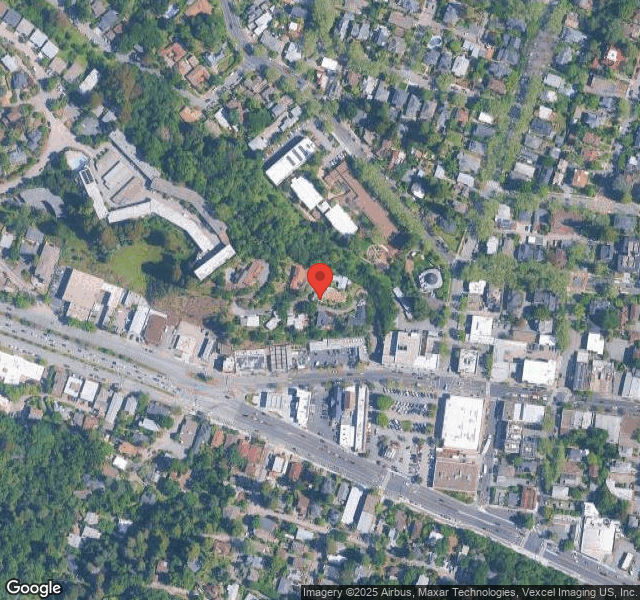
1601 5TH AVENUE, SAN RAFAEL, CA 94901 (415) 456-7170
For profit - Limited Liability company 54 Beds Independent Data: November 2025
Trust Grade
28/100
#900 of 1155 in CA
Last Inspection: March 2025

Within standard 12-15 month inspection cycle. Federal law requires annual inspections.

Overview

San Rafael Healthcare & Wellness Center has received a Trust Grade of F, indicating significant concerns and a poor overall rating. They rank #900 out of 1155 facilities in California, placing them in the bottom half of state nursing homes, and #8 out of 11 in Marin County, meaning only a few local options are worse. The facility is experiencing a worsening trend, with issues increasing from 2 in 2024 to a staggering 32 in 2025. Staffing is a concern as well, with a turnover rate of 51%, which is above the California average of 38%, and overall staffing is rated at 2 out of 5 stars, indicating below-average performance. Specific incidents of concern include a resident who suffered severe falls due to inadequate monitoring and a lack of physical therapy, and unsafe food preparation practices that could expose residents to foodborne illnesses. While the facility does have average RN coverage, the high number of issues and critical deficiencies suggest families should carefully consider their options before choosing this nursing home.

Trust Score
F
28/100
In California
#900/1155
Bottom 23%
Safety Record
High Risk
Review needed
Inspections
Getting Worse
2 → 32 violations
Staff Stability
⚠ Watch
51% turnover. Above average. Higher turnover means staff may not know residents' routines.
Penalties
✓ Good
$8,278 in fines. Lower than most California facilities. Relatively clean record.
Skilled Nurses
⚠ Watch
Each resident gets only 29 minutes of Registered Nurse (RN) attention daily — below average for California. Fewer RN minutes means fewer trained eyes watching for problems.
Violations
⚠ Watch
56 deficiencies on record. Higher than average. Multiple issues found across inspections.
★★☆☆☆
2.0
Overall Rating
★★☆☆☆
2.0
Staff Levels
★★★☆☆
3.0
Care Quality
★★☆☆☆
2.0
Inspection Score
Stable
2024: 2 issues
2025: 32 issues

The Good

  • Full Sprinkler Coverage · Fire safety systems throughout facility
  • No fines on record

Facility shows strength in fire safety.

The Bad

2-Star Overall Rating

Below California average (3.1)

Below average - review inspection findings carefully

Staff Turnover: 51%

Near California avg (46%)

Higher turnover may affect care consistency

Federal Fines: $8,278

Below median ($33,413)

Minor penalties assessed

The Ugly 56 deficiencies on record

1 actual harm
Jul 2025 1 deficiency
CONCERN (D) 📢 Someone Reported This

A family member, employee, or ombudsman was alarmed enough to file a formal complaint

Potential for Harm - no one hurt, but risky conditions existed

Free from Abuse/Neglect (Tag F0600)

Could have caused harm · This affected 1 resident

**NOTE- TERMS IN BRACKETS HAVE BEEN EDITED TO PROTECT CONFIDENTIALITY** Based on observation, interview, and record review, the facility failed to protect one resident (Resident 1) of four sampled res...

Read full inspector narrative →
**NOTE- TERMS IN BRACKETS HAVE BEEN EDITED TO PROTECT CONFIDENTIALITY** Based on observation, interview, and record review, the facility failed to protect one resident (Resident 1) of four sampled residents from abuse when Resident 1 wandered into Resident 2's room and became verbally and physically aggressive. This failure resulted in Resident 2 punching Resident 1 in the face when Resident 1 would not leave Resident 2's room after repeated requests.On 7/3/25 at 4:33 p.m., the Department received a report from the facility that indicated, On 7/3/25 at 1:40 p.m. [Resident 1] was observed in [Resident 2's] room by the housekeeper and had to be separated immediately. Upon interviewing [Resident 2], he stated that [Resident 1] came into his room and would not leave. [Resident 1] was standing at the bedside with his hands up in a fist while [Resident 2] was laying down telling him to leave. According to [Resident 2] he struck [Resident 1] in the face and chest.During an observation on 7/16/25 at 1:17 p.m., Resident 1 was walking in the hallway of Station 1. Staff were trying to encourage him to come to his room to eat some lunch, which he did.During an interview on 7/16/25 at 1:43 p.m., Resident 2 stated that on 7/3/25, he was asleep in bed when Resident 1 came in his room yelling and screaming. Resident 2 stated he asked Resident 1 to leave three times, but Resident 1 did not leave. Resident 2 stated Resident 1 came over to him yelling, You die! You die! and grabbed his (Resident 2's) shirt. Resident 2 stated that at that point he punched Resident 1 several times in the face, and staff came in and separated them. Resident 2 stated Resident 1 had come in his room before at night and taken his belongings, but had never been physically aggressive. Resident 2 stated he felt unsafe because Resident 1 had made threats against his life. Resident 2 stated there was nowhere for him to run (since he was in bed), so he hit Resident 1 because his only other alternative was to get beat up.During an interview on 7/16/25 at 1:56 p.m., the Activities Director (AD) stated that during the Resident Council meeting last month (June), Resident 1 had wandered in and out a couple of times. The AD stated he went around the facility to ask residents what topics they would like discussed at the upcoming ad hoc Resident Council meeting, and one of the issues that residents complained of the most was wandering residents. The AD stated the facility was currently experiencing a COVID outbreak, and residents were concerned that the wandering resident was spreading the infection around the building by wandering in and out of rooms. The AD stated the residents also felt the wandering resident was invading their privacy.During an interview on 7/16/25 at 2:09 p.m., Resident 3 stated Resident 1 wandered in her room occasionally. Resident 3 stated Resident 1 came in, nods at her, and then goes away.During an interview on 7/16/25 at 2:12 p.m., Resident 4 stated she lived in a room just a few doors down from where Resident 1 lived. Resident 4 stated Resident 1 went in and out of people's rooms including hers. Resident 4 stated the reason she kept her door closed was to keep Resident 1 out of her room. Resident 4 stated she preferred to keep her door open and keeping it closed made her feel isolated. Resident 4 stated she felt violated when Resident 1 wandered into her room. Resident 4 stated that when her door was open, Resident 1 would wander in several times a day.During an interview on 7/16/25 2:19 p.m., Resident 5 stated Resident 1 had come into his room on a nightly basis until two weeks ago. Resident 5 stated that when Resident 1 came into his room he would stand and babble a lot, and sometimes Resident 1 would be argumentative, combative, and irritable. Resident 5 stated that when Resident 1 wandered into his room it made him feel annoyed.During an interview on 7/16/25 at 3:22 p.m., the Social Services Director verified Resident 1 had a wandering behavior.During a phone interview on 7/17/25 at 3:15 p.m., Environmental Services Staff (ESS) stated he recalled that on 7/3/25, he was taking his bucket to the room where Resident 2 resided. ESS stated he heard Resident 1 yelling, I killing you! I killing you! and then he saw Resident 2 punched Resident 1 in the face. ESS stated he yelled for help and then told Resident 1, This is not your room. ESS stated three staff came and helped separate the residents, but ESS could not recall who came. ESS stated that when he entered Resident 2's room, Resident 1 had his hands in fists and was touching Resident 2 with his fists, but did not hit him.During an interview on 7/18/25 at 10:30 a.m., the Administrator verified that when Resident 2 punched Resident 1 in the face on 7/3/25, it was considered abuse per facility policy for abuse prevention. The Administrator stated that the abuse could have been prevented by redirecting Resident 1 away from Resident 2's room. The Administrator stated Resident 1 should not have been in Resident 2's room.Review of Resident 1's medical record revealed Resident 1's face sheet indicated an admission date of 10/18/23, and medical diagnoses including dementia (loss of the ability to think, remember, and reason to the extent that it interferes with daily life and activities) with behavioral disturbance, cognitive (related to thinking, reasoning, or remembering) communication deficit, and need for assistance with personal care, among others. Review of Resident 1's Minimum Data Set (an assessment tool), dated 6/24/25, indicated Resident 1 had a BIMS score of 6 (Brief Interview for Mental Status, a score of 0 to 7 indicates severe cognitive impairment). Resident 1's care plan indicated a focus area, initiated 4/24/24, The resident is an elopement risk/wanderer [related to] Disoriented to place, Resident wanders aimlessly, with interventions that included, Assist resident when ambulating, and, Distract resident from wandering by offering pleasant diversions, structured activities, food, conversation, television, book.Review of Resident 2's medical record revealed Resident 2's face sheet indicated an admission date of 1/20/25, and medical diagnoses including metabolic encephalopathy (a problem in the brain caused by a chemical imbalance in the blood), among others. Resident 2's Minimum Data Set, dated [DATE], indicated a BIMS score of 14 (a score of 13 to 15 indicates intact cognition).Review of facility policy and procedure, Abuse Prevention and Management, dated 6/12/24, indicated, 'Abuse' is defined as the willful, deliberate infliction of injury . ‘Physical abuse' is defined as, but not limited to, hitting, slapping, punching and/or kicking Further review of the policy and procedure indicated under section, Prevention: The Facility identifies, corrects, and intervenes in situations in which abuse . is more likely to occur.
Jun 2025 3 deficiencies
CONCERN (D) 📢 Someone Reported This

A family member, employee, or ombudsman was alarmed enough to file a formal complaint

Potential for Harm - no one hurt, but risky conditions existed

Deficiency F0557 (Tag F0557)

Could have caused harm · This affected 1 resident

**NOTE- TERMS IN BRACKETS HAVE BEEN EDITED TO PROTECT CONFIDENTIALITY** Based on observation, interviews, and record reviews, the facility failed to ensure two out of five sampled residents (Resident ...

Read full inspector narrative →
**NOTE- TERMS IN BRACKETS HAVE BEEN EDITED TO PROTECT CONFIDENTIALITY** Based on observation, interviews, and record reviews, the facility failed to ensure two out of five sampled residents (Resident 1 and Resident 2) were treated with respect and dignity when: 1. A call light (a signal that residents in healthcare facilities use to alert staff when they need assistance) was not answered timely by facility staff, and 2. A foley catheter (FC, a hollow tube inserted into the bladder to drain or collect urine) drainage bag (bag that collects the drained urine) did not have a privacy cover. These failures had the potential to negatively affect residents' sense of dignity and privacy.[AV3] Findings: A review of Resident 1's face sheet (front page of the chart that contains a summary of basic information about the resident) indicated Resident 1 was admitted to the facility in May of 2025 with diagnoses including Chronic Pain Syndrome (CPS, pain that lasts longer than three months) and Functional Quadriplegia (paralysis from the neck down, including legs, and arms, usually due to a spinal cord injury). A review of Resident 1's Minimum Data Set (MDS – a federally mandated resident assessment tool), dated 5/11/25, indicated Resident 1 was dependent on staff (staff does all the efforts and resident does none of the effort to complete the activity) for care with toileting and personal hygiene. A review of Resident 2's face sheet indicated Resident 2 was admitted to the facility in March of 2022 with diagnoses including Dysphagia (difficulty swallowing) and a need for assistance with personal care. A review of Resident 2's Brief Interview for Mental Status (BIMS, an assessment tool used by facilities to screen and identify memory, orientation, and judgement status of the resident), dated 3/7/25, indicated a score of 15, cognition in tact and no assessed memory problems. 1.During a concurrent observation and interview on 6/3/25 at 11:21 a.m., the call light for room [ROOM NUMBER] was on, indicating a need for assistance, and multiple staff were observed passing by without responding to the call light. Unlicensed Staff A, when stopped, stated she was a new employee and looked at the call light but did not respond to the residents in room [ROOM NUMBER] that were signaling for assistance. During an interview on 6/3/25 at 11:23 a.m., Resident 1 in room [ROOM NUMBER] acknowledge the call light was on for assistance and stated staff does not respond to the call light promptly. Resident 1 stated previously she had to wait for hours before staff answered her call light. Resident 1 stated sometimes she would yell and still no one would come. Resident 1 stated when staff do not respond to the call light promptly, she felt like staff did not care about her. During a concurrent observation and interview on 6/3/25 at 11:39 a.m., Licensed Nurse (LN) B verified the call light for room [ROOM NUMBER] was still on. LN B stated everyone was responsible for answering call lights, and added, since everyone oversees answering call lights, call lights must be answered promptly, at least within 3 to 5 minutes. LN B stated there was no reason why a call light should not be answered promptly since anyone could answer it. LN B stated it was not acceptable for residents to wait over 15 minutes for call light to be answered. LN B stated not answering call light timely could make residents feel like staff did not recognize their needs or that the residents' needs did not matter. During an interview on 6/3/25 at 11:44 a.m., Unlicensed Staff C stated it was every staff's responsibility to respond to and answer call lights. Unlicensed Staff C added, call lights should be answered promptly, within two to three minutes, and it was not acceptable for residents to wait over 10 minutes for a call like to be answered. During an interview on 6/3/25 at 11:53 a.m., Resident 2 stated she had experienced waiting for about 30 minutes to an hour before staff have answered her call light. Resident 2 stated some staff just don't answer call lights timely. Resident 2 explained, it was very frustrating when her call light was on but no one was coming and she felt disrespected. During an interview on 6/3/25 at 1:30 p.m., the Director of Staff Development (DSD) stated answering a call light was everyone's responsibility per the facility's policy. The DSD stated call lights should be answered immediately within 2 to 3 minutes and it was not acceptable for residents to wait over 10 minutes for the call light to be answered. The DSD stated call lights should be answered in a timely manner to ensure the residents were safe and to prevent accidents and injuries. A review of the facility's policy and Procedure (P&P) titled Communication-Call System, revised 1/1/12, the P&P indicated, Purpose .To provide a mechanism for resident to promptly communicate with nursing staff . nursing staff will answer call bells promptly . 2. During a concurrent observation and interview on 6/3/25 at 11:23 a.m., Resident 1 had a FC hanging on the right side of the bed with no cover on the drainage bag. Resident 1 stated staff never placed a cover on her FC drainage bag and did not think the facility had any FC drainage bag covers. During a concurrent observation and interview on 6/3/25 at 11:32 a.m., LN B verified Resident 1s FC drainage bag had no cover. LN B stated the facility policy was to ensure FC drainage bag were covered even when in bed to protect residents' privacy and dignity. LN B stated not placing a cover on the drainage bag could make the resident feel upset, ashamed, humiliated and could lead to increase discomfort around visitors. During an interview on 6/3/25 at 11:44 a.m., Unlicensed Staff C stated it was the facility's policy to ensure FC drainage bag was covered even when resident was in bed. Unlicensed Staff C stated it was a dignity issues cause not putting a cover on a FC drainage bag could result in resident feeling humiliated or undignified. During an interview on 6/3/25 at 1:30 p.m., the DSD stated it was the facility's policy to ensure FC drainage bags were covered. The DSD stated if the FC drainage bag was not covered it meant the facility policy was not followed and would be a privacy and dignity issue for the resident. A review of the facility policy and procedure (P&P) titled Catheter- Care of, revised 6/10/21, the P&P indicated, . the resident's privacy and dignity will be protected by placing cover over drainage bag . A review of the facility's P&P titled Resident's Rights revised 1/1/12, the P&P indicated, .Purpose .To promote and protect the rights of all residents .state and federal laws guarantee basic rights to all residents of the facility, these right includes privacy and confidentiality .
CONCERN (D) 📢 Someone Reported This

A family member, employee, or ombudsman was alarmed enough to file a formal complaint

Potential for Harm - no one hurt, but risky conditions existed

Deficiency F0658 (Tag F0658)

Could have caused harm · This affected 1 resident

Based on observations, interviews and record reviews, the facility failed to provide service aligned with professional standards for one out of five sampled residents (Resident 1) when medication was ...

Read full inspector narrative →
Based on observations, interviews and record reviews, the facility failed to provide service aligned with professional standards for one out of five sampled residents (Resident 1) when medication was left unattended on Resident ' s overbed table. This failure had the potential for the medication to be taken by unintended persons with potentially serious consequences. Findings: A review of Resident 1's face sheet (front page of the chart that contains a summary of basic information about the resident) indicated Resident 1 was admitted to the facility in May of 2025 with diagnoses including Dysphagia (difficulty swallowing). A review of Resident 1's care plan (CP, a detailed, written document that outlines a resident's individual needs, goals, and how their care will be managed), date initiated 10/25/24, indicated, The resident requires tube feeding [TF, a medical device used to provide nutrition and medication to people who are unable to swallow safely] r/t [related to] dysphagia . During a concurrent observation and interview on 6/3/25 at 11:23 a.m., in Resident 1's room, there was a whitish watery substance in plastic cup and a syringe in a cup on Resident 1's overbed table. Resident 1 verified the whitish watery substance in plastic cup was her medication that the nurse left there. Resident 1 indicated she did not know why the medication was left and added, staff would sometimes leave her medications at her bedside or overbed table. During a concurrent observation and interview on 6/3/25 at 11:39 a.m., Licensed Nurse (LN) B verified the whitish watery substance in the medicine cup on Resident 1's overbed table, appeared to be Resident 1's medication. LN B stated it was the facility's policy not to leave medications at residents' bedside as it was a big safety concern. LN B added, the facility had a lot of confused residents who wandered around that could go to another residents' rooms and ingest the medication that was left unattended at the bedside. During an interview on 6/3/25 at 1:22 p.m., the Director of Staff Development (DSD) verified Resident 1's medications were given via feeding tube and Resident 1's medication was left unattended at Resident 1's overbed table. The DSD stated the nurse in charge of Resident 1 had called her because she was having trouble administering the medication. The DSD stated the nurse left the medication at Resident 1's bedside unattended. The DSD acknowledged it was a safety issue to leave a medication at bedside unattended and could lead to serious consequences which could harm residents. A review of the facility's policy and procedure (P&P) titled Specific Medication Administration Procedure effective 4/2008, the P&P indicated, .To administer medications in a safe and effective manner .[medication] once removed from the package or container, unused doses should be disposed of in accordance with the medication destruction policy . A review of the facility's policy and procedure (P&P) titled, .Self-Administration of Medications, dated 4/2008, indicated, .Bedside medication storage is permitted only when it does not present a risk to confused residents who wander into the rooms .
CONCERN (D) 📢 Someone Reported This

A family member, employee, or ombudsman was alarmed enough to file a formal complaint

Potential for Harm - no one hurt, but risky conditions existed

Infection Control (Tag F0880)

Could have caused harm · This affected 1 resident

Based on observation, interviews and record reviews, the facility failed to a safe and sanitary environment for three out of five sampled residents when: 1. Toothbrushes found in a shared bathroom wer...

Read full inspector narrative →
Based on observation, interviews and record reviews, the facility failed to a safe and sanitary environment for three out of five sampled residents when: 1. Toothbrushes found in a shared bathroom were not labeled with the resident names, and 2. Resident's foley catheter (FC, a hollow tube inserted into the bladder to drain or collect urine) tubing (a thin, flexible tube connected to a catheter that drains urine from the bladder into a collection bag) was on a contaminated surface. These failures put the residents at risk for the transmission of infections. Findings: 1.During a concurrent observation and interview on 6/3/25 at 12:19 p.m., Licensed Nurse (LN) B in Resident 3's and Resident 6's room, verified Resident 3 did not have a toothbrush on or in the bedside table/bedside drawer. During a concurrent observation and interview on 6/3/25 at 12:49 p.m., in the shared bathroom for Resident 3 and Resident 6, Unlicensed Staff D verified there were 2 toothbrushes in the bathroom that were not labeled with names. Unlicensed Staff D stated if the toothbrushes were not labeled with the residents' name it meant the facility policy was not followed. Unlicensed Staff D stated, I'm not sure which toothbrush belonged to which resident since they were unlabeled. Unlicensed Staff D stated staff should put the resident names on their toothbrush and toothpaste to prevent confusion and accidental use of a toothbrush that does not belong to the resident. During an interview on 6/3/25 at 1:45 p.m., the Director of Staff Development (DSD) verified residents' toothbrushes, especially when kept in the bathroom that was shared with a roommate, should be labeled with their names. The DSD added, toothbrushes labeled with each resident's name was important for infection control and to ensure each resident used their own toothbrush. A review of the facility's policy and procedure (P&P) titled Oral Care, revised 1/1/12, the P&P indicated, .each toothbrush of a resident must be labeled with resident's name, unless kept in the resident's bedside drawer 2. During an observation on 6/3/25 at 11:23 a.m., Resident 1 had a FC hanging on the right side of her bed while the FC tubing was touching a fall mattress (mat placed on the floor that decreases the impact of a fall and reduces the risk of fall-related injuries). During a concurrent observation and interview on 6/3/25 at 11:32 a.m., LN B verified Resident 1's FC tubing was touching the fall mattress and added, the FC tubing should not touch the floor or the fall mattress because those were dirty/contaminated surfaces. LN B stated allowing the FC tubing to touch the fall mattress was unsanitary and could result in resident getting sick with an infection. During an interview on 6/3/25 at 11:44 a.m., Unlicensed Staff C stated it was the facility's policy to ensure FC tubing did not touch the floor or the fall mattress because these surfaces are dirty and contaminated. Unlicensed Staff C stated allowing the FC tubing to touch the floor or fall mattress could result in the resident getting an infection. During an interview on 6/3/25 at 1:30 p.m., the DSD stated the FC tubing should not touch the floor or the fall mattress because these were considered dirty surfaces. The DSD stated if the FC tubing lays on the floor or fall mattress, it could cause an infection. A review of the facility P&P titled Catheter- Care of, revised 6/10/21, the P&P indicated, . the catheter tubing, bag or spigot will be anchored to not touch the floor . A review of the facility's P&P titled Infection Control- Policies and Procedures dated 1/1/12, the P&P indicated, . to facilitate maintaining a safe, sanitary and comfortable environment and to help prevent and manage transmission of disease and infections .
May 2025 1 deficiency
CONCERN (D) 📢 Someone Reported This

A family member, employee, or ombudsman was alarmed enough to file a formal complaint

Potential for Harm - no one hurt, but risky conditions existed

Report Alleged Abuse (Tag F0609)

Could have caused harm · This affected 1 resident

Based on interviews and record reviews, the facility failed to ensure: 1. An alleged sexual abuse incident on 4/28/25 was reported to the local ombudsman (an advocate for residents of nursing homes, b...

Read full inspector narrative →
Based on interviews and record reviews, the facility failed to ensure: 1. An alleged sexual abuse incident on 4/28/25 was reported to the local ombudsman (an advocate for residents of nursing homes, board and care centers, and assisted living facilities), the California Department of Public Health (the state) and local law enforcement within 2 hours after the allegation was made, 2. Staff were knowledgeable of the abuse reporting guidelines: whom to report abuse allegations and the time frame for reporting abuse allegations, and 3. The facility ' s Abuse Policy and Procedure (P&P) titled Reporting Abuse, revised 1/8/2014, reflects the current reporting guidelines. These failures could put all 52 residents of the facility at risk for abuse without timely interventions. Findings: 1. A review of the Report of suspected Dependent Adult/Elder Abuse, received by the state on 4/28/25 at 12:06 p.m., indicated, .on 4/28/25 at 9:00AM [Resident 2] was getting coffee and greeted [Resident 3]. [Resident 3] responded by saying let ' s go while grabbing [Resident 2 ' s] genital area . and [Resident 2] reported it to the facility dietary Supervisor . During an interview on 5/7/25 at 3:48 p.m., the Social Services Director (SSD) stated abuse allegations should be reported to the state, ombudsman and the police immediately within two hours of incident. The SSD stated the alleged sexual abuse reported by Residents 2 qualified for the two-hour reporting guideline. The SSD stated it was important to report abuse allegations immediately, so it does not happen again, for resident safety and to protect residents from further harm. During a concurrent interview and record review on 5/7/25 at 4:39 p.m., with the Director of Staff Development (DSD), the Report of suspected Dependent Adult/Elder Abuse, dated 4/28/25, was reviewed. The DSD verified that this sexual abuse allegation was reported at 9:00 a.m. and the fax confirmation to CDPH indicated it was sent at 12:06 p.m. The DSD verified the initial report did not meet the 2-hour reporting guideline. The DSD stated all abuse allegations should be reported to the ombudsman, the state and the police within 2 hours of the incident. The DSD stated it was important that abuse allegations were reported timely to ensure residents ' safety. 2. During an interview on 5/7/25 at 4:08 p.m., Licensed Nurse (LN) A stated all abuse allegations should be reported to the ombudsman and CDPH. She stated if the abuse allegation resulted to harm, then it should be reported to the police. LN A stated all abuse allegations should be reported immediately within 24 hours of the incident. She stated it was important to report immediately to provide quick intervention and protect residents from further harm. During an interview on 5/7/25 at 4:10 p.m., LN B stated all abuse allegations should be reported to the state and ombudsman. LN B stated if the abuse was egregious, then it should be reported to the police. LN B stated all abuse allegations should be reported immediately within 24 hours. LN B stated reporting abuse allegations timely ensure events were still fresh on the reporters ' mind, ensure residents safety and could stop the abuse from happening again. During an interview on 5/7/25 at 4:13 p.m., Unlicensed Staff C stated all abuse allegations should be reported to the ombudsman and the state as soon as possible within 24 hours of the incident. Unlicensed Staff C stated it was important to report abuse allegations immediately for residents ' safety and to protect residents from further harm. 3. A review of the All Facilities Letter (AFL, information contained may include changes in requirements in healthcare, enforcement, new technologies, scope of practice, or general information that affects the health facility) 21-26, dated 7/26/21, indicated, . Pursuant to Title 42 CFR section 483.12(c)(1) . facilities must report any instance of suspected or alleged abuse neglect, exploitation, and/or mistreatment of elders or dependent adults to their local law enforcement agency, LTC ombudsman, and [the state]. When to Report . for incidents that involve abuse or result in serious bodily injury, facilities must: Call local law enforcement immediately, but no later than two hours after the allegation is made. File a written or electronic report to the LTC ombudsman, local law enforcement, and [the state] within two hours . for any other reasonable suspicion that does not result in abuse or serious bodily injury, facilities must: Call local law enforcement as soon as possible, but no later than 24 hours after the allegation is made. File a written or electronic report to the LTC ombudsman, local law enforcement and DO within 24 hours . A review of the facility ' s P&P titled Reporting Abuse, revised 1/8/2014, indicated, .If the reportable incident results in serious bodily injury, a telephone report shall be made to the local law enforcement agency immediately and no later than 2 hours of the observation, knowledge or suspicion of the physical abuse. In addition, a written report shall be made to the local ombudsman, the California Department of Public Health and the local law enforcement agency within 2 hours of the observation, knowledge or suspicion of the physical abuse .If the reportable incident does not result in serious bodily injury, the Administrator or his/her designee, will make a telephone report to the local law enforcement agency within 24 hours of the observation knowledge or suspicion of the physical abuse. In addition, a written report shall be made to the local ombudsman, the California Dept of Public Health and the local law enforcement agency within 24 hours of the observation, knowledge or suspicion of the physical abuse .If the suspected abuse is allegedly caused by a resident who has been diagnosed with dementia, and a license nurse reasonably determines that there is no serious bodily injury, the administrator, or his/her designee, shall report to the Ombudsman or law enforcement agency telephone report shall be made to the local law enforcement agency by telephone as soon as practically possible and write a written report within 24 hours of the observation, knowledge or suspicion of the abuse .
Apr 2025 2 deficiencies
CONCERN (D) 📢 Someone Reported This

A family member, employee, or ombudsman was alarmed enough to file a formal complaint

Potential for Harm - no one hurt, but risky conditions existed

Deficiency F0697 (Tag F0697)

Could have caused harm · This affected 1 resident

Based on observation, interview, and record review, the facility failed to ensure pain management was provided to 1 of 3 sampled residents (Resident 1), when Resident 1 ' s pain intensity level was no...

Read full inspector narrative →
Based on observation, interview, and record review, the facility failed to ensure pain management was provided to 1 of 3 sampled residents (Resident 1), when Resident 1 ' s pain intensity level was not re-assessed for effectiveness one hour after administration of pain medication administration. This failure resulted in Resident 1 ' s report of experiencing pain, feeling like she had a ball inside her, while grimacing and holding her hands around her abdomen. Findings: A review of Resident 1 ' s face sheet (front page of the chart that contains a summary of basic information about the resident) indicated Resident 1 was admitted to the facility in July 2024, with diagnoses including chronic pain syndrome (a condition in which a person experiences pain longer than 3 months), stage IV pressure ulcer (wound with full-thickness skin and tissue loss with exposed muscle, tendon, ligament, cartilage, or bone) to sacrum area (lower back area) and recently placed on hospice care (compassionate care for people who are near the end of life provided at the person ' s home or within a health care facility). During a review of Resident 1 ' s Acute Pain [sudden pain] / Chronic Pain [long term pain] . care plan, initiated on 12/30/24, indicated, . Goal Resident will report satisfactory pain control Interventions [actions taken to prevent, diagnose or treat health condition] . Administer pain medications per order, if non-medication interventions are ineffective . Medicate with PRN [as needed] medications if non-medication interventions are ineffective . Monitor for factors/activities that precipitate [bring about abruptly] or aggravate pain . A review of Resident 1 ' s MAR and active medication orders, for April 2025, indicated, Resident 1 had been prescribed oxycodone-acetaminophen (oxycodone, a pain medication) 3/325 mg (milligram, unit of measure) every four hours as needed (PRN) for pain and morphine sulphate (morphine, a pain medication) solution, 0.25 ml (milliliters, a unit of measure) every one hour PRN. During an interview on 4/23/25 at 12:05 p.m., with Licensed Nurse 1 (LN 1), LN 1 stated when assessing a resident ' s pain, she used the pain scale tool (a tool used to help residents communicate the intensity of their pain to medical professionals on a scale zero to 10, with zero is no pain and 10 is the worst pain imaginable). LN 1 added, after giving pain medication to a resident, she would re-assess the resident in one hour to monitor the effectiveness of the pain medication. During an interview on 4/24/25 at 10:50 a.m. with LN 1, LN 1 stated she administered morphine to Resident 1 around 8:03 a.m. to treat her pain. As of 10:50 a.m., LN 1 stated she had not yet performed the follow-up pain level re-assessment for determination of medication effectiveness, and/or whether Resident would need additional medication to treat any possible remaining pain. An observation on 4/24/25 at 10:52 a.m. LN 1 entered Resident 1 ' s room and asked Resident 1 if she was in any pain. Resident 1 replied yes, and added she felt like she had, a ball inside her, while motioning with her hands around her abdominal area. LN 1 asked Resident 1 what her pain level was. Resident 1 stated, while she grimaced and held her abdomen, she was still in pain at a pain level of five. During a record review of Resident 1 ' s MAR, dated April 2025, LN 1 had documented a follow up pain assessment to her 8:03 a.m. administration of morphine sulphate at 10:53 a.m. as Effective with a pain level of 5. During a concurrent interview and record review on 4/24/25, at 2:42 p.m., with the Director of Nursing (DON), the facility ' s policy and procedure (P&P) titled, Administration of Pain Medication, undated, was reviewed. The DON stated the facility ' s policy for reassessing pain level after a pain medication administration was to occur 1 hour after the pain medication is given and read the verbiage directly off the facility P&P. The DON explained, her expectation is that the licensed nurses follow the facility policy for pain medication administration, including re-assessment of intensity of the resident ' s pain one hour after pain medication has been administered, and acknowledged the risk of not doing so is the resident may experience pain which could have been prevented if the pain had been assessed timely, after a pain medication administration, per the facility ' s policy.
CONCERN (E) 📢 Someone Reported This

A family member, employee, or ombudsman was alarmed enough to file a formal complaint

Potential for Harm - no one hurt, but risky conditions existed

Deficiency F0919 (Tag F0919)

Could have caused harm · This affected multiple residents

Based on observation, interview, and record review, the facility failed to ensure four of five sampled residents (Resident 1, Resident 3, Resident 4 and Resident 5) could call for staff assistance thr...

Read full inspector narrative →
Based on observation, interview, and record review, the facility failed to ensure four of five sampled residents (Resident 1, Resident 3, Resident 4 and Resident 5) could call for staff assistance through a communication system when the call lights (a device that allows residents to signal staff for assistance) were not found within the residents' reach. These failures had the potential to result in residents ' inability to notify staff when needing help and could lead to safety issues. Findings: During a concurrent observation and interview on 4/23/25 at 12:47p.m, Resident 1 was in her room in bed and her call light was hanging on a dresser in a box. Resident 1 stated she did not know where her call light was. In a concurrent observation and interview on 4/23/25 at 12:50 p.m. with Licensed Nurse (LN) 1, LN 1 entered Resident 1 room, LN 1 confirmed that the call light was not within reach of Resident 1 and that it should have been. During an observation and interview on 4/23/25 at 1:07 p.m., Resident 3 was in her room lying in bed. She gestured, trying to reach the call light but was unable to reach it as it was clipped to the curtain out of her reach. During a concurrent interview and observation on 4/23/25 at 1:08 p.m. with LN 2, LN 2 entered Resident 3 ' s room and confirmed the call light was not within Resident 3's reach. LN 2 stated the call light should be within the resident ' s reach and being out of reach would be a problem if the resident needed to call for help. During a concurrent interview and observation on 4/23/25 at 1:11p.m. with Resident 4, Resident 4 was alone in her room, sitting up in bed with a tray table with food in front of her. Resident 4 stated she did not know where her call light was. During a concurrent interview and observation on 4/23/25 at 1:12 p.m. with the Social Services Director (SSD), the SSD confirmed that Resident 4 ' s call light was attached to the curtain, where it should not be because the resident could not reach it. During a concurrent interview and observation on 4/23/25 at 1:15p.m with the Registered Dietician (RD) in Resident 5 ' s room, Resident 5 was alone in her room in a reclined chair next to her bed. The RD confirmed the call light was behind Resident 5, on the dresser in a drawer, and not in reach of the resident. During an interview on 4/24/25 at 2:42 p.m. with the Director of Nursing (DON), the DON stated it was her expectation that call lights would be in easy reach of the residents. The DON added, call lights out of reach of residents could be a potential safety issue for example, if a resident fell. A review of the facility ' s policy and procedure titled, Communication-Call System, revised 1/1/12, the policy stipulated, .Call cords will be placed within the resident ' s reach in the resident ' s room .
Apr 2025 1 deficiency
CONCERN (E) 📢 Someone Reported This

A family member, employee, or ombudsman was alarmed enough to file a formal complaint

Potential for Harm - no one hurt, but risky conditions existed

Deficiency F0552 (Tag F0552)

Could have caused harm · This affected multiple residents

**NOTE- TERMS IN BRACKETS HAVE BEEN EDITED TO PROTECT CONFIDENTIALITY** Based on observation, interview, and record review, the facility failed to honor the residents' right to be informed of the plan...

Read full inspector narrative →
**NOTE- TERMS IN BRACKETS HAVE BEEN EDITED TO PROTECT CONFIDENTIALITY** Based on observation, interview, and record review, the facility failed to honor the residents' right to be informed of the plan of care when five of nine sampled residents were not told before admission that their physical therapy (treatment that helps improve how the body performs physical movements) would be done via telehealth (health-related services through live video call) or that they would only receive one session per week. This failure caused residents to feel let down, feel that their progress was slower than they expected, and caused Resident 7 and Resident 8 to not participate in physical therapy. Finding: During an observation on 4/3/25 at 10:35 a.m., a staff member donned a gown and gloves at the doorway to Resident 1's room, and then entered the room bringing a walker and an iPad on wheels to Resident 1's bedside. A voice from the iPad gave instructions to Resident 1 to get up from the bed and go for a walk. The staff in the room assisted Resident 1 to get up and put a gait belt on the resident. The voice from the iPad instructed the Resident 1 to walk five laps in the room. Resident 1 walked back and forth to the door and his bed. The voice on the iPad stated, You're doing great, [Resident 1]! Resident 1 got back in bed, and the voice on the iPad stated, Wonderful! Great job, [Resident 1]. Thank you. The voice on the iPad asked the staff in the room how many feet she thought the resident walked and the staff responded, 20 feet. The voice on the iPad said goodbye to the resident and the staff rolled the iPad out of the room. During an interview on 4/3/25 at 10:48 a.m., Restorative Nursing Assistant (RNA, a healthcare aide who helps patients with activities of daily living, mobility, and strengthening exercises, working under the supervision of other healthcare professionals like nurses or therapists) verified the voice on the iPad was a physical therapist located in a city approximately 390 miles away. RNA stated she began assisting the physical therapist with telehealth sessions about two months ago when the facility's physical therapist resigned. During an interview on 4/3/25 at 11:05 a.m., Resident 2 stated she was here for rehabilitation. Resident 2 stated she worked with Physical Therapist (PT) A on Zoom and Occupational Therapist (OT, a healthcare professional who helps people of all ages who have physical, sensory, or cognitive problems regain independence in all areas of their lives) B in person. During an interview on 4/3/25 at 11:42 a.m. Rehabilitation (Rehab) Director stated PT coverage had been a challenge. Rehab Director stated they had been looking at all avenues with no success finding a PT to hire. Rehab Director stated they currently had PT A who did telehealth physical therapy sessions two days a week, and PT C who did telehealth physical therapy evaluations. Rehab Director stated the facility currently had 14 residents with orders for physical therapy. Rehab Director stated PT A was seeing 9 residents today. Rehab Director stated some residents got physical therapy once a week, and some got physical therapy twice a week. Rehab Director verified the residents were limited to physical therapy no more than twice per week. Rehab Director stated PT A could see up to 10 or 11 residents per day. During an interview on 4/3/25 at 2:58 p.m., Rehab Director verified that one to two sessions per week of physical therapy was lower than industry standard and the residents would benefit from more. Rehab Director verified PT C was recommending only one to two sessions per week in her evaluations because she knew that was all they could accommodate. During an interview on 4/7/25 at 2:19 p.m., Resident 3 verified he was here to get therapy. Resident 3 stated he had the same strength now as when he got here. Resident 3 stated he had been here for several weeks and was getting less exercise now than in the beginning. Resident 3 stated that initially he thought he was making more progress, but now not so much. When queried, Resident 3 stated his wife had talked to the staff more than he had about his lack of progress. Resident 3 stated his plan was to go home but was not sure yet if he would be strong enough. Review of Resident 3's face sheet revealed an admission date of 2/20/25 and multiple diagnoses including left knee pain and difficulty in walking. Review of Resident 3's MDS (minimum data set, an assessment tool) dated 2/24/25 revealed a BIMS score of 13 (Brief Interview for Mental Status, a score of 13 to 15 indicates intact cognition). During an interview on 4/7/25 at 2:46 p.m., Resident 4 stated she had been here at the facility since late December 2024. Resident 4 stated she was supposed to be discharged home when she could walk, but currently could only take a few steps. Resident 4 stated she took advantage of as much physical therapy as she was able to. Resident 4 stated she had one telehealth session with PT A and RNA last week. Resident 4 stated she would like more physical therapy. Resident 4 stated she saw a man (another resident) walking today and said to herself, That's what I want to be able to do. Resident 4 stated she had been getting one session a week of physical therapy since December, I want more than that, I need more than that obviously if I'm going to be able to walk. Resident 4 stated when her husband was in a skilled nursing facility for rehab, he went daily. Resident 4 stated she thought she would be doing the same here. Resident 4 stated she did not know the physical therapy here would be telehealth. Resident 4 stated that when she found out the physical therapy was telehealth, I felt let down. Review of Resident 4's face sheet revealed and admission date of 12/24/24 with multiple medical diagnoses including difficulty in walking. Review of Resident 4's MDS dated [DATE] revealed a BIMS score of 14. During an interview on 4/7/25 at 3:20 p.m., Resident 5 verified he was getting physical therapy. Resident 5 stated, I desperately need physical therapy. Resident 5 stated he needed to be able to walk. Resident 5 stated his physical therapy sessions were with PT A on telehealth. Resident 5 stated his goal was to go home eventually. Resident 5 stated that at the hospital he was told this facility was skilled nursing and he would get the physical therapy that he needed. Resident 5 stated he was not told the physical therapy would be by telehealth. Resident 5 stated his social worker in the hospital told him the physical therapy would be three times a week. Review of Resident 5's face sheet revealed an admission date of 3/24/25 and multiple diagnoses including spinal stenosis (a condition where the spinal canal, which houses the spinal cord and nerves, narrows, causing pressure on these structures) and difficulty in walking. Review of Resident 5's MDS dated [DATE] revealed a BIMS score of 15. Review of Resident 5's physical therapy evaluation, dated 3/25/25, revealed the treatment approach would be one session per week. Further review of Resident 5's physical therapy evaluation revealed at the end of the document that the original treatment approach entered by PT C had been for three physical therapy sessions per week and Rehab Director had changed the frequency of physical therapy sessions from three to one. During an interview on 4/8/25 at 2:55 p.m., Rehab Director verified that she changed PT C's recommendation for Resident 5 to get three days a week of physical therapy to one day a week. Rehab Director stated, I changed it because we couldn't provide [physical therapy] 3 times a week. During an interview on 4/9/25 at 2:17 p.m., PT A stated she began doing telehealth physical therapy sessions for the facility about six weeks ago. PT A stated she would like to do more than one to two sessions per week with the residents, but she was unable to due to her schedule. PT A stated the residents were introduced to the fact that physical therapy was done through telehealth during the initial evaluation with PT C. PT A stated she got a verbal consent from the residents to do her sessions through telehealth at the beginning of each session, but she was not aware of any written consent for telehealth. During an interview on 4/9/25 at 2:30 p.m., with Director of Staff Development (DSD) and Medical Records Director, DSD stated she was involved in the admission process for new residents. DSD stated there was no consent for telehealth that she knew of. DSD stated the marketing director informed prospective residents that physical therapy was done by telehealth. Medical Record Director stated there was no written consent for telehealth, the consent for telehealth was verbal. During an interview on 4/10/25 at 1:34 p.m., Marketing Director stated she sometimes interacted with residents before their admissions, depending on the situation. Marketing Director stated she did not talk to prospective residents about therapy but told them they would have an initial evaluation on admission and the therapist would provide further detail about therapy. Marketing Director verified she did not tell residents the physical therapy would be via telehealth. When queried, Marketing Director stated all consents were obtained after admission. Marketing Director stated she had not shared with the case managers at the transferring hospitals that the physical therapy program was telehealth or that it was limited to one to two days per week. During an interview on 4/10/25 at 1:39 p.m., Family Member (FM) 6 verified she was Resident 3's spouse. When queried, FM6 stated she did not feel the facility was providing any therapy. FM6 stated Resident 3 had had no improvement in his mobility. FM6 stated they were not told about the physical therapy program here before Resident 3 came here. FM6 verified she was not told physical therapy would be one day per week and was not told it would be telehealth. FM6 stated this made her feel horrified. During an interview on 4/10/25 at 2:36 p.m., OT B stated part of the occupational therapy realm was to make sure the resident was strong enough to walk from the bed to the bathroom to the wheelchair. OT B stated that since there was no fulltime PT, the residents were not walking often enough so it was slowing down his progress with the residents. OT B stated physical therapy and occupational therapy complimented each other, so when the residents did not get full time physical therapy it took him longer to reach his goals for the residents. During an interview on 4/10/25 at 3:03 p.m., Resident 7 stated he was originally sent here for therapy. Resident 7 stated no one told him physical therapy would be telehealth. Resident 7 stated that when he found out it was telehealth, I didn't like that at all. Resident 7 stated he did one session of telehealth physical therapy and did not like it. Resident 7 stated he did not do any more physical therapy after that. When queried, Resident 7 stated he did not like that the telehealth was not one-on-one. Review of Resident 7's face sheet revealed an admission date of 3/28/25. Resident 7's MDS dated [DATE] indicated a BIMS score of 13. During an interview on 4/10/25 at 3:08 p.m., Resident 8 stated she was not that big on telehealth physical therapy. Resident 8 stated she had a fractured right knee. Resident 8 stated she needed to do physical therapy, and she needed it to be one-on-one. Resident 8 stated she did not know physical therapy was telehealth before she came here. Resident 8 stated she called the hospital after she got here to tell the case managers (that the physical therapy was via telehealth) and they were shocked. Resident 8 stated she got a printout at the hospital that showed the facility had a full rehab department. Resident 8 stated she tried doing the telehealth physical therapy, but it didn't work for me. Resident 8 stated, If I had gotten both therapies twice a day every day, I would have been further along than I am. Resident 8 stated she would not be coming back here after her knee surgery next week. Review of Resident 8's face sheet revealed an admission date of 2/9/25 and multiple medical diagnoses that included a fractured lateral condyle of the right tibia (a break at the top of the larger bone of the lower leg) and difficulty in walking. Review of Resident 8's MDS dated [DATE] indicated a BIMS score of 15. During an interview on 4/10/25 at 3:26 p.m., Administrator stated prospective residents were informed by Marketing Director that certain services at the facility were telehealth. Administrator stated she was not aware that Marketing Director was not telling people about telehealth physical therapy or that physical therapy was one or two days per week. Administrator stated, They should know it's going to be telehealth. Administrator stated she was not aware Rehab Director was changing the recommendations of PT C on the evaluations. Administrator stated, I would think we would want to go with the initial recommendation. Review of facility policy Resident Rights, last revised 1/2012, indicated, Residents of skilled nursing facilities have a number of rights under state and federal law. The facility will promote and protect those rights. These rights include, but are not limited to, a resident's right to: . Choose a physician and treatment and participate in decisions and care planning .
Mar 2025 1 deficiency 1 Harm
SERIOUS (G) 📢 Someone Reported This

A family member, employee, or ombudsman was alarmed enough to file a formal complaint

Actual Harm - a resident was hurt due to facility failures

Accident Prevention (Tag F0689)

A resident was harmed · This affected 1 resident

**NOTE- TERMS IN BRACKETS HAVE BEEN EDITED TO PROTECT CONFIDENTIALITY** Based on interview and record review, the facility failed to implement and monitor the effectiveness of interventions of a care ...

Read full inspector narrative →
**NOTE- TERMS IN BRACKETS HAVE BEEN EDITED TO PROTECT CONFIDENTIALITY** Based on interview and record review, the facility failed to implement and monitor the effectiveness of interventions of a care plan for one resident (Resident 1) of three sampled residents when Resident 1 had a fall on 3/3/25 and the facility did not ensure: 1. A physician's order for Physical Therapy (PT) so Resident 1 could receive PT; 2. Nursing staff documented frequent room checks had been conducted; and, 3. The Pharmacist's recommendations to monitor Resident 1 for behaviors which could be objectively (data or information collected free from biases or opinions) measured and quantified (measured as a numerical value). This failure resulted in another fall on 3/14/25 in which Resident 1 obtained a left intertrochanteric (a bone below the hip joint) fracture (a break) and a T3 (the 3rd bone of the middle spine) fracture that changed Resident 1's mobility from independent to chairbound. Findings: A review of Resident 1's admission record indicated Resident 1 was admitted to the facility on [DATE] for dementia (a progressive state of decline in mental abilities) and anxiety disorder (a condition characterized by persistent and excessive worry or fear that can interfere with daily life and cause significant distress). A review of Resident 1's order summary report indicated physician's order dated 10/18/23 which indicated, Rehab [a course of treatment designed to optimize functioning and reduce disability] potential: (Fair,). A review of a care plan initiated on 11/14/23 indicated Resident 1 was a moderate risk for falls related to psychoactive drug (a drug that affect a person's mental state and behavior) use. A review of Resident 1's Minimum Data Set (MDS-a resident assessment tool) dated 1/15/25, indicated Resident 1 completed the activity of moving from a sitting to standing position, moving from a chair or bed to another chair, and walk 150 feet independently; the helper only assisted prior to or following the activity. This MDS also indicated Resident 1 did not use a mobility device (i.e. a wheelchair, walker, etc.). A review of a Medication Administration Record (MAR), dated March 2025, indicated Resident 1 received lorazepam (a medication used to treat anxiety disorders by slowing activity in the brain) 1 milligram (mg-a unit of measure) every 12 hours for anxiety. A review of Resident 1's progress note dated 3/3/25 at 2:58 p.m., indicated, [Resident 1] had an unwitnessed fall around 14:40pm [2:40 p.m.] today in the dining room .was found on the floor .had hit his head on the floor .had a 3 cm [centimeter, a unit of measure] x [by] 2 cm laceration [a cut or tear in the skin caused by trauma or injury] to the back of the head .had a left-hand skin tear 2 cm x 2 cm .transferred to [a hospital] for further evaluation. 1. A review of Resident 1's IDT [Interdisciplinary Team-different professionals gathering to discuss resident needs] progress note dated 3/4/25 at 3:24 p.m., indicated, .Post Fall IDT Meeting .[In attendance were] .DOR [Director of Rehabilitation (oversees PT)] .Nursing . BIMS [Brief Interview for Mental Status, a tool used to determine impairment in a person's cognition (understanding and thought process) with a range from 0-15, with higher scores indicating better cognition)] score of 02 [severely impaired cognition] Prior to hospitalization functional mobility [the ability to move efficiently and effectively] was independent walking .New orders have been reviewed, and care plans have been updated. Fall intervention recommendations .[are] PT eval [evaluation] will be completed .wheelchair for ambulation [to walk] .Post hospitalization [Resident 1] requires assistance with all ADL's [Activities of Daily Living, i.e. toileting, transferring, etc]. A review of a care plan initiated 3/4/25 indicated Resident 1 had an actual fall which resulted in a laceration to the head and wrist related to poor communication/comprehension, psychoactive drug use, and unsteady gait (manner of walking). The care plan also indicated Resident 1's goal was to resume usual activities without further incident and staff were expected to implement the following goals to assist Resident 1 to meet his goal: -PT consult for strength and mobility, -Provide activities that promote exercise and strength building where possible, -Provide frequent room checks when in bed with offers of assistance with toileting, -Assist resident when ambulating, and -Educate the caregivers about safety reminders. A review of a facility document titled PT Evaluation & Plan of Treatment dated 3/5/25, indicated, Plan of Treatment .therapeutic exercises, gait training therapy, therapeutic activities .Frequency: 3 time(s) [per] week .Duration: 26 days .Intensity: Daily .Period: 3/5/25- 3/30/25 .Reason for Therapy .[Resident 1] requires skilled PT services to increase functional activity tolerance [a person's ability to engage in daily activities without excessive fatigue or pain], increase independence with gait, increase LE [lower extremity] ROM [range of motion] and strength, minimize falls and promote safety awareness in order to perform functional mobility [the ability to move effectively and independently to perform everyday activities] with reduced risk of falls .[Resident 1] is at risk for: falls and further decline in function . A review of Resident 1's MDS dated [DATE] indicated Resident 1 required a helper to provide verbal cues and/or touching/steadying while he completed the activity of moving from a sitting to standing position; Resident 1 required a helper to lift, hold, or support the trunk [central part of body including chest, abdomen, pelvis and back] but provide less than half of Resident 1's effort to move from a chair or bed to another chair; and Resident 1 was unable to walk at least 10 feet. A review of Resident 1's order summary report indicated an order dated 3/12/25 which stipulated, Resident Requires Reclining Wheelchair. A review of Resident 1's care plan dated 3/14/25, indicated Resident 1 had an actual fall on 3/14/25 and to .Assist resident with ambulation, offer assist to the bathroom q [every] 2 hours .Pharmacy consult to evaluate medications .PT consult for strength and mobility. A review of a hospital document titled Imaging Results dated 3/14/25 at 5:17 p.m., indicated, .[X-ray of] Hip .Acute [a sudden occurrence] left greater trochanteric fracture seen on CT [Computed Tomography- a type of x-ray) from same day prior .CT [of] Spine .Partially visualized acute T3 vertebral body [the thick, front part of the bones that make up the spinal column which holds the weight of a person's head and trunk] fracture with 25% height loss and anterior wedging deformity [a wedge-shaped deformity of the front of front part of the bones that make up the spinal column], new compared to 3/3/25 . A review of the facility's untitled document dated 3/19/25 indicated, On March 14, 2025, [Resident 1] was found on the floor next to his bed, entangled in his privacy curtain. Prior to the incident, [Resident 1] had been in bed. Upon investigation, it was determined that the [Resident 1] became tangled in the curtain, leading to the fall .[Resident 1] was admitted to the hospital on [DATE]. According to the transfer documentation received upon the resident's return .[Resident 1 sustained] a T3 vertebral fracture and a left intertrochanteric hip fracture. The resident underwent appropriate medical treatment and was discharged back to the facility on March 19, 2025 .Interventions Implemented .Initiated one-on-one [1:1, one staff member to provide supervision and care one resident] sitter supervision to ensure increased safety and supervision until the resident is assessed to be stable .Conducting frequent monitoring and repositioning as needed. Continuing fall risk assessments and implementing interventions to prevent future incidents .Providing assistance with .ADLs, mobility, and transfers as needed. Follow-Up Actions .Coordination with therapy services to support mobility and rehabilitation. Maintaining open communication with the resident's physician . A review of Resident 1's order summary report printed on 3/27/25 at 3:23 p.m. indicated no active order for PT treatment as indicated in Resident 1's PT Evaluation & Plan of Treatment dated 3/5/25. During an interview on 3/27/25 at 3 p.m., the DOR confirmed Resident 1 had not participated in PT after the evaluation and plan of treatment conducted on 3/5/25. 2. During an interview on 3/27/25 at 11:15 a.m., Certified Nursing Assistant A (CNA A) stated fall preventions measures included rounding (checking on residents) to ensure safety. She stated she usually rounded on residents about every two hours but did not chart it. During an interview on 3/27/25 at 1:27 p.m., Licensed Nurse C (LN C) stated she monitored her residents who were fall risks. She stated the communication used for monitoring fall risk residents was placed on a communication sheet which was updated every shift and passed along to the next shift. The LN C stated it was not part of the resident's medical record. During an interview on 3/27/25 at 1:53 p.m., the Director of Nursing (DON) and the Director of Staff Development (DSD) stated after Resident 1's falls, .monitoring were used. We also did fall evaluations and assessments. Both the DON and DSD stated documentation of fall interventions should be in the electronic medical record, but neither could find it. The DSD then stated monitoring was on a paper form. The DON then stated, It should be in [the electronic medical record system], but I don't know where it is. The DON stated the expectation was nursing staff document each time fall monitoring interventions were conducted. During an interview on 3/27/25 at 2:30 p.m., the Assistant Administrator (AA) stated he was uncertain about the resident fall monitoring process but would ask Medical Records if they could find any documentation regarding fall monitoring. During an interview on 3/27/25 at 2:52 p.m., the DON stated no fall monitoring documentation for Resident 1 could be found. 3. A review of Resident 1's document titled Consultant Pharmacist Medication Regimen [the plan followed when taking medication] Review dated 3/14/25 indicated, For Recommendations Created Between 3/1/2025 and 3/14/2025 .Can we monitor behaviors and side effects of medications for lorazepam? Behaviors should be able to be objectively measured and quantified. During an interview at 4/21/25 at 12:27 p.m., the DSD and AA explained monitoring behaviors on the MAR indicated whether a behavior was observed. The DSD confirmed the responses yes and no in the MAR indicated whether a behavior was observed. The DSD stated the behavior the staff observed would have been agitation. The DSD confirmed agitation was not noted on the MAR as a behavior to monitor, and no other side effects of lorazepam were listed for nurses to monitor. The DSD further confirmed the facility had not correctly monitored Resident 1 for lorazepam side effects for his high fall risk status. The DSD and AA acknowledged many interventions, such as the frequent monitoring and weekly summaries had not been documented in the medical record to evaluate whether they were working. The DSD stated, Care plans were not updated as they should have been, including the weekly summaries . The DSD and the AA both stated this fall has been a true learning experience .and [staff] is working to make changes to reflect the care given. A review of facility document titled Fall Management Program, dated 3/13/21, indicated .If a fall risk factor is identified, document interventions on the Resident's care plan. Document interventions for every Resident regardless of fall risk evaluation score .The licensed nurse will evaluate the Resident's response to the interventions on the Weekly Summary and update the Resident's care plan as necessary . During a review of facility document titled Comprehensive Person-Centered Care Planning , dated 9/7/23, indicated The baseline care plan must include .healthcare information necessary to properly care for each resident .address resident-specific health and safety concerns to prevent decline or injury and would identify needs for supervision, behavioral interventions .It should also reflect changes to approaches .resulting from significant changes in condition or needs.
Mar 2025 2 deficiencies
CONCERN (D) 📢 Someone Reported This

A family member, employee, or ombudsman was alarmed enough to file a formal complaint

Potential for Harm - no one hurt, but risky conditions existed

Transfer Notice (Tag F0623)

Could have caused harm · This affected 1 resident

Based on interviews and record reviews, the facility failed to ensure a copy of the notice of transfer was sent to the representative of the Office of the State Long-Term Care (LTC) Ombudsman (an advo...

Read full inspector narrative →
Based on interviews and record reviews, the facility failed to ensure a copy of the notice of transfer was sent to the representative of the Office of the State Long-Term Care (LTC) Ombudsman (an advocate for residents of nursing homes, board and care centers, and assisted living facilities) for one out of two sampled residents (Resident 1), when the facility was not able to provide evidence that the notice of transfer was sent to the Ombudsman. This failure had the potential to put Resident 1 at risk of being inappropriately transferred or discharged from the facility. Findings: A review of Resident 1's face sheet (front page of the chart that contains a summary of basic information about the resident) indicated Resident 1 admitted to the facility in November of 2024. During an interview on 3/24/25 at 12:05 p.m., the Social Services Director (SSD) stated a notice of transfer form should have been completed by the nurse when Resident 1 was transferred out of the facility to an emergency department (ED, a hospital facility that provides immediate, unscheduled medical care for those with urgent or life-threatening conditions) on 11/22/24. The SSD stated a copy of this form should be in Resident 1's electronic health record and be sent to the Ombudsman. SSD stated it was important to send a copy of the form to the Ombudsman to protect the resident's rights. During an interview on 3/24/25 at 12:57 p.m., the Director of Nursing (DON) confirmed the facility failed to notify the Ombudsman when Resident 1 was transferred to the ED on 11/22/24 because this regulation [law] was pretty new . The DON stated it was important to notify the ombudsman when a resident was transferred to the hospital to protect the resident from an unsafe discharge. During an interview on 3/24/25 at 1:50 p.m., the Medical Record Director (MRD) verified there was no documentation nor evidence to indicate the Ombudsman was notified when Resident 1 was transferred to the ED on 11/22/24. A review of All Facilities Letter (AFL, a communication sent to health facilities, providing information on changes in healthcare requirements, enforcement, new technologies, scope of practice, or general information affecting the health facility) AFL-17-27, dated 12/26/2017, indicated . Effective January 1, 2018, . a LTC facility to notify the local LTC Ombudsman at the same time notice is provided to the resident or the resident's representatives when a . transfer or discharge occurs .The facility is required to provide a copy of the notice to the LTC Ombudsman . if a resident is subject to . transfer to a general acute care hospital on an emergency basis .
CONCERN (D) 📢 Someone Reported This

A family member, employee, or ombudsman was alarmed enough to file a formal complaint

Potential for Harm - no one hurt, but risky conditions existed

Medication Errors (Tag F0758)

Could have caused harm · This affected 1 resident

Based on interviews and record reviews, the facility failed to ensure one out of two sampled residents (Resident 1) was free from unnecessary psychotropic medications (drugs that affect the brain and ...

Read full inspector narrative →
Based on interviews and record reviews, the facility failed to ensure one out of two sampled residents (Resident 1) was free from unnecessary psychotropic medications (drugs that affect the brain and central nervous system to treat mental health conditions) when prescribed a psychotropic medication without: 1. non-pharmacologic interventions (NPIs, treatments or therapies that do not involve the use of medications) in place to address residents' behavior, and 2. monitoring of behaviors, response to the anti-anxiety (AA, psychotropic medication used to reduce symptoms of anxiety- fear, worry) medication, including side effect (SE, reaction to a medicine) or adverse drug reaction (ADR, dangerous harmful reaction to drugs) in place These failures put the Resident 1 at risk of side effects and adverse drug reactions related to psychotropic medication use. Findings: A review of Resident 1's face sheet (front page of the chart that contains a summary of basic information about the resident) indicated Resident 1 admitted to the facility in November of 2024 with diagnoses of dementia (a progressive state of decline in mental abilities), cognitive communication deficit (CCD, a communication difficulty stemming from impairments in thought processes like attention, memory, or executive functions). A review of Resident 1s electronic medical record (EMAR, a digital version of a traditional paper medication administration record used in healthcare settings to track and document medication administration), for 11/2024, indicated there was no NPI, target behavior monitoring, SE or ADRs monitoring while Resident 1 was prescribed an AA. A review of Resident 1's progress notes dated, 11/22/25 to 11/23/25, indicated there was no NPI, target behavior monitoring, SE or ADRs monitoring while Resident 1 was prescribed an AA medication. During an interview on 3/24/25 at 11:50 a.m. Licensed Nurse (LN) A stated NPI would be used to address residents' behavior first, then if ineffective, LN may give psychotropic medications. LN A stated staff should monitor residents' response to AA medication. LN A stated behavior, SE and ADRs should also be monitored when residents were prescribed an AA medication. LN A stated monitoring behaviors was important to determine if AA medication was effective in addressing behaviors. LN A stated monitoring for SE/ADRs were important to ensure residents safety. During an interview on 3/24/25 at 12:57 p.m., the Director of Nursing (DON) stated NPIs should be attempted first in addressing residents' behavior and if ineffective, the LN may administer psychotropic medication. The DON stated behavior monitoring, SE and ADR monitoring was important for residents on AA medication to ensure current dose of AA medication was effective in addressing residents' behavior. The DON stated monitoring for SE and ADRs was important to identify and mitigate risk associated with taking AA medications. The DON stated these monitoring would be on EMAR. During an interview on 3/24/25 at 2:30 p.m., the DON verified Resident 1s EMAR did not indicate Resident 1s behavior, SE and ADR were monitored while prescribed an AA medication. The DON also verified there were no NPIs in place when Resident 1 was ordered an AA medication. A review of the facility's policy and procedure (P&P) titled, Behavior/Psychoactive Medication Management , revised 1/25/24, indicated .any order for psychoactive medication must include a specific behavior manifestation .depending on the specific classification of psychoactive medication, the resident should be observed and or monitored for SE or ADRs .
Mar 2025 18 deficiencies
CONCERN (D)

Potential for Harm - no one hurt, but risky conditions existed

Deficiency F0558 (Tag F0558)

Could have caused harm · This affected 1 resident

**NOTE- TERMS IN BRACKETS HAVE BEEN EDITED TO PROTECT CONFIDENTIALITY** Based on observation, interview, and record review, the facility failed to ensure the call light for one of 26 sampled residents...

Read full inspector narrative →
**NOTE- TERMS IN BRACKETS HAVE BEEN EDITED TO PROTECT CONFIDENTIALITY** Based on observation, interview, and record review, the facility failed to ensure the call light for one of 26 sampled residents (Resident 13) was within her reach. This failure had the potential for Resident 13's needs not being met. Findings: During a review of Resident 13's admission Record, dated 3/18/25, the admission Record indicated Resident 13 was admitted to the facility on [DATE] with a diagnosis of Chronic Obstructive Pulmonary Disease (COPD, a chronic lung disease causing difficulty in breathing). During a concurrent observation and interview on 3/17/25 at 10:53 a.m., in Resident 13's room, Resident 13 was lying in bed. Resident 13's call light was tied on the left bed rail and was hanging off the bed. Resident 13 stated she could not reach the call light where it was located. Resident 13 stated she uses her call light to call for assistance. During a concurrent observation and interview on 3/17/25 at 10:55 a.m., in Resident 13's room with the Director of Nursing (DON), the DON confirmed the location of Resident 13's call light. DON stated Resident 13 uses her call light. DON stated Resident 13's call light should be within Resident 13's reach. During an interview on 3/18/25 at 11:15 a.m., with Occupational Therapist (OT) 1, OT 1 stated Resident 13's call light should be placed on her lap in front of her because Resident 13 has limited range of motion with her arms. During the review of the facility's policy and procedure (P&P) titled, Communication- Call System, dated 10/9/24, the P&P indicated, The Facility will maintain a communication system to allow residents to call for staff assistance from their rooms and toileting/bathing facilities. Purpose: To ensure that residents have a means of contacting Facility Staff for assistance.
CONCERN (D)

Potential for Harm - no one hurt, but risky conditions existed

Deficiency F0559 (Tag F0559)

Could have caused harm · This affected 1 resident

Based on interview and record review, the facility failed to ensure one of 26 sampled residents (Resident 1) was notified of a room/roommate change with a written notice that included the reason befor...

Read full inspector narrative →
Based on interview and record review, the facility failed to ensure one of 26 sampled residents (Resident 1) was notified of a room/roommate change with a written notice that included the reason before the facility had changed the resident's room. This failure had the potential to result in negatively impacting Resident 1's emotional and psychosocial well-being. Findings: During an interview on 3/17/25 at 9:05 a.m. with Resident 1, Resident 1 stated she woke up to multiple male staff standing over her bed and was told to get up because she was moving to a different room. Resident 1 stated she was not notified of the room change prior to moving and did not want to change rooms. During a concurrent interview and record review on 3/19/25 at 4:51 p.m. with the Administrator (Admin), Resident 1's Electronic Health Record (EHR) was reviewed. The EHR did not show a bed change notification. The Admin confirmed Resident 1's room was changed in June 2023. The Admin stated, this is a problem and Resident 1 should have been notified. During a review of Resident 1's Progress Note, dated 6/15/23, the Progress Note indicated, .Move from 16B to now 12A . During a review of the facility's policy and procedure (P&P) titled, Room or Roommate Change, dated March 2018, the P&P indicated, Prior to changing a room or roommate assignment, the resident, the resident's representative (if available), and the resident's new roommate will be provided timely advance notice of such a change . The notice of a change in room or roommate assignment must be given in writing, and will include the reason(s) for such change.
CONCERN (D)

Potential for Harm - no one hurt, but risky conditions existed

Safe Environment (Tag F0584)

Could have caused harm · This affected 1 resident

Based on observation, interview, and record review, the facility failed to ensure the shower's water temperature was comfortable for one of 26 sampled residents (Resident 1). This failure resulted in ...

Read full inspector narrative →
Based on observation, interview, and record review, the facility failed to ensure the shower's water temperature was comfortable for one of 26 sampled residents (Resident 1). This failure resulted in Resident 1 not receiving a comfortable shower. Findings: During an interview on 3/17/25 at 9:05 a.m. with Resident 1, Resident 1 stated the shower's water never stayed warm. During a concurrent observation and interview on 3/19/25 at 7:55 a.m. with the Maintenance Director (Main) in the Spa Shower Room, the Main checked the shower's hot water temperature, and it read 90 degrees Fahrenheit after 3 minutes. The Main stated the temperature should have been 110 degrees Fahrenheit. During a review of the facility's policy and procedure (P&P) titled, Water Temperatures, dated 1/2/12, the P&P indicated, The Facility ensures water is maintained at temperatures suitable to meet residents' needs.
CONCERN (D)

Potential for Harm - no one hurt, but risky conditions existed

Transfer Notice (Tag F0623)

Could have caused harm · This affected 1 resident

**NOTE- TERMS IN BRACKETS HAVE BEEN EDITED TO PROTECT CONFIDENTIALITY** Based on interview and record review, the facility failed to ensure a copy of notice of transfer/discharge was sent to the Ombud...

Read full inspector narrative →
**NOTE- TERMS IN BRACKETS HAVE BEEN EDITED TO PROTECT CONFIDENTIALITY** Based on interview and record review, the facility failed to ensure a copy of notice of transfer/discharge was sent to the Ombudsman (an advocate for residents of nursing homes) for two of 26 sampled residents (Residents 58 and 59) when: 1. Resident 58 was transferred to the hospital on 2/26/25. 2. Resident 59 was discharged home on [DATE]. These failures had the potential for residents to be inappropriately transferred or discharged which could result in violating their rights. Findings: 1. During a review of Resident 58's admission Record, dated 3/19/25, the admission Record indicated Resident 58 was admitted to the facility on [DATE] with a diagnosis of acute (short duration and requires immediate attention) pyelonephritis (kidney infection). During a review of Resident 58's Nursing Progress Note, dated 2/26/25, the Nursing Progress Note indicated Resident 58's had a fever of 100.6 Fahrenheit and a nurse practitioner ordered to send Resident 58 to the emergency room for further evaluation for possible sepsis (a life-threatening emergency that happens when your body's response to an infection damage vital organs). During a review of Resident 58's Physician's Order, dated 2/26/25 at 8:32 a.m., the Physician's Order indicated to transfer Resident 58 to (name of hospital) for further evaluation. During a concurrent interview and record review on 3/19/25 at 4:08 p.m., with the Director of Medical Record (DMR), Resident 58's medical record was reviewed. DMR stated when a resident is transferred to the hospital, nursing staff would notify the ombudsman and fill out the Notice of Proposed Transfer and Discharge document. The nursing staff then give the Notice of Proposed Transfer and Discharge to medical record and medical record would upload it in the resident's medical record. DMR confirmed there was no documented evidence the ombudsman was notified of Resident 58's transfer to the hospital on 2/26/25. During an interview on 3/19/25 at 4:30 p.m., with the Director of Nursing (DON) and the Director of Social Services (DSS), the DON stated she was not aware that the ombudsman had to be notified when a resident was transferred to the hospital. The DSS stated the facility only notifies the ombudsman when a resident was discharged home, but not when a resident was transferred to the hospital. During a phone interview on 3/20/25 at 9:05 a.m., with the facility's ombudsman, the facility's ombudsman stated she had communicated with the DSS to notify her when residents were transferred to the hospital and/or when residents were discharged home. The facility's ombudsman stated the facility does not notify her when residents were transferred to the hospital. During a phone interview on 3/20/25 at 10:25 a.m., with the facility's ombudsman, the facility's ombudsman confirmed that her office had not been notified of Resident 58's transfer to the hospital on 2/26/25. During a review of the facility's policy and procedure (P&P) titled, Notice of Transfer/Discharge, dated October 2017, the P&P indicated, I. This notice applies to transfers or discharges that are initiated by the facility, not by the resident . III. Before the transfer or discharge occurs, the facility must notify the resident and if known, the responsible party, and Ombudsman of the transfer and reasons for the transfer, and document in the resident's clinical record. 2. During a review of Resident 59's admission Record, dated 3/24/25, the admission Record indicated Resident 59 was admitted to the facility on [DATE] with a diagnosis of Alzheimer's disease (a brain disorder that slowly destroys a person's memory and thinking skills). During a review of Resident 59's Physician's Order, dated 12/20/24 at 6:20 p.m., the Physician's Order indicated to discharge Resident 59 to home. During an interview on 3/20/25 at 8:30 a.m., with the Assistant Administrator (AAdmin), the AAdmin stated there was no documented evidence the ombudsman was notified of Resident 59's discharged to home on [DATE]. During a phone interview on 3/20/25 at 10:25 a.m., with the facility's ombudsman, the facility's ombudsman stated she had communicated with the DSS to notify her when residents were transferred to the hospital and/or when residents were discharged home. The facility's ombudsman stated the facility did not notify her when Resident 59 was discharged home on [DATE]. During a review of the facility's policy and procedure (P&P) titled, Notice of Transfer/Discharge, dated October 2017, the P&P indicated, I. This notice applies to transfers or discharges that are initiated by the facility, not by the resident. III. Before the transfer or discharge occurs, the facility must notify the resident and if known, the responsible party, and Ombudsman of the transfer and reasons for the transfer, and document in the resident's clinical record.
CONCERN (D)

Potential for Harm - no one hurt, but risky conditions existed

Assessment Accuracy (Tag F0641)

Could have caused harm · This affected 1 resident

**NOTE- TERMS IN BRACKETS HAVE BEEN EDITED TO PROTECT CONFIDENTIALITY** Based on interview and record review, the facility failed to assess and submit accurate data for one of 26 sampled residents (Re...

Read full inspector narrative →
**NOTE- TERMS IN BRACKETS HAVE BEEN EDITED TO PROTECT CONFIDENTIALITY** Based on interview and record review, the facility failed to assess and submit accurate data for one of 26 sampled residents (Resident 37) when: 1. the Level I PASRR (Preadmission Screening and Resident Review- used to receive needed mental health services) screening was not reassessed upon admission to the facility. This failure had the potential for Resident 37 to not receive specialized mental health services to meet their needs. 2. the Minimum Data Set (MDS- an assessment tool used to guide resident care) did not reflect Resident 37's current status. This failure resulted in the transmission of inaccurate data to the Centers for Medicare and Medicaid Services (CMS). Findings: 1. During a review of Resident 37's admission Record, dated 3/20/25, the admission Record indicated Resident 37 was admitted to the facility on [DATE] with diagnoses of post-traumatic stress disorder (PTSD-mental health condition caused by experiencing or witnessing a traumatic event) anxiety disorder (mental health condition that involves excessive and persistent feelings of fear, worry, dread and uneasiness), and major depressive disorder (MDD- mental health condition caused by persistent feelings of sadness and loss of interest). During a concurrent interview and record review on 3/18/25 at 3:24 p.m. with Minimum Data Set Coordinator (MDSC), Resident 37's PASRR Level I, dated 6/22/23, and MDS 3.0 Section I- Active Diagnoses, dated 1/27/25, were reviewed. Resident 37's PASRR Level I completed by the discharging hospital indicated the result of the assessment was negative. Resident 37's MDS 3.0 Section I- Active Diagnoses indicated active diagnoses of PTSD, anxiety disorder and MDD. The MDSC stated Resident 37's PASRR Level I assessment was completed by the hospital prior to admission and results were negative. MDSC further stated the PASRR Level I should have been redone to accurately show Resident 37's active diagnoses and resubmitted by the facility. During a review of the facility's policy and procedure (P&P) titled, Pre-admission Screening Resident Review (PASRR), dated 6/12/24, the P&P indicated, .The facility staff will complete a PASRR . To ensure that all residents are screened for mental illness and intellectual disability (ID) or a related condition (RC). 2. During a concurrent interview and record review on 3/20/25 at 10:09 a.m. with Minimum Data Set Coordinator (MDSC), Resident 37's MDS 3.0 Section I- Active Diagnoses, dated 1/27/25, and Active Orders, dated 3/20/25 were reviewed. Resident 37's MDS 3.0 Section I- Active Diagnoses indicated under infections, Resident 37 had an active diagnosis of viral hepatitis (an infection that damages the liver). Resident 37's Active Orders indicated there was no treatment for viral hepatitis. The MDSC stated Resident 37's was discharged from the hospital with a diagnosis of Chronic Hepatitis B and further stated the MDS should have not been coded for an active infection. During an interview on 3/20/25 at 10:25 a.m. with Regional Nurse Consultant (RNC), RNC stated the facility received clarification for Resident 37's MDS active diagnoses and further stated the viral hepatitis should not been coded in MDS under active diagnoses. During a review of CMS Long-Term Care Facility [LTCF] Resident Assessment Instrument [RAI] 3.0 User's Manual, dated October 2024, CMS LTCF RAI 3.0 User's Manual indicated, Code disease that have a documented diagnosis in the last 60 days and have a direct relationship to the resident's current functional status, cognitive status, mood or behavior status, medical treatments . Example of inactive Diagnoses . the resident has recovered . with no residual effects and no continued treatment .
CONCERN (D)

Potential for Harm - no one hurt, but risky conditions existed

Comprehensive Care Plan (Tag F0656)

Could have caused harm · This affected 1 resident

**NOTE- TERMS IN BRACKETS HAVE BEEN EDITED TO PROTECT CONFIDENTIALITY** 2. During a review of Resident 9's admission Record, dated 3/18/2025, the admission Record indicated Resident 9 was admitted to ...

Read full inspector narrative →
**NOTE- TERMS IN BRACKETS HAVE BEEN EDITED TO PROTECT CONFIDENTIALITY** 2. During a review of Resident 9's admission Record, dated 3/18/2025, the admission Record indicated Resident 9 was admitted to the facility on [DATE] with diagnoses of obesity and difficulty in walking. During an interview on 3/17/25 at 11:22 a.m., with Resident 9, Resident 9 stated she was in the facility mainly to receive rehabilitation services because she shattered her kneecap and broke her left femur last year. Resident 9 stated she had not been receiving physical therapy for some time now which concerned her because she had been in the facility for months. During a review of Resident 9's Physician's Progress Note, dated 3/4/25 by Physician 1, the Physician's Progress Note indicated Resident 9 had a left femur fracture status post ORIF (open reduction and internal fixation, a surgery used to stabilize and heal a broken bone) on 7/4/24 and debility (physical weakness). The Physician's Progress Note indicated for the assessment of debility for a plan of physical therapy three times per week for four weeks. The Physician's Progress Note further indicated Resident 9 was high risk for activities of daily living (ADLs, routine tasks/activities such as bathing, dressing, and toileting a person performs daily to care for themselves) decline. During a review of Resident 9's Physician's Orders, dated 10/23/24, 11/6/24, 12/3/24, 12/30/24, 1/26/25 and 2/22/25, the Physician's Orders indicated physical therapy for three times a week for 4 weeks to include therex (therapeutic exercise), theract (therapeutic activity), gait training, and nm re-ed (neuromuscular re-education, techniques that helps a person regain normal, controlled movement patterns) for dx r.26.2 (diagnosis of difficulty in walking). During a review of Resident 9's care plan, there were no documented evidence of a physical therapy care plan. During an interview on 3/20/25 at 11:41 a.m., with the Admin, the Admin confirmed that there was no physical therapy care plan for Resident 9. The Admin further stated Resident 9 should have had a care plan for physical therapy. During the review of the facility's policy and procedure (P&P) titled, Comprehensive Person-Centered Care Planning, dated 9/7/23, the P&P indicated, 4. a. Within 7 days from the completion of the comprehensive MDS (Minimum Data Set, a federally mandated resident assessment tool) assessment, the comprehensive care plan will be developed. All goals, objectives, interventions, etc. will be included in the resident's comprehensive care plan. Additional changes or updates to the resident's comprehensive care plan will be made based on the assessed needs of the resident. Based on interview and record review, the facility failed to develop care plans for two of 26 sampled residents (Resident 1 and 9) when: 1. There was no fall care plan for Resident 1. This failure had the potential to cause multiple falls due to lack of interventions and proper monitoring. 2. There was no physical therapy (PT, the treatment of disease, injury, or deformity by physical methods such as massage, heat treatment, and exercise) care plan for Resident 9. This failure had the potential for Resident 9 to not receive the specific services necessary to meet her needs. Findings: 1. During a review of Resident 1's admission Record, dated 3/20/25, the admission Record indicated Resident 1 was admitted on [DATE] with diagnoses of dementia (a decline in mental abilities, such as memory, thinking and reasoning), abnormalities of gait and mobility (abnormal movements and walking pattern), and difficulty in walking. During a concurrent observation and interview on 3/19/25 at 7:55 a.m. with Resident 1 in her room, Resident 1 had a four-wheel walker next to her bed. Resident 1 stated she has had a lot of falls while residing in the facility, and the facility had not discussed how to prevent falls. During a concurrent interview and record review on 3/19/25 at 3:44 p.m. with the Director of Nursing (DON), Resident 1's Post Fall Evaluation, Neurological Check List, and Care Plans were reviewed. Resident 1's Post Fall Evaluation and Neurological Check List indicated Resident 1 had falls on 1/12/24, 7/29/24, 8/19/24, 9/7/24, and 11/5/24. Resident 1 did not have a fall care plan. The DON stated Resident 1 needed a fall care plan because she was high risk for falls. During a review of the facility's policy and procedure (P&P) titled, Fall Management Program, dated 3/13/21, the P&P indicated, The Facility will implement a Fall Management Program . The IDT [interdisciplinary team] will initiate, review and update the Resident's fall risk status and care plan at the following intervals: on admission, quarterly, annually, upon identification of a significant change of condition, post fall and as needed.
CONCERN (D)

Potential for Harm - no one hurt, but risky conditions existed

ADL Care (Tag F0677)

Could have caused harm · This affected 1 resident

**NOTE- TERMS IN BRACKETS HAVE BEEN EDITED TO PROTECT CONFIDENTIALITY** Based on observation, interview, and record review, the facility failed to assist one of 26 sampled residents (Resident 50) with...

Read full inspector narrative →
**NOTE- TERMS IN BRACKETS HAVE BEEN EDITED TO PROTECT CONFIDENTIALITY** Based on observation, interview, and record review, the facility failed to assist one of 26 sampled residents (Resident 50) with feeding in a timely manner. This failure had the potential for Resident 50 to lose weight. Findings: During a review of Resident 50's admission Record, dated 3/19/25, the admission Record indicated Resident 50 was admitted to the facility on [DATE] with diagnoses of spinal stenosis (a condition where the spinal canal, the bony tunnel that protects the spinal cord and nerve roots, becomes narrowed), failure to thrive (FTT- lack of appropriate weight gain or a decline, which can lead to further health problems) and need for assistance with personal care. During an observation on 3/17/25 from 12:37 to 1:14 p.m. in Resident 50's room, Resident 50 was lying in the bed with lunch tray on his bedside table. Resident 50 was nonverbal and staring at his lunch tray, but was unable to move his arms/hands to feed himself. During an interview on 3/17/25 at 1:14 p.m. with Director of Nursing (DON) outside the Resident 50's room, DON confirmed Resident 50 was a feeder (someone who needs assistance with feeding) and should not have waited a long time to be fed. During a concurrent observation and interview, on 3/18/25 from 12:02 to 12:40 p.m. with Certified Nursing Assistant (CNA) 2 in the Resident 50's room, Resident 50 was nonverbal and unable to move his arms/hands to feed himself. Resident 50's lunch tray was untouched for 38 minutes on his bedside table. CNA 2 stated she had two residents that needed help with feeding, so Resident 50 had to wait. During a review of Registered Dietitian (RD) progress note, dated 2/19/25, RD progress note specified Resident 50's weight loss intervention was adding one-on-one assistance with meals and snacks. During a review of the facility's P&P titled, Resident Rights - Accomodation of Needs, dated 1/1/12, the P&P indicated, To ensure that the Facility provides an environment and services that meet residents' individual needs .Residents' individual needs and preferences are accomodated to the extent possible .
CONCERN (D)

Potential for Harm - no one hurt, but risky conditions existed

Quality of Care (Tag F0684)

Could have caused harm · This affected 1 resident

**NOTE- TERMS IN BRACKETS HAVE BEEN EDITED TO PROTECT CONFIDENTIALITY** Based on interview and record review, the facility failed to provide the necessary services to attain the highest practicable ph...

Read full inspector narrative →
**NOTE- TERMS IN BRACKETS HAVE BEEN EDITED TO PROTECT CONFIDENTIALITY** Based on interview and record review, the facility failed to provide the necessary services to attain the highest practicable physical, mental, and psychosocial well-being for one of 26 sampled residents (Resident 9) when physician's orders for physical therapy treatment (PT, the treatment of disease, injury, or deformity by physical methods such as massage, heat treatment, and exercise) were not provided. This failure resulted in Resident 9 feeling frustrated on her functional and physical progress. Findings: During a review of Resident 9's admission Record, dated 3/18/2025, the admission Record indicated Resident 9 was admitted to the facility on [DATE] with diagnoses of obesity and difficulty in walking. During an interview on 3/17/25 at 11:22 a.m., with Resident 9, Resident 9 stated she was in the facility mainly to receive rehabilitation services because she shattered her kneecap and broke her left femur last year. Resident 9 stated she had not been receiving physical therapy for some time now which concerned her because she had been in the facility for months. During a review of Resident 9's Physician's Progress Note, dated 3/4/25 by Physician 1, the Physician's Progress Note indicated Resident 9 had a left femur fracture status post ORIF (open reduction and internal fixation, a surgery used to stabilize and heal a broken bone) on 7/4/24 and debility (physical weakness). The Physician's Progress Note indicated for the assessment of debility for a plan of physical therapy three times per week for four weeks. The Physician's Progress Note further indicated Resident 9 was high risk for activities of daily living (ADLs, routine tasks/activities such as bathing, dressing, and toileting a person performs daily to care for themselves) decline. During a review of Resident 9's Physician's Orders, dated 12/30/24, 1/26/25 and 2/22/25, the Physician's Orders indicated physical therapy for three times a week for 4 weeks to include therex (therapeutic exercise), theract (therapeutic activity), gait training, and nm re-ed (neuromuscular re-education, techniques that helps a person regain normal, controlled movement patterns) for diagnosis of difficulty in walking. During a concurrent interview and record review on 3/18/25 at 11:22 a.m., with the Director of Rehabilitation (DOR), Resident 9's physical therapy notes and the physician's orders for physical therapy treatments were reviewed. The DOR stated Resident 9 was in the facility for skilled rehabilitation services. The DOR confirmed that Resident 9 had a physician's order dated 2/22/25 for physical therapy treatment three times a week for four weeks. The DOR confirmed there were no documented evidence of attempts to provide physical therapy treatment and/or physical therapy treatments were provided for Resident 9 from 1/14/25 - 3/16/25. The DOR stated Resident 9 did not receive the physical therapy treatments per physician's order from 1/14/25 - 3/16/25 because there was no physical therapy staff available to provide the service. During an interview on 3/18/25 at 11:44 a.m., with Resident 9, Resident 9 stated in January 2025 was when she stopped receiving physical therapy treatment. Resident 9 stated she felt frustrated for not receiving physical therapy treatment because her recovery was taking longer than expected. Resident 9 further stated physical therapy was important to her because her goal was to be able to walk enough distance so she would be able to go home. During an interview on 3/19/25 at 10:11 a.m., with the Director of Nursing (DON), the DON stated she was not aware that Resident 9 had not been receiving physical therapy treatment from 1/14/25 - 3/16/25. During a phone interview on 3/19/25 at 12:20 p.m., with Physician 1, Physician 1 stated he was not aware that Resident 9 had not been receiving physical therapy treatment from 1/14/25 - 3/16/25. Physician 1 stated Resident 9 was in the facility for rehabilitation services and should be getting physical therapy services in the facility. During an interview on 3/20/25 at 10:40 a.m., with the Administrator (Admin) and the Assistant Administrator (AAdmin), the Admin and AAdmin stated they were not aware that Resident 9 had not been receiving physical therapy treatment from 1/14/25 - 3/16/25. Admin stated the physician should have been notified for missed physical therapy treatments. During a concurrent interview and record review on 3/20/25 at 11:41 a.m., with the Admin, the Admin stated she confirmed with the DOR that Resident 9 did not receive physical therapy treatment from 1/14/25 - 3/16/25. Admin showed a documented attempt for physical therapy on 3/3/25 and no other documentation.
CONCERN (D)

Potential for Harm - no one hurt, but risky conditions existed

Tube Feeding (Tag F0693)

Could have caused harm · This affected 1 resident

**NOTE- TERMS IN BRACKETS HAVE BEEN EDITED TO PROTECT CONFIDENTIALITY** Based on observation, interview, and record review, the facility failed to label an enteral feeding (a method to provide food th...

Read full inspector narrative →
**NOTE- TERMS IN BRACKETS HAVE BEEN EDITED TO PROTECT CONFIDENTIALITY** Based on observation, interview, and record review, the facility failed to label an enteral feeding (a method to provide food through a tube placed in the nose, the stomach, or the small intestine) bottle, an enteral feeding pump bag (a feeding bag consists of a feeding bag and tubing), and a syringe used for enteral feeding for one of 26 sampled residents (Resident 22). This failure had the potential for enteral feeding supplement and equipment to be misused by staff causing cross contamination for Resident 22. Findings: During a review of Resident 22's admission Record, dated 3/18/25, the admission Record indicated Resident 22 was admitted to the facility on [DATE] with a diagnosis of gastrostomy (a surgical opening fitted with a device to allow feedings to be administered directly to the stomach) malfunction. During an observation on 3/17/25 at 9:50 a.m., in Resident 22's room, a Glucerna 1.5 (an enteral feeding formula) was observed infusing at 60 ml/hr (milliliter per hour, a unit of measurement). Upon further inspection, the bottle of Glucerna 1.5, an enteral feeding pump bag that contained a clear liquid substance, and a syringe inside an open bag were hanging on a pole unlabeled and undated. During a concurrent observation and interview on 3/17/25 at 9:58 a.m., with the Director of Staff Development (DSD), the DSD confirmed the bottle of Glucerna 1.5, the enteral feeding pump bag, and the syringe had were unlabeled with resident's name and undated. DSD stated the bottle of Glucerna 1.5, enteral feeding pump, and the syringe should had been labeled with the resident's name, resident's room number, and the expiration of the enteral feeding. During a review of Resident 22's Physician's Order, the following were indicated: 12/29/23 - Change the enteral tubing and syringe daily during night shift. 2/24/25 - Glucerna 1.5 kcal (kilocalorie, unit of measurement used in nutrition) at 60 ml/hr for 20 hours and 910 ml free water. On at 2 p.m. and off at 10 a.m. or until volume complete. During the review of the facility's policy and procedure (P&P) titled, Enteral Feedings, dated 9/7/2023, the P&P indicated, 13. Label bag and tubing with date and time hung. Hang time is for no more than 24 hour.
CONCERN (D)

Potential for Harm - no one hurt, but risky conditions existed

Deficiency F0726 (Tag F0726)

Could have caused harm · This affected 1 resident

**NOTE- TERMS IN BRACKETS HAVE BEEN EDITED TO PROTECT CONFIDENTIALITY** Based on observation, interview, and record review, the facility failed to ensure a Licensed Vocational Nurse (LVN) appropriatel...

Read full inspector narrative →
**NOTE- TERMS IN BRACKETS HAVE BEEN EDITED TO PROTECT CONFIDENTIALITY** Based on observation, interview, and record review, the facility failed to ensure a Licensed Vocational Nurse (LVN) appropriately primed (removing air bubbles from the needle to ensures that the needle is open and working) a Lantus insulin (a long acting medication used to control high blood sugar) pen (a device resembling a pen that delivers insulin injection) before administering to one of 26 sampled residents (Resident 7). This failure had the potential to compromise the medication dose given to Resident 7. Findings: During a review of Resident 7's admission Record, dated 3/18/25, the admission Record indicated Resident 7 was admitted to the facility on [DATE] with a diagnosis of diabetes mellitus type 2 (high blood sugar). During a concurrent medication administration observation and interview on 3/19/25 at 8:05 a.m., of Resident 7's morning medications, with LVN 1, LVN 1 removed the cap of the Lantus insulin pen, turned the dial, and pressed the injection button. LVN 1 then attached and screwed the needle to the Lantus insulin pen. LVN 1 stated the pen needed to be primed before putting on the needle. During a medication administration observation on 3/19/25 at 8:13 a.m., with LVN 1, LVN 1 administered the Lantus insulin to Resident 7. During an interview on 3/19/25 at 9:13 a.m., with the Director of Nursing (DON), the DON stated before using the Lantus insulin pen, the nurse should prime the insulin pen with the needle attached to it. During a review of the Lantus How to use your Lantus SoloStar pen guideline, the guideline indicated, Step 2. Attach the Needle. Wipe the pen tip with an alcohol swab. Remove the protective seal from the new needle, line the needle up straight with the pen and screw the needle on . take off the outer needle cap and save it . Remove the inner needle cap and throw it away. Step 3. Perform a Safety Test. Dial a test dose of 2 units. Hold pen with the needle pointing up and lightly tap the insulin reservoir so that air bubbles rise to the top of the needle. This will help you get the most accurate dose. Press the injection button all the way in and check to see that insulin comes out of the needle.
CONCERN (D)

Potential for Harm - no one hurt, but risky conditions existed

Unnecessary Medications (Tag F0759)

Could have caused harm · This affected 1 resident

**NOTE- TERMS IN BRACKETS HAVE BEEN EDITED TO PROTECT CONFIDENTIALITY** Based on observation, interview, and record review, the facility failed to ensure the medication error rate was not greater than...

Read full inspector narrative →
**NOTE- TERMS IN BRACKETS HAVE BEEN EDITED TO PROTECT CONFIDENTIALITY** Based on observation, interview, and record review, the facility failed to ensure the medication error rate was not greater than five percent when three identified medication errors out of 36 opportunities were observed: 1. Losartan Potassium (medication to manage high blood pressure) was administered without obtaining a blood pressure prior to administration for one of 26 sampled residents (Resident 7). 2. Insulin Glargine [Lantus] (medication to manage high blood sugar) was administered outside of dosing parameter instructions for one of 26 sampled residents (Resident 7). 3. Metoprolol Succinate ER(medication to manage high blood pressure) was not administered per the physician's order for one of 26 sampled residents (Resident 7). These failures resulted in an overall facility medication error rate of 8.33% and had the potential to result in adverse health outcomes for Resident 7 and Resident 12. Findings: 1. During a review of Resident 7's Face Sheet (demographics), the Face Sheet indicated Resident 7 was admitted on [DATE] with the diagnoses including diabetes mellitus type 2 (disease that causes high blood sugar) and hypertension (high blood pressure). During a concurrent observation and interview on 3/19/25 at 7:51 a.m. with Licensed Vocational Nurse (LVN) 1 in Resident 7's room, LVN 1 administered one tablet of Losartan Potassium to Resident 7. LVN 1 did not obtain Resident 7's blood pressure prior to the medication administration. The medication label was reviewed with LVN 1 which indicated, Hold if SBP (measure of blood pressure) less than 110. LVN 1 confirmed she did not obtain Resident 7's blood pressure prior to administering the medication. During an interview on 3/19/25 at 9:50 am with the Director of Nursing (DON), DON stated it was her expectation that LVN 1 check the resident's blood pressure (BP) within 10 - 15 minutes prior to administration of blood pressure medications. During an interview on 3/20/25 at 7:15 a.m. with the Pharmacist, the Pharmacist stated the expectation was for LVN 1 to check the resident's BP one hour prior of administering Losartan. The Pharmacist stated Losartan was used to regulate BP and low BP could cause weakness, and sleepiness. During a review of the Order Summary Report, dated 3/19/25, the Order Summary Report indicated a doctor's order for Losartan Potassium 1 tablet by mouth one time a day for high blood pressure hold SBP <110, start date 2/9/25. During a review of the facility's policy and procedure (P&P) titled, Medication - administration, dated 1/1/12, the P&P indicated, Vital Signs, upon which administration of medications . are conditioned, will be performed . and the results recorded . i.e. B.P. 2. During a review of Resident 7's Face Sheet (demographics), the Face Sheet indicated Resident 7 was admitted on [DATE] with the diagnoses including diabetes mellitus type 2 (disease that causes high blood sugar) and hypertension (high blood pressure). During a concurrent observation and interview on 3/19/25 at 7:51 a.m. with Licensed Vocational Nurse (LVN) 1, in Resident 7's room, LVN 1 administered Insulin Glargine15 units (a unit of measure) via pre-filled pen. LVN 1 did not obtain Resident 7's blood sugar prior to administering the insulin. During a record review on 3/19/25 at 10:43 a.m. of Resident 7's Pharmacy Order Summary Report, dated 3/19/25, the Pharmacy Order Summary Report indicted, Insulin Glargine Solution one time a day for diabetes, hold if b/s (blood sugar) is less than 120, start date 2/9/25. During a concurrent interview and record review on 3/19/25 at 11 a.m. Resident 7's Medication Administration Record (MAR) was reviewed with LVN 1, the MAR indicated Resident 7's blood sugar was 74. LVN 1 stated she did not obtain a blood sugar prior to administration of Insulin Glargine and she used the prior shift's blood sugar result of 74. LVN 1 confirmed insulin should not have been administered when Resident 7's blood sugar was less than 120. LVN 1 stated, I made a mistake. During a concurrent interview and record review of Resident 7's MAR, dated 3/19/25, with the Director of Nursing, (DON), The MAR indicated to hold Insulin Glargine for a blood sugar of less than 120. DON confirmed LVN 1 administered Insulin Glargine when Resident 7's blood sugar was 74. During an interview on 3/20/25 at 7:15 a.m. with the Pharmacist, the Pharmacist stated LVN 1 should have obtained Resident 1's blood sugar 1 hour prior to administering insulin and should not have administered insulin when the blood sugar was 74. During a review of the facility's policy and procedure (P&P) titled, Medication - administration, dated 1/1/12, the P&P indicated, Tests upon which administration of medications . are conditioned, will be performed . and the results recorded i.e. finger stick blood glucose monitoring (blood sugar). 3. During a review of Resident 7's Face Sheet (demographics), the Face Sheet indicated Resident 7 was admitted to the facility on [DATE] with the diagnoses including diabetes mellitus type 2 (disease that causes high blood sugar) and hypertension (high blood pressure). During an observation on 3/19/25 at 7:51 a.m. with Licensed Vocational Nurse (LVN)1 in Resident 7's room, LVN1 was observed administering Resident 7's morning medications. LVN 1 did not administer Metoprolol Succinate during the observation. During a concurrent interview and record review on 3/19/25 at 1:15 p.m. with LVN 1, Resident 7's Medication Administration Record, dated 3/19/25 was reviewed. LVN 1 verified that the Metoprolol Succinate ER was not administered per physician's order on 3/19/2025. LVN 1 stated, It was not available from the pharmacy. LVN 1 confirmed she did not notify the physician. During an interview on 3/20/25 at 7:15 a.m. with the Pharmacist, the Pharmacist stated that Metoprolol Succinate ER was used to regulate blood pressure (BP); when BP is too high it could cause chest pain, headaches, cause heart damage, and strokes. Low BP could cause weakness and sleepiness. During a record review of Order Summary Report, dated 3/19/25, the Order Summary Report indicated a doctor's order for Metoprolol Succinate ER give 1 tablet by mouth once a day for high blood pressure hold is SBP < 110, start 3/1/25. During a review of the facility's policy and procedure (P&P) titled, Medication - administration, dated 1/1/12, the P&P indicated, Medications . will be administered as prescribed.
CONCERN (D)

Potential for Harm - no one hurt, but risky conditions existed

Deficiency F0825 (Tag F0825)

Could have caused harm · This affected 1 resident

**NOTE- TERMS IN BRACKETS HAVE BEEN EDITED TO PROTECT CONFIDENTIALITY** Based on interview and record review, the facility failed to provide physical therapy treatment (PT, the treatment of disease, i...

Read full inspector narrative →
**NOTE- TERMS IN BRACKETS HAVE BEEN EDITED TO PROTECT CONFIDENTIALITY** Based on interview and record review, the facility failed to provide physical therapy treatment (PT, the treatment of disease, injury, or deformity by physical methods such as massage, heat treatment, and exercise) as ordered by a physician for one of 26 sampled residents (Resident 9). This failure had the potential for Resident 9 to not attain her highest possible level of physical and functional well-being. Findings: During a review of Resident 9's admission Record, dated 3/18/25 admission Record indicated Resident 9 was admitted to the facility on [DATE] with diagnoses of obesity and difficulty in walking. During an interview on 3/17/25 at 11:22 a.m., with Resident 9, Resident 9 stated she was in the facility mainly to receive rehabilitation services because she shattered her kneecap and broke her left femur last year. Resident 9 stated she had not been receiving physical therapy for some time now which concerned her because she had been in the facility for months. During a review of Resident 9's Physician's Progress Note, dated 3/4/25 by Physician 1, the Physician's Progress Note indicated Resident 9 had a left femur fracture status post ORIF (open reduction and internal fixation, a surgery used to stabilize and heal a broken bone) on 7/4/24 and debility (physical weakness). The Physician's Progress Note indicated for the assessment of debility for a plan of physical therapy three times per week for four weeks. The Physician's Progress Note further indicated Resident 9 is high risk for activities of daily living (ADLs, routine tasks/activities such as bathing, dressing, and toileting a person performs daily to care for themselves) decline. During a review of Resident 9's Physician's Orders, dated 12/30/24, 1/26/25 and 2/22/25, the Physician's Orders indicated physical therapy for three times a week for 4 weeks to include therex (therapeutic exercise), theract (therapeutic activity), gait training, and nm re-ed (neuromuscular re-education, techniques that helps a person regain normal, controlled movement patterns) for dx r.26.2 (diagnosis of difficulty in walking). During a concurrent interview and record review on 3/18/25 at 11:22 a.m., with the Director of Rehabilitation (DOR), Resident 9's physical therapy notes and the physician's orders for physical therapy treatments were reviewed. The DOR stated Resident 9 was in the facility for skilled rehabilitation services. The DOR confirmed that Resident 9 had a physician's order dated 2/22/25 for physical therapy treatment three times a week for four weeks. The DOR confirmed there were no documented evidence of attempts to provide physical therapy treatment and/or physical therapy treatments were provided for Resident 9 from 1/14/25 - 3/16/25. The DOR stated Resident 9 did not receive the physical therapy treatments per physician's order from 1/14/25 - 3/16/25 because there was no physical therapy staff available to provide the service. During an interview on 3/18/25 at 11:44 a.m., with Resident 9, Resident 9 stated in January 2025 was when she stopped receiving physical therapy treatment. Resident 9 stated she felt frustrated for not receiving physical therapy treatment because her recovery was taking longer than expected. Resident 9 further stated physical therapy was important to her because her goal was to be able to walk enough distance that she would be able to go home. During an interview on 3/19/25 at 10:11 a.m., with the Director of Nursing (DON), the DON stated she was not aware that Resident 9 had not been receiving physical therapy treatment from 1/14/25 - 3/16/25. During a phone interview on 3/19/25 at 1220 p.m., with Physician 1, Physician 1 stated he was not aware that Resident 9 had not been receiving physical therapy treatment from 1/14/25 - 3/16/25. Physician 1 stated Resident 9 was in the facility for rehabilitation services and should be getting physical therapy services in the facility. During an interview on 3/20/25 at 10:40 a.m., with the Administrator (Admin) and the Assistant Administrator (AAdmin), Admin and AAdmin stated they were not aware that Resident 9 had not been receiving physical therapy treatment from 1/14/25 - 3/16/25. Admin stated the physician should have been notified for missed physical therapy treatments. During a concurrent interview and record review on 3/20/25 at 11:41 a.m., with the Admin, the Admin stated she confirmed with the DOR that Resident 9 did not receive physical therapy treatment from 1/14/25 - 3/16/25. Admin showed a documented attempt for physical therapy on 3/3/25 and no other documentation.
CONCERN (D)

Potential for Harm - no one hurt, but risky conditions existed

Infection Control (Tag F0880)

Could have caused harm · This affected 1 resident

**NOTE- TERMS IN BRACKETS HAVE BEEN EDITED TO PROTECT CONFIDENTIALITY** Based on observation, interview, and record review, the facility failed to follow and implement infection control practices for ...

Read full inspector narrative →
**NOTE- TERMS IN BRACKETS HAVE BEEN EDITED TO PROTECT CONFIDENTIALITY** Based on observation, interview, and record review, the facility failed to follow and implement infection control practices for three of 26 sampled residents (Residents 7, 55, and 1) when: 1. Physical Therapist Assistant (PTA) 1 was not wearing a gown while proving care to Resident 7 who was on Enhanced Barrier Precautions (EBP, are infection control intervention designed to reduce the spread of multidrug-resistant organism, MDROs - a germ that is resistant to many antibiotics) 2. Restorative Nursing Assistant/ Certified Nursing Assistant (RNA) 1 was not wearing a gown while repositioning and changing blanket of Resident 55 who was on EBP. 3. Resident 1 was not placed on EBP. This failure had the potential to result in the spread of infectious diseases among residents, staff, and visitors. Findings: 1. During a review of Resident 7's admission Record, dated 3/18/25, the admission Record indicated Resident 7 was admitted to the facility on [DATE] with a diagnosis of chronic ulcer (open sore or wound) of the right foot. During an observation on 3/17/25 at 12:32 p.m., at the outside of Resident 7's room, a sign of Enhanced Barrier Precautions was posted on the wall next to Resident 7's room door. The EBP sign indicated, Everyone must perform hand hygiene before entering the room. Anyone participating in any of these six moments must also: [NAME] (put on) gown and gloves. Morning and evening care, toileting and changing incontinence brief, device care or use, wound care, changing linens, and transferring and preparing to leave room. Change and discard gown and gloves and perform hand hygiene between each resident and before leaving room. Inside Resident 7's room, Resident 7 was lying in bed. PTA 1 was observed with a facemask and gloves attempting to assist Resident 7 in a wheelchair. PTA 1 did not have a gown on her. PTA 1 clothes were touching Resident 7's bedsheets and PTA 1 was moving Resident 7's legs. During an interview on 3/17/25 at 12:38 p.m., with PTA 1, PTA 1 stated that per the nurse, she only needed to wear gloves. During a review of Resident 7's Care Plan for limited physical mobility related to right foot diabetic (high blood sugar) ulcer dated 2/10/25, the Care Plan indicated Resident 7 was placed in Enhanced Barrier Precautions. During an interview on 3/18/25 at 8:47 a.m., with the Infection Preventionist (IP), the IP stated Resident 7 was on EBP because Resident 7 had a chronic wound and a history of MSSA (Methicillin-Susceptible Staphylococcus Aureus, an infection caused by a type of bacteria commonly found on the skin). IP stated the PTA should had worn a gown when transferring Resident 7. During the review of the facility's policy and procedure (P&P) titled, Infection Prevention & Control [NAME] Enhanced Barrier Precautions, dated 5/28/24, the P&P indicated, Purpose to reduce the risk of transmission of epidemiologically (study of of distribution, determinants, and control of disease in population) important microorganisms by direct or indirect contact. Process . 2. For residents for whom EBP are indicated, EBP is employed when performing the following high-contact resident care activities for those at risk of transmission or acquisition of MDROs: . c. Transferring within the resident room. Rehabilitation and use of EBP 27. Per the CDC (Center for Disease Control and Prevention), Therapist should use gowns and gloves when working with residents on Enhanced Barrier Precautions in the therapy gym or in the resident's room of they anticipate prolonged, close body contact where transmission of MDROs to the therapist's clothes is possible. 2. During a review of Resident 55's admission Record, dated 3/19/25, the admission Record indicated Resident 55 was admitted to the facility on [DATE] with a diagnosis of chronic kidney disease (a condition in which the kidneys gradually lose their ability to filter waste products from the blood). During a concurrent observation and interview on 3/17/25 at 9:56 a.m., outside of Resident 55's room, a sign of Enhanced Barrier Precautions was posted on the wall next to Resident 55's room door. The EBP sign indicated, Everyone must perform hand hygiene before entering the room. Anyone participating in any of these six moments must also: [NAME] (put on) gown and gloves. Morning and evening care, toileting and changing incontinence brief, device care or use, wound care, changing linens, and transferring and preparing to leave room. Change and discard gown and gloves and perform hand hygiene between each resident and before leaving room. Inside Resident 55's room, Resident 55 was lying in bed. RNA 1 was observed with a facemask and hand gloves repositioning and changing the blanket of Resident 55 . RNA 1 did not have a gown on her. RNA 1's clothes were touching resident 55's bedsheets, clothes, and blanket. RNA 1 stated that she was not aware that Resident 55 had EBP precautions. RNA 1 confirmed she should be wearing gown during high contact care with Resident 55. During an interview on 3/17/25 at 10:18 a.m., with the Infection Preventionist (IP), the IP stated Resident 55 was on EBP because Resident 55 had a chronic wound (a wound that fails to heal within an expected timeframe) and a foley catheter (tube inserted into the bladder to drain urine). IP stated the RNA 1 should had worn a gown when repositioning and changing the blanket of Resident 55. During the review of the facility's policy and procedure (P&P) titled, Infection Prevention & Control Manual Enhanced Barrier Precautions, dated 5/28/24, the P&P indicated, Purpose to reduce the risk of transmission of epidemiologically (study of of distribution, determinants, and control of disease in population) important microorganisms by direct or indirect contact. Process . 2. For residents for whom EBP are indicated, EBP is employed when performing the following high-contact resident care activities for those at risk of transmission or acquisition of MDROs: . 3. During a review of Resident 1's Face Sheet (demographics), the Face Sheet indicated Resident 1 was admitted to the facility on [DATE] with diagnoses including cellulitis (infection) of the left lower limb, non-pressure chronic ulcer (wound) of the skin of other sites on the body, and needed assistance with personal care. During a concurrent observation and interview on 3/18/25 at 11:00 a.m. with Registered Nurse (RN) 2, outside Resident 1's room, RN 2 stated that Resident 1 had an open wound on the left heal which had a dressing change daily and had been present since admission. RN 2 verified that there was no EBP alert posted outside Resident 1's room. During a concurrent observation and interview on 3/18/25 at 11:50 a.m. with Infection Preventionist (IP), outside Resident 1's room, there was no EBP sign posted. IP stated that Resident 1 needed EBP sign posted for open wounds. During a review of the facility's policy titled, Enhanced Barrier Precautions, Infection Prevention & Control Manual, dated 7/5/24, the policy indicated, Post the appropriate EBP sign on the resident's room door to inform caregivers of the EBP required. During a review of the All Facilities Letter (AFL- memo issued by the California Department of Public Health) dated 06/13/24, the AFL indicated, skilled nursing facilities should implement Personal Protective Equipment (PPE) to prevent the spread of Multidrug-resistant Organisms (MDRO). Specifically, Enhanced Barrier Precautions (EBP), which involve the use of gloves and a gown during high-contact care activities (person hygiene and linen changes) for residents who have indwelling devices, chronic wounds, or MDROs.
CONCERN (D)

Potential for Harm - no one hurt, but risky conditions existed

Safe Environment (Tag F0921)

Could have caused harm · This affected 1 resident

**NOTE- TERMS IN BRACKETS HAVE BEEN EDITED TO PROTECT CONFIDENTIALITY** Based on observation, interview, and record review the facility failed to provide a sanitary environment when one of 26 sampled ...

Read full inspector narrative →
**NOTE- TERMS IN BRACKETS HAVE BEEN EDITED TO PROTECT CONFIDENTIALITY** Based on observation, interview, and record review the facility failed to provide a sanitary environment when one of 26 sampled residents (Resident 3) was observed with black insects crawling in her bed. This failure had the potential to result in Resident 3 being exposed to insect bites and potentially triggering an allergic reaction. Finding: During a review of Resident 3's Face Sheet (demographics) dated 3/20/25, the Face Sheet indicated Resident 3 was admitted to the facility on [DATE] with the diagnoses including cognitive communication deficit (communication difficulties arising from impairments in thinking process, memory, attention span, executive functions), need for assistance with personal care, and generalized muscle weakness. During a concurrent observation and interview on 3/20/25 at 12:30 p.m. with Certified Nursing Assistant (CNA) 2 in Resident 3's room, Resident 3 was observed lying in bed. CNA 2 pulled back Resident 3's blankets and tiny black insects scattered around the bed linens and on Resident 3's legs. CNA 2 stated that Resident 3 was dependent for all care and had difficulty making her needs known. CNA 2 stated this issue had been reported to environmental services a couple months ago. During a concurrent observation and interview on 3/20/25 at 12:33 p.m. in Resident 3's room, with Director of Nursing (DON), DON stated, there are ants in the resident's bed. During an interview on 3/20/25 at 1:00 p.m. with housekeeper (EVS), EVS stated that she had observed the insects in Resident 3's room today. During a review of the facility's policy and procedure (P&P) titled, Housekeeping - General, dated 1/1/12, the P&P indicated, Housekeeping is to ensure the facility is clean, sanitary . at all times . to promote the health and safety of residents.
CONCERN (E)

Potential for Harm - no one hurt, but risky conditions existed

Deficiency F0658 (Tag F0658)

Could have caused harm · This affected multiple residents

Based on observation, interview and record review, the facility failed to ensure services provided met professional standards of practice when: 1. Resident 54 did not receive scheduled medications in ...

Read full inspector narrative →
Based on observation, interview and record review, the facility failed to ensure services provided met professional standards of practice when: 1. Resident 54 did not receive scheduled medications in a timely manner. 2. Certified Nurse Assistant (CNA) 1 was observed laying in Resident 37's bed using her personal cellphone. These failures increased the resident's potential to have unmet health needs and decreased the facility's potential to provide responsible and accurate care for residents. Findings: 1. During a concurrent observation and interview on 3/17/25 at 11:44 a.m. with Resident 54 in her room, Registered nurse (RN) 1 brought Resident 54 a medicine cup with 10 pills in it. RN 1 informed Resident 54 the medications in the cup were ibuprofen (medication used to treat pain), docusate (medication used to treat constipation), multivitamin and ascorbic acid (vitamin c supplement). Resident 54 stated her medications were always late and they should have been given with breakfast around 8 a.m. During a concurrent interview and record review on 3/20/25 at 3:21 p.m. with the Administrator (Admin), Resident 54's Medication Admin Audit Report (MAAR), dated 3/20/25 was reviewed. Resident 54's MAAR indicated Resident 54's docusate and ibuprofen were scheduled for 8 a.m. and were not received until 11:42 a.m. The MAAR further indicated Resident 54's ascorbic acid, ensure (supplement used to gain or maintain weight) and multivitamin were scheduled for 9 a.m. and were not received until 11:42 a.m. The Admin stated, That's not good and medications should have been administered an hour before or an hour after the scheduled time. During a review of the facility's policy and procedure (P&P) titled, Medication- Administration, dated 1/1/12, the P&P indicated, Medications may be administered one hour before or after the scheduled medication administration time . 2. During a concurrent observation and interview on 3/19/25 at 12:20 p.m. with CNA 1 in Resident 37's room, the privacy curtain separating Bed A from Bed B was drawn. Behind the curtain, CNA 1 was laying on Resident 37's bed and was using her personal cell phone. CNA 1 stated Resident 37 was in the dining room for lunch and further stated she should not have been in a resident's bed. During an interview on 3/19/25 at 3:59 p.m. with the Director of Nursing (DON), the DON stated staff should never be on their cellphones while in patient care areas and all staff were needed during mealtimes to ensure residents safety. The DON further stated staff should never lay in any resident's bed. During an interview on 3/19/25 at 4:38 p.m. with the Administrator (Admin), the Admin confirmed CNA 1 was in Resident 37's bed. The Admin stated staff should never be in residents bed or on their cellphones during work hours. During a review of the facility's policy and procedure (P&P) titled, Employee Relations Conduct, dated January 2024, the P&P indicated, The Company considers professional conduct and compliance with the Company's policies and procedures to be an essential responsibility of an employee's job . the following are examples of conduct that are prohibited and will not be tolerated . malingering on the job . any use of a personal communication device in resident care areas .
CONCERN (E)

Potential for Harm - no one hurt, but risky conditions existed

Deficiency F0760 (Tag F0760)

Could have caused harm · This affected multiple residents

**NOTE- TERMS IN BRACKETS HAVE BEEN EDITED TO PROTECT CONFIDENTIALITY** Based on observation, interview, and record review, the facility failed to ensure insulin (medication used to reduce blood sugar...

Read full inspector narrative →
**NOTE- TERMS IN BRACKETS HAVE BEEN EDITED TO PROTECT CONFIDENTIALITY** Based on observation, interview, and record review, the facility failed to ensure insulin (medication used to reduce blood sugar) was not administered when blood sugar was below 120 (target range for blood sugar when insulin is not required) for one of 26 sampled Residents (Resident 7) for 10 out of 19 days in March 2025. This failure had the potential to result in low blood sugar symptoms for Resident 7. Findings: During a review of Resident 7's Face Sheet (demographics), the Face Sheet indicated Resident 7 was admitted on [DATE] with the diagnoses including diabetes mellitus type 2 (disease that causes high blood sugar), hypertension (high blood pressure, Cognitive Communication Deficit (medical condition involving thinking process and attention), need for assistance with personal care. During a concurrent observation and interview on 3/19/25 at 7:51 a.m. with Licensed Vocational Nurse (LVN) 1, in Resident 7's room, LVN 1 administered Insulin Glargine 15 units via prefilled syringe to Resident 7. LVN 1 stated the Resident 7's blood sugar level (BS) was 74. During review of Resident 7's Pharmacy Order Summary Report, dated 3/19/2025, the Pharmacy Order Summary Report indicted the Insulin Glargine Solution be administered once a day for diabetes, hold if b/s (blood sugar) is less than 120, start date 2/9/25. During an observation on 3/19/25 at 10:50 a.m. in Resident 7's room, Resident 7 was observed lying in bed, sweating and lethargic (sleepy) but able to respond to questions. During a concurrent interview and record review on 3/19/2025 at 11:15 a.m. with LVN 1, Resident 7's Medication Administration Record (MAR) dated 3/19/2025 was reviewed. The MAR indicated that Resident's blood sugar during the 8:00 a.m. administration was 74. LVN 1 confirmed the Insulin order indicated to hold the insulin when blood sugar was under 120. LVN 1 stated, I made a mistake. During a concurrent observation and interview on 3/19/25 at 11:45 a.m. with LVN 1, LVN 1 verified Resident 7 had symptoms of low blood sugar; was sweating and lethargic. LVN 1 obtained Resident 7's blood sugar and stated it was 78. LVN 1 further stated she needed to treat the low blood sugar with orange juice and call the physician. During a concurrent record review and interview on 3/19/2025 at 11:50 a.m., Resident 7's March 2025 Medication Administration Record (MAR) was reviewed with the Director of Nursing (DON). DON confirmed LVN 1 documented the administration of Insulin Glargine at 8:00 a.m. when Resident 7's blood sugar was 74. DON stated LVN 1 should have held insulin administration for a blood sugar less than 120. Resident 7's MAR indicated blood sugar was below 120: 3/6/25- BS= 99, 3/7/25 -BS= 18, 3/12/25- BS= 87, 3/13/25- BS=79, 3/14/25- BS=98, 3/15/25- BS=110, 3/17/25- BS=88, 3/18/25 BS= 92, 3/19/25 BS=74. DON confirmed there was a pattern of administering the am dose of insulin when Resident 7's blood sugar was below 120 on March 6, 7, 12, 13, 14, 15, 17, 18, 19. During an interview on 3/20/2025 at 7:15 a.m. with the Pharmacist, the Pharmacist stated that standard of practice was for a nurse to assess the resident's the blood sugar prior to administration of insulin and follow the physician's orders. During a review of the facility's policy and procedure (P&P) titled, Medication - administration, dated 1/1/12, the P&P indicated, Medications . will be administered as prescribed . Tests . upon which administration of medications . are conditioned, will be performed . and the results recorded . i.e. finger stick blood glucose monitoring (blood sugar).
CONCERN (E)

Potential for Harm - no one hurt, but risky conditions existed

Deficiency F0761 (Tag F0761)

Could have caused harm · This affected multiple residents

**NOTE- TERMS IN BRACKETS HAVE BEEN EDITED TO PROTECT CONFIDENTIALITY** Based on observation, interview, and record review the facility failed to ensure medications, supplements, and supplies were app...

Read full inspector narrative →
**NOTE- TERMS IN BRACKETS HAVE BEEN EDITED TO PROTECT CONFIDENTIALITY** Based on observation, interview, and record review the facility failed to ensure medications, supplements, and supplies were appropriately labeled and stored in accordance with accepted standards of practice when: 1. A prescription nystatin powder (a medication to treat yeast or fungal infection of the skin) was found at Resident 9's bedside table. 2. Two medication bubble packs were left unattended on top of a medication cart. 3. Two used topical medications had no caps to cover the tubes in the treatment cart. 4. A collagen matrix dressing (a type of wound dressing that promotes wound healing) package and a Xeroform (a type of wound dressing that promotes wound healing) package dressing were found open in the treatment cart. 5. Five expired syringes with needles were found in the emergency cart. 6. The refrigerator storage for medications was not maintained at a safe temperature. 7. Expired medications were observed in one of two medication carts, cart one. 8. Unsecured medication was observed at the bedside for one of 26 sampled residents (Resident 26). These failures had the potential for residents to receive outdated and/or ineffective medications which could result in adverse clinical outcomes for drug diversion (the illegal distribution or abuse of prescription drugs or their use for purposes not intended by the prescriber). Findings: 1. During a review of Resident 9's admission Record, dated 3/18/25, the admission Record indicated Resident 9 was admitted to the facility on [DATE] with a diagnosis of obesity. During a concurrent observation and interview on 3/17/25 at 11:26 a.m., with Resident 9, in Resident 9's room, a bottle of nystatin powder was on the bedside drawer. Resident 9 stated she used the nystatin powder underneath her skin folds. Resident 9 stated she ordered the bottle of nystatin powder from an outside pharmacy because she was told by the facility that her insurance would not pay for it. During a concurrent observation and interview on 3/17/25 at 11:35 a.m., in Resident 9's room, with the Director of Nursing (DON), the DON confirmed the bottle of nystatin powder on Resident 9's bedside drawer. DON stated Resident 9 did not have an order to keep medication by her bedside. During the review of the facility's policy and procedure (P&P) titled, Medication Storage in the Facility, dated April 2008, the P&P indicated, Medications and biologicals are stored safely, securely, and properly . 2. During a medication administration observation on 3/19/25 at 8:50 a.m., for Resident 12, with Licensed Vocational Nurse (LVN) 1, LVN 1 left two medication bubble packs on top of the medication cart and went inside Resident 12's room. LVN 1's back was towards the medication cart while tending to Resident 12. During an interview on 3/19/25 at 9:03 a.m., with LVN 1, LVN 1 confirmed that she had left a bubble pack of Propranolol (a medication for high blood pressure) and a bubble pack of Losartan (a medication for high blood pressure) on top of the medication cart and stated she should not have left the two medications bubble packs unattended. During an interview on 3/19/25 at 9:13 a.m., with the Director of Nursing (DON), the DON stated medications should be put back inside the medication cart and not be left unattended on top of the medication cart. During the review of the facility's policy and procedure (P&P) titled, Medication Storage in the Facility, dated April 2008, the P&P indicated, Medications and biologicals are stored safely, securely, and properly. Medication rooms, carts, and medication supplies are locked or attended by persons with authorized access. 3. During a concurrent medication storage observation and interview on 3/18/25 at 4:30 p.m., with the Infection Preventionist (IP), a rolled up tube of Santyl ointment (a topical medication used to remove damaged or burned skin) and a rolled up tube of Ketoconazole cream (a medication used to treat fungal skin condition) were found with no cap covering in the treatment cart (a cart with wound care medications and supplies). IP confirmed the Santyl ointment and the Ketoconazole cream did not have cap coverings. IP stated the Santyl ointment and the Ketoconazole cream should have been discarded. During the review of the facility's policy and procedure (P&P) titled, Medication Storage in the Facility, dated April 2008, the P&P indicated, Medications and biologicals are stored safely, securely, and properly. M. Outdated, contaminated, or deteriorated medications and those in containers that are cracked, soiled, or without secure closure are immediately removed from stock, disposed according to procedures for medication disposal, and reordered from the pharmacy if a current order exists. 4. During a concurrent medication storage observation and interview on 3/18/25 at 4:32 p.m., with the Infection Preventionist (IP), a Collagen matrix dressing package and a Xeroform gauze dressing package were found opened in the treatment cart (a cart with wound care medications and supplies) unlabled and undated. IP stated the Collagen matrix and Xeroform gauze packages could be reused but should be labeled with open date and time and placed inside a secure plastic bag. During an interview on 3/20/25 at 11 a.m., with the Director of Staff Development (DSD), the DSD stated once the Collogen dressing and Xeroform gauze packages were opened, they should be discarded. During the review of the facility's policy and procedure (P&P) titled, Medication Storage in the Facility, dated April 2008, the P&P indicated, Medications and biologicals are stored safely, securely, and properly. M. Outdated, contaminated, or deteriorated medications and those in containers that are cracked, soiled, or without secure closure are immediately removed from stock, disposed according to procedures for medication disposal, and reordered from the pharmacy if a current order exists. 5. During a concurrent emergency cart inspection and interview on 3/18/25 at 3:28 p.m., with the Director of Nursing (DON), five expired 1 milliliter (a unit of measurement) syringe with hypodermic safety needle (a very thin, hollow tube with one sharp tip) were found in the emergency cart drawer. The five syringes with the needles had an expiration date of 2/28/25. DON confirmed the five expired syringes with the needles in the drawer and she stated they should not be in the emergency cart drawer. The DON stated the night shift nurse checks the cart supplies and for expired supplies. During the review of the Emergency Cart Supply Checklist, dated March 2025, the checklist indicated, Nurses on 11 p.m. - 7 a.m. shift is responsible to check Emergency Cart every day . Nurses will sign and date to reflect that they have checked and everything is in place as required. 6. During a concurrent interview, and record review on 3/18/25 at 2:15 p.m. with the Director of Nursing (DON), in the medication room, the Medication Refrigerator Temp Log dated March 2025 was reviewed. The Medication Refrigerator Log indicated, Medication refrigerator needs to be 36 - 46 degrees Fahrenheit or is out of range. The log also directed staff to document interventions when the temperature was out of range. Staff documented the temperature was below 36 degrees 24 out of 40 times during the month of March 2025. No comments were documented regarding the temperatures being out of range. DON stated she was unaware that the temperatures were out of range and staff should have notified the DON and the Director of Maintenance so they could correct the issue. During an interview on 3/20/25 at 7:15 a.m. with the Pharmacist, the Pharmacist stated that refrigerated medications need to be kept at a temperature between 36 - 46 degrees Fahrenheit to preserve their therapeutic effectiveness. During a review of the facility's policy titled, Medication Storage in the Facility, dated April 2008, the policy indicated, Medications requiring refrigeration . between 36 - 46 Fahrenheit. 7. During a concurrent observation and interview on 3/19/2025 at 12:50 p.m. with Director of Staff Development (DSD), at medication cart 1, two Bisacodyl suppositories were observed with expiration dates of 11/2024 and 8/2024. DSD confirmed the medications were expired and should not be in the medication cart. During a review of the facility's policy titled, Medication Storage in the Facility dated April 2008, the policy indicated, outdated . medications . are immediately removed from stock. 8. During a review of Resident 26's Face Sheet (demographics), the Face Sheet indicated Resident 26 was admitted to the facility on [DATE] with the diagnoses including heart failure (disease of the heart), anxiety (disorder of excessive worry or fear), and depression (mental health condition with persistent sadness). During a concurrent observation and interview on 3/19/25 at 8:15 a.m. with Licensed Vocational Nurse (LVN) 1, in Resident 26's room, a medicine cup of clear yellow tinged liquid was observed on Resident 26's bedside table. LVN1 stated the clear yellow liquid in the medicine cup was Lactulose (liquid medication used to treat constipation) and was left from the previous shift. During an interview on 3/19/25 at 9:13 a.m. with Director of Nursing (DON), DON stated the expectation was for nursing staff to observe residents consume medications during administration. The DON stated medications were never to be left at the bedside because another resident could take them. DON stated it was not safe to leave medication on Resident 26's bedside table. During a review of Order Summary Report, dated 3/19/25, the Order Summary Report, indicated Resident 26 was prescribed Lactulose Oral Solution . two times a day. During a review of Medication Administration Report (MAR), dated 3/20/25, the MAR indicated Resident 26 was administered Lactulose twice a day at 8:00 a.m. and 5:00 p.m. During a review of the facility's policy and procedure (P&P) titled, Medication - Administration, dated 1/1/2012, the P&P indicated, Medications . will be administered as prescribed . During a review of the facility's policy and procedure (P&P) titled, Medication Storage in the Facility, dated April 2008, the P&P indicated, Medications . are stored safely and securely . accessible only to licensed personnel.
CONCERN (E)

Potential for Harm - no one hurt, but risky conditions existed

Food Safety (Tag F0812)

Could have caused harm · This affected multiple residents

Based on observation, interview, and record review, the facility failed to ensure that food was stored in safe and sanitary conditions in the food service department when: 1. The kitchen refrigerator ...

Read full inspector narrative →
Based on observation, interview, and record review, the facility failed to ensure that food was stored in safe and sanitary conditions in the food service department when: 1. The kitchen refrigerator and the Dry Food Storage Area contained food that was not labeled and not covered. 2. The emergency food storage area contained food that was not labeled and expired. These failures had the potential to expose residents to food contamination and food-borne illnesses (sickness by consuming contaminated food or drinks). Findings: 1. During an observation on 3/17/25 at 8:30 a.m., in the kitchen refrigerator, there were seven cucumbers, inside an open box uncovered with no date. During an interview on 3/17/25 at 8:36 a.m. with DM in the kitchen, DM stated the expectation was for staff to label and date all food to prevent cross-contamination and food-borne illnesses. DM further stated the expiration date was important to ensure the residents consumed a safe food product. During an observation on 3/17/25 at 8:46 a.m., in the Dry Food Storage Area, there were individual-packed Italian dressings and yellow mustards in a box with no received and/or expiration date. DM confirmed that these items had no date and they should. During a review of the facility's policy and procedure (P&P) titled, P-DS52 Food Storage and Handling, dated 2/29/2024, the P&P stated 9. Fresh Vegetable Storage . f. Label and date all food items . c. Label and date all food items . 13. Dry Storage Area . h. Label and date all storage products. During a review of the 2022 Federal Food and Drug Administration (FDA) Food Code, Section 3-302.11, titled Packaged and Unpackaged Food - Separation, Packaging, and Segregation, dated 1/18/2023, the FDA food code indicated, FOOD shall be protected from cross contamination by: . storing the food in packages, covered containers, or wrapping. 2. During a concurrent observation and interview on 3/17/25 at 11:00 a.m., with Dietary Manager (DM) in the emergency food storage area, there were six gelatin boxes with no received and/or expiration date and six cans of three-bean salad with expiration date of 2/23/25. DM confirmed the six gelatin boxes and six cans of three-bean salad were expired and not safe to consume. DM further stated it could cause food-borne illnesses and should be discarded right away. DM stated she was the only one restocking and checking the emergency food storage area. During a review of the facility's policy and procedure (P&P) titled, P-DS52 Food Storage and Handling, dated 2/29/2024, the P&P stated 10. Canned Vegetable Storage . c. Label and date all food items . 13. Dry Storage Area . h. Label and date all storage products.
Feb 2025 3 deficiencies
CONCERN (D) 📢 Someone Reported This

A family member, employee, or ombudsman was alarmed enough to file a formal complaint

Potential for Harm - no one hurt, but risky conditions existed

Deficiency F0559 (Tag F0559)

Could have caused harm · This affected 1 resident

Based on interviews and record review, the facility failed to provide a written notice to a resident's Responsible Party (RP) for one resident (Resident 2) of three sampled residents when Resident 2 w...

Read full inspector narrative →
Based on interviews and record review, the facility failed to provide a written notice to a resident's Responsible Party (RP) for one resident (Resident 2) of three sampled residents when Resident 2 was moved to a different room without prior notification of the reason why, when the change would occur, and the opportunity to participate in the decision. This failure decreased the facility's potential to respect the resident or the RP's right to participate in the decision to move to a different room which had the potential to affect the resident's psychosocial well-being. Findings: A review of Resident 2's admission record indicated admission to the facility in October 2024 with diagnoses which included autistic disorder (a developmental disability caused by differences in the brain characterized by problems with social communication and interaction), anxiety disorder (a group of mental health conditions characterized by excessive and persistent worry, fear, and nervousness that can significantly interfere with daily life), schizoaffective disorder bipolar type (a rare type of mental health condition that combines symptoms of hallucinations or delusions and intense emotional shifts in mood and energy levels which affect a person's ability to function). This admission record also indicated Resident 2's RP was his family member. A review of Resident 2's order summary report printed on 2/26/25 indicated, [Resident 2] is incapable of making healthcare decisions [due to a diagnosis of] Autism. Healthcare decision maker assigned to [RP] .Order date .11/13/24 . A review of Resident 2's room change notification dated 1/21/25 at 4:11 a.m. indicated, Room Change Information .Date and Time of Occurrence 1/20/25 16:00 [4 p.m.] .Resident responsible party notified .Yes .Date Notified 1/20/25 .Care Plan updated .No .Reason for room change .[Resident 2] moved on previous shift. I do not have all this information. Will not lock this so it can be put in .Is room change voluntary .[no option check marked]. A review of Resident 2's social service progress note dated 1/22/25 at 3:30 p.m. indicated, Resident's responsible party notified of room change. In an interview on 2/21/25 at 4:42 p.m., Resident 2's RP stated the facility transferred Resident 2 without her consent. During an interview on 2/26/25 at 3:10 p.m., the Social Services Director (SSD) stated Resident 2 was transferred to another room because it was necessary for his safety and his roommate's safety because Resident 2 was going over his roommate's belongings and was always standing by his roommate's bed. The SSD confirmed she notified Resident 2's RP after the room change was done. A review of the facility's policy and procedure titled Room or Roommate Change dated March 2018 indicated, .Prior to changing a room or roommate assignment, the resident, the resident's representative ., and the resident's new roommate will be provided timely advance notice of such a change .The notice of a change in room or roommate assignment must be given in writing, and will include the reason(s) for such change .The resident/resident representative is notified in a timely manner of room changes in an emergency situation .
CONCERN (D) 📢 Someone Reported This

A family member, employee, or ombudsman was alarmed enough to file a formal complaint

Potential for Harm - no one hurt, but risky conditions existed

Comprehensive Care Plan (Tag F0656)

Could have caused harm · This affected 1 resident

**NOTE- TERMS IN BRACKETS HAVE BEEN EDITED TO PROTECT CONFIDENTIALITY** Based on interviews and record review, the facility failed to develop and implement a person-centered care plan for one resident...

Read full inspector narrative →
**NOTE- TERMS IN BRACKETS HAVE BEEN EDITED TO PROTECT CONFIDENTIALITY** Based on interviews and record review, the facility failed to develop and implement a person-centered care plan for one resident (Resident 1) when the facility did not initiate a care plan for Resident 1's wandering and high risk of elopement behavior. This failure contributed to a breakdown in the facility's system to provide the person-centered supervision required for Resident 1 when she eloped from the facility unsupervised in her wheelchair. Findings: A review of Resident 1's admission record indicated she was admitted on [DATE], with a primary diagnosis was Alzheimer's Disease (a disease characterized by a progressive decline in mental abilities). A review of Resident 1's Minimum Data Set (MDS- an assessment tool) dated 1/23/25 indicated a Brief Interview for Mental Status (BIMS- a screening tool used to assess a person's orientation and short-term memory) score was 3 which meant a severe impairment in cognition (the mental process of acquiring knowledge and understanding through thought, experience, and senses). The MDS also indicated Resident 1 used a manual wheelchair for mobility. A review of Resident 1's Medication Administration Record (MAR) dated February 2025 indicated, Appy [Wander Management Monitor (WMM- a device or system that detects, tracks, and alerts staff when a resident tries to leave a safe area)] to resident right wrist. Check for function and placement q [every] shift- Start Date- 10/17/2024 . A review of Resident 1's Situation, Background, Appearance, Review (SBAR) form dated 2/10/25 indicated, [Resident 1 had a] Brief elopement . A review of a facility document titled Unusual Occurrence dated 2/11/25 indicated, On 2/10/25, [Resident 1] was brought back to the facility by a good Samaritan/neighbor. It was during this time that it came to the attention of the staff that [Resident 1] may have potentially eloped for a period of 15 minutes . During an interview on 2/24/25 at 11:30 a.m., the Director of Nursing (DON) stated Resident 1 had attempted to leave the facility in the past. The DON confirmed Resident 1 was able to elope outside the facility on 2/10/25. During an interview on 2/24/25 at 11:35 a.m. the Administrator (ADM) verified the front door of the facility was the only door Resident 1 had access to and was able to leave the facility. During a concurrent record review and interview on 2/24/25 at 1:29 p.m., the ADM was unable to provide documented evidence of Resident 1's care plan for a risk of elopement initiated prior to her elopement on 2/10/25. The ADM stated he could not find a care plan initiated on or around 10/17/24 when the physician ordered a wander management monitor to be placed on Resident 1's right wrist. During an interview on 2/24/25 at 3 p.m., the Certified Nursing Assistant (CNA 1) stated he had been assigned to be the front desk clerk when an unknown male person brought Resident 1 back to the facility. The CNA 1 stated he had not noticed Resident 1 leave the facility from the front lobby. The CNA 1 stated he did not hear the door alarm go off. A review of the facility's policy and procedure titled Comprehensive Person-Centered Care Planning revised November 2018 indicated, It is the policy of this Facility to provide person-centered, comprehensive and interdisciplinary care that reflects best practice standards for meeting .safety .behavioral .and environmental needs of residents in order to obtain or maintain the highest physical, mental, and psychosocial well-being .Additional changes or updates to the resident's comprehensive care plan will be made based on the assessed needs of the resident .In addition, the comprehensive care plan will also be reviewed and revised at the following times .Onset of new problems .Change of condition .To address changes in behavior and care .
CONCERN (D) 📢 Someone Reported This

A family member, employee, or ombudsman was alarmed enough to file a formal complaint

Potential for Harm - no one hurt, but risky conditions existed

Accident Prevention (Tag F0689)

Could have caused harm · This affected 1 resident

Based on interviews and record review, the facility failed to provide adequate supervision to one resident (Resident 1) of three sampled residents when Resident 1 eloped from the facility. This failur...

Read full inspector narrative →
Based on interviews and record review, the facility failed to provide adequate supervision to one resident (Resident 1) of three sampled residents when Resident 1 eloped from the facility. This failure resulted in Resident 1 leaving the facility without staff knowledge and decreased the facility's potential to prevent accident and injury to Resident 1. Findings: A review of Resident 1's admission record indicated admission to the facility in January 2024 with a primary diagnosis of Alzheimer's Disease (a disease characterized by a progressive decline in mental abilities). A review of Resident 1's Minimum Data Set (MDS- an assessment tool) dated 1/23/25 indicated a Brief Interview for Mental Status (BIMS- a screening tool used to assess a person's orientation and short-term memory) score was 3 which meant a severe impairment in cognition (the mental process of acquiring knowledge and understanding through thought, experience, and senses). The MDS also indicated Resident 1 used a manual wheelchair for mobility. A review of Resident 1's Medication Administration Record (MAR) dated February 2025 indicated, Appy [Wander Management Monitor (WMM- a device or system that detects, tracks, and alerts staff when a resident tries to leave a safe area)] to resident right wrist. Check for function and placement q [every] shift- Start Date- 10/17/2024 . A review of Resident 1's Situation, Background, Appearance, Review (SBAR) form dated 2/10/25 indicated, [Resident 1 had a] Brief elopement . A review of a facility document titled Unusual Occurrence dated 2/11/25 indicated, On 2/10/25, [Resident 1] was brought back to the facility by a good Samaritan/neighbor. It was during this time that it came to the attention of the staff that [Resident 1] may have potentially eloped for a period of 15 minutes . During an interview on 2/24/25 at 11:30 a.m., the Director of Nursing (DON) stated Resident 1 had attempted to leave the facility in the past. The DON confirmed Resident 1 was able to elope outside the facility on 2/10/25. During an interview on 2/24/25 at 11:35 a.m. the Administrator (ADM) verified the front door of the facility was the only door Resident 1 had access to and was able to leave the facility. During a concurrent record review and interview on 2/24/25 at 1:29 p.m., the ADM was unable to provide documented evidence of Resident 1's care plan for a risk of elopement initiated prior to her elopement on 2/10/25. The ADM stated he could not find a care plan initiated on or around 10/17/24 when the physician ordered a wander management monitor to be placed on Resident 1's right wrist. During an interview on 2/24/25 at 3 p.m., the Certified Nursing Assistant (CNA 1) stated he had been assigned to be the front desk clerk when an unknown male person brought Resident 1 back to the facility. The CNA 1 stated he had not noticed Resident 1 leave the facility from the front lobby. The CNA 1 stated he did not hear the door alarm go off. A review of the facility's policy and procedure titled Wandering and Elopement dated 2/10/23 indicated, Elopement- A behavior that may lead to the resident leaving the facility unsupervised and/or without permission .If facility staff observes a resident leaving the premises unaccompanied or without having followed proper procedures, he/she may .Try to prevent the departure in a courteous manner .Get help from other Facility Staff in the immediate vicinity, if necessary .If the resident exits the facility despite efforts to stop the resident, a staff member will accompany or follow the resident to ensure the resident's safety until assistance arrives .
Aug 2024 1 deficiency
CONCERN (D) 📢 Someone Reported This

A family member, employee, or ombudsman was alarmed enough to file a formal complaint

Potential for Harm - no one hurt, but risky conditions existed

Deficiency F0698 (Tag F0698)

Could have caused harm · This affected 1 resident

Based on interview and record review, the facility failed to manage the dialysis (use of a machine to clean the blood when the kidneys are no longer able to do this) care of one of two sampled residen...

Read full inspector narrative →
Based on interview and record review, the facility failed to manage the dialysis (use of a machine to clean the blood when the kidneys are no longer able to do this) care of one of two sampled residents (Resident 1) when facility staff did not obtain a physician's order for Resident 1's dialysis, did not include his dialysis schedule in his care plan, did not transport Resident 1 to his scheduled dialysis appointments or transported Resident 1 late to his appointments, did not document Resident 1's missed appointments, did not notify Resident 1's physician about his missed appointments, and did not document the reason the appointments were missed. These failures had the potential to result in negative health outcomes for Resident 1 when his caregivers may not have readily available all the information they need regarding his dialysis care and potentially left his doctor unaware of how many dialysis appointments he is missing. Finding: During an interview on 7/1/24 at 1:03 p.m., an anonymous complainant stated the facility had been having issues with transporting Resident 1 to his dialysis appointments. The anonymous complainant stated the issues had been either the drivers arrived late to pick up Resident 1 or they did not come at all. The anonymous complainant stated the transportation issues resulted in Resident 1 missing his appointments or the sessions were cut short. The anonymous complainant stated Resident 1 was supposed to get 3.5 hours (210 minutes) of dialysis from 2:45 p.m. to 6:15 p.m. on Mondays, Wednesdays, and Fridays, and two hours of dialysis from 2:30 p.m. to 4:30 p.m. on Thursdays. The anonymous complainant stated Resident 1 never got the full 3.5 hours of dialysis and he had missed his appointments on 6/10/24, 6/17/24, 6/21/24 and 6/24/24. During an interview on 7/2/24 at 11:29 a.m., when queried, Resident 1 stated he had been late to his dialysis appointment last week. During a record review on 7/2/24 at 12:12 p.m., Resident 1's face sheet indicated an admission date of 6/3/24 and multiple medical diagnoses including end stage renal (related to the kidneys) disease and dependence on renal dialysis. Review of Resident 1's active physician orders for his current admission revealed no order for dialysis except one order for an extra dialysis day on 6/25/24 at 10:30 a.m. Review of Resident 1's dialysis care plan, dated 6/4/24, did not include his dialysis schedule and indicated, Resident receives dialysis 3 [times per] week. Review of Resident 1's physician note dated 6/10/24 indicated Resident 1 just returned from several days in the hospital after having chest pain, and his Dialysis schedule (is) now M/W/Th/Fri (Monday, Wednesday, Thursday, Friday). Review of Resident 1's progress notes revealed no documentation on 6/10/24, 6/17/24, or 6/21/24 regarding his missed dialysis appointments or any notes indicating the resident was late for dialysis. Review of Resident 1's nurse progress note dated 6/24/24 at 3:35 p.m., indicated that Resident 1 refused to go to his dialysis appointment due to loose bowel movements. The note further indicated the nurse had informed Resident 1's nurse practitioner and the nurse at the dialysis center. During a record review on 8/16/24 at 4 p.m., documentation of Resident 1's dialysis sessions obtained from the dialysis center indicated Resident 1 had missed appointments on 6/10/24, 6/17/24, 6/21/24, and 6/24/24. Under Comments section for 6/10/24, a note was entered, Reschedule tomorrow. For 6/17/24 a note was entered, called facility pt (patient) was not picked up by the transportation. Social worker trying to set up a ride for tomorro [sic]. For 6/21/24, a note was entered, pt reschedule [sic] for tomorrow d/t (due to) transportation issue. For 6/24/24, a note was entered, pt refused to come in d/t diarrhea, requested to reschedule tomorrow. Review of Resident 1's document Hemodialysis Flowsheet dated 6/26/24 indicated under Pre Dialysis Comments section, Pt arrived late, treatment shortened by 15 min(utes) [due to] transportation issues. Review of Resident 1's document Hemodialysis Flowsheet dated 6/28/24 indicated under Post Dialysis Comments section, Pt came in late due to transportation. Continuing the record review on 8/16/24 at 4 p.m., documentation of the duration of Resident 1's dialysis sessions indicated the session on 6/11/24 was 154 minutes (56 minutes short), 6/12/24 was 172 minutes (38 minutes short), 6/14/24 was 148 minutes (62 minutes short), 6/19/24 was 177 minutes (33 minutes short), 6/25/24 was 179 minutes (31 minutes short), and 6/28/24 was 136 minutes (74 minutes short). Resident 1 had no dialysis documented on 6/18/24 or 6/22/24. During an interview on 8/19/24 at 2:08 p.m., Social Services Director (SSD) stated her role in arranging transportation for residents' appointments. SSD stated Resident 1's insurance company arranged all transportation for his appointments, unless there was less than three days' notice, in which case she arranged the transportation. When asked Resident 1's dialysis schedule, SSD stated the schedule was with Resident 1 at the dialysis clinic in his dialysis binder, and stated that off the top of her head, it was Monday, Wednesday, Friday at 2:30 p.m., and Thursdays at 2:15 p.m. When asked if Resident 1's dialysis schedule was in the electronic medical record, SSD stated she was not sure. SSD stated Resident 1's insurance company would have the schedule and pick-up times. SSD called Resident 1's insurance company and was placed on hold. During a record review and concurrent interview on 8/19/24 at 2:35 p.m., MDS (minimum data set, an assessment tool) Nurse reviewed Resident 1's care plan for dialysis, dated 6/4/24, and verified the care plan indicated Resident 1 received dialysis three times per week. MDS Nurse verified the care plan was incorrect and stated Resident 1 received dialysis four times per week. MDS Nurse stated it needed to be updated. When asked who was responsible for updating the care plan when there were schedule changes, MDS Nurse stated, I am. MDS Nurse reviewed Resident 1's physician orders and verified Resident 1 did not have an order for his dialysis other than the order for the extra day on 6/25/24. MDS Nurse stated a physician order was needed for dialysis. MDS Nurse stated it was important to have an order because then Resident 1's schedule would show up on his medication administration record and the nurses would know his schedule and to have his meals ready. MDS Nurse reviewed Resident 1's June 2024 progress notes at length and stated she could find no documentation of the missed dialysis appointments on 6/17/24 and 6/21/24, the reason the appointments were missed, or that the physician was notified of the missed dialysis appointments. MDS Nurse verified the reason for the missed appointment should be documented, and the nurse should notify the physician of the missed appointment and document it. When asked if the documentation about the missed appointments would be in Resident 1's dialysis binder, MDS Nurse stated she did not think it would be because it was just for communication between the facility and the dialysis center when Resident 1 goes out (for dialysis). When asked what documents were contained in the dialysis binder, MDS Nurse stated it was the Pre and Post Dialysis Assessment Forms and provided a blank copy. The form included a space to enter the time the resident left for dialysis and the time they returned. Copies of Resident 1's Pre and Post Dialysis Assessment Forms for several dates in June 2024 were requested. During a record review and concurrent interview on 8/19/24 at 3 p.m., SSD provided two sticky notes on which SSD had written Resident 1's dialysis appointment times and his pickup times that she got from Resident 1's insurance company. The sticky notes indicated Resident 1's dialysis appointments in June 2024 until 7/10/24 were Monday, Wednesday, Friday from 2:15 p.m. to 5:45 p.m. (210 minutes) and Thursdays from 2 p.m. to 5:30 p.m. When asked how Resident 1's insurance company got the appointment times, SSD stated she obtained the appointment times from the dialysis clinic and then she provided the appointment times to the insurance company. When queried, SSD stated she did not recall the reason Resident 1 missed his appointments on 6/17/24 and 6/21/24 but stated Resident 1 cancelled his dialysis appointments all the time because he was not feeling well. SSD stated she rescheduled the 6/21/24 appointment and showed me a text on her phone that she sent to a private transportation company requesting a ride to dialysis for 6/22/24 for Resident 1. Review of an email communication from Administrator received on 8/20/24 at 4:23 p.m., indicated they did not have Resident 1's Pre and Post Dialysis Assessment Forms for the dates requested, as they may have been misplaced in transition. During a phone interview on 8/22/24 at 10:41 a.m. with Director of Nursing (DON), Medical Records, MDS Nurse, and SSD, when queried, DON stated the nurse should write a detailed progress note whenever a resident missed a dialysis appointment. DON stated they were going to in-service the nurses about that. SSD verified she should have documented the rescheduled appointments and the arrangements made for transportation. When asked if she expected the nurses to notify the doctor of a missed dialysis appointment, DON stated, Technically, yes. When queried, DON stated Resident 1 should have a physician order for dialysis and that was an oversight when he came back from the hospital (at the beginning of June). DON stated Resident 1 has an order now. When asked about the Pre and Post Dialysis Assessment Forms, DON stated Resident 1's dialysis binder with all of his assessments got lost during one of Resident 1's hospitalizations. Medical Records verified they did not have a system for periodically scanning the assessments into the electronic medical record, and stated the assessments were part of the medical record. Review of facility policy Dialysis Management, last revised 1/25/24, indicated, The facility will arrange transportation to and from the dialysis provider . All documentation concerning dialysis services and care of the dialysis resident will be maintained in the resident's medical record.
May 2024 1 deficiency
CONCERN (D) 📢 Someone Reported This

A family member, employee, or ombudsman was alarmed enough to file a formal complaint

Potential for Harm - no one hurt, but risky conditions existed

Deficiency F0726 (Tag F0726)

Could have caused harm · This affected 1 resident

Based on interview and record review the facility failed to develop a system for validating the competencies of registry nurses. This failure had the potential to result in residents being cared for b...

Read full inspector narrative →
Based on interview and record review the facility failed to develop a system for validating the competencies of registry nurses. This failure had the potential to result in residents being cared for by nurses who may not have all the skills needed to provide safe care. Finding: During an interview on 5/7/24 at 12 p.m., the personnel file of a registry nurse who was involved in a facility reported incident was requested for review. Director of Nursing (DON) stated the nurse's personnel records were on file with the staffing agency and copies would need to be requested from the agency. DON took down a list of records this surveyor wanted to see, which included the nurse's competency evaluation. Review of an email correspondence on 5/9/24 at 10:43 a.m. revealed Administrator indicated he had requested the nurse's competency evaluation from the staffing agency with a request that it be sent urgently. On 5/10/24 at 8:56 a.m. and 4 p.m., phone calls were made to DON and Administrator requesting a status update on the nurse's competency evaluation with no reply. During an interview on 6/7/24 at 10:22 a.m., DON stated she and Administrator had attempted several times to obtain the documentation of the registry nurse's competency evaluation, but the staffing agency had not been responsive. When queried, DON stated she did not know how the agency evaluated the nurses' skills. DON verified that without documentation that the evaluation had been done, she did know whether or not the agency had actually done a skills evaluation. During an interview on 6/17/24 at 10:25 a.m., Administrator stated their contract with the staffing agency indicated the nurses the agency provided had the skill set needed to work in the facility and they had a good faith understanding that those skills had been evaluated in the timeframe in the contract. Administrator stated he did not know the staffing agency's process for evaluating the nurses' competencies, but he was hoping to get that information soon. A copy of the contract with the staffing agency was requested but not provided. Review of facility policy and procedure Staff Competency Assessment, last revised 3/17/22, indicated Competency assessments will be performed upon hire during the employee's 90-day employment period, annually, and anytime new equipment or a procedure is introduced and as needed. Further review of this policy and procedure revealed no mention of evaluating the competency of registry staff. A policy and procedure for competency evaluation for registry nurses was requested but not provided.
Nov 2023 1 deficiency
CONCERN (D) 📢 Someone Reported This

A family member, employee, or ombudsman was alarmed enough to file a formal complaint

Potential for Harm - no one hurt, but risky conditions existed

Free from Abuse/Neglect (Tag F0600)

Could have caused harm · This affected 1 resident

**NOTE- TERMS IN BRACKETS HAVE BEEN EDITED TO PROTECT CONFIDENTIALITY** Based on interview and record review, the facility failed to protect one of three sampled residents (Resident 1's) right to be f...

Read full inspector narrative →
**NOTE- TERMS IN BRACKETS HAVE BEEN EDITED TO PROTECT CONFIDENTIALITY** Based on interview and record review, the facility failed to protect one of three sampled residents (Resident 1's) right to be free from financial abuse when the Social Services Director (SSW) used Resident 1's ATM (Automated Teller Machine) card for her personal use without authorization. This finding caused Resident 1 anxiety and sadness, and had the potential to result in severe psychological and emotional distress in addition to financial exploitation. Findings: Record review indicated Resident 1 was admitted to the facility on [DATE] with medical diagnoses including Congestive Heart Failure (A long-term condition in which the heart cannot pump blood well enough to meet the body's needs), Major Depressive Disorder (A mental health disorder characterized by persistently depressed mood or loss of interest in activities, causing significant impairment in daily life), and Anxiety Disorder (A mental health disorder characterized by feelings of worry, anxiety, or fear that are strong enough to interfere with one's daily activities), according to the facility Face Sheet (Facility demographic). Record review of Resident 1's MDS (Minimum Data Sheet-An assessment tool) dated 9/30/23 indicated her BIMS (Brief Interview of Mental Status-A cognition [the mental action or process of acquiring knowledge and understanding through thought, experience, and the senses] assessment) score was 15, which indicated her cognition was intact (A score of 1-7 indicates the cognition is severely impaired, 8-12 indicates the cognition is moderately impaired, and 13-15 indicates the cognition is intact). Record review of a report sent by the facility to the DEPARTMENT on 10/16/23 indicated Resident 1 was meeting with a psychologist during a usual visit and had questions regarding some charges on her bank account, therefore she asked the psychologist to look at the bank statement. In the bank statement, the psychologist noted a charge at a gas station in Suisun City for $70.56 made on 9/18/23, three ATM cash withdrawals at a casino for a total of $440.00 made on 9/22/23, three fee charges related to these ATM withdrawals for a total of $7.50 and a fee for balance inquiry of $2.50 made on 9/22/23, for a total amount of $520.56. The psychologist notified the Director of Nursing (DON), who in turn questioned the SSW, who was in possession of Resident 1's ATM account card. The SSD confirmed she made the gas purchase with Resident 1's ATM card but was unable to articulate an explanation of ATM withdrawal charges, although she confirmed she visited the casino from where the withdrawals were made. During an interview and record review, Resident 1's bank statement from 8/26/23 to 9/25/23 was reviewed by the Surveyor with Resident 1's permission on 10/16/23 at 10:30 a.m. The gas charge in Suisun city and ATM cash withdrawals were present in the statement just like the report (above) from the facility indicated. Resident 1 stated she did not authorize those transactions. During an interview with the DON and Administrator on 10/16/23 at 9:30 a.m., they stated Resident 1's ATM card was in the possession of the SSD when the gas and ATM withdrawals were made. The purpose of this was to make small purchases for Resident 1 while another staff member, who had been doing these tasks, was on vacation. They stated the SSD had been suspended from work, pending the investigation. The DON stated the first day that Resident 1 found out about these charges to her bank account, she was very distraught, but she was doing better now. During an interview on 10/16/23 at 10:30 a.m., Resident 1 stated she allowed the SSD to use her ATM card a few months ago to make small purchases for her such as groceries and snacks. Resident 1 stated she did not authorize the SSD to make personal purchases with it, including gas, and ATM withdrawals. Resident 1 stated she trusted the SSD because she was very sweet and nice with her. Resident 1 stated the SSD did not provide her with receipts of the purchases she made for her. Resident 1 confirmed she asked the psychologist to help her review her bank statement and that was how she found out about the charges made to her bank account, for over $500.00. Resident 1 stated this situation made her feel very sad and anxious. Record review of a facility document titled, Resident Grievance/Complaint Investigation Report, dated 10/13/23, indicated, ADMINISTRATION CONDUCTED A FACILITY INVESTIGATION INTO THE ALLEGED FIDUTIARY (Someone who manages money or property for someone else) ABUSE. UPON INVESTIGATION EMPLOYEE [SSD] OPENLY admitted TO USING RESIDENT'S CARD FOR PERSONAL USE. STAFF MEMBER TO BE TERMINATED AND RESIDENT REINBURSED APPROXIMATELY $520.56. During an interview with the Administrator and DON on 11/07/23 at 10:45 a.m., the Administrator confirmed the SSD openly admitted to using Resident 1's ATM for her personal use during a phone interview. The reimbursement check for $520.26 payable to Resident 1 was presented to the Surveyor for review. The Administrator stated the SSD's employment had been terminated. The DON stated this incident was completely unexpected and explained the SSW had been working for the facility for four years, and she was very professional in her job duties, therefore, they never suspected that she would do something like this. They provided the SSD's criminal background check upon hire, which was clear, and the last abuse training before the incident, which was conducted just months before this incident occurred. During a phone interview on 11/06/23 at 2:23 p.m., with Officer X, the Police Department Officer that investigated this incident, Officer X stated the financial abuse was substantiated, and they were in the process of pressing criminal charges against the SSD. Record review of the facility policy titled, Abuse-Prevention, Screening, & Training Program, last revised in July 2018, indicated, The Facility does not condone any form or resident abuse, neglect, misappropriation of resident property, exploitation and/or mistreatment .The Administrator as abuse prevention coordinator is responsible for the coordination and implementation of the Facility's abuse prevention, screening, and training program policies. Record review of the facility policy titled, Reporting Abuse, last revised on January 8, 2014, indicated, The Facility will ensure that the resident has the right to be free from verbal, sexual, physical, and mental abuse .Upon an allegation of abuse by a Facility Staff member, the Facility Staff member will be suspended and removed from the premises. Record review of the facility Employee Handbook dated January 2018, indicated, While it is not possible to provide an exhaustive list of all types of conduct that are unacceptable in the workplace, the following are examples of conduct that are prohibited and will not be tolerated .Theft or deliberate or careless damage of any Company property or the property of any employee or resident .removing or borrowing Company, employee, or resident property without prior authorization.
Aug 2023 1 deficiency
CONCERN (E) 📢 Someone Reported This

A family member, employee, or ombudsman was alarmed enough to file a formal complaint

Potential for Harm - no one hurt, but risky conditions existed

Deficiency F0912 (Tag F0912)

Could have caused harm · This affected multiple residents

Based on observation and concurrent interview with the Administrator on 8/2/23, the facility failed to provide bedrooms measuring at least 80 square feet per resident in 4 of 27 resident rooms (rooms ...

Read full inspector narrative →
Based on observation and concurrent interview with the Administrator on 8/2/23, the facility failed to provide bedrooms measuring at least 80 square feet per resident in 4 of 27 resident rooms (rooms 6, 8, 9,& 17). This failure resulted not having the minimum required space in rooms 6, 8, 9, and 17. Findings: During a tour of the facility with the Administrator on 8/2/23 at 10:00 a.m. the Administrator showed and stated rooms 6, 8, 9, and 17 did not provide at least 80 square feet of space per resident. The Administrator provided a copy of the Client Accommodations Analysis (CDPH 709) dated 4/27/23, which indicated rooms 6, 8, 9, and 17 provided 77.7, 72.6, 77.7, and 66.4 square feet of space per resident respectively. No adverse effects to resident health and safety was reported. The Administrator stated the facility was requesting a renewal of the room size waiver for rooms 6, 8, 9, and 17. The Department recommends the facility be granted a room size waiver for rooms 6, 8, 9, and 17.
May 2023 13 deficiencies
CONCERN (D)

Potential for Harm - no one hurt, but risky conditions existed

Deficiency F0552 (Tag F0552)

Could have caused harm · This affected 1 resident

**NOTE- TERMS IN BRACKETS HAVE BEEN EDITED TO PROTECT CONFIDENTIALITY** Based on interview and record review, the facility failed to complete and obtain informed consents (a consent that provides the ...

Read full inspector narrative →
**NOTE- TERMS IN BRACKETS HAVE BEEN EDITED TO PROTECT CONFIDENTIALITY** Based on interview and record review, the facility failed to complete and obtain informed consents (a consent that provides the risks and benefits of taking a medication, possible side effects, alternate treatments, and risk of no use) for three psychoactive medications (chemical substances that affect mental processes such as perception, mood, cognition, and behavior) for one of 21 sampled residents (Resident 14). This failure had the potential for Resident 14's representative to not be fully informed and consented for Resident 14 to receive psychoactive medications. Findings: During a review of Resident 14's admission Record (a document that gives a resident's information at a quick glance), dated 5/24/23, the record indicated resident was admitted to the facility on [DATE], with diagnoses of Parkinson's Disease (a progressive disorder of the nervous system that affects movement, often including tremors), dementia (a progressive decline in memory that affects the ability to perform everyday activities), anxiety, major depressive disorder (a disorder characterized by persistently depressed mood or loss of interest in activities), and psychosis (a mental disorder characterized by a disconnection from reality). During a review of Resident 14's Order Summary Report, dated 5/24/23, the report indicated the following: -Order date 2/22/22: Duloxetine HCL (a medication used to manage major depressive disorder, generalized anxiety disorder, and pain) capsule delayed release particles 30 mg (milligrams), give 4 capsules by mouth one time a day for neuropathic (nerve) pain. -Order date 6/27/22: Quetiapine Fumarate (a atypical antipsychotic used to treat schizophrenia [a mental disorder in which a person interprets reality abnormally], bipolar disorder [a disorder associated with episodes of mood swings ranging from depressive lows to manic high], and depression) tablet 25 mg, give 2 tablet by mouth two times a day for anxiety and sundowning (a state of confusion occurring in the late afternoon and lasting into the night) in the evenings related to unspecified psychosis not due to a substance or known physiological condition . hold for sedation. -Order date 2/1/22: Trazodone HCL (an antidepressant and sedative medication) tablet 50 mg, give 25 mg by mouth at bedtime for c/o (complaint of) inability to sleep related to major depressive disorder, recurrent, in partial remission. During a concurrent interview and record review on 5/24/23, at 1:18 p.m., with the Director of Nursing (DON), the DON verified the following informed consents: -For Duloxetine 30 mg give 4 capsules one time a day, there was no documented evidence of informed consent. -For Quetiapine Fumarte 25 mg give 2 tables two times a day, the informed consent dated 1/20/21, the section where the facility obtained informed consent from the resident or responsible party was blank and the section that verified informed consent was obtained by a physician from the resident or responsible party was blank. -For Trazadone 25 mg at bedtime, the informed consent dated 1/4/21, the section where the facility obtained informed consent from the resident or responsible party was blank and the section that verified informed consent was obtained by a physician from the resident or responsible party was blank. The DON stated, when a physician orders a psychoactive medication, the physician will call the resident or the responsible party to discuss the medication. The nurse will verify that the consent was obtained from the resident or responsible party. If there was a new psychoactive medication or an increase in dosage, a new informed consent needed to be completed. During a review of Resident 14's Order Summary Report, dated 5/24/23, the report indicated, Resident is incapable of making healthcare decisions. If incapable, state reason: dementia Healthcare decision maker assigned to: (name of Resident 14's daughter). During an interview on 5/25/23, at 10:04 a.m., with the Social Service Consultant (SSC), the SSC stated, the informed consent should be filled out. The SSC stated, the physician completes the section where she/he obtained a consent from the responsible party. During an interview on 5/25/23, at 12:22 p.m., with Resident 14's daughter, the daughter stated, the physician spoke to her and assured her that Resident 14 had been taking all of her psychoactive medications for almost three years. The frequency and dosage of the medications might have changed over time. They did not talk about the risks of the medications, but the medications were nothing new. Resident 14's daughter stated, Resident 14 got anxious, paranoid, and there was change in her short-term memory (the capacity to store a small amount of information in the mind and keep it readily available for a short period of time). During a review of the facility's policy and procedure (P&P) titled, . Informed Consent, dated 1/30/23, the P&P indicated, Purpose This Facility provides a mechanism for all Residents to exercise their right to make informed decisions regarding their medical care. 1. In general: . c. When informed consent is required, the physician who orders or performs the intervention is required to obtain informed consent. 2. Psychoactive Medications . a. Except in an emergency situation, before administration or increasing the dose of a psychoactive medication, . the Resident's physician will: i. Provide the Resident or Resident's surrogate decision-maker with all information required to obtain informed consent. ii. Obtain informed consent from the Resident or surrogate decision-maker iii. Document the informed consent in the Resident's medical record. b. the Facility will confirm that the Resident's medical record contains documentation that the physician has obtained informed consent prior to initiating the medical intervention.
CONCERN (D)

Potential for Harm - no one hurt, but risky conditions existed

Deficiency F0558 (Tag F0558)

Could have caused harm · This affected 1 resident

**NOTE- TERMS IN BRACKETS HAVE BEEN EDITED TO PROTECT CONFIDENTIALITY** Based on observation, interview, and record review, the facility failed to ensure the call light and the phone were within reach...

Read full inspector narrative →
**NOTE- TERMS IN BRACKETS HAVE BEEN EDITED TO PROTECT CONFIDENTIALITY** Based on observation, interview, and record review, the facility failed to ensure the call light and the phone were within reach for one of 21 sampled residents (Resident 37). This failure had the potential for Resident 37 to be unable to contact staff when in need of assistance. Findings: During a review of Resident 37's Physician Note, dated 11/4/22, the note indicated, Resident 37 was admitted to the facility on [DATE] with a diagnosis of moderate dementia (a progressive decline in memory that affects the ability to perform everyday activities). During a review of Resident 37's Minimum Data Set (MDS - an assessment tool) section G (functional status), dated 3/8/23, section G indicated, Resident 37's bed mobility required limited assistance from staff. During a concurrent observation and interview on 5/22/23, at 9:58 a.m., with Resident 37, Resident 37 was lying in bed with the head of the bed elevated. Resident 37's call light was on top of the bedside drawer, not within Resident 37's reach. Resident 37 stated when she needed to call the staff, she would call them on the phone. Resident 37 looked for the phone on her bed. The phone was observed on the wall behind her bed. During a concurrent observation and interview on 5/22/23, at 10:03 a.m., with the Director of Social Services (DSS), the DSS verified that Resident 37's phone was on the wall behind her bed and the call light was on top of the bedside drawer. The phone and the call light were not within reach for Resident 37. The DSS stated, the call light needed to be within reach. During an interview on 5/23/23, at 10:11 a.m., with the Director of Nursing (DON), the DON stated, Resident 37's mentation was inconsistent. However, the expectation was that the call light had to be within the resident's reach. During a review of the facility's policy and procedure (P&P) titled, Communication - Call System, dated 1/1/12, the P&P indicated, The facility will provide a call system to enable residents to alert the nursing staff from their rooms and toileting/bathing facilities. II. Call cords will be placed within the resident's reach in the resident's room.
CONCERN (D)

Potential for Harm - no one hurt, but risky conditions existed

Deficiency F0578 (Tag F0578)

Could have caused harm · This affected 1 resident

**NOTE- TERMS IN BRACKETS HAVE BEEN EDITED TO PROTECT CONFIDENTIALITY** Based on interview and record review, the facility failed to ensure one of 21 sampled residents (Resident 37) had a Physician Or...

Read full inspector narrative →
**NOTE- TERMS IN BRACKETS HAVE BEEN EDITED TO PROTECT CONFIDENTIALITY** Based on interview and record review, the facility failed to ensure one of 21 sampled residents (Resident 37) had a Physician Orders for Life-Sustaining Treatment (POLST - a form that communicates a person's wishes of medical orders during an emergency) that was signed by the resident's durable power of attorney (DPOA - a person who makes medical decisions anytime a resident is incapable to do it on her/his own). This failure had the potential for Resident 37 to receive inaccurate treatment during an emergency. Findings: During a review of Resident 37's Physician Note, dated 11/4/22, the note indicated, Resident 37 was admitted to the facility on [DATE] with a diganosis of moderate dementia (a progressive decline in memory that affects the ability to perform everyday activities). During a review of Resident 37's Order Summary Report, dated 5/23/23, the report indicated, Resident is incapable of making health decisions. If incapable, state reason:_Dementia_Healthcare decision maker assigned: (name of Resident 37's DPOA). During a review of Resident 37's POLST, dated 6/24/21, it indicated, Section B, Medical Interventions Additional Orders, DNR (do not resuscitate) per hospital chart as it states 'DNR for now' until (name of Resident 37's DPOA) fills out POLST. No POLST in transfer paper. In Section D, on the signature of patient or legally recognized decisionmaker, the name of Resident 37's DPOA was printed and next to the name was written (by phone). The signature area for the legally recognized decision maker was blank. During a concurrent interview and record review on 5/23/23, at 10:13 a.m., with the Director of Nursing (DON), the DON stated, the expectation for the POLST form was that the DPOA would sign it according to the facility's policy and procedure. During a review of the POLST form, under the section of Completing POLST, the form indicated, 'To be valid a POLST form must be signed by . and (2) the patient or decisionmaker. During a review of the facility's policy and procedure(P&P) titled Physician Orders for Life-Sustaining Treatment (POLST), dated 6/3/20, the P&P indicated, II. The POLST is a voluntary form used statewide as a physician order form that converts a resident's wishes regarding life-sustaining treatment and resuscitation into physician orders . III. Initiating a POLST D. The POLST form must be completed, signed and dated, including the practitioner's medical license number and be signed by the resident, resident's representative or the resident's health care decision maker.
CONCERN (D)

Potential for Harm - no one hurt, but risky conditions existed

Comprehensive Care Plan (Tag F0656)

Could have caused harm · This affected 1 resident

**NOTE- TERMS IN BRACKETS HAVE BEEN EDITED TO PROTECT CONFIDENTIALITY** Based on observation, interview, and record review, the facility failed to ensure a physician's order for a floor pad next to th...

Read full inspector narrative →
**NOTE- TERMS IN BRACKETS HAVE BEEN EDITED TO PROTECT CONFIDENTIALITY** Based on observation, interview, and record review, the facility failed to ensure a physician's order for a floor pad next to the bed was implemented for one Resident, with a history of falls (Resident 20), of 21 sampled residents. This failure had the potential for Resident 20 to sustain injuries in a fall from the bed to the unpadded floor. Findings: A review of Resident 20's Order Summary Report, date 5/25/23, indicated, Resident 20 was admitted to the facility on [DATE], with diagnoses which included dementia and a history of falling. The report included a physician's order dated 4/2/19, for floor pad to the right side of bed for prevention of injury during fall, every shift. During an observation on 5/24/23, at 10: 31 a.m., Resident 20 was observed in her room, lying in bed. There was no pad on the floor next to the bed. During a concurrent observation and interview on 5/24/23, at 10:44 a.m., with the Director of Nursing(DON), Resident 20 was observed lying in bed. There was no pad on the floor next to the bed. The DON stated, there should be a pad on the floor, next to the bed, as ordered by the physician.
CONCERN (D) 📢 Someone Reported This

A family member, employee, or ombudsman was alarmed enough to file a formal complaint

Potential for Harm - no one hurt, but risky conditions existed

Quality of Care (Tag F0684)

Could have caused harm · This affected 1 resident

**NOTE- TERMS IN BRACKETS HAVE BEEN EDITED TO PROTECT CONFIDENTIALITY** Based on interview and record review, the facility failed to ensure that one of three sampled residents (Resident 301) received ...

Read full inspector narrative →
**NOTE- TERMS IN BRACKETS HAVE BEEN EDITED TO PROTECT CONFIDENTIALITY** Based on interview and record review, the facility failed to ensure that one of three sampled residents (Resident 301) received treatment and care in accordance with the comprehensive person-centered care plan, and the resident's choices when, 1. The facility did not develop and complete the comprehensive care plans of the 14 care areas of concern identified to address potential problems/concerns for Resident 301. This failure had the potential to deny Resident 301 personalized, quality of care. 2. The facility failed to prevent the worsening of pressure injuries/ulcers (Injury to skin and underlying tissue resulting from prolonged pressure on the skin) when Resident 301, who was at high risk for developing pressure ulcers, did not receive interventions to prevent the development and worsening of skin breakdown. This failure resulted in a recurrence of Resident 301's Stage 2 pressure ulcer (partial thickness loss of skin presenting as a shallow open ulcer with a red pink wound bed. May also present as an intact or open/ruptured serum- filled blister) to the buttocks eight days after admission that worsened to an unstageable pressure ulcer (full thickness tissue/skin loss in which the depth of the ulcer is completely obscured by slough (yellow, tan, gray, green, or brown non-viable tissue) and/or eschar (tan, brown, or black type of necrotic/dead tissue that is dryer than slough, adheres to the wound bed, and has a spongy or leather-like appearance). 3. The facility failed to provide rehabilitation services according to the physician's orders dated 5/25/22, for Resident 301, when physical therapy, occupational therapy and speech/language therapy were not provided according to the physician's order. This failure had the potential to delay the attainment and maintenance of the highest possible level of functioning and physical well-being of Resident 301. Findings: 1. A review of Resident 301's face sheet (one-page summary of important information about a patient including patient identification, insurance status, or other pertinent information) indicated, the resident was admitted to the facility on [DATE] for care after orthopedic surgery (procedure to correct deformities or functional impairments of the skeletal system, especially the extremities and the spine, and associated structures) for spinal stenosis (abnormal narrowing of the spinal bone), myocardial infarction (heart attack when one or more areas of the heart muscle don't get enough oxygen because blood flow to the heart muscle is blocked), diabetes with complications, flaccid hemiplegia (severe or complete loss of strength leading to paralysis on one side of the body) of the left side, arthrodesis (a joint fusion, the uniting of two bones at a joint, typically completed through surgery), and anxiety disorder. A review of Resident 301's Minimum Data Set (MDS - federally mandated process for clinical assessment of all residents in Medicare and Medicaid certified nursing homes providing information of each resident's functional capabilities and helps nursing home staff identify health problems) dated 5/31/22, indicated Resident 301 had unclear speech and spoke with slurred or mumbled words. Resident 301's Brief Interview for Mental Status had a score of 10 (BIMS - is a mandatory tool used to screen and identify the cognitive condition of residents upon admission into a long term care facility; a score 8 to 12 suggests moderately impaired cognition). Further review of the MDS indicated Resident 301's problem care areas included: 1) cognitive loss, 2) difficulty with communication, 3) use of medication for anxiety and depression, 4) need for assistance with activities of daily living (ADLs), 5) incontinence (loss of function) of both bladder and bowel and presence of indwelling urinary catheter, 6) psychosocial (emotional, social and physical) well-being, 7) mood or emotional state of mind , 8) activities, 9) potential for fall, 10) nutritional status, 11) presence of feeding tube, 12) dehydration/fluid maintenance, 13) risk for pressure ulcer, and 14) pain. All the care areas identified were marked with an X to indicate a care plan was to be developed and completed on 6/5/22. A review of the comprehensive care plans developed for Resident 301 did not include three care plans to address: 1) difficulty communicating with slurred speech, or mumbling words; 2) disorganized thinking, rambling, and switching subject to subject; and, 3) use of Lorazepam (an anti-anxiety medication) for panic attacks, and Remeron (an antidepressant) for loss of appetite. Further review of Resident 301's care plans indicated two comprehensive care plans were developed after 6/5/22, to address: activities to encourage participation of Resident 301 to maintain his social well-being dated 6/28/22, and incontinence of bowel and bladder and care of indwelling urinary catheter dated 7/4/22. During an interview on 3/29/23, at 4:41 p.m., RN 1 was asked how a resident's care plan was processed and RN 1 stated, the admission nurse would initiate the care plan after a resident was admitted . The charge nurse of the patient, the Director of Nursing (DON), Nurse Supervisor, or Assistant DON (ADON) would follow through with the completion of the interim care plan to be completed within 24 hours. A care conference attended by the patient and or the family and the facility Inter Disciplinary Team (IDT) was to be convened within the next 2-3 days after admission where the resident or family signed and obtained a copy of a baseline care plan. The department (i.e., nursing, rehab, social services) who identified a concern in the care area assessment (CAA) section of the MDS was then responsible for developing the care plan which was triggered in the CAA. During an interview on 3/30/23, at 9:22 a.m., RN 2 stated at the time of Resident 1's admission, the facility did not have an MDS person. RN 2 stated she covered the facility and completed the MDS to comply with regulations. RN 2 stated, ideally the DON and MDS staff were the staff ensuring the completion of the care plans based on the CAAs. During an interview on 5/24/23, at 4:13 p.m., DON stated, the admission nurse initiated the at-risk care plans, which were included in the baseline care plan which was expected to be completed within 48 hours of admission. When asked if a care plan to prevent skin breakdown, as with Resident 301, was expected to be included in a baseline care plan, the DON stated maintaining skin integrity or prevention of skin breakdown was expected. A review of the policy titled, Comprehensive person-centered care planning indicated: The baseline care plan must include the minimum healthcare information necessary to properly care for each resident immediately upon their admission. It should address resident-specific health and safety concerns to prevent decline or injury, and would identify needs for supervision, behavioral interventions, and assistance with activities of daily living, as necessary. The policy further indicated, the baseline car plan will be completed and implemented within 48 hours of the resident's admission. The policy further indicated: the baseline care plan documents the interim approaches for meeting the resident's immediate needs and must also reflect changes to approaches, as necessary, resulting from significant changes in condition, or needs, occurring prior to the developing of the comprehensive care plan. Further review of policy the indicated: Within 7 days from completion of the comprehensive MDS assessment, the comprehensive care plan will be developed. All goals, objectives, interventions, etc. from the current baseline care plan will be included in the resident's comprehensive care plan. 2. During a telephone interview on 11/16/22, at 9:26 a.m., Resident 301's family member stated the wound on the buttocks and back of Resident 301 were healed when he was discharged from the acute hospital prior to transfer to the facility. Resident 301's family member stated during family visits, nobody came in to turn the resident. Family member further stated Resident 301's wounds opened and worsened in the facility. A review of the discharge summary from the acute hospital dated 5/24/22 indicated, Resident 301 was at the acute hospital from [DATE] to 5/24/22. Further review of the discharge summary indicated Resident 301's pressure ulcers to the back, elbow, and left buttock on admission at the acute hospital had resolved at the time of discharged . The discharge summary also indicated a nursing recommendation to place a waffle cushion on the seat and not to leave the resident seated for more than 40 minutes to decrease the risk of skin breakdown. A review of Resident 301's MDS dated [DATE], indicated Resident 301's Braden scale (an assessment tool for predicting pressure sores or bedsores or pressure ulcers risk and early identification of patients at risk for forming pressure sores. The scale is composed of six subscales that reflect sensory perception, skin moisture, activity, mobility, friction and shear, and nutritional status. A score of 23 means there is no risk for developing a pressure ulcer while the lowest possible score of 6 points represents the severest risk for developing a pressure ulcer) and clinical assessment, identified Resident 1 was at risk of developing pressure ulcer/injuries. The MDS further indicated Resident 301 did not have an unhealed pressure injury on admission at the facility and included pressure reducing device (pressure-reducing mattresses redistribute a patient's weight to relieve pressure points and prevent pressure sores) for chair and bed and applications of ointments/medications. A review of the clinical assessment dated [DATE] indicated Resident 301 was non-weight bearing, not able or partially able to assist with transfer from bed to bed, not able to assist with repositioning in bed, not able to assist with repositioning in chair, has parts of body that lack sensation, but resident was cooperative with transfers and repositioning. During a follow-up and concurrent interview at 2/14/23, at 12:55 p.m., Medical Records (MR) staff stated she could not find the copy of the Resident 301's Braden Scale. When asked why it was documented in the MDS that a BRADEN scale was done, but there was no BRADEN scale on record, RN 3 stated the MDS dated [DATE] was completed by a Corporate MDS Supervisor who should have assessed the resident. RN 3 stated, maybe the entry in the MDS was a clerical error. A review of the report titled: Change in Condition (COC) evaluation dated 6/2/22, indicated, Resident 301 developed an open blister on the right buttock measuring 2.5 cm (centimeters, a unit of measure) x 2.5 cm, and an open blister on the left buttock measuring 1 cm x 1 cm. A review of Resident 301's wound assessment dated [DATE] (six days after the facility's COC evaluation) by Physician D, (the Wound Doctor who saw Resident 301), indicated the right buttock pressure ulcer/injury was a deep tissue pressure injury (DTPI) and measured 9 cm x 4.5 cm with minimal exudate (drainage). A review of care plans indicated there was no interim care plan for Resident 301 after the clinical assessment indicated the resident was high risk for development of pressure ulcer or injury. A care plan was developed only on 6/2/22 when the blisters on the Resident 301's buttocks were discovered. A review of the Progress Notes between the day of admission on [DATE], to the day the blisters on the buttocks was discovered on 6/2/22, did not indicate skin assessments by the nursing staff. There was no documentation of an interdisciplinary team meeting to discuss Resident 301's widening pressure ulcer on the right buttock nor a review of the care plan to update the care plan after Physician D's wound visit and assessment on 6/8/22. During an interview on 3/22/23, at 11:36 a.m., LVN 3 stated she started working at the facility on 6/6/22. LVN 3 stated she was not sure when she first saw Resident 301 but was doing wound rounds with Physician D, and did her daily wound rounds, assessment, and treatment of patients outside of the rounds with the wound doctor. LVN 3 stated she remembered Resident 301 was resistant to turning and repositioning but could not recall the resident ever refused to be turned or repositioned. A review of the Physical Therapist (PT) notes indicated, the patient was found in supine (lying on the back, face or front upward) position on the following dates and time: 6/1/22 at 12:02 p.m., 6/2/22 at 1:48 p.m., 7/3/22 at 11:42 a.m., 7/8/22 at 12:16 p.m., and 7/18/22 at 1:28 p.m. The PT also documented, Resident 301 was unable to follow one-step instruction when teaching bed mobility and rolling side to side for reducing pressure sore development. PT further documented Resident 301 required Max A x 2, (maximum assistance of two persons). A review of the care plan dated 6/2/22 for alteration of skin integrity related to deep tissue injury (DTI) indicated interventions included among others, to turn and reposition resident every 2 hours when in bed, instruct resident to shift weight for pressure relief when out of bed in chair - an inappropriate intervention considering the resident was not able or partially able to assist with transfer from bed to bed, not able to assist with repositioning in bed, not able to assist with repositioning in chair according to the clinical assessment and PT assessments, provide treatment as ordered, and provide low air loss mattress (a mattress designed to prevent and treat pressure wounds, an air mattress covered with tiny holes designed to let out air very slowly which helps keep the skin dry and [NAME] away any moisture). A review of the Physician Order (PO) Summary Report signed 5/25/22, indicated there were no orders for pressure relief devices to the chair or bed. During an interview on 3/22/23, at 10:32 a.m., LVN 4 stated she could not recall if Resident 301 had an order for pressure relief devices on admission. LVN 4 stated when devices like pressure relieving mattress was stated in the transfer order, the Desk Nurse informed the facility's admission personnel about the need for the device so it would be ordered from the provider company. If the device was not in the transfer order and the need for the device arose, the Treatment Nurse or Charge Nurse took care of ordering it. LVN 4 stated she was not sure if they had a treatment Nurse when Resident 301 was admitted , and all documentation of orders and receipts of devices should be with Medical Records. During a follow-up interview on 4/10/23 at 1:36 p.m., LVN 4 stated she could not remember if Resident 301 had a pressure relief mattress during the time the patient was discovered with blisters on his buttocks. During an interview on 4/10/23, at 1:41 p.m., CNA 2 stated he could not recall if Resident 301 had a pressure relief mattress on his bed before he developed blisters on his buttocks. During an interview on 4/10/23, at 4:49 p.m., LVN 5 stated he could not recall if Resident 301 had a low air loss mattress. A review of the facility bills (written statement of money owed for goods or services) dated 7/6/22 indicated, a therapy bed was delivered for Resident 301. When asked to clarify when the pressure relief mattress was delivered and to explain the date range of 6/7/22 to 6/30/22 indicated on the bill, the facility NHA stated the delivery date was 6/7/22 and the provider company started billing on the date the mattress was delivered, and the date range indicated the duration Resident 301 was using the therapy bed. Another bill dated 8/3/22 indicated a date range between 7/1/22 to 7/21/22. Resident 301 was discharged from the facility on 7/22/22. During an interview on 3/28/23, at 11:56 a.m., the Physician stated it was difficult to say whether the pressure ulcers were avoidable or non-avoidable, he was only treating the wound and seeing the patient once a week. The Physician stated that he could say avoidable but Resident 301 had a lot of factors at play such as his diabetes, immobility and the wound care provided daily, between his visits. The Physician D added, also repositioning of [Resident 301] depended on both staff and patient - the patient may refuse or often times does not feel like being turned or repositioned, or the staff may put pillows on the sides of the resident to offload pressure but for how long and how often changed, was difficult to say. A review of the policy titled: Pressure injury prevention revised 8/12/2016 indicated its purpose was to provide interventions for residents identified as high risk for developing pressure injuries. The policy indicated, the licensed nurse will develop a care plan that contains interventions for residents who have risk factors for developing pressure injuries. The policy guidelines indicated a risk assessment (Braden Scale) for developing pressure injuries will be completed upon admission and weekly for four consecutive weeks after admission, quarterly and when there is a significant change in condition. The guidelines indicated, the nursing staff will implement interventions identified in the care plan based on the individual risk factors, which may include, but are not limited to pressure redistribution devices when in bed and chair, repositioning and turning, etc. The guideline further indicated nursing staff will observe for any signs of potential or active pressure injury daily while providing nursing care. 3. A review of a verbal Physician Order (PO) dated 5/25/22, at 9:24 a.m., indicated Speech Therapy (ST) services 5 times a week for 4 weeks as recommended. A review of the ST evaluation and plan of treatment dated 5/25/22, indicated treatment approaches was planned at a frequency of 5 times per week, between 5/25/22 and 6/20/22. A review of ST treatment encounter notes indicated ST worked with Resident 301 twice in the first week (5/25/22 and 5/28/22), no visits on the second week, and two visits on the 4th week (6/13/22 and 6/17/22) for a total of 9 visits since evaluation. A review of a phoned PO dated 5/25/22 at 11:54 a.m., indicated skilled Physical Therapy (PT) services 3 times a week for 4 weeks as recommended. A review of the PT evaluation and Plan of Treatment dated 5/25/22, indicated treatment approaches was planned at a frequency of three times per week, between 5/25/22 and 6/20/22. A review of PT treatment notes indicated PT worked with Resident 301 only once in the first week (5/25/22), and three times in the second week (6/1/22, 6/2/22, and 6/3/22) for a total of 4 times since evaluation. No other encounters were documented up to (6/20/22) the end of the certification period. A review of a telephone PO dated 5/26/22 at 3:59 p.m., indicated Occupational Therapy (OT) services 5 times a week for 4 weeks. A review of the OT evaluation and plan of treatment dated 5/26/22, indicated treatment approaches was planned at a frequency of five times per week between 5/25/22 and 6/21/22. A review of OT treatment encounter notes indicated OT worked with Resident 301 once in the first week, once on the second week, twice in the 4th week, and twice in the 5th week for a total of 11 visits since evaluation. During an interview on 3/28/23, at 12:20 p.m., the facility NHA stated the facility followed Medicare guidelines in the provision of rehabilitation services. The NHA stated the patient could be seen three to five times a week as scheduled by any discipline. During an interview on 3/29/23, at 10:39 a.m., The Director of Rehabilitation (DR) stated Therapists will recommend to the physician a schedule of visits based on their evaluation. The physician then signs an order for the specific rehabilitation services as recommended. The therapists then schedule the week with the residents. If the DR stated, if the Therapist is not full-time, maybe the schedule could not be followed. The DR stated the PT during the time Resident 301 was in the facility was a PRN (por re nata, Latin for as needed) PT. The DR stated she felt they were compliant but were not able to follow the schedule because they did not have a full-time PT or Physician Therapy Assistant (PTA). DR stated they did their best but did not have enough manpower to consistently provide the service. When asked how Resident 301 benefited from ST, OT and PT services, the DR was able to state the benefits obtained by Resident 301 from ST and OT but stated Resident 301 was not able to stand. The DR stated it would have been better if the PT who provided the service, who no longer worked for the facility, could provide the explanation.
CONCERN (D)

Potential for Harm - no one hurt, but risky conditions existed

Deficiency F0692 (Tag F0692)

Could have caused harm · This affected 1 resident

**NOTE- TERMS IN BRACKETS HAVE BEEN EDITED TO PROTECT CONFIDENTIALITY** Based on observation, interview, and record review, the facility failed to ensure two of 21 sampled residents (Resident 5 and Re...

Read full inspector narrative →
**NOTE- TERMS IN BRACKETS HAVE BEEN EDITED TO PROTECT CONFIDENTIALITY** Based on observation, interview, and record review, the facility failed to ensure two of 21 sampled residents (Resident 5 and Resident 37) were provided juice supplement per physician's orders. This failure had the potential for Resident 5 and Resident 37 nutritional needs not being met. Findings: 1. During a review of Resident 5's Physician Note, dated 10/13/22, the note indicated, Resident 5 was admitted to the facility on [DATE], with a diagnosis of congestive heart failure (a chronic condition in which the heart does not pump blood as well as it should). During a concurrent meal observation, interview, and record review on 5/22/23, at 12:48 p.m., with Resident 5, Resident 5 was in bed eating her lunch meal. A review of Resident 5's lunch ticket indicated, Beverages: 8 oz (ounce) Water, 6 oz Juice Supplement (a high calorie, high protein nutritional juice drink that is an alternative to dairy based shakes). Resident 5 had a glass of water, but no juice supplement. Resident 5 stated, she did not get her juice for lunch. Resident 5 stated she likes her apple, lemonade, or orange juice. During a review of Resident 5's Order Summary Report, dated 5/23/23, the report indicated, Order Date 11/4/22: 6 oz nutritional juice three times a day with meals, three times a day Document % (percent) Intake. During a review of Resident 5's Dietary Profile, dated 5/15/23, the profile indicated, Nutrition Supplement b. 6 oz juice supplement with meals. During an interview on 5/22/23, at 12:54 p.m., with Certified Nursing Assistant 1 (CNA 1), CNA 1 stated, there was no 6 oz of orange juice supplement. CNA 1 stated, he asked the Certified Dietary Manager (CDM) about the 6 oz of orange juice supplement and he was told they did not have it. During an interview on 5/22/23, at 12:59 p.m., with the CDM, the CDM stated, the facility ran out of the 6 oz of juice supplement and there was no substitute for it. The 6 oz of juice supplement was not delivered on last week's delivery. The 6 oz of juice supplement is for residents who cannot tolerate dairy or milk products. During an interview on 5/24/23, at 3:43 p.m., with the Registered Dietitian (RD), the RD stated, that 6 oz of supplements were usually ordered if a resident had a weight loss. During a review of the facility's policy and procedure (P&P) titled, House Supplement, dated 4/1/14, the P&P indicated, To ensure that the Facility provides house supplements to residents that meet nutritional guidelines. House supplements required a physician order. The house supplement may vary depending on product availability and resident preference. At least 6 grams of protein and 180 calories will be provided in all products used as house supplements. 2. During a review of Resident 37's Physician Note, dated 11/4/22, the noted indicated, Resident 37 was admitted to the facility on [DATE], with a diagnosis of moderate dementia (a progressive decline in memory that affects the ability to perform everyday activities). During an interview on 5/22/23, at 12:54 p.m., with Certified Nursing Assistant 1 (CNA 1), CNA 1 stated, there was no 6 oz of orange juice supplement. CNA 1 stated, he asked the Certified Dietary Manager (CDM) about the 6 oz of orange juice supplement and he was told they did not have it. During a concurrent meal observation, interview, and record review on 5/22/23, at 12:57 p.m., with Resident 37, Resident 37 was in bed eating her lunch meal. A review of Resident 37's lunch ticket indicated, Beverages: 8 oz (ounce) Water, 4 oz MILK, 6 oz Juice supplement. Resident 37 had a glass of water and milk, but no juice supplement. During a review of Resident 37's Order Summary Report, dated 5/23/23, the report indicated, Order date 5/7/23: 6 oz nutritional juice with meals with meals for supplement. During an interview on 5/22/23, at 12:59 p.m., with the CDM, the CDM stated, the facility ran out of the 6 oz of juice supplement and there was no substitute for it. The 6 oz of juice supplement was not delivered on last week's delivery. The 6 oz of juice supplement is for residents who cannot tolerate dairy or milk products. During an interview on 5/24/23 at 3:43 p.m., with the Registered Dietitian (RD), the RD stated that 6 oz of supplements were usually ordered if a resident had a weight loss. During a review of the facility's policy and procedure (P&P) titled, House Supplement, dated 4/1/14, the P&P indicated, To ensure that the Facility provides house supplements to residents that meet nutritional guidelines. House supplements required a physician order. The house supplement may vary depending on product availability and resident preference. At least 6 grams of protein and 180 calories will be provided in all products used as house supplements.
CONCERN (D)

Potential for Harm - no one hurt, but risky conditions existed

Deficiency F0813 (Tag F0813)

Could have caused harm · This affected 1 resident

Based on observation, interview and record review, the facility failed to ensure: 1. The Residents' Refrigerator was free of ice buildup. 2. The Residents' food that was brought into the facility was ...

Read full inspector narrative →
Based on observation, interview and record review, the facility failed to ensure: 1. The Residents' Refrigerator was free of ice buildup. 2. The Residents' food that was brought into the facility was labeled and had received dates. This failure had the potential for the quality of the Residents' food to be diminished and the food to be consumed beyond the expired date. Findings: 1. During a concurrent observation and interview on 5/23/23, at 9:28 a.m., with the Certified Dietary Manager (CDM), the Residents' Refrigerator was observed to have ice buildup on the walls of the freezer and on the back of the refrigerator. The CDM stated, there should not have been ice buildup in the freezer and refrigerator. During an interview on 5/24/23, at 1:47 p.m., with the Director of Housekeeping (DH), the DH stated, his staff cleaned the Resident's Refrigerator every Friday. The DH stated, there was no cleaning log for the Resident's Refrigerator. 2. During a concurrent observation and interview on 5/23/23, at 9:28 a.m., with the Certified Dietary Manager (CDM), the following items were found in the Resident's Refrigerator: A. A bag of unlabeled strawberries with no received date. B. One unlabeled, 13 oz (ounce) creamy tomato soup with no received date. C. One container with orange liquid for Resident 6 with no received date. D. One unlabeled and opened 44 fluid oz of sweet iced tea with no received date. E. Three unlabeled bags of flour tortilla with no received date. The CDM stated, residents' food that was brought in to the facility should have had a label with the resident's name, a date when it was received, and a use by date. The CDM stated that the residents' food should be discarded 48 hours from when it was received by the facility. During a review of the facility's policy and procedure (P&P) titled, Food Brought in by Visitors, dated June 2018, the P&P indicated, Food may be brought to a resident by visitors, if the food is compatible with the resident's plan of care. I. The licensed staff will review the diet order with the resident/resident representative, and provide education regarding the diet orders as needed. A . When food is brought into a nursing home prepared by others, the nursing home is responsible for Ensuring that the food container is clearly labeled with the resident's name and date received and stored in a refrigerator designated for this purpose. II . and if refrigerated it will then be labeled, dated, and discarded after 48 hours.
CONCERN (D)

Potential for Harm - no one hurt, but risky conditions existed

Garbage Disposal (Tag F0814)

Could have caused harm · This affected 1 resident

Based on observation and interview, the facility failed to ensure the garbage was disposed of properly when one of the garbage dumpster lids was not closed, and the surrounding area had trash on the g...

Read full inspector narrative →
Based on observation and interview, the facility failed to ensure the garbage was disposed of properly when one of the garbage dumpster lids was not closed, and the surrounding area had trash on the ground. This failure had the potential to attract pests and rodents. Findings: During a concurrent observation and interview on 5/23/23, at 9:21 a.m., at the outside corner of the facility, with the Certified Dietary Manager (CDM), one of the garbage dumpster lids was opened and the surrounding area had trash on the ground. The CDM stated, the garbage dumpster lids should have been closed and the surrounding area did not look good. The CDM stated, maintenance and housekeeping oversaw the garbage dumpster and the area surrounding the garbage dumpster. During an interview on 5/23/23, at 9:41 a.m., with the Director of Housekeeping (DH), the DH stated the garbage dumpster lid had to be closed at all times and the area around it should be clean. According to the United States Food and Drug Administration (USDA) Food Code 2022, Section 5-501.110 Storage Refuse, Recyclables, and Returnable, Outside receptacles must be constructed with tight-fitting lids or covers to prevent the scattering of the garbage or refuse by birds, the breeding of flies, or the entry of rodents . proper cleaning of garbage storage areas and receptacles so that unsanitary conditions can be eliminated.
CONCERN (D)

Potential for Harm - no one hurt, but risky conditions existed

Medical Records (Tag F0842)

Could have caused harm · This affected 1 resident

**NOTE- TERMS IN BRACKETS HAVE BEEN EDITED TO PROTECT CONFIDENTIALITY** Based on observation, interview, and record review, the facility failed to ensure the Medication Administration Records (MAR) fo...

Read full inspector narrative →
**NOTE- TERMS IN BRACKETS HAVE BEEN EDITED TO PROTECT CONFIDENTIALITY** Based on observation, interview, and record review, the facility failed to ensure the Medication Administration Records (MAR) for two sampled residents (Resident 5 and Resident 37) accurately reflect that a 6 oz (ounce) of juice supplement was documented as not given during a meal. This failure resulted in an inaccuracy of nutritional supplement intakes for Resident 5 and 37. Findings: 1. During a review of Resident 5's Physician Note, dated 10/13/22, the note indicated, Resident 5 was admitted to the facility on [DATE], with a diagnosis of congestive heart failure (a chronic condition in which the heart does not pump blood as well as it should). During a concurrent meal observation, interview, and record review on 5/22/23, at 12:48 p.m., with Resident 5, Resident 5 was in bed eating her lunch meal. A review of Resident 5's lunch ticket indicated, Beverages: 8 oz Water, 6 oz Juice Supplement (a high calorie, high protein nutritional juice drink that is an alternative to dairy based shakes). Resident 5 had a glass of water, but no juice supplement. Resident 5 stated, she did not get her juice for lunch. Resident 5 stated she likes her apple, lemonade, or orange juice. During a review of Resident 5's Order Summary Report, dated 5/23/23, the report indicated, Order Date 11/4/22: 6 oz nutritional juice three times a day with meals, three times a day Document % (percent) Intake. During an interview on 5/22/23, at 12:54 p.m., with Certified Nursing Assistant 1 (CNA 1), CNA 1 stated, there was no 6 oz of orange juice supplement. CNA 1 stated, he asked the Certified Dietary Manager (CDM) about the 6 oz of orange juice supplement and he was told they did not have it. During an interview on 5/22/23, at 12:59 p.m., with the CDM, CDM stated, the facility ran out of the 6 oz of juice supplement and there was no substitute for it. The 6 oz of juice supplement was not delivered on last week's delivery. The 6 oz of juice supplement is for residents who cannot tolerate dairy or milk products. During a review of Resident 5's MAR for the month of May 2023, the MAR indicated, on 5/22/23, at 12 p.m., 25% of the 6 oz nutritional juice supplement was consumed by Resident 5. During an interview on 5/24/23, at 9:36 a.m., with Licensed Vocational Nurse 2 (LVN 2), LVN 2 stated, he was the nurse of the unit where Resident 5 resided. LVN 2 stated that when the 6 oz of juice supplement was not available, he would give the resident MedPass 2.0 (a fortified nutritional shake used as a medication pass drink that provides calories and protein). During an interview on 5/24/23, at 9:48 a.m., with the Director of Nursing (DON), the DON stated, that if a juice supplement was not given, then document that it was not given. The staff would try to provide an alternative supplement to the resident by calling the registered dietitian for a recommendation. The staff would then call the resident's physician and get an order for the alternative supplement. During an interview on 5/24/23, at 3:43 p.m., with the Registered Dietitian (RD), the RD stated, the MedPass 2.0 has less calorie than the 6 oz of juice supplements. The 6 oz of juice supplement was usually ordered if a resident had a weight loss. During a review of the facility's policy and procedure (P&P) tilted, Completion & Correction, dated1/1/12, the P&P indicated, To ensure that medical records are complete and accurate. The facility will work to complete and correct medical records in a standardized manner to provide the highest quality and accuracy in documentation . III. Entries will be complete, legible, descriptive and accurate. 2. During a review of Resident 37's Physician Note, dated 11/4/22, the noted indicated, Resident 37 was admitted to the facility on [DATE], with a diagnosis of moderate dementia (a progressive decline in memory that affects the ability to perform everyday activities). During an interview on 5/22/23, at 12:54 p.m., with Certified Nursing Assistant 1 (CNA 1), CNA 1 stated, there was no 6 oz of orange juice supplement. CNA 1 stated, he asked the Certified Dietary Manager (CDM) about the 6 oz of orange juice supplement and he was told they did not have it. During a concurrent meal observation, interview, and record review on 5/22/23, at 12:57 p.m., with Resident 37, Resident 37 was in bed eating her lunch meal. A review of Resident 37's lunch ticket indicated, Beverages: 8 oz Water, 4 oz MILK, 6 oz Juice supplement. Resident 37 had a glass of water and milk, but no juice supplement. During a review of Resident 37's Order Summary Report, dated 5/23/23, the report indicated, Order date 5/7/23: 6 oz nutritional juice with meals with meals for supplement. During an interview on 5/22/23, at 12:59 p.m., with the CDM, CDM stated, the facility ran out of the 6 oz of juice supplement and there was no substitute for it. The 6 oz of juice supplement was not delivered on last week's delivery. The 6 oz of juice supplement is for residents who cannot tolerate dairy or milk products. During a review of Resident 37's MAR for the month of May 2023, the MAR indicated, on 5/22/23, at 12 p.m., 25% of the 6 oz nutritional juice supplement was consumed by Resident 37. During an interview on 5/24/23, at 9:36 a.m., with Licensed Vocational Nurse 2 (LVN 2), LVN 2 stated, he was the nurse of the unit where Resident 37 resided. LVN 2 stated that when the 6 oz of juice supplement was not available, he would give the resident MedPass 2.0 (a fortified nutritional shake used as a medication pass drink that provides calories and protein). During an interview on 5/24/23, at 9:48 a.m., with the Director of Nursing (DON), the DON stated, that if a juice supplement was not given, then document that it was not given. The staff would try to provide an alternative supplement to the resident by calling the registered dietitian for a recommendation. The staff would then call the resident's physician and get an order for the alternative supplement. During an interview on 5/24/23 at 3:43 p.m., with the Registered Dietitian (RD), the RD stated, the MedPass 2.0 has less calorie than the 6 oz of juice supplements. The 6 oz of juice supplement was usually ordered if a resident had a weight loss. During a review of the facility's policy and procedure (P&P) tilted, Completion & Correction, dated1/1/12, the P&P indicated, To ensure that medical records are complete and accurate. The facility will work to complete and correct medical records in a standardized manner to provide the highest quality and accuracy in documentation . III. Entries will be complete, legible, descriptive and accurate.
CONCERN (D)

Potential for Harm - no one hurt, but risky conditions existed

Safe Environment (Tag F0921)

Could have caused harm · This affected 1 resident

Based on observation, interview, and record review, the facility failed to maintain a safe environment for one resident, with an intellectual disability (Resident 101), out of 21 sampled residents, wh...

Read full inspector narrative →
Based on observation, interview, and record review, the facility failed to maintain a safe environment for one resident, with an intellectual disability (Resident 101), out of 21 sampled residents, when potentially hazardous items were kept at Resident 101's bedside. This failure had the potential for Resident 101 to injure himself with unsupervised use of the items. Findings: A review of Resident 101's admission Record (demographic information), dated 5/5/23, indicated, he was admitted to the facility with diagnoses which included Down Syndrome (a condition which includes intellectual disability) and Alzheimer's Dementia (a progressive decline in memory that affects the ability to perform everyday activities ). During an observation on 5/22/23, at 11:29 a.m., in Resident 101's room, a blue plastic, gallon-sized basket was observed on the floor next to the bed. The basket held a container of medicated gauze packing strips (used for wound care), a container of medicated skin cleanser, a pill cutter with a metal blade, and a disposable razor. During a concurrent observation and interview on 5/23/23, at 12:05 p.m., with LVN 1, in Resident 101's room, LVN 1 observed the items in the basket: the container of packing strips, medicated skin cleanser, pill cutter and diposable razor. LVN 1 stated it was unsafe for Resident 101 to have these items and they should not be kept in his room. During an interview on 5/25/23, at 1:53 p.m., with the Director of Rehab (DOR), the DOR stated she did not know whether Resident 101 had the physical or cognitive ability to safely use a razor for shaving on his own. DOR acknowledged it was unsafe for Resident 101 to have the container of packing strips, medicated skin cleanser, pill cutter and diposable razor in his possession.
CONCERN (E)

Potential for Harm - no one hurt, but risky conditions existed

Assessment Accuracy (Tag F0641)

Could have caused harm · This affected multiple residents

**NOTE- TERMS IN BRACKETS HAVE BEEN EDITED TO PROTECT CONFIDENTIALITY** Based on interview and record review, the facility did not record accurate diagnoses on the Minimum Data Set Reports (MDS- an as...

Read full inspector narrative →
**NOTE- TERMS IN BRACKETS HAVE BEEN EDITED TO PROTECT CONFIDENTIALITY** Based on interview and record review, the facility did not record accurate diagnoses on the Minimum Data Set Reports (MDS- an assessment tool) and the admission Record (a document containing resident profile information) for Residents 29, 39, 43, 47, 152 and 153. This failure had the potential to result in inaccurate care plans and inappropriate medical care for these residents. Findings: Resident 29: During a review of Resident 29's admission Record, dated 1/12/23, the admission Record indicated, Resident 29's admission date was 1/12/23. Diagnosis information on the admission Record listed the onset date of Paraplegia (loss of muscle function in the lower part of the body) as 1/12/23. However, during a review of Resident 29's Discharge Summary, dated 1/12/23, the Discharge Summary indicated, Resident 29's Paraplegia was a diagnosis of past medical history from 1970. Resident 39: During a review of Resident 39's admission Record, dated 5/22/23, the admission Record indicated, Resident 39 was admitted to the facility on [DATE]. Diagnosis information on the admission Record listed the onset date of metabolic encephalopathy (condition in which brain function is disturbed by toxins in the body) and sepsis (the body's extreme response to an infection) as 2/24/23 (the same date as admission to the facility). During a concurrent review of Resident 39's MDS Assessment, dated 3/1/23, the MDS Admission indicated, metabolic encephalopathy was the primary current diagnosis on admission. During a review of Resident 39's Discharge Summary, from [hospital name], the Discharge Summary indicated, the discharge diagnoses were bilateral lower extremity cellulitis (acute inflammatory condition of the skin and underlying tissues) and vascular dementia (brain damage from impaired blood flow to the brain causing problems with reasoning, judgment, memory and other thought processes). There was no indication of metabolic encephalopathy or sepsis as discharge diagnoses. Resident 43: During a review of Resident 43's admission Record, dated 5/24/23, the admission Record indicated, Resident 43 was admitted to the facility on [DATE]. Diagnosis information on the admission Record listed the onset date of cellulitis of trunk (acute inflammatory condition of the skin and underlying tissues, on the torso) as 3/14/23, (the same date as admission to the facility). During a concurrent review of Resident 43's MDS Assessment, dated 3/18/23, the MDS Admission indicated, cellulitis of trunk was the primary current diagnosis on admission. During a review of Resident 43's Discharge Summary, from [hospital name], the Discharge Summary indicated, the discharge dianosis was contact/irritant dermatitis (an itchy rash caused by direct contact with a substance or an allergic reaction to it), no longer suspect cellulitis .rash across pelvis, thighs, buttocks .rapidly improving just by cleaning him up and keeping him dry .instead consider it was a contact dermatitis from urine and feces. Resident 47: During a review of Resident 47's admission Record, the admission Record indicated Resident 47 was admitted to the facility on [DATE], with a diagnosis of pneumonia (lung infection). The onset date (date the condition started) was noted to be 4/14/23, the same date as Resident 47's admission to the facility. Concurrent review of the Resident 47's MDS Assessment dated May 16, 2023, also indicated the resident had a diagnosis of pneumonia. During an interview with the MDS Assessment Coordinator (MDSAC) on 5/23/23, at 12:15 p.m., the MDSAC stated, she made an error on the MDS Assessment dated May 16, 2023, regarding Resident 47's pneumonia diagnosis. The MDSAC further stated, a pneumonia diagnosis was indicated in Resident 47's medical history, and was not a current diagnosis when admitted to the facility on [DATE]. During an interview with the Director of Nursing (DON) on 5/24/23, at 11:15 a.m., the DON stated, diagnoses listed on the resident admission Record and MDS Assessments should reflect a resident's current diagnoses, and not past medical history, unless a chronic condition with an accurate onset date was reported. During a review of Resident 47's Inter-Facility Transfer Report (report from hospital discharge) dated 4/14/2023, the Inter-Facility Transfer Report indicated, Problem: (Principal) Fall, Initial Encounter. Past Medical History: Diagnoses- HTN (hypertension-high blood pressure); HLD (hyperlipidemia - elevated cholesterol); Seizure disorder; Hx (history) of abuse in childhood; Hypothyroid (low thyroid hormone); Community acquired pneumonia of left upper lobe of lung (2/6/2021); Congestive heart failure (A chronic condition in which the heart does not pump blood as well as it should.). During a review of Resident 47's Hospitalist Discharge Summary, dated 4/14/23, the Hospitalist Discharge Summmary indicated, Final Diagnoses: Right 7th, 8th, 10th, 11th rib fracture (broken ribs), no pneumothorax (air leaks into the space between the lungs and the chest wall); T7 compression fracture (broken bone in the vertebral column); Alzheimer's Dementia (a progressive disease that destroys memory and other important mental functions); Hypothyroidism . There was no indication of pneumonia listed on the resident's discharge diagnoses list from the discharging hospital. Resident 152: During a review of Resident 152's admission Record, dated 5/xx/23, the admission Record indicated, current diagnoses: 1. Unspecified fracture of sacrum (lower back bone), subsequent encounter for fracture with routine healing. 2. Fracture of one rib, left side, subsequent encounter for fracture with routine healing. A concurrent review of the Hospitalist Discharge Summary (paperwork provided by the hospital at the time of Resident 152's discharge) dated 5/xx/23, indicated the same diagnoses were listed as past medical history, and were not current. Review of Resident 152's MDS admission Assessment, Section I - Active Diagnoses, dated May 16, 2023, indicated, a diagnosis of Schizophrenia (mental illness). Review of Resident 152's Hospitalist Discharge Summary from [name of hospital], History & Physical dated 5/05/2023, indicated, Principal Diagnosis: FUO (Fever of Unknown Origin), Secondary Diagnoses: Schizoaffective (mental illness) disorder, Dehydration, Hypothyroidism, Recurrent Falls. Hospital Course: . past medical history of schizoaffective disorder/bipolar type (manic highs, and depressive lows), hypothyroidism, osteoporosis (softening of the bones), frozen left shoulder . in 2014, chronic back pain with lumbar (lower back) degenerative disease as well as L1 compression and sacral fractures, history of PE (pulmonary embolism: a condition in which one or more arteries in the lungs become blocked by a blood clot) 2014, GERD (gastroesophageal reflux disease: a digestive disease in which stomach acid or bile irritates the food pipe lining), SBO (small bowel obstruction/blockage) . During a concurrent record review and interview on 5/24/23, at 1:57 p.m., with the Director of Nursing (DON), the DON reviewed the Hospitalist Discharge Summary, transfer documents, dated 5/05/2023, and admission Record for Resident 152. The DON confirmed diagnoses of fractures of first lumber vertebrae, sacral fracture and rib fracture with onset date of 5/5/2023 (admission date to the facility) were documented only in the resident's past medical history and were not current diagnoses. The DON acknowledged this was an error also reflected in the MDS assessment dated [DATE], and should not be listed there as current diagnoses. During an interview with the MDSAC, on 5/24/23, at 3 p.m., the MDSAC reviewed the MDS Assessment Report dated 5/16/23 and confirmed the diagnosis of Schizophrenia was marked YES, and the Bipolar Disorder and Other Psychotic Disorder areas were marked NO. The MDSAC acknowledged the MDS report did not reflect an accurate diagnosis as Resident 152's diagnoses was Schizoaffective disorder, bipolar type, and not Schizophrenia. Resident 153: During a review of Resident 153's Discharge Summary from [hospital name], dated 4/19/2023, the Discharge Summary indicated, Depression, prior suicide attempt, kidney stone ., MVA (motor vehicle accident) pedestrian struck by an automobile when she was trying to cross the freeway on foot, pelvis fracture- right upper sacrum (lowest back vertebral bones), and bilateral (both sides) inferior pubic rami (bones of the front of lower pelvis), TBI (traumatic brain injury) small subarachnoid (area inside the brain) blood and intraventricular (area inside the brain) blood bilaterally, Tibia/fibula (lower leg bones) fracture, Right tibial shaft nailing . During a review of Resident 153's admission Record indicated the following diagnosis: unspecified fracture of left pubis (pelvic bone left side), subsequent encounter for fracture with routine healing. The diagnosis did not reflect the hospital discharge History & Physical notes which indicated the pubic fracture was bilateral (both sides of the pubic bones), thus the diagnosis listed on the admission Record was inaccurate. During a review of Resident 153's Discharge Summary from the hospital, dated 5/14/2023 indicated, Discharge Diagnosis: Tibia/fibula fracture, shaft. Patient sustained L5 (lumbar vertebra, lower back bone) fracture, right sacral fracture, bilateral pubic rami fractures, associated hematomas (pool of mostly clotted blood that forms in tissue or body space), comminuted (splintered) and displaced right tibia/fibula fractures, right scapula (back shoulder bone) fracture. During a review of the facility policy and procedure titled, Completion & Correction, Medical Records Manual- General, dated November 2017, it was indicated, Purpose: To ensure that medical records are complete and accurate. Policy: The Facility will work to complete and correct medical records in a standardized manner to provide highest quality and accuracy in documentation. Procedure: . III. Entries will be complete, legible, descriptive and accurate. During a review of the facility's policy and procedure titled, RAI Process, Operational Manual - Administrative Policies, dated 4/2017, indicated, Purpose: To provide resident assessments that accurately depict and identify resident-specific needs and strengths to enhance resident-focused care planning while meeting state and federal guidelines, and data submission requirements.
CONCERN (F)

Potential for Harm - no one hurt, but risky conditions existed

Food Safety (Tag F0812)

Could have caused harm · This affected most or all residents

Based on observation, interview, and record review, the facility failed to ensure safe and sanitary food preparation and storage practices requirement were met in the kitchen when: 1. The Ansul System...

Read full inspector narrative →
Based on observation, interview, and record review, the facility failed to ensure safe and sanitary food preparation and storage practices requirement were met in the kitchen when: 1. The Ansul System (an automatic fire suppression system) pipeline was observed to have brown and black debris. 2. Two kitchen cabinets that stored kitchen equipment had peeling paint and wood and had yellow and brown stains. 3. Four clear rectangular plastic containers were stored right side up. 4. Four one-gallon clear plastic containers were stored stacked up with visible water in them. 5. The foil and saran wrap holders had the cutters with brown rust. 6. The window air conditioner vents had visible gray debris. 7. A dietary staff did not change gloves and perform hand hygiene in between cleaning kitchen equipment and preparing food. 8. A dietary staff did not wear gloves while preparing food. These failures had the potential to expose 47 residents who consume food prepared in the kitchen to foodborne illnesses. Findings: 1. During a concurrent observation and interview on 5/22/23, at 8:41 a.m., in the kitchen, with the Certified Dietary Manager (CDM), the white colored Ansul pipeline above the kitchen stove had brown and black debris. Underneath the two spouts that had brown and black debris was a metal container with multiple cut vegetables in hot water. The CDM stated, the pipeline was worn out and the vegetables were going to be used for the pureed meals. During an interview on 5/22/23, at 3:44 p.m., with CDM, the CDM stated, she and the maintenance staff cleaned the Ansul pipes as needed. 2. During a concurrent observation and interview on 5/22/23, at 8:53 a.m., in the kitchen, with the Certified Dietary Manager (CDM), two bottom kitchen cabinets had white paint and wood peeling off. The bottom of the kitchen cabinets had yellow and brown stains. One of the kitchen cabinets contained a metal rack, a metal tray, and two metal cupcake trays. The other kitchen cabinet contained four clear plastic containers and five multi-colored cutting boards. The CDM stated that the cabinets were due to be replaced. During a review of the Food & Nutrition: Cleaning Log, for the week of May 14th to May 20th, the log indicated, an initial on the column Monday and the row of Cabinet in cooks area M (Monday)Weekly AM Cook. During a review of the facility's policy and procedure (P&P) titled, Cleaning Schedule, dated 10/1/14, the P&P indicated, The dietary staff will maintain a sanitary environment in the dietary department by complying with the routine cleaning schedule developed by the Dietary Manager. I. the Dietary Manager will develop a cleaning schedule that includes the frequency of which equipment and areas are to be cleaned. A. The cleaning Schedule is posted weekly. B. the cleaning schedule includes tasks assigned to specific positions within the dietary department. C. Dietary staff will initial next to the assigned task once it is completed . Food & Nutrition: Cleaning Log . Cabinets in cooks area M (Monday) When Weekly Assigned to AM Cook. 3. During a concurrent observation and interview on 5/22/23, at 8:53 a.m., in the kitchen, with the Certified Dietary Manager (CDM), four clear rectangular plastic containers were stored right side up. CDM stated, the four clear rectangular plastic containers should have been stored upside down. According to the United States Food and Drug Administration (USDA) Food Code 2022, 4-903 Storing 4-903.11 Equipment, Utensils, Linens, and Single-Service and Single-Use Articles. B. Clean equipment and utensils shall be stored as specified under paragraph (A0) of this section and shall be stored: (1) In a self-draining position that allows air drying: and (2) Covered or inverted. 4. During a concurrent observation and interview on 5/22/23, at 8:58 a.m., in the kitchen, with the Certified Dietary Manager (CDM), four one-gallon plastic containers were stored stacked up with visible water inside them. The CDM stated, the plastic containers should have not been stored with water in them. According to the United States Food and Drug Administration (USDA) Food Code 2022, 4-903 Storing 4-903.11 Equipment, Utensils, Linens, and Single-Service and Single-Use Articles. B. Clean equipment and utensils shall be stored as specified under paragraph (A0) of this section and shall be stored: (1) In a self-draining position that allows air drying: and (2) Covered or inverted. 5. During a concurrent observation and interview on 5/22/23, at 8:58 a.m., in the kitchen, with the Certified Dietary Manager (CDM), the metal cutters of the foil and saran wrap holder had brown rust. CDM stated, the metal cutters were not supposed to have brown rust. During a review of the Food & Nutrition: Cleaning Log, for the week of May 14th to May 20th, the log indicated, an initial on the column Friday and the row of Film/Foil holder F (Friday) Weekly AM Cook. During a review of the facility's policy and procedure (P&P) titled, Cleaning Schedule, dated 10/1/14, the P&P indicated, The dietary staff will maintain a sanitary environment in the dietary department by complying with the routine cleaning schedule developed by the Dietary Manager. I. the Dietary Manager will develop a cleaning schedule that includes the frequency of which equipment and areas are to be cleaned. A. The cleaning Schedule is posted weekly. B. the cleaning schedule includes tasks assigned to specific positions within the dietary department. C. Dietary staff will initial next to the assigned task once it is completed . Food & Nutrition: Cleaning Log . Film/Foil holder F (Friday) When Weekly Assigned to AM Cook. 6. During a concurrent observation and interview on 5/22/23, at 9:04 a.m., in the kitchen, with the Certified Dietary Manager (CDM), the window air conditioner vents had gray debris. The CDM verified the observation and stated, the window air conditioner was scheduled to be cleaned once a week. During a review of the facility's policy and procedure (P&P) titled, Cleaning Schedule, dated 10/1/14, the P&P indicated, The dietary staff will maintain a sanitary environment in the dietary department by complying with the routine cleaning schedule developed by the Dietary Manager. I. the Dietary Manager will develop a cleaning schedule that includes the frequency of which equipment and areas are to be cleaned. A. The cleaning Schedule is posted weekly. B. the cleaning schedule includes tasks assigned to specific positions within the dietary department. 7. During a concurrent observation and interview on 5/23/23, at 8:44 a.m., with Dietary [NAME] 1 (DC 1), DC 1 was preparing food to be blended. DC 1 rinsed, washed, and sanitized the metal food processor bowl and placed it on the base of the food processor. DC 1 placed a handful of cooked cut up turkey into the food processor using the same gloves he used to rinse, wash, and sanitize the food processor bowl. DC 1 verified the observation and stated, he should have removed his gloves and washed his hands after cleaning the metal food processor bowl. DC 1 stated, he should have put on new gloves when preparing the food. During an interview on 5/23/23, at 9:46 a.m., with the Certified Dietary Manager (CDM), the CDM was made aware of the observed food preparation of DC 1. The CDM stated, the staff should have taken his gloves off, performed hand hygiene, and put on new gloves before and after going from one task to another. During a review of the facility's policy and procedure (P&P) titled, Dietary Department - Infection Control for Dietary Employees, dated 11/9/16, the P&P indicated, Purpose To ensure that the dietary department is maintained in a sanitary condition in order to prevent food contamination and the growth of disease producing organisms and toxins . II. Proper handwashing by Personnel will be done as follows: . B. Immediately before engaging in food preparation . F. After handling soiled equipment or utensils . 8. During a concurrent observation and interview on 5/23/23, at 9:10 a.m., with Dietary [NAME] 1 (DC 1), DC 1 was preparing food to be blended. DC 1 was not wearing gloves while blending a container of green beans. DC 1 stated, he should have been wearing gloves while preparing food. During an interview on 5/23/23, at 9:46 a.m., with the Certified Dietary Manager (CDM), the CDM stated, the staff should not use their bare hands while preparing food and should wear gloves while preparing food. According to the United States Food and Drug Administration (USDA) Food Code 2022, 3-304.15 Gloves, Use Limitation. (A) If used, single-use gloves shall be used for only one task such as working with ready-to-eat food or with raw animal food, used for no other purpose, and discarded when damaged or soiled, or when interruptions occur in the operation.
CONCERN (F)

Potential for Harm - no one hurt, but risky conditions existed

Infection Control (Tag F0880)

Could have caused harm · This affected most or all residents

**NOTE- TERMS IN BRACKETS HAVE BEEN EDITED TO PROTECT CONFIDENTIALITY** 3. During an interview on 5/23/23, at 10:27 a.m., with Maintenance Director 1 (MD 1), when asked about the facility's water mana...

Read full inspector narrative →
**NOTE- TERMS IN BRACKETS HAVE BEEN EDITED TO PROTECT CONFIDENTIALITY** 3. During an interview on 5/23/23, at 10:27 a.m., with Maintenance Director 1 (MD 1), when asked about the facility's water management program, MD 1 stated, he was unaware of a water management program being in place. During a concurrent interview and record review, on 5/23/23, at 10:32 am, with Nursing Home Administrator (NHA), the facility's policy and procedure (P&P) titled, Water Management Program, Infection Control Manual, dated June 2017 was reviewed. The P&P indicated, The facility will develop and maintain a water management program to reduce Legionella and other waterborne pathogen growth and potential spread in facility. When asked about the facility's water management program, the NHA stated, that the facility did not have a water management program in accordance with the facility's P&P. Based on observation, interview, and record review, the facility failed to ensure: 1. A staff performed hand hygiene while delivering meal trays to one of 21 sampled residents (Resident 11) and one of two unsampled residents (Resident 33). This failure had the potential to contaminate the food of Resident 11 and Resident 33. 2. Resident 28's oxygen tubing was labeled with date and time. This failure had the potential to compromise the integrity and the cleanliness of the tubing and affect the sanitary delivery of oxygen to Resident 28. 3. To develop and implement a water management program. as outlined in their policy and procedure. This failure resulted in the facility not having an assessment of where pathogens could grow and spread in the facility's water system, and no plan to measure and monitor the growth of such pathogens. In addition, this failure had the potential for the residents to be exposed to potentially harmful waterborne pathogens (disease causing organisms transmitted through water), such as Legionella (a bacteria that causes a severe form of pneumonia [an infection in the lungs] when inhaled from water or soil). Findings: 1. During a review of Resident 11's Physician Note, dated 10/7/22, the note indicated, Resident 11 was admitted to the facility on [DATE] with a diagnosis of dementia (a progressive decline in memory that affects the ability to perform everyday activities). During a review of Resident 33's Physician Note, dated 12/27/22, the note indicated, Resident 33 was admitted to the facility on [DATE] with a diagnosis of Parkinson's Disease (a progressive disorder that affects nervous system and movement, often including tremors). During a meal observation on 5/22/23, at 12:35 p.m., Licensed Vocational Nurse 1 (LVN 1) was observed to enter Resident 11's room with a meal tray. LVN 1 placed the meal tray on Resident 11's bedside table and removed the covers from the plate, bowls, and glasses. LVN 1 exited Resident 11's room without performing hand hygiene. LVN 1 then took out a meal tray from the meal cart and entered Resident 33's room. LVN 1 placed the meal tray on Resident 33's bedside table and removed the covers from the plate, bowls, and glasses without performing hand hygiene. During an interview on 5/22/23, at 12:38 p.m., with LVN 1, LVN 1 confirmed the observation and stated, she should have performed hand hygiene in between delivering meal trays to the residents. During an interview on 5/23/23, at 10:32 a.m., with the Infection Preventionist (IP), the IP stated, staff should perform hand hygiene before entering a resident's room, before and after a task, and upon exiting a resident's room. During a review of the facility's policy and procedure (P&P) titled, Hand Hygiene, dated 9/1/20, the P&P indicated, The Facility considers hand hygiene as the primary means to prevent the spread of infection . E. The following situations required appropriate hand hygiene: . vii. Immediately upon entering and exiting a resident room. 2. During a concurrent observation and interview on 5/22/23, at 8:50 a.m., with the Infection Preventionist (IP), Resident 28's oxygen cannula and tubing (a system to deliver oxygen from a tank to the Resident's nose) was observed with no date or time labeled on the tubing. The IP stated, the tubing should be labeled with date and time at least every seven days. Review of facility's policy and procedure titled, Oxygen Therapy, Nursing Manual - General, dated November 2017, indicated, Policy: Oxygen is administered under safe and sanitary conditions to meet resident needs . II. Oxygen - Storage, Maintenance, and Handling . C. Oxygen tubing, mask, and cannulas will be changed no more than every seven (7) days and as needed. The supplies will be dated each time they are changed.
Apr 2023 3 deficiencies
CONCERN (D) 📢 Someone Reported This

A family member, employee, or ombudsman was alarmed enough to file a formal complaint

Potential for Harm - no one hurt, but risky conditions existed

Notification of Changes (Tag F0580)

Could have caused harm · This affected 1 resident

Based on interview and record review, the facility failed to ensure prompt notification of a change in condition of one of three sampled residents (Resident 2), when Resident 2 ' s Responsible Party (...

Read full inspector narrative →
Based on interview and record review, the facility failed to ensure prompt notification of a change in condition of one of three sampled residents (Resident 2), when Resident 2 ' s Responsible Party (the individual or entity that controls, manages, or directs the resident's medical decisions, funds and/or assets), was not notified of Resident 2 ' s COVID-19 diagnosis for two days. This failure resulted in Responsible Party to experience anger and additional worry over the new diagnosis. Findings: During an interview on 1/12/23 at 1:58 p.m., an Anonymous Complainant stated Resident 2 tested positive for COVID-19 on 12/19/22, but Resident 2 ' s Responsible Party was not notified of the test results until 12/22/22, during a Care Conference (a meeting between the resident and/or the Responsible Party and the healthcare team done regularly every three months). The Anonymous Complainant stated Resident 2 ' s Responsible Party was angry over the lack of communication and experienced additional worry over Resident 2 ' s new condition. A review of Resident 2 ' s, Change in Condition Evaluation, dated 12/19/2022, indicated, List the other change: covid positive. On the last page of the evaluation, under, Name of family/resident representative notified: and Date and time of family/resident representative notification: there were no entries. During an interview on 1/18/23 at 11:20 a.m., the DON (Director of Nursing) stated new diagnoses, including COVID-19, would be a change of condition. During a concurrent record review of Resident 2 ' s, Change of Condition Evaluation, the DON confirmed Resident 2's notification information was blank, and stated Resident 2 ' s Responsible Party was not notified of Resident 2 ' s positive COVID-19 test on 12/19/22. The DON stated nurses were expected to notify the residents and/or their Responsible Parties of changes in condition, immediately. The DON stated residents and their Responsible Parties have the right to know what is going on with them, and timely notification was part of that right. When asked if two days ' delay of notification was acceptable, the DON stated, No. During an interview on 1/18/23 at 12:15 p.m., the Interim Administrator stated the nurses were expected to notify the residents and their Responsible Parties of any changes in their condition, immediately. The Interim Administrator stated Resident 2 ' s Responsible Party should have been notified the same day she tested positive for COVID-19. A review of the facility policy titled, Change of Condition Notification, dated April 01, 2015, indicated, The Facility will promptly inform the resident . and notify the resident ' s legal representative or an interested family member, if known, when the resident ensures a significant change in their condition . The Licensed Nurse will notify the family/surrogate decision-makers of any changes in the resident ' s condition as soon as possible .
CONCERN (D) 📢 Someone Reported This

A family member, employee, or ombudsman was alarmed enough to file a formal complaint

Potential for Harm - no one hurt, but risky conditions existed

Deficiency F0698 (Tag F0698)

Could have caused harm · This affected 1 resident

Based on interview and record review, facility failed to ensure dialysis services were provided as ordered, when it failed to arrange for necessary transportation services for one of one sampled resid...

Read full inspector narrative →
Based on interview and record review, facility failed to ensure dialysis services were provided as ordered, when it failed to arrange for necessary transportation services for one of one sampled resident (Resident 1). This failure resulted in Resident 1 missing a scheduled dialysis treatment on 1/6/23. Missing a dialysis treatment increased Resident 1 ' s risk of developing complications, such as fluid overload, buildup of toxins (harmful substances) and excessive electrolytes (minerals in the blood which affect organ functions), heart problems, and permanent damage to the body. Findings: A review of Intake information revealed a complaint alleging Resident 1 missed dialysis appointments while in the facility. A review of Resident 1 ' s, admission Sheet indicated diagnoses including end stage renal disease (a medical condition in which a person's kidneys stop functioning on a permanent basis, leading to the need for a regular course of long-term dialysis or a kidney transplant to maintain life). A review of Resident 1 ' s, Order Summary Report revealed an active physician order indicating, Dialysis at [center] every [M-W-F (Monday-Wednesday-Friday). Further record review revealed Resident 1 ' s, Progress Note, dated, 01/06/2023 15:53 (3:53 p.m.), indicating, RESIDENT DID NOT MAKE IT TO DIALYSIS TODAY DUE TO NO TRANSPORTATION. THIS NURSE CALL (sic) TRANSPORTATION BUT THEY STATED THEY COULD PICK HIM UP BUT COULD NOT GET HIM THERE. THIS INFORMATION WAS PASS (sic) ON COWORKER THAT STATED THAT ANOTHER STAFF WOULD TAKEHIM (sic) BUT RESIDENT NEVER WENT . During an interview and concurrent record review of Resident 1 ' s Progress Notes on 1/11/23 at 1:04 p.m., Licensed Staff B confirmed she was the nurse assigned to Resident 1 on 1/6/23. Licensed Staff B stated 1/6/23, was a Friday, and Resident 1 was supposed to have dialysis that day. Licensed Staff B stated Resident 1 usually had dialysis, around lunch time. Licensed Staff C stated she saw Resident 1 was still in his room after lunch and notified the Nurse Supervisor of Resident 1 ' s dialysis appointment. Stated she was directed to check with the SSD (Social Services Director), who handled transportation arrangements. Licensed Staff B stated the SSD said a van was not available that day. Licensed Staff B was unable to recall the staff who told her Resident 1 would be taken to the dialysis center, instead, by Unlicensed Staff D. Licensed Staff B stated, I guess he never took him. During an interview on 1/11/23 at 2:32 p.m., Unlicensed Staff D stated one of the managers told him to take Resident 1 to the dialysis center on 1/7/23, to make-up for his missed 1/6/23, appointment. Unlicensed Staff D stated he waited for instructions for when to take Resident 1 to dialysis on 1/7/23, but was told by an unrecalled staff that Resident 1 had no dialysis scheduled that day. When queried, Unlicensed Staff D stated he, usually wheeled Resident 1 to the dialysis center if transportation services were not available. Unlicensed Staff D stated he had occasionally wheeled Resident 1 to-and-from the dialysis center, maybe five times, in the past year. During an interview on 1/11/23 at 2:40 p.m., the DON (Director of Nursing) stated Resident 1 was readmitted back to the facility on 1/5/23 [from acute care]. The DON stated Resident 1 missed his dialysis appointment on 1/6/23, due to lack of transportation. The DON stated it must have been difficult to arrange for the next day ' s dialysis transportation and added, But it ' s not an excuse, it still should have been done. The DON stated the backup plan had been for staff to physically wheel Resident 1 to the dialysis center, about a 10-15-minute walk from the facility, and added, I had personally done it myself. The DON stated there was a disconnect between Resident 1 ' s appointments and transportation arrangement procedures. During an interview on 1/11/23 at 3 p.m., the Administrator stated there had been issues securing vans (transportation) since the pandemic. The Administrator stated the backup plan had been for staff to wheel Resident 1 to the dialysis center themselves. When queried about the plan ' s reliability and safety, the Administrator stated it was not the best backup plan. During an interview on 1/18/23 at 9:59 a.m., the SSD stated she arranged for Resident 1 ' s transportation scheduling for his dialysis appointments. The SSD stated Resident 1 had his regularly-scheduled dialysis for Mondays-Wednesdays-Fridays. The SSD stated Resident 1 had been out of the facility and returned on 1/5/23, a Thursday. The SSD stated there was not enough notice to secure transportation for the next day ' s appointment. When asked about a backup plan, the SSD stated staff would wheel Resident 1 to the dialysis center. When asked if the backup plan was appropriate, the SSD did not respond. A review of an undated facility policy titled, Dialysis Care, indicated, The Facility will arrange for dialysis care as ordered by the Attending Physician . The Facility will arrange transportation to and from the dialysis provider .
CONCERN (F) 📢 Someone Reported This

A family member, employee, or ombudsman was alarmed enough to file a formal complaint

Potential for Harm - no one hurt, but risky conditions existed

Deficiency F0882 (Tag F0882)

Could have caused harm · This affected most or all residents

Based on interview and record review, the facility did not implement its infection control policies, when it failed to maintain an Infection Preventionist. This failure had the potential for ineffecti...

Read full inspector narrative →
Based on interview and record review, the facility did not implement its infection control policies, when it failed to maintain an Infection Preventionist. This failure had the potential for ineffective infection control practices in the facility, which may lead to the spread of infections, such as COVID-19, among the vulnerable residents and staff. Findings: During an interview on 1/11/23 at 12 p.m., the DON (Director of Nursing) stated the facility had no Infection Preventionist since November 2022, and an Infection Preventionist from the [corporate] regional came to the facility once since then. The DON stated the regional Infection Preventionist stayed for two days, maybe 16 hours total. The DON stated the regional Infection Preventionist had not returned for any follow-up visit since. The DON stated the Infection Preventionist role included tracking COVID test results and surveillance, performing COVID testing as indicated, teaching staff infection control practices and monitoring proper PPE (Personal Protective Equipment] use, among others. The DON stated she had taken on some of the Infection Preventionist ' s tasks but stated she, could not do everything. The DON stated it was hard to do both roles by herself, as something could be missed, which could be a potential for infection control issues, including COVID-19. During an interview on 1/11/23 at 12:15 p.m., the Administrator stated the facility had no Infection Preventionist for about 60 days or so. The Administrator stated the previous Infection Preventionist went on leave mid-November 2022 and did not return to the facility when he was supposed to be back a month later. The Administrator stated facilities were required to have a full-time Infection Preventionist and stated difficulties hiring staff. During an interview on 1/11/23 at 12:18 p.m., the Regional Consultant stated the regional Infection Preventionist was not expected to take over the full-time facility Infection Preventionist role. The Regional Consultant stated, The facility should have an Infection Preventionist. A review of the facility policy titled, COVID-19 Mitigation Plan, revised, October 8, 2022, indicated, The facility has a full-time Infection Preventionist(s) .
Jan 2020 4 deficiencies
CONCERN (D)

Potential for Harm - no one hurt, but risky conditions existed

Respiratory Care (Tag F0695)

Could have caused harm · This affected 1 resident

Based on observation, interview and record review, the facility failed to ensure one sampled resident (Resident 38) received oxygen therapy per physician's order and facility policy. This failure had ...

Read full inspector narrative →
Based on observation, interview and record review, the facility failed to ensure one sampled resident (Resident 38) received oxygen therapy per physician's order and facility policy. This failure had the potential to contribute to Resident 38's discomfort and decreased ability to breathe. Findings: During an observation on 1/13/20 at 10 a.m., in Resident 38's room, the oxygen was observed to be infusing at 3.5 liters. Resident 38 stated, the air in my nose seems to be blowing more than usual. Resident 38's oxygen gauge was set to deliver 3.5 liters of oxygen. Also, the facility nursing staff had not dated Resident 38's oxygen tubing. During an interview in Resident 38's room on 1/13/20 at 10:05 a.m., Licensed Nurse B stated, the oxygen gauge was just above 3 liters. Licensed Nurse B left the room to check the physician's order. Upon returning, Licensed Nurse B stated, the physician's order indicated not to exceed 2 liters of oxygen because of Resident 38's diagnosis of Chronic Obstructive Pulmonary Disease (a lung disease characterized by chronic obstruction of lung airflow that interferes with normal breathing.) Licensed Nurse B was observed to turn oxygen from 3.5 liters down to 2 liters. Licensed Nurse B stated, there is no date on the oxygen tubing but there should be. During a review of the clinical record for Resident 38, the Physician's Order, written on 1/1/20, indicated Do not exceed 2L (liter) of oxygen. A review of the facility's Policy and Procedure titled: Oxygen Therapy, revised 11/2017, indicated facility staff should administer oxygen to residents per physician orders. Staff should change and date the oxygen tubing, mask, and cannulas every seven days, and as needed. Review of an article published in the National Library of Medicine dated 2014, entitled ABC of Chronic Obstructive Pulmonary Disease: Oxygen and inhalers, indicated Administering oxygen for chronic obstructive pulmonary disease (COPD) is not without risk and it should be properly prescribed in terms of flow rate and mode of delivery like any other drug. Giving high concentrations of oxygen to hypoxemic (low oxygen in the blood) patients with hypercapnia (high carbon monoxide levels in blood) can result in individuals losing their hypoxic (low oxygen) drive to breath.
CONCERN (E)

Potential for Harm - no one hurt, but risky conditions existed

Deficiency F0801 (Tag F0801)

Could have caused harm · This affected multiple residents

Based on observation, interview and record review, the facility failed to provide oversight and supervision, by a Registered Dietician, to kitchen staff (Cook C). This failure resulted in the Register...

Read full inspector narrative →
Based on observation, interview and record review, the facility failed to provide oversight and supervision, by a Registered Dietician, to kitchen staff (Cook C). This failure resulted in the Registered Dietician not carrying out competency and skills assessments for [NAME] C, thereby compromising the functions of the food and nutrition services. Finding: During an interview on 1/13/20 at 4:30 p.m., in the kitchen, [NAME] C stated he had worked at the facility for 8 months. When asked to explain his process for Potentially Hazardous Food Cool Down (PHF), [NAME] C stated, I am not familiar with Hazardous Food cool down procedures. When asked where the cool down logs were kept, [NAME] C stated, we don't have any. During an interview on 1/14/20 at 10:00 a.m., in the kitchen, Certified Dietary Supervisor (CDS) stated, I am new here and have only been here for one week. CDS stated, she was familiar with PHF Cool down procedures and would try to find out where the logs were kept. During a concurrent interview and document review on 1/14/20 at 2:10 p.m., CDS stated, I did find our Cool Down Log. CDS produced a document titled Cooling Monitor Log. This document was dated 1/2019. CDS stated, This is the only document I could find. The document had two food items on it over a period of a month. Upon review, CDS stated, What is recorded on the cool down document does not follow the facility's PHF Cool down Procedures Policy. CDS stated, she could not find any current documents to support Cool Down Temperatures were currently being done by [NAME] C. CDS stated, she was unaware that the [NAME] C did not know how to perform PHF cool down temperatures. CDS also stated, not following the Facilities PHF Cool down procedures could cause food borne illness throughout the facility. During an interview with the Administrator on 1/14/20 at 3:00 p.m., he stated he was unaware that [NAME] C did not know how to do the PHF Cool down procedure. A review of [NAME] C's Human Resource File, on 1/15/20 at 12:00 p.m., indicated the facility kitchen manager, Registered Dietician G, had not evaluated or done competency checks on [NAME] C prior to hire, or after. At 12:05 p.m., the Director of Staff Development (DSD) and the Administrator called [NAME] C's references and confirmed that [NAME] C had worked as a dishwasher in his previous jobs and had no cook-experience or credentials. During an interview with the DSD on 1/15/20 at 12:15 p.m., he stated he had not reviewed [NAME] C's credentials before hire, researched [NAME] C's previous experience, or performed competencies on [NAME] C after hire During an interview on 1/16/20 at 9:20 a.m., Registered Dietician G stated he was a recent graduate, and hired by the facility as a Dietary Manager from 7/2019 to 12/2019, and then transitioned into Registered Dietician role. Registered Dietician G stated his experience with [NAME] C was that he was not good at checking temperatures. Registered Dietician G denied he ever performed education, evaluations or competencies on those he supervised in the kitchen. Registered Dietician G stated he felt overwhelmed in his previous position held at the Facility as a Certified Dietary Manager, which is why he quit that position in December 2019. During a review, on 1/16/20 10:20 a.m., of the document titled, Cook Job Description, it indicated cook responsibilities included the following: The cook prepared, timely, nutritious and attractive meals and supplements for all residents according to Federal, State and Corporate requirements. Supervised staff in the absence of the Director of Nutritional Services (Certified Dietary Manager). The cook had a basic understanding of cleanliness, organization and safety. The cook had prior food service and /or long-term care experience. On 1/16/20 at 1 p.m., Administrator and DSD removed [NAME] C from his position, stating he was unqualified according to the facility's job description. A review of Director of Nutritional Services Job Description, on 1/16/20 at 11:05 a.m., indicated, The Director of Nutritional Services (Certified Dietary Manager) is responsible for the following. Ensures the timely preparation and delivery of nutritious and attractive meals and supplements to all residents according to physician's order and in compliance with Federal, State and Company requirements. Maintains all records and documentation according to Federal, State and Company requirements, participates in assigned meetings and in-services, operates department according to budget, ensures exchange of information necessary with all department as necessary for quality resident care. Meets department work goals through assignment of staff. Monitors staff performance through coaching, praises and recognizes effective performance or takes direct corrective action after coaching as needed. Evaluates quality and quantity of service accomplished by staff, strong supervisory skills, and one-year experience in healthcare related food service. Review of the facility's Policy and Procedure, Staff Competency or Skills Checks, revised 8/22/2019, indicated, The purpose of completing competency evaluation or skills checks is to determine knowledge and/or performance of assigned responsibilities based on standard of practice, policy and procedure and regular requirement. Competency evaluations or skills checks will be performed upon hire during the 90-day probation period, annually, anytime a new procedure is introduced and as needed. Upon hire the Director of Staff Development or department manager will initiate a skills or competency form for the employee. Within 90 days of hire basic competency or skills of the individual employee will be evaluated by an individual based on their licensure, education and experience. Each department manager will be responsible to see that staff have competency evaluations or skills checks performed as appropriate. When a new product or equipment is introduced the employee will be provided education and a skills check or competency evaluation if appropriate. Competency or skills checks will be through written testing and / or observation as appropriate. The skills check or competency evaluations will be retained in the employee file.
CONCERN (E)

Potential for Harm - no one hurt, but risky conditions existed

Food Safety (Tag F0812)

Could have caused harm · This affected multiple residents

Based on observation, interview and review of documents, the facility failed to ensure food was prepared, stored, served or distributed in accordance with professional standards of food service safety...

Read full inspector narrative →
Based on observation, interview and review of documents, the facility failed to ensure food was prepared, stored, served or distributed in accordance with professional standards of food service safety when: 1) Mixer was not cleaned and sanitized, and, 2) Potentially Hazardous Food (food that supports the rapid and accelerating growth of infectious or toxic microorganisms) Cool Down Log procedures were not followed. These failures to ensure effective food and nutrition service operations may result in placing residents at risk for food borne illness and the growth of microorganism as well as chemical contamination of ingested items. Findings: 1) During a concurrent observation and interview on 1/13/20 at 4:15 p.m., in the kitchen with [NAME] C, he was asked what the material was on both the mixer and the shaft of the mixer. [NAME] C stated, it was old white cake batter. [NAME] C stated, the white old material was moldy and could cause a food borne illness if the residents ingested it. When asked what the facility's kitchen cleaning procedure was for the mixer, [NAME] C stated, I am not sure. The Facility policy and Procedure titled: Mixer-Operation and Cleaning, revised 10/1/14, indicated, The mixer will be cleaned after each use. The bowel and attachments are to be cleaned in the sink, scrub the bowl and attachments in hot detergent, run the bowl and attachments through the dish machine, or use pot and pan sanitizing sink. Scrub the machine (ie. Beater shaft, bowl saddle, shell and base) with a detergent solution and a brush or clean cloth. Rinse the machine with clean water and clean cloth. Allow the machine to air dry. 2) During an interview on 1/13/20 at 4:30 p.m., in the kitchen, [NAME] C stated he had worked at the facility for 8 months. He was asked to explain his process for Potentially Hazardous Food Cool Down (PHF). [NAME] C stated, I am not familiar with Hazardous Food cool down procedures. When asked where the cool down logs were kept [NAME] C stated, we don't have any. During an interview with the Certified Dietary Supervisor (CDS) on 1/14/20 at 10:00 a.m., in the kitchen, she stated, I am new here and have only been here for one week. CDS stated, she was familiar with PHF Cool down procedures and would try to find out where the facility kept the cool down logs. During an interview and document review in the kitchen with CDS on 1/14/20 at 2:10 p.m., she stated, I did find our Cool Down Log. CDS produced a document titled Cooling Monitor Log. This document was dated 1/2019. CDS stated, this is the only document I could find. The document had two food items on it over a month's period of time. The first food item on the log was Pork Roast dated on 1/26/19. First hour temperature for the Pork Roast was recorded as 195 degrees. Second hour temperature was recorded as 177 degrees, third hour temperature was recorded as 141 degrees and the fourth hour temperature was recorded as 125 degrees. The second food item on the Cooling Monitor Log was Pork Loin dated 2/11/19. First Hour temperature was recorded at 180 degrees, the second hour temperature was recorded at 160 degrees, the third hour temperature was recorded at 100 degrees, the fifth hour temperature was recorded at 80 degrees and the sixth hour temperature was recorded at 60 degrees. CDS stated, what is recorded on the cool down document does not follow the Facilities PHF Cool down Procedures Policy. CDS stated she could not find any current documents to support Cool Down Temperatures were currently being done. CDS stated she was unaware that the [NAME] C did not know how to perform PHF cool down temperatures. CDS also stated that staff not following the Facilities PHF cool down procedures could cause food borne illness throughout the facility. During an interview on 1/14/20 at 2:45 p.m., when asked to explain the Cooling Monitor Log, Registered Dietician H stated, I can't explain it. Registered Dietician H stated, What is written on the Log does not follow our Cool Down Policy. Review of the facility Policy and Procedure titled: Hazardous Foods Cooling Monitor, revised on 7/1/14, indicated, The purpose of the policy is to provide the dietary department with guidelines for service, storage and reheating of hazardous foods. Hot food should be cooled from 140 degrees to 70 degrees within two hours and cooled from 70 degrees to 41 degrees lower in an additional four hours. If the temperature is not dropping adequately, consider using an ice bath. If it is a roast, cut it into smaller pieces, if the temperature does not reach 70 degrees within two hours, reheat to 165 degrees and start the cooling process again. Record the temperature of food every hour. Record action taken to achieve proper temperature cooling on DS-23 Form A Cooling Monitor Log. DS-23 Form A had the above policy statement written at the bottom of the form but it was not followed for PHF Cool Down Temperatures.
CONCERN (E)

Potential for Harm - no one hurt, but risky conditions existed

Infection Control (Tag F0880)

Could have caused harm · This affected multiple residents

During an observation and interview on 1/13/20 at 12:45 p.m. in Resident 23's room, Resident 23 was not offered hand hygiene before his meal. Resident 23 stated, When I cannot get up, I have to put my...

Read full inspector narrative →
During an observation and interview on 1/13/20 at 12:45 p.m. in Resident 23's room, Resident 23 was not offered hand hygiene before his meal. Resident 23 stated, When I cannot get up, I have to put my light on to get a towel to wash my hands before I eat. Resident 23 stated no one came to assist him to wash his hands. During an interview on 1/13/20 at 12:55 p.m., Licensed Nurse A stated Resident 23 and other residents were usually offered hand hygiene prior to their meals but somehow this time he was not. Review of the facility Policy and Procedure, Hand Hygiene, revised 2/1/13, indicated, All individuals in the facility are to use proper hand hygiene. The Facility considers hand hygiene the primary means to prevent the spread of infections. Facility Staff follow the hand hygiene procedures to help prevent the spread of infections to other staff, residents, and visitors. Hand Hygiene products and supplies (sinks, soap, towels, alcohol-based hand rub, etc.) are readily accessible and convenient for all to use to encourage compliance with hand hygiene policy. Hand Hygiene should be done with soap and water before and after food preparation and before eating. Review of a Center for Disease Control document, titled Morbidity and Mortality Weekly Report Guideline for Hand Hygiene in Health-Care Settings; Recommendations of the Healthcare Infection Control Practices Advisory Committee and the Hand Hygiene Task Force, dated October 25, 2002, indicated, Recommendations for hand washing before eating: Failure to perform appropriate hand hygiene is considered the leading cause of health care associated infections and spread of multi resistant organisms and has been recognized as a substantial contributor to outbreaks. Based on observation, interview, and policy review the facility did not maintain infection control practices when one resident ( Resident 23) was not offered hand hygiene prior to his meal and when one licensed nurse did not sanitize the glucometer between residents. Not offering hand hygiene prior to a meal and not sanitizing the glucometer between residents had the potential to contribute to transmission based infections. Findings: During an observation with concurrent interview on 1/15/2020 at 4:30 p.m., Licensed Nurse A used the facility glucometer to test the blood sugar level of Resident 23. When finished with the test, Licensed Nurse A placed the glucometer on Resident 23's bedside table. When finished checking Resident 23's blood sugar, Licensed Nurse A placed the glucometer directly into the drawer of the medication cart. Licensed Nurse A proceeded to Resident 21's room with the medication cart, took the glucometer out of the drawer, and started walking into Resident 21's room. When asked by this writer if she was going to sanitize the glucometer, Licensed Nurse A stopped, said yes, and returned to the medication cart with the glucometer. Licensed Nurse A took out the sanitizing wipes, wiped off the glucometer with one of the wipes, placed the glucometer on the counter top of the medication cart for approximately one minute, took the glucometer into Resident 21's room, and placed the glucometer on Resident 21's bedside table. After testing Resident 21's blood sugar level, Licensed Nurse A took the glucometer back to the medication cart and placed it directly in the drawer. There was no clean barrier between the glucometer and the counter top of the medication cart, the bedside table, or the medication cart drawer. During an interview on 1/16/2020 at 9 a.m., the Director of Staff Development stated that the glucometer should be sanitized before use and after use on a resident. The drying time after sanitizing the glucometer with the sanitizing cloth was 3 minutes according to the manufacturer's instructions. During a policy review on 1/16/2020, the policy titled Cleaning and Disinfection of Resident Care Equipment revised January 1, 2012 indicated the following: Reusable items are cleaned and disinfected or sterilized between residents (e.g., stethoscopes, durable medical equipment).
Understanding Severity Codes (click to expand)
Life-Threatening (Immediate Jeopardy)
J - Isolated K - Pattern L - Widespread
Actual Harm
G - Isolated H - Pattern I - Widespread
Potential for Harm
D - Isolated E - Pattern F - Widespread
No Harm (Minor)
A - Isolated B - Pattern C - Widespread

Questions to Ask on Your Visit

  • "What safeguards are in place to prevent abuse and neglect?"
  • "Can I speak with families of current residents?"
  • "What's your RN coverage like on weekends and overnight?"

Our Honest Assessment

Strengths
  • • Licensed and certified facility. Meets minimum state requirements.
Concerns
  • • Multiple safety concerns identified: Federal abuse finding, 1 harm violation(s), Payment denial on record. Review inspection reports carefully.
  • • 56 deficiencies on record, including 1 serious (caused harm) violation. Ask about corrective actions taken.
  • • Grade F (28/100). Below average facility with significant concerns.
Bottom line: This facility has a substantiated abuse finding. Extreme caution advised. Explore alternatives.

About This Facility

What is San Rafael Healthcare & Wellness Center, Lp's CMS Rating?

CMS assigns SAN RAFAEL HEALTHCARE & WELLNESS CENTER, LP an overall rating of 2 out of 5 stars, which is considered below average nationally. Within California, this rating places the facility higher than 0% of the state's 100 nursing homes. A rating at this level reflects concerns identified through health inspections, staffing assessments, or quality measures that families should carefully consider.

How is San Rafael Healthcare & Wellness Center, Lp Staffed?

CMS rates SAN RAFAEL HEALTHCARE & WELLNESS CENTER, LP's staffing level at 2 out of 5 stars, which is below average compared to other nursing homes. Staff turnover is 51%, compared to the California average of 46%. RN turnover specifically is 69%, which is notably high. RNs provide skilled clinical oversight, so turnover in this role can affect medical care quality.

What Have Inspectors Found at San Rafael Healthcare & Wellness Center, Lp?

State health inspectors documented 56 deficiencies at SAN RAFAEL HEALTHCARE & WELLNESS CENTER, LP during 2020 to 2025. These included: 1 that caused actual resident harm and 55 with potential for harm. Deficiencies causing actual harm indicate documented cases where residents experienced negative health consequences.

Who Owns and Operates San Rafael Healthcare & Wellness Center, Lp?

SAN RAFAEL HEALTHCARE & WELLNESS CENTER, LP is owned by a for-profit company. For-profit facilities operate as businesses with obligations to shareholders or private owners. The facility operates independently rather than as part of a larger chain. With 54 certified beds and approximately 58 residents (about 107% occupancy), it is a smaller facility located in SAN RAFAEL, California.

How Does San Rafael Healthcare & Wellness Center, Lp Compare to Other California Nursing Homes?

Compared to the 100 nursing homes in California, SAN RAFAEL HEALTHCARE & WELLNESS CENTER, LP's overall rating (2 stars) is below the state average of 3.1, staff turnover (51%) is near the state average of 46%, and health inspection rating (2 stars) is below the national benchmark.

What Should Families Ask When Visiting San Rafael Healthcare & Wellness Center, Lp?

Based on this facility's data, families visiting should ask: "What safeguards and monitoring systems are in place to protect residents from abuse or neglect?" "Can you walk me through typical staffing levels on day, evening, and night shifts?" "Can I visit during a mealtime to observe dining assistance and food quality?" "How do you handle medical emergencies, and what is your hospital transfer rate?" These questions are particularly relevant given the substantiated abuse finding on record and the below-average staffing rating.

Is San Rafael Healthcare & Wellness Center, Lp Safe?

Based on CMS inspection data, SAN RAFAEL HEALTHCARE & WELLNESS CENTER, LP has documented safety concerns. The facility has 1 substantiated abuse finding (meaning confirmed case of resident harm by staff or other residents). The facility has a 2-star overall rating and ranks #100 of 100 nursing homes in California. Families considering this facility should ask detailed questions about what corrective actions have been taken since these incidents.

Do Nurses at San Rafael Healthcare & Wellness Center, Lp Stick Around?

SAN RAFAEL HEALTHCARE & WELLNESS CENTER, LP has a staff turnover rate of 51%, which is about average for California nursing homes (state average: 46%). Moderate turnover is common in nursing homes, but families should still ask about staff tenure and how the facility maintains care continuity when employees leave.

Was San Rafael Healthcare & Wellness Center, Lp Ever Fined?

SAN RAFAEL HEALTHCARE & WELLNESS CENTER, LP has been fined $8,278 across 1 penalty action. This is below the California average of $33,162. While any fine indicates a compliance issue, fines under $50,000 are relatively common and typically reflect isolated problems that were subsequently corrected. Families should ask what specific issues led to these fines and confirm they've been resolved.

Is San Rafael Healthcare & Wellness Center, Lp on Any Federal Watch List?

SAN RAFAEL HEALTHCARE & WELLNESS CENTER, LP is not on any federal watch list. The most significant is the Special Focus Facility (SFF) program, which identifies the bottom 1% of nursing homes nationally based on persistent, serious quality problems. Not being on this list means the facility has avoided the pattern of deficiencies that triggers enhanced federal oversight. This is a positive indicator, though families should still review the facility's inspection history directly.