SMITH RANCH SKILLED NURSING & REHABILITATION CENTE
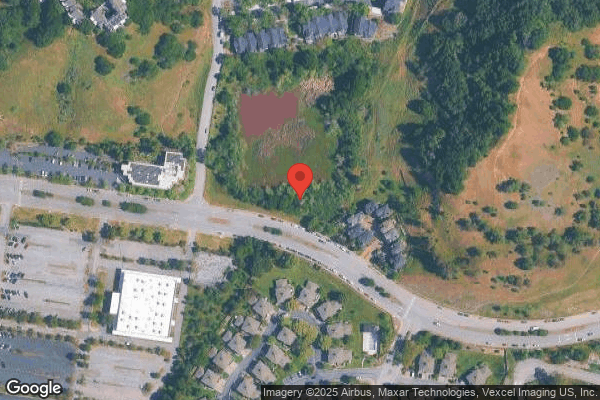
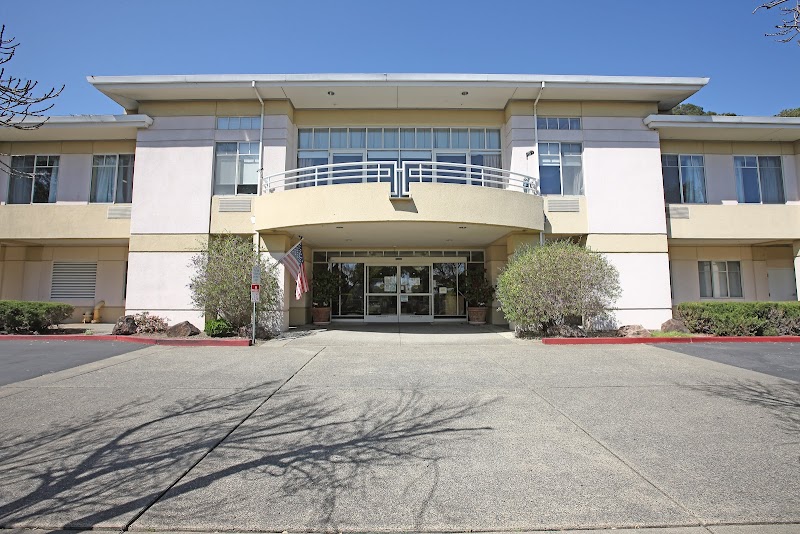
1550 SILVEIRA PARKWAY, SAN RAFAEL, CA 94903 (415) 499-1000
For profit - Limited Liability company 80 Beds GENERATIONS HEALTHCARE Data: November 2025
Trust Grade
35/100
#681 of 1155 in CA
Last Inspection: May 2025

Inspected within the last 6 months. Data reflects current conditions.

Overview

Smith Ranch Skilled Nursing & Rehabilitation Center has received a Trust Grade of F, indicating significant concerns about the quality of care provided. Ranked #681 out of 1155 facilities in California, they fall in the bottom half, and are #5 out of 11 in Marin County, meaning only four other local options are worse. There has been some improvement in recent years, with issues decreasing from 25 in 2023 to 15 in 2025, but the facility still faces serious challenges. Staffing is a relative strength with a turnover rate of 36%, which is below the state average, and they have not incurred any fines, suggesting a stable environment. However, specific incidents highlight serious issues, such as a failure to prevent pressure ulcers for a resident, which reflects concerns about timely assessments and care quality. Families should weigh these strengths and weaknesses carefully when considering this facility for their loved ones.

Trust Score
F
35/100
In California
#681/1155
Bottom 42%
Safety Record
High Risk
Review needed
Inspections
Getting Better
25 → 15 violations
Staff Stability
○ Average
36% turnover. Near California's 48% average. Typical for the industry.
Penalties
✓ Good
No fines on record. Clean compliance history, better than most California facilities.
Skilled Nurses
⚠ Watch
Each resident gets only 25 minutes of Registered Nurse (RN) attention daily — below average for California. Fewer RN minutes means fewer trained eyes watching for problems.
Violations
⚠ Watch
50 deficiencies on record. Higher than average. Multiple issues found across inspections.
★★★☆☆
3.0
Overall Rating
★★★☆☆
3.0
Staff Levels
★★★★★
5.0
Care Quality
★★☆☆☆
2.0
Inspection Score
Stable
2023: 25 issues
2025: 15 issues

The Good

  • 5-Star Quality Measures · Strong clinical quality outcomes
  • Full Sprinkler Coverage · Fire safety systems throughout facility
  • No fines on record
  • Staff turnover below average (36%)

    12 points below California average of 48%

Facility shows strength in quality measures, fire safety.

The Bad

3-Star Overall Rating

Near California average (3.1)

Meets federal standards, typical of most facilities

Staff Turnover: 36%

10pts below California avg (46%)

Typical for the industry

Chain: GENERATIONS HEALTHCARE

Part of a multi-facility chain

Ask about local staffing decisions and management

The Ugly 50 deficiencies on record

5 actual harm
May 2025 14 deficiencies
CONCERN (D)

Potential for Harm - no one hurt, but risky conditions existed

Deficiency F0552 (Tag F0552)

Could have caused harm · This affected 1 resident

**NOTE- TERMS IN BRACKETS HAVE BEEN EDITED TO PROTECT CONFIDENTIALITY** Based on interview and record review, the facility failed to complete and obtain informed consent (a consent that provides the r...

Read full inspector narrative →
**NOTE- TERMS IN BRACKETS HAVE BEEN EDITED TO PROTECT CONFIDENTIALITY** Based on interview and record review, the facility failed to complete and obtain informed consent (a consent that provides the risks and benefits of taking a medication, possible side effects, alternate treatments, and risk of no use) for a psychotropic medication (medications that affect the mind, emotions and behavior) for one of 24 sampled residents (Resident 1). This failure had the potential for Resident 1 not to be fully informed and consent to receive psychotropic medications. Findings: During a review of Resident 1's admission Record, dated 5/16/25, the admission Record indicated Resident 1 was admitted to the facility on [DATE], with diagnoses of Bipolar Disorder (mental health condition characterized by extreme shifts in mood, energy and activity levels), and Major Depressive Disorder (mental health condition characterized by persistent sadness and loss of interest) and Anxiety Disorder (mental health condition characterized by excessive and persistent worry, fear or panic). During a concurrent interview and record review on 5/14/25 at 10:09 a.m. with Social Services Assistant (SSA), Resident 1's Order Summary Report, dated 5/14/25 and Informed Consents were reviewed. Resident 1's Order Summary Report indicated, Lamotrigine [medication used to treat bipolar disorder] oral tablet 200mg [milligram-unit of measure] . start date 2/4/25 . Resident 1's Informed Consent indicated there was no informed consent obtained for Lamotrigine. SSA confirmed Resident 1 did not have informed consent for Lamotrigine and stated, we need a consent for it. During an interview on 5/16/25 at 11:45 a.m. with Consultant Pharmacist, Consultant Pharmacist confirmed Lamotrigine needed informed consent prior to administration. During a review of the facility's policy and procedure (P&P) titled, Informed Consent, dated February 2025, the P&P indicated, The facility shall verify the written informed consent, obtained by the prescribing physician/LHP [licensed healthcare practitioner], is present . The written consent must be recorded in the resident's medical record. Before initiating treatment with psychotherapeutic drugs, facility staff must verify that the resident's health record contains written informed consent .
CONCERN (D)

Potential for Harm - no one hurt, but risky conditions existed

Deficiency F0558 (Tag F0558)

Could have caused harm · This affected 1 resident

**NOTE- TERMS IN BRACKETS HAVE BEEN EDITED TO PROTECT CONFIDENTIALITY** Based on observation, interview, and record review, the facility failed to ensure the call light was within reach for two of 24 ...

Read full inspector narrative →
**NOTE- TERMS IN BRACKETS HAVE BEEN EDITED TO PROTECT CONFIDENTIALITY** Based on observation, interview, and record review, the facility failed to ensure the call light was within reach for two of 24 sampled residents (Resident 2 and Resident 35). This failure had the potential to result in Resident 2 and Resident 35 being unable to contact staff for assistance. Findings: 1.During a review of Resident 2's admission Record, dated 5/16/25, the admission Record indicated Resident 2 was admitted to the facility on [DATE], with diagnoses of hemiplegia (inability to move one side of the body), and paraplegia (inability to move the lower parts of the body) and contracture of multiple sites (permanent shortening and stiffening of muscles, tendons, ligaments leading to limited movement and deformity). During a concurrent observation and interview on 5/12/25 at 6:32 p.m. with Resident 2, in room [ROOM NUMBER], Resident 2 was lying in bed with both hands contracted and her neck contracted to the left side. Resident 2's call light was placed by her collar bone, above her right hand. Resident 2 requested water and stated she was unable to move her hands or call for assistance because the call light was not within her reach. During a concurrent observation and interview on 5/12/25 at 6:37 p.m. with Resident 2's Roommate, in room [ROOM NUMBER], Resident 2's Roommate pressed her call light and stated she had to press her own call light for Resident 2 often because the call light was frequently not placed within Resident 2's reach. During an interview on 5/12/25 at 6:39 p.m. with Certified Nursing Assistant (CNA) 2, CNA 2 confirmed Resident 2's call light was not within reach and stated, it should be. During an interview on 5/13/25 at 8:25 a.m. with the Director of Nursing (DON), the DON stated the call light should always be within the reach of the residents. During a review of the facility's policy and procedure (P&P) titled, Answering the Call Light, dated September 2022, the P&P indicated, Ensure that the call light is accessible to the resident . 2. During a review of Resident 35's admission Record, dated 5/16/25, the admission Record indicated Resident 35 was admitted to the facility on [DATE], with diagnoses of hemiplegia of the left side (inability to move the left side of the body), need for assistance with care, and aphasia (inability to understand or express speech). During a concurrent observation and interview on 5/12/25 at 5:56 p.m. in room [ROOM NUMBER] with Licensed Vocational Nurse (LVN) 4, Resident 35 was lying in bed with her call light dangling off the bed. LVN 4 confirmed Resident 35 was unable to reach her call light and stated her call light should always be within her reach. During an interview on 5/13/25 at 8:25 a.m. with the Director of Nursing (DON), the DON stated the call light should always be within the reach of the residents. During a review of the facility's policy and procedure (P&P) titled, Answering the Call Light, dated September 2022, the P&P indicated, Ensure that the call light is accessible to the resident .
CONCERN (D)

Potential for Harm - no one hurt, but risky conditions existed

Safe Environment (Tag F0584)

Could have caused harm · This affected 1 resident

**NOTE- TERMS IN BRACKETS HAVE BEEN EDITED TO PROTECT CONFIDENTIALITY** Based on observation, interview and record review the facility failed to ensure a clean environment when: 1. room [ROOM NUMBER] ...

Read full inspector narrative →
**NOTE- TERMS IN BRACKETS HAVE BEEN EDITED TO PROTECT CONFIDENTIALITY** Based on observation, interview and record review the facility failed to ensure a clean environment when: 1. room [ROOM NUMBER] Bed A had a visibly soiled privacy curtain (curtain used between residents' beds). 2. Resident 2 had dirty clothes piled up on her nightstand. 3. room [ROOM NUMBER]'s air conditioner was in disrepair. These failures had the potential for residents to live in an unsafe and unclean, non-homelike environment. Findings: 1. During a concurrent observation and interview on 5/12/25 at 6:48 p.m. with Certified Nursing Assistant (CNA) 2, in room [ROOM NUMBER], Bed A's privacy curtain was visibly soiled with a brown substance in multiple spots. CNA 2 stated she was unaware of what the brown substance was, but the privacy curtain needed to be replaced immediately. During an interview on 5/14/25 at 10:58 a.m. with the Director of Nursing (DON), the DON stated curtains are changed when soiled. During a review of the facility's policy and procedure (P&P) titled, Cleaning and Disinfecting Residents' Rooms, dated August 2013, the P&P indicated, .curtains in resident areas will be cleaned when these surfaces are visibly contaminated or soiled . 2. During a concurrent observation and interview on 5/12/25 at 6:50 p.m. with Certified Nursing Assistant (CNA) 2, in room [ROOM NUMBER], there were approximately eight clothing items unfolded and piled up on Resident 2's nightstand. CNA 2 confirmed the clothing was dirty and stated dirty clothing needed to be put in a blue mesh bag and taken to the laundry. During an interview on 5/13/25 at 8:25 a.m. with the Director of Nursing (DON), the DON stated all dirty clothes should be placed in the laundry bag until taken to laundry. 3. During a concurrent observation and interview on 5/12/25 at 7:04 p.m. with the Director of Nursing (DON) in room [ROOM NUMBER], under the window the air conditioner vents were missing and broken, and visibly dirty with food particles. The DON confirmed the air conditioner was dirty and in disrepair. The DON stated maintenance needed to be contacted to fix the air conditioner. During an interview on 5/16/25 at 8:26 a.m. with the Maintenance Supervisor (MS), MS stated air conditioners should not have broken or missing vents and a work order should have been placed immediately. During a review of the facility's policy and procedure (P&P) titled, Interior General Maintenance, undated, the P&P indicated, .to maintain in good repair at all times, all interior surfaces, fixtures, emergency and fire systems, equipment, appliances and furnishings to provide a safe, clean comfortable environment for our patients .
CONCERN (D)

Potential for Harm - no one hurt, but risky conditions existed

Assessment Accuracy (Tag F0641)

Could have caused harm · This affected 1 resident

Based on interview and record review, the facility failed to assess and submit accurate data for one of 24 sampled residents (Resident 35) when the Minimum Data Set (MDS- an assessment tool used to gu...

Read full inspector narrative →
Based on interview and record review, the facility failed to assess and submit accurate data for one of 24 sampled residents (Resident 35) when the Minimum Data Set (MDS- an assessment tool used to guide resident care) did not reflect Resident 35's current status. This failure resulted in the transmission of inaccurate data to the Centers for Medicare and Medicaid Services (CMS). Findings: During a concurrent interview and record review on 5/15/25 at 11:34 a.m. with Minimum Data Set Coordinator (MDSC), Resident 35's MDS 3.0 Section I- Active Diagnoses, dated 3/4/25, and Order Summary Report, dated 5/15/25 were reviewed. Resident 35's MDS 3.0 Section I- Active Diagnoses indicated Resident 35 had an active diagnosis of viral hepatitis (an infection that damages the liver). Resident 35's Order Summary Report indicated there was no treatment for viral hepatitis. The MDSC stated Resident 35's MDS should not have been checked yes for hepatitis because she was not receiving any active treatment. During an interview on 5/15/25 at 11:38 a.m. with MDS Registered Nurse (MDS RN), MDS RN confirmed the MDS should have not been checked yes for viral hepatitis and stated the Resident Assessment Instrument (RAI) instructs to only select yes if there has been treatment within the past 7 days. During a review of CMS Long-Term Care Facility [LTCF] Resident Assessment Instrument 3.0 User's Manual, dated October 2024, CMS LTCF RAI 3.0 User's Manual indicated, Code disease that have a documented diagnosis in the last 60 days and have a direct relationship to the resident's current functional status, cognitive status, mood or behavior status, medical treatments . Example of inactive Diagnoses . the resident has recovered . with no residual effects and no continued treatment .
CONCERN (D)

Potential for Harm - no one hurt, but risky conditions existed

Pressure Ulcer Prevention (Tag F0686)

Could have caused harm · This affected 1 resident

**NOTE- TERMS IN BRACKETS HAVE BEEN EDITED TO PROTECT CONFIDENTIALITY** Based on observation, interview, and record review, the facility failed to implement interventions the physician prescribed to p...

Read full inspector narrative →
**NOTE- TERMS IN BRACKETS HAVE BEEN EDITED TO PROTECT CONFIDENTIALITY** Based on observation, interview, and record review, the facility failed to implement interventions the physician prescribed to prevent skin breakdown for one of 24 sampled residents (Resident 37) when Resident 37's pressure reducing mattress (mattress designed to prevent development of pressure ulcers (bedsores) or worsening of existing ulcers by redistributing air and pressure while the machine controlled the air flow) was not turned on for an unknown amount of time. This failure had the potential to result in Resident 37 developing a pressure ulcer, skin damage, skin infections, and discomfort. Findings: During a review of Resident 37's Face Sheet (demographics), the Face Sheet indicated Resident 37 was admitted to the facility on [DATE] with diagnoses including dementia (progressive decline in cognitive function, memory, and behavior) and abnormalities of gait and mobility. During a concurrent observation and interview on 5/13/25 at 8:43 a.m. with Resident 37 in Resident 37's room, the machine connected to her pressure reducing mattress bed was turned off. Resident 37 confirmed the machine was turned off and does not remember when it was last turned on. Resident 37 stated that she stayed mostly in bed and does not remember the last time staff assisted her to get up. During a concurrent observation and interview on 5/13/25 at 9:55 a.m. with Certified Nurse Assistant (CNA) 3 in Resident 37's bedroom, CNA 3 confirmed the machine connected to Resident 37's mattress was turned off. CNA 3 stated the machine should be turned on because it helped prevent pressure ulcers, CNA 3 left the room with the machine still turned off. During a concurrent observation and interview on 5/13/25 at 10:10 a.m. with Licensed Vocational Nurse (LVN) 5, LVN 5 walked into Resident 37's room, plugged in the machine and turned it on. LVN 5 stated the machine and mattress helped prevent pressure ulcers and should always be on, or else the mattress might deflate. During an interview on 5/14/25 at 12:05 p.m. with the Director of Nursing (DON), the DON stated the pressure reduction mattress machine should be turned on for Resident 37. During a review of Resident 37's Braden Scale Assessment (assessment tool used to predict pressure sore risk), dated 4/28/25, the assessment indicated Resident 37 had slightly limited sensory perception, was occasionally moist, walked occasionally and spends majority of each shift in bed or chair, had slightly limited mobility, had potential problem for friction and shear, and overall scored as being at risk for developing a pressure sore. During a review of Resident 37's Care Plan, undated, the document indicated Resident 37 was at risk for skin impairment and further decline of skin integrity related to decreased or lack of physical activity, non-adherence to proper hygiene practices, side effects to medications, and thin fragile skin. The document indicated interventions included physician prescribed pressure reduction mattress to bed. During a review of Resident 37's Physician Orders, dated 4/9/25, the order indicated, Low Air Loss Mattress set mode alternating and setting based on setting on comfort OR weight of resident. Check setting and functionality every shift.
CONCERN (D)

Potential for Harm - no one hurt, but risky conditions existed

Deficiency F0692 (Tag F0692)

Could have caused harm · This affected 1 resident

**NOTE- TERMS IN BRACKETS HAVE BEEN EDITED TO PROTECT CONFIDENTIALITY** Based on observation, interview, and record review the facility failed to ensure one of 24 sample residents (Resident 35) was we...

Read full inspector narrative →
**NOTE- TERMS IN BRACKETS HAVE BEEN EDITED TO PROTECT CONFIDENTIALITY** Based on observation, interview, and record review the facility failed to ensure one of 24 sample residents (Resident 35) was weighed daily per physician order. This failure had the potential to result in Resident 35 not being properly monitored for weight loss and nutritional interventions not being implemented in a timely manner. Findings: During a review of Resident 35's admission Record, the admission Record indicated Resident 35 was admitted to the facility on [DATE] with diagnoses of dysphagia (difficulty swallowing) and severe protein-calorie malnutrition (serious medical condition characterized by a deficiency of both protein and calories, leading to severe weight loss and muscle wasting). During a review of Resident 35's Order Summary Report, dated 5/14/25, the Order Summary Report indicated, .Daily weights: Notify MD [Medical Doctor] of 3+ pounds weight gain in a day or 5+ pounds weight gain in 7 days . start date 1/25/25 . During a concurrent interview and record review on 5/14/25 at 10:31 a.m. with Registered Dietician (RD), Resident 35's Weights and Vitals Summary, dated 1/25/25 to 5/14/25 was reviewed. Weights and Vitals Summary indicated there was a total of 69 missing daily weights from 1/25/25 to 5/14/25. RD confirmed missing daily weights and stated Resident 35 had significant weight loss and should have been weighed every day. During a review of the facility's policy and procedure (P&P) titled, Weight Assessment and Intervention, dated March 2022, the P&P indicated, Resident weights are monitored for undesirable or unintended weight loss or gain . Residents are weighed upon admission and at intervals established by the interdisciplinary team . Weights are recorded in each unit's weight record chart and in the individual's medical record .
CONCERN (D)

Potential for Harm - no one hurt, but risky conditions existed

Tube Feeding (Tag F0693)

Could have caused harm · This affected 1 resident

**NOTE- TERMS IN BRACKETS HAVE BEEN EDITED TO PROTECT CONFIDENTIALITY** Based on observation, interview, and record review, the facility failed to label an enteral feeding (a method to provide food th...

Read full inspector narrative →
**NOTE- TERMS IN BRACKETS HAVE BEEN EDITED TO PROTECT CONFIDENTIALITY** Based on observation, interview, and record review, the facility failed to label an enteral feeding (a method to provide food through a tube placed in the nose, the stomach, or the small intestine) bottle, an enteral feeding pump bag, and a syringe used for enteral feeding for one of 24 sampled residents (Resident 35). This failure had the potential for expired enteral feeding supplement and equipment to be used for Resident 35. Findings: During a review of Resident 35's admission Record the admission Record indicated Resident 35 was admitted to the facility on [DATE] with a diagnosis of dysphagia (difficulty swallowing) and severe protein-calorie malnutrition (serious medical condition characterized by a deficiency of both protein and calories, leading to severe weight loss and muscle wasting). During an observation on 5/12/25 at 6:04 p.m., in Resident 35's room, a Jevity 1.5 (an enteral feeding formula) was observed infusing at 50 ml/hr (milliliter per hour- a unit of measurement). Upon further inspection, the bottle of Jevity 1.5, an enteral feeding pump bag that contained a clear liquid substance, and a syringe inside an open bag were hanging on a pole unlabeled and undated. During a concurrent observation and interview on 5/12/25 at 6:11 p.m., with Licensed Vocational Nurse (LVN) 4, LVN 4 confirmed the bottle of Jevity 1.5, the enteral feeding pump bag, and the syringe were unlabeled with resident's name and undated. LVN 4 stated the bottle of Jevity 1.5 needed to be labeled with the resident's name, resident's room number, formula, date and infusion rate. LVN 4 further stated the syringe and enteral feeding pump bag needed to have the resident name and date it was opened and used. During an interview on 5/12/25 at 6:21 p.m. with the Director of Nursing (DON), the DON stated all enteral feeding materials should be labeled and dated. During a review of Resident 35's Order Summary Report, dated 5/14/25, the Order Summary Report indicated, Enteral Feed Order every shift Enteral: Tube Feeding Jevity 1.5 at 50 ml/HR x 24 hours to provide 1800 kcal/day via g-tube . During a review of the manufacturer Jevity 1.5 Product Information, dated 7/22/24, the Jevity 1.5 Product Information indicated, .hang for no more than 24 hours. During the review of the facility's policy and procedure (P&P) titled, Enteral Tube Feeding via Continuous Pump, dated November 2018, the P&P indicated, On the formula label document initials, date and time the formula was hung/administered and initial that the label was checked against the order .
CONCERN (D)

Potential for Harm - no one hurt, but risky conditions existed

Unnecessary Medications (Tag F0759)

Could have caused harm · This affected 1 resident

**NOTE- TERMS IN BRACKETS HAVE BEEN EDITED TO PROTECT CONFIDENTIALITY** Based on observation, interview, and record review, the facility failed to ensure the medication error rate was not five percent...

Read full inspector narrative →
**NOTE- TERMS IN BRACKETS HAVE BEEN EDITED TO PROTECT CONFIDENTIALITY** Based on observation, interview, and record review, the facility failed to ensure the medication error rate was not five percent or greater when five identified medication errors out of 26 opportunities were observed: 1. Budesonide (medication inhaled into the lungs to prevent inflammation of the airways) was omitted for Resident 6. 2. Midodrine (medication used to treat orthostatic hypotension [a condition characterized by a sudden drop in blood pressure upon standing, leading to dizziness, light-headedness, and fainting]) was omitted for Resident 6. 3. Ipratropium 0.03% (nasal spray used to treat conditions affecting the lungs and nasal passages) was not administered according to manufacturer instructions and was administered at the incorrect time for Resident 6. 4. Trelegy (medication inhaler used for long-term control of breathing problems which causes shortness of breath) was administered at the incorrect time to Resident 6. 5. Midodrine was administered through a gastronomy tube (G-Tube) (small, flexible tube inserted through the stomach to deliver nutrition, fluids, and medication) and was not flushed with water after administration for Resident 35. These failures resulted in an overall medication error rate of 19.23% and had the potential for Resident 6 and Resident 35 to experience side effects of medication errors. Findings: 1. During a review of Resident 6's face sheet (demographics), the face sheet indicated Resident 6 was admitted on [DATE] with diagnoses including COPD (Chronic Obstructive Pulmonary Disease [ongoing lung condition that makes it difficult to breathe]), asthma (a condition which makes it difficult to breathe), and orthostatic hypotension (a condition characterized by a sudden drop in blood pressure upon standing, leading to dizziness, light-headedness, and fainting). During an observation on 5/14/25 at 8:47 a.m. in Resident 6's room, Licensed Vocational Nurse (LVN) 1 was observed administering Resident 6's morning medications. LVN 1 did not administer Budesonide to Resident 6. During a review of Resident 6's Order Summary Report, dated 4/25/25, the order indicated, Budesonide-Formoterol Fumarate inhalation Aerosol 80-4.5 MCG/ACT (unit of measurement in a single dose from inhaler), 2 puff inhale orally two times a day for COPD rinse mouth and spit out after inhalation, start date 4/25/25 2000. During an interview on 5/14/25 at 10:05 a.m. with LVN 1, LVN 1 stated she forgot about the respiratory medications during the morning medication pass and that she would give them now. During a concurrent observation and interview on 5/14/25 at 10:18 a.m. with LVN 1 in Resident 6's room, LVN 1 did not administer Budesonide. LVN 1 stated that she did not have the medication in her med cart. During an interview on 5/14/25 at 1:00 p.m. with LVN 1, LVN 1 stated that she did not know why Budesonide was not in the med cart and that she would follow up with pharmacy before she leaves at 7:00 p.m. LVN 1 stated it was important for the resident to receive Budesonide to prevent shortness of breath. During a review of the facility's policy and procedure (P&P) titled, Administering Medication, dated April 2019, the P&P indicated, .Medications are administered in accordance with prescriber orders, including any required time frame .Medications are administered within one (1) hour of their prescribed time, unless otherwise specified . During a review of the facility's P&P titled, Administering Oral Medications, dated October 2010, the P&P indicated, .Follow the medication administration guidelines in the policy entitled Administering Medications .Report other information in accordance with facility policy and professional standards of practice . 2. During a review of Resident 6's face sheet (demographics), the face sheet indicated Resident 6 was admitted on [DATE] with diagnoses including COPD (Chronic Obstructive Pulmonary Disease [ongoing lung condition that makes it difficult to breathe]), asthma (a condition which makes it difficult to breathe), and orthostatic hypotension (a condition characterized by a sudden drop in blood pressure upon standing, leading to dizziness, light-headedness, and fainting). During a concurrent observation and interview on 5/14/25 at 8:47 a.m. with Licensed Vocational Nurse (LVN) 1 in Resident 6's room, LVN 1 was observed administering Resident 6's morning medications. LVN 1 did not administer Midodrine to Resident 6. LVN 1 stated that the Midodrine was missing from the med cart. During a review of Resident 6's Order Summary Report, dated 4/25/25, the order indicated Midodrine HCL Oral Tablet 10 mg (milligrams, unit of measurement), give 1 tablet by mouth two times a day for orthostatic hypotension hold if sbp (systolic blood pressure [the higher number in a blood pressure reading, representing the pressure in your arteries when your heart beats]) greater than 140. During an interview on 5/15/25 at 11:15 a.m. with the Director of Nursing (DON), the DON stated the nurse should check their emergency supply if a medication was missing, if it was not in the emergency supply, they should call pharmacy to get a stat delivery. During a review of the facility's policy and procedure (P&P) titled, Administering Medication, dated April 2019, the P&P indicated, .Medications are administered in accordance with prescriber orders, including any required time frame .Medications are administered within one (1) hour of their prescribed time, unless otherwise specified . During a review of the facility's policy and procedure (P&P) titled, Administering Oral Medications, dated October 2010, the P&P indicated, .Follow the medication administration guidelines in the policy entitled Administering Medications Report other information in accordance with facility policy and professional standards of practice . 3. During a review of Resident 6's face sheet (demographics), the face sheet indicated Resident 6 was admitted on [DATE] with diagnoses including COPD, asthma, and orthostatic hypotension. COPD (Chronic Obstructive Pulmonary Disease [ongoing lung condition that makes it difficult to breathe]), asthma (a condition which makes it difficult to breathe), and orthostatic hypotension (a condition characterized by a sudden drop in blood pressure upon standing, leading to dizziness, light-headedness, and fainting). During an observation on 5/14/25 at 8:47 a.m. with Licensed Vocational Nurse (LVN) 1 in Resident 6's room, LVN 1 was observed administering Resident 6's morning medications. LVN 1 did not administer Ipratropium 0.03% nasal spray to Resident 6. During a review of Resident 6's Physician's Orders, dated 4/25/25, the Physician Order indicated, Ipratropium Bromide Nasal Solution 0.03%, 1 spray in each nostril two times a day for nasal allergy . During an interview on 5/14/25 at 10:05 a.m. with LVN 1, LVN 1 stated she forgot about the respiratory medications and that she would give them now. During an observation on 5/14/25 at 10:18 a.m. with LVN 1 in Resident 6's room, LVN 1 administered Ipratropium nasal spray without priming the nasal spray bottle prior to administration. LVN 1 did not instruct the resident to blow her nose prior to administration, close the opposite nostril, or to lean her head back during the medication administration. During a review of Resident 6's Respiratory Medication Administration Record (MAR), dated 4/26/25, the MAR indicated, Ipratropium Bromide Nasal Solution 0.03%, 1 spray in each nostril two times a day for nasal allergy, start date 4/26/25. Hours listed on Respiratory MAR for administration indicated 0900 and 2100. During a review of the manufacturer's instructions pulled from Mayo Clinic website provided by the facility, last updated 4/30/25, manufacturer's instructions indicated: Prime the spray by pumping 2 sprays in the air if the bottle has not been used within 24 hrs. Gently blow your nose before using the spray. Close the opposite nostril and lean your head forward slightly. Spray into your nostril and sniff deeply through nose. Take spray out of your nose and lean your head backward for a few seconds. Spray the opposite nostril using the same steps. During an interview on 5/14/25 at 1:00 p.m. with LVN 1, LVN 1 stated the medication should be administered within one hour of the scheduled time. LVN 1 further stated she was unsure of the instructions for the nasal spray administration, and she should follow the instructions on the medication box. During an interview on 5/14/25 at 3:39 p.m. with the Consultant Pharmacist, Consultant Pharmacist stated it was important to have the resident blow their nose gently prior to the nasal spray and that the medication bottle should be primed prior to use. During a review of the facility's policy and procedure (P&P) titled, Administering Medications, dated October 2010, P&P indicated, .Medications are administered one hour of their prescribed time .Medications are administered in accordance with prescriber orders, including any required time frame .Medications are administered within one (1) hour of their prescribed time, unless otherwise specified . During a review of the facility's P&P titled, Medication Administration Schedule, undated, the P&P indicated, .For all drugs, q12h. (every twelve hours), 9 a.m.; and 9 p.m. 4. During a review of Resident 6's face sheet (demographics), the face sheet indicated Resident 6 was admitted on [DATE] with diagnoses including COPD (Chronic Obstructive Pulmonary Disease [ongoing lung condition that makes it difficult to breathe]), asthma (a condition which makes it difficult to breathe), and orthostatic hypotension (a condition characterized by a sudden drop in blood pressure upon standing, leading to dizziness, light-headedness, and fainting). During an observation on 5/14/25 at 8:47 am. with Licensed Vocational Nurse (LVN) 1 in Resident 6's room, LVN 1 was observed administering Resident 6's morning medications. LVN 1 did not administer Trelegy to Resident 6. During a review of Resident 6's physician's order, dated 4/25/25, the order indicated, Trelegy Ellipta Inhalation Aerosol Powder Breath Activated 100-62.5-25 MCT/ACT (Fluticasone-Umeclidinium-Vilanterol) 1 puff inhale orally one time a day for COPD. During an interview on 5/14/25 at 10:05 a.m. with LVN 1, LVN 1 stated she forgot about the respiratory medications and that she would give them now. During an observation on 5/14/25 at 10:18 a.m. with LVN 1 in Resident 6's room, LVN 1 administered Trelegy to Resident 6. During a review of Resident 6's Respiratory MAR dated 4/26/25, the MAR indicated, Trelegy Ellipta inhalation Aerosol Powder Breath Activated 100-62.5-25 MCG/ACT, 1 puff inhale orally one time a day for COPD. During an interview on 5/14/25 at 1:00 p.m. with LVN 1, LVN 1 stated Resident 6's Trelegy was ordered once daily and confirmed medications should be administered within one hour of the scheduled time. During a review of the facility's policy and procedure (P&P) titled, Administering Medications, dated October 2010, P&P indicated, .Medications are administered one hour of their prescribed time .Medications are administered in accordance with prescriber orders, including any required time frame .Medications are administered within one (1) hour of their prescribed time, unless otherwise specified . During a review of the facility's P&P titled, Medication Administration Schedule, undated, the P&P indicated, .QD (daily); 9:00 a.m. 5. During a review of Resident 35's face sheet (demographics), the face sheet indicated Resident 35 was admitted on [DATE] with diagnosis of dysphagia (difficulty swallowing). During an observation on 5/15/25 at 7:25 a.m. with Licensed Vocational Nurse (LVN) 2, LVN 2 crushed two tablets of Midodrine and mixed with 30 mL (milliliters, unit of measurement) of water. LVN 2 administered crushed medication mixed in water through Resident 35's G-Tube. There was still crushed medication observed in the medicine cup. LVN 2 then added more water to the residual medication and administered it through the G-Tube. LVN 2 clamped the G-Tube without flushing the medication through the tube. During a review of Resident 35's Order Summary Report, dated 1/24/25, order indicated, Midodrine HCL Oral tablet 5 mg; give 2 tablets via G-Tube three times a day for hypotension hold if sbp greater than 140. During an interview on 5/15/25 at 9:25 a.m. with LVN 2, LVN 2 stated that she flushed the G-Tube with 30 mL of water before starting administration of medication and after every medication. LVN 2 stated that she noticed there was still a little medication in the cup after giving the medication mixed with 30 mL water and she added another 30 mL of water in the medicine cup to make sure she received all the medication. LVN 2 stated she should have flushed with an additional 30 mL of clear water to ensure the mediation cleared the tubing and to prevent any clogs. During a review of the facility's policy and procedure (P&P) titled, Med Administration G-Tube, dated November 2018, the P&P indicated, .Dilute crushed (powdered) medication with at least 30 mL purified water .When the last of the medication begins to drain from the tubing, flush the tubing with 15 mL of warm purified water (or prescribed amount) .
CONCERN (D)

Potential for Harm - no one hurt, but risky conditions existed

Deficiency F0761 (Tag F0761)

Could have caused harm · This affected 1 resident

**NOTE- TERMS IN BRACKETS HAVE BEEN EDITED TO PROTECT CONFIDENTIALITY** Based on observation, interview, and record review, the facility failed to implement safe medication storage practices for two o...

Read full inspector narrative →
**NOTE- TERMS IN BRACKETS HAVE BEEN EDITED TO PROTECT CONFIDENTIALITY** Based on observation, interview, and record review, the facility failed to implement safe medication storage practices for two of 24 sampled residents (Resident 2 and 4) and 1 unsampled resident (Resident 30) when: 1. Resident 30's triamcinolone acetonide cream (medication used to treat various skin conditions) was found on Resident 30's bedside table. 2.Resident 2 had one large container of powdered Magnesium (supplement to support healthy nerve and muscle function), one bottle of [brand name] Sleep Aid, and one bottle of [brand name] PM (at night) Leg Cramp medication on top of a dresser at bedside. 3.Resident 4 had a bottle of multivitamins on the bedside table. These findings had the potential to result in the unauthorized administration of medications and serious adverse events such as overdosing or negative drug interactions. Findings: 1. During a review of Resident 30's Face Sheet (demographics), the Face Sheet indicated Resident 30 admitted on [DATE] with diagnosis of dementia (progressive decline in memory, thinking, and reasoning that impacts daily life). During a concurrent observation and interview on 5/12/25 at 6:23 p.m. with Certified Nurse Assistant (CNA) 4 in Resident 30's room, there was a jar of triamcinolone acetonide cream on Resident 30's bedside table. CNA 4 picked up the medication with the pharmacy label, looked inside, stated that she thought it was just [brand name ointment], and placed it back on Resident 30's bedside table. During an interview on 5/12/25 at 6:52 p.m. with Licensed Vocational Nurse (LVN) 6, LVN 6 stated Resident 30 was forgetful and should not have medications at the bedside for unsupervised use. During an interview on 5/16/25 at 9:10 a.m. with the Director of Nursing (DON), the DON stated that no medications were allowed to be at any resident's bedside. During an interview on 5/16/25 at 11:42 a.m. with Consultant Pharmacist, Consultant Pharmacist stated medications left at bedside could lead to administration without the staff's knowledge, and it was important that staff know what medications the residents are taking because it might result in negative outcomes including overdosing and various drug interactions. During a review of Resident 30's Physician Order, dated 5/9/2025, the order indicated, Triamcinolone Acetonide External Cream 0.1% . Apply to chest topically every morning and at bedtime. During a review of the facility's policy and procedure (P&P) titled, Medication Labeling and Storage, undated, the P&P indicated, The facility stores all medications and biologicals in locked compartments . 2. During an observation on 5/12/25 at 6:40 p.m. in room [ROOM NUMBER], Resident 2 was lying in bed and on the dresser there was one large container of powdered magnesium, one bottle of [brand name] sleep aid, and one bottle of [brand name] PM leg cramp medication. During a concurrent observation and interview on 5/13/25 at 8:31 a.m. with the Director of Nursing (DON) in room [ROOM NUMBER]. Resident 2 was lying in bed and on the dresser, there was one large container of powdered magnesium, one bottle of [brand name] sleep aid, and one bottle of [brand name] PM leg cramp medication. The DON stated, No they shouldn't be there and the doctor needed to know what medications Resident 2 was taking. During an interview on 5/16/25 at 11:42 a.m. with the Consultant Pharmacist, the Consultant Pharmacist stated all medications should be dispensed from the pharmacy and if not then the nurses needed to keep the medications in the medication cart. The Consultant Pharmacist further stated the staff needed to know what residents were taking in case there was a drug interaction, wrong timing of administration or possible overdose. During a review of the facility's policy and procedure (P&P) titled, Medication Labeling and Storage, undated, the P&P indicated, The facility stores all medications and biologicals in locked compartments . 3.During a concurrent observation and interview on 5/12/25 at 7:02 p.m. with Resident 4 in room [ROOM NUMBER], Resident 4 was lying in bed with a bottle of [brand name] multivitamin on the bedside table. Resident 4 stated, Yeah I take these everyday because these were stronger than the vitamins given by the nurses. During a concurrent observation and interview on 5/13/25 at 8:25 a.m. with the Director of Nursing (DON) in room [ROOM NUMBER], a bottle of multivitamins was on Resident 4's bedside table. The DON confirmed vitamins at bedside and stated the medication shouldn't be at bedside. During an interview on 5/16/25 at 11:42 a.m. with the Consultant Pharmacist, the Consultant Pharmacist stated all medications should be dispensed from the pharmacy and if not then the nurses needed to keep the medications in the medication cart. The Consultant Pharmacist further stated the staff needed to know what residents were taking in case there was a drug interaction, wrong timing of administration or possible overdose. During a review of the facility's policy and procedure (P&P) titled, Medication Labeling and Storage, undated, the P&P indicated, The facility stores all medications and biologicals in locked compartments .
CONCERN (E)

Potential for Harm - no one hurt, but risky conditions existed

Deficiency F0658 (Tag F0658)

Could have caused harm · This affected multiple residents

**NOTE- TERMS IN BRACKETS HAVE BEEN EDITED TO PROTECT CONFIDENTIALITY** Based on observation, interview, and record review, the facility failed to ensure licensed nurses followed professional standard...

Read full inspector narrative →
**NOTE- TERMS IN BRACKETS HAVE BEEN EDITED TO PROTECT CONFIDENTIALITY** Based on observation, interview, and record review, the facility failed to ensure licensed nurses followed professional standards of practice when they documented they administered medications which were not dispensed by the pharmacy for one of 24 sampled residents (Resident 6). This failure resulted in inaccurate documentation and the potential for Resident 6 to experience adverse effects such as shortness of breath. During a review of Resident 6's face sheet (demographics), the face sheet indicated Resident 6 was admitted on [DATE] with diagnoses including COPD (Chronic Obstructive Pulmonary Disease [ongoing lung condition that makes it difficult to breathe]) and asthma (a condition which makes it difficult to breathe). During an observation on 5/14/25 at 10:18 a.m. with Licensed Vocational Nurse (LVN) 1, LVN 1 was observed administering Resident 6's respiratory medications. LVN 1 did not administer a Budesonide inhaler (medication inhaled into the lungs to prevent inflammation of the airways). LVN 1 stated that she did not have the medication in her medication cart, and she would need to call the pharmacy and request they send the medication. During a record review on 5/14/25 at 1:30 p.m. of Resident 6's Respiratory MAR (Medication Administration Record), dated April 2025 and May 2025, the MAR indicated that the resident received Budesonide on 4/25/25 at 8:00 p.m., 4/27/25 at 8:00 p.m., 4/28/25 at 8:00 a.m. and 8:00 p.m., 4/29/25 at 8:00 p.m., and 4/30/25 at 8:00 a.m. and 8:00 p.m., and 5/1/25- 5/12/25 at 8:00 a.m. and 8:00 p.m. During an interview on 5/15/25 at 10 a.m. with the Pharmacist, the Pharmacist stated, on 4/25/25, the pharmacy sent a fax to the facility requesting clarification of Resident 6's respiratory medications as they were concerned about duplicate therapy. The Pharmacist stated the facility did not respond to the request for clarification, so the pharmacy did not dispense Resident 6's Budesonide. The Pharmacist confirmed the medication was never delivered to the facility and was not available for administration. During a concurrent interview and record review on 5/15/25 at 10:40 a.m. with LVN 2, Resident 6's MAR was reviewed. LVN 2 confirmed she documented that she administered Budesonide to Resident 6 multiple times during the months of April and May 2025. LVN 2 stated she was unaware how she could have administered the medication when it was not dispensed from the pharmacy and stated she would ask her supervisor. During a follow up interview on 5/15/25 at 12:13 p.m. with LVN 2, LVN 2 stated that she would like to check the medication cart to see if the Budesonide was there. LVN 2 verified that Budesonide for Resident 6 was not in the medication cart. LVN 2 stated that she documents after she administers the medications and was not sure what happened. During a concurrent interview and record review on 5/15/25 at 12:17 p.m. with Registered Nurse (RN) 1, RN 1 confirmed the pharmacist sent a request to clarify the order for Budesonide and agreed that the medication was not dispensed. Resident 6's MAR was reviewed with RN 1, RN 1 confirmed she documented she administered Budesonide to Resident 6 on multiple days in May 2025. RN 1 confirmed she did not administer the medication and stated, I made an honest mistake. During a concurrent interview and record review on 5/15/25 at 4:17 p.m. with LVN 3, LVN 3 confirmed he documented he administered Budesonide to Resident 6 on multiple days in April 2025. LVN 3 stated he was not certain if he gave the medication. During an concurrent interview and record review on 5/16/25 at 9:47 a.m. with the Director of Nursing (DON), DON confirmed licensed nurses documented they administered Budesonide on multiple dates in April and May. The DON confirmed the pharmacy did not dispense the medication. DON stated nursing staff should verify all medications listed on the MAR are available in the medication cart and notify the pharmacy when medications are not available. DON stated nursing staff should not have documented Budesonide was administered. During a review of Lippincott Nursing Center online titled, Nursing Documentation, dated August 2024, the document indicated, .Documentation Characteristics .Accurate and relevant .Documentation Entries .Accurate, truthful, and comprehensive . During a review of the American Nurses Association Guidance for Registered Nurses titled, Principals for Nursing Documentation, dated 2010, the guidance indicated, Clear, accurate, and accessible documentation is an essential element of safe, quality, evidence-based nursing practice. If patient documentation is not timely, accurate .it will interfere with the ability of those who were not involved in and are not familiar with the patient's care to use the documentation. During a review of the facility's policy and procedure (P&P) titled, Charting and Documentation, dated 2001, the P&P indicated, .Documentation in the medical record will be objective (not opinionated or speculative), complete, and accurate . During a review of the facility's P&P titled, Administering Medications, dated October 2021, the P&P indicated, .The individual administering medications verifies the resident's identity before giving the resident his/her medications checks the label THREE (3) times to verify the right resident, right medication, right dosage, right time, and right method (route) of administration before giving the medication .
CONCERN (E)

Potential for Harm - no one hurt, but risky conditions existed

Deficiency F0688 (Tag F0688)

Could have caused harm · This affected multiple residents

**NOTE- TERMS IN BRACKETS HAVE BEEN EDITED TO PROTECT CONFIDENTIALITY** Based on observation, interview and record review, the facility failed to ensure four of 24 sampled residents (Resident 1, 2, 35...

Read full inspector narrative →
**NOTE- TERMS IN BRACKETS HAVE BEEN EDITED TO PROTECT CONFIDENTIALITY** Based on observation, interview and record review, the facility failed to ensure four of 24 sampled residents (Resident 1, 2, 35 and 58) received restorative nursing care (RNA -specialized form of nursing that focuses on helping patients regain or maintain their functional abilities and minimize weakness) per physician order. This failure had the potential to result in contractures (permanent shortening and stiffening of muscles, tendons, ligaments leading to limited movement and deformity) and decline in muscle strength. Findings: 1. During a review of Resident 1's admission Record, dated 5/16/25, the admission Record indicated Resident 1 was admitted to the facility on [DATE], with diagnoses of abnormalities of gait and mobility, absence of right leg below the knee and right artificial hip joint. During a concurrent observation and interview on 5/12/25 at 5:14 p.m. with Resident 1 in room [ROOM NUMBER], Resident 1 was self-propelling her wheelchair in her room and had a prosthetic right leg. Resident 1 stated she did not receive physical therapy or RNA. Resident 1 further stated she had to complete her own exercises for her lower body because she did not want to deteriorate. During a concurrent interview and record review on 5/14/25 at 10:13 a.m. with Restorative Nursing Assistant (RNA 1), Resident 1's Order Summary Report, dated 5/14/25 and Weekly RNA Progress Note, dated from 3/26/25 to 5/14/25, were reviewed. Order Summary Report indicated, RNA 3x a week AROM [active range of motion] exercise . start date 3/26/25 . Weekly RNA Progress Note indicated there had been no RNA therapy since 1/24/25. RNA 1 stated she was unaware that Resident 1 was supposed to receive RNA. RNA 1 was unable to provide any note or communication instructing Resident 1 to refrain from RNA therapy. During a concurrent interview and record review on 5/14/25 at 12:13 p.m. with Director of Rehabilitation (DOR), Resident 1's Restorative Nursing Referral & Care Plan, dated 3/26/25 and Weekly RNA Progress Note, dated 1/24/25 to 5/14/25 were reviewed. Restorative Nursing Referral & Care Plan indicated, Risk for decline in range of motion, risk of decreased muscle strength, decreased functional use of extremity, risk of deformity and/or contracture . Task: RESTORATIVE - 3xs/wk [3 times a week] BLE [bilateral lower extremities- both legs] AROM [Active Range of Motion]. RNA program was reviewed with [RNA name] . date 3/26/25 . Weekly RNA Progress Note indicated there had been no RNA sessions therapy completed since 1/24/25. DOR stated she was told the surgeon did not want Resident 1 to have any physical therapy until after her next surgery. DOR confirmed there was no documentation from surgeon and stated, No, I didn't follow up with the physician. DOR further stated since there was no documentation indicating Resident 1 can't continue RNA therapy, then Resident 1 should have received RNA three times a week since 3/26/25. During an interview on 5/14/25 at 10:53 a.m. with the Director of Nursing (DON), the DON stated he was unaware of Resident 1 not receiving RNA therapy. The DON confirmed RNA 1 was responsible for looking at resident's orders for RNA therapy. During a review of the facility's policy and procedure (P&P) titled, Restorative Nursing Services, dated July 2017, the P&P indicated, Residents will receive restorative nursing care as needed to help promote optimal safety and independence . Restorative goals may include, but are not limited to supporting and assisting the resident in . developing, maintaining or strengthening his/her physiological and psychological resources, maintaining his/her dignity, independence and self-esteem . 2. During a review of Resident 2's admission Record, the admission Record indicated Resident 2 was admitted to the facility on [DATE], with diagnoses of hemiplegia (inability to move one side of the body), and paraplegia (inability to move the lower parts of the body) and contracture of multiple sites. During a concurrent observation and interview on 5/12/25 at 6:32 p.m. with Resident 2, in room [ROOM NUMBER], Resident 2 was lying in bed with her neck contracted to the left and both hands contracture without a brace or splint. Resident 2 had a food tray at bedside and stated she was unable to feed herself and needed staff to feed her. Resident 2 stated her goal was to be able to feed herself and brush her teeth. Resident 2 further stated she did not receive RNA often and did not have a brace or splint for her contracted hands. During an interview on 5/14/25 at 10:14 a.m. with RNA 1, RNA 1 stated she saw Resident 2 twice a week but not for upper arms. RNA 1 further stated Resident 2 left hand was contracted and had stopped using it therefore wanting staff to feed her. RNA 1 stated she informed the Director of Rehabilitation (DOR) of Resident 2 needing a splint or brace for her hands. During an interview on 5/14/25 at 11:10 a.m. with Occupational Therapist (OT) 1, OT 1 stated she worked with Resident 2 a lot and we mostly focused on self-feeding and oral care because it was Resident 2's goal that she had set for herself. OT 1 further stated Resident 2 reached her goals but then declined and was discharged from occupational therapy and continued with RNA. OT 1 confirmed Resident 2 did not have a brace or splint for either hand. During a concurrent interview and record review on 5/14/25 at 12:01 p.m. with DOR, Resident 2's Order Summary Report, dated 5/14/25 and Weekly RNA Progress Notes, dated 3/27/25 to 5/14/25 were reviewed. The Order Summary Report indicated, RNA BLE PROM [Passive Range of Motion] exercises 3x/week 3/27/25 . RNA BUE [Bilateral Upper Extremities] PROM exercises 3x/week 3/27/25 . The Weekly RNA Progress Notes from 3/27/25 to 5/14/25 indicated Resident 2 was seen once a week for upper extremities. DOR stated she was not aware of Resident 2 only receiving one out of the three RNA therapy sessions ordered. DOR confirmed Resident 2 was unable to provide oral care and feed herself, and does not have a brace or splint. During a review of Resident 2's Occupational Therapy Treatment Encounter Note(s), dated 2/26/25, the Occupational Therapy Treatment Encounter Note(s) indicated Resident 2 needed partial/moderate assistance for oral hygiene. During a review of Resident 2's MDS- Section GG- Functional Abilities, dated 3/10/25, the MDS indicated Resident 2 was dependent on staff for oral hygiene. During a review of the facility's policy and procedure (P&P) titled, Restorative Nursing Services, dated July 2017, the P&P indicated, Residents will receive restorative nursing care as needed to help promote optimal safety and independence . Restorative goals may include, but are not limited to supporting and assisting the resident in . developing, maintaining or strengthening his/her physiological and psychological resources, maintaining his/her dignity, independence and self-esteem . 3. During a review of Resident 35's admission Record, the admission Record indicated Resident 35 was admitted to the facility on [DATE] with a diagnosis of abnormalities of gait and mobility, contracture of right knee, and hemiplegia (inability to move one side of the body). During a concurrent interview and record review on 5/14/25 at 10:17 a.m. with Restorative Nursing Assistant (RNA) 1, Resident 35's Order Summary Report, dated 5/14/25 was reviewed. The Order Summary Report indicated, RNA for BUE [bilateral upper extremities- both arms] exercises 2x/week- start date 1/24/25 . RNA PROM on 3x/week- start date 3/26/25 . RNA 1 stated she provided RNA therapy for Resident 35's lower extremities only. RNA 1 further stated she did not provide RNA to upper extremities because she did not look at the orders. During a concurrent interview and record review on 5/16/25 at 9:38 a.m. with Director of Rehabilitation (DOR), Resident 35's Weekly RNA Progress Note, dated 4/25/25 and Restorative Nursing Referral & Care Plan, dated 1/17/25 were reviewed. Weekly RNA Progress Note indicated Resident 35 never received RNA for bilateral upper extremities. Restorative Nursing Referral & Care Plan indicated, Risk for decline in range of motion, risk of decreased muscle strength, decreased functional use of extremity, risk of deformity and/or contracture . extremity of focus- upper extremity- bilateral . RESTORTATIVE- Passive ROM Program #1 RNA 2x/week . Program was reviewed with [RNA 1 name] . DOR confirmed Resident 35 had not been seen for BUE exercises since the order on 1/24/25. DOR stated DON oversaw the RNA program and she was never made aware of Resident 35 not receiving exercises for BUE. DOR further stated RNA 1 reported to the DON. During an interview on 5/16/25 at 11:16 a.m. with the DON, the DON stated he does not verify the weekly RNA progress notes against orders. DON further stated he quickly scans the reports to make sure they are submitted. During a review of the facility's policy and procedure (P&P) titled, Restorative Nursing Services, dated July 2017, the P&P indicated, Residents will receive restorative nursing care as needed to help promote optimal safety and independence . Restorative goals may include, but are not limited to supporting and assisting the resident in . developing, maintaining or strengthening his/her physiological and psychological resources, maintaining his/her dignity, independence and self-esteem . 4. During a review of Resident 58's Face Sheet (demographics), the Face Sheet indicated Resident 58 was admitted to the facility on [DATE] with diagnoses which included cellulitis (skin infection) of left lower limb, and abnormalities of gait (manner of walking) and mobility. During an interview on 5/13/25 at 3:08 p.m. with Resident 58, Resident 58 stated he did not feel physically ready to go home and believed physical therapy would be beneficial. Resident 58 further stated the facility informed him his insurance no longer covered physical therapy and his physical therapy services ended on 5/11/25. During an interview on 5/14/25 at 3:46 p.m. with Physical Therapist (PT) 1, PT 1 stated Resident 58 was discharged from physical therapy on 5/11/25 due to the insurance no longer covering physical therapy. During an interview on 5/15/25 at 8:28 a.m. with the Business Manager (BM), the BM stated Resident 58 informed her that he did not feel strong and would like to stay in the facility until the end of month, so he could get stronger and return home. The BM further stated Resident 58 was on a shared cost plan and accepted personal financial responsibility for room and board cost for his remaining stay at the facility. During a concurrent observation and interview on 5/15/25 at 9:23 a.m. with Resident 58, Resident 58 was observed in the Dining Room seated at a table with a wheelchair next to him. Resident 58 stated staff instructed him to use a wheelchair and not use his walker to ambulate to the dining room. Resident 58 stated he would prefer to use his walker, so he could get stronger and go home. During an interview on 5/15/25 at 10:03 a.m. with Director of Rehabilitation (DOR), DOR stated that Resident 58 was not currently in RNA program. DOR stated Resident 58 was not eligible for RNA program because Resident 58 had the ability to ambulate with a walker independently. During an interview on 5/15/25 at 10:18 a.m. with Certified Nurse Assistant (CNA) 1, CNA 1 stated Resident 58 was instructed not to ambulate independently with his walker because he was at risk for falling. Instead, Resident 58 was instructed to use a wheelchair. During an interview on 5/15/25 at 11:41 a.m. with the BM, BM stated RNA program was included in the cost of Resident 58's room and board. During an interview on 5/15/25 at 12:09 p.m. with the Director of Nursing (DON), the DON stated Resident 58 was not in the RNA program. The RNA program was based on evaluations from Rehabilitation Department. DON stated, DOR informed him Resident 58 was not eligible for RNA program. DON stated no interventions had been implemented for Resident 58 to prevent mobility decline. During an interview on 5/16/25 at 11:18 a.m. with DOR, DOR stated the purpose of the RNA program was to maintain and prevent further mobility decline in residents who were discharged from physical therapy. DOR stated the Physical Therapy Department was responsible for performing RNA eligibility assessment for Resident 58 when he was discharged from physical therapy. DOR confirmed Resident 58 should not use a wheelchair. DOR further stated Resident 58 should be ambulating using walker with staff encouragement. The facility did not provide Resident 58's RNA Eligibility Evaluation during the survey.
CONCERN (F)

Potential for Harm - no one hurt, but risky conditions existed

Deficiency F0575 (Tag F0575)

Could have caused harm · This affected most or all residents

Based on observation, interview and record review, the facility failed to publicly post California Department of Public Health (CDPH) contact information for residents residing in facility. This failu...

Read full inspector narrative →
Based on observation, interview and record review, the facility failed to publicly post California Department of Public Health (CDPH) contact information for residents residing in facility. This failure resulted in residents not being afforded the right to make a complaint to CDPH regarding concerns with their care or the facility. Findings: During an interview on 5/13/25 at 2:04 p.m. with Resident Council members, eight out of eight residents stated they did not know how or where to file complaints to CDPH and could not recall if information was publicly available in the facility. During a concurrent observation and interview on 5/13/25 at 2:56 p.m. with the Activities Director (AD), CDPH contact information was not posted on the first or second floor of the facility. AD confirmed CDPH contact information was not posted in the facility. During a concurrent observation and interview on 5/13/25 at 2:58 p.m. with the Administrator (Admin) on first floor hallway. Admin confirmed CDPH contact information was not posted on first floor hallway. During an interview on 5/13/25 at 3:05 p.m. with the Director of Nursing (DON), the DON stated the facility does not have CDPH contact information posted for residents. During a review of the facility's Policy and Procedure (P&P) titled, Resident Rights, dated February 2021, the P&P indicated, These rights include the resident's right to: . communicate with outside agencies (e.g., local, state, or federal officials, state and federal surveyors .) regarding any matter.
CONCERN (F)

Potential for Harm - no one hurt, but risky conditions existed

Food Safety (Tag F0812)

Could have caused harm · This affected most or all residents

Based on observation, interview, and record review, the facility failed to store and prepare food in a safe and sanitary manner when: 1. Lettuce was not rinsed per packing instructions prior to being...

Read full inspector narrative →
Based on observation, interview, and record review, the facility failed to store and prepare food in a safe and sanitary manner when: 1. Lettuce was not rinsed per packing instructions prior to being chopped and plated onto salad bowls. 2. Two carts used for food transport from the Main Kitchen to the Nourishment Room were dirty. 3. Food items were not discarded after their use-by-date. 4. One bin of contaminated rice was not discarded. 5. Food items were not stored in sealed containers to prevent contamination. 6. Opened food items were not properly labeled with open and use-by-date. These failures had the potential to cause food-borne illnesses in an already medically fragile population. The kitchen served a population of 73 residents. Findings: 1. During a concurrent observation and interview on 5/12/25 at 5:06 p.m. with the Dietary Aide (DA ) in the Main Kitchen, the DA took romaine lettuce from a plastic package, chopped it, and plated the lettuce into salad bowls for distribution to the residents. The DA stated he did not rinse the lettuce prior to chopping because the lettuce came from the company already cleaned. The DA read the instructions on the packaging and confirmed the instructions are to, Rinse Before Use. During an interview on 5/12/25 at 5:10 p.m. with the Kitchen Manager (KM ), the KM stated the DA should have rinsed the lettuce prior to chopping and plating. During a review of the facility's policy and procedure (P&P) titled, Meat and Vegetable Preparation, undated, the P&P indicated, Raw, unprocessed for fruits and vegetables should be thoroughly washed under clean, potable, running water before use. During a review of the facility's P&P titled, General Food Preparation and Handling, undated, the P&P also indicated, Manufacturer's cooking instructions should be followed on any commercially packaged food before using it in any food and ready to eat foods. 2. During a concurrent observation and interview on 5/12/25 at 4:32 p.m. with the Registered Dietician (RD ) in the Main Kitchen, there were two dirty portable carts by the fridge doors. One cart, stocked with bananas, sodas in cans, juices in cups, yogurts, oranges, and condiments, had hair and a purple substance stuck to the surface. The other cart, empty, had a green gunky and wet orange substance on the top surface. The RD stated the carts were used to transport food items from the Main Kitchen to Nourishment Room on the unit where the residents resided. The RD confirmed the carts were dirty, should not be in the clean area of the kitchen, and should have been cleaned prior to being used for food storage and transport. During a review of the facility's policy and procedure (P&P) titled, General Food Preparation and Handling, undated, the P&P indicated, All food service equipment should be cleaned, sanitized, air dried and reassembled after each use. The P&P also indicated, The kitchen surfaces and equipment will be cleaned and sanitized as appropriate. During a review of the facility's P&P titled, Food Storage, undated, the P&P indicated, Food will be stored in an area that is clean, dry and free from contaminants. The P&P also indicated, Food will be stored . by methods designed to prevent contamination or cross contamination. 3. During a concurrent observation and interview on 5/12/25 at 4:32 p.m. with the Registered Dietician (RD) in the walk-in refrigerator of the Main Kitchen, the following items were not discarded past their use-by-date: a. Three hamburger buns (use-by-date of 5/10/25) b. One bag of frozen waffles (use-by-date of 5/10/25) c. One bottle of barbeque sauce (use-by-date 2/5/25) The RD stated the items should have been discarded before or on their use-by-date. During a concurrent observation and interview on 5/12/25 at 4:48 p.m. with the RD in the walk-in freezer of the Main Kitchen, the following items were not discarded past their use-by-date: a. One bag of frozen ravioli (use-by-date 5/3/25) b. One bag of carrots (use-by-date 4/8/25) c. Two frozen pies (use-by-date 12/16/24) The RD stated the items should have been discarded before or on their use-by-date. During a review of the facility's policy and procedure (P&P) titled, Food Storage, undated, the P&P indicated, Refrigerated food storage: .All foods will be checked to assure that foods (including leftovers) will be consumed by their safe use by dates, or frozen (where applicable), or discarded. The P&P also indicated, Frozen Foods: .All foods will be checked to assure that foods will be consumed by their safe use by dates or discarded. 4. During a concurrent observation and interview on 5/12/25 at 5:20 p.m. with the Registered Dietician (RD) in the Main Kitchen, the uncooked white rice stored in a covered bin was contaminated with a green leafy substance. The RD confirmed contaminated rice container and stated, I think that's parsley. The RD confirmed the contaminated rice should have been discarded. During a review of the facility's policy and procedure (P&P) titled, Food Storage, undated, the P&P indicated, Food will be stored in an area that is clean, dry and free from contaminants. The P&P also indicated, Food will be stored . by methods designed to prevent contamination or cross contamination. 5. During a concurrent observation and interview on 5/12/25 at 4:32 p.m. with the Registered Dietician (RD) in the walk-in freezer of the Main Kitchen, the following items were observed open to the air and not properly stored in sealed containers: a. One bag of frozen chicken patties b. One bag of carrots c. One bag of breadsticks The RD stated the items should have been stored in a sealed container. During a concurrent observation and interview on 5/12/25 at 5:01 p.m. with the Kitchen Manager (KM ) in the Dry Storage Room, the following items were observed open to the air and not properly stored in sealed containers: a. One bag of mashed potatoes mix (instant mashed potatoes in a dehydrated form) b. One bag of poultry gravy mix (pre-packaged powder or granule to be mixed with water or broth to create gravy) c. One bag of brown gravy mix The KM stated the bags used to store food items should be sealed closed to prevent contamination. During a review of the facility's policy and procedure (P&P) titled, Food Storage, undated, the P&P indicated, Refrigerated food storage: .f. All foods should be covered, labeled and dated. The P&P also indicated, Frozen Foods: .c. All foods should be covered, labeled and dated . Food will be stored . by methods designed to prevent contamination or cross contamination . plastic containers with tight fitting covers must be used for storing cereals, cereal products, flour, sugar, dried vegetables, and broken lots of bulk foods . 6. During a concurrent observation and interview on 5/12/25 at 4:32 p.m. with the Registered Dietician (RD) in the walk-in refrigerator of the Main Kitchen, there was one sealed plastic bag, not labeled with a use-by-date, that contained cooked pancakes covered in cling film. The RD confirmed pancakes should have been properly labeled with a use-by-date. During a concurrent observation and interview on 5/12/25 at 4:48 p.m. with the Registered Dietician (RD) in the walk-in freezer of the Main Kitchen, the following items were not properly labeled with an open and/or use-by-date: a. One bag of frozen chicken patties b. One bag of breadsticks The RD confirmed the food items should have been properly labeled with an open and use-by-date. During a concurrent observation and interview on 5/12/25 at 5:01 p.m. with the Kitchen Manager (KM ) in the Dry Storage Room, the one bag of mashed potatoes mix (instant mashed potatoes in a dehydrated form) in a plastic bag was not properly labeled with an open and/or use-by-date. The one bag of brown gravy mix (pre-packaged powder or granule to be mixed with water or broth to create gravy) in a plastic bag was not properly labeled with a use-by-date. The KM confirmed the items were not properly labeled. During a review of the facility's policy and procedure (P&P) titled, Food Storage, undated, the P&P indicated, All containers must be legible and accurately labeled and dated. The P&P also indicated, Refrigerated food storage: .f. All foods should be covered, labeled and dated. All foods will be checked to assure that foods (including leftovers) will be consumed by their safe use by dates, or frozen (where applicable), or discarded. The P&P also indicated, Frozen Foods: .c. All foods should be covered, labeled and dated. All foods will be checked to assure that foods will be consumed by their safe use by dates or discarded.
CONCERN (F)

Potential for Harm - no one hurt, but risky conditions existed

Deficiency F0865 (Tag F0865)

Could have caused harm · This affected most or all residents

Based on interview and record review the facility's Quality Assurance Performance Improvement (QAPI- data-driven approach to improving quality in healthcare facilities) committee failed to identify th...

Read full inspector narrative →
Based on interview and record review the facility's Quality Assurance Performance Improvement (QAPI- data-driven approach to improving quality in healthcare facilities) committee failed to identify the need for oversight of the Restorative Nursing Assistance (RNA) program. This failure resulted in residents not receiving the appropriate treatments per physician orders. (Refer to F688). Findings: During a review of the facility's Restorative Program Monthly Audit, dated 5/1/25, the Restorative Program Monthly Audit was completed for the month of April 2025. The Restorative Program Monthly Audit indicated a total of 84 missed visits from 13 Residents reviewed. During a review of the facility's Order Listing Report, dated 5/15/25, the Order Listing Report indicated there are a total of 22 Residents currently receiving RNA services. During an interview on 5/16/25 at 11:16 a.m. with the Director of Nursing (DON) and Director of Rehabilitation (DOR), The DOR stated the DON oversees the RNA program because it falls under nursing and the DOR is only responsible for training staff and putting in RNA orders. The DOR further stated she does not complete any auditing for the RNA program. The DON stated he quickly scans the RNA weekly progress notes but does not verify the treatment provided against the orders. The DON and the DOR both confirmed they were unaware of any issues with the RNA program not fulfilling the physician orders. During a concurrent interview and record review on 5/16/25 at 1:01 p.m. with the Administrator (Admin) and the DON, the QAPI Meeting Minutes dated October 2024 to April 2025 were reviewed. The minutes indicated no focus on the RNA program. The Admin confirmed QAPI did not identify any concerns with the RNA program. During a review of the Facility's Quality Assurance Performance Improvement Plan (QAPIP), undated, the QAPIP indicated, Segments of Care . Inpatient Rehabilitation . Services Rendered . Provide appropriate levels of rehabilitation to the inhouse Residents and coordinate with their MD's [Medical Doctor] . Clinical care will be measured through: Consultant evaluations and feedback of practice, MDS-QI [Minimum Data Set Quality Improvement- an assessment tool used to guide resident care] scores, Family/Resident survey scores, QAPI tools .
Apr 2025 1 deficiency
CONCERN (D) 📢 Someone Reported This

A family member, employee, or ombudsman was alarmed enough to file a formal complaint

Potential for Harm - no one hurt, but risky conditions existed

Deficiency F0602 (Tag F0602)

Could have caused harm · This affected 1 resident

Based on interview and record review, the facility failed to protect one resident (Resident 1) of two sampled residents from misappropriation of resident property when Resident 1's credit card was use...

Read full inspector narrative →
Based on interview and record review, the facility failed to protect one resident (Resident 1) of two sampled residents from misappropriation of resident property when Resident 1's credit card was used by a Front Desk Staff (FDS). This failure resulted in Resident 1 feeling taken advantage of, distrustful, and embarrassed. Findings: A review of Resident 1's admission record indicated admission to the facility in February 2025 diagnosis which included abnormalities of gait and mobility, need for assistance with personal care, bipolar disorder (a mental health condition characterized by mood swings that range from the lows of depression to elevated periods of emotional highs), depressive disorder (a mental health condition characterized by symptoms like sadness, loss of interest and low energy) with psychotic symptoms (a mental health condition characterized by symptoms of false beliefs and seeing or hearing things that do not exist), and anxiety disorder (a mental health condition characterized by excessive worry and fear that can interfere with daily life). A review of a Minimum Data Set (MDS- a federally mandated resident assessment tool), dated 4/15/25, indicated Resident 1 had no memory impairment. A review of the facility's document titled Statement of conversation with [FDS] . , dated 4/10/25 at 1 p.m. and signed by the Administrator (ADM) indicated, .When asked how many times he had used [Resident 1's] debit card for fuel for [the FDS's] car, [the FDS] specified that it was 4-5 times in amounts varying from $30-$40. He also stated that she had given him cash of $20 on occasion. A review of the facility's undated document titled Facts of the Incidents took place during most probable dates are October – December 2024 , written by the FDS Indicated, .Who Incident With: [Resident 1] and [the FDS] .several times I have taken gas by her card .I would like to ask apologize for this unwanted situation. But I know what I did .I am really sorry for the situation, and I never thought that I could be suspended due to helping our respected [Resident 1]. A review of Resident 1's Interdisciplinary Team (IDT, a group of professionals from different fields who collaborate to provide care for a resident) note dated 4/15/25 at 9:19 a.m. and written by the Director of Nursing (DON), indicated, .[Resident 1] reported an ' alleged' financial abuse to the Activities Director stating that there is an unauthorized transaction that she noted on her credit card. Per [FDS], he had shared some personal and financial problems with the [Resident 1] and the [Resident 1] stated that she felt sorry for his situation .On 4/10, at 1100H [11 a.m.], the DSD [Director of Staff Development], BOM [Business Office Manager] and Administrator reached out to the [FDS] regarding the alleged misuse of funds of one of our residents .the [FDS] .stated there has been an agreement between him and the [Resident 1] not to inform any manager, especially the administrator .If substantiated, [FDS] will be terminated. During an interview on 4/22/25 at 10:10 a.m., the DON stated the FDS was terminated after the FDS confessed to using Resident 1's credit card to purchase personal items for himself. The DON also stated staff had just completed training on abuse before the incident occurred. During an interview on 4/22/25 at 11:49 a.m., Resident 1 stated she gave her credit card to the FDS to buy her personal items and to purchase personal items for himself. Resident 1 stated when bank statements were reviewed, she noted multiple unapproved amounts of money spent. Resident 1 stated, I feel stupid and embarrassed for trusting someone with my credit card when I was just trying to help him. During an interview on 4/22/25 at 12:26 p.m., the DSD stated the FDS admitted to spending money from Resident 1's credit card on personal items for himself and he was terminated. The DSD stated the definition of misappropriation had previously been discussed with staff and staff had been trained on what to do. The DSD further stated it was her expectation staff are not allowed to do favors for residents, and they are to inform the resident to ask Social Service (SS) or Activities staff if they need purchases made. During an interview on 4/22/25 at 12:44 p.m., the Director of Social Services (DSS) stated staff was expected to notify residents to bring their requests for items to either SS or activities staff. During an interview on 4/22/25 at 12:58 p.m., the License Nurse 1 (LN 1) stated staff are not allowed to assist or purchase items for residents. The LN 1 further stated staff are supposed to notify SS staff or a family member if a resident requested items to be purchased. During an interview on 4/22/25 at 1 p.m., the LN 2 stated staff were not allowed to accept credit cards or cash from residents. The LN 2 stated she would escalate the residents' request to purchase items to the DON, ADM, or DSS. A review of the FDS' employee file was conducted on 4/22/25 at 1:10 p.m. and indicated the FDS conducted abuse training upon the date of hire on 6/20/24. During an interview on 4/22/25 at 1:34 p.m. the ADM stated his expectation was for employees to follow the employee handbook regarding procuring outside items for residents or accepting credit cards or cash. low the expectations of the employee handbook. A review of the facility's document titled [The Facility's] Employee Handbook, dated 2017, indicated, Theft .No items brought in by a resident or supplied by the Facility to the resident should ever be removed from Facility premises. This rule applies to .money .or any other personal item that belongs to the resident. Gifts and Tipping .You are not allowed to accept tips or gifts of any kind from residents . A review of the facility's policy and procedure titled, ABUSE, NEGLECT, & EXPLOITATION OF RESIDENTS & PROPERTY, dated 2016 indicated, The resident has a right to be free from abuse .misappropriation of resident property, and exploitation .Residents must not be subjected to abuse by anyone, including .facility staff.
Aug 2023 19 deficiencies 3 Harm
SERIOUS (G) 📢 Someone Reported This

A family member, employee, or ombudsman was alarmed enough to file a formal complaint

Actual Harm - a resident was hurt due to facility failures

Deficiency F0657 (Tag F0657)

A resident was harmed · This affected 1 resident

Deficiency Text Not Available

Read full inspector narrative →
Deficiency Text Not Available
SERIOUS (H) 📢 Someone Reported This

A family member, employee, or ombudsman was alarmed enough to file a formal complaint

Actual Harm - a resident was hurt due to facility failures

Pressure Ulcer Prevention (Tag F0686)

A resident was harmed · This affected multiple residents

Based on observations, interviews, and record reviews, the facility failed to accurately assess and provide necessary services to prevent the development of a facility-acquired pressure ulcers (injuri...

Read full inspector narrative →
Based on observations, interviews, and record reviews, the facility failed to accurately assess and provide necessary services to prevent the development of a facility-acquired pressure ulcers (injuries to skin and underlying tissue resulting from prolonged pressure on the skin) and worsening of the pressure ulcer, for one of five sampled residents, Resident 20, when: The facility did not identify the presence of a pressure ulcer timely for Resident 20, which resulted in the development of an Unstageable (Full thickness tissue loss in which the ulcer is covered with by slough - Slough is necrotic (dead) tissue that needs to be removed from the wound for healing to take place) and/or eschar (Eschar, pronounced es-CAR, is dead tissue that sheds or falls off from the skin. It's commonly seen with pressure ulcer wounds) in the wound bed (the base or floor of the wound) pressure ulcer on her sacrum (The sacrum is a triangular bone composed of five vertebrae (small bones forming the backbone) that make up the second to last portion of the spine) two days after her weekly skin check. This failure resulted in Resident 20 being sent to the hospital for possible wound infection. Findings: Review of Resident 20's MDS (Minimum Data Set - health status screening and assessment tool used for all residents) assessments, dated 6/28/23, indicated in Section M, Skin Conditions, the MDS Nurse made an entry on the MDS assessment that Resident 20 was not at risk of developing pressure ulcers. The MDS assessment indicated Resident 20 did not have one or more unhealed pressure ulcers. The MDS Nurse indicated, Resident 20 did not have other ulcers, wounds, and skin problems. In Section G, Functional Status, the MDS assessment indicated Resident 20 needed extensive assistance (resident involved in activity, staff provide weight bearing support) with bed mobility (how resident moves to and from lying position, turns side to side, and positions body while in bed) with one staff needed to provide physical assistance to perform the task. The MDS assessment in Section G indicated Resident 20 also required one-person extensive assistance to use the toilet. Review of Resident 20's NSG (Nursing) Weekly Skin Check, dated 7/31/23, at 12:30 p.m., and 8/7/23, at 12:31 p.m., conducted by the Treatment Nurse, indicated Resident 20 did not have skin conditions, changes, ulcers, or injuries. Under the Comments/Summary section of these weekly skin check records, the Treatment Nurse entered, No new skin issues. Review of Resident 20's NSG Weekly Pressure Ulcer Report, dated 8/9/23, at 5:17 p.m., conducted by the Treatment Nurse, indicated Resident 20 had developed a new onset pressure ulcer. The record indicated the new pressure ulcer was located on the sacrum with the length measured at 7 cm, and the width at 7 cm. Resident 20's new pressure ulcer was classified as, Unstageable. During a concurrent record review and interview on 8/17/23, at 4:11 p.m., with the Treatment Nurse, she stated she did the skin assessments on Resident 20 on 8/7/23 and 8/9/23. The Treatment Nurse stated she made an, honest mistake, when she did the weekly skin check assessment for Resident 20 on 8/7/23. The Treatment Nurse stated she did a head-to-toe assessment on Resident 20 but only checked the front part of her body while Resident 20 was seated on the edge of her bed. The Treatment Nurse stated she documented on 8/9/23, that Resident 20 had developed a new onset pressure ulcer on her sacrum. During an interview on 8/17/23, at 4:21 p.m., with the DON (Director of Nursing), she stated she had oversight of the nurses who performed wound care. When the DON was asked about her expectation for head-to-toe assessments, she stated her expectation was that the nurses would assess the front and the back side of the residents. During an interview on 8/21/23, at 1:55 p.m., with Licensed Staff J, she stated, if she needed to know what the interventions were for a resident with a pressure ulcer, she would look at that resident's orders and care plans. Licensed Staff J stated, if a care plan revision for any change in condition was needed, she would report this to the DON or to the Treatment Nurse. Licensed Staff J stated she could revise the care plan if she needed to. Review of Resident 20's, Care Plan, for her pressure ulcer indicated, Resident 20 noted with unstageable pressure ulcer to sacrum 8/9/23. The goal for this pressure ulcer care plan was that Resident 20's pressure ulcer would not exhibit signs and symptoms of infection. The care plan indicated the interventions included administer treatment and dressing as ordered (by a physician) and turning and repositioning Resident 20, and avoid positioning Resident 20 on her pressure ulcer location. Review of Resident 20's, Treatment Administration Record (TAR), dated August 2023, the TAR indicated, Turn and reposition Q2H (every two hours), start date 8/11/23, 2 p.m. The TAR indicated turning and repositioning of Resident 20 did not happen until one day, twenty hours, and forty-seven minutes, after the pressure ulcer was discovered on 8/9/23, at 5:17 p.m. Review of Resident 20's, Health Status Note, dated 8/17/23, at 8:11 p.m., authored by the Treatment Nurse, indicated, Patient (Resident 20) was seen by MD (Resident 20's physician) and assessed patient pressure ulcer on her sacrum. Noted of increased purulent (Purulent drainage is a thick and milky discharge from a wound. It often indicates an infection and needs treatment as soon as possible) drainage, odor, and skin redness surrounding on wound bed. Received order from MD to send to ER (Emergency Room) for further evaluation . Review of Resident 20's ED (Emergency Department) Provider Notes, dated 8/17/23, at 2:48 p.m., indicated, Patient (Resident 20) presents with, 'weeping' (an injury that is producing excessive fluid during healing or from inflammation) sacral decubitus (pressure ulcer). Under History of Present Illness, the provider note indicated, . the patient has had a wound present for a month, she states that it is getting worse she might have a low-grade fever the last couple of days . Review of Resident 20's, Hospital Medicine H&P (History and Physical) Note, dated 8/17/23, at 9:29 p.m., indicated, Chief Complaint, was low back wound, pain. The hospital attending physician indicated, Patient (Resident 20) stated that she has been suffering from wound on her back since more than one month which has gradually got worse . Under Physical Exam, the attending hospital physician commented on Resident 20's skin as, Ulcer with dead tissue, pus (a generally yellowish white fluid formed in infected tissue, consisting of white blood cells (responsible for protecting the body from infection), cellular debris, and necrotic tissue), surrounding erythema (redness) on low back. The H&P note indicated on Resident 20's mental status, She is alert and oriented to person, place, and time. Review of Resident 20's, Surgery H&P Note, dated 8/20/23, at 12:20 p.m., indicated, .A bedside I&D (incision and drainage) was performed in the ED and patient (Resident 20) admitted to medicine services with IV (Intravenous-within a vein) Vancomycin and Zosyn (antibiotics). On exam it appears opened to a large wound with purulent drainage . Review of Resident 20's, Hospital Progress Notes, dated 8/20/23, indicated that a specimen collected on Resident 20's pressure ulcer on 8/17/23, at 6:34 p.m., grew moderate MRSA (Methicillin Resistant Staphylococcus Aureus bacteria) and scant growth of Proteus Mirabilis (proteus mirabilis organisms are normal fecal (stool) flora and are present in soil and water). Review of hospital photographs of Resident 20's pressure ulcer, taken on 8/21/23, and 8/23/23, indicated the muscle tissue was exposed, consistent with a Stage 4 pressure ulcer. Review of a facility policy and procedure (P&P) titled, Prevention of Pressure Ulcer/ Injuries, dated 7/2/22, indicated, The purpose of this procedure is to provide information regarding identification of pressure ulcer/injury risk factors and interventions for specific risk factors. Under Mobility/Repositioning, the P&P indicated, Choose a frequency for repositioning based on the resident's mobility, support surface in use, skin condition and tolerance, and the resident's stated preference. Under, Monitoring, the P&P indicated, Evaluate, report, and document potential changes in the skin. Review of the facility policy and procedure titled, Repositioning, effective date 7/04/20, indicated, It is the policy of this facility to provide guidelines for the evaluation of resident repositioning needs, to promote comfort for all bed- or chair-bound residents and to prevent skin breakdown, promote circulation and provide pressure relief for residents. The policy indicated: - Repositioning is a common, effective intervention for preventing skin breakdown, promoting circulation and providing pressure relief. - Positioning the resident on an existing pressure ulcer should be avoided since it puts additional pressure on tissue that is already compromised and may impede healing. - Repositioning is critical for a resident who is immobile or dependent upon staff for repositioning. - Frequency of repositioning a bed- or chair-bound resident should be determined by condition of the skin and overall condition of the resident. Review of an article from the National Library of Medicine, titled, Advances in Wound Care, dated 2/1/2018, under causation, (cause of pressure ulcer), it indicated, .Pressure ulcers occur over predictable pressure points where bony protuberances (a body part that bulges (protrudes) outward from a surface) are more likely to compress tissues when the patient is in prolonged contact with hard surfaces . The article indicated that the bony protuberances are the following: occiput (back of the head), scapula (shoulder blade), elbow, sacrum, ischium (lower and back sides of the hip bone), and heels . The diagram of the bony protuberances in this article indicated that all predictable pressure points are on the back side of the patient or resident and not the front side.
SERIOUS (H)

Actual Harm - a resident was hurt due to facility failures

Deficiency F0697 (Tag F0697)

A resident was harmed · This affected multiple residents

Deficiency Text Not Available

Read full inspector narrative →
Deficiency Text Not Available
CONCERN (D)

Potential for Harm - no one hurt, but risky conditions existed

Safe Environment (Tag F0584)

Could have caused harm · This affected 1 resident

Deficiency Text Not Available

Read full inspector narrative →
Deficiency Text Not Available
CONCERN (D)

Potential for Harm - no one hurt, but risky conditions existed

Deficiency F0676 (Tag F0676)

Could have caused harm · This affected 1 resident

Based on interviews and records review, the facility failed to ensure one of 15 sampled residents (Resident 3) was provided with a communication tool or resources to effectively communicate her needs....

Read full inspector narrative →
Based on interviews and records review, the facility failed to ensure one of 15 sampled residents (Resident 3) was provided with a communication tool or resources to effectively communicate her needs. This failure had the potential for Resident 3 not to understand and carry out activities of daily living (ADL) which could lead to a decline in Resident 3's quality of life. (Reference F679) Findings: During a record review for Resident 3, the Minimum Data Set (MDS -health status screening and assessment tool used for all residents), dated 6/15/23, indicated Resident 3 had a BIMS score of 02 out of 15 points (Brief Interview for Mental Status - a 15-point cognitive screening measure that evaluates memory and orientation. A score of 13 to 15 is cognitively intact, 08 to 12 is moderately impaired, and 00 to 07 is severe impairment). During an interview with Unlicensed Staff B on 8/15/23 at 10:03 a.m., Unlicensed Staff B stated Resident 3 did not speak English. Unlicensed Staff B stated Resident 3 was able to communicate her needs in one-word Spanish sentence and answered yes or no questions through a Spanish translator. During an interview with Witness I on 8/15/23 10:48 a.m., Witness I stated she was in the facility every day to visit Resident 3. Witness I stated Resident 3 was always in bed and had not seen any activities provided to Resident 3. Witness I stated Resident 3 did not speak English and had very limited ability to communicate her needs. During an interview with the Activities Director on 8/17/23 at 12 p.m., when asked what activities were provided to Resident 3, the Activities Director stated he was providing one-on-one room visits to Resident 3. When the Activities Director was asked if he spoke Spanish, he stated No. The Activities Director stated he would say, Hello to Resident 3 and ask Resident 3 how she felt in English; however, the Activities Director stated Resident 3 would not respond. During a record review for Resident 3 and concurrent interview with the MDS Coordinator (MDSC - a nursing professional who helps manage a nursing team in a medical facility) on 8/18/23 at 11:54 a.m., the MDS assessment, dated 9/14/22, indicated Resident 3 did not need an interpreter to communicate with a doctor or healthcare staff. The MDS Coordinator stated Resident 3 was Hispanic. When the MDS Coordinator was asked if Resident 3 spoke English, she stated, very little. The MDS Coordinator verified communication was not a triggered area (MDS item responses that indicate the need for additional assessment based on problem identification which form a critical link between the MDS and decisions about care planning) of the MDS. The MDS Coordinator stated communication was not triggered, therefore a care plan for communication was not developed. The MDSC stated a resident's care plan was updated every three months following the completion of the scheduled MDS assessment; however, after review of Resident 3's care plan, the MDS Coordinator verified the communication care plan for Resident 3 was initiated on 8/15/23. Review of the facility policy and procedure titled, Translation and/or Interpretation of Facility Services, revised in November 2020, indicated, This facility's language access program will ensure that individuals with limited English proficiency (LEP) shall have meaningful access to information and services provided by the facility. The policy indicated, Competent oral translation of vital information that is not available in written translation, and non-vital information shall be provided in a timely manner and at no cost to the resident through the following means (as available to the facility): - A staff member who is trained and competent in the skill of interpreting; - A staff interpreter who is trained and competent in the skill of interpreting; - Contracted interpreter service; - Voluntary community interpreters who are trained and competent in the skill of interpreting; and - Telephone interpretation service.
CONCERN (D)

Potential for Harm - no one hurt, but risky conditions existed

Respiratory Care (Tag F0695)

Could have caused harm · This affected 1 resident

Based on observation, interview and records review, the facility failed to ensure staff provided appropriate respiratory care for one of three sampled oxygen dependent residents (Resident 3), when the...

Read full inspector narrative →
Based on observation, interview and records review, the facility failed to ensure staff provided appropriate respiratory care for one of three sampled oxygen dependent residents (Resident 3), when the facility did not attach a humidifier bottle (moistens the air to prevent a resident's nasal membranes from becoming dry, sore and scabby) to the oxygen (O2 - life-supporting component of the air) concentrator [a device used to provide oxygen to a resident in a steady even flow by means of a nasal cannula (a small, soft plastic tube that is divided into two prongs, which are placed in the nostrils)] when Resident 3 was on 5 liters (a metric unit of volume) of oxygen. This failure had the potential to result in Resident 3's discomfort associated with a dry nose from continuous oxygen use. Findings: During a record review for Resident 3, the document titled, Order Summary Report, indicated a doctor's order, written on 9/08/22, for Resident 3 to be on continuous oxygen via (by way of) nasal cannula to maintain an O2 sat (oxygen saturation/sat -refers to how much oxygen [air] is carried from the lungs to tissues and organs in the body) above 92 percent. During a record review for Resident 3, the Minimum Data Set (MDS -health status screening and assessment tool used for all residents), dated 6/15/23, indicated Resident 3 was receiving Hospice Care (type of health care that focuses on the palliation or ease of a terminally ill patient's pain and symptoms and attending to their emotional and spiritual needs at the end of life). During a record review for Resident 3, the document titled, Order Summary Report, indicated a doctor's order, written on 6/30/23, to change the oxygen humidification bottle every week. During a record review for Resident 3, the Progress Note titled, Health Status Note, dated 8/20/23 at 5:43 p.m., indicated, at approximately 8:11 a.m., a CNA (Certified Nursing Assistant) reported to the licensed staff that Resident 3's O2 sat was 84 percent. The Progress Note indicated the licensed staff increased Resident 3's oxygen to 4 liters. During an observation on 8/21/23 at 10:53 a.m., in Resident 3's room, Resident 3 was on her bed, asleep, with O2 inhalation thru the concentrator at 5 liters per minute via nasal cannula without a humidifier attached to the concentrator. During an interview and concurrent observation with Licensed Staff N on 8/21/23 at 10:55 a.m., when Licensed Staff N was asked how much oxygen was Resident 3 was supposed to have, Licensed Staff N stated Resident 3 had an order for O2 at 2-3 liters per minute. When Licensed Staff N was asked how much O2 was Resident 3 receiving at time of interview, Licensed Staff N checked the concentrator and stated, 5 liters. Licensed Staff N also verified there was no humidifier attached to the concentrator. When Licensed Staff N was asked about the risk for Resident 3 when receiving 5 liters of O2 without a humidifier, Licensed Staff N stated, [Resident 3] could have dry nose. During an electronic record review for Resident 3 with Licensed Staff N on 8/21/23 at 11:02 a.m., Licensed Staff N verified there was a doctor's order to change the oxygen humidifier every week for Resident 3. Review of the Facility policy and procedure titled, Oxygen Administration, effective date 7/01/20, indicated general guidelines for oxygen administration to include but not limited to: Oxygen tubing and humidifier will be changed and labeled every 7 days and as needed. The policy indicated, The following equipment and supplies will be necessary when performing this procedure: Portable oxygen cylinder (strapped to the stand); Nasal cannula, nasal catheter, mask (as ordered); . Humidifier bottle.
CONCERN (D)

Potential for Harm - no one hurt, but risky conditions existed

Medication Errors (Tag F0758)

Could have caused harm · This affected 1 resident

Deficiency Text Not Available

Read full inspector narrative →
Deficiency Text Not Available
CONCERN (D)

Potential for Harm - no one hurt, but risky conditions existed

Deficiency F0760 (Tag F0760)

Could have caused harm · This affected 1 resident

Based on observation, interviews, and record reviews, the facility failed to ensure one of three sampled residents, Resident 109, was free from significant medication errors, when her pain medication,...

Read full inspector narrative →
Based on observation, interviews, and record reviews, the facility failed to ensure one of three sampled residents, Resident 109, was free from significant medication errors, when her pain medication, Oxycodone HCL (Oxycodone Hydrochloride is used to relieve pain severe enough to require opioid treatment and when other pain medicines did not work well enough or cannot be tolerated) was not administered, as ordered by the physician. This failure had the potential to result in ineffective pain management, sedation, or possible dependence or addiction to the medication. Findings: A review of Resident 109's, Order Summary Report, dated 8/17/23, indicated she had a physician's order for Oxycodone HCL Oral Tablet 10 mg (milligram), give 0.5 tablet (1/2 tablet,= 5 mg) by mouth every 4 hours as needed for moderate pain (4-6) and Oxycodone HCL 10 mg Oral Tablet, give 1 tablet by mouth every 4 hours as needed for severe pain (7-10). During an interview on 8/15/23, at 10:42 p.m., with Resident 109, inside her room, Resident 109 was asked if she was having some pain today, and she stated, Yes. When Resident 109 was asked what her pain level (pain levels: 1-3,= mild pain, 4-6 moderate pain, 7-10 severe pain) was, she stated it was a, 4. Resident 109 stated there was one time when her pain level was severe, and she was only given a half tablet of Oxycodone. Resident 109 stated the nurse who administered the medication informed her this was per her medication orders. During a concurrent observation and interview on 8/15/23, at 11 a.m., with Licensed Staff Q, she was entering Resident 109's room and administering a medication. When Licensed Staff Q was asked what medication she administered to Resident 109, she stated it was her Oxycodone. Licensed Staff Q stated she gave the resident (Resident 109) 1 (one) 10 mg tablet of Oxycodone because Resident 109's CNA (Certified Nursing Assistant) informed her Resident 109's pain level was an 8 (severe pain). During an interview on 8/15/23, at 11:25 a.m., with Unlicensed Staff R, she stated she was Resident 109's CNA. Unlicensed Staff R stated she did not ask Resident 109 what her pain level was and did not report her pain level to Licensed Staff Q. A review of Resident 109's, Medication Administration Record (MAR), dated August 2023, indicated the following examples where medication errors, regarding her Oxycodone HCL pain medication, where identified: On 8/1/23, at 9:44 a.m., Resident 109's pain level was 9, and Licensed Staff J administered Oxycodone HCL 5 mg. The dose administered, per doctor's order, should have been Oxycodone HCL 10 mg. On 8/2/23, at 2:33 p.m., Resident 109's pain level was 0, no pain, Resident 109 was given Oxycodone 10 mg by the Treatment Nurse. Resident 109 should not have been administered Oxycodone HCL, per the doctor's orders. On 8/3/23, 8/4/23, 8/8/23, 8/9/23, 8/10/23, and 8/15/23, there were 11 (eleven) other incidences of significant medication errors regarding Oxycodone HCL which were administered to Resident 109. During a concurrent record review and interview on 8/18/23, at 1:47 p.m., with the Treatment Nurse, she stated she would first assess the pain level of a resident and administer the pain medication as ordered. The Treatment Nurse was asked to review Resident 109's MAR and asked her why she administered Oxycodone HCL 10 mg when she assessed Resident 109's pain level at 0, no pain. The Treatment Nurse stated she probably got confused and documented incorrectly. During a concurrent record review and interview on 8/18/23, 2:15 p.m., with Unlicensed Staff J, she stated she would first assess the resident's level of pain and administer what was ordered. Unlicensed Staff J was asked why she administered Oxycodone HCL 0.5 tab = 5 mg to Resident 109, after assessing her pain level was 9 (severe), Unlicensed Staff J stated it was probably an error on her part. During an interview on 8/21/23, at 3:02 p.m., with the DON (Director of Nursing), she stated she started doing in-services since Friday, 8/18/23, regarding the administration of Oxycodone HCL, per physician's order, to the resident (Resident 109). A review of a facility policy and procedure (P&P) titled, Administering Medications, dated 7/1/22, indicated, It is the policy of this facility to administer medications in a safe and timely manner as prescribed by the healthcare provider.
CONCERN (E)

Potential for Harm - no one hurt, but risky conditions existed

Deficiency F0577 (Tag F0577)

Could have caused harm · This affected multiple residents

Based on observation, interview, and record review, the facility failed to place the results of State surveys (inspections) where they were accessible to residents, who were unable to view them withou...

Read full inspector narrative →
Based on observation, interview, and record review, the facility failed to place the results of State surveys (inspections) where they were accessible to residents, who were unable to view them without having to ask for assistance. This failure resulted in residents being unable to read the State survey reports when they did not know where the reports were kept, or could not reach or lift the binder containing the reports. Findings: During a confidential resident council interview on 8/15/23 at 10:04 a.m., five out of five residents did not know where the results of the Department's inspections could be found for them to review. Anonymous Resident 1 stated he would be interested to read the inspection results. During an observation on 8/15/23 at 10:46 a.m., a binder containing the Department's survey results was found outside the dining room in a black, wall-mounted file holder approximately four feet from the floor. The binder contained several years of survey results and was heavy. The label on the front of the binder indicated the binder contained the Department's survey results and could not be read through the black file holder. The file holder was not labeled. During an observation and concurrent interview on 8/17/23 at 10:47 a.m., outside the dining room, Anonymous Resident 1 was queried about the binder in the black file holder. Anonymous Resident 1, who was seated in a wheelchair, stated he did not know what the binder was, but he thought the binder was a directory of some kind. Anonymous Resident 1 reached up and tried, unsuccessfully, to lift the binder out of the file holder. Anonymous Resident 1 verified he could not get the binder without asking for help. Anonymous Resident 1 verified it would be helpful if the file holder was lower on the wall. Upon learning the binder contained the survey results, Anonymous Resident 1 stated it would also be helpful if the file holder was labeled on the outside of the wall-mounted file holder with the same label that was on the binder. Anonymous Resident 1 stated he was going to go get his reading glasses and read the reports in the binder. During an interview on 8/21/23 at 1:55 p.m., outside the dining room, when asked how a passerby would know the purpose of the binder which was kept in the black file holder outside the dining room, the Social Services Assistant did not answer. When queried further, the Social Services Assistant stated, if a resident in a wheelchair wanted to read the survey binder, they could ask for help. Review of facility policy, Resident Rights, dated 7/1/20, indicated, Federal and state laws guarantee certain basic rights to residents residing in this facility. These rights include the resident's right to: . examine survey results; .
CONCERN (E)

Potential for Harm - no one hurt, but risky conditions existed

Deficiency F0625 (Tag F0625)

Could have caused harm · This affected multiple residents

Based on interviews and records review, the facility failed to ensure notices of the bed-hold policy were provided to two of three hospitalized residents (Resident 45 and Resident 42). This failure co...

Read full inspector narrative →
Based on interviews and records review, the facility failed to ensure notices of the bed-hold policy were provided to two of three hospitalized residents (Resident 45 and Resident 42). This failure could have resulted in residents being unaware they could return to the facility after hospitalization, and if they needed to submit payment to reserve a bed. Findings: During an interview with Resident 45 on 8/15/23 at 9:24 a.m., Resident 45 stated he was transferred to the hospital twice since his admission to the facility. Resident 45 stated the facility did not discuss the facility's bed-hold policy either with him or his representative upon his transfer to the hospital. During a record review for Resident 45, the document titled, Notice of Transfer/ Discharge, dated 5/24/23 and 7/23/23, indicated Resident 45 was sent to the hospital. During a record review for Resident 42, the document titled, Notice of Transfer/ Discharge, dated 6/15/23, indicated Resident 42 was sent to the hospital. During a record review for Resident 42, the Progress Note, dated 8/4/23 at 1:12 a.m., indicated, At around 6:50 p.m. patient verbalized, 'I'm not feeling well, my heart beating fast.' The Progress Note indicated Resident 42 was transferred to the hospital for further evaluation. During an interview with the MDS (Minimum Data Set - an assessment tool completed by clinical staff to identify potential resident problems, strengths, and preferences) Coordinator (a nursing professional who helps manage a nursing team in a medical facility) on 8/18/23 at 12:17 p.m., when asked for a copy of the bed-hold notices given to Resident 45 and Resident 42 upon their hospital transfer, the MDS Coordinator stated a bed-hold notices were not given to Resident 45 and Resident 42 because both residents were receiving services under Medicare (federal health insurance for people 65 or older). During an interview with Licensed Staff J on 8/21/23 at 10:38 a.m., Licensed Staff J stated the admission nurse would discuss the bed-hold policy with the resident or his/her representative on admission. Licensed Staff J stated, when a resident was transferred to the hospital, the nurse transferring the resident to the hospital would be responsible for providing a bed-hold with either the resident or his/her representative. During an interview with Licensed Staff G on 8/21/23 at 10:43 a.m., when asked about the Facility Policy regarding bed-holds, Licensed Staff G stated nurses were responsible for obtaining bed-holds for all hospital transfers from either the resident or the responsible party. Review of the Facility policy and procedure titled, Bed-Holds and Returns, effective 7/01/20, indicated, Prior to transfers and therapeutic leaves, residents or resident representatives will be informed in writing of the bed-hold and return policy. The policy indicated, Prior to a transfer, written information will be given to the resident and/or the resident representative that explains in detail: a. The rights and limitations of the resident regarding bed-holds; b. The reserve bed payment policy as indicated by the state plan (Medicaid residents); c. The facility per diem rate required to hold a bed (non-Medicaid residents), or to hold a bed beyond the state bed-hold period (Medicaid residents); and d. The details of the transfer (per the Notice of Transfer; Rights to a Bed hold).
CONCERN (E)

Potential for Harm - no one hurt, but risky conditions existed

Assessment Accuracy (Tag F0641)

Could have caused harm · This affected multiple residents

Based on interviews and records review, the facility failed to ensure the Minimum Data Set (MDS - health status screening and assessment tool) was accurately completed for three of 15 sampled resident...

Read full inspector narrative →
Based on interviews and records review, the facility failed to ensure the Minimum Data Set (MDS - health status screening and assessment tool) was accurately completed for three of 15 sampled residents (Residents 3, Resident 29 and Resident 16). This failure resulted in unidentified areas of risk for the residents in order to develop the most appropriate plan of care. Findings: Resident 3 During a record review for Resident 3, the Minimum Data Set (MDS -health status screening and assessment tool used for all residents), dated 6/15/23, indicated Resident 3 had a BIMS score of 02 out of 15 points (Brief Interview for Mental Status - a 15-point cognitive screening measure that evaluates memory and orientation. A score of 13 to 15 is cognitively intact, 08 to 12 is moderately impaired, and 00 to 07 is severe impairment). During an interview with Unlicensed Staff B on 8/15/23 at 10:03 a.m., Unlicensed Staff B stated Resident 3 did not speak English. Unlicensed Staff B stated Resident 3 was able to communicate her needs in one-word-Spanish and answered yes or no questions through a Spanish translator. During a record review for Resident 3 and concurrent interview with the MDS Coordinator (MDSC - a nursing professional who helps manage a nursing team in a medical facility) on 8/18/23 at 11:54 a.m., the MDS assessment, dated 6/15/23, indicated Resident 3's race/ethnicity was White. The MDS indicated Resident 3 did not need an interpreter to communicate with a doctor or healthcare staff. The MDS Coordinator stated Resident 3 was Hispanic. When the MDS Coordinator was asked if Resident 3 spoke English, she stated, very little. The MDS Coordinator stated Resident 3 could use simple words and answer yes or no questions. Resident 29 During a record review for Resident 29, the document titled, Weekly Skin Alteration Report, dated 7/14/23 at 9:06 a.m., indicated, Resident 29 had a right buttock skin loss (unintended damage to and loss of the upper layer of the skin)/blister (a small, fluid-filled bubble on the skin and caused by friction, burning, or other damage) measuring 4.5 cm (centimeter - a metric unit of length) x (by) 4.0 cm x UTD (unstageable - full thickness tissue loss in which actual depth of the ulcer is completely obscured by slough [thick, stringy, yellow dead tissue] and/or eschar [dark, crusty dead tissue] in the wound bed). The document indicated the wound had 75 percent eschar. During a record review for Resident 29 and concurrent interview with the MDS Coordinator on 8/22/23 at 10:06 a.m., the MDS assessment, dated 7/26/23, indicated Resident 29 had no pressure ulcer (also known as bedsore - damage to an area of the skin caused by constant pressure on the area for a long time) or any other skin problems during the observation period. The MDS Coordinator stated Resident 29 had a ruptured blister to his right buttock during the observation period; however, she stated the wound was not classified as a pressure ulcer. The MDS Coordinator verified the MDS did not show Resident 29 had a skin problem. When the MDS Coordinator was asked about her process of collecting MDS data for the resident's MDS assessments, she stated she would review the physician and nurse's notes, skin evaluations from nurses, skin progress notes, family interviews, and a visual check for any existing wound. Resident 16 During an interview on 8/15/23 at 11:49 a.m., Resident 16 stated he did not speak English and a Spanish-speaking staff member was obtained as an interpreter to conduct the interview. During a record review on 8/21/23 at 9:35 a.m., Resident 16's MDS assessments, with target dates 1/17/23 and 4/17/23, both indicated Resident 16 did not need an interpreter to communicate with a doctor or healthcare staff. During an interview on 8/21/23 at 2:53 p.m., Licensed Staff B verified she was Resident 16's nurse before he discharged home over the weekend (8/19/23). Licensed Staff B stated she needed an interpreter to speak with him. Review of the Facility policy and procedure titled, Resident Assessment Instrument (RAI), effective date 7/01/20 indicated: - The purpose of the assessment is to describe the resident's capability to perform daily life functions and to identify significant impairments in functional capacity. - Information derived from the comprehensive assessment helps the staff to plan care that allows the resident to reach his/her highest practicable level of functioning. - All persons who have completed any portion of the MDS Resident Assessment Form MUST sign such document attesting to the accuracy of such information.
CONCERN (E)

Potential for Harm - no one hurt, but risky conditions existed

Comprehensive Care Plan (Tag F0656)

Could have caused harm · This affected multiple residents

Based on observation, interviews, and records review, the facility failed to develop and implement person-centered care plans for 3 of 15 sampled residents (Resident 3; 16; and 159). This failure had ...

Read full inspector narrative →
Based on observation, interviews, and records review, the facility failed to develop and implement person-centered care plans for 3 of 15 sampled residents (Resident 3; 16; and 159). This failure had the potential for facility staff to provide inadequate care to vulnerable residents when their individual needs and interests were not addressed appropriately. Findings: Resident 3 During an interview with Unlicensed Staff B on 8/15/23 at 10:03 a.m., Unlicensed Staff B stated Resident 3 did not speak English. Unlicensed Staff B stated Resident 3 was able to communicate her needs in a one-word Spanish sentence and answers yes or no questions through a Spanish translator. During a record review for Resident 3 and concurrent interview with the MDS (Minimum Data Set - an assessment tool completed by clinical staff to identify potential resident problems, strengths, and preferences) Coordinator (MDSC - a nursing professional who helps manage a nursing team in a medical facility) on 8/18/23 at 11:54 a.m., the MDS assessment, dated 9/14/22, indicated Resident 3 did not need an interpreter to communicate with a doctor or healthcare staff. The MDS Coordinator verified communication was not a triggered area (MDS item responses that indicate the need for additional assessment based on problem identification which form a critical link between the MDS and decisions about care planning) of the MDS. The MDS Coordinator stated communication was not triggered, therefore a care plan for communication was not developed. The MDSC stated a resident's care plan was updated every three months following the completion of the scheduled MDS assessment; however, after review of Resident 3's care plan, the MDS Coordinator verified the communication care plan for Resident 3 was initiated on 8/15/23. Resident 16 During an interview on 8/15/23 at 11:49 a.m., Resident 16 stated he did not speak English, and a Spanish-speaking staff member was obtained as an interpreter to conduct the interview. During a record review on 8/21/23 at 9:35 a.m., Resident 16's face sheet indicated his primary language was English. The MDS assessments, with target dates 1/17/23 and 4/17/23, both indicated Resident 16 did not need an interpreter to communicate with a doctor or healthcare staff. Resident 16's care plan included a focus area, dated 8/14/23, which indicated, Residents have a communication problem [related to] language barrier Spanish is primary language [sic]. Interventions included, Provide translator as necessary to communicate with the resident, and Resident prefers to communicate in Spanish. During a record review and concurrent interview on 8/21/23 at 2:53 p.m., Licensed Staff G verified she was Resident 16's nurse before he discharged home over the weekend (8/19/23). Licensed Staff G stated she needed an interpreter to speak with him. Licensed Staff G reviewed Resident 16's care plan and verified his Spanish-speaking care plan was dated 8/14/23. Licensed Staff G then verified his admit date was 1/12/23, and stated his need for an interpreter should have been care planned on admission. Resident 159 During an observation on 8/15/23 at 2:52 p.m., Resident 159 was lying in her bed with a nasal cannula administering oxygen from an oxygen compressor/concentrator (Oxygen concentrators filter surrounding air, compressing it to the required density and then deliver purified medical grade oxygen to the patient). Review of Resident 159's medical record revealed an admission date of 8/3/23, with multiple medical diagnoses including acute respiratory failure with hypoxia (low oxygen levels) and pneumonia (infection in the lungs). Resident 159's care plan did not include oxygen use. Resident 159's nursing skilled charting note, dated 8/16/23, revealed, Patient was on continuous oxygen but now has gone PRN (changed oxygen use to as needed) per MD orders. During a record review and concurrent interview on 8/21/23 at 2:51 p.m., Licensed Staff G reviewed Resident 159's care plan and confirmed Resident 159 did not have a care plan for using oxygen. Licensed Staff G verified Resident 159 used oxygen as needed, and stated she should have a care plan for using oxygen. When queried, Licensed Staff G stated the care plan helped with implementing care to the patient.
CONCERN (E)

Potential for Harm - no one hurt, but risky conditions existed

Deficiency F0658 (Tag F0658)

Could have caused harm · This affected multiple residents

**NOTE- TERMS IN BRACKETS HAVE BEEN EDITED TO PROTECT CONFIDENTIALITY** Based on interviews and records review, the facility failed to meet professional standards for pain medication administration fo...

Read full inspector narrative →
**NOTE- TERMS IN BRACKETS HAVE BEEN EDITED TO PROTECT CONFIDENTIALITY** Based on interviews and records review, the facility failed to meet professional standards for pain medication administration for one of 15 sampled residents (Resident 29). This failure had the potential to compromise the resident's health and well-being for not getting the required dose of medication according to the doctor's order. Findings: During a record review for Resident 29, the Face sheet indicated Resident 29 was admitted on [DATE], with diagnoses including but not limited to Cutaneous T-cell lymphoma (CTCL- is a rare type of cancer that begins in white blood cells [responsible for protecting your body from infection]); Malignant Neoplasm of Prostate (when cells in the prostate gland [found only in males; the hollow organ where urine is stored] start to grow out of control); and Dementia (impaired ability to remember, think, or make decisions that interferes with doing everyday activities). During a record review for Resident 29, the document titled Weekly Pressure Ulcer Report, dated 8/14/23 at 9:12 p.m., indicated Resident 29 had a Stage IV (Full thickness skin loss with extensive destruction; tissue necrosis (tissue death); or damage to muscle, bone, or supporting structure [such as tendon, or joint capsule]) pressure ulcer to his right buttock. During a wound treatment observation in Resident 29's room on 8/16/23 at 12:52 p.m., Resident 29 had an open wound to his right buttock. When the Treatment Nurse asked Resident 29 if he had pain, Resident 29 stated he had back pain. Resident 29 had tensed muscle (muscles become tight and stiff, often because you are anxious or frightened) while holding onto the bed rail, jolted (move with sudden lurches [an abrupt uncontrolled movement]), and heard saying, Ouch when the Treatment Nurse removed the gauze pack from Resident 29's wound. The Treatment Nurse immediately stopped the procedure and stated she would get an order from the doctor for pain medication. During an interview with Licensed Staff F on 8/16/23 at 1:02 p.m., when Licensed Staff F was asked if she administered pain medication to Resident 29 prior to his wound treatment, Licensed Staff F stated she gave Resident 29 his scheduled 0.25 ml (milliliter -a unit of volume) of oral morphine (a narcotic drug used for pain relief and sometimes used to ease breathing problems) at around 11:45 a.m. During a record review for Resident 29, the Medication Administration Record (MAR) for August 2023, indicated a doctor's order written on 6/09/23, for Tylenol tablet (drug used to relieve pain) to be given every four hours as needed for mild pain. During an interview with the Director of Nursing (DON) on 8/21/23 at 3:03 p.m., when asked about her expectations from nurses when giving pain medications to residents, the DON stated she expected the nurses to assess the resident for level of pain every shift and to administer pain medication according to the doctor's order. During a record review for Resident 29 and concurrent interview with the MDS Coordinator (MDSC - a nursing professional who helps manage a nursing team in a medical facility) on 8/22/23 at 10:18 a.m., the MDSC verified the Medication Administration Record (MAR) indicated a doctor's order, written on 7/17/23, for Morphine Sulfate 0.25 ml to be given every six hours for respiratory (breathing) distress. The MDSC concurred the order was not ordered for pain management. The MDSC then verified there was a doctor's order written on 8/16/23, for Morphine Sulfate Oral (by mouth) Solution to give 0.25 ml for mild pain; 0.5 ml for moderate pain and 1 ml severe pain every 4 hours as needed. After review of the MAR, the MDSC verified Resident 28 received 1 ml of Morphine Sulfate for a pain level of 4 (A numerical scale from 0 to 10 based on self-reported data when 0 means no pain; 1-3 means mild pain; 4-6 is considered moderate pain and 7-10 is severe pain) on 8/16/23, and 0.5 ml for a pain level of 8 on 8/21/23. When the MDSC was asked about the risk of giving Resident 29 0.5. ml of Morphine Sulfate when his pain level was 8, the MDSC stated Resident 29 received an insufficient dose of Morphine and had the potential for uncontrolled pain. The MDSC stated Resident 29's nurse should have administer the pain medication according to the doctor's order. Review of the facility policy and procedure titled, Administering Medications effective date 7/01/20, indicated, Medications must be administered in accordance with the orders, including any required time frame. Review of the Facility policy and procedure titled, Pain Assessment and Management, revised on 7/01/22 indicated, Pain management, is defined as the process of alleviating the resident's pain to a level that is acceptable to the resident and is based on his or her clinical condition and established treatment goals.
CONCERN (E)

Potential for Harm - no one hurt, but risky conditions existed

ADL Care (Tag F0677)

Could have caused harm · This affected multiple residents

Based on interviews, and records review, the facility failed to ensure showers for one of three sampled residents (Resident 29) was given during his scheduled shower days. This failure to maintain Res...

Read full inspector narrative →
Based on interviews, and records review, the facility failed to ensure showers for one of three sampled residents (Resident 29) was given during his scheduled shower days. This failure to maintain Resident 29's personal grooming and hygiene needs had the potential to raise the risk of unidentified skin issues, bacterial or fungal infections. Findings: During a record review for Resident 29, the Minimum Data Set (MDS - an assessment tool completed by clinical staff to identify potential resident problems, strengths, and preferences), dated 4/25/23, indicated Resident 29 had a BIMS score of 07 out of 15 points (Brief Interview for Mental Status - a 15-point cognitive screening measure that evaluates memory and orientation. A score of 13 to 15 is cognitively intact, 08 to 12 is moderately impaired, and 00 to 07 is severe impairment). The MDS indicated it was somewhat important for Resident 29 to choose between a tub bath, shower, bed bath or sponge bath. The MDS indicated Resident 27 required total assistance from facility staff with bathing needs. Review of the document titled, Shower Schedules PM, indicated Resident 29 was scheduled for showers every Wednesday and Saturday in the evening. During a record review for Resident 29, the document titled, Documentation Survey Report, from 7/1/23 to 7/31/23, indicated Resident 29 did not receive shower for the month of July. The document indicated Resident 29 received a bed bath on 7/4/23 and 7/15/23. During a record review for Resident 29, the document titled, Documentation Survey Report, from 8/01/23 to 8/16/23, indicated Resident 29 did not receive shower. The document indicated Resident 29 received a bed bath on 8/2/23, 8/7/23, 8/8/23, 8/10/23, 8/14/23 and 8/16/23. During an interview with Resident 29 on 8/14/23 at 12:09 p.m., Resident 23 was asked how often he got his shower in a week, Resident 23 stated he remembered having a shower once and would love to have another shower if he could. During an interview with Unlicensed Staff K on 8/17/23 at 10:17 a.m., when asked how often did the residents get their shower in a week, Unlicensed Staff K stated, I believe twice a week. Unlicensed Staff K stated she would give showers to the residents whenever they asked for a shower. When Unlicensed Staff K was asked about the risk for residents who did not get showers, Unlicensed Staff K stated, it could be an infection control issue. Unlicensed Staff K stated it was during showers when the CNAs (Certified Nursing Assistants) checked the resident's skin from head-to-toe to identify any skin problems. During a record review and concurrent interview with the Director of Staff Development (DSD) on 8/21/23 at 1:39 p.m., after review of the document titled, Documentation Survey Report, for July 2023 and August 2023, the DSD verified Resident 29 received two bed baths and no showers for the month of July. The DSD verified Resident 29 received six bed baths and no shower from 8/01/23 to 8/16/23. The document indicated Resident 29 received partial baths in between bed baths. When the DSD was asked about the difference between bed bath and partial bath, she stated partial bath only involved washing of resident's face, his arms, and his peri area. The DSD stated bed bath involved washing the resident from head-to-toe including washing of hair and back. When the DSD was asked about the reason for Resident 29 not getting his shower, the DSD stated she thought Family Member C did not want Resident 29 to get up. When the DSD was asked if there was a documentation in Resident 29's record stating Family member C did not want Resident 29 getting up or not getting showered, she stated she would look into it. During an interview with Care Giver L on 8/21/23 at 1:45 p.m., when asked about Resident 29's shower schedule, Care Giver L stated Resident 29 was scheduled for showers in the evening, however, he stated he had not observed any of the facility staff provide a shower to Resident 29. Care Giver L stated Resident 29 would occasionally ask for shower in the afternoon, however, the CNA would always told him his schedule for showers was in the morning. During a review of the Doctor's Order for Resident 29, dated 7/17/23, with the DSD, the Doctor's order indicated, Do not ambulate or out of chair. When the DSD was asked if the order indicated Resident 29 could not have shower, she stated, No. Review of the facility policy and procedure titled, Bath, Shower/Tub effective 7/1/20, indicated, It is the policy of this facility to promote cleanliness, provide comfort to the resident and to observe the condition of the resident's skin.
CONCERN (E)

Potential for Harm - no one hurt, but risky conditions existed

Deficiency F0679 (Tag F0679)

Could have caused harm · This affected multiple residents

**NOTE- TERMS IN BRACKETS HAVE BEEN EDITED TO PROTECT CONFIDENTIALITY** Based on observations, interviews, and records review, the facility failed to provide meaningful activities for two of 15 sample...

Read full inspector narrative →
**NOTE- TERMS IN BRACKETS HAVE BEEN EDITED TO PROTECT CONFIDENTIALITY** Based on observations, interviews, and records review, the facility failed to provide meaningful activities for two of 15 sampled residents (Residents 3 and 29). This failure resulted in residents not receiving activities according to their preferences and needs, which could potentially impact their physical, mental, and psychosocial well-being. Findings: Resident 3 During a record review for Resident 3, the Face sheet (A one-page summary of important information about a resident) indicated Resident 3 was admitted on [DATE], with diagnoses including but not limited to Major Depressive Disorder (a mental disorder characterized by a persistently depressed mood and long-term loss of pleasure or interest in life) and Anxiety Disorder (intense, excessive, and persistent worry and fear about everyday situations). During a record review for Resident 3, the Minimum Data Set (MDS -health status screening and assessment tool used for all residents), dated 9/14/22, indicated it was somewhat important for Resident 3 to have books, newspapers, and magazines to read; listen to music; be around animals such as pets; keep up with the news; do things with groups of people; go outside to get fresh air when the weather is good; and participate in religious services or practices. The MDS indicated Resident 3 was receiving Hospice Care (type of health care that focuses on the palliation of a terminally ill patient's pain and symptoms and attending to their emotional and spiritual needs at the end of life). During a review of the Care Plan, initiated on 2/17/23, for Resident 3, the Care Plan indicated Resident 3 was on a comfort care. The Care Plan intervention indicated: [Resident 3] will continue to receive daily visitation with family/friends; Will honor/respect resident rights; and Will provide room visitation 1 to 3 times a week, to ensure daily needs are met. During an observation on 8/15/23 at 9:34 a.m., Resident 3 was in her room, on her bed lying on her back with her eyes closed. During an interview with Unlicensed Staff B on 8/15/23 at 10:03 a.m., Unlicensed Staff B stated Resident 3 did not speak English. Unlicensed Staff B stated Resident 3 was able to communicate her needs in Spanish in simple words and answered yes or no questions through a Spanish translator. During an interview with Witness I on 8/15/23 10:48 a.m., Witness I stated she was in the facility every day to visit Resident 3. Witness I stated Resident 3 was always in bed and had not seen any activities provided to Resident 3. Witness I stated Resident 3 did not speak English and had very limited ability to communicate her needs. During an observation on 8/16/23 at 3:04 p.m., Resident 3 was in her room, on her bed lying on her back. Resident 3 was awake; her television was off. The privacy curtain was pulled over blocking Resident 3's view of the activity outside of her room. During an observation on 8/17/23 at 10:15 a.m., Resident 3 was in her room, on her bed lying on her back, awake. The television in front of Resident 3 was turned on to an English program. During an interview with Unlicensed Staff K on 8/17/23 at 10:17 a.m., when asked who provided activities to residents in their rooms, Unlicensed Staff K stated either the RNA or the therapist provided activity to the resident. Unlicensed Staff K stated she would coordinate with activity personnel should the resident need to get out of bed for an activity. During an interview with the Activities Director on 8/17/23 at 12 p.m., when asked what activities were provided to Resident 3, the Activities Director stated he was providing one-on-one room visits to Resident 3. When the Activities Director was asked if Resident 3 spoke English, the Activities Director stated, No, she speaks Spanish. When the Activities Director was asked if he spoke Spanish, he stated, No. The Activities Director stated he would say, Hello to Resident 3 and ask Resident 3 how she felt, in English, during his visit; however, the Activities Director stated Resident 3 would not respond. The Activities Director stated no other activities were provided for Resident 3; however, he stated he was planning to contact an outside organization to provide support for Spanish speaking residents. When the Activities Director was asked if Resident 3's psychosocial needs (any combination of mental health, emotional, spiritual, or behavioral needs, concerns or aspects of the resident's life which are identified as important to the resident) were met, the Activities Director stated, No. During an observation on 8/18/23 at 11:24 a.m., Resident 3 was in her room, on her bed, lying on her back staring at the wall. Resident 3's television was off. Resident 29 During a record review for Resident 29, the Face sheet indicated Resident 29 was admitted on [DATE], with diagnoses including but not limited to Cutaneous T-cell lymphoma (CTCL- is a rare type of cancer that begins in white blood cells [responsible for protecting your body from infection]); Malignant Neoplasm of Prostate (when cells in the prostate gland [found only in males; the hollow organ where urine is stored] start to grow out of control); and Dementia (impaired ability to remember, think, or make decisions that interferes with doing everyday activities). During a record review for Resident 29, the MDS, dated [DATE], indicated Resident 29 had a BIMS score of 07 out of 15 points (Brief Interview for Mental Status - a 15-point cognitive screening measure that evaluates memory and orientation. A score of 13 to 15 is cognitively intact, 08 to 12 is moderately impaired, and 00 to 07 is severe impairment). The MDS indicated it was very important for Resident 29 to have books, newspapers, and magazines to read; keep up with the news; and do his favorite activities. The MDS indicated it was somewhat important for Resident 29 to listen to music; be around animals such as pets; do things with groups of people; and go outside to get fresh air when the weather was good. The MDS indicated Resident 29 was receiving Hospice Care. During an observation on 8/15/23 at 9:32 a.m., Resident 29 was in his room, lying on his bed, asleep. Resident 29 was turned on his left side facing the window with a pillow on his back. During an observation on 8/15/23 at 12:06 p.m., Resident 29 was in his room, lying on his bed facing the window with a pillow on his back. Resident 29 was heard saying, Hello. During an observation on 8/15/23 at 12:21 p.m., Resident 29 was in his room, lying on his bed facing the window with a pillow on his back. Resident 29 was again heard saying, Hello. During an observation on 8/16/23 at 11:36 a.m., Resident 29 was in his room on his bed with his eyes closed. Resident 29 was lying on his back with the head of bed slightly elevated. During an observation on 8/16/23 at 2:45 p.m., Resident 29 was in his room lying on his bed awake. The head of bed was elevated at approximately 45 degrees. During an observation on 8/17/23 at 10:45 a.m., Resident 29 was in his room on his bed, asleep. Resident 29 was lying on his back with the head of bed elevated at approximately 30 degrees. During an interview with the Activities Director on 8/17/23 at 12:03 p.m., when asked what activities were provided to Resident 29, the Activities Director stated Resident 29 used to participate with movies, and music.; however, he stated Resident 29 had been sleeping a lot and refusing to participate with activities. When the Activities Director was asked if Resident 29's refusal for activities was documented on his care plan, the Activities Director stated, No. During an observation on 8/21/23 at 10:52 a.m., Resident 29 was in his room on his bed, asleep. Resident 29 was lying on his back with the head of bed elevated at approximately 30 degrees. During an observation on 8/21/23 at 1:51 p.m., Resident 29 was in his room on his bed with eyes closed. Resident 29 was lying on his back with the head and foot of bed elevated. Review of the Activities Director's Job Description, revised in January 2010, indicated, The primary purpose of your job position is to plan, organize, develop, and direct the overall operation of the Activity Department in accordance with current federal, state, and local standards, guidelines and regulations, our established policies and procedures, and as may be directed by the Administrator and/or Activity Consultant, to assure that an on-going program of activities is designed to meet, in accordance with the comprehensive assessment, the interests and the physical, mental, and psychosocial well-being of each resident.
CONCERN (E)

Potential for Harm - no one hurt, but risky conditions existed

Deficiency F0680 (Tag F0680)

Could have caused harm · This affected multiple residents

Deficiency Text Not Available

Read full inspector narrative →
Deficiency Text Not Available
CONCERN (E)

Potential for Harm - no one hurt, but risky conditions existed

Unnecessary Medications (Tag F0759)

Could have caused harm · This affected multiple residents

Based on observations, interviews and records review, the facility failed to ensure the medication error rate was below 5%, when two of four licensed staff (Licensed Staff M and F) did not follow the ...

Read full inspector narrative →
Based on observations, interviews and records review, the facility failed to ensure the medication error rate was below 5%, when two of four licensed staff (Licensed Staff M and F) did not follow the doctor's order and manufacturer's specifications regarding administration of medication. The failures resulted in a 17% medication error rate which had the potential to compromise the residents' health and well-being for not getting the required medication according to the doctor's order. Findings: 1. During an observation on 8/16/23 at 8:24 a.m., in front of Resident 212's room, Licensed Staff M was preparing the medications for Resident 212. Licensed Staff M poured one tablet of Aspirin 81 mg (milligram-a unit of mass) EC (enteric coated - Coated with a material that permits transit through the stomach to the small intestine before the medication is released) into the medicine cup. Licensed Staff M administered the medication to Resident 212. During a review of the Medication Administration Record (MAR) for Resident 212 and concurrent interview with Licensed Staff M on 8/16/23 at 10:50 a.m., Licensed Staff M verified the Aspirin order for resident 212 indicated, Aspirin Oral Capsule 81 mg. When Licensed Staff M was asked if she had Aspirin Oral Capsule in her medication cart, Licensed Staff M stated she did not have the oral capsule, however, she stated she had the chewable and enteric coated tablet. 2. During an observation on 8/16/23 at 8:56 a.m., in Resident 34's room. Licensed Staff F was handing the Fluticasone nasal spray (used to relieve symptoms of nonallergic rhinitis such as sneezing and runny or stuffy nose) to Resident 34 and instructed him to spray one spray in each nostril. Licensed Staff F did not shake the spray bottle prior to giving the medicine to Resident 34 and did not instruct Resident 34 to shake the medicine prior to spraying the medicine into each nostril. During an observation on 8/16/23 at 9:04 a.m., at the nurses' station, Licensed Staff F was preparing the medications for Resident 21. Licensed Staff F poured the following medications into the medicine cup: Calcium Citrate (used to treat conditions caused by low calcium [a chemical element that is present in teeth and bones] levels); Docusate (a stool softener); Levetiracetam (control certain types of seizures [a sudden attack of convulsions]; Quetapine (antipsychotic -drug to manage psychosis) and Senna (use to treat constipation). During a record review for Resident 21, the MAR indicated an order for Cerovite Senior Oral Tablet (Multiple Vitamins with Minerals) to be given once a day and Methadone (medication used to treat severe pain) tablet to be given at 9 a.m. and 9 p.m., every day. During an interview and concurrent record review with Licensed Staff F on 8/16/23 at 10:20 a.m., when asked the reason for not giving the Methadone to Resident 21, Licensed Staff F stated Resident 21 was not in pain. After review of the MAR with Licensed Staff F, Licensed Staff F verified the order for Methadone tablet indicated to be given at 9 a.m. and 9 p.m. When Licensed Staff F was asked the reason for putting residents on routine pain medication, Licensed Staff F stated, to provide pain control and prevent resident from having pain. During a review of the MAR for Resident 21 and concurrent interview with Licensed Staff F on 8/16/23 at 10:24 a.m., Licensed Staff F verified there was a doctor's, order written on 2/28/23, for Cerovite Senior Oral Tablet. When Licensed Staff F was asked reason for not giving Cerovite Senior Oral Tablet to Resident 21, Licensed Staff F stated she did give the vitamin to Resident 21 and showed the medication bottle for the Multivitamin, however, the medicine bottle did not indicate multivitamin with minerals. During a review of the Medication Package Insert (includes details and directions health care providers need to prescribe a drug properly, including approved uses for the drug, contraindications, potential adverse reactions, available formulations, and dosage, and how to administer the drug) of Resident 34's Fluticasone nasal spray and concurrent interview with Licensed Staff F on 8/16/23 at 11:09 a.m., Licensed Staff F verified the medication package insert for Fluticasone nasal spray indicated, Shake well before use. Licensed Staff F stated she did not shake the medication prior to administering the nasal spray to Resident 34. When Licensed Staff F was asked what happened if the medication was not shaken before administering to the resident, Licensed Staff F stated the medicine would not be concentrated and the resident had the potential to not receive the required dose. Review of the facility policy and procedure titled, Administering Medications, effective date 7/01/20, indicated, Medications must be administered in accordance with the orders, including any required time frame. Review of the facility policy and procedure titled, Medication Administration - Nasal Administration, dated 09/10, indicated, Refer to medication package insert, medication label, or other appropriate reference to determine correct technique required for the administration of drops, sprays, pumps, gels, etc. The policy indicated, Shake the medication container well and remove cap from nozzle.
CONCERN (E)

Potential for Harm - no one hurt, but risky conditions existed

Infection Control (Tag F0880)

Could have caused harm · This affected multiple residents

Based on observations, interviews, and records review, the facility failed to implement measures to reduce the risk of disease and infection transmission when: 1. Two Unlicensed Staff (Unlicensed Staf...

Read full inspector narrative →
Based on observations, interviews, and records review, the facility failed to implement measures to reduce the risk of disease and infection transmission when: 1. Two Unlicensed Staff (Unlicensed Staff B and H) did not perform proper hand hygiene before passing food trays to the residents. This failure had the potential for spreading disease-causing microorganisms and/or transmission of diseases to the residents. 2. Four residents (Resident 29, 209, 213 and 19) were not offered hand hygiene before meals. This failure had the potential risk for residents getting sick from common germs including Escherichia coli (E. coli - type of bacteria) which can cause stomach aches and vomiting. 3. Licensed Staff E did not perform hand hygiene, according to the facility policy, during medication pass. This failure had the potential for spreading disease-causing microorganisms and/or transmission of diseases to the residents. 4. Licensed Staff E did not follow the facility policy on subcutaneous injection (the injection is given in the fatty tissue, just under the skin), when Licensed Staff E put the needle cover back after administering the medication. This failure had the potential for accidental punctures of the fingers or hand with a contaminated needle. Findings: During an observation on 8/15/23 at 12:31 p.m., Unlicensed Staff H was bringing the meal tray to Resident 209. Unlicensed Staff H did not perform hand hygiene prior to entering Resident 209's room. Unlicensed Staff H also did not offer hand hygiene to Resident 209. During an observation on 8/15/23 at 12:34 p.m., Unlicensed Staff H was bringing the meal tray to Resident 213. Unlicensed Staff H did not perform hand hygiene prior to entering Resident 213's room. Unlicensed Staff H also did not offer hand hygiene to Resident 213. During an observation on 8/15/23 at 12:38 p.m., Unlicensed Staff B was bringing the meal tray to Resident 29. Unlicensed Staff B did not offer hand hygiene to Resident 29. After Unlicensed Staff B left Resident 29's room, Resident 29 started picking on his food and licking his finger. During an observation on 8/15/23 at 1:18 p.m., Unlicensed Staff B was collecting Resident 19's meal tray after eating. The hand sanitizing wipe on Resident 19's meal tray was unopened. During an observation on 8/15/23 at 2:20 p.m., Care Giver L was bringing Resident 29's meal tray out of the room. The hand sanitizing wipe on Resident 29's meal tray was unopened. During an interview with Unlicensed Staff H on 8/15/23 at 2:34 p.m., when Unlicensed Staff H was asked how she made sure infection control was observed or maintained when serving food trays to the residents, Unlicensed Staff H stated she would wash her hands with water or use hand sanitizer before and after entering the resident's room. Unlicensed Staff H stated if the resident was alert, she would remind him/her to use the hand sanitizing wipe provided with their meal tray. Unlicensed Staff H stated, for confused residents, she would assist them with hand hygiene using either the hand wipes or washcloth with soap. Unlicensed Staff H verified the hand sanitizing wipe on Resident 209's meal tray was unopened. When Unlicensed Staff H was asked about the risks for the resident if hand hygiene was not performed before meals, Unlicensed Staff H stated residents could get sick to his/her stomach and it was an infection issue. During an interview with Unlicensed Staff B on 8/15/23 at 2:39 p.m., when Unlicensed Staff B was asked how infection control was maintained or observed when serving food trays to the residents, Unlicensed Staff B stated she would wash her hands before entering the resident's room, serve the tray to the resident, remind or assist the resident to sanitize his/her hands using the hand sanitizing wipe provided with the food tray, then she would wash her hands after leaving the resident's room. When Unlicensed Staff B was asked what were the risks for the residents if they did not perform hand hygiene before touching their food, Unlicensed Staff B stated, Residents had germs in their hands and could get sick when they eat with a dirty hands. During an observation on 8/16/23 at 8:59 a.m., in Resident 34's room, Licensed Staff F administered a subcutaneous injection of Enoxaparin (an anticoagulant that helps prevent the formation of blood clots) to Resident 34's right lower abdomen. Licensed Staff F pulled the needle from Resident 34's skin after administering the medication and put the needle cover back before discarding the needle. During a medication pass observation on 8/16/23 at 9:12 a.m., Licensed Staff E was preparing the medications for Resident 209. Licensed Staff E did not perform hand hygiene prior to entering Resident 209's room to administer the medications. During an interview with Licensed Staff F on 8/16/23 at 11:09 a.m., when Licensed Staff F was asked about the reason for putting the needle cover back after administering the medication to Resident 34, Licensed Staff F stated the needle was not a retractable needle (a needle, typically fused to the syringe, that is spring-loaded and retracts into the barrel of the syringe when the plunger is completely depressed after an injection is given); however, when Licensed Staff F was asked to show Resident 34's Enoxaparin needle, Licensed Staff F verified the injection needle was retractable. When Licensed Staff F was asked about the risks of recapping (putting the needle cap back on the used syringe) needles, Licensed Staff F stated she could accidentally poke herself, and it was a potential health and safety risk. During an interview with the Infection Preventionist (IP) on 8/16/23 at 3:41 p.m., when asked about her expectation from staff regarding hand hygiene, the IP stated she expected the staff to perform hand hygiene before and after patient contact. The IP stated nurses were to perform hand hygiene before entering and leaving the resident's room during medication pass. During an interview with the Director of Staff Development (DSD) on 8/21/23 at 1:45 p.m., when asked about the facility policy regarding hand hygiene, the DSD stated direct care staff were expected to wash their hands with soap and water or use hand sanitizer before and after providing resident care, before and after medication pass and before and after serving meal trays to the resident. The DSD stated CNAs (Certified Nursing Assistants) were expected to offer and assist the residents with hand hygiene before all meals. The DSD stated CNAs could use the hand sanitizing wipes that came with the resident's meal tray or they could use a wet washcloth. Review of the Facility policy and procedure titled, Handwashing - Hand Hygiene, effective 7/01/20, indicated, All personnel shall follow the handwashing/hand hygiene procedures to help prevent the spread of infections to other personnel, residents, and visitors. The policy indicated, Use an alcohol-based hand rub containing at least 62% alcohol; or, alternatively, soap (antimicrobial or non-antimicrobial) and water for the following situations: . Before and after direct contact with residents; Before preparing or handling medications; Before and after eating or handling food . Review of the Facility policy and procedure titled, Administering Medications, effective 70/1/20, indicated, Staff shall follow established facility infection control procedures for the administration of medications, as applicable. Review of the facility policy and procedure titled, Subcutaneous Injections, effective 7/01/23, indicated, Discard uncapped needle and syringe into designated sharps container.
CONCERN (F)

Potential for Harm - no one hurt, but risky conditions existed

Food Safety (Tag F0812)

Could have caused harm · This affected most or all residents

Based on observation, interview, and record review, the facility failed to follow policy and procedure when: 1. Steam table pans were not air-dried before stacking; 2. The drain under the dishwasher d...

Read full inspector narrative →
Based on observation, interview, and record review, the facility failed to follow policy and procedure when: 1. Steam table pans were not air-dried before stacking; 2. The drain under the dishwasher did not have an air gap (the unobstructed vertical space between the water outlet and the flood level of a fixture and prevents backflow of outlet water); and, 3. A pan of beef was not cooked to the appropriate temperature before placing on the steam table to serve. These failures could potentially result in food-borne illness in a vulnerable population. Findings: 1. During an observation and concurrent interview on 8/14/23 at 9:26 a.m., the initial kitchen tour was conducted with Registered Dietitian (RD). A drying rack shelf contained stacks of three different sizes of steam table pans. When the pans were pulled apart, water was present inside the stacked pans. The RD verified the pans were stacked wet and stated they should be dry before they were stacked. The RD began to separate the pans and placed them individually on the rack. During an interview on 8/18/23 at 3:30 p.m., the RD stated the pans could potentially grow bacteria if they were not allowed to air dry. Review of facility policy, Cleaning Dishes/Dish Machine, dated 2017, revealed, Dishes should be air dried on the dish racks. Do not dry with towels. 2. During an observation and concurrent interview on 8/14/23 at 9:26 a.m., the dishwashing machine had a black pipe, approximately 2.5 inches in diameter, draining water into a floor sink below it. The black pipe was sitting below the level of the floor. The RD verified the pipe should not be below the level of the floor. The RD lifted the pipe up out of the sink and stated it was usually higher. The RD got out her cell phone and stated she would call maintenance to come fix it. During an interview on 8/18/23 at 3:30 p.m., the RD stated an air gap prevented contamination of the dishwasher with bacteria if there were to be a backflow into the floor sink. Review of facility policy, Air Gap Drainage, dated 11/2017, revealed, 1. Plumbing systems (for potable water and for waste) shall remain separate. 2. The air gap space shall exist between the fixture outlet and the flood level rim of a receptacle (such as a sink, floor drain, standpipe, or other approved unit). 3. The air gap of any drainage pipe shall measure two times the diameter of the pipe. 6. Air gaps are found in appliances including but not limited to drains on ice machines, dish machines and floor drains beneath sinks. 3. During an observation and concurrent interview on 8/16/23 at 11:06 a.m., kitchen staff were preparing for tray line for lunch service. Dietary Manager (DM) checked the temperature of the food on the steam table with a digital thermometer and logged the temperatures on the log. [NAME] A pulled a large steam table pan full of chopped beef patties out of the oven and placed them on top of the stove. The DM inserted the thermometer into the beef on the right side of the pan. The thermometer indicated 122 degrees Fahrenheit (F). The DM removed the thermometer and inserted it into the beef on the left side of the pan. The thermometer indicated 193 degrees F, and the DM stated, See? 193. When queried about the temperature of 122 degrees, the DM inserted the thermometer into the right side of the pan again. The thermometer indicated 133 degrees F. The DM removed the thermometer and inserted it into beef at the edge of the pan where it indicated 187 degrees F. The DM asked [NAME] A to put the beef on the steam table. [NAME] A placed the pan of beef on the steam table, and the DM checked the temperatures of the beverages. When asked about the cooking temperature of beef, [NAME] A stated beef had to be cooked to 155 degrees. When asked about the temperature of the beef of 133 degrees, the DM stated it was because the fan was blowing on the thermometer. When asked to check the temperature of the beef again, the DM inserted the thermometer into the beef on the side of the pan closest to her. The thermometer indicated 162 degrees F. The DM inserted the thermometer into the far side of the pan, with the probe all the way in the beef. The thermometer indicated it was less than 155 degrees F, and [NAME] A verified the beef was not done cooking. The DM inserted the thermometer into another area of the pan of beef. The thermometer indicated a temperature over 190 degrees F. The DM stated, See? When asked if it was proper technique to move the thermometer around the pan until the thermometer read over 155 degrees, [NAME] A stated, No. At 11:34 a.m., [NAME] A put the beef back in the oven. During an interview on 8/18/23 at 2:22 p.m., the RD stated beef needed to be cooked to 155 degrees and if not, it should be put back in the oven. When queried, the RD stated undercooked meat could lead to food-borne illness. Review of facility document titled, Resource: Minimum Cooking, Holding and Reheating Temperatures, dated 2017, revealed, Cooking is a critical control point in preventing food borne illness. Cooking to heat all parts of food to the temperature and for the specified time below will either kill dangerous organisms or inactivate them sufficiently so that there is little risk to the individual if the food is eaten promptly after cooking. The chart indicated chopped beef should be cooked to 155 degrees for a minimum of 15 seconds.
Jul 2023 6 deficiencies 2 Harm
SERIOUS (G) 📢 Someone Reported This

A family member, employee, or ombudsman was alarmed enough to file a formal complaint

Actual Harm - a resident was hurt due to facility failures

Pressure Ulcer Prevention (Tag F0686)

A resident was harmed · This affected 1 resident

**NOTE- TERMS IN BRACKETS HAVE BEEN EDITED TO PROTECT CONFIDENTIALITY** Based on observation, interviews, and records review, the facility failed to ensure one of two sampled residents (Resident 1) wi...

Read full inspector narrative →
**NOTE- TERMS IN BRACKETS HAVE BEEN EDITED TO PROTECT CONFIDENTIALITY** Based on observation, interviews, and records review, the facility failed to ensure one of two sampled residents (Resident 1) with a pressure ulcer (localized damage to the skin and/or underlying soft tissue, usually over a bony area, or related to a medical or other device) received necessary interventions and services to promote healing and pain control when: 1. The facility did not provide pain medication to Resident 1 prior to wound treatment. This failure resulted to Resident 1 to experience pain and discomfort. 2. The facility did not complete the Nutritional Comprehensive Assessment for Resident 1 upon admission. This failure had the potential for further wound deterioration and delayed wound healing. (Reference F692) 3. The facility used two incontinence briefs at a time for Resident 1. This deficient practice had the potential to compromise Resident 1 ' s skin integrity which could contribute to further wound deterioration, delayed wound healing and the development of new skin breakdown. Findings: 1. During a record review for Resident 1, the Face sheet (A one-page summary of important information about a resident) indicated Resident 1 was admitted on [DATE] with diagnoses including but not limited to Stage 4 Pressure Ulcer (Full thickness skin loss with extensive destruction; tissue necrosis; or damage to muscle, bone, or supporting structure [such as tendon, or joint capsule]); Severe Protein Calorie Malnutrition (inadequate intake of food as a source of protein, calories, and other essential nutrients); Diabetes Mellitus (disease that result in too much sugar in the blood); and Functional Quadriplegia (Complete inability to move due to severe disability or frailty). During a record review for Resident 1, the Pain Care Plan initiated on 1/26/23 indicated Resident 1 was at risk for pain related to generalized body pain. Care Plan interventions indicated: Anticipate the resident's need for pain relief & respond to any complaints of pain. Provide pain interventions & follow up for effectiveness of interventions as applicable; Evaluate the effectiveness of pain interventions every shift and PRN; Review for compliance, alleviating of symptoms, dosing schedules & resident satisfaction with results, impact on functional ability and impact on cognition. During a record review for Resident 1, the Pressure Ulcer Care Plan initiated on 2/10/23 indicated Resident 1 was admitted with stage 4 pressure ulcer to bilateral buttocks and unstageable pressure ulcer (full thickness skin loss in which the base of the ulcer is covered by slough and /or eschar (dead tissue) to coccyx (tailbone). Care Plan interventions indicated: Monitor and document wound healing. Measure length, width, and depth where possible. Assess and document status of peri wound tissue, wound bed, and healing progress weekly.; Monitor and report to MD signs and symptoms of infection or worsening of skin condition; and Wound consult and treatment with follow-up as indicated. During a record review for Resident 1, the Physician ' s Order indicated an order for Tylenol (treat minor aches and pains and reduces fever) written on 3/25/23 to be given for fever and mild pain as needed. During a record review for Resident 1, the Treatment Administration Record (TAR) indicated a wound treatment order written on 4/13/23 to be given two times a day. During a record review for Resident 1, the Medication Administration Record (MAR) for April 2023 indicated an order for Tylenol written on 3/25/23 to be given for fever and mild pain as needed. The MAR from 4/01/23 to 4/19/23 did not have licensed nurses ' initials indicating Resident 1 received pain medication. During an observation in Resident 1 ' s room on 4/20/23 at 1:01 p.m., Licensed Staff D was observed providing pressure ulcer treatment to Resident 1 with the assistance of the Assistant Director of Nursing (ADON). Caregiver A was in the room to provide assistance with turning Resident 1 to his side. The wound appeared clean, no discharge (cells, bacteria, and fluid produced by the body), with minimal slough (dead skin tissues) noted at the bottom of the wound, wound bed was pale red in color with approximately 1.5 centimeter (a unit of length) of undermined (occurs when significant erosion occurs underneath the outwardly visible wound margins resulting in more extensive damage beneath the skin surface) wound tissue. Resident 1 was observed grimacing and verbalized, hurts a couple of times while Licensed staff D cleansed the wound using kerlix gauze (a thin, translucent fabric with a loose open weave). When Caregiver A was asked what Resident 1 had said, he stated, he said it hurts. Licensed staff D acknowledged Resident 1 was in pain and asked Resident 1 to bear with her as she continued cleaning the wound. When Licensed staff D was asked if Resident 1 was medicated for pain prior to wound treatment. Licensed staff D stated Licensed Staff E gave Resident 1 his pain medication in the morning of 4/20/23. During an interview with Licensed Staff E on 4/20/23 at 3:28 p.m., when Licensed Staff E was asked about the time Resident 1 received his pain medication on 4/20/23, Licensed Staff E stated she did not give Resident 1 any pain medication. Licensed Staff E stated Resident 1 could experience pain during wound treatment and should have pain medication prior to wound treatment; however, she stated Resident 1did not show any signs of pain/ discomfort. When Licensed Staff E was asked how she would assess for non-verbal signs of pain, she stated, facial grimacing, moves hand a lot, tried to roll back. Review of the Facility policy and procedure titled Pressure Ulcer Treatment revised in December 2007 under Interventions/Care Strategies indicated, Pressure ulcer treatment requires a comprehensive approach, including: Debridement, Managing infections, Managing systemic issues (edema, venous insufficiency, etc.), Maximizing the potential for healing, and Pain control. Steps in the procedure include but not limited to Assess the resident's level of pain and provide analgesics, as ordered, before wound care. Review of the Facility policy and procedure titled Pain Assessment and Management effective date June 2016 indicated, The purposes of this procedure are to help the staff identify pain in the resident. and to develop interventions that are consistent with the resident's goals and needs and that address the underlying causes of pain. Procedure indicated, Pain management is defined as the process of alleviating the resident's pain to a level that is acceptable to the resident and is based on his or her clinical condition and established treatment goals. The policy indicated, Review the resident's clinical record to identify conditions or situations that may predispose the resident to pain including but not limited to Pressure, venous (relating to a vein) or arterial ulcers (also known as ischemic ulcer – reduced blood flow to an area of the body). 2. During a record review for Resident 1, the Care plan initiated on 2/09/23 indicated [Resident 1] required enteral feeding (also known as tube feeding - a way of delivering nutrition directly to your stomach or small intestine [part of the digestive system]). Care Plan intervention includes but not limited to: Registered Dietician (RD) to evaluate quarterly and as needed; Monitor caloric intake, estimate needs. Make recommendations for changes to enteral feeding as needed. During a record review for Resident 1, the document titled Nutrition Comprehensive Assessment dated 2/09/23 under Primary Nutrition Diagnosis indicated, On PEG tube feeding (Percutaneous Endoscopic Gastrostomy - allows nutrition, fluids, and medications to be delivered directly into the stomach, eliminating the need to swallow by bypassing the mouth and esophagus) since 1/13/23 - not at calculated goal rate. During an interview and concurrent record review with the RD on 5/18/23 at 11:10 a.m. about the facility policy on resident ' s nutritional assessment, the RD stated newly admitted residents would be assessed within 7 days from admission. When the RD was asked about the process of determining resident ' s nutritional needs, she stated, it would be based either on resident ' s ideal body weight or actual body weight. Review of the document titled Nutrition Comprehensive Assessment dated 2/09/23 with the RD indicated Resident 1 ' s admission weight was 108 lbs. The RD stated the nutrition comprehensive assessment for Resident 1 was completed two weeks late. During a review of the document titled After Visit Summary dated 1/26/23 with the RD on 5/18/23 at 11:17 a.m., the document indicated Resident 1 ' s weight was 128.4 lbs. The RD verified Resident 1 had 20 lbs. (16%) weight loss from 1/26/23 to 2/01/23. Review of the Facility policy and procedure titled Pressure Ulcer Treatment revised in December 2007 under Interventions and Preventive Measures indicated, Dietitian will assess nutrition and hydration and make recommendations based on the individual resident's assessment. Review of the Facility policy and procedure titled Weight Management revised on 6/16/16 indicated, The facility strives to maintain acceptable parameters of nutritional status unless the resident's clinical condition demonstrates that this is not possible; and to provide a therapeutic diet for residents with nutritional problems. 3. During a record review for Resident 1, the Face sheet indicated Resident 1 had a diagnoses including but not limited to Dementia (impaired ability to remember, think, or make decisions that interferes with doing everyday activities); Functional Quadriplegia (Complete inability to move due to severe disability or frailty); and Gastrostomy Status. During a record review for Resident 1, the Minimum Data Set (MDS -health status screening and assessment tool used for all residents) dated 7/6/22 indicated Resident 1 had a BIMS score of 00 out of 15 points (Brief Interview for Mental Status - a 15-point cognitive screening measure that evaluates memory and orientation. A score of 13 to 15 is cognitively intact, 08 to 12 is moderately impaired, and 00 to 07 is severe impairment). The MDS indicated Resident 1 was always incontinent of bowel and bladder function (no control of the flow of urine and the release of stool). The MDS indicated Resident 1 required extensive (resident involved in activity; staff provide weightbearing support) one-person physical assistance with toilet use. During a wound treatment observation in Resident 1 ' s room on 4/20/23 at 1:01 p.m., Licensed Staff D was observed providing pressure ulcer treatment to Resident 1 with the assistance of the Assistant Director of Nursing (ADON). Caregiver A was in the room to provide assistance with turning Resident 1 to his side. Resident 1 was observed wearing two incontinence briefs. Blue brief was under the yellow brief. When the ADON was asked if there was a reason for Resident 1 to have two incontinence brief on at a time, she stated she did not know he was wearing two briefs. The ADON stated Family Member B was very involve with Resident 1 ' s care and probably instructed the CNAs (Certified Nursing Assistants) to put two diapers on at a time. During an Interview with Caregiver A on 4/20/23 at 1:17 p.m., when Caregiver A was asked about reason for Resident 1 to have two incontinence brief on at a time, Caregiver A stated, [Resident 1 had frequent urination and bowel movement due to the tube feeding. However, he stated he would check Resident 1 for wetness every one-hour to one and a half hour. During a review of the Incontinence Care Plan initiated on 1/26/23 indicated, [Resident 1] was incontinent with bladder and bowel. Care Plan goal indicated, Will remain free from skin breakdown due to incontinence and brief use. Care Plan interventions indicated, Provide incontinence care after episodes and apply skin protectant cream.; and report any signs and symptoms of breakdown to the license nurse. Review of the Facility policy and procedure titled Activities of Daily living (ADL) effective date 7/01/20 indicated, Resident who are unable to carry out activities of daily living will receive the services necessary to maintain good nutrition, grooming and personal hygiene.
SERIOUS (G) 📢 Someone Reported This

A family member, employee, or ombudsman was alarmed enough to file a formal complaint

Actual Harm - a resident was hurt due to facility failures

Deficiency F0692 (Tag F0692)

A resident was harmed · This affected 1 resident

**NOTE- TERMS IN BRACKETS HAVE BEEN EDITED TO PROTECT CONFIDENTIALITY** Based on interview, and records review, the facility failed to ensure that nutritional care and services were provided to one of...

Read full inspector narrative →
**NOTE- TERMS IN BRACKETS HAVE BEEN EDITED TO PROTECT CONFIDENTIALITY** Based on interview, and records review, the facility failed to ensure that nutritional care and services were provided to one of two sampled Residents (Resident 1) when: a. The facility did not obtain Resident 1 ' s weight on admission and did not monitor Resident 1 ' s weekly weights. b. The facility did not complete the Nutritional Comprehensive Assessment for Resident upon admission. This failure resulted to a twenty (20) lbs. (pounds – any of various units of mass and weight) which yielded to 16 percent (%) weight loss for a period of seven days. Findings: a. During a record review for Resident 1, the Face sheet (A one-page summary of important information about a resident) indicated Resident 1 was admitted on [DATE] with diagnoses including but not limited to Severe Protein Calorie Malnutrition (inadequate intake of food) as a source of protein, calories, and other essential nutrients); Diabetes Mellitus (disease that result in too much sugar in the blood); Dementia (impaired ability to remember, think, or make decisions that interferes with doing everyday activities); Functional Quadriplegia (Complete inability to move due to severe disability or frailty); and Gastrostomy Status (a surgical opening into the stomach). During a review of the document titled After Summary Visit dated 1/26/23 indicated Resident 1 ' s weight was 128.4 lbs. Review of the Physician ' s Order written on 1/26/23 indicated, admission Weight. one time only for weight monitoring for 1 Day. During a telephone interview with Family Member B on 4/19/23 at 3:07 p.m., Family Member B stated Resident 1 was on tube feeding and was supposed to be weighed every Thursday; however, it was not done. Family Member B stated the facility staff had told him that Resident 1 ' s weight on admission was 108 lbs. During an interview and concurrent record review with the Director of Nursing (DON) on 4/20/23 at 3:00 p.m. The DON stated Resident 1 was readmitted to the facility from the hospital on 1/26/23. Review of the facility policy and procedure titled Weight Management effective date June 16, 2016, with the DON indicated, Weight will be obtained upon admission. After review of the document titled Weights and Vitals Summary for Resident 1, The DON stated Resident 1 weighed 108 lbs. on 2/01/23; however, there was no record of Resident 1 ' s admission weight. The DON stated the facility did not implement their policy to obtain Resident 1 ' s weight on admission. During a record review and concurrent interview with the Registered Dietician (RD) on 4/20/23 at 3:25 p.m., the document titled Weights and Vitals Summary indicated Resident 1 ' s weight on 12/02/22 was 133.2 lbs. and on 2/01/23, Resident 1 weighed 108 lbs. The RD stated Resident 1 had a significant weight loss and could have happened during Resident ' s acute hospitalization; however, RD could not verify Resident ' s admission weight on 1/26/23. During a record review and concurrent interview with the DON on 4/20/23 at 3:42 p.m. the physician ' s order for Resident 1 written on 3/17/23 indicated, Monitor weekly weights times 6 weeks then reevaluate. The DON stated the facility did not Resident 1 until 4/07/23. During an interview with the RD on 5/18/23 at 11:17 a.m., when asked about the facility policy on resident ' s weight monitoring. The RD stated, policy for new admit residents was to obtain resident ' s weight on admission then weekly times 4 weeks, then monthly unless otherwise indicated. a. During a record review for Resident 1, the document titled Nutrition Comprehensive Assessment dated 2/09/23 under Primary Nutrition Diagnosis indicated, On PEG tube (Percutaneous Endoscopic Gastrostomy - allows nutrition, fluids, and medications to be delivered directly into the stomach, eliminating the need to swallow by bypassing the mouth and esophagus) feeding since 1/13/23 not at calculated goal rate. The document indicated under Nutritional Intervention, Weigh Weekly. During an interview and concurrent record review with the RD on 5/18/23 at 11:10 a.m. about the facility policy on resident ' s nutritional assessment, the RD stated newly admitted residents would be assessed within 7 days from admission. When the RD was asked about the process of determining resident ' s nutritional needs, she stated, it would be based either on resident ' s ideal body weight or actual body weight. Review of the document titled Nutrition Comprehensive Assessment dated 2/09/23 with the RD indicated Resident 1 ' s admission weight was 108 lbs. The RD stated the nutrition comprehensive assessment for Resident 1 was completed two weeks late. During a review of the document titled After Visit Summary dated 1/26/23 with the RD on 5/18/23 at 11:17 a.m., the document indicated Resident 1 ' s weight was 128.4 lbs. The RD verified Resident 1 had 20 lbs. (16%) weight loss from 1/26/23 to 2/01/23. Review of the Facility policy and procedure titled Weight Assessment and Intervention revised on 7/01/22 indicated, The multidisciplinary team will strive to prevent, monitor, and intervene for undesirable weight loss for our residents. Policy Interpretation & Implementation includes but not limited to: 1. The nursing staff will measure resident weights on admission, then weekly times 4 weeks thereafter. If no weight concerns are noted at this point, weights will be measured monthly thereafter or as determined by MD. 2. Weights will be recorded in resident's medical record. 3. Any weight change of 5% or more since the last weight assessment will be retaken the next day for confirmation. If the weight is verified, nursing will notify the Dietitian. 4. The threshold for significant unplanned and undesired weight loss will be based on the following criteria [where percentage of body weight loss = (usual weight- actual weight) / (usual weight) x 700]: a. 1 month - 5% weight loss is significant; greater than 5% is severe. b. 3 months - 7.5% weight loss is significant; greater than 7.5% is severe. c. 6 months - 10% weight loss is significant; greater than 10% is severe.
CONCERN (D) 📢 Someone Reported This

A family member, employee, or ombudsman was alarmed enough to file a formal complaint

Potential for Harm - no one hurt, but risky conditions existed

Deficiency F0604 (Tag F0604)

Could have caused harm · This affected 1 resident

**NOTE- TERMS IN BRACKETS HAVE BEEN EDITED TO PROTECT CONFIDENTIALITY** Based on observation, interviews and records review, the facility failed to evaluate and assess the need of restraint (the actio...

Read full inspector narrative →
**NOTE- TERMS IN BRACKETS HAVE BEEN EDITED TO PROTECT CONFIDENTIALITY** Based on observation, interviews and records review, the facility failed to evaluate and assess the need of restraint (the action of keeping someone or something under control) use for one of two sampled residents (Resident 1) when hand mittens (a type of glove or garment that covers a hand) were applied to Resident 1 ' s both hands. These failures had the potential for unnecessary restraint use restricting Resident 1 from accessing his body. Findings: During a record review for Resident 1, the Face sheet (A one-page summary of important information about a resident) indicated Resident 1 was admitted on [DATE] with diagnoses including but not limited to Dementia (impaired ability to remember, think, or make decisions that interferes with doing everyday activities); Functional Quadriplegia (Complete inability to move due to severe disability or frailty); and Gastrostomy Status (a surgical opening into the stomach). During a record review for Resident 1, the Minimum Data Set (MDS -health status screening and assessment tool used for all residents) dated 2/01/23 indicated Resident 1 had a BIMS score of 00 out of 15 points (Brief Interview for Mental Status - a 15-point cognitive screening measure that evaluates memory and orientation. A score of 13 to 15 is cognitively intact, 08 to 12 is moderately impaired, and 00 to 07 is severe impairment). The MDS indicated Resident 1 did not have impairment to both hands. During an observation in Resident 1 ' s room and concurrent interview with Caregiver A on 4/20/23 at 11:00 a.m. Resident 1 was lying on his bed with Caregiver A at bedside. Resident 1 had blue hand mittens to both hands secured with a velcro strap (a fastener for clothes or other item). When Caregiver A was asked reason why Resident 1 had hand mittens on, Caregiver A stated Resident 1 kept on fiddling around his G-tube (Gastrostomy tube - a tube inserted through the wall of the abdomen directly into the stomach). When Caregiver A was asked if Resident 1 could remove the hand mittens on his own, Caregiver A stated no. Caregiver A stated he would remove the mittens at least 4 times a day for 15 minutes to air out then put it back on. During an interview and concurrent record review with the Director of Nursing (DON) on 4/20/23 at 2:45 p.m. when the DON was asked if Resident 1 was assessed for physical restraint use, the DON stated Resident 1 was not assessed for physical restraint because the facility was a restraint free facility. When the DON was asked for reason why Resident 1 had mittens to both hands, the DON stated the mittens were not considered physical restraint. She stated, mittens were applied on admission to prevent Resident 1 from pulling the G-tube out. After review of the Physician ' s order for Resident 1, the DON stated there was no order for the mittens. Review of the Facility policy and procedure titled admission of the Resident effective date July 2016 indicated, It is the policy of this facility to admit residents in an organized manner and gather appropriate assessment data. The policy indicated forms to be completed on admission to include but not limited to Physical Restraint Assessment (only as indicated). Review of the Code of Federal Regulations (CFR - compilation of administrative laws governing federal regulatory agency practice and procedures) §483.10(e) revised in 2/03/23 indicated, The resident has a right to be treated with respect and dignity, including: §483.10(e)(1) The right to be free from any physical or chemical restraints imposed for purposes of discipline or convenience, and not required to treat the resident's medical symptoms.
CONCERN (D) 📢 Someone Reported This

A family member, employee, or ombudsman was alarmed enough to file a formal complaint

Potential for Harm - no one hurt, but risky conditions existed

Assessment Accuracy (Tag F0641)

Could have caused harm · This affected 1 resident

**NOTE- TERMS IN BRACKETS HAVE BEEN EDITED TO PROTECT CONFIDENTIALITY** Based on interview and records review, the facility failed to ensure the Minimum Data Set (MDS - health status screening and ass...

Read full inspector narrative →
**NOTE- TERMS IN BRACKETS HAVE BEEN EDITED TO PROTECT CONFIDENTIALITY** Based on interview and records review, the facility failed to ensure the Minimum Data Set (MDS - health status screening and assessment tool) was accurately completed for 1 of 2 sampled residents (Resident 1). This failure resulted to an unidentified health concerns and areas of risk for the residents in order to develop the most appropriate plan of care. Findings: During a record review for Resident 1, the Face sheet (A one-page summary of important information about a resident) indicated Resident 1 was admitted on [DATE]. During a record review for Resident 1, the Physician Progress Note dated 1/28/23 indicated Resident 1 had the following diagnoses including but not limited to Severe Protein Calorie Malnutrition (inadequate intake of food as a source of protein, calories, and other essential nutrients); Diabetes Mellitus (disease that result in too much sugar in the blood); and Developmental Delay (when a child does not achieve developmental milestones in comparison to peers of the same age range). During a review of the document titled After Summary Visit dated 1/26/23 indicated Resident 1 ' s weight was 128 lbs. During an interview and concurrent record review for Resident 1 with the MDS Coordinator (MDSC - a nursing professional who helps manage a nursing team in a medical facility) on 5/18/23 at 10:47 a.m., when asked about her process of gathering data entered to the MDS assessment, the MDSC stated MDS data were obtained from interviews with direct care staff and records review either from hospital records, Activities of Daily Living (ADL) Records, Medication Administration Record (MAR), Nurse's Notes, Physician's progress notes and other sources that is related to the resident's care. During a review of the MDS assessment dated [DATE] and concurrent interview with the MDSC on 5/18/23 at 10:51 a.m., The MDSC stated Resident 1 ' s MDS assessment was inaccurately completed due to the following data entered: - Section A1550 indicated Resident 1 did not have Developmental Delay (DD); however, the MDSC stated Resident 1 had Developmental Delay. - Section I5600 indicated Resident 1 did not have Malnutrition; however, the MDSC stated Resident 1 had a diagnosis of Severe Protein Calorie Malnutrition on admission. - Section K0300 indicated Resident 1 did not have 5% or more weight loss in the last month or 10% 5% or more weight loss in the last 6 months; however, the MDSC stated Resident 1 had significant weight loss in the past 4 months. - Section K0510 indicated Resident 1 was not on Therapeutic diet (modification of a regular diet to fit the nutrition needs of a particular person); however, the MDSC stated Resident 1 was receiving Diabetisource (tube feeding formula with pureed fruits and vegetables designed to meet the unique nutritional needs of patients with diabetes). When the MDSC was asked about the purpose of MDS assessment, she stated MDS gives a whole picture of Resident 1 ' s functional abilities, health condition and services provided. Review of the Facility policy and procedure titled Comprehensive Assessment and Care Delivery Process revised in December 2016 indicated, Comprehensive assessments, care planning and the care delivery process involve collecting and analyzing information, choosing, and initiating interventions, and then monitoring results and adjusting interventions. The policy indicated, The objective of the information collection (assessment) phase is to obtain, organize, and subsequently analyze information about the patient. the policy indicated, Gather relevant information from multiple sources, including: - Observation; - Physical assessment; symptom or condition related assessments; - Resident and family interview; - Hospital discharge summaries; - Consultant reports; - Lab and diagnostic test results; and - Evaluations from other disciplines (for example dietary, respiratory, social services, etc.).
CONCERN (E) 📢 Someone Reported This

A family member, employee, or ombudsman was alarmed enough to file a formal complaint

Potential for Harm - no one hurt, but risky conditions existed

Deficiency F0688 (Tag F0688)

Could have caused harm · This affected multiple residents

**NOTE- TERMS IN BRACKETS HAVE BEEN EDITED TO PROTECT CONFIDENTIALITY** Based on observation, interviews, and records review, the facility failed to ensure one of two sampled residents (Resident 1) re...

Read full inspector narrative →
**NOTE- TERMS IN BRACKETS HAVE BEEN EDITED TO PROTECT CONFIDENTIALITY** Based on observation, interviews, and records review, the facility failed to ensure one of two sampled residents (Resident 1) received appropriate treatment and services to maintain joint mobility and prevent further decrease in Range of Motion (ROM - the capacity for movement at a given joint in a specific direction). This failure had the potential risk for Resident 1 to develop joint contractures (condition of shortening and hardening of muscles, tendons, or other tissue which prevent full extension of a joint) to both upper and lower extremities. Findings: During a telephone interview with Family Member B on 4/19/23 at 3:07 p.m., Family Member B stated the rehabilitation therapist (a movement expert who helps patients rebuild their strength, flexibility, and range of motion) had told him that they would enroll Resident 1 to the facilities Restorative Nursing Assistant (RNA) program (a type of nursing care that aims to maintain or improve the functional ability and independence of residents) after he was discharged from Physical Therapy. Family Member B stated Resident 1 had been discharged from physical therapy since March 2023 and has not been on RNA program. Family Member B stated he was told the facility did not have an RNA to do the exercises. During a record review for Resident 1, the Face sheet (A one-page summary of important information about a resident) indicated Resident 1 was admitted on [DATE] with diagnoses including but not limited to Dementia (impaired ability to remember, think, or make decisions that interferes with doing everyday activities); and Functional Quadriplegia (Complete inability to move due to severe disability or frailty). During a record review for Resident 1, the document titled PT (Physical Therapy) Evaluation and Plan of treatment with start of care date of 2/14/23 indicated, [Resident 1] requires skilled PT services to increase LE (lower extremity) ROM and strength, enhance rehab potential, facilitate independence with all functional mobility. The document indicated, Risk Factors: Due to the documented physical impairments and associated functional deficits, the patient is at risk for: contracture(s), decreased skin integrity, decrease in level of mobility and further decline in function. During an observation in Resident 1 ' s room and concurrent interview with Caregiver A on 4/20/23 at 11:00 a.m. Resident 1 was on his bed, lying on his right side with his left knee flexed. Caregiver A was at bedside. When Caregiver A was asked if Resident 1 could stretch his knees, Caregiver A stated, he could but I had to help him stretch his legs to prevent contractures. Care giver stated he was not a Certified Nursing Assistant (CNA). Caregiver A stated Family Member B hired him to advocate for Resident 1 and provide assistance. During an interview and concurrent record review with the Director of Rehabilitation (DOR) on 5/18/23 at 12:52 p.m. when asked if RNA program was considered for Resident 1 to maintain his joint mobility, the DOR stated RNA was not considered due to Resident 1 could not follow instructions; however, when DOR was asked if RNA could not provide passive range of motion (PROM- someone physically moves or stretches a part of your body for you) for Resident 1, she stated, RNA could do PROM; however, we did not have an RNA and the CNAs did not have time to provide PROM to [Resident 1]. Review of the Facility policy and procedure titled Restorative Nursing Services effective date 7/01/20 indicated, It is the policy to assist each and every resident to achieve the highest level of self-care possible. The concept of self-care is an integral part of the daily nursing care and includes at least the following: Proper positioning and body alignment; Active and passive range of motion exercises; Policy Interpretation & Implementation indicated: - Restorative nursing care consists of nursing interventions that may or may not be accompanied by formalized rehabilitative services (e.g., physical, occupational or speech therapies). - Residents may be started on a restorative nursing program upon admission, during the course of stay or when discharged from rehabilitative care.
CONCERN (E) 📢 Someone Reported This

A family member, employee, or ombudsman was alarmed enough to file a formal complaint

Potential for Harm - no one hurt, but risky conditions existed

Pharmacy Services (Tag F0755)

Could have caused harm · This affected multiple residents

**NOTE- TERMS IN BRACKETS HAVE BEEN EDITED TO PROTECT CONFIDENTIALITY** Based on interview and record review, the facility failed to ensure medications were administered according to doctor ' s order ...

Read full inspector narrative →
**NOTE- TERMS IN BRACKETS HAVE BEEN EDITED TO PROTECT CONFIDENTIALITY** Based on interview and record review, the facility failed to ensure medications were administered according to doctor ' s order for one of two sampled residents (Resident 1) when Resident 1 did not receive his ordered breathing treatment (medications enter the lungs through either an inhaler or a nebulizer [a device for producing a fine spray of liquid, used for example for inhaling a medicinal drug]) according to the scheduled treatment time. This failure had the potential risk for Resident 1 to experience discomfort from wheezing (a high pitched or coarse whistling sound that's heard in the respiratory airway when one breathes), shortness of breath, coughing, and chest tightness. Findings: During a telephone interview with Family Member B on 4/19/23 at 3:07 p.m., Family Member B stated Resident 1 was not getting his breathing treatment as scheduled. Family Member B stated the nurses told him they could give the Resident 1 ' s medication one hour before or one hour after the scheduled administration time; however, Family Member B stated Resident 1 ' s caregiver had told him that Resident 1 ' s breathing treatment was not given at times and that nurses were just signing the record that it was given. Family Member B stated he had observed Resident 1 with gurgly (bubbling sounds) breathing during one of his visits. During a record review for Resident 1, the Face sheet (A one-page summary of important information about a resident) indicated Resident 1 was admitted on [DATE] with diagnoses including but not limited to Acute Respiratory Failure (occurs when the respiratory system cannot adequately provide oxygen [air] to the body) with Hypoxia (caused by an underlying illness that affects blood flow or breathing); and Anxiety Disorder (intense, excessive, and persistent worry and fear about everyday situations). During a record review for Resident 1, the Physician ' s Order written on 1/26/23 indicated an order for a breathing treatment four times a day for cough. During a record review for Resident 1, the Medication Administration Record (MAR) indicated the breathing treatment was scheduled at 9:00 a.m.; 12:00 p.m.; 5:00 p.m. and 9:00 p.m. During a record review for Resident 1, the Medication Administration Audit Report for April 2023 indicated Resident 1 received the breathing treatment at the following dates and times: - On 4/02/23, Resident 1 received the treatment at 11:07 p.m. for the 9:00 p.m. dose. - On 4/03/23, Resident 1 received the treatment at 1:26 p.m. for the 9:00 a.m. dose. - On 4/04/23, Resident 1 received the treatment at 11:48 p.m. for the 9:00 p.m. dose. - On 4/11/23, Resident 1 received the treatment at 11:15 p.m. for the 9:00 p.m. dose. - On 4/12/23, Resident 1 received the treatment at 7:01 p.m. for the 5:00 p.m. dose. - On 4/12/23, Resident 1 received the treatment at 11:09 p.m. for the 9:00 p.m. dose. During an interview with Licensed Staff C on 5/18/23 at 1:13 p.m. when asked about the timing for medication administration, Licensed Staff C stated they could administer medications to residents one hour before or one hour after the scheduled medication administration time. Licensed Staff C stated if licensed nurses missed the scheduled medication administration time for more than one hour, the expectation was to inform the resident ' s primary care physician and the Director of Nursing. Review of the Facility policy and procedure titled Administering Medications revised on 7/01/22 indicated, It is the policy of this facility that medications shall be administered in a safe and timely manner as prescribed by the healthcare provider. Policy Interpretation & Implementation includes but not limited to: Medications must be administered in accordance with the orders, including any required time frame; and Medications must be administered within one (1) hour before and/or after their prescribed time, unless otherwise specified.
Dec 2022 1 deficiency
CONCERN (E) 📢 Someone Reported This

A family member, employee, or ombudsman was alarmed enough to file a formal complaint

Potential for Harm - no one hurt, but risky conditions existed

Deficiency F0744 (Tag F0744)

Could have caused harm · This affected multiple residents

**NOTE- TERMS IN BRACKETS HAVE BEEN EDITED TO PROTECT CONFIDENTIALITY** Based on observation, interview and record review, the facility failed to ensure the Psychologist's evaluation and recommendatio...

Read full inspector narrative →
**NOTE- TERMS IN BRACKETS HAVE BEEN EDITED TO PROTECT CONFIDENTIALITY** Based on observation, interview and record review, the facility failed to ensure the Psychologist's evaluation and recommendation(s) were implemented to treat the worsening dementia (Dementia is a general term to describe a group of symptoms related to loss of memory, judgment, language, and complex motor skills), of Resident 1 when: -On [DATE], the Psychologist evaluated and recommended to treat Resident 1 with medication named Zyprexa (An antipsychotic medication) for visual hallucinations and delusions. The medication named Zyprexa was not given nor initiated. -On [DATE], the Psychologist evaluated and recommended Resident 1 to have one-to-one (1:1) supervision between 3 p.m. - 11 p.m. for one week due to worsening, aggressive behavior. The facility did not assign staff to do a 1:1 supervision at that time. Resident 1 exhibited aggressive behavior, physically and verbally, towards female Residents, 2 and 3, and staff; Resident 1 wandered into resident ' s bathrooms, andalso exposed his genitalia (male private part) to Residents 2 and 3 and in the hallway. Resident 3 started taking medication called Ativan (a relaxant medication) and had increased the amount of relaxant medication to treat anxiety. A Licensed Nurse (Mgt Staff J) became scared of Resident 1's potentially violent behavior. These failures had a potential to result in physical injury and/or trauma to Resident 2, Resident 3, and staff due to Resident 1's worsening symptoms of dementia and delusional behavior. Findings: Review of Brief Interview for Mental Status (BIMS) for Resident 1, dated [DATE] revealed Resident 1 had a BIMS score of 08 which indicated moderately impaired cognition. A record review titled Physician ' s Progress notes dated [DATE] by the Psychologist revealed, [Resident 1] was re-referred due to continued declined into psychosis m/b (manifested by) delusional states, aggressive, assaultive behavior, difficulty being re-directed, confused mental health, intrusive behavior, entering other rooms & bathrooms . and having struck a woman. He is now stalking women, he ' s lonely for sexualized contact with women. He frequently enters different rooms and became more demanding also. He was declining and now a danger to self & others. He believes he sees his deceased parents, that he ' s not married and that he ' s in a college dormitory. Recommendation: 1) Ask Hospice to consider starting Zyprexa 2.5mg (milligrams) for visual hallucination and delusion. 3) Redirect to self for safety. Follow up as needed (PRN). A record review titled Physician ' s Progress notes dated [DATE] by the Psychologist revealed, [Resident 1] was referred due to confusion, wandering into other rooms to toilet. In the last incident, he may have fondled himself entering a female resident ' s room [Resident 3]. Staff reports that [Resident 3] did not want a room change. Recommendation 1) Ask Medical Doctor to consider changing Seroquel (antipsychotic medication) dosing. 2) 1:1 supervision from 3 p.m. to 11 p.m. for 1 week. 3) family needs to explore placement to a dementia type unit. [DATE], Facility Reported Incident (FRI), CA00712056. During an interview on [DATE] at 10:30 a.m., Resident 3 stated, since she was admitted in the facility, Resident 1 kept walking in front of her door. Resident 3 stated that Resident 1 stood inside her room and fondled his male genitalia in front of her and she felt uncomfortable. On another occasion, Resident 3 stated, during daytime while she was in bed, Resident 1 stood in front of her room and exposed his genitalia. Resident 3 stated she screamed for help. Resident 3 stated all of the staff were aware of Resident 1 ' s behavior of wandering around, his aggressive behavior and exposing his male genitalia. Resident 3 stated the Administrator (previous Mgt Adm A) and DON B (former Director of Nurses) B recommended to change Resident 3 ' s room. Resident 3 stated the facility ' s Social Worker (Mgt Staff H) asked her if she wanted to move to another room. Resident 3 declined. Resident 3 stated on one occasion at 5 a.m., date unknown, she woke up and found Resident 1 sleeping on an empty bed next to her. Resident 3 stated she screamed. Resident 3 stated whoever was on duty at that time ran to her room and took Resident 1 out of the bed from her room. Resident 3 stated she informed a certified nursing assistant (CNA) and Licensed Nurses (LN) that she was afraid to go back to sleep. During an interview on [DATE] at 10:30 a.m., Resident 3 stated, while she was in the bathroom, date unknown in the daytime, Resident 1 entered her bathroom and she heard a staff member tell Resident 1 that he was not supposed to be in that bathroom. Resident 3 stated, since all this happened, she has been taking relaxant medicine due to Resident 1 ' s behavior. Resident 3 stated, Mgt Adm A said that the facility would not spend extra money just to have someone watch Resident 1 as 1:1 supervision. Resident 3 stated, Mgt Adm A ' s plan was for staff to look out for Resident 1. Resident 3 stated that her daughter called Mgt Adm A, date unknown, and asked him to do something about Resident 1 ' s behavior. Resident 3 stated nursing staff told her that there was nothing that they could do. During an observation on [DATE] at 11 a.m., Resident 1 walked in the hallway while pushing his wheelchair by himself. The recommendation was to have 1:1 supervision between 3-11 p.m., and although this observation was at 11 a.m., no staff was observed monitoring him. During an interview on [DATE] at 11:10 a.m. Unlicensed Staff E stated that she had witnessed Resident 1 wander into another resident's room. Unlicensed Staff E stated Resident 1 appeared confused, physically aggressive and combative. Unlicensed Staff E stated she had witnessed Resident 1 acting as if he would hit someone by raising his fist to the staff. During an concurrent interview and record review on [DATE] at 11:35 a.m., DON B stated, Resident 1 had a delusional disorder, anxiety, depression, was very forgetful, and confused. DON B stated a licensed nurse complained that Resident 1 was acting as if to hit her on [DATE] at 8:39 p.m., again on [DATE] at 11:11 a.m. and again on [DATE] at 3:14 p.m. DON B stated that Resident 1 was redirected to prevent aggression. DON B stated the plan of action to prevent aggression of Resident 1 was to bring him to the bathroom to urinate, visual check every 15 minutes for 72 hours, one-on-one supervision just on Saturday for 2 shifts in the afternoon and on night shift. During an interview on [DATE] at 11:54 a.m., Licensed Staff F stated he also had witnessed, date unknown, Resident 1 wander to another resident ' s room. During an interview on [DATE] at 11:55 a.m. Licensed Staff D stated Resident 1 needed to be on 1:1 supervision because he was unpredictable, wandered constantly, non-compliant, and constantly going to other resident ' s rooms. Licensed Staff D stated Resident 1 could [potentially] hit another resident on impulse, and easily became agitated with nurses when redirected. Licensed Staff D stated, on [DATE] Resident 1 did not sleep and he was unmanageable. During an observation on [DATE] at 12 noon, this Surveyor was standing by the nurse ' s station and witnessed Resident 1 get up from the chair near the nurse ' s station, by himself, and walked down the hallway. Resident 1 walked directly towards room [ROOM NUMBER] and stood by the door where Resident 3 resided. Unlicensed Staff E then got up from the nurse ' s station and redirected Resident 1 away of room [ROOM NUMBER]. Resident 3 was inside the bathroom of room [ROOM NUMBER] at that time. The Nurses station was approximately 10-15 feet away from Resident 3 ' s room. During an interview on [DATE] at 12 noon, Mgt Adm A stated that he was aware of Resident 1 ' s behavior. Mgt Adm A stated he assigned a one-on-one for three days only. Mgt A was not able to provide records of dates of the three days he assigned a one-on-one. Mgt Adm A stated that his plan was for the staff to frequently do a visual checks every 15 minutes, and redirection. Mgt Adm A stated the reason that he did not provide a one-on-one supervision, as recommended by Psychologist, was that it would cost the company $800 a day to supervise Resident 1. Mgt Adm A stated that he interviewed staff, but no staff wanted to do 1:1 supervision for Resident 1. [DATE], Facility Reported Incident (FRI), CA00712856. During an interview on [DATE] at 1:30 p.m., Resident 2 stated that on [DATE] while she was in the bathroom, Resident 1 entered her bathroom and told her that this was his bathroom and then he pushed her down and she then fell onto the commode. Resident 2 stated she did not call for help when Resident 1 pushed her down while in the bathroom. Resident 2 stated she informed Licensed Staff D the following day, [DATE]. Resident 2 stated, on [DATE] the police came to speak to her. Resident 2 stated she witnessed Resident 1 playing with his genitalia in the hallway. Resident 2 stated she ignored his behavior. Resident 2 stated she had witnessed Resident 1 take a swing (act of hitting) at one of the CNAs. Review of Progress Notes for Resident 2 dated [DATE] at 5:43 p.m., corroborated that, Resident 2 reported while she was in the bathroom, Resident 1 entered the bathroom. Resident 2 stood up and Resident 1 pushed her down and she fell backward and landed on the commode seat. Resident 2 stated that this incident happened on [DATE] at 1 p.m. A Review of Progress notes dated [DATE] at 11:25 a.m., by IDT (Interdisciplinary Team) revealed, IDT did a follow up meeting and recommended providing a 1:1 sitter to watch the resident mostly from afternoon shift and night shift. IDT will follow up. [DATE], Facility Reported Incident (FRI), CA00715296. During an interview on [DATE] at 12 noon, DON B stated there was a physical altercation on [DATE] between Resident 1 and Resident 2. DON B explained that Resident 2 was propelling her wheelchair down the hallway and came across Resident 1 and she accidentally ran over Resident 1 ' s foot. Resident 1 reacted by hitting Resident 2 ' s left arm. No injuries were sustained. A record review titled, the facility ' s investigation on altercation between Resident 1 and Resident 2 dated [DATE], revealed, On [DATE] [Resident 2] was propelling her wheelchair down the hallway and came across [Resident 1] and she accidentally ran over Resident 1 ' s foot. [Resident 1] hit [Resident 2 ' s] left arm. No injuries were sustained. Both residents feel safe and free of abuse in the facility. Resident 1 ' s record A record review titled Care Plan for Resident 1, date initiated [DATE], revealed under Focus, Resident 1 had a change of behavior tonight . was seen at another resident ' s room without consent. Under Goal, [Resident 1] will stay in his assigned room. Under Interventions, Monitor behavior episodes. A record review titled Care Plan for Resident 1, date initiated [DATE], revealed under Focus, [Resident 1] had episode of pushing another resident. Under Goal, [Resident 1] will not have any episodes of pushing others through the review [DATE]. Under Interventions, Frequent visual checks as able to know resident ' s whereabouts. A record review titled Care Plan for Resident 1, date initiated [DATE] revealed under Focus, (resolved indicated problem was solved) Fellow resident reported that Resident 1 came into their rooms and used profanity towards at them. Under Goal (resolved) No verbal aggression exhibited towards others. Under Interventions (resolved), Monitor for 72 hours for verbal aggression. (resolved) Redirect [Resident 1] when he wandered towards other rooms. A record review titled Care Plan for Resident 1, date initiated: [DATE], revealed, Reported incident of [Resident 1] displaying inappropriate behavior in doorway to [Resident 3.] Under Goal, Will have no instance of inappropriate behavior. Under Interventions, Frequent visual checks every 1 hour to know resident ' s whereabouts and redirect as needed. Monitor for inappropriate behavior and where abouts, Redirect [Resident 1] whenever possible, Refer to Psychologist. Date initiated, [DATE]: Staff to take turns in watching [Resident 1] and redirect as needed. A record review titled Progress notes for Resident 1 dated [DATE] at 5:58 p.m. by Mgt Staff H, revealed, follow up for 72 hours monitoring post reported incident where [Resident 1] displayed inappropriate behavior to [Resident 3 ' s] doorway. A record review titled Progress notes for Resident 1 dated [DATE] at 8:39 p.m., by Mgt Staff J, revealed, [Resident 1] was wandering around the facility and to other resident ' s rooms all through the shift. [Resident 1] pulled his pants down in the nursing station, played (sic) his male private part. When the nursing staff instructed [Resident 1] to stop and re-routed him to his room, [Resident 1] became agitated. A record review titled Progress notes for Resident 1 dated [DATE] at 8:05 a.m., by Licensed Nurse N, revealed, [Resident 1] had been wandering, violent, entering other resident ' s rooms and very aggressive when redirected. Tried to assist [Resident 1] back to his room multiple times. Will continue to monitor. A record review titled Progress notes for Resident 1 dated [DATE] at 11:16 a.m., by Licensed Nurse K revealed, [Resident 1] was very non-compliant this morning. [Resident 1] went to another resident ' s room and used their bathroom. Licensed nurse re-directed [Resident 1] to his room, [Resident 1] went to Sonoma room (Conference room) and urinated on the carpet. Licensed Nursed tried to re-direct [Resident 1] and refused. A record review titled Progress notes for Resident 1 dated [DATE] at 1:55 p.m. by Licensed Nurse K indicated, . wife was notified and his MD (Medical Doctor) was called and left a message in the voicemail. A record review titled Progress Notes for Resident 1 dated [DATE] at 3:14 p.m., by Licensed staff D revealed at approximately 11:30 a.m., [Resident 1] wandered into another resident ' s room, and he was told to return to his room. [Resident 1] became aggressive and swung at CNA nearly hitting her and then he threatened her by waving his closed fist several times at her face. [Resident 1] was escorted to his room by another CNA. ADM, DON, and Police were notified of the incident per facility protocol. Hospice, Wife and MD were notified. Frequent rounds made, [Resident 1] left his room several times and was redirected and escorted back to his room. Continue to monitor thoughout the day. [Resident 1] was being monitored for visual/auditory hallucinations m/b (manifested by) seeing people different from what they are, hearing people . tell him to do things or go somewhere related to his diagnoses of delusional disorder. Under assessment and Plan: [Resident 1] was referred to Psychologist for further evaluation and treatment related to incident with recommendations to increase bedtime dose of Seroquel and reduced morning dose. To be evaluated and reassessed after 2-3 weeks. Nursing to continue to anticipate needs, visual check every 1 hour and as needed, offered toileting every 2 hours, redirect as needed. Notify MD for any escalation of behaviors such as physical/verbal aggression combativeness. There was no record found of any reassessment or evaluation after 2-3 weeks. A record review titled Progress Notes for Resident 1 dated [DATE] by Unlicensed Staff M revealed, noticed [Resident 1] wandered toward room [ROOM NUMBER]. Asked [Resident 1] where he was going. [Resident 1] said he was going to the bathroom. Redirected [Resident 1] before he entered to room [ROOM NUMBER]. A record review titled Progress Notes for Resident 1 dated [DATE] at 2:15 p.m., by Unlicensed Staff M revealed, with the Administrator, when opened the door, [Resident 1] had no pants and brief but had a shirt on while sitting on bed. A record review titled Progress Notes for Resident 1 dated [DATE] at 2:34 a.m., by Licensed Nurse N revealed, [Resident 1] has been wandering all around the two nurse's stations all night. [Resident 1] was escorted back multiple times as he verbalized wanting to use the bathroom. [Resident 1] was agitated when redirected to go to the bathroom. At 12:30 a.m., [Resident 1] removed his shirt and continued to wander around the station and said, 'No more no less, we are glad we go home period ' A record review titled Progress Notes for Resident 1 dated [DATE] at 8:18 a.m., by Licensed Nurse M revealed, [Resident 1] with no sleep, he continued to wander up and down the station for the whole shift. [Resident 1] attempted to enter to another resident's room, re-directed. A record review titled Progress notes for Resident 1 dated [DATE] at 11:25 a.m., by IDT revealed, IDT did a follow up meeting and recommends providing 1:1 sitter to watch the resident mostly from afternoon shift and night shift. IDT will follow up. A record review titled Progress notes for Resident 1 dated [DATE] at 4:09 p.m., by Licensed Staff D revealed, [Resident 1] continued to be closely monitored. [Resident 1] had been wandering in hallways and made several attempts to wander to other rooms. [Resident 1] easily agitated. A record review titled Care Plan for Resident 1, date initiated [DATE] revealed, Under Focus [Resident 1] had a change of behavior tonight. [Resident1] was seen stayed (sic) at another resident's room without consent. Under Goal, [Resident 1] will stay in his assigned room. Under Interventions, Monitor behavior episodes. A record review titled Care Plan for Resident 1, date initiated [DATE] revealed,under focus [Resident 1] had episode of pushing another resident. Under Goal, [Resident 1] will not have any episodes of pushing others through the review [DATE]. Under Interventions, Frequent visual checks as able to know residents whereabout. A record review titled Care Plan for Resident 1, date initiated [DATE] revealed under Focus, (resolved) Fellow resident reported that [Resident 1] came into their rooms and used profanity towards them. Under Goal (resolved) No verbal aggression exhibited towards others. Under Interventions (resolved), Monitor for 72 hours for verbal aggression. (resolved) Redirect [Resident 1] when he wanders towards other rooms. A record review titled Care Plan for Resident 1, date initiated: [DATE], for Resident 1 revealed, Reported incident of [Resident 1] displaying inappropriate behavior in doorway to [Resident 3]. Under Goal, Will have no instance of inappropriate behavior. Under Interventions, Frequent visual checks every 1 hour to know [Resident 1 ' s whereabouts and redirect as needed. Monitor for inappropriate behavior and where about, Redirect [Resident 1] whenever possible, Refer to Psychologist. Date initiated, [DATE]: Staff to take turns in watching [Resident 1] and redirect as needed. Resident 3 ' s record A record review for Resident 3, indicated Resident 3 was admitted to the facility on [DATE]. Review of Resident 3's MAR(Medication Administration Record) indicated an order for Ativan (a relaxant medication) 0.25mg (milligrams) was initiated on [DATE] for anxiety. A record review titled MAR for Resident 3 revealed, Ativan 0.5mg (higher dose) was initiated on [DATE] for anxiety. A record review titled Brief Interview for Mental Status (BIMS) for Resident 3, dated [DATE] revealed, Resident 3 had a BIMS score of 14 which indicated cognitively intact. During an interview on [DATE] at 12:25 p.m., Mgt DON G (current Director of Nursing) stated, any recommendation through Psychology evaluation must be implemented by the Interdepartmental Team (IDT). Mgt DON G stated any doctor ' s order must be implemented. Mgt DON G stated, nursing staff or IDT needed to comply religiously otherwise it ' s non-compliance. During an interview on [DATE] at 12:40 p.m., Mgt Staff H (Social Worker) stated, when a Psychologist evaluated the resident and made recommendations, the IDT would meet and involve the family then follow the recommendations. Mgt Staff H stated the facility must follow the Doctor's order and or Psychologist's recommendations. During an interview on [DATE] at 12:50 p.m., Mgt Adm I (current administrator) stated, he was part of the IDT and any Doctor's recommendation must be followed. Mgt Adm I stated a Licensed Nurse will take the Doctor's order or Psychologist's order and follow it. Mgt Adm I stated if the order or recommendation was not followed then it's a violation. During an interview on [DATE] at 2:55 p.m., Mgt Staff J (Case Manager) stated when she was a staff nurse in 2020 she took care of Resident 1 as a charge nurse and she did not observe any staff assigned for 1:1 supervision for Resident 1. Mgt Staff J stated the intervention for Resident 1 was to keep him separated from Resident 3. Mgt Staff J stated, the staff monitored Resident 1 every shift, not every hour on [DATE] to [DATE]. Mgt Staff J stated she observed Resident 1 yell at staff abruptly. Mgt Staff J stated she had witnessed Resident 1 undressed in the hallway and played with his genitalia. Mgt Staff J stated Resident 1 was very strong and had the ability to push anybody. Mgt Staff J stated she was scared to stop Resident 1 because she might have gotten hurt. Mgt Staff J stated during a Covid outbreak in [DATE], Resident 1 was on 1:1 [supervision] by a nursing registry staff for 2 weeks while in the Covid zone. Mgt Staff J stated, when a Psychologist recommends medications, it must be followed. Psychologist was called on [DATE] at 2:27 p.m., for an interview but there was no answer; a message was left to left to call back. A response from the Psychologist was never received. During a concurrent interview and record review on [DATE] at 2:55 p.m., Mgt Staff J reviewed Resident 1 ' s (MAR) for [DATE], [DATE], [DATE], and [DATE] which revealed no Zyprexa (to treat psychosis) medication was given or initiated. Mgt Staff J stated, there was no medication named Zyprexa in Resident 1 ' s MAR. During a review and concurrent interview on [DATE] at 2:55 p.m., Mgt Staff J reviewed the Physicians order for [DATE] thru [DATE] which revealed the Hospice Doctor did not order Zyprexa. A review of the Policy & Procedure titled Physician Services undated revealed, The Medical Care of each resident is under the supervision of a Licensed Physician Under #2, The attending physician will determine the relevance of any recommended interventions from any discipline. A review of the Policy & Procedure titled Dementia-Clinical Protocol revised 3/2015, revealed, under Treatment and Management on page 5, #5 (b) Progressive or persistent worsening of symptoms and increased need of staff support will be reported to the IDT #8 The physician will order appropriate medications and other interventions to manage behavioral and psychiatric symptoms related to dementia. #9 If a Psychiatric consultant is called to help manage behavioral issues in the individual with dementia, the IDT will retain an active role by reviewing and implementing the consultant ' s recommendations addressing issues that affect mood, cognition and function, monitoring for complications related to treatment, and evaluating progress.
Nov 2022 1 deficiency
CONCERN (D) 📢 Someone Reported This

A family member, employee, or ombudsman was alarmed enough to file a formal complaint

Potential for Harm - no one hurt, but risky conditions existed

Infection Control (Tag F0880)

Could have caused harm · This affected 1 resident

Based on observations, interviews, and record reviews, the facility failed to implement written policies and procedures that are current and based on national standards to prevent the transmission of ...

Read full inspector narrative →
Based on observations, interviews, and record reviews, the facility failed to implement written policies and procedures that are current and based on national standards to prevent the transmission of infection when: 1. The facility did not have a dedicated staff to screen visitors and staff for signs and symptoms of COVID-19 prior to entering the facility. 2. The Administrator of the facility was observed by a resident, Resident 1, and other staff of the facility, not wearing a face mask for source control as required by the facility. These failures had the potential to result in an outbreak of infections such as COVID-19 and affect the health and safety of the residents. Findings: 1. During an observation on 7/8/22, at 9:38 a.m., at the facility lobby, this surveyor stood at the facility screening area for about five minutes, waiting to be checked for signs and symptoms of COVID-19, and no staff was manning the designated screening area. While this surveyor was waiting to be screened before entering the facility, two people came in and went straight to the facility elevator without being screened because there was no staff to perform the screening for signs and symptoms of COVID-19. A staff, Licensed Staff A was observed checking herself in prior to proceeding to her work area. During an interview on 7/8/22, at 9:48 a.m., with the facility Administrator, he stated that there was usually a staff dedicated to screen staff and visitors prior to entering the facility. The Administrator stated that he was not disputing the fact that there was no staff performing the screening that time. During an interview on 7/8/22, at 9:55 a.m., with Licensed Staff B, she stated that it was her expectation that a designated staff would perform screening for COVID 19 at the facility entrance. Licensed Staff B stated that screening had been an ongoing issue and she was concerned that people entering the facility were not being checked. During an interview on 7/8/22, at 10:45 a.m., with Licensed Staff A, she stated it was her observation that no staff was at the screening area to screen people entering the facility while this surveyor was waiting to be screened. Licensed Staff A stated that she performed a self-check and entered the facility. She stated that she had concerns that there was no staff screening visitors prior to entering the facility. A facility policy and procedure (P&P) titled, Staff Screening for COVID-19, undated, indicated, Recognizing the risk in possibly introducing the virus in our center through outside visitors and staff, it is our policy to strictly screen anyone entering our facility. All employees shall be screened for COVID-19-Coronavirus through symptom & general exposure screening procedures. The need for further testing will be determined by presence of symptoms and risk exposure .Center will have a designated screening room or space where staff will be screened utilizing Coronavirus Screening Tool .Staff should not enter any of our patient care areas and should not begin working until screening is completed and cleared to enter our facility. Staff should be asked to wait in designated screening room or space .Receptionist or assigned staff shall review the form and call appropriate nursing admin (DON-Director of Nursing, IP-Infection Preventionist, DSD-Director of Staff Development, etc.) if they answer at least one yes on the questionnaire or if temperature is 100 degrees or higher .If employee refuses to complete the screening questionnaire tool and/or refuses to have their temperature checked, Receptionist or assigned staff shall call Administrator or designee. A facility policy and procedure (P&P) titled, Visitor Policy During COVID-19 Pandemic (General), dated 2/11/22, indicated, All visitors, regardless of their vaccination status, must be screened for fever and COVID-19 symptoms and/or exposure within 14 days to another person with COVID-19. If a visitor has COVID-19 symptoms or has been in close contact with the confirmed positive case, they must reschedule their visit, regardless of their vaccination status. 2. During an interview on 7/8/22, at 11 a.m., with Management Staff C, she stated Resident 1 had concerns about the Administrator not wearing his face mask. Management Staff C stated that she and her co-worker, Licensed Staff D, requested to have a meeting with the Administrator about Resident 1's concerns. Management Staff C stated that it was her understanding that facility staff should wear a face mask while at the hallways. Management Staff C stated that Licensed Staff B and Licensed Staff D already spoke to the Administrator and informed him what the policy was on wearing face masks. During an interview on 7/8/22, at 11:15 a.m., with Licensed Staff D, she stated one morning she was approached by Resident 1 who told her that the Administrator was not wearing his face mask again. Licensed Staff D stated, she looked and saw that the Administrator was not wearing his face mask. When Licensed Staff D was asked if the Administrator was not wearing his face mask where it was required to wear one, she stated, Yes. Licensed Staff D stated that it was a concern that the Administrator was not wearing a face mask at a patient care area and she talked to him about it. During a record review of Resident 1's Minimum Data Set (MDS- is part of a federally mandated process for clinical assessment of all residents in Medicare or Medicaid certified nursing homes) Section C, it indicated Resident 1 had a BIMS (Brief Interview for Mental Status) score of 15, where a score of 13-15 would indicate no impairment in cognition (the mental action or process of acquiring knowledge and understanding through thought, experience, and the senses). During an interview on 7/8/22, at 11:45 a.m., with Resident 1, she stated she would constantly see the Administrator in the hallways without his face mask on. Resident 1 stated that she had probably seen the Administrator a dozen times when he was not wearing a mask. Resident 1 stated that she had a meeting with the Licensed Staff B, Licensed Staff D and the Administrator about this concern. Resident 1 stated she was concerned about getting COVID because she had an upcoming surgery. During an interview on 7/8/22, at 3:40 p.m., with the Director of Nursing (DON), she stated that the facility follows the CDC (Centers for Disease Control and Prevention) guidelines regarding COVID-19 protocols. The DON stated that it was her expectation that all staff follows infection control protocols. During a review of the facility's Mitigation Plan for COVID-19, dated 10/20/21, under Personal Protective Equipment (PPE), it indicated, All facility staff are wearing facemask while in the facility. A CDC Situational update as of May 2021, indicated, The supply and availability of facemasks have increased significantly over the last several months. Healthcare facilities should not be using crisis capacity strategies at this time and should promptly resume conventional practices. The conventional practices regarding facemask as a source control indicated, Conventional Capacity Strategies: Use facemasks according to product labeling and local, state, and federal requirements. In healthcare settings, facemasks are used by HCP (Health Care Personnel) for two (2) general purposes: 1. As PPE to protect their nose and mouth from exposure to splashes, sprays, splatter, and respiratory secretions (e.g., for patients on Droplet Precautions). When used for this purpose, facemasks should be removed and discarded after each patient encounter. 2. When recommended for source control while they are in the healthcare facility, to cover one's mouth and nose to prevent spread of respiratory secretions when they are talking, sneezing, or coughing. When used for this purpose, facemasks may be used until they become soiled, damaged, or hard to breathe through. They should be immediately discarded after removal.
Nov 2019 8 deficiencies
CONCERN (D)

Potential for Harm - no one hurt, but risky conditions existed

Deficiency F0657 (Tag F0657)

Could have caused harm · This affected 1 resident

**NOTE- TERMS IN BRACKETS HAVE BEEN EDITED TO PROTECT CONFIDENTIALITY** Based on observation, interview, and record review, the facility failed to develop and implement a resident-centered care plan f...

Read full inspector narrative →
**NOTE- TERMS IN BRACKETS HAVE BEEN EDITED TO PROTECT CONFIDENTIALITY** Based on observation, interview, and record review, the facility failed to develop and implement a resident-centered care plan for three of 17 sampled residents (Resident 131, Resident 203, and Resident 2) which resulted in: 1. Lack of a resident-centered care plan for individualized communication/hearing needs, (Resident 131). 2. Lack of including the resident (Resident 131) in communicating the daily plan of care. 3. Lack of a pressure ulcer care plan that included prevention, care, treatment, and monitoring of pressure ulcers (Residents 131 and 203). Findings: 1. During an observation and concurrent interview on 11/12/19 at 11:27 a.m., Resident 131 was lying in bed wearing a hospital gown. Resident 131 stated that he had difficulty understanding the facility staff due to a language barrier. Resident 131 stated, 99% of the staff can hardly speak English and are difficult to understand. On 11/14/19, Resident 131 stated his hearing aids were at home with his wife, and expressed concern of losing hearing aids if brought in the facility. During an interview on 11/14/19 at 3:22 p.m., Social Services Staff J stated that they have policies and procedures on securing resident's personal belongings including hearing aids. During a review of Resident 131's Care Plan, on 11/15/19, there was no documentation of a resident-centered care plan for individualized hearing/communication needs. 2. During an observation and concurrent interview with Resident 131 on 11/14/19, 10:40 a.m., Resident 131 was eating breakfast in bed. Resident 131 stated, his appointment for a diagnostic test was canceled that morning after he drank Ensure prior to his departure. Resident 131 expressed frustration with communication and lack of information regarding his daily plan of care. During an observation and concurrent interview on 11/14/19 at 2:47 p.m., Unlicensed Staff M stated her shift started at 7 a.m. Unlicensed Staff M received report that Resident 131 had an appointment and needed to be in his wheelchair ready to go by 7:30-7:45 a.m. Unlicensed Staff M stated Resident 131 requested a drink of Ensure. Unlicensed Staff M stated Resident 131 had to ask the nurse about having Ensure. During a concurrent observation, interview, and record review with Licensed Nurse A, on 11/15/19 at 2:58 p.m., Licensed Nurse A was not able to locate the care plan for Resident 131. Licensed Nurse A stated the reason for Resident 131 receiving Ensure was because she was unaware of Resident 131's diet restrictions, due to a breakdown in communication and was not relayed during shift change report/ hand-off. 3. During a review of Resident 131's, Order Summary Report, dated 11/15/19, indicated, Resident 131 was admitted to the facility on [DATE]. There was a written order to apply zinc oxide (topical medication) to sacrum, coccyx (tail bone - bottom of back bone/ spine), and buttock after cleaning up stool or urine. Furthermore, monitor right buttock for breakdown (skin problems) every shift for skin monitoring, and also add foam dressing every shift to right buttock for skin care. During a review of Resident 131's, Care Plan, dated 10/25/19, indicated Resident 131's risk for nutritional decline related to a diagnosis of sepsis and he was admitted with a suspected deep tissue injury (pressure sores that develop in the tissue deep below the skin) on right buttock. The Care Plan did not indicate any documentation for pressure ulcer prevention, care, treatment, and/ or monitoring. A review of the facility's Resident Matrix (document used to identify residents' pertinent care areas), dated 11/12/19, indicated Resident 203 had a Stage I pressure ulcer (Skin break down caused by unrelieved pressure and staged by severity, I-V. Stage I injuries have reddened skin, but no breaks or tears). A review of Resident 203's nursing care plan, dated 11/14/19, indicated Resident 203 was at risk for developing skin injury, but had no interventions for prevention of pressure ulcers. During an interview on 11/19/19 at 11 a.m., admission Coordinator (AC) stated, Resident 203 had a small redness on the buttocks (Stage I), and it was treated with a topical cream. AC was not able to find a nursing care plan for the Stage I pressure ulcer that would provide nursing with interventions and a goal for improvement. A review of the facility's policy and procedure, Care Plans, Comprehensive Person-Centered, revised 12/2016, indicated the facility prepared comprehensive, person-centered care plans for each resident, and they included treatment goals, timetables, and objectives. The procedure, page two, indicated nursing care plans also identified problem areas, their causes, and developed individualized interventions. The policy indicated resident assessments and care plans were revised as resident conditions changed.
CONCERN (E)

Potential for Harm - no one hurt, but risky conditions existed

Resident Rights (Tag F0550)

Could have caused harm · This affected multiple residents

During an observation on 11/12/19 at 10:38 a.m., Resident 203 did not have a lap cover while on a bedside commode, which exposed her buttocks and legs. The curtain was opened to the other side of the ...

Read full inspector narrative →
During an observation on 11/12/19 at 10:38 a.m., Resident 203 did not have a lap cover while on a bedside commode, which exposed her buttocks and legs. The curtain was opened to the other side of the bed, and her call light was not within reach. The door was wide open and no was CNA present for immediate assistance. Resident 203 was not provided with privacy and dignity while using a bedside commode. During an interview on 11/18/19 at 10 a.m., Infection Control Consultant (ICC) and the Director of Staff Development (DSD) stated residents were to be given privacy when using a bedside commode. The CNA must be present or in the room while the resident was on a commode for any immediate assistance and the curtain closed for privacy and dignity. The ICC stated that staff received in-service training on dignity and privacy. Review of facility policy, Resident Rights, dated 10/2009, indicated, Employees shall treat residents with kindness, respect, and dignity. Based on observation, interview, and record review, the facility failed to provide care promoting dignity and respect for 3 of 17 sampled residents (Residents 96, 98, 203) and one anonymous resident. This failure resulted in vulnerable residents feeling upset, almost in tears, and left in view of the public in undignified circumstances. Findings: During an interview on 11/12/19 at 10:39 a.m., Resident 96 stated she had waited up to 45 minutes for assistance to the bathroom. Resident 96 stated she took a diuretic (water pill) and had an accident from waiting so long. During an interview on 11/13/19 at 10:18 a.m., Anonymous Resident stated she waited for one hour to be helped off a bed pan. She stated this made her so upset she was almost in tears. Anonymous Resident also stated she had to wait two hours for pain medication. She stated she had to cancel a therapy session one day because she was in so much pain. The therapist brought her back to her room, then the therapist went to tell her nurse she needed pain medication. She had to wait two hours for the pain medications to come. During an interview on 11/14/19 at 2:43 p.m., Resident 96 stated when she was having her adult incontinence brief changed on Friday night, her certified nursing assistant (CNA) hardly said two words to her, and she was very hostile, and she was not kind. Instead of asking Resident 96 to roll over she waved her hand indicating she wanted her to roll. The CNA struggled to pull the tab on the new brief and when she ripped it she said shit! Resident 96 stated this didn't make her feel very good. Another CNA came in the room and chatted with her CNA like she wasn't even there. During an observation and concurrent interview on 11/15/19 at 10:01 a.m., Resident 98 was visible from the hallway laying sideways in her bed. She had her pants pulled down around her knees and was wearing an adult incontinence brief. The door to her room was open and her privacy curtain was not pulled. When queried, Resident 98 stated she can't pee. She stated a whole group of people came in her room earlier, helped her pull her pants down, and then left without taking her to the bathroom. She stated she doesn't know why they left, They said they would come back but never did. When informed Resident 98 was waiting for help to the bathroom, Licensed Nurse A stated she had already told the CNA to help Resident 98. Licensed Nurse A then went to Resident 98's room and started to help her up. A staff member came to the door and told Licensed Nurse A she had a phone call. Licensed Nurse A left Resident 98 in her bed and went to the nurses' station. The staff member at Resident 98's doorway asked Resident 98 what she needed, and Resident 98 told her she needed help to bathroom. The staff member stated she would find someone and left the room. Then Social Services Manager (SSM) came in, and asked Resident 98 how she was doing. Resident 98 repeated her need, and SSM stated she would find someone to help. Resident 98 stated, That will be a miracle! At least five people were in and out of Resident 98's room before she got toileting assistance.
CONCERN (E)

Potential for Harm - no one hurt, but risky conditions existed

Deficiency F0578 (Tag F0578)

Could have caused harm · This affected multiple residents

**NOTE- TERMS IN BRACKETS HAVE BEEN EDITED TO PROTECT CONFIDENTIALITY** During a record review on 11/19/19, Resident 197's POLST dated 11/15/19 was not signed by the Medical Doctor (MD). There was a n...

Read full inspector narrative →
**NOTE- TERMS IN BRACKETS HAVE BEEN EDITED TO PROTECT CONFIDENTIALITY** During a record review on 11/19/19, Resident 197's POLST dated 11/15/19 was not signed by the Medical Doctor (MD). There was a note in the chart next to the signature which indicated, Please sign. There was a note inside the clinical record, on the POLST, for nurses, which indicated, please have the MD sign the POLST. Resident 197 was admitted on [DATE]. During a record review on 11/13/19 at 2 p.m., Resident 295's admission Record indicated he was admitted to the facility on [DATE]. His POLST and Advance Directive Acknowledgment Forms remained unsigned by the physician. During an interview on 11/18/19 at 11:16 a.m., when queried how soon the forms were supposed to be signed, Licensed Nurse H stated, as soon as possible. During a subsequent record review on 11/18/19 at 3:35 p.m., Resident 295's POLST and Advance Directive Acknowledgment Forms had physician signatures, and was dated 11/9/19. A review of the facility policy titled Advance Directives §483.10(c)(6), effective date October 2017, indicated Upon admission of a resident to our facility, the Social Services Director or designee will provide written information to the resident concerning his/her right to make decisions concerning medical care . Based on interviews and record reviews, the facility failed to implement their policies in the provision of written information on Advance Directives (a legal document in which a person specifies what actions should be taken for their health if they are no longer able to make decisions for themselves because of illness or incapacity) when three out of 17 sampled residents (Resident 96, Resident 197, and Resident 295) had unsigned Advanced Directive Acknowledgment Forms upon their admission. This failure had the potential for harm if residents' wishes for end-of-life care were not respected and followed. Findings: During a medical record review on 11/19/19 at 9:30 a.m., Resident 96's face sheet revealed she had been admitted [DATE]. Review of Resident 96's document titled Physician Orders for Life-Sustaining Treatment (POLST) revealed sections A, B, C, and D (areas where life-sustaining treatments should be indicated, status of advanced directives, and for the patient's and physician's signatures) were left blank. Resident 96's document titled Advanced Directive Acknowledgement indicated her room number. The rest of the form was blank. During an interview on 11/19/19 at 11:08 a.m., Social Services Staff J acknowledged Resident 96's POLST and Advanced Directive Acknowledgement form were unsigned. Social Services Staff J confirmed both forms should have been completed at this point in Resident 96's stay.
CONCERN (E)

Potential for Harm - no one hurt, but risky conditions existed

Transfer Notice (Tag F0623)

Could have caused harm · This affected multiple residents

**NOTE- TERMS IN BRACKETS HAVE BEEN EDITED TO PROTECT CONFIDENTIALITY** Based on record review and interview, the facility failed to properly notify, in writing, three of 17 sampled residents (Residen...

Read full inspector narrative →
**NOTE- TERMS IN BRACKETS HAVE BEEN EDITED TO PROTECT CONFIDENTIALITY** Based on record review and interview, the facility failed to properly notify, in writing, three of 17 sampled residents (Resident 102, Resident 40, and Resident 9) and the Office of the State Long-Term Care Ombudsman (a public official who is charged with representing the interests of the public by investigating and addressing complaints of violation of rights of long-term care residents) of discharges. This failure had the potential to result in unsafe discharges when residents and their responsible parties were not given enough time and information to decide if their discharge was safe, and the ombudsman was not given notice in order to advocate for the residents before the residents left the facility. Findings: During an interview on 11/15/19 at 10:56 a.m., a family member (FM) of Resident 102 stated she had been given verbal notice of Resident 102's discharge on a voice mail. FM stated the voice mail informed her she had 48 hours to take her husband home, but when she called back, the staff member she spoke to changed it to 72 hours notice. When asked if any other discharge planning had taken place, FM stated 30 days prior she had been told she should start looking for placement for Resident 102, but she had not been told what kind of placement to look for. During a review of Resident 102's medical record, Resident 102's face sheet revealed an admission date of 9/13/19 and multiple diagnoses including intracerebral hemorrage (stroke), abnormalities of gait and mobility, and lack of coordination. Review of Plan of Care Note, dated 10/25/19, revealed, Spoke with Patient and [FM] to discuss Patient's Weekly Progress. Let Patient/[FM] know Rehab recommends continuing skilled services, with a possible DC (discharge) date to be set at next weekly meeting on 10/31/19. Review of Plan of Care Note, dated 11/1/19, revealed, Left [voicemail] for [FM] . to set up a date/time to meet for a Care Conference to discuss Patient's LCD (last covered day) of 11/5/19 with discharge on [DATE]. Resident 102's physician order dated 11/6/19 indicated, Discharge home on [DATE] with remaining medications. During a concurrent interview and review of medical records on 11/15/19 at 10:33 a.m., Case Manager C stated Resident 40 and Resident 9's admission histories as: a. Resident 40 was admitted to the facility on [DATE]. Resident 40 had two facility stays prior to his current admission: on 5/29/19-6/8/19, and 6/17/19-6/26/19. Case Manager C stated Resident 40 went home both times. Case Manager C stated Resident 40's home discharge on [DATE] was self-initiated. b. Resident 9 was admitted to the facility on [DATE]. Resident 9 had six facility stays prior to his current admission: on June 2019-7/1/19, 7/11/19-7/19/19, 7/30/19-7/31/19, 8/9/19-8/16/19, 9/13/19-10/18/19, and 10/27/19-10/29/19. Case Manager C stated Resident 9's discharges were all to acute care except on 7/19/19, when Resident 9's home discharge was self-initiated. When queried about any written notices given to both residents prior to their discharge, Case Manager C stated a NOMNC (Notice of Medicare Non-Coverage [Medicare form that explains certain rights and costs of staying in the facility beyond the date covered by Medicare]) was provided for Resident 40 on 6/5/19. Case Manager C stated Resident 9 did not get any written notice for his self-initiated discharge nor for his discharges to acute care. During an interview on 11/15/19 at 3:07 p.m., Ombudsman B confirmed residents and his office had not been receiving discharge notifications from the facility. Ombudsman B stated he only received a list of planned discharges faxed to his office on Fridays. Ombudsman B stated faxing this list was not the agreed upon arangement with the facility to be informed of discharges. During an interview on 11/18/19 at 11:20 a.m., Case Manager C stated she faxed a list of transfers and discharges to the ombudsman's office every Friday. Case Manager C stated a detailed reason for a resident's discharge was only given to residents who file an appeal. She stated the reason for discharge and location of where the resident was being discharged to are discussed in care planning meetings, but this information was not given to the resident or responsible party in writing. Case Manager C stated the only notices given to residents before they are discharged are the SNF ABN (Skilled Nursing Facility Advance Beneficiary Notice [another Medicare form that lets residents decide whether to get the care in question and to pay for the service out-of-pocket if Medicare denies payment]) and NOMNC forms. During an interview on 11/18/19 at 2:32 p.m., Case Manager L stated she was not aware of any other written notice given to residents upon discharge, aside from the NOMNC and/or SNF ABN forms. During a record review and concurrent interview on 11/18/19 at 3:29 p.m., a blank document titled Notice of Transfer/Discharge was found in Resident 102's chart with a sticky note attached that indicated, Please complete transfer/discharge to home (and make a copy of completed signed form for chart). Case Manager C stated she was not familiar with the document and confirmed she did not know who was responsible for filling it out or when it was to be filled out. During an interview on 11/18/19 at 3:45 p.m., Administrator stated his understanding was that they were following the regulation for notifying the ombudsman's office of discharges. He confirmed sending a list on Fridays met the criteria. Administrator stated he did not know that the resident was supposed to get any other discharge notification other than the SNF ABN or NOMNC notices. During an interview on 11/19/19 at 9:08 a.m., Administrator stated he looked into the regulation for discharge notifications and the Notice of Transfer/Discharge document. Administrator stated medical records staff placed the documents in residents' charts, and had in-serviced the floor nurses that they were to fill them out and give them to the residents. When asked if the nurses followed through on completing the forms, Administrator stated it was something they were working on. A facility policy and procedure for discharge notifications was requested, but not provided.
CONCERN (E)

Potential for Harm - no one hurt, but risky conditions existed

Deficiency F0761 (Tag F0761)

Could have caused harm · This affected multiple residents

2) During an observation on 11/13/19 at 10 a.m., Licensed Nurse (LN) A was administering medications through GT tube to Resident 23. A bottle of Jevity 1.5 for GT formula was hung on a pole and attach...

Read full inspector narrative →
2) During an observation on 11/13/19 at 10 a.m., Licensed Nurse (LN) A was administering medications through GT tube to Resident 23. A bottle of Jevity 1.5 for GT formula was hung on a pole and attached to a tube. The feeding tube was attached to an infusion pump set to deliver 75 milliliters (mL) per hour. There was no label to indicate the name of the resident, date, time or doctor's instructions. LN A did not verify placement of the GT tube by listening with a stethoscope. LN A did not check for GRV. Review of facility policy and procedure titled Enteral Tube Feeding via Continuous Pump, last revised 3/2015, under section Initiate Feeding, number 5 indicated, On the formula label document initials, date and time the formula was hung/administered, and initial that the label was checked against the order. Review of facility policy and procedure titled Administering Medications through an Enteral Tube, last revised March 2015, under section Steps in the Procedure, number 18 indicated, Confirm Placement of feeding tube. 20. Check gastric residual volume (GRV) to assess for tolerance of enteral feeding. 3) During an observation and concurrent interview on 11/14/19 at 2 p.m., a random check of medication stock in Medication Cart #1 revealed there were multiple opened medications which were not dated. Undated, opened medications included a box of Mucinex, GaviLax powder, Kayexalate powder, and fluticasone spray. A random check of medication stock in Medication Cart #2 also revealed multiple opened medications which were not dated. Undated, opened medications included Vitamin D, an albuterol inhaler, fluticasone, and Spiriva. Licensed Nurse C stated all medication containers must be dated when opened for use. Director of Nursing stated medications should have a date when opened. A review of facility policy and procedure Labeling Medication Containers, last revised April 2007, number three, revealed: Labels for individual drug containers shall include all necessary information . Based on observation, interview and record review, the facility failed to ensure safe medication administration and administration of formula through a gastric tube (GT tube, a surgically inserted tube that allows nutrition to be given directly into the stomach for people who have difficulty eating) for one of 17 sampled residents (Resident 7) and one un-sampled resident (Resident 23) which had the potential to result in medication error and harm when: 1) Resident 7's tube feeding formula bottle was not labeled with resident's name, date, time and doctor's order. 2) Resident 23's tube feeding formula bottle was not labeled with resident's name, date, time and doctor's order. Resident 23's gastric tube was not verified for placement and checked for gastric residual volume (GRV, refers to the volume of fluid remaining in the stomach at a point in time during enteral nutrition feeding. To measure GRV, nurses withdraw this fluid via the feeding tube by pulling back on the plunger of a large, usually 60 mL syringe before administering medication through the feeding tube). 3) Medication Carts #1 and #2 contained opened, undated medications. Findings: 1) During an observation and concurrent interview on 11/14/19 at 9:42 a.m., Licensed Nurse K was preparing to administer medications to Resident 7. Resident 7 had tube feeding formula being administered into a GT tube by a pump on a pole at his bedside. The bottle of formula and the tubing were not labeled with a date or time the tube feeding was started. Licensed Nurse K confirmed the tube feeding was not labeled with a date or time, and confirmed that it should be.
CONCERN (E)

Potential for Harm - no one hurt, but risky conditions existed

Deficiency F0804 (Tag F0804)

Could have caused harm · This affected multiple residents

Based on observations and interviews, the facility failed to provide palatable and appetizing food for three unsampled residents (Resident 13, Resident 351, and Resident 296). This failure had the pot...

Read full inspector narrative →
Based on observations and interviews, the facility failed to provide palatable and appetizing food for three unsampled residents (Resident 13, Resident 351, and Resident 296). This failure had the potential to cause a negative dining experience, loss of appetite, and a decrease in caloric intake that could lead to unintended weight loss. Findings: During an interview on 11/12/19 at 10:02 a.m., Unsampled Resident 13 stated, The food is not the best. During an interview on 11/13/19 at 8:56 a.m., Unsampled Resident 351 laughingly stated, The food is not very good. You'll see. During an interview on 11/13/19 at 10:24 a.m., Unsampled Resident 296 stated the food was a hit or miss. Unsampled Resident 296 stated her family brings in food from home, which she preferred to eat. During test trays of the regular lunch and pureed regular lunch on 11/15/19 at 12:51 p.m., with Registered Dietician E present, the lunch consisted of cod, white rice, and peas and carrots. The cod tasted bland, and the rice had no flavor. The pureed regular lunch consisted of the same food items, with gravy added on top of the cod. The scoops of pureed food plated together looked visually unappetizing. When asked if there were any seasonings used on the rice, the Registered Dietician E stated, No. A review of the facility policy titled Purpose and Objectives of the Food and Nutrition Services Department, dated 2017, indicated The purpose of the food and nutrition services department is to provide high quality, nutritious, palatable and attractive meals in a safe, sanitary manner.
CONCERN (F)

Potential for Harm - no one hurt, but risky conditions existed

Food Safety (Tag F0812)

Could have caused harm · This affected most or all residents

Based on observation, interviews, and record reviews, the facility failed to adhere to professional standards for food safety when two dented cans were not removed from the food supply for three month...

Read full inspector narrative →
Based on observation, interviews, and record reviews, the facility failed to adhere to professional standards for food safety when two dented cans were not removed from the food supply for three months. This failure had the potential of serving adulterated food to the residents, that could lead to exposure to bacteria associated with foodborne illnesses. Findings: During the initial kitchen tour on 11/12/19 at 9:34 a.m., two dented cans of tomato sauce were observed in the dry storage area. Both cans were labeled Delivery Date: 8/5/19. During a concurrent interview with Dietary Supervisor D, when queried about the facility's process on checking the quality of canned goods, she stated the delivery person checks the cans during delivery and removes the dented cans. Dietary Supervisor D confirmed that both cans had been delivered three months ago. Dietary Supervisor D stated, These cans should not have been here. A review of the facility policy titled Dry Storage Areas, dated 2017, indicated Food in broken packages or swollen or dented cans, cans with a compromised seal, or food with abnormal appearance or odor will not be served.
CONCERN (F)

Potential for Harm - no one hurt, but risky conditions existed

Infection Control (Tag F0880)

Could have caused harm · This affected most or all residents

**NOTE- TERMS IN BRACKETS HAVE BEEN EDITED TO PROTECT CONFIDENTIALITY** Based on observation, interviews, and record review, the facility failed to establish and implement an effective infection preve...

Read full inspector narrative →
**NOTE- TERMS IN BRACKETS HAVE BEEN EDITED TO PROTECT CONFIDENTIALITY** Based on observation, interviews, and record review, the facility failed to establish and implement an effective infection prevention and control program when: 1) One resident (Resident 198) was admitted to the facility without a tuberculosis clearance, and, 2) LN A did not check the bandage on the stomach where the feeding tube was placed and assess the site for sign and symptoms of infection for Resident 23, and, 3) Isolation precautions were not provided for one resident (Resident 209) who was receiving chemotherapy, and, 4) Clean laundry was stored and transported in an uncovered garment rack. These cumulative failures had the potential to transmit communicable diseases and infections to the residents in a vulnerable population. Findings: 1) Review of Resident 198's admission record indicated Resident 198 was admitted on [DATE] from an acute care hospital. Resident 198 was admitted under hospice care. Review of Resident 198's immunization record indicated, resident refused a tuberculosis screening skin test (TST). (TB, an infectious disease caused by Mycobacterium tuberculosis bacteria. It primarily targets the lungs but may affect any area of the body such as the urinary tract, central nervous system, bones, joints, and/or other organs.) During an interview on 11/18/19 at 3 p.m., Infection Control Consultant (ICC) and Infection Control Interventionist (ICI), when asked what was the facility's policy when a newly admitted resident refused a TST and CXR (chest X-ray), they stated the facility did not have a policy and procedure for newly admitted residents who refused TST or a CXR. During an interview on 11/18/19 at 4:30 p.m., ICC and ICT stated Resident 198 had an order from the hospice's Medical Doctor (MD) that indicated Resident 198 refused TST and a CXR. There was no other instructions from the hospice MD regarding further TB screening. On 11/18/19 at 5 p.m, the Director of Nursing (DON) submitted a copy of MD's order from the hospice agency dated 11/18/19 at 3:55 p.m. which indicated Pt. refuses PPD (protein purified derivative-TST) and CXR . Review of facility policy and procedure titled Tuberculosis Infection Control Program, last revised 1/2012, indicated, The facility recognizes that tuberculosis (TB) transmission has been identified as a risk in healthcare settings. To try to prevent nosocomial (healthcare acquired) transmission of TB, our facility has instituted a Tuberculosis Infection Control Program. Review of facility policy titled Tuberculosis, Screening Residents for, revised 7/2013, indicated, This facility shall screen all residents for tuberculosis infection and disease (TB). 2) During an observation on 11/13/19 at 9:25 a.m. in room [ROOM NUMBER], Licensed Nurse (LN) A administered medication imanitib 400 milligrams (m.g) by mouth to Resident 209. This was a chemotherapy medication used for treatment of leukemia (cancer of the blood) and tumor in the stomach. During an observation on 11/14/19 at 11:30 a.m., the Director of Staff Development (DSD) placed an isolation sign in the front of room [ROOM NUMBER] where Resident 209 was roomed. DSD and another Certified Nursing Assistant (CNA) rolled a cart with personal protective equipment (PPE) inside room [ROOM NUMBER] and a yellow plastic container for garbage can, then closed the door. An interview with the Maintenance on 11/19/19 at 11 a.m. stated, a yellow plastic container was for hazardous waste products. A review of the facility guidelines for Chemotherapy Precaution revised 2/11/19 indicated after receiving chemotherapy, residents should be placed on chemotherapy precautions in a single room for 48 hours. An interview with Infection control consultant (ICC) and Infection control interventionist (ICI) on 11/18/19 at 4:30 p.m. stated, the isolation sign for chemotherapy precautions was placed when a resident began the chemotherapy. The facility did not follow the guidelines for chemotherapy precautions in a timely manner when Resident 209 began his chemotherapy medication. 3) During an observation and concurrent interview on 11/13/19 at 10 a.m., Licensed Nurse (LN) A did not check or assess Resident 23's feeding tube site for signs and symptoms of infection. When the resident's gown was lifted, the bandage over the tube feedings was wrinkled, and had no date or initials that indicated when the bandage was changed. LN A stated the bandage was only changed as needed and not daily. A review of the clinical record for Resident 23 indicated there was no doctor's order for changing Resident 23's bandage at his feeding tube site in the stomach area. There was no documentation of the skin around the feeding tube site. During an interview with Director of Nursing (DON) on 11/14/19 at 1 p.m. stated, bandage changes were done by a treatment nurse. When asked who was the treatment nurse, the DON stated, the nurse who was in charge of the resident was to change the bandage. A review of facility policy titled Dressings, Dry/Clean, last revised 6/2005, indicated, . securing dressing at the end of the procedure and add date and initials. According to Lippincott Nursing, 8th edition, copyright 2019, a feeding tube site needs to be assessed for skin breakdown, redness, swelling or presence of pus . clean site daily and label the dressing with the date, time and initial. 4) During a concurrent observation and interview on 11/15/19 at 2:21 p.m., Unlicensed Staff G was in the elevator transporting laundry in an uncovered garment rack. Unlicensed Staff G stated the clothes on the rack were clean. During a subsequent observation and interview, the Housekeeping Manager F was observed outside the elevator door as it opened, and acknowledged the uncovered rack and stated, That should have been covered. A review of an undated facility policy titled Laundry Room Procedures [NAME] Ranch indicated When linen or personal clothing is being delivered to the linen closets or resident rooms, it must be covered to protect it from possible contamination.
Understanding Severity Codes (click to expand)
Life-Threatening (Immediate Jeopardy)
J - Isolated K - Pattern L - Widespread
Actual Harm
G - Isolated H - Pattern I - Widespread
Potential for Harm
D - Isolated E - Pattern F - Widespread
No Harm (Minor)
A - Isolated B - Pattern C - Widespread

Questions to Ask on Your Visit

  • "Can I speak with families of current residents?"
  • "What's your RN coverage like on weekends and overnight?"

Our Honest Assessment

Strengths
  • • No fines on record. Clean compliance history, better than most California facilities.
  • • 36% turnover. Below California's 48% average. Good staff retention means consistent care.
Concerns
  • • Multiple safety concerns identified: 5 harm violation(s). Review inspection reports carefully.
  • • 50 deficiencies on record, including 5 serious (caused harm) violations. Ask about corrective actions taken.
  • • Grade F (35/100). Below average facility with significant concerns.
Bottom line: Trust Score of 35/100 indicates significant concerns. Thoroughly evaluate alternatives.

About This Facility

What is Smith Ranch Skilled Nursing & Rehabilitation Cente's CMS Rating?

CMS assigns SMITH RANCH SKILLED NURSING & REHABILITATION CENTE an overall rating of 3 out of 5 stars, which is considered average nationally. Within California, this rating places the facility higher than 0% of the state's 100 nursing homes. This mid-range rating indicates the facility meets federal standards but may have areas for improvement.
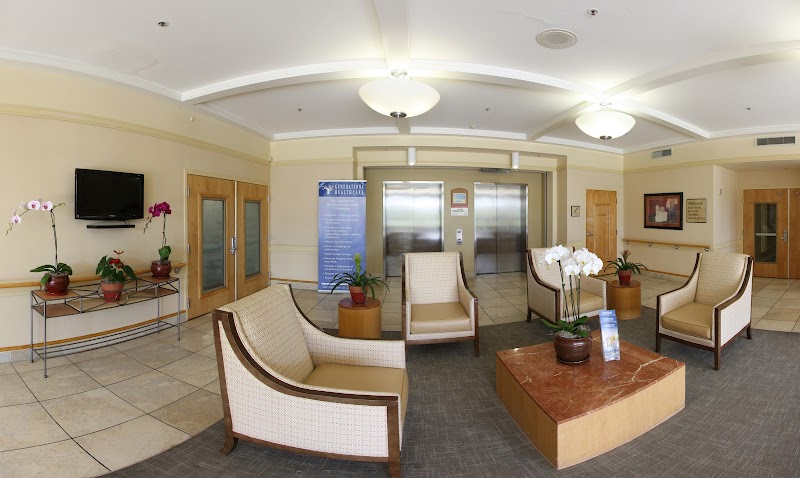
How is Smith Ranch Skilled Nursing & Rehabilitation Cente Staffed?

CMS rates SMITH RANCH SKILLED NURSING & REHABILITATION CENTE's staffing level at 3 out of 5 stars, which is average compared to other nursing homes. Staff turnover is 36%, compared to the California average of 46%. This relatively stable workforce can support continuity of care. RN turnover specifically is 71%, which is notably high. RNs provide skilled clinical oversight, so turnover in this role can affect medical care quality.

What Have Inspectors Found at Smith Ranch Skilled Nursing & Rehabilitation Cente?

State health inspectors documented 50 deficiencies at SMITH RANCH SKILLED NURSING & REHABILITATION CENTE during 2019 to 2025. These included: 5 that caused actual resident harm and 45 with potential for harm. Deficiencies causing actual harm indicate documented cases where residents experienced negative health consequences.
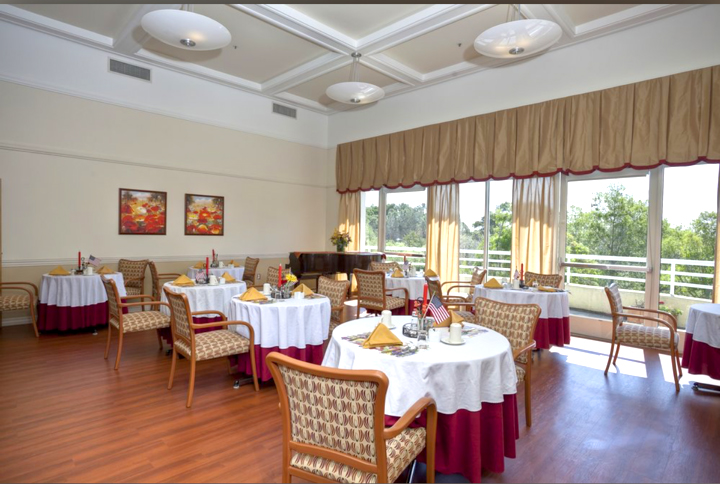
Who Owns and Operates Smith Ranch Skilled Nursing & Rehabilitation Cente?

SMITH RANCH SKILLED NURSING & REHABILITATION CENTE is owned by a for-profit company. For-profit facilities operate as businesses with obligations to shareholders or private owners. The facility is operated by GENERATIONS HEALTHCARE, a chain that manages multiple nursing homes. With 80 certified beds and approximately 70 residents (about 88% occupancy), it is a smaller facility located in SAN RAFAEL, California.
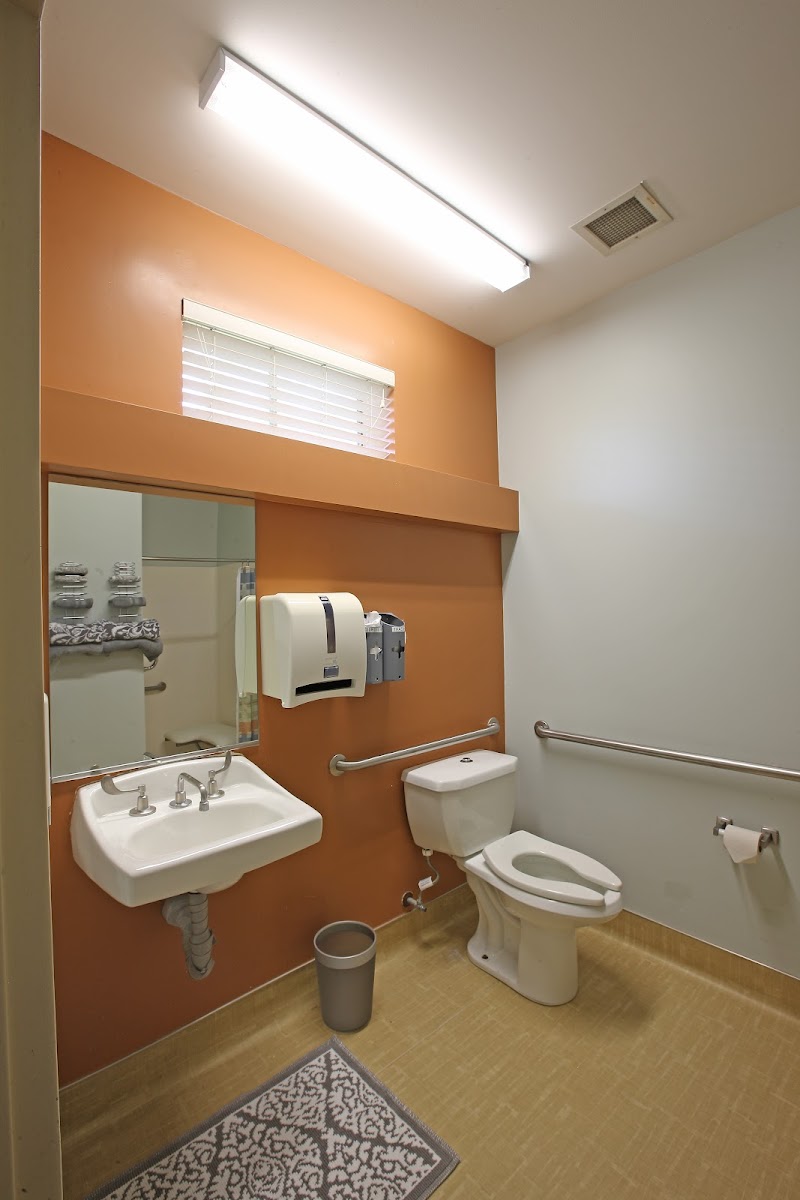
How Does Smith Ranch Skilled Nursing & Rehabilitation Cente Compare to Other California Nursing Homes?

Compared to the 100 nursing homes in California, SMITH RANCH SKILLED NURSING & REHABILITATION CENTE's overall rating (3 stars) is below the state average of 3.1, staff turnover (36%) is significantly lower than the state average of 46%, and health inspection rating (2 stars) is below the national benchmark.

What Should Families Ask When Visiting Smith Ranch Skilled Nursing & Rehabilitation Cente?

Based on this facility's data, families visiting should ask: "Can I visit during a mealtime to observe dining assistance and food quality?" "How do you handle medical emergencies, and what is your hospital transfer rate?" "Can I speak with family members of current residents about their experience?"

Is Smith Ranch Skilled Nursing & Rehabilitation Cente Safe?

Based on CMS inspection data, SMITH RANCH SKILLED NURSING & REHABILITATION CENTE has a clean safety record: no substantiated abuse findings (meaning no confirmed cases of resident harm), no Immediate Jeopardy citations (the most serious violation level indicating risk of serious injury or death), and is not on the Special Focus Facility watch list (a federal program monitoring the lowest-performing 1% of nursing homes). The facility has a 3-star overall rating and ranks #100 of 100 nursing homes in California. While no facility is perfect, families should still ask about staff-to-resident ratios and recent inspection results during their visit.

Do Nurses at Smith Ranch Skilled Nursing & Rehabilitation Cente Stick Around?

SMITH RANCH SKILLED NURSING & REHABILITATION CENTE has a staff turnover rate of 36%, which is about average for California nursing homes (state average: 46%). Moderate turnover is common in nursing homes, but families should still ask about staff tenure and how the facility maintains care continuity when employees leave.

Was Smith Ranch Skilled Nursing & Rehabilitation Cente Ever Fined?

SMITH RANCH SKILLED NURSING & REHABILITATION CENTE has no federal fines on record. CMS issues fines when nursing homes fail to meet care standards or don't correct problems found during inspections. The absence of fines suggests the facility has either maintained compliance or corrected any issues before penalties were assessed. This is a positive indicator, though families should still review recent inspection reports for the full picture.

Is Smith Ranch Skilled Nursing & Rehabilitation Cente on Any Federal Watch List?

SMITH RANCH SKILLED NURSING & REHABILITATION CENTE is not on any federal watch list. The most significant is the Special Focus Facility (SFF) program, which identifies the bottom 1% of nursing homes nationally based on persistent, serious quality problems. Not being on this list means the facility has avoided the pattern of deficiencies that triggers enhanced federal oversight. This is a positive indicator, though families should still review the facility's inspection history directly.