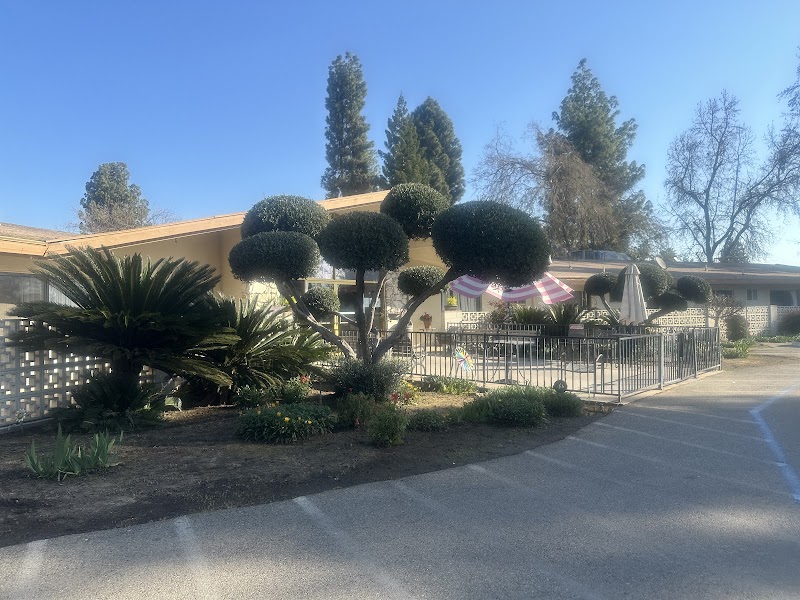
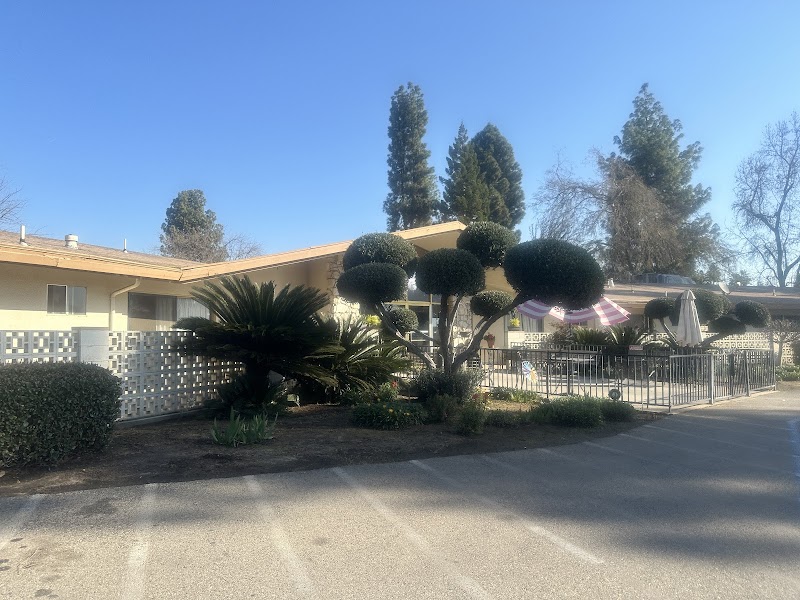
CORNERSTONE CARE CENTER

2550 9TH STREET, SANGER, CA 93657 (559) 875-6501
For profit - Limited Liability company 99 Beds BAYSHIRE SENIOR COMMUNITIES Data: November 2025
Trust Grade
0/100
#774 of 1155 in CA
Last Inspection: May 2025

Inspected within the last 6 months. Data reflects current conditions.

Overview

Cornerstone Care Center in Sanger, California, has received a Trust Grade of F, indicating significant concerns and a poor quality of care. It ranks #774 out of 1155 facilities in California and #21 out of 30 in Fresno County, placing it in the bottom half for both state and county rankings. The facility is worsening, with issues increasing from 17 in 2024 to 18 in 2025. Staffing is a relative strength, rated 4 out of 5 stars, but turnover is average at 41%. However, the facility has concerning fines totaling $70,036, which is higher than 86% of California facilities. Specific incidents highlight serious problems: for example, the facility failed to appropriately prescribe antipsychotic medications for several residents without proper mental health evaluations or monitoring, leading to unnecessary medication use. Additionally, one resident was improperly diagnosed with a mental health disorder, resulting in adverse effects from medications. Another resident did not receive necessary hearing aids, which impacted their ability to communicate with staff. Overall, while staffing appears stable, significant care and compliance issues raise serious concerns for potential residents and their families.

Trust Score
F
0/100
In California
#774/1155
Bottom 33%
Safety Record
High Risk
Review needed
Inspections
Getting Worse
17 → 18 violations
Staff Stability
○ Average
41% turnover. Near California's 48% average. Typical for the industry.
Penalties
✓ Good
$70,036 in fines. Lower than most California facilities. Relatively clean record.
Skilled Nurses
○ Average
Each resident gets 33 minutes of Registered Nurse (RN) attention daily — about average for California. RNs are the most trained staff who monitor for health changes.
Violations
⚠ Watch
53 deficiencies on record. Higher than average. Multiple issues found across inspections.
★★☆☆☆
2.0
Overall Rating
★★★★☆
4.0
Staff Levels
★★★★☆
4.0
Care Quality
★★☆☆☆
2.0
Inspection Score
Stable
2024: 17 issues
2025: 18 issues

The Good

  • 4-Star Staffing Rating · Above-average nurse staffing levels
  • 4-Star Quality Measures · Strong clinical quality outcomes
  • Full Sprinkler Coverage · Fire safety systems throughout facility
  • No fines on record
  • Staff turnover below average (41%)

    7 points below California average of 48%

Facility shows strength in staffing levels, quality measures, fire safety.

The Bad

2-Star Overall Rating

Below California average (3.1)

Below average - review inspection findings carefully

Staff Turnover: 41%

Near California avg (46%)

Typical for the industry

Federal Fines: $70,036

Well above median ($33,413)

Moderate penalties - review what triggered them

Chain: BAYSHIRE SENIOR COMMUNITIES

Part of a multi-facility chain

Ask about local staffing decisions and management

The Ugly 53 deficiencies on record

8 actual harm
May 2025 14 deficiencies
CONCERN (D)

Potential for Harm - no one hurt, but risky conditions existed

Resident Rights (Tag F0550)

Could have caused harm · This affected 1 resident

**NOTE- TERMS IN BRACKETS HAVE BEEN EDITED TO PROTECT CONFIDENTIALITY** Based on observation, interview, and record review, the facility failed to ensure residents were treated with dignity and respec...

Read full inspector narrative →
**NOTE- TERMS IN BRACKETS HAVE BEEN EDITED TO PROTECT CONFIDENTIALITY** Based on observation, interview, and record review, the facility failed to ensure residents were treated with dignity and respect for one of nine sampled residents (Resident 88) when Resident 88's urinary catheter (flexible tube inserted into the bladder to drain urine) bag was not covered and was visible to residents and visitors This failure violated Resident 88's right to dignity and privacy and had the potential to lead to psychological harm. Findings: During a concurrent observation and interview on 4/27/25 at 12:24 p.m. in Resident 88's room, Resident 88 was sitting up in bed eating lunch. Resident 88's urinary catheter bag was hanging on the side of the bed uncovered. The urinary bag was visible when entering the room and the bag was filled with yellow urine. Resident 88 stated he had the foley catheter for a while but could not remember how long Resident 88 stated he did not know why staff had the catheter bag uncovered for everyone to see. During a review of Resident 88's, admission Record, (AR-a document with personal identification and medical information) dated 4/30/25, the AR indicated Resident 88 was re-admitted to the facility on [DATE] with diagnoses which included, hemiplegia (muscle weakness or partial paralysis[complete or partial loss of muscle function]) and hemiparesis (one-sided muscle weakness), obstructive and reflux uropathy (obstructed urinary flow) and benign prostatic hyperplasia (enlarged prostate gland). During a review of Resident 88's Order Summary Report, [OSR] dated 4/30/25, the OSR indicated, . Indwelling Urinary Catheter Size . Order Date 4/19/25 . During a concurrent observation and interview with Certified Nurse Assistant (CNA) 2 on 4/27/25 at 2:06 p.m. outside of Resident 88's room, CNA 2 stated she taking care of Resident 88 for the day. CNA 2 stated Resident 88 has a foley catheter and it should be covered with a privacy bag. CNA 2 entered Resident 88's room and stated Resident 88's catheter bag was uncovered and exposed. CNA 2 grabbed a pair of gloves and placed Resident 88's catheter bag inside a privacy bag. CNA 2 stated the practice was to ensure catheter bag was placed in a privacy bag. CNA 2 stated it was Resident 88's right to have his privacy and dignity respected. During a concurrent interview and record review on 4/29/25 at 9:40 a.m. with Infection Preventionist (IP- works to prevent germs from spreading within the facility), the IP reviewed list of residents on Enhanced Barrier Precaution (EBP-an infection control intervention designed to reduce transmission of resistant organisms that employs targeted gown and glove use during high contact resident care activities) and stated Resident 88 is on EBP. The IP stated foley catheter bag should have been in a privacy bag. The IP stated the expectation was for all licensed nurses and CNAs to ensure foley catheter bags are covered with privacy bags because it was a resident right to have their privacy and dignity respected. During an interview on 5/1/25 at 1:21 p.m. with the Director of Nursing (DON), the DON stated the practice was to ensure foley catheter bags are always placed in a privacy bag. The DON stated it was the responsibility of nursing staff to ensure foley catheter bags are covered. The DON stated it was a dignity issue for Resident 88 to have his foley catheter bag exposed. During a review of the facility's policy and procedure titled Dignity, dated 2/2021, the P&P indicated, . Residents are treated with dignity and respect at all times . Demeaning practices and standards of care that compromise dignity are prohibited. Staff are expected to promote dignity . for example . helping the resident to keep urinary catheter bags covered . During a review of the facility's policy and procedure (P&P) titled Resident Rights, dated 9/22/22, the P&P indicated .The resident has a right to be treated with respect and dignity, including: 1. The right to be free from any physical or chemical restraints . The resident has a right to personal privacy and confidentiality .
CONCERN (D)

Potential for Harm - no one hurt, but risky conditions existed

Deficiency F0637 (Tag F0637)

Could have caused harm · This affected 1 resident

**NOTE- TERMS IN BRACKETS HAVE BEEN EDITED TO PROTECT CONFIDENTIALITY** Based on interview and record review, the facility failed to complete a Minimum Data Set (MDS-a computerized clinical assessment...

Read full inspector narrative →
**NOTE- TERMS IN BRACKETS HAVE BEEN EDITED TO PROTECT CONFIDENTIALITY** Based on interview and record review, the facility failed to complete a Minimum Data Set (MDS-a computerized clinical assessment tool ) Significant Change in Status Assessment (SCSA-a comprehensive assessment that must be completed when the resident meets the significant change guidelines for either major improvement or decline) within 14 days, for one of five sampled residents (Resident 83) when a significant changed had occurred. This failure had the potential to delay identification and implementation of necessary interventions to address Resident 83's care and support needs. Findings: During a review of Resident 83's admission Record, (AR-a document with personal identifiable and medical information) dated 4/30/25, the AR indicated Resident 83 was admitted to the facility on [DATE] with diagnoses which included multiple fractures of pelvis (break in multiple bones of hip bones), and surgical aftercare following surgery on the digestive system. During a review of Resident 83's Order Summary Report, dated 4/30/25, the OSR indicated, .Regular diet Regular texture, Regular (thin) consistency, for Double portion of protein . Order Date 01/21/2025 . Weight Bearing as Tolerated . Order Date 03/07/2025 . During a concurrent interview and record review on 4/30/25 at 2:03 p.m. with the Minimum Data Set Nurse (MDSN), Resident 83's MDS assessments were reviewed. The MDSN stated Resident 83 had a follow-up appointment with the orthopedist (medical doctor specializes in bones ) and returned with a new order: Resident may have weight bearing as tolerated. The MDSN stated Resident 83's last MDS assessment was Medicare 5 (five) day assessment dated [DATE] and it was for the change of weight bearing status. The MDSN stated there was no significant change MDS assessment for Resident 83. The MDSN stated the significant change MDS assessment should have been completed within 14 days after the order was received for weight bearing. During an interview on 5/1/25 at 1:34 p.m. with the Administrator (ADM), the ADM stated his expectation was for MDSN to accurately complete MDS assessments timely. The ADM stated he expected the MDSN to review resident records and ensure assessments are opened and completed when due. During a review of the facility policy and procedure (P&P) titled, Conducting an Accurate Resident Assessment, dated 12/19/22, the P&P indicated, .The purpose of this policy is to assure that all residents receive an accurate assessment, reflective of the resident's status at the time of the assessment . The appropriate, qualified health professional will correctly document the resident's medical, functional, and psychosocial problems and identifies resident strengths to maintain or improve medical status, functional abilities, and psychosocial status . Each individual who completes a portion of the assessment will sign and certify the accuracy of that portion of the assessment . During a review of facility's document Job Description: MDS dated 6/30/23, the job description indicated, . Conduct and coordinate the development and completion of the resident assessment (MDS) in accordance with current rules, regulations, and guidelines that govern the resident assessment, including the implementation . Ensure that all assessments are completed and transmitted in a timely manner . Ensure that all members of the assessment team are aware of the importance of completeness and accuracy in their assessment functions . During a review of professional guideline titled, Long Term Care Facility Resident Assessment Instrument version 1.19.1 Manual (RAI- core set of screening, clinical, and functional status elements, including common definitions and coding categories, which forms the foundation of a comprehensive assessment for all residents of nursing homes certified to participate in Medicare or Medicaid) dated 10/24, indicated, . 5-Day Assessment and Significant Change in Status Assessment . Comprehensive item set . Must be completed (item Z0500B) within 14 days after the determination that the criteria are met for a Significant Change in Status assessment . The MDS records for a nursing home resident are expected to occur in a specific order. For example, the first record for a resident is expected to be an Entry record with entry type (item A1700) indicating admission, and the next record is expected to be an admission assessment . 5-Day assessment, a Discharge assessment, or Death in Facility tracking record. iQIES will issue a warning when an unexpected record is submitted . Entry Date (item A1600) for entry records, and the discharge date (item A2000) for discharge or Death in facility records .Discharge Assessment-Return Not Anticipated (A0310F = 10) . Must be completed when the resident is discharged from the facility and the resident is not expected to return to the facility within 30 days .
CONCERN (D)

Potential for Harm - no one hurt, but risky conditions existed

MDS Data Transmission (Tag F0640)

Could have caused harm · This affected 1 resident

**NOTE- TERMS IN BRACKETS HAVE BEEN EDITED TO PROTECT CONFIDENTIALITY** Based on interview and record review, the facility failed to meet the required timelines for encoding and transmission of Minimu...

Read full inspector narrative →
**NOTE- TERMS IN BRACKETS HAVE BEEN EDITED TO PROTECT CONFIDENTIALITY** Based on interview and record review, the facility failed to meet the required timelines for encoding and transmission of Minimum Data Set (MDS-evaluation of cognition, care needs and functional abilities) assessments for two of five sampled residents (Resident 44 and Resident 68) when the Minimum Data Set Nurse (MDSN) did not complete or transmit discharge MDS assessment for Resident 44 and Resident 68. This deficient practice resulted in the potential of resident's needs upon discharge going unmet. Findings: During a review of Resident 44's admission Record, (AR-a document with personal identifiable and medical information), dated 5/1/25, the AR indicated, Resident 44 was admitted to the facility on [DATE] with diagnoses which included asthma (difficulty breathing) hypertension (high blood pressure) and pain. During a review of Resident 68's admission Record, dated 5/1/25, the AR indicated Resident 68 was admitted to the facility on [DATE] with diagnoses which included muscle weakness, chronic obstructive pulmonary disease (COPD-chronic lung disease causing difficulty in breathing) and anemia (a condition where the body does not have enough healthy red blood cells). During a concurrent interview and record review on 5/1/25 at 8:05 a.m. with MDSN, Resident 44's clinical record was reviewed. MDSN stated Resident 44 was admitted to the facility on [DATE]. MDSN stated Resident 44's last MDS assessment was a quarterly assessment dated [DATE]. MDSN stated Resident 44 was sent out to general acute hospital (GACH) on 1/23/25. The MDSN stated Resident 44 did not return to the facility. The MDSN did not find a completed and transmitted MDS discharge assessment tracking for Resident 44 when Resident 44 was discharged to GACH on 1/23/25. The MDSN stated she did not do the discharge MDS assessment for Resident 44's discharge which was required to be completed within 14 days from his discharge During a concurrent interview and record review on 5/1/25 at 8:20 a.m. with MDSN, Resident 68's clinical record was reviewed. MDSN stated Resident 68 was admitted to the facility on [DATE]. MDSN stated Resident 68 left the facility against medical advice (AMA-patient leaving a facility against the advice of their doctor) on 2/26/25. MDSN stated Resident 68's last MDS assessment was Medicare five (5) assessment dated [DATE]. The MDSN did not find a completed and transmitted MDS discharge assessment tracking for Resident 68 when Resident 68 left the facility AMA on 2/26/25. The MDSN stated she did not open and complete the MDS assessment for Resident 68's discharge which was required to be completed within 30 days from discharge. The MDSN stated it was her responsibility to ensure assessments were opened, completed and transmitted in a timely manner. During an interview on 5/1/25 at 1:34 p.m. with the Administrator (ADM), the ADM stated his expectation was for the MDSN to complete assessments, and be done in a timely matter. The ADM stated MDSN was responsible in reviewing resident records and ensure required assessments are opened and completed when due. During a review of the facility policy and procedure (P&P) titled, Conducting an Accurate Resident Assessment, dated 12/19/22, the P&P indicated, .The purpose of this policy is to assure that all residents receive an accurate assessment, reflective of the resident's status at the time of the assessment . The appropriate, qualified health professional will correctly document the resident's medical, functional, and psychosocial problems and identifies resident strengths to maintain or improve medical status, functional abilities, and psychosocial status . Each individual who completes a portion of the assessment will sign and certify the accuracy of that portion of the assessment . During a review of facility's document Job Description: MDS dated 6/30/23, the job description indicated, . Conduct and coordinate the development and completion of the resident assessment (MDS) in accordance with current rules, regulations, and guidelines that govern the resident assessment, including the implementation . Ensure that all assessments are completed and transmitted in a timely manner . Ensure that all members of the assessment team are aware of the importance of completeness and accuracy in their assessment functions . During a review of professional guideline titled, Long Term Care Facility Resident Assessment Instrument version 1.19.1 Manual (RAI- core set of screening, clinical, and functional status elements, including common definitions and coding categories, which forms the foundation of a comprehensive assessment for all residents of nursing homes certified to participate in Medicare or Medicaid) dated 10/24, indicated, . The MDS records for a nursing home resident are expected to occur in a specific order. For example, the first record for a resident is expected to be an Entry record with entry type (item A1700) indicating admission, and the next record is expected to be an admission assessment . 5-Day assessment, a Discharge assessment, or Death in Facility tracking record. iQIES will issue a warning when an unexpected record is submitted . Entry Date (item A1600) for entry records, and the discharge date (item A2000) for discharge or Death in facility records .Discharge Assessment-Return Not Anticipated (A0310F = 10) . Must be completed when the resident is discharged from the facility and the resident is not expected to return to the facility within 30 days . For a resident discharged to a hospital or other setting (such as a respite resident) who comes in and out of the facility on a relatively frequent basis and reentry can be expected, the resident is discharged return anticipated unless it is known on discharge that they will not return within 30 days. This status requires an Entry tracking record each time the resident returns to the facility and an OBRA Discharge assessment each time the resident is discharged . Must be completed (item Z0500B) within 14 days after the discharge date (item A2000) (i.e., discharge date (A2000) + 14 calendar days) .
CONCERN (D)

Potential for Harm - no one hurt, but risky conditions existed

Assessment Accuracy (Tag F0641)

Could have caused harm · This affected 1 resident

**NOTE- TERMS IN BRACKETS HAVE BEEN EDITED TO PROTECT CONFIDENTIALITY** Based on observation, interview, and record review, the facility failed to ensure the Minimum Data Set Assessment (MDS-assessmen...

Read full inspector narrative →
**NOTE- TERMS IN BRACKETS HAVE BEEN EDITED TO PROTECT CONFIDENTIALITY** Based on observation, interview, and record review, the facility failed to ensure the Minimum Data Set Assessment (MDS-assessment of physical and psychological functions and needs) accurately reflected resident's health and functional status for one of five sampled residents (Resident 57) when Resident 57's pressure ulcer (localized injury to the skin and underlying tissue caused by prolonged pressure) was inaccurately coded on the MDS assessment. This failure had the potential to result in Resident 57's care needs not being met and the potential for pressure ulcer to worsen Findings: During a concurrent observation and interview on 4/27/25 at 12:26 p.m. with Resident 57 in his room, Resident 57 was sitting up in bed eating lunch. Resident 57 observed with low air loss mattress (mattress designed to prevent and treat pressure ulcers) and denied any complaints or pain. During a review of Resident 57's admission Record, (AR- a document with personal identifiable and medical information), dated 4/30/25, the AR indicated Resident 57 was admitted to the facility on [DATE] with diagnoses which included dysphagia (difficulty swallowing), hemiplegia (muscle weakness or partial paralysis[complete or partial loss of muscle function]) and hemiparesis (one-sided muscle weakness), and shortness of breath. During a concurrent interview and record review on 4/30/25 at 11:06 a.m. with the Treatment Nurse (TXN), the TXN stated Resident 57 was admitted to the facility on [DATE] and the pressure ulcer to his right buttock was reported on 6/25/23. The TXN stated the ulcer was diagnosed as unstageable pressure injury (UTD-pressure injury where the base of the ulcer was obscured by slough [yellowish, pale dead tissue] and or eschar [dried, leathery layer of dead tissue covering the true depth of the wound]). The TXN stated Resident 57's UTD diagnosis was changed to Kennedy ulcer (skin ulcer that appears in the sacrum [triangular bone in the lower back] often a sign of impending death) on 7/17/24. The TXN stated she did not know why diagnosis was changed. TXN stated she continues to do the treatment on Resident 57's ulcer because it is still open. During a review of Resident 57's Order Summary Report, (OSR) dated 4/30/25, the OSR indicated, . cleanse Sacrum [NAME] terminal with appearance of stage 3 [three] area with normal saline, pat dry, apply .every shift . Order Date 4/23/25 . During a concurrent interview and record review on 4/30/25 at 2:15 p.m. with the Minimum Data Set Nurse (MDSN), the MDSN reviewed Resident 57's MDS quarterly assessment dated [DATE] section M (Skin Conditions), Resident 57's ulcer was not coded in the MDS assessment. The MDSN stated the assessment was not accurately coded. The MDSN stated, I should have coded him [Resident 57] having a stage 3 [three] pressure ulcer [full-thickness skin loss] or any ulcer but I did not, it was an error in coding, the assessment was not accurate. The MDSN stated the wound doctor assessed Resident 57's wound on 10/8/24 and changed the diagnosis to Kennedy ulcer with appearance of a stage 3. During an interview on 5/1/25 at 1:25 p.m. with the Director of Nursing (DON), the DON stated she did not check MDS assessments for accuracy. The DON stated the expectation was that each person completing assessment is responsible in ensuring the assessments are accurate. The DON stated there was an MDS consultant but not sure if the consultant checked the assessments for accuracy. During an interview on 5/1/25 at 1:35 p.m. with the Administrator (ADM), the ADM stated the expectation was for the MDSN to ensure assessments are accurate, complete and done timely. During a review of facility's policy and procedure (P&P) titled, Conducting an Accurate Resident Assessment, dated 12/19/22, the P&P indicated, . Qualified staff who are knowledgeable about the resident will conduct an accurate assessment . The appropriate, qualified professional will correctly document the resident's medical, functional, and psychosocial problems and identifies resident's strengths to maintain or improve medical status . During a review of professional reference titled, Long-Term Care Facility Resident Assessment Instrument 3.0 User's Manual version 1.19.1 10/24, indicated. Definitions . Surgical Wounds Any healing and non-healing, open or closed surgical incisions, skin grafts or drainage sites . Steps for Assessment . Examine the resident and determine whether any ulcers, wounds, or skin problems are present .
CONCERN (D)

Potential for Harm - no one hurt, but risky conditions existed

Deficiency F0658 (Tag F0658)

Could have caused harm · This affected 1 resident

**NOTE- TERMS IN BRACKETS HAVE BEEN EDITED TO PROTECT CONFIDENTIALITY** Based on observation, interview, and record review, the facility failed to provide care and services in accordance with accepted...

Read full inspector narrative →
**NOTE- TERMS IN BRACKETS HAVE BEEN EDITED TO PROTECT CONFIDENTIALITY** Based on observation, interview, and record review, the facility failed to provide care and services in accordance with accepted professional standards of quality of care for one of three sampled residents (Resident 147) when Licensed Vocational Nurse (LVN) 5 signed Resident 147's electronic Treatment Administration Record (eTAR-digital version of treatment administered to a resident) indicating Resident 147 was wearing compression stockings on 4/29/25. This failure had the potential for Resident 147 to not receive prescribed care which could result in more serious health conditions. Findings: During a concurrent observation and interview on 4/29/25 at 1:10p.m. in B wing hallway outside of Resident 147's room, Resident 147 was observed sitting up in wheelchair. Resident 147 was observed wearing non-skid socks and stated he did not remember wearing compression stockings since he was admitted in the facility. During a review of Resident 147's admission Record, (AR-a document with personal identifiable and medical information), dated 4/30/25, the AR indicated, Resident 147 was admitted to the facility on [DATE] with diagnoses which included encephalopathy (brain dysfunction- disruption in the way the brain functions), hypertension (high blood pressure) and muscle weakness. During a review of Resident 147's Minimum Data Set (MDS-a federally mandated resident assessment tool), dated 4/7/25, the MDS section C (Cognitive Patterns) indicated Resident 147 had a Brief Interview for Mental Status (BIMS-an assessment tool used by facilities to screen and identify memory, orientation, and judgement status of the resident) score of 9 out of 15 (a score of 13-15 indicates cognitively intact, 08-12 indicates moderately impaired, and 00-07 indicates severe impairment, 99 indicates unable to complete the interview), which indicated Resident 147 was moderately impaired. During a review of Resident 147's Order Summary Report, dated 4/30/25, the OSR indicated, . Compression stockings-Apply in the morning and remove at bedtime . Order Date 04/25/2025, Start Date 04/25/2025 . During a review of Resident 147's Treatment Administration Record, (eTAR) dated 4/1/25-4/30/25, the eTAR indicated, Resident 147 wore his compression stockings on 4/26/25, 4/28/25, 4/29/25 and 4/30/25. During an interview on 4/29/25 at 1:11 p.m. with Certified Nursing Assistant (CNA)1, CNA 1 stated she was assigned to care for Resident 147. CNA 1 checked Resident 147 and stated Resident 147 was not wearing compression stocking, he was wearing non-skid socks. CNA 1 stated she did not put compression stockings on Resident 147 when she got him up in the morning. CNA 1 stated she did not know Resident 147 was supposed to wear compression stockings every day. During a concurrent interview and record review on 4/29/25 at 1:18 p.m. with LVN 5, LVN 5 reviewed Resident 147's clinical record and stated compression stocking order for Resident 147 was ordered on 4/25/25 for swelling to his lower legs. LVN 5 stated he marked Resident 147's eTAR without checking if Resident 147 was wearing compression stockings. LVN 5 stated Resident 147 did not have compression stockings on, and he should have. LVN 5 stated it was licensed nurses and CNAs responsibility to ensure Resident 147 wore compression stockings every day. LVN 5 stated it was his responsibility to check Resident 147 if he was wearing compression stockings before he signed the eTAR. LVN 5 stated Resident 147's swelling could get worse if not wearing compression stockings as ordered. During an interview on 5/1/25 at 1:28 p.m. with the Director of Nursing (DON), the DON stated her expectation was for licensed nurses to check or assess before signing eTAR and or eMAR. The DON stated LVN 5 could have checked Resident 147 first to ensure Resident 17 was wearing compression stockings then signed the eTAR. During a review of Job Description: Licensed Vocational Nurse, dated 12/1/22, the job description indicated, .Position Summary The LVN is responsible for assisting with resident care under the medical direction and supervision of the residents' attending physician . Examine the resident and his/her records and charts . Perform administrative duties such as completing medical forms, reports . Provide assessment and diagnostic services to residents . Provide therapeutic services . Give direct physical and psychological nursing care . During a review of Job Description: Certified Nursing Assistant, dated 12/1/22, the job description indicated, .Promptly assist residents with Activities of Daily Living (ADL) and daily nursing care needs as directed in service plan . Complete all service plan tasks as scheduled and sign-off on each by end of shift . Encourage teamwork among all departments .
CONCERN (D)

Potential for Harm - no one hurt, but risky conditions existed

Deficiency F0757 (Tag F0757)

Could have caused harm · This affected 1 resident

**NOTE- TERMS IN BRACKETS HAVE BEEN EDITED TO PROTECT CONFIDENTIALITY** Based on observation, interview, and record review, the facility failed to ensure each resident's drug regimen was free from unn...

Read full inspector narrative →
**NOTE- TERMS IN BRACKETS HAVE BEEN EDITED TO PROTECT CONFIDENTIALITY** Based on observation, interview, and record review, the facility failed to ensure each resident's drug regimen was free from unnecessary drugs for three of seven sampled residents (Resident 30, Resident 70 and Resident 294) when: 1. Residents 30 and 294 did not receive appropriate monitoring for Vitamin D (a nutrient that the body needs for absorption of calcium). This failure had the potential risk for Resident 30 and Resident 294 to result in toxicity or ineffective dosing from a continued and unmonitored Vitamin D administration. 2. Resident 294 was administered Torsemide (a medication used to help treat fluid retention and swelling) and did not have a diagnosis for fluid retention or swelling, and was administered Sevelamer Carbonate (a medication used to control high blood phosphate levels). Resident 294's record review indicated an active order for Sevelamer Hydrochloride (a medication used to control high blood phosphate levels) for hypocalcemia (low calcium blood levels) and did not have a diagnosis for hypocalcemia. These failures placed Resident 294 at risk for adverse effects from receiving medications without appropriate indications. 3. Resident 294 and Resident 70 were administered amiodarone (a medication used to treat irregular heartbeat) and did not have appropriate monitoring for TSH levels (Thyroid-stimulating hormone, a blood test is an indicator of thyroid function). These failures had the potential risk of Resident 294 and Resident 70 experiencing adverse effects from inadequate and inappropriate monitoring of thyroid levels including fatigue, irritability, and weight gain. 1a. During a record review of Resident 30's, admission Record, dated 4/29/25, the admission Record indicated, . Diagnosis information .Vitamin D deficiency (a condition where the body does not have enough vitamin D) . During a record review of Resident 30's Order Summary dated 4/29/25, the Order Summary indicated, Vitamin D3 capsule 1.25 MG [milligram- unit of measurement] (50000 units) one time a day every Monday, Wednesday, Friday for supplement. During an observation of medication cart for D Wing on 4/27/25 at 9:58 a.m. Resident 30 blister card containing 1 capsule vitamin D3 50,000 units capsule- take 1 capsule by mouth daily Monday, Wednesday, and Friday for supplement. During a concurrent interview and record review on 4/28/25 at 9:31 a.m., with Licensed Vocational Nurse (LVN) 1 for D wing, Resident 30's laboratory orders and results were reviewed. LVN 1 acknowledged Resident 30 was currently being administered Vitamin D three times a week. LVN 1 was unable to provide documentation for monitoring Resident 30's vitamin D levels. LVN 1 acknowledged Vitamin D levels were not obtained for Resident 30 and stated it was important to make sure vitamin D level was within a healthy normal range. Durning an interview on 4/28/25 at 2:08 p.m. with the Director of Nursing (DON), DON acknowledged Resident 30 did not have Vitamin D lab orders and was being administered Vitamin D without accurate monitoring of Resident 30's blood level. DON stated monitoring was important to determine how the resident was responding to treatment and to administer the appropriate medication. During a telephone interview on 4/30/25 at 10:03 a.m. with the Pharmacy Consultant (PC), the PC stated it was important to obtain baseline labs and continue to periodically monitor to determine if medication was to be given. 1b. During a record review of Resident 294's admission Record, dated 4/29/25, the admission Record indicated, .Diagnosis information .Atrial Fibrillation (an irregular, often rapid heartbeat), and End Stage Renal Disease (ESRD- a condition where the kidneys have permanently lost the ability to function). During a record review of Resident 294's Order Summary dated 4/29/25, the Order Summary indicated, Vitamin D capsule (Ergocalciferol) 50,000 units one time a day every Thursday for supplement. Order date: 4/19/25. During a concurrent interview and record review on 4/28/25 at 10:15 a.m., with LVN 3, Resident 294's Electronic Medical Records (EMR) was reviewed. LVN 3 was unable to provide documentation of Vitamin D monitoring for Resident 294. LVN 3 acknowledged Resident 294 was currently being administered Vitamin D 50,000 units every Thursday, and stated it was important to have labs to monitor the level of Vitamin D to determine its effect on Resident 294's health. During an interview on 4/28/25 at 2:08 p.m. with the DON, DON acknowledged Resident 249 did not have Vitamin D lab orders and was being administered Vitamin D without accurate monitoring of Resident 294's blood level. DON stated it was important to know the Resident's blood lab levels to administer appropriate medication and how the resident is responding to treatment. During a telephone interview on 4/230/25 at 10:03 a.m. with the PC, the PC stated there needed to be an order for baseline labs and continue to periodically monitor to determine if medication was to be given. 2. During a record review of Resident 294's admission Record, dated 4/29/25, the admission Record indicated, .Diagnosis information .Atrial Fibrillation (an irregular, often rapid heartbeat), Heart Failure (a condition when the heart can't pump enough blood to meet the body's needs.) and End Stage Renal Disease (ESRD- a condition where the kidneys have permanently lost the ability to function). During a record review of Resident 294's Order Summary dated 4/29/25, the Order Summary indicated, Sevelamer HCl 800 MG, two tablets three times a day for hypocalcemia with meals Torsemide 20 MG tablet one-time a day for edema. Order date: 4/19/25. During a review of Resident 294's Medication Administration Record (MAR- a standardized record that organizes essential information about a resident and their prescribed medication and treatment, dated April 2025, the MAR indicated, Sevelamer HCl tablet 800 MG, two tablets by mouth three times a day for hypocalcemia with meals. Torsemide tablet 20 MG give one tablet by mouth one time a day for edema. During a record review on 4/28/25 at 9:19 a.m. of Resident 294's Lab Results Report, dated 4/25/25, Lab Results Report indicated Resident 294's Calcium level results 9.6 mg/dL (grams per deciliter). Range 8.4-10.6 mg/dL. During a record review on 4/28/25 at 9:19 a.m. of Resident 294's Lab Results Report, dated 4/25/25, Lab Results Report indicated Resident 294's Phosphatase level results 152 U/L (units per Liter). Range (30-120) mg/dL Flagged as high levels. During a concurrent interview and record review on 4/28/25 at 9:53 a.m., with LVN 3, Resident 294's admission Record, Order Summary Report, and MAR, dated April 2025 were reviewed. LVN 3 stated Resident 294's medical diagnoses did not include edema. LVN 3 acknowledged Resident 294 was not receiving torsemide for edema. During a concurrent interview and record review on 4/28/25 at 10:01 a.m., with LVN 3, Resident 294's MAR, Order summary Report and Lab Results Report, dated April 2025, were reviewed. LVN 3 stated the physician order was written for Sevelamer HCl for hypocalcemia. LVN 3 acknowledged Resident 294 was administered Sevelamer Carbonate, and stated The order and the blister pack look different. LVN 3 acknowledged Resident 294's lab results dated 4/25/25 for Phosphatase lab levels are indicated as being high level, the calcium lab level was normal. LVN 3 stated it was important to give the right medication because it's for specific diagnosis. During an interview on 4/28/25 at 2:05 p.m., with the DON, the DON acknowledged Resident 294 was receiving torsemide for edema but did not have a history of edema. The DON stated the indication of use for torsemide was incorrect. The DON stated she confirmed with the physician the appropriate indication for administration was for heart failure and not edema. The DON stated Sevelamer HCl is used for high phosphate levels and not calcium. Durning an interview on 4/30/25 at 10:03 a.m. with the PC, the PC stated the indication for administration of the medication in question for Resident 294 was not accurate, if the indication is wrong the facility needs to talk to the doctor to clarify the indication and diagnosis, before administering the medication. PC stated the wrong medication given could change the resident's condition. During a review of the manufacturer's instructions for Sevelamer Carbonate, the manufacturer instructions indicated, .for the control of serum phosphorus. 3a. During a record review of Resident 70's admission Record, dated 4/29/25, the admission Record indicated, .Diagnosis information .Atrial Fibrillation (an irregular, often rapid heartbeat), hypertension (HTN-high blood pressure), and hypothyroidism (a condition where the thyroid gland doesn't produce enough thyroid hormone. During a record review of Resident 70's Order Summary dated 4/29/25, the Order Summary indicated, Amiodarone HCl oral tablet 100 MG . give one tablet by mouth one time a day for HTN hold if SBP< [less than] 100 and DBP < 60 pulse < 60 Amiodarone HCl oral tablet 200 MG give one tablet by mouth in the evening for hypertension hold if less than 100, DSP 60 and HR 60. Levothyroxine Sodium [medication to treat low thyroid levels] Oral Tablet 75 MCG [micrograms] give one tablet by mouth in the morning for hypothyroidism. Order date: 11/11/24. Durning a record review of Resident 70's Lab Results Report, dated 11/12/24, the Lab Results Report for TSH indicated TSH levels 5.15 U/mL, normal range (0.45-5.33 U/ml). Durning a review of Lab Results Report, dated 1/27/25, the Lab Results Report for TSH indicated high TSH levels 8.73 U/mL, normal range (0.45-5.33 U/ml). During a review of Resident 70's Progress Notes (PN), dated 1/28/25, the PN indicated, .abnormal TSH level. Plan; increase [brand name for levothyroxine] to 88 mcg QD [one time a day] .recheck TSH in 6weeks. Author facility Nurse Practitioner (NP). Durning an interview on 4/28/25 at 2:52 p.m., with Registered Nurse (RN) 1, RN 1 stated Resident 70 was receiving Amiodarone 100 mg in the morning, 200 mg in the evening and Levothyroxine 75 mcg once daily since admission. RN 1 acknowledged Resident 70's TSH lab levels as critical being a high lab. RN 1 stated the expectation was to contact the physician as soon as possible, to get new orders to change the medication according to labs. RN 1 acknowledged the PN dated 1/28/25 from the NP, giving instructions to recheck labs in six weeks and increase levothyroxine to 88 mcg daily. RN 1 was unable to provide documentation the NP's orders were implemented, and stated it was important to follow up on the lab orders and medication change because the lab value was critical. During an interview on 4/28/25 at 2:55 p.m., with the DON, the DON stated the expectation for nursing staff was to carry out the prescriber's order. During an interview on 4/30/25 at 10:03 a.m., with the PC, the PC stated Resident 70's levothyroxine was not increased to 88 mcg daily as ordered, and the expectation was to carry out the providers' orders. The PC stated this medication change was important to have better control over Resident 70's condition. During a review of the manufacturer's drug information for amiodarone, the manufacturer indicated, .can cause either hypothyroidism or hyperthyroidism .Monitor thyroid function prior to treatment and periodically thereafter, particularly in elderly patients . 3b. During a record review of Resident 294's Order Summary dated 4/29/25, the Order Summary indicated, Amiodarone HCl oral tablet 200 MG give one tablet by mouth one time a day for abnormal heart rhythm. During a review of Resident 294's Lab Results Report for TSH, Resident 294's Lab Results Report, dated 4/25/25, indicated a TSH level of 0.00 ulU/ml (micro-International Units per milliliter- unit of measurement). During an interview on 4/28/25 at 10:16 a.m. with LVN 3, LVN 3 stated Resident 294 was admitted to the facility on [DATE] and the TSH lab was done on 4/19/25. LVN 3 stated the TSH levels was 0.00, indicating a critical lab value. LVN 3 stated the facility practice was to notify the provider right away and complete new orders. During an interview on 4/28/25 at 2:08 p.m., with the DON, the DON acknowledged Resident 294s TSH lab of 0.00 was a critical value. The DON stated there was no follow up and no TSH lab orders completed. The DON confirmed amiodarone was a medication known to have effects on thyroid levels. During a review of the facility's policy and procedure (P&P) titled, Laboratory Services and Reporting dated 9/2/22, the P&P indicated, .The facility is responsible for the timeliness of the services. Promptly notify the ordering physician, . nurse practitioner .of laboratory results that fall outside the clinical reference range.
CONCERN (D)

Potential for Harm - no one hurt, but risky conditions existed

Deficiency F0806 (Tag F0806)

Could have caused harm · This affected 1 resident

**NOTE- TERMS IN BRACKETS HAVE BEEN EDITED TO PROTECT CONFIDENTIALITY** Based on observation, interview, and record review the facility failed to provide food in accordance to resident preferences for...

Read full inspector narrative →
**NOTE- TERMS IN BRACKETS HAVE BEEN EDITED TO PROTECT CONFIDENTIALITY** Based on observation, interview, and record review the facility failed to provide food in accordance to resident preferences for one of six sampled resident (Resident 295) when Resident 295's preference to receive beverages other than milk was not followed. This failure caused resident 295 to be upset regarding the meal he had been provided and had the potential to cause Resident 295 to not receive the full nutritional benefit of his meal. Findings: During a review of Resident 295's, admission Record (AR- a document that provides resident contact details, a brief medical history, level of functioning, preferences, and wishes), dated 5/1/25, the AR indicated Resident 295 was admitted to the facility on [DATE] with the following diagnoses: diabetes mellitus (A disease which results in too much sugar in the blood) and kidney failure (when the kidneys have been damaged over time resulting in decreased function). During a review of Resident 295's Minimum Data Set (MDS- resident assessment tool which indicates physical and cognitive abilities), dated 4/4/25, the MDS indicated a Brief Interview for Mental Status (BIMS-an assessment of cognitive function) score of 15 (0-7 severe cognitive impairment, 8-12 moderate cognitive impairment, 13-15 no cognitive impairment), indicating Resident 295 had no cognitive impairment. During an observation on 4/27/25 at 11:09 a.m. in Resident 295's room, Resident 295 was served milk with his lunch tray. Resident 295 stated he had told staff he did not want to receive milk with his meals because he was tired of receiving it for breakfast lunch and dinner. Resident 295 stated it made him upset to receive milk for all the scheduled meals of the day because it felt like staff did not listen to his request. During an interview on 5/1/25 at 9:27 a.m. with Licensed Vocational Nurse (LVN) 6, LVN 6 stated nursing staff were responsible for ensuring meal trays were accurate and followed resident preferences when they came out of the kitchen. LVN 6 stated ensuring residents received food which they preferred was important because it helped residents eat the meal in order to not experience weight loss. During a concurrent interview and record review on 5/1/25 at 9:48 a.m. with the Certified Dietary Manager (CDM), Resident 295's Meal ticket, dated 4/27/25, was reviewed. The Meal Ticket indicated .No milk, offer other beverages . the CDM stated Resident 295's preference for no milk should have been honored. The CDM stated kitchen staff should have ensured the meal had everything Resident 295 wanted as it was served on the tray. The CDM stated Resident 295 may have felt frustrated as a result of receiving milk if he didn't want it. During a concurrent interview and record review on 5/1/25 at 10:37 a.m. with the Registered Dietician (RD), Resident 295's Progress Notes dated 4/7/25 was reviewed. The Progress Notes indicated . spoke to resident: allergy to fish and shellfish. Does not like hot cereal and cooked veggies. Would like to receive raw veggies only, and wants milk with his breakfast only . The RD stated Resident 295 made his preference clearly known and his preferences should have been honored. The RD stated if Resident 295's preference was not followed it put him at risk for malnutrition and following his meal preferences also provided a more homelike experience. During an interview on 5/1/25 at 11:52 a.m. with the Director of Nursing (DON), the DON stated all nursing and kitchen staff should have noticed Resident 295 was served milk. The DON stated Resident 295 should have received an alternative beverage as stated on the Meal Ticket and Progress Notes. The DON stated Resident 295 may have an uncomfortable reaction to drinking milk, so staff should have honored his preference. During a review of the facility's policy and procedure (P&P) titled, Food preferences, dated 2020, the P&P indicated . 1. Following admission The Dining Services Manager, Registered Dietitian, or other designee will interview the resident to determine food preferences . A form such as a Food Preference Form may be used to document this information. Information should be appropriately logged in the meal card . 5. Resident food preferences are kept on file in the dining Services Department as a part of the meal card system and used to ensure each resident's needs and desires are met .
CONCERN (D)

Potential for Harm - no one hurt, but risky conditions existed

Safe Environment (Tag F0921)

Could have caused harm · This affected 1 resident

Based on observation, interview and record review, the facility failed to provide a comfortable and homelike environment for two of 16 sampled residents (Residents 15 and 78), when: 1.The wall in Resi...

Read full inspector narrative →
Based on observation, interview and record review, the facility failed to provide a comfortable and homelike environment for two of 16 sampled residents (Residents 15 and 78), when: 1.The wall in Resident 78's bedroom had deep scratches, exposing white chalky building material, and missing paint. This failure resulted in Resident 78 feeling unimportant, and not listened to. 2.The wall in Resident 15's bathroom had an approximate one inch (unit of measure), by one inch hole in the wall. This failure had the potential to affect Resident 15's mental state as well as creating a portal for pests to enter the bathroom. Findings: 1.During a concurrent observation and interview on 4/27/25 at 10:26 a.m. with Resident 78 in her room, the wall in her room near her bed had several areas of deep scratches with missing paint and areas of exposed white chalky building material. Resident 78 stated, . if I had more money the nursing home would have fixed the wall . I cannot afford to get a better room . During a review of Resident 78's, Record of Admission (RA), dated 5/1/25, the RA indicated Resident 78 was admitted from the hospital to the facility on 9/26/24, with diagnoses which included, borderline personality disorder (BPD - a mental health condition where a person experiences intense, unstable emotions, relationships, and self-image, often struggling with impulsivity and a fear of abandonment), muscle weakness, paroxysmal atrial fibrillation (a type of irregular heartbeat where the electrical signals in the heart's upper chambers [atria] become chaotic, causing a fast, irregular rhythm that comes and goes, usually resolving on its own or with treatment within a week), and hypertension (a condition where the force of blood pushing against your artery walls is consistently too high). During a concurrent observation and interview on 4/27/25 at 11:40 a.m. with Licensed Vocational Nurse (LVN) 1, in Resident 78's room, the scratches and missing paint were observed. LVN 1 stated, the wall in Resident 78's room was not a homelike environment. LVN 1stated she would not like to be in a room with walls like the walls in Resident 78's room. 2.During an interview on 4/27/25 at 10:30 a.m. with Resident 15, Resident 15 stated there were holes and missing paint all over the building that have never been repaired. During a review of Resident 15's RA dated 4/30/25, the RA indicated Resident 15 had been admitted from the hospital to the facility on 2/25/25, with diagnoses which included, Diabetes Mellitus (DM - a condition where the body either doesn't produce enough insulin or can't effectively use the insulin it does produce, leading to high blood sugar levels), Depression (persistent sadness and a loss of interest or pleasure in activities), difficulty in walking, need for assistance with personal care, and muscle weakness. During a concurrent observation and interview on 4/27/25 at 10:48 a.m. with Certified Nurse Assistant (CNA) 4, in Resident 15's bathroom, CNA 4 stated, she had not noticed the hole in the bathroom wall. CNA 4 stated the hole should have been placed on the maintenance log for it to be repaired. CNA 4 stated the hole could allow pests to enter the bathroom. During an interview on 4/28/25 at 11:08 a.m. with the Maintenance Director (MD), the MD stated the holes and scratches in the wall should have been placed on the Maintenance Log so they could have been repaired. The walls with scratches, missing paint, and the hole in the bathroom do not provide a home-like environment for the residents and holes in the wall provide a passageway for insects to enter the building. During a review of the facility's policy and procedure (P&P), titled Maintenance Inspection dated 12/19/22, indicated, . it's the policy of this facility to utilize a maintenance inspection checklist in order to assure a safe, functional, sanitary, and comfortable environment for residents . During a review of the facility's P&P titled Preventative Maintenance Program dated 12/19/22, indicated, . the MD is responsible for developing and maintaining a schedule of maintenance services to ensure that the buildings . are maintained . During a review of the facility's P&P titled Safe and Homelike Environment dated 12/19/22, indicated, . A homelike environment is one that de-emphasizes the institutional character of the setting to the extent possible . that is neat and well kept .
CONCERN (E)

Potential for Harm - no one hurt, but risky conditions existed

Unnecessary Medications (Tag F0759)

Could have caused harm · This affected multiple residents

Based on observation, interview, and record review, the facility failed to ensure the medication error rate was less than five percent when the facility's medication error rate was 15.38 percent. Ther...

Read full inspector narrative →
Based on observation, interview, and record review, the facility failed to ensure the medication error rate was less than five percent when the facility's medication error rate was 15.38 percent. There were 27 opportunities for errors and four medication errors occurred for three of ten sampled residents (Resident 80, Resident 146, and Resident 294) when: 1. Resident 80's blood glucose (simple sugar - the body's primary source of energy from food) was assessed after Resident 80 began eating lunch and not before meals, according to the prescriber order. 2. Resident 146's blood glucose was assessed after Resident 146 began eating lunch and not before meals, and medication Calphron (medication used to control phosphate levels to keep them from getting too high) was not administered with meals, according to the prescriber orders. 3. Resident 294 was administered medication not in accordance with the prescriber orders. These failures in medication errors for Resident 80, Resident 146, and Resident 294, resulted in placing residents at risk for experiencing adverse side effects without adequate monitoring. Finding: 1. During a medication pass observation on 4/27/25 at 12:12 p.m., Resident 80 was observed eating lunch in his room. Resident 80 stated he was eating chicken soup that was brought in by his wife. In Resident 80's room, Licensed Vocational Nurse (LVN) 2 was observed performing blood glucose check on Resident 80, with a resulting blood glucose reading of 289. (normal blood glucose is 70-130) LVN 2 informed Resident 80 Insulin (a hormone that removes excess sugar from the blood, can be produced by the body or given artificially via medication) coverage was needed based on Resident 80's blood glucose reading of 289. During a review of Order Summary, dated 4/29/25, the Order Summary indicated, .May do Finger stick for Blood Glucose Levels before meals and at bedtime notify MD [Doctor of Medicine] if blood glucose is less than 70 or greater than 400. Admelog Solo [NAME] Subcutaneous [under the skin] Solution (insulin Lispro) inject as per sliding scale: . 251-300 = 4 units; Order date: 4/25/25. During an interview on 4/27/25 at 2:25 p.m. with LVN 2, LVN 2 acknowledged Resident 80 had started eating his lunch before his blood glucose was assessed. LVN 2 stated the prescriber Insulin order instructed nursing staff to check blood glucose level before meals. LVN 2 stated blood glucose check done after eating would not be an accurate assessment of blood glucose per the order. LVN 2 stated it was important to check the blood glucose before meals, to know the resident's fasting blood levels and give the correct dose of insulin. During an interview on 4/28/25 at 1:59 p.m., with the Director of Nursing (DON), the DON stated it was important for nursing staff to follow orders with insulin checks before meals, so they don't give the wrong insulin dose. Durning an interview on 4/30/25 at 10:26 a.m., with Pharmacy Consultant (PC), the PC stated the nursing staff should check insulin before meals to see how much insulin is needed for that resident. PC stated if insulin was given after meals, it could lower the residents' blood sugar too much. 2. During a medication pass observation on 4/27/25 at 12:57 p.m., with LVN 2, LVN 2 was observed entering resident 146's room with the medication calcium acetate [brand name]. During this observation LVN 2 was observed assessing Resident146's blood glucose which resulted in reading of 353 mg/dL. LVN 2 stated she would administer insulin coverage based on the resident's blood glucose level. LVN 2 was observed administering resident 146's medication calcium acetate, including a subcutaneous injection of 10 units of insulin to Resident 146's upper abdomen. During an observation and interview on 4/27/25 at 1:03 p.m., with Resident 146, in Resident 146's room, Resident 146 was observed in bed with snacks at the bedside table, Resident 146 stated she had already had lunch at noon. Resident 146 stated she ate turkey steak with brown gravy, cauliflower, apple pie and a roll. During a record review of Resident 146's Order Summary, dated 4/29/25, the Order Summary indicated Monitor finger stick for Blood Glucose .before meals and at bedtime for diabetes. Order date: 3/22/25. (Insulin Aspart) inject as per sliding scale: . 351-400= 10 units .subcutaneously before meals for Diabetes. During a concurrent interview and record review on 4/27/25 at 2:25 p.m., with LVN 2, LVN 2 acknowledged blood sugar check for Resident 146 was obtained after lunch. LVN 2 stated blood sugar check should be completed before meals, to know the residents fasting blood levels and give the correct dose of insulin. LVN 2 acknowledged medication calcium acetate [brand name] should have been given with meals, and was given after Resident 146 ate. During an interview on 4/28/25 at 1:59 p.m., with the DON), DON stated calcium acetate [brand name] will not work, the medication will not have the appropriate effect on the residents if given after meals. The DON stated it was also important for nursing staff to check the blood glucose level before meals to avoid administering the wrong insulin dose. During a review of the manufacturer's instruction for calcium acetate provided by the facility, revised 5/16, the manufacturer instructions indicated, [calcium acetate brand name] is a dietary supplement that binds dietary phosphate. By binding with dietary phosphate, oral supplementation with calcium can reduce the absorption of dietary phosphate. 3. During medication pass observation on 4/28/25 at 7:38 a.m., in A-Wing with LVN 3, LVN 3 was observed preparing and administering two tablets of sevelamer carbonate (medication used to control high levels of phosphorous) 800 mg (milligrams- unit of measurement) to Resident 294. During a record review of Resident 294's Order Summary, dated 4/29/25, Resident 294's Order Summary indicated, Sevelamer HCl tablet 800 MG give two tablets by mouth three times a day for hypocalcemia [low calcium in the blood] with meals. Order date: 4/19/25. During a concurrent interview and record review on 4/28/25 at 10:01 a.m., with LVN 3, Resident 294's Medication Administration Record (MAR), dated April 2025 was reviewed. Resident 294's MAR indicated, Sevelamar HCl 800 mg two tablets by mouth . LVN 3 acknowledged she administered Sevelemar Carbonate to Resident 294. LVN 3 stated the two medications were different. LVN 3 stated it was important for the right medication to be given to the residents because the medications are for specific diagnosis. During an interview on 4/28/25 at 1:59 p.m., with DON, the DON stated her expectation was for nursing staff to follow prescriber's orders as stated. DON stated it was considered a medication error During an interview with on 4/30/25 at 10:31 a.m., with the PC, the PC stated nursing staff should follow the prescribers order, if a medication was not administered as ordered, the resident's condition may not get treated appropriately. During a review of the facility's Policy and Procedure (P&P) titled Medication Administration-General Guidelines, dated 1/22, the P&P indicated, .A triple check .5 Rights .in the process of preparation of medication for administration . Check #3: Complete the preparation of the dose and re-verify the label against the MAR by reviewing the 5 rights.Medications are administered in accordance with written order of the prescriber .
CONCERN (E)

Potential for Harm - no one hurt, but risky conditions existed

Deficiency F0761 (Tag F0761)

Could have caused harm · This affected multiple residents

Based on observation, interview, and record review, the facility failed to ensure proper storage and disposal of medication and biologics in accordance with facility policy and procedures when: 1. A ...

Read full inspector narrative →
Based on observation, interview, and record review, the facility failed to ensure proper storage and disposal of medication and biologics in accordance with facility policy and procedures when: 1. A partially used Lantus insulin pen (medication used to control high blood sugar) for Resident 17 was discarded in a container labeled, Medications to be destroyed in the medication room. This failure had the potential for a medication error, and increased risk of injury and contamination, by not following facility policy. 2. The red container, Medication to be destroyed, was observed to be overflowing with medication. This failure had the potential for unauthorized access to medications. 3. In the IV (intravenous fluid- fluids given directly into the blood stream) medication cart shared between A and B Wing, two 100 ml (unit of measurement- milliliters) 0.9% Normal Saline (NS- solution of salt dissolved in water, used for hydration) IV bags were observed partially open with manufacturer's overwrap with no date. This failure had the potential of contamination and unsafe administration. Findings: 1. During a concurrent observation and interview on 4/27/25 at 10:31 a.m., in the medication storage room, with Licensed Vocational Nurse (LVN) 3, a partially used 3 ml Lantus pen (long-acting insulin to decrease blood sugar) for Resident 17 was observed stored in a red plastic bin with a removable lid labeled, Meds to be destroyed. LVN 3 stated insulin pens are put in sharps container because of the insulin inside, and acknowledged Resident 17's Lantus pen was not properly discarded. During a concurrent observation and interview on 4/27/25 at 10:31 a.m., with Director of Staff Development (DSD), the DSD stated insulin pens had to be wasted and put in the sharps container, the DSD stated, That cannot go in the red container labeled, 'Meds to be destroyed,' that bin is for pills only. During an interview on 4/28/25 at 1:52 p.m., with the Director of Nursing (DON), the DON stated the expectation of the nursing staff was to waste the remaining insulin and discard the pen in the sharps container, to prevent anyone from having access to the medication. During a review of the facility's Policy & Procedure (P&P) titled, Syringe and Needle Disposal, dated 1/18, the P&P indicated, .syringes and needles are placed into puncture resistant, one-way containers (sharps) specifically designed for that purpose .the disposal containers are fitted with a lid that prohibits reaching into the container . 2. During a concurrent observation and interview on 4/27/25 at 10:31 a.m., in the medication storage room, with LVN 3, the medication destruction bin labeled, Meds to be destroyed was observed to be overflowing with medication blister packs. Several blister packs (a form of packing where an individual pushed individually sealed tablets through the foil to take medication) were protruding above the rim of the container, preventing the lid from closing securely. Medications were visibly exposed and unsecured at the top of the bin. LVN 3 acknowledged the bin was overflowing and stated the bin should not be overflowing. During a concurrent observation and interview on 4/27/25 at 10:31 a.m., with the DSD in the medication storage room, the DSD stated the medication bin should not overflow. During an interview on 4/28/25 at 1:53 p.m., with the DON, the DON stated the facility should destroy the medication in the Meds to be destroyed bin before it overflowed. The DON stated it was important to keep it from overflowing because it gave easier access to the medications that needed to be destroyed. During an interview on 4/30/25 at 10:20 a.m., with the Consultant Pharmacist (CP), the CP stated the container containing discarded medication should be locked and should not be overflowing or preventing the lid from closing. The CP stated the overflowing medication container created easy accessibility to these medications. During a review of the facility's (P&P) titled, Storage of Medications, dated 1/18, the P&P indicated, .Medication storage areas are kept clean, well-lit, and free of clutter . 3. During a concurrent observation and interview on 4/28/25 at 9:17 a.m., with the Assistant Director of Nursing (ADON) at the A-wing IV medication cart, two 100 ml 0.9% NS bags were observed in a partially opened manufacturer overwrap and undated. The ADON stated once opened, item needs to be dated. During an interview on 4/28/25 at 1:55 p.m., with the DON, the DON stated the facility expectation whenever a multi pack is opened, is that it must be dated with the open date, and the expired date. The DON stated this was an important practice so that nursing staff did not administer expired medications to a resident. During a review of the facility's (P&P) titled, Storage of Medications, dated 1/18, the P&P indicated, .Certain medications or package types, such as IV solutions .require an expiration date shorter than the manufacturer's expectation date to insure medication purity and potency.
CONCERN (E)

Potential for Harm - no one hurt, but risky conditions existed

Menu Adequacy (Tag F0803)

Could have caused harm · This affected multiple residents

**NOTE- TERMS IN BRACKETS HAVE BEEN EDITED TO PROTECT CONFIDENTIALITY** Based on observation, interview, and record review, the facility failed to ensure the planned menus were followed when: 1. Two o...

Read full inspector narrative →
**NOTE- TERMS IN BRACKETS HAVE BEEN EDITED TO PROTECT CONFIDENTIALITY** Based on observation, interview, and record review, the facility failed to ensure the planned menus were followed when: 1. Two of 10 sampled residents (Resident 50 and Resident 83) received portion sizes that were different from what was prescribed by their Medical Doctor on 4/27/25. This failure had the potential to result in Resident 50 and Resident 83 not meeting their physician's prescribed diet order and their nutritional needs not being met which can result in weight gain or weight loss. 2. Residents on a regular portion diet were served baked chicken portions during the lunch meal on 4/28/25 that were smaller than what was prescribed by their Medical Doctor. This failure had the potential for all residents on a regular portion diet to receive inadequate amounts of protein, potentially leading to weight loss and malnutrition. Findings: 1.During a review of Resident 50's admission Record, (AR-a document with personal identifiable and medical information), dated 4/30/25, the AR indicated Resident 50 was admitted to the facility on [DATE] with diagnoses which included obesity (overweight, too much body fat), convulsions (involuntary, sudden, and often violent muscle contractions that can cause shaking or jerking movements of the body) and hypertension (high blood pressure). During a review of Resident 50's Order Summary Report (OSR) dated 4/30/25, the OSR indicated, .Regular diet Regular texture, Regular (thin) consistency, small portions for breakfast and lunch .Order Date 3/5/25 . During a review of Resident 83's admission Record, dated 4/30/25, the AR indicated Resident 83 was admitted to the facility on [DATE] with diagnoses which included multiple fractures of pelvis (break in multiple bones of hip bones), and surgical aftercare following surgery on the digestive system. During a review of Resident 83's Order Summary Report, dated 4/30/25, the OSR indicated, .Regular diet Regular texture, Regular (thin) consistency, for Double portion of protein . Order Date 01/21/2025 . During a concurrent observation and interview on 4/27/25 at 11:55 a.m. in the dining room, Resident 50 was sitting up in his wheelchair and seated around a table with other residents. Resident 50 was eating lunch, his meal ticket indicated small portion. Resident 50's plate included a full portion of protein, bread, side dish and dessert. Resident 50 stated he did not have any problem with the food. During a concurrent observation and interview on 4/27/25 at 12:05 p.m. in the dining room, Resident 83 was seated in the dining room with other residents eating lunch. Resident 83 was observed with regular sized food portions on his plate. Resident 83's meal ticket indicated resident 83 was to receive a double portion of protein. Resident 83 stated he only received one slice of meat. During a concurrent observation and interview on 4/27/25 at 12:10 p.m. with Certified Nursing Assistant (CNA) 5, she stated Resident 83 has one slice of meat on his plate. CNA 5 stated Resident 83 received the same amount of food as the rest of residents eating in the dining room. CNA 5 stated Resident 83 did not receive double portion of protein. During a concurrent observation and interview on 4/27/25 at 12:15 p.m. with Registered Dietitian (RD), the RD stated Resident 50 and Resident 83 did not receive their correct diet orders. The RD stated Resident 50 has an order for a small portion diet but the food served to him was not a small portion. The RD stated Resident 83 has an order for double portion of protein, but the food served was not a double portion of protein. The RD stated Resident 83 should have received a double portion of meat. During an interview on 4/29/25 at 10:50 a.m. with the Certified Dietary Manager (CDM), the CDM stated it was the responsibility of dietary cook and dietary aide to ensure residents received the correct diet. The CDM stated she was not sure if food trays were double checked before food carts were pushed out of the kitchen to distribute to residents. The CDM stated it was the responsibility of the nursing staff to check the plates to ensure each resident received their correct food based on their ordered diet. The CDM stated residents not receiving their correct diet could result in weight gain or weight loss. During an interview on 5/1/25 with the Director of Nursing (DON), the DON stated her expectation was for licensed nurses to check food trays and ensure food on the tray matched the meal ticket. The DON stated CNAs are supposed to check food on the tray and compare it with the meal ticket when they place the food in front of residents. During a review of facility's policy and procedure (P&P) titled, The Dining Experience: Objectives dated 2020, the P&P indicated, .Meals will be planned to meet nutritional adequacy and according to the resident's plan of care, while not limiting the residents right to make personal choices . During a review of facility's policy and procedure titled, The Dining Experience: Staff Roles, dated 2020, the P&P indicated, .Staff will guide residents in selecting meals of nutritional adequacy, but not limit the right to make informed personal choices. A resident who is assessed to not be capable of making informed choices will receive the meal as planned according to the menu spreadsheet and meal card . 2. During a review of facility's Diet Spreadsheet for the lunch meal for April 28, 2025, showed the regular diet with regular portions to receive: 3 ounces (oz) Baked Chicken with Onion Gravy, #8 dip Herb Stuffing, 4 oz Vegetable Medley, 3X2-2 1/2 Apple Streusel Cake and 8 oz Beverage. During an observation of the lunch meal service on 4/28/25 starting at 11:40 a.m. in the kitchen, the steam table had the following foods: regular slices of chicken, regular herb stuffing, regular vegetable medley, mechanical chicken, mechanical vegetable medley, pureed chicken meat, pureed herb stuffing, pureed vegetables and gravy. During an observation of the lunch meal service on 4/28/25 starting at 11:41 a.m. in the kitchen, Dietary [NAME] (DC) 1 served one slice of baked chicken to residents on regular texture diet and dietary aide (DA) 1 used a yellow handled ladle to scoop gravy and pour on top of baked chicken meat. During a concurrent observation and interview on 4/28/25 at 12: 25 p.m. with DC 1, RD and DSM, DC 1 weighed several pieces of baked chicken, and the results ranged from 1.3 oz, 1.8 oz, 2 oz, 2 oz, 2.4 oz, 2.6 oz. DC 1 stated the chicken portion sizes served to residents on regular diet did not meet the ordered amount in the menu. DC 1 stated she felt bad because residents on regular diet did not receive the correct amount of chicken. During an interview on 4/29/25 at 10:59 a.m. with CDM, the CDM stated she ordered chicken from (name of company) and she made sure she picked the boneless four ounces. The CDM stated she was not sure why the portion sizes weights were less than 3 oz. The CDM stated residents on regular diet did not receive the correct portion sizes based on the diet spreadsheet and could result in weight loss. During an interview on 4/30/25 at 9:20 a.m. with the RD stated the menu on 4/28/25 was for 3 oz chicken pieces to be served to residents on regular diet. The RD stated residents on regular diet should have been served the correct portion size of chicken. The RD stated, It could result in weight loss if served under the recommended portion sizes. During a review of the facility's policy and procedure titled, Meal Identification, Resident Meal Card, dated 2020, the P&P indicated, . Resident meal cards will be used during meal service to ensure proper diets are served . During a review of the facility Job Description: Cook, dated 12/1/22, the job description indicated, . Adhere to all guidelines and approved menus and recipes when preparing meals, snacks, and all other food items . Be prepared and plan for all meals and snacks to ensure to ensure timely service for all meals . During a review of the facility Job Description: Culinary Director, dated 12/1/22, the job description indicated, . [NAME] and garnish meals with great taste and style . Create, plan and nurture culinary excellence . Ensure all foods being served and consistent with stated menu shared with residents and staff . During a review of the facility Job Description: Registered Dietitian, dated 12/1/22, the job description indicated, . Create a [NAME] culinary experience for our residents for every meal or snack every day . Ensure all local, state, and federal food handling, storage, and sanitation requirements are met or exceeded . Ensure all foods being served and consistent with stated menu .
CONCERN (E)

Potential for Harm - no one hurt, but risky conditions existed

Infection Control (Tag F0880)

Could have caused harm · This affected multiple residents

**NOTE- TERMS IN BRACKETS HAVE BEEN EDITED TO PROTECT CONFIDENTIALITY** 2. During a review of Resident 145's admission Record, dated 4/30/25, the AR indicated Resident 145 was admitted to the facility...

Read full inspector narrative →
**NOTE- TERMS IN BRACKETS HAVE BEEN EDITED TO PROTECT CONFIDENTIALITY** 2. During a review of Resident 145's admission Record, dated 4/30/25, the AR indicated Resident 145 was admitted to the facility on [DATE] with diagnoses which included muscle weakness, difficulty in walking, and fusion of spine (surgical procedure that permanently joints two or more vertebrae in the spine, preventing movement between them). During a review of Resident 145's Order Entry undated, the order indicated, . Order Date 4/21/2025 . Enhanced Barrier Precaution . During a concurrent observation and interview on 4/27/25 at 11:10 a.m. in Resident 145's room, Resident 145 was lying in bed covered with bed sheets from chest down to his feet. Resident 145 stated he had been in the facility for at least two weeks. Resident 145 stated he was in the facility for therapy and receiving antibiotics (medications that fight bacterial infections) through the peripherally inserted central catheter (PICC- long, thin, flexible tube inserted into a vein in the arm and threaded up to a large vein above the heart) on his right arm. During an observation on 4/27/25 at 11:47 a.m. in Resident 145's room, Certified Nursing Assistant (CNA) 1 was observed providing care to Resident 145 without donning (wearing) proper personal protective equipment (PPE). Resident 145's room had a sign near his door that read, Enhanced Barrier Precautions, and next to his name there was sticker that read EBP. The sign indicated, Providers and staff must also: Wear gloves and gowns for the following high-contact resident care activities. Dressing, Changing briefs, or assisting with toileting . CNA 1 was observed wearing gloves but not a gown as CNA 1 provided personal hygiene and changed incontinent briefs of Resident 145. During an interview on 4/27/25 at 2:17 p.m. with CNA 1, CNA 1 stated she did not work with Resident 145 often and was not aware he was on EBP. CNA 1 stated she had only worn gloves when she provided care to Resident 145. CNA 1 stated she should have worn gown also when she provided personal care to Resident 145. CNA 1 stated it was important to wear proper PPEs when providing personal care to residents on EBP to prevent the spread of infections to other residents. During a review of Resident 88's admission Record (AR-a document with personal identifiable and medical information), dated 4/30/25, the AR indicated Resident 88 was admitted to the facility on [DATE] and re-admitted to the facility on [DATE] with diagnoses which included hemiplegia hemiplegia (muscle weakness or partial paralysis[complete or partial loss of muscle function]) and hemiparesis (one-sided muscle weakness), obstructive and reflux uropathy (obstructed urinary flow) and benign prostatic hyperplasia (enlarged prostate gland). During a review of Resident 88's, Order Summary Report, dated 4/30/25, the order summary report indicated, .enhanced barrier precaution . Order Date 4/20/25 . During a concurrent observation and interview on 4/27/25 at 12:24 p.m. in Resident 88's room, Resident 88 was observed sitting up in bed eating. Observed on the side of the bed hanging on the bed rail was an uncovered urinary catheter bag filled with yellow urine. Resident 88 stated he had the urinary catheter but did not remember why. During an interview on 4/27/25 at 12:05 p.m. with the Treatment Nurse (TXN), the TXN stated the expectation was for staff to wear gowns and gloves when providing personal care to residents on EBP including changing incontinent briefs and handling of urinary catheter bags. TXN stated wearing proper PPE was important to prevent the spread of infection to other residents. During a concurrent observation and interview on 4/27/25 at 2:06 p.m. with CNA 2, CNA 2 entered Resident 88's room, removed Resident 88's urinary catheter bag from the rails and placed inside a privacy bag wearing gloves only. CNA 2 stated Resident 88 was on EBP because of the urinary catheter. CNA 2 stated she did not wear a gown when she touched Resident 88's urinary catheter bag and she should have. CNA 2 stated the facility practice was to wear proper PPE when providing personal care to residents on EBP to prevent spread of infections to other residents. During an interview on 4/29/25 at 9:40 a.m. with the Assistant Director of Nursing (ADON), the ADON stated she had been in the position for 10 days and assumed the position as the Infection Preventionist (IP) of the facility. The ADON stated currently the facility has a total of 32 residents on EBP. The ADON stated the Director of Staff Development (DSD) assisted in providing in-service training to nursing staff. The ADON stated the expectation was for all facility staff to wear the proper PPE when providing care to residents on EBP. The ADON stated licensed nurses and CNAs needed to wear gowns and gloves when providing personal care to residents on EBP to prevent the spread of infection and protect against the transmission of infections. During an interview on 5/1/25 at 1:21 p.m. with the DON, the DON stated her expectation was for staff to wear proper PPE when in contact with residents on EBP. The DON stated staff are expected to wear gowns and gloves when providing care to residents on EBP to protect residents from the spread of infections. During a review of facility's policy and procedure (P&P) titled, Enhanced Barrier Precautions, dated 9/2/22, the P&P indicated, .It is the policy of this facility to implement enhanced barrier precautions for the prevention of transmission of multidrug-resistant organism . High-contact resident care activities include: a. Dressing b. Bathing c. Transferring d. Providing hygiene e. Changing linens f. Changing briefs or assisting with toileting g. Device care or use: central lines, urinary catheter, feeding tubes . Staff receive training on enhanced barrier precautions and are expected to comply with all designated precautions . Enhanced barrier precautions should be followed outside the resident's room when performing transfers and assisting during bathing . or any high-contact area . Based on observation, interview, and record review, the facility failed to establish and maintain an infection prevention and control program to provide a safe and sanitary environment to help prevent infections for three of eight sampled residents (Resident 2, Resident 88 and Resident 145) when: 1. Licensed Vocational Nurses (LVN) 4 did not properly disinfect a glucometer (device used to measure blood sugar) used for multiple residents after providing care for Resident 2. This failure had the potential for the development and the spread of infection to all residents who had their blood sugars checked with the glucometer. 2. Staff did not follow enhanced barrier precaution procedures prior to providing care to Resident 88 and Resident 145. This failures had the potential for the development and the spread of infection to all residents and/or staff in the facility. Findings: During a concurrent observation and interview on 4/27/25 at 11:50 a.m., with LVN 4 in the C wing, LVN 4 was observed cleaning and disinfecting a glucometer after using it to obtain Resident 2's blood sugar level. LVN 4 was observed wrapping the glucometer without cleaning all the surfaces of the glucometer with a germicidal bleach wipe. LVN 4 acknowledged she did not appropriately disinfect the glucometer by not cleaning each side of surfaces of the glucometer with a new wipe and then wrapping the glucometer with a new wipe. LVN 4 stated it was important to properly disinfect the glucometer in between use on residents, for infection control and to reduce transmission of germs. During an interview on 4/28/25 at 1:47 p.m., with Director of Nursing (DON), DON stated the expectation was for nursing staff to, Wipe it, throw it away, wipe it, throw it away, and wrap it with wipe covering the glucometer, keeping it wet according to manufacturer wet time. DON stated it was important to prevent the spread of infections. During a review of the manufacturer's instructions for the germicidal bleach wipe, the manufacturer indicated, .product is for the exterior surfaces of the blood glucose meter .cleaning is to include vigorous wiping .for all surfaces. During a review of facility's policy and procedure (P&P) titled, Glucometer Disinfection, dated 9/2/22, the P&P indicated, .Using first wipe, clean .the surface of the glucometer .After cleaning, use second wipe to disinfect the glucometer thoroughly with the disinfectant wipe, following the manufacturer's instructions .
CONCERN (F)

Potential for Harm - no one hurt, but risky conditions existed

Food Safety (Tag F0812)

Could have caused harm · This affected most or all residents

Based on observation, interview, and record review, the facility failed to prepare food in accordance with professional standards for food service safety when: 1.The food preparation sink's air gap (a...

Read full inspector narrative →
Based on observation, interview, and record review, the facility failed to prepare food in accordance with professional standards for food service safety when: 1.The food preparation sink's air gap (a vertical space between the end of a pipe and the top of a nearby sink that prevents the backflow of contaminated water) was not appropriate for use in a nursing facility. This failure had the potential for contaminated water to flow back into the sink and result in pathogenic (viruses, bacteria and other types of germs that can cause disease) microorganism (an organism that is so small it can only be viewed under a microscope) growth that could inadvertently (accidentally) be transferred to food and served to 93 residents in the facility, causing foodborne illness. 2. Facility did not follow the thawing process for six packages of ground beef, stored in the refrigerator, with a prepared date of 4/16/25. 3. Two boxes of butter croissants stored in the walk-in pantry, instead of in the freezer These failures had the potential for residents to develop gastrointestinal illness (illness that affects the digestive system [GI tact] which runs from mouth to anus) which could result in serious health conditions. Findings: 1.During a concurrent observation and interview on 4/27/25 at 9:45 a.m. in the kitchen with Certified Dietary Manager (CDM), the CDM stated the air gap under the preparation sink had a back flow preventer built in to prevent back flow of dirty water from happening. The CDM stated she did not know how the air gap under the food prep sink works because it is different from the air gap behind the ice machine. The CDM stated the Regional Maintenance Director (RMD) will be able to explain better how the air gap under the food prep sink works. During an interview on 4/28/25 at 9:07 a.m. with the Maintenance Supervisor (MS), the MS stated the ice machine in the facility has an air gap. The MS stated air gap has to have a gap of 1.5-2 inches to allow water to drain and prevent backflow of dirty water. During an interview on 4/29/25 at 12:48 p.m. with the RMD, the RMD stated the air gap under the sink was a closed air gap and was installed last year. The RMD stated the air gap has a one-way valve to prevent the back flow of contaminated water back into the sink. The RMD stated he did not consult Department of Health Care Access and Information (HCAI-responsible for equitable access to health care for all Californians, ensuring safe and reliable healthcare facilities, and providing information to help improve care affordability and effectiveness) when he installed the air gap. The RMD stated he did not need to be certified to install air gap. During an interview on 4/30/25 at 9:05 a.m. with the Registered Dietitian (RD), the RD stated the air gap under a preparation sink was important to prevent back flow of dirty water and prevent contamination of food prepared in the sink. The RD stated the expectation was to ensure there was an air gap below the food prep sink to prevent residents from getting sick because of contaminated foods. During an interview on 5/1/25 at 1:45 p.m. with the Administrator (ADM), the ADM stated air gap was installed the previous year (2024). During a review of the professional reference titled, FDA Food Code 2022, Chapter 5. Water, Plumbing, and Waste, section 5-203.14 indicated, . A PLUMBING SYSTEM shall be installed to preclude backflow of a solid, liquid, or gas contaminant into the water supply system at each point of use at the FOOD ESTABLISHMENT . backflow prevention is required by LAW, by: . providing an air gap as specified under § 5-202.13 . During a review of professional reference titled, FDA Food Code 2022 Annex 3. Public Health Reasons/Administrative Guidelines, section 5-202.13 indicated, . During periods of extraordinary demand, drinking water systems may develop negative pressure in portions of the system. If a connection exists between the system and a source of contaminated water during times of negative pressure, contaminated water may be drawn into and foul the entire system. Standing water in sinks, dipper wells, steam kettles, and other equipment may become contaminated with cleaning chemicals or food residue . Providing an air gap between the water supply outlet and the flood level rim of a plumbing fixture or equipment prevents contamination that may be caused by backflow . 2. During a concurrent observation and interview on 4/27/25 at 9:15 a.m. during an initial tour in the kitchen with the CDM, six packages of defrosted ground beef on the bottom shelf of the refrigerator. The CDM stated packages of ground beef were pulled out from the freezer on 4/16/25, use by date 4/29/25. The CDM stated the expectation was to pull out frozen foods to defrost up to three days before use. The DSM stated the packages of ground beef were pulled out from the freezer too soon. During a concurrent interview and record review on 4/29/25 at 11:10 a.m. with CDM, a photo of the ground beef taken on 4/27/25 was reviewed. The photo indicated prepared date 4/16/25, use by 4/29/25. The CDM stated she was not sure who pulled out the meat to thaw. The CDM stated the meat was sitting too long in the refrigerator to thaw and could grow bacteria. The CDM stated, We threw away the packages of meat, (they were) not safe to serve to residents. During an interview on 4/29/25 at 1:40 p.m. with Dietary [NAME] (DC) 1, DC 1 stated the practice was to pull out frozen meat to thaw three days before use. DC 1 stated ground beef should have been cooked and used on the third day. DC 1 stated packages of ground beef thawed were not safe to serve after three days, bacteria could have grown while it was sitting in the refrigerator. During an interview on 4/30/25 at 9:10 a.m. with the RD, the RD stated the practice was to pull out frozen meat to defrost in the refrigerator up to three days before the use date. The RD stated meat sitting out too long in the refrigerator can grow bacteria making it unsafe to serve to residents. The RD stated dietary staff did not want to serve unsafe foods to residents. The RD stated meat had to be used immediately or on the third day to prevent residents from getting sick. 3. During a concurrent observation and interview on 4/27/25 at 9:20 a.m. during an initial tour in the kitchen with CDM, observed two boxes of butter croissants in the pantry. The CDM stated the boxes of butter croissants indicated to keep frozen. The CDM stated the butter croissants were delivered Friday (4/25/25) and should have been left in the freezer. The CDM stated croissants, if not stored correctly, could cause foodborne illness (illness contracted from consuming contaminated food or beverage) if not thawed properly and served to residents. During an interview on 4/29/25 at 1:45 p.m. with DC 1, DC 1 stated butter croissants were delivered Friday and had to be stored in the freezer after delivery. DC 1 stated she was not sure if the croissants were pulled out to defrost and to be used but the menu spreadsheet does not call for use of croissants until Tuesday (4/29/25). DC 1 stated the box of butter croissants should have been left in the freezer to be safe to serve to residents. During an interview on 4/30/25 at 9:05 a.m. with RD, the RD stated she was not sure if staff were thawing butter croissants in the walk-in pantry. The RD stated butter croissants had to be stored properly to prevent bacteria from growing which could cause foodborne illness. The RD stated butter croissants could cause illness to residents if not thawed properly and served to residents. During a review of facility's policy and procedure (P&P) titled Food Storage (Dry, Refrigerated, and Frozen), dated 2020, the P&P indicated, .All food items will be labeled. The label must include the name of the food and the date by which it should be sold, consumed, or discarded . Follow and adhere to the guidelines regarding proper storage temperatures and maximum length of storage found in storage guidelines in the Sanitation section of the manual . Place frozen food deliveries in freezers immediately following their inspection. Never allow a frozen food to reach room temperature .During a review of the facility's policy and procedure titled Food Safety Requirements, dated 12/19/22, the P&P indicated, .Food safety practices shall be followed throughout the facility's entire food handling process . Storage of food in a manner that helps prevent deterioration or contamination of the food, including from growth of microorganism . Refrigerated storage - foods that require refrigeration shall be refrigerated immediately upon receipt or placed in freezer . Thawing - approved methods for thawing frozen foods including thawing in the refrigerator, submerging under cold water, thawing in a microwave oven, or as part of a continuous cooking process. Thawing at a room temperature is not acceptable . During a professional reference https://www.fsis.usda.gov/food-safety/safe-food-handling-and-preparation/food-safety-basics/big-thaw-safe-defrosting-methods. The reference indicated, . Raw or cooked meat, poultry or egg products, as any perishable foods, must be kept at a safe temperature during the big thaw. They are safe indefinitely while frozen. However, as soon as they begin to thaw and become warmer than 40 degrees Fahrenheit, bacteria that may have been present before freezing can begin to multiply. Perishable foods should never be thawed on the counter, or in hot water and must not be left at room temperature for more than two hours .
CONCERN (F)

Potential for Harm - no one hurt, but risky conditions existed

Garbage Disposal (Tag F0814)

Could have caused harm · This affected most or all residents

Based on observation, interview, and record review, the facility failed to follow their policy and procedure, Garbage and Rubbish Disposal for three of three outside trash bins when the garbage was fi...

Read full inspector narrative →
Based on observation, interview, and record review, the facility failed to follow their policy and procedure, Garbage and Rubbish Disposal for three of three outside trash bins when the garbage was filled over the top of the bin not allowing the lids of the bins to be closed. This failure had the potential to attract animals, insects and pests which could lead to infestation (large number of pests), and the spread of disease. Findings: During an observation on 4/27/25 at 7:45 a.m., behind the facility, in the trash bin storage area, three of three trash bins were observed with the lids sitting on top of cardboard boxes,. plastic and other debris filled above the top of the trash bins. During an interview on 4/27/25 at 2:30 p.m. with the Certified Dietary Manager (CDM), the CDM stated the trash should not go over the top of the bin, the exposed trash could attract mice or other animals to the area and bring disease to the facility. During an interview on 4/27/25 at 2:42 p.m. with the Maintenance Supervisor (MS), the MS stated that the lids of the trash should not have been open and there should never be trash piled in over the rim so that the trash can closes correctly. During an interview on 5/1/25 at 11:40 a.m. with the Administrator (ADM), the ADM stated the trash bins should not be filled above the top of the bin, becuase trash could fall on the ground and encourage insects and animals to get into the trash and cause the spread of disease or infection. During a review of the facility's policy and procedure (PNP), titled, Garbage and Rubbish Disposal dated 2000, indicated, the PNP indicated, .Food Related Garbage and Refuse Disposal indicated . All garbage or rubbish is to be put into waste containers which are emptied as often as necessary to prevent over filling . all containers will be provided with tight-fitting lids or covers, and will be leak proof and water proof . as to be inaccessible to vermin .
Jan 2025 4 deficiencies
CONCERN (D) 📢 Someone Reported This

A family member, employee, or ombudsman was alarmed enough to file a formal complaint

Potential for Harm - no one hurt, but risky conditions existed

Safe Environment (Tag F0584)

Could have caused harm · This affected 1 resident

Based on observation, interview, and record review, the facility failed to ensure one of three shower rooms were clean when the D-Wing Shower room was noted to be unclean. This failure had the potenti...

Read full inspector narrative →
Based on observation, interview, and record review, the facility failed to ensure one of three shower rooms were clean when the D-Wing Shower room was noted to be unclean. This failure had the potential for residents needing a shower to do so in an area not clean and sanitary. Findings: During a concurrent observation and interview on 1/3/25, at 2:30 p.m., with Certified Nursing Assistant (CNA) 1, the D-Wing shower room was observed. CNA 1 stated she had used this room today to shower a resident. The D-Wing shower room was noted to have a trail of dark spots on the shower floor, leading out into the D-Wing hallway, in a dripping pattern two feet long. The D-Wing shower room door had several dark spots on the interior side of the door, dripping down the doorway. During a concurrent observation and interview on 1/3/25, at 2:32 p.m., with the Director of Nursing (DON), the D-Wing shower room was observed. The DON stated, This shower room should be clean. During a review of the facility's undated Policy and Procedure (P&P) titled, Policy and Procedure on Housekeeping and Facility Cleanliness , the P&P indicated, The facility is committed to providing a clean, safe, and sanitary environment for all residents, staff, and visitors. Housekeeping staff will follow a standardized cleaning protocol to minimize the risk of infection and maintain the overall cleanliness of the facility. Housekeeping staff are responsible for the daily cleaning and sanitization of resident rooms, common areas, and all facility spaces. Nursing staff may assist in maintaining cleanliness in resident care areas as needed.
CONCERN (E) 📢 Someone Reported This

A family member, employee, or ombudsman was alarmed enough to file a formal complaint

Potential for Harm - no one hurt, but risky conditions existed

Resident Rights (Tag F0550)

Could have caused harm · This affected multiple residents

Based on interview and record review, the facility failed to ensure their policy that only English is spoken in resident care areas when three out of six sampled residents (Resident 1, Resident 6, and...

Read full inspector narrative →
Based on interview and record review, the facility failed to ensure their policy that only English is spoken in resident care areas when three out of six sampled residents (Resident 1, Resident 6, and Resident 7) stated they heard staff speak language(s) other than English to each other while in resident care areas. This failure had the potential to negatively impact the rights and dignity of the three affected residents by causing confusion and the residents being uninformed of their total health status, including their medical condition, in a language they can understand. Findings: During an interview on 1/22/25, at 1:55 p.m., with Resident 6, Resident 6 stated staff Will talk in their own native tongue [non-English] right in front of you to each other, when they are in my room. It's confusing to me. I don't know what's going on when I can't understand them. During an interview on 1/22/25, at 2:20 p.m., with Resident 7, Resident 7 stated staff speak non-English languages While in my room some of the time. During an interview on 1/22/25, at 2:55 p.m., with Resident 1, Resident 1 stated, Sometimes the staff talk to each other in another language, not English. When they are in my room, to each other. I'd say this happens frequently. It happens at least daily. I also hear it when I'm in the hallways. During a review of Resident 6's Minimum Data Sheet (MDS, a comprehensive, standardized assessment tool) , dated 1/16/25, the MDS indicated at Question C0500 a score of 15 out of a possible 15, which indicated Resident 6 was cognitively intact (having sufficient judgment, planning, organization, self-control, and the persistence needed to manage the normal demands of the resident's environment). During a review of Resident 7's MDS , dated 1/13/25, the MDS indicated at Question C0500 a score of 12 out of a possible 15, which indicated Resident 1's cognition was moderately impaired. During a review of Resident 1's MDS , dated 10/22/24, the MDS indicated at Question C0500 a score of 15 out of a possible 15, which indicated Resident 1 was cognitively intact. During an interview on 1/22/25, at 3:15 p.m., with the Administrator, the Administrator stated, English should be spoken by all staff when in patient care areas, unless they are speaking to a resident who speaks another language, and the staff speak that language, then staff can speak that language to that resident. During a review of the facility's Policy and Procedure (P&P), titled Language , dated 7/1/08, the P&P indicated, The company believes that it is the best interest of quality care and residents' rights that all employees converse in the language of the majority of the residents while providing care or while in resident care areas. The Company recognizes and appreciates the variety of ethnic backgrounds of its employees and residents. While the Company values the cultural diversity of all employees, its employees must observe certain rules regarding speaking a language other than the residents' majority language while working, for the following reasons: - The residents' rights to dignity and respect; - The residents' right to be fully informed of their total health status including their medical condition in a language they can understand; - The facility's needs to promote quality care, operational efficiency and to avoid staff confusion and possible misunderstandings that interfere with teamwork care; and Therefore, for these residents' rights and business reasons, it is the Company's policy that all employees will speak the native tongue of the majority of the facility's residents when providing care to residents, when directing or communicating with residents, and in all resident care areas (for example in resident rooms, hallways, resident dining areas, nurses' stations, etc.) The language spoken by a majority of the residents is English unless otherwise determined by the Executive Director. These requirements will be observed even if an employee is not providing care for a resident or speaking directly to a resident.
CONCERN (E) 📢 Someone Reported This

A family member, employee, or ombudsman was alarmed enough to file a formal complaint

Potential for Harm - no one hurt, but risky conditions existed

Accident Prevention (Tag F0689)

Could have caused harm · This affected multiple residents

Based on observation, record review, and interview, the facility failed to ensure the facility was free of accident hazards when: 1. One door at the end of C-Wing hallway (door number one) exiting di...

Read full inspector narrative →
Based on observation, record review, and interview, the facility failed to ensure the facility was free of accident hazards when: 1. One door at the end of C-Wing hallway (door number one) exiting directly to the exterior of the facility had a working alarm, 2. Sliding door number two that led to an outdoor patio courtyard contained an unlocked gate which opened to the exterior of the facility and did not have a working alarm, and there was no system in place to monitor nine more sliding doors (door number three through 11) that led to the same outdoor patio. These failures had the potential for residents to exit the building via multiple (11) exits without staff knowledge and/or supervision, causing potential harm and injury to those residents. Findings: 1. During a concurrent observation and interview on 1/3/25, at 11:26 a.m., with the Director of Maintenance (DM), the C-Wing exit door was observed. The doorframe had an electronic keypad attached to it. The C-Wing door did not alarm when pushed open, and opened immediately to the outdoors, a small concrete sidewalk, and then a public street. The DM stated the door should have sounded an alarm to alert staff when it is pushed open, and it has not been functional for over three weeks. The DM stated the keypad needs a new part to become operational again and the defective part was ordered, but a wrong part was sent and had to be reordered. The DM stated the part took forever to get here. The DM stated the facility does have some confused residents who wander and if they approach this door, staff re-directs them away. During an interview on 1/3/25, at 2:25 p.m., with the Director of Nursing (DON), the DON stated the facility does have some confused residents who wander. During a concurrent observation and interview on 1/7/25, at 3:50 p.m., with the DM, the C-Wing exit door was observed. The door's exit alarm was still not operational. The DM stated he was still working on it. 2. During a concurrent observation and interview on 1/22/25, at 2:10 p.m., with the DM, a sliding patio door leading from the dining room to an outdoor patio courtyard between B- and C- Wings was observed. There was an electronic keypad attached to the patio door frame. When the patio door was slid open, no alarm sounded. The DM stated, This is broken. It should alarm when opened. I just checked this; it was working recently. I'll order a replacement. The outdoor patio courtyard area was observed with the DM. The patio area led to an unlocked, but latched, gate at its far end. Once opened, the gate led to a sidewalk, then a public street. Around the perimeter of the patio were the exterior walls of the B-Wing and C-Wing resident rooms, which contained nine more sliding doors that also led directly into the outdoor patio courtyard (ten sliding doors total leading to the patio, only the door from the dining room was alarmed, but it was broken). The DM stated none of these nine doors from the resident rooms were locked and none had alarms. The DM stated a resident could open any of the ten sliding doors leading to the patio, walk through the courtyard, and exit the facility via the unlocked gate without staff being aware. The DM stated there was no system in place to monitor the nine doors leading to the patio from the nine resident rooms, only the door from the dining room, which had a broken alarm. During a review of the Facility Assessment Tool (FAT) , dated 11/10/24, the FAT indicated, The purpose of the assessment is to determine what resources are necessary to care for residents competently during both day-to-day operations and emergencies. Average daily census: 92-95. The FAT indicated the facility accepted residents for admission with the following common diseases, conditions, physical and cognitive disabilities (not having sufficient judgment, planning, organization, self-control, and the persistence needed to manage the normal demands of the resident's environment), or combinations of conditions that require complex medical care and management: Psychiatric/mood disorders such as psychosis (mental disorder that can cause hallucinations and delusions, or seeing, hearing, and/or believing things that are not real), Impaired Cognition, Mental Disorders; Neurological system disorders (diseases of the brain) such as Alzheimer's Disease and Dementia (progressive diseases affecting one's mood, judgement, and memory) or exit seeking residents. The FAT indicated the type of care provided these residents include, Identify and prevent hazards and risks for residents. During a review of the facility's Policy and Procedure (P&P), titled Elopements and Wandering Residents , dated 12/19/22, the P&P indicated, This facility ensures that residents who exhibit wandering behavior and/or are at risk for elopement receive adequate supervision to prevent accidents. Wandering is random or repetitive locomotion that may be goal-directed (e.g., the person appears to be searching for something such as an exit) or non-goal directed or aimless. Elopement occurs when a resident leaves the premises or a safe area without authorization. and/or any necessary supervision to do so. The facility is equipped with door locks/alarms to help avoid elopements. Alarms are not a replacement for necessary supervision. Staff are to be vigilant in responding to alarms in a timely manner. The facility shall establish and utilize a systemic approach to monitoring and managing residents at risk for elopement or unsafe wandering, including. evaluation and analysis of hazards and risks, implementing interventions to reduce hazards and risks.
CONCERN (E) 📢 Someone Reported This

A family member, employee, or ombudsman was alarmed enough to file a formal complaint

Potential for Harm - no one hurt, but risky conditions existed

Room Equipment (Tag F0908)

Could have caused harm · This affected multiple residents

Based on observation, record review, and interview, the facility failed to ensure two electrical outlets were not overloaded when outlet adapters were used to increase the number of items that could b...

Read full inspector narrative →
Based on observation, record review, and interview, the facility failed to ensure two electrical outlets were not overloaded when outlet adapters were used to increase the number of items that could be plugged into them, and when an extension cord was noted plugged into a power strip adapter. These failures violated the facility's policy on Electrical Safety and had the potential to compromise the facility's safety by overloading outlets, potentially causing electrical circuit overload and/or fire. Findings: During a concurrent observation and interview on 1/3/25, at 11:37 a.m., with the Director of Maintenance (DM), the reception desk at the front lobby was observed. At the reception desk, a six-outlet adapter (electrical outlet extender) was plugged into a two-outlet receptacle. Three electrical cords were noted plugged into the adapter. The DM stated the six-outlet adapter should be in use. At the rear of the reception area, an orange extension cord was noted plugged into a power strip adapter, providing a nearby Christmas tree with electricity. The DM stated the extension cord should not be plugged into the power strip adapter, and therefore should not be in use. During a concurrent observation and interview on 1/3/25, at 11:40 a.m., with the DM, the facility's front door area was observed. On the upper right side of the interior doorway, a three-receptable adapter was noted plugged into a red, two-outlet receptacle. Three electrical cords were plugged into the three-receptacle adapter. The DM stated, I did not know that was there. It should not be there. During a review of the facility's Policy and Procedure (P&P), titled, Electrical Safety , dated 12/19/22, the P&P indicated, It is our policy to provide a safe and healthful environment. There is an increasing need for electrical equipment in our facility. The intent of this policy is to provide staff with information about our facility's method for ensuring safety as related to electrical wiring and equipment. Electrical outlets should never be overloaded. Extension cords shall be used for temporary use only by maintenance personnel. Extension cords shall be removed immediately upon completion of the purpose for which they were used. Adapters must screw attach to the wall receptacle. Adapters must contain circuit breakers or fuses to provide overcurrent protection. No extension cords, power strips. may be plugged into an adapter. The Maintenance Director or designee is responsible for the inspection and testing of electrical components. This includes receptacles, power strips, extension cords, and equipment. During a review of the facility's P&P titled, Physical Environment: Electrical Equipment , dated 12/19/22, the P&P indicated, The facility will maintain all mechanical, electrical, and patient care equipment in safe operating condition. The Maintenance Director shall maintain schedules for routine inspection and maintenance of all mechanical, electrical, and patient care equipment. Frequency of inspection and maintenance shall be in accordance with the facility's Electrical Safety policy, current Life Safety Code requirements, and manufacturer recommendations.
Oct 2024 1 deficiency
CONCERN (E) 📢 Someone Reported This

A family member, employee, or ombudsman was alarmed enough to file a formal complaint

Potential for Harm - no one hurt, but risky conditions existed

Deficiency F0658 (Tag F0658)

Could have caused harm · This affected multiple residents

**NOTE- TERMS IN BRACKETS HAVE BEEN EDITED TO PROTECT CONFIDENTIALITY** Based on observation, interview, and record review, the facility failed to follow professional standards of practice for 10 of 1...

Read full inspector narrative →
**NOTE- TERMS IN BRACKETS HAVE BEEN EDITED TO PROTECT CONFIDENTIALITY** Based on observation, interview, and record review, the facility failed to follow professional standards of practice for 10 of 16 sampled residents (Residents 7, 8, 9, 10, 11, 12, 13, 14, 15 and 16) when: 1. Licensed Vocational Nurse 2 failed to administer medications and fingerstick blood sugar testing as prescribed before meals for Residents 7, 8, 9, 10, 11, 12, 13, 14 and 15 according to physician orders. This failure placed Residents 7, 8, 9, 10, 11, 12, 13,14, and 15 at risk for decreased absorption of the medication, and placed Residents 9, 10, 11, 12, 13, 14, 15 and 16 at risk for inaccurate fingerstick blood sugar (amount of glucose [simple sugar-body ' s primary source of energy from food] in your blood) results which had the potential to affect the sliding scale (amount of insulin [a hormone that removes excess sugar from the blood, can be produced by the body or given artificially via medication] administered changes based on a person ' s blood sugar results) insulin dosage. 2. Licensed Vocational Nurse (LVN) 1 failed to lock the medication cart when it was out of view. This failure had the potential for staff and residents to access medications from the unlocked medication cart. Findings: 1. During a concurrent observation and interview on 10/28/24 at 5:30 a.m. with LVN 1, LVN 1 stated there were morning medications and fingerstick blood sugars (FSBS) scheduled for 6:00 a.m. because they needed to be given on an empty stomach before breakfast. LVN 1 stated he started his medication pass late. LVN 1 stated medications and FSBS were to be done within one hour of the scheduled time and should be complete by 7:00 a.m. During an observation on 10/28/24 at 5:44 a.m. in the D wing hallway, LVN started the medication pass. During an observation on 10/28/24 at 6:45 a.m., the kitchen staff brought out the breakfast trays and the Certified Nursing Assistants (CNA) took the trays to the residents while LVN 1 continued to pass medication. During an interview on 10/28/24 at 7:04 a.m. the Administer in Training (AIT) stated the day shift nurse would continue the 6:00 a.m. medication pass because the medications were late. During an interview on 10/28/24 at 7:08 a.m. LVN 2 stated the early morning medication pass should have started at 5:00 a.m. to ensure the resident medications and FSBS ' were administered prior to the residents eating breakfast. During a review of Resident 7 ' s admission Record (AR), undated, the AR indicated Resident 7 was admitted to the facility on [DATE] with diagnosis of diabetes mellitus (DM-a disorder characterized by difficulty in blood sugar control and poor wound healing), helicobacter pylori (a type of bacteria that infects your stomach), gastric ulcer (sores in the lining of the stomach), and abdominal pain. During a concurrent observation and interview on 10/28/24 at 7:19 a.m. with LVN 2 and Resident 7, LVN 2 prepared Resident 7 ' s levothyroxine 112 mg (milligrams-a unit of measurement) one tablet in a plastic medication cup and took it to the resident. Resident 7 ' s breakfast tray was on her bedside table. The resident stated she had not eaten because she was waiting to take her medication first. Resident 7 stated her medication was supposed to be given before breakfast. During a review of the facility ' s document titled Medication Admin Audit Report, (MAAR) dated 10/28/24, the report indicated, . [Resident 7] . levothyroxine . Give 112 mcg . Schedule Date 10/28/24 06:00 [a.m.] . Administration Time . 10/28/24 07:31 [a.m.] . During a review of Resident 9 ' s admission Record (AR), undated, the AR indicated Resident 1 was admitted to the facility on [DATE], with diagnosis of Parkinson ' s disease (a progressive disease of the nervous system marked by tremor, muscular rigidity, and slow, imprecise movements), Type 2 DM (disease when the body does not produce enough insulin or use insulin properly) and Gastro-Esophageal Reflux disease. During an observation on 10/28/24 at 7:22 a.m., Resident 9 was sitting in bed eating her breakfast. LVN 2 checked Residents 9 ' s blood sugar. LVN 2 stated Resident 9 ' s blood sugar should have been checked prior to her breakfast. LVN 2 administered one omeprazole capsule 40 mg to Resident 9. During a review of the facility ' s document titled MAAR, dated 10/28/24, the report indicated, . [Resident 9] . [brand name of insulin] . Inject as per sliding scale . subcutaneously before meals . Schedule Date 10/28/24 06:00 [a.m.] . Administration Time . 10/28/24 07:23 [a.m.] . Omeprazole Capsule . Give 40 mg by mouth in the morning . May Do Fingerstick for Blood Glucose Levels before meals and at bedtime . Schedule Date 10/28/24 06:00 [a.m.] . Administration Time 10/28/24 07:23 [a.m.] . During a review of Resident 8 ' s AR, undated, the AR indicated Resident 8 was admitted to the facility on [DATE] with diagnosis of type 2 DM, hypothyroidism (thyroid gland does not produce enough thyroid hormone), and GERD. During an observation on 10/28/24 at 7:25 a.m., LVN 2 administered Resident 8 ' s levothyroxine 100 mcg one tablet. During a review of the facility ' s document titled MAAR, dated 10/28/24, the report indicated, . [Resident 8] . (Levothyroxine Sodium) Give 1 tablet by mouth in the morning for hypothyroidism . Schedule Date 10/28/24 06:00 [a.m.] . Administration Time 10/28/24 07:25 [a.m.] . During a review of Resident 10 ' s AR, undated, the AR indicated Resident 10 was admitted to the facility on [DATE] with diagnosis of traumatic brain injury (external force causes damage to the brain), type 2 DM and GERD. During an observation on 10/28/24 at 7:28 a.m., Resident 10 was in a chair eating breakfast. LVN 2 administered Resident 10 ' s omeprazole 20 mg one tablet and checked his FSBS. During a review of the facility ' s document titled MAAR, dated 10/28/24, the report indicated, . [Resident 10] . Blood sugar checks twice a week . Schedule Date 06:00 [a.m.] . Administration Time 10/28/24 07:31 [a.m.] . Omeprazole . 20 mg . Give 1 tablet by mouth in the morning related to [GERD] . Schedule Date 10/28/24 06:00 [a.m.] . Administration Time 10/28/24 07:31 [a.m.] . During a review of Resident 11 ' s AR, undated, the AR indicated Resident 11 was admitted to the facility on [DATE], with diagnosis of type 2 DM and GERD. During an observation on 10/28/24 at 7:34 a.m., Resident 11 was in his room eating breakfast, LVN 2 administered [brand name for dapagliflozin] 5 mg one tablet and checked his FSBS. During a review of the facility ' s document titled MAAR, dated 10/28/24, the report indicated, . [Resident 11] . (Dapagliflozin Propanediol) Give 1 tablet by mouth in the morning for Diabetes mellitus . Schedule Date 10/28/24 06:00 [a.m.] . Administration Time . 10/28/24 07:38 [a.m.] . May Do Finger Stick for Blood Glucose Levels before meals and at bedtime . Schedule Date 06:30 [a.m.] . Administration Time 10/28/24 7:38 [a.m.] . Insulin Lispro [type of insulin] . Inject as per sliding scale . Schedule Date 10/28/24 06:30 [a.m.] . Administration Time 10/28/25 07:38 [a.m.] . During a review of Resident 12 ' s AR, undated, the AR indicated Resident 12 was admitted to the facility on [DATE], with diagnosis of neoplasm of cerebral meninges (tumor that grows from the membranes that surround the brain and spinal cord), GERD, dementia (progressive state of decline in mental abilities) and type 2 DM During an observation on 10/28/24 at 7:44 a.m., Resident 12 had an empty breakfast tray at bedside. LVN 2 checked Resident 12 ' s fingerstick blood sugar which was 139. LVN 2 administered Resident 12 lispro insulin 2 units. During a review of the facility ' s document titled MAAR, dated 10/28/24, the report indicated, . [Resident 12] . May Do Finger-Stick for Blood Glucose Levels before meals and at bedtime . Schedule Date 10/28/24 06:30 [a.m.] . Administration Time 10/28/24 7:46 [a.m.] . Insulin Aspart [type of insulin] . Inject as per sliding scale . Schedule Date 10/28/24 06:30 [a.m.] . Administration Time 10/28/25 07:50 [a.m.] . During a review of Resident 13 ' s AR, undated, the AR indicated Resident 13 was admitted to the facility on [DATE], with diagnosis of cerebral infarction (blood flow to the brain is blocked), type 2 DM and hypertension (high blood pressure). During an observation on 10/28/24 at 7:52 a.m. with Resident 13, Resident 13 had eaten breakfast. LVN 2 performed a fingerstick blood sugar which was 272. LVN 2 stated Resident 13 ' s FSBS should have been checked before he ate breakfast. Resident 13 was given two insulin injections and pantoprazole 40 mg one tablet. During a review of the facility ' s document titled MAAR, dated 10/28/24, the report indicated, . [Resident 13] . (Insulin Aspart) . Inject as per sliding scale . before meals for DM . Schedule Date 10/28/24 06:00 [a.m.] . Administration Time . 10/28/24 07:56 [a.m.] . Do Finger-Stick for Blood Glucose Levels before meals and at bedtime . Schedule Date 06:00 [a.m.] . Administration Time 10/28/24 7:53 [a.m.] . Pantoprazole Sodium Give 1 tablet by mouth in the morning for GERD . Schedule Date 10/28/24 06:00 [a.m.] Administration Time . 10/28/24 07:56 [a.m.] . Insulin Glargine . Inject 7 unit subcutaneously one time a day for DM . Schedule Date 10/28/24 06:00 [a.m.] . Administration Time 10/28/24 8:06 [a.m.] . During a review of Resident 14 ' s AR, undated, the AR indicated Resident 14 was admitted to the facility on [DATE] with diagnosis of cerebrovascular disease (conditions that affect the blood vessels and blood flow in the brain and spinal cord), type 2 DM and hypertension. During an observation on 10/28/24 at 8:07 a.m. Resident 14 was brought back from the dining room after breakfast. LVN 2 checked Resident 14 ' s FSBS. LVN 2 stated Resident 14 ' s blood sugar should have been checked before breakfast. During a review of the facility ' s document titled MAAR, dated 10/28/24, the report indicated, . [Resident 14] . May Do Finger Stick to obtain Blood Glucose Levels one time a day . Schedule Date 10/28/24 06:00 [a.m.] . Administration Time 10/28/24 08:19 [a.m.] . During a review of Resident 15 ' s AR, undated, the AR indicated Resident 15 was admitted to the facility on [DATE] with diagnosis of respiratory failure, type 2 DM, and hypertension. During a concurrent observation and interview on 10/28/24 at 8:11 a.m. with LVN 2 and Resident 15, Resident 15 stated, My medications are never given this late, you are three hours late. LVN 2 checked Resident 15 ' s fingerstick blood sugar, and administered lispro insulin 8 units (unit of measurement). During a review of the facility ' s document titled MAAR, dated 10/28/24, the report indicated, . [Resident 15] . Insulin Aspart . inject as per sliding scale . Schedule Date . 10/28/24 06:00 [a.m.] . Administration Time 10/28/24 08:16 [a.m.] . May Do Finger-stick for Blood Glucose Levels before meals . Schedule Date 10/28/24 06:00 [a.m.] . Administration Time 10/28/24 8:12 [a.m.] . During a review of Resident 16 ' s AR, undated, the AR indicated Resident 16 was admitted to the facility on [DATE] with diagnosis of cardiomegaly, type 2 DM, protein-calorie malnutrition (inadequate intake of food) and dementia (decline in mental ability that affects daily life). During an observation on 10/28/24 at 8:17 a.m. LVN 2 checked Resident 16 ' s FSBS. LVN 2 stated Resident 16 ' s FSBS was checked weekly on Mondays. During a review of the facility ' s document titled MAAR, dated 10/28/24, the report indicated, . [Resident 16] . Blood Glucose Test Strip . in the morning every Mon [Monday] related to Type 2 Diabetes Mellitus . Schedule Date 10/28/24 06:00 [a.m.] . Administration Time 10/28/24 08:19 [a.m.] . During an interview on 10/28/24 at 8:25 a.m., LVN 1 stated he had started his medication pass 45 minutes late. LVN 1 stated it was important to give medication on time. LVN 1 stated FSBS were ordered to be checked before meals because a resident ' s blood sugar could become too high while eating if the if insulin was not given. LVN 1 stated it was important to control the blood sugar and prevent DKA. LVN 1 stated medications for GERD and ulcers needed to be taken before meals to prevent heartburn. LVN 1 stated thyroid medication had to be given prior to eating breakfast for better absorption in the stomach. During an interview on 10/28/24 at 8:30 a.m. with Resident 15, Resident 15 stated his medications were administered late today. During a concurrent interview and record review on 10/28/24 at 10:25 a.m. with LVN 2, LVN 2 stated thyroid (gland in the neck that produces hormones regulating many bodily functions) medications, medications for GERD (gastroesophageal reflux disease-a chronic condition that occurs when stomach contents leak back into the esophagus [tube that passes food from the throat to the stomach]), fingerstick blood sugars and insulin should be done in the morning on an empty stomach for proper medication absorption and accurate blood sugar results. LVN 2 stated some residents received a sliding scale for insulin and the amount of insulin was dependent on accurate blood sugar results. LVN 2 stated medications for GERD needed to be given before breakfast to prevent heartburn, acid reflux and ulcers. LVN 2 stated thyroid medications were scheduled before breakfast because it was important to take at the same time every day for absorption of the hormone and ensure the blood levels remained therapeutic. During a concurrent interview on 10/28/24 at 10:53 a.m. with the Director of Nursing (DON) and Assistant Director of Nursing (ADON) the DON stated all medications needed to be given within an hour of the scheduled medication time. The DON stated FSBS needed to be checked prior to breakfast for an accurate reading and to verify the residents are given the correct amount of insulin. The DON stated the FSBS may not be accurate if checked after a meal. The DON stated the medication for GERD needed to be administered on an empty stomach because if it was given after the meal, the symptoms of GERD such as heartburn could happen. The DON stated thyroid medication needed to be administered on an empty stomach before breakfast because it would not be as effective if given with food. The DON stated she was aware the 6:00 a.m. medications on the C wing were administered late and her expectation was for the medications to be administered timely. During an interview on 10/28/24 at 11:33 a.m. with the Administer in Training (AIT), the AIT stated he was aware the 6:00 a.m. medications were late, and his expectation was for medications to be administered within one hour of the due time. The AIT stated FSBS needed to be checked on time and insulin given before meals to prevent the resident ' s blood sugar from getting too high while they eat. During a review of the facility ' s policy and procedure (P&P) titled, Administering Medications, dated 12/2012, the P&P indicated, . Medications shall be administered in a safe and timely manner, and as prescribed . Medications must be administered in accordance with the orders, including any required time frame . Medications must be administered within one (1) hour of their prescribed time . During a review of the facility ' s P&P titled, Diabetes-Clinical Protocol, dated 12/2015, the P&P indicated, . The Physician will order appropriate lab tests . for example, periodic fingersticks . Examples of blood glucose monitoring for various situations might include . For the resident on oral medication(s) . monitor blood glucose levels at least twice weekly . For the resident receiving oral medication(s) who is poorly controlled: monitor blood glucose levels twice to four times daily as needed . For the resident receiving insulin who is well controlled: monitor blood glucose levels twice a day if on insulin (for example, before breakfast and lunch and as necessary); monitor 3 to 4 times a day if on intensive insulin therapy of sliding-scale insulin . During a review of a professional reference retrieved from https://www.uclahealth.org/medical-services/surgery/endocrine-surgery/conditions-treated/thyroid/how-should-i-take-thyroid-hormone undated, the reference indicated, . What is the best way to take thyroid hormone . Patients with hypothyroidism need to take thyroid hormone by mouth as a medication each day . Dietary habits can influence how the body absorbs thyroid hormone . Thyroid medication should be taken on an empty stomach, around the same time each day. Afterwards we recommend avoiding eating or drinking for 30-60 minutes . Breakfast, including any coffee or milk, can be eaten 30-60 minutes later . During a review of a professional reference retrieved from https://my.clevelandclinic.org/health/treatments/17956-blood-sugar-monitoring dated 1/3/23, the reference indicated, . If you have diabetes monitoring your blood sugar (glucose) is key to finding out how well your current treatment plan is working . Monitoring your blood sugar is important when you have diabetes, especially if you use insulin . Certain times of the day are most helpful to check your blood sugar to assess your overall diabetes treatment plan, especially if you take insulin . When you wake up: Your blood sugar level at this time is known as fasting glucose. It can help assess how your blood sugar levels are overnight . Before meals: Checking your blood sugar before meals can help you plan your meal. If you take insulin, checking before a meal helps you know how to dose for it . Regular blood sugar monitoring is one of the most important things you can do to manage diabetes . During a review of a professional reference retrieved from https://my.clevelandclinic.org/health/articles/proton-pump-inhibitors dated 9/28/23, the reference indicated, . Proton pump inhibitors (PPIs) are a group of medicines that decrease stomach acid production. They can help relieve symptoms of chronic acid reflux (GERD) and stomach ulcers . Proton pump inhibitors are a class of drugs that reduce how much acid your stomach makes . Too much stomach acid or stomach acid in the wrong place can cause problems, though, like stomach ulcers or acid reflux . PPIs relieve symptoms of GERD, like heartburn . Stomach (peptic) and duodenal ulcers . PPIs can help heal ulcers . you may need to take them on an empty stomach, 30 minutes to an hour before eating. Getting the timing right gives the medicine time to work before your stomach produces acid in response to food . 2. During a concurrent observation and interview on 10/28/24 at 6:30 a.m. with LVN 1, LVN 1 prepared Resident 1 ' s medication. LVN 1 walked into Resident 1 ' s room with a medication cup and the curtain was pulled for privacy. LVN 1 left the medication cart unlocked and out of his line of sight. LVN 1 stated he had left the cart unlocked and it should always be locked if he cannot see it. LVN 1 stated other staff and residents could access the medications when the cart was left unlocked. During an interview on 10/28/24 at 10:25 a.m. with LVN 2, LVN 2 stated there were narcotics in the medication cart which always needed to be kept under two locks when out of sight. LVN 2 stated if a nurse could not see the medication cart it needed to be locked to prevent the residents from accessing medication. During an interview on 10/28/24 at 10:53 a.m. with the DON, the DON stated it was her expectation for the medication cart to be locked anytime it was out of the nurse ' s sight. The DON stated if the medication cart was unlocked and unattended a resident could access the cart and take medication. During a review of a professional reference retrieved from https://www.cms.gov/Research-Statistics-Data-and-Systems/Statistics-Trends-and-Reports/Reports/downloads/lewingroup.pdf , titled, CMS Review of Current Standards of Practice for Long-Term Care Pharmacy Services Long-Term Care Pharmacy Primer, dated December 30, 2004, the professional reference review indicated, .C. Administration of Medications by Nursing Facility Personnel . Nursing facility personnel administer medications pursuant to the prescription order. The personnel designated to administer medications must be trained by the nursing facility . Medication Carts . The carts contain locked, non-removable drawers for each resident's medications . Medication carts must be supervised at all times by the nurse administering medications. When medication carts are not in use, they must be stored in a designated locked area with all drawers locked . During a review of the facility ' s policy and procedure (P&P) titled, Administering Medications, dated 12/2012, the P&P indicated, . During administration of medications, the medication cart will be kept closed and locked when out of sight of the medication nurse .
Jun 2024 16 deficiencies 3 Harm
SERIOUS (G)

Actual Harm - a resident was hurt due to facility failures

Deficiency F0658 (Tag F0658)

A resident was harmed · This affected 1 resident

**NOTE- TERMS IN BRACKETS HAVE BEEN EDITED TO PROTECT CONFIDENTIALITY** Based on observation, interview and record review, the facility failed to ensure accurate documentation of a mental health diagn...

Read full inspector narrative →
**NOTE- TERMS IN BRACKETS HAVE BEEN EDITED TO PROTECT CONFIDENTIALITY** Based on observation, interview and record review, the facility failed to ensure accurate documentation of a mental health diagnosis for 1 of 28 sampled residents (Resident 75) based on standards of practice when Resident 75's medical record was marked with schizoaffective disorder (a mental health disorder marked by a major mood episode and a break down between thought, emotion, and behavior) as a diagnosis for use of quetiapine (brand name used- an antipsychotic [mind altering] medication used to treat mental disease) and aripiprazole (brand name used, antipsychotic) with no prior history of such diagnosis. This failure resulted in Resident 75 being inappropriately administered aripiprazole and quetiapine, which resulted in adverse events including weight gain. Findings: During an observation on 6/5/24 4:36 p.m., in Resident 75's room, Resident 75 was observed lying on right side in his bed watching television. When asked how he was doing, Resident 75 responded, by pointing to his ears and stating he couldn't hear too good in a loud voice. During a review of Resident 75's Hospital Medical Records (HMR) dated, 11/19/22, the HMR indicated, History of Present Illness . Per son, patient has underlying memory issues but has not had formal evaluation . Assessment: Per [son], their father lives alone though they tried to convince him to live with them but pt [patient] preferred to live by himself . Principal Diagnosis Cerebellar CVA [cerebral vascular accident happens when blood supply stops to the part of the brain that helps with body movement, eye movement, and balance] . Active Problem List . ataxia [loss of coordination] . During a review of Resident 75's Face Sheet (FS a document containing resident's personal information), dated 6/7/24, Resident 75's FS indicated, Resident 75 was admitted to the facility on [DATE] with diagnoses including ataxia following cerebral infarction, (CVA) and cerebellar stroke syndrome (CVA in certain area of the brain). During an interview on 6/6/24 at 10:38 a.m., with Resident 75's Responsible Party (RP) 2, RP 2 stated he was previously told his father, Resident 75, had dementia. RP 2 stated that the facility however, told him that Resident 75 had Schizophrenia (a serious mental illness that affects how a person thinks, feels, and behaves, and may seem like they have lost touch with reality), that is why Resident 75 was being administered medication. RP 2 stated he thought it was dementia because people like Resident 75 didn't have short term memory but had long term memory. RP 2 stated, I guess they were having problems with him, he would get angry, and he wouldn't let them help him, they said it wouldn't harm him, it would help him be calm, it was last year or year before, I'm not sure. RP 2 stated, Resident 75 slept a lot more and didn't want to eat. RP 2 stated, He was always active then all of sudden he started getting tired, not wanting to get up and sleeping a lot and the food too, not wanting to eat I think started happening last year. RP 2 stated he has had to go to the facility to talk to Resident 75 and get him to understand the facility is there to help him and shared with the facility to tell Resident 75 that everything is all right, they're his friends and they're there to help him and he's safe. During a review of Resident 75's Minimum Data Set (MDS) (assessment and care screening of a patient) dated 12/1/22, 2/28/23, and 5/30/23, Resident 75's MDS indicated Resident 75 did not have a diagnosis for psychiatric or mood disorder including bipolar disorder (a serious mental illness that causes unusual shifts in mood, ranging from extreme highs to lows) or schizophrenia, and Resident 75 did not have a history of hallucinations (when one thinks something they see, hear, smell, touch or taste is real, but it's not or delusions (inability to distinguish what is real and what seems to be real). During a review of Resident 75's Physician Orders (PO) and Medication Administration Record (MAR ) dated 2/23, 5/23, 6/23, 7/23, 8/23 2/24, 3/24, for aripiprazole, Resident 75's PO and MAR indicated for: Aripiprazole 2 mg (milligram unit of measure) daily for bipolar disorder manifested by slamming door shut, barricading door and jumping on bed 3/4/23 to 3/9/23 Aripiprazole 2 mg twice daily for bipolar disorder manifested by slamming door shut, barricading door, and jumping on bed 3/9/23 to 5/9/23 Aripiprazole 5 mg daily for schizoaffective disorder 6/29/23 to 7/13/23 Aripiprazole 5 mg twice daily for schizoaffective disorder 7/13/23 to 10/24/23 Aripiprazole 2 mg twice daily for schizoaffective disorder 10/24/3 to 5/6/24 Aripiprazole 2 mg daily for schizoaffective disorder 5/6/24 to 5/22/24 Aripiprazole 2 mg every other day for 5 days for schizoaffective disorder 5/22/24 to 5/27/24 During a review of Resident 75's PO and MAR for Quetiapine, Resident PO and MAR dated 2/23, 5/23, 6/23, 7/23, 8/23 2/24, 3/24, for quetiapine, Resident 75's PO and MAR indicated for: Quetiapine 50 mg every 12 hours for schizoaffective disorder manifested by pacing down the hallways and yelling I own this building, I run this place and trying to hit everyone 5/4/23 to 7/11/23 Quetiapine 100 mg every 12 hours for schizoaffective disorder 7/11/23 to 10/24/23 Quetiapine 75 mg by mouth every 12 hours for schizoaffective disorder 10/23/23 to 2/6/24 Quetiapine 50 mg by mouth every 12 hours for schizoaffective disorder 2/6/24 to 5/6/24 Quetiapine 25 mg every 12 hours for schizoaffective disorder 5/6/24 to 5/30/24 Quetiapine 12.5 mg at bedtime for schizoaffective disorder 5/30/24 to present During an interview on 6/6/24 at 2:53 p.m. with Certified Nursing Assistant (CNA) 8, CNA 8 stated she had cared for Resident 75 for on and off for almost 2 years. CNA 8 stated when Resident 75 was first admitted on [DATE], he was more alert, would get into his wheelchair, go to the dining room; Resident 75 didn't have as many falls and ate a lot better. CNA 8 stated she observed a big change in Resident 75 after he experienced COVID 19 (highly contagious respiratory disease cause by coronavirus) positive symptoms (December 2023); Resident 75 stopped eating for a little bit, and wanted to lay down, not wanting to get up or go to dining room. CNA 8 stated, she did not notice Resident 75 to have hallucination or delusions during her care. CNA 8 stated Resident 75 would look at staff confused and ask why everybody was in his house, say he wanted everybody out of his house, and ask for his family. During a review of Resident 75's Nursing Progress Notes (NPN), Resident 75's NPN indicated on: 11/29/22 12:14 p.m. Resident new admit. Resident alert and oriented x [for] 3 [measure for alertness and orientation]. Resident refused to get VS [vital signs medical signs that indicate the status of the body's vital functions] @ [at] 1100. Resident is non compliant and stated he is going to get up and walk home. Redirected resident to stay and get the help that he needs. Resident appears to not want to be here. Will cont. [continue] to monitor. 12/1/22 4:23 p.m. Writer was in room with resident and resident states they want to kill themselves, life is not living anymore and talks about past friend who killed themselves. CNA was also present and writer counted that resident repeated taking own life seven times approximately every other minute. Writer tried to talk to resident but resident is hard of hearing and does not comprehending. Resident kept going back to story of friend taking their own life and then resident states about taking own life. Writer inform DSD [Director of Staff Development], DON [Director of Nursing], Nurse and dinning services. Resident has one on one and on plastic utensils for 72 hours. 12/29/22 12:20 p.m. Resident is in bed watching the rain outside his window while having lunch. He is in a cheerful mood. Bed is in the lowest position along with call light/ bed control in his reach. He is telling the nursing team fond memories of his dog in the rain. His son did visit and will try to bring a photo the next time he visits him. 1/2/23 6:26 a.m. Resident is in a happy mood. A sign has been placed at his door to inform him that his son has his dog. He does enjoy talking to the noc [overnight] nursing team about life and his fond family memories. 1/20/23 10:50 a.m. Resident is S/P [status post after] room change to [room number]. He is adjusting well to his new room. He is in bed looking out the window and watching his tv. The bed is in the lowest position along with his bed controls being in his reach. He reports no pain or discomforts at this time. 1/21/23 10:56 a.m. Resident is S/P room change to [room number] He is adjusting well to his new room. He is in bed looking out the window and watching his tv. The bed is in the lowest position along with his bed controls being in his reach. He reports no pain or discomforts at this time. He keeps asking about his dog and is redirected by the staff. 1/24/23 3:22 p.m. Resident is S/P room change. He is adjusting well to room change. He has his call light and bed controls in his reach with his bed in the lowest position. He is in in his bed. 2/2/23 2:42 a.m. Writer observed resident resident getting into his roommates face telling him to get out of his room. Resident was educated on personal space and sharing the room. 2/2/23 4:57 a.m. Resident is upset to have another person in his room. He stated to the nursing team that he pays for this room and want to be alone in it. Writer educated the resident on the sharing of the room. He is upset and demanding that the other resident be moved out now. 2/13/23 9:59 p.m. Resident would mostly yell when he is hungry then shuts his door loudly which made another resident upset with the loud noise. He would also close the bathroom door so loud and his door closet. When resident is told about not shutting the doors, resident yells back at staff. 2/17/23 3:59 a.m. Resident continues to come out of room and ask about his dog and slam the room door. He reports his pain to be 0\10 with no discomforts. He has been offered several snacks and is now in his room watching the tv. 2/19/23 8:10 a.m. Writer along with the CNA staff have offered x3 to help the the resident change his clothing and to take a bed bath. He has refused x3 [three times] and yelled at the staff to get the hell out of his room now. Writer encouraged the resident to use a lower tone and to use his call light if he is in need of aid. 2/19/23 12:23 p.m. Resident is in bed having his lunch. He reports no pain or discomfort at this time. Bed is in the lowest position with call light and bed controls in his reach. Resident is able to make his needs known to the nursing team. He has been ambulating in the facility with ease with his non skid foot wear. He went outside with he writer to get some fresh air and look at he trees . He got excited when he saw all of the cars driving by. Call light and bed controls are in his reach. resident was offered aid to change his clothing he refused x3 again. 2/21/23 2:16 a.m. Resident is in his wheel chair looking for his dog at this time. He has been offered snack which he has eaten. He reports his pain to be none with no discomfort/ distress at this time. Writer did encourage him to wear non skid foot wear and to use the call light for aid. Writer did offer to help the resident change his clothing. Resident refused x 3. 2/25/23 11:59 a.m. Resident is on charting for s/p fall, no delayed injuries noted. Resident is alert. No new skin issues noted. Resident is in bed watching the tv and calling out for his dog. His call light/ bed control are within reach. He is s/p room change and is adjusting well to this new room. His son [RP 2] came to visit today. he was upset that he was not notified of his father being moved to another room. He informed the writer that the communication between the facility and family needs to greatly improve. Writer informed RP that this matter would be brought to the social service attention. 2/28/23 1:15 a.m. Resident is up opening his screen door yelling. Writer informed the resident that his dog was gone with his son. He was asked about pain he said no pain. Resident was given a snack. He is now in bed watching the tv. He was reminded to wear non skid footwear and to use his call light for aid. 3/2/23 6:11 a.m. Resident is up opening his screen door yelling out for his dog. Writer informed the resident that his dog was gone with his son. He was asked about pain he said no pain. Resident was given a snack. He is now in bed watching the tv. He was reminded to wear non skid footwear and to use his call light for aid. 3/3/23 2:02 a.m. Upon the NOC med pass. Writer was informed by the CNA on the wing of the resident slamming the restroom door in her face and striking her on the left shoulder. Writer asked the resident what was going on. He stated to the writer why is he in my bathroom? I pay rent here. Get him out of my house. Writer informed the reside that they all live here together. Along with sharing this space in the restroom. A snack was offered. Resident was helped back to his bed. Call light is in reach. Bed is in the lowest position. Writer asked resident if he was having any pain or discomfort. He replied no I'm fine just get him out of here. CNA did fill out an incident report. Writer did encourage he resident to keep his hands to himself. 3/3/23 2:13 p.m. Resident is being aggressive and getting into residents faces for being in common areas such as the hall way and restroom. He is not easily redirected until he feels as if he is getting his point across. He has been reminded of personal space and to keep his hands to himself and off others. resident was asked if he was in pain or having discomforts he responded with no I'm fine. Writer has placed his bed in the lowest position with the wheels being locked. A tv program of his choice is also playing. Resident is in a happy mood at this time. 3/4/23 3:14 a.m. Resident is being aggressive and getting into other residents/ staff faces for being in common areas such as the hallway and restroom. He is not easily redirected. He has been reminded of personal space and to keep his hands to himself and off others. Writer asked the resident was asked if he was in pain or having discomforts he responded with no. Writer is walking with the resident in the facility and looking outside with him to calm him talking about dogs and the war. Writer has placed his bed in the lowest position with the wheels being locked. A tv program of his choice is also playing. Resident is content and in bed. 3/4/23 3:20 p.m. Resident has a new order for [Brand name] Oral Tablet 2 MG (Aripiprazole) for Bipolar Disorder. Resident has been put on the medication due to behaviors. Resident MD [doctor] was contacted and was described the resident's behaviors and manifestations. Resident has such Manifestations Slamming Door Shut, Barricading door and Jumping on bed and has visual Hallucinations of seeing a dog and other humans. Resident MD gave the orders for this medications along with a DX [diagnosis] of Bipolar Disorder to support the medication order. Resident is self RP and aware of this new order of the medication. 3/5/23 00:11 a.m. Upon writers rounds the resident was in the hallway yelling for his dog. Writer informed the resident that his dog was with his son and that people are trying to sleep. Resident informed the writer that he don't care we are all nuts. Writer informed the resident that he was safe and being cared for. The resident was asked if he was in pain or having discomforts he responded with no. Writer has placed his bed in the lowest position with the wheels being locked. A tv program of his choice is on. Writer offered the resident a snack. He told writer thank you and sat on his bed. 6/23/23 2:06 a.m. Resident is up walking he halls of the wing. Going into other rooms demanding that the resident get the [expletive] out of his house or his sister will kick their ass. Writer informed the resident of personal space and using respectful language when talking to others. Resident has been redirected to the common areas of the facility. When asked about his pain he reports that he is fine and we need to get out of his house. Resident is in the common room watching the tv and having snacks. 6/26/23 2:06 a.m. Resident is up walking [the] halls of B wing. Going into the other rooms looking for his dog and questioning why all these people are here? He is demanding that we all leave his [expletive] trailer. Writer informed the resident of personal space and using respectful language when talking to others. Resident has been redirected to the common areas of the facility. When asked about his pain he reports that he is ok. Resident is in the common room watching the tv with other residents and having snacks. He has on his non skid footwear. His bed is in the lowest position with his call light in reach. 6/26/23 1:03 p.m. The resident is being aggressive and keeps wanting to leave the facility. Keeps asking bankruptcy and how it will effect his life. The writer redirected the resident he is in the facility at this time for rehab. Snacks and coffee was provided and offered him to join the other residents for coffee social. Resident is enjoying coffee in the dining room with other residents and is watching Tv. He is relaxed and calm. During a concurrent interview and record review on 6/6/24 at 3:22 p.m., with MDS Nurse (MDSN) 1, Resident 75's Preadmission Screening and Resident Review (PASRR federal regulation that requires all individual being considered for admission to a Medicaid certified nursing facility be screened prior to admission, to determine if the person has, or is suspected of having, a mental illness, intellectual disability, or related condition) dated 11/29/22, Resident 75's PASRR was reviewed. Resident 75's PASRR indicated, . no serious mental illness . result of level I screening . negative. MDSN 1 acknowledged Resident 75's PASRR was conducted upon admission to the facility. During a telephone interview on 6/6/24 at 3:34 p.m., with Psychologist (PSYCH), when asked about Resident 75's diagnosis of schizoaffective disorder, PSYCH stated he did not have a copy of the Diagnostic and Statistical Manual of Mental Disorders (DSM) 5 (handbook that contains criteria for diagnosing mental disorders and is used by healthcare professionals in the United States and much of the world as the authoritative guide to the diagnosis of mental disorders) to review the criteria for diagnosis, and his best guess was that he carried the diagnosis forward and did not make the diagnosis. During a concurrent telephone interview and record review on 6/6/24 at 4:15 p.m., with Physician (PHY) 1, PHY 1 stated Resident 75 had diagnoses including dementia, hearing loss, post CVA and hypertension. When asked why Resident 75's diagnosis of dementia was not updated on Resident 75's electronic medical record or Minimum Data Set (MDS -a standardized comprehensive assessment and care planning tool), PHY 1 stated, If you look at my notes, I mentioned it a few times, its what the clinicians see, it should be there some place. PHY 1 stated he did not diagnose Resident 75 with schizoaffective disorder, and that it came from a psychiatrist. During a review of Resident 75's Nursing Progress Note (NPN) dated 5/24/23, Resident 75's NPN indicated, Writer contacted [Physician] by phone to notify him of the resident recent behaviors of getting into other residents' personal space, making threats and his non sleeping pattern. MD [PHY 1] gave new medication orders. MD gave orders for [Quetiapine brand name] 50 mg every 12 hours. MD was asked what diagnosis MD would like to give for this medication. MD stated schizoaffective disorder. PHY 1 stated he gave the schizoaffective disorder diagnosis and that with schizophrenia, there was no chemical test. PHY 1 stated he had to use something else to justify putting Resident 75 on those medications. When asked why Resident 75 concurrently on aripiprazole and quetiapine, PHY 1 stated that was bad practice and he didn't think he would put Resident 75 on two antipsychotics at the same time. PHY 1 stated he doubted he authenticated the orders and would increase the dose of one, and not both. PHY 1 stated side effects would include falls, and requested the orders be sent to him. PHY 1 stated Resident 75 was on hospice (program that gives special care to people who are near the end of life and have stopped treatment to cure or control their disease), and he didn't ask for hospice and didn't know why Resident 75 was on hospice. During a review of DSM 5 criteria for schizoaffective disorder, the DSM 5 criteria indicated, Criterion A (an uninterrupted period of illness during which there is a major mood episode [depressive or manic] concurrent with Criterion A1 [at least 2 of the following, each present for a significant portion of time during a 1 month period [or less if successfully treated]. At least 1 of these must be 1, 2, or 3: 1. Delusions 2. Hallucinations 3. Disorganized speech 4. Grossly disorganized or catatonic behavior [lack of movement and communication] 5. Negative symptoms [diminished emotional expression]); Criterion B (delusions or hallucinations for at least 2 weeks in the absence of a major mood episode [depressive or manic] during the lifetime duration of the illness); Criterion C (symptoms that meet criteria for a major mood episode are present for the majority of the total duration of the active and residual portions of the illness); Criterion D (the disturbance is not attributable to the effects of a substance or another medical condition). During an interview on 6/6/24 on 4:29 p.m., with MDSN 1, MDSN 1 was unable to provide a PASRR for Resident 75 upon initiation of aripiprazole for a mental illness. MDSN 1 stated a PASRR should have been completed when Resident 75 was given a new psychiatric diagnosis. MDSN 1 stated it was important to ensure that the facility was still the appropriate place for the resident to be. During an interview on 6/7/24 at 9:36 a.m., with Licensed Vocational Nurse (LVN) 3, LVN 3 stated Resident 75 was moved to a private room to give him a change of scenery because it was difficult for him to have a roommate. Resident 75 would get agitated a lot and behaviors were escalating when he tried to jump over the fence and become physically aggressive. LVN 3 stated Resident 75 did better in the private room, and she (LVN 3) did not observe some of the behaviors that was said to have been happening in the other wing. LVN 3 stated Resident 75 often asked to go home. LVN 3 stated she was unaware why Resident 75 was moved to a room with another resident. During a review of Resident 75's Physician Progress Notes (PPN), dated 2/19/23 and 3/19/23, the PPN dated 2/19/23 indicated, Dementia suspected and the PPN dated 3/19/23 indicated, Dementia. During a concurrent interview and record review on 6/7/24 at 10:09 a.m., with LVN 3, Resident 75's FS dated 6/7/24 and HMR dated 11/19/22 were reviewed. LVN 3 was unable to provide documentation of Resident 75's diagnosis of dementia among Resident 75's list of diagnoses. LVN 3 stated that for symptoms like forgetfulness, the psychiatrist came in and evaluated resident. LVN 3 acknowledged Resident 75 was forgetful. LVN 3 acknowledged Resident 75's HMR indicated Resident 75 had underlying memory issues. LVN 3 acknowledged Resident 75's concurrent orders for antipsychotic medications quetiapine and aripiprazole. When asked about an evaluation or assessment from a physician or mental health provider for diagnosing Resident 75's with schizoaffective and bipolar disorders, LVN 3 was unable to provide documentation. LVN 3 stated she or the CNAs that worked during her shift had not observed Resident 75 experiencing hallucinations, however Resident 75 had been observed to be forgetful, confused and agitated. During a concurrent telephone interview and record review on 6/7/24 at 3 p.m., with Registered Dietician (RD) 2, Resident 75's Weights and Vitals Summary Log (WVSL) dated 11/1/22 to 6/30/24 and Dietician Progress Notes (DPN) dated 12/29/22, 4/4/23, 6/9/23, 7/7/23, and 10/2/23 were reviewed. Resident 75's weight log indicated, 12/7/22 111 lbs [pounds], 2/13/23 115 lbs, 3/2/23 122 lbs, 4/4/23 125 lbs, 5/1/23 126 lbs, 6/5/23 132 lbs, 7/4/23 135 lbs, 8/1/23 140 lbs, 9/4/23 139 lbs, 10/2/23 143 lbs, 11/6/23 145 lbs, 12/1/23 144 lbs, 1/2/24 143 lbs, 2/13/24 113 lbs, 3/1/24 114 lbs, 4/1/24 106 lbs, 5/4/24 104 lbs 6/2/24 108 lbs. RD 2 acknowledged Resident 75's weight gain and stated Resident 75's ideal body weight was 106 to 130, body max index (BMI indicates high body fat and screens for weight categories that may lead to health problems). A review of Resident 75's DPN dated 12/29/22 indicated, 4 lb weight gain since admission weight 12/7 [2022]111 lbs BMI: 4 normal . consuming 75 100% of meals. Good appetite noted attributing to weight gain. A review of Resident 75's DPN dated 4/4/23 indicated, 125 lb, non significant weight gain x [in] 1 month (3/2: 122 lbs) and significant 8.7% 10 lb weight gain x 3 months (1/4: 115 lb) BMI: 22.9 normal. Weight gain was desired. On house supplement TID [three times daily] attributing to weight gain. Social Services/Activities: On [Aripiprazole brand name] for bipolar which may cause weight gain . Recommend to reduce to 120 ml [milliliters] at dinner . A review of Resident 75's DPN dated 6/9/23 indicated, CBW [current body weight] 132 lbs 6/5, 4.8% 6 lb weight gain x 1 month (5/1 126 lbs, significant 8.2% 10 lbs weight gain x 3 months (3/2 122 lbs), significant 18.9% 21 lb weight gain x 6 month (12/7 111 lbs). BMI 24.1 normal. Weight gain desirable. Nursing: On [Quetiapine brand name] can contribute to weight gain. A review of Resident 75's DPN dated 7/7/23 indicated, CBW 135 lbs 7/4, 3 lb wt [weight] gain x 1 month (6/5 132 lbs), significant 8% 10 lb wt gain x 3 months (4/4 125 lbs), significant 17.4% 20 lb wt gain x 6 months (1/4 115 lbs). BMI 24.7 normal Previously discontinued house supplement last month in IDT [Interdisciplinary Team group of healthcare professionals from different fields working together to determine a patient's treatment plan] wt variance d/t [due to] adequate oral intake. Nursing: On [Quetiapine brand name]; potentially contributing to wt gain. Lipid panel and A1c [blood test about level of blood sugar over period of time] ordered by MD for this month. A1c 6.6% . MD advised to just watch his diet. A review of Resident 75's DPN dated 10/3/23 indicated, Value [weight] 143. Resident previously reviewed by IDT for significant wt change. Stable wt trend x 4 months. IDT to remain available and monitor on monthly weights. A review of Resident 75's DPN dated 11/6/23 indicated, CBW 145 lbs 11/6, wt gain x1 month (10/2 143 lbs), 5 lb wt gain x 3 months (8/1 140 lbs), significant 15.1% 19 lb wt gain x 6 months (5/1 126 lbs). BMI 26.5 overweight status . No additional supplements provided. RD 2 stated Resident 75 had a weight alert due to a significant weight gain during a six month period. RD 2 stated he was part of the IDT meetings and they looked at different medications such as antipsychotics that could cause weight gain. RD 2 stated, he did not see any indication in Resident 75's medical record that would indicate fluid retention due to medications or diagnosis. RD 2 stated he was aware antipsychotic medication could cause weight gain. RD 2 stated for patient on medications, he may speak to the physician to determine if there was a different medication the resident can try, and the physician could order a more beneficial medication for the resident without the weight gain. During a concurrent interview and record review on 6/10/24 at 8:31 a.m., with Minimum Data Set Nurse (MDSN), MDSN stated she was not aware Resident 75 had a diagnosis of dementia. MDSN stated if Resident 75's physician diagnosed Resident 75 with dementia, it should be added that same day into Resident 75's profile because that would be the day the diagnosis became active. MDSN stated MDS staff is expected to review Resident 75's chart and input any new diagnosis. MDSN stated this was important because it could affect Resident 75's care; if all of staff is not aware Resident 75 has dementia, they might not know how to approach him or that he needs a different kind of approach. During a concurrent interview and record review on 6/10/24 at 8:41 a.m., with Administrator in Training (AIT), Resident 75's PO for aripiprazole and quetiapine were reviewed. AIT acknowledged being the assistant director of nursing at that time and confirming an order for quetiapine 50 mg every 12 hours for schizoaffective disorder on 5/4/23. AIT stated Resident 75 was having behaviors and told a nursing staff to call PHY 1 and asked PHY 1 what diagnosis to put for Resident 75's order for quetiapine. AIT also acknowledged confirming all of Resident 75's quetiapine and aripiprazole orders including aripiprazole 2 mg by mouth once daily for bipolar disorder manifested by slamming door shut, barricading door, and jumping on bed, on 3/4/23 with PHY 1 and aripiprazole 5 mg by mouth once daily for schizoaffective disorder on 6/28/23. AIT stated he was aware that quetiapine and aripiprazole were both antipsychotic medications and acknowledged Resident 75 was concurrently administered both quetiapine and aripiprazole. AIT stated he presented all the information to PHY 1 and told PHY 1 all the medications Resident 75 was being administered and that was what PHY 1 gave the nursing staff. AIT stated, [Resident 75] was so unmanageable on our end]. AIT stated he did not remember Resident 75 having dementia and was aware some medications had black box warnings (highest safety related warning that medications can have assigned by the Food and Drug Administration, a federal government agency). During a telephone interview on 6/10/24 at 9:03 a.m., with Consultant Pharmacist (CRPH), CRPH acknowledged Resident 75 was administered aripiprazole twice daily. CRPH stated aripiprazole is usually given once daily because it is long acting. CRPH stated if aripiprazole was given twice daily, it would have more side effects and had not seen it used twice daily. CRPH stated if ordered twice daily, the expectation would be to ask the physician and confirm the order. CRPH stated concurrent administration of quetiapine and aripiprazole was not appropriate and the expectation would be to inform the physician because of increase side effects and therapy duplication. CRPH acknowledged antipsychotics can cause weight gain and stated weight gain was one of the major side effects of quetiapine. CRPH stated the expectation would be to ask the physician to gradually reduce the medication dosage to treat the resident's condition and lower the risk of side effect. CRPH stated the higher the dose, the higher the risk of side effect. CRPH stated doing a medication review to see if other medication that could cause weight gain and switching to other psychotropic medications that do not cause weight gain would also be an alternative. CRPH stated antipsychotics have a risk to increase blood sugars and fats. CRPH stated Resident 75 was not on any dementia medication and she was not aware Resident 75 had a diagnosis of dementia. During a telephone interview on 6/10/24 at 10:15 a.m., with Medical Director (MD), MD stated when there was a new diagnosis, facility is expected to update the resident's care plan. During an[TRUNCATED]
SERIOUS (G)

Actual Harm - a resident was hurt due to facility failures

Deficiency F0685 (Tag F0685)

A resident was harmed · This affected 1 resident

**NOTE- TERMS IN BRACKETS HAVE BEEN EDITED TO PROTECT CONFIDENTIALITY** Based on observation, interview, and record review, the facility failed to ensure residents receive assistive devices to maintai...

Read full inspector narrative →
**NOTE- TERMS IN BRACKETS HAVE BEEN EDITED TO PROTECT CONFIDENTIALITY** Based on observation, interview, and record review, the facility failed to ensure residents receive assistive devices to maintain hearing abilities for one of 28 sampled resident (Resident 75) when Resident 75 who was extremely hard of hearing, was assessed for the use of hearing aid, and was not provided with hearing aid. This failure resulted in Resident 75 not having hearing aid to maintain hearing for communication with staff regarding care needs and treatment, and compromise Resident 75's quality of life. Findings: During an observation on 6/5/24 at 4:36 p.m., in Resident 75's room, Resident 75 was observed lying on right side in his bed watching television. When asked how he was doing, Resident 75 responded, by pointing to his ears and stating he couldn't hear too good in a loud voice. During a review of Resident 75's Hospital Medical Records (HMR) dated, 11/19/22, the HMR indicated Resident 75 was an [AGE] year old male who was extremely hard of hearing. The HMR also indicated during a physical examination, Resident 75 was wearing a hearing aid in right ear. During a review of Resident 75's Face Sheet (FS - a document containing resident's personal information), dated 6/7/24 indicated, Resident 75's FS indicated Resident 75 was admitted to the facility on [DATE] with diagnoses including unspecified hearing loss, unspecified ear. During an interview on 6/6/24 at 2:36 p.m., with Certified Nursing Assistant (CNA) 8, CNA 8 stated Resident 75 was hard of hearing and if someone wanted to speak with him, they had to get close and speak in his ear. CNA 8 stated Resident 75 did not like staff getting close to him, so staff used their hands a lot. CNA 8 stated she did not know Resident 75 used hearing aids and had never seen him wear a hearing aid. During a review of Resident 75's Nursing Progress Notes (NPN), dated 11/29/22 at 12:14 p.m., the NPN indicated, Resident new admit. Resident alert and oriented x [for] 3 [measure for alertness and orientation]. Resident refused to get VS [vital signs medical signs that indicate the status of the body's vital functions] @ [at] 1100. Resident is non compliant and stated he is going to get up and walk home. Redirected resident to stay and get the help that he needs. Resident appears to not want to be here. Will cont. [continue] to monitor. During a review of Resident 75's Nursing Progress Notes (NPN), dated 12/1/22 at 4:23 p.m., the NPN indicated, .Writer tried to talk to resident but resident is hard of hearing and does not comprehending . During a concurrent record review and interview on 6/6/24 at 4:39 p.m., with the Social Services Director (SSD), the SSD was unable to provide facility documentation of Resident 75 using hearing aids. The SSD stated Resident 75 had never had hearing aid at the facility. SSD stated upon admission on [DATE], the facility should have done a social service evaluation to include an assessment for hearing aids. The SSD stated the social service evaluation was not completed and Resident 75's need for a hearing aid was not assessed upon admission to the facility. During an interview on 6/7/24 at 9:50 a.m., with Licensed Vocational Nurse (LVN) 3, LVN 3 stated staff had to speak to Resident 75 loudly when communicating. LVN 3 stated Resident 75 got agitated when asked to do activities of daily living, however Resident 75 would not go out of his way to have an altercation. LVN 3 stated Resident 75 did not have a communication board in his room. LVN 3 stated if Resident 75 was admitted to the facility and documents from other facility stated Resident 75 had hearing aids, upon admission, staff should have ensured Resident 75 had hearing aids, check Resident 75's belongings, and monitor Resident 75 to ensure hearing aids were put in daily. LVN 3 stated if the hearing aids were not in Resident 75's belongings upon admission to the facility, staff should have called the previous facility or hospital and asked the Responsible Party (RP) 2 to get clarification to see if hearing aids were lost or the information had changed. During an interview on 6/10/24 at 10:20 a.m., with Medical Director (MD), MD stated social services and nursing staff should have identified Resident 75 was using a hearing aid and should have assessed Resident 75 and developed a care plan for it. MD stated not assessing or care planning for Resident 75 could have impacted social activities, meals, and interaction with people, and could have led to isolation, and depression. During a concurrent interview and record review on 6/10/24 at 1:22 p.m., with Director of Nursing (DON), DON was unable to provide documentation of Resident 75's care plan for hearing aid and stated she was unaware Resident 75 used hearing aid. DON stated, I didn't see any when he came. DON stated hearing aid was important for Resident 75's daily routine care and if Resident 75 was hard of hearing, he could have misunderstood words.
SERIOUS (G)

Actual Harm - a resident was hurt due to facility failures

Medication Errors (Tag F0758)

A resident was harmed · This affected 1 resident

**NOTE- TERMS IN BRACKETS HAVE BEEN EDITED TO PROTECT CONFIDENTIALITY** Based on observation, interview and record review, the facility failed to ensure that one of nine sampled residents (Resident 75...

Read full inspector narrative →
**NOTE- TERMS IN BRACKETS HAVE BEEN EDITED TO PROTECT CONFIDENTIALITY** Based on observation, interview and record review, the facility failed to ensure that one of nine sampled residents (Resident 75) were free from unnecessary psychotropic (drugs that affect brain activities associated with mental processes and behavior) medications when: 1. The facility did not attempt or implement resident specific non pharmacological interventions (behavioral intervention not based on medicine) prior to prescribing and administration of alprazolam (an antianxiety medication), Resident 75 was administered alprazolam unnecessarily. 2. The facility did not provide documented clinical rationale for administrating and increasing the dosage of aripiprazole (an antipsychotic mild altering drug to treat mental illness) and quetiapine (antipsychotic medication), and Resident 75 was administered aripiprazole and quetiapine unnecessarily. 3. The facility did not attempt or implement resident specific non pharmacological interventions prior to prescribing and administration of escitalopram (antidepressant medication), and Resident 75 was administered inappropriate dosage of escitalopram. These failures resulted in Resident 75 experiencing falls, weight gain, dysphagia (difficulty swallowing) and increased the potential for Resident 75 to be isolated. Findings: 1. During a review of Resident 75's Hospital Medical Records (HMR) dated, 11/19/22, the HMR indicated, History of Present Illness . Per son, patient [Resident 75] has underlying memory issues but has not had formal evaluation . Assessment: Per [son], their father [Resident 75] lives alone though they tried to convince him to live with them but pt [patient] preferred to live by himself . Principal Diagnosis Cerebellar CVA [cerebral vascular accident happens when blood supply stops to the part of the brain that helps with body movement, eye movement, and balance] . Active Problem List . ataxia [loss of coordination] . During a review of Resident 75's Face Sheet (FS- a document containing resident's personal information), dated 6/7/24, Resident 75's FS indicated, Resident 75, was an [AGE] year old male who was admitted to the facility on [DATE] with diagnoses including ataxia following cerebral infarction, (CVA) and cerebellar stroke syndrome (CVA affecting a certain part of the brain). During an interview on 6/6/24 at 10:38 a.m., with Resident 75's Responsible Party (RP) 2, RP 2 stated he has had to help Resident 75 to keep his balance. RP 2 stated Resident 75 was pretty good, able to walk on his own and noticed Resident 75 couldn't keep his balance after the falls. During a concurrent interview and record review on 6/7/24 at 11:28 a.m., with (Licensed Vocational Nurse (LVN) 3, Resident 75's Physician Orders (PO), Medication Administration Record (MAR) for alprazolam and Nursing Progress Notes (NPN) were reviewed. Resident 75's PO and MAR indicated: Alprazolam 0.5 mg (milligrams unit of measure) by mouth every 12 hours for anxiety manifested by feeling panicky and getting in other residents and staffs' face while being around others 2/16/23 to 2/20/23 (order date to discontinue date) Alprazolam 1 mg by mouth every 12 hours for anxiety for feeling anxious manifested by feeling panicky and getting in other residents and staffs' faces while being around others 2/20/23 to 2/21/23 Alprazolam 0.5 mg by mouth every 12 hours for anxiety for feeling anxious manifested by feeling panicky and getting in other residents and staffs' faces while being around others 2/21/23 to 3/14/23 The review of Resident 75's NPN included: 2/20/23 12:43 a.m. At 1200 [a.m.] writer was called to resident's room by CNA [unknown], when writer entered the room resident was seen on the floor attempting to get himself back up. Resident was screaming at staff stating he wanted to go the restroom, but writer asked resident to be patient so that he may be assessed for any injuries. Writer then assessed resident for pain and resident reported a pain level of 0/10 [scale to measure pain, with 0 being least pain, 10 being most pain]. Head to toe assessment was performed, no superficial injuries noted. Resident refused to allow staff to use mechanical lift [device used to transfer a patient] to pick him up off the floor. Despite efforts of education and encouragement by staff resident stood up on his own and was then assisted to his wheelchair. Resident was then assisted to the restroom by CNA. [Phyician [PHY] 1] was notified via in person @ [at] 1225, gave new orders to monitor for delayed injury x [for] 3 days. Writer left a message for Emergency Contact [RP 2] via telephone to call back. LVN 3 acknowledged Resident 75 experienced a fall on 2/19/23, just prior to midnight. LVN 3 stated the facility consultant pharmacist (CRPH) reviewed Resident 75's medication regimen on 2/20/23 and recommended an assessment of Resident 75's alprazolam as the medication could cause dizziness, and confusion. LVN 3 stated Resident 75's alprazolam dose was increased from 0.5 mg every 12 hours to 1 mg every 12 hours from 2/20/23 to 2/21/23 and decreased back to 0.5 mg every 12 hours from 2/21/23 to 3/14/23. LVN 3 acknowledged Resident 75 had received alprazolam 0.5 mg dosing prior to fall and stated, I'm not seeing a decrease in dose. LVN 3 stated alprazolam can cause confusion, dizziness, fatigue, and falls, and acknowledged Resident 75 experienced unsteady coordination following his stroke. LVN 3 acknowledged Resident 75 did not have a fall prior to alprazolam being ordered. During a review of Resident 75's MAR dated 2/1/23 to 2/28/23, Resident 75's MAR indicated Resident 75 was administered alprazolam 1 mg on 2/20/23 at 8 a.m., 8 p.m., 2/21/23 at 8 a.m., alprazolam 0.5 mg on 2/16/23 at 8 p.m., twice daily at 8 a.m. and 8 p.m. on 2/17/23, 2/18/23, 2/19/23, 2/20/23 at 8 a.m., 2/21/23 at 8 p.m., and twice daily at 8 a.m. and 8 p.m. from 2/22/23 to 2/28/3. During a concurrent interview and record review on 6/7/24 at 11:44 a.m., with LVN 3, Resident 75's Care Plan (CP) and MAR dated 2/1/23 to 2/28/23 were reviewed. LVN 3 was unable to provide monitoring and implementation of resident specific non pharmacological interventions for Resident 75's behaviors for anxiety prior to initiation of alprazolam. LVN 3 stated, there were lots of side effects from pharmacological (medicine) interventions, and staff should have used the least invasive treatment that was beneficial for Resident 75. During a review of Resident 75's Interim Medication Regimen Review (IMRR), dated 2/21/23, Resident 75's IMRR recommendation for alprazolam indicated, Anxiolytic [alprazolam] medication can cause sedation, respiratory depression, confusion, disorientation, dizziness, skeletal/muscle weakness, visual disturbances, fatigue. Please assess the ongoing need at this time, is a GDR [gradual dose reduction - slowly reduce dose to see if patient condition can be managed on lowest dose possible or if medication can be discontinued] warranted at this time. During a telephone interview on 6/10/24 at 9:12 a.m., with CRPH, CRPH stated Resident 75's alprazolam dose was not appropriate. CRPH stated, for elderly patient, limited to 0.75 mg per day. CRPH stated she would ask why patient was administered medication, inquire if patient had taken it before and inform physician that dose is too high for resident. CRPH stated, benzodiazepines [alprazolam] increase risk of fall, that's what we are always worried about, can cause dizziness, confusion. CRPH stated if a fall occurred, it was important to reassess whether the medication was causing problem and whether it was possible to lower the dose. During a review of Resident 75's CVA Care Plan (CP), dated 12/29/22, Resident 75's CVA CP indicated, [Resident 75] is at risk for . generalized weakness, altered balance/gait . Interventions/tasks . PT [physical therapy- help one move better or help strengthen weakened muscles], OT [occupational therapy- to help one improve ability to participate in daily activities] evaluate and treat as indicated . During a review of Lexicomp, a nationally recognized drug reference, the manufacturer for alprazolam indicated, Dosing: Older Adult Note: Avoid use; may be appropriate for severe generalized anxiety disorder. Immediate release: Oral: Use lower initial doses of 0.25 mg 2 to 3 times daily and titrate slowly . Debilitated [physically weak] patients: Use with caution in debilitated patients; use lower starting dose . Older adult patients: Older adults may be at an increased risk of death with use; risk has been found highest within the first 4 months of use in elderly dementia patients . Fall risk: Use with extreme caution in patients who are at risk of falls; benzodiazepines [anti anxiety drug] have been associated with falls and traumatic injury. 2. During an interview on 6/6/24 at 10:38 a.m., with Resident 75's RP 2, RP 2 stated he was previously told his father, Resident 75, had dementia. RP 2 stated that the facility however, told him that Resident 75 had Schizophrenia (a serious mental illness that affects how a person thinks, feels, and behaves, and may seem like they have lost touch with reality), that is why Resident 75 was being administered medications for his behavior. RP 2 stated he thought it was dementia because people like Resident 75 didn't have short term memory but had long term memory. RP 2 stated, I guess they were having problems with him, he would get angry, and he wouldn't let them help him, they said it wouldn't harm him, it would help him be calm, it was last year or year before, I'm not sure. During an interview on 6/6/24 at 2:53 p.m. with Certified Nursing Assistant (CNA) 8, CNA 8 stated she had cared for Resident 75 for on and off for almost 2 years. CNA 8 stated when Resident 75 was first admitted on [DATE], he was more alert, would get into his wheelchair, go to the dining room; Resident 75 didn't have as many falls and ate a lot better. CNA 8 stated, she did not notice Resident 75 to have hallucination or delusions during her care. CNA 8 stated Resident 75 would look at staff confused and ask why everybody was in his house, say he wanted everybody out of his house, and ask for his family. During a review of Resident 75's PO and MAR for aripiprazole, Resident 75's PO and MAR indicated: Aripiprazole 2 mg daily for bipolar disorder manifested by slamming door shut, barricading door and jumping on bed 3/4/23 to 3/9/23 Aripiprazole 2 mg twice daily for bipolar disorder manifested by slamming door shut, barricading door, and jumping on bed 3/9/23 to 5/9/23 Aripiprazole 5 mg daily for schizoaffective (a mental health disorder marked by a major mood episode either manic or depressive that co occurs at the same time with symptoms of schizophrenia) disorder 6/29/23 to 7/13/23 Aripiprazole 5 mg twice daily for schizoaffective disorder 7/13/23 to 10/24/23 Aripiprazole 2 mg twice daily for schizoaffective disorder 10/24/3 to 5/6/24 Aripiprazole 2 mg daily for schizoaffective disorder 5/6/24 to 5/22/24 Aripiprazole 2 mg every other day for 5 days for schizoaffective disorder 5/22/24 to 5/27/24 During a review of Resident 75's PO and MAR for Quetiapine, Resident 75's PO and MAR indicated: Quetiapine 50 mg every 12 hours for schizoaffective disorder manifested by pacing down the hallways and yelling I own this building, I run this place and trying to hit everyone 5/4/23 to 7/11/23 Quetiapine 100 mg every 12 hours for schizoaffective disorder 7/11/23 to 10/24/23 Quetiapine 75 mg by mouth every 12 hours for schizoaffective disorder 10/23/23 to 2/6/24 Quetiapine 50 mg by mouth every 12 hours for schizoaffective disorder 2/6/24 to 5/6/24 Quetiapine 25 mg every 12 hours for schizoaffective disorder 5/6/24 to 5/30/24 Quetiapine 12.5 mg at bedtime for schizoaffective disorder 5/30/24 to present During a review of Resident 75's Nursing Progress Notes (NPN), Resident 75's NPN indicated on: 3/4/23 3:20 p.m. Resident [75] has a new order for [Brand name] Oral Tablet 2 MG (Aripiprazole) for Bipolar Disorder. Resident has been put on the medication due to behaviors. [PHY 1] was contacted and was described the resident's behaviors and manifestations. Resident has such Manifestations Slamming Door Shut, Barricading door and Jumping on bed and has visual Hallucinations of seeing a dog and other humans. [PHY 1] gave the orders for this medications along with a DX [diagnosis] of Bipolar Disorder to support the medication order. Resident is self RP and aware of this new order of the medication. 3/9/23 3:14 p.m. This order is outside of the recommended dose or frequency. [Brand name] Oral Tablet 2 MG (Aripiprazole) Give 1 tablet by mouth two times a day for Bipolar Disorder Manifested by Slamming Door Shut, Barricading door and Jumping on bed The frequency of 2 times per day exceeds the usual frequency of daily. 3/15/23 10:05 a.m. Resident medications have been changed from [Alprazolam brand name] to [Lorazepam brand name] due to medications being ineffective for the resident. Resident RP [2] was notified via phone of the changes and agreed. [PHY 1] gave the orders For [Lorazepam brand name] 0.5 mg every 12 hours. Will Continue to monitor for any side effects or any behaviors. 5/4/23 7:21 a.m. Writer contacted [PHY 1] by phone to notify him of the resident's recent behaviors of getting into other residents personal space, making threats and his non sleeping pattern. [PHY 1] gave new medication orders. [PHY 1] gave orders for [Quetiapine brand name] 50mg every 12 hours. [PHY 1]was asked what diagnosis [PHY 1] would like to give for this medication. [PHY 1] Stated Schizo effective Disorder. 7/10/23 7:49 a.m. Resident was seen by Psychologist [health professional that helps one address mental and behavioral issues] Face Face on 7/7/2023. No New Orders at this time. 7/11/23 1:36 a.m. Writer was informed of the resident going into other residents' room demanding that they leave and get the [expletive] out of his house now before his sister comes and kicks our asses. Writer contacted [RP 2] to speak to the resident to aid in calming him down. Writer spoke to son to provide information to the nights events. Resident is upset with the staff being in the facility. Resident keeps asking the staff when you leave are you gonna kill me. He is currently sitting at the nursing station in a chair. He is wearing his non skid footwear. Snacks have been offered. He reports no pain when asked. 7/11/23 6:23 a.m. Resident has had a substantial increase in behaviors. [PHY 1] was notified via phone. [PHY 1] Gave orders to increase [Quetiapine brand name] to 100 mg every 12 Hours. Resident was going to other resident's room telling them to get out of his house. Resident was trying to jump on beds and resident was screaming and everyone all night long. Resident was cussing at all the staff. Orders were carried out.Resident son [RP 2] was notified via phone of the changes in medications regimen. 7/12/23 2:22 a.m. Writer was informed by the CNA staff of the resident yelling get the [expletive] out of my house now. He is also going into other residents room demanding that they get the [expletive] out of his house now. Before his sister and brother come. Writer Resident is upset with the staff being in the facility. Resident keeps yelling and putting his fingers in the staff faces asking the staff when you leave. I will call the cops to arrest and shoot you guys. He is currently walking the halls of the facility. He is wearing his non skid footwear. Snacks have been offered. He reports no pain or any discomforts when asked. He just wants us out him house. 7/13/23 2:20 p.m. This order is outside of the recommended dose or frequency. [Brand name] Oral Tablet 5 MG (Aripiprazole) Give 1 tablet by mouth two times a day for Schizoaffective Disorder The frequency of 2 times per day exceeds the usual frequency of daily. During a concurrent interview and record review on 6/6/24 at 3:22 p.m., with MDS Nurse (MDSN) 1, Resident 75's Preadmission Screening and Resident Review (PASRR federal regulation that requires all individual being considered for admission to a Medicaid certified nursing facility be screened prior to admission, to determine if the person has, or is suspected of having, a mental illness, intellectual disability, or related condition) dated 11/29/22, Resident 75's PASRR was reviewed. Resident 75's PASRR indicated, . no serious mental illness . result of level I screening negative. MDSN 1 acknowledged Resident 75's PASRR was conducted upon admission to the facility. During a telephone interview on 6/6/24 at 3:34 p.m., with Psychologist (PSYCH), when asked about Resident 75's diagnosis of schizoaffective disorder, PSYCH stated he did not have a copy of the Diagnostic and Statistical Manual of Mental Disorders (DSM) 5 (handbook that contains criteria for diagnosing mental disorders and is used by healthcare professionals in the United States and much of the world as the authoritative guide to the diagnosis of mental disorders) to review the criteria for diagnosis, and his best guess was that he carried the diagnosis forward and did not diagnose Resident 75 with bipolar or schizoaffective disorder. During a review of Resident 75's Minimum Data Set (MDS) (assessment and care screening of a patient) dated 12/1/22, 2/28/23, and 5/30/23, Resident 75's MDS indicated Resident 75 did not have a diagnosis for psychiatric or mood disorder including bipolar disorder (a serious mental illness that causes unusual shifts in mood, ranging from extreme highs to lows) or schizophrenia, and Resident 75 did not have a history of hallucinations (when one thinks something they see, hear, smell, touch or taste is real, but it's not or delusions (inability to distinguish what is real and what seems to be real). During a concurrent telephone interview on 6/6/24 at 4:15 p.m., with PHY 1, PHY 1 stated Resident 75 had diagnoses including dementia, hearing loss, post CVA and hypertension. When asked why Resident 75's diagnosis of dementia was not updated on Resident 75's electronic medical record or Minimum Data Set (MDS a standardized comprehensive assessment and care planning tool), PHY 1 stated, If you look at my notes, I mentioned it a few times, its what the clinicians see, it should be there some place. PHY 1 stated he did not diagnose Resident 75 with schizoaffective disorder, and that it came from a psychiatrist. During a review of Resident 75's Nursing Progress Note (NPN) dated 5/24/23, Resident 75's NPN indicated, Writer contacted [PHY 1] by phone to notify him of the resident recent behaviors of getting into other residents' personal space, making threats and his non sleeping pattern. [PHY 1] gave new medication orders. MD gave orders for [Quetiapine brand name] 50 mg every 12 hours. MD was asked what diagnosis MD would like to give for this medication. MD stated schizoaffective disorder. PHY 1 stated he gave the schizoaffective disorder diagnosis and that with schizophrenia, there was no chemical test. PHY 1 stated he had use the diagnosis to justify putting Resident 75 on those medications. PHY 1 acknowledged he did not perform an evaluation of Resident 75 for bipolar disorder of schizoaffective disorder prior to Resident 75's diagnoses of bipolar disorder and schizoaffective disorder. When asked why Resident 75 concurrently on aripiprazole 5 mg twice daily from 7/13/23 to 10/24/23 and quetiapine 100 mg twice daily from 7/11/23 to 10/24/23, PHY 1 stated that was bad practice and he didn't think he would put Resident 75 on two antipsychotics (drugs that affects brain activities associated with mental processes and behavior) at the same time. PHY 1 stated he doubted he authenticated (verified) the orders and would increase the dose of one, and not both. PHY 1 stated side effects would include falls, and requested the orders be sent to him. PHY 1 stated Resident 75 was on hospice, and he didn't ask for hospice (program that gives special care to people who are near the end of life and have stopped treatment to cure or control their disease) and didn't know why Resident 75 was on hospice. During a review of Resident 75's PO dated 7/11/23 and 7/13/23, Resident 75's PO for aripiprazole and quetiapine indicated PHY 1 electronically authenticated the telephone orders for Resident 75's concurrent use of quetiapine and aripiprazole. During a review of Resident 75's Physician Progress Notes (PPN), dated 2/19/23 and 3/19/23, the PPN dated 2/19/23 indicated, Dementia suspected and the PPN dated 3/19/23 indicated, Dementia. During a review of Resident 75's IDT Post Fall Review and Recommendation (PFRR) records, Resident 75's PFRR indicated Resident 75 suffered from falls on 7/31/23, 8/4/23, 8/16/23, 12/5/23, 2/25/24, 2/27/24, 3/5/24, 3/17/24 (2 falls), 3/19/24, 4/4/24. During a concurrent interview and record review on 6/7/24 at 10:09 a.m., with LVN 3, Resident 75's FS dated 6/7/24 and HMR dated 11/19/22 were reviewed. LVN 3 was unable to provide documentation of Resident 75's diagnosis of dementia among Resident 75's list of diagnoses. LVN 3 stated that for symptoms like forgetfulness, the psychiatrist would come in and evaluate. LVN 3 acknowledged Resident 75 was forgetful. LVN 3 acknowledged Resident 75's HMR indicated Resident 75 had underlying memory issues. During a concurrent telephone interview and record review on 6/7/24 at 3 p.m., with Registered Dietician (RD) 2, Resident 75's Weights and Vitals Summary Log (WVSL) dated 11/1/22 to 6/30/24 and Dietician Progress Notes (DPN) dated 12/29/22, 4/4/23, 6/9/23, 7/7/23, and 10/2/23 were reviewed. Resident 75's weight log indicated, 12/7/22 111 lbs [pounds], 2/13/23 115 lbs, 3/2/23 122 lbs, 4/4/23 125 lbs, 5/1/23 126 lbs, 6/5/23 132 lbs, 7/4/23 135 lbs, 8/1/23 140 lbs, 9/4/23 139 lbs, 10/2/23 143 lbs, 11/6/23 145 lbs, 12/1/23 144 lbs, 1/2/24 143 lbs, 2/13/24 113 lbs, 3/1/24 114 lbs, 4/1/24 106 lbs, 5/4/24 104 lbs 6/2/24 108 lbs. RD 2 acknowledged Resident 75's weight gain and stated Resident 75's ideal body weight was 106 to 130, body max index (BMI- indicates high body fat and screens for weight categories that may lead to health problems). A review of Resident 75's DPN dated 12/29/22 indicated, 4 lb weight gain since admission weight 12/7 111 lbs BMI: 4 normal consuming 75-100% of meals. Good appetite noted attributing to weight gain. A review of Resident 75's DPN dated 4/4/23 indicated, 125 lb, non-significant weight gain x [in] 1 month (3/2: 122 lbs) and significant 8.7% 10 lb weight gain x 3 months (1/4: 115 lb) BMI: 22.9 normal. Weight gain was desired. On house supplement TID [three times daily] attributing to weight gain. Social Services/Activities: On [Brand name] (aripiprazole) for bipolar which may cause weight gain . Recommend to reduce to 120 ml [milliliters] at dinner . A review of Resident 75's DPN dated 6/9/23 indicated, CBW 132 lbs 6/5, 4.8% 6 lb weight gain x 1 month (5/1 126 lbs, significant 8.2% 10 lbs weight gain x 3 months (3/2 122 lbs), significant 18.9% 21 lb weight gain x 6 month (12/7 111 lbs). BMI 24.1 normal. Weight gain desirable. Nursing: On [Quetiapine brand name]- can contribute to weight gain. A review of Resident 75's DPN dated 7/7/23 indicated, CBW [current body weight] 135 lbs 7/4, 3 lb wt [weight] gain x 1 month (6/5 132 lbs), significant 8% 10 lb wt gain x 3 months (4/4 125 lbs), significant 17.4% 20 lb wt gain x 6 months (1/4 115 lbs). BMI 24.7 normal Previously discontinued house supplement last month in IDT [Interdisciplinary Team- group of healthcare professionals from different fields working together to determine a patient's treatment plan] wt variance d/t [due to] adequate oral intake. Nursing: On [Quetiapine brand name]; potentially contributing to wt gain. Lipid panel and A1c ordered by MD for this month. A!c 6.6% . MD [PHY 1] advised to just watch his diet. A review of Resident 75's DPN dated 10/3/23 indicated, Value 143. Resident previously reviewed by IDT for significant wt change. Stable wt trend x 4 months. IDT to remain available and monitor on monthly weights. A review of Resident 75's DPN dated 11/6/23 indicated, CBW 145 lbs 11/6, wt gain x1 month (10/2 143 lbss), 5 lb wt gain x 3 months (8/1 140 lbs), significant 15.1% 19 lb wt gain x 6 months (5/1 126 lbs). BMI 26.5 overweight status . No additional supplements provided. RD 2 stated Resident 75 had a weight alert due to a significant weight gain during a six-month period. RD 2 stated he was part of the IDT meetings and they looked at different medications such as antipsychotics that could cause weight gain. RD 2 stated, he did not see any indication in Resident 75's medical record that would indicate fluid retention due to medications or diagnosis. RD 2 stated he was aware antipsychotic medication could cause weight gain. RD 2 stated for patient on medications, he may have spoken to the physician to determine if there was a different medication the resident can try, and the physician can order a more beneficial medication for the resident without the weight gain. During a concurrent interview and record review on 6/10/24 at 8:31 a.m., with Minimum Data Set Nurse (MDSN), MDSN stated she was not aware Resident 75 had a diagnosis of dementia. MDSN stated if Resident 75's physician diagnosed Resident 75 with dementia, it should be added that same day into Resident 75's profile because that would be the day the diagnosis became active. MDSN stated MDS staff is expected to review Resident 75's chart and input any new diagnosis. MDSN stated this was important because it could affect Resident 75's care; if all of staff is not aware Resident 75 has dementia, they might not know how to approach him or that he needs a different kind of approach. During a concurrent interview and record review on 6/10/24 at 8:41 a.m., with Administrator in Training (AIT), Resident 75's PO for aripiprazole and quetiapine were reviewed. AIT acknowledged being the assistant director of nursing at that time and confirming Resident 75's initial quetiapine order for 50 mg every 12 hours for schizoaffective disorder on 5/4/23. AIT stated Resident 75 was having behaviors and told a nursing staff to call PHY 1 and asked PHY 1 what diagnosis to put for Resident 75's order for quetiapine. AIT also acknowledged obtaining telephone orders for all of Resident 75's quetiapine and aripiprazole orders including aripiprazole 2 mg by mouth once daily for bipolar disorder manifested by slamming door shut, barricading door, and jumping on bed, on 3/4/23 with PHY 1, aripiprazole 5 mg by mouth once daily for schizoaffective disorder on 6/28/23, and aripiprazole 5 mg by mouth twice daily. AIT stated he was aware that quetiapine and aripiprazole were both antipsychotic medications and acknowledged Resident 75 was concurrently administered both quetiapine and aripiprazole. AIT acknowledged aripiprazole was not a twice daily dosing medication, and stated he presented all the information to PHY 1 and told PHY 1 all the medications Resident 75 was being administered and that is what PHY 1 gave the nursing staff. AIT stated, [Resident 75] was so unmanageable on our end]. AIT was unable to provide documentation indicating clinical rationale for dose increases of aripiprazole and quetiapine. AIT stated he did not remember Resident 75 having dementia and was aware some medications had black box warnings (highest safety-related warning that medications can have assigned by the Food and Drug Administration, a federal government agency). During a telephone interview on 6/10/24 at 9:16 a.m., with CRPH, CRPH stated aripiprazole is long acting and given once daily. CRPH stated if aripiprazole is given twice daily, it has more side effects. CRPH stated she has not seen it used twice daily. CRPH acknowledged the concurrent use of quetiapine and aripiprazole was inappropriate and stated the physician should be notified of therapy duplication because the medications can cause side effects. CRPH stated a majority of antipsychotics can cause weight gain, and weight gain was a major side effect of quetiapine. CRPH stated the expectation was to ask the physician to do a gradual dose reduction, lower dose to treat patient condition and lower risk of side effect. CRPH stated she was not aware Resident 75 was diagnosed with dysphagia and acknowledged antipsychotics can induce dysphagia. CRPH sated dysphagia was difficulty swallowing and could contribute to Resident 75's weight loss because Resident 75 would not be able to eat. CRPH stated it was important to consider alternative medications that would not cause dysphagia and to see if another resident condition could be inducing dysphagia. CRPH stated she was not aware Resident 75 was diagnosed with dementia and had not seen any dementia medication. CRPH stated there was a boxed warning that antipsychotics increase risk of cardiovascular mortality rate in the elderly and because of that, the physician should evaluate risk versus benefit. During a review of Lexicomp, the manufacturer for aripiprazole indicated, Elderly patients with dementia-related psychosis treated with antipsychotic drugs are at an increased risk of death. Aripiprazole is not approved for the treatment of patients with dementia-related psychosis . Avoid for behavioral problems associated with dementia or delirium unless alternative nonpharmacologic therapies have failed and patient may harm self or others. If used, consider deprescribing attempts to assess continued need and/or lowest effective dose . Aripiprazole may cause extrapyramidal symptoms (EPS), also known as drug-induced movement disorders . EPS presenting as dysphagia, esophageal motility disorder, or pulmonary aspiration [food, drink or other material enter lung] have also been reported with antipsychotics, which may not be recognized as EPS . All drugs may cause side effects. However, many people may not have side effects or only have minor side effects. Call your doctor or get medical help if any of these side effects or any other side effects bother you or do not go away: . weight gain . During a review of Lexicomp, the manufacturer for quetiapine indicated, Elderly patients with dementia-related psychosis treated with antipsychotic drugs are at an increased risk of death. Quetiapine is not approved for the treatment of patients with dementia-related psychosis . Avoid for behavioral problems associated with dementia or delirium unless alternative nonpharmacologic therapies have failed and patient may harm self or others. If used, consider deprescribing attempts to assess continued need and/or lowest effective dose . Quetiapine may cause extrapyramidal symptoms (EPS), also known as drug-induced movement disorders . EPS presenting as dysphagia, esophageal motility disorder, or pulmonary aspiration [food, drink or other material enter lung] have also been reported with antipsychotics, which may not be recognized as EPS . All drugs may cause side effects. However, many people may not have side effects or only have minor side effects. Call your doctor or get medical help if any of these side effects or any other side effects bother you or do not go away: . weight gain . During a review of the Publication titled The American Psychiatric Association [APA] Practice Guideline on the Use of Antipsychotics to Treat Agitation or Psychosis in Patients With Dementia, dated 5/2016, the Publication indicated, Development of a Comprehensive Treatment Plan Statement 4. APA recommends that patients with dementia have a documented comprehensive treatment plan that inclu[TRUNCATED]
CONCERN (D)

Potential for Harm - no one hurt, but risky conditions existed

Resident Rights (Tag F0550)

Could have caused harm · This affected 1 resident

**NOTE- TERMS IN BRACKETS HAVE BEEN EDITED TO PROTECT CONFIDENTIALITY** Based on observation, interview, and record review, the facility failed to ensure residents were treated with dignity and respec...

Read full inspector narrative →
**NOTE- TERMS IN BRACKETS HAVE BEEN EDITED TO PROTECT CONFIDENTIALITY** Based on observation, interview, and record review, the facility failed to ensure residents were treated with dignity and respect for one of two sampled residents (Resident 52) when Resident 52's urinary catheter (flexible tube inserted into bladder to drain urine) bag was not covered and was visible to residents and visitors to see. This failure had the potential to violate Resident 52's privacy and dignity. Findings: During a concurrent observation and interview on 6/3/24 at 9:50 a.m. in Resident 52's room, Resident 52 was sitting up in his wheelchair at bedside with a urinary catheter bag hanging underneath the wheelchair uncovered. The urine bag was visible when entering the room and the bag was filled with yellow urine. Resident 54 stated he needed the urinary catheter because he was not able to void (urinate) but could not remember how long he had the urinary catheter. Resident 54 stated he did not know staff had been hanging the catheter bag without a cover for everyone to see. During a review of Resident 54's admission Record (AR-a document with personal identifiable and medical information), dated 6/6/24, the AR indicated Resident 54 was admitted to the facility on [DATE] with diagnoses which included, hemiplegia (muscle weakness or partial paralysis[complete or partial loss of muscle function]) and hemiparesis (one-sided muscle weakness), obstructive and reflux uropathy (obstructed urinary flow) and benign prostatic hyperplasia (enlarged prostate gland). During an observation on 6/4/24 at 8:10 a.m. in Resident 52's room, Resident 52's catheter bag was hanging on the bed frame uncovered, facing the door. The catheter bag was visible and easily seen from the doorway. During a concurrent observation and interview on 6/4/24 at 8:15 a.m. with Certified Nursing Assistant (CNA) 1, in Resident 54's room, Resident 54's urinary catheter bag was hanging on the bed frame without a privacy bag (bag cover) covering it. CNA 1 stated the urine bag was supposed to be always placed in a privacy bag. CNA 1 stated it was Resident 54's right to have his privacy and dignity respected. CNA 1 stated she should have placed Resident 54's urinary catheter bag in a privacy bag because it was easily seen by anyone entering the room. During an interview on 6/5/24 at 11:52 a.m. with the Director of Staff Development (DSD), the DSD stated her expectation was for CNAs to place urinary catheter bag in a privacy bag regardless of whether resident is laying in bed or up in wheelchair. The DSD stated there were other residents, staff and visitors walking by and could easily see the catheter bag, the DSD stated . It is a dignity issue for the resident . During an interview on 6/6/24 at 8:22 a.m. with Infection Preventionist (IP- works to prevent germs from spreading within the facility), the IP stated all nursing staff were in-serviced on making sure urinary catheter bags were placed in a privacy bag. The IP stated the expectation was to change the privacy bag as needed and provide resident privacy. The IP stated not placing the urinary catheter bag in a privacy bag was a dignity issue. During an interview on 6/6/24 at 10:15 a.m. with Licensed Vocation Nurse (LVN) 1, LVN 1 stated the CNAs had to make sure catheter bags are placed in a privacy bag. LVN 1 stated staff had to respect resident privacy. LVN 1 stated it was a dignity issue for urinary catheter bag to be exposed and for everyone walking by to see. During an interview on 6/10/24 at 8:49 a.m. with the Director of Nursing (DON), the DON stated her expectation was for nursing staff to make sure urinary catheter bags were covered with privacy bag. The DON stated it was a dignity issue having the urinary catheter bags out for everyone to see. During a review of the facility's policy and procedure titled Dignity, dated 2/2021, the P&P indicated, . Each resident shall be cared for in a manner that promotes and enhances his or her sense of well-being, level of satisfaction with life, and feelings of self-worth and self-esteem . Residents are treated with dignity and respect at all times . Demeaning practices and standards of care that compromise dignity are prohibited. Staff are expected to promote dignity . for example . helping the resident to keep urinary catheter bags covered .
CONCERN (D)

Potential for Harm - no one hurt, but risky conditions existed

Assessment Accuracy (Tag F0641)

Could have caused harm · This affected 1 resident

**NOTE- TERMS IN BRACKETS HAVE BEEN EDITED TO PROTECT CONFIDENTIALITY** Based on interview and record review, the facility failed to ensure the Minimum Data Set assessment (MDS-assessment of physical ...

Read full inspector narrative →
**NOTE- TERMS IN BRACKETS HAVE BEEN EDITED TO PROTECT CONFIDENTIALITY** Based on interview and record review, the facility failed to ensure the Minimum Data Set assessment (MDS-assessment of physical and psychological functions and needs) accurately reflected resident's health and functional status of one of five sampled residents (Resident 64) when Resident 64's anxiety (feeling of fear, dread, and uneasiness) diagnosis was not accurately coded on the MDS assessment. This failure had the potential to result in Resident 64's care needs not met. Findings: During a review of Resident 64's admission Record (document with resident demographic and medical diagnosis information), dated 6/6/24, indicated Resident 64 was admitted in the facility on 10/9/23 with diagnoses which included unspecified psychosis (mental health problem that causes people to perceive or interpret things differently from those around them) and dementia (loss of cognitive functioning-thinking, remembering, and reasoning). During a review of Resident 64's, Physician Order, undated, the Physician Order, indicated, . busPIRone HCl [hydrochloride-acid salt] Oral Tablet 10 MG [milligram-unit of measurement] (Buspirone HCl) Give 1[one] tablet by mouth two times a day for anxiety . During a review of Resident 64's Progress Note, undated, the Progress Note, indicated, . DOS [date of service] 2/2/2024 . History of Present Illness: . Anxiety: managed with Alprazolam [medication used to treat anxiety] . DIAGNOSIS AND ASSESSMENT . ICD Codes [diagnosis codes] . F41.9 Anxiety . During a concurrent interview and record review on 6/6/24 at 11:45 a.m. Resident 64's quarterly MDS assessment dated [DATE], section N (medications) and section I (active diagnosis) was reviewed by the Minimum Data Set Nurse (MDSN). The MDSN stated Resident 64 received antianxiety medication since 11/23. MDSN stated Resident 64 was started on alprazolam as needed in 11/23 then started on routine buspirone on 2/16/24. MDSN stated Resident 64's use of antianxiety medication was coded on the MDS assessment, but diagnosis of anxiety was not coded in the MDS assessment. MDSN stated Resident 64's anxiety diagnosis should have been coded in the MDS assessment but was not coded. The MDSN stated Resident 64's MDS was inaccurately coded. During an interview on 6/10/24 at 8:55 a.m. with the Director of Nursing (DON), the DON stated the MDSN and other staff who completed the MDS assessment needed to ensure resident assessments were complete and accurate. DON stated MDSN should have added and accurately coded the diagnosis of anxiety knowing Resident 64 was taking antianxiety medication. DON stated the MDSN was responsible in making sure resident's diagnoses were complete and accurate. DON stated the facility did not have a policy and procedure on MDS assessment, all assessments was based on Resident Assessment Instrument (RAI-core set of screening, clinical, and functional status elements including common definitions and coding categories, which forms the foundation of a comprehensive assessment for all residents of nursing homes certified to participate in Medicare or Medicaid). During a review of professional guideline titled, Long Term Care Facility Resident Assessment Instrument version 1.18.11 Manual (RAI- core set of screening, clinical, and functional status elements, including common definitions and coding categories, which forms the foundation of a comprehensive assessment for all residents of nursing homes certified to participate in Medicare or Medicaid) dated 10/23, indicated, . Physician-documented diagnoses . that have a direct relationship to the resident's current functional status, cognitive status, mood or behavior, medical treatments . Medical record sources for physician diagnoses include progress notes .
CONCERN (D)

Potential for Harm - no one hurt, but risky conditions existed

Deficiency F0744 (Tag F0744)

Could have caused harm · This affected 1 resident

**NOTE- TERMS IN BRACKETS HAVE BEEN EDITED TO PROTECT CONFIDENTIALITY** Based on observation, interview, and record review, the facility failed to comprehensively assess the root cause of behavioral s...

Read full inspector narrative →
**NOTE- TERMS IN BRACKETS HAVE BEEN EDITED TO PROTECT CONFIDENTIALITY** Based on observation, interview, and record review, the facility failed to comprehensively assess the root cause of behavioral symptoms, develop and implement measurable goals and interventions to address the individualized care plan for 1 of 28 sampled resident (Resident 75), who was diagnosed with dementia (progressive decline in memory that affects the ability to perform everyday activities and interferes with daily functioning). This failure resulted in Resident 75 not receiving the appropriate treatment and services needed to meet his dementia care needs and achieve his highest level of functioning. Findings: During an observation on 6/5/24 4:36 p.m., in Resident 75's room, Resident 75 was observed lying on right side in his bed watching television. When asked how he was doing, Resident 75 responded, by pointing to his ears and stating he couldn't hear too good in a loud voice. During a review of Resident 75's Hospital Medical Records (HMR) dated, 11/19/22, the HMR indicated, History of Present Illness . Per son, patient has underlying memory issues but has not had formal evaluation . Assessment: Per [son], their father lives alone though they tried to convince him to live with them but pt [patient] preferred to live by himself . Principle Diagnosis Cerebellar CVA [cerebral vascular accident- happens when blood supply stops to the part of the brain that helps with body movement, eye movement, and balance] . Active Problem List . ataxia [loss of coordination] . During a review of Resident 75's Face Sheet (FS) (a documented containing resident's personal information), dated 6/7/24 indicated, Resident 75 was admitted to the facility on [DATE] with diagnoses including ataxia following cerebral infarction, and cerebellar stroke syndrome. During an interview on 6/6/24 at 10:38 a.m., with Resident 75's Responsible Party (RP) 2, RP 2 stated he was previously told his father, Resident 75, had dementia. RP 2 stated that the facility however, told him that Resident 75 had Schizophrenia (a serious mental illness that affects how a person thinks, feels, and behaves, and may seem like they have lost touch with reality), that is why Resident 75 was being administered medication. RP 2 stated he thought it was dementia because like Resident 75, they didn't have short term memory, but they had long term memory. RP 2 stated, I guess they were having problems with him, he would get angry, and he wouldn't let them help him, they said it wouldn't harm him, it would help him be calm it was last year or year before, I'm not sure. RP 2 stated, Resident 75 slept a lot more and didn't want to eat. RP 2 stated, He was always active then all of sudden he started getting tired, not wanting to get up and sleeping a lot and the food too, not wanting to eat I think started happening last year. RP 2 stated he has had to go to the facility to talk to Resident 75 and get him to understand the facility is there to help him and shared with the facility to tell Resident 75 that everything is all right, they're his friends and they're there to help him and he's safe. During an interview on 6/6/24 at 2:53 p.m. with Certified Nursing Assistant (CNA) 8, CNA 8 stated she had cared for Resident 75 for on and off for almost 2 years. CNA 8 stated, she did not notice Resident 75 to have hallucination or delusions during her care. CNA 8 stated Resident 75 would look at staff confused and ask why everybody was in his house, say he wanted everybody out of his house, and ask for his family. During a review of Resident 75's Nursing Progress Notes (NPN), Resident 75's NPN indicated on: 11/29/22 12:14 p.m. Resident new admit. Resident alert and oriented x3 [measure for alertness and orientation]. Resident refused to get VS [vital signs- medical signs that indicate the status of the body's vital functions] @ [at] 1100. Resident is non-compliant and stated he is going to get up and walk home. Redirected resident to stay and get the help that he needs. Resident appears to not want to be here. Will cont. [continue] to monitor. 12/1/22 4:23 p.m. Writer was in room with resident and resident states they want to kill themselves, life is not living anymore and talks about past friend who killed themselves. CNA was also present and writer counted that resident repeated taking own life seven times approximately every other minute. Writer tried to talk to resident but resident is hard of hearing and does not comprehending. Resident kept going back to story of friend taking their own life and then resident states about taking own life. Writer inform DSD [Director of Staff Development}, DON [Director of Nursing], Nurse and dinning services. Resident has one-on-one and on plastic utensils for 72 hours. 12/29/22 12:20 p.m. Resident is in bed watching the rain outside his window while having lunch. He is in a cheerful mood. Bed is in the lowest position along with call light/ bed control in his reach. He is telling the nursing team fond memories of his dog in the rain. His son did visit and will try to bring a photo the next time he visits him. 1/2/23 6:26 a.m. Resident is in a happy mood. A sign has been placed at his door to inform him that his son has his dog. He does enjoy talking to the noc [overnight] nursing team about life and his fond family memories. 1/20/23 10:50 a.m. Resident is S/P [status post- after] room change to 6B2. He is adjusting well to his new room. He is in bed looking out the window and watching his tv. The bed is in the lowest position along with his bed controls being in his reach. He reports no pain or discomforts at this time. 1/21/23 10:56 a.m. Resident is S/P room change to 6B2. He is adjusting well to his new room. He is in bed looking out the window and watching his tv. The bed is in the lowest position along with his bed controls being in his reach. He reports no pain or discomforts at this time. He keeps asking about his dog and is redirected by the staff. 1/24/23 3:22 p.m. Resident is S/P room change. He is adjusting well to room change. He has his call light and bed controls in his reach with his bed in the lowest position. He is in in his bed. 2/2/23 2:42 a.m. Writer observed resident resident getting into his roommates face telling him to get out of his room. Resident was educated on personal space and sharing the room. 2/2/23 4:57 a.m. Resident is upset to have another person in his room. He stated to the nursing team that he pays for this room and want to be alone in it. Writer educated the resident on the sharing of the room. He is upset and demanding that the other resident be moved out now. 2/13/23 9:59 p.m. Resident would mostly yell when he is hungry then shuts his door loudly which made another resident upset with the loud noise. He would also close the bathroom door so loud and his door closet. When resident is told about not shutting the doors, resident yells back at staff. 2/17/23 3:59 a.m. Resident continues to come out of room and ask about his dog and slam the room door. He reports his pain to be 0\10 with no discomforts. He has been offered several snacks and is now in his room watching the tv. 2/19/23 8:10 a.m. Writer along with the CNA staff have offered x3 to help the the resident change his clothing and to take a bed bath. He has refused x3 and yelled at the staff to get the hell out of his room now. Writer encouraged the resident to use a lower tone and to use his call light if he is in need of aid. 2/19/23 12:23 p.m. Resident is in bed having his lunch. He reports no pain or discomfort at this time. Bed is in the lowest position with call light and bed controls in his reach. Resident is able to make his needs known to the nursing team. He has been ambulating in the facility with ease with his non skid foot wear. He went outside with he writer to get some fresh air and look at he trees. He got excited when he saw all of the cars driving by. Call light and bed controls are in his reach. resident was offered aid to change his clothing he refused x 3 again. 2/21/23 2:16 a.m. Resident is in his wheel chair looking for his dog at this time. He has been offered snack which he has eaten. He reports his pain to be none with no discomfort/ distress at this time. Writer did encourage him to wear non skid foot wear and to use the call light for aid. Writer did offer to help the resident change his clothing. Resident refused x 3. 2/25/23 11:59 a.m. Resident is on charting for s/p fall, no delayed injuries noted. Resident is alert. No new skin issues noted. Resident is in bed watching the tv and calling out for his dog. His call light/ bed control are within reach. He is s/p room change and is adjusting well to this new room. His son [RP 2] came to visit today. he was upset that he was not notified of his father being moved to another room. He informed the writer that the communication between the facility and family needs to greatly improve. Writer informed RP that this matter would be brought to the social service attention. 2/28/23 1:15 a.m. Resident is up opening his screen door yelling. Writer informed the resident that his dog was gone with his son. He was asked about pain he said no pain. Resident was given a snack. He is now in bed watching the tv. He was reminded to wear non skid footwear and to use his call light for aid. 3/2/23 6:11 a.m. Resident is up opening his screen door yelling out for his dog. Writer informed the resident that his dog was gone with his son. He was asked about pain he said no pain. Resident was given a snack. He is now in bed watching the tv. He was reminded to wear non skid footwear and to use his call light for aid. 3/3/23 2:02 a.m. Upon the NOC med pass. Writer was informed by the CNA on the wing of the resident slamming the restroom door in her face and striking her on the left shoulder. Writer asked the resident what was going on. He stated to the writer why is he in my bathroom? I pay rent here. Get him out of my house. Writer informed the reside that they all live here together. Along with sharing this space in the restroom. A snack was offered. Resident was helped back to his bed. Call light is in reach. Bed is in the lowest position. Writer asked resident if he was having any pain or discomfort. He replied no I'm fine just get him out of here. CNA did fill out an incident report. Writer did encourage he resident to keep his hands to himself. 3/3/23 2:13 p.m. Resident is being aggressive and getting into residents faces for being in common areas such as the hall way and restroom. He is not easily redirected until he feels as if he is getting his point across. He has been reminded of personal space and to keep his hands to himself and off others. resident was asked if he was in pain or having discomforts he responded with no I'm fine. Writer has placed his bed in the lowest position with the wheels being locked. A tv program of his choice is also playing. Resident is in a happy mood at this time. 3/4/23 3:14 a.m. Resident is being aggressive and getting into other residents/ staff faces for being in common areas such as the hallway and restroom. He is not easily redirected. He has been reminded of personal space and to keep his hands to himself and off others. Writer asked the resident was asked if he was in pain or having discomforts he responded with no. Writer is walking with the resident in the facility and looking outside with him to calm him talking about dogs and the war. Writer has placed his bed in the lowest position with the wheels being locked. A tv program of his choice is also playing. Resident is content and in bed. 3/4/23 3:20 p.m. Resident has a new order for [Aripiprazole brand name] Oral Tablet 2 MG for Bipolar Disorder. Resident has been put on the medication due to behaviors. Resident MD was contacted and was described the resident's behaviors and manifestations. Resident has such Manifestations Slamming Door Shut, Barricading door and Jumping on bed and has visual Hallucinations of seeing a dog and other humans. Resident MD gave the orders for this medications along with a DX [diagnosis] of Bipolar Disorder to support the medication order. Resident is self RP and aware of this new order of the medication. 3/5/23 00:11 a.m. Upon writers rounds the resident was in the hallway yelling for his dog. Writer informed the resident that his dog was with his son and that people are trying to sleep. Resident informed the writer that he don't care we are all nuts. Writer informed the resident that he was safe and being cared for. The resident was asked if he was in pain or having discomforts he responded with no. Writer has placed his bed in the lowest position with the wheels being locked. A tv program of his choice is on. Writer offered the resident a snack. He told writer thank you and sat on his bed. During a telephone interview on 6/6/24 at 4:15 p.m., with Physician (PHY) 1, PHY 1 stated Resident 75 had diagnoses including dementia, hearing loss, post CVA and hypertension. When asked why Resident 75's diagnosis of dementia was not updated on Resident 75's electronic medical record or Minimum Data Set (MDS- a standardized comprehensive assessment and care planning tool), PHY 1 stated, If you look at my notes, I mentioned it a few times, its what the clinicians see, it should be there some place. During a review of Resident 75's Physician Progress Notes (PPN), dated 2/19/23 and 3/19/23, the PPN dated 2/19/23 indicated, Dementia suspected and the PPN dated 3/19/23 indicated, Dementia. During a concurrent interview and record review on 6/7/24 at 10:01 a.m., with Licensed Vocational Nurse (LVN) 3, Resident 75's FS was reviewed. LVN 3 was unable to provide documentation of Resident 75's diagnosis of dementia among Resident 75's list of diagnoses. LVN 3 stated that for symptoms like forgetfulness, the psychiatrist would come in and evaluate. LVN 3 acknowledged Resident 75 was forgetful. During a concurrent interview and record review on 6/7/24 at 10:50 a.m., with LVN 3, Resident 75's care plan was reviewed. LVN 3 was unable to provide documentation of an individualized care plan with measurable goals and interventions for Resident 75's memory loss/dementia. LVN 3 stated, If memory issues is impacting his day to day life, there should be a care plan. During a concurrent interview and record review on 6/10/24 at 8:31 a.m., with Minimum Data Set Nurse (MDSN), MDSN stated she was not aware Resident 75 had a diagnosis of dementia. MDSN stated if Resident 75's physician diagnosed Resident with dementia, it should be added that same day into Resident 75's profile because that would be the day the diagnosis became active. MDSN stated MDS was expected to review Resident 75's chart and input any new diagnosis. MDSN stated this was important because it could affect Resident 75's care; if all of staff was not aware Resident 75 has dementia, they might not known how to approach him or that he needed a different kind of approach. During a telephone interview on 6/10/24 at 9:46 a.m , with Consultant Pharmacist (CRPH), CRPH stated Resident 75 was not on any dementia medication and she was not aware Resident 75 had a diagnosis of dementia. During a telephone interview on 6/10/24 at 10:15 a.m., with Medical Director (MD), MD stated when there was a new diagnosis, facility was expected to update the resident's care plan. During an interview on 6/10/24 at 1:05 p.m., with Director of Nursing (DON), DON stated she was not aware Resident 75 had a diagnosis of dementia. DON stated when a physician wrote a diagnosis on a progress note, MDS was expected to review it and add it in the diagnosis sheet in the resident 's electronic health record, the staff evaluates whether Resident 75 needed medication, monitoring of behavior, and developed and implemented a dementia care plan. DON stated, Nobody was aware he had a dementia diagnosis; I didn't see any care plan in there, no treatment or services for dementia implemented. During a review of the facility's Policy and Procedure (P&P) titled, Dementia- Clinical Protocol, the P&P indicated, .The IDT [group of healthcare professionals from different fields working together to determine a patient's treatment plan] will evaluate individuals with new or progressive cognitive impairment and help identify symptoms and findings that differentiate dementia from other causes . For the individual with confirmed dementia, the IDT will identify a resident-centered care plan to maximize remaining function and quality of life . The physician will order appropriate medications and other interventions to manage behavioral and psychiatric symptoms related to dementia based on pertinent clinical guidelines and regulatory expectations. Medications will be targeted to specific symptoms and will be used in the lowest possible doses for the shortest possible time, unless a clinical rationale for higher doses or longer-term use is documented . The staff will monitor the individual with dementia in condition and decline in function and will report these findings to the physician . During a review of the Publication titled The American Psychiatric Association [APA] Practice Guideline on the Use of Antipsychotics to Treat Agitation or Psychosis in Patients With Dementia, dated 5/2016, the Publication indicated, . Development of a Comprehensive Treatment Plan Statement . 4. APA recommends that patients with dementia have a documented comprehensive treatment plan that includes appropriate person-centered nonpharmacological and pharmacological interventions, as indicated. Statement . 8. APA recommends that if a risk/benefit assessment favors the use of an antipsychotic for behavioral/psychological symptoms in patients with dementia, treatment should be initiated at a low dose to be titrated up to the minimum effective dose as tolerated. APA recommends that in patients with dementia with agitation or psychosis, if there is no clinically significant response after a 4-week trial of an adequate dose of an antipsychotic drug, the medication should be tapered and withdrawn. Statement . 12. APA recommends that in patients with dementia who show adequate response of behavioral/ psychological symptoms to treatment with an antipsychotic drug, an attempt to taper and withdraw the drug should be made within 4 months of initiation, unless the patient experienced a recurrence of symptoms with prior attempts at tapering of antipsychotic medication .
CONCERN (D)

Potential for Harm - no one hurt, but risky conditions existed

Deficiency F0757 (Tag F0757)

Could have caused harm · This affected 1 resident

**NOTE- TERMS IN BRACKETS HAVE BEEN EDITED TO PROTECT CONFIDENTIALITY** Based on interview and record review, the facility failed to ensure each resident's drug regimen was free from unnecessary drugs...

Read full inspector narrative →
**NOTE- TERMS IN BRACKETS HAVE BEEN EDITED TO PROTECT CONFIDENTIALITY** Based on interview and record review, the facility failed to ensure each resident's drug regimen was free from unnecessary drugs for one of seven sampled residents (Resident 56) when Resident 56 did not have the appropriate monitoring for the use of levetiracetam (medication used to treat seizure disorders). This failure had the potential for Resident 56's levetiracetam level to be elevated and for Resident 56 to be administered levetiracetam unnecessarily. Findings: During a review of Resident 56's admission Record (AR), dated 2/7/22, the AR indicated Resident 56 was an [AGE] year old female who was admitted on [DATE] to the facility. During an observation on 6/5/24 at 4:30 p.m., in Resident 56's room, Resident 56 was observed lying in bed with eyes closed. Resident 56 did not respond to her name when verbally called out twice. During a concurrent observation and interview on 6/6/24 at 8:59 a.m. Resident 56 was observed lying in her bed. Certified Nursing Assistant (CNA) 9 was present in room and translated Spanish to English for Resident 56. Resident 56 stated she was sick and had a sickness that stuck to her. When asked if she liked to go out of her room and participate in activities, Resident 56 shook her head no. CNA 9 stated Resident 56 had a history of seizures and had been hospitalized for seizures. During a record review of Resident 56's lab records for levetiracetam, Resident 56's lab records dated 3/5/23, indicated a levetiracetam level of 14.9, and on 5/10/23, a levetiracetam level of 3.6. During a record review of Resident 56's Physician Order (PO), dated 5/10/23, the PO indicated a discontinue order for levetiracetam 500 mg by mouth two times a day for seizures, and an order date of 5/10/23 for levetiracetam 750 mg by mouth two times a day. During an interview on 6/6/24 at 9:32 a.m., with Licensed Vocational Nurse (LVN) 5 acknowledged Resident 56 was currently being administered levetiracetam 750 mg twice daily. LVN 5 stated levetiracetam levels were not obtained for Resident 56 after the levetiracetam dose increase to 750 mg daily because Resident 56 was placed on hospice and the physician discontinued labs. LVN 5 was unable to provide documentation of physician orders for discontinued labs. During a telephone interview on 6/7/24 at 1:20 p.m., with Resident 56's Responsible Party (RP) 1, RP 1 stated Resident 56 had a seizure while in the facility, was put on seizure medication, and received therapy until Resident 56 had a second seizure. RP 1 stated Resident 56 was able to use wheelchair, but after a while she wasn't able to. RP 1 stated Resident 56 progressed more and more to where she could no longer get out of bed. During a record review of Resident 56's lab records for levetiracetam, Resident 56's lab records dated 6/7/24, indicated a levetiracetam level of 45.8. During a telephone interview on 6/10/24 at 9:07 a.m., with Consultant Pharmacist (CRPH), CRPH stated for a change in dose of levetiracetam, the expectation was for the facility to order a lab and monitor to see if the resident was still having a seizure. CRPH stated an increased level could increase side effect and increase risk of fall. CRPH stated it was important to make sure the medication was beneficial to the resident. During an interview on 6/10/24 at 10:24 a.m., Medical Director (MD), MD stated pharmacy should have picked up on it and recommended a level. MD stated monitoring the therapeutic range of drug helped the physician titrate to appropriate dose and need of the patient. During an interview on 6/10/24 at 11:06 a.m., with Director of Nursing (DON), DON stated the physician did not give the facility an order to obtain labs. DON stated, if nursing staff observed Resident 56 experiencing symptoms or toxic effects of levetiracetam, they would follow up with the physician, but nursing staff did not observe any symptoms. During a review of Lexicomp, a nationally recognized database, the manufacturer for levetiracetam indicated, Laboratory alert level: 50 mcg [microgram- unit of measure]/mL [milliliter- unit of measure] . Therapeutic reference range: Note: There is no clear correlation with serum concentrations and efficacy or tolerability; base dosing on therapeutic response as opposed to serum concentrations; however, serum concentration monitoring may be useful in older adult patients, neonates, pregnant patients, and patients on enzyme-inducing drugs or with renal insufficiency due to the wide range of alterations in clearance . Nursing Physical Assessment/Monitoring . Monitor therapeutic response (seizure activity, force, type, duration) at beginning of therapy and periodically throughout. Monitor for CNS depression (somnolence [sleepiness] and fatigue), behavioral abnormalities (psychosis [severe mental disorder in which a person loses the ability to recognize reality or relate to others], hallucinations [here you sense an object, person, or event even though it is not really there or didn't happen], psychotic depression), and other behavioral symptoms (agitation, anger, aggression, irritability, hostility, anxiety, apathy [lack of feeling or emotion], emotional lability [rapid, often exaggerated changes in mood, where strong emotions or feelings occur], depersonalization [recurring feeling of being detached from one's body or mental processes], and depression).
CONCERN (D)

Potential for Harm - no one hurt, but risky conditions existed

Deficiency F0925 (Tag F0925)

Could have caused harm · This affected 1 resident

**NOTE- TERMS IN BRACKETS HAVE BEEN EDITED TO PROTECT CONFIDENTIALITY** Based on observation, interview, and record review, the facility failed to maintain an effective pest control program for one of...

Read full inspector narrative →
**NOTE- TERMS IN BRACKETS HAVE BEEN EDITED TO PROTECT CONFIDENTIALITY** Based on observation, interview, and record review, the facility failed to maintain an effective pest control program for one of three sampled residents (Resident 85), when two cockroaches were found in the Resident 85's bathroom. This failure resulted in an ineffective pest control program with cockroaches found in Resident 85's bathroom. Findings: During a concurrent observation and interview on 6/3/24 at 3:34 p.m. with the Director of Nursing (DON), in Resident 85's bathroom, two, small brown, insects were observed. The DON stated, the insects were cockroaches. During an interview on 6/3/24 at 3:34 p.m. with the Administrator (ADM), in Resident 85's bathroom, the ADM stated, the pest control vendor that came to the facility was (Pest Control Company Name). During an interview on 6/3/24 at 3:34 p.m. with Resident 85, Resident 85 stated, he had seen cockroaches in the bathroom before. Resident 85 stated, I've stomped on them while I was on the [NAME]. During an interview on 6/4/24 at 9:17 a.m. with Housekeeper (HK) 1, HK 1 stated, she had seen cockroaches in the facility. HK 1 stated, there should not have been cockroaches in the facility, I would say no [cockroaches running around the facility], I don't like them. During an interview on 6/6/24 at 9:29 a.m. with the Infection Preventionist (IP), IP stated, there should not have been cockroaches in the facility. IP stated, . They're [cockroaches] not supposed to be there [anywhere in the facility]. The IP stated, pest control vendors came monthly or whenever necessary if the need arises. IP stated, if there were still pests in the facility, then the pest control program was not effective and needed to be re-evaluated. During an interview on 6/7/24 at 10:01 a.m. with the DON, the DON stated, there should not have been cockroaches in the facility. The DON stated, cockroaches could have spread diseases and illness to residents. The DON stated, she expected the pest control program to be effective, but if roaches were still in the facility, then the pest control program was not effective. During a review of the facility's maintenance logs (ML), the ML dated 6/23/23, indicated, Bwing Hall Roach Infestation. During a review of the facility's P&P titled, Pest Control, dated May 2008, the P&P indicated, This facility maintains an on-going pest control program to ensure that the building is kept free of insects . Pest control services are provided by [Pest Control Company Name].
CONCERN (E)

Potential for Harm - no one hurt, but risky conditions existed

Safe Environment (Tag F0584)

Could have caused harm · This affected multiple residents

2. During an observation 6/4/24 at 3:32 p.m. in Resident 85's room, Resident 85's wall mounted light had a shortened pull string on the left side with a garbage bag tied to the short pull string actin...

Read full inspector narrative →
2. During an observation 6/4/24 at 3:32 p.m. in Resident 85's room, Resident 85's wall mounted light had a shortened pull string on the left side with a garbage bag tied to the short pull string acting as an extension. During a concurrent interview and record review on 6/5/24 at 11:36 a.m. with the Maintenance Facility Director (MFD), the Maintenance Log (ML) dated from January to June 2024 was reviewed. The ML indicated, there was no record of the missing light pull string logged. MFD stated, he did not know about the missing/broken cord on Resident 85's wall mounted light. MFD stated, That particular one [missing cord] isn't marked in here. MFD states, it [missing cord] should have been logged so it could be repaired. 3. During an interview on 6/4/24 at 3:20 p.m. with Resident 96, Resident 96 stated the bottom light in his wall mounted light was not working. During a concurrent observation and interview on 6/4/24 at 3:32 p.m. with Resident 96, in his room, the bottom light of the wall mounted light fixture was not working. Resident 96 stated, the bottom bulb had been burned out. Resident 96 stated, he had been telling the staff since February about the light but still had not been repaired. During an interview on 6/5/24 at 11:36 a.m. with the MFD, the MFD stated he did not know about the burned-out bulb for Resident 96's wall mounted light. MFD stated, the burned-out bulb should have been repaired. During an interview on 6/7/24 at 10:01 a.m. with the Director of Nursing (DON), the DON stated, the broken light should have been fixed. The DON stated, her expectation was for equipment being used by the residents to be in good working order. The DON stated having burned out lights do not make for a homelike environment. The DON stated, falls could have resulted due to insufficient lighting in the room. During a review of the facility's Maintenance Log (ML), the ML dated 4/21/24 indicated, 5B1 light doesn't work. During a review of the facility's P&P titled, Homelike Environment, dated February 2021, the P&P indicated, . Residents are provided . comfortable and adequate lighting is provided in all areas of the facility to promote a safe, comfortable and homelike environment . sufficient general lighting in resident-use areas; even light levels . During a review of the facility's P&P titled, Maintenance Service, dated December 2009, the P&P indicated, . The maintenance department is responsible for maintaining the buildings, grounds, and equipment in a . operable manner at all times . Functions of the maintenance personnel include . maintaining lighting levels that are comfortable, and assuring .lights are in good working order . Based on observation, interview, and record review the facility failed to ensure a clean and homelike environment was provided for five of 14 sampled residents (Residents 8, 44, 56, 85 and 96) when: 1. The ceiling in Resident 8, 44, and 56's room had a hole with water stains surrounding it and peeling cracked paint. 2. Resident 85's wall mounted light pull string was in dis-repair and Resident 85 was using a plastic bag to control the light. 3. One light bulb on Resident 96's wall mounted light was not working. These failures resulted in an environment that was not homelike for Residents 8, 44, 56, 85 and 96. Findings: 1. During a review of Resident 8's Minimum Data Set (MDS- resident assessment tool which indicated physical and cognitive abilities), dated 5/28/24, the MDS indicated, a Brief Interview for Metal Status (BIMS- an assessment of cognitive function) score of seven (0-7 severe cognitive impairment, 8-12 moderate cognitive impairment, 13-15 no cognitive impairment), indicating Resident 8 had severe cognitive impairment. During a review of Resident 44's MDS, dated 5/16/24, the MDS indicated a BIMS score of one indicating Resident 44 had severe cognitive impairment. During a review of Resident 56's MDS, dated 5/14/24, the MDS indicated a BIMS score of six indicating Resident 56 had severe cognitive impairment. During a concurrent observation and interview on 6/5/24 at 11:05 a.m. with Certified Nursing Assistant (CNA) 10 in Resident 8, 44, and 56's room, the ceiling had a hole with water stains surrounding it and peeling cracked paint. CNA 10 stated the ceiling looked chipped and cracked. CNA 10 stated the ceiling looked like it had water damage due to the water stain. CNA 10 stated the condition of the ceiling did not promote a homelike environment. CNA 10 stated it was important to have an intact ceiling in the room because the room was the Residents' home. During a concurrent observation and interview on 6/5/24 at 11:19 a.m. with the Maintenance Supervisor (MS) in Resident 8,44, and 56's room, the ceiling had a hole with water stains surrounding it and peeling cracked paint. The MS stated there was existing water damage in the ceiling from a previous leak. The MS stated the hole and chipped paint needed to be fixed. The MS stated the ceiling should have been fixed a while ago. The MS stated the condition of the ceiling did not promote a homelike environment. The MS stated the ceiling should have been in a good homelike condition because it was important to have an intact ceiling so the residents can feel at home. During an interview on 6/7/24 at 10:38 a.m. with the Director of Nursing (DON), the DON stated the ceiling in Resident 8, 44, and 56's room should have been in a clean and intact condition. The DON stated the room was not homelike in its current condition. The DON stated it was important to have a the ceiling in a homelike condition because it was where Residents 8, 44, and 56 lived, it was their home. The DON stated the residents in the room were not cognitively intact. The DON stated if a cognitively intact resident had been in the room, they might have expressed concerns about the condition of the ceiling and felt uncomfortable staying in their room. During a review of the facility's Policy and Procedure (P&P) titled Homelike Environment, dated 5/2014, the P&P indicated, . Resident are provided with a safe, clean, comfortable, and homelike environment . 1. Staff shall provide person-centered care that emphasizes the residents' comfort, independence and personal needs and preferences. 2. The facility staff shall maximize, to the extent possible, the characteristics of the facility that reflect a personalized, homelike setting. These characteristics include: a. cleanliness and order . During a review of the facility's Maintenance Director Job Description, dated 11/1/2016, the job description indicated, . Position Summary. Responsible for the building, the equipment and other materials located in and around the physical property. Implementing and planning and organizing system to maintain the operations of the property and maintain it in good, clean, and safe order . Essential Duties . Must have skills to work and lead . remodels including sheetrock installation and repair, mudding, patching, taping and painting . Maintain a safe and secure environment for all staff, residents and guests, following established safety standards .
CONCERN (E)

Potential for Harm - no one hurt, but risky conditions existed

Comprehensive Care Plan (Tag F0656)

Could have caused harm · This affected multiple residents

**NOTE- TERMS IN BRACKETS HAVE BEEN EDITED TO PROTECT CONFIDENTIALITY** 4. During a concurrent interview and record review on 6/6/24 at 3:28 p.m. with Licensed Vocational Nurse (LVN) 2, Resident 55's ...

Read full inspector narrative →
**NOTE- TERMS IN BRACKETS HAVE BEEN EDITED TO PROTECT CONFIDENTIALITY** 4. During a concurrent interview and record review on 6/6/24 at 3:28 p.m. with Licensed Vocational Nurse (LVN) 2, Resident 55's Medication Administration Record (MAR), dated 6/1/24-6/30/24 was reviewed. The MAR indicated, . Vancomycin [a medication to treat infections] . Oral [by mouth] Capsule [a small, swallowable container that holds medicine] 125 MG [milligrams-a unit of measurement] . for C-Diff [a type of bacteria [microscopic organism] Prophylaxis [prevention of disease] . dated 06/05/2024 at 0800. LVN 2 stated, there were no specific care plans (CP- a summary of an individual's health conditions and treatment plans) for vancomycin to be used as a prophylaxis. LVN 2 stated, the CP should have been put in by a nurse to specify the medicine's use. During a concurrent interview and record review on 6/6/24 at 6:07 p.m. with the Minimum Data Set Nurse (MDSN) 1, Resident 55's CP, dated June 2024 was reviewed. MDSN 1 stated, nurses usually started a CP and the MDSN reviewed it. MDSN 1 stated, there was no CP for the vancomycin prophylaxis. MDSN 1 stated, yes, there should have been [a CP]. MDSN 1 stated, a CP was important because the medications effectiveness and any side effects could be monitored during the duration of the treatment. During an interview on 6/6/24 at 10:25 a.m. with the Director of Nursing (DON), the DON stated, a CP was put in on 6/6/2024 but the CP should have been put in when the medication was started and not a day or two later. The DON stated, care plans were important so the medication's effectiveness or side effects could be monitored and to determine if the goals and interventions were followed by the nurses. During a concurrent interview and record review on 6/6/24 at 5:41 p.m. with LVN 2, Resident 74's Orders, dated 6/3/2024 was reviewed. LVN 2 stated, Resident 74 was on Doxycycline (a type of antibiotic medication) 100 MG . two times a day for pus on the open stoma (a surgically made hole on the body) for 4 weeks . During a concurrent interview and record review on 6/6/24 at 5:46 p.m. with LVN 2, Resident 74's CP, dated June 2024 was reviewed. LVN 2 stated, there are no CP for Resident 74's use of doxycycline found. During an interview on 6/6/24 at 6:00 p.m. with MDSN 1, MDSN 1 stated, He [Resident 74] does not [have a CP for doxycycline.] Yes, he should [have a CP]. MDSN 1 stated, it was important to have a CP to monitor the effectiveness of an antibiotic and to determine if the infection was improving and to monitor for any side effects related to antibiotic use. MDSN 1 stated, I didn't know about this [doxycycline]. MDSN 1 stated, any nurse could put in a CP but it was the responsibility of the MDSN to ensure a CP was there. During an interview on 6/7/24 at 10:38 a.m. with the DON, the DON stated, there were no CP for the doxycycline and there should have been one. The DON stated, As soon as an order for medications are put it, a CP should immediately be put in. During a concurrent interview and record review on 6/6/24 at 6:07 p.m. with MDSN 1, Resident 22's MAR, dated 6/1/2024-6/30/2024 was reviewed. The MAR indicated, an order for (Rifaximin brand name) 550 mg was started on 12/11/2023. MDSN 1 stated, the (Rifaximin brand name) was an antibiotic (a medication used against bacteria). During a concurrent interview and record review on 6/6/24 at 6:07 p.m., with the MDSN 1, Resident 22's CP, dated June 2024 was reviewed. MDSN 1 stated, No, there's no care plan for that [Rifaximin brand name]. MDSN 1 stated, there should have been a care plan for use of (Rifaximin brand name). During an interview on 6/7/24 at 10:44 a.m. with LVN 4, LVN 4 stated, she cannot find a CP for the (Rifaximin brand name). LVN 4 stated, any antibiotic use required a CP to be put in. During an interview on 6/7/24 at 10:44 a.m. with the DON, the DON stated, I don't see that specific medication [Rifaximin brand name] in the care plan. The DON stated, there isn't a CP for (Rifaximin brand name) and there should have been one. The DON stated, a CP was necessary to know the goals and interventions of the resident while on the medication. The DON stated, monitoring of the side effects of the medications was also an important purpose of having a CP. During a review of the facility's policy and procedure (P&P) titled, Managing Infections, dated March 2018, the P&P indicated, The nursing staff . will monitor the progress of a resident with an infection until it is resolved . During a review of the facility's P&P titled, Care Plans-Comprehensive, dated September 2010, the P&P indicated, . Our facility's Care Planning/Interdisciplinary Team, . develops and maintains a comprehensive care plan for each resident . Assessments of residents are ongoing and care plans are revised as information about the resident and the resident's condition change . The Care Planning/Interdisciplinary Team is responsible for the review and updating of care plans: . When there has been a significant change in the resident's condition . During a review of the facility's Job Description (JB) for MDS, dated [DATE], the JB indicated, . The primary purpose of your job position is to conduct and coordinate the development and completion of the resident assessment . Performance Expectations-Zero File Errors . Essential Duties-Maintain and periodically update . care plan . coordinate the development of a written plan of care (comprehensive) for each resident that identifies the problems/needs of the resident, indicate the care to be given, goals to be accomplished .for each element of care . During a review of the facility's JB for Licensed Vocational Nurse, dated 12/01/2022, the JB indicated, . Medical Care Functions . Confer with the Care Planning Team in the development of the care plan . 3. During a review of Resident 44's admission Record, dated 4/12/19 , the AR indicated Resident 44 had the following diagnoses: Parkinson's Disease (condition which affects the body's movements), Dysarthria (difficulty speaking due to muscle weakness) and anarthria (a complete loss of speech), Alzheimer's Disease (condition where someone cannot remember things), and Glaucoma (eye disease which causes vision loss and blindness). During a review of Resident 44's Minimum Data Set, dated 5/16/24, the MDS indicated a Brief Interview for Metal Status score of one, indicating Resident 44 had severe cognitive impairment. During an observation on 6/3/24 at 10:48 a.m. in Resident 44's room, Resident 44's bed was seen in the lowest position with no fall mats in place. During a concurrent observation and interview on 6/6/24 at 10:12 a.m. with CNA 9 in Resident 44's room, no fall mats were seen on either side of Resident 44's bed. CNA 9 stated housekeeping removed the mats to clean them. CNA 9 stated Resident 44 was a fall risk. CNA 9 stated Resident 44 fell frequently. CNA 9 stated Resident 44 should have had fall mats placed on the right side of her bed in order to minimize any injuries which could happen from her falling. During an interview on 6/6/24 with the Housekeeping Supervisor (HS), the HS stated when housekeeping staff clean fall mats they clean them in the room. The HS stated housekeeping staff do not take fall mats out of the room for regular cleaning. The HS stated the floor mats were cleaned every day when the rooms were cleaned. The HS stated it only took five to seven minutes to clean a floor mat. The HS stated if a room was scheduled to be deep cleaned then they took the floor mats out but Resident 44's room was not scheduled for a deep clean until 6/12/24. The HS stated no one had asked housekeeping staff to clean Resident 44's fall mat. The HS stated there was no fall mat present by Resident 44's bed for the whole week. The HS stated housekeeping staff knew to not remove any floor mats because it posed a risk for injury to residents who had fall tendencies. During a review of the facility's document titled, Deep Clean Calendar, dated 6/24, the calendar indicated Resident 44's room was scheduled for a deep cleaning on 6/12/24. During a concurrent interview and record review on 6/6/24 at 3:08 p.m. with Licensed Vocation Nurse (LVN) 6, Resident 44's Care Plan was reviewed. The Care Plan indicated Resident 44 was to have a floor mat placed on her right side LVN 6 stated Resident 44 should have had fall mats on the right side of her bed as indicated on her care plan. LVN 6 stated all staff were responsible for ensuring care plans were being followed. LVN 6 stated Resident 44 could have fallen and injured herself if she didn't have her fall mat in place. LVN 6 stated the care plan was not followed for Resident 44. During an interview on 6/7/24 at 10:24 a.m. with the Director of Nursing (DON), the DON stated nurses were responsible for making and updating the care plans. The DON stated care plans were important to monitor and manage resident conditions. The DON stated Resident 44 should have had her fall mat in place at all times in order to minimize any risk for injuries. The DON stated if the floor mat needed to be removed for cleaning reasons, staff should have placed a replacement mat in Resident 44's room. The DON stated the care plan was not followed for Resident 44. During a review of the facility's policy and procedure (P&P) titled, Care Plans-Comprehensive, dated 9/2010, the P&P indicated, . an individualized comprehensive care plan that includes measurable objectives and timetables to meet the resident medical, nursing, mental and psychological needs is developed for each resident . 1. The comprehensive care plan is based on a thorough assessment that includes, but is not limited to, the MDS . 3. Each resident's comprehensive care plan is designed to: a. incorporate identified problem areas; B. incorporate risk factors associated with identified problems . e. reflect treatment goals timetables and objectives and measurable outcomes . g. Aid in preventing or reducing declines in the residence functional status and/or functional levels . During a review of the facility's LVN Job Description, dated 11/1/2016, the document indicated . The LVN is responsible for assisting with resident care . Responsible for all documentation as required . Works towards maintaining each resident's self-respect, personal dignity, personal safety . Observe residents and collect data pertinent to resident care. Communicate all relevant resident information with physicians and other healthcare professionals as needed Maintain a safe and secure environment for all . residents . Based on observation, interview and record review, the facility failed to develop and implement a comprehensive care plan for six of 21 sampled residents (Residents 18, 40, 44, 22, 55, and 74) when: 1. Resident 18 did not have a care plan for the use of anticoagulant (medication used to prevent blood clot) medication. This failure placed Resident 18 at a potential risk for bleeding which could lead to serious health condition. 2. Resident 40 did not have a care plan for her non-compliance to use proper footwear when ambulating. This failure placed Resident 40 at a potential risk for accidents like falling which could lead to injury like fracture (bone break). 3. A floor mat was not placed on the floor next to Resident 44's bed as indicated in the care plan. This Failure had the potential to cause Resident 44 to be injured during a fall. 4. There were no care plans developed for Resident 22, 55, and 74's prescribed antibiotics. This failure resulted in the Resident 22, 55, and 74 not having a comprehensive person-centered care plan. Findings: 1. During a concurrent observation and interview on 6/3/24 at 12:30 p.m. in Resident 18's room, Resident 18 was sitting up in her wheelchair at bedside, her lunch tray was set up in front of her. Resident 18 did not respond to questions asked. During a review of Resident 18's admission Record (AR-a document with personal identifiable and medical information), dated 6/6/24, the AR indicated, Resident 18 was admitted on [DATE] with diagnoses which included cerebral infarction (result of disrupted blood flow to the brain) and muscle weakness. During a review of Resident 18's Minimum Data Set (MDS-a functional and cognitive abilities assessment) assessment, dated 5/6/24, indicated the Brief Interview for Mental Status (BIMS) score was 1 out of 15 (a BIMS score of 13-15 indicates cognitively intact, 8-12 indicates moderately impaired and 0-7 indicates severe impairment), which indicated Resident 18 was severely impaired in daily decision making. During a concurrent interview and record review on 6/5/24 at 1:40 p.m. with Minimum Data Set Coordinator Nurse (MDSN), Resident 18's physician orders was reviewed. MDSN stated Resident 18's apixaban (anticoagulant medication) medication was started on 5/31/24. MDSN stated she did not find a care plan for the use of anticoagulant medication. MDSN stated the licensed nurse who received the order should have initiated a care plan. MDSN stated care plan should have been started and completed within 24 hours after receiving the order and started the medication. MDSN stated care plan was very important to monitor for bleeding and or bruising due to the use of anticoagulant medication. During a concurrent interview and record review on 6/5/24 at 3:15 p.m. with Licensed Vocational Nurse (LVN) 1, LVN 1 reviewed Resident 18's medication orders and stated Resident 18 was receiving anticoagulant medication. LVN 1 stated Resident 18's apixaban was ordered on 5/31/24 for cerebral infarction (disrupted blood flow to the brain). LVN 1 stated she did not find a care plan for Resident 18's use of apixaban. LVN 1 stated there should have been a care plan developed within 24 hours of receiving the order and starting the medication by the licensed nurse who received the order. During an interview on 6/10/24 at 9:15 a.m. with the Director of Nursing (DON), the DON stated her expectation was for the licensed nurse receiving the order to have initiated a care plan to monitor for any side effects of the medication. DON stated care plans were specific and personalized for each resident needs. 2. During a concurrent observation and interview on 6/3/24 at 12:35 p.m. in Resident 40's room, Resident 40 was observed sitting at the edge of her bed eating lunch and watching TV. Resident 40 was wearing regular socks and observed several pairs of footwear underneath the over the bed table. Resident 40 stated she walked around in the facility hallway using a walker and did not have any issues or complaints. During a review of Resident 40's admission Record, dated 6/6/24, the AR indicated Resident 40 was admitted to the facility on [DATE] with diagnoses which included cerebral infarction, fibromyalgia (long-term condition that involves widespread body pain and tiredness) and personal history of traumatic fracture (break in bone). During a review of Resident 40's Minimum Data Set assessment (MDS), dated 5/14/24, the MDS indicated the BIMS score was six out of 15, which indicated Resident 40 was severely impaired in daily decision making. During an observation on 6/4/24 at 9:12 a.m. in the hallway in front of the nursing station, Resident 40 was observed ambulating using a walker and was wearing regular socks and no footwear. During a concurrent observation and interview on 6/4/24 at 9:20 a.m. with Rehabilitative Nursing Assistant (RNA), Resident 40 was walking in the hallway with no footwear. RNA stated Resident 40 was walking in the hallway wearing regular socks only. RNA stated Resident 40 was frequently seen walking in the hallway and not wearing the appropriate footwear like shoes or non skid socks. RNA stated she asked Resident 40 a few times to go back in her room to put on a shoe or a non-slid socks but Resident 40 refused. RNA stated she remembered reporting to the nurse about Resident 40 walking on the hallway and not wearing appropriate footwear. RNA stated Resident 40 was at risk of tripping and falling because she prefers wearing regular socks only when ambulating. During a concurrent interview and record review on 6/5/24 at 3:30 p.m. with LVN 1, LVN 1 stated a CNA reported to her the previous day (6/4/24) about Resident 40 walking in the hallway wearing regular socks only and tried talking to Resident 40 to put on a non-slid socks or a closed shoe but Resident 40 refused. LVN 1 stated Resident 40 was non-compliant at times with care and refused to wear non-skid socks and shoes when walking outside of her room. Resident 40's care plans were reviewed. LVN 1 stated she did not find a care plan to address Resident 40's non-compliance. LVN 1 stated there should have been a care plan for Resident 40's history of non-compliance in not wearing the appropriate footwear when ambulating. During an interview on 6/10/24 at 9:15 a.m. with the DON, the DON stated Resident 40 was sometimes observed walking in the hallway wearing regular socks and not wearing shoes. DON stated Resident 40 was very independent with her ADL's (skills required to manage one's basic physical needs, including personal hygiene or grooming, dressing, toileting, transferring or ambulating and eating) and does her own thing. DON stated Resident 40 had episodes of non-compliance and should have been care planned. DON stated Resident 40 was at risk of accidents like tripping and falling which could lead to fracture. During a review of facility's policy and procedure (P&P) titled, Care Plans - Comprehensive, dated 9/10, the P&P indicated, . The comprehensive care plan is based on a thorough assessment that includes, but is not limited to, the MDS . comprehensive care plan is designed to: a. Incorporate identified problem areas . Incorporate risk factors associated with identified problems . Reflect resident's expressed wishes regarding care . treatment goals, timetables and objectives in measurable outcomes .
CONCERN (E)

Potential for Harm - no one hurt, but risky conditions existed

Deficiency F0687 (Tag F0687)

Could have caused harm · This affected multiple residents

**NOTE- TERMS IN BRACKETS HAVE BEEN EDITED TO PROTECT CONFIDENTIALITY** Based on observation, interview and record review, the facility failed to provide foot care and make necessary podiatry appointm...

Read full inspector narrative →
**NOTE- TERMS IN BRACKETS HAVE BEEN EDITED TO PROTECT CONFIDENTIALITY** Based on observation, interview and record review, the facility failed to provide foot care and make necessary podiatry appointments for three of six sampled residents (Residents 6, 64 and 81) when Residents' 6, 64 and 81 had long and thick toenails. This failure placed Residents 6, 64 and 81 at a potential risk for painful, ingrown toenails and infections which could affect Residents 6, 64 and 81's mobility. Findings: During a concurrent observation and interview on 6/3/24 at 12:40 p.m. in the hallway between the dining room and the nursing station, Resident 6 was observed sitting up in his wheelchair. Resident 61 was wearing slide sandals with open toes with really long toenails, curved downward. Resident 6 stated he did not remember when the foot doctor was in the facility and cut his toenails. Resident 6 stated the toenails did not hurt but it was hard to wear socks because the toenails got caught in the socks. During a review of Resident 6's admission Record, (AR- document containing resident personal information) dated 6/10/24, the AR indicated, Resident 6 was re-admitted to the facility on [DATE], with diagnosis which included rheumatoid bursitis (overuse or injury to the joint areas), muscle weakness and psychotic disorder (collection of symptoms that affect the mind, where there has been some loss of contact with reality). During a review of Resident 6's Minimum Data Set (MDS- a functional and cognitive abilities assessment) assessment, dated 4/5/24, indicated the Brief Interview for Mental Status (BIMS) score was 15 out of 15 (a BIMS score of 13-15 indicates cognitively intact, 8-12 indicates moderately impaired and 0-7 indicates severe impairment), which indicated Resident 6 was cognitively intact in decision making. During a concurrent observation and interview on 6/3/24 at 9:48 a.m. in Resident 64's room, Resident 64 was lying in bed, watching TV. Resident 64's feet was uncovered and both feet had toenails that were thick and long. Resident 64's toenail on the right big toe appeared to be lifting from the middle with dried up dark drainage coming from the middle of the toenail. Resident 64 stated there was a foot doctor who came to the facility and took care of his toes but did not remember when the foot doctor saw him last. Resident 64 stated the foot doctor took care of his long toenails because they were thick and hard to cut. During a review of Resident 64's AR, dated 6/6/24, the AR indicated Resident 64 was admitted to the facility on [DATE], with diagnoses which included Parkinson's disease (a disorder of the central nervous system [includes the brain, spinal cord and a complex network of nerves] that affects movement, often including tremors), dysarthria (difficulty speaking because the muscles used for speech are weak), anarthria (complete loss of speech) and muscle weakness. During a review of Residents 64's MDS dated 4/4/24, the MDS indicated Resident 64's BIMS score was 8 which indicated Resident 64 had moderate impaired cognition in decision making. During a concurrent observation and interview on 6/3/24 at 9:30 a.m. in Resident 81's room, Resident 81 was lying in bed, eyes open and talking to her roommate. Resident 81's feet were exposed. Resident 81's toenails were long and thick, with skin dry and flaky. Resident 81's left big toenail was thick with a discolored area covering the base of the toenails. Resident 81 stated she remembered a foot doctor saw her in the past and took care of her foot. Resident 81 stated she did not remember when the foot doctor last cut her toenails. Resident 81 stated, . I always make sure my feet are covered so other people do not see my feet and toenails because they are not nice to look at . During a review of Resident 81's AR, dated 6/10/24, the AR indicated Resident 81 was admitted to the facility on [DATE] with diagnoses which included cerebral infarction (disrupted blood to the brain), muscle weakness and tinea unguium (nail fungus). During a review of Residents 81's MDS, dated 3/19/24, the MDS indicated Resident 81's BIMS score was 13 which indicate Resident 81 was cognitively intact in decision making. During an interview on 6/6/24 at 12:48 p.m. with Certified Nursing Assistant (CNA) 1, CNA 1 stated there was a podiatrist who comes in to cut resident's toenails. CNA 1 stated the licensed nurse and or the social service designee (SSD) provided a list of residents needed to be seen by the podiatrist. CNA 1 stated CNAs did not cut toenails but during resident shower, a shower form was filled up for every resident who had a shower. CNA 1 stated the staff marked any issues identified during shower and it included long toenails. CNA 1 stated the shower form was then given to the nurse to sign or initial. CNA 1 stated she did not remember filling up a shower form for Residents 6, 64 and 81. During an interview on 6/7/24 at 2:27 p.m. with CNA 4, she stated during resident showers, toenails and fingernails were checked including any skin issues, marked in the shower form and given to the licensed nurse to sign. CNA 4 stated she let the nurse know when a resident had long toenails. CNA 4 stated the resident's name was added to the list for when the podiatrist came to the facility. During a concurrent interview and record review on 6/7/24 at 2:56 p.m. with the SSD, Resident 6, 64 and 81's podiatric and treatment record was reviewed. SSD stated Resident 6 was last seen by the podiatrist on 1/18/24 with no new order. SSD stated Resident 64 was seen by the podiatrist on 1/26/24 with no new order. Resident 81 was last seen on 3/29/24 with no new order. SSD stated he was responsible in contacting the podiatrist office to schedule for the podiatrist to go in the facility. SSD stated, . The podiatrist usually come every two to three months . SSD stated licensed nurses gave the podiatrist a list of residents needed to be seen. SSD stated he did not remember nursing staff asking him to get a hold of the podiatrist to see Residents 6, 64 and 81. SSD stated nail care was very important because it can cause skin tear when they start scratching which could result in infection. During an interview on 6/7/24 at 3:09 p.m. with Licensed Vocational Nurse (LVN) 2, she stated she did not remember any CNA reporting Residents 6, 64 and 81 needing their toenails cut and cleaned. LVN 2 stated CNAs marked any skin issues including toenails in the shower form when resident had their showers. LVN 2 stated the licensed nurses assessed residents and informed social service to include residents name in the list for the podiatrist to see when they come in the facility. LVN 2 stated the toenails of Resident 6, 64 and 81 were not acceptable and their toenails should have been taken care of and seen by a podiatrist. During an interview on 6/10/24 at 9:22 a.m. with the Director of Nursing (DON), DON stated, . Podiatrist comes every month and as needed . DON stated the SSD arranged for the podiatrist to come and the nursing staff got residents ready to be seen by the podiatrist. DON stated the unkept toenails of Residents 6, 64 and 81 was not acceptable and should have been taken care of. DON stated her expectation was for the nursing staff to communicate to SSD in order for the podiatrist to come and see residents. Review of facility's policy and procedure (P&P) titled, Foot Care, dated 3/18, the P&P indicated, . 1. Residents will be provided with foot care and treatment in accordance with professional standards of practice. 2. Overall foot care will include the care and treatment of medical conditions associated with foot conditions . 4. Trained staff may provide routine footcare (e.g., toenail clipping) within professional standards of practice for residents without complicating disease process .
CONCERN (E)

Potential for Harm - no one hurt, but risky conditions existed

Pharmacy Services (Tag F0755)

Could have caused harm · This affected multiple residents

**NOTE- TERMS IN BRACKETS HAVE BEEN EDITED TO PROTECT CONFIDENTIALITY** Based on observation, interview and record review, the facility failed to provide pharmaceutical services which ensured appropri...

Read full inspector narrative →
**NOTE- TERMS IN BRACKETS HAVE BEEN EDITED TO PROTECT CONFIDENTIALITY** Based on observation, interview and record review, the facility failed to provide pharmaceutical services which ensured appropriate administration of medications to meet residents needs and have an adequate system for periodically reconciling controlled drugs (substances that have an accepted medical use and have a potential for abuse and may also lead to physical or psychological dependence), when: 1. The facility's injectable emergency kit (e-kit) did not have insulin medications available for emergency use for residents. 2. Residents 6 and 9's diclofenac (medication used to reduce pain and stiffness) gel 1% (concentration) were administered without the use of dosing stick provided by manufacturer. 3. The Director of Nursing (DON) did not have an adequate system to periodically reconcile controlled drugs and was unable to reconcile Resident 86's control substance log sheet (log sheet used to record dose, date of administration and nurse administering doses). These failures resulted in Residents 6 and 9 being at risk of receiving too little or too much of their prescribed medications, and the potential for drug diversion of controlled medications after nursing staff receive medications from the pharmacy. Findings: 1. During a concurrent observation and interview on 6/3/24 at 10:12 a.m., with Licensed Vocational Nurse (LVN) 3 in the medication room, a partially used injectable e-kit was observed in the medication refrigerator. LVN 3 acknowledged the e-kit was missing 4 injectable medications and stated the process was for nursing staff to call pharmacy before using the e-kit. During a concurrent interview and record review on 6/3/24 at 10:50 a.m. with DON, DON acknowledged the e-kit had been opened and used and stated once the e-kit was opened, nursing staff was expected to call pharmacy to replace the e-kit. DON stated the e-kit was typically replaced the next day. DON stated not replacing the e-kit timely could cause delay in a resident being receiving their medication. A review of the injectable e-kit records indicated, insulin lispro pen was removed from the e-kit and used for a resident on 5/11/24, insulin aspart pen was removed from the e-kit and used for a resident on 5/28/24, insulin regular pen was removed from the e-kit and used for a resident on 5/31/24, and insulin glargine pen was removed from the e-kit and used for a resident. During a review of the facility's Policy and Procedure (P&P) titled, Emergency Pharmacy Service and Emergency Kits, dated 1/22, the P&P indicated, . If exchanging kits, opened kits are replaced with sealed kits within 72 hours of opening. If replacing used medications, the replacement doses are added to the kit within 72 hours of opening . 2. During record review of Resident 6's admission Record (AR- a document that provides resident contact details, a brief medical history), the AR indicated, Resident 6 was admitted to the facility on [DATE]. Resident 240's diagnoses included muscle weakness, pain. During record review of Resident 9's AR, the AR indicated, Resident 9 was admitted to the facility on [DATE]. Resident 9's diagnoses included muscle weakness, difficulty walking, hypertrophic osteoarthropathy (inflammation and enlargement of the ends of the fingers or toes accompanied by a downward curving and thickening of the nails). During a concurrent observation and interview on 6/3/24 at 4:01 p.m. with Director of Staff Development (DSD) and Clinical Leader (CL), Resident 6's partially used diclofenac 1% gel with unused dosing stick affixed to manufacturer package insert was observed in the C wing treatment cart. CL acknowledged diclofenac gel had been administered without the use of the dosing stick provided by the manufacturer. During a concurrent observation and interview on 6/3/24 at 4:12 p.m., with DSD and CL, Resident 9's two partially used diclofenac gel with unused dosing stick affixed to manufacturer package insert was observed in the D wing treatment card. CL and DSD acknowledged Resident 9's partially used diclofenac 1% gel was administered without the use of the dosing stick provided by the manufacturer. CL stated she wasn't sure how nursing staff was administering the diclofenac doses. During a record review of Resident 6's Physician Order (PO) for diclofenac gel 1%, the PO indicated an order date of 4/25/24, diclofenac gel 1%, apply 2 gram transdermally every 8 hours as needed for arthritis. During a record review of Resident 9's PO for diclofenac gel 1%, the PO indicated an order date of 11/24/23, diclofenac gel 1%, apply 2 grams to left shoulder topically every day and evening shift for pain. During a review of Resident 9's Medication Administration Record (MAR) dated 4/24, the MAR indicated Resident 9 was administered diclofenac gel 1% during the month of April 2024. During a review of Lexicomp, a nationally recognized database, the manufacturer for diclofenac gel 1% indicated, 1% formulation . Use dosing card to measure dose. Apply to affected area or joint and rub into skin gently, making sure to apply to entire affected area or joint. During a review of the facility's P&P titled, Medication Administration- General Guidelines, dated 1/22, the P&P indicated, . Medications are administered in accordance with written orders of the prescriber . 3. During a concurrent interview and record review on 6/4/24 at 2:03 p.m., with DON, the facility's Control Drug Destruction Log was reviewed. The log indicated the disposal date for the controlled drugs; however, the log did not indicate the quantity of controlled drugs that were disposed. DON acknowledged the log did not indicate the quantity of controlled drugs that were disposed. During a concurrent interview and record review on 6/4/24 at 2:33 p.m., with DON, the pharmacy's Packing Slip (record of the quantity of controlled drugs delivered to facility from pharmacy) dated 4/10/24 for Resident 86's oxycodone-acetaminophen 5-325 mg (milligrams- unit of measurement) was reviewed. The Packing Slip indicated the pharmacy delivered 3 cards each containing 30 tablets of oxycodone-acetaminophen 5-325 mg on 4/10/24 and was received and signed by nursing staff. When asked about the accompanying control substance log sheet to track the administration of Resident 86's oxycodone-acetaminophen 5-325 mg tablets, DON was unable to provide documentation for 30 oxycodone 5-325 mg tablets administered to Resident 86. When asked about the facility's process for periodic reconciliation of controlled drugs, DON was unable to provide documentation for periodic reconciliation and stated the facility did not have a system in place. DON stated it was important to reconcile controlled drugs to make sure residents were getting medication and to prevent diversion.
CONCERN (E)

Potential for Harm - no one hurt, but risky conditions existed

Deficiency F0761 (Tag F0761)

Could have caused harm · This affected multiple residents

Based on observation, interview and record review, the facility failed to ensure all medications used in the facility were properly labeled and discarded after the expiration date or discontinued date...

Read full inspector narrative →
Based on observation, interview and record review, the facility failed to ensure all medications used in the facility were properly labeled and discarded after the expiration date or discontinued date when: 1. In the C wing IV (intravenous- into the vein) medication cart, three 0.9% Normal Saline (mixture of salt and water used to replenish fluid and electrolytes) 100 ml (milliliter- unit of measure) bags in opened manufacturer overwrap packaging were observed without a use by date labeling. 2. In the D wing medication cart, Resident 76's discontinued nystatin cream (medication used to treat fungal infection) 15 GM (gram- unit of measurement) was observed not separated from medications that were in use for facility residents. 3. In the A wing medication cart, Residents 34 and 72's discontinued ondansetron (medication used for nausea) 4 mg (milligram- unit of measurement) medication cards, Resident 80's hydrocodone/acetaminophen (medication for pain) 5-325 mg (milligram- unit of measurement) and lorazepam 0.5 mg medication cards, and Resident 91's discontinued oxycodone/acetaminophen (medication for pain) 5-325 mg medication cards were found not separated from medications that were in use for facility residents, and Resident 55's partially used fluticasone 100 mcg (micrograms- unit of measurement) diskus (medication for lung inflammation) was observed without a use by date labeling. These failures had the potential for medications to be administered incorrectly causing an underdosing or overdosing of medications, or to be administered to the wrong residents causing harm to the resident. Findings: 1. During a concurrent observation and interview on 6/3/24 at 10:30 a.m. with Licensed Vocational Nurse (LVN) 3 at the C wing IV medication cart, an opened manufacturer overwrap bag containing three 100-ml 0.9% Normal Saline bags was observed without a use by date. LVN 3 stated, she did not know how long the manufacturer overwrap packaging had been opened. During an interview on 6/3/24 at 10:41 a.m. with Director of Nursing (DON), DON stated, the expectation was for nurses to give extra IV bags not used to the DON so the IV bags would not be used for other residents. DON stated, there was no way to tell when the IV bags in the opened manufacturer overwrap bag was opened. During a review of the 0.9% Normal Saline 100-ml bag manufacturer overwrap, the manufacturer instructions indicated, 4 UNITS . Do not remove units from overwrap until ready for use. Use all units promptly when pouch is opened. 2. During a concurrent observation and interview on 6/3/24 at 4:12 p.m., with Director of Staff Development (DSD) and Clinical Leader (CL), at the D wing medication cart, Resident 76's discontinued nystatin-triamcinolone cream was observed in the medication cart, not separated from medications that were in use for facility residents. Resident 76's nystatin-triamcinolone cream label indicated apply to left groin every shift for 14 days. CL stated the nystatin order for Resident 76 was for 14 days. CL stated the expectation was for nursing staff to put discontinued medications in container for destruction. During an interview on 6/4/24 at 12:03 p.m. with DSD, DSD stated the expectation was for nurses to check orders with medication, so they knew when medications were to be discontinued, and removed from cart. DSD stated it was important because medications can be mistaken and potentially used for other residents. During a review of Resident 76's Physician Order (PO) for nystatin-triamcinolone, Resident 76's PO indicated an order date of 4/25/24, nystatin-triamcinolone cream, apply to left groin topically every shift for 14 days. 3. During a concurrent observation and interview on 6/4/4 at 10:03 a.m. with Registered Nurse (RN) 1, at the A wing medication cart, Residents 34 and 72's discontinued ondansetron 4 mg medication cards containing 6 tablets and 30 tablets respectively, were observed in the medication cart, Resident 80's discontinued hydrocodone/acetaminophen 5-325 mg medication card containing 16 tablets, lorazepam 0.5 mg medication card containing 30 tablets, and Resident 91's discontinued oxycodone/acetaminophen 5-325 mg medication card containing 17 tablets were found not separated from medications that were in use for facility residents, and Resident 55's fluticasone 100 mcg diskus was observed without a use by date labeling. Resident 34's ondansetron medication card containing 6 tablets, indicated ondansetron 4 mg every 8 hours as needed for nausea and vomiting for 3 days, and Resident 72's ondansetron medication card containing 30 tablets, indicated ondansetron 4 mg every 6 hours as needed for nausea and vomiting for 14 days. RN 1 stated both Residents 34 and 72's ondansetron orders had been discontinued. During a review of Resident 34's PO for ondansetron, the PO indicated an order date of 4/12/24, ondansetron tablet 4 mg by mouth every 8 hours as need for nausea and vomiting for 3 days. During a review of Resident 72's PO for ondansetron, the PO indicated an order date of 5/18/24, ondansetron tablet 4 mg by mouth every 6 hours as needed for nausea and vomiting for 14 days. During a review of Resident 55's PO for fluticasone 100 mcg diskus, the PO indicated, fluticasone diskus, inhale 2 puffs orally every 12 hours. When asked about the use by date for Resident 55's partially used fluticasone diskus, RN 1 stated once removed from the manufacturer overwrap, the discard date for fluticasone diskus was 45 days. RN 1 stated nursing staff was expected to count forward from date open to know when the medication expired so if nursing staff didn't know how many days for use by date, then a medication error was likely to occur. During a review of the manufacturer's instructions outlined on the Resident 55's fluticasone instructions for use, the manufacturer instructions indicated, Read this information before you start using your fluticasone propionate diskus inhaler: take fluticasone propionate diskus out of the foil pouch just before you use it for the first time . Write the date you opened the foil pouch in the first blank line on the label. Write the use by date in the second blank line on the label . If you are using fluticasone propionate diskus 100 mcg or 250 mcg, that date is 2 months after the date you wrote in the first line. During an interview on 6/4/24 at 10:24 a.m., with RN 1, RN 1 stated she was unable to find active orders for Resident 80's hydrocodone/acetaminophen 5-325 mg and lorazepam 0.5 mg, and Resident 91's oxycodone/acetaminophen 5-325 mg. RN 1 stated the medications had been discontinued and Resident 91 was discharged from the facility on 6/1/24. During a review of Resident 80's hydrocodone/acetaminophen 5-325 mg PO order, the PO indicated an order date of 3/8/24, hydrocodone/acetaminophen 5-325 mg by mouth every 6 hours as needed for pain for 30 days. During a review of Resident 80's lorazepam 0.5 mg PO order, the PO indicated an order date of 2/16/24, lorazepam 0.5 mg by mouth every 8 hours as needed for anxiety for 30 days. During a review of Resident 91's oxycodone/acetaminophen 5-325 mg PO order, Resident 91's MAR indicated a start date of 4/18/24, oxycodone/acetaminophen 5-325 mg by mouth every 6 hours as needed for pain for 14 days. During an interview on 6/4/24 at 3:00 p.m., with DON, the DON stated nursing staff was expected to give discontinued narcotic medications (including hydrocodone/acetaminophen, oxycodone/acetaminophen) to DON for destruction, and non-narcotic medications separated in the medication room. DON sated it was important to remove discontinued medications from active medications so the medications would not be accidentally administered to residents. DON stated it was important to put both date open and use by dates on insulin, eye drops, and inhalers so nurses could remember when the medication expired and not administer the medication. During a review of the facility's Policy and Procedure (P&P) titled, Disposal of Medications and Medication-Related Supplies, dated 1/22, the P&P indicated, Medications are removed from the medication cart or active supply immediately upon receipt of an order to discontinue (to avoid inadvertent administration).
CONCERN (E)

Potential for Harm - no one hurt, but risky conditions existed

Infection Control (Tag F0880)

Could have caused harm · This affected multiple residents

**NOTE- TERMS IN BRACKETS HAVE BEEN EDITED TO PROTECT CONFIDENTIALITY** 3. During a concurrent observation and interview on 6/3/24 at 11:07 a.m., with LVN 5 in the D wing, LVN 5 was observed cleaning ...

Read full inspector narrative →
**NOTE- TERMS IN BRACKETS HAVE BEEN EDITED TO PROTECT CONFIDENTIALITY** 3. During a concurrent observation and interview on 6/3/24 at 11:07 a.m., with LVN 5 in the D wing, LVN 5 was observed cleaning and disinfecting a glucometer after using it for Resident 59's care. LVN 5 was observed wiping the front of the glucometer with the facility's bleach sanitizing wipe, the back of the glucometer with a new bleach sanitizing wipe and disinfecting by partially wrapping the glucometer with a new wipe, with the top and bottom of the glucometer exposed and not disinfected for the manufacturer contact time (time needed to kill any disease-causing organisms). LVN 5 acknowledged she did not appropriately disinfect the glucometer by not disinfecting the top and bottom of the glucometer. LVN 5 stated it was important to properly disinfect the glucometer in between patients for infection control to reduce germs. During a concurrent observation and interview on 6/3/24 at 11:29 a.m., with LVN 4 in the B wing, LVN 4 was observed cleaning and disinfecting a glucometer after using it for Resident 95's care. LVN 4 was observed cleaning the glucometer with the facility's bleach sanitizing wipe, then disinfecting by partially wrapping the glucometer with a new wipe, with the side of the glucometer exposed and not disinfected for the manufacturer contact time. LVN 4 acknowledged she did not appropriately disinfect the glucometer by not disinfecting the side of the glucometer. LVN 4 acknowledged the glucometer should be completely wrapped and wet for the manufacturer specified contact time in order to kill disease causing organisms. LVN 4 stated, using an improperly disinfected glucometer could potentially cause spread of infection to residents. During an interview on 6/3/24 at 2:47 p.m., with Director of Nursing (DON), DON stated the expectation was for nursing staff to wipe it throw it away, wipe it throw it away, wrap it with wipe like a burrito for time on wipe container. DON stated it was important to prevent the spread of infections. During a review on the manufacturer instructions for the facility glucometer, the manufacturer instructions indicated, To disinfect your meter, clean the meter surface with one of the approved disinfecting wipes. Allow the surface of the meter to remain wet at room temperature for the contact time listed on the wipe's directions for use. Wipe all external areas of the meter including both front and back surfaces until visibly wet. Based on observation, interview, and record review, the facility failed to establish and maintain an infection prevention and control program to provide a safe, sanitary, and comfortable environment to help prevent infections for 5 of 14 sampled residents (Residents 77, 78, 79, 59, and 95) when: 1. Residents 77, 78 and 79's toilet including toilet seat commode in room [ROOM NUMBER] was soiled and splattered with feces (stool). This failure had the potential to result in cross contamination (bacteria or other microorganisms are unintentionally transferred from one substance or object to another, with harmful effect) and transmission of infection between residents. 2. Two bags of dirty linens were found on the floor in a resident room. This failure had the potential to result in cross contamination which could lead to more serious health condition. 3. Licensed Vocational Nurses (LVN) 4 and 5 did not properly disinfect resident shared glucometer (device used to measure blood sugar) for Residents 59 and 95 after resident care. This deficient practice had the potential for the development and the spread of infection to all residents. Findings: 1. During a facility tour on 6/3/24, at 10:15 a.m. in A wing, room [ROOM NUMBER], feces was observed splattered in the toilet and toilet seat commode. During a concurrent observation and interview on 6/3/24 at 10:42 a.m. with the Medical Records Director (MRD), the MRD stated Resident 78 had told the staff he used the toilet after breakfast and made a mess in the toilet. The MRD stated the CNA should have tried cleaning the toilet and toilet seat commode then called housekeeping to sanitize toilet and toilet seat commode. MRD stated all three residents (Residents 77, 78, 79) in the room used the toilet and it was not ideal for the residents to use the dirty toilet. MRD stated it was an infection control issue because Resident 78 may have an infectious bacteria in his stool the facility staff did not know about and got transmitted to other residents. During a review of Resident 77's admission Record (AR- a document with personal identifiable and medical information), dated 6/7/24, the AR indicated Resident 77 was admitted on [DATE] with diagnoses which included subdural hemorrhage (buildup of blood on the surface of the brain), anemia (lack of blood) and shortness of breath. During a review of Resident 78's AR, dated 6/7/24, the AR indicated Resident 78 was admitted on [DATE] with diagnoses which included Alzheimer's disease (progressive disease that destroys memory and other important mental function), and heart disease. During a review of Resident 79's AR, dated 6/7/24, the AR indicated Resident 79 was admitted on [DATE] with diagnoses which included fracture (bone break) of neck of left femur (thigh bone) and muscle weakness. During an interview on 6/5/24 at 12:10 p.m. with the Director of Staff Development (DSD), the DSD stated the facility practice was the Certified Nursing Assistants (CNAs) needed to clean the toilet as soon as resident reports an incident then call housekeeping to sanitize. DSD stated other residents in the room used the toilet and did not want residents using a dirty toilet. DSD stated the feces may have infectious bacteria which could be transmitted to the other residents. During an interview on 6/6/24 at 8:30 a.m. with the Infection Preventionist (IP), the IP stated CNAs were supposed to clean the toilet then call housekeeping to do a thorough cleaning and sanitizing of the toilet and toilet seat commode because it was an infection control issue. IP stated leaving the toilet dirty was not acceptable practice. During an interview on 6/6/24 at 12:48 p.m. with Certified Nursing Assistant (CNA) 1, CNA 1 stated cleaning toilets was a housekeeping job but when there was feces on the toilet and toilet seat, CNAs were supposed to clean first then call housekeeping to sanitize toilet and toilet seat. CNA 1 stated all three residents (Residents 77, 78 and 79) in room [ROOM NUMBER] used the toilet and did not want residents using a dirty toilet because it was an infection control issue. During an interview on 6/10/24 at 9:15 a.m. with the Director of Nursing (DON), DON stated her expectation was the CNA should have cleaned the toilet and toilet seat as soon as the resident reported the issue. DON stated all three residents in room [ROOM NUMBER] used the toilet and did not want residents to develop any infection because the staff did not clean the toilet and toilet seat commode. During a review of the facility's policy and procedure (P&P) titled Cleaning and Disinfection of Environmental Surfaces dated 8/19, the P&P indicated, . Environmental surfaces will be cleaned and disinfected according to CDC [Centers for Disease Control and Prevention- service organization that protects the public health] recommendations . OSHA [Occupational Safety and Health Administration] bloodborne pathogens . Environmental surfaces will be disinfected (or cleaned) on a regular basis . and when surfaces are visibly soiled . 2. During a concurrent observation and interview on 6/3/24 at 10:55 a.m. in A wing, room [ROOM NUMBER], two bags of dirty linens and a bag of garbage were found on the floor. CNA 5 was standing next to the bagged dirty linens and garbage and stated she just completed providing a bed bath to a resident and placed the dirty linens and garbage in a plastic bag and left it on the floor. CNA 5 stated she should not have placed the bagged dirty linens and garbage on the floor because it was an infection control issue. CNA 5 stated the practice was to placed them on the corner top of the bed until they were placed in a hamper. During an interview on 6/5/24 at 11:49 a.m. with the DSD, the DSD stated dirty linens were placed in plastic bags and on the top corner of resident's bed and taken straight to the hamper. DSD stated dirty linens should not have been left on the floor, floors were more dirty than the bagged dirty linens. DSD stated it was an infection control issue and may cause cross contamination. During an interview on 6/6/24 at 8:22 a.m. with the IP, IP stated bagged dirty linens were not to be placed on the floor because the floor dirtier than the bagged dirty linens. IP stated bagged dirty linens should have been placed on the top corner of a resident bed. IP stated the DSD was responsible in conducting infection control training to staff. During an interview on 6/10/24 at 9:20 a.m. with the DON, she stated her expectation was for the staff to practice infection prevention and control. DON stated the staff knew not to leave bagged dirty linens on the floor because of the possibility of cross contamination. DON stated staff were given in-service training and was always given reminders on proper ways of handling dirty linens. During a review of facility's P&P titled, Laundry and Bedding, Soiled, dated 10/18, the P&P indicated, . Soiled laundry/bedding shall be handled, transported and processed according to best practices for infection prevention and control . All used laundry is handled as potentially contaminated .
CONCERN (F)

Potential for Harm - no one hurt, but risky conditions existed

Deficiency F0577 (Tag F0577)

Could have caused harm · This affected most or all residents

Based on observation, interview, and record review the facility failed to post the most recent survey results in a place readily accessible to residents and their representatives when the facility sur...

Read full inspector narrative →
Based on observation, interview, and record review the facility failed to post the most recent survey results in a place readily accessible to residents and their representatives when the facility survey binder did contain the survey results for the year 2022. This failure had the potential to violate the rights of residents and their representatives to be informed of previous survey results. Findings: During an observation on 6/6/24 at 8:35 a.m. a binder labeled Survey Binder was located in a holder labeled Survey Findings folder on the wall in between the administrator's office and the nurses station. The binder did not contain recertification survey results for the year 2022, which was the facility's last recertification survey. During a concurrent interview and record review on 6/6/24 at 8:40 a.m. with the Administrator (ADM), the Survey Binder was reviewed. The ADM stated, the binder did not have the results of the previous survey done in 2022. The ADM stated the previous survey results should have been in an easily accessible area like in the nurses station. The ADM stated the previous recertification survey results were kept in a separate unlabeled binder in his office. The ADM stated having the previous surveys findings allowed the residents and their family members to view the survey results independently. During an interview 6/7/24 at 10:24 a.m. with the Director of Nursing (DON), the DON stated the previous recertification survey results should have been available in a highly visible area. The DON stated if the previous survey results weren't made readily available to everyone, residents and family members would not know the results of the last survey. During a review of the facility's Policy and Procedure (P&P) titled, Resident Rights, dated 8/09, the P&P indicated, . 1. Federal and state laws guarantee certain basic right to all residents of this facility. These rights include the resident's right to: . f. examine survey results .
CONCERN (F)

Potential for Harm - no one hurt, but risky conditions existed

Food Safety (Tag F0812)

Could have caused harm · This affected most or all residents

Based on observations, interviews, and record reviews, the facility failed to prepare food in accordance with professional standards for food service safety when the food preparation sink did not have...

Read full inspector narrative →
Based on observations, interviews, and record reviews, the facility failed to prepare food in accordance with professional standards for food service safety when the food preparation sink did not have an air gap (a vertical space between the end of a pipe and the top of a nearby sink that prevents the backflow of contaminated water). This failure had the potential for contaminated water to flow back into the sink and result in pathogenic (viruses, bacteria and other types of germs that can cause disease) microorganism (an organism that is so small it can only be viewed under a microscope) growth that could inadvertently (accidentally) be transferred to food and served to 93 residents in the facility, causing foodborne illness. Findings: During a concurrent observation and interview on 6/3/24 at 9:33 a.m. with Registered Dietician (RD) 1 and the Certified Dietary Manager (CDM) in the kitchen, there was no air gap (a physical separation between potentially contaminated water and the source of fresh water) underneath the food preparation sink. RD 1 stated there was not a drain under the sink to put an air gap. RD 1 stated the importance of having an air gap was so dirty water would not back flow into the sink. RD 1 stated if water back flowed into the sink, it could contaminate the food and get the residents sick. During a concurrent observation and interview on 6/4/24 at 9:05 a.m. with the [NAME] (CK) in the kitchen, the CK was cutting a roast for the lunch meal. The CK stated the pork roast was put in the refrigerator to thaw, but it was still frozen. The CK stated the roast was put in the sink under running water to complete the thawing process. During a review of the facility invoice titled, [Company Name], dated 6/3/24, the invoice indicated . DrainGap Multi-Port Drain Adapter . order date 6/3/24 at 5:41 p.m. During a review of the facility job description (JD) document titled, Certified Dietary Manager, dated 8/17/23, the JD indicated, . Ensure all local, state, and federal food handling, storage, and sanitation requirements are met or exceeded . During a review of the professional reference titled, FDA Food Code 2022, Chapter 5. Water, Plumbing, and Waste, section 5-203.14 indicated, . A PLUMBING SYSTEM shall be installed to preclude backflow of a solid, liquid, or gas contaminant into the water supply system at each point of use at the FOOD ESTABLISHMENT . backflow prevention is required by LAW, by: . providing an air gap as specified under § 5-202.13 . During a review of professional reference titled, FDA Food Code 2022 Annex 3. Public Health Reasons/Administrative Guidelines, section 5-202.13 indicated, . During periods of extraordinary demand, drinking water systems may develop negative pressure in portions of the system. If a connection exists between the system and a source of contaminated water during times of negative pressure, contaminated water may be drawn into and foul the entire system. Standing water in sinks, dipper wells, steam kettles, and other equipment may become contaminated with cleaning chemicals or food residue . Providing an air gap between the water supply outlet and the flood level rim of a plumbing fixture or equipment prevents contamination that may be caused by backflow .
Jun 2023 1 deficiency 1 Harm
SERIOUS (G) 📢 Someone Reported This

A family member, employee, or ombudsman was alarmed enough to file a formal complaint

Actual Harm - a resident was hurt due to facility failures

Free from Abuse/Neglect (Tag F0600)

A resident was harmed · This affected 1 resident

Based on observation, interview and record review, the facility failed to ensure residents right to be free from abuse (verbal and physical abuse) for one of three sampled residents (Resident 1) when ...

Read full inspector narrative →
Based on observation, interview and record review, the facility failed to ensure residents right to be free from abuse (verbal and physical abuse) for one of three sampled residents (Resident 1) when Resident 2 hit Resident 1 on the right side of the face, in the same spot two times, threatened her and cursed at her. This failure resulted in Resident 1 experiencing fear, not wanting to leave her room to participate in activities or dine in the dining room from 2/7/23 to 2/9/23, an injury of pain and redness to the right side of her face with a pain rating (a way to measure pain so providers can help plan how best to manage the pain) of 8 out of 10 (zero means you have no pain; one to three means mild pain; four to seven is considered moderate pain; eight and above is severe pain) that required Oxycodone (an analgesic [acting to relieve pain] drug used to treat moderate to severe pain) which was avoidable. Findings: During a concurrent observation and interview on 2/9/23, at 1:55 p.m., with Resident 1, in Resident 1's room, Resident 1 was lying in bed. Resident 1's face was red, and her cheeks were patchy. Resident 1 had more red patchy area on the right side of her face than the left side. Resident 1 stated she had a history of her face turning red and developing a rash when she was stressed. Resident 1 stated Resident 2 used to be her roommate. Resident 1 stated on 2/6/23 Resident 2 was leaning over her while she was lying in bed and was screaming and cursing at her then hit her with a closed fist on the right side of her face two times. Resident 1 stated Resident 2 threatened her as she was leaving the room, stating Don't worry [Resident 1] I'm coming to get you and I will get you. Resident 1 stated she had a diagnosis of anxiety disorder (any group of mental conditions characterized by excessive fear of or apprehension about real or perceived threats leading to altered behavior and often to physical symptoms). Resident 1 stated she was hysterical (deriving from or affected by uncontrolled extreme emotion) and had a panic attack (a sudden feeling of acute and disabling anxiety) after being hit by Resident 2. Resident 1 stated she had severe pain to her face after being hit and was given medication. Resident 1 stated prior to the altercation with Resident 2 she used to eat meals in the dining room two times a week and attended activities in the dining room. Resident 1 stated she could not go to the dining room to eat or for activities after being hit by Resident 2 because she was too afraid and anxious she would see Resident 2 there. Resident 1 stated since being hit by Resident 2 on 2/6/23, she would become startled when the door to her room shuts too hard and when the lid to the clothing hamper in her room was closed. During a review of Resident 1's admission Record (AR), dated 2/9/23, the AR indicated Resident 1 had a diagnosis of Anxiety Disorder, Unspecified. During an interview on 2/14/23, at 10:00 a.m., with Certified Nursing Assistant (CNA) 1, CNA 1 stated he was working on 2/6/23 when Resident 1 and Resident 2 had an altercation. CNA 1 stated, he was in another resident's room when he heard shouting followed by a smack through the wall. CNA 1 stated he went to Resident 1 and Resident 2's room where he saw Resident 2 shouting and cursing at Resident 1. CNA 1 stated Resident 1 was upset and irritated. During an interview on 2/9/23, at 2:55 p.m., with Resident 2, Resident 2 stated she hit and slapped Resident 1 once or twice in the face on 2/6/23. During a review of Resident 2's admission Record (AR), dated 2/7/23, the AR indicated Resident 2 had the diagnoses of Unspecified Dementia (a mental disorder in which a person loses the ability to think, remember, learn make decisions, and solve problems) and Anxiety Disorder, Unspecified. During an interview on 2/7/23, at 10:51 a.m. with CNA 2, CNA 2 stated she was working on 2/2/23. CNA 2 stated around 7:00 a.m. she went into Resident 3's room because she heard gurgling noises. CNA 2 stated Resident 2 was lunged over Resident 3 with her hands on her neck. During a review of Resident 2's Progress Notes, dated 2/2/23, at [7:35 a.m.] the Progress Notes indicated, . [Resident 2] went to [Resident 3's] room because [Resident 3] was yelling. [Resident 2 stated that she put her hands on [Resident 3's] neck and told her to shut up . During a review of Resident 2's Progress Notes, dated 2/2/23, at [8:51 a.m.] the Progress Notes indicated, . [Resident 2] went to room [Resident 3's room] and was yelling at [Resident 3] and had put her hand on her neck to make her quiet . [Resident 2] was interviewed and [Resident 2] stated that [Resident 3] was yelling and she had to take care of it [Resident 2] stated that she put her hands around [Resident 3's] neck . During a review of Resident 2's Care Plan, dated 2/2/23, the Care Plan indicated, . [Resident 2] was alleged for putting her hands around a [Resident 3's] neck . Goal [Resident 2] will have no other episodes of this behavior . Interventions . Monitor [Resident 2] every 15 [minutes] for whereabouts . During an interview on 2/9/23, at 2:57 p.m., with the Activities Assistant (AA), the AA stated he kept track of what residents in the facility were participating in having meals in the dining room. The AA stated prior to the altercation on 2/6/23, Resident 1 normally ate in the dining room. The AA stated Resident 1 had not been to the dining room since 2/7/23 and had been not leaving her room since the altercation. During an interview on 2/9/23, at 3:16 p.m., with the Activities Director (AD) the AD stated she was familiar with Resident 1. The AD stated Resident 1, prior to the altercation on 2/6/23, participated in getting her nails done, movie socials, coffee socials and liked to be in the front lobby area of the facility. The AD stated Resident 1 liked to have lunch in the dining area. The AD stated Resident 1 was leaving her room prior to the altercation with Resident 2. The AD stated she had not seen Resident 1 leave her room since the altercation with Resident 2 on 2/6/23. During a concurrent observation and interview on 2/9/23, at 3:57 p.m., with the Resident 1 and the AD, in Resident 1's room, Resident 1 was lying in bed. Resident 1 stated she wanted to go to the dining room for meals but was fearful and did not want to see Resident 2. The AD stated Resident 1 was fearful and did not want to see Resident 2. During a concurrent observation and interview on 2/10/23, at 10:15 a.m., with Resident 2, in Resident 2's room, Resident 2 was sitting in her bed. Resident 2 stated she did not do what was right with Resident 1. Resident 2 stated what was right would be knocking her out. During an observation on 2/10/23, at 10:19 a.m., in the dining room, there were 12 residents having coffee. Resident 1 was not in attendance in the dining room. During an interview on 2/10/23, at 10:48 a.m., with Social Services Director (SSD) 1, SSD 1 stated Resident 1 was scared to be out of her room in the facility to do activities if Resident 2 was there. SSD 1 stated Resident 1 could hear Resident 2's voice while in her room and became scared Resident 2 would come in her room. SSD 1 stated Resident 1 ate meals in the dining room two to three times a week for lunch or dinner prior to the altercation with Resident 2. SSD 1 stated Resident 1 participated in activities two to three times a week prior to the altercation with Resident 2. SSD 1 stated Resident 1 had not been leaving her room since the altercation on 2/6/23 with Resident 2. During an interview on 3/15/23, at 10:34 a.m., with the Certified Dietary Manager (CDM), the CDM stated Resident 1 was not dining in the dining room for any meals. The CDM stated there was no way to look at previous dates to find where Resident 1 was eating her meals prior to the altercation on 2/6/23. The CDM stated she was only able to look at meal location for Resident 1 on the current date. During an interview on 3/15/23, at 11:07 a.m., with the Restorative Nursing Assistant (RNA), the RNA stated, she was familiar with Resident 1. The RNA stated Resident 1 was coming to the dining room twice a week prior to altercation with Resident 2. The RNA stated after the altercation with Resident 2, Resident 1 did not come to the dining room to eat. The RNA stated after the altercation, there were several days that week she didn't come out of her room at all. The RNA stated Resident 1 was afraid and teared up when talking about the altercation. During a review of Resident 1's Diet Order, dated 3/20/23, the Diet Order indicated . [Resident 1] . Breakfast . Dining Location: Eats in Room . Lunch . Dining Location: Eats in Room . Dinner . Dining Location: Eats in Room . During an interview on 3/15/23, at 2:59 p.m., with Licensed Vocational Nurse (LVN) 1, LVN 1 stated he was working on 2/6/23 when Resident 1 and Resident 2 had an altercation. LVN 1 stated the altercation between Resident 1 and Resident 2 happened around 10:45 p.m. LVN 1 stated he heard screaming coming from their shared room. LVN 1 stated that Resident 2 was cursing at Resident 1. LVN 1 stated Resident 2 threatened to physically harm Resident 1. LVN 1 stated Resident 1 was scared and crying. LVN 1 stated Resident 1 was shaking, stuttering and unable to speak properly. LVN 1 stated Resident 1 had redness to the right side of her face. LVN 1 stated Resident 1 required medication for pain after the altercation. LVN 1 stated Resident 1 had a pain level of 8 out of 10 and he administered her Oxycodone. During a review of Resident 1's Progress Notes, dated 2/6/23, the Progress Notes indicated, . At [11:45 p.m.] there was a lot of shouting from the resident's room . [Resident 2] was cussing profusely and making threats to physically hurt the resident [Resident 1] . [Resident 1] seemed extremely scared . Upon skin assessment the [Resident 1] had redness to the right side of the face . [Resident 1] also stated that [Resident 2] slapped [Resident 1] multiple times in the face . During a review of Resident 1's Progress Notes, dated 2/7/23, at [2:13 p.m.] the Progress Notes indicated, . [Resident 1] reports right side of her face hurts . During a review of Resident 1's Progress Notes, dated 2/7/23, at [11:05 p.m.], the Progress Notes indicated, redness to right side face decreased almost to normal skin tone . During a review of Resident 1's Medication Admin Audit Report (MAAR), dated 3/15/23, the MAAR indicated, Resident 1 was administered Oxycodone HCl tablet 10 MG (milligram) on 2/7/23 at 12:39 a.m. During an interview on 3/15/23, at 1:05 p.m., with Social Services Designee (SSD) 2, SSD 2 stated, he met with Resident 1 on 2/8/23 Resident 1's room. SSD 2 stated Resident 1 had redness to the right side of her face. SSD 2 stated Resident 1 wanted the door to her room closed but remained scared with the door closed. SSD 2 stated he could tell Resident 2 was scared based on his interactions with her while working at the facility for two to three years. SSD 2 stated Resident 1 was fidgety. SSD 2 stated prior to the altercation with Resident 2, Resident 1 would eat in the dining area two times a week and would be out of her room four days a week. SSD 2 stated after the altercation with Resident 2, he did not see Resident 1 come out of her room for a week. During a review of Resident 1's Progress Notes, dated 2/8/23, the Progress Notes indicated, . [Resident 1] stated she does feel scared . During an interview on 3/16/23, at 12:42 p.m., with the AA, the AA stated he documented daily activities for residents at the facility. The AA stated Resident 1 attended a group activity outside of her room on 1/13/23, 1/17/23, 1/19/23, 1/20/23, 1/25/23, 1/26/23, 1/27/23, 1/28/23, 1/31/23 2/1/23, 2/2/23. The AA stated there was no record of Resident 1 participating in any activities on 2/7/23. The AA stated Resident 1 did not participate in out of the room activity on 2/8/23 and 2/9/23. The AA stated he met with Resident 1 on 2/9/23 in her room. The AA stated Resident 1 was afraid of Resident 2 and did not want to come out of the room. The AA stated Resident 1 appeared nervous, apprehensive, and depressed. During a review Resident 1's Follow Up Question Report (FUQR), dated 3/16/23, the FUQR indicated Resident 1 had participated in activities outside of her room as a group on 1/13/23, 1/17/23, 1/19/23, 1/20/23, 1/25/23, 1/26/23, 1/27/23, 1/28/23, 1/31/23, 2/1/23 and 2/2/23. The FUQR indicated no record of activity on 2/7/23. The FUQR indicated Resident 1 did not participate in a group activity outside of the room on 2/8/23 or 2/9/23. The FUQR indicated Resident 1 had a 1:1 (meeting in person between two people) with the AA on 2/9/23. During an interview on 3/15/23, at 2:06 p.m., with SSD 1, SSD 1 stated if a resident was abused and no longer wanted to leave their room out fear, the resident would be experiencing psychosocial distress (an unpleasant emotional experience). SSD 1 stated Resident 1 experienced psychosocial distress for four days following the altercation with Resident 2. During a review of Resident 1's Progress Notes, dated 2/8/23, the Progress Notes indicated, . [SSD 1] spoke with [Resident 1] about being scared. [Resident 1] stated she does want [Resident 2] to know where she is at. [SSD 1] reassured [Resident 1] that [Resident 2] does not know what room she is in . [SSD 1] asked [Resident 1] that arrangement were made in dining room if [Resident 1] wanted to attend. [Resident 1] declined at this time. [Resident 1] stated she can hear [Resident 2] close to her room. [SSD 1] assured [Resident 1] that her room is next to the dining room and [Resident 2] voice is echoing and that's why she can hear [duplicate word] her and sounds close by . During an interview on 3/17/23, at 1:55 p.m., with SSD 1. SSD 1 stated there had been a previous altercation between Resident 2 and another resident at the facility. SSD 1 stated Resident 2's prior altercation with Resident 3 was serious. SSD 1 stated the interventions put in place by the facility for Resident 2 were not effective. SSD 1 stated if Resident 2 had an intervention for one-on-one sitter monitoring (aimed to keep residents safe through direct observation by staff at all times) the altercation with Resident 1 could have been avoided. SSD 1 stated the residents at the facility had the right to be free from abuse. SSD 1 stated being hit was physical abuse. SSD 1 stated she made a progress note on 2/8/23, at 4:00 p.m. that had an error documented. SSD 1 stated the progress note should have said Resident 1 did not want Resident 2 to know where she was located at the facility. During an interview on 3/17/23, at 2:21 p.m. with the Director of Nursing (DON), the DON stated, Resident 2 had a previous altercation with another resident prior to the altercation with Resident 1. The DON stated Resident 2's previous altercation where she wrapped her hands around Resident 3's neck was serious. The DON stated the interventions put in place by the facility for Resident 2's previous altercation did not work and were not enough to keep her from another altercation with Resident 1. The DON stated if Resident 2 had an intervention in place for a one-on-one sitter monitoring the altercation with Resident 1 would not have happened. The DON stated the residents at the facility had the right to be free from abuse. The DON stated being hit, being threatened, and cursed at was abuse. During a review of the facility's policy and Procedure (P&P) titled, Preventing, Investigating, and Reporting Alleged Sexual and Abuse Violation, dated 2017, the P&P indicated, . Abuse is the willful infliction of injury, unreasonable confinement, intimidation, or punishment resulting physical harm, pain or mental anguish . Verbal abuse is defined as any use of oral, written or gestured language that willfully includes disparaging and derogatory terms to residents . Examples of verbal abuse include . threats of harm . saying things to frighten a resident . Physical Abuse includes hitting, slapping . Appropriate steps are taken to prevent recurrence of the incident .
Mar 2023 2 deficiencies 2 Harm
SERIOUS (G) 📢 Someone Reported This

A family member, employee, or ombudsman was alarmed enough to file a formal complaint

Actual Harm - a resident was hurt due to facility failures

Deficiency F0697 (Tag F0697)

A resident was harmed · This affected 1 resident

**NOTE- TERMS IN BRACKETS HAVE BEEN EDITED TO PROTECT CONFIDENTIALITY** Based on observation, interview and record review, the facility failed to meet the pain management needs of residents consistent...

Read full inspector narrative →
**NOTE- TERMS IN BRACKETS HAVE BEEN EDITED TO PROTECT CONFIDENTIALITY** Based on observation, interview and record review, the facility failed to meet the pain management needs of residents consistent with professional standards of practice for one of five sampled residents (Resident 1) when Resident 1's pain level of 10 out of 10 (a pain scale used to evaluate pain; 0 - no pain, 1 to 3 - mild pain, 4 to 7 - moderate, 8 to 10 - severe pain) was not managed effectively due to unavailability of Resident 1's Carbamazepine (medication used to treat certain types of nerve pain) and Licensed Nurses (LN) did not assess the pain, document, and notify the physician (MD – Medical Doctor) of Resident 1's severe pain in order to provide possible alternatives to address the pain. This failure resulted in Resident 1 experiencing avoidable severe uncontrolled pain (10 out of 10) and suffering for prolonged periods of time from 1/24/23 through 1/25/23 which led to her inability to sleep at night, crying, and unable to receive needed care due to severe pain to the areas of her body affected by pain. Findings: During a concurrent observation and interview on 2/6/23, at 10:30 a.m., in Resident 1's room, Resident 1 was in bed, awake. Resident 1 stated she did not receive her Carbamazepine for two days (1/24/23 and 1/25/23). Resident 1 stated she took her pain medications three times daily. Resident 1 stated, I can miss one to two doses, but I can't miss more than that and experienced 10 out of 10 on pain scale . Resident 1 stated, I live in fear that the facility will run out of my medication . I was crying in pain, but movement of my face while crying made my whole body feel like it was on fire. Resident 1 stated the facility missed four doses of pain medications because the facility ran out of supply of Carbamazepine. Resident 1 stated she informed staff of her pain level and the Licensed Nurses offered Ibuprofen (pain medication used to relieve mild pain). During a review of Resident 1's Face Sheet (FS) the FS indicated, Resident 1 was admitted to the facility on [DATE] with diagnoses of . Multiple Sclerosis (a condition wherein the body's immune system eats away at the protective covering of nerves) . Neuralgia (facial nerve pain caused by injury or infection or by damage of the nerve) . During a telephone interview on 2/6/23, at 12:35 p.m., with Certified Nurse Assistant (CNA) 1, CNA 1 stated she was assigned to Resident 1 on 1/24/23 (morning shift). CNA 1 stated she was cleaning Resident 1's face with a washcloth and Resident 1 told her she was in pain. CNA 1 stated she tried to brush Resident 1's teeth and Resident 1 told CNA 1 to stop because it hurt around her face and mouth. CNA 1 stated Resident 1 withdrew away while I was cleaning her face. CNA 1 stated, I was unable to apply lotion to her face or brush her teeth because Resident 1 did not want me to do it due to pain. CNA 1 stated Resident 1 told CNA 1 they (the facility) had run out of her pain medications. CNA 1 stated she went to the assigned LN to notify her of Resident 1's pain. CNA 1 stated LN told her Resident 1 was in pain because she was out of her medication. CNA 1 stated she worked the next day (1/25/23) and Resident 1 told her the pain was worse than the day before. During a concurrent interview and record review, on 2/6/23, at 1:15 p.m., with LN 1, Resident 1's Medication Administration Record (MAR) dated 1/2023 was reviewed. The MAR indicated, . Carbamazepine tablet 200 milligrams [mg, unit of measure] by mouth three times daily, related to muscle spasm pain . The administration date of 1/24/23 at 4:00 p.m. indicated a number 11 in the MAR box for Carbamazepine 200 mg. LN 1 stated the number 11 meant the medication was unavailable. LN1 stated the Carbamazepine for Resident 1 were also not given on 1/24/23 at 12:00a.m., 1/25/23 at 8:00 a.m., and 1/25/23 at 4:00 p.m. LN 1 stated Resident 1 missed 4 doses of her Carbamazepine. LN 1 stated she did not notify the MD and did not document the missed dosed of the pain medication. During a telephone interview on 2/6/23 at 2:00 p.m., with CNA 3, CNA 3 stated she was familiar with Resident 1 and cared for her in the past. CNA 3 stated Resident 1 made her needs known verbally. CNA 3 stated that it was the CNAs responsibility to alert the charge nurse when a resident was complaining of pain. CNA 3 stated, she was not assigned to resident 1 on 1/24/23 and 1/25/23. During a review of Resident 1's Care Plan (CP), dated 2/6/23, the CP indicated, . Administer pain medication as ordered . Evaluate and Establish level of pain on numeric scale/evaluation tool . Utilize pain monitoring tool to evaluate effectiveness of interventions . Patient will achieve acceptable pain level goal . During an interview on 2/7/23, at 9:15 a.m., with LN 2, LN 2 stated she did not give Resident 1 her pain medication (Carbamazepine) on 1/25/23 on the a.m. shift. LN 2 stated the medication was not available in the medication cart. LN 2 stated CNA 1 had come to her in the early afternoon of 1/25/23 to let her know Resident 1 was experiencing 10 out of 10 pain to her face, was feeling hot and that her whole body hurt. LN 2 stated she went to see Resident 1 in her room and Resident 1 told her it felt like her body was on fire and rated her pain level at a 10 out of 10 on the pain scale. LN 2 stated she offered Resident 1 ibuprofen. LN 2 stated she asked Resident 1 if she wanted to go to the hospital, and Resident 1 refused. LN 2 stated she did not document that encounter with Resident 1 being in pain in progress notes. LN 2 stated she should have called Resident 1's Medical Doctor when Resident 1 complained of feeling hot, her whole body hurting and 10 out of 10 pain level. LN 2 stated Resident 1's complaints were unusual. LN 2 stated she should have notified the Charge Nurse or the Director of Nursing (DON) to alert them about Resident 1's condition. During a concurrent interview on 2/7/23, at 10:00 a.m., with the DON, the DON stated Resident 1's complaint of feeling hot, full body aches, and pain level 10 out of 10 should have been addressed immediately. DON stated LN 2 should have completed a pain assessment of Resident 1, notified the MD and documented her findings. DON stated there were no documentation regarding Resident 1's pain in the progress notes. DON stated LN 2 did not follow the standard of practice. During an interview on 2/7/23, at 10:50 a.m., with LN 2, LN 2 stated, I was not aware I was supposed to call the MD when a medication is not available for a resident. LN 2 stated, Residents should not run out of any medications. LN 2 stated, Resident 1 experienced 10 out of 10 pain due to her pain medications not being available. LN 2 stated that it was important to have a complete and accurate pain assessment to include the level of pain, quality, region of the body, severity, and time to look back on and evaluate the underlying cause of the pain. LN 2 stated, If it's not documented, then it's not done. During an interview on 2/7/23, with DON, at 11:00 a.m., DON stated Resident 1 experienced pain due to the number of missed doses of pain medications. DON stated residents should not run out of needed medications. DON stated it unacceptable for resident to be in pain when there was an ordered pain medication. During a concurrent observation and interview on 2/7/23, at 12:15 p.m., in Resident 1's room, Resident was in bed, resting. Resident 1 stated, I asked CNA 1 not to touch around my face or brush my teeth due to pain of 10 out of 10 to my face. Resident 1 stated she had a pain level of 10 out of 10 and did not sleep during the night on 1/24/23. Resident 1 stated she experienced episodes of 10 out of 10 pain on 1/25/23 throughout the day. Resident 1 stated she did not receive her pain medications on 1/24/23 and 1/25/23. During a telephone interview on 2/7/23, at 12:52 p.m., with the facility's consultant Pharmacist, Pharmacist stated refill orders for medications were faxed by the facility which started the process to meet the facility's medications needs. Pharmacist stated that he received the fax from the facility for the Carbamazepine for Resident 1 on 1/23/23. Pharmacist stated the facility needed to reorder medications 3 to 5 days in advance (the facility's practice according to the policy) so they (Pharmacy) had enough time to process the order and get the medications delivered. During a review of the contracted pharmacy documentation titled, Pharmacy Refill Request, dated 1/2023, the document indicated, Carbamazepine for Resident 1 was reordered by the facility on 1/23/23 at 1:52 p.m. and the medication was delivered on 1/25/23 between 2:30 p.m. and 11 p.m. During an interview on 2/7/23, at 2:40 p.m., with LN 3, LN 3 stated, Resident 1 was alert and oriented and able to verbalize her needs and pain level. LN 3 stated residents' medications needed to be reordered 3-5 days on before they run out of their medication. LN 3 stated the Carbamazepine should have been reordered on 1/21/23. LN 3 stated, Resident 1's medication should have not been allowed to run out because Resident 1 can suffer moderate to severe pain. LN 3 stated, If a resident misses a dose of any medication, it is my responsibility to call the Pharmacy, Director of Nursing, and Medical Doctor and let them know Resident 1's medication was not available. LN 3 stated, she didn't think about calling the MD. LN 3 stated, the standard of practice was to call the MD and provide information so MD may order an alternative medication to keep resident from being in severe pain. During a telephone interview on 2/8/23, at 9:30 a.m., with the MD, the MD stated he did not recall receiving notification from the LNs regarding Resident 1's medication not being available. MD stated when Resident 1 missed 3-4 doses of the medication resident (Resident 1) would have increased pain. MD stated the resident could experience pain if they don't receive the medication as ordered. MD stated he was not notified by Licensed Nurses, when Resident 1 was having 10 out of 10 pain level. MD stated licensed Nurses should have notified him. MD stated he expected the Licensed Nurses to call him when Resident 1 was in pain. MD stated it was very important for Licensed Nurses to call if Resident 1 was out of Carbamazepine so he could provide a substitute medication. During an interview on 2/8/23, at 9:50 a.m., with LN 5, LN 5 stated Resident 1 was out of her medication for pain and she filled out the pharmacy form to reorder the medication. LN 5 stated she did not call the Assistant Director of Nursing (ADON) or DON. LN stated she did not notify the MD for the missed doses of Carbamazepine medication. LN 5 stated she didn't feel the need to call the MD because Resident 1 had gone for days (1/24/23 to 1/25/23) without the medication. LN 5 stated she told Resident 1 her medication was not available. LN 5 stated, Resident 1 gets upset when her medications run out and feels that it will be days before the medications come in. LN 5 stated, she did not document that conversation with Resident 1. During an interview on 2/8/23, at 11:15 a.m. with LN 6, LN 6 stated, she worked the p.m. shift on 1/25/23. LN 6 stated, the Carbamazepine tablet 200 mg (milligrams – unit of measure) was not available for the 4:00 p.m. administration time for Resident 1. LN 6 stated she completed her p.m. (afternoon/evening) medication pass and called the pharmacy to inquire about the medication. LN 6 stated she did not call the MD to let him know of the missed dose. LN 6 stated, she should have called the MD and alerted the DON or ADON of the unavailability of the medication. During a concurrent observation, interview and record review on 2/9/23, at 4:00p.m., in the DON's office, the ADON brought in staff In-service documents. DON stated, in-services were immediately provided to the staff. A review of the facility's Lesson Plan on Pain In-service, indicated, . Pain In-Service . Identify appropriate assessments of pain and different scales of pain and how to apply them to patient situations . A review of the Lesson Plan on Pharmacy Procedures and Communications, indicated, . Know what a satellite pharmacy and how to request STAT medications . Notification to MD, DON, and ADON of missing medications . Charting and Progress notes . Pharmacy medications and Delivery Procedures . During a review of the facility document titled, Job Description . Director of Nursing, dated 11/2016, the document indicated, . Manage and directs all aspects of the Nursing Services Department . ensure nursing personnel perform their work assignments in accordance with acceptable nursing standards . Review nursing personnel medical record documentation to ensure it is appropriately and accurately descriptive of the nursing care provided . During a review of the facility document titled, Job Description . Licensed Vocational Nurse, dated 11/2016, the document indicated, . The LVN [Licensed Nurse] is also responsible for the delivery of medications to residents in accordance with physician's orders . Organize central storage and delivery of medications for each shift. Assist with pharmacy delivery of medications . Order medications as needed . Ensure proper documentation of medication changes, new orders and refill order . During a review of the facility's policy and procedure (P&P) titled, Pain Management Guideline, undated, the P&P indicated, . To provide guidance for consistent assessment, management and documentation of pain in order to provide maximum comfort . Recognize that patients who have chronic pain will benefit most from an effective, scheduled pain medication regimen . Intervening to treat pain before pain becomes severe . Understanding the importance of effective pain management for quality of life . Documentation may appear on the following . Pain Evaluation . Pain Monitoring Tool . Nursing Progress Notes . Care Plan . During a review of pharmacy policy titled Medication Ordering and Receiving from Pharmacy, dated 1/2022, the policy indicated, . Ordering medications from the dispensing Pharmacy . Medication orders are written on a medication order form provided by the pharmacy The refill order is called in, faxed, sent electronically or otherwise transmitted to the pharmacy . Reorder medication three to four days in advance of need, as directed by the pharmacy order and delivery schedule, to assure adequate supply is on hand . During a review of professional reference titled Pain Assessment and Management – Understanding the Requirements , dated 10/21/21, retrieved from https://www.jointcommission.org/standards/standard-faqs/hospital-and-hospital-clinics/provision-of-care-treatment-and-services-pc/000002161/ indicated, . A 'screening' is a process for evaluating the possible presence of a problem. An 'assessment' gathers more detailed information through collection of data, observation, and physical examination. Assessments are completed individuals deemed qualified through education, training, licensure, etc., to conduct such evaluations. Pain assessment tools are generally evidence-based and often include, at a minimum, an evaluation of pain intensity, location, quality, and associated symptoms. An accurate pain screening and assessment is the foundation on which an individualized, effective pain management plan is developed. For example, a pain 'screening' may be used to determine if the patient has pain or not. If the patient answers yes, a comprehensive pain assessment would be indicated . Organizations are responsible for ensuring that appropriate screening and assessment tools are readily available and used appropriately . During a review of the professional reference titled, Lippincott Manual of Nursing Practice 11th edition (dated) 2020, page 15 indicated, . Standards of Practice . General Principles . 1. The practice of professional nursing has standards of practice setting minimum levels of acceptable performance for which its practitioners are accountable . b. These standards provide patients with a means of measuring the quality of care they receive . Common Departures from the Standards of Nursing Care . Legal claims most commonly made against professional nurses include the following departures from appropriate care: . follow physician orders . document appropriate information in the medical record . and follow physician's orders . Failure to implement a physician's . order properly . During a review of the professional reference titled Pain Management in the Geriatric Population, undated, retrieved from https://musculoskeletalkey.com/pain-management-in-the-geriatric-population/ .uncontrolled . Persistent pain may lead to functional loss, including impaired mobility and activities of daily life (ADL's) and generally reduced the Quality of life .pain can result in a significant physical and social consequences . Elderly with untreated pain may have exacerbation of cognitive impairment, mental health issues such as depression, and anxiety, and sleep disturbance .
SERIOUS (G) 📢 Someone Reported This

A family member, employee, or ombudsman was alarmed enough to file a formal complaint

Actual Harm - a resident was hurt due to facility failures

Pharmacy Services (Tag F0755)

A resident was harmed · This affected 1 resident

**NOTE- TERMS IN BRACKETS HAVE BEEN EDITED TO PROTECT CONFIDENTIALITY** Based on observation, interview and record review, the facility failed to provide pharmaceutical services to meet the needs of r...

Read full inspector narrative →
**NOTE- TERMS IN BRACKETS HAVE BEEN EDITED TO PROTECT CONFIDENTIALITY** Based on observation, interview and record review, the facility failed to provide pharmaceutical services to meet the needs of residents for two of three samples residents (Resident 1 and Resident 2) when: 1.Resident 1 did not receive her Carbamazepine (medication used to treat severe pain for facial neuralgia) for two days (four scheduled doses) due to the medication not being re-ordered timely (Within 3-5 days of medications running out). This failure resulted in Resident 1 to experience avoidable severe pain, measured as 10 of 10, which caused her suffering, bouts of crying and inability for staff to provide needed care to parts of her face. 2.Resident 2 did not receive his Lidocaine patch (an adhesive material used to relieve pain) for 12 days due to Licensed Nurses not being aware of the available stock supply of Lidocaine patches in the medication room. This failure placed Resident 2 at a potential risk to experience severe pain to his back. Findings: During a concurrent observation and interview on 2/6/23, at 10:30 a.m., in Resident 1's room, Resident 1 was in bed, awake. Resident 1 stated she did not receive her Carbamazepine for two days (1/24/23 and 1/25/23). Resident 1 stated she took her pain medications three times daily. Resident 1 stated, I can miss one to two doses, but I can't miss more than that and experienced 10 out of 10 on pain scale . Resident 1 stated, I live in fear that the facility will run out of my medication . I was crying in pain, but movement of my face while crying made my whole body feel like it was on fire. Resident 1 stated the facility missed four doses of pain medications because the facility ran out of supply of Carbamazepine. Resident 1 stated she informed staff of her pain level and the Licensed Nurses offered Ibuprofen (pain medication used to relieve mild pain). During a review of Resident 1's Face Sheet (FS) the FS indicated, Resident 1 was admitted to the facility on [DATE] with diagnoses of . Multiple Sclerosis (a condition wherein the body's immune system eats away at the protective covering of nerves) . Neuralgia (facial nerve pain caused by injury or infection or by damage of the nerve) . During a telephone interview on 2/6/23, at 12:35 p.m., with Certified Nurse Assistant (CNA) 1, CNA 1 stated she was assigned to Resident 1 on 1/24/23 (morning shift). CNA 1 stated she was cleaning Resident 1's face with a washcloth and Resident 1 told her she was in pain. CNA 1 stated she tried to brush Resident 1's teeth and Resident 1 told CNA 1 to stop because it hurt around her face and mouth. CNA 1 stated Resident 1 withdrew away while I was cleaning her face. CNA 1 stated, I was unable to apply lotion to her face or brush her teeth because Resident 1 did not want me to do it due to pain. CNA 1 stated Resident 1 told CNA 1 they (the facility) had run out of her pain medications. CNA 1 stated she went to the assigned Licensed Nurse (LN) to notify her of Resident 1's pain. CNA 1 stated LN told her Resident 1 was in pain because she was out of her medication. CNA 1 stated she worked the next day (1/25/23) and Resident 1 told her the pain was worse than the day before. During a concurrent interview and record review, on 2/6/23, at 1:15 p.m., with LN 1, Resident 1's Medication Administration Record (MAR) dated January 2023 was reviewed. The MAR indicated, . Carbamazepine tablet 200 milligrams [mg, unit of measure] by mouth three times daily, related to muscle spasm pain . The administration date of 1/24/23 at 4:00 p.m. indicated a number 11 in the MAR box for Carbamazepine 200 mg. LN 1 stated the number 11 meant the medication was unavailable. LN 1 stated the Carbamazepine for Resident 1 were also not given on 1/24/23 at 12:00a.m., 1/25/23 at 8:00 a.m., and 1/25/23 at 4:00 p.m. LN 1 stated Resident 1 missed 4 doses of her Carbamazepine. LN 1 stated she did not notify the MD and did not document the missed dosed of the pain medication. During a review of Resident 1's Care Plan (CP), dated 2/6/23, the CP indicated, . Administer pain medication as ordered . Evaluate and Establish level of pain on numeric scale/evaluation tool . Utilize pain monitoring tool to evaluate effectiveness of interventions . Patient will achieve acceptable pain level goal . During an interview on 2/7/23, at 9:15 a.m., with LN 2, LN 2 stated she did not give Resident 1 her pain medication (Carbamazepine) on 1/25/23 on the a.m. shift. LN 2 stated the medication was not available in the medication cart. LN 2 stated CNA 1 had come to her in the early afternoon of 1/25/23 to let her know Resident 1 was experiencing 10 out of 10 pain to her face, was feeling hot and that her whole body hurt. LN 2 stated she went to see Resident 1 in her room and Resident 1 told her it felt like her body was on fire and rated her pain level at a 10 out of 10 on the pain scale. LN 2 stated she offered Resident 1 ibuprofen. LN 2 stated she asked Resident 1 if she wanted to go to the hospital, and Resident 1 refused. LN 2 stated she did not document that encounter with Resident 1 being in pain in progress notes. LN 2 stated she should have called Resident 1's Medical Doctor when Resident 1 complained of feeling hot, her whole body hurting and 10 out of 10 pain level. LN 2 stated Resident 1's complaints were unusual. LN 2 stated she should have notified the Charge Nurse or the Director of Nursing (DON) to alert them about Resident 1's condition. During a concurrent interview on 2/7/23, at 10:00 a.m., with Director of Nursing (DON), the DON stated Resident 1's complaint of feeling hot, full body aches, and pain level 10 out of 10 should have been addressed immediately. The DON stated LN 2 should have completed a pain assessment of Resident 1, notified the MD and documented her findings. The DON stated there were no documentation in Resident 1's progress notes. The DON stated LN 2 did not follow the standard of practice. During an interview on 2/7/23, at 10:50 a.m., with LN 2, LN 2 stated, I was not aware I was supposed to call the MD when a medication is not available for a resident. LN 2 stated, residents should not run out of any medications. LN 2 stated, Resident 1 experienced 10 out of 10 pain scale due to her pain medications were not available. LN 2 stated that it was important to have a complete accurate pain assessment to include the level of pain, quality, region, severity, and time to have a trail to look back on and evaluate the underlying cause of the pain. LN 2 stated If it's not documented, then it's not done. During an interview on 2/7/23, at 11:00 a.m., with the DON, the DON stated the Licensed Nurses were to call the pharmacy right away to follow up on a refill order. The DON stated all resident medications documented on the MAR as unavailable should have been followed up with a call to the Medical Doctor (MD). The DON stated, she was unable to verify if the LNs' called the pharmacy because there was no documentation. The DON stated, Resident 1 should not have missed her medication because it was ordered specifically for her diagnosis Neuralgia (pain caused by damaged nerves). The DON stated, the LN's did not alert her of the unavailable medication for Resident 1. During a concurrent observation and interview on 2/7/23, at 12:15 p.m., in Resident 1's room, Resident was in bed, resting. Resident 1 stated, I asked CNA 1 not to touch around my face or brush my teeth due to pain of 10 out of 10 to my face. Resident 1 stated she had a pain level of 10 out of 10 and did not sleep during the night on 1/24/2023. Resident 1 stated she experienced episodes of 10 out of 10 pain on 1/25/23 throughout the day. Resident 1 stated she did not receive her pain medications on 1/24/23 and 1/25/23. During a telephone interview on 2/7/23, at 12:52 p.m., with the facility's consultant Pharmacist, Pharmacist stated refill orders for medications were faxed by the facility which started the process to meet the facility's medications needs. Pharmacist stated that he received the fax from the facility for the Carbamazepine for Resident 1 on 1/23/23. Pharmacist stated the facility needed to reorder medications 3 to 5 days in advance so they (Pharmacy) had enough time to process the order and get the medications delivered. The medication for Resident 1 should have been reordered on 1/21/23. During a review of the contracted pharmacy documentation titled, Pharmacy Refill Request, dated 1/2023, the document indicated, Carbamazepine for Resident 1 was reordered by the facility on 1/23/23 at 1:52 p.m. and the medication was delivered on 1/25/23 between 2:30 p.m. and 11 p.m. During an interview on 2/7/23, at 2:40 p.m., with LN 3, LN 3 stated, Resident 1 was alert and oriented and able to verbalize her needs and pain level. LN 3 stated residents' medications needed to be reordered 3-5 days on before they run out of their medication. LN 3 stated the Carbamazepine should have been reordered on 1/21/23. LN 3 stated, Resident 1's medication should have not been allowed to run out because Resident 1 can suffer moderate to severe pain. LN 3 stated, If a resident misses a dose of any medication, it is my responsibility to call the Pharmacy, Director of Nursing, and Medical Doctor and let them know Resident 1's medication was not available. LN 3 stated, she didn't think about calling the MD. LN 3 stated, the standard of practice was to call the MD and provide information so MD may order an alternative medication to keep resident from being in severe pain. During an interview on 2/7/23, at 4:00 p.m., with the Assistant Director of Nursing (ADON), the ADON stated, When a resident runs out of their medications, staff must call the pharmacy to follow up on the medication . residents should not run out of their medications. The ADON stated it was the LN's responsibility to call the MD when resident's medications were unavailable. The ADON stated, it was important to have a complete and accurate pain assessment to include the level of pain, quality, region, severity, and time to have a trail to look back on and evaluate the underlying cause of the pain. During a telephone interview on 2/8/23, at 9:30 a.m., with the MD, the MD stated he did not recall receiving notification from the LNs regarding Resident 1's medication not being available. The MD stated when Resident 1 missed 3-4 doses of the medication resident (Resident 1) would have increased pain. The MD stated the resident could experience pain if they don't receive the medication as ordered. The MD stated he was not notified by Licensed Nurses, when Resident 1 was having 10 out of 10 pain level. The MD stated licensed Nurses should have notified him. The MD stated he expected the Licensed Nurses to call him when Resident 1 was in pain. The MD stated it was very important for Licensed Nurses to call if Resident 1 was out of Carbamazepine so he could provide a substitute medication. During an interview on 2/8/23, at 9:50 a.m., with LN 5, LN 5 stated Resident 1 was out of her medication for pain and she filled out the pharmacy form to reorder the medication. LN 5 stated she did not call the Assistant Director of Nursing (ADON) or DON. LN stated she did not notify the MD for the missed doses of Carbamazepine medication. LN 5 stated she didn't feel the need to call the MD because Resident 1 had gone for days without the medication. LN 5 stated she told Resident 1 her medication was not available. LN 5 stated, Resident 1 gets upset when her medications run out and feels that it will be days before the medications come in. LN 5 stated, she did not document that conversation with Resident 1. During an interview on 2/8/23, at 11:15 a.m. with LN 6, LN 6 stated, she worked the p.m. shift on 1/25/23. LN 6 stated, the Carbamazepine tablet 200 MG was not available for the 4:00 p.m. administration time for Resident 1. LN 6 stated she completed her p.m. (afternoon/evening) medication pass and called the pharmacy to inquire about the medication. LN 6 stated she did not call the MD to let him know of the missed dose. LN 6 stated, she should have called the MD and alerted the DON or ADON of the unavailability of the medication. 2. During an interview on 2/6/23, at 11:30 a.m., with Resident 2, Resident 2 stated, he did not receive his Lidocaine Patch (a medication used to relieve pain) for several periods of time and experienced pain at a 8 out of 10 and had difficulty turning to his side during resident care. Resident 2 was unable to recall the dates of the missing medication. Resident 2 stated, During the time he did not have lidocaine patch there were a couple of times his pain increased to 8 out of 10 on the pain scale. Resident 2 stated, he was able to tolerate the pain because he received other pain medication. During a review of Resident 2's Face Sheet (FS), the FS indicated, Resident 2 was admitted to the facility on [DATE]. Resident 2 had the following diagnosis related to pain: . fracture (break in the bone) of sixth cervical vertebra . fracture of left tibia (length of the bone below the knee and above the ankle) . During an interview on 2/7/23, at 11:00 a.m., with the DON, the DON stated the Licensed Nurses were to call the pharmacy right away to follow up on a refill order. The DON stated all resident medications documented on the MAR as unavailable should have been followed up with a call to the Medical Doctor (MD). The DON stated, she was unable to verify if the LN's called the pharmacy because there was no documentation. The DON stated, the LN ' s did not alert her of the unavailable medication for Resident 2. During a concurrent interview and record review, on 2/9/23, at 10:05 a.m., the ADON reviewed Resident 2's MAR dated 12/2022. The MAR indicated, . Lidocaine Patch 4% apply to lower back at 6:00 a.m. related to pain in thoracic spine (located in the upper and middle part of back). The ADON stated, he was responsible to reorder, stock and notify LNs of the availability of Over the Counter (OTC) medications for the residents such as Lidocaine patches. The ADON stated, he received 8 boxes of Lidocaine patches with 5 patches in each box for a total of a 40-day supply of patches on December 15, 2022. The ADON stated he placed one box of Lidocaine patches in the medication cart and put four boxes of Lidocaine patches in the medication room. The ADON stated, Resident 2 had a doctor's order to change patch daily. The ADON stated there were enough Lidocaine patches for Resident 2 until 1/24/23. The ADON stated, Resident 2 did not receive his Lidocaine patch for 12 days in the month of December 2022, even though Lidocaine patches were available. The ADON stated, the December 2022 MAR for Resident 2 showed a number 11 in the MAR box and LN initials. The ADON stated number 11 meant the medication was not available. The MAR indicated Lidocaine patches were marked unavailable and were not given to Resident 2 from December 15 to 20, 2022 and December 22 to 27, 2022. During a concurrent interview and record review on 2/9/2023, at 10:07 a.m., the ADON reviewed Resident 2's MAR dated 1/2023. The MAR indicated, . Lidocaine Patch 4% apply to lower back at 8:00 a.m.related to pain in thoracic spine. The ADON stated the January 2023 MAR for Resident 2 showed a number 11 in the MAR box with LN initials which indicates the medication was not available on those days. The ADON stated Resident 2 did not receive his Lidocaine Patch for 8 days in January 2023 even though the Lidocaine patches were available. The MAR indicated Lidocaine patches were marked unavailable and were not given on January 1, 5, 7, 8, 9, 11, 12, and January 21, 2023. The ADON stated, We should have monitored the ' Medication Not Available' documentation on MAR for no more than 3 missed doses and acted immediately. We failed to monitor and review the MAR for Resident 2. The ADON stated, the situation could have been much worse if the missed medications were a blood thinner or a blood pressure medication, that was not administered because LN did not know the medication was available and unaware of where to look for the medication. During a review of Resident 2's Care Plan (CP), dated 2/9/23, the CP indicated, . Administer pain medication as ordered . will not experience a decline in function related to pain . Will maintain adequate level of comfort as evidenced by no signs or symptoms of unrelieved pain or distress . During an interview on 2/9/23 at 11:00 a.m. with the ADON, the ADON stated, We should have asked LN 4 why she was not giving the Lidocaine Patch for Resident 2 when it was available. The ADON stated, the Lidocaine patches were available. The ADON stated, he communicated with the staff when he placed the boxes of Lidocaine patches in the medication room. The ADON stated, We are responsible to make sure residents get the ordered medications because we are management . We should have noticed the number of days Resident 2 was not receiving the medication . we are responsible for catching the medication errors. The ADON stated, there were no progress notes for all the missed doses. The ADON stated, there was a failure in communication by LN 4 and no available progress notes documented regarding the missed medications. The ADON stated the MD was not notified of the missed medication. During a telephone interview on 2/9/23 at 3:20 p.m., with LN 4, LN 4 stated she worked in December 2022 during the night shift. LN 4 stated, Resident 2 was scheduled for his Lidocaine Patches at 6:00 a.m. daily. LN 4 states Resident 2 also received Norco (medication used to treat moderate to severe pain). LN 4 stated, she documented in the MAR box as a 11 indicating Lidocaine Patch was not available. LN 4 stated, she was unable to find any Lidocaine patch in the medication room. LN 4 stated, I was under the assumption the medication was not here [in the facility]. LN 4 stated, she was busy and did not alert the DON or ADON about the unavailable medication. LN 4 stated, We should not let residents run out of their medications . I should have called the pharmacy, ADON or DON and MD, and I did not. LN 4 stated, she did not document in the progress notes about Resident 2 pain level or assess for pain. LVN 4 stated, it was important to have a complete and accurate pain assessment to include the level of pain, quality, region, severity, and time to have a trail to look back on and evaluate the underlying cause of the pain. During a concurrent observation, interview and record review on 2/9/23, at 4:00p.m., in the DON's office, the ADON brought in staff In-service documents. DON stated, in-services were immediately provided to the staff. A review of the facility's Lesson Plan on Pain In-service, indicated, . Pain In-Service . Identify appropriate assessments of pain and different scales of pain and how to apply them to patient situations . A review of the Lesson Plan on Pharmacy Procedures and Communications, indicated, . Know what a satellite pharmacy and how to request STAT medications . Notification to MD, DON, and ADON of missing medications . Charting and Progress notes . Pharmacy medications and Delivery Procedures . During a review of pharmacy policy titled Medication Ordering and Receiving from Pharmacy, dated 1/2022, the policy indicated, . Ordering medications from the dispensing Pharmacy . Medication orders are written on a medication order form provided by the pharmacy The refill order is called in, faxed, sent electronically or otherwise transmitted to the pharmacy . Reorder medication three to four days in advance of need, as directed by the pharmacy order and delivery schedule, to assure adequate supply is on hand .
Feb 2022 15 deficiencies 2 Harm
SERIOUS (G)

Actual Harm - a resident was hurt due to facility failures

Deficiency F0697 (Tag F0697)

A resident was harmed · This affected 1 resident

Based on interview and record review, the facility failed to provide pain management services consistent with professional standards of practice for one of five sampled residents (Resident 56) when Li...

Read full inspector narrative →
Based on interview and record review, the facility failed to provide pain management services consistent with professional standards of practice for one of five sampled residents (Resident 56) when Licensed Vocational Nurse (LVN) 1 did not assess Resident 56's complaints of pain and report of redness, swelling and warmth to left hip area which started in the morning (8 a.m.) of 2/4/22. This failure resulted in Resident 56 experiencing pain and suffering and not being sent out to the hospital for evaluation until the night (11 p.m.) of 2/4/22. Findings: During a review of Resident 56's Change in Condition Evaluation (COCE), dated 2/4/22, the COCE indicated, . Date:2/4/2022 17:40 [5:40 p.m.] . Pain (uncontrolled) . Skin evaluation . Other 16a. Specify other: left leg swelling . Pain evaluation 17. Does the resident have pain? . Yes . Reported to primacy care clinician . 2/4/2022 . 1530 . Recommendation . X-ray . During a review of Resident 56's Minimum Data Set (MDS - a resident assessment tool used to identify resident cognitive [pertaining to reasoning, memory and judgement] and physical functioning level) assessment, dated 1/13/22, the MDS assessment indicated Resident 56's Brief Interview for Mental Status (BIMS - screening tool used in nursing home to assess cognition) assessment score was 13 out of 15, (0-15 scale [0-6 severe cognitive deficit, 7-12 moderate cognitive deficit, 13-15 no cognitive deficit]) indicating no cognitive deficit. The MDS assessment Section G, dated 1/13/22, indicated, . A. Bed mobility - how resident moves to and from lying position, turns side to side, and positions body while in bed or alternate sleep furniture . 1. Self-Performance: . 3 [Extensive assistance (resident involved in activity staff provide weight-bearing support)] . 2. Support . 3 [Two+ persons physical assist] . B. Transfer - how resident moves between surfaces including to or from: bed, chair, wheelchair, standing position . 3 [Extensive assistance] . 3 [Two+ persons physical assist] . Functional Limitation in Range of Motion . Coding: 1. Impairment on one side . A. Upper extremity (shoulder, elbow, wrist, hand) . Mobility Devices . C. Wheelchair . During a review of Resident 56's Core Analytics Lab [Laboratory] and Radiology, Patient Report, dated 2/4/2022, the report indicated, . Procedure . Hips, Bilat [Bilateral - both sides], W/ Pelvis . Findings: Pelvis and bilateral hips . active displaced fracture through the left femoral neck . IMPRESSION: Acute displaced fracture through the left femoral neck . During an interview on 2/10/22, at 9:38 a.m., with Certified Nursing Assistant (CNA) 1, CNA 1 stated, she was assigned to Resident 56 on 2/4/22 when Resident 56 complained of pain and discomfort on her left leg with movement. CNA 1 stated, Resident 56 was leaning on her side eating breakfast in bed. CNA 1 stated, Resident 56 complained of pain on her left leg when she (CNA 1) helped her (Resident 56) sit up straight in bed. CNA 1 stated, Resident 56 complained of pain and discomfort during her shift every time she (Resident 56) was moved and repositioned in bed. CNA 1 stated, she informed the LVN 1 when Resident 56 first complained of pain on the morning )7:30 a.m.) of 2/4/22. During a concurrent interview and record review on 2/10/22, at 9:56 a.m., with Licensed Vocational Nurse (LVN) 2, LVN 2 stated, she did not receive report about Resident 56's left leg pain from LVN 1 during change of shift (2:30 p.m. 2/4/22) report. LVN 2 stated, after the shift report, LVN 1 (am shift charge nurse) stated I forgot to tell you the Social Service Director (SSD) told me something about Resident 56's leg. LVN 2 stated, she went to check on Resident 56 after shift report. LVN 2 stated, . Her [Resident 56] legs were covered but I noticed the big bump over the left leg like a pillow. So, I uncovered her left leg and saw the left leg was twice the size, of the right leg . LVN 2 stated the left leg was swollen from the hip to the knee area. LVN 2 reviewed progress note dated 2/4/22, . Resident refused to work with physical therapy due to pain, writer [LVN 1] notified and went to assess resident, upon assessment resident left leg was swollen and resident complained of pain . During an interview on 2/10/22, at 10:30 a.m., with SSD, SSD stated, PTA (Physical Therapist Assistant) went to see her to report Resident 56 yelling out in her room. SSD stated, she went and talked to Resident 56 in her room. SSD stated, . She [Resident 56] asked me to move her leg and straighten her foot . SSD stated, she uncovered Resident 56's leg and saw her left leg was swollen, turned outward and was warm to the touch. SSD stated, she notified the charge nurse (LVN 1) right away (at around 1:15 p.m.) and reported what she observed on Resident 56. During a concurrent interview and record review on 2/10/22, at 11:10 a.m., with PTA, PTA reviewed Resident 56's Physical Therapy: Weekly TEN Details, dated 1/29/22 to 2/4/22, . Friday 2/4/2022 . Facilitated Pt [patient] in skilled interventions . Pt needed repositioning multiple times during Tx [treatment] activities secondary hip and knee pain at 6/10 with redness/warmth/swelling and RN [registered nurse] was notified. PTA stated, he went to see Resident 56 in her room before breakfast (7:45 a.m.) to set her up for therapy (on 2/4/22) and Resident 56 complained of discomfort. PTA stated, Resident 56's left leg was abducted (away from the right leg). PTA stated, when he started working on Resident 56 left leg, she complained of pain of 5 out of 10 (pain scale 0-10 and 10 is the highest) without him even touching the leg. PTA stated, Resident 56's pain increased to 6 out of 10 when her left leg was touched. PTA stated, he talked to the morning charge (LVN 1) nurse and asked if Resident 56 had a wound on her back side. PTA stated, . The charge nurse and I went to Resident 56 room and turned Resident 56 and when I grabbed her [Resident 56] left leg, it felt warm and with a little bit of redness . PTA stated, he compared the left leg with the right leg and the left leg was swollen, red and warm with complaints of discomfort with movement and touch. PTA stated, he told the charge nurse, . I think it is time to look into this because she had all the three indicators like pain, redness and swelling . PTA stated, the charge nurse said she was going to call the doctor. During a concurrent interview and record review on 2/10/22, at 1:58 p.m., with LVN 1, she stated she was the charge nurse for Resident 56 on 2/4/22, morning shift. LVN 1 stated, Resident 56 was her usual self. LVN 1 stated, Resident 56 only wanted cup of coffee during breakfast. LVN 1 stated, she remembered PTA kept going back to Resident 56's room but was not aware of the reason. LVN 1 stated, she did not recall any report of Resident 56 complaints of pain of the left leg during her shift from any staff (CNA, PTA, SSD or Night shift Nurse). LVN 1 stated, she went to Resident 56's room at 2:30 p.m. to do treatment on Resident 56 wound and observed her left leg bigger in size than usual compared to the right leg. LVN 1 stated, she tried calling the primary doctor towards the end of her shift but there was no answer. During an interview on 2/10/22, at 4:37 p.m., with CNA 2, CNA 2 stated, she worked on 2/4/22 (afternoon shift) and she took care of Resident 56. CNA 2 stated, she did not receive any report from the morning shift CNA or LVN 1 about Resident 56's complained of pain to her left leg. CNA 2 stated, between 9-9:30 p.m., the LVN 2 called her to assist in repositioning Resident 56 for the radiology technician to get an X-ray of resident's hip and leg. CNA 2 stated, as soon as Resident 56 was turned she noticed the left leg was swollen and was not straight. CNA 2 stated, Resident 56 complained of pain when turned and stated, ow, ow, ow repeatedly. CNA 2 stated, LVN 2 did not ask Resident 56 to rate the level of pain. During an interview on 2/11/22, at 8:39 a.m., with the Director of Nursing (DON), DON stated, there was no documentation indicating LVN 1 assessed the reported pain, redness and swelling of Resident 56's left leg. DON stated, she expected the nurses to address resident's pain and discomfort as soon as it was reported. During a review of the facility's policy and procedure (P&P) titled, Pain Management Guideline, undated, the P&P indicated, . To provide guidance for consistent assessment, management and documentation of pain in order to provide maximum comfort and enhanced quality of life . recognizing and reporting pain . assessing pain . Intervening to treat pain before the pain becomes severe .
SERIOUS (H)

Actual Harm - a resident was hurt due to facility failures

Medication Errors (Tag F0758)

A resident was harmed · This affected multiple residents

**NOTE- TERMS IN BRACKETS HAVE BEEN EDITED TO PROTECT CONFIDENTIALITY** Based on observation, interview and record review, the facility failed to follow their policies and procedures regarding the saf...

Read full inspector narrative →
**NOTE- TERMS IN BRACKETS HAVE BEEN EDITED TO PROTECT CONFIDENTIALITY** Based on observation, interview and record review, the facility failed to follow their policies and procedures regarding the safe and appropriate prescribing and administering of antipsychotic (used to treat psychosis - conditions that affect the mind, where there had been some loss of contact with reality) medication for four of five residents (Residents 4, 21, 20 and 52) when antipsychotic medications were prescribed and administered prior to determining the appropriate indications for use. The facility did not develop and implement non-pharmacologic (without the use of medications) interventions prior to physicians prescribing the use of anti-psychotic medications. Mental health professionals (psychologists and/or psychiatric providers) were not consistently consulted to accurately diagnose resident mental health illnesses and prior to the use of anti-psychotics. The anti-psychotics, once administered, were not appropriately monitored for negative effects. These failures resulted in the unnecessary use of olanzapine (used to treat mental disorders) for Resident 4 with the subsequent harm of experiencing difficulty swallowing, inability to take in adequate nutrition and a significant weight loss of 35 pounds in one month; and for Resident 21 the unnecessary use of quetiapine (used to treat schizophrenia [a condition that affects the persons ability to think, feel and behave clearly]), bipolar disorder (a condition associated with episodes of mood swings), and depression (condition associated with persistent loss of interest in activities, causing impairment in daily life) and the decrease of quality of life. All four residents had the potential to experience the serious negative effects (medication interactions, adverse reactions, dizziness [increasing risk for falls], drowsiness, high cholesterol, high blood sugar [increasing risk for diabetes - high sugar in the blood]), liver dysfunction, weight gain, constipation, heartburn, dry mouth, akathisia (a state of agitation, distress, and restlessness), weakness, Neuroleptic Malignant Syndrome (NMS, a life threatening reaction from use of antipsychotic drug), uncontrolled body movements, decreased blood pressure, seizures and difficulty swallowing, pseudo parkinsonism (a medical condition causing slowed movements, muscle stiffness, and a shuffling walk), and indigestion of anti-psychotics. Findings: 1. During a review of Resident 4's admission Record (AR), dated 2/9/22, the AR indicated Resident 4 is a [AGE] year old female who was admitted from an acute care hospital on 7/22/21 to the facility, whose diagnoses included Chronic Obstructive Pulmonary Disease (group of lung diseases that block airflow and make it difficult to breath), Anxiety Disorder, Schizophrenia, Major Depressive Disorder (a mood disorder that causes a persistent feeling of sadness and loss of interest), and Dementia (a condition characterized by impairment of at least two brain fictions, such as memory loss and judgement Other Diseases Classified Elsewhere with Behavioral Disturbance. A review of Resident 4's Medical Record (MR), the MR indicated Resident 4 had an order for Olanzapine. A review of the prescriber's (physician) order, dated 1/23/22, indicated the Resident had an order for Olanzapine Tablet 20 MG (milligrams - a unit of measure) Give 1 tablet by mouth one time a day for Manifested by threatening behaviors to self and others related to SCHIZOPHRENIA, UNSPECIFIED . During an observation, on 2/9/22 at 9:36 a.m., in Resident 4's room, Resident 4 was observed sleeping in her bed and did not awake when the door was knocked. During an observation, on 2/9/22 at 2:14 p.m., in Resident 4's room, Resident 4 was observed sleeping in her bed and did not awake when the door was knocked. During an observation, on 2/9/22 at 4:40 p.m., in Resident 4's room, Resident 4 was observed sleeping in her bed and did not awake when the door was knocked. During an interview on 2/9/22 at 2:19 p.m., with LVN 2, LVN 2 stated Resident 4 was not always sleeping when she first admitted to the facility. Now, she mostly sleeps, and this has been going on for about a month, since the start of the Olanzapine. During a concurrent interview and record review, on 2/9/22 at 2:36 p.m., with Licensed Vocational Nurse (LVN) 2, Resident 4's MR dated 2/9/22 was reviewed. LVN 2 stated there was no documentation on the MR that Resident 4 had a history or diagnosis of schizophrenia. LVN 2 stated having an inappropriate diagnosis or medications could affect Resident 4's health and mental status. During a concurrent interview and record review, on 2/9/22 at 2:49 p.m., with LVN 2, Resident 4's MR, dated 2/9/22 was reviewed. LVN 2 stated she never saw Resident 4 hurt others or herself. LVN 2 stated she did not observe Resident 4 exhibiting behaviors of delusion (a belief or altered reality that is persistently held despite evidence) or hallucinations ( a perception of having seen, heard, touched, tasted or smelled something that was not actually there). LVN 2 stated the MR indicated Resident 4's starting dose was Olanzapine 20 mg. During a concurrent interview and record review on 2/9/22, at 3:20 p.m., with LVN 2, Resident 4's MR, dated 2/9/22 was reviewed. LVN 2 verified there was no documentation for non-pharmacological interventions or behavior monitoring prior to starting Olanzapine for Resident 4. LVN 2 stated medication was not best because of side effects especially at their [resident's] older age and better to start with non-pharmacological interventions. During a concurrent interview and record review on 2/9/22, at 3:25 p.m., with the Infection Preventionist (IP), Resident 4's MR, dated 2/9/22 was reviewed. IP stated he previously worked as a charge nurse prior to his IP position and familiar with Resident 4's behaviors. IP stated the Medical Doctor (MD) was doing his rounds in the facility on 1/24/22 and he told the MD that there was no diagnosis for Olanzapine. IP stated after reading the manifested behaviors [threatening behaviors to self and others] from the MR, MD wrote a diagnosis of schizophrenia for Olanzapine 20 mg. During a concurrent interview and record review on 2/9/22, at 4:14 p.m., with LVN 2, Resident 4's MR, dated 2/9/22 was reviewed. LVN 2 stated Resident 4 had a weight loss of 35 lbs (pounds, unit of measurement). LVN 2 stated Resident 4's weight on 2/4/22 was 155 lbs, previous weight on 1/5/22 was 190 lbs. During a concurrent interview and record review on 2/9/22, at 4:16 p.m., with LVN 2, Resident 4's IDT[interdisciplinary Team] Weight Note (IWN), dated 2/3/22 was reviewed. The IWN indicated, . Resident has significant wt [weight] loss in 1 month . Resident's intake at 35-57% average last 17 meals, intake continues to be low . LVN 2 stated Resident 4's food intake on 2/9/22 for breakfast and lunch was 0-25%. During a concurrent interview and record review on 2/10/22, at 10:47 a.m., with Speech Therapist (ST), Resident 4's MR, dated 2/10/22 was reviewed. ST stated on 2/1/22, an ST order was placed by the charge nurse that Resident 4 was having difficulty swallowing. ST acknowledged Resident 4 did not have a prior history of dysphagia (difficulty swallowing) or pneumonia. ST stated Resident 4 had a recent onset with difficult masticating (chewing) and pocketing (holding food inside the mouth without swallowing) and nursing reported decline in oral intake. ST stated, when I assessed her tongue and lips, she had little resistance meaning she had weakness in tongue and lips that made it difficult for her oral phase of swallowing which is chewing and pushing food front to back and keeping food in mouth . oral sensation issues, could not feel food in mouth. ST stated Resident 4 had received five treatments for dysphagia rehabilitation. ST stated choking can be a negative outcome, as well as malnutrition and weight loss and Resident 4's enjoyment of food could be affected. During a concurrent interview and record review on 2/10/22, at 11:46 a.m., with (Registered Dietician) RD, Resident 4's MR, dated 2/10/22 was reviewed. RD stated Resident 4 had a weight loss of 35 lbs. RD stated Resident 4's weight on 2/4/22 was 155 lbs, previous weight on 1/5/22 was 190 lbs. RD acknowledged Resident 4 was placed on Olanzapine on 1/23/22, with weight changes as well as dysphagia as a side effect. RD stated the IDT on 2/3/22 recommended 2.0 (type or kind) house supplement at 120 milliliters (ml - measurement of liquid volume) TID (three times a day) with med [medication] pass and weekly weight monitoring because Resident 4 had significant weight loss in 1 month, intake was low, and needed more help [verbal cueing and meal tray set-up] at mealtimes. During a concurrent interview and record review on 2/10/22, at 5:01 p.m., with LVN 9, Resident 4's Medication Administration Record (MAR), dated 2/10/22 was reviewed. The MAR indicated, . 1/1/22 - 1/31/22 . Olanzapine Table 20 MG Give 1 tablet by mouth one time a day for Manifested by threatening behaviors to self and others related to SCHIZOPHRENIA, UNSPECIFIED . Monitor Side Effects 1) Dystonia [involuntary muscle contractions that cause repetitive twisting movements]: torticollis (stiffness of neck); 2) Anti-cholinergic symptoms [such as] A. dry mouth, blurred vision, B. Constipation, urinary retention: 3) Hypotension [low blood pressure]; 4) Sedation/drowsiness; 5) Increased falls/dizziness; 6) Cardiac Abnormalities; 7) Anxiety/agitation; 9) Sweating/rashes; 10) Headache; 11) Urinary retention/hesitancy; 14) Psuedoparkinsonism-Cogwheel rigidity [stiffening of muscles and tremors] Bradykinesia [slow moment], Tremors; 15) Appetite change/weight change; 16) Insomnia; 17) Confusion; 29) None . Monitor every shift . Day . # [number of times per shift] . Eve (evening) . # . Night . # . [29 was coded 28 times] LVN stated the MAR for 2/1/22 to 2/10/22 indicated no appetite change or weight change. LVN stated the MAR was not accurate because Resident 4 had a weight loss of 35 lbs last month. During a concurrent interview and record review on 2/10/22, at 5:07 p.m., with LVN 9, Resident 4's MR, dated 2/10/22 was reviewed. LVN 9 stated the IDT recommendation on 2/3/22 to weigh weekly was not ordered and implemented. LVN 9 stated, Nurse should have gotten the order from MD. Whenever there is a significant change in weight, we monitor the weight for 4 weeks. A review of the facility's consultant psychologist notes for Resident 4 titled, Psychology Treatment Memorandum, dated 1/25/22, indicated, . Initial evaluation . Depression . start Lexapro [used to treat depression and generalized anxiety disorder] 10 mg qd [daily] . Moderate Dementia w/ [with] behaviors . start Aricept [used to treat confusion or dementia related to Alzheimer's, a progressive disease that destroys memory and other important mental functions] 5 mg qd after 1 month increased to 10 mg qd . Anxiety . During a telephone interview and record review on 2/14/22 at 10:29 a.m. with Consultant Psychologist (PSY), Resident 4's MR, dated 2/14/22 was reviewed. PSY stated he did not diagnose Resident 4 with Schizophrenia and was not aware Resident 4 had been diagnosed with schizophrenia. PSY stated he was not aware Resident 4 had been initiated on Olanzapine. PSY stated he saw Resident 4 on 1/25/22 for follow-up assessment related to diagnoses of anxiety, depression, and moderate dementia with behaviors. PSY stated Olanzapine 20 mg was not an appropriate initial dose. PSY stated he would normally start at 2.5 mg twice a day then gradually increase as needed. PSY stated the facility should have a review process before starting an antipsychotic medication. PSY stated the facility should consult with the psychologist or a mental health profession prior to starting an antipsychotic medication regimen. PSY stated Olanzapine could cause lethargy and lack of responsiveness, issues where the resident could become lethargic and not be able to eat. According to the manufacturer's package insert for Olanzapine adult dosing for Schizophrenia indicate, Initial: 5 mg once daily increasing to 10 mg once daily within several days or 10 mg once daily. Thereafter may increase dose based on response and tolerability in increments of 5 mg/day at intervals of 1 week up to 20 mg/day . During a telephone interview and record review on 2/14/22 at 12:38 p.m., with Consultant Pharmacist (CP), Resident 4's MR, dated 2/14/22 was reviewed. CP stated Olanzapine 20 mg BID (two times a day) was not an appropriate initial dose. CP stated there was no documentation in Resident 4's medical records that indicated Resident 4 received non-pharmacological interventions prior to initiation of olanzapine. CP stated it was important to use non-pharmacological interventions because the interventions can reduce the need for antipsychotics and reduce associated side effects of the medications. CP stated Olanzapine could cause lethargy, dry mouth, swallowing difficulty and weight loss. CP stated nursing should monitor Resident 4 for pseudo-parkinsonism and other adverse side effects of Olanzapine. During a concurrent interview and record review on 2/14/22 at 3:48 p.m., with Director of Nursing (DON), Resident 4's MR, dated 2/14/22 was reviewed. DON stated she does not know how Resident 4 got the schizophrenia diagnosis and could be based on what the nurses reported to the doctor. DON stated the facility should have a psychological evaluation to properly diagnose and determine if the behavior was psychological or dementia related. The DON stated non-pharmacological interventions and behavioral monitoring should be initiated prior to and during use of psychotropic medications. DON stated non-pharmacological interventions were necessary to make sure the facility tried other things [interventions] before initiating antipsychotics medication. During a concurrent interview and record review on 2/14/22 at 4:34 p.m., with DON, Resident 4's MR, dated 2/14/22 was reviewed. DON stated the facility did not follow the IDT recommendation for Resident 4 to conduct weekly weight for four weeks. DON stated it was not normal for a resident to lose 35 lbs in a short amount of time. DON stated if resident cannot swallow, behaviors could be more intense because the resident (Resident 4) was not getting the nutritional balance and had been continuously taking all her medications. During a concurrent interview and record review on 2/15/22 at 10:22 a.m., with the MD 2 and Administrator in Training (AIT), Resident 4's MR, dated 2/15/22 was reviewed. MD 2 stated Resident 4 diagnoses of schizophrenia came from the information he obtained from the nurses. MD 2 stated he prescribed a high dose of Olanzapine [20 mg daily] for Resident 4. MD 2 stated the initial dose should be 2.5 mg or 5 mg daily. MD 2 stated he agreed with the manufacturer specification to start Olanzapine at a lower dose. MD 2 stated that based on the DSM-5 (Diagnostic and Statical Manual of Mental Disorders, the standard used by mental health professionals in the United Stated to diagnose mental health disorder), the diagnosis of schizophrenia for Resident 4 was inappropriate, and should be changed or removed. MD stated there should be a clinical assessment for mental health diagnosis by a mental health professional, not just word of mouth from nurses. During a concurrent interview and record review on 2/15/22 at 10:22 a.m., with the AIT, Resident 4's MR, dated 2/15/22 was reviewed. AIT stated he was unable to find a documentation of Resident 4 having hallucinations and stated that non-pharmacological interventions were not attempted for Resident 4 before starting Olanzapine. During a concurrent interview and record review on 2/15/22 at 10:46 a.m., with the MD 2 and AIT, Resident 4's MR, dated 2/15/22 was reviewed. MD 2 stated non-pharmacological interventions should be attempted first before giving medications. MD 2 stated antipsychotic medication should be the last choice. MD 2 stated he was aware of the black box warning (the highest safety-related warning that medications can have assigned by the Food and Drug Administration) for Olanzapine. MD 2 stated patients with dementia-related psychosis treated with atypical anti-psychotic drugs are at an increased risk of death. MD 2 stated Resident 4's Olanzapine could cause sedation, resulting to swallowing difficulty. MD stated he would follow-up with the DON and titrate (slowly increase) the dose. According to the manufacturer's package insert for Olanzapine, the Boxed Warning indicates, Elderly patients with dementia-related psychosis treated with antipsychotic drugs are at an increased risk of death . Although the causes of death were varied, most of the deaths appeared to be either cardiovascular (e.g., heart failure, sudden death) or infectious (e.g., pneumonia) in nature. According to the manufacturer's package insert, significant adverse reactions for Olanzapine include, extrapyramidal symptoms (EPS), also known as drug-induced movement disorders. Antipsychotics can cause 4 main EPS: Acute dystonia (repetitive body movements, drug-induced parkinsonism (a medical condition causing slowed movements, muscle stiffness, and a shuffling walk), akathisia (a state of agitation, distress, and restlessness), and tardive dyskinesia (a medical condition characterized by involuntary movements of the face). EPS presenting as dysphagia (difficulty in swallowing), esophageal dysmotility (a sensation that food is stuck in the throat or chest), or aspiration (accidental breathing in of food or fluid into the lungs) have also been reported with antipsychotics, which may not be recognized as EPS. 2. During a review of Resident 21's admission Record (AR), dated 2/8/22, the AR indicated Resident 21 was an [AGE] year old male who was admitted from an acute care hospital on 1/23/19 to the facility and readmitted to the facility on [DATE], whose diagnoses included unspecified dementia (a decline in memory or other thinking skills severe enough to reduce a person's ability to perform everyday activities) without behavioral disturbance, hyperlipidemia (high cholesterol), anxiety (a mental health illness characterized by a sudden feeling of panic and fear, restlessness, and uneasiness), muscle weakness, history of falling, and unspecified psychosis (a mental condition causing the person to experience false beliefs, seeing or hearing things that others do not see or hear) not due to a substance or known physiological (deals with the normal functions of the human body and parts) condition. A review of Resident 21's Medical Record (MR), indicated Resident 21 had an order for quetiapine. A review of the prescriber's order, dated 6/18/20, indicated the Resident had an order for [Brand Name for Quetiapine] 50 mg (milligrams, unit of measurement) to be given twice a day for . UNSPECIFIED PSYCHOSIS NOT DUE TO SUBSTANCE OR KNOWN PHYSIOLOGICAL CONDITION m/b [manifested by] delusional statements where he believes others belongings are his and is causing his emotional distress which effects [affects] his quality of life. A review of the medication order, dated 7/3/20, indicated Resident 21's quetiapine order was increased to 100 mg twice a day for . UNSPECIFIED PSYCHOSIS NOT DUE TO SUBSTANCE OR KNOWN PHYSIOLOGICAL CONDITION m/b delusional statements where he believes others belongings are his and is causing his emotional distress which effects his quality of life. A review of the medication order, dated 9/23/20, indicated Resident 21's quetiapine order was increased to 200 mg twice a day for . UNSPECIFIED PSYCHOSIS NOT DUE TO SUBSTANCE OR KNOWN PHYSIOLOGICAL CONDITION m/b delusional statements where he is agitated and wanting to go home. A review of the medication order, dated 12/14/21, indicated Resident 21's quetiapine order was increased to 200 mg three times a day for . UNSPECIFIED PSYCHOSIS NOT DUE TO SUBSTANCE OR KNOWN PHYSIOLOGICAL CONDITION. During a concurrent interview and observation, on 2/9/22 at 9:35 a.m., with Resident 21, Resident 21 was seating on his wheelchair and looking out through the patio door. Resident 21 stated, I cannot even think, I am lost, I feel dead here, I want to go home. During a concurrent interview and record review, on 2/9/22 at 10:54 a.m., with Licensed Vocational Nurse (LVN) 8 and Medical Record Director (MRD), Resident 21's Medical Record (MR), dated 2/9/22 was reviewed. LVN 8 stated there was no documentation on the MR that Resident 21 had a history of hallucinations, delusions, incoherent (unclear or confusing) thoughts related to psychosis prior to the diagnosis of psychosis on 2/21/19. LVN 8 stated having an incorrect diagnosis could result to wrong medication. During a concurrent interview and record review on 2/9/22, at 11:27 a.m., with LVN 8, Resident 21's MR, dated 2/9/22 was reviewed. LVN 8 stated there was no documentation for non-pharmacological interventions attempted for Resident 21 before starting quetiapine. LVN 8 stated relating to the care of Resident 21, Before we jump into medications we have to see if they calm down, sometimes we don't need medications. During a concurrent interview and record review on 2/9/22, at 12:21 p.m., with LVN 8, Resident 21's MR, dated 2/9/22 was reviewed. LVN 8 was unable to find documented evidence of monitoring for hemoglobin (red blood cell protein, hb [hemoglobin - a red protein responsible for transporting oxygen in the blood]) A1C (blood sugar measurement) for 2021 and no AIMS (Abnormal Involuntary Movement Scale) baseline when Resident 21 was started on quetiapine. LVN 8 stated the most recent A1C was on 9/17/20. LVN 8 stated without the appropriate monitoring of blood sugar, Resident 21 could have medical complications. LVN 8 stated an abnormal involuntary movement is a side effect of quetiapine and should be monitored and reported immediately to the doctor if symptoms of abnormal movement occur. LVN 8 also stated she could not locate in the MR documented evidence of monitoring for pseudoparkinsonism (a medical condition characterized by slowed movements, muscle stiffness, and a shuffling walk), akathisia (a set of symptoms that include agitation, distress, and restlessness), and tardive dyskinesia (a medical condition characterized by involuntary movements of the face). LVN 8 stated, If abnormal movement was observed, will have to stop the medication and notify the doctor immediately. Review of Resident 21's Medication Administration Record (MAR) dated 2/1/22-2/15/22, indicated . [Quetiapine Brand Name] Tablet 200 MG (Quetiapine Fumarate) Give 200 mg by mouth three times a day related to UNSPECIFIED PSYCHOSIS NOT DUE TO A SUBSTANCE OR KNOWN PHYSIOLOGICAL CONDITION . Monitor Side Effects 1) Dystonia: torticollis (stiffness of neck); 2) Anti-cholinergic (used to control involuntary muscle movements) symptoms? A. dry mouth, blurred vision, b. Constipation, urinary retention: 3) Hypotension; 4) Sedation/drowsiness; 7) Anxiety/agitation; 8) Blurred vision; 9) Sweating/rashes; 10) Headache; 11) Urinary retention/hesitancy; 12) Weakness; 13) Hangover effects; 28) Other [other side effects]; 29) None [no behavior] every shift . Hours . Day . # [number of times per shift] . Eve (evening) . # . Night . # . The order did not include monitoring for pseudoparkinsonism, akathisia, and tardive dyskinesia. According to the manufacturer's package insert, significant adverse reactions for quetiapine include, extrapyramidal symptoms (EPS), also known as drug-induced movement disorders. Antipsychotics can cause 4 main EPS: Acute dystonia, drug-induced parkinsonism, akathisia, and tardive dyskinesia. During a concurrent interview and record review on 2/9/22, at 2:05 p.m., with LVN 8, Resident 21's MAR, dated 2/9/22 was reviewed. LVN 8 stated Resident 21 had 27 episodes of psychosis from 9/1/21 to 9/30/21, 23 episodes of psychosis from 10/1/21 to 10/31/21, and 15 episodes of psychosis from 11/1/2021 to 11/30/2021. LVN 8 stated Resident 21's quetiapine order was increased to 200 mg three times a day on 12/14/21. LVN 8 stated Resident 21's behavior decreased over the 3-month period [September 2021 to November 2021] and the quetiapine was increased on [DATE]. LVN 8 stated it does not make sense to increase the medication [Quetiapine] when behavior had decreased. During a concurrent interview and record review on 2/9/22, at 2:05 p.m., with LVN 8, Resident 21's Progress Notes (PN), dated 12/13/21 was reviewed. The PN indicated, . 12/13/21 at 2:47 p.m., Resident was very calm and quiet up in his chair with good tolerance, sleep and ate when meals came but otherwise very quiet . No behaviors . 12/14/21 at 2:01 p.m., Resident was awake this am eating breakfast this am and did well no c/o [complain of] any pain or discomfort. He was up this am [meaning morning] was quiet and calm no behaviors at this time . 12/14/21 at 3:26 p.m., Resident has been lethargic [lack of energy] most of the time, at time he is awake and eats but lethargic most of the time. He has behaviors only in the evening. [ medical director (MD)] was here today and he was notified about resident being more lethargic and sleepier. See new orders. He was notified [Consultant Psychologist (PSY)], had placed him on this med see new changes. [name of wife] wife called via phone and notified and agree with orders . LVN 8 stated it does not make sense to increase the medication [quetiapine] when behavior had decreased from the previous months. LVN 8 stated increasing the medications could increase the side effects including the risk for fall, injury, and lethargy. During a concurrent interview and record review on 2/9/22, at 2:13 p.m., with LVN 2, Resident 21's MAR, dated 2/9/22 was reviewed. The MAR indicated, . 9/1/2021-9/30/2021 . Monitor for episodes of Psychosis manifested by believing others are trying to hurt him and he has been kidnapped. Every shift related to UNSPECIFIED PSYCHOSIS . Day . # [number of times per shift] . Eve (evening) . # . Night . # . [total 27] . 10/1/2021-10/31/2021 . Day . # [number of times per shift] . Eve (evening) . # . Night . # . [total 23] . 11/1/21-11/30/21 . Day . # [number of times per shift] . Eve (evening) . # . Night . # . [total 15] . LVN 2 stated Resident 21's behavior decreased over the 3-month period [September 2021 to November 2021] and the quetiapine was increased on [DATE]. LVN 2 stated it was not appropriate to increase the dose of quetiapine when behavior had decreased. During a telephone interview and concurrent record review on 2/14/22 at 10:03 a.m., with PSY, Resident 21's MR, dated 2/14/22 was reviewed. PSY stated he was not aware Resident 21's behavior decreased over the 3-month period [September 2021 to November 2021]. PSY stated he relied on the lead nurse for the summary of behaviors [monthly monitoring of behaviors]. PSY stated he increased the dosing of Resident 21's Quetiapine based on the information he received from the nurse. PSY stated if the behavior was decreasing it does not warrant an increase in dose of quetiapine. PSY stated he was not aware of any attempted GDR [gradual dose reduction] with Quetiapine. PSY stated he was not aware that quetiapine was for short-term use [for psychosis]. According to the manufacturer's package insert for quetiapine, adult dosing for psychosis associated with dementia indicated, For short-term adjunctive [added second to another treatment] use while addressing underlying cause(s) if severe symptoms . Immediate release: Oral: Initial: 15 mg at bedtime; may increase dose gradually (e.g.[meaning for example], weekly) based on response and tolerability up to 75 mg twice daily . During a telephone interview and record review on 2/14/22 at 11:39 a.m., with Consultant Pharmacist (CP), Resident 21's MR, dated 2/14/22 was reviewed. CP stated quetiapine was primarily used for managing schizophrenia (chronic and severe mental disorder that affects the way a person thinks, acts, expresses emotions, perceives reality, and relates to others) or adjunct to depression. The CP stated the unspecified psychosis was a vague diagnosis and does not match the indications for use. CP stated the Quetiapine order should have been clarified when it was first ordered by the attending physician. CP stated unspecified psychosis was not an FDA indication for quetiapine. CP stated there was no documentation in Resident 21's medical records that indicated Resident 21 received non-pharmacological (non-drug approach) interventions prior to initiation of quetiapine. CP stated it was important to reduce the necessity for use of antipsychotics because of their side effects. CP stated by using non-pharmacological interventions, this strategy could reduce the need for antipsychotic or eliminate its use even though that was rare. According to the manufacturer's package insert for quetiapine, Elderly patients have an increased risk of adverse effects to antipsychotics. In light of this risk, and relative to their small beneficial effect in the treatment of dementia-related psychosis and behavioral disorders, patients should be evaluated for possible reversible causes before being started on an antipsychotic. Nonpharmacologic interventions should be tried before initiating an antipsychotic. During a telephone interview and record review on 2/14/22 at 12:20 p.m., with CP, Resident 21's MR, dated 2/14/22 was reviewed. CP stated no AIMS test (monitoring tool used to measure involuntary movement) was done at baseline for Resident 21. CP stated he requested the two previous DONs (Director of Nursing) to conduct AIMS test in 9/2021 and 11/2021, and both were not done. CP stated baseline AIMS was important, serving as a benchmark for monitoring adverse side effects of antipsychotics. CP stated he requested a GDR for quetiapine in October 2021 and November 2021 because of no behaviors noted. CP stated the provider declined the GDR recommendation since no clinical justification was given. CP stated the GDR was important because resident behavior can be controlled in a lower dose or no drug at all and could reduce side effects of drugs, drug-drug interactions, and drug-disease interactions. CP acknowledged nursing did not monitor for symptoms of pseudoparkinsonism, akathisia and tardive dyskinesia as side effects of Quetiapine and stated nursing is expected to monitor those symptoms. According to the manufacturer's package insert (specific information about the drug) for quetiapine, frequency of monitoring indicates, . monitoring parameter hbA1C . frequency of monitoring . annually . monitoring parameter tardive dyskinesia . at least annually or every 6 months if high risk. During a concurrent interview and record review on 2/14/22 at 3:06 p.m., with the DON, Resident 21's MR, dated 2/14/22 was reviewed. DON stated she did not find any indication or any behaviors in Resident 21's MR that would support the diagnosis of psychosis. DON stated the quetiapine [200 mg three times a day] dose was inappropriate and did not know why the attending physician wrote the quetiapine order. DON stated no AIMS test was completed, no Hb A1C for 2021, behavior and side effects monitoring were inadequate. The DON stated nonpharmacological interventions were not attempted prior to initiating quetiapine. DON stated baseline AIMS was important to monitor for pseudoparkinson, akathisia, and tardive dyskinesia. DON stated nursing staff should monitor for side effects and ensure resident was free from adverse reaction. The DON stated non-pharmacological interventions and behavioral monitoring should be initiated prior to and during use of psychotropic medications. DON stated non-pharmacological interventions were necessary to make sure the facility tried other things [interventions] before initiating antipsychotics medication. DON stated she could not find GDR document and physician
CONCERN (D)

Potential for Harm - no one hurt, but risky conditions existed

Deficiency F0565 (Tag F0565)

Could have caused harm · This affected 1 resident

Based on interview and record review, the facility failed to ensure residents rights to participate in resident groups was supported when Resident Council Meetings (meeting with residents designed to ...

Read full inspector narrative →
Based on interview and record review, the facility failed to ensure residents rights to participate in resident groups was supported when Resident Council Meetings (meeting with residents designed to give the opportunity to voice any concerns or grievances about the facility) were not held once a month for two out of four months (December 2021 and January 2022). This failure had the potential for residents to not have an opportunity to voice their concerns and grievances to the facility that could lead to residents needs not being met. Findings: During an interview on 2/8/22, at 10:03 a.m., at a Resident Council Meeting with Residents (Residents 14, 32, 43, 67, 74), Resident 14 stated, a Resident Council Meeting had not been done during the month of December 2021. Resident 14 stated, there was no staff member that made rounds to residents' rooms to ask about concerns or grievances. During a review of the facility's Resident Council Meeting Minutes for the months of October to December 2021 and January 2022, there were no meeting minutes for December 2021 and January 2022. During an interview on 2/8/22, at 10:55 a.m., with the Recreational Service Director (RSD), RSD stated, she was new to the position and was not aware of resident council meetings for the months of December 2021 and January 2022 not being completed. RSD stated, it was important to have resident council meetings for all residents to provide them an opportunity to voice concerns and grievances for the facility to be able to address it. During an interview on 2/9/22, at 12:09 p.m., with the Social Services Director (SSD), SSD stated, she was the former RSD. SSD stated, she was not able to facilitate resident council meetings for December 2021 and January 2022 due to her being out sick. SSD stated, she did not delegate the task to another staff member in her absence. SSD stated, the resident council meetings were important to ensure the residents' concerns were being addressed and followed up on. SSD stated, it was the RSD's responsibility to set up the resident council meetings. During a review of the facility policy and procedure (P&P) titled, Resident Council, dated April 2017, indicated, . 1. The purpose of the Resident Council is to provide a forum for: a. Residents, families and resident representatives to have input in the operation of the facility; b. Discussion of concerns and suggestions for improvement; c. Consensus building and communication between residents and facility staff; and d. Disseminating information and gathering feedback from interested residents . 4. Council meetings are scheduled monthly or more frequently if requested by residents. The date, time and location of the meetings are noted in the Activities calendar .
CONCERN (D)

Potential for Harm - no one hurt, but risky conditions existed

Deficiency F0676 (Tag F0676)

Could have caused harm · This affected 1 resident

Based on observation, interview and record review, the facility failed to provide the necessary care and services based on the resident's needs and choices for activities of daily living (ADLs) for on...

Read full inspector narrative →
Based on observation, interview and record review, the facility failed to provide the necessary care and services based on the resident's needs and choices for activities of daily living (ADLs) for one of three sampled residents (Resident 45) when the facility did not assist Resident 45 to get out of bed daily. This failure placed Resident 45 at risk for her abilities in ADL to diminish. Findings: During a review of Resident 45's Face sheet, (FS- a document containing resident profile information), undated, the FS indicated, Resident 45 was admitted to the facility with diagnoses which included morbid (severe) obesity and muscle weakness. During a review of Resident 45's Minimum Data Set (MDS- a resident assessment tool used to identify resident cognitive and physical functional level) assessment, dated 11/26/21, the MDS indicated, Resident 45's Brief Interview for Mental Status (BIMS) assessment score of 15 (0-15 scale [0-6 severe cognitive deficit, 7-12 moderate cognitive deficit, 13-15 no cognitive deficit]) indicating Resident 15 was cognitively intact. Functional status assessment indicated Resident 45 required extensive assistance and two staff members physical assistance with bed mobility. During a concurrent observation and interview on 2/8/22, at 8:52 a.m., with Resident 45, in Resident 45's room, Resident 45 was observed laying in bed. Resident 45 stated, she did not remember the last time she was taken out of bed. Resident 45 stated, she had been laying in bed for so long that she felt dizzy when she sat up in bed. Resident 45 stated, facility staff told her that they don't have a lift to take her out of bed and she felt aggravated that she was not getting out of bed. During a review of Resident 45's Care Plan (CP), dated 6/12/18, the CP indicated . I have physical functioning deficit related to: Mobility impairment . Needing help with bed mobility, transfers . Transfer: support provided Two+ person physical assist . During a review of Residents 45's Weights and Vitals Summary (WVS), dated 2/4/22, the WVS indicated Resident 45 weighed 354 Lbs. During an interview on 2/8/22, at 1:32 p.m., with Certified Nursing Assistant (CNA) 6, CNA 6 stated she had been working for the facility a couple years and was familiar with Residents 45's care. CNA 6 stated, Resident 45 had not been out of bed for months and that there was no available bariatric (relating to or specializing in the treatment of obesity) chair for her to transfer into. During an interview on 2/9/22, at 9:31 a.m., with CNA 7, CNA 7 stated Resident 45 had been out of bed a few years ago and that she had dizziness when she was taken out of bed. CNA 7 stated, Resident 45 use to have a Adriatic wheelchair but was unaware of what happened to it. CNA 7 stated, she would have to speak to the physical therapy department to place an order for a wheelchair specific for Resident 45's needs. During a concurrent observation and interview on 2/9/22, at 3:55 p.m., with Director of Rehab (DOR), in B hall, a wheelchair was stored in a closet with multiple wheelchair footrests stored on the wheelchair seat. DOR stated, the facility wheelchair was a bariatric wheelchair used for residents who were not on their case load. DOR stated, the wheelchair would typically hold up 300 to 320 lb. DOR stated, she was not sure if 354 lb will fit and that she would need to measure and order a wheelchair specific to the resident needs. During an interview on 2/9/22, at 3:55 p.m., with Licensed Vocational Nurse (LVN) 4, LVN 4 stated, she was not aware of the reason why Resident 45 was not assisted out of bed daily. LVN 4 stated, it was important to assist Resident 45 to get out of bed daily to promote good circulation and prevent bed sores. LVN 4, stated if dizziness was an issue when Resident 45 gets out of bed there should have been an assessment to identify the cause of the dizziness and call Medical Doctor (MD) for advice. LVN 4 stated, there was no assessment to address the dizziness when getting out of bed. During an interview on 2/9/22, at 4:48 p.m., with Resident 45, Resident 45 stated, she would like to get out of bed and that staff have not addressed her dizziness when sitting up in bed. During an interview on 2/9/22, at 4:32 p.m., with CNA 8, CNA 8 stated, Resident 45 never gets out of bed, and that in the past she had complained of dizziness. CNA 8 stated, Resident 45 was a social resident and would be beneficial for her to get up in a wheelchair. During a concurrent interview and record review on 2/10/22, at 10:26 a.m., with Registered Nurse (RN) 2, Resident 45's ADLS Transfers dated 12/21 and 1/22 was reviewed. The ADLS Transfers indicated 8 .ADL activity itself did not occur . RN 2 stated, the ADL were coded and 8 which meant that Resident 45 was not transferred. RN 2 stated, Resident 45 was confined to her bed and required a lift with two person assist to transfer her out of bed. RN 2 stated, the importance of getting Resident 45 up was to prevent complications and provides the ability to socialize which was good for her mental health. During an interview on 2/14/22, at 11:22 a.m., with the Director of Nursing (DON), the DON stated, Licensed Nurses should have educated and documented attempts of getting Resident 45 out of bed. The DON stated, the importance of getting Resident 45 out of bed was to prevent health complications that can develop from immobility. During a review of the facility policy titled Quality of Life -Accommodation of Needs, dated 8/2009 was reviewed. The policy indicated, . The resident's individual needs and preferences shall be accommodated to the extent possible . The resident's individual needs and preferences, including the need for adaptive devices and modifications to the physical environment, shall be evaluated upon admission and reviewed on an ongoing basis . Examples of such adaptations may include: a. Providing access to assistive devices . Providing a variety of types (for example, chairs with and without arms) sizes (height and depth) .
CONCERN (D)

Potential for Harm - no one hurt, but risky conditions existed

Deficiency F0698 (Tag F0698)

Could have caused harm · This affected 1 resident

Based on interview and record review, the facility failed to ensure dialysis (treatment for people whose kidneys are failing) assessment was completed for one of five sampled resident (Resident 185), ...

Read full inspector narrative →
Based on interview and record review, the facility failed to ensure dialysis (treatment for people whose kidneys are failing) assessment was completed for one of five sampled resident (Resident 185), when the facility did not perform a post dialysis assessment (contains vital signs and assessment of access site of dialysis catheter [used for connecting to a machine that filters blood during treatment]) on 2/4/22. This failure placed Resident 185 at a potential risk of dialysis complications (low blood pressure, fluid overload, blood clots, muscle cramps, access site infection, itchy skin) to go unnoticed which could lead to harm or death. Findings: During a review of Resident 185's admission Record (AR- a document that provides resident contact details, a brief medical history, level of functioning, preferences, and wishes), dated 2/9/22, the AR indicated, . admission Date 2/2/22 . Diagnosis Information . End Stage Renal Disease (ESRD - medical condition in which a person's kidneys stop functioning on a permanent basis and needing long-term dialysis) . During a review of Resident 185's Order Summary Report (OS), dated 2/9/22, the OS indicated, Hemodialysis: (dialysis treatment that uses blood stream to filter out wastes in the body) Monday, Wednesday, Friday . During a review of Resident 185's Care Plan (CP), dated 2/2/22, the CP indicated, . Alteration in Kidney Function r/t (related to) ESRD. Resident on hemodialysis 3x/week (three times) . Observe for post-dialysis hang over (low blood volume that causes severe thirst, weakness, and symptoms similar to those following the heavy use of alcohol)-vital signs, mental status, excessive weight gain between treatments, nausea, vomiting, weakness, headache, severe leg cramps . During a review of Resident 185's Dialysis/Observation Communication Form, dated 2/4/22, the form indicated, In-Facility (Skilled Nursing Facility) Post Dialysis Form .[all entries black] . During an interview on 2/9/22, at 8:20 a.m., with the Director of Nursing (DON), the DON stated, her expectation was for the licensed nurse (LN) to do a post dialysis assessment on Resident 185 when he was to return to the facility. DON stated, the post dialysis form should be completed by the LN with all the vital signs and pertinent information. DON stated, it was important to complete a post dialysis assessment on dialysis residents to ensure they were stable after dialysis treatments. DON stated, Resident 185 could have changes in his condition after dialysis, and if the nurse did not do an assessment on him they could bypass Resident 185's complications post dialysis. During a review of the facility policy and procedure (P&P) titled, Dialysis Guideline, dated 4/4/16, indicated, . The following information will provide addition direction in assessment, planning and provision of care to our residents requiring hemodialysis . Post Dialysis Protocol: Review transfer forms .Observe for unusual symptoms as lethargy, chest pain, headache, unsteady gait or nausea .
CONCERN (D)

Potential for Harm - no one hurt, but risky conditions existed

Deficiency F0757 (Tag F0757)

Could have caused harm · This affected 1 resident

**NOTE- TERMS IN BRACKETS HAVE BEEN EDITED TO PROTECT CONFIDENTIALITY** Based on interview and record review, the facility failed to ensure residents were free from unnecessary medications in their tr...

Read full inspector narrative →
**NOTE- TERMS IN BRACKETS HAVE BEEN EDITED TO PROTECT CONFIDENTIALITY** Based on interview and record review, the facility failed to ensure residents were free from unnecessary medications in their treatment plan for one of 10 sampled residents (Resident 22) when Resident 22 had no appropriate indication and monitoring for the use of magnesium oxide (medication supplement to maintain adequate magnesium in the body). This failure placed Resident 22's at risk of being administered magnesium oxide unnecessarily which could potentially lead to elevated blood magnesium level. Findings: During a review of Resident 22's admission Record (AR), dated 2/7/22, the AR indicated Resident 22 was a [AGE] year old female who was admitted from an acute care hospital on 4/9/18 to the facility with diagnoses which included deficiency of other vitamins. During a concurrent interview and record review on 2/7/222, at 2:27 p.m., with LVN 2, Resident 22's Physician Order (PO), dated 5/25/21 was reviewed. The PO indicated, Magnesium Oxide Tablet 400 MG [milligrams - unit of measure] Give 1 tablet by mouth one time a day related to DEFICIENCY OF OTHER VITAMINS . LVN 2 stated, she does not know the indication for use of Magnesium Oxide. LVN stated, Too much of anything could be harmful, too much of magnesium could be harmful to Resident 22. During a concurrent phone interview and record review on 2/14/22, at 1:30 p.m., with Consultant Pharmacist (CP), Resident 22's Medical Record (MR), dated 2/14/21 was reviewed. CP stated, the Magnesium Oxide order requires a clarification from the physician. CP stated, the Magnesium Oxide was not an appropriate indication for Resident 22. CP stated, if Magnesium Oxide was not necessary, it could reduce the number of medications that resident (Resident 22) has to take. CP stated, there was no order to check for Resident 22's magnesium blood level. CP stated, Resident 22's Magnesium blood level should be monitored routinely to prevent elevated Magnesium level. CP stated, elevated Magnesium level could have an adverse effect to Resident 22. During an interview on 2/14/22, at 5:20 p.m., with the Director of Nursing (DON), DON stated, nursing staff should clarify Resident 22's Magnesium Oxide medication order and the need to check for magnesium blood level routinely. DON stated, Resident 22's magnesium level could go up and could potentially affect Resident 22's well-being. During a review of a professional reference review Lexicomp, the manufacturer's instructions for Magnesium Oxide indicated, . magnesium supplement . relief of acid indigestion and upset stomach . Elderly patients may be at a greater risk of toxicity secondary to hypermagnesemia [elevated magnesium] due to decreased renal function . During a review of the facility's policy and procedure (P&P) titled, Standing Orders for Routine Medication Therapy Monitoring, undated, the P&P indicated, . The facility establishes monitoring standards for certain medications to promote safe and effective use of the medications .
CONCERN (D)

Potential for Harm - no one hurt, but risky conditions existed

Infection Control (Tag F0880)

Could have caused harm · This affected 1 resident

**NOTE- TERMS IN BRACKETS HAVE BEEN EDITED TO PROTECT CONFIDENTIALITY** Based on observation, interview, and record review, the facility failed to maintain an effective infection control program when:...

Read full inspector narrative →
**NOTE- TERMS IN BRACKETS HAVE BEEN EDITED TO PROTECT CONFIDENTIALITY** Based on observation, interview, and record review, the facility failed to maintain an effective infection control program when: 1. Resident 34 was not restricted to staying within the yellow zone (an area designated for suspected COVID-19 [Corona Virus- a contagious serious respiratory infection transmitted from person to person] positive residents). Resident 34 was observed seated at the facility main entrance next to Resident 36 in a green zone (residents without exposure, confirmed negative or recovered COVID 19). These failures had the potential to place residents at increased risk for transmission of COVID-19. Findings: 1. During a concurrent observation and interview on 2/11/22, at 11:38 a.m., with Receptionist (REC), at the facility's main entrance, Resident 34 and 36 were seated next to each other at the front entrance. REC stated, Resident 34 and 36 were seated next to each other and were not maintaining a 6 foot distance. REC stated, she educated Resident 34 to maintain 6 feet distance. During a concurrent observation and interview on 2/11/22, at 11:47 a.m., with Infection Preventionist (IP), at the facility's main entrance, Residents 34 and 36 continued to sit next to each other at the front entrance. IP validated Resident 34 and 36 were seated next to each other and were not maintaining a 6 feet distance. IP stated, residents from the yellow zone who are under investigation should not be seated next to residents in the green zone. IP stated, we educate the residents on the risks when exposed to COVID. IP stated, there was a potential to spread COVID-19 virus when Resident 34 and 36 were seated next to each other not maintaining 6 feet distance. IP stated, it was residents right to sit where they want and they could not force residents to remain in their assigned zones but could only provide education. During an observation on 2/11/22, at 11:53 a.m., in the C hall of the facility, Resident 36's room was located in the green zone. During an observation on 2/11/22, at 11:54 a.m., in the D hall of the facility, Resident 34's room was located in the yellow zone. During a review of Resident 34's Minimum Data Set (MDS- a resident assessment tool used to identify cognitive (mental processes) and physical functional level assessment dated [DATE], the MDS indicated Resident 34's Brief Interview for Mental Status (BIMS - screening tool used to assess resident cognitive level) score was 03 out of 15 (0-7 indicated severe cognitive impairment - [memory loss, poor decision making-skills] 8-12 moderate cognitive impairment, (13-15) cognitively intact). During an interview on 2/14/22, at 9:30 a.m., with IP, IP stated, Resident 34 and 36 both had severe cognitive impairment. IP stated, all we can do is keep reeducating for Resident 34 and 36 to maintain 6 feet distance, wear a mask and to remain in their assigned zone. During a review of Resident 36's MDS assessment, dated 11/25/21, the MDS indicated, the BIMS score was 3 out of 15, indicating severe cognitive impairment. During a concurrent interview and record review on 2/14/22, at 3:49 p.m., with IP, the facility Mitigation Plan revised on 7/27/21 was reviewed. The Mitigation plan indicated, This Document is . COVID-19 Mitigation Plan and stated our understanding of how we will prepare for, manage and conduct actions under the declared pandemic. It will be reviewed and updated as necessary . Residents in yellow zone will be restricted to the yellow zone until they have been cleared to enter the green zone . IP stated, yellow zone residents should be restricted to their zone until they care cleared to enter the green zone. IP was asked if the Mitigation plan was updated to include interventions on non-complaint or severely impaired residents to remain in their assigned zones, IP did not give a response. IP stated, he had not reached out to the county health department for guidance regarding residents who are not compliant with COVID precautions and residents who do not have the mental capacity to understand education. During an interview on 2/14/22, at 11:22 a.m., with the Director of Nursing (DON), DON stated, the Mitigation plan has not been updated to include interventions that will be in place for residents who don't have the mental capacity to understand education. DON stated, the facility has not reached out to the County Health Department for recommendations on residents who are not compliant and those who do not have the mental capacity to understand education.
CONCERN (E)

Potential for Harm - no one hurt, but risky conditions existed

Deficiency F0578 (Tag F0578)

Could have caused harm · This affected multiple residents

**NOTE- TERMS IN BRACKETS HAVE BEEN EDITED TO PROTECT CONFIDENTIALITY** Based on interview and record review, the facility failed to ensure resident rights to formulate an advance directive (legal doc...

Read full inspector narrative →
**NOTE- TERMS IN BRACKETS HAVE BEEN EDITED TO PROTECT CONFIDENTIALITY** Based on interview and record review, the facility failed to ensure resident rights to formulate an advance directive (legal document that allow one to spell out the decisions about end-of-life care ahead of time) was supported for seven of 19 sampled residents (Residents 6, 13, 44, 54, 61 and 183) when there were no POLST (Physician Orders for Life-Sustaining Treatment) form in the residents' clinical records. This failures placed Residents 6, 13, 44, 54, 61 and 183 at a potential risk for not having their wishes for end of life care upheld. Findings: During a review of Resident 183's clinical record, the admission Record (AR - a document that provides resident contact details, a brief medical history, level of functioning, preferences, and wishes), dated [DATE], the AR indicated, . admission Date [DATE] . Resident 183 did not have an advanced directive on file. During a review of Resident 44's clinical record, the AR, dated [DATE], the AR indicated, . admission Date [DATE] . Resident 44 did not have an advanced directive on file. During a review of Resident 54's clinical record, the AR, dated [DATE], the AR indicated, . admission Date [DATE] . Resident 54 did not have an advanced directive on file. During a review of Resident 6's clinical record, the AR, dated [DATE], the AR indicated, . admission Date [DATE] . Resident 6 did not have an advanced directive on file. During a review of Resident 13's clinical record, the AR, dated [DATE], the AR indicated, . admission Date [DATE] . Resident 13 did not have an advanced directive on file. During a review of Resident 61's clinical record, the AR, dated [DATE], the AR indicated, . admission Date [DATE] . Resident 61 did not have an advanced directive on file. During current interview and record review on [DATE], at 10:07 a.m., with Licensed Vocational Nurse (LVN) 7, LVN 7 reviewed clinical records for Residents 6, 13 and 61. LVN 7 stated, there were no advanced directive in the residents' chart or electronic health record. LVN 7 stated, if the resident was to stop breathing she would need to call Physician to inquire about code status. LVN 7 stated, it would take time away needed to start cardio-pulmonary resuscitation (CPR -an emergency life saving procedure done when a person's heartbeat or breathing has stopped), if needed possibly resulting in death. During current observation and record review on [DATE], at 11:37 a.m., with the Director of Nursing (DON), DON reviewed clinical records for Residents 6, 13 and 61. DON stated, there were no advance directives in Residents 6, 13 and 61's clinical records. During an interview on [DATE], at 11:39 a.m., with Registered Nurse (RN) 1, RN 1 stated, Resident 183 did not have an advance directive in his chart due to Resident 183 wanting to have a family member go over the POLST form with him. RN 1 stated, Resident 183 did not get the chance to review the POLST form with his family. RN 1 stated, it was important to have an advance directive in the resident's clinical record to indicate what measures the staff needed to do in case of an emergency. During a review of Resident 183's Order Summary Report (OS), dated [DATE], the OS indicated, there was no order for code status (type of emergent treatment a person would or would not receive if their heart or breathing were to stop). DON stated she did not see any notes nor orders indicating Resident 183's code status. During a concurrent interview and record review on [DATE], at 10:11 a.m., with Medical Record Director (MRD), MRD reviewed clinical records for Resident 44 and Resident 54. MRD stated, Resident 44 and Resident 54 did not have POLST form in their clinical records. MRD stated, she audited the charts including the new admissions to ensure resident records were complete. MRD stated, the admission nurse was responsible in making sure the resident signed a POLST form or family was contacted if resident was not able to sign. MR stated, the expectation was for each Resident's chart to have a copy of a POLST or advanced directives. During a concurrent interview and record review on [DATE], at 2:51 p.m., with DON, DON stated, the expectation was for advance directives to be completed for residents on admission in the form of a POLST form. DON stated, the admission coordinator or the admitting nurse was to complete the form with the Resident or Resident Representative. DON stated, Medical records was responsible for verifying the advance directive was in the residents' clinical record. DON stated, Resident 183's advance directive was not in his record due to the resident not completing it with his family. DON stated, the staff should have helped facilitate the completion of Resident 183's POLST form. DON stated, staff should have called the physician to have an order for a full code status (attempt resuscitation in an event when a person's heart stops) in the absence of a POLST form in the resident's clinical record. During a review of the facility policy and procedure (P&P) titled, Advance Directives, undated, indicated, . The resident has a right to exercise or refuse to execute an advance directive that stipulates how decisions regarding his/her medical care will be made . Steps for admission Upon admission, the social services staff or care center representatives ensure the residents choice is honored . Obtain a documented acknowledgment from resident/family/legal representative that advance directive information was given and discussed prior to or upon admission and will be maintained in the resident's file .
CONCERN (E)

Potential for Harm - no one hurt, but risky conditions existed

Comprehensive Care Plan (Tag F0656)

Could have caused harm · This affected multiple residents

**NOTE- TERMS IN BRACKETS HAVE BEEN EDITED TO PROTECT CONFIDENTIALITY** 2. During a review of Resident 4's admission Record (AR), dated 2/9/22, the AR indicated, Resident 4 was a [AGE] year old female...

Read full inspector narrative →
**NOTE- TERMS IN BRACKETS HAVE BEEN EDITED TO PROTECT CONFIDENTIALITY** 2. During a review of Resident 4's admission Record (AR), dated 2/9/22, the AR indicated, Resident 4 was a [AGE] year old female who was admitted from an acute care hospital on 7/22/21 to the facility, whose diagnoses included Chronic Obstructive Pulmonary Disease (group of lung diseases that block airflow and made it difficult to breath), Anxiety Disorder, Schizophrenia, Major Depressive Disorder (a mood disorder that causes a persistent feeling of sadness and loss of interest), and Dementia in Other Diseases Classified Elsewhere with Behavioral Disturbance. During a concurrent interview and record review on 2/9/22, at 3:20 p.m., with LVN 2, Resident 4's Care Plan (CP), dated 2/9/22 was reviewed. LVN 2 stated, there was no care plan for non-pharmacological interventions and diagnoses of Anxiety and Depression manifested by repetitive confusion and exit seeking. LVN 2 stated, care plan should have been developed upon identification of behavior or diagnosis. LVN 2 stated, care plan was the basis of care for Resident 4. During a review of Resident 4's Medication Administration Record (MAR), dated 2/10/22, the MAR indicated, . Monitor episodes of anxiety m/b [manifested by] repetitive confusion and exit seeking Q [every] shift . Order Date 2/3/22 . During a concurrent interview and record review on 2/10/22, at 4:58 p.m., with LVN 9, Resident 4's CP, dated 2/10/22 was reviewed. The CP indicated, . Focus . I have Dx [Diagnosis] of Schizophrenia manifested by threatening behaviors to self and others . Goal . I will calm down with staff intervention . My behavior will stop with staff intervention . Interventions . Help me maintain my favorite place to sit . Make sure I am not in pain or uncomfortable . LVN 9 stated, there were no measurable goals or timeline for Schizophrenia care plan. LVN 9 stated, care plan was important because it set the goals and interventions for Resident 4. LVN 9 stated, without measurable goals or timeline, Resident 4 could be on a medication without the need for it. During an interview on 2/14/22 at 4:20 p.m., with the DON, DON stated, Resident 4 should have a resident-centered care plan to address the identified behavior or diagnosis and have a measurable goal or timeline. DON stated, the care plan tells the staff how to take care of the resident. DON stated, without the care plan, staff would not know how to care of the resident. 3. During a review of Resident 20's AR, dated 2/10/22, the AR indicated, Resident 20 was a [AGE] year old female who was admitted from an acute care hospital on 6/5/15 to the facility, whose diagnoses included Major Depressive Disorder, Anxiety Disorder, Obsessive-Compulsive Personality Disorder (OCD, a personality disorder characterized by excessive orderliness, perfectionism, attention to details, and a need for control in relating to others) and Vascular Dementia without Behavioral Disturbance. During a review of Resident 20's AR, dated 2/10/22, the AR indicated, the diagnosis Schizophrenia was entered in Resident 20's medical record on 4/15/21. During a concurrent interview and record review on 2/10/22, at 3:09 p.m., with LVN 9, Resident 20's CP, dated 2/10/22 was reviewed. LVN 9 stated, there was no care plan for non-pharmacological interventions prior to and upon initiation of Antipsychotic medication for Resident 20. LVN 9 stated, care plan should have been developed upon identification of behavior or diagnosis. LVN 9 stated, non-pharmacological interventions might be sufficient enough to manage the behavior and resident might not need an Antipsychotic medication. During a concurrent interview and record review on 2/11/22, at 2:43 p.m., with LVN 8, Resident 20's CP, dated 2/11/22 was reviewed. The CP indicated, . Focus . I have Dx of Schizophrenia manifested by continuously yelling out . Goal . I will calm down with staff intervention . My behavior will stop with staff intervention . Interventions . Help me maintain my favorite place to sit . Make sure I am not in pain or uncomfortable . LVN 8 stated, there were no measurable goals or timeline for Schizophrenia care plan. LVN 8 stated, there was no care plan for non-pharmacological interventions and Olanzapine medication. LVN 8 stated, non-pharmacological interventions might be effective in managing behavior, thus reducing the need for an Antipsychotic medication. LVN 8 stated, the care plan guides the nursing staff to monitor for medication effectiveness and side effects. During an interview on 2/14/22 at 4:42 p.m., with the DON, DON stated, Resident 20 should have a resident-centered care plan to address the identified behavior or diagnosis and have a measurable goal or timeline. DON stated, the care plan tells the staff on how to take care of the resident. DON stated, without the care plan, staff will not know how to care for the resident. 4. During a review of Resident 60's AR, dated 2/10/22, the AR indicated Resident 60 was a [AGE] year old male who was admitted from an acute care hospital on 6/23/21 to the facility, whose diagnoses included Chronic Kidney Disease (decreased kidney function that worsens over time), Human Immunodeficiency Virus Disease (HIV, a life threatening infection, transmitted through direct contact with HIV-infected body fluids, blood), and Encephalopathy (disease that affects the brain due to lack of oxygen). A review of Resident 60's hospital discharge records, dated 6/23/21, indicated, a physician order for Aripiprazole 15 mg po (by mouth) daily and a diagnosis of Acute Psychosis (condition that causes one to lose touch with reality due to a mental illness or medical condition). A review of Resident 60's MR, indicated that upon admission to the facility, Resident 60 was initiated on Aripiprazole. A review of the prescriber's (physician's) order, dated 6/23/21, indicated Resident 60 had an order for Aripiprazole Tablet 15 MG [milligrams - unit of measure] to be given at bedtime, . for psychosis manifested by striking out and cursing at staff related to UNSPECIFIED PSYCHOSIS NOT DUE TO SUBSTANCE OR KNOWN PHYSIOLOGICAL CONDITION . A review of Resident 60's medication order, dated 1/6/22, indicated, Aripiprazole indication and dose was changed, . Aripiprazole Tablet 10 MG Give 1 tablet by mouth at bedtime for manifested by sticking [striking] out and cursing at staff related to SCHIZOPHRENIA, UNSPECIFIED . During a concurrent interview and record review on 2/11/22, at 2:10 p.m., with LVN 8, Resident 60's CP, dated 2/11/22 was reviewed. LVN 8 stated, there was no care plan for non-pharmacological interventions for Resident 60. LVN 8 stated, care plan should have been developed upon identification of behavior or diagnosis. LVN 8 stated, non-pharmacological interventions might be effective in managing behavior, thus reducing the need for an Antipsychotic medication. During an interview on 2/14/22 at 4:44 p.m., with the DON, DON stated, Resident 60 should have a resident-centered care plan to address the identified behavior or diagnosis and have a measurable goal or timeline. DON stated, the care plan tells the staff how to take care of the resident. DON stated, without the care plan, staff will not know how to care for the resident. During a review of facility's P&P titled, Care Planning Process, undated, the P&P indicated, . The comprehensive care plan will be developed by the interdisciplinary team that includes the attending physician, a member of the nutritional services, an RN [Registered Nurse] and a CNA [Certified Nursing Assistant] with responsibility for the patient/resident . The care plan will be person centered and incorporate the patient/resident's goals of care and treatment . During a review of the facility's P&P titled, Care Planning Process, undated was reviewed. The policy indicated, . Upon admission to the center, a baseline care plan will be developed within 48 hours . The comprehensive care plan will be developed by the interdisciplinary team . Based on interview and record review, the facility failed to develop and implement a person-centered comprehensive care plan for 12 of 24 sampled residents (Residents 185, 183, 184, 182, 5, 44, 54, 58, 29, 4, 20, 60) when: 1. There were no care plans for recreational activities for Residents 185, 183, 184, 182, 5, 44, 54, 58, 29. This failure resulted in Residents 185, 183, 184, 182, 5, 44, 54, 58, 29 not meeting their activity preferences and psychosocial needs. 2. There were no care plans for diagnoses of Anxiety (a mental health illness characterized by a sudden feeling of panic and fear, restlessness, and uneasiness) and Depressions (a persistent feeling of sadness and loss of interest); no non-pharmacological interventions care plan; and no measurable goals or timeline for schizophrenia (chronic and severe mental disorder that affects the way a person thinks, acts, expresses emotions, perceives reality, and relates to others) care plan for Resident 4. 3. There was no care plan for Olanzapine (antipsychotic [used to treat mental health illness such as schizophrenia] medication); no non-pharmacological interventions care plan; and no measurable goals or timeline for Schizophrenia care plan for Resident 20. 4. There was no non-pharmacological interventions care plan for Resident 60. These failures resulted in unnecessary medication use for Residents 4, 20 and 60 and had the potential for medication interactions, adverse reactions, and unidentified risks associated with the use of psychotropic medications that include but is not limited to drowsiness, irregular heart rate, sudden drop in blood pressure, increased blood sugar, weight gain, weight loss, problem walking, fever, muscle aches and pain. Findings: 1. During an interview on 2/9/22, at 9:29 a.m., with Resident 185, Resident 185 stated no staff member had spoken to him about recreational activities in the facility. Resident 185 stated the RSD had not spoken to him about any preferences of activities. Resident 185 stated he would like to engage in some form of activities. During a review of Resident 185's clinical record, the admission Record (AR- a document that provides resident contact details, a brief medical history, level of functioning, preferences, and wishes), dated 2/9/22, indicated, admission Date 2/2/22 . The Minimum Data Set (MDS-comprehensive, standardized assessment of residents' functional capabilities and health needs), dated 2/6/22, indicated, . BIMS (Brief Interview for Mental Status) Summary Score . 12 [indicating moderate cognitive deficit] . During an interview on 2/9/22, at 9:32 a.m., with Resident 183, Resident 183 stated since his admission to the facility, no staff member had asked him about activities or preferences of activities. Resident 183 stated all he would do was watch television in his room. During a review of Resident 183's clinical record, the AR, dated 2/9/22, indicated, admission Date 2/1/22 . The MDS, dated [DATE], indicated, . BIMS Summary Score . 15 [indicating no cognitive deficit] . During an interview on 2/9/22, at 9:40 a.m., with Resident 184, Resident 184 stated the RSD had spoken to her the same day about activities. Resident 184 stated it was the first time anyone had spoken to her about activities since she had been admitted . During a review of Resident 184's clinical record, the AR, dated 2/9/22, indicated, admission Date 2/1/22 . The MDS, dated [DATE], indicated, . BIMS Summary Score . 15 . During a review of Resident 182's clinical record, the AR, dated 2/9/22, indicated, Original admission Date 5/30/20 . The MDS, dated [DATE], indicated, . BIMS Summary Score . 00 [indicating severe cognitive deficit] . During an interview on 2/9/22, at 10:40 a.m., with the Activity Assistant (AA), the AA stated she started as the activity assistant on 2/7/22. AA stated she did not do care plans for activities and had no reference on residents' activity preferences. The AA stated she did not know the activity plan for the green zone. During a review of Resident 5's clinical record, the AR, dated 2/9/22, indicated, admission Date 5/4/21 . The MDS, dated [DATE], indicated, Resident 5 had long and short-term memory impairment; inability to recall: season, room location, names and faces of staff, and current location in a nursing home; and severely impaired cognitive skills for daily decision-making. During a review of Resident 44's clinical record, the AR, dated 2/9/22, indicated, admission Date 12/19/21 . The MDS, dated [DATE], indicated, . BIMS Summary Score . 10 [indicating moderate cognitive deficit] . During a review of Resident 54's clinical record, the AR, dated 2/9/22, indicated, admission Date 9/11/21 . The MDS, dated [DATE], indicated, . BIMS Summary Score . 7 [indicating moderate cognitive deficit] . During a review of Resident 58's clinical record, the AR, dated 2/9/22, indicated, admission Date 9/27/21 . The MDS, dated [DATE], indicated, . BIMS Summary Score . 14 [indicating no cognitive deficit] . During a concurrent interview and record review on 2/9/22, at 11:10 a.m., with the Recreational Service Director (RSD), RSD reviewed Residents' 5, 44, 54 and 58 Care Plans. RSD stated Residents 5, 44, 54 and 58 did not have activities care plans. During a concurrent interview and record review on 2/9/22, at 11:39 a.m., with the RSD, Residents' 184, 183, 182 and 185 care plans were reviewed. RSD stated there was no care plan for recreational activities for Residents 184, 183, 182 and 185. RSD stated care plans should have been completed within five days of admission. During a review of Resident 29's clinical record, the AR, dated 2/9/22, indicated, admission Date 3/12/22 . The MDS, dated [DATE], indicated, . BIMS Summary Score . 14 . During a concurrent interview and record review on 2/9/22, at 12:10 p.m., with the Social Service Director (SSD), Resident 29's care plan was reviewed. SSD stated Resident 29 did not have a care plan for activities. During an interview on 2/10/22, at 1:34 p.m., with Resident 29, Resident 29 stated, the activity that he enjoyed was working out. Resident 29 stated, he has not had an activity since admission to the facility. During a review of facility record titled: Job Description, dated 5/31/12, indicated, . Activity Director . Essential Job duties: Interview and assess all residents prior to the initial Care Plan Conference; document this information in the medical record, develop an individual recreational plan on the assessment and participate in Interdisciplinary Care Plan meetings. Update assessments and plans as needed and required by state or federal regulations . During a review of the facility policy and procedure titles Quality of Life-Self Determination and Participation dated 12/2013 was reviewed. The policy indicated, . Our facility respects and promotes the right of each resident to exercise his or her autonomy regarding what the resident considers to be important facets of his or her life . In order to facilitate resident choices, staff shall . Gather information about the resident's personal preferences on initial assessment and periodically thereafter, and document these preferences in the medical record; c. Include information gathered about the resident's preferences in the care planning process . Residents shall be provided assistance as needed to engage in their preferred activities on a routine basis . If the resident enjoys regular exercise, he or she will be assisted in attending exercise classes .
CONCERN (E)

Potential for Harm - no one hurt, but risky conditions existed

Deficiency F0657 (Tag F0657)

Could have caused harm · This affected multiple residents

Based on observation, interview and record review, the facility failed to revise and implement a person-centered comprehensive care plan for three of 10 sampled residents (Resident 14, 20, 45) when ac...

Read full inspector narrative →
Based on observation, interview and record review, the facility failed to revise and implement a person-centered comprehensive care plan for three of 10 sampled residents (Resident 14, 20, 45) when activity care plans were not updated to reflect the residents current goals and preferences. This failure had the potential for residents activity needs to go unmet. Findings: During an observation on 2/7/22, at 11:30 a.m., Resident 20 was observed laying in bed with eyes open. Resident 20 was unable to answer questions. During a review of Resident 20's Minimum Data Set (MDS - a resident assessment tool used to identify resident cognitive [pertaining to reasoning, memory, and judgement] and physical functioning level) assessment dated 12/4/21, indicated, Resident 20's Brief Interview for Mental Status (BIMS-screening tool used in the nursing home to assess cognition) assessment score was four out of 15, (0-15 scale [0-6 severe cognitive deficit, 7-12 moderate cognitive deficit, 13-15 no cognitive deficit]) indicating Resident 20 had severe cognitive deficit. During an interview on 2/8/22, at 1:21 p.m., with Resident 14, Resident 14 stated, he enjoyed activities such as playing bingo and painting. During a concurrent interview and record review on 2/9/22, at 11:14 a.m., with the Recreational Services Director (RSD), RSD reviewed Resident 20's clinical record. Resident 20's Care Plan, date initiated 6/2/16, indicated, . I sometimes have difficulty starting and staying involved in recreational activities as evidenced by short attention span . revision date: 6/11/21, Target date: 3/7/22 . RSD stated, there was no new intervention added since the care plan was initiated. RSD stated, care plans were revised quarterly, Resident 20's care plan was not revised or reviewed quarterly and it should have been. During a review of Resident 14's MDS assessment, dated 11/18/21, indicated, Resident 14's BIMS assessment score was 15 out of 15. During a concurrent interview and record review on 2/9/22, at 11:16 a.m., with the Recreational Service Director (RSD), RSD reviewed Resident 14's care plan. Resident 14's Care Plan dated 11/27/20, indicated, . don't' have much interest in joining in facility programs. I like to keep busy with my independent activities such as reading and playing cards . RSD stated, Resident 14's activity care plan had not been updated and revised since 11/27/2020 to include the current preferences and interests for activity. RSD stated, Resident 14's activity preferences should have been reassessed and the care plan should have been updated and revised to reflect Resident 14's current activity goals and preferences. During a review of Resident 45's MDS, dated 11/26/21, indicated, Resident 45's BIMS assessment score was 15 out of 15. During a concurrent interview and record review on 2/9/22, at 11:18 a.m., with RSD, RSD reviewed Resident 45's care plan. The Care Plan dated 7/24/2018, indicated, . I don't have a lot of hobbies or interests. I prefer to socialize in my room and have my own daily agenda. RSD stated, Resident 45's activity care plan had not been updated and revised since 2018. RSD stated, the activity care plan should have been updated and revised to reflect Resident 45's current activity goals and preferences. During an interview on 2/9/22, at 4:28 p.m., with Resident 45, Resident 45 stated, she enjoyed playing games and has not had any activities in awhile. During a review of the facility policy and procedure (P&P) titled, Care Planning Process, undated, the P&P indicated, . The care planning process will begin upon admission to the center The comprehensive care plan will be developed by the interdisciplinary team .The care plan will be person centered and incorporate the patient/resident's goals of care and treatment . On-going reviews will occur in conjunction with the RAI [Resident Assessment Instrument] process . During a review of the facility policy and procedure titled, Quality of Life-Self Determination and Participation, dated 12/2013, the P&P indicated, . Our facility respects and promotes the right of each resident to exercise his or her autonomy regarding what the resident considers to be important facets of his or her life . In order to facilitate resident choices, staff shall . Gather information about the resident's personal preferences on initial assessment and periodically thereafter, and document these preferences in the medical record; c. Include information gathered about the resident's preferences in the care planning process . Residents shall be provided assistance as needed to engage in their preferred activities on a routine basis .
CONCERN (E)

Potential for Harm - no one hurt, but risky conditions existed

Deficiency F0658 (Tag F0658)

Could have caused harm · This affected multiple residents

Based on interview and record review, the facility failed to provide services which met professional standards of practice for three of 11 sampled residents (Residents 14, 29 and 52) when: 1. Resident...

Read full inspector narrative →
Based on interview and record review, the facility failed to provide services which met professional standards of practice for three of 11 sampled residents (Residents 14, 29 and 52) when: 1. Resident 14's (hydrocodone/acetaminophen brand name [medication used to treat pain]) was administered on 12/3/21 for a pain level of 10/10 ( 1-3 mild pain, 4-6 moderate pain, 7-9 severe pain, 10 excruciating pain on a scale of zero to 10) and acetaminophen (medication used to treat pain) was administered on 1/15/22 for a pain level of 10/10 and Licensed Nurses (LN) did not call the MD (medical doctor) to advise per MD's orders and LN's did not reassess pain within an hour after administering pain medication. 2. Resident 29's (hydrocodone/acetaminophen brand name) was administered on 2/1/22, 1/28/22, and 1/30/22 for a pain level of 10/10 and LN did not call the MD to advise per MD's orders and LN's did not reassess pain within an hour after administering pain medication. These failure placed Resident 14 and Resident 28 at a potential risk of their pain not being relieved. 3. Resident 52's pain medications for rheumatoid arthritis (RA- an inflammatory disease that attacks the healthy cells in the body causing painful swelling in the affected parts of the body, mainly joints) was not started (tofacitinib brand name [used to treat certain types of arthritis]) daily and not available (methotrexate [used to treat inflammation and joint pain in RA]) weekly as ordered by the physician. This failure resulted in pain medications not being available for Resident 52's pain Findings: 1. During a review of Resident 14's admission Record dated 2/9/22 was reviewed, the admission Record indicated, Resident was admitted to the facility with diagnosis which included pain. During a review of Resident 14's Order Summary Report (OSR), dated 2/2022, the OSR indicated, . Monitor for pain during every shift daily. Pain scale rating: 0= No pain, 1-3= Mild pain, 4-6= Moderate pain, 7-9= Severe pain, and 10= Excruciating pain, call MD to advise every shift . During a concurrent interview and record review on 2/9/22, at 3:26 p.m., with Licensed Vocational Nurses (LVN) 4, Resident 14's Medication Administration Record (MAR), dated 1/22 and 12/21 was reviewed. The MAR indicated, 12/3/21 . [hydrocodone/acetaminophen brand name] . pain level 10 . 1/15/22 . Acetaminophen . pain level 10 . Monitor for pain during every shift daily . 10= Excruciating pain, call MD to advise . LVN 4 reviewed Resident 14's clinical record and stated, there was no progress note that the MD was called for a pain level of 10 and if it's not documented its not done. LVN 4 stated, it was professional standard of practice to follow MD orders and she should have followed MD orders. During a concurrent interview and record review on 2/10/22, at 9:40 a.m., with LVN 1, Resident 14's Progress Notes (PN), dated 1/15/22 was reviewed. The PN indicated, . 1/15/22 04:18 Acetaminophen . every 6 hours as needed for pain . 1/15/22 10:26 . Administration was: Effective . LVN 1 stated, she should not have waited 6 hours to reassess Resident 14's pain after he had received pain medication. LVN 1 stated, pain should be reassessed after one hour of administering pain medication. LVN 1 stated, the purpose of reassessing pain was to evaluate the effectiveness of the pain medication and implement other interventions if the medication was ineffective. 2. During a review of Resident 29's admission Record dated 2/9/22 was reviewed, the admission Record indicated, Resident was admitted to the facility with diagnosis which included pain. During a concurrent interview and record review on 2/9/22, at 3:45 p.m., with LVN 4, Resident 29's Medication Administration Record (MAR), dated 1/22 and 2/22 was reviewed. The MAR indicated, 1/28/22 . [hydrocodone/acetaminophen brand name] . pain level 10 . 1/30/22 pain level 10 . 2/1/22 pain level 10 . Monitor for pain during every shift daily . 10= Excruciating pain, call MD to advise . LVN 4 reviewed Resident 29's clinical record and stated, there was no progress note that the MD was called for a pain level of 10 and if it's not documented its not done. LVN 4 stated, it was professional standard of practice to follow MD orders and she should have followed MD orders. During a concurrent interview and record review on 2/9/22, at 3:50 p.m., with LVN 4, Resident 29's Progress Notes (PN), dated 1/30/22 and 2/1/2022 was reviewed. The PN indicated, . 1/30/2022 03:00 . Medication Administration . [hydrocodone/acetaminophen brand name] . 1/30/2022 06:34 . [hydrocodone/acetaminophen brand name] . Administration was: Effective . 2/01/2022 18:13 [6:13 p.m.] . Medication Administration . [hydrocodone/acetaminophen brand name] . 2/02/2022 01:54 . [hydrocodone/acetaminophen brand name] . Administration was: Effective . LVN 4 stated, it was standard of practice to reassess resident pain level within 30 minutes after administering pain medication. LVN 4 stated, Residents 29's pain assessment should not be more than an hour later. LVN 4 stated, the purpose of reassessing for pain was to evaluate the effectiveness of the pain medication. During an interview on 2/14/21, at 11:22 a.m., with the Director of Nursing (DON), the DON stated, it was standard of practice to follow MD orders and LN's should document a progress note when they call the MD. The DON stated, it should not take LN's 6 hours to reassess effectiveness of pain medication and that the standard of practice was to reassess within 30 minutes to an hour. 3. During an interview on 2/7/22, at 8:45 a.m., with Resident 52, Resident 52 stated, he had not received his medications (tofacitinib brand name and methotrexate) to help control his joint. Resident 52 stated, he was informed by facility staff he would not be receiving his medication while in facility since his insurance did not cover the cost of (tofacitinib brand name). Resident 52 stated, he was supposed to receive his other pain medication (methotrexate) on Wednesday mornings. Resident 52 stated, methotrexate was not always available from the pharmacy. Resident 52 stated, the staff did not give the medication until the following Wednesday when the methotrexate was not available for the scheduled day (Wednesday). During a review of Resident 52's clinical record, a faxed document from the pharmacy, dated 1/21/22, the faxed document indicated the cost of Resident 52's (tofacitinib brand name) was $5,916.59 for a thirty-day supply. The fax document did not have a signature to authorize the medication to be dispensed by the pharmacy. During a review of Resident 52's Medication Administration Record (MAR), dated 2/8/22, the MAR indicated, (tofacitinib brand name) and methotrexate was prescribed to be given daily. The MAR indicated, (tofacitinib brand name) was never started and methotrexate was not given on 12/8/22, 12/19/22 and 2/9/22 due to not being available on Wednesday morning. During a review of Resident 52's clinical record, the Progress Notes dated 2/8/22, indicated a note by Licensed Vocational Nurse (LVN) 11 which stated, Resident 52's (tofacitinib brand name) was not available. There was no documentation of a call informing the physician of medication (tofacitinib brand name) unavailability for Resident 52. There was no documentation informing Resident 52 he would not be receiving the methotrexate on 2/8/22. During an interview on 2/9/22, at 9:10 a.m., in the facility hallway, the MDSC (Minimum Data Set Coordinator) was doing the medication pass (administration of medications). MDSC stated, Resident 52's scheduled pain medications, (tofacitinib brand name) and methotrexate have not been received from the pharmacy and were not administered to Resident 52. During a concurrent observation and interview on 2/9/22, at 12:25 p.m., in the hallway by the kitchen, MDSC gave Resident 52 (acetaminophen brand name) for pain. Resident 52 stated, he was in constant pain. Resident 52 stated, his pain level was a five out of ten on the pain scale. Resident 52 stated, he did not receive (tofacitinib brand name) and methotrexate that day. During a review of Resident 52's clinical record, the 'Progress Note dated 2/9/22, indicated a note by MDSC which stated, Resident 52's methotrexate, was not available, awaiting Pharmacy. There was no documentation of a call to inform the physician of medication unavailability. During an interview on 2/10/22, at 1:30 pm, with MDSC, MDSC stated, that she did not give the methotrexate as ordered on 2/9/22 due to the medication being delivered after the morning medication pass. The MDSC stated the physician was not informed of the missed dose. During a concurrent interview and record review, on 2/15/22, at 12:01 p.m., with the Director of Nursing, DON stated, she was aware Resident 52 was not receiving (tofacitinib brand name) daily and methotrexate weekly. DON stated when the Methotrexate ordered to be given every Wednesday and when the pharmacy delivered med after the morning medication pass, the resident should not wait until the following Wednesday. DON stated the expectation would be for the nursing staff to give medication to resident as soon as received. During an interview on 2/15/22, at 12:25 p.m. with the Medical Director (MD), MD stated, he was not aware Resident 52 was not receiving his (tofacitinib brand name) medication. MD stated, Resident 52's pain would have been controlled with getting Methotrexate weekly. MD stated, he was not aware Resident 52 was not regularly receiving methotrexate. MD stated without either medication being given as prescribed, the resident would not have effective pain management. During a review of the facility policy and procedure (P&P) titled Pain Management Guideline, undated, the (P&P) indicated, . The physician is notified of pain assessment findings and order (s) obtained for pharmacological and/or non-pharmacological interventions, if indicated . During a review of the Professional Reference titled, Improving Reassessment and Documentation of Pain Management dated 9/2008 (found at http://heilbrunnfamily.rucares.org/assets/file/pain%20management.pdf) indicated, . Pain should be reassessed after each pain management intervention, once a sufficient time has elapsed for the treatment to reach peak effect (for example, 15 to 30 minutes after a parenteral medication and 1 hour after oral medication or nonpharmacologic intervention) . During a review of the Professional Reference titled, Does a Nurse Always Have to Follow a Doctor's Orders? dated 11/2021, retrieved from https://www.registerednursing.org/articles/does-nurse-always-follow-doctors-orders/#:~:text=In%20short%2C%20no%20a%20nurse,to%20follow%20a%20doctor's%20order.&text=If%20the%20doctor%20still%20insists,notify%20his%20or%20her%2 was reviewed. The professional reference indicated, . In short, no a nurse does not always have to follow a doctor's order. However, nurses cannot just randomly decide which order to follow and which not to follow. Unless there is a safety concern or an order that conflicts with personal or religious beliefs, failing to carry out orders can be grounds for discipline by the employer as well as the board of nursing, as it could be deemed neglect .
CONCERN (E)

Potential for Harm - no one hurt, but risky conditions existed

Pharmacy Services (Tag F0755)

Could have caused harm · This affected multiple residents

**NOTE- TERMS IN BRACKETS HAVE BEEN EDITED TO PROTECT CONFIDENTIALITY** Based on interview, and record review, the facility failed to implement its pharmaceutical policies and procedures for two of tw...

Read full inspector narrative →
**NOTE- TERMS IN BRACKETS HAVE BEEN EDITED TO PROTECT CONFIDENTIALITY** Based on interview, and record review, the facility failed to implement its pharmaceutical policies and procedures for two of two controlled substance records reviewed (for Residents 44 and 20) when nursing staff did not ensure accurate controlled substance (medications which can be easily abused and under strict government control) accountability. This failure had the potential for diversion (used illegally) of controlled substance medications. Findings: During a concurrent observation and interview on 2/7/22, at 4:14 p.m., with the Infection Preventionist (IP), inside the medication room, the narcotic binder was reviewed and observed to have CII medication (drugs that require additional care or regulations due to the potential of being intentionally or unintentionally abused) filed together with other control and non-controlled medications. IP stated, the control and non-controlled medication manifest (delivery details) were filed together in a binder. IP stated he did not know where the staff kept the manifest binder. IP stated, the DON knew where the manifest binder was kept. During an interview on 2/8/22 at 11:02 a.m., with the Director of Nursing (DON), DON stated, she could not find the CII medications manifest for facility residents for the month of 11/2021. DON stated she did not know the exact process of how controlled medication receipts were kept by licensed nurses. DON stated, there were no system in place to accurately reconcile controlled medications. DON stated, diversion could occur as a result of medications not being accurately reconciled. DON stated, the facility did not have a separate record of CII medications deliveries which made it difficult to audit and track the use of controlled medications. During an interview on 2/8/22 at 11:07 a.m., with the DON, DON stated, she was not able to find the CII medications delivery receipt for Resident 44's 15 tablets of (hydrocodone/acetaminophen brand) 10/325 mg, dispensed on 1/5/22. During a review of Resident 44's AR, dated 2/8/22, the AR indicated, Resident 44 was a [AGE] year old male who was admitted from an acute care hospital on [DATE] to the facility with diagnoses which included Anxiety Disorder (a mental health illness characterized by a sudden feeling of panic and fear, restlessness, and uneasiness), Spinal Stenosis (a medical condition causing lower back pain) and Unspecified Pain. During a review of Resident 44's PO, dated 1/17/22, the PO indicated, . (hydrocodone/acetaminophen brand) Tablet 10-325 MG (HYDROcodone-Acetaminophen) Give 1 tablet by mouth every 6 hours related to SPINAL STENOSIS . During a review of Resident 44's Medication Count Sheet (MCS), dated 1/5/22, the MCS indicated, . HYDROcodone-Acetaminophen 10-325 MG . QTY (Quantity) 15 . During an interview on 2/8/22 at 1:11 p.m., with DON, DON stated she did not have a record of the delivery receipt for Resident 44's (hydrocodone/acetaminophen brand) 10/325 mg. DON stated she does not know the exact process of how controlled medications receipts are kept by licensed nurses. DON stated there were no system in place to accurately reconcile controlled medications and diversion could occur as a result of medications not being accurately reconciled. DON stated the facility does not have a separate record of CII medications, thus making it difficult to audit and track the use of controlled medication. During a review of Resident 20's admission Record (AR), dated 2/8/22, the AR indicated Resident 20 was an [AGE] year old female who was admitted from an acute care hospital on 6/5/15 to the facility, with diagnoses which included Major Depressive Disorder, Anxiety Disorder, Obsessive-Compulsive Personality Disorder (OCD, a personality disorder characterized by excessive orderliness, perfectionism, attention to details, and a need for control in relating to others) and Vascular Dementia without Behavioral Disturbance. During a review of Resident 20's Physician Order (PO), dated 8/15/2021, the PO indicated, . Morphine Sulfate [used to treat pain] ER Tablet Extended Release 15 MG [milligrams - unit of measure] Give 15 mg by mouth every 8 hours related to PAIN, UNSPECIFIED . During a concurrent interview and record review on 2/8/22 at 1:57 p.m., with the DON, Resident 20's Medical Record (MR), was reviewed. DON stated, she did not have records of narcotic count sheet for Resident 20's four tablets of Morphine ER 15 mg, dispensed on 1/10/22. DON stated, a diversion could occur if a narcotic count sheet was not used to account for Resident 20's Morphine ER. During a phone interview on 2/14/22 at 1:41 p.m., with the Consultant Pharmacist (CP), CP stated, the facility should have a system in place to accurately reconcile controlled medications. CP stated, the facility should keep all delivery receipts for CII medications and the facility should have a binder in the medication room. CP stated, it was important to have a system in place to prevent diversion. During a review of the facility's policy and procedure (P&P) titled, Controlled Medications - Ordering and Receipt undated, the P&P indicated, . An individual resident controlled substance record is prepared by the pharmacy or the facility for each controlled substance prescribed for a resident . A controlled drug record/log is furnished by the pharmacy or facility for each controlled drug in the emergency supply .
CONCERN (E)

Potential for Harm - no one hurt, but risky conditions existed

Drug Regimen Review (Tag F0756)

Could have caused harm · This affected multiple residents

**NOTE- TERMS IN BRACKETS HAVE BEEN EDITED TO PROTECT CONFIDENTIALITY** Based on interview, and record review, the facility failed to ensure irregularities in the drug regimen review and resident char...

Read full inspector narrative →
**NOTE- TERMS IN BRACKETS HAVE BEEN EDITED TO PROTECT CONFIDENTIALITY** Based on interview, and record review, the facility failed to ensure irregularities in the drug regimen review and resident chart review were addressed for five of six sampled residents (Residents 4, 20, 21, 52 and 60) when: 1. There were no physician-documented resident clinical justification rationale for not conducting the required Gradual Dose Reduction (GDR- tapering of a dose to determine if symptoms, conditions, or risks can be managed by a lower dose or if the dose or medication can be discontinued) recommendation from the Consultant Pharmacist (CP) for Resident 21 and 52. 2. There was no baseline Abnormal Involuntary Movement Scale (AIMS- a side effect of antipsychotic medication) for Residents 4, 20, 21, 52 and 60 when antipsychotic medications were started. 3. Resident 52 did not have a documented monitoring for A1c (blood sugar measurement). These failures resulted in Residents 4, 20, 21, 52 and 60 being administered psychotropic (drug that affects brain activities associated with mental processes and behavior) medications without documented clinical rationale to justify the benefit for continued dose; and increased the potential for drug interactions and adverse reactions associated with the use of psychotropic medications including but not limited to sedation, respiratory depression, constipation, anxiety, agitation, increased in blood sugar, memory loss, weight gain or weight loss, decreased blood pressure, seizures and difficulty swallowing. Findings: 1. During a review of Resident 21's admission Record (AR), dated 2/8/22, the AR indicated Resident 21 is a [AGE] year old male who was admitted from an acute care hospital on 1/23/19 to the facility and readmitted to the facility on [DATE], whose diagnoses included unspecified dementia (a decline in memory or other thinking skills severe enough to reduce a person's ability to perform everyday activities) without behavioral disturbance, hyperlipidemia (high cholesterol), anxiety (a mental health illness characterized by a sudden feeling of panic and fear, restlessness, and uneasiness), muscle weakness, history of falling, and unspecified psychosis (a mental condition causing the person to experience false beliefs, seeing or hearing things that others do not see or hear) not due to a substance or known physiological condition. During a review of Resident 21's Medical Record (MR), the MR indicated, Resident 21 had an order for quetiapine. A review of the physician's order, dated 6/18/20, indicated the Resident had an order for (quetiapine brand name) 50 mg (milligrams, unit of measurement) to be given twice a day for . UNSPECIFIED PSYCHOSIS NOT DUE TO SUBSTANCE OR KNOWN PHYSIOLOGICAL CONDITION . m/b [manifested by] delusional statements where he believes others belongings are his and is causing his emotional distress which effects his quality of life. A review of the medication order, dated 7/3/20, indicated Resident 21's quetiapine order was increased to 100 mg twice a day for . UNSPECIFIED PSYCHOSIS NOT DUE TO SUBSTANCE OR KNOWN PHYSIOLOGICAL CONDITION . m/b delusional statements where he believes others belongings are his and is causing his emotional distress which effects his quality of life. A review of the medication order, dated 9/23/20, indicated Resident 21's quetiapine order was increased to 200 mg twice a day for . UNSPECIFIED PSYCHOSIS NOT DUE TO SUBSTANCE OR KNOWN PHYSIOLOGICAL CONDITION . m/b delusional statements where he is agitated and wanting to go home. A review of the medication order, dated 12/14/21, indicated Resident 21's quetiapine order was increased to 200 mg three times a day for . UNSPECIFIED PSYCHOSIS NOT DUE TO SUBSTANCE OR KNOWN PHYSIOLOGICAL CONDITION . During a concurrent interview and observation, on 2/9/22 at 9:35 a.m., with Resident 21, Resident 21 was seating on his wheelchair and looking out through the patio door. Resident 21 stated, I cannot even think, I am lost, I feel dead here, I want to go home. During a concurrent interview and record review on 2/9/22, at 2:05 p.m., with LVN 8, Resident 21's MAR, dated 2/9/22 was reviewed. LVN 8 stated, Resident 21 had 27 episodes of psychosis from 9/1/21 to 9/30/21, 23 episodes of psychosis from 10/1/21 to 10/31/21, and 15 episodes of psychosis from 11/1/2021 to 11/30/2021. LVN 8 stated, Resident 21's quetiapine order was increased to 200 mg three times a day on 12/14/21. LVN 8 stated, Resident 21's behavior decreased over the 3-month period [September 2021 to October 2021] and the quetiapine was increased on [DATE]. LVN 8 stated, it does not make sense to increase the medication [Quetiapine] when behavior had decreased. During a concurrent interview and record review on 2/9/22, at 2:05 p.m., with LVN 8, Resident 21's Progress Notes (PN), dated 12/13/21 was reviewed. The PN indicated, . 12/13/21 at 2:47 p.m., Resident was very calm and quiet up in his chair with good tolerance, sleep and ate when meals came but otherwise very quiet . No behaviors . 12/14/21 at 2:01 p.m., Resident was awake this am ate breakfast this am and did well no c/o [complain of] any pain or discomfort. He was up this am was quiet and calm no behaviors at this time . 12/14/21 at 3:26 p.m., Resident has been lethargic [lack of energy] most of the time, at time he is awake and eats but lethargic most of the time. He has behaviors only in the evening. [ medical director (MD)] was here today and he was notified about resident being more lethargic and sleepier. See new orders. He was notified [Consultant Psychologist (PSY)], had placed him on this med see new changes. [NAME] wife called via phone and notified and agree with orders . LVN 8 stated, it did not make sense to increase the medication [Quetiapine] when behavior had decreased from the previous months. LVN 8 stated, increasing the medications could increase the side effects including the risk for fall, injury, and lethargy. During a concurrent interview and record review on 2/9/22, at 2:13 p.m., with LVN 2, Resident 21's MAR, dated 2/9/22 was reviewed. LVN 2 stated, Resident 21's behavior decreased over the 3-month period [September 2021 to October 2021] and the quetiapine was increased on [DATE]. LVN 2 stated it was not appropriate to increase the dose of quetiapine when behavior had decreased. During a telephone interview and record review on 2/14/22 at 10:03 a.m., with PSY, Resident 21's MR, dated 2/14/22 was reviewed. PSY stated he was not aware Resident 21's behavior decreased over the 3-month period [September 2021 to October 2021]. PSY stated, he relied on the lead nurse for the summary of behaviors. PSY stated, he increased the dosing of Resident 21's quetiapine based on the information he received from the nurse. PSY stated, if the behavior was decreasing it does not warrant an increase in dose of quetiapine. PSY stated, he was not aware of any attempted GDR [gradual dose reduction] with quetiapine. PSY stated he was not aware that quetiapine was for short-term use [for psychosis]. During a telephone interview and record review on 2/14/22 at 12:20 p.m., with CP, Resident 21's MR, dated 2/14/22 was reviewed. CP stated, he requested a GDR for quetiapine on October 2021 and November 2021 because of no behaviors noted, but it was declined by the provider, and no clinical justification was given. CP stated, the GDR was important because resident behavior can be controlled in a lower dose or no drug at all and could reduce side effects of drugs, drug-drug interactions and drug-disease interactions. CP acknowledged nursing did not monitor for symptoms of pseudo parkinsonism, akathisia and tardive dyskinesia as side effects of quetiapine and stated nursing is expected to monitor those symptoms. During a concurrent interview and record review on 2/14/22 at 3:06 p.m., with the DON, Resident 21's MR, dated 2/14/22 was reviewed. DON stated she could not find GDR document and physician rationale for denying the GDR recommendation from the Consultant Pharmacist on 10/2021 and 11/2021. During a concurrent interview and record review on 2/14/22 at 4:12 p.m., with the Director of Medical Records (MRD), Resident 21's MR, dated 2/14/22 was reviewed. The MRD reviewed Resident 21's medical records and was unable to find a copy of GDR for 10/2021 and 11/2021. During a concurrent interview and record review on 2/15/22 at 12:26 p.m., with MD (Medical Director), Resident 21's MR, dated 2/15/22 was reviewed. MD stated he was Resident 21's attending physician. MD stated quetiapine was one of the medications used for psychosis and could be used for chronic psychosis. MD stated he does not know if the current dose [200 mg three times a day] was recommended by psychologist or somebody. MD stated he was not aware of the pharmacist recommendation on 10/2021 and 11/2021. MD stated he was not sure what happened on those recommendations [GDR] but normally he follows the recommendation of the Consultant Pharmacist. During a concurrent interview and record review on 2/15/22 at 3:58 p.m., with the Assistant Administrator (AIT), Resident 21's MR, dated 2/15/22 was reviewed. AIT reviewed Resident 21's MR and was unable to find a copy of Pharmacist GDR recommendation and attending physician's response for 10/2021 and 11/2021. According to the manufacturer's package insert for Quetiapine, adult dosing for psychosis associated with dementia indicate, For short-term adjunctive [added second to another treatment] use while addressing underlying cause(s) if severe symptoms . Immediate release: Oral: Initial: 15 mg at bedtime; may increase dose gradually (e.g., weekly) based on response and tolerability up to 75 mg twice daily . During a review of Resident 52's AR dated 2/11/22, the AR indicated Resident 52 is a [AGE] year old male who was admitted from an acute care hospital on 6/14/16 to the facility whose diagnoses included Major Depressive Disorder and Anxiety. A review of Resident 52's MR indicated a psychological evaluation was performed on 9/29/2020 with diagnoses of unspecified psychosis, anxiety and recurrent depression. A review of Resident 52's MR indicated diagnosis of Schizophrenia was inputted in Resident 52's medical record on 10/9/2020. A review of Resident 52's MR indicated Resident 52 had an order for Risperidone. A review of the prescriber's order, dated 5/9/21, indicated the Resident had an order for [Brand Name] tablet 1 MG Give 1 tablet by mouth at bedtime for . m/b [manifested by] auditory hallucinations [hearing voices] related to SCHIZOPHRENIA, UNSPECIFIED . During a concurrent interview and record review on 2/11/22 at 10:53 a.m., with LVN 8, Resident 52's MAR, dated 2/11/22 was reviewed. LVN 8 stated, a behavior monitoring for delusional behavior was initiated on 7/19/2020. LVN 8 stated, no documented behaviors for the following months: 5/21, 6/21, 7/21, 8/21, 9/21, 10/21, 11/21, 12/21 and 1/22. LVN 8 stated, the decrease in behavior meant that resident was getting better and decreasing the medication dose might be appropriate. During a concurrent interview and record review on 2/11/22 at 11:10 a.m., with LVN 8, Resident 52's MR, dated 2/11/22 was reviewed. LVN 8 reviewed Resident 52's medical records and was unable to find documentation of GDR for Risperidone. LVN 8 stated, decreasing the medication dose for residents could lessen drug side effects, residents should be treated with the least effective dose. During a telephone interview and record review on 2/14/22 at 1:14 p.m., with CP, Resident 52's MR, dated 2/14/22 was reviewed. CP stated, he requested a GDR for Risperidone on November 2021 because of no behaviors noted for several months, but it was declined by the provider. CP stated, the GDR was important because resident behavior can be controlled in a lower dose or no drug at all and could reduce side effects of drugs, drug-drug interactions and drug-disease interactions. During a concurrent interview and record review on 2/14/22 at 5:06 p.m., with the DON, Resident 52's MR, dated 2/14/22 was reviewed. DON stated, she could not find GDR document and physician rationale for denying the GDR recommendation from the Consultant Pharmacist on 11/21. DON stated, the decrease in behavior meant that resident was getting better and an attempt to decrease the medication dose was appropriate. During a concurrent interview and record review on 2/15/22 at 1:17 p.m., with MD and AIT, Resident 52's MR, dated 2/15/22 was reviewed. MD stated, he was not aware of the pharmacist GDR recommendation on 11/2021. MD stated, he was not sure what happened on those recommendations [GDR] but normally he follows the recommendation of the Consultant Pharmacist. MD stated, decreasing the medication dose was appropriate for resident with decrease in behavior. MD stated, if he was not informed of the resident condition, he cannot do anything about it [condition]. During a concurrent interview and record review on 2/15/22 at 3:58 p.m., with AIT, Resident 52's MR, dated 2/15/22 was reviewed. AIT reviewed Resident 52's MR and was unable to find a copy of Pharmacist GDR recommendation and attending physician's response for 11/2021. AIT stated the information should be in resident's chart for reference. The facility policy and procedure (P&P) titled, Psychoactive Drug Monitoring undated, indicated, . Residents receive a psychoactive medication only if designated medically necessary by the prescriber. The medical necessity is documented in the resident's medical record and in the care planning process. The continued need for the psychoactive medication is reassessed regularly by the prescriber and the care planning team. If continuation is deemed necessary, this is indicated in the medical record. Effects of the medications are documented as part of the care planning process. Unless medically contraindicated, periodic dosage reductions are attempted and the results documented . The facility policy and procedure (P&P) titled, Drug Regimen Review (Monthly Report) undated, indicated, . The resident's response to drug treatment is evaluated through the use of laboratory data, physical assessment, medication administration record, and other data to determine if therapeutic goals are achieved . In performing drug regimen review, the consultant pharmacist incorporated federally mandated standards of care . Resident-specific DRR recommendations and findings are documented and acted upon by the facility licensed personnel and/or physician . 2. During a review of Resident 4's AR, dated 2/9/22, the AR indicated Resident 4 was admitted from an acute care hospital on 7/22/21 to the facility, whose diagnoses included Chronic Obstructive Pulmonary Disease (group of lung diseases that block airflow and make it difficult to breath), Anxiety Disorder (a mental health illness characterized by a sudden feeling of panic and fear, restlessness, and uneasiness), Schizophrenia (chronic and severe mental disorder that affects the way a person thinks, acts, expresses emotions, perceives reality, and relates to others), Major Depressive Disorder (a mood disorder that causes a persistent feeling of sadness and loss of interest), and Dementia (a decline in memory or other thinking skills severe enough to reduce a person's ability to perform everyday activities) in Other Diseases Classified Elsewhere with Behavioral Disturbance. A review of Resident 4's Medical Record (MR), indicated Resident 4 had an order for Olanzapine. A review of the prescriber's order, dated 1/23/22, indicated the Resident had an order for OLANZapine Table 20 MG (milligrams, unit of measurement) Give 1 tablet by mouth one time a day for Manifested by threatening behaviors to self and others related to SCHIZOPHRENIA, UNSPECIFIED . During a concurrent interview and record review on 2/10/22, at 5:10 p.m., with LVN 9, Resident 4's MR, dated 2/10/22 was reviewed. LVN 9 was unable to find documented evidence of AIMS baseline when Resident 4 was started on antipsychotics. LVN 9 stated, AIMS baseline was important to monitor if Resident 4 was having any adverse reaction to antipsychotics. During a telephone interview and record review on 2/14/22 at 12:48 p.m., with CP, Resident 4's MR, dated 2/14/22 was reviewed. CP stated, no AIMS test was done at baseline for Resident 4. CP stated, baseline AIMS was important, serving as a benchmark for monitoring adverse side effects of antipsychotics. During a concurrent interview and record review on 2/14/22 at 3:48 p.m., with DON, Resident 4's MR, dated 2/14/22 was reviewed. DON stated, no baseline AIMS was completed. DON stated, baseline AIMS was important to monitor for pseudoparkinson, akathisia, and tardive dyskinesia. DON stated, nursing staff should monitor for side effects and ensure resident was free from bad reaction. During a review of Resident 20's AR, dated 2/10/22, the AR indicated Resident 20 is a [AGE] year old female who was admitted from an acute care hospital on 6/5/15 to the facility, whose diagnoses included Major Depressive Disorder, Anxiety Disorder, Obsessive-Compulsive Personality Disorder (OCD, a personality disorder characterized by excessive orderliness, perfectionism, attention to details, and a need for control in relating to others) and Vascular Dementia without Behavioral Disturbance. A review of Resident 20's MR indicated the diagnosis Schizophrenia was inputted in Resident 20's medical record on 4/15/21. The MR indicated Olanzapine 10 mg once daily related to mood disorder due to know physiological condition unspecified m/b repetitive verbalization, ordered and discontinued on 4/15/21. Olanzapine 10 mg once daily related to schizophrenia m/b constantly reparative yelling asking for family members, ordered from 4/16/21 to 4/30/21. Olanzapine 10 mg in the morning for yelling out related to schizophrenia, constantly yelling out none stop for more than 2 mins (minutes) ordered 9/3/21 to present. During a concurrent interview and record review on 2/11/22, at 2:43 p.m., with LVN 8, Resident 20's MR, dated 2/11/22 was reviewed. LVN 8 was unable to find documented evidence of AIMS baseline when Resident 20 was started on Olanzapine on 4/15/2021 or 9/2021. LVN 8 stated, an abnormal involuntary movement is a side effect of Olanzapine, should be monitor at all times, and reported immediately to the doctor. LVN 8 stated, If abnormal movement was observed, will have to stop the medication and notify the doctor immediately. During a telephone interview and record review on 2/14/22 at 12:56 p.m., with CP, Resident 20's MR, dated 2/14/22 was reviewed. CP stated, no AIMS test was done at baseline and he did not recommend a baseline AIMS for Resident 20. CP stated, baseline AIMS was important, serving as a benchmark for monitoring adverse side effects of antipsychotics. During a concurrent interview and record review on 2/14/22 at 4:44 p.m., with the DON, Resident 20's MR, dated 2/14/22 was reviewed. DON stated, no baseline AIMS was completed. DON stated, baseline AIMS was important to monitor for pseudoparkinson, akathisia, and tardive dyskinesia. DON stated, nursing staff should monitor for side effects and ensure resident was free from bad reaction. According to the manufacturer's package insert (specific information about the drug) for Olanzapine, frequency of monitoring indicate, . monitoring parameter Extrapyramidal symptoms . Frequency of monitoring . Every visit; 4 weeks after initiation and dose change; annually. Use a formalized rating scale at least annually or every 6 months if high risk. During a review of Resident 21's admission Record (AR), dated 2/8/22, the AR indicated Resident 21 is an [AGE] year old male who was admitted from an acute care hospital on 1/23/19 to the facility and readmitted to the facility on [DATE], whose diagnoses included unspecified dementia (a decline in memory or other thinking skills severe enough to reduce a person's ability to perform everyday activities) without behavioral disturbance, hyperlipidemia (high cholesterol), anxiety (a mental health illness characterized by a sudden feeling of panic and fear, restlessness, and uneasiness), muscle weakness, history of falling, and unspecified psychosis (a mental condition causing the person to experience false beliefs, seeing or hearing things that others do not see or hear) not due to a substance or known physiological condition. During a review of Resident 21's Medical Record (MR), indicated Resident 21 had an order for quetiapine. A review of the prescriber's order, dated 6/18/20, indicated the Resident had an order for [Brand Name for Quetiapine] 50 mg (milligrams, unit of measurement) to be given twice a day for . UNSPECIFIED PSYCHOSIS NOT DUE TO SUBSTANCE OR KNOWN PHYSIOLOGICAL CONDITION . m/b [manifested by] delusional statements where he believes others belongings are his and is causing his emotional distress which effects [affects] his quality of life. During a concurrent interview and record review on 2/9/22, at 12:21 p.m., with LVN 8, Resident 21's MR, dated 2/9/22 was reviewed. LVN 8 was unable to find documented evidence of AIMS (Abnormal Involuntary Movement Scale) baseline when Resident 21 was started on Quetiapine. LVN 8 stated, an abnormal involuntary movement is a side effect of Quetiapine, should be monitored at all times, and reported immediately to the doctor. LVN 8 stated, If abnormal movement was observed, will have to stop the medication and notify the doctor immediately. During a telephone interview and record review on 2/14/22 at 12:20 p.m., with CP, Resident 21's MR, dated 2/14/22 was reviewed. CP stated, no AIMS test was done at baseline for Resident 21. CP stated, he requested the two previous DON (Director of Nursing) to conduct AIMS test in 9/2021 and 11/2021, both were not done. CP stated, baseline AIMS was important, serving as a benchmark for monitoring adverse side effects of antipsychotics. During a concurrent interview and record review on 2/14/22 at 3:06 p.m., with the DON, Resident 21's MR, dated 2/14/22 was reviewed. DON stated, no AIMS was completed for Resident 21. DON stated, baseline AIMS was important to monitor for pseudoparkinson, akathisia, and tardive dyskinesia. According to the manufacturer's package insert (specific information about the drug) for Quetiapine, frequency of monitoring indicate, . monitoring parameter Extrapyramidal symptoms . Frequency of monitoring . Every visit; 4 weeks after initiation and dose change; annually. Use a formalized rating scale at least annually or every 6 months if high risk. During a review of Resident 52's AR, dated 2/11/22, the AR indicated Resident 52 was admitted from an acute care hospital on 6/14/16 to the facility whose diagnoses included Major Depressive Disorder and Anxiety. During a review of Resident 52's MR, dated 2/11/22, the MR indicated diagnosis of Schizophrenia was inputted in Resident 52's medical record on 10/9/20. A review of Resident 52's MR indicated Resident 52 had an order for Risperidone. A review of the prescriber's order, dated 5/9/21, indicated the Resident had an order for (brand name for Risperidone tablet 1 MG Give 1 tablet by mouth at bedtime for . m/b auditory hallucinations [hearing voices] related to SCHIZOPHRENIA, UNSPECIFIED . During a concurrent interview and record review on 2/11/22 at 11:14 a.m., with LVN 8, Resident 52's MR, dated 2/11/22 was reviewed. LVN 8 was unable to find documented evidence of AIMS baseline when Resident 52 was started on Risperidone. LVN 8 stated, AIMS baseline was important to monitor if Resident 52 was having any adverse reaction to antipsychotics. LVN 8 stated, AIMS is a side effect, If abnormal movement was observed, will have to stop the medication and notify the doctor immediately. During a telephone interview and record review on 2/14/22 at 1:14 p.m., with CP, Resident 52's MR, dated 2/14/22 was reviewed. CP stated, there was no baseline AIMS for Resident 52. CP stated, baseline AIMS was important, serving as a benchmark for monitoring adverse side effects of antipsychotics. CP stated, nursing should be monitoring for pseudo parkinsonism, akathisia and tardive dyskinesia as side effects of Risperidone. During a concurrent interview and record review on 2/14/22 at 5:06 p.m., with the DON, Resident 52's MR, dated 2/14/22 was reviewed. DON stated, no baseline AIMS was completed. DON stated, baseline AIMS was important to monitor for pseudoparkinson, akathisia, and tardive dyskinesia. DON stated, nursing staff should monitor for side effects and ensure resident was free from bad reaction. According to the manufacturer's package insert for risperidone, frequency of monitoring indicate, . monitoring parameter Extrapyramidal symptoms Frequency of monitoring . Every visit; 4 weeks after initiation and dose change; annually. Use a formalized rating scale at least annually or every 6 months if high risk. During a review of Resident 60's AR, dated 2/10/22, the AR indicated Resident 60 is a [AGE] year old male who was admitted from an acute care hospital on 6/23/21 to the facility, whose diagnoses included Chronic Kidney Disease (decreased kidney function that worsens over time), Human Immunodeficiency Virus Disease (HIV, a life threatening infection, transmitted through direct contact with HIV-infected body fluids, blood), and Encephalopathy (disease that affects the brain due to lack of oxygen). A review of Resident 60's hospital discharge records, dated 6/23/21, indicated a physician order for Aripiprazole 15 mg po daily and a diagnosis of acute psychosis (condition that causes one to lose touch with reality due to a mental illness or medical condition). A review of Resident 60's MR indicated that upon admission to the facility, Resident 60 was initiated on aripiprazole. A review of the prescriber's order, dated 6/23/21, indicated Resident 60 had an order for Aripiprazole Tablet 15 MG to be given at bedtime, . for psychosis manifested by striking out and cursing at staff related to UNSPECIFIED PSYCHOSIS NOT DUE TO SUBSTANCE OR KNOWN PHYSIOLOGICAL CONDITION . A review of the medication order, dated 1/6/22, indicated Resident 60's Aripiprazole indication and dose was changed, . Aripiprazole Tablet 10 MG Give 1 tablet by mouth at bedtime for manifested by sticking [striking] out and cursing at staff related to SCHIZOPHRENIA, UNSPECIFIED . During a concurrent interview and record review on 2/11/22, at 2:06 p.m., with LVN 8, Resident 60's MR, dated 2/11/22 was reviewed. LVN 8 was unable to find documented evidence of AIMS baseline when Resident 60 was started on antipsychotics on 6/24/21. LVN 8 stated AIMS baseline was important to monitor if Resident 4 was having any adverse reaction to antipsychotics. LVN 8 stated, AIMS is a side effect, If abnormal movement was observed, will have to stop the medication and notify the doctor immediately. During a telephone interview and record review on 2/14/22 at 1:07 p.m., with CP, Resident 60's MR, dated 2/14/22 was reviewed. CP stated there was no baseline AIMS and he did not make a recommendation for baseline AIMS for Resident 60. CP stated baseline AIMS was important, serving as a benchmark for monitoring adverse side effects of antipsychotics. CP stated nursing should be monitoring for pseudo parkinsonism, akathisia and tardive dyskinesia as side effects of Aripiprazole. During a concurrent interview and record review on 2/14/22 at 4:52 p.m., with the DON, Resident 60's MR, dated 2/14/22 was reviewed. DON stated no baseline AIMS was completed. DON stated baseline AIMS was important to monitor for pseudoparkinson, akathisia, and tardive dyskinesia. DON stated nursing staff should monitor for side effects and ensure resident was free from bad reaction. According to the manufacturer's package insert for Aripiprazole indicate, Aripiprazole may cause extrapyramidal symptoms (EPS), also known as drug-induced movement disorders, particularly akathisia in all ages. Antipsychotics can cause 4 main EPS: Drug-induced parkinsonism, akathisia, acute dystonia, and tardive dyskinesia. According to the manufacturer's package insert for Aripiprazole, monitoring include, Assess for extrapyramidal symptoms prior to and during therapy. The facility policy and procedure (P&P) titled, Psychoactive Drug Monitoring undated, indicated, . Residents who are receiving antipsychotic drug therapy are adequately monitored for significant side effects of such therapy, through the use of the AIMS . The facility policy and procedure (P&P) titled, Standing Orders For Routine Medication Therapy Monitoring (Optional) undated, indicated, . Antipsychotic Medications . Upon admission or initiation of drug therapy and every six (6) months thereafter, the resident is monitored . AIMS test or a similar test . 3. During a concurrent interview and record review on 2/11/22 at 11:14 a.m., with LVN 8, Resident 52's MR, dated 2/11/22 was reviewed. LVN 8 was unable to find documented evidence of monitoring for A1C when Resident 52 was started on Risperidone. LVN 8 stated, without the appropriate monitoring of blood sugar, Resident 52 could have elevated blood sugar level. During a telephone interview and record review on 2/14/22 at 1:14 p.m., with CP, Resident 52's MR, dated 2/14/22 was reviewed. CP stated, no documented monitoring for A1c for Resident 52. CP stated, without the appropriate monitoring of blood sugar, Resident 52 could have medical complications. During a concurrent interview and record review on 2/14/22 at 5:06 p.m., with the DON, Resident 52's MR, dated 2/14/22 was reviewed. DON stated no baseline A1C for Resident 52. DON stated, without the appropriate monitoring of blood sugar, Resident 52 could have medical complications. According to the manufacturer's package insert for risperidone, frequency of monitoring indicate, . monitoring parameter Fasting plasma glucose/HbA1c . frequency of monitoring . 12 weeks after initiation and dose change; annually
CONCERN (E)

Potential for Harm - no one hurt, but risky conditions existed

Unnecessary Medications (Tag F0759)

Could have caused harm · This affected multiple residents

**NOTE- TERMS IN BRACKETS HAVE BEEN EDITED TO PROTECT CONFIDENTIALITY** Based on observation, interview, and record review, the facility failed to ensure the facility medication error rate did not exc...

Read full inspector narrative →
**NOTE- TERMS IN BRACKETS HAVE BEEN EDITED TO PROTECT CONFIDENTIALITY** Based on observation, interview, and record review, the facility failed to ensure the facility medication error rate did not exceed five percent or greater when observation of 28 opportunities during the medication pass resulted in six errors. The calculated medication error rate was 19.23 percent. These failures resulted in: 1. Placing Resident 22 at risk for weight gain and increased blood pressure as a result of not taking Furosemide (used to treat in removing extra fluid in the body caused by conditions such as heart failure) and at risk for elevated magnesium blood levels as a result of not taking Magnesium Oxide (used to treat low blood levels of magnesium) at least two hours apart from other medicines. 2. Placing Resident 57 at risk for elevated blood sugar levels as a result of taking an expired Insulin Lispro (used to control high blood sugar) and at risk for elevated potassium blood level and stomach upset as a result of crushing Potassium Chloride Extended Release (used to treat low blood levels of potassium). 3. Placing Resident 34 at risk for increased blood pressure as a result of not taking Carvedilol (used to treat elevated blood pressure and heart failure). Findings: 1. During a review of Resident 22's admission Record (AR, document with resident information), dated [DATE], the AR indicated Resident 22 was admitted to the facility on [DATE] with diagnoses which included . Hypertensive Heart Disease Without Heart Failure (heart problems that occur because of high blood pressure) . Deficiency (lack of) of Other Vitamins . Edema . During a medication administration observation on [DATE], at 11:54 a.m., with LVN 2, in the A wing hallway, LVN 2 prepared Resident 22's medications which included Magnesium Oxide 400 milligram (mg- unit of measurement) tablet. LVN 2 administered magnesium oxide 400 mg together with 7 medication tablets to Resident 22 with 160 ml (milliliters, unit of measurement) of water. During a concurrent interview and record review on [DATE], at 2:27 p.m., with LVN 2, Resident 22's Physician Order (PO), dated [DATE] was reviewed. The PO indicated, Magnesium Oxide Tablet 400 MG Give 1 tablet by mouth one time a day related to DEFICIENCY OF OTHER VITAMINS . LVN 2 acknowledged magnesium oxide was administered with Resident 22's other 7 medication tablets. LVN 2 stated she did not know that magnesium oxide should be administered separately from other medications. During a review of a professional reference review Lexicomp, the manufacturer's instructions for Magnesium Oxide indicated, . Administer at least 2 hours apart from other medications . During a concurrent interview and record review on [DATE], at 2:29 p.m., with LVN 2, Resident 22's Medication Administration Record (MAR), dated [DATE] was reviewed. The MAR indicated, [Brand Name] Tablet 20 mg (Furosemide) Give 1 tablet by mouth one time a day related to EDEMA UNSPECIFIED . LVN 2 stated she did not give the medication during med [medication] pass. LVN 2 stated Resident 22 could potentially have an elevated blood pressure. LVN 2 stated it was important to administer medication as ordered by the physician. During a concurrent phone interview and record review on [DATE], at 1:30 p.m., with Consultant Pharmacist (CP), Resident 22's Medical Record (MR), dated [DATE] was reviewed. CP stated magnesium oxide should be administer separate from other medications at least two hours apart for effectiveness. During a concurrent phone interview and record review on [DATE], at 1:32 p.m., with CP, Resident 22's Medical Record (MR), dated [DATE] was reviewed. CP stated Furosemide should be administered according to physician's order. CP stated Resident 22 could potentially have fluid retention, elevated blood pressure and stroke due to missed dose. During a review of a professional reference review Lexicomp, the manufacturer instructions for Furosemide indicated, . used to get rid of extra fluid . used to treat high blood pressure . During an interview on [DATE], at 5:20 p.m., with the Director of Nursing (DON), DON stated she expects nursing staff to follow manufacturer specification for magnesium oxide. DON stated if staff do not know why they have to wait for 2 hours before administering magnesium oxide, they [nursing] could call the pharmacy to find out. During an interview on [DATE], at 5:23 p.m., with the DON, DON stated she expects nursing staff to follow physician order for administering Furosemide. DON stated Resident 22 could potentially have fluid retention and elevated blood pressure due to a missed dose. During a review of the facility's policy and procedure (P&P) titled, General Procedures To Follow For All Medications, undated, the P&P indicated, . Medications are administered as prescribed in accordance with good nursing principles and practices . 2. During a review of Resident 57's AR, dated [DATE], the AR indicated Resident 57 was admitted to the facility on [DATE] with diagnoses which included . Hypertensive Heart Disease Without Heart Failure . Vitamin Deficiency . Diabetes Mellitus (a disorder in which blood sugar or glucose levels are abnormally high) . During a medication administration observation on [DATE], at 4:42 p.m., with LVN 2, in the A wing hallway, LVN 2 prepared Resident 57's medications which included Potassium Chloride ER 20 MEQ (Milliequivalents, unit of measurement). LVN 2 was observed crush potassium chloride ER 20 meq tablet with 4 of Resident 57's medication tablets. LVN 2 was observed mixing the 5 crushed medications tablets with applesauce and administering them to Resident 57. During a review of Resident 57's Physician's Phone Order dated [DATE], the Physician's Phone Order indicated, . Potassium Chloride ER Tablet Extended Release 20 MEQ Give 1 tablet daily by mouth in the evening related to ESSENTIAL (PRIMARY) HYPERTENSION . During a medication administration observation on [DATE], at 4:44 p.m., with LVN 7, in the D wing hallway, LVN 7 obtained the blood glucose sample from Resident 57's left hand second finger. LVN 7 stated the blood sugar was 299 and she would call the doctor for an order. During an interview on [DATE], at 4:46 p.m., with LVN 2, in the A wing hallway, LVN 2 acknowledged she had crushed the potassium chloride ER 20 meq tablet prior to administering it to Resident 57, and stated she was not aware of the manufacturer's specification not to crush potassium chloride ER. During a review of a professional reference review Lexicomp, the manufacturer instructions for Potassium Chloride ER indicated, . Swallow tablets whole; do not crush, chew, or suck on tablet . During a medication administration observation on [DATE], at 4:50 p.m., with LVN 7, in the D wing hallway, LVN 7 stated the doctor instructed her to give 12 units (unit of measurement) of Insulin Lispro. LVN 7 was observed withdrawing 12 units of Insulin Lispro from the vial that did not have an expiration date, and injecting the 12 units of Insulin Lispro subcutaneously (administer under the skin) to Resident 57's left lower abdominal area. During a review of Resident 57's Physician's Phone Order dated [DATE], the Physician's Phone Order indicated, . [Brand Name] Solution 100 UNIT/ML (Insulin Lispro) Inject 10 unit subcutaneously before meals related to TYPE 2 DIABETES MELLITUS WITHOUT COMPLICATIONS . Hold if blood sugar less than 160. Call MD if BS greater than 250 or less than 60 . During a concurrent interview and observation on [DATE], at 4:52 p.m., with LVN 2, in the A wing hallway, LVN 2 stated the vial of Insulin Lispro did not have a label to indicate when to discard the vial. LVN acknowledged she was unable to determine whether the insulin was expired, and stated the insulin vial should have an open date and disposed by date. LVN 2 stated Resident 57's blood sugar level could be affected if the insulin was expired. During a review of a professional reference review Lexicomp, the manufacturer instructions for Lispro Insulin indicated, . should be stored at room temperatures <30°C (<86°F) and used within 28 days . During a concurrent phone interview and record review on [DATE], at 1:34 p.m., with CP, Resident 57's Medical Record (MR), dated [DATE] was reviewed. CP stated Potassium Chloride ER was included in the Facility's Do Not Crush List. CP stated Resident 22 could have a high level of potassium right away instead of evenly distributed potassium level for a certain period of time. CP stated crushing and administering Potassium Chloride ER by mouth could also cause stomach upset. During a concurrent phone interview and record review on [DATE], at 1:36 p.m., with CP, Resident 57's Medical Record (MR), dated [DATE] was reviewed. CP stated Insulin Lispro vial should have an open and expiration date. CP stated expired insulin could result to a less desired effect for Resident 57. During an interview on [DATE], at 5:20 p.m., with the Director of Nursing (DON), DON stated she expects nursing staff to follow manufacturer's specification for potassium chloride ER and Insulin Lispro. DON stated Resident 22 could have a high blood level of potassium and could cause cardiac arrest (heart stops beating suddenly). DON stated nurses should indicate the open and expiration date for Insulin Lispro in the vial. DON stated expired insulin could result to uncontrolled blood sugar for Resident 57. During a review of the facility's policy and procedure (P&P) titled, General Procedures To Follow For All Medications, undated, the P&P indicated, . Medications are administered as prescribed in accordance with good nursing principles and practices . Crush medications if indicated for this resident only after checking the Crush List . 3. During a review of Resident 34's admission Record (AR), dated [DATE], the AR indicated Resident 34 was admitted to the facility on [DATE] with diagnoses which included . Hypertensive Heart Disease With Heart Failure . During a medication administration observation on [DATE], at 8:17 a.m., with LVN 7, in the D wing hallway, LVN 7 prepared Resident 34's medications. LVN was observed administering 5 medication tablets to Resident 34 during the morning medication pass. During a concurrent interview and record review on [DATE], at 11:40 a.m., with LVN 7, Resident 34's Medical Record (MR), dated [DATE] was reviewed. LVN 7 stated she did not administer the morning dose of Carvedilol. LVN 7 stated Resident 34 should get six medications and not five. LVN 7 stated Resident 34 blood pressure might go up because Carvedilol was not administered according to the physician's order. During a review of Resident 34's Physician's Phone Order dated [DATE], the Physician's Phone Order indicated, . Carvedilol Tablet 6.25 MG Give 1 tablet by mouth two times a day related to ESSENTIAL (PRIMARY) HYPERTENSION . During a review of a professional reference review Lexicomp, the manufacturer instructions for Carvedilol indicated, . for management of hypertension . During a concurrent phone interview and record review on [DATE], at 1:38 p.m., with CP, Resident 34's Medical Record (MR), dated [DATE] was reviewed. CP stated Carvedilol should be administer according to physician's order. CP stated Resident 34 could potentially have elevated blood pressure due to a missed dose. During an interview on [DATE], at 5:25 p.m., with the DON, DON stated she expects nursing staff to follow physician order for administering Carvedilol. DON stated Resident 22 could potentially have elevated blood pressure due to a missed dose. During a review of the facility's policy and procedure (P&P) titled, General Procedures To Follow For All Medications, undated, the P&P indicated, . Medications are administered as prescribed in accordance with good nursing principles and practices . 4. During a review of Resident 188's AR, dated [DATE], the AR indicated Resident 188 was admitted to the facility on [DATE] with diagnoses which included . Asthma . During a concurrent interview and medication cart observation on [DATE], at 3:19 p.m., with LVN 10, in the C wing hallway, LVN 10 pulled out a clear package with a Budesonide-Formoterol Fumarate inhaler. LVN 10 stated the inhaler was used but no open date and no disposed by date. LVN 10 stated the inhaler should have a resident name and the date it was opened. LVN 10 stated without an open date and disposed by date, it would be hard to determine if the medication was expired. During a concurrent phone interview and record review on [DATE], at 1:40 p.m., with CP, Resident 188's Medical Record (MR), dated [DATE] was reviewed. CP stated Budesonide-Formoterol Fumarate inhaler should have an open and disposed by date. CP stated expired inhaler could result to a less desired effect for Resident 188. During a review of Resident 188's Physician's Phone Order dated [DATE], the Physician's Phone Order indicated, . [Brand Name] 80-4.5 MCG/ACT (Budesonide-Formoterol Fumarate) 2 puffs inhale orally two times a day related to OTHER ASTHMA . During a review of Resident 188's Physician Order (PO), dated [DATE], the PO indicated, . [Brand Name] 80-4.5 MCG/ACT (Budesonide-Formoterol Fumarate) 2 puff inhale orally two times a day related to OTHER ASTHMA . During an interview on [DATE], at 5:25 p.m., with the DON, DON stated she expect nursing staff to follow manufacturer specification for Budesonide-Formoterol Fumarate inhaler. DON stated nurses should indicate the open and expiration date for Budesonide-Formoterol Fumarate inhaler. DON stated expired inhaler could result to less optimal effect for Resident 188. During a review of a professional reference review Lexicomp, the manufacturer instructions for Budesonide-Formoterol Fumarate indicated, . for treatment of asthma . discard inhaler after the labeled number of inhalations have been used or within 3 months after removal from foil pouch .
CONCERN (E)

Potential for Harm - no one hurt, but risky conditions existed

Deficiency F0761 (Tag F0761)

Could have caused harm · This affected multiple residents

**NOTE- TERMS IN BRACKETS HAVE BEEN EDITED TO PROTECT CONFIDENTIALITY** Based on observation, interview, and record review, the facility failed to safely store, and label drugs and supplies in accorda...

Read full inspector narrative →
**NOTE- TERMS IN BRACKETS HAVE BEEN EDITED TO PROTECT CONFIDENTIALITY** Based on observation, interview, and record review, the facility failed to safely store, and label drugs and supplies in accordance with acceptable standards of practice when: 1. There were 28 expired intravenous (IV, given through a vein) medications were not removed from the medication room and were available for administration. This failure placed residents at a potential risk of being given expired IV medications which could compromise the health of residents. 2. One of two medication carts stored two expired medications (Docusate Sodium and Nystatin Powder) and were available for administration, and one medication (Nystatin Powder) was stored in the medication cart with no patient identifier. This failure placed residents at a potential risk of being given expired and unlabeled medications. 3. Resident 188's Budesonide-Formoterol (medication for shortness of breath) inhaler was opened and available for use without an open date label, dispose by date label and patient identifier. This failure placed Resident 188 at a potential risk of using expired, ineffective inhaler in the event it was needed. 4. Resident 57's Insulin Lispro (medication for high blood sugar) was opened and available for use without an open date and dispose by date label. This failure placed Resident 57 at a potential risk of being given an expired, ineffective medication for blood sugar that could lead to high blood sugar. 5. One the medication cart (out of four) was left unlocked and unattended by Registered Nurse (RN 1). This failure resulted in a potential for residents and staff to have unauthorized access to medications. Findings: 1. During a concurrent observation and interview on 2/7/22, at 10:37 a.m., with Licensed Vocational Nurse (LVN) 1, inside the medication room, LVN 1 stated, the IV E-KIT (emergency kit, a box containing medications needed to manage life-threatening conditions) Number 1 had expired IV antibiotic medications. LVN 1 stated, there were expired IV antibiotic (medicines to fight infections) medications in vials (12) and pre-mixed bags (2). The expired IV antibiotics were metronidazole premix 500 mg/100 ml (2 bags) expired on 1/22, Ampicillin 1g (2 vials) expired on 1/22, cefazolin 1 gm (1 vial) expired on 12/21, Nafcillin 2gm (3 vials) expired on 11/21, Zosyn 2.25 gm (3 vials) expired on 11/21, and Zosyn 3.375 gm (3 vials) expired on 1/22. LVN 1 stated, expired antibiotic medications were less effective in treating infections when administered to resident. LVN 1 stated, licensed nurses were supposed to check for medication expiration date on a regular basis. During a concurrent observation and interview on 2/7/22, at 10:42 a.m., with Licensed Vocational Nurse (LVN) 1, inside the medication room, LVN 1 stated, the IV E-KIT Number 2 hah expired IV medication. LVN 1 stated, a bag of Dextrose 50% 50 ml expired on 1/22. LVN 1 stated, expired medications were less effective when administered to resident. LVN 1 stated licensed nurses were supposed to check for medication expiration date on a regular basis. During a concurrent observation and interview on 2/7/22, at 10:45 a.m., with Licensed Vocational Nurse (LVN) 1, inside the medication room, LVN 1 stated the IV E-KIT Number 3 had expired IV fluids and antibiotic medications. LVN 1 stated there were expired IV fluids (1) and medications in pre-mixed bags (2) and (10) vials. LVN 1 stated, the expired IV antibiotic medications were Dextrose 10% 1000 ml (1 bag) expired on 10/21, Metronidazole premix 500 mg/100 ml (2 bags) expired on 11/21, Ampicillin 1 gm (2) expired on 1/22, Ceftazidime 1gm (2 vials ) expired 1/22, Zosyn 2.25gm (3 vials) expired 12/21, and Zosyn 3.375 gm (3 vials) expired on 10/21. LVN 1 stated, expired antibiotic medications were less effective in treating infections when administered to resident. LVN 1 stated, licensed nurses were supposed to check for medication expiration date on a regular basis. During a phone interview on 2/14/21, at 1:40 p.m., with the Consultant Pharmacist (CP), CP stated, expired medications should not be given to a resident because the medication may not be effective. CP stated, administering expired medication is consider as medication error. CP stated, he mentioned to the nursing staff two months ago that the IV E-KIT medications were expiring soon. During an interview on 2/14/22, at 5:20 p.m., with the Director of Nursing (DON), DON stated, nurses should be checking expiration date and returning the expired medications to pharmacy. DON stated, administration of expired medications could cause the medication to lose their effectiveness. According to the manufacturer's package insert, Metronidazole is an antibiotic medication. The insert indicates, . for treatment of serious infections caused by susceptible anaerobic (bacteria most commonly found in the stomach area) bacteria . According to the manufacturer's package insert, Ampicillin is an antibiotic medication. The insert indicates, . for treatment of infections caused by susceptible (vulnerable) strains (subtype) of the designated organisms (bacteria) . According to the manufacturer's package insert, Cefazolin is an antibiotic medication. The insert indicates, . treatment of the following serious infections due to susceptible organisms . According to the manufacturer's package insert, Nafcillin is an antibiotic medication. The insert indicates, . treatment of infections caused by . staphylococci (bacteria) which have demonstrated susceptibility to the drug . According to the manufacturer's package insert, Zosyn is an antibiotic medication. The insert indicates, . treatment of intra-abdominal (stomach) infections, skin infections . According to the manufacturer's package insert, Ceftazidime is an antibiotic medication. The insert indicates, . treatment of patients with infections caused by susceptible strains of the designated organisms . According to the manufacturer's package insert, Dextrose 50% is a solution for fluid replenishment and caloric supply. The insert indicates, . as a source of water and calories . During a review of the facility's policy and procedure (P&P) titled, Storage of Medications undated, The P&P indicated, . Infusion therapy products' expiration dates and storage conditions are monitored by the consultant pharmacist and pharmacy staff during inspection and consultation times . During a review of the facility's policy and procedure (P&P) titled, Emergency Pharmacy Service and Emergency Kits, undated, the P&P indicated . The kits are checked at least every thirty days for completeness and expiration dating of the contents . 2. During a concurrent observation and interview on 2/7/22, at 3:19 p.m., with LVN 10, during the medication cart check on B wing hallway, a bottle of OTC (over the counter) Docusate (stool softener) 250 mg (approximately 100 softgels) expired on 1/22 and one bottle of Nystatin (anti-fungal medication) powder expired on 4/20 were stored inside the medication cart. The Nystatin powder was wrapped in a disposable latex glove, with no patient identifier. LVN 10 confirmed the observation. LVN 10 stated, expired medications were less effective when administered to resident. LVN 10 stated licensed nurses were supposed to check for medication expiration date on a regular basis. LVN 10 stated, the Nystatin powder should have a patient identifier to avoid misuse of medication. During a phone interview on 2/14/21, at 1:40 p.m., with the CP, CP stated, expired medications should not be given to a resident because the medication may not be effective. CP stated, administering expired medication was considered as medication error. During an interview on 2/14/22, at 5:20 p.m., with the DON, DON stated nurses should be checking expiration date and returning the expired medication to pharmacy. DON stated administration of expired medications could cause the medication to lose their effectiveness. During a review of the facility's P&P titled, Storage of Medications undated, the P&P indicated, . Infusion therapy products' expiration dates and storage conditions are monitored by the consultant pharmacist and pharmacy staff during inspection and consultation times . 3. During a review of Resident 188's AR, dated 2/8/22, the AR indicated Resident 188 was an [AGE] year old female who was admitted to the facility on [DATE] with diagnoses which included . Asthma (disease affecting the lungs, causing shortness of breath) . During a concurrent observation and interview on 2/7/22, at 3:25 p.m., with LVN 10, during the medication cart check on B wing hallway, Budesonide-Formoterol 80-4.5 mcg (microgram, unit of measurement) for Resident 188 was stored outside of the manufacturer's foil tray. The Budesonide-Formoterol 80-4.5 mcg was observed without a date of first use or expiration date documented on the device and without patient identifier. LVN 10 confirmed the observation. LVN 10 stated, she was unable to determine whether the inhaler was expired. LVN 10 stated, the inhaler should have an open date and disposed by date. LVN 10 stated, the inhaler should have a patient identifier to avoid misuse of medication. LVN 10 stated, Resident 188's breathing intervention could be affected if the inhaler was expired. During a phone interview on 2/14/21, at 1:45 p.m., with the CP, CP stated, expired medications should not be given to a resident because the medication may not be effective. CP stated, administering expired medication was considered as medication error. During an interview on 2/14/22, at 5:25 p.m., with DON, DON stated, nurses should be checking expiration date and returning the expired medication to pharmacy. DON stated, administration of expired medications could cause the medication to lose their effectiveness. During a review of Resident 188's Physician Order (PO), dated 1/21/22, the PO indicated, . [Brand Name] 80-4.5 MCG/ACT (Budesonide-Formoterol Fumarate) 2 puff inhale orally two times a day related to OTHER ASTHMA . During a review of the facility's P&P titled, General Procedures To Follow For All Medications, undated, the P&P indicated, . Medications are administered as prescribed in accordance with good nursing principles and practices . During a review of the professional reference titled, Lexicomp indicated, . Budesonide-Formoterol Fumarate . Maintenance treatment of airflow obstruction in patients with chronic obstructive pulmonary disease (COPD, group of lung diseases that block airflow and make it difficult to breath), including chronic bronchitis and/or emphysema; to reduce COPD exacerbations . 4. During a review of Resident 57's AR, dated 2/8/22, the AR indicated Resident 57 was a [AGE] year old male who was admitted to the facility on [DATE] with diagnoses which included . Hypertensive Heart Disease Without Heart Failure . Vitamin Deficiency . Diabetes Mellitus (a disorder in which blood sugar or glucose levels are abnormally high) . During an observation on 2/7/22, at 4:44 p.m., with LVN 7, in the D wing hallway, LVN 7 was doing medication pass (administration). LVN 7 obtained the blood glucose sample from Resident 57's left hand second finger. LVN 7 stated the blood sugar was 299 mg/dl (milligrams per deciliter- unit of measure) and she would call the doctor for an order. LVN made a phone call. LVN 7 stated, the doctor instructed her to give 12 units (unit of measurement) of Insulin Lispro. LVN 7 was observed withdrawing 12 units of Insulin Lispro from the vial that did not have an expiration date, and injecting the 12 units of Insulin Lispro subcutaneously (administer under the skin) to Resident 57's left lower abdominal area. During a concurrent interview and observation on 2/7/22, at 4:52 p.m., with LVN 2, in the A wing hallway, LVN 2 stated, the vial of Insulin Lispro did not have a label to indicate when to discard the vial. LVN acknowledged she was unable to determine whether the insulin was expired. LVN 2 stated, the insulin vial should have an open date and disposed by date. LVN 2 stated, Resident 57's blood sugar level could be affected if the insulin was expired. During a review of Resident 57's Physician's Phone Order dated 1/26/22, the Physician's Phone Order indicated, . [Brand Name] Solution 100 UNIT/ML (Insulin Lispro) Inject 10 unit subcutaneously before meals related to TYPE 2 DIABETES MELLITUS WITHOUT COMPLICATIONS . Hold if blood sugar less than 160. Call MD if BS greater than 250 or less than 60 . During a concurrent phone interview and record review on 2/14/22, at 1:36 p.m., with CP, Resident 57's Medical Record (MR), dated 2/14/21 was reviewed. CP stated, Insulin Lispro vial should have an open and expiration date. CP stated, expired insulin could result to a less desired effect for Resident 57. During an interview on 2/14/22, at 5:20 p.m., with DON, DON stated, she expects nursing staff to follow manufacturer's specification for Insulin Lispro. DON stated, nurses should indicate the open and expiration date for Insulin Lispro in the vial. DON stated, expired insulin could result to uncontrolled blood sugar for Resident 57. During a review of a professional reference review Lexicomp, the manufacturer instructions for Lispro Insulin indicated, . should be stored at room temperatures <30°C (<86°F) and used within 28 days . During a review of the facility's P&P titled, General Procedures To Follow For All Medications, undated, the P&P indicated, . Medications are administered as prescribed in accordance with good nursing principles and practices . 5. During an observation on 2/11/22, at 10:50 a.m., on the B Wing, Registered Nurse (RN) 1 donned (put on) a gown to enter room B5. The medication cart was located across the hall against the wall, the medication cart drawers was facing the hall. RN 1 entered room B5 and closed the door behind her. The medication cart was unlocked and unattended. During a concurrent observation and interview on 2/11/22, at 10:53 a.m., in the B wing hallway, the Administrator in Training (AIT) walked by the medication cart and pushed the locking mechanism in place, locking the cart. AIT stated, the medication cart was unlocked and confirmed locking the cart. AIT stated, the cart should have been locked. AIT stated, the medication cart was not visible by RN 1 as the door to room B5 was closed. During an interview on 2/11/22, at 10:58 a.m., with RN 1, RN 1 stated, when leaving the medication cart, the medication cart should always be locked. RN 1 stated, it was important to keep the medication cart locked so residents did not have access to medications they were not supposed to have. RN 1 stated, medications contained in cart were for different types of medical conditions. RN 1 stated, leaving the medication cart open could allow unauthorized people could have access to medications and the consequences could be adverse effects from an upset stomach to death. RN 1 stated he thought he locked the medication cart. RN 1 stated, he did not have visualization of the cart while in room B5 with the door closed. During an interview on 2/14/22, at 11:22 a.m., with the Director of Nursing (DON), the DON stated, medication cart's should be locked when unattended to prevent unauthorized access. During a review of the facility's policy and procedure (P&P) titled, Policy and Procedures for Pharmaceutical Services ., undated, the (P&P) indicated, . Z. Drugs and Biologicals, Policy: Drugs and biologicals will be stored in a safe, secure and orderly fashion, and will be accessible only to licensed nursing or pharmacy personnel. Procedures . 4. Medication rooms or drug storage areas will be locked or attended by persons with authorized access .
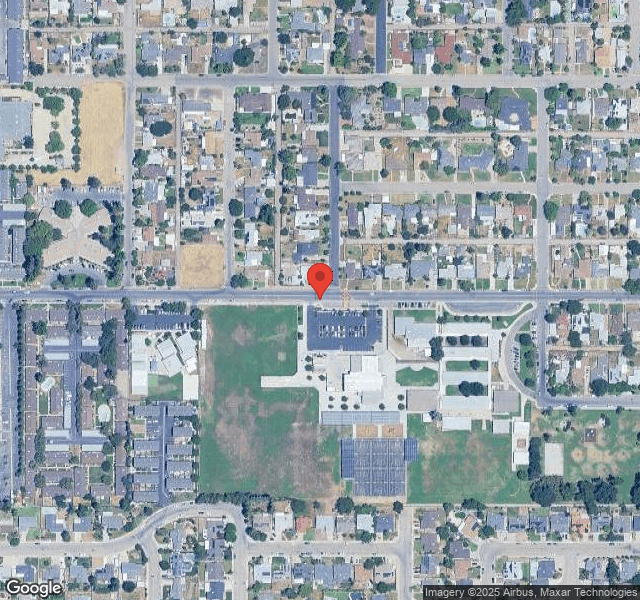
Understanding Severity Codes (click to expand)
Life-Threatening (Immediate Jeopardy)
J - Isolated K - Pattern L - Widespread
Actual Harm
G - Isolated H - Pattern I - Widespread
Potential for Harm
D - Isolated E - Pattern F - Widespread
No Harm (Minor)
A - Isolated B - Pattern C - Widespread

Questions to Ask on Your Visit

  • "Can I speak with families of current residents?"
  • "What's your RN coverage like on weekends and overnight?"

Our Honest Assessment

Strengths
  • • 41% turnover. Below California's 48% average. Good staff retention means consistent care.
Concerns
  • • Multiple safety concerns identified: 8 harm violation(s), $70,036 in fines. Review inspection reports carefully.
  • • 53 deficiencies on record, including 8 serious (caused harm) violations. Ask about corrective actions taken.
  • • $70,036 in fines. Extremely high, among the most fined facilities in California. Major compliance failures.
  • • Grade F (0/100). Below average facility with significant concerns.
Bottom line: Trust Score of 0/100 indicates significant concerns. Thoroughly evaluate alternatives.

About This Facility

What is Cornerstone's CMS Rating?

CMS assigns CORNERSTONE CARE CENTER an overall rating of 2 out of 5 stars, which is considered below average nationally. Within California, this rating places the facility higher than 0% of the state's 100 nursing homes. A rating at this level reflects concerns identified through health inspections, staffing assessments, or quality measures that families should carefully consider.

How is Cornerstone Staffed?

CMS rates CORNERSTONE CARE CENTER's staffing level at 4 out of 5 stars, which is above average compared to other nursing homes. Staff turnover is 41%, compared to the California average of 46%. This relatively stable workforce can support continuity of care.

What Have Inspectors Found at Cornerstone?

State health inspectors documented 53 deficiencies at CORNERSTONE CARE CENTER during 2022 to 2025. These included: 8 that caused actual resident harm and 45 with potential for harm. Deficiencies causing actual harm indicate documented cases where residents experienced negative health consequences.

Who Owns and Operates Cornerstone?

CORNERSTONE CARE CENTER is owned by a for-profit company. For-profit facilities operate as businesses with obligations to shareholders or private owners. The facility is operated by BAYSHIRE SENIOR COMMUNITIES, a chain that manages multiple nursing homes. With 99 certified beds and approximately 90 residents (about 91% occupancy), it is a smaller facility located in SANGER, California.

How Does Cornerstone Compare to Other California Nursing Homes?

Compared to the 100 nursing homes in California, CORNERSTONE CARE CENTER's overall rating (2 stars) is below the state average of 3.1, staff turnover (41%) is near the state average of 46%, and health inspection rating (2 stars) is below the national benchmark.

What Should Families Ask When Visiting Cornerstone?

Based on this facility's data, families visiting should ask: "Can I visit during a mealtime to observe dining assistance and food quality?" "How do you handle medical emergencies, and what is your hospital transfer rate?" "Can I speak with family members of current residents about their experience?"

Is Cornerstone Safe?

Based on CMS inspection data, CORNERSTONE CARE CENTER has a clean safety record: no substantiated abuse findings (meaning no confirmed cases of resident harm), no Immediate Jeopardy citations (the most serious violation level indicating risk of serious injury or death), and is not on the Special Focus Facility watch list (a federal program monitoring the lowest-performing 1% of nursing homes). The facility has a 2-star overall rating and ranks #100 of 100 nursing homes in California. While no facility is perfect, families should still ask about staff-to-resident ratios and recent inspection results during their visit.

Do Nurses at Cornerstone Stick Around?

CORNERSTONE CARE CENTER has a staff turnover rate of 41%, which is about average for California nursing homes (state average: 46%). Moderate turnover is common in nursing homes, but families should still ask about staff tenure and how the facility maintains care continuity when employees leave.

Was Cornerstone Ever Fined?

CORNERSTONE CARE CENTER has been fined $70,036 across 4 penalty actions. This is above the California average of $33,779. Fines in this range indicate compliance issues significant enough for CMS to impose meaningful financial consequences. Common causes include delayed correction of deficiencies, repeat violations, or care failures affecting resident safety. Families should ask facility leadership what changes have been made since these penalties.

Is Cornerstone on Any Federal Watch List?

CORNERSTONE CARE CENTER is not on any federal watch list. The most significant is the Special Focus Facility (SFF) program, which identifies the bottom 1% of nursing homes nationally based on persistent, serious quality problems. Not being on this list means the facility has avoided the pattern of deficiencies that triggers enhanced federal oversight. This is a positive indicator, though families should still review the facility's inspection history directly.