ADVANCED REHAB CENTER OF TUSTIN
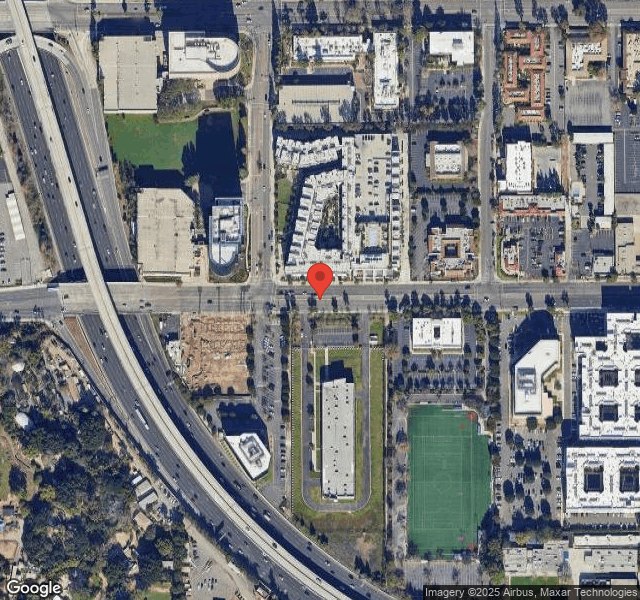
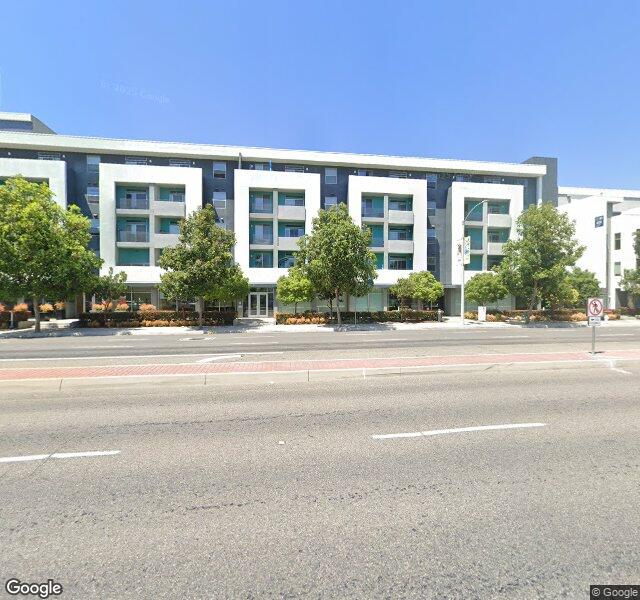
2210 E. FIRST STREET, SANTA ANA, CA 92705 (714) 547-7091
For profit - Limited Liability company 99 Beds ABRAHAM BAK & MENACHEM GASTWIRTH Data: November 2025
Trust Grade
10/100
#963 of 1155 in CA
Last Inspection: March 2025

Within standard 12-15 month inspection cycle. Federal law requires annual inspections.

Overview

The Advanced Rehab Center of Tustin has a Trust Grade of F, which indicates significant concerns about the facility's quality of care. Ranking #963 out of 1155 in California places it in the bottom half of nursing homes in the state, and it is #65 of 72 in Orange County, suggesting that there are only a few options that are worse. The facility's trend is worsening, with issues increasing from 26 in 2024 to 31 in 2025. Staffing is below average with a rating of 2 out of 5 stars and a turnover rate of 43%, which is around the state average. The facility has incurred $37,182 in fines, which is concerning and higher than 77% of California facilities. Despite some strengths, such as having more Registered Nurse coverage than 80% of state facilities, there are serious weaknesses to consider. For example, the facility failed to protect residents from sexual abuse by another resident and did not adequately monitor the nutritional status of a resident who experienced significant weight loss. Additionally, concerns about kitchen sanitation could pose health risks to residents. Families should weigh these factors carefully when considering this nursing home.

Trust Score
F
10/100
In California
#963/1155
Bottom 17%
Safety Record
High Risk
Review needed
Inspections
Getting Worse
26 → 31 violations
Staff Stability
○ Average
43% turnover. Near California's 48% average. Typical for the industry.
Penalties
✓ Good
$37,182 in fines. Lower than most California facilities. Relatively clean record.
Skilled Nurses
⚠ Watch
Each resident gets only 19 minutes of Registered Nurse (RN) attention daily — below average for California. Fewer RN minutes means fewer trained eyes watching for problems.
Violations
⚠ Watch
104 deficiencies on record. Higher than average. Multiple issues found across inspections.
★☆☆☆☆
1.0
Overall Rating
★★☆☆☆
2.0
Staff Levels
★★☆☆☆
2.0
Care Quality
★☆☆☆☆
1.0
Inspection Score
Stable
2024: 26 issues
2025: 31 issues

The Good

  • Full Sprinkler Coverage · Fire safety systems throughout facility
  • No fines on record
  • Staff turnover below average (43%)

    5 points below California average of 48%

Facility shows strength in fire safety.

The Bad

1-Star Overall Rating

Below California average (3.1)

Significant quality concerns identified by CMS

Staff Turnover: 43%

Near California avg (46%)

Typical for the industry

Federal Fines: $37,182

Above median ($33,413)

Moderate penalties - review what triggered them

Chain: ABRAHAM BAK & MENACHEM GASTWIRTH

Part of a multi-facility chain

Ask about local staffing decisions and management

The Ugly 104 deficiencies on record

2 actual harm
Aug 2025 3 deficiencies
CONCERN (D) 📢 Someone Reported This

A family member, employee, or ombudsman was alarmed enough to file a formal complaint

Potential for Harm - no one hurt, but risky conditions existed

Pressure Ulcer Prevention (Tag F0686)

Could have caused harm · This affected 1 resident

**NOTE- TERMS IN BRACKETS HAVE BEEN EDITED TO PROTECT CONFIDENTIALITY** Based on interview, medical record review, and facility P&P review, the facility failed to ensure the Braden scale assessment wa...

Read full inspector narrative →
**NOTE- TERMS IN BRACKETS HAVE BEEN EDITED TO PROTECT CONFIDENTIALITY** Based on interview, medical record review, and facility P&P review, the facility failed to ensure the Braden scale assessment was performed for one of the three sampled residents (Resident 1) reviewed for the pressure injury. This failure had the potential to result in a delay in interventions being put in place to prevent further decline.Findings: Review of the facility's P&P titled Pressure Injury/Ulcer Risk Assessment revised 3/2024 showed the purpose of this procedure is to provide guidelines for the structured assessment and identification of residents at risk of developing new pressure injuries or worsening of existing pressure injuries or pressure ulcers. The General Guidelines section showed to repeat the risk assessment/Braden scale assessment weekly for the first four weeks, if there is a significant change in condition, or as often as is required based on the resident's condition. Closed medical record review for Resident 1 was initiated on 7/16/25. Resident 1 was readmitted to the facility on [DATE], and discharged on 6/19/25. Review of Resident 1's H&P examination dated 2/27/25, showed the resident had no capacity to understand and make decisions. Review of Resident 1's Pressure Ulcer Assessment - V 4 dated 4/2/25, showed the initial identified wound to the coccyx Stage 1 pressure injury declined to Stage 2 pressure injury. Review of Resident 1's SBAR Communication Form - General dated 4/2/25, showed the resident's coccyx Stage 1 pressure injury declined to Stage 2 pressure injury. Review of Resident 1's Pressure Ulcer Assessment - V 4 dated 5/29/25, showed the wound to the coccyx area was re-classified to Stage 3 but was smaller in size. Review of Resident 1's SBAR Communication Form - General dated 5/29/25, showed Resident 1 had wound to the coccyx area was re-classified to sacrococcyx Stage 3 pressure injury. Further review of Resident 1's closed medical record failed to show documented evidence Resident 1 received repeated risk assessments or Braden scale assessments for Stage 2 and Stage 3 pressure injury. On 8/1/25 at 1153 hours, an interview and concurrent closed medical record review was conducted with LVN 2. LVN 2 verified Resident 1's Stage 2 pressure injury was developed on 4/2/25, and the risk assessment or Braden scale assessment for the Stage 2 pressure injury was not performed. In addition, LVN 2 verified Resident 1's Stage 3 pressure injury was developed on 5/29/25, and the risk assessment or Braden scale assessment for the Stage 3 pressure injury was not performed. LVN 2 stated the licensed nurse performed the Braden scale on the residents' admission to the facility but did not perform the Braden scale for a change of condition on the wound. LVN stated she would verify with the DON if the licensed nurse needed to perform the Braden scale for a change of condition on the wound. On 8/5/25 at 1400 hours, an interview and concurrent closed medical record review was conducted with the DON. The SBAR Communication Form - General showed Resident 1 had a Stage 2 pressure injury on 4/2/25, and a Stage 3 pressure injury on 5/29/25. The DON verified Resident 1 had change of condition of pressure injuries on 4/2 and 5/29/25, and the Braden Scale assessments were not done. The DON stated there was a change in Resident 1's skin and the Braden scale assessment should have been completed by the licensed nurse who identified the changes in the resident's skin condition.
MINOR (B) 📢 Someone Reported This

A family member, employee, or ombudsman was alarmed enough to file a formal complaint

Minor Issue - procedural, no safety impact

Comprehensive Care Plan (Tag F0656)

Minor procedural issue · This affected multiple residents

**NOTE- TERMS IN BRACKETS HAVE BEEN EDITED TO PROTECT CONFIDENTIALITY** Based on interview, medical record review, and facility P&P review, the facility failed to develop the comprehensive plans of ca...

Read full inspector narrative →
**NOTE- TERMS IN BRACKETS HAVE BEEN EDITED TO PROTECT CONFIDENTIALITY** Based on interview, medical record review, and facility P&P review, the facility failed to develop the comprehensive plans of care to reflect the individual care needs for two of five sampled residents (Residents 1 and 5). * The facility failed to develop a care plan to address Resident 1's laceration to the right temporal area. * The facility failed to develop a care plan to address Resident 5's skin tear to the left forearm. These failures had the potential risk of not providing appropriate, consistent, and individualized care to these residents.Findings: Review of the facility's P&P titled Care Plans, Comprehensive Person-Centered revised 12/2016 showed a comprehensive person-centered care plan that includes measurable objectives and timetables to meet the resident's physical, psychosocial and functional needs is developed and implemented for each resident. 1. Closed medical record review for Resident 1 was initiated on 7/16/25. Resident 1 was readmitted to the facility on [DATE], and discharged on 6/19/25. Review of Resident 1's H&P examination dated 2/27/25, showed the resident had no capacity to understand and make decisions. Review of Resident 1's SBAR Communication Form - General dated 3/11/25, showed the resident had an unwitnessed fall and had a laceration to the right temporal area. Review of Resident 1's plan of care failed to show a care plan was developed to address the resident's laceration to the right temporal area. On 8/1/25 at 1453 hours, an interview and concurrent closed medical record review was conducted with RN 2. RN 2 was not able to show a care plan was developed to address Resident 1's laceration to the right temporal area. RN 2 stated the licensed nurse should have made a care plan for Resident 1's fall because it was a change of condition. On 8/5/25 at 1400 hours, an interview and concurrent closed medical record review was conducted with the DON. The DON verified Resident 1 had unwitnessed fall with laceration to the right temporal area on 3/11/25, however there was no care plan to address the resident's laceration to the right temporal area. The DON stated Resident 1 was transferred out to acute care hospital for further evaluation and the licensed nurse did not do the care plan. The DON stated the care plan should have been initiated to reflect the interventions provided prior to Resident 1's transfer to the acute care hospital. 2. Medical record review for Resident 5 was initiated on 7/17/25. Resident 5 was admitted to the facility on [DATE], and readmitted on [DATE]. Review of Resident 5's H&P examination dated 4/26/25, showed the resident had no capacity to make decisions. Review of Resident 5's SBAR Communication Form - General dated 7/1/25, showed the resident had unwitnessed fall with skin tear on the left forearm. Review of Resident 5's plan of care failed to show a care plan to address the resident's skin tear to the left forearm. On 8/1/25 at 1128 hours, an interview and concurrent medical record review was conducted with LVN 3. LVN 3 verified there was no care plan for Resident 5's skin tear on the left forearm. LVN 3 stated the licensed nurse should have initiated the care plan after doing the SBAR. On 8/5/25 at 1339 hours, an interview and concurrent medical record review was conducted with the DON. The DON verified Resident 5 had left forearm skin tear from an unwitnessed fall on 7/1/25, and there was no care plan to address the resident's left forearm skin tear. The DON stated the licensed nurse who identified the change of condition should have initiated the care plan for Resident 5.
MINOR (B) 📢 Someone Reported This

A family member, employee, or ombudsman was alarmed enough to file a formal complaint

Minor Issue - procedural, no safety impact

Medical Records (Tag F0842)

Minor procedural issue · This affected multiple residents

**NOTE- TERMS IN BRACKETS HAVE BEEN EDITED TO PROTECT CONFIDENTIALITY** Based on interview, medical record review, and facility P&P review, the facility failed to ensure the medical record was accurat...

Read full inspector narrative →
**NOTE- TERMS IN BRACKETS HAVE BEEN EDITED TO PROTECT CONFIDENTIALITY** Based on interview, medical record review, and facility P&P review, the facility failed to ensure the medical record was accurate for one of three sampled residents (Resident 4). This failure posed the risk for Resident 4 not to receive the accurate and necessary care.Findings: Review of the facility's P&P titled Fall Risk Assessment copyright 2001 showed the nursing staff, in conjunction with the attending physician, consultant pharmacist, therapy staff, and others, will seek to identify and document resident risk factors for falls and establish a resident-centered falls prevention plan based on relevant assessment information. Review of the facility's P&P titled Charting and Documentation revised 7/2017 under the Policy Interpretation and Implementation section showed documentation in the medical record will be objective (not opinionated or speculative), complete, and accurate. Medical record review for Resident 4 was initiated on 7/17/25. Resident 4 was admitted to the facility on [DATE], and readmitted on [DATE]. Review of Resident 4's H&P examination dated 3/25/25, showed the resident could make his needs known and medical decisions. Review of Resident 4's SBAR Communication Form - General dated 4/5/25, showed the resident had unwitnessed fall and no changes was observed. However, review of Resident 4's Fall Risk Assessment - V 2 dated 4/5/25, showed the resident had no falls in the past three months. On 8/1/25 at 1433 hours, an interview and concurrent medical record review was conducted with RN 2. RN 2 verified Resident 4 fell on 4/5/25, and the Fall Risk assessment dated [DATE], showed Resident 4 had no falls in the past three months. RN 2 stated it should have been marked as one to two falls in the past three months because Resident 4 fell. On 8/5/25 at 1318 hours, an interview and concurrent medical record review was conducted with the DON. The DON verified the Fall Risk Assessment was inaccurate. The DON acknowledged Resident 4 had an unwitnessed fall on 4/5/25, however the Fall Risk Assessment showed no falls in the past three months. The DON stated the licensed nurse should have clicked one to two falls in the past three months instead of no falls in the past three months.
Jul 2025 2 deficiencies
CONCERN (D) 📢 Someone Reported This

A family member, employee, or ombudsman was alarmed enough to file a formal complaint

Potential for Harm - no one hurt, but risky conditions existed

Free from Abuse/Neglect (Tag F0600)

Could have caused harm · This affected 1 resident

**NOTE- TERMS IN BRACKETS HAVE BEEN EDITED TO PROTECT CONFIDENTIALITY** Based on interview, medical record review, facility record review, and facility P&P review, the facility failed to protect the r...

Read full inspector narrative →
**NOTE- TERMS IN BRACKETS HAVE BEEN EDITED TO PROTECT CONFIDENTIALITY** Based on interview, medical record review, facility record review, and facility P&P review, the facility failed to protect the resident's rights to be free from the physical abuse by a resident for one of five sampled residents (Resident 1). * Resident 1 was hit on the nose by another resident (Resident 2), which resulted in Resident 1 having a nasal fracture (broken nose). This failure had the potential to negatively impact Resident 1's well-being.Findings:Review of the facility's P&P titled Abuse, Neglect, Exploitation and Misappropriation Prevention Program revised 4/2021 showed the residents have the right to be free from abuse, this includes but not limited to freedom of physical abuse, protect residents from abuse by anyone including other residents. Review of the facility's SOC 341 Report of Suspected Dependent Adult/Elder Abuse dated 6/24/25, showed a report of a resident-to-resident altercation between Residents 1 and 2 by the ADON. Medical record review for Resident 1 was initiated on 7/9/25. Resident 1 was admitted to the facility on [DATE]. Review of Resident 1's MDS assessment dated [DATE], showed Resident 1 had a BIMS score of 14 (cognitively intact). Review of Resident 1's H&P examination dated 4/15/25, showed Resident 1 had the capacity to understand and make decisions. Review of Resident 1's SBAR Communication Form dated 6/24/25, showed at approximately 1300 to 1310 hours Residents 1 and 2 were in the patio socializing when RN 1 heard a commotion from the patio. RN 1 immediately went to the patio and tried to intervene the altercation from happening, but it was too late. Resident 2 had punched Resident 1 on her nose. RN 1 separated both residents. Resident 1 was assessed for pain, and an ice pack was applied to Resident 1's nose. Resident 1's primary physician ordered to transfer Resident 1 to the acute care hospital for further evaluation due to the bleeding of the nose post resident to resident altercation. Review of Resident 1's acute care hospital record showed Resident 1 was admitted to the acute care hospital on 6/24/25, for face and nose pain status post being punched in the face twice in the skilled nursing facility. The CT scan performed on 6/24/25, showed the small left frontal (front of the brain, behind the forehead) and supraorbital (the region of the skull directly above the eye socket) scalp hematoma and acute nasal bone fracture (broken nose).On 7/7/25 at 0912 hours, an interview was conducted with Resident 3 (who had the mental capacity to make decisions based on the H&P examination dated 7/6/25). Resident 3 verified she was in the patio when the altercation between Residents 1 and 2 happened. Resident 3 stated she heard Resident 2 pounding on the table saying he had to be in the facility for 180 days and suddenly got mad. Resident 1 asked Resident 2 to leave and suddenly Resident 2 hit Resident 1 twice on the face, then walked away. Resident 3 further stated Resident 1 was screaming and blood was coming out of her nose. Resident 3 denied hearing Resident 1 cursing at Resident 2.On 7/7/25 at 0939 hours, an interview was conducted with Resident 4 (who had the capacity to understand and make decisions based on the H&P examination dated 1/15/25). Resident 4 verified she was in the patio when the altercation between Residents 1 and 2 happened. Resident 4 stated the residents were sitting in the patio talking and having a good time when suddenly Resident 2 stood up, raised both hands, and hit Resident 1 for no reason. Resident 4 further stated Residents 1 and 2 did not have an argument and did not know why Resident 2 had hit Resident 1.On 7/7/25 at 0956 hours, an interview was conducted with Resident 5 (who was alert and orient to person, place and time based on the H&P examination dated 6/3/25). Resident 5 verified he was at the patio when the altercation between Residents 1 and 2 happened. Resident 5 stated Resident 2 looked mean and pounded on the table several times. Resident 5 stated Resident 2 stood up, went around the table, started hitting Resident 1 four to five times in the face, and then walked away. Resident 5 further stated Resident 2 tried to come back, but he pulled Resident 2 away.On 7/8/25 at 1039 hours, a telephone interview was conducted with Resident 2. Resident 2 was asked to describe the physical altercation between himself and Resident 1 on 6/24/25. Resident 2 stated he remembered he was in the patio talking to Resident 1 about pain management. Resident 2 stated Resident 1 was being rude and used foul language towards him. Resident 2 stated he got upset, then got up, and slapped Resident 1 twice on the face. Resident 2 stated the staff did come immediately and took him out of the patio.On 7/8/25 at 1056 hours, a telephone interview was conducted with Resident 1. Resident 1 was asked to describe the physical altercation between herself and Resident 2 on 6/24/25. Resident 1 stated after lunch, she was sitting with the other residents at a table in the patio, and Resident 2 came and sat down with them. Resident 1 stated Resident 2 said he had to be in the facility for 180 days, then Resident 1 said, aren't you new here for 3 days? Resident 1 then observed Resident 2 got upset and pounded on the table with both of his hands. Resident 1 stated she asked Resident 2 nicely to get out of the patio, and that was when Resident 2 got up, went around the table, and punched her three times in the face. Resident 1 stated she was shocked and screamed in pain; then the staff came out to assist her and took Resident 2 back into the facility. On 7/8/25 at 1250 hours, an interview was conducted with RN 1. RN 1 stated the resident-to-resident altercation between Residents 1 and 2 happened on 6/24/25 at around 1300 hours, in the Healing Garden patio. RN 1 stated she heard someone screamed from the patio, immediately went to the patio, and saw Resident 2 a bit angry standing facing Resident 1. RN 1 stated she observed Resident 1 was sitting on a chair and a small amount of blood was coming out of her nose. RN 1 stated she immediately separated both residents. RN 1 stated she used the telephone to call the ADON for assistance. The ADON came followed by LVN 1. RN 1 stated LVN 1 took Resident 2 away from the patio to be back into the facility. RN 1 stated she observed a small amount of blood coming out of Resident 1's nose. On 7/9/25 at 1100 hours, an interview was conducted with the DON. The DON stated she was not present in the facility when the incident of resident-to-resident altercation happened between Residents 1 and 2 on 6/24/25. The DON stated she was aware Resident 2 was on antipsychotic medications due to psychosis diagnoses prior to his admission. The DON further stated it was our policy to protect the residents to be free from any types of abuse.
CONCERN (D) 📢 Someone Reported This

A family member, employee, or ombudsman was alarmed enough to file a formal complaint

Potential for Harm - no one hurt, but risky conditions existed

Deficiency F0757 (Tag F0757)

Could have caused harm · This affected 1 resident

**NOTE- TERMS IN BRACKETS HAVE BEEN EDITED TO PROTECT CONFIDENTIALITY** Based on observation, interview, medical record review, and facility P&P review, the facility failed to ensure one of two sample...

Read full inspector narrative →
**NOTE- TERMS IN BRACKETS HAVE BEEN EDITED TO PROTECT CONFIDENTIALITY** Based on observation, interview, medical record review, and facility P&P review, the facility failed to ensure one of two sampled residents (Resident 2) who was receiving aripiprazole (antipsychotic-class of medications that treat mental illness) was monitored for its side effects. This failure had the potential for increased risk of medication adverse reactions to be undetected.Findings: Review of the facility's P&P titled Antipsychotic Medication Use revised 12/2015 showed the nursing staff shall monitor for and report the side effects of antipsychotic medications to the attending physician. Medical record review for Resident 2 was initiated on 7/8/25. Resident 2 was admitted to the facility on [DATE].Review of Resident 2's H&P examination dated 6/24/25, showed Resident 2 had fluctuating capacity to understand and make decisions. The resident had a diagnosis of psychosis. Review of Resident 2's MDS assessment dated [DATE], showed Resident 2 was cognitively intact. Further review of the MDS assessment showed Resident 2 had no behavioral symptoms exhibited such as physical behavioral symptoms directed toward others (for example-hitting, pushing, scratching, grabbing, or abusing others sexually) and verbal behavioral symptoms directed toward others (for example-threatening others, screaming at others, or cursing at others).Review of Resident 2's Baseline Care Plan initiated on 6/19/25, showed Resident 2 was on antipsychotic medication with interventions included to monitor for the adverse effect, monitor the behavior manifestation and notify the medical doctor as needed. Review of Resident 2's Physician Order Summary dated 7/8/25, showed there was an order on 6/20/25, for aripiprazole (medication used to manage various mental health conditions) 5 mg by mouth two times a day for psychosis as manifested by striking out. On 7/9/25 at 1115 hours, a review of Resident 2's MAR for June 2025 and concurrent interview was conducted with the DON. Resident 2's MAR showed the resident had taken aripiprazole as ordered; however, there was no evidence to show the monitoring of the aripiprazole medication side effects were documented. The DON verified and acknowledged the above findings.
Apr 2025 2 deficiencies
CONCERN (D) 📢 Someone Reported This

A family member, employee, or ombudsman was alarmed enough to file a formal complaint

Potential for Harm - no one hurt, but risky conditions existed

Report Alleged Abuse (Tag F0609)

Could have caused harm · This affected 1 resident

**NOTE- TERMS IN BRACKETS HAVE BEEN EDITED TO PROTECT CONFIDENTIALITY** Based on interview, medical record review, facility document review, and facility P&P review, the facility failed ensure timely ...

Read full inspector narrative →
**NOTE- TERMS IN BRACKETS HAVE BEEN EDITED TO PROTECT CONFIDENTIALITY** Based on interview, medical record review, facility document review, and facility P&P review, the facility failed ensure timely reporting of a staff to resident abuse allegation for one of eight sampled residents (Resident 1). * CNA 3 allegedly sat next to Resident 1, put his hand on the resident's shoulder and made the resident feel uncomfortable. This failure had the potential for abuse to go unreported at a facility with a highly vulnerable resident population and posed the risk of continued abuse of the residents. Findings: Review of facility's P&P titled Abuse, Neglect, Exploitation or Misappropriation – Reporting and Investigating revised April 2024 showed resident abuse (including injuries of unknown origin), neglect, exploitation, or theft/misappropriation of resident property are reported to local, state and federal agencies (as required by current regulations) and thoroughly investigated by facility management at the time to ensure resident is safe. Findings of all confined investigations are documented and reported. The Administrator or the individual making the allegation immediately reports his or her suspicion to the following persons or agencies: a. The state licensing/certification agency responsible for surveying/licensing the facility; b. The local/state ombudsman; c. The resident's representative: d. Adult protective services (where state law provides jurisdiction in long-term care); e. Law enforcement officials; f. The resident's attending physician; and g. The facility medical director. Immediately is defined as: a. within two hours of an allegation involving abuse or result in physical harm/serious bodily injury; or b. within 24 hours of an allegation that does not involve abuse or result in physical harm/serious bodily injury. Review of the facility's SOC 341 - Report of Suspected Dependent/Elder Abuse dated 4/10/25, showed the facility reported an abuse allegation to the CDPH, L&C Program on 4/10/25 at 1521 hours. The SOC 341 showed Resident 1 was the alleged victim and CNA 3 was the alleged suspected abuser, and the incident was reported by Resident 1 on 4/4/25 around 1745 hours. Review of Resident 1's medical record was initiated on 4/10/25. Resident 1 was admitted to the facility on [DATE]. Review of Resident 1's MDS assessment dated [DATE],showed the resident had a BIMS score of 9, indicating moderate cognitive impairment. Review of the facility's Grievance/ Complaint Report Form dated 4/5/25, showed CNA 3 came to Resident 1's room while she was on her phone. CNA 3 sat next to Resident 1 and put his hand on her shoulder (brushing), making Resident 1 feeluncomfortable. On 4/10/25 at 1000 hours, an interview was conducted with Resident 1. Resident 1 stated the alleged abuse incident with CNA 3 occurred on 4/4/25. Resident 1 stated while she was playing a game on her phone, CNA 3 sat on her bed and put his arms around her. Resident 1 gestured towards her shoulder and touched her thigh. Resident 1 further stated she felt uncomfortable and violated. Resident 1 stated she reported the incident to RN 2. On 4/10/25 at 1240 hours, an interview was conducted with RN 2. RN 2 verified the alleged abuse incident occurred on 4/4/25, and stated the DON, SSD, and Administrator were informed. On 4/10/25 at 1355 hours, an interview was conducted with the SSD. The SSD stated she was informed of the alleged abuse incident on 4/4/25, and received the grievance on 4/7/25. On 4/10/25 at 1430 hours, an interview was conducted with the DON. The DON stated the alleged abuse was reported to her on 4/4/25,and the grievance report was filed by RN 2. The DON further stated she would submit the SOC. On 4/11/25 at 1029 hours, an interview was conducted with the Administrator. The Administrator was informed and acknowledged the above findings.
CONCERN (D) 📢 Someone Reported This

A family member, employee, or ombudsman was alarmed enough to file a formal complaint

Potential for Harm - no one hurt, but risky conditions existed

Deficiency F0660 (Tag F0660)

Could have caused harm · This affected 1 resident

**NOTE- TERMS IN BRACKETS HAVE BEEN EDITED TO PROTECT CONFIDENTIALITY** Based on interview, medical record review, and facility P&P review, the facility failed to ensure the necessary care and service...

Read full inspector narrative →
**NOTE- TERMS IN BRACKETS HAVE BEEN EDITED TO PROTECT CONFIDENTIALITY** Based on interview, medical record review, and facility P&P review, the facility failed to ensure the necessary care and services were coordinated to meet the resident's needs when discharged from the facility for one of two sampled residents (Resident 4). This failure resulted in Resident 4 not having appropriate care at home, which had the potential to negatively affect Resident 1's health. Findings: Closed medical record review for Resident 4 was initiated on 4/10/25. Resident was admitted in the facility on 1/2/25 and was discharged on 3/17/25. Review of Resident 4's H&P examination showed the resident had fluctuating capacity to understand and make decisions. Review of Resident 4's MDS assessment dated [DATE], showed the resident had a BIMS score of 6, indicating severe cognitive impairment. Resident 4's functional abilities showed the resident required substantial to maximal assistance in eating, oral hygiene and upper body dressing. Resident 4 was dependent with toileting, lower body dressing, transfers from chair/bed to chair, and did not attempt to walk due to medical condition. Review of Resident 4's Discharge Summary/ Post Discharge Plan of Care with an effective date of 3/12/25, failed to show the review of the discharge plan was signed and dated by the resident/resident representative under section F. Review of Resident 4's Order Summary Report showed a physician's order dated 3/17/25, for may discharge home on 3/17/25 with medications, home health, physical/occupational therapy evaluation, registered nurse for medication management, and medical equipment bed and wheelchair. Further review of Resident 4's medical record failed to show documented evidence of a family member education for Resident 4's care at home. On 4/11/25 at 1115 hours, a telephone interview was conducted with Family Member 1. Family Member 1 stated he informed the facility he would not be able to be at Resident 4's home during the time of discharge, however the facility proceeded to discharge the resident to the home and was received by her roommate. Family Member 1 stated he did not receive any discharge education or instructions for Resident 4's care at home. Family Member 1 further stated the SSD told him the home health agency would visit the resident to provide care. However, the home health agency required Family Member 1 to take Resident 4 to the physician's office to get approved for home health visits. Family Member 1 stated he could not transport Resident 4 to the physician's office because Resident 4 had limited mobility, and he did not know how to transfer the resident to his car. Family Member 1 further stated Resident 4 was helpless, in pain and not eating, Resident 4 felt depressed at home. Resident 4 was taken to the acute care hospital via paramedics. On 4/15/25 at 1426 hours, an interview and concurrent medical record review was conducted with RN 3. RN 3 stated the SSD made arrangements for the resident's discharge transportation and home health agency to follow up. RN 3 stated she did not remember providing education on the home care to the resident's family member. RN 3 verified Resident 4's Discharge Summary/ Post Discharge Plan of Care was not signed by the resident/resident's representative. On 4/15/25 at 1501 hours, an interview and concurrent medicalrecord review was conducted with the DON. The DON verified Resident 4's Discharge Summary/ Post Discharge Plan of Care was notsigned by the resident/resident'srepresentative. The DON further stated she expected the nurses to educate the resident or resident's representative on the plan of care for discharge. On 4/15/25 at 1640 hours, an interview and concurrent medical record review was conducted with the SSD. The SSD stated a referral for the home health care was sent to the home health agency with an understanding the home health agency accepted the resident. However, the SSD received an email from the home health liaison officer stating the home health agency required an approval from Resident 4's primary physician. The SSD further stated the resident's family member could not take the resident to see the resident's physician which caused the resident not to receive the home health care services as ordered by the facility's physician for the discharge. On 4/16/25 at 0947 hours, an interview was conducted with the DOR. The DOR stated the resident was totally dependent with bed mobility and was transferred from bed to wheelchair using a Hoyer lift. Resident 4 was unable to stand and could not walk. The resident was discharged from the rehabilitation services on 3/3/25 to receive the RNA services for the range of motion exercises. The DOR verified no family teaching was provided because the resident was discharge to RNA. On 4/16/25 at 1008 hours, an interview was conducted with the MDS Nurse. The MDS Nurse stated the resident had fluctuating cognitive capacity. The MDS Nurse stated the SSD was responsible to coordinate discharge with the resident's family member. The MDS Nurse stated he did not provide a family education for care of Resident 4 at home. On 4/16/25 at 1101 hours, an interview was conducted with the home health agency liaison officer. The home health agency liaison officer stated the resident was eligible for home health however, the family member was not able to transport Resident 4 to the resident's primary physician to get approval for the home health services. The home health agency liaison officer verified Resident 4 did not receive any home health care from the agency. On 4/16/25 at 1645 hours, an interview was conducted with the Administrator. The Administrator was informed and acknowledged the findings above.
Mar 2025 20 deficiencies
CONCERN (D)

Potential for Harm - no one hurt, but risky conditions existed

Pressure Ulcer Prevention (Tag F0686)

Could have caused harm · This affected 1 resident

**NOTE- TERMS IN BRACKETS HAVE BEEN EDITED TO PROTECT CONFIDENTIALITY** Based on observation, interview, medical record review, facility document review, and facility P&P review, the facility failed t...

Read full inspector narrative →
**NOTE- TERMS IN BRACKETS HAVE BEEN EDITED TO PROTECT CONFIDENTIALITY** Based on observation, interview, medical record review, facility document review, and facility P&P review, the facility failed to ensure the necessary care and services were provided to prevent the development of new pressure ulcers (areas of damaged skin caused by staying in one position for a long time which reduces blood flow to the area and causes the skin to die and develop a sore) and promote healing of existing pressure ulcer for one of one final sampled resident (Resident 72) reviewed for pressure ulcers. * The facility failed to ensure the LAL mattress unit was not on the static setting(in static mode, the mattress provides a firm surface that makes it easier to transfer or reposition) when care or repositioning was not being rendered. This failure posed the potential risk for Resident 72 to not benefit from the therapy provided by the LAL mattress. Findings: Review of the facility's P&P titled Pressure Ulcers/Skin Breakdown-Clinical Protocol revised 4/2018 showed the physician will order pertinent wound treatments, including pressure reduction surfaces, wound cleansing, and debridement approaches, dressings, and application of topical agents. Review of the user manual titled Med-Aire Essential 14508 8-inch Alternating Pressure and Low Air Loss Mattress System (undated), showed the Med-Aire Essential 14508 pump and mattress are intended to help reduce the incidence of pressure ulcers while optimizing patient comfort. Press the static button to set it in static mode, and the static indicator will come on. Press the static button again to switch back to alternating mode. NOTE! In static mode, the mattress provides a firm surface that makes it easier for the patient to transfer or reposition. Medical record review for Resident 72 was initiated on 3/17/25. Resident 72 was admitted to the facility on [DATE], and readmitted on [DATE]. Review of Resident 72's MDS assessment dated [DATE], showed Resident 72 was at risk for developing pressure ulcers/injuries and admitted to the facility with a Stage 3 (full thickness tissue loss. Subcutaneous fat may be visible, but bone, tendon, and muscle are not exposed) pressure injury/ulcer. Further review of the MDS showed Resident 72 required substantial/maximal assistance to roll from the left and right sides. Review of Resident 72's Order Summary Report for March 2025 showed a physician's order dated 3/1/25, for the low air loss mattress for wound management according to the resident's weight and comfort; and to check for the appropriate setting daily and adjust as needed. Review of Resident 72's plan of care showed a care plan problem dated 10/21/24, for Resident 72's right heel Stage 3 pressure injury. The interventions included to provide a pressure relieving mattress/LAL mattress for skin management. Review of Resident 72's Follow Up LTC Wound Progress Note dated 3/13/25, showed the physician's documentation that Resident 72 was at high risk of wound incidence due to impaired mobility and co-morbid conditions. The recommendation showed to implement pressure relieving measures and offloading as tolerated. On 3/18/25 at 1439 hours, Resident 72 was observed lying in bed. The LAL mattress device was observed on with the static setting. On 3/19/25 at 0754 and 1000 hours, Resident 72 was observed lying in bed with the LAL mattress and static setting on. A Staff was not observed in the room providing care to Resident 72. On 3/19/25 at 1018 hours, during the wound treatment observation for Resident 72 with LVN 9, LVN 9 did not check the LAL mattress unit. On 3/19/25 at 1031 hours, an observation and concurrent interview was conducted with LVN 9. LVN 9 stated Resident 72 was bed bound and unable to reposition and turn himself in bed. LVN 9 stated Resident 72 had a slow healing pressure injury to the right heel and the interventions for the pressure injury was to elevate and offload the right heel, provide treatment and nutrition via the GT, and use of the LAL mattress. LVN 9 stated the licensed nurses and treatment nurse were responsible for checking the LAL mattress unit to ensure the setting on the LAL mattress was appropriate for the resident. LVN 9 stated checking the LAL mattress unit consisted of ensuring the weight setting matched the resident's current weight and checking the lights on the LAL mattress unit, which could alert the staff if there were any issues with the LAL mattress unit. LVN 9 stated the static setting on the LAL mattress unit was used when the staff were changing or repositioning the resident. LVN 9 further stated when the static light on the LAL mattress unit was on, it indicated the LAL mattress was on the static setting which meant the LAL mattress was firm. LVN 9 stated the CNAs were able to push the static button and put the LAL mattress in the static mode when providing incontinent care, turning, or repositioning the resident. LVN 9 further stated once the care was rendered, the CNA was expected to turn the static setting off. LVN 9 stated the static setting should only be on when the staff are providing care, changing, or repositioning/turning the resident and the risk of the static mode being on for a prolong period would result in the resident not being provided with the low air loss pressure of the mattress. LVN 9 verified Resident 72 was on a LAL mattress unit, verified the above findings, and stated the LAL mattress device should not be on the static setting. LVN 9 turned the static setting off. On 3/19/25 at 1423 hours, an interview was conducted with CNA 7. CNA 7 stated she was the CNA assigned to Resident 72 and familiar with his care. CNA 7 stated Resident 72 had a LAL mattress; and during incontinent care, turning, or reposition of the resident, she put the LAL mattress unit on the static mode and should turn off the static mode when she was done with the care provided. CNA 7 stated she checked the LAL mattress unit every time she entered Resident 72's room to ensure the LAL mattress unit was on. When asked if she checked if the LAL mattress was on the static mode today, CNA 7 stated she did not. CNA 7 stated she only checked to see if the LAL mattress unit was on by checking the on indicator on the LAL mattress unit. CNA 7 stated sometimes she forgot to check the settings on the LAL mattress and only checked that the LAL mattress device was on. CNA 7 stated she provided incontinent care for Resident 72 today at 1100 hours, and prior to that she did not put the LAL mattress on the static mode. On 3/24/25 at 1321 hours, an interview was conducted with the DON and Administrator. The DON and Administrator were informed and acknowledged the above findings.
CONCERN (D)

Potential for Harm - no one hurt, but risky conditions existed

Accident Prevention (Tag F0689)

Could have caused harm · This affected 1 resident

**NOTE- TERMS IN BRACKETS HAVE BEEN EDITED TO PROTECT CONFIDENTIALITY** Based on observation, interview, medical record review, facility document review, and facility P&P review, the facility failed t...

Read full inspector narrative →
**NOTE- TERMS IN BRACKETS HAVE BEEN EDITED TO PROTECT CONFIDENTIALITY** Based on observation, interview, medical record review, facility document review, and facility P&P review, the facility failed to provide the necessary care and services to prevent accidents for one of 20 final sample residents (Resident 421) and four nonsampled residents (Resident 120, 424, 425, and 771). * The facility failed to ensure the safe smoking practices were followed for three residents (Residents 421, 424, and 425) who smoked in the facility as evidenced by: - The residents were not accurately and thoroughly assessed to determine if they could safely store their own cigarettes or lighters. - The residents who were assessed as requiring supervision while smoking or those with a history of non-compliance with the facility's smoking P&P were permitted to keep the cigarettes, lighters, and other smoking articles/materials in their possession. * The facility failed to ensure the fall admission assessment was accurate and fall care plan was developed for Resident 120. * The facility failed to ensure a care plan was developed to address Resident 771's high risk for fall. These failures posed the risk of injuries from fall and fire and serious injuries to the residents who smoked and to the other residents who resided in the facility. Findings: 1. Review of the facility's P&P titled Smoking Policy - Residents, undated showed the facility shall establish and maintain safe resident smoking practices. The residents will be evaluated on admission to determine if he or she is a smoker or non-smoker. If a smoker, the revaluation will include their ability to smoke safely with or without supervision. The staff shall consult with the attending physician and DON to determine if safety restrictions need to be placed on a resident's smoking privileges. A resident's ability to smoke safely will be re-evaluated quarterly, upon a significant change (physical or cognitive) and as determined by the staff. Any smoking-related privileges, restrictions, and concerns shall be noted on the care plan, and all personnel caring for the resident shall be alerted to these issues. Only the residents who have independent smoking privileges are permitted to keep cigarettes and other smoking articles in their possession. The residents are not permitted to give smoking articles to other residents. Residents without independent smoking privileges may not have or keep any smoking articles. a. On [DATE] at 1626 hours, Resident 425 was observed sitting in the chair and smoking in the patio. Resident 425 was observed inhaling several puffs from the cigarette, flicking the cigarette ashes onto the ground, and putting out his cigarette on the ground. Resident 425 was observed smoking in a nonsmoking patio, with no smoking ash tray nearby, and/or facility staff supervision. Resident 425 kept his own cigarettes and lighter in his possession. On [DATE] at 1630 hours, the Administrator and RN 1 was summoned to the facility's nonsmoking patio where Resident 425 was observed smoking. The Administrator and RN 1 were informed about the observation of the resident smoking in the patio not designated for smoking with no staff supervision, and possessing his own smoking materials. The Administrator stated Resident 425 should not be smoking in the nonsmoking patio, and there was a designated area and time for smoking with facility staff supervision. The Administrator and RN 1 went to the patio and talked to Resident 425. Resident 425 was observed escorted going back inside the facility. Medical record review for Resident 425 was initiated on [DATE]. Resident 425 was admitted to the facility on [DATE]. Review of Resident 425's admission Initial Assessment under the smoking assessment dated [DATE], showed Resident 425 was a smoker and had no cognitive loss and no dexterity problem. Resident 425 needed supervision when he smoked. Review of Resident 425's plan of care showed a care plan problem dated [DATE], addressing Resident 425's non-compliance with the facility's smoking policy. The interventions included to provide supervision while the resident was smoking. Review of Resident 425's Smoking assessment dated [DATE], showed Resident 425 was a smoker, with episodes of non-compliance related to the facility's smoking P&P. The Smoking Assessment further showed Resident 425 needed supervision when he smoked and required a setup of his smoking materials provided from the facility staff. Review of Resident 425's Order Summary Report dated [DATE], showed a physician's order dated [DATE], to monitor and check for smoking materials in the room or with the resident every shift. However, further review of the Order Summary Report failed to show documented evidence for a physician's order to monitor Resident 425 smoking materials was obtained prior to [DATE], or upon the initial smoking assessment completed on the resident's admission to the facility. On [DATE] at 1637 hours, an interview for Resident 425 was conducted with RN 1. RN 1 stated Resident 425 went to the patio designated for smoking with the facility staff's supervision. RN 1 stated the smoking materials for the residents who smoked were kept in a special box located at the nurse's station. RN 1 verified Resident 425 could not keep his own smoking materials. RN 1 verified and acknowledged Resident 425 should not keep his own smoking materials and should have been supervised when smoking in the designated smoking area. On [DATE] at 1645 hours, an interview for Resident 425 was conducted with the Administrator and DON. The Administrator and DON verified and acknowledged Resident 425 should not be smoking unsupervised in the patio and possessing his own smoking materials. The DON stated the facility reminded Resident 425 about the facility's smoking policy. The Administrator stated Resident 425 verbalized his understanding. b. During the initial tour of the facility on [DATE] at 1021 hours, an observation and concurrent interview was conducted with Resident 421. Resident 421 stated he smoked cigarettes and kept his own smoking materials. Resident 421 was observed in the smoking patio with his smoking materials coming out from his pant pocket. Medical record review for Resident 421 was initiated on [DATE]. Resident 421 was admitted to the facility on [DATE]. Review of Resident 421's Smoking assessment dated [DATE], showed Resident 421 was a smoker, with episodes of impulsivity and risk-taking behavior. The Smoking Assessment further showed Resident 421 needed supervision when he smoked and required a setup with his smoking materials provided by the facility staff. Review of Resident 421's plan of care showed a care plan problem dated [DATE], addressing Resident 425 as a smoker. The interventions included to provide supervision while the resident was smoking. On [DATE] at 1327 hours, an interview for Resident 421 was conducted with RN 1. RN 1 verified Resident 421 was a smoker, and the facility kept the resident's smoking materials at the nurse's station. RN 1 stated the residents who smoked were not allowed to keep their own smoking materials. RN 1 was informed of the observation about Resident 421's keeping his own smoking materials. RN 1 stated Resident 421 should not be keeping his own smoking materials as per the facility's smoking policy. c. During the initial tour of the facility on [DATE] at 1329 hours, an observation and concurrent interview was conducted with Resident 424. Resident 424 was observed awake in bed and stated he smoked cigarettes. Resident 421 verified he kept his own smoking materials with him and showed a box of cigarette coming out from his pant pocket. Medical record review for resident 424 was initiated on [DATE]. Resident 424 was admitted to the facility on [DATE]. Review of Resident 424's plan of care showed a care plan problem dated [DATE], addressing Resident 425 as a supervised smoker. The interventions included to store Resident 424's smoking supplies at the nurse's station. Review of Resident 424's Smoking assessment dated [DATE], showed Resident 424 was a smoker. The Smoking Assessment further showed Resident 424 needed supervision when he smoked and required a setup of his smoking materials provided by the facility staff. On [DATE] at 1341 hours, an interview for Resident 424 was conducted with LVN 10. LVN 10 verified Resident 424 was a smoker, and he went to the patio to smoke with the facility staff's supervision. LVN 10 stated the facility kept the smoking materials in a special box located at the nurse's station. LVN 10 stated the resident who smoked could not keep their own smoking materials. LVN 10 was informed of the observation of Resident 424's possession of his own smoking materials. LVN 10 stated Resident 424 should not be keeping his own smoking materials as per the facility's smoking policy. On [DATE] at 1347 hours, an interview and concurrent medical record review for Residents 421, 424, and 425 was conducted with the DON. The DON was informed and verified the above findings. 2. Review of the facility's P&P titled Managing Falls and Fall Risk revised on 3/2018 showed the facility staff, with the input of the attending physician, will implement a resident centered fall prevention plan to reduce the specific risk factors of falls for each resident at risk or with history of falls. Closed medical record review for Resident 120 was initiated on [DATE]. Resident 120 was admitted to the facility on [DATE], and expired on [DATE]. Review of Resident 120's H&P examination dated [DATE], showed Resident 120 had no capacity to make medical decisions. Further review of Resident 120's closed medical record showed the resident's diagnoses included difficulty in walking, muscle weakness, schizophrenia (a mental disorder characterized by disruptions in thought processes, perceptions, emotional responsiveness, and social interactions), epilepsy (a neurological condition involving the brain that makes people more susceptible to having recurrent unprovoked seizures), Parkinson's (a progressive neurodegenerative disorder that affects the brain's ability to produce and use dopamine) disease, and hypertension (high blood pressure). However, review of Resident 120's Admission/readmission Initial assessment dated [DATE], showed the resident's fall score was zero. Under the Gait/Balance section showed the gait/balance was marked normal. Under the Section G (Medication) assessment showed Resident 120 did not have the following medications: antihypertensives (high blood pressure), antiseizures, benzodiazepines, and/or psychotropics in the last seven days. In addition, under the Section H (Predisposing Disease) assessment showed Resident 120 had no predisposing conditions like Parkinson's disease, seizures, and arthritis (joint inflammation). Review of Resident 120's SBAR assessment dated [DATE], showed Resident 120 had an unwitnessed fall on [DATE]. Reviewed Resident 120's plan of care failed to show a care plan was developed addressing the resident's risk for fall prior to [DATE]. On [DATE] at 1334 hours, an interview and concurrent medical record review was conducted with LVN 4. LVN 4 was asked if she completed the admission assessment for Resident 120 on [DATE]. LVN 4 stated she was the admission nurse on [DATE]. Review of Resident 120's Admission/readmission Initial assessment dated [DATE], showed the assessment was inaccurate. LVN 4 verified the finding and stated she entered the answers incorrectly. LVN 4 stated under Section G, she was supposed to mark three which equaled to four points; and under Section H, she was supposed to mark two which equaled to two points. LVN 4 recalculated the assessment and verified Resident 120 would have a fall risk score of six, which placed Resident 120 at risk for fall. LVN 4 stated Resident 120 was at risk for fall, and a care plan for fall risk prevention should have been developed. On [DATE] at 0912 hours, an interview and concurrent medical record review was conducted with the DON. Review of Resident 120's Admission/readmission Initial assessment dated [DATE], was conducted with the DON. The DON verified the assessment was inaccurate. The DON stated the RN supervisor was responsible to review the admission initial assessments for accuracy. In addition, the DON stated if Resident 120's admission fall assessment was completed accurately, the resident would have been at risk for fall. The DON verified Resident 120 did not have a care plan for fall prevention upon admission on [DATE] through [DATE]. 3. Closed medical record review for Resident 771 was initiated on [DATE]. Resident 771 was readmitted to the facility on [DATE], and had expired on [DATE]. Review of Resident 771's H&P examination dated [DATE], showed Resident 771 had no capacity to make informed decisions. Review of Resident 771's MDS dated [DATE], showed Resident 771's BIMS score of 4, indicating cognitively impaired. Review of Resident 771's Fall Assessments dated 6/11, [DATE], and [DATE], showed Resident 771 was at high risk for fall. Review of Resident 771's SBAR Assessment showed Resident 771 had a witnessed fall on [DATE] and [DATE]. Review of Resident 771's plan of care failed to show a care plan addressing the resident's high risk for fall was developed upon the resident's readmission to the facility on [DATE], and post fall on [DATE] and [DATE]. On [DATE] at 1016 hours, an interview and concurrent medical record review was conducted with RN 2. RN 2 reviewed Resident 771's care plan for the fall after the resident's readmission to the facility on [DATE]. RN 2 verified there were no care plans developed to address the resident's high risk for fall upon readmission to the facility through [DATE], when the resident expired. RN 2 verified there was a fall care plan initiated only on [DATE], after Resident 771 had expired. Furthermore, RN 2 stated a care plan must be created when the resident had a change of condition, at risk for fall, or after a fall incident. On [DATE] at hours, an interview was conducted with the Medical Record Director. The Medical Record Director verified the only fall care plan for Resident 771 was created in the resident's EHR on [DATE], and no other fall care plans were developed in the resident's EHR or medical record since the resident's readmission to the facility on [DATE]. On [DATE] at 1443 hours, an interview was conducted with the Administrator and DON. The Administrator and DON were informed and acknowledged the above findings.
CONCERN (D)

Potential for Harm - no one hurt, but risky conditions existed

Deficiency F0694 (Tag F0694)

Could have caused harm · This affected 1 resident

**NOTE- TERMS IN BRACKETS HAVE BEEN EDITED TO PROTECT CONFIDENTIALITY** Based on observation, interview, medical record review, and facility P&P review, the facility failed to provide the necessary ca...

Read full inspector narrative →
**NOTE- TERMS IN BRACKETS HAVE BEEN EDITED TO PROTECT CONFIDENTIALITY** Based on observation, interview, medical record review, and facility P&P review, the facility failed to provide the necessary care and services to maintain the IV accesses for two of 20 final sampled residents (Residents 421 and 671), and two nonsampled residents (Residents 422 and 423). * The facility failed to ensure the PICC line external catheter baseline measurements were obtained and documented for Residents 421 and 423. * The facility failed to ensure Residents 422 and 671's PIV sites were labeled with the date, time, and licensed nurse's initials. These failures had the potential to delay the identification of intravenous catheter related complications for the residents. Findings: Review of the facility's P&P titled General Policies for IV Therapy dated March 2023 showed confirmation of the PICC placement is to be on the resident's medical record and recommended the PICC insertion documentation included the internal and external lengths of the catheter. Review of the facility's P&P titled PICC Dressing Change dated March 2023 showed the PICC external catheter length should be obtained upon admission and during dressing change. 1. Medical record review for Resident 421 was initiated on 3/18/25. Resident 421 was admitted to the facility on [DATE]. On 3/17/25 at 1021 hours, Resident 421 was observed in bed. Resident 421 stated he had the surgeries to both of his feet due to infection. Resident 421 stated he had a PICC line on the right upper arm and showed his PICC line with the transparent dressing. The PICC line dressing was observed with a label dated 3/13/25. Review of Resident 421's Order Summary Report dated 3/18/25, showed a physician's order dated 3/17/25, to measure the midline external catheter length with each dressing change and as needed and to document the arm circumference in centimeters upon admission. However, further review of Resident 421's medical record failed to show the baseline measurement for the length of the external catheter and arm circumference above the insertion site were obtained upon admission to the facility. Review of Resident 421's plan of care failed to show a care plan was formulated to address Resident 421's use of the PICC line. Review of Resident 421's IV Administration Record for March 2025 failed to show documented evidence the arm circumference measurement was documented upon Resident 421's admission to the facility. 2. Medical record review for Resident 423 was initiated on 3/18/25. Resident 423 was admitted to the facility on [DATE]. On 3/17/25 at 1042 hours, Resident 423 was observed with a PICC line on the left upper arm with a transparent dressing. The transparent dressing was observed with a label dated 3/13/25. Resident 423 was also observed with a PIV to the right upper arm with a transparent dressing not labeled with the date, time, and licensed nurse's initials. Review of Resident 423's Order Summary Report dated 3/19/25, showed a physician's order dated 3/13/25, to measure the midline external catheter length with each dressing change and as needed. However, further review of Resident 423's medical record failed to show the baseline measurement for the length of the external catheter and arm circumference above the insertion site were obtained upon admission to the facility. Review of Resident 423's plan of care failed to show a care plan was formulated to address Resident 423's use of the PICC line. Review of Resident 423's IV Administration Record for March 2025 failed to show documented evidence the length of the external catheter measurement was documented upon Resident 423's admission to the facility. 3. Medical record review for Resident 422 was initiated on 3/17/25. Resident 422 was admitted to the facility on [DATE]. On 3/17/25 at 0944 hours, Resident 422 was observed sitting in her wheelchair. Resident 422 was able to show a PIV to her left forearm with a transparent dressing not labeled with the date, time, and licensed nurse's initials. Review of Resident 422's IV Administration Record for March 2025 showed the following physician's orders: - dated 3/14/25, to administer piperacillin-tazobactam (antibiotic medication) solution 2.25 grams intravenously every eight hours for UTI until 3/17/25. - dated 3/13/25, to rotate the PIV site when clinically indicated and dressing change with site changes or at least every seven days and as needed. Review of Resident 422's plan of care showed a care plan problem dated 3/14/25, addressing Resident 422's UTI. However, the plan of care interventions failed to show documented evidence for the care and use of the PIV access line for Resident 422. On 3/17/25 at 1317 hours, an observation, interview, and concurrent medical record review for Residents 421, 422, and 423 was conducted with RN 1. RN 1 verified Residents 421 and 423 had a PICC line on the upper arm, and Resident 422 had a PIV line on the left forearm. RN 1 verified Residents 421 and 423 had a physician's order to measure the length of the external catheter for the PICC line. RN 1 was asked if there were baseline measurements for the length of the external catheter and arm circumference for Residents 421 and 423 obtained upon admission to the facility. RN 1 reviewed Residents 421 and 423's medical records and verified there were no baseline measurements for the length of the external catheter and arm circumference for Residents 421 and 423. RN 1 verified Resident 422's PIV was not labeled with the date, time, and licensed nurse's initials. On 3/24/25 at 1347 hours, an interview and concurrent medical record review for Residents 421, 422, and 423 was conducted with the DON. The DON was informed and verified the above findings. 4. Medical record for Resident 671 was initiated on 3/17/25. Resident 671 was admitted to the facility on [DATE]. On 3/17/25 at 1016 hours, Resident 671 was observed with a PIV line to her right arm with a transparent dressing not labeled with the date, time, and licensed nurses initials. Review of Resident 671's Order Summary Report for March 2025 showed the following physician's orders: - dated 3/16/25, to administer piperacillin-tazobactam (antibiotic) solution 3.375 gm intravenously every eight hours for UTI for seven days, - dated 3/17/25, to rotate the PIV site when clinically indicated, and to change the dressing with site changes at least every seven days and as needed. Review of Resident 671's IV Administration Record for March 2025 showed Resident 671 was administered the piperacillin-tazobactam solution 3.375 gm medication intravenously on 3/17/25 at 0600 hours. On 3/17/25 at 1138 hours, an observation and concurrent interview was conducted with RN 1. RN 1 stated for the residents admitted to the facility with an existing PIV line, the PIV dressing should be labeled with the insertion date. RN 1 stated if the PIV dressing was not labeled with the insertion date, a new PIV line should be started. RN 1 further stated prior to the administration of the IV antibiotics, the RN should check the PIV site to ensure the PIV was clean and dry and the PIV dressing was labeled with the date and time. RN 1 verified Resident 671's PV dressing was not labeled with the date, time, and licensed nurse's initials. On 3/24/25 at 1033 hours, an interview was conducted with the DON. The DON stated for the residents admitted to the facility with a PIV, the PIV dressing should be labeled with the insertion date and/or the date when the PIV dressing was changed. The DON stated the admitting licensed nurse was expected to assess the PIV site and dressing, and check the PIV was labeled with the date, time, and licensed nurse's initial. Additionally, the DON stated when administering the IV antibiotics, the RN was expected to check the PIV site and dressing and check the PIV was labeled with the date, time, and the licensed nurse's initial. On 3/24/25 at 1321 hours, an interview was conducted with the Administrator and DON. The Administrator and DON were informed and acknowledged the above findings.
CONCERN (D)

Potential for Harm - no one hurt, but risky conditions existed

Respiratory Care (Tag F0695)

Could have caused harm · This affected 1 resident

**NOTE- TERMS IN BRACKETS HAVE BEEN EDITED TO PROTECT CONFIDENTIALITY** Based on observation, interview, medical record review, and facility P&P review, the facility failed to ensure one of 20 final s...

Read full inspector narrative →
**NOTE- TERMS IN BRACKETS HAVE BEEN EDITED TO PROTECT CONFIDENTIALITY** Based on observation, interview, medical record review, and facility P&P review, the facility failed to ensure one of 20 final sampled residents (Resident 58) and three nonsampled residents (Residents 92, 106, and 423) were provided with the appropriate respiratory care when: * The facility failed to ensure Resident 58's oxygen tubing was labeled, dated, and not on the floor. In addition, there was no physician's order obtained and a care plan developed for the use of oxygen. There was no posted signage for the oxygen use in the doorway as per the facility's P&P. * The facility failed to ensure Resident 92's oxygen tubing and mask were labeled and dated. In addition, there was no posted signage for the oxygen use in the doorway as per the facility's P&P. * The facility failed to ensure Resident 106's nebulizer tubing was dated and placed inside a clear plastic bag when not in use. * The facility failed to ensure Resident 423's nasal cannula was not touching the floor, and the nebulizer tubing was dated and placed inside a clear plastic bag when not in use. These failures had the potential to negatively impact the residents' medical conditions. Findings: Review of the facility's P&P Oxygen Administration revised October 2010 showed it is the policy of the facility to provide guidelines for the safe administration of oxygen. Review of the facility's P&P titled Fire Safety and Prevention dated May 2011 under the oxygen safety section, showed the facility will use visible No Smoking signs where oxygen is stored or being administered. 1.a. During the initial tour of the facility on 3/17/25 at 0957 hours, Resident 58 was observed in bed. The oxygen tubing and mask were observed on the floor and not labeled with the date and name of the resident. In addition, there was no posted signage for the oxygen use on the doorway. Medical record review for Resident 58 was initiated on 3/18/25. Resident 58 was admitted to the facility on [DATE]. Review of Resident 58's Order Summary Report dated 3/19/25, failed to show a physician's order for the oxygen use. Review of Resident 58's plan of care failed to show documented evidence a care plan was formulated for the use of the oxygen. b. Medical record review for Resident 92 was initiated on 3/18/25. Resident 92 was admitted to the facility on [DATE]. During the initial tour of the facility on 3/17/25 at 0955 hours, Resident 92 was observed in bed asleep. The oxygen tubing and mask were observed inside the clear plastic bag and not labeled with the date and name of the resident. In addition, there was no posted signage for the oxygen use on the doorway. Review of Resident 92's Order Summary Report dated 3/19/25, showed a physician's order dated 3/4/25, to monitor the oxygen saturation level (percentage of oxygen in the blood) every shift and administer oxygen at 2 LPM via nasal cannula as needed for shortness of breath. c. Medical record review for Resident 106 was initiated on 3/18/25. Resident 106 was admitted to the facility on [DATE]. During the initial tour of the facility on 3/17/25 at 0958 hours, Resident 106 was observed in bed asleep. Resident 106's nebulizer tubing was observed on the floor and not labeled with the date. Review of Resident 106's Order Summary Report dated 3/19/25, showed a physician's order dated 3/15/25, to administer ipratropium-Albuterol (breathing treatment) inhalation solution 0.5-2.5 (3) mg per 3 ml inhalation orally every six hours for shortness of breath for five days. On 3/17/25 at 1132 hours, an observation and concurrent interview for Residents 58, 92, and 106 was conducted with LVN 11. LVN 11 was informed of the observation Resident 58's oxygen tubing and mask on the floor. LVN 11 verified and acknowledged Resident 58's oxygen tubing and mask were on the floor. LVN 11 stated the oxygen tubing and mask should have been labeled with the date and name of the resident, and placed inside a clear plastic bag when not in use. LVN 11 verified Resident 92's oxygen tubing and Resident 106's nebulizer tubing were not labeled with the date and name of the resident. In addition, LVN 11 verified there was no posted signage for the oxygen use on Residents 58 and 92's doorway. On 3/20/25 at 0958 hours, an interview and concurrent medical record review for Residents 58, 92, and 106 was conducted with RN 2. RN 2 verified Resident 58 had no physician's order for the use of oxygen and there was no care plan formulated. RN 2 added there should have been a posted signage for the oxygen use on the doorway of Residents 58 and 92. RN 2 verified and acknowledged the oxygen tubing and nebulizer mask should not be touching the floor and should have been placed inside a clear plastic bag when not in use. 2. During the initial tour of the facility on 3/17/25 at 1042 hours, Resident 423 was observed receiving oxygen at 1 LPM via nasal cannula from the oxygen concentrator. Resident 423's nasal cannula tubing was observed touching the floor. In addition, Resident 423's nebulizer machine was observed on top of the bedside drawer and the nebulizer tubing was undated and placed inside the drawer. Medical record review for Resident 423 was initiated on 3/17/25. Resident 423 was admitted to the facility on [DATE]. Review of Resident 423's Order Summary Report dated 3/19/25, showed the following physician's orders: - dated 3/13/25, to administer oxygen at 1 LPM via nasal cannula continuously for CHF. - dated 3/13/25, to administer ipratropium-Albuterol inhalation solution 0.5-2.5 (3) mg per 3 ml inhalation orally every six hours for shortness of breath. On 3/17/25 at 1324 hours, an observation and concurrent interview for Resident 423 was conducted with RN 1. RN 1 was informed of the observation regarding the resident's oxygen tubing, nebulizer tubing, and mask. RN 1 verified the above findings. RN 1 stated the nebulizer mask and tubing should have been placed in a clear plastic bag when not in use and labeled. RN 1 stated the oxygen tubing should not be touching the floor and for the staff to change the oxygen tubing when observed it touching the floor. On 3/24/25 at 0955 hours, an interview and concurrent medical record review for Residents 58, 92, 106, and 423 was conducted with the DON. The DON was informed and verified the above findings.
CONCERN (D)

Potential for Harm - no one hurt, but risky conditions existed

Deficiency F0697 (Tag F0697)

Could have caused harm · This affected 1 resident

**NOTE- TERMS IN BRACKETS HAVE BEEN EDITED TO PROTECT CONFIDENTIALITY** Based on interview, medical record review, and facility P&P review, the facility failed to provide the appropriate pain manageme...

Read full inspector narrative →
**NOTE- TERMS IN BRACKETS HAVE BEEN EDITED TO PROTECT CONFIDENTIALITY** Based on interview, medical record review, and facility P&P review, the facility failed to provide the appropriate pain management for two of three final sampled resident (Residents 8 and 94) reviewed for pain management. * The facility failed to administer the pain medication according to the physician's order for Resident 8 and develop a care plan to address Resident 8's pain and use of the Norco (narcotic) pain medication. * The facility failed to accurately document the monitoring of pain for Resident 94 and administer the pain medication according to the physician's order. In addition, the facility failed to ensure the non-pharmacological pain interventions were provided prior to the administration of the pain medication and develop a care plan to address Resident 94's pain and the use of the Norco pain medication. These failures had the potential to put Residents 8 and 94 at risk for ineffective pain management and adverse effects related to the use of unnecessary pain medication. Findings: Review of the facility's P&P titled Pain- Clinical Protocol revised 3/2018 showed with input from the resident to the extent possible, the physician and staff will establish goals of pain treatment; for example, freedom from pain with minimal medication side effects, less frequent headaches, or improved functioning, mood, and sleep. The physician will order the appropriate non-pharmacologic and medication interventions to address the individual's pain. Pain medications should be selected based on pertinent treatment guidelines. Generally, and to the extent possible, an analgesic regiment should utilize the simplest regiment and lowest risk medications before using more problematic or higher risk approaches. Review of the facility's P&P titled Care Plans, Comprehensive Person-Centered revised 12/2016 showed a comprehensive, person-centered care plan that includes measurable objectives and timetables to meet the resident's physical, psychosocial, and functional needs is developed and implemented for each resident. The comprehensive, person-centered care plan will: a. include measurable objectives and timeframe; b. describe the services that are to be furnished to attain or maintain the resident's highest practicable physical, mental, and psychosocial well-being; e. include the resident's stated goals upon admission and desired outcomes; g. incorporate identified problem areas; h. incorporate risk factors associated with identified problems; and k. reflect treatment goals, timetables and objectives in measurable outcomes; Further review of the facility's P&P showed the comprehensive, person-centered care plan is developed within seven days of the completion of the required comprehensive assessment (MDS). Assessments of residents are ongoing, and care plans are revised as information about the residents and the resident's condition change. Review of the facility's P&P titled Administering Medications revised 4/2019 showed medications are administered in accordance with the prescriber orders, including any required time frame. 1. On 3/17/25 at 0843 hours, an interview was conducted with Resident 8. Resident 8 stated she had pain in her left hip and was being administered pain medication for her pain. Medical record review for Resident 8 was initiated on 3/17/25. Resident 8 was admitted to the facility on [DATE], and readmitted on [DATE]. Review of Resident 8's H&P examination dated 12/7/24, showed Resident 8 had a displaced intertrochanteric fracture of the left femur (thigh bone) and had the following medications for pain management: acetaminophen (analgesic medication) 650 mg every four hours as needed and Norco 5-325 mg every eight hours as needed. Review of Resident 8's Order Summary Report for March 2025 showed the following physician's orders: - dated 12/6/24, to administer Norco 5-325 mg one tablet by mouth every eight hours as needed for severe pain level of 7-10 (on a 0 to 10 pain scale, 0 = no pain and 10 = worst pain), - dated 12/15/24, to administered acetaminophen 325 mg two tablets by mouth every four hours as needed for mild pain level 1-3. Review of Resident 8's MAR for March 2025 showed Resident 8 was administered Norco 5-325 mg for severe pain (7-10) on the following dates and times: - dated 3/9/25 at 0320 hours, for a pain level of 6, - dated 3/12/25 at 0112 hours, for a pain level of 6, and - dated 3/17/25 at 0447 hours, for a pain level of 6. Review of Resident 8's MDS assessment dated [DATE], showed Resident 8 received the PRN pain medication or was offered and declined PRN pain medication. Review of Resident 8's plan of care showed a care plan problem addressing Resident 8's alteration on musculoskeletal status related to muscle spasms. The medication Baclofen (muscle relaxant medication) 5 mg tablet was listed under the care plan. However, further review of Resident 8's plan of care failed to show a care plan problem addressing Resident 8's left hip pain or use of the Norco pain medication. On 3/20/25 at 1109 hours, an interview and concurrent medical record review for Resident 8 was conducted with LVN 6. LVN 6 stated the pain medications were administered as per the physician's orders and within the ordered pain parameters. LVN 6 stated if the pain medications were administered outside of the physician's ordered pain parameters, the physician should be informed, and the licensed nurse should document in the resident's medical record. LVN 6 further stated for the residents who reported pain and were administered with the pain medications, the resident should have a care plan to address the resident's pain. LVN 6 reviewed Resident 8's medical record and verified the above findings. 2. Medical record review for Resident 94 was initiated on 3/17/25. Resident 94 was admitted to the facility on [DATE], with a diagnosis of fracture of an unspecified part of the neck of the left femur. Review of Resident 94's H&P examination dated 11/27/24, showed Resident 94 was admitted to an acute care hospital status post fall, UTI, pain and had a left hip open reduction surgery (a surgical procedure used to repair broken bones [fractures]. It involves exposing the fractured bone, realigning the bone fragments, and stabilizing them with internal fixation devices such as screws, plates, rods, or wires). Further review of Resident 94's H&P examination showed Resident 94 had the capacity to understand and make decisions. Review of Resident 94's Order Summary Report for March 2025 showed the following physician's orders: - dated 11/26/24, to monitor Resident 94's level of pain every shift, on a 0-10 pain scale, and document 0= no pain, 1-3= mild pain, 4-6= moderate pain, and 7-10= severe pain, - dated 11/26/24, to administer acetaminophen 325 mg two tablets every six hours as needed for mild pain (pain level of 1-3), and - dated 12/17/24, to administer Norco 10-325 mg one tablet every six hours as needed for pain level of 7-10. Review of Resident 94's quarterly MDS assessment dated [DATE], showed Resident 94 was coded for receiving PRN pain medication or was offered and declined pain medication. Further review of the MDS assessment, under the use of high-risk drug class, showed Resident 94 was coded for the use of opioid medication. Review of Resident 94's MAR for March 2025 showed Resident 94 was administered Norco 10-325 mg for severe pain (pain level of 7-10) on the following dates and times and documented pain levels: - dated 3/2/25 at 0301 hours, for a pain level of 6. - dated 3/14/25 at 0306 hours, for a pain level of 6. Further review of Resident 94's MAR for March 2025 showed Resident 94 was administered Norco 10-325 mg one tablet by mouth every six hours as needed for severe pain (pain level of 7-10) for the following dates and times: - dated 3/1/25 at 0754 hours, for a pain level of 9. - dated 3/2/25 at 1924 hours, for a pain level of 7. - dated 3/3/25 at 0758 hours, for a pain level of 9; and at 1900 hours, for a pain level of 7. - dated 3/4/25 at 0548 hours, for a pain level of 8. - dated 3/5/25 at 0829 hours, for a pain level of 9. - dated 3/6/25 at 1930 hours, for a pain level of 7. - dated 3/8/25 at 0805 hours, for a pain level of 9; and at 1930 hours, for a pain level of 7. - dated 3/9/25 at 0816 hours, for a pain level of 10; and at 1930 hours, for a pain level of 8. - dated 3/10/25 at 0821 hours, for a pain level of 9; and at 1900 hours, for a pain level of 8. - dated 3/11/25 at 1858 hours, for a pain level of 7. - dated 3/12/25 at 1900 hours, for a pain level of 8. - dated 3/13/25 at 1936 hours, for a pain level of 7. - dated 3/14/25 at 0306 hours, for a pain level of 6; and at 1900 hours, for a pain level of 8. - dated 3/17/25 at 1745 hours, for a pain level of 7. However, review of Resident 94's MAR showed the licensed nurses documented Resident 94's pain level as 0 for no pain for the following dates and shifts: - for the day shifts (from 0700 to 1500 hours) on 3/1, 3/3, 3/5, 3/8, 3/9, and 3/10/25, - for the evening shifts (from 1500 to 2300 hours) on 3/2, 3/3, 3/6, 3/8 to 3/14, and 3/17/25, - for the night shift (from 2300 hours to 0700 hours) on 3/3 and 3/13/25. Further review of Resident 94's MAR for March 2025 showed Resident 94 was administered Norco 10-325 mg for severe pain (pain level of 7-10) on 3/9/25 at 1930 hours and on 3/10/25 at 1900 hours. However, the MAR showed the non-pharmacological pain interventions were documented as N/A (not applicable) for those dates. Review of Resident 94's plan of care failed to show a care plan problem to address Resident 94's pain or the use of the Norco pain medication, a high risk-medication. On 3/20/25 at 0905 hours, an interview was conducted with Resident 94. Resident 94 stated she fell at home and had stitches on her left leg. Resident 94 stated she had pain in her left hip every day and was being administered the Norco pain medication for her pain. On 3/20/25 at 1127 hours, an interview and concurrent medical record review for Resident 94 was conducted with LVN 1. LVN 1 stated Resident 94 complained of left hip pain and requested for her pain medication every day, prior to the physical therapy. LVN 1 stated prior to the administration of the pain medications, the non-pharmacological pain interventions should be implemented and documented in the MAR. LVN 1 stated if the non-pharmacological pain interventions were effective, then the resident would not need to be administered with the pain medication. LVN 1 reviewed Resident 94's medical record and verified the above findings. LVN 1 stated if the pain medications were administered, the non-pharmacological pain interventions should not be documented as N/A. LVN 1 further stated if the resident refused the non-pharmacological pain interventions, then the licensed nurse should document in the progress notes. LVN 1 reviewed Resident 94's medical record and stated there were no documentation to show Resident 94 refused the non-pharmacological pain interventions. Additionally, LVN 1 stated Resident 94 had been taking the Norco pain medication for some time. LVN 1 stated Resident 94 should have a care plan to address Resident 94's left hip pain and use of the Norco pain medication. LVN 1 reviewed Resident 94's plan of care and verified Resident 94's care plan for pain was created on 3/20/25 (same day), and verified Resident 94 did not have a care plan specific to the use of Norco pain medication. On 3/24/25 at 1033 hours, an interview and concurrent medical record review for Resident 94 was conducted with the DON. The DON stated the pain medication should be administered as per the physician's order and within the ordered pain parameters. The DON stated a care plan should be developed for the residents who had pain. The DON further stated the Norco pain medication was a high- risk medication (drugs that have a heightened potential to cause serious harm or death if used incorrectly) and there should be a care plan developed for the residents who were taking the high-risk medications. Additionally, the DON stated the non-pharmacological pain interventions should be implemented and the effectiveness should be documented, prior to the administration of the pain medication, to prevent unnecessary administration of the pain medication (if the non-pharmacological pain interventions were effective). The DON stated the non-pharmacological pain intervention should not be documented as N/A if the pain medication was administered to the resident. When asked about the monitoring of pain every shift, the DON stated the monitoring of the resident's pain should be documented at the end of each shift to ensure an accurate assessment and tracking of the resident's pain level. The DON further stated if the licensed nurse assessed and documented the resident's pain as 0, and the nurse later administered the pain medication to the resident during their shift, the DON expected the licensed nurse to update the pain assessment/documentation. The DON reviewed Resident 94's MAR for March 2025 and verified the above findings. The DON stated the nurse should have updated the pain monitoring to accurately reflect Resident 94's pain during those shifts. On 3/24/25 at 1321 hours, an interview was conducted with the Administrator and DON. The Administrator and DON were informed and acknowledged the above findings
CONCERN (D)

Potential for Harm - no one hurt, but risky conditions existed

Pharmacy Services (Tag F0755)

Could have caused harm · This affected 1 resident

**NOTE- TERMS IN BRACKETS HAVE BEEN EDITED TO PROTECT CONFIDENTIALITY** 4. Review of the facility's P&P titled Administering Medications revised on 4/2019 showed the individual administering the medic...

Read full inspector narrative →
**NOTE- TERMS IN BRACKETS HAVE BEEN EDITED TO PROTECT CONFIDENTIALITY** 4. Review of the facility's P&P titled Administering Medications revised on 4/2019 showed the individual administering the medication records in the resident's medical record the date and time the medication was administered and the signature and title of the person administering the drug. Medical record review for Resident 36 was initiated on 3/19/25. Resident 36 was readmitted to the facility on [DATE]. Review of Resident 36's MDS assessment dated [DATE], showed Resident 36's BIMS score was 13, indicating cognitively intact. Review of Resident 36's Order Summary Report dated 3/19/25, showed a physician's order dated 11/21/24, to administer famotidine 20 mg by mouth one time a day for gastroesophageal reflux disease (a condition in which stomach acid repeatedly flows back up into the tube connecting the mouth and stomach, called the esophagus) before breakfast. Review of Resident 36's MAR for March 2025 showed missing documentation for the administration of the famotidine 20 mg medication on 3/2/25, which was scheduled at 0630 hours. On 3/21/25 at 1115 hours, an interview and concurrent medical record review was conducted with the DON. The DON verified the missing documentation for the famotidine medication on 3/2/25. When asked about the expectation regarding the medication administration with the licensed nurses, the DON stated the licensed nurses must pour (prepare the medication), pass (administer the medication) and then sign the MAR. Furthermore, the DON stated she would check which licensed nurse was assigned to administer Resident 36's famotidine on 3/2/25. Review of Resident 36's Medication Administration Audit Report for the famotidine 20 mg medication scheduled on 3/2/25 at 0630 hours, showed LVN 8 documented the medication as administered on 3/21/25 at 2330 hours. On 3/24/25 at 1443 hours, an interview was conducted with the Administrator and DON. The Administrator and DON were informed and acknowledged the above findings. 3. Review of the facility's P&P titled Administering Medications revised 4/2019 showed medications are administered in accordance with the prescriber orders, including any required time frame. The individual administering the medication checks the label three times to verify the right resident, right medication, right dosage, right time, and right method (route) of administration before giving the medication. According to the National Library of Medicine, low-dose chewable aspirin (nonsteroidal anti-inflammatory medication) should be chewed or crushed completely before swallowing. Do not swallow the tablets whole. Medical record review for Resident 113 was initiated on 3/18/25. Resident 113 was admitted to the facility on [DATE]. On 3/18/25 at 0900 hours, a medication administration observation for Resident 113 was conducted with LVN 5. LVN 5 prepared and administered the following medications to Resident 113: - one fluid ounce of Prostat (supplement) 17 gm; - one tablet of aspirin chewable 81 mg; - one tablet of memantine (dementia medication) 10 mg; and - one tablet of multivitamin with mineral (supplement). During the medication administration observation, LVN 5 was observed handing Resident 113 one tablet of aspirin chewable 81 mg. Resident 113 was observed swallowing the aspirin chewable medication and then drinking juice. LVN 5 was not observed instructing Resident 113 to chew the aspirin chewable tablet. On 3/18/25 at 0917 hours, an interview and concurrent medical record review for Resident 113 was conducted with LVN 5. LVN 5 verified she did not instruct Resident 113 to chew the aspirin chewable medication during the medication administration observation. LVN 5 stated Resident 113 was able to follow simple commands; however, in the past, Resident 113 was not able to follow the instruction to chew the aspirin tablets. LVN 5 stated the physician had been informed. When asked to show the documentation showing the physician was informed or to show the physician's order to continue to administer the aspirin chewable medication despite the resident being unable to chew the aspirin medication, LVN 5 was unable to provide the documentation. On 3/24/25 at 1033 hours, an interview was conducted with the DON. The DON stated the medications should be administered as ordered by the physician, following the right time, dose, and route. The DON stated for the administration of the aspirin chewable medication, the licensed nurse should instruct the resident to chew the aspirin medication. The DON further stated if the resident was unable to chew the aspirin chewable medication, the licensed nurses were expected to attempt to coach the resident to chew the medication; and if unsuccessful, the licensed nurse should inform the physician to clarify the order to a more appropriate form of the aspirin medication and to document the physician notification and order clarification in the resident's medical record. On 3/24/25 at 1321 hours, an interview was conducted with the Administrator and DON. The Administrator and DON were informed and acknowledged the above findings. 5. Review of the facility's P&P titled Diabetes - Clinical Protocol revised 9/2017 showed the physician will order the desired parameters for monitoring and reporting information related to blood sugar management. The facility staff will incorporate such parameters into the Medication Administration Record and care plan. Review of the facility's P&P titled Administering Medications revised 4/2019 showed the medications are administered in accordance with the prescriber orders. Medical record review for Resident 47 was initiated on 3/17/25. Resident 27 was readmitted to the facility on [DATE], with a diagnoses of diabetes mellitus. Review of Resident 47's Order Summary Report dated 3/20/25, showed a physician's order dated 12/28/24, to administer insulin glargine (used to lower blood sugar) 27 units subcutaneously (into the fatty tissue) at bedtime for diabetes mellitus. Review of Resident 47's MAR from February and March 2025 showed the insulin glargine was held on the following days: - dated 2/5, 2/7, 2/9, 2/10, 2/11, 2/13, 2/21, 2/23, and 2/24/25, because the vitals were outside of the parameters for administration; - dated 3/3, 3/4, 3/5, 3/8, 3/12, and 3/15/25, because the vitals were outside of the parameters for administration; and - dated 3/16/25, with a hold/see progress note entry. Further review of Resident 47's medical record failed to show any progress notes to indicate why the insulin glargine was held or if the physician was contacted. On 3/24/25 at 1103 hours, an interview and concurrent medical record review was conducted with RN 2. RN 2 was informed and verified the above findings. RN 2 stated she did not know why the insulin medication was held on the above dates. RN 2 stated there should be a physician's order for the parameters when to hold the medication. On 3/24/25 at 1238 hours, an interview and concurrent medical record review was conducted with LVN 5. LVN 5 verified the above findings. LVN 5 stated there was no physician's order for the parameters for the insulin medication for Resident 47 and she would need to clarify the order with the doctor. On 3/24/25 at 1330 hours, an interview was conducted with the Administrator and DON. The Administrator and DON acknowledged the above findings. Based on observation, interview, medical record review, facility document review, and facility P&P review, the facility failed to provide the necessary pharmaceutical services for four of 20 sampled residents (Residents 3, 36, 43, and 47) and one nonsampled residents (Resident 113). * The facility failed to ensure the Controlled Drug Record matched the MAR for Residents 3 and 371's hydrocodone-acetaminophen (narcotic pain medication) administration. In addition, the facility failed to document the residents' pain assessment before and after the administration of the hydrocodone-acetaminophen medication. This failure posed the risk of diversion of the controlled medication. * Resident 43's insulin (used to lower blood sugar level) injection sites were not rotated. This failure had the potential for the resident to suffer from unnecessary side effects. * One of five licensed nurses (LVN 5) who was observed during the medication administration observation was found to have an error. LVN 5 failed to instruct Resident 113 to chew the aspirin 81 mg chewable medication. * The facility failed to ensure the administration of medication for Resident 36 was accurately documented in the MAR. * The facility failed to administer insulin glargine to Resident 47 as ordered by the physician. These failures had the potential to negatively affect the residents' well-being. Findings: 1.a. On 3/20/25 at 0829 hours, an inspection for Medication Cart A, facility document review and concurrent medical record review was conducted with RN 2. RN 2 verified a bubble pack of Resident 371's hydrocodone-acetaminophen 5-325 mg tablets and the Controlled Drug Record were stored inside the medication cart. Further review of the Controlled Drug Record showed on 12/4 (December 4, no year was documented) one tablet was signed out for Resident 371. The medication label for the hydrocodone-acetaminophen medication showed a fill date of 12/4/23. Review of Resident 371's medical record with RN 2 showed Resident 371 was admitted to the facility on [DATE], and discharged from the facility on 2/29/24. Review of Resident 371's MAR for December 2023 failed to show documented evidence the hydrocodone-acetaminophen medication was administered on 12/4 to Resident 371. Further review of Resident 371's MAR failed to show if Resident 371's pain level was assessed before and after the narcotic medication was administered and if the non-pharmacological interventions were provided prior to the administration of the medication. RN 2 verified the above findings. b. On 3/20/25 at 1030 hours, a medication cart inspection for Medication Cart B was conducted with the IP. The IP verified the Controlled Drug Record for Resident 3's hydrocodone-acetaminophen 5-325 mg showed the medication was signed out on 3/13 (March 13, no year was documented) at 1900 hours, and on 3/18 (March 18, no year was documented) at 0800 hours. Review of Resident 3's MAR for March 2025 failed to show documented evidence the hydrocodone-acetaminophen medication was administered on the above dates and times to Resident 3. Further review of Resident 3's MAR failed to show if Resident 3's pain level was assessed before and after the narcotic medication was administered and if the non-pharmacological interventions were provided prior to the administration of the medication. The IP verified the above findings. Medical record review for Resident 3 was initiated on 3/20/25. Resident 3 was readmitted to the facility on [DATE]. Review of Resident 3's H&P examination dated 1/30/25, showed Resident 3 had episodes of confusion and had arthritis (pain, stiffness and swelling of the joints), neuropathy (nerve pain), and dementia (loss of memory, language, problem-solving and other thinking abilities). 2. Medical record review for Resident 43 was initiated on 3/19/25. Resident 43 was admitted to the facility on [DATE]. Review of Resident 43's H&P examination dated 2/11/25, showed Resident 43 had fluctuating capacity to understand and make medical decisions. The H&P examination also showed Resident 43 had diabetes (high blood sugar). Review of Resident 43's plan of care showed a care plan problem addressing Resident 43's insulin injections. The interventions included to rotate the injection sites when administering the insulin medication. However, review of Resident 43's Location of Administration Report for March 2025 for Resident 43's insulin injection showed the injection sites were not rotated on the following dates and times: - on 3/8/25 at 1125 hours, the insulin medication was administered to the LUQ of the abdomen. - on 3/9/25 at 1115 hours, the insulin medication was administered to the LUQ of the abdomen. - on 3/13/25 at 1132 hours, the insulin medication was administered to the RLQ of the abdomen. - on 3/13/25 at 1605 hours, the insulin medication was administered to the RLQ of the abdomen. - on 3/14/25 at 0534 hours, the insulin medication was administered to the LUQ of the abdomen. - on 3/14/25 at 1144 hours, the insulin medication was administered to the LUQ of the abdomen. - on 3/19/25 at 1648 hours, the insulin medication was administered to the LLQ of the abdomen. - on 3/20/25 at 1148 hours, the insulin medication was administered to the LLQ of the abdomen.
CONCERN (D)

Potential for Harm - no one hurt, but risky conditions existed

Medication Errors (Tag F0758)

Could have caused harm · This affected 1 resident

**NOTE- TERMS IN BRACKETS HAVE BEEN EDITED TO PROTECT CONFIDENTIALITY** Based on observation, interview, medical record review, and facility P&P review, the facility failed to ensure three of five fin...

Read full inspector narrative →
**NOTE- TERMS IN BRACKETS HAVE BEEN EDITED TO PROTECT CONFIDENTIALITY** Based on observation, interview, medical record review, and facility P&P review, the facility failed to ensure three of five final sampled residents (Residents 3, 10, and 61) reviewed for unnecessary medications were free from unnecessary psychotropic drugs. * Resident 61 was prescribed lorazepam (antianxiety medication) PRN for anxiety starting on 1/27/25. There was no documented diagnosis of anxiety prior to Resident 61 starting the PRN lorazepam medication. Resident 61 did not have an informed consent signed by the resident or responsible party prior to starting the lorazepam medication. Resident 61's physician's orders for the PRN lorazepam medication on 1/27/25, did not have a manifested behavior or stop date for the PRN medication. Additionally, Resident 61's physician's orders for the PRN lorazepam medication were continuously renewed without evaluation from the prescribing practitioner. * The facility failed to ensure Resident 3's monthly behavioral monitoring for the use of Zyprexa (antipsychotic medication), Depakote (a medication used to treat seizure and bipolar disorder), and temazepam (a medication used to treat insomnia) were completed for February 2025. * The facility failed to ensure Resident 10's monthly behavioral monitoring for the use of escitalopram oxalate (a medication used to treat depression and anxiety disorder), Abilify (antipsychotic medication), Depakote were completed for February 2025. In addition, the facility failed to ensure Resident 10's orthostatic blood pressures (measure the blood pressure while laying down or sitting and again upon standing up) were monitored for the use of the Abilify medication. These failures had the potential to place the residents at risk for receiving unnecessary psychotropic medications and increased risk of serious medication adverse reactions. Findings: 1. Review of the facility's P&P titled Antipsychotic Medication Use revised 12/2016 showed the residents will only receive antipsychotic medications when necessary to treat specific conditions for which they are indicated and effective. Residents will not receive PRN doses of the psychotropic medications unless that medication is necessary to treat a specific condition that is documented in the clinical record. The need to continue PRN orders for psychotropic medications beyond 14 days requires that the practitioner document the rationale for the extended order. The duration of the PRN order will be indicated in the order. PRN orders for antipsychotic medications will not be renewed beyond 14 days unless the healthcare practitioner has evaluated the resident for the appropriateness of that medication. Review of the facility's P&P titled Verification of Informed Consent for Psychotherapeutic Medications revised 6/2024 showed the facility will obtain a written informed consent for treatments using psychotherapeutic drugs and consent renewal every six months. Before prescribing a psychotherapeutic drug, the physician must personally examine the resident and obtain informed written consent signed by the resident or the resident's representative along with, the signature of the health care professional declaring the required material information has been provided. On 3/17/25 at 1007 hours, Resident 61 was observed refusing to put her nasal cannula on and yelling at the facility staff. Medical record review for Resident 61 was initiated on 3/17/25. Resident 61 was readmitted to the facility on [DATE]. Review of Resident 61's H&P examination dated 1/15/25, showed Resident 61 had the capacity to understand and make decisions. The H&P examination failed to show a diagnosis of anxiety for the use of the PRN lorazepam medication. Review of Resident 61's Order Summary Report dated 3/20/25, showed the following physician's orders: - dated 1/27/25, to admit Resident 61 under Hospice Company on a routine level with a diagnosis of congestive heart failure (chronic condition where the heart cannot pump blood effectively, leading to fluid build up in the lungs, legs and other parts of the body). The order was discontinued on 2/21/25, - dated 1/27/25, to administer lorazepam tablet 0.5 mg by mouth every four hours as needed for anxiety. The order was discontinued on 2/26/25. - dated 2/26/25, to administer lorazepam tablet 0.5 mg by mouth every four hours as needed for anxiety for 14 days manifested by inability to relax. The order was discontinued on 3/11/25. - dated 3/16/25, to administer lorazepam tablet 0.5 mg by mouth every four hours as needed for anxiety for 14 days. The order was discontinued on 3/20/25. - dated 3/20/25, to administer lorazepam tablet 0.5 mg by mouth every four hours as needed for anxiety until 3/30/25, manifested by constantly yelling out, despite needs being met for 14 days. Review of Resident 61's medical record failed to show a documented diagnosis of anxiety prior to 3/21/25. Review of Resident 61's medical record failed to show documented evidence of an informed consent obtained from the resident/responsible party prior to Resident 61 starting the PRN lorazepam medication on 1/ /25. Further review of Resident 61's medical record failed to show documented evidence of the justification and clinical indication why Resident 61's PRN lorazepam medication ordered on 1/27/25, did not have a 14 day limit and why the PRN medication was continuously renewed on 2/26, 3/16, and 3/20/25. On 3/20/25 at 1044 hours, an interview and concurrent medical record review was conducted with LVN 5. LVN 5 stated Resident 61 would sometimes scream and get angry. LVN 5 stated Resident 61 would usually calm down after she talked to her and attended her needs. LVN 5 stated she administered Resident 61 her PRN lorazepam medication today because Resident 61 stated she felt anxious. LVN 5 stated she tried to calm Resident 61 but Resident 61 was still worried and agreed to take the PRN medication. On 3/20/25 at 1333 hours, an interview and concurrent medical record review was conducted with the ADON. The ADON verified she was responsible for overseeing all of the prescribed psychotropic medications in the facility. The ADON stated the informed consents were done when the medication was started and the psychotropic medication should have a valid clinical indication and manifested behavior. The ADON stated the duration for the psychotropic PRN orders could only be for 14 days. The ADON reviewed Resident 61's medical record and verified Resident 61 was admitted to a Hospice Company on 1/27/25. The ADON stated every hospice company would include the lorazepam medication for agitation as part of their comfort pack. However, the ADON also stated the lorazepam medication would still need an indication and diagnosis. The ADON verified there was no documented evidence of a diagnosis of anxiety for Resident 61 nor documented evidence an informed consent was obtained prior to starting the medication on 1/27/25. The ADON verified there was no documented rationale why the PRN lorazepam ordered on 1/27/25, did not have a stop date or manifested behavior. The ADON verified there was no documented evidence the physician had evaluated Resident 61 for the appropriateness of the renewal of the PRN lorazepam medication orders. On 3/24/25 at 1330 hours, an interview was conducted with the Administrator and DON. The Administrator and DON acknowledged the findings. 2. Review of the facility's P&P titled Behavioral Assessment, Intervention and Monitoring revised March 2019 showed the facility will provide and residents will receive behavioral health services as needed to attain or maintain the highest practicable physical, mental and psychosocial well-being in accordance with the comprehensive assessment and plan of care. Behavioral symptoms will be identified using facility-approved behavioral screening tools and the comprehensive assessment. Medical record review for Resident 3 was initiated on 3/19/25. Resident 3 was admitted to the facility on [DATE], and readmitted on [DATE]. Review of Resident 3's MDS dated [DATE], showed Resident 3 had severe cognitive impairment. Review of Resident 3's Order Summary Report dated 3/18/25, showed the following physician's orders: - dated 1/26/25, to administer Depakote oral capsule delayed release sprinkle 125 mg two capsules by mouth two times a day for mood disorder m/b poor impulse control. - dated 1/26/25, to administer temazepam 7.5 mg by mouth at bedtime for insomnia m/b inability to sleep. - dated 1/26/25, to administer Zyprexa 5 mg by mouth one time a day for psychosis (a mental health condition characterized by a loss of contact with reality) m/b striking out. Further medical record review for Resident 3 failed to show documented evidence Resident 3's monthly behavior monitoring for February 2025 were completed for the above medications. On 3/21/25 at 1034 hours, an interview and concurrent medical record review was conducted with LVN 2. LVN 2 verified the Monthly Psychotropic Summary Sheet forms for February 2025 for the use of the Zyprexa, Depakote, and temazepam medications did not show Resident 3's monthly behavioral monitoring. LVN 2 stated the number of episodes for the behaviors should have been tallied and documented in Resident 3's Monthly Psychotropic Summary Sheet. LVN 2 stated the RN was responsible for completing the monthly behavioral monitoring. On 3/21/25 at 1349 hours, an interview and concurrent medical record review was conducted with the ADON. The ADON verified Resident 3 had no monthly behavioral monitoring for February 2025 for the above medications. 3.a. Medical record review for Resident 10 was initiated on 3/18/25. Resident 10 was admitted to the facility on [DATE], and readmitted on [DATE]. Review of Resident 10's H&P examination dated 1/24/25, showed the resident had the capacity to understand and make decisions. Review of Resident 10's Order Summary Report for 3/18/25 showed the following physician's orders: - dated 1/23/25, to administer escitalopram oxalate 20 mg by mouth one time a day for depression m/b episodes of crying out loud. - dated 1/23/25, to administer Abilify 10 mg by mouth at bedtime for psychosis m/b visual hallucinations. - dated 1/23/25, to administer three tablets of Depakote delayed release 250 mg by mouth at bedtime for bipolar disorder m/b manic episodes. Further medical review for Resident 10 failed to show documented evidence of Resident 10's monthly behavioral monitoring for the above medications. On 3/21/25 at 1101 hours, an interview and concurrent medical record review was conducted with LVN 1. LVN 1 verified the Monthly Psychotropic Summary Sheet for February 2025 for the use of the escitalopram oxalate, Abilify and Depakote medications did not show Resident 3's monthly behavioral monitoring. LVN 1 stated the QA nurse was responsible for the monthly behavioral monitoring. LVN 1 stated the monthly behavioral monitoring was the tally of the total episodes pertaining to the residents' behavior and psychotropic medication. On 3/21/25 at 1403 hours, an interview and concurrent medical record review was conducted with the ADON. The ADON verified Resident 10 had no monthly behavioral monitoring for February 2025 for the above medications. The ADON stated the facility tried to complete the residents' monthly behavior monitoring on the Monthly Psychotropic Summary Sheet by the second week of the month. The ADON stated the QA nurse was on leave and responsible for completing the Monthly Psychotropic Summary Sheet. The ADON further stated some of the QA nurse's responsibilities were given to her and she was going to complete the Monthly Psychotropic Summary Sheet this week. The ADON stated the psychiatrist was managing Resident 10's psychotropic medications and reviewed the Monthly Psychotropic Summary Sheet or the MAR. b. Review of the facility's P&P titled Antipsychotic Medication Use revised 12/2016 showed the nursing staff shall monitor for and report any of the following side effects and adverse consequences of antipsychotic medications to the attending physician: (b) Cardiovascular: orthostatic hypotension (a condition where blood pressure drops significantly when a person stands up from a sitting or lying position), arrythmias (a condition in which the heart beats with an irregular or abnormal rhythm). Further medical record review for Resident 10 failed to show documented evidence Resident 10's orthostatic BP was being monitored. On 3/21/25 at 1101 hours, an interview and concurrent medical record review was conducted with LVN 1. LVN 1 verified there was no documentation to show Resident 10's orthostatic BP was being monitored. LVN 1 acknowledged Resident 10's physician's order for BP monitoring was only for the lying position. LVN 1 stated Resident 10 could not sit up by himself and the facility staff had to recline the bed to sit up Resident 10. On 3/21/25 at 1420 hours, an interview and concurrent medical record review was conducted with the ADON. The ADON verified there was no documentation to show Resident 10's orthostatic BP was being monitored. The ADON stated Resident 10's orthostatic BP should have been taken in the lying and sitting position to make sure there was no significant blood pressure changes because Resident 10 was on antipsychotic medication. On 3/21/25 at 1555 hours, the Administrator and DON were informed and acknowledged the above findings.
CONCERN (D)

Potential for Harm - no one hurt, but risky conditions existed

Deficiency F0761 (Tag F0761)

Could have caused harm · This affected 1 resident

**NOTE- TERMS IN BRACKETS HAVE BEEN EDITED TO PROTECT CONFIDENTIALITY** Based on observation, interview, medical record review, facility document review, and facility P&P review, the facility failed t...

Read full inspector narrative →
**NOTE- TERMS IN BRACKETS HAVE BEEN EDITED TO PROTECT CONFIDENTIALITY** Based on observation, interview, medical record review, facility document review, and facility P&P review, the facility failed to ensure the medications were stored appropriately as evidenced by: * Resident 371's pack of hydrocodone-acetaminophen tablets was stored inside IV cart after the resident discharged . * Four Calmoseptine ointments (a multipurpose, over-the-counter ointment containing menthol and zinc oxide, used to treat and prevent minor skin irritations like diaper rash, burns, cuts, scrapes, and skin irritation from moisture or irritants) without expiration date were stored inside the treatment cart. * Two bins used to dispose medications were unlocked with insulin pens inside. * A bottle of Pro-stat Advanced Wound Care (supplement) was observed with sticky brown residue on and around the cap and bottle. These failures had the potential for diversion of medications and for the residents to experience adverse effects. Findings: 1.a. On 3/20/25 at 0829 hours, an observation of the IV cart and concurrent facility document review was conducted with RN 2. RN 2 verified there was a pack of hydrocodone-acetaminophen 5-325 mg tablets stored in the IV cart. Review of the facility's Controlled Drug Record stored inside the IV cart showed on 12/4 (December 4, no year was documented), one tablet was signed out for Resident 371. The medication label for the hydrocodone-acetaminophen showed a fill date of 12/4/23. Review of Resident 371's medical record with RN 2 showed Resident 371 was admitted to the facility on [DATE], and discharged from the facility on 2/29/24. RN 2 verified the findings and acknowledged the medication should have been given to the DON for destruction. Cross reference to F755, example #1.a. b. On 3/20/25 at 0907 hours, a treatment cart inspection was conducted with LVN 9. LVN 9 verified four Calmoseptine ointments stored inside the treatment cart did not have expiration dates or received dates on them. LVN 9 stated the ointments were to be kept for three years from the receive date. LVN 9 acknowledged the ointments should not have been kept inside the cart since the receive date was unknown. c. On 3/18/25 at 1441 hours, a medication room inspection was conducted with RN 2. Two disposal bins used for medications disposal were unlocked and contained multiple undissolved tablets, sharps containers, liquid medication bottles, nasal spray containers, and insulin pens. RN 2 verified the findings. 3. Review of the facility's P&P titled Medication Labeling and Storage revised 2/2023 showed the nursing staff was responsible for maintaining the medication storage and preparation areas in a clean, safe, and sanitary manner. On 3/18/25 at 0908 hours, during the medication administration observation for Resident 113 with LVN 5, a bottle of Pro-Stat Advanced Wound Care was observed with sticky brown residue on and around the bottle cap and on the bottle. LVN 5 verified the above findings and stated the bottle of Pro-Stat should be wiped and cleaned after each use and before it was placed back inside the medication cart. On 3/24/25 at 1033 hours, an interview was conducted with the DON. The DON stated the licensed nurses assigned to the medication carts were responsible for the cleanliness, storage, and labeling of the medications inside their assigned medication carts. The DON further stated for the dispensing of the liquid medications, the licensed nurses were expected to clean the medication bottles to ensure there were no stickiness or residue prior to placing the medication bottle back in the medication cart. On 3/24/25 at 1321 hours, an interview was conducted with the DON and Administrator. The DON and Administrator were informed and acknowledged the above findings.
CONCERN (D)

Potential for Harm - no one hurt, but risky conditions existed

Menu Adequacy (Tag F0803)

Could have caused harm · This affected 1 resident

Based on observation, interview, facility document review, and facility P&P review, the facility failed to ensure the menus were followed for 20 of 93 residents who received food prepared in the kitch...

Read full inspector narrative →
Based on observation, interview, facility document review, and facility P&P review, the facility failed to ensure the menus were followed for 20 of 93 residents who received food prepared in the kitchen as evidenced by: * 19 residents who were on a CCHO diet were served the canned fruit instead of the diet gelatin with whip topping as shown on the posted menu. * Resident 87 was not served the gelatin with whipped topping as per the menu. These failures had the potential for the residents to not receive an adequate nutrition and appropriate servings to meet the residents' individual needs. Findings: Review of the facility's Diet Type Report dated 3/17/25, showed 93 of 96 residents residing in the facility received food prepared in the kitchen and 19 of the 96 residents had a CCHO diet. Review of the facility's P&P titled Menus revised 10/2017 showed menus provide a variety of foods from the basic daily food groups and indicate standard portions at each meal. Copies of the menus are posted in at least two resident areas, in positions and in print large enough for residents to read them. Review of the facility's P&P titled Substitutions revised 4/2007 showed all substitutions are noted on the menu and filed in accordance with established dietary policy. Review of the facility's document titled Spring Cycle Menus - Week 3 Monday 3/17/25, showed the residents on a regular, mechanical soft diet would be served the gelatin with whipped topping. The document also showed the residents on a CCHO diet would be served the diet gelatin with whipped topping. During the lunch dining observation on 3/17/25 at 1225 hours, an observation and concurrent interview was conducted with CNA 6 for Residents 55 and 87. The following was observed: - Resident 55's meal ticket showed the resident was to receive a regular CCHO diet. Resident 55's was not observed with the diet gelatin with whipped topping dessert. Resident 55 was instead served canned fruit. - Resident 87's meal ticket showed the resident was to receive a regular mechanical soft diet. Resident 87 was not observed with the gelatin with whipped topping dessert. Following the observations, CNA 6 was asked about Residents 55 and 87's missing gelatin with whipped topping dessert per the menu. CNA 6 verified Residents 55 and 87 were not served the gelatin with whipped topping dessert and would need to ask the kitchen staff. On 3/17/25 at 1227 hours, a follow-up observation and concurrent interview was conducted with CNA 6. CNA 6 returned from the kitchen and stated Resident 55 could not have the gelatin because she was on a CCHO diet, but Resident 87 could have it and CNA 6 proceeded to provide Resident 87 with the dessert. On 3/17/25 at 1228 hours, an interview was conducted with the DSS. The DSS stated the facility gave the residents on a CCHO diet canned fruit because the facility did not have the diet gelatin with whipped topping. The DSS stated the facility did not change the menu. The DSS stated he would notify the residents with a note on their meal ticket, but did not get a chance to note it and did not notify the residents of the menu change. On 3/24/25 at 1310 hours an interview was conducted with the DSS and RD. The DSS and RD acknowledged the above findings.
CONCERN (D)

Potential for Harm - no one hurt, but risky conditions existed

Deficiency F0804 (Tag F0804)

Could have caused harm · This affected 1 resident

**NOTE- TERMS IN BRACKETS HAVE BEEN EDITED TO PROTECT CONFIDENTIALITY** Based on observation, interview, and facility document review, the facility failed to ensure the residents received food with pr...

Read full inspector narrative →
**NOTE- TERMS IN BRACKETS HAVE BEEN EDITED TO PROTECT CONFIDENTIALITY** Based on observation, interview, and facility document review, the facility failed to ensure the residents received food with preserved nutritive content and palatibility as evidenced by: * The pureed carrots were cooked and held in a hot oven for more than two hours prior to the meal service. This failure had the potential to not meet the nutritional needs for the residents consuming food prepared in the kitchen. * The facility failed to ensure the facility food was palatable when one of 93 final sampled residents (Resident 94) and one nonsampled resident (Resident 57) who received food prepared in the facility kitchen were not satisfied with the facility food. This failure had the potential for the 4 residents to have decreased intake which could lead to unplanned weight loss and other medically related concerns. Findings: 1. Review of the facility's Diet Type Report dated 3/17/25, showed 93 of 96 residents residing in the facility received food prepared in the kitchen and 11 of the 96 residents received pureed food. Review of the facility's document titled Diet Type Report dated 3/17/25, showed 11 residents were on pureed diets. Review of the professional reference titled How Cooking Affects the Nutrient Content of Foods dated 11/7/19, showed the following nutrients are often reduced during cooking: water-soluble vitamins: vitamin C and the B vitamins - thiamine (B1), riboflavin (B2), niacin (B3), pantothenic acid (B5), pyridoxine (B6), folic acid (B9), and cobalamin (B12), fat-soluble vitamins: vitamins A, D, E, and K, and minerals: primarily potassium, magnesium, sodium, and calcium . https://www.healthline.com/nutrition/cooking-nutrient-content. Review of the facility's document titled Meal Times showed the following: breakfast starting at 0715 hours, lunch starting at 1155 hours, and dinner starting at 1725 hours. On 3/18/25 at 0923 hours, an observation of the pureed food preparation and concurrent interview was conducted with [NAME] 1 with translation provided by the DSS. [NAME] 1 was assigned to puree the cooked carrots and followed the pureed vegetables recipe. [NAME] 1 placed the pureed vegetables into a metal serving container, covered with a plastic wrap, and labeled it. On 3/18/25 at 1131 hours, an observation of the kitchen trayline was conducted. The temperature of the pureed carrots on the steam table was 172 degrees F. During the trayline, the DSS was asked where the pureed foods were kept. The DSS stated the cook put all the pureed foods in the oven for holding and the oven was at 200 degrees F. On 3/18/25 at 1600 hours, an interview was conducted with the RD. The RD verified the carrots were cooked prior to the pureed preparation observation. The RD was informed the pureed food preparation was completed at 0945 hours and the pureed carrots had been held in the hot 200 degree F oven until the trayline at 1130 hours. The RD acknowledged the findings. When asked if the pureed carrots could lose nutritive value from being prepared two hours ahead of trayline and held in the oven at 200 degrees F, the RD stated it was not about when it was prepared, but how it was prepared and they did not lose the nutritive value. On 3/24/25 at 1310 hours an interview was conducted with the DSS and RD. The DSS and RD acknowledged the above findings. 2. Review of the facility document titled Weekly Menu Guide, showed for lunch on Monday 3/17/25, the menu was: vegetable rice, soup, corned beef, boiled dill potatoes, cabbage and carrots, wheat roll, and gelatin with whipped topping. Medical record review for Resident 94 was initiated on 3/17/25. Resident 94 was admitted to the facility on [DATE]. Review of Resident 94's H&P examination dated 11/27/24, showed Resident 94 had the capacity to understand and make decisions. Review of Resident 94's Order Summary Report showed a physician's order dated 11/28/24, for a no added salt diet with regular texture, regular liquid consistency, and double portions for malnutrition and advanced age. Review of Resident 94's MDS assessment dated [DATE], showed Resident 94 had no impairment in functional limitation in the upper extremities and was able to eat independently. On 3/17/25 at 1316 hours, an observation and concurrent interview was conducted with Resident 94 and LVN 1 in Resident 94's room. Resident 94 was observed attempting to cut into the corned beef on her lunch plate. Resident 94 was observed moving the knife back and forth and was unable to cut the corned beef into smaller pieces. Resident 94 stated the meat was too tough and that she could not cut into it. Resident 94 informed LVN 1 the corned beef was too tough, and she could not cut the meat. LVN 1 asked Resident 94 if she would like another lunch tray. Resident 94 requested for LVN 1 to bring her the food brought to the facility by her visitors. 3. On 3/18/25 at 1050 hours, during the resident council meeting, Resident 57 stated the corned beef served during the lunch meal on 3/17/25 was hard and she was unable to chew the meat; and Resident 79 stated the corned beef was tough and she was unable to cut the meat. On 3/18/25 at 1409 hours, an interview was conducted with the DSS. The DSS was asked if he was aware of any resident's complaints of the toughness of the corned beef served for lunch on 3/17/25. The DSS stated on 3/17/25, Resident 425 had approached him in the hallway and had complained about the corned beef being tough. Additionally, the DSS stated he was informed by the nurse that Resident 94 had complained about her corned beef being tough. The DSS further stated both Residents 94 and 425 were offered alternatives. On 3/19/25 at 1404 hours, an interview was conducted with CNA 6. CNA 6 stated on 3/17/25, she was in the dining room assisting the residents with their lunch meal. CNA 6 stated there were multiple residents who had reported to her that the corned beef was tough and chewy. CNA 6 stated multiple residents had requested for alternative entrees. CNA 6 further stated she had assisted some of the residents to cut their corned beef into smaller pieces and agreed the corned beef was tough to cut into. On 3/24/25 at 1321 hours, an interview was conducted with the RD and DSS. The RD and DSS were informed and acknowledged the above findings. On 3/24/25 at 1321 hours, an interview was conducted with the DON and Administrator. The DON and Administrator were informed and acknowledged the above findings
CONCERN (D)

Potential for Harm - no one hurt, but risky conditions existed

Deficiency F0805 (Tag F0805)

Could have caused harm · This affected 1 resident

Based on observation, interview, facility document review and facility P&P review, the facility failed to ensure the residents on mechanically altered diets received food in a form that met their indi...

Read full inspector narrative →
Based on observation, interview, facility document review and facility P&P review, the facility failed to ensure the residents on mechanically altered diets received food in a form that met their individual needs. * One of 11 residents (final sampled resident, Resident 3) who had physician's orders for a regular pureed diet received a regular dysphagia mechanical soft diet. * The pureed BBQ chicken was observed with small chunks of chicken. These failures posed the risk for complications such as choking for the 11 residents who were on pureed diets. Findings: Review of the facility's Diet Type Report dated 3/17/25, showed 93 of 96 residents residing in the facility received food prepared in the kitchen. Review of the facility's document titled Diet Type Report dated 3/17/25, showed 11 residents were on pureed diets. Review of the facility's P&P titled Therapeutic Diets revised 10/2017 showed therapeutic diets are prescribed by the attending physician to support the resident's treatment and plan of care in accordance with his or her goals and preferences. Review of the facility's document titled Regular Pureed Diet dated 2023 showed the pureed diet is a regular diet that has been designed for residents who have difficulty chewing and/or swallowing. The texture of the food should be of a smooth and moist consistency and able to hold its shape. All foods are prepared in a food processor or blender. 1. During the lunch dining observation on 3/17/25 at 1204 hours, LVN 7 and CNA 5 were observed checking the trays on the meal cart. LVN 7 checked the facility document titled Diet Type Report, then checked the meal on the tray. Resident 3 was served a regular dysphagia mechanical soft meal. Resident 3's meal ticket stated her diet was for regular dysphagia mechanical soft. On 3/17/25 at 1218 hours, an observation of Resident 3 and concurrent interview was conducted with LVN 7, Resident 3 no longer had a regular dysphagia mechanical soft meal and was served a pureed diet instead. LVN 7 stated she changed Resident 3's meal tray because the Diet Type Report showed she should have a regular pureed diet. LVN 7 was unable to state why Resident 3's meal ticket showed a different diet than the Diet Type Report. LVN 7 stated she would have to ask her charge nurse about the correct diet. On 3/17/25 at 1226 hours, an observation and concurrent interview was conducted with Resident 3. Resident 3 stated she did not know why her meal was changed, but the pureed diet did not taste good. On 3/17/25 at 1228 hours, an interview and concurrent facility document review was conducted with the DSS. The DSS stated they would go by the Diet Type Report for the resident's diet. The DSS verified Resident 3 should have not been served the regular mechanical soft diet as per her meal ticket. On 3/18/25 at 1000 hours, am interview was conducted with the ST. The ST stated she had updated Resident 3's diet to a mechanical soft diet on Friday, but something happened on the EHR and the physician's order was not updated. 2. Review of the facility document titled Spring Cycle Menus - Week 3 Tuesday 3/18/25, showed the residents on pureed diets were to receive pureed BBQ chicken. On 3/18/25 at 0923 hours, an observation of the pureed preparation was conducted with [NAME] 1 with translation provided by the DSS. [NAME] 1 had pre-prepared 15 portions of regular BBQ chicken in a pan. [NAME] 1 was observed to use a Robot Coupe blender to blend the whole pieces of BBQ chicken in two separate batches. Once each batch was blended, she placed the pureed chicken into a pan. The pan with the completed BBQ chicken puree was observed with small chunks of chicken throughout the puree. [NAME] 1 then covered and labeled the pureed BBQ chicken. After the pureed food preparation was completed with [NAME] 1 on 3/18/25 at 0945 hours, the pureed BBQ was observed with the DSS. The DSS acknowledged there were small chunks of chicken still in the pureed BBQ chicken and stated they would blend it more.
CONCERN (D)

Potential for Harm - no one hurt, but risky conditions existed

Deficiency F0813 (Tag F0813)

Could have caused harm · This affected 1 resident

Based on interview, facility document review, and facility P&P review, the facility failed to ensure the education on safe food handling of outside food was provided to the staff, residents, and visit...

Read full inspector narrative →
Based on interview, facility document review, and facility P&P review, the facility failed to ensure the education on safe food handling of outside food was provided to the staff, residents, and visitors. This failure had the potential to cause foodborne illnesses to the medically vulnerable resident population who consumed food brought from the outside sources. Findings: Review of the facility's P&P titled Foods Brought by Family/Visitors revised 12/2023 showed the residents, residents' representatives, families, and visitors will be educated on the facility's food policy including safe food handling of foods brought from outside. The educational material on food handling and safety will be available at the reception desk. The admission Coordinator or designee will review the food policy with emphasis on safe food handling to the resident, and/or representative during initial admission agreement packet review. On 3/19/25 at 1336 hours, an interview was conducted with CNA 2. CNA 2 stated she had the residents who brought in food from the outside. CNA 2 stated she would microwave the food, if the resident requested, in the resident microwave. When asked if she heated it to a specific temperature, CNA 2 stated she would microwave the food for 30 seconds to a minute and would not make it too hot so the resident would not burn themselves. CNA 2 stated the DSD provided in-service about safe food handling. On 3/20/25 at 0814 hours, an interview was conducted with CNA 3. CNA 3 stated she had the residents who brought in food from the outside. CNA 3 stated she did not know any information about safe food handling but would let the resident ate the food at one time and would throw the leftovers away. When asked if she heated the foods in the microwave to a specific temperature, CNA 3 stated she would microwave the food for one half to one minute and no more than that because it would be too hot for the resident. CNA 3 stated she did not know how to check the temperatures of the food. CNA 3 stated the DSD provided in-service about safe food handling. On 3/20/25 at 0824 hours, an interview was conducted with CNA 4. CNA 4 stated he had the residents who brought in food from the outside. When asked how he reheated foods, CNA 4 stated he would ask how hot the resident wanted it and the resident would tell him how long to microwave for. CNA 4 stated he would check the temperature by putting the back of his hand on it. CNA 4 was asked what he knew regarding safe food handling. CNA 4 stated he did not know much and has not had education from the facility for safe food handling. On 3/20/25 at 0829 hours, an interview was conducted with LVN 6. LVN 6 stated for safe food handling, they would make sure the food was clean and not contaminated. When asked what she taught to the residents or visitors who brought food from the outside, LVN 6 stated she would make sure the resident was not allergic to the food and would store the food for only 24 hours. When asked about food temperatures, LVN 6 stated she could not put the food in the refrigerator right away because it was warm and would wait 30 min or an hour. On 3/20/25 at 0838 hours, an interview and concurrent facility P&P review was conducted with the DSD. The DSD stated he provided in-services to the CNAs and charge nurses for food brought in from the outside by going over the facility policy titled Foods Brought by Family/Visitors. The DSD stated he would teach the staff that the food needs to be labeled with the date, after 72 hours they would discard the food, and would tell them if the food was opened, they could not put it back into the refrigerator to prevent infection. When asked what education was provided regarding the safe food handling, the DSD verified he did not provide education specific to safe food handling. On 3/20/25 at 0846 hours, an interview was conducted with RN 2. RN 2 was asked about the safe food handling of the foods brought in from the outside. RN 2 stated she would teach the resident/visitors to wash their hands and when they wanted to microwave the food, to give it to the staff and a CNA would help to microwave the food. RN 2 stated she would make sure the food was labeled with the name, room number, and time and after three days, it would be thrown away. RN 2 stated safe food handling education was provided by the kitchen and DSD. On 3/20/25 at 0853 hours, an interview, concurrent facility document and facility P&P review was conducted with the RD. The RD stated he had not yet given any in-services to the staff outside of the kitchen. When asked about the safe food handling education provided, the RD verified he did not provide safe food handling education to the visitors/family but would do it upon request. The facility educational material on food handling and safety located at the reception desk was reviewed with the RD. The RD verified the educational material did not have any information on safe food handling. On 3/20/25 at 0900 hours, an interview and concurrent facility P&P review was conducted with the Admissions Director. The Admissions Director stated upon admission, she would provide the policy titled Foods Brought by Family/Visitors and the policy titled Reheating Food Brought in for a Resident (which did not show any information regarding safe food handling). The Admissions Director stated she would let the family know if the resident was on a specific diet, they would need to check with the dietician so they would not bring anything that would harm the resident and if there was food that could be stored, would only hold it for 72 hours and would dispose of the food if not consumed. When asked about teaching regarding safe food handling, the Admissions Director verified she only provided the two policies, and she did not provide information specific to safe food handling. On 3/24/25 at 1330 hours, an interview was conducted with the Administrator and DON. The Administrator and DON acknowledged the findings.
CONCERN (D)

Potential for Harm - no one hurt, but risky conditions existed

Deficiency F0838 (Tag F0838)

Could have caused harm · This affected 1 resident

**NOTE- TERMS IN BRACKETS HAVE BEEN EDITED TO PROTECT CONFIDENTIALITY** Based on interview and facility document review, the facility failed to ensure the Facility Assessment addressed or included the...

Read full inspector narrative →
**NOTE- TERMS IN BRACKETS HAVE BEEN EDITED TO PROTECT CONFIDENTIALITY** Based on interview and facility document review, the facility failed to ensure the Facility Assessment addressed or included the following: 1. Active involvement of required individuals in developing the Facility Assessment; 2. Resources necessary to care for residents including weekends; 3. A plan to maximize recruitment and retention of direct care staff; and 4. A contingency plan for staffing needs. This failure had the potential to not meet the residents' care needs if the assessed population's needs and resources were not comprehensively identified and addressed. Findings: According to the CMS QSO-24-13-NH dated 6/18/24, with an implementation date of 8/8/24, CMS had issued a revised guidance for long-term care facility assessment requirement. The Facility Assessment should address and included the active involvement of the direct care staff in developing the Facility Assessment. Also included the staffing resources necessary to care for the residents, including the weekends; a plan to maximize recruitment and retention of direct care staff member, and a contingency plan for staffing needs for the events not to activate the facility's emergency plan. Review of the Facility's assessment dated [DATE], did not show the direct care staff member, direct care representatives, residents, residents' representatives, and residents' family members were actively involved in developing the Facility Assessment; the resources necessary to care for the residents including weekends; and a plan to maximize recruitment and retention of the direct care staff, or include a contingency plan for the staffing needs. On 3/24/25 at 0826 hours, an interview and concurrent facility document review of the Facility Assessment was conducted with the Administrator. The Administrator verified the Facility Assessment was dated 1/16/25, and acknowledged he was not aware of the new update of the Facility Assessment from the CMS. The Administrator verified there were no direct care staff, direct care representatives, residents, residents' representatives, and family members actively involved in developing the Facility Assessment. The Administrator further verified there were no resources necessary to care for the residents including weekends, and a plan to maximize recruitment and retention of the direct care staff, or include a contingency plan for the staffing needs. The Administrator verified and acknowledged the Facility Assessment was not updated based on the latest guidance from the CMS.
CONCERN (D)

Potential for Harm - no one hurt, but risky conditions existed

Antibiotic Stewardship (Tag F0881)

Could have caused harm · This affected 1 resident

**NOTE- TERMS IN BRACKETS HAVE BEEN EDITED TO PROTECT CONFIDENTIALITY** Based on interview, medical record review, and facility P&P review, the facility failed to implement the antibiotic stewardship ...

Read full inspector narrative →
**NOTE- TERMS IN BRACKETS HAVE BEEN EDITED TO PROTECT CONFIDENTIALITY** Based on interview, medical record review, and facility P&P review, the facility failed to implement the antibiotic stewardship program. * The facility failed to ensure if the McGeer's criteria for true infection was completed and accurate for one of 20 final sampled residents (Resident 61) . This failure had the potential for inaccurately identifying true infections and potentially inhibiting residents from receiving the appropriate treatment and care. Findings: According to the CDC, antibiotics are some of the most commonly prescribed medications in nursing homes. Over the course of a year, up to 70% of nursing home residents get an antibiotic. Roughly 40% to 75% of antibiotics are prescribed incorrectly. In nursing homes, high rates of antibiotics are prescribed to prevent UTI and RTI. Prescribing antibiotics before there is an infection often contributes to misuse. Often residents are given antibiotics just because they are colonized with (carrying) bacteria that are not making the person sick. Prescribing antibiotics for colonization contributes to antibiotic overuse. When patients are transferred between facilities, for example from a nursing home to a hospital, poor communication between facilities about prescribed antibiotics (e.g., rationale, number of days) plus insufficient infection control practices can result in antibiotic misuse and the spread of antibiotic resistance. Antibiotic-related harms, such as diarrhea from C. difficile can be severe, difficult to treat, and lead to hospitalizations and deaths, especially among people over age [AGE]. Review of the facility's P&P titled Antibiotic Stewardship revised 11/2019 showed to optimize the use of the antibiotics by improving prescribing practices and to reduce inappropriate antibiotic use. Section D showed the following Policy and Practice Change: - The facility has chosen to use guidelines developed by McGeer/Loeb and Stone and include newer surveillance information by McGeer/Loeb and Stone Criteria for initiation of antibiotics. The nurse will inform the physician of this prescribing protocol. - The SBAR will be utilized in conjunction with McGeer/Loeb and Stone guidelines to communicate with the physician when there is change of condition. Medical record review for Resident 61 was initiated on 3/19/25. Resident 61 was admitted to the facility on [DATE], and readmitted on [DATE]. Review of Resident 61's H&P examination dated 2/27/25, showed the resident had no capacity to understand and make decisions. Review of Resident 61's View Radiology Report reviewed 2/3/25, showed Resident 61 had infiltrate in the left lung base and COPD. Review of Resident 61's Order Summary Report showed a physician's order dated 2/3/25, to administer levofloxacin (antibiotic) oral tablet 500 mg medication one tablet by mouth one time a day for COPD/cough for seven days. Review of Resident 61's Infection SBAR - Respiratory Tract - Pneumonia dated 2/3/25, failed to show if the McGeer's criteria was met for true infection. Additionally, only two instead of three criteria were marked for the McGeer's criteria for Respiratory Tract- Pneumonia. On 3/19/25 at 0906 hours, an interview and concurrent medical record review was conducted with the IP. The IP verified Resident 61's Infection SBAR - Respiratory Tract- Pneumonia form did not show if the McGeer's criteria was met or not met for true infection. The IP acknowledged three criteria must be present to be considered as met the McGeer's criteria for respiratory tract-pneumonia. The IP verified the licensed nurse documented only two out of the three criteria on Resident 61's Infection SBAR - Respiratory Tract- Pneumonia form. The IP stated the third criteria of acute function decline should have been marked as Resident 61 was noted with decline in function. The IP further stated the licensed nurse should have made a note in the SBAR whether the McGreer's criteria was met or not met. The IP stated she would confirm if it was met or not met after the licensed nurse completed the infection SBAR. On 3/20/25 at 0844 hours, an interview and concurrent medical record review was conducted with the DON. The DON acknowledged the above findings. The DON stated the licensed nurse should have completed Resident 61's sign and symptoms to meet the McGeer's criteria. The DON stated the licensed nurse should have documented Resident 61 had met the criteria for signs and symptoms of pneumonia. On 3/21/25 at 1555 hours, the Administrator and DON were informed and acknowledged the above findings.
CONCERN (E)

Potential for Harm - no one hurt, but risky conditions existed

Food Safety (Tag F0812)

Could have caused harm · This affected multiple residents

Based on observation, interview, facility document review, and facility P&P review, the facility failed to ensure the sanitary requirements were met in the kitchen. * The facility failed to ensure pro...

Read full inspector narrative →
Based on observation, interview, facility document review, and facility P&P review, the facility failed to ensure the sanitary requirements were met in the kitchen. * The facility failed to ensure proper labeling and dating of foods in the kitchen and failed to ensure the expired food items in the kitchen were discarded. * The facility failed to ensure the kitchen equipment were in good condition. * The facility failed to ensure proper labeling and dating of foods in the refrigerator used for the residents' food brought in by visitors and failed to ensure the expired foods were discarded. * The facility failed to ensure the microwave used to warm up the residents' food brought in from the outside was maintained in sanitary condition and free of food residue. * The facility failed to ensure the kitchen staff correctly tested the chemical concentration measured in parts per million for the quaternary sanitizing solution used to sanitize food contact surfaces. These failures had the potential to cause foodborne illnesses in a medically vulnerable resident population who consumed food prepared in the kitchen. Findings: Review of the facility's Diet Type Report dated 3/17/25, showed 93 of 96 residents residing in the facility received food prepared in the kitchen. 1. Review of the facility's P&P titled Food Receiving and Storage revised 11/2022 showed the section titled Refrigerated/Frozen storage, all the foods stored in the refrigerator or freezer are covered, labeled and dated (use by date). Refrigerated foods are labeled, dated and monitored so they are used by their use-by date, frozen, or discarded. Review of the facility's P&P titled Foods Brought by Family/Visitors revised 12/2023 showed the foods, beverages, or perishable food that requires refrigeration can be stored for the resident in the facility designated residents' refrigerator. On 3/17/25 at 755 hours, an initial tour of the kitchen was conducted with the RD. a. In the walk-in refrigerator, the following was observed: - a pack of unpasteurized Lucerne cage free eggs labeled with the name and room number of Resident 423. There were eight eggs left in the container; - one container of sour cream without a use-by date; - two pans of jello without a use-by date; - a container of buttermilk ranch dressing with an open date of 3/11/25. There was dried whitish sticky residue observed on the container and no use-by date; - a container filled with seven pre-prepared sandwiches with a prepared date of 2/24/25 and unreadable use-by date; - a bag of sliced ham without a use-by date; - a container filled with six ground beef packets with a pulled date of 3/12/25 and a use-by date of 3/13/25; and - a container filled with three ground beef packs and one ground turkey pack with a pulled date of 3/13/25, and a use-by date of 3/16/25. The RD verified the findings and stated he would throw out the sandwiches and ground meats. The RD verified the items should be labeled with the date and use-by date. b. In Freezer 1, the following was observed with the DSS: - five packs of frozen waffles, without a label. The DSS verified the findings. c. On the counter directly adjacent to Freezer 1, a container with two peanut butter jelly sandwiches was observed with a prepared date of 3/10/25 and use-by date of 3/14/25. The DSS verified the findings. d. The juice machine was observed with four juice containers hooked up. The four juice containers were observed without labels. The DSS verified the findings and stated the kitchen staff would change out all the juices. e. In Freezer 2, the following was observed: - one bag of corn on the cob without a label. The DSS verified the findings. 2. According to the USDA Food Code 2022 Section 4-601.11, Equipment, Food-Contact Surfaces, Nonfood-Contact Surfaces, and Utensils, the food-contact surfaces of cooking equipment and pans shall be kept free of encrusted grease deposits and other soil accumulations. Nonfood-contact surfaces of equipment shall be kept free of an accumulation of dust, dirt, food residue, and other debris. Review of the facility's P&P titled Sanitization revised 11/2022 showed all utensils, counters, shelves and equipment are kept clean, maintained in good repair and are free from breaks, corrosions, open seams, cracks and shipped areas that may affect their use or proper cleaning. Seals, hinges and fasteners are kept in good repair. a. On 3/17/25 at 0820 hours, during the initial tour in the kitchen conducted with the DSS, the plate lowerator was observed to have two loose handles. Additionally, there was dried food debris observed on the bottom panels of the plate lowerator. The DSS verified the findings. b. On 3/19/25 at 0904 hours, the can opener was observed with a chipped stainless-steel coating, exposing the blade. The DSS verified the findings and stated the kitchen staff would replace the blade. c. On 3/19/25 at 0904 hours, two upper plate domes were observed with warped and corroded areas. On 3/24/25 at 1310 hours, the DSS and RD were informed and acknowledged the findings. 3. Review of the facility's P&P titled Food Receiving and Storage revised 11/2022 showed under the section titled Foods and Snacks Kept on Nursing Units, all foods belonging to residents are labeled with the resident's name, the item and the use-by date. Other opened containers are dated and sealed or covered during storage. Review of the facility's P&P titled Foods Brought by Family/Visitors revised 12/2023 showed perishable foods must be stored in re-sealable containers with tightly fitting lids in the refrigerator. Containers will be labeled with the resident's name and the received date. The leftover foods may be kept in the refrigerator per the resident's request, the staff will wrap the leftover container/or food in a plastic bag, then label with name, date and disposed of within 72 hours. Prepared or perishable food if stored in the refrigerator must be disposed of within three days. On 3/17/25 at 0828 hours, an observation of the residents' refrigerator was conducted with the DSS. The following was observed: - a plastic wrapped box labeled for Resident 94 with a date of 3/16/25, without a use-by date; - a plastic bag labeled with Resident 89's name, containing an opened container of sour cream undated; - orange containers with food inside wrapped in plastic labeled with Resident 94's name and undated; - an opened package of sliced pepper jack cheese for Resident 51, labeled with his name and undated; - a plastic bag labeled with Resident 95's name and dated 3/14/25, without a use-by date. The plastic bag contained two containers of partially eaten leftovers. The DSS verified the above findings. 4. According to the USDA Food Code 2022 Section 4-601.11, Equipment, Food-Contact Surfaces, Nonfood-Contact Surfaces, and Utensils, the food-contact surfaces of cooking equipment and pans shall be kept free of encrusted grease deposits and other soil accumulations. Nonfood-contact surfaces of equipment shall be kept free of an accumulation of dust, dirt, food residue, and other debris. On 3/17/25 at 0830 hours, an observation of the residents' microwave was conducted with the DSS. The residents' microwave was observed with spots of dried and crusted brown residues on the walls of the microwave. The DSS verified the findings and stated it was not clean. The DSS stated the housekeeping staff would clean it. 5. Review of the facility's P&P titled Sanitation revised 11/2022 showed the manual washing and sanitizing is a three-step process for washing, rinsing and sanitizing. The chemical sanitizing solutions are used according to manufacturer's instructions. Review of the manufacturer's guidelines for the quaternary sanitizer testing showed testing instructions to withdraw and tear off approximately two inches of paper from dispenser. Dip the paper for 10 seconds and don't shake. In addition, the testing solution should be between 200 - 400 parts per million (ppm). On 3/19/25 at 0854 hours, an observation and concurrent interview was conducted with the Dietary Aide regarding the facility's manual ware washing. The Dietary Aide was asked to demonstrate how he tested the chemical sanitizing solution. The Dietary Aide was observed filling up a red bucket with the sanitizing solution and obtaining a strip of test paper. The Dietary Aide dipped the strip into the red bucket for one second, read the strip, then stated it was at 200 ppm. The Dietary Aide verified he dipped the test strip in the sanitizing solution for one second. The Dietary Aide verified the strip should be dipped for 10 seconds. On 3/24/25 at 1310 hours, an interview was conducted with the DSS and RD. The DSS and RD acknowledged all of the above findings.
CONCERN (E)

Potential for Harm - no one hurt, but risky conditions existed

Infection Control (Tag F0880)

Could have caused harm · This affected multiple residents

**NOTE- TERMS IN BRACKETS HAVE BEEN EDITED TO PROTECT CONFIDENTIALITY** 4. Review of the facility's P&P titled Clostridium Difficile revised 10/2018 showed the residents with diarrhea and suspected cl...

Read full inspector narrative →
**NOTE- TERMS IN BRACKETS HAVE BEEN EDITED TO PROTECT CONFIDENTIALITY** 4. Review of the facility's P&P titled Clostridium Difficile revised 10/2018 showed the residents with diarrhea and suspected clostridium difficile infections were placed on contact precautions while awaiting laboratory results. On 3/18/25 at 0853 hours, an interview was conducted with Resident 36. Resident 36 stated there were brown stains on the shared toilet inside her room. There was no posted signage on the resident's doorway for isolation precautions. Medical record review for Resident 36 was initiated on 3/18/25. Resident 36 was readmitted to the facility on [DATE]. Review of Resident 36's H&P examination dated 12/8/24, showed Resident 36's diagnoses included dementia and schizoaffective disorder (mental health condition that is marked by a mix of schizophrenia symptoms, such as hallucinations and delusions, and mood disorder symptoms, such as depression, mania). Review of Resident 36's physician's orders showed an order dated 3/15/25, to obtain laboratory test (collect stool) for the clostridum difficile. Further review of Resident 36's medical record showed Resident 36 had a history of clostridum difficile. On 3/18/25 at 1006 hours, an observation, interview, and concurrent medical record review was conducted with the IP. The IP verified Resident 36's shared toilet had brown stains on it. The IP reviewed Resident 36's medical record and verified Resident 36's laboratory result for the clostridum difficile was not in the resident's medical record. The IP verified Resident 36 had a loose bowel movement on 3/15/25. The IP verified there should have been posted signage outside of Resident 36's room to indicate the contact isolation precautions for Resident 36, while the clostridum difficile laboratory result was pending due to the resident's history of clostridum difficile. 5.a. Review of the facility's P&P titled Standard Precautions, Enhanced Barrier Precautions and Transmission Based Precautions revised 8/7/24, showed the residents with a medical device such as central/vascular catheters was considered a high risk of infection and would be placed on Enhanced Barrier Precaution to reduce the transmission of pathogens. During the initial tour of the facility on 3/17/25 at 1021 hours, Resident 421 was observed in bed. Resident 421 stated he had a surgery on both of his feet due to an infection. Resident 421 stated he had a PICC line on the right upper arm and showed his PICC line with the transparent dressing. The PICC line dressing was observed with a label dated 3/13/25. However, Resident 421 was not on EBP. There was no posted signage of the EBP and no PPE supply was observed. Medical record review for Resident 421 was initiated on 3/18/25. Resident 421 was admitted to the facility on [DATE]. Review of Resident 421's Order Summary Report dated 3/19/25, showed no documented evidence a physician's order was obtained for Resident 421's EBP related to his central line. b. During the initial tour of the facility on 3/17/25 at 1042 hours, Resident 423 was observed in bed. Resident 423 had a PICC line on the left upper arm with a transparent dressing. The transparent dressing was observed with a date label dated 3/13/25. However, Resident 421 was not on EBP. There were no posted signage of the EBP and PPE supplies. Medical record review for Resident 423 was initiated on 3/17/25. Resident 423 was admitted to the facility on [DATE]. Review of Resident 423's Order Summary Report dated 3/19/25, showed no documented evidence a physician's order was obtained for Resident 423's EBP related to the resident's central line. On 3/17/25 at 1324 hours, an observation and concurrent interview for Residents 421 and 423 was conducted with RN 1. RN 1 was asked about the facility's P&P for the residents who have a PICC lines. RN 1 stated the residents with a central line should be on EBP. RN 1 verified and acknowledged Residents 421 and 423 had PICC lines and were not placed on EBP. On 3/24/25 at 1347 hours, an interview and concurrent medical record review for Residents 421 and 423 was conducted with the DON. The DON was informed and verified the above findings. 6. On 3/19/25 at 0827 hours, an observation and concurrent interview with CNA 3 was conducted in Room D. CNA 3 was observed wearing a gown and transferring Resident 52 (Resident 1's roommate) from the bed to the chair. After the transfer, CNA 3 was observed brushing Resident 52's hair. LVN 6 was observed in Room D attempting to remove Resident 1's layers of clothes, to obtain a blood pressure reading. LVN 6 was observed asking CNA 3 to assist her to remove Resident 1's sweater. CNA 3 was then observed removing her gloves, performing hand hygiene, and entering Resident 1's environment. CNA 3 was not observed doffing the gown. CNA 3 was then observed removing Resident 1's hat from her head and assisting Resident 1 to remove her right arm from her shirt sleeve. CNA 3 was asked about the protocol for the use of the gown in between residents and CNA 3 stated Residents 1 and 52 were not on isolation so the same gown could be used between the residents. LVN 6 was observed instructing CNA 3 to remove her gown and to don a new gown. On 3/19/25 at 1414 hours, an interview was conducted with the IP. The IP stated the facility staff were expected to adhere to the standard precautions when caring for the residents who were not on EBP. The IP stated the gowns were for single use for one resident only and the same gown should not be used between the residents. The IP stated the facility staff were expected to doff the gown, perform hand hygiene, and don a new gown before assisting another resident with care. On 3/24/25 at 1033 hours, an interview was conducted with the DON. The DON stated the gowns were used for each individual resident. The DON stated regardless of the isolation or precautions, when the facility staff donned a gown, the gown should be used when providing care for one resident only and the same gown should not be used between the residents. On 3/24/25 at 1321 hours, an interview was conducted with the Administrator and DON. The Administrator and DON were informed and acknowledged the above findings. 7. Medical record review for Resident 78 was initiated on 3/19/25. Resident 78 was admitted to the facility on [DATE]. Review of Resident 78's Order Summary Report for March 2025 showed a physician's order dated 1/7/25, for the enhanced barrier precautions related to the resident's sacral pressure ulcer. On 3/19/25 at 0842 hours, a medication administration observation for Resident 1 was conducted with LVN 6. During the medication administration observation, LVN 6 was observed removing the box of tissues from Resident 78 (Resident 1's roommate)'s bedside table and placing the box of tissues on Resident 1's bedside table. LVN 6 was then observed grabbing a tissue and attempted to hand the tissue to Resident 1. LVN 6 was stopped and asked if Resident 78 was on any isolation precautions. LVN 6 stated Resident 78 was on EBP. LVN 6 was then observed asking the a facility staff to retrieve a new box of tissues for Resident 1. On 3/19/25 at 0921 hours, an interview was conducted with LVN 6. LVN 6 verified she removed the box of tissues from Resident 78's bedside table and placed the box of tissues on Resident 1's bedside table. LVN 6 stated Resident 78 was on EBP and everything in Resident 78's surroundings, including her bedside table were considered contaminated. LVN 6 stated there was a potential risk of transmission of organisms between the residents. On 3/19/25 at 1414 hours, an interview was conducted with the IP. The IP stated for the residents on standard precautions and cohorted in the same room as the residents on EBP, the facility staff were expected to adhere to the standard precautions when caring for non-EBP residents. The IP stated for the residents on EBP, their belongings or items in their environment should not be shared with the other residents in the room due to the risk of the potential transmission of organisms to the other residents in the room. On 3/24/25 at 1321 hours, an interview was conducted with the Administrator and DON. The Administrator and DON were informed and acknowledged the above findings. Based on observation, interview, medical record review, facility document review, and facility P&P review, the facility failed to implement the infection control practices designed to provide a safe and sanitary environment and help prevent the development and transmission of diseases and infections. * The facility failed to ensure the facility's monthly Infection Prevention and Control Surveillance Log was accurate. * The facility failed to ensure the laundry staff did not reuse the dirty gowns. * The facility failed to ensure there were no facility staff's personal belongings in the extra clean linen cart. * The facility failed to ensure Resident 36 was placed on contact isolation precautions while the clostridum difficile (bacteria that causes diarrhea and inflammation of the colon) test was pending. In addition, Resident 36's shared toilet was observed with brown stains. * The facility failed to implement the EBP per the facility's P&P for Residents 421 and 423 with central lines (thin, flexible tube inserted into a large vein near the heart). * The facility failed to ensure CNA 3 doffed the gown after transferring Resident 52 from the bed to the chair and before coming in contact with Resident 1. * The facility failed to ensure LVN 6 followed the infection control protocols when LVN 6 was observed removing a box of tissue from Resident 78's bedside table and placing the box of tissue on Resident 1's bedside table. Resident 78 was on EBP. These failures posed the risk for not identifying infections and controlling the transmission of communicable diseases to the other residents throughout the facility. Findings: 1. Review of the facility's P&P titled Surveillance for Infections revised 9/2023 showed the facility employs an infection control surveillance program to help prevent to the extent possible the development and transmission of disease and infection. The IP (or designee), under the guidance of the Infection Control Committee and Medical Director shall be responsible to implement the surveillance program. Review of the facility's monthly Infection Prevention and Control Surveillance Log showed inaccurate documentation for the months of January and February 2025. The Meet McGeer Criteria (a set of specific definitions to identify true infections in long term nursing facilities) column on the Infection Prevention and Control Surveillance Log had nine N/A answers for January 2025 and four N/A answers for February 2025. On 3/19/25 at 0906 hours, an interview and concurrent medical record review was conducted with the IP. The IP verified the Meet McGeer Criteria column on the Infection Prevention and Control Surveillance Log had nine N/A answers for January 2025 and four N/A answers for February 2025. The IP stated the answer for the Meet McGeer Criteria column should be Yes or No. The IP further stated there was an error in generating the Excel (a spreadsheet software program) sheet. The IP stated if she had seen the N/A under the Meet McGeer Criteria column, she would have changed her answer from N/A to Yes. The IP stated the Infection Prevention and Control Surveillance Log should be accurate, so if another facility staff would look at the log, the facility staff would know if it was a true infection. On 3/20/25 at 0844 hours, an interview and concurrent medical record review was conducted with the DON. The DON acknowledged the above findings. The DON stated there was an error in answering the Meet McGeer Criteria on the surveillance log. The DON stated the IP should have corrected it immediately upon identification so it would not confuse the facility staff who would need to read and interpret the report. 2. Review of the facility's P&P titled Personal Protective Equipment revised 8/2024 showed the personal protective equipment appropriate to specific task requirements is available at all times. Section e showed gown use: iii. Re-use (over multiple days) and extended use (over multiple residents) of gowns are not allowed. On 3/19/25 at 1410 hours, an observation of the facility's laundry room and concurrent interview was conducted with the Housekeeping Manager. A laundry staff was observed removing her dirty gown and hanging the dirty gown in the middle of the two gowns and touching each other. Each hook for the dirty gown was labeled with the name of the facility's staff. The Housekeeping Manager verified the laundry staff's dirty gown was touching other used gowns of the laundry staff. The Housekeeping Manager stated the laundry staff used the gown about four times a day. The Housekeeping Manager further stated the laundry room did not have more space for the gown. The Housekeeping Manager stated the laundry staff washed the gown at the end of the shift for usage on the next day. On 3/19/25 at 1447 hours, an interview was conducted with Laundry Staff 1. Laundry Staff 1 verified she sorted the dirty linen, removed her gown and gloves, and hung the dirty gown in between two dirty gowns. Laundry Staff 1 stated she used the same gown four to five times a day. Laundry Staff 1 further stated she washed all the dirty gowns at the end of her shift. Laundry Staff 1 stated it would be better if the gowns were separated and not touching each other. Laundry Staff 1 stated the facility staff could use the disposable gown so the gown could used one time and thrown away. On 3/19/25 at 1546 hours, an interview was conducted with the IP. The IP acknowledged the above findings. The IP stated the dirty gowns should have been separated. The IP further stated the used gown should have been discarded and not reused. The IP stated if the gown was contaminated and it was touching the other gowns, the contamination could spread. 3. Review of the facility's P&P titled Departmental (Environmental Services)- Laundry and Linen revised 1/2014 showed the purpose of this procedure is to provide a process for the safe and aseptic handling, washing, and storage of linen. Further review of the P&P showed the clean linen will remain hygienically clean (free of pathogens in sufficient numbers to cause human illness) through measures designed to protect it from environmental contamination, such as covering clean linen carts. On 3/19/25 at 1410 hours, an observation of the facility's laundry room and concurrent interview was conducted with the Housekeeping Manager. A personal lunch bag, jacket, and sweater were observed inside the extra clean linen cart in the laundry room. The Housekeeping Manager verified the laundry staff's personal lunch bag, jacket, and sweater were inside the extra clean linen cart. The Housekeeping Manager stated the laundry staff should store their personal belongings outside of the laundry room. The Housekeeping Manager stated the laundry staff stored their personal belongings in the extra clean linen cart because the locker was too far for the laundry staff. On 3/19/25 at 1546 hours, an interview was conducted with the IP. The IP acknowledged the above findings. The IP stated the personal belongings of the laundry staff might be dirty and it should have been kept in the laundry staff's locker room. The IP stated the personal belongings could cause cross contamination with the clean linen. On 3/21/25 at 1555 hours, the Administrator and DON were informed and acknowledged the above findings.
MINOR (B)

Minor Issue - procedural, no safety impact

Deficiency F0558 (Tag F0558)

Minor procedural issue · This affected multiple residents

**NOTE- TERMS IN BRACKETS HAVE BEEN EDITED TO PROTECT CONFIDENTIALITY** Based on observation, interview, medical record review, and facility P&P review, the facility failed to provide the reasonable a...

Read full inspector narrative →
**NOTE- TERMS IN BRACKETS HAVE BEEN EDITED TO PROTECT CONFIDENTIALITY** Based on observation, interview, medical record review, and facility P&P review, the facility failed to provide the reasonable accommodations to meet the needs of one of 20 final sampled residents (Resident 107). * The facility failed to ensure the call light for Resident 107 was within the resident's reach. This failure had the potential to negatively impact the resident's well-being. Findings: Review of the facility's P&P titled Call System, Resident dated September 2022 showed when the resident needed assistance, a communication system was provided to call the staff for assistance. The staff answered the call as soon as possible by available staff, and urgent needs would be answered immediately. During the initial tour of the facility on 3/17/25 at 0922 hours, Resident 107's call light button was observed hanging over a cord near the wall above Resident 107's head of the bed. Resident 107's call button was not placed within the resident's reach. Medical record review for Resident 107 was initiated on 3/18/24. Resident 107 was admitted to the facility on [DATE]. Review of Resident 107's MDS assessment dated [DATE], showed Resident 107 had severe cognitive impairment and needed maximum assistance from the facility staff with the ADL care. On 3/17/25 at 1122 hours, an observation and concurrent interview was conducted with CNA 1 for Resident 107. Resident 107's call light button was observed not within the resident's reach. CNA 1 stated Resident 107 needed assistance from the facility staff. CNA 1 verified and acknowledged the resident's call light button was hung and clipped on the wall and not within the resident's reach. On 3/19/25 at 1352 hours, an observation and concurrent interview was conducted with LVN 2. LVN 2 stated Resident 107 needed assistance from the facility staff with the ADL care. LVN 2 stated Resident 107 was able to use the call light system when the resident needed assistance from the facility staff. LVN 2 was informed and acknowledged the above finding. LVN 2 stated Resident 107's call light should have been within the resident's reach. On 03/24/25 at 1347 hours, an interview was conducted with the DON. The DON was informed and verified the above findings.
MINOR (B)

Minor Issue - procedural, no safety impact

Deficiency F0582 (Tag F0582)

Minor procedural issue · This affected multiple residents

**NOTE- TERMS IN BRACKETS HAVE BEEN EDITED TO PROTECT CONFIDENTIALITY** Based on interview, medical record review, and facility document review, the facility failed to provide the Skilled Nursing Faci...

Read full inspector narrative →
**NOTE- TERMS IN BRACKETS HAVE BEEN EDITED TO PROTECT CONFIDENTIALITY** Based on interview, medical record review, and facility document review, the facility failed to provide the Skilled Nursing Facility Advance Beneficiary Notice of Non-coverage (SNF ABN) Form CMS-10055 and Notice of Medicare Non-Coverage (NOMNC) for one of three nonsampled residents (Resident 51) reviewed for beneficiary notices. This failure had the potential to not allow the resident or their representative to make informed decisions regarding their Medicare services. Findings: Review of the facility's SNF ABN Form CMS-10055 instructions dated 2024 showed the SNF ABN Form CMS-10055 provided information to allow the beneficiaries to decide whether to receive care that may not be paid for by Medicare and allow for the beneficiary to assume the financial responsibility. Review of the facility's NOMNC Form CMS 10123 with an expiration date of 11/30/27, showed the NOMNC Form CMS 10123 provided information to the beneficiaries of when the service coverage will end and the process to appeal the Medicare coverage. Medical record review for Resident 51 was initiated on 3/21/25. Resident 51 was admitted to the facility on [DATE]. Review of Resident 51's NOMNC Form CMS 10123 dated 2/21/25, did not show the signature of the resident or their representative. Review of Resident 51's SNF ABN Form CMS-10055 dated 2/21/25, did not show the signature of the resident or their representative. On 3/21/25 at 1320 hours, an interview and concurrent medical record review was conducted with the SSD. The SSD was asked if the NOMNC Form CMS 10123 and SNF ABN Form CMS-10055 were provided to Resident 51 or Resident 51's representative. The SSD stated the NOMNC Form CMS 10123 and SNF ABN Form CMS-10055 were not provided to Resident 51's representative before Resident 51's last cover day. Furthermore, the SSD stated she sent the notices via email to Resident 51's representative on 2/21/25. However, the SSD stated she did not receive confirmation from Resident 51's representative and/or the signed forms. On 3/24/25 at 1252 hours, an interview was conducted with the Medical Record Director. The Medical Record Director provided a copy of Resident 51's SNF Beneficiary Notification Review Form CMS-20052, completed by the SSD on 3/21/25. The form showed Resident 51's Medicare Part A Skilled Services started on 1/13/25, and the last cover day for the Part A services was on 2/25/25. The Medical Record Director also provided a copy of Resident 51's NOMNC Form CMS 10123 completed by the SSD on 3/21/25, which was signed by the resident's responsible party. The Medical Record Director acknowledged the form was not completed timely. On 3/24/25 at 1443 hours, an interview was conducted with the Administrator and DON. The Administrator and DON were informed and acknowledged the above findings.
MINOR (B)

Minor Issue - procedural, no safety impact

MDS Data Transmission (Tag F0640)

Minor procedural issue · This affected multiple residents

**NOTE- TERMS IN BRACKETS HAVE BEEN EDITED TO PROTECT CONFIDENTIALITY** 3. Medical record review for Resident 61 was initiated on 3/17/25. Resident 61 was admitted to the facility on [DATE], discharge...

Read full inspector narrative →
**NOTE- TERMS IN BRACKETS HAVE BEEN EDITED TO PROTECT CONFIDENTIALITY** 3. Medical record review for Resident 61 was initiated on 3/17/25. Resident 61 was admitted to the facility on [DATE], discharged on 2/21/25, and readmitted on [DATE]. Review of Resident 61's MDS - Discharge Assessment - Return Anticipated dated 2/21/25, and completed by MDS Coordinator 2 showed the assessment with a completion date of 3/20/25. On 3/24/25 at 1043 hours, an interview and concurrent medical record review was conducted with MDS Coordinator 2. MDS Coordinator 2 stated the facility had a 14-day window to complete the MDS Discharge Assessment - Return Anticipated. The MDS Coordinator 2 stated sometimes the facility would get backed up with the MDS submissions. The MDS Coordinator 2 verified she completed Resident 61's MDS discharge assessment later than the due date of 3/7/25. On 3/24/25 at 1330 hours, an interview was conducted with the Administrator and DON. The Administrator and DON acknowledged the above findings. Based on interview and medical record review, the facility failed to transmit the MDS timely for one of 20 final sampled residents (Resident 61) and two nonsampled residents (Residents 97 and 103). This failure had the potential for not having current information in the residents' medical records. Findings: Review of the CMS Long-Term Care Facility Resident Assessment Instrument 3.0 User's Manual, Version 1.19.1 dated 10/2024 showed the MDS assessments and tracking records that include a select number of items from the MDS used to track residents and gather important quality data at transition points, such as when they enter a nursing home, leave a nursing home, or when a resident's Medicare Part A stay ends, but the resident remains in the facility. For a Discharge Assessment (return not anticipated and return anticipated), the MDS completion date should be no later than the discharge date plus 14 calendar days. Additionally, the MDS must be transmitted no later than the MDS completion date plus 14 calendar days. 1. Closed medical record review for Resident 97 was initiated on 3/20/25. Resident 97 was admitted to the facility on [DATE], and discharged home on [DATE]. Review of Resident 97's Discharge MDS assessment dated [DATE], showed Resident 97 was discharged from the facility on 12/30/24, and Resident 97's return to the facility was not anticipated. Further review of Resident 97's MDS Assessment showed the MDS Discharge Assessment was signed as complete on 3/19/25, more than nine weeks past the required MDS completion date of 1/13/25. 2. Closed medical record review for Resident 103 was initiated on 3/20/25. Resident 103 was admitted to the facility on [DATE], and discharged home on [DATE]. Review of Resident 103's Discharge MDS assessment dated [DATE], showed Resident 103 was discharged from the facility on 12/18/24, and Resident 103's return to the facility was not anticipated. Further review of Resident 103's MDS assessment showed the MDS Discharge Assessment was signed as complete on 3/13/25, more than 10 weeks past the required MDS completion date of 1/1/25. On 3/20/25 at 1056 hours, an interview and concurrent closed medical record review for Residents 97 and 103 was conducted with MDS Coordinator 1. MDS Coordinator 1 verified the above findings and stated the Discharge MDS Assessments for Residents 97 and 103 were late. On 3/24/25 at 1321 hours, an interview was conducted with the Administrator and DON. The Administrator and DON were informed and acknowledged the above findings.
MINOR (B)

Minor Issue - procedural, no safety impact

Medical Records (Tag F0842)

Minor procedural issue · This affected multiple residents

Based on interview and facility document review, the facility failed to ensure the documentation on the Quality Control Log was accurate for one of four medication carts. This failure had the potentia...

Read full inspector narrative →
Based on interview and facility document review, the facility failed to ensure the documentation on the Quality Control Log was accurate for one of four medication carts. This failure had the potential for not knowing if the documented blood sugars for the residents were accurate. Findings: On 3/20/25 at 0815 hours, an interview and concurrent facility document review was conducted with LVN 10. Review of the Quality Control Log showed the serial number labeled on the glucometer device did not match the serial number documented on the Quality Control Record. LVN 10 verified the findings.
Feb 2025 1 deficiency
CONCERN (D) 📢 Someone Reported This

A family member, employee, or ombudsman was alarmed enough to file a formal complaint

Potential for Harm - no one hurt, but risky conditions existed

Transfer Requirements (Tag F0622)

Could have caused harm · This affected 1 resident

**NOTE- TERMS IN BRACKETS HAVE BEEN EDITED TO PROTECT CONFIDENTIALITY** Based on interview, medical record review, and facility P&P review, the facility failed to ensure the preparation for a safe and...

Read full inspector narrative →
**NOTE- TERMS IN BRACKETS HAVE BEEN EDITED TO PROTECT CONFIDENTIALITY** Based on interview, medical record review, and facility P&P review, the facility failed to ensure the preparation for a safe and orderly discharge for one of two sampled residents (Resident 1). * Resident 1 was transferred to an acute care hospital without the hospital being notified and without the medical records being sent. * Resident 1 was transferred to an acute care hospital without the transferring nurse providing any report to the nurse at the receiving facility. * Resident 1's personal and demographic information, H&P examination, medication list, physician's orders, and POLST were not provided to Acute Care Hospital 1. These failures posed the resident at risk for not meeting the resident's medical needs when the receiving facility did not receive the needed documents for the transfer with the necessary medical information. Findings: Review of the facility's P&P titled Transfer or Discharge, Emergency revised 8/2018 showed if it is necessary to make an emergency transfer or discharge to a hospital or other related institution, the receiving facility must be notified that the transfer was being made. The P&P also showed the residents medical records must be forwarded to the medical records office of the receiving facility within 24 hours of the transfer or discharge. Closed medical record review for Resident 1 was initiated on 2/24/25. Resident 1 was admitted to the facility on [DATE], and discharged on 2/6/25. Review of Resident 1's H&P examination dated 1/29/25, did not address Resident 1's capacity to understand and make medical decisions. Resident 1 had diagnoses including PTSD and a TBI from an MVA. Review of Resident 1's MDS dated [DATE], showed the resident had severe cognitive impairment. Review of Resident 1's Change in Condition Evaluation dated 2/6/25 at 2100 hours, showed the resident had increased confusion, combative behaviors, and required a one-to-one sitter. Review of Resident 1's Order Summary Report showed a physician's order dated 2/6/25, for Resident 1 to transfer to Acute Care Hospital 1 for combative behavior, increased confusion, attempting to get out of bed with a history of recurrent falls. Review of Resident 1's transfer form dated 2/6/25, signed by RN 2 showed a verbal health information exchange was done. Resident 1's transfer form failed to show the name and title of the nurse who called in the report to Acute Care Hospital 1. Additionally, Resident 1's transfer form failed to show the name and title of the nurse who received the report. On 2/24/25 at 1429 hours, an interview was conducted with RN 2. RN 2 stated when the report was called to another facility and the name and title of the nurse who received the report is supposed to be documented. RN 2 stated she could not remember who she spoke to at Acute Care Hospital 1 or if it was another nurse who called in the report. RN 2 stated Resident 1's face sheet, H&P, medications list, orders, and POLST were supposed to be printed from the electronic charting record and handed to the ambulance personnel. RN 2 stated she thought she had given the medical records to the ambulance personnel. RN 2 stated the ambulance personnel kept a record on their iPad. RN 2 stated they did not keep a record of which medical records were sent because they were printed from the electronic record system. On 2/24/25 at 1609 hours, a concurrent interview and closed medical record review was conducted with the DON. The DON stated the transferring nurse must call the report to the nurse at the receiving facility for continuity of care. The DON stated it was an expectation that the transferring nurse complete a transfer discharge form. The nurse calling to give the report from our facility should document the name of the nurse they called report to. The DON acknowledged there was no documentation to show the acute care hospital was provided with Resident 1's medical information during the transfer. On 2/25/25 at 1550 hours, a concurrent interview and closed medical record review was conducted with the Administrator and DON. The Administrator stated he was notified on 2/7/25, via email by Acute Care Hospital 1 they had not been notified of the transfer, there were no medical records sent, and there was no accepting MD. The Administrator stated their medical records department staff did not send Resident 1's medical record to Acute Care Hospital 1, and they had not received a request for medical records from Acute Care Hospital 1. The DON stated the medical records were supposed to be sent with the resident when the resident was transferred to the acute care hospital. The Administrator and DON verified the findings.
Feb 2025 1 deficiency
MINOR (B) 📢 Someone Reported This

A family member, employee, or ombudsman was alarmed enough to file a formal complaint

Minor Issue - procedural, no safety impact

Deficiency F0576 (Tag F0576)

Minor procedural issue · This affected multiple residents

**NOTE- TERMS IN BRACKETS HAVE BEEN EDITED TO PROTECT CONFIDENTIALITY** Based on observation, interview, medical record review, facility document review, and facility P&P review, the facility failed t...

Read full inspector narrative →
**NOTE- TERMS IN BRACKETS HAVE BEEN EDITED TO PROTECT CONFIDENTIALITY** Based on observation, interview, medical record review, facility document review, and facility P&P review, the facility failed to ensure the mailedpackage was unopened and delivered for one of two sampled residents (Resident 1). This failure had the potential to violate the resident's rights to receive mail. Findings: Review of the facility's P&P titled Resident Rights revised December 2016 showed the Federal and State laws guarantee certain basic rights to all residents of this facility. These rights include to communicate and access to people and services inside and outside the facility and communicate in person and by mail, email, and telephone with privacy. Review of the facility's document titled Resident Rights (undated) showed the resident may promptly send and receive mail unopened and have access to writing supplies. Closed medical record review for Resident 1 was initiated on 2/5/25. Resident 1 was admitted to the facility on [DATE], and discharged to a board and care on 10/12/24. Review of Resident 1's H&P examination dated 8/23/24, showed Resident 1 had the capacity to understand and make medical decisions. On 1/30/25, CDPH, L&C Program received a complaint from Family Member 1 claiming she sent a package to Resident 1. Family Member 1 stated the facility received and opened the package. Resident 1 was not in the facility during the time of the delivery. On 2/5/25 at 0849 hours, an observation and concurrent interview was conducted with the admission Assistant. The admission Assistant stated she was aware of the mailed package for Resident 1 and showed the mailed package was in the admission's office. The admission Assistant stated she spoke with Family Member 1 about 15 days ago and informed her she would physically deliver Resident 1's package to her current SNF where she resided. However, the admission Assistant stated she was not able to deliver the package due to herbusy schedule at the facility. Resident 1's package was observed with tan color tape over the original clear packing tape. The original clear packing tape was observed cut open. Additionally, a return address was observed on the package. The Admissions Assistant verified Resident 1's package was opened and not delivered to Resident 1 or returned to the sender. On 2/5/25 at 0902 hours, an interview was conducted with the Administrator. When asked, the Administrator stated the facility's process was to secure the mailed package and work with the resident regarding a timeframe when to deliver the package to the resident. On 2/5/25 at 1008 hours, an interview was conducted with Family Member 1. Family Member 1 stated she spoke with a female staff about Resident 1's mailed package. However, Family Member 1 stated the female staff did not provide a concrete answer on how and when the package would be delivered to Resident 1. Family Member 1 further stated the female staff opened the package. On 2/5/25 at 1112 hours, a follow-up interview was conducted with the Administrator. The Administrator was informed and acknowledged the above findings.
Jan 2025 2 deficiencies
MINOR (B) 📢 Someone Reported This

A family member, employee, or ombudsman was alarmed enough to file a formal complaint

Minor Issue - procedural, no safety impact

Transfer Notice (Tag F0623)

Minor procedural issue · This affected multiple residents

**NOTE- TERMS IN BRACKETS HAVE BEEN EDITED TO PROTECT CONFIDENTIALITY** Based on interview and medical record review, the facility failed to send a copy of the notice of the transfer/discharge to the ...

Read full inspector narrative →
**NOTE- TERMS IN BRACKETS HAVE BEEN EDITED TO PROTECT CONFIDENTIALITY** Based on interview and medical record review, the facility failed to send a copy of the notice of the transfer/discharge to the representative of the Office of the State Long-Term Care Ombudsman for two of three sampled residents (Residents 1 and 2). This failure posed the risk of the Ombudsman not being aware of the circumstances of the residents' transfer/discharge should the appeal be filed or requested by the residents or their representatives regarding the transfers. Findings: 1. Medical record review for Resident 1 was initiated on 1/10/25. Resident 1 was admitted to the facility on [DATE], transferred to the acute care hospital on [DATE],and readmitted to the facility on [DATE]. Review of Resident 1's H&P examination dated 12/30/24, showed Resident 1 had impaired judgment and did not have mental capacity to make decisions. Review of Resident 1's progress note dated 12/12/24, showed the physician assessed Resident 1 and ordered for Resident 1's transfer to the acute care hospital. Further review of Resident 1's medical record failed to show the copy of the written notice of transfer/discharge was sent to the LTC Ombudsman on 12/12/24. 2. Medical record review for Resident 2 was initiated on 1/15/25. Resident 2 was admitted to the facility on [DATE], transferred to the acute hospital on [DATE] and readmitted to the facility on [DATE]. Review of Resident 2's H&P examination dated 1/13/25, showed Resident 2 had mental capacity to make decisions. Review of Resident 2's SBAR Communication Form-General dated 12/26/24, showed under the nursing notes, the physician assessed the resident and ordered to transfer Resident 2 to the acute care hospital. Further review for Resident 2's medical record failed to show the copy of the written notice of transfer/discharge was sent to the LTC Ombudsman. On 1/15/25 at 1040 hours, an interview and concurrent medical review was conducted with RN 1. RN 1 stated the RN or charge nurse will handle the transfer of the resident including completing the notice of transfer/discharge. Furthermore, RN 1 stated whoever transferred the resident will forward a copy of the notice to the Ombudsman. On 1/15/25 at 1425 hours, an interview and concurrent medical review was conducted with the DON. The DON stated the notice of transfer/discharge should be faxed or forwarded to the Ombudsman within 24 hours. On 1/15/25 at 1615 hours, an interview was conducted with DON and ADON. Both the DON and ADON confirmed there was no documentation or evidence the notice of transfer/discharge was sent to the Ombudsman.
MINOR (B) 📢 Someone Reported This

A family member, employee, or ombudsman was alarmed enough to file a formal complaint

Minor Issue - procedural, no safety impact

Deficiency F0625 (Tag F0625)

Minor procedural issue · This affected multiple residents

**NOTE- TERMS IN BRACKETS HAVE BEEN EDITED TO PROTECT CONFIDENTIALITY** Based on interview, medical record review, and facility P&P review, the facility failed to ensure one of three sampled residents...

Read full inspector narrative →
**NOTE- TERMS IN BRACKETS HAVE BEEN EDITED TO PROTECT CONFIDENTIALITY** Based on interview, medical record review, and facility P&P review, the facility failed to ensure one of three sampled residents (Resident 1) and/or the resident's representative was provided a written bed hold policy prior to the transfer. This failure had the potential for the resident or resident's representative to not be informed of their rights to return to the facility following a hospitalization. Findings: Review of the facility's P&P titled Bed-holds and Returns revised 3/2017 showed prior to the transfers, the residents or residents' representatives will be informed in writing of the bed hold and return policy. Medical record review for Resident 1 was initiated on 1/10/25. Resident 1 was admitted to the facility on [DATE], transferred to the acute care hospital on [DATE], and readmitted to the facility on [DATE]. Review of Resident 1's H&P examination dated 12/30/24, showed Resident 1 had impaired judgment and did not have mental capacity to make decisions. Review of Resident 1's progress notes dated 12/12/24, showed the physician assessed Resident 1 and ordered for Resident 1's transfer to the acute care hospital. Further review of Resident 1's medical record failed to show Resident 1 and/or the resident's representative was informed of the facility's bed hold policy before transferring to the acute care hospital. On 1/15/25 at 1425 hours, an interview and concurrent medical record review was conducted with the DON. The DON confirmed the admission part on the bed hold informed consent on admission for Resident 1 was blank. Furthermore, the DON stated the bed hold informed consent should be explained to the resident or resident's representative on admission.
Nov 2024 1 deficiency
CONCERN (D) 📢 Someone Reported This

A family member, employee, or ombudsman was alarmed enough to file a formal complaint

Potential for Harm - no one hurt, but risky conditions existed

Medical Records (Tag F0842)

Could have caused harm · This affected 1 resident

**NOTE- TERMS IN BRACKETS HAVE BEEN EDITED TO PROTECT CONFIDENTIALITY** Based on interview, medical record review, and facility P&P review, the facility failed to ensure the medical records for two of...

Read full inspector narrative →
**NOTE- TERMS IN BRACKETS HAVE BEEN EDITED TO PROTECT CONFIDENTIALITY** Based on interview, medical record review, and facility P&P review, the facility failed to ensure the medical records for two of eight sampled residents (Residents 3 and 7) and two nonsampled residents (Residents C and D) were complete and accurate. This failure had the potential for the resident care needs not being met as the medical information was incomplete and inaccurate. Findings: Review of the facility's P&P titled Document of Medication Administration revised 11/2022 showed a nurse or certified medication aide (where applicable) documents all medications administered to each resident on the resident's medication administration record (MAR) and is documented immediately after it is given. 1. Medical record review for Resident 3 was initiated on 10/30/24. Resident 3 was admitted to the facility on [DATE]. Review of Resident 3's MAR for October 2024 showed the following medication was scheduled to be administered daily at 0630 hours: regular insulin (diabetic medication) injection subcutaneously before meals as per the following sliding scale: if BS 60 – 150 mg/dl = 0 unit; 151 - 200 mg/dl = 4; 201 - 250 mg/dl = 6; 251 - 300 mg/dl = 8; 301 - 350 mg/dl = 12; 351 - 400 mg/dl = 14. If BS >400 mg/dl give 16 units. If BS <10 mg/dl or >400 mg/dl, notify the MD. However, this medication was not signed as administered on 10/30/24 at 0630 hours, as ordered. 2. Medical record review for Resident 7 was initiated on 10/30/24. Resident 7 was readmitted to the facility on [DATE]. Review of Resident 7's MAR for October 2024 showed the following medications were scheduled to be administered daily at 2100 hours: atorvastatin (anti-cholesterol medication) 40 mg, Melatonin (sleeping medication) 3 mg, and regular insulin injection subcutaneously before meals as per the following sliding scale: if BS 70 - 150 mg/dl = 0 unit; 151 - 200 mg/dl = 2; 201 - 250 mg/dl = 4; 251 - 300 mg/dl = 6; 301 - 350 mg/dl = 8; 351 – 400 mg/dl = 10; and 401-999 mg/dl = 12 units and call MD. However, the melatonin was not signed on 10/30/24, atorvastatin was not signed on 10/31/24, and insulin was not signed on 10/31/24 at 0630 hours, as administered as ordered. 3. Medical record review for Resident C was initiated on 10/30/24. Resident C was readmitted to the facility on [DATE]. Review of Resident C's MAR for October 2024 showed the following medications were scheduled to be administered daily at 0630 hours: alendronate 10 mg (bone medication), levothyroxine 50 mcg (thyroid medication), Protonix 20 mg (acid medication), and BS monitoring by finger stick before meals. However, these medications were not signed as administered on 10/31/24 at 0630 hours, as ordered. 4. Medical record review for Resident D was initiated on 10/30/24. Resident C was readmitted to the facility on [DATE]. Review of Resident D's MAR for October 2024 showed the following medication was scheduled to be administered:Lispro insulin (diabetic medication) subcutaneously before meals as per the following sliding scale: if BS 60 - 150 mg/dl = 4 units;151 - 200 mg/dl = 6 units; 201 - 250 mg/dl = 8 units; 251 - 300 mg/dl = 12 units; 301 - 350 mg/dl = 14 units; 351 - 400 mg/dl = 16 units. If BS above 400 mg/dl, notify the MD. However, this medication was not signed as administered on 10/22, 10/26 at 1130 hours and 10/30/24/24 at 0630 hours, as ordered. On 11/6/24 at 0710 hours, a concurrent interview and medical record review was conducted with LVN 6. LVN 6 stated he administered the medications to Residents 3 and D on 10/30/24 at 0630 hours, as scheduled but did not document the medications as administered. On 11/6/24 at 1417 hours, a concurrent interview and medical record review was conducted with the ADON. The ADON verified the above findings. The ADON stated LVN 6 administered the medications but forgot to document.
Sept 2024 1 deficiency
CONCERN (D) 📢 Someone Reported This

A family member, employee, or ombudsman was alarmed enough to file a formal complaint

Potential for Harm - no one hurt, but risky conditions existed

Quality of Care (Tag F0684)

Could have caused harm · This affected 1 resident

**NOTE- TERMS IN BRACKETS HAVE BEEN EDITED TO PROTECT CONFIDENTIALITY** Based on observation, interview, medical record review, and the facility P&P review, the facility failed to provide the necessar...

Read full inspector narrative →
**NOTE- TERMS IN BRACKETS HAVE BEEN EDITED TO PROTECT CONFIDENTIALITY** Based on observation, interview, medical record review, and the facility P&P review, the facility failed to provide the necessary care and services to maintain the highest practicable well-being for one of five sampled residents (Resident 1). * The facility failed to show documented evidence the physician was notified of Resident 1's missed dialysis appointments on 9/10 and 9/11/24. * The facility failed to follow through on Resident 1's Dialysis Unit Communication form to notify the attending physician for Resident 1's complaints of blood in her bowel movements. * The facility failed to follow through with the attending physician for Resident 1's change in condition regarding the right ear redness. These failures had the potential to negatively affect the resident's health and well-being. Findings: Review of the facility's P&P titled End Stage Renal Disease, Care of a Resident revised 11/2023 showed the nursing staff, dialysis provider staff, and the attending physician will collaborate on a regular basis concerning the resident's care as needed: Nursing staff will keep the attending physician, the resident, and the resident's family informed of any change in conditions. Review of the facility's P&P titled Change in a Resident's Condition or Status revised 7/2024 showed the nurse will notify the resident's attending physician, and the resident representative of changes in the resident's medical/mental condition and/or status. The nurse will notify the resident's attending or physician on call when there has been a(an) refusal of treatment or medications two (2) or more consecutive times. Medical record review for was initiated on 9/20/24. Resident 1 was admitted to the facility on [DATE]. Resident 1 had a diagnosis of end stage renal disease. Review of Resident 1's H&P examination dated 7/26/24, showed Resident 1 had the capacity to understand and make medical decisions. Review of Resident 1's MDS dated [DATE], showed Resident 1 was cognitively intact with a BIMS score of 13 (meaning cognitively intact). a. Review of Resident 1's Physicians Order Summary dated 4/11/24, showed may have hemodialysis at a dialysis facility on Tuesdays, Thursdays, Fridays, and Saturdays from 0900 to 1330 hours. Review of the facility's document titled SNF Pre-Dialysis Assessment form dated 9/6/24, showed Resident 1 received dialysis on this day. Review of Resident 1's Progress Notes for September 2024 showed the following: - On 9/7/24, Resident 1 was out for dialysis. - On 9/10/24, Resident 1 returned from dialysis around 1200 hours and was not dialyzed due to Resident 1 having an accident. Resident 1 was rescheduled for makeup on 9/11/24 at 1015 hours. - On 9/12/24 Resident 1 was out for dialysis. Further review of Resident 1's medical record review showed Resident 1 did not receive dialysis from 9/8 to 9/11/24. There was no documented evidence Resident 1's attending physician was notified of the missed dialysis appointments on 9/10 and 9/11/24. On 9/26/24 at 1345 hours, an interview was conducted with Physician 1 for Resident 1. When asked what the expectation was when the residents had missed their dialysis appointments, Physician 1 stated to be informed, document, and convince the resident to go. When asked how many missed dialysis treatments would require a physician's notification, Physician 1 stated, one, just by missing a single one, they tell me. On 9/26/24 at 1353 hours, an interview and concurrent medical record review was conducted with the DON. The DON stated Resident 1 had refused dialysis on her make-up day for 9/11/24, and stated any missed dialysis appointments would require a change in condition, and the physician should had beennotified. b. Review of the facility's document titled Dialysis Unit communication form dated 8/27/24, showed special instructions to address to the attending physician regarding the complaints of blood every time Resident 1 had a bowel movement. Review of Resident 1's medical records for August and September 2024 did not show documented evidence the facility had assessed or notified the attending physician of Resident 1's complaints of blood in her bowel movements as per the special instructions on the Dialysis Unit communication form dated 8/27/24. On 9/25/24 at 1257 hours, an interview and concurrent medical record review was conducted with the DON for Resident 1. The DON was informed and verified the above findings. c. Review of Resident 1's SBAR Communication form dated 9/10/24, showed Resident 1 complained of discomfort and redness to the right ear. The physician wasmade aware with a pending response from the physician. Review of Resident 1's medical record for September 2024 did not show documented evidence the follow up was made regarding the physician's pending response, the redness in the right ear was reassessed after the SBAR was initiated on 9/10/24, or the right ear was being monitored following a change in condition. d. Review of Resident 1's Care Plan dated 9/10/24, showed the intervention included to assess for the location, onset, and cause of pain. Review of Resident 1's Physician's Order Summary dated 7/23/24,showed an order for hydrocodone-acetaminophen (opioid analgesic) 10-325 mg one tablet by mouth every eighthours as needed for moderate pain (4-6, on a 0-10 pain scale, 0 = no pain and 10 = worst). Review of Resident 1's MAR for September 2024 showed the following: - on 9/8/24, hydrocodone-acetaminophen was administered for a pain level of 7. - on 9/11/24, hydrocodone-acetaminophen was administered for a pain level of 6. Review of Resident 1's Progress Notes with E-MAR for September 2024 did not show documented evidence the care plan interventions were followed for assessing the location, onset, and cause of pain. On 9/25/24 at 0927 hours, an interview and concurrent medical record review was conducted with LVN 2. LVN 2 stated as a treatment nurse, she would be notified of any skin changes for the residents. LVN 2 stated when a SBAR is initiated, the treatment nurses would be notified on the computer dashboard in Point Click Care, or it would be added to the communication board. LVN 2 stated there were no communications in the dashboard, or communication board regarding Resident 1's right ear. When asked if Resident 1's right ear should have been reassessed or monitored, LVN 2 stated, absolutely. LVN 2 stated the redness to the skin should be monitored every day. LVN 2 verified there were no assessments or monitoring for Resident 1. On 9/25/24 at 1034 hours, an interview and concurrent medical record review was conducted with RN 1. RN 1 stated the nurse who initiated the SBAR for the right ear should have followed up with the physician or endorsed it to the next shift. RN 1 stated after an SBAR was initiated, there would be a post monitoring. RN 1 verified there were no follow-ups to the physician, and no assessments or monitoring were documented for Resident 1's right ear. RN 1 verified after Resident 1's SBAR, there should have been follow up monitoring to ensure symptoms were not worsening. On 9/26/24 at 1645 hours, the DON was informed and verified the above findings.
Sept 2024 5 deficiencies 1 Harm
SERIOUS (G) 📢 Someone Reported This

A family member, employee, or ombudsman was alarmed enough to file a formal complaint

Actual Harm - a resident was hurt due to facility failures

Free from Abuse/Neglect (Tag F0600)

A resident was harmed · This affected 1 resident

**NOTE- TERMS IN BRACKETS HAVE BEEN EDITED TO PROTECT CONFIDENTIALITY** Based on interview, medical record review, facility document review, and facility P&P review, the facility failed to protect the...

Read full inspector narrative →
**NOTE- TERMS IN BRACKETS HAVE BEEN EDITED TO PROTECT CONFIDENTIALITY** Based on interview, medical record review, facility document review, and facility P&P review, the facility failed to protect the residents' (Residents 2 and 4) rights to be free from the sexual abuse by another resident (Resident 3). * The facility failed to monitor and provide Resident 3 with the 1:1 (one staff to one resident) supervision as per the care plan after an incident of Resident 3 grabbing Resident 2's breasts on 9/6/24, resulting in Resident 3 continuing to fondle Resident 4's breasts during the activities in the dining room on 9/8/24. This failure resulted in Resident 3 continuing to sexually abuse other residents. Findings: Review of the facility's P&P titled Abuse Prevention Program revised 4/2021 showed the residents have the right to be free from abuse, neglect, misappropriate of resident property, and exploitation, which included freedom from sexual abuse. The residents are protected from abuse by anyone including other residents. In addition to protecting residents from any further harm during investigations. Review of the facility's P&P titled Abuse, Neglect, Exploitation, or Misappropriation Reporting and Investigation revised 4/2024 showed upon receiving any allegations of abuse, neglect, exploitation, misappropriation of resident property or injury of unknown source, the administrator is responsible for determining what actions (if any) are needed for the protection of residents. Review of the facility's P&P titled Care Plans, Comprehensive Person Centered revised 12/2016 showed, identifying problem areas and their causes, and developing interventions that are targeted and meaningful to the resident, are the endpoint of an interdisciplinary process. Care plan interventions are chosen only after careful data gathering, proper sequencing of events, careful consideration of the relationship the resident's problem areas and their causes, and relevant clinical decision making. On 9/7/24 at 1408 hours, the CDPH, L&C Program received an SOC 341 from the facility showing Resident 2 reported to the charge nurse alleging Resident 3 had grabbed her right breast on 9/6/24 at 2345 hours. On 9/10/24 at 1715 hours, the CDPH, L&C Program received an SOC 341 from the facility showing Resident 3 had fondled Resident 4's breasts in the dining room on 9/8/24. 1. Medical record review for Resident 2 was initiated on 9/10/24. Resident 2 was admitted to the facility on [DATE], and readmitted on [DATE]. Review of Resident 2's H&P examination dated 6/3/24, showed Resident 2 had the capacity to understand and make decisions. Review of Resident 2's MDS dated [DATE], showed Resident 2 was cognitively intact with a BIMS score of 15. Review of Resident 2's SBAR Communication Form dated 9/7/24, showed Resident 2 reported to staff another resident (Resident 3) grabbed her right-side breast on 9/6/24 at 2345 hours, at the smoking patio. The form further showed Resident 2 felt upset. On 9/10/24 at 1036 hours, an interview was conducted with Resident 2. Resident 2 stated on 9/6/24 at 2345 hours, while she was coming in from the smoking patio, Resident 3 stated, oh boobies, then grabbed her both breasts. Resident 2 stated Resident 3 squeezed so hard that hurt her right breast. Resident 2 further stated the following day when she walked by Resident 3 who again stated oh boobies in front of other people and families. On 9/11/24 at 0835 hours, a follow-up interview was conducted with Resident 2. Resident 2 stated she felt violated and embarrassed and stated that was the first man to ever touch her ever since her husband passed away in 2011. 2. Medical record review for Resident 4 was initiated on 9/10/24. Resident 4 was admitted to the facility on [DATE]. Review of Resident 4's MDS dated [DATE], showed Resident 4 was moderately impaired with a BIMS score of 11. Review of Resident 4's SBAR Communication Form dated 9/8/24, showed Resident 4 reported her breast was fondled by another resident (Resident 3) while they were in the activity room. On 9/10/24 at 1129 hours, an interview with the DON was conducted. The DON verified Resident 3 grazed his hands over Resident 4's chest which was witnessed by the Activities Assistant. On 9/10/24 at 1346 hours, an interview was conducted with Resident 4. Resident 4 stated while sitting in the activities room, Resident 3 had reached over, touched her breasts, and laughed and kept doing it. Resident 4 further stated she told Resident 3 to stop, then she got up and moved. When asked if anyone else saw the incident, Resident 4 stated the Activities Assistant saw and told Resident 3 to stop. On 9/10/24 at 1401 hours, an interview was conducted with the Activities Assistant. The Activities Assistant stated on 9/8/24 at 1015 hours, Resident 4 was sitting next to Resident 3 in the dining room for activities when Resident 3 kept reaching his hand over Resident 4 and touching Resident 4's breasts with an open palm. When asked if she witnessed the incident, Activities Assistant stated yes. 3. Closed medical record review for Resident 3 was initiated on 9/10/24. Resident 3 was admitted to the facility on [DATE], and discharged on 9/8/24. Review of Resident 3's SBAR Communication Form dated 9/7/24, showed a report was received Resident 3 grabbed a resident's right breast on 9/6/24 at 2345 hours, in the smoking patio. Review of Resident 3's SBAR Communication Form dated 9/8/24, showed Resident 3 was brought to the dining room for the activity time, and Resident 3 kept trying to fondle a female resident's chest even after multiple warnings by the female resident telling Resident 3 to stop. Review of Resident 3's MDS dated [DATE], showed the Section GG for Functional Limitation in Range of Motion for the upper extremity (shoulder, elbow, wrist, hand) indicated 0 (no impairment). Review of Resident 3's Plan of Care showed a care plan problem initiated on 9/7/24, addressing the report of Resident 3 grabbed a resident's right breast at the smoking patio. The care plan goal showed no grabbing other breast behavior on next review date. The care plan interventions included to conduct the frequent visual checks and provide the 1:1 sitter. Review of the facility's Daily Assignment Sheets for 9/7 and 9/8/24, showed the LVNs and CNAs were assigned to multiple residents per shift. Further review of the assignment sheets failed to show documented evidence a staff was assigned to conduct the 1:1 sitter for Resident 3. On 9/11/24 at 1014 hours, an interview was conducted with RN 1. RN 1 stated the 1:1 sitter would consist of one nurse or one CNA to one resident, and the staff would be with the resident at all times to ensure the resident's whereabouts. RN 1 verified there was no documented evidence Resident had the 1:1 sitter after the first incident on 9/6/24, with Resident 3 as per the care plan initiated on 9/7/24, until after the second abuse allegation with Resident 4 on 9/8/24. On 9/12/24 at 1340 hours, an interview was conducted with LVN 5. LVN 5 verified Resident 3 did not have the 1:1 sitter on 9/7 - 9/8/24, prior to the second allegation due to short of staff. LVN 5 stated if Resident 3 was provided a sitter, the 1:1 sitter would also accompany the Resident 3 during the activity time. On 9/13/24 at 1024 hours, a follow-up interview was conducted with the Activities Assistant. The Activities Assistant stated there were no other staff members in the room during the activities on 9/8/24. The Activities Assistant verified Resident 3 did not have the 1:1 sitter in the dining room. On 9/17/24 at 1349 hours, an interview was conducted with CNA 4. CNA 4 verified she was assigned to Resident 3 on 9/8/24. When asked what her role was with Resident 3, CNA 4 stated I needed to monitor him. When asked how many other residents she had on 9/8/24, CNA 4 stated she had eight or nine residents. When asked who was monitoring Resident 3, CNA 4 stated, me I guess. When asked how Resident 3 got into the activities room, CNA 4 stated she assisted Resident 3 to get dressed and Resident 3 self-propelled himself in his wheelchair into activities. When asked if anyone accompanied Resident 3 in the activities room, CNA 4 stated no. When asked if anyone was watching Resident 3 during activities, CNA 4 stated, not that I'm aware. When asked if Resident 3 was being monitored prior to the second abuse allegation with Resident 4, CNA 4 stated, not that I'm aware. On 9/17/24 at 1450 hours, an interview was conducted with the DON. The DON was made aware and acknowledged the above findings.
CONCERN (D) 📢 Someone Reported This

A family member, employee, or ombudsman was alarmed enough to file a formal complaint

Potential for Harm - no one hurt, but risky conditions existed

Report Alleged Abuse (Tag F0609)

Could have caused harm · This affected 1 resident

**NOTE- TERMS IN BRACKETS HAVE BEEN EDITED TO PROTECT CONFIDENTIALITY** Based on interview, medical record review, facility document review, and facility P&P review, the facility failed to implement t...

Read full inspector narrative →
**NOTE- TERMS IN BRACKETS HAVE BEEN EDITED TO PROTECT CONFIDENTIALITY** Based on interview, medical record review, facility document review, and facility P&P review, the facility failed to implement the P&P to ensure the reporting of a reasonable suspicion of a crime in accordance with section 1150B for one of four sampled residents (Resident 4) as evidenced by: * The facility failed to ensure Resident 4's sexual abuse allegation by Resident 3 was reported timely to the CDPH L&C Program and local law enforcement agency. This failure had the potential for abuse and injury of unknown origin allegations to go unreported and uninvestigated timely. Findings: Review of the facility's P&P titled Abuse, Neglect, Exploitation or Misappropriation Reporting and Investigating revised 4/2024 showed all reports of resident abuse (including injuries of unknown origin), neglect, exploitation, or theft/misappropriation of resident property are reported to local, state, and federal agencies (as required by current regulations) and thoroughly investigated by facility management. Findings of all investigations are documented and reported. Medical record review for Resident 4 was initiated on 9/10/24. Resident 4 was admitted to the facility on [DATE]. Review of Resident 4's MDS dated [DATE], showed Resident 4 was moderately impaired with a BIMS score of 11. Review of Resident 4's SBAR Communication Form dated 9/8/24, showed Resident 4 reported her breast was fondled by another resident while they were in the activity room. Review of Resident 4's medical record failed to show documented evidence Resident 4's abuse allegation was reported. On 9/10/24 at 1129 hours, an interview with the DON was conducted. The DON verified Resident 3 grazed his hands over Resident 4's chest which was witnessed by the Activities Assistant. On 9/10/24 at 1401 hours, an interview was conducted with the Activities Assistant. The Activities Assistant stated, on 9/8/24 at 1015 hours, when Resident 4 was sitting next to Resident 3 in the dining room for activities, Resident 3 kept reaching his hand over to Resident 4 and touching Resident 4's breasts with an open palm. When asked if she witnessed the incident, Activities Assistant stated yes. On 9/10/24 at 1605 hours, an interview with the SSD was conducted for Resident 4. The SSD stated Resident 4's allegation of sexual abuse should have been reported to the CDPH L&C Program and local law enforcement. On 9/11/24 at 1259 hours, a follow-up interview with the DON was conducted. The DON acknowledged Resident 4's abuse allegation was not reported to the CDPH L&C Program and local law enforcement reported timely.
CONCERN (D) 📢 Someone Reported This

A family member, employee, or ombudsman was alarmed enough to file a formal complaint

Potential for Harm - no one hurt, but risky conditions existed

Quality of Care (Tag F0684)

Could have caused harm · This affected 1 resident

**NOTE- TERMS IN BRACKETS HAVE BEEN EDITED TO PROTECT CONFIDENTIALITY** Based on interview, medical record review, facility document review, and facility P&P review, the facility failed to provide the...

Read full inspector narrative →
**NOTE- TERMS IN BRACKETS HAVE BEEN EDITED TO PROTECT CONFIDENTIALITY** Based on interview, medical record review, facility document review, and facility P&P review, the facility failed to provide the necessary care and services to maintain the highest practicable well-being for three of four sampled residents (Residents 1, 2, and 4). * The facility failed to ensure the nursing staff reported and documented the unwitnessed fall for Resident 1 on 8/28/24. Furthermore, the 72-hours neurological and post fall risk assessments were not completed following Resident 1's unwitnessed fall. * The facility failed to monitor the psychosocial harm for Residents 2 and 4 post abuse allegations. This failure had the potential to negatively affect the residents' health and well-being. Findings: 1. Review of the facility's P&P titled Neurological Assessment revised 10/2010 showed the general guidelines for neurological assessments are indicated following an unwitnessed fall. Review of the facility's P&P titled Falls and Fall Risk Managing revised 3/2018 showed a fall is defined as: unintentionally coming to rest on the ground, floor, or other lower level but not as a result of an overwhelming external force. Unless there is evidence suggesting otherwise, when a resident is found on the floor, a fall is considered to have occurred. The staff will monitor and document each resident's response to interventions intended to reduce falling or the risks of falling. Review of the facility's P&P titled Assessing Falls and Their Causes revised 3/2018 showed the residents must be assessed upon admission and regularly afterward for potential risk of falls. Observed for delayed complications of a fall for approximately 48 hours after an observed or suspected fall and will document findings in the medical record. Review of the facility's P&P titled Falls Clinical Protocol revised 3/2018 showed the staff and physician will monitor and document the individual's response to interventions intended to reduce falling or consequences of falling. Medical record review for Resident 1 was initiated on 9/5/24. Resident 1 was admitted to the facility on [DATE], and readmitted on [DATE]. Review of the facility's SOC 341 submitted to the CDPH, L&C Program on 9/6/24, showed Resident 1 complained of right arm pain, swelling of the right arm was noted, and Resident 1 was unable to do range of motion on 8/28/24. The form further showed Resident 1's x-ray result showed fracture to the right arm. Review of the facility's investigation file for Resident 1's right arm fracture conducted on 9/5/24, showed CNA 2 and LVN 3 stated Resident 1 was found sitting on the floor on 8/28/24. However, review of Resident 1's medical record failed to show documented evidence a COC was completed, the physician and family was notified, the resident was monitored, and the post fall assessment was completed. On 9/12/24 at 0956 hours, CNA 2 stated on the morning of 8/28/24, Resident 1 was found sitting on the floor outside his room. On 9/12/24 at 1020 hours, LVN 3 stated during his shift on 8/27 to 8/28/24 at 2300 - 0700 hours, he saw Resident 1 sitting on the floor. When asked if it was documented that Resident 1 was found sitting on the floor, LVN 3 stated no. LVN 3 further stated he informed Resident 1's charge nurse, and she was supposed to document. On 9/12/24 at 1401 hours, an interview was conducted with the DSD. The DSD verified there were no neuro checks documented for Resident 1's unwitnessed fall that occurred on 8/28/24. The DSD stated the process for an unwitnessed fall would include assessing the resident, notifying the physician, and family or responsible party, monitor for 72 hours, and care plan. On 9/12/24 at 1630 hours, an interview and concurrent medical record review was conducted with the DON. The DON stated when resident had a fall, the fall should be reported, and the COC should be initiated including the notification of the physician and family. The DON verified Resident 1's medical record failed to show the documentation of Resident 1's unwitnessed fall. On 9/17/24 at 1426 hours, a follow-up interview and concurrent medical record review for Resident 1 was conducted with the DON. The DON verified there were no post fall risk assessments done for Resident 1's unwitnessed fall on 8/28/24. 2. Medical record review for Resident 2 was initiated on 9/10/24. Resident 2 was admitted to the facility on [DATE], and readmitted on [DATE]. Review of Resident 2's SBAR Communication Form dated 9/7/24, showed Resident 2 reported to staff that another resident grabbed her right-side breast on 9/6/24 at 2345 hours, at the smoking patio. Review of Resident 2's Care Plan initiated on 9/7/24, showed a care plan problem addressing the abuse allegation when Resident 2' breast was grabbed by another resident. The interventions included frequently visual check, monitor vital signs, and provide support as needed. Review of Resident 2's Progress Notes for September 2024 did not show documented evidence Resident 2 was monitored post abuse allegation. On 9/10/24 at 1605 hours, an interview was conducted with the SSD. The SSD stated she was not aware of Resident 2's abuse allegation and should have been notified so she could check on Resident 2. 3. Medical record review for Resident 4 was initiated on 9/10/24. Resident 4 was admitted to the facility on [DATE]. Review of Resident 4's SBAR Communication Form dated 9/8/24, showed Resident 4 reported that her breast was fondled by another resident while they were in the activity room. Review of Resident 4's Care Plan initiated on 9/8/24, showed a care plan problem addressing the abuse allegation when Resident 4's breast was fondled by another resident. The interventions included to provide frequent visual check, monitor for signs and symptoms of emotional distress, and provide emotional support. Review of Resident 4's Progress Notes for September 2024 did not show documented evidence Resident 4 was monitored post abuse allegation. On 9/11/24 at 1259 hours, an interview and concurrent medical record review for Residents 2 and 4 was conducted with the DON. The DON stated after a COC, there should be frequent monitoring every two hours per shift. The DON verified there were no post COC monitoring for Residents 2 and 4.
CONCERN (D) 📢 Someone Reported This

A family member, employee, or ombudsman was alarmed enough to file a formal complaint

Potential for Harm - no one hurt, but risky conditions existed

Accident Prevention (Tag F0689)

Could have caused harm · This affected 1 resident

**NOTE- TERMS IN BRACKETS HAVE BEEN EDITED TO PROTECT CONFIDENTIALITY** Based on observation, interview, medical record review, and facility P&P review, the facility failed to provide the necessary ca...

Read full inspector narrative →
**NOTE- TERMS IN BRACKETS HAVE BEEN EDITED TO PROTECT CONFIDENTIALITY** Based on observation, interview, medical record review, and facility P&P review, the facility failed to provide the necessary care and services to prevent or minimize injuries of a fall for one of four sampled residents (Resident 1). * Resident 1 had a history of falls; however, the floor mats were not provided as per the resident care plan and the fall risk assessment was inaccurate. This failure had the potential to place the resident at risk for further serious injury. Findings: Review of the facility's P&P titled Neurological Assessment revised 10/2010 showed the general guidelines for neurological assessments are indicated following an unwitnessed fall. Review of the facility's P&P titled Falls and Fall Risk Managing revised 3/2018 showed a fall is defined as: unintentionally coming to rest on the ground, floor, or other lower level but not as a result of an overwhelming external force. Unless there is evidence suggesting otherwise, when a resident is found on the floor, a fall is considered to have occurred. The staff will monitor and document each resident's response to interventions intended to reduce falling or the risks of falling. Review of the facility's P&P titled Assessing Falls and Their Causes revised 3/2018 showed the residents must be assessed upon admission and regularly afterward for potential risk of falls. Observed for delayed complications of a fall for approximately 48 hours after an observed or suspected fall and will document findings in the medical record. Review of the facility's P&P titled Falls Clinical Protocol revised 3/2018 showed the staff and physician will monitor and document the individual's response to interventions intended to reduce falling or consequences of falling. Medical record review for Resident 1 was initiated on 9/5/24. Resident 1 was admitted to the facility on [DATE], and readmitted on [DATE]. Review of Resident 1's SBAR Communication Form dated 7/28/24, showed Resident 1 had a fall. Resident 1 was found on the floor by the CNA. Review of Resident 1's Fall Risk Assessment form dated 7/28/24, showed Resident 1's fall risk score was 8. The document indicated Total score of 10 or above represents High Risk. The form further showed Resident 1 was alert and had no falls in the past three months. Review of Resident 1's IDT Progress Notes dated 7/29/24, showed Resident 1 had a fall on 7/28/24. The IDT recommendations included to provide Resident 1 with mats on floor. Further review of the medical record showed the resident also had an unwitnessed fall on 8/28/24. On 9/6/24 at 1329 hours, a concurrent observation and interview was conducted with RN 1. Resident 1 was observed in bed and the floor mats were against the wall. RN 1 acknowledged Resident 1's floor mats should be placed on the floor beside Resident 1's bed. On 9/17/24 at 1015 hours, an interview and concurrent medical record review for Resident 1 was conducted with RN 2. RN 2 stated the Fall Risk Assessment form was to be completed upon admission and when a resident had a fall. RN 2 verified the Fall Risk Assessment form for Resident 1 dated 7/28/24, was inaccurate as the resident had a fall on 7/28/24, and Resident 1 had intermittent confusion. RN 2 acknowledged Resident 1's Fall Risk Assessment score should have been higher putting Resident 1 to be a high risk for fall. On 9/17/24 at 1450 hours, the DON acknowledged the above findings.
CONCERN (D) 📢 Someone Reported This

A family member, employee, or ombudsman was alarmed enough to file a formal complaint

Potential for Harm - no one hurt, but risky conditions existed

Deficiency F0697 (Tag F0697)

Could have caused harm · This affected 1 resident

**NOTE- TERMS IN BRACKETS HAVE BEEN EDITED TO PROTECT CONFIDENTIALITY** Based on interview, medical record review, and facility P&P review, the facility failed to offer or provide the adequate and app...

Read full inspector narrative →
**NOTE- TERMS IN BRACKETS HAVE BEEN EDITED TO PROTECT CONFIDENTIALITY** Based on interview, medical record review, and facility P&P review, the facility failed to offer or provide the adequate and appropriate pain management for one of four sampled residents (Resident 1). * The facility failed to offer and provide Resident 1 pain medication when Resident 1 complained of pain on 8/28/24. This failure had the potential to negatively affect Resident 1's well-being. Findings: Review of the facility's P&P titled Pain revised 3/2018 showed the physician and staff will identify individuals who have pain or who at risk for having pain, which includes a review for any treatment that the resident currently is receiving for pain, including complementary and non-pharmacologic treatments. Review of the facility's Change in Resident's Condition or Status revised 7/2024, showed the nurse will notify the resident's attending physician or physician on call when there has been a (an): need to alter the resident's medical treatment significantly. Review of Resident 1's Care Plan dated 8/29/24, showed to monitor for pain per shift and administer medications as ordered. Medical record review for Resident 1 was initiated on 9/5/24. Resident 1 was admitted to the facility on [DATE], and readmitted to the facility on [DATE]. Review of Resident 1's H&P evaluation dated 8/20/24, showed Resident 1 had the capacity to understand and make decisions. Review of Resident 1's SBAR Communication Form dated 8/28/24, showed Resident 1's right wrist was swollen with purplish discoloration, and the resident was unable to do range of motion (ROM), and the hand was immobilized by the supervisor. Review of Resident 1's Progress Notes dated 8/28/24, showed at 0801 hours, Resident 1 complained of pain to the right hand/wrist. Upon the assessment, Resident 1 was noted with swelling, and pain present when performing the ROM. The progress note further showed the nurse was unable to give pain medication due to Resident 1 was NPO. Review of Resident 1's Physicians Order Summary showed a physician's order dated 8/19/24, to administer acetaminophen (pain medication) rectal suppository 650 mg insert one capsule rectally every four hours as needed for mild pain, levels 1-3 (NPO). Review of Resident 1's MAR for August 2024 did not show documented evidence the acetaminophen suppository was administered to Resident 1 when Resident 1 complained of pain on 8/28/24. There was no documentation showing Resident 1 was offered or provided any pain relief. On 9/6/24 at 1512 hours, an interview was conducted with Resident 1. Resident 1 stated he fell and hurt his right wrist. When asked if Resident 1 has pain in right wrist, Resident 1 stated oh yeah, it still hurts now. On 9/13/24 at 1050 hours, an interview and concurrent medical record review was conducted with RN 1. When asked if Resident 1 complained of pain on 8/28/24, RN 1 stated the Resident 1 verbalized dolor (means pain in Spanish). When asked what level of pain that Resident 1 had, RN 1 stated 5 out of 10 (on a 0 to 10 pain scale with 0 = no pain and 10 = the worst pain). When asked if Resident 1 was administered pain medication, RN 1 stated Resident 1 was NPO, so Resident 1 did not receive any pain medication. When asked if the physician was contacted regarding other pain medications for Resident 1 due to NPO, RN 1 stated no. RN 1 verified Resident 1 had an order for acetaminophen suppository (for mild pain), then RN 1 stated, I forgot about the suppository. When asked if Resident 1 was offered any pain medication, RN 1 verified there was no documentation Resident 1 was offered or provided any pain relief on 8/28/24. On 9/17/24 at 1450 hours, the DON acknowledged the above findings.
Aug 2024 1 deficiency
CONCERN (D) 📢 Someone Reported This

A family member, employee, or ombudsman was alarmed enough to file a formal complaint

Potential for Harm - no one hurt, but risky conditions existed

Comprehensive Care Plan (Tag F0656)

Could have caused harm · This affected 1 resident

**NOTE- TERMS IN BRACKETS HAVE BEEN EDITED TO PROTECT CONFIDENTIALITY** Based on interview and medical record review, the facility failed to ensure the care plan was implemented related to informing a...

Read full inspector narrative →
**NOTE- TERMS IN BRACKETS HAVE BEEN EDITED TO PROTECT CONFIDENTIALITY** Based on interview and medical record review, the facility failed to ensure the care plan was implemented related to informing all staff caring for Resident 1 of the special feeding needs for Resident 1. This failure had the potential for Resident 1 not receiving care and services to meet the care needs. Findings: Closed medical record review for Resident 1 was initiated on 8/21/24. Resident 1 was admitted to the facility on [DATE], and readmitted on [DATE]. Review of Resident 1's Physician Progress Note dated 8/6/24, showed Resident 1's diagnoses included dementia. Review of Resident 1's Plan of Care showed a care plan problem initiated on 7/15/24, addressing Resident 1's swallowing problem related to dysphagia. The interventions included for all staff to be informed of the resident's special dietary and safety needs, alternate small bites and sips, use a teaspoon for eating, and instruct the resident to eat in upright position, eat slowly and chew each bit thoroughly. Further review Resident 1's closed medical record showed CNA 1 had fed the resident dinner on 8/14/24 at 1757 hours. Review of CNA 1's personal file showed the hiring date of 8/13/24. The file showed the skilled checks including meal services and feeding were completed on 8/15/24, after CNA 1 had started to feed the resident on 8/14/24. The resident's care plan was not implemented related to informing all staff of the resident special feeding and safety needs. On 8/22/24 at 1343 hours, a telephone interview was conducted with CNA 1. When asked about the incident happened during the afternoon shift on 8/14/24, involving Resident 1, CNA 1 stated she was an orientee and it was the first time to work with Resident 1 on 8/14/24. CNA 1 stated she was informed Resident 1 needed assistance for eating. CNA 1 stated she fed Resident 1 a total of three spoons of food. After the third spoon of food, Resident 1 gestured she was having trouble swallowing. When asked if CNA 1 received any special instructions on how to feed Resident 1, CNA 1 stated no. On 8/23/24 at 0949 hours, concurrent interview and medical record review was conducted with the DON. When asked about educating CNA 1 about Resident 1's special needs during meals, the DON verified there was no documented evidence CNA 1 was educated about Resident 1's special dietary and safety needs.
Aug 2024 1 deficiency
CONCERN (D) 📢 Someone Reported This

A family member, employee, or ombudsman was alarmed enough to file a formal complaint

Potential for Harm - no one hurt, but risky conditions existed

Report Alleged Abuse (Tag F0609)

Could have caused harm · This affected 1 resident

**NOTE- TERMS IN BRACKETS HAVE BEEN EDITED TO PROTECT CONFIDENTIALITY** Based on interview, medical record review, facility document review, and facility P&P review, the facility failed to implement t...

Read full inspector narrative →
**NOTE- TERMS IN BRACKETS HAVE BEEN EDITED TO PROTECT CONFIDENTIALITY** Based on interview, medical record review, facility document review, and facility P&P review, the facility failed to implement their P&P for ensuring the reporting of a reasonable suspicion of a crime in accordance with section 1150B of the Act when the facility failed to report an allegation of resident-to-resident altercation to the law enforcement agency, CDPH L&C Program, and Ombudsman office for three of six sampled residents (Residents 1, 2 and 3). This failure had the potential to put the residents at risk for further abuse. Findings: Review of the facility ' s P&P titled Abuse, Neglect, Exploitation or Misappropriation – Reporting and Investigating revised 9/2022 showed all reports of resident abuse (including injuries of unknown origin), neglect, exploitation, or theft/misappropriation of resident property are reported to local, state, and federal agencies (as required by current regulations and thoroughly investigated by facility management. The administrator or the individual making the allegation immediately reports his or her suspicion to the state licensing/certification agency responsible for surveying/licensing of the facility; the local/state ombudsman; adult protective services and law enforcement officials. Immediately is defined within two hours of an allegation involving abuse or result in serious bodily injury; or within 24 hours of an allegation that does not involve abuse or result in serious bodily injury. 1. Closed medical record review for Resident 1 was initiated on 8/9/24. Resident 1 was admitted to the facility on [DATE], and transferred to the acute care hospital on 7/29/24, for further evaluation. Review of Resident 1 ' s MDS assessment dated [DATE], showed Resident 1 had a BIMS score of 15, indicating no cognitive impairment. Review of Resident 1 ' s progress note dated 7/29/24 at 0406 hours showed on 7/29/24 at 0100 hours, Resident 1 started arguing with Resident 2. Resident 1 went to the bathroom, closed the bathroom door, and continued to argue with Resident 2. Three staff members were able to separate the residents and one staff helped Resident 2 back into bed. Resident 1 continued to call Resident 2 names. Resident 3 overheard and started defending Resident 2. Resident 1 started calling Resident 3 names and both yelled obscenities at each other. As the staff member was removing Resident 3 from the room, Resident 1 pointed a table knife at Resident 3. The staff member asked Resident 1 to put it down. Resident 1 was asked if he wanted to move rooms and declined. Resident 1 stated he would call the police, but then decided not to as the incident was witnessed by three staff. 2. Medical record review for Resident 2 was initiated on 8/13/24. Resident 2 was initially admitted on [DATE], and readmitted on [DATE]. Review of Resident 2 ' s MDS assessment dated [DATE], showed Resident 2 had a BIMS score of 10, indicating moderate cognitive impairment. 3. Medical record review for Resident 3 was initiated on 8/13/24. Resident 3 was admitted to the facility on [DATE]. Review of Resident 3 ' s History and Physical examination dated 7/21/24, showed Resident 3 did not have the capacity to understand and make decisions. On 8/9/24 at 1028 hours, an interview was conducted with Resident 3. Resident 3 stated Resident 1 pulled a knife on him. Resident 1 was using bad language to everyone. The nurses came in the room to intervene. On 8/9/24 at 1547 hours, an interview was conducted with the DON. The DON was asked about the incident occurring on 7/29/24 at 0100 hours, involving Residents 1, 2, and 3. The DON stated they were aware Resident 1 was yelling and screaming. The DON stated the incident was not reported by the staff and verified they were aware of the incident. The DON confirmed no reports were made to the CDPH L&C Program, law enforcement agency, and ombudsman office regarding the incident. On 8/13/24 at 0840 hours, an interview was conducted with Resident 2. Resident 2 stated Resident 1 was yelling and using bad language. On the day of the incident, Resident 2 stated the volume of the television was up so as not to hear Resident 1 yelling and name calling. Resident 2 stated the incident happened 2 weeks ago, but it was only now Resident 2 was being interviewed about the incident. On 8/13/24 at 1344 hours, an interview was conducted with the DON. The DON stated Residents 1 and 2 were roommates and there was no altercation prior to the incident. The DON confirmed no reports were made to the CDPH L&C Program, law enforcement agency, and ombudsman office regarding the incident. On 8/13/24 at 1405 hours, an interview was conducted with the Administrator. The Administrator stated he was notified of the incident on 8/9/24. The Administrator stated when Resident 1 pointed the knife on Resident 3, it should have been reported as abuse. On 8/13/24 at 1509 hours, a telephone interview was conducted with LVN 2. LVN 2 stated on 7/29/24 at about 0100 hours, LVN 2 overheard Residents 1 and 2 yelling at each other back and forth. Resident 1 pulled the emergency call light in the bathroom. Resident 1 could not get out of the bathroom. Resident 2, who was in a wheelchair, was sitting by the dresser blocking the bathroom door. Resident 1 was yelling using bad language towards Resident 2. Two CNAs were able to separate Residents 1 and 2. At around 0200 hours, Resident 3 went to Residents 1 and 2 ' s room. Resident 1 pointed a knife to both Resident 3 and LVN 2. The CNAs and LVN 2 were able to separate Residents 1 and 3. Resident 3 was escorted out of the room. LVN 2 requested the CNAs to provide one to one supervision to Residents 1 and 2. LVN 2 was asked if the incident was reported. LVN 2 stated it was documented in Resident 1 ' s progress notes. LVN 2 confirmed no report was completed. The Administrator, DON, and DSD were not made aware.
Aug 2024 3 deficiencies
CONCERN (D) 📢 Someone Reported This

A family member, employee, or ombudsman was alarmed enough to file a formal complaint

Potential for Harm - no one hurt, but risky conditions existed

Medication Errors (Tag F0758)

Could have caused harm · This affected 1 resident

**NOTE- TERMS IN BRACKETS HAVE BEEN EDITED TO PROTECT CONFIDENTIALITY** Based on interview, medical record review, and facility P& P review, the facility failed to ensure one of three sampled resident...

Read full inspector narrative →
**NOTE- TERMS IN BRACKETS HAVE BEEN EDITED TO PROTECT CONFIDENTIALITY** Based on interview, medical record review, and facility P& P review, the facility failed to ensure one of three sampled residents (Resident 3) was free from the unnecessary psychotropic (any drug that affects brain activity) medications. * The facility failed to obtain the informed consent from Resident 3 for the use of Ativan (its generic name, lorazepam, anti-anxiety medication). * The facility failed to ensure Resident 3's informed consent for the use of Seroquel (antipsychotic medication) was signed and dated by the physician. * The facility failed to ensure the monitoring for Resident 3's behaviors of agitation and restlessness for the use of PRN Ativan medication and the inability to sleep for the use of PRN Restoril (medication used to aid with sleep) medication were completed. * The facility failed to ensure the PRN Ativan and Restoril medications were administered only when Resident 3 had the behaviors of agitation and restlessness, and inability to sleep as ordered. * The facility failed to monitor Resident 3 for the adverse effects of Ativan and Restoril medications. These failures had the potential to negatively affect the residents' well-being. Findings: Review of the facility's P&P titled Psychotropic Medication Use revised 10/2016 showed the following: - a psychotropic drug is any medication that affects brain activities associated with mental process and behavior, which includes but not limited to antipsychotics, anxiolytics, hypnotics, and antidepressants. - facility staff should inform the resident and/or resident representative of the initiation, reason for use, and the risks associated with the use of psychotropic mediations, per facility policy or applicable state regulation. - the facility staff should monitor the resident's behavior pursuant to facility policy using a behavioral monitoring chart of behavioral assessment record for resident's psychotropic medications for BPSD (Behavioral or Psychological Symptoms of Dementia). Facility staff should monitor behavioral triggers, episodes, and symptoms. Facility staff should document the number and/or intensity of symptoms and the resident's response to staff interventions. - medications used to treat behaviors be monitored for: a. Efficacy b. Risks c. Benefits d. Harm or adverse consequences Closed medical record review for Resident 3 was initiated on 7/25/24. Resident 3 was admitted to the facility on [DATE], and discharged to a psychiatric facility on 7/29/24. Review of Resident 3's H&P examination dated 7/2/24, showed Resident 3 had the capacity to make medical decisions. Review of Resident 3's Order Summary Report showed the following physician's orders: - dated 7/2/24, for Seroquel 200 mg tablet by mouth at bedtime for psychosis m/b delusional statements ordered 7/2/24. - dated 7/2/24, for Restoril 30 mg one capsule by mouth at bedtime PRN for insomnia m/b inability to sleep for 15 days. - dated 7/4/24, for Ativan 0.5 mg one tablet by mouth every eight hours PRN for agitation and restlessness for 14 days. - dated 7/12/24, for Ativan 0.5 mg one tablet by mouth every six hours PRN for agitation and restlessness. - dated 7/19/24, for Restoril 30 mg one capsule by mouth at bedtime PRN for insomnia m/b inability to sleep for 14 days. - dated 7/26/24, for Ativan 0.5 mg one tablet by mouth every six hours PRN for agitation and restlessness. 1. Review of Resident 3's MAR for July 2024 showed Ativan 0.5 mg was administered PRN for agitation and restlessness from 7/4 - 7/29/24. Further review of Resident 3's medical record failed to show the informed consent was obtained from Resident 3 for the use of PRN Ativan. On 8/2/24 at 1004 hours, an interview and concurrent record review was conducted with the DON. The DON stated the process for residents receiving psychotropic medications would include obtaining the consent form and verifying the order and consent from the physician. The DON verified there was no informed consent for Resident 3's Ativan medication use. 2. Review of Resident 3's MAR for July 2024 showed Resident 3 received the Seroquel medication at bedtime from 7/3 - 7/28/24. Review of Resident 3's Informed Consent dated 7/2/24, showed Resident 3 and facility staff's signatures for the consent of Seroquel 200 mg at bedtime for psychosis m/b delusional use. However, the consent form did not show that it was signed and dated by the physician. On 8/2/24 at 1004 hours, an interview and concurrent record review was conducted with the DON. The DON verified the findings and stated the physician should have signed Resident 3's Informed Consent form for the use of Seroquel. 3. Review of Resident 3's MAR for July 2024 showed the following medication administrations and behavior monitoring: - from 7/4 - 7/11, the PRN Ativan medication was administered to Resident 3 without the documented behavior observations of agitation and restlessness; - from 7/13 - 7/26/24, the PRN Ativan medication was administered to Resident 3 with the behavior observations marked as yes, no or x; - from 7/26 - 7/29/24, the PRN Ativan medication was administered to Resident 3 without the documented behavior observations of agitation and restlessness; and - from 7/6 - 17/24, the PRN Restoril medication was administered to Resident 3 with the behavior observations marked as x or no; and - from 7/20 - 7/28/24, the PRN Restoril medication was administered to Resident 3 without the documented behavior observations of inability to sleep. Further review of Resident 3's closed medical record failed to show the documentation of the number and/or intensity of Resident 3's behaviors of agitation and restlessness, and inability to sleep. On 8/2/24 at 1442 hours, an interview was conducted with LVN 3. When asked if the behavior of residents with an order for PRN psychotropic medications were being monitored, LVN 3 stated yes. On 8/6/24 at 1640 hours, an interview and concurrent closed medical record review was conducted with the DON. The DON verified Resident 3 was administered with the PRN Ativan and Restoril, and the behavior monitoring for agitation and restlessness, and the inability to sleep were missing and incomplete. The DON acknowledged the above findings. 4. Review of Resident 3's MAR for July 2024 showed the Ativan medication PRN for agitation and restlessness was administered with the behavior observation marked as x on the following dates and times: - on 7/13/24 at 1604 and 2238 hours; - on 7/14/24 at 1056 hours; - on 7/15/24 at 0300 hours; - on 7/16/24 at 0459, 1218, and 1840 hours; and - on 7/17/24 at 0412, 1012, and 1622 hours. Review of Resident 3's MAR for July 2024 showed the Ativan medication PRN for agitation and restlessness was administered with the behavior observation marked as no on the following dates and times: - on 7/18/24 at 0154 hours; - on 7/19/24 at 1107 hours; - on 7/20/24 at 0250 and 1539 hours; - on 7/21/24 at 0400, 1022, and 1638 hours; - on 7/22/24 at 0128 and 1037 hours; - on 7/34/24 at 2147 hours; - on 7/24/24 at 1255 hours; and - on 726/24 at 0250 hours. Review of Resident 3's MAR for July 2024, showed the Restoril medication PRN for insomnia manifested by inability to sleep was administered with the behavior observation marked as x on the following dates and times: - on 7/6/24 at 2022 hours; - on 7/7, and 7/8/24 at 1910 hours; - on 7/8/24 at 1910 hours; - on 7/9/24 at 2029 hours; - on 7/10/24 at 2010 hours; - on 7/11/24 at 1929 hours; - on 7/13/24 at 1933 hours; - on 7/14, and 7/15/24 at 2100 hours; - on 7/16/24 at 2011 hours; and - on 7/17/24 at 2006 hours, was marked no. On 8/6/24 at 1300 hours, an interview and concurrent closed medical record review was conducted with the DON. When asked what the x and no meant for Resident 3's Ativan and Restoril behavior observation, the DON stated the behaviors were not observed. The DON verified Resident 3 was administered the PRN Ativan and Restoril medications on the above dates and times. When asked when Resident 3 should be given the PRN Ativan and Restoril, the DON stated when behavior for agitation and restlessness, and inability to sleep were observed. The DON acknowledged Resident 3 should have not been given the PRN Ativan and Restoril medications when there were no behaviors observed. 5. Review of Resident 3's MAR for July 2024 showed Resident 3 was administered the following medications: - PRN Ativan from 7/4 - 7/11, and 7/13 - 7/29/24; and - PRN Restoril from 7/6 -7/17, and 7/20 - 7/28/24. On 8/2/24 at 1442 hours, an interview was conducted with LVN 3. LVN 3 stated her standard of practice when putting the orders for scheduled and PRN psychotropic medications included the monitoring of the side effects of the medications. On 8/7/24 at 1330 1358 hours, an interview was conducted with RN 2. When asked if the resident was being monitored for the side effects of psychotropic medications, RN 2 stated, yes, I believe so. Further review of Resident 3's closed medical record failed to show the monitoring of the adverse effects of the PRN Ativan and Restoril medications use. On 8/7/24 at 1002 hours, an interview and concurrent medical record review was conducted with the DON. The DON verified Resident 3 was administered with the PRN Ativan and Restoril medications and there were no documented evidence Resident 3 was monitored for the adverse effects of the Ativan and Restoril medications.
CONCERN (D) 📢 Someone Reported This

A family member, employee, or ombudsman was alarmed enough to file a formal complaint

Potential for Harm - no one hurt, but risky conditions existed

Deficiency F0760 (Tag F0760)

Could have caused harm · This affected 1 resident

**NOTE- TERMS IN BRACKETS HAVE BEEN EDITED TO PROTECT CONFIDENTIALITY** Based on interview, medical record review, and facility P&P review, the facility failed to ensure one of three residents (Reside...

Read full inspector narrative →
**NOTE- TERMS IN BRACKETS HAVE BEEN EDITED TO PROTECT CONFIDENTIALITY** Based on interview, medical record review, and facility P&P review, the facility failed to ensure one of three residents (Resident 2) was free from the significant medication errors when Resident 2 was not given the medications as ordered by the physician on multiple occasions. In addition, the facility failed to notify the resident's physician. These failures had the potential to cause significant adverse effects to the residents. Findings: Review of the facility's P&P titled Administering Medications revised 4/2019 showed the medications are administered in a safe and timely manner, and as prescribed. Medical record review for Resident 2 was initiated on 8/8/24. Resident 2 was readmitted to the facility on [DATE]. Review of Resident 2's Order Summary Report showed the following physician's orders dated 8/19/23, to administer the following medications: - amlodipine besylate (a medication used to treat high blood pressure) oral tablet 10 mg orally one time a day for hypertension; - apixaban (its brand name is Eliquis, a medication used to thin the blood) oral tablet 5 mg one tablet by mouth two times a day for DVT prophylaxis; - bumetanide (a medication used to reduce extra fluid in the body caused by conditions such as heart failure, liver disease, and kidney disease) oral tablet 1 mg one tablet by mouth one time a day for edema, hold if the SBP less than 110 mmHg; - metoprolol succinate (a medication used to treat high blood pressure and heart failure) oral capsule ER 24 hour sprinkle 50 mg by mouth one time a day for hypertension, hold if the SBP less than 110 mmHg or HR less than 60 beats per minute; and - nifedipine (a medication used to treat high blood pressure and to control chest pain) oral capsule 10 mg one capsule by mouth three times a day for hypertension, hold if the SBP less than 110 mmHg or HR less than 60 beats per minute. Review of Resident 2's MAR for August and September 2023 showed Resident 2 was not given the following medications as ordered by the physician and marked as 9 (other/see progress notes) on the following dates: - amlodipine on 8/21, 8/28, 8/29, 8/31, 9/3, 9/4, 9/6, 9/9, and 9/10/23. - bumetanide on 8/21, 8/25, 8/26, 8/28 - 8/31, 9/3, 9/4, 9/8, and 9/9/23. - metoprolol on 8/21, 8/25, 8/30, 8/31, 9/3, 9/4, and 9/6/23. - apixaban on 8/26/23 at 1700 hours, and 8/29 - 8/31, 9/3, 9/4 and 9/9/23 at 0900 hours. - nifedipine on 8/26 and 9/4 at 1300 hours, 8/26 at 1700 hours, and 8/29-8/30 at 0900 hours. Review of Resident 2's Progress Notes for the above listed dates showed the following order administration notes: - on 8/21/23, for the amlodipine, bumetanide, and metoprolol medications, showed, waiting delivery. - on 8/25/23, for the bumetanide and metoprolol succinate medications, showed, waiting pharmacy delivery. - on 8/26/23, for the bumetanide medication, showed, waiting pharmacy delivery. - on 8/26/23, for the apixaban and nifedipine medications showed, resident on out on pass with family. - on 8/28/23, for the amlodipine and bumetanide medications, showed, medication not available. - on 8/29/23, for the amlodipine, bumetanide, apixaban and nifedipine medications, showed, medication not available to give. - on 8/30/23, for the bumetanide, apixaban, metoprolol, and nifedipine medications, showed, no available, waiting for pharmacy delivery. - on 8/31/23, for the amlodipine and metoprolol medications, showed, waiting for medication delivery. - on 9/3/23, for the amlodipine, bumetanide, apixaban and metoprolol medications, showed, medication not available. - on 9/4/23, for the amlodipine, bumetanide, apixaban and metoprolol medications, showed, waiting pharmacy delivery. - on 9/4/23, for the nifedipine medication, showed, resident out on pass with husband. - on 9/6/23, for the amlodipine and metoprolol medications, showed, pending on delivery. - on 9/8/23, for the amlodipine and bumetanide medications, showed, waiting pharmacy delivery. - on 9/9/23, for the amlodipine, bumetanide, and apixaban medications, showed, medication not available/awaiting pharmacy delivery. - on 9/10/23, for the amlodipine medication, showed, awaiting pharmacy delivery. On 8/7/24 at 1134 hours, an interview and concurrent medical record review was conducted with Pharmacist 1 from the facility's contracted pharmacy. Pharmacist 1 stated they sent the medications to the facility within four to six hours of receiving the medication orders from the facility. Pharmacist 1 reviewed Resident 2's medication orders placed on 8/19/23, and verified the orders were faxed on 8/19/23. Pharmacist 1 verified the amlodipine and bumetanide medication were not delivered on 8/19/23, because the facility order stated, do not fill, and could not state why the medications were not to be filled. Pharmacist 1 verified the apixaban, metoprolol, and nifedipine medications were received by LVN 5 on 8/19/23 at 1951 hours. Pharmacist 1 verified none of the above listed medications were available in the facility's E-Kit (medications kept on hand by the facility for emergency use) and the pharmacy would have to fill the medications. On 8/7/24 at 1431 hours, an interview and concurrent medical record review for Resident 2 was conducted with the DON. The DON was asked to review Resident 2's MAR and Orders - Administration Notes for August and September 2023. The DON verified the above findings. The DON was unable to find the documentation showing the physician was notified, or if the pharmacy was contacted regarding Resident 2's missed medications.
MINOR (B) 📢 Someone Reported This

A family member, employee, or ombudsman was alarmed enough to file a formal complaint

Minor Issue - procedural, no safety impact

Quality of Care (Tag F0684)

Minor procedural issue · This affected multiple residents

**NOTE- TERMS IN BRACKETS HAVE BEEN EDITED TO PROTECT CONFIDENTIALITY** Based on interview and medical record review, the facility failed to follow the physician's orders for one of three sampled resi...

Read full inspector narrative →
**NOTE- TERMS IN BRACKETS HAVE BEEN EDITED TO PROTECT CONFIDENTIALITY** Based on interview and medical record review, the facility failed to follow the physician's orders for one of three sampled residents (Resident 3). * The facility failed to carry out the physician's order for Resident 3's STAT psychiatric consultation order until nine days later. This failure had the potential for the delay of necessary treatment and services and can negatively impact the resident's health conditions. Findings: Closed medical record review for Resident 3 was initiated on 7/25/24. Resident 3 was admitted to the facility on [DATE], and discharged to a psychiatric facility on 7/29/24. Review of Resident 3's Physicians Order Summary Report showed a physician's order dated 7/2/24, for STAT psych evaluation. Further review of Resident 3's closed medical record showed Resident 3 was seen by the psych NP on 7/11/24, nine days after it was ordered as STAT. On 8/2/24 at 1004 hours, an interview and concurrent closed medical review for Resident 3 was conducted with the DON. When asked who responsible for ensuring STAT referrals were followed up, the DON stated the ADON was responsible. The DON further sated. those STATS are prioritized. The DON verified Resident 3 had an order for STAT psych evaluation on 7/2/24; however, Resident 3 was not seen by the psych NP until 7/11/24, nine days later. When asked if evaluation was done nine days after the order date considered STAT, the DON acknowledged and stated, it is not STAT.
Jul 2024 10 deficiencies
CONCERN (D) 📢 Someone Reported This

A family member, employee, or ombudsman was alarmed enough to file a formal complaint

Potential for Harm - no one hurt, but risky conditions existed

Notification of Changes (Tag F0580)

Could have caused harm · This affected 1 resident

**NOTE- TERMS IN BRACKETS HAVE BEEN EDITED TO PROTECT CONFIDENTIALITY** Based on interview, medical record review, and facility P&P review, the facility failed to notify the physician of changes for o...

Read full inspector narrative →
**NOTE- TERMS IN BRACKETS HAVE BEEN EDITED TO PROTECT CONFIDENTIALITY** Based on interview, medical record review, and facility P&P review, the facility failed to notify the physician of changes for one of seven sampled residents (Resident 1). * Resident 1's physician was not notified when Resident 1's inhaler ran out and Resident 1 had increased anxiety. This failure had the potential for the resident not to get the necessary care and services as the physician was not notified of changes. Findings: Review of the facility's P&P titled Change in Resident's Condition or Status revised 02/2021 showed the nurse will notify the resident's attending physician or physician on call where there has been a significant change in resident's physical/emotional/mental condition and a specific instruction to notify the physician of changes in resident's condition. Closed medical record review for Resident 1 was initiated on [DATE]. Resident 1 was admitted to the facility on [DATE], and discharged on [DATE]. Review of Resident 1's Order Summary Report showed a physician's order to administer the following medications: - albuterol sulfate inhalation aerosol powder (breathing treatment), inhale two puffs every six hours as needed for SOB/wheezing ordered on [DATE]; - ipratropium-albuterol solution 0.5 – 2.5 mg (breathing treatment), inhale orally via nebulizer every six hours for shortness of breath/wheezing ordered on [DATE]; and - Ativan (antianxiety medication) 1 mg by mouth every six hours as needed for anxiety manifested by verbalization of feeling anxious or nervous ordered on [DATE], for 14 days. Review of Resident 1's MARfor [DATE] showed an order for Ativan 1 mg by mouth every six hours as needed for anxiety for 14 days ordered on [DATE], and ended on [DATE]. Review of Resident 1's Progress Note dated [DATE] at 0656 hours, showed the physician/NP notificationwas placed requesting for Resident 1's Ativan to be reinstated for anxiety. The note also showed Resident 1's albuterol inhaler ran out and the pharmacy would not refill the albuterol inhaler due to the medication being too early to be refilled. The note further showed the facility was waiting for the physician's response. Review of Resident 1's Progress Note dated [DATE] at 1018 hours, showed at 0845 hours, Resident 1 asked the LVN for the inhaler. The note showed Resident 1's oxygen level was 97%, and the LVN offered Resident 1 an ipratropium-albuterol nebulizer treatment instead. The note showed at 0900 hours, during the nebulizer breathing treatment, Resident 1 refused the nebulizer treatment stating, I can't breathe, I need my inhaler. Resident 1also refused the supplemental oxygen and was very anxious. The note further showed Resident 1's blood oxygen levels decreased, Resident 1 became unresponsive and around 0915 hours, Resident 1's heart rate was 48 beats per minute, and the blood oxygen saturation level reading was 54%. Resident 1 then became pulseless, and CPR was performed until the paramedics arrived. On [DATE] at 1643 hours, a telephone interview was conducted with LVN 3. LVN 3 stated on [DATE], Resident 1 was experiencing increased anxiety and requested for the albuterol inhaler; however, the pharmacy was not able to refill the prescription. LVN 3 stated they called the physician for further instructions, but the physician had not responded by the end of their 2300 to 0700 hours shift. LVN 3 could not recall if they called the physician or NP. LVN 3 stated they did not make a follow-up phone call. When asked if LVN 3 endorsed to the oncoming shift to follow-up for the physician'sresponse, LVN 3 could not recall. On [DATE] at 1013 hours, an interview and concurrent closed medical record review was conducted with the DON. The DON stated the process for the physician/NP notification of changes was when there was no reply, the staff should place a follow-up phone call to the NP and physician. If still no response, the staff should call the Medical Director. The DON reviewed Resident 1's progress notes and verified there was no documented evidence to show further attempts were made to notify the physician of Resident 1's albuterol inhaler unavailability, the resident's anxiety from the initial physician/NP notification at 0656 hours, until the Resident 1 went into cardiopulmonary arrest at 0920 hours. The DON stated the staff should have followed up by calling the physician or NP.
CONCERN (D) 📢 Someone Reported This

A family member, employee, or ombudsman was alarmed enough to file a formal complaint

Potential for Harm - no one hurt, but risky conditions existed

Report Alleged Abuse (Tag F0609)

Could have caused harm · This affected 1 resident

**NOTE- TERMS IN BRACKETS HAVE BEEN EDITED TO PROTECT CONFIDENTIALITY** Based on interview, observation, medical record review, and facility P&P review, the facility failed to implement their P&P for ...

Read full inspector narrative →
**NOTE- TERMS IN BRACKETS HAVE BEEN EDITED TO PROTECT CONFIDENTIALITY** Based on interview, observation, medical record review, and facility P&P review, the facility failed to implement their P&P for ensuring the reporting of a reasonable suspicion of a crime in accordance with section 1150B of the Act when the report of an abuse allegation was not reported to the State Agency, Ombudsman, and local law enforcement for one of seven sampled residents (Resident 2). This failure had the potential for delay of investigation. Findings: Review of the facility's P&P titled Abuse, Neglect, Exploitation and Misappropriation Prevention Program revised 4/2021 showed the facility will report all allegations of abuse within the required timeframes and will identify and investigate any allegations of abuse within the required timeframes. Medical record review for Resident 2 was initiated on 6/13/24. Resident 2 was admitted to the facility on [DATE]. Review of Resident 2's Social Services Note dated 5/31/24 at 1718 hours, showed while the SSD was sitting in on a tele-visit with Resident 2 and the psychologist, Resident 2 alleged Family Members 3 and 4 had been verbally abusing her, and the psychologist felt it was appropriate to report the allegation to the APS and Ombudsman office. On 6/13/24 at 1436 hours, an interview and concurrent medicalrecord review was conducted with the SSD. The SSD stated she was present when Resident 2 made the verbal abuse allegation, but since the resident was in a SNF, it was not appropriate to notify the APS. The SSD stated only the Ombudsman office needed to be notified. When asked about the timelines and requirements for reporting an abuse, the SSD stated she was not sure. The SSD stated she was not aware the abuse allegations had to be reported to the law enforcement and State agencies. The SSD verified the facilitydid not report Resident 2's abuse allegation to the Ombudsman office, State agency, and local law enforcement agency. On 6/13/24 at 1500 hours, an interview was conducted with the Administrator. The Administrator stated anyone who was aware of the abuse allegation could report the allegation. The Administrator stated he was made aware of the abuse allegation several days later when the Ombudsman came to the facility and mentioned it. The Administrator stated the SOC-341 should have been filed by anyone in the facility. On 6/13/24 at 1520 hours, an interview was conducted with Resident 2 at bedside. Resident 2 stated Family Member 2 was verbally abusive to her prior to and while at the facility. Resident 2 stated she reported the abuse allegation to the facility. On 6/13/24 at 1536 hours, a telephone interview was conducted with the Nurse Consultant. The Nurse Consultant stated no abuse allegation was reported to him and he did not report or investigate any abuse allegation.
CONCERN (D) 📢 Someone Reported This

A family member, employee, or ombudsman was alarmed enough to file a formal complaint

Potential for Harm - no one hurt, but risky conditions existed

Investigate Abuse (Tag F0610)

Could have caused harm · This affected 1 resident

**NOTE- TERMS IN BRACKETS HAVE BEEN EDITED TO PROTECT CONFIDENTIALITY** Based on interview, medical record review, and facility P&P review, the facility failed to timely investigate an abuse allegatio...

Read full inspector narrative →
**NOTE- TERMS IN BRACKETS HAVE BEEN EDITED TO PROTECT CONFIDENTIALITY** Based on interview, medical record review, and facility P&P review, the facility failed to timely investigate an abuse allegation for one of seven sampled residents (Resident 2). This failure had the potential for not protecting the resident from abuse. Findings: Review of the facility's P&P titled Abuse, Neglect, Exploitation and Misappropriation Prevention Program revised 04/2021 showed the facility will identify and investigate any allegations of abuse within the required timeframes. Medical record review for Resident 2 was initiated on 6/13/24. Resident 2 was admitted to the facility on [DATE]. Review of Resident 2's Social Services Note dated 5/31/24 at 1718 hours, showed while the SSD was sitting in on a tele-visit with Resident 2 and the psychologist, Resident 2 alleged Family Members 3 and 4 had been verbally abusing her, and the psychologist felt it was appropriate to report the allegation to the APS and Ombudsman office. On 6/13/24 at 1500 hours, an interview was conducted with the Administrator. The Administrator stated anyone who was aware of the abuse allegation could report the allegation. The Administrator stated he was made aware of the abuse allegation several days later when the Ombudsman came to the facility and mentioned it. When asked if the abuse allegation was investigated when it was brought to his attention on 5/31/24, the Administrator stated the Interim DON should have investigated the abuse allegation. On 6/13/24 at 1520 hours, an interview was conducted with Resident 2 at bedside. Resident 2 stated Family Member 2 was verbally abusive to her prior to and while at the facility. Resident 2 stated she reported the abuse allegation to the facility. On 6/13/24 at 1536 hours, a telephone interview was conducted with the Nurse Consultant. The Nurse Consultant stated no abuse allegation was reported to him and he did not report or investigate any abuse allegation.
CONCERN (D) 📢 Someone Reported This

A family member, employee, or ombudsman was alarmed enough to file a formal complaint

Potential for Harm - no one hurt, but risky conditions existed

Quality of Care (Tag F0684)

Could have caused harm · This affected 1 resident

**NOTE- TERMS IN BRACKETS HAVE BEEN EDITED TO PROTECT CONFIDENTIALITY** Based on interview, observation, medical record review, and facility P&P review, the facility failed to ensure the necessary car...

Read full inspector narrative →
**NOTE- TERMS IN BRACKETS HAVE BEEN EDITED TO PROTECT CONFIDENTIALITY** Based on interview, observation, medical record review, and facility P&P review, the facility failed to ensure the necessary care and services were provided for two of seven sampled residents (Residents 1 and 3). In addition, the facility failed to ensure the facility's Emergency Procedure – Cardiopulmonary Resuscitation P&P was current. * The Daily Skilled Nursing Notes were not completed for Resident 1 who received skilled services. * Resident 3's psychiatry (a branch of medicine dealing with mental illness) consult was not completed timely. These failures had the potential to negatively impact the resident's quality of care due to incomplete medical records, delay of care and the facility P&P not being followed. Findings: 1. Closed medical record review for Resident 1 was initiated on [DATE]. Resident 1 was admitted to the facility on [DATE], and discharged on [DATE]. Review of Resident 1's Order Summary Report dated [DATE], showed the following: - Medicare Initial Certification to certify skilled services for the resident's needs was ordered on [DATE]; - The physical therapy services five days a week was ordered on [DATE]; and - The occupational therapy services five days a week was ordered on [DATE]. Review of Resident 1's medical record failed to show any daily skilled nursing notes. On [DATE] at 1013 hours, an interview and concurrent closed medical record review was conducted with the DON. The DON stated all residents with orders for skilled services, including PT and OT should have the daily skilled nursing notes. The DON reviewed Resident 1's Physician Orders and verified the resident should have daily skilled nursing notes. The DON reviewed Resident 1's medical record and verified there were no documentation of the daily skilled nursing notes. 2. Medical record review for Resident 3 was initiated on [DATE]. Resident 3 was readmitted to the facility on [DATE]. Review of Resident 3's Order Summary Report dated [DATE], showed the following: - Psychiatry consult and treatment as needed was ordered on [DATE]; - lurasidone HCl (an antipsychotic medication) 100 mg at bedtime was ordered on [DATE]; and - valproic acid (a mood stabilizer) 500 mg twice a day was ordered on [DATE]. Review of Resident 3's Progress Notes showed the Psychiatry Note was completed on [DATE]. Further review of Resident 3' medical record did not show any psychiatry notes prior to [DATE]. On [DATE] at 1632 hours, an interview and concurrent medical record review was conducted with the DON. The DON stated for the psychiatry consults order, the consult should be done within three days, especially if the resident was on antipsychotic medications. The DON reviewed Resident 3's medical record and verified the psychiatry consult was ordered on [DATE], and the psychiatry visit was done on [DATE]. The DON acknowledgedthe psychiatry consult was not completed timely. 3. Review of the facility's P&P titled Emergency Procedure – Cardiopulmonary Resuscitation revised 2/2018 showed the following: - Personnel have completed training on the initiation of cardiopulmonary resuscitation (CPR) and basic life support (BLS), including defibrillation, for victims of sudden cardiac arrest. - Instruct the staff to retrieve the automatic external defibrillator (AED). - When the AED arrives, assess for the need, and follow the AED protocol. On [DATE] at 1401 hours, an interview and observation were conducted with LVN 4. LVN 4 stated the facility had a crash cart, it was more of an emergency cart, but they did not have a defibrillator. The observation of Crash Cart 1 failed to show a defibrillator or medication, other than an oxygen cylinder. On [DATE] at 1614 hours, an interview was conducted with the Administrator and DON. Both the Administrator and DON stated they didnot have a defibrillator in the facility. On [DATE] at 1407 hours, an interview and concurrent record review was conducted with the DON. The DON stated thecorporate's Nurse Consultant who was previously the facility's Interim DON, pulled the requested P&Ps and they were the current P&Ps for the facility. The DON reviewed the facility's P&P titled Emergency Procedure – Cardiopulmonary Resuscitation revised 02/2018 and verified the P&P showed an AED would be used, which was not part of the facility's emergency protocol. The DON stated the P&P should have been revised to match the facility's emergency protocol.
CONCERN (D) 📢 Someone Reported This

A family member, employee, or ombudsman was alarmed enough to file a formal complaint

Potential for Harm - no one hurt, but risky conditions existed

Accident Prevention (Tag F0689)

Could have caused harm · This affected 1 resident

**NOTE- TERMS IN BRACKETS HAVE BEEN EDITED TO PROTECT CONFIDENTIALITY** Based on observation, interview, medical record review, and facility P&P review, the facility failed to implement the safety int...

Read full inspector narrative →
**NOTE- TERMS IN BRACKETS HAVE BEEN EDITED TO PROTECT CONFIDENTIALITY** Based on observation, interview, medical record review, and facility P&P review, the facility failed to implement the safety interventions and provided supervision to 21 of 27 sampled residents (Residents 4, 5, 8, 9, 10, 11, 12, 13, 14, 15, 16, 17, 18, 19, 20, 21, 22, 23, 24, 25, 26) who smoked. This failure had the potential for the residents to be at risk for injury while smoking. Findings: Review of the facility's P&P titled Smoking Policy - Residents approved 1/2024 showed this facility shall establish and maintain safe resident smoking practices, - Prior to, and upon admission, residents shall be informed of the facility smoking policy, including designated smoking areas, and the extent to which the facility can accommodate their smoking or non-smoking preferences. - Smoking is only permitted in designated resident smoking patio. - The resident will be evaluated on admission to determine if they are a smoker or non-smoker. If a smoker, a smoking assessment/evaluation will be completed. - Only disposable safety lighters are permitted but will be kept/stored by the facility staff only. All other forms of lighters, including matches, are prohibited. - Residents are not permitted to give smoking articles to other residents. - The last smoking time is 8PM. Medical record review for Residents 4, 5 8, 9, 10, 11, 12, 13, 14, 15, 16, 17, 18, 20, 23, and 25 were initiated on 7/12/24. Review of the Smoking Assessments dated 7/12/24, for Residents 4, 5, 8, 9, 10, 11, 12, 13, 14, 15, 16, 17, 18, 20, 23, and 25 showed the residents could smoke independently in the designated areas. Review of the medical records for Residents 19, 21, 22, 24, and 26 was initiated on 7/12/24. Review ofthe Smoking Assessments dated 7/12/24, for Residents 19, 21, 22, 24, and 26 showed the residents required supervision while smoking. On 7/12/24 at 1011 hours, an observation and concurrent interview was conducted with Resident 17 in Room B. There were cigarettes and one lighter found on the resident's walker and one lighter found on the resident's bedside table. Resident 17 stated they could smoke anytime they wanted and anywhere outside and/or in the patio. On 7/12/24 at 1046 hours, an observation and concurrent interview was conducted with Resident 18 in the hallway near the patio. Resident 18 had one cigarette and one lighter in his hand. Resident 18 stated he smoked wherever and at any time, and they smoked in the patio. When asked if the staff was present when theresidents smoked, Resident 18 stated no. On 7/12/24 at 1044 hours, an observation of the outside patio and concurrent interview was conducted with Residents 17 and 23. Nine residents were observed sitting in the patio and five residents were observed smoking. However, there was no staff monitoring the residents while they were smoking. When asked if a staff was present when the residents were outside smoking, Resident 17 stated no. When Resident 23 was asked where her cigarettes and lighter were stored, Resident 23 stated she kept the cigarettes and lighters with her. On 7/12/24 at 1138 hours, an interview was conducted with the Administrator and DON. The Administrator stated the residents who smoke had a smoking assessment done on admission, and smoke breaks fluctuated throughout the day. The Administrator further stated the residents' cigarettes and lighters were kept in the medication carts. The DON stated there [NAME] been designated times or proper storage of theresident's cigarettes and lights in the past. The DON further stated the facility would work on a structured process with designated smoking times and supervision in the smoking patio area.
CONCERN (D) 📢 Someone Reported This

A family member, employee, or ombudsman was alarmed enough to file a formal complaint

Potential for Harm - no one hurt, but risky conditions existed

Respiratory Care (Tag F0695)

Could have caused harm · This affected 1 resident

**NOTE- TERMS IN BRACKETS HAVE BEEN EDITED TO PROTECT CONFIDENTIALITY** Based on interview, medical record review, and facility P&P review, the facility failed to ensure one of seven sampled residents...

Read full inspector narrative →
**NOTE- TERMS IN BRACKETS HAVE BEEN EDITED TO PROTECT CONFIDENTIALITY** Based on interview, medical record review, and facility P&P review, the facility failed to ensure one of seven sampled residents (Resident 1) received the respiratory medications as per the physician's orders. This failure had the potential for the resident not having their ordered medications being available when needed. Findings: Closed medical record review for Resident 1 was initiated on 6/12/24. Resident 1 was admitted to the facility on [DATE], and discharged on 4/22/24. Review of Resident 1's Order Summary Report dated 3/23/24, showed the following physician's orders: - An order dated 4/1/24, for albuterol sulfate inhalation aerosol powder (bronchodilator), inhale two puffs every six hours as needed for SOB/wheezing. - An order dated 4/6/24, ipratropium-albuterol solution 0.5 – 2.5 mg (bronchodilator), inhale orally via nebulizer every six hours for shortness of breath/wheezing. Review of Resident 1's MAR for April 2024 showed the resident hadlast received albuterol on 4/13/24 at 1922 hours. Review of Resident 1's Progress Note dated 4/15/24 at 0656 hours, showed the resident's inhaler ran out and pharmacy would not refill the albuterol inhaler. The note showed Resident 1 was adamant about needing the albuterol inhaler and the LVN notified the resident that they were waiting for the physician to text back. Review of Resident 1's Progress Note dated 4/15/24 at 1018 hours, showed at 0845 hours, Resident 1 asked the LVN for albuterol inhaler. The note showed at 0900 hours, the LVN administered an unscheduled dose of the resident's ipratropium-albuterol solution. On 7/2/24 at 1643 hours, a telephone interview was conducted with LVN 3. LVN 3 stated on 4/15/24, Resident 1 was experiencing increased anxiety and requested for the albuterol inhaler, but the resident's albuterol was out, and the pharmacy was not able to refill the prescription. LVN 3 stated the resident frequently asked for his albuterol, often before the next dose was able to be given. On 7/3/24 at 1013 hours, an interview and concurrent closed medical record review was conducted with the DON. The DON reviewed Resident 1's physician orders and progress notes and stated the resident's albuterol should have been in supply and available to administer as per the physician's orders. The DON also stated Resident 1's ipratropium-albuterol solution was scheduled to be routinely administered at 0000, 0600, 1200, and 1800 hours, and should not have been administered at 0900 hours, without a physician's order. On 7/10/24 at 1156 hours, a telephone interview was conducted with the pharmacy staff. The pharmacy staff stated Resident 1's Albuterol was delivered to the facility on 4/1/24, and was to be refilled after 25 days. The pharmacy staff stated their records showed on 4/11/23, a refill the request for Resident 1's albuterol was faxed to the pharmacy. The refill request was denied by insurance due to it being too early, so the pharmacy faxed a form to the facility on 4/11/24 at 0335 hours, for the facility to authorize the refill and cover the cost of the medication. The Pharmacy Staff stated on 4/13/24, a staff from the facility called regarding a refill, and the pharmacy refaxed the request form to the facility. The Pharmacy Staff stated they never received a completed form from the facility, but if the facility was to complete and submit the form authorizing the pharmacy to bill the facility for the albuterol, the pharmacy would refill the medication. On 7/10/14 at 1244 hours, a telephone interview was conducted with Family Member 1. Family Member 1 stated Resident 1 always had their inhaler with him before coming to the facility. Family Member 1 stated on 4/2/24, she told the nurse that the resident always needed the inhaler on him because having it accessible for him to self-administer to help with his anxiety.
CONCERN (D) 📢 Someone Reported This

A family member, employee, or ombudsman was alarmed enough to file a formal complaint

Potential for Harm - no one hurt, but risky conditions existed

Pharmacy Services (Tag F0755)

Could have caused harm · This affected 1 resident

**NOTE- TERMS IN BRACKETS HAVE BEEN EDITED TO PROTECT CONFIDENTIALITY** Based on observation, interview, medical record review, and facility P&P review, the facility failed to ensure the accurate cont...

Read full inspector narrative →
**NOTE- TERMS IN BRACKETS HAVE BEEN EDITED TO PROTECT CONFIDENTIALITY** Based on observation, interview, medical record review, and facility P&P review, the facility failed to ensure the accurate controlled medication reconciliation for two of seven sampled residents (Residents 1 and 3). * Residents 1 and 3's Ativan (a controlled medication for anxiety) administration were not documented accurately as the controlled count sheet did not match the residents' MAR. This failure had the potential for drug diversion. Findings: Review of the facility's P&P titled Controlled Substances, revised 11/2022 showed the following: - Receipt, dispensing and disposition of controlled medications include records of personnel access usage, medication administration records, declining inventory records, and destruction, waste records. - Waste of controlled medication are done in the presence of the nurse and a witness who also signs the disposition sheet. 1. Medical record review for Resident 3 was initiated on 6/26/24. Resident 3 was readmitted to the facility on [DATE]. Review of Resident 3's Antibiotic or Controlled Drug Record for Ativan 0.5 mg tablet showed the following: - On 6/21/24 at 0600 hours, one tablet was removed from the supply. - On 6/22/24 at 1800 hours, one tablet with wasted written next to it. There was no co-signature. - On 6/23/24 at 0600 hours, one tablet with wasted/refused written next to it. There was no co-signature. - On 6/23/24 at 1800 hours, one tablet was removed from the supply. Review of Resident 3's MAR for June 2024 showed the following for Ativan 0.5 mg: - On 6/21/24 at 0600 hours, the MAR was blank for the scheduled dose. - On 6/22/24 at 1800 hours, the Ativan was coded with 2. - On 6/23/24 at 0600 hours, the Ativan was coded with 2. - On 6/23/24 at 1800 hours, the Ativan was coded with 2. The Chart Codes listed on the MAR showed,2-drug refused. On 6/27/24 at 0918 hours, an interview and concurrent medical record review was conducted with the DON. The DON stated when wasting the controlled medications, a co-signature was required on the count sheet. The DON reviewed Resident 3's Antibiotic or Controlled Drug Record for Ativan and MAR and verified the above doses on 6/22 and 6/23/24, were documented as not administered and should have a co-signature for wastage. The DON also verified the above dose on 6/21/24, was not documented as administered, and should have been documented to show it was administered, or why it was not administered. 2. Closed medical record review for Resident 1 was initiated on 6/12/24. Resident 1 was admitted to the facility on [DATE], and discharged on 4/22/24. Review of Resident 1's Antibiotic or Controlled Drug Record for Ativan 1 mg showed on 3/29/24 at 2200 hours, one tablet of Ativan 1 mg was removed from the supply. Review of Resident 1's MAR for March 2024 failed to show Ativan 1 mg was administered on 3/29/24. On 6/26/24 at 1614 hours, an interview and concurrent closed medical record review was conducted with the DON. The DON stated when a controlled medication was removed from the medication supply, the nurse should document on the MAR when it was administered. The DON reviewed Resident 1's Antibiotic or Controlled Drug Record for Ativan 1mg and MAR and verified the Ativan was not documented as administered in March and should have been.
CONCERN (D) 📢 Someone Reported This

A family member, employee, or ombudsman was alarmed enough to file a formal complaint

Potential for Harm - no one hurt, but risky conditions existed

Infection Control (Tag F0880)

Could have caused harm · This affected 1 resident

Based on observation, interview, medical record review, facility document review, and facility P&P review, the facility failed to maintain the infection control practices to help prevent the developme...

Read full inspector narrative →
Based on observation, interview, medical record review, facility document review, and facility P&P review, the facility failed to maintain the infection control practices to help prevent the development and transmission of diseases and infections. * CNA 4 failed to perform hand hygiene before entering a room with Enhanced Barrier Precautions signage. This failure had the potential to increase the risk for the spread of infection. Findings: Review of the facility's P&P titled Hand Hygiene revised 10/2022 showed the facility considers hand hygiene the primary means to prevent the spread of infections. All personnel shall follow the handwashing/hand hygiene procedures to help prevent the spread of infections to other personnel, residents, and visitors. On 7/11/24 at 0840 hours, an Enhanced Barrier Precautions sign was observed outside Room A's doorway. The sign showed everyone must clean their hands, including before entering and when leaving the room. The isolation cart and hand sanitizer were also available before entering Room A. On 7/11/24 at 0842 hours, CNA 4 was observed answering the call light for Room A. CNA 4 did not perform hand hygiene before entering the room. CNA 4 came out of Room A, placed the food tray inside a food cart, and performed hand hygiene. On 7/11/24 at 0845 hours, an interview was conducted with CNA 4. CNA 4 confirmed there was an Enhanced Barrier Precautions signage before entering the door. CNA 4 verified he did not perform hand hygiene before going to Room A. CNA 4 stated he should have done hand hygiene for infection control. On 7/12/24 at 1115 hours, an interview was conducted with IPN. The IPN stated the staff should have done hand hygiene before entering the room that has Enhanced Barrier Precautions sign to prevent infection. On 7/12//24 at 1620 hours, an interview was conducted with the DON. The DON was informed and acknowledged the above finding.
MINOR (B) 📢 Someone Reported This

A family member, employee, or ombudsman was alarmed enough to file a formal complaint

Minor Issue - procedural, no safety impact

Comprehensive Care Plan (Tag F0656)

Minor procedural issue · This affected multiple residents

**NOTE- TERMS IN BRACKETS HAVE BEEN EDITED TO PROTECT CONFIDENTIALITY** Based on interview, medical record review and facility P&P review, the facility failed to develop a plan of care for one of seve...

Read full inspector narrative →
**NOTE- TERMS IN BRACKETS HAVE BEEN EDITED TO PROTECT CONFIDENTIALITY** Based on interview, medical record review and facility P&P review, the facility failed to develop a plan of care for one of seven sampled residents (Resident 1). * Resident 1's plan of care did not address the resident's need for monitoring while smoking and history of keeping medication in their nightstand. This failure had the potential for the resident not to receive the necessary care and interventions to promote resident's safety. Findings: Closed medical record review for Resident 1 was initiated on 6/12/24. Resident 1 was admitted to the facility on [DATE], and discharged on 4/22/24. a. Review of the facility's P&P titled Smoking Policy - Residents revised 10/2023 showed any smoking-related privileges, restrictions, or concerns (for example, the need for close monitoring) are noted on the care plan, and all personnel caring for the resident shall be alerted to these issues. Review of Resident 1's Admission/readmission Initial assessment dated [DATE], under the section for Smoking Assessment showed Resident 1 wished to smoke and the smoking was to be supervised was needed. Review of Resident 1's Plan of Care failed to show a care plan problem and interventions to address Resident 1's smoking-related privileges, restrictions, and the needed supervision while smoking. On 6/26/24 at 1520 hours, an interview and concurrent record review was conducted with the DON. The DON reviewed Resident 1's admission Assessment for smoking and verified the supervision was needed while smoking. The DON reviewed the facility's P&P and Resident 1's plan of care and verified the plan of care failed to address the need for supervision while smoking for Resident 1. b. Review of Resident 1's SBAR Communication Form – General dated 4/2/24, showed Resident 1's albuterol inhaler was found in the resident's nightstand, and Resident 1 refused to give the inhaler to the LVN. Review of Resident 1's Plan of Care failed to show the care plan problem to address Resident 1's history of keeping theinhaler in a bedside drawer without a physician's order. On 6/26/24 at 1520 hours, an interview and concurrent closed medical record review was conducted with the DON. The DON reviewed Resident 1's SBAR Communication Form – General dated 4/2/24, and stated Resident 1's plan of care should show the resident had a history of having an inhaler in their nightstand, to communicate with the care team so they could monitor for any medication at bedside.
MINOR (B) 📢 Someone Reported This

A family member, employee, or ombudsman was alarmed enough to file a formal complaint

Minor Issue - procedural, no safety impact

Deficiency F0761 (Tag F0761)

Minor procedural issue · This affected multiple residents

Based on observation, interview, and facility P&P review, the facility failed to ensure the medications were not left unattended. * Three medication cups containing medications were left unattended on...

Read full inspector narrative →
Based on observation, interview, and facility P&P review, the facility failed to ensure the medications were not left unattended. * Three medication cups containing medications were left unattended on the medication cart near the nurses' station. This failure had the potential for other residents to have access to medications. Findings: Review of the facility's P&P titled Medication Storage In The Facility effective 4/2008 showed medications are stored safely and securely, and is accessible only to licensed nursing personnel. On 6/26/24 at 1632 hours, three medication cups containing medications were observed on top of the medication cart near the nurses' station. Two cups had liquid medications and one cup had a capsule medication. LVN 5 was observed coming in from the patio door. LVN 5 stated she was assisting another resident into the patio area and verified she should not have left the medications on the cart.
Apr 2024 2 deficiencies
MINOR (B) 📢 Someone Reported This

A family member, employee, or ombudsman was alarmed enough to file a formal complaint

Minor Issue - procedural, no safety impact

Comprehensive Care Plan (Tag F0656)

Minor procedural issue · This affected multiple residents

**NOTE- TERMS IN BRACKETS HAVE BEEN EDITED TO PROTECT CONFIDENTIALITY** Based on interview, medical record review, and facility P&P review, the facility failed to develop a plan of care to reflect the...

Read full inspector narrative →
**NOTE- TERMS IN BRACKETS HAVE BEEN EDITED TO PROTECT CONFIDENTIALITY** Based on interview, medical record review, and facility P&P review, the facility failed to develop a plan of care to reflect the individual care needs for one of two sampled residents (Resident 1). * The facility failed to develop a care plan problem to address Resident 1's smoking and use of bronchodilators. This failure posed the risk of not providing appropriate, consistent, and individualized care to the resident. Findings: Review of the facility's P&P titled Care Plans Comprehensive Person-Centered revised 12/2016 showed the facility will implement a comprehensive, person-centered care plan that includes measurable objectives and timetables to meet the resident's physical, psychosocial and functional needs. Closed medical record review for Resident 1 was initiated on 4/24/24. Resident 1 was admitted to the facility on [DATE], and discharged to the acute care hospital on 4/15/24. Review of Resident 1's H&P examination dated 3/23/24, showed Resident 1 had the capacity to make decisions. a. Review of Resident 1's Smoking assessment dated [DATE], showed Resident 1 was a smoker. Review of Resident 1's Plan of Care failed to show a care plan problem was developed to address Resident 1's smoking. On 4/24/24 at 1000 hours, an interview was conducted with LVN 1. LVN 1 verified Resident 1 was a frequent smoker. b. Review of Resident 1's Order Summary Report dated 3/1/24 to 4/30/24, showed a physician's order to administer the following medications: - albuterol sulfate aerosol powder breath activated (bronchodilator), two puffs inhale orally every six hours as needed for shortness of breath/wheezing, ordered on 4/1/24. - ipratropium-albuterol sulfate (bronchodilator) 0.5-2.5 mg/3 ml inhale orally through nebulizer every six hours for shortness of breath/wheezing, ordered on 4/6/24. Review of Resident 1's Plan of Care failed to show a care plan problem was developed to address Resident 1's use of bronchodilators. On 4/24/24 at 1420 hours, a concurrent interview and closed medical record review was conducted with the DON. The DON verified the above information. The DON verified a care plan problem was not developed to address Resident 1's smoking and use of bronchodilators but should have been.
MINOR (B) 📢 Someone Reported This

A family member, employee, or ombudsman was alarmed enough to file a formal complaint

Minor Issue - procedural, no safety impact

Medical Records (Tag F0842)

Minor procedural issue · This affected multiple residents

**NOTE- TERMS IN BRACKETS HAVE BEEN EDITED TO PROTECT CONFIDENTIALITY** Based on interview, medical record review, and facility P&P review, the facility failed to ensure the medical record was accurat...

Read full inspector narrative →
**NOTE- TERMS IN BRACKETS HAVE BEEN EDITED TO PROTECT CONFIDENTIALITY** Based on interview, medical record review, and facility P&P review, the facility failed to ensure the medical record was accurate and complete for one of two sampled residents (Resident 1). * The facility failed to ensure Resident 1's monitoring was documented every shift for the first 72 hours after admission. * The facility failed to ensure the documentations of the CPR performed to Resident 1 were accurate. These failures had the potential for the resident care needs not being met as the medical information was incomplete and inaccurate. Findings: Review of the facility's P&P titled Charting Errors and/or Omissions revised 12/2006 showed the accurate medical records shall be maintained by this facility. If an error is made while recording the data in the medical record, line through the error with a single line and correct the error, if it is necessary to change or add information in the resident's medical record, it shall be completed by means of an addendum and signed and dated by the person making such change or addition, and all corrections, changes, or addenda must be signed and dated by the person making such entries. Review of the facility's P&P titled Resident admission revised 09/2012 showed the licensed nurses and other nursing staff shall continue to monitor and/or observe the new resident every shift for 72 hours. Closed medical record review for Resident 1 was initiated on [DATE]. Resident 1 was admitted to the facility on [DATE], and discharged to the acute care hospital on [DATE]. a. Review of Resident 1' closed medical record failed to show Resident 1 was observed and/or monitored every shift for 72 hours upon admission. On [DATE] at 1420 hours, a concurrent interview and closed medical record review was conducted with the DON. The DON verified the above findings. The DON stated there should be documentation every shift for the first 72 hours for every new resident admission. b. Review of Resident 1's Progress Notes dated [DATE] at 0941 hours, showed Resident 1 was transferred to the acute hospital via 911 due to unresponsiveness. However, further review of the closed medical record showed inconsistency of the time documented when the CPR was initiated. Review of Resident 1's Progress Notes dated [DATE] at 1016 and 1018 hours, showed LVN 1 had completed the notes showing at 0920 hours, the CPR was performed when Resident 1 had no pulse. Review of Resident 1' Progress Notes completed by LVN 1 dated [DATE] at 1847 hours, showed Resident 1 had no pulse and the CPR was immediately started at 0912 hours, with the help of the other staff. Review of Resident 1's Progress Notes dated [DATE] at 1714 hours, showed the late entry nurse's note for [DATE], completed by LVN 5, showing at 0912 hours, the CPR was started by the other charge nurse when Resident 1 was observed with no pulse. Review of Resident 1's IDT Notes dated [DATE] at 1450 hours, showed the recapitulation of the [DATE] event. The IDT Notes further showed Resident 1 had no pulse and the charge nurse started the chest compression (CPR) at 0908 hours. Review of Resident 1's Progress Note completed by LVN 5 dated [DATE] at 1605 hours, showed a clarification for the late entry and the incident on [DATE], that at 0908 hours, Resident 1 had no pulse and the CPR was started. On [DATE] at 1030 hours, a concurrent interview and closed medical record review was conducted with LVN 1. LVN 1 verified her documentation on Resident 1's Progress Notes dated [DATE], showing the CPR was initiated at 0920 hours. LVN 1 stated this was inaccurate and should have been crossed out. On [DATE] at 1420 hours, a concurrent interview and closed medical record review was conducted with the DON. The DON verified the above findings. The DON stated the errors should have been crossed out.
Apr 2024 1 deficiency
MINOR (B) 📢 Someone Reported This

A family member, employee, or ombudsman was alarmed enough to file a formal complaint

Minor Issue - procedural, no safety impact

Safe Environment (Tag F0584)

Minor procedural issue · This affected multiple residents

**NOTE- TERMS IN BRACKETS HAVE BEEN EDITED TO PROTECT CONFIDENTIALITY** Based on observation, interview, medical record review, facility document review, and facility P&P review, the facility failed t...

Read full inspector narrative →
**NOTE- TERMS IN BRACKETS HAVE BEEN EDITED TO PROTECT CONFIDENTIALITY** Based on observation, interview, medical record review, facility document review, and facility P&P review, the facility failed to protect the personal belongings from loss for one of two sampled residents (Resident 1). * The facility failed to complete an inventory of Resident 1's personal belongings for readmission and discharge. This failure had the potential to negatively impact the resident's well-being. Findings: Review of the facility's P&P titled Release of a Resident's Personal Belongings revised 3/2017 showed personal belongings of a resident who is temporarily transferred or discharged from the facility will be inventoried and stored by the facility until the resident has returned or such items have been picked up by the resident's representative. Closed medical record review for Resident 1 was conducted on 4/3/24. Resident 1 was initially admitted to the facility on [DATE], and discharged on 2/24/24. Resident 1 was readmitted to the facility on [DATE], and discharged again on 3/5/24. Review of Resident 1's Resident Clothing and Possessions showed the forms were completed on 2/13/24, for the first admission and on 2/27/24, for the readmission. On 4/3/24 at 1124 hours, an observation of the storage outside of the building and concurrent interview with the SSA was conducted. Resident 1's radio like electronic device and two plastic bags containing clothing and other belongings were seen in the storage. When asked if the facility had an inventory of the stored possessions on discharge, the SSA stated the inventory list should be in the resident's closed medical record. On 4/3/24 at 1400 hours, an interview was conducted with the SSD. The SSD verified Resident 1's belongings were at the facility's storage outside of the building. The SSD stated they would find Resident 1's inventory list as of 3/5/24; however, the SSD did not provide the completed inventory form. On 4/3/24 at 1441 hours, an interview was conducted with the DON. The DON stated if the resident was discharged , the facility should have gathered all the resident's belongings and itemized in the inventory form. The completed inventory form would serve as a proof for the resident and facility for the itemized belongings.
Jan 2024 1 deficiency
CONCERN (D) 📢 Someone Reported This

A family member, employee, or ombudsman was alarmed enough to file a formal complaint

Potential for Harm - no one hurt, but risky conditions existed

Free from Abuse/Neglect (Tag F0600)

Could have caused harm · This affected 1 resident

**NOTE- TERMS IN BRACKETS HAVE BEEN EDITED TO PROTECT CONFIDENTIALITY** Based on interview and medical record review, the facility failed to protect one of two sampled residents (Resident 1) to be fre...

Read full inspector narrative →
**NOTE- TERMS IN BRACKETS HAVE BEEN EDITED TO PROTECT CONFIDENTIALITY** Based on interview and medical record review, the facility failed to protect one of two sampled residents (Resident 1) to be free from the verbal abuse by a facility's staff member. * Resident 1 had episodes of seeking to leave the facility and calling 911 (an emergency services). LVN 1 failed to respond appropriately by yelling at Resident 1. This failure had the potential to negatively impact Resident 1 's mental and emotional well-being. Findings: Medical record review for Resident 1 was initiated on 1/17/24. Resident 1 was admitted to the facility on [DATE]. Review of Resident 1's MDS dated [DATE], showed Resident 1 had moderately cognitive impairment. Review of Resident 1's SBAR Communication Form dated 12/25/23 at 2302 hours, showed Resident 1 called 911 twice from her personal phone and stated she was being held hostage for money. The nursing staff spoke to the dispatcher both times to clarify Resident 1 was in a skilled nursing facility and confused. Resident 1 was redirected to her room. Resident 1 was also noted pacing back and forth in the facility and stated she needed to go home. Review of Resident 1's SBAR Communication Form dated 1/10/24 at 1630 hours, showed Resident 1 attempted to leave the facility through the back door. Review of Resident 1's SBAR Communication Form dated 1/13/24 at 2330 hours, showed Resident 1 called 911 and stated she was being held against her will. Resident 1 went to the nurses' station while she was on the phone with the 911 dispatcher. LVN 1 got upset and yelled at Resident 1. The dispatcher overheard LVN 1's yelling and sent the police officer to the facility. The police offer came and asked for LVN 1's information. Resident 1 appeared comfortable in the nursing station while the officer was present. The officer talked to Resident 1 privately in her room before the officer left. On 1/14/24 at 0540 hours, the officer called and relayed the recording from the 911 dispatcher to the nurse Shut up, you are making my job so hard, my patient called the cop (dumbass), you are going to get charged, you are fucking stupid ass lady, and I want to throw something at you. Review of Resident 1's care plan dated 1/15/24, showed Resident 1 had an episode of calling 911 on 1/13/24, and staff yelled, argued, and made inappropriate comments/words toward the resident, having the potential for emotional/psychosocial distress. On 1/17/24 at 1420 hours, an interview was conducted with the DON. The DON confirmed LVN 1 was yelling at Resident 1 when they were arguing. When asked about the audio recording from the 911 dispatcher, the DON stated the police called back and told the nurse about the recording, and the nurse wrote down the recording in paper. On 1/17/24 at 1600 hours, a telephone interview was conducted with LVN 2. LVN 2 stated at around 2320 hours, LVN 2 was documenting at the nurse station. LVN 2 heard Resident 1 was on the speaker phone talking to 911 dispatcher. Resident 1 had previously called 911 before. LVN 2 thought LVN 1 was going to redirect Resident 1, however, LVN 1 told Resident 1 you are stupid, you are dump, I am so angry, I can hit you with the phone. On 1/17/24 at 1650 hours, a telephone interview was conducted with CNA 1. CNA 1 stated she was close to the nursing station during the time of incident. CNA 1 stated Resident 1 tried to go home, LVN 1 got upset because Resident 1 insisted on leaving. When Resident 1 called the police officer, LVN 1 continued screaming at Resident 1. LVN 1 stated, leave me alone, you made my job hard and said bad words. Resident 1 hung up the phone and went back to her room. LVN 1 called Resident 1 crazy, stay there.
Nov 2023 31 deficiencies 1 Harm
SERIOUS (G)

Actual Harm - a resident was hurt due to facility failures

Deficiency F0692 (Tag F0692)

A resident was harmed · This affected 1 resident

**NOTE- TERMS IN BRACKETS HAVE BEEN EDITED TO PROTECT CONFIDENTIALITY** Based on observation, interview, medical record review and facility document and P&P review, the facility failed to implement a ...

Read full inspector narrative →
**NOTE- TERMS IN BRACKETS HAVE BEEN EDITED TO PROTECT CONFIDENTIALITY** Based on observation, interview, medical record review and facility document and P&P review, the facility failed to implement a systematic approach to ensure effective monitoring of acceptable parameters of nutritional status for one of 19 final sampled residents (Resident 6) when: 1. The severe weight loss of - 10 lbs. (7.7%) from 7/20/23 to 9/25/23, and - 14 lbs. (10.4%) from 5/28/23 to 9/25/23, was not assessed and monitored by the IDT (Interdisciplinary team - members of the care team including but not limited to: the attending physician, nurses, a member of the food and nutrition services staff, social workers, rehabilitation therapists and the resident or the resident's legal representative). 2. The interventions ordered by Physician 1 to maintain Resident 6's nutritional and hydration status were not implemented as ordered. 3. The resident centered plan of care for Resident 6 did not reflect the goals or interventions in regard to dehydration risk. As a result of these failures, Resident 6's severe weight loss of 10 lbs. (7.7%) in three months from 7/20/23 to 9/25/23, and 14 lbs. (10.4%) in six months from 5/28/23 to 9/25/23, and poor PO (oral) intake contributed to the transfer of Resident 6 to the acute care hospital on [DATE], with admitting diagnosis of dehydration and sepsis related to UTI (urinary tract infection). Findings: A professional reference review of the National Library of Medicine titled, An approach to the management of unintentional weight loss in elderly people, dated March 15, 2005, showed in part, Unintentional weight loss, or the involuntary decline in total body weight over time, is common among elderly people who live at home. Weight loss in elderly people can have a deleterious effect on the ability to function and on quality of life and is associated with an increase in mortality over a 12-month period .Unintentional weight loss is the involuntary decline in total body weight over time. In clinical practice, it is encountered in up to 8% of all adult outpatients and 27% of frail people 65 years and older. Weight loss is an important risk factor in elderly patients. It is associated with increased mortality, which can range from 9% to as high as 38% within 1 to 2.5 years after weight loss has occurred .Weight loss of 4%-5% or more of body weight within 1 year, or 10% or more over 5-10 years or longer, is associated with increased mortality or morbidity or both. <https://www.ncbi.nlm.nih.gov/pmc/articles/PMC552892/> A professional reference review of the Journal of Nutrients titled, Chronic Dehydration in Nursing Home Residents, dated [DATE] showed in part, The adult human body consists of about 60% water, with muscle functioning as the main reservoir of water, but in older adults, this amount is reduced to only around 50% due to reduced muscle mass. Among older adults, dehydration is common and is associated with several serious adverse events, including longer hospital stays and higher mortality (the state of being subject to death) rates . Chronic dehydration mainly occurs due to insufficient fluid intake over a lengthy period of time, and nursing home residents are thought to be at high risk for chronic dehydration.Chronic dehydration is mainly due to insufficient fluid intake over a lengthy period and is often insidious (proceeding in a gradual way but with harmful effect) . Older adults are considered at risk for chronic dehydration due to their reduced sensitivity to thirst, lower urine concentrating ability, and lower fluid intake compared with young or middle-aged adults. Furthermore, older nursing home residents may be at high risk for chronic dehydration because lower fluid intake is commonly observed in nursing home residents .Chronic dehydration may be more problematic among nursing home residents, and establishing effective preventive strategies for chronic dehydration in this population would require identifying the risk factors for chronic dehydration. <https://www.ncbi.nlm.nih.gov/pmc/articles/PMC7709028/> A professional reference review of the National Library of Medicine titled, Reducing urinary tract infections in care homes by improving hydration, dated July 10, 2019, showed in part, Dehydration may increase the risk of urinary tract infections (UTIs), which can lead to confusion, falls, acute kidney injury and hospital admission . Urinary tract infection (UTI) was the condition with the highest rate of emergency admissions to hospitals in 2012/2013. Dehydration has been highlighted as a common cause of admission to hospital in nursing home residents, and there is evidence that many older residents living in care homes do not receive enough fluids. <https://www.ncbi.nlm.nih.gov/pmc/articles/PMC6629391/> 1. Review of the facility's P&P titled Weight Assessment and Intervention revised 9/2008 showed in part, the multidisciplinary team will strive to prevent, monitor and intervene for undesirable weight loss for our residents. Analysis: 1. Assessment information shall be analyzed by the multidisciplinary team and conclusions shall be made regarding the: a. Resident's target weight range, b. appropriate calorie, protein and other nutrient needs compared with the resident's current intake; c. The relationship between current medical condition or clinical situation and recent fluctuations in weight .2. Physician and the multidisciplinary team will identify conditions and medications that may be causing anorexia, weight loss or increasing the risk of weight loss. Care Planning 1. Care planning for weight loss or impaired nutrition will be a multidisciplinary effort and will include the Physician, nursing staff, the Dietitian, the Consultant Pharmacist, and the resident or resident ' s legal surrogate. 2. Individualized care plans shall address to the extent possible: a. The identified causes of weight loss; b. goals and benchmarks for improvement; and c. Time frames and parameters for monitoring and reassessment. Interventions: b. Nutrition and hydration needs of the resident; chewing or swallowing abnormalities and the need for diet modifications; the use of supplementation and/or feeding tubes . Review of the facility P&P titled Acute Condition Changes revised 3/2018 showed in part, Monitoring and Follow-up 1. The staff will monitor and document the resident/patient's progress and responses to treatment, and the physician will adjust treatment accordingly. Medical record review for Resident 6 was initiated on 11/7/23 at 0920 hours. Resident 6 was readmitted to the facility on [DATE], with diagnoses which included metabolic encephalopathy (a problem in the brain caused by a chemical imbalance in the blood), sepsis (a life-threatening complication of an infection), difficulty in walking, muscle weakness (generalized), and dysphagia (difficulty swallowing). Review of Resident 6's Annual History and Physical Examination dated 12/30/22, showed Resident 6 had fluctuating capacity to understand and make decisions. Review of Resident 6's quarterly Minimum Data Set (MDS, a resident assessment tool) dated 10/2/23, showed under Section C. Cognitive Patterns, a BIMS (brief interview for mental status) score of seven out of a possible 15, indicating Resident 6 had severe cognitive impairment. Section K of the MDS showed Resident 6's weight was 120 lbs and Resident 6 had experienced a weight loss of 5% or more in the last month or loss of 10% or more in the last six months and was not on a physician- prescribed weight-loss regimen. Review of Resident 6's Physician's Order dated 9/1/23 through 11/30/23, showed the following orders: - dated 9/26/23, for weekly weights for four weeks, every day shift, every Saturday until 10/22/23. - dated 10/31/23, for laboratory orders: CBC (complete blood count a measurement of white and red blood cells and platelets), CMP (complete metabolic panel, a blood test that provides information about body fluid balance, electrolytes - minerals in the blood and kidney function), Hgb A1C (a test that measures average blood sugar levels over the past three months), B12 (vitamin), D (vitamin), D25 (vitamin), liver panel, lipid panel (levels of fatty compounds in the blood) and Valproic acid (medication). - dated 11/3/23, to provide snacks three times a day. - dated 11/7/23, for a fortified (additional calories) pureed (smooth blended food) texture diet, regular liquid consistency. Review of the facility document titled Weights and Vitals Summary from 7/20/23 through 9/25/23, showed the following weights and comparisons for Resident 6: - On 9/25/23, weight = 120 lbs., -7lbs., 5.5% severe weight loss since 8/2/23 [comparison weight 127 lbs.], -10 lbs., a 7.7% severe weight loss in three months [comparison weight on 7/20/23, 130 lbs.], and -14 lbs., a 10.4% severe weight loss in six months [comparison weight on 5/28/23, 134 lbs.]. Review of Resident 6's meal intake records dated 9/25/23 - 10/23/23, showed 88% of the 68 meals recorded, the intake was less than or equal to 50%. Review of Resident 6's fluid intake records dated 9/25/23 - 10/23/23, showed for the 68 meals recorded, Resident 6's average meal fluid intake was 430 ml per meal or 1290 ml per day. Review of the facility document titled SBAR communication Form for Resident 6 signed and dated 9/25/23, by LVN 4 showed S. Situation: 1. The change in condition, symptoms, or signs I am calling in is/are weight loss of seven pounds (lbs.) from 127 lbs. (8/2/23) to 120 lbs. (9/25/23). The Physician was notified. R. Request 1a. Monitor vital signs, 1j. Other new orders: dietitian and psych consult. Review of the facility document titled Medicine Progress Notes signed and dated by Physician 1 on 9/27/23, showed in part, Resident 6 weighed 120 lbs. (-7 lbs.) and was noted with weight loss and variable appetite. Assessment: poor PO intake .Plan: Continue with care plan, follow up with psychiatry and dietitian as needed, trend weights. Review of Resident 6's Nursing Services progress notes dated 9/25/23 - 9/28/23, showed on 9/25/23, LVN 4 documented per MD recommending diet and psych consult due to weight loss of seven lbs orders were in place and carried out; and sent a secure message to the social services and dietitian. Review of Resident 6's Post- COC/SBAR dated 9/28/23, showed LVN 5 documented Resident 6 was on monitoring for weight loss from 127 lbs to 120 lbs. Resident 6 refused dinner today and took medications as ordered with no signs or adverse effects. All needs had been met. Review of the facility document titled Weekly Summary for Resident 6 signed and dated on 9/28/23, by LVN 6 showed Section F. Nutrition/hydration as follows: - Section F4, Average intake: 60-75% - Section F6, Weight 120 lbs. - Section F7, Date when weight taken: 9/25/23, - Section F8, Previous weight 127 lbs. - Section F9, Date when weight taken: 8/2/23. - Section F10, Significant weight change: Weight loss. - Section F11, No labs drawn this week. - Section F16, Signs/symptoms of dehydration: None. Review of the facility document titled Weekly Summary for Resident 6 signed and dated on 10/2/23, by LVN 7 showed Section F4 - F16, no changes from the 9/28/23 weekly nursing summary. Review of the facility document titled Weekly Summary for Resident 6 signed and dated on 10/9/23, by LVN 8 showed Section F4- F16, no changes from 9/28/23, weekly nursing summary. Review of the facility document titled Weekly Summary for Resident 6 signed and dated on 10/18/23, by LVN 6 showed Section F4, average intake 70-85%; and Sections F6-F16, no changes from the 9/28/23 weekly nursing summary. Review of the facility document titled Weekly Summary for Resident 6 signed and dated on 11/1/23, by LVN 6 showed Section F4, average intake 70-90% and Sections F6-F16, no changes from the 9/28/23 weekly nursing summary. Nutrition/hydration: Review of the facility document titled Progress Notes signed and dated on 9/27/23, by the RD showed in part, Resident 6's monthly weight/consult: the resident with seven lbs, 5.5% weight loss in one month, 12 lbs., 9.09% weight loss in three months and 11 lbs., 8.4% weight loss in six months. Weight: 120 lbs. (9/25/23) .Fortified diet, mechanical soft texture, regular liquid consistency with poor (less than 50%) PO (oral) intake. Patient is on snacks TID (three times a day), and supplement shakes TID .No new labs noted. Estimated needs: 1375-1650 kcals (kilocalories), 25-30 kcal/kg ABW (actual body weight), 1375-1650 ml (milliliters, a unit of measure). Nutrition DX (diagnosis): inadequate oral food/beverage intake r/t poor intake AEB (as evidenced by) patient meeting 61% of estimated kcal and 64% of estimated protein needs with diet. Recommend to change to appetite stimulant per MD. Recommend to add ice cream BID (twice a day) with lunch and dinner for patient to try and SF (sugar free) prostat (protein supplement) 30cc (unit of measure) BID .Will continue to follow weights, skin, labs and PO intake. Review of the facility document titled Nutritional Quarterly Review signed and dated by the DSS on 10/9/23, showed in part, Resident 6's diet order: fortified mechanical soft texture-regular liquid consistency, snacks TID between meals, ice cream with lunch and dinner. Appetite was poor, meal intake percentage 26-50%. Resident 6 had chewing problems. Most recent weight was 120 lbs on 9/25/23. Recent weight changes: RD note- monthly weight/consult patient with seven lbs., 5.5% weight loss in one month, 12 lbs., 9.09% weight loss in three months, and 11 lbs., 8.4% weight loss in six months. Review of Resident 6's hospital admission report dated 10/24/23, showed in part, Admitting diagnosis: Dehydration; Schizophrenia. Review of Resident 6's History and Physical examination from the acute care hospital dated 10/25/23, showed history of present illness: Resident 6 was noted to have progressively poor po intake. The resident was noted to be weaker and more confused than her usual baseline level. She was referred via regular ambulance to the acute care hospital emergency department where she underwent a preliminary workup. The results showed multiple abnormal values. She was subsequently admitted to the acure care hospital for further medical management. Review of Resident 6's physician hospital records dated 10/27/23 showed in part, Problem 1. Sepsis secondary to UTI (urinary tract infection). Assessment/plan 1. Continue with preadmission medications and diet. Gentle IVF (intravenous fluid) hydration, IV abx (antibiotics), Urine C&S (culture and sensitivity). Problem 2: Poor PO intake related to AFTT (adult failure to thrive; a syndrome of weight loss, decreased appetite and poor nutrition, and inactivity, often accompanied by dehydration, depressive symptoms, impaired immune function, and low cholesterol). Review of the facility document titled Nutritional Assessment - RD signed and dated by the RD on 11/2/23, showed in part, Resident 6's weight on 9/25/23, 120 lbs, usual body weight 120-135 lbs., goal weight 135 lbs. Weight loss > or = (greater than or equal to) 5% in 30 days: N/A not applicable. Weight loss > or = 10% in 180 days: no. Calorie needs: 1680-1960 kcals, Fluid needs: 1680-1960 ml. Meal intake percentage: 26-50%. Labs: none noted. RD notes/recommendations: Patient readmit. Patient with three lbs. 2.36% weight loss in three months and seven lbs. 5.34% weight loss in six months .Patient on fortified diet, mechanical soft texture, regular liquid consistency with poor (25-50%) po intake .Nutrition DX: inadequate oral food/beverage intake r/t variable po intake aeb patient meeting 55% estimated kcals and 80% of estimated protein needs with diet. Grandson okay with adding snacks b/w (between) meals TID (three times a day), ice cream BID (twice a day) with lunch and dinner and SF (sugar free) [prostat] (protein supplement) 30 cc BID to help meet needs .Patient continues on admit weight and labs scheduled. Will continue to follow weights, skin, labs and po intake. On 11/6/23 at 1230 hours, an observation was conducted of Resident 6 in her room. Resident 6 was lying on the floor spitting food contents onto the floor. Resident 6's lunch meal tray was on the bedside table. During an interview with the RD on 11/6/23 at 1640 hours, the RD stated she charted on the residents with significant weight changes and those residents who were at high risk for altered nutritional status. When asked if the RD attended the facility's weight variance meeting, the RD stated she did not attend a weight variance meeting but would discuss any weight changes with the DON. On 11/7/23 at 1617 hours, an interview was conducted with the DON. The DON was asked to explain the facility process when a resident experienced a significant weight loss. The DON stated the nursing staff completed a Change of Condition (COC) assessment, then informed the Physician. There would also be an RD consult ordered. The DON added she discussed significant weight changes with the RD. When asked for documentation of these discussions, the DON confirmed the discussions were verbal only, no documentation was kept. The DON was asked to provide documentation the severe weight loss of 7 lbs., 5.5% severe weight loss since 8/2/23, -10 lbs., a 7.7% severe weight loss in three months, and -14 lbs., a 10.4% severe weight loss in six months for Resident 6 was discussed with the IDT, the DON stated there had not been an IDT meeting to discuss resident weight changes in over a year. On 11/8/23 at 1005 hours, an interview was conducted with the RD. The RD was asked what the facility protocol was for monitoring a resident with significant weight loss and poor PO intake. The RD stated she would monitor weights weekly, address abnormal lab values, monitor for poor PO intake and check the skin report. The RD agreed that residents with significant weight loss should be monitored until the resident's weight had stabilized. The RD was asked to review her notes for Resident 6. The RD confirmed she assessed Resident 6 on 9/27/23 for the severe weight loss of 10 lbs. (7.7%) in three months from 7/20/23 to 9/25/23, and 14 lbs. (10.4%) weight loss in six months from 5/28/23 to 9/25/23. The RD confirmed Resident 6 had poor PO intake. The RD confirmed there were no recent laboratory values to evaluate Resident 6's hydration status and she did not recommend any laboratory work be ordered. The RD confirmed she had not assessed Resident 6 again until 11/2/23, after Resident 6 was readmitted from the hospital on [DATE]. When asked why she did not continue to monitor Resident 6 after the severe weight loss of 10 lbs. (7.7%) in three months from 7/20/23 to 9/25/23, and 14 lbs. (10.4%) weight loss in six months from 5/28/23 to 9/25/23, the RD stated she would follow up if there was an RD consult order or poor PO intake. The surveyor pointed out that Resident 6 did have poor intake according to the RD assessment dated [DATE], and asked the RD why Resident 6 was not reassessed the following week. The RD stated she would like to check her RD binder before responding to that question. On 11/8/23 at 1054 hours, a follow up interview was conducted with the RD. The RD was asked what the facility's standard protocol was for monitoring a resident with significant weight loss. The RD stated the facility would implement weekly weights. The RD added she normally kept a list of residents she needed to monitor. When asked if Resident 6 was on the list the RD kept, the RD stated she did not keep the list of residents that needed to be monitored. The RD confirmed Resident 6 was high risk for altered nutritional and hydration status and she should have monitored her weights, PO intake and any recent laboratory values weekly. On 11/08/23 at 1257 hours, an interview was conducted with CNA 1. CNA 1 stated Resident 6 had refused all food from her lunch meal tray. Resident 6 was offered a sandwich but refused. On 11/8/23 at 1400 hours, an interview was conducted with the DON. The DON was asked to explain the facility's protocol to monitor a resident who had experienced significant weight loss. The DON stated nursing would monitor the resident with a COC assessment, weekly weights, and any changes in the resident. The DON stated her expectation was for nursing documentation every shift for 72 hours to address the COC related to significant weight loss. The DON was asked to confirm nursing documented every shift for 72 after the COC related to Resident 6 ' s severe weight loss. The DON confirmed nursing charted on Resident 6's COC for the severe weight loss twice; on 9/26/23 and 9/28/23. The DON was asked if a resident had a severe weight loss with poor PO intake would nursing ask the Physician for any specific orders. The DON stated they would suggest that labs be drawn to check the hydration status of the resident. The DON confirmed no labs were drawn to check Residents 6's hydration status prior to Resident 6's discharge to the hospital on [DATE]. The DON was unable to confirm the IDT, nursing or the RD assessed Resident 6's severe weight loss, hydration status or poor PO intake after 9/27/23. The DON confirmed Resident 6 was transferred to the hospital on [DATE], with an admitting diagnosis of dehydration and schizophrenia. The DON confirmed there could be a correlation between severe weight loss, poor PO intake and dehydration. On 11/9/23 at 1047 hours, Resident 6 was observed in her room sleeping in bed. Two ounces of applesauce with a spoon and a water pitcher without a glass were at the bedside. On 11/09/23 at 1100 hours an interview was conducted with CNA 1. CNA 1 stated Resident 6 could feed herself. CNA 1 stated Resident 6 refused breakfast. CNA 1 offered Resident 6 orange juice but Resident 6 refused. CNA 1 also stated Resident 6 gets snacks between meals but refused them. When asked why Resident 6 did not have a water cup, CNA 1 stated she would get her one. 2. On 11/7/23 at 1451 hours, an interview was conducted with RNAs 1 and 2 regarding the facility process of weekly weights for residents. RNAs 1 and 2 stated they checked the RNA communication log every morning for new weight orders. RNAs 1 and 2 were asked to confirm a weekly weight order for Resident 6 to start on 9/26/23 through 10/22/23. RNAs 1 and 2 stated they did not have an order for Resident 6 to be weighed weekly starting on 9/26/23 through 10/22/23. After reviewing the facility document titled Record of admission height, weight, and weekly weights for the month of October, RNAs 1 and 2 confirmed they did not weigh Resident 6 from 9/26/23 to 10/22/23. RNA 1 stated the RN supervisor was responsible to enter resident weights into the electronic medical record. On 11/7/23 at 1509 hours, an interview was conducted with LVN 9. LVN 9 confirmed an order written on 9/26/23, for Resident 6 to be weighed weekly for four weeks until 10/22/23. LVN 9 confirmed weekly weights were not completed per the physician's order and the last weight taken for Resident 6 was on 9/25/23. LVN 9 stated nursing relayed the weekly weight order to the RNA by putting the order in the RNA binder. When asked how the facility ensured the weekly weight orders had been completed, the LVN stated nursing checked the weekly weight summary. On 11/7/23 at 1651 hours, an interview was conducted with the DON. The DON confirmed the order for weekly weights written on 9/26/23, for Resident 6 had not been completed. The DON stated if the facility had met as an IDT, they would have noticed Resident 6 had not been weighed weekly as ordered. a. On 11/07/23 at 1550 hours, an interview was conducted with RN 1. RN 1 verified the physician's order for Resident 6 on 10/31/23, for laboratory values (CBC, CMP, Hgb A1C, B12, D, D25, liver panel, lipid panel and Valproic acid). RN 1 confirmed no results for the laboratory order were in the electronic medical record for Resident 6. RN 1 stated Resident 6 sometimes refused blood to be drawn. If the resident refused the blood draw, that was sometimes documented on the SBAR form. RN 1 confirmed there was no documentation Resident 6 refused the blood draw. RN 1 then checked the lab requisition book and verified there was no lab requisition for the 10/31/23 labs for Resident 6. RN 1 stated LVNs who received physician orders for lab draws should complete a test request form and file the lab request on the appropriate date (date the lab work was ordered). If the labs were ordered for the weekend or stat (urgent) the LVN must call the lab and schedule the blood draw. RN 1 stated she would call the physician to let him know the labs had not been completed as ordered on 10/31/23. On 11/8/23 at 1400 hours, a review of Resident 6's electronic medical record and concurrent interview was conducted with the DON. The DON confirmed Resident 6 was transferred to the hospital on [DATE], and was admitted to the hospital with diagnosis of dehydration and schizophrenia. The DON confirmed Resident 6 was readmitted to the facility on [DATE], with diagnoses including sepsis. The DON confirmed the physician's orders for laboratory values (CBC, CMP, Hgb A1C, B12, D, D25, liver panel, lipid panel and Valproic acid, a medication) on 10/31/23. The DON confirmed the lab work ordered for Resident 6 had not been completed. b. Review of the facility's P&P titled Fortification of Food: Increasing Calories and/or Protein in the Diet dated 2023 showed in part, the enrichment of foods will be done on an individual basis for the residents who cannot consume adequate amounts of calories and/or protein to sustain their weight or nutrition status. The goal is to increase the calorie and/or protein density of the foods commonly consumed by the resident to promote improvement in their nutrition status .Adding calories: 1. Extra margarine - ½ ounce melted margarine may be added to one food item at breakfast, two at lunch and one at dinner. Review of the facility document titled Cooks Spreadsheet Week 2 showed for the puree diet, three ounces puree lemon chicken piccata, ½ cup puree pasta with creamy Italian sauce, 1/3 cup puree spinach au gratin, puree fresh green salad with dressing, and puree gelatin. Review of Resident 6's lunch meal tray ticket showed, Pureed, Fortified diet, four ounces milk, ice cream. During the lunch meal tray line on 11/7/23 at 1129 hours, after the lunch meal cart trays had been checked by the DSS, an observation of Resident 6 ' s lunch meal was conducted with the DSS. Resident 6's lunch meal tray consisted of pureed food items per the cook ' s spreadsheet, and four ounces milk. The DSS was asked what was given to fortified diets. The DSS stated extra margarine on the spinach au gratin. The DSS confirmed the spinach au gratin on Resident 6's lunch tray did not include added margarine. Resident 6's lunch meal tray did not contain ice cream. The DSS confirmed that ice cream was missing and added the ice cream to the tray. 3. Review of the facility's P&P titled Care Plans, Comprehensive Person-Centered revised 12/2016 showed in part, a comprehensive, person-centered care plan that includes measurable objectives and timetables to meet the resident ' s physical, psychosocial and functional needs is developed and implemented for each resident .13. Assessments of residents are ongoing and care plans are revised as information about the residents and the resident ' s conditions change. 14. The Interdisciplinary Team must review and update the care plan: a. when there has been a significant change in the resident ' s condition . Review of the nutrition care plan created by the RD on 11/2/23 showed Resident 6 had actual/potential nutritional problem and dehydration risk r/t diagnosis of hyperlipidemia (high levels of fats in the blood), GERD (gastroesophageal reflux disease- a condition when the stomach contents come back into your esophagus) .dehydration . The goal for Resident 6's care plan showed, the resident will maintain adequate nutritional status as evidenced by gaining weight of 135 lbs.+/- 5%, no signs/symptoms of malnutrition, and consuming at least 50-100% of meals daily through review date. The interventions for Resident 6's care plan did not include specifics to monitor for dehydration. A review of Resident 6's nutrition care plan initiated by the RD on 11/2/23 was reviewed with the DON on 11/9/23 at 0854 hours. The DON confirmed Resident 6 was a risk for dehydration. The DON confirmed the nutrition care plan did not include goals for hydration status or interventions to monitor for dehydration risk.
CONCERN (D)

Potential for Harm - no one hurt, but risky conditions existed

Deficiency F0558 (Tag F0558)

Could have caused harm · This affected 1 resident

**NOTE- TERMS IN BRACKETS HAVE BEEN EDITED TO PROTECT CONFIDENTIALITY** 3. On 11/6/23 at 0953 hours, a medication administration observation for Resident 13 was conducted with LVN 11. Resident 13 was ...

Read full inspector narrative →
**NOTE- TERMS IN BRACKETS HAVE BEEN EDITED TO PROTECT CONFIDENTIALITY** 3. On 11/6/23 at 0953 hours, a medication administration observation for Resident 13 was conducted with LVN 11. Resident 13 was observed sipping from the cup after every oral medication intake and stated, water is cold, to which LVN 11 replied that's all I have. The following oral medications were observed to have been administered in order: - allopurinol (medication to treat gout and kidney disease) - colchicine (medication to treat and prevent gout attacks) - movantik (medication to treat constipation caused by prescription pain medication called opioids) - vitamin C (supplement) - bumex (medication to treat fluid retention and high blood pressure) - Claritin (medication to treat allergy symptoms and hives) - gabapentin (medication to treat seizure and nerve pain) - magnesium oxide (supplement) - Januvia (medication to treat type two diabetes-too much sugar in the blood) - duloxetine (medication to treat depression, anxiety, diabetic neuropathy) - prostat (supplement) - Ventolin inhaler (medication to treat or prevent bronchospasm) - lubricant eye drops On 11/6/23 at 1243 hours, an interview was conducted with LVN 11. LVN 11 stated she should have provided water that was not cold after Resident 13 verbalized water is cold. On 11/8/23 at 1528 hours, an interview was conducted with the DON. The DON stated LVN 11 should have provided room temperature water per Resident 13's preference. Based on observation, interview, medical record review, and facility P&P review, the facility failed to provide the reasonable accommodations to meet the needs of one of 19 final sampled residents (Resident 13) and two nonsampled residents (Residents 24 and 30). * The facility failed to ensure the call lights for Residents 24 and 30 were within the residents' reach. * The facility failed to provide Resident 13's preferred room temperature water during the medication administration. These failures had the potential to negatively impact the residents' well-being. Findings: Review of the facility's P&P titled Call Light revised October 2010 showed when the resident is in bed or confined to a chair be sure the call light is within easy reach of the resident. 1. During the initial tour of the facility on 11/6/23 at 1110 hours, Resident 30 was observed sitting towards the foot of the bed and calling out for assistance to help her find pants to wear. Resident 30's call light was observed on the floor closed to the head of the bed. Resident 30 stated if she was unable to see her call light, she was not able to reach the call light. Medical record review for Resident 30 was initiated on 11/6/23. Resident 30 was admitted to the facility on [DATE]. Review of Resident 30's H&P examination dated 3/8/23, showed Resident 30 was able to make needs known but not able to make her own decisions. On 11/6/23 at 1115 hours, an observation and concurrent interview was conducted with LVN 1. LVN 1 verified Resident 30's call light was not within reach. LVN 1 stated Resident 30's call light should have been within the resident's reach. 2. During the initial tour of the facility on 11/6/23 at 1112 hours, Resident 24's call light was observed hanging over a black cord near the wall above Resident 24's head of the bed. Resident 24 stated she was not able to reach her call light. Medical record review for Resident 24 was initiated on 11/6/23. Resident 24 was admitted to the facility on [DATE]. Review of Resident 24's H&P examination dated 9/30/23, showed Resident 24 was able to make needs know but not able to make medical decisions. On 11/6/23 at 1115 hours, an observation and concurrent interview was conducted with LVN 1. LVN 1 verified the above finding. LVN 1 stated Resident 24's call light should have been within the resident's reach.
CONCERN (D)

Potential for Harm - no one hurt, but risky conditions existed

Notification of Changes (Tag F0580)

Could have caused harm · This affected 1 resident

**NOTE- TERMS IN BRACKETS HAVE BEEN EDITED TO PROTECT CONFIDENTIALITY** Based on observation, interview, medical record review, and facility P&P review, the facility failed to ensure the physician and...

Read full inspector narrative →
**NOTE- TERMS IN BRACKETS HAVE BEEN EDITED TO PROTECT CONFIDENTIALITY** Based on observation, interview, medical record review, and facility P&P review, the facility failed to ensure the physician and resident's responsible party were notified of the changes in conditions of two of 19 final sampled residents (Residents 7 and 69) as evidence by: * The facility failed to notify the physician and Resident 7's responsible party for the resident's back of the right hand skin discoloration. * The facility failed to ensure Resident 69's responsible party was notified of Resident 69's positive for C. diff and use of Vancomycin (antibiotic medication) to treat C. diff. These failures had the potential for Residents 7 and 69 not to receive the appropriate treatment to address his medical needs and to have a delay in care and treatment. Findings: Review of the facility's P&P titled Acute Condition Changes-Clinical Protocol revised March 2018 showed direct care staff, including nursing assistants will be trained in recognizing subtle but significant changes in the resident (for example, a decrease in food intake, increased agitation, changes in skin color or condition) and how to communicate these to the nurse. Before contacting a physician about someone with acute change in condition, the nursing staff will collect pertinent details to report to the physician. The staff will monitor and document the resident's progress and responses to treatment, and the physician will adjust treatment accordingly. 1. During the initial facility tour on 11/6/23 at 1108 hours, Resident 7 was observed with a black colored skin discoloration to the back of right hand. Medical record review for Resident 7 was initiated on 11/7/23. Resident 7 was admitted to the facility on [DATE]. Review of Resident 7's H&P examination dated 6/21/23, showed Resident 7 did not have the capacity to understand and make decisions. Review of Resident 7's SBAR Communication Form-General for the months of September to November 2023 did not show a change of condition for Resident 7's back of the right hand skin discoloration. Review of Resident 7's Nurses' Progress Notes from September to November 2023 showed no documented evidence the licensed nurses had identified, assessed, and monitored for Resident 7's back of the right hand black colored skin discoloration nor the physician and Resident 7's responsible party were notified of the change in Resident 7's back of the right hand skin discoloration. On 11/8/23 at 1020 hours, an observation and concurrent interview was conducted with CNA 4. CNA 4 verified the above findings. CNA 4 stated Resident 7's back of the right hand black colored skin discoloration was not new. CNA 4 stated Resident 7 recently transferred to the room and she was aware of the back of the right hand black colored skin discoloration. CNA 4 stated she did not report Resident 7's back of the right hand skin discoloration because it was already reported. CNA 4 stated for any changes in the resident's condition such as skin discoloration, she would report to her change nurse. On 11/8/23 at 1026 hours, an observation, interview, and concurrent medical record review was conducted with LVN 3. LVN 3 verified Resident 7 had the back of the right hand black colored skin discoloration. LVN 3 stated skin discoloration could be considered as a change of condition. LVN 3 stated if a resident was observed for a change of condition, the licensed nurse would assess the resident's change in condition, notify, and report pertinent information to the physician for a resident's change of condition, notify the resident or resident's responsible party of a change in condition, initiate a SBAR Communication Form, monitor for the resident's condition for 72 hours, and initiate a care plan. LVN 3 confirmed there was no documented evidence to show there was a change of condition initiated for Resident 7's back of the right hand black colored skin discoloration nor the physician and Resident 7's responsible party were notified. On 11/8/23 at 1320 hours, an interview and concurrent medical record review was conducted with the ADON. The ADON verified the physician and Resident 7's responsible party were not notified of Resident 7's back of the right hand black colored skin discoloration. The ADON stated the physician, resident, and resident's responsible party should have been notified of changes in the resident's condition. Cross reference to F684, example #1.a. 2. Medical record review for Resident 69 was initiated on 11/7/23. Resident 69 was admitted to the facility on [DATE]. Review of Resident 69's H&P examination dated 9/17/23, showed Resident 69 did not have the capacity to understand and make decisions. Review of Resident 69's Order Summary Report for November 2023 showed a physician's order dated 11/7/23, to administer Vancomycin (antibiotic medication) capsule 125 mg by mouth one time a day for C. diff for seven days until 11/14/23. Review of Resident 69's Lab Results for C. diff toxin A/B, C. diff antigen, and C. diff toxin A/B dated 11/6/23, showed the results for C. diff toxin A/B, C. diff antigen, and C. diff toxin A/B as detected. Further medical record review for Resident 69 showed no documented evidence Resident 69's responsible party was notified regarding Resident 69's new order for Vancomycin to treat C. diff. On 11/8/23 at 1031 hours, an interview and concurrent medical record review was conducted with LVN 3. LVN 3 verified and acknowledged the above finding. LVN 3 stated, detected in the C. diff lab result on 11/6/23, meant the bacteria of C. diff was present in Resident 69. LVN 3 stated anything abnormal observed in a resident such as having continuous foul-smelling loose stools, weight loss, change in mental status, fall, and skin discoloration were considered as changes in the resident's condition. LVN 3 stated if a resident was observed for a change of condition, the licensed nurse would assess for the resident's change in condition, notify, and report pertinent information to the physician for a resident's change of condition, notify the resident or resident's responsible party of a change in condition, initiate a SBAR Communication Form, monitor for the resident's condition for 72 hours, and initiate a care plan. On 11/8/23 at 1326 hours, an interview and concurrent medical record review was conducted with the ADON. The ADON verified and acknowledged the above findings. The ADON stated the resident's responsible party should have been notified for Resident 69's change of condition for positive C. diff and the new order for Vancomycin antibiotic medication. The ADON verified there was no documented evidence to show Resident 69's responsible party was notified for the changes in Resident 69's care.
CONCERN (D)

Potential for Harm - no one hurt, but risky conditions existed

Deficiency F0604 (Tag F0604)

Could have caused harm · This affected 1 resident

**NOTE- TERMS IN BRACKETS HAVE BEEN EDITED TO PROTECT CONFIDENTIALITY** Based on observation, interview, medical record review, and facility P&P review, the facility failed to ensure one of 19 final s...

Read full inspector narrative →
**NOTE- TERMS IN BRACKETS HAVE BEEN EDITED TO PROTECT CONFIDENTIALITY** Based on observation, interview, medical record review, and facility P&P review, the facility failed to ensure one of 19 final sampled residents (Resident 51) was free from the physical restraints. This failure had the potential to negatively affect Resident 51's physical and psychosocial well-being. Findings: Review of the facility's P&P titled Use of Restraints revised 4/2017 showed the restraints shall only be used for the safety and well-being of the residents and only after other alternatives have been tried unsuccessfully. Restraints shall only be used to treat the resident's medical symptom(s) and never for discipline or staff convenience, or for the prevention of falls. When the use of restraints is indicated, the least restrictive alternative will be used for the amount of time necessary, an ongoing reevaluation for the need of restraints will be documented. The policy defined physical restraints as any manual method or physical or mechanical device, material or equipment attached or adjacent to the residence body that the individual cannot remove easily, which restricts freedom of movement or restricts normal access to one 's body. The document further showed prior to placing a resident in restraints, there shall be a pre-restraining assessment and review to determine the need for restraints. The assessment shall be used to determine possible underlying causes of the problematic medical symptom and to determine if there are less restrictive interventions that may improve the symptoms. Restraints shall only be used upon the written order of a physician and after obtaining consent from the resident and/or representative. On 11/6/23 at 1005 hours, during the initial tour of the facility, Resident 51 was observed in her bed, asleep. Resident 51 was observed to have a private caregiver at bedside. Resident 51 was observed with a towel wrapped around and securely tied to her right hand. Resident 51's left hand was observed under her blankets. Resident 51's caregiver was asked what was on Resident 51's right hand. Resident 51's caregiver motioned pulling of catheter and scratching of Resident 51's body while pointing to Resident 51's hands. On 11/7/23 at 0903 hours, Resident 51 was observed to have a towel wrapped around her right hand. On 11/7/23 at 1223 hours, an observation and concurrent interview was conducted with LVN 2. Resident 51 was observed in bed, asleep, with a bath towel wrapped multiple times around her right hand, with part of an isolation gown tied to secure the towel to Resident 51's right hand. LVN 2 was asked what was on Resident 51's right hand. LVN 2 stated Resident 51 had mittens on her right hand. LVN 2 proceeded to take off the towel covering Resident 51's right hand and verified Resident 51 did not have any physician's orders for the use of mittens. Resident 51's caregiver at bedside proceeded to explain about Resident 51's scratching and pulling of medical tubing off, which was why she had created a mitten to prevent Resident 51 to access her body. Medical record review for Resident 51 was initiated on 11/6/23. Resident 51 was originally admitted to the facility on [DATE], and readmitted on [DATE]. Review of Resident 51's History and Physical Examination dated 10/4/23, showed Resident 51 did not have capacity to understand and make decisions. Review of Resident 51's MDS dated [DATE], showed Resident 51 was severely cognitively impaired (residents having a very hard time remembering things, making decisions, concentrating, or learning.) The MDS showed Resident 51 needed extensive assistance from at least one facility staff to help her with most of her ADL care. The MDS further showed Resident 51 had upper extremity (shoulder, elbow, wrist, hand) impairments to her left and right side. Review of Resident 51's medical record failed to show there were any written physician's order, informed consent, pre-restraining assessment, or plan of care for the use of the right-hand mittens or restraints. Review of Resident 51's SBAR Communication Form-General dated 11/7/23, showed LVN 2 notified the physician that Resident 51 was noted to have a makeshift mitt on the right hand. On 11/9/23 at 0950 hours, an interview and concurrent medical record review was conducted with the DON. The DON verified the above findings and stated Resident 51 had behaviors of pulling out medical devices and ripping apart diapers per her interview with Resident 51's family member. The DON verified the towels that were tied and wrapped around Resident 51's right hand limited Resident 51's access to her body and the facility did not have any physician's orders, informed consents or any assessments for the use of any type of physical restraints for Resident 51. The DON stated the facility discouraged the use of restraints or mittens in the facility.
CONCERN (D)

Potential for Harm - no one hurt, but risky conditions existed

Comprehensive Care Plan (Tag F0656)

Could have caused harm · This affected 1 resident

**NOTE- TERMS IN BRACKETS HAVE BEEN EDITED TO PROTECT CONFIDENTIALITY** 4. Medical record review for Resident 36 was initiated on 11/8/23. Resident 36 was admitted to the facility on [DATE]. On 11/8/...

Read full inspector narrative →
**NOTE- TERMS IN BRACKETS HAVE BEEN EDITED TO PROTECT CONFIDENTIALITY** 4. Medical record review for Resident 36 was initiated on 11/8/23. Resident 36 was admitted to the facility on [DATE]. On 11/8/23 at 1455 hours, an observation was conducted on Resident 36's room. Resident 36 was on her bed which was in the lowest position with bilateral floor paddings, a call light on her left side within reach, and a bed mattress with bolster on each side and foot area. On 11/8/23 at 1505 hours, an interview was conducted with LVN 3. LVN 3 was asked what Resident 36 had on her bed. LVN 3 verified Resident 36 had bolsters on each side of the bed attached to the mattress and on foot area. On 11/8/23 at 1535 hours, an interview and concurrent observation was conducted with the ADON. The ADON verified Resident 36 had a bed mattress with bolsters on each side and foot area. The ADON was asked what the purpose of the bolsters on each side and foot area was. The ADON stated for positioning, Resident 36 could still get out of the bed even with the bolster on, and the main indication was for positioning in bed. The ADON stated since it was a nursing intervention for positioning device, a physician order was not needed. Review of Resident 36's care plan failed to show a care plan problem to address the use of bed mattress with bolsters. On 11/8/23 at 1547 hours, a follow-up interview and concurrent medical record review was conducted with the ADON. The ADON stated Resident 36 had bolsters on each side and at the foot of her bed mattress. The ADON verified Resident 36 did not have a care plan addressing the use of bed mattress bolster. 3. Medical record review for Resident 51 was initiated on 11/7/23. Resident 51 initially admitted to the facility on [DATE], and readmitted on [DATE]. Review of Resident 51's Order Summary Report between 2/1/23 through 11/30/23, showed a physician's order dated 10/28/23, showed the following orders: - to administer mirtazapine 15 mg one tablet by mouth at bedtime for poor oral intake <50% or meal refusal; and, - to administer quetiapine fumarate 25 mg one tablet via G-Tube at bedtime for psychosis, striking out during ADL care. Review of Resident 51's MAR for the month of October 2023 showed the following: - mirtazapine 15 mg was administered on 10/29/23 through 10/31/23, as ordered by the physician; and, - quetiapine fumarate 25 mg was administered on 10/29/23 through 10/31/23, as ordered by the physician. Review of Resident 51's MAR for the month of November 2023 showed: - mirtazapine 15 mg was administered on 11/1/23 through 11/6/23, as ordered by the physician; and, - quetiapine fumarate 25 mg., was administered on 11/1/23 through 11/6/23, as ordered by the physician. Review of Resident's 51 plan of care initiated on 10/5/23, showed no documented evidence a care plan problem was developed to address Resident 51's administration of quetiapine fumarate and mirtazapine. On 11/8/23 at 1506 hours, an interview was conducted with the DON. The DON verified no care plan was implemented for Resident 51's prescriptions of quetiapine fumarate and mirtazapine. Based on observation, interview, medical record review, and facility P&P review, the facility failed to develop the comprehensive plans of care to reflect the individual care needs of four of 19 final sampled residents (Residents 6, 44, 51, and 69) and one nonsampled resident (Resident 36). * The facility failed to develop a care plan problem to address Resident 69's antibiotic use, contact precaution, and infection for Clostridioides difficile (C. difficile or C. diff, a germ that causes diarrhea and inflammation of the colon). * The facility failed to develop a care plan goal and interventions to address and monitor the risk of dehydration for Resident 6. * The facility failed to develop an individualized care plan problem to address Resident 51's use of quetiapine fumarate (an antipsychotic medication that treats several kinds of mental health conditions including schizophrenia and bipolar disorder) and mirtazapine (can raise blood cholesterol levels, raise your appetite, and cause weight gain). This failure had the potential risk of not providing appropriate, consistent, and individualized care to this resident * The facility failed to develop a care plan problem for Resident 44's apixaban (blood thinner medication) use. These failures posed the risk of not providing appropriate, consistent, and individualized care to these residents. Findings. Review of the facility's P&P titled Care Plans, Comprehensive Person-Centered revised December 2016 showed identifying problem areas and their causes, and developing interventions that are targeted and meaningful to the resident, are the endpoint of an interdisciplinary process. The comprehensive, person-centered care plan will: -Include measurable objectives and timeframes; -Describe the services that are to be furnished to attain or maintain the resident's highest practicable physical, mental, and psychosocial well-being; -Describe services that would otherwise be provided for the above, but are not provided due to the resident exercising his or her rights, including the right to refuse treatment; -Include the resident's stated goals upon admission and desired outcomes; -Incorporate identified problem areas; -Identify the professional services that are responsible for each element of care; -Aide in preventing or reducing decline in the resident's functional status and/or functional level, and; -Reflect currently recognized standards of practice for problem areas and conditions. 1. Medical record review for Resident 69 was initiated on 11/7/23. Resident 69 was admitted to the facility on [DATE]. Review of Resident 69's H&P examination dated 9/17/23, showed Resident 69 did not have the capacity to understand and make decisions. Review of Resident 69's Order Summary Report for November 2023 showed a physician's order dated 11/7/23, to administer Vancomycin (antibiotic medication) capsule 125 mg by mouth one time a day for C. diff for seven days until 11/14/23. Review of Resident 69's Lab Results for C. diff toxin A/B, C. diff antigen, and C. diff toxin A/B resulted 11/6/23, showed C. diff toxin A/B, C. diff antigen, and C. diff toxin A/B were detected. On 11/8/23 at 1031 hours, an interview and concurrent medical record review was conducted with LVN 3. LVN 3 verified and acknowledged the above finding. LVN 3 stated, detected in the C. diff lab result on 11/6/23, meant the bacteria of C. diff was present in Resident 69. LVN 3 stated there should be a care plan problem for the infection of C. diff, use of Vancomycin antibiotic, and isolation contact precaution used for C. diff. On 11/8/23 at 1104 hours, an interview and concurrent medical record review was conducted with the IP. The IP verified and acknowledged the above finding. 5. According to Lexicomp resource for Apixaban updated 11/1/23, the National Safety Goal for patients receiving anticoagulants should receive individualized care through a defined process that includes medication selection, dosing, drug-drug interactions, drug-food interactions, other applicable risk factors, monitoring, patient and family education, proper administration, reversal of anticoagulation, management of bleeding events and perioperative management and an Adverse Reaction Considerations for increase the risk for bleeding, including severe and potentially fatal major bleeding. Medical record review for Resident 44 was initiated on 11/6/23. Resident 44 was admitted to the facility on [DATE], and readmitted on [DATE]. Review of Resident 44's Order Summary Report showed a physician's order dated 11/2/23, to administer apixaban 10 mg two times a day for DVT for seven days. Review of Resident 44's MAR for November 2023 showed Resident 44 was administered apixaban twice a day on 11/3, 11/4, 11/5, 11/6, 11/7, and 11/8/23. Review of Resident 44's Care Plan did not show a care plan problem addressing apixaban use. On 11/9/23 at 1605 hours, and interview and medical record review was conducted with RN 1. RN 1 verified Resident 44 did not have a care plan and acknowledged Resident 44 should have a person-centered care plan for apixaban use. 2. Medical record review for Resident 6 was initiated on 11/7/23. Resident 6 was readmitted to the facility on [DATE]. Review of Resident 6's H&P examination dated 12/30/22, showed Resident 6 had fluctuating capacity to understand and make decisions. Review of the facility document titled Nutritional Assessment - RD signed and dated by the RD on 11/2/23, showed in part, Nutrition DX: inadequate oral food/beverage intake related to variable oral intake as evidence by the resident meeting 55% estimated kcals (kilocalories or food calorie) and 80% of estimated protein needs with diet. Review of the nutrition care plan created by the RD on 11/2/23, showed Resident 6 had actual/potential nutritional problem and dehydration risk related to diagnosis of hyperlipidemia (high levels of fats in the blood), GERD (gastroesophageal reflux disease- a condition when the stomach contents come back into your esophagus) and dehydration. The goal for Resident 6's care plan showed the resident would maintain adequate nutritional status as evidenced by gaining weight of 135 lbs.+/- 5%, no signs/symptoms of malnutrition, and consuming at least 50-100% of meals daily through review date. The interventions for Resident 6's care plan did not include specifics to monitor for dehydration. Review of Resident 6's nutrition care plan initiated by the RD on 11/2/23, and concurrent interview was conducted with the DON on 11/9/23 at 854 hours. The DON confirmed Resident 6 was a risk for dehydration. The DON confirmed the nutrition care plan did not include goals for hydration status or interventions to monitor for dehydration risk.
CONCERN (D)

Potential for Harm - no one hurt, but risky conditions existed

Quality of Care (Tag F0684)

Could have caused harm · This affected 1 resident

**NOTE- TERMS IN BRACKETS HAVE BEEN EDITED TO PROTECT CONFIDENTIALITY** 2.a. Medical record review for Resident 6 was initiated on 11/6/23. Resident 6 was admitted to the facility on [DATE], and readm...

Read full inspector narrative →
**NOTE- TERMS IN BRACKETS HAVE BEEN EDITED TO PROTECT CONFIDENTIALITY** 2.a. Medical record review for Resident 6 was initiated on 11/6/23. Resident 6 was admitted to the facility on [DATE], and readmitted on [DATE]. Review of Resident 6's physician's order dated 9/26/23, showed to complete weekly weights four times every Saturday. Review of the the Record of admission Height, Weight and Weekly Weights list for September and October 2023 showed no documented evidence Resident 6's weekly weights were completed and documented. Review of Resident 6's Weight and Vitals Summary dated 11/8/23, showed no documented evidence of weekly weights as per the physician's order. On 11/7/23 at 1451 hours, an interview and concurrent facility record review was conducted with RNA 1. RNA 1 verified Resident 6's weekly weights were not documented on the Record of admission Height, Weight, and Weekly Weights list as per the physician's order. RNA 1 stated he would document the completed weights on the admission Height, Weight, and Weekly Weights list, then the licensed nurses would document the completed weights in the EHR. RNA 1 stated if Resident 6's name was not on the list, then the weekly weights for Resident 6 were not completed. When asked how he was made aware when a resident had physician's order for weekly weights, RNA 1 stated the licensed nurses would document in the RNA communication binder or give the RNA a copy physician's order. On 11/7/23 at 1508 hours, an interview and concurrent medical record review was conducted with LVN 9. LVN 9 verified Resident 6's had a physician's order dated 9/26/23, for weekly weights four time every Saturday. LVN 9 verified Resident 6's medical record did not show documented evidence the weekly weights were completed as per the physician's order. LVN 9 stated the licensed nurses were responsible to complete and indicate in the RNA communication binder for the new physician's orders to do weekly weights. On 11/8/23 at 1400 hours, an interview and concurrent medical record review was conducted with the DON. The DON was informed and verified the above findings. When asked who received the physician's order for weekly weights dated 9/26/23, the DON stated, I did. The DON stated she would relay the physician's order for weekly weights to the RNA staff by completing the RNA communication binder or verbally informing the RNA and providing them with a copy of the physician's order. b. Review of the facility's P&P titled Lab and Diagnostic Test Results- Clinical Protocol revised June 2022 showed the physician will identify and order lab testing based on the resident's diagnostic and monitoring needs. The staff will process the test requisition and arrange for tests. Review of Resident 6's Order Summary Report showed a physician's order dated 10/31/23, to complete CBC, CMP, Hgb A1c, B12 (vitamin), D (vitamin), D25 (vitamin), liver panel, lipid panel and valproic acid laboratory tests. However, further review of the medical record failed to show documented evidence the CBC, CMP, Hgb A1c, B12, D, D25, liver panel, lipid panel and valproic acid laboratory tests were completed as per the physician's order. On 11/7/23 at 1550 hours, an interview and concurrent medical record review was conducted with RN 1. RN 1 was informed and verified the above findings. RN 1 stated the laboratory tests should have been completed. On 11/8/23 at 1400 hours, an interview and concurrent medical record review was conducted with the DON. The DON was informed and verified the above findings. Based on observation, interview, medical record review, and facility P&P review, the facility failed to ensure to provide the necessary services to attain or maintain the highest practicable well-being for two of 19 final sampled residents (Residents 6 and 7). * The facility failed to ensure the Geri-sleeves and heel protectors were applied to Resident 7 as ordered. In addition, the facility failed to identify and assess for Resident 7's back of the right hand black colored skin discoloration. These failures had the potential risk of not providing appropriate care for Resident 7. * The facility failed to obtain weekly weights and laboratory test as ordered for Resident 6. This failure had the potential to negatively impact the resident's well-being. Findings: Review of the facility's P&P titled Acute Condition Changes-Clinical Protocol revised March 2018 showed direct care staff, including nursing assistants will be trained in recognizing subtle but significant changes in the resident (for example, a decrease in food intake, increased agitation, changes in skin color or condition) and hot to communicate these to the nurse. Before contacting a physician about someone with acute change in condition, the nursing staff will collect pertinent details to report to the physician. The staff will monitor and document the resident's progress and responses to treatment, and the physician will adjust treatment accordingly. 1.a. During the initial facility tour on 11/6/23 at 1108 hours, Resident 7 was observed with a black colored skin discoloration to the back of right hand. Medical record review for Resident 7 was initiated on 11/7/23. Resident 7 was admitted to the facility on [DATE]. Review of Resident 7's H&P examination dated 6/21/23, showed Resident 7 did not have the capacity to understand and make decisions. Review of Resident 7's SBAR Communication Form-General for the months of September to November 2023 did not show a change of condition for Resident 7's back of the right hand black colored skin discoloration. Review of Resident 7's Nurses' Progress Notes for September to November 2023 did not show the licensed nurses identified, assessed, or monitored for Resident 7's back of the right hand black colored skin discoloration nor the physician and Resident 7's responsible party were notified of Resident 7's back of the right hand black colored skin discoloration. On 11/8/23 at 1020 hours, an observation and concurrent interview was conducted with CNA 4. CNA 4 verified the above findings. CNA 4 stated Resident 7's back of the right hand black colored skin discoloration was not new. CNA 4 stated Resident 7 recently transferred to the room, and was aware of the back of right hand black colored skin discoloration. CNA 4 stated she did not report Resident 7's back of the right hand skin discoloration because it was already reported. CNA 4 stated for any changes in the resident's condition such as skin discoloration, she would report to her change nurse. On 11/8/23 at 1026 hours, an observation, interview, and concurrent medical record review was conducted with LVN 3. LVN 3 verified Resident 7 had the back of right hand black colored skin discoloration. LVN 3 stated skin discoloration could be considered as a change of condition. LVN 3 stated if a resident was observed for a change of condition, the licensed nurse would assess the resident's change in condition, notify, and report pertinent information to the physician, notify the resident or resident's responsible party of a change in condition, initiate a SBAR Communication Form, monitor for the resident's condition for 72 hours, and initiate a care plan. LVN 3 confirmed there was no documented evidence to show there was a change of condition initiated for Resident 7's back of the right hand black colored skin discoloration. On 11/8/23 at 1320 hours, an interview and concurrent medical record review was conducted with the ADON. The ADON verified and acknowledged the above finding. Cross reference to F580, example #1. b. On 11/6/23 at 1108 hours and 11/8/23 at 1015 hours, Resident 7 was observed lying in bed. Resident 7 was observed without Geri-sleeves in place to bilateral arm, and the resident's bilateral extremities were covered with a blanket. Review of Resident 7's Order Summary Report for November 2023 showed the following physician's orders: - dated 6/5/23, to place Geri-sleeves to bilateral arms as barrier protection for fragile skin integrity every shift, and - dated 8/3/23, to apply the bilateral heel protectors while on bed every shift. On 11/8/23 at 1020 hours, an observation and interview was conducted with CNA 4. CNA 4 verified Resident 7 did not have bilateral Geri-sleeves to bilateral arms. CNA 4 uncovered Resident 7's blanket and verified Resident 7 did not have the bilateral heel protectors in place while Resident 7 was in bed. On 11/8/23 at 1026 hours, an observation, interview, and concurrent medical record review was conducted with LVN 3. LVN 3 verified the above findings. LVN 3 verified there were active orders to place Geri-sleeves to Resident 7's bilateral arms and place bilateral heel protectors while Resident 7 was in bed. LVN 3 stated if there were active physician's orders, the orders should be implemented.
CONCERN (D)

Potential for Harm - no one hurt, but risky conditions existed

Accident Prevention (Tag F0689)

Could have caused harm · This affected 1 resident

**NOTE- TERMS IN BRACKETS HAVE BEEN EDITED TO PROTECT CONFIDENTIALITY** Based on observation, interview, medical record review, and facility P&P review, the facility failed to ensure two of 19 final s...

Read full inspector narrative →
**NOTE- TERMS IN BRACKETS HAVE BEEN EDITED TO PROTECT CONFIDENTIALITY** Based on observation, interview, medical record review, and facility P&P review, the facility failed to ensure two of 19 final sampled residents (Residents 28 and 87) and one nonsampled (Resident 9) remained free from accident hazards. * The facility failed to implement the care plan interventions to store Residents 9 and 28's smoking lighter by the nursing station. This failure posed the risk of fire and serious injuries to the residents who smoked and other residents who resided in the facility. * The facility failed to ensure Resident 87's side table was place in an area where it is not a safety hazard. This failure had the potential to cause injury to Resident 87 during a fall. These failures posed the risk of fire and serious injuries to the residents who smoked and to the other residents who resided in the facility. Findings: Review of the facility's P&P titled Smoking Policy-Residents (undated), showed only facility-approved ashtrays and other smoking equipment/paraphernalia (with staff assistance) shall be used in facility-designated smoking areas. 1. Medical record review for Resident 9 was initiated on 11/7/23. Resident 9 was admitted to the facility on [DATE]. Review of Resident 9's H&P examination dated 8/11/23, showed Resident 9 had the capacity to understand and make decisions. Review of Resident 9's Admission/readmission Assessment under Smoking assessment dated [DATE], showed Resident 9 wished to smoke and was able to smoke independently in designated area. Review of Resident 9's Comprehensive Plan of Care under the care plan problem the resident is a smoker dated 8/29/23, showed the following: - Resident 9 was an independent smoker - Resident 9's smoking supplies (lighter) should be stored by the nursing station. On 11/7/23 at 0845 hours, an observation and concurrent interview was conducted with Resident 9. Resident 9 was observed sitting up in his wheelchair and smoking alone in the designated smoking area. Resident 9 was asked if he kept his own smoking materials. Resident 9 was observed pulling out a box of cigarette in his shirt pocket containing a cigarette lighter and two sticks of cigarettes. Resident 9 stated he did not need any supervision when smoking, was able to light his own cigarette, and smoked every couple of hours. On 11/7/23 at 0858 hours, an observation and concurrent interview was conducted with the ADON. Resident 9 was observed sitting in his wheelchair next to Nursing Station A and talking to the ADON. Resident 9 was observed showing his lighter and cigarettes to the ADON. The ADON asked Resident 9 to give his cigarette lighter to her. The ADON verified the above finding. On 11/7/23 at 0907 hours, an interview and concurrent medical record review was conducted with the ADON. The ADON confirmed Resident 9's care plan intervention for smoking showed Resident 9's lighter should be by the nursing station. The ADON stated Resident 9 should not be keeping his cigarette lighter. 2. Medical record review for Resident 28 was initiated on 11/8/23. Resident 28 was admitted to the facility on [DATE]. Review of Resident 28's H&P examination dated 9/27/23, showed Resident 28 had the capacity to understand and make decisions. Review of Resident 28's Smoking assessment dated [DATE], showed Resident 28 was able to smoke independently in the designated smoking area and smoking materials to be secured at the nurse's station. Review of Resident 28's Comprehensive Plan of Care showed a care plan problem dated 9/29/23, addressing the resident was a smoker; and showed the following: -Resident 28 was an independent smoker -Resident 28's smoking supplies (lighter) should be stored with a nurse or at the nursing station. On 11/8/23 at 1053 hours, Resident 28 was observed coming out of his room, walking in the hallway, and holding a cigarette lighter. LVN 3 verified the above finding. LVN 3 confirmed Resident 28 was holding a cigarette lighter in his hand. LVN 3 stated he did not know where Resident 28 got his cigarette lighter. LVN 3 stated residents' cigarette lighters should be with a nurse in the nursing station. LVN 3 stated he would confiscate Resident 28's cigarette lighter.2. Review of the facility' P&P titled Managing Fall and Fall Risk revised 03/2018 showed the following: - based on previous evaluation and current data, the staff will identify interventions related to the resident's specific risks and causes to try to prevent the resident from falling and to try to minimize complications from falling, - environmental factors that can contribute to the risk of falls include: a. wet floorings; b. poor lighting; c. incorrect bed height and width; d. obstacles in the foot path; e. improperly fitted or maintained wheelchairs; and f. footwear that is unsafe or absent. Medical record for Resident 87 was initiated on 11/6/23. Resident 87 was admitted to the facility on [DATE]. Review of Resident 87 's H&P examination dated 8/29/23, showed Resident 87 was able to make needs known but could not make her own decision. Review of Resident 87's Order Summary Report showed the following physician's orders dated: - 8/28/23, to monitor episodes of resident trying to get up unassisted from bed, and - 9/7/23, to provide bilateral floormats. Review of Resident 87's Care Plan showed a care plan problem addressing the potential for injury related to fall risks as evidence by presence of risk factors such as cardiac medication, disoriented/confused, diuretics, history of falls in the past year, impaired standing balance, poor safety judgement, predisposing disease or injury, psychotropic drug use, requires assistance with toileting, and unsteady gait. The care plan interventions included keeping the environment free from safety hazards/clutter. Review of Resident 87's Progress Notes dated 10/8/23, showed Resident 87 attempted to get out of bed multiple times by herself, and Resident 87 was provided with redirections and assistance back to bed. Review of Resident 87's MAR for November 2023 showed the monitoring of Resident 87's episode of trying to get up unassisted from bed. Resident 87 had the following episodes: - two episodes during the morning shift and two episodes during the night shift on 11/1/23; - two episodes during the morning shift and two episodes during the evening shift on 11/2/23; - two episodes during the morning shift on 11/3/23; - two episodes during the morning shift on 11/4/23; - two episodes during the night shift on 11/5/23; and - three episodes during the morning shift, five episodes during the evening shift, and four episodes during the night shift on 11/7/23. Review of Resident 87's SBAR Communication form dated 10/6/23, showed Resident 87 had an unwitnessed fall. On 11/7/23 at 1425 hours, and 11/8/23 at 0856 hours, Resident 87 was observed in bed with floor mats on both sides of the bed. However, Resident 87's side table was placed on top of the floor mat on the left side of the bed. On 11/8/23 at 0905 hours, an observation and concurrent interview was conducted with LVN 16 and CNA 5. LVN 16 and CNA 5 verified Resident 87's side table was placed near the resident's bed on top of the floor mat. LVN 16 and CNA 5 acknowledged Resident 87's side table should not be placed near the resident bed to prevent injury if the resident had a fall.
CONCERN (D)

Potential for Harm - no one hurt, but risky conditions existed

Tube Feeding (Tag F0693)

Could have caused harm · This affected 1 resident

**NOTE- TERMS IN BRACKETS HAVE BEEN EDITED TO PROTECT CONFIDENTIALITY** Based on observation, interview, medical record review, and facility P&P review, the facility failed to ensure the necessary ent...

Read full inspector narrative →
**NOTE- TERMS IN BRACKETS HAVE BEEN EDITED TO PROTECT CONFIDENTIALITY** Based on observation, interview, medical record review, and facility P&P review, the facility failed to ensure the necessary enteral feeding (a way of delivering nutrition directly to the stomach or small intestine) care and services were provided to two of 19 final sampled residents (Residents 40 and 51). * Resident 51's enteral feeding infusion was started prior to the time ordered by the physician. This failure had the potential to negatively affect Resident 51's physical well-being. * The facility failed to ensure Resident 40's Glucerna 1.5 (an enteral feeding formula) bottle was labeled and dated. This failure posed the risk of providing the resident with an outdated formula. Findings: 1. Review of the facility's P&P titled Enteral Nutrition revised 11/2018 showed the enteral feedings are scheduled to try to optimize the resident's independence whenever possible. On 11/7/23 at 1223 hours, an observation and concurrent interview was conducted with LVN 2. Resident 51 was observed in her bed, asleep. Resident 51's enteral feeding was observed infusing at 50 ml/hr. The enteral feeding pump showed 88 ml of Resident 51's enteral feeding formula (Glucerna 1.5 Cal) had already been infused. LVN 2 verified the above finding and stated she had just hung the new formula bottle, and the feeding should not be infusing at this time. LVN 2 stated she did not know who had started the feeding. LVN 2 verified Resident 51's enteral feeding should be stopped at 1000 hours and started at 1400 hours allowing Resident 51 a break from the feeding. Medical record review for Resident 51 was initiated on 11/6/23. Resident 51 was originally admitted to the facility on [DATE], and readmitted on [DATE]. Review of Resident 51's Order Summary Report showed a physician's order dated 10/25/23, to administer Glucerna 1.5 Cal via feeding tube at 50 ml/hr for 20 hours with the use of an enteral pump to total 1500 Kcal/1000 ml for 24 hours and start the enteral feeding at 1400 hours and off at 1000 hours or until the dose was complete. On 11/9/23 at 1025 hours, an interview and concurrent medical record review was conducted with the DON. The DON verified Resident 51's enteral feeding should have been started at 1400 hours as ordered by the physician to allow time for digestion and other care to be provided to Resident 51. 2. Review of Glucerna 1.5 Product Information updated 6/13/23, showed unless shorter hang time is specified by the manufacturer, hang the product for up to 48 hours after the initial connection when clean and only one new sets are used, otherwise, hang for no more than 24 hours. On 11/6/23 at 1018 hours, during the initial facility tour, Resident 40 was observed with GT (a gastrostomy tube, a tube inserted through the belly that brings nutrition directly to the stomach) feeding formula of Glucerna 1.5 infusing at 65cc per hour via enteral pump. However, Resident 40's GT feeding formula bottle was observed without resident's name and date. Medical record review for Resident 40 was initiated on 11/6/23. Resident 40 was admitted to the facility on [DATE], and readmitted on [DATE]. Review of Resident 40's Order Summary Report showed a physician's order dated 11/3/23, to administer Glucerna 1.5 at 65 cc per hour for 20 hours per day via enteral pump, to turn on at 1400 hours and turn off at 1000 hours. On 11/6/23 at 1036 hours, an observation in Resident 40's room and concurrent interview was conducted with LVN 13. LVN 13 verified Resident 40's GT feeding formula of Glucerna 1.5 was not labeled with the resident's name and the GT formula bottle and tubing were undated. LVN 13 acknowledged Resident 40's GT feeding formula should have been labeled and dated when the infusion was started. On 11/8/23 at 1454 hours, an interview was conducted with LVN 17. LVN 17 was made aware of the above findings and acknowledged the resident's GT feeding formula should be labeled with resident's name, date, time, and the rate to be infused.
CONCERN (D)

Potential for Harm - no one hurt, but risky conditions existed

Respiratory Care (Tag F0695)

Could have caused harm · This affected 1 resident

**NOTE- TERMS IN BRACKETS HAVE BEEN EDITED TO PROTECT CONFIDENTIALITY** 4. On 11/6/23 at 1040 hours, during the initial tour of the facility, Resident 51 was observed receiving oxygen at 2 liters/min ...

Read full inspector narrative →
**NOTE- TERMS IN BRACKETS HAVE BEEN EDITED TO PROTECT CONFIDENTIALITY** 4. On 11/6/23 at 1040 hours, during the initial tour of the facility, Resident 51 was observed receiving oxygen at 2 liters/min via nasal cannula. On 11/6/23 at 1512 hours, Resident 51 was observed receiving oxygen at 2 liters/min via nasal cannula. On 11/7/23 at 0825 hours, Resident 51 was observed receiving oxygen at 2 liters/min via nasal cannula. Medical record review for Resident 51 was initiated on 11/6/23. Resident 51 was originally admitted to the facility on [DATE], and readmitted on [DATE]. Review of Resident 51's Order Summary Report failed to show a physician's order to administer oxygen to Resident 51. On 11/7/23 at 1220 hours, a concurrent observation, interview, and medical record review were conducted with LVN 2. Resident 2 was observed in her bed, asleep, and receiving oxygen at 2 liters/min via nasal cannula. LVN 2 verified the above finding. LVN 2 then reviewed Resident 51's physician's orders and verified there were no physician's orders to administer oxygen to Resident 51. 3. During the initial facility tour on 11/6/23 at 0926 hours, Resident 64 was observed wearing a nasal cannula attached to an oxygen machine with a setting of 5 liters/min. The humidifier bottle attached to the oxygen machine was also observed empty. Medical record review for Resident 64 was initiated on 11/6/23. Resident 64 was readmitted to the facility on [DATE]. Review of Resident 64's H&P examination dated 10/6/23, showed Resident 64 had the capacity to understand and make decisions. Review of Resident 64's Order Summary Report for November 2023 showed the following physician's orders: - dated 10/5/23, to administer oxygen at 2 liters/min via nasal cannula continuously for shortness of breath and pneumonia (an infection of one or both the lungs caused by bacteria, viruses, or fungi). - dated 10/19/23, to wean oxygen via titration to keep oxygen saturation equal or greater than 92% and notify the physician of titration result. Review of Resident 64's MAR for November 2023 showed Resident 64 was administered oxygen at setting of 2 liters/min daily every shift. Further medical record review of Resident 64 did not show documented evidence oxygen setting was increased to 5 liters/min. On 11/6/23 at 0956 hours, an observation, interview, and concurrent medical record review was conducted with MDS Coordinator 1. MDS Coordinator 1 verified the above findings. MDS Coordinator 1 verified Resident 64's oxygen setting was at 5 liters/min and the oxygen machine humidifier bottle was empty. MDS Coordinator 1 checked Resident 64's oxygen saturation using a pulse oximetry machine, and the result showed Resident 64 had 92% oxygen saturation at 5 liters/min. MDS Coordinator 1 stated he would replace the empty oxygen machine humidifier bottle. MDS Coordinator 1 stated the physician's order to titrate the oxygen setting to keep oxygen saturation to 92%. However, MDS Coordinator 1 verified there was no documented evidence to show details of the change in Resident 64's oxygen setting to 5 liters/min. 4. On 11/6/23 at 0828 hours, Resident 993 was observed sitting up at the edge of the bed without wearing her oxygen cannula. The oxygen machine was observed on with a setting at 3 liters/min. Resident 993 stated she went to the bathroom and removed the nasal cannula. Resident 993's nebulizer mask was observed undated hanging on the corner portion of the bed headboard. Resident 993's oxygen cannula tubing was observed with the nebulizer mask hanging on the corner portion of the bed headboard. In addition, Resident 993's respiratory tubing storage bag was observed on the floor. Medical record review for Resident 993 was initiated on 11/6/23. Resident 993 was admitted to the facility on [DATE]. Review of Resident 993's H&P examination dated 10/21/23, showed Resident 993 had the capacity to understand and make decisions. Review of Resident 993's Order Summary Report for November 2023, showed the following physician's orders: - dated 10/21/23, to administer oxygen at 2 liters/min via nasal cannula as needed for shortness of breath and to keep oxygen saturation between 88%-93%. - dated 10/20/23, to administer budesonide inhalation suspension (medication to prevent difficulty breathing, chest tightness, wheezing, and coughing) 0.5 mg/2 ml 0.5 mg inhale orally via nebulizer two times a day for shortness of breath. Review of Resident 993's MAR for November 2023, showed Resident 993 was receiving budesonide inhalation suspension breathing treatments twice a day via nebulizer mask. On 11/6/23 at 0858 hours, an observation, interview, and concurrent medical record review was conducted with LVN 15. LVN 15 verified the above findings. LVN 15 checked Resident 993's oxygen saturation by using an oxygen saturation and the result showed Resident 993 had 90% oxygen saturation. LVN 15 stated the respiratory tubing and nebulizer mask should be stored in a plastic storage bag and not to be hung on Resident 993's bed headboard. LVN 15 stated she would replace all the respiratory tubing and storage bag on the floor. Cross reference to F880, example #3. Based on observation, interview, medical record review, and facility P&P review, the facility failed to provide the safe respiratory care to three of 19 final sampled residents (Residents 40, 51, and 65) and two nonsampled residents (Residents 64 and 993). * The facility failed to ensure the supplies used for Resident 40's respiratory care were dated and stored in a labeled and dated plastic bag and failed to ensure Resident 40's respiratory treatment medication was not left at bedside. * The facility failed to ensure the supplies used for Resident 65's respiratory care were dated and not touching the floor. * The facility failed to follow the physician's order for oxygen administration for Resident 64 was followed and oxygen humidifier bottle was replaced when empty. * The facility failed to ensure Resident 993's nebulizer mask was labeled and dated, and nebulizer mask and oxygen nasal cannula were stored properly. *The facility administered Resident 51 continuous oxygen via nasal cannula without a physician's order. This failure exposed Resident 51 to unnecessary treatments. These failures had the potential for these residents not to receive appropriate respiratory care, and for increased risk for infection. Findings: Review of the facility's P&P titled Oxygen Administration revised October 2010, showed to verify that there is a physician's order for oxygen administration. Review the physician's orders or facility protocol for oxygen administration. Humidifier bottle as indicated (with oxygen order above 2 liters per minute or as requested by resident). Date the oxygen tubing and humidifier and replace every 7 days. Discard used supplies into designated container. After completing the oxygen setup or adjustment, the following information should be recorded in the resident's medical record: the rate of oxygen flow, route, and rationale; the frequency and duration of the treatment; and how the resident tolerated the procedure. Review of the facility's P&P titled Administering Medications through a Small Volume Nebulizer revised October 2010, under section the Procedure, showed when equipment is completely dry, store in a plastic bag with the resident's name and date on it and change equipment and tubing every seven days, or according to the facility protocol. 1. During the initial tour of the facility, on 11/6/23 at 1018 hours, Resident 40 was observed with the following: - oxygen treatment at three liters per minute via undated nasal cannula and oxygen humidifier; - undated used suction canister, undated plastic bag containing an undated Yankauer suction tip; - undated nebulizer mask and tubing placed on top of Resident 40's bedside table without a storage bag; and, - a vial of ipratropium-albuterol solution on top of bedside drawer. Medical record review for Resident 40 was initiated on 11/6/23. Resident 40 was admitted to the facility on [DATE], and readmitted on [DATE]. Review of Resident 40's Order Summary Report showed a physician's order dated 11/3/23, to administer the following: - oxygen at three liter per minute via nasal cannula continuously for shortness of breath; - acetylcysteine (breathing treatment medication) inhalation solution 20% three ml orally via nebulizer two times a day; - ipratropium-albuterol solution (breathing treatment medication) 0.5-2.5 mg per three ml, orally via nebulizer every six hours for shortness of breath or wheezing; - ipratropium-albuterol solution 0.5-2.5 mg per three ml, orally via nebulizer every four hours PRN for shortness of breath or wheezing; and, The Order Summary Report also showed an order dated 11/6/23, to suction orally PRN. On 11/6/23 at 1036 hours, an observation and concurrent interview was conducted with LVN 13. LVN 13 verified the above findings and acknowledged Resident 40's respiratory supplies should be dated and stored in a plastic bag with the resident's name and date. LVN 13 further stated medication should not be left at bedside. Review of Resident 40's MAR for November 2023, showed Resident 40 was administered the following: - acetylcysteine inhalation solution 20% three ml via nebulizer two times a day on 11/4, 11/5, and at 0900 hours on 11/6/23; - ipratropium-albuterol solution 0.5-2.5 mg per three ml via nebulizer every six hours on 11/4, 11/5, and 0000 and 0600 hours on 11/6/23; and, - oxygen at three liters per minute via nasal cannula continuously. On 11/8/23 at 1454 hours, an interview was conducted with LVN 17. LVN 17 verified the resident's respiratory supplies should be dated when it was changed and stored in a labeled and dated plastic bag to prevent the risk of infection of supplies used for more than seven days. 2. During the initial tour of the facility, on 11/6/23 at 1131 hours, Resident 65 was observed with the following: - oxygen therapy via undated nasal cannula and oxygen humidifier; - used undated suction canister and undated Yankauer suction tip; and, - the oxygen tubing and nebulizer tubing touching the floor. Medical record review for Resident 65 was initiated on 11/6/23. Resident 65 was admitted to the facility on [DATE], and readmitted on [DATE]. Review of Resident 65's Order Summary Report showed a physician's order dated 9/7/3, to administer the following: - continuous oxygen at two liters per minute via nasal cannula to keep oxygen saturation greater than 92%; and, - ipratropium-albuterol solution (breathing treatment medication) 0.5-2.5 mg per three ml, orally via nebulizer every six hours for shortness of breath. Review of Resident 65's MAR for November 2023 showed Resident 65 was administered with the following: - continuous oxygen via nasal cannula at two liters per minute; and, - ipratropium-albuterol solution (breathing treatment medication) 0.5-2.5 mg per three ml, orally via nebulizer every six hours for shortness of breath except on 11/3/23 at 0000 hours and 11/4/23 at 0600 hours when Resident 65 was asleep. On 11/6/23 at 1139 hours, an observation and concurrent interview was conducted with LVN 13. LVN 13 verified the above findings and acknowledged Resident 65's respiratory supplies should be dated when it was changed and Resident 65's oxygen tubing and nebulizer tubing should not touch the floor. On 11/8/23 at 1454 hours, an interview was conducted with LVN 17. LVN 17 verified the resident's respiratory supplies should be dated when it was changed and stored in a labeled and dated plastic bag to prevent the risk of infection of supplies used for more than seven days. On 11/9/23 at 1442 hours, an interview was conducted with the ADON. The ADON was made aware of Resident 65's oxygen tubing and nebulizer tubing. The ADON acknowledged Resident 65's oxygen tubing and nebulizer tubing should not touch the floor to prevent risk of infection.
CONCERN (D) 📢 Someone Reported This

A family member, employee, or ombudsman was alarmed enough to file a formal complaint

Potential for Harm - no one hurt, but risky conditions existed

Deficiency F0698 (Tag F0698)

Could have caused harm · This affected 1 resident

**NOTE- TERMS IN BRACKETS HAVE BEEN EDITED TO PROTECT CONFIDENTIALITY** Based on observation, interview, medical record review, and facility P&P review, the facility failed to ensure the dialysis care...

Read full inspector narrative →
**NOTE- TERMS IN BRACKETS HAVE BEEN EDITED TO PROTECT CONFIDENTIALITY** Based on observation, interview, medical record review, and facility P&P review, the facility failed to ensure the dialysis care was provided for one of 19 final sampled residents (Resident 28). * The facility failed to ensure the physician's order for 1200 ml fluid restriction (a diet which limits the amount of daily fluid consumption) per 24 hours was followed and carried out accordingly for Resident 28. * The facility failed to ensure the water pitcher was not in Resident 28's room when on a fluid restriction as per the facility's P&P. * The facility failed to ensure the facility and dialysis center communication forms were completed for Resident 28. These failures had the potential for Resident 28 to experience medical complications. Findings: Review of the facility's P&P titled Encouraging and Restricting Fluids revised 10/2010 showed follow specific instructions concerning fluid intake or restrictions. Be accurate when recording fluid intake. Record fluid intake on the intake side of the intake and output record. Record fluid intake in mls. When a resident has been placed on restricted fluid, remove the water pitcher and cup from the room. If the resident refuses to have the water pitcher removed, notify the supervisor and in turn, they physician. Review of the facility's P&P titled Hemodialysis, Care of Residents dated 8/2017 showed a dialysis communication record is initiated and sent to the dialysis center each appointment. Ensure it is received upon return. The Post Hemodialysis/Ongoing Care section showed to check vital signs upon arrival post-dialysis according to the physician's order. The Documentation section showed the key documentation elements are the following: - vital signs, - intake and output, - urine (color, quantity, odor, consistency, presence/absence of hematuria), - change in voiding patterns, -weight gain/loss, abnormal lab results, - response to medication or treatment, -edema, - diet and fluid restriction response, - location of shunt, - sign and symptoms of infection (redness, swelling, excessive tenderness, and drainage), - temperature and color and shunt site and surrounding skin, and - types of dressing and dressing condition. 1. Medical record review for Resident 28 was initiated on 11/8/23. Resident 28 was admitted to the facility on [DATE]. Review of Resident 28's H&P examination dated 9/27/23, showed Resident 28 had the capacity to understand and make decisions. Review of Resident 28's admission Record, showed Resident 28 had diagnosis of End Stage Renal Disease (ESRD) and was dependent on renal dialysis. Review of Resident 28's Order Summary Report for November 2023 showed the following physician's orders: - dated 10/6/23, for Resident 28 may have hemodialysis on Mondays, Wednesdays, and Fridays with a chair time at 1330 hours. Transportation pick up time at 1245 hours every day on Mondays, Wednesdays, and Fridays, - dated 10/5/23, to provide fluid Restriction of 1200 ml/24 hours; Dietary: breakfast = 360 ml, lunch = 240 ml, dinner = 240 ml; Nursing: day shift = 120 ml, evening shift = 120 ml, and night shift = 120 ml, - dated 9/29/23, to record intake and output every shift on fluid restriction, and to see intake and output record every shift. Review of Resident 28's Total Intake and Output Record for October 2023 showed the licensed nurses documented dietary and nursing fluid intake. For example: - On 10/26/23, Resident 28 had a total fluid intake of 1200 ml for the day as follows: 720 ml for day shift, 360 ml for the PM shift, and 120 ml for the night shift. - On 10/27/23, Resident 28 had a total fluid intake of 1150 ml for the day as follows: 700 ml for day shift, 350 ml for the PM shift, and 100 ml for the night shift. However, review of Resident 28's CNAs Fluid Intake documentation under Task for October 2023 showed CNAs had documented the day and evening shifts fluid intake. For example: - On 10/26/23, Resident 28 had a total fluid intake of 1200 ml for the day shift and 240 ml for the PM shift, which exceeded Resident 28's fluid restriction as per the physician's order. In addition, the recorded fluid intake by the licensed nurse and CNAs were inconsistent. - On 10/27/23, Resident 28 had a total fluid intake of 720 ml for the day shift and 240 ml for the PM shift. However, the recorded fluid intake by the licensed nurse and CNAs were inconsistent. Review of Resident 28's Total Intake and Output Record for November 2023 showed no records of Resident 28's total fluid intake for the 24 hours from 11/4 to 11/8/23. Further review of Resident 28's Total Intake and Output Record for October and November 2023 showed no documented evidence of the weekly intake and output evaluations. On 11/8/23 at 1505 hours, an interview and concurrent medical record review was conducted with LVN 9. LVN 9 verified the above findings. LVN 9 stated Resident 28 was on 1200 ml/24 hours fluid restriction. LVN 9 further stated the 1200 ml was broken down to how much the amount of fluid Resident 28 could consume from the dietary and nursing department. LVN 9 stated the order calculation breakdowns were preset. The dietary fluid was distributed in Resident 28's meal trays. LVN 9 stated fluid was given to Resident 28 when administering medications. On 11/8/23 at 1529 hours, an interview and concurrent medical record review was conducted with RN 1. RN 1 verified and acknowledged the above findings. RN 1 stated fluid intake and output information was documented in a yellow Intake and Output Record form, where the licensed nurses recorded the total amount of fluid intake and output during each shift. RN 1 verified there was no documentation for Resident 28's fluid intake and output for 11/4-11/8/23, and there were inconsistency of fluid intake recorded by the licensed nurses and CNAs. RN 1 verified the weekly intake and output evaluation on the Total Intake and Output Record forms were not completed. 2. On 11/8/23 at 1445 hours, a pink pitcher was observed in Resident 28's bedside drawer. On 11/8/23 at 1448 hours, an observation and concurrent interview was conducted with CNA 4. CNA 4 verified there was a pink pitcher in Resident 28's bedside drawer. CNA 4 opened the lid of the pitcher showing the pitcher was filled up with water. CNA 4 stated there should not be a water pitcher in a resident's room who was on dialysis and on fluid restriction. On 11/8/23 at 1505 hours, an observation and concurrent interview was conducted with LVN 3. LVN 3 verified the above finding. LVN 3 stated there should not be a water pitcher at Resident 28's beside due to being on a fluid restriction. 3. Review of Resident 28's SNF: Pre and Post-Dialysis Assessments forms showed the SNF: Post-Dialysis Assessment section was left blank on 10/4, 10/9, 10/16, 10/18, 10/20, 10/23, 10/25, 10/27, and 11/2/23. On 11/8/23 at 1511 hours, an interview was conducted with LVN 9. LVN 9 stated prior to Resident 28 leaving the facility to go to the dialysis center, the licensed nurse should check the vital signs, assess the dialysis access site, and prepare paperwork to send with the resident for his dialysis treatments. On 11/8/23 at 1529 hours, an interview and concurrent medical record review was conducted with RN 1. RN 1 stated before the dialysis residents leaving the facility to the dialysis center, the residents were assessed for vital signs, pain and dialysis access site; the blood pressure medications would be placed on hold; a sack bag would be provided if needed, a sling would be placed in the resident's wheelchair for transportation if needed, and the dialysis communication form would be completed. RN 1 further stated, when dialysis residents returned from their dialysis treatment, the residents would be reassessed again for vital signs and dialysis access site. RN 1 verified the above findings and stated the Pre and Post-Dialysis Assessment forms should be completed before and after the dialysis treatment by the licensed nurses.
CONCERN (D)

Potential for Harm - no one hurt, but risky conditions existed

Deficiency F0700 (Tag F0700)

Could have caused harm · This affected 1 resident

**NOTE- TERMS IN BRACKETS HAVE BEEN EDITED TO PROTECT CONFIDENTIALITY** Based on observation, interview, and medical record review, the facility failed to provide the environment free from accident ha...

Read full inspector narrative →
**NOTE- TERMS IN BRACKETS HAVE BEEN EDITED TO PROTECT CONFIDENTIALITY** Based on observation, interview, and medical record review, the facility failed to provide the environment free from accident hazards for one of 19 sampled residents (Resident 18). * The facility failed to obtain a physician's order and develop the comprehensive plan of care for the use bilateral ¼ side rails for Resident 18. This failure had the potential to place Resident 18 at risk for serious injury. Findings: On [DATE] at 0958 hours, Resident 18 was observed lying in bed with the left ¼ side rail elevated. During an observation on [DATE] at 1055 hours, Resident 18 was lying on his bed holding the left side rail turned himself halfway to the left side using his right hand, while the nurse was changing his suprapubic catheter dressing. On [DATE] at 0832 hours, an observation and concurrent interview was conducted with Resident 18. Resident 18 used his right hand to grab the left side rail when he needed to turn to the side. Resident 18 stated he used the side rail when he needed to turn to the side. When Resident 18 was asked why the right side rail was down, Resident 18 stated he did not use it and asked to raise it only if he wanted. Resident 18 further stated the CPR (Cardio Pulmonary Resuscitation) valve in the mattress poped out when the right side rail was raised, and he did not use it for now. Medical record review for Resident 18 was initiated on [DATE]. Resident 18 was admitted to the facility on [DATE] and readmitted to the facility on [DATE]. Review of Resident 18's H&P examination dated [DATE], showed Resident 18 had fluctuating medical decision-making capacity. Review of Resident 18's MDS dated [DATE], showed Resident 18 had impairment to both lower extremities, with no impairment to both upper extremities, and required extensive assistance on bed mobility. Review of Resident 18's Order Summary Report dated [DATE], showed no physician's order for the use bilateral ¼ side rails. Further review of Resident 18's medical record showed no documented evidence a comprehensive care plan for use of bilateral ¼ side rails was developed. On [DATE] at 0901 hours, an interview was conducted with LVN 16. LVN 16 verified Resident 18 had the left side rail elevated and right side rail down. LVN 16 was asked to verify the order for the use of side rails and if there was a care plan for its use. LVN 16 stated she could not find an order and a care plan for the use of side rails. LVN 16 further stated there should be an order for the use of side rails and a comprehensive care plan. LVN 16 verified there was no physician order for the use of bilateral ¼ side rails and no comprehensive care plans for its use. On [DATE] at 0915 hours, an interview and concurrent medical record review was conducted with the ADON. The ADON stated there was a physician order on [DATE], for use of bilateral ¼ side rails but was discontinued on [DATE], because Resident 18 was transferred to the acute care hospital. When Resident 18 came back on [DATE], there was no order for the use of side rails. Review of the electronic medical record was conducted with the ADON. The ADON verified there was no order for the use of bilateral ¼ side rails. On [DATE] at 0943 hours, an interview and concurrent medical record review was conducted with the ADON. The ADON was asked to locate the care plan for Resident 18's use of side rails for bed mobility. The ADON was unable to find documented evidence of a care plan for the use of side rails. The ADON verified no care plan for the use of bilateral ¼ side rails. Cross reference to F909.
CONCERN (D)

Potential for Harm - no one hurt, but risky conditions existed

Deficiency F0744 (Tag F0744)

Could have caused harm · This affected 1 resident

**NOTE- TERMS IN BRACKETS HAVE BEEN EDITED TO PROTECT CONFIDENTIALITY** Based on interview, medical record review, and facility P&P review, the facility failed to develop the care plan to address one ...

Read full inspector narrative →
**NOTE- TERMS IN BRACKETS HAVE BEEN EDITED TO PROTECT CONFIDENTIALITY** Based on interview, medical record review, and facility P&P review, the facility failed to develop the care plan to address one of 19 final sampled residents (Resident 51). This failure had the potential for Resident 51 to not receive the appropriate treatment and services needed for her dementia. Findings: Review of the facility's P&P titled Dementia-Clinical Protocol revised November 2018 showed for the individual with confirmed dementia, the IDT will identify a resident-centered care plan to maximize remaining function and quality of life. Medical record review for Resident 51 was initiated on 11/6/23. Resident 51 was originally admitted to the facility on [DATE], and readmitted on [DATE]. Review of Resident 51's History and Physical Examination dated 10/4/23, showed Resident 51 did not have capacity to understand and make decisions. Review of Resident 51's Physician's Progress Notes dated 10/26/23, showed Resident 51's diagnoses included dementia. Further review of Resident 51's medical record failed to show the facility had developed or implemented a plan of care to address Resident 51's dementia. On 11/9/23 at 1354 hours, an interview and concurrent medical record review was conducted with LVN 1. LVN 1 stated she took care of Resident 51 before. LVN 1 verified Resident 51 was diagnosed with dementia; however, they did not have a care plan developed to address the resident's dementia.
CONCERN (D)

Potential for Harm - no one hurt, but risky conditions existed

Pharmacy Services (Tag F0755)

Could have caused harm · This affected 1 resident

**NOTE- TERMS IN BRACKETS HAVE BEEN EDITED TO PROTECT CONFIDENTIALITY** Based on observation, interview, and medical record review, the facility failed to ensure the pharmaceutical services met the re...

Read full inspector narrative →
**NOTE- TERMS IN BRACKETS HAVE BEEN EDITED TO PROTECT CONFIDENTIALITY** Based on observation, interview, and medical record review, the facility failed to ensure the pharmaceutical services met the residents' needs as evidenced by: - The routine medications were not available for two of 19 final sampled residents (Residents 13 and 40) and one nonsampled resident (Resident 994). - The licensed nurse left the medications unattended at Resident 40's bedside when performed other tasks. - The controlled medications were not accurately documented on the controlled medication record and MAR for one of 19 final sampled residents (Resident 60) and one nonsampled resident (Resident 593). These failures posed the risk for negatively affecting the residents' health and diversion of controlled medications. Findings: Review of the facility's P&P titled Medication Administration-General Guidelines with effective date October 2017 showed the following: - Medications are administered in accordance with written orders of the attending physician. - Medications are administered without unnecessary interruptions. 1.a. On 11/6/23 at 0928 hours, a medication administration observation for Resident 13 was conducted with LVN 11. LVN 11 was observed not administering Spiriva (also known as tiotropium bromide monohydrated; medicine used to control symptoms of chronic obstructive pulmonary disease). LVN 11 stated she was double checking on the inhaler and the inhaler maybe placed somewhere else. Medical record review for Resident 13 was initiated on 11/7/23. Resident 13 was admitted on [DATE], and readmitted on [DATE]. Review of Resident 13's Order Summary Report for the month of November 2023 showed a physician's order dated 12/27/22 to administer tiotropium bromide monohydrated capsule 18 mcg one capsule inhale orally one time a day for COPD (chronic obstructive pulmonary disease). Review of Resident 13's MAR for the month of November 2023 showed tiotropium bromide monohydrated capsule 18 mcg one capsule was not administered on 11/6/23 at 0900 hours. On 11/6/23 at 1223 hours, an interview with LVN 11 was conducted. LVN 11 stated Resident 13's Spiriva was not in the medication cart. LVN 11 further stated Spiriva was requested from the pharmacy by LVN 15 in the morning and anticipated the medication to be delivered the same day. Review of the facility's Pharmacy Refill Request dated 11/9/23, showed a refill of Resident 13's prescription for Spiriva had been requested through fax. On 11/9/23 at 1424 hours, an interview and concurrent facility record review was conducted with RN 1. RN 1 verified a refill of Resident 13's prescription for Spiriva 18 mcg had been requested from the facility's contracted pharmacy via fax transmittal on 11/9/23. b. On 11/6/23 at 0925 hours, a medication administration observation for Resident 40 was conducted with LVN 13. LVN 13 was observed not administering lidocaine patch (it can relieve pain and numb the skin) to Resident 40 due to the medication not available. LVN 13 verified Resident 40's lidocaine was not available. Medical record review for Resident 40 was initiated on 11/7/23. Resident 40 was admitted on [DATE], and readmitted on [DATE]. The medical record showed Resident 40 had impaired cognition. Review of Resdent 40's Order Summary Report for the month of November 2023 showed a physician order dated 12/3/23 to administer lidocaine external patch 4% apply to lower back topically one time a day for pain management, on for 12 hours and remove for 12 hours and remove per schedule. Review of Resident 40's MAR for November 2023 failed to show lidocaine external patch 4% was administered on 11/6/23 at 0900 hours. Review of the facility's contracted pharmacy's manifest for Resident 40 showed the lidocaine patch 4% was delivered on 11/7/23 at 1626 hours. On 11/8/23 at 1506 hours, an interview was conducted with the DON. The DON stated when there were only three to five medication supply left, the staff were expected to place a request for refill by faxing the order to the pharmacy, then calling the pharmacy to follow up. The DON stated delivery should be within 24 hours upon the placement of the request. The DON also stated she would follow up herself for faster delivery of the medication. c. On 11/6/23 at 1011 hours, a medication administration observation for Resident 994 was conducted with LVN 9. LVN 9 was observed not administering albuterol sulfate. LVN 9 stated Resident 994's inhaler was not available and she would call the pharmacy. On 11/6/23 at 1239 hours, an interview was conducted with LVN 9. LVN 9 stated the residents who were newly admitted to the facility would have their medications delivered the next day, some residents would get their medications within eight hours. LVN 9 further stated if a medication was ordered today, the medication would be delivered late in the afternoon on the same day. LVN 9 verified the inhaler was a new order from yesterday and had seen the pharmacy deliver medications earlier. LVN 9 verified Resident 994's albuterol inhaler was not available. Medical record review for Resident 994 was initiated on 11/6/23. Resident 994 was admitted to the facility on [DATE]. Review of Resident 994's MAR for November 2023, showed no documented evidence ProAir inhalation aerosol solution (albuterol sulfate, to treat or prevent bronchospasm in people who have reversible obstructive airway) 109 (90 Base) mcg/act 2 puffs was administered on 11/6/23 at 0900 and 1300 hours. Review of the facility's Consolidated Delivery Sheets showed Resident 994's albuterol HFA 90 mcg inhaler was delivered on 11/6/23 at 1500 hours. 2. On 11/6/23 at 0825 hours, a medication administration observation for Resident 40 and concurrent interview was conducted with LVN 13. During the medication administration, LVN 13 was observed the following: - Leaving unlabeled medications in cups at Resident 40's bedside unattended, to wash her hands in the bathroom for 20 seconds; and, - Leaving medications unattended again at Resident 40's bedside to get a stethoscope in the medication cart outside of Resident 40's room. LVN 13 verified the above observations. On 11/8/23 at 1506 hours, an interview with the DON was conducted. The DON stated the licensed staff were expected not to leave the medications unattended. 3.a. Review of the facility's P&P titled Controlled Medications effective in April 2008 showed the following: c. When a controlled medication is administered, the license nurse administering the medication immediately enters the flowing information on the accountability record and the medication administration record (MAR); 1) Date and time of administration 2) Amount administered 3) Signature of the nurse administering the dose on the accountability record at the time the mediation is removed from the supply 4) Initials of the nurse administering the dose on the MAR after the medication is administered. On 11/7/23 at 1044 hours, an interview and concurrent review of the Antibiotic or Controlled Drug Record and MAR for Resident 60's Norco 5/325 mg (a semisynthetic opioid used to treat pain) was conducted with LVN 15. During the Antibiotic or Controlled Drug Record and MAR review, the following findings were identified: - on 5/22/23 at 1731 hours, the MAR showed Norco 5/325 mg was administered, but the narcotic log did not show medication was taken out; - on 6/12/23 at 1811 hours, the MAR showed Norco 5/325 mg was administered, but the narcotic log did not show the medication was taken out; and, - on 6/14/23 at 1330 hours, the MAR showed Norco 5/325 mg was administered, but the narcotic log did not show the medication was taken out. LVN 15 verified the above findings. Medical record review for Resident 60 was initiated on 11/7/23. Resident 60 was admitted to the facility on [DATE]. Review of Resident's 60's Order Summary Report showed a physician's order dated 8/31/22, to administer hydrocodone-acetaminophen tablet 5-325 mg one tablet by mouth every six hours as needed for a pain level of 1-4, and two tablets by mouth every 6 hours as needed for a pain level of 5-10. Review of the facility's emergency kit for the months of May to June 2023 was conducted. The emergency kit did not show Norco was taken out to be administered to Resident 60. b. On 11/7/23 at 1108 hours, an interview and concurrent review of Antibiotic or Controlled Drug Record and MAR for Resident 593's Norco 10/325 mg tablet was conducted with LVN 9. During the Antibiotic or Controlled Drug Record and MAR review, the following findings were identified: - on 11/1/23 at 0900 hours, the narcotic log showed Norco 10/325 mg was taken out, but it did not show as administered in the MAR; and, - on 11/2/23 at 0507 hours, and 11/2/23 at 1001 hours, Norco 10/325 mg tablets were taken out and administered to the resident within 5 hours time frame instead of six hours as ordered. LVN 9 verified the above findings. Medical record review of Resident 593 was initiated on 11/7/23. Resident 593 was admitted to the facility on [DATE]. Review of Resident's 593's Order Summary Report showed a physician's order dated 10/24/23, to administer hydrocodone-acetaminophen tablet 10-325 mg one tablet by mouth every six hours as needed for severe pain, and hydrocodone-acetaminophen 10-325 one tablet by mouth one time a day for pain management for 30 days, give one hour before physical therapy. On 11/8/23 at 1506 hours, an interview was conducted with the DON. The DON stated when the residents complained of pain, the nurse logged the medication out of the controlled drug record, administered the medication and documented on the MAR.
CONCERN (D)

Potential for Harm - no one hurt, but risky conditions existed

Deficiency F0757 (Tag F0757)

Could have caused harm · This affected 1 resident

**NOTE- TERMS IN BRACKETS HAVE BEEN EDITED TO PROTECT CONFIDENTIALITY** Based on interview, medical record review, facility document review, and facility P&P review, the facility failed to ensure the ...

Read full inspector narrative →
**NOTE- TERMS IN BRACKETS HAVE BEEN EDITED TO PROTECT CONFIDENTIALITY** Based on interview, medical record review, facility document review, and facility P&P review, the facility failed to ensure the necessary care and monitoring were provided to two of 19 final sampled residents (Residents 44 and 51) regarding the use of anticoagulant medication. * Residents 44 and 51 received anticoagulant medication without monitoring of the side effects, including bleeding and bruising. This failure had the potential for poor health outcomes for these residents. Findings: Review of Lexicomp, an online reference for clinical drug information, showed precautions and concerns related to the adverse effects of enoxaparin sodium included bleeding and residents should be monitored closely for signs and symptoms of bleeding. Review of the facility's P&P titled Anticoagulation-Clinical Protocol revised in November 2018 showed the following: 1. As part of the initial assessment, the physician and staff will identify individuals who are currently anticoagulated; for example, those with a recent history of deep vein thrombosis (DVT), or heart valve replacement, atrial fibrillation or those who have had recent joint replacement surgery. a. Assess for any signs or symptoms related to adverse drug reactions due to the medication alone or in combination with other medications. b. Assess for evidence of effects related to the subtherapeutic or greater than therapeutic drug level related to that particular drug (for example, a resident with an above therapeutic level of an anticoagulant medication should be assessed for bleeding). 2. In addition, the nurse shall assess and document/report the following: a. Current anticoagulant therapy, including drug and current dosage; b. Recent labs, including therapeutic dose monitoring; c. Other current medications; and d. All active diagnoses 3. The physician will collaborate with the consultant pharmacist and nursing staff to identify potentially serious medication interactions with anticoagulants; for example, digoxin, dilantin, amiodarone, and many antibiotics. 4. The staff and physician will monitor for possible complications in individual who are being anticoagulated, and will manage related problems. a. If an individual on anticoagulation therapy shows signs of excessive bruising, hematuria, hemoptysis, or other evidence of bleeding, the nurse will discuss the situation with the physician before giving the next scheduled dose of anticoagulant. b. The physician will order measures to address any complications, including holding or discontinuing the anticoagulant as indicated. 1. Medical record review for Resident 51 was initiated on 11/7/23. Resident 51 was initially admitted to the facility on [DATE], and readmitted on [DATE]. Review of Resident 51's Order Summary Report for the month of October 2023 showed a physician's order dated 10/4/23, to administer enoxaparin sodium injection 40 mg/0.4 ml subcutaneously (fatty tissue, underneath the skin) one time a day for DVT prophylaxis. Further review of the medical record showed no physician's order to monitor Resident 51 for signs and symptoms of bleeding. Review of Resident 51's MAR for the month of October 2023 showed enoxaparin sodium injection 40 mg/0.4 ml was administered from 10/5/23 through 10/31/23, as ordered by the physician. On 11/8/23 at 1506 hours, an interview and concurrent medical record review was conducted with the DON. The DON verified there was no monitoring for bruising, bleeding, or tarry stools for Resident 51. On 11/9/23 at 1626 hours, a telephone interview was conducted with the Pharmacy Consultant. The Pharmacy Consultant stated Resident 51 was previously monitored for Lovenox (also known as enoxaparin) but not during this current admission. 2. According to Lexicomp resource for Apixaban (blood thinner medication) updated 11/1/23, showed the National Safety Goal for patients receiving anticoagulants should receive individualized care through a defined process that includes medication selection, dosing, drug-drug interactions, drug-food interactions, other applicable risk factors, monitoring, patient and family education, proper administration, reversal of anticoagulation, management of bleeding events and perioperative management and an Adverse Reaction Considerations for increase the risk for bleeding, including severe and potentially fatal major bleeding. Medical record review for Resident 44 was initiated on 11/6/23. Resident 44 was admitted to the facility on [DATE], and readmitted on [DATE]. Review of Resident 44's Order Summary Report showed a physician's order dated 11/2/23, to administer apixaban (anticoagulant medication) 10 mg two times a day for DVT for seven days. However, Resident 44's Order Summary Report failed to show a physician's order to monitor Resident 44 for any sign and symptoms of bleeding and/or bruising for apixaban use. Review of Resident 44's MAR for November 2023 showed Resident 44 was administered Apixaban twice a day on 11/3, 11/4, 11/5, 11/6, 11/7, and 11/8/23. On 11/9/23 at 1436 hours, an interview and concurrent medical record review was conducted with LVN 15. LVN 15 verified the medical record failed to show documentation Resident 44 was being monitored for any signs and symptoms of bleeding and/or bruising for Apixaban use. On 11/9/23 at 1541 hours, an interview was conducted with the ADON. The ADON was made aware of Resident 44 receiving anticoagulant medication without monitoring for any sign and symptoms of bleeding and/or bruising. The ADON acknowledged Resident 44 should have been monitored for sign and symptoms of bleeding and/or bruising for apixaban use.
CONCERN (D)

Potential for Harm - no one hurt, but risky conditions existed

Medication Errors (Tag F0758)

Could have caused harm · This affected 1 resident

**NOTE- TERMS IN BRACKETS HAVE BEEN EDITED TO PROTECT CONFIDENTIALITY** 3.a. Medical record review for Resident 51 was initiated on 11/8/23. Resident 51 was admitted to the facility on [DATE], and rea...

Read full inspector narrative →
**NOTE- TERMS IN BRACKETS HAVE BEEN EDITED TO PROTECT CONFIDENTIALITY** 3.a. Medical record review for Resident 51 was initiated on 11/8/23. Resident 51 was admitted to the facility on [DATE], and readmitted on [DATE]. Review of Resident 51's Progress Note completed by the facility's NP dated 5/14/23, showed, questionable psychosis. Review of Resident 51's Order Summary Report for the month of October 2023 showed an order to administer quetiapine fumarate 25 mg one tablet via GT at bedtime for psychosis manifested by striking out during ADL care. Further review of Resident 51's Order Summary Report did not show any non-pharmacological intervention. Review of Resident 51's MAR from 10/1/23 to 10/31/23, showed quetiapine fumarate was administered at bedtime from 10/29/23 to 10/31/23. Further review of the MAR did not show any non-pharmacological intervention prior to administering quetiapine fumarate. On 11/9/23 at 1626 hours, an interview with the Pharmacy Consultant was conducted. The Pharmacy Consultant stated quetiapine was due for another GDR (gradual dose reduction) later this month, and the last GDR was on 8/6/23. The Pharmacy Consultant further stated based on Resident 51's receiving Seroquel, they needed to reevaluate Seroquel's need. b. Review of Resident 51's Order Summary Report for October 2023 showed a physician order of mirtazapine oral tablet 15 mg one tablet by mouth at bedtime for depression, manisfested by poor oral intake less than 50% or meal refusal. Further review of the Order Summary Report showed a physician order for Resident 51 to be NPO (nothing by mouth) Review of Resident 51's MAR for October 2023 showed mirtazapine was administered at bedtime on 10/29, 10/30, and 10/31/23. Further review of the MAR showed the resident received enteral feed for 20 hours via enteral pump from 10/5/23 to 10/31/23. On 11/8/23 at 1506 hours, an interview and concurrent record review with the DON was conducted. The DON stated Resident 51 was on GT feeding, not oral meals. Based on observation, interview, medical record review, and facility P&P review, the facility failed to ensure four of the 19 final sampled residents (Residents 44, 47, 50, and 51) were free from unnecessary psychotropic medications (medication that affects the brain activity). * The facility failed to provide non-pharmacological interventions to Resident 47's episodes of persistent yelling and screaming to minimize the use of quetiapine (antipsychotic medication). * The facility failed to provide the non-pharmacological interventions to Resident 44's pain, inability to sleep, combative and aggressive behavior to minimize the use of Cymbalta, mirtazapine, and quetiapine fumarate (psychotropic medications). * The facility failed to ensure Resident 51's quetiapine (is an antipsychotic medication that treats several kinds of mental health conditions including schizophrenia and bipolar disorder) had a proper documented diagnosis by the provider. The facility failed to implement any nonpharmacological intervention prior quetiapine administration. * Resident 51 had a physician order for mirtazapine for poor oral intake when Resident 51 was NPO and on G-tube (is a surgically placed device used to give direct access to stomach for supplemental feeding, hydration, or medicine) * The facility failed to ensure Resident 50's Rexulti (an atypical antipsychotic medication used for the treatment of major depressive disorder, schizophrenia and agitation associated with dementia due to Alzheimer's disease) was ordered for a specific condition and monitored for its effectiveness. These failures had the potential for the physician to not have the necessary information and the residents to receive the unnecessary medications. Findings: Review of the facility's P&P titled Psychotropic Medication Use dated July 2022 showed the following: - Drugs in the following categories are considered psychotropic medication and are subject to prescribing, monitoring and review requirements specific to psychotropic medications: a. Anti-psychotic; b. Anti-depressants; c. Anti-anxiety medications; and d. Hypnotics. - Non-pharmacological approaches are used (unless contraindicated) to minimize the need for medications, permit the lowest possible dose, and allow for discontinuation of medication when possible. 1. Medical record review for Resident 47 was initiated on 11/6/23. Resident 47 was admitted to the facility on [DATE], and readmitted to the facility on [DATE]. Review of Resident 47's History and Physical examination dated 9/26/23, showed Resident 47 could make needs known but could not make medical decisions. Resident 47's diagnoses included Schizophrenia (a disorder that affects a person's ability to think, feel, and behave clearly). Review of Resident 47's Order Summary Report showed a physician's order dated 9/23/23, to administer quetiapine fumarate 25 mg by mouth one time a day for schizoaffective disorder and monitor episodes of yelling and screaming every shift for quetiapine use. Review of Resident 47's MAR for October 2023 showed for the use of quetiapine medication, to monitor episodes of persistent yelling and screaming every shift. Resident 47 had the following persistent yelling and screaming episodes: - For the night shift: two episodes on 10/1, 10/2, 10/3, 10/23, and 10/29//23; and three episodes on 10/4 and 10/25/23. - For the morning shift: five episodes on 10/19/23; three episodes on 10/22, 10/27, 10/28, and 10/29/23; and two episodes on 10/31/23. - For the evening shift: three episodes on 10/3/23. Review of Resident 47's MAR for November 2023, showed for the use of quetiapine medication, to monitor episodes of persistent yelling and screaming every shift. Resident 47 had the following persistent yelling and screaming episodes: - For the night shift: one episode on 11/1/23 and 10 episodes on 11/6/23. - For the morning shift: one episode on 11/3/23. - For the evening shift: four episodes on11/4 and 11/5/23. Review of Resident 47's medical record did not show Resident 47 was provided any non-pharmacological interventions when Resident 47 manifested the episodes of persistent yelling and screaming. On 11/9/23 at 1416 hours, an interview and medical record review was conducted with LVN 15. LVN 15 verified Resident 47 was not provided with the non-pharmacological interventions for episodes of persistent yelling and screaming. On 11/9/23 at 1541 hours, a follow-up interview was conducted with the ADON. When asked if the non-pharmacological interventions were provided for Resident 47, the ADON verified and acknowledged there were no documentation of the non-pharmacologic intervention provided to Resident 47. The ADON further stated only residents on PRN psychotropic medications were provided with the non-pharmacologic interventions. 2. Medical record review for Resident 44 was initiated on 11/6/23. Resident 44 was admitted to the facility on [DATE], and readmitted to the facility on [DATE]. Review of Resident 44's admission Record dated 11/8/23, showed Resident 44 had diagnoses that included peripheral neuropathy, depression, and bipolar disorder. Review of Resident 44's History and Physical examination dated 10/24/23, showed Resident 44 had the capacity to understand and make decisions. Review of Resident 44's Order Summary Report showed the following physician's order dated: - 11/21/23, to administer mirtazapine 7.5 mg by mouth at bedtime for depression manifested by inability to sleep; - 11/21/23, to administer quetiapine fumarate 200 mg by mouth at bedtime for bipolar depression manifested by combative and aggressive behavior as evidence by trying to strike out for no reason; and, - 10/29/23, to administer Cymbalta capsule delayed release 60 mg by mouth one time a day for pain management. Further review of Resident 44's medical record failed to show Resident 44 was provided with the non-pharmacological interventions for Cymbalta, mirtazapine, and quetiapine fumarate use. On 11/9/23 at 1436 hours, an interview and medical record review was conducted with LVN 15. LVN 15 verified Resident 44 was not being provided with non-pharmacological interventions for the use of Cymbalta, mirtazapine, and quetiapine fumarate. On 11/9/23 at 1541 hours, a follow-up interview was conducted with the ADON. When asked if the non-pharmacological interventions were provided for Resident 44, the ADON verified and acknowledged there were no documentation of non-pharmacologic interventions provided to Resident 44. The ADON further stated only residents on PRN psychotropic medications were provided with the non-pharmacologic interventions. 4. Review of the facility's P&P titled Antipsychotic Medication Use revised December 2016, showed the following: - Residents will only receive antipsychotic medications when necessary to treat specific conditions for which they are indicated and effective. - The attending physician and other staff will gather and document information to clarify a resident's behavior, mood, function, medical condition, specific symptoms, and risk to the resident and others. - The attending physician will identify, evaluate and document, with input from other disciplines and consultants as needed, symptoms that may warrant the use of antipsychotic medications. - The staff will observe, document and report to the Attending Physician information regarding the effectiveness of any interventions, including antipsychotic medications. Medical record review for Resident 50 was initiated on 11/6/23. Resident 50 was originally admitted to the facility on [DATE], and readmitted on [DATE]. Review of Resident 50's History and Physical Note dated 9/2/23, showed Resident 50 was alert and oriented; however, the document showed it was unclear if the resident was able to make his own medical decisions at that time. Review of Resident 50's Order Summary Report showed a physician's order dated 11/4/23, to administer 1 mg of Rexulti by mouth one time a day for aggression manifested by hostility towards staff and other residents for seven days. Review of Resident 50's MAR for November 2023 showed Resident 50 received Rexulti 1 mg as ordered on 11/7 and 11/8/23. Further review of Resident 50's medical record failed to show Resident 50 was monitored for aggression manifested by hostility towards staff and other residents. The medical record also failed to show documented evidence a change on Resident 50's condition to show why Rexulti 1 mg was ordered by the physician. On 11/9/23 at 1003 hours, an interview and concurrent medical record review was conducted with the DON. The DON verified the above finding and acknowledged the physician's order for Rexulti 1 mg did not have an appropriate clinical indication for its use. The DON also verified there were no monitoring of Resident 50's behaviors in which the medication was ordered for.
CONCERN (D)

Potential for Harm - no one hurt, but risky conditions existed

Unnecessary Medications (Tag F0759)

Could have caused harm · This affected 1 resident

**NOTE- TERMS IN BRACKETS HAVE BEEN EDITED TO PROTECT CONFIDENTIALITY** Based on observation, interview, medical record review, and facility P&P review, the facility failed to ensure the medication er...

Read full inspector narrative →
**NOTE- TERMS IN BRACKETS HAVE BEEN EDITED TO PROTECT CONFIDENTIALITY** Based on observation, interview, medical record review, and facility P&P review, the facility failed to ensure the medication error rate was below 5%. The facility's mediation error rate was 27.59% during the medication administration observation as evidenced by: * LVN 11 failed to administer tiotropium bromide to Resident 13 per the physician's order because it was not available. * Resident 13 had a physician's order to administer Ventolin. However, LVN 11 did not provide instructions to Resident 13 prior to administration. Resident 13 coughed immediately after Ventolin administration. * LVN 13 failed to administer the lidocaine patch to Resident 40 per the physician's order because it was not available. * LVN 13 failed to administer a full dosage of four out of seven crushed medications to Resident 40 via G-Tube as evidenced by residues found on four of seven cups containing medicaitons. * LVN 9 failed to administer the albuterol sulfate to Resident 994 as per the physician's order because it was not available. These failures had the potential to negatively impact the residents' health. Findings: Review of the facility's P&P titled Medication Administration-General Guidelines dated 10/2017 showed the medications are administered in accordance with written orders of the attending physician. 1. On 11/6/23 at 0928 hours, a medication administration observation for Resident 13 was conducted with LVN 11. LVN 11 was observed administering the following medications: - allopurinol (to treat gout) 200 mg - letrozole (for breast cancer) 2.5 mg - Movantik (to treat constipation) 25 mg - artificial tears (to relieve dry eye) one drop to both eyes - vitamin C (supplement) 500 mg - Bumex (diuretic medication) 1 mg - Claritin (antihistamine) 10 mg - colchicine (to prevent gout attack) 0.6 mg - duloxetine (antidepressant) 20 mg - gabapentin (anticonvulsant and nerve pain medication) 300 mg - Januvia (antidiabetic) 50 mg - magnesium oxide (supplement) 3 mg - Ventolin (to treat bronchospasm) one puff - prostat (supplement) 30 ml Review of Resident 13's Order Summary Report for the month of November 2023 showed the physician's orders for the resident's medications which included tiotropium bromide monohydrated capsule 18 mcg one capsule inhale orally one time a day for COPD (chronic obstructive pulmonary disease). However, during the medication observation, LVN 11 did not administer tiotropium bromide (Spiriva, medicine used to control symptoms of chronic obstructive pulmonary disease). LVN 11 stated she would double checking on inhaler right now, maybe placed somewhere else. On 11/6/23 at 1223 hours, an interview with LVN 11 was conducted. LVN 11 further verified Spiriva was not administered because it was not available. Review of Resident 13's MAR for November 2023 showed tiotropium bromide monohydrated capsule 18 mcg one capsule inhale orally one time a day for COPD was not administered on 11/6/23 at 0900 hours. 2. Review of the facility's P&P titled Administering Medications through a Small Volume (Handheld) Nebulizer revised in 10/2010 showed the following steps: - wash and dry hands; - explain the procedure to the resident; - wash and dry hands; - ask the resident to hold the mouthpiece gently between his/her lips (or apply face mask); - instruct the resident to take a deep breath, pause briefly and then exhale normally; - encourage the resident to repeat the above breathing pattern until the medication is completely nebulized, or until the designated time of treatment has been reached; - approximately five minutes after treatment begins (or sooner if clinical judgment indicates) obtain the resident's pulse Further review of the facility's P&P on Oral Inhalation Administration dated 8/2014 showed the following: - instruct the resident to tilt his/her head back slightly, stand or sit up as straight as possible, and breath out through mouth - instruct the resident to inhale slowly as you release the medication On 11/6/23 at 0928 hours, a medication administration observation for Resident 13 was conducted with LVN 11. LVN 11 was observed administering Ventolin inhaler (treat or prevent bronchospasm) to Resident 13 without providing any instructions or directions as per the facility's P&P. Resident 13 was observed coughing immediately after medication administration. Medical record review for Resident 13 was initiated on 11/7/23. Resident 13 was admitted on [DATE], and readmitted on [DATE]. Review of Resident 13's Order Summary Report for November 2023 showed a physician order for Ventolin HFA Aerosol Solution 108 (90 base) mcg/act (albuterol sulfate HFA) 1 inhalation inhale orally three times a day for COPD. On 11/06/23 12:43 hours, an interview was conducted with LVN 11. LVN 11 verified no instructions was given to Resident 13 prior to ventolin inahler administration. LVN 13 further stated Resident 11 did not get the full dose as resident coughed right after inhaler administration. 3. On 11/6/23 at 0925 hours, a medication administration observation for Resident 40 was conducted with LVN 13. LVN 13 was observed administering the following medication via G-tube: - allopurinol 100 mg; - Eliquis (anticoagulant) 2.5 mg; - azilect (antidepressant) 1 mg; - carbidopa-levodopa (antiparkinson) 25-250 mg; - Zetia (antilipemic) 10 mg; - Lactulose (to treat constipation) 30 ml; and - vitamin c 500 mg. LVN 13 was observed pouring the medications mixed with water into Resident 40's G-tube, then dripped from one opened port. [NAME] and blue particles residue were observed in four of seven unlabeled cups after medication administration via G-tube. On 11/06/23 at 0911 hours, an interview with LVN 13 was conducted. LVN 13 verified the presence of residue in four of seven unlabeled cups. LVN 13 stated she did not know what medications were not given, and she should have labeled them. Medical record review for Resident 40 was initiated on 11/7/23. Resident 40 was admitted on [DATE], and readmitted on [DATE]. Review of Resident 40's Order Summary Report for November 2023 showed the physician's orders for the above medications. In addition, the Order Summary Report also showed a physician order for lidocaine external patch 4% apply to lower back topically one time a day for pain management. However, LVN 13 did not apply lidocain external patch to the resident as ordered during the above medication administration observation. Review of Resident 40's MAR for November 2023 did not show lidocaine external patch 4% was administered on 11/6/23. On 11/6/23 at 0911 hours, an interview with LVN 13 was conducted. LVN 13 verified lidocaine patch was not available to administer. On 11/8/23 at 1530 hours, an interview with the DON was conducted. The DON stated, the expectation is for license to place order if there were only 3-5 doses left. 4. On 11/6/23 at 1011 hours, a medication administration observation for Resident 994 was conducted with LVN 9. LVN 9 was observed administering the following four medications: - Colace (stool softener) 100 mg; - Namenda (to treat dementia) 10 mg; - Coreg (to treat high blood pressure) 12.5 mg; and - furosemide (diuretic medication) 40 mg. Medical record review for Resident 994 was initiated on 11/7/23. Resident 994 was admitted on [DATE]. Review of Resident 994's Order Summary Report for November 2023 showed the physician's order for the above medications administered. The Order Summary Report also showed a physician's order for ProAir HFA inhalation aerosol solution two puffs inhale orally four times a day. However, LVN 9 did not administer Pro Air HFA inhaler during the above medication administration observation. On 11/6/23 at 1239 hours, an interview was conducted with LVN 9. LVN 9 stated new resident admission medications came in the next day when ordered, some resident got it in eight hours. LVN 9 further stated if medications were ordered today, they would be delivered later in the afternoon. LVN 9 said the inhaler was a new order from yesterday and verified albuterol was not available. On 11/8/23 at 1506 hours, an interview was conducted with the DON. The DON stated when there were only three to five days of medication supply left, the staff were expected to place an order by faxing it to pharmacy and calling the pharmacy later on to follow up. Delivery would be within 24 hours upon order placement. The DON also stated she would follow up herself for faster delivery.
CONCERN (D)

Potential for Harm - no one hurt, but risky conditions existed

Deficiency F0761 (Tag F0761)

Could have caused harm · This affected 1 resident

**NOTE- TERMS IN BRACKETS HAVE BEEN EDITED TO PROTECT CONFIDENTIALITY** Based on observation, interview, and facility P&P review, the facility failed to provide the necessary pharmacy services to ensu...

Read full inspector narrative →
**NOTE- TERMS IN BRACKETS HAVE BEEN EDITED TO PROTECT CONFIDENTIALITY** Based on observation, interview, and facility P&P review, the facility failed to provide the necessary pharmacy services to ensure the proper storage, labeling, and disposal medications as evidenced by: * The facility failed to ensure an outdated influenza vaccine was removed from the refrigerator in Medication room [ROOM NUMBER]. * The facility failed to ensure the expired alcohol wipes were removed from Medication Cart 1. * The facility failed to ensure three opened insulin pens in Medication Cart 3 had no open date labeled. * The facility failed to ensure the expired IV supplies were removed from Medication Cart 2. * The facility failed to ensure the medications were secured and attended by the licensed nurses. These failures had the potential to negatively impact the residents. Findings: Review of the facility's P&P titled Storage of Medications and Supplies revised in 4/2022 showed the facility shall not use discontinued, outdated, or deteriorated drugs, biologicals and medical supplies. All such drugs and supplies shall be returned to the dispensing pharmacy or destroyed. 1. On [DATE] at 1529 hours, an inspection of Medication room [ROOM NUMBER] and concurrent interview was conducted with the ADON. A multi-dose vial of flu vaccine was found in the refrigerator with an open date of [DATE]. The ADON verified the flu vaccine was only good for 30 days once opened. 2. On [DATE] at 1449 hours, an inspection of Medication Cart 1 and concurrent interview was conducted with the ADON. A tub of alcohol sanitizing wipes was found with an expiration date of 9/22. The ADON verified the alcohol sanitizing wipes had expired. 3. Lexicomp's storage and stability recommendations for insulin glargine and insulin lispro showed the following: - insulin glargine in use prefilled pen is to be at room temperature and use within 28 days - insulin lispro in use prefilled pen is to be stored at room temperature and use within 28 days On [DATE] at 1028 hours, an inspection of Medication Cart 3 and concurrent interview was conducted with LVN 15 was conducted. The following findings were observed: - Resident 40's lantus 100 units/ml with a refill date of [DATE], was opened with no open date labeled. - Resident 31's insulin glarcine 100 units/ml with an open date of 9/27 and insulin lispro with a refilled date of [DATE], was opened with no open date labeled. LVN 15 verified above findings and stated insulin pens were good for 30 days at room temperature. 4. On [DATE] at 1553 hours, an inspection of Medication cart 2 and concurrent interview was conducted with the ADON. The following findings were observed: - one 22 gauge safety infusion set with an expiration date of 2/14 - two infusion sets with an expiration date of [DATE] - six vacutainer luer locks with an expiration date of [DATE] The ADON verified the above findings and stated the carts should be checked at least once a shift and expired items should be discarded. On [DATE] at 1506 hours, an interview was conducted with the DON. The DON stated, expectation is that outdated supplies and medications will be removed from the cart, expectation is that opened flu vaccine vials will be discarded after 28 days. 5. On [DATE] at 0950 hours, an observation and concurrent interview was conducted with Resident 50. Resident 50 was at his bedside, coloring. A cup with red liquid was observed on Resident 50's bedside table. The cup was observed with crushed residue floating at the surface of the red liquid. Resident 50 stated he did not know what was in the cup or what it was for. Resident 50 stated a nurse left the cup at his bedside. There were no licensed nurses in Resident 50's room at the time of observation. Resident 50 resided in a shared room with three other residents. At the time of observation, Resident 50's three roommates were present in the room. On [DATE] at 0951 hours, an observation and concurrent interview was conducted with LVN 3. LVN 3 was shown the cup of red liquid at Resident 50's bedside. LVN 3 verified the finding and was unable to identify the crushed residue in the cup. LVN 3 stated LVN 18 was administering Resident 50's medications earlier. On [DATE] at 0952 hours, an interview and concurrent medical record review was conducted with LVN 18. LVN 18 verified she gave Resident 50 a cup of fruit punch with crushed prescribed medications in the cup. When asked, LVN 18 stated she should not have left the medication at Resident 50's bedside unattended.
CONCERN (D)

Potential for Harm - no one hurt, but risky conditions existed

Deficiency F0802 (Tag F0802)

Could have caused harm · This affected 1 resident

Based on observation, interview, facility document review, and facility P&P review, the facility failed to ensure the kitchen staff had the appropriate skill sets to safely prepare meals served to the...

Read full inspector narrative →
Based on observation, interview, facility document review, and facility P&P review, the facility failed to ensure the kitchen staff had the appropriate skill sets to safely prepare meals served to the facility residents when: * Two of two cooks (Cooks 1 and 2) were not competent in monitoring the time and temperature for TCS (time/temperature control for safety) foods. This failure had the potential to place the 87 residents who received food prepared in the kitchen at risk for foodborne illness and to not meet their nutritional needs which could lead to nutritional related health concerns. Findings: According to the USDA Food Code 2022, Section 3-501.14 Cooling, (A) Cooked time/temperature control for safety food shall be cooled: (1) within two hours from 135 degrees Fahrenheit (F) to 70 degrees F; and (2) within a total of six hours from 135 degrees F to 41 degrees F or less. Review of the facility's P&P titled Cooling and Reheating of Potentially Hazardous or Time/Temperature Control for Safety (TCS) Food dated 2023 showed cooked Potentially Hazardous Food (PHF) or TCS food shall be cooled and reheated in a method to ensure food safety. Under the Procedure section, it showed when cooked PHF or TCS food will not be served right away, it must be cooled as quickly as possible using the Two-Stage Method: (a) cool cooked food from 140 degrees F to 70 degrees F within two hours, and (b) then cool from 70 degrees F to 41 degrees F or less in an additional four hours for a total cooling time of six hours. The P&P also showed to use the Cool Down Log to document proper procedure when cooling down food. Review of the facility's document titled Diet Order Tally Report- All Textures dated 11/7/23, showed 87 of 92 residents residing in the facility received food prepared in the kitchen. On 11/6/23 at 0805 hours, during the initial tour of the kitchen, an observation of the walk-in refrigerator was conducted with the DSS. The following was observed: - A covered plastic container with au jus with a for date of 11/6/23; - A covered plastic container with cooked pasta in a clear liquid with a made date of 11/6/23; and - A covered metal tray with cooked chicken with a made date and for date of 11/6/23. The DSS verified the findings. Review of the facility's document titled Cool Down Log for November 2023 showed no documented evidence of the cool down process for the au jus, pasta, and chicken documented on the log. The Cool Down Log failed to show the initial date, time, and temperature, the temperature at two hours, and temperature at four hours after the cooling procedure was initiated for the above menu items. 1.a. Review of the facility's document titled Verification of Job Competency Demonstration-Dietary Aides initialed and dated by [NAME] 1 on 10/24/23, showed [NAME] 1 was competent in the cool down process. On 11/6/23 at 0920 hours, an interview was conducted with [NAME] 1. [NAME] 1 stated she cooked the pasta earlier in the morning. [NAME] 1 verified she did not complete the Cool Down Log for the pasta. [NAME] 1 stated she should have recorded the pasta on the Cool Down Log. On 11/8/23 at 1456 hours, an interview was conducted with the DSS. The DSS stated [NAME] 1 recently started as a cook. When asked about [NAME] 1's Verification of Job Competency Demonstration for Cooks, the DSS stated she had not completed the documentation for [NAME] 1. However, the DSS stated [NAME] 1 was trained in the proper use of the Cool Down Log. b. Review of the facility's in-service titled Cool Down Log given by the DSS on 4/27/22, showed for the detail: Cooked potentially hazardous food be cooled and reheated in a method to ensure food safety. Note menu item, date, time, temperature, and cook's initial on the Cool Down Log. [NAME] 2 was in attendance for the in-service. Review of the facility's document titled Verification of Job Competency Demonstration-Cooks initialed and dated by [NAME] 2 on 9/7/23, showed [NAME] 2 was competent in the proper use of the Cool Down Log. On 11/6/23 at 1055 hours, an interview was conducted with [NAME] 2 and the DSS. [NAME] 2 stated he cooked the left-over chicken inside the walk-in refrigerator for dinner on the day before. [NAME] 2 stated he saved the left-over chicken for today's meal alternative. When asked if he recorded the chicken on the Cool Down Log, [NAME] 2 stated he forgot but should have recorded it on the Cool Down Log. The DSS stated the au jus, pasta, and chicken inside the walk-in refrigerator were discarded. On 11/9/23 at 1310 hours, an interview was conducted with the DSS, DON, Administrator, and RD. The DSS, DON, Administrator, and RD were informed and acknowledged the above findings. Cross reference to F812, example #1.
CONCERN (D)

Potential for Harm - no one hurt, but risky conditions existed

Deficiency F0806 (Tag F0806)

Could have caused harm · This affected 1 resident

Based on observation, interview, facility document review and facility P&P review, the facility failed to ensure the nutritional needs were met for one of 19 final sampled residents (Resident 1) and o...

Read full inspector narrative →
Based on observation, interview, facility document review and facility P&P review, the facility failed to ensure the nutritional needs were met for one of 19 final sampled residents (Resident 1) and one nonsampled resident (Resident 17) when: * Resident 1 disliked corn but was not served a substitute for the corn salad on her lunch tray. * Resident 17 disliked salad but was not served a substitute for the salad on her lunch tray. This failure posed the risk for the residents' nutritional needs to not be met. Findings: Review of the facility's P&P titled Food Substitutions During Tray Line an Alternate for a Food Item Resident Does Not Like That is Recorded on the Tray Card dated 2023 showed the cook will provide a food substitute at each meal for a food item that a resident may dislike, which has been noted on their tray card. Review of the facility's record titled Fall Menus showed the following: -Week 2 Monday dated 11/6/23, showed for the lunch meal, pot roast, mashed potatoes, gravy over the meat and potatoes, brussels sprouts, sweet corn salad, ice cream, and milk. -Week 2 Tuesday dated 11/7/23, showed for the lunch meal, lemon chicken piccata, pasta with creamy Italian sauce, spinach au gratin, fresh green salad with dressing, gelatin, and milk. 1. Review of the diet meal card for Resident 1 showed the following: - Mechanical soft, fortified diet, dislikes: corn. During the lunch meal observation on 11/6/23 at 1212 hours, Resident 1's meal tray contained pot roast, mashed potatoes with gravy, brussels sprouts, chocolate ice cream, milk, and chocolate shake. However, Resident 1's meal tray did not contain the corn salad and/or a salad substitute. RNA 1 verified the above findings. On 11/7/23 at 1209 hours, an interview was conducted with the DSS. The DSS stated Resident 1 who disliked corn should have received a green salad as a substitute for her lunch meal on 11/6/23. 2. Review of the diet meal cards for Resident 17 showed the following: - Regular, fortified diet, dislikes: salads. During the lunch tray line observation on 11/7/23 at 1209 hours, an interview was conducted with the DSS. Resident 17's meal tray did not include a salad per her dislikes; however, Resident 17's meal tray also did not include a substitute for the salad. The DSS verified Resident 17's meal tray did not include a salad and/or a substitute for the salad. The DSS stated the kitchen staff did not provide a substitute for the salad since it was the resident's preference not to have salads. On 11/9/23 at 1310 hours, an interview was conducted with the DSS, DON, Administrator, and RD. The DSS, DON, Administrator, and RD were informed and acknowledged the above findings.
CONCERN (D)

Potential for Harm - no one hurt, but risky conditions existed

Deficiency F0813 (Tag F0813)

Could have caused harm · This affected 1 resident

Based on observation, interview, facility document review, and facility P&P review, the facility failed to ensure the P&P for resident food brought by the visitors was followed. * The facility's P&P f...

Read full inspector narrative →
Based on observation, interview, facility document review, and facility P&P review, the facility failed to ensure the P&P for resident food brought by the visitors was followed. * The facility's P&P for Food for Residents from Outside Sources did not meet the current federal regulation. * The facility failed to ensure the staff were aware of the process of storing and discarding the resident food brought in by the visitors. * The facility failed to ensure the staff were educated on safe food handling practices when handling the resident food brought in by the visitors. * The facility failed to ensure the policy, guidelines, and safe food handling practices were communicated to the resident's family/visitors who brought the resident food from the outside. These failures had the potential to cause foodborne illness to the residents who received food brought by the visitors. Findings: 1. According to the Code of Federal Regulations, Section §483.60(i)(3) Food Safety Requirements, the facility must have a policy regarding use and storage of food brought to residents by family and other visitors to ensure safe and sanitary, handlings, and consumption. Review of the facility's P&P titled Food for Residents from Outside Sources dated 2023 showed food brought in from outside of the facility kitchen for residents' consumption will be monitored. The Procedure section showed prepared food brought in for the resident must be consumed within one hour of receiving it in an effort to prevent foodborne illness and unused food will be disposed of immediately after. However, the policy also showed prepared foods, beverages, or perishable food that requires refrigeration, can be stored for the resident in the facility kitchen, the refrigerator within the nurses' station or in the resident's personal refrigerator. In addition, the policy failed to show how the facility would ensure safe food handling for the food brought in by the visitors and how the resident and their families would be provided education regarding safe food handling practices. 2. On 11/6/23 at 1556 hours, an interview was conducted with LVNs 10 and 11. When asked where the facility staff stored the residents' perishable food items brought in by the visitors, LVNs 10 and 11 stated the facility did not have a resident's refrigerator used to store food brought in by the visitors and leftovers were not saved. LVN 10 stated if the resident did not finish the food brought in by the family, she would inform the family to take the food home. On 11/6/23 at 1631 hours, an interview was conducted with LVN 12. When asked where the residents could store perishable food items brought in by the visitors, LVN 12 stated she would have the residents eat the food and throw away any leftovers after a couple hours. LVN 12 stated she was not aware if a refrigerator was available to use to store the leftover food items for the residents. On 11/6/23 at 1633 hours, an interview was conducted with LVN 9. When asked where the residents could store perishable food items brought in by the visitors, LVN 9 stated she was not aware if there was a specific refrigerator used to store the residents' food brought in by the visitors. 3. On 11/7/23 at 0822 hours, an observation and concurrent interview was conducted with the ADON. The ADON was observed locating the microwave used to reheat the residents' food brought in by the visitors in the dining room. There was no microwave observed in the dining room. The ADON showed a microwave located in the staff breakroom, which was used to reheat food for staff. When asked if how she would ensure safe food handling for the residents' food brought in by their visitors, the ADON stated she was not sure what safe food handling was. The ADON stated she was provided in-service on safe food handling by the DON and DSD. On 11/7/23 at 0830 hours, an interview was conducted with the DSD. The DSD stated she was currently providing in-services to the staff regarding designated residents' refrigerator. However, the DSD stated there were no in-services provided to the staff regarding the safe food handling for the residents' food items brought in by the visitors. 4. Review of the facility's P&P titled Food for Residents from Outside Sources dated 2023 showed Nursing and/or Admissions will provide the family of new admits with the information sheet, Bringing in Food for a Resident. Review of the facility's admission packet showed the packet did not include the handout Bringing in Food for a Resident as per the facility's P&P. On 11/6/23 at 1610 hours, an interview was conducted with the RD. The RD stated there was a refrigerator located in the dining room where the residents could store food items brought in by the visitors. The RD stated if she was aware a resident's family/visitor brought in food for the resident, she would inform the family about the availability of a refrigerator to store perishable food items and educate them on safe food handling practices. The RD stated she did not provide the residents' family/visitors with hand outs regarding food brought in from outside sources or safe food handling practices. On 11/8/23 at 1037 hours, an interview was conducted with the Admissions Director. When asked if she was aware of the handout Bringing in Food for a Resident, the admission Director stated she was not familiar with the handout pertaining to safe food handling for food brought in from the outside. On 11/9/23 at 1310 hours, an interview was conducted with the DSS, DON, Administrator, and RD. The DSS, DON, Administrator, and RD were informed and acknowledged the above findings.
CONCERN (D)

Potential for Harm - no one hurt, but risky conditions existed

Medical Records (Tag F0842)

Could have caused harm · This affected 1 resident

**NOTE- TERMS IN BRACKETS HAVE BEEN EDITED TO PROTECT CONFIDENTIALITY** Based on observation, interview, medical record review, and facility P&P review, the facility failed to ensure the medical recor...

Read full inspector narrative →
**NOTE- TERMS IN BRACKETS HAVE BEEN EDITED TO PROTECT CONFIDENTIALITY** Based on observation, interview, medical record review, and facility P&P review, the facility failed to ensure the medical record for one of 19 final sampled residents (Resident 65) and one of the closed record sampled residents (Resident 91) were complete and accurate. * The facility failed to document Resident 65's indwelling urinary catheter care and monitoring of urine. This failure had the potential for the resident's care not being met as the clinical information were not complete. * The facility failed to ensure the accurate elopement risk assessment was conducted for Resident 91. This failure had the potential to affect the implementation of preventative elopement measures to ensure the safety of Resident 91. Findings: 1. Review of the facility's P&P titled Catheter Care - Urinary revised 08/2022 showed the purpose of this procedure is to prevent urinary catheter-associated complications, including urinary tract infection and the following information should be recorded in the resident's medical record: - the date and time that catheter care was given, - the name and title of the individual(s) giving catheter care, - all assessment data obtained when giving catheter care, and - character of urine such as color (straw-colored, dark, or red), clarity (cloudy, solid particles, or blood) and odor. On 11/6/23 at 1131 hours, an observation was conducted in Resident 65's room. Resident 65 was observed with an indwelling urinary catheter with collection bag hanging on the right side of the bed. Review of Resident 65's Order Summary Report showed a physician's order dated 9/7/23, for the following: - indwelling urinary catheter to straight drainage, size:16 French for urinary retention, - indwelling urinary catheter care with NS (normal saline) every shift, and - monitor indwelling urianry catheter for presence of sediment and cloudy urine, and notify MD if noted every shift. Review of Resident 65's TAR for October 2023 for the indwelling urinary catheter care and indwelling urinary catheter monitoring for presence of sediment and cloudy urine every shift showed they were left blank on the following shifts and dates: - the morning shift on 10/18/23; - the evening shifts on 10/2, 10/3, 10/5, 10/6, 10/7, 10/15, 10/21, 10/25, and 10/26/23; - the night shifts on 10/2, 10/9, 10/24, and 10/27/23. On 11/8/23 at 1510 hours, an interview and concurrent medical record review was conducted with LVN 17. LVN 17 verified the blank spaces in Resident 65's TAR and was unable to determine if Resident 65's indwelling urinary catheter care and monitoring for presence of sediments and cloudy urine were done or not. On 11/9/23 at 1541 hours, an interview was conducted with the ADON. The ADON was made aware of the blank spaces in Resident 65's TAR for the indwelling urinary catheter care and monitoring of urine. The ADON acknowledged Resident 65's indwelling urinary catheter care and monitoring for presence of sediments and cloudy urine should be documented after the care was provided. 2. Closed medical record review for Resident 91 was initiated on 11/7/23. Resident 91 was admitted to the facility on [DATE], and discharged on 10/1/23. Review of Resident 91's History and Physical Examination dated 9/28/23, showed Resident 91 had the capacity to understand and make decisions. Review of Resident 91's Physical Therapy Evaluation and Plan of Treatment dated 9/28/23, showed Resident 91 was assessed to use a wheelchair to ambulate. Review of Resident 91's Admission/readmission Assessment-V3 dated 9/27/23, showed an elopement risk assessment was performed on Resident 91. The facility documented Resident 91 was not independently mobile. The document also showed instructions to stop the continuation of the elopement assessment if the resident was not independently mobile. Review of Resident 91's Progress Notes dated 10/1/23, showed Resident 91 was missing from his room in the facility around 0900 hours on 10/1/23. The document also showed Resident 91's roommate stated Resident 91 verbalized that he would leave for another city that day. The facility failed to accurately document Resident 91's mobility status on the Elopement Risk Assessment. On 11/9/23 at 1013 hours, an interview and concurrent closed medical record review was conducted with the DON. The DON verified she remembered Resident 91. The DON stated Resident 91 ambulated with a wheelchair. The DON verified Resident 91 had eloped from the facility on 10/1/23, and that the elopement assessment conducted on Resident 91 was not accurate.
CONCERN (D)

Potential for Harm - no one hurt, but risky conditions existed

Deficiency F0847 (Tag F0847)

Could have caused harm · This affected 1 resident

**NOTE- TERMS IN BRACKETS HAVE BEEN EDITED TO PROTECT CONFIDENTIALITY** Based on interview, medical record review, and facility record review, the facility failed to ensure the arbitration agreement p...

Read full inspector narrative →
**NOTE- TERMS IN BRACKETS HAVE BEEN EDITED TO PROTECT CONFIDENTIALITY** Based on interview, medical record review, and facility record review, the facility failed to ensure the arbitration agreement provided to one nonsampled resident (Resident 74) was in a language that she understood. This failure had the potential to result in Resident 74 not understanding the purpose of the arbitration agreement she signed with the facility. Findings: Medical record review for Resident 74 was initiated on 11/7/23. Resident 74 was admitted to the facility on [DATE]. Review of Resident 74's admission Record showed her primary language was Spanish. Review of Resident 74's History and Physical examination dated 8/2/23, showed Resident 74 was able to make her own medical decisions. Review of Resident 74's Social Services admission Assessment-V1 dated 8/3/23, showed Resident 74 was alert and oriented. The document also showed Resident 74 spoke Spanish and had limited English. Review of Resident 74's Arbitration Agreement with the facility dated 9/18/23, showed the document was written in English and signed by Resident 74 and witnessed by the Admissions Coordinator Assistant. On 11/8/23 at 1141 hours, an interview and concurrent facility document review was conducted with Resident 74. Resident 74 was shown the Arbitration Agreement she had signed with the facility and verified it was her signature. Resident 74 was asked if she knew what the Arbitration Agreement was for. Resident 74 stated she was not explained what the Arbitration Agreement was. Resident 74 stated a lady showed her a tablet device during admission, which had multiple documents for her to sign. Resident 74 was asked if any of the documents were explained to her, Resident 74 stated she was told that she needed to sign all the documents. Resident 74 stated her primarily language was Spanish and she could understand the documents better when they were in Spanish. On 11/8/23 at 1317 hours, an interview and concurrent facility document review was conducted with the Admissions Coordinator Assistant. The Admissions Coordination Assistant stated she was responsible for having the residents or the residents' representatives to sign the admission documents. The Admissions Coordinator Assistant was asked what she explained to the residents or resident representatives when she explained about the Arbitration Agreements. The Admissions Coordinator Assistant stated she explained the resident rights, consent to treat, and rules at the facility. When asked what else she explained about the Arbitration Agreements, the Admissions Coordinator Assistant stated she did not go over the documents one by one but went over them briefly. When asked, the Admissions Coordinator Assistant stated she would provide the Arbitration Agreement in a different language if the resident requested it. The Admissions Coordinator Assistant was informed of the above finding and acknowledged the finding.
CONCERN (D)

Potential for Harm - no one hurt, but risky conditions existed

Antibiotic Stewardship (Tag F0881)

Could have caused harm · This affected 1 resident

**NOTE- TERMS IN BRACKETS HAVE BEEN EDITED TO PROTECT CONFIDENTIALITY** Based on interview, medical record review, facility document review, and facility P&P review, the facility failed to monitor and...

Read full inspector narrative →
**NOTE- TERMS IN BRACKETS HAVE BEEN EDITED TO PROTECT CONFIDENTIALITY** Based on interview, medical record review, facility document review, and facility P&P review, the facility failed to monitor and address the use of antibiotic when the resident's condition did not meet the McGeer's criteria (a set of specific definitions to identify true infections in long term nursing facilities) for one of 19 final sampled residents (Resident 54). This failure had the potential for antibiotics to be used when it was not indicated and the development of antibiotic-resistant bacteria. Findings: Review of the facility's P&P titled Antibiotic Stewardship revised 11/2019 showed identifying an Infection Preventionist to oversee the Antibiotic Stewardship Program ensuring that policies regarding stewardship are monitored and enforced. The IP will collect and analyze infection surveillance data, coordinate data collection, and monitor adherence to infection control policies and procedures. The facility has chosen to use guidelines developed by McGeer/Loeb and Stone and include newer surveillance information by McGeers/Loeb and Stone Criteria for initiation of antibiotics. The nurse will inform the physician of this prescribing protocol. These guidelines maybe utilized in the decision to initiate empiric antibiotic use if the physician chooses to do so due to resident's clinical condition. The physician decides to initiate antibiotics without meeting the criteria and the nurse will document the clinical justification for the physician's decision. Medical record review for Resident 54 was initiated on 11/7/23. Resident 54 was readmitted to the facility on [DATE]. Review of Resident 54's H&P examination dated 8/19/23, showed Resident 54 had the capacity to understand and make decisions. Review of Resident 54's physician's order dated 4/13/23, showed to administer Bactrim DS (antibiotic) oral tablet 800-160 mg by mouth daily for UTI. Review of Resident 54's Infection SBAR- Urinary Tract- Without Indwelling Catheter dated 4/13/23, showed Resident 54's signs and symptoms did not meet the McGeer criteria. Criteria 2 in the McGeer Criteria for at least one of the microbiological criteria was not met under the urinary tract without indwelling catheter. Further medical record review of Resident 54 did not show the physician was notified of Resident 54's signs and symptoms of infection not meeting the McGeer criteria. On 11/9/23 at 1419 hours, an interview and concurrent medical record review was conducted with the IP. The IP confirmed the above finding. The IP was randomly looking to the facility's electronic health record due to Monthly Infection Control and Prevention Surveillance Log did not show which residents did and did not meet the McGeer criteria. The IP stated she or the licensed nurses should have reported to the physician that Resident 54's McGeer criteria was not met so the physician may discontinue the antibiotic if appropriate or continue the antibiotic. The IP stated there should be documentation that the physician was notified if the resident's McGeer criteria did not meet. The IP verified there was no documented evidence the physician was notified of Resident 54's signs and symptoms of infection not meeting the McGeer criteria.
CONCERN (D)

Potential for Harm - no one hurt, but risky conditions existed

Deficiency F0883 (Tag F0883)

Could have caused harm · This affected 1 resident

**NOTE- TERMS IN BRACKETS HAVE BEEN EDITED TO PROTECT CONFIDENTIALITY** Based on interview, medical record review, and facility P&P review, the facility failed to ensure one of 35 final sampled reside...

Read full inspector narrative →
**NOTE- TERMS IN BRACKETS HAVE BEEN EDITED TO PROTECT CONFIDENTIALITY** Based on interview, medical record review, and facility P&P review, the facility failed to ensure one of 35 final sampled residents (Resident 51) and one nonsampled resident (Resident 14) were offered the influenza vaccine (a vaccine given to protect the resident from influenza disease) and pneumococcal vaccine (a vaccine given to protect the resident from pneumococcal disease) when the residents were eligible to receive, in accordance with the current CDC's guidelines and recommendations. This failure posed the risk of Resident 14 and 51 acquiring influenza and pneumonia. Findings: Review of the facility's P&P titled Influenza Vaccine revised September 2023 showed the influenza vaccine shall be offered to residents unless the vaccine is medically contraindicated, or the resident or employee had already been immunized. Residents admitted shall be the vaccine within five working days of the employee's job assignment or the resident's admission to the facility. Review of the facility's P&P titled Pneumococcal Vaccine revised March 2023 showed prior or upon admission, residents will be assessed for eligibility to receive the pneumococcal vaccine when indicated, will be offered the vaccine within 30 days of admission to the facility unless medically contraindicated or the resident has already been vaccinated. Assessment of the pneumococcal vaccination status will be conducted within five to seven working days of the resident's admission if not conducted prior to admission. Pneumococcal vaccines will be administered to residents (unless medically contraindicated, history unknown, or refused) per our facility's physician-approved pneumococcal vaccination protocol. 1. Medical record review for Resident 14 was initiated on 11/7/23. Resident 14 was admitted to the facility on [DATE], and readmitted on [DATE]. Review of Resident 14's H&P examination dated 7/13/23, showed Resident 14 was able to make needs known but cannot make medical decisions. Review of Resident 14's Vaccination Consent Form showed the pneumococcal vaccination section was blank. Review of Resident 14's Immunization Record showed Resident 14 received her last Pneumovax vaccine on 11/16/18. On 11/9/23 at 1347 hours, an interview and concurrent medical record review was conducted with the IP. The IP verified and acknowledged the above findings. The IP stated the facility offered three vaccinations, the Prevnar 20, Prevnar 23, and PCV 13. The IP stated Resident 14 was not updated on her pneumococcal vaccination. The IP stated Resident 14 should have been offered the Prevnar 20. The IP verified Resident 14 did not refuse to receive a pneumococcal vaccination. 2. Medical record review for Resident 51 was initiated on 11/9/23. Resident 51 was admitted to the facility on [DATE]. Review of Resident 51's Physician's Progress Notes dated 7/19/23, showed Resident 51 was alert and confused. Review of Resident 51's Consent Form for Influenza Vaccine signed by Resident 51's responsible party on 10/5/23, showed an X mark to Yes, I wish to receive the influenza vaccine every year. Review of Resident 51's Consent Form for Pneumococcal Vaccine signed by Resident 51's responsible party on 10/5/23, showed an X mark to Yes, I wish to receive the pneumococcal vaccine according to the recommended schedule. Further medical record review for Resident 51 did not show influenza and pneumococcal vaccines were administered to Resident 51. On 11/9/23 at 1351 hours, an interview and concurrent medical record review was conducted with the IP. The IP verified and acknowledged the above findings. The IP stated during the time the vaccines were consented to be administered, Resident 51 was receiving antibiotics. The IP verified the licensed nurses or her should have notified the physician to get an order for the influenza and pneumococcal vaccines and administered to Resident 51. The IP verified there was no documented evidence the influenza and pneumococcal vaccines were administered to Resident 51.
CONCERN (D)

Potential for Harm - no one hurt, but risky conditions existed

Deficiency F0909 (Tag F0909)

Could have caused harm · This affected 1 resident

**NOTE- TERMS IN BRACKETS HAVE BEEN EDITED TO PROTECT CONFIDENTIALITY** 2. On 11/8/23 at 0958 hours, Resident 18 was observed lying on his bed with the left ¼ side rail elevated. On 11/8/23 at...

Read full inspector narrative →
**NOTE- TERMS IN BRACKETS HAVE BEEN EDITED TO PROTECT CONFIDENTIALITY** 2. On 11/8/23 at 0958 hours, Resident 18 was observed lying on his bed with the left ¼ side rail elevated. On 11/8/23 at 1055 hours, Resident 18 was observed lying on his bed holding on the left side rail turned himself halfway to the left side using his right hand while the nurse was changing his suprapubic urinary catheter dressing. Medical record review for Resident 18 was initiated on 11/8/23. Resident 18 was admitted to the facility on [DATE] and was readmitted to the facility on [DATE]. Review of Resident 18's H&P examination dated 9/3/23, showed Resident 18 had fluctuating medical decision-making capacity. Review of Resident 18's Assessment for Side Rail use dated 7/11/23, showed a recommendation for the use of bilateral ¼ side rails for mobility aide to assist to turn, reposition, transfer in bed, and space awareness. Review of Resident 18's MDS dated [DATE], showed Resident 18 had impairment to both lower extremities and no impairment to both upper extremities requiring extensive assists on bed mobility. Further review of Resident 18's medical record showed an informed consent was obtained from the resident's representative for the use of bilateral side rails. There was no risk for entrapment assessment completed for the resident. On 11/9/23 at 0901 hours, an interview was conducted with LVN 16. LVN 16 was asked what the possible risk was when using the side rails. LVN 16 stated the resident could fall and get hurt when climbing out of bed, also at risk for entrapment of any part of the body. On 11/9/23 at 0915 hours, an interview with concurrent medical record review was conducted with the ADON. The ADON stated the latest side rail assessment on 10/10/23, showed no side rail needed or side rail was not applicable. However, the ADON verified Resident 18 had the left ¼ side rail elevated. The ADON stated the assessment for side rail at risk for entrapment was combined with the side rail assessment. The ADON verified there was no documented evidence of actual side rail assessment for at risk of entrapment found in the medical record showing the measurements of the actual bed and bed rails and the different zones of bed entrapments. Based on observation, interview, medical record review, facility document review, and facility P&P review, the facility failed to ensure the residents' entrapment assessments were complete and the measurements were recorded during the bed inspection when identifying areas of possible entrapment with the use of bed rails for all five residents with side rails. These failures had the potential to negatively impact the residents resulting in possible entrapment, serious injury, and death. Findings: According to the Hospital Bed System Dimensional and Assessment Guidance to Reduce Entrapment, the term entrapment describes an event in which a patient/resident is caught, trapped, or entangled in the space in or about the bed rail, mattress, or hospital bed frame. Patient entrapments may result in deaths and serious injuries. These entrapment events have occurred in openings within the bed rails, between the bed rails and mattresses, under bed rails, between split rails, and between the bed rails and head or foot boards. The population most vulnerable to entrapment are elderly patients and residents, especially those who are frail, confused, restless, or who have uncontrolled body movement. The seven areas in the bed system where there is a potential for entrapment are: - Zone 1: within the rail; - Zone 2: under the rail, between the rail supports or next to a single rail support; - Zone 3: between the rail and the mattress; - Zone 4: under the rail, at the ends of the rail; - Zone 5: between split bed rails; - Zone 6: between the end of the rail and the side edge of the head or foot board; and - Zone 7: between the head or foot board and the mattress end. The FDA issued a Safety Alert entitled Entrapment Hazards with Hospital Bed Rails showed residents most at risk for entrapment are those who are frail or elderly or those who have conditions such as agitation, delirium, confusion, pain, uncontrolled body movement, hypoxia, fecal impaction, acute urinary retention, etc., that may cause them to move about the bed or try to exit from the bed. Entrapment may occur when a resident is caught between the mattress and bed rail or in the bed rail itself. Inappropriate positioning or other care related activities could contribute to the risk of entrapment. Review of the facility's P&P titled Bed Safety and Bed Rails revised August 2022 showed regardless of mattress type, width, length, and/or depth, the bed frame, bed rail, and mattress will leave no gap wide enough to entrap a resident's head or body. Any gaps in the bed system are within the safety dimensions established by the FDA. Additional safety measures are implemented for residents who have been identified as having higher than usual risk for injury including bed entrapment. Review of the facility's documents showed the facility had five residents with the use of side rails including Residents 14 and 18. A concurrent observation, medical record review, and facility document review for Residents 14 and 18 showed the residents' bed entrapment assessments were not completed or the bed inspection gap measurements were recorded. For example: 1. On 11/6/23 at 0849 hours, 11/7/23 at 0913 hours, and 11/8/23 at 0830 hours, Resident 14 was observed lying in bed with bilateral ¼ (quarter) padded side rails elevated with sheep skin. Medical record review for Resident 14 was initiated on 11/7/23. Resident 14 was admitted to the facility on [DATE], and readmitted on [DATE]. Review of Resident 14's H&P examination dated 7/13/23, showed Resident 14 was able to make needs known but cannot make medical decisions. Review of Resident 14's Order Summary Report for November 2023, showed a physician's order dated 7/7/21, for Resident 14 may have bilateral ¼ side rails with sheep skin to act as an enabler while in bed due to generalized weakness. Review of Resident 14's Quarterly Risk Assessments under Side Rail assessment dated [DATE], showed ¼ bilateral side rails were indicated for mobility aid to assist for turning, repositioning, and transfer in bed. Review of Resident 14's Side Rail Use and Entrapment assessment dated [DATE], showed Resident 14's measurements for chest depth, neck diameter, and head breath. However, the assessment did not show the gaps in between headboards, side rails, and mattress were measured or recorded. On 11/7/23 at 1623 hours, an observation and concurrent interview was conducted with CNA 2. CNA 2 verified Resident 14's bilateral ¼ side rails were up. CNA 2 stated Resident 14 used the side rail to hold on to for turning and repositioning. On 11/8/23 at 0922 hours, an interview with the ADON was conducted. The ADON stated to install a resident's bed side rail, measurements of the resident's body and bed should be completed to minimize the risk for entrapment. The ADON stated the MDS Coordinator was responsible for the completion of an entrapment assessment. On 11/8/23 at 1422 hours, an interview and concurrent medical record review was conducted with MDS Coordinator 1. MDS Coordinator 1 verified the above finding. MDS Coordinator 1 stated the seven Zones of Entrapment were illustrated in the side rail consent form. MDS Coordinator 1 stated the facility's form did not include the entrapment assessment. MDS Coordinator 1 stated he measured the resident's body dimensions from the top of ear lobe to the other top of ear lobe, bottom of ear lobes to neck, and chest to midback. MDS Coordinator 1 stated he only measured the resident's body dimension and did not measure or record the measurements of the gaps in between the headboard, side rail, or mattress. MDS Coordinator 1 stated he could not recall when he was last in-serviced for the bed entrapment assessment. On 11/9/23 at 0745 hours, an interview was conducted with the Director of Environmental Services. The Director of Environmental Services stated he did not perform the bed entrapment assessment. The Director of Environmental Services stated he checked the resident's bed for functionalities such as brakes, remotes, motors, head/foot boards, and mattress. The Director of Environment Services stated he checked the resident's bed randomly each week.
CONCERN (E)

Potential for Harm - no one hurt, but risky conditions existed

Food Safety (Tag F0812)

Could have caused harm · This affected multiple residents

Based on observation, interview, facility document review, and facility P&P review, the facility failed to ensure food safety and sanitation requirements were met in the kitchen when: * Time/Temperatu...

Read full inspector narrative →
Based on observation, interview, facility document review, and facility P&P review, the facility failed to ensure food safety and sanitation requirements were met in the kitchen when: * Time/Temperature Control for Safety (TCS) foods (food that required time and temperature controls to limit the growth of illness causing bacteria) were not monitored to ensure proper cool down process was followed. * The thawing process was not performed as per the facility's P&P. * Two of two ice machines were not clean. * The expired food items in the kitchen and residents' refrigerator were not discarded . * One of kitchen staff did not follow the facility's dress code during the food preparation. * The food preparation equipment were not in proper operating condition. * The kitchen utensils and dishware were not stored in a sanitary condition. * The floor of the walk-in refrigerator had missing tiles. * The chemical and emergency water supply were no properly stored. These failures had the potential to cause foodborne illnesses in a highly susceptible resident population who consumed food prepared in the kitchen. Findings: Review of the facility's document titled Diet Order Tally Report- All Textures dated 11/7/23, showed 87 of 92 residents residing in the facility received food prepared in the kitchen. 1. According to the USDA Food Code 2022, Section 3-501.14 Cooling, (A) Cooked time/temperature control for safety food shall be cooled: (1) within two hours from 135 degrees Fahrenheit (F) to 70 degrees F; and (2) within a total of six hours from 135 degrees F to 41 degrees F or less. Review of the facility's P&P titled Cooling and Reheating of Potentially Hazardous or Time/Temperature Control for Safety (TCS) Food dated 2023 showed cooked Potentially Hazardous Food (PHF) or TCS food shall be cooled and reheated in a method to ensure food safety. Under the Procedure section, it showed when cooked PHF or TCS food will not be served right away, it must be cooled as quickly as possible using the Two-Stage Method: (a) cool cooked food from 140 degrees F to 70 degrees F within two hours, and (b) then cool from 70 degrees F to 41 degrees F or less in an additional four hours for a total cooling time of six hours. The P&P also showed to use the Cool Down Log to document proper procedure when cooling down food. On 11/6/23 at 0805 hours, during the initial tour of the kitchen, an observation of the walk-in refrigerator was conducted with the DSS, the following food items were observed: - A covered plastic container with au jus with a for date of 11/6/23; -A covered plastic container with cooked pasta in a clear liquid with a made date of 11/6/23; and -A covered metal tray with cooked chicken with a made date and for date of 11/6/23. The DSS verified the above findings. Review of the facility's document titled Cool Down Log for November 2023 showed no documented evidence of the cool down process for the au jus, pasta, and chicken documented on the log. The Cool Down Log failed to show the initial date, time, and temperature, the temperature at two hours, and temperature at four hours after the cooling procedure was initiated for the above menu items. On 11/6/23 at 0920 hours, an interview was conducted with [NAME] 1. [NAME] 1 stated she cooked the pasta earlier in the morning. [NAME] 1 verified she did not complete the Cool Down Log for the pasta. [NAME] 1 stated she should have recorded the pasta on the Cool Down Log. On 11/6/23 at 1055 hours, an interview was conducted with [NAME] 2 and the DSS. [NAME] 2 stated he cooked the left-over chicken inside the walk-in refrigerator for dinner on the day before. [NAME] 2 stated he saved the left-over chicken for today's meal alternative. When asked if he recorded the chicken on the Cool Down Log, [NAME] 2 stated he forgot but should have recorded it on the Cool Down Log. The DSS stated the au jus, pasta and chicken inside the walk-in refrigerator were discarded. Cross reference to F802, example #1 2. Review of the facility's P&P titled Thawing of Meats dated 2023 showed thawing meat can be done in a refrigerator at 41 degrees F or colder. Allow two to three days to defrost, depending on quantity and total weight of meat. Label defrosting meat with pull and use by date. Under the Refrigerated Storage and Storage of Frozen Food section, the policy showed once thawed, uncooked meat is to be used within two days. On 11/6/23 at 0805 hours, during the initial tour of the kitchen, an observation of the walk-in refrigerator was conducted with the DSS, the following food items were observed: - Two five-pound bags of partially frozen chicken thigh meat with a pull on date of 10/31/23, and for date of 11/3/23 dinner; and - Three ten-pound boxes of fish with received dated of 11/2/23, and handwritten date of 11/4/23, on one of the boxes. The DSS verified the above findings. The DSS stated the kitchen staff were supposed to remove the frozen meats from the freezer and move them inside the refrigerator three days before use. 3. According to the USDA Food Code 2022 Section 4-601.11 Equipment, Food-Contact Surfaces, Nonfood-Contact Surfaces, and Utensils, (A) Equipment, Food-Contact surfaces and utensils shall be clean to sight and touch. Review of the facility's P&P titled Sanitation dated 2023 showed ice which is used in connection with food or drink shall be from a sanitary source and shall be handled and dispensed in a sanitary manner. Review of the facility's document titled Dietitians of Orange County Food Safety and Sanitation Checklist dated 8/31/23, showed the RD observed rust in the ice machine. On 11/6/23 at 0928 hours, an observation of Ice Machine A and concurrent interview was conducted with the Director of Environmental Services. Ice Machine A had a black residue inside the water hose on the inside of upper front panel of the ice machine. In addition, Ice Machine A had an orange brownish residue underneath the two screws holding the panel inside the ice storage bin. The Director of Environmental Services verified the above findings and stated Ice Machine A was cleaned every six months by an outside vendor. The Director of Environmental Services stated Ice Machine A was last cleaned in October 2023. On 11/6/23 at 0950 hours, an observation of Ice Machine B and concurrent interview was conducted with the Director of Environmental Services. Ice Machine B had a black residue on the waterspout. When wiped off with a paper towel, a black residue was observed on the paper towel. The drain grill on Ice Machine B had a hard white residue. The Director of Environmental Services verified the above findings and stated the same outside vendor cleaned Ice Machine B. On 11/6/23 at 0958 hours, an observation of the Ice Machine B and concurrent interview was conducted with the Housekeeping Supervisor. The Housekeeping Supervisor stated the housekeeping staff was responsible to only clean the outside of the ice machine. The Housekeeping Supervisor stated the drain grill was cleaned once a month because it needed to soak to remove the hard white residue. The Housekeeping Supervisor stated the housekeeping staff did not clean the waterspout in Ice Machine B because it was an inside part of the machine. The Housekeeping Supervisor verified the above findings. On 11/6/23 at 1000 hours, an interview was conducted with RNA 1. RNA 1 stated Ice Machine B was used by the staff to fill the residents' pitchers with ice and water. On 11/6/23 at 1049 hours, an observation of Ice Machine A and concurrent interview was conducted with Vendor 1. Vendor 1 stated he inspected the inside of the ice storage bin but did not see the orange brownish residue underneath the screws holding the inside panel. Vendor 1 verified the black residue inside the water hose and orange brownish residue underneath the two screws inside the ice storage bin. When asked if he informed the facility about the black residue inside the tubing of Ice Machine A and the need to replace the tubing, Vendor 1 stated, Yes. On 11/6/23 at 1053 hours, a follow-up interview was conducted with the Director of Environmental Services. Director of Environmental Services stated Vendor 1 did not inform him about the black residue inside the tubing of Ice Machine A. The Director of Environmental Services stated Vendor 1 did not write his concerns about Ice Machine A on the invoice. On 11/8/23 at 0933 hours, a telephone interview was conducted with Vendor 2. Vendor 2 stated the outside vendor was responsible to clean all parts of the ice machine including the waterspout. 4.a. On 11/6/23 at 0805 hours, during the initial tour of the kitchen, an observation of the walk-in refrigerator was conducted with the DSS. Five individually wrapped ham and cheese sandwiches with an open date of 10/26/23, were observed. The DSS verified the finding and stated the sandwiches were only good for three days. The DSS stated the sandwiches would be discarded. Review of the facility's document titled Dietitians of Orange County Food Safety and Sanitation Checklist dated 10/30/23, showed the RD did not observe expired food in the refrigerator. b. Review of the facility's P&P titled Food for Residents from Outside Sources dated 2023 showed unopened refrigerated items will be disposed of by the expiration date on the container. On 11/6/23 at 1620 hours, an observation of the residents' refrigerator in the dining room was conducted with the Activities Assistant. Four two-ounce bottles of probiotic drink with expiration date of 7/27/23 was observed. The Activities Assistant verified the above finding and stated the nursing staff were responsible to ensure the expired food items were discarded from the residents' refrigerator. 5. Review of the facility's P&P titled Dress Code dated 2023 under the Proper Dress section, showed the following: (a) clean apron, plastic, or cloth; (b) hat for hair, if hair is short, which completely covers the hair; and (c) hair net for hair, if hair is long (over the ears of longer). On 11/6/23 at 1529 hours, an observation and concurrent interview was conducted with Dietary Aide 1 and the DSS. Dietary Aide 1 was observed in the kitchen preparing fruit bowls and wearing a baseball hat backwards. However, Dietary Aide 1's hair was sticking out of from the sides of the hat. In addition, Dietary Aide 1 was observed wearing his street clothes without an apron. The DSS verified the finding and stated Dietary Aide 1 should have been wearing a hair net and plastic apron. 6. According to the USDA Food Code 2022, Section 4-501.12, Cutting Surfaces, for surfaces such as cutting boards and blocks that become scratched and scored may be difficult to clean and sanitize. As a result, pathogenic microorganisms transmissible through food may build up or accumulate. These microorganisms may be transferred to the foods that are prepared on such surfaces. According to the USDA Food Code 2022 Section 4-502.11 Good Repair and Calibration, (A) Utensils shall be maintained in a state of repair and condition that complies with the requirements specified under Parts 4-1 and 4-2 or shall be discarded. Review of the facility's P&P titled Sanitation dated 2023 showed the Food and Nutrition Services (FNS) Department shall have equipment of the time and int eh amount necessary for the proper preparation, serving, and storing of food. All equipment shall be maintained as necessary and kept in working conditions. Review of the facility's document titled Dietitians of Orange County Food Safety and Sanitation Checklist dated 10/30/23, showed the RD checked off yes to show cutting boards were in good repair and food contact surfaces were smooth, easily cleaned and free of breaks, seams, cracks, chips and pits. On 11/6/23 at 0805 hours, during the initial tour of the kitchen with the DSS, the following items were observed: - Six cutting boards were observed to be heavily marred with knife marks; - two frying pans had multiple scratch marks; and - one grill scraper with plastic white handle melted. The DSS verified the above findings. 7. According to the USDA Food Code 2022, 4-601.11 Equipment, Food - Contact Surfaces, Nonfood Contact Surface, and Utensils, the equipment food-contact surfaces and utensils shall be clean to sight and touch, the food-contact surfaces of cooking equipment and pans shall be kept free of encrusted grease deposits and other soil accumulations; and the nonfood- contact surface of equipment shall be kept free of an accumulation of dust, dirt, food residue, and other debris. According to the USDA Food Code 2022, 4-602.13, Non- Contact Surfaces, nonfood-contact surfaces of equipment shall be cleaned at a frequency necessary to preclude accumulation of soil residues. Review of the facility's document titled Dietitians of Orange County Food Safety and Sanitation Checklist dated 10/30/23, showed the RD checked yes to show food preparation equipment, utensils and dishes were effectively sanitized, cleaned, and stored properly. On 11/6/23 at 0805 hours, during the initial tour of the kitchen with the DSS, the following items were observed: - Saf-T Knife Station (holds variety of knives) box had food particles on the bottom of the box; and - The plate lowerator was observed with plates and brown substance inside. The DSS verified the above findings and stated she was not sure how often the knife sanitation box was cleaned. The DSS stated the plate lowerator was not clean. 8. Review of the facility's P&P titled Sanitation dated 2023 showed all utensils, counters, shelves, and equipment shall be kept clean, maintained in good repair and shall be free from breaks, corrosions, open seams, cracks, and chipped areas. On 11/6/23 at 0805 hours, during the initial tour of the kitchen, an observation of the walk-in refrigerator was conducted with the DSS. The floor of the walk-in refrigerator was observed to be missing tiles by the refrigerator door. Review of the facility's document titled Dietitians of Orange County Food Safety and Sanitation Checklist dated 8/31, 9/27, and 10/30/23, showed the RD documented the floors needed repair. On 11/6/23 at 0805 hours, during the initial tour of the kitchen and observation of the walk-in refrigerator with the DSS, the DSS verified the above findings and stated the maintenance department was aware and was working on it. On 11/6/23 at 0944 hours, an observation and concurrent interview was conducted with the Director of Environmental Services. The Director of Environmental Services verified the walk-in refrigerator floor was missing tiles. The Director of Environmental Services stated part of the walk-in refrigerator flooring was fixed using left over tiles from a different project. However, the facility did not have enough tiles to finish the walk-in refrigerator floor. The Director of Environmental Services stated he needed more tiles to finish the project. On 11/6/23 at 1610 hours, an interview was conducted with the RD. The RD stated she inspected the kitchen monthly and provided the DON and Administration a copy of her report. The RD stated she observed the missing tiles in the walk-in fridge and included her observation in the report. 9. Review of the facility's P&P titled Storage of Food and Supplies dated 2023 showed food and supplies will be stored properly and in a safe manner. The Procedures for Dry Storage section showed all shelves and storage racks or platforms should in accordance with the state and federal regulations to facility air circulation and promote easy and regular cleaning. a. On 11/6/23 at 0831 hours, an observation of the dry storage room and concurrent interview was conducted with the DSS. Ten five-gallon bottles of emergency water supply were stored on top of wooden pallets. The DSS verified the finding and stated the water bottles had always been stored on top of the wooden pallets. When asked how the floor beneath the wooden pallets are cleaned, the DSS stated the floor was not being cleaned. b. On 11/6/23 at 0858 hours, an observation of the utility room and concurrent interview was conducted with the DSS. Three large buckets of chemical solutions were stored on the floor. The DSS verified the finding. The DSS stated the facility did not have storage racks to store the buckets of chemical solution on. On 11/9/23 at 1310 hours, an interview was conducted with the DSS, DON, Administrator, and RD. The DSS, DON, Administrator, and RD were informed and acknowledged the above findings.
CONCERN (E) 📢 Someone Reported This

A family member, employee, or ombudsman was alarmed enough to file a formal complaint

Potential for Harm - no one hurt, but risky conditions existed

Infection Control (Tag F0880)

Could have caused harm · This affected multiple residents

**NOTE- TERMS IN BRACKETS HAVE BEEN EDITED TO PROTECT CONFIDENTIALITY** 6. Review of the facility's P&P titled Cleaning and Disinfecting Resident's Rooms Revised August 2020 showed under General guide...

Read full inspector narrative →
**NOTE- TERMS IN BRACKETS HAVE BEEN EDITED TO PROTECT CONFIDENTIALITY** 6. Review of the facility's P&P titled Cleaning and Disinfecting Resident's Rooms Revised August 2020 showed under General guidelines: house keeping surfaces ( e.g., floors, tabletops) will be cleaned on a regular basis, when spills occur, and when these surfaces are visibly soiled. Use gloves ( and other PPE as indicated) for housekeeping tasks. (a) Gloves, protective eyewear, and masks may be indicated to reduce exposure levels to disinfectant chemicals, as well as to protect employees from exposure to blood and other potentially infectious materials while cleaning or disinfecting. (b) Heavy -duty gloves may be reused as long as the integrity of the gloves is intact, and they are disinfected regularly. When cleaning rooms of residents on isolation precautions, use personal protective equipment as indicated, perform hand hygiene, and discard PPE ( Personal Protective Equipment) after room cleaning. Medical record review for Resident 78 was initiated on 11/8/23. Resident 78 was admitted to facility on 5/21/23, and readmitted on [DATE], with diagnosis including Enterocolitis due to Clostridium Difficile ( bacteria that causes diarrhea and inflammation of the colon - large intestine). Review of Resident 78's Laboratory Result dated 10/12/23, showed C. Diff Toxin A/B and Antigen were detected (positive for presence of bacteria) On 11/8/23 at 1411 hours, an observation and concurrent interview was conducted in Resident 78's room (Room C) with Housekeeping 1. Room C was observed with a signage and isolation cart (cart containing PPE- gowns, gloves , masks ) in front of the door indicating a resident has COVID (+) infection and another sign indicating contact isolation for C. Diff infection. Housekeeping 1 was observed sweeping the floor inside Room C wearing gown and mask but not wearing gloves. Housekeeping 1 was asked what type of infection resident has in Room C. Housekeeping 1 stated COVID and other infection in the stomach. Housekeeping 1 was asked what the staff should wear in cleaning inside the room of resident on isolation. Housekeeping 1 stated they must wear gown, gloves, and masks. Housekeeping 1 acknowledged she was not wearing gloves while sweeping the floor inside Room C. On 11/8/23 at 1426 hours, an interview was conducted with LVN 14. LVN 14 was asked what the facility staff should wear when in an isolation room. LVN 14 stated the facility staff must wear gown, gloves, and mask. LVN 14 verified Resident 78 in Room C was on contact droplet precautions for C.Diff infection and recovering from COVID -19 infection; and the staff should wear gown, gloves, and mask prior to entering and while working in Room C. 7. On 11/9/23 at 1343 hours, an observation and concurrent interview was conducted with LVN 5. LVN 5 was observed walking in the hallway from Room B to Nursing Station A wearing blue gloves and holding two used rapid antigen tests. LVN 5 then walked into an office located inside Nursing Station A while holding two used rapid antigen tests. When asked, LVN 5 stated she was testing the residents for Covid-19 using the rapid antigen test. LVN 5 verified she was wearing gloves in the hallway and holding two used rapid antigen tests. LVN 5 stated she went to Nursing Station A to inform the charge nurse about the two Covid-19 positive rapid antigen tests. LVN 5 stated she discarded the Covid-19 positive rapid antigen tests in the trash inside Nursing Station A. LVN 5 stated she should have discarded the positive rapid antigen tests in the trash inside the residents' room, not in Nursing Station A. Review of the facility's in-service titled POC Test Form for Testing via Rapid Antigen Test given by the IP on 6/29/23, showed for the detail: When testing staff or resident via rapid antigen test, staff to complete form for rapid antigen test with name, date, and time. Discard any positive antigen test in biohazard trash and report to the supervisor or IP. The document showed LVN 5 was in attendance for the in-service. On 11/9/23 at 1409 hours, an interview was conducted with the IP. The IP was informed and acknowledged the above findings. The IP stated positive antigen tests should be placed in a biohazard bag and into a biohazard container. The IP stated LVN 5 was trained on the proper procedure on discarding positive antigen tests. 3. Review of the facility's P&P titled Hand Hygiene showed the following: * All personnel shall follow the handwashing/hand hygiene procedures to help prevent the spread of infections to other personnel, residents, and visitors. - Hand Hygiene: Alcohol based hand sanitizer - Employees must use alcohol based hand sanitizer under the following conditions - Before and after direct contact with residents - Before preparing or handling medications; - After contact with a resident's intact skin; - After contact with objects (e.g., medical equipment) on the resident's immediate environment; and - After removing gloves. * Hand washing should also be use under the following conditions: - Before and after direct contact with residents; - Before preparing or handling medications - After contact with objects (e.g medical equipment) on the resident's immediate environment; and - After removing gloves. * Hand hygiene is always the final step after removing and disposing of personal protective equipment. * The use of gloves does not replace handwashing/hand hygiene. Review of the facility's P&P Eye Drop Administration effective date in March 2019 showed the following procedures: a. Wash hands. b. Shake the eye drop container, if needed. c. Remove the cap, taking care to avoid touching the dropper tip. Place the cap on a clean, dry surface. d. Have resident tip his/her head back slightly. e. If bottle has a separate dropper, draw required amount of solution into the dropper, holding the bottle upright. If self-contained unit, invert bottle. f. Pull the lower eyelid down and away from the eyeball to form a pocket,a s shown. Hold the dropper tip directly over the eye, taking care to avoid touching the eye or eyelid. Instruct residents to look upward, and place one drop into the pocket, continuing to hold the eyelid for a moment to allow the medication to distribute. On 11/6/23 at 0922 hours, observation of medication administration for Resident 13 was conducted with LVN 11. LVN 11 was observed not to perform hand washing after administering an inhaler and prior to administering lubricant eye drop. On 11/06/23 at 1518 hours, an interview with LVN 11 was conducted. LVN 11 verified no hand washing was performed in between oral, eye drop, and inahler administration. LVN 11 stated hand washing should have been performed to prevent spread of infection. On 11/8/23 at 1539 hours, an interview with the DON was conducted. The DON stated staff were expected to perform hand washing for infection prevention. 4. Review of the facility's P&P titled Blood Sampling-Capillary (Finger Sticks) revised in September 2014 showed the following steps: 1. Wash hands. 2. [NAME] gloves. 3. Place blood glucose monitoring device on clean field. 4. Place a new lancet and disposable platform on the spring-loaded finger stick device. 5. Wipe the area to be lanced with an alcohol pledget. 6. Obtain the blood sample, following the manufactures's instructions for the device. 7. Discard lancet and platform into the sharp's container. 8. Following the manufacturer's, clean and disinfect reusable equipment, parts, and/or devices after each use. 9. Remove gloves, and discard into appropriate receptacle. 10. Wash hands. 11. Replace blood glucose monitoring device in storage area after cleaning. On 11/7/23 at 1135 hours, observation of medication administration for Resident 35 was conducted with LVN 14. LVN 14 was observed donning gloves without hand hygiene when performed blood glucoses checking for Resident 35. LVN 14 was also observed coming out of the resident's room, cleansed the glucometer and tray with the same gloves used in the blood glucose checking. LVN 14 verified above observation. On 11/07/23 at 1148 hours, and interview with LVN 14 was conducted. LVN 14 stated hand washing in between donning on/off of gloves should have been performed to prevent spread of infection. On 11/8/23 at 1539 hours, an interview with the DON was conducted. The DON stated staff were expected to perform hand washing for infection prevention. Based on observation, interview, medical record review, facility document review, and facility P&P review, the facility failed to implement and maintain their infection control program as evidenced by: * The facility failed to implement their infection control surveillance programs from October through November 2023. The facility failed to ensure the Infection Prevention and Control Surveillance Logs were complete and accurate to determine if the resident's infection met the McGeer's criteria for true infection. * The facility failed to ensure the staff practiced the special droplet/contact precautions when exiting Room B that had a posted signage outside the room for special droplet/contact precautions. * The facility failed to ensure Resident 993's oxygen nasal cannula tubing and nebulizer mask were stored properly, and the storage bag was not on the floor. * LVN 11 failed to perform the handwashing in between oral, oral inhalation, and eye drop administration for Resident 13. * LVN 14 failed to perform the handwashing prior to checking Resident 35's blood glucose. * The facility failed to ensure the visitor (private caregiver) wore the proper PPE when entering a contact isolation room. * The facility failed to minimize the unnecessary exposure of the residents to organisms by failing to analyze the room cohort in a timely manner. * The facility failed to ensure the licensed nurse practiced sanitary techniques when discarding used rapid antigen test with positive results for Covid-19. This failure posed the risk of transmission of disease-causing microorganisms. These failures posed the risk for not identifying the resident infections and controlling the potential transmission of communicable diseases to other residents throughout the facility. Findings: 1. Review of the facility's P&P titled Surveillance for Infections revised September 2023 showed the Infection Preventionist (or designee), under the guidance of the Infection Control Committee and Medical Director shall be responsible to implement the surveillance program. Under the Outcome Surveillance, tracking prevalence of infection monthly. Under documentation tools for the surveillance program showed the following: infection surveillance log; infection control worksheet (surveillance data sheet or Infection SBAR), Nurses' notes or other related documents; total days of antibiotic treatment or other therapy; COVID-19 infection line listing; facility floor plan for mapping; infection control monthly/quarterly summary report; and monthly infection analysis. Results of the surveillance program will be reported at the monthly Infection Control Committee and at the Quarterly Quality Assurance meeting. The Infection Preventionist will report at a minimum the rate of HAI-Healthcare Associated Infections vs. CAI- Community Associated Infection. a. Review of the Monthly Infection Prevention and Control Surveillance Log for November 2023 showed 13 residents were identified to have Healthcare Acquired Infection (HAI, an infection developed 48 hours after admission to the facility). However, among the 13 HAI residents, the log did not show the data of which residents met or did not meet the McGeer criteria (a set of specific definitions to identify true infections in long term nursing facilities) to determine which infections were true infections. In addition, there were no residents listed for Community Acquired Infection (CAI, an infection present prior to admission to the facility or developed within 48 hours of admission). b. Review of the Monthly Infection Prevention and Control Surveillance Log for October 2023 showed 19 residents had HAI and 5 residents had CAI. However, among the 19 HAI residents, the log did not show the data of which residents met or did not meet the McGeer criteria to determine which infections were true infections. c. Review of the July to September 2023 Infection Control Report showed in September 2023, there were 10 HAIs and 9 CAIs. However, further review of the IP's Infection Control binder did not show a Monthly Infection Prevention and Control Surveillance Log for September 2023. On 11/9/23 at 1303 hours, an interview was conducted with the IP. The IP was asked to describe the facility's infection control surveillance program. The IP stated she reviewed newly admitted residents with a prescribed antibiotic and orders for isolation precautions. The IP stated the licensed nurses will start the infection surveillance through initiating the change in condition for signs and symptom of infection, and the IP overlooked the changes in condition. The IP further stated she would review newly prescribed antibiotic and the McGeer criteria to determine if the infection was a true infection. The IP stated if the McGeer criteria was not met, then she would notify the physician to encourage to discontinue the antibiotic and encourage use of non-pharmacological interventions. On 11/9/23 at 1419 hours, a follow-up interview and concurrent facility document review was conducted with the IP. The IP was asked how she calculated the rate for her monthly surveillance report. The IP stated she would print out all the residents with prescribed antibiotics that were HAIs. Then, the IP stated she would separate the residents who met the McGeer criteria and did not meet the McGeer criteria. After, the IP stated she would divide the residents who were HAI from the monthly average facility census without the bed holds and multiply by 1000 to get the percentage rate for the month of residents with true infection developed in the facility. The IP verified the above findings. The IP stated the September and October 2023 Monthly Infection Prevention and Control Surveillance Log were incomplete. 2. Review of the facility's signage for special droplet/contact precautions showed the following: - Put ON in this order: 1. Wash or gel hands (even if gloves used) 2. Gown 3. Mask and eye cover 4. Gloves -Put OFF and dispose in this order: 1. Gloves 2. Gown 3. Wash or gel hands 4. Mask and eye cover: Remove from earpiece or ties to discard- do not grab from front of mask 5. Wash or gel hands (even if gloves used) During the initial tour of the facility on 11/6/23 at 0910 hours, CNA 3 was observed wearing an N95 respirator, eye wear, gown, and gloves, doffing her gown and gloves exiting Room A without removing her N95 respirator, and walking away from Room A. Room A had a signage of Red Room and Special Droplet/Contact Precautions posted on the side of the room door indicated for room with COVID-19 positive residents. CNA 3 was asked if she was supposed to remove and change her N95 respirator. CNA 3 stated she needed to remove and change her N95 respirator due to Room A was her only room assignment with COVID-19 positive resident and the rest of her room assignments did not have COVID-19 positive residents. On 11/6/23 at 0927 hours, an interview was conducted with the IP. The IP stated if the CNA's rooms assignment consisted of both COVID-19 positive rooms and non COVID-19 positive residents, then the CNA must remove all the PPEs (gloves, N95 respirator, gown, and face shield or googles) prior to exiting a room with a signage of Special Droplet/Contact Precautions. 3. On 11/6/23 at 0828 hours, Resident 993 was observed sitting up at the edge of the bed without wearing her oxygen cannula. The oxygen machine was observed on with a setting at 3 liters/min. Resident 993 stated she went to the bathroom and removed the nasal cannula. Resident 993's nebulizer mask was observed undated hanging on the corner portion of the bed headboard. Resident 993's oxygen cannula tubing was observed with the nebulizer mask hanging on the corner portion of the bed headboard. In addition, Resident 993's respiratory tubing storage bag was observed on the floor. Medical record review for Resident 993 was initiated on 11/6/23. Resident 993 was admitted to the facility on [DATE]. Review of Resident 993's H&P examination dated 10/21/23, showed Resident 993 had the capacity to understand and make decisions. Review of Resident 993's Order Summary Report for November 2023, showed the following physician's orders: -dated 10/21/23, to administer oxygen at 2 liters/min via nasal cannula as needed for shortness of breath and to keep oxygen saturation between 88%-93%; and, -dated 10/20/23, to administer budesonide inhalation suspension (medication to treat symptoms like wheezing, coughing and shortnessof breath) 0.5 mg/2 ml 0.5 mg, inhale orally via nebulizer two times a day for shortness of breath. Review of Resident 993's MAR for November 2023 showed Resident 993 was receiving budesonide inhalation suspension breathing treatments twice a day via nebulizer mask. On 11/6/23 at 0858 hours, an observation and concurrent interview was conducted with LVN 15. LVN 15 verified the above findings. LVN 15 stated the respiratory tubing and nebulizer mask should be stored in a plastic storage bag and not to be hung on Resident 993's bed headboard. LVN 15 stated she would replace all the respiratory tubing and storage bag on the floor. Cross reference to F695, example #4. 5. Medical record review for Resident 51 was initiated on 11/6/23. Resident 51 was originally admitted to the facility on [DATE], and readmitted on [DATE]. Review of Resident 51's Order Summary Report showed a physician's order dated 10/5/23, to place Resident 51 on contact isolation precautions due to C. diff. Review of Resident 51's Labs Results Report collected on 10/20/23, showed Resident 51 was positive for C. diff Toxin A and B. a. On 11/7/23 at 1208 hours, an observation was conducted in Resident 51's room (Room E). Room E was observed to have a Contact Precautions Sign outside the room door. The Contact Precaution Sign showed the visitors must report to Nursing Station before entering; to Perform hand hygiene before entering and before leaving the room; wear gloves when entering room or cubicle and when touching patient's intact skin, surfaces or articles in close proximity; wear gown when entering room or cubicle and whenever anticipating that clothing will touch patient items or potentially contaminated environmental surfaces; and, use patient-dedicated or single-use disposable shared equipment or clean and disinfect shared equipment. An isolation cart was observed outside Room E and had personal-protective equipment (PPE) stored inside. However, Resident 51's private caregiver was observed inside the room sitting on a chair at Resident 51's bedside without an isolation gown to protect her clothes from room surfaces. On 11/7/23 at 1213 hours, an observation and concurrent interview was conducted with the DON. The DON verified the caregiver at Resident 51's bedside did not have an isolation gown on but should have. b. According to the Centers of Disease Control and Prevention (CDC), C. diff is shed in feces. Any surface, device or material that becomes contaminated with feces could serve as a reservoir for the C. diff spores. C. diff spores can also be transferred to patients via the hands of healthcare personnel who have touch a contaminated surface or item. The prevention of C. diff includes placing patients in private rooms. If private rooms are not available, they can be placed in rooms with other CDI (C. diff infection) patients. On 11/6/23 at 1005 hours, during the initial tour of the facility, an observation was conducted in Room E. Two residents (Residents 51 and 493) were residing in the Room E. Room E was observed to have a Contact Precautions Sign outside the room door. Medical record review of Resident 493 was initiated on 11/6/23. Resident 493 was originally admitted to the facility on [DATE], and readmitted on [DATE]. Review of Resident 493's medical record failed to show Resident 493 had any active infections when she was admitted to the facility on [DATE]. However, Resident 493 was placed in a room with Resident 51 who had an active infection of C. diff. Review of the facility's daily census showed that when Resident 493 was admitted to the facility on [DATE], there were no rooms available except for Room E. On 11/3/23, two non-isolation rooms became available; however, the facility did not transfer Resident 493 to another room until 11/6/23. Resident 493 was exposed to C. diff infection for six days in total, including three days when there were already available non-isolation rooms in the facility. On 11/9/23 at 1318 hours, an interview and concurrent facility record review was conducted with the IP. The IP was asked who was responsible for evaluating the room placements of the residents with infections in the facility. The IP answered she was responsible for the task. The IP was asked how often she assessed the appropriateness of the room placements in the facility. The IP stated it should be done daily. The IP verified the above findings and stated Resident 493 should have been moved to another room earlier than 11/6/23, when non-isolation rooms became available on 11/3/23.
MINOR (B) 📢 Someone Reported This

A family member, employee, or ombudsman was alarmed enough to file a formal complaint

Minor Issue - procedural, no safety impact

Deficiency F0583 (Tag F0583)

Minor procedural issue · This affected multiple residents

**NOTE- TERMS IN BRACKETS HAVE BEEN EDITED TO PROTECT CONFIDENTIALITY** Based on observation, interview, medical record review, and facility P&P review, the facility failed to ensure the privacy was p...

Read full inspector narrative →
**NOTE- TERMS IN BRACKETS HAVE BEEN EDITED TO PROTECT CONFIDENTIALITY** Based on observation, interview, medical record review, and facility P&P review, the facility failed to ensure the privacy was provided for one nonsampled resident (Resident 35). * The privacy curtain was not closed when the licensed nurse checked Resident 35's blood sugar level and administered insulin. This failure had the potential to negatively affect the dignity of the resident and violate the resident's right to privacy. Findings: Review of the facility's P&P titled Confidentiality of Information and Personal Privacy revised October 2017 showed the facility will strive to protect the resident's privacy regarding the following: a. accommodations; b. medical treatment; c. written and telephone communications; d. personal care; e. visits; and f. family and resident group meetings. Medical record review for Resident 35 was initiated on 11/6/23. Resident 35 was admitted to the facility on [DATE]. Review of Resident 35's Order Summary Report for November 2023 showed a physician's order dated 8/29/23, for Insulin Regular Human Injection Solution100 unit/ml inject as per sliding before meals and at bedtime for DM: - BS level 100-150 mg/dl = 1 unit; if below 101 mg/dl, call MD and give juice - BS level 151-200 mg/dl = 2 units; - BS level 201-250 mg/dl = 4 units; - BS level 251-300 mg/dl = 6 units; - BS level 301-350 mg/dl = 8 units; - BS level 351-400 mg/dl = 10 units, call MD. The ordder also included to check the BS levels by finger stick four times a day before meals and at bedtime, and provide insulin per sliding scale; notify physician if BS result less than 70 mg/dl or more than 400 mg/dl. On 11/7/23 1137 hours, a medication administration observation for Resident 35 with LVN 14 was conducted. Resident 35's privacy curtain was observed open when the resident's BS level was checked and during the insulin administration. Resident 35 was assigned to Room D where other residents, staff, family, and visitors could have a visual of the resident if the privacy curtain was not closed. Review of Resident 35's MAR for November 2023 showed two units of Insulin Regular Human injection solution 100 unit/ml was administered to Resident 35 on 11/7/23 at 1130 hours, for blood sugar level of 197mg/dl. On 11/7/23 at 1148 hours, an interview was conducted with LVN 14. LVN 14 stated the privacy curtain should have been closed to provide privacy to preserve Resident 35's dignity.
MINOR (B) 📢 Someone Reported This

A family member, employee, or ombudsman was alarmed enough to file a formal complaint

Minor Issue - procedural, no safety impact

Safe Environment (Tag F0584)

Minor procedural issue · This affected multiple residents

**NOTE- TERMS IN BRACKETS HAVE BEEN EDITED TO PROTECT CONFIDENTIALITY** Based on observation, interview, medical record review, and facility P&P review, the facility failed to ensure the belongings fo...

Read full inspector narrative →
**NOTE- TERMS IN BRACKETS HAVE BEEN EDITED TO PROTECT CONFIDENTIALITY** Based on observation, interview, medical record review, and facility P&P review, the facility failed to ensure the belongings for one nonsampled resident (Resident 543) were protected from theft and loss. * Resident 543's personal belongings were not labeled with the resident's name and listed in the inventory form. This failure had the potential for resident's property to get lost or stolen. Findings: Review of the facility's P&P titled Personal Inventory revised 3/2021 showed the residents are permitted to retain and use personal possessions, including furniture and clothing, as space permits unless doing so would infringe on the rights or health and safety of other residents and personal belongings and clothing are inventoried and documented upon admission and updated as necessary. During the initial facility tour on 11/6/23 at 0959 hours, Resident 543 was observed with personal belongings at the bedside including one laptop, one black music player with black/green trim earphone, one pink plastic container, and black electronics inside the bedside drawer. Medical record review for Resident 543 was initiated on 11/6/23. Resident 543 was admitted to the facility on [DATE]. Review of Resident 543's H&P examniation dated 10/27/23, showed Resident 543 had the capacity to understand and make decisions. On 11/9/23 at 1020 hours, an observation in Resident 543's room and concurrent interview was conducted with LVN 1. LVN 1 verified the following items did not have Resident 543's name: - re-closable plastic bag containing one charger and one laptop charger, - re-closable plastic bag containing white/black hairbrush and two chargers, - black music player with black/green headphones, and - re-closable plastic bag with one green plastic container with upper dentures, and one white plastic container with transparent color braces. Review of Resident 543's Resident's Clothing and Possessions form dated 10/24/23, showed only one charger was listed and the denture, braces, black/white hairbrush were not listed. On 11/9/23 at 1457 hours, an interview was conducted with the SSD. When asked regarding Resident 543's personal belongings, the SSD verified all resident's personal belongings should be labeled with the resident's name and should be in the resident's inventory list.
MINOR (B)

Minor Issue - procedural, no safety impact

Assessment Accuracy (Tag F0641)

Minor procedural issue · This affected multiple residents

**NOTE- TERMS IN BRACKETS HAVE BEEN EDITED TO PROTECT CONFIDENTIALITY** Based on interview and medical record review, the facility failed to ensure the MDS for one of 19 final sampled residents (Resid...

Read full inspector narrative →
**NOTE- TERMS IN BRACKETS HAVE BEEN EDITED TO PROTECT CONFIDENTIALITY** Based on interview and medical record review, the facility failed to ensure the MDS for one of 19 final sampled residents (Resident 9) was accurate. This posed the risk for the resident to not have an individualized plan of care based on the resident's specific needs. Findings: Medical record review for Resident 9 was initiated on 11/7/23. Resident 9 was admitted to the facility on [DATE]. Review of Resident 9's Admission/readmission Assessment under Smoking assessment dated [DATE], showed Resident 9 wished to smoke. Review of Resident 9's Comprehensive Plan of Care showed a care plan dated 8/29/23, addressing Resident 9 being an independent smoker. Review of Resident 9's MDS dated [DATE], showed the following: -Section C, Resident 9's BIMS score was 12 which indicated Resident 9 had moderate cognitive impairment. -Section J, current tobacco use was coded 0 or no. However, Resident 9 was a smoker. On 11/9/23 at 1249 hours, an interview and concurrent medical record review was conducted with MDS Coordinator 1. MDS Coordinator 1 verified the above finding. MDS Coordinator 1 stated Section J should be coded 1 or yes for the question of current [NAME] use due to Resident 9 was a smoker in the facility.
MINOR (B)

Minor Issue - procedural, no safety impact

Garbage Disposal (Tag F0814)

Minor procedural issue · This affected multiple residents

Based on observation, interview, and facility P&P review, the facility failed to dispose and store trash in a sanitary manner. * Two of three dumpsters were overflowing with garbage which prevented fo...

Read full inspector narrative →
Based on observation, interview, and facility P&P review, the facility failed to dispose and store trash in a sanitary manner. * Two of three dumpsters were overflowing with garbage which prevented for the lids to be fully closed. This failure posed the risk for the development of odors, attract and harborage or breeding place of insects and rodents, and a possible source of contamination of food, equipment, and utensils. Findings: According to the USDA Food Code 2022, 5-501.113, Covering Receptacles, showed receptacles and waste handling units for refuse, recyclables, and returnable shall be kept covered: Inside the food establishment if the receptacles and units contain food residue and are not in continuous use; or after they are filled; and with tight-fitting lids or doors if kept outside the food establishment. Review of the facility's P&P titled Miscellaneous Areas: Garbage and Trash dated 2023 showed the garbage and trashcans must be inspected daily that no debris is on the ground or surrounding area, and that the lids are closed. On 11/7/23 at 0959 hours, an observation of the trash disposal and concurrent interview was conducted with the Housekeeping Supervisor. Two of the three dumpsters were observed overfilled with trash, preventing the lids from being closed. The Housekeeping Supervisor stated the staff were not allowed to put trash on the floor, so they had to put the trash in the dumpster. The Housekeeping Supervisor verified and acknowledged the above findings. On 11/9/23 at 1310 hours, an interview was conducted with the DSS, DON, Administrator, and RD. The DSS, DON, Administrator, and RD were informed and acknowledged the above findings.
Mar 2023 2 deficiencies
CONCERN (D) 📢 Someone Reported This

A family member, employee, or ombudsman was alarmed enough to file a formal complaint

Potential for Harm - no one hurt, but risky conditions existed

Infection Control (Tag F0880)

Could have caused harm · This affected 1 resident

Based on observation, interview, medical record review,and facility P&P review, the facility failed to ensure the blood pressure equipment was disinfected before/after use for one resident (Resident 2...

Read full inspector narrative →
Based on observation, interview, medical record review,and facility P&P review, the facility failed to ensure the blood pressure equipment was disinfected before/after use for one resident (Resident 2). This failure had the potential to transmit the infection to vulnerable residents in the facility. Findings: Review of the facility's P&P titled Cleaning and Disinfection of Resident-care Items & Equipment dated 10/2018 showed non-critical items are those that come in contact with intact skin but not the mucous membranes. This includes the blood pressure cuffs. Most non-critical items can be decontaminated where they are used. Re-usable items are cleaned and disinfected or sterilized between residents. On 3/9/23 at 0914 hours, a medication administration observationfor Resident 2 was conducted with LVN 2. LVN 2 was observed coming out of a room after checking another resident's blood pressure. LVN 2 did not clean or disinfect the blood pressure equipment before using the same equipment to check Resident 2's blood pressure. During a concurrent interview, LVN 2 acknowledged not disinfecting the blood pressure equipment before and after checking Resident 2's blood pressure.
CONCERN (E) 📢 Someone Reported This

A family member, employee, or ombudsman was alarmed enough to file a formal complaint

Potential for Harm - no one hurt, but risky conditions existed

Pharmacy Services (Tag F0755)

Could have caused harm · This affected multiple residents

Based on observation, interview, medical record review,and facility P&P review, the facility failed to ensure the medications were acquired, refilled timely, and available for administration to the re...

Read full inspector narrative →
Based on observation, interview, medical record review,and facility P&P review, the facility failed to ensure the medications were acquired, refilled timely, and available for administration to the residents as ordered by the physician for three of three sampled residents (Residents 1, 2, and 3). This failure had the potential to negatively impact the residents' well-being. Findings: Review of the facility's P&P titled Medication Administration-General Guidelines dated 10/2017 showed in part, the medications are administered in accordance with the attending physician ' s written orders. The individual who administers the medication records the administration on the resident's MAR directly after the medication is given. The resident's MAR is initialed by the person administering the medication in the space provided under the date and on the line for that specific medication dose administration. 1. Medical record review for Resident 1 was initiated on 3/9/23. Resident 1's current admission to the facility was on 12/20/22. On 3/9/23 at 1425 hours, Resident 1's medications were inspected with LVN 1. Resident 1's current medications on the eMAR were compared with Resident 1's physical medications on Medication Cart 2. Inspection showed the following medications for Resident 1 were not available in Medication Cart 2: - Cetirizine (antihistamine) 10 mg by mouth every 24 hours as needed for allergy symptoms ordered on 2/16/23. - Ipratropium/albuterol solution (bronchodilator) 0.5 – 2.5 mg/3 ml inhalation orally every six hours as needed for shortness of breath/wheezing ordered on 2/16/23. - Mintox plus (antacid) oral tablet chewable 200-200-25 mg (Alum & Mag-Simethicone) one tablet by mouth three times a day for gastroesophageal reflux disease (GERD, occurs when stomach acid repeatedly flows back into the tube connecting your mouth and stomach) ordered on 2/22/23. - Protonix (medication to reduce acid in stomach) oral tablet delayed release 40 mg by mouth once daily for GERD ordered on 2/22/23. - Tramadol (opioid analgesic) 50 mg tab by mouth every six hours as needed for moderate to severe pain ordered on 2/22/23. During a concurrent interview, LVN 1 verified the medications were not available during her shift. LVN 1 was not sure if Protonix was administered on 3/9/23. LVN 1 stated tramadol had not been received, and the pharmacy was still waiting for the authorization from the physician. However, review of Resident 1's MAR showed Protonix was documented as administered on 3/9/23 at 1130 hours, and Mintox plus oral tablet chewable was also documented as administered on 3/9/23 at 0900 and 1300 hours by LVN 1. During a telephone interview with LVN 1 in the presence of the DON on 3/10/23 at 1305 hours, LVN 1 stated she administered Protonix 40 mg table to Resident 1 from the E-Kit. LVN 1 also stated she administered Mylanta liquid (medication used to treat indigestion) to Resident 1 instead of the Mintox plus oral tablet chewable documented on the MAR. However, review of the medications in the facility's oral medication E-Kits showed Protonix was not one of the medications stored in the facility'sE-Kit. The DON verified above findings. 2. On 3/9/23 at 0914 hours, a medication administration observation for Resident 2 was conducted with LVN 2. LVN 2 stated she wouldnot be administering lidocaine 5 % patch (used for relief of neuropathic (nerve pain) because Resident 2's lidocaine supply was out. During a concurrent interview, LVN 2 stated she was not aware Resident 2's lidocaine 5 % patch was out until she was about to administer. LVN 2 stated the process was to request a refill threedays before running out of the medication. 3. On 3/9/23 at 1425 hours, Resident 3's medications were inspected with LVN 2. Resident 3's current medications on the eMAR were compared with Resident 3's physical medications in the medication cart. Inspection showed Protonix 40 mg tablet was not available in the medication cart. During a concurrent interview, LVN 2 stated she was not aware Resident 3's Protonix tablets ran out. LVN 2 did not administer the Protonix medication to Resident 3.
Jan 2023 1 deficiency
CONCERN (D) 📢 Someone Reported This

A family member, employee, or ombudsman was alarmed enough to file a formal complaint

Potential for Harm - no one hurt, but risky conditions existed

Safe Transfer (Tag F0626)

Could have caused harm · This affected 1 resident

**NOTE- TERMS IN BRACKETS HAVE BEEN EDITED TO PROTECT CONFIDENTIALITY** Based on interview and medical record review, the facility failed to allow one of two sampled residents (Resident 1) to return a...

Read full inspector narrative →
**NOTE- TERMS IN BRACKETS HAVE BEEN EDITED TO PROTECT CONFIDENTIALITY** Based on interview and medical record review, the facility failed to allow one of two sampled residents (Resident 1) to return and resume residence in the facility after the acute care hospital determined Resident 1 was ready for discharge back to the facility. Resident 1 remained in the acute care hospital for approximately two weeks after he was ready for discharge. This had the potential for emotional distress for Resident 1. Findings: On 12/27/22 at 1634 hours,a telephone interview was conducted with Responsible Party 1. Responsible Party 1stated the facility was not accepting the resident back to the facility and Resident 1 was at the acute care hospital at that time. Closed medical record review for Resident 1 was initiated on 12/28/22. The medical record showed Resident 1 was admitted to the facility on [DATE], and was transferred to the acute care hospital on [DATE], for evaluation. Review of Resident 1'sHistory and Physical Examination dated 5/4/22, showed Resident 1 had the capacity to understand and make decisions. The document also showed Resident 1 had a surrogate decisionmaker (Responsible Party 1). On 1/5/2023 at 1014 hours, an interview was conducted with the DON. The DON stated the facility received theinitial inquiry from the acute care hospital on [DATE]. The DON stated she reviewed the inquiry which showed Resident 1 was on a 5250 hold and had behaviors. The DON stated based on the notes from the acute care hospital, she determined Resident 1's condition was not stable to come back to the facility so she denied the admission at that time. Review of the acute care hospital's documentation titled Progress Notes Report showed the following entries by the CSW: - On 12/19/22 at 1238 hours, the CSW contacted the facility to discuss Resident 1's possible discharge. The CSW contacted the facility's DM and an inquiry was sent on 12/16/22, for the facility to assess. The DM informed the CSW thatResident 1 was not able to return to the facility. The CSW asked for clarification. The DM informed the CSW that the facility administration did not disclose the reason. - On 12/28/22 at 1318 hours, Responsible Party 1 informed the CSW that a hearing would be conducted with the State against the facility to take the Resident 1 back to the facility. Review of the acute care hospital's documentation titled Discharge Summary Note dated 12/29/22 at 1155 hours, showed an entry signed by the psychiatrist showing Resident 1's medication regimen was adjusted and Resident 1 tolerated medication adjustment well. Resident 1's behaviors had improved,and the resident was no longer agitated or combative. Resident 1 had been pleasant and cooperative during care. Resident 1 was less anxious and more easily redirectable. Resident 1 was eating and sleeping well and did not report any side effects to treatment. Resident 1 was agreeable to the discharge. On 1/18/23 at 1300 hours, a telephone interview was conducted with the CSW. The CSW stated she called the facility when she was verbally notified by the psychiatrist that Resident 1 was ready to be discharged . The CSW stated she spoke to the DM and the DM told her that the facility was not accepting Resident 1. When asked if the facility provided a reason for not accepting Resident 1 back to the facility, the CSW stated, no, the facility did not provide her the reason. On 1/18/23 at 1312 hours, a follow-up interview was conducted with the DON. When asked if she hadfollowed up with the acute care hospital to see if Resident 1 was ready to come back to the facility, the DON stated,no, she did not follow up after she denied the initial readmission inquiry. Responsible Party 1filed an appeal with the State of California, California Department of Health Care Services, Office of Administrative Hearings and Appeals due to the facility's failure to allow Resident 1 to be readmitted to the facility. The appeal was granted on 1/12/23, and the facility was notified they must immediately readmit Resident 1. On 1/20/23 at 1011 hours, an interview was conducted with the DON. The DON acknowledged the above findings.
Jan 2023 1 deficiency
CONCERN (D) 📢 Someone Reported This

A family member, employee, or ombudsman was alarmed enough to file a formal complaint

Potential for Harm - no one hurt, but risky conditions existed

Free from Abuse/Neglect (Tag F0600)

Could have caused harm · This affected 1 resident

**NOTE- TERMS IN BRACKETS HAVE BEEN EDITED TO PROTECT CONFIDENTIALITY** Based on interview, medical record review, and facility P&P review, the facility failed to ensure one of two sampled residents (...

Read full inspector narrative →
**NOTE- TERMS IN BRACKETS HAVE BEEN EDITED TO PROTECT CONFIDENTIALITY** Based on interview, medical record review, and facility P&P review, the facility failed to ensure one of two sampled residents (Resident 1) was free from abuse when Resident 2 was observed touching Resident 1's chest area. This failure had the potential to negatively impact the resident 's well-being. Findings: Review of the facility's P&P titled Abuse Prevention Program revised 12/2016 showed the residents have the right to be free from abuse, neglect, misappropriate of resident property, and exploitation, which included freedom from sexual abuse. The residents are protected from abuse by anyone including other residents. On 12/21/22, the CDPH, L&C Program received an SOC 341 from the facility regarding Resident 2 inappropriately touching Resident 1's chest area. Medical record review for Resident 1 was initiated on 12/28/22. Resident 1 was admitted to the facility on [DATE], with diagnoses including dementia. Review of Resident 1's History and Physical Examination dated 10/12/22, showed Resident 1 did not have the capacity to understand and make decisions. Review of Resident 1's MDS dated [DATE], showed Resident 1 had severe cognitive impairment with a BIMS score of 4. Review of Resident 1's Progress Notes dated 12/21/22, showed the following: - At 1300 hours, the DON and SSD received the notification of allegation of inappropriate incident which occurred towards Resident 1. - At 1430 hours, the SAPD was called to report an allegation of inappropriate touching towards Resident 1 by Resident 2. Medical record review for Resident 2 was initiated on 12/28/22. Resident 2 was admitted to the facility on [DATE]. Review of Resident 2's MDS dated [DATE], showed Resident 2 was cognitively intact with a BIMS score of 13. Review of Resident 2's Psychiatry Consult Note dated 12/22/22 at 1733 hours, showed Resident 2 had a witnessed episode of touching a female resident inappropriately. On 12/28/22 at 1243 hours, an interview was conducted with LVN 1. LVN 1 stated Resident 2 was able to propel himself in the wheelchair around in the facility. LVN 1 stated on 12/21/22, around after lunch, it was reported to her thatResident 2 was inappropriately touching Resident 1. LVN 1 stated when she went to Resident 1's room, she observed Resident 2 was coming out of Resident 1's room. On 12/28/22 at 1435 hours, a telephone interview was conducted with CNA 1. CNA 1 stated on 12/21/22 around 1300 hours, she was conducting rounds and observed Resident 2 in his wheelchair situated at the right side of Resident's 1 bed inside a closed curtain. CNA 1 stated she observed Resident 2 touching Resident 1's chest area. On 1/17/23 at 1530 hours, an interview was conducted with the DON. The DON was informed and acknowledged the above finding.
Nov 2022 1 deficiency
CONCERN (D) 📢 Someone Reported This

A family member, employee, or ombudsman was alarmed enough to file a formal complaint

Potential for Harm - no one hurt, but risky conditions existed

Quality of Care (Tag F0684)

Could have caused harm · This affected 1 resident

**NOTE- TERMS IN BRACKETS HAVE BEEN EDITED TO PROTECT CONFIDENTIALITY** Based on interview, clinical record review, and facility P&P review, the facility failed to provide the necessary care and servi...

Read full inspector narrative →
**NOTE- TERMS IN BRACKETS HAVE BEEN EDITED TO PROTECT CONFIDENTIALITY** Based on interview, clinical record review, and facility P&P review, the facility failed to provide the necessary care and services to maintain the highest practicable physical, mental, and psychosocial well-being for one of three sampled residents (Residents 1). * The facility failed to ensure Resident 1 received her respiratory medication as ordered by the physician. This failure had the potential to negatively affect Resident 1's physical health. Findings: Review of the facility's P&P for Medication Orders dated April 2008 showed the written transfer orders (sent with a resident by a hospital or other health care facility) are verified with the current attending physician by the receiving nurse if the order is unsigned or signed by another prescriber or the date is other than the date of admission before medications are administered. The nurse documents verification on the admission order record by entering the time, date, and signature. Example: Order verified by phone with Dr. [NAME]/M. [NAME], R.N. 3. Obtain the indication for each medication ordered. 4. The nurse who transcribes the orders to the physician order sheet and MAR documents on the admission form the date, the time and by whom the orders were noted, as follows: Noted 3:00 p.m., 5/17/08, M. [NAME], R.N. Closed medical record review for Resident was initiated on 11/7/22. Resident 1 was admitted to the facility on [DATE], and discharged home on [DATE]. Review of Resident 1's History and Physical Examination dated 10/29/22, showed Resident 1 had the capacity to understand and make decisions. The document also showed Resident 1's diagnoses included COPD and asthma. Review of Resident 1's general acute care hospital's record titled Skilled/Intermediate Nursing Facility Transfer Orders dated 10/28/22, showed the physician ordered a new frequency to Resident 1's respiratory medication dose to administer 3 ml of albuterol-ipratropium (a combination of drugs that work by relaxing and opening the air passages to the lungs to make breathing easier) 2.5-0.5 mg/3 ml solution by nebulization every six hours. However, review of Resident 1's Order Summary Report dated 11/7/22, showed a physician's order to administer 3 ml of albuterol-ipratropium 2.5-0.5 mg/3 ml solution by nebulization every six hours as needed for shortness of breath or wheezing (a high-pitched whistling sound made when the airway is partially blocked). The facility failed to continue the acute care physician's order to administer 3 ml of albuterol-ipratropium 2.5-0.5 mg/3 ml solution by nebulization every six hours. Instead, the facility transcribed the acute care physician's order to be given every six hours as needed and not every six hours routinely. Review of Resident 1's Medication Administration Record for October 2022 showed Resident 1 missed several doses and only received three doses of albuterol-ipratropium 2.5-0.5mg/3ml between 10/28 and 11/1/22. On 11/10/22 at 1330 hours, an interview and concurrent closed medical record review was conducted with LVN 2. LVN 2 verified the above finding and stated she had made a mistake when transcribing the medication order for Resident 1. On 11/10/22 at 1400 hours, an interview and concurrent closed medical record review was conducted with the DON. The DON stated she was made aware of the issue after meeting with Resident 1's family on 11/1/22. The DON stated she could not provide documentation of Resident 1's physician discontinuing the routine albuterol-ipratropium during Resident 1's admission to the facility on [DATE].
Nov 2022 1 deficiency
CONCERN (D) 📢 Someone Reported This

A family member, employee, or ombudsman was alarmed enough to file a formal complaint

Potential for Harm - no one hurt, but risky conditions existed

Accident Prevention (Tag F0689)

Could have caused harm · This affected 1 resident

**NOTE- TERMS IN BRACKETS HAVE BEEN EDITED TO PROTECT CONFIDENTIALITY** Based on observation, interview, medical record review, facility document review, and facility P&P review, the facility failed t...

Read full inspector narrative →
**NOTE- TERMS IN BRACKETS HAVE BEEN EDITED TO PROTECT CONFIDENTIALITY** Based on observation, interview, medical record review, facility document review, and facility P&P review, the facility failed to provide the necessary care and services to prevent accidents for two of two sampled residents (Residents 1 and 2) after their unwitnessed falls in the facility. * Resident 2 had unwitnessed falls on 10/3 and 10/7/22. The facility failed to complete the neurological assessments (neurological checks or neuro checks, are brief, serial bedside exams performed by nursing to evaluate for changes in clinical status or neurological function) for Resident 2 for the unwitnessed falls on 10/3 and 10/7/22, as ordered by the physician. In addition, the facility failed to ensure the sensor pad alarm was properly functioning. * Resident 1 had an unwitnessed fall on 4/15/22. The facility failed to complete the neurological assessments for Resident 1 as ordered by the physician. These failures had the potential for Residents 1 and 2 to sustain additional falls and delay the detection and response to changes in neurological status post falls. Findings: Review of the facility's P&P titled Falls and Falls Risk, Managing revised 3/2018, under the section for Resident-Centered Approaches to Managing Falls and Fall Risk, showed the use of alarms will be monitored for efficacy and the staff will respond to the alarms in a timely manner. Review of the facility's document titled Neurological and Vital Signs Record (undated) showed the neurological assessments were to be completed every 15 minutes x 4, every 30 minutes x 2, every one-hour x 2 and every four hours x 17 to complete 72 hours neurochecks. The neurological assessment record included the following: - Vital signs (blood pressure, pulse, respirations, and temperature); - Conscious state (alert, oriented, restless, drowsy, combative, disoriented, or unconscious); - Speech (clear, rambling, garbled, or none); - React to name, follow commands, shaking, light pain, and strong pain; - Non-verbal reaction to pain (purposeful, non-purposeful; rigidity or none; - Pupil size and reaction to light of the right and left eyes. The pupil size was coded as small, medium or large; and - Ability to move the right and left arms, and right and left legs. This was to be coded as 4 for full strength, 3 for moderate strong motion, 2 for minimal motion, and 1 for no motion. 1. Medical record review for Resident 2 was initiated on 10/12/22. Resident 2 was readmitted to the facility on [DATE]. a. Review of Resident 2's Progress Notes showed the following: - an Interact SBAR Summary for Providers dated 10/3/22 at 0600 hours, showed a change in condition evaluation report for falls. The progress notes showed Resident 2 was transferred to the acute hospital due to anticoagulant use; - dated 10/3/22 at 1135 hours, showed Resident 2 came back from the acute hospital; and - dated 10/5/22 at 1344 hours, showed a late entry for 10/4/22, showing bedside with resident, left side lying in bed. Responds to verbal stimuli, waves at speaker to acknowledge. Was able to follow command to open her eyes, right upper extremity with active movement. Facial expression with no grimacing observed. No shortness of breath. Will continue to monitor progress and attend to daily needs. Review of Resident 2's Order Summary Report showed a physician's order dated 10/3/22, to perform the neuro checks for 72 hours status post fall. Further review of Resident 2's Progress Notes did not show a neurological assessment for Resident 2 was conducted post fall for 72 hours as ordered by the physician. b. Review of Resident 2's Progress Notes showed the following: - an Interact SBAR Summary for Providers dated 10/7/22 at 2308 hours, showed a change in condition evaluation report for falls. The progress notes Resident 2 was found on the floor mat; - dated 10/8/22 at 0729 hours, showed no adverse r/t (related to) s/p (status post) fall. No noted acute distress. No complaints offered. - dated 10/8/22 at 1111 hours, showed at 0711 hours, Resident 2 was in bed, able to wave right hand and understand the resident's native language, no signs and symptoms of distress and no facial grimacing. At around 0829 hours, an ambulance was called to arrange transportation. At around 0832 hours, acute hospital could not take Resident 2 due to anticoagulant use. At around 0836 hours, 911 was called, Resident 2 stated she had a headache from a fall last night. Resident 2 and family member refused to transfer resident to the acute hospital. Physician was made aware and okay with monitoring and neuro check at the facility. - dated 10/8/22 at 1917 hours, showed Resident 2 was on monitoring status post fall. Resident 2 denied or discomfort. No change of LOC (level of consciousness), no change of ROM (range of motion), no injury, no skin discoloration, both eye pupil react to light, no N/V (nausea/ vomiting), no headache. - a Post-COC/ SBAR dated 10/9/22 at 1530 hours, showed Resident 2 was on monitoring status post fall with no change in level of consciousness; and - dated 10/9/22 at 1530 hours, showed Resident 2 was on monitoring status post fall with no change in level of consciousness. Review of Resident 2's Order Summary Report showed a physician's order dated 10/8/22, to perform the neuro checks for 72 hours status post fall. Further review of Resident 2's Progress Notes did not show a neurological assessment for Resident 2 was conducted post fall for 72 hours as ordered by the physician. On 10/12/22 at 1037 hours, an interview and concurrent medical record review for Resident 2 was conducted with LVN 1. LVN 1 verified the above findings. When asked about neuro checks, LVN 1 stated when a resident had an unwitnessed fall, and the protocol was to conduct a neuro check for 72 hours. LVN 1 stated the facility documented the neuro checks on paper, and not on PCC. When asked for the neuro checks conducted for Resident 2 for unwitnessed falls on 10/3 and 10/7/22, LVN 1 could not provide documentation the neuro checks were completed. c. Review of Resident 2's Order Summary Report showed the following physician's orders dated 10/3/22: - May have sensor pad alarm in bed to alert staff when trying to get up unassisted - Monitor episodes of resident trying to get up unassisted from bed; and - Monitor sensor pad alarm functioning every shift. Review of Resident 2's plan of care showed a care plan problem to address the following: - Resident 2's potential for injury related to presence of fall risk and history of falls. The interventions included to apply the sensor alarm when in bed, monitor for episodes of trying to get out of bed unassisted every shift, and monitor for the sensor alarm function every shift. - Resident 2's actual unwitnessed fall from bed, initiated on 10/3/22, and revised on 10/10/22. The interventions included to apply the pad alarm in bed to alert the staff for episodes of getting up unassisted and bilateral bolsters in bed. On 10/12/22 at 0909 hours, Resident 2 was observed in bed. A bed alarm monitor was observed on the bed, connected to a pad underneath the resident. On 10/12/22 at 1114 hours, an observation for Resident 2 and concurrent interview with CNA 2 was conducted. Resident 2 was observed in bed. A bed alarm monitor was observed on the bed, connected to a pad underneath the resident. A faint orange light emitted from the bed alarm monitor. When asked about the sensor pad alarm, CNA 1 stated when Resident 2 turned to her side or tried to get up, the sensor pad alarm should make a continuous alarm sound. When CNA 2 was asked to show how to check if the sensor alarm was working, CNA 2 observed turning Resident 2 to her side. The sensor alarm only gave a faint weak sound. CNA 2 acknowledged the sensor alarm was not working and stated the sensor pad alarm may need a new battery. On 10/12/22 at 1125 hours, an observation for Resident 2 and concurrent interview was conducted with LVN 1. When LVN 1 was asked to show how to check if the sensor alarm was working, LVN 1 stated the sensor alarm had an orange light which meant it needed a new battery. LVN 1 stated the sensor pad alarm does not work if it was low on battery. When asked who was responsible to monitor the sensor pad alarm, LVN 1 stated it was mostly the CNAs checked the pad alarm because the CNAs turned and repositioned the residents. LVN 1 also stated the licensed nurses also could check the sensor pad alarms while passing the medications to the residents. On 10/12/22 at 1145 hours, an observation for Resident 2 and concurrent interview was conducted with LVN 1, with CNA 2 present. LVN 1 stated the battery for the sensor pad alarm for Resident 2 was replaced. The sensor pad alarm monitor showed a green light and produced a continuous loud alarm. 2. Closed medical record review for Resident 1 was initiated on 10/12/22. Resident 1 was readmitted to the facility on [DATE]. Review of Resident 1's Progress Notes showed the following: - dated 4/14/22 at 1603 hours, showed Resident 2 fell out of wheelchair in the hallway. The neurological and body checks were completed and the vital signs were taken. The physician and family were notified. Resident 2 denied pain and no change in level of consciousness. The 72-hour neuro checks were in place; - dated 4/15/22 at 0345 hours, showed Resident 2 in bed asleep most of the night with no acute respiratory distress. Resident 2 was status post fall with no complain of pain or discomfort. Neuro check in progress, vital signs within normal limits, no changes in mentation, equal hands grab, resident able to move all extremities with no deficits; - dated 4/15/22 at 2140 hours, showed Resident 2 was status post fall with no complain of pain or discomfort. Neuro check in progress, vital signs within normal limits, no changes in mentation, equal hands grab, resident able to move all extremities with no deficits; - dated 4/16/22 at 0351 hours, showed Resident 2 was status post fall with no complications. Vital signs within normal limits, and no complain of pain or discomfort, no changes in mentation; and - dated 4/16/22 at 1917 hours, showed Resident 2 had no complication from fall. No complain of pain, or discomfort and no changes in level of consciousness. Review of Resident 1's Order Summary Report showed a physician order dated 10/6/22, to perform the neuro checks for 72 hours. Review of Resident 1's Neurological Record - V2 dated 4/15/22, under Vital Signs section, showed to be completed at a frequency of every 15 minutes for the first hour, every 30 minutes for following two hours, every hour for the next four hours, and every eight for the next 24 hours, or as ordered by the physician. The neurological record form did not show the neurological assessments were completed as instructed on the form. Further review of Resident 1's closed medical record failed to show the neurological assessment was completed for the fall on 4/15/22, as ordered by the physician. In addition, further review of Resident 1's closed medical record showed Resident 1 had another unwitnessed fall on 10/6/22, to which Resident 1 had sustained an abrasion to the nose and contusions to the right side of her face and was later transferred to the acute hospital via 911, and still waiting for her return to the facility. On 10/12/22 at 1219 hours, an interview and concurrent closed medical record review for Residents 1 and 2 was conducted with the DON. The DON verified the above findings. The DON stated for any unwitnessed falls, the neurological assessments were to be completed for 72 hours and recorded on the neurological assessment form. The DON stated the neuro checks were documented on a paper form, not electronic form. When asked for the paper documentation of the neuro checks for Resident 2's unwitnessed falls on 10/3 and 10/7/22, and Resident 1's unwitnessed fall on 4/15/22, the DON was not able to provide the neurological assessments records. On 11/17/11 at 1525 hours, a follow-up interview and concurrent medical record review for Residents 1 and 2 was conducted with the ADON. The ADON stated for any unwitnessed falls, the neurological assessments were to be completed for 72 hours and recorded on the Neurological and Vital Sign Record form. The DON stated the frequency of assessments was per the time printed on the form which was every 15 minutes for the 1st hour, every 30 minutes for the next hour, every hour for two hours, and then every four hours to complete the 72 hours. The ADON stated the purpose of the neurological assessments post falls was to identify any changes in the level of consciousness as a result of the falls. The expectation for each neurological assessment was for the nurse to document the vital signs, pupil reaction, movement of the upper and lower extremities, and the resident's level of consciousness such as headache, dizziness, drowsiness nausea, or vomiting. The ADON verified Resident 1 had a fall on 4/15/22. When asked about the neurological assessments for 72 hours Resident 1's fall on 4/15/22, the ADON verified the licensed staff documented on the progress notes but did not follow the frequency of the neurological assessments and did not include all the neurological assessments and vital signs. The ADON verified Resident 2 had unwitnessed falls on 10/3 and 10/7/22. When asked about the neurological assessments for 72 hours Resident 1's falls on 10/3 and 10/7/22, the ADON verified the licensed staff documented on the progress notes but did not follow the frequency of the neurological assessments and did not include all the neurological assessments and vital signs. The ADON stated the licensed staff monitored Residents 1 and 2 for 72 hours post falls and documented in the progress notes. The ADON stated the neurological assessment form was a tool or guidance for the staff and should have been utilized, in addition to the documentation in the progress notes.
Nov 2022 2 deficiencies
CONCERN (D) 📢 Someone Reported This

A family member, employee, or ombudsman was alarmed enough to file a formal complaint

Potential for Harm - no one hurt, but risky conditions existed

Comprehensive Care Plan (Tag F0656)

Could have caused harm · This affected 1 resident

**NOTE- TERMS IN BRACKETS HAVE BEEN EDITED TO PROTECT CONFIDENTIALITY** Based on interview, medical record review, and facility P&P review, the facility failed to develop a plan of care to reflect the...

Read full inspector narrative →
**NOTE- TERMS IN BRACKETS HAVE BEEN EDITED TO PROTECT CONFIDENTIALITY** Based on interview, medical record review, and facility P&P review, the facility failed to develop a plan of care to reflect the individual care needs for one of two sampled residents (Resident 1). * The facility failed to develop a care plan problem to address Resident 1's risk for elopement. This posed the risk of not providing appropriate, consistent, and individualized care to the resident. Findings: Review of the facility's P&P titled Wandering and Elopements revised March 2019 showed the facility will identify the residents who are at risk of unsafe wandering and strive to prevent harm while maintaining the least restrictive environment for the residents. If identified as at risk for wandering, elopement, or other safety issues, the resident's care plan will include strategies and interventions to maintain the resident's safety. Closed medical record review for Resident 1 was initiated on 10/26/22. Resident 1 was admitted to the facility on [DATE]. Review of the MDS dated [DATE], showed Resident 1 had severe cognitive impairment. Review of the Assessment Outcomes dated 9/5/22, showed Resident 1 was at high risk for elopement. Review of Resident 1's Admission/readmission assessment dated [DATE], under the Elopement Risk Assessment section, showed Resident 1 was independently mobile; had diagnoses including Dementia or Alzheimer's; paced, wandered, tried to get out at the door, or find family or friend; and had a history of elopement, wandering, or getting lost. Review of Resident 1's plan of care failed to show a care plan problem was developed to address Resident 1's risk for elopement. On 10/26/22 at 1252 hours, an interview and concurrent closed medical record review was conducted with the DON. The DON verified the above information. The DON verified a care plan problem was not developed to address Resident 1's risk for elopement but should have been. Cross reference to F689, example #1.
CONCERN (D) 📢 Someone Reported This

A family member, employee, or ombudsman was alarmed enough to file a formal complaint

Potential for Harm - no one hurt, but risky conditions existed

Accident Prevention (Tag F0689)

Could have caused harm · This affected 1 resident

**NOTE- TERMS IN BRACKETS HAVE BEEN EDITED TO PROTECT CONFIDENTIALITY** Based on observation, interview, medical record review, and facility document review, the facility failed to ensure one of two s...

Read full inspector narrative →
**NOTE- TERMS IN BRACKETS HAVE BEEN EDITED TO PROTECT CONFIDENTIALITY** Based on observation, interview, medical record review, and facility document review, the facility failed to ensure one of two sampled residents (Resident 1) remained free from accident hazards. Resident 1, who was at high risk for elopement, exited the facility undetected on 10/23/22. * The facility failed to ensure the placement of Resident 1's WanderGuard bracelet (a device that alerts the staff when a resident exits the facility) was checked on every shift. * The facility failed to ensure working functionality of the WanderGuard bracelet was checked daily. * The facility failed to develop a care plan problem to address Resident 1's risk for elopement. * The facility failed to ensure the key to disarm the door alarm was not left in the door alarm. These failures posed the risk for elopement and injury to Resident 1. Findings: 1. Review of the WanderGuard Departure Alert System Operating Instructions showed to test the bracelets daily as detailed in the instructions and record the results in the resident's records. It is important to test the bracelet before putting it into use and daily thereafter. Failure to do so could result in injury to or death to a person in your care. During routine testing, the tester (device) will display when the bracelet is reaching the end of its useful service. This lets you know it is time to replace the bracelet before the bracelet becomes inoperable. Bracelets must be tested daily. IMPORTANT: Failure to replace the bracelet on time could result in injury to or the death of a person in your care. On 10/26/22 at 0900 hours, a telephone interview was conducted with Family Member 1. Family Member 1 stated Resident 1 had advanced Dementia (a general term used for impaired ability to remember, think, or make decisions that interferes with doing daily activities) and eloped undetected from the facility on 10/23/22. Family Member 1 stated Resident 1 was found walking on the highway several blocks from the facility after several callers reported the incident to the police. Closed medical record review for Resident 1 was initiated on 10/26/22. Resident 1 was admitted to the facility on [DATE]. Review of the MDS dated [DATE], showed Resident 1 had severe cognitive impairment. Review of the Assessment Outcomes dated 9/5/22, showed Resident 1 was at high risk for elopement. Review of Resident 1's Admission/readmission assessment dated [DATE], under the Elopement Risk Assessment section, showed Resident 1 was independently mobile; had diagnoses including Dementia or Alzheimer's (a progressive disease beginning with mild memory loss and possibly leading to loss of the ability to carry on a conversation and respond to the environment); paced, wandered, tried to get out at the door, or find family or friend; and had a history of elopement, wandering, or getting lost. Review of Resident 1's plan of care failed to show a care plan problem was developed to address Resident 1's risk for elopement. Review of the Progress Notes dated 10/10/22 at 1503 hours, showed Resident 1 had multiple episodes of exit-seeking behaviors. Review of the Progress Notes dated 10/23/22 at 2048 hours, showed Resident 1 was found walking on the highway by the police and was brought to the acute care hospital's emergency department. On 10/26/22 at 1214 hours, an interview and concurrent closed medical record review was conducted with LVN 1. LVN 1 stated Resident 1 had exit-seeking behaviors and wandered the facility attempting to leave the building. LVN 1 stated Resident 1 had a WanderGuard bracelet. LVN 1 stated the placement of the WanderGuard bracelet had to be checked and documented every shift. LVN 1 verified there was no documented evidence the placement of Resident 1's WanderGuard bracelet was checked every shift. On 10/26/22 at 1231 hours, an interview and concurrent closed medical record review was conducted with RN 1. RN 1 stated Resident 1 was ambulatory, confused, wandered the facility, and had several attempts of exiting the building. RN 1 stated the nurses had to check the placement of the WanderGuard bracelet every shift and had to check the functionality of the WanderGuard bracelet every week. RN 1 verified there was no documented evidence the placement and functionality of Resident 1's WanderGuard bracelet was checked. On 10/26/22 at 1252 hours, an interview and concurrent closed medical record review was conducted with the DON. The DON verified the above information. The DON verified Resident 1 had exit-seeking behavior and was high risk for elopement. The DON verified a care plan problem was not developed to address Resident 1's risk for elopement but should have been. The DON stated placement of the WanderGuard system had to be checked and documented on every shift. The DON verified there was no documented evidence the placement of Resident 1's WanderGuard bracelet was checked on every shift. The DON stated the functionality of the WanderGuard bracelet had to be checked and documented weekly, but the practice was changed to every shift for all residents after Resident 1 had eloped. The DON verified there was no documented evidence the functionality of Resident 1's WanderGuard bracelet was checked, aside from one documented entry on the Daily Skilled Medicare Charting on 10/12/22, 11 days prior to Resident 1 eloping from the facility undetected. Cross reference to F656. 2. On 10/26/22 at 1106 hours, an observation of the facility's exit doors and alarm systems was conducted with the Maintenance Supervisor. The Maintenance Supervisor stated the exit doors were armed with the WanderGuard system, or the red box alarm system, or both. The Maintenance Supervisor stated the WanderGuard system alarmed when a resident with the WanderGuard bracelet passed through the door. The Maintenance Supervisor stated the red box alarm system alarmed when any person opened the door. Both systems had to be silenced or disarmed by the staff and a key was used to disarm the red box alarm. An observation of the exit door in the laundry area showed the key used to disarm the alarm was left in the red box alarm system. The Maintenance Supervisor verified the findings and stated the key should not be left in the alarm system.
Jan 2022 8 deficiencies
CONCERN (D)

Potential for Harm - no one hurt, but risky conditions existed

Deficiency F0583 (Tag F0583)

Could have caused harm · This affected 1 resident

Based on observation, interview, and facility document review, the facility failed to ensure the residents' privacy was maintained when the confidential resident roster during the recertification surv...

Read full inspector narrative →
Based on observation, interview, and facility document review, the facility failed to ensure the residents' privacy was maintained when the confidential resident roster during the recertification surveys in the survey binder was available for public view. This failure had the potential to result in a violation of the resident's rights in maintaining and upholding confidentiality with the resident's protected health information. Findings: On 1/20/22 at 1438 hours, the facility's survey results binder was observed in a mounted wall pocket in the hallway between the front lobby and the nurses' station, in public common area. The binder included a two page Confidential Resident Roster (a list which identified the names of the residents by their identifiers given in the recertification survey completed on 4/3/18, to protect the residents' identities). The resident roster was identified as being confidential and had Confidential printed diagonally across the page in a large gray font. On 1/20/22 at 1439 hours, a concurrent interview and facility document review was conducted with the Administrator. The Administrator verified the confidential resident roster was in the survey binder, posted in a public area, and should not have been in the binder.
CONCERN (D)

Potential for Harm - no one hurt, but risky conditions existed

Deficiency F0688 (Tag F0688)

Could have caused harm · This affected 1 resident

**NOTE- TERMS IN BRACKETS HAVE BEEN EDITED TO PROTECT CONFIDENTIALITY** Based on interview, medical record review, and facility P&P review, the facility failed to provide the RNA services for ambulati...

Read full inspector narrative →
**NOTE- TERMS IN BRACKETS HAVE BEEN EDITED TO PROTECT CONFIDENTIALITY** Based on interview, medical record review, and facility P&P review, the facility failed to provide the RNA services for ambulation for two of 18 sampled residents (Residents 42 and 57). * Residents 42 and 57 were not consistently provided RNA ambulation training as ordered by the physician. These failures had the potential to cause both Residents 42 and 57 to decline in their ability to ambulate. Findings: 1. Medical record review for Resident 57 was initiated on 1/19/22. Resident 57 was admitted to the facility on [DATE], and readmitted to the facility on [DATE]. Review of Resident 57's History and Physical Examination dated 1/20/22, showed Resident 57 had unstable gait. Review of the MDS dated [DATE], showed Resident 57 was cognitively impaired. Review of the Physical Therapy Evaluation and Plan of Treatment from the period of 12/16/21 to 1/12/22, showed Resident 57's treatment plan included therapeutic activities, gait training therapy, neuromuscular reeducation, physical therapy evaluation, and wheelchair management training five times a week for four weeks. Review of the Physical Therapy Treatment Encounter Notes dated 1/17/22, showed Resident 57 was able to ambulate 30 feet using a two wheeled walker (a walking aid with two front wheels and no rear wheels). Resident 57 had reached maximum potential with skilled physical therapy intervention and could be discharged to RNA services. Review of the physician's order dated 1/17/22, showed the RNA staff was to ambulate Resident 57 using the front wheel walker or hand held assist daily five times a week as tolerated. Review of the Restorative Nursing dated 1/17/22, showed Resident 57 was not provided ambulation as follows: 0 feet and 0 minutes were documented on 1/18, 1/19, 1/20, and 1/24. The RNA notes showed Resident 57 was not provided ambulation training when was placed on isolation precaution (precautions help prevent the spread of germs in the hospital) for PUI (Patient Under Investigation - person in close contact with person with confirmed infection of COVID-19). 2. Medical record review for Resident 42 was initiated on 1/19/22. Resident 42 was admitted to the facility on [DATE], and readmitted to the facility on [DATE]. Review of the Physical Therapy Evaluation and Plan of Treatment from 9/8/21 to 10/25/21 showed Resident 42's treatment plan included therapeutic activities, neuromuscular reeducation, gait training therapy, physical therapy evaluation, and wheelchair management training four times a week for four weeks. Review of the Physical Therapy Discharge summary dated [DATE], showed Resident 42 was able to ambulate 90 feet using two wheel walker upon discharge. The discharge recommendation showed Resident 42 required assistance for functional mobility and ambulation with two-wheel walker. Resident 42 was discharged to RNA services. Review of the physician order dated 10/25/21, showed the RNA staff was to ambulate Resident 42 using the front wheel walker five times a week as tolerated. Review of the MDS dated [DATE], showed Resident 42 was cognitively impaired. Review of the Restorative Nursing dated 1/17/22, showed Resident 42 was not provided ambulation training on the following days: - 0 feet and 0 minutes were documented from 1/10 to 1/13/22. - 0 feet and 0 minutes were documented from 1/18 to 1/24/22. The RNA notes showed Resident 57 was unable to walk when placed on isolation precaution for PUI. On 1/25/22 at 0954 hours, an interview and concurrent medical record review was conducted with RNA 1 for Residents 42 and 57. RNA 1 stated Residents 42 and 57's ambulation treatment were to be done five days a week. RNA 1 verified Residents 42 and 57 were not provided ambulation training on the days that the staff documented as 0. RNA 1 stated for residents who were PUI's and placed on isolation precautions, ambulation training had to be provided inside the resident's rooms. On 1/24/22 at 1540 hours, an interview and concurrent medical record review with the Physical Therapy Assistant (PTA) about providing ambulation training to residents who were placed on isolation precaution, the PTA stated the staff still had to ambulate the residents in their rooms when on isolation precaution.
CONCERN (D)

Potential for Harm - no one hurt, but risky conditions existed

Deficiency F0698 (Tag F0698)

Could have caused harm · This affected 1 resident

**NOTE- TERMS IN BRACKETS HAVE BEEN EDITED TO PROTECT CONFIDENTIALITY** Based on interview and medical record review, the facility failed to ensure one of 18 final sampled residents (Resident 86) who ...

Read full inspector narrative →
**NOTE- TERMS IN BRACKETS HAVE BEEN EDITED TO PROTECT CONFIDENTIALITY** Based on interview and medical record review, the facility failed to ensure one of 18 final sampled residents (Resident 86) who required dialysis received services consistent with professional standards of practice. * The facility failed to ensure Resident 86's dialysis access site was consistently and accurately assessed as ordered by the physician. This failure had the potential to delay the nursing staff in identifying complications related to the resident's dialysis access site. Findings: According to the facility's P&P titled Hemodialysis Access Care dated 9/2010, under the section Steps in the Procedure, Care of AVFs (Arterio-Venous Fistula is created by surgically connecting an artery and a vein) and AVGs (Arterio-Venous Graft uses a synthetic or animal-derived tubing to connect the artery and vein), showed care involves the primary goals of preventing infection and maintaining patency of the catheter such as preventing clots. To prevent infection and/ or clotting: Palpate the site to feel the thrill, or use a stethoscope (tool for assessment) to hear the whoosh or bruit of blood flow through the access. The Documentation section showed the general medical nurse should document in the resident's medical record every shift which includes the location of catheter, any part of report from dialysis nurse post-dialysis being given and observations post-dialysis. According the facility's P&P titled Dialysis Documentation dated 1/14 showed the facility shall maintain an ongoing communication with the dialysis center staff to coordinate the care and services of each resident receiving dialysis treatment. License nurses shall document the assessment details such as completing and reviewing the dialysis communication papers . Check for assessment details for the AV shunt for bruit and thrills. Medical record review for Resident 86 was initiated on 1/24/22. Resident 86 was admitted to the facility on [DATE]. Resident 86 had a diagnosis of end stage renal disease which required hemodialysis. Review of Resident 86's Order Summary Report dated 1/24/22, showed the dialysis type of access was an AV shunt located on the left forearm. A physician's order dated 12/31/21, showed to auscultate bruit (the sound of blood passing through the fistula) and palpate thrill (the feel of the blood passing through the fistula) on the left forearm AV shunt and document (+) if present, (-) if absent every shift. Review of the plan of care showed a care plan problem addressing Resident 86's hemodialysis treatment dated 1/1/22. Interventions showed to check Resident 86's left forearm AV shunt for the presence of bruit and thrill every shift and report to the physician if absent. Review of the Dialysis Communication Sheets for January 2022 showed the following: - On 1/5/22 , the AV shunt location was documented as the right forearm when Resident 86's AV shunt was located on the left forearm. - On 1/12/22, Resident 86's AV shunt site was not assessed for bruit and thrill post dialysis. - On 1/14, 1/20, and 1/22/22, there was no documented evidence of the Resident 86's AV shunt location. Review of Resident 86's Medication Administration Record for January 2022 showed an order to auscultate bruit to AV shunt on the left forearm, document (+) if present and (-) if absent every shift. Resident 86's AV shunt was not properly assessed for bruit on the following dates: - On 1/1, 1/2, 1/4, 1/5, and 1/6/22, the documentation showed 0 instead of (+) and (-). - On 1/6 and 1/7/22, the night shift. Review of Resident 86's Medication Administration Record dated 1/22 showed an order to palpate thrill to AV shunt on left forearm, document (+) if present and (-) if absent every shift. Resident 86's AV shunt was not properly assessed for thrill on the following dates: - On 1/5, 1/12 and 1/13/22, the documentation showed 0 instead of (+) and (-). - On 1/6 and 1/7/22, the night shift, the documentation was left blank. On 1/25/22 at 1046 hours, an interview and concurrent medical record review was conducted with LVN 2. LVN 2 stated the licensed nurses were responsible for documentation on the Dialysis Communication Sheet. LVN 2 verified the findings. LVN 2 acknowledged Resident 86's AV shunt was on the left forearm and not properly documented on the medical record. LVN 2 stated Resident 86's dialysis access had to be assessed for the presence of bruit and thrill every shift and would have to be recorded as a plus(+) sign when present and minus (-) sign when absent. When asked what 0 meant, LVN 2 stated he did not know. On 1/25/22 at 1113 hours, an interview and concurrent medical record review was conducted with the ADON. The ADON acknowledged the above findings. The ADON stated Resident 86's dialysis access had to be assessed for the presence of bruit and thrill every shift and would have to be recorded a plus(+) sign when present and minus (-) sign when absent. The ADON stated she did not know what a 0 meant.
CONCERN (D)

Potential for Harm - no one hurt, but risky conditions existed

Pharmacy Services (Tag F0755)

Could have caused harm · This affected 1 resident

**NOTE- TERMS IN BRACKETS HAVE BEEN EDITED TO PROTECT CONFIDENTIALITY** Based on observation, interview, medical record review, facility document review, and facility P&P review, the facility failed t...

Read full inspector narrative →
**NOTE- TERMS IN BRACKETS HAVE BEEN EDITED TO PROTECT CONFIDENTIALITY** Based on observation, interview, medical record review, facility document review, and facility P&P review, the facility failed to provide pharmaceutical services to ensure accurate accurate acquiring, receiving, dispensing, and administering of controlled medications for two of 18 final sampled residents (Residents 46 and 57) and two nonsampled residents (Residents 25 and 66). * The facility failed to remove the discontinued controlled medications from Medication Cart 1 for Resident 57. Resident 57's lorazepam (antianxiety medication) and zolpidem (sleeping pill) were signed out multiple times even after these medications had been discontinued by the physician and were not documented as administered to Resident 57. * The facility failed to remove the discontinued controlled medications (lorazepam) from Medication Cart 1 for Resident 68. Resident 68's lorazepam were signed out multiple times without a physician's order and was not documented as administered to Resident 68. In addition, Resident 68's zolpidem medication bubble packs (a card where medications are placed in individual, clear, and sealed compartments) remained in Medication Cart 1 when the physician ordered the medication only until 11/2/21. * Resident 46's hydrocodone-acetaminophen 5-325 remained in Medication Cart 1 even after the medication was discontinued. * The facility failed to ensure Residents 25's Norco (hydrocodone-acetaminophen) 5-325 mg was accurately documented to ensure accurate reconciliation and to prevent medication administration errors. These failures posed the risk for diversion of controlled medications. Findings: Review of the facility's P&P titled Controlled Medications dated 8/14, showed when a controlled medication is administered, the licensed nurse administering the medication immediately enters the following information on the accountability record and the medication administration record (MAR): - Date and time of administration. - Amount administered. - Signature of the nurse administering the dose on the accountability record at the time the medication is removed from the supply. - Initials of the nurse administering the dose on the MAR after the medication is administered Review of the facility's P&P titled Disposal of Medications and Medication-Related Supplied dated 1/13, under Controlled Medication Disposal, showed Schedule II-V controlled substances remaining in the facility after a resident has been discharged , or the order discontinued, are disposed of in the facility by the director of nursing or designated facility registered nurse in conjunction with the pharmacist. On 1/20/22 at 1025 hours, an inspection of Medication Cart 1 was conducted with LVN 7 and the following was identified: 1.a. Resident 57's medication bubble packs had 21 tablets of lorazepam (Ativan) 1 mg and 14 tablets of zolpidem 10 mg. Medical record review for Resident 57 was initiated on 1/19/22. Resident 57 was admitted to the facility on [DATE], and readmitted to the facility on [DATE]. Review of the MDS dated [DATE], showed Resident 57 was cognitively impaired. Review of Resident 57's Order Summary Report for December 2021 showed the physician's order dated 12/17/21, to administer Ativan 1 mg by mouth every six hours as needed for anxiety manifested by obstruction of essential care for 14 days with an end date 12/31/21. Review of Resident 57's Antibiotic or Controlled Drug Record for lorazepam with the dispense date of 12/17/21, showed the medication was removed on the following dates: - one tablet on 1/8 at 2030 hours, - one tablet 1/17 at 0730 hours, and one tablet at 1200 hours; and - one tablet on 1/18/22 at 0700 hours, and one tablet at 1300 hours. A total of five tablets were signed out as given on Resident 57's Antibiotic or Controlled Drug Record by the licensed nurses in January 2022. However, Resident 57's lorazepam had been discontinued by the physician since 12/31/22. Review of Resident 57's Medication Administration Record dated 1/20/22, failed to show documented evidence lorazepam 1 mg was ordered by the physician or administered to Resident 57 on the above dates. The five tablets of lorazepam signed out on Resident 57's Antibiotic and Controlled Drug Record did not match Resident 57's Medication Administration Record. b. Review of Resident 57's Order Summary Report for December 2021 showed the physician's order dated 12/17/21, to administer zolpidem 10 mg by mouth as needed for insomnia manufactured by inability to sleep until 12/29/21. Review of Resident 57's Antibiotic or Controlled Drug Record for zolpidem 10 mg dispensed dated 12/17/21 showed one tablet was signed out as given by the nurse on 1/18/22 at 2030 hours. Review of Resident 57's Medication Administration Record dated 1/20/22 failed to show documented evidence Zolpidem 10 mg was ordered by the physician or administered to Resident 57 for the above date. The zolpidem tablet signed out on 1/18/22 at 2030 was not reflected in the Medication Administration Record as given to Resident 57. Resident 57's medication Administration Record did not match the Antibiotic or Controlled Drug Record for zolpidem. 2.a. Medical record review for Resident 68 was initiated on 1/19/22. Resident 68 was admitted to the facility on [DATE], and readmitted to the facility on [DATE]. Review of the MDS dated [DATE], showed Resident 68 was cognitively impaired. Review of the Order Summary Report dated 12/27/21, did not show a physician's order to administer lorazepam to Resident 68. Review of the Antibiotic or Controlled Drug Record for Resident 68's Lorazepam (Ativan) dispensed on 10/4/21, showed one tablet was signed out on 1/8/22 at 1800 hours. Review of Resident 68's Medication Administration Record failed to show lorazepam was administered to Resident 68 when it was signed out on 1/8/21 at 1800 hours. Resident 68 did not have a physician order for lorazepam. Resident 68's bubble pack for Lorazepam (Ativan) 0.5 mg had a quantity of 23 tablets dispensed on 10/4/21, was observed inside Medication Cart 1. Review of the label on the bubble pack showed to administer one tablet by mouth every six hours as needed for anxiety for 14 days. Resident 68 did not have a new physician's order to administer lorazepam. b. Review of the Order Summary Report for October 2021, showed the physician's order dated 10/24/21 to administer zolpidem 5 mg by mouth as needed for insomnia manifested by inability to sleep until 11/2/21. During an inspection of Medication Cart 1 with LVN 7, Resident 68's two medication bubble packs of zolpidem were found in the drawer of the medication cart: one bubble pack was dispensed on 10/4/21, containing nine tablets of zolpidem 5 mg; and another bubble pack was dispensed on 10/24/21, containing 14 tablets of zolpidem 5 mg. Resident 68's zolpidem order was only until 11/1/21; however, the medication bubble packs remained in the drawer of Medication Cart 1. 3. Resident 46's bubble pack for hydrocodone-acetaminophen (controlled pain medication) 5-325 mg dispensed on 11/30/21, had 32 remaining tablets. Review of the label on the bubble pack showed to administer one tablet by mouth every four hours as needed for moderate pain and two tablets by mouth every four hours as needed for moderate to severe pain for Resident 46. Medical record review for Resident 46 was initiated on 1/19/22. Resident 46 was admitted to the facility on [DATE]. Review of the MDS dated [DATE], showed Resident 46 was cognitively intact. Review of Resident 46's Order Summary Report dated 1/20/22, failed to show the physician's order for hydrocodone-acetaminophen 5-325 mg. LVN 7 verified the hydrocodone-acetaminophen 5-325 mg had been discontinued. LVN 7 acknowledged Resident 46's hydrocodone bubble pack remained in Medication Cart 1. 4. Medical record review for Resident 25 was initiated on 1/19/22. Resident 25 was admitted to the facility on [DATE], and readmitted to the facility on [DATE]. Review of the MDS dated [DATE], showed Resident 25 was mild cognitively impaired. Review of Resident 25's Order Summary Report dated 1/20/22, showed the physician's order dated 11/19/21, for Norco (hydrocodone-acetaminophen) 5-325 mg one tablet by mouth every four hours as needed for severe pain. Review of Resident 25's Antibiotic or Controlled Drug Record for Norco (hydrocodone-acetaminophen) 5-325 mg dated 12/22/21, showed the medication was signed out as given by the licensed nurses on the following days: - one tablet on 12/24/21 at 0617 hours; - one tablet on 12/24/21 at 1000 hours; - one tablet on 12/24/21 at 0200 hours; - one tablet on 12/24/21 at 2100 hours; - one tablet on 12/25/21 at 0900 hours; - one tablet on 12/25/21 at 2201 hours; - one tablet on 12/30/21 at 0016 hours; - one tablet on 12/30/21 at 0800 hours; - one tablet on 12/30/21 at 1200 hours; - one tablet on 12/30/21 at 2039 hours; - one tablet on 12/31/21 at 0654 hours; - one tablet on 12/31/21 at 1100 hours; and - one tablet on 12/31/21 at 1949 hours. A total of 13 doses were signed out as given to Resident 25 on the Antibiotic or Controlled Drug Record by the licensed nurses in December 2021. Review of Resident 25's Medication Administration Record for December 2021 showed (hydrocodone-acetaminophen) 5-325 mg were given to the resident on the following days: - one tablet on 12/24/21 at 0617 hours; - one tablet on 12/24/21 at 2110 hours; - one tablet on 12/25/21 at 2201 hours; - one tablet on 12/30/21 at 2039 hours; - one tablet on 12/31/21 at 0654 hours; and - one tablet on 12/31/21 at 1949 hours. A total of six doses were administered on to Resident 25 in December 2021. The number of tablets signed out showing in Resident 25's Antibiotic or Controlled Drug Record did not match the number of doses documented as administered in the December 2021 Medication Administration Record. Review of Resident 25's Antibiotic or Controlled Drug Record for Norco (hydrocodone-acetaminophen) 5-325 mg dated 1/16/22, showed the medication was signed out as given by the licensed nurses on the following days: - one tablet on 1/1/22 at 0637 hours; - one tablet on 1/1/22 at 0900 hours; - one tablet on 1/3/22 at 0625 hours; - one tablet on 1/3/22 at 1030 hours; - one tablet on 1/5/22 at 0630 hours; - one tablet on 1/5/22 at 1400 hours; - one tablet on 1/10/22 at 0822 hours; - one tablet on 1/10/22 at 1800 hours; - one tablet on 1/12/22 at 0000 hours; - one tablet on 1/12/22 at 1630 hours; - one tablet on 1/15/22 at 0110 hours; - one tablet on 1/15/22 at 0800 hours; - one tablet on 1/15/22 at 2215 hours; - one tablet on 1/16/22 at 0541 hours; - one tablet on 1/16/22 at 1200 hours; - one tablet on 1/17/22 at 0615 hours; - one tablet on 1/17/22 at 1200 hours; - one tablet on 1/17/22 at 1717 hours; - one tablet on 1/17/22 at 2130 hours; - one tablet on 1/19/22 at 0400 hours; - one tablet on 1/19/22 at 1200 hours; and - one tablet on 1/19/22 at 1626 hours. A total of 22 doses Norco were signed out as given to Resident 25 on the Antibiotic or Controlled Drug Record in January 2022. Review of the Medication Administration Record for January 2022, showed Norco (hydrocodone-acetaminophen) 5-325 mg were administered to Resident 25 on the following days: - one tablet on 1/1/22 at 0637 hours; - one tablet on 1/3/22 at 0625 hours; - one tablet on 1/3/22 at 0900 hours; - one tablet on 1/10/22 at 0942 hours; - one tablet on 1/12/22 at 0100 hours; - one tablet on 1/15/22 at 0112 hours; - one tablet on 1/15/22 at 2215 hours; - one tablet on 1/16/22 at 0451 hours; - one tablet on 1/17/22 at 0615 hours; - one tablet on 1/17/22 at 1717 hours; - one tablet on 1/19/22 at 0400 hours; and - one tablet on 1/19/22 at 1626 hours. Only a total of 11 tablets were administered to Resident 25 in January 2022. However, 22 tablets were signed out from Resident 25's Antibiotic or Controlled Drug Record. The number of hydrocodone tablets signed out showing in Resident 25's Antibiotic or Controlled Drug Record did not match the number of hydrocodone doses documented as administered in the January 2022 Medication Administration Record. LVN 7 verified the above findings. When asked what the facility's policy was regarding the administration and disposition of controlled medications, LVN 7 stated the process for administering the controlled medications was to assess the resident, verify the physician's orders, reconcile the observed quantity of the controlled medication against the quantity recorded on the Antibiotic or Controlled Drug Record, remove the medication from the bubble pack, document the removal of the controlled medication on the Controlled or Antibiotic Drug Record, administer the medication to the resident, and document the medication administration on the Medication Administration Record. LVN 7 stated the discontinued controlled medications had to be given to the DON for disposition. On 1/20/22 at 1415 hours, an interview was conducted with the RN Supervisor and LVN 7 regarding the disposition of controlled medications. The RN Supervisor stated the discontinued controlled medications were supposed to be given to the DON for disposition. When the DON was not available, the discontinued controlled medications were attached to the Antibiotic or Controlled Drug Record, and placed separately in the narcotic box in the medication cart to give to the DON for disposition later.
CONCERN (D)

Potential for Harm - no one hurt, but risky conditions existed

Menu Adequacy (Tag F0803)

Could have caused harm · This affected 1 resident

Based on observation, interview, facility P&P review, and facility document review, the facility failed to ensure the the menu was followed for 12 residents out of 12 on a pureed diet. * Dietary Aide...

Read full inspector narrative →
Based on observation, interview, facility P&P review, and facility document review, the facility failed to ensure the the menu was followed for 12 residents out of 12 on a pureed diet. * Dietary Aide 1 failed to follow the recipe for the preparation of pureed Berry Cheese Bar dessert. This failure had the potential to not meet the residents' nutritional needs. Findings: Review of the CMS 672 Resident Census and Conditions of Residents completed by the facility dated 1/19/22, showed 12 of 78 residents in the facility received puree food prepared in the kitchen. Review of the facility's P&P titled Food Preparation dated 2018, showed food shall be prepared by methods that conserve nutritive value, flavor and appearance. The facility will use approved recipes. Recipes are specific as to portion yield, method of preparation, amounts of ingredients, and time and temperature guide. Review of the facility document titled Recipe: Pureed Desert Recipe (cakes and cookies under the section Serves 12 and Directions showed the following: - measure out the number of portions needed for puree diets (12 servings), - gradually add milk or juice (12 to 24 ounces), - puree should reach a consistency slightly softer than whipped topping( may add more liquid of needed to reach this consistency),and - add stabilizer (commercial instant food thickener or applesauce) 6 to 12 tablespoons or 3/8 to 3/4 cup) to increase the density of the pureed food if needed. On 1/20/22 at 1000 hour, a concurrent observation and interview was conducted with Dietary Aide 1. Dietary Aide 1 stated she was preparing pureed Berry Cheese Bar dessert for 12 residents. Dietary Aide 1 placed 12 scoops of pre-made Berry Cheese Bar into the blender and then added ¼ cup of food thickener. The mixture was observed to be thinner than applesauce consistency. Dietary Aide 1 stated the pureed Berry Cheese Bar Dessert was ready for serving. When asked what recipe she was following, Dietary Aide 1 stated she used the food measurements from the meat puree recipe. When asked about the pureed Berry Cheese Bar dessert recipe, Dietary Aide 1 she stated she added only food thickener and blended to an applesauce consistency. When asked if the consistency was appropriate based on the recipe for pureed dessert, Dietary Aide 1 stated she did not read the dessert recipe. On 1/24/22 at 0958 hours, an interview was conducted with the Dietary Manager. The Dietary Manager stated Dietary Aide 1 was trained to prepare the dessert and salad puree meals and to follow the recipe. The Dietary Manager stated it was the responsibility of the Dietary Aide 1 to prepare the dessert puree
CONCERN (D)

Potential for Harm - no one hurt, but risky conditions existed

Deficiency F0849 (Tag F0849)

Could have caused harm · This affected 1 resident

**NOTE- TERMS IN BRACKETS HAVE BEEN EDITED TO PROTECT CONFIDENTIALITY** 2. Review of the facility's P&P titled Hospice Program, revised 7/2017, showed it is the facilities responsibility to ensure tha...

Read full inspector narrative →
**NOTE- TERMS IN BRACKETS HAVE BEEN EDITED TO PROTECT CONFIDENTIALITY** 2. Review of the facility's P&P titled Hospice Program, revised 7/2017, showed it is the facilities responsibility to ensure that the needs of the resident are addressed and met 24 hours per day. Medical record review for Resident 91 was initiated on 1/20/22. Resident 91 was admitted to the facility on [DATE]. Review of the MDS dated [DATE], showed Resident 91 had severe cognitive impairment. Review of Resident 91's Physician Order Summary Report showed an order dated 1/10/22, to admit to Hospice Care under routine level of care for comfort and symptom management. Review of Resident 91's hospice care calendar showed a hospice aide was scheduled for visits twice a week since 12/20/21. Further review of the medical record failed to show a hospice visit schedule calendar for the month of January 2022 for Resident 91. Review of Resident 91's hospice binder showed the Visit Coordination Notes for the hospice staff to complete. Resident 91's medical record failed to show any hospice aide notes were completed, what cares were provided, any changes or updates in status. Resident 91's medical record also failed to show any hospice RN visit notes on what cares were provided, any changes or updates in status.were completed for the month of January 2022, On 1/25/22 at 1020 hours, an interview and concurrent medical record review was conducted with LVN 4. LVN 4 stated he was the hospice coordinator. LVN 4 stated the hospice care providers were supposed to document in the hospice care binder each time they visited Resident 91. LVN 4 stated the hospice care providers were also supposed to fill out a detailed electronic summary of each visit at their office, and filed that documentation in the hospice care binder the following week. LVN 4 verified the January 2022 visit schedule calendar was missing for Resident 91. LVN 4 verified there were no records of the hospice visits, nor weekly RN visit notes for the month of January 2022 Based on interview, medical record review, and facility P&P review, the facility failed to provide the necessary care and services for for two of 18 final sampled residents (Residents 73 and 91) who received hospice services. * The hospice aide's notes to show when Resident 73 was visited, what services were provided, and resident condition updates and changes were not found in the medical record. * The hospice RN and hospice aide's notes to show when Resident 91 was visited, what services were provided, and resident condition updates and changes were not found in the medical record. These failures posed the risk for delays in the communication between the hospice provider and the facility which may affect resident care. findings: 1. Medical record review for Resident 73 was initiated on 1/19/22. Resident 73 was readmitted to the facility on [DATE]. Review of the History and Physical Examination dated 10/25/21, showed Resident 73 was not oriented and did not have capacity to understand and make decisions. Review of the Order Summary Report dated 1/25/22, showed an active physician's order dated 1/10/22, to admit Resident 73 to Hospice Provider A. Review of the Physician's Certification for Hospice Benefit dated 12/14/21, showed Resident 73's hospice services with Hospice Provider A was effective on 12/14/21. Review of the hospice Plan of Care dated 12/19/22, showed a care plan problem addressing Resident 73's self-care deficit with an intervention for a hospice aide to provide personal care assistance. The plan showed the health aide would visit Resident 73 twice a week. Review of Resident 73's hospice care calendar showed a hospice aide was scheduled for visits twice a week since 12/20/21. Review of Resident 73's hospice binder showed the Visit Coordination Notes for hospice staff to complete. Resident 73's record failed to show the hospice aide notes were completed, what cares were provided, any changes or updates in status. On 1/25/22 at 0915 hours, an interview was conducted with LVN 4. LVN 4 stated the process was for all hospice staff to write a Visit Coordination Notes for each visit. The hospice aide would then complete their own electronic charting off site, print a copy, and bring the printed record on the next visit to be placed in the resident's record. When asked where Resident 73's hospice aide documentation was, LVN 4 verified there were no health aide notes located in the Resident 73' medical record. LVN 4 stated the documentation from the hospice staff was necessary to help identify changes in the resident's status and ensure quality resident care.
CONCERN (F)

Potential for Harm - no one hurt, but risky conditions existed

Food Safety (Tag F0812)

Could have caused harm · This affected most or all residents

Based on observation, interview, and facility P&P review, the facility failed to ensure the sanitary requirements were met in the kitchen. * The facility failed to ensure the meat slicer was free of f...

Read full inspector narrative →
Based on observation, interview, and facility P&P review, the facility failed to ensure the sanitary requirements were met in the kitchen. * The facility failed to ensure the meat slicer was free of food debris prior to storing. * The facility failed to ensure the food trays, dishwasher crates, and baking sheet pans were clean and in good condition. * The facility failed to ensure the fan used in the food prep area was clean. * Multiple kitchen equipment were rusted and had crack and chipped areas. * Black substances on the wall and floor tiles under the three-compartment sink. * Dietary Aide 2 failed to air dry utensils prior to storing. These failures had the potential to cause foodborne illnesses in a medically vulnerable resident population who consumed food prepared in the kitchen. Findings: Review of the CMS 672 Resident Census and Conditions of Residents completed by the facility dated 1/19/22, showed 75 of 78 residents in the facility received food prepared in the kitchen. Review of the facility's P&P titled Sanitation dated 2018 showed all utensils, counters, shelves and equipment shall be kept clean, maintained in good repair and shall be free from breaks, corrosions, open seam, cracks, and chipped areas. Review of the facility's P&P titled Sanitation dated 2018 showed the kitchen staff is responsible for all cleaning with the exception of ceiling vents, light fixture and the hood over stove, which will be cleaned by the maintenance staff. 1. On 1/19/22, at 0730 hours, during the initial tour of kitchen with the Dietary Manager, the following was observed: a. The meat slicer was observed with a plastic cover. The Dietary Manager stated the plastic covers were placed after the equipment was cleaned. Leftover food and food debris were observed on the meat slicer blade. The Dietary Manager acknowledged the meat slicer was not properly cleaned and should not have food debris on the blades. b. The baking trays were rusted and contained a hard black substance on the rims and surfaces. When asked about the baking sheets, the Dietary Manager stated the pans had caked on grease, rust, and had to be replaced. c. A standing fan in the food prep area was observed to be rusted with a black substance covering the blades. When asked about the fan, the Dietary Manager stated the fan was not in good condition and needed to be replaced. 2. On 1/20/22 at 0800 hours, during the kitchen tour with the Dietary Manager, the following was observed: - a black substance and ripped plastic cover on the dishwasher crates - two rusty baker racks. The Dietary Manager verified the findings. 3. On 1/24/22 at 1013 hours, concurrent observation and interview was conducted with the Registered Dietitian (RD). A black substance was observed on the floor tiles and wall under the three compartment sink. When asked about the dirty tile and walls, the RD verified the findings and stated the kitchen staff should be cleaning the floor tiles and wall under the sink. 4. Review of the facility's P&P titled Dishwashing dated 2018 showed dishes are to be air dried in racks before stacking and storing. On 1/20/22 at 0800 hours, Dietary Aide 2 was observed taking the wet scoops and spatulas from the dishwashing machine and placing them directly into the drawers . When asked about the wet utensils placed in the drawer, Dietary Aide 2 stated the utensils need to be air dried before placing in the drawer.
MINOR (B)

Minor Issue - procedural, no safety impact

Garbage Disposal (Tag F0814)

Minor procedural issue · This affected multiple residents

Based on observation and interview, the facility failed to transport, store, and dispose of trash in a safe and sanitary manner. This failure had the potential to attract vermin (rats, mice and insect...

Read full inspector narrative →
Based on observation and interview, the facility failed to transport, store, and dispose of trash in a safe and sanitary manner. This failure had the potential to attract vermin (rats, mice and insects) and promote the spread of germs in the facility, potentially resulting in the spread of disease and foodborne illness in a facility with a census of 78 residents. Findings: Review of the facility's P&P titled Miscellaneous Areas dated 2020 showed all garbage and trash cans must be inspected daily with no debris is on the ground or surrounding area, and the lids are closed. According to the FDA Food Code 2017, Section 5-501.15 Outside Receptacle, (A) Receptacles and waste handling units for refuse shall be designed and constructed to have tight-fitting lids, doors or covers. On 1/20/22 at 0830 hours, a concurrent observation and interview was conducted with Dietary Manager during the trash can disposal. The recycle dumpster was observed overfilled with card board boxes and the lid was sticking up. When asked about the open recycle trash dumpster, the Dietary Manager stated the lid should be closed.
Understanding Severity Codes (click to expand)
Life-Threatening (Immediate Jeopardy)
J - Isolated K - Pattern L - Widespread
Actual Harm
G - Isolated H - Pattern I - Widespread
Potential for Harm
D - Isolated E - Pattern F - Widespread
No Harm (Minor)
A - Isolated B - Pattern C - Widespread

Questions to Ask on Your Visit

  • "What safeguards are in place to prevent abuse and neglect?"
  • "Can I speak with families of current residents?"
  • "What's your RN coverage like on weekends and overnight?"

Our Honest Assessment

Strengths
  • • 43% turnover. Below California's 48% average. Good staff retention means consistent care.
Concerns
  • • Multiple safety concerns identified: Federal abuse finding, 2 harm violation(s), $37,182 in fines. Review inspection reports carefully.
  • • 104 deficiencies on record, including 2 serious (caused harm) violations. Ask about corrective actions taken.
  • • $37,182 in fines. Higher than 94% of California facilities, suggesting repeated compliance issues.
  • • Grade F (10/100). Below average facility with significant concerns.
Bottom line: This facility has a substantiated abuse finding. Extreme caution advised. Explore alternatives.

About This Facility

What is Advanced Rehab Center Of Tustin's CMS Rating?

CMS assigns ADVANCED REHAB CENTER OF TUSTIN an overall rating of 1 out of 5 stars, which is considered much below average nationally. Within California, this rating places the facility higher than 0% of the state's 100 nursing homes. A rating at this level reflects concerns identified through health inspections, staffing assessments, or quality measures that families should carefully consider.
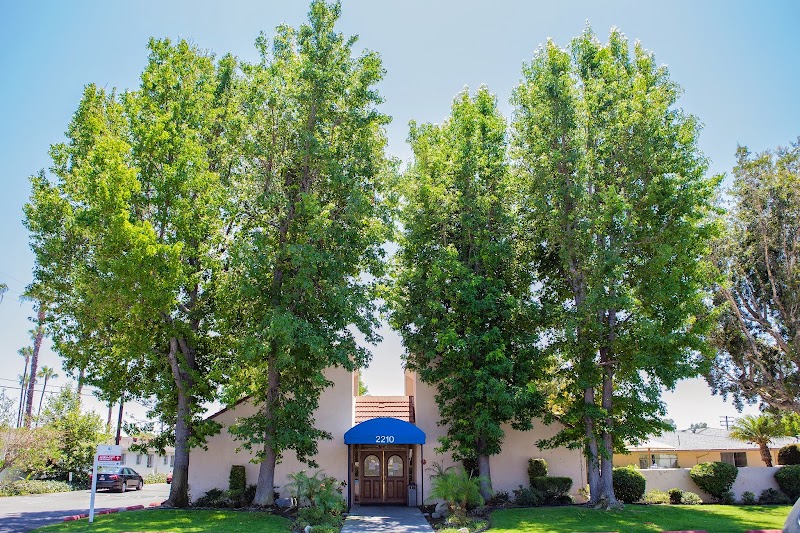
How is Advanced Rehab Center Of Tustin Staffed?

CMS rates ADVANCED REHAB CENTER OF TUSTIN's staffing level at 2 out of 5 stars, which is below average compared to other nursing homes. Staff turnover is 43%, compared to the California average of 46%. This relatively stable workforce can support continuity of care.

What Have Inspectors Found at Advanced Rehab Center Of Tustin?

State health inspectors documented 104 deficiencies at ADVANCED REHAB CENTER OF TUSTIN during 2022 to 2025. These included: 2 that caused actual resident harm, 82 with potential for harm, and 20 minor or isolated issues. Deficiencies causing actual harm indicate documented cases where residents experienced negative health consequences.
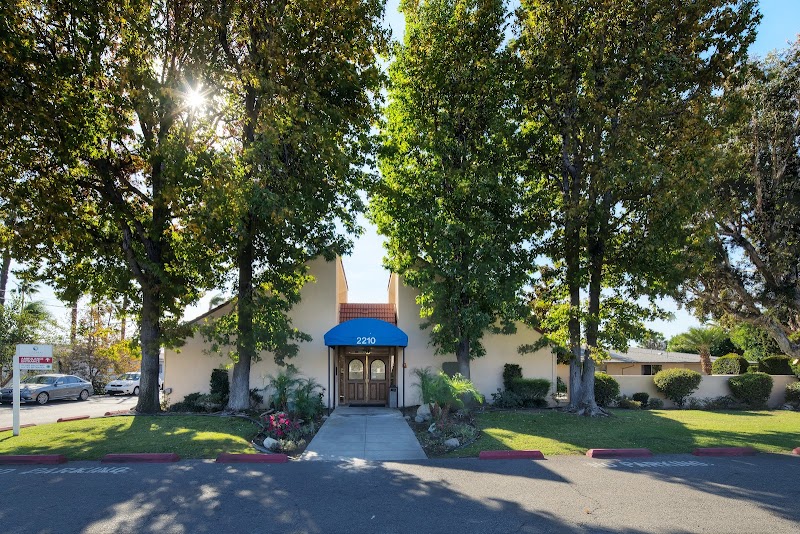
Who Owns and Operates Advanced Rehab Center Of Tustin?

ADVANCED REHAB CENTER OF TUSTIN is owned by a for-profit company. For-profit facilities operate as businesses with obligations to shareholders or private owners. The facility is operated by ABRAHAM BAK & MENACHEM GASTWIRTH, a chain that manages multiple nursing homes. With 99 certified beds and approximately 93 residents (about 94% occupancy), it is a smaller facility located in SANTA ANA, California.

How Does Advanced Rehab Center Of Tustin Compare to Other California Nursing Homes?

Compared to the 100 nursing homes in California, ADVANCED REHAB CENTER OF TUSTIN's overall rating (1 stars) is below the state average of 3.1, staff turnover (43%) is near the state average of 46%, and health inspection rating (1 stars) is much below the national benchmark.

What Should Families Ask When Visiting Advanced Rehab Center Of Tustin?

Based on this facility's data, families visiting should ask: "What safeguards and monitoring systems are in place to protect residents from abuse or neglect?" "Can you walk me through typical staffing levels on day, evening, and night shifts?" "Can I visit during a mealtime to observe dining assistance and food quality?" "How do you handle medical emergencies, and what is your hospital transfer rate?" These questions are particularly relevant given the substantiated abuse finding on record and the below-average staffing rating.

Is Advanced Rehab Center Of Tustin Safe?

Based on CMS inspection data, ADVANCED REHAB CENTER OF TUSTIN has documented safety concerns. The facility has 1 substantiated abuse finding (meaning confirmed case of resident harm by staff or other residents). The facility has a 1-star overall rating and ranks #100 of 100 nursing homes in California. Families considering this facility should ask detailed questions about what corrective actions have been taken since these incidents.

Do Nurses at Advanced Rehab Center Of Tustin Stick Around?

ADVANCED REHAB CENTER OF TUSTIN has a staff turnover rate of 43%, which is about average for California nursing homes (state average: 46%). Moderate turnover is common in nursing homes, but families should still ask about staff tenure and how the facility maintains care continuity when employees leave.

Was Advanced Rehab Center Of Tustin Ever Fined?

ADVANCED REHAB CENTER OF TUSTIN has been fined $37,182 across 1 penalty action. The California average is $33,451. While any fine indicates a compliance issue, fines under $50,000 are relatively common and typically reflect isolated problems that were subsequently corrected. Families should ask what specific issues led to these fines and confirm they've been resolved.

Is Advanced Rehab Center Of Tustin on Any Federal Watch List?

ADVANCED REHAB CENTER OF TUSTIN is not on any federal watch list. The most significant is the Special Focus Facility (SFF) program, which identifies the bottom 1% of nursing homes nationally based on persistent, serious quality problems. Not being on this list means the facility has avoided the pattern of deficiencies that triggers enhanced federal oversight. This is a positive indicator, though families should still review the facility's inspection history directly.