Citrus Post-Acute

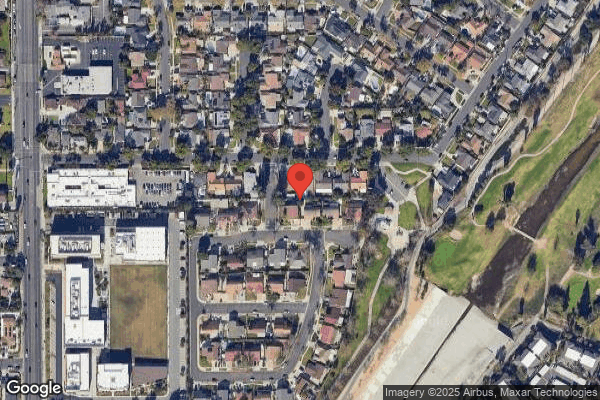
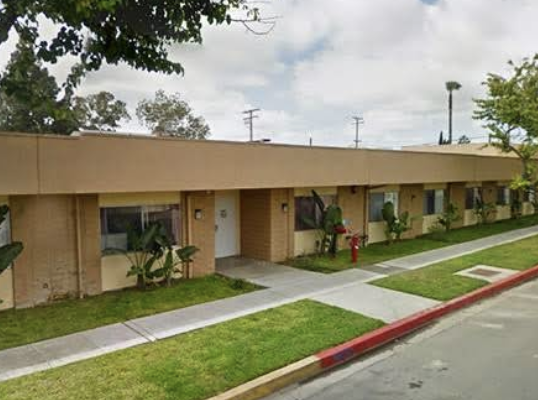
1929 N. FAIRVIEW STREET, SANTA ANA, CA 92706 (714) 554-9700
For profit - Limited Liability company 144 Beds LINKS HEALTHCARE GROUP Data: November 2025
Trust Grade
48/100
#783 of 1155 in CA
Last Inspection: May 2025

Inspected within the last 6 months. Data reflects current conditions.

Overview

Citrus Post-Acute has received a Trust Grade of D, indicating below average performance with some concerns about care quality. They rank #783 out of 1155 facilities in California, placing them in the bottom half, and #56 out of 72 in Orange County, suggesting limited local options that are better. The facility is showing improvement, with issues decreasing from 42 in 2024 to 28 in 2025, but there are still significant areas of concern. Staffing ratings are average, with a turnover rate of 37%, which is slightly below the state average, but the RN coverage is concerning, being lower than 87% of California facilities; this can lead to missed health issues. Specific incidents include failures in medication storage and food safety practices, such as not labeling food properly and leaving expired medications in the fridge, which could pose health risks. While there are some strengths, such as a relatively low staff turnover, the ongoing issues highlight the need for careful consideration.

Trust Score
D
48/100
In California
#783/1155
Bottom 33%
Safety Record
Low Risk
No red flags
Inspections
Getting Better
42 → 28 violations
Staff Stability
○ Average
37% turnover. Near California's 48% average. Typical for the industry.
Penalties
○ Average
$20,585 in fines. Higher than 59% of California facilities. Some compliance issues.
Skilled Nurses
⚠ Watch
Each resident gets only 16 minutes of Registered Nurse (RN) attention daily — below average for California. Fewer RN minutes means fewer trained eyes watching for problems.
Violations
⚠ Watch
94 deficiencies on record. Higher than average. Multiple issues found across inspections.
★★☆☆☆
2.0
Overall Rating
★★★☆☆
3.0
Staff Levels
★★★★☆
4.0
Care Quality
★★☆☆☆
2.0
Inspection Score
Stable
2024: 42 issues
2025: 28 issues

The Good

  • 4-Star Quality Measures · Strong clinical quality outcomes
  • Full Sprinkler Coverage · Fire safety systems throughout facility
  • No fines on record
  • Staff turnover below average (37%)

    11 points below California average of 48%

Facility shows strength in quality measures, fire safety.

The Bad

2-Star Overall Rating

Below California average (3.1)

Below average - review inspection findings carefully

Staff Turnover: 37%

Near California avg (46%)

Typical for the industry

Federal Fines: $20,585

Below median ($33,413)

Minor penalties assessed

Chain: LINKS HEALTHCARE GROUP

Part of a multi-facility chain

Ask about local staffing decisions and management

The Ugly 94 deficiencies on record

Jul 2025 1 deficiency
MINOR (B) 📢 Someone Reported This

A family member, employee, or ombudsman was alarmed enough to file a formal complaint

Minor Issue - procedural, no safety impact

Deficiency F0657 (Tag F0657)

Minor procedural issue · This affected multiple residents

**NOTE- TERMS IN BRACKETS HAVE BEEN EDITED TO PROTECT CONFIDENTIALITY** Based on interview, medical record review, and facility P&P review, the facility failed to ensure the comprehensive plan of care...

Read full inspector narrative →
**NOTE- TERMS IN BRACKETS HAVE BEEN EDITED TO PROTECT CONFIDENTIALITY** Based on interview, medical record review, and facility P&P review, the facility failed to ensure the comprehensive plan of care for one of three sampled residents (Resident 3) was revised to reflect the resident's current care needs and interventions. The facility failed to revise Resident 3's care plan to address the new interventions related to the management of weight loss. This failure posed the risk of not providing the resident with individualized and person-centered care.Findings: Review of the facility's P&P titled Care Plan, Comprehensive dated 12/2017 showed the care plans should be developed by the Interdisciplinary Team (IDT), which includes activities, dietary, nursing management, social services, and therapy and includes the input from the direct care staff, including the licensed nurses and nursing assistants. The plans are reviewed and revised by the IDT at least quarterly, following completion of the MDS assessment or following an assessment for a significant change of condition. Medical record review for Resident 3 was initiated on 7/17/25. Resident 3 was admitted to the facility on [DATE], and readmitted on [DATE]. Review of Resident 3's MDS assessment dated [DATE], showed the resident had a BIMS score of 5, indicating severe cognitive impairment. Review of Resident 3's monthly weight report showed the following:- on 1/2, 2/3, and 3/3/25, Resident 3's weight was 123 lbs;- on 4/30, 5/6, and 6/2/25, Resident 3's weight was 122 lbs;- on 7/3 and 7/7/25, Resident 3's weight was 115 lbs; and- on 7/14/25, Resident 3's weight was 119 lbs. Review of Resident 3's SBAR Communication Form dated 7/3/25, showed Resident 3 had a weight loss of seven pounds in one month from June to July 2025. Review of Resident 3's Order Review Report dated 7/17/25, showed the following physician's orders:- dated 7/3/25, to obtain the resident's weekly weight for four weeks; and- dated 7/3/25, to administer megestrol acetate (appetite stimulant) suspension 400 mg/10 ml by mouth two times a day for appetite stimulant. Review of Resident 3's plan of care dated 7/17/25, showed a care plan problem addressing the resident's seven pound weight loss in one month. However, the care plan failed to include the interventions of weekly weight for four weeks and the administration of the appetite stimulant medication as ordered by the physician. On 7/17/25 at 1345 hours, an interview and concurrent medical record review for Resident 3 was conducted with the LVN 3. LVN 3 verified the above findings and stated Resident 3's care plan should be revised to reflect the current interventions for the management of the resident's weight loss. On 7/17/25 at 1430 hours, an interview and concurrent medical record review was conducted with the ADON. The ADON was informed and acknowledged the above findings.
May 2025 26 deficiencies
CONCERN (D)

Potential for Harm - no one hurt, but risky conditions existed

Deficiency F0578 (Tag F0578)

Could have caused harm · This affected 1 resident

**NOTE- TERMS IN BRACKETS HAVE BEEN EDITED TO PROTECT CONFIDENTIALITY** Based on interview, medical record review, and facility P&P review, the facility failed to ensure the physician's order for code...

Read full inspector narrative →
**NOTE- TERMS IN BRACKETS HAVE BEEN EDITED TO PROTECT CONFIDENTIALITY** Based on interview, medical record review, and facility P&P review, the facility failed to ensure the physician's order for code status matched the resident's POLST DNR status for one of seven final sampled residents (Resident 102) reviewed for advanced directives. * Resident 102 had a DNR status selected on the POLST signed by Resident 102's responsible party; however, the facility failed to ensure there was a physician's order for Resident 102's code status. This failure had the potential for not honoring the Resident 102's responsible party wishes and providing unwanted life sustaining interventions. Findings: Review of the facility's P&P titled Promoting the Right of Self-Determination for Healthcare Decisions and Advanced Healthcare Directives dated 11/2016 showed the staff should document in the medical chart, the existence of an advance directive, living will and/or standing physician order form (POLST). The staff should review the documents for completeness and confirm with the resident and/or legal healthcare decision maker that the documents are current and have not been revoked or superseded by subsequent documents. The staff should notify the resident's treating physician of current or changes to the advance directives or verbally expressed healthcare and treatment wishes, so that appropriate orders can be obtained and documented in the resident's plan of care. The physician must 'sign' all order to withhold treatment or withdraw life sustain treatment. The orders may not be carried out by the facility until the order has been 'signed', telephone orders for withholding treatment or to withdraw life sustaining treatment are not permitted. Medical record review for Resident 102 was initiated on [DATE]. Resident 102 was admitted to the facility on [DATE], and readmitted on [DATE]. Review of Resident 102's H&P examination dated [DATE], showed Resident 102 had no capacity to understand and make decisions, and Resident 102's code status was DNR. Review of Resident 102's POLST dated [DATE], showed Resident 102's responsible party selected treatment as Do Not Attempt Resuscitation/DNR, and to allow a natural death. The form was signed by Resident 102's responsible party on [DATE], and signed by the physician on [DATE], 55 days after the form was signed by the resident's reponsible party. On [DATE] at 1541 hours, an interview and concurrent medical record review for Resident 102 was conducted with the SSD. The SSD stated every resident should have a physician's order with the code status. The SSD stated if the resident did not have a physician's order for the code status, the licensed nurse was responsible for contacting the physician. The SSD reviewed Resident 102's POLST form and stated Resident 102's responsible party had signed Resident 102's POLST on [DATE], and chose DNR. The SSD verified the above findings. Review of Resident 102's Order Summary Report showed a physician's order dated [DATE], for DNR, Comfort Measures. On [DATE] at 1437 hours, an interview was conducted with the DON. The DON stated the purpose of the POLST form was to provide directions to the nursing staff on how to respond in the event of emergency. If the POLST form was not signed or completed, the resident was considered a full code (prolonging life by all medically effective means); thus, in the event of an emergency, CPR would be attempted. Additionally, the DON stated all the residents should have a physician's order for the code status. If there was no physician's order for the code status, the resident would be considered a full code. The DON stated if the POLST form was signed by the resident's responsible party, the facility should follow-up to obtain the physician's signature as soon as possible. The DON stated the POLST must be signed by the physician to be effective. The DON stated if the physician would not be in the facility to sign the POLST form, the form could be faxed to the physician to sign as soon as possible. On [DATE] at 1207 hours, an interview was conducted with the Administrator and DON. The Administrator and DON were informed and acknowledged the above findings.
CONCERN (D)

Potential for Harm - no one hurt, but risky conditions existed

Safe Environment (Tag F0584)

Could have caused harm · This affected 1 resident

**NOTE- TERMS IN BRACKETS HAVE BEEN EDITED TO PROTECT CONFIDENTIALITY** Based on observation and interview, the facility failed to maintain a homelike environment for one nonsampled resident (Resident...

Read full inspector narrative →
**NOTE- TERMS IN BRACKETS HAVE BEEN EDITED TO PROTECT CONFIDENTIALITY** Based on observation and interview, the facility failed to maintain a homelike environment for one nonsampled resident (Resident 86). * Resident 86 resided in Room A. Resident 86 was observed sitting on his bed eating breakfast. A live pest (later identified as a water bug or roach) was observed on top of Resident 86's bed linen, next to Resident 86. This failure had the potential to negatively impact the resident's quality of life. Findings: Medical record review for Resident 86 was initiated on 5/7/25. Resident 86 was admitted to the facility on [DATE], and readmitted on [DATE]. On 5/12/25 at 0750 hours, an observation and concurrent interview was conducted with Resident 86 and CNA 10. Resident 86 was observed sitting on his bed eating breakfast. A live water bug/roach was observed on top of Resident 86's bed linen, next to Resident 86. CNA 10 verified the findings and then attempted to remove the bug/roach from Resident 86's bed, at which time the water bug/roach moved onto the floor. CNA 10 then stepped on the water bug/roach. Resident 86 was asked how the incident made him feel. Resident 86 stated he preferred no pests on his bed while eating. On 5/12/25 at 1500 hours, an interview and concurrent photographic review was conducted with the Pest Control Technician (from Pest Control Company 1). The Pest Control Technician arrived at the facility to conduct an inspection of Room A. The Pest Control Technician was shown a photograph of the pest that was observed on Resident 86's bed linen. The Pest Control Technician identified the pest as either a water bug or roach. The Pest Control Technician stated he placed pest monitors and applied pest gel throughout Room A.
CONCERN (D) 📢 Someone Reported This

A family member, employee, or ombudsman was alarmed enough to file a formal complaint

Potential for Harm - no one hurt, but risky conditions existed

Free from Abuse/Neglect (Tag F0600)

Could have caused harm · This affected 1 resident

**NOTE- TERMS IN BRACKETS HAVE BEEN EDITED TO PROTECT CONFIDENTIALITY** Based on observation, interview, medical record review, facility record review, and facility P&P review, the facility failed to ...

Read full inspector narrative →
**NOTE- TERMS IN BRACKETS HAVE BEEN EDITED TO PROTECT CONFIDENTIALITY** Based on observation, interview, medical record review, facility record review, and facility P&P review, the facility failed to protect the resident's right to be free from physical abuse by a resident for one of two sampled residents (final sampled resident, Resident 113) reviewed for abuse. * Resident 113 was hit in the face with a rehabilitation dowel by another resident (Resident 86). This failure resulted in Resident 113 suffering pain to the left side of his face and experiencing feelings of anger. Findings: Review of the facility's P&P titled Alleged or Suspected Abuse and Crime Reporting revised 10/2022 showed each resident has the right to be free from abuse. Physical abuse includes, but is not limited to, hitting, slapping, pinching and kicking. The facility will implement policies and procedures to prevent and prohibit all types of abuse. Medical record review for Resident 113 was initiated on 5/7/25. Resident 113 was admitted to the facility on [DATE]. Review of Resident 113's BIMS dated 5/5/25, showed Resident 113 was cognitively intact. On 5/7/25 at 0903 hours, an interview was conducted with Resident 113. Resident 113 was asked to describe the physical altercation between himself and his roommate (Resident 86). Resident 113 stated on 5/4/25 at approximately 2030 hours, he was lying in bed watching television. Resident 113 stated his roommate (Resident 86) started cursing at him and told him to turn off his television. Resident 113 stated he then lowered the volume of his television. Resident 113 stated Resident 86 then walked over to his bed and hit him in the face with a pole (later identified as a rehabilitation dowel). Resident 113 stated the dowel was solid and when it struck his face it hurt, causing pain to his face. Resident 113 stated before Resident 86 could hit him again, he grabbed the dowel, preventing Resident 86 from striking him again. Resident 113 stated the incident made him feel angry. Resident 113 stated he felt pain to his jaw and felt swelling to his face. Resident 113 stated he had difficulty chewing after the incident and informed the dietary staff and would prefer a soft diet. Review of Resident 113's Nursing Note dated 5/4/25, showed at 1945 hours, RN 3 responded to Resident 113's room. Residents 86 and 113 had a resident-to-resident altercation. Resident 113 was hit with a dowel by Resident 86 because Resident 113 refused to turn off his television when asked by Resident 86. Also, a water pitcher full of water was thrown on Resident 113's bed. Resident 113 was assessed and noted with redness to the left side of his face. Resident 113 complained of pain on the left side of his face and was given Tylenol for pain. A cold compress was also applied to Resident 113's face. Review of Resident 113's SBAR dated 5/4/25 at 2247 hours, showed at 1945 hours, Resident 113 had an altercation and physical abuse happen to him. Resident 113 was being monitored for emotional distress due to a resident-to-resident altercation. Review of Resident 86's Nursing Note dated 5/4/25 at 2012 hours, showed on 5/4/25 at approximately 1945 hours, the CNA responded to Residents 113 and Resident 86's room. The CNA saw both residents holding onto a dowel. Resident 113 was lying in his bed and Resident 86 was standing in front of him. As per Resident 113, Resident 86 came to his bed and hit him with the dowel on the left side of his face. When Resident 86 was asked why he tried to hit Resident 113, Resident 86 stated he got mad when he asked Resident 113 to turn off/lower the television volume and Resident 113 just ignored him. Review of Resident 86's care plan titled Potential Behavioral Disturbance related to diagnosis of schizoaffective disorder initiated 11/9/23, showed Resident 86 had behavior of physical aggressiveness/combativeness (per Resident 86's family). Interventions included to monitor Resident 86 for behavior of physical aggression/combativeness. On 5/7/25 at 1436 hours, an interview was conducted with CNA 11. CNA 11 stated on 5/4/25 in the evening, she heard screaming coming from Residents 113 and 86's room. CNA 11 stated when she entered the room, she saw Resident 113 lying on his bed and Resident 86 standing next to Resident 113's bed. CNA 11 stated the residents were struggling to gain control of a dowel. CNA 11 stated she was able to gain possession of the dowel and confiscated the dowel. CNA 11 stated Resident 113 told her that he was struck on the head with the dowel and then grabbed the dowel in an attempt to prevent Resident 86 from hitting him again. CNA 11 stated Resident 113 told her that he did not do anything wrong to cause Resident 86 to hit him. CNA 11 sated Resident 113 complained of pain to his face. CNA 11 stated Resident 86 told her that Resident 113 had his TV too loud. On 5/8/25 at 1033 hours, an interview was conducted with OT 1. OT 1 stated Resident 113 currently had no orders for PT or OT services. OT 1 stated Resident 113 had no orders for the use of a dowel. OT 1 stated no residents at the facility should be in possession of a dowel without staff present, to ensure the residents' safety. OT 1 stated she did not know how Resident 113 gained possession of the dowel. On 5/8/25 at 1603 hours, a concurrent interview, medical record review, and facility photograph review was conducted with the DON. The DON stated on the evening of 5/4/25, an incident occurred involving Residents 86 and 113. The DON stated Resident 113 told her the following information specific to the incident. Resident 113 was lying in bed watching television and Resident 86 asked him to turn off his TV. Resident 86 then walked over to Resident 113's bed and hit him on the let side of the face with a dowel. Resident 113 then grabbed the dowel, and both residents struggled to gain control of the dowel. CNA 11 had entered the room and was able to separate the residents and obtain possession of the dowel. The DON verified Resident 86's care plan titled Potential Behavioral Disturbance related to diagnosis of schizoaffective disorder initiated 11/9/23, showed Resident 86 had behavior of physical aggressiveness/combativeness (per Resident 86's family). The DON stated Resident 86 should not have possessed a dowel without a staff supervision, to ensure for resident safety. The DON provided a photograph of the confiscated dowel which was identified by a serial number on this side of the dowel. * The dowel was obtained from the rehabilitation department. The Maintenance Supervisor subsequently measured and weighed the dowel. On 5/8/25 at 1555 hours, an interview was conducted with the Maintenance Supervisor. The Maintenance Supervisor measured and weighed the dowel. The Maintenance Supervisor stated the dowel was constructed of a PVC pipe. The dowel measured 31.5 inches in length, 3 quarter inches in width, had a circumference of 1 ¼ inches, and weighed 1.4 pounds. On 5/8/25 at 1243 hours, an interview and concurrent facility record review was conducted with the Administrator. Review of the facility's Verification of Incident Investigation Administrative Summary dated 5/8/25, showed the facility conducted an investigation specific to the incident involving Residents 86 and 113. The Administrative Summary showed the facility had substantiated the incident because Resident 113 was actually struck. The Administrator stated he substantiated Resident 113 was struck with the dowel and Resident 113 had redness to his face consistent with where Resident 113 stated he was struck with the dowel.
CONCERN (D)

Potential for Harm - no one hurt, but risky conditions existed

Deficiency F0605 (Tag F0605)

Could have caused harm · This affected 1 resident

**NOTE- TERMS IN BRACKETS HAVE BEEN EDITED TO PROTECT CONFIDENTIALITY** 2. Medical record review for Resident 23 was initiated on 5/7/25. Resident 23 was admitted to the facility on [DATE], and readmi...

Read full inspector narrative →
**NOTE- TERMS IN BRACKETS HAVE BEEN EDITED TO PROTECT CONFIDENTIALITY** 2. Medical record review for Resident 23 was initiated on 5/7/25. Resident 23 was admitted to the facility on [DATE], and readmitted on [DATE]. Review of Resident 23's H&P examination dated 1/19/25, showed Resident 23 had no capacity to understand and make decisions. Review of Resident 23's Order Summary Report dated 5/9/25, showed the following physician's orders dated 4/4/25: - to monitor Resident 23's orthostatic BP sitting up every week on Wednesday, during the evening shift; and to notify the physician if there was a drop of 20 mmHg in the systolic BP, or a drop of 10 mmHg in the diastolic BP, - to monitor Resident 23's orthostatic BP lying down every week on Wednesday, during the evening shift; and to notify the physician if there was a drop of 20 mmHg in the systolic BP, or a drop of 10 mmHg in the diastolic BP, and - to administer Seroquel (antipsychotic) 25 mg by mouth two times a day for psychosis manifested by constant repetitive movements. Review of Resident 23's plan of care showed a care plan problem dated 4/8/25, addressing Resident 23's behavior problem of constant repetitive movements. The intervention included monitoring the orthostatic blood pressure as ordered. Review of Resident 23's MARs for April and May 2025 showed the following: - on 4/9/25, the BP readings were 126/52 mmHg for the sitting and lying position, - on 4/30/25, the BP readings were 125/62 mmHg for the sitting and lying position, and - on 5/17/25, the BP readings were 142/78 mmHg for the sitting and lying position. On 5/9/25 at 1057 hours, an interview and concurrent medical record review for Resident 23 was conducted with LVN 5. LVN 5 verified the above findings and stated the BP readings should not be the same for the different positions. On 5/12/25 at 1410 hours, an interview was conducted with the DON. The DON stated the residents on psychotropic medications should be monitored every shift for the side effects related to the use of the psychotropic medication, such as dizziness and orthostatic hypotension. The DON stated for the residents prescribed the antipsychotic medication, there should be a physician's order to monitor the resident for orthostatic hypotension. The DON further stated the monitoring for orthostatic hypotension was done by obtaining the resident's BP in different positions. The DON stated after the licensed nurse obtained the resident's BP readings in the different positions, the licensed nurse was expected to compare the BP readings and determine if there was a drop in the BP, which would indicate orthostatic hypotension. The DON stated the orthostatic BP readings should not be the same for the different positions. On 5/13/25 at 1207 hours, an interview was conducted with the Administrator and DON. The Administrator and DON were informed and acknowledged the above findings. Based on interview, medical record review,and facility P&P review the facility failed to ensure three of five final sampled residents (Residents 23, 59, and 112) reviewed for unnecessary medications were free from unnecessary medications. * The facility failed to ensure Resident 112 was monitored accurately for orthostatic hypotension as ordered by the physician for the use of risperidone (antipsychotic). In addition, the facility failed to implement nonpharmacological interventions prior to the use of the mirtazapine (antidepressant) medication and failed to ensure monitoring for the side effects of the mirtazapine medication. * The facility failed to ensure Resident 23's orthostatic blood pressures were accurately monitored for the use of the Seroquel (antipsychotic) medication. * The facility failed to ensure Resident 59's prescription for zolpidem tartrate (sedative-hypnotic) had documentation of the physician's clinical rationale when the PRN order was extended beyond 14 days. This failure had the potential to negatively impact the Resident 59's well-being from the continued use of the zolpidem tartrate medication. These failures had the potential for adverse effects from the psychotropic medications and the potential for not providing the correct data to the prescriber to adjust the dosage of psychotropic medication. Findings: Review of the facility's P&P titled Psychotropic Medication Management dated November 2017 showed clinically necessary PRN psychotropic drug orders are limited to 14 days. If the prescribing practitioner determines a need for continued PRN use beyond the original 14 days, it is accompanied by supporting documentation in the electronic health record (EHR) including the rationale for continued use and duration; and Review of the facility's P&P titled Use of Psychotropic Medication, revised 8/2024 showed the residents are not given psychotropic drugs unless the medication is necessary to treat a specific condition, as diagnosed and documented in the clinical record, and the medication is beneficial to the resident, as demonstrated by monitoring and documentation of the resident's response to the medication(s). The Policy Explanation and Compliance Guidelines section of the P&P showed in part, the following: 1. A psychotropic drug is any drug that affects brain activities associated with mental processes and behavior. Psychotropic drugs include but are not limited to the following categories: antipsychotics, antidepressants anti-anxiety, and hypnotics. 4. The indications for use of any psychotropic drug should be documented in the medical record. b. For psychotropic drugs that are initiated after the admission to the facility, documentation shall include the specific condition as diagnosed by the physician. ii. Non-pharmacological interventions that have been attempted and the target symptoms for monitoring shall be included in the documentation. 1. Medical record review for Resident 112 was initiated on 5/7/25. Resident 110 was initially admitted to the facility on [DATE], and readmitted to the facility on [DATE]. Review of Resident 112's H&P examination dated 2/9/25, showed Resident 112 had a history of dementia and Schizophrenia. Further review of the H&P examination showed Resident 112 had no capacity to make medical decisions. a. Review of Resident 112's Order Summary Report dated 5/9/25, showed the following physician's orders: - dated 2/6/25, for risperidone oral tablet 0.25 mg one tablet by mouth in the morning for Schizophrenia manifested by paranoid delusional statements and physical aggression towards others, - dated 2/6/25, for risperidone oral tablet 0.25 mg two tablet by mouth at bedtime for Schizophrenia manifested by paranoid delusional statements and physical aggression towards others, - dated 2/7/25, to monitor for behavior for the use of risperidone medication for manifested by delusions/delusional statements and tally every shift, - dated 2/7/25, to monitor for antipsychotic medication side effects such as urinary retention, dry mouth, constipation, blurred vision, sedation, drowsiness, glaucoma (a group of eye disease that can cause vision loss and blindness), agranulocytosis (a life-threatening condition that involves having severely low levels of white blood cells), seizures, weight gain, diabetes, jaundice (as a yellow discoloration of the body tissue resulting from the accumulation of excess bilirubin), and Neuroleptic Malignant Syndrome (sudden onset of diffuse muscle rigidity, high fever, labile blood pressure, tremors, and notable cognitive dysfunction). - dated 2/7/25, to monitor for orthostatic BP lying down, sitting up, and standing up every week on Wednesday and notify MD if there is a systolic blood pressure drop of 20 mmHg or a diastolic blood pressure drop of 10 mmHg. Review of Resident 112's MARs for February through 5/11/25, showed the following: - Resident 112 was administered risperidone 0.25 mg one tablet by mouth at 0900 hours, from 2/7 to 2/28/25, 3/1 to 3/31/25, 4/1 to 4/30/25, and 5/1 to 5/11/25, and - Resident 112 was administered risperidone 0.25 mg two tablets by mouth at 2100 hours from 2/7 to 2/28/25, 3/1 to 3/31/25, 4/1 to 4/30/25, and 5/1 to 5/11/25, Further review of Resident 112's MARs for February through 5/11/25, showed the orthostatic BP (lying, sitting, and standing) were scheduled to be monitored every Wednesday. However, the BP readings for the three positions were the same as follows: - on 2/12/25, the BP readings were 125/76 mmHg for the lying, sitting, and standing position. - on 2/19/25, the BP readings were 127/69 mmHg for the lying, sitting, and standing positions. - on 2/26/25, the BP readings were 121/69 mmHg for the lying, sitting, and standing position. - on 3/5/25, the BP readings were 123/83 mmHg for the sitting and standing position. - on 3/12/25, the BP readings were 105/68 mmHg for the lying, sitting, and standing position. - on 3/19/25, the BP readings were 134/78 mmHg for the lying, sitting, and standing position. - on 3/26/25, the BP readings were 138/84 mmHg for the lying, sitting, and standing position. - on 4/30/25, the BP readings were 127/52 mmHg for the lying, sitting, and standing position. - on 5/7/24, the BP readings were 122/65 mm Hg for the sitting and standing position. On 5/13/25 at 1116 hours, an interview and concurrent medical record review was conducted with the DON for Resident 112. The DON verified the above findings. The DON stated the orthostatic BP readings should not be the same for the lying, sitting, and standing position if the proper procedure was followed. b. Review of Resident 112's Order Summary Report dated 5/9/25, showed an order dated 2/11/25, for mirtazapine oral tablet 15 mg one tablet by mouth at bedtime for depression as manifested by poor appetite (less than 50% of meal intake). Further review of Resident 112's Order Summary Report dated 5/9/25, failed to show a physician's order to monitor for the antidepressant medication side effects related to the use of the mirtapizine medication. Review of Resident 112's medical record failed to show the nonpharmacological interventions which were attempted prior to the use of the mirtapizine medication. Review of Resident 112's MARs for February through 5/11/25, showed Resident 112 was administered mirtazapine 15 mg one tablet at 2100 hours, from 2/11 to 2/28, 3/1 to 3/31/25, 4/1 to 4/30/25, and 5/1 to 5/11/25. Further review of Resident 112's MARs for February through 5/11/25, failed to show Resident 112 was monitored for the adverse effects related to the use of the mirtazapine medication. On 5/12/25 at 1116 hours, an interview and concurrent medical record review was conducted with the DON for Resident 112. The DON verified the above findings. On 5/13/25 at 1116 hours, an interview was conducted with the Administrator and the DON. The Administrator and DON were informed of and acknowledged the above findings. 3. Medical record review for Resident 59 was initiated on 5/8/25. Resident 59 was initially admitted to the facility on [DATE]. Review of Resident 59's H&P examination dated 1/2/25, showed Resident 59 had capacity to understand and make decisions. Review of Resident 59's medical record showed the following physician's orders for zolpidem tartrate medication: - dated 4/12/25, to administer ambien oral tablet 5 mg (zolpidem tartrate) one tablet by mouth as needed for inability to sleep, give at bedtime; - dated 4/17/25, to administer ambien oral tablet 5 mg (zolpidem tartrate) one tablet by mouth as needed for inability to sleep until 4/26/25 at 2359 hours, give at bedtime (trial total 14 days from 4/12/25); - dated 4/26/25, to administer zolpidem tartrate tablet 10 mg one tablet by mouth as needed for inability to sleep for 14 days, give at bedtime; and - dated 5/11/25, to administer zolpidem tartrate tablet 10 mg one tablet by mouth as needed for inability to sleep for 14 days, give at bedtime. Further review of Resident 59's medical record did not show documentation of the clinical rationale from the prescribing physician when the use of zolpidem medication was extended and ordered on 4/12, 4/17, 4/26, and on 5/11 to 5/25/25. On 5/13/25 at 1242 hours, an interview and medical record review for Resident 59 was conducted with the DON. The DON verified Resident 59 had the physician's order for the zolpidem tartrate medication, and the initial order was on 4/12/25. The DON verified Resident 59 also had the physician's orders for zolpidem tartrate medication from 4/17 to 4/26/25, 4/26 to 5/10/25, and 5/11 to 5/25/25. The DON was not able to show documented evidence of the clinical rationale from the physician when the PRN order for the zolpidem tartrate was renewed after the initial order on 4/12/25.
CONCERN (D)

Potential for Harm - no one hurt, but risky conditions existed

Quality of Care (Tag F0684)

Could have caused harm · This affected 1 resident

**NOTE- TERMS IN BRACKETS HAVE BEEN EDITED TO PROTECT CONFIDENTIALITY** Based on observation, interview, facility document review, and facility P&P review, the facility failed to ensure the physician'...

Read full inspector narrative →
**NOTE- TERMS IN BRACKETS HAVE BEEN EDITED TO PROTECT CONFIDENTIALITY** Based on observation, interview, facility document review, and facility P&P review, the facility failed to ensure the physician's recommendation was carried out as ordered for one nonsampled resident (Resident 94). This failure had the potential of Resident 94 not receiving care as ordered. Findings: Review of the facility's P&P titled Record Content - Laboratory and Radiology Reports dated 1/2004 showed the facility shall obtain laboratory, radiology, or other diagnostic service to meet the needs of the residents as prescribed by the physician. Contact the laboratory and/or radiology services in accordance with the physician's order. Log this in the lab and/or x-ray control log and complete the appropriate requisition form. The P&P further showed to sign and date the reports when reviewed. The license nurse or other will be responsible for faxing each report to the attending physician promptly after nurse's review. Moreover, the P&P showed to file the reports in the resident's health record when the nurse has signed off these reports. Contact the service and request an immediate copy of the laboratory or radiology reports that are not received within 48 hours. Medical record review for Resident 94 was initiated on 5/7/25. Resident 94 was admitted to the facility on [DATE], and readmitted back to the facility on 3/12/24. Review of Resident 94's H&P examination dated 3/31/25, showed Resident 94 was alert and oriented. Review of Resident 94's Order Review Report from 4/1/2024 to 5/31/2024, showed an order dated 5/1/24, for an appointment for MRI of the brain and cervical spine without contrast scheduled on 5/23/24 at 1615 hours. Review of Resident 94's MRI of the Cervical Spine Without Contrast dated 5/23/24, showed the findings indicate in image number six, seven, and eight, there is suggestion for a mass involving the right side of the neck anterior to the sternocleidomastoid; however, this is a very limited observation because only in axial sections is present. The MRI results further showed the estimated size of the mass could be about 2.4 cm. This could be due to positioning; however, a mass cannot be ruled out. Review of Resident 94's Summary of the Visit report written in Spanish dated 12/20/24, showed the physician recommended to bring the result of the MRI on 5/23/24, to the next appointment at this neurology clinic scheduled on 4/11/25. Review of Resident 94's Neurology Clinic Progress Note dated 4/11/25, showed Resident 94 had the MRI performed, but the previous MRI on 5/23/24, was not available for review. The progress note further showed Resident 94 reported he continued to have weakness affecting the right hand and the bilateral legs. The recommendations of the appointment showed to follow up on the results of the MRI brain and C-spine (cervical spine - the first seven stacked vertebral bones of the spine), physical therapy as able, and return to center six months or sooner as needed. On 5/13/25 at 0935 hours, an interview and concurrent medical record review was conducted with RN 1. RN 1 stated when the residents went to in-office physician appointments, a copy of the resident's face sheet, physician orders, recent laboratory results, a blank telephone order sheet, and a blank progress note form would be given to them to provide to the provider for review and use of the telephone order sheet and progress note. RN 1 stated upon a resident's return from the physician appointment, the receiving nurse, charge nurse, or desk nurse would review and follow up on any orders given by the physician. RN 1 verified Resident 94's MRI results from 5/23/24, were uploaded on the resident's medical records on 5/1/25; however, RN 1 acknowledged the MRI was completed on 5/23/24. RN 1 stated the upload of the MRI results were late and documentation showed the request for a copy of the MRI results was dated 4/30/25. On 5/13/25 at 1051 hours, an interview and concurrent medical record review was conducted with the Case Manager. The Case Manager verified the above findings. The Case Manager stated when a resident returned from physician's appointment and the physician requested for imaging, he completed a form to provide the information where the results of the imaging should be sent directly to the ordering physician. When asked for a copy of the form, the Case Manager stated he did not keep the forms and had discarded it. The Case Manager further stated he did not follow up with the ordering physician's office if the MRI results were sent. On 5/13/25 at 1106 hours, an interview and concurrent medical record review was conducted with the Case Manager and RN 1 present to assist with the translation of Summary of the Visit report written in Spanish dated 12/20/24. RN 1 stated if the receiving license nurse could not read Spanish, the report should have been given to a license nurse who could translate the form. RN 1 translated the Summary of the Visit report and stated the report showed to bring the result of the MRI to the next neurology appointment scheduled on 4/11/25. RN 1 stated a copy of the MRI result from 5/23/24, should have been provided to the ordering physician. On 5/13/25 at 1208 hours, an interview was conducted with the Administrator and the DON. The DON stated she expected the license nurses to enter the orders received by the physician upon return from an appointment and to document. The DON further stated if an after summary visit report was in written in Spanish and the receiving nurse did not know how to read Spanish, the report should be given to a nurse who would be able to translate the report to ensure the physician's orders were carried out. The Administrator and DON were informed and acknowledged the above findings.
CONCERN (D)

Potential for Harm - no one hurt, but risky conditions existed

Deficiency F0692 (Tag F0692)

Could have caused harm · This affected 1 resident

**NOTE- TERMS IN BRACKETS HAVE BEEN EDITED TO PROTECT CONFIDENTIALITY** Based on observation, interview, and medical record review, the facility failed to provide the physician's order for a health sh...

Read full inspector narrative →
**NOTE- TERMS IN BRACKETS HAVE BEEN EDITED TO PROTECT CONFIDENTIALITY** Based on observation, interview, and medical record review, the facility failed to provide the physician's order for a health shake with every meal for one of 30 final sampled residents (Resident 115). * Resident 115 had a physician's order to receive a four ounces of the health shake three times a day with meals. However, Resident 115 did not receive the health shake with meals. This failure had the potential to compromise Resident 115's nutritional status and posed the risk for negative health outcomes. Findings: Medical record review for Resident 115 was initiated on 5/8/25. Resident 115 was admitted to the facility on [DATE]. Review of Resident 115's H&P examination dated 10/31/24, showed Resident 115 had no capacity to understand and make decisions. Review of Resident 115's Order Summary Report showed a physician's order dated 11/14/24, to provide supplement health shake four oz three times a day with meals. On 5/8/25 at 1256 hours, an observation and concurrent interview was conducted with CNA 8. CNA 8 stated the food tray should have all the items listed on the meal ticket. CNA 8 verified the resident's printed meal ticket showed one health shake; however, there was no health shake observed on Resident 115's meal tray. On 5/9/25 at 0829 hours, an observation and concurrent interview was conducted with CNA 9. CNA 9 stated the food tray and meal ticket were checked in the kitchen to ensure the items match and the food items listed on the resident's meal ticket should be on the food tray. CNA 9 confirmed the meal shake was not on the tray during breakfast for Resident 115. On 5/9/25 at 1010 hours, an interview and concurrent medical record review for Resident 115 was conducted with the DON. The DON verified Resident 115 had a physician's order for a health shake three times a day and acknowledged the resident had not been receiving health shakes with meals.
CONCERN (D)

Potential for Harm - no one hurt, but risky conditions existed

Respiratory Care (Tag F0695)

Could have caused harm · This affected 1 resident

**NOTE- TERMS IN BRACKETS HAVE BEEN EDITED TO PROTECT CONFIDENTIALITY** 5.a. Medical record review for Resident 70 was initiated on 5/7/25. Resident 70 was admitted to the facility on [DATE]. Review ...

Read full inspector narrative →
**NOTE- TERMS IN BRACKETS HAVE BEEN EDITED TO PROTECT CONFIDENTIALITY** 5.a. Medical record review for Resident 70 was initiated on 5/7/25. Resident 70 was admitted to the facility on [DATE]. Review of Resident 70's Order Summary Report showed a physician's order dated 6/3/24, for oxygen to be administered at a rate of 2 LPM as needed for shortness of breath. Review of Resident 70's care plan titled Oxygen Therapy revised 3/13/25, showed to provide Resident 70 with portable oxygen apparatus. On 5/7/25 at 0746 hours, an observation and concurrent interview was conducted with Resident 70. Resident 70 stated he utilized the oxygen for shortness of breath and used a portable oxygen tank when he used his wheelchair. Resident 70's portable oxygen tank was observed at the entrance to Resident 70's room. A nasal cannula was observed hanging from the oxygen tank. The nasal cannula was not stored in a clean bag. On 5/7/25 at 0747 hours, an observation and concurrent interview was conducted with LVN 4. Resident 70's oxygen tank was observed at the entrance to Resident 70's room. A nasal cannula was observed hanging from the oxygen tank. The nasal cannula was not stored in a clean bag. LVN 4 verified the findings and stated Resident 70's nasal cannula should be stored in a clean bag for infection control. Based on observation, interview, medical record review, and facility P&P review, the facility failed to ensure five of eight final sampled residents (Residents 52, 65, 70, 84, and 537) and two nonsampled residents (Residents 40 and 90) reviewed for respiratory care were provided with the appropriate respiratory care and services when: * The facility failed to ensure Resident 40's storage bag for the nebulizer was changed weekly and PRN as per the facility's P&P. * The facility failed to ensure Resident 52's storage bag for the nebulizer was changed weekly and PRN as per the facility's P&P. * The facility failed to ensure Resident 65's nebulizer mask and the storage bag was changed every seven days. * Resident 70's nasal cannula was improperly stored, as evidenced by hanging from a portable oxygen tank instead of stored in a clean bag. * The facility failed to ensure Resident 84's oxygen bag was changed weekly and PRN as per the facility's P&P. * The facility failed to ensure Resident 90's nebulizer mask and storage bag were changed every seven days. * The facility failed to ensure a physician's order was obtained for the use of oxygen for Resident 537. These failures had the potential to affect the respiratory health and well-being of the residents in the facility. Findings: Review of the facility's P&P titled Oxygen Therapy and Devices dated 2013 showed oxygen is a drug which much be ordered by the physician. The section for Initiation of Oxygen showed to verify the physician order and to document in the resident's file. Review of the facility's P&P titled Oxygen Therapy and Devices dated 2/2013 showed the oxygen devices should be changed weekly and PRN, and placed in a labeled bag when not in use. 1. On 5/7/25 at 0844 hours, an observation and concurrent interview was conducted with Resident 537. Resident 537 was receiving oxygen at three LPM via the nasal cannula. The oxygen tubing was labeled with the date 5/1/25. Resident 537 stated she had been receiving oxygen since the night before. Medical record review for Resident 537 was initiated on 5/7/25. Resident 537 was admitted to the facility on [DATE]. Review of Resident 537's H&P examination dated 4/23/25, showed Resident 537 had the capacity to understand and make medical decisions. Review of Resident 537's Order Summary Report did not show a physician's order for the oxygen administration. Review of Resident 537's MAR for May 2025 did not show documentation of the oxygen administration. On 5/7/25 at 0854 hours, an observation, interview and concurrent medical record review for Resident 537 was conducted with LVN 6. Resident 537 was observed receiving an oxygen via nasal cannula. LVN 6 was observed checking the oxygen concentrator and stated Resident 537 had received an oxygen at three LPM. When asked to show the physician's order for the oxygen, LVN 6 verified there was no physician's order for the oxygen. When asked where the staff should document Resident 537's oxygen therapy, LVN 6 stated the licensed staff documented in the MAR. LVN 6 was unable to find documentation of the oxygen therapy in Resident 537's MAR. LVN 6 further stated she was not able to find documentation why the oxygen was being administered to Resident 537. On 5/9/25 at 1408 hours, an interview was conducted with the DON. The DON was informed and acknowledged the above findings. 2. Medical record review for Resident 52 was initiated on 5/7/25. Resident 52 was admitted to the facility on [DATE], and readmitted to the facility on [DATE]. Review of Resident 52's annual MDS assessment dated [DATE], showed Resident 52 had a BIMS score of 11 which meant the resident's cognition was moderately impaired. Further review of Resident 52's Order Summary Report dated 5/9/25, showed an order dated 5/8/25, to change the nebulizer tubing weekly as needed when visibly soiled and night shift every Wednesday. On 5/7/25 at 0910 hours, during an initial tour of the facility, an observation and concurrent interview was conducted with the ADON in Resident 52's room. The storage bag for the nebulizer was observed with no label and dated 4/3. The ADON verified the storage bag for the nebulizer did not have a name and was dated 4/3. The ADON stated the respiratory storage bags were changed weekly on Wednesdays and done by the NOC shift (11 PM to 7 AM shift). The ADON further stated the storage bag for the nebulizer should be changed weekly and as needed to maintain for infection control. 3. Medical record review for Resident 84 was initiated on 5/7/25. Resident 84 was admitted to the facility on [DATE], and readmitted to the facility on [DATE]. Review of Resident 84's H&P examination dated 10/18/24, showed Resident 84 had the capacity to understand and make decisions. Further review of Resident 84's Order Summary Report dated 5/9/25, showed the following physician orders: - dated 10/1/24, to change oxygen tubing weekly and when visibly soiled every night shift on Wednesdays. - dated 5/5/25, to administer oxygen at two LPM, may titrate to three LPM via nasal canula continuously to keep oxygen saturation level above 92% every shift. On 5/7/25 at 0816 hours, during an initial tour of the facility, Resident 84's oxygen bag was unlabeled and dated 4/3. On 5/7/25 at 0840 hours, an observation and concurrent interview was conducted with the Unit Manager in Resident 84's room. The Unit Manager verified the findings. The Unit Manager stated the respiratory bags were changed weekly on Wednesday or as needed and were dated and labeled. The Unit Manager further stated Resident 84's oxygen bag should have been changed to ensure infection control. On 5/13/25 at 1208 hours, an interview was conducted with the Administrator and DON. The Administrator and DON were informed and acknowledged the above findings for Residents 52 and 84. b. On 5/7/25 at 1104 hours, a concurrent observation and interview was conducted with Resident 70. A portable oxygen was observed at Resident 70's bedside with a nasal cannula inside an unlabeled respiratory bag. An oxygen concentrator was additionally observed, with the nasal cannula tubing attached to a humidifier dated 5/6/25, and hanging on top of Resident 70's front wheeled walker, not stored inside a respiratory bag. The nasal cannula tubing on the oxygen concentrator was not labeled and the respiratory bag placed on the machine was dated 4/17/25. Resident 70 stated he used oxygen at night and as needed and the portable oxygen tank as needed. On 5/7/25 at 1110 hours, a concurrent observation and interview was conducted with LVN 4. LVN 4 observed and verified the above findings. LVN 4 stated the respiratory bag labeled 4/17/25, should be changed when the humidifier and nasal cannula were changed and she would replace it. LVN 4 stated for the nasal cannula in the respiratory bag on Resident 70's portable oxygen tank, she did not label the respiratory bag and proceeded to label the bag and nasal cannula tubing. LVN 4 stated they needed to change the equipment for infection control. On 5/8/25 at 1559 hours, an interview was conducted with the DON. The DON stated the oxygen tubing should be changed weekly by the licensed nurses. The DON stated the nurse should label the set-up bag with the date and store the oxygen tubing in the bag when not in use. The DON stated they labeled and changed the equipment weekly for infection control. 6. On 5/7/25 at 0835 hours, during the initial tour of the facility Resident 65's nebulizer mask was observed inside a plastic bag. The plastic bag was observed labeled 4/24/25. Medical record review for Resident 65 was initiated on 5/7/25. Resident 65 was admitted to the facility on [DATE]. Review of Resident 65's Order Summary Report dated 5/8/25, showed a physician's order dated 6/22/24, to administer ipratropium-albuterol solution 0.5-2.5 mg/3 ml via inhalation every four hours for wheezing/shortness of breath. Review of Resident 65's MAR for May 2025 showed Resident 65 was administered the ipratropium-albuterol solution 0.5-2.5 mg/3 ml via inhalation every four hours from 5/1 to 5/7/25 at 0000, 0400, 0800, 1200, 1600, and 2000 hours (except on 5/7/25 at 1600 hours). On 5/7/25 at 0839 hours, an interview was conducted with LVN 5. LVN 5 stated for the resident who received breathing treatments, the central supply staff was responsible for changing the nebulizer masks and tubing. LVN 5 stated the central supply staff changed the oxygen equipment once a week and labeled the date on the storage bag. LVN 5 stated prior to administering the breathing treatment to the resident, the licensed nurse was responsible for checking the date labeled on the bag and if the date was more than seven days, the licensed nurse should replace the breathing treatment equipment before administering the breathing treatment. On 5/7/25 at 0842 hours, a concurrent observation and interview was conducted with LVN 5. LVN 5 verified the plastic bag containing Resident 65's nebulizer mask was labeled 4/24/25 (more than seven days). 7. On 5/7/25 at 0818 hours, during the initial tour of the facility, Resident 90's nebulizer mask was observed inside a plastic bag. The plastic bag was observed labeled 4/24/25. Medical record review for Resident 90 was initiated on 5/7/25. Resident 90 was admitted to the facility on [DATE] and readmitted on [DATE]. Review of Resident 90's Order Summary Report dated 5/8/25, showed a physician's order dated 2/21/25, to administer budesonide suspension (breathing treatment medication), 500 mcg by mouth via handheld nebulizer two times a day for wheezing/shortness of breath. Review of Resident 90's MAR for May 2025 showed Resident 65 was administered the budesonide suspension medication from 5/1 to 5/7/25 at 0900 and 1700 hours. On 5/7/25 at 0839 hours, a concurrent interview, observation, and medical record review for Resident 90 was conducted with LVN 5. LVN 5 stated for the residents who received breathing treatments, the central supply staff was responsible for changing the nebulizer masks and tubing. LVN 5 stated the central supply staff changed the oxygen equipment once a week and labeled the date on the storage bag. LVN 5 stated prior to administering the breathing treatment to the resident, the licensed nurse was responsible for checking the date labeled on the bag and if the date was more than seven days, the licensed nurse should replace the breathing treatment equipment, before administering the breathing treatment. LVN 5 reviewed Resident 90's medical record and stated Resident 90 received a breathing treatment two times a day for wheezing/shortness of breath. A concurrent observation and interview was conducted at Resident 90's bedside with LVN 5. LVN 5 verified the plastic bag containing Resident 90's nebulizer mask was labeled 4/24/25 (more than seven days). On 5/8/25 at 1538 hours, an interview was conducted with the DON. The DON stated for the oxygen tubing, nebulizer masks, or any oxygen equipment being used by the resident, the oxygen equipment should be changed weekly by the licensed nurses on the 2300 to 0700-hour shift; and the plastic bag used to store the oxygen equipment should be changed and labeled with the date weekly. The DON stated the purpose of changing the oxygen tubing weekly was for infection control purposes and to maintain clean oxygen equipment. The DON further stated prior to the administration of the breathing treatment, the licensed nurses were expected to check the date on the plastic bag. If the date was over seven days, the licensed nurse was expected to change the oxygen equipment, including the clear plastic bag, used for storage of the equipment and label the bag with the new date. On 5/13/25 at 1207 hours, an interview was conducted with the Administrator and DON. The Administrator and DON were informed and acknowledged the above findings. 4. Medical Record review for Resident 40 was initiated on 5/7/25. Resident 40 was admitted to the facility on [DATE], and readmitted to the facility on [DATE]. Review of Resident 40's Order Summary Report dated 5/7/25, showed an order dated 4/6/24, for Ipratropium-Ablbuterol Inhalation Solution (inhaled medication used to treat common lung diseases that cause restricted airflow and breathing problems) 0.5-0.25 (3) mg/3 ml inhale orally every four hours as needed for shortness of breath and wheezing (a high-pitched, musical, lung sound produced by airflow through an abnormally narrow airways). On 5/7/25 at 0858 hours, during a medication administration observation and concurrent interview with LVN 4 for Resident 40, the storage bag for Resident 40's nebulizer mask was observed dated 4/3. LVN 4 verified the storage bag for Resident 40's nebulizer mask was dated 4/3. LVN 4 stated the respiratory storage bags were changed weekly on Wednesdays and Resident 40's nebulizer storage bag should have been changed. On 5/13/25 at 1116 hours, an interview was conducted with the Administrator and DON. The Administrator and DON were informed of and acknowledged the above findings.
CONCERN (D)

Potential for Harm - no one hurt, but risky conditions existed

Deficiency F0697 (Tag F0697)

Could have caused harm · This affected 1 resident

**NOTE- TERMS IN BRACKETS HAVE BEEN EDITED TO PROTECT CONFIDENTIALITY** Based on interview and medical record review, the facility failed to provide adequate and appropriate pain management for one of...

Read full inspector narrative →
**NOTE- TERMS IN BRACKETS HAVE BEEN EDITED TO PROTECT CONFIDENTIALITY** Based on interview and medical record review, the facility failed to provide adequate and appropriate pain management for one of one final sampled resident (Resident 129) reviewed for pain management. * The facility failed to ensure the pain medication was administered as per the physicians' orders for Resident 129. This failure had the potential for Resident 129 not to receive the appropriate treatment for pain. Findings: Medical record review for Resident 129 was initiated on 5/7/25. Resident 129 was admitted to the facility on [DATE]. Review of Resident 129's Order Review Report showed a physician's order dated 5/5/25, showed to administer tramadol HCL (pain medication) 50 mg one tablet by mouth every six hours as needed for severe pain 7-10 (on a 0-10 pain scale, with 0 = no pain and 10 = worst pain). Review of Resident 129's MAR for May 2025 showed Resident 129 was administered the tramadol HCL 50 mg medication on 5/7/25 at 0933 hours, when the resident's pain level was six, not within the pain levels of 7-10 for tramadol HCL 50 mg as ordered. On 5/8/25 at 1128 hours, an interview and concurrent medical record review for Resident 129 was conducted with the ADON. The ADON verified above findings and stated the pain medication should have been administered as ordered by the physician. On 5/9/25 at 1408 hours, an interview with the DON was conducted. The DON was informed and acknowledged the above findings.
CONCERN (D)

Potential for Harm - no one hurt, but risky conditions existed

Pharmacy Services (Tag F0755)

Could have caused harm · This affected 1 resident

**NOTE- TERMS IN BRACKETS HAVE BEEN EDITED TO PROTECT CONFIDENTIALITY** 4. Review of the facility's P&P titled Medication Administration -General Guidelines updated November 2021 showed the medication...

Read full inspector narrative →
**NOTE- TERMS IN BRACKETS HAVE BEEN EDITED TO PROTECT CONFIDENTIALITY** 4. Review of the facility's P&P titled Medication Administration -General Guidelines updated November 2021 showed the medications are administered per the physician's orders. Medical record review for Resident 98 was initiated on 5/7/25. Resident 98 was readmitted to the facility on [DATE]. Review of Resident 98's Order Summary Report showed a physician's order dated 3/5/25, for midodrine HCl (a medication used to treat low BP) 5 mg one tablet by mouth three times a day for hypotension, and to hold the medication if the SBP greater than 120 mmHg. Review of Resident 98's MAR for April 2025 showed on 5/8/25, midodrine 5 mg medication was administered to the resident at 0700 hours, with a SBP of 122 mmHg which was above the hold parameters the SBP of 120 mmHg. On 5/9/25 at 1039 hours, an interview and concurrent medical record review was conducted with LVN 1. LVN 1 stated she administered Resident 98's midodrine on 5/8/25 at 0700 hours, and verified the resident's SBP of 122 mmHg was above the ordered parameter to hold the medication, and the medication should not have been administered the medication. Based on observation, interview, medical record review, facility document review, and facility P&P review, the facility failed to ensure the necessary pharmaceutical services were provided to meet the needs for three of 30 final sampled residents (Residents 98, 102, and 104 (not in the roster)) and two nonsampled residents (Residents 7 and 90). * The facility failed to ensure accountability for the controlled medications (medications that have the potential for abuse or dependence) for Resident 102 when the hydromorphone (a controlled medication used to treat severe pain) HCl 2 mg tablet was signed out of the Resident 102's Controlled Medication Count Sheet but was not documented as administered in the MAR. * The facility failed to ensure accountability for the controlled medications for Residents 7, 90, and 104 when the unused, discontinued controlled medications were not removed from the medication carts timely. * The facility failed to ensure the medications were not left unattended on Resident 102's bedside table during a medication administration. * The facility failed to ensure the blood pressure medication was held as per the ordered hold parameters for Resident 98. These failures had the potential to result in drug diversion (illegal distribution or abuse of prescription drugs or their use for unintended purposes). In addition, these had the potential for the residents to ineffective treatment, medication errors, and adverse effects from unnecessary medication. Findings: 1. Review of the facility's P&P titled Medication Administration General Guidelines revised 11/2021 showed in part, the following: C. Documentation 1. The individual who administers the medication dose records the administration on the resident's MAR after the medication pass is completed. At the end of each medication pass, the person administering the medications reviews the MAR to ensure necessary doses were administered and documented . 5. When PRN medications are administered, the following documentation is provided: a. Date and time of administration, dose, route of administration (if other than oral), and, if applicable, the injection site . d. Signature or initials of person recording the administration and the signature or initials of person recording effects, if different from the person administering the medications. Medical record review for Resident 102 was initiated on 5/7/25. Resident 102 was admitted to the facility on [DATE], and readmitted to the facility on [DATE]. Review of Resident 102's H&P examination dated 2/8/25, showed the resident had no capacity to understand and make decisions. Review of Resident 102's MAR for April and May 2025 showed a physician's order dated 4/21/25, to administer hydromorphone HCl 2 mg tablet via the GT every six hours as needed for moderate to severe pain level (pain levels of 4 to 10). The order was discontinued on 5/5/24. Review of Resident 102's Controlled Medication Count Sheet, undated, showed the hydromorphone HCl 2 mg tablet was signed out on the following dates and times: - on 4/24/25 at 1330 hours, - on 4/26/25 at 1450 hours, - on 4/30/25 at 1400 hours, and - on 5/3/25 at 1415 hours. Further review of Resident 102's MAR for April and May 2025 showed no documented evidence the hydromorphone 2 mg tablet medication was administered to Resident 102 on the above dates and times listed on the Controlled Medication Count Sheet. On 5/8/25 at 1228 hours, an interview and concurrent medical record review for Resident 102 was conducted with the Unit Manager. The Unit Manger verified the above findings and stated the licensed staff who administered the controlled medications were required to document the administration of the controlled medications on Resident 102's MAR and the Controlled Medication Count Sheet. On 5/13/25 at 1116 hours, an interview was conducted with the Administrator and DON. The Administrator and DON were informed and acknowledged the above findings. 2. On 5/7/25 at 1052 hours, an inspection of Medication Cart 3 and concurrent review of the Controlled Medication Count Sheets was conducted with the Unit Manager. a. Review of Resident 7's Controlled Medication Count Sheet for hydrocodone/APAP 5-325 mg tablets (a controlled medication used to treat pain) showed 12 tablets of hydrocodone/APAP 5-325 mg were delivered to the facility on 3/12/25. Further review of the Controlled Medication Sheet showed none of the tablets were administered to Resident 7. The bubble pack (type of pre-formed, plastic packaging that seal individual tablets until they are taken) for Resident 7's hydrocodone medication was observed with all 12 tablets. On 5/8/25 at 1103 hours, a medical record review for Resident 7 and concurrent interview was conducted with the Unit Manager. Review of Resident 7's medical record failed to show for an active physician's order for the hydrocodone/APAP 5-325 mg medication. Resident 7's medical record showed the physician's order was discontinued on 3/16/25. The Unit Manger verified the above findings. b. Review of Resident 104's Controlled Medication Count Sheet for lorazepam (antianxiety) 2 mg tablet showed two tablets were delivered to the facility on [DATE]. Further review of the Controlled Medication Count Sheet showed none of the lorazepam tablets were administered to Resident 104. The bubble pack for Resident 104's lorazepam medication was observed with two tablets. On 5/8/25 at 1103 hours, a medical record review for Resident 104 and concurrent interview was conducted with the Unit Manager. Resident 104's medical record failed to show an active physician's order for the lorazepam 2 mg medication. The Unit Manger verified the above findings. c. Review of Resident 90's Controlled Medication Count Sheets for hydrocodone/APAP 5-325 mg medication showed the following: - Resident 90's first Controlled Medication Count Sheet for hydrocodone/APAP 5-325 mg tablets showed 38 tablets were delivered to the facility on 8/31/24. Further review of the Controlled Medication Count Sheet showed none of the hydrocodone/APAP tablets were administered to Resident 90. The bubble pack for Resident 90's hydrocodone/APAP medication was observed with 38 tablets. - Resident 90's second Controlled Medication Count Sheet for hydrocodone/APAP 5-325 mg tablets showed 90 tablets were delivered to the facility on [DATE]. Further review of the Controlled Medication Sheet showed none of the hydrocodone/APAP tablets were administered to Resident 90. The bubble pack with the corresponding prescription number for Resident 90's hydrocodone/APAP medication was observed with 90 tablets. - Resident 90's third Controlled Medication Count Sheet for hydrocodone/APAP 5-325 mg tablets showed 56 tablets were delivered to the facility on 2/1/25. Further review of the Controlled Medication Count Sheet showed none of the hydrocodone/APAP tablets were administered to Resident 90. The bubble pack with the corresponding prescription number for Resident 90's hydrocodone/APAP medication was observed with 56 tablets. On 5/8/25 at 1103 hours, a medical record review for Resident 90 and concurrent interview was conducted with the Unit Manager. Resident 90's medical record failed to show the active physician's order for the hydrocodone/APAP 5-325 mg medication. Resident 90's medical record showed the physician's order for the hydrocodone/APAP 5-325 mg medication was discontinued on 2/21/25. The Unit Manger verified the above findings. 3. Review of the facility's P&P titled Medication Administration for Long Term Care Centers revised 7/2008 Section F titled Pouring/Administering the Medications showed the following: a. Prepare the medication just before intending to give it to them (the resident) .do not prepour medications. b. Check the Residents readiness to take the medication before preparing the medication for the resident .never leave medication at the bedside. On 5/7/25 at 0802 hours, a medication administration observation for Resident 102 was conducted with LVN 6. LVN 6 was observed dispensing the following medications into the medicine cups: - One amlodipine (medication to treat high blood pressure) 10 mg tablet - One chewable aspirin (blood thinner) 81 mg tablet - 10 ml of docusate sodium (stool softener) liquid 50 mg/ml - One fluconazole (antibiotic for overgrowth of yeast) 200 mg tablet - One losartan (medication to treat high blood pressure) 50 mg tablet - One multivitamin with minerals (supplement) tablet - One paroxetine HCl (medication for depression) 10 mg tablet - 15 ml potassium chloride (supplement) 10% 20 mEq per 15 ml On 5/7/25 at 0832 hours, LVN 6 was observed leaving Resident 102's medications unattended on top of the bedside table while she left to the room to get gloves from the medication cart. At 0835 hours, LVN 6 left Resident 102's medications unattended on top of the bedside table a second time when she left the room to get the stethoscope from the medication cart. On 5/7/25 at 1236 hours, a follow-up interview was conducted with LVN 6. LVN 6 verified she left Resident 102's medication unattended on top of the bedside table when she left the room twice to obtain supplies from the medication cart. LVN 6 verified the medications should never be left unattended. On 5/13/25 at 1116 hours, an interview was conducted with the Administrator and DON. The Administrator and DON were informed of and acknowledged the above findings.
CONCERN (D)

Potential for Harm - no one hurt, but risky conditions existed

Drug Regimen Review (Tag F0756)

Could have caused harm · This affected 1 resident

**NOTE- TERMS IN BRACKETS HAVE BEEN EDITED TO PROTECT CONFIDENTIALITY** Based on interview, medical record review, and facility P&P review, the facility failed to ensure the medication side effects we...

Read full inspector narrative →
**NOTE- TERMS IN BRACKETS HAVE BEEN EDITED TO PROTECT CONFIDENTIALITY** Based on interview, medical record review, and facility P&P review, the facility failed to ensure the medication side effects were monitored for the use of mirtazapine (antidepressant medication) for one of five final sampled residents (Resident 112) reviewed for unnecessary medications. This failure had the potential for Resident 112 to experience negative side effects of the mirtazapine medication without adequate monitoring. Findings: Review of the facility's P&P titled Consultant Pharmacist Reports IIIA1: Medication Regimen Review (Monthly Report) revised 08/2019, showed the consultant pharmacist performs a comprehensive medication regimen review (MRR) of each resident at least monthly to evaluate the response to medication therapy, determine that the resident maintains the highest practicable level of functioning , and to prevent or minimizes adverse consequences related to medication therapy. Resident-specific irregularities and/or clinically significant risks resulting from or associated with medications are documented in the resident's (active record) and reported to the DON, and/or prescriber as appropriate. Medical record review for Resident 112 was initiated on 5/7/25. Resident 112 was admitted to the facility on [DATE], and readmitted to the facility on [DATE]. Review of Resident 112's H&P examination dated 2/9/25, showed Resident 112 had a history of dementia. The H&P examination also showed the resident had no capacity to make medical decisions. Review of Resident 112's Order Summary dated 5/9/25, showed a physician's order dated 2/11/25, to administer mirtazapine 15 mg by mouth at bedtime for depression as manifested by poor appetite (less than 50% of meal intake). Further review of Resident 112's medical record failed to show a physician's order to monitor for the side effects related to the use of the mirtazapine medication. Review of Resident 112's MARs from 2/11 to 5/7/25, failed to show documented evidence Resident 112 was monitored for the side effects related to the use of the mirtazapine medication. On 5/12/25 at 1116 hours, an interview and concurrent medical record review was conducted with the DON for Resident 112. The DON verified the above findings. On 5/12/25 at 1415 hours, a telephone interview was conducted with the Consultant Pharmacist. When asked about the procedure for monitoring the residents' responses to medications, the Consultant Pharmacist verified all the residents should be monitored closely for the potential side effects/adverse effects of the medications. The Consultant Pharmacist further stated he was not aware Resident 112 was not monitored by the facility for the side effects related to the use of the mirtazapine medication. On 5/13/25 at 1116 hours, an interview was conducted with the Administrator and DON. The Administrator and DON were informed and acknowledged the above findings.
CONCERN (D)

Potential for Harm - no one hurt, but risky conditions existed

Deficiency F0757 (Tag F0757)

Could have caused harm · This affected 1 resident

**NOTE- TERMS IN BRACKETS HAVE BEEN EDITED TO PROTECT CONFIDENTIALITY** Based on interview and medical record review, the facility failed to ensure one of five final sampled residents (Resident 112) r...

Read full inspector narrative →
**NOTE- TERMS IN BRACKETS HAVE BEEN EDITED TO PROTECT CONFIDENTIALITY** Based on interview and medical record review, the facility failed to ensure one of five final sampled residents (Resident 112) reviewed for unnecessary medications was free from unnecessary medications. * Resident 112 had a physician's order for clonidine (medication to treat hypertension) without an active diagnosis of hypertension (high BP). * Resident 112 was administered sodium chloride daily without regular blood work monitoring her sodium levels. These failures had the potential for Resident 112 to receive the medications unnecessarily and experience adverse effects which could negatively impact the resident's well being. Findings: Medical record review for Resident 112 was initiated on 5/7/25. Resident 112 was admitted to the facility on [DATE], and readmitted to the facility on [DATE]. Review of Resident 112's H&P examination dated 2/9/25, showed Resident 112 had no capacity to make medical decisions. a. Review of Resident 112's Order Summary Report dated 5/9/25, showed a physician's order dated 2/6/25, to administer clonidine HCl 0.1 mg by mouth every six hours as needed for hypertension when the SBP greater than 160 mmHg. Review of Resident 112's medical record failed to show documentation of an active diagnosis of hypertension. Review of Resident 112's MARs from February to May 2025 showed the resident did not have the blood pressure readings with the SBP greater than 160 mmHg. Further review of the MAR showed Resident 112 was not administered the clonidine medication since the physician's order was placed on 2/6/25. b. According to the Mayo Clinic, a normal blood sodium level is between 135 and 145 mEq/L (https://www.mayoclinic.org/diseases-conditions/hyponatremia/symptoms-causes/syc-20373711). Review of Resident 112's Order Summary Report showed a physician's order dated 2/7/25, to administer sodium chloride 250 mg by mouth in the morning for supplement. Review of Resident 112's MARs for February to May 2025 showed Resident 112 was administered one sodium chloride 250 mg tablet at 0900 hours daily from 2/8 to 5/11/25. Review of Resident 112's BMP laboratory blood results dated 2/21 and 3/31/25, showed the sodium levels of 132 mEq/L. Further review of Resident 112's medical record failed to show for additional testing of Resident 112's sodium levels after 3/31/25. On 5/12/25 at 1116 hours, an interview and concurrent medical record review for Resident 112 was conducted with the DON. The DON verified Resident 112's medical record showed the last laboratory testing for Resident 112's sodium level was on 3/31/25, and the sodium level was outside the normal range. On 5/13/25 at 1116 hours, an interview was conducted with the Administrator and DON. The Administrator and DON were informed of and acknowledged the above findings.
CONCERN (D)

Potential for Harm - no one hurt, but risky conditions existed

Unnecessary Medications (Tag F0759)

Could have caused harm · This affected 1 resident

**NOTE- TERMS IN BRACKETS HAVE BEEN EDITED TO PROTECT CONFIDENTIALITY** Based on observation, interview, medical record review, and facility P&P review, the facility failed to ensure the medication er...

Read full inspector narrative →
**NOTE- TERMS IN BRACKETS HAVE BEEN EDITED TO PROTECT CONFIDENTIALITY** Based on observation, interview, medical record review, and facility P&P review, the facility failed to ensure the medication error rate was below five percent. The facility's medication error rate was 26.67% for eight medication errors out of 30 medication administration observations. Three of four licensed nurses (LVNs 3, 4, and 6) observed during the medication administration were found to have made errors for one final sampled resident (Resident 102) and two nonsampled residents (Residents 40 and 43). * LVN 6 failed to ensure the potassium liquid medication given to Resident 102 via the GT was diluted as ordered by the physician. LVN 6 failed to ensure the medications were not administered together when administering medications via the GT to Resident 102, and to flush the GT in between the medications. * LVN 4 failed to administer the Refresh Tears (lubricating eye drops) medication to Resident 40 as ordered by the physician. * LVN 3 failed to administer the calcium with vitamin D (supplement) medication to Resident 43 as ordered by the physician. These failures had the potential for poor health outcomes to the residents. Findings: Review of the facility's P&P titled Preparation and General Guidelines IIA2: Medication Administration - General Guidelines revised 11/2021 showed medications are administered in accordance with the written orders of the attending physician. 1. Review of the facility's P&P titled IIA9: General Guidelines for Administering Medications via Enteral Tube (a flexible tube inserted into the stomach or small intestine to deliver nutrition or medications) revised 11/2021 showed the crush medications are not mixed together. The powder from each medication is mixed with water. Each medication is administered separately to avoid interaction and clumping. The enteral tubing is flushed with at least 10-15 ml of water between each medication to avoid physical interaction of the medications. The medications that are GI irritants such as potassium chloride solution (supplement) are diluted as recommended for oral administration since there is a high potential for gastric irritation when medications are administered directly into the stomach through enteral tubes. On 5/7/25 at 0802 hours, a medication administration observation was conducted with LVN 6 for Resident 102. LVN 6 prepared the following medications for Resident 102: - one tablet of amlodipine (medication to treat high blood pressure)10 mg; - one tablet of chewable aspirin (blood thinner) 81 mg; - 10 ml of docusate sodium (stool softener) liquid 50 mg/ml; - one tablet of fluconazole (antibiotic for overgrowth of yeast) 200 mg; - one tablet of losartan (medication to treat high blood pressure) 50 mg; - one tablet of multivitamin with minerals (supplement); - one tablet of paroxetine hcl (medication for depression) 10 mg; and - 15 ml of potassium chloride (supplement) 10% 20 mEq per 15 ml. LVN 6 flushed the GT with 20 ml of water. Then, LVN 6 administered the crushed losartan and multivitamin medications into the GT. LVN 6 then poured a liquid medication into the same medicine cup which contained residue from the losartan and multivitamin with minerals medications. LVN 6 did not use a clean cup to administer the liquid medication. LVN 6 did not flush the GT in between administering the crushed and liquid medications. LVN 6 administered two medications into the GT and flushed the GT with 20 ml of water in between the medications. LVN 6 administered the final medication into the GT and then administered the potassium chloride solution. LVN 6 did not flush the GT between the final medication and the potassium chloride medications. Four medication cups were observed with the medication residue. LVN 6 verified the medication residue and identified the residue as paroxetine, diflucan, docusate, and potassium chloride. Medical record review for Resident 102 was initiated on 5/7/25. Resident 102 was admitted to the facility on [DATE], and readmitted to the facility on [DATE]. Review of Resident 102's Order Summary Report dated 5/7/25, showed the following physician's orders: - dated 4/21/25, for amlodipine besylate 10 mg via PEG (Percutaneous Endoscopic Gastrostomy tube, a flexible tube inserted into the stomach or small intestine to deliver nutrition or medications) tube in the morning; - dated 4/21/25, for losartan potassium 50 mg via PEG tube in the morning; - dated 4/21/25, for multivitamins with minerals via GT in the morning; - dated 4/21/25, for paroxetine hcl 10 mg via PEG tube in the morning; - dated 4/28/25, for aspirin 81 mg via PEG-tube in the morning; - dated 4/28/25, for Diflucan 200 mg enterally (via the GT) two times a day; - dated 4/28/25, for docusate sodium liquid 50 mg/5 ml 10 ml via GT two times a day; - dated 4/28/25, for potassium chloride 20 mEq/15 ml 15 ml via GT in the morning, administer with four to eight ounces of water. On 5/7/25 at 1236 hours, an interview and concurrent medical record review was conducted with LVN 6 for Resident 102. LVN 6 verified she poured a liquid medication into the medicine cup which contained residue from the crushed multivitamin with minerals. LVN verified the medications were not supposed to be combined when administered via the GT. LVN 6 verified she did not flush the GT between each medication. When asked about the process for administering the potassium chloride medication, LVN 6 stated the physicians order for Resident 102 showed to dilute the medication with four to eight ounces of water prior to administration. LVN 6 verified she did not dilute the potassium chloride medication as ordered by the physician. Additionally, LVN 6 stated she thought she did not need to dilute the potassium chloride medication because the resident would be administered 80 ml of water via the GT pump every hour. 2. On 5/7/25 at 0858 hours, a medication observation was conducted with LVN 4 for Resident 40. LVN 4 was observed administering one drop of GeriCare artificial tears (solution to soothe and moisturize dry eyes) to Resident 40's right and left eyes. Medical record review for Resident 40 was initiated on 5/7/25. Resident 40 was admitted to the facility on [DATE], and readmitted to the facility on [DATE]. Review of Resident 40's Order Summary Report showed a physician's order to administer one drop of Refresh Tears solution in both eyes two times a day for dry eyes. On 5/7/25 at 1303 hours, an interview and concurrent medical record review was conducted with LVN 4 for Resident 40. LVN 4 verified Resident 40's medical record showed the above physician's order for the Refresh Tears medication. LVN 4 verified she administered GeriTears to Resident 40, and stated this was the medication used by the facility for artificial tears. LVN 4 stated she did not know if the GeriTears medication contained the same ingredients as the Refresh Tears. According to DailyMed (online pharmacological resource), Refresh Tears's active ingredient is Carboxymethylcellulose sodium 0.5% and GeriCare Artificial Tears's active ingredients are Glycerin 0.2%, Hypromellose 0.2%, and Polyethylene glycol 400 1%. 3. On 5/7/25 at 1009 hours, a medication administration observation was conducted with LVN 3 for Resident 43. LVN 3 administered one tablet of oyster shell calcium 500 mg (supplement) to Resident 43. Medical record review for Resident 43 was initiated on 5/7/25. Resident 43 was admitted to the facility on [DATE], and readmitted to the facility on [DATE]. Review of Resident 43's Order Summary Report dated 5/7/25, showed a physician's order to administer oyster shell calcium/vitamin D (supplement) 500-200 mg by mouth two times a day for supplement. On 5/7/25 at 1230 hours, an interview and concurrent medical record review was conducted with LVN 3 for Resident 43. LVN 3 verified Resident 112's medical record showed the order for the oyster shell calcium with vitamin D medication. LVN 3 stated the medication cart did not have oyster shell calcium with vitamin D at the time of the medication administration for Resident 43. LVN 6 verified the medication she gave to Resident 43 was not ordered by the physician On 5/13/25 at 1116 hours, an interview was conducted with the Administrator and DON. The Administrator and DON were informed of and acknowledged the above findings.
CONCERN (D)

Potential for Harm - no one hurt, but risky conditions existed

Menu Adequacy (Tag F0803)

Could have caused harm · This affected 1 resident

Based on observation, interview, facility document review, and facility P&P review, the facility failed to ensure 133 of 137 residents who received food from the kitchen received the proper diets and ...

Read full inspector narrative →
Based on observation, interview, facility document review, and facility P&P review, the facility failed to ensure 133 of 137 residents who received food from the kitchen received the proper diets and portion sizes when the facility's menus were not followed. * The facility failed to ensure the new Vietnamese menu was posted and communicated to the residents who received Vietnamese menu meals. * The facility failed to ensure the kitchen staff served the correct portion size as per the menu and menu spreadsheet. These failures had the potential for the residents' nutritional needs not being met. Findings: Review of the facility's document titled Resident Count by Diet Order Report dated 5/7/25, showed 133 of 137 residents received food which was prepared in the facility's kitchen. Review of the facility's untitled and undated document showed 22 residents received food from the Vietnamese menu. Review of the facility's P&P titled Menus dated 2/2017 showed the menus are planned in advance to meet the nutritional needs of the residents and are in accordance with the recommended dietary allowances of the Food and Nutrition Board, Institute of Medicine, National Academies. All menus are dated and the current menu is posted in the facility so that it is available to the residents and staff. 1. On 5/7/25 at 1059 hours, an observation was conducted of the facility's posted menus outside of the kitchen. There was a posted Vietnamese menu observed titled Weekly Menu Guide Vietnamese - Week Four, undated, and a posted sign next to it showing it was this week's menu. The Weekly Menu Guide Vietnamese showed the following would be served during lunch: cucumber soup, ginger beef with onions, spicy fish sauce, and steamed rice. On 5/7/25 at 1224 hours, a lunch dining observation was conducted in the facility's dining room. The Vietnamese menu dishes according to the Weekly Menu Guide were not served. On 5/7/25 at 1233 hours, a concurrent observation, interview, and facility document review was conducted with the DSS. The facility's posted menus for the American and Vietnamese diets were observed posted on the wall outside of the kitchen. When asked what Vietnamese Menu that the facility was using, the DSS stated they were using a different menu that was not posted. The DSS stated they were using the new Vietnamese menu since 5/5/25, and verified the new Vietnamese menu had not been posted or made available to the residents. 2. Review of the facility's document titled Week at a Glance, Week 1 Thursday 5/8/25, showed the country fried steak recipe beef patty puree would be served with a #8 scoop (1/2 cup). Review of the facility's document titled Vietnamese Menu, Week 1 Thursday (undated) showed the following: - Nem Nuong (pork ball) regular portion, four each; - Nem Nuong (pork ball) puree portion, to be served with a #8 scoop; - Nem Nuong (pork ball) minced/moist portion, to see recipe instructions; - Steamed rice regular portion, to be served with a #8 scoop; and - Stir fry vegetable regular, puree, and minced/moist portion, to be served with a #8 scoop. On 5/8/25 at 1200 hours, during the lunch tray line observation, [NAME] 1 used a #10 (3/8 cup) scoop to serve the country fried steak beef patty puree. [NAME] 2 provided only two pork balls for the regular portion of the Nem Nuong. [NAME] 2 also used a #12 scoop for a ground pork ball, a #6 (2/3 cup) scoop for the regular portion steamed rice, a #10 scoop for the regular and minced/moist portion of the stir fry vegetables, and two #20 (3 1/3 tablespoons) scoops for the pureed stir fry vegetables. On 5/8/25 at 1615 hours, a concurrent observation, interview, and facility document review was conducted with the DSS. The DSS was informed of the findings. The DSS verified the incorrect scoop sizes were used according to the facility's American and Vietnamese menus.
CONCERN (D)

Potential for Harm - no one hurt, but risky conditions existed

Deficiency F0804 (Tag F0804)

Could have caused harm · This affected 1 resident

Based on observation, interview, and facility document review, the facility failed to ensure the nutritive content of the pureed foods for the Vietnamese menu, particularly the pureed stir fry vegetab...

Read full inspector narrative →
Based on observation, interview, and facility document review, the facility failed to ensure the nutritive content of the pureed foods for the Vietnamese menu, particularly the pureed stir fry vegetables, were preserved when the pureed vegetables were cooked and held on the steam table for two hours prior to meal service. This failure had the potential to not meet the nutritional needs of the five residents who received a Vietnamese menu pureed diet. Findings: Review of the professional reference titled How Cooking Affects the Nutrient Content of Foods dated 11/7/19, showed the following nutrients are often reduced during cooking: water-soluble vitamins: vitamin C and the B vitamins - thiamine (B1), riboflavin (B2), niacin (B3), pantothenic acid (B5), pyridoxine (B6), folic acid (B9), and cobalamin (B12), fat-soluble vitamins: vitamins A, D, E, and K, and minerals: primarily potassium, magnesium, sodium, and calcium . https://www.healthline.com/nutrition/cooking-nutrient-content. Review of the facility's document titled Resident Count by Diet Order Report dated 5/7/25, showed 133 of 137 residents received food which was prepared in the facility's kitchen and 21 residents received pureed food. Review of the facility's untitled and undated document showed a list of all the facility's residents who received the Vietnamese menu. The document showed 22 residents received food from the Vietnamese menu, and five of the 22 residents received pureed food. Review of the facility's document titled Meal Times showed the lunch time was started at 1215 hours. Review of the facility's document titled Vietnamese Menu, Week 1 Thursday (undated) showed the stir fry vegetable puree would be served. On 5/8/25 at 1057 hours, a concurrent observation and interview was conducted with [NAME] 2. [NAME] 2 stated she already made the Vietnamese menu puree and showed three covered trays which were placed inside the steam table. [NAME] 2 stated she made the pureed foods at 0945 hours, and placed them on the steam table. [NAME] 2 stated the steam table was kept at over 170 degrees F and the temperatures after the foods were cooked were as follows: pureed rice - 180 degrees F, pureed vegetables - 170 degrees F, and pureed pork ball - 175 degrees F. On 5/8/25 at 1200 hours, during the lunch trayline observation, the Vietnamese menu stir fry vegetable puree was observed being served by [NAME] 2. Review of the facility's document titled Food Temperature Log dated 5/8/25, and signed by [NAME] 2 showed the lunch pureed vegetables temperature was 158 degrees F. On 5/13/25 at 1053 hours, an interview was conducted with the DSS. The DSS stated the foods would be placed on the steam table 30 minutes before trayline. The DSS was informed and acknowledged the findings. The DSS acknowledged preparing and placing the pureed vegetables on the steam table two hours prior to trayline would decrease the nutritive value of the vegetables.
CONCERN (E)

Potential for Harm - no one hurt, but risky conditions existed

Deficiency F0761 (Tag F0761)

Could have caused harm · This affected multiple residents

**NOTE- TERMS IN BRACKETS HAVE BEEN EDITED TO PROTECT CONFIDENTIALITY** Based on observation, interview, facility document review, and facility P&P review, the facility failed to provide the necessary...

Read full inspector narrative →
**NOTE- TERMS IN BRACKETS HAVE BEEN EDITED TO PROTECT CONFIDENTIALITY** Based on observation, interview, facility document review, and facility P&P review, the facility failed to provide the necessary pharmacy services to ensure proper storage, labeling, and disposal of the medications. * The facility failed to ensure the temperature of Medication Storage room [ROOM NUMBER] was maintained within the acceptable range as per the facility's document. * The facility failed to ensure two open vials of tuberculin purified protein (used as a diagnostic test for inactive TB infection) were observed without an open date in the medication fridge in Medication Storage room [ROOM NUMBER]. * The facility failed to ensure the expired IV medications for Resident 37 were removed from the medication refrigerator in Medication Storage room [ROOM NUMBER]. * The facility failed to ensure timely restocking of the opened e-kit (container of medications to be readily available in the event of an emergency) in the medication refrigerator in Medication Storage room [ROOM NUMBER]. * The facility failed to ensure the medication refrigerator in Medication Storage room [ROOM NUMBER] had a thermometer. * The facility failed to ensure two soiled boxes of Microdot glucose gel 40% w/w (fasting acting gel used to raise blood sugar levels) were removed from Medication Storage room [ROOM NUMBER]. * The facility failed to ensure the expired, opened, and soiled supply packages were removed from Medication Cart 1. * The facility failed to ensure proper labeling of the opened box of artificial tears (lubricating eye drops used to relieve dry eyes and discomfort) in Medication Cart 3. * The facility failed to ensure no loose medication tablet and capsules in Medication Cart 3. * The facility failed to ensure the medication for Resident 86 in Medication Cart 2 had a visible expiration date. * The facility failed to ensure the complete and accurate labeling of two insulin pens stored in Medication Cart 2. * The facility failed to ensure the liquid medication bottles were clean, without sticky residue, in Medication Cart 2. * The facility failed to ensure the complete disposal of the four tablets and one capsule in the pharmaceutical waste bin. These failures had the potential for expired or deteriorated medications to be administered to the residents. Findings: Review of the facility's P&P titled Medication Storage in the Facility ID1: Storage of Medications revised 8/2019 showed the medications and biologicals are stored safely, securely, and properly, following manufacturer's recommendations or those of the supplier. The medication supply is accessible only to licensed nursing personnel, pharmacy, or staff members lawfully authorized to administer medications. All medications dispensed by the pharmacy are stored in the box, bag, or container with the pharmacy label. Medications requiring refrigeration or temperatures between 36 degrees F and 46 degrees F are kept in a refrigerator with a thermometer to allow temperature monitoring. Outdated, contaminated, or deteriorated medications and those in containers that are cracked, soiled, or without secure closures are immediately removed from stock, disposed of according to procedures for medication, and reordered from the pharmacy, if a current order exists. Review of the facility's document titled Temperature Log for Refrigerator - Fahrenheit dated [DATE] showed the acceptable parameters for the temperature of Medication Storage room [ROOM NUMBER] was between 59 degrees F and 77 degrees F. 1. On [DATE] at 1510 hours, an inspection of Medication Storage room [ROOM NUMBER] and concurrent interview was conducted with RN 2. The following was observed: - the temperature of Medication Storage room [ROOM NUMBER] was 78 degrees F; - two vials of opened tuberculin purified protein in the medication fridge were not labeled with an open date; - three bags of the IV medication for Resident 37 were stored in the medication refrigerator with discard dates of 5/1, 5/2, and [DATE]; and - one opened refrigerated e-kit with an open date of [DATE]. RN 2 verified the above findings. On [DATE] at 0956 hours, a follow-up inspection of Medication Storage room [ROOM NUMBER] was conducted with RN 2. The temperature of the medication storage room was observed at 78 degrees F. The medication refrigerator was observed without a thermometer. RN 2 verified the findings and stated all the medication refrigerators should have a thermometer to ensure the medications were stored at the correct temperatures. On [DATE] at 0945 hours, an inspection of Medication Storage room [ROOM NUMBER] was conducted with the Unit Manager. Two boxes of Microdot Glucose Gel 40% w/w (rapidly absorbed glucose gel) were observed soiled with a clear, sticky residue. The Unit Manager verified the findings and stated all the medications were to be stored clean, dry, and free from a residue. 2. On [DATE] at 1030 hours, an inspection of Medication Cart 1 was conducted with the Unit Manager. The following was observed: - one box of 100 multifunction sterile red caps (used to cap syringes) with an expiration date of 4/2025; - one BD female Luer-Lok cap (used to cap syringes) with an expiration date of [DATE]; - one BD female Luer-Lok cap with an expiration date of [DATE]; - 25 BD female Luer-Lok caps with an expiration date of [DATE]; - one Prevantics antiseptic wipe (used to clean the skin and prevent infection prior to IV insertion) with an expiration date of 04/2025; - one package of povidine iodine (helps prevent infection in minor cuts, scrapes and burns) antiseptic swab sticks with expiration date of [DATE]; - one package of opened vitamin A&D ointment (moisturizer to treat or prevent dry, rough, scaly, itchy skin and minor skin irritations); and - one vented micro micro-spike adapter (used to transfer medication from glass vials) package with yellow staining. The Unit Manager verified the above findings. 3. On [DATE] at 1052 hours, an inspection of Medication Cart 3 was conducted with LVN 3. The following was observed: - one bottle of levocetirizine dihydrochloride (medication used to treat allergy symptoms) 5 mg tablets with no visible expiration date; - one box of opened artificial tears (eye drop) was observed labeled with Room B and no resident name; - one loose tablet in the bottom right drawer; and - two loose capsules in the third left drawer. LVN 3 verified the above findings. 4. On [DATE] at 1228 hours, an inspection of Medication Cart 2 was conducted with the Unit Manager. The following was observed: - one insulin Lantus (long-acting insulin, specifically insulin glargine, used to manage blood sugar levels in adults and children with type 1 or type 2 diabetes) 100 units per ml for Resident 94 labeled with an open date of [DATE], and expiration date of [DATE]; - one insulin Lispro (rapid-dacting insulin used to manage blood sugar in adults and children with type 1 or type 2 diabetes) 100 unit/ml pen for Resident 121 observed without an expiration date; - one bottle of potassium chloride (supplement) was observed with sticky orange residue; and - one bottle of lactulose 10 mg/15 ml solution with sticky white residue. The Unit Manager verified the above findings. The Unit Manager verified the expiration date of insulin should be within 28 days of the open date, and expiration dates were to be written on all the insulin pens. The Unit Manager stated the insulin pen for Resident 94 should have been labeled with an expiration date of [DATE]. 5. On [DATE] at 1047 hours, an inspection of the pharmaceutical waste bin located in the biohazard room was conducted with the DON and ADON. Four loose tablets and one loose capsule were observed on top of the locked pharmaceutical disposal bin. The ADON and DON verified the presence of the loose tablets and capsules. The ADON and DON were unable to identify the medications.
CONCERN (E)

Potential for Harm - no one hurt, but risky conditions existed

Food Safety (Tag F0812)

Could have caused harm · This affected multiple residents

Based on observation, interview, and facility P&P review, the facility failed to ensure the food safety and sanitation guidelines were followed when: * The facility failed to ensure proper labeling an...

Read full inspector narrative →
Based on observation, interview, and facility P&P review, the facility failed to ensure the food safety and sanitation guidelines were followed when: * The facility failed to ensure proper labeling and dating of food in the kitchen. * The facility failed to ensure the dented cans were sorted away from the intact cans. * The facility failed to ensure the food in the walk-in refrigerator was stored in a sanitary manner. * The facility failed to ensure the kitchen cooking equipment was air dried. * The facility failed to ensure the food preparation equipment was clean. * The facility failed to ensure the cutting board was free of corrosion. * The facility failed to ensure the maintenance tools were stored properly. * The facility failed to ensure there was a designated refrigerator to store the residents' food from the outside. * The facility failed to ensure the residents' food from the outside in the employees' lounge refrigerator was properly labeled and dated. * The facility failed to ensure the refrigerator which stored the residents' food from the outside contained a thermometer was monitored for the temperature and recorded in the temperature log. * The facility failed to ensure the food was not kept on the steam table two hours prior to tray line. * The facility failed to ensure the low temperature dishwasher had a wash and rinse temperature of 120 degrees F. These failures had the potential to cause foodborne illnesses in a medically vulnerable resident population who consumed food prepared in the kitchen. Findings: Review of the facility's document titled Resident Count by Diet Order Report dated 5/7/25, showed 133 of 137 residents received food which was prepared in the facility's kitchen. 1. On 5/7/25 at 0809 hours, an initial tour of the kitchen was conducted with the DON. On the bread rack, one opened package of English muffins was observed with two opened dates, 5/4/25 and 5/6/25. The DON verified the findings and stated the food should be labeled with the open and expiration dates. 2. Review of the facility's P&P titled Food Safety in Receiving and Storage dated 2/2009 showed the food will be inspected when it is delivered to the facility and prior to storage for signs of contamination. Examples of signs of contamination include dents. Dented cans are kept in a designated location labeled dented cans until the vendor can pick them up. On 5/7/25 at 0809 hours, an initial tour of the kitchen was conducted with the DON. In the dry storage area, one dented can of diced red peppers was observed stored with the intact cans, not separated into the designated area for dented cans. The DON verified the findings. 3. Review of the facility's P&P titled Food Safety in Receiving and Storage dated 2/2009 showed the food that is repackaged will be placed in a leak-proof, pest-proof, non-absorbent, sanitary container with a tight-fitting lid. The container will be labeled with the name of the contents and dated with the date it was transferred to the new container. On 5/7/25 at 0809 hours, an initial tour of the kitchen was conducted with the DON. Inside the walk-in refrigerator, one opened package of sliced turkey breast was observed to be stored inside a colander and partially covered on the top with foil. The DON verified the findings and later asked a kitchen staff member to throw away the turkey breast. 4. According to the USDA Food Code 2022 Section 4-901.11 Equipment and Utensils, Air-Drying Required. After cleaning and sanitizing, equipment and utensils: (A) Shall be air-dried. Review of the facility's P&P titled Manual Cleaning and Sanitizing dated 2/2017 showed to allow all the equipment, utensils, etcetera to drain and air-dry. On 5/7/25 at 0809 hours, an initial tour of the kitchen was conducted with the DON. The following was observed: - Three plastic containers which contained scoops, pitcher lids, and a smaller plastic container which were dripping wet. There was water observed at the bottom of each of the plastic containers and - A stack of plate domes were stacked and stored wet. The DON verified the above findings. 5. According to the USDA Food Code 2022, Section 4-101.11, Multiuse, Characteristics, for materials that are used in the construction of utensils and food-contact surfaces of equipment may not allow the migration of deleterious substances or impart colors, odors, or tastes to food and under normal use conditions shall be safe, durable, corrosion-resistant, nonabsorbent, finished to have a smooth, easily cleanable surface, and resistant to pitting, chipping, crazing, scratching, scoring, distortion, and decomposition. According to the USDA Food Code 2022 Section 4-601.11, Equipment, Food-Contact Surfaces, Nonfood-Contact Surfaces, and Utensils, the food-contact surfaces of cooking equipment and pans shall be kept free of encrusted grease deposits and other soil accumulations. Nonfood-contact surfaces of equipment shall be kept free of an accumulation of dust, dirt, food residue, and other debris. Review of the facility's P&P titled Manual Cleaning and Sanitizing dated 2/2017 showed the pot and pan equipment and cooking utensils are cleaned and sanitized appropriately after use. a. On 5/7/25 at 0809 hours, an initial tour of the kitchen was conducted with the DON. The following was observed: - The microwave in the kitchen was observed with brown scattered residue all over the top wall and sides; - Stacked clear cups with a white stain on the inside coating; - A knife stored on the clean knife block, with a green dried food residue on it; - The can opener was stored, there was a brown and orange dry residue observed on the blade; - One ladle and one tong with melted handles; and - Plate warmer was observed with dry brown scattered residue all over the bottom of the warmer. Two gloves were observed on the right side of the warmer. The DON verified the above findings and stated she would have the staff clean it. b. On 5/7/25 at 0900 hours, a concurrent observation and interview was conducted with the Activities Director in the facility's employee lounge. There were two refrigerators in the employee lounge. One refrigerator was observed to contain employee's food being stored with resident labeled food items. The refrigerator was observed with brown stains and dry brown residue on the bottom and the back of the refrigerator wall. The Activities Director stated the housekeeping was responsible to clean the refrigerator and verified the refrigerator was not clean. The Activities Director stated they heated up the resident's food in the employee lounge microwaves and there was no separate microwave for the residents. Both microwaves were observed with brown and yellow dried residue on the top and the walls of the microwave. The Activities Director verified the findings. 6. According to the USDA Food Code 2022, Section 4-501.12, Cutting Surfaces, for surfaces such as cutting boards and blocks that become scratched and scored may be difficult to clean and sanitize. As a result, pathogenic microorganisms transmissible through food may build up or accumulate. These microorganisms may be transferred to the foods that are prepared on such surfaces. On 5/7/25 at 0834 hours, an initial tour of the kitchen was conducted with the DON. One green cutting board was heavily marred on both sides and melted on one side. The DON verified the findings and stated she would have the staff replace it. 7. According to the USDA Food Code 2022 Section 6-501.113, .Maintenance tools such as brooms, mops, vacuum cleaners, and similar items shall be (B)Stored in an orderly manner that facilitates cleaning the area used for storing the maintenance tools. On 5/7/25 at 0845 hours, a concurrent observation and interview was conducted with the DSS. In the kitchen chemicals closet, four brooms were observed stored on the floor. The DSS verified the findings. The DSS was observed to hang all of the brooms off of the floor. 8. Review of the facility's P&P titled Use and Storage of Food Brought in by Family or Visitors revised 8/2023 showed the facility may refrigerate labeled/dated prepared items in a designated unit or pantry refrigerator. On 5/7/25 at 0900 hours, a concurrent observation and interview was conducted with the Activities Director in the facility's employees lounge. There were two refrigerators in the employees lounge and the Activities Director verified there was no designated refrigerator for the residents. One refrigerator was observed to contain employees' food being stored with resident labeled food items. The Activities Director verified the employee's food was stored together with the resident's food. The Activities Director stated they used one of the two microwaves in the employees lounge to heat up the residents' food. The Activities Director verified there was no separate microwave for the residents. On 5/7/25 at 0913 hours, a concurrent observation and interview was conducted with the DON and Administrator in the facility's employees lounge. The DON and Administrator observed and verified the resident's food from the outside was being stored in a refrigerator located in the employees lounge, not designated for the residents. On 5/7/25 at 0925 hours, an observation and concurrent interview was conducted with the DSD. The DSD verified there was no resident specific microwave and stated they should have one. 9. Review of the facility's P&P titled Use and Storage of Food Brought in by Family or Visitors revised 8/2023 showed prepared food items brought in by the resident's family or visitors must be labeled and dated. The facility may refrigerate labeled/dated prepared items in a designated unit or pantry refrigerator. On 5/7/25 at 0900 hours, a concurrent observation and interview was conducted with the Activities Director in the facility's employees lounge. One refrigerator was observed to contain employees' food being stored with resident labeled food items. The following was observed: - one plastic bag with undated food containers for Resident 44; - one unlabeled container filled with cut beets; - one pan covered with saran wrap containing an unlabeled partially eaten salad; - one undated box of half eaten pizza for Resident 97; - one unlabeled bag with cooked meat inside; - one unlabeled container of soup, unlabeled; - one unlabeled bag with a wet brown wrapped item; and - a bag filled with containers of undated food for Resident 98. The Activities Director verified the above findings. On 5/7/25 at 0925 hours, an observation and concurrent interview was conducted with the DSD. The DSD verified the residents' food from the outside was kept in one of the refrigerators in the employee lounge. The DSD stated the CNAs would place the residents' food in the refrigerator. The DSD stated she instructed the CNAs to write the last name, first initial of the resident, and date on the food item. 10. Review of the facility's P&P titled Use and Storage of Food Brought in by Family or Visitors revised 8/2023 showed refrigeration units will have internal thermometers to monitor safe storage temperatures. The staff will monitor unit refrigerators daily. The units will be assessed for temperature adjustment/repair needs. On 5/7/25 at 0900 hours, a concurrent observation and interview was conducted with the Activities Director in the facility's employees lounge. One refrigerator was observed to contain employees' food being stored with the resident labeled food items. There was no thermometer observed inside the refrigerator or freezer which contained the resident's food items. The Activities Director verified the findings. On 5/7/25 at 0910 hours, a concurrent observation and interview was conducted with the Maintenance Director in the facility's employee lounge. The Maintenance Director verified there was resident food items being stored inside one of the refrigerators in the lounge. The Maintenance Director verified there was no thermometer located inside the refrigerator used to store the residents' food and verified there was no temperature log to monitor the temperatures. 11. Review of the facility's P&P titled Safe Food Temperatures dated 2/2009 showed food is not put on the steam table more than 30 minutes prior to the start of the meal service. On 5/8/25 at 1057 hours, a concurrent observation and interview was conducted with [NAME] 2. [NAME] 2 stated she had already made the Vietnamese menu puree and showed three covered trays which were placed inside the steam table. [NAME] 2 stated she made the pureed foods at 0945 hours. [NAME] 2 stated the steam table was kept at over 170 degrees F. On 5/8/25 at 1200 hours, during the lunch trayline observation, the Vietnamese menu stir fry vegetable puree was being served by [NAME] 2. On 5/13/25 at 1053 hours, an interview was conducted with the DSS. The DSS stated the foods would be placed on the steam table 30 minutes before trayline. The DSS was informed of the findings and acknowledged the findings. 12. According to the USDA Food Code 2022 Section 4-501.15 Warewashing Machines, Manufacturers' Operating Instruction, to ensure properly cleaned and sanitized equipment and utensils, warewashing machines must be operated properly. According to the USDA Food Code 2022 Section 4-501.110 Mechanical Warewashing Equipment, Wash Solution Temperature. The wash solution temperature in mechanical warewashing equipment is critical to proper operation. The chemicals used may not adequately perform their function if the temperature is too low. Therefore, the manufacturer's instructions must be followed. The temperatures vary according to the specific equipment being used. Review of the facility P&P titled Dish Machine Usage dated 2/2009 showed to wash the dishes in dish machine according to equipment directions. Review of the Machine Operational Requirements label dated 1/2009 affixed onto the facility's dish machine showed the wash and rinse temperature should be a minimum of 120 degrees F. On 5/12/25 at 0900 hours, an observation was conducted of the facility's dish machine. Dietary Aide 2 was observed clearing dirty dishes, Dietary Aide 1 was observed washing and placing the dishes through the dish machine, and Dietary Aide 3 was observed to place the put away the clean dishes. Dietary Aide 1 was observed to place crates of trays, plates, plate covers through the dish machine and Dietary Aide 3 was observed to stack and put them away. On 5/12/25 at 0924 hours, a concurrent observation and interview was conducted with Dietary Aide 1. Dietary Aide 1 was asked how she ensured the dish machine was working properly. Dietary Aide 1 stated the temperature should be at 120 - 120 degrees F. Four wash cycles were observed. The temperature on the thermometer of the dish machine read the following during the observations: 102 degrees F, 100 degrees F, 102 degrees F, and 110 degrees F. Dietary Aide 1 then stopped placing dishes through the machine. On 5/12/25 at 0937 hours, a concurrent observation and interview was conducted with the Maintenance Assistant and Maintenance Director. The Maintenance Assistant stated the dish machine temperature should be at 120 degrees F. The Maintenance Assistant was observed to press a button on the dish machine to cycle hot water, ran a dish cycle, then showed the dish machine temperature increased to 120 degrees F. The Maintenance Director stated the staff had to constantly bring the hot water into the machine from the pipes before washing and then start washing the dishes once it reached 120 degrees F. The Maintenance Director stated whatever water was sitting in the pipes was not being heated by the water heater and stated the staff did not flush the dish machine prior to starting the wash. Afterwards, the DSS was informed of the findings. The DSS acknowledged the above findings and stated the staff had to flush the dish machine frequently. The DSS stated they would have to rewash the dishes because it was not the right temperature to be safe for sanitization.
CONCERN (E)

Potential for Harm - no one hurt, but risky conditions existed

Deficiency F0813 (Tag F0813)

Could have caused harm · This affected multiple residents

**NOTE- TERMS IN BRACKETS HAVE BEEN EDITED TO PROTECT CONFIDENTIALITY** 2. On 5/7/25 at 0909 hours, an observation and concurrent interview was conducted with Resident 538. Resident 538 was lying in b...

Read full inspector narrative →
**NOTE- TERMS IN BRACKETS HAVE BEEN EDITED TO PROTECT CONFIDENTIALITY** 2. On 5/7/25 at 0909 hours, an observation and concurrent interview was conducted with Resident 538. Resident 538 was lying in bed. There were unlabeled cooked sweet potatoes with sauce in a disposable paper cup, and peeled oranges in a closed plastic container stored on the bedside table (in room temperature) at the right side of Resident 538's bed. Resident 538 stated the food was brought in by her family the night before and she was planning to consume it later. Resident 538 stated the staff came into her room multiple times and was not sure if they noticed the food stored at her bedside. Resident 538 did not remember if the facility provided education on how to safely handle the food brought in from outside to her or her family member. Medical record review for Resident 538 was initiated on 5/7/25. Resident 538 was admitted to the facility on [DATE]. Review of Resident 538's MDS assessment dated [DATE], showed Resident 538 was cognitively intact. Review of Resident 538's medical record did not show if education on safe food handling for the foods brought in by the resident's family was provided to Resident 538. On 5/7/25 at 0916 hours, an observation and concurrent interview with the Unit Manager. The Unit Manager verified the above observation. The Unit Manager stated the food brought in by the family should be consumed immediately or thrown out and should not be stored at the bedside. On 5/9/25 at 0925 hours, an interview and concurrent medical record review for Resident 538 was conducted with the ADON. The ADON was informed of the above findings. The ADON stated the facility did not have the refrigerator to store food for the residents' food items brought in by the family. The ADON also verified there was no documented evidence if the education on safe food handling for the food items brought in by family was provided to Resident 538. On 5/9/25 at 1408 hours, the DON was informed and acknowledged the above findings. Based on observation, interview, and facility P&P review, the facility failed to ensure the education on safe food handling of outside food was provided to the residents and visitors as per the facility's P&P. In addition, the facility failed to ensure food brought to the facility by the family member were stored, and safe food handling practices were followed for one nonsampled resident (Resident 538). These failures had the potential to cause foodborne illnesses to the medically vulnerable resident population who consumed food brought from the outside sources. Findings: Review of the facility's P&P titled Use and Storage of Food Brought in by Family or Visitors revised 8/2023 showed it is the facility policy to honor a Resident's Right to have food brought in by family or other visitors, however, food must be handled and stored in a way to facilitate safety. Family members or other visitors may bring the resident food of their choosing. The staff will provide information on safe food storage and handling as deemed appropriate to resident and/or family. The resident and/or resident's representative are responsible for maintaining bedside food storage containers and contents in a safe/sanitary manner. 1. On 5/7/25 at 0913 hours, a concurrent observation and interview with the DON and Administrator was conducted in the facility's employee lounge. The DON and Administrator observed and verified the residents' food brought from the outside was being stored in a refrigerator located in the employees' lounge, not designated for the residents. The Administrator stated the facility did not have a resident refrigerator, the residents were not supposed to put the food in the refrigerator, and they were not supposed to keep any resident food. On 5/12/25 at 1455 hours, an interview was conducted with the Admissions Coordinator. The Admissions Coordinator stated the activities or the kitchen staff would provide the resident's family member safe food handling education. The Admissions Coordinator verified the facility's admission packet did not include information regarding safe food handling. On 5/12/25 at 1505 hours, an interview was conducted with the Activities Director. The Activities Director stated she did not provide education to the families regarding safe food handling. The Activities Director stated the DSD would educate the CNAs to talk to the residents' family members about safe food handling. On 5/12/25 at 1534 hours, an interview was conducted with LVN 7. LVN 7 stated for the residents whose family bring food from the outside, she would educate them if the resident was diabetic. LVN 7 stated she had not been educated or had educated the family about safe food handling practices. On 5/12/25 at 1542 hours, an interview was conducted with CNA 5. CNA 5 stated she would educate the resident's family to label the food and put it in the refrigerator. CNA 5 stated she did not know about safe food handling and did not remember if she had received the education. On 5/13/25 at 0807 hours, an interview was conducted with the Assistant Receptionist. The Assistant Receptionist stated she did not teach or give a hand out to the residents' family/visitors about safe food handling. On 5/12/25 at 0823 hours, an interview was conducted with LVN 8. LVN 8 stated when the resident's family brought food from the outside for the resident, she told them that the food depended on the resident's diet and restrictions and they could not leave the meals in the facility. LVN 8 stated she had not had any in-service education about safe food handling and assumed the family did safe food handling. On 5/13/25 at 0836 hours, an interview was conducted with the DSS. The DSS stated she did not provide the residents' families education about safe food handling and did not know who provided the education. On 5/13/25 at 0905 hours, an interview was conducted with the DSD. The DSD stated she did not provide the families education about safe food handling and the staff could provide the education if they are asked. On 5/13/25 at 0930 hours, an interview was conducted with the DON. The DON verified she did not provide education to the resident's family regarding safe food handling.
CONCERN (E)

Potential for Harm - no one hurt, but risky conditions existed

Infection Control (Tag F0880)

Could have caused harm · This affected multiple residents

**NOTE- TERMS IN BRACKETS HAVE BEEN EDITED TO PROTECT CONFIDENTIALITY** Based on observation, interview, medical record review, facility document review and facility P&P review, the facility failed to...

Read full inspector narrative →
**NOTE- TERMS IN BRACKETS HAVE BEEN EDITED TO PROTECT CONFIDENTIALITY** Based on observation, interview, medical record review, facility document review and facility P&P review, the facility failed to maintain the infection prevention control program and practices designed to provide a safe and sanitary environment to help prevent the transmission of communicable diseases and infections. * The facility failed to implement the infection control monitoring and surveillance for April 2025. * The facility failed to perform legionella testing per the facility's Legionella Water Management Program frequency. * The facility failed ton ensure Resident 131's contact enteric precautions were followed. * Staff''s personal cell phone was stored in the treatment cart with the residents' treatment supplies. * Staff placed their face-shield on top of an upside-down dirty linen cart lid. * CNA 1 failed to don the gown when providing high-contact care to Resident 38 who was on EBP. * The facility failed to ensure residents' clean clothes were transported in a way that maintained infection control. * Two of four LVNs (LVNs 4 and 6) observed for medication administration did not follow proper hand hygiene procedure. * The tip of the eye medication dropper touch Resident 40's eyelashes during the medication administration. * The back side of the glucometer (medical device for determining the approximate concentration of glucose in the blood) for Medication Cart 2 was observed with red-brown smudges. These failures posed the risk for transmission of disease-causing microorganisms and infections. Findings: 1. On 5/13/25 at 0800 hours, a concurrent interview and review of the facility's IPCP was conducted with the IP. The IP stated the process was to review the residents' antibiotic orders as soon as possible to determine if their suspected infection met Loeb's Criteria (a set of minimum symptoms and signs used to guide the decision-making process for initiating antibiotic therapy in long-term care settings) or McGeer's Criteria (a set of specific definitions to identify true infections in long term nursing facilities). Infections are monitored for trends to determine if an outbreak occurs, or needed education on infection control practices. Review of the facility's antibiotic report for April 2025 showed 25 antibiotics were ordered for suspected infections. The IP stated she did not review the residents' suspected infections for April, to determine if they met criteria. The list showed Resident 123 started piperacillin sodium tazobactam (antibiotic) on 4/30/25. The IP reviewed Resident 123's records and verified the resident did not meet either Loeb's or McGeer's Criteria for infection. The IP verified since she did not review any residents with antibiotic orders for suspected infections in April previously, other residents with suspected infections might not have met criteria. 2. Review of the facility's Legionella Water Management Program showed Legionella testing will be performed quarterly. Legionella testing results were dated 2/14/24 and 3/25/25. On 5/9/25 at 1035 hours, an interview and facility document review was conducted with the Maintenance Supervisor. The Maintenance Supervisor stated Legionella testing was conducted annually on 2/14/24 and 3/25/25. The Maintenance Supervisor reviewed the Legionella Water Management Program binder and verified the program showed testing would be done quarterly, and had not been. 3. Medical record review for Resident 131 was initiated on 5/7/25. Resident 131 was admitted to the facility on [DATE]. Review of Resident 131's Order Summary Report showed a physician's order dated 4/23/25, for contact enteric precaution for C. diff (Clostridium difficile-a contagious bacteria that can cause inflammation of the colon) toxin. On 5/7/25 at 0838 hours, an observation and concurrent interview was conducted with the Optometrist at Resident 131's bedside. The Optometrist was observed at the resident's bedside, in a mask, face shield, gown and gloves, in contact with the resident and other surfaces in the resident's room, including the edge of the bed and a bedside tray table. A sign was posted at the resident's doorway which showed for contact enteric precautions and instructed people to wash their hands with soap and water upon leaving the room. The Optometrist stated they were informed by the facility staff that the resident had isolation precautions for a UTI, not C. diff. The Optometrist was observed removing her isolation gown and gloves, and using ABHR for hand hygiene when leaving the room. The Optometrist then donned a new isolation gown and gloves, and entered another resident's room, went to their bedside, and examined the resident. The Optometrist's Assistant stated they were informed by the resident's nurse from the previous shift that Resident 131 was in isolation for a urinary tract infection, and not C. diff. On 5/7/25 at 0855 hours, an interview and concurrent medical record review was conducted with LVN 3. LVN 3 stated Resident 131 had contact enteric precautions for C. diff, and the staff and visitors should wash their hands with soap and water when leaving the room. 4. On 5/9/25 at 1054 hour, a wound care observation for Resident 8 was conducted with LVN 2. While LVN 2 gathered the supplies from the treatment cart, a cell phone was observed being stored in the top drawer with the treatment supplies. LVN 2 stated it was her personal cell phone and verified it should not be stored in the medication cart. The LVN stated there was also a wound care team cell phone, which the LVN was storing in her pocket. On 5/9/25 at 1115 hours, an interview was conducted with the DON. The DON stated the personal cell phones should not be stored in the treatment or medication carts for infection control. 5. On 5/9/25 at 0859 hours, a laundry area inspection was conducted with the Maintenance Supervisor and Janitor. Upon entering the dirty linen area, the Janitor was observed wearing a gown and face-shield, putting a clean liner in the dirty linen cart. The Janitor removed his face-shield, placed it on the upside-down dirty linen cart lid, and washed his hands. The Janitor then picked up the mask and placed it on a hook. The Janitor and Maintenance Supervisor verified the face-shield should not be placed on the contaminated surface of the dirty linen cart lid. 7. Review of the facility's P&P titled Laundry Manual - General Policy (undated) showed the clean linen shall be stored, handled, and transported in a way that precludes cross-contamination. On 5/9/25 at 1023 hours, during an observation, Laundry Assistant 1 transported an uncovered laundry cart containing the residents' clean clothes down the hallway near rooms [ROOM NUMBERS]. The laundry cart was stationed across from room [ROOM NUMBER] and exposed with residents' clean clothes touching the handrails. On 5/9/25 at 1026 hours, an observation and concurrent interview with Laundry Assistant 1 was conducted next to the laundry cart. Laundry Assistant 1 requested for CNA 7 be present during the interview to interpret. Laundry Assistant 1 verified the findings. Laundry Assistant 1 verified she had the laundry cart opened while transporting it down the hallway and verified the residents' clothes were touching the handrails. Laundry Assistant 1 further stated the laundry cart should have been closed to prevent contamination of the clean clothes. On 5/13/25 at 1208 hours, an interview was conducted with the Administrator and the DON. The Administrator and DON were informed and acknowledged the above findings. 6. Review of the facility's P&P titled Infection Prevention Manual for Long Term Care, revised 5/2024 showed it is the policy of the facility to implement enhanced barrier precautions when indicated for the prevention of transmission of multi drug- resistant organisms. The EBP refer to an infection control intervention designed to reduce the transmission of multidrug- resistant organisms that employ targeted gown and gloves use during high contact resident care activities. PPE for EBP is only necessary when performing high-contact care activities. High-contact Resident care activities may include: a. Dressing b. Bathing c. Transferring d. Providing hygiene e. Changing linens. On 5/7/25 at 0803 hours, during the initial tour of the facility, an EBP sign was observed posted outside of Resident 38's room alerting the providers and staff to wear gloves and gown for the following high-contact resident care activities: dressing, bathing/showering, transferring, changing linens, providing hygiene, changing briefs or assisting with toileting, device care or use, and wound care. A E sticker was observed placed next to Resident 38's name. On 5/7/25 at 0908 hours, CNA 1 was observed turning Resident 38 on his left side to reposition the sheet under Resident 38. CNA 1 was then observed putting on a new gown for Resident 38. CNA 1 was not observed wearing a gown. On the ground, next to Resident 38's bed were two clear bags containing soiled linen inside. On 5/7/25 at 0918 hours, an interview was conducted with CNA 1. CNA 1 stated she was changing Resident 38's linen and sheets and was proving care to him. When asked about the facility's EBP protocol, CNA 1 stated for the residents who were on EBP, a sign would be placed outside of the resident's door and an E sticker would be placed next to the resident's name to notify staff when EBP should be followed. CNA 1 further stated for the residents on EBP, the staff should don a gown and gloves when providing care, changing, providing showers, and repositioning the resident. When asked if Resident 38 was on EBP, CNA 1 stated Resident 38 was on EBP due to the wound on his heel. CNA 1 verified she did not don a gown when providing care to Resident 38 and stated she should have worn a gown. Medical record review for Resident 38 was initiated on 5/7/25. Resident 38 was admitted to the facility on [DATE], and readmitted on [DATE]. Review of Resident 38's H&P examination dated 10/22/24, showed Resident 38 had no capacity to make medical decisions. Review of Resident 38's Order Summary Report showed a physician's order dated 4/1/25, for EBP every shift for the left hallucial diabetic wound. On 5/12/25 at 1410 hours, an interview was conducted with the DON. The DON stated the facility staff were expected to wear a gown and gloves when entering the room, to provide direct care to the residents who were on the EBP. On 5/13/25 at 1207 hours, an interview was conducted with the Administrator and DON. The Administrator and DON were informed and acknowledged the above findings. 8. Review of the facility's P&P titled Review of the facility's P&P titled Preparation and General Guidelines IIA2: Medication Administration - General Guidelines revised 11/2021 showed the person administering the medications adheres to good hand hygiene, which includes washing hands thoroughly before beginning a medication pass, prior to handling any medication, after coming into direct contact with a resident, and before and after administration of ophthalmic preparations, and medications given via enteral tubes. On 5/7/25 at 0802 hours, the GT medication administration observation was conducted for Resident 102 with LVN 6. LVN 6 donned gloves and used Super Sani-Cloth sanitizing wipes to disinfect the BP cuff, tubing, and machine. LVN 6 doffed the gloves. LVN 6 did not perform hand hygiene after doffing the gloves. LVN 6 unlocked Medication Cart 2 and removed the glucometer, lancet (small, sharp, single-use device typically used to prick a finger to obtain a small blood sample for testing), and glucometer test trips and put the items on a tray. LVN 6 picked up the tray and entered Resident 102's room without performing hand hygiene. LVN 6 donned gloves and adjusted the prongs of Resident 102's nasal cannula (flexible tube to deliver oxygen into the nose). LVN 6 did not change her gloves or perform hand hygiene. LVN 6 wiped Resident 102's left ring finger with an alcohol swab for a few seconds. LVN 6 used the lancet on Resident 102's finger and obtained a blood sugar reading from Resident 102. LVN 6 doffed the gloves. LVN 6 left the room without performing hand hygiene. LVN 6 walked to the medication cart at Resident 102's doorway. LVN 6 entered Resident 102's room without performing hand hygiene, picked up Resident 102's remote from the floor, and placed the remote on Resident 102's bed. LVN 6 left the room without performing hand hygiene and walked to Medication Cart 2. LVN 6 donned clean gloves and used Super Sani-Cloth sanitizing wipes to disinfect the BP cuff, tubing, and machine. LVN 6 washed her hands in Resident 102's bathroom. LNV 6 prepared Resident 102's medications. LVN 6 used alcohol-based hand rub, donned a gown, and entered Resident 102's room with the medications. LVN 6 placed the medications on the bedside table and walked out of Resident 102's room without performing hand hygiene. LVN 6 walked to Medication Cart 2, took a pair of clean gloves, and entered Resident 102's room. LVN 6 did not perform hand hygiene before entering Resident 102's room. LVN 6 donned gloves and pulled the privacy curtain in preparation for the medication administration for Resident 102. LVN 6 left the room to walk to Medication Cart 2. LVN 6 did not perform hand hygiene when she left the room. LVN 6 doffed her gloves, picked up the stethoscope from Medication Cart 2 and entered Resident 102's room. LVN 6 did not perform hand hygiene prior to entering Resident 102' room. LVN 6 used Super Sani-Cloth sanitizing wipes to disinfect the stethoscope. LVN 6 donned gloves and began the medication administration for Resident 102. LVN 6 did not perform hand hygiene after using ungloved hands to sanitize the stethoscope or before she began the medication administration for Resident 102. On 5/7/25 at 1236 hours, a follow-up interview was conducted with LVN 6. LVN verified the staff should wash their hands or used alcohol-based hand rub prior to any medication administration. LVN 6 verified the staff should have washed her hands before donning gloves, after doffing gloves, and between tasks. 9. Review of the facility's P&P titled Specific Medication Administration Procedures IIB5: Eye Drop Administration revised 6/2021 showed the staff wash hands before and after the procedure. The tip of the dropper must not touch the eye or any other surface. On 5/7/25 0858 hours, a medication administration observation for Resident 40 was conducted with LVN 4. LVN 4 donned gloves and used Super Sani-Cloth sanitizing wipes to disinfect the BP cuff and stethoscope. LVN 6 doffed the gloves and did not perform hand hygiene. LVN 4 began medication preparation for administration to Resident 40. LVN 4 finished preparing the medications for Resident 40, performed hand hygiene with alcohol-based hand rub, and entered Resident 40's room. LVN 4 administered Resident 40's oral medications. LVN 4 then donned gloves to administer the GeriCare artificial tears to Resident 40. LVN 6 did not wash her hands prior to donning the gloves. LVN 4 administered one drop of GeriCare artificial tears to Resident 40's left eye. The tip of the dropper of the GeriCare medication touched the eyelashes on Resident 40's left eye. LVN 4 pressed a tissue to the inner corner of Resident 40's left eye. LVN 4 then administered one drop of the GeriCare medication to Resident 40's right eye. On 5/7/25 at 1303 hours, a follow-up interview was conducted with LVN 4. LVN 4 stated staff must wash their hands or use alcohol-based hand rub prior to the administration of ophthalmic (medications to treat conditions of the eye) medications. LVN 4 stated she did not see if the tip of the dropper for the GeriCare medication touched Resident 40's eyelashes during the medication administration. LVN 4 verified the dropper was no longer safe to use if the tip of the dropper touches the resident's eye or any other surface. 10. On 5/8/25 at 1228 hours, an inspection of Medication Cart 2 and a concurrent interview was conducted with the Unit Manager. The back side of glucometer was observed with red-brown smudges. The Unit Manager verified the presence of the red-brown smudges. When asked what the red-brown smudges on the back side of the glucometer were, the Unit Manager stated she did not know. On 5/13/25 at 1116 hours, an interview was conducted with the Administrator and DON. The Administrator and DON were informed and acknowledged the above findings.
CONCERN (E)

Potential for Harm - no one hurt, but risky conditions existed

Antibiotic Stewardship (Tag F0881)

Could have caused harm · This affected multiple residents

Based on interview, medical record review, facility record review, and facility P&P review, the facility failed to implement their antibiotic stewardship program including timely monitoring of antibio...

Read full inspector narrative →
Based on interview, medical record review, facility record review, and facility P&P review, the facility failed to implement their antibiotic stewardship program including timely monitoring of antibiotic use. * The IP did not review antibiotics for appropriateness for April 2025 which showed 25 antibiotics were ordered. * The IP failed to notify Residents 14 and 26's physicians to re-evaluate the appropriateness of the residents' antibiotics when it was determined their suspected infections did not meet criteria. These failures had the potential of not accurately identifying true infections and exposing the residents to unnecessary antibiotic use. Findings: According to the CDC, repeated and/or improper use of antibiotics was the primary cause of the proliferation of drug-resistant bacteria. Each time a person uses antibiotics, the sensitive bacteria are killed; however, resistant bacteria may result. These resistant bacteria may then grow and multiply. When the antibiotics fail to work, the consequences include longer lasting illnesses, extended hospital stays, and the need for more expensive and toxic medications. Some resistant infections can even cause death. On 5/13/25 at 0800 hours, a concurrent interview and review of the facility's IPCP, antibiotic stewardship, and Residents 14, 26, and 123's medical records was conducted with the IP. The IP stated the process was to review the residents' antibiotic orders as soon as possible to ensure the appropriateness of the antibiotics ordered. The IP stated she would review the residents' medical records, determine if the antibiotic ordered was appropriate and notify the physician to reevaluate. a. Review of facility's antibiotic report for April 2025 showed 25 antibiotics were ordered for suspected infections. The IP stated she did not review the residents' antibiotic orders for April 2025. The list showed Resident 123 was started on the piperacillin sodium tazobactam (antibiotic) medication on 4/30/25. The IP reviewed Resident 123's medical record and verified the resident did not meet the criteria for appropriate antibiotic usage. The IP verified since she did not review any residents' antibiotic orders for April previously and other residents could have received inappropriate antibiotics. The IP reviewed Resident 123's MARs for April and May 2025 and verified the antibiotics were administered to the resident for the full seven days of the ordered therapy. b. Review of the line listing report for March 2025 showed Resident 14 started doxycycline monohydrate (antibiotic) 100 mg medication on 3/5/25, for an infection that did not meet criteria. The IP verified there were no records to show the physician was notified that Resident 14's suspected infection did not meet the criteria and re-evaluated the antibiotics for appropriateness. The IP reviewed Resident 14's MAR for March 2025 and verified the doxycycline monohydrate 100 mg medication was administered to the resident for the full 10 days of the ordered therapy. c. Review of the line listing report for March 2025 showed Resident 26 started Levaquin 750 mg (antibiotic) on 3/18/25, for a suspected infection that did not meet criteria. The IP verified there were no records to show the physician was notified that Resident 26's suspected infection did not meet criteria and re-evaluated the antibiotics for appropriateness. The IP reviewed Resident 26's MAR for March 2025 and verified the Levaquin 750 mg medication was administered to the resident for the full seven days of the ordered therapy.
MINOR (B)

Minor Issue - procedural, no safety impact

Assessment Accuracy (Tag F0641)

Minor procedural issue · This affected multiple residents

**NOTE- TERMS IN BRACKETS HAVE BEEN EDITED TO PROTECT CONFIDENTIALITY** 2. Medical record review for Resident 70 was initiated on 5/7/25. Resident 70 was admitted to the facility on [DATE], and readmi...

Read full inspector narrative →
**NOTE- TERMS IN BRACKETS HAVE BEEN EDITED TO PROTECT CONFIDENTIALITY** 2. Medical record review for Resident 70 was initiated on 5/7/25. Resident 70 was admitted to the facility on [DATE], and readmitted on [DATE]. Review of Resident 70's H&P examinations on 2/9/24 and 10/1/24, showed Resident 70 had a past medical history including anxiety disorder and major depressive disorder. Review of Resident 70's MDS assessment dated [DATE], showed Resident 70 had a BIMS score of 15, indicating cognitive intact. Further review of the assessment under Section I - Active Diagnoses failed to show documented evidence the anxiety or depression disorder was coded. Review of Resident 70's MDS assessment dated [DATE], showed Resident 70 had a BIMS score of 13, indicating cognitive intact. Further review of the assessment Section I - Active Diagnoses failed to show documented evidence anxiety or depression disorder was coded. On 5/12/25 at 1313 hours, an interview and concurrent medical record review was conducted with MDS Coordinator 1. MDS Coordinator 1 verified the above findings. MDS Coordinator 1 stated Section I of Resident 70's MDSs assessment should have been coded to include the diagnosis of anxiety and depression disorders as soon as the physician note indicated the new diagnoses or on the next MDS assessment. On 5/13/25 at 1230 hours, an interview was conducted with the Administrator and DON. The Administrator and DON were informed and acknowledged the above findings. Based on interview and medical record review, the facility failed to ensure the coded MDS assessment was accurate for two of 30 final sampled residents reviewed for the MDS assessments (Residents 70 and 112). * Resident 112's MDS assessment was incorrectly coded for active diagnoses of hypertension (high blood pressure), hyponatremia (low sodium), and depression. In addition, Resident 112's MDS assessment was not coded to reflect the use of the antidepressant medication and was incorrectly coded to show the last attempted GDR for the use of antipsychotic medication on 2/6/25. * The facility failed to ensure Resident 70's MDS assessment Section I was accurately coded to include the resident's diagnoses of anxiety (disorder where intense feeling of worry and fear of everyday situations interfere with daily living) and depression (mood disorder). These failures had the potential for not providing necessary care and services to meet the care needs for these residents. Findings: 1. Medical record review for Resident 112 was initiated on 5/7/25. Resident 112 was admitted to the facility on [DATE], and readmitted to the facility on [DATE]. Review of Resident 112's H&P examination dated 2/9/25, showed Resident 112 had no capacity to make medical decisions. a. Review of Resident 112's Order Summary Report showed a physician's order dated 2/6/25, for clonidine HCL oral tablet 0.1 mg one tablet by mouth every six hours as needed for hypertension when SBP greater than 160 mmHg. Review of Resident 112's MDS assessment dated [DATE], showed Resident 112 did not have an active diagnosis of hypertension. b. According to the Mayo Clinic, a normal blood sodium level is between 135 and 145 mEq/L (https://www.mayoclinic.org/diseases-conditions/hyponatremia/symptoms-causes/syc-20373711). Review of Resident 112's Order Summary Report showed a physician's orders dated 2/7/25, for sodium chloride (supplement) oral tablet 250 mg by mouth in the morning for supplement. Review of Resident 112's BMP laboratory blood results dated 2/21/25 and 3/31/25, showed the resident's sodium level of 132 mEq/L. Review of Resident 112's MDS assessment dated [DATE], failed to show the coding for an active diagnosis of hyponatremia. c. Review of Resident 112's Order Summary Report showed a physician's order dated 2/11/25, for mirtazapine (antidepressant) oral tablet 15 mg one tablet by mouth at bedtime for depression as manifested by poor appetite (less than 50% of meal intake). Review of Resident 112's MDS assessment dated [DATE], showed no coding for an active diagnosis of depression. Further review of Resident 112's MDS assessment showed the coding included Resident 112 received antidepressant medication. d. Review of Resident 112's MDS assessment dated [DATE], showed coding when the last date of the last attempted GDR for the use of the the resident's antipsychotic medication was on 2/6/25. Review of Resident 112's medical record failed to show documented evidence of the last attempted GDR on 2/6/25. On 5/9/25 at 1154 hours, an interview and concurrent medical record review was conducted with MDS Coordinator 1. MDS Coordinator 1 verified the above findings and stated the MDS assessment was coded incorrectly when it showed Resident 112 did not have a diagnosis of hypertension, hyponatremia, and depression. MDS Coordinator 1 stated for the hypertension diagnosis, Resident 112's physician's order for the clonidine medication might had been initiated while the resident was in the acute care hospital and the order was carried over to the facility without a medical indication. The MDS Coordinator stated he did not code Resident 112's MDS assessment to show a diagnosis of hyponatremia because Resident 112's laboratory results dated [DATE], showed a normal sodium level of 137 mEq/L. MDS Coordinator 1 reviewed Resident 112's MDS assessment dated [DATE], and verified the MDS was coded incorrectly when it showed Resident 112 had no active diagnosis of depression. MDS Coordinator 1 verified Resident 112 was readmitted to the facility on [DATE], and was coded incorrectly when it showed Resident 112's last GDR was 2/6/25. MDS Coordinator 1 stated Resident 112's physician's order for the risperidone medication upon readmission to the facility on 2/6/25, was different than the physician's order for the risperidone medication prior to Resident 112's transfer to the acute care hospital, and this might had been interpreted by the MDS staff as an attempted GDR. On 5/13/25 at 1116 hours, an interview was conducted with the Administrator and DON. The Administrator and DON were informed of and acknowledged the above findings.
MINOR (B)

Minor Issue - procedural, no safety impact

PASARR Coordination (Tag F0644)

Minor procedural issue · This affected multiple residents

**NOTE- TERMS IN BRACKETS HAVE BEEN EDITED TO PROTECT CONFIDENTIALITY** Based on interview and medical record review, the facility failed to coordinate an assessment with the PASARR program for one of...

Read full inspector narrative →
**NOTE- TERMS IN BRACKETS HAVE BEEN EDITED TO PROTECT CONFIDENTIALITY** Based on interview and medical record review, the facility failed to coordinate an assessment with the PASARR program for one of two final sampled residents (Resident 70) reviewed for PASARR when the resident had a new diagnosis of anxiety and depression. This failure posed the risk for Resident 70 not receiving the necessary specialized services specific to treat mental illness. Findings: Medical record review for Resident 70 was initiated on 5/7/25. Resident 70 was admitted to the facility on [DATE], and readmitted on [DATE]. Review of Resident 70's H&P examinations on 2/9/24 and 10/1/24, showed Resident 70 had a past medical history including anxiety disorder and major depressive disorder. Review of Resident 70's MDS assessment dated [DATE], showed Resident 70 had a BIMS score of 13. Review of Resident 70's PASARR Level I Screening dated 2/8/24 showed the facility marked no when the question asked does the individual have a serious diagnosed mental disorder such as depressive disorder, anxiety disorder, panic disorder, schizophrenia and/or schizoaffective disorder, or symptoms of psychosis, delusions, and/or mood disturbance. Further review of Resident 70's PASARR failed to show a new PASARR was completed after the resident's new diagnoses of anxiety and depression disorder. Review of Resident 70's care plan titled Pre-admission Screening Level I Results: Resident has a positive indication of mental illness/intellectual disability and requires Level I or Level II categorical review psychotic and/or psychosis (a type of mental illness) dated 2/9/24, showed interventions included any new diagnosis warrant a Level I or Level II is completed, and to complete Level I and Level II as needed and yearly review if required. On 5/12/25 at 1313 hours, an interview and concurrent medical record review was conducted with MDS Coordinator 1. MDS Coordinator 1 verified the above findings. MDS Coordinator 1 stated a new PASARR should have been submitted with the new diagnoses of anxiety and major depressive disorder. On 5/13/25 at 1230 hours, an interview was conducted with the Administrator and DON. The Administrator and DON were informed and acknowledged the above findings.
MINOR (B)

Minor Issue - procedural, no safety impact

Deficiency F0645 (Tag F0645)

Minor procedural issue · This affected multiple residents

**NOTE- TERMS IN BRACKETS HAVE BEEN EDITED TO PROTECT CONFIDENTIALITY** Based on interview and medical record review, the facility failed to ensure the Level I PASARR contained accurate information fo...

Read full inspector narrative →
**NOTE- TERMS IN BRACKETS HAVE BEEN EDITED TO PROTECT CONFIDENTIALITY** Based on interview and medical record review, the facility failed to ensure the Level I PASARR contained accurate information for one of two final sampled residents (Resident 15) reviewed for PASARR. * Resident 15 had the diagnoses of psychosis, schizophrenia, and anxiety disorder; however the Level I PASARR showed Resident 15 had no serious mental illness. This failure posed the risk for Resident 15's inappropriate placement in a long-term care nursing home when a PASARR Level II evaluation was not done. Findings: According to the DHCS, federal law requires all individuals seeking admission to a Medicaid Certified Nursing Facility to receive a Level I Screening. The Level I Screening identifies if an individual has a suspected MI or an Intellectual/Developmental Disability or related condition (ID/DD/RC). If MI is suspected, then a Level II Mental Health Evaluation may be conducted to determine if the individual can benefit from specialized mental health services. This process is known as the PASARR. Medical record review for Resident 15 was initiated on 5/7/25. Resident 15 was admitted to the facility on [DATE], and readmitted on [DATE], with the diagnoses of unspecified psychosis, schizophrenia, and anxiety disorder. Review of Resident 15's H&P examination dated 10/22/24, showed Resident 15 had no capacity to make medical decisions. Review of Resident 15's PASARRLevel I Screening dated 7/28/23, showed Resident 15 had no diagnosis of serious mental disorder such as depressive disorder, anxiety disorder, panic disorder, schizophrenia, or symptoms of psychosis, delusions, and/or mood disturbance. The form showed the Level I screening was negative and Level II evaluation was not required. On 5/8/25 at 1507 hours, an interview and concurrent medical record review for Resident 15 was conducted with MDS Coordinator 1. MDS Coordinator 1 stated the PASARR Screening was a tool used to screen and evaluate residents with serious mental disorders and/or intellectual disabilities or neurological conditions. MDS Coordinator 1 stated the purpose of the screening was to ensure those residents were placed in the proper setting. MDS Coordinator 1 reviewed Resident 15's medical record and verified the above findings. MDS Coordinator 1 stated Resident 15's PASARR Level I Screening was inaccurate. On 5/13/25 at 1207 hours, an interview was conducted with the Administrator and DON. The Administrator and DON were informed and acknowledged the above findings.
MINOR (B)

Minor Issue - procedural, no safety impact

Comprehensive Care Plan (Tag F0656)

Minor procedural issue · This affected multiple residents

**NOTE- TERMS IN BRACKETS HAVE BEEN EDITED TO PROTECT CONFIDENTIALITY** Based on interview, medical record review, and facility document review, the facility failed to ensure a comprehensive care plan...

Read full inspector narrative →
**NOTE- TERMS IN BRACKETS HAVE BEEN EDITED TO PROTECT CONFIDENTIALITY** Based on interview, medical record review, and facility document review, the facility failed to ensure a comprehensive care plan was developed for one of 30 final sampled residents (Resident 49). * The facility failed to develop a care plan specific to Resident 49's ability to leave the facility (physician's out on pass order). This failure placed the resident at risk for not being provided appropriate, consistent, and individualized care. Findings: Medical record review for Resident 49 was initiated on 5/7/25. Resident 49 was admitted to the facility on [DATE]. Review of Resident 49's Order Summary Report showed the following physician's orders: - dated 10/4/21, for Resident 49 to go out on pass (leave the facility) for up to four hours. - dated 11/6/24, Resident 49 could go out on pass with his responsible party. Review of Resident 49's medical record failed to show the name or contact information for Resident 49's responsible party. Review of the facility's Release of Responsibility for leave of absence log showed on 5/7/25 at 1030 hours, Resident 49 was out of the facility, out on pass in the city of Anaheim. On 5/7/25 at 1200 hours, an interview and concurrent medical record review was conducted with RN 2. RN 2 was asked if she knew who Resident 49's responsible party was. RN 2 then reviewed Resident 49's medical record and stated his medical record failed to show the name or contact information specific to Resident 49's responsible party. RN 2 reviewed Resident 49's plan of care and verified the facility failed to develop a care plan, specific to Resident 49's ability to leave the facility (out on pass). RN 2 stated she would contact Resident 49's physician and attempt to clarify Resident 49's out on pass orders, to determine whether Resident 49 was able to leave the facility independently or required his responsible party to accompany Resident 49 when he left the facility.
MINOR (B)

Minor Issue - procedural, no safety impact

Deficiency F0808 (Tag F0808)

Minor procedural issue · This affected multiple residents

**NOTE- TERMS IN BRACKETS HAVE BEEN EDITED TO PROTECT CONFIDENTIALITY** Based on observation, interview, medical record review, facility document review and facility P&P review, the facility failed to...

Read full inspector narrative →
**NOTE- TERMS IN BRACKETS HAVE BEEN EDITED TO PROTECT CONFIDENTIALITY** Based on observation, interview, medical record review, facility document review and facility P&P review, the facility failed to ensure one final sampled resident (Resident 38) and one nonsampled resident (Resident 1) received the appropriate diet as ordered by the physician. * The facility failed to ensure Resident 1 was served soup with lunch as ordered by the physician. *The facility failed to ensure Resident 38's soup was the appropriate mechanically altered diet. In addition, the facility failed to ensure the extra entrée was provided with meals as ordered by the physician. These failures posed the risk of aspiration (inhalation of a foreign object into the airway and/or lungs) and the resident's nutritional needs not being met Findings: Review of the facility's P&P titled Therapeutic Diets dated 2/2009 showed the therapeutic diets and mechanically altered diets are ordered by the physician and planned by the registered dietician. The physician's order is written for all therapeutic and mechanically altered diets. The facility prepares and serves all special diets as planned. 1. Medical record review for Resident 1 was initiated on 5/7/25. Resident 1 was admitted to the facility on [DATE], and readmitted on [DATE]. Review of the facility document titled Diet Type Report dated 5/7/25, showed Resident 1 was on a fortified, pureed diet. The additional directions showed to include one soup with lunch and dinner and fortified milk with meals. Review of Resident 1's Order Summary Report dated 5/9/25, showed a physician's order dated 8/30/24, to provide Resident 1 with a fortified, pureed texture diet with nectar (mildly thick) consistency; and to provide fortified cereal for breakfast, and soup with lunch and dinner. On 5/7/25 at 1249 hours, a concurrent observation and interview was conducted with CNA 3. Resident 1 was observed eating in her room. Resident 1's lunch tray was observed with one scoop each of pureed Italian crusted fish, orzo (pasta), vegetables, and wheat bread. There was no soup on Resident 1's lunch tray. CNA 3 verified Resident 1's lunch tray did not have soup. On 5/7/25 at 1259 hours, an interview and concurrent medical record review for Resident 1 was conducted with LVN 5. LVN 5 reviewed Resident 1's medical record and stated Resident 1 should have soup with lunch and dinner. 2. On 5/7/25 at 1243 hours, a concurrent observation and interview was conducted with CNA 2 inside Resident 38's room. CNA 2 was observed preparing Resident 38's meal tray. Review of Resident 38's lunch meal ticket showed Resident 38 required a pureed consistency diet. Further review of Resident 38's meal ticket showed one bowl of soup, one yogurt, one puree fruit cup, and extra entrée for the lunch meal. Resident 38's lunch tray was observed with one scoop each of the pureed Italian crusted fish, orzo (pasta), vegetables, and wheat bread; a bowl of pureed fruits, and a bowl of soup. The soup was not pureed and was observed with various vegetables, including carrots and squash, floating in the liquid soup broth. CNA 2 verified the findings and stated the soup should be pureed and Resident 38 should have double entrees on his lunch plate. CNA 2 was observed taking Resident 38's tray back to the kitchen. Medical record review for Resident 38 was initiated on 5/7/25. Resident 38 was admitted to the facility on [DATE], and readmitted on [DATE]. Review of Resident 38's H&P examination dated 10/22/24, showed Resident 38 had no capacity to make medical decisions. Review of Resident 38's Order Summary Report showed a physician's order dated 12/29/24, to provide Resident 38 with a pureed texture, honey (moderately thick) consistency diet; to include one extra entrée with meals, one soup with lunch and dinner, eight-ounces of water three times a day with meals, fortified food with meals, and one yogurt twice a day with breakfast and lunch. Review of Resident 38's plan of care showed a care plan problem dated 10/21/24, addressing Resident 38's risk for aspiration and excessive weight loss with swallowing precautions related to dysphagia (difficulty swallowing foods or liquids). The intervention included to provide Resident 38's diet as ordered by the physician. On 5/9/25 at 1050 hours, an interview and concurrent medical record review for Resident 38 was conducted with LVN 5. LVN 5 verified the above findings and stated Resident 38 should receive his meals as ordered by the physician. On 5/12/25 at 1410 hours, an interview was conducted with the DON. The DON stated the residents' diet orders were placed and prepared per the physician's orders. The DON stated once the meal trays were complete, the meal cart would be wheeled from the kitchen into the hallway. The DON stated the licensed nurses were then responsible for checking the meal trays to ensure the residents received the appropriate diet and texture as ordered by the physician. The DON stated for the residents on a pureed consistency diet, all the entrees on the resident's meal tray should be pureed consistency. The DON stated the physician's order for extra entrée meant the resident should have a double scoop of the items on the plate. On 5/13/25 at 1207 hours, an interview was conducted with the Administrator and DON. The Administrator and DON were informed and acknowledged the above findings.
MINOR (B)

Minor Issue - procedural, no safety impact

Medical Records (Tag F0842)

Minor procedural issue · This affected multiple residents

**NOTE- TERMS IN BRACKETS HAVE BEEN EDITED TO PROTECT CONFIDENTIALITY** 5. Review of the facility's P&P titled Medication Administration -General Guidelines updated [DATE], showed medication are admin...

Read full inspector narrative →
**NOTE- TERMS IN BRACKETS HAVE BEEN EDITED TO PROTECT CONFIDENTIALITY** 5. Review of the facility's P&P titled Medication Administration -General Guidelines updated [DATE], showed medication are administered per the physician's orders. Medical record review for Resident 98 was initiated on [DATE]. Resident 98 was readmitted to the facility on [DATE]. Review of Resident 98's Order Summary Report showed a physician's order dated [DATE], for midodrine HCl (a medication used to treat low BP) 5 mg one tablet by mouth three times a day for hypotension, and to hold the medication if the SBP greater than 120 mmHg. Review of Resident 98's MAR for [DATE] showed on [DATE], midodrine 5 mg medication was administered to the resident as follows: - On [DATE] at 0700 hours, for a SBP of 131 mmHg. - On [DATE] at 1100 hours, for a SBP of 128 mmHg. On [DATE] at 1039 hours, an interview and concurrent record review was conducted with LVN 1. LVN 1 stated she held Resident 98's midodrine medication on [DATE] at 0700 and 1100 hours, and verified the MAR was incorrect showing the medications were administered. 2. Review of the facility's P&P titled Advance Directives dated 2/2016 showed the facility has the resident or responsible party sign a form that acknowledges they have received information and whether or not an advance directive already exits or if the resident would like to establish one. The P&P further showed the POLST form is a physician order for life sustaining treatment. The physician is the primary person responsible for this form. However, most facilities actually introduce the form to the resident or his/her responsible party though it remains the responsibility of the physician. The POLST form is frequently mis-identified by staff as an advanced directive. Medical record review for Resident 52 was initiated on [DATE]. Resident 52 was admitted to the facility on [DATE], and readmitted back to the facility on [DATE]. Review of Resident 52's annual MDS assessment dated [DATE], showed Resident 52 had a BIMS score of 11 which meant the resident's cognition was moderately impaired. Review of Resident 52's POLST dated [DATE], showed Section D for the advance directives was not completed. On [DATE] at 0807 hours, an interview and concurrent medical record review was conducted with the SSD. The SSD verified findings. The SSD stated Section D of Resident 52's POLST was left blank and should have been completed. In addition, the SSD verified no documented evidence in Resident 52's medical record showed if the resident or resident's responsible party wanted more information on advance directives. 3. Medical record review for Resident 84 was initiated on [DATE]. Resident 84 was admitted to the facility on [DATE], and readmitted back to the facility on [DATE]. Review of Resident 84's H&P examination dated [DATE], showed Resident 84 had the capacity to understand and make decisions. Review of Resident 84's POLST dated [DATE], failed to show documented evidence the physician signed or dated the POLST form. On [DATE] at 0827 hours, an interview and concurrent medical record review was conducted with the SSD. The SSD verified the findings. The SSD stated the POLST form did not have a physician's signature or date; however, stated it should have. 4. Review of the facility's P&P titled Record Content - Mortician's Receipt dated 1/2004 showed the facility shall include documentation in the resident's health record of the responsible mortuary picking up the remains of a deceased resident. When a resident expires and the physician orders the release of the remains to the mortuary, the licensed nurse shall sign and date the form and include the name of the mortuary, address, and telephone number. The resident's personal possessions, released with the remains, shall be itemized and recorded on the form. Closed medical record review was conducted for Resident 66. Resident 66 was admitted on [DATE], and had expired on [DATE]. Review of Resident 66's Clothing and Possessions form dated [DATE], showed the resident had the lower and upper dentures upon admission. Further review of the facility document upon discharge failed to show documented evidence Resident 66's lower and upper dentures were discharged with the resident. Review of Resident 66's Record of Death form showed the mortician receipt was incompletely filled out as follows: - The personal articles of the resident taken was not completed. - The DON failed to sign the form. On [DATE] at 1612 hours, an interview was conducted with the DON. The DON verified the above findings and stated the Death Record should be completely filled out. The DON further verified the discharge section of Resident 66's Clothing and Possession form was left blank. The DON further verified she should have signed the resident's Record of Death. On [DATE] at 1208 hours, an interview was conducted with the Administrator and the DON. The Administrator and DON were informed and acknowledged the above findings. Based on interview and medical record review, the facility failed to ensure the medical records for four of 30 final sampled residents (Residents 41, 52, 84, and 98) and one nonsampled resident (Resident 66) were accurate. * The facility failed to ensure Resident 41's blood sugar levels were documented in the medical record. * The facility failed to ensure of Resident 52's POLST Section D was completed. * The facility failed to ensure Resident 84's POLST was signed and dated by the physician. * The facility failed to ensure Resident 66's Record of Death was complete and accurate. * Resident 98's blood pressure medication incorrectly documented as administered. These failures had the potential for the residents' care needs not being met as their medical information was inaccurate. Findings: 1. Medical record review for Resident 41 was initiated on [DATE]. Resident 41 was admitted to the facility on [DATE], and readmitted on [DATE], with the diagnosis of Type 2 Diabetes Mellitus with diabetic neuropathy. Review of Resident 41's Order Summary Report dated [DATE], showed a physician's order dated [DATE], to administer insulin glargine (antidiabetic) 15 units subcutaneously in the morning for diabetes mellitus; and to notify the physician if the blood sugar level less than 70 mg/dL or greater than 400 mg/dL. Review of Resident 41's MARs for April and [DATE] showed Resident 41 was administered the insulin glargine medication 15 units subcutaneously from 4/1 to [DATE], and from 5/1 to [DATE] at 0900 hours. However, further review of Resident 41's MAR failed to show the resident's blood sugar levels were documented prior to the administration of the insulin glargine medication 15 units subcutaneously in the morning. Review of Resident 41's progress notes failed to show the licensed nurses consistently documented Resident 41's blood sugar levels prior to the administration of the insulin glargine medication 15 units subcutaneously in the morning. On [DATE] at 1112 hours, an interview and concurrent medical record review for Resident 41 was conducted with LVN 5. LVN 5 reviewed Resident 41's medical record and stated Resident 41 received insulin glargine 15 units subcutaneously every morning at 0900 hours. When asked, LVN 5 stated prior to the administration of the insulin glargine medication, she checked Resident 41's blood sugar level. When asked where she documented the results of the blood sugar check, LVN 5 stated she did not document Resident 41's blood sugar levels in the MAR or progress notes. When asked if Resident 41's blood sugar level was documented for the previous administrations for the insulin glargine medication 15 units subcutaneously at 0900 hours, LVN 5 stated there was no documentation of Resident 41's blood sugar levels. On [DATE] at 1437 hours, an interview was conducted with the DON. The DON stated the licensed nurses were expected to check and document the blood sugar levels in the resident's MAR prior to the administration of the insulin medication. The DON stated if the licensed nurse was unable to document the resident's blood sugar level in the MAR, the licensed nurse should document the blood sugar level in the progress notes. On [DATE] at 1207 hours, an interview was conducted with the Administrator and DON. The Administrator and DON were informed and acknowledged the above findings.
MINOR (B)

Minor Issue - procedural, no safety impact

QAPI Program (Tag F0867)

Minor procedural issue · This affected multiple residents

Based on interview, facility document review, and facility P&P review, the facility failed to ensure the QAPI committee implemented and monitored the effectiveness of their plan of correction for impr...

Read full inspector narrative →
Based on interview, facility document review, and facility P&P review, the facility failed to ensure the QAPI committee implemented and monitored the effectiveness of their plan of correction for improvement of repeated deficient practice cited at F695, F761, F842, and F880. This failure had the potential to affect the quality of care for all the residents in the facility. Findings: Review of the facility's Quality Assurance Performance Improvement (QAPI) Program showed QAPI will develop monitoring tools that provide an effective mechanism to ensure residents receive the necessary care. QAPI will develop plans of correction and evaluate corrective actions taken to obtain desired results. Review of the POC submitted by the facility to the CDPH, L&C Program from the last recertification survey completed on 6/21/24, showed the following: - For cited F695, the DON or designer will review physicians' oxygen orders for compliance, and will bring the results to the monthly QAPI meeting for three months and as recommended by the committee. - For cited F761, the DON or designee will review data from facility rounds for medication storage compliance, and will bring the results to the monthly QAPI meeting for three months and as recommended by the committee. - For cited F842, the DON and SSD or designees will bring the results from records review and facility rounds for compliance to the monthly QAPI meeting for three months and as recommended by the committee. - For cited F880, the IP or designee will bring findings from infection control observations to the monthly QAPI meeting for three months and as recommended by the committee. On 5/13/25 at 1451 hours, an interview and concurrent QAPI Program and facility document review was conducted with the Administrator and the DON. The Administrator was unable to show documentation the QAPI committee monitored the effectiveness of their plan of correction for F695, F761, F842, and F880.
Feb 2025 1 deficiency
CONCERN (D) 📢 Someone Reported This

A family member, employee, or ombudsman was alarmed enough to file a formal complaint

Potential for Harm - no one hurt, but risky conditions existed

Deficiency F0698 (Tag F0698)

Could have caused harm · This affected 1 resident

**NOTE- TERMS IN BRACKETS HAVE BEEN EDITED TO PROTECT CONFIDENTIALITY** Based on observation, interview, and medical record review, the facility failed to ensure the daily fluid restriction for one of...

Read full inspector narrative →
**NOTE- TERMS IN BRACKETS HAVE BEEN EDITED TO PROTECT CONFIDENTIALITY** Based on observation, interview, and medical record review, the facility failed to ensure the daily fluid restriction for one of three sampled residents (Resident 2) was monitored and documented as ordered by the physician. This failurehad the potential to result in Resident 2 having an excess of fluid which could lead to negative health consequences due to impaired kidney function and the potential to negatively affect Resident 2's continuity of care while receiving dialysis at an outpatient dialysis center. Findings: Medical record review for Resident 2 was initiated on 2/13/25. Resident 2 was readmitted to the facility on [DATE], with a diagnosis including ESRD requiring the dialysis treatments at an outpatient dialysis center three times a week. Review of Resident 2's Order Summary Report showed a physician's order dated 1/13/24, for fluid restriction of 1500 ml per 24 hours as follows: - dietary department: 840 ml on meals trays (breakfast: 360 ml, lunch 240 ml, dinner 240 ml); and - nursing department: 660 ml (day shift: 350 ml, PM shift: 200 ml, NOC shift: 110 ml). Review of Resident 2's plan of care showed a care plan dated 12/27/24, addressing Resident 2'shemodialysis with a goal for the resident to be free of fluid overload symptoms. Further review of Resident 2's plan of care showed a care plan revised on 1/29/25, addressing Resident 2's altered nutrition and hydration status related to the resident's fluid restriction. The interventions included for fluid restriction of 1500 ml per 24 hours. Further review of Resident 2's medical record failed to show documented evidence Resident 2's daily fluid intake totals were monitored as ordered and care planed. On 2/13/25 at 1500 hours, an interview and concurrent medical record review was conducted with LVN 2. LVN 2 stated Resident 2 was scheduled to go to the outpatient dialysis center for dialysis treatments three times a week and had a physician'sorder for daily fluid restriction of 1500 ml per day. When asked how the facility staff documented and monitored Resident 2's daily fluid intake totals to ensure the fluid restriction was followed as ordered, LVN 2 was not able to provide the documentation of the fluid intake monitoring. LVN 2 further stated there should be a fluid intake monitoring report and documentation of the resident's daily fluid intake totals. On 2/13/25 at 1545 hours, an interview was conducted with RN 1. RN 1 acknowledged the above findings. RN 1 further stated failure to follow the fluid restriction as ordered by the physician could lead for the resident to have fluid overload and result in shortness of breath, high blood pressures, and cardiac issues.
Aug 2024 3 deficiencies
CONCERN (D) 📢 Someone Reported This

A family member, employee, or ombudsman was alarmed enough to file a formal complaint

Potential for Harm - no one hurt, but risky conditions existed

Comprehensive Care Plan (Tag F0656)

Could have caused harm · This affected 1 resident

**NOTE- TERMS IN BRACKETS HAVE BEEN EDITED TO PROTECT CONFIDENTIALITY** Based on interview, medical record review, and facility P&P review, the facility failed to develop and implement an individualiz...

Read full inspector narrative →
**NOTE- TERMS IN BRACKETS HAVE BEEN EDITED TO PROTECT CONFIDENTIALITY** Based on interview, medical record review, and facility P&P review, the facility failed to develop and implement an individualized care plan for one of two sampled residents (Resident 1). * The facility failed to develop and implement an accurate care plan for Resident 1 to address the use of a PICC line. This failure posed the risk for Resident 1 having developed complications associated with the PICC. Findings: Review of the facility's P&P titled Comprehensive Care Plan dated 12/2017 showed it is the policy of the facility to develop, in conjunction with the resident and resident representative, the comprehensive resident care plan. The care plan is directed toward achieving and maintaining optimal status of health, functional ability, and quality of life. The care plan becomes a comprehensive tool for the IDT to utilize as a reference for identified concerns and approaches to establish guidance for meeting resident individual needs. Medical record review for Resident 1 was initiated on 8/19/24. Resident 1 was admitted to the facility on [DATE]. Review of Resident 1's medical record showed Resident 1 was admitted to the facility with a PICC line located on his right upper arm. Review of Resident 1's H&P examination dated 7/3/24, showed Resident 1 had the right upper arm PICC with slight swelling. On 8/19/24 at 1532 hours, an interview and concurrent medical record review was conducted with RN 2. Review of Resident 1's care plan title Potential for Infection related to the right upper arm PICC line, initiated by RN 2 on 7/5/24, showed to change the catheter site dressing as ordered and to measure the PICC line external catheter length and upper arm circumference as ordered. RN 2 reviewed Resident 1's medical record and verified the facility failed to obtain an order to change Resident 1's catheter site dressing and to measure the PICC external catheter length and upper arm circumference. RN 2 verified Resident 1's medical record also failed to show documentation the resident's catheter site dressing was changed and failed to show documentation measurements were obtained specific to his PICC external catheter length and upper arm circumference, while Resident 1 resided in the facility (from 7/3/24 through 7/7/24). Cross reference to F694.
CONCERN (D) 📢 Someone Reported This

A family member, employee, or ombudsman was alarmed enough to file a formal complaint

Potential for Harm - no one hurt, but risky conditions existed

Deficiency F0694 (Tag F0694)

Could have caused harm · This affected 1 resident

**NOTE- TERMS IN BRACKETS HAVE BEEN EDITED TO PROTECT CONFIDENTIALITY** Based on interview, medical record review, and facility P&P review, the facility failed to ensure the PICC line assessments were...

Read full inspector narrative →
**NOTE- TERMS IN BRACKETS HAVE BEEN EDITED TO PROTECT CONFIDENTIALITY** Based on interview, medical record review, and facility P&P review, the facility failed to ensure the PICC line assessments were conducted and documented, failed to ensure the PICC unused lumens were flushed, and failed to conduct and document a change of condition assessment for the resident who exhibited pain and swelling at the PICC site for one of two sampled residents (Resident 1). These failures posed the risk for not identifying and treating potential complications associated with the PICC line, as evidenced by Resident 1 having sustained an occlusive right axillary deep vein thrombosis. Findings: Review of the facility's P&P titled Central Access Guidelines and Procedures (undated) showed an occlusive dressing shall be maintained over the central venous access site at all times. The PICC dressings shall be changed every seven days from date of insertion. The PICC catheter dressing changes shall be done every seven days and as needed. Document the (resident's) arm circumference in centimeters on the treatment record prior to dressing change, (and) compare to measurement from admission. Also document the arm circumference after dressing change is complete. The arm circumference should be measured 8-10 centimeters above the antecubital. Assess the device insertion site, and observe for the following: skin breakdown, bleeding or exudate at insertion site, erythema, redness, swelling, leaking connections, and note the amount of the catheter from the insertion site. Review of the facility's P&P titled Change of Condition dated 2016 showed the purpose of the Change of Condition policy is to appropriately assess, document, and communicate changes of condition to the primary care provider. To provide treatment and services to address changes in accordance with resident needs. Procedure includes to document assessment findings and communications as soon as practical. To notify the resident and/or responsible party of current status and subsequent actions/orders. 1. Medical record review for Resident 1 was initiated on 8/19/24. Resident 1 was admitted to the facility on [DATE], and transferred to the acute care hospital on 7/7/24. Review of Resident 1's medical record showed Resident 1 was admitted to the facility with a PICC located on his right upper arm. Review of Resident 1's H&P examination dated 7/3/24, showed Resident 1 had a right upper arm PICC with slight swelling. Review of Resident 1's care plan problem titled Potential for Infection related to right upper extremity PICC line initiated 7/5/24, showed Resident 1 would have no signs and symptoms of IV related complications. The interventions included to change the catheter site dressing and to measure the PICC external catheter length and upper arm circumference as ordered. On 8/19/24 at 1355 hours, an interview and concurrent medical record review was conducted with RN 1. RN 1 was asked to describe the facility protocol for caring for a resident admitted to the facility with a PICC. RN 1 stated upon admission to the facility a baseline assessment of the PICC site was conducted, which was then documented in the resident's medical record. RN 1 stated the baseline assessment consisted of an assessment of the PICC insertion site, which included the observation for the following: skin breakdown, bleeding at the insertion site, erythema, swelling, and pain. RN 1 stated thereafter, the PICC insertion site was assessed every shift by a licensed nurse and documented in the resident's medical record. Additionally, RN 1 stated the baseline assessment included obtaining a measurement of the resident's arm circumference. RN 1 stated subsequent measurements of the resident's arm circumference were then compared to the baseline measurement to detect possible catheter associated venous thrombosis. RN 1 stated the arm circumference measurements were documented in the resident's medical record. Furthermore, RN 1 stated a measurement of the PICC external catheter length was obtained upon admission. RN 1 stated subsequent measurements were then compared to the baseline measurement to ensure the PICC line remained in place. Finally, RN 1 stated the unused PICC lumens were to be flushed at a minimum every 12 hours, which was documented in the resident's medical record. RN 1 was then asked to review Resident 1's medical record specific to the assessment and maintenance of Resident 1's right upper arm PICC line. RN 1 was asked to show documentation the facility implemented the protocol (in which RN 1 described) for Resident 1's right upper arm PICC line. RN 1 reviewed Resident 1's medical record and verified Resident 1's medical record failed to contain documentation for the measurements of Resident 1's arm circumference and PICC external catheter length, failed to show documentation for Resident 1's PICC insertion site assessments (every shift), and failed to show documentation for Resident 1's unused PICC lumens having been flushed by nursing staff. RN 1 was asked if she remembered the condition of Resident 1's right upper arm while he resided at the facility, to which RN 1 replied, she could not. On 8/21/24 at 1357 hours, an interview and concurrent medical record review was conducted with the DON. The DON was asked to describe the facility process for caring for a resident admitted to the facility with a PICC line. The DON stated the following: upon admission to the facility, a baseline assessment of the PICC site would be conducted and documented in the resident's medical record. The baseline assessment consisted of an assessment of the PICC insertion site, which included the observation for the following: skin breakdown, bleeding at the insertion site, erythema, swelling, and pain. Thereafter, the PICC insertion site would be assessed every shift by a licensed nurse. The baseline assessment included obtaining a measurement of the resident's arm circumference. Subsequent measurements of the resident's arm circumference would be then compared to the baseline measurement to detect possible catheter associated venous thrombosis. The arm circumference measurements were documented in the resident's medical record. A measurement of the PICC external catheter length was obtained upon admission. Subsequent measurements would be then compared to the baseline measurement to ensure the PICC line remained in place. Unused PICC lumens were to be flushed at a minimum every 12 hours, which would be documented in the resident's medical record. The DON reviewed Resident 1's medical record and verified Resident 1's medical record failed to contain documentation for the following: measurements of Resident 1's arm circumference, the PICC external catheter length measurements, PICC insertion site assessments (every shift), and unused PICC lumens having been flushed. Further review of Resident 1's medical record showed a Radiology Report dated 7/7/24 at 1431 hours. The Radiology Report showed an ultrasound scan of the veins of Resident 1's upper extremity with Doppler flow was performed, which showed Resident 1 was positive for occlusive right axillary deep vein thrombosis. Review of Resident 1's Alert Note dated 7/7/24 at 1713 hours, showed Resident 1 was noted with right arm redness and edema. Per Resident 1's Responsible Party, Resident 1's arm had tripled in size with notable edema since being seen Friday by the physician. Resident 1 expressed pain when his arm was moved and noted tender to touch. Resident 1's arm was noted with redness and (Resident 1's) respiratory rate was 30 (breaths per minute) on 3 liters of oxygen via nasal canula. Resident 1 also expressed having a headache. Resident 1's Responsible Party at the bedside and requested Resident 1 be sent to Acute Care Hospital 1 for further evaluation. Review of Resident 1's General Note dated 7/8/24 at 0458 hours, showed the facility followed up with Acute Care Hospital 1 and was informed Resident 1 would be admitted to Acute Care Hospital 1 with a diagnosis of pulmonary embolism. 2. On 8/19/24 at 1450 hours, an interview and concurrent medical record review was conducted with LVN 2. Review of Resident 1's General Note dated 7/5/24 at 1231 hours, showed LVN 2 documented having obtained and order for a Doppler to be performed on Resident 1. Review of Resident 1's Radiology Interpretation dated 7/7/24, showed and ultrasound scan of the veins of Resident 1's right upper extremity with Doppler flow was performed for pain in Resident 1's right arm. LVN 2 was asked to describe the circumstances specific to having obtained the Doppler order for Resident 1. LVN 2 stated Resident 1's family member said Resident 1's right arm was swollen, and Resident 1 had complained of pain. Further review or Resident 1's medical record failed to show documentation of a change of condition assessment was performed by the licensed nursing staff, specific to Resident 1's complaint of pain in his right arm. LVN 2 verified the findings. LVN 2 stated a licensed nurse should have conducted and documented an assessment, specific to Resident 1's family member having reported Resident 1 had pain and swelling to his right arm (site of PICC). On 8/21/24 at 1357 hours, an interview and concurrent medical record review was conducted with the DON. The DON verified LVN 2 obtained an order on 7/5/24, for an ultrasound scan of the veins of Resident 1's right upper extremity with Doppler flow. The DON verified the Radiology Interpretation dated 7/7/24, showed Resident 1 had a history of pain in the right arm. The DON verified Resident 1's medical record failed to show documentation of a change of condition assessment was performed by the licensed nursing staff, specific to Resident 1's complaint of pain in his right arm, on 7/5/25 at 1231 hours (the time in which LVN 2 documented she obtained the order for the ultrasound scan of the veins of Resident 1's right upper extremity with Doppler flow, for Resident 1's complaint of pain). Cross reference to F656.
CONCERN (D) 📢 Someone Reported This

A family member, employee, or ombudsman was alarmed enough to file a formal complaint

Potential for Harm - no one hurt, but risky conditions existed

Deficiency F0760 (Tag F0760)

Could have caused harm · This affected 1 resident

**NOTE- TERMS IN BRACKETS HAVE BEEN EDITED TO PROTECT CONFIDENTIALITY** Based on interview, medical record review, and facility P&P review, the facility failed to ensure Resident 1's medications were ...

Read full inspector narrative →
**NOTE- TERMS IN BRACKETS HAVE BEEN EDITED TO PROTECT CONFIDENTIALITY** Based on interview, medical record review, and facility P&P review, the facility failed to ensure Resident 1's medications were administered as ordered for one of two sampled residents (Resident 1). * Resident 1 did not receive the following medications as ordered by the physician due to a lack of availability: enoxaparin sodium (medication to prevent blood clots), levetiracetam (anti-seizure medication), desmopressin acetate (medication to treat cranial diabetes insipidus), and methocarbamol (muscle relaxant medication). * The facility failed to notify Resident 1's physician when Resident 1 did not receive his medications as ordered as per the facility's P&P. These failures posed the risk for negative health outcomes to Resident 1. Findings: Review of the facility's P&P titled Medication Administration dated 5/2022 showed the medications are administered as prescribed in accordance with written orders of the prescriber. Medications are administered without necessary interruptions. Medications are administered within 60 minutes of scheduled time. Review of the facility's P&P titled Unavailable Medications dated 5/2022 showed the medications used by the residents in the nursing facility may be unavailable for dispensing from the pharmacy on occasion. The nursing staff shall notify the attending physician of the situation and explain the circumstances, expected availability and optional therapy that is available. Medical record review for Resident 1 was initiated on 8/19/24. Resident 1 was admitted to the facility on [DATE]. Review of Resident 1's Order Summary Report showed the physician's orders for the following medications: * enoxaparin sodium 120 mg/0.8 ml subcutaneous injection every 12 hours for DVT prophylaxis, dated 7/3/24. * levetiracetam 1000 mg orally twice a day for seizures, dated 7/3/24. * desmopressin acetate 20 mcg nasal solution twice per day for central cranial diabetes insipidus dated 7/4/24. * methocarbamol 250 mg orally three times a day for muscle spasm, dated 7/3/24. Review of Resident 1's Medication Administration Record dated July 2024 showed documentation the following medications were not administered on the following dates and times due to a lack of availability: * enoxaparin sodium 120 mg/0.8 ml subcutaneous injection was not administered on 7/4 and 7/5/24 at 0900 hours. * levetiracetam 1000 mg orally was not administered on 7/4/24 at 0900 hours. * desmopressin acetate 20 mcg nasal solution was not administered on 7/4 and 7/5/24 at 0900 hours. * methocarbamol 250 mg orally was not administered on 7/4/24 at 0900 and 1300 hours. Further review of Resident 1's medical record failed to show documentation Resident 1's physician was notified when Resident 1 did not receive his medications as ordered by the physician due to a lack of medication availability. On 8/19/24 at 1504 hours, an interview and concurrent medical record review was conducted with LVN 1. LVN 1 stated she cared for and administered Resident 1's medications on 7/4 and 7/5/24, during the morning shift (0700 to 1500 hours). LVN 1 verified she documented she was unable to administer the following medications for Resident 1 due to a lack of medication availability: * enoxaparin sodium 120 mg/0.8 ml subcutaneous injection on 7/4 and 7/5/24 at 0900 hours. * levetiracetam 1000 mg orally on 7/4/24 at 0900 hours. * desmopressin acetate 20 mcg nasal solution on 7/4 and 7/5/24 at 0900 hours. * methocarbamol 250 mg orally was not administered on 7/4/24 at 0900 and 1300 hours. LVN 1 was asked if she notified Resident 1's physician when Resident 1 did not receive his ordered medications due to a lack of medication availability. LVN 1 stated she had not notified Resident 1's physician. LVN 1 stated she should have informed Resident 1's physician to ensure the physician was aware of any potential complications associated with Resident 1 not having received his medications as ordered. On 8/22/24 at 1330 hours, an interview was conducted with Physician 1. Physician 1 was asked if the facility notified him of Resident 1 had not received his ordered enoxaparin sodium 120 mg/0.8 ml subcutaneous injection, levetiracetam 1000 mg orally, desmopressin acetate 20 mcg nasal solution, and methocarbamol 250 mg orally. Physician 1 stated the facility had not notified him of Resident 1 having not received these medications. Physician 1 stated his expectation was the facility would notify him if Resident 1 did not receive his medications as ordered, to allow for treatment decisions.
Jul 2024 1 deficiency
CONCERN (E) 📢 Someone Reported This

A family member, employee, or ombudsman was alarmed enough to file a formal complaint

Potential for Harm - no one hurt, but risky conditions existed

Infection Control (Tag F0880)

Could have caused harm · This affected multiple residents

**NOTE- TERMS IN BRACKETS HAVE BEEN EDITED TO PROTECT CONFIDENTIALITY** Based on observation, interview, medical record review, and facility document review, the facility failed to follow the infectio...

Read full inspector narrative →
**NOTE- TERMS IN BRACKETS HAVE BEEN EDITED TO PROTECT CONFIDENTIALITY** Based on observation, interview, medical record review, and facility document review, the facility failed to follow the infection control practices while cleaning the resident rooms for two of two sampled residents (Residents 1 and 2) and 10 nonsampled residents (Residents 3, 4, 5, 6, 7, 8, 9, 10, 11, and 12.) * Housekeepers 1 and 2 did not use a new cloth while cleaning the individually used equipment between Residents 1, 2, 3, 4, 5, 6, 7, 8, and 9. * Housekeepers 1 and 2 did not wear a gown while cleaning the resident rooms with the EBP signage. * Housekeeper 1 scrubbed the toilet seats for Rooms A and B's shared restroom, and Room C's restroom with a toilet scrub brush for toilet bowl use only. * Housekeeper 1 failed to clean the restroom grab bars for Rooms A and B's shared restroom, and Room C's restroom. These failures had the potential to spread infection to the residents in the facility. Findings: Review of the facility's Infection Prevention Manual for Long Term Care revised 5/2024 showed EBP are an infection control intervention designed to reduce transmission of multidrug-resistant organisms by wearing a gown and gloves during high contact resident care activities, which may include environmental sanitation. 1.a. On 7/30/24 at 0919 hours, Housekeeper 1 was observed cleaning Resident Room C. The signage showed three residents (Residents 7, 8, and 9) resided in the room. An EBP sign was observed outside the room's doorway. The following observations were made: - Housekeeper 1 did not wear a gown while cleaning inside Room C. - Housekeeper 1 was observed using a damp washcloth with disinfectant and wiped down Residents 7, 8, and 9's tray tables with the same damp washcloth. - Housekeeper 1 got a new damp washcloth and cleaned Residents 7, 8, and 9's call light and call light cord with the same washcloth. - Housekeeper 1 got a new damp washcloth and cleaned Residents 7, 8, and 9's nightstand with the same washcloth. - Housekeeper 1 used a handled toilet bowl brush to scrub the top and bottom of the toilet lid and seat, and then scrubbed the toilet bowl. - Housekeeper 1 was not observed wiping down the handrail next to the toilet. Medical record review for Resident 7 was initiated on 7/30/24. Resident 7 was readmitted to the facility on [DATE]. Review of Resident 7's Order Review Report dated 7/30/24, showed a physician's order dated 5/30/24, for EBP. Medical record review for Resident 8 was initiated on 7/30/24. Resident 8 was readmitted to the facility on [DATE]. Review of Resident 8's Order Review Report dated 7/30/24, showed a physician's order dated 6/18/24, for EBP. b. On 7/30/24 at 0855 hours, Housekeeper 1 was observed cleaning Resident Room A. The door signage showed three residents (Residents 1, 2, and 3) resided in the room. The following observations were made: - Housekeeper 1 was observed using a washcloth soaked with disinfectant and wiped down Residents 1, 2, and 3's tray tables with the same damp cloth. - Housekeeper 1 then got a new washcloth soaked with disinfectant and cleaned Residents 1, 2, and 3's nightstands, and a bookshelf across from Resident 3's bed with the same cloth. - Housekeeper 1 then got a new washcloth soaked with disinfectant and cleaned Residents 1, 2, and 3's call-lights and call-light cords with the same cloth. c. On 7/30/24 at 0905 hours, Housekeeper 1 was observed cleaning Resident Room B. The door signage showed three residents (Residents 3, 4, and 5) resided in the room. The following observations were made: - Housekeeper 1 was observed using a washcloth soaked with disinfectant and wiped down Residents 4, 5, and 6's tray tables with the same damp cloth. - Housekeeper 1 then got a new washcloth soaked with disinfectant and cleaned Residents 4, 5, and 6's call-lights and call-light cords with the same cloth. - Housekeeper 1 then got a new washcloth soaked with disinfectant and cleaned Residents 4, 5, and 6's nightstand, and Resident 6's transfer pole (a pole from floor-to-ceiling for resident use) with the same washcloth. Resident 6 was observed grabbing onto the transfer bar after the housekeeper wiped it down. d. On 7/30/24 at 0934 hours, Housekeeper 1 was observed cleaning the shared restroom for Resident Rooms A and B. Housekeeper 1 was observed scrubbing both sides of the toilet seat with the same toilet scrub brush used in Room C. The housekeeper failed to clean the grab bar located next to the toilet. On 7/30/24 at 0940 hours, an interview was conducted with Housekeeper 1, translated by CNA 1. Housekeeper 1 stated they cleaned all the call lights with the same cloth, then got a new cloth for the tray tables, and a new cloth for all the nightstands. The housekeeper stated it was to prevent cross contamination. Housekeeper 1 stated they forgot to clean the grab bar in the restrooms and verified they used a toilet brush to clean the toilet bowls and seats. Housekeeper 1 verified they used the toilet bowl brush to scrub the toilet seats. 2. On 7/30/24 at 0951 hours, an observation and concurrent interview was conducted with Housekeeper 2. Housekeeper 2 was observed cleaning Resident Room D. The door signage showed three residents (Residents 10, 11, and 12) resided in the room. An EBP sign was observed outside the room's doorway. The following observations were made: - Housekeeper 2 did not wear a gown while cleaning inside Room D. - Housekeeper 2 was observed using a washcloth soaked with disinfectant and wiped down Resident 10's tray table, nightstand, call-light and call-light cord; then Resident 11's tray table, call-light and call-light cord; and Resident 12's call-light and call-light cord with the same damp cloth. Housekeeper 2 stated they did not need to wear a gown while cleaning the resident rooms with EBP if they were not in contact with the resident. Housekeeper 2 stated they used one wash cloth to clean the tray tables, nightstands, call-lights, and call-light cords for all three residents. Medical record review for Resident 10 was initiated on 7/30/24. Resident 10 was readmitted to the facility on [DATE]. Review of Resident 10's Order Review Report dated 7/30/24, showed a physician's order dated 6/18/24, for EBP. Medical record review for Resident 11 was initiated on 7/30/24. Resident 11 was admitted to the facility on [DATE]. Review of Resident 11's Order Review Report dated 7/30/24, showed a physician's order dated 5/30/24, for EBP. On 7/30/24 at 1010 hours, an interview was conducted with the Environmental Services Supervisor. The Environmental Services Supervisor stated the housekeeping staff should never use the same cloth to clean between the residents, should always wear a gown when cleaning in a room with EBP, and should only use the toilet bowl scrubber for inside the toilet bowl, not outside of the toilet bowl. On 7/30/24 at 1023 hours, an interview was conducted with the Infection Preventionist. The Infection Preventionist stated the housekeeping staff should always wear a gown when cleaning the resident rooms with EBP since they were in contact with the residents' environment.
Jun 2024 28 deficiencies
CONCERN (D)

Potential for Harm - no one hurt, but risky conditions existed

Deficiency F0552 (Tag F0552)

Could have caused harm · This affected 1 resident

**NOTE- TERMS IN BRACKETS HAVE BEEN EDITED TO PROTECT CONFIDENTIALITY** Based on interview, medical record review, and facility P&P review, the facility failed to ensure the informed consents were obt...

Read full inspector narrative →
**NOTE- TERMS IN BRACKETS HAVE BEEN EDITED TO PROTECT CONFIDENTIALITY** Based on interview, medical record review, and facility P&P review, the facility failed to ensure the informed consents were obtained prior to the use of the psychotropic medications (medications affecting brain activities associated with mental processes and behavior) for two of six final residents (Residents 32, and 540) reviewed for psychotropic medication use . * The facility failed to ensure an informed consent was obtained prior to administering the iloperidone medication (antipsychotic medication) for Resident 32. * The facility failed to ensure an informed consent was obtained prior to administering the lorazepam medication (antianxiety medication) for Resident 540. These failures had the potential for Residents 32 and 540 to not be informed of the psychotropic medications, and the potential side effects of the medications. Findings: Review of the facility's P&P titled Psychotropic Medication Management dated 12/2017 showed informed consent for psychoactive medications must be verified prior to use. 1. Medical record review for Resident 32 was initiated on 6/18/24. Resident 32 was readmitted to the facility on [DATE]. Review of Resident 32's H&P examination dated 4/27/24, showed Resident 32 had capacity to make medical decisions. Review of Resident 32's Order Review Report showed the following physician's orders dated 6/14/24: - to administer sertraline (antidepressant medication) 100 mg one tablet by mouth in the morning for depression manifested by verbalizing feeling sad; - to administer buspirone (antianxiety medication) 5 mg one tablet by mouth three times a day for anxiety manifested by inability to relax; and - to administer iloperidone 1 mg one tablet by mouth two times a day for Schizophrenia (mental condition of a type involving a breakdown in the relation between thought, emotion, and behavior) manifested by auditory hallucination. a. Review of Resident 32's medical record did not show an informed consent was obtained for the sertraline, buspirone, and iloperidone medications. On 6/20/24 at 1347 hours, an interview and concurrent medical record review for Resident 32 was conducted with the ADON. When asked for the informed consent form for the sertraline, buspirone, and iloperidone medications, the ADON could not find the informed consent form in Resident 32's medical record. The ADON stated maybe the new consents were in the medical records department office. On 6/20/24 at 1410 hours, an interview and concurrent medical record review for Resident 32 was conducted with the Medical Records Director. The Medical Records Director stated a copy of the informed consent form for the sertraline, buspirone, and iloperidone medications was in the medical records department office, to which she showed a copy of the informed consent form. The Medical Records Director stated the nurses would initially write the physician's name on the informed consent form, but the informed consent form had not been signed by the prescribing physician yet. The Medical Records Director stated she had the informed consent form in her office and had not uploaded to Resident 32's electronic health records because the prescribing physician had not signed the informed consent form. b. Review of Resident 32's Facility Verification/Informed Consent for Psychotherapeutic Drugs dated 6/14/24, showed the following medications: - sertraline 100 mg by mouth daily; - Buspar 5 mg by mouth three times a day; and - iloperidone 1 mg by mouth two time a day. Further review of Resident 32's Facility Verification/Informed Consent for Psychotherapeutic Drugs dated 6/14/24, showed the informed consent form for buspirone, sertraline, and iloperidone medications was signed by Resident 32 on 6/14/24, however the iloperidone medication was ordered on 6/17/24. On 6/20/24 at 1536 hours, an interview and concurrent medical record review was conducted with Resident 32. When asked about her medications, Resident 32 stated she had a concern about her antipsychotic medication. Resident 32 stated she only used to take antidepressant and antianxiety medications. Resident 32 verified she signed the consent form on 6/14/24, and stated she only signed for the Buspar and sertraline medications, but not the iloperidone medication. Resident 32 stated the iloperidone medication must have been added after she signed the informed consent form. On 6/20/24 at 1607 hours, an interview and concurrent medical record review for Resident 32 was conducted with RN 3. RN 3 verified the buspirone and sertraline medications were ordered on 6/14/24, while the iloperidone medication was ordered on 6/17/24. RN 3 verified the consent form for buspirone, sertraline, and iloperidone medications was signed on 6/14/24; however, the Iloperidone medication was ordered on 6/17/24. 2. Medical record review for Resident 540 was initiated on 6/18/24. Resident 540 was admitted to the facility on [DATE]. Review of Resident 540's H&P examination dated 6/20/24, showed Resident 540 had the capacity to understand and make decisions. Review of Resident 540's Order Summary Report showed a physician's order dated 5/24/24, to administer lorazepam 0.5 mg one tablet by mouth every six hours as needed for anxiety for 30 days. Review of Resident 540's MARs for May and June 2024 showed Resident 540 was administered the lorazepam medication on 5/24 and 6/4/24. Review of Resident 540's medical record did not show an informed consent was obtained for the lorazepam medication. On 6/20/24 at 1356 hours, an interview and concurrent medical record review for Resident 540 was conducted with the ADON. The ADON verified the above findings. The ADON verified there was no informed consent for the lorazepam medication in Resident 540's medical record. On 6/20/24 at 1410 hours, an interview and concurrent medical record review for Resident 540 was conducted with the Medical Records Director. The Medical Records Director stated a copy of the informed consent for lorazepam medication was in the medical records department office, to which she showed a copy of the consent. The Medical Records Director stated the nurses only wrote the physician's name on the consent form, but the consent form has not been signed by the prescribing physician. The Medical Records Director stated she had the informed consent form in her office and had not uploaded to Resident 540's electronic health records because the prescribing physician had not signed the consent form. Cross reference to F758, example #1.
CONCERN (D)

Potential for Harm - no one hurt, but risky conditions existed

Deficiency F0554 (Tag F0554)

Could have caused harm · This affected 1 resident

**NOTE- TERMS IN BRACKETS HAVE BEEN EDITED TO PROTECT CONFIDENTIALITY** Based on observation, interview, medical record review, and facility P&P review, the facility failed to determine if it was safe...

Read full inspector narrative →
**NOTE- TERMS IN BRACKETS HAVE BEEN EDITED TO PROTECT CONFIDENTIALITY** Based on observation, interview, medical record review, and facility P&P review, the facility failed to determine if it was safe for one of 27 final sampled residents (Resident 95) to self-administer the medications. * Resident 95 was observed with the medications at bedside. Resident 95 did not have a physician's order, assessment, and care plan for the self-administration of medications. This failure had the potential for Resident 95 to administer the medications inaccurately. Findings: Review of the facility's P&P titled Self-Administration of Medication dated 2008 showed it is the policy of the facility to allow resident who request self-administration of medication to do so if the facility IDT has determined the resident is capable of doing so in a safe manner that does not present a risk to other residents of the facility. If a resident expresses a desire to self-administer their medications, or a physician orders self-administration, the facility will not allow the resident to self-administer meds until the following procedures are done: -A licensed nurse will complete the Self-Administration Assessment Review which includes the resident's physical and cognitive ability to safely administer and store their medication(s); -The assessment will then be routed to the DON/designee to review with the IDT for approval; and -The IDT will re-assess the resident to verify they are still able to self-administrate medications quarterly. The resident will do a return demonstration to the IDT to show they are able to perform this task. On 6/18/24 at 0951 hours, during the initial tour of the facility, Resident 95 was observed lying in bed, and a medication cup containing three tablets was observed on the bedside table in Resident 95's room. There was no licensed staff inside the room. Resident 95 stated the nurse gave the medications to her so she could eat her breakfast first, then she would take the medications. Resident 95 stated the nurses usually would just leave the medications at the bedside and she would take the medications later. On 6/18/24 at 1030 hours, an observation for Resident 95 and concurrent interview was conducted with LVN 3. Resident 95 was observed sitting in bed and stated she had already taken her medications, and a medication cup was on her breakfast tray. Resident 95 stated the medications were for itching, cholesterol, and a Tylenol (analgesic medication). LVN 3 verified the above findings. LVN 3 stated she had not given medications to Resident 95 because the resident wanted to take her medications later. LVN 3 stated the licensed staff were not supposed to leave the medications at bedside. Medical record review for Resident 95 was initiated on 6/18/24. Resident 95 was readmitted to the facility on [DATE]. Review of Resident 95's MDS dated [DATE], showed Resident 95 had a moderate cognitive impairment. Review of Resident 95's Order Summary Report did not show a physician's order for Resident 95 to self-administer medications. Review of Resident 95's plan of care did not show a care plan problem to address Resident 95's self-administration of medications. Further review of Resident 95's medical record failed to show a physician's order to self-administer medications, nor an assessment was completed for Resident 95 to safely self-administer medications. On 6/19/24 at 1234 hours, an interview and concurrent medical record review for Resident 95 was conducted with RN 1. RN 1 verified the above findings. RN 1 stated the residents were assessed upon admission whether they could self-administer medications. RN 1 verified Resident 95 did not have a physician's order, assessment, and care plan for the self-administration of medications.
CONCERN (D)

Potential for Harm - no one hurt, but risky conditions existed

Deficiency F0558 (Tag F0558)

Could have caused harm · This affected 1 resident

**NOTE- TERMS IN BRACKETS HAVE BEEN EDITED TO PROTECT CONFIDENTIALITY** 3. Review of the facility's P&P titled Call Lights: Accessibility and Timely Response revised 10/2022 showed the staff will be e...

Read full inspector narrative →
**NOTE- TERMS IN BRACKETS HAVE BEEN EDITED TO PROTECT CONFIDENTIALITY** 3. Review of the facility's P&P titled Call Lights: Accessibility and Timely Response revised 10/2022 showed the staff will be educated on the proper use of the resident call system, including how the system works and ensuring resident access to the call light, and staff will ensure the call light is within reach of resident and secured, as needed. Medical record review for Resident 540 was initiated on 6/18/24. Resident 540 was admitted to the facility on [DATE]. Review of Resident 540's H&P examination dated 6/20/24, showed Resident 540 had the capacity to understand and make decisions. Review of Resident 540's MDS dated [DATE], showed Resident 540 had no impairment to the upper extremities, and required partial/moderate assistance for personal hygiene. On 6/18/24 at 1006 and 1010 hours, Resident 540 was observed lying in bed. Resident 540 was asking for her call light. Resident 540's call light button was observed underneath her pillow, which Resident 540 could not reach the call light cord. On 6/18/24 at 1016 hours, an observation for Resident 540 and concurrent interview was conducted with LVN 13. Resident 540 was observed lying in bed. Resident 540's call light button was observed underneath the pillows and not within the resident's reach. LVN 13 verified the above findings. Based on observation, interview, medical record review, facility document review, and facility P&P review, the facility failed to promote the dignity and respect for two of 27 final sampled residents (Residents 81 and 540) and one nonsampled resident (Resident 96). * The call light was not within reach for Residents 81, 96, and 540. This failure created the potential to result in a delay to provide care and negatively impact the resident's psychosocial well-being. Findings: 1. Review of the facility's P&P titled Call light : Accessibility and Timely response dated 10/22 showed the staff will ensure the call light is within reach of the resident and secured as needed. Medical record review for Resident 81 was initiated on 2/4/22. Resident 81 was admitted to the facility on [DATE], and readmitted on [DATE]. Review of Resident 81's Plan of Care dated 6/17/24, showed a care plan problem addressing Resident 81 had self-care deficit as evidenced by needs assistance with ADL care. The interventions included one-person physical assistance required for transfers; supervision required for toilet use; and one-person physical assist required for personal hygiene . On 6/19/24 at 0900 and 1000 hours, Resident 81 was observed laying in bed. Resident 81's call light was on the floor. On 6/19/24 at 1055 hours, CNA 2 was summoned to Resident 81's room. Resident 81 was observed laying in her bed and her call light was on the floor. CNA 2 verified the finding and stated it should not be in the floor. 2. Medical record review for Resident 96 was initiated on 6/19/24. Resident 96 was admitted to the facility on [DATE]. Review of Resident 96's H&P examination dated 10/31/23, showed Resident 96 had capacity to understand and make medical decisions. On 6/19/24 at 0930 and 1030 hours, Resident 96 was observed awake, sitiing on her bed, and watching the television. Resident 96's call light was observed hanging on the wall. Resident 96 was asked if he could reach the call light on the wall. Resident 96 stated no. On 6/19/24 at 1100 hours, LVN 3 was summoned to Resident 96's room. Resident 96 was observed sitting upright in the bed and watching the television. Resident 96's call light was observed on the floor. LVN 3 stated it should be within resident reach. LVN 3 verified the findings.
CONCERN (D)

Potential for Harm - no one hurt, but risky conditions existed

Deficiency F0578 (Tag F0578)

Could have caused harm · This affected 1 resident

**NOTE- TERMS IN BRACKETS HAVE BEEN EDITED TO PROTECT CONFIDENTIALITY** Based on interview and medical record review, the facility failed to clearly identify the current code status for one of seven f...

Read full inspector narrative →
**NOTE- TERMS IN BRACKETS HAVE BEEN EDITED TO PROTECT CONFIDENTIALITY** Based on interview and medical record review, the facility failed to clearly identify the current code status for one of seven final sampled residents (Resident 32) reviewed for advance directives. * The facility failed to clarify and honor Resident 32's desire to have a full code status. In addition, the facility failed to ensure the correct individual signed Resident 32's POLST. Resident 32's POLST showed Resident 32 was a DNR and another individual (not Resident 32) signed Resident 32's POLST. These failures had the potential to not provide care in accordance with the resident's treatment wishes. Findings: Review of the facility's P&P titled Advance Directives dated 11/2016 showed the following: - POLST (Physician Order for Life Sustaining Treatment), this form is often mistaken as an advanced directive, it is actually a physician order that travels from location to location with the resident; and - DNR (Do Not Resuscitate) order is a written order from a doctor that resuscitation should not be attempted if a person suffers cardiac or respiratory arrest. On [DATE] at 1002 hours, an interview was conducted with Resident 32. Resident 32 stated there was an incident when she was told that her code status was DNR, but she was a full code. When asked to elaborate, Resident 32 stated she was transferred to the acute care hospital on [DATE], and she heard the RN telling the ambulance transport personnel that she was a DNR. Resident 32 stated she told the RN that she was not a DNR, but a full code. Resident 32 stated she felt scared when the facility staff thought she was DNR, but she was not. Resident 32 also questioned why the facility allowed another person she did not even know to sign her POLST form, indicating she was DNR. Medical record review for Resident 32 was initiated on [DATE]. Resident 32 was admitted to the facility on [DATE], and readmitted on [DATE]. Review of Resident 32's H&P examination dated [DATE], showed Resident 32 had the capacity to make medical decisions. Review of Resident 32's POLST dated [DATE], showed to attempt CPR and to provide full treatment, and long-term artificial nutrition, including feeding tubes for Resident 32. Review of Resident 32's Order Review Report showed the following physician's orders: - On [DATE], for full cardiopulmonary resuscitation (CPR). This order was discontinued on [DATE]. - An order dated [DATE], for full cardiopulmonary resuscitation (CPR). Review of Resident 32's plan of care showed a care plan problem initiated by the SSD dated [DATE], addressing Resident 32 desired no life-prolonging measures in the event of cardiac or respiratory arrest as evidenced by advance directives. The interventions/tasks included no CPR, ensure the resident had a signed DNR order in the clinical record and skilled nursing facility would not initiate CPR in the event if cardiac or respiratory arrest. Review of Resident 32's Progress Note showed a General Note by RN 3 dated [DATE] at 1832 hours, showing at 1829 hours, the ambulance service was in the facility for a scheduled transfer of Resident 32 to the acute care hospital emergency department for further evaluation of the abdominal pain. The note also showed a copy of Resident 32's POLST was provided to the ambulance transport personnel indicating DNR status. On [DATE] at 1559 hours, an interview and concurrent medical record review for Resident 32 was conducted with RN 3. RN 3 verified the above findings. When asked about the incident on [DATE], RN 3 stated Resident 32 was transferred to the acute care hospital emergency department for an abdominal evaluation, and RN 3 gave a report to the admitting nurse, and also to the ambulance transport personnel. RN 3 verified she reported Resident 32 was DNR, and also gave a copy of Resident 32's POLST to the ambulance transport personnel. RN 3 stated the POLST was part of the document packet to be delivered to the acute care hospital with the arrival of the resident at the acute care hospital emergency department. When asked where the POLST indicating Resident 32 was DNR located, RN 3 showed a black binder showing the original copies of the residents' POLST form. RN 3 showed Resident 32's POLST dated [DATE], showing Resident 32 was a full code. RN 3 could not find the POLST showing Resident 32 was DNR. On [DATE] at 1620 hours, an interview and concurrent medical record review for Resident 32 was conducted with the SSD. The SSD verified the above findings. When asked about the plan of care showing a care plan problem initiated on [DATE], addressing Resident 32 desired no life-prolonging measures in the event of cardiac or respiratory arrest as evidenced by advance directives, the SSD verified she initiated the care plan problem and interventions but did not know why Resident 32 was DNR, when her code status was a full code. On [DATE] at 0732 hours, an interview and concurrent medical record review for Resident 32 was conducted with the Medical Records Director. The Medical Records Director verified the above findings. When asked for copies of Resident 32's POLST forms on file, the following were given by the Medical Records Director: -POLST dated [DATE], showed to attempt CPR, and to provide full treatment, and long-term artificial nutrition, including feeding tubes, and no advance directive for Resident 32; and -POLST dated [DATE], showed DNR, and to provide comfort-focused treatment, and trial period of artificial nutrition, including feeding tubes, and advance directive dated [DATE], for Resident 32. When asked why the POLST dated [DATE], was not in Resident 32's medical records, the Medical Records Director stated she kept this POLST form in the medical records office because it was part of Resident 32's old chart. The Medical Records Director stated this was the POLST she showed the facility when she came from the acute care hospital, or her initial admission. The Medical Records Director verified Resident 32 was admitted to the facility on [DATE], transferred to the acute care hospital on [DATE], and was readmitted to the facility on [DATE]. The Medical Records Director verified Resident 32 was not readmitted to the facility on [DATE]. On [DATE] at 0859 hours, an interview and concurrent medical record review was conducted with the SSD. The SSD verified the above findings. When asked about the POLST, the SSD stated upon the resident's admission, the admitting nurse asked the resident or a representative if a POLST has been completed. If a POLST has been completed, the medical records department uploaded the POLST form in the electronic health record, and the licensed nursing staff would put the physician's order in. The SSD stated the social services department was responsible in ensuring the POLST from was completed and accurate. The SSD stated the IDT composed of the DON, ADON, Administrator and SSD went over the resident's POLST to verify the resident's code status. When asked about Resident 32's POLST form, the SSD stated Resident 32 signed a new POLST form to which she showed a copy of the POLST form dated [DATE]. When asked why the POLST form dated [DATE], was not uploaded in Resident 32's electronic health record, the SSD stated she kept it in her office because the physician had not signed the form yet. The SSD was informed of the following POLST forms for Resident 32: -POLST dated [DATE], showed to attempt CPR, and to provide full treatment, and long-term artificial nutrition, including feeding tubes, and no advance directive for Resident 32. The POLST form was signed by Resident 32; -POLST dated [DATE], showed DNR, and to provide comfort-focused treatment, and trial period of artificial nutrition, including feeding tubes, and advance directive dated [DATE], for Resident 32. The POLST form showed it was signed by another individual (other than Resident 32); -POLST dated [DATE], showed to attempt CPR, and to provide full treatment, and long-term artificial nutrition, including feeding tubes, and no advance directive for Resident 32. The POLST form was signed by Resident 32. When asked about the POLST dated [DATE], the SSD verified the POLST showed Resident 32's name on the top portion of the form, but it was not Resident 32 who signed the form. The SSD stated she was not sure how a different person, not the resident herself could have signed the POLST form for Resident 32. The SSD verified the individual who signed Resident 32's POLST form was the daughter of another resident residing in the facility who was not in any way related to Resident 32. Cross reference to F657, example #1.
CONCERN (D)

Potential for Harm - no one hurt, but risky conditions existed

Quality of Care (Tag F0684)

Could have caused harm · This affected 1 resident

**NOTE- TERMS IN BRACKETS HAVE BEEN EDITED TO PROTECT CONFIDENTIALITY** 2. Medical record review for Resident 107 was initiated on 6/19/24. Resident 107 was admitted to the facility on [DATE], and rea...

Read full inspector narrative →
**NOTE- TERMS IN BRACKETS HAVE BEEN EDITED TO PROTECT CONFIDENTIALITY** 2. Medical record review for Resident 107 was initiated on 6/19/24. Resident 107 was admitted to the facility on [DATE], and readmitted on [DATE]. Review of the Order Summary Report dated 6 /20/24, showed a physician order dated 5/7/24, for a healthshake with meals. During the lunch meal observation on 6/18/24 at 1219 hours, in the dining room, Resident 107's lunch meal tray ticket showed a pureed diet with one healthshake. The lunch meal for Resident 107 did not include a healthshake. RNA 1 confirmed the healthshake was missing and she would get one from the kitchen. Based on observation, interview, medical record review, and facility P&P review, the facility failed to provide the necessary care and services to attain or maintain the highest practicable physical, mental, and psychosocial well-being for one of 27 final sampled residents (Residents 8) and one nonsampled resident (Resident 107). * The facility failed to follow the physician's order for Resident 8 to administer the antibiotic as ordered intravenously. This failure created the risk of not providing the appropriate care for Resident 8. * The facility failed to follow the physician's order for Resident 107 to receive a health shake (nutritional suppplement)with meals. This failure posed the risk for Resident 107 to not receive adequate calories which could lead to weight loss. Findings: 1. Review of the facility's P&P titled General Infusion undated showed a pump shall be provided (unless the facility had their own supply) on all medications pharmacy services recommends be administered by electronic infusion pump: Vancomycin (antibiotic). Medical record review for Resident 8 was initiated on 6/19/24. Resident 8 was admitted to the facility on [DATE], and readmitted to the facility on [DATE]. Review of Resident 8's physician's order dated 6/18/24, showed an order for Vancomycin hydrochloride solution reconstituted 750 mg intravenously every 12 hours for sepsis for 10 days. On 6/18/24 at 0950 hours, Resident 8 was administered Vancomycin intravenously with the infusion rate of 150 ml per hour. The Vancomycin IV bag was labeled showing 750 mg in 250 ml normal saline to infuse over 90 minutes with the infusion rate of 177 ml per hours. On 6/18/24 at 1120 hours, an interview and concurrent medical record review was conducted with RN 1. RN 1 was asked what the infusion rate was for the Vancomycin administration. RN 1 stated the rate was 155 ml per hour so she set up the flow regulator at 150 ml per hours. RN 1 was asked again regarding the label for rate administration on the IV bag. RN 1 stated it should be in 177 ml per hours. RN 1 was observed adjusting the regulator to be between 150 and 200 ml per hours. RN 1 stated the Vancomycin should be administered with the pump and they had not received the IV pump at the time. RN 1 verified the above findings.
CONCERN (D) 📢 Someone Reported This

A family member, employee, or ombudsman was alarmed enough to file a formal complaint

Potential for Harm - no one hurt, but risky conditions existed

Accident Prevention (Tag F0689)

Could have caused harm · This affected 1 resident

**NOTE- TERMS IN BRACKETS HAVE BEEN EDITED TO PROTECT CONFIDENTIALITY** 2. Review of the facility's P&P titled Fall Prevention and Response revised 8/2023 showed when any resident experienced a fall, ...

Read full inspector narrative →
**NOTE- TERMS IN BRACKETS HAVE BEEN EDITED TO PROTECT CONFIDENTIALITY** 2. Review of the facility's P&P titled Fall Prevention and Response revised 8/2023 showed when any resident experienced a fall, the licensed nurse should monitor resident's condition for at least 72 hours for any post-fall complications. Closed medical record review for Resident 124 was initiated on 6/19/24. Resident 124 was admitted to the facility on [DATE]. Resident 124 was discharged from the facility on 6/13/24. Review of Resident 124's H&P examination dated 5/5/25, showed Resident 124 had the capacity to make medical decisions. Review of Fall Risk assessment dated [DATE], showed Resident 124 had fallen the last three months, with impaired gait, and a score of 75.0 indicating Resident 124 was a high risk for falling. Review of the Change of Condition-Fall dated 6/6/24, showed Resident 124 had an assisted fall while at a therapy session and to continue to monitor per protocol of witnessed fall. Further record review of Resident 124's SBAR-Fall Report of Incident 8hr - V 3 dated 6/6/24 to 6/9/24, failed to show documented evidence of continued monitoring to assess for negative impact from the fall incident. On 6/19/24 at 1323 hours, an interview and concurrent medical record review were conducted with RN 1. RN 1 stated the Change in Condition assessment for any post-fall complications should be initiated and the licensed nurse should document the assessment every shift for 72 hours. RN 1 verified there were no documented evidence of the monitoring and assessment by the nurse for the evening shifts on 6/7 and 6/8/24, for Resident 124. Based on interview, medical record review, and facility P&P review, the facility failed to ensure the post fall assessments were appropriately completed for two of three residents (Residents 42 and 124) reviewed for falls. * Resident 42's post fall neuro checks were incomplete for two falls. * The facility failed to continue to monitor and document assessment every shift for 72 hours post fall incident for Resident 124. These failures had the potential to delay identifying and responding to post fall changes. Findings: Review of the facility's P&P titled Fall Prevention and Response revised 8/20/23, showed when a resident has a fall, to neurological check for known, reasonably suspected, or verbalized head injury. 1. Medical record review for Resident 42 was initiated on 6/18/24. Resident 42 was readmitted to the facility on [DATE]. Review of Resident 42's MDS dated [DATE], showed the resident was rarely understood and short-term and long-term memory problems. The MDS also showed the resident's cognitive skills were moderately impaired. a. Review of Resident 42's SBAR-Fall Report of Incident 8hr-V 3 dated 12/22/23, showed at 2000 hours, the resident was found on the floor. Review of Resident 42's Neurocheck assessment dated [DATE], showed the neurochecks to be completed Q15 (every 15 minutes) times four, Q30 (every 30 minutes) times four, and Q60 (every 60 minutes) times two. However, the neurocheck assessments were incomplete. Review of Resident 42's Neurochecks Q15 x 4, Q30 x 4, and Q60 x 2 assessments dated 12/23/23, showed the incomplete neurocheck assessments. On 6/20/24 at 1003 hours, an interview and concurrent medical record review were conducted with the ADON. The ADON stated the post fall neurological checks were to be completed per the HER (health electronic record)scheduled at every 15 minutes for four assessments, then every 30 minutes for two assessments, and then every hour for two hours. The ADON reviewed the post fall neurological assessments and verified they were incomplete. b. Review of Resident 42's SBAR-Fall Report of Incident 8 hr-V 3 dated 5/17/24, showed at 2000 hours, the resident was found on the floor. Review of Resident 42's Neurocheck-Q15 x 4, Q30 x 4, Q60 x 2 assessments dated 5/17/24, showed the following: - The 1st Q60 assessment was completed on 5/17/24 at 2345 hours - The 2nd Q60 assessment was completed on 5/18/24 at 2143 hours, more than 21 hours after the previous assessment, not at the scheduled 60 minutes. On 6/20/24 at 1003 hours, an interview and concurrent medical record review were conducted with the ADON. The ADON stated the post fall neurological checks were to be completed per the HER schedule at every 15 minutes for four assessment, then every 30 minutes for two assessments, and then every hour for two hours. The ADON reviewed the post fall assessments and verified the finding.
CONCERN (D)

Potential for Harm - no one hurt, but risky conditions existed

Deficiency F0692 (Tag F0692)

Could have caused harm · This affected 1 resident

**NOTE- TERMS IN BRACKETS HAVE BEEN EDITED TO PROTECT CONFIDENTIALITY** Based on interview, medical record review, and facility P&P review, the facility failed to accurately monitor the hydrations sta...

Read full inspector narrative →
**NOTE- TERMS IN BRACKETS HAVE BEEN EDITED TO PROTECT CONFIDENTIALITY** Based on interview, medical record review, and facility P&P review, the facility failed to accurately monitor the hydrations status for one of 27 sampled residents (Resident 539). * The facility failed to ensure accurate monitoring of Resident 539's fluid intake which included from meals, medication administration, free water, liquid supplements, IV (intravenous) hydration, IV therapy intake, and IV flushes. In addition, the facility failed to ensure the monitoring of Resident 539's fluid output showed the actual number of urine output from the resident's indwelling catheter, and not just the frequency of voiding. These failures had the potential to compromise Resident 539's hydration status and posed the risk for negative health outcomes. Findings: Review of the facility's P&P titled Intake and Output (I&O) dated 8/2014 showed it is the policy of the facility to monitor intake and output and accurately document when it is determined that monitoring is necessary to evaluate hydration status, compliance with fluid restrictions, or to assist in the assessing and managing fluid needs. The P&P, under procedures section also showed the following: -The nursing personnel are responsible for recording the intake and output when indicated for assigned residents; -The licensed nurse/CNA is responsible for completing the subtotal of oral fluids consumed during the shift, to include any fluids consumed during meals, between meals, and during recreational activities; -The licensed nurse is responsible for completing the subtotal of any fluids consumed during the shift for medication passes (includes physician-ordered liquid supplements), enteral fluids and flushes, and/or IV therapy intake as indicated. Output for the shift will also be monitored and documented by nursing personnel; and -The licensed nurse totals the intake and output for all three shifts (every 24 hours) and records the amounts under the total section of the intake and output record. Medical record review for Resident 539 was initiated on 6/18/24. Resident 539 was admitted to the facility on [DATE]. Review of Resident 539's Order Summary Report showed the following physician's orders: - On 6/11/24, to monitor intake and output every shift, and to notify physician for signs and symptoms of dehydration or fluid volume overload; - On 6/11/24, to monitor total intake and output for the day; - On 6/12/24, for Foley catheter (indwelling urinary catherter) 16 French to gravity drainage every shift; - On 6/12/24, to give healthshake 4 ounces three times a day with meals; - On 6/13/24, to give free water 150 ml every four hours for dehydration; and - On 6/12/24, to flush IV non-valved central line with 10 ml normal saline before medication and 20 ml after. Review of Resident 539's Intravenous Administration Record showed Resident 539 was administered the following: - Dextrose 5% and 0.9 % Sodium Chloride (type of IV fluids) at 75 ml/hour intravenously every shift for hydration from 6/12 to 6/18/24; - IV flush with 10 ml normal saline before medication and 20 ml after on 6/12 to 6/18/24; - Vancomycin solution 750 mg intravenously on 6/12 to 6/15/24 at 1400 hours; and - Vancomycin solution 900 mg intravenously on 6/16 to 6/18/24 at 1400 hours. Review of Resident 539's MAR for June 2024 showed the following: - Healthshake 4 ounces was given on 6/12/24 at 1400 hours; 6/13 to 6/18/24 at 0900, 1300, and 1700 hours; and 6/19/24 at 0900 and 1300 hours. - Free water at 150 ml was given on 6/13/24 at 1200, 1600, and 2000 hours; 6/14 to 6/18/24 at 2400, 0400, 0800, 1200, 1600, and 2000 hours; and 6/19/24 at 2400, 0400, 0800, and 1200 hours. Further review of Resident 539's MAR for June 2024 showed the following daily totals for Resident 539's fluid intake and output: -On 6/12/24, 100 ml fluid intake and one-time output; -On 6/13/24, 300 ml fluid intake and one-time output; -On 6/14/24, 900 ml fluid intake and five-time output; -On 6/15/24, 900 ml fluid intake and five-time output; -On 6/16/24, 720 ml fluid intake and five-time output; -On 6/17/24, 900 ml fluid intake and five-time output; and -On 6/18/24, 320 ml fluid intake and three-time output. Review of Resident 539's medical record did not show an accurate documentation of Resident 539's daily fluid intake and output. On 6/19/24 at 1106 hours, an interview was conducted with CNA 6. When asked about Resident 539's fluid intake, CNA 6 stated Resident 539 usually consumed 240 ml water and 240 ml from her meal tray each meal. When asked about Resident 539's output, CNA 6 stated she emptied the urinary catheter bag. CNA 6 stated she reported the actual fluid intake and output from the urinary catheter bag to the LVN. CNA 6 stated she did not document the actual fluid intake of the resident, but only documented the meal percentage under the Tasks section on the resident's electronic health record. On 6/19/24 at 1214 hours, an interview and concurrent medical record review was conducted with LVN 13. When asked about Resident 539's fluid intake and output, LVN 13 stated the CNAs reported to the LVNs about the resident's daily fluid intake and output. LVN 13 stated the licensed nurses documented in the resident's MAR. LVN 13 verified Resident 539's MAR did not show an accurate monitoring of the resident's daily fluid intake and actual urine output. On 6/19/24 at 1242 hours, an interview and concurrent medical record review was conducted with RN 1. RN 1 verified the above findings. RN 1 verified Resident 539 was administered the IV hydration fluid at 75 ml/ hour and IV antibiotic 250 ml each bag. When asked about Resident 539's fluid intake and output, RN 1 stated the fluid intake should include Resident 539's fluid intake from meals, and medication administration, free water, liquid supplements, IV hydration, IV antibiotic, and IV flushes. RN 1 verified Resident 539's MAR did not show an accurate monitoring of the resident's daily fluid intake and actual urine output.
CONCERN (D)

Potential for Harm - no one hurt, but risky conditions existed

Deficiency F0694 (Tag F0694)

Could have caused harm · This affected 1 resident

**NOTE- TERMS IN BRACKETS HAVE BEEN EDITED TO PROTECT CONFIDENTIALITY** Based on observation, interview, medical record review, and facility P&P review, the facility failed to provide the necessary ca...

Read full inspector narrative →
**NOTE- TERMS IN BRACKETS HAVE BEEN EDITED TO PROTECT CONFIDENTIALITY** Based on observation, interview, medical record review, and facility P&P review, the facility failed to provide the necessary care and services to maintain the intravenous accesses for one nonsampled resident (Resident 12) and one of one final sampled resident (Resident 539) reviewed for IV devices. * The facility failed to ensure the PICC line external catheter and arm circumference measurements were performed and documented in the medical record for Residents 12. * The facility failed to ensure the external catheter length and arm circumference measurements were performed as per the resident's plan of care. In addition, the facility failed to ensure Resident 539's midline catheter (an eight to twelve cm catheter inserted in the upper arm with the tip located just below the axilla) dressing was not soiled and dated. These failures had the potential to delay identification of catheter related complications for the resident. Findings: Review of the facility's P&P titled Central Access Guidelines and Procedures (undated) showed the dressing were routinely changed every seven days and as needed. The documentation in the medical records includes the appearance of the insertion site, site problems, or any amount of the catheter out of the skin, and the arm circumference. Document in treatment record prior to dressing change, compared to measurement from admission. 1. Medical record review for Resident 12 was initiated on 6/19/24. Resident 12 was admitted to the facility on [DATE], and readmitted to the facility n 6/7/24. On 6/19/24 at 0950 hours, an observation and concurrent interview was conducted with RN 1 at Resident 12's bedside. Resident 12 was observed with two lumen PICC line on the right upper arm with transparent dressing dated 6/19/24. RN 1 verified Resident 12's right upper arm PICC line. RN 1 stated the dressing was changed when Resident 12 was admitted last night. RN 1 was asked about the assessments that a licensed nurse would perform upon a dressing change. RN 1 stated the assessment included signs and symptoms of infection on the insertion site and measurement the length of the external catheter. When asked what else the licensed needed to measure, RN 1 stated the width of the catheter. Review of Resident 12's acute care hospital medical records showed the midline/extended dwell catheter was placed on 5/31/24, with the measurement of the size and length of the catheter. However, further review of Resident 12's medical record failed to show the length of the external catheter and arm circumference above the insertion site were obtained upon admission to the facility. Review of Resident 12's Order Summary Report dated 6/19/24, showed a physician's order dated 6/19/24, to change the catheter site on the right upper arm dressing with transparent dressing: on admission, every week, and as needed; observe site for complications; and measure external catheter length and arm circumference. Review of Resident 12's plan of care showed a care plan addressing the use of PICC line dated 6/10/24. Interventions included to obtain the measurement of external catheter length and upper arm circumference as per the physician's order. On 6/19/24 at 1011 hours, an interview and concurrent medical record review for Resident 12 was conducted with RN 1. RN 1 verified Resident 12 was admitted back to the facility on 6/7/24, with the right upper arm PICC line. RN 1 verified and acknowledged there were no documentation of Resident 12's PICC line assessment upon admission. RN 1 stated there should have been an assessment of Resident 12's PICC line upon admission and weekly as a basis for measurement. On 6/20/24 at 1314 hours, an interview and concurrent medical record review for Resident 12 was conducted with the Administrator. The Administrator was informed and verified the above findings. 2. On 6/18/24 at 0838 hours, Resident 539 was observed in bed. Resident 539 was observed with a double lumen catheter on the right arm connected to a bag of D5NS (5% dextrose and 0.25% normal saline solution) at 75 ml per hour. The midline catheter dressing on the right arm was observed with dried blood showing through the transparent dressing and was not labeled and dated. Medical record review for Resident 539 was initiated on 6/18/24. Resident 539 was admitted to the facility on [DATE]. Review of Resident 539's Order Summary Report showed a physician's order dated 6/12/24, to flush IV non-valved central line with 10 ml of normal saline before medication. Review of Resident 539's plan of care showed a care plan problem dated 6/12/24, addressing the potential for infection related to PICC line. The interventions/task included to measure the external catheter length and upper circumference for PICC line, midline, and central line as ordered. Review of Resident 539's IV Administration Record for June 2024 did not show the external catheter length and upper circumference of the right arm for Resident 539 were measured. Further review of Resident 539's medical record did not show any measurements performed for the external catheter length of the midline catheter and upper circumference of the right arm for Resident 539. On 6/19/24 at 1242 hours, an interview and concurrent medical record review for Resident 539 was conducted with RN 1. RN 1 verified the above findings. RN 1 stated Resident 539 was admitted from the acute care hospital with a midline catheter on the right arm. RN 1 stated Resident 539 was administered the IV hydration and IV antibiotics through the midline catheter. RN 1 stated the external catheter length of the midline catheter and arm circumference of the right arm should be measured upon the resident's admission and during a dressing change. RN 1 stated the midline line catheter dressing should be changed weekly, and the RN during NOC (2400 to 0700 hours) shift usually changed the dressing. When asked to show any documentation of the measurement of the external catheter length and upper circumference of the right arm for Resident 539, RN 1 could not find any documentation. On 6/19/24 at 1306 hours, an observation of Resident 539 and concurrent interview was conducted with RN 1. Resident 539 was observed in bed and his midline catheter dressing on the right arm was observed with dried blood showing through the transparent dressing and was not labeled and dated. RN 1 verified the above findings.
CONCERN (D)

Potential for Harm - no one hurt, but risky conditions existed

Respiratory Care (Tag F0695)

Could have caused harm · This affected 1 resident

**NOTE- TERMS IN BRACKETS HAVE BEEN EDITED TO PROTECT CONFIDENTIALITY** 5. Review of the facility's P & P titled Oxygen Administration dated August 2014 showed to Label humidifier with date and time o...

Read full inspector narrative →
**NOTE- TERMS IN BRACKETS HAVE BEEN EDITED TO PROTECT CONFIDENTIALITY** 5. Review of the facility's P & P titled Oxygen Administration dated August 2014 showed to Label humidifier with date and time opened. Change humidifier and tubing per facility procedure. On 6/18/24 at 0950 hours, during the initial tour of the facility, Resident 79 was observed lying in bed wearing an oxygen nasal cannula attached to a humidifier and oxygen concentrator machine with a setting of three liters per minute. Resident 79's nasal cannula tubing and humidifier were not labeled and dated. In addition, a CPAP mask was observed on top of the bedside drawer and not stored in a bag. On 6/18/24 1105 hours, an observation and concurrent interview was conducted with LVN 8 at Resident 79's bedside. LVN 8 verified the oxygen tubing and humidifier were not labeled and dated and the CPAP mask was on top of bedside drawer and was not stored in the bag. Medical record review for Resident 79 was initiated on 6/18/24. Resident 79 was admitted to the facility on [DATE]. Review of Resident 79's Order Summary Report showed the following physician's orders: - On 5/31/24, to administer oxygen at two to four liters per minute via nasal cannula continuous; and - On 6/05/24, to apply CPAP on as needed when lethargic, low saturation levels below 85% in the daytime, and strict application at night. On 6/20/24 0758 hours, an interview was conducted with the ADON. The ADON stated the oxygen tubing and storage bag was changed every Wednesday by the night shift LVN and should be labeled with the resident's name, date, and room number. However, the ADON stated the humidifier was changed when empty but should be labeled and dated when changed. The ADON also stated the CPAP mask was supposed to be stored in the plastic storage bag when not in use. On 06/20/24 1413 hours, an interview was conducted with the Administrator. The Administrator was informed and acknowledged the above findings. 2. On 6/19/24 at 0946 hours, Resident 12 was observed in bed asleep. Resident 12's bedside was observed with an oxygen concentrator machine with the oxygen tubing nasal cannula undated and unlabeled on the floor. Medical record review for Resident 12 was initiated on 6/19/24. Resident 12 was admitted to the facility on [DATE], and readmitted to the facility on [DATE]. Review of Resident 12's Order Summary Report dated 6/19/24, failed to show a physician's order for the use of oxygen therapy for Resident 12. On 6/19/24 at 0950 hours, an observation and concurrent interview was conducted with RN 1 at Resident 12's bedside. RN 1 verified the oxygen concentrator machine at bedside with the oxygen tubing unlabeled on the floor. RN 1 stated the oxygen tubing should have been labeled and placed in the respiratory bag when not in use. 3. On 6/18/24 at 0954 hours, during the initial tour of the facility, Resident 86 was observed in his wheelchair with an oxygen tank at the back and the oxygen tubing undated and unlabeled hung on the handle of the wheelchair. In addition, an oxygen concentrator machine at Resident 12's bedside was observed with unlabeled and undated oxygen tubing. Medical record review for Resident 86 was initiated on 6/19/24. Resident 86 was admitted to the facility on [DATE], and readmitted on [DATE]. Review of Resident 86's Order Summary Report dated 6/19/24, showed a physician's order dated 2/9/24, to administer oxygen at two liters per minute continuously every shift and as needed via nasal cannula for shortness of breath. On 6/18/24 a 1152 hours, an observation and concurrent interview was conducted for Resident 86 with LVN 1. LVN 1 stated the portable oxygen tank at the back of Resident 86's wheelchair was used for the resident when he attended activities or going around the facility. LVN 1 verified the oxygen tubing was unlabeled, undated, and placed on the handle of the wheelchair. Also, LVN 1 verified the oxygen tubing on the oxygen machine was undated and unlabeled. LVN 1 stated the oxygen tubing should have been labeled and placed in the respiratory plastic bag when not in use. On 6/20/24 at 1314 hours, an interview and concurrent medical record review was conducted for Residents 12 and 86 with the Administrator. The Administrator was informed and verified the above findings. 4. On 6/18/24 at 0827 hours, during the initial tour of the facility, Resident 16 was observed in bed. A CPAP mask was observed on top of the bedside table and was not stored in a bag. Resident 16 stated he used the CPAP every night. On 6/18/24 at 1215 hours, an observation for Resident 16 and concurrent interview was conducted with LVN 13. Resident 16 was observed sitting in a wheelchair in his room. A CPAP mask was observed on top of the bedside table and not stored in a bag. LVN 13 verified the above findings. LVN 13 stated the CPAP mask and tubing should be stored in a bag when not in use. Medical record review for Resident 16 was initiated on 6/18/24. Resident 16 was readmitted to the facility on [DATE]. Review of Resident 16's Order Summary Report showed the following physician's orders: - On 5/31/24, to connect CPAP mask to oxygen delivery source and deliver at same rate ordered for continuous oxygen every night; - On 5/31/24, to turn CPAP on at 2100 hours, and off at 0700 hours or when patient awakes. Empty water reservoir (if present on unit), rinse, wipe clean and replace the distilled water prior to use. Pressure at four to 20 cm of water via mask; and - On 6/2/24, to clean mask, tubing and headgear with hot soapy water, rinse and allow to air every week, and to clean humidifier reservoir with hot soapy water, rinse, dry and refill with distilled water every week on Sundays. On 6/21/24 at 1038 hours, an interview and concurrent medical record review was conducted for Resident 16 with the DON. The DON verified the above findings. The DON stated the CPAP mask and tubing should be stored in a bag when not in use. Based on observation, interview, medical record review, and facility P&P review, the facility failed to ensure five of five residents (Residents 8, 12, 16, 79, and 86) reviewed for respiratory care were provided the appropriate respiratory care when: * The facility staff administered oxygen to Resident 8 without a physician's order and care plan to address oxygen use and monitoring of oxygen saturation level when the resident was using the oxygen continuously. *The facility failed to ensure Residents 12 and 86's nasal cannula (flexible tube to deliver oxygen to the nose) tubing were dated, labeled, and not touching the floor for Resident 12. *The facility failed to ensure Resident 16's CPAP (continuous positive airway pressure, a machine that uses mild air pressure to keep breathing airways open) mask was stored in a bag when not in use. * The facility failed to ensure Resident 79's oxygen tubing and humidifier were dated and labeled. In addition, the facility failed to ensure Resident 79's CPAP mask was stored in a bag when not in use. These failures had the potential to affect the respiratory health and well-being of the residents in the facility. Findings: 1. Review of the facility's P&P titled Oxygen Administration dated 8/14 showed to check the physician's order for liter flow and method of administration. Medical record review for Resident 8 was initiated on 6/19/24. Resident 8 was admitted to the facility on [DATE], and readmitted to the facility on [DATE]. On 6/18/24 at 1100 and 1545 hours, Resident 8 was observed lying in bed wearing an oxygen nasal cannula attached to an oxygen concentrator machine (machine to provide continuous flow of oxygen) with a setting of three liters per minute. On 6/19/24 at 0900 hours, Resident 8 was observed lying in bed wearing an oxygen nasal cannula attached to an oxygen concentrator machine with a setting of two and half liters per minute. On 6/19/25 at 0950 hours, an interview was conducted with CNA 1. CNA 1 was asked if Resident 8 had been using oxygen. CNA 1 stated Resident 8 had been receiving oxygen continuously since he had been readmitted two days ago. On 6/19/24 at 1000 hours, LVN 2 was summoned to the Resident 8's room. Resident 8 was observed lying in bed wearing an oxygen nasal cannula attached to an oxygen concentrator machine with a setting of two and half liters per minute. LVN 2 acknowledged the resident had been receiving the oxygen at two and half liters per minute since the morning. On 6/19/24 at 1005 hours, an interview and concurrent medical record review was conducted with LVN 2. LVN 2 was asked to show the physician's order regarding the oxygen order. LVN 2 was unable to provide documentation and stated she would call the physician to inform of Resident 8's use of oxygen. LVN 2 acknowledged there was no care plan to address Resident 8's oxygen use and oxygen monitoring while resident was on oxygen.
CONCERN (D)

Potential for Harm - no one hurt, but risky conditions existed

Pharmacy Services (Tag F0755)

Could have caused harm · This affected 1 resident

**NOTE- TERMS IN BRACKETS HAVE BEEN EDITED TO PROTECT CONFIDENTIALITY** Based on observation, interview, medical record review, and facility P&P review, the facility failed to ensure the pharmaceutica...

Read full inspector narrative →
**NOTE- TERMS IN BRACKETS HAVE BEEN EDITED TO PROTECT CONFIDENTIALITY** Based on observation, interview, medical record review, and facility P&P review, the facility failed to ensure the pharmaceutical services were provided to meet the needs of the residents for two of five residents (Residents 7 and 23) reviewed for unnecessary medications and one nonsampled resident (Resident 339). In addition, the facility failed to ensure the process for opening the E-kit was followed and failed to ensure the controlled count were documented each shift. * The facility failed to ensure Resident 7's carvedilol, losartan, and furosemide (medication to treat high blood pressure) were administered and held as ordered. * The facility failed to ensure Resident 7 had an insulin coverage for blood sugar results between 351-401 mg/dl, and had a physician's order to notify the physician for blood sugar of less than 70 mg/dl. * The facility failed to ensure the parameter to administer Glucose Oral Gel 40% was clarified to address the need for intervention for signs of low blood sugar for Resident 23. * The facility failed to ensure Resident 23's insulin sliding scale order included the blood sugar results between 71-149 mg/dl * The facility failed to ensure Resident 23's order for lisinopril (medication to treat high blood pressure) was clarified regarding the parameters when to hold the medication. * The facility failed to ensure Resident 23's order for metoprolol (medication to treat high blood pressure) was administered as ordered by the physician. * The facility failed to ensure Resident 339's order for valsartan (medication to treat hypertension) was clarified for parameters when to hold the medication. * The facility failed to keep an accurate log of the PO E-kit when it was opened. * The facility failed to ensure the controlled count was signed for every shift. These failures had the potential to negatively affect the residents' health and well-being. Findings : Review of the facility's P&P titled Medication Administration-General Guides dated 11/2021 showed the medications are administered as prescribed in accordance with good nursing principles and practices and only by person legally authorized to do so. The medications are administered in accordance with the written orders of the attending physician. 1.a. Medical record review for Resident 7 was initiated on 6/20/24. Resident 7 was admitted to the facility on [DATE]. Review of Resident 7's Order Summary Report dated 6/19/24, showed the following orders dated: - 5/13/24, for carvedilol tablet 3.125 mg one tablet by mouth two times a day for hypertension and to hold if SBP less than 110 mmHg or HR less than 60 beats per minute. - 6/10/24, for furosemide 40 mg one tablet by mouth two times a day for HTN and to hold if SBP less than 90 mmHg or signs of dehydration -6/10/24, for losartan potassium 25 mg one tablet by mouth one time a day and to hold if SBP less than 90 mmHg or DBP less than 55 beats per minute. Review of Resident 7's MAR for June 2024 showed the following documentation: - carvedilol tablet 3.125 mg was documented as administered on 6/13/24 at 0900 hours, and Resident 7's SBP was 108 mmHg. - carvedilol tablet 3.125 mg was documented as administered on 6/20/24 at 0900 hours, and Resident 7's SBP was 100 mmHg. - fusosemide 40 mg was documented as held on 6/18/24 at 0900 hours, and Resident 7's SBP was 108 mmHg. - furosemide 40 mg was documented as held on 6/19/24 at 0900 hours, and Resident 7's SBP was 100 mmHg. - furosemide 40 mg was documented as held on 6/19/24 at 1700 hours, and Resident 7's SBP was 102 mmHg. - losartan potassium 25 mg was documented as held on 6/18/24 at 0900 hours, and Resident 7's SBP was 108 mmHg. - losartan potassium 25 mg was documented as held on 6/19/24 at 0900 hours, and Resident 7's SBP was 100 mmHg. On 6/21/24 at 1101 hours, an interview and concurrent medical record review was conducted with the ADON for Resident 7. The ADON verified the findings and stated the carvedilol medication should not have been administered at 0900 hours on 6/13 and 6/20/24; the losartan medication should have been administered at 0900 hours on 6/18 and 6/19/24; and the furosemide medication should have been administered on 6/18 and 6/19/24 at 0900 hours and 6/19/24 at 1700 hours, as ordered by the physician. b. Review of Resident 7's Order Summary Report dated 6/19/24, showed the following physician's orders: - dated 5/13/24, for Humalog Solution 100 unit/ml (Insulin Lispro Human (medication to lower blood sugar), inject per sliding scale: If BS 70-150 mg/dl = 0 units BS 151-200 mg/dl = 2 units BS 201-250 mg/dl = 4 units BS 251-300 mg/dl = 6 units BS 301-350 mg/dl = 8 units BS 351-400 mg/dl = ____ BS greater than 401 mg/dl, give 10 units then call MD, subcutaneously before meals for diabetes The insulin sliding scale order did not include coverage for BS levels from 351 to 401 mg/dl. In addition, there was no physician's order for any interventions in the event Resident 7's BS level below 70 mg/dl. On 6/21/24 at 1101 hours, an interview and concurrent medical record review was conducted with the ADON for Resident 7. The ADON verified the above findings. 2.a. Medical record review for Resident 23 was initiated on 6/20/24. Resident 23 was admitted to the facility on [DATE]. Review of Resident 23's Order Summary Report dated 6/19/24, showed the following physician's orders dated: - 4/19/24, for Glucose Oral Gel 40% (Dextrose (Diabetic Use) 32 ml by mouth every 15 hours as need for low blood sugar mild to moderate give if BG 50-7 mg/dl with any of the following: shaking, sweating, anxiety, headache, visual changes, mood changes, drowsiness. The physician's order was not clear on the parameters on when to give. - 4/19/24, for Humalog Solution 100 unit/ml (Insulin Lispro (Human) Inject as per sliding scale as follows: If BS 150-200 mg/dl= 2 units BS 201-250 mg/dl= 4 units BS 251-300 mg/dl = 6 units BS 301-350 mg/dl= 8 units BS 351-400 mg/dl= 10 units If BS greater than 401 mg/dl, then call MD, subcutaneously before meals for diabetes Give glucose 40% if BS is less than 50-70 mg/dl Further review of Resident 23's physician's order for insulin sliding scale coverage failed to show an order to address for blood sugar between 71-149 mg/dl. Review of Resident 23's June 2024 MAR showed multiple occasions the resident's blood sugar results were in the ranges of 71-149 mg/dl. The blood sugar levels documented in the June 2024 MAR were coded at 4 which was identified in the Chart Codes of the MAR as BS was outside of the ordered parameters. However, the physician's orders did not show the parameters for the blood sugar levels of 71-149 mg/dl. On 6/21/24 at 1502 hours, an interview and concurrent medical record review was conducted with the ADON for Resident 23. The ADON verified the findings and stated the order for the Glucose 40% needed to be clarified to have the parameter for blood sugar levels between 50-70 mg/dl, not 50-7 mg/dl. Furthermore, the ADON verified the sliding scale coverage should have included an order for zero insulin coverage for blood sugar levels of 71-149 mg/dl. b. Review of Resident 23's Order Summary Report dated 6/19/24 showed the physician's orders dated: - 4/19/24, for lisinopril (medication to treat high blood pressure) oral tablet 20 mg one tablet by mouth in the morning for HTN and to hold if SBG less than 110 mmHg or HR less than 60 beats per minute. On 6/21/24 at 1502 hours, an interview and concurrent medical record review was conducted with the ADON for Resident 23. The ADON was asked what the SBG meant for the parameters to hold for the lisinopril. The DON stated the SBG meant Sugar Blood Glucose, and the parameter was supposed to be SBP for systolic blood pressure. c. Review of Resident 23's MAR for May 2024 showed an order dated 4/19/24, for metoprolol tartrate 25 mg one tablet by mouth two times a day for HTN, to hold for SBP less than 100 mmHg or HR less than 50 beats per minute. However, on the the following dates, Resident 23's blood pressure and pulse readings were recorded as follows: - 5/8/24 at 1700 hours, BP 109/65 mmHg and pulse 67 beats per minute, coded as 5. - 5/9/24 at 0900 hours, BP 102/68 mmHg and pulse 74 beats per minute, coded as 4. - 5/9/24 at 1700 hours, BP 106/68 mmHg and pulse 70 beats per minute, coded as 5. - 5/10/24 at 1700 hours, BP 108/68 mmHg and pulse 68 beats per minute, coded as 5. - 5/11/24 at 1700 hours, BP 108/65 mmHg and pulse 70 beats per minute, coded as 5. - 5/12/24 at 1700 hours, BP 106/68 mmHg and pulse 65 beats per minute, coded as 4. - 5/14/24 at 0900 hours, BP 103/76 mmHg and pulse 65 beats per minute, coded as 4 - 5/14/24 at 1700 hours, BP 108/71 mmHg and pulse 68 beats per minute, coded as 5. Review of the MAR Chart Codes showed the following: 4 = TPR/BP/BS outside order parameters 5 = Hold/See Progress Notes On 6/21/24 at 1502 hours, an interview and concurrent medical record review for Resident 23 was conducted with the ADON. The ADON verified for the above blood pressures and pulses for Resident 23, the medications were held when the blood pressures and pulses were within the parameters to administer the medication, and the medication should have been given to Resident 23 as ordered by the physician. 3. Medical record review for Resident 339 was initiated on 6/19/24. Resident 339 was admitted to the facility on [DATE], and readmitted on [DATE]. Review of Resident 339's Order Summary Report dated 6/19/24, showed a physician's order dated: - 6/19/24, for valsartan (medication to treat high blood pressure) oral tablet 80 mg give 1.5 tablet by mouth in the morning for hypertension, to hold if BP less than 110 mmHg or HR less than 60 beats per minute. The physician's order for the valsartan did not show if the parameter to hold the medication was for the SBP or DBP. On 6/19/24 at 1223 hours, an interview and concurrent medical record review was conducted with LVN 7. LVN 7 verified the order for Valsartan needed to specify to hold the medication if SBP less than 110 mmHg. 4. Review of the facility's P&P titled Medication Ordering and Receiving from Pharmacy dated 2/2020 showed when an emergency or stat dose of a medication is needed, the nurse unlocks the container and removes the required medication. After removing the medication, complete the emergency 3-kit slip and re-seal the emergency supply. An entry is made in the emergency log book containing all required information. Review of the facility's Emergency Kit Pharmacy Log sheet showed the following instructions: 1. Submit orders to the pharmacy. 2. Contact pharmacy to obtain authorization from the pharmacist before removing item from the E-kit. 3. Enter information completely on E-kit log. 4. Place the white copy in E-kit binder and return yellow copy with the E-kit to the pharmacy. 5. Reseal E-kit. On 6/18/24 at 1445 hours, a medication room inspection for Medication Room A was conducted with RN 3. During the inspection, a PO E-kit labeled #201 was observed with two red ziplock ties. RN 3 stated the two red ziplock ties meant the E-kit was opened. When asked for the E-kit log, RN 3 stated she was not sure about the facility's system of keeping the logs. On 6/18/24 at 1547 hours, an interview was conducted with the ADON. When asked for the facility's process about opening the E-kit, the ADON stated when the E-kit was opened, the green ziplock ties were cut, then the nurses filled out the paper inside the E-kit to include the resident's name, date, and the dose taken out from the E-kit. When asked if the facility kept a log, the ADON stated no. The pharmacy E-kit was later found with the last entry dated 2/24/24 at 2123 hours, when Oxycodone (medication to treat pain) 5 mg was taken out of the E-kit. On 6/18/24 at 1558 hours, the ADON opened the PO E-kit to find out when the E-kit was last opened. The E-kit log showed the PO E-kit was opened on 6/18/24 at 0900 hours. One tab of Cipro (an antibiotic to treat infection) 250 mg was taken out of the E-kit for Resident 34. The E-kit log also did not show the signature of the licensed nurse who removed the medication from the E-kit. The E-kit log instructions showed to place the white copy in the E-kit binder and return the yellow copy with E-kit to the pharmacy then reseal E-kit. During the interview with the ADON, RN 3 was also present. RN 3 verified the white sheet and the yellow sheet of the E-kit log were still attached together, and stated the white sheet should have been placed in the E-kit binder. 5.a. Review of the facility's P&P titled Controlled Substance Storage dated 8/2019, showed medications included in the Drug Enforcement Administration (DEA) classification as controlled substances are subject to special handling, storage, disposal and record keeping in the facility in accordance with federal, state and other applicable laws and regulations. At each shift change, or when keys are transferred, a physical inventory of all controlled substances, including the emergency supply, is conducted by two licensed nurses and is documented. On 6/20/24 at 1315 hours, a medication cart inspection of Medication Cart A was conducted with LVN 14. During the medication cart inspection, the binder for narcotic count was checked. During the review of the Controlled Count Verification form, the following dates were observed with missing licensed nurses' signatures: - 5/27/24, oncoming and offgoing for the day shift - 5/30/24, offgoing for the day shift - 6/1/24, offgoing for the NOC shift - 6/3/24, oncoming and offgoing for the day shift - 6/8/24, offgoing for the day shift - 6/8/24, offgoing for the PM shift - 6/11/24, offgoing for the NOC shift and oncoming for the NOC shift - 6/17/24, offgoing for the NOC shift and oncoming for the NOC shift - 6/18/24, offgoing for the day shift - 6/20/24, oncoming for the day shift When LVN 14 was asked what the Controlled Count Verification was for, LVN 14 stated the form was for taking over the medication cart and signing for narcotics after the count. LVN verified the findings and stated the narcotic sheet should have been signed after counting with the offgoing nurse. b. On 6/20/24 at 1414 hours, a medication cart inspection of Medication Cart B was conducted with LVN 8. During the medication cart inspection, the binder for narcotic count was checked. During the review of the Controlled Count Verification form, the following dates were observed with missing licensed nurses' signatures: - 6/2/24, offgoing for the NOC shift - 6/5/24, oncoming for the NOC shift LVN 8 verified the findings.
CONCERN (D)

Potential for Harm - no one hurt, but risky conditions existed

Deficiency F0757 (Tag F0757)

Could have caused harm · This affected 1 resident

**NOTE- TERMS IN BRACKETS HAVE BEEN EDITED TO PROTECT CONFIDENTIALITY** 3. Medical record review for Resident 17 was initiated on 6/21/24. Resident 17 was admitted to the facility on [DATE]. Review of...

Read full inspector narrative →
**NOTE- TERMS IN BRACKETS HAVE BEEN EDITED TO PROTECT CONFIDENTIALITY** 3. Medical record review for Resident 17 was initiated on 6/21/24. Resident 17 was admitted to the facility on [DATE]. Review of Resident 17's Order Summary Report showed a physician's order dated 5/18/24, to administer metoprolol succinate ER tablet 24 hours 25 mg one tablet by mouth in the morning for HTN and to hold if SBP less than 110 mmHg or HR less than 60 beats per minute. Review of Resident 17's MAR for May and June 2024 showed Resident 17 was administered the following medications: - metoprolol succinate was administered on 5/19 to 5/31/24 at 0900 hours, and 6/1 to 6/21/24 at 0900 hours. The MAR did not show the heart rate was checked prior to administering the metoprolol succinate medication. On 06/21/24 1648 hours, an interview was conducted with the DON. The DON was informed and acknowledged the above findings. 4. Review of the facility's P&P titled Blood Sugar Monitoring dated 2006, showed to check physician's order for blood sugar testing frequency. Documentation may include: date, time, and blood glucose level. Medical record review for Resident 78 was initiated on 6/21/24. Resident 78 was admitted to the facility on [DATE]. Review of Resident 78's H&P examination on 6/21/24, showed diagnosis of diabetes mellitus (elevated blood sugar as a result from the pancreas does not make enough insulin or any at all, or when the body is not responding to the effects of insulin properly). Review of Resident 78's MAR for May and June 2024 failed to show documentation the blood glucose was checked on the following dates 5/2, 5/8-5/11, 5/15, and 5/20-5/21/24 at 1600 hours; and 6/1, 6/3, 6/7-6/9, 6/14, and 6/15/24, at 1630 hours. On 06/21/24 at 1652 hours, an interview was conducted with the DON. The DON was informed and acknowledged the above findings. 2. Medical record review for Resident 7 was initiated on 6/20/24. Resident 7 was admitted to the facility on [DATE]. Review of Resident 7's Order Summary Report dated 6/19/24, showed the physician's orders dated: - 6/10/24, for losartan potassium 25 mg one tablet by mouth one time a day for HTN and to hold if SBP less than 90 mmHg or DBP less than 55 mmHg. - 5/20/24, for Pro-Stat (protein supplement) Oral Liquid (Amino Acids-Protein Hydrolysate) 30 ml by mouth three times a day. Howerver, these physician's orders did not include the diagnosis for the use of these medications. On 6/21/24 at 1101 hours, an interview and concurrent medical record review for Resident 7 was conducted with the ADON. The ADON verified Resident 7's physician's orders for the use of Losartan Potassium and Pro-Stat did not have diagnoses and should have had diagnoses for the medications ordered.Based on interview and medical record review, the facility failed to ensure four of five final sampled residents (Residents 7, 17, 78, and 540) reviewed for unnecessary drugs were free from unnecessary drugs. * The facility failed to ensure Resident 540's heart rate was checked prior to administering the amiodarone (a medication that works directly on the heart tissue and slows the nerve impulses in the heart) and carvedilol (a medication that works by affecting the nerve impulses in the body such as the heart, and slows the heart beat and decreases blood pressure) medications nor the resident's blood glucose checked prior to administering insulin glargine (a long-acting insulin) as per the physician's orders. * The facility failed to ensure Resident 7's order for losartan (medication to treat high blood pressure) and ProStat had diagnoses for the medications ordered by the physician. * The facility failed to ensure Resident 17's heart rate was checked prior to administering metoprolol succinate (a beta-blocker, a medication a medication that works by affecting the nerve impulses in the body such as the heart, and slows the heartbeat and decreases blood pressure) as per the physician's orders. * The facility failed to ensure Resident 78's blood glucose was checked before meals as per the physician's orders. These failures had the potential for the residents to receive unnecessary medications and develop significant side effects. Findings: 1. Medical record review for Resident 540 was initiated on 6/18/24. Resident 540 was admitted to the facility on [DATE]. Review of Resident 540's Order Summary Report showed the following physician's orders: - On 4/11/24, to inject 15 units of insulin glargine subcutaneously at bedtime. Hold for blood glucose less than 100 mg/dl; - On 3/15/24, to administer carvedilol 3.125 mg one tablet by mouth two times a day. Hold if SBP less than 110 mmHg or heart rate less than 60 beats per minute; and - On 6/1/24, to administer amiodarone 200 mg one tablet by mouth two times a day. Hold for heart rate less than 60 beats per minute. Review of Resident 540's MAR for June 2024 showed Resident 540 was administered the following: - The amiodarone medication was administered on 6/1 to 6/20/24 at 0900 and 1700 hours, and 6/21/24 at 0900 hours. The MAR did not show the heart rate was checked prior to administering the amiodarone medication. - The carvedilol medication was administered on 6/1 to 6/20/24 at 0900 and 1700 hours, and 6/21/24 at 0900 hours. The MAR showed only the blood pressure was checked but did not show the heart rate was checked prior to administering the carvedilol medication. -Insulin glargine medication was administered on 6/1 to 6/21/24 at 2100 hours. The MAR did not show the blood glucose was checked prior to administering the insulin glargine medication. Further review of Resident 540's medical record did not show the resident's heart rate was checked prior to administering the amiodarone and carvedilol medications nor the resident's blood glucose checked prior to administering the insulin glargine, per the physician's orders. On 6/21/24 at 1023 hours, an interview and concurrent medical record review for Resident 540 was conducted with the ADON. The ADON verified there was no documentation to show Resident 540's heart rate was checked prior to administering the amiodarone and carvedilol medications nor the resident's blood glucose checked prior to administering the insulin glargine as per the physician's orders.
CONCERN (D)

Potential for Harm - no one hurt, but risky conditions existed

Medication Errors (Tag F0758)

Could have caused harm · This affected 1 resident

**NOTE- TERMS IN BRACKETS HAVE BEEN EDITED TO PROTECT CONFIDENTIALITY** Based on interview, medical record review, and facility P&P review, the facility failed to ensure two of five final sampled resi...

Read full inspector narrative →
**NOTE- TERMS IN BRACKETS HAVE BEEN EDITED TO PROTECT CONFIDENTIALITY** Based on interview, medical record review, and facility P&P review, the facility failed to ensure two of five final sampled residents (Residents 7 and 540) reviewed for unnecessary drugs were free from unnecessary psychotropic drugs (any drug that affects brain activity associated with mental processes and behavior). * The facility failed to ensure the physician's order for lorazepam (antianxiety medication) 0.5 mg as needed for Resident 540 was limited to a 14-day duration. In addition, the facility failed to show documentation by the attending physician or prescribing practitioner for the rationale for the extended time in the medical record. Furthermore, the facility failed to develop a care plan to address the lorazepam use. * The facility failed to ensure Resident 7's behavior was monitored for the use of duloxetine (medication to treat depression) These failures had the potential for the Residents 7 and 540 to develop significant side effects from the psychotropic drugs. Findings: Review of the facility's P&P titled Psychotropic Medication Management dated 12/2017 showed the following: - Clinically necessary PRN psychotropic drug orders are limited to 14 days. If the prescribing practitioner determines a need for continued PRN use beyond the original 14 days, it is accompanied by supporting documentation in the electronic health record including the rationale for continued use and duration. 1. Medical record review for Resident 540 was initiated on 6/18/24. Resident 540 was admitted to the facility on [DATE]. Review of Resident 540's Order Summary Report showed a physician's order dated 5/24/24, to administer lorazepam 0.5 mg one tablet by mouth every six hours as needed for anxiety manifested by inability to relax for 30 days. Review of Resident 540's MAR for May and June 2024 showed Resident 540 was administered the lorazepam medication on 5/24/24 at 1759 hours, and 6/7/24 at 1943 hours. Review of Resident 540's plan of care did not show a care plan problem was developed to address the lorazepam use. Further review of Resident 540's medical record did not show documentation by the attending physician or prescribing practitioner for the rationale for the extended time related to the use of lorazepam medication for Resident 540. On 6/20/24 at 1356 hours, an interview and concurrent medical record review for Resident 540 was conducted with the ADON. The ADON verified the above findings. The ADON stated Resident 540 might have been admitted from the hospital with the lorazepam medication order, and the licensed nurse only followed what was ordered from the hospital. The ADON verified the lorazepam medication order was beyond the 14-day duration, and the attending physician or prescribing practitioner did not document the rationale for the extended time related to the use of lorazepam medication for Resident 540. The ADON also verified there was no care plan developed to address the lorazepam use. 2. Review of the facility's P&P titled Psychotropic Medication Management dated 12/2017 showed observed or reported behaviors, effectiveness of non-drug approaches, and monitoring of medication side effects are to be documented in the EHR. Medical record review for Resident 7 was initiated on 6/20/24. Resident 7 was admitted to the facility on [DATE]. Review of Resident 7's Order Summary Report dated 6/19/24, showed a physician's order dated 5/14/24, for duloxetine HCL Capsule Delayed Release Particles 30 mg give one capsule by mouth two times a day for depression m/b verbalization feeling sadness. Further review of Resident 7's Order Summary Report failed to show a physician's order to monitor Resident 7 for depression m/b verbalization of feeling sadness. Review of Resident 7's MAR failed to show the resident was being monitored for depression m/b verbalization of feeling sadness. On 6/21/24 at 1436 hours, an interview and concurrent medical record review for Resident 7 was conducted with RN 1. When asked for the facility's process when a resident was prescribed psychotropic medication, RN 1 stated an informed consent was obtained as ordered by the physician, discussed with the family, side effects were monitored, effectiveness of the medications was monitored, and the behavior was monitored. RN 1 stated the behavior monitoring should have been in the supplementation order, under the antidepressant behavior monitoring. RN 1 verified there was no order to monitor Resident 7 for depression m/b verbalization of feeling sadness.
CONCERN (D)

Potential for Harm - no one hurt, but risky conditions existed

Unnecessary Medications (Tag F0759)

Could have caused harm · This affected 1 resident

**NOTE- TERMS IN BRACKETS HAVE BEEN EDITED TO PROTECT CONFIDENTIALITY** Based on observation, interview, medical record review, and facility P&P review, the facility failed to ensure the medication er...

Read full inspector narrative →
**NOTE- TERMS IN BRACKETS HAVE BEEN EDITED TO PROTECT CONFIDENTIALITY** Based on observation, interview, medical record review, and facility P&P review, the facility failed to ensure the medication error rate was below 5%. * The facility's medication error rate was 10.34%. One of three licensed nurses (LVN 7) was found to have made errors during the medication administration observation for two nonsampled residents (Residents 66 and 339). This failure had the potential to negatively impact the resident's heal outcomes. Findings: Review of the facility's P&P titled Medication Administration-General Guidelines dated 11/2021 showed the medications are administered as prescribed in accordance with good nursing principles and practices and only by persons legally authorized to do so. The medications are administered in accordance with written orders of the attending physician. 1. On 6/19/24 0836 hours, a medication administration observation for Resident 66 was conducted with LVN 7. LVN 7 prepared the following medications for Resident 66: - carvedilol (medication to treat high blood pressure) 3.125 mg one tablet. The medication bubble pack showed the directions to hold the medication if SBP less than 110 mmHg or HR less than 60 beats per minute. LVN 7 was observed checking Resident 66's blood pressure prior; however, LVN 7 was observed not checking Resident 66's HR. On 6/19/24 at 0842 hours, LVN 7 proceeded to crush the carvedilol medication and mixed it with water in preparation for medication administration. LVN 7 stated she was ready to administer the medication to Resident 66. LVN 7 was asked to stop from administering the carvedilol medication to Resident 66 because the resident's HR was not checked and there was a parameter to hold if the HR was less than 60 beats per minute. LVN 7 stated she did not see the parameter ordered; however, LVN verified there was an order for a parameter to hold if HR less than 60 beats per minute. On 6/19/24 at 0849 hours, LVN 7 went inside Resident 66's room to check the resident's HR which was 67 beats per minutes. LVN 7 administered the carvedilol medication via GT. Medical record review for Resident 66 was initiated on 6/19/24. Resident 66 was admitted to the facility on [DATE], and readmitted on [DATE]. Review of Resident 66's Order Summary Report showed the following physician's order dated 4/15/24: - carvedilol 3.125 mg one tablet via GT two times a day for hypertension. Hold if SBP <110 mmHg or HR<60 beats per minute. - Multi-Day Tablet (supplement) one tablet via GT in the morning for supplement. On 6/19/24 at 1223 hours, an interview was conducted with LVN 7. LVN 7 verified there was no multivitamin on hand, no medication available from Central Supply, and the medication was not administered to Resident 66 as ordered. 2 . On 06/19/24 at 0921 hours, a medication administration observation for Resident 339 was conducted with LVN 7. LVN 7 prepared and administered the following medications: - aripiprazole (antipsychotic medication to treat symptoms of mental illness) one tablet - dexamethasone (medication to treat inflammation) 2 mg two tablets - finasteride (medication to treat enlarge prostate) 5 mg one tablet - hydralazine HCL (medication to treat high blood pressure) 25 mg one tablet and to hold if SBP less than 110 mmHg or HR less than 60 beats per minute - Keppra (medication to treat seizures) 500 mg one tablet - memantine HCL (medication to treat moderate to severe dementia) one tablet - valsartan (medication to treat high blood pressure) 80 mg 1.5 tablet and to hold if BP less than 110 mmHg or HR less than 60 beats per minute Medical record review for Resident 339 was initiated on 6/19/24. Resident 339 was admitted to the facility on [DATE]. Review of Resident 339's Order Summary Report showed a physician's order dated 6/19/24, for Lactulose (medication to treat constipation) Oral Solution 10 gm/15 ml give 15 ml orally in the morning for bowel management. The Lactulose was not administered to Resident 339 during the medication administration observation. On 6/19/24 at 1222 hours, an interview was conducted with LVN 7. LVN 7 verified the Lactulose medication was not administered as ordered by the physician.
CONCERN (D)

Potential for Harm - no one hurt, but risky conditions existed

Deficiency F0761 (Tag F0761)

Could have caused harm · This affected 1 resident

**NOTE- TERMS IN BRACKETS HAVE BEEN EDITED TO PROTECT CONFIDENTIALITY** Based on observation, interview, and facility P&P review, the facility failed to provide the necessary pharmacy services to ensu...

Read full inspector narrative →
**NOTE- TERMS IN BRACKETS HAVE BEEN EDITED TO PROTECT CONFIDENTIALITY** Based on observation, interview, and facility P&P review, the facility failed to provide the necessary pharmacy services to ensure proper medication storage. * The facility failed to properly label an opened tuberculin solution with the open date to include the year it was opened. * The facility failed to remove the expired dextrose (a sterile solution used to provide the body with extra water and carbohydrates) injection solution. * The facility failed to remove the expired Heparain (blood thinner to prevent clots) lock flush solution. * The facility failed to store Gamunex-C (medication used to strengthen the body's natural defense system to lower the risk of infection in persons with a weakened immune system) 10% vials as per storage instructions. * The facility failed to ensure the refrigerator containing medications was kept in sanitary condition. * The facility failed to ensure an unused/unopened insulin Gargine (medication to treat diabetes) pen was stored inside a refrigerator. * The facility failed to to dispose the unused and sealed Heparin vials in the designated disposal bins. * The facility failed to ensure the oral meds were stored separately from IV dextrose solution. *The facility failed to ensure the sealed Lispro (medication to treat diabetes) insulin pen was stored inside a refrigerator. *The facility failed to ensure the medication bottles were kept clean and free of sticky residue. *The facility failed to ensure medication for a discharged resident was removed from the treatment cart. *The facility failed to ensure the treatment supplies were kept in a sanitary condition. *The facility failed to ensure an expired alcohol wipe was not kept inside the medication cart. *The facility failed to ensure the documentation on the blood glucose control log, of the serial number of the blood glucose machine, matched the serial number on the glucose machine. *The facility failed to ensure the treatment medication was not left unattended on the resident's bedside table left in the hallway for Resident 30. These failures had the potential to negatively impact the residents' well-being. Findings: Review of the facility's P&P titled Storage of Medications dated 8/2019 showed medications and biologicals are stored safely, securely, and properly, following manufacturer's recommendations or those of the supplier. Medication storage areas are kept clean, well-lit, and free of clutter and extreme temperatures. Medication requiring storage at room temperature are kept at temperature ranging from 15 degree C (59 degrees F) to 30 degrees C(86 degrees F). Intravenously administered medications are keep separately from orally administered medication. Review of the facility's P&P titled Disposal of Medications and Medication-Related Supplies dated 5/2022 showed unused, unwanted, and non-returnable medications should be removed from their storage area and secured until destroyed. Review of the facility's P&P titled Appendix 3: Requirements for Specific Medications and Reagents, undated, showed the PPD Manitoux expires 30 days after opening. Review of the facility's P&P titled Storage of Medications dated 8/2019 showed Orally administered medications are kept separate from externally used medications, such as suppositories, liquids and lotions. 1.a. On 6/18/24 at 1445 hours, a medication room inspection for Medication Room A was conducted with RN 1. During the inspection, the following was observed: - One bottle of Tuberculin (a purified protein derivative-used to perform skin test to screen for tuberculosis) with an open date of 5/30. No documentation of year it was opened. - three bags of 5% Dextrose Injection USP 1000 ml, unsealed, with expiration date of 1/10/24. - one bag of 0.9% Sodium Chloride USP 1000 ml, unsealed, with an expiration date of 1/7/2024. - two bags of 20 mEq Potassium Chloride 1000 ml, sealed with an expiration date of 1/2024. - one bag of 10% Dextrose Injection 1000 ml, sealed, with an expiration date of 2/2024 - three bags of Sodium Chloride Injection 0.9% 1000 ml with fill date of 4/2/24, ordered for 5 days only for Resident 130. - Gamunex-C 10% 60 gram dose vials with an expiration date of 11/12/24. Storage instruction : Room temperature, cool and dry place. However, the medication was stored inside the refrigerator. - Five Heparin lock flush solution 5 ml vials with an expiration date of 2/29/24. - Unopened box of Insulin Glargine pen - The medication refrigerator was observed with white residue on the inside of the refrigerator door and the base of the drawer inside the refrigerator. RN 1 verified all the findings. On 6/18/24 at 1615 hours, RN 3 showed an unused Insulin Glargine pen for Resident 41. RN 3 stated the medication was pulled from Medication Cart B. RN 3 verified the insulin pen was unused, no open date, and should have been stored in the refrigerator until ready to be used. b. On 6/19/24 at 1616 hours, an inspection of Medication Cart C was conducted with RN 4. During the medication cart inspection, the following were observed: - 12 hour mucus relief expectorant Extended Release tablets stored in the same drawer with accucheck machine, sodium chloride injection 1000 ml with an expiration date of 08/2024, two house supply of glucagon 1 mg e-kits with expiration dates of 4/2025 and 7/2025. - The sharps container on the right side of Medication Cart C was observed with Heparin solution vials, some were sealed. RN 4 verified all the findings. When asked where the unused Heparin vials should be disposed, RN 4 did not give a response other than, I don't use Heparin. On 6/20/24 at 0900 hours, an interview was conducted with the ADON regarding the drug disposal. The ADON stated the medications were disposed of inside the white and blue incinerator bin inside the medication room, and when full, the bin was placed inside the locked biohazard room and someone from outside company will pick up the bin. c. On 6/20/24 at 1315 hours, an inspection of Medication Cart A was conducted with LVN 14. During the medication cart inspection, the following was observed: - The bottom drawer of the medication cart was observed with one sticky bottle of Pro-Stat concentrated liquid protein medical food, wild cherry punch; and one sticky bottle of iron supplement liquid - A bottle of Eye Drops Original with an expiration date of 7/2026, without a resident's name and no open date. - Two boxes of Diclofenac Sodium (medication to treat pain and other symptoms of arthritis of the joints such as inflammation, swelling, stiffness, and joint pain) Topical Gel 1% were stored in the bottom drawer of the medication cart, next to the PO liquid and tablet medications. - Lispro insulin Pen for Resident 31 with no open date was observed in the top drawer of the medication cart LVN 14 verified all the findings. d. On 6/20/224 at 1409 hours, a Treatment Cart inspection for Treatment Cart A was conducted with LVN 3. During the treatment cart inspection, the following was observed: - A tube of Nystatin Cream (medication to treat yeast or fungal infection in the skin) was observed. Per LVN 3, the medication was for a resident who was no longer in the facility and should have been removed from the treatment cart - Combine Abdominal Pad, 8 x 10, observed and felt with yellow sticky residue. LVN 3 verified the findings. e. On 6/20/24 at 1414 hours, an inspection of Medication Cart B was conducted with LVN 8. During the medication cart inspection, the following was observed: - One container of Good Earth Based Alcohol wipes with expiration date of 8/22/22, was inside the medication cart. - The Blood Glucose Monitor Quality Control Log had inaccurate documentation of the Assure Platinum Blood Glucose Meter Serial # from 6/1-6/20/24. The form showed documentation of Meter Serial # 1040-4308322; however, the Assure Platinum Blood Glucose Machine being used had a Meter Serial #1040-4308164. LVN 8 verified the findings. LVN 8 further stated there was no other glucometer inside Medication Cart B. 2. Medical record review for Resident 30 was initiated on 6/18/24. Resident 30 was readmitted to the facility on [DATE]. Review of Resident 30's Order Summary Report showed the following physician's orders dated 6/13/24: - To apply collagenase powder (a topical medication used for removing damaged or burned skin to allow for wound healing) to sacrum topically every day for pressure injury (injuries to the skin and tissue below the skin that are due to pressure on the skin for a long period of time) for 30 days; - To apply Dakin's external solution 0.25% (a dilute solution of sodium hypochlorite used to treat or prevent infection) to sacrum topically, soaked for 10 minutes and rinse with normal saline every day for pressure injury for 30 days; - To apply Silvadene external cream (a topical antibiotic medication used to treat of prevent infection) 1% to sacrum topically, then apply calcium alginate dressing (a highly absorbent dressing made of calcium-alginate, ideally used for superficial and cavity wounds) and seal with bordered gauze every day for pressure injury for 30 days. On 6/19/24 at 0901 hours, a wound care observation for Resident 30 was conducted with LVN 3. LVN 3 was observed preparing the wound treatment medications and supplies. LVN 3 was observed placing the Silvadene cream in a medication cup, collagen powder, Dakin's solution, calcium alginate dressing, saline wash, silicone foam bordered dressing, gauze sponges and gloves on an overbed table. LVN 3 was observed placing the table with medications by Resident 30's door, in the hallway. LVN 3 was then observed walking away and leaving the table with medications unattended. Two CNAs were observed standing by Resident 30's door, and one maintenance staff was observed across the hallway. Residents were also observed passing by the hallway. LVN 3 was observed taking a towel from the linen closet. A medication cart was also observed parked near the linen closet, blocking LVN 3's view of the table with medications. LVN 3 came back and covered the medications with a towel. On 6/19/24 at 1020 hours, an interview and concurrent medical record review for Resident 30 was conducted with LVN 3. LVN 3 verified the above findings. LVN 3 verified she left the wound treatment medications on the table unattended when she walked away to get a towel in the linen closet.
CONCERN (D)

Potential for Harm - no one hurt, but risky conditions existed

Deficiency F0801 (Tag F0801)

Could have caused harm · This affected 1 resident

Based on observation, interview, and facility document review, the facility failed to ensure the Certified Dietary Manager (CDM) who was responsible to oversee the food services department was compete...

Read full inspector narrative →
Based on observation, interview, and facility document review, the facility failed to ensure the Certified Dietary Manager (CDM) who was responsible to oversee the food services department was competent in managing the day-to-day functions of the food services department. Failure to employ staff with the skills and abilities to effectively implement departmental processes in accordance with standards of practice, may jeopardize the health and well-being of the 122 residents who received food prepared in the kitchen. Findings: Review of the facility's matrix showed 122 residents who consumed food prepared in the kitchen. Review of the facility's document titled Director of Food Services signed and dated by the CDM on 4/18/11, showed the primary purpose of the Director of Food Services was to assist the RD in planning, organizing, developing and directing the overall operation of the Food Services Department in accordance with current federal, state and local standards, guidelines and regulations governing our facility, and as may be directed by the Administrator, to assure that quality nutritional services are provided on a daily basis and that the Food Service Department is maintained in a clean, safe and sanitary manner. During the annual recertification survey from 6/18/24 to 6/21/24, multiple issues were found in the main kitchen, including: missing documentation of cooling for TCS (time/temperature control for safety foods), food preparation surfaces were not sanitized properly, lack of a thawing process for meats, lack of adequate hand washing, food preparation equipment was not clean and in good working condition, lack of adequate hair covering by multiple food service workers, kitchen equipment was not clean, the kitchen environment was not clean, the kitchen floor was not in a cleanable condition, the ice machine and food preparation sink did not have an air gap, the Vietnamese menus did not have puree recipes, a nutritional analysis, were not updated periodically and did not reflect the standard of practice for IDDSI, the American menu puree recipes were not followed for puree ham, puree green peas and puree sweet potatoes, nutritive content of pureed foods was not preserved, meal substitutes were not equivalent in nutritive value, essential kitchen equipment was not maintained in safe operationing condition, three kitchen employees were not competent in their daily job duties and the kitchen was not free of pests. Cross references to F812; F803 examples #1, #2, #3, #4, #5; F804; F806; F908; F802; and F925. On 6/20/24 at 1044 hours, an interview was conducted with the Administrator. The Administrator was asked how he ensured his managers were competent in their job functions. The Administrator stated he had worked for the facility for only three months. The Administrator stated the RD did a monthly audit of the kitchen, employees get annual evaluations, and they meet in the QAPI (quality assessment and performance improvement), a data driven and proactive approach to improving the quality of care and services.
CONCERN (D)

Potential for Harm - no one hurt, but risky conditions existed

Menu Adequacy (Tag F0803)

Could have caused harm · This affected 1 resident

**NOTE- TERMS IN BRACKETS HAVE BEEN EDITED TO PROTECT CONFIDENTIALITY** Based on observation, interview, and facility document review, the facility failed to ensure the American and Vietnamese menus m...

Read full inspector narrative →
**NOTE- TERMS IN BRACKETS HAVE BEEN EDITED TO PROTECT CONFIDENTIALITY** Based on observation, interview, and facility document review, the facility failed to ensure the American and Vietnamese menus met the resident's nutritional needs when * The Vietnamese menus did not have puree recipes. * The Vietnamese menus did not have a nutritional analysis. * The Vietnamese menus were not updated periodically. * The Vietnamese menus did not reflect the standard of practice for IDDSI (International Dysphagia Diet Standardization Initiative). * The American menu puree recipes were not followed for puree ham, puree green peas, and puree sweet potatoes. * The facility failed to ensure the coleslaw was served to Residents 51 and 115 as per the spreadsheet. * The facility failed to ensure lettuce, tomato, and onions with the hamburger were served to Resident 16. These failures had the potential for the residents not receiving adequate nutrition, and appropriate food texture based on their diet. Findings: 1. According to the International Dysphagia Diet Standardization Initiative (IDDSI) https://iddsi.org, Puree food is characterized as able to retain its shape. On 6/19/24 at 1125 hours, an observation of the puree rice preparation for the Vietnamese puree menu was conducted with [NAME] 2 and the CDM. [NAME] 2 stated she made the rice with more water; one part rice to three parts water. [NAME] 2 blended the rice in the Robot Coupe (RC- a device that pureed foods). The pureed rice was put in a pan after blending. The puree rice consistency was similar to applesauce, it did not hold its shape. When [NAME] 2 was asked what consistency the puree food should be, she stated the puree rice consistency was ok. The CDM told [NAME] 2 she could add thickener if she needed to. [NAME] 2 did not add any thickener to the puree rice. On 6/20/24 at 1430 hours, an interview was conducted with the RD. The RD stated the puree food should have a mashed potato consistency, and not be runny. The RD also expected the puree recipes to be followed ensure the correct consistency of puree foods. On 6/21/24 at 1350 hours, an interview was conducted with the CDM. The CDM stated the Vietnamese menus were old; and had been in place at the facility for more than five years. The CDM confirmed the Vietnamese menus did not have any recipes for the pureed foods. 2. On 6/20/24 at 1430 hours, an interview was conducted with the RD. The RD was asked if the Vietnamese menus had a nutritional analysis (an analysis of the menu to ensure the RDI (Recommended Dietary Intake-the average daily dietary intake level that is sufficient to meet the nutrient requirements of 98% of healthy individuals in a particular life stage and gender group). The RD stated the Vietnamese menus were old and there was no nutritional analysis for the Vietnamese menus. On 6/21/24 at 1350 hours, an interview was conducted with the CDM. The CDM stated the Vietnamese menus were implemented more than five years ago and a nutritional analysis was not available. 3. Review of the facility's document titled Weekly Menu Guide Vietnamese undated showed a four week cycle; Week 1, Week 2, Week 3, and Week 4. Review of the facility's document titled Daily Menu Guide Vietnamese Week 4: Tuesday showed the document was undated. On 6/21/24 at 1350 hours, an interview was conducted with the CDM. The CDM stated the Vietnamese menus were old, implemented more than five years ago and the four week cycle menu was the only menu they had for Vietnamese food. On 6/20/24 at 1430 hours, an interview was conducted with the RD. The RD stated the Vietnamese menus had been in place at the facility a long time, the menus were in place when she started at the facility a year ago. The RD acknowledged the menu cycle was four weeks and undated. 4. Review of the IDDSI Framework showed IDDSI consisted of a continuum of eight levels (0-7), where drinks are measured from Levels 0-4, while foods are measured from Levels 3-7. Level seven of foods was regular and easy to chew, Level six was soft and bite sized, Level five was minced and moist, Level four was pureed and Level three was liquidized. https://iddsi.org, Review of the facility's document titled Diet Spreadsheet for the American menu dated 6/18/24, showed Regular texture diet, soft bite size texture diet, minced/moist texture diet, and puree texture diets. Review of the facility's document titled Daily Menu Guide Vietnamese Week 4 :Tuesday undated showed Regular texture diet, mechanical texture diet and puree texture diet. On 6/18/24 at 1155 hours, the CDM provided the diet spreadsheets for the American and Vietnamese menus. When asked why the Vietnamese menus did not match the American menus for the textured diets, the CDM stated the Vietnamese menu was old and it was the only Vietnamese menu the facility had. On 6/20/24 at 1430 hours, an interview was conducted with the RD. The RD was asked how the facility was following the IDDSI guidelines for the residents who received the Vietnamese menu and were on a mechanically altered diet. The RD stated she did not have an answer for that. The RD acknowledged the Vietnamese menu spreadsheets did not match the American menu spreadsheets and did not follow the IDDSI guidelines. 5. Review of the facility's document titled Grilled Ham dated 5/15/24 showed, Instructions: 1. Place 4.5 ounces slice of ham on preheated 350 degrees Fahrenheit (F) grill. 2. [NAME] on both sides until internal temperature of final product reaches 155 degrees F for 17 seconds. Review of the facility's document titled Grilled Ham puree dated 5/15/24, showed Instructions: 1. Grilled Ham 20 portions 4.5 ounces, prepare according to regular recipe. Food thickener ¼ cup plus one Tablespoon, 2.5 cup water or stock. 2. Process until smooth using one ounce slurry per portion. On 6/19/24 at 1051 hours, an observation of the puree preparation for the American menu was conducted with [NAME] 1 using the CDM as a translator. [NAME] 1 stated she was preparing 25 servings of puree ham. The CDM stated the ham used for the puree diets was a different type of ham than the regular diet. When asked how [NAME] 1 prepared the ham, she stated the ham cooked for the pureed diets was thinly sliced, previously cooked in the oven in a steam table pan. The pureed ham was not grilled as the regular ham recipe showed. On 6/20/24 at 1430 hours, an interview was conducted with the RD. The RD confirmed all the recipes should be followed. a. Review of the facility's document titled [NAME] peas dated 5/15/24, showed for 96 portions, Instructions: Heat peas by steaming or boiling until tender. Margarine 1 ½ cup, two Tablespoon, 1 5/8 teaspoon salt, 1 5/8 teaspoon pepper. Add margarine, salt and pepper to cooked peas. Review of the facility's document titled [NAME] Peas pureed dated 5/15/24, showed for 64 portions ½ cup each, Instructions: 1. Prepare according to regular recipe. Food Thickener ½ cup, three Tablespoons. 2. Process until smooth using ½ teaspoon food thickener per serving. On 6/19/24 at 1051 hours, an observation of the puree preparation for the American menu was conducted with [NAME] 1 using the CDM as a translator. [NAME] 1 stated she was preparing 25 portions of peas. When asked how the green peas were cooked, [NAME] 1 stated the peas were frozen and she cooked the peas in hot water. [NAME] 1 set aside five Tablespoons of thickener. [NAME] 1 measured 25 ½ cup servings of green peas into the RC and sprinkled an unmeasured quantity of thickener into the RC then blended. [NAME] 1 placed the puree peas in a pan. The puree peas were a smooth mashed potato consistency. [NAME] 1 then added the rest of the thickener to the peas in the pan and stirred the product. When asked why [NAME] 1 added more thickener when the puree peas were already the correct consistency, [NAME] 1 stated because the recipe stated to use the thickener. When asked if [NAME] 1 pureed food to a certain consistency she did not answer. On 6/20/24 at 1430 an interview was conducted with the RD. The RD confirmed all recipes should be followed. b. Review of the facility's document titled Whip Sweet Potato dated 5/25/24, showed for 140 servings ½ cup each, Instructions: 1. Heat yams to 155 degrees F for 15 seconds 2. Drain and place yams in mixing bowl. 3. Whip on high speed about two minutes. Three ¼ quart hot milk, margarine or butter 13 ounce 5. Add hot milk and margarine, whip on high speed until light and creamy. Review of the facility's document titled Whip Sweet Potato Puree dated 5/15/24 showed, for 20 servings ½ cup each, Instructions: 1. Prepare according to regular recipe. 2. Process until smooth and desired consistency. On 6/19/24 at 1051 hours, an observation of the puree preparation for the American menu was conducted with [NAME] 1 using the CDM as a translator. When asked how the sweet potatoes were cooked, [NAME] 1 stated the sweet potatoes were canned. [NAME] 1 stated she opened the can, put the sweet potatoes in a pan then put the pan of sweet potatoes into the oven. [NAME] 1 stated she was making 25 servings of sweet potatoes ½ cup each (#8 scoop). [NAME] 1 placed the previously baked sweet potatoes in the RC and blended them. On 6/20/24 at 1430 hours, an interview was conducted with the RD. The RD confirmed all recipes should be followed. 6. Review of the facility's Diet Spreadsheet X-format, Cycle Day 31 dated 5/14, 6/18, 8/27, and 10/01, showed to serve coleslaw for lunch meal. a. On 6/18/24 at 1255 hours, during the dining observation, Resident 115 was observed in his room, with lunch tray at the bedside. Lunch tray was observed with fish fillet, potato wedges, and two rolls. The coleslaw was not observed on the lunch tray. When asked if he wanted coleslaw, Resident 115 answered yes, and he stated he had a coleslaw before, and he liked it. Medical record review for Resident 115 was initiated on 6/18/24. Resident 115 was admitted to the facility on [DATE]. Review of Resident 115's H&P examination dated 6/7/24, showed Resident 115 had the capacity to understand and make decisions. Review of Resident 115's meal ticket dated 6/18/24, for lunch showed Resident 115 was not allergic to any vegetables or did not dislike coleslaw. b. On 6/18/24 at 1250 hours, during the dining observation, Resident 51 was observed in her room, with lunch tray at the bedside. Lunch tray was observed with fish fillet, potato wedges, and two rolls. The coleslaw was not observed on the lunch tray. When asked if she wanted coleslaw, Resident 51 nodded. Medical record review for Resident 51 was initiated on 6/18/24. Resident 51 was admitted to the facility on [DATE]. Review of Resident 51's H&P examination dated 4/22/24, showed Resident 51 had the capacity to understand and make decisions. Review of Resident 51's meal ticket dated 6/18/24, for lunch showed Resident 51 was not allergic to any vegetables or did not dislike coleslaw. On 6/18/24 at 1258 hours, an observation for Residents 51 and 115 and concurrent interview was conducted with the ADON. The ADON verified the above findings. The ADON verified a coleslaw salad was not served to Residents 51 and 115. 7. On 6/18/24 at 0827 hours, during the initial tour of the facility, Resident 16 was observed in bed. Resident 16 stated he ordered hamburger and would usually get just a hamburger patty and a bun. On 6/18/24 at 1300 hours, during the dining observation, Resident 16 was observed in his room, with lunch tray at bedside. Lunch tray was observed with a hamburger patty in a bun, a bowl of watermelon and a bowl of coleslaw salad. Resident 16 stated his hamburger was not served with lettuce and tomato. Medical record review for Resident 16 was initiated on 6/18/24. Resident 16 was readmitted to the facility on [DATE]. Review of Resident 16's H&P examination dated 5/25/24, showed Resident 16 had the capacity to understand and make decisions. Review of Resident 16's meal ticket dated 6/18/24, for lunch showed Resident 16 preferred cheeseburger. On 6/18/24 at 1303 hours, an observation for Residents 16, 51, and 115 and concurrent interview was conducted with the RD. The RD verified the above findings. The RD verified the kitchen missed serving coleslaw to Residents 51 and 115. The RD also verified Resident 16 was served with just the patty and a bun. The RD stated the cheeseburger should be served with lettuce, tomato, and onion.
CONCERN (D)

Potential for Harm - no one hurt, but risky conditions existed

Deficiency F0806 (Tag F0806)

Could have caused harm · This affected 1 resident

**NOTE- TERMS IN BRACKETS HAVE BEEN EDITED TO PROTECT CONFIDENTIALITY** Based on observation, interview, and facility document review, the facility failed to provide a meal substitute equivalent in nu...

Read full inspector narrative →
**NOTE- TERMS IN BRACKETS HAVE BEEN EDITED TO PROTECT CONFIDENTIALITY** Based on observation, interview, and facility document review, the facility failed to provide a meal substitute equivalent in nutritive value when: * The pureed ham served to 23 of 122 residents who received an American menu puree diet had a higher sodium content than the regular ham and, * The grilled cheese sandwich served to Resident 7 was not equivalent in protein to the entrée served. Theses failures had the potential for residents who received a meal alternate from the kitchen to not meet their nutritional needs. Findings: Review of the lunch meal tray ticket report dated 6/19/24, showed 23 residents received a pureed diet. 1. Review of the facility's recipe titled Grilled Ham dated 5/15/24, showed 1. Place 4.5-ounce slice of ham on preheated 350 degrees F (Fahrenheit) grill. 2. [NAME] both side until internal temperature of final product reaches 155 degrees F for 17 seconds. Review of the facility's recipe titled Grilled Ham puree dated 5/15/24, showed for ingredients and instructions: 1. Grilled Ham 4.5 ounces prepare according to regular recipe. 2. Process until smooth using one ounce slurry per portion. Review of the facility's document titled Diet Spreadsheet for the American menu dated 6/19/24, showed for the lunch meal, the entrée for regular diets was grilled ham 4.5 ounces. Puree diets were to receive 4.5 ounces of pureed grilled ham. Review of the nutrition facts of the Buffet Master Ham used for the regular texture ham showed 4.5 ounces (126 grams) provided 642 mg (milligrams; a unit of measure) of sodium. Review of the nutrition facts of the Ham sliced smoked used for the puree texture ham showed for 4.5 ounces (126 grams) provided 831 mg of sodium. On 6/19/24 at 0959 hours, an observation of the puree preparation was conducted with [NAME] 1 using the CDM (Certified Dietary Manager) as a translator. The ham used for the puree diets was thinly sliced and resembled luncheon meat. When asked about the ham, the CDM stated it was a different ham product than the ham used for regular texture diets. On 6/19/24 at 1346 hours, a test tray of the regular and puree textured diets was conducted with the CDM and RD. Both the CDM, RD, and surveyors confirmed the puree ham had a strong salty taste compared to the grilled ham used for the regular texture diets. On 6/20/24 at 1430 hours, an interview was conducted with the RD. The RD confirmed recipes should be followed for puree foods. The RD added the facility used a different ham for the puree ham because they did not purchase enough of the ham used for the regular texture diets. The RD confirmed meal substitutes should be equivalent in nutritive value to the menu item substituted. 2. Review of the facility's document titled Diet Spreadsheet dated 6/18/24, showed for the lunch meal, the entrée was breaded fish fillet, four ounces. Review of the nutrition facts of the breaded [NAME] (fish fillet) served for lunch on 6/18/24, showed 3.6 ounces provided 12 grams of protein. Review of the facility's document titled Production Recipe, Grilled Cheese Sandwich undated showed, Ingredients: sliced American cheese, white bread 1 oz slice. 1. Place three ounces cheese between two slices of bread. Review of the nutrition facts of the pasteurized process American cheese used to make the grilled cheese sandwich showed, two slices of cheese equivalent to 28 grams or one ounce, provided five grams of protein. Therefore, three ounces of American cheese per the grilled cheese sandwich recipe was equivalent to six slices of American cheese. Medical record review for Resident 7 was initiated on 6/19/24, showed Resident 7 was admitted to the facility on [DATE]. During a lunch meal observation on 6/18/24 at 1259 hours, Resident 7 was eating a grilled cheese sandwich in place of the breaded fish fillet entrée. During a lunch meal tray line observation on 6/19/24 at 1206 hours, an interview was conducted with DA 5. DA 5 prepared a grilled cheese sandwich. DA 5 stated she made the grilled cheese sandwich with two slices of American cheese and two slices of bread. An interview was conducted on 6/20/24 at 1430 hours with the RD. The RD confirmed a meal substitute should be equivalent in nutritive value as the entrée served for that same meal.
CONCERN (D)

Potential for Harm - no one hurt, but risky conditions existed

Deficiency F0813 (Tag F0813)

Could have caused harm · This affected 1 resident

Based on interview and facility P&P review, the facility failed to ensure food brought to the facility by the family members or visitors was stored and prepared; and safe food handling practices were ...

Read full inspector narrative →
Based on interview and facility P&P review, the facility failed to ensure food brought to the facility by the family members or visitors was stored and prepared; and safe food handling practices were followed. This failure had the potential for unsafe food handling which could lead to food borne illness. Findings: Review of the facility P&P titled Use and Storage of Food Brought in by Family and Visitors dated 8/2023 showed, prepared food items brought in by the family or visitor must be labeled and dated. A. Facility may refrigerate labeled/dated prepared items in a designated unit or pantry refrigerator. On 6/19/24 at 0857 hours, an interview was conducted with the ADON. The ADON stated the facility did not allow storage of perishable food brought in by the family or visitors. The ADON stated the facility did not have a refrigerator for storage of food brought in by the family or visitors. The ADON added any food brought in by the family or visitors must be eaten and not stored. When asked if the family members or visitors were educated on safe food handling practices, the ADON stated the family members or visitors were told the policy rules, but nothing was given to the family or visitors in writing. The ADON stated she was not sure about safe food handling practices. On 6/19/24 at 0907 hours, an interview was conducted with the DSD regarding staff education on safe food handling practices. The DSD confirmed she had not educated staff on safe food handling practices.
CONCERN (D) 📢 Someone Reported This

A family member, employee, or ombudsman was alarmed enough to file a formal complaint

Potential for Harm - no one hurt, but risky conditions existed

Medical Records (Tag F0842)

Could have caused harm · This affected 1 resident

**NOTE- TERMS IN BRACKETS HAVE BEEN EDITED TO PROTECT CONFIDENTIALITY** 4. Medical record review for Resident 7 was initiated on [DATE]. Resident 7 was admitted to the facility on [DATE]. Review of Re...

Read full inspector narrative →
**NOTE- TERMS IN BRACKETS HAVE BEEN EDITED TO PROTECT CONFIDENTIALITY** 4. Medical record review for Resident 7 was initiated on [DATE]. Resident 7 was admitted to the facility on [DATE]. Review of Resident 7's Order Summary Report dated [DATE], showed a physician's order dated [DATE], for Carvedilol (medication to treat high blood pressure) 3.125 mg give one tablet by mouth two times a day for HTN and to hold if SBP less than 110 mmHg or HR less than 60 beats per minute. Review of Resident 7's MAR for [DATE] showed Carvdilol 3.125 mg was administered on [DATE]. However, the SBP for Resident 7 was documented 100 mmHg and the parameter was to hold if SBP less than 110 mmHg. On [DATE] at 1215 hours, an interview and concurrent medical record review for Resident 7 was conducted with LVN 8. LVN 8 stated she held the medication for the date identified on the MAR and did not know as to why she documented the medication as given to Resident 7. LVN 8 showed the medication bubble pack for the Carvedilol 3.125 mg with the medication still inside the bubble pack for [DATE], and with a handwritten H for held medication. 5. Medical record review for Resident 23 was initiated on [DATE]. Resident 23 was admitted to the facility on [DATE]. Review of Resident 23's Order Summary Report dated [DATE], showed the physician's orders dated: - [DATE], for isosorbide dinitrate (medication to treat high blood pressure) one tablet by mouth one time a day for HTN and to hold if SBP less than 110 mmHg or HR less than 60 beats per minute - [DATE], for Melatonin (medication to aid with sleep) 3 mg one tablet by mouth at bedtime for supplement to maintain circadian rhythym - [DATE], for Risperidone (medication to treat psychosis/mental disorder) 0.5 mg one tablet by mouth at bedtime for schizophrenia m/b angry outburst with no valid reason - [DATE], for metoprolol tartrate (medication to treat high blood pressure) 25 mg one tablet by mouth two times a day for HTN and to hold if SBP less than 110 mmHg or HR less than 60 beats per minute - [DATE], for Senna Tablet (laxative) 8.6 mg two tablets by mouth two times a day for BM management, hold if loose stool - [DATE], for Humalog Solution 100 unit/ml (Insulin Lispro (Human)) Inject as per sliding scale as follows: If BS 150-200 mg/dl= 2 units BS 201-250 mg/dl= 4 units BS 251-300 mg/dl = 6 units BS 301-350 mg/dl= 8 units BS 351-400 mg/dl= 10 units If BS greater than 401 mg/dl, then call MD, subcutaneously before meals for diabetes Review of Resident 23's MAR for [DATE] showed no documentation of the following medications administered on [DATE]: - Blood sugar check with Humalog Solution sliding scale coverage at 1630 hours. - isosorbide dinitrate 30 mg, senna 8.6 mg, and metoprolol tartrate at 1700 hours. - Melatonin 3 mg and Risperidone 0.5 mg at 2100 hours. On [DATE] at 1502 hours, an interview and concurrent medical record review for Resident 23 was conducted with the ADON. The ADON verified and acknowledged the findings. 6. Review of the facility's P&P titled Cardiopulmonary Resuscitation (CPR) dated [DATE], under the section for Documentation Guidelines, showed the documentation may include the time the CPR was started. Closed medical record review for Resident 138 was initiated on [DATE]. Resident 138 was admitted to the facility on [DATE]. Review of Resident 138's Order Summary Report showed a physician's order dated [DATE], showed Resident 138's code status of Full Cardiopulmonary Resuscitation (CPR). Review of Resident 138's Progress Notes dated [DATE] at 0345 hours, showed the RN Supervisor called the code at 0325 hours. Resident 138 was noted by the facility staff with no rise or fall of the chest, no respirations or heart sounds, the carotid pulse was unpalpable, and no lung sounds present. The 911 call was placed at 0318 hours. The progress notes further showed the Fire Department arrived at 0322 hours, and Resident 138 was pronounced dead at 0330 hours. On [DATE] at 1145 hours, a telephone interview was conducted with LVN 12. LVN 12 stated Resident 138 was assigned to her at the Noc shift on [DATE]. LVN 12 stated she saw Resident 138 10-15 minutes prior to the incident and observed Resident 138 resting with unlabored breathing. LVN 12 stated RN 2 went to Resident 138's room to assist with getting the urine sample from the foley catheter and observed Resident 138's chest was not rising. RN 2 palpated for Resident 138's pulse but it was absent, so they called a code. LVN 12 further stated Resident 138 was a full code and they initiated the CPR until the fire department arrived and took over. LVN 12 acknowledged the CPR initiation was not documented in Resident 138's progress note. LVN 12 further stated it was her first time to document for the incident and should have been more thorough following the guidelines for the CPR documentation. On [DATE] at 1534 hours, an interview and concurrent medical record review was conducted with the DON. The DON stated per the facility's policy, the CPR initiation or the time it was started should be documented in the progress note. The DON verified there was no documentation of CPR initiation for Resident 138 prior to paramedics arrival on [DATE]. Based on interview, medical record review, and facility P&P review, the facility failed to ensure the complete and accurate medical records for four of 27 final sampled residents (Residents 7, 23, 56, and 540) and one of three closed record sampled residents (Resident 138). * Resident 7's POLST was not included in their medical record. * Resident 56's POLST was incomplete and did not show if the resident had an advanced directive. * Resident 540's POLST was not updated to show the resident had advance directive. * Resident 23's MAR was incomplete for medication administration. * Resident 138's medical record failed to show a CPR was initiated prior to paramedics' arrival. These failures had the potential for resident's care needs not being met as the clinical information were incomplete and/or inaccurate. Findings: 1. Medical record review for Resident 7 was initiated on [DATE]. Resident 7 was admitted to the facility on [DATE]. Review of Resident 7's medical record showed no documented evidnce of the resident's POLST. On [DATE] at 0742 hours, and interview and concurrent medical record review was conducted with LVN 9. LVN 9 stated all POLSTs were scanned into the residents' electronic health record (EHR) and the original document was placed in a binder at the nurses' station. LVN 9 reviewed the POLST binder and Resident 7's EHR and verified there was no POLST found for Resident 7. 2. Medical record review for Resident 56 was initiated on [DATE]. Resident 56 was admitted to the facility on [DATE]. Review of Resident 56's POLST dated [DATE], showed Section D did not show if the Resident 56 had or did not have an advance directive. On [DATE] at 0859 hours, an interview and concurrent record review was conducted with the SSD. The SSD stated the residents' POLSTs were reviewed and/or completed on admission. The SSD reviewed Resident 56's POLST and verified the POLST was incomplete and did not show if the Resident 56 had formulated an advanced directive. 3. Medical record review for Resident 540 was initiated on [DATE]. Resident 540 was admitted to the facility on [DATE]. Review of Resident 540's POLST dated [DATE], showed Resident 540 had no advance directive. Review of Resident 540's medical record showed an advance directive dated [DATE]. On [DATE] at 0906 hours, an interview and concurrent medical record review for Resident 540 was conducted with the SSD. The SSD verified the above findings. The SSD verified the POLST was not updated to show Resident 540 had an advance directive.
CONCERN (D) 📢 Someone Reported This

A family member, employee, or ombudsman was alarmed enough to file a formal complaint

Potential for Harm - no one hurt, but risky conditions existed

Deficiency F0909 (Tag F0909)

Could have caused harm · This affected 1 resident

**NOTE- TERMS IN BRACKETS HAVE BEEN EDITED TO PROTECT CONFIDENTIALITY** 3. On 6/18/24 at 0950 hours, and 06/19/24 at 0851 hours, Resident 79 was observed lying in bed with bilateral grab bars elevated...

Read full inspector narrative →
**NOTE- TERMS IN BRACKETS HAVE BEEN EDITED TO PROTECT CONFIDENTIALITY** 3. On 6/18/24 at 0950 hours, and 06/19/24 at 0851 hours, Resident 79 was observed lying in bed with bilateral grab bars elevated. Medical record review for Resident 79 was initiated on 6/18/24. Resident 79 was admitted to the facility on [DATE]. Review of Resident 79's H&P examination dated 6/13/23, showed Resident 79 had the capacity to understand and make medical decisions. Review of Resident 79's Order Summary Report showed a physician's order dated 6/05/24, for bilateral grab bars when in bed to facilitate independent mobility. Review of Resident 79's Bed System Measurement Device Test Results Worksheet dated 12/27/23, showed the bed assessment passed and the arrow leading to Zone 1 was encircled. The worksheet showed, P and F were circled for Zone 1. The worksheet failed to show the assessments of the entrapment for Zones 2, 3, and 7 applicable for Resident 79's grab bars. On 06/20/24 at 0758 hours, an observation and concurrent interview was conducted with the ADON. The ADON verified Resident 79's use of bilateral grab bars. On 06/20/24 at 0834 hours, a concurrent interview and document review was conducted with the Maintenance Director. The Maintenance Director verified he documented the entrapment assessment on the Bed System Measurement Device Test Results Worksheet. The Maintenance Director verified the above findings. On 6/20/24 at 1413 hours, an interview was conducted with the Administrator. The Administrator was informed and acknowledged the above findings. 2. On 6/18/24 at 1025 hours, and 6/19/24 at 0926 hours, Resident 87 was observed in bed with both upper side rails elevated. Medical record review for Resident 87 was initiated on 6/19/24. Resident 87 was admitted to the facility on [DATE], and readmitted on [DATE]. Review of Resident 87's Order Summary Report dated 6/19/24, showed a physician's order dated 1/29/24, for bilateral grab bars as an enabler for bed mobility and repositioning. Review of Resident 87's Side Rail Rationale Screen form dated 1/29/24, showed the side rails were indicated and served as an enabler to promote independence. Review of Resident 87's Bed System Measurement Device Test Results Worksheet form dated 1/29/24, showed the entrapment zones of the bed with side rail. However, there was no measurement for the entrapment Zones 6 and 7 - measurement of the bed headboard and the mattress and the footboard and the mattress. Also, for entrapment Zone 4, there was no circled indication for P or F. On 6/20/24 at 0803 hours, an interview was conducted for Resident 87 with CNA 3. CNA 3 verified Resident 87's use of side rails. CNA 3 stated Resident 87 was able to assist during ADL care by holding onto the side rail while turning to the side and repositioning. On 6/20/24 at 0818 hours, an interview was conducted for Resident 87 with RN 1. RN 1 stated the licensed nurses were responsible for the assessment of the residents who were using side rails. RN 1 stated the Maintenance Director was made aware of a physician's order for side rails and responsible for the bed entrapment assessment. On 6/20/24 at 0836 hours, an interview and concurrent facility document review was conducted for Resident 87 with the Maintenance Director. The Maintenance Director stated he was responsible for maintaining, checking the beds once a year and as needed if there were any changes. The Maintenance Director stated he was responsible for assessing the entrapment zones on each bed with side rails using the weighted cone liked device and if the device pass through the gap between the mattress and the rail, then the gap was too wide. The Maintenance Director was asked about the documentation and verified the use of the Bed System Measurement Device Test Results Worksheet form. The Maintenance Director was asked about the entrapment assessment for the bed in room [ROOM NUMBER] A for Resident 87. The Maintenance Director verified the bed ID number and the room number for Resident 87. When asked about the result on what P and F meant when he encircled them, the Maintenance Director acknowledged he did not know what the P and F standed for. When asked about the entrapment zones of the bed with side rail, the Maintenance Director was unable to mention the correct entrapment zones of the bed with side rails and unable to explain what the entrapment zones were. On 6/20/24 at 1309 hours, an interview and concurrent facility document review was conducted for Resident 87 with the Administrator. The Administrator was informed of the above findings and verified the findings. Based on observation, interview, medical record review, facility document review, and facility P&P review, the facility failed to ensure the residents' entrapment assessments were complete and the measurements were recorded during the bed inspection when identifying areas of possible entrapment with the use of side rails for three of three residents (Residents 30, 79 and 87) reviewed for side rails. These failures had the potential to negatively impact the residents resulting in possible entrapment, serious injury, and death. Findings: According to the Hospital Bed System Dimensional and Assessment Guidance to Reduce Entrapment, the term entrapment describes an event in which a patient/resident is caught, trapped, or entangled in the space in or about the bed rail, mattress, or hospital bed frame. Patient entrapments may result in deaths and serious injuries. These entrapment events have occurred in openings within the bed rails, between the bed rails and mattresses, under bed rails, between split rails, and between the bed rails and head or foot boards. The population most vulnerable to entrapment are elderly patients and residents, especially those who are frail, confused, restless, or who have uncontrolled body movement. The seven areas in the bed system where there is a potential for entrapment are: - Zone 1: within the rail; - Zone 2: under the rail, between the rail supports or next to a single rail support; - Zone 3: between the rail and the mattress; - Zone 4: under the rail, at the ends of the rail; - Zone 5: between split bed rails; - Zone 6: between the end of the rail and the side edge of the head or foot board; and - Zone 7: between the head or foot board and the mattress end. Review of the facility's P&P titled Proper Use of Bed Rails dated 10/2022 showed the following: - Bed rails are adjustable metal or rigid plastic bars that are attached to the bed. They are available in a variety of types, shapes, and sizes ranging from full to one-half, one-quarter, or one-eight lengths. Also, some bed rails are not designed as part of the bed by the manufacturer and may be installed on or used along the side of a bed. Examples of bed rails include, but are not limited to side rails, bed side rails, grab bars and assist bars; - Entrapment is an event in which a resident is caught, trapped, or entangeled in the space in or about the bed rail; - Assessment should asses resident's risk of entrapment between mattress and bed rail or in the bed rail itself; - The facility will assure the correct installation and maintenance of bed rails, prior to use. This includes ensuring that the bed's dimensions are appropriate for the resident by confirming that the bed rails are appropriate for the size and weight of the resident using the bed, installing bed rails using the manufacturer's instructions and specifications to ensure a proper fit, inspecting and regularly checking the mattress and bed rails for areas of possible entrapment, and ensuring the bed frame, bed rail and mattress do not leave a gap wide enough to entrap a resident's head or body, regardless of mattress width, length, and/ or depth. A concurrent observation, medical record review, and facility document review for Residents 30, 79, and 87 showed the residents' bed entrapment assessments were not completed or the bed inspection gap measurements for Zones 2, 3, and 7 were recorded. For example: 1. On 6/18/24 at 0913, during the initial tour of the facility, Resident 30 was observed lying in bed with bilateral grab rails elevated. Resident 30 stated she held on to the grab rails when she was repositioned to her side. Medical record review for Resident 30 was initiated on 6/18/24. Resident 30 was readmitted to the facility on [DATE]. Review of Resident 30's Order Summary Report showed a physician's order dated 1/25/24, for bilateral grab bars as an enabler for bed mobility, turning and repositioning. Review of Resident 30's plan of care showed a care plan problem dated 1/25/24, to address the use of bilateral grab bars as enabler for bed mobility, transfers, turning and repositioning. The goal was for the facility to ensure all seven zones of entrapment for bed rail use were compliant with recommended guidelines. The interventions/tasks included the facility to ensure proper installation of bed rails complying with the suggested recommendations relating to the seven zones of entrapment and to continue residents if those using the bed rails are susceptible to entrapment. On 6/20/24 at 0836 hours, an interview and concurrent facility document review for Resident 30 was conducted with the Maintenance Director. The Maintenance Director stated he was responsible for the bed inspection including the entrapment assessment of all the beds in the facility. The Maintenance Director stated he used the Bionix safety measuring device to measure the entrapment zones on each of the bed, and documented the results in the worksheet form, to which he showed the Bed System Measurement Device Test Results Worksheet for each of the resident's bed in the facility. Review of Resident 30's Bed System Measurement Device Test Results Worksheet dated 2/16/24, showed the bed assessment passed, and arrows leading to Zones 1 and 4 were encircled. The worksheet showed, P was circled for Zone 1, and the P nor the F were not circled for Zone 4. The worksheet failed to show the assessments of the entrapment for Zones 2, 3, and 7 applicable for Resident 30's grab bars. When asked about the P and F indicated on the different zones in the worksheet form, the Maintenance Director was not able to identify what those letters mean. When asked about the assessments of the entrapment, the Maintenance Director verified the bed entrapment assessments for Zones 2, 3, and 7 were incomplete.
CONCERN (D)

Potential for Harm - no one hurt, but risky conditions existed

Deficiency F0925 (Tag F0925)

Could have caused harm · This affected 1 resident

**NOTE- TERMS IN BRACKETS HAVE BEEN EDITED TO PROTECT CONFIDENTIALITY** Based on observation, interview, facility document review, and facility P&P review, the facility failed to ensure the kitchen an...

Read full inspector narrative →
**NOTE- TERMS IN BRACKETS HAVE BEEN EDITED TO PROTECT CONFIDENTIALITY** Based on observation, interview, facility document review, and facility P&P review, the facility failed to ensure the kitchen and dining room were free of pests. This failure posed the risk of the residents residing in the facility to be exposed to pests. Findings: 1. Review of the facility's P&P titled Pest Control dated 2/2009 showed in part, 3. Garbage is held, transferred, and disposed of in a manner that does not create a breeding place for insects or rodents. 6. Windows and vents must be screened with at least 16-mesh per square inch screens. 7. Gaps and cracks in doorframes and thresholds are repaired . 8. All foods are kept tightly covered or wrapped. 9. Spills are cleaned up as they occur. Keep the kitchen clean. Review of the facility's documents titled Professional Pest Management Service Inspection Report dated 5/22 and 6/12/24, showed the facility was treated for roaches, ants, spiders, and mosquitoes. During the initial tour of the kitchen on 6/18/24 at 0819 hours, one fly was observed in the kitchen. An open window directly above a food preparation counter had a screen with a bent frame and was ripped. On 6/18/24 at 1027 hours, an interview was conducted with the Maintenance Director. The Maintenance Director confirmed the screen above the food preparation counter was not intact. The Maintenance Director stated he was responsible to clean and repair the screen. A metal screen door was observed on the back door of the kitchen. The metal screen door hinges had been replaced causing the metal screen door to not be flush with the door jamb. There was a gap between the door jamb and the metal screen door. The Maintenance Director confirmed the metal screen door was not flush with the door jamb causing a gap. The back door of the kitchen led to the side of the building where the kitchen stored boxes to be discarded. Food debris was observed on the ground next to the back door of the kitchen. The Maintenance Director confirmed the finding and agreed it was a problem. On 6/18/24 at 1045 hours, an additional observation of the side of the building outside the back door of the kitchen and concurrent interview was conducted with the Maintenance Director. Multiple flies were observed swarming around the food debris on the ground. The Maintenance Director confirmed the observation and stated the kitchen should keep the side of the building outside the back door of the kitchen clean. On 6/19/24 at 0959 hours, a fly was observed in the kitchen on the tray line. On 6/19/24 at 1159 hours, a fly was observed on a sheet pan covered with foil on the tray line. On 6/20/24 at 0915 hours, an interview was conducted with the Maintenance Director. The Maintenance Director was asked how the facility prevented flies in the kitchen. The Maintenance Director stated there was a fly trap in the kitchen. The Maintenance Director confirmed the fly trap was not monitored because it was electric. The Maintenance Director agreed there should not be flies in the kitchen. On 6/20/24 at 1430 hours, an interview was conducted with the RD. The RD confirmed there should not be flies in the kitchen. 2. Medical record review for Resident 47 was initiated on 6/19/24. Resident 47 was admitted to the facility on [DATE], and readmitted to the facility on [DATE]. Review of the H&P examination dated 12/11/23, showed Resident 47 was able to comprehend and follow verbal commands. Review of the Order Summary Report dated 6/19/24, showed a physician's order dated 12/14/23, to have a regular with chopped meat diet. On 6/18/24 at 1230 hours, Resident 47 was observed eating in the dining room. The flies were observed flying around in the dining room and landed in Resident 47's food plate and the resident was eating the food on the plate. On 6/18/24 at 1240 hours, an interview was conducted with LVN 4. LVN 4 acknowledged there were flies in the dining room. She was trying to wave the flies with her hand, so it would not landed in the resident's plate. LVN 4 stated the flies might get in through the side door when people going out and in sliding door.
CONCERN (E)

Potential for Harm - no one hurt, but risky conditions existed

Deficiency F0802 (Tag F0802)

Could have caused harm · This affected multiple residents

Based on observation, interview, facility document review, and facility P&P review, the facility failed to ensure the kitchen staff were competent in the position related duties when: 1. Three of 11 ...

Read full inspector narrative →
Based on observation, interview, facility document review, and facility P&P review, the facility failed to ensure the kitchen staff were competent in the position related duties when: 1. Three of 11 kitchen staff (Cooks 1, 2 and DA 1) failed to follow proper hand hygiene. 2. Two of 11 kitchen staff (Cooks 1 and 2) failed to monitor and be competent in knowledge of the cool down procedure for TCS (time/temperature control for safety) foods. 3. One of 11 kitchen staff (Cook 2) failed to sanitize food preparation surfaces. 4. One of 11 kitchen employees (DA 1) failed to perform the following : a. DA 1 did not know the correct temperature of the rinse cycle of the dish machine, b. Demonstrate how to test the sanitizing solution of the dish machine according to the manufacturer guidelines, and c. Demonstrate how to test the sanitizing solution of the manual ware washing sink according to the manufacturer guidelines. These failures had the potential for unsafe food handling practices which could lead to food borne illness in the 122 vulnerable residents who received food prepared in the kitchen. Findings: Review of the facility's matrix showed 122 residents who consumed food prepared in the kitchen. 1. Review of the facility's P&P titled Hand washing techniques effective 2/2009 showed hand washing is to be done after removal of medical, surgical or utility gloves, and after scraping or racking dishes on the soiled end of the dish machine. a. Review of the facility's job description titled Dietary Aide signed by [NAME] 1 on 4/18/11, showed Safety and Sanitation: Follow established Infection Control and Universal Precautions policies and procedures when performing daily tasks. Review of the facility's document titled Inservice Lesson Plan and Attendance Record Hand washing dated 4/18/23 and 11/14/23, showed [NAME] 1 was in attendance on 11/14/23. On 6/19/24 at 1051 hours, during the puree food preparation, after she touched multiple surfaces with ungloved hands, [NAME] 1 donned a pair of gloves without washing her hands on two separate occasions. On 6/19/24 at 1159 hours, an observation of the lunch meal tray line was conducted with [NAME] 1. [NAME] 1 was cooking ham with gloved hands. [NAME] 1 removed her gloves and donned a new pair of gloves but did not wash her hands. b. Review of the facility's job description titled [NAME] signed by [NAME] 2 on 4/23/24, showed the essential job duties included comply with all food safety sanitation and infection control procedures. The CDM was not able to provide an in-service education training regarding hand washing after 11/14/23. On 6/18/24 at 1043 hours, [NAME] 2 touched the trash can to discard her used gloves, then donned new gloves without washing her hands. On 6/18/24 at 1052 hours, an interview was conducted with [NAME] 2. [NAME] 2 stated her hands were not dirty, so she did not wash her hands. [NAME] 2 stated she changed her gloves only. On 6/19/24 at 1125 hours, an observation of the puree preparation of the Vietnamese foods was conducted with [NAME] 2. After the Vietnamese foods had been pureed, [NAME] 2 removed her gloves and donned a new pair of gloves without washing her hands. c. Review of the employee's file for DA 1 showed no job description. Review of the facility's document titled General Orientation showed DA 1 was hired on 1/8/24. The CDM was not able to provide an in-service education training regarding hand washing after 11/14/23. On 6/18/24 at 1450 hours, DA 1 was observed to load soiled dishes into the dish machine with gloved hands. DA 1 removed his gloves, put his hands in the sanitizing solution in the red bucket then removed clean dishes from the dish machine. DA 1 then donned a new pair of gloves and continued loading soiled dishes into the dish machine. On 6/20/24 at 1430 hours, an interview was conducted with the RD. The RD confirmed the employees must wash their hands between the glove changes. Cross reference to F812, example #4. 2. According to the USDA Food Code 2022, Section 3-501.14 (A) Cooked time/temperature control for safety food shall be cooled: (1)Within 2 hours from 135ºFahrenheit (F) to 70°F and (2) Within a total of six hours from 135ºF to 41°F or less. According to the USDA Food Code 2022 Section 3-501.14 Cooling (B) Time/temperature control for safety food shall be cooled within 4 hours to 41 degrees F or less if prepared from ingredients at ambient temperature, such as canned tuna. Review of the facility's document titled Cooling Log undated showed the internal temperature of the food must be reduced from 140 degrees to 70 degrees in two hours and cooled from 70 degrees to 41 degrees in four hours. a. Review of the facility's job description titled Dietary Aide signed by [NAME] 1 on 4/18/11, showed to prepare the food, etc., in accordance with sanitary regulations as well as with our established policies and procedures. The CDM was not able to provide documentation of an in-service education training on the cool down process for TCS foods was provided for the kitchen employees in the past year. On 6/18/24 at 0809 hours, during the initial kitchen tour, a large bowl covered with foil labeled Tuna salad dated 6/17/24, was observed in the walk-in refrigerator. On 6/20/24 at 1016 hours, using the Maintenance Director as a translator, an interview was conducted with [NAME] 1. [NAME] 1 stated the cooling log was used for the cold mixed salads such as tuna, egg salad or chicken salad. [NAME] 1 provided the cooling log, but the tuna salad dated 6/17/24 was not listed on the cooling log. [NAME] 1 was asked to describe the cool down process used to cool TCS foods. [NAME] 1 stated when the food was finished cooking, the temperature was taken every two hours. When asked what the food temperature should be in two hours, [NAME] 1 stated 41 degrees. [NAME] 1 was asked if she could read English. [NAME] 1 stated she could read English. [NAME] 1 was asked to refer to the cool down log and was asked again what the food temperature should be in two hours. [NAME] 1 stated 40-41 degrees. b. Review of the facility's job description titled [NAME] signed by [NAME] 2 on 4/23/24, showed the essential job duties included comply with all food safety sanitation and infection control procedures. The CDM was not able to provide documentation of an in-service education training on the cool down process for TCS foods was provided for the kitchen employees for the past year. During the initial tour of the kitchen on 6/18/24 at 809 hours with the Registered Dietitian (RD), a container of partially cooked chicken was observed in the walk-in refrigerator dated 6/18/24. The temperature of the partially cooked chicken was 91.4 degrees Fahrenheit (F). On 6/18/24 at 1014 hours, the temperature of the partially cooked chicken in the walk-in refrigerator was observed to be 75 degrees F. On 6/18/24 at 1104 hours, an interview was conducted with [NAME] 2. When asked about the chicken, [NAME] 2 stated she prepared the chicken around 0800 hours for the lunch meal. She cooked the chicken in boiling water for a few minutes, then marinated the chicken in the refrigerator. [NAME] 2 did not monitor the time or temperature of the chicken. On 6/18/24 at 1111 hours, an interview was conducted with the RD and CDM. The RD and CDM confirmed the time and temperature of the food heated then refrigerated prior to food service was not monitored. On 6/20/24 at 1430 hours, an interview was conducted with the RD. The RD confirmed TCS foods cooked and cooled should be monitored for time and temperature on the cooling log. The RD also stated she did not check the cooling log for TCS foods during her monthly kitchen audit. Cross reference to F812 example #1. 3. According to the USDA Food Code 2022, Section 3-304.14 (B) (1), cloths in-use for wiping counters and other equipment surfaces shall be held between uses in a chemical sanitizer solution at a concentration specified under 4-501.114 and laundered daily as specified under 4-802.11. Review of the facility's P&P titled Safe Food Handling-Policy No 604 dated 2/2009 showed the cloths used for wiping food spills on food contact surfaces will be stored in a sanitizing solution between uses during the day. Review of the facility's job description titled [NAME] signed by [NAME] 2 on 4/23/24, showed the essential job duties included to comply with all the food safety sanitation and infection control procedures. The CDM was not able to provide documentation of an in-service education training on sanitizing of food preparation surfaces was provided for the kitchen employees for the past year. On 6/18/24 at 1043 hours, during a kitchen observation, [NAME] 2 used a paper towel to wipe the food preparation counter and Robot Coupe (a device used to puree food). On 6/18/24 at 1052 hours, an interview was conducted with [NAME] 2. [NAME] 2 stated she used the paper towel to wipe the counter because it was wet. She usually used the cleaning cloth stored in the sanitizing solution to wipe the food preparation counter. On 6/20/24 at 1430 hours, an interview was conducted with the RD. The RD confirmed a paper towel should not be used in place of a cleaning cloth stored in the sanitizing solution to clean the food preparation counters. The RD stated the cleaning cloths should be stored in the sanitizing solution between uses. Cross reference to F812, example #2. 4.a. Review of the facility's P&P titled dish machine usage dated 2/2009 showed in part, Check the temperature of the wash and rinse cycles, verifying that both meet the temperature posted on the dish machine. Review of the dish machine operational requirements located on the dish machine showed minimum wash temperature 120 degrees Fahrenheit (F) and minimum rinse temperature 120 degrees F. Review of the facility's document titled Dish machine temperature and Sanitizing Agent Log for the month of June, showed on 6/18/24 for lunch time the dish washing, the wash temperature was 120 degrees F and the rinse was 130 degrees F. Review of the facility's job description titled Dietary Aide signed by [NAME] 1 on 4/18/11, showed to prepare food, etc., in accordance with sanitary regulations as well as with our established policies and procedures. Review of the facility's document titled Inservice Lesson Plan and Attendance Record titled Dishwasher Machine Proper Temperature dated 6/19/24, showed a video was given by the Maintenance Director. DA 1 was not in attendance. On 6/18/24 at 1448 hours, an observation of the dish machine and concurrent interview was conducted with DA 1 using the CDM as a translator. The dish machine temperature dial showed the wash temperature of the dish machine was 100 degrees F and the rinse temperature was 108 degrees F. DA 1 was asked to read the dish machine temperature of the rinse cycle on the temperature dial. The DA stated the dish machine temperature of the rinse cycle was 100 degrees F. The DA was asked if 100 degrees was ok. The DA 1 stated 100 degrees F was ok. DA 1 was then asked to check the dish machine temperature log. After looking at the dish machine temperature log, DA 1 agreed the dish machine rinse temperature was too low. The CDM stated DA 1 had only been working at the facility for two months. On 6/20/24 at 1430 hours, an interview was conducted with the RD. The RD confirmed all kitchen employees should be competent in dish machine procedures. Cross reference to F908 example #2. b. Review of the facility's P&P titled Dish Machine Usage dated 2/2009 showed in part, if using a low temperature machine, check the sanitizer level using a litmus test strip. Record data on the dish machine temperature log. Review of the facility's document titled Dish machine temperature and Sanitizing Agent Log showed the minimum ppm (parts per million) for the sanitizing agent should be 50 ppm. Review of the employee file for DA 1 did not include a job description. Review of the facility's document titled General Orientation showed DA 1 was hired on 1/8/24. The CDM was not able to provide documentation of an in-service education training on the dish machine sanitizing agent was provided for the kitchen employees for the past year. On 6/18/24 at 1448 hours, an observation of the dish machine and concurrent interview was conducted with DA 1 using the CDM as a translator. The DA 1 was asked to test the sanitizing solution of the dish machine. DA 1 dipped the sanitizing solution test strip into the dish machine rinse water. The sanitizing solution test strip was a dark purple color. The DA was asked to compare the sanitizing solution test strip to the ppm indicator on the bottle of the test strip. The DA did not know what the required ppm of the sanitizing test strip should be for the dish machine rinse water. The CDM stated DA 1 had only been working at the facility for two months. On 6/20/24 at 1430 hours, an interview was conducted with the RD. The RD confirmed all employees should be competent in dish machine procedures. c. Review of the facility's P&P titled Manual Cleaning and Sanitizing dated 2/2009 showed in part, Sanitizing Method: Immersion for a least 30 seconds in a sanitizing solution of 220 ppm of quaternary ammonia . Review of the employee file for DA 1 did not include a job description. Review of the facility's document titled General Orientation showed DA 1 was hired on 1/8/24. The CDM was not able to provide documentation of an in-service education training on the manual ware washing sink was provided for the kitchen employees for the past year. On 6/18/24 at 1448 hours, an interview regarding the manual ware washing process was conducted with DA 1 using the CDM as a translator. DA 1 was asked to demonstrate how to test the sanitizing solution in the third compartment of the manual ware washing sink. DA 1 was unable to demonstrate how to test the sanitizing solution of the manual ware washing sink. The CDM told DA 1 how to test the sanitizing solution in Spanish. After dipping the sanitizing solution test strip in the sanitizing solution for ten seconds, DA 1 was asked what the ppm of the sanitizing solution should be. DA 1 did not answer. The CDM stated 200-300 ppm. The CDM stated, He's not getting it, even in Spanish he doesn't understand. On 6/20/24 at 1430 hours, an interview was conducted with the RD. The RD confirmed all the employees should be competent in manual dish washing procedures. On 6/20/24 at 1033 hours, an interview was conducted with the CDM. The CDM was asked how she trained new kitchen employees. The CDM stated the new employees were given general orientation by the DSD. The new kitchen employees were assigned to work with a seasoned kitchen employee for five to seven days. The CDM was asked how she determined the new employee was competent once trained? The CDM stated if the new employee had worked for three weeks, they were deemed competent. The CDM confirmed training of the new employees was not documented. The CDM was asked about kitchen in-service training. The CDM stated both she and the RD gave in-service training. When asked how often in-service trainings were given to the kitchen staff, the CDM stated an in-service training was given as needed depending on if they have made a mistake or need an update on customer service. When asked what topics were covered in the in-service training, the CDM stated the topics depended on what was going on. The CDM was asked how the employees' competency was measured on the information covered in the in-service. The CDM stated no test was given on the information covered in the in-service, but she could watch them demonstrate the in-service topic.
CONCERN (E)

Potential for Harm - no one hurt, but risky conditions existed

Deficiency F0804 (Tag F0804)

Could have caused harm · This affected multiple residents

Based on observation, interview, and facility document review, the facility failed to ensure the nutritive content of the pureed foods for the American menu, in particular the pureed vegetables were p...

Read full inspector narrative →
Based on observation, interview, and facility document review, the facility failed to ensure the nutritive content of the pureed foods for the American menu, in particular the pureed vegetables were preserved when the pureed vegetables were cooked and held in a hot oven more than one hour prior to meal service. This failure had the potential to not meet the nutritional needs of the 23 residents who received an American menu pureed diet. Findings: Review of the reference titled How Cooking Affects the Nutrient Content of Foods, dated 11/7/19, showed the following nutrients are often reduced during cooking: water-soluble vitamins: vitamin C and the B vitamins - thiamine (B1), riboflavin (B2), niacin (B3), pantothenic acid (B5), pyridoxine (B6), folic acid (B9), and cobalamin (B12). https://www.healthline.com/nutrition/cooking-nutrient-content Review of the facility's document titled Production Recipe, [NAME] peas, pureed dated 5/15/24, showed to prepare frozen green peas according to the regular recipe. Process until smooth using ½ teaspoon food thickener per serving. Reheat to a minimum temperature of 165 degrees F (Fahrenheit - a unit of measure) or higher for 15 seconds. Hold at minimum required temperature or higher for service. On 6/19/24 at 0959 hours, an observation of the puree preparation for the American menu and concurrent interview was conducted with [NAME] 1 using the CDM as an interpreter. [NAME] 1 stated she cooked the green peas in hot water at 0945 hours. [NAME] 1 pureed the previously cooked peas then placed the pureed peas in a pan covered with foil. At 1023 hours, the pureed peas were placed in the oven at 450 degrees F until the lunch meal tray line began at 1200 hours. On 6/20/24 at 1430 hours, an interview was conducted with the RD. The RD confirmed pureed foods should be cooked to preserve nutritive value.
CONCERN (E)

Potential for Harm - no one hurt, but risky conditions existed

Food Safety (Tag F0812)

Could have caused harm · This affected multiple residents

Based on observation, interview, facility document review and facility P&P review, the facility failed to ensure food safety and sanitation guidelines were followed when: 1. The cool down process for...

Read full inspector narrative →
Based on observation, interview, facility document review and facility P&P review, the facility failed to ensure food safety and sanitation guidelines were followed when: 1. The cool down process for time, temperature control for safety (TCS) food, food that need to be kept at specific temperatures to prevent bacteria growth and foodborne illnesses, was not monitored. 2. Food preparation surfaces were not sanitized properly. 3. A thawing process was not followed for meats. 4. Hand washing was not performed for three of eleven kitchen staff. 5. Food preparation equipment was not clean and in good working condition. 6. Hair restraints were not worn properly for six out of ten kitchen employees. 7. Kitchen equipment was not clean. 8. The kitchen environment was not clean. 9. The kitchen floor was not in a cleanable condition. 10. The ice machine and a food preparation sink did not have an air gap. These failures posed the risk for food borne illnesses in highly susceptible resident population of 122 facility residents who received food prepared in the kitchen. Findings: Review of the facility matrix showed 122 of 133 resident who consumed food prepared in the kitchen. 1.a. According to the USDA Food Code 2022, Section 3-501.14 (A) Cooked time/temperature control for safety food shall be cooled: (1) Within 2 hours from 57ºC (135ºF) to 21ºC (70°F) and (2) Within a total of 6 hours from 57ºC (135ºF) to 5ºC (41°F) or less. Review of the facility document titled Cooling Log undated showed internal temperature of food must be reduced from 140 degrees to 70 degrees in two hours and cooled from 70 degrees to 41 degrees in four hours. During the initial tour of the kitchen on 6/18/24 at 0809 hours, with the Registered Dietitian (RD), a container of partially cooked chicken was observed in the walk-in refrigerator dated 6/18/24. The temperature of the partially cooked chicken was 91.4 degrees Fahrenheit (F). On 6/18/24 at 1014 hours, the temperature of the partially cooked chicken in the walk-in refrigerator was observed to be 75 degrees F. On 6/18/24 at 1104 hours, an interview was conducted with [NAME] 2. When asked about the chicken, [NAME] 2 stated she prepared the chicken around 0800 hours for the lunch meal. She cooked the chicken in boiling water for a few minutes, then marinated the chicken in the refrigerator. [NAME] 2 did not monitor the time or temperature of the chicken. On 6/18/24 at 1111 hours, an interview was conducted with the RD and CDM. The RD and CDM confirmed time and temperature of food partially cooked or heated, then refrigerated prior to food service was not monitored. b. According to the USDA Food Code 2022 Section 3-501.14 Cooling (B) Time/temperature control for safety food shall be cooled within 4 hours to 41 degrees F or less if prepared from ingredients at ambient temperature, such as canned tuna. On 6/18/24 at 0809 hours, during the initial kitchen tour, a large bowl covered with foil labeled Tuna salad dated 6/17/24, was observed in the walk-in refrigerator. On 6/20/24 at 1016 hours, using the MD as a translator, an interview was conducted with [NAME] 1. [NAME] 1 stated the cooling log was used for cold mixed salads such as tuna, egg salad or chicken salad. [NAME] 1 provided the cooling log, but the tuna salad dated 6/17/24, was not listed. There was only one entry Beef dated 6/17/24, on the cooling log for 2024 On 6/20/24 at 1430 hours, an interview was conducted with the RD. The RD confirmed TCS foods cooked and cooled should be monitored on the cooling log. The RD also stated she did not check the cooling log for TCS foods during her monthly kitchen audit. 2. According to the USDA Food Code 2022, Section 3-304.14 (B) (1), cloths in-use for wiping counters and other equipment surfaces shall be held between uses in a chemical sanitizer solution at a concentration specified under 4-501.114 and laundered daily as specified under 4-802.11. Review of the facility's P&P titled Safe Food Handling-Policy No 604 dated 2/2009 showed cloths used for wiping food spills on food contact surfaces will be stored in a sanitizing solution between uses during the day. On 6/18/24 at 1043 hours, during a kitchen observation, [NAME] 2 used a paper towel to wipe the food preparation counter and Robot Coupe (a device used to puree food). On 6/18/24 at 1052 hours, an interview was conducted with [NAME] 2. [NAME] 2 stated she used the paper towel to wipe the counter because it was wet. She usually used the cleaning cloth stored in the sanitizing solution to wipe the food preparation counter. On 6/19/24 at 1023 hours, a used cleaning cloth was observed on the food preparation counter and not stored in the bucket. On 6/19/24 at 11:51 hours, a dirty paper towel was observed on the food preparation counter and another dirty paper towel observed in the food preparation sink. On 6/20/24 at 1430 hours, an interview was conducted with the RD. The RD confirmed a paper towel should not be used in place of a cleaning cloth stored in the sanitizing solution to clean food preparation counters. The RD stated cleaning cloths should be stored in the sanitizing solution between uses. 3. According to the USDA Food Code 2022 Annex 6 Food Processing Criteria, (F) Recommendations for Safe Curing of Meat and Poultry, (3) HACCP (Hazard Analysis and Critical Control Point: food safety management system that aims to reduce the risk of foodborne illness by identifying and controlling potential problems before they occur) (b) Raw Material Handling (i) Thawing must be monitored and controlled to ensure thoroughness and to prevent temperature abuse. Improperly thawed meat could cause insufficient cure penetration. Temperature abuse can cause spoilage or growth of pathogens. Review of the facility's P&P titled Safe Food Handling- Policy No 604 dated 2/2009 showed frozen foods are thawed during the cooking process, under refrigeration or immersion under running portable water of a temperature of 70 degrees F or lower. On 6/18/24 at 0809 hours, during the initial kitchen tour with the RD and CDM, the following was observed: - Two pounds (lbs.) completely thawed pork dated 6/17/24 - 6/24/21; - Three 10 pounds completely thawed ground beef dated 6/17/24 - 6/24/24; - Two pounds thawed beef roast dated 6/17/24 - 6/24/24; and - Two bins containing four bags of partially thawed chicken dated 6/17/24 - 6/20/24. The RD stated meats were thawed for one to two days once removed from the freezer. The CDM stated the thawing process was three days for all meats, and the cook was responsible to date the thawing meats. The CDM was asked about the three 10-pound packages of completed thawed ground beef dated 6/17/24-6/24/24. When asked how the ground beef had completely thawed in less than 24 hours, the CDM stated she was not sure about that and agreed the ground beef should not be completely thawed in 24 hours. On 6/18/24 at 1100 hours, an interview was conducted with CDM. The CDM stated the weekend cook was responsible to pull the required meats from the freezer each weekend. On 6/18/24 at 1432 hours, an interview was conducted with [NAME] 3. [NAME] 3 stated he pulled meats from the freezer on Saturday 6/15/24. [NAME] 3 stated all meats have three days to thaw. When asked about the dates of 6/17/24 - 6/24/24, written on the labels observed on the meats, he stated someone must have changed the label, and he did not write those dates. On 6/18/24 at 1505 hours, an interview was conducted with the CDM. The CDM was questioned about the dates of the thawing meats in the walk-in refrigerator. The CDM stated if meats were pulled from the freezer on 6/15/24, the first thawing day would be 6/15/24. The CDM further stated the person who pulled the meats should write the label. On 6/20/24 at 1430 hours, an interview was conducted with the RD. The RD stated meat should be thawed according to the thawing policy. 4. Review of the facility's P&P titled Hand washing techniques effective 2/2009 showed hand washing is to be done after removal of medical, surgical or utility gloves, and after scraping or racking dishes on the soiled end of the dish machine. On 6/18/24 at 1043 hours, [NAME] 2 touched the trash can to discard her used gloves, then donned new gloves without washing her hands. On 6/18/24 at 1052 hours, an interview was conducted with [NAME] 2. [NAME] 2 stated her hands were not dirty, so she did not wash her hands. [NAME] 2 stated she changed her gloves only. On 6/18/24 at 1450 hours, DA 1 was observed to load soiled dishes into the dish machine with gloved hands. DA 1 removed his gloves, put his hands in the sanitizing solution in the red bucket then removed clean dishes from the dish machine. DA 1 then donned a new pair of gloves and continued loading soiled dishes into the dish machine. On 6/19/24 at 1051 hours, during the puree food preparation, after she touched multiple surfaces with ungloved hands, [NAME] 1 donned a pair of gloves without washing her hands on two separate occasions. On 6/19/24 at 1125 hours, an observation of the puree preparation of the Vietnamese foods was conducted with [NAME] 2. After the Vietnamese foods had been pureed, [NAME] 2 removed her gloves and donned a new pair of gloves without washing her hands. On 6/19/24 at 1159 hours, an observation of the lunch meal tray line was conducted with [NAME] 1. [NAME] 1 was cooking ham with gloved hands. [NAME] 1 removed her gloves and donned a new pair of gloves but did not wash her hands. On 6/20/24 at 1430 hours, an interview was conducted with the RD. The RD confirmed employees must wash their hands between glove changes. 5. According to the USDA Food Code 2022, Section 4-601.11 Food Contact Surfaces, Nonfood Contact Surfaces, and Utensils (A) Equipment, food contact surfaces and utensils shall be clean to sight and touch, (C) Nonfood contact surfaces of equipment shall be kept free of an accumulation of dust, dirt, food residue and other debris. Review of the facility's P&P titled Ice Machine Sanitation dated 2/2009 showed the Ice machine is maintained and cleaned properly to ensure ice is served in a safe and sanitary manner. On 6/18/24 at 1016 hours, an observation of the ice machine was conducted with the MD. The chute of the ice machine (the interior area where ice is dropped into the ice storage bin) had a black residue when wiped with a paper towel. The MD confirmed the finding and agreed there should not be any residue inside the ice machine. a. On 6/18/24 at 0809 hours, during the kitchen tour with the CDM, the following food preparation equipment was observed and verified: - three pots with black residue, - seven fry pans with hard black residue, - five muffin pans with black residue, and - three baking sheets with black residue. On 6/20/24 at 1430 hours, an interview was conducted with the RD. The RD confirmed food preparation equipment should be clean. 6. Review of the facility's P&P titled Personnel Sanitation Standards dated 2/2009 showed hair must be restrained or covered via hat or hair net. During the lunch tray line observation on 6/19/24 at 1159 hours, [NAME] 1, DAs 4 and 5's hair was in a bun with the hair net not covering the hair on the back of her head. The CDM verified the findings. On 6/20/24 at 929 hours, DA 3's hair was in a bun with the hair net not covering the hair on the back of her head. On 6/20/24 1033 hours, DA 2's hair was in a bun with the hair net not covering the hair on the back of her head. On 6/20/24 at 1430 hours, an interview was conducted with the RD. The RD confirmed all hair must be covered with a hair net when in the kitchen. 7. According to the USDA Food Code 2022 Section 4-601.11 Equipment, Food-Contact Surfaces, Nonfood-Contact Surfaces, and Utensils (C) Nonfood contact surfaces of equipment shall be kept free of an accumulation of dust, dirt, food residue and other debris. During the initial tour of the kitchen with the CDM on 6/18/24 at 0819 hours, a knife rack was observed to have a greasy residue and a plate warmer had food debris in the well. The CDM stated the knife rack was cleaned as needed and confirmed it was not clean. The CDM stated the maintenance department was responsible to clean the plate warmer. On 6/18/24 at 1016 hours, an interview was conducted with the Maintenance Director. The Maintenace Director was asked how often the plate warmer was cleaned, the Maintence Director stated maintenance was responsible for maintenance of the plate warmer but not cleaning. 8. According to the USDA Food Code 2022 Section 4-601.11 Equipment, Food-Contact Surfaces, Nonfood-Contact Surfaces, and Utensils (C) Nonfood contact surfaces of equipment shall be kept free of an accumulation of dust, dirt, food residue and other debris. During the initial tour of the kitchen on 6/18/24 at 0859 hours, with the CDM, the following were observed in the kitchen: - The floor baseboard in the dry storeroom adjacent to the walk-in refrigerator had a black residue which resembled mold. The CDM stated the baseboard was under a shelf and difficult to reach therefore it was not cleaned. - The window above a food preparation counter was observed open. The screen to the window was had brown residue and was not clean. On 6/18/24 at 1016 hours, an interview was conducted with the Maintenance Director. The Maintenance Director confirmed the window screen was not clean and it was maintenance responsibility to clean the screen. a. On 6/19/24 at 1055 hours, an observation of the wall behind the dish machine and concurrent interview was conducted with the Maintenance Director. The wall behind the dish machine had a black residue on the caulking. The Maintenance Director confirmed the finding and stated he was not aware of the black residue. On 6/19/24 at 1057 hours, an interview was conducted with the CDM. The CDM confirmed she had not notified maintenance of the black residue on the wall behind the dish machine. 9. According to the USDA Food Code 2022 Annex 3 Section 4-201.11 Equipment and Utensils showed, Equipment and utensils must be designed and constructed to be durable and capable of retaining their original characteristics so that such items can continue to fulfill their intended purpose for the duration of their life expectancy and to maintain their easy cleanability. If they cannot maintain their original characteristics, they may become difficult to clean, allowing for the harborage of pathogenic microorganisms, insects, and rodents. Review of the facility's P&P titled Kitchen Sanitation and Cleaning Schedules dated /2009 showed all floors in the food preparation and storage areas are washable and have a nonslip finish. During the initial tour of the kitchen with the CDM on 6/18/24 at 0859 hours, an observation of the kitchen floor was conducted. The floor surface was linoleum which was not intact exposing the concrete underneath. The CDM stated the Administrator was in the process of replacing the floor. On 6/19/24 at 0948 hours, an interview was conducted with the Administrator. The Administrator stated he just started working with the company two months ago. He was told the corporate of the company had looked at the floor and he would try to get a copy of the quote. On 6/20/24 at 1044 hours, an additional interview was conducted with the Administrator regarding the kitchen floor. The Administrator was asked about the floor quote, the Administrator stated he was not able to get a copy of the quote for the floor as of that time. As of the exit of the survey on 6/20/24, the floor quote had not been received. 10. According to the USDA Food Code 2022 Section 5-202.13 Backflow prevention, Air Gap, An air gap between the water supply inlet and the flood level rim of the plumbing fixture, equipment, or nonfood equipment shall be at least twice the diameter of the water supply inlet and may not be less than 25 mm (1 inch). During the observation of the ice machine on 6/18/24 at 1016 hours, with the Maintenance Director. The ice machine drainpipe was observed below the flood level rim of the floor sink. The Maintenance Director confirmed the finding and stated he would create an air gap. a. According to the USDA Food Code 2022 Section 5-402.11 Backflow Prevention. A direct connection may not exist between the sewage system and a drain originating from equipment in which food, portable equipment, or utensils are placed. On 6/18/24 at 1045 hours, an observation of a food production sink located under the kitchen window was conducted with the Maintenance Director. The drainpipe of the food production sink was plumbed directly to facility main drain. The Maintenance Director confirmed the food production sink did not have an air gap.
CONCERN (E)

Potential for Harm - no one hurt, but risky conditions existed

Infection Control (Tag F0880)

Could have caused harm · This affected multiple residents

**NOTE- TERMS IN BRACKETS HAVE BEEN EDITED TO PROTECT CONFIDENTIALITY** 6. Review of the facility's P&P titled Medication Administration-General Guidelines dated 11/2021 showed the person administerin...

Read full inspector narrative →
**NOTE- TERMS IN BRACKETS HAVE BEEN EDITED TO PROTECT CONFIDENTIALITY** 6. Review of the facility's P&P titled Medication Administration-General Guidelines dated 11/2021 showed the person administering medications adheres to good hand hygiene, which includes washing hands thoroughly before beginning a medication pass, prior to handling any medication, after coming into direct contact with a resident, and before and after administration of ophthalmic, topical, vaginal, rectal, and parenteral preparations and medication given via enteral tubes. Examination gloves are worn when necessary (refer to specific administration procedures route). Review of the facility's P&P titled Hand Hygiene revised 11/2017 showed handwashing/hand hygiene is generally considered the most important single procedure for preventing healthcare associated infections. The staff must perform hand hygiene (even if gloves are used) at minimum before and after contact with resident and after removing the personal protective equipment (e.g. gloves, gown, and facemask) On 6/19/24 at 0838 hours, a medication administration observation for Resident 66 was conducted with LVN 7. LVN 7 did not perform hand washing before and after medication administration. On 6/19/24 at 0956 hours, an interview was conducted with LVN 7. LVN 7 verified the findings and stated she needed to wash her hands before and after medication administration. 7. On 6/20/24 at 1324 hours, during the inspection of Medication Cart A, a narcotic count was conducted with LVN 14. A plastic medication bottle containing Methadone 10 mg was removed from the narcotic drawer in the medication cart. LVN 14 took the medication tablets out of the bottle and poured the tablets on a white bond paper that she obtained from the top of her medication cart, and counted with a spoon. When asked if she had a medication tray to place the medications, LVN 14 stated she did not have any and did not have anything else to use. Based on observation, interview, medical record review, facility document review, and facility P&P review, the facility failed to implement their infection control program in accordance with the facility's P&P. * The facility failed to maintain an accurate infection control surveillance program for May 2024. The facility conducted surveillance only on the residents who exhibited signs and symptoms of an infection and were prescribed antimicrobial medications. The facility failed to ensure the Surveillance Data Collection Form was accurate to determine whether the resident's infection met the McGeer's criteria for true infection. * The facility failed to ensure the clean linen were stored in a clean and sanitary manner in the laundry room. * The facility failed to ensure Resident 539's indwelling urinary catheter drainage bag was not touching the floor. * The facility failed to ensure the indwelling urinary catheter bag was off the floor and the staff to don the gown when provided indwelling urinary catheter care for Resident 8. * The facility failed to ensure the trash was disposed properly. Two trash bins in the shower room were observed overflowing with soiled briefs, chucks, isolation gowns, and gloves which prevented the lid from closing. *T he facility failed to perform hand washing before and after medication administration. * The facility failed to maintain sanitary practices when counting the controlled medications. These failures posed the risk for transmission of communicable diseases to other residents in the facility. Findings: 1.a. Review of the facility's Infection Prevention Program dated 2012 showed the surveillance of infection with implementation of control measures and prevention of infections were on-going monitoring for infections among residents and subsequent documentation of infections that occur. The infection preventionist responsibility is to carry out the daily function of the infection prevention program. The resident's infection cases are monitored by the IP. The IP completes the line listing of infection monthly and report to the Infection Prevention Committee. Review of the facility's P&P titled Antibiotic Stewardship Program dated 6/23 showed the infection preventionist coordinates antibiotic stewardship activities, maintains documentation, and serves as a resource for clinical staff. The program included antibiotic use protocol and system to monitor antibiotic use using the McGeer criteria to define infections. Documentation related to the program was maintained by the IP including the action plans, assessment forms, data collection forms for antibiotic use, and annual report. On 6/19/24 at 0940 hours, a concurrent interview and facility document review was conducted with the IP. The IP was able to provide the facility's Infection Control Surveillance and IP Program binder. Reviewed the facility's infection control surveillance log showed no data for infection control was documented for the months of January, February, and March 2024. The IP was asked about the facility's infection control data for the past six months. The IP verified and acknowledged the infection control data were available only for April 2024 when she started to work in the facility. The IP stated she did not know what happened about the infection control data of the facility for the previous months. The IP stated the Administrator was aware of the missing infection control information for the previous months. b. On 6/20/24 at 1010 hours, a concurrent interview, medical record review, and facility document review was conducted with the facility's IP. The IP was asked to describe the facility's infection surveillance program. The IP stated she used McGeer's criteria to determine if a resident had a true infection and would use the criteria to determine if a resident had an HAI or a CAI (community acquired infection). The IP stated she would determine whether the resident had an HAI or CAI based on the admission date; a CAI would be determined within 2 days of admission; and after 2 days from admission, the infection would be an HAI. The IP stated she would complete the McGeer's criteria based on the antibiotics ordered by the physician. Review of the facility's infection surveillance data for the month of May 2024 showed the following data for HAIs, CAIs, and DMC (Did not meet criteria): 18 residents for CAI , 19 residents for HAI, and 5 residents for DMC. The documentation showed all residents determined to have either HAI, CAI, or DMC were also prescribed antimicrobial medications. Reviewed the surveillance data report for the month of May 2024 showed the following: * For Resident 44, the report completed on 5/13/24, showed the following: - Antibiotic treatment, Macrobid oral capsule 100 mg for urinary tract infection, was prescribed to start on 5/13/24. - Confirmed HAI for the criteria for the signs and symptoms included as burning on urination, and urine analysis report dated 5/13/24, results of 60,000 colonies per ml Escherichia Coli: Extended spectrum beta lactamase (ESBL, an enzyme produced by some bacteria that may make them resistant to antibiotics). * For Resident 127, the report completed on 5/30/24, showed the following: - Antimicrobial treatment, Fluconazole (antifungal medication) oral tablet, was prescribed. - Confirmed HAI for the yeast in the urine identified on specimen collected in the hospital on 5/27/24. On 6/20/24 at 1145 hours, a follow-up interview was conducted with the IP. The IP verified the Surveillance Data Collection - Infection Control forms for Residents 44 and 127 were inaccurate and they did not meet McGeer's criteria for a true infection. The IP acknowledged she incorrectly classified Residents 44 and 127 as having an HAI; therefore, her monthly infection surveillance data was inaccurate. On 6/20/24 at 1340 hours, an interview and concurrent facility document review was conducted with the Administrator. The Administrator was informed of the above findings and verified the findings. 2. Review of the facility's P&P titled Laundry Manual (undated) showed the following: - Clean linen shall be stored, handled and transported in a way that precludes cross-contamination; - Clean linen shall be stored in clean, ventilated closets, rooms or alcoves used only for that purpose; - Clean linen not in covered storage shall be covered. On 6/18/24 at 1441 hours, a laundry area inspection was conducted with the Maintenance Director, and the following was observed: - Several freshly washed linen on a cart was observed touching a used yellow gown hanging on the wall; - A dusty air mover fan was observed on the clean linen cart, with several face towels observed on the lower shelf under the fan; - Several fitted sheets on the clean linen cart were observed touching a black jacket and a black bag hanging from the linen cart; - Several fitted sheets on another clean linen cart were observed touching a folded jacket and a sports drink - A water bottle was observed inside another clean linen cart; and - An uncovered portable linen cart was observed with folded linen by the laundry door, in the hallway. The Maintenance Director verified the above findings. 3. On 6/18/24 at 0838 and 0938 hours, during the initial tour of the facility, Resident 539 was observed in bed. Resident 539 was observed with an indwelling urinary catheter connected to a drainage bag. The indwelling urinary catheter drainage bag was observed touching the floor. Medical record review for Resident 539 was initiated on 6/18/24. Resident 539 was admitted to the facility on [DATE]. Review of Resident 539's Order Summary Report showed a physician's order dated 6/12/24, for Foley catheter 16 French with 10 ml balloon to gravity drainage every shift. On 6/18/24 at 1016 hours, an observation for Resident 539 and concurrent interview was conducted with LVN 13. LVN 13 verified the indwelling urinary catheter drainage bag was touching the floor. 4. Medical record review for Resident 8 was initiated on 6/19/24. Resident 8 was admitted to the facility on [DATE], and readmitted on [DATE]. a. On 6/19/24 at 0900 hours, Resident 8 was observed lying in bed and the indwelling urinary catheter drainage bag was touching the floor. On 6/19/24 at 1000 hours, LVN 3 was summoned to the Resident 8's Room. LVN 3 verified Resident 8's indwelling urinary catheter drainage bag was touching the floor. LVN acknowledged the urinary collection bag should not be touching the floor. b. Review of the facility's P&P titled Enhanced Barrier Precaution dated 5/2024 showed the enhanced barrier precaution refers to an infection control intervention designed to reduce the transmission of multidrug-resistant organisms that employs targeted gown and gloves use during high contact resident care activities. Review of Resident 8's Order Summary Report showed a physician order dated 6/18/24, for enhanced based precaution every shift for the indwelling urinary catheter and GT. On 6/19/24 at 1020 hours, LVN 3 was observed entering Resident 8's room not wearing the isolation gown. A sign for Enhanced Based Precaution to don the gown and gloves while caring for devices and giving medical treatment was posted outside Resident 8's room. On 6/19/24 at 1045 hours, LVN 3 was asked if she knew Resident 8 was placed on enhanced based precaution. LVN 3 stated she aware of it; however, she was forgot to don the gown. LVN 3 verified the finding. 5. On 6/19/24 at 1030 hours, an inspection of the shower room was conducted with the Maintenance Director. A large, wheeled trash barrel in the shower room adjacent to Room A was observed with the lid propped opened by soiled chuck, brief, and isolation gown. Another large trash barrel in the shower room adjacent to Room B was observed full and some trash such as a large coke cardboard and a large pizza box were collected outside the trash barrel. The Maintenance Director verified the findings.
CONCERN (E)

Potential for Harm - no one hurt, but risky conditions existed

Room Equipment (Tag F0908)

Could have caused harm · This affected multiple residents

Based on observation, interview, facility document review, and facility P&P review, the facility failed to maintain the essential equipment in safe operating condition when: * The ice machine was not ...

Read full inspector narrative →
Based on observation, interview, facility document review, and facility P&P review, the facility failed to maintain the essential equipment in safe operating condition when: * The ice machine was not cleaned and sanitized in according to the manufacturer specifications. * The dish machine water temperature was below the manufacturer specifications for the wash and rinse cycles. * A metal screen door on the back door of the kitchen was not flush with the door jamb creating a gap. * A screen above a food preparation counter was not intact. * A fire sprinkler on the ceiling of the walk-in refrigerator had a brown residue resembling rust and was not intact with the ceiling of the walk-in refrigerator. These failures had the potential for the essential equipment to not function in the way it was intended. Findings: Review of the facility matrix showed 122 residents received food prepared in the kitchen. 1. Review of the ice machine manufacturer guidelines posted on the wall of the kitchen showed in part, the following: 6. Pour eight ounces or ten ounces or 12 ounces of [Scotsman Clear 1] ice machine scale remover (depending on ice machine model) into the reservoir. The unit will circulate the scale remover, then drain and flush it. 7. Mix a cleaning solution of one ounce ice machine scale removed to 12 ounces of water. 11. Wash the sensor and the adjustment screw with ice machine scale remover solution, rinse with clean water. Also wash the water distributor and curtain with the ice machine cleaner solution. 14. Create a solution of sanitizer by mixing one gallon of locally approved sanitizer and clean warm water. 15. Thoroughly wash all surfaces of the ice thickness sensor, water level sensor, curtain and water distributor with the sanitizer solution. 16. Wash all interior surfaces of the freezing compartment, including evaporator cover and right side panel liner with the sanitizer solution. 20. Pour the sanitizing solution into the reservoir until it is full. The unit will circulate the sanitizer, the drain and flush it. Ice Storage Bin: 2. Mix a solution of seven ounces of [Scotsman Clear 1] ice machine scale remover in 84 ounces of potable water and wash all interior surfaces of the ice storage bin to remove any mineral scale build up. 3. Mix a solution of sanitizer and thoroughly wash all interior surfaces of the ice storage bin. On 6/18/24 at 1016 hours, an interview was conducted with the Maintenance Director regarding the cleaning of the ice machine. The Maintenance Director stated he cleaned the ice machine once a month. The Maintenance Director stated he cleaned the ice machine by pouring one ounce of undiluted scale remover into the ice machine reservoir and let the scale remover run through the machine. The Maintenance Director further stated he then mixed seven ounces of scale remover with one to two gallons of water to clean the ice machine parts and ice storage bin. To sanitize the ice machine, the Maintenance Director stated he ran one ounce of undiluted sanitizer through the machine then sanitized the ice machine parts and storage bin with three to four ounces of sanitizer mixed with one gallon of water. On 6/20/24 at 1430 hours, an interview was conducted with the RD. The RD confirmed the ice machine manufacturer cleaning instructions should be followed when cleaning and sanitizing the ice machine. 2. Review of the dish machine operational requirements located on the dish machine showed minimum wash temperature 120 degrees Fahrenheit (F) and minimum rinse temperature 120 degrees F. On 6/18/24 at 1448 hours, an observation of the dish machine and concurrent interview was conducted with DA 1 using the CDM as a translator. The dish machine temperature dial showed the wash temperature of the dish machine was 100 degrees F and the rinse temperature was 108 degrees F. DA 1 confirmed the wash and rinse temperatures were too low. The CDM stated she would contact the Maintenance Director. On 6/19/24 at 1052 hours, an additional observation of the dish machine was conducted. The dish machine temperature dial showed the wash temperature of the dish machine was 106 degrees F and the rinse temperature was 114 degrees F. On 6/19/24 at 1054 hours, an interview was conducted with the Maintenance Director. The Maintenance Director stated the water needed to run for a few minutes to bring the hot water to the dish machine in order to reach the minimum temperatures. 3. On 6/18/24 at 1016 hours, an observation of the metal screen door of the back door of the kitchen and concurrent interview was conducted with the Maintenance Director. The metal screen door was not flush with the door jamb (a side post or surface of a doorway or window) which created a gap. The Maintenance Director confirmed the finding and stated the door was like that when he started working at the facility two years ago. The Maintenance Director agreed the gap between the metal screen door and the door jamb was a problem. 4. During the initial tour of the kitchen with the CDM on 6/18/24 at 0819 hours, a window above the food preparation sink was observed with a screen that was bent and torn. On 6/18/24 at 1016 hours, an observation of the screen above the food preparation sink and concurrent interview was conducted with the Maintenance Director. The Maintenance Director confirmed the screen was not intact and he was responsible to repair the screen. 5. During the initial tour of the kitchen with the CDM and RD on 6/18/24 at 0819 hours, the ceiling of the walk-in refrigerator had a fire sprinkler with a brown residue which resembled rust. The fire sprinkler was not intact with the ceiling of the walk-in refrigerator. On 6/18/24 at 1016 hours, an interview was conducted with the Maintenance Director regarding the fire sprinkler on the ceiling of the walk-in refrigerator. The Maintenance Director confirmed the fire sprinkler was not intact and should be replaced.
MINOR (B)

Minor Issue - procedural, no safety impact

Deficiency F0657 (Tag F0657)

Minor procedural issue · This affected multiple residents

**NOTE- TERMS IN BRACKETS HAVE BEEN EDITED TO PROTECT CONFIDENTIALITY** Based on interview and medical record review, the facility failed to ensure the comprehensive plans of care for two of 27 final ...

Read full inspector narrative →
**NOTE- TERMS IN BRACKETS HAVE BEEN EDITED TO PROTECT CONFIDENTIALITY** Based on interview and medical record review, the facility failed to ensure the comprehensive plans of care for two of 27 final sampled residents (Residents 30 and 32) reviewed for care plans were revised to reflect the residents' current care needs and interventions. * Resident 32's plan of care was not accurately updated to reflect the resident's full code status. * Resident 30's plan of care was not revised to reflect Resident 30's wound care interventions. These failures posed the risk of not providing the residents with individualized and person-centered care. Findings: 1. Medical record review for Resident 32 was initiated on [DATE]. Resident 32 was admitted to the facility on [DATE], and readmitted on [DATE]. Review of Resident 32's POLST dated [DATE], showed to attempt CPR, and to provide full treatment, and long-term artificial nutrition, including feeding tubes for Resident 32. Review of Resident 32's Order Review Report showed the following physician's orders dated: - [DATE], for full cardiopulmonary resuscitation (CPR). This order was discontinued on [DATE]; and - [DATE], for full cardiopulmonary resuscitation (CPR). Review of Resident 32's plan of care showed a care plan problem initiated by the SSD dated [DATE], addressing Resident 32 desired no life-prolonging measures in the event of a cardiac or respiratory arrest as evidenced by advance directives. The interventions/tasks included no CPR, ensure the resident had a signed DNR order in the medical records and skilled nursing facility would not initiate CPR in the event if cardiac or respiratory arrest. On [DATE] at 1620 hours, an interview and concurrent medical record review for Resident 32 was conducted with the SSD. The SSD verified the above findings. When asked about the plan of care showing a care plan problem initiated by the SSD on [DATE], addressing Resident 32 desired no life-prolonging measures in the event of a cardiac or respiratory arrest as evidenced by an advance directives, the SSD verified she initiated the care plan problem and interventions but did not know why Resident 32 was DNR when her code status was a full code. The SSD verified Resident 32's plan of care did not reflect the resident's correct code status which was full code. Cross reference to F578. 2. Medical record review for Resident 30 was initiated on [DATE]. Resident 30 was readmitted to the facility on [DATE]. Review of Resident 30's Order Summary Report showed the following physician's orders dated [DATE]: -To apply collagenase powder (a topical medication used for removing the damaged or burned skin to allow for wound healing) to sacrum topically every day for pressure injury for 30 days; -To apply Dakin's external solution 0.25% (a dilute solution of sodium hypochlorite used to treat or prevent infection) to sacrum topically, soaked for 10 minutes and rinse with normal saline every day for pressure injury for 30 days; -To apply Silvadene external cream (a topical antibiotic medication used to treat of prevent infection) 1% to sacrum topically, then apply calcium alginate dressing (a highly absorbent dressing made of calcium-alginate, ideally used for superficial and cavity wounds) and seal with bordered gauze every day for pressure injury for 30 days. Review of Resident 30's plan of care showed a care plan problem dated [DATE], addressing Resident 30's coccyx pressure injury. The interventions/tasks included the following: - Daily wound care as ordered: collagenase powder and Silvadene external cream 1%, to apply to sacrum topically every day for pressure injury for 30 days after cleansing with Dakin's solution, irrigate with normal saline. Dry well. Apply Silvadene, then apply collagen powder and calcium alginate, and seal with a bordered gauze daily for 30 days; and; - Use one vial via irrigation every day shift for wound care for 30 days. Soak wound with gauze saturated with acetic acid for five minutes, pat dry, apply Bactroban (antibiotic) ointment, and cover with a dry dressing daily for 30 days. On [DATE] at 1020 hours, an interview and concurrent medical record review was conducted with LVN 3. LVN 3 verified Resident 30's plan of care showed two wound care interventions. LVN 3 verified Resident 30's plan of care was not revised to only show the current wound care treatment for Resident 30.
MINOR (B)

Minor Issue - procedural, no safety impact

Garbage Disposal (Tag F0814)

Minor procedural issue · This affected multiple residents

Based on observation, interview, and facility P&P, the facility failed to ensure the garbage was disposed properly when the cooked beans and egg shell were found on the ground at the back door of the ...

Read full inspector narrative →
Based on observation, interview, and facility P&P, the facility failed to ensure the garbage was disposed properly when the cooked beans and egg shell were found on the ground at the back door of the kitchen. This failure had the potential to attract pests/rodents that carry diseases. Findings: According to the USDA Food Code 2022- Annex 3. Public Health Reasons, proper storage and disposal of garbage and refuse are necessary to minimize the development of odors, prevent such waste from becoming an attractant and harborage or breeding place for insects and rodents, and prevent the soiling of food preparation and food service areas. Garbage containers should be available wherever garbage is generated to aid in the proper disposal of refuse. Outside receptacles must be constructed with tight-fitting lids or covers to prevent the scattering of the garbage or refuse by birds, the breeding of flies, or the entry of rodents. Review of the facility's P&P titled Garbage & Rubbish Disposal - Policy No 609 dated 2/09 showed all garbage and rubbish containing food waste shall be kept in containers. On 6/18/24 at 1051 hours, during a kitchen tour with the RD, the cooked beans with multiple flies and an egg shell were observed on the ground at the back door of the kitchen. The RD verified the findings and stated the cooked beans and egg shell should not be on the ground.
May 2024 4 deficiencies
CONCERN (D) 📢 Someone Reported This

A family member, employee, or ombudsman was alarmed enough to file a formal complaint

Potential for Harm - no one hurt, but risky conditions existed

Comprehensive Care Plan (Tag F0656)

Could have caused harm · This affected 1 resident

**NOTE- TERMS IN BRACKETS HAVE BEEN EDITED TO PROTECT CONFIDENTIALITY** Based on observation, interview, and medical record review, the facility failed to develop the comprehensive plan of care to ref...

Read full inspector narrative →
**NOTE- TERMS IN BRACKETS HAVE BEEN EDITED TO PROTECT CONFIDENTIALITY** Based on observation, interview, and medical record review, the facility failed to develop the comprehensive plan of care to reflect the individual care needs for one of three sampled residents (Resident 1). * The facility failed to develop a care plan problem to address Resident 1's allergy requiring medication. This failure posed the risk of not providing appropriate, consistent, and individualized care to Resident 1. Findings: Medical record review for Resident 1 was initiated on 5/10/24. Resident 1 was admitted to the facility on [DATE]. Review of Resident 1's H&P examination dated 10/23/23, showed Resident 1 had the capacity to understand and make decisions. Review of Resident 1's Order Summary Report dated 5/10/24, showed a physician's order dated 2/19/24, for Flonase allergy relief nasal suspension, instill two sprays in both nostrils one time a day for allergic rhinitis. Review of Resident 1's MARs for April and May 2024 showed Flonase nasal spray was administered to Resident 1 at 1800 hours daily by the licensed nurses. Review of Resident 1's plan of care failed to show documented evidence a care plan was developed to address both Resident 1's allergic rhinitis requiring Flonase nasal spray and and self-administration of Flonase nasal spray. On 5/10/24 at 0843 hours, an observation and concurrent interview was conducted with Resident 1. Flonase nasal spray was observed on top of Resident 1's overbed table. Resident 1 stated he uses the nasal spray when he had trouble breathing due to congestion and SOB. Resident 1stated the nurse left the Flonase nasal spray for the resident to give the medication to himself whenever he needs it. Resident 1 further stated he had the Flonase nasal spray for almost three weeks. On 5/10/24 at 0910 hours, a medical record review and concurrent interview was conducted with RN. RN 2 verified Resident 1 receivedFlonase nasal spray. RN 2 verified Resident 1's medical record did not show a care plan was developed to address Resident 1's allergic rhinitis and self-administering of the Flonase nasal spray. On 5/10/24 at 1243 hours, an interview was conducted with the DON. The DON verified there was no care plan developed for Resident 1's allergic rhinitis and self-administration of Flonase nasal spray. Cross reference to F761.
CONCERN (D) 📢 Someone Reported This

A family member, employee, or ombudsman was alarmed enough to file a formal complaint

Potential for Harm - no one hurt, but risky conditions existed

Deficiency F0657 (Tag F0657)

Could have caused harm · This affected 1 resident

**NOTE- TERMS IN BRACKETS HAVE BEEN EDITED TO PROTECT CONFIDENTIALITY** Based on interview and medical record review, the facility failed to ensure the comprehensive plan of care for one of three samp...

Read full inspector narrative →
**NOTE- TERMS IN BRACKETS HAVE BEEN EDITED TO PROTECT CONFIDENTIALITY** Based on interview and medical record review, the facility failed to ensure the comprehensive plan of care for one of three sampled residents (Resident 1) was revised to reflect the resident's current care needs and interventions. * The facility failed to revise Resident 1's care plan to address the change in insulin and monitoring of blood sugar. This failure posed the risk of not providing the resident with appropriate, consistent, and individualized care individualized and person-centered care. Findings: Medical record review for Resident 1 was initiated on 5/10/24. Resident 1 was admitted to the facility on [DATE]. Review of Resident 1's H&P examination dated 10/23/23, showed Resident 1 had the capacity to understand and make decisions. Review of Resident 1's Order Summary Report dated 5/10/24, showed the following physician's orders: - dated 1/30/24 for insulin glargine solution (antidiabetic medication), inject 18 units subcutaneously in the evening for diabetes and hold for blood sugar levelsless than 100 mg/dl; and - dated 2/19/24 for insulin glargine solution, inject 10 units subcutaneously one time a day for diabetes and hold for blood sugar levels less than 100 mg/dl. Review of Resident 1's plan of care showed a care plan initiated on 2/12/23, to address Resident 1's Diabetes Mellitus. The interventions included: Novolog, Inject as per sliding scale: if 0 – 150 mg/dl = 0 Units Call MD if less than 70 mg/dl; 151 - 200 mg/dl = 2 Units; 201 - 250 mg/dl = 4 Units; 251 - 300 mg/dl = 6 Units; 301 - 350 mg/dl = 8 Units; 351 - 400 mg/dl = 10 Units; 401 - 999 mg/dl = Call MD if greater than 400, subcutaneously before meals for DM Novolog solution inject 5 unit subcutaneously before meals for Diabetes Mellitus three times a day before meals. Further review of Resident 1's plan of care failed to show documented evidence the care plan was revised to address the change from Novolog insulin to glargine insulin and the interventions to monitor blood sugar levels. On 5/10/24 at 0843 hours, an interview was conductedwith Resident 1. Resident 1 stated he received insulin two times a day and sometimes he felt shaky and dizzy. On 5/10/24 at 0910 hours, a concurrent interview and medical record review was conducted with RN 2. RN 2 verified Resident 1's physician's orders for insulin glargine 18 units in the evening and insulin glargine 10 units one time a day for diabetes. RN 2 verified Resident 1's care plan problem was not revised to show the order for insulin glargine instead of Novolog. On 5/10/24 at 1243 hours, a concurrent interview and medical record review was conducted with the DON. The DON verified Resident 1's care plan was not revised to reflect the insulin glargine instead of Novolog and to hold if the blood sugar levels less than 100 mg/dl as ordered by the physician. Cross reference to F684.
CONCERN (D) 📢 Someone Reported This

A family member, employee, or ombudsman was alarmed enough to file a formal complaint

Potential for Harm - no one hurt, but risky conditions existed

Quality of Care (Tag F0684)

Could have caused harm · This affected 1 resident

**NOTE- TERMS IN BRACKETS HAVE BEEN EDITED TO PROTECT CONFIDENTIALITY** Based on interview, medical record review, and facility P&P review, the facility failed to monitor the blood sugar levels daily ...

Read full inspector narrative →
**NOTE- TERMS IN BRACKETS HAVE BEEN EDITED TO PROTECT CONFIDENTIALITY** Based on interview, medical record review, and facility P&P review, the facility failed to monitor the blood sugar levels daily for one of three sampled residents (Resident 1) were free from unnecessary drugs. This failure had the potential to adversely affect and negatively impact the resident. Findings: Medical record review for Resident 1 was initiated on 5/10/24. Resident 1 was admitted to the facility on [DATE]. Review of Resident 1's H&P examination dated 10/23/23, showed Resident 1 had the capacity to understand and make decisions. Review of Resident 1's Order Summary Report dated 5/10/24, showed the following physician's orders: - dated 1/30/24 for insulin glargine solution, inject 18 units subcutaneously in the evening for diabetes and hold for blood sugar levels less than 100 mg/dl; and - dated 2/19/24 for insulin glargine solution, inject 10 units subcutaneously one time a day for diabetes and hold for blood sugar levels less than 100 mg/dl. Review of Resident 1's MARs from February to May 2024 failed to show documented evidence Resident 1's blood sugar levels were checked daily to hold the glargine insulin for blood sugar levels less than 100 mg/dl as ordered by the physician. On 5/10/24 at 0843 hours, an interview was conductedwith Resident 1. Resident 1 stated he receivedinsulin two times a day and sometimes he felt shaky and dizzy. On 5/10/24 at 0910 hours, a concurrent interview and medical record review was conducted with RN 2. RN 2 verified Resident 1's MARs from February to May 2024 failed to show Resident 1's blood sugar levels were checked prior to administration of insulin glargine. On 5/10/24 at 0918 hours, a concurrent interview and medical record review was conducted with LVN 4. LVN 4 stated the monitoring of the blood sugar levels was discontinued when the order of Novolog insulin was discontinued on 1/10/24. LVN 4 verified the blood sugar levels were not monitored as ordered for the glargine insulin to hold for blood sugar levels less than 100 mg/dl. On 5/10/24 at 1243 hours, an interview was conductedwith the DON. The DON stated she expected the licensed nurses to follow the physician's orders when administering the medications. The DON was informed and acknowledged the above findings. Cross reference to F657.
CONCERN (D) 📢 Someone Reported This

A family member, employee, or ombudsman was alarmed enough to file a formal complaint

Potential for Harm - no one hurt, but risky conditions existed

Deficiency F0761 (Tag F0761)

Could have caused harm · This affected 1 resident

**NOTE- TERMS IN BRACKETS HAVE BEEN EDITED TO PROTECT CONFIDENTIALITY** Based on observation, interview, medical record review, and facility P&P review, the facility failed to ensure the residents' me...

Read full inspector narrative →
**NOTE- TERMS IN BRACKETS HAVE BEEN EDITED TO PROTECT CONFIDENTIALITY** Based on observation, interview, medical record review, and facility P&P review, the facility failed to ensure the residents' medications were stored properly for one of three sampled residents (Resident 1). * The facility failed to ensure the nasal spray was stored properly for Resident 1 when Flonase allergy relief nasal suspension was observed on Resident 1's overbed table. This failureposed the potential for unauthorized access to the medications, medication error, and negatively affected the residents' well-being. Findings: Review of facility's P&P titled Self-Administration of Medication dated 2008 showed it is the policy of the facility to allow residents who request self-administration of medication to do if the facility interdisciplinary team has determined the resident is capable of doing so in a safe manner that does not present a risk to other residents of the facility. The decision to either approve or deny self-administration will be documented and the resident will be notified. If the IDT approves self-administration, the following steps will be taken before self-administration can begin: a. The resident's physician will be contacted for approval. b. Bedside storage that prevents other resident's from accessing the medication will put in place (lockable drawers or cabinet) c. Medications are kept in the container dispensed by the provider pharmacy. The following steps will be taken to monitor the resident's and other resident's safety and will be included on the care plan elated to self-administration: a. Medications stored at the bedside are ordered in the same manner as other medications. b. If bedside storage is unavailable, the meds will be stored in med cart or med room. The resident requests each dose from the med [NAME], who will provide the unopened package to the resident for self-administration. c. The self-administering of drug will be charted on MAR by the licensed nurse. If able or willing, the resident will maintain a bedside record. d. The licensed nurse will be responsible for monitoring bedside supply of medication(s) for expiration and refills as needed. Quarterly the IDT will reassess the resident to ensure they are still able to self-administrate medications. The resident will do a return demonstration to the IDT to show they are able to perform this task. Medical record review for Resident 1 was initiated on 5/10/24. Resident 1 was admitted to the facility on [DATE]. Review of Resident 1's H&P examination dated 10/23/23, showed Resident 1 had the capacity to understand and make decisions. Review of Resident 1's MDS annual assessment dated [DATE], showed BIMS score of 13 (13 to 15 suggests the patient is cognitively intact). Review of Resident 1's Order Summary Report dated 5/10/24, showed a physician's order dated 2/19/24, for Flonase allergy relief nasal suspension, instill two sprays in both nostrils one time a day for allergic rhinitis. Review of Resident 1's MARs for April and May 2024 showed Flonase nasal spray was administered to Resident 1 at 1800 hours daily by the licensed nurses. On 5/10/24 at 0843 hours, an observation and concurrent interview was conducted with Resident 1. Flonase nasal spray with a label date of 4/14/24, was observed on top of Resident 1's overbed table. Resident 1 stated he uses the nasal spray when he had trouble breathing due to congestion and SOB. Resident 1stated the nurse left the Flonase nasal spray for the resident to give the medication to himself whenever he needs it. Resident 1 further stated he had the Flonase nasal spray on his overbed table for almost 3 weeks. On 5/10/24 at 0907 hours, a concurrent observation and interview was conducted with LVN 3. LVN 3 verified Resident 1's Flonase was on overbed table. LVN 3 took the Flonase nasal spray from Resident 1's bedside overbed table and stored in the medication cart. LVN 3 stated Resident 1 has another Flonase nasal spray in the medication cart. Resident 1's Flonase in the medication cart was observed almost empty, did not have a nasal nozzle, and had pharmacy label dated 1/17/24. LVN 3 stated for a resident in the facility to self-administer medication an order from a physician must be obtained, a care plan should be initiated, and the resident must be educated regarding safe self-administration of medication. On 5/10/24 at 0910 hours, a concurrent interview and medical record review was conducted with RN 2. RN 2 verified Resident 1's physician's order for Flonase nasal spray which had to be administered by licensed staff. RN 2 verified there was no documented evidence to show Resident 1 was capable of self-administering medications. RN 2 further verified there was no physician's order for self-administration of Flonase nasal spray and no care plan for the use and self-administration of Flonase nasal spray. On 5/10/24 at 1243 hours, a concurrent interview and medical record review was conducted with the DON. The DON stated self- administration of a medication by a resident requires assessment by the IDT, the physician should be notified and obtain an order for self-administration of the medication, and a care plan must be initiated. The DON further stated the medication need to be stored safely by providing lock at the resident's bedside where the medication will be stored. The DON stated if there was no lock in the resident's room, the medication can be stored in the medication room or medication cart until lock is provided at the resident's bedside. The DON verified Resident 1's medical record failed to show evidence of documentation to show for the IDT assessment for self-administration of the medication, a physician's order for self-administration of Flonase nasal spray as necessary, and a care plan was not initiated for the use and self-administration of the nasal spray medication. The DON verified Resident 1's Flonase nasal spray should not have been left on the bedside table in the resident's room. Cross reference to F656.
Apr 2024 4 deficiencies
CONCERN (D) 📢 Someone Reported This

A family member, employee, or ombudsman was alarmed enough to file a formal complaint

Potential for Harm - no one hurt, but risky conditions existed

Report Alleged Abuse (Tag F0609)

Could have caused harm · This affected 1 resident

**NOTE- TERMS IN BRACKETS HAVE BEEN EDITED TO PROTECT CONFIDENTIALITY** Based on interview, medical record review, facility record review, and facility P&P review, the facility failed to implement the...

Read full inspector narrative →
**NOTE- TERMS IN BRACKETS HAVE BEEN EDITED TO PROTECT CONFIDENTIALITY** Based on interview, medical record review, facility record review, and facility P&P review, the facility failed to implement their P&P for ensuring the reporting of a reasonable suspicion of a crime in accordance with section 1150B as evidenced by: * The facility failed to ensure Resident 3's sexual abuse allegation was reported timely to the CDPH L&C Program and local law enforcement for one of six sampled residents (Resident 3). This failure had the potential for abuse allegations to go unreported and uninvestigated timely. Findings: Review of the facility's P&P titled Abuse Prevention, Intervention, Investigation & Crime Reporting Policy dated 11/2016showed in response to allegations of abuse, neglect, exploitation, or mistreatment, including injuries of unknown source, and misappropriation of resident property are reported immediately but not later than 2 hours after allegation is made; to the administrator of the facility and to other officials including: a. state survey agency b. adult protective services c. local law enforcement Medical record review for Resident 3 was initiated on 3/20/24. Resident 3 was admitted to the facility on [DATE]. On 3/21/24 at 1045 hours, an interview was conducted with Resident 3. Resident 3 stated Resident 2 came into her room in his wheelchair and called her name several times and touched her breasts. Resident 3 stated she reported the incident to everyone. Review of Resident 3's SBAR-Alleged Abuse Report of Incident dated 3/14/24, showed Resident 3 called Resident 2 a pervert. On 3/21/24 at 1404 hours, an interview and concurrent medical record review for Resident 3 was conducted with the acting DON. When asked if she was aware of Resident 3's allegation against Resident 2, the acting DON stated Resident 2 touched Resident 3's breasts, but we didn't think it happened. On 3/21/24 at 1454 hours, an interview and concurrent medical record review was conducted with the acting DON, DSD, and LVN 1. Review of the facility's document titled Alleged Abuse dated 3/14/24, showed Resident 3 reported Resident 2 gave me the finger with both hands and touched by boobs. The acting DON stated since Resident 3 stated she did not want to report, the acting DON did not report the allegation to any entities. The acting DON verified when an allegation of sexual abuse was reported, it should have been reported to the proper authorities timely. LVN 1 verified she was the person preparing the alleged reports and reported the allegation to the acting DON on 3/14/24. When asked to show if Resident 3's sexual abuse allegation was reported, the acting DON verified Resident 3's report of sexual abuse allegationwas not documented anywhere in the report. The acting DON, DSD, and LVN 1 verified no authorities were notified of Resident 3's sexual abuse allegation due to Resident 3's history of false allegations and stated it should have been reported.
CONCERN (D) 📢 Someone Reported This

A family member, employee, or ombudsman was alarmed enough to file a formal complaint

Potential for Harm - no one hurt, but risky conditions existed

Investigate Abuse (Tag F0610)

Could have caused harm · This affected 1 resident

**NOTE- TERMS IN BRACKETS HAVE BEEN EDITED TO PROTECT CONFIDENTIALITY** Based on interview, medical record review, facility document review, and facility P&P review, the facility failed to implement t...

Read full inspector narrative →
**NOTE- TERMS IN BRACKETS HAVE BEEN EDITED TO PROTECT CONFIDENTIALITY** Based on interview, medical record review, facility document review, and facility P&P review, the facility failed to implement the P&P for reporting the investigative findings to the CDPH, L&C Program within five working days for an allegation of staff to resident abuse for one of six sampled residents (Resident 1). This failure had the potential for the abuse allegation going unreported and uninvestigated. Findings: Review of the facility's P&P titled Abuse Prevention, Intervention, Investigation & Crime Reporting Policy dated 11/2016showed the facility Administrator, or designee shall report investigative findings to officials in accordance with state law, including State Licensing and Certification agency, within five working days of incident. Medical Record review for Resident 1 was initiated on 3/20/24. Resident 1 was admitted to the facility on [DATE]. Review of the SBAR-Alleged Abuse Report of Incident dated 3/11/24, showed Resident 1 reported that around 4 AM on 3/11/24, when a male CNA was changing his diaper, his arms were placed behind his back while turning to his right side facing the patio sliding door. The charge nurse said the resident was complaining of left arm pain. Further review of the facility's document showed no documented evidence the investigative finding was reported to CDPH, L&C Program within five days of the incident as per the facility's P&P. On 3/22/24 at 1341 hours, an interview and concurrent medical record review was conducted with the Administrator. The Administrator verified the fax confirmation report to the CDPH, L&C Program for Resident 1's Verification of Incident Investigation/Administrative Summary report was not present in the investigation file. On 3/22/24 at 1408 hours, an interview and concurrent facility document review was conducted with the SSD. The SSD was unable to show the fax confirmation for sending the investigative findings to the CDPH, L&C Program for Resident 1's allegation. The SSD acknowledged the findings. On 3/22/24 at 1417 hours, an interview and concurrent facility document review was conducted with the SSD and the acting DON. The SSD and the acting DON verified Resident 1's Verification of Incident Investigation/Administrative Summary report for Resident 1 was not faxed to the CDPH, L&C Program.
CONCERN (D) 📢 Someone Reported This

A family member, employee, or ombudsman was alarmed enough to file a formal complaint

Potential for Harm - no one hurt, but risky conditions existed

Pressure Ulcer Prevention (Tag F0686)

Could have caused harm · This affected 1 resident

**NOTE- TERMS IN BRACKETS HAVE BEEN EDITED TO PROTECT CONFIDENTIALITY** Based on observation, interview, and medical record review, the facility failed to ensure the low air loss mattress for one of s...

Read full inspector narrative →
**NOTE- TERMS IN BRACKETS HAVE BEEN EDITED TO PROTECT CONFIDENTIALITY** Based on observation, interview, and medical record review, the facility failed to ensure the low air loss mattress for one of six sampled residents (Resident 6) was kept at the correct settings for the resident. This failure posed the risk of the resident not receiving appropriate care. Findings: On 3/5/24, medical record review was initiated for Resident 6. Resident 6 was readmitted to the facility on [DATE]. Review of Resident 6's H&P examination dated 8/5/23, showed Resident 6's diagnoses included unstageable pressure injury to the sacrum. Resident 6 was bed bound. Further review of the medical record showed Resident 6's weight was 129 lbs on 3/1/24. On 3/5/24 at 1615 hours, an observation and concurrent interview was conducted with Resident 6. Resident 6's low air loss mattress was observed to be set at 400 pounds. Per Resident 6, she was on a low air loss mattress due to a reopened pressure injury wound status post a hospital stay. Review of Resident 6's March 2024 TAR showed the staff were monitoring for Resident 6's low air loss mattress for wound management, set to the resident's weight. On 3/7/24 at 0901 hours, a concurrent observation, interview, and medical record review was conducted with LVN 3. LVN 3 verified Resident 6 was on a low air loss mattress due to Resident 6 was admitted post status hospital stay with a Stage 4 pressure injury to the coccyx area. LVN 3 verified Resident 6's low air loss mattress was set at 400 pounds. LVN 3 verified Resident 6's last weight on 3/1/24 was 129 pounds. LVN 3 acknowledged Resident 6's low air loss mattress was not at the correct setting for Resident 6's weight. LVN 3 acknowledged Resident 6's low air loss mattress should be set to Resident 6's weight, setting between 120-130 pounds.
MINOR (B) 📢 Someone Reported This

A family member, employee, or ombudsman was alarmed enough to file a formal complaint

Minor Issue - procedural, no safety impact

Deficiency F0657 (Tag F0657)

Minor procedural issue · This affected multiple residents

**NOTE- TERMS IN BRACKETS HAVE BEEN EDITED TO PROTECT CONFIDENTIALITY** Based on interview and medical record review, the facility failed to ensure one nonsampled residents (Resident D) was invited to...

Read full inspector narrative →
**NOTE- TERMS IN BRACKETS HAVE BEEN EDITED TO PROTECT CONFIDENTIALITY** Based on interview and medical record review, the facility failed to ensure one nonsampled residents (Resident D) was invited to his care plan meetings when there was no documented evidence Resident D was present during his last two care plan meetings. This failure posed the risk of Resident D not being able to participate in his plan of care. Findings: On 3/5/24, medical record review was initiated for Resident D. Resident D was admitted to the facility on [DATE]. Review of Resident D's H&P examination dated 8/17/23, showed Resident D was admitted to the facility with diagnoses, including history of right below the knee amputation, chronic left foot wound, diabetes, and high blood pressure. Resident D had capacity to make and understand decisions. On 3/5/24 at 1356 hours, an interview was conducted with Resident D. When asked if he was invited to participate in his care plan meetings, Resident D verbalized he was never invited to participate in care plan meetings. Review of Resident D's IDT quarterly assessment and progress notes dated 11/21/23 and 2/14/24, failed to show Resident D was one of the attendees included in these meetings. On 3/8/24 at 1021 hours, the above finding was verified with the DON.
Feb 2024 2 deficiencies
CONCERN (D) 📢 Someone Reported This

A family member, employee, or ombudsman was alarmed enough to file a formal complaint

Potential for Harm - no one hurt, but risky conditions existed

Safe Transfer (Tag F0626)

Could have caused harm · This affected 1 resident

**NOTE- TERMS IN BRACKETS HAVE BEEN EDITED TO PROTECT CONFIDENTIALITY** Based on interview, medical record review, and facility document review, the facility failed to allow one of four sampled reside...

Read full inspector narrative →
**NOTE- TERMS IN BRACKETS HAVE BEEN EDITED TO PROTECT CONFIDENTIALITY** Based on interview, medical record review, and facility document review, the facility failed to allow one of four sampled residents (Resident 2) to return and resume residence in the facility after the acute care hospital determined Resident 2 was ready for discharge from the acute care hospital. This failure caused Resident 2 to remain in the acute care hospital for approximately an additional 10 days, which had the potential to negatively impact the resident's well-being. Findings: Medical record review for Resident 2 was initiated on 2/6/24. Resident 2 was admitted to the facility on [DATE], and readmitted on [DATE]. Review of Resident 2's H&P examination dated 10/16/23, showed Resident 2 had the capacity to understand and make medical decisions. The H&P examination also showed the resident was homeless. Review of Residents 2's MDS dated [DATE], showed the resident was cognitively intact. Review of the Messages-Referral for Resident 2 dated 1/25/24, showed the facility's response as unable to accept patient/no available bed. Review of the Messages-Referral for Resident 2 dated 1/30/24, showed another request by the acute care hospital asking the facility if there was a bed available, to which the facility responded as no, unable to accept patient/no available bed. Review of the Messages Referral for Resident 2 dated 2/2/24, showed another request by the acute care hospital asking the facility was able to accept the resident back today. The facility responded by requesting for Resident 2's psychiatric evaluation. The Messages-Referral also showed the acute care hospital informing the facility Resident 2 was scheduled to be picked up at 1700 hours, and the nurse had been trying to give report five times to the facility on 2/2/24. On 2/26/24 at 1115 hours, an interview and concurrent medical record review was conducted with Admissions Coordinators 1 and 2. Admissions Coordinator 1 stated she and Admissions Coordinator 2 were the primary people who determined if someone would meet the admission criteria. Admissions Coordinator 1 stated Resident 2 was under custodial care (providing activities of daily living assistance, such as bathing, eating, and mobility), and the facility had to take a custodial resident back. admission Coordinator 1 stated the facility held a resident's bed for seven days after discharging to the acute care hospital. Admissions Coordinator 1 stated Resident 2 was transferred and admitted to the acute care hospital on 1/23/24. admission Coordinator 1 stated on 1/25/24, the facility received a referral from the acute care hospital informing Resident 2 was ready to return to the facility. Admissions Coordinator 1 stated the facility informed the acute care hospital on 1/25/24, that Resident 2 would not be accepted back to the facility because Resident 2 did not want to return. Admissions Coordinator 1 stated the facility spoke to the acute care hospital multiple times and explained to them that the facility would not accept Resident 2 back because Resident 2 did not want to return to the facility. Admissions Coordinator 1 verified the acute care hospital inquired if the facility was able to accept Resident 2 back on 2/2/24. Admissions Coordinator 1 verified the facility responded by requesting a copy of the psychiatric evaluation. Admissions Coordinator 1 stated the acute care hospital determined Resident 2 could not make her own decisions. Admissions Coordinator 1 stated on 2/2/24, she showed Resident 2's psychiatric evaluation dated 1/25/24, to the DON. Admissions Coordinator 1 stated on 2/2/24 at 1618 hours, the acute care hospital responded that Resident 2 was scheduled to leave at 1700 hours and their nursing staff had attempted five times to give report but was not getting a response. On 2/6/24 at 1313 hours, an interview was conducted with the DON. The DON stated when the Admissions staff told her that they were refusing to take Resident 2 back from the acute care hospital, she told them Resident 2 was our resident and needed to take her back.
CONCERN (D) 📢 Someone Reported This

A family member, employee, or ombudsman was alarmed enough to file a formal complaint

Potential for Harm - no one hurt, but risky conditions existed

Pressure Ulcer Prevention (Tag F0686)

Could have caused harm · This affected 1 resident

**NOTE- TERMS IN BRACKETS HAVE BEEN EDITED TO PROTECT CONFIDENTIALITY** Based on observation, interview, medical record review, and facility document review, the facility failed to ensure the necessar...

Read full inspector narrative →
**NOTE- TERMS IN BRACKETS HAVE BEEN EDITED TO PROTECT CONFIDENTIALITY** Based on observation, interview, medical record review, and facility document review, the facility failed to ensure the necessary care and services were provided to prevent the worsening of pressure injuries for one of four sampled residents (Resident 3). This failure had the potential to cause the pressure injury to get worse. * Resident 3's pressure injury was not measured and assessed weekly. In addition, the licensed nurse did not notify the wound specialist to evaluate Resident 3's wound. Findings: Review of the facility's P&P titled Documentation of Wound Treatments (undated) showed the wound assessments are documented upon admission, weekly, and as needed if the resident or wound deteriorates. The following elements are documented as part of a complete wound assessment: (a) the type of wound, and anatomical location, (b) stage of the wound, (c) measurements (height, width, depth, undermining, and tunneling), and (d) description of wound characteristics. Closed medical record review for Resident 3 was initiated on 2/7/24. Resident 3 was admitted to the facility on [DATE], and readmitted on [DATE]. Review of Resident 3's H&P examination dated 9/18/23, showed Resident 3 had diagnoses of functional quadriplegia and Stage 3 pressure injury of the left buttock. Review of Resident 3's Physician Progress Notes dated 12/24/23, showed Resident 3 had the capacity to understand and make medical decisions. Review of Resident 3's Skin Inspection assessment dated [DATE], showed Resident 3 had the Stage 3 pressure injury to the left ischium (paired bone of the pelvis that forms the lower and back part of the hip bone), measuring 3 cm (length) by 3 cm (width). The wound bed had with 90% red granulation tissues and 10% yellow slough (dead tissue, yellow or cream in color). a. Further review of the closed medical record showed the resident received the daily wound treatments as ordered. However, there was no documented evidence the weekly wound assessments including wound measurements were completed as per the facility's P&P. On 2/8/24 at 0900 hours, an interview and concurrent closed medical record review was conducted with LVN 1. LVN 1 stated there was a wound care/management system at the facility, which was initiated when the treatment nurse took the initial picture of the wound using an application on the designated phone for the wound treatment nurses. LVN 1 stated the phone was solely used to take pictures of the wounds. LVN 1 stated once the picture was taken, the phone was connected to the computer system which then automatically generated a timeline for wound assessments and created an alert when a wound assessment was required to be done. LVN 1 stated each week, a picture of the wound was supposed to be taken; and the length, width, and depth of the wound were supposed to be documented. LVN 1 stated a description of the wound and surrounding tissue should be documented. LVN 1 stated the depth of the pressure injury should have been documented. LVN 1 stated when Resident 3 was admitted , the initial assessment picture of his pressure injury was not taken, therefore, the wound treatment nurses were not alerted to do the weekly measurements and assessments of Resident 3's pressure injury. LVN 1 stated the weekly wound measurements, assessments, and pictures were not done until Resident 3 was evaluated by the wound specialist on 11/2/23. b. Further review of the closed clinical record showed the wound specialist's initial assessment was done on 11/2/23, showing Resident 3's left ischium pressure injury with 50% granulation and 50% slough, measuring 7 cm (length) x 4 cm (width), and undetermined depth. On 2/8/24 at 0900 hours, an interview and concurrent closed medical record review was conducted with LVN 1. When asked, LVN 1 stated there were two doctors who specialized in wound care and visited the facility weekly. LVN 1 stated it was the facility's protocol to have a wound specialists consult for all the newly admitted residents with a wound, or existing residents who developed a wound. LVN 1 stated the wound specialists were usually notified by the wound treatment nurse that a resident required an evaluation. However, a charge nurse, or RN supervisor could also notify the wound specialist. LVN 1 stated the wound specialists did not have access to the facility's computer system, therefore, relied on the licensed nurses to notify them when a wound needed to be evaluated. LVN 1 stated the wound specialist was not notified of Resident 3's wound for evaluation until 11/2/23. LVN 1 stated the wound specialists would assess the wounds and adjust the wound treatments as necessary. LVN 1 stated if there was a change in condition, the physician should be notified. On 2/8/24 at 1158 hours, an interview was conducted with the DON. The DON was informed and verified the above findings.
Nov 2023 1 deficiency
CONCERN (D) 📢 Someone Reported This

A family member, employee, or ombudsman was alarmed enough to file a formal complaint

Potential for Harm - no one hurt, but risky conditions existed

Accident Prevention (Tag F0689)

Could have caused harm · This affected 1 resident

**NOTE- TERMS IN BRACKETS HAVE BEEN EDITED TO PROTECT CONFIDENTIALITY** Based on interview, medical record review, and facility document review, the facility failed to ensure to assess or identify fal...

Read full inspector narrative →
**NOTE- TERMS IN BRACKETS HAVE BEEN EDITED TO PROTECT CONFIDENTIALITY** Based on interview, medical record review, and facility document review, the facility failed to ensure to assess or identify fall risk for one of eight sampled residents (Resident 8). * Resident 8 was admitted to the facility after a fall with fracture. Resident 8 had unsteady gait and poor balance. The facility failed to assess or identify the fall risks to develop the plan of care to prevent falls. This failure created the risk to not provide the necessary care and services to prevent falls for this resident. Findings: Review of the facility's P&P titled Fall Management dated 8/2014 showed the purpose of the policy is to evaluate risk factors and provide interventions to minimize risk, injury, and occurrences of falls. Under the Fall Prevention Procedure section, it showed to evaluate the risk factors for sustaining falls upon admission with comprehensive assessments and while conducting interdisciplinary care plan reviews; and to initiate the fall prevention care plan when appropriate with strategies to minimize risk and potential for injuries. Closed medical record review for Resident 8 was initiated on 11/14/23. Resident 8 was admitted to the facility on [DATE], and transferred to the acute care hospital on [DATE], due to the fall. Review of Resident 8's ADV-Clinical admission dated 11/6/23, showed theresident was confused. The assessment also showed Resident 8's gait was unsteady and balance was poor. Review of Resident 8's History and Physical examination dated 11/7/23, showed Resident 8 did not have the capacity to understand and make medical decisions. The document further showed Resident 8 had a recent history of a fall (prior to her admission to the facility) from her wheelchair and sustaining a left femur fracture (a break in the uppermost part of the thighbone) from the incident. Resident 8 was then transferred to the facility for further care and rehab. The healthcare provider noted to continue all fall precautions and prevention. Further review of Resident 8's medical record failed to show a fall risk assessment was completed for Resident 8. The review also failed to show a baseline care plan to address Resident 8's history of falls or risks for fall reoccurrences were developed or implemented. Review of Resident 8's Progress Note dated 11/8/23, showed at approximately 2030 hours, Resident 8 was foundsitting on the floor with her back to the wall to the left side of her bed. Upon assessment, Resident 8 was observed to have a small bump to the left forehead. The resident's pupil assessment was documented as PERRLA (pupils are equal, round and reactive to light and accommodation). Resident 8 was unable to give the description of incident. Resident 8's physician was notified with orders to send Resident 8 out for further evaluation. On 11/16/23 at 1259 hours, an interview and concurrent closed medical record review was conducted with LVN 3. LVN 3 stated she worked the evening shift (1500-2300) and had Resident 8 for the first time. LVN 3 stated Resident 8 had visitors and they left around 1900 hours. LVN 3 stated she last saw Resident 8 around 1930 hours before she went to have her dinner break. LVN 3 stated Resident 8 had an unwitnessed fall and was found sitting on the floor. On 11/16/23 at 1335 hours, an interview and concurrent closedmedical record review was conducted with the DON. The DON acknowledged the facility failed to assess Resident 8's fall risk and develop and implement the care plan addressing Resident 8's fall risk.
Apr 2023 1 deficiency
CONCERN (D) 📢 Someone Reported This

A family member, employee, or ombudsman was alarmed enough to file a formal complaint

Potential for Harm - no one hurt, but risky conditions existed

Notification of Changes (Tag F0580)

Could have caused harm · This affected 1 resident

**NOTE- TERMS IN BRACKETS HAVE BEEN EDITED TO PROTECT CONFIDENTIALITY** Based on interview, medical record review, and facility P &P review, the facility failed to ensure the family for one of two sam...

Read full inspector narrative →
**NOTE- TERMS IN BRACKETS HAVE BEEN EDITED TO PROTECT CONFIDENTIALITY** Based on interview, medical record review, and facility P &P review, the facility failed to ensure the family for one of two sampled residents (Resident 1) was notified when the resident had a fall. This failure had the potential for the resident's family to not be able to make the appropriate decisions for the care and treatment of Resident 1. Findings: Review of the facility's P&P titled Incident Management dated 10/2017 showed the physicians and responsible parties will be promptly notified of the incidents involving the residents. Closed medical record review for Resident 1 was initiated on 4/27/23. Resident 1 was admitted to the facility on [DATE], and discharged on 4/9/23. Review of Resident 1's Fall Incident dated 4/7/23 at 2319 hours, showed Resident 1 had an unwitnessed fall. The physician was notified at 2342 hours. However, there was no documented evidence the facility had informed Resident 1's family when the resident had a fall. Review of Resident 1's Progress notes dated 4/8/23 at 0800 hours, showed the resident had a fall incident last night, and the physician wanted a direct admit Resident 1 to Hospital A and would call back. Review of Resident 1's Progress notes dated 4/8/23 at 1200 hours, showed Resident 1's family was at the facility and was informed that the physician had not called back. On 4/27/23 at 1115 hours, an interview and concurrent closed medical record review was conducted with the DON. The DON stated it was important to notify the resident's family if there was a change in condition. The DON acknowledged the family was not informed.
Mar 2023 2 deficiencies
CONCERN (D) 📢 Someone Reported This

A family member, employee, or ombudsman was alarmed enough to file a formal complaint

Potential for Harm - no one hurt, but risky conditions existed

Pressure Ulcer Prevention (Tag F0686)

Could have caused harm · This affected 1 resident

**NOTE- TERMS IN BRACKETS HAVE BEEN EDITED TO PROTECT CONFIDENTIALITY** Based on observation, interview, medical record review, and facility P&P review, the facility failed to complete the wound asses...

Read full inspector narrative →
**NOTE- TERMS IN BRACKETS HAVE BEEN EDITED TO PROTECT CONFIDENTIALITY** Based on observation, interview, medical record review, and facility P&P review, the facility failed to complete the wound assessments when it was first identified and weekly wound assessments for one of two sampled residents (Resident 1). This had the potential for Resident 1 to develop the pressure ulcers in the facility and for the staff to be unaware of the decline or improvement of the pressure ulcers. Findings: Review of the facility's P&P titled pressure Skin Integrity Standard - updated 4/2015 showed the licensed nurse conductsthe weekly assessments and document/report the following: full assessments of the pressure ulcer including location, stage, length, width, and depth, presence of exudates or necrotic tissue. The following information should be documented in the resident's medical record: wound appearance, including wound bed, edges, presence of drainage, all assessment data (wound bed color, size, drainage, etc.) obtained when inspecting the wound. Review of Resident 1's medical record was initiated on 3/20/23. Resident 1 was admitted to the facility of 1/18/22. Review of the Braden Scale for Predicting Pressure Sore Risk dated 10/27/22 showed Resident 1 was at risk for the pressure ulcer development. Review of Resident 1's Physician's Order dated 12/27/22, showed an order to cleanse the right and left buttock wounds with normal saline, apply skin prep barrier wipe around peri wound, and cover with a foam dressing every three days and as needed. Further review of Resident 1's medical record failed to show documented evidence the assessment was performed by the treatment nurse when the right and left buttock wounds were first identified, and no weekly assessments were completed until 3/19/23. Review of Resident 1's Skin Inspection assessment dated [DATE], showed for the right and left buttocks, it was unable to clearly identify the exact wound type, appeared to be MASD or pressure related, measuring 15 cm (width) x 12 cm (length). On 3/20/23 at 1025 hours, Resident 1 was observed lying in bed positioned on his back. Resident 1 stated the treatment nurse wanted to clean his wounds. LVN 1 and theDON also came in the room. Resident 1 turned to the left side to show the wounds. Both buttocks werecovered with a dry dressing, and light pink drainage wasnoted on his bed sheet. LVN 1 removed the dressing and noted the wound measured approximately 15 cm x 12 cm, with 3 spots about 1 cm x 0.3 cm open on both left and right buttock. On 3/20/23 at 1425 hours, an interview and concurrent medical record review was conducted with LVN 1. LVN 1 stated she was one of the wound treatment nurses. LVN 1 was asked what the process was for wound assessments. LVN 1 stated a skin assessment should be completed weekly. When asked if there was an assessment of Resident 1's left and right buttock wounds completed weekly, LVN 1 stated no. When asked why she did not do the weekly wound assessments, LVN 1 stated LVN 5 was in charge to do the weekly wound assessments. On 3/20/23 at 1441 hours, an interview and concurrent medical record review was conducted with LVN 5. LVN 5 stated he was one of the wound treatment nurses and had a list of residents with active wounds to be seen and assessed weekly. LVN 5 stated Resident 1 was not on the list. When asked if the MASD was considered as an active wound, LVN 5 stated yes if not treating right away. LVN 5 stated each treatment nurse could do skin assessment. On 3/20/23 at 1548 hours, an interview and concurrent medical record review was conducted with the DON. The DON stated any wounds should be measured weekly. The DON verified thewound assessments for Resident 1 were not completed initially and weekly. The DON stated the resident's wound assessments should have been completed.
CONCERN (D) 📢 Someone Reported This

A family member, employee, or ombudsman was alarmed enough to file a formal complaint

Potential for Harm - no one hurt, but risky conditions existed

Pharmacy Services (Tag F0755)

Could have caused harm · This affected 1 resident

**NOTE- TERMS IN BRACKETS HAVE BEEN EDITED TO PROTECT CONFIDENTIALITY** Based on interview, medical record review, and facility P&P review, the facility failed to ensure the medications were administe...

Read full inspector narrative →
**NOTE- TERMS IN BRACKETS HAVE BEEN EDITED TO PROTECT CONFIDENTIALITY** Based on interview, medical record review, and facility P&P review, the facility failed to ensure the medications were administered as ordered for one of two sampled residents (Resident 2). This posed the risk to negatively impact Resident 2's medical condition. Findings: Review of the facility's P&P title General Dose Preparation and Medication Administration dated 12/2007, under Procedure 5.4 and 6.1 showed the facility staff administer medications within timeframes specified by the facility's policy and document necessary medication administration/treatment information (when medications are given) on appropriate forms. Medical record review for Resident 2 was initiated on 3/20/23. Resident 2 was admitted to the facility on [DATE]. Review of Resident 2's MAR for March 2023 showed the below medications were due but were not signed as administered: - Atorvastatin (antilipemic, to treat high cholesterol) 40 mg at 2100 hours on 3/5. - Lactobacillus (probiotic- good bacteria) 2 capsules at 1300 hours on 3/3 and 3/10. - Lorsartan (antihypertensive, to treat high blood pressure) 25 mg at 1700 hours on 3/5. - Zolpiderm (to help with sleeping) 10 mg at 2100 hours on 3/5. - Artificial tears 1% (eye drop) at 1700 hours on 3/5. - Eliquis (blood thinner) 2.5 mg at 1700 hours on 3/5. - Ferrous Sulfate (iron supplement) 325 mg at 1700 hours on 3/5. - Metoprolol Sucinate Extended Release (antihypertensive, to treat high blood pressure) at 1700 hours on 3/5. - Gabapentin 100 mg (to treat nerve pain) at 1300 hours on 3/3, 3/10; and 1700 hours on 3/5. - Ipratropium Albuterol (breathing treatment) 3 ml at 1200 hours on 3/3, and 1800 hours on 3/5. On 3/21/23 at 1315 hours, an interview and concurrent medical record review was conducted with the DON. The DON verified the above findings. On 3/21/23 at 1604 hours, an interview and concurrent medical record review was conducted with LVN 4. When asked about the medication administration, LVN 4 stated once the medications were removed from the bubble pack and administered to the resident, the medication nurse was to document the drugs and its administration time in the MAR.
Feb 2023 5 deficiencies
CONCERN (D)

Potential for Harm - no one hurt, but risky conditions existed

Deficiency F0554 (Tag F0554)

Could have caused harm · This affected 1 resident

**NOTE- TERMS IN BRACKETS HAVE BEEN EDITED TO PROTECT CONFIDENTIALITY** Based on observation, interview, medical record review, and facility P&P review, the facility failed to determine if it was safe...

Read full inspector narrative →
**NOTE- TERMS IN BRACKETS HAVE BEEN EDITED TO PROTECT CONFIDENTIALITY** Based on observation, interview, medical record review, and facility P&P review, the facility failed to determine if it was safe for one sampled resident (Resident 2) to self-administer the medications. * Resident 2 had a tube of diclofenac sodium gel (a non-steroidal anti-inflammatory drug used to reduce swelling and treat mild to moderate pain) and a bottle of artificial tears at bedside. Resident 2 did not have a physician's order to keep medications at bedside. The resident was not assessed and did not have a care plan problem to address the self-administration of the medications. This failure had the potential for Resident 2 to administer the medications inaccurately. Findings: Review of the facility's P&P titled Self-Administration of Medication dated 2008 showed the residents will be notified upon admission of their right to self-administer medications. If the resident expresses a desire to self-administer their medications, or a physician orders self-administration, the facility will not allow the resident to self-administer medications until the following procedures are done: (a) A licensed nurse will complete the Self-Administration Assessment Review which includes the resident's physical and cognitive ability to safely administer and store their medications. - The assessment will be routed to the Director of Nursing/ designee to review with the IDT for approval. - The IDT will re-assess the resident to verify they are still able to self-administer medications quarterly. The resident will do a return demonstration to the IDT to show they are able to perform this task. - If the IDT approves self-administration, the following steps will be taken before self-administration can begin: - The resident's physician will be contacted for approval. - Bedside storage that prevents other resident's from accessing the medication will be put in place (i.e. lockable drawers/ cabinet). - Medications are kept in the container dispensed by the provide pharmacy. On 2/1/23 at 0854 hours, a concurrent observation and interview was conducted with Resident 2. A tube of dicolofenac sodium topical gel and a bottle of artificial tears were observed at Resident 2's bedside. Resident 2 stated he applied the gel to his right knee for pain and administered the eyedrops when his eyes were too dry. Resident 2 stated he had been self-administering the medications a week ago. On 2/1/23 at 0915 hours, a concurrent observation and interview for Resident 2 was conducted with LVN 2. LVN 2 verified Resident 2 had a tube of diclofenac gel and a bottle of artificial tears at the bedside. LVN 2 stated there were no physician's order for the medications, and Resident 2 could not have the medications at bedside. Medical record review for Resident 2 was initiated on 2/1/23. Resident 2 was admitted to the facility on [DATE]. Review of the H&P Examination dated 12/8/22, showed Resident 2 had the capacity to understand and make decisions. Review of Resident 2's Order Summary Report failed to show a physician's order to allow Resident 2 to self-administer medication. Further review of the Order Summary Report also showed the following physician's orders dated 2/1/23: - artificial tears ophthalmic solution 1.4% one drop in both eyes two times a day; and - diclofenac gel sodium external gel 1%, to apply to both knees topically every 12 hours as needed for pain. Review of Resident 2's care plan failed to show a care plan problem was developed to address the resident's self-administration of the diclofenac gel and artificial tears. Further review of Resident 2's medical record showed Resident 2 was assessed to self-administer the medications. On 2/2/22 at 0856 hours, an interview and concurrent medical record review was conducted with the DON. The DON stated any resident who requested to self-administer medications should be assessed by the nurse, then approved by the IDT, and by the physician. The DON verified Resident 2 did not have the physician's order, assessment, and care plan problem addressing the self-administration of medications.
CONCERN (D)

Potential for Harm - no one hurt, but risky conditions existed

Deficiency F0883 (Tag F0883)

Could have caused harm · This affected 1 resident

**NOTE- TERMS IN BRACKETS HAVE BEEN EDITED TO PROTECT CONFIDENTIALITY** Based on interview, medical record review, and facility P&P review, the facility failed to ensure the influenza vaccine (a vacci...

Read full inspector narrative →
**NOTE- TERMS IN BRACKETS HAVE BEEN EDITED TO PROTECT CONFIDENTIALITY** Based on interview, medical record review, and facility P&P review, the facility failed to ensure the influenza vaccine (a vaccine to protect against infection by influenza virus) and pneumococcal vaccine (a vaccine to protect against infection by pneumococcal bacteria) were offered and administered to one of five sampled residents (Resident E). This failure put Resident E at risk of contracting influenza and pneumococcal disease. Findings: Review of the facility's P&P titled Covenant Care Standard - Vaccination Program (undated) showed each resident is informed about the benefits and risks of immunizations and has the opportunity to be immunized. Offer residents influenza vaccinations and pneumo-vaccination upon admission using the separate Immunization Consent forms for influenza, pneumococcal polysaccharide (PPV or PSV23) and pneumococcal conjugate (PCV13). Document the provisions of education, administration, refusals, medical contraindications, or delays associated with administering immunizations. Medical record review for Resident E was initiated on 2/1/23. Resident E was admitted on [DATE], discharged , and readmitted to the facility on [DATE]. Review of Resident E's H&P Examination dated 11/28/22, showed the resident had the mental capacity to understand and make decisions. Review of Resident E's Immunization Consent form dated 11/22/22, showed Resident E consented to both the influenza and pneumococcal vaccinations; however, the resident did not receive the vaccination before discharging from the facility. Review of Resident E's Immunization records dated 12/6/22, showed Resident E was not eligible for both the influenza and pneumococcal vaccinations due to contraindication. However, the facility failed to show documentation on why Resident E was not eligible for either vaccination upon readmission. There was no documented evidence Resident E was offered either of the vaccines upon readmission to the facility on [DATE]. On 2/1/23 at 1440 hours, an interview and concurrent medical record review was conducted with both IP and DSD. The IP verified the above findings. When asked if the pneumococcal and influenza vaccinations were offered upon readmission, the DSD stated they asked the residents upon admission and the admitting nurse would get consent. If the resident was not able to consent, they would follow up with next day. The IP stated she was not sure why Resident E was not offered the vaccines upon readmission. The IP further stated that Resident E should have been offered the vaccinations.
CONCERN (D)

Potential for Harm - no one hurt, but risky conditions existed

Deficiency F0887 (Tag F0887)

Could have caused harm · This affected 1 resident

**NOTE- TERMS IN BRACKETS HAVE BEEN EDITED TO PROTECT CONFIDENTIALITY** Based on interview, medical record review, and facility P&P review, the facility failed to ensure COVID-19 vaccination informati...

Read full inspector narrative →
**NOTE- TERMS IN BRACKETS HAVE BEEN EDITED TO PROTECT CONFIDENTIALITY** Based on interview, medical record review, and facility P&P review, the facility failed to ensure COVID-19 vaccination information was documented for one of five sampled residents (Resident E). * The facility failed to document whether Resident E was offered the COVID-19 vaccination and ineligibility upon readmission. This failure posed the risk of not tracking the resident's COVID-19 vaccination status accurately. Findings: Review of the facility's P&P titled COVID-19 Vaccination Program revised 2/2022 showed the COVID-19 vaccination will be offered to residents and staff, when supplies are available, as per CDC and/or FDA guidelines unless such immunization is medically contraindicated, the individual has already been immunized, or refuses to receive the vaccine. The resident's medical record will include documentation of the following: If the resident did not receive the COVID-19 vaccine due to medical contraindication or refusal. Medical record review for Resident E was initiated on 2/1/23. Resident E was admitted on [DATE], discharged , then readmitted to the facility on [DATE]. Review of Resident E's H&P Examination dated 1/5/23, showed the resident has the mental capacity to understand and make decisions. Review of Resident E's Immunization records dated 12/6/22, showed Resident E was not eligible for the COVID-19 vaccine due to contraindication. However, the facility failed to show documentation why Resident E was not eligible for the COVID-19 vaccine upon readmission on [DATE]. On 2/1/23 at 1440 hours, an interview and concurrent medical record review was conducted with both IP and DSD. The IP verified the above findings. When asked if the COVID-19 vaccine was offered upon readmission, the DSD stated they asked the residents upon admission and the admitting nurse would get consent. If the resident was not able to consent, they would follow up with next day. The IP stated she was not sure why Resident E was not offered the vaccine upon readmission and should have been offered. The IP verified there were no physician notes available showing why the vaccine should not be given.
CONCERN (E)

Potential for Harm - no one hurt, but risky conditions existed

Infection Control (Tag F0880)

Could have caused harm · This affected multiple residents

**NOTE- TERMS IN BRACKETS HAVE BEEN EDITED TO PROTECT CONFIDENTIALITY** 4. On 2/1/23 at 1055 hours, a concurrent observation and interview was conducted with LVN 3. Resident 3's GT feeding bottle was ...

Read full inspector narrative →
**NOTE- TERMS IN BRACKETS HAVE BEEN EDITED TO PROTECT CONFIDENTIALITY** 4. On 2/1/23 at 1055 hours, a concurrent observation and interview was conducted with LVN 3. Resident 3's GT feeding bottle was observed dated 2/1/23 at 0430 hours, and was almost full. Resident 3's GT feeding tubing was hanging on the enteral feeding pump. The end port of the GT feeding tubing was left uncapped and exposed to air. LVN 3 stated she was aware of the GT feeding tubing end port not being capped and verified the above findings. Medical record review for Resident 3 was initiated on 2/2/23. Resident 3 was admitted on [DATE]. Review of Resident 3's Order Summary Report showed an enteral feed order to begin feedings at 1100 hours and continue until dose delivered. 5. On 2/1/23 at 0852 hours, CNA 1 was observed entering the hallway with a wheelchair and then walking into Resident 3's room. CNA 1 did not perform hand hygiene and proceeded to put on gloves. CNA 1 assisted Resident 3 into the wheelchair, wheeled Resident 3 to the door, took off her gloves, then handled Resident 3's GT feeding pole. On 2/1/23 at 0852 hours, an interview was conducted with LVN 3. When asked what the expectations were for hand washing, LVN 3 stated they were standard precautions. LVN 3 further stated the standard precautions were washing hands or using hand sanitizer before entering and exiting the room. On 2/1/23 at 0854 hours, LVN 3 was observed in the hallway leaving the medication cart to go into Resident 3's room with CNA 1. LVN 3 was seen donning gloves prior to entering Resident 3's room. LVN 3 disconnected Resident 3 from his GT feeding and took off the gloves prior to exiting Resident 3's room. LVN 3 did not perform hand hygiene. On 2/1/23 at 0901 hours, a follow-up interview was conducted with LVN 3. LVN 3 stated she did not wash her hands after going outside of Resident 3's room. On 2/1/23 at 0903 hours, an interview was conducted with CNA 1. CNA 1 verified she did not perform hand hygiene prior to going into Resident 3's room. 3. Review of the facility's P&P titled Hand Hygiene revised 11/2017 showed the staff must perform hand hygiene, including glove usage, at the minimum: before and after contact with residents; after contact with objects in resident room; and after removing PPE (e.g gloves, gloves, facemask). On 2/1/23 from 0825 to 0842 hours, CNA 4 was observed carrying a meal tray and entering room A. CNA 4 did not perform hand hygiene and placed the meal tray on the bedside table in Room A. CNA 4 assisted with opening packages and mixing the coffee cup with utensils, and left the room without performing hand hygiene. CNA 4 entered Room B without performing hand hygiene and donned groves. CNA 4 provided assistance to the resident then removed gloves and placed them in the trash bin. CNA 4 did not perform hand hygiene and left the room. On 2/1/23 at 1023 hours, an interview was conducted with CNA 4 using Language Line Service for Spanish . CNA 4 confirmed she had not been washing her hands or cleaning her hands with alcohol-based hand rub as she entered and exited various rooms providing care and performing tasks. CNA 4 further stated she was instructed in her Infection Control training class to clean hands when entering the resident rooms and providing cares to the residents. On 2/2/23 at 0955 hours, an interview was conducted with the IP. The IP was asked about her expectation for all staff on hand hygiene. The IP stated the staff should know the process for hand hygiene, such as before and after providing resident care or when staff touched their face, after eating, and using the restrooms. The IP confirmed not doing any hand hygiene would pose a risk of infection to the residents. After verified CNA observations, the IP confirmed the CNA should be performing hand hygiene after entering and leaving the resident room; after resident care and before assisting another resident; after removing gloves; and after touching resident's belongings. Based on observation, interview, facility document review, and facility P&P review, the facility failed to implement their infection control surveillance program in accordance with the facility's P&P. * The facility failed to maintain an accurate infection control surveillance program for the months of October 2022 through January 2023 when: - The facility conducted surveillance only on the residents who exhibited signs and symptoms of an infection and were prescribed antimicrobial medications. In addition, the facility failed to ensure the residents who exhibited signs and symptoms of an infection met the facility's criteria for a true infection (McGeer's Criteria) but were not prescribed antimicrobial medications (including residents diagnosed with Covid-19 infection), were included in the facility's infection control surveillance log, and in the monthly infection surveillance report. - In addition, the facility failed to accurately classify HAIs which met the McGeer's Criteria (a set of criteria to determine if a resident's signs/symptoms meet the criteria of a true infection) and failed to accurately track the use of antibiotics for the residents whose symptoms did not meet the McGeer's Criteria in the infection control surveillance. - Furthermore, the facility failed to notify the physician when the residents with signs and symptoms of infection who were prescribed antibiotics did not meet McGeers Criteria. These failures posed the risk for not identifying resident infections and thereby, preventing the implementation of interventions to control the potential transmission of communicable diseases to other residents in the facility. * The facility failed to ensure the end port of the GT feeding tubing were capped when prepared for two sampled residents (Residents B and 3). This failure posed the risk for developing complications related GT. * The facility failed to ensure the staff practiced proper hand hygiene when providing resident care. This failure posed the risk of transmitting infections among residents. Findings: 1. According to the CDC, unnecessary antibiotic use promotes development of antibiotic-resistant bacteria. Every time a person takes antibiotics, sensitive bacteria are killed, but resistant germs may be left to grow and multiply. Repeated and improper use of antibiotics is the primary cause of the increase in drug-resistant bacteria. Review of the facility's P&P titled Facility Infection Prevention Quality Control Plan (undated), under Plan Element 1, showed to maintain accurate, complete, and current (real-time) infection surveillance logs, including colonization logs to track c.difficile (clostridioides difficile, a germ or bacterium that causes diarrhea and inflammation of the colon) and MDROs (multidrug-resistant organisms, bacteria that have become resistant to certain antibiotics), and to utilize epidemiologic principles to conduct surveillance activities and investigations. a. Review of the Line Listing for Resident Infections for November 2022 to January 2023 showed the infection control surveillance was only conducted for the residents prescribed with antibiotics. Review of a list of residents with confirmed Covid-19 infection showed the following: - seven residents with the signs and symptoms of Covid-19 infections in January 2023; - 14 residents with the signs and symptoms of Covid-19 infections in December 2022 and - seven residents with signs and symptoms of Covid-19 infections in November 2022. There was no documented evidence the residents who exhibited signs and symptoms of infection met the facility's criteria for a true infection (McGeer's Criteria) but were not prescribed antimicrobial medications, such as the residents diagnosed with Covid-19 infection were included in the surveillance logs. b. Further review of the Line Listing for Resident Infections for November 2022 to January 2023 did not show the facility accurately classified HAIs and CAIs. The line listing showed the residents' infections were checked as not meeting criteria but were not classified whether these infections were CAI or HAI. For example: Review of the Line Listing for Resident Infections for January 2023 showed nine residents with infections did not meet McGeers; however, the infections were not classified whether these were HAIs or CAIs. Review of the residents' surveillance data collection forms did not show the facility accurately classified HAI as meeting McGeers Criteria. For example: Resident E's Surveillance Data Collection - Infection Control for Urinary Tract Infection (UTI) showed Resident E had leukocytosis (high white blood cell count) but did not show the resident had one of the localizing urinary tract subcriteria such as acute costoverbetral angle (located at the back at the bottom of the ribcage) pain or tenderness, suprapubic pain, gross hematuria (blood in the urine), new or marked increase in incontinence, new or marked increase in urgency, or new or marked increase in frequency. d. Further review of the Line Listing for Resident Infections for January 2023 showed nine residents with infections did not meet McGeers; however, there was no documentation the facility notified the physician when the residents with signs and symptoms of infection who were prescribed antibiotics but did not meet McGeers Criteria. On 2/2/23 at 1032 hours, a concurrent interview, facility document review and facility P&P review was conducted with the IP. The IP was asked to define CAI and HAI. The IP answered she classified the residents with who were admitted with antibiotics or who were prescribed antibiotics within 48 hours upon admission under CAI. The IP also answered she classified the residents who were prescribed antibiotics 48 hours after admission. When asked how she identified CAI and HAI, the IP answered she checked the admission date and the start of the antibiotic. When the IP was asked to describe the facility's infection surveillance program, the IP stated she would check the residents who were prescribed antibiotics, especially when the antibiotic was started in house, and then check the nurses' documentation of the residents' signs and symptoms of an infection. The IP stated she would initiate the Surveillance Data Collection - Infection Control form, and checked whether the infection met the McGeers criteria or not. The IP stated she would then document the information from the surveillance data form to the Line Listing for Resident Infection tool. When asked if the residents who exhibited signs and symptoms of infection, met the McGeer's Criteria for true infection but were not prescribed antimicrobial medications were included in the surveillance logs for the months of November 2022 through January 2023, the IP stated she started in January, and stated the facility conducted surveillance only on the residents with infections who were prescribed antimicrobial medications. The IP stated the facility did not include the residents who exhibited signs and symptoms of infection but were not prescribed antimicrobial medications such as those residents with Covid-19. The IP stated she only provided a separate list of residents with Covid-19. When asked about true infections or those meeting McGeer's Criteria, the IP acknowledged she did not accurately document Resident E meeting McGeer's Criteria. When asked about the residents with signs and symptoms of infection who were prescribed antibiotics but did not meet McGeers Criteria, the IP acknowledged she did not notify the physician to address the antibiotic use not meeting the McGeer's Criteria. 2. On 2/1/23 at 0843 hours, an observation was conducted with Resident B. Resident B was observed in bed. A GT feeding bottle was observed hanging, and the tubing connected to the feeding bottle was observed already looped into the feeding pump machine. The end port (the part to be connected to the resident's GT site) of the tubing was not capped. On 2/1/23 at 0840 hours, an observation of Resident B and concurrent interview was conducted with the ADON. The ADON verified the findings. The ADON stated someone must have prepared the feeding bottle but did not prime it and should not have left the end of the tubing exposed. Medical record review for Resident B was initiated on 2/1/23. Resident B was readmitted to the facility on [DATE]. Review of Resident B's Order Summary Report showed a physician's order dated 12/6/22, to administer Jevity 1.5 (calorically dense liquid food with a patented fiber blend that provides complete, balanced nutrition) at 52 ml/hr for 20 hours, begin feedings at 1400 hours, and continue until dose delivered. On 2/2/23 at 0846 hours, an interview and concurrent medical record review was conducted with the DON. The DON verified the findings. When asked about the GT feeding preparation, the DON stated the licensed staff should only hang the GT feeding when primed and it should be connected to the resident immediately. The DON also stated if GT feeding was needed to be stopped for a treatment or when the required dose had been delivered, the licensed nurse could disconnect the spike tubing connected to the resident and hang the tubing by the machine, but the end of the tubing should not be exposed and should be capped.
CONCERN (E)

Potential for Harm - no one hurt, but risky conditions existed

Deficiency F0885 (Tag F0885)

Could have caused harm · This affected multiple residents

**NOTE- TERMS IN BRACKETS HAVE BEEN EDITED TO PROTECT CONFIDENTIALITY** Based on interview, facility document review, and facility P&P review, the facility failed to ensure the residents and their rep...

Read full inspector narrative →
**NOTE- TERMS IN BRACKETS HAVE BEEN EDITED TO PROTECT CONFIDENTIALITY** Based on interview, facility document review, and facility P&P review, the facility failed to ensure the residents and their representatives and families were informed of the facility's COVID-19 cases. This failure posed the risk for resident's representatives and families unaware of the positive COVID-19 cases or exposures in the facility. Findings: Review of the facility's COVID-19 Management and Mitigation Policy revised 10/6/22 showed the following: - With the first positive COVID case, of either a staff member or a resident, the facility will verbally notify staff, residents, and resident responsible parties while protecting the HIPAA privacy. - This notification also includes information on where future updates will be located, including anytime a single new case is confirmed among residents or staff and anytime three or more residents or staff have new onset respiratory symptoms within a 72-hour period. - Cumulative updates for residents, their representatives, and families will be done at least weekly or by five p.m. next calendar day each time a subsequent occurrence of confirmed infection of COVID-19 is identified, or whenever three or more residents or staff with new onset of respiratory symptoms occur within 72 hours of each other. - The facility may use Cliniconex, an automated care messaging solution, to contact residents and their families via voice, text, or email, ensuring timely delivery of critical information. The system is integrated with the facility's HER software system. Review of the CMS (Centers for Medicare and Medicaid Service) Quality Safety Oversight Memo 20-29-NH titled Interim Final Rule Updating Requirements for Notification of Confirmed and Suspected COVID-19 Cases Among Residents and Staff in Nursing Homes dated 5/6/20, showed to inform residents, their representatives, and families of those residing in the facilities by 5 p.m. the next calendar day following the occurrence of either a single confirmed infection of COVID-19, or three or more residents or staff with new onset of respiratory symptoms occurring within 72 hours of each other, include any cumulative updates for resident, their representatives, and families at least weekly or by 5 p.m. the next calendar day following the subsequent occurrence of either: each time a confirmed infection of COVID-19 is identified, or whenever three or more residents or staff with new onset of respiratory symptoms occur within 72 hours of each other. On 2/1/23 at 1115 hours, review of the documents provided by the facility for COVID-19 Focused Infection Control (FIC) Survey was initiated. The facility used Cliniconex Automated Care Messaging mechanism to contact all affected resident families via voice, text or email. Review of the facility's list of current residents with confirmed cases of COVID-19 showed the following: - five residents on 1/10/23, - four residents on 1/5/23, - one resident on 12/31/22, - two residents on 12/29/22, - two residents on 12/13/22, - one resident on 12/11/22, - one resident on 12/6/22, - one resident on 12/2/22, - seven residents on 12/1/22, - one resident on 11/30/22, - one resident on 11/26/22, - one resident on 11/24/22, - one resident on 11/22/22, and - three residents on 11/20/22. * Review of Resident 1's medical record was initiated on 2/1/23. Resident 1 was admitted to the facility on [DATE]. Review of Resident 1's Cliniconex Summary showed Resident 1 was notified of the facility's COVID case status on 12/5/22, by the DSD. * Review of Resident 4's medical record was initiated on 2/1/23. Resident 4 was admitted to the facility on [DATE]. Review of Resident 4's Cliniconex Summary showed Resident 4 was notified of the facility's COVID case status on 12/5/22, by the DSD. * Review of Resident B's medical record was initiated on 2/1/23. Resident B was admitted to the facility on [DATE]. Review of Resident B's Cliniconex Summary showed Resident B was notified of the facility's COVID case status on 12/5/22, by the DSD. On 2/1/23 at 1422 hours, an interview was conducted with the DSD. The DSD stated the facility notified the residents and their responsible parties via Cliniconex when the facility had a COVID-19 outbreak. The DSD stated the last Cliniconex message to the residents and resident's responsible parties was in December 2022 at the start of facility's COVID-19 outbreak. The DSD verified there were five residents who were positive for COVID-19 on 1/10/23. The DSD stated Cliniconex was not sent in January 2023 because the new cases of COVID-19 was within the facility outbreak period. The DSD was made aware the facility should notify the residents and their responsible parties of all new positive cases and not just the beginning of the outbreak. On 2/1/23 at 1440 hours, an interview was conducted with the DON. The DON stated the Cliniconex would be sent only when there was COVID-19 outbreak. The DON verified Cliniconex was sent at the beginning of COVID-19 outbreak and not every time there was a new case when it was part of an ongoing COVID-19 outbreak. The DON was made aware the facility should notify the residents and their responsible parties of all new positive cases and not just the beginning of the outbreak.
Jan 2023 2 deficiencies
CONCERN (D) 📢 Someone Reported This

A family member, employee, or ombudsman was alarmed enough to file a formal complaint

Potential for Harm - no one hurt, but risky conditions existed

Infection Control (Tag F0880)

Could have caused harm · This affected 1 resident

Based on observation, interview, and medical record review, the facility failed to ensure the infection preventive measures were practiced. * Three of 13 sampled residents (Residents 9, 10, and 13) re...

Read full inspector narrative →
Based on observation, interview, and medical record review, the facility failed to ensure the infection preventive measures were practiced. * Three of 13 sampled residents (Residents 9, 10, and 13) remained in a room with other residents who tested positive for COVID-19. This failure posed the risk of these residents being infected with COVID-19 infections. Findings: Review of the OCHCA Guidance on COVID-19 in SNFs dated 10/2022 showed in the setting of a COVID case or outbreak, COVID positive residents should not be left in a room with a COVID negative resident, even if the COVID positive resident is asymptomatic or if it has been several days since the test was obtained. a. On 12/8/22 at 1143 hours, an observation of Room A and concurrent interview with Resident 9 was conducted. Room A's door was open and observed to have an Enhanced Droplet and Contact Precautions sign posted by the entrance of the room. Resident 9 in bed A was observed sitting on the edge of the bed. Resident 9 stated she was not allowed to go out andhad been in isolation for two days. Resident 9 stated her roommate (Resident 11) was positive for COVID-19. Resident 9 further stated Resident 10, another roommate, did not move and might be positive for COVID-19 too. Review of the facility's COVID-19 line list showed Resident 11 was positive for COVID-19 on 12/6/22. b. On 12/8/22 at 1544 hours, an observation of Room B and concurrent interview with CNA 1 was conducted. Room B's door was open and observed to have an Enhanced Droplet and Contact Precautions sign posted by the entrance of the room. Two residents were observed sitting in the wheelchair with an overbed table between them. Resident 12's face mask was down to her neck and did not cover her face. Resident 13 was not wearing a face mask. CNA 1 was asked which resident was positive for COVID-19. CNA 1 stated Resident 13 was positive for COVID-19, and was not sure if Resident 12 was positive. Review of the facility's COVID-19 line list showed Resident 12 was positive for COVID-19 on 12/2/22. On 12/8/22 at 1505 hours, an interview was conducted with the DON. The DON confirmed the residents who were exposed to their COVID-19 positive roommates stayed in the same room even if they were asymptomatic.
CONCERN (E) 📢 Someone Reported This

A family member, employee, or ombudsman was alarmed enough to file a formal complaint

Potential for Harm - no one hurt, but risky conditions existed

Deficiency F0886 (Tag F0886)

Could have caused harm · This affected multiple residents

Based on interview, medical record review, and facility document review, the facility failed to implement the infection control practices according to their COVID-19 Mitigation Plan to prevent spread ...

Read full inspector narrative →
Based on interview, medical record review, and facility document review, the facility failed to implement the infection control practices according to their COVID-19 Mitigation Plan to prevent spread of COVID-19. * The facility failed to conduct the COVID-19 testing for three of 13 sampled residents (Residents 4, 6, and 8) who were exposed to COVID-19 as ordered by the physician. * The facility failed to conduct and keep the logs of COVID-19 testing for the residents and staff who were exposed to COVID-19 infections as per the OCHCS's Guidance. These failures prevented the facility from identifying, tracking, analyzing, documenting, and reporting infectious outbreaks within the facility. Findings: Review of the OCHCA Guidance on COVID-19 in SNFs dated 10/2022 showed in the setting of an COVID case or outbreak, testing and quarantine of asymptomatic exposed residents: testing is required as soon as possible after exposure (but not sooner than 24 hours), with repeat tests 48 hours and 96 hours later (exposure = day 0, so test on days 1, 3, and 5). Review of the facility's Mitigation Plan revised 10/6/22, showed all HCP who have had a higher risk exposure and residents who have had close contact, regardless of vaccination status, should be tested promptly (but not earlier than 24 hours after exposure) and, if negative, again at three days and at five days after the exposure. If testing close contacts reveals additional HCP or residents with SARS-CoV-2 infection, contact tracing should be continued to identify residents with close contact or HCP with higher risk exposures to the newly identified individual(s) with SARS-CoV 2 infection. A facility-wide or group level (e.g., unit, floor, or other specific area(s) of the facility) approach with quarantine for exposed groups should be considered if all potential contacts cannot be identified or managed with contact tracing or if contact tracing fails to halt transmission. 1. On 12/8/22 at 1340 hours, a concurrent interview and medical records review was conducted with the IP as follows: Review of the facility's COVID-19 line list showed three residents (Residents 3, 5, and 7) were positive for COVID-19 infection on 11/20/22. a. Review of Resident 4's Order Review Report dated 11/20/22, showed theCOVID Antigen Rapid Point of Care Test three times (a test for Covid-19 at least 24 hours following exposure, and again if negative) at day three and day five following exposure one time only on 11/21, 11/24, and 11/26/22. Review of Resident 4's medical record showed Resident 4 was exposed to a COVID positive roommate (Resident 3) on 11/20/22. Resident 4 was tested negative for COVID on 11/22/22. Further review of the medical record failed to show a COVID-19 test was repeated following exposure as ordered. b. Review of Resident 6's Order Review Report dated 11/20/22, showed to test for COVID-19 at least 24 hours following exposure, and again (if negative) at day three and day five following exposure. Review of Resident 6's medical record showed Resident 6 was exposed to a COVID positive roommate (Resident 5) on 11/22/22. Resident 6 was tested negative for COVID on 11/22/22. Further review of the medical record failed to show a COVID-19 test was repeated following exposure as ordered. c. Review of Resident 8's Order Review Report dated 11/26/22, showed totest for Covid-19 at least 24 hours following exposure, and again (if negative) at day three and day five following exposure. Review of Resident 8's medical record showed Resident 8 was exposed to a COVID positive roommate (Resident 7) on 11/26/22. Further review of the medical record failed to show Resident 8 was tested for COVID-19 at least 24 hours after and at day three as ordered. On 12/8/22 at 1340 hours, an interview was conducted with the IP. The IP verified the above findings. 2. Review of the facility's testing records showed there were two staff working in Stations 1 and 2 tested positive for COVID-19 on 11/22 and 11/23/22. However, the facility failed to conduct the response testing for all residents and staff in Station 1 and 2 as per the OCHCA Guidance until they found three more staff positive for COVID-19 on 11/29/22. Review of the facility's PCR COVID-19 laboratory report showed the facility had eight residents and two staff positive for COVID-19 in Stations 1 and 2 on 11/30/22. On 12/8/22 at 1340 hours, an interview was conducted with the IP. The IP stated there was no documentation to show the staff who were exposed to COVID-19 in Stations 1 and 2 were tested from 11/20/22 to 11/29/22. The IP verified the asymptomatic exposed residents were not tested from 11/23/22 to 11/29/22.
Jan 2022 13 deficiencies
CONCERN (D)

Potential for Harm - no one hurt, but risky conditions existed

Deficiency F0554 (Tag F0554)

Could have caused harm · This affected 1 resident

**NOTE- TERMS IN BRACKETS HAVE BEEN EDITED TO PROTECT CONFIDENTIALITY** Based on observation, interview, medical record review, and facility P&P review, the facility failed to ensure one of 25 final s...

Read full inspector narrative →
**NOTE- TERMS IN BRACKETS HAVE BEEN EDITED TO PROTECT CONFIDENTIALITY** Based on observation, interview, medical record review, and facility P&P review, the facility failed to ensure one of 25 final sampled residents (Resident 35) was assessed to determine if the resident was safe to self-administer the medications. This failure had the potential to negatively impact the resident's physiological well-being and posed the risk of medication administration errors. Findings: Review of the facility's P&P titled Self-Administration of Medication dated 2008 showed it is the policy of this facility to allow residents who request self-administration of medication to do so if the facility Interdisciplinary Team (IDT) has determined the resident is capable of doing so in a safe manner that does not present a risk to other residents of the facility. Residents will be notified upon admission of their right to self-administer medications. A Licensed Nurse will complete the Self-Administration Assessment Review which includes the resident's physical and cognitive ability to safely administer and store their medication(s). On 1/5/22 at 0804 hours, an observation and concurrent interview was conducted with Resident 35. Resident 35 was observed in bed. The following medications were observed at the bedside: a bottle containing turmeric (supplement) 500 mg caplets and a box of Emergen-C (vitamin supplement) 1000 mg packets. Resident 35 stated his wife brought the medications to him and he took the turmeric caplet once a day and the vitamin C twice a day. Resident 35 stated the nurses were aware that he had the medications at bedside. On 1/5/22 at 0814 hours, an interview was conducted with LVN 6. LVN 6 verified the turmeric 500 mg caplets and Emergen-C 1000 mg packets were at Resident 35's bedside. Medical record review for Resident 35 was initiated on 1/5/22. Resident 35 was admitted to the facility on [DATE], and readmitted on [DATE]. Review of the MDS dated [DATE], showed Resident 35 had no cognitive impairment. Review of the medical record failed to show Resident 35 was assessed by the IDT to safely self-administer his medications. On 1/12/22 at 0910 hours, an interview and concurrent medical record review for Resident 35 was conducted with RN 2. RN 2 was asked regarding the facility's process for the residents' self-administration of medications. RN 2 stated the residents were assessed if they could swallow their medications whole or crushed. RN 2 also stated the facility reviewed the medications from the hospital and informed the physician whether to continue the medications or not. When the admission assessment of Resident 35 dated 3/11/21, was reviewed with RN 2, RN 2 verified there was no section to address self-administration of medications. RN 2 also verified there were no care plan and physician's order for self-administration of own medications. On 1/12/22 at 1159 hours, an interview and concurrent facility P&P review for self-administration of medications was conducted with the DON. The DON stated the licensed nurse or admission nurse was responsible for the assessment of the resident for self-administration of medications. When the DON was informed regarding Resident 35's medications observed at the bedside, the DON stated Resident 35 should not have any medications at bedside. When the DON was informed about no self-administration of medications assessment, physician's order for self-administration of medications, and care plan formulated for the self-administration of medications, the DON stated there should have been an assessment of self-administration done, a physician's order should have been obtained, and a care plan should have been formulated for the self-administration of medications.
CONCERN (D)

Potential for Harm - no one hurt, but risky conditions existed

Comprehensive Care Plan (Tag F0656)

Could have caused harm · This affected 1 resident

**NOTE- TERMS IN BRACKETS HAVE BEEN EDITED TO PROTECT CONFIDENTIALITY** 2. According to the Procare Podus Boot manufacturer's product information, instructions for use included precautions, the Podus ...

Read full inspector narrative →
**NOTE- TERMS IN BRACKETS HAVE BEEN EDITED TO PROTECT CONFIDENTIALITY** 2. According to the Procare Podus Boot manufacturer's product information, instructions for use included precautions, the Podus boot should be removed once every eight hours to assess for contracture and skin integrity. The product was not to be used if redness and irritation or excessive pain or swelling occurred. Medical record review for Resident 83 was initiated on 1/5/22. Resident 83 was admitted to the facility on [DATE], Review of the Order Summary Report showed a physician's order dated 5/10/21, for multi-Podus boots to be worn at all times in bed every shift for blister. Review of Resident 83's plan of care failed to show a care plan problem was developed addressing Resident 83's use of multi-podus boots. There was no interventions in place on how to manage and monitor the use of the boots. On 01/12/22 at 0925 hours, a wound care observation for Resident 83's left lower leg was conducted with LVN 7. Resident 83 was observed wearing the Podus boot on the left lower leg. On 1/12/22 at 1100 hours, an interview and concurrent medical record review was conducted with LVN 7. LVN 7 failed to show a comprehensive care plan addressing the use of multi-Podus boots. LVN 7 verified the above findings. On 1/12/22 at 1150 hours, an interview and concurrent medical record review was conducted with the DON. The DON acknowledged and verified the above findings. Cross reference to F684. Based on observation, interview, medical record review, and facility P&P review, the facility failed to develop and implement the comprehensive care plans for two of 25 final sampled residents (Residents 42 and 83). * The facility failed to implement Resident 42's care plan for the use of bilateral floor mats. Resident 42 had poor safety awareness and a history of falls in the facility. * The facility failed to develop a comprehensive plan of care to address the use of a Podus boot for Resident 83. Resident 83 had been wearing a Podus boot (a medical brace used to prevent and manage heel pressure and foot drops) to her left lower leg. These failures posed the risks for the residents not receiving the necessary care and services. Findings: Review of the facility's P&P titled Comprehensive Care Plan dated 12/2017 showed it is the policy of the facility to develop in conjunction with the resident and/or representative, the comprehensive resident care plan. The care plan is directed toward achieving and maintaining optimal status of health, functional ability, and quality of life. 1. Medical record review for Resident 42 was initiated on 1/5/22. Resident 42 was admitted to the facility on [DATE]. Review of Resident 42's plan of care showed a care plan problem addressing Risk for Falls and Injuries initiated on 3/12/20. The care plan showed Resident 42 had dementia and a history of falls. The care plan showed a goal to decrease fall risk and minimize injuries from falls. A care plan intervention initiated on 5/5/20, showed landing mats were to be implemented on both sides of Resident 42's bed. On 1/5/22 at 0815 hours, an observation and concurrent interview was conducted with RN 2. Resident 42 was observed lying in bed with a landing mat positioned on only one side of her bed. RN 2 verified the findings and stated the landing mats would be implemented on both sides of Resident 42's bed in accordance with Resident 42's risk for falls care plan.
CONCERN (D)

Potential for Harm - no one hurt, but risky conditions existed

Deficiency F0657 (Tag F0657)

Could have caused harm · This affected 1 resident

**NOTE- TERMS IN BRACKETS HAVE BEEN EDITED TO PROTECT CONFIDENTIALITY** Based on observation, interview, medical record review, and facility P&P review, the facility failed to ensure the comprehensive...

Read full inspector narrative →
**NOTE- TERMS IN BRACKETS HAVE BEEN EDITED TO PROTECT CONFIDENTIALITY** Based on observation, interview, medical record review, and facility P&P review, the facility failed to ensure the comprehensive care plan was revised for one of 25 final sampled residents (Resident 42). * The facility failed to ensure Resident 42's comprehensive care plan was revised to reflect a physician's order for a change of Resident 42's diet from a mechanical soft texture to pureed texture. This failure placed the residents at risk of not being provide appropriate, consistent, and individualized care. Findings: Review of the facility's P&P titled Comprehensive Care Plan dated 12/2017, showed care plans are individualized through the identification of resident concerns, unique characteristics, strengths and individual needs. Medical record review for Resident 42 was initiated on 1/5/22. Resident 42 was admitted to the facility on [DATE]. Review of the physician's order dated 12/11/21, showed an order to discontinue Resident 42's soft and bite sized textured diet (mechanical soft), and to start Resident 42 on a pureed textured diet. On 1/5/22 at 1225 hours, an observation and concurrent interview was conducted with CNA 2. Resident 42 was observed eating a mechanically soft textured diet for lunch. CNA 2 stated Resident 42 had an order for a pureed texture diet. CNA 2 verified Resident 42 had received the incorrect diet texture (mechanical soft) for lunch. Review of Resident 42's plan of care showed a care plan problem titled Altered Nutrition Risk revised 11/30/2021. The resident's risks for altered nutrition included variable oral intake, dysphagia, and dementia. The care plan intervention showed to provide the mechanical soft diet as ordered. Resident 42's plan of care was not revised to reflect a physician's order dated on 12/11/21, for a pureed textured diet for Resident 42. On 1/7/22 at 1029 hours, an interview and concurrent medical record review was conducted with the DON. The DON verified Resident 42's altered nutrition risk care plan was not revised to show the current pureed diet order. The DON stated Resident 42's care plan would be revised. Cross reference to F805.
CONCERN (D)

Potential for Harm - no one hurt, but risky conditions existed

Quality of Care (Tag F0684)

Could have caused harm · This affected 1 resident

**NOTE- TERMS IN BRACKETS HAVE BEEN EDITED TO PROTECT CONFIDENTIALITY** Based on observation, interview, and medical record review, the facility failed to provide the necessary care and services to pr...

Read full inspector narrative →
**NOTE- TERMS IN BRACKETS HAVE BEEN EDITED TO PROTECT CONFIDENTIALITY** Based on observation, interview, and medical record review, the facility failed to provide the necessary care and services to prevent the skin breakdown for one of 25 final sampled residents (Resident 83). * The facility failed to ensure the physician's order for wound consultation was carried out. This had the potential for the resident to develop further skin breakdown and not receive the appropriate care and services to promote wound healing. Findings: Medical record review for Resident 83 was initiated on 1/5/22. Resident 83 was admitted to the facility on [DATE]. Review of the History and Physical examination dated 2/26/21, showed Resident 83's diagnoses included the right side hemiplegia (paralysis on one side of the body). The examination showed Resident 83 did not have a skin breakdown. Review of the MDS dated [DATE], showed Resident 83 had severe cognitive impairment. Review of the Progress Notes showed an SBAR form 12/10/21, showing Resident 83's physician was notified of an open wound on the left lower leg upon removing the multi-podos boots. Resident 83's physician ordered for the wound treatment and wound care consultation. There was no description of the wound. Review of the Order Summary Report showed a physician's order dated 12/10/21, for a wound care consultation for Resident 83. Review of the Skin and Wound Evaluation dated 1/5/22, showed an assessment of an open lesion on the left lateral calf, measuring 4.0 cm (length) by 1.6 cm (width) by 0.4 cm (depth). The wound bed was described as 70% granulation, 20 % slough (dead tissue), and 10% eschar (dead tissue), with serous drainage. Review of the medical record failed to show a wound consult was conducted for Resident 83 as ordered by the physician. There was no documentation to show wound consult appointment was arranged for Resident 83. On 1/12/22 at 0925 hours, a wound care observation for Resident 83 was conducted with LVN 7. LVN 7 was observed removing the multi-podus boot from Resident 83's left lower leg and exposed the wound on the lateral aspect of the lower leg. When asked how Resident 83 acquired the wound, LVN 7 stated the wound was from the multi-podus boot. On 1/12/22 at 1043 hours, an interview was conducted with CNA 3. CNA 3 stated she was assigned to Resident 83. CNA 3 stated Resident 83 was totally dependent on staff with ADL care. CNA 3 stated Resident 83 wore the multi podus boots at all times and they only removed the boots when provided shower to Resident 83. CNA 3 stated she just made sure the multipodos boots were in a proper position. On 1/12/22 at 1100 hours, an interview and concurrent medical record review was conducted with LVN 7. LVN 7 acknowledged there was a physician's order dated 12/10/21, for a wound consult for Resident 83's. LVN 7 verified Resident 83' had not been seen by the wound care specialist. On 1/12/22 at 1150 hours, an interview and concurrent medical record review for Resident 83 was conducted with the DON. The DON acknowledged the facility did not have a P&P for the use of multi-podus boots. The DON stated she expected the licensed nurses had been monitored and provided proper care to prevent the resident developing a wound on the left lower leg. The DON verified the above findings.
CONCERN (D)

Potential for Harm - no one hurt, but risky conditions existed

Respiratory Care (Tag F0695)

Could have caused harm · This affected 1 resident

**NOTE- TERMS IN BRACKETS HAVE BEEN EDITED TO PROTECT CONFIDENTIALITY** Based on observation, interview, medical record review, and facility P&P review, the facility failed to provide safe respiratory...

Read full inspector narrative →
**NOTE- TERMS IN BRACKETS HAVE BEEN EDITED TO PROTECT CONFIDENTIALITY** Based on observation, interview, medical record review, and facility P&P review, the facility failed to provide safe respiratory care for three of 25 final sampled residents (Residents 85, 110, and 364). * Residents 85 and 110's oxygen rates were not administered as ordered by the physician. Residents 85 and 110's oxygen tubings were on the floor. Resident 110's oxygen tubing was not dated to show when it was last changed. * The facility failed to ensure Resident 364's nebulizer mask was stored in a sanitary manner. The facility's practice for storage of the resident's nebulizer mask consisted of storing the mask in a clean plastic bag; however, Resident 364's nebulizer mask was observed lying directly on a nightstand. These failures posed the risk for equipment contamination and respiratory complications. Findings: According to the facility's P&P titled Oxygen Administration dated 8/2014, the licensed nurses check the physician's order for liter flow and method of oxygen administration. The licensed nurse change the humidifier and tubing per the facility's procedures, with labeling the date and time. 1. Medical record review for Resident 85 was initiated on 1/5/22. Resident 85 was admitted to the facility on [DATE], and readmitted on [DATE]. Review of the Order Summary Report dated 1/5/22, showed a physician order dated 5/27/21, to administer oxygen at two liters per minute via nasal canula continuously every shift. On 1/5/22 at 0930 hours, Resident 85 was observed lying in bed with oxygen at the rate of 3.5 liters per minute via nasal canula, and the oxygen tubing was observed on the floor. On 1/5/22 at 1226 hours, a concurrent observation and interview was conducted with LVN 6. LVN 6 verified Resident 85's oxygen was set at 3.5 liters per minutes. LVN 6 acknowledged Resident 85's oxygen should be at two liters per minute as ordered by the physician. LVN 4 stated the oxygen tubing should be off the floor to prevent infection. 2. Medical record review for Resident 110 was initiated on 1/5/22. Resident 110 was administered to the facility on 9/24/19. Review of Resident 110's Order Summary Report dated 1/5/22, showed a physician's order dated 12/15/21, to administer oxygen at two liters per minute via nasal canula continuously. On 1/5/22 at 0840 and 1000 hours, Resident 110 was observed lying in bed with oxygen at 1.5 liter per minute via nasal canula. Resident 110's nasal cannula was not dated and was observed lying on the floor. On 1/5/22 at 1235 hours, an interview and concurrent observation was conducted with LVN 6. LVN 6 verified Resident 110's oxygen rate should be at two liters per minute as ordered by the physician. LVN 6 acknowledged the oxygen tubing should be labeled the date and time when it was changed. LVN 6 stated the oxygen tubing should not be on the floor to prevent infection. 3. Review of Resident 364's medical record was initiated on 1/5/22. Resident 364 was admitted to the facility on [DATE]. Review of Resident 364's Order Summary Report showed a physician's order dated 1/10/22, for DuoNeb solution (a bronchodilator) 0.5-2.5 (3) mg/3 ml inhalation via nebulizer every 6 hours. On 1/5/22 at 0806 hours, an observation and concurrent interview was conducted with Resident 364. Resident 364's nebulizer mask was observed lying directly on Resident 364's nightstand. Resident 364 stated she received breathing treatments using her nebulizer mask to help her breathe. On 1/5/22 at 1102 hours, an observation and concurrent interview was conducted with LVN 3. LVN 3 stated Resident 364 received DuoNeb every six hours via a nebulizer mask. LVN 3 verified Resident 364's nebulizer mask was lying directly on Resident 364's nightstand. LVN 3 stated Resident 364's nebulizer mask was required to be stored in a clean bag for cleanliness and to ensure infection control.
CONCERN (D)

Potential for Harm - no one hurt, but risky conditions existed

Pharmacy Services (Tag F0755)

Could have caused harm · This affected 1 resident

**NOTE- TERMS IN BRACKETS HAVE BEEN EDITED TO PROTECT CONFIDENTIALITY** Based on observation, interview, medical record review, facility document review, and facility P&P review, the facility failed t...

Read full inspector narrative →
**NOTE- TERMS IN BRACKETS HAVE BEEN EDITED TO PROTECT CONFIDENTIALITY** Based on observation, interview, medical record review, facility document review, and facility P&P review, the facility failed to provide the necessary pharmaceutical services to meet the needs for two nonsampled residents (Residents 15 and 665). * LVN 4 failed to provide the necessary instructions to Resident 665 when he administered Combivent Respimat (inhalation spray to treat and prevent symptoms, wheezing and shortness of breath caused by ongoing lung disease). This failure had the potential to result in an incomplete drug dose administration for Resident 665. * The facility failed to ensure accurate reconciliation of the controlled medications for one Resident 15. LVN 5 failed to document in the MAR when he administered Resident 15's lorazepam (anti-anxiety medication). Resident 15's Controlled or Antibiotic Drug Record did not reconcile with the MAR. This posed the risk for loss or diversion of the controlled medications. Findings: 1. Review of the facility's P&P titled General Dose Preparation and Medication Administration dated 1/1/13, showed to provide resident with any necessary instructions (e.g., using inhaler), follow manufacturer medication administration guidelines. According to the manufacturer's instruction titled Combivent Respimat inhalation spray(medication to improve breathing) revised September 2020, Instruction for Use, breathe out slowly and fully, close lips around the mouthpiece without covering the air vents, point the inhaler to back of the throat, while taking a slow, deep breath through the mouth press the dose release button and continue to breathe in, hold breath for 10 seconds or as long as comfortable. On 1/7/22 at 0822 hours, a medication administration observation was conducted with LVN 4. LVN 4 was observed administering Combivent Respimat to Resident 665. LVN 4 removed the cap of the Combivent Respimat inhaler and placed it in front of the Resident 665. Resident 665 was observed closing her lips around the mouthpiece. LVN 4 instructed Resident 665 to inhale the medication. LVN 4 did not instruct Resident 665 to breathe out slowly and fully before administering the Combivent Respimat. LVN 4 did not provide instruction to Resident 655 to hold his breath for 10 seconds or as long as comfortable after administration of the Combivent Respimat. On 1/7/22 at 0827 hours, an interview was conducted with LVN 4. LVN 4 verified the findings. LVN 4 stated he should have instructed Resident 665 to breathe out slowly and fully before administration of the Combivent Respimat and to hold the breath for 10 seconds or as long as comfortable after administration of the Combivent Respimat. On 1/7/2022 at 1014 hours, an interview was conducted with the Pharmacy Consultant. The Pharmacy Consultant stated the nurse had to follow the manufacturer's instructor on how to administer the inhaler. The Pharmacy Consultant stated the nurse should have instructed Resident 665 to breathe out slowly and fully before administration of the inhaler and to hold the breath for 10 seconds or as long as comfortable after administration of the Combivent Respimat. On 1/7/2022 at 1442 hours, an interview was conducted with the DON. The DON acknowledged and verified the above findings. 2. Review of the facility's P&P titled General Dose Preparation and Medication Administration dated 1/1/13, showed to document the administration of controlled substances in accordance with applicable law, and document necessary medication administration/treatment information (e.g., when medications are opened, when medications are given, PRN {as needed} medication) on appropriate forms. Medical record review for Resident 15 was initiated on 1/6/22. Resident 15 was admitted to the facility on [DATE]. Review of Resident 15's Order Summary Report dated 1/7/22, showed Resident 15 had an order of lorazepam 0.5 mg one tablet every 12 hour PRN for anxiety manifested by panic attack. Review of Resident 15's Controlled or Antibiotic Drug Record for lorazepam showed LVN 5 signed out one tablet of lorazepam on 1/5/22 at 1752 hours. Review of Resident 15's MAR dated January 2022 did not show lorazepam was administered to Resident 15 on 1/5/22 at 1752 hours. On 1/6/22, at 1423 hours, a controlled medication reconciliation for Resident 15 was conducted with LVN 5. LVN 5 stated the facility's process for administering the PRN controlled medication was for the licensed nurse to sign out the medication from the narcotic count sheet, administer the medication to the resident, and document the reason for giving the medication, date and time when the medication was administered, and effectiveness of the medication in the MAR. On 1/6/22 at 1532 hours, an interview was conducted with LVN 5. LVN 5 stated he signed out lorazepam for Resident 15 on 1/5/22, at 1752 hours from the Controlled and Antibiotic Drug Record. LVN 5 verified the findings. LVN 5 stated he forgot to document the lorazepam administration in Resident 15's MAR. On 1/6/22, at 1558 hours, an interview was conducted with Resident 15. Resident 15 stated he was aware of the medication he was taking. Resident 15 stated he did not remember the exact time he received his lorazepam. On 1/6/22 at 1543 hours, an interview was conducted with the DON. The DON stated LVN 5 should have documented the administered controlled medication immediately after administration in the MAR.
CONCERN (D)

Potential for Harm - no one hurt, but risky conditions existed

Unnecessary Medications (Tag F0759)

Could have caused harm · This affected 1 resident

Based on observation, interview, medical record review, and facility document review, the facility failed to ensure the medication error rate was below 5%. The medication error rate was 10%. * LVN 4 ...

Read full inspector narrative →
Based on observation, interview, medical record review, and facility document review, the facility failed to ensure the medication error rate was below 5%. The medication error rate was 10%. * LVN 4 failed to wait for 5-10 minutes in between the administration of Resident 655's three eye drop medications. This failure had the potential for drug interactions that may negatively affect the resident's wellbeing. Findings: Review of the product information for dorzolamide ophthalmic solution, under the section for Dosage and Administration, showed the medication may be used concomitantly with other topical ophthalmic drug products to lower intraocular pressure. If more than one topical ophthalmic drug is being used, the drugs should be administered at least ten minutes apart. Review of the latanoprost eye drops product insert, under the section Dosage and Administration, showed latanoprost may be used concomitantly with other topical ophthalmic drug products to lower intraocular pressure. If more than one topical ophthalmic drug is being used, the drugs should be administered at least five minutes apart. Review of the bromonidine ophthalmic solution product insert under the section Dosage and Administration, latanoprost may be used concomitantly with other topical ophthalmic drug products to lower intraocular pressure. If more than one topical ophthalmic drug is being used, the drugs should be administered at least five minutes apart. On 1/7/22 at 0802 hours, medication administration observation for Resident 655 was conducted with LVN 4. LVN 4 administered the following eye drops: - latanoprost (medication to decrease eye pressure) 0.005% 1 drop in both eyes; - dorzolamide (medication to decrease eye pressure) 2% 1 drop in both eyes; and - brimonidine( medication to decrease eye pressure) 0.2% 1 drop in both eyes. However, LVN 4 had administered Resident 655's eye drop medications one after another and did not wait for at least 5 minutes in between the administration of the latanoprost and bomonidine eye drops. LVN 4 administered Resident 655's dorzolamide without waiting for 10 minutes after administering the latanoprost. On 1/7/22 at 0827 hours, an interview was conducted with LVN 4. LVN 4 acknowledged he had administered Resident 655's eye drop medications one after another. LVN 4 stated he should have waited for at least 5 minutes in between the administration of the three eye medications. On 1/7/22 at 1014 hours, an interview was conducted with the Pharmacy Consultant. The Pharmacy Consultant stated the wait time between administration of each eye drop was at least 5 minutes. The Pharmacy Consultant stated the nurse should have waited for 5 minutes after administering latanoprost and before administering dorzolamide and brimonidine eye drops. On 1/7/22 at 0242 hours, an interview was conducted with the DON. The DON verified above findings.
CONCERN (D)

Potential for Harm - no one hurt, but risky conditions existed

Deficiency F0761 (Tag F0761)

Could have caused harm · This affected 1 resident

Based on observation, interview, and facility P&P review, the facility failed to provide the pharmaceutical services to meet the needs of each resident. * Expired medications and supplies were stored ...

Read full inspector narrative →
Based on observation, interview, and facility P&P review, the facility failed to provide the pharmaceutical services to meet the needs of each resident. * Expired medications and supplies were stored in the medication storage rooms available for resident use. This failure had the potential to expose the residents to medications and supplies, which could be compromised or ineffective. Findings: Review of the facility's P&P titled Disposal/Destruction of Expired or Discontinued Medication revised 3/5/20, showed the facility should dispose of discontinued medication, outdated medications, or medications left in facility after a resident has been discharged in a timely fashion or no more than 90 days of the date the medication was discontinued by Physician/Prescriber, or sooner per applicable law. 1. During a concurrent interview and medication storage room inspection with LVN 1 on 1/6/22 at 1407 hours, the following was identified: - One bottle of Docu Liquid Stool Softener had expired on 10/2021. - One bottle of glucosamine & chondroitin (vitamin supplement) had expired on 5/2021. - One bottle of Fiber Therapy (fiber supplement) had expired on 10/2021. LVN 1 verified the findings and stated the medications should have been discarded. 2. During a concurrent interview and observation of the medication/central supply storage room with the Central Supply Staff on 1/6/22 at 1435 hours, the following was identified: - Five 16 ounces bottles of Geri-Tussin (cough medicine) had expired on 11/2021. - Two 4 ounces bottles of hydrogen peroxide (skin antiseptic) had expired on 1/2019. - 29 one ounce bottles of Skintegrity (wound medication) had expired on 7/2021. The Central Supply Staff verified the findings and stated he was in charge of checking the medications and had missed the expiration dates. An interview was conducted with the DON on 1/6/22 at 1504 hours. The DON stated the expired medications should be separated from the active use medications. On 1/7/22 at 1009 hours, an interview was conducted with the Pharmacy Consultant. The Pharmacy Consultant stated the expired medications had to be removed from the cart and discarded.
CONCERN (D)

Potential for Harm - no one hurt, but risky conditions existed

Deficiency F0805 (Tag F0805)

Could have caused harm · This affected 1 resident

**NOTE- TERMS IN BRACKETS HAVE BEEN EDITED TO PROTECT CONFIDENTIALITY** Based on observation, interview, medical record review, facility document review, and facility P&P review, the facility failed t...

Read full inspector narrative →
**NOTE- TERMS IN BRACKETS HAVE BEEN EDITED TO PROTECT CONFIDENTIALITY** Based on observation, interview, medical record review, facility document review, and facility P&P review, the facility failed to ensure a system was in place to accurately verify the ordered diets for four of 25 final sampled residents (Residents 7, 20, 42, and 61) and four nonsampled residents (Residents 5, 56, 400, and 401). * Resident 42 received and consumed a mechanical soft textured diet, however, the physician's order showed Resident 42 was to receive a pureed textured diet. * Residents 5, 7, 20, 56, 61, 400, and 401's diet orders printed in their meal tickets did not match the physician's order. These failures had the potential to lead to choking or aspiration (a condition in which food, liquids, saliva, or vomit is breathed into the airway) and posed the risk for residents to receive inadequate nutrition. Findings: Review of the facility's P&P titled Therapeutic Diets dated 2/2009 showed a mechanically altered diet is a diet specifically prepared to alter the consistency of food to facilitate oral intake. Mechanically altered diets are ordered by the physician. 1. Medical record review for Resident 42 was initiated on 1/5/22. Resident 42 was admitted to the facility on [DATE]. Review of Resident 42's Dietary Profile dated 11/3/21, showed Resident 42 experienced significant weight loss in three months, having lost 9.3% of her body weight. Resident 42's oral intake was between 26% to 75% and was at risk for further weight loss and dehydration due to inadequate oral intake. Review of the physician's order dated 12/11/21, showed an order to discontinue Resident 42's soft and bite sized textured diet (mechanical soft), and to start Resident 42 on a pureed textured diet. Review of the discontinued order (for mechanically soft diet) dated 12/11/21, showed Resident 42 had difficulty eating and to downgrade to a pureed texture diet. On 1/5/22 at 1225 hours, an observation and concurrent interview was conducted with CNA 2. Resident 42 was observed eating a mechanically soft textured diet for lunch. CNA 2 was asked to verify Resident 42's diet order. CNA 2 reviewed Resident 42's medical record and stated Resident 42 had an order for a pureed texture diet. CNA 2 verified Resident 42 had received the incorrect diet texture (mechanical soft) for lunch. On 1/6/22 at 1528 hours, an interview was conducted with the DM. The DM was asked to describe the facility's process utilized to ensure the residents received the correct diet orders. The DM stated when a physician initiated or changed a resident's diet order, the nurse who received the order then notified the dietary staff. The dietary staff then inputs the residents' dietary orders into the kitchen's computer software from which the resident's meal tickets were printed. The DM stated when the dietary staff prepared the resident meals, they had to verify the meals to be consistent with the resident's meal ticket. The residents' meal and meal ticket were then placed on individual trays and placed onto a cart. The carts were then transported to the hallways for distribution. The DM stated licensed nurses would verify if the resident's meal to match the meal ticket placed on the residents' tray. The DM was asked how often she reviewed the physicians' dietary orders for all residents in the facility, to which she replied, quarterly. The DM verified Resident 42's physician's order dated 12/11/21, showed to discontinue the mechanical soft textured diet and to start a pureed textured diet. The DM verified Resident 42's lunch meal ticket dated 1/6/22, showed Resident 42 received an SB6 textured diet (SB6 is a code used to specify mechanical soft textured) for lunch. The DM stated Resident 42 should have received a pureed textured diet for lunch and received a mechanical soft textured diet in error. On 1/6/22 at 1546 hours, an observation, facility record review, and concurrent interview was conducted with LVN 2. LVN 2 was asked to describe the process he utilized to verify the accuracy of the resident diet orders for lunch on 1/6/22. LVN 2 stated after the kitchen staff delivered the meal carts to the hallway, he verified the resident meal tickets on each meal tray to match the meal being served. LVN 2 reviewed Resident 42's lunch meal ticket dated 1/6/20, which showed SB6 (used to indicate the ordered diet texture). LVN 2 was asked what SB 6 indicated, to which he replied the he did not know. When asked how he verified the resident lunches served were consistent with the ordered diets, LVN 2 stated he was familiar with the residents in the facility. When asked if there were any additional processes he used to verify the accuracy of the residents' diet orders, LVN 2 stated there was none. Cross reference to F657. 2. On 1/7/22 at 1125 hours, an interview and concurrent facility record review was conducted with the DON. The DON stated after she was notified of Resident 42 receiving the incorrect diet texture for lunch on 1/6/22, the facility then reviewed all resident diet orders for accuracy. The DON stated the facility identified seven residents' ordered diets were inaccurately reflected on the resident meal tickets. Review of the facility's Diet Type Report (physician orders for resident diets) dated 1/6/22, when compared to the residents' lunch meal tickets dated 1/6/22, showed the following meal texture errors: * Resident 7 had a physician's order for a mechanical soft textured diet; however, the meal ticket showed a regular textured diet. * Resident 5 had a physician's order for a regular textured diet; however, the meal ticket showed a mechanical soft textured diet. * Resident 401 had a physician's order for a mechanical soft textured diet; however, the meal ticket showed a regular textured diet. * Resident 61 had a physician's order for a regular textured diet; however, the meal ticket showed a minced and moist textured diet. * Resident 400 had a physician's order for a mechanical soft textured diet; however, the meal ticket showed a regular textured diet. * Resident 56 had a physician's order for a mechanical soft textured diet; however, the meal ticket showed a regular textured diet. * Resident 20 had a physician's order for a pureed textured diet; however, the meal ticket showed a liquidized textured diet. The DON verified the findings and stated the potential for resident harm associated with not having received the correct ordered meal textures included choking and aspiration.
CONCERN (D)

Potential for Harm - no one hurt, but risky conditions existed

Safe Environment (Tag F0921)

Could have caused harm · This affected 1 resident

Based on observation, interview, and facility document review, the facility failed to maintain a safe and sanitary environment for the residents and staff. * The facility failed to ensure the boxes o...

Read full inspector narrative →
Based on observation, interview, and facility document review, the facility failed to maintain a safe and sanitary environment for the residents and staff. * The facility failed to ensure the boxes of foam plates and foam cups were properly stored in the dry storage room. This failure posed a potential safety hazard for the residents and staff. Findings: Review of the Code of Federal Regulations, Section 29 - Occupational Safety and Health Standards dated, 10/5/13, showed nothing may be stored within 18 inches from the ceiling in sprinkled buildings. Review of the facility's P&P titled Food Safety in Receiving and Storage dated 2/2009 showed foods will be stored six inches off the floor and 18 inches from sprinkler heads. On 1/5/22 at 0730 hours, during the initial tour of the kitchen with [NAME] 1, the box of foam plates and box of foam cups were observed stacked up high and closed to the ceiling immediately below the water sprinklers in the dry storage room. [NAME] 1 verified the findings.
CONCERN (E)

Potential for Harm - no one hurt, but risky conditions existed

Food Safety (Tag F0812)

Could have caused harm · This affected multiple residents

Based on observation, interview, and facility P&P review, the facility failed to ensure the food storage and delivering met the standards of safety and sanitation requirements. * The facility failed t...

Read full inspector narrative →
Based on observation, interview, and facility P&P review, the facility failed to ensure the food storage and delivering met the standards of safety and sanitation requirements. * The facility failed to ensure the boxes of fruits in the walk-in refrigerator were labeled with received dates. * The facility failed to ensure the opened bottle of spices on the kitchen shelves were labeled with the opened dates. * The facility failed to ensure the food items were covered when transported from the kitchen to the resident rooms for one sampled resident (Resident 43) and one nonsampled resident (Resident 79). These failures had the potential to cause foodborne illnesses in a medically vulnerable resident population who consumed food prepared in the kitchen. Findings: Review of the CMS 672 Resident Census and Conditions of Residents completed and submitted by the facility on 1/5/22, showed 100 of 112 residents consumed food prepared from the kitchen. 1. Review of the facility's P&P titled Food Safety in Receiving and Storage dated 2/2009 showed all food is received and stored by methods to minimize contamination and bacterial growth. Food will be inspected when it is delivered to the facility and prior to storage for signs of contamination. Expiration dates will be checked to assure the dates are within acceptable parameters. On 01/5/22 at 0715 hours, during the initial tour of the kitchen conducted with [NAME] 1, the following was observed: In the walk -in-refrigerator, the following food items were observed without the received dates and opened dates: - box of fresh bananas, - two large water melons, - a container of red apples. On the shelves by the kitchen counter, the following opened bottles of spices were observed without open dates: - one bottle of Cajun Seasoning, - one bottle of Table Grind Black Pepper, - one bottle of Onion Powder, - one bottle of Garlic Salt, and - one bottle of ionized salt. Cook 1 verified the above findings and stated the boxes of fruits in the walk-in refrigerator should be labeled with the received and open and dates. [NAME] 1 stated the bottles of spices should be labeled with the open dates. 2. Review of the facility's P&P titled Safe Food Handling dated 9/2017 showed sanitary food handling and practices will be followed. Prepared food should be transported to other areas in closed food carts or covered containers. a. On 1/5/22 at 1224 hours, during lunch observation, CNA 1 was observed holding a cup of coffee and walking in the hallway by Room A. The cup of coffee was uncovered. CNA 1 stated she was going to bring the cup of coffee to Resident 79 in Room B. Room B was two doors down from Room A. When asked if the coffee should have been covered while being transported in the hallway, CNA 1 stated yes. CNA 1 stated she did not have any covers for the coffee. b. On 1/5/22 at 1245 hours, during lunch observation, CNA 5 was observed walking in the hallway and holding a lunch tray with an uncovered bowl of soup from in front of Room G to Room C. The lunch tray was served to Resident 43 in Room C. On 1/5/22 at 1325 hours, an interview was conducted with CNA 5. CNA 5 verified he took the lunch tray from the meal cart parked outside Room G, and walked by Rooms F, E, and D to get to Room C. CNA 5 verified the bowl of soup was uncovered. CNA 5 stated it should have been covered.
CONCERN (E)

Potential for Harm - no one hurt, but risky conditions existed

Infection Control (Tag F0880)

Could have caused harm · This affected multiple residents

2. Review of the facility's P&P titled Hand Hygiene revised in November 2017 showed staff must perform hand hygiene (even if gloves are used) at minimum: - Before and after contact with the Resident; ...

Read full inspector narrative →
2. Review of the facility's P&P titled Hand Hygiene revised in November 2017 showed staff must perform hand hygiene (even if gloves are used) at minimum: - Before and after contact with the Resident; - After contact with objects in the resident's room; and - After removing personal protective equipment (e.g., gloves, gown, facemask) On 1/7/22 at 0801 hours, a medication administration observation was conducted for Resident 665 with LVN 4. LVN 4 doned a pair of gloves and administered Resident 665's oral medications and lidocaine patch (pain medication ) to Resident 665. After the administering the medications, LVN 4 doffed his gloves and donned another pair of gloves. LVN 4 did not perform hand hygiene before donning another pair of gloves. LVN 4 administered Resident 665's eye drops and inhaler, then doffed his gloves. LVN 4 did not perform hand hygiene after doffing his gloves. LVN 4 then proceeded to the medication cart and started documenting in the electronic MAR. On 1/7/22 at 0827 hours, an interview was conducted with LVN 4. LVN 4 verified the findings. LVN 4 stated he should have performed the hand hygiene between glove changes and after removal of the gloves. On 1/7/22 at 1442 hours, an interview was conducted with the DON. The DON acknowledged and verified the above findings. Based on observation, interview, facility document review, and facility P&P review, the facility failed to implement their infection control program and practices designed to help prevent the development and transmission of diseases and infections. * The facility failed to accurately identify and conduct the surveillance of residents with HAIs and CAIs from July 2021 through December 2021. The facility documented 215 resident infections (CAIs and HAIs) from July 2021 through December 2021. The facility failed to classify infections as CAIs for the residents who met McGeer's criteria within 72 hours of admission. This failure posed the risk for inaccurate infection surveillance data used to identify, manage, and contain infectious diseases. * LVN 4 failed to perform hand hygiene during the medication administration for Resident 665. This failure posed the risk for transmission of disease-causing microorganisms. Findings: 1. Review of the facility's IP job description dated 2012 showed the IP evaluates quality of resident care and resident outcomes as they relate to HAIs; collects, prepares and analyzes HAI data; presents infection data and makes recommendations for actions. On 1/11/22 at 0943 hours, an interview and concurrent facility document review was conducted with the IP. The IP stated he worked as the facility's IP from July 2021 until present. The IP stated he was responsible for surveillance of infections at the facility. The IP stated surveillance of infections at the facility included compiling a monthly summary of HAIs and CAIs. Review of the facility's Quarterly Infection Control Surveillance Report for the months of July 2021 thru December 2021 showed the following HAIs and CAIs: * July 2021: 11 residents with HAIs, 25 residents with CAIs, and 36 total resident infections. * August 2021: 16 residents with HAIs, 30 residents with CAIs, and 46 total resident infections. * September 2021: 13 residents with HAIs, 21 residents with CAIs, and 34 total resident infections. * October 2021: 18 residents with HAIs, 11 residents with CAIs, and 29 total resident infections. * November 2021: 36 residents with HAIs, 7 residents with CAIs, and 43 total resident infections. * December 2021: 14 residents with HAIs, 13 residents with CAIs, and 27 total resident infections. The IP was asked how he determined whether a resident at the facility had a HAI or CAI. The IP stated if a resident was admitted to the facility with an infection, he classified the infection as a CAI. If a resident developed an infection (based on McGeer's criteria) while in the facility, he classified the infection as an HAI. The IP was asked how he classified an infection when a resident met McGeer's criteria within 72 hours of admission to the facility. The IP stated when a resident met McGeer's criteria any time after admission to the facility, he would classify the infection as a HAI. On 1/11/22 at 1050 hours, an interview was conducted with RN 3 who served as the facility's back up IP. RN 3 stated if a resident met McGeer's criteria within 72 hours from admission to the facility, the resident infection would be classified as a CAI. On 1/11/22 at 1052 hours, a follow-up interview and concurrent facility record review was conducted with the IP. The IP reviewed the facility's Quarterly Infection Control Surveillance Report for the months of July 2021 thru December 2021, which showed a total of 215 resident infections. The IP was asked of the 215 resident infections, how many residents who met McGeer's criteria within 72 hours of admission to the facility, were classified as CAIs. The IP stated he did not make that determination. The IP stated the residents who met McGeer's criteria within 72 hours of admission to the facility should have been classified as CAIs. The IP stated an accurate account of HAIs was necessary in order to conduct active surveillance of nosocomial infections, needed to facilitate compliance with prompt identification, proper management, appropriate containment, and timely reporting of potentially infections disease conditions and outbreaks.
MINOR (B)

Minor Issue - procedural, no safety impact

Garbage Disposal (Tag F0814)

Minor procedural issue · This affected multiple residents

Based on observation and interview, the facility failed to ensure the garbage and refuse were properly stored in one of three garbage dumpsters. The garbage dumpster was overflowing with garbage, whic...

Read full inspector narrative →
Based on observation and interview, the facility failed to ensure the garbage and refuse were properly stored in one of three garbage dumpsters. The garbage dumpster was overflowing with garbage, which prevented the lid from fully closing. Failure of the facility to keep the garbage covered had the potential to attract pests/rodents that carried diseases. Findings: According to the 2017 FDA (Food and Drug Administration) Food Code, outside refuse storage receptacles shall be of sufficient capacity to hold refuse that accumulates. Refuse shall be stored in receptacles to prevent access to insects and rodents. On 1/5/22 at 0710 hours, an observation and concurrent interview was conducted with RN 1. One garbage dumpster was observed with the lid propped open by trash bags full of garbage preventing the lid from fully closing. RN 1 verified the findings.
Understanding Severity Codes (click to expand)
Life-Threatening (Immediate Jeopardy)
J - Isolated K - Pattern L - Widespread
Actual Harm
G - Isolated H - Pattern I - Widespread
Potential for Harm
D - Isolated E - Pattern F - Widespread
No Harm (Minor)
A - Isolated B - Pattern C - Widespread

Questions to Ask on Your Visit

  • "Can I speak with families of current residents?"
  • "What's your RN coverage like on weekends and overnight?"

Our Honest Assessment

Strengths
  • • No major safety red flags. No abuse findings, life-threatening violations, or SFF status.
  • • 37% turnover. Below California's 48% average. Good staff retention means consistent care.
Concerns
  • • 94 deficiencies on record. Higher than average. Multiple issues found across inspections.
  • • $20,585 in fines. Higher than 94% of California facilities, suggesting repeated compliance issues.
  • • Grade D (48/100). Below average facility with significant concerns.
Bottom line: Trust Score of 48/100 indicates significant concerns. Thoroughly evaluate alternatives.

About This Facility

What is Citrus Post-Acute's CMS Rating?

CMS assigns Citrus Post-Acute an overall rating of 2 out of 5 stars, which is considered below average nationally. Within California, this rating places the facility higher than 0% of the state's 100 nursing homes. A rating at this level reflects concerns identified through health inspections, staffing assessments, or quality measures that families should carefully consider.

How is Citrus Post-Acute Staffed?

CMS rates Citrus Post-Acute's staffing level at 3 out of 5 stars, which is average compared to other nursing homes. Staff turnover is 37%, compared to the California average of 46%. This relatively stable workforce can support continuity of care.

What Have Inspectors Found at Citrus Post-Acute?

State health inspectors documented 94 deficiencies at Citrus Post-Acute during 2022 to 2025. These included: 82 with potential for harm and 12 minor or isolated issues. While no single deficiency reached the most serious levels, the total volume warrants attention from prospective families.

Who Owns and Operates Citrus Post-Acute?

Citrus Post-Acute is owned by a for-profit company. For-profit facilities operate as businesses with obligations to shareholders or private owners. The facility is operated by LINKS HEALTHCARE GROUP, a chain that manages multiple nursing homes. With 144 certified beds and approximately 134 residents (about 93% occupancy), it is a mid-sized facility located in SANTA ANA, California.

How Does Citrus Post-Acute Compare to Other California Nursing Homes?

Compared to the 100 nursing homes in California, Citrus Post-Acute's overall rating (2 stars) is below the state average of 3.1, staff turnover (37%) is near the state average of 46%, and health inspection rating (2 stars) is below the national benchmark.

What Should Families Ask When Visiting Citrus Post-Acute?

Based on this facility's data, families visiting should ask: "Can I visit during a mealtime to observe dining assistance and food quality?" "How do you handle medical emergencies, and what is your hospital transfer rate?" "Can I speak with family members of current residents about their experience?"

Is Citrus Post-Acute Safe?

Based on CMS inspection data, Citrus Post-Acute has a clean safety record: no substantiated abuse findings (meaning no confirmed cases of resident harm), no Immediate Jeopardy citations (the most serious violation level indicating risk of serious injury or death), and is not on the Special Focus Facility watch list (a federal program monitoring the lowest-performing 1% of nursing homes). The facility has a 2-star overall rating and ranks #100 of 100 nursing homes in California. While no facility is perfect, families should still ask about staff-to-resident ratios and recent inspection results during their visit.

Do Nurses at Citrus Post-Acute Stick Around?

Citrus Post-Acute has a staff turnover rate of 37%, which is about average for California nursing homes (state average: 46%). Moderate turnover is common in nursing homes, but families should still ask about staff tenure and how the facility maintains care continuity when employees leave.

Was Citrus Post-Acute Ever Fined?

Citrus Post-Acute has been fined $20,585 across 2 penalty actions. This is below the California average of $33,285. While any fine indicates a compliance issue, fines under $50,000 are relatively common and typically reflect isolated problems that were subsequently corrected. Families should ask what specific issues led to these fines and confirm they've been resolved.

Is Citrus Post-Acute on Any Federal Watch List?

Citrus Post-Acute is not on any federal watch list. The most significant is the Special Focus Facility (SFF) program, which identifies the bottom 1% of nursing homes nationally based on persistent, serious quality problems. Not being on this list means the facility has avoided the pattern of deficiencies that triggers enhanced federal oversight. This is a positive indicator, though families should still review the facility's inspection history directly.