FRENCH PARK CARE CENTER


600 E WASHINGTON AVENUE, SANTA ANA, CA 92701 (714) 973-1656
For profit - Limited Liability company 202 Beds DAVID & FRANK JOHNSON Data: November 2025
Trust Grade
50/100
#799 of 1155 in CA
Last Inspection: July 2025

Inspected within the last 6 months. Data reflects current conditions.

Overview

French Park Care Center in Santa Ana, California, has a Trust Grade of C, indicating average performance among nursing homes. It ranks #799 out of 1155 facilities statewide, placing it in the bottom half of California options, and #57 out of 72 in Orange County, suggesting limited local alternatives. Unfortunately, the facility's trend is worsening, with issues increasing from 13 in 2024 to 32 in 2025. Staffing is rated average with a turnover rate of 36%, which is slightly better than the state average, and there have been no fines reported, indicating compliance with regulations. However, some concerning incidents have been noted, including problems with inconsistent hot water in residents' showers for over a month and failures to maintain sanitary conditions in ice machines, which could pose health risks. Additionally, there were issues with inaccurate entrapment assessments for residents using bed rails, which could lead to serious injury. While there are some strengths, such as no fines and reasonable staffing levels, the increasing number of safety issues is a significant concern for families considering this facility.

Trust Score
C
50/100
In California
#799/1155
Bottom 31%
Safety Record
Low Risk
No red flags
Inspections
Getting Worse
13 → 32 violations
Staff Stability
○ Average
36% turnover. Near California's 48% average. Typical for the industry.
Penalties
✓ Good
No fines on record. Clean compliance history, better than most California facilities.
Skilled Nurses
○ Average
Each resident gets 37 minutes of Registered Nurse (RN) attention daily — about average for California. RNs are the most trained staff who monitor for health changes.
Violations
⚠ Watch
117 deficiencies on record. Higher than average. Multiple issues found across inspections.
★★☆☆☆
2.0
Overall Rating
★★★☆☆
3.0
Staff Levels
★★★☆☆
3.0
Care Quality
★★☆☆☆
2.0
Inspection Score
Stable
2024: 13 issues
2025: 32 issues

The Good

  • Full Sprinkler Coverage · Fire safety systems throughout facility
  • No fines on record
  • Staff turnover below average (36%)

    12 points below California average of 48%

Facility shows strength in fire safety.

The Bad

2-Star Overall Rating

Below California average (3.1)

Below average - review inspection findings carefully

Staff Turnover: 36%

Near California avg (46%)

Typical for the industry

Chain: DAVID & FRANK JOHNSON

Part of a multi-facility chain

Ask about local staffing decisions and management

The Ugly 117 deficiencies on record

Sept 2025 1 deficiency
CONCERN (D) 📢 Someone Reported This

A family member, employee, or ombudsman was alarmed enough to file a formal complaint

Potential for Harm - no one hurt, but risky conditions existed

Safe Environment (Tag F0584)

Could have caused harm · This affected 1 resident

**NOTE- TERMS IN BRACKETS HAVE BEEN EDITED TO PROTECT CONFIDENTIALITY** Based on interview, medical record review, and facility P&P review, the facility failed to provide reasonable care for the prote...

Read full inspector narrative →
**NOTE- TERMS IN BRACKETS HAVE BEEN EDITED TO PROTECT CONFIDENTIALITY** Based on interview, medical record review, and facility P&P review, the facility failed to provide reasonable care for the protection of resident's personal property from loss or theft for one of seven sampled residents (Resident 4). * Resident 4's personal belongings form was not signed by Resident 4, and the form was not accurately completed. This failure had the potential for the resident‘s property to get lost or stolen.Findings: Review of the facility's P&P titled Resident Personal Belongings revised 12/19/22, showed all the resident's personal items will be inventoried at the time of admission by the Social Services designee or another designated staff member and documentation shall be retained in the medical record. Medical record review for Resident 4 was initiated on 9/4/25. Resident 4 was admitted to the facility on [DATE]. Review of Resident 4's H&P examination dated 3/4/25, showed the resident had the capacity to understand and make decisions. Review of Resident 4's Resident's Clothing and Possessions form dated 1/12/25, showed instructions to the resident on admission regarding their personal property to prevent from theft or loss. The form was signed by the facility representative; however, the form failed to show Resident 4's signature and there was no reason indicated if the resident was unable to sign. On 9/5/25 at 1006 hours, an interview and concurrent record review was conducted with RN 3. RN 3 verified Resident 4's clothes and belongings completed form did not have Resident 4's signature to verify accuracy of the document. RN 3 stated the staff should have obtained Resident 4's signature and documented the personal belongings form accurately to safeguard the resident's personal property. On 9/5/24 at 1117 hours, an interview was conducted with the SSD. The SSD stated Resident 4 had an account with the facility which was the facility's business office manager. The Business Office would give Resident 4 money as requested and the resident would keep the money to himself. The SSD stated on 8/8/25, Resident 4 reported his jacket with his wallet with money in it was sent to the laundry. The wallet was returned to Resident 4 without the money. The wallet and undisclosed amount were not listed in Resident 4's Clothing and Possessions form. On 9/5/25 at 1600 hours, an interview was conducted with the DON. The DON acknowledged Resident 4's Clothing and Possessions completed document dated 1/12/25, was incomplete and not signed by Resident 4. On 9/10/25 at 1545 hours, an interview was conducted with the facility's Clinical Consultant. The Clinical Consultant was informed and acknowledged the findings.
Aug 2025 1 deficiency
CONCERN (D) 📢 Someone Reported This

A family member, employee, or ombudsman was alarmed enough to file a formal complaint

Potential for Harm - no one hurt, but risky conditions existed

Deficiency F0628 (Tag F0628)

Could have caused harm · This affected 1 resident

**NOTE- TERMS IN BRACKETS HAVE BEEN EDITED TO PROTECT CONFIDENTIALITY** Based on interview, medical record review, and facility P&P review, the facility failed to ensure the discharge process was prop...

Read full inspector narrative →
**NOTE- TERMS IN BRACKETS HAVE BEEN EDITED TO PROTECT CONFIDENTIALITY** Based on interview, medical record review, and facility P&P review, the facility failed to ensure the discharge process was properly followed for one of tree sampled residents (Resident 1). * The failed to ensure Resident 1's medical record showed the physician's documentation indicating the resident's health improved sufficiently and ready to be discharged from the facility. This failure had the potential for Resident 1 to unsafely discharge from the facility. Findings: Review of the facility's P&P titled Transfer or Discharge (including AMA) revised 12/19/22, showed the physician shall document medical reasons for the transfer or discharge in the medical record, when the reason for transfer or discharge is for any reason other than nonpayment of the stay or the facility ceasing to operate. A copy of the physician's order for discharge should be attached to the discharge notice. Medical record review for Resident 1 was initiated on 8/14/25. Resident 1 was admitted to the facility on [DATE]. Review of Resident 1's H&P examination dated 8/24/24, showed Resident 1 had the capacity to understand and make decisions. Review of Resident 1's physician's order dated 6/18/25, showed for Resident 1 to possibly discharge on [DATE], to Program A with home health for safety evaluation. Further review of Resident 1's medical record failed to show Resident 1's physician documented the resident's health had improved sufficiently and no longer needed the facility's services prior to 6/23/25. There was no documented evidence Resident 1 was assessed for a safe discharge by the physician for the planned possible discharge. On 8/15/25 at 1400 hours, a telephone interview was conducted with the Administrator. The Administrator was informed and verified the above findings for Resident 1.
Jul 2025 25 deficiencies
CONCERN (D)

Potential for Harm - no one hurt, but risky conditions existed

Deficiency F0605 (Tag F0605)

Could have caused harm · This affected 1 resident

**NOTE- TERMS IN BRACKETS HAVE BEEN EDITED TO PROTECT CONFIDENTIALITY** Based on interview, medical record review, and facility P&P review, the facility failed to ensure one of five final sampled resi...

Read full inspector narrative →
**NOTE- TERMS IN BRACKETS HAVE BEEN EDITED TO PROTECT CONFIDENTIALITY** Based on interview, medical record review, and facility P&P review, the facility failed to ensure one of five final sampled residents (Resident 89) was free from the unnecessary psychotropic drugs (any drug that affects brain activity associated with mental processes and behavior).* The facility failed to ensure non-pharmacological interventions were implemented for the depression and behaviors exhibited by Resident 89. This failure had the potential to place the residents at risk of receiving unnecessary medications and an increased risk of serious medication adverse reactions. Findings: Review of the facility's P&P titled Use of Psychotropic Medication use revised 3/17/25, showed in part, a psychotropic drug is any drug that affects the brain activities associated with the mental processes and behavior, which includes the antipsychotics, anxiolytics, hypnotics, and antidepressants . non pharmacological interventions must be attempted unless contraindicated to minimize the need for psychotropic medication, use the lowest possible dose, or discontinue the medication.Medical record review for Resident 89 was initiated on 7/15/25. Resident 89 was admitted to the facility on [DATE], and readmitted on [DATE].Review of Resident 89's MDS dated [DATE], showed Resident 89 had a memory problem and severely impaired cognitive skills for daily decision making.Review of Resident 89's Order Summary Report showed a physician's order dated 3/19/25, for mirtazapine (antidepressant medication) 30 mg oral tablet one tablet by mouth at bed time for depression as manifested by crying.Review of Resident 89's Monitor Record for July 2025 showed from 7/1 to 7/22/25, Resident 89 had 56 episodes of depression as manifested by crying spells related to the use of mirtazapine.Review of Resident 89's medical record did not show the non-pharmacological interventions were identified or documented as an option to be implemented when Resident 89 had episodes of depression as manifested by crying spells related to the use of mirtazapine medication.On 7/22/25 at 1426 hours, an interview and concurrent medical record review for Resident 89 was conducted with LVN 2. LVN 2 verified Resident 89 was receiving the mirtazapine medication. LVN 2 also verified Resident 89 had 56 episodes of depression as manifested by crying spells. LVN 2 was not able to show the non-pharmacological interventions documentation when Resident 89 had episodes of depression as manifested by crying spells.On 7/22/25 at 1503 hours, the DON was informed and acknowledged the above findings.
CONCERN (D)

Potential for Harm - no one hurt, but risky conditions existed

Deficiency F0628 (Tag F0628)

Could have caused harm · This affected 1 resident

**NOTE- TERMS IN BRACKETS HAVE BEEN EDITED TO PROTECT CONFIDENTIALITY** Based on interview, medical record review, facility document review, and facility P&P review, the facility failed to send a copy...

Read full inspector narrative →
**NOTE- TERMS IN BRACKETS HAVE BEEN EDITED TO PROTECT CONFIDENTIALITY** Based on interview, medical record review, facility document review, and facility P&P review, the facility failed to send a copy of the notice of discharge to the representative of the Office of the State Long Term Care Ombudsman for one of three sampled residents (Resident 194) reviewed for closed records. This failure posed the risk of the LTC (Long term Care) Ombudsman not being aware of the circumstances of the resident's transfer/discharge should the resident and their representative believe the transfer or discharge was inappropriate or involuntary. Findings: Review of the facility's P&P titled Transfer and Discharge (including AMA) revised 12/19/22, showed the facility will maintain evidence that the notice was sent to the Ombudsman. For Non-Emergency Transfers or Discharges - initiated by the facility, return not anticipated .(b.) Provide transfer/discharge notice to the resident/representative and Ombudsman as indicated. Closed medical record review for Resident 194 was initiated on 7/15/25. Resident 192 was admitted to the facility on [DATE], and discharged to home on 6/14/25. Review of Resident 194's Order Summary Report showed a physician's order dated 6/9/25, to discharge the resident to home with medications on 6/10/25. Review of Resident 194's Licensed Progress Notes dated 6/14/25, showed the discharge instructions were given to the resident's caregiver and the resident was discharged home. Further review of Resident 194's closed medical record did not show any documentation the State LTC Ombudsman was notified of the resident's discharge. On 7/21/25 at 1538 hours, an interview and concurrent closed medical record review was conducted with the Medical Records Director. The Medical Records Director was asked to show documentation of the Ombudsman notification regarding Resident 194's discharge. The Medical Records Director verified she could not find any documentation of the Ombudsman notification in the resident's medical record. However, the Medical Records Director stated she would follow-up with the SSD if their department have a separate log book for the Ombudsman notifications upon a resident's transfer or discharge. On 7/22/25 at 1310 hours, an interview and concurrent closed medical record was conducted with the SSD. The SSD was asked to show documentation of the Ombudsman notification regarding Resident 194's discharge to home. The SSD verified she could not provide a copy of the Ombudsman notification when Resident 194 was discharged home. On 7/23/25 at 1124 hours, the Administrator, Administrator Assistant, and DON were informed and acknowledged the above findings.
CONCERN (D)

Potential for Harm - no one hurt, but risky conditions existed

Comprehensive Care Plan (Tag F0656)

Could have caused harm · This affected 1 resident

**NOTE- TERMS IN BRACKETS HAVE BEEN EDITED TO PROTECT CONFIDENTIALITY** Based on observation, interview, and medical record review, the facility failed to ensure a comprehensive care plan was develope...

Read full inspector narrative →
**NOTE- TERMS IN BRACKETS HAVE BEEN EDITED TO PROTECT CONFIDENTIALITY** Based on observation, interview, and medical record review, the facility failed to ensure a comprehensive care plan was developed for one of 35 final sampled residents (Resident 86).* Resident 86's care plan specific to oxygen administration failed to include the oxygen administration parameters. The nursing staff failed to attempt to administer the lowest amount of oxygen required to maintain Resident 86's oxygen saturation level at 92 % or greater, in accordance with the physician's order. This failure placed the resident at risk for not being provided appropriate, consistent, and individualized care. Findings: Medical record review for Resident 86 was initiated on 7/15/25. Resident 86 was admitted to the facility on [DATE]. Review of Resident 86's physician's order dated 6/18/25, showed an order for oxygen to be administered at two liters per minute via nasal cannula, may titrate (oxygen rate) to maintain an oxygen saturation greater than or equal to 92%. On 7/15/25 at 1050 hours, an observation and concurrent interview was conducted with Resident 86. Resident 86 was observed lying in her bed and receiving continuous oxygen therapy via a nasal cannula, at a rate of six liters per minute. Resident 86 stated a past COVID-19 infection had caused damage to her lungs, having resulted in her need for oxygen therapy. Resident 86 stated she did not know the rate of oxygen she was receiving as the nursing staff had set the rate. On 7/15/25 at 1554 hours, an observation, interview, and concurrent medical record review, was conducted with LVN 12. Resident 86 was observed lying in her bed. Resident 86 was observed receiving continuous oxygen via a nasal cannula, at a rate of six liters per minute. LVN 12 was asked the maximum rate of oxygen she could administer to Resident 86 (via nasal cannula) to maintain an oxygen saturation greater than or equal to 92%, in accordance with the physician's order. LVN 12 stated she was uncertain, as the order failed to specify a maximum rate of oxygen. LVN 12 then stated she would consult with Resident 86's RN (RN 5). On 7/15/25 at 1604 hours, an observation, interview, and concurrent medical record review was conducted with RN 5. RN 5 verified Resident 86's medical record failed to show documentation specific to the rate of oxygen Resident 86 was receiving. RN 5 was informed that Resident 86 had received continuous oxygen therapy via a nasal cannula, at a rate of six liters per minute, from 1050 hours to 1604 hours. RN 5 reviewed and verified Resident 86's medical record showed documentation Resident 86's oxygen saturation level was 98% (on 7/15/25 at 0908 hours) and 97% (on 7/15/25 at 1557 hours). RN 5 was asked the maximum rate of oxygen that she could administer to Resident 86 (via nasal cannula) to maintain an oxygen saturation level greater than or equal to 92 percent, in accordance with the physician's order. RN 5 stated in accordance with the facility's P&P for oxygen administration, Resident 86 could receive oxygen at a maximum rate of five liters per minute via nasal cannula. RN 5 stated the oxygen administered at a rate greater than five liters per minute would be administered via an oxygen mask to ensure optimal oxygen absorption. RN 5 stated the nursing staff should have attempted to titrate Resident 86's oxygen to the lowest rate possible between 1050 and 1604 hours, while maintaining Residents 86's oxygen saturation level at 92% or greater. On 7/17/25 at 1016 hours, an interview and concurrent medical record review was conducted with the ADON. Review of Resident 86's care plan addressing oxygen therapy initiated 4/11/24, showed Resident 86 had impaired gas exchange. Resident 86's care plan failed to show information specific to the maximum rate in which nursing staff could titrate Resident 86's oxygen, via the nasal cannula. The ADON stated Resident 86's care plan should have included the oxygen administration parameters and the nursing staff should have attempted to administer the lowest amount of oxygen required to maintain Resident 86's oxygen saturation level at 92% or greater, in accordance with the physician's order.
CONCERN (D) 📢 Someone Reported This

A family member, employee, or ombudsman was alarmed enough to file a formal complaint

Potential for Harm - no one hurt, but risky conditions existed

Quality of Care (Tag F0684)

Could have caused harm · This affected 1 resident

**NOTE- TERMS IN BRACKETS HAVE BEEN EDITED TO PROTECT CONFIDENTIALITY** Based on interview, medical record review, and facility P&P review, the facility failed to ensure necessary care and services we...

Read full inspector narrative →
**NOTE- TERMS IN BRACKETS HAVE BEEN EDITED TO PROTECT CONFIDENTIALITY** Based on interview, medical record review, and facility P&P review, the facility failed to ensure necessary care and services were provided to two out of 35 final sampled residents (Residents 85 and 195). * The facility failed to ensure Resident 85's Infectious Disease Physician's recommendation dated 5/17/25, for an urgent MRI of the right hip was communicated to the ordering Physician and arranged in a timely manner. * The facility failed to ensure Resident 195's Intake and Output (I&O) were documented. These failures had the potential to affect Resident 85 and 195's well-being. Findings: 1. Review of the facility’s P&P titled Provision of Physician Ordered Services dated 5/15/23, showed for Diagnostic tests: a.) Facility will maintain a schedule of diagnostic tests in accordance with physician’s orders. b.) Qualified nursing personnel will submit timely requests for physician ordered services (laboratory, radiology, consultations) to appropriate entity. c.) Qualified nursing personnel will receive the diagnostic test reports or consults and communicate the results to the ordering Physician, physician assistant, nurse practitioner or clinical nurse specialist within 24 hours of receipt unless the reports fall outside of clinical reference ranges in accordance with facility policies and procedures for notification of a practitioner or per the ordering physician’s orders. Ordering physician will be notified of results upon receipt if deemed “critical” and/or require immediate attention. d.) Documentation of consultations, diagnostic tests, the results and date/time of Physician notification will be maintained in the resident’s clinical record. e.) In instances where diagnostic testing or consultations are not available to be performed onsite or the physician has requested that the services be performed at an offsite facility, this facility will work with the resident and their family to secure appropriate transportation arrangements for such appointments. For follow-up appointments: Facility staff will assist residents in scheduling and attending follow-up appointments as ordered by the physician, physician assistant, nurse practitioner, or clinical nurse specialist. Review of the facility’s P&P titled Physician Services dated 12/19/22, showed the resident’s attending physician participates in the resident’s assessment and care planning, monitoring changes in resident’s medical status, and providing consultation or treatment when called by the facility. Medical Record Review for Resident 85 was initiated on 7/15/25. Resident 85 was admitted to the facility on [DATE]. Review of Resident 85’s MDS assessment dated [DATE], showed Resident 85 had a BIMS Score of 12, indicating moderate cognitive impairment. Review of Resident 85’s Order Summary Report showed the following physician’s orders: - dated 6/20/25, for MRI of the right hip with/without contrast. Needs to be scheduled. - dated 7/11/25, for MRI of the right hip without contrast, scheduled for 7/28/25 at 1335 hours. On 7/17/25 at 0943 hours, an interview and concurrent medical record review was conducted with RN 1. RN 1 was asked to show documentation of Resident 85’s appointment with an outside physician for May 2025. RN 1 showed a faxed documentation dated 6/5/25, for Resident 85’s telemedicine appointment with the Infectious Disease physician with a date of service on 5/17/25. The faxed documentation showed Resident 85’s Infectious Disease physician’s recommended for urgent MRI of the right hip to assess the size of the abscess (pus collection). RN 1 was asked to show documentation from the licensed staff reviewed the Infectious Disease physician's telemedicine progress notes and notified Resident 85's ordering physician about the recommendation for the urgent MRI. RN1 verified there was no documentation in the resident's medical record from the licensed staff about the telemedicine appointment on 5/17/25, and if the Infectious Disease physician's progress notes and recommendations were reviewed and relayed to the resident's ordering physician. RN 1 was also asked about the facility's process when making arrangements for Resident 85's recommended urgent MRI of the right hip. RN 1 stated the facility had a calendar for communicating the residents’ needed appointments. However, RN 1 verified there was no documentation on the facility's calendar to show the request to make arrangements for Resident 85's urgent MRI of the right hip or if the MRI was scheduled. RN 1 verified Resident 85 had a physician's order dated 6/20/25, to schedule the MRI of the right hip with/without contrast and a physician's order dated 7/11/25, to show the MRI was scheduled for 7/28/25. When RN 1 was asked if the appointment for the urgent MRI should have been arranged sooner, since the Infectious Disease physician’s recommendation was dated 5/17/25, RN 1 acknowledged the urgent MRI should have been arranged sooner and communicated among the licensed staff. On 07/17/2025 at 1318 hours, an interview and concurrent medical record review was conducted with the SSD. The SSD was asked if there was a communication relayed by the licensed staff for Resident 85’s Infectious Disease recommendation for the urgent MRI of the right hip from 5/17/25. The SSD verified she could not find any documentation to show the licensed staff communicated with the Social Services department about Resident 85’s need for the urgent MRI of the right hip. On 7/17/25 at 1335 hours, an interview and concurrent medical record review was conducted with the Case Manager. The Case Manager was asked about the facility's process when a resident needed an urgent MRI scheduled as recommended by a physician outside of the facility. The Case Manager stated the licensed staff would communicate to the Social Services department or to the facility's case managers once there was be a physician’s order. The Case Manager stated when a resident needed an urgent procedure, the facility could contact the resident's insurance company for immediate authorization and arrangement. When the Case Manager was asked to show documentation when she was notified Resident 85 needed an urgent MRI of the right hip recommended from the Infectious Disease physician’s on 5/17/25, the Case Manager acknowledged she was not able to find documentation of the communication regarding Resident 85’s need to arrange for an urgent MRI of the right hip. The Case Manager stated the request for the urgent MRI should have been communicated so the appointment could be arranged, however, it was not endorsed to her. On 7/23/25 at 1124 hours, an interview was conducted with the Administrator, Administrator Assistant, and DON. The Administrator, Administrator Assistant, and DON were informed and acknowledged the above findings. 2. Closed medical record review for Resident 195 was initiated on 7/15/25. Resident 195 was admitted to the facility on [DATE], and discharged to acute care hospital on 1/22/23. Review of Resident 195's H&P examination dated 12/28/22, showed Resident 195 had capacity to understand and make decisions. Review of Resident 195’s Order Summary Report dated 12/16/22, showed a physician’s order to record the intake and output (I&O) every shift for 30 days. Reassess continuation of the intake and output after 30 days. Further review of Resident 195's medical record failed to show documented evidence Resident 195’s I&O values were documented as ordered. On 7/18/25 at 1017 hours, an interview and concurrent closed medical record review was conducted with LVN 6. LVN 6 verified the above findings. LVN 6 verified there was no documented evidence Resident 195's I&O values were documented. On 7/21/25 at 1409 hours, an interview and concurrent closed medical record review for Resident 195 was conducted with RN 3. RN 3 verified Resident 195 had a physician’s order to monitor the I&O for 30 days, however, RN 3 verified there was no documentation of the resident's I&O values. On 7/22/25 at 0900 hours, an interview was conducted with the Medical Records Director. The Medical Records Director verified Resident 195 had a physician’s order to monitor the resident’s I&O for 30 days, however, the Medical Records Director verified there was no documented evidence Resident 195’s I&O were documented. On 7/23/25 at 1125 hours, an interview was conducted with the Administrator, Administrator Assistant, and DON. The DON stated if there was a physician’s order to monitor the I&O, the nursing staff should have documented the resident's I&O. The Administrator, Administrator Assistant, and DON were informed and acknowledged the above findings.
CONCERN (D)

Potential for Harm - no one hurt, but risky conditions existed

Pressure Ulcer Prevention (Tag F0686)

Could have caused harm · This affected 1 resident

**NOTE- TERMS IN BRACKETS HAVE BEEN EDITED TO PROTECT CONFIDENTIALITY** Based on observation, interview, medical record review, and facility P&P review, the facility failed to ensure the necessary car...

Read full inspector narrative →
**NOTE- TERMS IN BRACKETS HAVE BEEN EDITED TO PROTECT CONFIDENTIALITY** Based on observation, interview, medical record review, and facility P&P review, the facility failed to ensure the necessary care and services were provided to prevent the development and worsening of pressure injuries and promote the healing of existing pressure injuries four of five final sampled residents (Residents 28, 98, 122, and 131) reviewed for pressure injuries. * The facility failed to ensure the low air loss (LAL) mattress setting was consistent with the residents' weight. This had the potential for the residents to not receive the appropriate care and services to promote healing or prevent the development and worsening of pressure injuries. Findings: 1. Review of the facility P&P titled Use of Support Surfaces revised date 9/12/23, showed support surfaces will be chosen by matching the potential therapeutic benefit with the resident’s specific situation. Further review of the P&P showed support surfaces will be utilized in accordance with manufacturer recommendations. Considerations for utilizing specialized support surfaces: a. Medical condition. b. Size and weight. c. Mobility and activity levels. d. Need for microclimate control or shear reduction. e. Presence of pressure injuries, including severity and location. f. Risk for developing a pressure injury or at high risk for additional pressure injuries. g. Pain or discomfort. h. Bottoms out on the current surface. On 7/15/25 at 1056 hours, during the initial tour of the facility, Resident 98 was observed positioned on her back and lying on a LAL mattress (MicroAir 65 Alternating Pressure with Low Air Loss) with the comfort pressure level set at four. Review of the LAL mattress device showed level four setting was for a weight of 175 pounds. Medical record review for Resident 98 was initiated on 7/15/25. Resident 98 was admitted to the facility on [DATE], and readmitted on [DATE]. Review of Resident 98's H&P examination dated 8/20/24, showed Resident 98 had the capacity to understand and make decisions. Review of Resident 98's Quarterly MDS assessment dated [DATE], showed Resident 98 had a BIMS score of 15, indicating intact cognition. Review of Resident 98's Order Summary Report for July 2025 showed a physician's order dated 8/16/24, for the LAL mattress: check device function and pressure setting set per the resident’s weight every shift. On 7/17/25 at 1351 hours, an observation and concurrent interview was conducted with Resident 98 inside the resident’s room. Resident 98 was observed lying on a LAL mattress (MicroAir 65 Alternating Pressure with Low Air Loss) with the comfort pressure level set at three. Review of the LAL mattress device showed level three setting was for a weight of 140 pounds. When Resident 98 was asked if the LAL mattress she was lying on was comfortable, the resident stated she was more comfortable, and the LAL mattress was better after it the pressure level was adjusted. In addition, the resident stated the past few days her back hurt when the pressure level was set at four. On 7/17/25 at 1530 hours, an interview was conducted with LVN 3. LVN 3 was informed of the above findings and stated the LAL mattress was monitored by the Treatment nurse, but she also conducted a quick visual check by looking at the numbered pressure setting based on the resident’s weight to provide comfort. On 7/22/25 at 1502 hours, an interview and concurrent medical record review was conducted with the ADON. The ADON was informed and acknowledged the above findings. The ADON stated the LAL mattress setting was based on the resident's weight and it was important to have the correct setting to achieve the therapeutic level and comfort for the residents. 2. On 7/15/25 at 1513 hours, during the initial tour of the facility, Resident 122 was observed positioned on her back and lying on a LAL mattress (MicroAir 65 Alternating Pressure with Low Air Loss) with the comfort pressure level set at five. Review of the LAL mattress device showed level five setting was for a weight of 210 pounds. Medical record review for Resident 122 was initiated on 7/16/25. Resident 122 was admitted to the facility on [DATE]. Review of Resident 122's H&P examination dated 5/2/25, showed Resident 122 had the capacity to understand and make decisions. Review of Resident 122's admission MDS assessment dated [DATE], showed Resident 122 had a BIMS score of 14, indicating intact cognition. Review of Resident 122’s Care Plan dated 5/15/25, showed an intervention for the LAL mattress for comfort, with the setting to be per resident comfort level or weight every shift for skin maintenance. Review of Resident 122's Order Summary Report for July 2025 failed to show a physician's order for the use of the LAL mattress. On 7/16/25 at 1652 hours, an interview was conducted with LVN 15. LVN 15 was informed of the above findings. LVN 15 stated the LAL mattress was monitored by the Treatment nurse and the pressure setting should be reevaluated due to the weight setting discrepancy. On 7/22/25 at 1526 hours, an interview and concurrent medical record review was conducted with the ADON. The ADON was informed of the above findings and acknowledged there was no physician's order for the LAL mattress prior to the resident's use. Furthermore, the ADON stated the LAL mattress setting was based on the resident's weight and it was important to have the correct setting to achieve the therapeutic level and comfort for the residents. 3. Review of the Owner’s Operator and Maintenance Manual for MicroAir MA60 Alternating Pressure System and MA65 Alternating Pressure On-Demand Low Air Loss System revised 2/2008 showed the resident comfort pressure ranges from Soft (level zero) to Firm (level nine). The Comfort Control LED (light-emitting diode) displays the resident comfort pressure levels from zero to nine and provides a guide to the caregiver to set approximate comfort pressure level depending on the resident weight. Medical record review for Resident 28 was initiated on 7/15/25. Resident 28 was admitted to the facility on [DATE], and readmitted on [DATE]. Review of Resident 28's Quarterly MDS assessment dated [DATE], showed Resident 28 had a BIMS score of 7, indicating severe cognitive impairment. Review of Resident 28’s Order Summary Report for July 2025 showed a physician’s order dated 7/15/25, for LAL mattress: Check for device function and for the pressure setting set per the resident's comfort every shift for skin maintenance. On 7/15/25 at 1042 hours, an observation and concurrent interview was conducted with Resident 28 inside the resident’s room. Resident 28 was observed lying on a LAL mattress (MicroAir 65 Alternating Pressure with Low Air Loss) with the comfort pressure level set at six. Review of the LAL mattress device showed level six setting was for a weight of 245 pounds. When Resident 28 was asked if the LAL mattress she was lying on was comfortable, the resident stated she was not comfortable and replied, “the mattress is too hard.” On 7/15/25 at 1050 hours, an observation, interview, and concurrent medical record review was conducted with LVN 2 inside Resident 28’s room. LVN 2 verified the above findings. When LVN 2 asked Resident 28 if she wanted the LAL mattress at a softer or firmer level, Resident 28 replied she wanted the LAL mattress to be “softer.” LVN 2 verified Resident 28 weight was 134 pounds on 7/3/25, and the mattress setting should have been set at a comfort pressure level of three, which was the setting was for a weight of 140 pounds. On 7/23/25 at 1125 hours, an interview was conducted with the Administrator, Administrator Assistant, and DON. The DON stated the LAL mattress should be set according to the resident’s weight and then with the resident's comfort. The Administrator, Administrator Assistant, and DON were informed and acknowledged the above findings. 4. On 7/15/25 at 1222 and 1627 hours, and 7/16/25 at 0835 and 1134 hours, Resident 131 was observed lying on a LAL mattress (MicroAir 65 Alternating Pressure with Low Air Loss) with the comfort pressure level set at eight. Review of the LAL mattress device showed comfort pressure level eight corresponded to the weight of 315 pounds. On 7/17/25 at 1351 hours, Resident 131 was observed lying on a LAL mattress (MicroAir 65 Alternating Pressure with Low Air Loss) with the comfort pressure level set at four. Review of the LAL mattress device showed comfort pressure level four corresponded to the weight of 210 pounds. Medical record review for Resident 131 was initiated on 7/15/25. Resident 131 was admitted to the facility on [DATE], and readmitted on [DATE]. Review of Resident 131’s MDS assessment dated [DATE], showed Resident 131 had memory problem and severely impaired cognitive skills for daily decision making. Further review of the MDS assessment showed Resident 131 was dependent on the facility staff for his activities of daily living. Review of Resident 131's Order Summary Report showed a physician's order dated 6/6/25, for LAL mattress for wound healing and comfort. Review of Resident 131’s Braden Scale for Predicting Pressure Ulcer Risk dated 6/19/24, showed Resident 131 was at a very high risk for pressure ulcer. Review of Resident 131’s Weights and Vitals Summary showed on 7/3/25, Resident 131 had the weight of 103 pounds. On 7/16/25 at 1143 hours, an observation, interview, and concurrent medical record review for Resident 131 was conducted with LVN 13. LVN 13 stated Resident 131 was nonverbal and unable to express his comfort level or show facial features of discomfort. LVN 13 verified the observation of Resident 131's LAL mattress set at a comfort level of eight, which corresponded to the weight of 315 pounds. LVN 13 verified Resident 131's most recent weight of 103 pounds. On 7/17/25 at 1353 hours, an observation, interview and concurrent medical record review for Resident 131 was conducted with LVN 14. LVN 14 stated Resident 131 was at a very high risk for developing pressure ulcers and the LAL mattress was provided to Resident 131 to prevent development of the pressure ulcer. LVN 14 stated Resident 131 was nonverbal and unable to express his comfort level or show facial features of discomfort, so the LAL mattress should be set as per Resident 131’s weight. LVN 14 verified the observation of Resident 131’s LAL mattress set at a comfort level of four, which corresponded to the weight of 210 pounds. LVN 14 stated Resident 131’s LAL mattress should have been set as per the resident’s weight, which was103 pounds and the comfort level for Resident 131 should have been set to two and not four or eight. On 7/22/25 at 1503 hours, an interview was conducted with the DON. The DON was informed and acknowledged the above findings.
CONCERN (D)

Potential for Harm - no one hurt, but risky conditions existed

Deficiency F0688 (Tag F0688)

Could have caused harm · This affected 1 resident

**NOTE- TERMS IN BRACKETS HAVE BEEN EDITED TO PROTECT CONFIDENTIALITY** Based on observation, interview, medical record review, and facility P&P review, the facility failed to ensure the treatment was...

Read full inspector narrative →
**NOTE- TERMS IN BRACKETS HAVE BEEN EDITED TO PROTECT CONFIDENTIALITY** Based on observation, interview, medical record review, and facility P&P review, the facility failed to ensure the treatment was provided to prevent the decline in the ROM functions for one of six final sampled residents (Resident 5) reviewed for ROM functions.* The facility failed to ensure the physician's orders to apply the left AFO and bilateral elbow splints to Resident 5's extremities were followed. In addition, Resident 5's skin was not assessed when the left AFO and bilateral elbow splints were applied. This failure had the potential for Resident 5 to sustain a decline in ROM functions, leading to muscle atrophy (loss of muscle mass and strength) and decrease in functioning.Findings: Review of the facility's P&P titled Restorative Nursing Programs dated 12/19/22, showed the restorative care will be provided to help promote optimal safety and independence. The RNA was performed daily to the residents by maintaining a good body alignment and proper positioning. Residents identified during comprehensive assessment process will receive the RNA services including the application of splint or brace assistance. On 7/15/25 at 1007 hours, during the initial tour of the facility, Resident 5 was observed awake in the activity room and had contractures (shortening and hardening of muscles, tendons or other tissues, leading to a deformity) on both the upper and lower extremities. A splint device was applied on both arms. Medical record review for Resident 5 was initiated on 7/16/25. Resident 5 was admitted to the facility on [DATE]. Review of Resident 5's plan of care showed a care plan problem dated 5/29/25, addressing the Restorative Nursing Program for the application of the splint/brace. The interventions included the application of the bilateral elbow splints for two to four hours or as needed and the application of the left AFO. The interventions also included the assessment of the skin before applying and removing the splints. However, there were no interventions included in the care plan to perform Resident 5's skin assessment when the bilateral elbow splints and left AFO were applied to the resident. Review of Resident 5's Documentation Survey Report for June 2025 showed two entries/ times where the RNA documented the application and removal of the left AFO and bilateral elbow splints during the 7 AM-3 PM shift. However, the report only showed one time/ entry was documented for either the application or removal of the left AFO on the following dates: 6/2, 6/16, 6/17, 6/20, 6/21, 6/24, 6/25, 6/26, 6/27, 6/29, and 6/30/25, and for the bilateral splints on the following dates: 6/2, 6/3, 6/16, 6/17, 6/20, and 6/24/25. It was unclear whether the entries on the listed dates were documented for the application or removal of the left AFO and bilateral elbow splints, since the report did not specify. Further review of the report failed to show documented evidence the skin assessment was completed when the left AFO and bilateral elbow splints were applied to Resident 5. Review of Resident 5's Documentation Survey Report for July 2025 showed two entries/ times where the RNA documented the application and removal of the left AFO and bilateral elbow splints during the 7 AM-3 PM shift. However, the report only showed one time/ entry was documented for either the application or removal of the left AFO on the following dates: 7/2-7/4, 7/6-7/9, and 7/11-7/20/25, and for the bilateral splints on the following dates: 7/6, and 7/15-7/20/25. It was unclear whether the entries on the listed dates were documented for the application or removal of the left AFO and bilateral elbow splints, since the report did not specify. Further review of the report failed to show documented evidence the skin assessment was completed when the left AFO and bilateral elbow splints were applied to Resident 5. On 7/21/25 at 1047 hours, an interview and concurrent medical record review for Resident 5 was conducted with RNA 1. RNA 1 verified Resident 5 had RNA services ordered for the application of the left AFO and bilateral elbow splints. RNA 1 was asked what time the left AFO and bilateral elbow splints were applied to Resident 5. RNA 1 reviewed the medical record and verified there was documentation of the time when the left AFO and bilateral elbow splints were applied and removed from Resident 5. However, the record was inaccurate and missing entries. RNA 1 was asked about Resident 5's skin when the left AFO and bilateral elbows were applied. RNA 1 stated the RNAs checked the resident's skin before the application and after the removal from Resident 5. RNA 1 verified and acknowledged there was no documentation about the skin assessment of Resident 5 when the left AFO and bilateral elbow splints were applied. On 7/21/25 at 1503 hours, an interview and concurrent medical record review for Resident 5 was conducted with the RN 2. RN 2 stated the licensed nurses were responsible for the supervision of the RNA during the application of the splints and devices to the residents. RN 2 verified Resident 5's physician's order for the RNA application of the left AFO and bilateral elbow splints. RN 2 verified and acknowledged the missing documentation of the times when the left AFO and bilateral elbow splints were applied and removed from Resident 5 on the above listed dates. In addition, RN 2 verified and acknowledged there was no documentation about the skin assessment of Resident 5 when the left AFO and bilateral elbow splints were applied. On 7/23/25 at 1528 hours, an interview for Resident 5 was conducted with the DON. The DON was informed and verified the above findings.
CONCERN (D)

Potential for Harm - no one hurt, but risky conditions existed

Accident Prevention (Tag F0689)

Could have caused harm · This affected 1 resident

**NOTE- TERMS IN BRACKETS HAVE BEEN EDITED TO PROTECT CONFIDENTIALITY** Based on observation, interview, medical record review, and facility P&P review, the facility failed to provide the necessary ca...

Read full inspector narrative →
**NOTE- TERMS IN BRACKETS HAVE BEEN EDITED TO PROTECT CONFIDENTIALITY** Based on observation, interview, medical record review, and facility P&P review, the facility failed to provide the necessary care and services to prevent an accidents for one of four final sampled residents (Resident 4) reviewed for prevention of accident hazards. The facility failed to implement the floor mats on both sides of Resident 4's bed for safety, in accordance with the physician's order. This failure put the resident at high risk of serious injuries from a fall.Findings: Review of the facility's P&P titled Falls Prevention Program dated 12/19/22, showed the facility's fall prevention on all residents should be assessed for fall risk and receive care and services in accordance with their individualized level of risk to minimize the likelihood of falls. The fall interventions included to provide additional interventions as directed by the resident's assessment including assistive devices. During the initial tour of the facility on 7/15/25 at 0816 hours, Resident 4 was observed in bed with the bed in lowest position. However, there was no floor mat observed on the side of the resident's bed. Medical record review for Resident 4 was initiated on 7/16/25. Resident 4 was admitted to the facility on [DATE]. Review of Resident 4's H&P examination dated 2/4/25, showed Resident 4 had no capacity to understand and make decisions. Review of Resident 4's Fall Risk Evaluation dated 2/17/25, showed Resident 4 was considered to be at risk for falls. Review of Resident 4's MDS assessment dated [DATE], showed Resident 4 had moderate cognitive impairment. Review of Resident 4's plan of care showed a care plan problem revised 7/18/25, addressing Resident 4's risk of fall or injury. The interventions included to place bilateral floor mats for safety precaution. Review of Resident 4's Order Summary Report dated 7/23/25, showed a physician's order dated 2/1/24, to place bilateral floor mats for safety precaution every shift. On 7/21/25 at 0935 hours, an observation and concurrent interview for Resident 4 was conducted with CNA 2. CNA 2 stated Resident 4 had weakness on the left side of his body and needed total assist on all ADL care. CNA 2 stated the resident was unable to turn and reposition himself in bed. However, CNA 2 stated the resident was able to grab the side rail when turned to his right side and unable to grab the bar when turning to his left side. When CNA 2 was asked if there were floor mats on both sides of the bed while inside Resident 4's room, CNA 2 verified and acknowledged there were no floor mats at the sides of the bed. On 7/21/25 at 1407 hours, an interview and concurrent medical record review for Resident 4 was conducted with RN 2. RN 2 was asked about Resident 4's floor mats. RN 2 stated she was made aware by the facility staff about the resident's floor mats and stated the physician should have been made aware to discontinue the order for the floor mats, since the resident was not able to move independently in the bed. RN 2 stated she notified the resident's physician. On 7/23/25 at 1528 hours, an interview was conducted with the DON. The DON was informed and verified the above findings.
CONCERN (D)

Potential for Harm - no one hurt, but risky conditions existed

Incontinence Care (Tag F0690)

Could have caused harm · This affected 1 resident

**NOTE- TERMS IN BRACKETS HAVE BEEN EDITED TO PROTECT CONFIDENTIALITY** Based on observation, interview, medical record review, and facility P&P review, the facility failed to provide the appropriate ...

Read full inspector narrative →
**NOTE- TERMS IN BRACKETS HAVE BEEN EDITED TO PROTECT CONFIDENTIALITY** Based on observation, interview, medical record review, and facility P&P review, the facility failed to provide the appropriate care and services to prevent UTIs for three of three final sampled residents (Residents 12, 63, and 89) reviewed for the use of indwelling urinary catheter (thin, flexible tube inserted into the bladder through the urethra to drain urine). * The facility failed to ensure the urinary catheter tubing was not touching the floor for Residents 12 and 63. * The facility failed to ensure indwelling urinary catheter care was provided as per the care plan to Resident 89. These failures had the potential for the residents to develop UTIs.Findings: 1. Review of the Centers for Disease Control and Prevention's article (undated) titled Catheter-Associated Urinary Tract Infection (CAUTI) showed a UTI is an infection in the urinary tract system (including the bladder and the kidneys). Germs can travel along the catheter, and if they enter the urinary tract, may cause an infection in the bladder or kidneys. Prevention of the CAUTIs include proper catheter insertion techniques, regular monitoring, and prompt removal of the catheter when no longer needed. Review of the facility’s P&P titled Catheter Care dated 12/19/22, showed it was the policy of the facility to ensure that the residents with indwelling catheter receive appropriate catheter care and maintain their dignity and privacy when indwelling catheters are in use. Further review of the P&P showed catheter care will be performed every shift and as needed by nursing personnel. On 7/15/25 at 1436 hours, Resident 89 was observed lying on her bed, and the indwelling urinary catheter was observed hanging on the right lower side of her bed. Review of Resident 89’s plan of care dated 3/4/25, showed a care plan problem addressing the resident's use of an indwelling urinary catheter. The goal showed the resident would not show signs and symptoms of urinary tract infection, and the interventions included to provide a Foley catheter (a type of an indwelling catheter) care as ordered. Review of Resident 89’s Order Summary Report showed a physician's order dated 3/19/25, for indwelling urinary catheter sized FR 16, balloon sized 10 cc, as needed for neurogenic bladder (medical condition where nerve damage affects the bladder's ability to store and release urine), change for blockage, leaking, pulled out, excessive sedimentation, and change the urinary catheter drainage bag as needed and with every change of the indwelling urinary catheter. Further review of the physician's orders did not show the order for urinary catheter care. Review of Resident 89's MDS assessment dated [DATE], showed Resident 89 had a memory problem and severely impaired cognitive skills for daily decision making. Medical record review for Resident 89 was initiated on 7/15/25. Resident 89 was admitted to the facility on [DATE], and readmitted on [DATE], with an indwelling urinary catheter. Review of Resident 89’s admission Record dated 7/16/25, showed Resident 89 had a history of UTI. On 7/17/25 at 1435 hours, an observation, interview, and concurrent medical record review for Resident 89 was conducted with RN 1. RN 1 stated the facility provided urinary catheter care to the residents who had indwelling urinary catheter to prevent UTI. RN 1 stated the indwelling urinary catheter care required a physician's order, and the licensed nurses provided the urinary catheter care to the residents. RN 1 verified Resident 89 had the indwelling urinary catheter. RN 1 verified the resident's plan of care showed to provide indwelling urinary catheter care as ordered. However, Resident 89 had no physician's order for the catheter care. RN 1 further stated she was not able to find the documentation to show if the indwelling urinary catheter care was provided to Resident 89. RN 1 stated the physician’s order should have been obtained and the indwelling urinary catheter care should have been provided to Resident 89 as per the care plan. On 7/22/25 at 1503 hours, the DON was informed and acknowledged the above findings. 2. On 7/15/25 at 1455 hours, during the initial tour of the facility, an observation was conducted for Resident 12. Resident 12 was observed laying on the bed. Resident 12's indwelling urinary catheter drainage bag was observed without sediments. However, Resident 12’s indwelling urinary catheter drainage bag was observed touching the floor. Medical record review for Resident 12 was initiated on 7/15/25. Resident 12 was admitted to the facility on [DATE], and was readmitted on [DATE]. Review of Resident 12’s MDS assessment dated [DATE], showed the resident had a BIMS score of 7, which indicated severe cognitive impairment. Record Review of Resident 12’s Order Summary Report dated 7/21/25, showed a physician’s order dated 3/3/25, for an indwelling urinary catheter to change for blockage, leaking, pulling out, excessive sedimentation, and to change catheter drainage bag as needed and with every change of indwelling urinary catheter. On 7/15/25 at 1508 hours, an observation of Resident 12’s indwelling urinary catheter drainage bag and concurrent interview was conducted with LVN 9. LVN 9 verified the resident's indwelling urinary catheter drainage bag was touching the floor. LVN 9 stated when Resident 12’s bed was placed in low position, the indwelling urinary catheter drainage bag should be placed inside a basin, to prevent the drainage bag from touching the floor. LVN 9 was observed getting a basin for the indwelling urinary catheter drainage bag. On 7/23/25 at 1124 hours, an interview was conducted with the Administrator, Administrator Assistant, and DON. The Administrator, Administrator Assistant, and DON were informed and acknowledged the above findings. 3. On 7/15/25 at 1123 hours, during the initial tour of the facility, an observation and concurrent interview was conducted with Resident 63. Resident 63 was observed awake in bed. Resident 63's indwelling urinary catheter drainage bag was observed placed on the side of the bed and touching the floor. Medical record review for Resident 63 was initiated on 7/16/25. Resident 63 was admitted to the facility on [DATE]. Review of Resident 63's Order Summary Report dated 7/17/25, showed a physician's order dated 5/8/25, for an indwelling urinary catheter to change the catheter drainage bag as needed and with every change of indwelling urinary catheter. On 7/17/2025 at 1048 hours, an observation and concurrent interview for Resident 63 was conducted with LVN 3. LVN 3 was asked about Resident 63's catheter drainage bag and LVN 3 verified Resident 63 had a catheter. LVN 3 was informed about the observation of the resident's indwelling urinary catheter drainage bag touching the floor. LVN 3 verified and acknowledged the resident's indwelling urinary catheter drainage bag was placed at the side of the bed and touching the floor. LVN 3 stated she instructed her CNA to place the indwelling urinary catheter drainage bag in a basin in order for the drainage bag to not directly touch the floor. On 7/17/2025 at 1126 hours, an interview for Resident 63 was conducted with the DON. The DON was informed and verified the above findings.
CONCERN (D)

Potential for Harm - no one hurt, but risky conditions existed

Respiratory Care (Tag F0695)

Could have caused harm · This affected 1 resident

**NOTE- TERMS IN BRACKETS HAVE BEEN EDITED TO PROTECT CONFIDENTIALITY** Based on observation, interview, medical record review, and facility's P&P review, the facility failed to ensure the respiratory...

Read full inspector narrative →
**NOTE- TERMS IN BRACKETS HAVE BEEN EDITED TO PROTECT CONFIDENTIALITY** Based on observation, interview, medical record review, and facility's P&P review, the facility failed to ensure the respiratory care and services were provided for six of nine final sampled residents (Residents 36, 54, 86, 89, 104, and 122) and two nonsampled residents (Residents 69 and 80).* The facility failed to ensure the oxygen was administered as per the physician's order for Resident 89. In addition, there was no documentation for the PRN administration of the oxygen and the reason why the oxygen was administered to Resident 89.* Resident 86 had a physician's order to administer continuous oxygen via a nasal cannula and to titrate the oxygen rate to maintain an oxygen saturation level of 92% or greater. Resident 86 received continuous oxygen therapy at a rate of six liters per minute via nasal cannula for approximately five hours. The facility failed to attempt to titrate the oxygen to a lower rate to maintain Resident 86's oxygen saturation level at 92% or greater. Additionally, the facility had exceeded the maximum rate of oxygen (five liters per minute) allowed to be administered to Resident 86 via nasal cannula, in accordance with the facility's P&P. * The facility failed to ensure Resident 69's oxygen tubing was not touching the floor.* The facility failed to ensure Resident 80's oxygen tubing was dated and labeled.* The facility failed to ensure Resident 104's physician's order for nebulizer breathing treatment was carried out. The breathing treatment was discontinued; however, the nebulizer machine, mask, and tubing were observed at the bedside undated and not placed inside a clear plastic bag when not in use.* The facility failed to ensure Resident 54's BiPAP (Bilevel Positive Airway Pressure, a non-invasive ventilation device that helps individuals with breathing difficulties by delivering pressurized air through a mask or nasal plugs, used to treat sleeping disorder and other respiratory issues where breathing assistance is needed) tubing assembly, water tub and mask were regularly cleaned to prevent the growth of germs as indicated on Resident 54's BiPAP user guide. * The facility failed to follow the physician's order for Residents 36 and 122's oxygen therapy. These failures had the potential for the residents to not receive the appropriate respiratory care and increase risks of the infection.Findings: 1. Review of the facility's P&P titled Oxygen Administration revised 5/20/24, showed oxygen is administered to residents who need it, consistent with professional standards of practice, the comprehensive person-centered care plans, and the resident’s goals and preferences. Oxygen is administered under orders of a physician, except in the case of an emergency. In such cases, oxygen is administered and orders for oxygen are obtained as soon as practicable when the situation is under control. Further Review of the P&P showed the staff shall notify the physician of any changes in resident condition, including changes in vital signs, oxygen concentration, or evidence of complications associated with the use of oxygen. Types of oxygen delivery systems include nasal cannulas (where oxygen is administered through plastic cannulas in the nostrils). Effective for low oxygen concentrations, less than 40 percent (equivalent to a rate of five liters per minute). On 7/15/25 at 1048 hours, Resident 89 was observed lying in her bed. Resident 89 was observed receiving oxygen via nasal cannula at five liters per minute. On 7/15/25 at 1627 hours, Resident 89 was observed lying in her bed. Resident 89 was observed receiving oxygen via nasal cannula at four liters per minute. On 7/16/25 at 1053 hours, Resident 89 was observed lying in her bed. Resident 89 was observed receiving oxygen at 3.5 liters per minute. Medical record review for Resident 89 was initiated on 7/15/25. Resident 89 was admitted to the facility on [DATE], and readmitted on [DATE]. Review of Resident 89’s MDS assessment dated [DATE], showed Resident 89 had a memory problem and severely impaired cognitive skills for daily decision making. Review of Resident 89’s Order Summary Report showed the physician’s order dated 7/16/25, to administer PRN oxygen via nasal cannula at 2-4 liters per minute. May titrate oxygen up to 5 liters per minute to maintain oxygen saturation level greater or equal to 92 % at maximum titration, as needed. Further review of Resident 89's medical record did not show the documented reason why the oxygen was being administered to Resident 89. In addition, Resident 89's medical record did not show the documentation of the oxygen administration. On 7/16/25 at 1104 hours, an observation and concurrent medical record review for Resident 89 was conducted with LVN 2. LVN 2 stated if the resident required the PRN administration of the oxygen, then the reason for PRN administration of the oxygen should be documented; and if the resident's condition required continuous administration of the oxygen, then the physician should be notified and the order for continuous oxygen administration should be obtained. In addition, the PRN administration of the oxygen should be documented and indicate the amount of oxygen being delivered to the resident. LVN 2 verified the above observation and stated Resident 89 had been receiving continuous oxygen administration since she started working at the facility for the last two months. LVN 2 reviewed Resident 89's medical record and stated she was not able to find a documented reason why the oxygen was being administered to Resident 89. LVN 2 reviewed the oxygen saturation levels of Resident 89 for July 2025 and verified there was no documentation of the oxygen saturation levels below 92 %. In addition, LVN 2 verified there was no documentation of the amount of oxygen being administered to Resident 89. On 7/22/25 at 1503 hours, the DON was informed and acknowledged the above findings. 2. Medical record review for Resident 86 was initiated on 7/15/25. Resident 86 was admitted to the facility on [DATE]. Review of Resident 86’s physician’s order dated 6/18/25, showed an order for the oxygen to be administered at two liters per minute via nasal cannula, may titrate (oxygen rate) to maintain an oxygen saturation greater than or equal to 92 %. Review of Resident 86’s plan of care showed a care plan problem initiated 4/11/24, addressing the resident's oxygen therapy. The care plan showed Resident 86 had impaired gas exchange. On 7/15/25 at 1050 hours, an observation and concurrent interview was conducted with Resident 86. Resident 86 was observed lying in her bed. Resident 86 was observed receiving continuous oxygen therapy via a nasal cannula at a rate of six liters per minute. Resident 86 stated a past COVID-19 infection had caused damage to her lungs, having resulted in her need for oxygen therapy. Resident 86 stated she did not know the rate of the oxygen she was receiving as nursing staff had set the rate. On 7/15/25 at 1554 hours, an observation, interview, and concurrent medical record review was conducted with LVN 12. Resident 86 was observed lying in her bed. Resident 86 was observed receiving continuous oxygen via a nasal cannula at a rate of six liters per minute. LVN 12 was asked the maximum rate of oxygen that she could administer to Resident 86 (via nasal cannula) to maintain an oxygen saturation level greater than or equal to 92 %, in accordance with the physician’s order. LVN 12 stated she was uncertain, as the order failed to specify a maximum rate of oxygen. LVN 12 obtained Resident 86’s oxygen saturation level (while receiving six liters of oxygen) which yielded a result of 97 %. LVN 12 then stated she would consult with Resident 86’s RN (RN 5). On 7/15/25 at 1604 hours, an observation, interview, and concurrent medical record review was conducted with RN 5. RN 5 verified Resident 86’s medical record failed to show documentation specific to the rate of oxygen Resident 86 was receiving. RN 5 was informed Resident 86 had received continuous oxygen therapy via a nasal cannula at a rate of six liters per minute, from 1050 hours to 1604 hours. RN 5 reviewed and verified Resident 86’s medical record showed documentation that Resident 86’s oxygen saturation level was 98 % (on 7/15/25 at 0908 hours) and 97 % (on 7/15/25 at 1557 hours). RN 5 was asked the maximum rate of oxygen she could administer to Resident 86 (via nasal cannula) to maintain an oxygen saturation level greater than or equal to 92 %, in accordance with the physician’s order. RN 5 stated in accordance with facility’s P&P for oxygen administration, Resident 86 could receive oxygen a maximum rate of five liters per minute via nasal cannula. RN 5 stated the oxygen administered at a rate greater than five liters per minute would be administered via an oxygen mask, to ensure optimal oxygen absorption. RN 5 stated the nursing staff should have attempted to titrate Resident 86’s oxygen to the lowest rate possible between 1050 and 1604 hours, while maintaining Residents 86’s oxygen saturation level at 92 % or greater. RN 5 stated Resident 86’s physician should have been informed if Resident 86 required continuous oxygen at a rate of six liters per minute via nasal cannula, to maintain an oxygen saturation level of 92 % or greater. RN 5 stated she would inform Resident 86’s physician and seek clarification specific to Resident 86’s oxygen therapy order. Cross reference to F656. 3. On 7/15/25 at 0804 hours and 7/17/25 at 1031 hours, Resident 69 was observed in bed with the oxygen at two liters per minute via nasal cannula. Resident 69's oxygen tubing was observed touching the floor. Medical record review for Resident 69 was initiated on 7/16/25. Resident 69 was admitted to the facility on [DATE]. Reviewed of Resident 69's Order Summary Report dated 7/17/25, showed a physician's order dated 7/16/25, to administer oxygen via nasal cannula at 2 to 4 liters per minute. On 7/17/25 at 1031 hours, an observation and concurrent interview for Resident 69 was conducted with LVN 4. LVN 4 verified Resident 69's oxygen tubing was touching the floor. LVN 4 stated the oxygen tubing should not be touching the floor. On 7/17/25 at 1101 hours, an interview for Resident 69 was conducted with the DON. The DON was informed and verified the findings. 4. On 7/15/25 at 0911 hours, during the initial tour of the facility, Resident 80 was observed in bed awake. Resident 80 was observed with oxygen at three liters per minute via nasal cannula and the oxygen tubing was unlabeled and undated. Medical record review for Resident 80 was initiated on 7/16/25. Resident 80 was admitted to the facility on [DATE]. Review of Resident 80's Order Summary Report dated 7/17/25, showed a physician's order dated 7/16/25, to administer oxygen via nasal cannula at 2 to 5 liters per minute. ON 7/17/25 at 1045 hours, an observation and concurrent interview for Resident 80 was conducted with LVN 3. LVN 3 was asked about Resident 80's use of the oxygen via nasal cannula. LVN 3 verified and acknowledged the oxygen tubing was unlabeled and undated. LVN 3 stated the night shift nurse changed the oxygen tubing once a week every Sunday and usually labeled and dated the oxygen tubing. On 7/17/25 at 1112 hours, an interview for Resident 80 was conducted with the DON. The DON was informed and verified the findings. 5. On 7/15/25 at 1006 hours, during the initial tour of the facility, Resident 104 stated she was using the nebulizer machine at beside when she needed it due to her breathing problem. Resident 104's nebulizer mask was observed on top of the nebulizer machine undated. Medical record review for Resident 104 was initiated on 7/17/25. Resident 104 was admitted to the facility on [DATE]. Review of Resident 104's physician's order dated 3/24/24, to administer ipratropium-albuterol solution (inhaler medication) 0.5 to 2.5 mg/3 ml via inhalation orally every six hours for shortness of breath for 14 days. However, the physician's order for breathing treatment was discontinued 4/1/25. On 7/21/25 at 1330 hours, an interview and concurrent medical record review for Resident 104 was conducted with LVN 5. When LVN 5 was asked about Resident 104's breathing treatment, LVN 5 verified Resident 104 was receiving a breathing treatment. LVN 5 then accessed the resident's electronic medical record when LVN 5 was asked about the medication for the breathing treatment. LVN 5 verified and acknowledged the breathing treatment via nebulizer was discontinued on 4/1/25. LVN 5 verified the nebulizer machine was at the bedside and the nebulizer tubing was placed on top of the nebulizer machine. LVN 5 stated the nebulizer machine should have been removed and cleaned when the physician's order for breathing treatment was discontinued. LVN 5 stated the nebulizer tubing and mask should have been placed on the clear plastic bag when not in use. On 7/23/25 at 1528 hours, an interview for Resident 104 was conducted with the DON. The DON was informed and verified the findings. Cross reference to F657. 6. Review of the BiPAP AirCurve 10 VAUTO S ST user guide manual showed the ResMed AirCurve 10 VAUTO, AirCurve 10 S and AirCurve 10 ST are bilevel positive airway pressure devices. Under the About your device section showed: 1. Air outlet 2. Air filter cover 3. Power inlet 4. Serial number and device number 5. Water tub 6. Screen 7. Adapter cover 8. SD card cover. Setup. Caution. Do not overfill the water tub as water may enter the device and air tubing. 1. Place the device on a stable level surface. 2. Plug the power connector into the rear of the device. Connect one end of the power cord into the power supply unit and the other end into the power outlet. 3. Connect the air tubing firmly to the air outlet located on the rear of the device. 4. Open the water tub and fill it with distilled water up to the maximum water level mark. Do not fill the water tub with hot water. 5. Close the water tub and insert it into the side of the device. 6. Connect the free end of the air tubing firmly onto the assembled mask. Caring for your device. It is important that you regularly clean your AirCurve 10 device to make sure you receive optimal therapy . Regularly clean your tubing assembly, water tub and mask to receive optimal therapy and to prevent growth of germs that can adversely affect your health. The website of ResMed AirCurve 10 VAUTO S ST, www.resmed.com, showed it is generally recommended to clean the BiPAP mask daily to maintain its quality and prevent the growth of germs that could adversely affect your health. Disassemble the mask components and clean them gently with warm water and mild soap each day. Regularly cleaning is vital to ensure effective therapy and comfort during use. On 7/15/25 at 1143 hours, during the initial tour of the facility, Resident 54 was observed with a BiPAP machine, tubing and mask by his bedside table. Resident 54's BiPAP tubing and mask were observed in a clear bag labeled with Resident 53's name and dated with 6/29/25. Medical record review was for Resident 54 was initiated on 7/15/25. Resident 54 was admitted to the facility on [DATE], and readmitted on [DATE]. Review Resident 54’s Order Summary Report showed a physician’s order dated 5/25/25, for the BiPAP use every evening and night shift monitoring of mask placement. Review of Resident 54's MAR for June 2025 showed the BiPAP was administered from June 1 through June 30 2025. However, there was no specific documentation to show Resident 54's BiPAP machine, tubing, and mask were cleaned. Review of Resident 54's TAR and Respiratory Administration Record (RESP) did not show specific documentation when Resident 54's BiPAP machine, tubing, and mask were cleaned. Review of Resident 54's Respiratory Therapist record log on the SNF BiPAP monthly changes (changes are to be done as needed when soiled or malfunctioning) showed the following: - Circuit (First Monday) showed the dates for 5/29, 6/2, N/A, 7/1/25 and N/A; - Mask (First Monday) showed the dates for 5/29, 6/2, N/A, 7/1/25 and N/A; - Bacterial Filter (First and Third Monday) showed the dates for 5/29, 6/2, 6/16, 7/1, and 7/15/25; and - Air Filter (Six Months) showed the dates for 5/29/25, N/A, N/A, N/A, and N/A. On 7/15/25 at 0922 hours, an observation, interview, and concurrent medical record review on Resident 54 was conducted with LVN 2. LVN 2 was asked who was responsible for checking and cleaning Resident 54's BiPAP machine, tubing, and mask. LVN 2 stated for Resident 54, the Respiratory Therapists were responsible for cleaning and checking Resident 54's BiPAP machine, tubing, and mask. LVN 2 was informed Resident 54's BiPAP tubing and mask were placed in a clear bag dated 6/29/25. LVN 2 checked and verified the BiPAP tubing and mask were stored in a clear bag dated 6/29/25. LVN 2 was also asked if she could show any documentation on the resident's electronic medical record when Resident 54's BiPAP machine, tubing assembly and mask were last cleaned. LVN 2 verified she was not able to find documentation on the resident's electronic medical record, however would reach out to Resident 54's RT if there was a separate record log for the cleaning. On 7/15/25 at 1202 hours, an observation and a concurrent interview was conducted with RT 1. RT 1 verified Resident 54's BiPAP tubing and mask were stored in a clear bag dated 6/29/25. When RT 1 was asked if he was assigned to Resident 54 and the process on cleaning Resident 54's BiPAP machine, tubing, and mask, RT 1 stated he was assigned to Resident 54 and Resident 54's BiPAP machine, tubing, and mask were cleaned monthly. RT 1 was also asked to provide a copy of Resident 54's ResMED AirCurve 10 VAUTO S ST user guide manual and to show documentation in the resident's electronic medical record when Resident 54's BiPAP machine, tubing, and mask were cleaned. RT 1 stated he would provide a copy of Resident 54's BiPAP user guide manual and show the documentation when Resident 54's BiPAP machine, tubing, and mask were last cleaned. On 7/18/25 at 0912 hours, an interview and a concurrent medical record review was conducted with the RT 1. RT 1 verified Resident 54's MAR for June 2025 showed Resident 54 was administered breathing/ventilation treatment using Resident 54's BiPAP machine, tubing, and mask from June 1 through June 30, for the evening and night shift. RT 1 was asked to show specific documentation showing Resident 54's BiPAP tubing assembly, water tub, and mask were cleaned regularly to receive optimal therapy and prevent the growth of germs as instructed by Resident 54's BiPAP user guide manual. RT 1 showed the SNF BiPAP monthly changes record log; however, there was no specification on when Resident 54's BiPAP tubing assembly, water tub, and mask were cleaned. RT 1 further verified the BiPAP equipment cleaning should have been documented. On 7/23/25 at 1124 hours, an interview was conducted with the Administrator, Administrator Assistant, and DON. The Administrator, Administrator Assistant, and DON were informed and acknowledged the above findings. 7. On 7/15/25 at 1035 hours, during the initial tour of the facility, Resident 36 was observed lying in bed and receiving oxygen at 3.5 liters per minute via nasal cannula, which was attached to the oxygen machine concentrator. Medical record review for Resident 36 was initiated on 7/15/25. Resident 36 was admitted to the facility on [DATE], and readmitted on [DATE]. Review of Resident 36's H&P examination dated 9/3/24, showed Resident 36 had no capacity to understand and make decisions. Review of Resident 36's Order Summary Report for July 2025 showed a physician's order dated 5/30/25, to administer oxygen at two liters per minute via nasal cannula every shift for low oxygen saturation levels. On 7/16/25 at 1614 hours, an observation, interview, and concurrent medical record review was conducted with LVN 7. LVN 7 verified Resident 36's oxygen machine concentrator was set at 3.5 liters per minute and the physician's order for the resident's oxygen was to be administered at two liters per minute every shift. LVN 7 acknowledged the findings and stated the facility staff should follow the physician's order for the oxygen administration for Resident 36. On 7/21/25 at 1554 hours, an interview and concurrent medical record review was conducted with the ADON. The ADON was informed of the above findings and stated the physician’s order for oxygen administration should have been followed. 8. On 7/15/25 at 1513 hours, during the initial tour of the facility, Resident 122 was observed lying in bed and asleep with eyes closed. There was no oxygen signage nor oxygen concentrator in the resident's room. Medical record review for Resident 122 was initiated on 7/16/25. Resident 122 was admitted to the facility on [DATE]. Review of Resident 122's H&P examination dated 5/2/25, showed Resident 122 had the capacity to understand and make decisions. Review of Resident 122's Order Summary Report for July 2025 showed a physician's order dated 4/30/25, to administer oxygen at 2-3 liters per minute via nasal cannula, may titrate oxygen to maintain oxygen saturation levels greater than or equal to 91% every shift. On 7/16/25 at 1600 hours, an observation and concurrent interview was conducted with Resident 122. Resident 122 stated she had not used oxygen for awhile in the past two to three months. On 7/16/25 at 1604 hours, an observation, interview, and concurrent medical record review was conducted with LVN 15. LVN 15 verified Resident 122 had a physician's order for oxygen to be administered at 2-3 liters per minute every shift and was discontinued on 7/16/25 at 1124 hours. On 7/22/25 at 1526 hours, an interview and concurrent medical record review was conducted with the ADON. The ADON was informed of the above findings and acknowledged the physician's order for oxygen was to administered 2-3 liters per minute every shift for Resident 122. The ADON stated the physician’s order for continuous oxygen administration should have been followed or discontinued when oxygen was not used.
CONCERN (D)

Potential for Harm - no one hurt, but risky conditions existed

Deficiency F0698 (Tag F0698)

Could have caused harm · This affected 1 resident

**NOTE- TERMS IN BRACKETS HAVE BEEN EDITED TO PROTECT CONFIDENTIALITY** Based on interview, medical record review, and facility P&P review, the facility failed to ensure dialysis care was provided for...

Read full inspector narrative →
**NOTE- TERMS IN BRACKETS HAVE BEEN EDITED TO PROTECT CONFIDENTIALITY** Based on interview, medical record review, and facility P&P review, the facility failed to ensure dialysis care was provided for one of 35 final sampled residents (Resident 9).* The facility failed to assess Resident 9's dialysis access site (AV shunt) for a bruit and thrill every shift in accordance with the facility's P&P. This failure had the potential for the facility staff failing to identify impaired functionality of Resident 9's AV shunt, and posed the risk for negative health outcomes in the event Resident 9's dialysis access site was to become inoperable. Findings: Review of the facility's P&P titled hemodialysis revised 6/5/23, showed the nurse will ensure that the dialysis access site (e.g. AV shunt or graft) is checked before and after dialysis treatments and every shift for patency by auscultating for a bruit and palpating for a thrill. If absent, the nurse will immediately notify the attending physician, dialysis facility and/or nephrologist. Medical record review for Resident 9 was initiated on 7/15/25. Resident 9 was admitted to the facility on [DATE]. Review of Resident 9's physician's order dated 12/23/24, showed an order for hemodialysis on Tuesday, Thursday, and Saturday. Further review of Resident 9's medical record failed to show documentation Resident 9's dialysis access site was assessed every shift during the month of June 2025 and from 7/1 through 7/17/25. On 7/23/25 at 1024 hours, an interview was conducted with LVN 8. LVN 8 stated Resident 9 had hemodialysis on Tuesday, Thursday, and Saturdays. LVN 8 stated Resident 9's dialysis access site consisted of a left upper arm AV shunt. LVN 8 was asked about the facility's process for assessing Resident 9's dialysis access site. LVN 8 stated on Resident 9's dialysis days, the facility nursing staff would assess Resident 9's dialysis site for a bruit and thrill and document the assessment on the facility's Dialysis Communication Form. On 7/23/25 at 1106 hours, an interview and concurrent medical record review was conducted with the DON. The DON stated in accordance with the facility's P&P, Resident 9's dialysis access site should have been assessed for the bruit and thrill every shift to ensure functionality, rather than only being assessed on dialysis days. The DON verified Resident 9's medical record failed to show documentation Resident 9's dialysis access site was assessed every shift during the month of June 2025 and from 7/1 through 7/17/25.
CONCERN (D)

Potential for Harm - no one hurt, but risky conditions existed

Pharmacy Services (Tag F0755)

Could have caused harm · This affected 1 resident

**NOTE- TERMS IN BRACKETS HAVE BEEN EDITED TO PROTECT CONFIDENTIALITY** Based on observation, interview, medical record review, facility document review, and facility P&P review, the facility failed t...

Read full inspector narrative →
**NOTE- TERMS IN BRACKETS HAVE BEEN EDITED TO PROTECT CONFIDENTIALITY** Based on observation, interview, medical record review, facility document review, and facility P&P review, the facility failed to provide the pharmacy services in accordance with the physician's orders and the facility's P&P for one of six residents (Resident 9) reviewed for unnecessary medications and three of four medication carts observed.* The facility failed to ensure Resident 9's scheduled morning medications were administered after Resident 9 had returned to the facility from his dialysis appointment.* The facility failed to ensure the narcotic log sheets were signed by the licensed nurses during the controlled medication reconciliation for Medication Carts A, B, and C.These failures had the potential for negative health outcomes and posed the risk for diversion of controlled medications.Findings: Review of the facility’s P&P titled Medication Administration revised 12/19/22, showed the medications are administered by licensed nurses, or other staff who are legally authorized to do so in this state, as order by the physician and in accordance with professional standards of practice. Administer medications within 60 minutes prior or after scheduled time unless otherwise ordered by the physician. 1. Medical record review for Resident 9 was initiated on 7/15/25. Resident 9 was admitted to the facility on [DATE]. Review of Resident 9’s physician’s order dated 12/23/24, showed an order for hemodialysis on Tuesday, Thursday, and Saturday. Review of Resident 9’s Order Summary Report dated 7/23/25, showed the following medications were ordered to be administered on 7/8/25 at 0900 hours: - calcium acetate (phosphate binder medication) 667 mg orally for end stage renal disease; - docusate sodium (stool softener) 100 mg orally for bowel management; - Eliquis (anticoagulant medication) 2.5 mg orally for DVT prophylaxis; - escitalopram oxalate (antidepressant medication) 20 mg orally for depression; - gabapentin (neuropathic pain medication) 300 mg orally for neuropathy; - glipizide (diabetes medication) 5 mg orally for diabetes mellitus; - [NAME]-Vite (B-complex vitamin & folic acid) one tablet orally for supplement; and - sevelamer (phosphate binder medication) 800 mg orally for hyperphosphatemia. Review of Resident 9’s MAR dated July 2025 showed documentation the above listed medications were not administered on 7/8/25 at 0900 hours, in accordance with the physician’s order and the facility’s P&P. Review of Resident 9’s Dialysis Communication Form dated 7/8/25, showed Resident 9 had returned to the facility from his dialysis appointment on 7/8/25 at 0940 hours. On 7/23/25 at 1024 hours, an interview and concurrent medical record review was conducted with LVN 8. LVN 8 reviewed Resident 9’s Dialysis Communication Form dated 7/8/25, and verified Resident 9 returned to the facility from his dialysis appointment on 7/8/25 at 0940 hours. LVN 8 then reviewed Resident 9’s MAR dated 7/8/25, and verified the documentation which showed the above listed medications were not administered on 7/8/25 at 0900 hours, as ordered by Resident 9’s physician. LVN 8 stated in accordance with the facility’s P&P for medication administration, when Resident 9 returned to the facility from his dialysis appointment on 7/8/25 at 0940 hours, Resident 9’s scheduled 0900 hours medications should have been administered as ordered by the physician. 2.a. Review of the facility’s P&P titled Controlled Substance Administration & Accountability revised 6/5/23, showed it is the policy of this facility to promote safe, high-quality care, compliant with state and federal regulations regarding monitoring the use of controlled substance. This facility will have safeguards in place in order to prevent loss, diversion or accidental exposure. Under Policy Explanation and Compliance Guidelines, for areas without automated dispensing systems, two licensed nurses account for all controlled substances and access keys at the end of each shift. Review of Medication Cart C’s Narcotic Logbook showed multiple missing licensed nurses’ signatures on the following days and shifts: - for the outgoing licensed nurse on 6/12/25, for the 7 am - 7 pm shift; - for the outgoing licensed nurse on 6/17/25, for the 7 am - 7 pm shift; and - for the outgoing and incoming licensed nurses on 7/11/25, for the 7 am - 7 pm shift. On 7/17/25 at 0915 hours, an interview and concurrent facility document review was conducted with RN 4. RN 4 verified multiple licensed nurses’ signatures were missing in the Narcotic Logbook. RN 4 stated the licensed nurses must make sure the logbooks were signed by two licensed nurses during the outgoing and incoming shifts, to ensure the narcotic medications were accounted for the day. b. Review of Medication Cart A’s Narcotic Logbook showed multiple missing licensed nurses’ signatures on the following days and shifts: - for the incoming licensed nurse on 6/15/25, for the 11-7 shift; - for the incoming licensed nurse on 6/27/25, for the 3-11 shift; - for the outgoing licensed nurse on 6/27/25, for the 11-7 shift; and - for the outgoing licensed nurse on 6/30/25, for the 7-3 shift. On 7/17/25 at 1025 hours, an interview and concurrent facility document review was conducted with LVN 10. LVN 10 verified the missing licensed nurses’ signatures on the above dates and shifts on the Narcotic Logbook. c. Review of Medication Cart B’s Narcotic Logbook showed multiple missing licensed nurses’ signatures on the following days and shifts: - for the incoming licensed nurse on 4/29/25, for the 7-3 shift; and - for the outgoing licensed nurse on 4/29/25, for the 3-11 shift. On 7/17/25 at 1042 hours, an interview and concurrent facility document review was conducted with LVN 8. LVN 8 verified the missing licensed nurses’ signatures on the Narcotic Logbook. On 7/23/25 at 1125 hours, an interview and concurrent facility document review was conducted with DON. The DON verified the above findings. The DON stated the licensed nurses should have signed the Narcotic Logbook to ensure the controlled medications were accounted for when they came and/or left work.
CONCERN (D)

Potential for Harm - no one hurt, but risky conditions existed

Deficiency F0761 (Tag F0761)

Could have caused harm · This affected 1 resident

**NOTE- TERMS IN BRACKETS HAVE BEEN EDITED TO PROTECT CONFIDENTIALITY** Based on observation, interview, medical record review, and facility P&P review, the facility failed to provide the necessary ph...

Read full inspector narrative →
**NOTE- TERMS IN BRACKETS HAVE BEEN EDITED TO PROTECT CONFIDENTIALITY** Based on observation, interview, medical record review, and facility P&P review, the facility failed to provide the necessary pharmacy services to ensure the proper storage and labeling of the residents' medications, for one of four medication rooms, two of eight medication carts, and one of 35 final sampled residents (Resident 1) and one nonsampled resident (Resident 171).* Resident 171's olanzapine (antipsychotic medication) medication bottle was labeled with the incorrect administration time. * The physician's order for ferrous sulfate liquid and the ferrous sulfate liquid supplement medication bottle label failed to show the prescribed dose to be administered to Resident 171.* The facility failed to ensure the orally administered medications were kept separate from externally used medications, e.g., eye drops and suppositories (medication given, inserted rectally or vaginally). * The facility failed to ensure the opened insulin (medication to lower down blood sugar level) pen or vial labeled with an open date more than 28 days was immediately removed from the medication cart. * One opened bottle of Remedy Anti-fungal Powder (used to treat common fungal infections) was observed on Resident 1's bedside table. However, Resident 1 did not have a physician's order for the Remedy Anti-fungal Powder. These failures had the potential to result in medication administration errors, potential for medication to lose stability and effectiveness, and had the potential to negatively impact the residents' well-being. Findings: Review of the facility’s P&P titled Labeling of Medications and Biologicals revised 12/19/22, showed all the medications used in the facility will be labeled in accordance with current state and federal regulations to facilitate consideration of precautions and safe administration of medications. 1. Medical record review for Resident 171 was initiated on 7/15/25. Resident 171 was admitted to the facility on [DATE]. Review of Resident 171’s physician’s order dated 7/10/25, showed to administer olanzapine zydis 5 mg orally at noon for psychosis manifested by auditory hallucinations, aggressive behavior, and pulling on the GT. On 7/21/25 at 1030 hours, an inspection of Medication Cart D was conducted with LVN 8. Medication Cart D contained Resident 171’s olanzapine medication. The label affixed to Resident 171’s medication bottle, which contained Resident 171’s olanzapine zydis 5 mg tablets, showed to give one tablet by mouth in the morning (however, the physician’s order showed to administer at noon) for psychosis manifested by auditory hallucinations, aggressive behavior, and pulling on the GT. LVN 8 verified the label was inaccurate as Resident 171’s physician ordered the olanzapine zydis 5 mg tablet to be administered at noon. 2. Review of Resident 171’s physician’s order dated 4/3/25, showed to administer ferrous sulfate liquid solution 220 mg/5 ml, give 7.5 ml via GT one time a day for supplement. On 7/21/25 at 0839 hours, a medication administration observation, interview, and concurrent medical record review was conducted with LVN 8. LVN 8 was observed preparing and administering Resident 171’s prescribed morning medications. LVN 8 prepared and administered Resident 171’s ferrous sulfate liquid solution. LVN 8 was asked the dose of the ferrous sulfate liquid solution she administered to Resident 171. LVN 8 stated she administered 7.5 ml. However, LVN 8 was unable to state the total dose (in mg) she administered to Resident 171. LVN 8 then verified Resident 171’s physician’s order for ferrous sulfate liquid solution and the ferrous sulfate supplement bottle label failed to show the prescribed total dose to be administered to Resident 171. 3. Review of the facility’s P&P titled Medication Storage, revised date 12/19/22, showed in part, it is the policy of this facility to ensure all the medications housed in our premises will be stored in the pharmacy and/or medication rooms according to the manufacturer’s recommendations and sufficient to ensure proper sanitation, temperature, light ventilation, moisture control, segregation, and security. Under Policy Explanation and Compliance Guidelines, Internal products: Medications to be administered by mouth are stored separately from other formulations ( i.e., eye drops, ear drops injectables). External Products: disinfectants and drugs for external use are stored separately from internal and injectable medications. On 7/16/25 at 1520 hours, an inspection of Medication Room A and concurrent interview was conducted with LVN 7. The following was observed stored together on the upper shelf attached to the wall: - four boxes of Pure Gentle Enema Saline Laxative; - two boxes of hemorrhoidal suppositories; - one box of Stye sterile lubricant eye ointment; and - multiple bottles of oral/ tablet medications. LVN 7 verified the above findings. On 7/16/24 at 1555 hours, an observation and concurrent interview was conducted with DON. The DON verified the three different routes of medications were stored together in one shelf. The DON stated the medications should be separated by compartments. 4. Review of the facility’s P&P titled Labeling of Medications and Biologicals revised 12/19/22, showed in part, all the medications and biologicals used in the facility will be labeled in accordance with current state and federal regulations to facilitate consideration of precautions and safe administration of medications. Biologicals are made from a variety of natural sources and are used to treat, prevent, and diagnose diseases and medical conditions. They may include a wide range of products such as vaccines, blood and blood components, allergenics, somatic cells, gene therapy, tissues and recombinant therapeutic proteins. Labels for multi-use vials must include all opened or accessed vials should be discarded within 28 days unless the manufacturer specifies a different (shorter or longer) date for that opened vial. On 7/17/25 at 0915 hours, an inspection of Medication Cart C and concurrent interview was conducted with RN 4. The following was observed: - one opened vial of lispro Insulin 100 u/ml (type of insulin injected to lower the blood sugar level) labeled with an opened date of 6/18/25, which is more than 28 days, per facility's P&P. RN 4 verified the finding and stated the insulin should have been discarded on 7/16/25, and a new vial should have been ordered. 5. Review of the facility’s P&P titled Medication Storage, revised 12/19/22, showed all drugs and biologicals will be stored in locked compartments (such as medication carts, cabinets, drawers, refrigerators, medication rooms) under proper temperature controls. Medical record review for Resident 1 was initiated on 7/15/25. Resident 1 was admitted to the facility on [DATE], and readmitted on [DATE]. Review of Resident 1's H&P examination dated 6/30/25, showed Resident 1 had the capacity to understand and make decisions. Review of Resident 1’s Order Summary Report on 7/15/25, showed no documented evidence the resident had a physician's order for the Remedy Anti-fungal Powder medication. On 7/15/25 at 1147 hours, an observation and concurrent interview was conducted with Resident 1 inside the resident’s room. One opened bottle of Remedy Anti-fungal Powder was observed on Resident 1’s bedside table. When Resident 1 was asked if the nursing staff applied the powder on her, Resident 1 verified the nursing staff had applied the antifungal powder before. Resident 1 stated the antifungal powder was applied on her under breasts and abdomen. On 7/15/25 at 1201 hours, an observation, interview, and concurrent medical record review was conducted with LVN 1 inside Resident 1’s room. LVN 1 verified the above findings. LVN 1 verified the bottle of Remedy Anti-fungal Powder was opened. LVN 1 also verified there was no physician's order for the antifungal powder. LVN 1 stated the medications needed a physician’s order prior to administering the medication and the nursing staff would contact the physician for an order. On 7/23/25 at 1125 hours, an interview was conducted with the Administrator, Administrator Assistant, and DON. The DON stated the antifungal powder was considered a medication and should have a physician’s order. The DON stated the nursing staff obtained a physician’s order and the resident now had orders for the antifungal powder. The Administrator, Administrator Assistant, and DON were informed and acknowledged the above findings.
CONCERN (D)

Potential for Harm - no one hurt, but risky conditions existed

Deficiency F0808 (Tag F0808)

Could have caused harm · This affected 1 resident

**NOTE- TERMS IN BRACKETS HAVE BEEN EDITED TO PROTECT CONFIDENTIALITY** Based on observation, interview, and medical record review, the facility failed to ensure one sampled resident (Resident 93) rec...

Read full inspector narrative →
**NOTE- TERMS IN BRACKETS HAVE BEEN EDITED TO PROTECT CONFIDENTIALITY** Based on observation, interview, and medical record review, the facility failed to ensure one sampled resident (Resident 93) received the appropriate consistent carbohydrate diet as ordered by the physician. This failure had the potential to cause elevation of the resident's blood sugar. Findings:On 7/15/25 at 1201 hours, Resident 93 was observed eating lunch in the first floor dining room. Review of Resident 93's meal ticket (used to identify the resident's diet and food preferences for meal service) showed Resident 93 required a consistent carbohydrate diet with no added salt (a diet intended to reduce blood sugar variations). Resident 93 had a blueberry streusel dessert on her meal tray.Review of the facility menu spreadsheet dated 7/15/25, showed the desert for the consistent carbohydrate diet for lunch was two pear halves, not blueberry streusel dessert.On 7/15/25 at 1201 hours, a concurrent interview and observation was conducted with LVN 6 who was in the dining room. LVN 6 verified Resident 93 was supposed to receive a consistent carbohydrate diet from her meal ticket. LVN 6 verified the dessert served to Resident 93 was the blueberry streusel. LVN 6 stated he was only comparing the meal tray ticket to the diet list and did not have the menu spreadsheet to determine if the food items served were the correct ones.Medical record review for Resident 93 was initiated on 7/15/25. Resident 93 was admitted to the facility on [DATE]. Review of the Physician Order Report showed a physician's order dated 5/13/25, to provide Resident 93 with a consistent carbohydrate diet with no added salt.On 7/15/25 at 1430 hours, an interview and concurrent medical record review was conducted with the DSS. The DSS verified the above findings and stated Resident 93 required a consistent carbohydrate diet and should have received two pear halves for dessert.
CONCERN (D)

Potential for Harm - no one hurt, but risky conditions existed

Food Safety (Tag F0812)

Could have caused harm · This affected 1 resident

Based on observation and interview, the facility failed to ensure sanitary requirements were met in the kitchen as evidenced by: 1. Two of three ice scoop holders were not clean and one of three ice s...

Read full inspector narrative →
Based on observation and interview, the facility failed to ensure sanitary requirements were met in the kitchen as evidenced by: 1. Two of three ice scoop holders were not clean and one of three ice scoop holders contained standing water. 2. The plate cover rack was not clean. 3. More than ten plate covers did not have a smooth and cleanable surface. These failures had the potential to cause foodborne illnesses in a medically vulnerable resident population of 145 who consumed food prepared in the kitchen and ice from the ice machines. Findings:Review of the facility document titled Diet Count by Diet report dated 7/15/25 showed, 145 of 180 residents in the facility received food prepared in the kitchen. 1. Review of the USDA Food Code 2022 Section 4-601.11 Equipment, Food-Contact Surfaces, Nonfood-Contact Surfaces, and Utensils. A. Equipment, food-contact surfaces and utensils shall be clean to sight and touch. On 7/15/25 at 1056 hours, a concurrent interview and observation of the ice machine scoop holders located in the first floor ice machine room was conducted with the Maintenance Director. Three ice scoop holders were observed to be visibly soiled, and the standing water was observed inside one of the scoop holders. The Maintenance Director verified the findings and stated the housekeeping staff was responsible to clean the ice scoop holders. On 7/15/25 at 1120 hours, a concurrent interview and observation of the ice machine scoop holders located in the second floor ice machine room was conducted with the Maintenance Director. The inside of ice scoop holders were visibly soiled and had a pink residue. The Maintenance Director verified the ice scoop holders were not clean. On 7/17/25 at 0928 hours, a concurrent interview and review of the ice scoop holder photographs was conducted with the Housekeeping Director. The Housekeeping Director stated the ice scoop holders were cleaned daily with soap and water. When shown photographs of the visibly soiled ice scoop holders with standing water, the Housekeeping Director verified the ice scoop holders were not clean and they must be free of standing water. 2. According to the USDA Food Code 2022 Section 4-101.19 Nonfood-Contact Surfaces, Nonfood-contact surfaces of equipment that are exposed to splash, spillage, or other food soiling or that require frequent cleaning shall be constructed of a corrosion-resistant, nonabsorbent, smooth material. On 7/15/25 at 0845 hours, a concurrent interview and kitchen observation was conducted with the Assistant DSS. More than 20 plate covers were observed to be visibly worn and frayed. The Assistant DSS verified the meal tray covers were visibly worn and frayed. 3. According to the USDA Food Code 2022 Section 4-601.11 Equipment, Food-Contact Surfaces, Nonfood-Contact Surfaces, and Utensils. A. Equipment, food-contact surfaces and utensils shall be clean to sight and touch. On 7/15/25 at 0845 hours, a concurrent interview and kitchen observation was conducted with the assistant DSS. The plate cover rack was observed to be visibly soiled with a sticky residue. The Assistant DSS verified the visibly soiled, sticky residue on the plate cover rack. The Assistant DSS stated the plate cover racks must be cleaned and sanitized and further verified that the meal tray covers must have a smooth, cleanable surface.
CONCERN (D)

Potential for Harm - no one hurt, but risky conditions existed

Deficiency F0813 (Tag F0813)

Could have caused harm · This affected 1 resident

**NOTE- TERMS IN BRACKETS HAVE BEEN EDITED TO PROTECT CONFIDENTIALITY** Based on observation, interview, facility document review, and facility P&P review, the facility failed to implement a safe food...

Read full inspector narrative →
**NOTE- TERMS IN BRACKETS HAVE BEEN EDITED TO PROTECT CONFIDENTIALITY** Based on observation, interview, facility document review, and facility P&P review, the facility failed to implement a safe food handling policy to ensure outside foods brought into the facility for residents by visitors were properly prepared and stored for safe consumption. * The facility failed to ensure the residents' foods inside Refrigerator A were labeled with the residents' names. * The facility failed to provide specific documentation on Resident 49's care plan addressing the problem of risk on storage of food in Resident 49's restroom bathtub. * The facility failed to ensure the facility's P&P for the use and storage of foods brought in by the family or visitors included any food safety related concerns such as time and temperature control and safe food handling and preparation. These failures had the potential to result in foodborne illnesses in a highly susceptible resident population.Findings: 1. On 7/15/25 at 1021 hours, an observation and concurrent interview was conducted with the IP. An observation was conducted of the residents’ refrigerator (Refrigerator A). Four Tai [NAME] shrimp fried rice packages were observed inside of Refrigerator A. The shrimp fried rice packages were labeled with a room number; however, the packages were not labeled with the resident's name. Additionally, a four-ounce container of chocolate chip ice cream was observed inside of a plastic bag inside of Refrigerator A. The ice cream container was labeled with a room number; however, the container was not labeled with the resident's name. The ice cream was leaking from the top of the container and into the plastic bag. The IP verified the above findings and stated the resident food items needed to be labeled with the residents’ name, to identify whom the items belonged to. The IP stated labeling food items with only a room number was insufficient, as residents may change rooms within the facility. The IP stated the ice cream needed to be discarded as it was leaking and touching the inside of the plastic bag in which it was stored. The IP stated the ice cream should not be served to the residents for infection control. 2. Review of the facility's P&P titled Use and Storage of Food Brought in by Family or Visitors revised 8/5/24, showed it is the right of the residents of this facility to have food brought in by family or other visitors, however, the food must be handled in a way to ensure the safety of the resident. All food items brought in that are manufactured and does not require refrigeration, may be kept in the resident room inside a lock tight container that is provided by the resident. All items not maintained are subjected to being thrown away if not removed by the resident and/or resident representative. If any part of this policy is not followed, the facility reserves the right to protect others by not allowing food items to be brought into the facility for a resident. The facility staff will assist the residents in accessing and consuming food that is brought in by resident and family or visitors if the resident is not able to do so on their own. On 7/15/25 at 1055 hours, during the initial tour of the facility, an observation was conducted inside Residents 49 and 146's shared restroom. The bathtub inside Residents 49 and 146's restroom was observed with seven boxes of [NAME] Berry Farm raspberry and strawberry cookies. Medical record review for Resident 49 was initiated on 7/15/25. Resident 49 was admitted to the facility on [DATE], and readmitted on [DATE]. Record Review of Resident 49's MDS assessment dated [DATE], showed Resident 49 had a BIMS score of 13, indicating intact cognition. Review of Resident 49's progress notes and plan of care did not show specific documentation that education was provided to Resident 49 regarding the risk of storing food items in a shared restroom’s bathtub. Medical record review for Resident 146 was initiated on 7/15/25. Resident 146 was admitted on [DATE] Review of Resident's 146's MDS assessment dated [DATE], showed Resident 146 had a BIMS score of 13, indicating intact cognition. On 7/21/25 at 0941 hours, a follow up observation of Residents 49 and 146's shared restroom and concurrent interview was conducted with Residents 49 and 146. Seven boxes of [NAME] Berry Farm raspberry and strawberry cookies and boxes of chicken noodles were observed in the shared restroom's bathtub. Resident 49 was asked if all the food items in the bathtub belonged to him. Resident 49 stated he stored all his food items in the bathtub. When Resident 49 was asked if the facility staff provided him education regarding safe food handling and storage, Resident 49 refused to answer. On 7/21/25 at 1332 hours, an observation, interview and concurrent medical record review was conducted with the RN 2. RN 2 was informed of the observation regarding Resident 49's food items stored in the shared resident restroom's bathtub. RN 2 was asked if Resident 146 was using the restroom. RN 2 stated Resident 146 was not using the restroom, however, the shared restroom was also used for washing the washcloths used for Resident 146's personal hygiene. RN 2 was observed checking Residents 49 and 146's shared restroom and verified Resident 49's food items in the bathtub. RN 2 verified there was no documentation to show Resident 49 was provided education regarding safe food handling and storage of food items, and the risk when storing food items in the restroom. On 7/21/25 at 1341 hours, an interview and concurrent medical record review was conducted with Social Services Assistant 2. Social Services Assistant 2 was informed of the above findings. Social Services Assistant 2 stated Resident 49 had hoarding tendencies and noticed the resident's food items in the resident's room and in the shower. Social Services Assistant 2 stated she spoke with Resident 49 on 7/17/25, to clean all the food excess but Resident 49 declined. When Social Services Assistant 2 was asked to show documentation Resident 49 was provided with education about the risk of storing food in the restroom's bath tub, Social Services Assistant 2 verified there was no documentation. On 7/23/25 at 1124 hours, an interview was conducted with the Administrator, Administrator Assistant, and DON. The Administrator, Administrator Assistant, and DON were informed and acknowledged the findings. 3. Review of the facility's P&P titled Use and Storage of Food Brought In By Family and Visitors revised 8/5/24, showed all the food brought in by visitors should be checked by nursing to ensure compatibility with the resident’s diet. However, there P&P did not address any food safety related concerns such as time and temperature control and safe food handling and preparation. On 7/17/25 at 0959 hours, an interview and concurrent facility's document review was conducted with the IP. The IP verified the facility's outside food policy did not address for safe food handling, preparation, and time and temperature controls. On 7/17/25 at 1113 hours, an interview and concurrent facility's document review was conducted with the admission Director. When the admission Director was asked to review the facility's outside food policy, the admission Director verified there was no mention in the facility’s outside food policy of safe food handling, preparation, storage, and appropriate time and temperature controls.
CONCERN (D)

Potential for Harm - no one hurt, but risky conditions existed

Deficiency F0838 (Tag F0838)

Could have caused harm · This affected 1 resident

**NOTE- TERMS IN BRACKETS HAVE BEEN EDITED TO PROTECT CONFIDENTIALITY** Based on interview and facility document review, the facility failed to ensure the Facility Assessment addressed or included the...

Read full inspector narrative →
**NOTE- TERMS IN BRACKETS HAVE BEEN EDITED TO PROTECT CONFIDENTIALITY** Based on interview and facility document review, the facility failed to ensure the Facility Assessment addressed or included the following: 1. Active involvement of required individuals in developing the Facility Assessment;2. A plan to maximize recruitment and retention of direct care staff; and3. A contingency plan for staffing needs.This failure had the potential to not meet the residents' care needs if the assessed population's needs and resources were not comprehensively identified and addressed. Findings:According to the CMS QSO-24-13-NH dated 6/18/24, with an implementation date of 8/8/24, CMS had issued a revised guidance for long-term care facility assessment requirement. The Facility Assessment should address and included the active involvement of the direct care staff in developing the Facility Assessment. Also included the staffing resources necessary to care for the residents, including the weekends; a plan to maximize recruitment and retention of direct care staff member, and a contingency plan for staffing needs for the events not to activate the facility's emergency plan.Review of the Facility's assessment dated [DATE], did not show the direct care staff member, direct care representatives, residents, residents' representatives, and residents' family members were actively involved in developing the Facility Assessment; and a plan to maximize recruitment and retention of the direct care staff, or include a contingency plan for the staffing needs. On 7/23/25 at 1443 hours, an interview and concurrent facility document review of the Facility Assessment was conducted with the Administrator. The Administrator verified the Facility Assessment was dated 5/14/25, and verified there were no direct care staff, direct care representatives, residents, residents' representatives, and family members actively involved in developing the Facility Assessment. The Administrator further verified there were plan to maximize recruitment and retention of the direct care staff or include a contingency plan for the staffing needs. The Administrator verified and acknowledged the Facility Assessment was not updated based on the latest guidance from the CMS.
CONCERN (D)

Potential for Harm - no one hurt, but risky conditions existed

Infection Control (Tag F0880)

Could have caused harm · This affected 1 resident

**NOTE- TERMS IN BRACKETS HAVE BEEN EDITED TO PROTECT CONFIDENTIALITY** Based on observation, interview, and facility P&P review, the facility failed to implement the infection control practices desig...

Read full inspector narrative →
**NOTE- TERMS IN BRACKETS HAVE BEEN EDITED TO PROTECT CONFIDENTIALITY** Based on observation, interview, and facility P&P review, the facility failed to implement the infection control practices designed to provide a safe and sanitary environment and help prevent the development and transmission of diseases and infections.* The facility failed to ensure the soiled laundry was not stored in the clean laundry area.* The facility failed to ensure the facility staff performed hand hygiene before and after wearing gloves during the wound treatment observation for one nonsampled resident (Resident 120).* The facility failed to ensure the appropriate transmission-based precaution door signage was placed for one final sampled resident (Resident 162).These failures had the potential for cross-contamination and spread of infectious organisms in the facility. Findings:1. Review of the facility’s P&P titled Handling Soiled Linen dated 12/19/22, showed it is the policy of the facility to handle, store, process, and transport linen in a safe and sanitary method to prevent the spread of infection. Further review of the P&P showed used or soiled linen shall be collected at the bedside (or point of use such as dining room) and placed in a linen bag or designated linen receptacle. When the task is complete, the bag shall be closed securely and placed in the soiled utility room. Further review of the P&P showed soiled linen shall be kept separate from the clean linen. On 7/18/25 at 1029 hours, an observation of the laundry area and concurrent interview was conducted with the House Keeping Supervisor and DSD Assistant. Two soiled laundry bin, one with soiled mops and the other one with soiled towels were observed uncovered in the clean laundry area. The House Keeping Supervisor verified the observation and stated the two soiled laundry bin should not have been stored in the clean laundry area. The House Keeping Supervisor was observed taking soiled laundry bin out of the clean linen area. 2. Review of the facility’s P&P titled Hand Hygiene revised 12/19/22, showed all the staff will perform proper hand hygiene procedures to prevent the spread of the infection to other personnel, residents and visitors. Further review of the P&P showed the use of the gloves does not replace hand hygiene. If your task requires gloves, perform hand hygiene prior to donning gloves, and immediately after removing gloves. Under the section Hand Hygiene Table showed to perform hand hygiene with either soap and water or alcohol-based hand rub, before applying and after removing personal protective equipment (PPE), including gloves. Medical record review for Resident 120 was initiated on 7/18/25. Resident 120 was admitted to the facility on [DATE]. Review of Resident 120’s Order summary Report showed a physician’s order dated 7/8/25, to cleanse the coccyx (tailbone) pressure injury with normal saline, pat dry, apply xeroform (non adhering dressing), apply zinc (used to treat or prevent skin irritation like cuts, burns or diaper rash), and cover with a silicone dressing daily and as needed for soilage every day shift for wound management. On 7/18/25 at 0918 hours, a wound care observation for Resident 120 was conducted with LVN 11. Resident 120 was observed being awake in bed. LVN 11 was observed performing hand hygiene and wearing a gown and a clean pair of gloves. LVN 11 began by cleaning Resident 120’s wound on the coccyx area with normal saline. LVN 11 then changed to a clean pair of gloves without performing hand hygiene and proceeded to pat the wound dry. Subsequently, LVN 11 changed to a second clean pair of gloves, again without performing hand hygiene, and applied the xeroform to the wound. LVN 11 then donned a third clean pair of gloves, still without performing hand hygiene, and applied the zinc ointment to the wound. Lastly, LVN 11 changed into a fourth pair of gloves, once more without performing hand hygiene, and applied the silicone dressing. On 7/18/25 at 0935 hours, an interview was conducted with LVN 11. LVN 11 was informed and verified of the above observation. LVN 11 stated she should have performed hand hygiene before donning each pair of clean gloves. On 7/22/25 at 1503 hours, the DON was informed and acknowledged the above findings. 3. Review of the facility’s P&P titled Infection Prevention and Control Program revised 12/19/22, showed in part, this facility has established and maintains an infection prevention and control program designed to provide a safe, sanitary, and comfortable environment and to help prevent the development and transmission of communicable diseases and infections as per accepted national standards and guidelines. Residents, family members , and visitors are provided information relative to the rationale for the isolation, behaviors required of them in observing these precautions, and conditions for which to notify the nursing staff. Isolation signs are used to alert staff, family members, and visitors of transmission-based precautions. Medical record review for Resident 162 was initiated on 7/15/25. Resident 162 was admitted to the facility on [DATE], and readmitted on [DATE]. Review of Resident 162's physician's orders showed the following orders: - dated 6/26/25, for ID consult (Infectious Disease doctor) due to Multidrug Resistant Infection; and - dated 7/14/25, to administer Zyvox (antibiotic) 800 mg on tablet by mouth two times a day for UTI for seven days, and Bactrim DS (antibiotic) 800-160 mg one tablet by mouth two times a day for seven days for infection. On 7/15/25 at 1515 hours, an observation, interview, and concurrent medical record review was conducted with LVN 9 for Resident 162. Resident 162's room door was closed. There was an EBP signage posted on the entrance door. Review of Resident 162’s physician's order dated 7/11/25, showed an order for contact isolation: MDRO urine. LVN 9 verified the resident had an order for contact isolation and should have a contact isolation signage on the door instead of the EBP signage. LVN 9 was observed changing the door signage to a contact isolation and removed the EBP signage. On 7/15/25 at 1555 hours, an interview was conducted with the DON. The DON was informed and verified the above findings.
CONCERN (D)

Potential for Harm - no one hurt, but risky conditions existed

Antibiotic Stewardship (Tag F0881)

Could have caused harm · This affected 1 resident

**NOTE- TERMS IN BRACKETS HAVE BEEN EDITED TO PROTECT CONFIDENTIALITY** Based on interview, facility document review, and facility P&P review, the facility failed to accurately monitor and address the...

Read full inspector narrative →
**NOTE- TERMS IN BRACKETS HAVE BEEN EDITED TO PROTECT CONFIDENTIALITY** Based on interview, facility document review, and facility P&P review, the facility failed to accurately monitor and address the use of the antibiotics when the resident's condition did not meet the McGeer's criteria (a set of criteria used in long term care facilities to identify if residents' symptoms meet the criteria of a true infection) or Loeb minimum criteria (a set of minimum clinical criteria used to guide the initiation of antibiotic therapy for suspected infections in residents of long term care facilities) for one of five final sampled residents (Resident 89) reviewed for antibiotic stewardship. This failure had the potential risk for continued use of unnecessary antibiotics, potentially resulting in adverse reactions associated with antibiotics and the development of antibiotic resistant bacteria. Findings: Review of the facility's P&P titled Antibiotic Stewardship Program revised 12/19/22, showed it is the policy of the facility to implement an Antibiotic Stewardship Program as part of the facility's overall infection prevention and control program. The purpose of the program is to optimize the treatment of infections while reducing the adverse events associated with antibiotic use. The program included antibiotic use protocols as a system to monitor antibiotic use.the facility uses the (CDC's NHSN Surveillance Definition, updated Mcgeer's criteria, or other surveillance tool) to define infection. The Loeb Minimum Criteria may be used to determine whether to treat an infection with antibiotics. Review of the facility's document titled Infection Surveillance Monthly Report for June 2025 showed Resident 89 was admitted to the facility on [DATE]. Resident 89 had a productive cough with purulent sputum, and fever on 6/28/25. Resident 89 was prescribed Zithromax (antibiotic) 250 mg oral tablet. Further review of the Infection Surveillance Monthly Report did not show if the above symptoms met the McGeer's criteria for true infection or Loeb's minimum criteria to treat the infection with antibiotics. Medical record review for Resident 89 was initiated on 7/15/25. Resident 89 was readmitted to the facility on [DATE]. Review of Resident 89's Infection Screening Evaluation dated 6/28/25, showed Resident 89 was afebrile (no fever), had unproductive new or increased cough, and had recent chest x-ray showing new infiltrates consistent with pneumonia. Further review of the Infection Screening Evaluation failed to show if the symptoms experienced by Resident 89 met the McGeer's criteria for true infection or Loeb's minimum criteria to treat the infection with antibiotics. However, review of Resident 89's Antibiotic Time Out dated 7/1/25, showed Zithromax oral tablet 250 mg two tablets via GT one time only for presenting clinical symptoms of fever, and increased sputum. Under the section narrative notes, showed physician was notified Resident 89 was afebrile and had mild secretion, antibiotic time out was suggested, and Resident 89's infection met the McGeer's criteria. Further review of the Resident 89's medical record failed to show if Resident 89 had a fever or increased sputum or productive cough. On 7/18/25 at 1417 hours, an interview and concurrent facility document review was conducted with the IP. The IP was asked about the facility's antibiotic stewardship program. The IP stated the facility used the McGeer's criteria. The IP stated if a resident did not meet the criteria for a true infection using the McGeer's criteria, the physician would be notified. The IP verified the above findings and stated Resident 89 did not have a fever and purulent sputum. The IP verified the symptoms Resident 89 experienced on 6/28/25 did not meet the McGeer's criteria for true infection. The IP stated she should have accurately notified the physician regarding Resident 89's symptoms that did not meet the McGeer's Criteria for a true infection when the antibiotic was ordered. On 7/22/25 at 1503 hours, an interview was conducted with the DON. The DON was informed and acknowledged the above findings.
CONCERN (E)

Potential for Harm - no one hurt, but risky conditions existed

Room Equipment (Tag F0908)

Could have caused harm · This affected multiple residents

Based on observation, interview, and manufacturer document review, the facility failed to maintain the essential equipment in the safe operating conditions when:* The facility failed to maintain three...

Read full inspector narrative →
Based on observation, interview, and manufacturer document review, the facility failed to maintain the essential equipment in the safe operating conditions when:* The facility failed to maintain three of three ice machines in sanitary working condition.* The facility failed to ensure the manufacture specifications were followed for one of three ice machines. These failures had the potential to cause contamination of ice in a highly vulnerable population of 145 residents who received ice from the ice machines.Findings: Review of the Diet Count by Diet report completed by the facility on 7/15/25, showed 145 residents in the facility received an oral diet. Review of the USDA Food Code 2022, Section 4-501.11, Good Repair and Proper Adjustment showed equipment shall be maintained in a state of good repair and sanitary working condition. Review of the USDA Food Code 2022, Section 4-601.11 Equipment, Food-Contact Surfaces, Nonfood-Contact Surfaces, and Utensils. A. Equipment, food contact surfaces and utensils shall be clean to sight and touch. 1.a. On 7/15/25 at 1033 hours, an observation of Ice Machine 1 and concurrent interview was conducted with the Maintenance Director. Upon inspection of the internal components of the ice machine, a brown residue was found on the ice machine evaporator (the part of the ice machine where ice was made), a yellow residue was found on the water curtain (a panel that directs the ice from the evaporator to the ice storage bin), a gray residue was found in the ice chute, (the part of the ice machine that directs ice from the harvester to the ice storage bin), and a yellow residue was found on the ice storage bin deflector (a device that directs the ice into the bin). The Maintenance Director verified the findings. b. On 7/15/25 at 1033 hours, an observation of Ice Machine 2 and concurrent interview was conducted with the Maintenance Director. Observed were two metal screws located in the ice storage bin held the ice bin deflector in place. Red and brown stains were noted on the metal screws and the sides of the ice storage bin. The Maintenance Director verified the findings. c. On 7/15/25 at 1120 hours, an observation of Ice Machine 3 and concurrent interview was conducted with the Maintenance Director. Upon inspection of the internal ice machine components, brown and black residues were noted on the evaporator, and black and gray residues were noted on the water curtain of the evaporator. The Maintenance Director verified the findings. 2. Review of the manufacturer guidelines found on the inside panel of Ice Machine 1 showed: Scale Removal and Sanitizing Instructions: 6. Pour eight ounces of Scotsman Clear 1 ice machine scale remover into the reservoir. On 7/16/25 at 0916 hours, an observation of Ice Machine 1 and concurrent interview was conducted with Vendor 1. Vendor 1 stated he used Nucalgon nickel safe ice machine cleaner to clean the internal components of the ice machines. Vendor 1 stated the Nucalgon nickel safe ice machine cleaner was equivalent to Scotsman Clear 1. Vendor 1 further stated the ice machine company raised the prices of the cleaners so the company he worked for used a generic cleaner. Vendor 1 stated he cleaned many different brands of ice machines and it was not possible to use the appropriate cleaner for each brand of ice machine.
CONCERN (E)

Potential for Harm - no one hurt, but risky conditions existed

Deficiency F0909 (Tag F0909)

Could have caused harm · This affected multiple residents

**NOTE- TERMS IN BRACKETS HAVE BEEN EDITED TO PROTECT CONFIDENTIALITY** Based on observation, interview, medical record review, facility document review, and facility P&P review, the facility failed t...

Read full inspector narrative →
**NOTE- TERMS IN BRACKETS HAVE BEEN EDITED TO PROTECT CONFIDENTIALITY** Based on observation, interview, medical record review, facility document review, and facility P&P review, the facility failed to ensure the residents' entrapment assessments were accurate, complete, and the measurements were recorded during the bed inspection when identifying areas of possible entrapment with the use of bed side rails for seven of 10 final sampled residents (Residents 35, 36, 49, 51, 85, 122, and 153) and one nonsampled resident (Resident 146) reviewed for siderails. * The facility failed to ensure the residents' entrapment assessments were accurately completed for Residents 35, 36, 49, 51, 122, and 153. * The facility failed to ensure Residents 85 and 146 's bilateral grab bars bed entrapment assessment was accurate and completed. These failures had the potential to negatively impact the residents, resulting in possible entrapment, serious injury, and death. Findings: According to the Hospital Bed System Dimensional and Assessment Guidance to Reduce Entrapment, the term entrapment describes an event in which a patient/resident is caught, trapped, or entangled in the space in or about the bed rail, mattress, or hospital bed frame. Patient entrapments may result in deaths and serious injuries. These entrapment events have occurred in openings within the bed rails, between the bed rails and mattresses, under bed rails, between split rails, and between the bed rails and head or foot boards. The population most vulnerable to entrapment are elderly patients and residents, especially those who are frail, confused, restless, or who have uncontrolled body movement. The seven areas in the bed system where there is a potential for entrapment are: - Zone 1: within the rail; - Zone 2: under the rail, between the rail supports or next to a single rail support; - Zone 3: between the rail and the mattress; - Zone 4: under the rail, at the ends of the rail; - Zone 5: between split bed rails; - Zone 6: between the end of the rail and the side edge of the head or foot board; and - Zone 7: between the head or foot board and the mattress end. Review of the facility's P&P titled Proper Use of Side Rails revised date 12/19/22, showed entrapment was an event in which a resident is caught, trapped, or entangles in the space in or about the bed rail. The resident assessment should assess the resident’s risk of entrapment between the mattress and bed rail or in bed rail itself. The Maintenance Director, or designee, is responsible for adhering to a routine maintenance and inspection schedule for all bed frames, mattresses, and bed rails. Further review of the P&P showed as part of the resident’s comprehensive assessment, the following components will be considered when determining the resident’s needs, and whether or not the use of bed rails meets those needs: a. Medical diagnosis, conditions, symptoms, and/ or behavioral symptoms b. Size and weight c. Sleep habits d. Medications e. Acute medical or surgical interventions f. Underlying medical conditions g. Existence of delirium h. Ability to toilet self safely i. Cognition j. Communication k. Mobility (in and out of bed) l. Risk of falling 1. On 7/15/25 at 1035 hours, during the initial tour of the facility, Resident 36 was observed asleep in the bed with the bilateral grab bars elevated at the head of the bed. Medical record review for Resident 36 was initiated on 7/15/25. Resident 36 was admitted to the facility on [DATE], and readmitted on [DATE]. Review of Resident 36's H&P examination dated 9/3/24, showed Resident 36 had no capacity to understand and make decisions. Review of Resident 36's Order Summary Report for July 2025 showed a physician's order dated 3/17/25, for bilateral grab bar every shift for bed mobility and turning. Review of the facility's Bed System Measurement Device Test Results Worksheet for Resident 36 dated 3/18/25, showed Zones 1, 3, and 6 were measured and passed; however, the form failed to show if Zone 7 was measured and if it passed or failed. 2. On 7/22/25 at 1021 hours, during an observation with the Maintenance Director, Resident 49’s bed was observed with the bilateral grab bars elevated at the head of the bed. Medical record review for Resident 49 was initiated on 7/21/25. Resident 49 was admitted to the facility on [DATE], and readmitted on [DATE]. Review of Resident 49's H&P examination dated 8/24/24, showed Resident 49 had the capacity to understand and make decisions. Review of Resident 49's Order Summary Report for July 2025 showed a physician's order dated 6/6/25, for bilateral grab bar every shift for enabler for bed mobility and transfers. Review of the facility's Bed System Measurement Device Test Results Worksheet for Resident 49 dated 1/7/25, showed Zones 1, 3, and 6 were measured and passed; however, the form failed to show if Zone 7 was measured and if it passed or failed. 3. On 7/15/25 at 1106 hours, during the initial tour of the facility, Resident 51 was observed in bed with the bilateral grab bars elevated at the head of the bed. Medical record review for Resident 51 was initiated on 7/16/25. Resident 51 was admitted to the facility on [DATE], and readmitted on [DATE]. Review of Resident 51's H&P examination dated 5/29/25, showed Resident 51 had the capacity to understand and make decisions. Review of Resident 51's admission MDS assessment dated [DATE], showed Resident 51 had a BIMS score of 14, indicating intact cognition. Review of Resident 51's Order Summary Report for July 2025 showed a physician's order dated 5/30/25, for bilateral grab bar every shift for bed mobility and transfers. Review of the facility's Bed System Measurement Device Test Results Worksheet for Resident 51 dated 6/12/25, showed Zones 1, 3, and 6 were measured and passed; however, the form failed to show if Zone 7 was measured and if it passed or failed. 4. On 7/15/25 at 1513 hours, during the initial tour of the facility, Resident 122 was observed in bed with the bilateral grabs bar elevated at the head of the bed. Medical record review for Resident 122 was initiated on 7/16/25. Resident 122 was admitted to the facility on [DATE]. Review of Resident 122's H&P examination dated 5/2/25, showed Resident 122 had the capacity to understand and make decisions. Review of Resident 122's admission MDS assessment dated [DATE], showed Resident 122 had a BIMS score of 14, indicating intact cognition. Review of Resident 122's Order Summary Report for July 2025 showed a physician's order dated 5/1/25, for bilateral grab bar every shift for bed mobility and transfers. Review of the facility's Bed System Measurement Device Test Results Worksheet for Resident 122 dated 5/30/25, showed Zones 1, 3, and 6 were measured and passed; however, the form failed to show Zone 7 was measured and if it passed or failed. 5. On 7/17/25 at 0857 hours, an observation and concurrent interview was conducted with Resident 153. Resident 153 was observed sitting up in a wheelchair and the resident's bed was observed with the bilateral grab bars elevated at the head of the bed. Medical record review for Resident 153 was initiated on 7/16/25. Resident 153 was admitted to the facility on [DATE], and readmitted on [DATE]. Review of Resident 153's H&P examination dated 9/8/24, showed Resident 153 had the capacity to understand and make decisions. Review of Resident 153's Quarterly MDS assessment dated [DATE], showed Resident 153 had a BIMS score of 12, indicating moderately impaired cognition. Review of Resident 153's Order Summary Report for July 2025 showed a physician's order dated 3/18/25, for bilateral grab bar every shift for bed mobility and transfers. Review of the facility's Bed System Measurement Device Test Results Worksheet for Resident 153 dated 1/7/25, showed Zones 1, 3, and 6 were measured and passed; however, the form failed to show if Zone 7 was measured and if it passed or failed. On 7/22/25 at 1006 hours, an observation, interview, and concurrent facility document review was conducted with the Maintenance Director. The Maintenance Director stated the measurements of the bed, spaces in between the mattress, grab bars, and headboards were taken using a tape measure. The Maintenance Director verified there were discrepancies between the assessments of the Zones and Zone 7, which was not reflected in the Bed System Measurement Device Test Results Worksheets. In addition, the Maintenance Director stated the measurements were done to prevent entrapment and Zone 7 should have been reflected and added on the form. On 7/22/25 at 1548 hours, an interview was conducted with the ADON. The ADON was informed and acknowledged the above findings. 6. On 7/15/25 at 1035 and 1625 hours, and on 7/16/25 at 1101 hours, Resident 35 was observed lying on his bed with the 1/2 (half) siderail elevated on the right side of the bed and the 3/4 siderail elevated on the left side of the bed. Medical record review for Resident 35 was initiated on 7/15/25. Resident 35 was admitted to the facility on [DATE], and readmitted on [DATE]. Review of Resident 35’s Bed System Measurement Device Test Results Worksheet dated 4/29/25, did not show if Zone 7 was measured and if Resident 35’s side rail had passed the Zone 7 entrapment assessment for the use of the siderails. Review of the Resident 35’s Order Summary Report showed the following physician’s orders: - dated 7/16/25, for the 1/2 right bed rail when in bed for positioning and ease of mobility, secondary to generalized weakness. - dated 4/24/25, for the 3/4 left bed rail while in bed to self-assist with turning and repositioning due to left upper extremity paraparesis (partially unable to move) related to spinal cord injury and to promote sense of security. Review of Resident 35’s plan of care showed a care plan revised on 7/16/25, addressing the siderail management for the risk of entrapment and impairment in skin discoloration. The goal showed Resident 35 would be provided with the safe use of the side rails. The interventions included to check the siderails regularly to ensure they were securely attached and in good working condition. Further review of the P&P showed to visually check bed the mattress and rail for appropriateness of the resident’s dimensions. On 7/22/25 at 1006 hours, an observation, interview, and concurrent medical record review for Resident 35 was conducted with the Maintenance Director. Resident 35 was observed lying on his bed with the 1/2 siderail elevated on the right side of the bed and the 3/4 siderail elevated on the left side of the bed. The Maintenance Director verified the above observation and stated Resident 35 had the 1/2 siderail on the right side of the bed and the 3/4 siderail on the left side of the bed. The Maintenance Director reviewed the Bed System Measurement Device Test Results Worksheet dated 4/29/25, and verified the document did not show if Zone 7 was measured, and if Resident 35 passed the Zone 7 measurement for the use of the siderails. On 7/22/25 at 1503 hours, an interview was conducted with the DON. The DON was informed and acknowledged the above findings. 7. On 7/15/25 at 1057 hours, an observation was conducted for Resident 85’s bed. Resident 85 was observed lying on the bed and watching TV with the bilateral grab bars elevated. Medical record review for Resident 85 was initiated on 7/15/25. Resident 85 was admitted to the facility on [DATE]. Review of Resident 85’s Order Summary Report showed a physician’s order dated 5/14/25, for the bilateral grab bars for turning and repositioning. On 7/22/25 at 1043 hours, an interview and concurrent facility document review was conducted with the Maintenance Director. The Maintenance Director was asked to show the documentation for Resident 85's bilateral grab bars bed entrapment assessment. The Maintenance Director showed the facility's document titled Bed System Measurement Device Test Results Worksheet dated 5/25/25, for Resident 35. The worksheet showed the following zones were assessed and measured: for Zone 1, passed, four inches for Zone 2, passed, two inches. for Zone 3, passed one and one eighth. for Zone 4, passed two inches. for Headboard Zone 6, passed, half. However, there was no documentation to show the assessment, measurement, and result (passed or failed) for Zone 7. In addition, there was no specified unit of measurement used for Zones 3 and 6. 8. On 7/15/25 at 1113 hours, during the initial tour of the facility, an observation was conducted for Resident 146’s bed. Resident 146 was not observed his room. However, Resident 146's bed was observed with the bilateral grab bars elevated. Medical record review for Resident 146 was initiated on 7/15/25. Resident 146 was admitted to the facility on [DATE], and readmitted on [DATE]. Review of Resident 146’s Order Summary Report showed a physician’s order dated 6/12/25, for the bilateral grab bars for bed mobility and repositioning. On 7/22/25 at 1041 hours, an interview and concurrent medical record review was conducted with the Maintenance Director. The Maintenance Director was asked to show the documentation for Resident 146's bilateral grab bars bed entrapment assessment. The Maintenance Director showed the facility's document titled Bed System Measurement Device Test Results Worksheet dated 3/18/25, for Resident 146. The worksheet showed the following zones were assessed and measured: for Zone 1, passed, four inches. for Zone 2, passed, one and 1/8. for Zone 3, passed, one and 1/8. for Zone 4, passed, one inch. for Headboard Zone 6, passed and 1/2. However, there was no documentation to show the assessment, measurement and result for Zone 7. In addition, there was no specified unit of measurement used for Zones 2, 3, 4, and 6. The Maintenance Director verified there was inaccuracy in completion of the entrapment assessments for Residents 85 and 146.
MINOR (B)

Minor Issue - procedural, no safety impact

Deficiency F0558 (Tag F0558)

Minor procedural issue · This affected multiple residents

**NOTE- TERMS IN BRACKETS HAVE BEEN EDITED TO PROTECT CONFIDENTIALITY** Based on observation, interview, medical record review, and facility P&P review, the facility failed to provide the reasonable a...

Read full inspector narrative →
**NOTE- TERMS IN BRACKETS HAVE BEEN EDITED TO PROTECT CONFIDENTIALITY** Based on observation, interview, medical record review, and facility P&P review, the facility failed to provide the reasonable accommodations to meet the needs for one of 35 final sampled residents (Resident 63). The facility failed to ensure the call light for Resident 63 was within the residents' reach. This failure had the potential to negatively impact the resident's physical and psychosocial well-being or would result in delayed provision of care.Findings: Review of the facility's P&P titled Call Lights: Accessibility and Timely Response dated 12/19/22, showed the facility was adequately equipped with a call light. The facility staff will ensure the call light is within reach of resident and secured as needed. On 7/15/25 at 1016 hours, during the initial tour of the facility, an observation and concurrent interview was conducted with Resident 63. Resident 63 was observed in bed, awake, and stated he needed assistance. When asked how he could call for the facility staff's assistance, Resident 63 stated he pressed the red button but he was unable to find it. Resident 63 added he just yelled and called the licensed nurse. Resident 63's call light button was observed on the floor. On 7/15/25 at 1016 hours, summoned RNA 1 to Resident 63's room and informed RNA 1 that Resident 63 needed an assistance. RNA 1 checked the resident and the resident made RNA 1 known that he needed assistance. RNA 1 was asked where the call light button was for the resident. RNA 1 verified the call light button was on the floor. RNA 1 stated the call light button should have been with the resident while in bed. Medical record review for Resident 63 was initiated on 7/16/25. Resident 63 was admitted to the facility on [DATE]. On 7/21/25 at 0923 hours, an observation and concurrent interview with Resident 63 was conducted. Resident 63 was in bed awake and stated he needed his nurse because he was in pain. When Resident 63 was asked where his call light button was, Resident 63 was unable to find the call light button. The call light button was observed on the floor, not within the reach of the resident. Summoned CNA 1 to the resident's room, who was assigned to Resident 63 and informed CNA 1 Resident 63 needed assistance. CNA 1 was observed asking the resident what he needed and the resident informed CNA 1 he needed pain medication for his leg pain. CNA 1 was asked how Resident 63 called for the licensed nurse, CNA 1 stated Resident 63 was able to use the call light button and sometimes he called out the name of his licensed nurse. When CNA 1 was asked where the call light button of Resident 63 was, CNA 1 verified and acknowledged Resident 63's call light button was on the floor. CNA 1 stated Resident 63 kept moving in the bed and sometimes the call light button fell from the bed. CNA 1 stated the call light button usually had a clip to hold onto the bed sheet, to prevent the call light from being misplaced. CNA 1 was observed placing the call light button near the resident and attached the clip on the resident's bedsheet. On 7/22/2025 at 1453 hours, an interview for Resident 63 was conducted with RN 2. RN 2 was asked about the call light button of the residents. RN 2 stated the call light buttons should always be within the reach of the resident for them to call the facility staff when they needed an assistance. RN 2 was informed of the observation of Resident 63's call button found in the floor. RN 2 verified and acknowledged the above findings.
MINOR (B)

Minor Issue - procedural, no safety impact

Deficiency F0578 (Tag F0578)

Minor procedural issue · This affected multiple residents

**NOTE- TERMS IN BRACKETS HAVE BEEN EDITED TO PROTECT CONFIDENTIALITY** Based on interview, medical record review, and facility P&P review, the facility failed to ensure the copy of the advance direct...

Read full inspector narrative →
**NOTE- TERMS IN BRACKETS HAVE BEEN EDITED TO PROTECT CONFIDENTIALITY** Based on interview, medical record review, and facility P&P review, the facility failed to ensure the copy of the advance directive was maintained in the resident's medical record for one of 35 final sampled residents (Resident 51). This had the potential for the facility to provide treatment and services against the resident's wishes.Findings: Review of the facility's P&P titled Residents' Rights Regarding Treatment and Advance Directives revised date 12/19/22, showed on admission the facility will determine if the resident has executed an advance directive, and if not, determine whether the resident, if cognitively able to, would like to formulate an advance directive. In the event the resident is unable to formulate an advance directive due to cognitive impairment or deemed by the medical doctor that the resident is incapable of making decisions on his or her own, the facility will provide information and education to the resident representative. Upon admission, should the resident have an advance directive, copies will be made and placed on the chart as well as communicated to the staff. Review of Resident 51's medical record was initiated on 7/16/25. Resident 51 was admitted to the facility on [DATE], and readmitted on [DATE]. Review of Resident 51's H&P examination dated 5/29/25, showed Resident 51 had the capacity to understand and make decisions. Review of Resident 51's admission MDS assessment dated [DATE], showed Resident 51 had a BIMS score of 14, indicating intact cognition. Review of Resident 51's Physician Orders for Life Sustaining Treatment (POLST) dated 5/27/25, showed under Section D for Information and Signatures, Resident 51 had an advance directive. Review of Resident 51's Advance Directive Acknowledgment form dated 5/27/25, showed Resident 51 had executed an advance directive however, there was no copy of the advance directive in Resident 51's medical records. On 7/23/25 at 1249 hours, an interview and concurrent medical record review was conducted with the ADON. The ADON verified the findings and stated a copy of the resident's advance directive should be in the resident's chart to confirm the resident's wishes.
MINOR (B)

Minor Issue - procedural, no safety impact

Deficiency F0657 (Tag F0657)

Minor procedural issue · This affected multiple residents

**NOTE- TERMS IN BRACKETS HAVE BEEN EDITED TO PROTECT CONFIDENTIALITY** Based on observation, interview, medical record review, and facility P&P review, the facility failed to ensure the comprehensive...

Read full inspector narrative →
**NOTE- TERMS IN BRACKETS HAVE BEEN EDITED TO PROTECT CONFIDENTIALITY** Based on observation, interview, medical record review, and facility P&P review, the facility failed to ensure the comprehensive plan of care for one of 35 final sampled residents (Resident 104) was revised to reflect the resident's current care needs and interventions. The facility failed to ensure Resident 104's plan of care was revised to address Resident 104's breathing treatment. This posed the risk of not providing Resident 104 with individualized and person-centered care. Findings:Findings: Review of the facility's P&P titled Comprehensive Care Plans dated 12/19/22, showed the comprehensive care plan will be reviewed and revised by the interdisciplinary team after each comprehensive and quarterly assessment. On 7/15/25 at1006 hours, during the initial tour of the facility, an observation and concurrent interview was conducted with Resident 104. Resident 104 stated she used the nebulizer machine (medical device used to treat respiratory conditions) at bedside when she needed it due to her breathing problem. Resident 104's nebulizer mask was observed on top of the nebulizer machine undated. Medical record review for Resident 104 was initiated on 7/17/25. Resident 104 was admitted to the facility on [DATE]. Review of Resident 104's physician's order dated 3/24/24, with the discontinued date of 4/1/25, showed to administer ipratropium-Albuterol solution (inhaler medication) 0.5 to 2.5 mg/3 ml via inhalation orally every six hours for shortness of breath for 14 days. Review of Resident 104's plan of care showed a care plan problem dated 9/24/24, addressing Resident 104's breathing treatment use for shortness of breath. However, the plan of care was not revised to reflect the discontinued physician's order for the breathing treatment. On 7/23/25 at 1528 hours, an interview was conducted with the DON for Resident 104. The DON was informed and verified the above findings. Cross reference F695, example #7.
MINOR (B)

Minor Issue - procedural, no safety impact

Deficiency F0836 (Tag F0836)

Minor procedural issue · This affected multiple residents

Based on observation and interview, the facility failed to comply with CA State law SB 1383 dated 1/1/22, which mandated the facilities to separate the organic waste from their waste stream. This fail...

Read full inspector narrative →
Based on observation and interview, the facility failed to comply with CA State law SB 1383 dated 1/1/22, which mandated the facilities to separate the organic waste from their waste stream. This failure had the potential to increase the environmental impact of the facility thus adversely impacting the residents' health and well-being. Findings: On 7/16/25 at 0906 hours, an observation and concurrent interview was conducted with the DSS and Maintenance Director for the facility's trash area. The facility did not have separate bins for separating the organic waste from the facility's waste stream per the CA SB 1383. The DSS and Maintenance Director both verified the facility did not separate the organic waste from the facility's waste stream. The DSS and Maintenance Director further verified the facility did not have the required organic waste bins.
MINOR (B)

Minor Issue - procedural, no safety impact

Medical Records (Tag F0842)

Minor procedural issue · This affected multiple residents

**NOTE- TERMS IN BRACKETS HAVE BEEN EDITED TO PROTECT CONFIDENTIALITY** Based on interview, medical record review, facility document review, and facility P&P review, the facility failed to ensure comp...

Read full inspector narrative →
**NOTE- TERMS IN BRACKETS HAVE BEEN EDITED TO PROTECT CONFIDENTIALITY** Based on interview, medical record review, facility document review, and facility P&P review, the facility failed to ensure complete and accurate resident medical records and facility records were maintained for one of three sampled residents reviewed for closed records (Resident 195), one nonsampled resident (Resident 171), and the Resident Council record. * Resident 171's scheduling details for the administration of olanzapine zydis (antipsychotic medication) showed conflicting information specific to the medication administration time. * The facility failed to ensure complete and accurate documentation on the Resident Council Agenda/ Minutes record for the months of March, April, May, and June 2025. * The facility failed to ensure the Notice Proposed Transfer/Discharge form was accurately completed and signed for Resident 195. These failures had the potential for the residents' care needs not being met as the facility records and resident medical records were inaccurate. Findings: 1. Medical record review for Resident 171 was initiated on 7/15/25. Resident 171 was admitted to the facility on [DATE]. Review of Resident 171’s physician’s order dated 7/10/25, showed to administer olanzapine zydis 5 mg orally at noon for psychosis manifested by auditory hallucinations, aggressive behavior, and pulling the GT. Review of Resident 171’s Scheduling Details dated 7/14/25, showed the olanzapine zydis 5 mg was to be administered orally in the morning at 0900 hours. However, further review of Resident 171’s Scheduling Details dated 7/14/25, showed a conflicting administration time (of 1200 hours) for the olanzapine zydis 5 mg to be administered to Resident 171. On 7/21/25 at 0839 hours, an interview and concurrent medical record review was conducted with LVN 8. LVN 8 verified Resident 171’s Scheduling Details dated 7/14/25, showed to administer the olanzapine zydis 5 mg both in the morning at 0900 and at 1200 hours. LVN 8 stated the time of 0900 hours was inaccurate, as Resident 171’s physician ordered the medication to be administered at 1200 hours. Cross reference F761 example #1. 2. On 7/16/25 at 0834 hours, an interview was conducted with the Activities Director. The Activities Director was asked how many times the residents met for the Resident Council and to show the Resident Council Minutes from March – July 2025. The Activities Director stated the Resident Council committee usually meet once a month, every last Wednesday of the month or when the residents agreed to reschedule the meeting. The Activities Director provided the facility’s Resident Council Agenda/Minutes from March through July 2025. Review of the facility’s document titled Resident Council Agenda/ Minutes for March through June 2025 showed the issues identified by the Resident Council. The response from the department to those issues was also documented, however, the sections to show if the issues had been resolved to the residents’/family’s reasonable satisfaction were left unchecked (yes or no) on 3/26, 4/30, 5/12, and 6/9/25. On 7/16/25 at 1032 hours, an interview was conducted during the Resident Council meeting with Residents 18, 125, 130, 141, 144, and 152. Residents 18, 125, 130, 141, 144 and 152 were asked if their concerns/issues were followed up or resolved by the facility. All the residents stated their previous concerns/issues had been resolved. On 7/18/25 at 0820 hours, an interview and concurrent facility document review was conducted with the Activities Director. The Activities Director was informed of the incomplete documentation on the Resident Council Agenda/ Minutes for March through June 2025 as mentioned above. The Activities Director verified she was responsible for following up and ensuring the issues were resolved and document on the Resident Council Agenda/ Minutes. The Activities Director verified the above findings. On 7/23/25 at 1124 hours, an interview was conducted with the Administrator, Administrator Assistant, and DON. The Administrator, Administrator Assistant, and DON were informed and acknowledged the above findings. 3. Closed medical record review for Resident 195 was initiated on 7/15/25. Resident 195 was admitted to the facility on [DATE], and discharged to the acute care hospital on 1/22/23. Review of Resident 195's H&P examination dated 12/28/22, showed Resident 195 had no capacity to understand and make decisions. Review of Resident 195’s Notice Proposed Transfer/Discharge form dated 1/22/23, failed to show documented evidence of a Resident and/or Representative’s Signature. Further review showed Resident 195 was transferred and/or discharged to Hospital A. Review of Resident 195’s physician’s order dated 1/22/23, showed a physician’s order to transfer the resident to Hospital B's ER via 911 ambulance for further evaluation d/t (due to) low oxygen saturation. On 7/18/25 at 1017 hours, an interview and concurrent closed medical record review was conducted with LVN 6. LVN 6 verified the above findings. LVN 6 stated the information on the Notice Proposed Transfer/Discharge form should accurately match with the physician’s transfer orders. LVN 6 also stated the form should be completed. LVN 6 verified there was no signature of the resident or resident's representative on the form. On 7/21/25 at 1409 hours, an interview and concurrent closed medical record review was conducted with RN 3. RN 3 verified the above findings. RN 3 stated Resident 195’s Notice Proposed Transfer/Discharge form showed the resident was transferred or discharged to Hospital A. However, RN 3 verified the physician’s order showed the resident was to transfer to Hospital B. RN 3 stated the Notice Proposed Transfer/Discharge form should have been updated to accurately reflect the physician’s transfer order to document where the resident was transferred or discharged to from the facility. On 7/23/25 at 1125 hours, an interview was conducted with the Administrator, Administrator Assistant, and DON. The DON stated she expected the licensed nurses to accurately complete the Notice Proposed Transfer/Discharge form, to include the correct location of the transfer or discharge and signature of the resident or resident's representative. The Administrator, Administrator Assistant, and DON were informed and acknowledged the above findings.
Jun 2025 1 deficiency
CONCERN (D) 📢 Someone Reported This

A family member, employee, or ombudsman was alarmed enough to file a formal complaint

Potential for Harm - no one hurt, but risky conditions existed

Pharmacy Services (Tag F0755)

Could have caused harm · This affected 1 resident

**NOTE- TERMS IN BRACKETS HAVE BEEN EDITED TO PROTECT CONFIDENTIALITY** Based on observation, interview, medical record review, facility document review, and facility P&P review, the facility failed t...

Read full inspector narrative →
**NOTE- TERMS IN BRACKETS HAVE BEEN EDITED TO PROTECT CONFIDENTIALITY** Based on observation, interview, medical record review, facility document review, and facility P&P review, the facility failed to ensure the necessary pharmacy services were provided to 16 of 16 sampled residents (Residents 1, 2, 3, 4, 5, 6, 7, 8, 9, 10, 11, 12, 13, 14, 15, and 16) when the medications were not provided within their prescribed time. This failure had the potential for negative health outcomes to the residents. Findings: Review of the facility's P&P titled Medication Administration dated 12/19/22, showed the medications are administered within 60 minutes of scheduled time unless otherwise ordered by the physician. Review of the facility's document titled Medication Administration Times (undated) showed the medications are scheduled to be administered as follows: - daily, administer at 0900 hours; - twice a day, administer at 0900 and 1700 hours; - three times a day, administer at 0900, 1300, and 1700 hours; - bedtime, administer at 2100 hours; - four times a day, administer at 0900, 1300, 1700, and 2100 hours; - every eight hours, administer at 0600, 1400 and 2200 hours; - every six hours, administer at 0600, 1200, 1800, and 0000 hours; - every twelve hours, administer at 0900 and 2100 hours; - three times a day before meals, administer at 0630, 1130, and 1630 hours; - twice a day before meals, administer at 0630 and 1630 hours; - daily before meals, administer at 0630 hours; - every four hours, administer at 0000, 0400, 0800, 1200, 1600, and 2000 hours; - three times a day in between meals, administer at 1000, 1400, and 2000 hours; - twice a day between meals, administer at 1000, and 1400 hours. a. Review of Resident 3's medical record was initiated on 6/13/25. Resident 3 was admitted to the facility on [DATE]. Review ofResident 3's MDS assessment dated [DATE], showed a BIMS score of 11, indicating moderate cognitive impairment. Review of Resident 3's H&P examination dated 4/20/25, showed Resident 3 was able to make needs known and make own medical decisions. b. Review of Resident 4's medical record was initiated on 6/13/25. Resident 4 was admitted on [DATE]. Review of Resident 4's MDS assessment dated [DATE], showed a BIMS score of 12, indicating moderate cognitive impairment. c. Review of Resident 17's medical record was initiated on 6/13/25. Resident 17 was admitted on [DATE]. Review ofResident 17's MDS assessment dated [DATE], showed a BIMS score of 15, indicating moderate cognitive impairment. d. Review of Resident 16's medical record was initiated on 6/17/25. Resident 16 was admitted on [DATE]. Review ofResident 16's MDS assessment dated [DATE], showed a BIMS score of 6, indicating individual's cognitive function is intact. On 6/13/25 at 1006 hours, an observation and concurrent interview was conducted with LVN 2. LVN 2 was observed administering the medications to Resident 7. LVN 2 confirmed the medications given to Resident 7 were due at 0900 hours. LVN 2 stated she started the medication administration at 0830 hours because she had to provide assistance with another resident's change in condition. LVN 2 further stated she still needed to administer the medications scheduled for 0900 hours to Residents 4, 5, 11, 12, and 14. On 6/13/25 at 1008 hours, an observation and concurrent interview was conducted with LVN 1. LVN 1 was observed passing the medications. LVN 1 confirmed the medications were due at 0900 hours. LVN 1 stated she was late in the medication administration because a resident had a change in condition. LVN 1 further stated she needed to administer the medications scheduled for 0900 hours to Residents 1, 2, 3, 6, 8, 9, 10, 13, and 15. On 6/13/25 at 1023 hours, an interview was conducted with Resident 3. Resident 3 stated she had not received her medications yet. Resident 3 further stated sometimes the medications were administered late. On 6/13/25 at 1032 hours, an interview was conducted with Resident 4. Resident 4 stated sometimes she receives her medications late. On 6/13/25 at 1035 hours, an interview was conducted with LVN 2. LVN 2 confirmed she just finished passing the medications scheduled at 0900 hours. On 6/13/25 at 1039 hours, an interview was conducted with Resident 17. Resident 17 stated sometimes he receives his medications late. On 6/13/25 at 1050 hours, an observation and concurrent interview was conducted with LVN 1. LVN 1 was observed wheeling the medication cart back towards the nurses station. LVN 1confirmed she just finished passing the medications scheduled to be administered at 0900 hours. On 6/13/25 at 1120 hours, an interview was conducted with the DON. The DON stated the facility would notify the physician of the residents for the late medication administration today. On 6/17/25 at 1020 hours, an observation and concurrent interview was conducted with LVN 6. LVN 6 was observed administering medication to Resident 16. When LVN 6 was done administering the medications, LVN 6 was asked about medications administered to Resident 16. LVN 6 confirmed the medications given to Resident 16 were due at 0900 hours. LVN 6 stated she had a resident going for a medical appointment today and had to stop medication administration to assist the resident. On 6/17/25 at 1205 hours, an interview was conducted with the DON. The DON stated she expected the medications to be administered timely. The DON further stated the RN supervisor and unit managers were available to assist with a resident's change of condition, so medication administration wouldnot be interrupted to prevent any delay. On 6/17/25 at 1615 hours, an interview was conducted with the Assistant Administrator, DON, and ADON. The Assistant Administrator, DON, and ADON were informed and acknowledged the above findings.
Mar 2025 1 deficiency
CONCERN (D) 📢 Someone Reported This

A family member, employee, or ombudsman was alarmed enough to file a formal complaint

Potential for Harm - no one hurt, but risky conditions existed

Deficiency F0694 (Tag F0694)

Could have caused harm · This affected 1 resident

**NOTE- TERMS IN BRACKETS HAVE BEEN EDITED TO PROTECT CONFIDENTIALITY** Based on interview, medical record review, and facility P&P review, the facility failed to ensure the necessary care and service...

Read full inspector narrative →
**NOTE- TERMS IN BRACKETS HAVE BEEN EDITED TO PROTECT CONFIDENTIALITY** Based on interview, medical record review, and facility P&P review, the facility failed to ensure the necessary care and services were provided for one of three sampled residents (Resident 1). * The facility failed to ensure Resident 1's IV and oral fluid intakes were monitored and recorded. This failure had the potential for Resident 1 to have fluid overload, which had the potential to negatively impact the resident's well-being. Findings: Review of the facility's P&P titled Intake and Output Policy dated December 2024 showed the intake and output may be recorded when the following conditions exist or upon the order of the physician. a. Indwelling urinary catheter - all residents who have a newly inserted catheter and new admit with indwelling catheter will have intake and output recorded for 30 days. After 30 days, they will be evaluated to determine if intake and output needs to be continued. readmitted residents who have chronic indwelling catheters will have intake and output recorded for 7 days. After 7 days they will be evaluated to determine if intake and output needs to be continued. b. Intravenous therapy - all residents who are receiving intravenous and total parenteral nutrition (TPN) therapy will have intake and output recorded for the duration of the therapy. c. Fluid restriction - all residents with an order for fluid restriction will have intake and output recorded indefinitely while the order is in effect. Intake and output will be summarized and evaluated weekly for as long as the resident is on fluid restriction. d. Enteral Feedings - all new admit residents will have intake recorded for 30 days and then be evaluated for discontinuation of intake and output monitoring. After 30 days, the enteral formula administration will be recorded on the medication administration record. Output will be recorded upon order of the physician. Medical record review for Resident 1 was initiated on 3/13/25. Resident 1 was admitted to the facility on [DATE], with thehistory of ovarian cancer underwent extensive abdominal surgery with residual abdominal fistula and ileostomy. Review of Resident 1's Order Summary Report dated 3/6/25,showed the following physician's orders: - Cyclic TPN 3:1 Dextrose 20%, AA 4.2%, with SMOF lipid 20% 140 ml, decrease K acetate to 40 mEq. New: to increase NaCl from 215 to 220 mEq, Na Phosphorus from 15 to 20 mEq, Mg from 10 to 18 mEq; decrease Na acetate from 60 to 50 mEq, K acetate from 40 to 35 mEq; and infuse @ 50 ml/hr x 1 hour, 110 ml/hr x 10 hours, and 50 ml/hour x 1 hr one time a day. - TPN recommendation for pharmacy: goal nutrients 1100-1300 kcal, 46-55 g protein, 2000 ml water. TPN 12 hours per day, alternate with 12 hours hydration per day. - Sodium Chloride Intravenous Solution 0.9 % 67 ml/hr intravenously one time a day related to unspecified severe protein calorie malnutrition, to start at noon and end at midnight. Review of Resident 1's Plan of Care showed a care plan problem dated 3/4/24, with a revision date of 2/28/25, showed theresident required IV therapy and should be observed for signs and symptoms of fluid deficit or overload. Further review of Resident 1's medical record failed to show any documentation of Resident 1's daily fluid intake and output asper the facility'spolicy. On 3/13/25 at 1630 hours, an interview and concurrent medical record review for Resident 1 was conducted with RN 2. RN 2 verified Resident 1 was on the IV therapy. When asked about the documentation of Resident 1's intake and output monitoring reports, RN 2 confirmed there were no daily intakes and outputs recorded. RN 2 further stated all residents on IV therapy should have their intakes and outputs documented as per the facility's policy due to therisks of fluid overload. On 3/14/25 at 1005 hours, an interview and concurrent medical record review for Resident 1 was conducted with the Administrator. The Administrator verified there was no documentation to show Resident 1's daily intakes and outputs documented as expected. The Administratorfurther stated all residents on IV therapy should have their intakes and outputs recorded due to therisks of fluid overload or deficit and its associated health complications.
Feb 2025 3 deficiencies
CONCERN (D) 📢 Someone Reported This

A family member, employee, or ombudsman was alarmed enough to file a formal complaint

Potential for Harm - no one hurt, but risky conditions existed

Quality of Care (Tag F0684)

Could have caused harm · This affected 1 resident

Based on interview, medical record review, and facility P&P review, the facility failed to provide the necessary care and services to ensure one of seven sampled residents (Resident 6) attained and ma...

Read full inspector narrative →
Based on interview, medical record review, and facility P&P review, the facility failed to provide the necessary care and services to ensure one of seven sampled residents (Resident 6) attained and maintained the highest practicable physical well-being. * The facility failed to ensure the physician was timely notified of Resident 6's change in condition. This failure posed the risk for Resident 6 to not receive the necessary care and services to maintain the resident's highest physical well-being. Findings: Review of the facility's P&P titled Notification of Changes dated 12/19/22, showed the facility must inform the resident, consult with the resident's physician and/or notify the resident's family member or legal representative when there is a change requiring such notification. Circumstances requiring notification include significant change in the resident's physical, mental, psychosocial condition such as deterioration in health, mental or psychosocial status this may include life threatening conditions, or clinical complications. Review of the facility's P&P titled Medical Emergency Response dated 12/19/22, showed it is the policy of the facility to respond to medical emergencies for residents. A nurse will assess the situation and determine the severity of the emergency, stay with the resident and designate a staff member to announce a code blue, if necessary, notify the physician and call 911 as needed. Closed medical record review for Resident 6 was initiated on 1/30/25. Resident 6 was admitted to the facility 12/16/22. Review of Resident 6's H&P examination dated 12/28/22, showed the resident had nocapacity to understand and make decisions. Review of Resident 6's POLST dated 12/16/22, showed to attempt resuscitation if the resident had no pulse and was not breathing. Under the Medical Intervention section, full treatment was checked off with the primary goal of prolonging life by all medically effective means. Review of Resident 6's Order Summary Report for 12/16/22 to 1/22/23, showed a physician's order for full code (a medical term indicating that a patient wishes to receive all possible life-saving measures in the event of a medical emergency). Review of Resident' 6 Orders Administration Note dated 1/22/23 at 0510 hours, showed Resident 6's pantoprazole sodium (a medication used to treat heartburn and certain other conditions caused by too much acid in the stomach) 40 mg was not administered due to the resident desaturating (drop in blood oxygen levels). Review of Resident 6's Vital Signs log dated 1/22/25 at 0600 hours, showed the blood pressure was 65/50 mmHg, respiration rate was 25 breaths/minute, pulse rate was 69 bpm, and oxygen saturation level was 83.0% Review of Resident 6's Nurses Progress Note dated 1/22/23 at 0701 hours, showed the resident was found with labored breathing and cold skin, and the oxygen was administered via nasal cannula at four liters per minute with the oxygen saturation level at 96%. The progress notes also showed the physician was notified and waiting for the physician to call back. Further review of Resident 6's progress notes did not show documented evidence the physician was notified of Resident 6's episode of desaturating on 1/22/23 at 0510 hours. Review of Resident 6's eINTERACT SBAR Summary for Providers dated 1/22/23 at 0727 hours, showed Resident 6 had a change in condition with the following abnormal vital signs: blood pressure: 65/50 mmHg, pulse: 69 beats per minute, temperature: 97.2 degrees Fahrenheit, respiration: 25 and oxygen saturation level: 83%. The SBAR also showed Resident 6's oxygen saturation continued to drop, and the blood pressure remained extremely low. Review of Resident 6's Vital Signs log dated 1/22/25 at 0745 hours, showed the blood pressure was 101/52 mmHg, respiration rate was 26 breaths/minute, pulse rate was 66 bpm, and oxygen saturation level was 70.0% with oxygen via face mask. Further review of Resident 6's Nurses Progress Note dated 1/22/23 at 0757 hours, showed Resident 6's oxygen saturation level was 63% andtransferred to the acute care hospital by the paramedics. On 2/5/25 at 1110 hours, an interview and concurrent closed medical record review was conducted with the DON. The DON stated she expected the nurses to call the paramedics for any medical emergency for the residents to be transported to the acute care hospital immediately. The DON stated the resident's change in condition and medical emergency would be based on the nurse's clinical judgement and assessment. The DON verified Resident 6's scheduled medication was not administered on 1/22/23 at 0510 hours, because the resident was desaturating. The DON verified there was no documentation to show the physician was notified of Resident 6's episode of desaturating until 1/22/23 at 0701 hours, approximately two hours after Resident 6 was initially observed with low oxygen saturation level. The DON was informed and acknowledged the above findings.
CONCERN (D) 📢 Someone Reported This

A family member, employee, or ombudsman was alarmed enough to file a formal complaint

Potential for Harm - no one hurt, but risky conditions existed

Pressure Ulcer Prevention (Tag F0686)

Could have caused harm · This affected 1 resident

**NOTE- TERMS IN BRACKETS HAVE BEEN EDITED TO PROTECT CONFIDENTIALITY** Based on observation, interview, medical record review, and facility P&P review, the facility failed to ensure the necessary car...

Read full inspector narrative →
**NOTE- TERMS IN BRACKETS HAVE BEEN EDITED TO PROTECT CONFIDENTIALITY** Based on observation, interview, medical record review, and facility P&P review, the facility failed to ensure the necessary care and services were provided to prevent the development of pressure injuries for two of seven sampled residents (Residents 4 and 6). * The licensed nurse failed to assess and manage Resident 4's pain when providing the wound care treatment. * The facility failed to develop a care plan problem to address Resident 6's MASD to the bilateral buttocks extending to sacrococcyx (base of the spine and tailbone), which had deteriorated to a sacrococcyx unstageable pressure injury. In addition, there was no care plan problem developed to address Resident 6's purplish nonblanchable (skin abnormality when the skin does not turn white when pressed) area to the right heel. These failures had the potential for not providing the necessary care and services and effectively managing the residents' needs. Findings: Review of the facility's P&P titled Pressure Injury Prevention and Management dated 12/19/22, showed the facility shall establish and utilize a systematic approach for pressure injury prevention and management, including prompt assessment and treatment; intervening to stabilize, reduce or remove underlying risk factors; monitoring the impact of the interventions; and modifying the interventions as appropriate. Assessment of Pressure Injury Risk showed a licensed nurses will conduct a pressure injury risk assessment, using the Braden Scale for Predicting Pressure Ulcer Risk, on all residents upon admission/re-admission, weekly times three more weeks, then quarterly or whenever the resident's condition changes significantly. Interventions for Prevention and to Promote Healing showed the following: * After completing a thorough assessment/evaluation, the interdisciplinary team shall develop a relevant care plan that includes measurable goals for prevention and management of pressure injuries with appropriate interventions. * Interventions will be based on specific factors identified in the risk assessment, skin assessment, and any pressure injury assessment (e.g., moisture management, impaired mobility, nutritional deficit, staging, wound characteristics). * Interventions will be documented in the care plan and communicated to all relevant staff. 1. Medical record review for Resident 4 was initiated on 1/31/25. Resident 4 was admitted to the facility on [DATE] and readmitted on [DATE]. Review of Resident 4's MDS Quarterly assessment dated [DATE],showed Resident 4 had a BIMS score of 4, which indicated moderate cognitive impairment. The MDS showed the resident had impairment to one side of the upper extremity and both sides of the lower extremities. The MDS further showed Resident 4 was dependent on the staff member assistance with bed mobility and toileting, and Resident 4 was always incontinent of both bowel and urinary functions. Review of Resident 4's Order Summary Report showed the following physician's orders: - dated 1/13/25, to provide wound treatment to Resident 4's pressure ulcer on the sacrococcyx as follows: cleanse with normal saline, pat dry, apply Medihoney (a medical-grade honey-based wound care dressing used to treat wounds and burns), apply alginate (absorbent, wound care products made from seaweed, brown algae), and cover with a foam dressing daily for 21 days. - dated 11/13/24, to administer acetaminophen 325 mg two tablets by mouth every four hours as needed for mild pain. Review of Resident 4's plan of care showed a care plan problem dated 1/13/25, addressing the resident's UTDpressure ulcer on the sacrococcyx. Theinterventions showed the following: - Keep resident clean and dry. - Monitor for pain and discomfort. - Monitor for signs and symptoms of infection. - Provide treatment as ordered. - Turn and repositioned every two hours. Review of Resident 4's Skin Check note dated 1/14/25, showed Resident 4 had an unstageable pressure injury to the coccyx and the pressure injury was acquired in-house. The coccyx pressure injury measured 1.1 cm in length, 0.8 cm in width and 0.1 cm in depth, with 100% slough and serosanguineous exudate (a combination of blood and clear fluid (serum) that drains from a wound) present. On 1/31/25 at 1010 hours, a wound care treatment observation was conducted with LVN 4 for Resident 4. The resident was observed lying on her left side, and CNA 5 was providing incontinence care. The resident was observed quiet and did not complain of discomfort while her perianal area was being cleaned by CNA 5. LVN 4 then removed the old wound dressing from Resident 4's sacrococcyx; however, when LVN 4 started cleansing Resident 4's sacrococcyx pressure injury, the resident was observed moaning in discomfort. LVN 4 stated to the resident Sorry, it is almost done and proceeded with the wound treatment. Resident 4 was observed moaning in discomfort while LVN 4 cleaned her pressure injury until LVN 4 covered the pressure injury. LVN 4 did not assess Resident 4's pain level prior to or during the wound care treatment. On 1/31/25 at 1028 hours, an interview was conducted with LVN 4. LVN 4 stated Resident 4 was usually observed screaming sometimes when the facility staff member was changing her incontinence brief. LVN 4 verified Resident 4 did not scream when she was being cleaned by the CNA, however, LVN 4 verified Resident 4 was observed moaning during the wound care treatment. On 2/5/25 at 1110 hours, an interview and concurrent medical record review was conducted with the DON. The DON stated she expected the treatment nurse to assess for pain prior to initiating the wound care treatment. The DON stated if the resident was observed moaning during the wound care treatment, the treatment nurse should not proceed with the wound care. The treatment nurse should check the resident's medical record for any pain medication and administer the pain medication as ordered for pain. The DON verified Resident 4's care plan interventions for the sacrococcyx pressure injury included to monitor for pain and discomfort. The DON was informed and acknowledged the above findings. 2. Review of facility's P&P titled Comprehensive Care Plans dated 12/19/22, showed it is the policy of the facility to develop and implement a comprehensive person-centered care plan for each resident, consistent with the resident rights, that includes measurable objectives and time frames to meet a resident's medical, nursing, and mental and psychosocial needs that are identified in the resident's comprehensive assessment. The comprehensive care plan will be developed within seven days after the completion of the comprehensive MDS assessment. Closed medical record review for Resident 6 was initiated on 1/30/25. Resident 6 was admitted to the facility 12/16/22. Review of Resident 6's Braden Scale for Predicting Pressure Ulcer Risks dated 12/16/22, showed Resident 6 had a score of 14, indicating moderate risk of developing a pressure ulcer. Review of Resident 6's Skin Only Evaluation dated 12/17/22, showed Resident 6 had MASD to the bilateral buttocks extending to sacrococcyx. Review of Resident 6's MDS admission assessment dated [DATE], showed Resident 6 required extensive assist with one person for bed mobility and toileting. Resident 6 was always incontinent of both bowel and urinary functions. Review of Resident 6's Braden Scale for Predicting Pressure Ulcer Risks dated 12/23/22, showed Resident 6 had a score of 12, indicating high risk of developing a pressure ulcer. Review of Resident 6's H&P examination dated 12/28/22,showed the resident had no capacity to understand and make decisions. Review of Resident 6's Skin Only Evaluation dated 1/17/23, showed Resident 6 had a purplish nonblanchable area to the right heel, measuring three cm in length, two cm in width and depth unable to determine. The MASD to the sacrococcyx had become nonblanchable and the resident expressed pain when sitting up in the wheelchair. Review of Resident 6's plan of care showed a care plan problem was initiated on 1/17/23, addressing the resident's potential/ actual impairment to skin integrity related to the sacrococcyx extending to the bilateral buttocks MASD. The interventions included: - to educate the resident/ resident representative/ caregiver of causative factors and measure to minimize skin integrity impairments. - to follow facility protocols for the treatment of the injury. - to observe for signs, symptoms or complaints of pain – before, during and after wound management, attempt nonpharmacological interventions and if ineffective, provide medication as per the physician's order, and notify the physician if pain management was ineffective. Further review of Resident 6's plan of care failed to show a care plan was developed to address Resident 6's purplish nonblanchable area to the right heel. Further review of Resident 6's Skin only Evaluation dated 1/18/23, showed Resident 6 had an unstageable pressure injury to sacrococcyx,measuring 9 cm (length) x 8 cm (width) x UTD (depth). On 2/5/25 at 1110 hours, an interview was conducted with the DON. The DON stated she expected the licensed nurses to reassess the effectiveness of the wound care treatment as needed when managingthe resident's wounds. On 2/25/25 at 1540 hours, an interview and a concurrent medical record review was conducted with the DON for Resident 6. The DON stated a comprehensive care plan should have been developed within seven days after the completion of the comprehensive assessment. The DON verified there was no care plan problem developed for Resident 6's MASD to the bilateral buttocks extending to the sacrococcyx until 1/17/23, and no care plan developed for Resident 6's nonblanchable area to the right heel. The DON was informed and acknowledged the above findings.
CONCERN (D) 📢 Someone Reported This

A family member, employee, or ombudsman was alarmed enough to file a formal complaint

Potential for Harm - no one hurt, but risky conditions existed

Infection Control (Tag F0880)

Could have caused harm · This affected 1 resident

**NOTE- TERMS IN BRACKETS HAVE BEEN EDITED TO PROTECT CONFIDENTIALITY** Based on observation, interview, medical record review, and facility P&P review, the facility failed to maintain the infection c...

Read full inspector narrative →
**NOTE- TERMS IN BRACKETS HAVE BEEN EDITED TO PROTECT CONFIDENTIALITY** Based on observation, interview, medical record review, and facility P&P review, the facility failed to maintain the infection control program and practices designed to provide a safe and sanitary environment to help prevent the development and transmission of communicable diseases and infections as evidenced by: * The facility failed to ensure Resident 5 had a physician's order for contact precautions related to Klebsiella pneumoniae ESBL (Extended-Spectrum Beta-Lactamase, a bacterium that produces enzymes that make it resistant to many antibiotic). In addition, the facility failed to ensure the facility staff were informed of the resident's contact precautions. * The facility failed to ensure Room B (EBP room) had a trash can inside the resident room and near the exit for discarding PPE after removal as per the facility's policy. These failures had the potential for the spread of infections in the facility. Findings: 1. Review of facility's P&P titled Transmission-Based (Isolation) Precautions revised 7/18/23, showed it is the policy of the facility to take appropriate precautions to prevent transmission of pathogens, based on the pathogens modes of transmission. When implementing transmission-based precautions, the facility will consider the following: a. The identification of resident risk factors that increase the likelihood of transmission (such as uncontained secretions or excretions, non-compliance, cognition deficits, incontinence, etc.). b. The provision of a private room as available/appropriate. c. Cohorting residents with the same pathogen; and d. Sharing a room with a roommate with limited risk factors (e.g., without indwelling or invasive devices, without open wounds, and not immunocompromised) as appropriate based on the pathogen and method of transmission. The P&P further showed an order for transmission-based precautions/isolation will be obtained for residents who are known or suspected to be infected or colonized with infectious agents that require additional controls to prevent transmission effectively. The order for transmission-based precautions/ isolation will specify the type of precaution and reason for the transmission-based precaution. The duration will depend upon the infectious agent or organism involved. Signage that includes instructions for use of specific PPE will be placed in a conspicuous location outside the resident's room, wing, or facility wide. Additionally, either the CDC category of transmission-based precautions (e.g., contact, droplet, or airborne) or instructions to see the nurse before entering will be included in the signage. Medical record review for Resident 5 was initiated on 1/31/25. Resident 5 was admitted to the facility on [DATE]. Review of Resident 5's H&P examination dated 5/1/24, showed the resident had capacity to understand and make decisions. Review of Resident 5's urine culture result reported on 1/11/25, showed Klebsiella pneumoniae ESBL, greater than 100,000 CFU/ml. Review of Resident 5's MAR for January 2025 showed the resident received minocycline hydrochloride (used to treat bacterial infections) 100 mg tablet two times a day for ESBL in the urine for 10 days from 1/12 to 1/22/25. Review of Resident 5's Order Summary Report for January 2025 failed to show a physician's order for the contact precaution related to Resident 5's ESBL infection in the urine. Review of Resident 5's Nurses Progress Notes failed to show documentation the contact precaution for Resident 5 was observed. On 1/31/25 at 0850 hours, Room A was observed with contact precaution sign by the door. On 1/31/25 at 0908 hours, an interview was conducted with CNA 5. When asked which resident was on contact isolation, CNA 5 stated she did not know which resident was on contact precaution in Room A. On 1/31/25 at 0915 hours, an interview was conducted with LVN 3. When asked which resident was on contact isolation, LVN 3 stated she did not know who was on contact precaution in Room A because she did not normally work in Nurse Station A. LVN 3 further stated she would check the physician's order to see if the resident was on isolation precaution, or the resident would usually have a Stop sticker by the resident's name on the door. 1/31/25 at 0916 hours, Room A was observed a Stop sticker next to Resident 5's name by the door. On 1/31/25 at 0917 hours, an interview and concurrent medical record review was conducted with RN 2. RN 2 stated she did not know who was on contact precaution in Room A because she did not usually work in Nurse Station A. RN 2 verified Resident 5 did not have a physician's order for contact precaution. On 1/31/25 at 1028 hours, an interview and concurrent medical record review was conducted with the IP. The IP verified there was no physician's order for the contact precaution and no documentation in the Nurses Progress notes to show the contact precautions were observed for Resident 5. The IP stated Resident 5 should have a physician's order for contact precaution related to her Klebsiella pneumoniae ESBL infection in the urine. The IP stated the facility staff member should be informed of the contact isolation precautions for the residents during the change shift report. 2. Review of facility's P&P titled Enhanced Barrier Precautions (EBP) revised 6/17/24, showed it is the policy of this facility to implement enhanced barrier precautions for the prevention of transmission of multidrug-resistant organisms. Initiation of Enhanced Barrier Precautions: EBP are indicated for residents with any of the following: i. Wounds (e.g., chronic wounds such as pressure ulcers, diabetic foot ulcers, unhealed surgical wounds, and chronic venous stasis ulcers) Implementation of Enhanced Barrier Precautions: a. Make gowns and gloves available prior to performing task. Note: Face protection may also be needed if performing activity with risk of splash or spray (i.e., wound irrigation, tracheostomy care). b. PPE for enhanced barrier precautions is only necessary when performing high-contact care activities. c. Ensure access to alcohol-based hand rub in every resident room (ideally both inside and outside of the room). d. Position a trash can inside the resident room and near the exit for discarding PPE after removal, prior to exit of the room or before providing care for another resident in the same room. e. The Infection Preventionist will incorporate periodic monitoring and assessment of adherence to determine the need for additional training and education. f. Provide education to residents and visitors. g. Do not restrict room placement or out-of-room activities due to enhanced barrier precautions. Medical record review for Resident 4 was initiated on 1/31/25. Resident 4 was admitted to the facility on [DATE] and readmitted on [DATE]. Review of Resident 4's Order Summary Report showed a physician's order dated 1/13/25, to provide wound treatment to Resident 4's pressure ulcer on the sacrococcyx. Review of Resident 4's Skin Check notes dated 1/14/25, showed Resident 4 had an unstageable pressure injury to the coccyx and the pressure injury was acquired in-house. The coccyx pressure injury measured 1.1 cm in length, 0.8 cm in width and 0.1 cm in depth, with 100% slough and serosanguineous exudate present. On 1/31/25 at 1010 hours, a wound care treatment observation was conducted with LVN 4, who was assisted by CNA 5. On 1/31/25 at 1025 hours, Room B (EBP room) was observed without a trash can inside the residents' room and near the exit for discarding reusable PPE after removal. On 1/31/25 at 1026 hours, CNA 5 was observed looking for a facility staff to provide an isolation trash can from the other resident's room. On 1/31/25 at 1028 hours, an interview was conducted with LVN 4. LVN 4 verified the above findings. LVN 4 stated there should be an isolation trash can in the isolation room to discard the reusable PPE. On 1/31/25 at 1138 hours, an interview was conducted with the IP. The IP stated there should be a trash can inside the isolation room and near the exit for discarding the PPE after removal according to the facility's policy. The IP was informed and acknowledged the above findings. The IP further stated she received a physician's order for the EBP for Resident 4 to have the proper isolation set-up in the room. On 1/31/25 at 1110 hours, an interview was conducted with the DON. The DON stated she expected the licensed nurses to be aware of the infection prevention precautions during the change of shift report. The DON stated the licensed nurses who did not work in the nurse's station regularly should be aware of the residents' infection precautions. The DON was informed and acknowledged the above findings.
Jun 2024 2 deficiencies
CONCERN (D) 📢 Someone Reported This

A family member, employee, or ombudsman was alarmed enough to file a formal complaint

Potential for Harm - no one hurt, but risky conditions existed

Report Alleged Abuse (Tag F0609)

Could have caused harm · This affected 1 resident

**NOTE- TERMS IN BRACKETS HAVE BEEN EDITED TO PROTECT CONFIDENTIALITY** Based on interview, medical record review, and facility P&P review, the facility failed to implement their P&P to ensure the rep...

Read full inspector narrative →
**NOTE- TERMS IN BRACKETS HAVE BEEN EDITED TO PROTECT CONFIDENTIALITY** Based on interview, medical record review, and facility P&P review, the facility failed to implement their P&P to ensure the reporting of a reasonable suspicion of a crime in accordance with section 1150B of the Act when the facility failed to immediately report an allegation of sexual abuse to the CDPH, L&C Program, Long Term Care (LTC) Ombudsman office, and local law enforcement agency within two hours after the allegation was made for one of three sampled residents (Resident 1). This failure had the potential to delay the investigation of the alleged abuse and for staff to no take prompt and appropriate corrective actions to prevent the abuse. Findings: Review of the facility's P&P titled Abuse, Neglect and Exploitation revised on 12/2022 showed reporting of all alleged violations to the Administrator, state agency, adult protective services and to all other required agencies (e.g., law enforcement when applicable) within specified timeframes: a. Immediately, but not later than 2 hours after the allegation is made, if the events that cause the allegation involve abuse or result in serious bodily injury, or b. Not later than 24 hours if the events that cause the allegation do not involve abuse and do not result in serious bodily injury. The P&P further showed the Administrator will follow up with government agencies, during business hours, to confirm the initial report was received, and to report the results of the investigation when final within 5 working days of the incident, as required by state agencies. Review of the facility's P&P titled Compliance with Reporting allegations of Abuse/Neglect/Exploitation revised 12/2022 showed the facility is to report all allegations of abuse, neglect, exploitation, or mistreatment, including injuries of unknown sources and misappropriation of resident properly are reported immediately to the Administrator of the facility and to other appropriate agencies in accordance with current state and federal regulations within prescribed timeframes. On 5/24/24, CDPH, L&C Program received a report from the facility regarding Resident 1 alleging she was raped on 5/22/24, by an unidentified male wearing blue matching nursing clothes. Medical record review for Resident 1 was initiated on 6/6/23. Resident 1 was admitted to the facility 11/27/23, and readmitted on [DATE]. Review of Resident 1's H&P examination dated 4/6/24, showed the resident hadfluctuating capacity to understand and make decisions. Review of Resident 1's eINTERACT Change in Condition Evaluation dated 5/22/24, showed theresident had increased confusion with false accusations of rape. On 5/24/24 at 1600 hours, an interview was conducted with the Administrator. The Administrator stated Resident 1 reported the alleged sexual abuse at approximately 1430 hours on 5/22/24. However, the Administrator acknowledged the facility did not report the allegation to CDPH, L&C Program, LTC Ombudsman office, or local law enforcement agency until 5/24/24, two days after the sexual abuse allegation was reported. The Administrator stated the sexual abuse allegations should be reported immediately and within two hours if the allegation involved abuse or resulted in injury. On 6/6/24 at 1515 hours, a telephone interview was conducted with the DON. The DON verified the facility did not report the sexual abuse allegation immediately as per the facility's P&P. The DON stated the facility should have reported the allegation right away to the CDPH, L&C Program, LTC Ombudsman, and local law enforcement to ensure the safety of the resident.
MINOR (B) 📢 Someone Reported This

A family member, employee, or ombudsman was alarmed enough to file a formal complaint

Minor Issue - procedural, no safety impact

Accident Prevention (Tag F0689)

Minor procedural issue · This affected multiple residents

**NOTE- TERMS IN BRACKETS HAVE BEEN EDITED TO PROTECT CONFIDENTIALITY** Based on observation, interview, medical record review, and facility P&P review, the facility failed to provide a safe environme...

Read full inspector narrative →
**NOTE- TERMS IN BRACKETS HAVE BEEN EDITED TO PROTECT CONFIDENTIALITY** Based on observation, interview, medical record review, and facility P&P review, the facility failed to provide a safe environment free from potentially serious accident hazards for one of three sampled residents (Resident 4). * The facility failed to ensure a portable space heater was not in use in Resident 4's room. This failure posed the risk of fire and serious injuries to the resident and to the other residents who resided in the facility. Findings: Review of the facility's P&P titled Resident Personal Belongings revised 12/2022 showed the facility may refuse to allow a resident to retain his or her personal possession(s) as a protection of health and safety. Review of the facility's P&P titled Safe and Homelike Environment revised 12/2022 showed the facility will provide a safe, clean, comfortable, and homelike environment, allowing the resident to use his or her personal belongings to the extent possible. This includes ensuring that the resident can receive care and services safely and that the physical layout of the facility maximizes resident independence and does not pose safety risk. Medical record review for Resident 4 was initiated on 6/6/24. Resident 4 was admitted to the facility on [DATE]. Review Resident 4's MDS quarterly assessment dated [DATE], showed Resident 4 had a BIMS score of 14 indicating the resident was cognitively intact. Review of Resident 4's H&P examination dated 5/1/24,showed Resident 4 hadthe capacity to understand and make decisions. On 6/6/24 at 0907 hours, an observation and concurrent interview was conducted with Resident 4. A portable heater was observed turned on, in use, and plugged into the electrical outlet across from Resident 4's bed. Resident 4 was observed turning off the portable heater. When Resident 4 was asked when she used the heater, she stated, When it's 62 degrees at night. When asked how Resident 4 knew the temperature of the room and how she knew if it was 62 degrees, Resident 4 removed a thermometer out from her personal toolbox and showed a digital temperature reading from the thermometer. Resident 4 stated she had been using her portable heater for about one month but did not know she was not supposed to have it. Resident 4 stated she did not inform any staff about having the portable heater in her room. On 6/6/24 at 1100 hours, an interview was conducted with RN 1. When asked if RN 1 was aware Resident 4 had a portable heater in her room, RN 1stated she was not aware and maybe Resident 4 was hiding it. RN 1 stated Resident 4 was not supposed to have the portable heater in her room because it was a hazard. On 6/6/24 at 1155 hours, an interview was conducted with the Administrator. When asked if Resident 4 was allowed to have a portable heater in her room, the Administrator stated the residents were not allowed to have a portable heater in their rooms due to a safety issue. The Administrator stated the facility staff would remove the portable heater and place it in a personal storage if it was found in a resident's room. The Administrator also stated the facility would remove the portable heater from Resident 4's room and explain to the resident how portable heaters were not allowed inside the residents' rooms. On 6/6/24 at 1203 hours, an interview conducted was conducted with the Maintenance Director. The Maintenance Director stated the facility would remove the portable heater and place it in storage when a staff finds a portable heater inside a resident's room. The Maintenance Director also stated he saw a portable heater inside Resident 4's room earlier in the morning and spoke with the resident about not being allowed to have it inside her room. On 6/6/24 at 1223 hours, a concurrent observation and follow-up interview was conducted with the Maintenance Director. The Maintenance Director verified Resident 4 had a portable heater insider her room. The Maintenance Director was observed holding Resident 4's portable heater and removing it from her room. On 6/6/24 at 1545 hours, a follow-up interview was conducted with the Administrator. The Administrator verified and acknowledged the above findings.
May 2024 3 deficiencies
CONCERN (D) 📢 Someone Reported This

A family member, employee, or ombudsman was alarmed enough to file a formal complaint

Potential for Harm - no one hurt, but risky conditions existed

Deficiency F0558 (Tag F0558)

Could have caused harm · This affected 1 resident

**NOTE- TERMS IN BRACKETS HAVE BEEN EDITED TO PROTECT CONFIDENTIALITY** Based on observation, interview, medical record review, and facility P&P review, the facility failed to provide the reasonable a...

Read full inspector narrative →
**NOTE- TERMS IN BRACKETS HAVE BEEN EDITED TO PROTECT CONFIDENTIALITY** Based on observation, interview, medical record review, and facility P&P review, the facility failed to provide the reasonable accommodations to meet the needs of two of 12 sampled residents (Residents 9 and 12). * Resident 12 was observed lying in bed without his call light in reach. * Resident 9 was observed lying in bed callingout repeatedly for water and without his call light in reach. These failures had the potential for their care needs to go unmet. Findings: Review of the facility's P&P titled Call Lights: Accessibility and Timely Response revised 12/19/2022,showed the staff will ensure the call light is within reach of the resident and secured as needed. a. Medical record review for Resident 12 was initiated on 5/14/23. Resident 12 was admitted to the facility on [DATE]. Review of Resident 12's H&P examination dated 5/16/23, showed Resident 12 had the capacity to understand and make medical decisions. Review of Resident 12's MDS dated [DATE], showed Resident 12 had severe cognitive impairment. Review of Resident 12's Fall Risk assessment dated [DATE], showed Resident 12 was at a high risk for falls. Review of Resident 12's plan of care showed a care plan problem dated 7/20/23, addressing Resident 12's risk for falls. The interventions included to place the call light within reach and answer the call light promptly. On 5/8/24 at 1522 hours, Resident 12 was observed lying in bed. Resident 12's call button was observed underneath his pillow. When Resident 12 was asked if he could find and reach his call light button, Resident 12 shook his head left and right, indicating no. On 5/8/24 at 1530 hours, an interview and concurrent observation was conducted with LVN 3. A picture of a star was observed by Resident 12's name label on the outside of his room. LVN 3 stated Resident 12 had a star by his name because he was at a high risk for falls. LVN 3 stated when a resident was a fall risk, the staff had to ensure the call light was within reach. LVN 3 asked Resident 12 how he would call the nurse and Resident 12 picked up the bed control. LVN 3 found the call light button underneath Resident 12's pillow. LVN 3 verified the call light button was not within Resident 12's reach. b. Medical record review for Resident 9 was initiated on 5/14/23. Resident 9 was admitted to the facility on [DATE]. Review of Resident 9's H&P examination dated 5/11/23, showed Resident 9 had no capacity to understand and make medical decisions. On 5/13/24 at 0842 hours, Resident 9 was observed lying in bed and calling out for water. There was no light observed outside the door to indicate the call light button had been pressed. There was no water pitcher observed on Resident 9's bedside table. On 5/13/24 at 0843 hours, Resident 9 was observed calling out for water again. There was no light observed outside the door to indicate the call light button had been pressed. On 5/13/24 at 0848 hours, Resident 9 was observed lying in bed with his eyes closed. A call light button was not visible within Resident 9's reach. On 5/13/24 at 0900 hours, Resident 9 was observed calling out for water. There was no light observed outside the door to indicate the call light had been pressed. On 5/13/24 at 0904 hours, an interview and concurrent observation was conducted with CNA 6. CNA 6 was observed reaching around to the side of the bed and pulled out the call light button, which was hooked to the top of the bed and hanging off to the side. CNA 6 verified the call light button was not within Resident 9's reach. On 5/14/24 at 1009 hours, an interview was conducted with the DON. The DON stated the call lights should be in reach at all times for the resident safety.
CONCERN (D) 📢 Someone Reported This

A family member, employee, or ombudsman was alarmed enough to file a formal complaint

Potential for Harm - no one hurt, but risky conditions existed

Quality of Care (Tag F0684)

Could have caused harm · This affected 1 resident

**NOTE- TERMS IN BRACKETS HAVE BEEN EDITED TO PROTECT CONFIDENTIALITY** Based on observation, interview, medical record review, facility document review, and facility P&P review, the facility failed t...

Read full inspector narrative →
**NOTE- TERMS IN BRACKETS HAVE BEEN EDITED TO PROTECT CONFIDENTIALITY** Based on observation, interview, medical record review, facility document review, and facility P&P review, the facility failed to provide the necessary services to attain or maintain the highest practicable well-being for two of 12 sampled residents (Residents 1 and 10). * The facility failed to ensure Resident 1 did not exceed the maximum hours for her therapeutic leave as ordered by the physician. In addition, the facility failed to notify the physician that Resident 1 was staying out longer than ordered during her therapeutic leave. * The facility failed to ensure Resident 1 was assessed upon leaving and/or returning to the facility and the Release for Temporary Absence sign-in and sign-out sheets were completed each time Resident 1 left and returned from her therapeutic leave. * The facility failed to ensure Resident 10 was assessed upon leaving and returning to the facility from his therapeutic leave. In addition, the facility failed to ensure the Release for Temporary sign-in and sign-out sheet was completed when Resident 10 left the facility. These failures posed the risk of the residents not receiving the necessary care and services to meet their needs and negatively affect the residents' health and well-being. Findings: Review of the facility's P&P titled Therapeutic Leave revised 12/19/22, showed the residents have the right to leave the facility for non-medical visits. The facility will abide by the rules for the amount of leave time allowable as per Federal Medicare, State Medicaid, and insurance carrier's guidelines. The P&P also showed the facility will document in the medial record any education given to the resident or the resident's representative prior to the leave. Additionally, the P&P showed if the resident did not return from the therapeutic leave as expected the facility would attempt to contact the resident or resident representative and document it in the medical record. Review of the facility's P&P titled Comprehensive Care Plan revised 12/19/22, showed the facility must develop and implement a comprehensive person-centered care plan that includes measurable objectives. The P&P also showed the care plan should be updated and revised by the IDT after each quarterly MDS assessment. a. On 5/8/24 at 1240,1400, and 1431 hours, Resident 1 was not observed in her room. Medical record review for Resident 1 was initiated on 5/9/24. Resident 1 was admitted to the facility on [DATE]. Review of Resident 1's H&P examination dated 3/118/24, showed Resident 1 had the capacity to understand and make medical decisions. Resident 1 had bipolar disorder (mental illness that causes unusual shifts in a person's mood, energy, activity levels and concentration) and anxiety disorder (mental illness characterized by feelings of worry, anxiety, or fear that are strong enough to interfere with one's daily activities). Review of Resident 1's MDS dated [DATE], showed Resident 1 was cognitively intact. The MDS also showed Resident 1 was wheelchair bound. Review of Resident 1's Order Summary Report showed a physician's order dated 3/1/23, allowing Resident 1 to leave the facility for therapeutic purposes, for a maximum of four hours. Review of Resident 1's plan of care showed a care plan problem dated 3/7/23, addressing Resident 1's noncompliance with the therapeutic leave time frame of four hours. The plan of care failed to show how the resident would be monitored when she left and returned to the facility. The plan of care also failed to include what measures would be implemented to ensure if Resident 1 returned to the facility within the four-hours timeframe and when Resident 1 did not return to the facility within the allowed timeframe. Review of Resident 1's nursing progress notes dated 3/1 to 5/13/24, failed to show the nurses were consistently documenting the assessments when Resident 1 left and/or returned to the facility from her therapeutic leave. In addition, Resident 1's nursing progress notes failed to show the physician was informed when Resident 1 was out of the facility more than the four hours ordered for her therapeutic leave. Review of Resident 1's Interdisciplinary Care Conference dated 4/17/24, failed to show the IDT had addressed Resident 1's noncompliance with her therapeutic leave order. Review of the facility's Out on Pass binder from August 2023 to May 2024 showed each resident had their own Release for Temporary Absence sign-in/sign out form that included a section for the departure date and time, return date and time, destination, responsible party signature, and witness signature. The Out on Pass binder showed instructions for the nursing staff to ensure the resident was filling out all portions of the out on pass form, i.e., date and time when leaving and returning. In addition, the instructions showed it was the charge nurse's responsibility to make sure all the sections of the forms were completed by the resident/responsible party. Review of Resident 1's Release for Temporary Absence sign-in/sign-out forms from August 2023 to January 2024 showed multiple incomplete illegible entries which were not signed by any of the staff members. Further review of Resident 1's Release for Temporary Absence sign-in/sign out forms failed to show entries for February to May 2024. On 5/13/24 at 1425 hours, an interview was conducted with LVN 8. LVN 8 stated Resident 1 left the facility every day after her 1200 hours medications were administered. LVN 8 stated Resident 1 did not return to the facility within the four-hours timeframe. LVN 8 stated Resident 1 went to the library, restaurants, and stores to shop. LVN 8 stated Resident 1 did not check in with the staff when she returned to the facility. On 5/13/24 at 1445 hours, an interview and concurrent facility document review was conducted with Unit Manager 1. Unit Manager 1 verified the above findings. Unit Manager 1 stated the residents were supposed to sign in and out in the Out on Pass binder and the nurses were supposed to write a brief resident assessment in the progress notes when the resident left and returned to the facility. On 5/14/24 at 1009 hours, an interview and concurrent medical record review was conducted with the DON. The DON verified the above findings. The DON verified there were no nursing progress notes indicating the physician was informed of how long Resident 1 was staying out or where she was going during her therapeutic leave. The DON stated the therapeutic leave required a physician's order and it was the facility's expectation to notify the physician if the orders were not being followed. b. Medical record review for Resident 10 was initiated on 5/14/24. Resident 10 was admitted to the facility on [DATE]. Review of Resident 10's H&P examination dated 3/9/24, showed Resident 10 had the capacity to understand and make medical decisions. Review of Residents 10's Order Summary Report showed a physician's order dated 3/1/24, allowing Resident 10 to go out on pass with his family member/responsible party for therapeutic purposes. On 5/14/24 at 0900 hours, an interview and concurrent facility document review was conducted with Unit Manager 3. Review of Resident 10's Release for Temporary Absence sign-in and sign-out forms showed Resident 10's family member signed the resident back in on 5/4/24 at 1739 hours and 5/13/24 at 1715 hours. However, under the departure hour column, it showed 132 B, instead of the time Resident 10 left the facility. Review of Resident 10's nursing progress notes did not show any notes regarding Resident 10's condition when he left the facility or when he returned. Unit Manager 3 verified the above findings. Unit Manager 3 stated she was not sure what time Resident 10 left for his therapeutic leave on 5/13/24. Unit Manager 3 stated the nurses were supposed to write a progress note when a resident leaves and when the resident returns to the facility. On 5/14/24 1130 hours, an interview and concurrent facility document review was conducted with the Administrator. The Administrator verified the above findings. The Administrator stated the staff should follow the instructions inside the Out on Pass binder. The Administrator stated there should be a nurse's note in the progress notes before a resident leaves and upon their return to the facility. The Administrator stated the sign-in and sign-out sheets for the therapeutic leave should be completed and witnessed by a staff member.
CONCERN (D) 📢 Someone Reported This

A family member, employee, or ombudsman was alarmed enough to file a formal complaint

Potential for Harm - no one hurt, but risky conditions existed

Infection Control (Tag F0880)

Could have caused harm · This affected 1 resident

**NOTE- TERMS IN BRACKETS HAVE BEEN EDITED TO PROTECT CONFIDENTIALITY** Based on observation, interview, medical record review, facility document review, and facility P&P review, the facility failed t...

Read full inspector narrative →
**NOTE- TERMS IN BRACKETS HAVE BEEN EDITED TO PROTECT CONFIDENTIALITY** Based on observation, interview, medical record review, facility document review, and facility P&P review, the facility failed to ensure the infection control practices designed to provide a safe and sanitary environment were followed for three of 12 sampled residents (Resident 5, 6, and 7). * The facility failed to ensure the ESP was practiced related to the PICC line for Resident 6 and GT for Residents 5, and 7. This failure had the potential to result in the spread of infection to the residents in the facility. Findings: Review of the facility's P&P titled Enhanced Barrier Precautions revised 4/22/24, showed it was the facility's policy to implement enhanced barrier precautions for the prevention of transmission of multidrug-resistant organisms. The P&P also showed enhanced barrier precautions/enhanced standard precautions were indicated for residents with chronic wounds and/or indwelling medical devices such as central lines, hemodialysis catheters, urinary catheters, feeding tubes, tracheostomy tubes, and ventilator tubes, even if the resident was not known to be infected or colonized with a MDRO (Multidrug-resistant organisms- organisms that that are resistant to multiple antibiotics or antifungals). a. Medical record review for Resident 5 was initiated on 5/13/24. Resident 5 was admitted to the facility on [DATE]. Review of Resident 5's H&P examination dated 2/20/24, showed Resident 5 had dysphagia (difficulty swallowing) and on GT feeding. Review of Residents 5's MDS dated [DATE], showed Resident 5's cognitive skills were severely impaired. Review of Residents 5's Order Summary Report showed a physician's order dated 3/29/24, for ESP due to the long-term use of an indwelling medical device. On 5/8/24 at 1522 hours, Resident 5 was observed to have a red dot beside his name outside of the room, and the enteral tube feeding wasinfusing. Observation of Resident 5's room showed no evidence of ESP sign or PPE availability outside the door. On 5/8/24 at 1530 hours, an interview and concurrent observation was conducted with LVN 3. When LVN 3 was asked what the red dot beside Resident 5's name indicated, LVN 3 stated the red dot was new. LVN 3 stated she was not sure what the red dot meant but she thought it meant the resident had a GT. When asked if a resident with a GT should be on enhanced standard precautions, LVN 3 stated she was not sure. On 5/8/24 at 1545 hours, an interview and concurrent observation was conducted with Unit Manager 1. Unit Manager 1 verified the above findings. Unit Manager 1 stated a red dot by a resident's name indicated theresident needed to be on ESP. Unit Manager 1 stated any resident on ESP should have an ESP sign outside their door indicating which infection control measures were required and to serve as a reminder to the staff. Unit Manager 1 stated any resident with an indwelling medical device such as a GT, or urinary catheter needed to be on ESP. Unit Manager 1 stated when the staff were performing high contact care for a resident on ESP, such as changing an incontinence brief, the staff were required to wear a gown and gloves. b. Medical record review for Resident 6 was initiated on 4/25/24. Resident 6 was admitted to the facility on [DATE]. Review of Resident 6's H&P examination dated 4/25/24, showed Resident 6 had the capacity to understand and make medical decisions. Resident 6 had a diagnosis of a spinal cord abscess (swelling and collection of pus in or around the spinal cord). Review of Residents 6's plan of care showed a care plan problem dated 4/26/24, addressing Resident 6's need for ESP due to the long-term use of the PICC line. On 5/9/25 at 1245 hours, Resident 6 was observed with a PICC line. Observation of Resident 6's room showed no evidence of ESP sign or PPE availability outside the door. On 5/9/24 at 1325 hours, an interview was conducted with the IP. The IP stated ESP came into effect on 4/1/24, making it mandatory for residents with indwelling medical devices and chronic wounds to be on ESP. The IP stated the staff caring for residents on ESP should put on a gown and gloves when providing high contact care. The IP stated residents on ESP should have an ESP sign outside their door so the staff were aware. The IP stated the resident who required ESP should have a red dot by his/her name outside the door so the staff would know which resident the ESP guidelines applied to. The IP stated a PPE cart should be located by the door so the gowns could be readily accessible. On 5/9/24 at 1355 hours, a follow-up interview and concurrent observation was conducted with the IP. The IP verified the above findings. The IP stated Resident 6 had a PICC line and was at a higher risk of infection. The IP stated there should be an ESP sign outside Resident 6's room and a PPE cart close by. c. Medical record review for Resident 7 was initiated on 5/14/24. Resident 7 was admitted to the facility on [DATE]. Review of Resident 7's H&P examination dated 4/28/24, showed Resident 7 had dysphagia and on GT feeding. Review of Residents 7's MDS dated [DATE], showed Resident 7 was assessed to have a BIMS score of 8 which meant the resident had moderate cognitive impairment. Review of Residents 7's Order Summary Report showed a physician's order dated 5/9/24, for ESP due to the long-term use of the GT. On 5/9/24 at 1420 hours, Family Member 1 was observed walking outside of Resident 7's room and requesting for a staff assistance forResident 7. Family Member 1 was observed telling the staff the tube feeding pump was alarming for Resident 7. An ESP sign was not observed outside Residents 7's room. A red dot was not observed by Resident 7's name outside of the room. On 5/9/24 at 1434 hours, an interview and concurrent observation was conducted with the IP. CNA 9 and LVN 6 were observed entering Resident 7's room. CNA 9 and LVN 6 were observed performing hand hygiene and putting on gloves but not a gown. CNA 9 then walked to Resident 7's bedside and closed the curtain around Resident 7's bed. LVN 6 was observed walking out of Resident 7's room and stated she was inside the room to check on Resident 7's tube feeding because the pump was alarming. LVN 6 stated CNA 9 was inside the room to change Resident 7's incontinence brief. The IP verified CNA 9 and LVN 6 entered Resident 7's room without donning on a gown. The IP stated CNA 9 should have been wearing a gown. The IP stated there should have been an ESP sign outside the door, so the staff were aware Resident 7 was on ESP. The IP stated since there were two residents in the same room, Resident 7 should have had a red dot by her name to indicate she was the resident who required the ESP. The IP stated there should be PPE supplies outside the room. On 5/9/24 at 1439 hours an interview was conducted with CNA 9. CNA 9 stated if there was an ESP sign outside the door for Resident 7, she would have worn a gown.
Apr 2024 3 deficiencies
CONCERN (D) 📢 Someone Reported This

A family member, employee, or ombudsman was alarmed enough to file a formal complaint

Potential for Harm - no one hurt, but risky conditions existed

Infection Control (Tag F0880)

Could have caused harm · This affected 1 resident

**NOTE- TERMS IN BRACKETS HAVE BEEN EDITED TO PROTECT CONFIDENTIALITY** Based on observation, interview, facility document review, and facility P&P review, the facility failed to ensure the infection ...

Read full inspector narrative →
**NOTE- TERMS IN BRACKETS HAVE BEEN EDITED TO PROTECT CONFIDENTIALITY** Based on observation, interview, facility document review, and facility P&P review, the facility failed to ensure the infection control practices were maintained. * The staff failed to perform hand hygiene during care provided to two of two sampled residents (Residents 1 and 3). * The facility failed to ensure proper handling, storing, processing, and transporting of the linens to prevent the spread of infection. * CNA 5 failed to perform hand hygiene when leaving an Enhanced Precaution room and touched clean linen with their soiled gloves. These failures had the potential to result in the spread of infection to the residents. Findings: 1. Review of the facility's P&P titled Hand Hygiene Policy revised 12/2024 showed all staff will perform proper hand hygiene procedures to prevent spread of infection to other personnel, residents and visitors, the use of gloves does not replace hand hygiene, if a task requires gloves, perform hand hygiene prior to donning gloves, and immediately after removing gloves. Hand hygiene is indicated and will be performed under the conditions: hands are visibly dirty, after handling contaminated objects, before applying and removing personal protective equipment, including gloves, before preparing and handling medications, before and after handling clean or soiled dressings, before performing resident procedures, after handling items potentially contaminated with blood, body fluids, secretions or excretions, when, during resident care, moving from a contaminated body site to a clean body site, after assistance with personal body functions (e.g., elimination) a. On 3/27/24 at 1111 hours, a wound care treatment observation was conducted for Resident 1 with Treatment Nurse 1. Treatment Nurse 1 was observed sanitizing hands before entering the room and put on a gown and double gloves. Treatment Nurse 1 was observed removing the dirty dressing from Resident 1's wound and wiped the wound. Treatment Nurse 1 did not remove the gloves and perform hand hygiene after removing the old dressing and prior to clean Resident 1's wound. After cleaning the wound site, Treatment Nurse 1 removed the first layer of gloves and did not perform hand hygiene. Treatment Nurse 1 proceed to wear new set of gloves and continued with wound care. When finished, Treatment Nurse 1 removed her gloves, picked up the treatment tray and proceeded to place it in the cart. On 4/4/24 at 1025 hours, Treatment Nurse 1 acknowledged she did not perform proper hand hygiene during the wound care treatment for Resident 1. Treatment Nurse 1 further verified she should have not worn double gloves during wound care. b. On 4/2/24 at 1008 hours, a wound care observation for Resident 3 was conducted with Treatment Nurse 2 and CNA 3. CNA 3 was observed cleaning Resident 3 before wound care treatment. CNA 3 removed her dirty gloves, washed her hands, and wore new two pairs of gloves on each hand. CNA 3 cleaned Resident 3, then touched the clean linen without performing hand hygiene. CNA 3 again cleaned Resident 3 and placed the soiled linen in the soiled bin. CNA 3 took out a clean underpad and placed it under Resident 3. CNA 3 repositioned the resident to the left side and found Resident 3 to be soiled again. CNA 3 went to perform hand hygiene and wore new gloves. CNA 3 proceeded to clean Resident 3 again and went to get Saniwipes (disinfectant wipes) to clean the mattress. CNA 3 did not perform hand hygiene, continued to place another clean pad under Resident 3, and repositioned towards the left side of the wall. On 4/2/24 at 1315 hours, an interview was conducted with CNA 3. CNA 3 acknowledged not performing proper hand hygiene and further stated she should not have worn double gloves. CNA 3 stated she should have washed hands in between the change of gloves to prevent spread of infection. On 4/4/24 at 0903 hours, an interview was conducted with Treatment Nurse 2. Treatment Nurse 2 stated CNA 3 should have not worn double gloves and should always observe proper hand hygiene. 2. Review of the facility's P&P titled Soiled Linen and Trash Containers revised 12/2022 showed all mobile containers shall be actively attended when not in the soiled utility rooms. These containers shall not be stored in the corridors at any time. On 4/2/24 from 1410 hours to 1446 hours, an unattended mobile soiled linen bin with the lid not closing due to overflow was located beside the medication room along the hallway of Station 1. On 4/2/24 at 1448 hours, an interview was conducted with LVN 4 and CNA 4. LVN 4 stated the mobile overflowing soiled linen bin should not be left unattended for long time and bin should be closed due to infection control. CNA 4 stated the soiled linen bin should not be overflowing and should have been brought to the Laundry. 3. Review of the facility's P&P titled Enhanced Barrier Precautions last revised on 2/2024 showed staff receive training on enhanced barrier precautions are expected to comply with all designated precautions. It further stated position a trash can inside the resident room and near the exit for discarding PPE after removal, prior to exit of the room or before providing care for another resident in the same room. On 4/2/24 at 0917 hours, CNA 5 was observed wearing gloves and gown and running out from room [ROOM NUMBER] to grab a bed sheet from a clean linen cart two doors down the hallway. room [ROOM NUMBER] was noted with signage of Enhanced Precaution at the door. On 4/2/24 at 0922 hours, an interview was conducted with CNA 5. CNA 5 stated she should have removed gloves and gown and performed hand hygiene prior to leaving the resident's room. CNA 5 stated the clean linen cart should not be accessed with soiled gloves. On 4/2/24 at 1015 hours, an interview conducted with the RN Supervisor. The RN Supervisor acknowledged the above findings.
MINOR (B) 📢 Someone Reported This

A family member, employee, or ombudsman was alarmed enough to file a formal complaint

Minor Issue - procedural, no safety impact

Deficiency F0813 (Tag F0813)

Minor procedural issue · This affected multiple residents

Based on observation, interview, facility document review, and facility P&P review, the facility failed to ensure the safe and sanitary handling of the residents' foods brought in from the outside, as...

Read full inspector narrative →
Based on observation, interview, facility document review, and facility P&P review, the facility failed to ensure the safe and sanitary handling of the residents' foods brought in from the outside, as per the facility's P&P and standards of practice. * Two bottles of drinks and muffins were found near the window and air conditioner. This failure had the potential to expose the residents to food contamination. Findings: According to the 2017 USDA FDA Food Code, section 3-501.17 (B), .food .shall be clearly marked, at the time the original container is opened .and if the food is held for more than 24 hours, to indicate the date or day by which the food shall be consumed .or discarded . Review of the facility's P&P titled Use and Storage of Food Brought in by Family or Visitors, revised 9/2023showed all food items that are brought in by family or visitor must be approved per Nursing to ensure that it is labeled with content and dated. The facility may refrigerate labeled and dated. On 4/19/24 at 0951 hours, an observation was conducted in Room A. There were two bottled drinks found on the floor near the window and air conditioner. One bottle had a label showing it needed to be refrigerated. Additionally, there were muffins found below the window on top of the air conditioner. On 4/19/24 at 1048 hours, an interview as conducted with CNA 8. CNA 8 stated the two bottled drinks should not be on the floor, and the muffins should not be placed on top of the air conditioner. All food items should have been stored properly, labeled, and dated.
MINOR (B) 📢 Someone Reported This

A family member, employee, or ombudsman was alarmed enough to file a formal complaint

Minor Issue - procedural, no safety impact

Medical Records (Tag F0842)

Minor procedural issue · This affected multiple residents

**NOTE- TERMS IN BRACKETS HAVE BEEN EDITED TO PROTECT CONFIDENTIALITY** Based on interview, medical record review, and facility P&P review, the facility failed to maintain the complete and accurate me...

Read full inspector narrative →
**NOTE- TERMS IN BRACKETS HAVE BEEN EDITED TO PROTECT CONFIDENTIALITY** Based on interview, medical record review, and facility P&P review, the facility failed to maintain the complete and accurate medical record for one of eight sampled residents (Resident 1). * The facility failed to ensure the completion of Resident 1's ADL- Bed Mobility Intervention/Task. This failure had the potential for the resident care needs not being met as the medical information was incomplete and inaccurate. Findings: Review of the facility's P&P titled Documentation in Medical Record revised 12/2022 showed documentation shall be accurate, relevant, and complete, containing sufficient details about the resident's care and/or responses to care. Medical record review for Resident 1 was initiated on 4/3/24. Resident 1 was admitted to the facility on [DATE]. Review of Resident 1's Care Plan with an initiation date of 8/3/23, showed Resident 1 had an ADL self-care performance deficit related to impaired function and limited mobility. Review of Resident 1's ADL- Bed Mobility Intervention/Task Documentation Survey Report for February and March 2024 showed missing documentation for the night shifts on 2/7, 2/8, 2/11, 2/14, 2/15, 2/16, 2/18, 2/19, 3/1, 3/14, 3/19, 3/20, and 3/26/24; and the morning shifts on 3/2 and 3/22/24. On 4/5/24 at 1348 hours, an interview was conducted with Medical Records Director. The Medical Records Director verified the above missing documentation. The Medical Records Director stated the CNAs assigned should have not missed their documentation. On 4/5/24 at 1457 hours, an interview was conducted with DSD. The DSD acknowledged all the missing documentation from the mentioned dates.
Mar 2024 2 deficiencies
CONCERN (D) 📢 Someone Reported This

A family member, employee, or ombudsman was alarmed enough to file a formal complaint

Potential for Harm - no one hurt, but risky conditions existed

Medical Records (Tag F0842)

Could have caused harm · This affected 1 resident

**NOTE- TERMS IN BRACKETS HAVE BEEN EDITED TO PROTECT CONFIDENTIALITY** Based on interview, medical record review, and facility P&P review, the facility failed to maintain an accurate and complete med...

Read full inspector narrative →
**NOTE- TERMS IN BRACKETS HAVE BEEN EDITED TO PROTECT CONFIDENTIALITY** Based on interview, medical record review, and facility P&P review, the facility failed to maintain an accurate and complete medical record for one of seven sampled residents (Resident 1). This failure posed the risk for changes in Resident 1's health condition not being identified and delay in necessary care and treatment. Findings: Review of the facility's P&P titled Documentation in Medical Record revised 12/2022 showed each resident's medical record shall contain a representation of the experiences of the resident and include enough information to provide a picture of the resident's progress. The P&P further showed documentation shall be accurate, relevant, and complete, containing sufficient details about the resident's care and/or responses to care. Closed medical record review for Resident 1 was initiated on 3/12/24. Resident 1 was admitted to the facility on [DATE], and transferred to the acute care hospital on 4/9/23. a. Review of Resident 1's eINTERACT Change in Condition Evaluation dated 4/9/23 at 2356 hours, showed Resident 1 was transferred to the acute care hospital on 4/9/23, for abnormal vital signs. The COC showed Resident 1's physician was notified; however, there was no documented evidence of the date or time to show when the physician was made aware. b. Review of Resident 1's MAR for April 2023 showed no documented evidence the following medications were administered on 4/9/23 at 0600 hours: - levothyroxine 75 mcg (hypothyroid medication) - diltiazem HCL 60 mg (blood pressure medication) - ipratropium-albuterol 3 ml (breathing treatment) On 3/13/24 at 1115 hours, an interview and concurrent closed medical record review with LVN 1 was conducted. LVN 1 verified Resident 1's MAR showed no documentation levothyroxine, diltiazem HCL, and ipratropium-albuterol were given on 4/9/23 at 0600 hours. LVN 1 further stated there was no documented evidence to show the reason these medications were not administered as ordered or the physician was notified of the missed doses. LVN 1 stated the facility should follow the medication orders because they were essential for the residents to receive as part of their care. On 3/13/24 at 1225 hours, an interview and concurrent closed medical record review was conducted with the DON. The DON verified the COC failed to show documented evidence of the time and date Resident 1's physician was notified of the transfer to the acute care hospital. On 3/13/24 at 1540 hours, an interview was conducted with the Administrator and DON. The Administrator and the DON were informed and acknowledged the above findings. c. Review of Resident 1's SNF Transfer Orders from the acute care hospital dated 4/7/23, showed Resident 1's Active Problem list included the following medical diagnoses: - CAP (community acquired PNA) - Pulmonary HTN - Hypothyroidism - Leukocytosis - Pulmonary fibrosis - Severe protein-calorie malnutrition However, review of Resident 1's eINTERACT Change in Condition Evaluation dated 4/9/23, showed Resident 1's medical diagnoses included the following: - Cerebral infarction - Hypertension - Hyperlipidemia - GERD - Vitamin D Deficiency - Pulmonary Fibrosis - Insomnia - Hypothyroidism On 3/13/24 at 1115 hours, an interview and concurrent closed medical record review was conducted with LVN 1. LVN 1 verified Resident 1's medical diagnoses from the acute care hospital records did not match the medical diagnoses listed in the closed medical record. LVN 1 stated the diagnoses were considered inaccurate. On 3/13/24 at 1225 hours, an interview and concurrent closed medical record review was conducted with the DON. The DON verified the medical diagnoses for Resident 1 was inaccurately transcribed and did not match the diagnoses list from the acute care hospital. Furthermore, the DON stated Resident 1's medical diagnoses should have been reviewed by the MDS and Medical Records for accuracy. On 3/13/24 at 1540 hours, an interview was conducted with the Administrator and DON. The Administrator and DON were informed and acknowledged the above findings.
MINOR (B) 📢 Someone Reported This

A family member, employee, or ombudsman was alarmed enough to file a formal complaint

Minor Issue - procedural, no safety impact

Notification of Changes (Tag F0580)

Minor procedural issue · This affected multiple residents

**NOTE- TERMS IN BRACKETS HAVE BEEN EDITED TO PROTECT CONFIDENTIALITY** Based on interview, medical record review, and facility P&P review, the facility failed to ensure the resident's family was info...

Read full inspector narrative →
**NOTE- TERMS IN BRACKETS HAVE BEEN EDITED TO PROTECT CONFIDENTIALITY** Based on interview, medical record review, and facility P&P review, the facility failed to ensure the resident's family was informed promptly of the transfer and admission to the acute care hospital as per the facility's P&P for one of seven sampled residents (Resident 1). This failure had the potential for the resident's family to not be aware of the resident's changes in condition. Findings: Review of the facility's P&P titled Notification of Changes revised 12/2022 showed the facility must promptly inform the resident, consults the resident's physician, and notifies, consistent with his or her authority, the resident's representative when there is a change requiring notification including a transfer or discharge of the resident from the facility. Closed medical record review for Resident 1 was initiated on 3/12/24. Resident 1 was admitted to the facility on [DATE], and transferred to the acute care hospital on 4/9/23. Review of Resident 1's eINTERACT Change in Condition Evaluation dated 4/9/23 at 2356 hours, showed Resident 1 was transferred to the acute care hospital on 4/9/23, for abnormal vital signs. The COC further failed to show documented evidence Resident 1's family member was promptly informed of the resident's transfer to the acute care hospital as per the facility's P&P. The COC showed the resident's family was contacted and left a phone message on 4/10/23 at 2355 hours, one day after Resident 1 was transferred to the acute care hospital. Review of Resident 1's Nurses Progress Note dated 4/10/23 at 0331 hours, showed the staff at the acute care hospital contacted the facility to inform Resident 1 was admitted to the hospital. The progress note further showed the RN would notify family in the AM. Further review of Resident 1's closed medical record failed to show documented evidence the resident's family member was notified promptly of Resident 1's admission to the acute care hospital as per the facility's P&P. On 3/12/24 at 1208 hours, an interview was conducted with LVN 4. LVN 4 stated the families should be notified as soon as possible when the residents were transferred to the acute care hospital. LVN 4 further stated the families were notified to inform them of the resident's condition and location if the resident had been transferred out of the facility. On 3/13/24 at 1225 hours, an interview and concurrent closed medical record review was conducted with the DON. The DON verified the staff did not promptly communicate with Resident 1's family representative as per the facility's P&P when Resident 1 was transferred and admitted to the acute care hospital. The DON stated the facility should have made multiple attempts to contact Resident 1's family representative to ensure they were notified of the transfer.
Feb 2024 1 deficiency
CONCERN (D) 📢 Someone Reported This

A family member, employee, or ombudsman was alarmed enough to file a formal complaint

Potential for Harm - no one hurt, but risky conditions existed

Infection Control (Tag F0880)

Could have caused harm · This affected 1 resident

**NOTE- TERMS IN BRACKETS HAVE BEEN EDITED TO PROTECT CONFIDENTIALITY** Based on observation, interview, medical record review, and facility P&P review, the facility failed to maintain the infection c...

Read full inspector narrative →
**NOTE- TERMS IN BRACKETS HAVE BEEN EDITED TO PROTECT CONFIDENTIALITY** Based on observation, interview, medical record review, and facility P&P review, the facility failed to maintain the infection control practices to help prevent the transmission of diseases and infections. * The facility failed to ensure the housekeeping staff performed hand hygiene practices after removing the gown and glove and leaving room [ROOM NUMBER] (a Covid isolation room). * The facility failed to ensure CNA 4 wore the appropriate PPE when providing care for one of 11 nonsampled residents (Resident 9) who was on the enhanced barrier precautions. These failures posed the risk of infection and the transmission of disease-causing microorganisms. Findings: 1. Review of the facility's P&P titled Hand Hygiene revised 12/19/22, showed all staff will perform hand hygiene procedures to prevent the spread of infection to other personnel, residents, and visitors. This applies to all staff working in all locations within the facility. Hand hygiene is defined as a general term for cleaning your hands by hand washing with soap and water or the use of an antiseptic hand rub, also known as alcohol-based hand rub (ABHR). Additional considerations states the use of gloves does not replace hand hygiene. If your task requires gloves, perform hand hygiene prior to donning gloves, and immediately after removing gloves. In addition, the Hand Hygiene Table showed either soap and water or alcohol-based hand rub (ABHR is preferred) between resident contacts, before and after handling clean or soiled dressings, linens, etc., and before and after providing care to residents in isolation. On 2/7/24 at 1329 hours, the housekeeping staff was observed mopping the floor in room [ROOM NUMBER] (a Covid isolation room) wearing the N95 mask, gloves, and gown. Afterwards, the housekeeping staff was observed removing her gloves and gown, going out of room [ROOM NUMBER], and closing room [ROOM NUMBER]'s door. However, the housekeeping staff was observed not performing hand washing. On 2/7/24 at 1332 hours, an interview was conducted with the housekeeping staff. The housekeeping staff verified mopping the floor in room [ROOM NUMBER] and did not wash her hands after removing her gown and gloves. On 2/7/24 at 1519 hours, an interview was conducted with the IP. The IP verified not washing hands after discarding the gloves may spread the infection. On 2/7/24 at 1457 hours, an interview was conducted with the DON. The DON stated the facility staff were expected to perform hand hygiene before going in and after coming out of the residents' room, and before and after glove use to prevent transmission of infection. 2. Review of the facility's STOP signage for Enhance Standard Precautions showed the following: - see nurse before entering the room; - everyone must clean hands on room entry and when exiting; - providers and staff must also wear gloves, and a gown for the high-contact resident care activities below: 1. activities of daily living (dressing, grooming, bathing, changing bed linens, feeding); 2. toileting and changing incontinence briefs; 3. caring for device and giving medical treatments; 4. wound care; 5. mobility assistance and preparing to leave room; and 6. cleaning the environment. On 2/8/24 at 1508 hours, Resident 9's room was observed with the STOP signage posted at the door. The signage written in English and Spanish showed Enhanced Standard Precaution. During this observation, CNA 4 was observed wearing the surgical mask, goggles, and gloves while assisting Resident 9 to transfer from the bed to the wheelchair. On 2/8/24 at 1520 hours, an interview was conducted with CNA 4. CNA 4 stated she assisted Resident 9 to transfer from the bed to the wheelchair. CNA 4 verified Resident 9 was on enhanced standard precautions, but she forgot to wear a gown as shown on the signage. Medical record review for Resident 9 was initiated on 2/8/24. Resident 9 was admitted to the facility on [DATE]. Review of Resident 9's Order Summary Report showed a physician's order dated 1/6/24, for enhanced standard precautions due to Candida Auris. On 2/8/24 at 1648 hours, an interview was conducted with the IP. The IP stated the facility staff should wear the appropriate PPE when assisting the residents on isolation. The IP further stated CNA 4 should have worn the N95 mask and gown for infection prevention. On 2/8/24 at 1705 hours, an interview was conducted with the DON. The DON stated the facility staff should wear the appropriate PPE when assisting the residents on isolation.
Jan 2024 1 deficiency
MINOR (B) 📢 Someone Reported This

A family member, employee, or ombudsman was alarmed enough to file a formal complaint

Minor Issue - procedural, no safety impact

Deficiency F0559 (Tag F0559)

Minor procedural issue · This affected multiple residents

**NOTE- TERMS IN BRACKETS HAVE BEEN EDITED TO PROTECT CONFIDENTIALITY** Based on interview, medical record review, and facility P&P review, the facility failed to provide the resident and/or resident ...

Read full inspector narrative →
**NOTE- TERMS IN BRACKETS HAVE BEEN EDITED TO PROTECT CONFIDENTIALITY** Based on interview, medical record review, and facility P&P review, the facility failed to provide the resident and/or resident representative the written notification before the residents' room was changed for one of four sampled residents (Residents 1). Resident 1 was moved to another unit without the written notification provided to Resident 1 and/or resident representative, including the reason for the move. This failure had the potential for Resident 1 and/or his responsible party to not receive the necessary information regarding the need for a room change. Findings: According to the facility's P&P titled Change of Room or Roommate Revised 12/2022 showed the notice of a change in room or roommate will be provided in writing, in a language and manner the resident and representative understands and will include the reason (s) why the move or change was required. On 1/23/24 at 1119 hours, a telephone interview was conducted with Family Member 1. Family Member 1 stated on 1/17/24, the facility transferred Resident 1 from Unit A to Unit B against her and Resident 1's wishes. Family Member 1 stated the facility told her that Resident 1 had a physician order to transfer to another unit and she did not have any options. Medical record review for Resident 1 was initiated on 1/23/24. Resident 1 was admitted to the facility on [DATE]. Review of Resident 1's History and Physical Examination dated 12/24/23, showed Resident 1 had the capacity to understand and make decisions. Review of Resident 1's Physician Order Summary showed an order dated 1/16/24, for Resident 1 to be transferred to Unit B. Review of Resident 1's Progress Note dated 1/17/24 at 1540 hours, showed Resident 1 was transferred to Room A. Review of Resident 1's medical record failed to show the written notice and reason for a room change was provided to Resident 1 and/or their representative. On 1/25/24 1447 hours, an interview and concurrent medical record review for Resident 1 was conducted with RN 1. RN 1 verified the above findings. RN 1 stated Resident 1 was transferred from Unit A to Unit B on 1/17/24, and confirmed she was not able to find documented evidence Resident 1 and/or their resident representative were provided with the notification and reason for the change of room in writing. On 1/25/24 at 1515 hours, an interview was conducted with the DON. The DON was informed and acknowledged the above findings. Based on interview, medical record review, and facility P&P review, the facility failed to provide the resident and/or resident representative the written notification before the residents' room was changed for one of four sampled residents (Residents 1). Resident 1 was moved to another unit without thewritten notification provided to Resident 1 and/or resident representative, including the reason for the move. This failure had the potential for Resident 1 and/or his responsible party to not receive the necessary information regarding the need for a room change. Findings: According to the facility's P&P titled Change of Room or Roommate Revised 12/2022showed the notice of a change in room or roommate will be provided in writing, in a language and manner the resident and representative understands and will include the reason (s) why the move or change was required. On 1/23/24 at 1119 hours, a telephone interview was conducted with Family Member 1. Family Member 1 stated on 1/17/24, the facility transferred Resident 1 from Unit A to Unit B against her and Resident 1's wishes. Family Member 1 stated the facility told her that Resident 1 had aphysician order to transfer to another unit and she did not have any options. Medical record review for Resident 1 was initiated on 1/23/24. Resident 1 was admitted to the facility on [DATE]. Review of Resident 1's History and Physical Examination dated 12/24/23, showed Resident 1 had the capacity to understand and make decisions. Review of Resident 1's Physician Order Summary showed an order dated 1/16/24, for Resident 1 to be transferred to Unit B. Review of Resident 1's Progress Note dated 1/17/24 at 1540 hours, showed Resident 1 was transferred to Room A. Review of Resident 1's medical record failed to show the written notice and reason for a room change was provided to Resident 1 and/or their representative. On 1/25/24 1447 hours, an interview and concurrent medical record review for Resident 1 was conducted with RN 1. RN 1 verified the above findings. RN 1 stated Resident 1 was transferred from Unit A to Unit B on 1/17/24, and confirmed she was not able to find documented evidence Resident 1 and/or their resident representative were provided with the notification and reason for the change of room in writing. On 1/25/24 at 1515 hours, an interview was conducted with the DON. The DON was informed and acknowledged the above findings.
Jan 2024 1 deficiency
MINOR (B) 📢 Someone Reported This

A family member, employee, or ombudsman was alarmed enough to file a formal complaint

Minor Issue - procedural, no safety impact

Infection Control (Tag F0880)

Minor procedural issue · This affected multiple residents

Based on observation, interview, the facility failed to implement and maintain their infection control as evidenced by: * The facility failed to ensure the staff performed hand hygiene between trays d...

Read full inspector narrative →
Based on observation, interview, the facility failed to implement and maintain their infection control as evidenced by: * The facility failed to ensure the staff performed hand hygiene between trays during the meal pass observation for Resident 2, A, and B. This failure posed the risk for the potential transmission of communicable diseases to other residents throughout the facility. Findings: The facility's P&P titled Hand Hygiene revised on 12/2022 showed all staff will perform proper hand hygiene procedures to prevent the spread of infection to other personnel, residents, and visitors. This applies to all staff working in all locations within the facility. On 1/2/24 at 1202 hours, an observation of CNA 1 was conducted during the meal tray pass observation for Residents A and B. CNA 1 picked up the tray from the meal cart, brought the meal tray to Resident A, then picked up another meal tray, and brought it to Resident B. CNA 1 failed to perform hand hygiene in between the mealtray pass. On 1/2/24 at 1220 hours, an interview with CNA 1 was conducted. CNA 1 verified he did not perform hand hygiene between the meal tray pass and stated he forgot to perform hand hygiene between passing the mealtrays. CNA 1 further stated hand hygiene between the meal tray pass was important to prevent the infection. On 1/2/24 at 1227 hours, an observation of CNA 2 was conducted during the meal pass observation for Resident 2. CNA 2 did not perform anyhand hygiene when picking up the meal trays from the meal cart and bringing to Resident 2's room. On 1/2/24 at 1244 hours, an interview with CNA 2 was conducted. CNA 2 acknowledged hand hygiene was not performed before picking up the meal tray and after deliveringto Resident 2. CNA 2 stated she was supposed to perform hand hygiene before and after delivering the meal trays to prevent the risk of infection.
Oct 2023 30 deficiencies
CONCERN (D) 📢 Someone Reported This

A family member, employee, or ombudsman was alarmed enough to file a formal complaint

Potential for Harm - no one hurt, but risky conditions existed

Deficiency F0554 (Tag F0554)

Could have caused harm · This affected 1 resident

**NOTE- TERMS IN BRACKETS HAVE BEEN EDITED TO PROTECT CONFIDENTIALITY** Based on observation, interview, medical record review, and facility P&P review, the facility failed to ensure two of 35 final s...

Read full inspector narrative →
**NOTE- TERMS IN BRACKETS HAVE BEEN EDITED TO PROTECT CONFIDENTIALITY** Based on observation, interview, medical record review, and facility P&P review, the facility failed to ensure two of 35 final sampled residents (Residents 58 and 152) were assessed to determine if the residents were safe to self-administer their medications prior to self-administering their medications. * The facility failed to ensure Resident 152 was assessed to safely self-administer ProAir HFA Aerosol Solution (Albuterol Sulfate-medication to help control symptoms of lung diseases). * The facility failed to ensure Resident 58 did not have multiple bottles of medications at bedside. These failures had the potential to negatively impact the residents' physiological well-being, and posed the risk of inaccurate medication administration. Findings: Review or the facility's P&P titled Resident Self-Administration of Medication revised 12/19/22, showed a resident may only self-administer medications after the facility's interdisciplinary team has determined which medications may be self-administered safely. The resident's preference to self-administer medications will be documented on the appropriate form and placed in the medical record. The care plan must reflect resident self-administration and storage arrangements for such medications. 1. On 10/23/23 at 1211 hours, Resident 152 was observed in the dining room coughing, breathing heavily, with an inhaler in her hand, and self-administering a puff of the inhaler. On 10/23/23 at 1214 hours, an observation and concurrent interview was conducted with Resident 152. Resident 152 stated she was having an asthma episode. Resident 152 showed an inhaler labeled Proair HFA (albuterol sulfate) inhalation aerosol, with an expiration date of 11/2023. Resident 152 stated she kept her inhaler in her purse and self-administered as needed when she started to cough and when she felt her throat was going to close. Resident 152 stated she administered 2 puffs each time she experienced the episodes of coughing. Resident 152 further stated she has had her inhaler in her purse for more than a month. Medical Record review for Resident 152 was initiated on 10/26/23 at 0829 hours. Resident 152 was admitted to the facility on [DATE], and readmitted on [DATE]. Review of Resident 152's Order Summary Report dated 10/25/23, failed to show a physician's order for self-administration of medications. Review of the medical progress notes dated 6/19/23, showed Resident 152 had the capacity to understand and make medical decisions. Review of the Resident 152's plan of care did not show a care problem to address Resident 152's ability to self-administer medications. Further review of the medical record did not show Resident 152 was assessed for self-administration of medication. On 10/26/23 at 0949 hours, an interview and concurrent medical record review was conducted with UM 4. When UM 4 was asked about the process of medication self-administration, UM 4 stated the assessment for self-administration must be conducted, the care plan for self-administration must be initiated, and the physician's order must be obtained for unsupervised self-administration. On 10/26/23 at 0955 and 0958 hours, a follow-up interview and concurrent medical record review was conducted with UM 4. UM 4 verified Resident 152 did not have a physician's order to self-administer the medication. UM 4 verified Resident 152 did not have a care plan to address the self-administration of medications. UM 4 also verified there was no assessment conducted for Resident 152 to self-administer the medication prior to Resident 152 having an asthma episode in the dining room on 10/23/23. 2. On 10/24/23 at 0930 hours, an initial tour of the facility was conducted with LVN 6. During the tour of the facility, the following medications were observed at Resident 58's bedside table : - Two unopened bottles of [NAME] 1500 supplement; - One opened calmoseptine (medication to treat and prevent minor skin irritations) tube; - One bottle of CVS soothing eye wash with expiration date of 9/2018; and - One bottle of opened caralluma fimbriata (appetite suppressant). LVN 6 verified the above medications did not have the physician's orders for Resident 58 to self administer the medications. Medical record review for Resident 58 was initiated on 10/24/23. Resident 58 was admitted to the facility on [DATE], and readmitted on [DATE]. Review of Resident 58's H&P examination (unknown date/month) in 2023 showed Resident 58 had the capacity to understand and make decisions. Review of Resident 58's plan of care failed to show a care plan problem was developed to address the resident' self-administration of medications. Review of Resident 58's Orders Summary Report dated 10/27/23, failed to show a physician's order Resident 58 may self-administer medications. Further review of Resident 58's medical record failed to show documented evidence the resident was assessed to self-administer medications. On 10/27/23 at 1453 hours, an interview and concurrent medical record review was conducted with the DON and ADON. The DON and ADON both verified there were no physician's orders and care plans for Resident 58 to self-administer the medications.
CONCERN (D) 📢 Someone Reported This

A family member, employee, or ombudsman was alarmed enough to file a formal complaint

Potential for Harm - no one hurt, but risky conditions existed

Deficiency F0558 (Tag F0558)

Could have caused harm · This affected 1 resident

Based on observation, interview, medical record review, and facility P&P review, the facility failed to provide the reasonable accommodations to meet the needs for three of 35 final sampled residents ...

Read full inspector narrative →
Based on observation, interview, medical record review, and facility P&P review, the facility failed to provide the reasonable accommodations to meet the needs for three of 35 final sampled residents (Residents 85, 104, and 109) and one nonsampled residents (Resident 94). * The facility failed to ensure the call lights for Residents 85, 94, 104, and 109 were within the residents' reach. This failure had the potential to negatively impact the residents' physical and psychosocial well-being or would result in delayed provision of care. Findings: Review of the facility's P&P titled Call Lights: Accessibility and Timely Response dated 12/19/22, showed staff will ensure the call light is within reach of resident and secured, as needed. The call system will be accessible to the residents while in their bed or other sleeping accommodations within the resident's room. 1. On 10/23/23 at 0941 hours, Resident 94 was observed lying in bed. The call light was observed to be clipped onto his privacy curtain and not visible. Resident 94 stated he was not able to find the call light. CNA 1 verified Resident 94's call light was not within reach. CNA 1 was observed assisting Resident 94 and placed the call light within his reach. 2. On 10/23/23 at 1000 hours, Resident 85 was observed lying in bed. Resident 85 stated he did not know where his call light was. Resident 85's call light was observed to be placed at the back, right side of his bed and not within the resident's reach. CNA 2 entered Resident 85's room and placed the call light to be within Resident 85's reach. CNA 2 stated the call light was on the side of the bed and verified Resident 85's call light was not within reach. 3. On 10/23/23 at 1211 hours, Resident 109 was observed lying in bed. The call light was observed on the bedside table not within the resident's reach. CNA 1 verified the call light should be in front of her, but it was removed when she and LVN 3 were doing the wound treatment. CNA 1 stated Resident 109 would call when she was awake. 4. During the initial tour of the facility on 10/24/23 at 0902 hours, Resident 104 was observed lying and sleeping in bed. Resident 104's call light was observed clipped with the call light cord hanging on the wall. On 10/24/23 at 0942 hours, an observation and concurrent interview was conducted with UM 1. UM 1 confirmed Resident 104's call light was not within reach. On 10/25/23 at 1425 hours, an observation and concurrent interview was conducted with CNA 6. Resident 104 was observed lying and sleeping in bed. Resident 104's call light was observed clipped with the call light cord hanging on the wall. CNA 6 was in Resident 104's room and verified Resident 104's call light was not within her reach. CNA 6 stated she was fixing Resident 104's bed and forgot to place her call light within the resident's reach. On 10/25/23 at 1515 hours, an interview was conducted with UM 3. UM 3 stated the expectation for call lights was to be accessible and within the residents' reach.
CONCERN (D)

Potential for Harm - no one hurt, but risky conditions existed

Deficiency F0583 (Tag F0583)

Could have caused harm · This affected 1 resident

Based on observation, interview, and facility P&P review, the facility failed to ensure the privacy for one of 35 final sampled residents (Resident 109) was provided during care. This failure had the ...

Read full inspector narrative →
Based on observation, interview, and facility P&P review, the facility failed to ensure the privacy for one of 35 final sampled residents (Resident 109) was provided during care. This failure had the potential to violate the resident's right to privacy. Findings: Review of the facility's P&P titled Promoting/Maintaining Resident Dignity dated 12/2022 showed all staff members are involved in providing care to residents to promote and maintain resident dignity and respect resident's rights. Maintain resident privacy. During an observation on 10/23/23 at 1203 hours, Resident 109's room door was closed. Upon entering, Resident 109 was seen fully exposed lying in bed as LVN 3 and CNA 5 were performing care. The privacy curtains were not observed to be drawn. Resident 109's two roommates were observed awake in their wheelchairs and able to see Resident 109 fully exposed in bed. On 10/23/23 at 1203 hours, an interview was conducted with CNA 5. CNA 5 stated LVN 3 was doing a treatment and forgot to close the privacy curtains when they were getting Resident 109 ready for the treatment. CNA 5 acknowledged the privacy curtains were not closed and Resident 109 was exposed to her other two roommates. On 10/23/23 at 1211 hours, an interview was conducted with LVN 3. LVN 3 stated she was assessing Resident 109's back and doing a treatment. LVN 3 stated she forgot to close the privacy curtain.
CONCERN (D) 📢 Someone Reported This

A family member, employee, or ombudsman was alarmed enough to file a formal complaint

Potential for Harm - no one hurt, but risky conditions existed

Free from Abuse/Neglect (Tag F0600)

Could have caused harm · This affected 1 resident

**NOTE- TERMS IN BRACKETS HAVE BEEN EDITED TO PROTECT CONFIDENTIALITY** Based on interview and medical record review, the facility failed to protect one nonsampled resident's (Resident 145) right to b...

Read full inspector narrative →
**NOTE- TERMS IN BRACKETS HAVE BEEN EDITED TO PROTECT CONFIDENTIALITY** Based on interview and medical record review, the facility failed to protect one nonsampled resident's (Resident 145) right to be free from verbal abuse by another resident (Resident 173). This had the potential for negatively impact Resident 145's well-being. Findings: Review of the facility's P&P titled, Abuse, Neglect and Exploitation dated 12/2022 showed the facility will implement policies and procedures to prevent and prohibit all types of abuse, neglect, misappropriation of resident property, and exploitation that achieves the identification, ongoing assessment, care planning for appropriate interventions, and monitoring of residents with needs and behaviors which might lead to conflict or neglect. The facility will make efforts to ensure all resident are protected from physical and psychosocial harm, as well as additional abuse, during and after the investigation, examples include room or staffing changes, if necessary to protect the resident(s) from the alleged perpetrator. On 10/25/23 at 0849 hours, an interview with Resident 145 was conducted in her room (Room A). Resident 145 stated her roommate, Resident 173, who left the week prior was mean to everyone. Resident 145 stated Resident 173 used to say awful things to her, and she did not get along with Resident 173. Resident 145 stated she told all the nurses and CNAs about what was said, and the staff just tried to calm Resident 173 down and told her to not overreact. Resident 145 stated she felt safe in the facility now that Resident 173 was gone. Resident 145 stated Resident 173 was her roommate for about a week or longer. Medical record review for Resident 145 was initiated on 10/25/23. Resident 145 was admitted to the facility on [DATE]. Review of Resident 145's H&P examination showed Resident 145 had fluctuating capacity to understand and make decisions. Review of Resident 145's plan of care showed a care plan focus dated 8/29/23, addressing the potential to be verbally aggressive related to mental/emotional illness, poor impulse control. Further review of Resident 145's medical record failed to show any documentation regarding a need for a room change or any verbal arguments with other residents. Medical record review for Resident 173 was initiated on 10/25/23. Resident 173 was admitted to the facility on [DATE]. Review of Resident 173's H&P examination showed Resident 173 did not have the capacity to understand and make decisions. Review of Resident 173's plan of care showed a care plan focus initiated 10/4/23, addressing the potential to be verbally aggressive towards staff and resident related to poor impulse control. On 10/25/23 at 0932 hours, an interview was conducted with Resident 102. Resident 102 stated he would hear the other residents in Room A arguing and yelling. Resident 102 stated the residents would say things like, you are a whore, you are a slut, and fuck you. Resident 102 stated this would happen every day for about three weeks. Resident 102 stated the residents split up and now it was not a problem. Medical record review for Resident 102 was initiated on 10/25/23. Resident 102 was readmitted to the facility on [DATE]. Review of Resident 102's H&P examination dated 8/27/23, showed Resident 102 was competent and can make decisions and needs known. On 10/25/23 at 1515 hours, an interview was conducted with UM 1. UM 1 stated Resident 145 did not get along with Resident 173 because Resident 173 would yell and scream out. UM 1 state they tried to move Resident 173, but they did not have a room available. UM 1 stated Residents 145 and 173 would fight once or twice a week and would try to redirect them and calm them down. UM 1 stated a room became available for Resident 145, but Resident 145 refused to change rooms. UM 1 stated Resident 173 was not alert and did not realize what she was doing. UM 1 stated she would step in when she heard them fighting and told them to not speak to each other like that. UM 1 stated SSA 1 was aware and they were waiting for the opportunity for a room switch. Review of Resident 173's Change in Condition Progress Notes dated 10/20/23, showed Resident 173 was moved to another room due to angry outburst towards roommate and other residents. However, there was no documented evidence of attempt to separate Resident 145 and 173 prior to 10/20/23. On 10/31/23 at 1040 hours, an interview and concurrent medical record review was conducted with SSA 2. SSA 2 stated Resident 145 would have verbal outbursts with other residents and staff and would curse at them but not directed toward any specific person. SSA 2 stated Resident 173 would verbally curse at staff members, and was aware she had the behaviors with Resident 145. SSA 2 stated she knew Resident 173 was having the arguments with staff but not specifically towards Resident 145. SSA 2 stated it was not an issue they felt they should change the residents' rooms and if Residents 145 and 173 were fighting, it was after hours when Resident 145 was in bed. SSA 2 was unable to state how often the residents were arguing. SSA 2 stated Resident 173's room was changed because of her behaviors and normally if they had verbal outbursts where it became an issue, they then moved the resident to a more appropriate room. SSA 2 was informed Resident 145 refused to change rooms and UM 1 stated they did not have any rooms available to transfer Resident 173. SSA 2 verified there was no documentation of Resident 145's refusal or documentation of no other rooms available. SSA 2 verified there was no assessment done regarding why Resident 173's room needed to be changed. On 10/31/23 at 1524 hours, an interview and concurrent medical record review was conducted with the ADON. The ADON stated if residents were having ongoing verbal arguments, they would need to have a room change as soon as to maintain peace and order. The ADON stated if a room change could not be done, there should be a progress note, care plan about the incident and why a room change should be indicated. The ADON verified Resident 173 was in Room A from 10/2/23 through 10/20/23. The ADON was informed regarding Resident 145 and Resident 173's verbal arguments once or twice a week and verified there was no documentation regarding why Residents 145 and 173 were not separated until 10/20/23. The ADON stated they should document the attempt at resolution.
CONCERN (D)

Potential for Harm - no one hurt, but risky conditions existed

Deficiency F0604 (Tag F0604)

Could have caused harm · This affected 1 resident

**NOTE- TERMS IN BRACKETS HAVE BEEN EDITED TO PROTECT CONFIDENTIALITY** Based on observation, interview, medical record review, and facility P&P review, the facility failed to ensure one of 35 final s...

Read full inspector narrative →
**NOTE- TERMS IN BRACKETS HAVE BEEN EDITED TO PROTECT CONFIDENTIALITY** Based on observation, interview, medical record review, and facility P&P review, the facility failed to ensure one of 35 final sampled residents (Resident 159) and one nonsampled residents (Resident 83) were free from physical restraints. * The facility failed to conduct an assessment and implement the least restrictive measures prior to applying a mitten (mitten which look like boxing gloves with a Velcro or tie at the wrist to hold them in place and immobilize the resident's fingers) to Resident 159's left hand. In addition, the facility failed to ensure the mitten was released every two hours as per the resident's care plan. * The facility failed to ensure Resident 83's right hand mitten use was monitored and released every two hours as per the resident's care plan. These failures posed the risk of compromising the residents' independence and psychosocial well-being. Findings: Review of the facility's P&P titled Restraint Free Environment dated 12/2022 showed before a resident is restrained, the facility will determine the presence of a specific medical symptom that would require the use of restraints, and determine: the length of time the restraint is anticipated to be used to treat the medical symptom, who many apply the restraint, and the time and frequency that the restraint will be released, the type of direct monitoring and supervision that will be provided during use of the restraint. Medical symptoms warranting the use of restraints should be documented in the resident's medical record. The resident's record needs to include documentation that less restrictive alternatives were attempted to treat the medical symptom but were ineffective, ongoing re-evaluation of the need for the restraint, and the effectiveness of the restraint in treating the medical symptom. The care plan should be updated accordingly. 1. Medical record review for Resident 159 was initiated on 10/23/23. Resident 159 was admitted to the facility on [DATE]. Review of Resident 159's MDS dated [DATE], showed Resident 159's cognitive skills for daily decision making was severely impaired. Review of Resident 159's Order Summary Report dated 10/26/23, showed a physician's order dated 4/19/23, for left hand mitten apply every shift for prevent from pulling vital tubes and to monitor left hand for blood circulation and any skin issues every shift. Review of Resident 159's medical record failed to show documentation a physical restraint assessment was conducted prior to implementing the restraints on 4/19/23. Further review of Resident 159's medical record failed to show documentation any least restrictive measures were implemented prior to applying the restraints on 4/19/23. Review of Resident 159's plan of care showed a care plan focus dated 4/19/23, addressing the use of left hand mitten to prevent from pulling vital tubes. The interventions included to monitor for blood circulation and skin issue every shift and notify the MD and treatment nurse, and to release mitten every two hours for 10 minutes for circulation. Further review of Resident 159's medical record failed to show documented evidence the left hand mitten was released every two hours for 10 minutes for circulation. On 10/24/23 at 1414 hours, Resident 159 was observed lying in bed with a left hand mitten in place. On 10/26/23 at 0931 hours, a concurrent observation and interview was conducted with LVN 2 in Resident 159's room. Resident 159 was observed lying in bed with a left hand mitten in place. LVN 2 verified Resident 159 had a left hand mitten applied. LVN 2 stated the mitten was a restraint in a way for Resident 159 to not harm himself by pulling out his tracheostomy. LVN 2 stated she checked for circulation and skin issues every shift; however, LVN 2 acknowledged she did not document when she monitored and did not know if other staff monitored the restraint. LVN 2 stated she would keep the left hand mitten on until the physician discontinued it and had not had any experience with removing the restraint or attempting least restrictive measures for Resident 159. On 10/26/23 at 0951 hours, a concurrent interview and medical record review was conducted with RN 2. RN 2 stated Resident 159 has a left hand mitten because he could grab his tracheostomy. RN 2 stated Resident 159 was unaware of his safety and was able to move his left hand. RN 2 verified there was no documentation of monitoring for releasing the left hand mitten every two hours for circulation as per Resident 159's plan of care. RN 2 verified there was no documented evidence an assessment was completed, or least restrictive measures were implemented prior to applying the left hand mitten on Resident 159. RN 2 stated Resident 159 had the left hand mitten on since April 2023. RN 2 verified there was no documented evidence available of any trials for non-mitten use conducted and verified there were no evaluations done for possible discontinuation. On 10/26/23 at 1130 hours, a concurrent interview and medical record review was conduced with the DON. The DON verified the above findings. 2. Medical record review for Resident 83 was initiated on 10/24/23. Resident 83 was admitted to the facility on [DATE]. Review of Resident 83's MDS dated [DATE], showed Resident 83's cognitive skills for daily decision making was severely impaired. Review of Resident 83's Order Summary Report dated 10/31/23, showed a physician's order dated 10/12/23, to apply the right hand mitten every shift for pulling out vital tubings. Review of Resident 83's plan of care showed a care plan focus dated 10/12/23, addressing the use of right hand mitten due to pulling out vital tubings. The interventions included to check and release every two hours or during ADL care or when family visits for circulation. Review of Resident 83's medical record failed to show documented evidence the right hand mitten was checked and released every two hours as per the plan of care. Further review of Resident 83's medical record failed to show documented evidence of the physician order for monitoring the right hand mitten. On 10/24/23 at 1345 hours and 10/26/23 at 0913 hours, Resident 83 was observed lying in bed with a right hand mitten in place. On 10/26/23 at 0941 hours, an interview and concurrent medical record review was conducted with LVN 2. LVN 2 stated Resident 83 had a right hand mitten and had attempted five to seven times to pull her tracheostomy tube. LVN 2 verified there was no documented evidence of Resident 83's restraint monitoring or monitoring during any shifts. On 10/26/23 at 0945 hours, an interview and concurrent medical record review was conducted with RN 2. RN 2 stated there was no record of monitoring for Resident 83's right hand mitten and verified there were no physician orders for monitoring the right hand mitten. On 10/26/23 at 1140 hours, an interview and concurrent medical record review was conducted with the DON. The DON verified the above findings.
CONCERN (D)

Potential for Harm - no one hurt, but risky conditions existed

Transfer Notice (Tag F0623)

Could have caused harm · This affected 1 resident

**NOTE- TERMS IN BRACKETS HAVE BEEN EDITED TO PROTECT CONFIDENTIALITY** Based on interview, medical record review, and facility P&P review, the facility failed to send a copy of the noticed of transfe...

Read full inspector narrative →
**NOTE- TERMS IN BRACKETS HAVE BEEN EDITED TO PROTECT CONFIDENTIALITY** Based on interview, medical record review, and facility P&P review, the facility failed to send a copy of the noticed of transfer/discharge to the representation of the Office of the State-Long Term (LTC) Ombudsman for two of 35 final sampled residents (Residents 66 and 144). This failure posed the risk of the LTC Ombudsman not being aware of the circumstances of the resident's transfer/discharge should an appeal be filed or requested by the resident or their representative regarding the transfer. Findings: Review of the facility's P&P titled Transfer and Discharge (including AMA) revised 12/2022 showed the facility's transfer/discharge notice will be provided to the resident and the resident's representative in a language and manner in which they can understand. The notice must be provided to the resident, resident's representative if appropriate, and the LTC ombudsman as soon as practicable before the transfer or discharge. The facility will maintain evidence that the notice was sent to the Ombudsman. 1. Medical record review for Resident 66 was initiated on 10/25/23. Resident 66 was admitted to the facility on [DATE], transferred to the acute care hospital on 8/28/23, and readmitted to the facility on [DATE]. Review of Resident 66's H&P examination dated 1/23/23, showed Resident 66 did not have the capacity to understand and make decisions. Review of Resident 66's physician's order dated 8/28/23, showed to transfer Resident 66 to Hospital A for hematuria (blood in the urine) and hypotension (decreased or lowered blood pressure). Review of Resident 66's eInteract Transfer Form dated 8/28/23, showed the physician recommended to send Resident 66 to the hospital for hematuria and prolonged use of an indwelling urinary catheter (a catheter inserted to continuously drain the urine in the bladder). Further medical record review for Resident 66 did not show documented evidence for the notice of transfer/discharge to the representative of the LTC Ombudsman. On 10/26/23 at 1117 hours, an interview and concurrent medical record review was conducted with RN 2. RN 2 verified and acknowledged the above findings. RN 2 stated it was the responsibility of the social services department to complete the Notice of Proposed Transfer/Discharge to the resident, resident representative, and Ombudsman. RN 2 verified there was no documentation a notice of transfer/discharge was completed. On 10/26/23 at 1229 hours, an interview was conducted with SSA 2. SSA 2 stated the charge nurses were responsible in completing the Notice of Proposed Transfer/Discharge Form to the resident and resident's representative and faxing a copy of the form to the Ombudsman. SSA 2 stated she did not complete a Notice of Proposed Transfer/Discharge form for Resident 66. On 10/26/23 at 1454 hours, an interview and medical record review was conducted with the Medical Records Director. The Medical Records Director verified and acknowledged the above findings. 2. Medical record review for Resident 144 was initiated on 10/25/23. Resident 144 was admitted to the facility on [DATE], transferred to the acute care hospital on 9/5/23, and readmitted to the facility on [DATE]. Review of Resident 144's H&P examination dated 10/11/23, showed Resident 144 was unable to make medical decisions. Review of Resident 144's physician order dated 9/5/23, showed to transfer Resident 144 to the acute care hospital if pulse rate below 40 bpm or SBP below 90 mmHg. Review of Resident 144's eInteract Transfer Form dated 9/5/23, showed to send Resident 144 to Hospital B for bradycardia (slow resting heart rate) and hypotension (decreased or lowered blood pressure). Further medical record review for Resident 144 did not show documented evidence for the notice of transfer/discharge to the representative of the LTC Ombudsman. On 10/26/23 at 1117 hours, an interview and concurrent medical record review was conducted with RN 2. RN 2 verified and acknowledged there was no Notice of Proposed Transfer/Discharge found in Resident 144's medical charts. On 10/26/23 at 1229 hours, an interview and concurrent medical record review was conducted with SSA 2. SSA 2 stated she did not complete a Notice of Proposed Transfer/Discharge Form for Resident 144 or notify the Ombudsman regarding his transfer to the hospital. On 10/26/23 at 1454 hours, an interview and concurrent medical record review was conducted with the Medical Records Director. The Medical Records Director verified and confirmed the above finding. Cross reference to F625, examples #1 and #2.
CONCERN (D)

Potential for Harm - no one hurt, but risky conditions existed

Deficiency F0625 (Tag F0625)

Could have caused harm · This affected 1 resident

**NOTE- TERMS IN BRACKETS HAVE BEEN EDITED TO PROTECT CONFIDENTIALITY** Based on interview, medical record review, and facility P&P review, the facility failed to notify two of 35 final sampled reside...

Read full inspector narrative →
**NOTE- TERMS IN BRACKETS HAVE BEEN EDITED TO PROTECT CONFIDENTIALITY** Based on interview, medical record review, and facility P&P review, the facility failed to notify two of 35 final sampled residents (Residents 66 and 144) of their rights to a bed hold (holding or reserving a resident's bed while the resident in the acute care hospital) policy upon transfer to the acute care facility. This failure had the potential for Residents 66 and 144 or their representatives to be unaware of his rights to request a bed hold upon transfer. Findings: Review of the facility's P&P titled Bed Hold Notice Upon Transfer revised 12/2022 showed before a resident is transferred to the hospital or goes on therapeutic leave, the facility will provide to the resident and/or the resident representative written information that specifies: a. The duration of the state bed hold policy, if any, during which the resident is permitted to return and resume residence in the nursing facility; b. The reserve bed payment policy in the state plan policy if any. c. The facility policies regarding bed-hold period include allowing a resident to return to the next available bed. In the event of an emergency transfers of a resident, the facility will provide within 24 hours written notice of the facility's bed-hold policies, as stipulated in the State's plan. 1. Medical record review for Resident 66 was initiated on 10/25/23. Resident 66 was admitted to the facility on [DATE], transferred to the acute care hospital on 8/28/23, and readmitted to the facility on [DATE]. Review of Resident 66's H&P examination dated 1/23/23, showed Resident 66 did not have the capacity to understand and make decisions. Review of Resident 66's physician's order dated 8/28/23, showed to transfer Resident 66 to Hospital A for hematuria (blood in the urine) and hypotension (decreased or lowered blood pressure). Review of Resident 66's eInteract Transfer Form dated 8/28/23, showed the physician recommended to send Resident 66 to the hospital for hematuria and prolonged use of an indwelling urinary catheter (a catheter inserted to continuously drain the urine in the bladder). However, there was no documentation to show a bed hold notice was provided to the resident/resident's representative. On 10/26/23 at 1117 hours, an interview and concurrent medical record review was conducted with RN 2. RN 2 confirmed there was no documented evidence Resident 66's representative was offered a bed hold when he was transferred to the acute care hospital or was informed his rights to request a bed hold when he was admitted to the facility. On 10/26/23 at 1454 hours, an interview and concurrent medical record review was conducted with the Medical Records Director. The Medical Records Director verified and confirmed the above finding. 2. Medical record review for Resident 144 was initiated on 10/25/23. Resident 144 was admitted to the facility on [DATE], transferred to the acute care hospital on 9/5/23, and readmitted to the facility on [DATE]. Review of Resident 144's H&P examination dated 10/11/23, showed Resident 144 was unable to make medical decisions. Review of Resident 144's physician order dated 9/5/23, showed to transfer Resident 144 to the acute care hospital if pulse rate below 40 bpm or SBP below 90 mmHg. Review of Resident 144's eInteract Transfer Form dated 9/5/23, showed to send Resident 144 to Hospital B for bradycardia (slow resting heart rate) and hypotension (decreased or lowered blood pressure). However, there was no documentation to show a bed hold notice was provided to the resident/resident's representative. On 10/26/23 at 1117 hours, an interview and concurrent medical record review was conducted with RN 2. RN 2 confirmed there was no documented evidence Resident 66's representative was offered a bed hold when he was transferred to the acute care hospital or was informed his rights to request a bed hold when he was admitted to the facility. On 10/26/23 at 1454 hours, an interview and concurrent medical record review was conducted with the Medical Records Director. The Medical Records Director verified and acknowledged the above findings. Cross reference to F623, examples #1 and #2.
CONCERN (D)

Potential for Harm - no one hurt, but risky conditions existed

Comprehensive Care Plan (Tag F0656)

Could have caused harm · This affected 1 resident

**NOTE- TERMS IN BRACKETS HAVE BEEN EDITED TO PROTECT CONFIDENTIALITY** Based on observation, interview, medical record review, and facility P&P review, the facility failed to develop the comprehensiv...

Read full inspector narrative →
**NOTE- TERMS IN BRACKETS HAVE BEEN EDITED TO PROTECT CONFIDENTIALITY** Based on observation, interview, medical record review, and facility P&P review, the facility failed to develop the comprehensive plan of care to reflect the individual care needs of two of 35 final sampled residents (Residents 106 and 120). * The facility failed to develop a care plan problem to address Resident 106's weight loss. * The facility failed to ensure a care plan was developed to address Resident 120's MASD. These failures posed the risk of not providing appropriate, consistent, and individualized care to these residents. Findings: Review of the facility's P&P titled Comprehensive Care Plans revised 12/19/22, showed it is the policy of the facility to develop and implement a comprehensive person-centered care plan for each resident, consistent with resident rights, that includes measurable objectives and timeframes to meet a resident's medical, nursing, and mental and psychosocial needs that are identified in the resident's comprehensive assessment. 1. Medical record review for Resident 106 was initiated on 10/23/23. Resident 106 was admitted to the facility on [DATE], and readmitted on [DATE]. Review of Resident 106's MDS quarterly assessment dated [DATE], showed Resident 106 had a weight loss of 5 % or more in the last month or 10% or more in last 6 months. Resident 106 was not on physician-prescribed weight-loss regimen. Review of Resident 106's medical record showed an IDT meeting was conducted on 6/8/23 and 8/11/23, regarding the identified weight loss. Review of Resident 106's plan of care failed to show a care plan addressing Resident 106's weight loss. On 10/31/23 at 1709 hours, an interview and concurrent medical record review was conducted with the RD. The RD was asked regarding the facility's process when a resident was identified with a weight loss. The RD stated he reassessed the resident's overall nutrition status, diet, food choices, and medication changes depending on the situation and input of the IDT. The RD also stated he looked at the care plan and revised the care plan. The RD verified there was no care plan developed to address Resident 106's weight loss and stated there should have been a plan of care when a resident was identified with weight loss. 2. Medical record review for Resident 120 was initiated on 10/23/23. Resident 120 was readmitted to the facility on [DATE]. Review of Resident 120's Order Summary Report dated 10/31/23, showed a physician's order dated 9/28/23, for nystatin (antifungal) external powder 100000 unit/gm apply to perineal topically every day and evening shift for MASD. Review of Resident 120's Plan of Care failed to show a care plan addressing Resident 120's MASD. On 10/30/23 at 0941 hours, a concurrent interview and medical record review was conducted with LVN 4 and UM 3. UM 3 stated Resident 120 was receiving nystatin for MASD to his perineal area and had chronic skin breakdown because Resident 120 had been incontinent. UM 3 verified there was no care plan formulated to address Resident 120's MASD and treatment.
CONCERN (D)

Potential for Harm - no one hurt, but risky conditions existed

Quality of Care (Tag F0684)

Could have caused harm · This affected 1 resident

**NOTE- TERMS IN BRACKETS HAVE BEEN EDITED TO PROTECT CONFIDENTIALITY** 2. Review of the facility's P&P titled Hospice Program dated 11/2012 showed when a resident participates in the hospice program,...

Read full inspector narrative →
**NOTE- TERMS IN BRACKETS HAVE BEEN EDITED TO PROTECT CONFIDENTIALITY** 2. Review of the facility's P&P titled Hospice Program dated 11/2012 showed when a resident participates in the hospice program, the facility interdisciplinary team will collaborate and coordinate the plan of care with the hospice team. This collaboration may include orientation to the facility's related policies and procedures such as patient's rights, appropriate forms and record keeping requirements. A coordinated plan of care between the facility, the hospice agency and resident/representative will be developed and shall include but not limited to the resident's rights, directives for managing pain and other uncomfortable symptoms. The care plan and any related forms shall be revised and updated as necessary to reflect the resident's current status. Review of the hospice agreement between the facility and Hospice Provider A signed 6/15/22, showed under Exhibit C: Delineation of Services/Responsibilities, hospice to provide the following non-HIPPA governed documents to the facility: sign in/out, documentation of wat services was provided to the Resident during the visit, and a copy of the legal documents showing informed consent and a physician's order to provide care to the resident. Medical record review for Resident 146 was initiated on 10/24/23. Resident 146 was readmitted to the facility on [DATE]. Review of Resident 146's MDS dated [DATE], showed Resident 146 had severe cognitive impairment and was under hospice care. Review of Resident 146's Order Summary Report for October 2023 showed the following physician's order dated 6/2/23: - To admit Resident 146 to Hospice Provider A for a routine level of care for diagnosis of congestive heart failure (CHF, a weakened heart condition that causes fluid buildup in the feet, arms, lungs, and other organs). - To discontinue all lVs (intravenous) and labs. - To call and notify Hospice Provider A for hospital transfer or any change of condition. Review of Resident 146's Hospice Calendar for September 2023 showed the MSW to visit on 9/18/23, and RN to visit on 9/20/23. Review of Resident 146's Comprehensive Plan of Care titled Terminal Prognosis related to CHF failed to address the frequency of the visits of each hospice interdisciplinary team. Further medical record review for Resident 146 failed to show documented evidence for the licensed nurses' assessments or progress notes of what services were provided for each visit for Resident 146. On 10/31/23 at 0918 hours, an interview and concurrent medical record review was conducted with LVN 7. LVN 7 verified the above findings. LVN 7 stated Resident 146's hospice medical records were kept at the back of Resident 146's medical record. LVN 7 verified the hospice calendar for September 2023 were incomplete and no hospice licensed nurses documentation regarding Resident 146's assessment or what type of services were provided during each visits. On 10/31/23 at 0930 hours, an interview and concurrent medical record review was conducted with the ADON. The ADON verified the above findings. The ADON stated the monthly hospice schedules, certification, progress notes, sign in and out documents should be in the resident's medical records as part of a collaborative care between the hospice provider and the facility. The ADON further stated hospice documents should be readily available. On 10/31/23 at 0945 hours, an interview was conducted with SSA 2. SSA 2 stated the hospice provider's information such as the telephone number was important to have a continued collaboration and communication regarding Resident 146's care between the hospice provider and the facility. ; Based on interview, medical record review, facility document review, and facility P&P review, the facility failed to provide the necessary care and services to ensure two of 35 final sampled residents (Residents 528 and 146) attained and maintained their highest practicable well-being. * The facility failed to coordinate the care of Resident 528 with the contracted hospice. The hospice calendar and the sign-in/out forms did not show complete skilled nursing and CHHA visits were provided as per the physician's orders. In addition, the medication profile list, nursing clinical notes, and hospice aide notes were not updated. Furthermore, a hospice packet containing the Continuous Care Note, Continuous Care Documentation, Continuous Care Initiation Sheet, Hospice Aide Care Plan/Note, Plan of Care, Pain Inventory Scale, and Medication List was not available. * The facility failed to coordinate the care of Resident 146 with the contracted hospice. The hospice forms such as assessments and visit progress notes were not in the hospice binder or Resident 146's medical record and the September 2023 calendar was incomplete. These failures had the potential for the residents to not receive appropriate care and treatment for hospice services. Findings: 1. Review of the facility's P&P titled Hospice Program dated 11/17 showed hospice services are available to residents at the end of life. The facility has designated the Social Services Assistant to coordinate care provided to the resident by the facility staff and hospice staff. Review of the Skilled Nursing Facility Agreement for Routine Level of Care between the facility and Hospice Provider B signed 9/18/20, showed the following: - The facility shall prepare and maintain complete and detailed records concerning each hospice resident receiving facility services under this agreement in accordance with prudent record-keeping procedures and as a required by applicable federal and state laws and regulations. Medical record review for Resident 528 was initiated on 10/24/23. Resident 528 was admitted to the facility on [DATE]. Review of Resident 528's Order Summary Report showed a physician's order dated 10/8/23, to admit Resident 528 for hospice services provided by Hospice Provider B. Review of the Hospice Certification of Terminal Illness dated 10/8/23, showed the current benefit period from 10/8/23 to 1/5/24. Review of the calendar from Hospice Provider B for Resident 528 showed the scheduled days were for RN visits and CHHA visits two times per week. The calendar showed two RN visits and there were no CHHA visits marked or initialed. Review of Resident 528's Flow Sheet from Hospice Provider B dated 10/9/23, showed the date, vital signs, signature, and notes for Resident 528. Further review of the documents showed Resident 528 was visited by the Hospice provider staff only on 10/9, 10/12, and 10/27/23, since the resident was admitted to hospice services. Further review of the medical record for the hospice care of Resident 528 showed no documented evidence the hospice plan of care, pain inventory scale, medication list, and specific physicians order for the frequency of the hospice staff to provide care to the resident. There was no hospice packet containing Hospice Provider B information for Resident 528. On 10/30/23 at 0945 hours, an interview and concurrent medical record review for Resident 528 was conducted with RN 4. RN 4 verified Resident 528 was on a hospice services. RN 4 verified the above findings. RN 4 was asked who the facility's hospice coordinator was, RN 4 stated the Social Services staff. On 10/30/23 at 1029 hours, an interview and concurrent medical record review for Resident 528 was conducted with the Social Services Assistant. The Social Services Assistant stated she was responsible for communicating with the hospice residents' needs to the hospice provider. The Social Services Assistant verified there was no hospice packet, specific hospice care physicians order, and plan of care for Resident 528. The Social Services Assistant verified the nursing clinical notes and hospice aide notes were incomplete and not updated. The Social Services Assistant verified there were missing skilled nursing and CHHA visits.
CONCERN (D)

Potential for Harm - no one hurt, but risky conditions existed

Deficiency F0692 (Tag F0692)

Could have caused harm · This affected 1 resident

**NOTE- TERMS IN BRACKETS HAVE BEEN EDITED TO PROTECT CONFIDENTIALITY** Based on interview, medical record review, and facility P&P review, the facility failed to ensure one of 35 final sampled reside...

Read full inspector narrative →
**NOTE- TERMS IN BRACKETS HAVE BEEN EDITED TO PROTECT CONFIDENTIALITY** Based on interview, medical record review, and facility P&P review, the facility failed to ensure one of 35 final sampled residents (Resident 161) received appropriate services to meet their nutritional needs and maintain desirable weight. The facility failed ensure the physician was notified of the RD's recommendation for nutrition supplement to address the resident's weight loss. Resident 161 did not receive the nutrition supplement as recommended by the RD. This failure creaed the risk of not providing nutritional needs and poor health outcome for this resident. Findings: Review of the facility's P&P titled Weight Management Policy undated showed the facility utilizes a systemic approach to optimize a resident's nutritional status by identifying and assessing the nutritional status and risk factors, developing and consistently implementing pertinent approaches, and monitoring the effectiveness of interventions and revising them as necessary. Interventions will be implemented, monitored, and identified, consistent with resident needs, choices, preferences, and goals. The RD will document weight changes for residents who have a weight loss. The physician should be informed of a significant change in weight and may order nutritional interventions. Medical record review for Resident 161 was initiated on 10/24/23. Resident 161 was admitted to the facility on [DATE], and readmitted on [DATE]. Review of the MDS dated [DATE], showed Resident 161 was cognitively intact, with a height of 72 inches and weight of 196 pounds, and not on prescribed weight loss regimen. Review of the Weight Summary for Resident 161 showed the following: * On 6/15/23 = 245 pounds (initial weight taken one day after admission) * On 7/14/23 = 228 pounds (17 pounds weight loss, a 6.9 % weight loss in one month) * On 8/1/23 = 217 pounds (11 pounds weight loss in 15 days) * On 9/3/23 = 203 pounds (14 pounds weight loss, a 6.5 % weight loss in a month) * On 10/3/23 = 195 pounds (50 pounds weight loss, a 20.4 % weight loss since admission) Review of the N Adv-Mini Nutritional assessment dated [DATE], showed Resident 161 had a weight of 245 pounds and a height of 72 inches. The assessment also showed Resident 161 was malnourished (not properly nourished, suffering from malnutrition). Review of the Weekly Weight Variance Progress Note dated 6/19/23, showed the RD recommended Boost (house shakes) 237 ml every day for two weeks. Review of the Nutritional Assessment -V 3 dated 8/28/23, showed Resident 161 had a weight loss from previous admissions related to hospitalization. The RD recommended a boost glucose control (nutritional supplement) twice a day at medication administration. Review of the physician's order failed to show an order for boost glucose twice a day as recommended by the RD. Further review of the medical record for Resident 161 failed to show the physician was made aware of the recommendation of the RD to provide a boost glucose control to the resident. Reviewed of the Weight Summary for Resident 161 showed on 8/28/23, Resident 161's weight was 209 pounds and on 10/3/23, the weight was 195 pounds, a 14 pounds weight loss since the recommendation of the RD to provide a boost glucose control nutritional supplement. On 10/31/23 at 0857 hours, an interview was conducted with Resident 161. Resident 161 stated he had a weight loss, and it was not planned. Resident 161 stated he was given the boost before but he did not get it anymore a couple of months ago. On 10/31/23 at 1052 hours, an interview and concurrent medical record review for Resident 161 was conducted with LVN 12. LVN 12 verified Resident 161 had a weight loss. LVN 12 verified the above findings. LVN 12 verified there was no physician's order for the nutritional supplement as recommended by the RD and the physician was not notified. LVN 12 stated there should have been a physician's order to provide the resident a nutritional supplement. On 10/31/23 at 1103 hours, an interview and concurrent medical record review for Resident 161 was conducted with the RD. The RD stated the residents with a weight loss, an assessment and weight variance IDT meeting should be conducted. The RD stated for nutrition wise, the recommendation would be provided to the physician for approval and the nurses carried out the physician's order. The RD verified the above findings. The RD stated he had no way of knowing a communication from the nurses to the physician after he provided his recommendations. The RD stated the physician should have been notified to obtain an order for the nutritional supplement of the resident.
CONCERN (D)

Potential for Harm - no one hurt, but risky conditions existed

Deficiency F0694 (Tag F0694)

Could have caused harm · This affected 1 resident

**NOTE- TERMS IN BRACKETS HAVE BEEN EDITED TO PROTECT CONFIDENTIALITY** 2. Review of the facility's P&P titled PICC/Midline/CVAD Dressing Change dated 12/19/22, showed it is the policy of this facilit...

Read full inspector narrative →
**NOTE- TERMS IN BRACKETS HAVE BEEN EDITED TO PROTECT CONFIDENTIALITY** 2. Review of the facility's P&P titled PICC/Midline/CVAD Dressing Change dated 12/19/22, showed it is the policy of this facility to change peripherally inserted central catheter (PICC), midline, or central venous access device (CVAD) dressing, weekly or if soiled, in a manner to decrease potential for infection and/or cross-contamination. Label the dressing with the date and time and your initials. Review of the facility's P&P titled Peripheral Intravenous Catheter Insertion, Maintenance, and Removal, dated 12/19/22, showed removal of peripheral IV is indicated by the order of the physician when therapy is complete, when clinically indicated, when deemed no longer necessary for the plan of care, or have not been used for 24 hours or more. On 10/23/23 at 1048 hours, Resident 177 was observed with a peripheral IV line to her upper left arm. The peripheral IV site dressing was not labeled. Medical record review for Resident 177 was initiated on 10/23/23. Resident 177 was readmitted to the facility on [DATE]. Review of Resident 177's Order Summary Report, showed a completed physician's order started on 10/14/23, and ended on 10/21/23, for Cefepime Hcl (antibiotic) injection solution reconstituted 1 gm intravenously every 24 hours for pneumonia (respiratory infection) until 10/21/23. Additionally, the order summery report showed a completed physician's order started on 10/14/23, and ended on 10/21/23, for piperacillin sodium-tazobactam sodium in dextrose intravenous solution 3-0.375 gm/50 ml, use intravenously every 12 hours for pneumonia until 10/21/23. The resident's medical record showed the last antibiotic IV order was completed on 10/21/23. On 10/23/23 at 1057 hours, a concurrent observation of Resident 177 and interview was conducted with RN 1. RN 1 stated Resident 177's catheter was a midline catheter. RN 1 verified the IV site dressing was not labeled and stated Resident 177's antibiotics were done. RN 1 stated the IV catheter should be discontinued as soon as possible if they did not need it anymore and would need to ask the physician for an order to discontinue Resident 177's IV catheter. Based on observation, interview, medical record review, and facility P&P review, the facility failed to provide the necessary care and services to maintain the intravenous accesses for two of 35 final sampled residents (Residents 527 and 177). * The facility failed to ensure the PICC line external catheter and arm circumference measurements were completed and documented in the medical record for Residents 527. * The facility failed to ensure Resident 177's midline IV (a type of peripherally inserted IV catheter) site was labeled with the date and the licensed nurse's initials to show when it was last changed These failures had the potential to delay the identification of catheter related complications for these residents. Findings: 1. Review of the facility's P&P titled Care and Maintenance of Central Venous Catheter dated 12/19/22, showed for central line catheters, to document the indication for use, insertion date, and type of catheter in the resident's medical record. The P&P also showed to obtain physician orders for specific care and maintenance instructions. Medical record review for Resident 527 was initiated on 10/26/23. Resident 527 was admitted to the facility on [DATE]. Review of Resident 527's IV Administration Report for October 2023 showed a physician's order dated 10/10/23, to measure the external catheter length of PICC/midline and measure arm circumference upon admission and as needed for site maintenance. However, there was no documented evidence the measurement of the length of the PICC line above the insertion site and arm circumference were obtained upon admission. Review of Resident 527's plan of care failed to show documented evidence a care plan problem was developed to address the use of the PICC line. On 10/26/23 at 1036 hours, an interview and concurrent medical record review for Residents 527 was conducted with RN 5. RN 5 verified Residents 527's medical record did not show the PICC line external catheter and arm circumference measurements. In addition, RN 5 verified there was no specific care plan developed for the use of the PICC line. On 10/26/23 at 1109 hours, an interview and concurrent medical record review for Residents 527 was conducted with UM 4. UM 4 verified the above findings. UM 4 stated there should have been an accurate assessment and measurement of the resident's PICC line upon admission and a care plan should have been formulated for the use of PICC line.
CONCERN (D)

Potential for Harm - no one hurt, but risky conditions existed

Respiratory Care (Tag F0695)

Could have caused harm · This affected 1 resident

**NOTE- TERMS IN BRACKETS HAVE BEEN EDITED TO PROTECT CONFIDENTIALITY** 3. Review of the facility's P&P titled Oxygen Concentrator Policy dated 12/19/22, showed to change oxygen tubing and mask/cannul...

Read full inspector narrative →
**NOTE- TERMS IN BRACKETS HAVE BEEN EDITED TO PROTECT CONFIDENTIALITY** 3. Review of the facility's P&P titled Oxygen Concentrator Policy dated 12/19/22, showed to change oxygen tubing and mask/cannula weekly and as needed if it becomes soiled or contaminated. On 10/24/23 at 1015 hours, during the initial tour of the facility with LVN 6, the following was observed in Resident 141's room : - oxygen tubing was observed unlabeled and touching the floor; and - nebulizer tubing was on the floor. LVN 6 verified the findings. 4. On 10/24/23 at 1045 hours, during the initial tour of the facility with LVN 4, Resident 61's oxygen tubing was on the floor. LVN 4 verified the finding and stated it should not be on the floor. Based on observation, interview, medical record review, and facility P&P review, the facility failed to ensure one of 35 final sampled resident (Resident 61) and three nonsampled residents (Residents 91, 108, and 141) were provided with the appropriate respiratory care when: * The facility failed to follow the physician's order for oxygen for Resident 91. * The facility failed to follow the physician's order for oxygen for Resident 108. In addition, the facility failed to ensure there was a humidifier attached to the oxygen machine, the nasal cannula was dated and labeled, and the nebulizer mask was stored properly. * The facility failed to ensure the oxygen tubing was labeled and oxygen and nebulizer tubing were not touching the floor for Resident 141. * The facility failed to ensure Resident 61's oxygen tubing was not touching the floor. These failures had the potential to affect the respiratory health and well-being of the residents in the facility. Findings: Review of the facility's P&P titled Oxygen Concentrator revised 12/19/22, showed oxygen is administered under orders of the attending physician, except in the case of an emergency. Assemble the equipment: oxygen, concentrators, oxygen delivery device (mask, nasal cannula, etc.), and humidifier, as applicable. Keep oxygen tubing or mask in a plastic bag when not in use. Change oxygen tubing and mask/cannula weekly and as needed if it becomes soiled and contaminated. Change humidifier bottle when empty, every week, or as recommended by the manufacturer. 1. During the initial facility tour on 10/24/23 at 0831 hours, Resident 91 was observed wearing a nasal cannula attached to an oxygen machine with a setting of 4 liters/min. Medical record review for Resident 91 was initiated on 10/24/23. Resident 91 was readmitted to the facility on [DATE]. Review of Resident 91's H&P examination dated 1/30/23, showed Resident 91 did not have the capacity to understand and make decisions and had diagnosis for aspiration pneumonia (lung infection that occurs when food or liquid is breathed into the airways or lungs instead of being swallowed) and Congestive Heart Failure (CHF) (a weakened heart condition that causes fluid buildup in the feet, arms, lungs, and other organs). Review of Resident 91's Order Summary Report for October 2023 showed a physician's order dated 1/28/23, to administer oxygen via nasal cannula at 2 liters/min, may titrate oxygen to maintain SPO2 (oxygen saturation) greater or equal to 92% every shift. Review of Resident 91's MAR for October 2023 showed the oxygen was administered to Resident 91 with a setting of 2 liters/min to keep her oxygen saturation level above 92%. On 10/24/23 at 0951 hours, an observation, interview, and concurrent medical records review was conducted with UM 1. UM 1 verified the above finding. UM 1 was observed turning the knob to change the oxygen machine setting of Resident 91 while being asked to verify observation. UM 1 stated Resident 91's oxygen machine setting was 3 liters/min. UM 1 checked Resident 91's oxygen level via pulse oximetry machine which showed 91%. UM 1 adjusted the oxygen setting in the Resident 91's machine. On 10/25/23 at 1610 hours, an interview was conducted with the DON. The DON was informed of the above finding and acknowledged. 2. During the initial facility tour on 10/24/23 at 0842 hours, Resident 108 was observed lying in bed with head of the bed elevated. Resident 108's nasal cannula was not in place. Resident 108's nasal cannula was not dated or labeled. The oxygen machine setting was at 4.5 liters/min and did not have a humidifier bottle attached to it. A nebulizer mask was stored inside the top drawer of Resident 108's bed side. Medical record review for Resident 108 was initiated on 10/24/23. Resident 108 was admitted to the facility on [DATE]. Review of Resident 108's H&P examination dated 7/19/23, showed Resident 108 did not have the capacity to understand and make decisions. Review of Resident 108's Order Summary Report for October 2023 showed the following physician's orders: - dated 10/19/23, to administer oxygen via 2-3 liters/min to maintain SPO2 greater or equal to 92% as needed for shortness of breath or wheezing. - dated 10/19/23, to administer ipratropium-albuterol inhalation solution 0.5-2.5 (3) mg/3 ml inhale orally every four hours as needed for shortness of breath or wheezing. On 10/24/23 at 0943 hours, an observation, interview, and concurrent medical record review was conducted with UM 1. UM 1 verified the above findings. UM 1 verified Resident 108's oxygen machine setting was at 5 liters/min. UM 1 stated the nebulizer mask should be stored in a plastic bag. UM 1 stated the nasal cannula should be dated and labeled. UM 1 checked Resident 108's oxygen level level via pulse oximetry which showed 95%. On 10/25/23 at 1610 hours, an interview was conducted with the DON. The DON was informed of the above findings and acknowledged.
CONCERN (D)

Potential for Harm - no one hurt, but risky conditions existed

Deficiency F0698 (Tag F0698)

Could have caused harm · This affected 1 resident

**NOTE- TERMS IN BRACKETS HAVE BEEN EDITED TO PROTECT CONFIDENTIALITY** Based on observation, interview, and medical record review, the facility failed to accurately record the change in the dialysis ...

Read full inspector narrative →
**NOTE- TERMS IN BRACKETS HAVE BEEN EDITED TO PROTECT CONFIDENTIALITY** Based on observation, interview, and medical record review, the facility failed to accurately record the change in the dialysis (a process of removing excess water solutes and toxins from the blood in people whose kidneys can no longer perform these functions naturally) days for one of 35 final sampled resident (Resident 151). This posed the risk for medical complications if Resident 151 missed the scheduled dialysis services. Findings : On 10/24/23 at 0900 hours, an observation and concurrent interview was conducted with Resident 151. Resident 151 was sitting in the bed and sorting papers in front of him. Resident 151 stated the dialysis schedule was changed to Mondays, Wednesdays, and Fridays. Resident 151 had missed the scheduled dialysis on Monday, 10/23/23, due to the late pickup. On 10/27/23 at 1408 hours, an interview was conducted with SSA 2. SSA 2 stated Resident 151's dialysis schedule was changed to Mondays, Wednesdays, and Fridays on 10/23/23. The scheduled dialysis days used to be Tuesdays, Thursdays, and Saturdays. Medical record review for Resident 151 was initiated on 10/27/23. Resident 151 was admitted to the facility on [DATE]. Review of the physician's order dated 6/27/23, showed an order for dialysis services on Tuesdays, Thursdays, and Saturdays. The physician's order showed transportation was scheduled to pick up Resident 151 at 0900 hours to the dialysis center. Review of Resident 151's Medication Administration Record for 10/1/23 to 10/31/23, showed to send with a sack lunch on the dialysis days one time a day every Monday, Wednesday, and Friday for dialysis with the start date of 10/27/23. Review of Resident 151's plan of care showed the following documentations: - Special instructions of dialysis days : Monday/Wednesday/Friday. Transportation pick-up time at 0800 hours; whereas - A care plan problem to address the resident's dialysis needs related to ESRD (End Stage Renal Disease) showed Dialysis Days : Tuesday/Thursday/Saturday, pick-up time at 0800 hours. Further review of Resident 151's medical record failed to show a physician's order for dialysis schedule to change from Tuesdays, Thursdays, and Saturdays to Mondays, Wednesdays, and Fridays. On 10/27/23 at 1453 hours, a concurrent interview and medical record review was conducted with the DON and ADON. The ADON stated there should be a physician's order so the order would be reflected in the Medication Administration Record. The plan of care should be updated for any changes. Both the DON and ADON confirmed the above findings.
CONCERN (D)

Potential for Harm - no one hurt, but risky conditions existed

Deficiency F0700 (Tag F0700)

Could have caused harm · This affected 1 resident

**NOTE- TERMS IN BRACKETS HAVE BEEN EDITED TO PROTECT CONFIDENTIALITY** Based on observation, interview, medical record review, and facility P&P review, the facility failed to complete the assessments...

Read full inspector narrative →
**NOTE- TERMS IN BRACKETS HAVE BEEN EDITED TO PROTECT CONFIDENTIALITY** Based on observation, interview, medical record review, and facility P&P review, the facility failed to complete the assessments, attempt the least restrictive alternative measures, and obtain the physician's orders, and informed consents prior to the use of side rails for six of 35 final sampled residents (Residents 38, 79, 104, 142, 146, and 528). This failure had the potential to put the residents at risk for serious injuries. Findings: Review of the facility's P&P titled Proper Use of Bed Rails revised 12/19/22, showed the resident's assessment must include an evaluation of the alternatives that were attempted prior to the installation or use of a bed rail and how these alternatives failed to meet the resident's assessed needs. The resident assessment must also assess the resident's risk from using bed rails. The resident assessment should assess the resident's risk of entrapment between the mattress and bed rail or in the bed rail itself. Informed consent from the resident or resident representative must be obtained after appropriate alternative have been attempted prior to installation and use of bed rails. This information should be presented in an understandable manner, and consent given voluntarily, free from coercion. Upon receiving informed consent, the facility will obtain a physician's order for the use of the specified bed rail and medical diagnosis, condition, symptom, or functional reason for the use of the bed rail. 1. On 10/24/23 at 0905 hours, Resident 38 was observed lying in bed with bilateral ¼ (quarter) side rails up. Medical record review for Resident 38 was initiated on 10/24/23. Resident 38 was admitted to the facility on [DATE]. Review of Resident 38's H&P examination dated 1/31/23, showed Resident 38 had to capacity to make decisions and understand. Review of Resident 38's MDS dated [DATE], showed Resident 38 required extensive assistance of one staff for bed mobility and transfer. Review of Resident 38's Order Summary Report for October 2023 showed a physician's order dated 6/30/23, for bilateral ¼ side rails for enabler to assist with turning and repositioning and to monitor the resident for appropriate position/movement while in bed every shift. Review of Resident 38's Bed Rail Annual assessment dated [DATE], showed the use of bilateral ¼ side rail for mobility and transfer purposes. Review of Resident 38's Care Plan titled Side Rails Management revised 12/14/22, showed bilateral ½ (half) side rails to assist with turning and repositioning. Review of Resident 38's Physician Documentation of Informed Consent (undated), showed an informed consent for bilateral ½ side rails as an enabler for turning and repositioning. On 10/25/23 at 1426 hours, an observation and concurrent interview was conducted with CNA 6. CNA 6 verified Resident 38's bilateral ¼ side rails were elevated. CNA 6 stated Resident 38 used the side rails for pulling up. On 10/25/23 at 1453 hours, an observation, interview, and concurrent medical record review was conducted with UM 3. UM 3 verified the above finding. UM 3 stated the physician's orders and bed rail assessment had mismatched of information from the care plan and informed consent. UM 3 stated the information should be bilateral ¼ side rails due to Resident 38 was observed with bilateral ¼ side rail. Cross reference to F909, example #1. 2. On 10/24/23 at 0902 hours, and 10/25/23 at 1445 hours, Resident 104 was observed lying in bed with bilateral ¼ side rails elevated. Medical record review for Resident 104 was initiated on 10/24/23. Resident 104 was readmitted to the facility on [DATE]. Review of Resident 104's H&P examination dated 10/16/22, showed Resident 104 did not have the capacity to understand and make decisions. Review of Resident 104's MDS dated [DATE], showed Resident 104 required supervision for bed mobility and transfer. Review of Resident 104's Bed Rail assessment dated [DATE], showed, not applicable for alternatives attempted, no indication for bed rail. The document showed the resident representative requested for side rail placement. Further medical record review for Resident 104 did not show documented evidence for a physician's order for the side rails, informed consent for side rails, initiation of care plan for the use of side rails, and attempts of least restrictive measures prior to the installation of side rails. On 10/25/23 at 1445 hours, an observation and concurrent interview was conducted with CNA 6. CNA 6 verified Resident 104's bilateral ¼ side rails were elevated. CNA 6 stated Resident 104 used the side rails for bed mobility. On 10/25/23 at 1507 hours, an interview and concurrent medical record review was conducted with UM 3. UM 3 verified the above findings. UM 3 stated prior to the installation of the resident's side rails, the assessment, physician's order, informed consent, and initiating care plan should be completed. Cross reference to F909, example #2. 3. On 10/24/23 at 0914 hours, and 10/25/23 at 1441 hours, Resident 146 was observed lying in bed with bilateral ½ side rails elevated. Medical record review for Resident 146 was initiated on 10/24/23. Resident 146 was readmitted to the facility on [DATE]. Review of Resident 146's MDS dated [DATE], showed Resident 146 had severe cognitive impairment and required extensive assistance from one staff for bed mobility and two staff for transfer. Review of Resident 146's Order Summary Report for October 2023 showed a physician's order dated 6/30/23, for bilateral ½ side rails for use as an enabler for turning and repositioning and to monitor resident for appropriate position/movement while in bed every shift. Review of Resident 146's Bed Rails assessment dated [DATE], showed the bilateral ½ side rails for mobility and transfer purposes. Further medical record review for Resident 146 did not show documented evidence an informed consent was obtained from the resident/representative for the use of bilateral ½ side rails. On 10/25/23 at 1441 hours, an observation and concurrent interview was conducted with CNA 6. CNA 6 verified Resident 146 had the bilateral ½ side rails elevated. CNA 6 stated Resident 146 was able to use both hands to hold to her side rails for bed mobility. On 10/25/23 at 1511 hours, an interview and concurrent medical record review was conducted with UM 3. UM 3 verified and acknowledged the above findings. UM 3 stated there should be an informed consent for Resident 146's bilateral ½ bed side rails prior to installing the side rails. Cross reference to F909, example #3. 4. On 10/23/23 at 0850 hours, 10/24/23 at 1018 hours, and 10/25/23 at 1418 hours, Resident 528 was observed in bed with bilateral side rails elevated. Medical record review for Resident 528 was initiated on 10/25/23. Resident 528 was admitted to the facility on [DATE]. Review of Resident 528's Bed Rails Initial assessment dated [DATE], showed the right half side rail was indicated for mobility/transfer purposes as an enabler. However, there was no entrapment assessment. Review of Resident 528's Order Summary Report for October 2023 showed a physician's order dated 10/25/23, for right half side rail as an enabler. However, further review of the medical record failed to show a physician's order for the use of bilateral side rails. On 10/25/23 at 1446 hours, an interview with CNA 10 was conducted. CNA 10 confirmed Resident 528's bilateral side rails were up. CNA 10 stated Resident 528 used the bilateral side rails to move up and side to side. Cross reference to F909, example # 4. 5. On 10/23/23 at 0855 hours, 10/24/23 at 0853 hours, and 10/25/23 at 0844 hours, Resident 79 was observed in bed with bilateral side rails elevated. Medical record review for Resident 79 was initiated on 10/25/23. Resident 79 was admitted to the facility on [DATE]. Review of Resident 79's MDS dated [DATE], showed Resident 79 was cognitively intact and required extensive assistance of two staff for bed mobility. Review of Resident 79's Bed Rails Annual assessment dated [DATE], showed bilateral side rails use as an enabler. However, further review of the medical record for Resident 79 failed to show documentation for the informed consent and entrapment assessment for the use of the side rails. On 10/25/23 at 1438 hours, an interview with CNA 11 was conducted. CNA 11 confirmed Resident 79's use of the side rails. CNA 11 stated Resident 79 used the side rails to hold during care. Cross reference to F909, example # 5. 6. On 10/23/23 at 0857 hours, and 10/24/23 at 1154 hours, Resident 142 was observed in bed with bilateral side rails elevated. Medical record review for Resident 142 was initiated on 10/25/23. Resident 142 was admitted to the facility on [DATE]. Review of Resident 142's MDS dated [DATE], showed Resident 142 had moderate cognitive impairment and required extensive assistance of one staff for bed mobility. Review of Resident 142's Order Summary Report for September and October 2023, failed to show a physician's order for the use of bilateral side rails. Review of Resident 142's care plans showed a care plan problem addressing Resident 142's use of the half bilateral side rails. Further review of the medical record for Resident 142 showed an informed consent was obtained by the physician for the use of 1/4 (quarter) bilateral side rails; however, there was no informed consent for bilateral half side rail was obtained. On 10/30/23 at 0902 hours, an interview and concurrent medical record review for Residents 79, 142, and 528 was conducted with RN 3. RN 3 stated Residents 79, 142, and 528 used the bilateral side rails in bed. RN 3 verified the above findings and stated there should have been the physician's order, informed consent, and entrapment assessment for the use of the side rails. Cross reference to F909, example # 6.
CONCERN (D)

Potential for Harm - no one hurt, but risky conditions existed

Pharmacy Services (Tag F0755)

Could have caused harm · This affected 1 resident

**NOTE- TERMS IN BRACKETS HAVE BEEN EDITED TO PROTECT CONFIDENTIALITY** Based on observation, interview, medical record review, facility document review, and facility P&P review, the facility failed t...

Read full inspector narrative →
**NOTE- TERMS IN BRACKETS HAVE BEEN EDITED TO PROTECT CONFIDENTIALITY** Based on observation, interview, medical record review, facility document review, and facility P&P review, the facility failed to ensure the narcotic disposition bin was securely locked. In addition, the facility failed to ensure the narcotic medication administration was accurately documented for one of 35 final sampled residents (Resident 151) and two of 13 nonsampled residents (Residents 16 and 165). * The facility failed to ensure the narcotic disposition bin was securely locked and sealed by the consultant pharmacist as per the facility's P&P. Furthermore, the narcotic disposition bin included whole pills of disposed narcotic medications not fully diluted. * The facility failed to ensure the narcotic medication administration accurately reflected on the eMAR for Residents 16, 151, and 165. These failures had the potential to result in medication diversion (the illegal use or distribution of a prescription medication that was not originally intended by the prescriber) and unsafe handling of the narcotic medications. Findings: 1. Review of the facility's P&P titled Destruction of Unused Drugs revised 8/2023 showed upon verification of the dangerous drugs and controlled substances to be destroyed, the consultant pharmacist must seal the container or drugs in the presence of one of the following individuals including: a. An agent of the State Board of Pharmacy; b. The facility administrator; or c. Registered nurse The P&P further showed the sealed container must be maintained in a secure area in the pharmacy or in a locked cabinet in the medication room until transferred to the waste disposal service or the reverse distributor by the consultant pharmacist, an agent of the state board of pharmacy, the facility administrator, or the director of nursing services. On 10/25/23 at 1348 hours, an observation and concurrent interview with the DON was conducted in the DON's office. The DON showed the lid covering the narcotic disposition bin was not securely locked and was able to lift the lid open showing the whole pills of disposed narcotic medications not fully diluted inside the narcotic disposition bin. The DON stated the facility's process when destroying the narcotic medications was done with Pharmacy Consultant 1 with the destroyed narcotic medications securely locked inside the narcotic disposition bin until the bin was picked up for incineration. The DON acknowledged the narcotic disposition bin was not locked with whole pills of disposed narcotic medications not diluted. The DON stated the medications inside the narcotic disposition bin should be diluted so the medications would not be accessible to others. The DON further stated the narcotic disposition bin was kept in the DON's office and verified the office door was not always locked; therefore, the DON stated anyone could have access to the narcotic medications inside the narcotic disposition bin. On 10/26/23 at 1123 hours, an interview and concurrent review of the facility's P&P titled Destruction of Unused Drugs revised on 8/2023 with Pharmacy Consultant 1 was conducted. Pharmacy Consultant 1 stated the DON locked and sealed the narcotic disposition bin after the narcotic disposal. Pharmacy Consultant 1 further stated the narcotic disposition bin was not designed to be reopened to ensure it was securely locked to prevent it from being tampered with. However, review of the facility's P&P titled Destruction of Unused Drugs showed upon verification the dangerous drugs and controlled substances to be destroyed, the consultant pharmacist must seal the container or drugs. Pharmacy Consultant 1 acknowledged he did not seal the narcotic disposition bin as per the facility's P&P; however, he would moving forward. On 10/26/23 at 1500 hours, an interview was conducted with the Administrator and DON. The Administrator and DON were informed and acknowledged the above findings. 2. The facility's P&P titled Medication Administration revised 12/2022 showed medications are administered by licensed nurses, or other staff who are legally authorized to do so in this state, as ordered by the physician and in accordance with professional standards of practice, in a manner to prevent contamination or infection. The P&P further showed licensed nurses are to sign the MAR after the medication has been administered. According to the United States Drug Enforcement Administration (DEA), oxycodone (pain medication) and hydrocodone combination products including hydrocodone-acetaminophen (pain medication) is categorized as a Schedule II narcotic. The DEA labels Scheduled II drugs as having a high potential for abuse and considered dangerous. a. On 10/23/23 at 1446 hours, an interview and concurrent medical record review with LVN 5 was conducted at Medication Cart 1. Review of Resident 16's narcotic count sheet titled Skilled Nursing Pharmacy Antibiotic or Controlled Drug Record showed it did not accurately reflect on Resident 16's eMAR. LVN 5 verified Resident 16 had a physician's order for hydrocodone-acetaminophen 5-325 mg every six hours PRN and was signed off by the license nurses on the narcotic count sheet; however, the medication was not signed as administered on the eMAR for the following dates and times: - 10/5/23 at 0430 hours - 10/11/23 at 1800 hours - 10/13/23 at 1800 hours - 10/23/23 at 0640 hours Review of Resident 6's medical record showed the resident was admitted to the facility on [DATE]. Review of the Order Summary Report showed the physician's order dated 4/29/22, for hydrocodone-acetaminophen 5-325 mg one tablet every 6 hours PRN for moderate pain. Further review Resident 16's PRN Medication Audit Report showed no documentation hydrocodone-acetaminophen 5-325 mg was administered for the above dates and times on the eMAR . b. On 10/23/23 at 1529 hours, an interview and concurrent medical record review with LVN 1 was conducted at Medication Cart 2. Review of Resident 165's narcotic count sheet titled Skilled Nursing Pharmacy Antibiotic or Controlled Drug Record showed it did not accurately reflect on Resident 165's eMAR. LVN 1 verified Resident 165 had a physician's order for oxycodone 5 mg every six hours as needed and was signed off by the license nurses on the narcotic count sheet; however, the medication was not signed as administered on the eMAR for the following dates and times: - 9/4/23 at 0830 hours - 9/10/23 at 0830 hours Review of Resident 165's medical record showed the resident was admitted to the facility on [DATE]. Review of the Order Summary Report showed the physician's order for Roxicodone (brand name for oxycodone) 5 mg one tablet every 6 hours PRN for moderate pain. Further review Resident 165's PRN Medication Audit Report showed no documentation oxycodone 5 mg was administered for those dates on the eMAR. c. On 10/24/23 at 1042 hours, an interview and concurrent medical record review with LVN 6 was conducted at Medication Cart 3. Review of Resident 151's narcotic count sheet titled Skilled Nursing Pharmacy Antibiotic or Controlled Drug Record showed it did not accurately reflect on Resident 151's eMAR. LVN 6 verified Resident 151 had a physician's order for hydrocodone-acetaminophen 5-325 mg every six hours as needed and was signed off by the license nurses on the narcotic count sheet; however, the medication was not signed as administered on the eMAR for the following dates and times: - 10/10/23 at 2000 hours - 10/12/23 at 0800 hours - 10/19/23 at 1700 hours - 10/19/23 at 2300 hours Review of Resident 151's medical record showed the resident was admitted to the facility on [DATE]. Review of the Order Summary Report showed the physician's order dated 12/10/22, for hydrocodone-acetaminophen 5-325 mg one tablet every 6 hours PRN for severe pain. Further review Resident 151's PRN Medication Audit Report showed no documentation hydrocodone-acetaminophen 5-325 mg was administered for the above dates on the eMAR. LVN 6 stated the facility's protocol when dispensing narcotic medications such as oxycodone or hydrocodone-acetaminophen was for the license nurse to sign for it on the narcotic count sheet, as well as on the residents' eMAR. LVN 6 further stated signing off on both the narcotic count sheet and eMAR would help the staff to keep track when the last time the resident has received or taken the medication. On 10/25/23 at 1348 hours, an interview with the DON was conducted. The DON stated the nurses signed on the narcotic count sheet when the narcotic medication was taken out of the medication cart, then sign on the eMAR once the narcotic medication had been administered. The DON further stated documenting the narcotic medication administration on the eMAR showed the nurse had administered the medication.
CONCERN (D)

Potential for Harm - no one hurt, but risky conditions existed

Drug Regimen Review (Tag F0756)

Could have caused harm · This affected 1 resident

**NOTE- TERMS IN BRACKETS HAVE BEEN EDITED TO PROTECT CONFIDENTIALITY** Based on interview, medical record review, facility document review, and facility P&P review, the facility failed to ensure the ...

Read full inspector narrative →
**NOTE- TERMS IN BRACKETS HAVE BEEN EDITED TO PROTECT CONFIDENTIALITY** Based on interview, medical record review, facility document review, and facility P&P review, the facility failed to ensure the lack of non-pharmacological interventions prior to the use of psychotropic medication was identified during the monthly drug regimen review for two of 35 final sampled residents (Residents 85 and 126). This failure put Residents 85 and 126 at risk for receiving the unnecessary medications. Findings: The facility's P&P titled Use of Psychotropic Medication revised on 12/2022 showed a psychotropic drug is any drug that affects brain activities associated with mental processes and behavior. Psychotropic drugs include, but are not limited to the following categories: antipsychotics, antidepressants, anti-anxiety, and hypnotics. The P&P also showed non-pharmacological interventions that have been attempted, and the target symptoms for monitoring shall be included in the documentation. Furthermore, the P&P showed residents who use psychotropic drugs shall also receive non-pharmacological interventions to facilitate reduction or discontinuation of the psychotropic drugs. 1. Medical record review for Resident 85 was initiated on 10/24/23. Resident 85 was admitted to the facility on [DATE]. Review of Resident 85's physician's orders for October 2023 showed quetiapine fumarate 100 mg (mood medication) by mouth at bedtime for schizophrenia disorder (mental illness that affects how a person thinks, feels, and behaves) manifested by combative during care and buspirone 5 mg (mood medication) by mouth two times a day for anxiety manifested by episodes of repetitive verbalization of concerns with care. Review of Resident 85's physician's orders for October 2023 showed no order for non-pharmacological interventions. Review of the facility's document titled Consultant Pharmacist's Medication Regimen Review: Listing of Residents Reviewed with No Recommendations for January 2023, April 2023, and February 2023 showed no recommendations for non-pharmacological interventions for Resident 85. On 10/25/23 at 1348 hours, an interview and concurrent medical record review with the DON was conducted. The DON verified Resident 85 did not have a physician's order to monitor non-pharmacological interventions for antipsychotic medications quetiapine fumarate and buspirone. The DON stated there were no non-pharmacological interventions noted in Resident 85's physician's orders. 2. Medical record review for Resident 126 was initiated on 10/25/23. Resident 126 was admitted to the facility on [DATE]. Review of Resident 126's record showed physician orders for quetiapine fumarate 100 mg via GT (a tube that is placed directly into the stomach through an abdominal wall incision for administration of food, fluids, and medications) at bedtime and 50 mg in the morning for bipolar disorder (mental health disorder that causes shifts in mood). Further review of Resident 126's physician's orders showed no order for non-pharmacological interventions. Review of the facility's document titled Consultant Pharmacist's Medication Regimen Review dated 9/14/23, showed Resident 126 had the physician orders for Divalproex (anticonvulsant medication) and quetiapine fumarate. However, the facility's document did not show recommendations for non-pharmacological interventions. On 10/26/23 at 0842 hours, an interview and concurrent medical record review with RN 2 was conducted. RN 2 verified Resident 126 was on quetiapine fumarate 100 mg at bedtime and quetiapine fumarate 50 mg in the morning; however, Resident 126 did not have a physician's order to monitor non-pharmacological interventions. RN 2 stated non-pharmacological interventions were necessary to monitor the effectiveness of the antipsychotic medication with the goal to discontinue the antipsychotic medication if effective. On 10/26/23 at 1123 hours, an interview via phone with Pharmacy Consultant 1 was conducted. Pharmacy Consultant 1 acknowledged non-pharmacological interventions were not recommended on his monthly medication regimen review reports for Residents 85 and 126. Pharmacy Consultant 1 stated the facility should be looking at non-pharmacological interventions.
CONCERN (D)

Potential for Harm - no one hurt, but risky conditions existed

Deficiency F0757 (Tag F0757)

Could have caused harm · This affected 1 resident

**NOTE- TERMS IN BRACKETS HAVE BEEN EDITED TO PROTECT CONFIDENTIALITY** Based on interview, medical record review, and facility document review, the facility failed to ensure one of 35 final sampled r...

Read full inspector narrative →
**NOTE- TERMS IN BRACKETS HAVE BEEN EDITED TO PROTECT CONFIDENTIALITY** Based on interview, medical record review, and facility document review, the facility failed to ensure one of 35 final sampled residents (Resident 85) on anticonvulsant medications was monitored for seizure activity and side effects of the medication. This failure had the potential to cause poor health outcomes for Resident 85. Findings: Medical record review for Resident 85 was initiated on 10/24/23. Resident 85 was admitted to the facility on [DATE]. Review of Resident 85's H&P examination showed diagnosis of epilepticus (a seizure with five or more minutes of continuous electrographic seizure activity). Review of Resident 85's physician's order dated 4/21/23, showed divalproex sodium (anticonvulsant medication) 500 mg by mouth once daily for epilepsy (seizure disorder). Review of Resident 85's care plan titled The Resident Has a Seizure Disorder, Potential for Injury and Discomfort revised 6/16/23, showed a black box warning for divalproexs sodium included serious or fatal hepatotoxicity (liver damage). In patients with epilepsy, a loss of seizure control may also occur. Patients should be monitored closely for appearance of these symptoms. The care plan further showed to give medications as ordered. Monitor and document for effectiveness and side effects. On 10/25/23 at 1025 hours, an interview and concurrent medical record review with LVN 5 was conducted. LVN 5 verified Resident 85 had a physician's order for divalproex sodium 500 mg one time a day for epilepsy with no order to monitor for seizure activity or monitor side effects of divalproex sodium. LVN 5 stated the residents on anticonvulsant medications should be monitored for seizure activity. On 10/25/23 at 1348 hours, an interview and concurrent medical record review with the DON was conducted. The DON verified Resident 85 had history of epilepsy and was on divalproex sodium. The DON further verified Resident 85 did not have orders to monitor side effects of divalproex sodium and seizure activity. On 10/31/23 at 0905 hours, an interview and concurrent medical record review with RN 3 was conducted. RN 3 verified Resident 85 had a history of status epilepticus. RN 3 further stated there was no physician's orders to monitor for seizure activity and side effects of divalproex sodium. RN 3 stated monitoring for the seizure activity and side effects would allow the facility to monitor the effectiveness of the divalproex sodium medication.
CONCERN (D)

Potential for Harm - no one hurt, but risky conditions existed

Medication Errors (Tag F0758)

Could have caused harm · This affected 1 resident

**NOTE- TERMS IN BRACKETS HAVE BEEN EDITED TO PROTECT CONFIDENTIALITY** 3. Medical record review for Resident 123 was initiated on 10/23/23. Resident 123 was admitted to the facility on [DATE], and re...

Read full inspector narrative →
**NOTE- TERMS IN BRACKETS HAVE BEEN EDITED TO PROTECT CONFIDENTIALITY** 3. Medical record review for Resident 123 was initiated on 10/23/23. Resident 123 was admitted to the facility on [DATE], and readmitted on [DATE]. Review of Resident 123's Order Summary Report dated 10/1/23, showed the following physician orders: - On 5/25/23, to monitor for side effects related to use of psychotropic medications. - On 3/3/23, to administer buspirone (antianxiety) 15 mg via G-tube every eight hours for anxiety manifested by panicky feeling behavior. - On 3/3/23, to administer escitalopram (antidepressant) oxalate 20 mg via G-tube one time a day for depression manifested by lack of motivation for ADL self-care e.g. refusing ADL care, treatment and reposition. - On 3/3/23, to administer mirtazapine (antidepressant) 15 mg via G-tube at bedtime for depression manifested by inability to sleep. Further review of Resident 123's medical record failed to show for specific monitoring for the side effects of the above medications. Review of the facility's document titled Consultant Pharmacist's Recommendation to IDT dated 9/14/23, showed a recommendation to evaluate whether a dose reduction was appropriate for Resident 123's above mentioned medications. If therapy was to continue, to document risk vs. benefit assessment. There was an area to check if a GDR was clinically contraindicated or if a dose reduction would be attempted; however, there was nothing checked. Additionally, the IDT evaluation and Response sections showed, BM IDT. Further review of Resident 123's medical record failed to show the IDT had acknowledged and addressed the Consultant Pharmacist's recommendation. On 10/31/23 at 1441 hours, an interview and concurrent medical record review for Resident 123 was conducted with the ADON. The ADON verified the side effects monitoring was for all the psychotropic medications used by Resident 123 but not specific to each psychotropic medication. The ADON reviewed the Consultant Pharmacist's Recommendation to IDT form and verified there were no behavioral IDT meetings for Resident 123 addressing the recommendation for GDR. The ADON stated the form should have indicated the response to the pharmacy recommendation. 4. Medical record review for Resident 120 was initiated on 10/23/23. Resident 120 was readmitted to the facility on [DATE]. Review of Resident 120's Order Summary Report, dated 10/31/23, showed the following physician's orders: - On 2/10/23, to administer Cymbalta (antidepressant) capsule 90 mg by mouth one time a day for depression manifested by verbalization of feeling depressed. - On 3/21/23, to administer Depakote (mood stabilizer) tablet 500 mg by mouth two times a day for schizophrenia manifested by sudden aggressive verbal outbursts. - On 3/21/23, to administer Seroquel (antipsychotic) tablet 150 mg by mouth at bedtime for schizophrenia manifested by threats of physical aggression. - On 3/9/23, to administer Wellbutrin (antidepressant) tablet 300 mg by mouth one time a day for depression manifested by verbalization of hopelessness. - On 5/25/23, to monitor for side effects related to use of psychotropic medications. Review of Resident 120's medical record failed to show specific monitoring for side effects for the above listed medications. On 10/31/23 at 0904 hours, a concurrent interview and medical record review for Resident 120 was conducted with UM 1. UM 1 verified the above findings. UM 1 verified the side effect monitoring record was generic and their corporate had changed their monitoring to generic monitoring for all side effects. Based on interview, medical record review, facility document review, and facility P&P review, the facility failed to ensure five of 35 final sampled residents (Residents 85, 106, 120, 123, and 126) were free from unnecessary psychotropic drugs (any drug that affects brain activity associated with mental processes and behavior). * Resident 85 who had diagnoses including dementia (a disorder which causes a progressive decline in memory and behavior that affects the ability to perform everyday activities) was prescribed quetiapine fumarate (antipsychotic medication) for schizophrenia disorder (mental illness that affects how a person thinks, feels, and behaves) manifested by combative during care and buspirone (mood medication) manifested by episodes of repetitive verbalization of concerns with care. There were no side effects monitoring for the use of quetiapine fumarate and buspirone medications. * The facility failed to ensure Resident 85's care plan for buspirone included non-pharmacological interventions. * Resident 126 who had diagnoses including dementia was prescribed quetiapine fumarate for bipolar disorder (mental health disorder that causes shifts in mood). There were no side effects monitoring for the use of quetiapine fumarate medication. The facility failed to ensure Resident 126's behavioral monitoring and the monthly behavioral summary for the quetiapine fumarate medication was completed. * The facility failed to ensure non-pharmacological interventions were implemented prior to the use psychotropic medications for Residents 85 and 126. *The facility failed to ensure Resident 123's use of psychotropic medications were accurately monitored for adverse reactions. In addition, the facility failed to follow up with the Consultant Pharmacist's recommendations for a Gradual Dose Reduction (GDR). * The facility failed to ensure the monitoring of adverse reactions of Resident 120's psychotropic medications were specific to the drug classifications. * The facility failed to monitor the target behavior monitoring for Resident 106's use of sertraline (a medication use to treat symptoms of depression). In addition, the facility failed to ensure Resident 106 episodes of behavior for the use of sertraline were made available to the prescriber on a monthly basis to serve as a reference for the gradual dose reduction. These deficient practices had the potential to place the residents at risk for receiving unnecessary medications and increased risk of serious medication adverse reactions. Findings: Review of the FDA black box warning for prescribing quetiapine fumarate showed elderly patients with dementia-related psychosis treated with antipsychotic drugs are at an increased risk of death. Quetiapine fumarate is not approved for elderly patients with dementia-related psychosis. The facility's P&P titled Use of Psychotropic Medication revised on 12/2022 showed a psychotropic drug is any drug that affects brain activities associated with mental processes and behavior. Psychotropic drugs include, but are not limited to the following categories: antipsychotics, antidepressants, anti-anxiety, and hypnotics. The facility's P&P further showed the resident's response to the medication(s), including progress towards goals and presence/absence of adverse consequences, shall be documented in the resident's medical record. The facility's P&P titled Use of Psychotropic Medication revised on 12/2022 showed non-pharmacological interventions that have been attempted, and the target symptoms for monitoring shall be included in the documentation. Furthermore, the facility's P&P showed residents who use psychotropic drugs shall also receive non-pharmacological interventions to facilitate reduction or discontinuation of the psychotropic drugs. The facility's P&P titled Comprehensive Care Plan revised on 12/2022 showed the facility is to develop and implement a comprehensive person-centered care plan for each resident, consistent with resident rights, that includes measurable objectives and timeframes to meet a resident's medical, nursing, and mental and psychosocial needs that are identified in the resident's comprehensive assessment. The facility's document titled Pharmacist Consultant Summary Report dated 9/2023 showed monthly behavior summaries need to be summarized monthly for psychotropic medications. 1. Medical record review for Resident 85 was initiated on 10/24/23. Resident 85 was admitted to the facility on [DATE]. a. Review of Resident 85's physician's orders showed the following orders: - quetiapine fumarate 100 mg by mouth at bedtime for schizophrenia disorder manifested by combative during care order dated 2/8/22. - buspirone 5 mg by mouth two times a day for anxiety disorder manifested by episodes of repetitive verbalization of concerns with care order dated 4/21/23. - to monitor for side effects related to use of psychotropic medications. May initials indicate absence of signs and symptoms of side effects every shift order dated 5/16/23. On 10/25/23 at 1025 hours, an interview and concurrent medical record review with LVN 5 was conducted. LVN 5 verified Resident 85 was on quetiapine fumarate and buspirone medications and did not have orders to monitor for the side effects specific to the use of the medications. LVN 5 stated Resident 85's current side effect monitoring orders for use of the psychotropic medications was generic and did not specify to which medication. LVN 5 further verified Resident 85 did not have an AIMS assessment and stated the facility did not complete an AIMS assessment. On 10/25/23 at 1348 hours, an interview and concurrent medical record review with the DON was conducted. The DON verified Resident 85's side effects monitoring for the psychotropic medications was generic and stated it should be specific to the medication. The DON stated the side effects monitoring should have sign and symptoms specific to the psychotropic medication since there are different classes of psychotropic medications. The DON also verified Resident 85 did not have an AIMS assessment. The DON stated the AIMS assessment was used for the residents on antipsychotic medications and completed upon admission and every six months. Furthermore, the DON stated an AIMS assessment monitored the resident's reaction to the antipsychotic medication and monitored for changes in joint mobility or tremors. b. Review of Resident 85's care plan for buspirone dated 6/16/23, showed no non-pharmacological interventions were established. On 10/31/23 at 0905 hours, an interview and concurrent medical record review with RN 3 was conducted. RN 3 verified Resident 85 did not have non-pharmacological interventions in the care plan for buspirone medication. RN 3 stated non-pharmacological interventions allows the facility to decrease the use of the medication if effective and avoid the potential side effects of the antipsychotic medications. c. Review of Resident 85's medical record failed to show a physician's order for non-pharmacological interventions related to the use of the psychotropic medications quetiapine fumarate and buspirone. Further review of Resident 85's medical record failed to show documented evidence non-pharmacological interventions were implemented. On 10/25/23 at 1348 hours, an interview and concurrent medical record review with the DON was conducted. The DON verified Resident 85 did not have a physician's order to monitor non-pharmacological interventions for antipsychotic medications quetiapine fumarate and buspirone. The DON stated there were no non-pharmacological interventions noted in Resident 85's physician's orders. 2. Medical record review for Resident 126 was initiated on 10/25/23. Resident 126 was admitted to the facility on [DATE]. a. Review of Resident 126's physician's orders showed the following orders: - quetiapine fumarate 100 mg via G-tube at bedtime and 50 mg via G-tube in the morning for bipolar disorder order dated 10/20/23. - to monitor for side effects related to use of psychotropic medications, may initials indicate absence of signs and symptoms of side effects every shift order dated 9/22/23. On 10/31/23 at 0905 hours, an interview and concurrent medical record review with RN 3 was conducted. RN 3 verified Resident 126 was on quetiapine fumarate medication and did not have the monitoring of the side effects documented for quetiapine fumarate medication. RN 3 further verified Resident 126 did not have an AIMS assessment. RN 3 stated the monitoring for the side effects of the quetiapine fumarate medication would ensure the facility could assess the effectiveness of the medication and report abnormal findings to the physicians for potential changes to the medication dosage as needed. RN 3 further stated the facility did not perform an AIMS assessment for the residents on psychotropic medications. b. Review of Resident 126's medical record showed an undated form titled Psychopharmaceutical Summary Sheet used to monitor the behavior data for residents on antipsychotic (medications used to treat mood disorders), anxiolytics (medication used to reduce anxiety), and antidepressant (medications used in association with elevating or lowering a person's mood) was blank. On 10/26/23 at 0842 hours, an interview and concurrent medical record review with RN 2 was conducted. RN 2 verified Resident 126 was on quetiapine fumarate medication. RN 2 also verified Resident 126's Psychopharmaceutical Summary Sheet was blank. RN 2 stated Resident 126 did not have behavioral monitoring for use of the quetiapine fumarate medication and no monthly behavioral summary since admission to the facility on 8/15/23. RN 2 stated the behavioral monitoring should be done to identify behaviors that can be reported to the physician or psychiatrist to adjust the dose of the psychotropic medications accordingly. On 10/26/23 at 1500 hours, an interview with the DON and the administrator was conducted. The DON and administrator verified above findings. c. Review of Resident 126's medical record failed to show a physician's order for non-pharmacological interventions related to the use of psychotropic medication quetiapine fumarate. Further review of Resident 126's medical record failed to show documented evidence non-pharmacological interventions were implemented. On 10/26/23 at 0842 hours, an interview and concurrent medical record review with RN 2 was conducted. RN 2 verified Resident 126 was on quetiapine fumarate 100 mg at bedtime and 50 mg in the morning; however, Resident 126 did not have a physician's order to monitor for non-pharmacological interventions for quetiapine fumarate. RN 2 stated non-pharmacological interventions were necessary to monitor the effectiveness of the antipsychotic medication with the goal to discontinue the antipsychotic medication if effective. On 10/26/23 at 1123 hours, a telephone interview was conducted with Pharmacy Consultant 1. Pharmacy Consultant 1 acknowledged the facility should be looking at non-pharmacological interventions. 5. Medical record review for Resident 106 was initiated on 10/30/23. Resident 106 was admitted to the facility on [DATE], and readmitted on [DATE]. Review of Resident 106's H&P examination dated 4/6/23, showed Resident 106 did not have the capacity to understand and make decisions. Resident 106 had a diagnosis of depression. Review of Resident 106's Order Summary Reports for September and October 2023 showed a physician's order dated 5/5/23, to administer sertraline 100 mg via J-tube one time a day for depression manifested by tearfulness. Review of Resident 106's MAR for September 2023 showed episodes of tearfulness was monitored at 0900 hours with documentation of yes on 9/8 and 9/9/23. Resident 106's MAR did not show how many times the episode of tearfulness occurred during each shift. Review of Resident 106's MAR for October 2023, showed episodes of tearfulness was monitored at 0900 hours with documentation of yes on 10/21 and 10/28/23. Resident 106's MAR did not show how many times the episode of tearfulness occurred during each shift. Review of Resident 106's CNA Facility Task for October 2023 for behavior monitoring, showed three documentations by the CNAs of no behavior observed on 10/6, 10/11, and 10/31/23. Further medical record review for Resident 106 did not show documented evidence an IDT Care Conference for Behavior and Psychotropic Management were completed for the months of June, July, and September of 2023, where a possible gradual dose reduction for psychotropic medications were discussed and recorded. On 10/31/23 at 1810 hours, an interview and concurrent medical record review was conducted with MDS Coordinator 1. MDS Coordinator 1 verified the above findings. MDS Coordinator 1 stated she was not able to determine the number of episodes for Resident 106's behavior of tearfulness shown in the MAR with the documented yes. On 10/31/23 at 1839 hours, an interview and concurrent medical record review was conducted with RN 3. RN 3 verified the above findings. RN 3 stated she did not know how to show the number of episodes of Resident 106's tearfulness on the MAR due to the facility had a new system of documentation for monitoring target behaviors for use of psychotropic medications. RN 3 stated they were not in-service with the new system of documentation. On 10/31/23 at 1929 hours, the Administrator called UM 2 via cellphone and a telephone interview was conducted with UM 2. UM 2 stated prior to the administration of a psychotropic medication, a prompted question would appear on the screen to document the targeted behavior monitoring for the specific medication. UM 2 stated she pulled out a report from their system that showed the number of targeted behavior monitoring used for the monthly behavior tracking to determine for possible gradual dose reduction. UM 2 further stated the information of the monthly behavior tracking was recorded under the IDT Care Conference For Behavior and Psychotropic Management.
CONCERN (D)

Potential for Harm - no one hurt, but risky conditions existed

Unnecessary Medications (Tag F0759)

Could have caused harm · This affected 1 resident

**NOTE- TERMS IN BRACKETS HAVE BEEN EDITED TO PROTECT CONFIDENTIALITY** Based on observation, interview, medical record review, and facility P&P review, the facility failed to ensure the medication er...

Read full inspector narrative →
**NOTE- TERMS IN BRACKETS HAVE BEEN EDITED TO PROTECT CONFIDENTIALITY** Based on observation, interview, medical record review, and facility P&P review, the facility failed to ensure the medication error rate was below 5%. The facility's medication error rate was 10%. * LVN 8 failed to accurately follow a physician's order to flush the G-tube (a tube that is placed directly into the stomach through an abdominal wall incision for administration of food, fluids, and medications) before medication administration and between medications as ordered for Resident 146. * LVN 4 failed to follow a physician's order and provide education to Resident 59 prior to administration of Arnuity Ellipta Aerosol (inhaler medication). LVN 4 also failed to administer Resident 59's lactobacillus (probiotic medication) as ordered. These failures had the potential to cause negative outcomes for the residents. Findings: 1. The facility's P&P titled Enteral Tube Medication Administration dated 8/2014 showed enteral tubes are flushed with at least 15ml of water before administering medications and after all medications have been administered. Medical record review for Resident 146 was initiated on 10/23/23. Resident 146 was admitted to the facility on [DATE]. Review of Resident 146's physician's order showed an order dated 11/15/22, to flush enteral tube with 15-30 ml water before and after medication administration and 5 ml water between each medication. On 10/23/23 at 0909 hours, medication observation with LVN 8 was conducted for Resident 146. LVN 8 was observed not flushing Resident 146's G-tube prior to medication administration and between each medication. On 10/23/23 at 0944 hours, an interview with LVN 8 was conducted. LVN 8 also acknowledged she did not flush 5 ml water between each medication. On 10/23/23 at 1220 hours, a follow-up interview with LVN 8 was conducted. LVN 8 stated after reviewing Resident 146's physician's orders showed an order to flush 5 ml between medications. LVN 8 stated she made a mistake by not clicking on the complete order which showed instructions to flush with 5 ml water between medications. On 10/25/23 at 1348 hours, an interview with the DON was conducted. The DON stated she expected the licensed nurses to follow the procedures when administering G-tube medications including flushing 5 ml water between medications. 2. Medical record review for Resident 59 was initiated on 10/23/23. Resident 59 was admitted to the facility on [DATE]. Resident 59 was readmitted on [DATE]. Review of Resident 59's physician's orders showed the following orders: - dated 8/25/22, to administer Arnuity Ellipta Aerosol Powder Breath Activated 100 mcg/ACT one puff inhale orally one time a day for asthma (a respiratory condition causing difficulty in breathing), rinse mouth with water after use, do not swallow. - dated 9/27/19, to administer Lactobacillus Rhamnosus one capsule by mouth one time a day for supplement. On 10/23/23 at 1014 hours, a medication observation with LVN 4 was conducted for Resident 59. LVN 4 was observed not providing education teaching to Resident 59 prior to the medication administration of Arnity Ellipta Aerosol to hold their breath after a puff of medication is administered and to rinse mouth with water after medication administration. After the administration of the Arnity Ellipta Aerosol medication, Resident 59 was observed immediately talking and did not rinse his mouth out with water as ordered. Furthermore, LVN 4 was observed not administering Resident 59's lactobacillus as ordered. On 10/23/23 at 1224 hours, an interview with LVN 4 was conducted. LVN 4 verified education teaching for Arnity Ellipta Aerosol medication was not provided to Resident 59 prior to medication administration. LVN 4 also stated Resident 59 did not rinse his mouth with water as ordered. Furthermore, LVN 4 acknowledged Lactobacillus Rhamnosus medication was not administered due to the medication not available. LVN 4 stated Lactobacillus Rhamnosus medication was ordered from the pharmacy and would be delivered today or tomorrow. On 10/25/23 at 1348 hours, an interview with the DON was conducted. The DON stated the licensed nurses were expected to educate the residents prior to giving inhaler medications including instructions to close the mouth immediately after inhaling the medication and to rinse the mouth after with water. The DON stated if the resident talked after inhaling the medication, the full medication dose would not be administered. Furthermore, the DON stated medication refills were to be reordered three to five days before the medication completed to ensure the residents would not miss any dose of medication.
CONCERN (D)

Potential for Harm - no one hurt, but risky conditions existed

Deficiency F0883 (Tag F0883)

Could have caused harm · This affected 1 resident

**NOTE- TERMS IN BRACKETS HAVE BEEN EDITED TO PROTECT CONFIDENTIALITY** Based on interview, medical record review, and facility P&P review, the facility failed to ensure one of 35 final sampled reside...

Read full inspector narrative →
**NOTE- TERMS IN BRACKETS HAVE BEEN EDITED TO PROTECT CONFIDENTIALITY** Based on interview, medical record review, and facility P&P review, the facility failed to ensure one of 35 final sampled residents (Resident 106) was offered the pneumococcal vaccine (a vaccine given to protect the resident from pneumococcal disease) when he was eligible to receive, in accordance with current CDC guidelines and recommendations. This failure posed the risk of Resident 106 acquiring pneumonia. Findings: Review of the facility's P&P titled Pneumococcal Vaccine (Series) revised 9/2/22, showed it is our policy to offer our residents, staff, and volunteer workers immunization against pneumococcal disease in accordance with current CDC guidelines and recommendations. Further review of the facility's P&P showed for adults 19 to 64 years' old who have only received PPSV23: give 1 dose of PCV15 or PCV20. The PCV15 or PCV20 dose should be administered at least one year after the most recent PPSV23 vaccination. Medical record review for Resident 106 was initiated on 10/23/23. Resident 106 was readmitted to the facility on [DATE], and readmitted on [DATE]. Review of Resident 106's Immunization History Report dated 10/31/23, showed Pneumococcal 23 was administered on 12/15/18. Review of Resident 106's H&P examination dated 4/6/23, showed the resident did not have the capacity to understand and make decisions. The H&P also showed Resident 106's family member was the surrogate dicision maker. Review of Resident 106's Influenza Vaccination Record and Pneumococcal Conjugate Vaccination Record did not include PCV15 or PCV20. Review of Resident 106's medical record failed to show Resident 106's surrogate decision maker was offered PCV15 or PCV 20, per the facility's P&P. On 10/30/23 at 1631 hours, an interview and concurrent medical record review was conducted with the IP. The IP stated she was in charge of overseeing who was getting the PNA and influenza vaccinations. The IP stated the licensed nurse would ask upon admission if the resident would like to receive the vaccine. On 10/31/23 at 0917 hours, a follow-up interview and concurrent medical record review was conducted with the IP. The IP verified Resident 106 had not received any other dose of pneumococcal vaccination after receiving PPSV23 on 12/15/18. The IP also stated Resident 106 would have been eligible for the PCV15 or PCV20 in 2019; however, the resident had not received the vaccination. The IP stated she was in the process of reviewing all the residents' records and going through the immunization history. The IP also verified she had not contacted Resident 106's RP to offer the PCV15 or PCV20.
CONCERN (D)

Potential for Harm - no one hurt, but risky conditions existed

Room Equipment (Tag F0908)

Could have caused harm · This affected 1 resident

Based on observation, interview, facility document review, and the facility's P&P, the facility failed to ensure the Quality Control Record for one Assure Platinum Glucometer (a device used to measure...

Read full inspector narrative →
Based on observation, interview, facility document review, and the facility's P&P, the facility failed to ensure the Quality Control Record for one Assure Platinum Glucometer (a device used to measure blood sugar levels) (Glucometer A) from one of 21 Medication Carts (Medication Cart 1) was completed accurately. This failure had the potential for residents requiring blood glucose checks to have inaccurate readings. Findings: Review of the facility's P&P titled Blood Glucose Monitoring revised 12/2022 showed calibration checks on glucometers must be performed as per the manufacture's instructions. Review of the facility's instruction manual titled Assure Dose Control Solution revised 5/2022 showed Assure Platinum Glucometer used a normal control solution (indicates blood glucose of about 80 mg/dL glucose) and high control solution (indicates blood glucose of about 250 mg/dL glucose) to verify the accuracy of blood glucose test results. The instruction manual showed results of the normal and high control solutions are tested with the test strip bottle and if results are within acceptable range, the meter and test strip are working correctly. Moreover, the instruction manual showed if the Assure Dose Control Solution result continues to read outside the required range printed on the test strip label, the system may not be working correctly and to not use the system to test blood glucose until the control solution result is within the acceptable range. The instruction manual further showed healthcare professionals record result in the quality logbook. On 10/23/23 at 1438 hours, an inspection of Medication Cart 1 and concurrent interview was conducted with LVN 5. LVN 5 stated the quality control for Glucometer A was completed during the night shift to ensure blood sugar level readings would be within range. The bottle of Assure Platinum Blood Glucose Test Strips was observed with Lot No. 071823A. The Assure Dose Normal Control Solution was observed with Lot No. 100622A. Further review of The Quality Control Record for October 2023 showed the test strip lot number dated on 10/23/23, was not clearly visible and the normal lot number dated 10/23/23, was documented inaccurately. LVN 5 verified the test strip lot number documented on the Quality Control Record dated 10/23/23, was unreadable and the normal lot number dated 10/23/23 was documented inaccurately with Lot No. 10022A. On 10/24/23 at 1042 hours, an interview was conducted with LVN 6. LVN 6 stated the Quality Control for glucose monitoring used two solutions to indicate normal and high solution ranges. LVN 6 stated the readings should be within range to ensure the proper functioning of the glucometer and accuracy of blood glucose results. On 10/26/23 at 1500 hours, an interview was conducted with the DON and Administrator. The Administrator acknowledged parts of the Quality Control Record form were not clear. The DON and Administrator verified the above findings.
CONCERN (E)

Potential for Harm - no one hurt, but risky conditions existed

Deficiency F0761 (Tag F0761)

Could have caused harm · This affected multiple residents

**NOTE- TERMS IN BRACKETS HAVE BEEN EDITED TO PROTECT CONFIDENTIALITY** Based on observation, interview, and facility P&P review, the facility failed to store the drugs, biologicals, and medical suppl...

Read full inspector narrative →
**NOTE- TERMS IN BRACKETS HAVE BEEN EDITED TO PROTECT CONFIDENTIALITY** Based on observation, interview, and facility P&P review, the facility failed to store the drugs, biologicals, and medical supplies in a safe manner as evidenced by: * The facility failed to ensure one of 11 medication carts (Medication Cart 3) were properly locked when left unattended. This failure had the potential for unauthorized personnel access to the residents' medications. * The facility failed to ensure the expired medications and opened IV medical supplies in Medication rooms [ROOM NUMBERS] and Medication Carts 1, 5, 6, 7, 8, 9, 10, and 11 were disposed of. This failure had the potential for the medications to be accidentally administered and/or used and the IV medical supplies not maintaining sterility (free from germs). * The facility failed to ensure the medication was not left at the resident's bedside for one of 35 final sampled residents (Resident 160). This failure had a potential for unauthorized use of medication. Findings: Review of the facility's P&P titled Medication Storage revised on 12/2022 showed the facility is to ensure all medications housed on their premises will be stored in the pharmacy and/or medication rooms according to the manufacture's recommendations and sufficient to ensure proper sanitation, temperature, light, ventilation, moisture control, segregation, and security. The facility's P&P further showed during a medication pass, medications must be under the direct observation of the person administering medications or locked in the medication storage area/cart. 1. On 10/23/23 at 1032 hours, an observation and concurrent interview with LVN 4 was conducted. LVN 4 was observed walking away from Medication Cart 3 without locking the medication cart. LVN 4 verified she did not lock Medication Cart 3 prior to leaving the medication cart unattended. LVN 4 stated she thought she locked Medication Cart 3 prior to leaving. LVN 4 further stated the medication carts should be locked to ensure the safeguarding of the residents' medications. On 10/25/23 at 1348 hours, an interview with the DON was conducted. The DON stated the medication carts must be locked when unattended to ensure unauthorized personnel did not have access to the residents' medications. 2.a. On 10/23/23 at 1446 hours, an inspection of Medication Cart 1 and concurrent interview was conducted with LVN 5. The following was observed: - 11 hemorrhoidal suppositories (rectal relieve medication) had expired on 9/2023 - Two bisacodyl suppository (stool softener medication) found inside the hemorrhoidal suppository container. LVN 5 verified the above findings. b. On 10/24/23 at 0809 hours, an inspection of Medication Cart 5 and concurrent interview was conducted with the DSD. The following was observed: - Seven lubricating jelly (lubricant medication) packets had expired on 5/21/23 The DSD verified the above findings. c. On 10/24/23 at 0819 hours, an inspection of Medication room [ROOM NUMBER] and concurrent interview was conducted with the DSD. The following was observed: - One COVID-19 Home Test Kit had expired on 6/10/23. The DSD verified the above findings. d. On 10/24/23 at 0824 hours, an inspection of Medication Cart 7 and concurrent interview was conducted with the DSD. The following was observed: - One COVID-19 BinaxNOW Reagent (testing solution used in a COVID-19 Test Kit) had expired on 10/15/23. - One opened IV catheter extension (breaking sterility) - One opened IV tubing (breaking sterility) The DSD verified the above findings. e. On 10/24/23 at 0834 hours, an inspection of Medication Cart 8 and concurrent interview was conducted with the DSD. The following was observed: - One IV Start Kit was opened (breaking sterility) - Seven PICC Stabilization Device had expired on 12/28/22 - One IV Dressing Change Kit was opened (breaking sterility) - One IV Extension had expired on 3/1/22 - One IV Filtered Extension Set had expired on 7/31/23 - Two IV Safety Catheter Needle (22 gauge) had expired on 10/12/23 - 16 IV Safety Catheter Needle (18 gauge) had expired on 10/1/23 The DSD verified the above findings. f. On 10/24/23 at 0906 hours, an inspection of Medication room [ROOM NUMBER] and concurrent interview was conducted with the DSD. The following was observed: - One tuberculosis (contagious infection affecting the lungs) vaccine vial with no opened date - One influenza (contagious respiratory illness) vaccine vial with no opened date The DSD verified the above findings. g. On 10/24/23 at 0910 hours, an inspection of Medication Cart 6 and concurrent interview was conducted with the DSD. The following was observed: - Two 10 ml syringes of normal saline for IV had expired on 6/9/22 and 4/29/22. The DSD verified the above findings. h. On 10/24/23 at 0920 hours, an inspection of Medication Cart 9 and concurrent interview was conducted with the DSD. The following was observed: - One IV Dressing Kit was opened (breaking sterility). - One Dakin's Solution (antiseptic solution) had expired on 6/2023. - One GelRite Hand Sanitizer had expired on 6/22. The DSD verified the above findings. i. On 10/24/23 at 0920 hours, an inspection of Medication Cart 11 and concurrent interview was conducted with the DSD. The following was observed: - One single dose vial of Sodium Chloride 20 ml was opened with some solution left inside the vial. The DSD verified the above finding. j. On 10/24/23 at 1127 hours, an inspection of Medication Cart 10 and concurrent interview was conducted with the DSD. The following was observed: - One disposable virus specimen collection tube had expired on 12/29/22. The DSD verified the above findings. On 10/25/23 at 1348 hours, an interview with the DON was conducted. The DON stated the facility had not established a cleaning schedule for the medication carts and medication rooms; however, the DON stated it was a standard of practice for the nurses to check for expired medications or supplies daily. The DON stated the IV packets and kits were considered not sterile and unusable once opened. The DON also stated the nurses were expected to put the opened date on the tuberculosis and influenza vaccine vials once they were opened. The DON further stated the vaccines had a shelf life and could be used for a certain number of days before the efficacy of the vaccines were altered. On 10/26/23 at 1500 hours, an interview with the Administrator and DON was conducted. The Administrator and DON were informed and acknowledged the above findings. 3. On 10/23/23 at 0814 hours, an observation and concurrent interview was conducted with LVN 7 in Resident 160's room. Resident 160 was observed having one unidentified capsule medication on top of the bedside drawer. LVN 7 verified the finding and stated she did not know Resident 160 had the unidentified capsule medication unattended at bedside and stated the medication was not a medication administered during her shift. Furthermore, LVN 7 stated Resident 160 should not have had medications left unattended at bedside. Medical record review for Resident 160 was initiated on 10/23/23. Resident 160 was admitted to the facility on [DATE]. Review of Resident 160's H&P examination with an illegible handwritten date showed Resident 160 had the capacity to understand and make decisions. On 10/25/23 at 1348 hours, an interview was conducted with the DON. The DON stated leaving medications unattended at bedside was a Big no, no. The DON stated the medications left unattended at the residents' bedside could be used or taken by confused residents or other staff members.
CONCERN (E)

Potential for Harm - no one hurt, but risky conditions existed

Food Safety (Tag F0812)

Could have caused harm · This affected multiple residents

Based on observation, interview, facility document review, and facility P&P review, the facility failed to ensure the sanitary requirements were met in the kitchen as evidenced by: * The facility fai...

Read full inspector narrative →
Based on observation, interview, facility document review, and facility P&P review, the facility failed to ensure the sanitary requirements were met in the kitchen as evidenced by: * The facility failed to ensure the cutting boards were kept in a sanitary condition and with cleanable surface. * The facility failed to ensure the scoops used for food portioning were air dried and clean prior to storing. * The facility failed to ensure the kitchen utensils had a smooth cleanable surface and were in good conditions. * The facility failed to ensure the kitchen utensils were clean and free of food particle or residue. These failures had the potential to cause foodborne illnesses for the residents in the facility. Findings: Review of the facility's census and verified by the DON and ADON on 10/30/23, showed 145 of 180 residents in the facility received food prepared in the kitchen. 1. Review of the facility's P&P titled Dish and Utensil Procedure revised date 3/3/20, showed the cutting boards need to be washed and sanitized between each use. Replaced cutting boards once lined with knife marks and they are unsanitizable. According to the USDA Food Code 2022, Section 4-501.12, Cutting Surfaces, for surfaces such as cutting boards and blocks that become scratched and scored may be difficult to clean and sanitize. As a result, pathogenic microorganisms transmissible through food may build up or accumulate. These microorganisms may be transferred to the foods that are prepared on such surfaces. During the initial kitchen tour on 10/23/23 at 0817 hours, a concurrent observation and interview was conducted with the Dietary Assistant Manager. A white, light brown, red, and yellow cutting boards were observed with deep groves, heavily marred, discolored, and fuzzy. The Dietary Assistant Manager acknowledged the findings and stated the cutting boards were ordered by the DSS or herself. The Dietary Assistant Manager stated it should have been changed as food particles could get in between the groves which made it dirty, difficult to clean, and mixed with the food. 2. Review of the facility's P&P titled Dish and Utensil Procedure revised date 3/3/20 showed the dishes, trays and utensils shall be air dried before storage. Do not towel dry. According to the USDA Food Code 2022, 4-901.11, Equipment and Utensils, Air-Drying Required, that after cleaning and sanitizing, equipment, and utensils shall be air-dried or used after adequate draining before getting in contact with food. According to the USDA Food Code 2022, 4-903.11 Equipment, Utensils, Linens, and Single-Service and Single-Use Articles, cleaned equipment and utensils shall be stored in a self-draining position that allows air drying. During the initial kitchen tour on 10/23/23 at 0827 hours, a concurrent observation and interview was conducted with the Dietary Assistant Manager. Three scoops with cream, purple, and gray handles used for food portioning were observed stored inside the counter drawer were still wet and with visible water inside and had dry, crusted food residue. The Dietary Assistant Manager verified the above findings and stated it should have been cleaned and air dried to prevent cross contamination and residue can get mixed with the food. 3. Review of the facility's P&P titled Dish and Utensil Procedure revised date 3/3/20 showed chipped or cracked dishes, trays shall be discarded. According to the USDA Food Code 2022 Section 4-502.11 Good Repair and Calibration, (A) Utensils shall be maintained in a state of repair and condition that complies with the requirements specified under Parts 4-1 and 4-2 or shall be discarded. According to the USDA Food Code 2022, Section 4-101.11, Multiuse, Characteristics, materials that are used in the construction of utensils and food contact surfaces of equipment may not allow the migration of deleterious substances or impart colors, odors, or tastes to food and under normal use conditions shall be durable, corrosion-resistant, nonabsorbent, finished to have a smooth, easily cleanable surface, and resistant to pitting, chipping, crazing, scratching, scoring, distortion, and decomposition. a. On 10/23/23 at 0837 hours, a concurrent observation and interview was conducted with the Dietary Assistant Manager. Four rubber spatulas with red handles were cracked, chipped, discolored, and theirs handles appeared to be partially melted and worn off. The Dietary Assistant Manager verified the findings and stated the rubber spatulas should have been replaced to prevent cross contamination, it was not safe to use because rubber particles from the spatulas could chip and mix with the food. b. On 10/23/23 at 0837 hours, a concurrent observation and interview was conducted with the Dietary Assistant Manager. One whisk with purple/gray handle was observed deformed and handle was partially melted. The Dietary Assistant Manager verified the findings and stated the whisk should have been changed to prevent cross contamination. c. On 10/23/23 at 0835 hours, a concurrent observation and interview was conducted with the Dietary Assistant Manager. One white butter brush was observed with a fringed bristle and discolored. One butter brush with rubber bristle had dry, yellow discoloration and dirty. The Dietary Assistant Manager verified the findings and stated the butter brushes should have been changed to prevent cross contamination, it was not safe to use because it could get mixed with the food. 4. Review of the facility's P&P titled Dish and Utensil Procedure revised date 3/3/20, showed any dish, tray or utensil with debris should not be used and to send back to the dish room to be properly washed and sanitized. According to the USDA Food Code 2022, 4-601.11 Equipment, Food - Contact Surfaces, Nonfood Contact Surface, and Utensils, the equipment food-contact surfaces and utensils shall be clean to sight and touch, the food-contact surfaces of cooking equipment and pans shall be kept free of encrusted grease deposits and other soil accumulations; and the nonfood- contact surface of equipment shall be kept free of an accumulation of dust, dirt, food residue, and other debris. According to the USDA Food Code 2017, 4-602.13, Non- Contact Surfaces, nonfood-contact surfaces of equipment shall be cleaned at a frequency necessary to preclude accumulation of soil residues. a. On 10/23/23 at 0823 hours, a concurrent observation and interview was conducted with the Dietary Assistant Manager. One knife with white handle was observed with dry, white crusted residue and dirty. The Dietary Assistant Manager verified the findings and stated it should have been cleaned as residue could get mixed with the food and caused cross contamination. b. On 10/23/23 at 0837 hours, a concurrent observation and interview was conducted with the Dietary Assistant Manager. One stainless slotted spatula had dry, crusted food residue. The Dietary Assistant Manager verified the findings and stated it should have been washed and cleaned to prevent cross contamination. c. On 10/23/23 at 0846 hours, a counter mounted can opener was observed with brownish discoloration (metal part) which resembled rust. The Dietary Assistant Manager verified the findings and stated it should have been replaced to prevent cross contamination and rust could get mixed with the food.
CONCERN (E) 📢 Someone Reported This

A family member, employee, or ombudsman was alarmed enough to file a formal complaint

Potential for Harm - no one hurt, but risky conditions existed

Infection Control (Tag F0880)

Could have caused harm · This affected multiple residents

3.a. Review of the facility's P&P titled Hand Hygiene revised 12/19/22, showed all staff will perform proper hand hygiene procedures to prevent the spread of infection to other personnel, residents, a...

Read full inspector narrative →
3.a. Review of the facility's P&P titled Hand Hygiene revised 12/19/22, showed all staff will perform proper hand hygiene procedures to prevent the spread of infection to other personnel, residents, and visitors. Hand hygiene is indicated and will be performed before and after eating. On 10/23/23 at 1159 hours, during the dining observation, Resident 145 was observed sitting in the dining room waiting for her lunch. On 10/23/23 at 1159 hours, RNA 5 brought in a bag with chicken nuggets, mashed potato and gray, and biscuit. On 10/23/23 at 1208 hours, Resident 145 stated she was done with her lunch. CNA 12 assisted Resident 145 with the left-over food and placed it inside a bag. Resident 145 was not offered hand hygiene after eating her lunch. During this time, RNA 5 came to assist Resident 145 and wheeled the resident without providing hand hygiene to Resident 145. On 10/23/23 at 1246 hours, an interview was conducted with RNA 5. RNA 5 was asked if she offered hand hygiene to the residents after they ate. RNA 5 stated she did not offer this time. RNA 5 stated the hands should be cleaned before and after meals, and not performing hand hygiene could cause infection. RNA 5 verified Resident 145 did receive hand hygiene after eating lunch and prior to being wheeled out of the dining room. b. On 10/23/23 at 1225 hours, during the dining observation, Resident 3 was observed to have finished lunch. RNA 2 assisted Resident 3 to leave the table where Resident 3 was sitting. RNA 2 was not observed offering hand hygiene to Resident 3 after eating lunch and before leaving the dining room. On 10/23/23 at 1242 hours, an interview was conducted with RNA 2. RNA 2 verified she did not offer hand hygiene to the residents after they ate. 4. Review or the facility's P&P titled Disinfection of Bedpans and Urinals revised 12/19/22, showed bedpans and urinals are handled in a manner to prevent the spread of infection through personal equipment. Bedpans and urinals are for single resident use only. Cover and return to designated location. On 10/23/23 at 0959 hours, during the initial tour of the facility, a urinal with urine was observed hanging on the right siderail of Resident 4's bed. The urinal was unlabeled and uncovered. On 10/23/23 at 1002 hours, an observation and concurrent interview was conducted with RNA 6. RNA 6 verified the urinal hanging on Resident 4's siderail was unlabeled, uncovered, and with urine. RNA 6 stated the urinal should have been emptied, covered, and labeled. Based on observation, interview, facility document review, and facility P&P review, the facility failed to implement and maintain their infection control program as evidenced by: - The facility failed to implement their infection control surveillance program from July through September 2023. The facility conducted surveillance of the residents' infections based on whether the residents were prescribed the antimicrobial medications. The facility failed to determine whether the residents who were not prescribed antimicrobial medications met the facility's criteria for infection (utilizing McGeer's Criteria) and thus failed to include these residents in facility's infection control surveillance program. * The facility failed to ensure to practice infection control before giving back the contaminated call light to Resident 61. This failure has the potential to cause infections. * The facility failed to offer hand hygiene after meals to Residents 3 and 145. * The facility failed to ensure the staff performed hand hygiene between medication routes during the medication pass observation for Residents 59, 146, and 160. * The facility failed to label and cover Resident 4's urinal. * During medication observation, LVN 7 placed a wrist blood pressure cuff (device used to read the pressure of the blood in the circulatory system) and a pair of clean disposable gloves in her pant pockets. * The facility failed to ensure the staff practiced the novel respiratory precautions when entering Room B that had a posted signage outside the room of a novel respiratory precautions. * The facility failed to keep the clean personal laundry cart covered during transportation through the facility. These failures posed the risk for not identifying the resident infections and controlling the potential transmission of communicable diseases to other residents throughout the facility. Findings : 1. Review of the facility's P&P titled Infection Prevention and Control Program implemented on 12/19/22, showed a system of surveillance is utilized for prevention, identifying, reporting, investigating, and controlling infections and communicable diseases for all residents, staff, volunteers, visitors, and other individuals providing services under a contractual arrangement based upon a facility assessment and accepted national standards. The Infection Preventionist serves as the leader in surveillance activities, maintains documentation of incidents, findings, and any corrective actions made by the facility. The RNs and LPNs participate in surveillance through assessment of residents and reporting changes in condition to the residents' physicians and management staff, per protocol for notification of changes and in-house reporting of communicable diseases and infections. On 10/30/31 at 1240 hours, an interview and concurrent facility document review was conducted with IP. The IP was asked to describe the facility's process for the infection surveillance. The IP stated that facility would obtain the culture report and determine whether the resident had a community-associated infection (CAI) or hospital-associated infection (HAI). These informations were documented in the Infection Surveillance Monthly Report. The IP was asked what criteria the facility used. The IP stated the facility primarily uses McGeer's Criteria. The IP was asked how the facility monitored the residents who exhibited signs and symptoms of infection but did not start on antibiotics. The IP stated that there was no monitoring of residents who met the McGreer's Criteria but did not start on antibiotics. Review of the facility's Infection Surveillance Monthly report showed the following resident surveillance data for HAIs and CAIs. - July 2023, CAI - 14 and HAI - 23 - August 2023, CAI - 29 and HAI - 29 - September 2023, CAI - 15 and HAI - 30 Further review of the facility's Infection Surveillance Monthly Report from July to September 2023 showed all residents who had either HAI or CAI were prescribed antimicrobial medications. 2. During the initial tour of the facility on 10/24/23 at 1045 hours, with LVN 4. Resident 61's call light was observed on the floor. LVN 4 gave the call light to the resident without disinfecting or cleaning it. LVN 4 verified the finding and stated she should have cleaned the call lights with cleaning wipes. 8. On 10/25/23 at 1017 hours, a clean personal laundry cart was observed to be uncovered while Housekeeping Staff 1 brought clean personal laundry to the residents' rooms. Housekeeping Staff 1 was observed going back and forth to the clean personal laundry cart and to the residents' rooms while keeping the cart uncovered. During an no observation from 1017 hours through 1032 hours, Housekeeping Staff 1 went to six resident's rooms to bring their clean personal laundry. There were 20 people who walked by the uncovered clean personal laundry cart, including the DON and Administrator. On 10/25/23 at 1049 hours, an interview was conducted with Housekeeping Staff 1. Housekeeping Staff 1 stated she gives the personal clothing to the residents every day. Housekeeping Staff 1 acknowledged she did not close the personal laundry cart while bringing the residents' their laundry. On 10/30/23 at 0819 hours, an interview was conducting with the Housekeeping Team Lead. The Housekeeping Team Lead verified the clean personal laundry cart should be kept covered and should always be covered during transportation. 5. The facility's P&P titled Hand Hygiene revised on 12/2022 showed all staff will perform proper hand hygiene procedures to prevent the spread of infection to other personnel, residents, and visitors. This applies to all staff working in all locations within the facility. The P&P further showed hand hygiene is indicated and will be performed under the conditions listed in, but not limited to the attached form titled Hand Hygiene Table. Review of the facility's document titled The Hand Hygiene Table dated 2022 showed hand hygiene is performed after handling items potentially contaminated with blood, bodily fluids, secretions, or excretions. a. On 10/23/23 at 0814 hours, an observation of LVN 7 was conducted during the medication pass observation for Resident 160. LVN 7 did not perform hand hygiene when administering Resident 160's medications through different medication routes including oral medications, inhaler medication, and ophthalmic (eye) medication. On 10/23/23 at 0841 hours, an interview with LVN 7 was conducted. LVN 7 verified she did not perform hand hygiene between the different medication routes when administering Resident 160's medications. LVN 7 stated she forgot to perform hand hygiene between the medication administration routes. LVN 7 further stated hand hygiene between medication administration routes would ensure not spreading bacteria between the different routes and reduces the risk for contamination. b. On 10/23/23 at 0909 hours, an observation of LVN 8 was conducted during medication observation for Resident 146. LVN 8 did not perform hand hygiene when administering Resident 146's medications through different routes including medications through the G-tube and subcutaneous injection (puncture beneath the skin). On 10/23/23 at 0944 hours, an interview with LVN 8 was conducted. LVN 8 acknowledged hand hygiene was not performed between the different medication routes. LVN 8 stated she should have performed hand hygiene between medication administration routes to prevent the risk of infection. c. On 10/23/23 at 1014 hours, an observation of LVN 4 was conducted during medication observation for Resident 59. LVN 4 did not perform hand hygiene when administering Resident 59's medications through different routes including oral medication, ophthalmic medication, nasal spray medication, and inhaler medication. On 10/23/23 at 1032 hours, an interview with LVN 4 was conducted. LVN 4 verified hand hygiene between medication routes were not performed. LVN further stated hand hygiene was essential to reduce the risk of contamination. On 10/25/23 at 1348 hours, an interview with the DON was conducted. The DON stated hand hygiene was expected when administering medications through different medication routes to reduce the risk of cross contamination or spread of infection. 6. On 10/23/23 at 0814 hours, an observation of LVN 7 was conducted during medication observation for Resident 160. LVN 7 was observed placing a wrist blood pressure cuff and a pair of clean disposable gloves in her pant pockets. On 10/23/23 at 0841 hours, an interview with LVN 7 was conducted. LVN 7 acknowledged placing the wrist blood pressure cuff and a pair of clean disposable gloves in her pant pockets. LVN 7 stated these actions did not maintain infection control. On 10/25/23 at 1348 hours, an interview with the DON was conducted. The DON stated placing clean gloves in pockets was not a standard nursing practice and there could be dirty items in their pocket. 7. Review of the facility's sign for Novel Respiratory Precautions showed to see a nurse before entering the room. It also showed staff and providers must clean hands on room entry, wear a gown on room entry, wear a N-95 mask and face shield or googles, wear gloves on room entry, and clean hands when exiting. On 10/26/23 at 1042 hours, an observation and concurrent interview was conducted with CNA 7. CNA 7 was observed exiting Room B wearing an KN95 mask, googles, gown, and gloves; and carrying a bag with soiled linens. CNA 7 stated she finished providing a bed bath for the resident in Room B. Room B had a novel respiratory precaution. CNA 7 was asked why the resident in Room B was in a novel respiratory precaution. CNA 7 stated the resident in Room B was positive for COVID-19. CNA 7 stated her family member bought many of the KN95 mask she was wearing so it was the mask she wore. CNA 7 did not know the mask she was wearing was not an N95 mask. On 10/26/23 at 1117 hours, an observation and concurrent interview was conducted with RN 2. RN 2 confirmed the above findings. RN 2 stated the CNA should be wearing an N95 mask when entering a room with a posted signage of Novel Respiratory Precaution.
CONCERN (E)

Potential for Harm - no one hurt, but risky conditions existed

Deficiency F0909 (Tag F0909)

Could have caused harm · This affected multiple residents

**NOTE- TERMS IN BRACKETS HAVE BEEN EDITED TO PROTECT CONFIDENTIALITY** 8. Medical record review for Resident 123 was initiated on 10/23/23. Resident 123 was admitted to the facility on [DATE], and re...

Read full inspector narrative →
**NOTE- TERMS IN BRACKETS HAVE BEEN EDITED TO PROTECT CONFIDENTIALITY** 8. Medical record review for Resident 123 was initiated on 10/23/23. Resident 123 was admitted to the facility on [DATE], and readmitted on [DATE]. On 10/24/23 at 1010 hours and 10/26/23 at 0856 hours, Resident 123 was observed in bed with bilateral upper bed rails elevated on both sides of the bed. On 10/26/23 at 1022 hours, an interview was conducted with RN 2. RN 2 stated Resident 123 was totally dependent and would grab the siderail when they turn him. Review of Resident 123's Bed Rails V2 assessment dated [DATE], showed the bed rail/transfer bar was indicated for mobility/transfer purposes and resident demonstrates ability to use equipment as an enabler. Review of Resident 123's entrapment assessment titled Bed System Measurement Device Test Results Worksheet dated 10/21/23, showed the assessment was completed by the Maintenance Director. There was no specific measure of the entrapment zones documented. On 10/26/23 at 1536 hours, and interview and concurrent facility document review for Resident 123 was conducted with the Maintenance Director. The Maintenance Director verified he was responsible for the bed entrapment assessments. The Maintenance Director verified there were no specific measurements taken for the bed entrapment. Based on observation, interview, medical record review, facility document interview, and facility P&P review, the facility failed to ensure the residents' entrapment assessments were accurate, complete including the measurements during the bed inspection when identifying areas of possible entrapment with the use of bed side rails for seven of 35 final sampled residents (Residents 38, 79, 104, 123, 142, 146, 161, and 528). These failures had the potential to negatively impact the residents resulting in possible entrapment, serious injury, and death. Findings: According to the Hospital Bed System Dimensional and Assessment Guidance to Reduce Entrapment, the term entrapment describes an event in which a patient/resident is caught, trapped, or entangled in the space in or about the bed rail, mattress, or hospital bed frame. Patient entrapments may result in deaths and serious injuries. These entrapment events have occurred in openings within the bed rails, between the bed rails and mattresses, under bed rails, between split rails, and between the bed rails and head or foot boards. The population most vulnerable to entrapment are elderly patients and residents, especially those who are frail, confused, restless, or who have uncontrolled body movement. The seven areas in the bed system where there is a potential for entrapment are: - Zone 1: within the rail; - Zone 2: under the rail, between the rail supports or next to a single rail support; - Zone 3: between the rail and the mattress; - Zone 4: under the rail, at the ends of the rail; - Zone 5: between split bed rails; - Zone 6: between the end of the rail and the side edge of the head or foot board; and - Zone 7: between the head or foot board and the mattress end. Review of the facility's P&P titled Proper Use of Bed Rails revised 12/19/22, showed the resident assessment should assess the resident's risk of entrapment between the mattress and bed rail or in the bed rail itself. The facility will assure the correct installation and maintenance of bed rails prior to use. Ensuring that the bed's dimension are appropriate for the resident by inspecting and regularly checking the mattress and bed rails for area of possible entrapment. Ensuring the bed frame, bed rail, and mattress do not leave a gap wide enough to entrap resident's head or body, regardless of mattress width, length, and/or depth. Checking bed rails regularly to make sure they are still installed correctly and have not shifted or loosened overtime. A concurrent observation, medical record review, and facility document review for Residents 36, 79, 104, 123, 142, 146, 161, and 528 showed the residents' bed entrapment assessments were not accurate, completed, or the bed inspection gap measurements were recorded from bed to side rail or bed headboard to siderail. For example: 1. On 10/24/23 at 0905 hours, Resident 38 was observed lying in bed with bilateral ¼ bed side rails up. Medical record review for Resident 38 was initiated on 10/24/23. Resident 38 was admitted to the facility on [DATE]. Review of Resident 38's MDS dated [DATE], showed Resident 38 required extensive assistance of one staff for bed mobility and transfer. Review of Resident 38's Order Summary Report for October 2023 showed a physician's order dated 6/30/23, for bilateral ¼ side rails for enabler to assist with turning and repositioning and to monitor the resident for appropriate position/movement while in bed every shift. Review of Resident 38's Bed Rail Annual assessment dated [DATE], showed the bilateral ¼ side rails indication was for mobility and transfer purposes. Review of Resident 38's Care Plan titled Side Rails Management revised 12/14/22, showed bilateral ½ side rails to assist with turning and repositioning. Review of Resident 38's Physician Documentation of Informed Consent (undated), showed an informed consent for bilateral ½ side rails as an enabler for turning and repositioning. Review of Resident 38's Bed System Measurement Device Test Result Worksheet dated 6/29/23, failed to show Zones 1, 6, and 7 were assessed and measurements for the gaps were recorded. Cross reference to F700, example #1. 2. On 10/24/23 at 0902 hours and 10/25/23 at 1445 hours, Resident 104 was observed lying in bed with the bilateral ¼ side rails elevated. Medical record review for Resident 104 was initiated on 10/24/23. Resident 104 was readmitted to the facility on [DATE]. Review of Resident 104's H&P examination dated 10/16/22, showed Resident 104 did not have the capacity to understand and make decisions. Review of Resident 104's MDS dated [DATE], showed Resident 104 required supervision for bed mobility and transfer. Review of Resident 104's Bed Rail assessment dated [DATE], showed, not applicable for alternatives attempted, no indication for the bed rails, and the resident representative requested for side rail placement. Further medical record review for Resident 104 did not show documented evidence for a physician order for side rails, informed consent for side rails, initiation of care plan for the use of side rails and attempts of least restrictive measures prior to the installation of side rails. Review of Resident 104's Bed System Measurement Device Test Result Worksheet dated 6/29/23, failed to show Zones 1, 6, and 7 were assessed and measurements for the gaps were recorded. Cross reference to F700, example #2. 3. On 10/24/23 at 0914 hours, and 10/25/23 at 1441 hours, Resident 146 was observed lying in bed with bilateral ½ side rails up. Medical record review for Resident 146 was initiated on 10/24/23. Resident 146 was readmitted to the facility on [DATE]. Review of Resident 146's MDS dated [DATE], showed Resident 146 had severe cognitive impairment and required extensive assist from one staff for bed mobility and two staff for transfer. Review of Resident 146's Order Summary Report for October 2023 showed a physician's order dated 6/30/23, for bilateral ½ side rails for indication use as an enabler for turning and repositioning and to monitor the resident for appropriate position/movement while in bed every shift. Review of Resident 146's Bed Rails assessment dated [DATE], showed the bilateral ½ side rails were for mobility and transfer purposes. Further medical record review for Resident 146 did not show documented evidence the informed consent was obtained by the resident/representative for the use of the bilateral ½ side rails. Review of Resident 146's Bed System Measurement Device Test Result Worksheet dated 6/29/23, failed to show Zones 1, 6, and 7 were assessed and measurements for the gaps were recorded. Cross reference to F700, example #3. On 10/25/23 at 1535 hours, an interview was conducted with the Maintenance Director. The Maintenance Director stated the nurses would let him know if side rails need to be installed in the resident's bed. The Maintenance Director was asked to explain how he would perform an entrapment assessment. The Maintenance Director he used a measuring tape to measure the gaps in between the bed and side rail. The Maintenance Director stated he would measure an inch in between the gap of the bed and side rail and an inch and a half in between the foot and head of the board of the bed and the bed mattress to make sure the resident's head will not pass thru the gap. The Maintenance Director stated the entrapment assessments were completed once a year. The Maintenance Director stated he installed the resident's side rails but did not perform the resident's entrapment assessments. The Maintenance Director verified the resident's Bed System Measurement Device Test Result Worksheet did not have measurements recorded. 4. On 10/23/23 at 0850 hours, 10/24/23 at 1018 hours, and 10/25/23 at 1418 hours, Resident 528 was observed in bed with bilateral side rails elevated. Medical record review for Resident 528 was initiated on 10/25/23. Resident 528 was admitted to the facility on [DATE]. Review of Resident 528's Bed Rails Initial assessment dated [DATE], showed the right half side rail was indicated for mobility/transfer purposes as an enabler. However, there was no entrapment assessment completed for the use of the side rails. Cross reference to F700, example #4. 5. On 10/23/23 at 0855 hours, 10/24/23 at 0853 hours, and 10/25/23 at 0844 hours, Resident 79 was observed in bed with bilateral side rails elevated. Medical record review for Resident 79 was initiated on 10/25/23. Resident 79 was admitted to the facility on [DATE]. Review of Resident 79's MDS dated [DATE], showed Resident 79 was cognitively intact and required extensive assistance of two staff for bed mobility. Review of Resident 79's Bed Rails Annual assessment dated [DATE], showed to use bilateral side rail as an enabler. However, further review of the medical record for Resident 79 failed to show documentation for the informed consent and entrapment assessment completed for the use of the side rails. Cross reference to F700, example #5. 6. On 10/23/23 at 0857 hours, and 10/24/23 at 1154 hours, Resident 142 was observed in bed with bilateral side rails elevated. Medical record review for Resident 142 was initiated on 10/25/23. Resident 142 was admitted to the facility on [DATE]. Review of Resident 142's MDS dated [DATE], showed Resident 142 had moderate cognitive impairment and required extensive assistance of one staff for bed mobility. Further review of Resident 142's medical record failed to show documented evidence an entrapment assessment related to the use of the side rails was completed. Cross reference to F700, example #6. 7. On 10/23/23 at 0845 hours, 10/24/23 at 1336 hours, and 10/25/23 at 1138 hours, Resident 161 was observed in bed with bilateral side rails elevated. Medical record review for Resident 161 was initiated on 10/25/23. Resident 161 was admitted to the facility on [DATE]. Review of Resident 161's Order Summary Report showed a physician's order dated 8/25/23, for bilateral half side rails as enabler for bed mobility. Reviewed Resident 161's Bed Rail - V 2 dated 8/24/23, showed the side rails enabled the resident to maintain proper body positioning/alignment and bed mobility. However, the evaluation did not include an entrapment assessment. Further review of Resident 161's medical record failed to show documented evidence an entrapment assessment related to the use of the side rails was completed. On 10/26/23 at 1536 hours, an interview and concurrent facility record review for Residents 79, 142, 161, and 528 was conducted with the Maintenance Director. The Maintenance Director was able to show the facility's maintenance log for the beds. The Maintenance Director was able to show the most current entrapment assessment. When asked for the measurement on each bed gap between the mattress and the side rails, the Maintenance Director was able to show the zones but there was no specific measurement taken from the bed.
MINOR (B)

Minor Issue - procedural, no safety impact

Deficiency F0578 (Tag F0578)

Minor procedural issue · This affected multiple residents

**NOTE- TERMS IN BRACKETS HAVE BEEN EDITED TO PROTECT CONFIDENTIALITY** 4. Medical record review for Resident 123 was initiated on 10/23/23. Resident 123 was admitted to the facility on [DATE], and re...

Read full inspector narrative →
**NOTE- TERMS IN BRACKETS HAVE BEEN EDITED TO PROTECT CONFIDENTIALITY** 4. Medical record review for Resident 123 was initiated on 10/23/23. Resident 123 was admitted to the facility on [DATE], and readmitted on [DATE]. Review of the POLST dated 3/8/23, showed Resident 123 had an advance directive dated 9/21/21. Review of the Advance Directive Acknowledgement form dated 3/5/23, showed Resident 123 had an advance directive. Review of Resident 123's medical record failed to show a copy of the advance directive was maintained in the resident's medical record. On 10/30/23 at 0954 hours, a concurrent interview and medical record review was conducted with SSA 1. SSA 1 verified a copy of Resident 123's advance directive was not maintained in Resident 123's electronic medical record. SSA 1 stated she would ask for a copy of the advance directive if the resident had them, then would upload it to the system and put it in the medical record. On 10/30/23 at 1549 hours, the Medical Records Director verified Resident 123 did not have an advance directive available in Resident 123's medical record. Based on interview, medical record review, and facility P&P review, the facility failed to inform and provide the written information regarding the rights to formulate the advance directives to two of 35 final sampled residents (Residents 50 and 71) and one nonsampled resident (Resident 10). In addition, the facility failed to ensure the copy of advance directive was maintained in the medical record for one of 35 sampled residents (Resident 123). This had the potential for the facility to provide treatment and services against the resident's wishes. Findings: Review of the facility's P&P titled Advance Directives revised date 9/23/20, showed the admission staff will provide the resident/resident representative written information regarding the resident's right to complete an advance directive. The staff will document on the Advance Directive Acknowledgment form the resident/resident representative has been provided written information regarding his/ her right to complete an Advance Healthcare Directive. 1. Review of Resident 10's medical record was initiated on 10/31/23. Resident 10 was admitted to the facility on [DATE]. Review of the Physician's H&P examination dated 9/9/23, showed Resident 10 had the capacity to understand and make decisions. Review of the admission MDS dated [DATE], showed Resident 10 had a BIMS of nine (eight to 12 suggests moderately impaired). Review of the Physician Orders for Life Sustaining Treatment (POLST) dated 9/6/23, showed under Section D for Information and Signatures, Resident 10 had no advance directive. However, review of the Advance Directive Acknowledgment form dated 9/6/23, showed Resident 10 had executed an advance directive. On 10/31/23 at 1543 hours, an interview with concurrent record review was conducted with LVN 13. LVN 13 verified the POLST and Advance Directive Acknowledgment had conflicting information and could cause confusion. On 10/31/23 at 1630 hours, an interview and concurrent record review was conducted with the ADON. The ADON verified the findings and stated the POLST and Advance Directive Acknowledgment form were inaccurately filled out and had conflicting information and could cause confusion to the licensed nurses. 2. Review of Resident 50's medical record was initiated on 10/25/23. Resident 50 was readmitted to the facility on [DATE]. Review of the Physician's H&P examination dated 9/18/23, showed Resident 50 had the capacity to understand and make decisions. Review of the admission MDS dated [DATE], showed Resident 50 had a BIMS of 13. Review of the Physician Orders for Life Sustaining Treatment (POLST) dated 9/15/23, showed Section D for Information and Signatures were left blank and unmarked. Review of the Advance Directive Acknowledgment form dated 9/6/23, did not show if Resident 50 had or had not executed an advance directive as it was left unmarked. On 10/30/23 at 1018 hours, an interview was conducted with Resident 50. Resident 50 stated he did not remember being provided with any information on how to formulate an Advance Directive. On 10/31/23 at 1608 hours, an interview with concurrent record review was conducted with SSA 1. SSA 1 verified the above findings. On 10/30/23 at 1539 hours, an interview with concurrent record review was conducted with the DON and ADON. The DON and ADON verified the findings and stated the POLST and Advance Directive Acknowledgment form were incomplete and should have been accurately filled out. 3. Review of Resident 71's medical record was initiated on 10/25/23. Resident 71 was admitted to the facility on [DATE]. Review of the Physician's H&P examination dated 9/22/23, showed Resident 71 had the capacity to understand and make decisions. Review of the admission MDS dated [DATE], showed Resident 71 had a BIMS of 13. Review of the Physician Orders for Life Sustaining Treatment (POLST) dated 9/20/23, showed under Section D for Information and Signatures, the advance directive was marked as available and reviewed. Review of the Advance Directive Acknowledgment form dated 9/20/23, showed Resident 71 had not executed an advance directive. On 10/30/23 at 0943 hours, an interview was conducted with Resident 71. Resident 71 stated he did not remember being provided with any information on how to formulate an advance directive. On 10/31/23 at 1608 hours, an interview with concurrent record review was conducted with SSA 1. SSA 1 verified the above findings. On 10/30/23 at 1546 hours, an interview with concurrent record review was conducted with the DON and ADON. The DON and ADON verified the above findings and stated the POLST and Advance Directive Acknowledgment form had conflicting information and should have been accurately filled out to not caused confusion to the licensed nurses.
MINOR (B) 📢 Someone Reported This

A family member, employee, or ombudsman was alarmed enough to file a formal complaint

Minor Issue - procedural, no safety impact

Safe Environment (Tag F0584)

Minor procedural issue · This affected multiple residents

Based on observation, interview, and facility P&P review, the facility failed to provide a safe, clean, homelike environment for one resident room (Room C). * Room C was observed two blind slats miss...

Read full inspector narrative →
Based on observation, interview, and facility P&P review, the facility failed to provide a safe, clean, homelike environment for one resident room (Room C). * Room C was observed two blind slats missing from the window. These placed the residents at risk for living in an unkempt environment and had the potential for the residents to not have full privacy. Findings: Review or the facility's P&P titled Safe and Homelike Environment revised 12/19/22, showed in accordance with the residents' rights, the facility will provide a safe, clean, comfortable, and homelike environment, allowing the resident to use his/her personal belongings to the extent possible. This includes ensuring that the resident can receive care and services safely and that the physical layout of the facility maximizes resident independence and does not pose a safety risk. On 10/23/23 at 1038 hours, during the initial tour of the facility, Room C's window was observed missing two blind slats. On 10/26/23 at 1012 hours, an interview was conducted with the Maintenance Director. The Maintenance Director stated he was in charge of the whole building, maintenance, laundry, and housekeeping department. The Maintenance Director stated he conducted the facility rounds daily which included checking the call lights if the call lights worked properly, bed and bed control, if there were holes in the walls or if the walls needed paint, if the curtains needed to be cleaned, if the blinds were broken or needed replacement, and if there were missing blind slats. On 10/26/23 at 1024 hours, an interview and concurrent observation of Room C was conducted with the Maintenance Director. The Maintenance Director verified there were two blind slats missing from Room C's window. The Maintenance Director also verified people could see from the outside with the two blind slats missing. The Maintenance Director stated he would fix and add slats or would replace the whole thing.
MINOR (B) 📢 Someone Reported This

A family member, employee, or ombudsman was alarmed enough to file a formal complaint

Minor Issue - procedural, no safety impact

Deficiency F0655 (Tag F0655)

Minor procedural issue · This affected multiple residents

**NOTE- TERMS IN BRACKETS HAVE BEEN EDITED TO PROTECT CONFIDENTIALITY** Based on interview, medical record review, facility document review, and facility P&P review, the facility failed to ensure the ...

Read full inspector narrative →
**NOTE- TERMS IN BRACKETS HAVE BEEN EDITED TO PROTECT CONFIDENTIALITY** Based on interview, medical record review, facility document review, and facility P&P review, the facility failed to ensure the baseline care plan for quetiapine fumarate (mood medication) for one of 35 final sampled residents (Resident 126) was initiated upon admission. This failure put Resident 126 at risk of not receiving resident-centered care. Findings: Review of the facility's P&P titled Comprehensive Care Plan revised 12/2022 showed the facility is to develop and implement a comprehensive person-centered care plan for each resident, consistent with resident rights, that includes measurable objectives and timeframes to meet a resident's medical, nursing, and mental and psychosocial needs that are identified in the resident's comprehensive assessment. Medical record review for Resident 126 was initiated on 10/25/23. Resident 126 was admitted to the facility on [DATE]. Review of Resident 126's MDS Admission/Medicare 5 Days dated 8/21/23, showed Resident 126's cognitive skills for daily decision making was assessed to be severely impaired (according to the MDS RAI Manual, code number three indicated severely impaired residents who never or rarely made decisions). Review of Resident 126's Order Summary Report showed an order dated 8/15/23, for quetiapine fumarate 100 mg every 12 hours. Review of Resident 126's Interdisciplinary Care Conference - V3, under the category of Behavior and Psychotropic Medication Management dated 8/21/23, showed Resident 126 was on quetiapine fumarate 100 mg every 12 hours upon admission. Review of Resident 126's care plan titled The Resident Uses Psychotropic Medications Quetiapine (mood medication) R/T Bipolar Disorder (mental health disorder that causes shifts in mood) showed the care plan was initiated on 9/20/23, over one month from Resident 126's initial admission to the facility on 8/15/23. On 10/26/23 at 1500 hours, an interview with the Administrator and DON was conducted. The Administrator and DON were informed and acknowledged the above findings. On 10/31/23 at 0905 hours, an interview with RN 3 was conducted. RN 3 verified Resident 126 was prescribed the medication quetiapine fumarate upon admission on [DATE]; however, a baseline care plan for the medication was not created until 9/20/23. RN 3 stated the care plans were to be done upon admission and updated as needed.
MINOR (B)

Minor Issue - procedural, no safety impact

Garbage Disposal (Tag F0814)

Minor procedural issue · This affected multiple residents

Based on observation and interview, the facility failed to ensure four of eight garbage dumpsters were not properly closed with lids. The failure had the potential to attract pest/rodents that carried...

Read full inspector narrative →
Based on observation and interview, the facility failed to ensure four of eight garbage dumpsters were not properly closed with lids. The failure had the potential to attract pest/rodents that carried diseases. Findings: According to the 2022 FDA (Food and Drug Administration) Food Code, outside garbage receptacles must be constructed with tight-fitting lids or covers to prevent the scattering of the garbage or refuse by birds, the breeding of flies, or the entry of rodents. On 10/23/23 at 0912 hours, an observation and concurrent interview was conducted with the Maintenance Assistant. Four of eight facility's outside garbage dumpsters were observed to have the lids partially propped open by garbage, preventing the lids from fully closing. The Maintenance Assistant verified the findings. The Maintenance Assistant stated he had told the dietary staff to keep the lids completely closed to prevent cross contamination.
MINOR (B)

Minor Issue - procedural, no safety impact

Medical Records (Tag F0842)

Minor procedural issue · This affected multiple residents

**NOTE- TERMS IN BRACKETS HAVE BEEN EDITED TO PROTECT CONFIDENTIALITY** Based on observation, interview, medical record review and facility P&P review, the facility failed to ensure the medical record...

Read full inspector narrative →
**NOTE- TERMS IN BRACKETS HAVE BEEN EDITED TO PROTECT CONFIDENTIALITY** Based on observation, interview, medical record review and facility P&P review, the facility failed to ensure the medical records for two of final sampled residents (Residents 66 and 106) and one nonsampled resident (Resident 48) were accurately maintained. * The facility failed to ensure Resident 106's H&P examination was completely filled out by the physician to show the reason for the resident not having the capacity to understand and make decisions. * The facility failed to ensure Resident 106's Resident Clothing and Possessions were completely filled out. * The facility failed to ensure Resident 106's water hydration order via G-tube was clarified to reflect the accurate administration order. * The facility failed to ensure Resident 48's change in condition was documented in the medical record after identification of cloudy urine with sediments. * The facility failed to ensure Resident 66's TAR for indwelling urinary catheter care was complete. These failures had the potential for the residents' care needs not being met as the medical information was incomplete. Findings: Review of the facility's P&P titled Documentation in Medical Record revised 12/19/22, showed licensed staff and interdisciplinary team members shall document all assessment, observations, and services provided in the resident's medical in accordance with state law and facility policy. Documentation can be completed at the time of service, but no later than the shift in which the assessment, observation, or care service occurred. 1.a. Medical record review for Resident 106 was initiated on 10/23/23. Resident 106 was admitted to the facility on [DATE], and readmitted on [DATE]. Review of Resident 106's H&P examination dated 4/6/23, showed the resident did not have the capacity to understand and make decisions. However, the section for reason as to why Resident 106 did not have the capacity to understand and make decisions was blank. On 10/30/23 at 1012 hours, an interview and concurrent medical record review was conducted with LVN 12. LVN 12 verified the physician did not document the reason for Resident 106 not having the capacity to understand and make decisions. b. Medical record review for Resident 106 was initiated on 10/23/23. Resident 106 was admitted to the facility on [DATE], and readmitted on [DATE]. Review of Resident 106's Resident's Clothing and Possession dated 2/25 and 3/30/23, showed no signature from the resident/responsible party on the admission section of the form. The form also showed if the resident was unable to sign, to document the reason; however, there was no reason documented on both forms. On 10/31/23 at 1112 hours, an interview and concurrent medical record review was conducted with LVN 12. LVN 12 verified the Resident Clothing and Possessions dated 2/25 and 3/30/23, did not have signatures from the resident or RP. LVN 12 further stated the RP should have signed the forms. c. Medical record review for Resident 106 was initiated on 10/23/23. Resident 106 was admitted to the facility on [DATE], and readmitted on [DATE]. Review of Resident 106's Order Summary Report dated 10/30/23, showed a physician's order dated 4/6/23, for enteral feed every 6 hours for hydration every shift, and continuous water flush 70 ml/hr x 20 hrs. On 10/23/23 at 1013 hours, and 10/24/23 at 1426 hours, Resident 106 was observed in bed receiving water via enteral pump at 70 ml/hr. On 10/31/23 at 1847 hours, an interview and concurrent medical record review was conducted with the ADON. The ADON verified the hydration order dated 4/6/23, was every 6 hours every shift; and with the same order, to provide continuous water flush at 70 ml/hr x 20 hrs. The ADON stated the order was confusing because of the word continuous and every 6 hours. The ADON further stated the order was not worded correctly. The ADON further stated the order needed to be clarified. On 10/31/23 at 1926 hours, an interview and concurrent medical record review was conducted with LVN 14. LVN 14 verified the hydration order included both every 6 hours and 70 ml/hr continuously. LVN 12 stated he has been giving Resident 106 water via enteral pump at 70 ml/hr. LVN 12 acknowledged he needed to verify the hydration order with the physician. 2. Review of the facility's P&P titled Documentation in Medical Record revised 12/19/22, showed licensed staff and interdisciplinary team members shall document all assessment, observations, and services provided in the resident's medical in accordance with state law and facility policy. Documentation can be completed at the time of service, but no later than the shift in which the assessment, observation, or care service occurred. Review of the facility's P&P titled Catheter Care revised 12/19/22, showed it is the policy of this facility to ensure that residents with indwelling catheters receive appropriate catheter care and maintain their dignity and privacy when indwelling [NAME] are in use. Further review of the P&P showed to document care and report any concerns noted to the nurses on duty and MD. Medical record review for Resident 48 was initiated on 10/24/23. Resident 48 was admitted to the facility on [DATE], and readmitted on [DATE]. Review of the Order Summary Report dated 10/26/23, showed a physician's order dated 3/17/23, for indwelling urinary catheter: Foley catheter size 16 FR, balloon size 10 cc; to change for blockage, leaking, excessive sedimentation; and to change catheter drainange bag as needed and with every change of indwelling urinary catheter. Review of the physician's order dated 10/20/23, showed to irrigate the indwelling urinary catheter with 60 ml every day for excessive sedimentation. The physician's order failed to include what to irrigate the indwelling urinary catheter with. On 10/23/23 at 1005 hours, during the initial tour of the facility, Resident 48's indwelling urinary catheter was observed with cloudy urine. On 10/26/23 at 1035 hours, Resident 48 was observed sleeping in bed. Resident 48's indwelling urinary catheter was draining cloudy urine with white sediments. On 10/26/23 at 1035 hours, an observation and concurrent interview was conducted with LVN 12. Resident 48's indwelling urinary catheter was observed draining cloudy urine with sediments. LVN 12 verified Resident 48's indwelling urinary catheter had cloudy urine with sediments. On 10/26/23 at 1044 hours, an observation and concurrent interview was conducted with LVN 15. LVN 15 verified the presence of sediments in the indwelling urinary catheter. LVN 15 stated Resident 48 was provided with daily flushing, after lunch, per Resident 48's time preference. LVN 15 stated she informed the physician, and the physician wanted the indwelling urinary catheter to be flushed everyday and changed every month. LVN 15 stated she notified the physician last on 10/20/23, and was instructed to notify him if there were too much sediments and gets clogged, for possible changing every 2 weeks. LVN 15 stated there had not been any episodes, and Resident 48 was very verbal and compliant with the need for catheter change. Review of Resident 48's medical record failed to show documentation addressing the cloudy urine and sediments observed in the indwelling urinary catheter. On 10/26/23 at 1143 hours, an interview and concurrent medical record review was conducted with UM 4. UM 4 verified there was no documentation from the physician regarding the sediments in the urine. UM 4 also verified the order dated 10/20/23, did not include what to irrigate the indwelling catheter with and should have been included with the order. On 10/26/23 at 1607 hours, and interview was conducted with the DON. When asked regarding the care of residents with indwelling urinary cathether, the DON stated the nurses needed to observe for urine, color, sedimentation, odor, leakage, or drainage from the catheter site. When asked what was the expectation from the nurses when sediments were observed from the indwelling urinary catheter tubing, the DON stated the physician was notified of the situation, vital signs were taken, and most likely the physician would give an order for flushing and UA. When asked if there should be documentation in the resident's progress notes, the DON stated it was considered change of condition and should have had documentation every shift. When asked if there was any documentation regarding the sedimentation observed on 10/20/23, the DON stated there was a late entry dated 10/26/23, for 10/20/23. The DON stated Resident 48 should have been monitored for the COC and documented every shift for 72 hours. 3. Review of the facility's P&P titled Documentation in Medical Record revised 12/19/22, showed licensed staff and interdisciplinary team members shall document all assessment, observations, and services provided in the resident's medical in accordance with state law and facility policy. Documentation can be completed at the time of service, but no later than the shift in which the assessment, observation, or care service occurred. Medical record review for Resident 66 was initiated on 10/25/23. Resident 66 was readmitted to the facility on [DATE]. Review of Resident 66's H&P examination dated 1/23/23, showed Resident 66 did not have the capacity to understand and make decisions. Review of Resident 66's Order Summary Report for October 2023 showed a physician's order dated 8/30/23, to provide foley catheter care every day shift. Review of Resident 66's TAR for October 2023 showed no signature for indwelling urinary catheter care for the day shift on 10/9, 10/18, and 10/25/23. On 10/27/23 at 1316 hours, an interview and concurrent medical record review was conducted with LVN 9. LVN 9 verified the above findings. LVN 9 stated to show the indwelling urinary foley catheter care was provided, the licensed nurse should document her signature in the TAR or document in the progress notes. LVN 9 stated the licensed nurse must had forgotten to sign the TAR.
Oct 2023 2 deficiencies
MINOR (B) 📢 Someone Reported This

A family member, employee, or ombudsman was alarmed enough to file a formal complaint

Minor Issue - procedural, no safety impact

Safe Environment (Tag F0584)

Minor procedural issue · This affected multiple residents

**NOTE- TERMS IN BRACKETS HAVE BEEN EDITED TO PROTECT CONFIDENTIALITY** Based on observation, interview, medical record review, and facility P&P review, the facility failed to ensure comfortable sound...

Read full inspector narrative →
**NOTE- TERMS IN BRACKETS HAVE BEEN EDITED TO PROTECT CONFIDENTIALITY** Based on observation, interview, medical record review, and facility P&P review, the facility failed to ensure comfortable sound levels for two of 12 sampled residents (Residents1 and 2). This failure had the potential to impact the residents' well-being. Findings: Review of the facility's P&P titled Resident Environmental Quality dated 12/19/22, showed it isthe policy of the facility to be designed, constructed, equipped, and maintained to provide a safe functional, sanitary, and comfortable environment for residents, staff, and the public. Under the section for general guidelines, the policy showed TVs and radios should be kept at a volume that is not disruptive of other residents or activities. On 9/22/23 at 1505 hours, during an observation in Hallway A, loud TV noise was heard in Hallway A coming from several residents' rooms (Rooms A, B, and C). On 9/22/23 at 1509 hours, an observation and concurrent interview was conducted with Resident 1. Resident 1 was observed laying in Room C and reading book. When Resident 1 was asked if she had any concerns with the noise in the facility, Resident 1 was observed pointing at her roommate's television stated her roommate's television was alwaysloud for the whole day on most days, which had been bothering her. Resident 1 stated her roommate turned on the television beginning at 0430 hours with its volume turned up high. Resident 1 stated she spoke to the staff about her concerns, but nothing had been done. On 9/22/23 at 1528 hours, an observation and concurrent interview was conducted with Resident 2. Resident 2 was observed laying in Room A, a loud TV noise could be heard coming from the resident's roommate TV. When Resident 2 was asked if she had any concernswith the noise in the facility, Resident 2 stated the television sound from her roommate's side was loud most of the time and she did not like it. Resident 2 stated the sound from the television was loud at nighttime as well and she had a trouble because of it. When Resident 2 was asked if she had spoken to thestaff regarding her concerns with the noise level, Resident 2 stated the staff knew about the problem with the noise level. On 9/22/23 at 1540 hours, an observation and concurrent interview was conducted with LVN 1. LVN 1 verified the above observation. LVN 1 stated the television sounds from Rooms A, B and C should have been kept at a low level. Review of the medical records for Residents 1 and 2 showed the following: * Medical record review for Resident 1 was initiated on 9/22/23. Resident 1 was admitted to the facility on [DATE]. Review of Resident 1's History and Physical examination dated 6/8/23, showed Resident 1 had the fluctuating capacity to understand and make decisions. * Medical record review for Resident 2 was initiated on 9/22/23. Resident 2 was admitted to the facility on [DATE]. Review of Resident 2's History and Physical examination dated 3/22/23, showed Resident 2 had the capacity to understand and make decisions. On 9/29/23 at 1615 hours, an interview was conducted with the DON. The DON was informed and acknowledged the above findings.
MINOR (B) 📢 Someone Reported This

A family member, employee, or ombudsman was alarmed enough to file a formal complaint

Minor Issue - procedural, no safety impact

Medical Records (Tag F0842)

Minor procedural issue · This affected multiple residents

**NOTE- TERMS IN BRACKETS HAVE BEEN EDITED TO PROTECT CONFIDENTIALITY** Based on interview, medical record review, and facility's P&P review, the facility failed to ensure the medical record was accur...

Read full inspector narrative →
**NOTE- TERMS IN BRACKETS HAVE BEEN EDITED TO PROTECT CONFIDENTIALITY** Based on interview, medical record review, and facility's P&P review, the facility failed to ensure the medical record was accurate for one of 12 sample residents (Resident 3). Activity Assistant 1 provided the activity services to Resident 3 but did not initial for the activities provided for three days. Another activity staff had signed their initial in place of Activity Assistant 1 for those three dates. This failure had the potential for inaccurate medical record for Resident 3. Findings: Review of the facility's P&P titled Documentation in Medical Record dated [DATE], showed the documentation shall be factual. Further review of the P&P showed false information shall not be documented. Closed medical record review for Resident 3 was initiated on [DATE]. Resident 3 was admitted to the facility on [DATE], and had expired on [DATE]. Review of Resident 3's Activity assessment dated [DATE], showed Resident 3's activity preference included discussion/reminiscence with one to one visit. Review of Resident 3's Activity Attendance Record for [DATE], under the section for room visit participation record,showed the initials of Activity Assistant 1 on 9/28, 9/29, and [DATE]. On [DATE] at 1106 hours, an interview was conducted with Activity Assistant1. Activity Assistant 1 stated someone in the facility had signed his initials on Resident 3's activity attendance record for 9/28, 9/29, and [DATE], as it was not his initials for those dates. Activity Assistant 1 stated he did not know any other activity staff with the same initials as him. On [DATE] at 1034 hours, an interview and concurrent closed medical record review was conducted with Activity Assistant 1. Activity Assistant1 stated the above Activity Attendance Record for Resident 3 on 9/28, 9/29 and [DATE], showed his initials; however, he denied signing for the above-mentioned dates. Activity Assistant 1 stated somebody in the facility forged his initials. Activity Assistant1 stated he spoke to the Activity Director about the above concern. He stated the Activity Director did not investigate the case. When Activity Assistant 1 was asked if Resident 3 received activities on 9/28, 9/29 and [DATE], Activity Assistant 1 stated he worked on the above-mentioned dates and Resident 3 was assigned to him. Activity Assistant 1 stated Resident 3 received the activity services (social contact) on the above-mentioned dates. Activity Assistant 1 stated he was busy and did not get a chance to document the activity provided. Then, he noticed the initials for those dates which he did not sign them. On [DATE] at 1047 hours, an interview and concurrent closed medical record review was conducted with the Activity Director. The Activity Director verified for Resident 3's Activity Attendance Record on 9/28, 9/29, and [DATE], looked like Activity Assistant 1's initials; however, she stated the handwriting did not match Activity Assistant 1's handwriting. The Activity Director stated she was not aware of the above concern. The Activity Director stated she would initiate the investigation. On [DATE] at 1140 hours, an interview and concurrent closed medical record review was conducted with the Administrator. The Administrator verified and acknowledged theabove findings and stated he would initiate the investigation. On [DATE] at 1630 hours, review of the facility's investigation showed during the facility's activity documentation audits, the missing initials were identified on those dates, and another activity staff had signed their initials in place of Activity Assistant 1 for those three dates.
Jul 2023 5 deficiencies
CONCERN (D) 📢 Someone Reported This

A family member, employee, or ombudsman was alarmed enough to file a formal complaint

Potential for Harm - no one hurt, but risky conditions existed

ADL Care (Tag F0677)

Could have caused harm · This affected 1 resident

**NOTE- TERMS IN BRACKETS HAVE BEEN EDITED TO PROTECT CONFIDENTIALITY** Based on interview and medical record review, the facility failed to provide the necessary care and services to ensure three of ...

Read full inspector narrative →
**NOTE- TERMS IN BRACKETS HAVE BEEN EDITED TO PROTECT CONFIDENTIALITY** Based on interview and medical record review, the facility failed to provide the necessary care and services to ensure three of three sampled residents (Residents 1, 2, and 3) maintained good grooming and personal hygiene. This had the potential for the residents to experience physical discomfort, emotional distress, health complications, and a decreased quality of life. Findings: 1. On 7/13/23 at 0835 hours, a telephone interview was conducted with Family Member 1. Family Member 1 stated understaffing of CNAs at the facility had led to the residents being neglected. Family Member 1 reported that on 7/7/23, Resident 1, who was incontinent, had to wait for more than three hours to have his soiled diaper changed. On 7/13/23 at 1055 hours, an interview was conducted with Resident 1. Resident 1 complained about the inadequate staffing of CNAs during the 3-11 and 11-7 shifts. Resident 1 reported waiting for more than three hours after pressing the call light on 7/7/23, before receiving assistance. Resident 1 expressed feeling disgusted and helpless while sitting in his feces and urine for that extended period. Resident 1 also mentioned experiencing similar wait times of 1.5-2 hours on other occasions. Resident 1 reported being unable to do anything but monitored the clock after pressing the call light and stated he developed a habit of checking the time to track how long it took the staff to respond. During the interview, Resident 1 accurately provided the time and date when asked. Resident 1 stated he could not help that he was incontinent and was worried about his diaper rash worsening from having to sit in his feces and urine for so long. Medical record review for Resident 1 was initiated on 7/13/23. Resident 1 was admitted to the facility on [DATE], and readmitted on [DATE]. Review of Resident 1's MDS dated [DATE], showed Resident 1 was cognitively intact and required extensive assistance from one staff member for bed mobility, transfer, dressing, toilet use (how the resident uses the toilet room, commode, bedpan, or urinal and cleanses self after elimination), and personal hygiene. Review of Resident 1's plan of care showed a care plan focus dated 5/7/23, addressing the resident's right and left inner groin and perineal MASD/fungal rash and risk for further skin breakdown and infection. The interventions included to keep the resident clean and dry and provide perineal care. A care plan focus dated 1/4/23, addressing Resident 1's bladder incontinence included interventions to clean the perineal area with each incontinence episode. A care plan focus dated 9/22/21, addressed the resident's ADL self-care performance deficit. The interventions included to provide Resident 1 assistance with ADL care as needed. On 7/13/23 at 1116 hours, an interview and concurrent facility record review was conducted with the Administrator, who confirmed staffing challenges with CNAs at the facility. The Administrator cited several CNAs quitting and an increase in sick calls. Additionally, the Administrator confirmed on 7/7/23, he had to personally provide ADL care to Resident 1 due to only four CNAs being available for Stations B and C despite a census of 103 according to the Daily Census Report dated 7/7/23. Based on the census, the Administrator stated Stations B and C needed about 10-12 CNAs during the 3-11 shift. 2. On 7/13/23 at 1434 hours, an interview was conducted with Resident 2, who had a right lower extremity amputation and stated he was blind. Resident 2 mentioned needing less assistance than some other residents as he could use the restroom independently, but still required staff assistance when he pressed the call light. Resident 2 expressed frustration with the call light response time, particularly during the 3-11 shift, due to poor CNA staffing. Resident 2 stated that sometimes the response time could be up to a few hours, which he found unacceptable. Resident 2 raised concerns about what would happen in case of emergencies, such as if he had fallen or experienced chest pain. Resident 2 stated that on 7/7 and 7/8/23, CNA staffing was very inadequate, with only one CNA assigned to Station B on 7/8/23, (which had a census of 34 according to the Daily Census Report dated 7/8/23). Resident 2 corroborated Resident 1's account of having to wait three hours for his call light to be answered for Resident 1 to be changed. Resident 2 added, in the past, when Resident 1's call light went unanswered for hours, Resident 2 had to wheel himself to the nurses' station to seek assistance for Resident 1. Resident 2 also expressed being upset about not receiving several shows due to the CNAs explaining that they had too many residents and could not accommodate the shower schedule. Medical record review for Resident 2 was initiated on 7/14/23. Resident 2 was admitted to the facility on [DATE], and readmitted on [DATE]. Review of Resident 2's MDS dated [DATE], showed Resident 2 was cognitively intact, required extensive assistance from one staff member for bed mobility, dressing, and personal hygiene, and was totally dependent on the staff for transfers and toilet use. Review of Resident 2's plan of care showed a care plan focus revised date 6/22/23, addressing the resident's risk for falls related to impaired function and mobility, right below knee amputation, blindness, and peripheral vascular disease. The interventions included to place the resident's call light within reach, encourage the resident to use the call light for assistance, and the resident needed prompt response to all requests for assistance. On 7/13/23 at 1616 hours, a concurrent interview was conducted with CNAs 1 and 2. CNAs 1 and 2 complained about the staffing situation, mentioning that only four CNAs were assigned to almost 100 residents, with each of them responsible for 25 residents. CNA 1 stated to provide safe care, they should ideally have 11-12 residents to attend to. CNA 1 stated most of the residents on Stations B and C were dependent on the staff for their ADL care such as for repositioning and changing due to their incontinence, with only a few residents being independent. CNA 1 stated with the inadequate staffing, she sometimes could only attend to each resident once during her shift. CNA 2 reiterated CNA 1's concerns, stating she did not have enough time to follow the shower schedule, which caused some residents to be upset. CNA 2 stated she had to prioritize cleaning and changing her residents over giving showers due to being assigned too many residents. CNA 2 confirmed Resident 2 was very upset about not getting his shower, but the lack of CNAs made it difficult to accommodate the shower schedule. CNA 2 stated even though some residents may need to be cleaned and changed more than once, she only had enough time to attend to them once during her shift. Review of the Station B PM Shower Schedule showed Resident 2 had showers scheduled every Wednesday and Sunday. Review of Resident 2's Task: ADL – Bathing form dated 6/15 to 7/13/23, showed Resident 2 was not provided a shower on 6/25 and 7/2/23. On 7/14/23 at 1119 hours, an interview and concurrent medical record review was conducted with LVN 1. After reviewing Resident 2's Task: ADL – Bathing form, LVN 1 verified Resident 2 was not provided showers on 6/25 and 7/2/23. 3. On 7/13/23 at 1014 hours, Resident 3 was interviewed and expressed dissatisfaction with the CNA staffing during the 3-11 shifts. Resident 3 stated the CNAs have too many residents, and it has negatively affected him. Resident 3 recalled an incident on either 7/7 or 7/8/23, when he pushed his call light due to a severe headache, but it went unanswered for two hours. Resident 2 stated he required CNA assistance for diaper changes and transferring in and out of his wheelchair to bed. Resident 3 added that during the July 4th week, both the 3-11 and 11-7 shifts lacked enough CNAs, resulting in him waiting over an hour to be changed, and he was left sitting in his feces and urine. Resident 3 stated this experience made him feel bad about himself, uncomfortable, and dirty due to the lingering smell. Resident 3 was observed with an analog clock hanging by his bedside and a digital clock on his nightstand, enabling him to provide accurate date and times when asked during the interview. Medical record review for Resident 3 was initiated on 7/13/23. Resident 3 was admitted to the facility on [DATE]. Review of Resident 3's MDS dated [DATE], showed Resident 3 was cognitively intact, required extensive assistance for bed mobility, dressing, and hygiene, and was totally dependent on the staff for transfers and toilet use. Review of Resident 3's plan of care showed a care plan focus dated 10/19/21, addressing the resident's risk for alteration in musculoskeletal status related to contractures of the right and left ankles and hands, muscle weakness, osteoarthritis (degeneration of joint cartilage and the underlying bone), paralytic syndrome (temporary or permanent loss of voluntary muscle movement in a body part or region), and quadriplegia (paralysis of all four limbs). The interventions included to anticipate and meet the resident's needs, ensure the call light was within reach, and respond promptly to all requests for assistance. Cross reference to F725.
CONCERN (D) 📢 Someone Reported This

A family member, employee, or ombudsman was alarmed enough to file a formal complaint

Potential for Harm - no one hurt, but risky conditions existed

Quality of Care (Tag F0684)

Could have caused harm · This affected 1 resident

**NOTE- TERMS IN BRACKETS HAVE BEEN EDITED TO PROTECT CONFIDENTIALITY** Based on interview and medical record review, the facility failed to provide the necessary care and services to ensure two of th...

Read full inspector narrative →
**NOTE- TERMS IN BRACKETS HAVE BEEN EDITED TO PROTECT CONFIDENTIALITY** Based on interview and medical record review, the facility failed to provide the necessary care and services to ensure two of three sampled residents (Residents 1 and 2) attained and maintained their highest practicable physical well-being. The facility failed to administer Resident 1 and 2's medications as per the physician's orders. This had the potential of the residents not receiving the appropriate care and services to treat their medical conditions. Findings: 1. On 7/13/23 at 1055 hours, Resident 1 reported that both he and his roommate had experienced instances where they did not receive their morning medications, which were scheduled at 0500 or 0600 hours. Medical record review for Resident 1 was initiated on 7/13/23. Resident 1 was admitted to the facility on [DATE], and readmitted on [DATE]. Review of Resident 1's MDS dated [DATE], showed Resident 1 was cognitively intact. Review of Resident 1's Medication Administration Record dated July 2023 did not show documented evidence the following medications were administered to Resident 1 on 7/7/23 at 0600 hours: - 0.5 mg of colchicine, one tablet one time a day for gout. - 90 mg of Cymbalta delayed release, one time a day for depression. - 10 mg of Jardiance, one time a day for diabetes mellitus. - 100 units of Novolin, injected subcutaneously in the morning before breakfast for diabetes mellitus. - 15 mg of oxybutynin chloride extended release, one time a day for urinary incontinence. - 1000 mg of metformin, two times a day for diabetes mellitus. - 900 mg of gabapentin, every eight hours for neuropathy (disease or dysfunction of one or more peripheral nerves, typically causing numbness or weakness). - Regular insulin as per the sliding scale for diabetes mellitus. On 7/14/23 at 1209 hours, an interview and concurrent medical record review was conducted with the DON. The DON verified Resident 1 was not administered his medications as ordered. 2. On 7/13/23 at 1434 hours, Resident 2 reported not receiving his morning medications a few times in June. Resident 2 also stated the 11-7 nurse who did not administer his morning medications did not communicate with the incoming nurse, who had no knowledge of the missed medications. Medical record review for Resident 2 was initiated on 7/14/23. Resident 2 was admitted to the facility on [DATE], and readmitted on [DATE]. Review of Resident 2's MDS dated [DATE], showed Resident 2 was cognitively intact. Review of Resident 2's Medication Administration Record dated June 2023 failed to show documented evidence the following medications were administered to Resident 2 on 6/11 and 6/24/23, at 0600 hours: - 20 mg of omeprazole delayed release for gastroesophageal reflux disease. - 50 mg of diltiazem for high blood pressure. - 500 mg of methocarbamol for pain management. - and failed to obtain Resident 2's blood glucose levels on 6/11 and 6/24/23, at 0600 hours. On 7/14/23 at 1209 hours, an interview and concurrent medical record review was conducted with the DON. The DON verified the above findings.
CONCERN (D) 📢 Someone Reported This

A family member, employee, or ombudsman was alarmed enough to file a formal complaint

Potential for Harm - no one hurt, but risky conditions existed

Deficiency F0687 (Tag F0687)

Could have caused harm · This affected 1 resident

**NOTE- TERMS IN BRACKETS HAVE BEEN EDITED TO PROTECT CONFIDENTIALITY** Based on interview and medical record review, the facility failed to arrange for transportation to and from podiatry appointment...

Read full inspector narrative →
**NOTE- TERMS IN BRACKETS HAVE BEEN EDITED TO PROTECT CONFIDENTIALITY** Based on interview and medical record review, the facility failed to arrange for transportation to and from podiatry appointments for one of three sampled residents (Resident 1). This posed the risk of the resident not receiving foot care related treatment to prevent complications from diabetes and immobility. Findings: On 7/13/23 at 0835 hours, a telephone interview was conducted with Family Member 1. Family Member 1 stated Resident 1 missed his podiatry appointment in April because the SSD did not arrange for transportation. Family Member 1 stated the podiatry appointments were crucial as Resident 1 had diabetes and the podiatrist examined and treated the resident's feet. Medical record review for Resident 1 was initiated on 7/13/23. Resident 1 was admitted to the facility on [DATE], and readmitted on [DATE]. Review of Resident 1's history and physical examination dated 6/15/23, showed Resident 1's diagnoses included diabetes mellitus and morbid obesity. Review of Resident 1's physician's order dated 2/10/23, showed Resident 1 had a podiatry appointment on 4/21/23, at 1015 hours. The order showed to arrange transportation. Review of Resident 1's medical record did not show the resident was examined and treated by the podiatrist on 4/21/23, nor was transportation to the podiatry appointment arranged for Resident 1. On 7/14/23 at 1119 hours, an interview and concurrent medical record review was conducted with LVN 1, who confirmed Resident 1 missed his podiatry appointment on 4/21/23. LVN 1 stated she worked with the SSD to arrange transportation for residents to and from their outside medical appointments. On 7/14/23 at 1132 hours, an interview and concurrent medical record review was conducted with the SSD. The SSD verified Resident 1 had missed his podiatry appointment on 4/21/23, but could not recall the specific issue with transportation, suggesting it might have been related to payment. The SSD acknowledged there was no documented evidence to show the facility had assisted in arranging transportation for Resident 1's podiatry appointment on 4/21/23. The SSD added that she did not typically document attempts or issues related to transportation arrangements. Review of Resident 1's Progress Notes from the podiatrist dated 5/10/23, showed Resident 1 was an uncontrolled diabetic with peripheral neuropathy who was no long ambulatory. The note showed Resident 1 had 10 nails debrided. On 7/14/23 at 1209 hours, an interview and concurrent medical record review was conducted with the DON. The DON verified the above findings. The DON acknowledged foot care for diabetic residents was important. The DON verified attempts or issues related to transportation arrangement must be documented.
CONCERN (E) 📢 Someone Reported This

A family member, employee, or ombudsman was alarmed enough to file a formal complaint

Potential for Harm - no one hurt, but risky conditions existed

Deficiency F0725 (Tag F0725)

Could have caused harm · This affected multiple residents

Based on observation, interview, and facility document review, the facility failed to ensure adequate 24-hour staffing was maintained to meet the physical and psychosocial needs of the residents. Duri...

Read full inspector narrative →
Based on observation, interview, and facility document review, the facility failed to ensure adequate 24-hour staffing was maintained to meet the physical and psychosocial needs of the residents. During the 3-11 and 11-7 shifts, there were inadequate numbers of CNAs assigned to care for the residents in Stations A, B, and C, that had an average daily census of 161. This failure had the potential to result in the residents not being provided with care consistent with professional standards of practice and care as outlined in their person-centered plans of care. Findings: Review of the facility's P&P titled Nursing Services and Sufficient Staff dated 12/19/22, showed it is the policy of this facility to provide sufficient staff with appropriate competencies and skill sets to assure resident safety and attain or maintain the highest practicable physical, mental, and psychosocial well-being of each resident. The facility's census, acuity and diagnoses of the resident population be considered based on the facility assessment. The facility will supply services by sufficient members of each of the following personnel types on a 24-hour basis to provide nursing care too all residents in accordance with resident care plans: licensed nurses and other nursing personnel, including but not limited to nurse aides. Review of the facility's P&P titled Emergency Staffing dated 12/19/22, showed it is the policy of this facility to establish procedures for handling staffing challenges in the case of an emergency or disaster. The number of staff required for meeting resident needs on a daily basis are determined through the facility assessment. Review of the facility's Facility Assessment Tool dated 4/30/23, showed nursing staffing is reviewed by leadership daily and staffing calendars are prepared monthly. The use of registry and temporary nursing assistants are reviewed and used as needed to meet the residents' needs. On 7/13/23, interviews were conducted with Residents 1, 2, and 3. During the interviews, the residents voiced concerns about the inadequate staffing of CNAs on the 3-11 and 11-7 shifts, leading to delays or even absence of ADL care. On 7/13/23 at 1610 hours, an observation of Stations B and C showed four CNAs were staffed on the 3-11 shift. The Daily Census Report dated 7/13/23, showed the census for Stations B and C was 97 residents. On 7/13/23 at 1616 hours, a concurrent interview was conducted with CNAs 1 and 2. CNAs 1 and 2 complained about the staffing situation, mentioning that only four CNAs were assigned to almost 100 residents, with each of them responsible for 25 residents. CNA 1 stated that to provide safe care, they should ideally have 11-12 residents to attend to. CNA 1 stated most of the residents on Stations B and C were dependent on the staff for their ADL care such as for repositioning and changing due to their incontinence, with only a few residents being independent. CNA 1 stated with the inadequate staffing, she sometimes could only attend to each resident once during her shift. CNA 2 reiterated CNA 1's concerns, stating she did not have enough time to follow the shower schedule, which caused some residents to be upset. CNA 2 stated she had to prioritize cleaning and changing her residents over giving showers due to being assigned too many residents. CNA 2 confirmed Resident 2 was very upset about not getting his shower, but the lack of CNAs made it difficult to accommodate the shower schedule. CNA 2 stated even though some residents may need to be cleaned and changed more than once, she only had enough time to attend to them once during her shift. On 7/13/23 at 1638 hours, an interview was conducted with CNA 3 who expressed concerns about the unsafe situation caused by being assigned to an excessive number of residents. CNA 3 stated that many residents were incontinent or required assistance with their bathroom needs and ADL care. CNA 3 stated cleaning and changing the residents to prevent skin issues and repositioning them every two hours to prevent ulcers were essential tasks, but due to insufficient staffing, it was not possible provide this level of care to all residents. On 7/13/23 at 1655 hours, an interview was conducted with CNA 4. CNA 4 stated was responsible for over 20 residents, all of whom relied on her for care. CNA 4 stated cleaning and changing each resident once took almost three hours, and she also had other tasks like distributing meal trays, assisting residents with eating, and responding to call lights. CNA 4 added that it was unfair because the alert residents who could use their call lights received more attention and care compared to the residents who were not alert and unable to call for help themselves. On 7/14/23 at 1523 hours, an interview was conducted with CNA 6. CNA 6 shared that on 7/8/23, during the 3-11 shift, two CNAs had called off; however, the facility did not find replacements or provide additional help, leaving her to care for all 34 residents in Station B by herself. CNA 6 mentioned that she did her best given the circumstances but could not complete all tasks or provide all required care, including showers for the residents. On 7/13/23 at 1116 hours, an interview and concurrent facility record review was conducted with the Administrator, who confirmed staffing challenges with CNAs at the facility. The Administrator cited several CNAs quitting and an increase in sick calls. Additionally, the Administrator confirmed that on 7/7/23, he had to personally provide ADL care to Resident 1 due to only four CNAs being available for Stations B and C despite a census of 103 according to the Daily Census Report dated 7/7/23. Based on the census, the Administrator stated Stations B and C needed about 10-12 CNAs during the 3-11 shift. Review of the Daily Census Reports dated 7/1 to 7/8/23, showed the average daily census for Stations A, B, and C were 161 residents. Review of the facility's PPD (Staffing) Matrix showed for a census of 161 residents, the facility required a minimum number of CNAs on each shift for Stations A, B, and C as follows: - AM (7-3): 21 CNAs, - PM (3-11): 15 CNAs, and - NOC (11-7): 11 CNAs. On 7/14/23 at 0855 hours, a follow-up interview and concurrent facility record review was conducted with the Administrator, who verified the average daily census and the PPD Matrix for CNA staffing levels. The Administrator confirmed the staffing challenges with CNAs at the facility. To address the issue, the Administrator stated the facility had tried various measures, such as trying to hire more staff, offering the CNAs overtime opportunities, requesting assistance from their sister facilities, and having licensed nurses help with ADL care. The Administrator verified these attempts had not been successful. The Administrator confirmed the facility assessment showed the use of registry and temporary nursing assistants as needed to meet the residents' needs. However, the Administrator stated that since December 2022, the facility had not been allowed to use registry services, despite their unsuccessful efforts to secure additional CNA staffing through other means mentioned earlier. A review of the facility's Daily Staffing Assignments dated 7/1 to 7/8/23, was conducted with the Administrator and corroborated against employee payroll data. The review found insufficient CNA staffing for Stations A, B, and C on the following dates: - 7/1/23 on the 3-11 and 11-7 shifts. - 7/2/23 on the 3-11 and 11-7 shifts. - 7/3/23 on the 11-7 shift. - 7/4/23 on the 3-11 and 11-7 shifts. - 7/5/23 on the 3-11 and 11-7 shifts. - 7/6/23 on the 11-7 shift. - 7/7/23 on the 3-11 and 11-7 shifts, where there were only six CNAs assigned to 161 residents on the 3-11 shift. - On 7/8/23 on the 3-11 and 11-7 shifts, where there were only three CNAs assigned to 103 residents on Stations B and C on the 3-11 shift. The Administrator verified these findings. Cross references to F677, examples 1, 2, and 3; and F838.
CONCERN (E) 📢 Someone Reported This

A family member, employee, or ombudsman was alarmed enough to file a formal complaint

Potential for Harm - no one hurt, but risky conditions existed

Deficiency F0838 (Tag F0838)

Could have caused harm · This affected multiple residents

Based on interview and facility document review, the facility failed to determine in their facility assessment (a facility-wide assessment to determine what resources are necessary to care for its res...

Read full inspector narrative →
Based on interview and facility document review, the facility failed to determine in their facility assessment (a facility-wide assessment to determine what resources are necessary to care for its residents competently during both day-to-day operations and emergencies) the staffing levels required based on its resident population. This had the potential of the facility being unaware of the number of facility staff needed to ensure enough qualified staff were available to meet each resident's needs. Findings: Review of the facility's P&P titled Emergency Staffing dated 12/19/22, showed the number of staff required for meeting resident needs on a daily basis are determined through the facility assessment. Review of the facility's Facility Assessment Tool dated 4/30/23, failed to show the staffing levels required based on its resident population. On 7/14/23 at 0855 hours, an interview and concurrent facility document review was conducted with the Administrator. The Administrator verified the facility's Facility Assessment Tool did not establish the staffing levels required, but should have. Cross reference to F725.
Jun 2023 1 deficiency
CONCERN (D) 📢 Someone Reported This

A family member, employee, or ombudsman was alarmed enough to file a formal complaint

Potential for Harm - no one hurt, but risky conditions existed

Pressure Ulcer Prevention (Tag F0686)

Could have caused harm · This affected 1 resident

**NOTE- TERMS IN BRACKETS HAVE BEEN EDITED TO PROTECT CONFIDENTIALITY** Based on interview, medical record review, and facility P&P review, the facility failed to ensure the necessary care and service...

Read full inspector narrative →
**NOTE- TERMS IN BRACKETS HAVE BEEN EDITED TO PROTECT CONFIDENTIALITY** Based on interview, medical record review, and facility P&P review, the facility failed to ensure the necessary care and services were provided to prevent the development or worsening of pressure ulcers for one of two sampled residents (Resident 1). * The facility failed to obtain and document the measurements and other wound descriptions for Resident 1's pressure ulcers. This failure had the potential to result in the inability to monitor the progression of Resident 1's pressure ulcers. Findings: Review of the facility's P&P titled Skin Assessment revised 12/19/22 showed it is the policy to perform a full body skin assessment as part of the facility's systematic approach to pressure injury prevention and management. A full body, or head to toe, skin assessment will be conducted by a licensed or registered nurse upon admission/re-admission, and weekly thereafter, and after a change of condition or after any newly identified pressure injury. Documentation of the skin assessment will include .the description of the wound (measurements, color, type of tissue in the wound bed, drainage, odor, pain) and other information as indicated or appropriate. Medical record review for Resident 1 was initiated on 6/14/23. Resident 1 was admitted to the facility on [DATE]. Review of Resident 1's Skin Only Evaluation dated 6/6/23, showed the following: - Skin Issues #2 and #3 were both identified as unstageable pressure ulcers to the buttocks/ischial tuberosity area but failed to identify or distinguish the location (left versus right), no measurements were obtained and documented upon admission for either wound, and no description of the wound bed, wound exudate, peri wound condition, dressing saturation, or tissue was documented. - Unstageable pressure ulcers were identified at Resident 1's sacrococcyx area (Skin Issue #4) and rectum (Skin Issue #5), and a Stage 3 pressure ulcer around Resident 1's tracheostomy site (Skin Issue #7). However, no measurements and other wound assessments (wound bed, exudate, peri wound condition, dressing saturation, wound odor, tunneling, undermining, and tissue description) were obtained and documented for these pressure ulcer sites. Further review of the resident's medical record showed measurements and a thorough assessment of Resident 1's pressure ulcer sites was not performed until 6/9/23, three days after Resident 1 was admitted to the facility. On 6/14/23 at 1208 hours, an interview and concurrent medical record review was conducted with the DON who verified the above findings. The DON verified thorough skin assessments were required upon admission and weekly thereafter to monitor the progress of the resident's pressure ulcers. The DON was unable to determine if Resident 1's pressure ulcers had worsened due to the incomplete baseline or admission skin assessments.
May 2023 1 deficiency
CONCERN (D) 📢 Someone Reported This

A family member, employee, or ombudsman was alarmed enough to file a formal complaint

Potential for Harm - no one hurt, but risky conditions existed

Accident Prevention (Tag F0689)

Could have caused harm · This affected 1 resident

**NOTE- TERMS IN BRACKETS HAVE BEEN EDITED TO PROTECT CONFIDENTIALITY** Based on observation, interview, medical record review, and facility P&P review,the facility failed to ensure the IDT's recommen...

Read full inspector narrative →
**NOTE- TERMS IN BRACKETS HAVE BEEN EDITED TO PROTECT CONFIDENTIALITY** Based on observation, interview, medical record review, and facility P&P review,the facility failed to ensure the IDT's recommendation for two-persons assistance was implemented after a fall for one of seven sampledresidents (Resident 1). * Resident 1 fell off the bed when CNA 1 was providing care to the resident on 4/3/23. The IDT met the next day after Resident 1's fall and recommended having 2 CNAs assist the resident when providing care to the resident in bed. The recommendation was not implemented and communicated to the CNAs. This created the risk for further falls to recur. Findings: Medical record review was initiated for Resident 1 on 4/20/23. Resident 1 was admitted to the facility on [DATE], with diagnoses including morbid (severe) obesity and body mass index 45.0-49.9 adult. Review of Resident 1's care plan initiated 9/2/21, showed the resident required extensive assistancewith one person for bed mobility. The bed mobility included how the resident turned from side to side and positioned the body while in bed or alternate sleep furniture. Review of Resident 1's physician progress notes dated 4/26/23, showed Resident 1 was able to make her needs known and own decisions. Review of Resident 1's SBAR note dated 4/2/23, showed at 0600 hours, a CNA called for help. Resident 1 was noted lying on her back on the floor to the left side of bed. A skin laceration with heavy bleeding was noted on the front of the right lower leg. Resident 1 was crying and complaining of pain on both legs. At 0620 hours, the paramedics arrived, and Resident 1 was sent out to the acute care hospital. Review of Resident 1's IDT note dated 4/3/23, showed the IDT had conducted a post fall care conference and recommended to have two CNAs assist the resident when positioning the resident in bed and providing care. Further review of the medical record showed no documented evidence Resident 1's care plan was reviewed and updated to include the above IDT recommendation to have two CNAs assist the resident when positioning the resident in bed and providing care. On 4/20/23 at 0715 hours, a concurrent observation and interview was conducted with Resident 1. Resident 1 was alert and lying in a bariatric bed. Resident 1's body occupied the bed completely to the edges of both sides of the bed. Resident 1 stated CNA 1 came to help her on 4/2/23, and she asked CNA 1 to find another person to help, but CNA 1 did not. Resident 1 stated she turned to her left side and CNA 1 kept telling her to turn more, then she slid and fell to the ground from her bed. Resident 1 stated she got so upset and anxious when CNA 1 came to provide care by herself again few days after her fall. Resident 1 told CNA 1 she did not want her care. In addition, Resident 1 stated she was big and would like to have two CNAs during cares for safety reason. On 4/21/23 at 0620 hours, a concurrent interview and medical record review was conducted with CNA 1. CNA 1 stated she was present when Resident 1 fell off the bed. CNA 1 stated she was not aware or informed of the IDT recommendation to have two CNAs provide care when the resident was in bed. CNA 1 stated there would be a special reminder in CNA's electronic charting if a resident required two CNAs assistance. CNA 1 showed the special reminder from another resident requiring 2 CNAs assistance when providing care in bed. Resident 1 did not have the special reminder. On 4/21/23 at 0706 hours, a concurrent interview and medical record review was conducted with the RN. The RN stated she was aware of the resident's fall but not aware of the IDT's recommendation. The RN stated a new or updated resident information could be found in the communication book at each nurse station. The recommendation to have two CNAs assist during care in bed for Resident 1 was not found in the communication book. On 4/21/23 at 1102 hours, an interview was conducted with LVN 1. LVN 1 attended the IDT meeting for Resident 1's fall on 4/3/23. LVN 2 stated she thought there was an in-service held either on 4/3 or 4/4/23, to all CNAs regarding the IDT recommendations to have two CNAs' assistanceduring care in bed for Resident 1. There was no documented evidence the in service was held for all CNAs. On 4/21/23 at 1140 hours, an interview was conducted with LVN 2. LVN 2 stated she attended the IDT meeting on 4/3/23, after Resident 1's fall. LVN 1 stated she thought she communicated verbally to someone about the recommendation. LVN 1 stated she did not document whom and when she communicated the IDT's recommendation. On 4/26/23 at 0740 hours, an interview was conducted with the DON. The DON stated the care plan should have been updated after the IDT had given the recommendation to have two persons' assistance in bed for Resident 1. On 5/11/22 at 1120 hours, the DON was informed and acknowledged the findings.
Mar 2023 2 deficiencies
CONCERN (D) 📢 Someone Reported This

A family member, employee, or ombudsman was alarmed enough to file a formal complaint

Potential for Harm - no one hurt, but risky conditions existed

Accident Prevention (Tag F0689)

Could have caused harm · This affected 1 resident

**NOTE- TERMS IN BRACKETS HAVE BEEN EDITED TO PROTECT CONFIDENTIALITY** Based on observation, interview, and medical record review, the facility failed to ensure one of two sampled residents (Resident...

Read full inspector narrative →
**NOTE- TERMS IN BRACKETS HAVE BEEN EDITED TO PROTECT CONFIDENTIALITY** Based on observation, interview, and medical record review, the facility failed to ensure one of two sampled residents (Resident 1) was kept free from accident hazards and received adequate supervision to prevent accidents. Resident 1 was experiencing confusion and ingested an unknown amount of skin antiseptic cleanser that CNA 1 had left it at the resident's bedside. This failure put Resident 1 at risk for adverse effects. Findings: According to the National Capital Poison Center, chlorhexidine gluconate (an antiseptic used to clean the skin to prevent infection) is not well absorbed when swallowed, and some stomach irritation or nausea is typically all that will occur after ingestion of small amounts. However, serious adverse effects can occur when larger amounts of chlorhexidine are swallowed. According to Lexicomp (an online medication database) for chlorhexidine gluconate administration, to keep out of eyes, ears, and mouth. On 3/6/23, the facility reported to the CDPH, L&C Program that Resident 1 had ingested approximately 5 ml of chlorhexidine gluconate 4%. Resident 1 subsequently experienced an episode of vomiting. On 3/21/23 at 1505 hours, an interview was conducted with CNA 1. CNA 1 stated he was assigned to care for Resident 1 on 3/5/23 for the 1500 to 2300 hours shift. When asked about Resident 1's mental status, CNA 1 stated Resident 1 had episodes of confusion. CNA 1 stated he went to the supply room to get the bathing supplies and fresh linens to prepare for Resident 1's bed bath. CNA 1 stated he used the chlorhexidine soap in a gallon bottle with a pump from the shower room. CNA 1 stated he pumped the chlorhexidine solution into a clear drinking cup he had grabbed from a medication cart. When asked if it was the cup used for the residents to take their medications with, CNA 1 stated yes. CNA 1 stated he filled the cup halfway full of the chlorhexidine gluconate. CNA 1 stated he assisted Resident 1 with a bed bath, then gathered his supplies and left the room. CNA 1 stated he came back into the room shortly after and saw a clear drinking cup on the floor in Resident 1's room. CNA 1 stated Resident 1 asked him if he drank water or if it was something else. CNA 1 stated he had left the clear drinking cup with the chlorhexidine on Resident 1's bedside table when he left the room. CNA 1 was asked how much of the chlorhexidine solution remained in the cup after Resident 1's bed bath. CNA 1 stated he thought he had used most of the soap but was not sure how much was left in the cup. CNA 1 stated he noticed Resident 1 had foam on the right side of his mouth. CNA 1 stated he immediately informed LVN 3 about the incident. On 3/23/23 at 1218 hours, a telephone interview was conducted with LVN 3. LVN 3 stated he was assigned to Resident 1 on 3/5/23 for the 1500 to 2300 hours shift. LVN 3 stated Resident 1 was experiencing confusion. LVN 3 stated CNA 1 informed him that Resident 1 had ingested soap and asked him to come check on the resident. LVN 3 stated he immediately went to check on Resident 1 and noticed Resident 1 was coughing and his face appeared red in color. LVN 3 stated Resident 1 was gagging and spitting up bubbles. LVN 3 stated Resident 1 experienced one episode of emesis (vomiting). LVN 3 stated he informed LVN 4 of the incident and asked for assistance. On 3/23/23 at 1229 hours, a telephone interview was conducted with LVN 4. LVN 4 confirmed he was notified by LVN 3 of the above incident. LVN 4 stated he completed a Change of Condition and notified Resident 1's physician of the incident. LVN 4 stated they gave Resident 1 water to drink and monitored him for adverse effects. On 3/21/23 at 1553 hours, an observation and concurrent interview was conducted with the Maintenance Supervisor. The Maintenance Supervisor was asked about the storage of the chlorhexidine soap used for the residents. The Maintenance Supervisor stated the soap had previously been stored in the shower rooms in the manufacturer 1-gallon bottles, but recently he had installed soap dispensers. When asked to show the manufacturer's bottle, the Maintenance Supervisor showed a 1-gallon bottle of Dyna Hex 4% (chlorhexidine gluconate) solution. The bottle had a pump attached. Medical record review for Resident 1 was initiated on 3/5/23. Resident 1 was admitted to the facility on [DATE], and readmitted on [DATE]. Review of the eInteract Change in Condition Evaluation dated 2/27/23, showed Resident 1 was experiencing increased confusion. Resident 1's physician was notified, and an order was obtained for laboratory tests. Review of the Laboratory Report dated 3/3/23, showed Resident 1 had a UTI. Resident 1's physician was notified, and an order was received for antibiotics for seven days. Review of the eInteract Change in Condition Evaluation dated 3/5/23, showed Resident 1 drank 5 ml of chlorhexidine soap while showering.
CONCERN (D) 📢 Someone Reported This

A family member, employee, or ombudsman was alarmed enough to file a formal complaint

Potential for Harm - no one hurt, but risky conditions existed

Deficiency F0761 (Tag F0761)

Could have caused harm · This affected 1 resident

Based on observation, interview, and facility P&P review, the facility failed to ensure the drugs and biologicals were kept in locked compartments securedfrom the residents and visitors. Treatment Car...

Read full inspector narrative →
Based on observation, interview, and facility P&P review, the facility failed to ensure the drugs and biologicals were kept in locked compartments securedfrom the residents and visitors. Treatment Cart 1 was left unlocked in an unsecured location readily accessible to theresidents and visitors. This failure put residents at risk of accidental ingestion and adverse effects. Findings: Review of the facility's P&P titled Medication Storage revised 9/2/22, showed all drugs and biologicals will be stored in locked compartments. Only authorized personnel will have access to the keys to locked compartments. On 3/21/12 at 1545 hours, an observation and concurrent interview was conducted with RN 1. Treatment Cart 1 was observed unlocked and located by the elevators at Nursing Station 3. No staff were present at the time of the observation. RN 1 was asked who assigned to the cart and why it was unlocked. RN 1 stated LVN 2 had Treatment Cart 1 today, and it was unlocked because the key was lost. RN 1 was asked if theresidents used the elevators and stated yes. RN 1 was asked to show the contents of the treatment cart. Multiple medications were observed in the second drawer of the cart including the following: - a tube of Triamcinolone Acetonide Cream 0.1% (a prescription steroid medication used to treat redness, itching, swelling, or other discomfort caused by skin conditions). - a tube of Santyl ointment (prescription medicine that removes dead tissue from wounds so they can start to heal). - a tube of Clobetasol Propionate 0.05% (a prescription steroid medication used to treat skin conditions). - a tube of Ciclopirox Olamine Cream 0.77% (a prescription medication used to treat fungal skin infections). RN 1 then closed the drawer to Treatment Cart 1 and walked away. On 3/21/23 at 1612 hours, a telephone interview was conducted with LVN 2. LVN 2 stated she was assigned Treatment Cart 1 duringthe 0700 to 1500 hours shift. LVN 2 was asked if she had the keys for Treatment Cart 1. LVN 2 stated no, she could not find the key to the cart, so she left it unlocked throughout the day and when she went home. LVN 2 was asked if she notified anybody of the missing key. LVN 2 stated she did not. On 3/21/23 at 1621 hours, an observation and concurrent interview was conducted with the Administrator and the IP. Treatment Cart 1 was again observed unlocked near the elevator at Nursing Station 3. Both the Administrator and IP verified Treatment Cart 1 was unlocked and contained multiple medications. The Administrator and IP stated Treatment Cart 1 should not be left unlocked, and the residents should not have access to the medications. The IP stated if the residents were to access the medications, it could be harmful.
Feb 2023 1 deficiency
CONCERN (D) 📢 Someone Reported This

A family member, employee, or ombudsman was alarmed enough to file a formal complaint

Potential for Harm - no one hurt, but risky conditions existed

Investigate Abuse (Tag F0610)

Could have caused harm · This affected 1 resident

**NOTE- TERMS IN BRACKETS HAVE BEEN EDITED TO PROTECT CONFIDENTIALITY** Based on interview, medical record review, facility document review, and facility P&P review the facility failed to thoroughly i...

Read full inspector narrative →
**NOTE- TERMS IN BRACKETS HAVE BEEN EDITED TO PROTECT CONFIDENTIALITY** Based on interview, medical record review, facility document review, and facility P&P review the facility failed to thoroughly investigate an allegation of staff to resident physical abuse for one of two sampled residents (Resident 1). * Resident 1 alleged that she was assaulted or attached by a male CNA. The facility failed to conducted interviews of the male CNAs assigned to care for Resident 1 during the time in which Resident 1 alleged the assault occurred. Additionally, the facility failed to interview other residents residing in the facility to determine if other residents were potentially assaulted by a male CNA. These failures potentially inhibited the facility's ability to determine if resident abuse occurred and posed the risk for further abuse. Findings: Review of the facility's P&P titled Abuse Reporting and Investigations revised 11/2018, showed the purpose of the facility's Abuse Reporting and Investigations P&P is to protect the health, safety, and welfare of facility residents, by ensuring that all reports of resident abuse are promptly and thoroughly investigated. The Administrator or designee conducting the investigation will interview individuals who may have information relevant to the allegation. Individuals who may have information relevant to the incident are witnesses to the incident and other residents under the care of the staff member involved. Medical record review for Resident 1 was initiated on 12/27/22. Resident 1 was admitted to the facility on [DATE], and readmitted on [DATE]. Review of Resident 1's Physician Progress Note dated 12/1/22 at 0958 hours, showed Resident 1 had the capacity to make needs known. Review of Resident 1's Care Plan for suspected abuse initiated 12/10/22, showed an assessment revealed suspected abuse or factors that may increase susceptibility to abuse, (include) behavioral symptoms such as delusions. Review of Resident 1's Nursing Progress Note dated 12/10/22 at 1130 hours, showed the facility staff received a call from Resident 1's family member (Family Member A). Family Member A stated Resident 1 was allegedly assaulted by the CNA last night. Review of Resident 1's Change of Condition Progress Note dated 12/10/22 at 1339 hours, showed the police officers interviewed Resident 1 (regarding her assault allegation). According to law enforcement, Resident 1 stated the person who assaulted her was a male intern, who threw her across the room and back, then placed her back in bed. Resident 1 provided the police officers with the name of the person who assaulted Resident 1;however, the facility staff informed the police officers that no one with the name Resident 1 provided worked at the facility. On 12/27/22 at 1428 hours, an interview and concurrent facility document review was conducted with the SSD. The SSD stated she conducted the facility's investigation of Resident 1's assault allegation. The SSD stated the facility was made aware of Resident 1's allegation on the morning of 12/10/22, and Resident 1 alleged the incident occurred the night before. The SSD stated Resident 1 did not indicate the exact time the alleged assault occurred, as Resident 1 was confused. The SSD stated Resident 1 having alleged the incident occurred the night before, would indicate the alleged incident occurred on either the evening shift on 12/9/22 (1500 to 2300 hours) or the night shift on 12/9/22 (2300 to 0700 hours). Review of the facility's investigation of Resident 1's allegations showed the SSD conducted several interviews during the facility's investigation. Review of the facility's Interview Record dated 12/12/22, showed the SSD conducted an interview with Family Member A. The SSD documented Family Member A received a call from Resident 1 on Saturday morning (12/10/22), and Resident 1 told Family Member A that she was assaulted or attacked by a male CNA. The SSD was asked the investigative rationale for conducting interviews with male CNAs who were assigned to care for Resident 1 at the time the alleged assault occurred. The SSD stated the rationale would be to determine if the CNAs had knowledge of the alleged incident, and/or saw or heard anything. Review of the facility's Nursing Staffing Assignment and Sign-In Sheet dated 12/9/22 at 1500 to 2330 hours (evening shift), showed CNA 1 (a male CNA) was assigned to care for Resident 1, who resided in Room A. Review of the facility's Nursing Staffing Assignment and Sign-In Sheet dated 12/9/22 from 2300 to 0700 hours (night shift) showed CNA 2 (a male CNA) was assigned to care for Resident 1, who Resided in Room A. Review of the facility's investigative interviews failed to show CNAs 1 and 2 were interviewed during the facility's investigation, specific to Resident 1's allegation of being assaulted by a male CNA. The SSD verified the findings and stated she was unaware CNA 1 was assigned to care for Resident 1 on 12/9/22 from 1500 to 2300 hours (evening shift). The SSD stated CNA 1 was not interviewed as part of the facility's investigation. The SSD stated she attempted to call CNA 2; however, CNA 2 never returned her call, therefore, CNA 2 was not interviewed in accordance with the facility's investigation. Further review of the facility's investigation specific to Resident 1's allegation that she was assaulted by a male CNA failed to show interviews were conducted with other residents residing in the facility. The SSD verified the findings and stated specific to Resident 1's allegation, the SSD did not conduct interviews of other residents in the facility. The SSD stated she should have conducted the interviews with other residents (other than Resident 1) to determine if other residents had allegations of having been physically abused by staff. On 12/29/22 at 1447 hours, an interview was conducted with CNA 1. CNA 1 verified he was assigned to care for Resident 1 on 12/9/22 1500 to 2300 hours (evening shift). CNA 1 verified the facility had not interviewed him regarding Resident 1 having alleged being assaulted by facility staff.
Feb 2023 1 deficiency
CONCERN (D) 📢 Someone Reported This

A family member, employee, or ombudsman was alarmed enough to file a formal complaint

Potential for Harm - no one hurt, but risky conditions existed

Free from Abuse/Neglect (Tag F0600)

Could have caused harm · This affected 1 resident

**NOTE- TERMS IN BRACKETS HAVE BEEN EDITED TO PROTECT CONFIDENTIALITY** Based on interview, medical record review, and facility P&P review, the facility failed to protect Resident 1's right to be free...

Read full inspector narrative →
**NOTE- TERMS IN BRACKETS HAVE BEEN EDITED TO PROTECT CONFIDENTIALITY** Based on interview, medical record review, and facility P&P review, the facility failed to protect Resident 1's right to be free from physical abuse by another Resident (Resident 2). * Facility staff witnessed Resident 2 hit Resident 1 with a shoe on the head, shoulder, and buttock. Resident 1 stated the incident made her feel awful and she wanted to be away from Resident 2. This failure to prevent physical abuse had the potential to result in serious injury and/or psychosocial harm to Resident 1. Findings: Review of the facility's P&P titled Abuse Prevention Program revised 11/2018 showed the facility does not condone any form of resident abuse. The facility will prohibit all types of abuse by identification, ongoing assessment, care planning for appropriate interventions, and monitoring of residents with needs and behaviors, which might lead to conflict such as physically aggressive behavior. Medical record review for Resident 1 was initiated on 12/27/22. Resident 1 was admitted to the facility on [DATE], and readmitted on [DATE]. Medical record review for Resident 2 was initiated on 12/27/22. Resident 2 was admitted to the facility on [DATE], and readmitted on [DATE]. Review of Resident 2's care plan problem initiated 2/22/22, showed Resident 2 had episodes of verbal aggression with other residents. Review of Resident 2's SBAR dated 12/10/22 at 1200 hours, showed Resident 2 was observed by a housekeeper striking Resident 1 with a slipper on the right side of the head and right thigh. Resident 2 was angry due to Resident 1 having moved the trashcan out of a bathroom. On 12/29/22 at 1305 hours, an interview was conducted with Resident 1. Resident 1 stated she was involved in an incident with Resident 2. Resident 1 stated Resident 2 hit her on the head with a shoe. Resident 1 pointed to the top of her head indicating where Resident 2 struck her with a shoe. Resident 1 stated Resident 2 was not nice and not her friend. Resident 1 stated the incident made her feel awful and she wanted to be away from Resident 2. On 12/29/22 at 1219 hours, an interview was conducted with Housekeeper 1. Housekeeper 1 stated on 12/10/22 at approximately 1145 hours, she witnessed a physical altercation involving Residents 1 and 2. Housekeeper 1 stated Residents 1 and 2 both lived in Room A. Housekeeper 1 stated at the time of the incident, she observed Resident 1 in Room A, lying on her bed. Housekeeper 1 stated she then observed Resident 2 exited the bathroom in Room A, and Resident 2 stated Resident 1 always took the trashcan out of the bathroom. Housekeeper 1 stated after Resident 2 exited the bathroom, Resident 2 walked over to Resident 1's bed and picked up a shoe, which was located on the floor adjacent to Resident 1's bed. Housekeeper 1 stated Resident 2 then hit Resident 1 with the shoe 4 to 5 times on the side of Resident 1's head, 3 times on Resident 1's buttock, and once on Resident 1's shoulder. Housekeeper 1 stated Resident 2 had hit Resident 1 hard on the head at which time Resident 1 screamed. On 12/29/22 at 1239 hours, an interview was conducted with CNA 1. CNA 1 stated on 12/10/22, Housekeeper 1 had asked CNA 1 to come to Room A, in order to provide assistance. CNA 1 stated Housekeeper 1 told her that Resident 2 was hitting Resident 1 with a shoe. CNA 1 stated after having entered Room A, she observed Resident 2 holding a sandal above her head while standing over Resident 1 (who was in her bed). CNA 1 stated she observed Resident 1 covering her head. CNA 1 stated she observed Resident 2 back away from Resident 1. CNA 1 stated Resident 2 was angry and stated Resident 1 was always talking to herself, and Resident 2 was annoyed and wanted Resident 1 to stop.
Jan 2023 4 deficiencies
CONCERN (D) 📢 Someone Reported This

A family member, employee, or ombudsman was alarmed enough to file a formal complaint

Potential for Harm - no one hurt, but risky conditions existed

Deficiency F0561 (Tag F0561)

Could have caused harm · This affected 1 resident

**NOTE- TERMS IN BRACKETS HAVE BEEN EDITED TO PROTECT CONFIDENTIALITY** Based on observation, interview, and medical record review, the facility failed to ensure three residents (Residents 1, A, and B...

Read full inspector narrative →
**NOTE- TERMS IN BRACKETS HAVE BEEN EDITED TO PROTECT CONFIDENTIALITY** Based on observation, interview, and medical record review, the facility failed to ensure three residents (Residents 1, A, and B) were allowed to make choices about aspects of their lives that were important to them. The residents were unable to take a shower and instead were given a bed bath. This failure had the potential for the residents' rights to be violated. Findings: 1. On 1/19/23 at 0949 hours, an interview was conducted with Resident 1. Resident 1 was asked about the care and services she received in the facility. Resident 1 stated she was unable to take showers because of the water pressure and lack of hot water in the facility. Resident 1 stated she preferred showers but was forced to use a basin to wash up when the showers did not work. Resident 1 stated this made her feel frustrated. Medical record review for Resident 1 was initiated on 1/19/23. Resident 1 was admitted to the facility on [DATE]. Review of Resident 1's MDS dated [DATE], showed it was very important for Resident 1 to choose between a tub bath, shower, bed bath, or sponge bath. Review of the Station 3 AM Shower Schedule showed Resident 1 was supposed to receive showers on Wednesdays and Saturdays. Review of Resident 1's POC Response History for Bathing showed Resident 1 did not receive a shower nor a bed bath on Wednesday 1/11/23. Further review of the document showed Resident 1 received a bed bath on 1/3/23, rather than a shower. 2. On 1/19/23 at 1021 hours, an interview was conducted with Resident A. Resident A was asked about care and services received in the facility. Resident A stated there were issues with the water pressure and hot water. Resident A stated he preferred to shower rather than a bed bath. Resident A stated once when he was in the shower, the water stopped working completely so he was unable to complete his shower. Resident A said he was covered in shampoo and soap. Resident A stated the CNA was unable to rinse him due to no water, so the CNA dried him off and took him back to his room. Medical record review for Resident A was initiated on 1/19/23. Resident A was admitted to the facility on [DATE], and readmitted [DATE]. Review of Resident A's MDS dated [DATE], showed it was very important for Resident A to choose between a tub bath, shower, bed bath, or sponge bath. Review of the Station 3 AM Shower Schedule showed Resident A was supposed to receive showers on Tuesdays and Fridays. Review of Resident A's POC Response History for Bathing showed Resident A received five showers from 12/21/22 to 1/19/23. Resident A received a bed bath on the remainder of days. 3. On 1/19/23 at 1027 hours, an interview was conducted with Resident B. Resident B was asked about care and services received in the facility. Resident B stated there were times he did not receive a shower when he wanted, although that was his preference. Resident B stated sometimes there was no water pressure. Medical record review for Resident B was initiated on 1/19/23. Resident B was admitted to the facility on [DATE], and readmitted [DATE]. Review of Resident B's MDS dated [DATE], showed it was very important for Resident B to choose between a tub bath, shower, bed bath, or sponge bath. Review of the Station 2 PM AM Shower Schedule showed Resident B was supposed to receive showers on Mondays and Thursdays. Review of Resident B's POC Response History for Bathing showed Resident B received a bed bath rather than a shower on 1/13/23. On 1/25/23 at 0941 hours, an interview was conducted with CNA 9. CNA 9 stated she was scheduled to complete two more showers but was unable because there was no water. CNA 9 stated those residents would now receive bed baths instead. On 1/25/23 at 0943 hours, an observation in Shower room [ROOM NUMBER] with LVN 1 showed when the hot water was turned on, no water came out. When the cold water was turned on, a trickle of water came out. LVN 1 verified the finding. Cross reference to F908
CONCERN (D) 📢 Someone Reported This

A family member, employee, or ombudsman was alarmed enough to file a formal complaint

Potential for Harm - no one hurt, but risky conditions existed

Accident Prevention (Tag F0689)

Could have caused harm · This affected 1 resident

**NOTE- TERMS IN BRACKETS HAVE BEEN EDITED TO PROTECT CONFIDENTIALITY** Based on observation, interview, and facility P&P review, the facility failed to maintain an environment free of accident hazard...

Read full inspector narrative →
**NOTE- TERMS IN BRACKETS HAVE BEEN EDITED TO PROTECT CONFIDENTIALITY** Based on observation, interview, and facility P&P review, the facility failed to maintain an environment free of accident hazards. One of four shower rooms (Shower room [ROOM NUMBER]) had water exceeding a temperature of 120 degrees Fahrenheit. This failure put the residents at risk for burns from unsafe water temperatures. Findings: Review of the facility P&P titled Safe Water Temperature revised 9/2/22, showed it is the policy of the facility to maintain appropriate water temperatures in resident care areas. Water temperatures will be set to a temperature of no more than 120 degrees Fahrenheit, or the state's allowable maximum water temperature. According to the Consumer Product Safety Commission, safe temperatures for bathing are 100 degrees Fahrenheit and below. Third degree burns can occur within five minutes at temperatures of 120 degrees Fahrenheit. On 1/25/23 at 0905 hours, an observation and concurrent interview was conducted in Shower room [ROOM NUMBER] with CNA 7, RT 1, the Maintenance Supervisor, and Maintenance Assistant. CNA 7 and RT 1 were assisting Resident F with a shower. CNA 7 stated there were times the water felt too hot for the residents. RT 1 agreed with the statement. The Maintenance Supervisor was asked to measure the water temperature in Shower room [ROOM NUMBER]. The Maintenance Supervisor turned on the water and the temperature immediately showed 123 degrees Fahrenheit. The staff members stated it was unsafe for the residents to be showered, and Resident F would need a bed bath. The Maintenance Supervisor stated the water temperature should never go above 120 degrees Fahrenheit.
CONCERN (D) 📢 Someone Reported This

A family member, employee, or ombudsman was alarmed enough to file a formal complaint

Potential for Harm - no one hurt, but risky conditions existed

Deficiency F0761 (Tag F0761)

Could have caused harm · This affected 1 resident

**NOTE- TERMS IN BRACKETS HAVE BEEN EDITED TO PROTECT CONFIDENTIALITY** Based on observation, interview, and facility P&P review, the facility failed to ensure safe storage of drugs and biologicals fo...

Read full inspector narrative →
**NOTE- TERMS IN BRACKETS HAVE BEEN EDITED TO PROTECT CONFIDENTIALITY** Based on observation, interview, and facility P&P review, the facility failed to ensure safe storage of drugs and biologicals for one of two sampled residents (Resident 1). LVN 3 left themedications including a controlled medication unattended with Resident 1. This failure posed the risk of someone unauthorized gaining access to the medications. Findings: Review of the facility'sP&P titled Medication Storage revised 9/2/22, showed during a medication pass, the medications must be under the direct observation of the person administering medications or locked in the medication storage area/cart. On 1/19/23 at 1000 hours, an observation and concurrent interview was conducted at Resident 1's bedside. LVN 3 brought in four medications in a medication cup to Resident 1 for administration. Resident 1 stated one medication was missing because she normally received five medications. LVN 3 stated she would check on that and left the room. LVN 3 left the medication cup filled with medications with Resident 1. LVN 3 was asked if she saw Resident 1 take her medications. LVN 3 verified she gave the medications to Resident 1 then left the room to check on a missing medication. LVN 3 stated she had placed alprazolam (a controlled medication used to treat anxiety), vitamin C, a multivitamin, and iron supplement in the medication cup. LVN 3 stated she had forgotten to give Resident 1 her vitamin B12 supplement. Resident 1 was observed wheeling herself out of the room and stated she was going out to smoke. LVN 3 was asked if Resident 1 had taken her medications. LVN 3 went back into Resident 1's room and the medication cup with four medications was observed on Resident 1's bed. LVN 3 stated she should have not left the medications unattended with Resident 1, because another resident or visitor may gain access to them. Medical record review for Resident 1 was initiated on 1/19/23. Resident 1 was admitted to the facility on [DATE]. Review of Resident 1's Order Summary Report showed the following: - An order dated 4/9/22, for alprazolam tablet 0.25 mg one tablet by mouth every 12 hours related to anxiety disorder. - An order dated 2/22/22, for ascorbic acid (vitamin C) 250 mg one tablet by mouth one time a day for supplement. - An order dated 2/22/22, for cyanocobalamin (Vitamin b12) 1000 mcg one tablet by mouth one time a day for supplement. - An order dated 2/22/22, for ferrous sulfate (iron) 325 mg one tablet by mouth one time a day for supplement.
CONCERN (F) 📢 Someone Reported This

A family member, employee, or ombudsman was alarmed enough to file a formal complaint

Potential for Harm - no one hurt, but risky conditions existed

Room Equipment (Tag F0908)

Could have caused harm · This affected most or all residents

**NOTE- TERMS IN BRACKETS HAVE BEEN EDITED TO PROTECT CONFIDENTIALITY** Based on observation, interview, and facility document review, the facility failed to ensure equipment was maintained in safe op...

Read full inspector narrative →
**NOTE- TERMS IN BRACKETS HAVE BEEN EDITED TO PROTECT CONFIDENTIALITY** Based on observation, interview, and facility document review, the facility failed to ensure equipment was maintained in safe operating condition. The facility experienced an intermittent lack of proper water pressure and hot water in four of four shower rooms and resident rooms for more than a one-month period. This failure created the risk not providing hot water with adequate water pressure to meet the residents' needs. Findings: Review of the Resident Council Minutes dated 12/13/22, showed it took a long time for the water to get hot during shower time, and when it turned hot, it comes and goes between hot and cold. The Department Response was that the maintenance spoke to the charge nurse and many CNA that the water was working. Review of the Resident Council Minutes dated 1/10/23, showed the water continued to be cold. The Department Response showed they were working with the hot water and had changed the circulate pumps and one return pump; gave more temperature to the boilers and they were cleaned; and on Monday 1/16/23, they had a plumber come, an expert in finding the hot water faults. On 1/19/23 at 0949 hours, an interview was conducted with Resident 1. Resident 1 was asked about the care and services she received in the facility. Resident 1 stated she was unable to take showers because of the water pressure and lack of hot water in the facility. Resident 1 stated she preferred showers but was forced to use a basin to wash up when the showers did not work. On 1/19/23 at 1007 hours, an interview was conducted with CNA 1. CNA 1 was asked about the water in the facility. CNA 1 stated sometimes she had to wait eight to nine minutes for the water to get hot, and sometimes there was no water pressure at all. On 1/19/23 at 1010 hours, an interview was conducted with the Sitter. The Sitter stated sometimes she was unable to wash her hands in the resident restroom because there was no water pressure. On 1/19/23 at 1013 hours, an interview was conducted with CNA 2. CNA 2 was asked about the water in the facility. CNA 2 stated sometimes in the mornings, the hot water did not work. On 1/19/23 at 1021 hours, an interview was conducted with Resident A. Resident A was asked about care and services received in the facility. Resident A stated there were issues with the water pressure and hot water. Resident A stated he preferred to shower rather than a bed bath. Resident A stated once when he was in the shower, the water stopped working completely so he was unable to complete his shower. Resident A said he was covered in shampoo and soap. Resident A stated the CNA was unable to rinse him due to no water, so she dried him off and took him back to his room. On 1/19/23 at 1027 hours, an interview was conducted with Resident B. Resident B was asked about care and services received in the facility. Resident B stated there were times he did not receive a shower when he wanted, although that was his preference. Resident B stated sometimes there was no water pressure. On 1/19/23 at 1042 hours, an observation and concurrent interview was conducted with CNA 4. CNA 4 was observed washing her hands in Room A. The water was observed to be at a low pressure. CNA 4 stated she could wash her hands, but the water pressure was about half of what it normally should be. On 1/19/23 at 1056 hours, an interview and concurrent facility document review was conducted with the Maintenance Supervisor. The Maintenance Supervisor stated he was aware of the facility experiencing issues with the hot water since 10/7/22. The Maintenance Supervisor stated the building was old and sometimes it took a while for the water to get hot. The Maintenance Supervisor stated he was made aware of issues with the water pressure early in December 2022. The Maintenance Supervisor stated he had worked on the issues and was still in the process of replacing some parts. On 1/25/23 at 0851 hours, a follow-up interview was conducted with the Maintenance Supervisor. The Maintenance Supervisor stated the facility was still waiting for the part to come in to fix the water issues at the facility. On 1/25/23 at 0941 hours, an interview was conducted with CNA 9. CNA 9 stated she was scheduled to complete two more showers but was unable because there was no water. CNA 9 stated those residents would now receive bed baths instead. On 1/25/23 at 0943 hours, an observation in Shower room [ROOM NUMBER] with LVN 1 showed when the hot water was turned on, no water came out. When the cold water was turned on, a trickle of water came out. LVN 1 verified the finding. Cross reference to F561
Jan 2023 7 deficiencies
CONCERN (D)

Potential for Harm - no one hurt, but risky conditions existed

Staffing Information (Tag F0732)

Could have caused harm · This affected 1 resident

Based on observation and interview, the facility failed to ensure the nurse staffing information was posted in a prominent place and readily accessible to residents and visitors on a daily basis. This...

Read full inspector narrative →
Based on observation and interview, the facility failed to ensure the nurse staffing information was posted in a prominent place and readily accessible to residents and visitors on a daily basis. This failure had the potential for the public to not have access to nurse staffing data. Findings: On 1/4/23 at 1555 hours, an observation and concurrent interview was conducted with the ADON and Administrator. The ADON was asked who was responsible for posting the daily staffing. The ADON stated she did not know and verified the daily staffing sheet was not posted near the lobby where the other postings were located. The ADON stated she would ask the Administrator who was responsible. The Administrator stated the Staffing Coordinator was responsible to post the daily staffing. On 1/4/23 at 1600 hours, an observation and concurrent interview was conducted with the Staffing Coordinator. The Staffing Coordinator stated she put the staffing projection at each nursing station on a daily basis. An observation at Nursing Station 1 showed no staffing was posted. The Staffing Coordinator stated she did not post the staffing in a location visible to the public.
CONCERN (D)

Potential for Harm - no one hurt, but risky conditions existed

Deficiency F0883 (Tag F0883)

Could have caused harm · This affected 1 resident

Based on interview, medical record review, and facility P&P review, the facility failed to ensure four of nine sampled residents (Residents 6, 7, 8, and 9) were educated on the influenza (a respirator...

Read full inspector narrative →
Based on interview, medical record review, and facility P&P review, the facility failed to ensure four of nine sampled residents (Residents 6, 7, 8, and 9) were educated on the influenza (a respiratory infection caused by the influenza virus) and pneumococcal (an infection caused by the pneumococcal bacteria) vaccines. This failure had the potential to result in Residents 6, 7, 8, and 9 of contacting influenza and pneumococcal disease. Findings: Review of the facility's P&P titled Infection Prevention and Control Program revised date 09/02/22, showed that all residents and/or representatives will be educated on the risks and benefits of the influenza and pneumococcal vaccine. The policy also showed that vaccine education shall be documented in the resident's chart. Medical record review for Residents 6, 7, 8, and 9 were initiated on 1/4/23. Review of Residents 6, 7, 8, and 9's physician'd orders, nurses' notes, and immunization records showed no documentation of influenza and pneumococcal vaccine education. On 1/5/23 at 1545 hours, a concurrent interview and medical record review with the Regional IP and Interim IP was conducted. The Interim IP stated influenza and pneumococcal vaccine education was provided to the residents and/or responsible parties upon admission. She stated vaccine education provided should be charted in the resident's nurses notes. When asked if influenza and pneumococcal vaccine education was documented for Residents 6, 7, 8, and 9, she stated there was no vaccine education in the residents' medical records. The Regional IP stated she could not find documentation either that vaccine education was given. When asked how people would know that influenza or pneumococcal vaccine education was given to the residents, the Interim IP stated it should have been documented in the resident's medical records. On 01/05/23 at 1600 hours, the Administrator, Nurse Consultant, and Regional IP were informed and acknowledged the above findings.
CONCERN (D)

Potential for Harm - no one hurt, but risky conditions existed

Deficiency F0887 (Tag F0887)

Could have caused harm · This affected 1 resident

**NOTE- TERMS IN BRACKETS HAVE BEEN EDITED TO PROTECT CONFIDENTIALITY** Based on interview, medical record review, and facility P&P review, the facility failed to ensure the COVID-19 vaccination was a...

Read full inspector narrative →
**NOTE- TERMS IN BRACKETS HAVE BEEN EDITED TO PROTECT CONFIDENTIALITY** Based on interview, medical record review, and facility P&P review, the facility failed to ensure the COVID-19 vaccination was assessed and offered to each resident and staff member. This failure put the residents and staff at risk for increased risk of infection and transmission of COVID-19. Findings: Review of the facility's P&P titled COVID-19 vaccination revised date 9/2/22, showed it is the policy of this facility to minimize the risk of acquiring, transmitting or experiencing complications from COVID-19 by educating and offering our residents and staff the COVID-19 vaccine. The resident's medical record will include documentation of the following: - education to the resident or resident representative regarding the risks, benefits, and potential side effects of the COVID-19 vaccine; - each dose of the vaccine administered to the resident, or; - if the resident did not receive the COVID-19 vaccine due to medical contraindication or refusal; - follow-up monitoring of the resident post vaccination. On 1/5/23 at 1100 hours, an interview and concurrent medical record review was conducted with the Regional IP and ADON. The Regional IP and ADON were asked for a list of the residents admitted since 12/20/22. Review of the facility's Admission/Discharge To/From Report from 12/20/22 to 1/5/23, showed multiple residents had recently been admitted to the facility including Residents 1, 2, 3, and 5. 1. Medical record review for Resident 1 was initiated on 1/5/23. Resident 1 was admitted to the facility on [DATE]. Review of Resident 1's medical record failed to show the COVID-19 vaccination status of the resident or if the facility had offered the COVID-19 vaccine. 2. Medical record review for Resident 2 was initiated on 1/5/23. Resident 2 was admitted to the facility on [DATE]. Review of Resident 2's medical record failed to show the COVID-19 vaccination status or if the facility offered the COVID-19 vaccine. 3. Medical record review for Resident 3 was initiated on 1/5/23. Resident 3 was admitted to the facility on [DATE]. Review of Resident 3's medical record failed to show the COVID-19 vaccination status or if the facility offered the COVID-19 vaccine. 4. Medical record review for Resident 5 was initiated on 1/5/23. Resident 5 was admitted to the facility on [DATE], and readmitted on [DATE]. Review of Resident 5's medical record failed to show the COVID-19 vaccination status or if the facility offered the COVID-19 vaccine. On 1/5/23 at 1127 hours, an interview and concurrent medical record review was conducted with the Regional IP and ADON. The Regional IP and ADON verified the above residents were not screened for COVID-19 vaccination status, nor were they offered the COVID-19 vaccine to these residents. The Regional IP and ADON stated the residents admitted since 12/23/22, were not screened for vaccination status nor were they offered the COVID-19 vaccine.
CONCERN (D)

Potential for Harm - no one hurt, but risky conditions existed

Deficiency F0888 (Tag F0888)

Could have caused harm · This affected 1 resident

Based on interview, facility document review, and facility P&P review, the facility failed to ensure the staff (RTs 1 and 2) were offered the COVID-19 vaccination to ensure all staff were fully vaccin...

Read full inspector narrative →
Based on interview, facility document review, and facility P&P review, the facility failed to ensure the staff (RTs 1 and 2) were offered the COVID-19 vaccination to ensure all staff were fully vaccinated for COVID-19. This failure put residents and staff at risk for infection and transmission of COVID-19. Findings: Review of the facility's P&P titled COVID-19 vaccination, revised date 9/2/22, showed it is the policy of this facility to minimize the risk of acquiring, transmitting or experiencing complications from COVID-19 by educating and offering our residents and staff the COVID-19 vaccine. All staff are required to receive the COVID-19 vaccination series as per CMS (Centers for Medicaid and Medicare Services) guidelines or be up to date with the recommended doses unless exempted for religious or medical reasons, or the vaccine needs to be delayed due to clinical considerations at outlined by the CDC (Centers for Disease Control). Staff documentation related to the COVID-19 vaccination includes at a minimum: - education to the staff regarding the risks, benefits, and potential side effects of the COVID-19 vaccine; - the offering of the COVID-19 vaccine or information on obtaining the COVID-19 vaccine; - documentation of any religious or medical exemption requests and the decisions rendered; and - the COVID-19 vaccine status of all staff and related information and indicated by NHSN (National Healthcare Safety Network). On 1/5/23 at 1100 hours, an interview and concurrent facility document review was conducted with the Regional IP and ADON. The Regional IP and DON were asked to show documentation RTs 1 and 2 were up to date on COVID-19 vaccination series and/or had been offered the COVID-19 vaccine. The Regional IP and ADON reviewed the facility documents and were unable to find any such documentation.
CONCERN (E)

Potential for Harm - no one hurt, but risky conditions existed

Infection Control (Tag F0880)

Could have caused harm · This affected multiple residents

3. Review of the facility's P&P titled, Interim COVID-19 Visitation (undated) showed the visitors should adhere to wearing a face covering per CDPH guidelines. Review of CDPH All Facilities Letter (AF...

Read full inspector narrative →
3. Review of the facility's P&P titled, Interim COVID-19 Visitation (undated) showed the visitors should adhere to wearing a face covering per CDPH guidelines. Review of CDPH All Facilities Letter (AFL) dated 10/6/22, showed all residents, health care personnel, and visitors must wear a face mask regardless of vaccination status. On 1/4/23 at 1355 hours, an observation during the facility rounds was conducted. A medical transporter was observed without a face mask in the hallway by Nursing Station 1. The medical transporter was transporting a resident on a gurney. LVN 2 observed the unmasked transporter with the resident and proceeded to allow the transporter to continue through the hallway without a face mask. On 1/4/23 at 1431 hours, a follow-up interview was conducted with LVN 2. LVN 2 verified the medical transporter should not be in the facility without a face mask. When asked what the process was for handling visitors who refused to wear a face mask, LVN 2 stated they should notify the charge nurse of the situation right away. LVN 2 further stated he did not notify the charge nurse about the unmasked transporter. On 1/5/23 at 1545 hours, an interview was conducted with the Regional IP. The Regional IP stated all people in the facility should wear a face mask to help control infection. On 1/5/23 at 1600 hours, the Administrator, Nurse Consultant, and Regional IP were informed and acknowledged the above findings. On 1/5/23 at 1141 hours, an interview was conducted with the LPH Nurse. When asked the last time the facility notified the LPH of a positive COVID-19 case among the residents, the LPH Nurse stated 11/24/22. When asked the last time the facility notified the LPH of a positive COVID-19 case among the staff, the LPH Nurse stated 12/20/22. When asked why it was important the LPH received the above stated information, the LPH Nurse stated it was important so the LPH could provide guidance and prevent the spread of infection. The LPH nurse further elaborated the LPH had attempted to contact the facility on multiple occasions since the previous IP left on 12/23/22. However, the LPH was unsuccessful in their attempt to get a hold of anyone. The LPH Nurse verified the facility was experiencing an outbreak of Candida Auris. Based on interview, facility document review, and facility P&P review, the facility failed to maintain an infection control program to help prevent the development and transmission of communicable diseases and infections. * The facility failed to conduct the infection surveillance. * The facility failed to contact local public health authorities when the COVID-19 cases were identified in the facility. * The facility failed to ensure the staff and visitors complied with COVID mask mandates while inside the facility. These failures had the potential to expose all residents to infectious diseases, such as the COVID-19 disease. Findings: Review of the facility's P&P titled Infection Prevention and Control Program revised 9/2022 showed a system of surveillance is utilized for prevention, identifying, reporting, investigation, and controlling infections and communicable diseases for all residents, staff, volunteers, visitors, and other individuals providing services under a contractual arrangement based upon a facility assessment and accepted national standards. The IP serves as the leader in surveillance activities, maintains documentation of incidents, findings, and any corrective actions made by the facility and reports surveillance findings to the facility's Quality Assessment and Assurance Committee. Review of the facility document titled COVID-19 Mitigation Plan, undated, showed the facility will report any positive (staff) tests in accordance with current LHD (local health department) and CDPH (California Department of Public Health) guidance, but at a minimum the facility will contact the LHD, CDPH District Office and document any positive cases on their CDPH survey. 1. On 1/4/23 at 1445 hours, an interview was conducted with the Administrator. The Administrator was asked to provide documentation that the facility was conducting infection surveillance. The Administrator stated the information was readily available in a binder and would provide it. On 1/4/23 at 1617 hours, an interview was conducted with the Administrator and Interim DON. The Administrator and Interim DON stated they could not provide any documentation showing infection surveillance had been conducted. The Administrator and Interim DON stated the prior IP had quit and locked the documents, and they no longer had access. The Administrator and Interim DON were asked to show documentation the infection surveillance had been conducted since the prior IP had quit on 12/23/22. They were unable to provide such documentation, and stated they could not get in contact with the Regional IP and did not know the password. 2. On 1/4/23 at 0945 hours, an entrance conference for the Focused Infection Control Survey was conducted with the Administrator. The Administrator was asked to provide a list of staff who had signs or symptoms or tested positive for COVID-19 within the past four weeks. On 1/4/23 at 1415 hours, review of the facility document was conducted with the Administrator. The Administrator provided a list of facility staff who had signs or symptoms or tested positive for COVID-19 within the past four weeks. Review of the facility line listing dated 1/4/23, showed five staff were tested positive for COVID-19 from 12/15/22 to 12/30/22. On 1/5/23 at 0953 hours, an interview and concurrent record review was conducted with the Interim DON and Regional IP. The Interim DON and Regional IP were asked to show documentation that the LPH was notified when the five staff listed on the line listing dated 1/4/23, were tested positive for COVID-19. The Interim DON and Regional IP were unable to show documentation the LPH was notified of all cases.
CONCERN (E)

Potential for Harm - no one hurt, but risky conditions existed

Antibiotic Stewardship (Tag F0881)

Could have caused harm · This affected multiple residents

Based on interview, facility document review, and facility P&P review, the facility failed to maintain an accurate antibiotic stewardship program that included antibiotic use protocols and a system to...

Read full inspector narrative →
Based on interview, facility document review, and facility P&P review, the facility failed to maintain an accurate antibiotic stewardship program that included antibiotic use protocols and a system to monitor antibiotic use. This failure put the residents at risk for receiving unnecessary antibiotic medications which could lead to more serious infections. Findings: Review of the facility's P&P titled Antibiotic Stewardship Program revised date 9/2/22, showed it was the policy of the facility to implement an antibiotic stewardship program as part of the facility's overall infection prevention and control program. The purpose of the program was to optimize the treatment of infections while reducing the adverse events associated with antibiotic use. Nursing staff shall assess residents who are suspected to have an infection and complete an SBAR form prior to notifying the physician. Documentation related to the program is maintained by the IP. On 1/5/23 at 0953 hours, a concurrent interview and facility document review was conducted with the Interim DON, ADON, and Regional IP. The Interim DON, ADON, and Regional IP were asked to show documentation of antibiotic stewardship for the facility. The Interim DON, ADON, and Regional IP stated they had not conducted antibiotic stewardship surveillance since the previous IP left the position as of 12/23/22. The Interim DON, ADON, and Regional IP were able to show a binder containing a line listing of residents who were receiving antibiotics at the facility from 6/22 through 12/22. Review of the binder showed the residents who were on antibiotics were listed with signs and symptoms, noted to have HAI or CAI, and if they met McGeer's Criteria or not. The Regional IP was asked the process for antibiotic stewardship. The Regional IP stated all residents who have signs and/or symptoms of infection should be tracked to determine if the infection was a true infection. The physician would be notified if the infection meets the criteria of a true infection, and then physician then determines if an antibiotic would be given or not. Review of the line listing failed to show any residents with signs and symptoms outside of those who received an antibiotic medication. The Regional IP stated proper antibiotic surveillance and stewardship included all residents who developed signs and/or symptoms of infection, and not just those on antibiotic medication therapy. The Regional IP was unable to show any documentation antibiotic stewardship had been conducted since 12/23/22.
CONCERN (E)

Potential for Harm - no one hurt, but risky conditions existed

Deficiency F0885 (Tag F0885)

Could have caused harm · This affected multiple residents

Based on interview and facility document review, the facility failed to ensure the residents and responsible parties were notified when the staff tested positive for COVID-19. This failure put the res...

Read full inspector narrative →
Based on interview and facility document review, the facility failed to ensure the residents and responsible parties were notified when the staff tested positive for COVID-19. This failure put the residents and/or responsible parties at risk of not being informed of actions implemented to prevent or reduce the risk of transmission of infection. Findings: Review of the facility's COVID-19 Mitigation Plan (undated) showed facility will assign staff member(s) to be communication lead(s) to families, residents, and staff about the facility's activities as it related to its COVID-19 Mitigation Plan. Communication to residents and families and staff will include the prevalence of cases in staff and residents in the facility according to CDC (Centers for Disease Control), LHD, and CDPH. The residents, resident representatives, and families will be notified by 1700 hours of the next day after one confirmed case of COVID-19. This notification should include information on numbers of cases, and effort to mitigate. On 1/4/23 at 0945 hours, an entrance conference for the Focused Infection Control Survey was conducted with the Administrator. The Administrator was asked to provide a list of staff who had signs or symptoms or tested positive for COVID-19 within the past four weeks. On 1/4/23 at 1415 hours, a record review was conducted with the Administrator. The Administrator provided a list of facility staff who had signs or symptoms or tested positive for COVID-19 within the past four weeks. Review of the facility line listing dated 1/4/23, showed five staff tested positive for COVID-19 from 12/15/22 to 12/30/22. On 1/5/23 at 0953 hours, an interview and concurrent facility document review was conducted with the Interim DON and Regional IP. The Interim DON and Regional IP were asked to show documentation that the residents, resident representatives, and families were notified when the five staff listed on the line listing dated 1/4/23, tested positive for COVID-19. The Interim DON and Regional IP were unable to show documentation the residents, resident preventatives, and families were notified of all cases.
Dec 2022 1 deficiency
CONCERN (D) 📢 Someone Reported This

A family member, employee, or ombudsman was alarmed enough to file a formal complaint

Potential for Harm - no one hurt, but risky conditions existed

Comprehensive Care Plan (Tag F0656)

Could have caused harm · This affected 1 resident

**NOTE- TERMS IN BRACKETS HAVE BEEN EDITED TO PROTECT CONFIDENTIALITY** Based on interview and medical record review, the facility failed to develop a care plan for one of the three sampled residents ...

Read full inspector narrative →
**NOTE- TERMS IN BRACKETS HAVE BEEN EDITED TO PROTECT CONFIDENTIALITY** Based on interview and medical record review, the facility failed to develop a care plan for one of the three sampled residents (Resident 1). * The facility failed to develop a care plan problem to address Resident 1's antibiotic use. This had the potential for the resident to not receive the necessary care and services. Findings: Review of Resident 1's closed medical record was conducted on 10/28/22. Resident 1 was admitted to the facility on [DATE]. Review of Resident 1's MAR for September 2022 showed a physician's order dated 9/6/22, to administer Meropenem Solution (antibiotic) one gram intravenously every eight hours for seven days. Review of Resident 1's MAR for September 2022 showed a physician's order dated 9/8/22, to administer Zozyn Solution (antibiotic) 3.375 gram intravenously every six hours for seven days. Review of Resident 1's MAR for September 2022 showed a physician's order dated 9/9/22, to administer Fluconazole (antibiotic) 200 milligram one tablet via GT one time a day for 14 days. Review of Resident 1' Care Plan showed no care plan problem was developed to address Resident 1's antibiotic use. On 12/15/22 at 1238 hours, a concurrent interview and closed medical record review was conducted with RN 1. When asked if there was a care plan problem for Resident 1's antibiotic use, RN 1 stated Resident 1's closed medical record did not show a care plan for Resident 1's antibiotic use. On 12/15/22 at 1556 hours, a concurrent interview and closed medical record review was conducted with the DON. When asked if there was a care plan problem to addressed Resident 1's antibiotic use, the DON acknowledged there was no care plan in Resident 1's closed medical records to address Resident 1's antibiotic use.
Oct 2021 17 deficiencies
CONCERN (D)

Potential for Harm - no one hurt, but risky conditions existed

Resident Rights (Tag F0550)

Could have caused harm · This affected 1 resident

**NOTE- TERMS IN BRACKETS HAVE BEEN EDITED TO PROTECT CONFIDENTIALITY** Based on observation, interview, and medical record review, the facility failed to ensure two of 35 final sampled residents (Res...

Read full inspector narrative →
**NOTE- TERMS IN BRACKETS HAVE BEEN EDITED TO PROTECT CONFIDENTIALITY** Based on observation, interview, and medical record review, the facility failed to ensure two of 35 final sampled residents (Residents 44 and 34) were provided care in a manner that promoted dignity and respect. * The facility failed to ensure the staff responded to Resident 44's call light in a timely manner to meet the resident's care needs. As a result, Resident 44 had to remain in soiled clothing at night. * The facility failed to ensure the staff responded to Resident 34's call light in a timely manner. Resident 34 had to remain in soiled clothing for over an hour during shift change. These failures had the potential to diminish the residents' self-esteem and self-worth. Findings: 1. On 10/18/21 at 1302 hours, an interview was conducted with Resident 44's family member. The family member stated the facility staff did not respond to Resident 44's call light in a timely manner. Resident 44's family member stated Resident 44 sat in her soiled diaper for a couple of hours, got a urinary tract infection, and was sent to the acute care hospital. Resident 44's family member stated the physician told her the resident got the urinary tract infection from poor hygiene. A concurrent interview was conducted with Resident 44's roommate, Resident 569. Resident 569 stated she witnessed Resident 44 waiting for call light response for a long time. Resident 569 stated she could smell the urine or feces from both of her roommates. Resident 569 stated her roommates had to wait until the morning, especially when the weekend was understaffed. Resident 569 stated she would go out to the nurse's station to look for the staff for these residents. One of her roommates had an open wound which was a reaction to the wet diaper, and the other resident had terrible pain. Resident 569 stated the CNA was missing at midnight. Resident 569 stated she called the nurses on behalf of her roommates, and they waited for more than one hour at midnight. Medical record review for Resident 44 was initiated on 10/18/21. Resident 44 was admitted to the facility on [DATE], and readmitted on [DATE]. Review of the History and Physical examination dated 10/15/21, showed Resident 44 had the capacity to understand and make decisions. Resident 44 was admitted to the acute care hospital's Intensive Care Unit for urosepsis UTI (urinary tract infection). Review of the Order Summary Report showed a physician's order dated 10/18/21, for Levaquin (antibiotic) 500 mg one tablet by mouth one time a day for UTI until 10/23/21. On 10/21/21 at 1402 hours, an interview was conducted with LVN 6. LVN 6 was asked how long the waiting time was for call lights. LVN 6 stated the CNA initiated answering the call light, and let the LVN know if the call light was for the LVN to address the resident's care needs. 2. On 10/18/21 at 1211 hours, during an initial tour of the facility, Resident 34 stated they usually had to wait one and a half hours for their call lights to be answered when they needed assistance for incontinence care. Resident 34 stated this usually happened during shift change. Resident 34 stated he called around 1430 to 1500 hours, the nursing staff did not answer until 1600 to 1630 hours. Resident 34 stated he sat in soaked diaper or feces for two hours, almost every day, morning or evening shift change. Resident 34 stated he was frustrated and had looked at the clock to know the waiting time. Resident 34 was asked if he told anyone, Resident 34 stated he told the DSD and the nurse in-charge. Medical record review for Resident 34 was initiated on 10/18/21. Resident 34 was admitted to the facility on [DATE], and readmitted on [DATE]. Review of the MDS dated [DATE], showed Resident 34 was cognitively intact and required extensive assistance from one staff member for bed mobility (how the resident moved to and from a lying position, turned side to side, and positioned his body while in bed) and totally dependent from one staff member for toileting.
CONCERN (D)

Potential for Harm - no one hurt, but risky conditions existed

Deficiency F0578 (Tag F0578)

Could have caused harm · This affected 1 resident

**NOTE- TERMS IN BRACKETS HAVE BEEN EDITED TO PROTECT CONFIDENTIALITY** 3. Medical record review for Resident 129 was initiated on 10/18/21. Resident 129 was readmitted to the facility on [DATE]. Revi...

Read full inspector narrative →
**NOTE- TERMS IN BRACKETS HAVE BEEN EDITED TO PROTECT CONFIDENTIALITY** 3. Medical record review for Resident 129 was initiated on 10/18/21. Resident 129 was readmitted to the facility on [DATE]. Review of the History and Physical Examination dated 8/4/21, showed Resident 129 had the capacity to understand and make decisions. Review of the MDS dated [DATE], showed Resident 129 was cognitively intact. Review of the Advance Directive Acknowledgment form dated 8/3/21, showed Resident 129 had an advance directive. Review of the POLST dated 8/3/21, showed Resident 129 had an advance directive dated 4/18/19, available and reviewed. Review of Resident 129's medical record failed to show a copy of Resident 129's advance directive. On 10/21/21 at 1119 hours, an interview and concurrent medical record review was conducted with the SSD. The SSD stated an advance directive showed the resident's full wishes regarding medical care and treatment should the resident become incapacitated to make decisions in the future. The SSD stated Resident 129 frequently went out to the hospital and his advance directive was probably misfiled in the overflow medical records. The SSD verified a copy of Resident 's advance directive was supposed to be maintained in his current medical record. 4. Medical record review for Resident 131 was initiated on 10/19/21. Resident 131 was admitted to the facility on [DATE]. Review of the History and Physical Examination dated 2/17/21, showed Resident 131 had the capacity to make his needs known and make medical decisions. Review of the MDS dated [DATE], showed Resident 131 was cognitively intact. Review of the Advance Directive Acknowledgment forms dated 4/28 and 8/30/19, showed Resident 131 had an advance directive. Review of Resident 131's medical record failed to show a copy of Resident 131's advance directive. On 10/21/21 at 1119 and 1356 hours, an interview and concurrent medical record review was conducted with the SSD. The SSD stated an advance directive showed the resident's full wishes regarding medical care and treatment should the resident become incapacitated to make decisions in the future. The SSD stated Resident 131 told her that he had executed an advance directive in 2019 while he was living in the facility. The SSD verified Resident 131's medical record had the Advanced Directive Acknowledgment forms showing he had an advance directive; however, a copy of Resident 131's advance directive was not found. The SSD verified Resident 131's advance directive was supposed to be maintained in his current medical record. 2. Medical record review for Resident 469 was initiated on 10/19/21. Resident 469 was admitted to the facility on [DATE], and readmitted on [DATE]. Review of the MDS dated [DATE], showed Resident 469's cognitive skills for daily decision making was severely impaired. Review of Resident 469's Physician Orders for Life-Sustaining Treatment (POLST) dated 10/13/21, showed no documented evidence advance directives was discussed with the resident or legally recognized decisionmaker, nor did it show if the resident had an advance directive or not. Review of Resident 469's Advance Directive Acknowledgment form (undated) showed the form was not completed, nor was it signed by the resident/resident representative and facility witness. On 10/21/21 at 0915 hours, an interview and concurrent medical record review was conducted with the Social Services Assistant. The Social Services Assistant stated she was responsible for providing the residents with information regarding advance directives and inquiring about any existing advance directives. The Social Services Assistant stated Resident 469 was originally admitted under the care of the interdisciplinary team until Resident 469's family was later identified. The Social Services Assistant verified she did not ask the resident representative if Resident 469 had completed an advance directive. The Social Services Assistant verified there was no documented evidence the facility had asked the resident representative if Resident 469 had an existing advance directive. Based on interview, medical record review, and facility P&P review, the facility failed to determine whether a resident wished to formulate an advance directive, failed to determine if a resident had formulated an advance directive, and failed to obtain and maintain a copy of advance directives in the medical record for four of 35 final sampled residents (Residents 68, 469, 129, and 131). * The facility failed to determine whether Resident 68 wished to formulate an advance directive. * The facility failed to inquire about the existence of an advance directive for Resident 469. * The facility failed to obtain a copy of the advance directive for inclusion in the medical record for Residents 129 and 131. These failures had the potential for the residents' decisions regarding health care and treatment options not being honored. Findings: Review of the facility's P&P titled Advance Directives revised 9/23/20, showed if the resident requests to complete an advance directive and has the capacity to make his own decisions, social services will discuss the process for completing an advance directive and contact the Ombudsman to witness the completion of the document. If a resident has an advance directive a copy will be provided for the resident's medical record. The admission staff will ask the resident/resident representative if the resident has completed an advance directive, and if yes, to provide a copy for the resident's medical record. 1. Medical record review for Resident 68 was initiated on 10/18/21. Resident 68 was admitted to the facility on [DATE]. Review of Resident 68's History and Physical Examination dated 10/2/21, showed Resident 68 had the capacity to understand and make decisions. Review of Resident 68's Advance Directive Acknowledgement form dated 5/5/21, showed Resident 68 was informed of his rights to formulate an advance directive and had not executed an advance directive. Review of Resident 68's medical record failed to show documented evidence whether Resident 68 wished to formulate an advance directive. On 10/20/21 at 1300 hours, an interview was conducted with Resident 68. Resident 68 was asked whether he had formulated an advance directive, to which he replied, no. Resident 68 stated he would be interested in formulating an advance directive, however, he would need someone to educate and assist him on how to do so. On 10/20/21 at 1344 hours, an interview and concurrent medical record review was conducted with the SSD. The SSD verified Resident 68's Advance Directive Acknowledgement form dated 5/5/21, showing Resident 68 was informed of his rights to formulate an advance directive and had not executed an advance directive. The SSD was asked if Resident 68 wished to formulate an advance directive. The SSD stated she was unsure as to whether Resident 68 wished to formulate an advance directive. The SSD reviewed Resident 68's medical record and verified there was no documentation as to whether Resident 68 wished to formulate an advance directive.
CONCERN (D)

Potential for Harm - no one hurt, but risky conditions existed

Comprehensive Care Plan (Tag F0656)

Could have caused harm · This affected 1 resident

**NOTE- TERMS IN BRACKETS HAVE BEEN EDITED TO PROTECT CONFIDENTIALITY** Based on observation, interview, and medical record review, the facility failed to ensure the comprehensive care plans were impl...

Read full inspector narrative →
**NOTE- TERMS IN BRACKETS HAVE BEEN EDITED TO PROTECT CONFIDENTIALITY** Based on observation, interview, and medical record review, the facility failed to ensure the comprehensive care plans were implemented for two of 35 final sampled residents (Residents 68 and 151). * The facility failed to implement bilateral floor mats for Resident 151 as per the fall risk care plan. * The facility failed to perform the restorative nursing program for Resident 68's bilateral upper extremities as per the RNA care plan during the month of October 2021. These failures placed the residents at risk of not being provided appropriate, consistent, and individualized care. Findings: 1. Medical record review for Resident 68 was initiated on 10/18/21. Resident 68 was admitted to the facility on [DATE]. Review of Resident 68's plan of care showed a care plan problem addressing range of motion dated 7/21/21. The care plan problem showed Resident 68 was at risk for decline in upper extremity range of motion. The care plan problem showed Resident 68 was to receive an upper extremity range of motion program. The upper extremity program consisted of administering passive range of motion exercises to Resident 68's right and left fingers. The program consisted of two sets of 10 repetitions of finger flexion and extension exercises, which were scheduled to be performed five times per week. Review of the Restorative Record for October 2021 failed to show Resident 68 received his restorative nursing program for the upper extremities during the month of October 2021. On 10/20/21 at 1013 hours, an interview was conducted with the DOR. The DOR verified Resident 68 had an order in place for the bilateral upper extremity restorative nursing program. The DOR stated she would ensure Resident 68's order for bilateral upper extremity restorative nursing program was implemented by the RNAs going forward. 2. Medical Record Review for Resident 151 was initiated on 10/18/21. Resident 151 was admitted to the facility on [DATE], and readmitted on [DATE]. Review of the Order Summary Report showed a physician's order dated 9/15/21, for bilateral floor mats. Review of the Progress Notes dated 9/23/21, showed Resident 151 had a fall in the facility and sustained a laceration to her forehead. Review of Resident 151's plan of care showed a care plan problem addressing Resident 151's risk for falls revised on 10/18/21. The care plan problem showed Resident 151 was at risk for falls related to confusion, gait/balance problems, and lack of awareness of safety needs. The interventions included the bilateral floor mats to be implemented for Resident 151. On 10/19/21 at 0751 hours, an observation and concurrent interview was conducted with RN 2. Resident 151 was observed lying in bed without a fall mat in place on the left side of her bed. RN 2 verified the findings and stated Resident 151 required the bilateral floor mats for safety as Resident 151 had a history of falls in the facility.
CONCERN (D)

Potential for Harm - no one hurt, but risky conditions existed

Deficiency F0679 (Tag F0679)

Could have caused harm · This affected 1 resident

**NOTE- TERMS IN BRACKETS HAVE BEEN EDITED TO PROTECT CONFIDENTIALITY** Based on observation, interview, and medical record review, the facility failed to provide an individualized activity program to...

Read full inspector narrative →
**NOTE- TERMS IN BRACKETS HAVE BEEN EDITED TO PROTECT CONFIDENTIALITY** Based on observation, interview, and medical record review, the facility failed to provide an individualized activity program to meet the needs and interests of one of 35 final sampled residents (Resident 72). This failure had the potential for Resident 72 to experience feelings of social isolation and depression. Findings: On 10/19/21 at 0812 hours, Resident 72 was observed lying in bed. A note posted on the wall above the resident's head of the bed showed Resident 72 enjoyed watching or listening to the television and listening to music in her native language. The television and radio were observed to be off. Medical record review for Resident 72 was initiated on 10/19/21. Resident 72 was admitted to the facility on [DATE]. Review of Resident 72's Activity assessment dated [DATE], showed it was very important for Resident 72 to be able to do her favorite activities. The assessment showed Resident 72 was interested in watching television/movies. Review of Resident 72's plan of care showed a care plan focus dated 8/11/21, addressing Resident 72 being unable to provide her own leisure interest due to a memory and physical impairment. The interventions included to provide Resident 72 with one-to-one room visits three to four times a week and showed Resident 72's interests included listening to music, reading, and watching television/movies. On 10/19/21 at 0942, 1331, and 1511 hours, and on 10/20/21 at 0803 and 1029 hours, Resident 72 was observed lying awake in bed. The television and radio were observed to be turned off, and no sensory stimulation was being provided. On 10/20/21 at 1417 hours, Resident 72 was observed lying awake in bed, in the dark. The television and radio were turned off, and no sensory stimulation was being provided. On 10/20/21 at 1418 hours, an interview was conducted with CNA 1 in Resident 72's room. CNA 1 stated Resident 72 could communicate by nodding and shaking her head. When asked, CNA 1 stated she did not see the activities staff visit the resident today. When asked if she wanted to listen to music, Resident 72 shook her head and pointed to her television which was turned off. On 10/20/21 at 1517 hours, an interview and concurrent medical record review was conducted with the Activities Director. The Activities Director stated Activities Assistant 1 was responsible for providing Resident 72 with activities, but any staff member could turn on the TV or radio for the resident. The Activities Director stated all activities provided to the resident were documented on the Activity Attendance Record. However, the Activities Director was unable to find documented evidence Resident 72 was provided with an activity program since being admitted on [DATE]. On 10/20/21 at 1537 hours, the Activities Director asked Activities Assistant 1 to join the interview and concurrent medical record review for Resident 72. Activities Assistant 1 verified there was no Activity Attendance Record for Resident 72 since her admission. On 10/21/21 at 0727 hours, a follow-up interview was conducted with the Activities Director. The Activities Director stated Resident 72's television was not working and had to be replaced.
CONCERN (D)

Potential for Harm - no one hurt, but risky conditions existed

Deficiency F0688 (Tag F0688)

Could have caused harm · This affected 1 resident

**NOTE- TERMS IN BRACKETS HAVE BEEN EDITED TO PROTECT CONFIDENTIALITY** Based on observation, interview, and medical record review, the facility failed to obtain a hand and finger splint for contractu...

Read full inspector narrative →
**NOTE- TERMS IN BRACKETS HAVE BEEN EDITED TO PROTECT CONFIDENTIALITY** Based on observation, interview, and medical record review, the facility failed to obtain a hand and finger splint for contracture management for one of 35 final sampled residents (Resident 68). * Resident 68 had a recommendation from the Occupational Therapist dated 7/20/21, for a right resting hand splint and left fourth and fifth finger extension splint for contracture management; however, the facility failed to obtain the splints for Resident 68. In addition, Resident 68 had an order for restorative nursing program for active assisted range of motion to the left upper extremity and right upper extremity; however, the facility to implement the program during the month of October 2021. These failures had the potential for Resident 68 to develop contractures in his hands, wrist, and fingers and for his range of motion to worsen. Findings: Medical record review for Resident 68 was initiated on 10/18/21. Resident 68 was admitted to the facility on [DATE]. a. On 10/18/21 at 1020 hours, an interview was conducted with Resident 68. Resident 68 stated he was involved in an accident which resulted in some bilateral loss of feeling in his fingers. Resident 68 stated he performed finger exercises constantly throughout the day as he wanted to prevent his fingers from becoming contracted. Resident 68 stated it was difficult for him to keep his fingers straight as they are constantly curved downward. Resident 68 stated the facility was supposed to provide him with a hand splint; however, he never received the splint. Review of Resident 68's Occupational Therapy Plan of Care dated 5/6/21, showed Resident 68 completed up to 75% of normal range of motion for his right upper extremity and left upper extremity. Review of Resident 68's Occupational Therapy Plan of Care dated 9/10/21, showed Resident 68 was unable to actively flex his left second digit or extend the third to fifth digits due to weakness. Review of the Order Summary Report showed a physician's order dated 7/20/21, showing the resident would benefit from right resting hand splint and left fourth and fifth finger extension splints for contracture management, with wearing schedule to be determined by therapist once available. On 10/20/21 at 0943 hours, an interview was conducted with the DOR. The DOR stated Resident 68 needed a right resting hand splint to prevent contractures of the wrist and fingers. The DOR stated Resident 68 needed a left fourth and fifth finger extension splint to prevent finger contractures. The DOR stated her expectation was Resident 68 should have received his right resting hand splint and left fourth and fifth finger extension splints within three weeks from the time the splints were recommended on 7/20/21. The DOR stated she would obtain Resident 68's splints. b. On 10/20/21 at 0943 hours, an interview was conducted with Resident 68. Resident 68 stated he could not fully extend his fingers without assistance. Resident 68 stated since his readmission to the facility on 9/29/21, he had not received his RNA program for his upper extremities. Review of the Order Summary Report showed a physician's order dated 7/22/21, for restorative nursing program - active assisted range of motion to left upper extremity and right upper extremity, five days per week as tolerated, every day shift (0700 to 1500 hours). Review of Resident 68's plan of care showed a care plan problem addressing range of motion dated 7/21/21. The care plan showed Resident 68 was at risk for decline in upper extremity range of motion. The care plan problem showed Resident 68 was to receive an upper extremity range of motion program. The upper extremity program consisted of administering passive range of motion exercises to Resident 68's right and left fingers. The program consisted of two sets of 10 repetitions of finger flexion and extension exercises, which were scheduled to be performed five times per week. Review of the Restorative Record dated 10/2020, failed to show Resident 68 received his restorative nursing program for the left and right upper extremities during the month of October 2021. On 10/20/21 at 1013 hours, an interview was conducted with the DOR and RNA 1. RNA 1 stated she performed Resident 68's restorative nursing program this morning for Resident 68's lower extremities; however, she failed to perform exercises for Resident 68's upper extremities, and stated Resident 68 did not have an order for his upper extremities. The DOR verified Resident 68 did have a physician's order in place for the bilateral upper extremities restorative nursing program. The DOR stated she would ensure Resident 68's order for the bilateral upper extremities restorative nursing program was implemented by the RNAs going forward. Cross reference to F656, example #1.
CONCERN (D)

Potential for Harm - no one hurt, but risky conditions existed

Accident Prevention (Tag F0689)

Could have caused harm · This affected 1 resident

**NOTE- TERMS IN BRACKETS HAVE BEEN EDITED TO PROTECT CONFIDENTIALITY** 2. Review of the facility's P&P titled Accidents and Incidents - Investigating and Reporting revised April 2016 showed for unwit...

Read full inspector narrative →
**NOTE- TERMS IN BRACKETS HAVE BEEN EDITED TO PROTECT CONFIDENTIALITY** 2. Review of the facility's P&P titled Accidents and Incidents - Investigating and Reporting revised April 2016 showed for unwitnessed fall, a post-fall neurological assessment should be conducted for at least 48 hours after the fall. Closed medical record review for Resident 171 was initiated on 10/19/21. Resident 171 was discharged from the facility on 9/2/21. Review of Resident 171's SBAR (situation, background, assessment, recommendation; a system for documenting and communicating changes in a resident's condition) Communication Form dated 8/15/21, showed the resident was found with the torso on the floor and the legs still in the bed. Review of Resident 171's Neurological Flowsheet initiated 8/15/21 at 0420 hours, failed to show a complete neurological assessment was conducted on the following scheduled times: 8/15/21 at 0450, 0505, 0520, 0550, 0620, and 0720 hours; and 8/16/21 at 2020 hours. Review of Resident 171's SBAR Communication Form dated 8/26/21, showed the resident was found on the floor mat next to the bed. Review of Resident 171's Neurological Flowsheet initiated 8/26/21 at 0730 hours, failed to show a complete neurological assessment was conducted on the following scheduled times: 8/26/21 at 1530, 1930, and 2330 hours; and 8/27/21 at 0330, 1530, and 2330 hours. On 10/21/21 at 1024 hours, an interview and concurrent closed medical record review were conducted with the DON. The DON verified the above findings and stated the post-fall neurological assessments should have been completed to include all vital signs and complete neurological assessments. The DON stated if the resident was sleeping, they should be woken up so the assessment could be conducted. Based on observation, interview, medical record review, and facility P&P review, the facility failed to ensure one of 35 final sampled residents (Resident 151) and one closed medical record sampled resident (Resident 171) remained free from accident hazards. * The facility failed to implement the floor mats as per the physician's order for Resident 151. * The facility failed to ensure Resident 171's post-fall neurological assessments were conducted per the facility's P&P. These failures had the potential to place the residents at risk for serious injuries. Findings: 1. Medical record review for Resident 151 was initiated on 10/18/21. Resident 151 was admitted to the facility on [DATE], and readmitted on [DATE]. Review of the Order Summary Report showed a physician's order dated 9/15/21, for bilateral floor mats. Review of the Progress Notes dated 9/23/21, showed Resident 151 had a fall in the facility and sustained a laceration to her forehead. Review of Resident 151's Transfer Form dated 9/24/21, showed Resident 151 was found on the floor by staff and sustained a hematoma and laceration to her head, and was subsequently transferred to the acute care hospital for evaluation. Review of Resident 151's plan of care showed a care plan problem addressing Resident 151's risk for falls revised on 10/18/21. The interventions included to place the bilateral floor mats for Resident 151. On 10/19/21 at 0751 hours, an observation and concurrent interview was conducted with RN 2. Resident 151 was observed lying in bed without a fall mat in place on the left side of her bed. RN 2 verified the findings and stated as per the physician's order, Resident 151 required bilateral floor mats for safety, as Resident 151 had a history of falls in the facility. Cross reference to F 656, example #2.
CONCERN (D)

Potential for Harm - no one hurt, but risky conditions existed

Respiratory Care (Tag F0695)

Could have caused harm · This affected 1 resident

**NOTE- TERMS IN BRACKETS HAVE BEEN EDITED TO PROTECT CONFIDENTIALITY** Based on observation, interview, medical record review, and facility P&P review, the facility failed to provide the respiratory ...

Read full inspector narrative →
**NOTE- TERMS IN BRACKETS HAVE BEEN EDITED TO PROTECT CONFIDENTIALITY** Based on observation, interview, medical record review, and facility P&P review, the facility failed to provide the respiratory care to meet the needs for one of 35 final sampled residents (Resident 39). The facility failed to ensure the mechanical ventilator low pressure alarm for Resident 72 was set within safe parameters. This posed the risk for delayed care and interventions if the resident's ventilator did not alarm when it should have to alert the staff the resident was in distress or disconnected from their ventilator. Findings: Review of the facility's P&P titled Mechanical Ventilator Alarm Settings and Response (undated) showed the purpose is to provide for the safety and monitoring of the ventilator dependent resident by properly setting and maintaining the appropriate alarms for the mode of ventilation the resident is on. The P&P showed to maintain the low pressure limit alarm 10 (+/- 5 cm H2O [centimeter of water, a unit of measurement for pressure]) below the resident's observed peak inspiratory pressure (PIP). On 10/19/21 at 0823 hours, Resident 39 was observed in bed with a tracheostomy tube (breathing tube inserted through the neck into the airway to maintain an open airway) in place and connected to a mechanical ventilator. The observed PIP on the ventilator was 45 cm H2O and the low pressure alarm was observed set at 10 cm H2O. Medical record review for Resident 39 was initiated on 10/19/21. Resident 39 was readmitted to the facility on [DATE]. Review of the Order Summary Report showed a physician's order dated 10/5/21, to place Resident 39 on the mechanical ventilator with the following settings: Assist Control mode, rate of 20 breaths per minute, tidal volume 600 ml, and PEEP of 5 cm H2O. On 10/19/21 at 1008 hours, Resident 39's observed PIP on the ventilator was 47 cm H2O and the low pressure alarm was observed setting at 10 cm H2O. On 10/19/21 at 1338 and 1514 hours, Resident 39's observed PIP on the ventilator was 60 to 62 cm H2O and the low pressure alarm was observed set at 10 cm H2O. On 10/19/21 at 1517 hours, an observation of Resident 39's ventilator settings was conducted with RT 1. RT 1 verified how to check the ventilator settings. RT 1 verified Resident 39's observed PIP on the ventilator was over 60 cm H2O and the low pressure alarm was set at 10 cm H2O. RT 1 stated Resident 39's PIP was normally high. RT 1 stated the low pressure alarm should be set 10-15 cmH2O below the PIP. RT 1 stated the low pressure alarm was important because it alerted the staff if the resident was disconnected from the ventilator. RT 1 stated setting the low pressure alarm too low could delay the ventilator from alarming if the resident was disconnected from the ventilator. On 10/19/21 at 1530 hours, an interview was conducted with RT 2. RT 2 verified the above findings. RT 2 verified the low pressure alarm should be set 10-15 cmH2O below the resident's observed PIP. Cross reference to F842, example #1.
CONCERN (D)

Potential for Harm - no one hurt, but risky conditions existed

Deficiency F0697 (Tag F0697)

Could have caused harm · This affected 1 resident

**NOTE- TERMS IN BRACKETS HAVE BEEN EDITED TO PROTECT CONFIDENTIALITY** Based on observation, interview, medical record review, and facility P&P review, the facility failed to provide appropriate pain...

Read full inspector narrative →
**NOTE- TERMS IN BRACKETS HAVE BEEN EDITED TO PROTECT CONFIDENTIALITY** Based on observation, interview, medical record review, and facility P&P review, the facility failed to provide appropriate pain management for one of 35 final sampled residents (Resident 83). This failure had the potential to cause Resident 83 unnecessary pain. Findings: Review of the facility's P&P titled Pain Management (undated) showed the licensed nurse will complete the Pain Flow Sheet for residents receiving PRN (as needed) medication to evaluate the effectiveness of the medication regiment. Each shift, the licensed nurse will assess the resident for pain and document the results on the Medication Administration Record using the 0 to 10 pain scale (on a pain scale of 0 to 10 with 0 = no pain to 10 = severe pain). Pain assessments will be maintained in the resident's medical record, the licensed nurse will evaluate and document the effectiveness of the pain management regiment and update on the weekly summary. On 10/18/21 at 1231 hours, Resident 83 was observed lying in bed, screaming and loudly yelling help me. Resident 83 stated she had pain in her thumb. Resident 83 was observed with bilateral hand splints and contractures of both hands and fingers. CNA 2 entered the room and spoke to Resident 83 in their native language. CNA 2 stated Resident 83 stated her fingers were hurting and CNA 2 stated he would inform the nurse of Resident 83 having pain. On 10/20/21 at 1121 hours, Resident 83 was observed lying in bed, yelling, and talking loudly. Resident 83 stated she was yelling because her fingers hurt but it was better than it used to be. Medical record review for Resident 83 was initiated on 10/21/21. Resident 83 was admitted to the facility on [DATE]. Review of the MDS dated [DATE], showed Resident 83 had severe cognitive impairment. Review of the Order Summary Report showed a physician's order dated 8/30/21, for acetaminophen (pain medication) tablet 650 mg by mouth every six hours as needed for pain; and gabapentin (nerve pain medication) capsule 100 mg one capsule by mouth every eight hours as needed for neuropathic pain (pain related to the nervous system). An additional order showed to complete a pain evaluation every shift. Review of the Medication Administration Record for October 2021 showed Resident 83 was administered acetaminophen on 10/18 and 10/19/21, and gabapentin on 10/18/21, There was no documentation of the time when these PRN pain medications were administered. The documentation showed the acetaminophen tablet was administered to Resident 83 for a pain level of zero. In addition, the pain evaluation monitoring showed Resident 83 had no pain on 10/18 and 10/19/21. Review of the medical record failed to show a Pain Assessment Flow Sheet for Resident 83. Review of the Pain Assessment Flow Sheet showed the licensed nurses were to document the date/time, location of pain, pain intensity, non-pharmacological interventions, pre-pharmacological pain intensity, pharmacological interventions, date and time of post pharmacological intervention pain intensity, respiratory rate, and nurse's signature. On 10/21/21 at 0731 hours, an observation and concurrent interview was conducted with LVNs 10 and 11. Resident 83 was observed yelling loudly. LVNs 10 and 11 were conducting the change of shift rounds. LVN 10 asked Resident 83 if she was having pain and Resident 83 stated no. LVN 10 asked Resident 83 what was bothering her and Resident 83 stated nothing was bothering her. LVN 11 stated she assessed Resident 83's pain by asking her if she was having pain and stated Resident 83 was able to answer most questions. On 10/21/21 at 0820 hours, an interview and concurrent medical record review was conducted with the ADON. The ADON verified the above PRN medications were given on 10/18 and 10/19/21; however, the administration times were not documented on the Medication Administration Record. The ADON stated the Pain Assessment Flow Sheet should be located in the Medication Administration Record and completed each time a resident received a PRN medication for pain. The ADON acknowledged the facility did not follow the Pain Management P&P and verified the Pain Assessment Flow Sheet was not found in Resident 83's medical record. The ADON verified the pain evaluation did not show the resident had pain on 10/18 and 10/19/21. The ADON acknowledged the Pain Assessment Flow Sheet was not completed and there would be no way to know when the pain medication was given or if it was effective. The ADON also acknowledged an accurate assessment was needed to determine why Resident 83 was yelling and crying. On 10/21/21 at 0909 hours, an interview and concurrent medical record review was conducted with LVN 12. LVN 12 stated the facility's policy was to document on the Pain Assessment Flow Sheet if a resident had pain and received a PRN pain medication. The Pain Assessment Flow Sheet documentation included the date, time, and location of the pain, and pain intensity measured by the numeric pain scale. LVN 12 verified the pain intensity must be documented before and one hour after giving the resident's pain medication. The flow sheet also showed to document the resident's respiratory rate and signed by the nurse. LVN 12 stated if the Pain Assessment Flow Sheet was not completed as the record did not show the resident's pain level when given the pain medication, the effectiveness of the pain medication, or if another intervention was needed.
CONCERN (D)

Potential for Harm - no one hurt, but risky conditions existed

Deficiency F0700 (Tag F0700)

Could have caused harm · This affected 1 resident

**NOTE- TERMS IN BRACKETS HAVE BEEN EDITED TO PROTECT CONFIDENTIALITY** Based on observation, interview, and medical record review, the facility failed to ensure one of 35 final sampled residents (Res...

Read full inspector narrative →
**NOTE- TERMS IN BRACKETS HAVE BEEN EDITED TO PROTECT CONFIDENTIALITY** Based on observation, interview, and medical record review, the facility failed to ensure one of 35 final sampled residents (Resident 25) remained free from accident hazards related to the use of elevated side rails. The facility failed to review the risks and benefits of the side rails with Resident 25 and/or resident representative and failed to obtain the informed consent for the use of the side rails. This failure had the potential to place Resident 25 at risk for entrapment and serious injury. Findings: The FDA issued a Safety Alert entitled Entrapment Hazards with Hospital Bed rails. Residents most at risk for entrapment are those who are frail or elderly or those who have conditions such as agitation, delirium, confusion, pain, uncontrolled body movement, hypoxia, fecal impaction, or acute urinary retention, etc., that may cause them to move about the bed or try to exit from the bed. Entrapment may occur when a resident is caught between the mattress and bed rail or in the bed rail itself. On 10/19/21 at 0817, 1001, and 1512 hours, and on 10/20/21 at 0809 hours, Resident 25 was observed lying in bed with bilateral side rails elevated by the head of the bed. Medical record review for Resident 25 was initiated on 10/19/21. Resident 25 was admitted to the facility on [DATE], and readmitted on [DATE]. Review of the Bed Rails assessment form dated 9/9/21, showed the side rails were not indicated for Resident 25; however, the resident/representative requested their placement. N/A was documented under the section to identify the name of the resident or resident representative that was educated on the risks and benefits of the side rails and who provided the informed consent. Medical record review for Resident 25 did not show the informed consent was obtained for the use of the bilateral side rails. On 10/21/21 at 0847 hours, an interview and concurrent medical record review was conducted with LVN 4. LVN 4 verified there was no documented evidence the resident and/or resident representative was educated on the risks and benefits of the side rails nor was an informed consent obtained for the use of the bilateral side rails.
CONCERN (D)

Potential for Harm - no one hurt, but risky conditions existed

Pharmacy Services (Tag F0755)

Could have caused harm · This affected 1 resident

**NOTE- TERMS IN BRACKETS HAVE BEEN EDITED TO PROTECT CONFIDENTIALITY** Based on observation, interview, medical record review, and facility document review, the facility failed to follow their proced...

Read full inspector narrative →
**NOTE- TERMS IN BRACKETS HAVE BEEN EDITED TO PROTECT CONFIDENTIALITY** Based on observation, interview, medical record review, and facility document review, the facility failed to follow their procedure for obtaining the physician's orders and controlled medication reconciliation for two of 35 final sampled residents (Residents 2 and 151) and two nonsampled residents (Residents 45 and 570). * The facility failed to ensure Resident 151's physician's order for cyanocobalamin included the dosage. This failure posed the risk of Resident 151 not receiving the prescribed medication and/or dosage. * The facility failed to follow their controlled medication destruction policy for 18 destroyed controlled medications. This failure posed the risk of drug diversion. * The facility failed to ensure the administration of controlled medications for Residents 2, 45, 68, and 570 were accurately documented to ensure accurate reconciliation and to prevent medication administration errors. This failure had the potential for adverse outcomes to the residents and drug diversion. Findings: Review of the facility's P&P titled Medication Administration revised February 2013 showed medications are administered in accordance with written orders of the prescriber. If a dose seems excessive considering the resident's age and condition, or a medication order seems to be unrelated to the resident's condition, the nurse calls the provider pharmacy for clarification prior to the administration of the medication. If necessary, the nurse contacts the prescriber for clarification. The individual who administers the medication dose, records the administration on the resident's Medication Administration Record following the medication being given. In no case should the individual who administered the medications report off-duty without first recording the administration of any medications. 1. Medical record review for Resident 151 was initiated on 10/20/21. Resident 151 was readmitted to the facility on [DATE]. On 10/20/21 at 0758 hours, a medication administration observation was conducted with LVN 1. LVN 1 was observed administering Vitamin B-12 (cyanocobalamin) 1,000 mcg to Resident 151. Review of Resident 151's Order Summary Report dated 10/20/21, showed a physician's order for cyanocobalamin one tablet by mouth every day. The order failed to include the dose to be administered. Review of Resident 151's Medication Administration Record for October 2021 showed cyanocobalamin had been administered 19 times to the resident. According to Lexicomp (a pharmacy resource for healthcare professionals), the cyanocobalamin tablet had the following dosage forms: 100, 250, 500, and 1,000 mcg. On 10/20/21 at 0845 hours, an interview and concurrent medical record review was conducted with LVN 1. LVN 1 verified he administered cyanocobalamin 1,000 mcg to Resident 151, and the physician's order failed to include the dosage to be administered. LVN 1 stated they should have clarified the dosage with the physician's order before administering the cyanocobalamin tablet to Resident 151. 2. Review of the facility's P&P titled Medication Storage In The Facility: Controlled Substance Storage revised August 2019 showed controlled medications will be destroyed the facility's DON or a registered nurse employed by the facility and a pharmacist. On 10/22/21 at 0919 hours, an observation, interview, and concurrent facility document review were conducted with the DON. The DON stated the process for controlled medication destruction was for controlled medications to be destroyed by the ADON or DON and the pharmacist, and both parties should sign the controlled medication count sheet when the medications were destroyed. An observation of the locked cabinet for controlled medication destruction showed the medications to be destroyed with the pharmacist and bundles of controlled medication count sheets for controlled medications, which the DON stated they had already been destroyed. Review of the controlled medication count sheets showed 18 count sheets that were not signed by both RN and pharmacist. The DON verified the findings and stated the count sheets should have been signed by both parties. 3. On 10/22/21 at 0949 hours, an inspection of Medication Cart B was conducted with LVN 2. LVN 2 stated the process for administering the controlled medications was to remove the medication from the supply, sign it out on the Controlled Medication Count Sheet and document administration on the Medication Administration Record; and if administering a pain medication, also document on the Pain Assessment Flowsheet. a. Review of Resident 570's Controlled Medication Count Sheet for oxycodone (an opioid medication used for moderate to severe pain) 5 mg tablets showed 31 of the 50 removed tablets were not documented as administered on the resident's Pain Assessment Flow Sheet or Medication Administration Record. For example, Resident 570's Controlled Medication Count Sheet for oxycodone 5 mg tablets showed the medication was removed from the supply on 10/2/21 at 0630 and 2030 hours; 10/10/21 at 0600 and 2245 hours; and on 10/16/21 at 0600 hours for two tablets, 1030, 1430, and 2300 hours. Howerver, review of Resident 570's Pain Assessment Flow Sheet and Medication Administration Record for October 2021, failed to show the medications were administered to the resident at the above times. b. Review of Resident 68's Controlled Medication Count Sheet for Percocet (an opioid medication used for moderate to severe pain) 10-325 mg tablets showed 13 of the 29 removed tablets were not documented as administered on the resident's Pain Assessment Flow Sheet or Medication Administration Record. For example, Resident 68's Controlled Medication Count Sheet for Percocet 10-325 mg tablets showed the medication was removed from the supply on 10/14/21 at 0300, 1630, and 2030 hours; 10/16/21 at 2100 hours; and 10/19/21 at 0800 hours. However, review of Resident 68's Pain Assessment Flow Sheet and Medication Administration Record for October 2021 failed to show the medications were administered to the resident at the above times. LVN 2 verified the above findings and stated the administration record should account for the medications removed from the supply. 4. On 10/22/21 at 1142 hours, an interview and concurrent record review was conducted with the ADON for Medication Cart A's controlled medication reconciliation. Review of Resident 2's Controlled Medication Count Sheet for Norco (an opioid medication used for moderate to severe pain) 10-325 mg tablets showed 11 of the 55 removed tablets were not documented as administered on the resident's Pain Assessment Flow Sheet or Medication Administration Record. For example, Resident 2's Controlled Medication Count Sheet for Norco 10-325 mg tablets showed the medication was removed from the supply on 10/13/21 at 1030 hours, 10/15/21 at 1230 hours, and 10/16 at 1230 hours. However, review of Resident 2's Pain Assessment Flow Sheet and Medication Administration Record for October 2021, failed to show the medications were administered to the resident at the above times. The ADON verified the above findings and stated there should be a documentation to show when the controlled medication was administered. 5. On 10/22/21 at 1045 hours, an inspection of Medication Cart C was conducted with LVN 5. LVN 5 was asked what the facility's policy was regarding the administration of controlled medications. LVN 5 stated the process for administering controlled medications was to verify the physician's orders, reconcile the observed quantity of the controlled medication against the quantity recorded on the Controlled Medication Count Sheet, remove the medication from the bubble pack (a card where medications are placed in individual, clear, and sealed compartments), document the removal of the controlled medication on the Controlled Medication Count Sheet, administer the medication to the resident, and document the medication administration on the Medication Administration Record. Review of Resident 45's Controlled Medication Count Sheet for tramadol (narcotic pain medication) 50 mg showed the medication was removed on 10/16 and 10/17/21. However, review of Resident 45's Medication Administration Record for October 2021 failed to show documented evidence the tramadol tablet was administered on 10/17/21. LVN 5 verified the findings. On 10/22/21 at 1144 hours, an interview and concurrent medical record review was conducted with the DON. The DON stated after documenting the removal of the controlled medication on the Controlled Medication Count Sheet and administering the medication to the resident, the nurse had to document the medication administration on the Medication Administration Record.
CONCERN (D)

Potential for Harm - no one hurt, but risky conditions existed

Deficiency F0761 (Tag F0761)

Could have caused harm · This affected 1 resident

Based on observation and interview, the facility failed to ensure one of 35 final sampled residents' (Resident 151) medication labels matched the medication dosage inside the packaging. This failure r...

Read full inspector narrative →
Based on observation and interview, the facility failed to ensure one of 35 final sampled residents' (Resident 151) medication labels matched the medication dosage inside the packaging. This failure resulted in the resident receiving the incorrect, higher dose of a medication and the risk for an undesirable outcome. Findings: On 10/20/21 at 0854 hours, an inspection of Medication Cart A was conducted with LVN 1. Located inside of the medication cart was a clear plastic bag with a pharmacy label for rivastigmine (a medication used for dementia) transdermal patch (a medicated patch applied to the skin) 4.6 mg per 24 hours. Inside of the bag were six individually manufacturer-labeled rivastigmine transdermal patches: three of them were labeled 4.6 mg per 24 hours and other three patches were labeled 9.5 mg per 24 hours. LVN 1 verified the findings and stated they did not know how the incorrect 9.5 mg doses got mixed in with the 4.6 mg doses. LVN 1 stated they looked at the pharmacy label, not the patch packaging when they did the morning medication administration. On 10/20/21 at 0858 hours, Resident 151's rivastigmine patch was observed on the left upper arm. LVN 1 stated the incorrect 9.5 mg patch was applied. Cross reference to F759, example #4.
CONCERN (D)

Potential for Harm - no one hurt, but risky conditions existed

Medical Records (Tag F0842)

Could have caused harm · This affected 1 resident

**NOTE- TERMS IN BRACKETS HAVE BEEN EDITED TO PROTECT CONFIDENTIALITY** Based on observation, interview, and medical record review, the facility failed to ensure the medical records for two of 35 fina...

Read full inspector narrative →
**NOTE- TERMS IN BRACKETS HAVE BEEN EDITED TO PROTECT CONFIDENTIALITY** Based on observation, interview, and medical record review, the facility failed to ensure the medical records for two of 35 final sampled residents (Residents 39 and 68) were accurate. * The facility failed to ensure Resident 39's ventilator settings were accurately documented. * The facility failed to document Resident 68's consent for the use of bed rails. These had the potential for the residents' care needs not being met as their medical information was inaccurate. Findings: 1. On 10/19/21 at 0823, 1008, 1338, and 1514 hours, Resident 39's low pressure alarm was observed set at 10 cm H2O and the high pressure alarm was observed set at 70 cm H2O. On 10/19/21 at 1517 hours, an observation of Resident 39's ventilator settings was conducted with RT 1. RT 1 verified how to check the ventilator settings and Resident 39's ventilator settings. Medical record review for Resident 39 was initiated on 10/19/21. Resident 39 was readmitted to the facility on [DATE]. Review of Resident 39's Continuous Ventilator Flow Sheet dated 10/19/21, did not accurately show the ventilator settings for Resident 39's mechanical ventilator. The entries dated 10/19/21 at 0620, 0820, and 1020 hours, inaccurately showed Resident 39's low pressure alarm was set at 25 cm H2O and the high pressure alarm was set at 55 cm H2O. The entries dated 10/19/21 at 1220 and 1420 hours, inaccurately showed Resident 39's low pressure alarm was set at 27 cm H2O and the high pressure alarm was set at 57 cm H2O. On 10/19/21 at 1530 hours, an interview and concurrent medical record review was conducted with RT 2. RT 2 verified the above findings. RT 2 verified Resident 39's low pressure alarm was actually set at 10 cm H2O and the high pressure alarm was set at 70 cm H2O. RT 2 verified the documented low and high pressure alarm settings on the flow sheet were inaccurate. RT 2 verified any ventilator setting changes had to be documented on the flow sheet. Cross reference to F 695. 2. Medical record review for Resident 68 was initiated on 10/18/21. Resident 68 was admitted to the facility on [DATE]. Review of the physician's order dated 5/14/21, showed an order for bilateral side rails as an enabler for turning and repositioning. Review of Resident 68's undated consent form for side rails titled Restrictive Measures Risk/Benefits failed to show documentation Resident 68 had given his consent for the use of the bilateral side rails. On 10/20/21 at 1331 hours, an interview was conducted with LVN 9. LVN 9 verified Resident 68's undated Restrictive Measures Risk/Benefits form failed to show documentation Resident 68 had given his consent for the use of bilateral side rails.
CONCERN (D)

Potential for Harm - no one hurt, but risky conditions existed

Deficiency F0849 (Tag F0849)

Could have caused harm · This affected 1 resident

**NOTE- TERMS IN BRACKETS HAVE BEEN EDITED TO PROTECT CONFIDENTIALITY** Based on interview, medical record review, and facility document review, the facility failed to ensure coordination of hospice s...

Read full inspector narrative →
**NOTE- TERMS IN BRACKETS HAVE BEEN EDITED TO PROTECT CONFIDENTIALITY** Based on interview, medical record review, and facility document review, the facility failed to ensure coordination of hospice services for one of 35 final sampled residents (Resident 44). The facility failed to show documentation of the current hospice plan of care, physician's certification of terminal illness, and informed consent for Resident 44. This failure had the potential to put Resident 44 at risk for uncoordinated medical care between the facility and hospice agency. Findings: Review of the Hospice Services Agreement dated 11/2017 showed when the resident participates in the hospice program, the facility interdisciplinary team (IDT) will collaborate and coordinate the plan of care with the hospice team. This collaboration may include orientation to the facility's related policies and procedures such as patient rights, appropriate forms and record keeping requirements. Medical record review for Resident 44 was initiated on 10/18/21. Resident 44 was admitted to the facility on [DATE], and readmitted on [DATE]. Review of the Physician's Telephone Orders dated 10/15/21, showed an order to admit Resident 44 under hospice care for general inpatient level of care for five days. Review of Resident 44's medical record failed to show the current hospice plan of care, physician's certification of terminal illness, and informed consent for treatment. On 10/21/21 at 1148 hours, an interview and concurrent medical record review was conducted with the ADON. The ADON could not locate the above documents. The ADON verified the facility failed to obtain the current hospice plan of care, physician's certification of terminal illness, and informed consent for hospice treatment.
CONCERN (D)

Potential for Harm - no one hurt, but risky conditions existed

Infection Control (Tag F0880)

Could have caused harm · This affected 1 resident

**NOTE- TERMS IN BRACKETS HAVE BEEN EDITED TO PROTECT CONFIDENTIALITY** Based on observation, interview, and medical record review, the facility failed to implement infection control practices designe...

Read full inspector narrative →
**NOTE- TERMS IN BRACKETS HAVE BEEN EDITED TO PROTECT CONFIDENTIALITY** Based on observation, interview, and medical record review, the facility failed to implement infection control practices designed to provide a safe and sanitary environment and help prevent the development and transmission of diseases and infections for one of 35 final sampled residents (Resident 50). * The facility failed to ensure the Maintenance Supervisor followed the contact precautions before entering the isolation room of Resident 50. This posed the risk for the transmission of disease-causing microorganisms. Findings: On 10/20/21 at 0837 hours, a blue contact precautions sign was observed posted outside of Resident 50's room, alerting anyone entering the room to perform hand hygiene and don gloves and gown prior to entering the room. A cart containing gloves and gowns was observed under the posted contact precautions sign. The Maintenance Supervisor was observed entering the room without performing hand hygiene or donning the required PPE. Once inside the room, the Maintenance Supervisor was observed rearranging two bedside tables and moving a pile of linen and towels around. The Maintenance Supervisor exited the room without performing hand hygiene. The Maintenance Supervisor verified the findings and stated he did not see the contact precautions sign as it was placed too far from the door. Medical record review for Resident 50 was initiated on 10/20/21. Resident 50 was readmitted to the facility on [DATE]. Review of the Order Summary Report showed two physician's orders dated 8/20/21, showing to place Resident 50 under contact isolation precautions for Candida auris (often a multi-drug resistant fungus that presents a serious global health threat per the CDC. Some strains are resistant to all three available classes of antifungals) and MRSA (Methicillin-resistant Staphylococcus aureus is a cause of staph infection that is difficult to treat because of resistance to some antibiotics) of the wound. On 10/20/21 at 0845 hours, an interview was conducted with LVN 8. LVN 8 verified anyone entering Resident 50's room needed to perform hand hygiene and don the required PPE, and perform hand hygiene prior to leaving the room.
CONCERN (D)

Potential for Harm - no one hurt, but risky conditions existed

Room Equipment (Tag F0908)

Could have caused harm · This affected 1 resident

Based on observation, interview, and facility P&P review, the facility failed to ensure the electrical and patient care equipment was maintained in the safe operating conditions. * The facility faile...

Read full inspector narrative →
Based on observation, interview, and facility P&P review, the facility failed to ensure the electrical and patient care equipment was maintained in the safe operating conditions. * The facility failed to ensure the oven was not leaking with water. This failure had the potential to cause an electrical hazard. * The facility failed to ensure Medication Cart A's glucometer's (a device that measures the amount of sugar in the blood) serial number was legible to be able to verify if it matched the serial number for the glucometer tested on the quality control log. The lot number for the glucometer test strips in Medication Cart A did not match the lot number on the quality control log for the cart. These failures had the potential risk of inaccuracy for the glucose test results. Findings: 1. Review of the facility's P&P titled Sanitation dated 2018 showed all equipment in the Food and Nutrition Services Department shall be maintained as necessary and kept in working order. On 10/20/21 at 0844 hours, water was observed dripping down the side of the electric double oven (where is the oven located). A puddle of standing water was observed on the floor below the oven. The oven was observed to be plugged into the electrical socket on the wall. DSSs 1 and 2 verified the water was dripping from the oven. On 10/20/21 at 0932 hours, an interview was conducted with the Maintenance Supervisor. The Maintenance Supervisor stated he was not aware of the oven leaking water and verified the above findings. 2. Review of the glucometer's Dose Control Solution revised March 2014 showed to use the control solution whenever a new bottle of test strips is opened. On 10/22/21 at 1151 hours, an inspection of Medication Cart A was conducted with LVN 3. LVN 3 stated they did not complete the glucometer quality control tests as the control tests were completed daily by the night shift staff. Review of the facility's glucometer Blood Glucose Monitoring System: Quality Control Record for October 2021 for Medication Cart A showed the quality control testing was performed on the glucometer with a serial number listed. The glucometer in Medication Cart A's serial number was rubbed off and illegible. LVN 3 verified the glucometer's serial numbers for quality control testing could not be matched with the glucometer in the medication cart. In addition, the quality control test strip lot number showed the lot number did not match the lot number listed on the test strips in Medication Cart A. LVN 3 stated they had been using the glucometer and test strips from their medication cart for testing seven residents' blood sugar levels during their shift.
CONCERN (E)

Potential for Harm - no one hurt, but risky conditions existed

Unnecessary Medications (Tag F0759)

Could have caused harm · This affected multiple residents

3. On 10/20/21 at 0758 hours, a medication administration observation was conducted with LVN 1 for Resident 151. LVN 1 administered the following medications to Resident 151: - vitamin B-12 (cyanocoba...

Read full inspector narrative →
3. On 10/20/21 at 0758 hours, a medication administration observation was conducted with LVN 1 for Resident 151. LVN 1 administered the following medications to Resident 151: - vitamin B-12 (cyanocobalamin) 1000 mcg; and - rivastigmine (medication for dementia) transdermal (applied to the skin) patch 9.5 mg per 24 hours. However, review of Resident 151's Order Summary Report showed the following physicians' orders dated 9/11/21: - cyanocobalamin one tablet by mouth every day (the order failed to include the dosage to be administered); and - rivastigmine transdermal patch 4.6 mg per 24 hours, apply one patch transdermally once a day. On 10/20/21 at 0854 hours, an observation, interview, and concurrent medical record review was conducted with LVN 1. LVN 1 verified they administered Vitamin B-12 1,000 mcg to Resident 151 without a physician's order for dosage. LVN 1 verified the physician's order for rivastigmine transdermal patch was for 4.6 mg per 24 hours. On 10/20/21 at 0858 hours, an interview and observation was conducted with LVN 1 at Resident 151's bedside. LVN 1 verified the transdermal patch applied to Resident 151 during the medication observation and stated the patch was labeled with rivastigmine 9.5 mg, and the incorrect dose had been applied. Based on observation, interview, and medical record review, the facility failed to ensure the medication error rate was below 5%. The facility's medication error rate was 18.52%. Three of three licensed nurses (LVNs 1, 7, and 8) who were observed during the medication administration were found to have made errors. * LVN 7 administered Resident 164's medication at the wrong time. * LVN 8 failed to administer a prescribed medication to Resident 50 and failed to flush Resident 50's GT with water in between administering two medications. * LVN 1 failed to administer the correct medication dosage to Resident 151 as ordered by the physician and failed to clarify the physician's order for a vitamin administered to Resident 151 included the dosage. These failures had the potential to negatively affect the residents' health. Findings: 1. On 10/20/21 at 0813 hours, a medication administration observation for Resident 164 was conducted with LVN 7. LVN 7 stated Resident 164 was administered the medications via the GT. LVN 7 prepared and administered the following medications to Resident 164: - one tablet of famotidine (antihistamine and antacid) 20 mg, - 5 ml of Keppra (medication to treat seizures) 100 mg/ml, - one tablet of Xarelto (medication to treat and prevent blood clots) 10 mg, and - two tablets of Geri-Kot (medication to treat constipation) 8.6 mg. However, review of the Order Summary Report showed a physician's order dated 9/27/20, to administer the Geri-Kot medication to Resident 164 at bedtime. On 10/20/21 at 1026 hours, an interview and concurrent medical record review was conducted with LVN 7. LVN 7 verified the above findings. LVN 7 verified Resident 164's Geri-Kot was due at bedtime and not supposed to be administered at 0900 hours. 2. On 10/20/21 at 0846 hours, a medication administration observation for Resident 50 was conducted with LVN 8. LVN 8 stated Resident 50 was administered the medications via the GT. LVN 8 prepared and administered the following medications to Resident 50: - 30 units of Basaglar KwikPen (to treat diabetes) 100 u/ml, - one tablet of digoxin (to treat irregular heart rhythms) 125 mcg, - 0.4 ml of Lovenox (helps prevent the formation of blood clots) 40 mg/0.4 ml, - 5 ml of vitamin C 500 mg per teaspoon, - one packet of Arginaid (supplement) powder mixed with eight ounces of water, - one tablet of aspirin (to help prevent stroke) 81 mg, - one tablet of lisinopril (to treat high blood pressure) 2.5 mg, - 15 ml of multivitamins, - one tablet of Norco (opioid pain medication) 5-325 mg, - 7.5 ml of Keppra (to treat seizures) 100 mg/ml, and - one tablet of metoprolol (to treat high blood pressure) 50 mg. LVN 8 was not observed flushing Resident 50's GT with water in between administering the two medications via the GT. Review of Resident 50's Order Summary Report showed a physician's order dated 9/3/21, to administer magnesium oxide (mineral that may keep blood pressure normal, bones strong, and heart rhythm steady) 400 mg one time a day at 0900 hours. However, LVN 8 was not observed administering the magnesium oxide to Resident 50 during the medication administration observation. A physician's order dated 8/20/21, showed to flush the GT with 5 ml of water between each medication administered. On 10/20/21 at 1020 hours, an interview and concurrent medical record review was conducted with LVN 8. LVN 8 verified she did not flush Resident 50's GT with water in between administering two medications and verified she omitted the magnesium oxide medication.
CONCERN (E)

Potential for Harm - no one hurt, but risky conditions existed

Food Safety (Tag F0812)

Could have caused harm · This affected multiple residents

Based on observation, interview, and facility document review, the facility failed to ensure the sanitation requirements were met in the kitchen as evidenced by: * An uncovered chicken was observed th...

Read full inspector narrative →
Based on observation, interview, and facility document review, the facility failed to ensure the sanitation requirements were met in the kitchen as evidenced by: * An uncovered chicken was observed thawing inside the refrigerator. * The kitchen floor was observed with dirt buildup. * The kitchen floor tiles were observed with missing grout. These failures had the potential to cause unsanitary conditions in the kitchen. Findings: Review of the CMS Form 672 Resident Census and Conditions of Residents completed by the DON on 10/18/21, showed 139 of 179 residents received their meals prepared in the kitchen. According to the USDA Food Code 2017, 3-305.11 Food Storage, food shall be protected from contamination by storing the food where it is not exposed to splash, dust, or other contamination. According to the USDA Food Code 2017, 6-501.12 Cleaning, Frequency, cleaning of the physical facilities is an important measure in ensuring the protection and sanitary preparation of food. A regular cleaning schedule should be established and followed to maintain the facility in a clean and sanitary manner. On 10/20/21 at 0822 hours, a tour of the kitchen was conducted with DSS 2. The following was observed: a. A large bag of chicken was observed thawing uncovered in the walk-in refrigerator. DSS 2 acknowledged the finding and stated the uncovered chicken could become contaminated with dirt or other substances. b. Dirt buildup was observed in several areas, including corners of the kitchen adjacent to the stove and along the perimeter of the kitchen floors. DSS 2 acknowledged the findings and stated the floors were cleaned and mopped daily; however, the corners and perimeters were not cleaned because those areas were not on the cleaning log. c. The tile grout was observed missing and dirty for 12 tiles near a drain in the kitchen located near the oven and food prep area. DSS 2 verified the findings. On 10/20/21 at 0932 hours, an interview was conducted with DSS 2. DSS 2 stated dirt build-up and missing tile grout could attract pests and cause infection control concerns in the kitchen.
Understanding Severity Codes (click to expand)
Life-Threatening (Immediate Jeopardy)
J - Isolated K - Pattern L - Widespread
Actual Harm
G - Isolated H - Pattern I - Widespread
Potential for Harm
D - Isolated E - Pattern F - Widespread
No Harm (Minor)
A - Isolated B - Pattern C - Widespread

Questions to Ask on Your Visit

  • "Can I speak with families of current residents?"
  • "What's your RN coverage like on weekends and overnight?"

Our Honest Assessment

Strengths
  • • No major safety red flags. No abuse findings, life-threatening violations, or SFF status.
  • • No fines on record. Clean compliance history, better than most California facilities.
  • • 36% turnover. Below California's 48% average. Good staff retention means consistent care.
Concerns
  • • 117 deficiencies on record. Higher than average. Multiple issues found across inspections.
  • • Grade C (50/100). Below average facility with significant concerns.
Bottom line: Mixed indicators with Trust Score of 50/100. Visit in person and ask pointed questions.

About This Facility

What is French Park's CMS Rating?

CMS assigns FRENCH PARK CARE CENTER an overall rating of 2 out of 5 stars, which is considered below average nationally. Within California, this rating places the facility higher than 0% of the state's 100 nursing homes. A rating at this level reflects concerns identified through health inspections, staffing assessments, or quality measures that families should carefully consider.
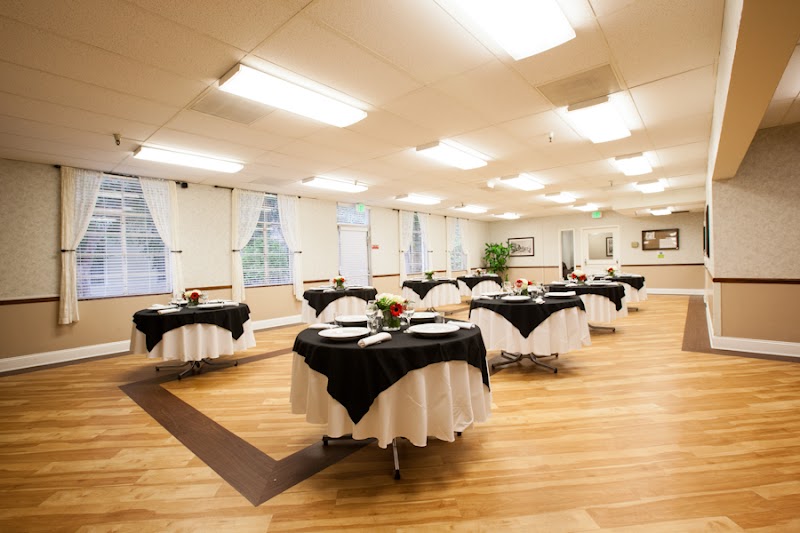
How is French Park Staffed?

CMS rates FRENCH PARK CARE CENTER's staffing level at 3 out of 5 stars, which is average compared to other nursing homes. Staff turnover is 36%, compared to the California average of 46%. This relatively stable workforce can support continuity of care.

What Have Inspectors Found at French Park?

State health inspectors documented 117 deficiencies at FRENCH PARK CARE CENTER during 2021 to 2025. These included: 99 with potential for harm and 18 minor or isolated issues. While no single deficiency reached the most serious levels, the total volume warrants attention from prospective families.
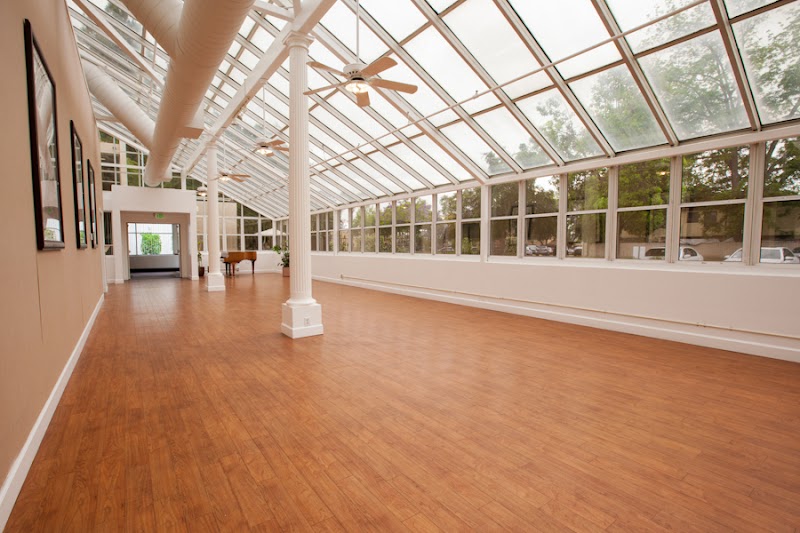
Who Owns and Operates French Park?

FRENCH PARK CARE CENTER is owned by a for-profit company. For-profit facilities operate as businesses with obligations to shareholders or private owners. The facility is operated by DAVID & FRANK JOHNSON, a chain that manages multiple nursing homes. With 202 certified beds and approximately 184 residents (about 91% occupancy), it is a large facility located in SANTA ANA, California.

How Does French Park Compare to Other California Nursing Homes?

Compared to the 100 nursing homes in California, FRENCH PARK CARE CENTER's overall rating (2 stars) is below the state average of 3.1, staff turnover (36%) is near the state average of 46%, and health inspection rating (2 stars) is below the national benchmark.

What Should Families Ask When Visiting French Park?

Based on this facility's data, families visiting should ask: "Can I visit during a mealtime to observe dining assistance and food quality?" "How do you handle medical emergencies, and what is your hospital transfer rate?" "Can I speak with family members of current residents about their experience?"

Is French Park Safe?

Based on CMS inspection data, FRENCH PARK CARE CENTER has a clean safety record: no substantiated abuse findings (meaning no confirmed cases of resident harm), no Immediate Jeopardy citations (the most serious violation level indicating risk of serious injury or death), and is not on the Special Focus Facility watch list (a federal program monitoring the lowest-performing 1% of nursing homes). The facility has a 2-star overall rating and ranks #100 of 100 nursing homes in California. While no facility is perfect, families should still ask about staff-to-resident ratios and recent inspection results during their visit.

Do Nurses at French Park Stick Around?

FRENCH PARK CARE CENTER has a staff turnover rate of 36%, which is about average for California nursing homes (state average: 46%). Moderate turnover is common in nursing homes, but families should still ask about staff tenure and how the facility maintains care continuity when employees leave.

Was French Park Ever Fined?

FRENCH PARK CARE CENTER has no federal fines on record. CMS issues fines when nursing homes fail to meet care standards or don't correct problems found during inspections. The absence of fines suggests the facility has either maintained compliance or corrected any issues before penalties were assessed. This is a positive indicator, though families should still review recent inspection reports for the full picture.

Is French Park on Any Federal Watch List?

FRENCH PARK CARE CENTER is not on any federal watch list. The most significant is the Special Focus Facility (SFF) program, which identifies the bottom 1% of nursing homes nationally based on persistent, serious quality problems. Not being on this list means the facility has avoided the pattern of deficiencies that triggers enhanced federal oversight. This is a positive indicator, though families should still review the facility's inspection history directly.