PLAZA HEALTHCARE CENTER
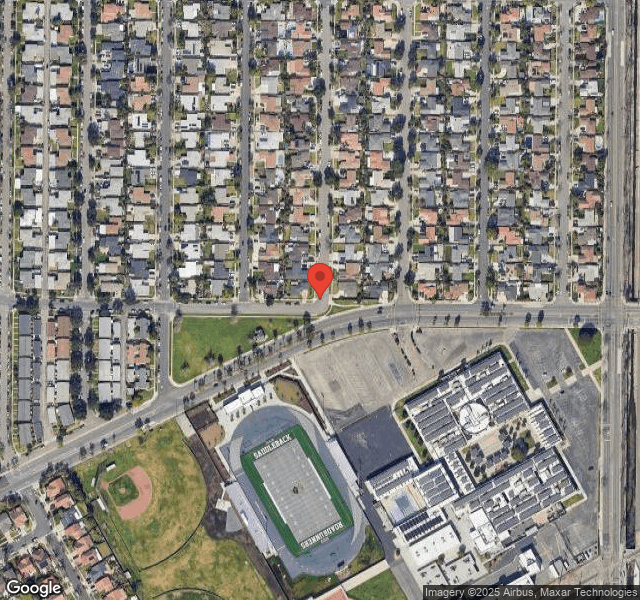
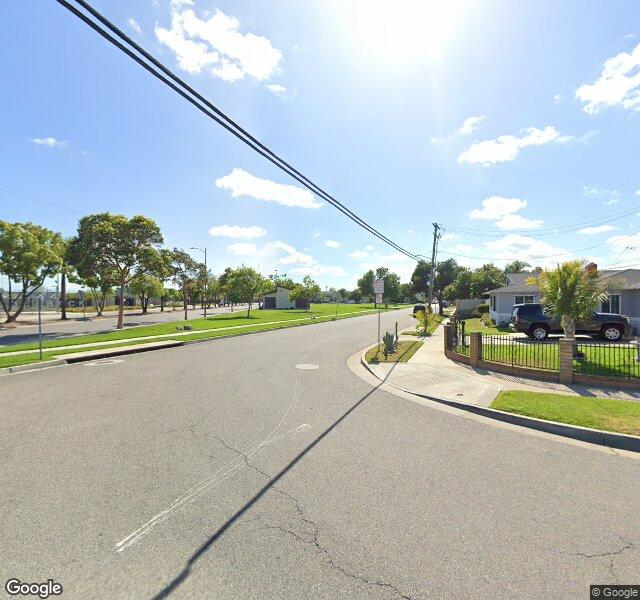
1209 HEMLOCK WAY, SANTA ANA, CA 92707 (714) 546-1966
For profit - Limited Liability company 145 Beds COUNTRY VILLA HEALTH SERVICES Data: November 2025
Trust Grade
5/100
#1089 of 1155 in CA
Last Inspection: June 2025

Inspected within the last 6 months. Data reflects current conditions.

Overview

Plaza Healthcare Center in Santa Ana, California, has received a Trust Grade of F, indicating poor quality and significant concerns within the facility. Ranking #1089 out of 1155 in California places it in the bottom half, and at #71 out of 72 in Orange County, it is clear that there are very few local options that perform better. The facility is improving, as it has reduced issues from 63 in 2024 to 28 in 2025, but it still faces serious challenges. Staffing is rated average with a 3/5 star score and a turnover rate of 45%, which is close to the state average. However, there is concerning RN coverage, as it is lower than 81% of California facilities, meaning residents may not receive adequate oversight for their healthcare needs. Specific incidents of concern include physical abuse between residents, with one case resulting in a resident suffering a fractured nasal bone and concussion after being struck during an altercation. Another incident involved a resident who sustained serious injuries, including a broken hip, due to being pushed during a wait for smoking. While the facility is making strides in reducing overall issues, the presence of serious incidents and inadequate protection measures raises significant alarms for families considering this home for their loved ones.

Trust Score
F
5/100
In California
#1089/1155
Bottom 6%
Safety Record
High Risk
Review needed
Inspections
Getting Better
63 → 28 violations
Staff Stability
○ Average
45% turnover. Near California's 48% average. Typical for the industry.
Penalties
✓ Good
$34,587 in fines. Lower than most California facilities. Relatively clean record.
Skilled Nurses
⚠ Watch
Each resident gets only 20 minutes of Registered Nurse (RN) attention daily — below average for California. Fewer RN minutes means fewer trained eyes watching for problems.
Violations
⚠ Watch
179 deficiencies on record. Higher than average. Multiple issues found across inspections.
★☆☆☆☆
1.0
Overall Rating
★★★☆☆
3.0
Staff Levels
☆☆☆☆☆
0.0
Care Quality
★☆☆☆☆
1.0
Inspection Score
Stable
2024: 63 issues
2025: 28 issues

The Good

  • Full Sprinkler Coverage · Fire safety systems throughout facility
  • No fines on record
  • Staff turnover below average (45%)

    3 points below California average of 48%

Facility shows strength in fire safety.

The Bad

1-Star Overall Rating

Below California average (3.1)

Significant quality concerns identified by CMS

Staff Turnover: 45%

Near California avg (46%)

Typical for the industry

Federal Fines: $34,587

Above median ($33,413)

Moderate penalties - review what triggered them

Chain: COUNTRY VILLA HEALTH SERVICES

Part of a multi-facility chain

Ask about local staffing decisions and management

The Ugly 179 deficiencies on record

3 actual harm
Aug 2025 6 deficiencies
CONCERN (D) 📢 Someone Reported This

A family member, employee, or ombudsman was alarmed enough to file a formal complaint

Potential for Harm - no one hurt, but risky conditions existed

Deficiency F0558 (Tag F0558)

Could have caused harm · This affected 1 resident

**NOTE- TERMS IN BRACKETS HAVE BEEN EDITED TO PROTECT CONFIDENTIALITY** Based on observation, interview, and facility document review, the facility failed to provide the reasonable accommodations to m...

Read full inspector narrative →
**NOTE- TERMS IN BRACKETS HAVE BEEN EDITED TO PROTECT CONFIDENTIALITY** Based on observation, interview, and facility document review, the facility failed to provide the reasonable accommodations to meet the care needs for three of three sampled residents (Residents 9, 10, and 11) observed for call lights. * The facility failed to ensure Resident 9 had a urinal to use when he needed to urinate. In addition, the facility failed to respond timely when Resident 9 pressed his call light to ask for assistance which resulted in Resident 9 soiling his pull ups. * The facility failed to ensure the call light was within Resident 10 and 11's reach. These failures posed a risk for residents' care needs not being met and could negatively impact the residents' health and well-being.Findings: 1. On 8/6/25 at 1135 hours, the call light outside Resident 9's room was observed activated. Resident 9 was observed in bed, visibly upset. Resident 9 stated he activated his call light at around 1110 hours for the staff to bring his urinal. Resident 9 stated the staff had not answered his call light, which resulted soiling his pull ups. Review of the facility's document titled Nursing Assignment and Sign-In sheets for 8/6/25, showed CNA 9 was assigned to Resident 9 and was scheduled to go on lunch break from 1130 to 1200 hours. The document also showed CNA 8 was assigned to one of Resident 9's roommates and was scheduled to go to lunch from 1100 to 1130 hours. On 8/6/25 at 1145 hours, an interview was conducted with CNA 9. CNA 9 verified he was Resident 9's assigned CNA on 8/6/25. When asked about answering Resident 9's call light, CNA 9 stated he was on his lunch break. On 8/6/25 at 1430 hours, an interview was conducted with CNA 8. When asked about answering the call light for Resident 9's room, CNA 8 stated he went to his lunch break late. When asked about the lunch break coverage for the residents as per the nursing assignment, CNA 8 acknowledged he was supposed to cover for CNA 9 when CNA 9 went to lunch. CNA 8 stated he cared for a resident that took a long time, so he went to lunch 30 minutes later than his scheduled time. When asked if he had informed any staff when he went to lunch later than his scheduled time, CNA 8 stated he did not inform any staff about going to lunch late. Medical record review for Resident 9 was initiated on 8/6/25. Resident 9 was readmitted to the facility on [DATE]. Review of Resident 9's Care Plan Report showed a care plan problem initiated on 11/15/24, addressing Resident 9 was at risk for impaired bladder/bowel incontinence. The interventions included to check the resident every shift and assist with toileting as needed. Review of Resident 9's H&P examination dated 7/23/25, showed Resident 9 was readmitted to the facility with diagnoses including post status stroke, Parkinson's disease, and high blood pressure. Review of Resident 9's Bowel and Bladder Program Screener dated 7/23/25, showed Resident 9 always voids appropriately without incontinence and independently, with reasonable speed, had the ability to get to the BR (bathroom)/transfer to toilet/commode/urinal, adjust clothing and wipe. Review of Resident 9's MDS assessment dated [DATE], showed Resident 9 had a BIMS score of 15 (no cognitive impairment). 2. On 8/1/25 at 1050 hours, an observation and concurrent interview was conducted with Resident 11. Resident 11 stated she was hungry. When asked to activate her call light, Resident 11's call light was observed hanging over towards the back of Resident 11's headboard, not within reach of the resident. Resident 11 was observed with a sling to her left upper extremity. Resident 11 was observed unable to reach her call light. When surveyor asked for Resident 11 ‘s CNA, the staff overhead paged the CNA for Resident 11. CNA 9 came and verified Resident 11's call light was not within reach of the resident. Medical record review for Resident 11 was initiated on 8/1/25. Resident 11 was readmitted to the facility on [DATE] Review of Resident 11's H&P examination dated 5/15/25, showed Resident 11 had the capacity to make decisions. Review of Resident 11's annual MDS assessment dated [DATE], showed Resident 11 had an impairment to her extremities and needed substantial assistance with her ADLs care. 3. On 8/1/25 at 1130 hours, an observation and concurrent interview was conducted with Resident 10. Resident 10 stated she wanted to have iced water. When asked to activate the call light, Resident 10's call light was observed on the floor, and not within reach of the resident. CNA 8 came and verified Resident 10's call light was not within reach of the resident. Medical record review for Resident 10 was initiated on 8/1/25. Resident 10 was admitted to the facility on [DATE]. Review of Resident 10's H&P examination dated 5/2/25, showed Resident 10 had the capacity to make decisions. Resident 10 was admitted to the facility with diagnoses including schizoaffective disorder, mood disorder, and anxiety.
CONCERN (D) 📢 Someone Reported This

A family member, employee, or ombudsman was alarmed enough to file a formal complaint

Potential for Harm - no one hurt, but risky conditions existed

Deficiency F0605 (Tag F0605)

Could have caused harm · This affected 1 resident

**NOTE- TERMS IN BRACKETS HAVE BEEN EDITED TO PROTECT CONFIDENTIALITY** Based on interview, medical record review, and facility P&P review, the facility failed to ensure the resident was free from unn...

Read full inspector narrative →
**NOTE- TERMS IN BRACKETS HAVE BEEN EDITED TO PROTECT CONFIDENTIALITY** Based on interview, medical record review, and facility P&P review, the facility failed to ensure the resident was free from unnecessary psychotropic medication for one of four residents (Resident 4) reviewed for the psychotropic medication use. * The facility failed to ensure Resident 4 had the mental capacity to give consent for the administration of the clonazepam (anti-anxiety) medication. In addition, the facility failed to ensure the lorazepam informed consent included the reason and duration for Resident 4's use of lorazepam (anti-anxiety) medication and the Surrogate IDT Proposal of Medical Intervention was completed. These failures had the potential for the resident to have adverse effects from the psychotropic medications.Findings: Review of the facility's P&P titled Psychotropic Medication Use effective 6/2021 showed a psychotropic drug is any medication that affects brain activities associated with mental processes and behavior, which includes but is not limited to antipsychotics, anxiolytics, hypnotics and antidepressants. It is the responsibility of the attending health care practitioner to inform the resident and/or resident representative of the initiation, reason for use, and the risks associated with the use of the psychotropic medications, per facility policy or applicable state regulation. The informed consent will be obtained by the Prescriber prior to initiation of the psychotropic medication. The facility shall verify informed consent prior to the administration of a psychotropic medication for a resident. Review of the facility's P&P titled Informed Consent revised on 6/27/24, showed the initial determination of the resident's capacity and identification of a decision maker includes:- The resident's physician will determine the resident's capacity to make decisions.- If the resident lacks the capacity to provide informed consent, the surrogate decision-maker will provide informed consent.- If the resident lacks capacity to provide informed consent and does not have a surrogate decision-maker, the facility will convene a Surrogate interdisciplinary team. Medical record review for Resident 4 was initiated on 8/6/25. Resident 4 was admitted to the facility on [DATE]. Review of Resident 4's H&P examination dated 5/19/25, showed Resident 4 had no mental capacity to make decisions. Review of Resident 4's Order Summary Report showed the following physician's order:- dated 7/2/25, clonazepam oral tablet 1 mg one tablet by mouth two times a day for anxiety disorder manifested by throwing herself on bed, and- dated 7/8/25, lorazepam oral tablet 1 mg give one tablet by mouth every six hours as needed for anxiety manifested by inability to relax for 30 days. a. Review of Resident 4's Informed Consent showed the consent for the use of clonazepam 1 mg one tablet by mouth two times a day for anxiety was obtained by the medical provider from Resident 4. The consent form was signed and dated by the medical provider on 7/2/25. Review of Resident 4's Verification of Informed Consent for the clonazepam 1 mg one tablet by mouth two times a day for anxiety dated 7/2/25, the section for the person who verified that the physician spoke to them regarding the informed consent indicated Resident, and the verification was obtained via telephone. The verification of the informed consent further showed two nurses had signed the form. b. Review of Resident 4's Informed Consent for the lorazepam 1mg by mouth every six hours as needed dated 7/8/25, showed the medical practitioner had obtained the consent for the use of the lorazepam medication. The form failed to show the reason and duration of the lorazepam medication. Review of Resident Verification of Informed Consent dated 7/8/25, failed to show the name of the psychotropic medication, dosage, and frequency. In addition, the form showed the medical intervention was approved by the Surrogate Interdisciplinary Team (IDT), if the Surrogate Interdisciplinary Team (IDT) approved the medical intervention, the completion of the verification form is not necessary. Completion of the Surrogate IDT Proposal of Medical Intervention will serve as the verification of Informed Consent. Further review of Resident 4's medical record did not show documentation if the Surrogate IDT Proposal of Medical Intervention was completed. On 8/7/25 at 1113 hours, an interview and concurrent medical record review for Resident 4 was conducted with the DON. The DON stated Resident 4 could not decide for herself and the family was not involved with the resident's care. The DON confirmed the surrogate IDT proposal of the medication intervention was not completed for Resident 4. The DON also verified the Informed Consent should also include the reason and duration of the medication prior to use. On 8/7/25 at 1550 hours, the Administrator was made aware and acknowledged the above findings
CONCERN (D) 📢 Someone Reported This

A family member, employee, or ombudsman was alarmed enough to file a formal complaint

Potential for Harm - no one hurt, but risky conditions existed

Food Safety (Tag F0812)

Could have caused harm · This affected 1 resident

Based on observation, interview, and facility P&P review, the facility failed to ensure the sanitary/safe conditions, and food services were maintained as evidenced by: * The facility failed to ensure...

Read full inspector narrative →
Based on observation, interview, and facility P&P review, the facility failed to ensure the sanitary/safe conditions, and food services were maintained as evidenced by: * The facility failed to ensure the bag of pepperoni slices and pizza crust were dated and the expired gallon of milk was removed from the storage area. * The facility failed to ensure there was no leak under the sink and water was not pooling on the floor near the trayline area and stove. * The facility failed to ensure [NAME] 1performed hand hygiene after picking up a food item from the floor and before touching a clean utensil. * The facility failed to ensure the staff wore or properly wore the hair restraint while inside the kitchen, These failures posed the risk of food borne illness to the residents receiving food from the kitchen.Findings: Review of the facility's P&P titled Dietary Department - Infection Control revised 2/29/24, showed personal cleanliness is required in sanitary food preparation. Cover hair, beard, and mustache with an effective hair restraint, such as hats, hair coverings, or nets while in any kitchen and food storage areas. The section for proper hand washing included the following:- during food preparation, as often as necessary to remove soil and contamination, and to prevent cross-contamination when changing task,- before dispensing or serving food and handling clean tableware and serving utensils in the food service area, and- after engaging in any other activities that contaminate the hands. 1. On 8/1/25, at 1015 hours, an initial tour of the facility's kitchen was conducted with the Food Services Director. A see-through plastic bag of pepperoni slices and pizza crust were observed undated inside the meat freezer. Also, a gallon of milk with an expiration date of 7/29/25, was observed inside the walk in freezer. Review of a sign posted on the vegetable freezer door showed the staff were to label and date all the food items. The findings were verified by the Food Services Director and acknowledged the food items should have not been stored in the freezers. 2. On 8/5/25 at 1112 hours, an observation and concurrent interview was conducted with [NAME] 1. [NAME] 1 verbalized a concern about the water pooling under a sink located next to the kitchen stove. Water was observed leaking from a pipe underneath the sink and then pooling onto the floor in the trayline area and kitchen stove. [NAME] 1 stated she had previously reported this ongoing problem to staff. An interview was conducted then with the Food Services Director who was also present in the kitchen. When asked about the water leakage and water pooling near the kitchen stove, the Food Services Director stated she was not aware. 3. On 8/5/25, at 1100 hours, during the trayline service observation, [NAME] 1 was observed picking up a food item from the kitchen floor with gloved hands and threw the food item into the kitchen barrel. [NAME] 1 was observed returning to the steam table and about to touch a clean utensil used for the trayline service, without performing hand hygiene in between. When asked regarding hand hygiene, [NAME] 1 acknowledged she did not perform hand hygiene after picking up a food item from the kitchen floor. 4. On 8/5/25, at 1202 hours, the following was observed inside the kitchen:- CNA 7 was observed entering the kitchen without a hair restraint;- the Food Services Director was observed with her hairnet partially restraining her hair. The front part of her hair was not restrained; and- the Dietary Aide was observed without a hair restraint inside the kitchen. All of the above findings were verified with the Food Services Director.
MINOR (B) 📢 Someone Reported This

A family member, employee, or ombudsman was alarmed enough to file a formal complaint

Minor Issue - procedural, no safety impact

Deficiency F0805 (Tag F0805)

Minor procedural issue · This affected multiple residents

Based on observation, interview, and facility P&P review, the facility failed to ensure the residents' meal was served according to their diet order for all the residents receiving meal from the kitch...

Read full inspector narrative →
Based on observation, interview, and facility P&P review, the facility failed to ensure the residents' meal was served according to their diet order for all the residents receiving meal from the kitchen as per the facility P&P. * The facility failed to ensure prior to serving the meal trays, the licensed nurse checked the foods served to the residents were according to the physician's order. This failure posed the risk for the residents to not receive the correct diet as ordered by the residents' physicians.Findings: Review of the facility's P&P titled Dining Program revised 1/30/25, under the section for Staff Assignments - Licensed Nurses, showed to check the meals against the attending physician's order. On 8/1/25 at 1209 hours, a dining room meal observation was conducted. LVN 5 was observed looking at the diet cards and lifting the lids of the resident's meal trays. When asked about the list of the residents' diet orders to verify the residents were receiving the correct diets as ordered by their physicians, LVN 5 stated the list was at the nurses' station. On 8/1/25 at 1215 hours, an observation and concurrent interview was conducted with LVN 2 at the nurse station. When asked for the list of the residents' diet orders, LVN 2 verified the list of residents' diet orders was not at the nurse station. LVN 2 acknowledged the list should have been printed prior to the residents' meal time for LVN 5 to check the resident's meal tray against their current diet as ordered by the physician.
MINOR (B) 📢 Someone Reported This

A family member, employee, or ombudsman was alarmed enough to file a formal complaint

Minor Issue - procedural, no safety impact

Deficiency F0807 (Tag F0807)

Minor procedural issue · This affected multiple residents

**NOTE- TERMS IN BRACKETS HAVE BEEN EDITED TO PROTECT CONFIDENTIALITY** Based on observation, interview, and medical record review, the facility failed to ensure sufficient fluids was provided for two...

Read full inspector narrative →
**NOTE- TERMS IN BRACKETS HAVE BEEN EDITED TO PROTECT CONFIDENTIALITY** Based on observation, interview, and medical record review, the facility failed to ensure sufficient fluids was provided for two of three sampled residents (Residents 9 and 10) observed for hydration. * The facility failed to ensure Resident 10 had a water pitcher inside her room. * The facility failed to ensure Resident 9's water pitcher was refilled with water. These failures posed the risk for the residents to not receive an appropriate hydration.Findings: 1. On 8/1/25, at 1130 hours, concurrent observation and interview was conducted with Resident 10. Resident 10 verbalized wanting to have iced water. Resident 10 was observed with dryness to her mouth. Resident 10 was observed without a water pitcher in place. CNA 8 verified Resident 10 had no water pitcher for her use. Medical record review for Resident 10 was initiated on 8/1/25. Resident 10 was admitted to the facility on [DATE]. Review of Resident 10's H&P examination dated 5/2/25, showed Resident 10 had the capacity to make decisions. Resident 10 was admitted to the facility with diagnoses including schizoaffective disorder, mood disorder, and anxiety. Review of the facility's August 2025 Diet Type Report showed Resident 10 did not have any fluid restrictions. 2. On 8/6/25 at 1135 hours, a concurrent observation and interview was conducted with Resident 9. When asked about having water in his water pitcher, Resident 9 verbalized the staff did not refill his water pitcher. Resident 9 stated his water pitcher was empty and no water in it. On 8/6/25 at 1140 hours, a concurrent observation and interview was conducted with LVN 6 inside Resident 9's room. LVN 6 verified Resident 9's water pitcher was empty, there was no water inside it. On 8/6/25 at 1145 hours, an interview was conducted with CNA 9. When asked about refilling Resident 9's water pitcher, CNA 9 stated he would refill the water pitcher when he could. Medical record review for Resident 9 was initiated on 8/6/25. Resident 9 was readmitted to the facility on [DATE]. Review of Resident 9's H&P examination dated 7/23/25, showed Resident 9 was readmitted to the facility with diagnoses including post status stroke, Parkinson's disease, and high blood pressure. Review of Resident 9's MDS assessment dated [DATE], showed Resident 9 did not have a cognitive impairment. Review of the facility's August 2025 Diet Type Report showed Resident 9 did not have any fluid restrictions.
MINOR (B) 📢 Someone Reported This

A family member, employee, or ombudsman was alarmed enough to file a formal complaint

Minor Issue - procedural, no safety impact

Deficiency F0838 (Tag F0838)

Minor procedural issue · This affected multiple residents

Based on interview and facility document review, the facility failed to ensure the facility assessment showed a resident centered staffing plan to meet the needs of the residents. * The facility faile...

Read full inspector narrative →
Based on interview and facility document review, the facility failed to ensure the facility assessment showed a resident centered staffing plan to meet the needs of the residents. * The facility failed to ensure the assessment specified the staff members' competencies to care for residents with psychiatric disorders. This failure posed the risk for staff members not being able to provide the appropriate care when the residents had escalating behavior episodes.Findings: Review of the Facility's Assessment Tool dated 8/1/24, showed the facility was licensed for a total of 145 beds. The tool showed the number of residents with behavioral symptoms and cognitive performance was 120. Further review of the Facility's Assessment Tool failed to show the staffing plan included the specific staff competencies in placed to care for the residents with psychiatric disorders. On 8/6/25, at 0845 hours, an interview and concurrent facility assessment review tool was conducted with the Administrator. The Administrator stated he used the facility tool as a general outlook of acuity for residents and how to proceed. The Administrator stated all the staff received behavioral training. The Administrator was informed the facility assessment tool did not specify the behavioral training the staff would receive in the staffing plan to address the residents with psychiatric disorders. On 8/6/25 at 1515 hours, an interview was conducted with CNA 5. When asked about caring for residents with mental health behaviors during escalating episodes, CNA 5 stated she did the best she could and used her instinct, including yelling for help when needed. When asked if she had received any formal training about how to care for the residents during escalating behaviors, CNA 5 stated she did not receive any formal training from the facility. Review of CNA 5's employee file failed to show CNA 5 had received resident behavioral training from the facility. On 8/7/25, at 1200 hours, the Administrator and DON were informed CNA 5 file did not include resident behavioral training from the facility. The Administrator stated he would provide course completion history. Review of the facility's Course Completion History failed to show CNA 5 had received resident behavioral training from the facility.
Jun 2025 19 deficiencies
CONCERN (D)

Potential for Harm - no one hurt, but risky conditions existed

Deficiency F0552 (Tag F0552)

Could have caused harm · This affected 1 resident

**NOTE- TERMS IN BRACKETS HAVE BEEN EDITED TO PROTECT CONFIDENTIALITY** Based on interview, medical record review, and facility P&P review, the facility failed to obtain the informed consent prior to ...

Read full inspector narrative →
**NOTE- TERMS IN BRACKETS HAVE BEEN EDITED TO PROTECT CONFIDENTIALITY** Based on interview, medical record review, and facility P&P review, the facility failed to obtain the informed consent prior to administering the psychotropic medications for one of five final sampled residents (Resident 14) reviewed for unnecessary medications. This failure had the potential for the resident not being able to make an informed decision about their treatment plan. Findings: Review of facility's P&P titled P-NP67 Informed Consent effective 7/31/24, showed the licensed nurse will verify informed consent was obtained and will document in the resident's medical record before administering the first dose. Medical record review for Resident 14 was initiated on 6/10/25. Resident 14 was admitted to the facility on [DATE]. Review of Resident 14's H&P examination dated 8/7/24, showed the resident had the mental capacity to make their own decisions. Review of Resident 14's MARs showed the following: - The MAR for 9/2024 showed a physician's order dated 9/17/24, for temazepam (psychotropic medication and sedative) 15 mg by mouth every 24 hours PRN for insomnia for 14 days. The first dose was administered on 9/24/24. - The MAR for 10/2024 showed a physician's order dated 10/20/24, for temazepam 15 mg by mouth at bedtime PRN for insomnia for 14 days. The first dose was administered on 10/23/24. - The MAR for 12/2024 showed a physician's order dated 12/26/24, for temazepam 15 mg by mouth every 24 hours PRN for insomnia for 14 days. The first dose was administered on 12/28/24. - The MAR for 2/2025 showed a physician's order dated 2/6/25, for temazepam 15 mg by mouth at bedtime for insomnia, which was discontinued on 4/1/25. The first dose was administered on 2/6/25. - The MAR for 4/2025 showed a physician's order dated 4/1/25, for temazepam 15 mg by mouth at bedtime for insomnia. The first dose was administered on 4/1/25. Review of Resident 14's Informed Consent for the temazepam 15 mg at bedtime for insomnia dated 4/1/24, failed to show who gave the informed consent. Review of Resident 14's medical records failed to show the informed consent was obtained for the temazepam orders started on 9/17, 10/20, 12/26/24, and 2/6/25. On 6/16/25 at 0855 hours, an interview and concurrent medical record review for Resident 14 was conducted with RN 1. RN 1 stated for PRN psychotropic medications, if the order duration was for 14 days, each new order needed a new consent, as well as when changing a PRN order to a routine order. RN 1 reviewed Resident 14's Informed Consent for the temazepam medication dated 4/1/25, and verified the form did not show who gave the informed consent. On 6/16/25 at 1053 hours, an interview and concurrent medical record review for Resident 14 was conducted with LVN 4. LVN 4 reviewed Resident 14's medical records and verified the records failed to show the informed consent was obtained for the temazepam medication orders from 9/17, 10/20, 12/26/24, and 2/6/25.
CONCERN (D) 📢 Someone Reported This

A family member, employee, or ombudsman was alarmed enough to file a formal complaint

Potential for Harm - no one hurt, but risky conditions existed

Free from Abuse/Neglect (Tag F0600)

Could have caused harm · This affected 1 resident

**NOTE- TERMS IN BRACKETS HAVE BEEN EDITED TO PROTECT CONFIDENTIALITY** Based on observation, interview, medical record review, facility record review, and facility P&P review, the facility failed to ...

Read full inspector narrative →
**NOTE- TERMS IN BRACKETS HAVE BEEN EDITED TO PROTECT CONFIDENTIALITY** Based on observation, interview, medical record review, facility record review, and facility P&P review, the facility failed to protect the resident's rights to be free from the physical abuse by a resident for one of four final sampled residents (Resident 117) investigated for abuse. * Resident 117 was hit on the right eyebrow by another resident (Resident 113), resulting in a superficial skin tear. In addition, the facility failed to monitor Resident 113 as per facility's abuse protocol after a resident to resident physical altercation. These failures had the potential for not protecting the resident and negatively impact the resident's well-being. Findings: Review of the facility's P&P titled P-AN01 Abuse Prevention and Management revised 5/30/24, showed the facility does not condone any form of resident abuse, neglect, misappropriation of resident property, exploitation, and/or mistreatment. Abuse is defined as the willful, deliberate infliction of injury, unreasonable confinement, involuntary seclusion, and physical or chemical restraint not required to treat symptoms, and/or imposed for the purposes of discipline or convenience, intimidation, exploitation, misappropriation of resident's property, mistreatment, and injuries of unknown source or punishment with resulting physical harm, pain, or mental anguish. Physical abuse is defined as, but not limited to, hitting, slapping, punching, and/or kicking. It also includes corporal punishment, which is physical punishment used to correct and/or control behavior. Review of the facility's P&P titled NP23 Change of Condition Notification dated 8/25/22, under the Documentation section showed the licensed nurse will communicate any changes in required interventions to the care team members involved in the resident's care. The licensed nurse will document each shift for at least 72 hours when there is a change in the resident's condition. 1. Review of the facility's SOC 341 Report of Suspected Dependent Adult/Elder Abuse dated 6/2/25, showed a resident to resident altercation between Residents 113 and 117 reported by RN 1. Resident 117 was reported using foul racial slurs and screaming loudly at Resident 113 when both residents were at the supervised smoke break. The activities personnel who was in the supervised smoking area was unable to intervene on time. Resident 113 struck Resident 117 one time above the right eyebrow which resulted in a superficial skin tear with minimal bleeding. The activities personnel and other staff immediately responded and separated Residents 113 and 117. Review of the facility's Investigative Summary report dated 6/6/25, showed the facility had substantiated the allegation of abuse for Residents 113 and 117, however, the incident was unavoidable. a. Medical record review for Resident 117 was initiated on 6/10/25. Resident 117 was admitted to the facility on [DATE]. Review of Resident 117's H&P examination dated 4/26/25, showed Resident 117 had fluctuating capacity to understand and make decisions, and had a significant diagnosis of schizoaffective-bipolar type disease. Review of Resident 117's MDS assessment dated [DATE], showed Resident 117 was cognitively intact. Further review of the MDS assessment showed Resident 117 had no behavioral symptoms exhibited such as physical behavioral symptoms directed toward others (for example-hitting, kicking, pushing, scratching, grabbing, or abusing others sexually) and verbal behavioral symptoms directed toward others (for example-threatening others, screaming at others, or cursing at others). Review of the facility's Interview Record regarding the resident to resident altercation dated 6/2/25 at 1226 hours, showed Resident 117 stated he was talking to another resident during the smoke break and Resident 113 jumped up, came over him, and hit him one time on the right side of his face. Resident 117 stated he did not say anything to Resident 113 until after Resident 113 hit him. Resident 117 stated right after Resident 113 hit him, the staff rushed in between them and removed Resident 113 from the smoke break patio. Review of Resident 117's Nursing Note dated 6/2/25, showed at 1130 hours, Resident 117 was observed to be verbally aggressive towards all individuals in the smoking patio including other residents and facility staff during the monitored smoke break. Resident 117 was loud, directing verbal racial slander continuously which prompted Resident 113 to approach Resident 117 and inadvertently struck Resident 117 above the right eyebrow which resulted in a superficial skin tear before the interaction could be prevented by the activity and nursing staff. The two residents were separated immediately and both were assessed. Resident 117's verbal racial slander and foul loud abusive language did not stop towards all the residents and staff. The physician was notified of Resident 117's verbally abusive behavior with a new order for 1:1 supervision (one staff to supervise one resident) for behavior monitoring and to send Resident 117 to an acute care hospital for the abusive verbal behavior when the bed was available. Resident 117 was being monitored for emotional distress due to a resident to resident altercation. Further review of Resident's 117's Nursing Note showed Resident 117 continued to exhibit the verbal aggression behavior toward the facility staff and being followed up by the psychiatric nurse practitioner. Resident 117 was transferred to an acute care hospital in a behavioral or psychiatric department on 6/6/25. b. Medical record review for Resident 113 was initiated on 6/10/25. Resident 113 was readmitted to the facility on [DATE]. Review of Resident 113's H&P examination dated 5/15/25, showed Resident 113 could make needs known, however, could not make medical decisions due to schizophrenia. Review of Resident 113's MDS assessment dated [DATE], showed Resident 113 had moderate impaired cognition. Further review of the MDS assessment showed Resident 113 had exhibited delusional behavior and verbal behavioral symptoms directed toward others occurred one to three days. Review of the facility's Interview Record regarding the resident to resident altercation dated 6/2/25 at 1249 hours, showed Resident 113 verbalized he got upset and slapped someone. Resident 113 stated he was smoking and Resident 117 started calling the staff in foul language. Resident 113 stated he told Resident 117 to shut up and Resident 117 started calling him in foul language. Resident 113 stated he slapped Resident 117 in the face and the staff came right away, stopped him and took him out of the patio. Review of Resident 113's eInteract Change in Condition Evaluation dated 6/2/25, showed at 1130 hours, Resident 113 was in the supervised smoking patio and Resident 117 was also in the smoking patio. Resident 117 was witnessed using racial slurs and screaming to Resident 113. Resident 113 struck at Resident 117 as the activity personnel who was in the smoking patio was about to intervene. The activities personnel and other facility staff responded and immediately separated both residents. Resident 113 was being monitored for emotional distress due to a resident-to-resident altercation. Review of Resident 113's plan of care revised on 10/23/23, showed a care plan problem addressing Resident 113's risk for harm, self-directed or other-directed related impaired thought processes, bipolar disorder and depression. The interventions included to monitor Resident 113 for signs and symptoms of aggression, provide verbal feedback to Resident 113 regarding the behavior, and if Resident 113 poses a potential threat to injure self or others to notify the provider. On 6/11/25 at 1000 hours, an interview was conducted with Resident 113. Resident 113 was asked to describe the physical altercation between himself and Resident 117 which happened on 6/2/25. Resident 113 stated he remembered the black resident yelling foul language to the facility's staff and the residents in the smoking patio. Resident 113 stated this happened just this month of June but could not recall exactly which day. Resident 113 stated he got upset and did not want Resident 117 to hurt the people in the smoking patio, so he told Resident 117 to shut up. Resident 113 stated Resident 117 continued to yell foul words so he hit Resident 117 in the face. Resident 113 stated the facility staff stopped him immediately and he was brought out of the smoking patio. Resident 113 further stated he was so angry during the incident because of the behavior of Resident 117 toward the staff and all of them in the smoking patio. Resident 113 stated he did not see Resident 117 smoking anymore in the patio. On 6/11/25 at 1045 hours, an interview was conducted with CNA 12. CNA 12 stated he was familiar with both Residents 113 and 117. CNA 12 stated Resident 113 would have episodes of yelling at other residents; however, he never witnessed Resident 113 being physically aggressive to the staff or other residents. CNA 12 stated he heard report Resident 117 would initiate fight with other residents, but he had never witnessed the behavior. CNA 12 further stated, however, Resident 117 could be verbally aggressive to the staff and other residents like yelling at them using foul language. On 6/11/25 at 1205 hours, an interview was conducted with RN 1. RN 1 stated the resident to resident altercation between Residents 113 and 117 happened on 6/2/25 at around 1130 hours, in the supervised smoking patio during the residents' smoke break. RN 1 stated Resident 117 was using foul racial slander and screaming loudly at Resident 113. Activities personnel who was in the supervised smoking area was unable to intervene on time. Resident 113 struck Resident 117 one time above the right eyebrow which resulted in a superficial skin tear with minimal bleeding. Activity personnel and other staff immediately responded and separated Residents 113 and 117. RN 1 stated both Residents 113 and 117 were assessed. Resident 117's skin tear was treated by the treatment nurse. RN 1 stated she followed the proper protocol of reporting to the CDPH, Ombudsman, and called the police department. RN 1 stated with the kind of residents they had in the facility who the majority were with psychiatric illness, it was hard to prevent resident to resident altercation which was why they used 1:1 supervision as needed and ordered, continuing to monitor the residents who had history of abusive behavior by both nursing and social services staff, make sure the plan of care was implemented, and monitoring the effects of the medications as well as using the non-pharmacological interventions to lessen the behavior. 2. Review of the facility's Daily Charting showed for the new behavioral problem to chart a minimum of 72 hours. The facility document showed for Resident 113 the charting reason was for emotional distress with the start date of 6/2/25, and stop date of 6/5/25. Review of the Order Summary Report showed a physician's order dated 6/2/25, to monitor Resident 113 for signs and symptoms of emotional distress such sadness, crying, poor meal intake, self-isolation, poor motivation, decreased participation in ADLs care, inability to sleep, etc. every day shift for 14 days. Report promptly to the physician. Further medical record review for Resident 113 failed to show documented evidence of continued monitoring/assessment for Resident 113 by the licensed nurses post resident to resident altercation incident. On 6/11/25 at 1130 hours, an interview and concurrent facility document review was conducted with LVN 5. LVN 5 stated any new behavioral problem exhibited the resident was considered change in condition. LVN 5 stated both residents involved in the resident to resident altercation would be monitored every shift for 72 hours. LVN 5 stated whenever there was a change of condition for the resident, the nurses would document it in the Daily Charting green book to remind the nurses of the assessment to be done. LVN 5 stated the monitoring assessment was documented in the nursing progress notes such as if the resident had changes in vital signs, feeling of sadness, poor meal intake, any changes in the skin, or changes in sleeping pattern. On 6/11/25 at 1205 hours, an interview and concurrent medical record review for Resident 113 was conducted with RN 1. RN 1 stated any type of abuse incident was considered a change in condition for both residents involved. RN 1 stated both residents would be monitored by the licensed nurses for any emotional distress such as changes in moods, angry outburst, changes in vital signs, poor meal intake, inability to sleep, not participating in ADLs care, or significant skin changes if the resident was hit, every shift for 72 hours and it would be continued as needed or as ordered by the physician. RN 1 stated the social services staff would do their separate assessment and follow up with the residents involved in the altercation. RN 1 verified the continued monitoring for Resident 113 by the licensed nurses was not completed post resident to resident altercation incident. On 6/11/22 at 1622 hours, an interview and concurrent medical record review and facility record review was conducted with the DON. The DON stated the facility substantiated the resident to resident altercation between Residents 113 and 117. Resident 117 was verbally abusive to the staff and the residents on 6/2/25, during the supervised smoke break in the smoking patio. The DON stated Resident 113 struck Resident 117 even before the facility staff was able to intervene. The DON stated after the incident, the staff were in-serviced to be more vigilant and aware of behavior symptom changes of the residents. The DON stated both Residents 113 and 117 were monitored for any signs and symptoms of emotional distress. The DON acknowledged there was an order for Resident 113 to be monitored for emotional distress every day shift, however, the facility's protocol and policy was to monitor the resident for any change in condition every shift for 72 hours. The DON stated the order was incorrectly entered. The DON verified the continued monitoring for Resident 113 by licensed nurses was not completed post resident to resident altercation incident. The DON stated it was very important to monitor the resident to identify if the change in condition had been escalated, to provide the necessary care to the resident as needed, and to report to the physician any changes in the resident's condition promptly and as needed.
CONCERN (D)

Potential for Harm - no one hurt, but risky conditions existed

Report Alleged Abuse (Tag F0609)

Could have caused harm · This affected 1 resident

**NOTE- TERMS IN BRACKETS HAVE BEEN EDITED TO PROTECT CONFIDENTIALITY** Based on interview, medical record review, and facility P&P review, the facility failed to report an abuse allegation to CDPH, L...

Read full inspector narrative →
**NOTE- TERMS IN BRACKETS HAVE BEEN EDITED TO PROTECT CONFIDENTIALITY** Based on interview, medical record review, and facility P&P review, the facility failed to report an abuse allegation to CDPH, L&C Program and Ombudsman for one of four residents (Resident 82) reviewed for abuse as evidence by: * The facility failed to report Resident 82's allegation of feeling harassed and threatened by Resident 15. This failure of not reporting abuse allegation put the resident at risk for further abuse. Findings: Review of the facility's P&P titled AN01 Abuse Prevention and Management revised 5/2024 showed the facility does not condone any form of resident abuse, neglect, misappropriation of resident property, exploitation, and/or mistreatment. The facility develops policies, procedures, training programs, and screening and prevention systems. The facility will report all allegations of abuse and criminal activity as required by law and regulations to the appropriate agencies. The P&P further showed the health, safety, welfare, dignity, and respect of residents are addressed. Reports of resident abuse, mistreatment, neglect, exploitation, injuries of an unknowns source, and any suspicion of crimes are promptly reported and thoroughly investigated. Moreover, the P&P defined abuse as the willful, deliberate infliction of injury, unreasonable confinement, intimidation, mistreatment. Mental abuse, emotional abuse, and psychological abuse are defined as, but is not limited to, verbal or nonverbal conduct that causes humiliation, intimidation, fear, shame, agitation, or degradation. When the administrator or designated representative receives a report of an allegation of resident abuse, mistreatment, neglect, abuse facilitated or enabled by technology, exploitation or injuries of an unknown source, or suspicion of a crime, the administrator or designated representative will initiate an investigation immediately. The Administrator or designated representative will notify law enforcement, by telephone immediately, or as soon as practicably possible, but no longer than two hours of an initial report and send a written SOC 341 report to the ombudsman, law enforcement, and CDPH licensing and certification within two hours. The Administrator will inform the resident and his/her representative of the results of the investigation and corrective action taken within five working days of the reported incident. The administrator will provide a written report of the results of all abuse investigations and appropriate action taken, to the California Department of Public Health Licensing and Certification and others that may be required by state or local laws, within five working days of the reported allegation. Medical record review for Resident 82 was initiated on 6/10/25. Resident 82 was admitted to the facility on [DATE]. Review of Resident 82's H&P examination dated 9/8/24, showed Resident 82 was alert and oriented with judgement/insight intact. Review of Resident 82's MDS assessment dated [DATE], showed Resident 82 had a BIMS score of 15 which meant the resident was cognitively intact. Review of Resident 82's Progress Notes categorized as Behavior Note dated 6/8/25, showed At 1030 [hours] during supervised activities in the activity room, resident stated, '[Resident 15] just threatened to have his daughter and boyfriend come mess me up.' Moreover, a Behavior Note dated 6/9 and 6/10/25, showed Resident 82 was on behavior monitoring for complaint of verbal aggression from another resident. Medical record review for Resident 15 was initiated on 6/10/25. Resident 15 was admitted to the facility on [DATE], and was readmitted on [DATE]. Review of Resident 15's H&P examination dated 3/13/25, showed Resident 15 had no mental capacity to make decisions. Review of Resident 15's Progress Note categorized under Behavior Note dated 6/8/25, showed At 1030 [hours] while in supervised activities in the activity room, resident was accused of allegedly stating to another resident 'I am going to have my daughter and her boyfriend come mess you up.' Moreover, progress note categorized as System Note dated 6/9/25, showed Resident 15 was on monitoring for verbally abusive behavior toward others. On 6/10/25 at 0920 hours, during the initial tour of the facility, an interview with Resident 82 was conducted in the resident's room. Resident 82 stated over the weekend on Sunday, 6/8/25, an incident occurred in the activities room between her and Resident 15. Resident 82 stated she felt harassed when Resident 15 told her he was going to get his kids to come out here to jump on me. Resident 82 stated Resident 15 bullied and threatened others and she called the police on Resident 15. On 6/10/25 at 0950 hours, an interview was conducted with the Administrator and DON in the DON's office. The Administrator and DON were notified of the allegations reported by Resident 82 against Resident 15. The Administrator stated he was made aware of the incident between Residents 82 and 15 on Sunday, 6/8/25, and both residents had history of grievances between each other. On 6/10/25 at 1056 hours, a follow up interview was conducted with the Administrator. When asked if he was going to report the allegations of Resident 82 stating she felt harassed, the Administrator stated he will not report and stated, it was not verbal or physical abuse. On 6/11/25 at 1600 hours, a follow-up interview was conducted with Resident 82. When Resident 82 was asked if she felt she was abused with the incident that occurred between her and Resident 15, Resident 82 stated, I felt threatened. On 6/13/25 0630 hours, an interview and concurrent medical record review for Resident 82 was conducted with RN 3. RN 3 verified Residents 82 and 15 were being monitored for the allegations which occurred on Sunday, 6/8/25. RN 3 stated the facility's abuse protocol included separating the residents, notifying the Administrator, completing the SOC 341 form, one to one staff monitoring, calling the CDPH, L&C Program, Ombudsman, and law enforcement, notifying the physician and resident's family, and monitoring for emotional distress. RN 3 stated if a resident stated she was feeling harassed or threatened, it would be considered emotional abuse and should be reported. RN 3 further stated Resident 82 felt threatened, which was why she called the police. On 6/13/25 at 0818 hours, an interview and concurrent medical record review for Resident 82 was conducted with RN 1. RN 1 verified Resident 82 reported the incident to her on Sunday, 6/8/25. RN 1 stated she ensured Residents 82 and 15 were separated and notified the Administrator. RN 1 stated residents feeling threatened or harassed was considered abuse and should have been reported. On 6/16/25 at 0909 hours, an interview and concurrent facility P&P review was conducted with the Administrator. The Administrator stated the abuse protocols included investigating what happened, reporting to the CDPH, L&C Program, police department, and Ombudsman, ensuring the residents were separated, one to one staff monitoring, conducting interviews with staff or residents involved, and completing a five-day investigation report. Review of the facility's P&P titled AN01 Abuse Prevention and Management revised 5/2024 showed mental abuse, emotional abuse, and psychological abuse are defined as, but is not limited to, verbal or nonverbal conduct that causes humiliation, intimidation, fear, shame, agitation, or degradation. The Administrator verified Resident 15's threat to Resident 82 would be considered a type of intimidation or fear. The Administrator further verified Resident 82's allegation should have been reported. On 6/16/25 at 1200 hours, an interview was conducted with the Administrator and DON. The Administrator and DON were informed and acknowledged the above findings.
CONCERN (D) 📢 Someone Reported This

A family member, employee, or ombudsman was alarmed enough to file a formal complaint

Potential for Harm - no one hurt, but risky conditions existed

Deficiency F0628 (Tag F0628)

Could have caused harm · This affected 1 resident

**NOTE- TERMS IN BRACKETS HAVE BEEN EDITED TO PROTECT CONFIDENTIALITY** Based on interview, medical record review, and facility P&P review, the facility failed to follow their protocol for written not...

Read full inspector narrative →
**NOTE- TERMS IN BRACKETS HAVE BEEN EDITED TO PROTECT CONFIDENTIALITY** Based on interview, medical record review, and facility P&P review, the facility failed to follow their protocol for written notification of transfer or discharge for four of four final sampled residents reviewed for hospitalization (Residents 10, 15, 86, and 122), one of three residents (Resident 117) reviewed for closed records, and one of three residents (final sampled resident, Resident 122) reviewed for hospice and end of life. * Resident 137's medical record did not show the resident received a discharge summary and a recapitulation of their stay when they discharged to the community. * Resident 10's Notice of Proposed Transfer and Discharge form was not completed for three acute care transfers, and the resident's record failed to show the Ombudsman was notified of the resident's acute care transfer for one of two completed Notice of Proposed Transfer and Discharge forms. * Resident 117's Notice of Proposed Transfer and Discharge form failed to show who was notified of the transfer and Ombudsman notification. * Resident 15's written Notice of Proposed Transfer and Discharge was not completed upon transfer to acute care. * Resident 86's written Notice of Proposed Transfer and Discharge was not completed upon transfer to acute care * Resident 122's written Notice of Proposed Transfer and Discharge was not completed upon transfer to acute care. These failures had the potential for the residents not receiving the accurate information about their transfer/discharge status and their rights to appeal. Findings: Review of facility's P&P titled Notice of Transfer/Discharge revised 10/2017 showed before a resident's transfer or discharge occurs, the facility must notify the resident, the responsible party, and Ombudsman of the transfer, the reason for transfer, and document in the resident's medical record. Review of facility's P&P titled P-NP03 Discharge and Transfer of Residents effective 3/21/25, showed the facility will provide the resident or responsible party with a Notice of Proposed Transfer and Discharge document, and a copy will be placed in the resident's medical record as well as faxed to the Ombudsman. For discharged residents, the facility will provide the resident or their responsible a copy of an evaluation of the resident's discharge needs and discharge plan. 1. Closed medical record review for Resident 137 was initiated on 6/12/25. Resident 137 was admitted to the facility on [DATE], and discharged to the community on 3/18/25. Review of Resident 137's medical records failed to show the resident received a copy of the recapitulation of the resident's stay including home health services information, follow-up appointments, and a medication list with instructions. On 6/12/25 at 1537 hours, the MRD stated she was unable to locate a signed discharge summary in Resident 137's medical records. On 6/13/25 at 0740 hours, an interview and concurrent closed medical record review for Resident 137 was conducted with the DON. The DON stated when the resident was discharged from the facility, the nurse should print and explain the Discharge Planning Review Form with a medication list, and provide the resident the form with a copy being placed in the resident's medical record. The DON verified they were unable to locate a signed copy of Resident 137's Discharge Summary. 2. Medical record review for Resident 10 was initiated on 6/10/25. Resident 10 admitted to the facility on [DATE]. Review of Resident Census showed the resident was on a acute care hospital leave for the following dates: - On 8/23/24, and returned to the facility on 8/26/25. - On 9/3/24, and returned to the facility on 9/6/24. - On 10/6/24, and returned to the facility on [DATE]. - On 11/17/24, and returned to the facility on [DATE]. - On 4/22/25, and returned to the facility on 5/6/25. Review of Resident 10's Notice of Proposed Transfer and discharge date d 11/17/24, failed to show a copy of the notice was faxed to the office of the Ombudsman. Review of Resident 10's medical records failed to show a written notification of transfer was provided to the resident or the resident's responsible party, and faxed to the Ombudsman for 8/23, 9/3, and 10/6/24. On 6/10/25 at 0801 hours, a telephone interview was conducted with the Ombudsman. The Ombudsman stated the facility was not sending them all the required notifications of the residents' transfers. On 6/11/25 at 1541 hours, an interview and concurrent medical record review for Resident 10 was conducted with the MRD. The MRD stated she was unable to find the Notice of Proposed Transfer and Discharge forms for 8/23, 9/3, and 10/6/24. The MRD stated she was unable to find the documentation of the Notice of Proposed Transfer and discharge date d 11/17/24, was faxed to the Ombudsman. The MRD stated the nursing staff should complete the notification form and fax it to the Ombudsman, and attach the fax confirmation form to the notification and place it in the resident's medical record. On 6/12/25 at 1438 hours, an interview was conducted with RN 2. RN 2 stated the process for a resident who was discharged or transferred out of the facility was to complete the Notice of Proposed Transfer and Discharge form, fax the form to the Ombudsman, and attach the fax confirmation with the form in the resident's medical record. 3. Closed medical record review for Resident 117 was initiated on 6/10/25. Resident 117 was admitted to the facility on [DATE], and was discharged to an acute care hospital on 6/6/25. Review of Resident 117's Notice of Proposed Transfer and discharge date d 6/6/25, failed to show the reason for the resident's transfer/discharge, and who was notified of the transfer/discharge. On 6/10/25 at 0801 hours, a telephone interview was conducted with the Ombudsman. The Ombudsman stated the facility was not sending them all the required notifications of the residents transfers. On 6/12/25 at 1403 hours, an interview and concurrent closed medical record review for Resident 117 was conducted with the MRD. The MRD verified Resident 117's Notice of Proposed Transfer and discharge date d 6/6/25, failed to show the reason for the resident's transfer/discharge, and who was notified of the transfer/discharge. On 6/12/25 at 1438 hours, an interview was conducted with RN 2. RN 2 stated the process for a resident who was discharged or transferred out of the facility, was to complete the Notice of Proposed Transfer and Discharge form, fax the form to the ombudsman, and attach the fax confirmation with the form in the resident's medical record. 6. Medical record review for Resident 122 was initiated on 6/10/25. Resident 122 was admitted to the facility on [DATE], and readmitted to the facility on [DATE]. Review of Resident 122's medical record titled eINTERACT Transfer Form V5 and eINTERACT Change in Condition Evaluation - V 5.1 showed Resident 122 was transferred to the acute care facility on the following dates: - On 9/9/24, - On 4/1/25; and - On 4/10/25. Further review of Resident 122's medical record failed to show a copy of the Notice of Proposed Transfer and Discharge was faxed to the Ombudsman on 9/9/24, 4/1, and 4/10/25. On 6/12/25 at 1515 hours, an interview and concurrent medical record review for Resident 122 was conducted with RN 2. RN 2 verified the above findings. RN 2 stated upon a hospital transfer or discharge to home, the facility's protocol was to fax a copy of the Notice of Proposed Transfer and Discharge to the Ombudsman. RN 2 verified the Notice of Proposed Transfer and Discharge should have been faxed to the Ombudsman on the dates Resident 122 was transferred to the acute care hospital; however, RN 2 verified it was not done. On 6/12/25 at 1534 hours, an interview was conducted with the MRD. The MRD verified she reviewed Resident 122's medical record and did not have copies of the resident's Notice of Proposed Transfer and Discharge from 9/9/24, 4/1, and 4/10/25. The MRD further stated the nursing staff were responsible for faxing the form to the Ombudsman. On 6/16/25 at 1200 hours, an interview was conducted with the Administrator and DON. The Administrator and DON were informed and acknowledged the above findings. 4. Closed medical record review for Resident 15 was initiated on 6/11/25. Resident 15 was admitted to the facility on [DATE], and was transferred to the acute care hospital on 2/24/25. Review of Resident 15's medical record failed to show documented evidence the resident and/or his responsible party were provided with the written notice of the resident's transfer to an acute care facility. Additionally, Resident 15's medical record failed to show documentation the Notice of Proposed Transfer was sent to the Ombudsman as required. On 6/11/25 at 0826 hours, an interview and concurrent closed medical record review for Resident 15 was conducted with RN 1. RN 1 verified the facility was required to complete the Notice of Proposed Transfer when the residents were transferred to an acute care facility and the notice should be in the resident's medical record unless the the resident's medical record had been thinned in which case it would be stored in the medical records. RN 1 further stated a copy was required to be sent to the Ombudsman and documented. RN 1 then provided a blank copy of the facility's Notice of Proposed Transfer for reference purposes. On 6/11/25 at 1541 hours, the MRD verified there was no Notice of Proposed Transfer for Resident 15's transfer to an acute care facility on 2/24/25, either in the resident's chart or medical records. On 6/12/25 at 0814 hours, RN 2 verified there was no Notice of Proposed Transfer for Resident 15's transfer to an acute care facility on 2/24/25, in the resident's closed medical record. 5. Closed medical record review for Resident 86 was initiated on 6/11/25. Resident 86 was admitted to the facility on [DATE], and was transferred to the acute care hospital on 4/28/25. Review of Resident 86's medical record failed to show documented evidence the resident and/or his responsible party were provided with a written notice of the resident's transfer to an acute care facility. Additionally, Resident 86's medical record failed to show documentation the Notice of Proposed Transfer was sent to the Ombudsman as required. On 6/11/25 at 0826 hours, an interview and concurrent closed medical record review for Resident 86 was conducted with RN 1. RN 1 verified the facility was required to complete the Notice of Proposed Transfer when the residents were transferred to an acute care facility and the notice should be in the resident's medical record unless the medical record had been thinned in which case it would be stored in the medical records. RN 1 further stated a copy was required to be sent to the Ombudsman and documented. RN 1 then provided a blank copy of the facility's Notice of Proposed Transfer for reference purposes. On 6/11/25 at 1541 hours, the MRD verified there was no Notice of Proposed Transfer for Resident 86's transfer to an acute care facility on 4/28/25, either in the resident's chart or medical records. On 6/12/25 at 0814 hours, RN 2 verified there was no Notice of Proposed Transfer for Resident 86's transfer to an acute care facility on 4/28/25, in the resident's closed medical record.
CONCERN (D)

Potential for Harm - no one hurt, but risky conditions existed

Deficiency F0676 (Tag F0676)

Could have caused harm · This affected 1 resident

**NOTE- TERMS IN BRACKETS HAVE BEEN EDITED TO PROTECT CONFIDENTIALITY** Based on observation, interview, medical record review, and facility P&P review, the facility failed to ensure one final sampled...

Read full inspector narrative →
**NOTE- TERMS IN BRACKETS HAVE BEEN EDITED TO PROTECT CONFIDENTIALITY** Based on observation, interview, medical record review, and facility P&P review, the facility failed to ensure one final sampled resident (Resident 45) reviewed for ADL care was provided with the necessary care and services to maintain their ADL capabilities. * The facility failed to ensure care and services was provided to maintain good grooming and personal hygiene when Resident 45's fingernails were left dirty and untrimmed. This failure had the potential to result in injuries from scratching and spread of germs when eating. Findings: Review of the facility's P&P titled Grooming Care of the Fingernails and Toenails revised 10/21/21, showed the nail care is given to clean the nail bed and keep the nails trimmed; Medical record review for Resident 45 was initiated on 6/12/25. Resident 45 was admitted to the facility on [DATE]. Review of Resident 45's H&P examination dated 5/23/24, showed Resident 45 had the capacity to understand and make decisions. On 6/10/25 at 0840 hours, during the initial tour of the facility, Resident 45 was observed lying in bed awake, alert, and verbally responsive. Resident 45 was observed with long fingernails. Resident 45's fingernails were also observed with brown discoloration and dirt residue. Resident 45 stated she would like to have her nails trimmed; however, the staff did not offer and provide the nail care to her. On 6/10/25 0901 hours, an observation of Resident 45 and concurrent interview was conducted with LVN 3. Resident 45 was observed with long fingernails with brown discoloration and dirt residue. LVN 3 verified the above findings. When LVN 3 was asked about the frequency of resident's nail care and the possible implications when left dirty and untrimmed. LVN 3 stated the assigned CNA and licensed nurses must check the resident's fingernails every shift and provide nail care. LVN 3 stated the nail care included trimming or filing the nails short and cleaning under the fingernails. In addition, LVN 3 stated if fingernails were left dirty and long, they would cause possible infection to the resident. On 6/10/25 0913 hours, an observation of Resident 45 and concurrent interview was conducted with CNA 7. Resident 45 was observed with long fingernails with brown discoloration and dirt residue. CNA 7 verified the above findings and stated Resident 45 had episodes of refusal to trim her fingernails, however, the nail care must be provided. When CNA 7 was asked about the frequency of personal hygiene and what must be provided, CNA 7 stated personal hygiene included bed bath, shower, hand washing, mouth care, nail care, hair grooming, and dressing. CNA 7 stated the personal hygiene must be provided every day since it can cause infection if not provided. In addition, CNA 7 stated if resident refused any personal hygiene, it must be communicated to the charge nurse and document in the task. Review of the Resident 45's Nail Care task dated 5/30 to 6/11/25, showed the following: - on 5/30/25 at 1933 hours, documented not applicable; - on 5/31/25, failed to showed entry for 3 PM -11 PM shift; - on 6/2/25 at 2048 hours, showed documentation of not applicable; - on 6/3/25 at 0856 and 2243 hours, showed documentation of 'not applicable'; - on 6/7/25, failed to showed entry for 7 AM - 3 PM shift; and 3 PM -11 PM shift; - on 6/8/25 at 1355 hours, showed documentation of not applicable and failed to show entry for 3 PM - 11 PM shift; and - on 6/9/25 at 2218 hours, showed documentation of not applicable. On 6/12/25 at 1442 hours, an interview and concurrent medical record review for Resident 45 was conducted with LVN 7. Resident 45's Nail Care task dated on 5/30 - 6/11/25, was reviewed with LVN 7. LVN 7 verified the above findings. LVN 7 stated the personal hygiene included resident's nail care, mouth care, and washing of the face and hands. LVN 7 stated and verified CNAs' task for personal hygiene including nail care was scheduled twice a day, every morning and evening shift. LVN 7 stated the CNAs must check the resident's nails for cleanliness every shift and provide nail care which included cleaning under the fingernails and trimming or filing it short or smooth. Resident 45's care plan was also reviewed with LVN 7 and LVN 7 verified the care plan failed to show a care plan was initiated for the refusal of trimming the fingernails prior to the date of 6/11/25. In addition, LVN 7 stated if the resident refused the nail care, the licensed nurse must include it in the care plan since there would be a possibility of infection. Resident 45's ADL task scheduled for 6/2025 and assigned to the CNAs to complete was reviewed. The task failed to show the following documentation: - on 6/7/25, morning and evening shift; - on 6/8/25, evening shift; and - on 6/10/25, evening and night shift. On 6/16/25 at 0843 hours, an interview and concurrent medical record review for Resident 45 was conducted with the DON. The DON verified the above findings. The DON stated the oral care, nail care, shower, and hair grooming must be included in personal hygiene. The DON stated the personal hygiene including nail care must be provided by the assigned CNA at least twice a day. If the resident refused or preferred long fingernails, the licensed nurse must document in the care plan regarding the refusal or preference. In addition, the DON stated the licensed nurses and RN supervisor must check their residents if personal hygiene were provided before the shift ended. The DON stated the CNAs must document the ADL care rendered to the residents under tasks in each of the resident's medical record, and the registry staff must document on the ADL form if they did not have access to EHR. The DON stated if the residents' nails were left untrimmed and dirty would cause infection and injuries through scratching. Furthermore, the DON stated if any nursing staff failed to document residents' care or tasks rendered, it would mean they were not completed. On 6/16/25 at 1215 hours, an interview was conducted with the DON and Administrator. The DON and Administrator were informed and acknowledged the above findings.
CONCERN (D)

Potential for Harm - no one hurt, but risky conditions existed

Quality of Care (Tag F0684)

Could have caused harm · This affected 1 resident

**NOTE- TERMS IN BRACKETS HAVE BEEN EDITED TO PROTECT CONFIDENTIALITY** Based on interview, medical record review, and facility P&P review, the facility failed to ensure the orthostatic hypotension wa...

Read full inspector narrative →
**NOTE- TERMS IN BRACKETS HAVE BEEN EDITED TO PROTECT CONFIDENTIALITY** Based on interview, medical record review, and facility P&P review, the facility failed to ensure the orthostatic hypotension was accurately monitored for one of 26 final sampled (Resident 74). This failure had the potential to not provide the necessary care for the resident monitored for orthostatic hypotension. Findings: Review of the facility's P&P titled Orthostatic Hypotension revised 1/2012 showed the orthostatic vital signs will be taken and recorded when ordered by the physician, and when a sudden drop in blood pressure is suspected as the cause of resident falls, vertigo, feelings of dizziness, and similar occurrences. Orthostatic hypotension is a 20 mmHg drop in your systolic blood pressure or a 10 mmHg drop in your diastolic blood pressure within three minutes of standing up. However, even smaller drops in blood pressure may be significant in the elderly. Medical record review for Resident 74 was initiated on 6/10/25. Resident 74 was admitted to the facility on [DATE], and readmitted to the facility on [DATE]. Review of Resident 74's H&P examination dated 3/29/24, showed Resident 74 had the capacity to understand and make decisions. Review of Resident 74's Order Summary Report for 6/2025 showed the following physician's orders: - dated 4/1/25, to monitor the orthostatic BP while lying weekly everyday shift on Saturdays for the use of hypertension medications. - dated 4/1/25, to monitor the orthostatic BP while sitting everyday shift on Saturdays for the use of hypertension medications. Review of Resident 74's MARs for May and June 2025 showed the following: - On 5/31/25, the BP readings were 134/66 mmHg for the sitting and lying position - On 6/7/25, the BP readings were 129/72 mmHg for the sitting and lying position. On 6/12/25 at 1050 hours, an interview and concurrent medical record review for Resident 74 was conducted with LVN 5. LVN 5 verified the orthostatic BP readings for lying and sitting were the same values on 5/31 and 6/7/25. LVN 5 further stated orthostatic BP readings should be accurately monitored to ensure the BP medications were adjusted as needed. On 6/16/25 at 1200 hours, an interview was conducted with the Administrator and DON. The DON acknowledged having the same BP readings for both lying and sitting were not accurate and stated the BP readings for lying and sitting would likely fluctuate in the BP readings. The Administrator and DON were informed and acknowledged the above findings.
CONCERN (D) 📢 Someone Reported This

A family member, employee, or ombudsman was alarmed enough to file a formal complaint

Potential for Harm - no one hurt, but risky conditions existed

Pressure Ulcer Prevention (Tag F0686)

Could have caused harm · This affected 1 resident

**NOTE- TERMS IN BRACKETS HAVE BEEN EDITED TO PROTECT CONFIDENTIALITY** Based on observation, interview, medical record review, facility P&P review, and facility document review, the facility failed t...

Read full inspector narrative →
**NOTE- TERMS IN BRACKETS HAVE BEEN EDITED TO PROTECT CONFIDENTIALITY** Based on observation, interview, medical record review, facility P&P review, and facility document review, the facility failed to ensure one of three final sampled residents (Resident 22) reviewed for pressure injury was provided the necessary care and services when the LAL mattress was set incorrectly for Resident 22. In addition, Resident 22 was left lying on multiple layers of bedding, absorbent pad, and an incontinent brief. These failures had the potential for the resident not to receive the appropriate care and services to promote skin healing. Findings: Review of the facility's P&P titled Mattresses revised 1/1/12, under the Procedure section showed for the facility staff to make sure the mattress is inflating properly, check air mattress routinely to ensure that it is working properly, and alternating air mattress are used to relieve pressure as indicated by the resident's physical condition. May use an incontinent pad, if necessary, between resident and bottom sheet to maximize the effect. a. On 6/10/25 at 0857 hours, during the initial tour of the facility, Resident 22 was observed in the room and lying in bed. Resident 22's LAL mattress was set to static mode while the weight range was set to 200 to 250 pounds. Medical record review for Resident 22 was initiated on 6/10/25. Resident 22 was readmitted to the facility on [DATE]. Review of Resident 22's plan of care initiated on 2/20/25, showed a care plan problem addressing Resident 22's left hip pressure injury. The interventions included the use of LAL mattress for wound management with setting - static mode when doing ADL care and alternate mode when not providing ADL care, and one bar above 90. Review of Resident 22's Order Summary Report showed a physician's order dated 4/16/25, for LAL mattress for wound management and monitor for functioning - setting mode when doing ADL care and alternate mode when not providing ADL care, and one bar above 90 pounds every shift. Review of Resident 22's H&P examination dated 4/20/25, showed Resident 22 could make needs known, however, could not make medical decisions. Review of Resident 22's MDS assessment dated [DATE], showed Resident 22 had severe cognitive impairment and was dependent with the ADLs care and mobility. Review of Resident 22's Weights and Vitals Summary showed Resident 22's weight on 6/8/25, was 107 pounds. Review of Resident 22's Wound Assessment and Plan dated 6/9/25, showed Resident 22 had an unstageable pressure injury in the left hip with wound measurement of 3 cm in length x 3 cm in width x depth was unable to determine. Resident 22's wound status was healing and no signs and symptoms of infection. On 6/10/25 at 1040 hours, an observation of Resident 22 and concurrent staff interview was conducted with the DON. The DON verified the LAL mattress was in static mode and the weight range setting was set to 200 to 250 pounds. The DON stated he was not sure what the static mode meant, and he would verify with the treatment nurse. On 6/10/25 at 1050 hours, an interview was conducted with RN 1. RN 1 stated the static mode for LAL mattress meant a consistent even air distribution and the facility usually use the static mode setting per resident's request. On 6/10/25 at 1059 hours, an interview was conducted with LVN 10. LVN 10 verified Resident 22 had an unstageable pressure injury in the left hip. LVN 10 stated they had always set the LAL mattress in static mode for Resident 22's comfort. LVN 10 verified Resident 22's weight was 107 pounds, and the weight range setting was set to 200 to 250 pounds. LVN 10 stated the weight range could have been set to lesser than 200 pounds. LVN stated she would verify with the DME Personnel who in-serviced them regarding the LAL mattress. LVN 10 further stated the treatment nurses checked the LAL mattress if it was functioning well, however, it was the responsibility of all the licensed nurses and CNAs to make sure the setting was set correctly. On 6/10/25 at 1354 hours, a concurrent interview and facility document review was conducted with LVN 10. Review of the facility's document titled [NAME] Air Manual (undated) showed the users can adjust the pressure setting to the most suitable level according to the weight and height of the resident. LVN 10 verified the LAL mattress for Resident 22 should be set to alternate mode since the ADL care was not being provided to Resident 22. LVN 10 set Resident 22's LAL mattress to alternate mode and the weight range dial was adjusted to one bar above 90 pounds. b. On 6/11/25 at 1110 hours, a follow-up observation was conducted for Resident 22. Resident 22 was observed lying in bed with the LAL mattress with multiple layers of bedding, incontinent pad and wearing an incontinent brief. On 6/11/25 at 1115 hours, an interview for Resident 22 was conducted with LVN 2. LVN 2 verified Resident 22 had multiple layers of bedding, incontinent pad, and incontinent brief. LVN 2 stated there should be only one layer of sheet because if the resident was laying on multiple layers of sheets while on LAL mattress, it defeated the purpose of the LAL mattress. LVN 2 verified Resident 22 had a pressure injury. LVN 2 stated the CNAs should know they could not have the resident lay in multiple layers of bedding and incontinent pads when the resident was using LAL mattress. On 6/11/25 at 1145 hours, an interview was conducted with LVN 1. LVN 1 stated the wound doctor checked Resident 22's wound every Monday. LVN 1 stated Resident 22 was readmitted to the facility with unstageable pressure injury. LVN 1 stated Resident 22's wound size was the same from when the resident was admitted to the facility. LVN 1 stated Resident 22 should only have the bottom sheet and either the incontinent pad or the incontinent brief. LVN 1 stated if the resident was lying in multiple bedding, incontinent pad and incontinent brief in the LAL mattress, the wound might not heal. On 6/13/25 at 1330 hours, an interview was conducted with the DON. The DON stated the treatment nurses primarily checked the setting and functioning of the LAL mattress on their shift and document in the MAR, however, the CNAs should be able to check it too. The DON stated for the residents with pressure injuries, the licensed nurses and CNAs should make sure the residents were not lying in multiple bedding, incontinent pads and briefs, whether the residents were using a specialty mattress or not. The DON stated the residents would have the potential to develop more moisture and it could affect the skin integrity and wound healing, and if the residents were using the specialty bed or mattress, it would defeat the purpose of the equipment. The DON stated the treatment nurses were educating the residents regarding this as well but some residents who were alert and oriented were requesting for the use of several bed linens or pads. The DON stated the treatment nurses were being trained by the corporate consultant regarding wound management as well and the facility's wound physician also provided educational training during the weekly visits. The DON stated the DME supplier would come to the facility as well to provide in-service training for the use of the medical equipment like the LAL mattress and specialty bed.
CONCERN (D)

Potential for Harm - no one hurt, but risky conditions existed

Accident Prevention (Tag F0689)

Could have caused harm · This affected 1 resident

**NOTE- TERMS IN BRACKETS HAVE BEEN EDITED TO PROTECT CONFIDENTIALITY** Based on observation, interview, medical record review, and facility P&P review, the facility failed to complete the post-fall n...

Read full inspector narrative →
**NOTE- TERMS IN BRACKETS HAVE BEEN EDITED TO PROTECT CONFIDENTIALITY** Based on observation, interview, medical record review, and facility P&P review, the facility failed to complete the post-fall neurological assessments for 72 hours for two of five final sampled residents reviewed for accidents (Residents 10 and 47). This failure had the potential for a delay in identifying and intervening with neurological changes. Findings: Review of the facility's P&P titled Fall Management Program revised 3/31/21, showed for unwitnessed falls, the nurse will conduct neurological assessments for 72 hours following the fall, to be done every 15 minutes for one hour, then every 30 minutes for one hour, then every hour for four hours, and then every four hours until 72 hours post fall. 1. Medical record review for Resident 47 was initiated on 6/10/25. Resident 47 was admitted to the facility on [DATE]. On 6/10/25 at 0907 hours, an observation and interview with Resident 47 was conducted. Resident 47 was observed sitting on the floor next to her bed, a water pitcher was on the floor with a puddle of ice and water. Resident 47 stated she dropped her water pitcher and reached over to pick it up and fell out of bed. RN 1 was notified and she went to Resident 47's bedside. Review of Resident 47's Neurological Flow Sheet initiated 6/10/25 at 0900 hours, showed the neurological assessments were conducted through 6/12/25 at 0200 hours, for a total of 41 hours. The log showed the neurological checks were to be done be done every 15 minutes for one hour, then every 30 minutes for one hour, then every hour for four hours, and then every four hours for 24 hours for a total of 72 hours post fall. On 6/12/25 at 1029 hours, an interview and concurrent medical record review for Resident 47 was conducted with LVN 6. LVN 6 stated Resident 47's post fall neurological assessments were completed at 0600 hours, and no further checks were needed, and had not been done during her shift. LVN 6 stated the protocol was to conduct post-fall neurological checks for 72 hours. Review of the Neurological Flow Sheet showed all the assessment areas were completed, however, the assessments did not continue for 72 hours. LVN 6 stated she saw the log was completed, but did not realize it had not been for the full 72 hours, and should have been. 2. Medical record review for Resident 10 was initiated on 6/10/25. Resident 10 was readmitted to the facility on [DATE]. Review of Resident 10's eINTERACT SBAR Summary for Providers note dated 11/17/24 at 1214 hours, showed the resident was found on her back lying on the floor. Review of Resident 47's Neurological Flow Sheet initiated 11/17/24 at 1215 hours, showed the neurological assessments were conducted through 11/19/24 at 1415 hours, for a total of 50 hours. The log showed neurological checks were to be done be done every 15 minutes for one hour, then every 30 minutes for one hour, then every hour for four hours, and then every four hours for 24 hours for a total of 72 hours post fall. On 6/16/25 at 1048 hours, an interview and concurrent medical record review for Resident 10 was conducted with LVN 4. LVN 4 stated the post-fall neurological checks were to be completed for 72 hours. LVN 4 reviewed Resident 10's Neurological Flow Sheet for 11/17/24, and verified the neurological checks were not conducted for the full 72 hours.
CONCERN (D)

Potential for Harm - no one hurt, but risky conditions existed

Tube Feeding (Tag F0693)

Could have caused harm · This affected 1 resident

**NOTE- TERMS IN BRACKETS HAVE BEEN EDITED TO PROTECT CONFIDENTIALITY** Based on observation, interview, medical record review, and facility P&P review, the facility failed to administer G-tube entera...

Read full inspector narrative →
**NOTE- TERMS IN BRACKETS HAVE BEEN EDITED TO PROTECT CONFIDENTIALITY** Based on observation, interview, medical record review, and facility P&P review, the facility failed to administer G-tube enteral feeding formula administration for one of two final sampled residents reviewed for tube feeding (Resident 12). This failure had the potential for the resident to have undesirable outcomes, including aspiration. Findings: Review of the facility's P&P P-DD-16 Enteral Feedings effective 9/7/23, showed when administering enteral feedings, the head of the bed should be elevated 30 degrees during feedings, to check the G-tube placement by aspirating stomach contents. Medical record review for Resident 12 was initiated on 6/10/25. Resident 12 was readmitted to the facility on [DATE]. Review of Resident 12's Order Summary Report showed the following physicians' orders: - dated 5/5/25, for Glucerna 1.5 (an enteral feeding formula) to be administered at 75 ml/hr via a pump for 20 hours a day. - dated 4/1/25, to elevate the head of the bed 30-45 degrees during tube feedings. On 6/12/25 at 1320 hours, an observation and interview for Resident 12 was conducted with LVN 5 at Resident 12's bedside. LVN 5 was observed setting up and administering Resident 12's enteral tube feeding. LVN 5 was observed hanging an enteral feeding set up, connected the tubing to the resident's G-tube, and started the feeding for Resident 12. LVN 5 did not check for gastric residuals or elevate the resident's head of the bed prior to starting the feeding. The resident's head of the bed appeared to be less than 30 degrees. LVN 5 stated she was done with the procedure and started to leave the room. LVN 5 verified she did not check for gastric residuals prior to starting the feeding for Resident 12. LVN 5 stated the resident's head was elevated 30 degrees. When checked with a digital level placed on the frame of Resident 12's head of the bed, the level showed 20 degrees. LVN 5 verified it should be at least 30 degrees to prevent the risk of stomach contents being aspirated.
CONCERN (D)

Potential for Harm - no one hurt, but risky conditions existed

Respiratory Care (Tag F0695)

Could have caused harm · This affected 1 resident

**NOTE- TERMS IN BRACKETS HAVE BEEN EDITED TO PROTECT CONFIDENTIALITY** Based on observation, interview, medical record review, and facility P&P review, the facility failed to provide the necessary re...

Read full inspector narrative →
**NOTE- TERMS IN BRACKETS HAVE BEEN EDITED TO PROTECT CONFIDENTIALITY** Based on observation, interview, medical record review, and facility P&P review, the facility failed to provide the necessary respiratory care and services for two of 26 final sampled residents (Residents 22 and 63) reviewed for oxygen therapy. * The facility failed to ensure Resident 22's nasal cannula tubing was dated and labeled as per the facility's P&P. In addition, the facility failed to ensure the nasal cannula tubing was stored in a set-up bag when not in use for Resident 22. * The facility failed to ensure Resident 63's respiratory changes were identified timely and care planned. These failures had the potential for the residents to not receive the appropriate care and may negatively impact the residents' medical conditions. Findings: 1. Review of the facility's P&P titled Oxygen Therapy revised 11/2017 showed the oxygen is administered under safe and sanitary conditions to meet the resident needs. The oxygen tubing, mask, and cannulas will be changed no more than every seven days and as needed. The supplies will be dated each time they are changed. Humidifier equipment will be maintained and/ or changed per manufacturer's guideline or no more than every seven days. They will be dated each time they are changed. On 6/10/25 at 0857 hours and 1040 hours, during the initial tour of the facility, Resident 22's nasal cannula tubing was observed unlabeled and undated. In addition, the nasal cannula tubing was observed not stored in a set up bag and was placed coiled on top of the oxygen concentrator. Medical record review for Resident 22 was initiated on 6/10/25. Resident 22 was admitted to the facility on [DATE], and readmitted on [DATE]. Review of Resident 22's H&P examination dated 4/20/25, showed Resident 22 could make needs known, however, unable to make medical decisions. Review of Resident 22's Order Summary Report dated 6/16/25, showed a physician's order dated 6/6/25, to administer oxygen at three liters per minute via nasal cannula to keep oxygen saturation greater than 92% as needed for SOB. Review of Resident 22's Care Plan Report dated 6/5/25, showed a care plan focus addressing the resident had episode of SOB and congestion. The interventions included to administer the oxygen via nasal cannula at three liters per minute as needed. On 6/10/25 at 1040 hours, an observation and concurrent interview for Resident 22 was conducted with the DON. The DON verified the oxygen nasal cannula tubing was not labeled with the date when it was changed and was not stored in a set up bag. The DON stated the nasal cannula should have been labeled with the date and should have been stored in a bag to keep it clean, sanitary and for infection control purposes. 2. Review of the facility's P&P titled Change in Condition revised 8/25/22, showed the following: - It is the responsibility of the person who observes the change in condition to report changes to the Licensed Nurse; - The Licensed Nurse will assess the change of condition and determine what nursing intervention are appropriate; - A Licensed Nurse will notify the resident's Physician and legal representative or an appropriate family member when there is a significant change in the resident's physical, mental, or psychosocial status, like deterioration in health, mental or psychosocial status, life-threatening conditions or clinical complications; and - A Licensed Nurse will document the date, time, pertinent details of the event and the subsequent assessment in the medical records and update the Care Plan to reflect the resident's current status. Medical record review for Resident 63 was initiated on 6/10/25. Resident 63 was admitted to the facility on [DATE]. Review of Resident 63's H&P examination dated 5/16/25, showed Resident 63 had the capacity to make needs know, however, could not make medical decisions. On 6/10/25 at 0940 hours, during the initial tour, Resident 63 was observed lying in bed awake, alert, and oriented to person, place, and time. Resident 63's head of the bed was positioned on high [NAME]. Resident 63 was observed coughing and wheezing during the interview. On 6/10/25 at 0957 hours, an observation and concurrent interview for Resident 63 was conducted with LVN 8. LVN 8 was informed of Resident 63's cough with wheezing. LVN 8 stated she administered Resident 63's morning medications and did not have any medications for cough. LVN 8 was requested to check Resident 63's oxygen saturation. On 6/10/25 at 1000 hours, a follow-up observation and concurrent interview for Resident 63 was conducted with LVN 8. LVN 8 stated Resident 63 did not have a documented change of condition this week related to respiratory condition. LVN 8 checked Resident 63's oxygen saturation using a pulse oximeter with a result of 89 % on room air and heart rate of 62 beats per minute. LVN 8 verified the above findings and stated she would obtain another pulse oximeter. On 6/10/25 at 1004 hours, a follow-up observation and concurrent interview for Resident 63 was conducted with LVN 8. Resident 63 was observed coughing with chest congestion and stated he had SOB. Resident 63's oxygen saturation reading on pulse oximeter was observed dropping to 85% on room air. LVN 8 was informed immediately of Resident 63's oxygen saturation of 85% on room air. LVN 8 was observed checking Resident 63's pulse oximeter with reading of 80% on room air and LVN 8 verified the finding. LVN 8 was observed calling for assistance from the staff to obtain oxygen. On 6/10/25 at 1005 hours, a follow-up observation and concurrent interview for Resident 63 was conducted with LVN 8. Resident 63 was observed to have oxygen saturation of 75% on room air. LVN 8 verified the above findings and requested assistance from the nursing staff to check for Resident 63's code status. Three licensed nurses were observed responding to Resident 63's room. On 6/10/25 at 1012 hours, a follow-up observation and concurrent interview for Resident 63 was conducted with RN 1. RN 1 stated Resident 63's oxygen saturation went up to 92% on room air and code status was to do not resuscitate. In addition, RN 1 stated Resident 63 had a moist cough and will administer oxygen at 15 liters per minute then inform the physician. On 6/10/25 at 1130 hours, an interview for Resident 63 was conducted with LVN 8. LVN 8 stated Resident 63 was transferred to the acute care hospital via paramedics due to desaturation and cough. Review of Resident 63's oxygen saturation summary showed on 6/10/25 at 1005 hours, the resident's oxygen saturation was 77% on room air. On 6/12/25 at 1423 hours, an interview and concurrent medical record review was conducted with LVN 7. When LVN 7 was asked about the frequency of checking residents' vital signs and if it included the oxygen saturation. LVN 7 stated she checked each of the resident's vital signs every shift even if there was no order including oxygen saturation. LVN 8 stated when the resident had respiratory diagnosis or problem, the licensed nurses must check the oxygen saturation every shift and document in the EHR. LVN 7 verified the change of condition documentation dated 6/10/25 at 1005 hours was completed, however, Resident 63's medical record failed to show a care plan for Resident 63's desaturation with moist cough was. LVN 7 stated if it was not documented, it was not done. On 6/16/25 at 0843 hours, an interview and concurrent medical record review for Resident 63 was conducted with the DON. The DON stated the residents with respiratory diagnoses must be monitored for symptoms of respiratory distress which included cough, chills, difficulty breathing, and SOB. The DON further stated the residents vital signs must be checked weekly for weekly summary, change of condition monitoring, or the residents had an ordered blood pressure medications. The DON stated the facility's process did not include checking of the vital signs daily which included oxygen saturation for each of the resident even if the residents with respiratory diagnoses. The DON was asked when do the licensed nurses determine to check on the residents' vital signs including the oxygen saturation and he stated only when the residents showed signs or symptoms. The DON verified Resident 63 did not have a care plan for change of condition on 6/10/25. Furthermore, the DON stated licensed nurses must develop a care plan for every change of condition. On 6/16/25 at 1215 hours, an interview was conducted with the DON and Administrator. The DON and Administrator were informed and acknowledged the above findings.
CONCERN (D)

Potential for Harm - no one hurt, but risky conditions existed

Deficiency F0697 (Tag F0697)

Could have caused harm · This affected 1 resident

**NOTE- TERMS IN BRACKETS HAVE BEEN EDITED TO PROTECT CONFIDENTIALITY** Based on observation, interview, medical record review, and facility P&P review, the facility failed follow their pain protocol ...

Read full inspector narrative →
**NOTE- TERMS IN BRACKETS HAVE BEEN EDITED TO PROTECT CONFIDENTIALITY** Based on observation, interview, medical record review, and facility P&P review, the facility failed follow their pain protocol and physician's orders for one of two final sampled residents (Resident 47) reviewed for pain. * Resident 47's order for hydrocodone-acetaminophen (a controlled pain medication) to be administered prior to therapy (PT/OT) was administered daily at 0800 hours, regardless of the resident's actual therapy time, including on days no therapy was received. * Resident 47 had two PRN medications orders for pain without pain level parameters. * Resident 47's MAR showed the resident was administered PRN pain medications for a pain level of zero. These failure resulted in the resident receiving unnecessary pain medication as well as putting the resident at risk for pain during therapy services. Findings: Review of the facility's P&P titled P-PA01 Pain Management effective 5/26/23, showed the pain medications will be administered as ordered. Medical record review for Resident 47 was initiated on 6/10/25. Resident 47 was admitted to the facility on [DATE]. a. Review of Resident 47's MARs for May and June 2025 showed a physician's order dated 5/3/25, for hydrocodone-acetaminophen 5-325 mg tablet, to be administered daily prior to therapy sessions. The MARs showed the medication was administered daily at 0800 hours. Review of Resident 47's therapy notes showed the resident received PT and OT services. The records failed to show the resident received therapy services on May 6, 8, 11, 12, 19, 21, 25, 26, and 28, 2025, and June 1 and 4, 2025. On 6/12/25 at 1018 hours, an interview and concurrent medical record review for Resident 47 was conducted with LVN 6. LVN 6 stated she administered Resident 47's hydrocodone-acetaminophen medication yesterday at 0727 hours, and this morning at 0724 hours. LVN 6 stated Resident 47 had therapy yesterday afternoon, and had not had therapy yet today. On 6/12/25 at 1022 hours, an interview was conducted with the DOR and OT. The DOR stated Resident 47's treatment times varied, sometimes they were in the morning, and sometimes in the afternoon. The DOR and OT stated they did not coordinate with the LVN for the resident's therapy visits. On 6/12/25 at 1029 hours, an interview and concurrent medical record review for Resident 47 was conducted with LVN 6. LVN 6 stated she was usually assigned to Resident 47, and the resident did not receive PT or OT daily. LVN 6 stated Resident 47 had a routine hydrocodone-acetaminophen order every morning at 0800 hours. When asked to review the hydrocodone-acetaminophen order, LVN 6 stated the order showed to be administered prior to therapy. LVN 6 stated she was not aware the order specified to be prior to therapy and administered it daily since the electronic MAR showed it was due at 0800 hours. LVN 6 stated for premedicating for pain prior to therapy, the medication was usually administered an hour before the therapy session. On 6/12/25 at 1128 hours, an interview and concurrent medical record review for Resident 47 was conducted with the DON. The DON stated for the medications used to premedicate for pain prior to therapy, the medication should be administered 30 minutes to one hour before therapy, and if there was no therapy scheduled for the day, the medication should not be administered. The DON reviewed Resident 47's physician order for hydrocodone-acetaminophen medication and verified the order was entered incorrectly in the record and should not be given daily at 0800 hours unless therapy was scheduled within the hour. On 6/12/25 at 1140 hours, a follow-up interview for Resident 47 was conducted with LVN 6. LVN 6 stated the therapy staff did not come to her to schedule Resident 47's therapy treatments. On 6/12/25 an interview and concurrent facility record review was conducted with the DOR. The DOR reviewed their computer program and stated if the therapy department was aware Resident 47 needed to be premedicated prior to services, it would be listed in the resident's precaution list, and was not. The DOR reviewed the residents therapy treatment dates and verified Resident 47 did not receive therapy services on May 6, 8, 11, 12, 19, 21, 25, 26, and 28, 2025, and June 1 and 4, 2025. b. Review of Resident 47's MARs for 6/2025 showed: - A physician's order dated 3/31/25, to administer acetaminophen (a pain medication) 325 mg tablet by mouth, every four hours PRN for pain. - A physician's order dated 2/4/25, to administer a lidocaine 5% patch (topical pain relief) to the resident's left shoulder for pain, PRN every 12 hours. On 6/12/25 at 1029 hours, an interview and concurrent medical record review for Resident 47 was conducted with LVN 6. LVN 6 stated the PRN pain medication orders should have an ordered pain level for when the medication should be administered. LVN 6 stated the pain levels were from 0-10, with 1-4 being mild pain, 5-7 was moderate pain, 8-10 was severe pain, and zero being no pain. LVN 6 reviewed Resident 47's medical record and verified the physicians' orders for the PRN lidocaine 5% patch and acetaminophen should have pain levels for when to be administered. On 6/12/25 at 1128 hours, an interview and concurrent medical record review for Resident 47 was conducted with the DON. The DON stated if a resident had two or more physicians' orders for PRN pain medications, the order should specify the pain level for when to administer the medication. c. Review of Resident 47's MARs for June 2025, showed: - A physician's order dated 3/31/25, to administer acetaminophen (a pain medication) 325 mg tablet by mouth, every four hours PRN for pain. Acetaminophen 325 mg medication was documented as administered on 6/1/25, for a pain level of zero. - A physician's order dated 2/4/25, to administer a lidocaine 5% patch to the resident's left shoulder for pain, PRN every 12 hours. The lidocaine 5% patch was documented as administered on 6/1/25, for a pain level of zero. LVN 6 reviewed Resident 47's MAR for 6/2025 and verified the MAR showed a lidocaine patch and acetaminophen were documented as administered on 6/1/25, for a pain level of zero. LVN 6 stated the PRN pain medications should not be administered when there was no pain. On 6/12/25 at 1128 hours, an interview and concurrent medical record review for Resident 47 was conducted with the DON. The DON stated the PRN pain medications should not be administered for a pain level of zero, since zero meant no pain.
CONCERN (D)

Potential for Harm - no one hurt, but risky conditions existed

Deficiency F0698 (Tag F0698)

Could have caused harm · This affected 1 resident

**NOTE- TERMS IN BRACKETS HAVE BEEN EDITED TO PROTECT CONFIDENTIALITY** Based on interview, medical record review, facility P&P review, and facility document review, the facility failed to ensure the ...

Read full inspector narrative →
**NOTE- TERMS IN BRACKETS HAVE BEEN EDITED TO PROTECT CONFIDENTIALITY** Based on interview, medical record review, facility P&P review, and facility document review, the facility failed to ensure the orders for NPO were followed and the Pre and Post Dialysis Assessment forms were completed for one of one final sampled resident investigated for dialysis (Resident 33). This failure had the potential of not identifying potential negative outcomes for the dialysis residents. Findings: Medical record review for Resident 33 was initiated on 6/10/25. Resident 33 was admitted to the facility on [DATE], and readmitted to the facility on [DATE]. Review of Resident 33's H&P examination dated 12/4/24, showed the resident had the capacity to make decisions. Review of Resident 33's Order Summary Report for 6/2025 showed the following physician's orders: - dated 12/3/24, to observe AV shunt dressing LUA and change as directed by the physician - dated 2/28/25, for Enhanced Barrier Precautions related to dialysis catheter - dated 3/7/25, for Hemodialysis every Monday, Wednesday, and Friday - dated 6/5/25, for a medical appointment on 6/10/25, due to swollen left upper extremity with instructions to be NPO after midnight the night before the procedure - dated 6/5/25, for NPO after midnight, blood pressure medication only with normal sip of water a. Review of the facility's P&P titled MR29 Physician Orders revised 11/16/22, showed the licensed nurse will confirm the physician's orders are clear, complete, and accurate. On 6/10/25 at 1320 hours, an interview was conducted with LVN 4. LVN 4 verified Resident 33 returned from his medical appointment with a rescheduled appointment for Thursday 6/12/25, due to Resident 33 not maintaining the NPO as ordered. LVN 4 stated Resident 33 was supposed to be NPO prior to the 6/10/25 appointment; however, the resident ate breakfast. LVN 4 stated there was a need for better communication between the nursing staff and kitchen. LVN 4 further stated the medical appointment scheduled for 6/10/25, was for the swelling to Resident 33's dialysis site. On 6/16/25 at 1054 hours, a telephone interview was conducted with the Medical Office Receptionist 1 from Resident's 33 medical appointment center. Medical Office Receptionist 1 verified they had to reschedule Resident 33's appointment due to resident eating breakfast the day of the appointment scheduled on 6/10/25, and not maintaining NPO as ordered. Medical Office Receptionist 1 further stated rescheduling the medical appointment had the potential for Resident 33 to develop blood clots and cause a delay in care. b. Review of the facility's P&P titled P-NP37 Dialysis Management revised 1/2024 showed a pre and post dialysis evaluation will be completed by the licensed nurse. All documentation concerning dialysis services and care of the dialysis resident will be maintained in the resident's medical record. The nursing staff will send a dialysis communication form to the dialysis center every time a resident is scheduled for off-site dialysis. The dialysis provider's nurse will be responsible for documentation of dialysis treatment and providing the resident's post dialysis weight. Review of Resident 33's Pre and Post Dialysis Assessments - Dialysis Unit Assessment sections were observed to be incomplete on 6/9 and 6/6/25. On 6/16/25 at 0847 hours, an interview and concurrent medical record review for Resident 33 was conducted with RN 1. RN 1 verified the above findings. RN 1 stated the Dialysis Unit Assessment section of the Pre and Post Dialysis Assessment forms were completed by the dialysis staff at the dialysis center. RN 1 stated the forms should have been completed and the facility staff should have called the dialysis center to complete. On 6/16/25 at 1200 hours, an interview was conducted with the Administrator and DON. The Administrator and DON were informed and acknowledged the above findings.
CONCERN (D) 📢 Someone Reported This

A family member, employee, or ombudsman was alarmed enough to file a formal complaint

Potential for Harm - no one hurt, but risky conditions existed

Deficiency F0804 (Tag F0804)

Could have caused harm · This affected 1 resident

Based on observation, interview, facility P&P review, and facility document review, the facility failed to ensure to follow the puree recipe for puree vegetables for 21 residents on puree diet. This f...

Read full inspector narrative →
Based on observation, interview, facility P&P review, and facility document review, the facility failed to ensure to follow the puree recipe for puree vegetables for 21 residents on puree diet. This failure posed the risk of the residents not receiving food prepared by methods that conserve nutritive value. Findings: Review of the Diet Type Report dated 6/11/25, showed 21 of 133 residents received puree food prepared from the kitchen. Review of the facility's P&P titled Standardized Recipes date revised 7/1/14, showed the food products prepared and served by the dietary department will utilize standardized recipes. On 6/11/25 at 1045 hours, an observation of the puree meals preparation was conducted with [NAME] 1. [NAME] 1 stated she was preparing to puree the vegetables for a total of 21 residents and would prepare the vegetables for 24 servings. During the puree preparation for the broccoli and carrots, [NAME] 1 was observed measuring three cups of cold milk poured into a measuring cup and adding the cold milk to the cooked broccoli and carrots while the recipe showed for 24 servings to add one half cup to one- and one-half cups of warm fluid such as milk or low sodium broth. The DDS verified the findings and stated [NAME] 1 did not follow the recipe for the puree vegetables and the recipe should have been followed.
CONCERN (D)

Potential for Harm - no one hurt, but risky conditions existed

Infection Control (Tag F0880)

Could have caused harm · This affected 1 resident

**NOTE- TERMS IN BRACKETS HAVE BEEN EDITED TO PROTECT CONFIDENTIALITY** 3. Review of the facility's P&P titled Hand Hygiene revised 9/1/20, showed hand hygiene is the primary means to prevent the spre...

Read full inspector narrative →
**NOTE- TERMS IN BRACKETS HAVE BEEN EDITED TO PROTECT CONFIDENTIALITY** 3. Review of the facility's P&P titled Hand Hygiene revised 9/1/20, showed hand hygiene is the primary means to prevent the spread of infections. Hand hygiene should be performed before donning and after doffing personal protective equipment, immediately upon entering, and exiting a resident's room. On 6/11/25 at 0819 hours, a medication administration observation for Resident 39 was conducted with LVN 5. LVN 5 was observed checking Resident 39's BP at his bedside. LVN 5 then left the resident's room and went to the medication cart just outside the resident's doorway. LVN 5 donned gloves, used disinfectant wipes to clean the BP equipment, removed the gloves, wrote the BP results on a pad of paper using a pen, retrieved the resident's medication and placed it in a small medication cup and brought the medication to the resident in his room. After the medication administration, LVN 5 removed the breakfast tray from the roommate's bed (Resident 100) as Resident 100 entered the room in his wheelchair. LVN 5 lifted the plate dome from a second tray on Resident 100's bedside tray table, and replaced the lid back on the plate. LVN 5 then exited the room with the meal tray from Resident 100's bed and brought it to a staff member down the hallway. LVN 5 came back to the medication cart and performed hand hygiene. LVN 5 verified she failed to perform hand hygiene when leaving and entering the resident's room as well as after disinfecting the BP equipment and removing her gloves, and when going from Resident 39 to his roommate's bedside, removing one meal tray, and touching the other breakfast tray on the tray that stayed in the room. On 6/11/25 at 1251 hours, an interview was conducted with the IP. The IP stated hand hygiene should be conducted after disinfecting equipment and removing gloves, and when going from one resident and then touching another resident's meal tray. 4. Review of the facility's P&P titled Hand Hygiene revised 9/1/20, showed the facility staff follow the hand hygiene procedures to help prevent the spread of infections to other staff, residents, volunteers and visitors. The following situations require appropriate hand hygiene included before eating, after using the bathroom, after contact with blood, other body fluids, secretions, excretions, mucous membranes, non-intact skin, wound drainage, soiled dressing and before donning and after doffing personal protective equipment (PPE). Medical record review for Resident 36 was initiated on 6/10/25. Resident 36 was admitted to the facility on [DATE], and was readmitted on [DATE]. Review of Resident 36's MDS assessment dated [DATE], showed Resident 36's BIMS score was 4 which meant the resident had severe cognitive impairment. Review of Resident 36's Care Plan Report revised 4/28/25, showed a care plan focus addressing Stage 3 pressure injury. The interventions included to cleanse the left buttock Stage 3 pressure injury with normal saline, pat dry, apply Silvadene external cream 1% (a topical antimicrobial drug for the prevention and treatment of wound sepsis) to wound bed topically and cover with foam dressing. Review of Resident 36's Order Summary Report dated 6/11/25, showed a physician's order dated 5/25/25, to cleanse left buttock Stage 3 pressure injury with normal saline, pat dry, apply Silvadene external cream 1% to wound bed topically and cover with foam dressing. On 6/11/25 at 0840 hours, a wound care observation for Resident 36 and concurrent interview was conducted with LVN 1. LVN 1 was observed performing a wound care treatment on Resident 36's left buttock pressure injury. Further observation showed LVN 1 did not perform hand hygiene in between donning and doffing gloves during the wound care. LVN 1 verified the findings and stated she was not sure if she needed to perform hand hygiene in between donning and doffing gloves and will check on their P&P. On 6/12/25 at 1542 hours, an interview was conducted with LVN 6. LVN 6 was asked regarding the facility's hand hygiene practices and stated the hand hygiene should have been performed by the staff in between donning and doffing of gloves to prevent any cross contamination. Based on observation, interview, medical record review, and facility P&P review, the facility failed to maintain infection control as evidenced by: * The facility failed to ensure one laundry rolling rack with clean residents' clothing were appropriately covered. * The facility failed to ensure LVN 4 followed EBP while performing a dressing change on Resident 33's dialysis access site. * The facility failed to ensure LVN 5 performed appropriate hand hygiene during a medication administration observation. * The facility failed to ensure LVN 1 performed hand hygiene between donning and doffing gloves during Resident 36's wound care. These failures put the residents a risk for increased risk of infection and transmissions of diseases. Findings: 1. Review of the facility's P&P titled Laundry - Resident Clothing revised 1/2012 showed the clean laundry on the cart is covered or placed in the hampers with a clean protective sheet. On 6/11/25 at 0819 hours, an observation of the laundry rolling rack with clean residents' clothing was observed partially covered with a sheet with the residents' clothing touching the handrails. On 6/12/25 at 0732 hours, an observation of the laundry rolling rack and concurrent interview was conducted with Laundry Aide 1 next to room [ROOM NUMBER]. The laundry rolling rack with clean resident's clothing was observed partially covered with the residents' clothing touching the handrails and wall next to room [ROOM NUMBER]. Laundry Aide 1 requested for the Director of Housekeeping to be present during the interview to interpret. Laundry Aide 1 verified the findings. Laundry Aide 1 stated the residents' clothing should be covered to prevent contamination of the clean clothes. On 6/16/25 at 1200 hours, an interview was conducted with the Administrator and DON. The Administrator and DON were informed and acknowledged the above findings. 2. Review of the facility's P&P titled IPC303 Enhanced Barrier Precautions revised 10/2024 showed the purpose of EBP is to reduce the risk of transmission of epidemiologically important microorganisms by direct or indirect contact. Multidrug-resistant organism (MDRO) transmission is common in long term care facilities like nursing homes, contributing to substantial resident morbidity and mortality and increased healthcare costs. For residents for whom EBP are indicated, EBP is employed when performing the following high contact resident care activities for those at risk of transmission or acquisition of MDROs such as device care or use, wound care, chronic wounds. The P&P further showed to facilitate compliance with EBP, make PPE, including gown and gloves, available outside the resident room. Gowns and gloves are to be donned before each high contact task. Medical record review for Resident 33 was initiated on 6/10/25. Resident 33 was admitted to the facility on [DATE], and was readmitted on [DATE]. Review of Resident 33's H&P examination dated 12/4/24, showed the resident had the capacity to make decisions. Review of Resident 33's Order Summary Report dated 6/2025 showed the following physician's orders dated: - 12/3/24, to observe the AV shunt dressing LUA and change as directed by the physician - 2/28/25, for Enhanced Barrier Precautions related to the dialysis catheter - 3/7/25, for Hemodialysis every Monday, Wednesday, and Friday On 6/10/25 at 1320 hours, an observation of Resident 33 and concurrent interview was conducted with LVN 4 inside Resident 33's room. LVN 4 was observed performing a dressing treatment on Resident 33's dialysis site to the left upper arm AV shunt with scant amount of blood noted. Further observation showed LVN 4 did not wear PPE while performing the dressing change. LVN 4 verified the findings. LVN 4 stated the residents on dialysis, G-tube, and with catheter need to be placed on EBP to ensure communicable diseases were not spread and PPE included gown and gloves. LVN 4 stated he should have worn a gown while performing Resident 33's dressing treatment to prevent contamination of bodily fluids from transferring from resident to resident. On 6/16/25 at 1200 hours, an interview was conducted with the Administrator and DON. The DON stated he expected the nurses to wear PPE when performing dressing changes for residents on dialysis. The Administrator and DON were informed and acknowledged the above findings.
CONCERN (E)

Potential for Harm - no one hurt, but risky conditions existed

Food Safety (Tag F0812)

Could have caused harm · This affected multiple residents

Based on observation, interview, facility document review, and facility P&P review, the facility failed to ensure the sanitary requirements were met in the kitchen as evidenced by: * The facility fai...

Read full inspector narrative →
Based on observation, interview, facility document review, and facility P&P review, the facility failed to ensure the sanitary requirements were met in the kitchen as evidenced by: * The facility failed to ensure the kitchen utensils were clean and free of food particles or residue. * The facility failed to ensure the kitchen utensils had a smooth cleanable surface and in good condition. * The facility failed to ensure the heavy-duty blenders used for puree preparation, the clear plastic bucket containers used for the juices on the tray line and food storage were air dried prior to storing and stacking and to ensure the blender was air dried prior to puree preparation. * The facility failed to ensure the cutting boards were kept in a sanitary condition and with cleanable surface. * The facility failed to ensure the sanitary condition of the hood over the stove was maintained. * The facility failed to ensure the ice machine drainpipes had an air gap and not touching the drains. * The facility failed to ensure the ice machine utilized for the residents and staff was maintained in a sanitary condition. * The facility failed to ensure the microwave utilized to warm up the food was in a sanitary condition. * The facility failed to ensure the countertop mounted can opener was in sanitary condition and free of residue. These failures had the potential for cross contamination and foodborne illnesses for the residents consuming the food prepared in the facility's kitchen. Findings: Review of the facility's Diet Type Report dated 6/10/25, showed 133 of 133 residents consumed the foods prepared in the kitchen. 1. Review of the facility's P&P titled Dietary Department- General revised date 6/1/2014, showed the primary objectives of the dietary department include maintenance of standards for sanitation and safety. According to the USDA Food Code 2022, 4-601.11 Equipment, Food - Contact Surfaces, Nonfood Contact Surface, and Utensils, the equipment food-contact surfaces and utensils shall be clean to sight and touch, the food-contact surfaces of cooking equipment and pans shall be kept free of encrusted grease deposits and other soil accumulations; and the nonfood- contact surface of equipment shall be kept free of an accumulation of dust, dirt, food residue, and other debris. According to the USDA Food Code 2017, 4-602.13, Non- Contact Surfaces, nonfood-contact surfaces of equipment shall be cleaned at a frequency necessary to preclude accumulation of soil residues. On 6/10/25 at 0810 hours, during the initial kitchen tour, an observation and concurrent interview was conducted with the DDS. The following was observed: - Three stainless steel knives with black handles were observed dirty with dry crusted residue and had fuzzy films. - One stainless steel slotted serving scoop with a gray handle was observed dirty and had food residue. - Three stainless steel spatulas with cream handles were observed dirty with dry food residue and had fuzzy films. - One stainless steel spatula with black handle was observed dirty and had dry watermarks and fuzzy film. - One stainless steel slotted serving spoon was observed dirty and had dry watermarks and fuzzy film. - One stainless steel dough cutter was observed dirty and had dry watermarks and fuzzy film. - One stainless steel pizza cutter with black handle was observed dirty and had dry watermarks and fuzzy film. - Two sets of stainless-steel measuring spoons were observed dirty and had dry crusted residue. - Two stainless steel measuring cups were observed dirty and had dry crusted residue. The DDS acknowledged the above findings and stated the dirty utensils had to be washed again to prevent cross contamination. 2. Review of the facility's P&P titled Dietary Department- General revised date 6/1/14, showed the primary objectives of the dietary department include maintenance of standards for sanitation and safety. According to the USDA Food Code 2022 Section 4-502.11 Good Repair and Calibration, (A) Utensils shall be maintained in a state of repair and condition that complies with the requirements specified under Parts 4-1 and 4-2 or shall be discarded. According to the USDA Food Code 2022, Section 4-101.11, Multiuse, Characteristics, materials that are used in the construction of utensils and food contact surfaces of equipment may not allow the migration of deleterious substances or impart colors, odors, or tastes to food and under normal use conditions shall be durable, corrosion-resistant, nonabsorbent, finished to have a smooth, easily cleanable surface, and resistant to pitting, chipping, crazing, scratching, scoring, distortion, and decomposition. On 6/10/25 at 0810 hours, during the initial kitchen tour, an observation and concurrent interview was conducted with the DDS. The following was observed: - One stainless steel knife with a white handle was observed peeling, discolored, partially burnt and had a chipped blade. - Three rubber spatulas with red handles were observed worn out, discolored, chipped/ cracked at the edges. - One rubber spatula with a red handle was observed partially melted. - One stainless steel serving scoop with a gray handle was observed partially melted. - One stainless steel serving scoop with a black handle was observed partially melted. - One stainless steel slotted serving scoop with a gray handle was observed partially melted. - One stainless steel slotted serving scoop with a black handle was observed partially melted. - One stainless steel serving scoop with a blue handle was observed peeling and partially melted. - Three stainless steel spatulas with the cream handles were observed discolored and partially melted. - One stainless steel spatula with a black handle was observed partially melted. - One stainless steel tong with a red handle was observed partially melted. - One stainless steel whisk with a gray/ purple rubber handle was observed partially melted. The DDS verified the above findings and stated the worn-out and old utensils should have been discarded and replaced. 3. Review of the facility's P&P titled Blender Use and Cleaning date revised 10/1/2014, showed to allow the container and lid to air dry. Allow the base to air dry. According to the USDA Food Code 2022, 4-901.11, Equipment and Utensils, Air-Drying Required, that after cleaning and sanitizing, equipment, and utensils shall be air-dried or used after adequate draining before getting in contact with food. According to the USDA Food Code 2022, 4-903.11 Equipment, Utensils, Linens, and Single-Service and Single-Use Articles, cleaned equipment and utensils shall be stored in a self-draining position that allows air drying. On 6/10/25 at 0810 hours, during the initial kitchen tour, an observation and concurrent interview was conducted with the DDS. The following was observed: - Five rectangular clear bucket containers used for storage of juices on tray line were observed wet with visible water inside and stacked on top of each other. - Three square clear bucket containers used for food storage were observed wet with visible water inside and stacked on top of each other. - One heavy-duty blender and one clear plastic blender stored on the countertop shelf was observed still wet with visible water inside and on the lid. The DDS verified the above findings and stated all kitchen utensils and equipment should have been air dried to prevent bacteria growth and cross contamination. During the puree preparation observation on 6/11/25 at 1045 hours, a concurrent observation and interview was conducted with the DDS. A clear plastic blender was observed washed in the dishwashing machine and was still wet and with visible water when [NAME] 1 used the blender to puree lasagna casserole. The DDS acknowledged the findings and stated it was supposed to be air dried. 4. According to the USDA Food Code 2022, Section 4-501.12, Cutting Surfaces, for surfaces such as cutting boards and blocks that become scratched and scored may be difficult to clean and sanitize. As a result, pathogenic microorganisms transmissible through food may build up or accumulate. These microorganisms may be transferred to the foods that are prepared on such surfaces. On 6/10/25 at 0810 hours, during the initial kitchen tour, an observation and concurrent interview was conducted with the DDS. The green, white, yellow, red, light blue, and brown cutting boards were observed fuzzy, heavily marred and had deep grooves. The DDS verified the above findings and stated the cutting boards should have been replaced. 5. Review of the facility's P&P titled Hood and Filter- Operation and Cleaning date revised 10/1/2014, showed the hood and filter system should be cleaned at least weekly, or more often as necessary. Hoods will be kept free of grease and dust. Due to potentially high fire hazard, it is important that hood filters are part of the cleaning schedule and are kept free of grease and dust. According to the USDA Food Code 2022 Section 4-204.11 Ventilation Hood Systems, Drip Prevention. The dripping of grease or condensation onto food constitutes adulteration and may involve contamination of the food with pathogenic organisms. Equipment, utensils, linens, and single service and single use articles that are subjected to such drippage are no longer clean. On 6/10/25 at 0810 hours, during the initial kitchen tour, an observation and concurrent interview was conducted with the DDS. The kitchen hood over the stove was observed with black, dirt, and greasy residue. The DDS acknowledged the findings and stated the cook cleaned the hood daily as they go because of fire hazard and an outside company serviced for the kitchen hood was conducted on 4/17/25. 6. Review of the facility's P&P titled Backflow Prevention, Air Gap dated 2022, showed an air gap between the water supply inlet and the flood level rim of the plumbing fixture, equipment, or nonfood equipment shall be at least twice the diameter of the water supply inlet and may not be less than 25 mm (1 inch). According to the USDA 2017 Food Code, Section 5-202.13, Backflow Prevention, Air Gap, an air gap between the water supply inlet and the flood level rim of the plumbing fixture, equipment, or nonfood equipment, shall be at least twice the diameter of the water supply inlet and may not be less than 25 mm (1 inch). On 6/10/25 at 0909 hours, during the initial kitchen tour, an inspection of the ice machine in the kitchen and concurrent interview was conducted with the Maintenance Supervisor. The drainpipe was observed resting closed on the ground and touching the drain. The Maintenance Supervisor acknowledged the findings and stated it needed to be fixed to prevent back flow. On 6/10/25 at 1620 hours, an inspection of the ice machine in the ice machine room and concurrent interview was conducted with the Maintenance Supervisor. The drainpipe was observed resting closed on the ground and touching the drain. The Maintenance Supervisor acknowledged the findings and stated it needed to be fixed to prevent back flow. 7. Review of the facility's P&P titled Ice Machine- Operation and Cleaning revised date 10/1/2014, showed maintenance staff will clean the ice making mechanism according to manufacturer's guidelines. According to the USDA Food Code 2017, Section 4-601.11, the equipment food-contact surfaces and utensils shall be clean to sight and touch. On 6/10/25 at 0909 hours, during the initial kitchen tour, an inspection of the ice machine in the kitchen and concurrent interview was conducted with the Maintenance Supervisor. Review of the sticker posted on the Ice Machine from the outside company showed the ice machine was last cleaned and sanitized on 5/13/25, and the next service was due in one month. Observation of the internal panel of the ice machine was made with the Maintenance Supervisor. The internal panel of the ice machine adjacent to the water curtain located directly above and lateral to the ice bin, a black dirt residue was observed. The Maintenance Supervisor and DDS verified the above findings and stated the ice machine needs to be cleaned by the outside company and ice will not be served to the residents because of cross contamination. 8. Review of the facility's P&P titled Microwave Oven- Operation and Cleaning revised date 10/1/14, showed the microwave oven will be cleaned after each use. Sanitize the inside of the microwave oven with sanitizing solution. Allow to air dry. According to the USDA Food Code 2022 Section 4-101.11, Multiuse, Characteristics, materials that are used in the construction of utensils and food contact surfaces of equipment may not allow the migration of deleterious substances or impart colors, odors, or tastes to food and under normal use conditions shall be durable, corrosion-resistant, nonabsorbent, finished to have a smooth, easily cleanable surface, and resistant to pitting, chipping, crazing, scratching, scoring, distortion, and decomposition. On 6/10/25 at 0810 hours, during the initial kitchen tour, an observation and concurrent interview was conducted with the DDS. The kitchen microwave on a countertop shelf was observed to be dirty with dry residue on the glass plate and dry food residue inside the microwave. The DDS verified the findings and stated it should have been cleaned for infection control purposes. 9. Review of the facility's P&P titled Can Opener Use and Cleaning revised date 10/1/14, showed the dietary staff will use the can opener according to the manufacturer's guidelines. The can opener will be sanitized between uses. According to the USDA Food Code 2017, Section 4-101.11, Multiuse, Characteristics, materials that are used in the construction of utensils and food contact surfaces of equipment may not allow the migration of deleterious substances or impart colors, odors, or tastes to food and under normal use conditions shall be durable, corrosion-resistant, nonabsorbent, finished to have a smooth, easily cleanable surface, and resistant to pitting, chipping, crazing, scratching, scoring, distortion, and decomposition. On 6/12/25 at 0936 hours, a concurrent observation and interview was conducted with the DDS. The countertop mounted can opener was observed dirty with dry, crusted residue on the blade. The DDS acknowledged the findings and stated the can opener should have been washed after each used.
MINOR (B)

Minor Issue - procedural, no safety impact

Deficiency F0558 (Tag F0558)

Minor procedural issue · This affected multiple residents

**NOTE- TERMS IN BRACKETS HAVE BEEN EDITED TO PROTECT CONFIDENTIALITY** Based on observation, interview, and facility P&P review, the facility failed to provide the reasonable accommodation to meet th...

Read full inspector narrative →
**NOTE- TERMS IN BRACKETS HAVE BEEN EDITED TO PROTECT CONFIDENTIALITY** Based on observation, interview, and facility P&P review, the facility failed to provide the reasonable accommodation to meet the needs of two final sampled residents (Residents 45 and 63) reviewed for accommodation of needs. * The facility failed to ensure the call lights for Residents 45 and 63 were kept within the residents' reach. This failure had the potential for the residents' care needs not being met. Findings: Review of the facility's P&P titled Communication Call System revised 8/24/24, showed the call alert device will be placed within the resident's reach and facility staff will answer call alerts promptly and in a courteous manner. 1. Medical record review for Resident 45 was initiated on 6/12/25. Resident 45 was admitted to the facility on [DATE]. Review of Resident 45's H&P examination dated 5/23/24, showed Resident 45 had the capacity to understand and make decisions. Review of Resident 45's MDS assessment dated [DATE], showed Resident 45's BIMS score was nine which meant the resident had moderately impaired cognition. Review of Resident 45's MDS assessment dated [DATE], showed Resident 45's Functional Abilities of Section GG 0115 for the ROM of the upper and lower extremities showed no impairment, and Section GG 0130 for upper body dressing showed substantial/maximal assistance needed from the nursing staff. In addition, Resident 45's lower body dressing and personal hygiene functional abilities showed Resident 45 required substantial or maximal assistance. On 6/10/25 at 0840 hours, during the initial tour of the facility, Resident 45 was observed lying in bed awake, alert, and verbally responsive. Resident 45 was asked where her call light button was located and she stated she was looking for it. Resident 45's call light was observed hanging on the bed frame below the bed mattress and was not within her reach. On 6/10/25 at 0901 hours, an observation of Resident 45 and concurrent interview was conducted with LVN 3. Resident 45's call light was observed hanging on the bed frame below the mattress and was not within her reach. LVN 3 verified the above findings. LVN 3 stated Resident 45's call light was placed where Resident 45 could not reach it. When LVN 3 was asked regarding the importance of the call light placement and the implication of inaccessibility for the resident, LVN 3 stated the call light was the resident's means to call for assistance from the staff and must be placed within easy reach. In addition, LVN 3 stated if the call light was not placed within the resident's reach, the resident would not be able to receive the appropriate assistance and meet their daily needs. On 6/10/25 at 0913 hours, an interview was conducted with CNA 7. CNA 7 stated the call light must be placed within the resident's reach for the residents to ask for assistance and communicate their needs. 2. Medical record review for Resident 63 was initiated on 6/10/25. Resident 63 was admitted to the facility on [DATE]. Review of Resident 63's MDS assessment dated [DATE], showed Resident 63's BIMS score was 14 which meant the resident was cognitively intact. Review of Resident 63's H&P examination dated 5/16/25, showed Resident 63 had the capacity to make needs know, however could not make medical decisions. On 6/10/25 at 0940 hours, during the initial tour of the facility, Resident 63 observed lying in bed awake, alert, and oriented to person, place, and time. Resident 63's call light was observed clipped and hung on the right side of his bed. Resident 63 was observed reaching for his call light; however, he was unable to reach it. Resident 63 stated he could not reach his call light. On 6/10/25 at 0957 hours, an observation of Resident 63 and concurrent interview was conducted with LVN 8. O Resident 63's call light was observed clipped and hung on the right side of his bed. LVN 8 verified the above findings. LVN 8 observed Resident 63 attempted to reach for his call light, however, Resident 63 could not reach it. LVN 8 was observed moving the call light to Resident 63's right side and Resident 63 was able to easily reach his call light. LVN 8 stated the call light button must be within the resident's easy reach to alert staff of resident's request for assistance. On 6/16/25 at 0843 hours, an interview was conducted with the DON. The DON was asked about the purpose of the call light, placement, and implications of inaccessibility. The DON stated the call light must be placed within the resident's easy reach to be used when assistance was needed. The DON stated the call light must be placed on the resident's strong side if the resident had any weakness or paralysis. Furthermore, the DON stated the resident's needs would not be met if call light was inaccessible. On 6/16/25 at 1215 hours, an interview was conducted with the DON and Administrator. The DON and Administrator were informed and acknowledged the above findings.
MINOR (B)

Minor Issue - procedural, no safety impact

Pharmacy Services (Tag F0755)

Minor procedural issue · This affected multiple residents

**NOTE- TERMS IN BRACKETS HAVE BEEN EDITED TO PROTECT CONFIDENTIALITY** Based on observation, interview, medical record review, facility document review, and facility P&P review, the facility failed t...

Read full inspector narrative →
**NOTE- TERMS IN BRACKETS HAVE BEEN EDITED TO PROTECT CONFIDENTIALITY** Based on observation, interview, medical record review, facility document review, and facility P&P review, the facility failed to provide the pharmaceutical services to ensure accurate reconciliation of the controlled medication for one of 26 final sampled residents (Resident 82). Resident 82's hydrocodone (a controlled medication for pain) controlled medication count sheet was not maintained accurately for medication reconciliation. This failure posed the risk for diversion of controlled medications. Findings: Review of the facility's P&P titled Controlled Medications dated 4/2008 showed the following: - When a controlled medication is administered, the licensed nurse administering the medication immediately enters the following information on the accountability record and the Medication Administration Record; - Date and time of administration; - Amount administered; - Signature of the nurse administering the dose on the accountability record at the time the medication is removed from the supply; and - Initials of the nurse administering the dose on the MAR after the medication is administered. Medical record review for Resident 82 was initiated on 6/12/25. Resident 82 was admitted to the facility on [DATE]. Review of Resident 82's Order Summary Report dated 6/11/25, showed a physician's order dated 3/31/25, for hydrocodone-acetaminophen (an opioid medication used to treat pain) 5-325 mg, give one tablet by mouth every six hours as needed for moderate (5-7), severe (8-9) or excruciating (10) pain. On 6/11/25 at 1448 hours, a controlled medication reconciliation for Resident 82 was conducted with LVN 3. Review of Resident 82's Individual Narcotic Record showed the hydrocodone-acetaminophen tablet 5-325 mg medication was signed out on the following dates: - 6/3/25 at 0400, 1000, and 1610 hours; - 6/4/25 at 1130 and 1730 hours; - 6/6/25 at 1000 hours; - 6/7/25 at 1600 hours; - 6/8/25 at 1500 hours; - 6/9/25 at 0800 and 1540 hours; - 6/10/25 at 1050 and 1650 hours; and - 6/11/25 at 0400 and 0900 hours. However, review of Resident 82's electronic MAR for 6/2025 failed to show documented evidence the hydrocodone-acetaminophen tablet 5-325 mg medication was administered to Resident 82 on the dates mentioned above, as shown in the Individual Narcotic Record. LVN 3 verified the above findings. On 6/11/25 at 1500 hours, an interview for Resident 82 was conducted with LVN 3. LVN 3 stated she did not document on the MAR after administering Resident 82's controlled medication due to bad habit. LVN 3 stated the correct process for administering the controlled medication was to assess the resident for pain, check the order on the MAR, prepare the medication, sign the narcotic record, administer the medication and document on the MAR. On 6/11/25 at 1543 hours, an interview was conducted with Resident 82. Resident 82 stated she had pain and requested pain medications from the charge nurse. Resident 82 stated she received the pain medication hydrocodone today at 0900 hours. On 6/16/25 at 0843 hours, an interview was conducted with the DON. The DON stated the licensed nurses must sign the controlled medication log and sign the MAR for accountability. On 6/16/25 at 1215 hours, an interview was conducted with the DON and Administrator. The DON and Administrator were informed and acknowledged the above findings.
MINOR (B) 📢 Someone Reported This

A family member, employee, or ombudsman was alarmed enough to file a formal complaint

Minor Issue - procedural, no safety impact

Garbage Disposal (Tag F0814)

Minor procedural issue · This affected multiple residents

Based on observation, interview, and facility P&P review, the facility failed to ensure the garbage was properly stored in two of three garbage dumpsters. This failure had the potential to attract pes...

Read full inspector narrative →
Based on observation, interview, and facility P&P review, the facility failed to ensure the garbage was properly stored in two of three garbage dumpsters. This failure had the potential to attract pest/rodents that carried diseases. Findings: Review of the facility's P&P titled Waste Management revised 4/21/22, showed to maintain appropriate waste containers. The container must be closable, puncture resistant, and leak-proof. Dispose of non-regulated waste in appropriate, non-combustible waste containers. When waste bags are ¾ full, close bag and remove from area. Dispose bag into large, covered waste bin or cart in soiled utility. Discard soiled, disposable incontinence products in covered waste bin or cart in the soiled utility room. Food waste will be placed in covered garbage and trash cans. According to the 2022 FDA Food Code, the outside garbage receptacles must be constructed with tight-fitting lids or covers to prevent the scattering of the garbage or refuse by birds, the breeding of flies, or the entry of rodents. On 6/10/25 at 0735 hours, an observation of the garbage dumpsters was conducted. One of the three outside garbage dumpsters was observed with the lid fully propped open by the bulky boxes, preventing the lid from closing. The Maintenance Supervisor was informed of the above observation with a photograph of the garbage dumpster taken on 6/10/25 at 0735 hours. On 6/11/25 at 1151 hours, an observation and concurrent interview was conducted with the Maintenance Supervisor of the facility's two of three outside garbage dumpsters. The garbage dumpsters were observed with the lids partially propped open by the trash bags and bulky boxes, preventing the lids from fully closing. The Maintenance Supervisor verified the above findings and stated the dumpster lids should be completely closed at all times, to prevent flies from getting in and out of the trash and for infection control purposes.
MINOR (B)

Minor Issue - procedural, no safety impact

Medical Records (Tag F0842)

Minor procedural issue · This affected multiple residents

**NOTE- TERMS IN BRACKETS HAVE BEEN EDITED TO PROTECT CONFIDENTIALITY** Based on interview, medical record review, and facility P&P review, the facility failed to ensure one final sampled resident (Re...

Read full inspector narrative →
**NOTE- TERMS IN BRACKETS HAVE BEEN EDITED TO PROTECT CONFIDENTIALITY** Based on interview, medical record review, and facility P&P review, the facility failed to ensure one final sampled resident (Residents 22) had the accurate and complete medical record. * The facility failed to ensure Resident 22's meal intakes were accurately documented. This failure had the potential for the resident's health care needs to not be met as the medical record was incomplete and inaccurate. Findings: Review of the facility's P&P titled Completion and Correction revised 1/1/12, showed the following: - Entries will be recorded promptly as the events or observations occur; - Entries will be complete, legible, descriptive, and accurate; and - Any person(s) making observations or rendering direct services to the resident will document in the record. Medical record review for Resident 22 was initiated on 6/12/25. Resident 22 was admitted to the facility on [DATE]. Review of Resident 22's H&P examination dated 4/20/25, showed Resident 22 had the capacity to make needs known, however, cannot make medical decisions. Review of Resident 22's Amount Eaten under Nutrition task dated 6/2025 failed to show the amount the resident ate on the following dates: - 6/1/25, breakfast and lunch - 6/2/25, dinner, - 6/3/25, dinner, - 6/4/25, dinner, - 6/5/25, dinner; and - 6/7/25, lunch and dinner. On 6/12/25 at 1437 hours, an interview and concurrent medical record review for Resident 22 was conducted with LVN 7. Resident 22's record of Amount Eaten under Nutrition task dated 6/2025 showed missing documentation of the amount eaten. LVN 7 verified the above findings. In addition, LVN 7 stated the documentation of the amount of the meal the resident had consumed was important especially if the resident had any weight loss or at risk for weight loss. On 6/16/25 at 0843 hours, an interview was conducted with the DON. The DON stated the CNAs must document on the resident's medical record under tasks to record the amount eaten and the registry staff would document on paper. The DON stated if the information was not documented, there would be no proof the task was completed. The DON stated the CNAs must enter the meal intakes after each meal. If the resident refused, the CNAs must offer replacement of the meal. In addition, the DON stated if the resident still refused the meal, the CNAs must report to the charge nurse and the charge nurse would complete a change of condition documentation and formulate or update the care plan. On 6/16/25 at 1215 hours, an interview was conducted with the DON and Administrator. The DON and Administrator were informed and acknowledged the above findings.
Apr 2025 1 deficiency
CONCERN (D) 📢 Someone Reported This

A family member, employee, or ombudsman was alarmed enough to file a formal complaint

Potential for Harm - no one hurt, but risky conditions existed

Accident Prevention (Tag F0689)

Could have caused harm · This affected 1 resident

**NOTE- TERMS IN BRACKETS HAVE BEEN EDITED TO PROTECT CONFIDENTIALITY** Based on observation, interview, and facility P&P review, the facility failed to ensure the necessary care and services were pro...

Read full inspector narrative →
**NOTE- TERMS IN BRACKETS HAVE BEEN EDITED TO PROTECT CONFIDENTIALITY** Based on observation, interview, and facility P&P review, the facility failed to ensure the necessary care and services were provided to prevent further falls and/or injuries for two of four sampled residents (Residents 3 and 7). * The facility failed to ensure Resident 3's post fall neurological assessment and monitoring were completed. Additionally, Resident 3's attending physician and responsible party were not notified after the resident had sustained a fall on 4/15/25. * Thefacility failed to provide the necessary care and services Resident 7 post fall sustaining injury and documented abnormal findings from neurological assessment. In addition, Resident 7's post fall assessment was not completed accurately. These failures posed the risk of the residents to not receive timely interventions to address their post fall status. Findings: Review of the facility's P&P titled Change in a Resident's Condition or Status revised 4/1/2015 showed the following: - The facility will promptly inform the resident, consult with the resident's Attending Physician, and notify the resident's legal representative or an interested family member, if known, when the resident endures a significant change in their condition. - It is the responsibility of the person who observes the change to report the change to the Licensed Nurse. - The Licensed Nurse will assess the COC and determine what nursing interventions are appropriate before notifying the Attending Physician. - The Licensed Nurse must observe and assess the overall condition utilizing a physical assessment and chart review. Review of the facility's P&P titled Fall Management Program revised on 3/13/21, showed the following: - Following every resident fall, the licensed nurse will perform a post-fall evaluation and update, initiate or revise the Resident's care plan as necessary. - For an unwitnessed fall or a witnessed fall with suspected or known head injury, the licensed nurse will complete neurological checks for 72 hours following the fall incident: i. Perform neurological checks at the ordered frequency or as the listed below equaling 72 hours; and - The attending physician will be informed if there is a deviation from the Resident's baseline status for further instructions. - The licensed nurse will notify the DON and /or the Administrator regarding the fall incident as soon as possible. - The licensed nurse will notify the Resident's attending physician and Resident's responsible party of the fall incident. 1. Medical record review for Resident 3 was initiated on 4/21/25. Resident 3 was admitted to the facility on [DATE]. Review of Resident 3's MDS assessment dated [DATE], showed Resident 3's BIMS score was 5, indicating severe cognitive impairment. Review of Resident 3's Discharge Summary Progress Note on 4/15/25 at 1037 hours, showed Resident 3 was transferred to the acute care hospital at 0930 hours. Review of Resident 3's admission Progress Note dated 4/19/25 at 1828 hours, showed the resident was readmitted back to the facility with an admitting diagnosis of traumatic injury. Resident 2 was admitted with an acute fracture of the tip of the odontoid (bony element of the neck, allowing for side-to-side movement). Review of Resident 3's care plan initiated 4/24/25, showed Resident 3 rolled out of bed on 4/15/25, with a scrape on right eyebrow/tiny drop of blood prior to being transferred to the acute care hospital. The interventions included 1:1 (one staff to one resident) supervision in place, reporting to CDPH L&C Program, and reeducating regarding documentation including notifying the physician, responsible party, and the DON for an event of a fall. On 4/23/25 at 0855 hours, a concurrent interview and medical record review was conducted with CNA 6. CNA 6 stated Resident 3 rolled out of bed with both knees landingon the floor. The resident's head was up and not touching the floor. CNA 6 stated henoticed minimal bleeding to the right eyebrow. CNA 6 stated CNA 10 notified LVN 9 and RN 2 right after the fall incident and LVN 9 assessed Resident 3. On 4/23/25 at 0942 hours, a telephone interview was conducted with CNA 10. CNA 10 stated he was assigned as the 1:1 sitter for Resident 3's roommate. CNA 10 stated at approximately 0300 hours, he witnessed Resident 3 wake up and quickly rollout of bed. The resident's knees wereon the floor and there was slight bleeding on his right eyebrow. CNA 10 stated LVN 9 and RN 2 were notified immediately regarding Resident 3's fall incident. Review of Resident 3 medical record failed to show documentation of the post fall monitoring and COC assessment after Resident 3's roll out of bed with minor injury. On 4/23/25 at 1345 hours, a telephone interview was conducted with LVN 9. LVN 9 was asked regarding the facility's fall policy. LVN 9 stated when resident has a fall either witnessed or unwitnessed, a COC assessment which includes post fall assessments, neurological assessments for 72 hours and risk management assessments must be completed. Furthermore, LVN 9 stated the licensed nurse will notify the resident'sattending physician and resident's responsible party of the fall incident. LVN 9 was asked regarding Resident 3's fall incident on 4/15/25. LVN 9 stated she was not informed by CNAs 6or 10. LVN 9 stated it was the responsibility of the staff who observed the fall incident to report the fall incident to the Licensed Nurse. LVN 9 stated the post fall monitoring and documentation from the licensed nurses must be documented on the resident's progress notes every shift for 72 hours. LVN 9 verified a COC assessment/documentation, post fall monitoring,and notification to the MD/resident's responsible party was not done for Resident 3 for the fall on 4/15/25. On 4/23 at 1310 hours, a telephone interview was conducted with RN 2. RN 2 verified the above findings. RN 2 stated the post fall monitoring must be documented to monitor the resident's condition and status. Furthermore, RN 2 stated the monitoring for the COC which includedpost fall, must be documented in the resident 's medical record every shift for 72 hours and the Neurological Assessment must be completed to monitor the resident's neurological status. RN 2 was asked regarding Resident 3's fall incident on 4/15/25. RN 2 stated she was not informed regarding Resident 3's fall incident by any of the 1:1 CNA sitters. On 4/23/25 at 1530 hours, an interview and concurrent medical record review was conducted with the DON. The DON stated the Neurological Assessments must be completed by the licensed nurses to assess Resident's 3 neurological status post fall. Furthermore, the DON stated the post fall monitoring and documentation must be completed every shift for 72 hours. The DON was informed and acknowledged the above findings. 2. Medical record review for Resident 7 was initiated on 4/22/25. Resident 7 was readmitted to the facility on [DATE]. Review of Resident 7's H&P examination dated 4/9/25, showed Resident 7 had the capacity to understand and make decisions. In addition, it showed Resident 7 was a full code. Review of Resident 7's MDS assessment dated [DATE], showed Resident 7's BIMS score was 14, indicating cognitively intact. Review of Resident 7's MDS Section B for Speech clarity coded 0, indicating clear speech with distinct intelligible words. Review of Resident 7's Social Service assessment dated [DATE],showed Resident 7 was a full code, however declined to formulate an Advance Directives. On 4/22/25 at 0905 hours, Resident 7 was observed sitting in her bed. Resident 7 was awake, alert and verbally responsive. Resident 7's bed was in low position and surrounding areas was clutter free. Resident 7 was observed to be on 1:1 supervision with the facility sitter. Resident 7 refused to be interviewed. Review of Resident 7's COC/SBAR dated 3/29/25 at 0914 hours, showed Resident 7 had a witnessed fall incident when Resident 7 lost her balance and hit the overbed table on the way down. Review of Resident 7's Neurological Check List dated 3/29/25 showed the following: - Pupils equal, marked ' No'. - Left Pupil reactive to light, marked ' No'. - Right Pupil reactive to light, marked ' No'. - Responds to simple commands, marked ' No'; and - Verbalizes appropriately, marked ' No.' Review of Resident 7's Neurological Flow Sheet dated 3/29/25,showed the key for Speech were 1 for Clear, 2 for Slurred, 3 for Rambling, and 4 for Aphasic. The following were the assessment results for Resident 7's speech post fall: - at 0915, 0930, and 0945 hours, Speech was marked 2, indicating slurred. Review of Resident 7's Post Fall Evaluation dated 3/29/25,failed to show the sections for Contributing factors, Medication changes, and Clinical Suggestions were completed accurately. Review of Resident 7's Physician's Order dated 3/29/25 at 1146 hours, showed may transfer to the acute care hospital for further evaluation status postfall. Review of Resident 7's Progress Note dated 3/29/25 at 1311 hours, showed Resident 7 left the facility via gurney assisted by three EMTs in stable condition and still noted with discoloration on her right face with complain of pain/discomfort. On 4/22/25 at 1056 hours, an interview was conducted with RN 3. RN 3 was asked regarding the facility's fall policy and process post fall. RN 3 stated when resident had a fall either witnessed or unwitnessed, assessments included post fall, neurological checks for 72 hours, risk management, inform the physician, and responsible party. Furthermore, RN 3 stated if the neurological assessments had an abnormal finding, the facility must transfer the resident via paramedics immediately. On 4/22/25 at 1320 hours, a telephone interview was conducted with LVN 2. LVN 2 stated he witnessed the fall during the medication administration. Resident 7 tried to get up from the bed, lost her balance, and hit her right side of the face against the bedside table. LVN 2 stated he completed the post fall assessments and documentation with RN 2's assistance. Furthermore, LVN 2 stated Resident 7 was transferred via non-urgent transport to the acute care hospital. On 4/22/25 at 1500 hours, a concurrent interview and medical record review was conducted with the DON. The DON was asked of the facility's process for witnessed or unwitnessed falls. The DON stated for all the witnessed or unwitnessed fall incidents, the charge nurse and RN must complete the post fall assessment, document SBAR/COC, inform the physician, update care plan, neurological assessment in medical recordsand flowsheet. The DON stated if an abnormal finding from the Neurological assessments was noted, the resident must be transferred via paramedics immediately then inform the physician. The DON stated the Medical Records Director and DON checked for completion of assessments and documentations post fall, however, the DON was responsible in checking for the accuracy. Medical record review of Resident 7's Neurological Check List and Flow Sheet dated 3/29/25,showed an abnormal finding and the Post fall assessment was incomplete. The DON verified Resident 7's Neurological Check List and Flow Sheet dated 3/29/25,showed for an abnormal finding and the Post fall assessment was incomplete. The DON stated Resident 7 should been transferred via paramedics immediately due to abnormal findings of Neurological assessment post fall. Furthermore, the DON stated Resident 7's post fall assessment must be completed to formulate the plan of care. On 4/23/25 at 1259 hours, a telephone interview was conducted with RN 2. RN 2 was asked of Resident 7's baseline prior to the witnessed fall on 3/29/25. RN 2 stated Resident 7's baseline was alert, oriented to name, place, time and situation. RN 2 added Resident 7's base line for speech was clear. RN 2 was asked regarding the facility's process and policy when a resident was observed to have an abnormal finding in the neurological assessment. Furthermore, RN 2 stated if a resident had an abnormal finding in the neurological assessment, the facility must transfer the resident via paramedics immediately especially post fall or any sustained head injury. On 4/23/25 at 1504 hours, an interview was conducted with the DON and Administrator. The DON and Administrator was informed and acknowledged the above findings.
Apr 2025 1 deficiency
MINOR (B) 📢 Someone Reported This

A family member, employee, or ombudsman was alarmed enough to file a formal complaint

Minor Issue - procedural, no safety impact

Medical Records (Tag F0842)

Minor procedural issue · This affected multiple residents

**NOTE- TERMS IN BRACKETS HAVE BEEN EDITED TO PROTECT CONFIDENTIALITY** Based on observation, interview, medical record review, and facility P&P review, the facility failed to ensure one of four sampl...

Read full inspector narrative →
**NOTE- TERMS IN BRACKETS HAVE BEEN EDITED TO PROTECT CONFIDENTIALITY** Based on observation, interview, medical record review, and facility P&P review, the facility failed to ensure one of four sampled residents' (Resident 1) medical record was accurate and complete. * The facility failed to ensure there was nursing documentation for 72 hours each shift for a COC. This failure posed the risk for changes in Resident 1's health condition to go undetected and possibly delay necessary care and treatment. Findings: Review of the facility's P&P titled Change of Condition Notification revised 4/2015 showed a licensed nurse will document each shift for at least 72 hours for a change of condition. Review of the facility's P&P titled Fall Management Program revised 3/2021 showed documentation of the fall incident in the medical record may include the resident's condition. Medical record review for Resident 1 was initiated on 4/4/25. Resident 1 was admitted to the facility on [DATE], and readmitted on [DATE]. Review of Resident 1's H&P examination dated 12/28/24, showed Resident 1 could make needs known but could not make medical decisions. Review of Resident 1's medical record titled eINTERACT Change in Condition Evaluation – V 5.1 dated 2/21/25, showed Resident 1 had an unwitnessed fall on 2/20/25. Review of Resident 1's Post Fall Evaluation dated 2/2025 showed Resident 1 had an unwitnessed fall on 2/20/25 at 2331 hours, with no evidence of an injury. Further review of Resident 1's medical record failed to show the nursing staff had documented in each shift for 72 hours post the unwitnessed fall on 2/20/25. On 4/4/25 at 1007 hours, a concurrent interview and medical record review was conducted with LVN 4. LVN 4 verified Resident 1 had a history of an unwitnessed fall on 2/20/25. LVN 4 further verified the above findings. LVN 4 stated Resident 4 was transferred to the acute care hospital on 2/22/25. LVN 4 verified there should have been a COC documentation done every shift until the time of the transfer to the acute care hospital. LVN 4 stated a change of condition including falls required the license nurses to document every shift for 72 hours. LVN 4 stated the 72 hours COC documentation every shift would ensure the staff monitored the resident after a fall for the changes to their condition including neurological changes or pain. On 4/4/25 at 1034 hours, a concurrent interview and medical record review was conducted with RN 1. RN 1 stated the COC monitoring after a fall included the COC documentation every shift for 72 hours to ensure the residents after a fall were monitored for a change in health status. RN 1 stated any changes in the resident's status or condition will be reported to the physician for further orders. RN 1 verified Resident 1 did not have documented evidence of the COC documentation was conducted every shift for 72 hours status post the unwitnessed fall on 2/20/25. RN 1 stated the 72 hours COC documentation every shift would ensure the changes in the resident's condition were monitored. On 4/4/25 at 1400 hours, a concurrent interview and medical record review was conducted with the DON and Administrator. The DON acknowledged all the above findings.
Mar 2025 1 deficiency
MINOR (B) 📢 Someone Reported This

A family member, employee, or ombudsman was alarmed enough to file a formal complaint

Minor Issue - procedural, no safety impact

Medical Records (Tag F0842)

Minor procedural issue · This affected multiple residents

**NOTE- TERMS IN BRACKETS HAVE BEEN EDITED TO PROTECT CONFIDENTIALITY** Based on interview, medical record review, and facility P&P review, the facility failed to ensure the weekly skin checks were co...

Read full inspector narrative →
**NOTE- TERMS IN BRACKETS HAVE BEEN EDITED TO PROTECT CONFIDENTIALITY** Based on interview, medical record review, and facility P&P review, the facility failed to ensure the weekly skin checks were completed and documented in the medical record as per the facility's P&P for one of two sampled residents (Resident 8). This failure had the potential for the resident's care needs not being met as their medical information was inaccurate. Findings: Review of facility's P&P titled Pressure Injury Prevention revised 6/27/24, showed theweekly skin checks will be completed and documented in the medical record. Closed medical record review for Resident 8 was initiated on 3/20/25. Resident 8 was admitted to the facility on [DATE], and discharged on 3/10/25. Review of Resident 8's MDS assessment dated [DATE], showed Resident 8 had a BIMS score of 2, indicating severe cognitive impairment. Review of Resident 8's medical record showed the skin check was last completed on 2/26/25. On 3/20/25 at 1310 hours, an interview and a concurrent closed medical record review was conducted with LVN 4. LVN 4 verified Resident 8's closed medical record failed to show the weekly skin checks were completed after 2/26/25. LVN 4 stated the weekly skin checks should have been completed by the LVN charge nurse. On 3/20/25 at 1336 hours, an interview and concurrent closed medical record review was conducted with the DON. The DON verified Resident 8's closed medical record failed to show the skin checks were completed for Resident 8 after 2/26/25. The DON stated the weekly skin checks should have been completed; however, the LVN from the registry agency had not completed the weekly skin checks for Resident 8.
Oct 2024 2 deficiencies
CONCERN (D) 📢 Someone Reported This

A family member, employee, or ombudsman was alarmed enough to file a formal complaint

Potential for Harm - no one hurt, but risky conditions existed

Pharmacy Services (Tag F0755)

Could have caused harm · This affected 1 resident

**NOTE- TERMS IN BRACKETS HAVE BEEN EDITED TO PROTECT CONFIDENTIALITY** Based on interview, medical record review, facility document review, and facility P&P review, the facility failed to ensure the ...

Read full inspector narrative →
**NOTE- TERMS IN BRACKETS HAVE BEEN EDITED TO PROTECT CONFIDENTIALITY** Based on interview, medical record review, facility document review, and facility P&P review, the facility failed to ensure the necessary pharmacy services were provided to one of three sampled residents (Residents 1). * The facility failed to ensure the Geodon medication administered to Resident 1 was not from another resident's Geodon medication vial. In addition, the facility failed to ensure the discontinued Geodon medication was kept in the designated area to be disposed. These failures had the potential to cause unsafe administration and handling/storage of the residents' medications. Findings: Review of the facility's P&P titled Storage of Medications dated on 4/2008 showed medications and biologicals are stored safely, securely, and properly, following manufacturer's recommendations or those of the supplier. The medication supply is accessible only to licensed nursing personnel, pharmacy personnel, or staff members lawfully authorized. The P&P further showed except for those requiring refrigeration, medications intended for internal use are stored in a medication cart or other designated area. Review of the facility's P&P titled Medication Administration - General Guidelines dated 10/2017 showed the medications are administered as prescribed in accordance with good nursing principles and practices and only by the persons legally authorized to do so. Medication supplied for one resident are never administered to another resident. Medical record review for Resident 1 was initiated on 10/16/24. Resident 1 was admitted to the facility on [DATE]. Review of Resident 1's H&P examination dated 5/10/24, showed Resident 1 hadthe mental capacity to make medical decisions. Review of Resident 1's IDT Note dated 10/14/24 at 1506 hours, showed a follow-up IDT meeting was conducted. The note showed on 8/31/24 at 2030-2100 hours, the LVN noted Resident 1 was screaming loudly, attempting to go her roommate area, not listening to the staff, and refused to go back to bed. The LVN notified the NP and received an order to administer Geodon IM medication. The note further showed Resident 1 received the Geodon IM medication. On 10/17/24 at 1525 hours, an interview with the DON was conducted. The DON acknowledged Resident 1 was administered Geodon IM as a one-time dose ordered by the NP. The DON verified the Geodon medication was not available in the medication e-kit and the Geodon medication administered to Resident 1 was stored in the IP's office, which was originally ordered for another resident and had been discontinued. The DON stated the medications for disposal were kept in the medication room and stated it should not have been kept in the IP's office. On 10/17/24 at 1252 hours, a telephone interview with the IP was conducted. The IP acknowledged she stored one Geodon vial in her office. The IP stated she was supposed to dispose the Geodon vial since the medication was for another resident and had been discontinued; however, the IP stated she forgot to dispose of the medication. The IP stated discontinued medications were disposed in the waste disposal bin that kept in the medication room. The IP verified the Geodon vial should not have been stored in her office and was not properly disposed as per the facility'sP&P. On 10/17/24 at 1700 hours, an interview was conducted with the Administrator and DON. The Administrator and DON acknowledged the above findings.
CONCERN (D) 📢 Someone Reported This

A family member, employee, or ombudsman was alarmed enough to file a formal complaint

Potential for Harm - no one hurt, but risky conditions existed

Medication Errors (Tag F0758)

Could have caused harm · This affected 1 resident

**NOTE- TERMS IN BRACKETS HAVE BEEN EDITED TO PROTECT CONFIDENTIALITY** Based on interview, medical record review, and facility P&P review, the facility failed to ensure one of three final sampled res...

Read full inspector narrative →
**NOTE- TERMS IN BRACKETS HAVE BEEN EDITED TO PROTECT CONFIDENTIALITY** Based on interview, medical record review, and facility P&P review, the facility failed to ensure one of three final sampled residents (Resident 1) was properly monitored as evidenced by: * The facility failed to ensure the order for Resident 1's Geodon (antipsychotic medication) was transcribed and documented after obtaining the verbal order from the NP. * The facility failed to ensure the consent for the use of Geodon medication was obtained from Resident 1's conservator. * The facility failed to ensure the administration of the Geodon medication and the side effects monitoring were documented in Resident 1's MAR. * The facility failed to ensure a care plan was initiated to address Resident 1's Geodon medication use. These failures had the potential to negatively impact the resident's well-being. Findings: Review of the facility's P&P titled Physician Orders revised 11/2022 showed the licensed nurse receiving the telephone or verbal order will transcribe the order in the resident'smedical record at the time the other order is taken. The P&P further showed the documentation pertaining to the physician's orders will be maintained in the resident's medical record. Review of the facility's P&P titled Medication Administration-General Guidelines dated 10/2017 showed when PRN (as needed) medications are administered, the following documentation is provided: a. Date and time of administration, medication, dose, route of administration (if other than oral), and, if applicable, the injection site. b. Complaints or symptoms for which the medication was given. c. Results achieved from giving the dose and the time results were noted. d. Signature or initials of person recording administration and signature or initials of person recording effects, if different from the person administering the medication. Medical record review for Resident 1 was initiated on 10/16/24. Resident 1 was admitted to the facility on [DATE]. Review of Resident 1's H&P examination dated 5/10/24, showed Resident 1 has the mental capacity to make medical decisions. Review of Resident 1's Face Sheet showed the resident was under the care of a conservator (an appointed guardian or protector assigned by a judge who makes decisions for the person who is unable to). Review of Resident 1's IDT Note dated 10/14/24 at 1506 hours, showed a follow-up IDT meeting was conducted. The note showed on 8/31/24 at 2030-2100 hours, the LVN noted Resident 1 was screaming loudly, attempting to go her roommate area, not listening to the staff, and refusing to go back to bed. The LVN notified the NP and received an order to administer Geodon IM medication. The note further showed Resident 1 received the Geodon IM medication. * Review of Resident 1's Order Summary Report for August and September 2024 showed no documented evidence the Geodon medication was ordered. * Review of Resident 1's medical record failed to show the informed consent was obtained from Resident 1's conservator prior to the administration of the Geodon medication. * Review of Resident 1's MAR for August and September 2024, showed no documented evidence of the Geodon medication administration and medication side effects monitoring post medication administration. * Review of Resident 1's Care Plans and Progress Notes showed no documented evidence a care plan problem was initiated to address Resident 1's new order of Geodon medication On 10/17/24 at 1327 hours, a telephone interview was conducted with LVN 1. LVN 1 stated Resident 1 was able to make her needs known. LVN 1 stated on 9/1/24 during 11-7 shift (2300 to 0700 hours), the RN spoke with the NP and obtained a telephone order for Geodon. LVN 1 verified she did not document the new medication order, side effects monitoring, obtained a consent from the conservator, or initiated a care plan. LVN 1 stated she thought the RN was going to work on it while she continued with the medication pass. LVN 1 stated documentation of the medication use and side effects would allow the staff to monitor for adverse side effects and monitor if the medication was effective or not. LVN 1 further stated Resident 1 had a conservator as her responsible party and medications like Geodon would need a consent prior to administering the medication. On 10/17/24 at 1525 hours, an interview with the DON was conducted. The DON acknowledged Resident 1 was administered Geodon IM as a one-time dose ordered by the NP. The DON verified the staff did not enter the telephone order for Geodon prescribed by the NP. The DON further verified there were no documentation of side effect monitoring, documentation, informed consent, or care plan for the new Geodon medication order. The DON stated he expected the license nurses to transcribe the orders given by the prescriber, document, obtain consent, and initiate care plan. On 10/17/24 at 1542 hours, a telephone interview was conducted with the NP. The NP verified he spoke with a nurse on 9/1/24 during the 11-7 shift and gave a telephone order to administer Geodon 10 mg IM for one time dose for Resident 1. The NP stated he gave the orders and expected the nurses to enter the order and document. On 10/17/24 at 1700 hours, an interview was conducted with the Administrator and DON. The Administrator and DON acknowledged the above findings.
Oct 2024 2 deficiencies
CONCERN (D) 📢 Someone Reported This

A family member, employee, or ombudsman was alarmed enough to file a formal complaint

Potential for Harm - no one hurt, but risky conditions existed

Deficiency F0688 (Tag F0688)

Could have caused harm · This affected 1 resident

**NOTE- TERMS IN BRACKETS HAVE BEEN EDITED TO PROTECT CONFIDENTIALITY** Based on interview, observation, medical record review, and facility P&P review, the facility failed to provide the necessary in...

Read full inspector narrative →
**NOTE- TERMS IN BRACKETS HAVE BEEN EDITED TO PROTECT CONFIDENTIALITY** Based on interview, observation, medical record review, and facility P&P review, the facility failed to provide the necessary interventions and services for two of four sampled residents (Residents 1 and 2) to prevent further decline in their ROM functions. This failure posed the risk of the decline to the residents' ROM functions. Findings: Review of the facility's P&P titled Restorative Nursing Program Guidelines dated 9/19/19, showed the RNA carries out the restorative program according on the care plan. The RNA documents the frequency of the program, the amount of time the resident spent in the activity and their tolerance to the program. In addition, the RNA completes a written weekly summary for all the residents on a Restorative Nursing Program. The Restorative Nursing Program Coordinator co-signs the weekly progress note. 1. Medical Record review of Resident 1 was initiated on 10/2/24. Resident 1 was admitted to the facility on [DATE], and readmitted on [DATE]. Review of the Order Summary Report dated 10/2/24, showed the following physician's order dated 1/19/24: - to provide RNA services for the assisted active ROM to the bilateral lower extremities five times per week every day or as tolerated during the day shifts. - to provide RNA services for sit to stand with a front wheel walker five times per week every day or as tolerated during the day shifts. Review of the Restorative Nursing Program for July 2024 showed to provide RNA services to Resident 1 for sit to stand with a front wheel walker five times per week every day or as tolerated. The section to show the RNA services were provided to Resident 1 on 7/30/24, was blank. Review of the Restorative Nursing Program for August 2024 showed to provide RNA services to Resident1 for assisted active ROM to the bilateral lower extremities five times per week every day or as tolerated. The section to show the RNA services were provided to Resident 1 on 8/6/24, was blank. Review of the Restorative Nursing Program for September 2024 showed to provide RNA services to Resident 1 for sit to stand with a front wheel walker five times per week every day or as tolerated. The section to show the RNA services were provided to Resident 1 on 9/17 and 9/20/24, was blank. On 10/2/24 at 1540 hours, an interview was conducted with Resident 1's family member. Resident 1's family member expressed the concerns regarding the resident's ROM exercises. On 10/3/24 at 1015 hours, an interview and concurrent medical record review was conducted with RNA 1. RNA 1 stated the resident was provided with the RNA services for the bilateral lower extremity and the nursing assistant provided for the sit to stand with a front wheel walker. RNA 1 was asked about the blank RNA documentation for 7/30, 8/6, 9/17, and 9/20/24. RNA 1 stated the RNAs sometimes were pulled to work on the floor as CNAs and the RNAs did not provide the RNA services to Resident 1. RNA 1 verified the findings. 2. Medical record review of Resident 2 was initiated on 10/2/24. Resident 2 was admitted to the facility on [DATE], and readmitted on [DATE]. Review of the Order Summary Report dated 10/3/24, showed a physician's order dated 4/1/24, to provide RNA program for ambulation with front wheel walker every day five times per week distance as tolerated during the day shifts. Review of the Restorative Nursing Program for July 2024 showed the section to show the RNA services were provided to Resident 2 for ambulation on 7/17 and 7/31/24, was blank. Review of the Restorative Nursing Program for September 2024 showed the section to show the RNA services were provided to Resident 2 for ambulation on 9/20/24, was blank. On 10/3/24 at 1400 hours, an interview and concurrent medical record review was conducted with RNA 2. RNA 2 stated the resident was provided with the RNA services for ambulation with the front wheel walker. RNA 2 was asked about the blank RNA documentation for 7/17, 7/31, and 9/20/24. RNA 2 stated the RNAs sometimes were pulled to work in the floor as CNAs. RNA 2 further stated if it was blank, they did not provide the RNA services. RNA 2 verified the above findings.
MINOR (B) 📢 Someone Reported This

A family member, employee, or ombudsman was alarmed enough to file a formal complaint

Minor Issue - procedural, no safety impact

Infection Control (Tag F0880)

Minor procedural issue · This affected multiple residents

**NOTE- TERMS IN BRACKETS HAVE BEEN EDITED TO PROTECT CONFIDENTIALITY** Based on observation, interview, medical record review, facility document review, and facility P&P review, the facility failed t...

Read full inspector narrative →
**NOTE- TERMS IN BRACKETS HAVE BEEN EDITED TO PROTECT CONFIDENTIALITY** Based on observation, interview, medical record review, facility document review, and facility P&P review, the facility failed to ensure the staff wore the appropriate PPE when providing care for one nonsampled resident (Resident A) with Covid 19. This failure posed the residents at risk for the spread of infection. Findings: According to California Diseases Center and Control dated 6/2024 titled Infection Control Guidance: SARS-Cov-2 showed under the section Personal Protective Equipment, health care provider who enter the room of a patient with suspected or confirmed SARS-CoV-2 infection should adhere to Standard Precautions and use a NIOSH Approved particulate respirator with N95 filters or higher, gown, gloves, and eye protection (i.e., goggles or a face shield that covers the front and sides of the face). Medical record review of Resident A was initiated on 10/7/24. Resident A was admitted to the facility on [DATE], and readmitted on [DATE]. On 10/7/24 at 0900 hours, CNA 1 was observed changing the bed linen and sheet for Resident A. Resident A was observed standing with the IV pool at the foot of his bed. CNA 1 was observed wearing a regular mask and gloves without the gown and googles/face shield. CNA 1 then proceeded to check the bed of Resident 4 for linen changes. A sign of posted for precaution instructions for the staff to require wearing a gown and gloves, and a procedure mask with eye protection when within two meters of the resident and keeping two meters between the residents. On 10/7/24 at 0930 hours, an interview was conducted with Resident A. Resident A stated he was moved to this room because he was diagnosed with Covid 19. On 10/7/24 at 0940 hours, an interview was conducted with CNA 1. CNA 1 was informed she was observed in the isolation room for Covid 19 while changing the bed linen without a gown, face google, and N95. CNA 1 stated, she forget. CNA 1 verified the findings. On 10/7/24 1400 hours, an interview was conducted with the IP. The IP was asked regarding the P&P for the use of personal protective equipment for the staff providing care with Covid 19. The IP stated she could not find the facility P&P. The IP stated the staff should wear gown, gloves, google/face protection, and N95. The IP had provided them in front of each room for Covid 19 isolation.
Aug 2024 1 deficiency
CONCERN (D) 📢 Someone Reported This

A family member, employee, or ombudsman was alarmed enough to file a formal complaint

Potential for Harm - no one hurt, but risky conditions existed

Deficiency F0761 (Tag F0761)

Could have caused harm · This affected 1 resident

Based on interview, medical record review, and facility P&P review, the facility failed to provide the necessary pharmacy services to ensure safeguarding of the controlled medications for Residents 3,...

Read full inspector narrative →
Based on interview, medical record review, and facility P&P review, the facility failed to provide the necessary pharmacy services to ensure safeguarding of the controlled medications for Residents 3, 4, 5, and 6. This failure posed the risk for the diversion of the controlled medications. Findings: Review of the facility's P&P titled Medication Storage in the Facility dated 8/2014, under the section for Controlled Medication Storage, showed Schedule 11-V medications and other medications subject to abuse are stored in a separate area under double lock. If a key system is used, the medication nurse on duty maintains possession of the key to controlled medication storage areas. At each shift change, a physical inventory of all controlled medication, including the emergency supply is conducted by two licensed nurses and is documented on the controlled medication accountability record. Review of the facility's Letter dated 8/20/24, showed the facility reported an unusual occurrence on 8/18/24, when the controlled medications were missing. Review of the facility's Conclusion Letter submitted on 8/26/24, showed the following controlled medications were missing: - Pregabalin (a controlled medication to treat nerve and muscle pain) 150 mg medication bubble pack containing two capsules and another Pregabalin bubble pack containing 46 capsules for Resident 6; - temazepam (a controlled medication used to aid sleep) 15 mg capsules medication bubble pack containing three tablets for Resident 3; - temazepam 15 mg capsules medication bubble pack containing one tablet for Resident 5; and - zolpidem tartrate (a controlled medication used to aid sleep) 5 mg medication bubble pack containing six tablets for Resident 4. On 08/26/24 at 0940 hours, a telephone interview was conducted with LVN 1. LVN 1 stated on 8/17/24 at 2345 hours, while LVN 2 was giving the medications using Medication Cart 3, she approached LVN 2 and asked for the keys for Medication Cart 2. LVN 1 stated LVN 2 pointed at Medication Cart 2 in the hallway and LVN 1 observed the keys were hanging from the controlled medication drawer of Medication Cart 2. LVN 1 stated she then proceeded and took a pain medication from Medication Cart 2. When she was done, she returned the keys back to LVN 2. LVN 1 stated she left the keys for Medication Cart 2 on top of Medication Cart 3 because LVN 2 was busy giving the medications and her hands were full. LVN 1 stated she did not borrow the keys for Medication Cart 2 again the rest of the night shift. LVN 1 acknowledged she should not leave the keys unattended and should have handed the keys to LVN 2. LVN 1 further stated on 8/18/24 at 0715 hours, during the shift change, she could not locate some of the residents' controlled medication bubble packs in Medication Cart 2. LVN 1 stated she recounted the controlled medications in Medication Cart 2 with LVN 2 and verified there were controlled medication bubble packs missing for Residents 3, 4, 5, and 6. LVN 1 stated she reported the missing controlled medications to RN 1 (morning shift), and they conducted a facility search. LVN 1 was asked about the facility's process to ensure proper accounting and safeguarding of controlled medications and other medications, LVN 1 stated the medication cart should always be locked. LVN 1 stated controlled medication reconciliation must be done by the incoming and outgoing shift nurses using the Controlled Narcotic Count Book. The licensed nurse failed to secure the key to Medication Cart 2, not leaving it hanging or on top of the medication cart unattended. Further review of the facility's Conclusion Letter submitted on 8/26/24, showed after the facility's thorough review of the inventory records and internal process, the facility unfortunately was unable to reconcile the missing medications from Medication Cart 2 for Residents 3, 4, 5, and 6. On 8/29/24 at 1440 hours, an interview was conducted with the DON. The DON was asked regarding the facility's policy to secure medications, including controlled medications. The DON stated all controlled medications were stored in a double lock drawer inside the medication cart and the medication nurse on duty would keep the key to controlled medication storage. The DON stated accounting of all narcotic and controlled medications must be conducted by two licensed nurses at each shift. The DON verified the facility failed to ensure proper accounting and safeguarding of the controlled medications for Residents 3, 4, 5, and 6.
Aug 2024 3 deficiencies
CONCERN (E) 📢 Someone Reported This

A family member, employee, or ombudsman was alarmed enough to file a formal complaint

Potential for Harm - no one hurt, but risky conditions existed

Food Safety (Tag F0812)

Could have caused harm · This affected multiple residents

**NOTE- TERMS IN BRACKETS HAVE BEEN EDITED TO PROTECT CONFIDENTIALITY** Based on interview, medical record review, facility document review, and facility P&P review, the facility failed to ensure the ...

Read full inspector narrative →
**NOTE- TERMS IN BRACKETS HAVE BEEN EDITED TO PROTECT CONFIDENTIALITY** Based on interview, medical record review, facility document review, and facility P&P review, the facility failed to ensure the food safety and sanitation guidelines as evidenced by: * The facility failed to ensure the hamburgers served on 7/20/24, were well cooked for Residents 1, 2, 3, 4, A, and B. * The kitchen staff failed to wear the beard restraint while working in the kitchen. These failures had the potential risk of foodborne illness to residents, staff, and visitors who consumed hamburgers prepared in the kitchen. Findings: 1. Review of the facility's P&P titled Meat Cookery and Storage revised on 7/1/24, showed the dietary department should ensure that food is prepared in a manner that preserves quality, maximizes nutrient retention, and obtains the maximum yield of the product. Review of the facility's P&P titled Residents Rights revised on 1/1/12, showed the facility should promote and protect the rights of all residents at the facility. Residents of skilled nursing facilities have a number of rights under state and federal law. The facility will promote and protect those rights. The residents have freedom of choice, as much as possible, about how they wish to live their everyday lives and receive care, subject to the facility's rules and regulations and applicable state and federal laws governing the protection of resident health and safety. Employees are to treat all residents with kindness, respect, and dignity and honor the exercise of resident's rights. The facility makes every effort to assist each resident in exercising his/her rights by providing the following services: The facility's staff encourages residents to participate in planning their daily care routines. The Facility does not hamper, compel by force, treat differently, or retaliate against a resident for exercising his or her rights. Each resident is allowed to choose activities, schedules and health care that are consistent with his or her interests, assessments, and plans of care, including: sleeping, eating, exercise and bathing schedules; and personal care needs. a. On 8/13/21 at 0819 hours, an interview was conducted with Resident 2. Resident 2 stated he could not recall when the hamburgers were served rare. However, Resident 2 stated the last time it occurred was at lunch meal when the hamburger patty was served pink, and it happened often when the hamburgers were served. Resident 2 stated he did not inform any facility staff about it, and he just did not eat the hamburgers because he did not like it. Resident 2 further stated he did not like eating not well cooked hamburgers and preferred well-cooked hamburgers. Medical record review for Resident 2 was initiated on 8/13/24. Resident 2 was admitted to the facility on [DATE]. Review of Resident 2's H&P examination dated 7/13/24, showed Resident 2 was alert, oriented x 3 (person, place, and time) and had the mental capacity to make decisions. Review of Resident 2's MDS dated [DATE], Section C, showed the BIMS score of 15. Under the section for Disorganized Thinking showed the behavior was not present. b. On 8/13/24 at 0922 hours, an interview was conducted with Resident 3. Resident 3 stated she could not remember the exact date or day, but remembered during lunchtime, a hamburger was served with pink and frozen patty. Resident 3 could not remember the name of the CNA she informed. Resident 3 also added that mostly the hamburgers were served not well cooked. Resident 3 stated she did not eat the hamburger when it was served because she did not like eating hamburgers cooked rare. Resident 3 further stated she preferred well-cooked hamburgers because not well-cooked hamburgers might get her sick. Medical record review for Resident 3 was initiated on 8/13/24. Resident 3 was admitted to the facility on [DATE]. Review of Resident 3's H&P examination dated 7/11/24, showed Resident 3 was alert and oriented to person only. Review of Resident 3's MDS dated [DATE], Section C, showed the BIMS score of 14. Under the section for Disorganized Thinking showed the behavior was not present. c. On 8/13/24 at 0939 hours, an interview was conducted with Resident 4. Resident 4 stated the hamburgers were served rare a few weeks ago. Resident 4 was unable to remember exactly when it was served but just preferred not to eat it. Resident 4 further added it occurred mostly with the burgers and he did not like meats that cooked rare for it might make him sick. Medical record review for Resident 4 was initiated on 8/13/24. Resident 4 was admitted to the facility on [DATE]. Review of Resident 4's H&P examination dated 9/8/23, showed Resident 4 was oriented to person, place, and time. Review of Resident 4's MDS dated [DATE], Section C, showed the BIMS score of 15. Under the section for Disorganized Thinking showed no behavior was present. d. On 8/13/24 at 1001 hours, an interview was conducted with Resident 1. Resident 1 stated she could not remember when, but it happened few weeks ago during lunchtime, the hamburger patty was brown on one side and pink on the other side. Resident 1 stated she called the CNA for the hamburger to be replaced but the replaced hamburger was still raw, still pink on the inside. Resident 1 stated she requested again for the hamburgers to be replaced and finally observed the hamburger patty was cooked compared to the other burgers. Resident 1 further stated she preferred well-cooked hamburgers because the hamburgers that not cooked well might get her sick. Medical record review for Resident 1 was initiated on 8/13/24. Resident 1 was admitted to the facility on [DATE]. Review of Resident 1's H&P examination dated 8/13/24, showed Resident 1's was alert, oriented to person, place, and time. Review of Resident 1's MDS dated [DATE], Section C showed the BIMS score of 15. Under the section for Disorganized Thinking showed the behavior was not present. e. On 8/13/24 at 1125 hours, an interview was conducted with Residents A and B. The residents wanted to be interviewed at the same time. Residents A and B stated they were not able to remember the date when it occurred but could recall the hamburgers were served with hard and pink patty. Residents A and B further stated they did not eat because they did not like the hamburgers. Medical record review for Resident A was initiated on 8/13/24. Resident A was admitted to the facility on [DATE]. Review of Resident A's H&P examination dated 9/15/24, showed Resident A was alert and oriented to person, place, and time and had the capacity to make decisions. Review of Resident A's MDS dated [DATE], Section C, showed the BIMS score of 11. Under the section for Disorganized Thinking showed the behavior was not present. Medical record review for Resident B was initiated on 8/13/24. Resident B was admitted to the facility on [DATE]. Review of Resident B's H&P examination dated 7/24/24, showed Resident B was alert and oriented to person, place, and time. Review of Resident B's MDS dated [DATE], Section C, showed the BIMS score of 14. Under the section for Disorganized Thinking showed the behavior was not present. On 8/14/24 at 1254 hours, an interview was conducted with CNA 3 who was assigned to Resident 1. CNA 3 stated Resident 1 requested for the hamburgers served at lunchtime to be replaced because she wanted a well-done hamburger patty. CNA 3 stated he observed the hamburger patty was little pink inside. CNA 3 stated he went to the kitchen to get another hamburger; however, Resident 1 observed the color of the hamburger patty was brown on the outside, but the inside was little pink on the replacement hamburger. CNA 3 stated he also saw the hamburger patty was still a little pink and was asked by Resident 1 to replace the hamburgers again. CNA 3 stated the third time the hamburger was replaced, it was okay, that it was well done. CNA 3 further stated it happened many times with the meat. CNA verified hamburgers should be well cooked. On 8/14/24 at 1340 hours, an interview and concurrent facility document review was conducted with the Dietary Supervisor. The Dietary Supervisor provided the copies of Menus for the month of July and August 2024. Review of the Good for Health Menus Form showed the hamburgers were served for lunch on 7/20/24. The lunch meal included hamburger on a bun with lettuce, pickle and tomato, potato salad, corn on cob, and frozen peach pie. The Dietary Supervisor verified the hamburgers were served on 7/24/24. On 8/14/24 at 1405 hours, an interview was conducted with CNA 4 assigned to Resident A on 7/20/24. CNA 4 stated she received concerns from the residents that meats served were not cooked well; however, CNA 4 was not able to recall the names of the residents and when it occurred. CNA verified that the hamburgers or any meats should be cooked well. On 8/14/24 at 1517 hours, an interview was conducted with CNA 5 who worked on 7/20/24. CNA 5 stated she remembered Resident 1 informed her that the hamburger was not well done and just relayed the message to Resident 1's assigned CNA. On 8/14/24 at 1556 hours, an interview with [NAME] 2 who worked on 7/20/24. [NAME] 2 stated she could not recall who the CNA or the resident was but noticed [NAME] 1 cooked a hamburger because the resident wanted to have the hamburger patty fully cooked. [NAME] 2 stated she observed [NAME] 1 gave the hamburger to a CNA but after few minutes the CNA came back stating the resident was not happy about the hamburger not well done. [NAME] 2 stated she cooked another hamburger to replace and received no complaint from the resident. [NAME] 2 verified the hamburgers should be cooked well. [NAME] 2 further stated if hamburgers were not cooked well, the residents might get sick. On 8/15/24 at 1348 hours, an interview was conducted with Resident 2. Resident 2 verified the uncooked hamburgers were discussed in the Resident Council meeting on 8/8/24, and further stated he wanted the meats like burgers to be well cooked. On 8/15/24 at 1340 hours, an interview and concurrent record review was conducted with the DS. The DS verified all meat products should be well cooked. 2. Review of the facility's P&P titled Dietary Department Infection Control revised on 2/29/24, showed dietary employees will follow Infection Control Policies and Procedures as established and approved by the Facility's Infection Control Committee, to ensure that the dietary department is maintained in a sanitary condition in order to prevent food contamination and the growth of disease producing organisms and toxins. Personal cleanliness is required in sanitary food preparation. Cover hair, beard, and mustache with an effective hair restraint, such as hats, hair coverings, or nets while in any kitchen and food storage areas. On 8/15/24 at 1004 hours, an observation and concurrent interview was conducted with the DS in the kitchen. Dishwasher 1 was observed not wearing a beard restraint while working in the kitchen. The DS informed Dishwasher 1 to wear a beard restraint. The DS verified Dishwasher 1 should be wearing a beard restraint.
MINOR (B) 📢 Someone Reported This

A family member, employee, or ombudsman was alarmed enough to file a formal complaint

Minor Issue - procedural, no safety impact

Menu Adequacy (Tag F0803)

Minor procedural issue · This affected multiple residents

Based on observation, interview, and facility document review, the facility failed to ensure the menu was followed. * [NAME] 1 failed to follow the recipe for the preparation of Potato Medley. This fa...

Read full inspector narrative →
Based on observation, interview, and facility document review, the facility failed to ensure the menu was followed. * [NAME] 1 failed to follow the recipe for the preparation of Potato Medley. This failure had the potential for the residents who received food prepared in the kitchen to not have their nutritional needs met. Findings: Review of the facility's recipe for Potato Medley showed the following ingredients: - 2 lbs of fresh potato - ¼ cup of chopped onions - 1 tbsp of vegetable oil - ¼ tsp of salt - 1/8 tsp of pepper - 1 tbsp of fresh parsley On 8/15/24 at 1005 hours, a concurrent observation and interview was conducted with [NAME] 1. [NAME] 1 was preparing Potato Medley for the residents. [NAME] 1 made two large pots of potatoes. [NAME] 1 drained the water of one pot and poured the potatoes into a large container. [NAME] 1 brought out a salt container and used her hand to pour a handful of salt into the container with the potatoes. [NAME] 1 did not follow the recipe while she prepared the Potato Medley and did not use any tool to measure the salt. [NAME] 1 verified the findings. On 8/15/24 at 1030 hours, an interview was conducted with the DS. The DS stated the cook should have used the measuring tools such as spoon, scoop, or cup to measure the seasoning. The DS was informed of the above findings and verified [NAME] 1 should have followed the recipe.
MINOR (B) 📢 Someone Reported This

A family member, employee, or ombudsman was alarmed enough to file a formal complaint

Minor Issue - procedural, no safety impact

Safe Environment (Tag F0921)

Minor procedural issue · This affected multiple residents

Based on observation, interview, and facility P&P review, the facility failed to provide a safe, functional, sanitary, and comfortable environment for residents, staff, and visitors. * The facility f...

Read full inspector narrative →
Based on observation, interview, and facility P&P review, the facility failed to provide a safe, functional, sanitary, and comfortable environment for residents, staff, and visitors. * The facility failed to ensure the subcutaneous syringe was properly disposed in the sharps container disposal bin. This failure posed a risk safety to residents, staff, and visitors' safety. Findings: Review of the facility's P&P titled disposal of Medications and Medication Related Supplies revised on 4/2008 showed the used syringes and needles are disposed of safely and in accordance with applicable laws and safety regulations to avoid risk of needle sticks, the needles are not recapped after use. Immediately after use, the syringes and needles are placed into puncture resistant, one way containers specifically designed for that purpose. Whether kept in the medication room or affixed to the medication cart, the disposal containers are fitted with a lid that prohibits reaching into the container. On 8/13/24 at 1403 hours, an observation and concurrent interview was conducted with LVN 1 in hallway where Medication Cart A was located. A plastic sharps disposal container was observed attached to Medication Cart A. The lid of the disposal container had an instruction to place the sharp horizontally and lift to assure disposal. A subcutaneous syringe with needle was observed to be exposed and wedged vertically on the lid of the sharps disposal container. LVN 1 did not know who disposed of the syringed and verified the used syringe with needle was easily accessible to the residents, staff, and visitors. LVN 1 acknowledged the used subcutaneous syringe should be properly disposed after use.
Jul 2024 1 deficiency
CONCERN (D) 📢 Someone Reported This

A family member, employee, or ombudsman was alarmed enough to file a formal complaint

Potential for Harm - no one hurt, but risky conditions existed

Pressure Ulcer Prevention (Tag F0686)

Could have caused harm · This affected 1 resident

**NOTE- TERMS IN BRACKETS HAVE BEEN EDITED TO PROTECT CONFIDENTIALITY** Based on observation, interview, medical record review, and facility P&P review, the facility failed to provide the necessary ca...

Read full inspector narrative →
**NOTE- TERMS IN BRACKETS HAVE BEEN EDITED TO PROTECT CONFIDENTIALITY** Based on observation, interview, medical record review, and facility P&P review, the facility failed to provide the necessary care and services to promote the wound healing for two of two sampled residents (Residents 1 and 2). * The facility failed to ensure the physician's order for wound care was followed for Resident 1's Stage 4 pressure injury. * The facility failed to ensure Resident 1 who had a Stage 4 pressure injury to the sacral coccyx area was repositioned while in bed to promote the wound healing. * The facility failed to carry out the physician's wound care order written by the wound care physician for Resident 2's pressure u injury. These failures posed the risk for complications and delayed wound healing. Findings: Review of the facility's P&P titled Pressure Injury and Skin Integrity Treatment revised 8/12/16, showed the treatments to pressure injuries and other skin integrity problems will be provided as ordered by the physician. 1.a. Medical record review for Resident 1 was initiated on 7/30/24. Resident 1 was admitted to the facility on [DATE], with the diagnoses, including paraplegia, Stage 4 pressure injury of sacral coccyx, and Stage 4 pressure injury of left ischium. Review of Resident 1's Order Summary Report dated 7/30/24,showed the following physician's orders dated 7/22/24: - Coccyx wound: to cleanse with normal saline; pat dry; apply Santyl (an ointment used to remove damage tissue from chronic skin ulcers and severely burned areas); pack with the moistenedgauze, abdominal pad, and foam dressing; and apply triamcinolone (medication to manage and treat skin conditions associated with redness, itching, swelling, or other discomfort) 0.1% to wound bed for hypergranulation every day shift for 21 days - Left ischium wound: to cleanse withnormal saline; pat dry; apply Santyl, pack with moistenedgauze and abdominal pad; cover with a foam dressing every day shift for 22 Days. On 7/30/24 at 1105 hours, a wound treatment observation for Resident 1 was conducted with LVN 7. LVN7 applied Medihoney (a paste that used to treat a variety of wounds including pressure ulcers) to the left ischium wound, packed with moistened gauze, and covered with a foamdressing. On 7/30/24 at 1200 hours, an interview and concurrent medical record review was conducted with LVN 7. LVN 7 verified he had used Medihoney for theleft ischium wound. LVN 7 also stated Santyl should have been applied for both coccyx and ischium wounds. b. Review of Resident 1's MDS Section C dated 7/27/24, showed Resident 1 had a BIMS score of 13 which meant his cognition was intact. Review of Resident 1's MDS Section GG dated 7/27/24, showed Resident 1 needed supervision for rolling from lying on back to left and right side. Review of Resident 1's plan of care revised 7/30/24, showed a care plan problem addressing multiple pressure injuries, coccyx pressure injury, right heel pressure injury, left ischium pressure injury, and right lower posterior pressure injury. The interventions include to educate the resident, family, and caregivers the causes of skin breakdown including transfer, positioning requirements, importance of taking care during ambulating, mobility, and frequent repositioning. On 7/30/24 at 1413 hours, an interview was conducted with Resident 1. Resident 1 stated he was not able to move his legs and needed help from the staff to turn from side to side; and nobody helped him turn. Multiple observations of Resident 1 conducted on 7/31/24, showed Resident 1 was in the same position as follows: - at 0620 hours, Resident 1 was observed sleeping, in a supine position. - at 0839 hours, Resident 1 was observed in bed, in a supine position. - at 0956 hours, Resident 1 was observed in bed, in a supine position. - at 1120 hours, Resident 1 was observed in bed, in a supine position. - at 1205 hours, Resident 1 was observed in bed, in a supine position. On 7/31/24 at 1410 hours, an interview was conducted with CNA 7. CNA 7 stated Resident 1 needed to be turned every two hours. Resident 1 could not move his legs and was not able to turn by himself. CNA 7 further stated Resident 1 needed someone to turn him to the side in bed. On 7/31/24 at 0643 hours, an interview and concurrent medical record review for Resident 1 was conducted with LVN 3. LVN 3 stated when a resident had a pressure ulcer, the resident needed to be repositioned every two hours. The licensednurses would obtain an order for repositioning every two hours and would inform the CNAs to do it. LVN 3 verified Resident 1 did not have any order for repositioning and stated he should have an order for repositioning every two hours. On 7/31/24 at 1515 hours, an interview was conducted with theDON. The DON stated when a resident had a pressure injury, the physician wouldorder a wound treatment and repositioning every two to four hours; and to add repositioning as an intervention in the care plan. The DON verified Resident 1 did not have an order for repositioning and he should have repositioning as an intervention in his care plan. 2. Medical record review for Resident 2 was initiated on 7/30/24. Resident 2 was admitted to the facility on [DATE], with diagnoses including pressure injury of the right shoulder and right hip. On 7/30/24 at 1206 hours, a wound treatment observation for Resident 2 was conducted with LVN 7. LVN 7 applied Medihoney to Resident 2's right shoulder wound, placed the moistened gauze into the wound, and covered with a dressing. Review of Resident 2's Order Summary Report for July 2024 showed the following physician's orders dated: - 7/5/24, to apply Medihoney Wound & Burn Dressing External Paste (Wound Dressings) to the right shoulder topically every day shift for wound. - 7/22/24, to apply Santyl External Ointment 250 unit/gm to the right buttock lower side topically every day shift for 21 days; and to cleanse with normal saline, pat dry, apply Santyl, pack with the moistened gauze, and cover with the abdominal pad and foam dressing Review of Resident 2's wound assessment dated [DATE], by the wound caredoctor showed the following treatment orders: - Right posterior shoulder: to cleanse wound with normal saline or sterile water; apply Santyl, nickel thick layer; and cover with the moist gauze and dressing everyday and as needed. - Right trochanter (hip): to cleanse wound with normal saline or sterile water; apply Santyl, nickel thick layer; and cover with the moist gauze and dressing everyday and as needed. However, the new treatment orders from the wound care doctor on 7/29/24, were not carried out. On 7/31/24 at 1515 hours, an interview was conducted with the DON. The DON stated the licensed nurses were supposed to carry out the new orders from the wound doctor and document in the progress notes.
Jul 2024 2 deficiencies
CONCERN (D) 📢 Someone Reported This

A family member, employee, or ombudsman was alarmed enough to file a formal complaint

Potential for Harm - no one hurt, but risky conditions existed

Free from Abuse/Neglect (Tag F0600)

Could have caused harm · This affected 1 resident

**NOTE- TERMS IN BRACKETS HAVE BEEN EDITED TO PROTECT CONFIDENTIALITY** Based on interview, medical record review, observation, facility document review, and facility P&P review, the facility failed t...

Read full inspector narrative →
**NOTE- TERMS IN BRACKETS HAVE BEEN EDITED TO PROTECT CONFIDENTIALITY** Based on interview, medical record review, observation, facility document review, and facility P&P review, the facility failed to protect the resident's rights to be free from the physical abuse by another resident for one of seven sampled residents (Resident 7). * Resident 7 was hit by Resident 8 causing a laceration to her left outer eye and a skin tear to her right elbow. This failure had the potential to negatively impact the resident's well-being. Findings: 1. Review of facility's P&P titled Abuse Prevention and Management revised 5/30/24 and effective on 6/12/24, under the section for Definitions showed the following: - Abuse is defined as the willful, deliberate infliction of injury, unreasonable confinement, involuntary seclusion, and physical or chemical restraint not required to treat symptoms, and/or imposed for the purposes of discipline or convenience, intimidation, exploitation, misappropriation of resident property, mistreatment, and injuries of unknown source or punishment with resulting physical harm, pain, or mental anguish. Abuse includes the neglect and deprivation of goods and services that are necessary to attain or maintain physical, mental, and psychosocial well-being. Abuse also includes verbal abuse, sexual abuse, physical abuse, mental abuse, or abuse facilitated or enabled by the use of technology that causes physical harm, pain, or mental anguish. - Physical abuse is defined as, but not limited to, hitting, slapping, punching, and/or kicking. It also includes corporal punishment which is physical punishment used to correct and/or control behavior. Review of the facility's SOC 341 dated 7/8/24, showed Resident 8 was observed screaming and yelling in the hallway and then approached and pushed Resident 7 down to the floor. a. Medical record review for Resident 7 was initiated on 7/9/24. Resident 7 was admitted to the facility on [DATE]. Review of Resident 7's MDS dated [DATE], showed Resident 7 had severe cognitive impairment and a medical history to include psychosis, non-Alzheimer's dementia, anxiety disorder, depression, and a psychotic disorder. Review of Resident 7's Health Status note dated 7/8/24, showed Resident 7 was walking in the hallway when Resident 8 became aggressive and pushed her which caused her to fall and hit her head on the floor. Review of Resident 7's Heath Status note dated 7/8/24, showed Resident 7 received a first aid after the incident with Resident 8 for a laceration to her left outer eye and a skin tear to her right elbow. Review of the Psychosocial note dated 7/8/24, showed Resident 7 stated, I don't know what happened. Yes, I was hit by someone. I don't remember what happened or who hit me. b. Medical record review for Resident 8 was initiated on 7/9/24. Resident 8 was admitted to the facility on [DATE], and readmitted on [DATE]. Review of Resident 8's MDS dated [DATE], showed Resident 8 was cognitively intact (one who has sufficient judgment, planning, organization, self-control, and the persistence needed to manage the normal demands of their environment), and had a medical history to include schizoaffective disorder, anxiety disorder, schizophrenia, and autistic disorder. Review of the Behavior note dated 7/8/24, showed Resident 8 wandered out of his room into the hallway at 0050 hours, and suddenly began punching another resident in the hallway. Review of the Psychosocial note dated 7/8/24, showed Resident 8 stated, I started hitting someone yesterday. I thought everything will be ok for me if I hit someone, but it wasn't. I was really upset and mad at them. I don't know why I did not. I just got mad and started punching. On 7/9/24 at 0855 hours, an interview was conducted with Resident 8. Resident 8 stated he was in the hallway and another Resident made him very angry so he punched, punched, and punched her. On 7/9/24 at 0915 hours, a concurrent interview and observation was completed with Resident 7. Resident 7 was observed to have a laceration with sutures to the left temple, approximately 3 cm in length. When asked what happened, Resident 7 stated she was hit. On 7/9/24 at 1500 hours, a telephone interview was conducted with RN 2. RN 2 stated on 7/8/24 at around 0040 - 0050 hours, he heard Resident 8 screaming in the hallway; and when he went to check on the commotion, he observed Resident 8 pushedResident 7 to the ground where she hit her head on the ground. RN 2 stated after the incident, he observed Resident 7 with a laceration to her forehead. On 7/9/24 at 1555 hours, a telephone interview was conducted with LVN 2. LVN 2 stated after the incident, she observed Resident 7 bleeding from a laceration by her left eye, having a hematoma to her forehead, swelling to the back of her head, and a skin tear to her right elbow and left hand. On 7/9/24 at 1605 hours, a telephone interview was conducted with CNA 1. CNA 1 stated on the early morning of 7/8/24, she observed Resident 8 wandering the hallways and becoming increasingly agitated with each lap around the facility. CNA 1 stated she then heard what sounded like something was being hit, she then observed Resident 8 crouched over and repeatedly punching Resident 7 with closed fists. Resident 8 was on the ground with her back to the floor, CNA 1 stated Resident 7 was not attempting to protect her head or face during the incident. CNA 1 stated post incident, Resident 7 was full of blood and observed having a laceration by her left eye, a hematoma to her forehead and back of head, and skin tears to her left hand. On 7/10/24 at 1533 hours the Administrator and DON were notified of the above findings.
CONCERN (D) 📢 Someone Reported This

A family member, employee, or ombudsman was alarmed enough to file a formal complaint

Potential for Harm - no one hurt, but risky conditions existed

Abuse Prevention Policies (Tag F0607)

Could have caused harm · This affected 1 resident

**NOTE- TERMS IN BRACKETS HAVE BEEN EDITED TO PROTECT CONFIDENTIALITY** Based on interview, medical record review, and facility P&P review, the facility failed to ensure the implementation of their P&...

Read full inspector narrative →
**NOTE- TERMS IN BRACKETS HAVE BEEN EDITED TO PROTECT CONFIDENTIALITY** Based on interview, medical record review, and facility P&P review, the facility failed to ensure the implementation of their P&P for abuse prevention program for two of seven sampled residents (Residents 4 and 9) when CNA 4 received a report of physical abuse from Resident 9 regarding CNA 5 hitting Resident 4. CNA 4 took CNA 5 to see Residents 4 and 9 to identify the alleged staff. This failure created the potential for not protecting the residents from the alleged staff. Findings: Review of the facility's P&P titled Abuse Prevention program dated 6/12/24, showed under the section for Immediate Actions, the Administrator or designated representative will provide for a safe environment for the resident as indicated by the situation. If the suspected perpetrator is an employee, remove the employee immediately from the care of the resident(s) and immediately suspend the employee pending the outcome of the investigation in accordance with the facility policies. Medical record review of Resident 4 was initiated on 7/9/24. Resident 4 was admitted to the facility on [DATE], and readmitted on [DATE]. Review of Resident 4's History and Physical examination dated 11/2/23, showed Resident 4 could make needs known but could not make medical decision. Medical record review of Resident 9 was initiated on 7/9/24. Resident 9 was admitted to the facility on [DATE], and readmitted on [DATE]. Review of Resident 9's progress notes dated 7/3/24, showed Resident 9 was alert and oriented x3 (person, place, and time), communicated verbally with clear speech, and able to understand and be understood when speaking. On 7/9/24 at 1115 hours, during an interview, CNA 4 stated on 7/3/24 at around 0700 hours, when she was going to give a shower to Resident 9, the resident had informed her that a man described as a staff was hitting Resident 4 yesterday. Then, CNA 4 asked CNA 5 (alleged staff) to come to see Residents 4 and 9 to identify the alleged staff. Resident 9 stated, yes, it was him. On 7/10/24 at 0800 hours, a concurrent interview and medical record review was conducted with the DON. The DON was asked if he was aware CNA 4 took CNA 5 (alleged staff) to ask Residents 4 and 9 to identify the alleged staff. The DON stated she was aware of it and told the CNA 4 that she should not be doing it. The DON acknowledged they should remove the alleged staff immediately from the care of the residents and should not bring the alleged staff to see Residents4 or 9. The DON verified the findings.
Jun 2024 1 deficiency
MINOR (B) 📢 Someone Reported This

A family member, employee, or ombudsman was alarmed enough to file a formal complaint

Minor Issue - procedural, no safety impact

Deficiency F0806 (Tag F0806)

Minor procedural issue · This affected multiple residents

**NOTE- TERMS IN BRACKETS HAVE BEEN EDITED TO PROTECT CONFIDENTIALITY** Based on observation, interview, medical record review, and facility P&P review, the facility failed to ensure the food preferen...

Read full inspector narrative →
**NOTE- TERMS IN BRACKETS HAVE BEEN EDITED TO PROTECT CONFIDENTIALITY** Based on observation, interview, medical record review, and facility P&P review, the facility failed to ensure the food preference was honored for one to two sampled residents (Resident 1). * Resident 1 was served Brussel sprouts and squash; however, the resident's dietary profile assessment showed Resident 1 disliked green vegetables. This failure had the potential to negatively impact the resident's well-being. Findings: Review of the facility's P&P titled Dietary Profile and Resident Preference Interview revised 4/21/22, showed the Dietary Manager will complete a Dietary Profile for residents to reflect current nutritional needs and Food Preferences. The Dietary Manager will complete a Dietary Profile for residents within 72 hours of admission to capture and update information regarding nutritional needs and preferences. Resident preferences will be reflected in their medical records and their tray cards were updatedin a timely manner. The Dietary Department staff will provide residents with the meals consistent with their preferences and physician's orders as indicated on the tray card. On 6/25/24 at 1320 hours, during a dining observation, Resident 1 was observed with Brussel sprouts, turkey with gravy, stuffing, and a bread roll on her tray. Resident 1 stated she disliked green vegetables. Medical record review for Resident 1 was initiated on 6/25/24. Resident 1 was admitted to the facility on [DATE]. Review of Resident 1's Dietary Profile dated 6/20/24, showed Resident 1 disliked cheese, rice, beef patty, diced chicken, and green vegetables. On 6/25/24 at 1340 hours, the Dietary Manager verified Resident 1 was served green vegetables. The DM acknowledged she did not update Resident 1's meal tray-card to reflect her current food preferences. The DM stated Resident 1 should not have been served the green vegetables.
Jun 2024 1 deficiency
CONCERN (D) 📢 Someone Reported This

A family member, employee, or ombudsman was alarmed enough to file a formal complaint

Potential for Harm - no one hurt, but risky conditions existed

Free from Abuse/Neglect (Tag F0600)

Could have caused harm · This affected 1 resident

**NOTE- TERMS IN BRACKETS HAVE BEEN EDITED TO PROTECT CONFIDENTIALITY** Based on interview, medical record review, facility document review, and facility P&P review, the facility failed to protect Res...

Read full inspector narrative →
**NOTE- TERMS IN BRACKETS HAVE BEEN EDITED TO PROTECT CONFIDENTIALITY** Based on interview, medical record review, facility document review, and facility P&P review, the facility failed to protect Resident 1's rights to be free from the physical abuse by Resident 2. This failure had the potential to result in the serious injury and/or psychosocial harm to Resident 1. Findings: Review of the facility's P&P titled P-AN01 Abuse Prevention and management, Operation Manual Abuse & Neglect revised 5/30/24, showed abuse is defined as the willful, deliberate infliction of injury, unreasonable confinement, involuntary seclusion, and physical or chemical restraint not required to treat symptoms, and/or imposed for the purposes of discipline or convenience, intimidation, exploitation, misappropriation of resident property, mistreatment, and injuries of unknown source or punishment with resulting physical harm, pain, or mental anguish. Abuse includes the neglect and deprivation of goods and services that are necessary to attain or maintain physical, mental, and psychosocial well-being. Abuse also includes verbal abuse, sexual abuse, physical abuse, mental abuse, or abuse facilitated or enabled by the use of technology that causes physical harm, pain, or mental anguish. Thephysical abuse is defined as, but not limited to, hitting, slapping, punching, and/or kicking. Review of the facility's SOC 341 dated 6/5/24, showed Resident 1 was making moaning sounds that was irritating to Resident 2. Resident 2 became upset and physically aggressive when Resident 1 did not stop moaning when asked. Resident 1 sustained a superficial skin tear on his hand. 1. Medical record review was initiated for Resident 1 on 6/13/24. Resident 1 was admitted to the facility on [DATE], with the diagnoses including unspecified psychosis not due to substance abuse and Alzheimer's dementia. Review of Resident 1's History and Physical examination dated 2/3/24, showed Resident 1 did not have capacity to understand and make decisions. Review of Resident 1's MDS dated [DATE], showed Resident 1 had severe cognitive impairment with a BIMS score recorded as 99 (unable to complete interview). Review of Resident 1's SBAR Summary Progress Notes dated 6/5/24, showed Residents 1 and 2 got into a verbal and physical altercation. The note further showed Resident 1 stated he was hit by Resident 2 and was noted bleeding from his scalp and scattered skin tear to the right and left hands. Review of Resident 1's Progress Notes dated 6/5/24, showed the facility conducted an IDT meeting to discuss the event happened on 6/5/24 at 0210 hours, involving Residents 1 and 2. Resident 1 stated his roommate (Resident 2) hit him. 2. Medical Record review for Resident 2 was initiated on 6/13/24. Resident 2 was admitted to the facility on [DATE], with the diagnoses including schizoaffective disorder, depressive type, unspecified dementia, unspecified severity with psychotic disturbance. Resident 2 was discharged to the acute hospital on 6/5/24. Review of Resident 2's admission Summary Progress Notes dated 6/4/24, showed Resident 2 was alert and oriented times three to four (person, place, time, and event) and able to make the needs known. Review of Resident 2's MDS assessment dated [DATE], under Sections A, S and Z, showed Resident 2 did not stay in the facility for 24 hours. Review of Resident 2's SBAR Summary Progress Note dated 6/5/24, showed the charge nurse heard screaming from the room. When the charge nurse entered the room, the charge nurse observed Resident 2 verbally aggressive with Resident 1. Resident 1 was observed bleeding from his scalp and having scattered skin tears to the right and left hands. Review of Resident 2's Plan of Care dated 6/5/24, showed a care plan problem to address Resident 2's altercation on 6/5/24,with another resident and being physically and verbally aggressive towards his roommate. On 6/13/24 at 0815 hours, an interview was conducted with theDON. TheDON was asked about the incident that took place on 6/5/24. The DON stated Residents 1 and 2 were in room [ROOM NUMBER]. Resident 2 became aggressive due to some reason and hit Resident 1 with a pitcher. As soon as the staff learned of the alleged incident, the two residents were separated. On 6/13/24 at 0955 hours, an interview was conducted with LVN 2. LVN 2 was asked aboutthe details of the incident on 6/5/24. LVN 2 stated around 0200 hours, Resident 2 stated Resident 1 made moaning sounds. Resident 2 got irritated and told Resident 1 to stop. LVN 2 stated Resident 1 threw water at Resident 2; and Resident 2 got mad, got thewater pitcher, and hit Resident 1. LVN 2 further stated this was based on Resident 2's statement. Review of the facility's Investigation Summary Report dated 6/7/24, showed Resident 1 stated Resident 2 wanted the bed by the window and Resident 2 hit Resident 1 after claiming Resident 1 was on his bed. The summary report further showed Resident 2 hit Resident 1 when Resident 1 would not be quiet.
Jun 2024 6 deficiencies
CONCERN (D) 📢 Someone Reported This

A family member, employee, or ombudsman was alarmed enough to file a formal complaint

Potential for Harm - no one hurt, but risky conditions existed

Safe Environment (Tag F0584)

Could have caused harm · This affected 1 resident

Based on observation, interview, facility document review, and facility P&P review, the facility failed to provide a homelike environment for one of 21 sampled residents (Resident 20). * Resident 20's...

Read full inspector narrative →
Based on observation, interview, facility document review, and facility P&P review, the facility failed to provide a homelike environment for one of 21 sampled residents (Resident 20). * Resident 20's room (Room A) had a hole on the dry wall, exposed drywall, and multiple areas of dark stains on the walls. * Room A's restroom had a crack behind the sink, large unpainted area above the sink, crack on the door connecting the restroom to the adjacent room and dark stains on the floor and walls near the toilet. These failures had the potential to negatively impact the resident's well-being. Findings: Review of the facility's P&P titled Resident Rooms and Environment revised 1/1/12, under the Policy section, showed the facility provides the residents with a safe, clean, comfortable, and home like environment; and the facility staff will provide residents with a pleasant environment and person-centered care that emphasizes the residents' comfort, independence, and personal needs and preferences. On 5/23/24 at 1015 hours, an observation and concurrent interview was conducted with Resident 20 in Room A. Room A and Room A's restroom were observed with the following: - the wall adjacent to Bed C had a hole approximately three inches by three inches in size. The wall had a napkin rolled up in a ball placed in the opening of the hole; - an approximately 12 inches by twoinches area of exposed dry wall was observed near Bed A; - the black stained areas were observed all throughout the walls; - an approximately 14 inches long crack was observed on the door connecting the Room A's restroom to the adjacent room; - an approximately threefeet by three feet area above the sink was observed patched with a white material and not painted; - the sink was observed separating from the wall with an exposed crack running the length of the sink; and - the dark stains were also observed on the floor and wall near the toilet. Resident 20 stated their room was not homelike to them. Resident 20 further stated they had been asking the facility to repair the hole in the wall near Bed C. On 5/23/24 at 1040 hours, a concurrent interview, observation, and facility document review was conducted with LVN 4. LVN 4 stated the needed repairs were logged in the Maintenance Book that was kept at the nurse's station. Review of the Maintenance Book found no entries for Room A's repairs. During an observation of Room A, LVN 4 verified the above findings and stated the room did not represent a homelike environment. On 5/23/24 at 1113 hours, a concurrent observation and interview was conducted with the DON, Acting Administrator, and Maintenance Supervisor. The DON, Acting Administrator, and Maintenance Supervisor verified the above findings. The Acting Administrator also acknowledged Room A did not represent a homelike environment.
CONCERN (D) 📢 Someone Reported This

A family member, employee, or ombudsman was alarmed enough to file a formal complaint

Potential for Harm - no one hurt, but risky conditions existed

Free from Abuse/Neglect (Tag F0600)

Could have caused harm · This affected 1 resident

**NOTE- TERMS IN BRACKETS HAVE BEEN EDITED TO PROTECT CONFIDENTIALITY** Based on interview, medical record review, and facility document review, the facility failed to ensure one of 21sampled resident...

Read full inspector narrative →
**NOTE- TERMS IN BRACKETS HAVE BEEN EDITED TO PROTECT CONFIDENTIALITY** Based on interview, medical record review, and facility document review, the facility failed to ensure one of 21sampled residents (Resident 18) was free from the physical abuse when Resident 19 hit Resident 18 with an open hands. This failure had the potential to negatively impact the resident's well-being. Findings: Review of the facility's P&P titled Abuse-Prevention, Screening, & Training Program revised July 2018 showed the facility does not condone any form of resident abuse, neglect, misappropriation of resident's property, exploitation, and or/mistreatment and develops facility policies, procedures, training programs, and screening and prevention systems to promote an environment free from abuse, neglect, misappropriation of resident property, exploitation, and mistreatment. Under the section for Definitions showed the following: - abuse is defined as the willful, deliberate infliction of injury, unreasonable confinement, involuntary seclusion, physical or chemical restraint, not required to treat symptoms and/or imposed for the purpose of discipline or convenience, intimidation, exploitation, misappropriation of resident property, mistreatment, and injury of unknown source or punishment with resulting physical harm, pain, or mental anguish. It includes verbal abuse, sexual abuse, physical abuse, mental abuse, or abuse facilitated or enabled by the use of technology that causes physical harm, pain, or mental anguish. -physical abuse is defined as, but not limited to, hitting, slapping, punching and/or kicking. Review of the facility's SOC 341 dated 5/19/24, showed Resident 19 approached Resident 18 while she was sitting in her wheelchair and bit her left thumb. a. Medical record review for Resident 18 was initiated on 5/23/24. Resident 18 was admitted to the facility on [DATE],and readmitted on 2/10 and 12/9/23. Review of Resident 18's MDS dated [DATE], showed Resident 18 was cognitively intact and had a medical history to include schizophrenia (a mental illness that affects how a person thinks, feels, and behaves), bipolar disorder (a mental illness that causes unusual shifts in mood), and anxiety (a condition in which a person has excessive worry and feelings of fear, dread, and uneasiness). Review of Resident 18's Progress Notes - SBAR Summary dated 5/19/24, showed while Resident 18 was sitting in her wheelchair in the hallway by the dining room and Resident 18 was verbally aggressive to Resident 19. Resident 19 was observed to proceed towards Resident 18 attempting to strike out and bit Resident 18's thumb. Resident 18 was observed with the superficial redness on the bottom of thumb. Review of Resident 18's Progress Notes dated 5/20/24, showed the facility conducted an IDT meeting to discuss the incident involving Residents 18 and 19. The Progress Notes showed Resident 18 was bit on her left thumb by Resident 19 on 5/19/24. The IDT Note further showed visible teeth marks and redness were noted on Resident 18's skin assessment. b. Medical record review for Resident 19 was initiated on 5/23/24. Resident 19 was admitted to the facility on [DATE], and readmitted on [DATE]. Review of Resident 19's MDS dated [DATE] showed Resident 19 had moderate cognitive impairment (when a person has trouble remembering, learning new things, concentrating, or making decisions that affect their everyday life), and had a medical history to include schizophrenia and anxiety disorder. Review of Resident 19's Progress Notes - SBAR Summary dated 5/19/24, showed Resident 19 bit Resident 18's left thumb. Review of Resident 19's Progress Notes dated 5/20/24, showed the facility conducted an IDT meeting to discuss the incident on 5/19/24, involving Residents 18 and 19. The Progress Notes further showed Residents 18 and 19 were verbally aggressive with one another prior to the incident. Review of Resident 19's Care Plan initiated on 2/17/24, and revised on 5/21/24, showedResident 19 had a behavior problem of being verbally and physically aggressive towards staff and other residents. The interventions included for staff to intervene as necessary to protect the rights and safety of others. On 6/3/24 at 0845 hours, a telephone interview was conducted with CNA 12. CNA 12 stated on 5/19/24 at 1200 hours, she observed Resident 18 sitting in her wheelchair in the hallway near the kitchen when Resident 19 quickly approached Resident 18 and began to strike Resident 18 with open hands directed towards her head. CNA 12 stated Resident 18 had herhands up near her head to protect her face. CNA 12 stated she called for help and Resident 19 walked away from the scene. CNA 12 further stated she saw blood on the floor and Resident 18 after the incident. However, CNA 12 stated she did not observe Resident 19 bite Resident 18's finger. Review of the facility's Summary Report dated 5/23/24,showed the facility acknowledged Resident 19 was witnessed by staff striking Resident 18 with open hands and the bleeding was observed coming from the fingers of Resident 18 after the incident occurred. On 6/4/24 at 1340 hours, the DON was notified and acknowledged the above findings.
CONCERN (D) 📢 Someone Reported This

A family member, employee, or ombudsman was alarmed enough to file a formal complaint

Potential for Harm - no one hurt, but risky conditions existed

Quality of Care (Tag F0684)

Could have caused harm · This affected 1 resident

**NOTE- TERMS IN BRACKETS HAVE BEEN EDITED TO PROTECT CONFIDENTIALITY** Based on interview, medical record review, and facility P&P review, the facility failed to provide the necessary care and servic...

Read full inspector narrative →
**NOTE- TERMS IN BRACKETS HAVE BEEN EDITED TO PROTECT CONFIDENTIALITY** Based on interview, medical record review, and facility P&P review, the facility failed to provide the necessary care and services to ensure one of 21 sampled residents (Resident 13) attained and maintained their highest practicable well-being. * The facility failed to ensure Resident 13 was assessed and offered the pain medication as per the physician's order after complaining of the severe left knee pain. This failure posed the risk of not providing appropriate and consistent care to Resident 13. Findings: Review of the facility's P&P titled Change of Condition Notification revised 4/1/2025, showed the licensed nurse will assess the change of condition and determine what nursing interventions are appropriate. Before notifying the Attending Physician, the Licensed Nurse must observe and assess the overall condition utilizing a physical assessment and chart review. Notification to the Attending Physician will include a summary of the condition change and an assessment of the resident's vital signs and system review focusing on and/or sign and symptoms for which the notification is required. The Change of Condition is defined as any sudden and marked adverse change in the resident's condition which is manifested by signs and symptoms different than usual denote a new problem, complication or permanent change in status and require a medical assessment, coordination and consultation with the Attending Physician and a change in the treatment plan. The licensed nurse will document date, time, and pertinent details of the incident and subsequent assessment in the Nursing Notes. Closed record review for Resident 13 was initiated on 6/3/24. Resident 13 was admitted to the facility on [DATE], readmitted on [DATE], and discharged to the acute care hospital on 5/30/24. Review of Resident 13's Order Summary Reportshowed a physician's order dated 5/1/24, to administer hydrocodone-acetaminophen tablet 5-325 mg orally every six hours as needed for severe pain for 30 days. Review of Resident 13's Progress Notes - SBAR Summary dated 5/29/24, showed Resident 13 had severe left knee pain on 5/28/24. Review of Resident 13's MAR for May 2024 showed Resident 13had a pain level of 0 (on a 0 to 10 pain scale with 0 = no pain and 10 = worst pain) for 5/28/24, during the day shift. Review of Resident 13's medical record failed to show an assessment was completed for Resident 13's complaint of severe left knee pain on 5/28/24. Review of Resident 13's medical record failed to show Resident 13 was offered pain medication for the complaint of severe left knee pain on 5/28/24. On 6/3/24 at 1555 hours, an interview was conducted with LVN 8. LVN 8 verified Resident 13complained of severe left knee pain on 5/28/24. LVN 8 statedResident 13 has not complained of severe left knee pain before and would ask for pain medication occasionally for moderate pain. LVN 8 verified he did not perform a complete assessment on Resident 13 due to being busy doing other things. LVN 8 verified he did not document that pain medication was offered to Resident 13. On 6/4/24 at 1000 hours, an interview was conducted with CNA 10. CNA 10 verified Resident 13 had a new complaint of severe left knee pain on 5/28/24, and had notified LVN 8. On 6/4/24 at 1300 hours, a concurrent interview and medical record review was conducted with the DON. The DON verified the above findings. The DON stated there should have been an assessment done for Resident 13 on 5/28/24, when Resident 13 complained of severe left knee pain. The DON stated the pain medication should have been offered to Resident 13.
CONCERN (D) 📢 Someone Reported This

A family member, employee, or ombudsman was alarmed enough to file a formal complaint

Potential for Harm - no one hurt, but risky conditions existed

Accident Prevention (Tag F0689)

Could have caused harm · This affected 1 resident

**NOTE- TERMS IN BRACKETS HAVE BEEN EDITED TO PROTECT CONFIDENTIALITY** Based on observation, interview, medical record review, and facility record review, the facility failed to ensure one of 21 fina...

Read full inspector narrative →
**NOTE- TERMS IN BRACKETS HAVE BEEN EDITED TO PROTECT CONFIDENTIALITY** Based on observation, interview, medical record review, and facility record review, the facility failed to ensure one of 21 final sampled residents (Resident 10) remained free from the accident hazards. * The facility failed to provide the bilateralfloor mats as per the physician's order for Resident 10. This failure had the potential to place the resident at risk for serious injury. Findings: Review of the facility's P&P titled Fall Management Program revised 3/13/21,showed the purpose is to provide the residents a safe environment that minimizes complications associated with falls. Medical record review for Resident 10 was initiated on 6/4/24. Resident 20 was admitted to the facility on [DATE]. Review of Resident 10's IDT note dated 3/31/23 at 1232 hours, showed Resident 10 [NAME] fall while attempting to self-transfer to thecommode on 3/29/24. Review of Resident 10's IDT note dated 8/14/23 at 1827 hours, showed Resident 10 [NAME] fall while self-transferring from the commode to her bed on 8/13/24. Review of Resident 10's IDT note dated 11/16/23 at 1012 hours, showed Resident 10 had a fall while attempting to transfer to the bedside commode. Review of Resident 10's IDT note dated 12/13/23 at 1357 hours, showed Resident 10 [NAME] fall from her bed on 12/7/23. Review of Resident 10's Care Plan initiated on 6/26/23 and revised on 1/22/24, showed Resident 10 was at high risk for falls related to receiving psychotropic medication, impaired physical mobility, impaired balance/coordination, unsteady gait, sensory deficits, poor safety awareness, fatigue, non-compliant with using the call lights, transfers without assistance, multiple-falls history in the past two months, and impaired vision. The interventions included the use of floor mats. Review of Resident 10's Order Summary Report showed a physician order dated 12/28/23, for Resident 10 to have a low bed with bilateral floor mat. On 6/4/24 at 1245 hours, an observation was conductedin the room for Resident 10. Resident 10 was observed in bed with no floor mats in place. On 6/4/24 at 1300 hours, a concurrent interview, record review, and observations were conducted with LVN 4. LVN 4 verified Resident 10 had an active order for bilateral floor mats. LVN 4 also verified the bilateral floor mats were not in place for Resident 10. LVN 4 acknowledged Resident 10 had multiple falls and thebilateral floor mats should have been provided to Resident 10 as ordered by the physician. On 6/4/24 at 1340 hours, an interview and concurrent record review was conducted with the DON. The DON acknowledged Resident 10 had multiple falls and had an active order for bilateral floor mats. The DON also acknowledged that Resident 10 should have been provided with bilateral floor mats asordered by the physician.
CONCERN (D) 📢 Someone Reported This

A family member, employee, or ombudsman was alarmed enough to file a formal complaint

Potential for Harm - no one hurt, but risky conditions existed

Pharmacy Services (Tag F0755)

Could have caused harm · This affected 1 resident

**NOTE- TERMS IN BRACKETS HAVE BEEN EDITED TO PROTECT CONFIDENTIALITY** Based on interview, medical record review, and facility P&P review, the facility failed to provide the pharmaceutical services t...

Read full inspector narrative →
**NOTE- TERMS IN BRACKETS HAVE BEEN EDITED TO PROTECT CONFIDENTIALITY** Based on interview, medical record review, and facility P&P review, the facility failed to provide the pharmaceutical services to meet the needs of two of 21 sampled residents (Residents 8 and 9). * The facility failed to administer citalopram hydrobromide (antidepressant medication) to Resident 8 as ordered by the physician. * The facility failed to administer Austedo XR (medication used to treat tardive dyskinesia) to Resident 9 as ordered by the physician. These failures had the potential to negatively affects the residents' well-being. Findings: Review of the facility's P&P titled Medication Administration revised 1/1/12,showed medication will be administered upon the order of a physician or licensed independent practitioner. Medications and treatments will be administered as prescribed to ensure compliance with dose guidelines. 1. On 6/3/24 at 0940 hours, a medication administration observation was conducted with LVN 7. During the medication administration observation, LVN 7 administered the following medications due at 0900 hours, to Resident 8: - vitamin c (supplement) 500 mg one tablet by mouth; - Risperdal (antipsychotic) 2 mg one tablet by mouth; and - Namenda (medication used to treat dementia) 10 mg one tablet by mouth. Medical record review for Resident 8 was initiated on 6/3/24. Resident 8 was admitted to the facility on [DATE]. Review of Resident 8's Order Summary Report showed a physician's order dated 3/21/24, to administer citalopram hydrobromide 20 mg one tablet by mouth one time a day for depression manifested by poor motivation. On 6/3/24 at 1030 hours, a concurrent interview and medical record review was conducted with LVN 7. LVN 7 verified the physician's order for Resident 8's citalopram hydrobromide. LVN 7 acknowledged the citalopram hydrobromide medication was not administered to Resident 8 as ordered by the physician during the above medication administration observation. On 6/4/24 at 1300 hours, an interview was conducted with the DON. The DON acknowledged Resident 8's citalopram hydrobromide medication should have been administered as ordered by the physician. 2. On 6/3/24 at 0955 hours, a medication administration observation was conducted with LVN 7. During the medication administration observation, LVN 7 administered the following medications due at 0900 hours, to Resident 9: - Depakote DR (mood stabilizer) 500 mg one tablet by mouth; - docusate sodium (stool softener) 100 mg one tablet by mouth; - Lactulose (laxative) 30 ml oral solution by mouth; - multivitamin (supplement) one tablet by mouth; and - Namenda (medication used to treat dementia) 10 mg one tablet by mouth. Medical record review for Resident 9 was initiated on 6/3/24. Resident 9 was admitted to the facility on [DATE], and readmitted on [DATE]. Review of Resident 9's Order Summary Report showed a physician's order dated 5/22/24, to administer Austedo XR 24 mg one tablet by mouth one time a day. On 6/3/24 at 1030 hours, a concurrent interview and medical record review was conducted with LVN 7. LVN 7 verified the physician's order for Resident 9's Austedo XR. LVN 7 acknowledged the Austedo XR medication was not administered to Resident 9 as ordered by the physician during the above medication administration observation. On 6/4/24 at 1300 hours, an interview was conducted with the DON. The DON acknowledged Resident 9's Austedo XR medication should have been administered as ordered by the physician.
CONCERN (D) 📢 Someone Reported This

A family member, employee, or ombudsman was alarmed enough to file a formal complaint

Potential for Harm - no one hurt, but risky conditions existed

Deficiency F0761 (Tag F0761)

Could have caused harm · This affected 1 resident

Based on observation, interview, and facility P&P review, the facility failed to ensure the medications were safely stored. * The facility failed to ensure Medication Cart A was locked when left unatt...

Read full inspector narrative →
Based on observation, interview, and facility P&P review, the facility failed to ensure the medications were safely stored. * The facility failed to ensure Medication Cart A was locked when left unattended. This failure had the potential for unauthorized person to have access to the medications and drug diversion in the facility. Findings: Review of the facility's P&P titled Medication Storage in the Facility effective 04/2008 showed under the Procedures Section B, only licensed nurses, pharmacy personnel, and those lawfully authorized are allowed access to medications. Medications rooms, carts, and medications supplies are locked or attended by persons with authorized access. On 5/23/24 at 0946 and 0952 hours, Medication Cart A was observed parked in the hallway near Station 2. Medication Cart A was observed unlocked and unattended. The Medication Cart A drawer was opened and observed to have multiple prescription medications. Multiple residents were observed ambulating in the hallway near the unlocked medicationcart. On 5/23/24 at 0952 hours, a concurrent observation and interview was conducted with LVN 10. LVN 10 verified the Medication Cart A was left unlocked. LVN 10 stated the medication cart should not be left unlocked when unattended. On 6/4/24 at 1340 hours, an interview was conducted with the DON. The DON was informed of the findings and acknowledged the medication carts should be locked when left unattended.
May 2024 28 deficiencies
CONCERN (D)

Potential for Harm - no one hurt, but risky conditions existed

Deficiency F0558 (Tag F0558)

Could have caused harm · This affected 1 resident

**NOTE- TERMS IN BRACKETS HAVE BEEN EDITED TO PROTECT CONFIDENTIALITY** Based on observation, interview, medical record review, and facility document review, the facility failed to provide the shower ...

Read full inspector narrative →
**NOTE- TERMS IN BRACKETS HAVE BEEN EDITED TO PROTECT CONFIDENTIALITY** Based on observation, interview, medical record review, and facility document review, the facility failed to provide the shower as per the resident's request for one of three final sampled residents (Resident 87). This failure had the potential for the resident's need to not be met promptly. Findings: Review of the facility's P&P titled Showering and Bathing dated 1/2012, showed a tub or shower bath is given to the residents to provide cleanliness, comfort and to prevent body odors. Medical record review for Resident 87 was initiated on 4/29/24. Resident 87 was admitted to the facility on [DATE], and readmitted on [DATE]. Review of Resident 87's care plan dated 11/1/23, showed a care plan problem addressing the resident at risk or a self-care deficit bathing, dressing, and feeding related to dementia with behavioral disturbance, psychosis, major depressive disorder, anxiety disorder, insomnia, fatigues, impaired physical mobility and benign prostatic hyperplasia (a medical condition in men which the prostate gland is enlarged and not cancerous). The interventions included providing assistance with the resident's ADL care as needed. On 5/1/24 at 1230 hours, Resident 87 was observed turning the call light on. CNA 4 entered the room. Resident 87 stated he would like to have a shower. On 5/1/24 at 1240 hours, an interview was conducted with CNA 4. CNA 4 stated Resident 87 would like to have a shower, but she told Resident 87 the CNAs were busy and would help him later. On 5/1/24 at 1535 hours, Resident 87 was standing in the hallway and asked if he was getting his shower. Resident 87 stated the staff told him he would get it later around 5 PM or in the afternoon. On 5/2/24 at 1000 hours, an interview was conducted with Resident 87. Resident 87 was asked if he received his shower yesterday. Resident 87 stated no because the staff said they were busy, and he would get it tomorrow. Resident 87 further stated he felt hopeless, and would just accept it because there was nothing he could do about it. On 5/2/24 at 1445 hours, CNA 4 was asked if she let RNA 1 know about Resident 87's shower. CNA 4 stated RNA 1 informed CNA 4 the resident would get the shower as scheduled in the afternoon. They went back to him but he was sleeping and ran out of time. They told Resident 87 he was scheduled to get a shower in the afternoon. On 5/2/24 at 1500 hours, an interview and concurrent facility document review was conducted with RNA 1. RNA 1 stated she was assigned to Resident 87 yesterday. RNA 1 stated she went to the resident's room however he was asleep and it was almost the end of her shift. RNA 1 stated she thought he would get his shower in the afternoon as scheduled. When RNA 1 was asked to provide the shower schedule for Resident 87, RNA 1 stated the resident did not get the shower yesterday. RNA 1 was asked if she endorsed it to the next shift and stated she did not. RNA 1 verified the findings and stated the resident should have received the shower yesterday as per the facility's schedule and the resident's request.
CONCERN (D)

Potential for Harm - no one hurt, but risky conditions existed

Deficiency F0565 (Tag F0565)

Could have caused harm · This affected 1 resident

**NOTE- TERMS IN BRACKETS HAVE BEEN EDITED TO PROTECT CONFIDENTIALITY** Based on interview, medical record review, facility document review, and facility P&P review, the facility failed to follow up o...

Read full inspector narrative →
**NOTE- TERMS IN BRACKETS HAVE BEEN EDITED TO PROTECT CONFIDENTIALITY** Based on interview, medical record review, facility document review, and facility P&P review, the facility failed to follow up on the grievance for four of six nonsampled residents (Residents 6, 60, 77, 80, 94, and 123). This failure had the potential for the residents to not be fully informed about the resolution to the grievances. Findings: Review of the facility's P&P titled Grievance and Complaints dated 12/2017, showed the facility ensures there is no retaliation for filling a grievance or complaint and ensures that there is a prompt review, investigation and response to and resolution of grievances and complaints. Under section Grievance investigation, the facility will inform the resident or his or her representative of findings of the investigation and any corrective actions recommended in a timely manner 1. Medical record review for Resident 6 was initiated on 4/29/24. Resident 6 was admitted to the facility on [DATE] and readmitted on [DATE]. Review of Resident 6's H&P examination dated 7/13/23, showed Resident 6 had mental capacity to make decisions. 2. Medical record review for Resident 60 was initiated on 4/30/24. Resident 60 was admitted to the facility on [DATE], and readmitted on [DATE]. Review of Resident 60's H&P examination dated 1/11/24, showed Resident 60 had mental capacity to make decisions. 3. Medical record review for Resident 77 was initiated on 4/30/24. Resident 77 was admitted to the facility on [DATE]. 4. Medical record review for Resident 80 was initiated on 4/30/24. Resident 80 was admitted to the facility on [DATE]. Review of Resident 80's H&P examination dated 4/23/24, showed Resident 80 was competent to make decisions. 5. Medical record review for Resident 94 was initiated on 4/30/24. Resident 94 was admitted to the facility on [DATE]. Review of Resident 94's H&P examination dated 2/2/23, showed the resident had the mental capacity to make decisions. 6. Medical record review for Resident 123 was initiated on 4/30/24. Resident 123 was admitted to the facility on [DATE], and readmitted on [DATE]. Review of Resident 123's H&P examination dated 3/7/24, showed Resident 123 can make needs known but cannot make medical decisions. Review of the facility's Grievance form dated 3/14/24, showed there were issues identified by the resident council including to wait over two hours to answer the call light, an LVN not logging in medicine correctly, taking multiple days to get medicine refills, and nursing staff needing to be nicer. The explanation and or response or action taken by department to resolve the issues identified included the DON and Administrator to be inservicing the nurses on all of the above concerns. Review of the facility's Grievance from dated 4/11/24, showed the issues identified by the resident council included being short of staff, the medications still coming out late, CNAs on the phone too much, and the LVNs closing the room doors when the residents called for help. The explanation and or response or action taken by department to resolve the issues identified included the DON and Administrator to be inservice all the licensed staff regarding all the above issues. On 4/30/24 at 1000 hours, an interview was conducted within the resident council meeting. Residents 6, 60, 77, 80, 94, and 123 verbalized they had issues with the medication administration being late and refills for the medications were not available. For example, Resident 80 verbalized her insulin and blood sugar check was administered late and the Norco (opiod analgesic) refill medication was not available. Resident 6 had morning medication administered late in the afternoon, and the refill for Risperdal (antipsychotic) and Temazepam (sedative) were not available two weeks ago. Resident 77 had concerns with the refill for Ambien (sedative) not being available. Resident 94 did not get her morning medication on time and the Tramadol (opiod analgesic) refill was not available. Resident 60 had morning medication administered late. The residents stated they brought up these issues in the last two resident council meetings and their grievances had not been followed up. Residents 6, 77, 94, and 123 had expressed their concerns regarding the call light. They waited more than two to three hours to get assistance from the staff. The nurse came in and turned off the call light without attending to their needs, and sometimes they had to call the main line or receptionist to get a nurse for assistance. The night shift staff took longer time to answer the call especially on the weekends. Residents 123 and 94 expressed of not getting their shower when the facility was short of staff. On 5/1/24 at 0909 hours, an interview and facility record review was conducted with the DON and Director of Activities. Both were asked if they were aware of the grievances regarding late medication administration, call lights, residents not getting showers, and late medication refills. Both the DON and the Director of Activities stated they were aware of it and the residents brought it up in resident council. When asked which residents had issues with their medications and call lights, both were not able to provide the information and stated they did not document the specific issues of the residents who verbalized their concern. The DON and Director of Activities verified the above findings.
CONCERN (D)

Potential for Harm - no one hurt, but risky conditions existed

Notification of Changes (Tag F0580)

Could have caused harm · This affected 1 resident

Based on interview, medical record review, and facility P&P review, the facility failed to ensure the physician was informed of a change of condition for one or three final sampled residents reviewed ...

Read full inspector narrative →
Based on interview, medical record review, and facility P&P review, the facility failed to ensure the physician was informed of a change of condition for one or three final sampled residents reviewed for weight loss (Resident 332). The facility failed to notify the physician of Resident 332's six-pound weight loss. This failure had the potential for Resident 332 to have a delay in care and treatment. Findings: Review of the facility's P&P titled Change of Condition Notification revised 4/2015 showed the facility will promptly inform the resident, consult with the resident's Attending Physician, and notify the resident's legal representative or an interested family member, if known, when the resident endures a significant change in their condition caused by, but not limited to a significant change in the resident's physical, mental, or psychosocial status. A licensed nurse will document the following: date, time, and pertinent details of the incident and the subsequent assessment in the Nursing Notes, the time the Attending Physician was contacted, the method by which he was contacted, the response time, and whether or not orders were received .complete an incident report per facility policy. The P&P further showed a licensed nurse will document each shift for at least 72 hours. Review of the facility's P&P titled Evaluation of Weight Nutritional Status revised 11/2022 showed weight loss was defined as unplanned wight loss in a resident. Significant weight loss was defined as 2% in one week, 5% and/or 5 lb. in one month, 7.5% in three months, or 10% in six months. Review of Resident 332's Weights and Vitals Summary dated 5/2/24, showed the following weights and comparison: * On 1/28/24 =131 lbs., * On 2/4/24 = 132 lbs., * On 3/4/24 = 129 lbs., * On 4/5/24 = 122 lbs., -7 lbs., a 5.4% significant weight loss in one month [comparison weight on 3/4/24, 129 lbs.], -13 lbs., a 9.6% severe weight loss in three months [comparison weight on 1/10/24, 135 lbs.], * On 4/14/24 = 121 lbs., -14 lbs., a 10.4% severe weight loss in three months [comparison weight on 1/10/24, 135 lbs.]. * On 4/21/24 = 119 lbs., -12 lbs., a 9.2% severe weight loss in three months [comparison weight on 1/28/24, 131 lbs.]; -14 lbs., a 10.5% severe weight loss in five months [comparison weight on 11/6/23, 133 lbs.]; and * On 4/28/24= 113 lbs., -9lbs., a 7.5 % severe weight loss in a month [comparison weight on 4/5/24, 122 lbs.]; -19 lbs., a 14.4% severe weight loss in two months [comparison weight on 2/4/24, 132 lbs.]; -20 lbs., a 15% severe weight loss in five months and half [ comparison weight on 11/6/23, 133 lbs.]. On 5/1/24 at 1614 hours, an interview and concurrent medical record review for Resident 332 was conducted with RN 1. When asked to explain the policy on weight loss, RN 1 stated for weight loss of three pounds in a week, the physician, family, and dietitian would be notified, a change of condition (COC) would be initiated, an IDT meeting would ensue to discuss the weight loss, and the resident's care plan would be updated. RN 1 stated weights were reviewed by the RN Supervisor on the weekends and entered into the electronic system. RN 1 verified the following weight loss for Resident 332: * On 4/14/24= 121 lbs., * On 4/21/24= 119 lbs., and * On 4/28/24= 113 lbs. RN 1 verified from 4/21 to 4/28/24, Resident 332 had lost six lbs. Concurrent medical record review for Resident 332 was conducted with RN 1. RN 1 verified the medical record failed to show documentation the physician was informed of Resident 332's severe weight loss of six pounds in one week, and a Change of Condition assessment was not completed on 4/28/24. On 5/2/24 at 1011 hours, an interview and concurrent medical record review for Resident 332 was conducted with the RD Consultant. The RD Consultant stated for best practice, for a 2% change in weight in a week, the facility should inform the physician, the resident's responsible party, and notify the RD and IDT team. The RD Consultant verified Resident 332 lost six pounds in one week from 4/21/24 (119 lbs.) to 4/28/24 (113 lbs.), a 5% weight loss in a week. The RD Consultant stated he expected the staff to alert the IDT team, as well as inform the physician and RD. On 5/2/24 at 1426 hours, an interview was conducted with RNA 2. RNA 2 stated weights were done every Sunday and documented in the weight binder. RNA 2 stated the DON, Supervisors, and Dietary were provided a copy of the weights. RNA 2 stated upon obtaining residents' weights she also compared the residents' weight from the previous week. If the resident lost weight, they would be weighed again to obtain an average weight. RNA 2 stated if the resident lost or gained weight, she would fill out a COC form called a Stop and Watch tool and submit it to the charge nurse and/or give it to the DON or slip it under his door. On 5/2/24 at 1450 hours, an interview and concurrent medical record review for Resident 332 was conducted with the DON. The DON stated for weekly weights, the RNA was responsible for obtaining the weights. For weight variances, the RNA would inform the charge nurse, the licensed nurse would confirm the weight variance and would inform the physician. The DON stated for a weight variance of five pounds in a week, he expected the charge nurse to complete a COC assessment and inform the physician of the weight variance. The DON verified the above findings. The DON was asked about the risks of not informing the physician of the resident's weight variance. The DON stated the physician would be unaware of the resident's weight loss and would not be able to order supplements or appropriate interventions for the resident. On 5/2/24 at 1556 hours, an interview was conducted with Physician 1. Physician 1 stated he expected to be informed if the resident had a five-pound weight loss, so he could order a dietitian consult, labs, supplements, and/or appetite stimulants. Physician 1 stated he was not aware of Resident 332's weight loss. On 5/6/24 at 1010 hours, the DON was informed and acknowledged the above findings.
CONCERN (D)

Potential for Harm - no one hurt, but risky conditions existed

Safe Environment (Tag F0584)

Could have caused harm · This affected 1 resident

**NOTE- TERMS IN BRACKETS HAVE BEEN EDITED TO PROTECT CONFIDENTIALITY** 6. On 4/29/24 at 1157 hours, during the initial tour of the facility, the wall behind Resident 115's bed was observed with multi...

Read full inspector narrative →
**NOTE- TERMS IN BRACKETS HAVE BEEN EDITED TO PROTECT CONFIDENTIALITY** 6. On 4/29/24 at 1157 hours, during the initial tour of the facility, the wall behind Resident 115's bed was observed with multiple white patches, of various sizes. The adjacent wall was also observed with multiple scratch marks. On 5/2/24 at 1607 hours, an observation and concurrent interview was conducted with the DON. The DON verified the wall behind Resident 115's bed had multiple white patches of various sizes, and verified the adjacent wall had multiple scratch marks. The DON stated any repairs needed on the walls were done by the maintenance department and the maintenance would be informed of any needed repairs via the Maintenance Log Book. On 5/6/24 at 0833 hours, an interview was conducted with the Maintenance Director. The Maintenance Director stated he was not aware of any repairs needed for the walls in Resident 115's room. When asked how he was made aware of any repairs needed, the Maintenance Director stated he was informed of any repairs or maintenance required through the Maintenance Log Books, located at Stations 1 and 2. A concurrent review of the Maintenance Log Books for Stations 1 and 2 was conducted with the Maintenance Director. The Maintenance Director verified there was no requests for repairs to Resident 115's walls documented in the log books. A concurrent observation of the walls in Resident 115's room was conducted with the Maintenance Director. The Maintenance Director stated the walls should be painted one color and should not have scratch marks. The Maintenance Director stated the staff should have filled out the maintenance log book and requested for repairs of the walls in Resident 115's room. On 5/6/24 at 1015 hours, the DON was informed and acknowledged the above findings. Based on observation and interview, the facility failed to maintain a clean and homelike environment for two of 27 final sampled residents (Residents 8 and 115) and six nonsampled residents (Residents 9, 26, 30, 582, 22, and 94) reviewed for environment. * Resident 9 resided in Room D. Room D was observed with several unpainted patched areas on the walls throughout the room. * Residents 26 and 582 were roommates who resided in Room B. Room B was observed with bed linens and beverage cups on the floor. The residents' trash can was observed overflowing with trash. The room walls were observed with several unpainted patched areas. * Residents 8 and 30 were roommates who resident in Room C. Room C was observed with cereal lying on the floor adjacent to Resident 30's bed. * Residents 22 and 94 resided together in Room A. Room A was observed with incontinence briefs and chucks stored underneath Resident 22's bed. Room A was observed with unfinished patched walls. * Resident 115 resided in Room E. Room E was observed with multiple white patches, of various sizes, on the wall behind Resident 115's bed, and the adjacent wall had multiple scratch marks. These failures had the potential to negatively impact the residents' quality of life. Findings: 1. On 5/1/24 at 1650 hours, an observation and concurrent interview was conducted with Resident 9. Resident 9 was observed sitting on her bed in Room D. Room D was observed with several unpainted patched areas on the walls throughout the room. Resident 9 stated her room made her feel depressed and she felt she was not worth the effort for the facility to provide her with a nice room. 2. On 4/29/24 at 0955 hours, an observation of Room B was conducted. Residents 26 and 582 resided in Room B. Room B was observed with bed linens and beverage cups on the floor. The residents' trash can was observed overflowing with trash. The room walls were observed with several unpainted patched areas. 3. On 4/29/24 at 0959 hours, an observation of Room C was conducted. Residents 8 and 30 resided in Room C. Room C was observed with cereal lying on the floor adjacent to Resident 30's bed. On 5/2/24 at 0925 hours, an interview was conducted with the DON. The DON observed photos taken of Rooms B, C, and D, which showed the condition of the rooms. The DON verified the findings and stated the new facility Administration is in the process of fixing the resident rooms, which included painting over patch work. The DON stated the current condition of Rooms B, C, and D were not a homelike environment for the residents currently living in these rooms. 4. Medical record review of Resident 22 was initiated on 4/29/24. Resident 22 was admitted to the facility on [DATE]. On 4/29/24 at 0845 hours, Resident 22 had incontinence brief and chuck stored under the bed and on the floor. Resident 22 stated she was blind and she did not know why they put the diaper and blue chuck underneath. Resident 94 (roommate of Resident 22) stated the staff put it there and did not know why they were doing it. On 4/30/24 at 1145 hours, the DON was informed of the resident's environment. The DON stated it should not be kept under the bed and on the floor. The DON verified the above findings. 5. On 4/29/24 at 0830 hours, Room A's wall was observed with wall paint patches and peeled. On 5/2/24 at 0920 hours, Room A was observed with wall paint patches and peeled. RN 2 was summoned to Room A. RN 2 acknowledged Room A was not homelike environment and stated will inform the maintenance to repaint it. RN 2 verified the findings.
CONCERN (D)

Potential for Harm - no one hurt, but risky conditions existed

Comprehensive Care Plan (Tag F0656)

Could have caused harm · This affected 1 resident

**NOTE- TERMS IN BRACKETS HAVE BEEN EDITED TO PROTECT CONFIDENTIALITY** 3. Review of the facility's P&P titled P-PA01 Pain Management revised 5/2023, showed: a. The Interdisciplinary Team will review ...

Read full inspector narrative →
**NOTE- TERMS IN BRACKETS HAVE BEEN EDITED TO PROTECT CONFIDENTIALITY** 3. Review of the facility's P&P titled P-PA01 Pain Management revised 5/2023, showed: a. The Interdisciplinary Team will review the pain assessment and develop a resident centered care plan for pain management, including non-pharmacological interventions including but not limited to turning and repositioning, application of heat or cold (referral to therapy as indicated), and massage if appropriate for resident's condition; b. The goal for pain management will be resident centered and determined by the resident's acceptable level of pain; and c. The licensed nurse will update the care plan for pain management with any change in treatment and/or medication. Review of the facility's P&P titled Administration of Pain Medication revised 11/2016, showed the facility should review the resident's care plan to assess for any special needs of the resident. Review of the facility's P&P titled NP 120 Bed Rails revised 11/2022, showed under the section Evaluating the Resident's Need for Bed Rails: - The licensed nurse will initiate a care plan around the use of bed rails. On 4/29/24 at 0828 hours, an observation and concurrent interview was conducted with Resident 69. Resident 69 was observed lying in bed with elevated bilateral side rails . Resident 69 was observed rubbing her abdomen and stated she had occasional pain in her abdomen, neck, and back. Resident 69 further stated she had five of ten pain level at this time. Resident 69 stated she was not able to use the side rails because she was in pain when she moved in bed. Resident 69 further stated she had the bed rails for a long time. Medical record review for Resident 69 was initiated on 4/29/24. Resident 69 was admitted to the facility on [DATE]. Review of Resident 69's H&P examination dated 10/27/23, showed Resident 69 had no capacity to make decisions. Review of Resident 69's Quarterly MDS dated [DATE], showed under the section J-Health Conditions: - Resident received prn pain medications was answered yes - Presence of pain in the last five days was answered yes - Pain frequency was answered occasionally - Pain interference with activity therapy was answered occasionally - Pain interference with day to day activities was answered occasionally - Pain intensity was answered five, verbal descriptor Review of Resident 69's Order Summary Report dated 4/30/24, showed the following physician's orders: - dated 10/25/23, to administer Tylenol (acetaminophen, anti-pain and anti-fever medication) 325 mg by mouth to give two tablets every six hours as needed for mild pain. - dated 12/15/21, to monitor for pain every shift using pain scale: 0= no pain, 1-4= mild, 5-7= moderate, 8-9= severe, and 10= horrible; every shift non-pharmacological interventions: A= heat, B= repositioning, C= relaxation breathing, D= food/fluids, E= massage, F= exercise, G= immobilization of joints, H= other (document in the nurse's note), and N= not needed. Review of Resident 69's plan of care dated 3/19/24, failed to show documented evidence a care plan problem was developed to address Resident 69's pain and use of bed rails. On 4/29/24 at 1020 hours, an observation and concurrent interview was conducted with CNA 1. CNA 1 verified Resident 69's bilateral side rails were elevated. CNA 1 stated Resident 69 used the side rails to reposition herself in bed. CNA 1 further stated Resident 69 had not complained of any pain to her. On 5/2/24 at 1113 hours, an interview and concurrent medical record review for Resident 69 was conducted with LVN 1. LVN 1 stated Resident 69 was able to express her needs and ask for pain medication if she needed it. LVN 1 further stated Resident 69 complained of mild pain at times. LVN 1 further stated a plan of care to address Resident 69's pain was important to monitor and best manage her pain. LVN 1 verified there was no plan of care developed to address Resident 69's pain. On 5/2/24 at 1127 hours, an interview and concurrent medical record review for Resident 69 was conducted with RN 1 who was the supervisor. RN 1 verified there was no care plan developed to address Resident 69's pain and use of bed rails. Cross reference to F697 and F700, example #1 Based on observation, interview, medical record review, and facility P&P review, the facility failed to develop/implement the comprehensive plans of care to reflect the individual care needs for three of 27 final sampled residents (Residents 23, 69, and 115) and one nonsampled resident (Resident 29) reviewed for care plans. * The facility failed to develop the comprehensive person-centered care plan to address the use of PICC (peripherally inserted central catheter- intravenous access used for a prolonged period of time) line for Resident 115. * The facility failed to implement care plan interventions per Resident 29's plan of care addressing Resident 29's swallowing problem. * The facility failed to develop a care plan to address Resident 69's pain and use of bed rails. * The facility failed to ensure a care plan was developed to address Resident 23's need for one-to-one supervision. These failures had the potential risk of not providing appropriate, consistent, and individualized care to the residents. Findings: Review of the facility's P&P titled Comprehensive Person-Centered Care Planning revised 8/2023 showed the facility will provide person-centered, comprehensive, and interdisciplinary care that reflects best practice standards for meeting health, safety, psychosocial, behavioral, and environmental needs of residents in order to obtain or maintain the highest physical, mental, and psychosocial well-being. The P&P further showed, within seven days from the completion of the comprehensive MDS assessment, the comprehensive care plan will be developed. Additional changes or updates to the resident's comprehensive care plan will be made based on the assessed needs of the residents. 1. On 4/29/24 at 1130 hours, an observation and concurrent interview was conducted with Resident 115. Resident 115 stated he had a wound infection in his right leg and was receiving antibiotic through his PICC line. Resident 115 was observed with a PICC line on his right upper arm with a single lumen port. Medical record review for Resident 115 was initiated on 4/29/24. Resident 115 was admitted to the facility on [DATE]. Review of Resident 115's Order Summary Report dated 4/20/24, showed the following physician's orders: - dated 4/20/24, to administer cefepime hcl (antibiotic) two grams IV three times a day for right lower extremity wound until 5/23/24 - dated 4/1/24, to monitor the right upper arm PICC line site for signs and symptoms of infection such as: fever, redness, swelling, pain, tenderness and to report to MD promptly, every shift - dated 3/29/24, may reinsert PICC line - dated 3/25/24, to change the PICC dressing and cap weekly and as needed if soiled, every Sunday day shift - dated 3/23/24, to flush the lumen with 10 ml normal saline before and after medication administration, every shift Review of Resident 115's PICC insertion record dated 3/29/24, under the section Comments, showed the previous PICC line was inserted prior to the admission and is now clogged unable to flush . old PICC removed to tip fully intact to 40 cm. New PICC inserted in right upper extremity (RUE) without difficulty. Review of Resident 115's plan of care failed to show a care plan was developed to address Resident 115's use of right upper arm PICC line. On 5/1/24 at 1114 hours, an interview and concurrent medical record review for Resident 115 was conducted with RN 1. RN 1 stated Resident 115 had a PICC line on the right upper arm. RN 1 stated the site was checked by an RN every shift, and the dressing was changed weekly, every Sunday. RN 1 stated the residents should have a care plan for the IV site to ensure care and monitoring of the IV. RN 1 verified a care plan for Resident 115's use of the PICC line on the right upper arm was not formulated. RN 1 further stated Resident 115 was admitted to the facility with a PICC line, and there should have been a care plan formulated specific to Resident 115's PICC line. On 5/6/24 at 0947 hours, an interview and concurrent medical record review for Resident 115 was conducted with the DON. The DON verified Resident 115 did not have a care plan for his right upper arm PICC line. The DON stated he expected staff to create a care plan specific to the residents' IV access to ensure proper monitoring and care. The DON was informed and acknowledged the above findings. 2. On 4/29/24 at 1408 hours, Resident 29 was observed independently eating lunch in bed. Medical record review for Resident 29 was initiated on 4/29/24. Resident 29 was admitted to the facility on [DATE] and readmitted on [DATE]. Review of Resident 29's Order Summary Report dated 4/30/24, showed a physician's order dated 10/31/23, for two grams sodium diet, pureed texture, and regular/thin consistency. Review of Resident 29's plan of care showed a care plan problem developed on 7/18/23, addressing Resident 29's swallowing problem related to dysphagia (difficulty or inability to swallow). The interventions showed resident to eat only with supervision. On 5/2/24 at 0810 hours, Resident 29 was observed eating breakfast in bed. Resident 29 was observed eating independently, and staff was not observed supervising at his bedside. On 5/2/24 at 0815 hours, an observation and concurrent interview was conducted with RN 1 and CNA 5. RN 1 was asked if Resident 29 required supervision during meals. RN 1 was observed asking CNA 5. CNA 5 stated she only assisted Resident 29 with meal set up and she did not supervise Resident 29 with his meals. CNA 5 verified she did not supervise Resident 29 during his breakfast. On 5/6/24 at 0818 hours, an interview and concurrent medical record review for Resident 29 was conducted with RN 1. RN 1 verified Resident 29's care plan addressing the resident's swallowing problem and the resident was supposed to have supervision while eating. On 5/6/24 at 1001 hours, an interview was conducted with the DON. The DON stated the interventions in the residents' care plans should be implemented. The DON was informed and acknowledged the above findings. 4. On 4/29/24 at 1057 hours, and 4/30/24 at 1358 hours, Resident 23 was observed with one-to-one supervision with the private caregiver. Medical record review for Resident 23 was instead on 5/1/24. Resident 23 was admitted to the facility on [DATE]. Review of Resident 23's plan of care failed to show a care plan addressing Resident 23's one-to-one supervision. On 5/1/24 at 1145 hours, an interview for Resident 23 was conducted with CNA 1. CNA 1 stated Resident 23 had one-to-one supervision due to Resident 23's behavior hurting himself and others. On 5/2 24 at 0944 hours, an interview and concurrent medical record review for Resident 23 was conducted with RN 1. RN 1 verified Resident 23's one-to-one supervision because of Resident 23's behavior. RN 1 was asked about the plan of care about the use of Resident 23 one-to-one supervision. RN 1 verified there was no care plan formulated for the one-to-one supervision. On 5/6/24 at 103 hours, an interview and concurrent medical review for Resident 23 was conducted with the DON. The DON was informed of the above finding and verified the finding. Cross Reference to F 740.
CONCERN (D)

Potential for Harm - no one hurt, but risky conditions existed

Quality of Care (Tag F0684)

Could have caused harm · This affected 1 resident

**NOTE- TERMS IN BRACKETS HAVE BEEN EDITED TO PROTECT CONFIDENTIALITY** Based on observation, interview, medical record review, and facility document review, the facility failed to provide the necessa...

Read full inspector narrative →
**NOTE- TERMS IN BRACKETS HAVE BEEN EDITED TO PROTECT CONFIDENTIALITY** Based on observation, interview, medical record review, and facility document review, the facility failed to provide the necessary care and services to ensure one of four final sampled residents (Resident 71) attained and maintained their highest practical well-being. * The facility failed to ensure Resident 71's right leg fracture with the immobilizer was assessed and monitored. This failure had the potential for the resident to not receive appropriate care and treatment. Findings: On 4/29/24 at 1101 hours, an observation and concurrent interview was conducted with Resident 71. Resident 71 stated he fell and broke his bone on the right leg. Resident 71 stated he was wearing a leg immobilizer which came from the acute care hospital. Resident 71 was asked regarding the care of the leg immobilizer. Resident 71 stated the nurses were not taking care of the right leg immobilizer. Resident 71 added, there were no staff who opened and looked at the leg immobilizer including the bone doctor. Medical record review for Resident 71 was initiated on 4/30/24. Resident 71 was admitted to the facility on [DATE]. Review of Resident 71's MDS for significant change dated 3/27/24, showed Resident 71 was intact cognitively. In addition, Resident 71 had incident of fall with major injury and was dependent to staff on all ADL care. Review of the H&P examination dated 3/29/24, showed Resident 71 had the capacity to understand and make decisions. Review of Resident 71's Change in Condition Evaluation dated 3/26/24, showed Resident 71 had an incident of fall and had an injury to right lower leg with swelling below the right knee. Review of Resident 71's Weekly Skin/Wound assessment dated [DATE], showed Resident 71 was sent out to the acute care hospital and returned to the facility with a right lower extremity immobilizer. Review of Resident 71's Order Summary Report dated 5/1/24, showed a physician's order dated 3/27/24, to always keep the right lower extremity immobilizer, and to monitor the circulation and skin integrity every day. Review of Resident 71's plan of care, showed a care plan problem dated 3/26/24, addressing Resident 71's at risk for fall and with injury. The interventions included to monitor the right lower extremity for circulation and skin integrity. On 5/1/24 at 1138 hours, an interview was conducted with CNA 1. CNA 1 verified Resident 71 had a right lower leg immobilizer. CNA 1 stated Resident 71 fell and broke his bone on the right leg. CNA 1 stated Resident 71 always had the right leg immobilizer and had not seen the nurse or other staff removing the immobilizer. On 5/1/24 at 1320 hours, an observation and concurrent interview for Resident 71 was conducted with LVN 6. Resident 71 was observed in bed and the right lower leg immobilizer was in placed. LVN 6 stated Resident 71 had a fracture on the right lower leg after the incident of fall. LVN 6 stated and verified the assessment and monitoring of Resident 71's right leg immobilizer was not done. LVN 6 acknowledged she did not check the circulation on the right leg of Resident 71. On 5/1/24 at 1527 hours, another observation and concurrent interview for Resident 71 was conducted with LVN 6. LVN 6 asked Resident 71 to assess the right lower leg and if the strap on the leg immobilizer may be released to check the skin, Resident 71 agreed. LVN 6 released the strap on the immobilizer and observed a slight swelling and yellowish discoloration bruising. Resident 71 stated he felt good when the immobilizer strap was released. Resident 71 was very thankful and observed smiling. On 5/2 24 at 0919 hours, an interview and concurrent medical record review for Resident 71 was conducted with RN 1. RN 1 verified Resident 71 had a right lower leg immobilizer due to fracture. RN 1 verified there were physician's orders for the right lower extremity immobilizer and to monitor for circulation and skin integrity. RN 1 verified the monitoring of the right leg immobilizer was documented in the Treatment Administration Record (TAR). RN 1 was asked if there were any documentation in the medical records for the specific assessment of the skin integrity and circulation of the right lower leg, RN 1 verified there was no documentation of the assessment. On 5/2/24 at 1127 hours, an interview and concurrent medical record review for Resident 71 was conducted with LVN 7 who was also the treatment nurse. LVN 7 verified Resident 71 had an immobilizer on the right lower leg. LVN 7 verified and acknowledged there were no documentation for the skin assessment and circulation on the right lower leg. On 5/6/24 at 1102 hours, an interview was conducted with the DON. The DON was informed and verified the above findings.
CONCERN (D)

Potential for Harm - no one hurt, but risky conditions existed

Accident Prevention (Tag F0689)

Could have caused harm · This affected 1 resident

**NOTE- TERMS IN BRACKETS HAVE BEEN EDITED TO PROTECT CONFIDENTIALITY** 3. On 4/30/24 at 1447 hours, Resident 41 was observed lying in bed, there were no bedside floor mats noted. Medical record revi...

Read full inspector narrative →
**NOTE- TERMS IN BRACKETS HAVE BEEN EDITED TO PROTECT CONFIDENTIALITY** 3. On 4/30/24 at 1447 hours, Resident 41 was observed lying in bed, there were no bedside floor mats noted. Medical record review for Resident 41 was initiated on 4/29/24. Resident 41 was admitted to the facility on [DATE]. Review of Resident 41's Order Summary Report dated 5/1/24, showed a physician's order dated 1/8/24, for a low bed with the bilateral mats. Review of Resident 41's plan of care showed a care plan problem dated 4/8/24, addressing Resident 41's unwitnessed fall on 4/7/24. Review of Resident 41's IDT Progress Note- Falls, dated 4/8/24, showed the resident stated he had an episode of seizure while he was getting out of his bed while putting on his helmet, and he fell on the floor. Further review of the progress notes showed the current plan of care was to apply the helmet when out of bed, a low bed with the bilateral mat, bed in a low position, non skid socks or proper fitting footwear, and adequate supervisions provided by the staff. Under the section IDT recommendation, showed the IDT will continue to monitor the resident's response to his plan of care with emphasis on maintaining his safety and his dignity On 5/1/24 at 0745 hours and 1454 hours, Resident 41 was observed sleeping in bed, with no floor mats observed. On 5/1/24 at 1536 hours, an interview and concurrent record review for Resident 41 was conducted with LVN 3. LVN 3 verified the physician's order for the bilateral mats. A concurrent observation was conducted with LVN 3. LVN 3 verified there were no mats in place at Resident 41's bedside. LVN 3 stated the purpose of the mats was to prevent any injuries in case the resident falls. On 5/6/24 at 1001 hours, an interview was conducted with the DON. The DON stated he expected for the staff to carry out all physician's orders. The DON was informed and acknowledged the above findings. Based on observation, interview, and medical record review, the facility failed to ensure two of two final sampled residents (Residents 32 and 41) and one nonsampled resident (Resident 582) remained free from accident hazards. * The facility failed to implement the floor mats as per the physician's order for Residents 582, 32, and 41. This failure had the potential to place the residents at risk for serious injury. Findings: 1. Medical record review for Resident 582 was initiated on 4/29/24. Resident 582 was admitted to the facility on [DATE]. Review of Resident 582's care plan titled At Risk for Falls developed on 2/28/24, showed Resident 582 was at risk for falls related to osteoarthritis, depression, neuropathy, and dementia. The care plan showed a goal of Resident 582 remaining free of falls. Review of Resident 582's care plan titled Actual Fall developed on 3/8/24, showed Resident 582 sustained an actual fall having sustained a skin tear on her right knee. Review of Resident 582's care plan titled Unwitnessed Fall developed on 3/11/24, showed Resident 582 sustained an unwitnessed fall and was sent to the emergency room for evaluation and treatment. Review of Resident 582's Order Summary Report showed a physician's order dated 3/11/24, for bilateral floor mats for fall risk. On 4/30/24 at 1532 hours, Resident 582 was observed lying in bed without floor mats in place adjacent to Resident 582's bed. On 4/30/24 at 1542 hours, an observation and concurrent interview was conducted with RN 1. Resident 582 was observed lying in bed without floor mats in place adjacent to Resident 582's bed. RN 1 verified the findings and stated Resident 582 had a history of falls. On 4/30/24 at 1610 hours, an observation, interview, and concurrent medical record review was conducted with RN 1. Resident 582 was observed lying in bed without floor mats in place adjacent to Resident 582's bed. RN 1 verified the findings and verified Resident 582 had a physician's order for bilateral floor mats for fall risk. 2. Medical record review for Resident 32 was initiated on 4/29/24. Resident 32 was admitted to the facility on [DATE] and readmitted on [DATE]. Review of Resident 32's Order Summary Report dated 5/1/24, showed a physician's order dated 4/3/24, to apply floor mats on the left and right side of the bed. Review of Resident 32's care plan dated 2/22/24, showed a plan of care addressing the resident for high risk for fall related to physical mobility, receiving psychotropic medication, impaired balance or coordination, poor safety awareness, sensory deficits, fatigues, receiving antihypertensive medication, dementia, and status post intracranial hemorrhage. The interventions included for the floor mat on the right and left side of bed. Review of Resident 32's Fall Risk Evaluation dated 4/2/24, showed a score of 11 (high risk for potential falls). On 4/29/24 at 0830 hours and 1000 hours, Resident 32 was observed lying in bed and the floor mattress was on the right side of Resident 32's bed. On 4/30/24 at 0900 hours and 1100 hours, Resident 32 was observed lying in bed and the floor mattress was on the right side of Resident 32's bed. On 4/30/24 at 1500 hours, a concurrent observation and interview was conducted with LVN 2. LVN 2 was asked if Resident 32 had bilateral floor mats. LVN 2 stated the resident leans forward to the right side so only the right side needed the floor mats. LVN 2 stated she was not sure about the bilateral mats and would need to check the physician's order. On 4/30/24 at 1530 hours, an interview and concurrent medical record review was conducted with LVN 2. LVN 2 stated the physician had ordered the bilateral floor mats and the resident had a history of falls. Resident 32 was high risk for fall and the care plan included the bilateral floor mats. LVN 2 verified the findings.
CONCERN (D)

Potential for Harm - no one hurt, but risky conditions existed

Tube Feeding (Tag F0693)

Could have caused harm · This affected 1 resident

Based on observation, interview, and facility P&P review, the facility failed to ensure one of one final sampled resident reviewed for GT care (Resident 23) received the appropriate GT care. This fail...

Read full inspector narrative →
Based on observation, interview, and facility P&P review, the facility failed to ensure one of one final sampled resident reviewed for GT care (Resident 23) received the appropriate GT care. This failure posed the risk of the resident's GT not being kept patent. Findings: Review of the facility's P&P titled Feeding Tube - Administration of Medication revised 11/2018 showed when administering the medications via GT, the placement and residual were to be checked prior to administering the medications. The P&P showed the medications were to be administered by the syringe via gravity into the feeding tube and flushing after each medication administration. On 4/30/24 at 0839 hours, a medication administration observation was conducted with LVN 4. During the medication administration pass, LVN 4 was observed not checking Resident 23's GT for placement or residual prior to administering Resident 23's medications. LVN 4 was observed administering the medications into Resident 23's GT, without waiting for each medication to flow into Resident 23's GT by gravity before flushing the tube with water and administering the next medication. The findings were verified with LVN 4.
CONCERN (D)

Potential for Harm - no one hurt, but risky conditions existed

Deficiency F0694 (Tag F0694)

Could have caused harm · This affected 1 resident

**NOTE- TERMS IN BRACKETS HAVE BEEN EDITED TO PROTECT CONFIDENTIALITY** Based on observation, interview, medical record review, and facility P&P review, the facility failed to provide the necessary ca...

Read full inspector narrative →
**NOTE- TERMS IN BRACKETS HAVE BEEN EDITED TO PROTECT CONFIDENTIALITY** Based on observation, interview, medical record review, and facility P&P review, the facility failed to provide the necessary care and services to maintain the IV access for one of one final sampled resident reviewed for IV therapy(Resident 115). * The facility failed to ensure the PICC (peripherally inserted central catheter- intravenous access used for a prolonged period of time) line external catheter and arm circumference measurements were completed and documented in the medical record for Resident 115. This failure had the potential to delay the identification of catheter related complications for the residents. * The facility failed to label Resident 115's IV medication tubing with the date and time when it was hung. This failure posed the potential risk for infection or phlebitis (inflammation of a vein) for Resident 115. Findings: Review of the facility's P&P titled PICC Dressing Change dated 6/2018 showed the length of the external catheter is obtained: upon admission, during dressing changes, and if signs or symptoms of complications are present. Documentation in the medical record includes but is not limited to: date and time, site assessment, length of external catheter, resident response to procedure and/or medication, and resident teaching. Review of the facility's P&P titled IV Therapy dated 6/2018, showed the IV tubings will be changed every 72 hours for continuous therapy, and every 24 hours for intermittent, TPN (total parenteral nutrition, IV administered nutrition as the only source of nutrition the resident is receiving) and lipids. IV tubings will be labeled with the date, time, and nurse hanging tubing. a. On 4/29/24 at 1130 hours, an interview was conducted with Resident 115. Resident 115 stated he had a wound infection in his right leg and was receiving antibiotic through his PICC line. Resident 115 was observed with a PICC line on his right upper arm with a single lumen port. Medical record review for Resident 115 was initiated on 4/29/24. Resident 115 was admitted to the facility on [DATE]. Review of Resident 115's Order Summary Report dated 4/20/24, showed the following physician's orders : - dated 4/20/24, to administer cefepime hcl (antibiotic) two grams intravenously three times a day for right lower extremity wound until 5/23/24, - dated 4/1/24, to monitor the right upper arm PICC line site for signs and symptoms of infection such as: fever, redness, swelling, pain, tenderness and to report to the physician promptly, every shift, - dated 3/29/24, may reinsert PICC line, - dated 3/25/24, to change the PICC dressing and cap weekly and as needed if soiled, every Sunday day shift. Review of Resident 115's PICC Insertion Record dated 3/29/24, under the section Comments showed Resident 115's previous PICC was inserted prior to admission and is now clogged unable to flush . old PICC removed to tip fully intact to 40 cm. New PICC inserted in right upper extremity (RUE) without difficulty. The document also showed the external length of the catheter was two centimeters (cm), and the resident's arm circumference was 34 cm. Review of Resident 115's IVT Administration Record for April 2024, showed PICC dressing and cap was changed on 4/7/24, 4/14/24, 4/26/24. Review of the IVT Administration Record showed the monitoring of the right upper arm PICC line site for signs and symptoms of infection such as; fever, redness, swelling, pain, tenderness was done every day shift from 4/2/24 to 4/29/24, and every evening/noc shift from 4/1/24 to 4/24/24, and from 4/26/24 to 4/29/24. However, further review of the IVT Administration Record failed to show documentation of measurement of the external length of the PICC were obtained or recorded for each PICC dressing change. On 5/1/24 at 1114 hours, an interview and concurrent medical record review for Resident 115 was conducted with RN 1. RN 1 stated Resident 115 had a PICC line on the right upper arm and the site was checked by an RN every shift, and the dressing was changed weekly, every Sunday. RN 1 stated during the dressing changes, she did not measure the resident's arm circumference or the external catheter length. RN 1 verified Residents 115's medical record failed to show documentation of the PICC line external catheter measurements during each dressing change. On 5/6/24 at 0947 hours, an interview and concurrent medical record review for Resident 115 was conducted with the DON. The DON was informed and verified the above findings. The DON stated upon admission, and during the IV dressing changes the staff should measure the upper arm circumference and external catheter length and monitor for any discrepancies in the measurements, which may indicate swelling of the arm or dislodgement of the catheter. b. Medical record review for Resident 115 was initiated on 4/29/24. Resident 115 was admitted to the facility on [DATE]. Review of Resident 115's Order Summary Report dated 4/30/24, showed physician's order dated 4/20/24, to administer cefepime hcl (antibiotic) two grams intravenously three times a day for the right lower extremity wound until 5/23/24. Review of Resident 115's IVT Administration Record for April 2024 showed Resident 115 was administered cefepime hcl two grams intravenously on the following dates: - at 0600 hours, from 4/1 to 4/23/24, 4/25, and 4/27 to 4/29/24, - at 1400 hours, from 4/1 to 4/19/24 and 4/21 to 4/28/24, - at 2200 hours, from 4/1 to 4/19/24, 4/21 to 4/24/24, and 4/26 to 4/29/24. On 4/29/24 at 1137 hours, in Resident 115's room, an IV tubing was observed hanging on an IV pole. The IV tubing was observed not labeled with the date or time. The luer lock connector end (end of the IV tubing that connects to the resident's IV access) was observed not capped and exposed to air; and the plastic spike (the part that connects to the antibiotic) was observed exposed, not connected to an antibiotic. On 4/29/24 at 1144 hours, an observation and concurrent interview was conducted with RN 1. RN 1 stated IV tubings were changed every 24 hours, and should be labeled with the date and time. RN 1 verified the above findings. RN 1 stated the IV tubing should be capped, and the spiked end of the tubing should not be exposed. RN 1 further stated there was a potential risk of infection and risk for safety, due to the exposed spike end. On 5/6/24 at 0947 hours, an interview was conducted with the DON. The DON stated in between the IV administrations, the RN was responsible for disconnecting the IV tubing from the resident. The DON stated the end of the IV tubing should be capped with a sterile plastic cap for infection control. The DON further stated the antibiotic medication should still be connected to the IV tubing. The DON was informed and acknowledged the above findings.
CONCERN (D)

Potential for Harm - no one hurt, but risky conditions existed

Respiratory Care (Tag F0695)

Could have caused harm · This affected 1 resident

**NOTE- TERMS IN BRACKETS HAVE BEEN EDITED TO PROTECT CONFIDENTIALITY** 2. On 4/29/24 at 1102 hours, Resident 36 was observed in bed with oxygen at 5 liters per minute on concentrator machine via nasa...

Read full inspector narrative →
**NOTE- TERMS IN BRACKETS HAVE BEEN EDITED TO PROTECT CONFIDENTIALITY** 2. On 4/29/24 at 1102 hours, Resident 36 was observed in bed with oxygen at 5 liters per minute on concentrator machine via nasal cannula. The oxygen tubing was observed not labeled. Medical record review for Resident 36 was initiated on 4/30/24. Resident 36 was admitted to the facility on [DATE], and readmitted to the facility on [DATE]. Review of Resident 36's Order Summary Report dated 5/1/24, failed to show a physician's order for the administration of oxygen therapy. Review of Resident 36's plan of care and a care plan problem to address the risk of ineffective airway clearance dated 7/10/23, failed to show the use of the oxygen therapy. On 4/30/24 at 0842 hours, Resident 36 was observed on her wheelchair. The oxygen tubing was observed on the floor. Resident 36 stated she removed herself the oxygen tubing because she did not need it. On 4/30/24 at 0842 hours, an observation and concurrent interview for Resident 36 was conducted with CNA 11 at Resident 36's bedside. CNA 11 verified Resident 36 was using an oxygen while in bed and sleeping. CNA 11 verified the oxygen tubing was on the floor and not labeled. CNA 11 stated the oxygen tubing should be placed in a plastic bag if not in use. On 4/30/24 at 0846 hours, an observation and concurrent interview for Resident 36 was conducted with RN 1 at Resident 36's bedside. RN 1 verified the oxygen tubing nasal cannula was on the floor, not labeled and not placed on a clear plastic bag. RN 1 stated the oxygen nasal cannula tubing should have been labeled and placed in a clear plastic bag when not in use. On 5/6/24 at 1029 hours, an interview was conducted with the DON. The DON was informed and verified the above findings. Based on observation, interview, medical record review, and facility P&P review, the facility failed to ensure the oxygen therapy equipment was stored in a sanitary manner for two of three final sampled residents reviewed for respiratory care (Residents 8 and 36). * The facility failed to ensure Resident 8's nasal cannula and oxygen mask were stored in a sanitary manner. * The facility failed to ensure the administration of oxygen therapy had a physician's order, and the care plan for respiratory problem was updated for the use of oxygen for Resident 36. In addition, the oxygen tubing was labeled and not in the floor for Resident 36. These failures posed the risk for equipment contamination and associated respiratory complications. Findings: Review of the facility's P&P titled Oxygen Therapy revised 11/2017 showed oxygen is administered under safe and sanitary conditions to meet the residents' needs. 1. Medical record review for Resident 8 was initiated on 4/29/24. Resident 8 was admitted to the facility on [DATE]. On 4/29/24 at 0959 hours, an observation and concurrent interview was conducted with Resident 8. An oxygen concentrator was observed adjacent to Resident 8's bed. Unlabeled oxygen tubing/nasal cannula was observed lying on top of the oxygen concentrator. An oxygen mask was observed lying on Resident 8's bed side table. Neither the nasal cannula nor the oxygen mask was stored in a clean bag. Resident 8 stated he utilized the oxygen mask and nasal cannula at night to help him breath. On 4/29/24 at 1005 hours, an observation and concurrent interview was conducted with the DON. The DON verified the findings and stated Resident 8's oxygen mask and nasal cannula should be stored in a clean bag and labeled with the date when the equipment was provided to Resident 8 to ensure infection control.
CONCERN (D)

Potential for Harm - no one hurt, but risky conditions existed

Deficiency F0697 (Tag F0697)

Could have caused harm · This affected 1 resident

**NOTE- TERMS IN BRACKETS HAVE BEEN EDITED TO PROTECT CONFIDENTIALITY** Based on observation, interview, medical record review, and facility P&P review, the facility failed to offer or provide adequat...

Read full inspector narrative →
**NOTE- TERMS IN BRACKETS HAVE BEEN EDITED TO PROTECT CONFIDENTIALITY** Based on observation, interview, medical record review, and facility P&P review, the facility failed to offer or provide adequate and appropriate pain management for one of two final sampled residents reviewed for pain (Resident 69). This failure had the potential to cause the resident unnecessary pain and complications from worsened pain. Findings: Review of the facility's P&P titled P-PA01 Pain Management revised 5/25/23, showed the licensed nurse will administer pain medication as ordered and document the medication administered on the Medication Administration Record (MAR) and after medications/interventions were implemented, the licensed nurse will reevaluate the resident's level of pain within one hour. Review of the facility's P&P titled Administration of Pain Medication revised 11/2016, showed to document if the resident refuses pain medication. On 4/29/24 at 0828 hours, an observation and concurrent interview was conducted with Resident 69. Resident 69 was observed lying in bed rubbing her abdomen. Resident 69 stated she had occasional pain in her abdomen, neck, and back when asked why she was rubbing her abdomen. Resident 69 further stated she had five of ten pain level at this time. Resident 69 further stated she received Tylenol (analgesic) for pain and sometimes warm compress helped with her pain. Medical record review for Resident 69 was initiated on 4/29/24. Resident 69 was admitted to the facility on [DATE]. Review of Resident 69's H&P examination dated 10/27/23, showed Resident 69 had no capacity to make decisions. Review of Resident 69's Order Summary Report dated 4/30/24, showed the following physician's orders: - dated 12/15/21, to monitor for pain every shift using pain scale: 0= no pain, 1-4= mild, 5-7= moderate, 8-9= severe, and 10= horrible; every shift non-pharmacological interventions: A= heat, B= repositioning, C= relaxation breathing, D= food/fluids, E= massage, F= exercise, G= immobilization of joints, H= other (document in the nurse's note), and N= not needed. - dated 10/25/23, to administer Tylenol (acetaminophen, anti-pain and anti-fever medication) 325 mg by mouth to give two tablets every six hours as needed for mild pain. Review of Resident 69's MARs for February, March, and April 2024 showed Resident 69 was monitored for pain with levels of 3 to 4 of 10; however, no Tylenol was administered or documentation showing Resident 69 refused it on the following days: - 2/7, 2/14/24, the pain level was at 4 of 10 and no Tylenol was administered. - 2/16, 2/23, 2/25, 3/1, 3/20, 3/29, and 4/5/24, the pain levels were at 3 of 10 and no Tylenol was administered. Further review of Resident 69's MAR for February, March, and April 2024 showed non-pharmacological interventions were rendered to all the listed dates; however, there was no specified interventions documented as per physician's order. Further review of the MARs showed under the section for Chart Codes #2 for drug: refused. Further medical record review for Resident 69 did not show documented evidence the pain was reassessed after the Tylenol was administered nor after the non-pharmacological interventions were rendered. On 5/2/24 at 1113 hours, an interview and concurrent medical record review for Resident 69 was conducted with LVN 1. LVN 1 stated Resident 69 was able to express her needs and ask for pain medication if she needed it. LVN 1 stated Resident 69 complained of mild pain at times. LVN 1 stated the Tylenol ordered for Resident 69 was effective with her and most of the time the non-pharmacological interventions were helpful with her pain. LVN 1 stated the pain reassessment should be done to assess if the interventions provided were effective. LVN 1 further stated if the resident refused the pain medication, it should be documented in the MAR as evidenced that it was offered to the resident. LVN 1 verified there was no documented pain reassessment for Resident 69 and the MAR did not show any documentation the Tylenol was refused by Resident 69 on the days she was monitored with the pain level of 3 to 4. On 5/2/24 at 1127 hours, an interview and concurrent medical record review for Resident 69 was conducted with RN 1. RN 1 verified the above findings. Cross reference to F656, example #3
CONCERN (D)

Potential for Harm - no one hurt, but risky conditions existed

Deficiency F0698 (Tag F0698)

Could have caused harm · This affected 1 resident

**NOTE- TERMS IN BRACKETS HAVE BEEN EDITED TO PROTECT CONFIDENTIALITY** Based on observations, interview, medical record review, and facility P&P review, the facility failed to ensure the proper monit...

Read full inspector narrative →
**NOTE- TERMS IN BRACKETS HAVE BEEN EDITED TO PROTECT CONFIDENTIALITY** Based on observations, interview, medical record review, and facility P&P review, the facility failed to ensure the proper monitoring, documentation, initiation of a plan of care addressing the dialysis site, and reporting to the physician of the weight variances for one of two final sampled residents reviewed for dialysis services (Resident 49). These failures had the potential to delay identifying and responding to dialysis access site issues, and delay of care and treatment for Resident 49. Findings: Review of the facility's P&P titled Dialysis Management revised 1/2024 showed the facility will initiate a plan of care based on the resident's needs. Under the section Vascular Access Site showed the facility will assess, observe and document care of the access sites daily, as applicable, such as auscultation/palpation of the AV fistula (pulse, bruit and thrill) to assure adequate blood flow. All documentation concerning dialysis services and care of the dialysis resident will be maintained in the resident's medical record. Review of the facility's P&P titled Evaluation of Weight Nutritional Status revised 11/2022 showed weight gain is defined as unplanned weight gain in a resident with an elevated BMI (over 27) that has significant health implications that may result in a negative outcome. Rapid or abrupt increases in weight may also identify significant fluid and electrolyte imbalance. Significant weight gain is 2% in one week, 5% and/or 5 lbs in one month. Review of the facility's P&P titled Change of Condition revised 4/2015 showed a change in condition related to the attending physician notification is defined as when the attending physician must be notified when any sudden and marked adverse change in the resident's condition which is manifested by signs and symptoms different than usual denote a new problem, complication or permanent change in status and require medical assessment, coordination and consultation with the attending physician and a change in treatment plan. On 4/29/24 at 1219 hours, an interview was conducted with Resident 49. Resident 49 stated he received dialysis on Mondays, Wednesdays, and Fridays. Resident 49 was observed with a left arm hemodialysis (the process by which a machine filters wastes, salts and fluid from your blood when your kidneys are no longer healthy enough to do this work adequately) access site. Medical record review for Resident 49 was initiated on 4/29/24. Resident 49 was admitted to the facility on [DATE], and readmitted on [DATE]. Review of Resident 49's H&P examination dated 3/27/24, showed Resident 49 had a diagnosis of End Stage Renal Disease (a loss of kidney function) and was dependent on hemodialysis. a. Review of Resident 49's Order Summary Report dated 4/30/24, showed the following physician's orders: - dated 3/28/24, to monitor the AV shunt (arteriovenous shunt, a surgically created connection between an artery and vein for hemodialysis) in the left arm for bruit and thrill every shift, - dated 4/2/24, for hemodialysis services off-site, every Monday, Wednesday, and Friday. Review of Resident 49's MAR for April 2024 showed the following documentation for monitoring of Resident 49's AV shunt in the left arm, for bruit and thrill, for the day shift: - from 4/1 to 4/4, 4/8 to 4/13, and 4/19/24, documented as NA (not applicable) - on 4/5, 4/20, 4/25, and 4/26/24, documented as 0 and - on 4/6/24, documented as - Review of Resident 49's Physician Progress Note dated 4/3/24, showed for some reason the pt (patient) missed the dialysis today. Continue all therapies and treatments. Monitor for overload, any confusion. Review of Resident 49's Vital Signs and Weight Record showed the following weights: * On 3/31 and 4/7/24 = 210 lbs., * On 4/14/24 = 212 lbs., * On 4/21/24 = 225 lbs. Review of the facility's document titled Stop and Watch Early Warning Tool dated 4/21/24, showed RNA 2 reported to the Licensed Nurse Resident 49 had a 13 lb. weight increase in a week. Review of Resident 49's Progress Notes for April 2024 failed to show any documentation the physician was notified of the weight increase, or any physician notification for the absence of bruit or thrill upon assessment of Resident 49's AV Shunt for the above dates. Review of Resident 49's plan of care showed a care plan problem developed on 3/20/24, addressing Resident 49's dialysis related to end stage renal disease. However, the plan of care failed to show a care plan problem addressing Resident 49's hemodialysis site in the left arm. On 5/1/24 at 0928 hours, an interview and concurrent medical record review for Resident 49 was conducted with LVN 3. LVN 3 stated Resident 49 was on dialysis, and his dialysis access was in his left arm. LVN 3 stated the bruit and thrill were checked every shift. LVN 3 stated Resident 49 should have a care plan addressing the monitoring of his left arm dialysis access. A concurrent medical record review for Resident 49 was conducted with LVN 3. LVN 3 verified Resident 49 did not have a care plan specific to his left arm dialysis access. On 5/2/24 at 1153 hours, a follow-up interview and concurrent medical record review for Resident 49 was conducted with LVN 3. LVN 3 stated the process for monitoring of Resident 49's hemodialysis access site was to auscultate for bruit and feel for thrill. LVN 3 stated monitoring was done every shift and documented in the MAR. LVN 3 stated she documented + to indicate the presence of bruit and thrill. When asked what -, or 0, meant, LVN 3 stated it meant bruit or thrill was not present and the physician should then be informed. A concurrent medical record review of Resident 49's MAR for April 2024 was conducted with LVN 3. LVN 3 verified the above findings. LVN 3 was asked what NA meant and LVN 3 stated documentation should not be NA. b. On 5/2/24 at 1426 hours, and interview was conducted with RNA 2. RNA 2 stated weights were done every Sunday and documented in the weight binder. RNA 2 stated the DON, Supervisors, and Dietary were provided a copy of the weights. RNA 2 stated upon obtaining weights for residents she also compared the resident's weight from the previous week. If there was a weight variance (weight lost or gained), she would fill out a form called a Stop and Watch Early Warning Tool and submit to the charge nurse and/or give to the DON or slip under his door. RNA 2 stated she worked on 4/21/24, and recalled Resident 49's 13 lb weight gain. RNA 2 stated she completed the form and submitted to the charge nurse. On 5/2/24 at 1439 hours, an interview and concurrent medical record review for Resident 49 was conducted with LVN 3. LVN 3 stated any weight variance was considered a change in condition, and the physician should be informed, as well as the RD and IDT Team. A concurrent record review of Resident 49's weight trend was conducted with LVN 3. LVN 3 verified on 4/14/24 Resident 49 weighed 212 lbs and on 4/21/24 Resident 49 weighed 225 lbs, a 13 lbs weight increase. LVN 3 was asked if the physician was informed of the weight increase. LVN 3 verified Resident 49's medical record failed to show documentation the resident's physician was informed, or a change of condition assessment was initiated. On 5/2/24 at 1450 hours, an interview and concurrent record review for Resident 49 was conducted with the DON. The DON stated for the weekly weights, the RNA was responsible for obtaining the residents weights. For weight variances, the RNA would inform the charge nurse, the licensed nurse would confirm the weight variance and would inform the physician. The DON stated for a weight variance of five pounds in a week, he expected the charge nurse to complete a COC assessment and inform the physician of the weight variance. The DON verified the above findings. The DON was asked about the risks of not informing the physician of the resident's weight variance. The DON stated there may be a possibility of fluid overload. On 5/6/24 at 0955 hours, a follow up interview and concurrent record review was conducted with the DON. The DON stated he expected the staff documentation to be accurate and complete every shift. The DON was asked about his expectation of the staff on the monitoring of Resident 49's HD access. The DON stated staff should be monitoring for bruit and thrill every shift and documenting if observed. If the bruit or thrill was not observed, staff should inform the physician. The DON was informed of the above findings. The DON stated the staff should not document NA, and for documentations of -or 0 the nurse should have notified the physician.
CONCERN (D)

Potential for Harm - no one hurt, but risky conditions existed

Deficiency F0700 (Tag F0700)

Could have caused harm · This affected 1 resident

**NOTE- TERMS IN BRACKETS HAVE BEEN EDITED TO PROTECT CONFIDENTIALITY** Based on observation, interview, medical record review, and facility P&P review, the facility failed to obtain a physician's ord...

Read full inspector narrative →
**NOTE- TERMS IN BRACKETS HAVE BEEN EDITED TO PROTECT CONFIDENTIALITY** Based on observation, interview, medical record review, and facility P&P review, the facility failed to obtain a physician's order and an informed consents prior to the use of elevated side rails for one of one final sampled resident (Resident 69) and one nonsampled resident (Resident 582) reviewed for use of bed rails. This failure had the potential to put the residents at risk for serious injuries. Findings: The FDA issued a Safety Alert entitled Entrapment Hazards with Hospital Bed Side Rails. Residents most at risk for entrapment are those who are frail or elderly or those who have conditions such as agitation, delirium, confusion, pain, uncontrolled body movement, hypoxia, fecal impaction, acute urinary retention, etc., that may cause them to move about the bed or try to exit from the bed. Entrapment may occur when a resident is caught between the mattress and bed rail or in the bed rail itself. Inappropriate positioning or other care related activities could contribute to the risk of entrapment. Review of the facility's P&P titled NP 120 Bed Rails revised 11/16/22, showed: - The facility will attempt alternatives prior to the installation of bed rails. Prior to installation, assess the resident's risk for entrapment with bed rails; - The facility will review the risks and benefits of bed rails with the resident and resident's representative and obtain informed consent prior to installation; and - A detailed order by a healthcare provider (e.g., a physician, nurse practitioner) is required before any restraints can be utilized. 1. On 4/29/24 at 0828 hours, an observation and concurrent interview was conducted with Resident 69. Resident 69 was observed lying in bed with the bilateral side rails elevated. Resident 69 stated she was not able to use the side rails because she was in pain when she moved in bed. Resident 69 further stated she had the side rails for a long time. Medical record review for Resident 69 was initiated on 4/29/24. Resident 69 was admitted to the facility on [DATE]. Review of Resident 69's H&P examination dated 10/27/23, showed Resident 69 had no capacity to make decisions. Review of Resident 69's Quarterly MDS under Section P-Bed Rail dated 3/13/24, showed no use of bed rail. Review of Resident 69's Bed Rail assessment dated [DATE], showed side rails/assist bars were not indicated at this time. Further review of Resident 69's medical record review failed to show documented evidence the physician's order and informed consent for the use of the side rails were obtained, and initiated a care plan for the use of side rails. On 4/29/24 at 1020 hours, an observation and concurrent interview was conducted with CNA 1. CNA 1 verified Resident 69's bilateral side rails were elevated. CNA 1 stated Resident 69 used the side rails to reposition herself in bed. On 4/29/24 at 1050 hours, an interview and concurrent medical record review for Resident 69 was conducted with RN 1. RN 1 verified there were no physician's order for the use of the side rails, no informed consent and no care plan was developed prior to installing the side rails. On 5/1/24 at 1008 hours, an interview for Resident 69 was conducted with the DON. The DON was informed and verified the above findings. Cross reference to F656, example #3. 2. On 4/30/24 at 1532 hours, an observation was conducted of Resident 582. Resident 582 was observed lying in bed with bilateral siderails elevated at the middle of her bed. Medical record review for Resident 582 was initiated on 4/29/24. Resident 582 was admitted to the facility on [DATE]. Review of Resident 582's care plan titled Impaired Thought Processes/Impaired Cognitive Function initiated 2/28/24, showed Resident 582 had a diagnosis of dementia. The care plan goals included Resident 582 will develop skills to cope with cognitive decline and maintain her safety. Review of Resident 582's medical record failed to show for an informed consent prior to the use of elevated side rails was obtained. On 4/30/24 at 1542 hours, an observation and concurrent medical record review was conducted with RN 1. Resident 582 was observed lying in bed with bilateral siderails elevated at the middle of the bed. RN 1 verified the findings. RN 1 then reviewed Resident 582's medical record and verified consent for the use of elevated side rails was not obtained prior to use.
CONCERN (D)

Potential for Harm - no one hurt, but risky conditions existed

Deficiency F0740 (Tag F0740)

Could have caused harm · This affected 1 resident

**NOTE- TERMS IN BRACKETS HAVE BEEN EDITED TO PROTECT CONFIDENTIALITY** Based on observation, interview, and medical record review, the facility failed to ensure the individualized behavioral health c...

Read full inspector narrative →
**NOTE- TERMS IN BRACKETS HAVE BEEN EDITED TO PROTECT CONFIDENTIALITY** Based on observation, interview, and medical record review, the facility failed to ensure the individualized behavioral health care needs and services for one of one final sampled resident reviewed for behavioral management (Resident 23) were met. * Resident 23 was diagnosed with schizophrenia (a severe brain disorder in which people interpret reality abnormally) with a thorough clinical assessment and was prescribed a risperidone (antipsychotic medication). However, the facility failed to ensure a physician's order was obtained for one-to-one supervision and the IDT or Bioethics Committee meeting was conducted where a possible psychotropic medications and behavior management of Resident 23 were discussed and recorded. This failure had the potential for the resident not able to attain the highest practicable wellbeing. Findings: On 4/29/24 at 1057 hours and 4/30/24 at 1358 hours, Resident 23 was observed with one-to-one supervision with the private caregiver. Medical record review for Resident 23 was initiated on 5/1/24. Resident 23 was admitted to the facility on [DATE]. Review of Resident 23's H&P examination dated 12/22/23, showed Resident 23 had no mental capacity to make decisions due to impaired judgement and psychosis (a condition of the mind that results in difficulties determining what is real and not real). Review of Resident 23's Order Summary Report dated 5/1/24, showed the following physician's orders: -On 2/1/24, to administer Clonazepam (antianxiety medication) tablet 1 mg by GT three times a day for anxiety manifested by inability to relax. -On 2/1/24, to administer risperidone (antipsychotic medication) 0.5 mg tablet by mouth three times a day for schizophrenia manifested by angry outburst. -On 2/1/24, to administer sertraline (antidepressant medication) 125 mg via GT one time a day for depression manifested by over concern of health condition. However, further review of the physician's order failed to show a documented evidence a physician's order was obtained for one-to-one supervision. In addition, the medical records failed to show documented evidence an IDT or Bioethics Committee meeting was conducted where a possible psychotropic medications and behavior management of Resident 23 were discussed and recorded. On 5/2/24 at 0944 hours, an interview and concurrent medical record review for Resident 23 was conducted with RN 1. RN 1 verified Resident 23's use of psychotropic medication and one-to-one supervision due to Resident 23's behavior of hurting himself and others. RN 1 verified there was no physician's order for one-to-one supervision and unable to show documented evidence an IDT or Bioethics Committee meeting was conducted. On 5/6/24 at 1103 hours, an interview and concurrent medical record review for Resident 23 was conducted with the DON. The DON was informed and verified the above findings. Cross reference F656, example #4.
CONCERN (D)

Potential for Harm - no one hurt, but risky conditions existed

Pharmacy Services (Tag F0755)

Could have caused harm · This affected 1 resident

**NOTE- TERMS IN BRACKETS HAVE BEEN EDITED TO PROTECT CONFIDENTIALITY** Based on observation, interview, and medical record review, the facility failed to ensure the pharmacy services were provided as...

Read full inspector narrative →
**NOTE- TERMS IN BRACKETS HAVE BEEN EDITED TO PROTECT CONFIDENTIALITY** Based on observation, interview, and medical record review, the facility failed to ensure the pharmacy services were provided as evidenced by: * The medications for two of two final sampled residents (Residents 6 and 23) and two nonsampled residents (Residents 77 and 80) reviewed for medication administration were not acquired in a timely manner. This failure had the potential for the residents to not consistently receive their medications as ordered. *The staff's personal items were stored inside a medication room. This failure posed the risk of not keeping an accurate account of medications stored inside the medication room. Findings: 1.a. Medical record review for Resident 23 was initiated on 4/30/24. Resident 23 was readmitted to the facility on [DATE]. Review of Resident 23's H&P examination dated 12/22/23, showed Resident 23 had no capacity to make decisions. On 4/30/24 at 0839 hours, a medication administration observation for Resident 23, was conducted with LVN 4. Review of Resident 23's MAR for March 2024, showed Resident 23 was to be administered with Calcium Oyster Shell (supplement) tablet 1250 mg at 0900 hours, daily. On 4/30/24 at 1432 hours, a post medication administration observation interview was conducted with LVN 4. When asked about Resident 23 not being administered with the Calcium Oyster Shell medication, LVN 4 stated the medication was not administered because it was not available. b. Medical record review for Resident 80 was initiated on 5/2/24. Resident 80 was admitted to the facility on [DATE]. Review of Resident 77's H&P examination dated 1/2/24, showed Resident 77's diagnoses included diabetes and depression. Review of Resident 77's MAR for April 2024 showed Resident 77 was to be administered Ambien (sedative/hypnotic) 10 mg at bedtime for insomnia. Review of this MAR showed on 4/14/24, Resident 77 was not administered her Ambien. On 5/3/24 at 0900 hours, concurrent interview and medical record review was conducted with the DON. When asked about Resident 77's Ambien, the DON verified Resident 77 did not receive her Ambien on 4/14/24, because it was not available. c. On 5/2/24 at 1600 hours, an interview was conducted with Resident 80. When asked about her insulin pen injection, Resident 80 verbalized the injection was due every Friday, but she did not receive her insulin twice in April 2024 because the facility did not have the medication on hand. According to Resident 80 she now wanted to receive it on Saturdays and she usually asked staff every Friday to ensure her insulin will be available. Medical record review for Resident 80 was initiated on 5/2/24. Resident 80 was admitted to the facility on [DATE]. Review of Resident 80's H&P examination dated 8/19/23, showed Resident 80's diagnoses included diabetes. Review of Resident 80's MAR for April 2024 showed Resident 80 was to be administered with Trulicity (an injectable diabetes medicine that helps control blood sugar levels) subcutaneous solution pen-injector 0.75 mg every Friday for her diabetes. Futher review of the MAR showed on 4/5 and 4/12/24, Resident 80 was not administered with Trulicity medication. On 5/3/24 at 0900 hours, concurrent interview and medical record review was conducted with the DON. When asked about Resident 80's Trulicity medication, the DON verified Resident 80 did not receive her Trulicity on 4/5 and 4/12/24, because it was not available. d. Medical record review for Resident 6 was initiated on 5/2/24. Resident 6 was readmitted to the facility on [DATE]. Review of Resident 6's Order Summary Report for April 2024, showed Resident 80 was to be administered with temazepam (sedative) 15 mg at bedtime for insomnia. On 5/1/24 at 1120 hours, a medication cart inspection was conducted with LVN 1. When asked about Resident 6's temazepam, the bubble pack for Resident 6's temazepam 15 was observed and verified with LVN 1 to be empty. On 5/3/24 at 0900 hours, a concurrent interview and medical record review was conducted with the DON. When asked about Resident 6's temazepam, the DON stated all medications should be requested from the facility's pharmacy, five days before the medication packs became empty. 2. The facility was equipped with two medication storage rooms. On 4/30/24 at 1407 hours, a concurrent observation and interview of one of two medication storage rooms was conducted with the DON. Inside medication storage Room B, three staff purses were observed open and stored inside this medication storage room. The finding was verified with the DON. The DON acknowledged the purses of the staff should not have been stored inside the medication room.
CONCERN (D)

Potential for Harm - no one hurt, but risky conditions existed

Medication Errors (Tag F0758)

Could have caused harm · This affected 1 resident

**NOTE- TERMS IN BRACKETS HAVE BEEN EDITED TO PROTECT CONFIDENTIALITY** 5. Medical record review for Resident 112 was initiated on 4/30/24. Resident 112 was admitted to the facility on [DATE]. Review ...

Read full inspector narrative →
**NOTE- TERMS IN BRACKETS HAVE BEEN EDITED TO PROTECT CONFIDENTIALITY** 5. Medical record review for Resident 112 was initiated on 4/30/24. Resident 112 was admitted to the facility on [DATE]. Review of Resident 112's H&P examination dated 2/22/24, showed Resident 112 did not have the capacity to understand and make decisions and has a Power of Attorney. Review of Resident 112's Physician Order dated 4/30/24, showed a physician's order for Aripiprazole 20 mg one tablet by mouth daily at bedtime for psychosis manifested by aggressive behavior initiated on 2/22/24. Review of Resident 112's MAR for April 2024 showed Resident 112 was administered Aripiprazole 20 mg one tablet daily at bedtime for psychosis manifested by aggressive behavior from 4/1 to 4/30/24 at 2100 hours. Further review of Resident 112's medical record failed to show Resident 112 and the resident's responsible party were informed of the risks, benefits, and alternatives of taking the psychotropic medication Aripiprazole and consented to the use of the medication. On 4/30/24 at 1505 hours, an interview and concurrent medical record review was conducted with RN 1. RN 1 stated for antipsychotic medications, an informed consent showing the name of the medication, dose, frequency, and manifestations would be obtained. RN 1 further stated the informed consent would include signatures of the physician and resident or resident's representative. RN 1 verified there was no informed consent completed for the use of Aripiprazole. On 5/1/24 at 1010 hours, an interview was conducted with the DON. The DON acknowledged the above findings and emphasized the importance of obtaining an informed consent prior to the start of any antipsychotic medications to the residents. Based on interview, medical record review, and facility P&P review, the facility failed to ensure seven out of seven final sampled residents reviewed for unnecessary psychotropic drugs (Residents 23, 36, 49, 105, 112, 124, and 332) were free from unnecessary psychotropic drugs (any drug that affects brain activity associated with mental process and behavior). * The facility failed to ensure Resident 49's monitoring for orthostatic blood pressure (blood pressure obtained when sitting or lying down, and after standing; used when monitoring for potential side effects from antipsychotropic use), for the use of clozapine (antipsychotic) and aripiprazole (antipsychotic) was accurate. * The facility failed to ensure Resident 332's monitoring of orthostatic blood pressure, for the use of quetiapine fumarate (antipsychotic) was accurate. * The facility failed to ensure Resident 23's episodes of behavior for the use of psychotropic medications were made available to the prescriber on a monthly basis to serve as a reference for the gradual dose reduction. In addition, the facility failed to ensure the risperidone (antipsychotic medication) medication order was clarified to the physician. The physician's order for the risperidone was to administer by mouth. However, Resident 23 had a physician's order for nothing by mouth. * The facility failed to ensure Resident 36's monitoring of the orthostatic blood pressure were accurate for the use of antipsychotic medications. * The facility failed to ensure the informed consent was obtained for Resident 112 for the use of Aripiprazole (antipsychotic medication) for psychosis manifested by aggressive behavior. * Resident 105's manifestations of auditory hallucinations were not consistently being tallied as ordered. * Resident 124 did not have behavior monitoring for the use of Rexulti. These failures had the potential for the residents to experience adverse consequences from the drugs. Findings: Review of the facility P&P titled Behavior/Psychoactive Drug Management revised 11/2018 under the section Monitoring for Side Effects, showed depending on the specific classification of psychoactive medication, the resident should be observed and/or monitored for side effects and adverse consequences. Under Cardiovascular side effects, orthostatic hypotension and arrhythmias (an irregular heart rhythm) were listed .whenever an order for psychotropic drug is obtained, the Licensed Nurse verifies with the Attending Physician/Prescriber that informed consent has been obtained and the Licensed Nurse will contact the resident and/or responsible party and verify that the physician obtained informed consent for the medication. Should the resident or responsible party refuse the medication order, the Licensed Nurse will notify the Attending Physician/Prescriber and document this in the clinical record. Review of the facility's P&P titled Orthostatic Hypotension revised 1/2012 showed the orthostatic vital signs will be taken and recorded when ordered by the physician. All documentation is maintained in the resident's medical record. 1. Medical record review for Resident 49 was initiated on 4/29/24. Resident 49 was admitted to the facility on [DATE] and readmitted on [DATE]. Review of Resident 49's Order Summary Report dated 4/30/24, showed the following physician's orders dated 3/28/24: - to administer one tablet of aripiprazole (antipsychotic medication) 20 mg one time a day for schizophrenia manifested by paranoid delusion, - to administer clozapine (antipsychotic medication) 300 mg at bedtime for schizophrenia manifested by auditory hallucination as evidenced by hearing voices telling him to hurt himself - to monitor orthostatic blood pressure lying and sitting every day shift, on Sunday for the use of clozapine and aripiprazole Review of Resident 49's MAR for April 2024 showed Resident 49 was administered with the following: - aripiprazole 20 mg one time a day at 0900 hours from 4/1 to 4/19/24, and from 4/21 to 4/29/24 - clozapine 300 mg at bedtime at 2100 hours on 4/1/24 and from 4/3 to 4/29/24 Further review of Resident 49's MAR for April 2024 showed the following documentation for monitoring of the resident's orthostatic blood pressure: - on 4/7 and 4/21/24, Resident 49's lying and sitting blood pressures were documented as y, - on 4/14/24, Resident 49's lying and sitting blood pressures were documented as x. Review of Resident 49's Progress Notes for April 2024 failed to show documented evidence the orthostatic blood pressure readings for lying and sitting were obtained on 4/7, 4/14, and 4/21/24. 2. Medical record review for Resident 332 was initiated on 4/29/24. Resident 332 was admitted to the facility on [DATE] and readmitted on [DATE]. Review of Resident 332's Order Summary Report dated 5/2/24, showed the following physician orders: - dated 4/5/24, to administer one tablet of quetiapine fumarate (antipsychotic) 50mg by mouth one time a day for schizophrenia m/b aggressive behavior - dated 4/5/24, to administer one tablet of quetiapine fumarate 200 mg by mouth at bedtime for schizophrenia m/b aggressive behavior; and - dated 4/9/24, to monitor the orthostatic blood pressure lying and sitting, every day shift, on Saturdays Review of Resident 332's MAR for April 2024 showed Resident 332 was administered with the following: - quetiapine fumarate 50 mg, one tablet by mouth one time a day at 0900 hours, from 4/5 to 4/30/24 - quetiapine fumarate 200 mg, one tablet by mouth at bedtime at 2100 hours, from 4/5 to 4/30/24 Further review of Resident 332's MAR for April 2024 showed the following documentation for the monitoring of the resident's orthostatic blood pressure: - on 4/7/24, BP: 132/71 mmHg, lying, sitting, and standing blood pressures were documented as y - on 4/20/24, lying and sitting blood pressures were documented as 0 - on 4/27/24, lying and sitting blood pressures were documented as NA. Review of Resident 332's Progress Notes for April 2024 failed to show documented evidence the orthostatic blood pressures readings for lying and sitting were obtained on 4/7, 4/20, and 4/27/24. On 5/6/24 at 1006 hours, an interview and concurrent medical record review for Residents 49 and 332 were conducted with the DON. The DON stated for the residents on the antipsychotic medications, the orthostatic blood pressure should be monitored to ensure residents do not have side effects. The DON further stated the orthostatic blood pressure was measured weekly with the resident in two positions, lying and sitting, or per the physician's order. The DON verified the above findings. The DON stated the documentation of orthostatic blood pressures in Residents 49 and 332's MAR was inaccurate, and staff should document the blood pressure readings for the lying and sitting positions to determine if the resident's blood pressure was affected by the position change. The DON stated the resident's blood pressure for each position should be recorded to determine whether the resident's blood pressure was affected by the position change. The DON further stated staff was not correctly documenting or monitoring orthostatic blood pressure. 3. Medical record review for Resident 23 was initiated on 5/1/24. Resident 23 was admitted to the facility on [DATE]. a. Review of Resident 23's H&P examination dated 12/22/23, showed Resident 23 had no mental capacity to make decisions due to impaired judgement and psychosis (a condition of the mind that results in difficulties determining what is real and not real). Review of Resident 23's Order Summary Report dated 5/1/24, showed the following physician's orders: - On 2/1/24, to administer Clonazepam (antianxiety medication) tablet 1 mg by GT three times a day for anxiety manifested by inability to relax - On 2/1/24, to administer risperidone (antipsychotic medication) 0.5 mg tablet by mouth three times a day for schizophrenia (a mental illness that affects how a person thinks, feels, and behaves) manifested by angry outburst - On 2/1/24, to administer sertraline (antidepressant medication) 125 mg via GT one time a day for depression manifested by over concern of health condition Further review of the medical records failed to show the monthly psychotropic summary for the use of the above psychotropic medications. In addition, there was no documented evidence an IDT Care Conference for Behavior and Psychotropic Management were completed, where a possible gradual dose reduction for psychotropic medications were discussed and recorded. b. Review of Resident 23's Order Summary Report date 5/1/24, showed a physician's order dated 3/3/24, for Resident 23's diet was nothing by mouth. However, another physician's order dated 2/1/24, to administer risperidone (antipsychotic medication) 0.5 mg tablet by mouth three times a day for schizophrenia manifested by angry outburst. Further review of the medical records failed to show a documented evidence the physician's order for risperidone medication was clarified to the prescribing physician. On 5/2/24 at 0944 hours, an interview and concurrent medical record review for Resident 23 was conducted with RN 1. RN 1 verified Resident 23's use of psychotropic medication. RN 1 verified there was no documented evidence a monthly behavior summary of psychotropic medication use for Resident 23. Also, RN 1 verified Resident 23 was on GT feeding and with an order for nothing by mouth. RN 1 verified the physician's order for risperidone medication should have been clarified to the physician and should have been administered via GT. 4. Medical record review for Resident 36 was initiated on 4/30/24. Resident 36 was admitted to the facility on [DATE] and readmitted to the facility on [DATE]. Review of Resident 36's Order Summary Report dated 5/1/24, showed the following physician's order: - On 3/13/24, to administer olanzapine (antipsychotic medication) 10 mg tablet by mouth two times a day for schizophrenia manifested by anger outburst - On 3/8/34, to administer quetiapine (antipsychotic medication) 100 mg tablet by mouth every 12 hours for schizophrenia manifested by yelling out with no apparent reason - On 3/8/24, to monitor orthostatic blood pressure every Sunday for antipsychotic medication use in lying and sitting position Review of the MAR for the month of April 2024, showed the monitoring of the orthostatic blood pressure every Sunday with the following results: - On 4/7/24, the blood pressure reading for lying position was 145/76 mmHg, and for sitting position was 145/76 mmHg - On 4/14/24, the blood pressure reading for lying position was 127/87 mmHg, and for sitting position was 127/87 mmHg - On 4/21/24, the blood pressure reading for lying position was 137/82 mmHg, and for sitting position was 137/82 mmHg - On 4/28/24, the blood pressure reading for lying position was 139/79 mmHg, and for sitting position was 139/79 mmHg On 5/6/24 at 1014 hours, an interview and concurrent medical record review for Resident 36 was conducted with RN 1. RN 1 verified Resident 36's use of antipsychotic medication. RN 1 stated the side effects of the antipsychotic medication included a low blood pressure. RN 1 was asked to review the orthostatic blood pressure monitoring in the MAR. RN 1 verified the blood pressure monitoring results were the same results for lying and sitting position. RN 1 verified the blood pressure reading were inaccurate. On 5/6/24 at 1103 hours, an interview and concurrent medical record review for Residents 23 and 36 was conducted with the DON. The DON was informed of the above findings and verified the findings. 6. On 5/2/24, medical record review for Resident 105 was initiated. Resident 105 was readmitted to the facility on [DATE]. Review of Resident 105's psychiatrist's progress note dated 4/8/24, showed Resident 105's diagnoses included schizophrenia, psychosis, suicide ideation, and traumatic brain injury related to post status motor vehicle accident. Review of Resident 105's MAR for April 2024 showed the following orders: - clozapine 50 mg, four tablets for manifestations of auditory hallucinations - Zyprexa 10 mg for manifestations of auditory hallucinations - benztropine 1 mg twice daily for extra pyramidal symptoms Further review of this MAR showed the staff were to start tallying by hashmark every shift for the manifestations of Resident 105's auditory hallucinations for the use of clozapine and Zyprexa on 4/20/24. However, the MAR failed to show the manifestations were tallied on 4/20, 4/21, 4/22, 4/23, 4/24, 4/27, and 4/30/24, to show the number of auditory hallucinations Resident 105 had experienced. On 5/3/24 at 0900 hours, the above findings were verified with the DON. 7. On 5/2/24, medical record review for Resident 124 was initiated. Resident 124 was readmitted to the facility on [DATE]. Review of Resident 124's H&P examination dated 1/15/24, showed Resident 124's diagnoses included advanced dementia. Resident 124 had no capacity to understand and make decisions. Review of Resident 124's MAR for April 2024 showed she was administered with quetiapine 200 mg for manifestations of continuous screaming with no apparent reason and Rexulti 1 mg for manifestations screaming out. Further review of this MAR failed to show Resident 124's behaviors for the use of Rexulti were being monitored. On 5/3/24 at 0900 hours, the above findings were verified with the DON.
CONCERN (D)

Potential for Harm - no one hurt, but risky conditions existed

Unnecessary Medications (Tag F0759)

Could have caused harm · This affected 1 resident

**NOTE- TERMS IN BRACKETS HAVE BEEN EDITED TO PROTECT CONFIDENTIALITY** Based on observation, interview, and medical record review, the facility failed to ensure the medication error rate was lower th...

Read full inspector narrative →
**NOTE- TERMS IN BRACKETS HAVE BEEN EDITED TO PROTECT CONFIDENTIALITY** Based on observation, interview, and medical record review, the facility failed to ensure the medication error rate was lower than five percent. This failure posed the risk of the residents not receiving appropriate care. Findings: The facility's total medication error rate was 11.54%. 1a. On 4/30/24 at 0839 hours, a medication administration observation for Resident 23 was conducted with LVN 4. Medical record review for Resident 23 was initiated on 4/30/24. Resident 23 was readmitted to the facility on [DATE]. Review of Resident 23's H&P examination dated 12/22/23, showed Resident 23's diagnoses included paralysis and adrenal insufficiency. Review of Resident 23's March 2024 MAR showed Resident 23 was to be administered with Calcium Oyster Shell (vitamin supplement) 1250 mg daily at 0900 hours and docusate sodium (stool softener) 100 mg daily at 0800 hours. On 4/30/24 at 1432 hours, a post medication administration observation interview was conducted with LVN 4. LVN 4 verified he did not administer Resident 23's Calcium Oyster Shell and docusate sodium medication as scheduled. b. On 5/1/24 at 1007 hours, a medication administration observation for Resident 37 was conducted with LVN 6. LVN 6 was observed administering a total of two pills of divalproex pills each 125 mg to Resident 37. However, the bubble pack containing the medications showed to give 4 capsules. Medical record review for Resident 37 was initiated on 4/30/24. Resident 37 was admitted to the facility on [DATE]. Review of Resident 37's H&P examination dated 3/12/24, showed Resident 37's diagnoses included schizoaffective disorder. Review of Resident 37's April 2024 MAR showed Resident 37 was to be administered with divalproex 125 mg capsule, give 500 mg daily at 0900 hours. On 5/1/24 at 1500 hours, a post medication administration observation interview was conducted with LVN 6. LVN 6 acknowledged she administered two capsules of divalproex, 125 mg each (total of 250 mg), instead of four capsules.
CONCERN (D)

Potential for Harm - no one hurt, but risky conditions existed

Deficiency F0808 (Tag F0808)

Could have caused harm · This affected 1 resident

**NOTE- TERMS IN BRACKETS HAVE BEEN EDITED TO PROTECT CONFIDENTIALITY** Based on observation, interview and medical record review, the facility failed to ensure one nonsampled resident (Resident 29) r...

Read full inspector narrative →
**NOTE- TERMS IN BRACKETS HAVE BEEN EDITED TO PROTECT CONFIDENTIALITY** Based on observation, interview and medical record review, the facility failed to ensure one nonsampled resident (Resident 29) received the appropriate mechanically altered diet (the texture of the diet is altered) as ordered by the physician. This failure had the potential for the resident to choke and/or aspirate (inhalation of foreign object into the airway and/or lungs). Findings: On 4/29/24 at 1408 hours, Resident 29 was observed eating lunch in his room. Review of Resident 29's meal ticket (used to identify the resident's diet and food preferences for meal service) showed Resident 29 required a pureed consistency diet (the food is put in a blender and blended into a puree consistency). Resident 29 had a cup of coleslaw (shredded raw cabbage and carrots), which was not pureed. On 4/29/24 at 1410 hours, an interview was conducted with LVN 2. LVN 2 reviewed Resident 29's meal ticket and stated Resident 29 should receive a pureed consistency diet. LVN 2 verified the coleslaw on Resident 29's meal tray, and stated the resident should not have the coleslaw. LVN 2 further stated Resident 29 was on a pureed diet and could choke. Medical record review for Resident 29 was initiated on 4/19/24. Resident 29 was admitted to the facility on [DATE] and readmitted on [DATE]. Review of Resident 29's Order Summary Report dated 4/30/24, showed a physician's order dated 10/31/23, for a two grams sodium diet, pureed texture, and regular/thin consistency. Review of Resident 29's plan of care showed a care plan problem created on 7/18/23, addressing Resident 29's swallowing problem related to dysphagia (difficulty swallowing). The interventions showed the resident to eat only with supervision, and the diet to be followed as prescribed. On 5/6/24 at 1001 hours, an interview and concurrent record review was conducted with the DON. The DON stated the diet orders should be carried out as ordered. The DON further stated if a resident was prescribed a pureed diet, and was given regular consistency diet, there may be a risk of aspiration. The DON verified the above findings. The DON was informed and acknowledged the findings.
CONCERN (D)

Potential for Harm - no one hurt, but risky conditions existed

Room Equipment (Tag F0908)

Could have caused harm · This affected 1 resident

Based on observation and interview, the facility failed to ensure one of two medication rooms' refrigerator freezer compartment was free of ice buildup. This failure posed the risk of the medication r...

Read full inspector narrative →
Based on observation and interview, the facility failed to ensure one of two medication rooms' refrigerator freezer compartment was free of ice buildup. This failure posed the risk of the medication room refrigerator not maintained in safe operating temperature and condition. Findings: On 4/30/24, at 1432 hours, a Medication Room A inspection and concurrent interview was conducted with LVN 4. A refrigerator containing the facility's emergency medications, tuberculin and insulin vials were observed inside the Medication Room A. However, the refrigerator freezer compartment was observed with ice buildup. LVN 4 verified the freezer compartment of the refrigerator used for resident's medications was observed with ice buildup. LVN 4 stated the refrigerator's daily temperature log showed the last time the refrigerator including the freezer compartment was checked was on 4/30/24. LVN 4 further stated the nursing staff were responsible for ensuring the refrigerator was free of ice buildup. When asked if the ice buildup was reported, LVN 4 acknowledged it should have been reported to the Maintenance Supervisor.
CONCERN (D)

Potential for Harm - no one hurt, but risky conditions existed

Deficiency F0909 (Tag F0909)

Could have caused harm · This affected 1 resident

**NOTE- TERMS IN BRACKETS HAVE BEEN EDITED TO PROTECT CONFIDENTIALITY** Based on observation, interview, medical record review, facility document review, and facility P&P review, the facility failed t...

Read full inspector narrative →
**NOTE- TERMS IN BRACKETS HAVE BEEN EDITED TO PROTECT CONFIDENTIALITY** Based on observation, interview, medical record review, facility document review, and facility P&P review, the facility failed to ensure the resident's bed was inspected and with the record of the bed inspection when identifying areas of possible entrapment with the use of bed rails for one of two final sampled residents reviewed for bed siderail use (Resident 69). This failure had the potential to negatively impact the residents for possible entrapment, serious injury, and death. Findings: According to the Hospital Bed System Dimensional and Assessment Guidance to Reduce Entrapment, the term entrapment describes an event in which a patient/resident is caught, trapped, or entangled in the space in or about the bed rail, mattress, or hospital bed frame. Patient entrapments may result in deaths and serious injuries. These entrapment events have occurred in openings within the bed rails, between the bed rails and mattresses, under bed rails, between split rails, and between the bed rails and head or foot boards. The population most vulnerable to entrapment are elderly patients and residents, especially those who are frail, confused, restless, or who have uncontrolled body movement. The seven areas in the bed system where there is a potential for entrapment are: - Zone 1: within the rail; - Zone 2: under the rail, between the rail supports or next to a single rail support; - Zone 3: between the rail and the mattress; - Zone 4: under the rail, at the ends of the rail; - Zone 5: between split bed rails; - Zone 6: between the end of the rail and the side edge of the head or foot board; and - Zone 7: between the head or foot board and the mattress end. Review of the facility's P&P titled NP 120 Bed Rails revised 11/16/22, showed under the section for Safety: - The facility's maintenance team is responsible for installing bed rails. - The entrapment zone review will focus on the following: a) Any gaps that exist between the mattress, bed frame or bed rail that is wide enough to entrap the resident's head, body, arm or legs; b) Observation will occur when the resident is in bed to witness situations that could be caused by the resident's weight, movement or position in the bed; c) The mattress is appropriate for the dimensions of the bed; and d) Bed rails are properly installed to and fit correctly (no bowing or shifting; the rails in use are appropriate for the resident's height and weight per manufacturer's specifications and proper distance from the headboard and footboard. - The maintenance department will routinely inspect beds and bed rails for preventive maintenance, safety standards, and assess for need for repair: a) Monthly preventative maintenance will be conducted to make sure bed rails are installed correctly and connections have not become loose or shifted; and b) Annual bed measurement inspections to review and document the entrapment areas in accordance with the FDA's Potential Zones of Entrapment using the Bed System Measurement Worksheet. On 4/29/24 at 0828 hours, an observation and concurrent interview was conducted with Resident 69. Resident 69 was observed lying in bed with the bilateral bed rails elevated. Resident 69 stated she was not able to use the side rails because she was in pain when she moved in bed. Resident 69 further stated she had the bed rails for a long time. Medical record review for Resident 69 was initiated on 4/29/24. Resident 69 was admitted to the facility on [DATE]. Review of Resident 69's medical record did not show an entrapment zone assessment and bed inspection were conducted. On 5/1/24 at 1512 hours, an interview for Residents 69 was conducted with the Maintenance Director. The Maintenance Director stated he was responsible for the bed inspection including maintaining, inspecting, and installing the bed rails after he received the request from the nurses to install the bed rails. The Maintenance Director stated the bed inspections were done monthly or as needed. When asked if he had done the entrapment zone assessment for the bed rails, the Maintenance Director was unable to state the danger zone areas in the bed system where there was potential for entrapment. The Maintenance Director stated he did not do any entrapment assessment or bed inspection as he did not receive any request from the nursing department to install the bed rails for Resident 69. On 5/1/24 at 1530 hours, an interview for Resident 69 was conducted with the DON. The DON was informed and acknowledged the above findings. Cross reference to F700, example #1.
CONCERN (E)

Potential for Harm - no one hurt, but risky conditions existed

Food Safety (Tag F0812)

Could have caused harm · This affected multiple residents

Based on observation, interview, facility document review, and facility P&P review, the facility failed to ensure the sanitary requirements were met in the kitchen as evidenced by: * The facility fai...

Read full inspector narrative →
Based on observation, interview, facility document review, and facility P&P review, the facility failed to ensure the sanitary requirements were met in the kitchen as evidenced by: * The facility failed to ensure the heavy-duty blender used for puree preparation was air dried prior to use. * The facility failed to ensure the kitchen utensils had a smooth cleanable surface and were in good conditions. * The facility failed to ensure the kitchen utensils were clean and free of food particle or residue. * The facility failed to ensure the sanitary condition of the hood over the stove was maintained. These failures had the potential to cause foodborne illnesses for the residents in the facility. Findings: Review of the facility's Resident Assessment Report (CMS-802) dated 4/29/24, showed 133 of 137 residents residing in the facility received food prepared in the kitchen. 1. Review of the facility's P&P titled Blender Use and Cleaning revised 10/2014 showed to allow the container and lid to air dry. According to the USDA Food Code 2022, 4-901.11, Equipment and Utensils, Air-Drying Required, that after cleaning and sanitizing, equipment, and utensils shall be air-dried or used after adequate draining before getting in contact with food. According to the USDA Food Code 2022, 4-903.11 Equipment, Utensils, Linens, and Single-Service and Single-Use Articles, cleaned equipment and utensils shall be stored in a self-draining position that allows air drying. During the puree preparation observation on 5/1/24 at 1204 hours, a concurrent observation and interview was conducted with the Food Service Supervisor. A heavy-duty blender was observed washed in the dishwashing machine and was still wet and with visible water was dried using a paper towel by the [NAME] 2. The Food Service Supervisor verified the above findings and stated it was supposed to be air dried to prevent cross contamination. 2. Review of the facility's P&P titled Discarding of Chipped/ Cracked Dishes and Single Service Items revised 10/1/14, showed the dietary staff will maintain a sanitary environment in the dietary department by discarding compromised service ware and single service items. The dietary staff will discard chipped or cracked dish or glass ware. According to the USDA Food Code 2022 Section 4-502.11 Good Repair and Calibration, (A) Utensils shall be maintained in a state of repair and condition that complies with the requirements specified under Parts 4-1 and 4-2 or shall be discarded. According to the USDA Food Code 2022, Section 4-101.11, Multiuse, Characteristics, materials that are used in the construction of utensils and food contact surfaces of equipment may not allow the migration of deleterious substances or impart colors, odors, or tastes to food and under normal use conditions shall be durable, corrosion-resistant, nonabsorbent, finished to have a smooth, easily cleanable surface, and resistant to pitting, chipping, crazing, scratching, scoring, distortion, and decomposition. On 4/29/24 at 0857 hours, during the initial kitchen tour, a concurrent observation and interview was conducted with the Food Service Supervisor. The following was identified and verified by the Food Service Supervisor: - One stainless spatula with black handle worn off (rubber part) which resembled burn mark. The Food Service Supervisor stated the spatula should have been discarded to prevent cross contamination. - One basting brush used for butter was observed with a frayed bristle, wooden handle discolored which resembled burn mark. The Food Service Supervisor stated the basting brush should have been discarded to prevent cross contamination. 3. Review of the facility's P&P titled Can Opener Use and Cleaning revised date 10/1/14, showed the dietary staff will use the can opener according to the manufacturer's guidelines. The can opener will be sanitized between uses. Inspect the blade and replace if notched. According to the USDA Food Code 2022, 4-601.11 Equipment, Food - Contact Surfaces, Nonfood Contact Surface, and Utensils, the equipment food-contact surfaces and utensils shall be clean to sight and touch, the food-contact surfaces of cooking equipment and pans shall be kept free of encrusted grease deposits and other soil accumulations; and the nonfood- contact surface of equipment shall be kept free of an accumulation of dust, dirt, food residue, and other debris. According to the USDA Food Code 2017, 4-602.13, Non- Contact Surfaces, nonfood-contact surfaces of equipment shall be cleaned at a frequency necessary to preclude accumulation of soil residues. On 4/29/24 at 0844 hours, during the initial kitchen tour, a concurrent observation and interview was conducted with the Food Service Supervisor. The following was identified and verified by the Food Service Supervisor: - One counter mounted can opener was observed with brownish discoloration (metal part) which resembled rust and had dry food residue. The Food Service Supervisor stated blade has been changed and should have been clean after each used. - Four knives with black handles and one knife with white handle stored in the knife rack were observed dirty with dry food residue, dry water spots, and one black handle was discolored. The Food Service Supervisor stated the knives should have been clean after each used to prevent cross contamination. - Three scoops with blue handles used for food portioning were observed dirty with dry food residue. The Food Service Supervisor stated the scoops should have been washed, dried, and should have no food particles for next use. - Four slotted stainless spoon was observed dirty with dry food particles and dry water spots. The Food Service Supervisor stated the spoons should have been washed, dried, and should have no food particles to prevent cross contamination. - Two stainless spoon was observed dirty with dry food particles and dry water spots. The Food Service Supervisor stated the spoons should have been washed, dried, and should have no food particles to prevent cross contamination. - One stainless spatula with black handle was observed dirty with dry food particle. The Food Service Supervisor stated the spatula should have been washed, dried, and should have no food particles to prevent cross contamination. 4. Review of the facility's P&P titled Hood and Filter - Operation and Cleaning revised date 10/1/14, showed the hood and filter system should be cleaned at least weekly, or more often as necessary. Hoods will be kept free of grease and dust. According to the USDA Food Code 2022 Section 4-204.11 Ventilation Hood Systems, Drip Prevention. The dripping of grease or condensation onto food constitutes adulteration and may involve contamination of the food with pathogenic organisms. Equipment, utensils, linens, and single service and single use articles that are subjected to such drippage are no longer clean. During the initial kitchen tour on 4/29/24 at 0857 hours, a concurrent observation and interview was conducted with the Food Service Supervisor. Blackish dirt residue was observed on the kitchen hood. The Food Service Supervisor verified the findings and stated the dietary staff were supposed to clean the hood monthly and an outside company serviced and cleaned the hood every six months. The Food Service Supervisor stated it should have been cleaned for proper airflow and fire hazard.
CONCERN (E)

Potential for Harm - no one hurt, but risky conditions existed

Infection Control (Tag F0880)

Could have caused harm · This affected multiple residents

**NOTE- TERMS IN BRACKETS HAVE BEEN EDITED TO PROTECT CONFIDENTIALITY** 3. Review of the facility's P&P titled Hand Hygiene 9/2020 showed the facility staff need to perform hand hygiene before and aft...

Read full inspector narrative →
**NOTE- TERMS IN BRACKETS HAVE BEEN EDITED TO PROTECT CONFIDENTIALITY** 3. Review of the facility's P&P titled Hand Hygiene 9/2020 showed the facility staff need to perform hand hygiene before and after assisting a resident with dining. On 4/29/24 at 1255 hours, Resident 7 was observed sitting on the wheelchair during lunch time. Resident 7 ate his hamburger but needed help to eat his pudding and drink his beverage. CNA 2 came to help Resident 7 eat but did not perform hand hygiene prior to assisting the resident. CNA 3 came to help Resident 7 eat the rest of the food but did not perform hand hygiene prior to assisting the resident. CNA 3 put a straw into the cup of cranberry juice and gave it to the resident. Resident 7 leaned to the left side of wheelchair and CNA 3 helped adjust him to the middle of chair. CNA 3 helped clean Resident 7's mouth after eating. On 4/29/24 at 13:13, an interview was conducted with CNA 3. CNA 3 stated Resident 7 needed assistanceduring meals, and verified she did not perform hand hygiene before and after feeding the resident. CNA 3 further stated per the facility's policy, she should have performed hand hygiene before and after feeding resident. On 5/2/24 at 0845 hours, an interview was conducted with RN 1. RN 1 stated the CNAs would pass the trays to all the residents and then go to the residents who need to be fed to help them eat. The CNAs needed to wash their hands before passing the tray to the residents and before feeding them. 4. Review of the facility's P&P titled Laundry Services 1/2012 showed the onsite laundry is maintained in a clean and sanitary condition. On 5/6/24 at 1046 hours, an observation and concurrent interview with the Housekeeping Supervisor was conducted at the laundry room. The Laundry Aide was observed to have a gown and gloves on while putting the dirty laundry into the washer machine. The Laundry Aide changed to a new pair of gloves, adjusted the cycle number and started the machine. The Laundry Aide went to the clean area and started folding the clean linens and clothes. The Laundry Aide did not perform hand hygiene after handling the dirty laundry. In addition, there were many personal items including a cell phone, cups, drinking bottle, lotions, spray bottle, and deodorant placed along the window at the folding area. A backpack, shopping bag, lunch box and clothes were observed next to the clean linens. On 5/6/24 at 1135 hours, the Housekeeping Supervisor verified the Laundry Aide did not perform hand hygiene when coming from the dirty area to clean area. The Housekeeping Supervisor also verified all staff personal items were placed in the laundry room and should not have been. Based on observation, interview, medical record review, facility document review, and facility P&P review, the facility failed to implement their infection control surveillance program in accordance with the facility's P&P. * The facility failed to implement their infection control surveillance program from February 2024 through April 2024. The IP was unable to show documentation for the facility's monthly resident infection surveillance from of February 2024 through April 2024. The IP stated she did not complete the facility mapping of resident infections nor did she complete the Infection Control Monthly Summary Report from February 2024 through April 2024. Additionally, the facility conducted surveillance of resident infections based on whether the residents were prescribed antimicrobial medications. The facility failed to determine whether the residents who exhibited signs and/or symptoms of infections and were not prescribed antimicrobial medications met the facility's criteria for infection (McGeer's Criteria or Loeb's Criteria) and thus failed to include these residents in the facility's infection control surveillance program from February 2024 through April 2024. * Five of six of the facility's clean linen cart covers were tattered and soiled with stains. * CNA 2 and CNA 3 failed to perform hand hygiene before and after feeding Resident 7. * The Laundry Aide failed to perform hand hygiene after she handled dirty laundry and went to clean area to handle clean laundry. Additionally, there were personal staff items in the laundry room. * CNA 8 failed to follow the enhanced barrier precautions for Resident 30. These failures posed the risk of infection and transmission of disease-causing microorganisms. Findings: 1. Review of the facility's P&P titled Infection Prevention and Control Program Description dated 10/2022 showed the infection prevention and control program is a set of comprehensive processes that address the prevention, identification, reporting, investigation and control of infections and communicable diseases for residents. The major activities of the program are: Surveillance of infections, including ongoing monitoring to identify possible communicable diseases/infections before they can spread to others in the facility. The Infection Preventionist develops, implements, monitors, and maintains the infection prevention and control program. In order to carry out the major activities of the program, including oversight, the Infection Preventionist has the following responsibilities: Facilitate the implementation of the program policies and procedures. Performs surveillance to monitor the rate of healthcare acquired infections (HAI). Analyze data and perform root cause analysis to develop action plans. Complete monthly infection control report and share with the appropriate clinical partners. As an active member of the facility's QAPI committee, review information obtained from the infection prevention, surveillance, and control activities to improve resident care, employee work practices, and the environment of care. On 5/1/24 at 0832 hours, an interview, facility P&P review, and concurrent facility document review was conducted with the IP. The IP stated in accordance with the facility's P&P for Infection Prevention and Control Program, the IP performs surveillance of resident infections at the facility. The IP stated infection surveillance included monitoring the rate of HAIs, analysis of the data, and performing root cause analysis. The IP stated she documented the residents' infections on the facility's Infection Surveillance Monthly Report. The IP stated she also completed an Infection Control Monthly Summary Report which included information specific to HAI and CAI rates and the type of resident infections in the facility. The Infection Control Monthly Summary Report also showed issues identified, and plan of action implemented. The IP stated she would also complete a monthly mapping of resident infections within the facility to identify and monitor resident infections in the facility. The IP stated the mapping of the resident infections allowed for the identification of staff infection control practices, which included hand hygiene, and personal protective equipment. The IP stated the facility utilized McGeer's Criteria and Loeb's Criteria to determine if a resident had an infection. The IP stated facility nurses utilized McGeer's Criteria or Loeb's Criteria when a resident exhibited signs and symptoms of infection and was prescribed an antimicrobial medication. Review of the facility's infection surveillance program from February 2024 through April 2024, failed to show documented evidence of the resident infection surveillance. Further review of the facility's infection surveillance program failed to show for a mapping of the resident's infections was completed and failed to show the Infection Control Monthly Summary Report was completed from February 2024 through April 2024. The IP verified the above findings. The IP confirmed she was unable to show documentation of the facility's monthly infection surveillance was completed from February 2024 through April 2024. The IP stated she did not complete the mapping of the residents' infections or complete the Infection Control Monthly Summary Report from February 2024 through April 2024. The IP was asked how she determined if a resident had an infection in the facility. The IP stated the facility utilized McGeer's Criteria and Loeb's Criteria. The IP stated the McGeer's and Loeb's Criteria was utilized when residents in the facility had signs and symptoms of infection and were prescribed antimicrobial mediations. The IP was asked how many residents met either McGeer's Criteria or Loeb's Criteria who exhibited signs and symptoms of infection, and were not prescribed antimicrobial medications (February 2024 through April 2024). The IP stated she was unable to provide that information as the facility only utilized McGeer's Criteria or Loeb's Criteria if a resident exhibited signs and symptoms of infection and was prescribed antimicrobial medications. 2. On 5/3/24 at 0941 hours, an inspection of the facility's clean linen carts was conducted with the Maintenance Director. The Maintenance Director verified five out of six clean linen cart covers were tattered and soiled with stains. 5. Medical record review of Resident 30 was initiated on 4/29/24. Review of Resident 30 was initiated on 3/9/16 and readmitted on [DATE]. Review of Resident 30's physician's order dated 4/29/24, showed Resident 30 was placed on the enhanced barrier precautions for hemodialysis port. On 4/29/24 at 1220 hours, Resident 30 was observed asking for toileting assistance. CNA 8 assisted Resident 30 to the restroom, helped to put the resident back to the wheelchair and assisted with dressing the resident. CNA 8 did not use a gown and perform hand hygiene after assisting toileting Resident 30. CNA 8 did not take off the gloves used to assist the resident with toileting. Resident 30 was observed on isolation for the enhanced based precaution. After assisting the resident, CNA 8 went out the room and wheeled the resident to the nursing station. On 4/29/24 at 1235 hours, an interview was conducted with CNA 8. CNA 8 was asked if she needed to use the PPE (personal protective equipment). CNA 8 stated yes and verified she did not wear the proper PPE and perform hand hygiene because she was rushing to get Resident 30 ready for the dialysis.
MINOR (B)

Minor Issue - procedural, no safety impact

Deficiency F0578 (Tag F0578)

Minor procedural issue · This affected multiple residents

**NOTE- TERMS IN BRACKETS HAVE BEEN EDITED TO PROTECT CONFIDENTIALITY** Based on interview, medical record review, and facility P&P review, the facility failed to provide the written information regar...

Read full inspector narrative →
**NOTE- TERMS IN BRACKETS HAVE BEEN EDITED TO PROTECT CONFIDENTIALITY** Based on interview, medical record review, and facility P&P review, the facility failed to provide the written information regarding the advance directive and/or obtain and maintain copies of the advance directives in the medical records for two of three final sampled residents (Residents 49 and 123). These failures had the potential for confusion or failure to provide care and life sustaining measures in accordance with the residents' treatment wishes. Findings: Review of the facility's P&P titled Advance Directives revised 7/2018, showed upon admission, the admission staff or designee will provide written information to the resident concerning his or her right to make decisions concerning medical care, including the right to accept or refuse medical or surgical treatment, and the right to formulate advance directive. During the Social Services Assessment process, the Director of Social Services or designee will also ask the resident whether he or she has a written advance directive. If the resident has an advance directive, the facility shall obtain a copy of the document and place it in the resident's medical record. 1. Medical record review for Resident 49 was initiated on 4/29/24. Resident 49 was admitted to the facility on [DATE], and readmitted on [DATE]. Review of Resident 49's Advance Healthcare Directive (AHCD) Acknowledgement Form dated 3/19/24, showed Resident 49 had an AHCD; however the boxes indicating please find [the AHCD] attached and copy [of the AHCD] requested by facility were left unmarked. Review of Resident 49's H&P examination dated 3/27/24, showed Resident 49 could make his needs known but he could not make medical decisions. Review of Resident 49's medical records failed to show a copy of Resident 49's Advance Directive. Review of Resident 49's Social Services assessment dated [DATE], showed Resident 49 had no Advance Directive, and was interested in initiating an advance directive. On 5/1/24 at 0848 hours, an interview and concurrent medical record review for Resident 49 was conducted with the SSD. The SSD reviewed Resident 49's medical records and verified the above findings. The SSD verified a copy of Resident 49's advance directive was not in Resident 49's medical record. On 5/1/24 at 0903 hours, an interview and concurrent medical record review for Resident 49 was conducted with RN 1. RN 1 stated on 3/19/24, she spoke with Resident 49's family member and was informed Resident 49 had an advance directive. RN 1 stated it was the Social Services' responsibility to follow-up and obtain a copy. On 5/1/24 at 1004 hours, a follow-up interview and concurrent medical record review for Resident 49 was conducted with the SSD. The SSD verified there were no documentation the facility attempted to obtain a copy of Resident 49's advance directive. The SSD stated the facility should have followed up to obtain a copy of Resident 49's advance directive. On 5/6/24 at 0959 hours, the DON was informed and acknowledged the above findings. 2. Medical record review for Resident 123 was initiated on 4/29/24. Resident 123 was admitted to the facility on [DATE], and readmitted on [DATE]. Review of Resident 123's MDS dated [DATE], showed Resident 123 was cognitively intact. Review of Resident 123's Social Service assessment dated [DATE], showed Resident 123 had no Advance Directive. Review of Resident 123's medical record failed to show documented evidence Resident 123 was provided information on formulating an advance directive. On 5/1/24 at 0840 hours, an interview and concurrent record review was conducted with the SSD. The SSD stated, upon admission, residents would be asked if they have an advance directive. If the residents had no advance directive, a literature would be provided to the residents on how to formulate an advance directive. If the resident declined to create an advance directive, they would sign an advance directive acknowledgement form. On 5/1/24 at 1002 hours, a follow up interview and concurrent medical record review was conducted with the SSD. The SSD reviewed Resident 123's medical record and verified the above findings. The SSD was unable to locate an Advance Healthcare Directive (AHCD) Acknowledgement Form for Resident 123. The SSD verified there was no documentation the facility provided literature and discussed the formulation of an advance directive with Resident 123. On 5/6/24 at 0959 hours, the DON was informed and acknowledged the above findings.
MINOR (B) 📢 Someone Reported This

A family member, employee, or ombudsman was alarmed enough to file a formal complaint

Minor Issue - procedural, no safety impact

Deficiency F0583 (Tag F0583)

Minor procedural issue · This affected multiple residents

Based on observation and interview, the facility failed to ensure the residents' medical records were kept secure and confidential. This failure posed the risk of unauthorized personnel having access ...

Read full inspector narrative →
Based on observation and interview, the facility failed to ensure the residents' medical records were kept secure and confidential. This failure posed the risk of unauthorized personnel having access to the residents' medical records and also not maintaining the medical records intact. Findings: The facility was equipped with two medication storage rooms. On 4/30/24 at 1407 hours, a concurrent observation and interview of the facility's medication storage rooms was conducted with the DON. Inside medication storage Room B, an open box containing MDS records for the residents was observed with liquid medications and alcohol wipes on top of the MDS medical records. The DON verified the findings. The DON acknowledged there was a potential for the unlicensed staff who entered the medication room with the licensed staff could view the confidential MDS medical records. Additionally, the DON also acknowledged the liquid medications could spill onto the MDS medical records and ruin the integrity of the MDS medical records.
MINOR (B) 📢 Someone Reported This

A family member, employee, or ombudsman was alarmed enough to file a formal complaint

Minor Issue - procedural, no safety impact

Deficiency F0730 (Tag F0730)

Minor procedural issue · This affected multiple residents

Based on interview and facility document review, the facility failed to ensure the performance evaluations were completed every 12 months for two of three CNA employee's files reviewed (CNAs 6 and 7)....

Read full inspector narrative →
Based on interview and facility document review, the facility failed to ensure the performance evaluations were completed every 12 months for two of three CNA employee's files reviewed (CNAs 6 and 7). This resulted in the CNA's not being provided with the appropriate training or in-service education based on their performance review, which had the potential to negatively impact resident care. Findings: On 5/6/24 at 1140 hours, an interview was conducted with the DON. The DON was asked if he knew if CNAs 6 and 7 had done annual performance review. The DON stated he was not aware of the CNA who had it already or not. The DON stated the performance annual evaluations should be completed and the CNA's in-services should be based on the outcome of their individual performance evaluations. On 5/6/24 at 1432 hours, an interview and employees' files review was conducted with the Administrator. The Administrator was asked for annual performance for CNAs 6 and 7. The Administrator was unable to provide the documentation. The Administrator verified the above findings.
MINOR (B) 📢 Someone Reported This

A family member, employee, or ombudsman was alarmed enough to file a formal complaint

Minor Issue - procedural, no safety impact

Deficiency F0761 (Tag F0761)

Minor procedural issue · This affected multiple residents

Based on observation and interview, the facility failed to ensure the medications for Resident 48 stored inside an IV medication cart were kept locked. This failure posed the risk of unauthorized pers...

Read full inspector narrative →
Based on observation and interview, the facility failed to ensure the medications for Resident 48 stored inside an IV medication cart were kept locked. This failure posed the risk of unauthorized persons having access to the medications stored inside the IV medication cart. Findings: On 4/30/24, at 0921 hours, a medication administration observation was conducted with RN 1. RN 1 was observed removing Resident 48's IV medication. RN 1 was then observed walking into Resident 48's room, helping Resident 48. The IV cart was observed left unsupervised and out of RN 1's sight. The findings were verified with RN 1. RN 1 acknowledged the IV medication cart should be locked when out of sight.
MINOR (B) 📢 Someone Reported This

A family member, employee, or ombudsman was alarmed enough to file a formal complaint

Minor Issue - procedural, no safety impact

Garbage Disposal (Tag F0814)

Minor procedural issue · This affected multiple residents

Based on observation and interview, the facility failed to ensure the garbage was properly stored in two of four garbage dumpsters. The failure had the potential to attract pests/rodents that carried ...

Read full inspector narrative →
Based on observation and interview, the facility failed to ensure the garbage was properly stored in two of four garbage dumpsters. The failure had the potential to attract pests/rodents that carried diseases. Findings: According to the 2022 FDA (Food and Drug Administration) Food Code, outside garbage receptacles must be constructed with tight-fitting lids or covers to prevent the scattering of the garbage or refuse by birds, the breeding of flies, or the entry of rodents. On 5/2/24 at 1358 hours, an observation and concurrent interview was conducted with the Maintenance Director. Two of four facility's outside garbage dumpsters were observed to have the lids partially propped open by the garbage, preventing the lids from fully closing. The Maintenance Director verified the findings. The Maintenance Director stated he had reminded the staff to keep the lids completely closed to contain the trash, prevent flies, avoid odor and for infection control purposes.
MINOR (B)

Minor Issue - procedural, no safety impact

Medical Records (Tag F0842)

Minor procedural issue · This affected multiple residents

**NOTE- TERMS IN BRACKETS HAVE BEEN EDITED TO PROTECT CONFIDENTIALITY** Based on interview and medical record review, the facility failed to ensure the medical record was accurately maintained for one...

Read full inspector narrative →
**NOTE- TERMS IN BRACKETS HAVE BEEN EDITED TO PROTECT CONFIDENTIALITY** Based on interview and medical record review, the facility failed to ensure the medical record was accurately maintained for one of 27 final sampled residents (Resident 104). *Resident 104's POLST failed to show documentation as to whether Resident 104 had formulated an Advance Directive. This failure had the potential for the resident's care needs not being met as the medical record was incomplete. Findings: Medical record review for Resident 104 was initiated on 4/29/24. Resident 104 was admitted to the facility on [DATE]. On 5/2/24 at 1011 hours, an interview and concurrent medical record review was conducted with RN 1. Review of Resident 104's POLST, Section D (advance directive) dated 6/28/23, failed to show documentation as to whether Resident 104 had formulated an advance directive. RN 1 verified the findings and stated the medical record needed to be complete specific to whether Resident 104 had formulated an advance directive, to ensure facility staff had the information necessary to honor Resident 104's medical treatment wishes.
Apr 2024 3 deficiencies
CONCERN (D) 📢 Someone Reported This

A family member, employee, or ombudsman was alarmed enough to file a formal complaint

Potential for Harm - no one hurt, but risky conditions existed

Quality of Care (Tag F0684)

Could have caused harm · This affected 1 resident

**NOTE- TERMS IN BRACKETS HAVE BEEN EDITED TO PROTECT CONFIDENTIALITY** Based on interview, medical record review, and facility P&P review, the facility failed to ensure the physician was notified whe...

Read full inspector narrative →
**NOTE- TERMS IN BRACKETS HAVE BEEN EDITED TO PROTECT CONFIDENTIALITY** Based on interview, medical record review, and facility P&P review, the facility failed to ensure the physician was notified when one of seven sampled residents (Resident 1) refused to take the antipsychotic medications (medication use to treat psychosis) as ordered. This failure had the potential to negatively impact the resident's well-being. Findings: Review of the facility's P&P titled Medication – Administration revised 1/1/12, showed under the section for Refusing Medication, if the resident is refusing to take medication, time of refusal must be circled in the Medication Administration Record (MAR) and initialed by the Licensed Nurse who is passing meds and documentation will be entered on the back of the MAR stating the reason for the refusal. The Licensed Nurse will attempt to give the medications several times, but if resident continues to refuse after one hour, the refused medications will be destroyed. Licensed Nurse will notify physician and document in the medical record. Medical record review for Resident 1 was initiated on 4/23/24. Resident 1 was admitted to the facility on [DATE], with the diagnoses including schizoaffective disorder and schizophrenia. Review of Resident 1's Physician's Order showed a physician's order dated 3/9/24, to administer the following for antipsychotic medications: - aripiprazole (antipsychotic medication used to manage and treat schizophrenia) 10 mg one tablet orally one time a day for schizophrenia manifested by angry outbursts; and - Risperdal (antipsychotic medication to help regulate mood, behaviors, and thoughts) 0.5 mg one tablet orally one time a day for schizophrenia manifested by paranoid delusions. Review of Resident 1's MAR for March 2024 showed Resident 1 refused to take the aripiprazole and Risperdal medication on the following dates and time: - Resident 1 refused to take the aripiprazole 10 mg medicationon 3/15, 3/16, 3/17, 3/22, 3/23, 3/24, 3/30, and 3/31/24 at 0900 hours; and - Resident 1 refused to take the Risperdal 0.5 mg medicationon 3/15, 3/16, 3/17, 3/23, 3/24, 3/30, and 3/31/24 at 0900 hours. Review of Resident 1's MAR for April 2024 showed Resident 1'srefusal to take the aripiprazole and Risperdal medication on the following dates and time: - Resident 1 refused to take the aripiprazole 10mg medication on 4/5, 4/7, 4/13, 4/14, 4/15, 4/16, 4/20, and 4/21/24 at 0900 hours; and - Resident 1 refused to take the Risperdal 0.5mg medication on 4/7, 4/13, 4/14, 4/15, 4/16, 4/20, and 4/21/24 at 0900 hours. Review of Resident 1's Nurse's Progress Notes for March 2024 showed on 3/23/24, the physician was notified of Resident 1's refusal to take the morning medications. Review of Resident 1's Nurse's Progress Notes for April 2024 showed no documented evidence the physician was notified of Resident 1's refusal to take the aripiprazole and Risperdal on the above dates and time. On 4/24/24 at 1315 hours, an interview and concurrent medical review was conducted with LVN 1. When asked about the facility's process when a resident refused the medication, LVN 1 stated they would offer the medication three times and explain the risk and benefits to the resident. The physician would be notified of the resident's medication refusal within their shift. LVN 1 further stated the nurse would document the resident's refusal of the medication, including the physician notification in the Nurse's Progress Notes. The LVN 1 verifiedthe physician was not notified of Resident 1's refusal of the aripiprazole and Risperdal medications on the above dates and time. On 4/24/24 at 1618 hours, an interview and concurrent medical review was conducted with the DON. When asked about the facility's process when a resident refused the medications, the DON stated the nurse should explain to the resident the risk of not taking the medications. The nurse should notify the physician and document the refusal of the medications. The DON further stated the risk of refusing antipsychotic medications could lead to exacerbation (worsening) of the mental illness. The DON verified no documentation the physician was not notified regarding Resident 1's refusal of the aripiprazole and Risperdal medications on the above dates and time.
CONCERN (D) 📢 Someone Reported This

A family member, employee, or ombudsman was alarmed enough to file a formal complaint

Potential for Harm - no one hurt, but risky conditions existed

Deficiency F0809 (Tag F0809)

Could have caused harm · This affected 1 resident

**NOTE- TERMS IN BRACKETS HAVE BEEN EDITED TO PROTECT CONFIDENTIALITY** Based on observation, interview, facility document review, and facility P&P review, the facility failed to ensure lunch was prov...

Read full inspector narrative →
**NOTE- TERMS IN BRACKETS HAVE BEEN EDITED TO PROTECT CONFIDENTIALITY** Based on observation, interview, facility document review, and facility P&P review, the facility failed to ensure lunch was provided at the facility's established mealtime. This failure had the potential for not meeting the residents' needs. Findings: Review of the facility's P&P titled Meal Services Times revised 7/1/14, showed: - Meals are served in a regularly scheduled hour. - The dietary manager is responsible for monitoring meal service time daily to ensure the facility meets posted mealtimes. - Meal times are typically at 0700, 1200, and 1700 hours. Review of the facility's document titled Meal Times posted in the dining area bulletin board showed the following: - Breakfast is served at 0700 to 0800 hours; - Lunch is served at 1200 to 1300 hours; - Dinner is served at 1700 to 1800 hours, and - Snacks are served at 1000, 1400, and 2000 hours. Review of the facility's document titled Midnight Census dated 4/24/24, showed there were 24 residents from room [ROOM NUMBER] to Room56. On 4/23/24 at 1000 hours, an observation and concurrent interview was conducted with Resident 4. Resident 4 was observed sitting in thewheelchair at the facility's patio. Resident 4 stated the food was served late and cold. Resident 4stated there were times when the lunch meal was served almost at 1400 hours, and the residents were frustrated and hungry. Resident 4 further stated the tray cart was in the hallway for 10 to 15 minutes before the nurse checked each tray in the meal tray cart. Medical record review for Resident 4 was initiated on 4/23/24. Resident 4 was admitted to the facility on [DATE]. Review of Resident 4's H&P examination dated 8/19/23, showed Resident 4 was able to make her own decisions. On 4/24/24 at 1140 hours, a tray line observation and concurrent interview was conducted with the DNSD and RD Consultant. The DNSD stated the tray line would start at 1140 hours. However, the food was not ready. The DNSD stated the kitchen prepared a total of seven meal tray carts. On 4/24/24 at 1150 hours, a tray line observation was conducted. The Meal Tray Cart 1 was prepared and left the kitchen at 1215 hours. The Meal Tray Cart 2 was prepared and left the kitchen at 1227 hours. The Meal Tray Cart 3 was prepared and left the kitchen at 1241 hours. On 4/24/24 at 1254 hours, an observation and concurrent interview was conducted with Resident 5. Resident 5's food tray was delivered at the same time. Resident 5's food tray was in the Meal Tray Cart 3. Resident 5 stated he had been waiting for his food and was hungry. Resident 5 further stated there were days his food was served late for more than 30 minutes. Medical record review for Resident 5 was initiated on 4/24/24. Resident 5 was admitted to the facility on [DATE], and was readmitted on [DATE]. Review of Resident 5's H&P examination dated 7/13/23, showed Resident 5 was able to make his own decisions. On 4/24/24 at 1450 hours, an interview was conducted with RN 1. RN 1 stated the breakfast meal was served from 0700 to 0800 hours, the lunch meal was served from 1200 to 1300 hours, and the dinner meal was served from 1700 to 1800 hours. RN 1 stated the licensed nurse had to check each food tray before it would be given to each resident to ensure each resident had the correct diet order. RN 1 further stated it would take more than five minutes for a nurse to complete checking all the food trays. When asked which rooms for the Meal Tray Cart 7 served, RN 1 stated for the residents in Rooms 48 to 56. On 4/24/24 at 1500 hours, a follow-up interview was conducted with the DNSD and RD Consultant. The DNSD stated the tray line started late. The DNSD stated the Meal Tray Cart 7 which was the last tray cart leaving the kitchen at1330 hours. The DNSD and the RD consultant acknowledged it was 30 minutes late from the facility's established mealtime.
MINOR (B) 📢 Someone Reported This

A family member, employee, or ombudsman was alarmed enough to file a formal complaint

Minor Issue - procedural, no safety impact

Garbage Disposal (Tag F0814)

Minor procedural issue · This affected multiple residents

Based on observation, interview, and facility P&P review, the facility failed to store trash in a sanitary manner as evidenced by: * The facility failed to ensure two of four dumpsters were properly c...

Read full inspector narrative →
Based on observation, interview, and facility P&P review, the facility failed to store trash in a sanitary manner as evidenced by: * The facility failed to ensure two of four dumpsters were properly covered. This failure had the potential to harbor pests. Findings: According to the US Food Code 2022, Section 5-501.113, Covering Receptacles, showed receptacles and waste handling units for refuse, recyclables, and returnable shall be kept covered with tight-fitting lids. Review of the facility's P&P titled Waste Management revised 4/21/22, showed under the section for Procedure, the food waste will be placed in covered garbage and trash cans and waste will be disposed of in garbage cans following local city codes. On 4/23/24 at 0825 hours, 4/23/24 at 1200 hours, and 4/24/24 at 0850 hours, two of four dumpsters were observed fully open. On 4/24/24 at 1030 hours, an observation of the trash disposal and concurrent interview was conducted with the Housekeeping Supervisor. The covers of two dumpsters were observed fully open. The Housekeeping Supervisor stated the dumpster cover should be closed. The Housekeeping Supervisor further stated the maintenance department was responsible for checking the dumpsters. On 4/24/24 at 1630 hours, an interview was conducted with the Maintenance Director. The Maintenance Director stated although his department was responsible in checking the dumpsters, it was everyone's responsibility to make sure the cover of dumpsters would be closed if someone put garbage in it. The Maintenance Director acknowledged the above findings.
Apr 2024 1 deficiency
CONCERN (D) 📢 Someone Reported This

A family member, employee, or ombudsman was alarmed enough to file a formal complaint

Potential for Harm - no one hurt, but risky conditions existed

Deficiency F0604 (Tag F0604)

Could have caused harm · This affected 1 resident

**NOTE- TERMS IN BRACKETS HAVE BEEN EDITED TO PROTECT CONFIDENTIALITY** Based on interview, medical record review, and facility P&P review, the facility failed to ensure one of two sampled residents (...

Read full inspector narrative →
**NOTE- TERMS IN BRACKETS HAVE BEEN EDITED TO PROTECT CONFIDENTIALITY** Based on interview, medical record review, and facility P&P review, the facility failed to ensure one of two sampled residents (Resident 1) was free from the physical restraints. * The facility utilized a seat belt on Resident 1 while she was sitting in a wheelchair. The facility failed to complete the comprehensive assessment, obtain the informed consent prior to applying the seat belt, determine the least restrictive interventions before the seat belt was utilized, and develop and implement the interventions to prevent and address any risks related to the use of the seat belt. These failures had the potential for increased risk of physical harm to the resident. Findings: Review of the facility's P&P titled Restraints dated 1/1/12, showed all restraints are used properly and only when necessary on the residents at the Facility. The facility honors the resident's rights to be free from any restraints that are imposed for the reasons other than that of the treatment for the resident's medical symptoms. Restraints require a physician's order and are used as a last resort measure to be used only when deemed necessary by the IDT and in accordance with the resident's assessment and Plan of Care. In addition, the facility will document the resident has given the informed consent to the procedure before initiating the restraint use. On 4/5/24, the CDPH, L&C Program received a report that on 4/3/24, Resident 1 was observed being strapped in her wheelchair with a seat belt and Resident 1 was unable to remove the seat belt without assistance. Medical record review for Resident 1 was initiated on 4/10/24. Resident 1 was admitted to the facility on [DATE]. Review of Resident 1's Physician Progress Notes dated 2/22/24, showed Resident 1 had dementia. Review of Resident 1's MDS dated [DATE], showed Resident 1's cognitive skills for daily decision making were severely impaired and the resident did not use physical restraints in bed, chair and/or out of bed. Review of Resident 1's medical record failed to show documentation of the physician's order, informed consent, assessment, and least restrictive measures completed prior to using the seat belt on the wheelchair. Review of Resident 1's plan of care failed to show a care plan problem addressing Resident 1's seat belt restraint. On 4/8/24 at 1000 hours, an interview was conducted with Ombudsman 1. Ombudsman 1 stated on 4/3/24, she and Ombudsman 2 observed Resident 1 sitting in the wheelchair with a seat belt. The Ombudsman stated when she interviewed the staff, they informed her that Resident 1 was a fall risk and the facility did not have enough staff to watch the residents. Ombudsman 1 stated she verified her findings with LVN 1 and the DON. On 4/10/24 at 1135 hours, an interview was conducted with LVN 1. LVN 1 verified he was made aware by Ombudsman 1 that Resident 1 was restrained in a wheelchair with a seat belt on 4/3/24. LVN 1 stated he removed the seat belt immediately after he was informed and educated the staff regarding the use of unnecessary physical restraints. LVN 1 verified Resident 1 did not have a physician's order, informed consent, assessment and/or care plan problem addressing the use of the seat belt on Resident 1's wheelchair. On 4/10/24 at 1255 hours, an interview was conducted with CNA 1. CNA 1 verified she used the seat belt on Resident 1 to prevent the resident from falling and/or going into other residents' room. CNA 1 stated she should not have used the seat belt on Resident 1. On 4/11/24 at 1030 hours, an interview was conducted with the DON. The DON was informed and acknowledged the above finding.
Mar 2024 3 deficiencies
CONCERN (D) 📢 Someone Reported This

A family member, employee, or ombudsman was alarmed enough to file a formal complaint

Potential for Harm - no one hurt, but risky conditions existed

Deficiency F0558 (Tag F0558)

Could have caused harm · This affected 1 resident

**NOTE- TERMS IN BRACKETS HAVE BEEN EDITED TO PROTECT CONFIDENTIALITY** Based on observation, interview, medical record review, and facility P&P review, the facility failed to promote dignity and resp...

Read full inspector narrative →
**NOTE- TERMS IN BRACKETS HAVE BEEN EDITED TO PROTECT CONFIDENTIALITY** Based on observation, interview, medical record review, and facility P&P review, the facility failed to promote dignity and respect for three of seven sampled residents (Residents 5, 6, and 7) and three nonsampledresidents (Residents A, B, and C). * The facility failed to ensure the call lights were answered in a timely manner for Residents 5, 6, 7, A, B, and C. * The facility failed to ensure the hair cut was provided for Residents 5 and B. These failures posed the risk to negatively affect the residents' physical and emotional well-being. Findings: 1. Review of the facility's P&P titled Communication - Call Light System revised 1/1/12, showed the following: - Nursing staff will answer call bells, promptly in a courteous manner. - Upon responding to request, if item requested is questionable, assistance will be obtained from the charge nurse. - In answering to request, nursing staff will return to resident with the item or reply promptly, and assistance will be offered before leaving. Review of the facility's document titled Resident Council Departmental Response Form dated 2/8/24, showed the issues identified by the resident council included the call lights were not being answered on time. However, further review of the document failed to show documented evidence the call light issues were addressed. Review of the facility's Staffing schedule for the night shift on 2/10/24 to 2/11/24, showed three CNAs worked on the floor and one sitter. a. Medical record review for Resident 5 was initiated on 3/11/24. Resident 5 was admitted to the facility on [DATE], and readmitted on [DATE]. Review of Resident 5's History and Physical examination dated 9/15/23, showed Resident 5 had the capacity to understand and make decisions. Review of Resident 5's MDS dated [DATE], showed under the section for toileting hygiene, personal hygiene, and toilet transfers,Resident 5 was dependent, and the helper didall the efforts. On 3/11/24 at 1530 hours, a concurrent observation and interview was conducted with Resident 5. Resident 5 was observed sitting in a wheelchair in the hallway. Resident 5 stated during the night shift, it took longer than one hour to get assistance for a diaper change. Resident 5 further stated when the nurse was asked why it took so long, thenurse replied she was busy and had 20 residents to take care. On 3/19/24 at 1450 hours, an interview was conducted with CNA 4. CNA 4 stated Resident 5 was alert, oriented, and able to verbalize her needs. CNA 4 stated Resident 5 is incontinent of bowel and bladder and used the call light for assistance on diaperchange. b. Medical record review for Resident 6 was initiated on 3/11/24. Resident 6 was admitted to the facility on [DATE], and readmitted on [DATE]. Review of Resident 6's MDS dated [DATE], showed under the section fortoileting hygiene, personal hygiene and toilet transfer,Resident 6 requiredmoderate or partial assistance. On 3/11/24 at 1635 hours, a concurrent observation and interview was conducted with Resident 6. Resident 6 was observed sitting upright on the bed. Resident 6 stated it took one to two hours wait for a diaper change at nighttime that caused her to have an accident. Resident 6 further stated the staff turned the call light off without asking what she needed or not saying anything to her. c. Medical record review for Resident 7 was initiated on 3/11/24. Resident 7 was admitted to the facility on [DATE]. Review of Resident 7's History and Physical examination dated 2/16/24, showed Resident 7 had the capacity to understand and make decisions. Review of Resident 7's Care Plan initiated on 2/19/24, showed a care plan problem to address Resident 7's impaired bowel and bladder elimination. The intervention included to clean peri-area with each incontinence episode. On 3/11/24 at 1115 hours, a concurrent observation and interview was conducted with Resident 7. Resident 7 was observed lying in bed with low air loss mattress and had an indwelling catheter and a colostomy bag. Resident 7 stated the facility staff took more than an hour to respond to her call light. When asked how she knew the time, Resident 7 stated she lookedat the clock in front of her to check the time or usedher phone. Resident 7 stated at nighttime when she called for assistance for emptying the colostomy and indwelling catheter bag, the nurse came in and turned the call light off without attending to her needs. Resident 7 further stated she had to wait for more than 2 hours to get staff assistance for diaper change and perineal care. Resident 7 stated she felt uncomfortable on a dirty diaper while waiting for the staff assistance. d. Medical record review for Resident A was initiated on 3/11/24. Resident A was admitted to the facility on [DATE]. Review of Resident A's MDS dated [DATE], showed under the section for toileting hygiene, personal hygiene, and toilet transfers, Resident 6 required moderate or partial assistance. On 3/11/24 at 1500 hours, a concurrent observation and interview was conducted with Resident A. Resident A was observed sitting in a wheelchair in the room. Resident A stated at midnight or 0200 hours, when she turnedon the call light on, the nurse came to turn off the call light and walked away. Resident A further stated she needed to wait for more than 40 minutes to get assistance to the restroom, get ice water, or get help zipping her clothes. On 3/19/24 at 1450 hours, an interview was conducted with CNA 7. CNA 7 stated Resident A was alert,oriented, and able to verbalize her needs. Resident A turned on the call light for assistance to go to the restroom or transfer to the wheelchair because both legs were weak. e. Medical record review for Resident B was initiated on 3/11/24. Resident B was admitted to the facility on [DATE], and readmitted on [DATE]. Review of Resident B's History and Physical examination dated 7/13/23, showed Resident B had the capacity to understand and make decisions. On 3/12/24 at 1100 hours, a concurrent observation and interview was conducted with Resident B. Resident B was observed sitting in a wheelchair in the room. Resident B stated it took two hours at night to get assistance from the nurse. Resident B stated he looked at the wall clock to see how long for the staff toanswer the call light. f. Medical record review for Resident C was initiated on 3/11/24. Resident C was admitted to the facility on [DATE]. Review of Resident C's MDS dated [DATE], showed under the section fortoileting hygiene and personal hygiene, Resident 6 required moderate or partial assistance. On 3/19/24 at 1420 hours, a concurrent observation and interview was conducted with Resident C. Resident C was observed sitting in a wheelchair in thedining area next to the activity room. Resident C stated the nurse took one or two hours to answer the call light. Resident C stated she checked the phone and clock to see how long it took for the staff to answer the call light. Resident C stated when staff came to answer the call light, the nurse would say they werebusy and walked away. Resident C further stated the staff just turned the call light off without attending to their needs or telling the residents to wait for the next shift. Resident C stated she broughtup the concern to the staff attention during the council meeting. On 3/19/24 at 1000 hours, an interview was conducted with LVN 4. LVN 4 stated sometimes the facility was short of staff working at the night shift especially on weekends. LVN 4 stated it waschallenging when the resident turned on the call light at the same time and the facility was short of LVNs and CNAs. LVN 4 further stated the residents frequently used the call light for medicines, diaper changes, and assistance to the restroom. On 3/19/24 at 1030 hours, an interview was conducted with CNA 6. CNA 6 was asked if the resident used the call light during the night shift. CNA 6 stated the residents used the call light frequently for food, ice, water, turning and repositioning, assistance to the restroom, diaper changes,and to empty the urinals. CNA 6 stated sometimes the facility was short of staff on weekend, and CNAs had 48 residents. CNA 6 further stated it was challenging to attend all 48 resident needs and if residentscalled at same time, they got upset if they had to wait for assistance. On 3/19/24 at 1130 hours, a concurrent interview and medical record review was conducted with the Staff Coordinator. The Staff Coordinator stated there weremore staff [NAME] sick or no show on the weekends, andit was challenging to find the replacement during those time. The Staff Coordinator verified the night shift on 2/10/24, only had three CNAs working and the resident census was 135. The Staff Coordinator acknowledged one CNA had 45 residents. When asked how the CNA had enough time to attend all 45 resident's need, the Staff Coordinator acknowledged the CNAs would not have enough time. On 3/19/24 at 1700 hours, an interview was conducted with the DON. The DON was asked if he knew about the call light issues in the resident council meeting. The DON stated he was aware of the call light issues, and the DSD should have followed-up; however, the DSD just resigned. The DON acknowledged no staff have followed up on the call light issues with the residents. 2.a. Medical record review for Resident 5 was initiated on 3/11/24. Resident 5 was admitted to the facility on [DATE], and readmitted on [DATE]. Review of Resident 5's History and Physical examination dated 9/15/23, showed Resident 5 had the capacity to understand and make decisions. On 3/11/24 at 1530 hours, an interview was conducted with Resident 5. Resident 5 stated she needed a haircut, but there was no beauty shop or staff to help to cut her hair. On 3/12/24 at 1245 hours, an interview was conducted with CNA 7. CNA 7 stated the facility had no beauty shop or barber to cut the resident's hair. CNA 7 verified the finding. b. Medical record review for Resident B was initiated on 3/11/24. Resident B was admitted to the facility on [DATE], and readmitted on [DATE]. Review of Resident B's History and Physical examination dated 7/13/23, showed Resident B had the capacity to understand and make decisions. On 3/12/24 at 1100 hours, an interview was conducted with Resident B. Resident B stated he would like to have a hair cut in the facility but there was no barber or anyone to help to cut his hair. Resident B stated the Beauty Shop was changed to the payroll office. Resident B further stated he notified the facility staff; however, no staff had followed up on his request. On 3/12/24 at 1645 hours, an interview was conducted with the DON. The DON stated the beauty shop had been replaced and there was no staff or barber to cut the residents' hair. The DON verified the finding.
MINOR (B) 📢 Someone Reported This

A family member, employee, or ombudsman was alarmed enough to file a formal complaint

Minor Issue - procedural, no safety impact

Medical Records (Tag F0842)

Minor procedural issue · This affected multiple residents

**NOTE- TERMS IN BRACKETS HAVE BEEN EDITED TO PROTECT CONFIDENTIALITY** Based on interview and medical record review, the facility failed to ensure the medical record for one of seven sampled resident...

Read full inspector narrative →
**NOTE- TERMS IN BRACKETS HAVE BEEN EDITED TO PROTECT CONFIDENTIALITY** Based on interview and medical record review, the facility failed to ensure the medical record for one of seven sampled residents (Residents 7) were complete. * The facility failed to ensure the ADL flowsheetswere complete and accurate for Residents 7. This failure had the potential for the resident to not receive the appropriate care due to incomplete and inaccurate documentation in resident'smedical record. Findings: Review of the facility's P&P titled ADL Documentation revised 7/1/14,showed the facility will ensure documentation of the care provided to the residents for completion of ADL tasks. Medical record review for Resident 7 was initiated on 3/11/24. Resident 7 was admitted to the facility on [DATE]. Review of Resident 7's History and Physical examination dated 2/16/24, showed Resident 7 had the capacity to understand and make decisions. Review of Resident 7's ADL Flowsheet for February 2024 showed nodocumentation on the following shifts and dates: - morning shift on 2/18 - morning shift on 2/20 Review of Resident 7's ADL Flowsheet for March 2024 showed no documentation on the followingshifts and dates: - night shift on 3/7 - morning shift on 3/11 On 3/11/24 at 1345 hours, a concurrent interview and medical record review was conducted with CNA 4. CNA 4 stated if the CNAs were finished with the assigned ADL for the residents, the CNAsshould document in the ADL flowsheet and not in the computer. On 3/19/24 at 1600 hours, a concurrent interview and medical record review was conducted with the ADON. The ADON stated the CNA should document the ADL tasks in the computer and not in the paper anymore. The ADON acknowledged the CNAs had been documenting theADL tasks in the ADL flowsheet. The DON verified Resident 7's ADL Flowsheet was incomplete, and the ADON was unable to provide the reason as to why those documentation were blank.
MINOR (B) 📢 Someone Reported This

A family member, employee, or ombudsman was alarmed enough to file a formal complaint

Minor Issue - procedural, no safety impact

Infection Control (Tag F0880)

Minor procedural issue · This affected multiple residents

Based on observation and interview, the facility failed to establish and maintain an infection prevention and control program designed to provide a safe and sanitary environment to help prevent the tr...

Read full inspector narrative →
Based on observation and interview, the facility failed to establish and maintain an infection prevention and control program designed to provide a safe and sanitary environment to help prevent the transmission of communicable diseases and infections. * The facility failed to ensure the clean linen cart was stored separately and not touching the dirty linen trolley. This failure increased the risk for the spread of infection and cross contamination of harmful microorganism. Findings: According to CDC guidelines, titled Healthcare Associated Infection dated 5/4/23 showed Always launder soiled linens from patient care areas in a designated area, which should: have a separation between the soiled linen and clean linen storage areas, and ideally should be at negative pressure relative to other areas. On 3/19/24 at 1530 hours, a concurrent observation and interview was conducted with the DON. The clean linen cart containing big and small towels, linens, sheets, and blanketswas observed touchingthe dirty and soiled linen trolley and surrounded with more than five soiled and dirty trolley in the women's shower room. The DON verified the finding and stated they should have storage space to store clean and dirty linens separately. The DON acknowledged it could be potential risk for contamination and spread of infection. On 3/19/24 at 1550 hours, an interview was conducted with the Central Supply Staff. The Central Supply Staff stated the women's shower room had been used continuously by the residents to take showers. The Central Supply Staff stated she had seen the clean linen cart was stored in the women's shower room from two weeks ago.
Feb 2024 2 deficiencies
CONCERN (D) 📢 Someone Reported This

A family member, employee, or ombudsman was alarmed enough to file a formal complaint

Potential for Harm - no one hurt, but risky conditions existed

Deficiency F0573 (Tag F0573)

Could have caused harm · This affected 1 resident

**NOTE- TERMS IN BRACKETS HAVE BEEN EDITED TO PROTECT CONFIDENTIALITY** Based on interview, medical record review, facility document review, and facility P&P review, the facility failed to ensure the ...

Read full inspector narrative →
**NOTE- TERMS IN BRACKETS HAVE BEEN EDITED TO PROTECT CONFIDENTIALITY** Based on interview, medical record review, facility document review, and facility P&P review, the facility failed to ensure the copy of the resident's medical record was provided upon request within two working days as per the facility's P&P for one of eight sampled residents (Resident 2). This failure had the potential for violating Resident 2 and their representative rights to access their medical health information. Findings: Review of the facility's P&P titled Resident Access to PHI revised 11/2015 showed if the resident and/or their personal representative requests a copy of the resident's medical record, the HIPAA Privacy Officer will provide the resident and/or their personal representative with a copy of the medical record within two working days after receiving the written request. Closed medical record review for Resident 2 was initiated on [DATE]. Resident 2 was admitted to the facility on [DATE],and expired at the facility on [DATE]. Review of Resident 2's admission MDS dated [DATE], showed Resident 2 had a BIMS score of 00 (according to the MDS RAI Manual, a score of 00-07 indicates resident is severely cognitively impaired). Review of the facility document by Resident 2's legal representative untitled dated [DATE], showed the medical record and release of information were requested on [DATE]. On [DATE] at 1311 hours, an interview with RN 1 was conducted. RN 1 stated the residents were entitled to accessing their medical records. RN 1 further stated the medical records department would assist with providing the residents or their representatives copies of their requested medical records. On [DATE] at 1426 hours, an interview and concurrent facility document review was conducted with the MRD. The MRD acknowledged receiving Resident 2's legal representative's request for medical records and the release of records via fax on [DATE] at 1103 hours. The MRD stated the request was forwarded to the management staff on [DATE] at 1146 hours, and stated she was waiting for a response from the management staff before processing the request for medical health records. The MRD further stated the facility did not contact Resident 2's legal representative upon receipt of the request for medical records. The MRD stated the request of Resident 2's medical record should have been initiated within two working days as per the facility's P&P. On [DATE] at 1240 hours, an interview with the DON was conducted. The DON verified the above findings and stated the facility did not provide a copy of Resident 2's medical record within two working days after the receipt of the request as per the facility's P&P.
CONCERN (D) 📢 Someone Reported This

A family member, employee, or ombudsman was alarmed enough to file a formal complaint

Potential for Harm - no one hurt, but risky conditions existed

Quality of Care (Tag F0684)

Could have caused harm · This affected 1 resident

**NOTE- TERMS IN BRACKETS HAVE BEEN EDITED TO PROTECT CONFIDENTIALITY** Based on interview, medical record review, and facility P&P review, the facility failed to ensure the nursing staff completed th...

Read full inspector narrative →
**NOTE- TERMS IN BRACKETS HAVE BEEN EDITED TO PROTECT CONFIDENTIALITY** Based on interview, medical record review, and facility P&P review, the facility failed to ensure the nursing staff completed the 72-hour neurological checks as per the order and facility P&P for one of eight final sampled residents (Resident 1). This failure posed the risk for changes in Resident 1's health condition not being identified, delay in necessary care and treatment, and negative health outcomes to Resident 1. Findings: Review of the facility's P&P titled Fall Management Program revised 3/2021 showed neurological checks are performed at the ordered frequency or as the listed below equaling 72 hours: a. Every 15 minutes x 1 hour, then b. Every 30 minutes x 1 hour, then c. Every hour x 4 hours, then d. Every 4 hours x 66 hours or until the physician states it is no longer necessary or after 72 hours if the Resident's condition is stable and not showing signs or symptoms of neurological injury. Review of Resident 1's medical record review was initiated on 2/23/24. Resident 1 was admitted to the facility on [DATE], and readmitted to the facility on [DATE]. Review of Resident 1's H&P examination dated 10/18/23, showed the resident did not have the mental capacity to make informed decisions. Review of Resident 1's Health Status Note dated 2/15/24, showed Resident 1 was hit on the face with Resident 4's fist. Further review of the Health Status Note showed Resident 1's NP was notified of the incident and ordered the staff to monitor and perform the neurological checks on Resident 1. Review of Resident 1's medical record failed to show documented evidence the 72-hour neurological checks were completed for Resident 1 after being hit on the face by Resident 4 as ordered. On 2/27/24 at 1347 hours, an interview and concurrent medical record review was conducted with LVN 2. LVN 2 further stated the NP for Resident 1 had ordered for neurological checks. LVN 2 verified Resident 1's Neurological Flow Sheet for neurological checks was incomplete. LVN 2 stated the neurological checks should be performed as ordered to ensure the resident was monitored for changes in condition or altered level of consciousness. On 2/28/24 at 1311 hours, an interview and concurrent medical record review was conducted with RN 1. RN 1 verified Resident 1's neurological checks were incomplete. RN 1 further stated neurological checks were used to monitor the alterations in a resident's mentation. On 2/29/24 at 1240 hours, an interview and concurrent medical record review was conducted with the DON. The DON verified the above findings and stated the facility usedthe Neurological Flow Sheet form to carry out the neurological checks. The DON verified Resident 1's Neurological Flow Sheet was incomplete.
Jan 2024 3 deficiencies
CONCERN (D) 📢 Someone Reported This

A family member, employee, or ombudsman was alarmed enough to file a formal complaint

Potential for Harm - no one hurt, but risky conditions existed

Free from Abuse/Neglect (Tag F0600)

Could have caused harm · This affected 1 resident

**NOTE- TERMS IN BRACKETS HAVE BEEN EDITED TO PROTECT CONFIDENTIALITY** Based on interview and medical record review, the facility failed to protect Resident 1's rights to be free from physical abuse ...

Read full inspector narrative →
**NOTE- TERMS IN BRACKETS HAVE BEEN EDITED TO PROTECT CONFIDENTIALITY** Based on interview and medical record review, the facility failed to protect Resident 1's rights to be free from physical abuse by Resident 2. Resident 2 struck Resident 1 in the face, and Resident 1 fought back and sustained a skin abrasion to his forearm. This failure had the potential to negatively affect Resident 1's psychological and physical well-being. Findings: Review of the SOC 341 Report of Suspected Dependent Adult/Elder Abuse dated 1/19/24, showed Resident 1's right arm was bleeding. On investigation, Resident 1 stated he and Resident 2 got in a fist fight, and his arm got scratched. a. Medical record review for Resident 1 was initiated on 1/25/24. Resident 1 was admitted to the facility on [DATE], and readmitted on [DATE]. Review of Resident 1's MDS dated [DATE], showed Resident 1 had moderate cognitive impairment. Review of Resident 1's Change in Condition Evaluation dated 1/19/24 at 1435 hours, showed Resident 1 was involved in a resident-to-resident altercation that resulted in a skin abrasion on his right forearm. On 1/25/24 at 1230 hours, an interview was conducted with Resident 1. Resident 1 stated he got into a fight with Resident 2. Resident 2 punched him in the eyes, Resident 1 punched Resident 2 back, and Resident 1 also got hit and had an abrasion on his right forearm. b. Medical record review for Resident 2 was initiated on 1/25/24. Resident 2 was originally admitted to the facility on [DATE]. Review of Resident 2's MDS dated [DATE], showed Resident 2 had moderate cognitive impairment. Review of Resident 2's Change in Condition Evaluation dated 1/19/24 at 1430 hours, showed a CNA reported to nurse staff that Resident 2 struck his roommate (Resident 1). When the licensed nurse asked Resident 2 what caused him to hit Resident 1, Resident 2 stated the voices in my head told me to hit him. On 1/29/24 at 1555 hours, a telephone interview was conducted with RN 1. RN 1 stated Resident 2 heard a voice and hit himself, Resident 1 told Resident 2 stop it, you hit yourself, Resident 2 then hit Resident 1, Resident 1 fought back, and Resident 1 got an abrasion measured 0.1 cm (length) x 0.2 cm (width).
CONCERN (D) 📢 Someone Reported This

A family member, employee, or ombudsman was alarmed enough to file a formal complaint

Potential for Harm - no one hurt, but risky conditions existed

Deficiency F0806 (Tag F0806)

Could have caused harm · This affected 1 resident

Based on observation, interview, medical record review, and facility document review, the facility failed to ensure the food for one of five sampled residents (Resident 4) was consistent with the resi...

Read full inspector narrative →
Based on observation, interview, medical record review, and facility document review, the facility failed to ensure the food for one of five sampled residents (Resident 4) was consistent with the resident's need and preference. This failure had the potential to negatively impact the resident's well-being. Findings: During a concurrent lunch observation and interview with Resident 4 on 1/25/24 at 1320 hours, Resident 4 was observed having lunch in the hallway in Station 2. Resident 4 stated she had a concern with the foods not given correctly. Resident 4 stated she was allergic to apple juice and was given apple juice. Resident 4's lunch tray was observed with a glass of apple juice. Resident 4 stated her throat got inflamed when she drank apple juice. Resident 4's lunch ticket showed the food allergies/dislikes were beans, bread, apple juice, and fish. On 1/25/24 at 1320 hours, an interview was conducted with CNA 2. CNA 2 confirmed the findings and stated the LVN was supposed to check the meal trays before giving to the residents. On 1/25/24 at 1615 hours, an interview was conducted with the DON about the findings. The DON stated the nutrition and nursing staff were supposed to check the meal trays before given to the residents to make sure the residents were not given the foods that they were allergic to.
MINOR (B) 📢 Someone Reported This

A family member, employee, or ombudsman was alarmed enough to file a formal complaint

Minor Issue - procedural, no safety impact

Safe Environment (Tag F0921)

Minor procedural issue · This affected multiple residents

Based on observation, interview, and medical record review, the facility failed to keep the resident's bathroom in Room B clean and in a sanitary condition. This failure had the potential to pose risk...

Read full inspector narrative →
Based on observation, interview, and medical record review, the facility failed to keep the resident's bathroom in Room B clean and in a sanitary condition. This failure had the potential to pose risk of affecting the residents' health risk. Findings: On 1/25/24 at 1000 hours, an interview was conducted with Resident 3. Resident 3 stated her roommate had diarrhea, and the poops were on top of the toilet bowl, floor, and sink at night. Resident 3 stated the bathroom was smell, and she cleaned the bathroom herself. The CNA at night refused to clean the bathroom and stated it was the house keeping's job. Resident 3 stated she had to wait until the morning when the house keeping came cleaning the bathroom. During a concurrent observation of the bathroom in Room B and interview with Housekeeping 1 on 1/25/23 at 1150 hours, the poops were observed on top of the toilet bowl. Housekeeping 1 verified the finding.
Jan 2024 4 deficiencies
CONCERN (D) 📢 Someone Reported This

A family member, employee, or ombudsman was alarmed enough to file a formal complaint

Potential for Harm - no one hurt, but risky conditions existed

Free from Abuse/Neglect (Tag F0600)

Could have caused harm · This affected 1 resident

**NOTE- TERMS IN BRACKETS HAVE BEEN EDITED TO PROTECT CONFIDENTIALITY** Based on observation, interview, medical record review, and facility document review, the facility failed to protect two of 11 s...

Read full inspector narrative →
**NOTE- TERMS IN BRACKETS HAVE BEEN EDITED TO PROTECT CONFIDENTIALITY** Based on observation, interview, medical record review, and facility document review, the facility failed to protect two of 11 sampled residents' (Residents 4 and 9) rights to be free from the physical abuse by other residents (Residents 10 and 11). This failure posed the risk for injuries and psychological harm for Residents 4 and 9. Findings: Review of the facility's P&P titled Abuse and Neglect dated 11/18/21, showed the facility will protect the health, safety, and welfare of Facility Residents by ensuring that all reports of Resident abuse, mistreatment, neglect, exploitation, injuries of an unknown source and suspicion crimes are promptly reported and thoroughly investigated. 1. Review of the SOC 341 Report of Suspected Dependent Adult/Elder Abuse dated 12/29/23, showed Resident 9 was hit on his face with a cane by Resident 10. a. Medical record review for Resident 9 was initiated on 1/8/24. Resident 9 was originally admitted to the facility on [DATE]. Resident 9 was transferred to the acute care hospital on 1/8/24, and readmitted to the facility the same day. Review of Resident 9's H&P Examination dated 10/15/21, showed Resident 9 had the capacity to understand and make decisions. Resident 9's MDS dated [DATE], showed Resident 9 had no cognitive impairment. Review of Resident 9's Progress notes dated 12/29/23 at 1350 hours, showed a change in Resident 9's condition when LVN 1 called the RN to go to the hallway outside of Resident 9's room. Resident 9 was found with a hematoma on the left side of his forehead and swelling on his lower left orbital area along with dark-purplish discoloration. Resident 9 received first aid treatment for his injuries. On 1/8/24 at 1100 hours, an interview was conducted with Resident 9. Resident 9 verified he remembered the altercation he had with Resident 10 on 12/29/23. Resident 9 stated he was sitting in his wheelchair in the hallway when Resident 10 grabbed his cane from behind and hit him in the face multiple times. b. Medical record review for Resident 10 was initiated on 1/11/24. Resident 10 was transferred to the acute care psychiatric hospital on [DATE], and readmitted to the facility on [DATE]. Review of Resident 10's H&P Examination dated 11/20/23, showed Resident 10 made his needs known but could not make medical decisions. Review of Resident 10's MDS dated [DATE], showed Resident 10 had severe cognitive impairment. Review of the care plan showed a care plan problem dated 12/4/23, Resident 10 was hit by a peer after hitting a female staff. The goal was for Resident 10 not to hit a staff or anyone else, and not to get hit by other residents. The interventions included to encourage the resident to verbalize feeling, monitor for sign and symptoms of emotional stress, and social service to provide emotional support. Further review of Resident 10's medical record failed to show evidence the facility had revised the plan of care for Resident 10's behavior of physical aggression after the incident occurred on 12/29/23. On 1/8/24 at 1222 hours, an interview was attempted with Resident 10; however, Resident 10 refused to answer questions. Resident 10 was observed to be on 1:1 monitoring. On 1/8/24 at 1300 hours, a concurrent interview and medical record review was conducted with RN 2. RN 2 stated LVN 1 reported the incident to her. RN 2 stated Resident 9 had visible injuries to his forehead and left orbital area. RN 2 stated Resident 10 was moved to another room and placed on 1:1 monitoring. RN 2 stated she called emergency services and Resident 9 was transferred to the acute care hospital for treatment and evaluation of his injuries. RN 2 verified there was no plan of care completed to address Resident 10's aggressive behavior and there should have been one completed. On 1/8/24 at 1430 hours, an interview was conducted with LVN 1. LVN 1 stated CNA 8 called out for help and LVN 1 responded. LVN 1 stated Resident 9 had visible injuries to his forehead and left orbital area. On 1/8/24 at 1450 hours, an interview was conducted with CNA 8. CNA 8 stated she was in another resident's room when she heard screaming from the hallway. CNA 8 stated she witnessed Resident 10 hitting Resident 9 in the face and attempted to separate the residents while calling for help. 2. Review of the SOC 341 Report of Suspected Dependent Adult/Elder Abuse dated 1/10/24, showed staff observed Resident 11 was standing 60 feet away from Resident 4 when Resident 4 alleged that Resident 11 attempted to rape her. a. Medical record review for Resident 4 was initiated on 1/10/24. Resident 4 was admitted to the facility on [DATE]. Review of Resident 4's H&P examination dated 12/21/23, showed Resident 4 made her needs known but could not make medical decisions. Review of Resident 4's MDS dated [DATE], showed Resident 4 had no cognitive impairment. Review of Resident 4's Progress Notes dated 1/7/24 at 0730 hours, showed Resident 4 was walking down the hallway with LVN 6 when Resident 11 approached Resident 4 and LVN 6 and exposed himself. On 1/10/24 at 0935 hours, an interview was conducted with Resident 4. Resident 4 stated as she was walking in the hallway with LVN 6, Resident 11 approached them from behind and exposed his genitalia. b. Medical record review for Resident 11 was initiated on 1/10/24. Resident 11 was admitted to the facility on [DATE]. Review of Resident 11's H&P examination dated 1/3/24, showed Resident 11 made his needs known but could not make medical decisions. Review of Resident 11's MDS dated [DATE], showed Resident 11 had no cognitive impairment. Review of Resident 11's Progress Notes dated 1/7/24 at 0710 hours, showed Resident 11 was placed on 1:1 monitoring for episodes of exposing himself to other residents. Further review of Resident 11's medical record failed to show documented evidence the facility had developed a plan of care to address Resident 11's behavior of exposing himself to others after the incident took place. Further review of Resident 11's medical record failed to show evidence the facility was monitoring Resident 11's behavior of exposing himself to others after 1/7/24. On 1/10/24 at 1000 hours, a concurrent observation and interview was conducted with Resident 11. Resident 11 was sitting in a wheelchair in the hallway outside his room. Resident 11 denied all allegations of exposing himself in front of others. On 1/10/24 at 1205 hours, a telephone interview was conducted with LVN 6. LVN 6 stated she was walking with Resident 4 in the hallway when Resident 11 approached them from a distance and exposed his genitalia to them. Cross reference to F609 and F684, example #3.
CONCERN (D) 📢 Someone Reported This

A family member, employee, or ombudsman was alarmed enough to file a formal complaint

Potential for Harm - no one hurt, but risky conditions existed

Report Alleged Abuse (Tag F0609)

Could have caused harm · This affected 1 resident

**NOTE- TERMS IN BRACKETS HAVE BEEN EDITED TO PROTECT CONFIDENTIALITY** Based on interview, medical record review, and facility document review, the facility failed to implement their P&Ps to ensure t...

Read full inspector narrative →
**NOTE- TERMS IN BRACKETS HAVE BEEN EDITED TO PROTECT CONFIDENTIALITY** Based on interview, medical record review, and facility document review, the facility failed to implement their P&Ps to ensure the reporting of a reasonable suspicion of a crime in accordance with section 1150B of the Act when the allegations of abuse were not reported to the CDPH, L&C program and other agencies in a timely manner for two sampled residents (Resident 4 and 7). * The facility failed to ensure the staff reported Resident 7's allegation of being hit in the face by Resident 8 in a timely manner. * The facility failed to ensure the staff reported an incident involving Resident 11 exposing his genitalia to Resident 4 in a timely manner. These failures had the potential of placing the residents at risk for abuse and delayed conducting an investigation to determine the cause and rule out abuse. Findings: Review of the facility's P&P titled Abuse and Neglect dated 11/18/21, showed the facility promptly reports and thoroughly investigates allegations of resident abuse, mistreatment, neglect, exploitation, abuse facilitated or enabled using technology, misappropriation of resident property, injuries of an unknown source and suspicion of crimes. Notification of Outside Agencies of Allegations of Abuse: A. The Administrator or designated representative will notify law enforcement immediately by telephone and in writing (SOC-341) within two (2) hours of an initial report of alleged physical abuse resulting in serious bodily injury. (Serious bodily injury means an injury involving extreme physical pain, substantial risk of death, or protracted loss or impairment of function of a bodily member, organ or of mental faculty, or requiring medical intervention, including but not limited to, hospitalization, surgery, or physical rehabilitation.) B. Administrator or designed representative will also notify the LTC Ombudsman, and CDPH by telephone and in writing (SOC 341) within two (2) hours of initial report. 1. Medical record review for Resident 7 was initiated on 1/8/24. Resident 7 was admitted to the facility on [DATE]. Review of Resident 7's H&P Examination dated 12/22/23, showed Resident 7 had fluctuating capacity to understand and make medical decisions. Review of Resident 7's MDS dated [DATE], showed Resident 7 had severe cognitive impairment. Review of Resident 7's Progress Notes 12/22/23 at 1800 hours, showed Resident 7 reported that Resident 8 hit her in the face. Review of the SOC 341 Report of Suspected Dependent Adult/Elder Abuse showed the report date was 12/28/23, six days after the incident occurred. On 1/8/24 at 1330 hours, an interview was conducted with the Nurse Manager. The Nurse Manager verified Resident 7 reported to the facility staff that Resident 8 hit her in the face on 12/22/23, but the altercation was not reported to the CDPH, L&C Program timely. 2. Review of the SOC 341 Report of Suspected Dependent Adult/Elder Abuse dated 1/10/24, showed Resident 4 alleged that Resident 11 attempted to rape her. Medical record review for Resident 4 was initiated on 1/9/24. Resident 4 was admitted to the facility on [DATE]. Review of Resident 4's H&P examination dated 12/21/23, showed Resident 4 made her needs known but could not make medical decisions. Review of Resident 4's MDS dated [DATE], showed Resident 4 had no cognitive impairment. Review of Resident 4's Progress Notes dated 1/7/24, showed Resident 4 was approached by Resident 11 when Resident 11 exposed himself in front of her. On 1/10/24 at 0935 hours, an interview was conducted with Resident 4. Resident 4 stated as she was walking in the hallway with LVN 6, Resident 11 approached them from behind and exposed himself. On 1/10/24 at 1205 hours, a telephone interview was conducted with LVN 6. LVN 6 stated she was walking with Resident 4 in the hallway when Resident 11 approached them from a distance and exposed his genitalia to them. Further review of Resident 4's medical record failed to show evidence the incident was reported to the CDPH, L&C Program within two hours from the incident occurring. On 1/10/24 at 1330 hours, an interview was conducted with RN 2. RN 2 stated the incident should have been reported within two hours and verified the incident was not reported to the CDPH, L&C Program within two hours.
CONCERN (D) 📢 Someone Reported This

A family member, employee, or ombudsman was alarmed enough to file a formal complaint

Potential for Harm - no one hurt, but risky conditions existed

Quality of Care (Tag F0684)

Could have caused harm · This affected 1 resident

**NOTE- TERMS IN BRACKETS HAVE BEEN EDITED TO PROTECT CONFIDENTIALITY** Based on interview, medical record review, and facility document review, the facility failed to provide the necessary care and s...

Read full inspector narrative →
**NOTE- TERMS IN BRACKETS HAVE BEEN EDITED TO PROTECT CONFIDENTIALITY** Based on interview, medical record review, and facility document review, the facility failed to provide the necessary care and services to ensure three of 11 sampled residents (Residents 2, 7, and 11) maintained their highest practicable physical well-being. * The facility failed to ensure Resident 2's clozapine (an antipsychotic medication that treats medical health condition like schizophrenia, a severe brain disorder in which people interpret reality abnormally) medication was administered as prescribed by the physician. In addition, the facility failed to send a request to the pharmacy to refill the clozapine medication for Resident 2. * The facility failed to assess Resident 7 every shift for 72 hours after an alleged resident to resident altercation. * The facility failed to monitor the behavior of Resident 11 after he was witnessed exposing himself to another resident. These failures had the potential to affect residents' mental and physical wellbeing. Findings: Review of the facility's P&P titled Change of Condition Notification dated 4/1/15, showed the licensed nurse will document the date, time, and pertinent details of the incident and the subsequent assessment in the Nursing Notes and document each shift for at least 72 hours. Review of the facility's P&P titled Medication- Administration revised 1/1/12, showed medication will be administered directed by a Licensed Nurse and upon the order of a physician or licensed independent practitioner. Whenever a medication is held for any reason, the hour it was held must be initialed and circled in the Medication Administration Record (MAR) by the responsible Licensed Nurse. The Licensed Nurse will document on the back of the MAR, noting the time and reason the medication was held. If resident is refusing to take medication, time of refusal must be circled in the MAR and initialed by the Licensed Nurse who is passing meds and documentation will be entered on the back of the MAR stating the reason for the refusal. The Licensed Nurse will attempt to give the medications several times, but if the resident continues to refuse after one hour, the refused medications will be destroyed. Licensed Nurse will notify the Medical Doctor and document in the medical record. Review of the facility's P&P titled Medication Ordering and Receiving from Pharmacy dated 4/2008 showed medications and related products are received from the dispensing pharmacy on a timely basis. The facility maintains accurate records of medication order and receipt. For new admission or readmission orders: a. when calling/faxing medication orders for a newly admitted resident, the pharmacy is also given all ancillary orders, allergies, and diagnoses to facilitate generation of a patient profile; b. the medication order form is also used to notify the dispensing pharmacy of changes in dosage, direction for use, etc. of current medications; c. facility indicates name of pharmacy supplier, if other than contract pharmacy provider, and indicates whether a new supply of medication is needed from the pharmacy. A licensed nurse receives medication delivered to the facility and documents that the delivery was received and was secure on the medication delivery receipt. Verifies medications received and directions for use with the medication order form and/or physician's orders. Promptly reports discrepancies and omissions to the issuing pharmacy and the charge nurse/supervisor. 1. Closed medical record review was initiated for Resident 2 on 1/3/24. Resident 2 was admitted to the facility on [DATE], and discharged on 12/30/23. Review of Resident 2's H&P examination dated 12/14/23, showed Resident 2 did not have the capacity to understand and make decisions. Resident 2 had diagnosis of schizoaffective disorder. Review of Resident 2's Order Summary Report for December 2023, showed the following physician's orders: - dated 12/23/23, to administer clozapine oral tablet 50 mg five tablets by mouth at bedtime for psychosis manifested by verbal hallucinations. - dated 12/13/23, to monitor behavior for episode of psychosis manifested by auditory hallucinations. Review of Resident 2's Order Summary Report for January 2023, showed the following physician's orders for increasing Resident 2's clozapine doses: - 12/25/23, to monitor behavior for episodes of schizophrenia manifested by hypersexual behavior of inappropriately touching peers - 12/27/23, Resident 2 had fluctuating decision making capacity. - 12/29/23, to administer clozapine oral tablet 50 mg one tablet by mouth in the morning for schizoaffective manifested by hypersexual behavior of inappropriately touching peers for 7 days. - 12/29/23, to administer clozapine oral tablet 300 mg by mouth at bedtime for schizoaffective manifested by hypersexual behavior of inappropriately touching peers for 7 days. Review of Resident 2's MAR for December 2023 showed the licensed nurses documented 9 for clozapine scheduled at 2100 hours, on 12/12, 12/14, 12/15, 12/16, 12/18, and 12/20/23. The MAR chart code showed 9 as other/see progress notes. Review of Resident 2's Orders-Administration Notes showed the following notes for clozapine medication: - dated 12/13/23 at 0258 hours, the resident was new admit, awaiting medication. - dated 12/14/23 at 2041 hours, clozapine oral tablet 50 mg five tablets by mouth at bedtime for psychosis m/b hallucinations, awaiting medication. - dated 12/15/23 at 2133 hours, clozapine oral tablet 50 mg five tablets by mouth at bedtime for psychosis m/b hallucinations, pending medication. - dated 12/16/23 at 2038 hours, clozapine oral tablet 50 mg five tablets by mouth at bedtime for psychosis m/b hallucinations, pending medication. - dated 12/18/23 at 2058 hours, clozapine oral tablet 50 mg five tablets by mouth at bedtime for psychosis m/b hallucinations, no medication and sent the laboratory results to the pharmacy. Further medical record review for Resident 2 failed to show documentation the physician was notified for clozapine which was not administered due to the unavailability of clozapine supply. On 1/3/24 at 1446 hours, an interview and concurrent closed medical record review was conducted with LVN 3. LVN 3 verified the above findings. LVN 3 stated code 9 in the resident's MAR could mean the medication was not given, not available, or held. LVN 3 stated if a resident's medication was not available, the licensed nurse should call the pharmacy and follow up. LVN 3 further stated the physician should be notified if the resident's medication was not given. On 1/3/24 at 1513 hours, an interview and concurrent closed medical record review was conducted with the Nurse Manager. The Nurse Manager verified and acknowledged the above finding. The Nurse Manager stated the facility's contracted pharmacy did not take long to send the resident's medication. The Nurse Manager explained for clozapine medication, the pharmacy required certain laboratory results information for the pharmacy to send the clozapine medication to the facility. The Nurse Manager further stated most licensed nurses were not aware of this requirement for clozapine for the pharmacy to send the medication to the facility. The Nurse Manager verified clozapine medication was not administered to Resident 2. The Nurse Manager verified there was no documentation the physician was notified Resident 2 did not receive the clozapine medication. On 1/3/24 at 1615 hours, a telephone interview was conducted with Pharmacist 1. Pharmacist 1 stated when Resident 2 was admitted on [DATE], the pharmacy sent one dose supply of clozapine to Resident 2 to the facility. Pharmacist 1 stated the protocol for new admitted residents in a facility to send clozapine medication was to obtain an Absolute Neutrophil Count (ANC, measured the number of neutrophils (a type of white blood cells that kills bacteria) in the blood) prior to sending the clozapine medication to the facility. Pharmacist 1 stated the facility faxed a lab result containing the result of Resident 2's ANC on 12/16/23, which was Saturday. Pharmacist 1 stated their pharmacist who worked in the clozapine department was not on duty on the weekends. Pharmacist 1 stated there was documentation a pharmacist called the facility to request for the laboratory results for the pharmacy to send Resident 2's clozapine medication. Pharmacist 1 stated she did not find documentation of a refill request was sent from the facility to the pharmacy. Pharmacist 1 stated further stated if the pharmacy received a refill request for the clozapine, the pharmacy would send an emergency supply to the facility. On 1/3/24 at 1631 hours, a telephone interview was conducted with NP 1. NP 1 verified she was not notified Resident 2 was not administered clozapine medication due to supply unavailability. NP 1 stated she was familiar with Resident 2. NP 1 stated the indication for the clozapine medication was for Resident 2's diagnosis of schizoaffective disorder. NP 1 stated Resident 2 heard voices. Resident 2 had auditory and command hallucinations. NP 1 stated if Resident 2 did not take clozapine, Resident 2 would start showing inappropriate sexual commands, start following females, and verbalizing inappropriate verbal comments. NP 1 stated if she was notified the medication was not administered due to unavailability of supply, she would had prescribed an alternative medication. Cross reference to F755. 2. Medical record review for Resident 7 was initiated on 1/8/24. Resident 7 was admitted to the facility on [DATE]. Review of Resident 7's History and Physical Examination dated 12/22/23, showed Resident 7 had fluctuating capacity to understand and make medical decisions. Review of Resident 7's MDS dated [DATE], showed Resident 7 had severe cognitive impairment. Review of Resident 7's Progress Notes dated 12/28/23 at 1148 hours, showed Resident 7 claimed she was punched on the face by another female resident. Further review of Resident 7's medical record failed to show documented evidence of monitoring for Resident 7 related to the alleged incident on the following dates and shifts: - 12/28/23, night shift; - 12/29/23, day shift; - 12/30/23, day shift; - 12/31/23, day shift; and, - 12/31/23, night shift. On 1/9/24 at 1100 hours, an interview was conducted with RN 2. RN 2 stated the residents who report alleged incidents were placed on monitoring for 72 hours every shift. RN 2 verified Resident 7 was not monitored as per the facility's P&P. 3. Medical record review for Resident 11 was initiated on 1/10/24. Resident 11 was admitted to the facility on [DATE]. Review of Resident 11's H&P examination dated 1/3/24, showed Resident 11 made his needs known but could not make medical decisions. Review of Resident 11's MDS dated [DATE], showed Resident 11 had no cognitive impairment. Review of Resident 11's Progress Notes dated 1/7/24 at 0710 hours, showed Resident 11 was placed on 1:1 (one resident to one staff) monitoring for episodes of exposing himself to other residents. Further review of Resident 11's medical record failed to show evidence the facility continued to monitor Resident 11's behaviors of exposing himself after the incident above. On 1/10/24 at 1330 hours, a concurrent interview and medical record review was conducted with RN 2. RN 2 stated since Resident 11 was placed on 1:1 monitoring for episodes of exposing himself on 1/7/24, the facility should have continued 1:1 monitoring for Resident 11. RN 2 verified Resident 11 was not currently on 1:1 monitoring. RN 2 verified there was no documentation for the facility monitoring the behaviors for Resident 11.
CONCERN (D) 📢 Someone Reported This

A family member, employee, or ombudsman was alarmed enough to file a formal complaint

Potential for Harm - no one hurt, but risky conditions existed

Pharmacy Services (Tag F0755)

Could have caused harm · This affected 1 resident

**NOTE- TERMS IN BRACKETS HAVE BEEN EDITED TO PROTECT CONFIDENTIALITY** Based on interview, medical record review, pharmacy document review, and facility P&P review, the facility failed to ensure the ...

Read full inspector narrative →
**NOTE- TERMS IN BRACKETS HAVE BEEN EDITED TO PROTECT CONFIDENTIALITY** Based on interview, medical record review, pharmacy document review, and facility P&P review, the facility failed to ensure the availability of a prescribed medication for one of 11 sampled residents (Resident 2). * Resident 2 had a physician's order for clozapine for schizoaffective disorder; however, the licensed nurses were unable to administer clozapine as ordered due to the unavailability of the medication. This failure posed the risk for inhibiting the therapeutic effects of the medication and had the potential to negatively affect the resident's health. Findings: Review of the facility's P&P titled Medication Ordering and Receiving from Pharmacy dated 4/2008 showed the medications and related products are received from the dispensing pharmacy on a timely basis. The facility maintains accurate records of medication order and receipt. For new admission or readmission orders: a. When calling/faxing medication orders for a newly admitted resident, the pharmacy is also given all ancillary orders, allergies, and diagnoses to facilitate generation of a resident profile; b. The medication order form is also used to notify the dispensing pharmacy of changes in dosage, direction for use, etc. of current medications; c. The facility indicates name of pharmacy supplier, if other than contract pharmacy provider, and indicates whether a new supply of medication is needed from the pharmacy. A licensed nurse receives medication delivered to the facility and documents that the delivery was received and was secure on the medication delivery receipt. Verifies medications received and directions for use with the medication order form and/or physician's orders. Promptly reports discrepancies and omissions to the issuing pharmacy and the charge nurse/supervisor. Closed medical record review was initiated for Resident 2 on 1/3/24. Resident 2 was admitted to the facility on [DATE], and discharged on 12/30/23. Review of Resident 2's H&P examination dated 12/14/23, showed Resident 2 did not have the capacity to understand and make decisions. Resident 2 had diagnosis of schizoaffective disorder (a disorder with a combination of two mental illnesses-schizophrenia and a mood disorder). Review of Resident 2's Order Summary Report for December 2023 showed a physician's order dated 12/23/23, to administer clozapine oral tablet 50 mg five tablets by mouth at bedtime for psychosis manifested by verbal hallucinations. Review of Resident 2's MAR for December 2023 showed the licensed nurses documented 9' for clozapine scheduled at 2100 hours, on 12/12, 12/14, 12/15, 12/16, 12/18, and 12/20/23. The MAR chart code showed, 9 as other/see progress notes. Review of Resident 2's Orders-Administration Notes showed the following notes for clozapine medication: - dated 12/13/23 at 0258 hours, the resident was new admit, awaiting medication. - dated 12/14/23 at 2041 hours, clozapine oral tablet 50 mg five tablets by mouth at bedtime for psychosis m/b hallucinations, awaiting medication. - dated 12/15/23 at 2133 hours, clozapine oral tablet 50 mg five tablets by mouth at bedtime for psychosis m/b hallucinations, pending medication. - dated 12/16/23 at 2038 hours, clozapine oral tablet 50 mg five tablets by mouth at bedtime for psychosis m/b hallucinations, pending medication. - dated 12/18/23 at 2058 hours, clozapine oral tablet 50 mg five tablets by mouth at bedtime for psychosis m/b hallucinations, no medication and sent the laboratory results to the pharmacy. Review of the pharmacy document titled Pharmacy A Consolidated Delivery Sheet dated 12/12/23, showed Pharmacy A sent five tablets of 50 mg dose of clozapine medication for Resident 2. Further medical record review for Resident 2 failed to show documented evidence the licensed nurses had followed-up for Resident 2's clozapine medication to be refilled and delivered. On 1/3/24 at 1513 hours, an interview and concurrent closed medical record review was conducted with the Nurse Manager. The Nurse Manager verified and acknowledged the above finding. The Nurse Manager stated the facility's contracted pharmacy did not take long to send the resident's medication. The Nurse Manager explained for clozapine medication, the pharmacy required certain laboratory results information for the pharmacy to send the clozapine medication to the facility. The Nurse Manager further stated most licensed nurse were not aware of the requirement for clozapine for pharmacy to send the medication to the facility. The Nurse Manager verified clozapine medication was not administered to Resident 2. The Nurse Manager verified there was no documentation the physician was notified Resident 2 did not receive the clozapine medication. On 1/3/24 at 1615 hours, a telephone interview was conducted with Pharmacist 1. Pharmacist 1 stated when Resident 2 was admitted on [DATE], the pharmacy sent one dose supply of clozapine to Resident 2 to the facility. Pharmacist 1 stated the protocol to send clozapine medication for new admitted residents in a facility was to obtain an Absolute Neutrophil Count prior to sending the clozapine medication to the facility. Pharmacist 1 stated the facility faxed a laboratory result containing the result of Resident 2's ANC on 12/16/23, which was Saturday. Pharmacist 1 stated their pharmacist who worked in the clozapine department was not on duty on the weekends. Pharmacist 1 stated there was documentation a pharmacist called the facility to request for laboratory results for the pharmacy to send Resident 2's clozapine medication. Pharmacist 1 stated she did not find documentation a refill request was sent from the facility to the pharmacy. Pharmacist 1 further stated, if the pharmacy received a refill request for the clozapine, the pharmacy would send an emergency supply to the facility. On 1/5/24 at 0816 hours, a follow-up interview was conducted with the Nurse Manager. The Nurse Manager stated if the resident medication was needed for an emergency, the licensed nurse should call the pharmacy to get permission to take the medication from the emergency kit if the medication was available in the emergency kit. The Nurse Manager stated if a medication was not available in the emergency kit, then the licensed nurse should request a STAT (a medical term use for immediately or needed urgently) refill and delivery from the pharmacy. The Nurse Manager stated the charge nurse passing medication should call the pharmacy and notify the physician of the medication not administered due to unavailability of the medication. On 1/5/24 at 0858 hours, the Nurse Manager verified there was no pharmacy document or confirmation Resident 2's clozapine medication was requested to be refilled or if the medication was delivered. Cross reference to F684, example #1.
Dec 2023 1 deficiency
CONCERN (D) 📢 Someone Reported This

A family member, employee, or ombudsman was alarmed enough to file a formal complaint

Potential for Harm - no one hurt, but risky conditions existed

Quality of Care (Tag F0684)

Could have caused harm · This affected 1 resident

**NOTE- TERMS IN BRACKETS HAVE BEEN EDITED TO PROTECT CONFIDENTIALITY** Based on observation, interview, medical record review, and facility P&P review, the facility failed to ensure the nursing staff...

Read full inspector narrative →
**NOTE- TERMS IN BRACKETS HAVE BEEN EDITED TO PROTECT CONFIDENTIALITY** Based on observation, interview, medical record review, and facility P&P review, the facility failed to ensure the nursing staff provided the nursing care to one of five sampled residents (Resident 1) status post an unwitnessed fall as evidenced by: * The facility failed to complete a 72-hour neurological check for Resident 1 after a fall as per facility P&P. * The facility failed to complete a Fall Risk Evaluation for Resident 1 after a fall as per facility P&P. These failures had the potential for the resident to not receive adequate care and risk for adverse complications post falls. Findings: Review of the facility ' s P&P titled Fall Management Program revised 3/2021 showed a licensed nurse will conduct a new fall risk evaluation quarterly, annually, upon identification of a significant change of condition, post falls, and as needed. The P&P further showed for an unwitnessed fall or a witnessed fall with suspected or known head injury, the licensed nurse will complete the neurological checks for 72 hours following the fall incident. The neurological checks are performed at the ordered frequency or as the listed below equaling 72 hours: a. Every 15 minutes x one hour, then b. Every 30 minutes x one hour, then c. Every hour x four hours, then d. Every four hours x 66 hours or until the physician states it is no longer necessary or after 72 hours if the resident ' s condition is stable and not showing signs or symptoms of neurological injury. Closed medical record review for Resident 1 was initiated on 12/15/23. Resident 1 was admitted to the facility on [DATE], and transferred to the acute care hospital on [DATE]. Review of Resident 1 ' s H&P examination dated 12/11/23, showed the resident did not have the capacity to understand and make decisions. Review of Resident 1 ' s Fall Risk Evaluation dated 12/8/23, showed Resident 1 scored as six on the Fall Risk Evaluation upon admission. Review of Resident 1 ' s Change in Condition Evaluation dated 12/10/23, showed Resident 1 had an unwitnessed fall on 12/10/23. Review of Resident 1 ' s Radiology Report dated 12/13/23, showed Resident 1 ' s left hip x-ray result had findings consistent with left hip fracture (a partial or complete break in the bone) [Significant Findings]. Review of Resident 1 ' s Fall Risk Evaluation dated 12/13/23, showed Resident 1 scored a 13 on the Fall Risk Evaluation. Further review of Resident 1 ' s closed medical record failed to show the fall risk evaluation and 72-hour neurological checks were completed for Resident 1 after sustaining an unwitnessed fall on 12/10/23, as per facility P&P. On 12/15/23 at 1423 hours, an interview and concurrent medical record review was conducted with LVN 1. LVN 1 verified the facility ' s protocol was to initiate a 72-hour neurological checks to evaluate the resident ' s vital signs, level of consciousness, or pain after the residents sustained the witnessed or unwitnessed falls. LVN 1 stated the first neurological check for Resident 1 was started on 12/10/23 at 1030 hours, and there were no further neurological checks completed afterwards for the total 72-hour checks as per facility P&P. LVN 1 further stated the neurological checks ensuredthe staff evaluated the residents for changes in level of consciousness and changes in condition. LVN 1 further verified Resident 1 did not have a fall risk evaluation completed after the unwitnessed fall on 12/10/23. LVN 1 stated the fall risk evaluations should be completed within the shift that the fall occurred. On 12/15/23 at 1500 hours, an interview and concurrent medical record review was conducted with RN 1. RN 1 stated the 72-hour neurological checks were to be completed continuously for 72 hours after a witnessed or unwitnessed fall. RN 1 stated the neurological checks ensured the residents who had sustained a fall were to be monitored for theirneurological deficits or abnormal vital signs. RN 1 further verified the Fall Risk Evaluation for Resident 1 ' s unwitnessed fall on 12/10/23 was not completed. RN 1 stated Fall Risk Evaluations were to be completed after a fall to help determine the interventions to use based on the fall risk score obtained from the evaluations. RN 1 verified a score of 10 or higher indicated the resident was at high risk for falls. On 12/20/23 at 0935 hours, a telephone interview was conducted with the Administrator. The Administrator verified above findings.
Dec 2023 2 deficiencies
CONCERN (D) 📢 Someone Reported This

A family member, employee, or ombudsman was alarmed enough to file a formal complaint

Potential for Harm - no one hurt, but risky conditions existed

Free from Abuse/Neglect (Tag F0600)

Could have caused harm · This affected 1 resident

**NOTE- TERMS IN BRACKETS HAVE BEEN EDITED TO PROTECT CONFIDENTIALITY** Based on interview and medical record review, the failed to protect one of four residents ' (Resident 3) rights to be free from ...

Read full inspector narrative →
**NOTE- TERMS IN BRACKETS HAVE BEEN EDITED TO PROTECT CONFIDENTIALITY** Based on interview and medical record review, the failed to protect one of four residents ' (Resident 3) rights to be free from the sexual abuse by Resident 4. This failure had the potential to negatively impact Resident 3 ' s mental and emotional well-being. Findings: 1. Medical record review of Resident 3 was initiated on 12/11/23. Resident 3 was admitted to the facility on [DATE]. Review of Resident 3 ' s IDT notes dated 12/7/23, showed the IDT had met to discuss an unwitnessed sexual allegation involving Resident 3. Resident 3 alleged Resident 4 came to her room sometime last week and offered her money in exchange for physical contact. Resident 3 stated she declined; however, Resident 4 still attempted to expose himself to Resident 3. Resident 3 ' s allegations were denied by Resident 4. On 12/7/23 at 1640 hours, an interview was conducted with Resident 3. Resident 3 was asked regarding the incident that took place involving Resident 4. Resident 3, unable to recall the exact date, stated one afternoon from the prior week, Resident 4 asked Resident 3 for $3.50 in exchange for Resident 4 exposing his penis to Resident 3. Resident 3 stated she refused; however, Resident 4 still exposed his penis to Resident 3. Resident 3 then told Resident 4 to get out of her room. Resident 3 stated she reported the incident to the Director of Social Services and Activities Assistant. 2. Medical record review of Resident 4 was initiated on 12/11/23. Resident 4 was originally admitted to the facility on [DATE], and readmitted on [DATE]. Review of Resident 4 ' s Progress Notes dated 12/7/23 at 1930 hours, showed Resident 4 had a verbal/sexual altercation with another resident (Resident 3). Further review of Resident 4 ' s Progress Notes dated 12/11/23 at 0940 hours, showed Director of Social Services spoke with Resident 4 regarding the sexual incident that occurred between Residents 3 and 4. Resident 4 confirmed he showed Resident 3 his penis and asked Resident 3 if she would consider having a sexual relationship with him. The progress notes showed Resident 3 refused. Review of Resident 4 ' s plan of care showed a care plan problem dated 5/8/23, to address Resident 4 ' s potential to be physically aggressive or sexually inappropriate related to poor impulse control, ineffective coping skills and impaired insight or judgement. The interventions placed included to analyze times of day, places, circumstances, triggers and what de-escalates behavior. On 12/11/23 at 1130 hours, an interview was conducted with the Activities Assistant. The Activities Assistant was asked if Resident 3 verbalized any concerns. The Activities Assistant stated last Thursday (12/7/23), Resident 3 stated Resident 4 exposed his penis to her. The Activities Assistant was asked regarding the details of the incident, however, was unable to recall. The Activities Assistant stated she reported the incident to the facility ' s Program Director. Review of the facility ' s Summary Investigation Report dated 12/11/23, showed Resident 4 admitted exposing himself to Resident 3. The facility substantiated the incident between Residents 3 and 4. The summary also showed Resident 3 wanted Resident 4 to stay away from her.
CONCERN (D) 📢 Someone Reported This

A family member, employee, or ombudsman was alarmed enough to file a formal complaint

Potential for Harm - no one hurt, but risky conditions existed

Report Alleged Abuse (Tag F0609)

Could have caused harm · This affected 1 resident

**NOTE- TERMS IN BRACKETS HAVE BEEN EDITED TO PROTECT CONFIDENTIALITY** Based on interview, medical record review, and facility P&P review, the facility failed to report the allegations of abuse to th...

Read full inspector narrative →
**NOTE- TERMS IN BRACKETS HAVE BEEN EDITED TO PROTECT CONFIDENTIALITY** Based on interview, medical record review, and facility P&P review, the facility failed to report the allegations of abuse to the CDPH in a timely manner when: * Resident 4 exposed his penis to Resident 3 who was also alleged Resident 4 of verbal abuse when he made racial remarks. This failure had the potential for Resident 3 and other residents to be exposed to further abuse. Findings: Review of facility's P&P titled Abuse- Reporting and Investigation dated March 2018 showed the Administrator or designated representative will notify within two hours by telephone to the CDPH, Ombudsman office, and law enforcement agency regarding any allegations of abuse with no serious bodily injury. The Administrator or designated representative will send a written SOC 341 report to the Ombudsman office, and law enforcement agency, and CDPH within two hours. Medical record review of Resident 3 was initiated on 12/11/23. Resident 3 was admitted to the facility on [DATE]. Review of Resident 3's Progress Notes dated 12/7/23 at 1814 hours, showed the IDT had met to discuss an unwitnessed sexual allegation involving Resident 3. Resident 3 alleged Resident 4 came to her room sometime last week and offered her money in exchange for physical contact. Resident 3 stated that she declined; however, Resident 4 still attempted to expose himself to Resident 3. Resident 3's allegations were denied by Resident 4. Further review of Resident 3's Progress Notes dated 12/7/23 at 1934 hours, showed the IDT met to discuss unwitnessed racial allegation. The progress notes showed the Ombudsman reported Resident 3 was experiencing racial slurs from three different residents including Resident 4. Review of Resident 3's Progress Notes dated 12/8/23, showed on 12/8/23, the Program Director and Resident 3 discussed the allegations of racial and sexual remarks and advances made to Resident 3. On 12/7/23 at 1640 hours, an interview was conducted with Resident 3. Resident 3 was asked regarding the incident that took place involving Resident 4. Resident 3, unable to recall the exact date, stated one afternoon from the prior week, Resident 4 asked Resident 3 for $3.50 in exchange for Resident 4 exposing his penis to Resident 3. Resident 3 stated she refused; however, Resident 4 still exposed his penis to Resident 3. Resident 3 then told Resident 4 to get out of her room. Resident 3 stated she reported the incident to the Director of Social Services and Activities Assistant. During the interview, Resident 3 also reported Resident 4 of verbally abusing her by yelling racial slurs towards her. On 12/11/23 at 1130 hours, an interview was conducted with the Activities Assistant. The Activities Assistant was asked if Resident 3 verbalized any concerns. The Activities Assistant stated, last Thursday (12/7/23), Resident 3 reported that Resident 4 exposed his penis to her. The Activities Assistant was asked regarding the details of the incident; however, was unable to recall. The Activities Assistant stated she reported the allegations of sexual abuse to the facility's Program Director. The Activities Assistant could not recall reports of verbal abuse reported by Resident 3. The facility failed to provide documentation the allegation of verbal and sexual abuse involving Residents 3 and 4 were reported to CDPH when the facility was made aware of the allegation on 12/7/23. On 12/11/23 at 1615 hours, an interview was conducted with the Program Director. The Program Director verified Resident 3 reported the incidences to the facility on [DATE]; however, the allegation of abuse was not reported to the CPDH until 12/11/23. The Program Director acknowledged allegations of abuse should be reported within two hours of the facility's knowledge. Review of the facility's Summary Investigation Report dated 12/11/23, showed Resident 4 admitted exposing himself to Resident 3. The facility substantiated the incident between Residents 3 and 4. The summary also showed Resident 3 wanted Resident 4 to stay away from her. Cross reference to F600.
Dec 2023 3 deficiencies 1 Harm
SERIOUS (G) 📢 Someone Reported This

A family member, employee, or ombudsman was alarmed enough to file a formal complaint

Actual Harm - a resident was hurt due to facility failures

Free from Abuse/Neglect (Tag F0600)

A resident was harmed · This affected 1 resident

**NOTE- TERMS IN BRACKETS HAVE BEEN EDITED TO PROTECT CONFIDENTIALITY** Based on interview and medical record review, the facility failed to protect the residents' (Residents 1 and 3) right to be free...

Read full inspector narrative →
**NOTE- TERMS IN BRACKETS HAVE BEEN EDITED TO PROTECT CONFIDENTIALITY** Based on interview and medical record review, the facility failed to protect the residents' (Residents 1 and 3) right to be free from physical abuse by Residents 2 and 4. * Resident 2 had episodes of aggressive behaviors and refused the antipsychotic medications ordered by the physician. The facility failed to notify the psychiatrist that Resident 2's refusal as ordered which resulted in Resident 2's increase in agitation. Resident 2 struck Resident 1 on the face with a pitcher which resulted in Resident 1 sustaining head trauma and injuries on her face, arms, and legs. * Resident 4 punched Resident 3 in the face when Resident 3 refused to turn off a room light. This caused injuries to Resident 3's nose and upper lip. Findings: 1. Review of the SOC 341 Report of Suspected Dependent Adult/Elder Abuse dated 11/19/23, showed Resident 2 hit Resident 1 causing bleeding on Resident 1's face, arms, and legs. a. Medical record review for Resident 1 was initiated on 11/29/23. Resident 1 was admitted to the facility on [DATE], and readmitted on [DATE]. Review of Resident 1's MDS dated [DATE], showed Resident 1 had moderately cognitive impairment. Review of Resident 1's Change in Condition Evaluation dated 11/19/23 at 2141 hours, showed at 1615 hours, at Room A, the front door was closed with Resident 2 (Resident 1's roommate) holding the door shut with her body. When the front door was opened, Resident 1 was found crying, stating .she hit me, she hit me . with bleeding from her face, bilateral arms, and legs. Resident 1 was transferred to the acute care hospital for evaluation. Resident 2 was asked why she hit Resident 1, and Resident 2 stated .because I love her so much. Under the skin status evaluation, it showed Resident 1 had skin tears and abrasions on the top of her scalp, face, right and left elbows, and bilateral lower extremities. Review of Resident 1's medical record from the acute care hospital dated 11/19/23, showed Resident 1 was assessed to have multiple facial and body scratches and abrasions after an alleged assault. Resident 1 was admitted to the acute care hospital with diagnoses of blunt head trauma, facial contusion, abrasions of multiple sites and multiple contusions post alleged assault. b. Medical record review for Resident 2 was initiated on 11/29/23. Resident 2 was admitted to the facility on [DATE]. Review of Resident 's MDS dated [DATE], showed Resident 2 was cognitively intact. Review of Resident 2's care plan dated 8/16/23, showed a care plan problem addressing Resident 2 was at risk for harm: self-directed or other-directed related to schizoaffective disorder, anxiety disorder, depression, and insomnia. The interventions were to notify the provider if Resident 2 posed a potential threat to injure self or others, monitor sign and symptoms of agitation, and monitor for cognitive, emotional, or environmental factors contributing to violent behaviors. Review of Resident 2's Order Recap Report from 8/1/23 to 12/31/23, showed the following physician's orders: - dated 8/15/23, to administer one tablet of olanzapine (an antipsychotic that can treat schizophrenia and bipolar disorder) 20 mg by mouth two times a day for schizophrenia manifested by talking to unseen others, discontinued on 10/18/23; - dated 8/19/23, to administer two tablets of vortioxetine (an antidepressant used to treat major depressive disorder) 10 mg by mouth in the morning for depression manifested by verbalization of sadness; - dated 10/17/23, to inject Invega Sustenna (medication that can treat schizophrenia and schizoaffective disorder) 234 mg intramuscularly (in the muscle) one time a day starting on the 17th and ending on the 17th of every month for manifested by aggressive behavior and paranoid delusion. Review of Resident 2's physician's order dated 9/9/23, showed the order to notify the psychiatry NP if Resident 2 was refusing the medications. Review of Resident 2's Medication Administration Record for October 2023 showed Resident 2 had refused to take the following medications on the following dates: - olanzapine 20 mg on 10/1 at 0800 hours, 10/5 at 1700 hours, 10/9 at 0800 and 1700 hours, 10/10 at 0800 hours, and 10/16/23 at 0800 hours; and, - vortioxetine 10 mg on 10/1, 10/9, 10/10, 10/16, 10/20, 10/21, 10/22, 10/27, and 10/28/23. Review of Resident 2's Medication Administration Record for November 2023 showed Resident 2 had refused to take the following medication on the following dates: - Invega Sustenna 234 mg on 11/17/23; and, - vortioxetine 10 mg on 11/3, 11/5, 11/11, 11/17, 11/18, and 11/19/23. Review of Resident 2's medical record failed to show Resident 2's psychiatric team was notified of Resident 2 refusing to take the above medications. Further review of Resident 2's medical record failed to show Resident 2 was being monitored for aggressive behaviors and paranoid delusions. Review of Resident 2's Change in Condition Evaluation dated 9/28/23 at 1535 hours, showed Resident 2 was agitated towards the staff and other residents. When the staff attempted to deescalate Resident 2, Resident 2 continued to yell and walked towards the staff to hit them. Review of Resident 2's Progress Notes dated 10/18/23 at 0405 hours, showed Resident 2 was yelling at people in her room all throughout the night. Resident 2 was reminded she was alone in her room, but Resident 2 insisted there were spirits with her. Resident 2 was progressively getting louder and more aggressive, used slurred speech, and was slamming on doors. Review of Resident 2's Change in Condition Evaluation dated 11/19/23 at 2156 hours, showed at 1615 hours, a CNA reported residents (Residents 1 and 2) were fighting. When walking to Resident 2's room, the front door was closed with Resident 2 holding the door shut with her body. When the front door was pushed opened, Resident 1 was found crying, stating .she hit me, she hit me . with bleeding to the face, bilateral arms, and legs. Resident 1 was transferred to the acute care hospital for evaluation. Resident 2 was asked why she hit Resident 1, and Resident 2 stated .because I love her so much. On 11/29/23 at 1210 hours, an interview was conducted with the ADON. The ADON stated CNA 1 came to her asking for help. When they walked to Resident 2's room, the door was closed, Resident 2 held the door shut. When the door was pushed open, Resident 1 was found with bleeding on her face, arms, and legs. Resident 2 admitted to the police that she had hit Resident 1 with a pitcher. On 11/30/23 at 0936 hours, an interview was conducted with CNA 1. CNA 1 stated he heard Resident 1 screaming. When he walked into the room, CNA 1 saw Resident 2 standing next to Resident 1's bed. Resident 1 was lying in bed and could not get up. Resident 1 appeared hurt with scratches all over her face, arms, and legs. On 12/4/23 at 1055 hours, an interview and medical record review was conducted with LVN 1. LVN 1 stated Resident 2 was unpredictable, could be polite; however, she had sudden outbursts. LVN 1 was asked if Resident 2's psychiatrist was notified of Resident 2's multiple episodes of refusing her medications ordered by the physician. LVN 1 stated he called and texted Resident 2's medical physician, however, failed to notify the psychiatry health practitioners or psychiatrist regarding Resident 2's episodes of refusing the medications. Cross reference F758. 2. Review of the SOC 341 Report of Suspected Dependent Adult/Elder Abuse dated 11/28/23, showed Resident 3 got punched by his roommate. LVN 2 heard a noise from the room and saw Resident 3 was standing in front of Resident 4. Resident 4 had his left hand balled up and was observed bleeding. Resident 3 was also observed bleeding from his nose and upper lip. a. Medical record review for Resident 3 was initiated on 11/29/23. Resident 3 was admitted to the facility on [DATE]. Review of Resident 3's History and Physical Examination dated 11/22/23, showed Resident 3 could make his needs known but could not make medical decisions. Review of Resident 3's Change in Condition Evaluation dated 11/27/23 at 2115 hours, showed LVN 2 heard a loud commotion inside the room while the door was closed. When LVN 2 entered room, he saw Resident 4 standing in front of Resident 3 in between resident beds. Resident 4 was standing with his fist balled up and bleeding. Resident 3 was noted with his nose bleeding and a small scratch to the upper lip measuring 0.2 cm x 0.2 cm. When LVN 2 asked residents what happened, Resident 3 stated, . he [Resident 4] hit me because of the light. b. Medical record review for Resident 4 was initiated on 11/29/23. Resident 4 was originally admitted to the facility on [DATE], and readmitted on [DATE]. Review of Resident 4's MDS dated [DATE], showed Resident 4 was cognitively intact. Review of Resident 4's Progress Note dated 11/27/23, showed at 11/27 at approximately 2115 hours, a facility staff member heard a loud noise coming from Residents 3 and 4's room. When the facility staff entered the closed room, Resident 4 had his left fist balled up and bleeding from that hand. Resident 4 stated he repeatedly requested for Resident 3 to turn off the light; however, Resident 3 refused and insisted the light would stay on all the time. Resident 4 stated he went to Resident 3's side of the room to turn off the light; however, Resident 3 did not let him. Resident 4 stated Resident 3 attempted to punch him; however, Resident 4 punched Resident 3 first. The Progress Note showed Resident 4 suffered a left-hand abrasion measuring 2.5 cm x 0.2 cm, from the altercation. Review of Resident 4's Progress Notes dated 11/28/23, showed Residents 3 and 4 had an altercation when Resident 4 punched Resident 3 in the face after Resident 3 refused to turn off the light in the room they share. Resident 4 sustained a laceration to the left hand after punching Resident 3. On 12/4/23 at 1520 hours, an interview and medical record review was conducted with RN 1. RN 1 stated LVN 2 reported Resident 3 wanted to turn his room light on; however, Resident 4 wanted the light off. Resident 4 then went to Resident 3's bed to turn off the light. Resident 3 did not want Resident 4 to turn off the light. Resident 3 wanted to hit Resident 4, but before he could hit Resident 4, Resident 4 punched him instead.
CONCERN (D) 📢 Someone Reported This

A family member, employee, or ombudsman was alarmed enough to file a formal complaint

Potential for Harm - no one hurt, but risky conditions existed

Investigate Abuse (Tag F0610)

Could have caused harm · This affected 1 resident

**NOTE- TERMS IN BRACKETS HAVE BEEN EDITED TO PROTECT CONFIDENTIALITY** Based on interview, facility document review, and facility P&P review, the facility failed to ensure the abuse allegations were ...

Read full inspector narrative →
**NOTE- TERMS IN BRACKETS HAVE BEEN EDITED TO PROTECT CONFIDENTIALITY** Based on interview, facility document review, and facility P&P review, the facility failed to ensure the abuse allegations were thoroughly investigated for two of five sampled residents (Residents 1 and 2). This failure had the potential for the residents to be vulnerable for further abuse, mistreatment, and injury. Findings: Review of the facility's P&P title Abuse-Reporting Investigations dated 9/2017 showed all reports of resident abuse, mistreatment, neglect, exploitation or injuries of an unknown source are promptly and thoroughly investigated. The administrator or designated representative conducting the investigation will interview individuals who may have information relevant to the allegation. Individuals who may have information relevant to the incident are the resident, witnesses to the incident, other residents under the care of the staff member involved, roommates, family, visitors, etc. Review of the SOC 341 Report of Suspected Dependent Adult/Elder Abuse dated 11/19/23, showed Resident 2 hit Resident 1 causing bleeding on Resident 1's face, arms, and legs. Medical record review for Resident 1 was initiated on 11/29/23. Resident 1 was admitted to the facility on [DATE], and readmitted on [DATE]. Review of Resident 1's MDS dated [DATE], showed Resident 1 had moderate cognitive impairment. Review of Resident 1's Change in Condition Evaluation dated 11/19/23 at 2141 hours, showed at 1615 hours, at Room A, the front door was closed with Resident 2 (Resident 1's roommate) holding the door shut with her body. When the front door was opened, Resident 1 was found crying, stating .she hit me, she hit me . with bleeding to her face, bilateral arms, and legs. Resident 1 was transferred to the acute care hospital for evaluation. Resident 2 was asked why she hit Resident 1; Resident 2 stated .because I love her so much. Under the skin status evaluation, it showed Resident 1 had skin tears and abrasions on the top of her scalp, face, right and left elbows, and bilateral lower extremities. Further review of the medical record and investigation report failed to show documented evidence other residents and staff members who possibly witnessed the incident were interviewed. On 11/29/23 at 1200 hours, an interview was conducted with the Administrator. The Administrator was informed and verified the findings. Cross reference to F600.
CONCERN (D) 📢 Someone Reported This

A family member, employee, or ombudsman was alarmed enough to file a formal complaint

Potential for Harm - no one hurt, but risky conditions existed

Medication Errors (Tag F0758)

Could have caused harm · This affected 1 resident

**NOTE- TERMS IN BRACKETS HAVE BEEN EDITED TO PROTECT CONFIDENTIALITY** Based on interview, medical record review, and facility P&P review, the facility failed to ensure one of five sampled residents ...

Read full inspector narrative →
**NOTE- TERMS IN BRACKETS HAVE BEEN EDITED TO PROTECT CONFIDENTIALITY** Based on interview, medical record review, and facility P&P review, the facility failed to ensure one of five sampled residents (Resident 2) was free from unnecessary psychotropic medications. *The facility failed to monitor the behavioral manifestations and side effects associated with the use of olanzapine (antipsychotic medication) and vortioxetine (antidepressant). This had the potential for Resident 2's physician to lack the necessary information to determine the effectiveness of the medications. Findings: Review of the facility's P&P titled Behavior/Psychoactive Drug Management dated 11/2018, under Procedure: III. Evaluation, section D, showed occurrences of behaviors for which psychoactive medications are in use will be entered with hash marks on the medication administration record every shift. Monthly the occurrence of behavior will be tallied and entered on the Monthly Psychoactive Drug Management Form in addition to any occurrence of adverse reaction. Medical record review for Resident 2 was initiated on 11/29/23. Resident 2 was admitted to the facility on [DATE]. Review of Resident 2's Order Recap Report from 8/1/23 to 12/31/23, showed the following physician's orders: - dated 8/15/23, to administer one tablet of olanzapine 20 mg by mouth two times a day for schizophrenia manifested by talking to unseen others, discontinued on 10/18/23; - dated 8/19/23, to administer two tablets of vortioxetine 10 mg by mouth in the morning for depression manifested by verbalization of sadness; - dated 10/17/23, to inject Invega Sustenna 234 mg intramuscularly one time a day starting on the 17th and ending on the 17th of every month for manifested by aggressive behavior and paranoid delusion. Review of Resident 2's MAR showed Resident 2 was administered olanzapine until it was discontinued on 10/18/23, and Vortioxetine in September, October, and November 2023. However, the MAR failed to show documentation of the monitoring for the specific behavioral manifestations and side effects associated with use of olanzapine and vortioxetine every shift. Review of Resident 2's medical record failed to show the occurrences of behaviors were tallied and entered on the Monthly Psychoactive Drug Management Form in addition to any occurrence of adverse reaction and reported to the physician to review the effectiveness of the antipsychotic medications and adjust the medication regimen. On 12/4/23 at 1055 hours, an interview and medical record review was conducted with LVN 1. LVN 1 stated Resident 2 was unpredictable, could be polite; however, she had sudden outbursts. LVN 1 was asked if Resident 2's psychiatrist was notified of Resident 2's multiple episodes of refusing her medications as ordered by the physician. LVN 1 stated he called and texted Resident 2's medical physician; however, failed to notify the psychiatry health practitioners or psychiatrist regarding Resident 2's episodes of refusing medications. On 12/4/23 at 1145 hours, an interview and concurrent medical record review was conducted with RN 1 and the Nurse Manager. The Nurse Manger confirmed there was no documentation of the monitoring of the specific behavioral manifestations and adverse effects associated with the antipsychotic use in the MAR. The Nurse Manger stated the specified behaviors should be monitored every shift, tallied monthly, put in the physician's folder for review; and the physician should be notified if the resident was refusing the medication. The Nurse Manger stated monitoring of the medication would indicate the effectiveness of the medication to determine the need for changes in dosing. Cross reference to F600.
Nov 2023 4 deficiencies 1 Harm
SERIOUS (G) 📢 Someone Reported This

A family member, employee, or ombudsman was alarmed enough to file a formal complaint

Actual Harm - a resident was hurt due to facility failures

Free from Abuse/Neglect (Tag F0600)

A resident was harmed · This affected 1 resident

**NOTE- TERMS IN BRACKETS HAVE BEEN EDITED TO PROTECT CONFIDENTIALITY** Based on interview, medical record review, facility document review, and facility P&P review, the facility failed to protect Res...

Read full inspector narrative →
**NOTE- TERMS IN BRACKETS HAVE BEEN EDITED TO PROTECT CONFIDENTIALITY** Based on interview, medical record review, facility document review, and facility P&P review, the facility failed to protect Resident 1 who was known to have wandering and behaviors of taking other people's foods and on 1:1 supervision from the physical abuse by Resident 2. Resident 2 had struck Resident 1 in the face during an altercation whenResident 1 had wandered into Resident 2's room and attempted to take Resident 2's milk. This failure resulted in Resident 1 suffering a left nasal bone fracture, blunt head and facial trauma, a cerebral concussion (a type of traumatic brain injury caused by a bump, blow, or jolt to the head which may cause damage to brain cells). Findings: Review of the facility's P&P titled Abuse-Prevention, Screening, and Training Program revised 7/2018 showed in part, the facility does not condone any form of resident abuse .and develops facility P&Ps, training programs, and screening and prevention systems to promote an environment free from abuse .and mistreatment. Review of the SOC-341 (Report of Suspected Dependent Adult/Elder Abuse) dated 11/6/23, showed Resident 1 sustained a laceration to his left eye with swelling. Resident 1 was sent to Acute Care Hospital 1 for evaluation. Resident 2 stated Resident 1 took his milk and he hit him in the eye. 1. Medical record review for Resident 2 was initiated on 11/8/23. Resident 2 was readmitted to the facility on [DATE]. Review of Resident 2's care plan dated 12/8/22, showed a care plan focus addressing Resident 2 was at risk for harm: self-directed or other-directed. Review of Resident 2's Health Status Note dated 11/6/23, showed Resident 1 snatched Resident 2's milk from his hand. The note showed Resident 2 stated when Resident 1 resisted from letting go of the milk, Resident 1 punched Resident 2 on his face, then Resident 2 proceeded to punch Resident 1 on his face. 2. Medical record review of Resident 1 was initiated on 11/8/23. Resident 1 was admitted to the facility on [DATE], with diagnoses including paranoid schizophrenia (a brain disorder which causes people to interpret reality abnormally) and dementia (impaired ability to remember, think, or make decisions that interferes with doing everyday activities). Review of Resident 1's History & Physical examination dated 10/18/23, showed Resident 1 could make his needs known but could not make medical decisions. Review of Resident 1's Health Status Note dated 10/18/23, showed Resident 1 was newly admitted and noted by the staff that Resident 1 kept entering other residents' rooms and eating other people's foods. Review of Resident 1's care plan dated 10/18/23, showed a care plan focus addressing Resident 1 was a risk for wandering/elopement. The care plan interventions included to clearly identify the resident's room and bathroom; engage the resident in the purposeful activity; identify if there was certain time of the day wandering/elopement attempts occurred; implement a scheduled toileting program; provide clear, simple questions; provide reorientation to surroundings; and schedule time for regular walks or appropriate activities. Review of Resident 1's Health Status Note dated 11/6/23, showed at 1100 hours, Resident 1 was seen walking into other residents' rooms. Resident 1 was placed on 1:1 supervisionwith the RNA due to the resident constantly going into everyone's rooms. At 1500 hours, Resident 1's room was changed due to needing a 1:1 sitter, and the sitter was in the room with Resident 1. At 1805 hours, Resident 2 was standing by the doorway with the seemingly extremely angry facial expression and noted with blood on his gown. Resident 1 was a few feet away bleeding from his left side of face. Resident 1 noted with a laceration to the left side of the face with swelling and bleeding noted. Resident 1 stated,That guy punched me. Review of Resident 1's Change in Condition Evaluation dated 11/6/23, showed upon notification of the altercation, Resident 1's provider recommended for Resident 1 to be sent to the acute care hospital via 911 for further evaluation and treatment. Review of Resident 1's medical record from Acute Care Hospital 1 showed Resident 1 was admitted to Acute Care Hospital 1 on 11/6/23. Review of Resident 1's admission History and Physical, Adult assessment from Acute Care Hospital 1 dated 11/6/23, showed Resident 1 reported being hit 11 times. Resident 1 was assessed to have nasal swelling with dried blood in his nares; left periorbital ecchymosis and swelling, and a left upper eyelid superficial laceration. Review of Resident 1's Progress Notes from Acute Care Hospital 1 dated 11/7/23, showed Resident 1 suffered from the blunt head and facial trauma, a traumatic brain injury/cerebral concussion, a left nasal bone fracture, and left periorbital (around the eye) soft tissue swelling. On 11/8/23 at 1535 hours, an interview was conducted with RN 1. RN 1 verified Resident 1 would wander into other residents' rooms often and stated Resident 1 was placed on 1:1 supervision on that day. RN 1 stated the 1:1 sitter had two residents (Residents 1 and 4) to watch 1:1 and went to bring Resident 4 out to smoke when Resident 1 got hit by Resident 2. On 11/8/23 at 1334 hours, an interview was conducted with LVN 3. LVN 3 was asked about the events that took place on 11/6/23, between Residents 1 and 2. LVN 3 stated he was the first responder to the incident after an RNA yelled for help. LVN 3 stated he saw Resident 2 standing outside a resident's room door and Resident 1 was walking out with his eye covered. LVN 3 described Resident 1 had his eyes closed and was trying to wipe off the blood from his face. LVN 3 also observed Resident 1 with swelling, discoloration, and skin tear on the eyelid. On 11/8/23 at 1607 hours, an interview was conducted with CNA 2. CNA 2 stated on 11/6/23, she was assigned to Resident 1 as a 1:1 supervision, but the facility also assigned her to care for three other residents. CNA 2 stated Resident 1 had dementia and went all the time to each room and took things from other residents. CNA 2 stated at 1750 hours, Resident 4 (one of the CNA's other assigned residents) went to the line to smoke, and she had to follow Resident 4. CNA 2 stated no one was covering for her to watch Resident 1 when she left the room. CNA 2 added within 10 minutes, she heard an RNA screaming for help from the residents' room due to the altercation. On 11/16/23 at 1036 hours, the Administrator was informed of and acknowledged the above findings. The Administrator acknowledged Resident 1 was placed on a 1:1 monitoring; however, Resident 1 was left unattended and wandered into Resident 2's room, which resulted in Resident 2 striking at and causing injury to Resident 1 with hospitalization.
CONCERN (D) 📢 Someone Reported This

A family member, employee, or ombudsman was alarmed enough to file a formal complaint

Potential for Harm - no one hurt, but risky conditions existed

Deficiency F0552 (Tag F0552)

Could have caused harm · This affected 1 resident

**NOTE- TERMS IN BRACKETS HAVE BEEN EDITED TO PROTECT CONFIDENTIALITY** Based on interview, medical record review, and facility P&P review, the facility failed to ensure the responsible party was info...

Read full inspector narrative →
**NOTE- TERMS IN BRACKETS HAVE BEEN EDITED TO PROTECT CONFIDENTIALITY** Based on interview, medical record review, and facility P&P review, the facility failed to ensure the responsible party was informed in advance of the risks and benefits of their proposed treatment for one of five sampled residents (Resident 5). * The facility failed to ensure the informed consent was obtained from Resident 5's responsible party for the use of Remeron (an antidepressant drug which can be taken as an appetite stimulant) and Cogentin (a drug used to help control movement dysfunction, extrapyramidal symptoms). This failure had the potential for Resident 5 and their responsible party to not make informed medical decisions regarding Resident 5's care. Findings: Review of the facility's P&P titled Informed Consent revised 7/2020 showed the facility will not administer any medical interventions unless the resident or the resident'ssurrogate decisionmaker has consented to the intervention. If the physician determines that the resident lacks capacity to provide informed consent and has documented the lack of capacity in the resident's medical record, then the resident's surrogate decisionmaker may provide informed consent on the resident's behalf. Closed medical record review for Resident 5 was initiated on 11/9/23. Resident 5 was admitted to the facility on [DATE], and readmitted on [DATE]. Review of Resident 5's H&P Examination dated 3/31/22, showed Resident 5 did not have the capacity to understand and make decisions. Resident 5's diagnoses included dementia (impaired ability to remember, think or make decisions that interferes with doing everyday activities). Review of Resident 5's Physician Orders for Life-Sustaining Treatment (POLST) dated 3/29/22, showed Resident 5 had a legally recognized decisionmaker. Review of Resident 5's Informed Consent form dated 5/18/22, showed the informed consent for Cogentin 0.5 mg tablet by mouth two times a day for extrapyramidal symptoms. The form showed the informed consent was obtained from Resident 5's responsible party; however, there was no documented evidence to show who was contacted, when, and how the consent was obtained. Review of Resident 5's Informed Consent dated 7/30/22, showed the informed consent for Remeron 7.5 mg tablet by mouth at bedtime for poor appetite was obtained from Resident 5. The form showed Resident 5's signature dated 7/30/22, and a licensed nurse signature of verification of the informed consent. On 11/14/23 at 0820 hours, an interview was conducted with Resident 5's responsible party (Responsible Party 1). Responsible Party 1 stated she was not informed of Resident 5's Cogentin use and the facility had never talked to her about it. On 11/14/23 at 1348 hours, an interview and concurrent medical record review was conducted with the Nurse Manager. The Nurse manager verified the above findings. The Nurse Manager verified it was not appropriate for Resident 5 to sign the informed consent for the Remeron medication and it should have been Resident 5's responsible party. On 11/14/23 at 1430 hours, an interview and concurrent medical record review was conducted with the ADON. The ADON verified the above findings. The ADON stated for the informed consents, the consent should specify if it was a verbal or telephone consent and have a witness sign the consent form. The ADON verified there was no indication who was contacted, when, and how consent was obtained for the Cogentin medication.
CONCERN (D) 📢 Someone Reported This

A family member, employee, or ombudsman was alarmed enough to file a formal complaint

Potential for Harm - no one hurt, but risky conditions existed

Transfer Notice (Tag F0623)

Could have caused harm · This affected 1 resident

**NOTE- TERMS IN BRACKETS HAVE BEEN EDITED TO PROTECT CONFIDENTIALITY** Based on interview, medical record review, and facility P&P review, the facility failed to notify the Long-Term Care Ombudsman o...

Read full inspector narrative →
**NOTE- TERMS IN BRACKETS HAVE BEEN EDITED TO PROTECT CONFIDENTIALITY** Based on interview, medical record review, and facility P&P review, the facility failed to notify the Long-Term Care Ombudsman of a transfer for two of five sampled residents (Residents 1 and 2). This posed the risk of the Long-Term Care Ombudsman not being aware of the circumstances should an appeal be filed by the resident or their representative regarding the transfer. Findings: Review of the facility's P&P titled, Notice of Transfer/Discharge revised 10/2017 showed before the transfer or discharge occurs, the facility must notify the resident, and if known, the responsible party, and the Ombudsman of the transfer and reasons for the transfer, and document in the resident's clinical record. If the resident is transferring to the acute hospital, the nurse will complete the Notice of Proposed Transfer and Discharge form. 1. Medical record review of Resident 1 was initiated on 11/8/23. Resident 1 was admitted to the facility on [DATE]. Review of Resident 1's Change in Condition Evaluation dated 11/6/23, showed upon notification of the altercation, Resident 1's provider recommended for Resident 1 to be sent to the acute care hospital via 911 for further evaluation and treatment. Review of Resident 1's Health Status Note dated 11/6/23, showed Resident 1 was transported to Acute Hospital 1 for further evaluation and treatment. Further review of the medical record showed no documented evidence the Ombudsman was notified of Resident 1's transfer to Acute Care Hospital 1. 2. Medical record review of Resident 2 was initiated on 11/8/23. Resident 2 was readmitted to the facility on [DATE]. Review of Resident 2's Change in Condition Evaluation dated 11/8/23, showed the provider recommended to send the resident out related to physical aggressive towards peer. Review of Resident 2's Behavior Note dated 11/8/23, showed Resident 2 would be transferred to Acute Hospital 1. Further review of the medical record showed no documented evidence the Ombudsman was notified of Resident 2's transfer to Acute Care Hospital 1. On 11/8/23 at 1334 hours, an interview was conducted with LVN 3. LVN 3 stated Resident 2 would be transferred to Acute Care Hospital 1. On 11/9/23 at 1304 hours, an interview was conducted with the DON. The DON stated the RN supervisor would notify the ombudsman and conservator for transfers. The DON stated the transfer form should be faxed or called to the Ombudsman. On 11/9/23 at 1414 hours, the Medical Records Director verified there were no documented evidence of the Notice of Proposed Transfer and Discharge form completed or notification to the Ombudsman regarding Residents 1 and 2's transfer to Acute Care Hospital 1. On 11/16/23 at 1036 hours, the Administrator was informed and acknowledged the above findings.
CONCERN (D) 📢 Someone Reported This

A family member, employee, or ombudsman was alarmed enough to file a formal complaint

Potential for Harm - no one hurt, but risky conditions existed

Accident Prevention (Tag F0689)

Could have caused harm · This affected 1 resident

**NOTE- TERMS IN BRACKETS HAVE BEEN EDITED TO PROTECT CONFIDENTIALITY** Based on interview, medical record review, and facility document review, the facility failed to ensure one of five sampled resid...

Read full inspector narrative →
**NOTE- TERMS IN BRACKETS HAVE BEEN EDITED TO PROTECT CONFIDENTIALITY** Based on interview, medical record review, and facility document review, the facility failed to ensure one of five sampled residents (Resident 3) wasprovided sufficient supervision to prevent wandering and elopement from the secured unit (a locked unit in the facility). * The facility failed to provide sufficient supervision and monitoring for Resident 3 who had a known history of elopement prior to admission and during admission in the facility. Resident 3 had a 1:1 sitter; however, the 1:1 sitter did not stay with Resident 3 all the time. As a result, Resident 3 eloped undetected through another resident's window on 11/1/23, and went missing until 11/3/23. Findings: Review of the SOC-341 (Report of Suspected Dependent Adult/Elder Abuse) dated 11/1/23, showed Resident 3 eloped at approximately 1900 hours. The staff went out to look for the resident, but the resident was unable to be found. Closed medical record review of Resident 3 was initiated on 11/8/23. Resident 3 was readmitted to the facility on [DATE]. Review of Resident 3's Physician/PA/NP Note dated 10/31/23, showed Resident 3 was admitted to Acute Care Hospital 3 from 5/29 to 6/8/23. Resident 3 jumped from a 15-foot wall trying to escape from a psychiatric rehabilitation facility. Resident 3 was admitted to the facility for further management. The note showed Resident 3 had impaired judgement and did not have the mental capacity to make decisions. Review of Resident 3's Elopement Evaluation dated 10/31/23, showed Resident 3 was considered at risk for elopement and had a history of elopement. Resident 3 had two episodes of elopement from the facility on 10/31 and 11/1/23. a. Review of Resident 3's SBAR Summary for Providers dated 10/31/23, showed Resident 3 could not be found in the facility, two staff members began looking in the immediate area surrounding the facility and drove to look for Resident 3 in the main street and neighborhood. The SBAR additionally showed Resident 3 arrived back to the facility after elopement in stable condition. Review of Resident 3's plan of care showed a care plan focus dated 10/31/23, addressing the risk for wandering/elopement related to leaving the facility without any reason. The resident had an episode of elopement on 10/31/23. The interventions included the hourly rounding by the licensed nurses and to provide 1:1 supervision. Review of Resident 3's Behavior Note dated 11/2/23,showed on 10/31/23, Resident 3 was placed on 1:1 close observation for wandering and potential elopement behaviors. b. Review of the Alert Note dated 11/1/23, showed Resident 3 eloped and was last seen at 1445 hours in stable condition walking around the facility. The note also showed the police was notified of the elopement at 2027 hours (more than five hours after the resident was last seen). Review of Resident 3's Health Status Note dated 11/6/23 showed on 11/3/23 at approximately 1520 hours, Resident 3 was observed trying to re-enter the facility through a window. The Administrator and other staff escorted Resident 3 to the lobby of the building. Resident 3was sent out via ambulance to Acute Care Hospital 2 for evaluation. Review of Resident 3's Acute Care Hospital 2's Emergency Department Course Narrative dated 11/3/23, showed Resident 3 was sent by ambulance for bizarre behavior after taking false doses of medication. Resident 3's urine was positive for amphetamines (stimulant drugs). On 11/9/23 at 0954 hours, an interview was conducted with CNA 3. CNA 3 stated he was working with Resident 3 on 11/1/23, when the resident eloped. CNA 3 stated Resident 3 was in the same room with Resident 4; however, he had only supervised 1:1 with Resident 4. CNA 3 stated Resident 3 had been hiding in the restroom and closet. CNA 3 stated he went to activities with Resident 4 as 1:1 and stayed there until 1510 hours, until another CNA came. CNA 3 stated the last time he saw Resident 3 was at 1430 hours, and no one covered him to supervise the room when he left to activities with Resident 4. On 11/9/23 at 1053 hours, an interview was conducted with LVN 3. LVN 3 stated he was working with Resident 3 on 11/1/23, when the resident eloped and stated Resident 3 tried to leave the day before (10/31/23) through a window. LVN 3 stated he did not believe the resident was on a 1:1 at that time. On 11/9/23 at 1109 hours, an interview was conducted with LVN 2. LVN 2 stated she was working on 10/31/23, and Resident 3 eloped on that day. LVN 2 stated Resident 3 left at around 2345 hours,and came back to the facility around 0200 hours,acting very excited. LVN 2 stated after he came back to the facility, Resident 3 was placed in a 1:1 sitter room with another resident who also had previously eloped that day. On 11/9/23 at 1304 hours, an interview was conducted with the DON. The DON stated Resident 3 had a history of eloping; and when he eloped, he would get high and come back. The DON stated Resident 3 was placed on a 1:1 supervision on 10/31/23, after he eloped (first elopement incident). The DON stated Resident 4 also eloped, and the 1:1 sitter was watching both Residents3 and 4. The DON stated Resident 3 came back to the facility on [DATE] (after the elopement on 11/1/23). On 11/16/23 at 1036 hours, the Administrator was informed of the above findings. The Administrator acknowledged there was only one staff assigned to watch both Residents 3 and 4 and Resident 3 had eloped when the 1:1 staff left the room with Resident 4.
Oct 2023 1 deficiency
CONCERN (D) 📢 Someone Reported This

A family member, employee, or ombudsman was alarmed enough to file a formal complaint

Potential for Harm - no one hurt, but risky conditions existed

Free from Abuse/Neglect (Tag F0600)

Could have caused harm · This affected 1 resident

**NOTE- TERMS IN BRACKETS HAVE BEEN EDITED TO PROTECT CONFIDENTIALITY** Based on interview, medical record review, and facility P&P review, the facility failed to protect one of five sampled resident'...

Read full inspector narrative →
**NOTE- TERMS IN BRACKETS HAVE BEEN EDITED TO PROTECT CONFIDENTIALITY** Based on interview, medical record review, and facility P&P review, the facility failed to protect one of five sampled resident's (Resident 1) rights to be free from the physical abuse by Resident 2. This had the potential for Resident 1 to be injured and have psychological harm. Findings: Review of the facility's P&P titled Resident to Resident Altercations showed the facility will make any necessary changes in the care plan for any and or all of the involved residents as necessary. Review of the SOC 341 Report of Suspected Dependent Adult/Elder Abuse dated 10/3/23, showed Resident 1 was hit on his face by Resident 2. a. Medical record review for Resident 2 was initiated on 10/5/23. Resident 2 was admitted to the facility on [DATE]. Review of Resident 2's H&P examination dated 1/26/23, showed Resident 2 did not have the mental capacity to make informed decisions. Review of Resident 2's MDS dated [DATE], showed Resident 2 had severe cognitive impairment. Review of Resident 2's progress notes dated 10/3/23, showed Resident 2 had an episode of aggression toward another resident. Resident 2 was in Resident 1's room looking in the closet. Resident 1 confronted Resident 2, then Resident 2 put his hands on Resident 1. On 10/5/23 at 1130 hours, an interview was conducted with the Nursing Manager. The Nursing Manager stated Resident 2 had a history of wandering and going into other residents' rooms. On 10/5/23 at 1230 hours, an interview was conducted with LVNs 1 and 2. LVNs 1 and 2 stated Resident 2 had a history of wandering and going into other residents' rooms. b. Medical record review for Resident 1 was initiated on 10/5/23. Resident 1 was admitted to the facility on [DATE], and discharged to the acute care hospital on [DATE]. Review of Resident 1's H&P examination dated 7/18/23, showed Resident 1 did not have the mental capacity to make informed decisions. Review of Resident 1's MDS dated [DATE], showed Resident 1 had severe cognitive impairment. Review of Resident 1's Progress Notes dated 10/3/23 at 1545 hours, showed a change in Resident 1's condition when the registered nurse went into Resident 1's room where Resident 1 was found sitting in his wheelchair with a bloody nose and redness on the face. Resident 2 was observed grabbing Resident 1's shirt with his right hand in a closed fist. Both residents were immediately separated. Resident 1 received first aid treatment for his injuries. On 10/5/23 at 1330 hours, a concurrent interview and medical record review was conducted with the DON. The DON verified there was no care plan for Resident 2's behaviors of wandering and going into other residents' rooms. The DON stated it should have been put on the care plan and these behaviors should have been monitored by the staff.
Sept 2023 7 deficiencies
CONCERN (D) 📢 Someone Reported This

A family member, employee, or ombudsman was alarmed enough to file a formal complaint

Potential for Harm - no one hurt, but risky conditions existed

Deficiency F0657 (Tag F0657)

Could have caused harm · This affected 1 resident

**NOTE- TERMS IN BRACKETS HAVE BEEN EDITED TO PROTECT CONFIDENTIALITY** Based on interview and medical record review, the facility failed to ensure the plan of care was developed to address the reside...

Read full inspector narrative →
**NOTE- TERMS IN BRACKETS HAVE BEEN EDITED TO PROTECT CONFIDENTIALITY** Based on interview and medical record review, the facility failed to ensure the plan of care was developed to address the residents' specific care needs related to rashes, scabies, oral lesion, and UTI for one of four sampled residents (Resident 2). This failure posed the risks for Resident 2 not receive the person-centered care and services required to attain or maintain her highest level of physical and mental well-being. Findings: Review of the facility's P&P titled Change of Condition dated 4/2012 showed Change of Condition related to the attending physician's notification is defined as when the attending physician must be notified when any sudden and marked adverse change in the resident's condition which is manifested by signs and symptoms different than usual denote a new problem, complication or permanent change in status and require a medical assessment, coordination and consultation with the Attending Physician and a change in the treatment plan . Medical record review for Resident 2 was initiated on 9/5/23. Resident 2 was admitted to the facility on [DATE]. Review of Resident 2's Physician's Orders showed the following: - An order dated 8/10/23, for Triamcinolone External Cream 0.1 % (triamcinolone acetonide apply to shoulders and sacrum topically two times a day for rash, redness until 8/23/23 - An order dated 8/11/23, for Elimite (permethrin) cream apply from head to toe and wash off 12 hours later for scabies prophylaxis - An order dated 8/15/23, for Triamcinolone (triamcinolone acetonide) dental paste 0.1% apply on oral lesions three times a day. - An order dated 8/31/23, for Macrobid (nitrofurantoin) 100 mg 1 tablet orally twice a day for 2 weeks. Review of Resident 2's Care Plans failed to show the care plan problems were developed to address for the above identified problems with medication and treatment prescribed. On 9/7/23 at 1130 hours, an interview and concurrent medical record review was conducted with ADON 1. ADON 1 verified the above findings and stated the care plans should have been initiated.
CONCERN (D) 📢 Someone Reported This

A family member, employee, or ombudsman was alarmed enough to file a formal complaint

Potential for Harm - no one hurt, but risky conditions existed

Deficiency F0687 (Tag F0687)

Could have caused harm · This affected 1 resident

**NOTE- TERMS IN BRACKETS HAVE BEEN EDITED TO PROTECT CONFIDENTIALITY** Based on interview and medical record review, the facility failed to provide the necessary care and services to maintain their h...

Read full inspector narrative →
**NOTE- TERMS IN BRACKETS HAVE BEEN EDITED TO PROTECT CONFIDENTIALITY** Based on interview and medical record review, the facility failed to provide the necessary care and services to maintain their highest physical well-being for one of 35 nonsampled residents (Resident 7). Resident 7 was admitted from the acute care hospital with history of right lower extremity diabetic ulcer and left lower extremity dry gangrene (death of body tissue due to lack of blood flow or serious bacterial infection). * The facility failed to conduct the skin and pain assessments, and pain monitoring for Resident 7's neck abscess and lower extremities with multiple wounds on admission 7/8/23. The wound care plan was not developed until seven days after admitting with the wounds. * The facility failed to follow the physician's orders for wound care treatment from 7/10 to 7/15/23, for Resident 7. * The facility failed to ensure to arrange for vascular surgery consult and follow-up appointment with the podiatrist as ordered. * The facility failed to provide the wound care treatments on multiple days for Resident 7. These failures caused Resident 7 to be admitted to the acute care hospital with severe pain on the left lower leg and left lower leg wound infected and with infestation. These contributed to negative effects on the residents' health and well-being. Findings: Review of the facility's P&P titled Pressure Injury and Skin Integrity Treatment revised 8/2016 showed a Skin Integrity Progress Report will be initiated when a resident is admitted with or develops a skin problem such as skin tear, excoriation (scraped skin), rash, surgical wound, discoloration, burn or other skin condition. Licensed Nurses will document effectiveness of current treatment for skin integrity problems in the resident's medical record on a weekly basis. Review of the facility's P&P titled Pain Management revised date 11/2016 showed a licensed nurse will assess each resident for pain upon admission, quarterly, when there is a new onset of pain, exacerbation of pain, or when there is a significant change in status. The Interdisciplinary Team will review the pain assessment for each newly admitted resident identified by the licensed nurse to have pain and at least quarterly thereafter. The licensed nurse will assess the resident for pain and document results on the MAR each shift using the 0-10 pain scale. The Licensed Nurse will document resident's pain level and response to interventions in the medical record on the weekly summary and as indicated on the progress notes. Medical record review was initiated for Resident 7 on 9/21/23. Resident 7 was admitted to the facility on [DATE], from the acute care hospital. 1. Review of Resident 7's Progress Note from the acute care hospital record dated 7/7/23, showed Resident 7 was admitted with an abscess on the posterior of the left side of neck, left 3rd toe with necrotic wound, and left great toe with gangrene at distal tip of toe which was dry and stable. Review of Resident 7's admission Summary under Nursing Progress Notes dated 7/8/23 at 1409 hours, showed Resident 7 had a neck abscess, multiple wounds to the lower extremities, and a healing pressure injury on the right buttock. * There was no documented evidence in Resident 7's medical record a skin assessment was conducted on admission 7/8/23, by the nursing staff Review of Resident 7's History and Physical examination dated 7/10/23, showed Resident 7 had the capacity to understand and make decisions. Resident 7 was diagnosed with diabetes and PAD (peripheral artery disease - narrowed blood vessels reduce blood flow to arms or legs). Resident 7 was admitted with neck abscess, bilateral lower extremities gangrene (death body tissues due to a lack of blood flow), and right foot diabetic ulcer. Podiatry and vascular physicians were to consult. Review of Resident 7's MAR for July 2023 showed the following physician's orders dated 7/9/23 at 0700 hours: - to cleanse the left great toe/medial foot with wound cleanser, pat dry, apply NS moistened gauze, and secure with roll gauze and tape daily and as needed - to cleanse the right posterior leg wound with wound cleanser or NS, then pat dry - to apply skin barrier or zinc ointment to peri wound, apply medical grade honey (Medi honey - healing gel used to speed up the healing of burns and wounds) to wound bed, place trimmed alginate, and cover with a gauze with ace bandage every three days or as needed - to apply moisturize to the right plantar foot daily. However, there was no documented evidence of the treatment order for the neck abscess wound. Review of Resident 7's Wound Care Physician's Wound Assessment and Plan dated 7/10/23, showed Resident 7 had the following wounds: - left foot and ankle diabetic ulcer, measuring 25 cm (length) x 10 cm (width). with wound bed of 40% granulation (the appearance of the red, bumpy tissue in the wound bed as the wound heals), 60% eschar (dead tissue), and moderate amount of exudate. - posterior neck wound, measuring 8 cm x 7 cm x 1 cm, with wound bed of 90% granulation, 10% slough, and large amount of exudate. The neck wound was debrided with 0% slough remaining. - right posterior knee diabetic ulcer, measuring 5 cm x 3 cm x 0.2 cm, with wound bed of 70% granulation, 30% slough, and moderate amount of exudate. The wound was debrided with 20% slough remaining. Post debridement wound bed measured 5 cm x 3. 1 cm x 0.3 cm. The treatment orders for the above wounds were to cleanse the diabetic ulcer with NS (mixture of sodium chloride and water) or sterile water, apply Xeroform (antimicrobial petrolatum mesh gauze), and cover with a dry clean dressing. * Resident 7 was seen by the wound care physician on 7/10/23; however, the wound treatments provided to Resident 7 from 7/10 to 7/15/23, were not following the physician's orders written in the Wound Care Physician's Wound Assessment and Plan dated 7/10/23. * Further review of the plan of care showed no care plan problem addressing the resident's wounds upon admission, until 7/14/23. Review of Resident 7's plan of care showed a care plan problem initiated on 7/14/23, addressing the wound management. The interventions included to administer antibiotic therapy as prescribed, monitor ulcers for signs of infection, signs of progression or declination, provide the wound treatment as ordered, and if drainage presented, obtain the order for wound culture. Further review of the clinical record showed the first wound assessments were completed by the nursing staff on 7/14/23. Review of Resident 7's Weekly Skin/Wound assessment dated [DATE] at 1647 hours, showed Resident 7 had a left foot diabetic ulcer, measuring 25 cm x 10 cm; neck wound, measuring 8 cm x 7 cm x 1 cm; and posterior knee diabetic ulcer, measuring 5 cm x 3 cm x 0.2 cm, with the wound onset dated 7/10/23. Review of Resident 7's Change in Condition Evaluation dated 7/14/23 at 2041 hours, showed Resident 7 complained of a pain level of 9 on a 0 to 10 pain scale (with 0 = no pain and 10 = worst pain) during treatment. Resident 7 had received two tablets of Tylenol 325 mg which was ineffective. Resident 7 stated, I need something stronger than Tylenol, I'm still in a lot of pain. The pain location showed on back of his neck, right and left foot. * Further medical record review showed no documented evidence a pain assessment was conducted on admission, and the pain monitoring was not performed daily for Resident 7's neck abscess and lower extremities wounds and gangrenes. Review of Resident 7's Wound Progress Note dated 7/15/23 at 1405 hours, showed at 0830 hours, during the morning med pass, Resident 7 was seen squirming his feet attempting to remove his bandage off. At 1400 hours, the wound treatment was performed by the Treatment Nurse and two LVNs assisting. Resident 7's posterior neck wound, measuring 8 cm x 8 cm x 2 cm had a little bit of blood. When assessing Resident 7's left foot wound, the LVN noticed Resident 7 had removed part of bandage, left necrotic toe was exposed with eschar, and drainage was noted on dressing. When removing rest of bandage, infestation (the presence of an unusually large number of insects or animals in a place, typically so as to cause damage or disease) was present in the wound. Review of Resident 7's Progress Note dated 7/15/23 at 2358 hours, showed Resident 7 was admitted to the acute care hospital for chronic osteomyelitis. On 9/21/23 at 1410 hours, an interview and concurrent medical record review was conducted with the Treatment Nurse. When asked about the initial skin assessment and treatment for the newly admitted resident, the Treatment Nurse stated the RN in charge would do the initial general skin assessment, and in 24 hours, the treatment nurse would do a thorough skin assessment. If the resident had skin issues, the nurse would call for the wound care consult, primary care physician, nutrition consult and explain the plan of care with the family. The IP nurse would be involved if resident came with the infected wound. The Treatment Nurse verified the skin assessment was not conducted for Resident 7 on admission on [DATE]. On 9/28/23 at 1145 hours, a telephone interview and concurrent medical record review was conducted with ADON 2. The ADON 2 verified the above findings. The ADON 2 stated the RN supervisor should conduct the pain assessment for all residents on admission. All residents should be monitored for pain and documented in the MAR every day. The ADON 2 verified Resident 7 was seen by the wound care physician on 7/10/23; however, the wound care treatments provided to Resident 7 from 7/10 to 7/15/23, were not following the physician's order. On 9/29/23 at 1130 hours, a telephone interview and concurrent medical record review was conducted with the Treatment Nurse. The Treatment Nurse stated the orders for wound care treatment should show in the TAR, and he would not know if the treatment orders were in the MAR. 2. Review of Resident 7's acute care hospital notes showed Resident 7 underwent a left foot debridement on 7/20/23, by Podiatrist A. The wound culture of the left foot on 7/21/23, showed the resident's left foot was infected with ESBL. Resident 7 was transferred back to the facility with IV antibiotic for 14 days. The physician's orders for continued care showed Resident 7 should have a follow-up visit with Podiatrist A in one week. Review of Resident 7's Order Summary Report for August 2023 showed the following physician's orders: - dated 7/11/23, for podiatry consult and vascular surgery consult. - dated 7/24/23, to make an appointment with Podiatrist A within one week - dated 8/1/23, to make an appointment with Podiatrist A as soon as possible. Review of Resident 7's medical record failed to show documented evidence the podiatry consultant was called from 7/11 to 8/1/23, and no vascular consultant was called per the physician's order. On 9/25/23 at 0937 hours, a telephone interview and concurrent medical record review was conducted with the Case Manager about the podiatry and vascular consults. The Case Manager stated Resident 7 needed the podiatry and vascular consult for gangrenes and diabetes ulcers. The Case Manager verified Resident 7 was seen by the facility podiatrist on 8/8/23; however, the vascular consult was not called, and Resident 7 had not had a follow-up visit with Podiatrist A as ordered. 3. Review of Resident 7's Weekly Skin/Wound assessment dated [DATE] at 2121 hours, showed Resident 7 had the following wounds: - a gangrene on the left great toe extending to medial border of foot, a wound on the left medial malleolus dorsal foot, left anterior ankle/lower leg (covered with dressing); - posterior neck wound (covered with dressing); - degenerative changes seen the right ankle, 0.8 cm, calcaneal spur at the insertion of the achilles tendon. A scar was seen on the posterior popliteal area right leg. - healing scar in the right buttock. * However, there were no wound measurements and description of the wounds documented in the wound assessment dated [DATE]. Review of Resident 7's Weekly Skin/Wound assessment dated [DATE] at 1640 hours, showed Resident 7 had the following wounds: - right foot 1st toe extending to metatarsal head, wound onset dated 7/21/23, measuring 10 cm x 4 cm, with heavy serosanguinous (blood and liquid part of blood), and maceration on the surrounding tissue. The treatment order was to cleanse the wound with NS, pat dry, apply Santyl (ointment helps remove dad skin and tissue) to wound bed, wrap with Xeroform around the toe and cover with a dry dressing; - left lateral ankle MASD (moisture associated skin damage); - posterior neck surgical wound, measuring 5 cm x 5 cm x 1 cm, with heavy serosanguinous. The treatment order was to cleanse with NS, apply Xeroform, and cover with a dry dressing; and - right knee diabetic ulcer, measuring 5 cm x 3 cm x 0.2 cm, with moderate serosanguinous. The treatment order was to cleanse with NS, pat dry, apply Xeroform, and cover with a dry dressing. Review of the Wound Care Physician's Wound Assessment and Plan dated 7/31/23, showed Resident 7 had the following skin alterations: - left foot and ankle diabetic ulcer, measuring 25 cm x 10 cm, and the wound bed with 40% granulation (the appearance of the red, bumpy tissue in the wound bed as the wound heals), 60% eschar (dead tissue), and moderate amount of exudate. - posterior neck wound, measuring 5 cm x 4 cm x 1 cm, and the wound bed with 90% granulation, 10% slough and large amount of exudate. The neck wound was debrided with 0% slough remaining. Post debridement wound bed measured 5 cm x 4. 1 cm x 1.1 cm. - right posterior knee diabetic ulcer measuring 3 cm x 3 cm x 0.2 cm, and the wound bed with 80% granulation, 20% slough, and moderate amount of exudate. The wound was debrided with 20% slough remaining. Post debridement wound bed measured 3 cm x 3. 1 cm x 0.3 cm. The Treatment order for the above wounds were to cleanse the diabetic ulcer with NS (mixture of sodium chloride and water) or sterile water, apply Xeroform- antimicrobial petrolatum mesh gauze), and cover with a dry clean dressing. - left foot 1st toe extending to the metatarsal head, onset date 7/24/23, measuring 10 cm x 4 cm x UTD (unable to determine), and the wound bed with 50% granulation, 50% slough, and large amount of exudate. Post debridement wound bed measured 10 cm x 4.1 cm x UTD. The treatment order was to cleanse the wound with NS or sterile water, apply Xeroform to wound bed, and cover with a dry dressing (ABD pad and gauze wrap). Review of Resident 7's Order Summary Report for August 2023 showed the following physician's treatment orders: - for the left 1st toe extending to the metatarsal head diabetic ulcer s/p debridement - to cleanse the wound with NS, pat dry, apply Santyl on wound bed, layer with Xeroform around, cover with ABD pad (high absorbent dressing) and Kerlix (bandage roll) every day shift for diabetic ulcer for 21 days, started on 7/26/23 and ended on 8/16/23. - for the posterior neck s/p surgical debridement - to cleanse wound with NS, pat dry, apply Xeroform, cover with a dry dressing everyday shift for 21 days, started on 7/25/23 and ended on 8/15/23. - for the right posterior knee diabetic ulcer - to cleanse with NS, pat dry, apply Xeroform cover with dry dressing, and wrap kerlix around to secure dressing every day shift for diabetic ulcer for 21 days, started on 7/25/23 and ended on 8/15/23. * Further review of Resident 7's medical record showed no documented evidence the wound care order and treatment were obtained and performed for the left foot and ankle diabetic ulcer from 7/27 to 8/28/23; for the left 1st toe extending to the metatarsal head from 8/16 to 8/28/23; and for the posterior neck and right posterior knee wounds from 8/15 to 8/28/23. * Furthermore, the TARs for July and August 2023 showed the wound care treatments for the above wounds were left blank on 8/12, 9/1, and 9/16. On 9/21/23 at 1310 hours, an interview and concurrent medical record review was conducted with the Nurse Manager. The Nurse Manager was unable to find any documentation of the resident's refusal of wound care treatments. On 9/28/23 at 1145 hours, a telephone interview and concurrent medical record review was conducted with ADON 2. ADON 2 verified no wound care treatments were ordered and provided to Resident 7 from 8/15 to 8/28/23, and no wound care treatment was provided to Resident 7 on 8/12, 9/1, and 9/16/23. On 9/29/23 at 1130 hours, a telephone interview and concurrent medical record review was conducted with the Treatment Nurse. The Treatment Nurse stated he did not know why no wound care treatments were ordered during 8/15 - 8/28/23. The Treatment Nurse stated he provided the wound care treatment on 8/29/23, when he saw the physician's order. If he did not see the wound treatment order in the TAR, he would not do the treatment.
CONCERN (D) 📢 Someone Reported This

A family member, employee, or ombudsman was alarmed enough to file a formal complaint

Potential for Harm - no one hurt, but risky conditions existed

Medication Errors (Tag F0758)

Could have caused harm · This affected 1 resident

**NOTE- TERMS IN BRACKETS HAVE BEEN EDITED TO PROTECT CONFIDENTIALITY** Based on interview, medical record review, and facility P&P review, the facility failed to ensure one of four sampled residents ...

Read full inspector narrative →
**NOTE- TERMS IN BRACKETS HAVE BEEN EDITED TO PROTECT CONFIDENTIALITY** Based on interview, medical record review, and facility P&P review, the facility failed to ensure one of four sampled residents (Resident 3) was free from unnecessary psychotropic medications. The facility failed to monitor behavioral manifestations associated with the use of quetiapine (antipsychotic medication) and divalproex (antiseizure medication used to treat bipolar disorder) and failed to monitor episodes of inability to sleep associated with use of trazadone (antidepressant medication) for Resident 3. This had the potential for Resident 3's physician not having necessary information to determine the effectiveness of the medications. Findings: Review of the facility's P&P titled Behavior/Psychoactive Drug Management dated 11/2018, under Procedure: III. Evaluation, section D, showed occurrences of behaviors for which psychoactive medications are in use will be entered with hash marks (#) on the medication administration record every shift. Review of Resident 3's medical record was initiated on 9/5/23. Resident 3 was admitted to the facility on [DATE], readmitted on [DATE]. Review of Resident 3's Order Summary Report dated 9/5/23 showed the following orders: - dated 4/26/23, to administer one tablet of divalproex sodium delayed release 500 mg by mouth two times a day for bipolar disorder m/b labile mood - dated 4/26/23, to administer one tablet of trazodone hydrochloride (hcl) 100 mg by mouth at bedtime for depression m/b inability to sleep - dated 6/15/23, to administer one tablet of quetiapine fumarate 100 mg by mouth one time a day for schizophrenia m/b aggressive behavior. Review of Resident 3's MAR for August 2023 showed Resident 3 was administered the following medications: - divalproex sodium 500 mg tablet from 8/1/23- 8/31/23 at 0800 and 1700 hours - trazodone hcl 100 mg tablet from 8/1/23-8/31/23 at 2100 hours, and - quetiapine fumarate 100 mg tablet from 8/1/23- 8/31/23 at 0900 hours. Further review of the MAR failed to show documentation of the monitoring for the specific behavior manifestations associated with use of quetiapine fumarate, divalproex sodium, and trazodone hcl, every shift. On 9/6/23 at 1202 hours, an interview and concurrent medical record review for Resident 3 was conducted with LVN 3. LVN 3 stated Resident 3 should be monitored for aggressive behavior, labile mood, and inability to sleep every shift. Further concurrent review of Resident 3's MAR for August 2023 showed no monitoring of behaviors, mood, or inability to sleep. LVN 3 verified these findings and stated behavior and mood monitoring should be documented in the MAR. On 9/6/23 at 1505 hours, an interview and concurrent record review for Resident 3 was conducted with RN 1. RN 1 stated effectiveness of antipsychotic and antidepressant medications administered to Resident 3 was to be assessed through observations of behavior, mood, and hours of sleep. RN 1 stated monitoring of behaviors and mood should be documented in the MAR. Concurrent review of Resident 3's MAR for August 2023 showed no documentation of monitoring of specific manifestations associated with antipsychotic use. RN 1 verified these findings. RN 1 stated monitoring of medication will indicate effectiveness of medication, to determine the need for changes in dosing. On 9/7/23 at 1148 hours, an interview and concurrent record review for Resident 3 was conducted with ADON 1. ADON 1stated the behavior and mood monitoring should be documented in the MAR. Review of Resident 3's MAR for August 2023 showed no documentation of occurrences of specified behavior or mood episodes associated with antipsychotic use. ADON 1 verified these findings. ADON 1 stated the monitoring for behavior or mood should be documented every shift by the nurse.
CONCERN (D) 📢 Someone Reported This

A family member, employee, or ombudsman was alarmed enough to file a formal complaint

Potential for Harm - no one hurt, but risky conditions existed

Medical Records (Tag F0842)

Could have caused harm · This affected 1 resident

**NOTE- TERMS IN BRACKETS HAVE BEEN EDITED TO PROTECT CONFIDENTIALITY** Based on interview and medical record review, the facility failed to maintain the complete and accurate medical records for two ...

Read full inspector narrative →
**NOTE- TERMS IN BRACKETS HAVE BEEN EDITED TO PROTECT CONFIDENTIALITY** Based on interview and medical record review, the facility failed to maintain the complete and accurate medical records for two of four sampled residents (Residents 2 and 3). * The facility failed to ensure Resident 2's Triamcinolone (triamcinolone acetonide) treatment to oral lesions (mouth sores which may be painful) were accurately documented in Resident 2's TAR. * The staff failed to document care provided and percentage dinner intake on the Activities of Daily Living (ADL) Flowsheet on 8/19 and 8/20/23, for Resident 3. These failures had the potential for care needs for these residents not being met. Findings: Review of the facility's P&P titled Medication - Administration dated 1/2012 showed medication will be administered directed by a Licensed Nurse and upon the order of a physician or licensed independent practitioner. Documentation: The time and dose of the drug or treatment administered to the patient will be recorded in the patient's individual medication record by the person who administers the drug or treatment. Recording will include the date, the time and the dosage of the medication or type of the treatment. Initials may be used, provided that the signature of the person administering the medication or treatment is also recorded on the medication or treatment record. 1. Medical record review for Resident 2 was initiated on 9/5/23. Resident 2 was admitted to the facility on [DATE]. Review of Resident 2's Physician's Orders showed an order dated 8/15/23, for Triamcinolone (triamcinolone acetonide), medication used for temporary relief of symptoms of mouth sores, dental paste 0.1% apply on oral lesions three times a day. Review of Resident 2's TAR for August 2023 and September 2023 failed to show initials or documentation on the following dates and times: - 8/25/23 at 1700 hours - 8/29/23 at 1700 hours - 8/31/23 at 1700 hours - 9/1/23 at 1700 hours On 9/5/23 at 1225 hours, an interview was conducted with the Treatment Nurse. The Treatment Nurse verified the dates and times above were not initialed. The Treatment Nurse was asked what it means when TAR was not initialed, Treatment Nurse stated it meant the treatment was not done. On 9/7/23 at 1130 hours, an interview and concurrent medical record review conducted with ADON 1. ADON 1 was asked what it meant if the TAR was not initialed. ADON 1 stated it meant the treatment was not done and verified the above findings. 2. Review of Resident 3's medical record was initiated on 9/5/23. Resident 3 was admitted to the facility on [DATE], readmitted on [DATE]. Review of Resident 3's Minimum Data Set (MDS) dated [DATE] showed Resident 3 was severely cognitively impaired. Further MDS review showed Resident 3 required extensive assistance with one-person physical assist for the following activities: dressing, eating, toilet use, and personal hygiene. The MDS also showed Resident 3 required total dependence for bathing, with one-person physical assistance from staff. Review of Resident 3's ADL Flowsheet for August 2023 showed all ADL care areas (personal hygiene, dinner meal percentage, nourishment, bladder and bowel incontinent care, dressing, bed mobility, transfers, and locomotion) for PM shift were blank on 8/19 and 8/20/23. On 9/7/23 at 0945 hours, a telephone interview and concurrent record review was conducted with CNA 1. CNA 1 verified she was responsible for the care of Resident 3 on 8/19 and 8/20/23 from 1500 to 2300 hours. CNA 1 was asked to describe the care she provided to Resident 3 on 8/19/23 and 8/20/23. CNA 1 stated she changed the resident, checked for incontinence every two hours, assisted with dinner, and made sure the resident did not fall. CNA 1 stated that all ADL care provided for the resident were documented in the ADL Flowsheet. C NA 1 was asked why all care areas for Resident 3 were blank on 8/19 and 8/20/23. CNA 1 stated she did not have time to document in the flowsheet. On 9/7/2023 at 1148 hours, an interview and concurrent record review for Resident 3 was conducted with ADON 1. ADON 1 stated he expected the staff to completely fill out the ADL Flowsheet each shift. ADON 1 stated the ADL Flowsheets should be checked daily for completion by the Charge Nurse. ADON 1 stated incomplete or missing entries should be followed up as to not miss any pertinent information in the care of each resident. ADON 1 verified documentation of care was not filled out for 8/19 and 8/20/23.
CONCERN (D) 📢 Someone Reported This

A family member, employee, or ombudsman was alarmed enough to file a formal complaint

Potential for Harm - no one hurt, but risky conditions existed

Safe Environment (Tag F0921)

Could have caused harm · This affected 1 resident

Based on observation, interview, and facility P&P review, the facility failed to maintain two of four shower stalls in the female shower room. This failure had the potential to pose risk of affecting ...

Read full inspector narrative →
Based on observation, interview, and facility P&P review, the facility failed to maintain two of four shower stalls in the female shower room. This failure had the potential to pose risk of affecting the residents' health risk. Findings: Review of the facility's P&P titled The Maintenance Department dated 1/2012 showed the maintenance department is responsible for maintaining the buildings, grounds, and equipment in a safe and operable manner at all times. Providing routinely scheduled maintenance service to all areas. The Director of Maintenance is responsible for maintaining the following records/reports: work order requests. On 9/5/23 at 0915 hours, an interview was conducted with Resident 2. Resident 2 stated the showers were broken for weeks. Resident 2 stated she could not bathe regularly, which made her rashes get worse. Resident 2 stated she was itching all over and felt so miserable without taking regular showers. On 9/5/23 at 1015 hours, an observation of the female shower room and concurrent interview with CNA 2 was conducted. Two residents were being showered, and one resident was in the shower room waiting to be showered. There were four shower stalls in the female shower room. The fourth shower stall was not being used and there were some chairs stored in the area. The third shower stall observed with the shower head on top of shower stall divider. CNA 2 showed the shower head was broken and splattered water in different directions, water leaked at the hose of the shower. CNA 2 stated the shower head in the third shower stall had been broken for more than a week. Only two shower stalls were working, CNA 2 verified findings. When CNA 2 was asked what the policy was for reporting a repair, CNA 2 stated report to the maintenance and ask them to do it. She stated there was a maintenance log binder at the station, to write it in the log at the nurses' station to fill up for maintenance request. Review of the facility's maintenance log was conducted for both Stations 1 and 2. The maintenance log showed no request for shower repair for the past month. On 9/5/23 at 1105 hours, an interview was conducted with the Maintenance Supervisor. The Maintenance Supervisor was asked what the procedure was to repair something not working in the facility. The Maintenance Supervisor stated the nursing staff would write the request in the maintenance log for the problem to be fixed. The Maintenance Supervisor was asked if he was aware of the broken shower in the female shower room. The Maintenance Supervisor stated two showers were changed two weeks ago. The Maintenance Supervisor verified the maintenance log showed no shower repair request for the past month. On 9/5/23 at 1130 hours, The Maintenance Supervisor verified there were only two functional showers in the female shower room and the shower head in the third shower stall needed to be fixed.
CONCERN (E) 📢 Someone Reported This

A family member, employee, or ombudsman was alarmed enough to file a formal complaint

Potential for Harm - no one hurt, but risky conditions existed

Quality of Care (Tag F0684)

Could have caused harm · This affected multiple residents

**NOTE- TERMS IN BRACKETS HAVE BEEN EDITED TO PROTECT CONFIDENTIALITY** Based on observation, interview, and medical record review, the facility failed to provide the necessary care and services for t...

Read full inspector narrative →
**NOTE- TERMS IN BRACKETS HAVE BEEN EDITED TO PROTECT CONFIDENTIALITY** Based on observation, interview, and medical record review, the facility failed to provide the necessary care and services for two of four sampled residents (Residents 1 and 2) and 25 of 35 nonsampled residents (Residents 5, 16, 17, 18, 19, 20, 21, 22, 23, 24, 25, 26, 27, 28, 29, 30, 31, 32, 33, 34, 35, 36, 37, 38, and 39) to maintain their highest physical well-being. * The facility failed to follow the physician's orders to administer Tea Tree oil to Residents 1, 5, 16, 17, 18, 19, 20, 21, 22, 23, 24, 25, 26, 27, 28, 29, 30, 31, 32, 33, 34, 35, 36, 37, 38, and 39. * The facility failed to follow the physician's order to call for dermatology consult for Resident 5. * The facility failed to ensure Resident 2 had an adequate supply of Triamcinolone (triamcinolone acetonide), a medication used for temporary relief of symptoms of mouth sores, dental paste 0.1% to treat Resident 2's oral lesions (mouth sores). These failures had the potential to affect the residents' mental and physical wellbeing. Findings: 1. Review of the Facility Skin Assessment for August 2023 showed 39 residents had skin issues. The symptoms included general body rash, lesion, bilateral upper/lower extremities rash, rash to axilla. Review of the physician's order dated 8/26/23, showed to administer Tea Tree oil solution for 33 residents (Residents 1, 5, 6, 7, 8, 9, 10, 14, 15, 16, 17, 18, 19, 20, 21, 22, 23, 24, 25, 26, 27, 28, 29, 30, 31, 32, 33, 34, 35, 36, 37, 38, and 39). On 9/6/23 at 0836 hours, an interview and concurrent medical records review was conducted with the Treatment Nurse. The Treatment Nurse confirmed he administered the Tea Tree oil solution to Residents 6, 7, 8, 9, 10, 14, and 15 (with the above order); and another three residents (Residents 11, 12, and 13). At 0935 hours, the interview was continued. The Treatment Nurse stated MD 2 saw the residents with skin rashes and gave the verbal order for Tea Tree oil application to the residents' rashes. The Treatment nurse stated he wrote the order for tea tree oil to the residents who he felt needed it. On 9/6/23 at 1130 hours, an interview was conducted with the IP. The IP stated MD 2 gave the OTC order for tea tree oil to the residents with rashes. The IP stated she gave the Treatment Nurse the list of 33 residents (Residents 1, 5, 6, 7, 8, 9, 10, 14, 15, 16, 17, 18, 19, 20, 21, 22, 23, 24, 25, 26, 27, 28, 29, 30, 31, 32, 33, 34, 35, 36, 37, 38, 39) who needed Tea Tree oil treatment. 2. Medical record review was initiated for Resident 5 on 8/1/23. Resident 5 was admitted to the facility on [DATE], and readmitted on [DATE]. Review of Resident 5's History and Physical examination dated 6/2/23, showed Resident 5 had the capacity to understand and make decisions. Review of Resident 5's MAR for February 2023 showed a physician's order dated 2/27/23, to apply Permethrin external cream 5% from head to toe topically at bedtime for possible scabies. Review of Resident 5's Weekly Skin/Wound assessment dated [DATE], showed Resident 5 had general skin rash throughout his body with the rash onset date of 5/17/23. Review of Resident 5's Order Summary Report dated 5/31/23, showed a physician's order dated 5/18/23, for dermatology consult for self-inflicted scratches. Further review of the medical record failed to show documented evidence the dermatology consultant was called as per the physician's order for Resident 5. Resident 5 was not placed on contact isolation precautions for skin rash. Review of Resident 5's Progress Notes dated 5/24/23, showed Resident 5 requested to be transferred to the acute care hospital left foot wound. On 5/25/23, Resident 5 was admitted to the acute care hospital for cellulitis on both feet and scabies. Review of Resident 5's Progress Notes from the acute care hospital dated 5/30/23, showed Resident 5 received one dose of Elimite for probably scabies on 5/25/23, and one dose of Ivermectin (antiparasitic) on 5/27/23. On 9/14/23 at 1112 hours, an interview and concurrent medical record review were conducted with RN 1. RN 1 confirmed Resident 5 had skin rash with the order for dermatologist consult, and the dermatologist was not called. RN 1 stated Resident 5's rash turned into cellulitis. Resident 5 was not on contact isolation precaution and treatment for skin rash. RN 1 stated Resident 5 was sent out on 5/24/23, for wound infection on foot, and came back to the facility on 5/30/23, Resident 5 was placed on contact isolation precaution for scabies and cellulitis. 3. Medical record review for Resident 2 was initiated on 9/5/23. Resident 2 was admitted to the facility on [DATE]. Review of Resident 2's Physician's Orders showed an order dated 8/15/23, to apply Triamcinolone (triamcinolone acetonide) dental paste 0.1% to oral lesions three times a day. On 9/5/23 at 0915 hours, an interview was conducted with Resident 2. Resident 2 stated she was supposed to receive gel treatment for the sores in her mouth; however, the nurses said the Triamcinolone dental paste needed to be refilled from the pharmacy. Resident 2 stated the gel had been out for a week and a half, and her mouth sore was painful. On 9/5/23 at 1020 hours, an interview was conducted with the Treatment Nurse. The Treatment Nurse stated he last gave Resident 2's Triamcinolone dental paste yesterday. The Treatment nurse was asked if the Triamcinolone dental paste was in the treatment cart. The Treatment Nurse looked for the Triamcinolone dental paste in the treatment cart but was unable to find it. Review of Resident 2's TAR record for September 2023 showed Triamcinolone (triamcinolone acetonide) dental paste 0.1% was not given on 9/5/23 at 0800 and 1200 hours because the medication was unavailable. On 9/7/23 at 1130 hours, an interview and concurrent medical record review conducted with ADON 1. ADON 1 was asked what the expectation was for the nurses to refill a medication order. ADON 1 stated the medication needs to be refilled within at least a week before medication ran out. ADON 1 was informed and acknowledged the above findings. Cross reference to F880.
CONCERN (E) 📢 Someone Reported This

A family member, employee, or ombudsman was alarmed enough to file a formal complaint

Potential for Harm - no one hurt, but risky conditions existed

Infection Control (Tag F0880)

Could have caused harm · This affected multiple residents

**NOTE- TERMS IN BRACKETS HAVE BEEN EDITED TO PROTECT CONFIDENTIALITY** Based on observation, interview, medical record review, facility document review and facility P&P review, the facility failed to...

Read full inspector narrative →
**NOTE- TERMS IN BRACKETS HAVE BEEN EDITED TO PROTECT CONFIDENTIALITY** Based on observation, interview, medical record review, facility document review and facility P&P review, the facility failed to implement their infection control practices designed to provide a safe and sanitary environment; and help prevent the development and transmission of diseases and infections as evidenced by: * The facility failed to implement their P&P to identify, isolate, and prevent the transmission of undiagnosed rashes, suspected scabies, and other opportunistic pathogens for the residents in the facility. * Residents 1 and 2 had history of scabies. The facility failed to place these residents on contact isolation precaution when the undiagnosed rashes or suspected to have scabies appeared to these residents. These failures caused the cross-contamination and spread of infectious organisms in the facility. Findings: According to the Prevention and Control of Scabies in California Healthcare Settings dated 8/2020, all HCF (Health care facilities) should develop, implement, and periodically evaluate a scabies prevention, control, and outbreak management program. The program should be developed and approved by an infection control committee and designate a physician, such as the medical director, to act as the Infection Preventionist (IP). This physician should be given the authority to notify attending physicians and HCP, perform diagnostic procedures such as skin scrapings and order prophylactic and therapeutic scabicide treatments for exposed patients/residents. The IP should be responsible for preventing or managing an outbreak through treatment of scabies infestations, identification and treatment of potentially exposed persons, post-treatment assessments, and assessments of treatment failures. To confirm an outbreak of scabies, skin scrapings should be performed on those who have symptoms of scabies infestation to obtain identifiable specimens (mites, fecal pellets, or eggs). The first and most important step in preventing an outbreak is educating HCP (Health care personal) to perform a frequent and thorough skin assessment on all patients/residents. Skin assessments should be documented and any findings suggestive of infestations should be communicated to the IP. Once a suspect case is identified, appropriate diagnostic procedures should be performed. Controlling the transmission of scabies once a case has been identified requires immediate action. Contacts must be identified, isolation precautions must be implemented, and a determination of who should be treated must be made. For all new admissions, an assessment of the skin, hair, and nail beds should be conducted. Pruritus, rashes, and skin lesions should be documented and brought to the attention of the nursing supervisor and the attending physician. Contact isolation precautions should be instituted until the suspected (or preliminary) diagnosis has been confirmed and appropriately treated or ruled out. Review of the facility's P&P titled Prevention and Management of Scabies dated 1/2020 showed Prevention of Scabies Infestation and Outbreak: Any resident with an undiagnosed and/or untreated rash that is suggestive of scabies will be placed on contact isolation until a diagnosis is given by a healthcare practitioner. When the weekly progress note is written, the resident's skin will be examined for problem including rash. If a new undiagnosed rash is identified the resident will be placed on contact isolation until a diagnosis is made. Treatment of Individual Cases of Scabies - Establish contact isolation during the treatment period and 24 hours after. 1. Review of the Infection Control Monthly/Quarterly Summary Report dated 6/5/23, showed eight residents with HAI (Healthcare Associated Infections) skin infection. The Antibiotic Surveillance for May 2023 showed Resident 5's left foot skin with pus, skin redness, bleeding, skin warm, and wound drainage was diagnosed with cellulitis of both feet and scabies. The Isolation Precaution was left blank. Five residents that had symptoms of skin redness/erythema and edema with unknown type of skin infection were not on isolation. Review of the Infection Control Monthly /Quarterly Summary Report dated 7/3/23, showed 10 residents with HAI (Healthcare Associated Infections) skin infection. The Antibiotic Surveillance for June 2023 showed four residents that had symptoms of skin redness, rash, skin lesions, pus, itchy, pain and edema with unknown type of skin infection were not on isolation. Review of the Infection Control Monthly /Quarterly Summary Report dated 8/4/23, showed 12 residents with HAI (Healthcare Associated Infections) skin infection. The Antibiotic Surveillance for July 2023 showed six residents who had symptoms of skin redness, skin warm, pus and edema with unknown type of skin infection were not on isolation. Review of the Facility Skin assessment dated [DATE], and the facility's Midnight Census dated 9/5/23, showed 39 residents had skin issues. The symptoms included general body rash, lesion, bilateral upper/lower extremities rash, rash to axilla. 21 rooms with residents who had skin rashes shared the room with the residents with no rashes. On 9/5/23 at 1235 hours, an interview was conducted with the Physician Assistant. The Physician Assistant stated there were a lot of residents with symptoms of skin rash and itching. The Physician Assistant stated she treated some skin symptoms. The skin scraping test sometimes was not accurate. The Physician Assistant stated the facility should follow their policy for isolation precaution, and the residents with skin rashes should be on contact isolation. On 9/6/23 at 0850 hours, an interview was conducted with the IP about the spreading of the skin rashes in the facility. The IP stated the residents with undiagnosed skin rashes were not necessarily on contact isolation precautions. The residents on Elimite were automatically on contact isolation precautions during the treatment, any nurse could start the contact isolation precaution. On 9/7/23 at 0927 hours, an interview was conducted with MD 1. MD 1 stated the residents' skin rashes happened for some time, some look like impetigo or skin infection. MD 1 stated his staff focused on skin treatment for some residents, but the skin rashes problem in the facility was not controlled. MD 1 stated he saw some pictures of residents' skin rashes looked like scabies, he would perform skin scraping for the residents with the most severe rashes, prescribed Elimite prophylactic treatment to all residents in the facility and chlorhexidine prophylactic shower to the residents due to secondary skin infection of MRSA. MD 1 stated he would give the order of contact isolation precautions for the residents suspected of scabies. 2.a. On 9/5/23 at 0917 hours, an observation and concurrent interview was conducted with Resident 1. Resident 1 was observed with scratching wounds, scabs, and rashes all over her body. Resident 1 showed the front and back of her trunk, and her extremities were covered with rashes and scratch marks. Resident 1 stated she itched all over and was so frustrated the rashes were not treated properly. Resident 1 was observed scratching her body constantly during the interview. Medical record review was initiated for Resident 1 on 9/5/23. Resident 1 was admitted to the facility on [DATE], and readmitted on [DATE]. Review of Resident 1's MDS dated [DATE] showed Resident 1 was moderately cognitive impaired. Review of Resident 1's Change in Condition form dated 9/3/23, showed Resident 1 was transferred to the acute care emergency department hospital for acute pain on 9/3/23. Review of Resident 1's Hospital Discharge Order dated 9/3/23, showed Resident 1 had an order for Elimite for rash. Review of Resident 1's progress note dated 9/4/23, showed Resident 1 returned to the facility. Review of Resident 1's Order Summary Report for September 2023, showed a physician's order dated 9/4/23, for Elimite external cream 5 % (permethrin) topically apply neck to toe one time a day, leave overnight, wash in the morning every seven days for rashes all over the body. Review of Resident 1's medical record failed to show Resident 1 was on contact isolation precautions for rashes and receiving Elimite treatment. On 9/6/23 at 1600 hours, an observation and concurrent interview was conducted in the hallway in front of Resident 1's room with LVN 1. LVN 1 was asked if Resident 1 was on contact isolation precautions. LVN 1 stated she was told Resident 1 would be on contact isolation precautions during Elimite treatment. On 9/14/23 at 1115 hours, an interview and concurrent medical record review was conducted with the IP. The IP stated the order for Elimite or skin rash was not reported to her when the resident was back from the hospital on 9/3/23. Resident 1 was not on contact isolation after she was transferred back from the acute care hospital and had never been on contact isolation for skin rash. b. Medical record review for Resident 2 was initiated on 9/5/23. Resident 2 was admitted to the facility on [DATE]. Review of Resident 2's MDS dated [DATE] showed Resident 2 was cognitively intact. Review of Resident 2's Physician's Orders showed an order dated 8/11/23, for Elimite (permethrin) cream apply from head to toe and wash off 12 hours later for scabies prophylaxis. Review of Resident 2's medical record failed to show Resident 2 was on contact isolation precautions for rashes and receiving Elimite treatment. On 9/5/23 at 0915 hours, an interview was conducted with Resident 2. Resident 2 stated she had been itching for more than a month, got treatment for one time cream which helped but still had rashes now and nothing was done for it. Resident 2 stated it was itchy and uncomfortable. She stated she should have believed MD 3 when he told her she had scabies. Resident 2 stated she felt bad because she had been touching other people not knowing she could infect them. On 9/6/23 at 0836 hours, an interview was with the IP, Treatment Nurse, and Administrator. The IP stated the residents treated with Elimite cream should automatically have an doctor's order for contact isolation. The IP stated the charge nurses should have written a plan of care for isolation due to treatment with Elimite. On 9/7/23 at 0924 hours, interview conducted with MD 1. MD 1 stated there was an increased incidence of rashes in the facility. Cross reference to F684
Aug 2023 1 deficiency
MINOR (B) 📢 Someone Reported This

A family member, employee, or ombudsman was alarmed enough to file a formal complaint

Minor Issue - procedural, no safety impact

Notification of Changes (Tag F0580)

Minor procedural issue · This affected multiple residents

**NOTE- TERMS IN BRACKETS HAVE BEEN EDITED TO PROTECT CONFIDENTIALITY** Based on interview, medical record review, and facility P&P review, the facility failed to inform the responsible party of one o...

Read full inspector narrative →
**NOTE- TERMS IN BRACKETS HAVE BEEN EDITED TO PROTECT CONFIDENTIALITY** Based on interview, medical record review, and facility P&P review, the facility failed to inform the responsible party of one of eight sampled residents (Resident 4) when Resident 4 experienced a fall in the facility. This failure put Resident 4 at risk for a delay in necessary care and services. Findings: Review of the facility's P&P titled Change of Condition Notification, revised date 4/1/15, showed the facility will promptly inform the resident, consult with the resident's Attending Physician, and notify the resident's legal representative or an interested family member, if known, when the resident endures a significant change in their condition caused by, but not limited to: a. an accident A licensed nurse will notify the resident's Attending Physician and legal representative or an appropriate family member when there is an: - incident/accident involving the resident On 8/15/23 at 0903 hours, a telephone interview was conducted with Family Member 1. Family Member 1 stated Resident 4 had informed her that he experienced a fall in the facility on 8/6/23, and was experiencing a headache. Family Member 1 stated the facility did not call to inform her Resident 4 had fallen on 8/6/23. Family Member 1 stated Resident 4 experienced another fall on 8/8/23, and the facility had left a voicemail regarding the fall. Medical record review for Resident 4 was initiated on 8/15/23. Resident 4 was admitted to the facility on [DATE]. Review of the admission Record showed Family Member 1 was the responsible party for Resident 4. On 8/15/23 at 1216 hours, an interview was conducted with CNA 3. CNA 3 was asked if he remembered caring for Resident 4 on 8/6/23. CNA 3 stated he worked on 8/6/23, from 0700 to 1530 hours, and was assigned to care for Resident 4. CNA 3 was asked if Resident 4 experienced any falls. CNA 3 stated he found Resident 4 on the floor around 1300 hours. CNA 3 stated he notified LVN 3. On 8/15/23 at 1226 hours, an interview and concurrent medical record review was conducted with LVN 3. LVN 3 was asked about Resident 4's fall on 8/6/23. LVN 3 stated she worked on 8/6/23 and remembered the incident. LVN 3 stated CNA 3 informed her that Resident 4 had a fall. LVN 3 stated she was not assigned to the resident but went to check on him. LVN 3 stated Resident 4 told her that he had fallen because he was trying to get up unassisted. LVN 3 was asked if she documented the fall or notified Family Member 1. LVN 3 stated no, she did not. LVN 3 was asked to review the medical record to show Family Member 1 was notified of the fall on 8/6/23. LVN 3 reviewed the medical record and verified there was no notification to Family Member 1 about the fall on 8/6/23.
Aug 2023 7 deficiencies
CONCERN (D) 📢 Someone Reported This

A family member, employee, or ombudsman was alarmed enough to file a formal complaint

Potential for Harm - no one hurt, but risky conditions existed

Free from Abuse/Neglect (Tag F0600)

Could have caused harm · This affected 1 resident

**NOTE- TERMS IN BRACKETS HAVE BEEN EDITED TO PROTECT CONFIDENTIALITY** Based on interview and medical record review, the facility failed to protect the resident's right to be free from physical abuse...

Read full inspector narrative →
**NOTE- TERMS IN BRACKETS HAVE BEEN EDITED TO PROTECT CONFIDENTIALITY** Based on interview and medical record review, the facility failed to protect the resident's right to be free from physical abuse by other resident for two of 14 sampled residents (Residents 4 and 6). * Resident 4 was hit in the face by Resident 5 after looking at Resident 5 when Resident 5 bumped into Resident 4. Resident 4 sustained a cut on his lip. * Resident 6 was punched in the mouth by Resident 7 after confronting Resident 7 who was yelling at another resident. Resident 6 sustained a cut on his lip. * Reside 6 was hit in the head by Resident 8 after Resident 6 and his roommate (Resident Q) confronted Resident 8 for using their bathroom. Resident 6 had redness to his forehead and Resident Q verbalized of not feeling safe at the facility. These failures had the potential for Residents 4 and 6 to be injured or have psychosocial harm. Findings: Review of the facility's P&P titled Abuse-Prevention Program revised 9/2017 showed the facility does not condone any form of resident abuse and develops facility P&Ps, training programs, and systems to promote an environment free from abuse and mistreatment. 1. Review of the SOC 341 Report of Suspected Dependent Adult/Elder Abuse dated 8/2/23, showed Resident 4 got punched by his peer resident on his face. Both residents were walking through the hallway, and according to Resident 4, I was walking and he bumped into me. I turned around to look and he struck me in my face. Both residents were separated. Resident 4 was noted with a cut on his upper lip. Medical record review for Resident 4 was initiated on 8/3/23. Resident 4 was admitted to the facility on [DATE], and readmitted on [DATE]. Review of Resident 4's MDS dated [DATE], showed Resident 4 was cognitively intact. Review of Resident 4's IDT dated 8/2/23 at1159 hours, showed the resident-to-resident altercation occurred on 8/2/23 at 0615 hours. The staff observed Resident 5 walked past and impulsively bumped Resident 4. Resident 4 turned around and Resident 5 then hit him on the lip. Both residents were immediately separated. The event was unprovoked. When Resident 4 was asked what happened, Resident 4 stated he did not provoke Resident 5. Resident 4 was assessed and had a cut on upper lip, measuring 1 cm. On 8/3/23 at 1110 hours, an interview was conducted with the MDS Coordinator. The MDS Coordinator stated she witnessed Residents 4 and 5 walking in the hallway. Resident 5 suddenly turned and punched Resident 4 in the face which resulted in Resident 4 sustaining a cut on his lip and bleeding from the mouth. On 8/3/23 at 1245 hours, an interview was conducted with the DON. The DON stated Resident 5 was verbally and physically aggressive, very unpredictable and impulsive. The facility had placed Resident 5 on one to one (one staff for one resident) observation for a long time. The physician gave Resident 5 Geodon (antipsychotic) and Ativan (antianxiety). Resident 5 settled down for a couple days and then hit someone again. 2. Review of the SOC-341 (Report of Suspected Dependent Adult/Elder Abuse) dated 6/24/23, showed Resident 7 punched Resident 6 in the mouth for no reason at all. a. Medical record review for Resident 6 was initiated on 7/6/23. Resident 6 was admitted to the facility on [DATE]. Review of Resident 6's MDS dated [DATE], showed Resident 6 had a BIMS score of score of 13 (cognitively intact), had active diagnoses for schizophrenia, bipolar disorder, and anxiety though can make himself understood, and was able to understand others. Resident 6 did have the right leg below the knee amputation and right fingers amputation which required staff assistance when bathing or walking. Review of Resident 6's COC Evaluation V5.2 dated 6/24/23, showed Resident 6 was struck on the mouth by a peer (Resident 7) on 6/24/23, in the afternoon. Resident 6's COC summary observations showed Resident 6 as stable, no acute stress, and denied pain except for mild mouth discomfort and a tiny opening in the upper lip that bled slightly and then stopped. Resident 6's clinician was notified regarding the resident's condition on 6/24/23 at 1554 hours. Review of Resident 6's Pain Interview dated 6/24/23, showed Resident 6 had a pain rating of 7 on a 0-10 pain scale (0 = no pain and 10 = excruciating pain) within the previous five days and that Resident 6's pain was managed with hydrocodone, watching TV, interacting with peers, and relaxation. The Comments section showed the resident had good pain control with hydrocodone. Review of Resident 6's Weekly Skin Assessment showed a tiny opening of the mucous membrane of his upper lip. b. Closed medical record review of Resident 7 was initiated on 7/6/23. Resident 7 was admitted to the facility on [DATE]. Review of Resident 7's MDS Section C dated 4/2/23, showed Resident 7 had a BIMS of 11 (moderate impairment). Review of Resident 7's care plan dated 4/11/23, showed one of the resident's focus areas was Risk for Harm: Self Directed or Other Directed including a goal for Resident Will Not Harm Self or Others and Resident will be Free of Physically Aggressive Behaviors. Review of Resident 7's COC dated 6/24/23, showed Resident 7 was physically and verbally aggressive. The summary observations section also showed Resident 7 was verbally aggressive towards peers and staff members while waiting for a community break (smoking break). Resident 7 then stood up and became physically and verbally aggressive with the staff who wrote the COC and a Code Grey (code for a combative person) was initiated at 2045 hours. Resident 7 was removed from smoking patio for his own safety. On 7/5/23 at 0933 hours, an interview was conducted with Resident 6. Resident 6 stated Resident 7 yelled to someone else in the smoking line, Shut the fxck up asshole to another resident for unknown reasons whereupon Resident 6 told Resident 7 that he ought to be careful or he was going to be put back in his spot (in smoking line). Resident 6 then stated Resident 7 punched him in the face. Resident 6 then stated smoking line assistants broke it up. Resident 6 then stated he and Resident 7 were asked what happened and that nursing staff assessed him after the incident for injuries. Resident 6 stated nursing staff put saline and gauze on his lips to absorb the blood. Resident 6 could not recall who assisted him after the altercation. Resident 6 stated it made him feel bad when Resident 7 hit him and that nothing else happened after this. On 7/6/23 at 1101 hours an interview was conducted with RN 2. RN 2 stated LVN 4 reported the altercation to her. RN 2 stated LVN 6 told her that Resident 7 punched Resident 6 in the mouth. RN 2 assessed Resident 6's mouth and noticed Resident 6's had a red horizontal mark about 1 cm on the underside of the upper lip. RN 2 stated Resident 6 would sometimes yelled while in the hallways and usually had calm manner and was not aggressive towards staff or other residents. On 7/6/23 at 1210 hours, an interview with LVN 6 was conducted. LVN 6 stated Resident 6 told her that he was just talking and that Resident 7 was explosive. LVN 6 stated Resident 7 tended to be violent and when Resident 7 got angry, he yelled, used cuss words, and threatened other residents by getting into their face and getting physical with other residents. LVN 6 stated Resident 7 threw items, screamed, and had threatened the staff members and residents. LVN 6 stated she had worked with Resident 7 about three time a week and that, on average, he would become verbally aggressive about three times a week. Furthermore, LVN 6 stated Resident 7 was sometimes nice and sometimes violent, unpredictable as to how he was going to react. On 7/6/23 at 1433 hours, an interview was conducted with LVN 7. LVN 7 stated she was aware that Residents 6 and 7 were the only residents lined up in smoking line on 6/24/23 1430 hours, the time of the altercation, and that to her knowledge there were no other witnesses. On 7/11/23 at 1350 hours, an interview was conducted with the DON. The DON stated the smoking residents who lined up early for smoking break were supposed to be dispersed by the facility staff though sometimes was not and instead remained in the smoking line. The DON stated the altercation between Residents 6 and 7 was impulsive. The DON verified Resident 7 was insulting someone else, and Resident 6 told Resident 7 that somebody's going to get you, that was when Resident 7 impulsively hit Resident 6. The DON stated Resident 6 has a mouth and might have triggered Resident 7 by butting into someone else's conversation. 3. Review of the SOC-341(Report of Suspected Dependent Adult/Elder Abuse) dated 6/25/23, showed Resident 6 was eating dinner when Resident 8 entered Residents 6 and Q's room and used their bathroom. When Resident 8 came out of the bathroom, Resident Q asked Resident 8 why he was using their bathroom. Resident 8 became upset and punched Resident 6 on his forehead and left cheek. a. Record review of Resident 6's MDS BIMS score is 13 indicating that resident was cognitively intact without indicators for psychosis. Review of Resident 6's COC dated 6/26/23, at 1844 hours, showed no changes in the resident's skin status and no reported pain. The COC showed after Resident 8 exited the bathroom, Resident Q confronted him by asking Why are you using our bathroom? b. Review of Resident 8's MDS dated [DATE], showed the resident's BIMS score was 12. Review of Resident 8's care plan dated 5/31/23, showed an altercation was care-planned to include a goal for [Resident 8] will not hit his Peers daily X 30 days. Resident 8's care plan also contained focus area that included Resident 8 as being at Risk for Harm: Self Directed or Other-Directed r/t [related to] poor impulse control, lack of positive coping skills . Review of Resident 8's COC dated 6/29/23, showed the Behavioral Status Evaluation section showing the resident exhibited physical aggression by hitting another resident, and the resident's primary care physician and conservator were notified on 6/25/23 at 1741 and 1800 hours, respectively. On 7/5/23 at 0921 hours, an interview was conducted with Resident Q. Resident Q stated he was eating breakfast when he observed Resident 8 punched Resident 6 in the face after Resident 6 asked why Resident 8 used their bathroom. Resident Q further stated he also asked Resident 8 why he used their bathroom. Resident 8 did not say anything and then proceeded to punch Resident 6. Resident Q stated Resident 6 was in his wheelchair and cried out in pain when punched by Resident 8. Resident 8 then walked out the room. Resident Q stated he had been at the facility since 2019, and Resident 6 was easy going. Resident Q stated Resident 8 did not need to hit Resident 6. Resident Q stated he did not feel safe in the facility. On 7/6/23 at 1115 hours, an interview was conducted with RN 2. RN 2 stated she told the residents that they had their own bathrooms and to use their own bathrooms. RN 2 stated Resident 6 told her that another resident (Resident 8) hit him in the left upper cheek. RN 2 stated there was a little mark on Resident 6's forehead with a little redness, though no pain. RN 2 stated she did not witness the incident and was basically told the CNAs to keep an eye on the residents who might wandered into other residents' rooms, and this intervention was effective. On 7/7/23 at 1302 hours, an interview and concurrent record review was conducted with the Case Manager who spoke with Resident 6. The Case Manger stated Resident 8 entered Resident 6 and Q's room. The Case Manager stated Resident 6 told him that Resident 8 punched Resident 6 in the forehead. The Case Manager stated he heard Resident 6 yelling and entered their room to escort Resident 8 out of the room to de-escalate the situation. The Case Manager then stated he was told by Residents 6 and Q that when Resident 8 left the bathroom, both Residents Q and 6 confronted Resident 8 by asking Resident 8 why he had used their bathroom. At this moment, Resident 8 punched Resident 6 in the forehead. The Case Manager talked to Resident 6 who wanted to press charges, then reported the incident to RN 2. The Case Manager stated he assessed Resident 6 and determined Resident 6 was in no pain and had no visible bruising. The Case Manager stated Resident 6 was very upset and red in the face likely due to anger and not injury. Furthermore, the Case Manager stated Resident 8 would not agree to not enter other patients' rooms although Resident 8 knew that he was not supposed to be in other residents' rooms. On 7/11/23 at 1415 hours, an interview was conducted with the DON. The DON stated Resident 8 was not supposed to be in Resident 6 and Q's room to use the bathroom. The DON verified Resident 6 confronted Resident 8 and the DON reiterated by stating that she had told Resident 6 to not confront other residents. The DON stated it was not acceptable for Resident 8 to enter Resident 6 and Q's room uninvited and without their permission.
CONCERN (D) 📢 Someone Reported This

A family member, employee, or ombudsman was alarmed enough to file a formal complaint

Potential for Harm - no one hurt, but risky conditions existed

Report Alleged Abuse (Tag F0609)

Could have caused harm · This affected 1 resident

**NOTE- TERMS IN BRACKETS HAVE BEEN EDITED TO PROTECT CONFIDENTIALITY** Based on interview, medical record review, facility document review, and facility P&P review, the facility failed to implement t...

Read full inspector narrative →
**NOTE- TERMS IN BRACKETS HAVE BEEN EDITED TO PROTECT CONFIDENTIALITY** Based on interview, medical record review, facility document review, and facility P&P review, the facility failed to implement their P&P for ensuring the reporting of a reasonable suspicion of a crime in accordance with Section 1150B of the Act to the facility's Administrator, local law enforcement, and CDPH for one of 14 sampled residents (Resident 9). * LVN 7 failed to report an allegation of abuse when Resident 9 made an allegation and reported to LVN 7 that he had punched Resident 7 in the face while defending LVN 10. There was no documentation showing the incident was reported timely as per the facility's P&P. This failure had the potential to result in delay in assessment for Resident injuries, providing the potential interventions, and investigation of alleged abuse. Resident 9 was diagnosed with acute (sudden onset) traumatic fractures (break in the bones) of the fourth metacarpal (hand) neck and fifth metacarpal head. Findings: Review of the facility's P&P titled Abuse-Reporting & Investigations revised 9/2017 showed the facility will report all allegations of abuse as required by law and regulations to the appropriate agencies. The facility promptly and thoroughly investigates reports of resident abuse, mistreatment, neglect, exploitation, abuse facilitated or enabled by the use of technology, misappropriation of resident property, or injuries of an unknown source when appropriate. Medical record review for Resident 9 was initiated on 7/13/23. Resident was admitted to the facility on [DATE], and readmitted on [DATE]. Review of the hospital report from Hospital A dated 7/3/23, showed Resident 9 was in a fight five days ago defending a lady at SNF. Resident 9 punched someone in the face. Resident 9 had pain and swelling to his right hand. Resident 9 was sent to the ED from the SNF. Review of Resident 9's physician's order dated 6/28/23, showed an order for the right-hand x-ray. Further review of the hospital report from Hospital A dated 7/3/23, showed a CT (computerized tomography-series of x-ray images taken from different angles around the body) of the right hand with contrast (special dye to help highlight the areas of the body being examined) was done. The results showed there was a minimally displaced fracture of the fourth metacarpal neck also shown on companion x-ray. The fifth metacarpal neck was flexed suggesting old boxer's fracture but there may be a superimposed more acute injury of the fifth metacarpal head. Impression showed acute traumatic fracture of the fourth metacarpal neck and fifth metacarpal head. On 7/17/23 at 0857 hours, an interview was conducted with Resident 9. Resident 9 stated he was defending a staff member from being assaulted by another resident who proceeded to attack Resident 9. Resident 9 was limited in providing information. Resident 9 stated he had a broken hand and was sent to the hospital. Resident 9's right hand was observed to have slight bluish discoloration and swelling. On 7/26/23 at 1643 hours, an interview and concurrent medical record review was conducted with the DON. The DON verified and acknowledged the report from Hospital A showing the right acute traumatic fracture of the fourth metacarpal neck plus fifth metacarpal head. When the DON was asked if the alleged altercation between Resident 9 and another resident should have been investigated, the DON stated yes. On 7/27/23 at 1416 hours, an interview and concurrent medical record review was conducted with LVN 7. LVN 7 stated Resident 9 reported to her an incident occurred on 6/24/23 around 2030 hours. LVN stated she had already given her report and keys when LVN 7 saw a commotion going on in Resident 9's room. LVN 7 stated Resident 9 informed her that another resident was choking LVN 10 in the patio around 2005 hours. LVN 7 stated she went to LVN 10 and LVN 10 informed her that Resident 7 attacked her. LVN 7 stated since it was LVN 10 who witnessed the incident, LVN 7 expected LVN 10 to document. LVN 7 stated she could not document on something she did not see. LVN 7 stated she group texted all the licensed nurses including the DON on 6/30/23 at 1924 hours, and informed them that there was no documentation of COC (Change of Condition) and incident report. LVN 7 also verified there was no documentation in PCC (Point Click Care-an electronic record) about the altercation between Residents 7 and 9. LVN 7 stated the physician, responsible party, supervisor, DON, Administrator, CDPH, Ombudsman, and Police Department should have been notified of the alleged incident.
CONCERN (D) 📢 Someone Reported This

A family member, employee, or ombudsman was alarmed enough to file a formal complaint

Potential for Harm - no one hurt, but risky conditions existed

Investigate Abuse (Tag F0610)

Could have caused harm · This affected 1 resident

**NOTE- TERMS IN BRACKETS HAVE BEEN EDITED TO PROTECT CONFIDENTIALITY** Based on interview, medical record review, and facility P&P, the facility failed to implement their P&P to conduct a thorough in...

Read full inspector narrative →
**NOTE- TERMS IN BRACKETS HAVE BEEN EDITED TO PROTECT CONFIDENTIALITY** Based on interview, medical record review, and facility P&P, the facility failed to implement their P&P to conduct a thorough investigation of an allegation of resident-to-resident physical altercation for one of 14 sampled residents (Resident 9). This created the risk for not protecting the residents from physical abuse. Findings: Review of the facility's P&P titled Abuse-Reporting & Investigations revised 9/2017 showed the facility will report all allegations of abuse as required by law and regulations to the appropriate agencies. The facility promptly and thoroughly investigates reports of resident abuse, mistreatment, neglect, exploitation, abuse facilitated or enabled by the use of technology, misappropriation of resident property, or injuries of an unknown source when appropriate. Medical record review for Resident 9 was initiated on 7/13/23. Resident was admitted to the facility on [DATE], and readmitted on [DATE]. Review of Resident 9's record showed Resident 9 was sent to Hospital A on 6/30/23 at 1159 hours, and returned to the facility on 7/3/23 at 2356 hours. Review of Resident 9's physician's orders showed an order dated 6/28/23, for the right hand x-ray. There was no documentation in Resident 9's record to show the reason why an x-ray of the right hand was ordered. Review of the hospital report from Hospital A dated 7/3/23, showed Resident 9 was in a fight five days ago defending a lady at the SNF. Resident 9 punched someone in the face. Resident 9 had pain and swelling to his right hand. Resident 9 was sent to the ER from the SNF. Review of the Multidisciplinary Care Conference - V 4, dated 7/5/23, showed a new admission/readmission meeting was conducted. The nursing section showed Resident 9 remained stable at the time. All orders remained necessary and appropriate to manage the resident's medical condition. The IDT section of the form, Summary of Recommendations, showed will continue to monitor resident's status, update care plan as needed, and continue to ensure quality care during the resident's stay at the facility. The Multidisciplinary Care Conference did not show documentation of the alleged physical altercation and fracture from the report received from Hospital A were addressed by the facility. On 7/17/23 at 0857 hours, an interview was conducted with Resident 9. Resident 9 stated he was defending a staff member from being assaulted by another resident who proceeded to attack Resident 9. Resident 9 was limited in providing information. Resident 9 stated he had a broken hand and was sent to the hospital. Resident 9's right hand was observed to have slight bluish discoloration and swelling. On 7/26/23 at 1643 hours, an interview and concurrent medical record review was conducted with the DON. When asked regarding the process/expectations regarding allegations of resident-to-resident altercation, the DON stated whoever witnessed the incident was the number one witness. The person would notify the supervisor, the supervisor would initiate the SOC 341, and the charge nurse would initiate skin condition check, the family will be notified, and the physician will be notified. The resident would be assessed for any injuries, and if there were injuries, treatment would be provided. The DON further stated the nurses would complete all the necessary documentation and the aggressor would be sent out to the hospital. The next day, the IDT would meet and discuss the resident-to-resident altercation. Necessary recommendation would be made for the victim and the aggressor. The DON stated the incident would have been documented in the PCC for COC and incident report. When asked if the facility was required to do an investigation of the alleged resident-to-resident abuse, the DON stated yes and investigation would be initiated once it happened. The DON was asked what happened to Resident 9 when an x-ray of the right hand was ordered on 6/28/23. The DON stated she did not see any incident for this date for Resident 9. When asked if the nurses were required to document, the DON stated it was the expectation for the nurses to document. Further review of Resident 9's record showed on 6/30/23 at 1036 hours, Resident 9 had a swollen right arm. Resident 9's physician was notified, and an order was received to send Resident 9 out to Hospital A. When asked if the facility conducted an investigation as to why Resident 9's arm was swollen, the DON stated no because there was no incident provided to her. Further review of Resident 9's medical record was conducted with the DON. The DON was asked if she read Resident 9's report from Hospital A, dated 7/3/23, where it showed Resident 9 was in a fight five days ago defending a lady at SNF, and Resident 9 punched someone in the face, and had the right-hand pain/swelling; and Resident 9 had an acute traumatic fracture of the fourth metacarpal neck plus fifth metacarpal head. When asked if the altercation and fracture should have been investigated, the DON stated yes. The DON further verified the altercation and fracture were not addressed during the care plan meeting on 7/5/23.
CONCERN (D) 📢 Someone Reported This

A family member, employee, or ombudsman was alarmed enough to file a formal complaint

Potential for Harm - no one hurt, but risky conditions existed

Quality of Care (Tag F0684)

Could have caused harm · This affected 1 resident

**NOTE- TERMS IN BRACKETS HAVE BEEN EDITED TO PROTECT CONFIDENTIALITY** Based on observation, interview, and medical record review, the facility failed to provide the necessary care and services for t...

Read full inspector narrative →
**NOTE- TERMS IN BRACKETS HAVE BEEN EDITED TO PROTECT CONFIDENTIALITY** Based on observation, interview, and medical record review, the facility failed to provide the necessary care and services for two of 14 sampled residents (Residents 1 and 9) to maintain their highest physical well-being. * The facility failed to follow the physician's order to call for pain management consult for Resident 1. * The facility failed to send a request to pharmacy to refill the pain medication and eye drops for Resident 1. * The facility failed to ensure Resident 9's Methadone medication was refilled and available. * The facility failed to ensure Resident 9's Keflex medication order was clarified with the physician. These failures had the potential to affect Residents 1 and 9's mental and physical wellbeing. Findings: 1.a. Medical record review was initiated for Resident 1 on 8/1/23. Resident 1 was admitted to the facility on [DATE], and readmitted on [DATE], with a diagnosis of chronic back pain. Review of Resident 1's Order Summary Report for February 2023 showed a physician's order dated 2/17/23, to follow up with the physician for pain management. Review of Resident 1's Order Summary Report for August 2023 showed a physician's order dated 7/27/23, for pain management consult for low back pain. On 8/1/23 at 1035 hours, an interview was conducted with Resident 1 in her room with the present of LVN 1. Resident 1 stated she had a back surgery in the past and was in constant pain. Resident 1 stated the pain made her irritable and mean. Resident stated she was supposed to have a pain management physician see her, but no one came. Further review of the medical record failed to show documented evidence the pain management consultant was called as per the physician's order for Resident 1. On 8/1/23 at 1420 hours, an interview and concurrent medical record review was conducted with RN 1. RN 1 verified the pain management consultant was not called. b. On 8/7/23 at 1330 hours, Resident 1 reported she had not received her pain medication from yesterday morning. Resident 1 further stated she had not received her eye drops for four/five nights. The nurse came to give her eye drops and found the eye drop bottle was empty. Resident 1 cried and was upset about the missing medications. Review of the Medical Administration Record (MAR) for August 2023 showed a physician's order dated 7/27/23, for oxycodone acetaminophen 5-325 mg one tablet by mouth every eight hours as needed for severe pain levels 7-10 (on a 0-10 pain scale, with 0=no pain and 10=worst pain). The MAR showed the last dose of oxycodone acetaminophen was given on 8/6/23 at 0830 hours. Review of the MAR for August 2023 showed a physician's order dated 4/12/23, for Latanoprost Ophthalmic Solution 0.005 % one drop to both eyes at bedtime for mild glaucoma open angle. On 8/7/23 at 1345 hours, an interview and medical record review was conducted with LVN 2. LVN 2 confirmed Resident 1 received last dose of oxycodone on 8/6/23 at 0830 hours, and Resident 1 had no pain medication left. LVN 2 stated she was about to call the pharmacy in the afternoon for Resident 1's pain medication. LVN 2 stated the request to refill medication should be sent to the pharmacy 10 days before the last dose. LVN 2 was asked to show Resident 1's eye drop bottle in the medication cart. Resident 1's eye drop bottle was observed empty. 2. Medical record review for Resident 9 was initiated on 7/31/23. Resident 9 was admitted to the facility on [DATE]. a. Review of Resident 9's Order Recap Report dated 7/26/23, showed Resident 9 had an order for Methadone HCl Oral Solution 5 mg/5 ml 40 ml by mouth two times a day for pain management, started on 6/19/23 and ended on 7/3/23. Review of Resident 9's MAR for June 2023 showed a Start Date of 6/19/23 at 2100 hours and a Discontinue Date of 7/3/23 at 1955 hours. Resident 9 was scheduled to receive 40 ml of Methadone HCL oral 5 mg/5 ml at 0900 and 2100 hours. Resident 9 received the scheduled Methadone between 6/26/23 and 6/29/23. On 7/27/23 at 1416 hours, an interview was conducted with LVN 5. LVN 7 stated Resident 9 did not complain unless it was not time for him to receive his Methadone. On 7/31/23 at 0944 hours, an interview and concurrent record review was conducted with the MDS Assistant. The MDS Assistant stated she had worked full-time at the facility since 6/7/23, and was currently in training. The MDS Assistant reviewed Resident 9's orders for 6/24, 6/25, and 6/26/23. From 6/26 - 6/28/23, the orders showed Methadone as pending which meant the medication had not yet been delivered. The MDS Assistant then reviewed a Late Entry note documented by LVN 5 dated 6/29/23 at 0812 hours, showing Methadone was not available. The MDS Assistant then verified the progress notes in the PCC with date range of 6/24 - 7/5/23. The progress notes showed pending for Methadone on the following dates: 6/26/23 at 0845 hours, 6/26/23 at 2059 hours, 6/27/23 at 2231 hours, 6/28/23 at 0900 hours, 6/28/23 at 2023 hours, and 6/29/23 at 1951 hours. The MDS Assistant stated pending meant waiting for the medication to be delivered. The MDS Assistant verified the documentation in the PCC showing Methadone was not available to Resident 9 for a total of three days with the exception of Resident 9's eMAR showing Methadone was administered on 6/27/23 at 0900 hours. The MDS Assistant then referred to a progress - administration note documented on 6/29/23 at 2157 hours, showing Methadone was currently not available to the facility pharmacy and would not become available until a new Methadone order was signed by Resident 4's physician. On 8/3/23 at 0906 hours, an interview and concurrent medical record review was conducted with RN 2. RN 2 verified Resident 9 received Methadone for pain management. RN 2 reviewed Resident 4's eMAR from 6/26/23 - 6/28/23, and verified Methadone was not administered to Resident 9. On 8/3/23 at 1113 hours, an interview was conducted with Resident 9. Resident 9 stated his pain was usually at a level 9 when he did not receive his scheduled Methadone. b. Review of Resident 9's eMar dated 6/1-6/30/23, showed the resident's allergies included Keflex (antibiotic). Review of Resident 9's medical record showed a physician's order dated 6/29/23, for Keflex 500 mg PO QID for 7 days. Resident 9's medical record failed to show the Keflex order was clarified with Resident 9's physician to obtain possible medication treatment alternative since the resident was identified to be allergic to Keflex. On 7/31/23 at 1311 hours, an interview and concurrent medical record review was conducted with the MDS Coordinator. The MDS Coordinator stated the first thing the nurses should check was the resident's allergies. The MDS verified Resident 9's allergy to Keflex listed in the eMar dated 6/1 - 6/30/23. The MDS Coordinator further stated Resident 9's physician should have been notified of the resident's allergy to obtain an alternative medication.
CONCERN (D) 📢 Someone Reported This

A family member, employee, or ombudsman was alarmed enough to file a formal complaint

Potential for Harm - no one hurt, but risky conditions existed

Deficiency F0925 (Tag F0925)

Could have caused harm · This affected 1 resident

**NOTE- TERMS IN BRACKETS HAVE BEEN EDITED TO PROTECT CONFIDENTIALITY** Based on observation, interview, and facility document review, the facility failed to ensure the environment was free of pests f...

Read full inspector narrative →
**NOTE- TERMS IN BRACKETS HAVE BEEN EDITED TO PROTECT CONFIDENTIALITY** Based on observation, interview, and facility document review, the facility failed to ensure the environment was free of pests for one sampled resident (Resident 1) and 16 nonsampled residents (Residents A, B, C, D, E, F, G, H, I, J, K, L, M, N, O, and U). * During the resident council meeting, the residents reported the presence of cockroaches in residents' rooms, bathrooms, and shower rooms. The facility failed to follow up with the pest control company in order to schedule a service for the residents' room. This had the potential for pests to multiply and the presence of pest-associated germs. Findings: Medical record review was initiated for Resident 1 on 8/1/23. Resident 1 was admitted to the facility on [DATE], and readmitted on [DATE]. On 8/1/23 at 1035 hours, an interview was conducted with Resident 1 in her room with the present of LVN 1. Resident 1 stated cockroaches were everywhere, in her room and the bathroom. On 8/1/23 at 1130 hours, an interview was conducted with Resident A. When asked if Resident A saw cockroaches in the facility, Resident A stated he saw a cockroach in the shower room and one in his room. On 8/1/23 at 1230 hours, an interview was conducted with CNA 1 about the cockroaches in the facility. CNA 1 stated she saw the cockroaches in the hallway or in room. CNA 1 stated she had not seen the pest treatment for a long time. On 8/3/23 at 1015 hours, the resident council meeting was held by the Ombudsman, Program Director, and Activities Director. When asked if the residents saw the cockroaches in the facility, 16 of 24 residents stated they saw cockroaches in the hallway, restroom, and their room. On 8/3/23 at 1145 hours, during an observation of the facility, Rooms A, B, C, D, E, F were found having food crumbs on the floor. Room B had a pool of water in the middle of the room. CNA 2 verified the findings. On 8/3/23 at 1520 hours, an interview and review of the Service Report was conducted with the Maintenance Director. When asked about the pet programs in the facility, the Maintenance Director stated the facility had three programs: one for the kitchen, one for mosquitoes, and one for the whole facility. Five resident rooms were fumigated every time, twice a month. The Maintenance Director stated the housekeeper would move the resident belongings in the room to prepare for fumigation. However, review of the Service Report failed to show documented evidence the resident's rooms were fumigated from January 2023 to July 2023. The Maintenance Director stated he did not know which resident's rooms was fumigated nor had a list of which rooms were fumigated. The Maintenance Director was asked if he was aware of the cockroaches in the facility. The Maintenance Director stated the nurse told him about the cockroaches. He did not see the cockroaches in the resident's rooms but saw a big cockroach in the laundry room by the drain. On 8/7/23 at 1400 hours, an interview was conducted with Resident 1 at bedside with LVN 2. Resident 1 showed a napkin with one cockroach that she had killed, and stated she found it in the bathroom. Resident 1 also stated there were a lot of cockroaches on the wall last night.
MINOR (B) 📢 Someone Reported This

A family member, employee, or ombudsman was alarmed enough to file a formal complaint

Minor Issue - procedural, no safety impact

Deficiency F0729 (Tag F0729)

Minor procedural issue · This affected multiple residents

**NOTE- TERMS IN BRACKETS HAVE BEEN EDITED TO PROTECT CONFIDENTIALITY** Based on interview and facility document review, the facility failed to verify the certification status for two of 18 sampled Ce...

Read full inspector narrative →
**NOTE- TERMS IN BRACKETS HAVE BEEN EDITED TO PROTECT CONFIDENTIALITY** Based on interview and facility document review, the facility failed to verify the certification status for two of 18 sampled Certified Nursing Assistants (CNAs 6 and 11). CNAs 6 and 11 provided care to the residents in the facility when their certifications had expired, creating the risk for care provided to the residents by an unqualified staff. Findings: Review of the undated Certified Nursing Assistant Job Description showed the CNA will maintain compliance with the federal, state and local regulatory requirements. Review of CNA 6's undated L&C Verification Detail Page from CDPH dated [DATE], showed CNA 6's certification had an expiration date of [DATE]. Review of CNA 11's copy of Nurse Assistant Certification with effective date of [DATE], showed an expiration date of [DATE]. Review of the facility's Staffing Assignment and Sign-in Sheets showed CNA 6 was scheduled to provide resident care on 5/23, 5/25, 5/26, 5/29, 5/30 (called out sick), 5/31, 6/11, 6/12, 6/13, 6/16, 6/17, 6/22, 6/23, 6/28, 6/30, 7/4, 7/5, 7/10, 7/11, 7/17, and [DATE]. Review of the facility's Staffing Assignment and Sign-in Sheets showed CNA 11 was scheduled to provide resident care on 5/24, 5/25, 5/26, 5/29, 5/30, 5/31, [DATE], 6/4, 6/5, 6/6, 6/7, 6/11, 6/12, 6/13, 6/16, 6/17, 6/19, 6/22, 6/23, 6/24, 6/25, 6/28, 6/29, 6/30, 7/1, 7/4, 7/5, 7/6, [DATE], 7/11, 7/12, 7/13, 7/16, 7/17, 7/17, 7/19, 7/23, and [DATE]. On [DATE] at 0941 hours, an interview was conducted with the facility's Staffing Coordinator stated the facility required the CNAs to have a current CNA certification to work with the residents. The Staffing Coordinator stated the DSD normally checked on the certification, although she sometimes checked them herself. The Staffing Coordinator stated she checked on Indeed (employment website) and after a phone interview with an applicant, she and the DSD would check the CDPH website for CNA's certification status. The Staffing Coordinator stated CNAs whose certifications were not up to date could not do resident care. On [DATE] at 1051 hours, an interview and concurrent facility document review was conducted with the Staffing Coordinator, L&C verification Detail Pages showing CNA certification statuses were reviewed. The Staffing Coordinator verified CNA 11's certification had expired on [DATE]. On [DATE] at 1145 hours, an interview and concurrent facility document review was conducted with CNA 11 with the assistance of a contracted outside Spanish-speaking interpreter over the phone. CNA 11 stated the facility was aware her CNA certification had expired and she was providing care without an active CNA certification. On [DATE], an interview and concurrent facility document review was conducted with the facility Staffing Coordinator who confirmed CNA 11 was scheduled for a run [CNA resident assignment} part of [DATE] and 2 or 3 shifts in July. The Staffing Coordinator also stated she thought the DON was aware of CNA 11 scheduled for a run. The Staffing Coordinator stated CNA 11 would now be removed from the staffing. Additionally, the Staffing Coordinator stated CNA 11 was also providing resident care on the floor during late [DATE] due to short staffage despite holding an expired certification. On [DATE] at 1408 hours, during an interview and concurrent facility document review of the L&C Verification Detail Page, the DON stated she was not aware of CNAs with expired certifications providing resident care and that CNAs without certification should not be working a CNA run. The DON stated the facility Staff Developer and DSD were responsible for monitoring CNA certification status. On [DATE] at 1447 hours, an interview and concurrent facility document review was conducted with the Administrator. The Administrator stated the CNAs whose certifications had not been renewed should not provide patient care. On [DATE] at 1354 hours, an interview and concurrent facility document review was conducted with the Staffing Coordinator. The Staffing Coordinator highlighted the dates on the Staffing Assignment and Sign-in Sheet verifying that CNAs 6 and 11 provided resident care when their certifications had expired.
MINOR (B) 📢 Someone Reported This

A family member, employee, or ombudsman was alarmed enough to file a formal complaint

Minor Issue - procedural, no safety impact

Infection Control (Tag F0880)

Minor procedural issue · This affected multiple residents

Based on observation, interview, and record review, the facility failed to ensure the sanitary environment when the open steel dining rolling carts containing the residents' meal trays with leftover f...

Read full inspector narrative →
Based on observation, interview, and record review, the facility failed to ensure the sanitary environment when the open steel dining rolling carts containing the residents' meal trays with leftover food were left unattended in the facility's hallways allowing the residents to access the leftover food on the meal trays in the dining carts. This failure created the risk for spread of infection. Findings: On 7/17/23 at 0909 hours, an unattended steel dining cart was observed sitting outside of Room I with its door open. The staff were returning the used breakfast trays to the open cart. On 7/17/34 at 1022 hours, a steel dining cart with its doors opened was observed by the kitchen entry. Resident B grabbed at a partially consumed piece of bread lying on a used meal tray in the open dining cart and then put the bread back. On 7/17/23 at 1038 hours, an observation and concurrent interview was conducted with a facility volunteer. The volunteer stated he had been working at the facility for 24 years and had been bringing out the dining carts to the hallway for 10 years. The volunteer verified the open dining cart in the hallway adjacent to the kitchen area. The volunteer stated he had not yet been given training regarding the practice of placing the opened tray carts with used food trays in the hallway. The volunteer then stated he was aware of the residents taking food from the cart but had not told the facility's management since he believed it was not his responsibility to inform them of these occurrences. Furthermore, the volunteer stated he was aware that some residents may be taking the leftover food items from the cart that were not in accordance with their prescribed diet. On 7/17/23 at 1055 hours, an interview was conducted with CNA 7. CNA 7 stated she had worked at the facility for 10 years. CNA 7 stated the dining tray carts were left in the hallways though did not know for how long. CNA 7 stated the dining carts were brought inside the kitchen area, emptied, and then returned to the hallway areas. CNA 7 stated she had seen the residents taking food items from the used food trays in dining carts and that when she observed the residents taking food items off the trays, she would tell them No. Furthermore, CNA 7 stated she has told the kitchen staff that the residents were removing the leftover food items from the dining carts, but they did not appear to respond to her concerns. On 7/17/23 at 1110 hours, an interview was conducted with LVN 8. LVN 8 stated he had worked at the facility for three years. LVN 8 stated the residents' breakfast trays were returned to the dining cart and thereafter, the kitchen staff removed the carts from the hallway when they are full. LVN 8 stated the dining carts were usually left in the hallways during breakfast and he had seen the residents eating the leftover food from the carts. LVN 8 stated he had informed the kitchen staff and that staff were aware of the residents removing the food items from the dining cart. LVN 8 stated he had told the supervisors of the residents removing from the trays, with a reply that they would take care of the matter. LVN 8 verified when the residents took the leftover food from the dining carts, there was a risk for infection, either becoming infected or transmitting an infection. In addition, LVN 8 stated the residents may consume a food item that may not coincide with their prescribed diet and ultimately leaving the used food trays in the opened dining carts in the hallways was unsafe. On 7/17/23 at 1409 hours, an interview was conducted with the Administrator. The Administrator stated the dining carts should be returned to the kitchen area right away when full. On 7/19/23 at 1215 hours, an observation of a resident and concurrent interview was conducted at Nursing Station 1 area. The resident was observed accessing an opened dining cart containing uneaten lunch trays waiting to be delivered to the residents who were sitting out in the hallway. LVN 8 verified he observed the resident removing food items from uneaten food trays in the dining cart in the hallway and then stated the resident was from the other side of the facility and did not know his name. On 7/24/23 at 1250 hours, an open dining cart containing the leftover food items at Station 2 area was observed. There was no staff watching over the open cart. On 7/24/23 at 1258 hours, an observation and concurrent interview with CNAs 7, 8, and 9 was conducted on Station 2, where an open dining cart containing partially eaten food trays was. All three CNAs verified the dining cart should have been watched over by one of the CNAs although none of them were specifically assigned to watch over the cart. CNAs 7, 8, and 9 stated they had not received training specific to managing the dining carts left out in the hallways. CNA 9 verified an infection control issue existed when the residents accessed the used food trays, and a resident could choke on food item retrieved from one of the trays if they were unable to swallow the food. CNAs 7, 8, and 9 stated they would remove the food cart from the hallway and take it back to the kitchen area.
Jul 2023 1 deficiency
MINOR (B) 📢 Someone Reported This

A family member, employee, or ombudsman was alarmed enough to file a formal complaint

Minor Issue - procedural, no safety impact

Report Alleged Abuse (Tag F0609)

Minor procedural issue · This affected multiple residents

Based on interview, medical record review, facility document review, and facility P&P review, the facility failed to ensure to implement their P&P to ensure the reporting of a reasonable suspicion of ...

Read full inspector narrative →
Based on interview, medical record review, facility document review, and facility P&P review, the facility failed to ensure to implement their P&P to ensure the reporting of a reasonable suspicion of a crime in accordance with section 1150B of the Act for allegation of abuse between two sampled residents (Residents 1 and 2). This failure had the potential for ongoing abuse and emotional distress to Residents 1 and 2. Findings: Review of the facility's P&P titled Abuse - Reporting and Investigation revised September 2017 showed the Administrator or designated representative will also notify the CDPH by telephone and in writing (SOC 341) within two hours of initial report. On 6/27/23, the CDPH, Licensing and Certification Program received the facility's investigative summary report related to Resident 2 hitting Resident 1 while in the bathroom. Both residents were immediately separated. Resident 1 sustained a bruise to her lip area. On 7/5/23 at 0756 hours, an interview was conducted with the Administrator. When asked about the facility's process of reporting an allegation of abuse to appropriate agencies, the Administrator stated they notified the law enforcement agency through a phone call and the Ombudsman and CDPH by faxing the SOC 341 form within two hours from initial report. The Administrator was informed that the CDPH did not receive the SOC 341 form and a copy was requested for review. Review of the SOC 341 form dated 6/21/23, showed the altercation between Residents 1 and 2 happened on 6/21/23. On 7/5/23 at 1338 hours, an interview and concurrentfacility document review was conducted with RN 1. When asked about the process of confirming the SOC 341 form was sent to the appropriate agencies, RN 1 stated once she completed the SOC 341 form, she called the law enforcement agency, then faxed the SOC 341 form to the Ombudsman and CDPH. RN 1 stated she usually tossedthe fax confirmation in the shredder; however, she just learned today that she needed to save it. RN 1 was unable to provide documented evidence she faxed the SOC 341 to CDPH, Licensing and Certification Program. On 7/5/23 at 1645 hours, an interview was conducted with the Administrator. The Administrator stated the MRD reached out to the company who handled the facility's fax transactions and was waiting for an email (electronic mail: a communication method that uses electronic devices to deliver messages across computer networks) from the company. On 7/7/23 at 1320 hours, an interview was conducted with the MRD. The MRD stated she contacted the company in charge of the facility's fax transactions but were not able to trace back if the fax to the CDPH went through that day. On 7/7/23 at 1510 hours, an interview and concurrent facility document review was conducted with the DON. The DON was informed of the above finding. The DON acknowledged the SOC 341 form showed RN 1 faxed the form to CDPH on 6/21/23. However, there was no fax confirmation to show the SOC 341 form had been successfully transmitted. The DON stated further the staff would usually attach the fax confirmation to the SOC 341 form and give it to her, this way they had proof the fax was transmitted. On 7/11/23 at 1516 hours, a follow-up interview was conducted with the Administrator. The Administrator was informed of the above finding. The Administrator verified the MRD did contact the company in charge of the facility's fax transactions but was unable to confirm if the fax did go through to the CDPH that day. The Administrator stated RN 1 should have saved the fax confirmation to verify and ensure the SOC 341 form was transmittedsuccessfully. The Administrator was unable to provide documented evidence the facility had reported the allegation of abuse to the CDPH, Licensing and Certification Program as per the facility's P&P and verified the finding.
Jun 2023 1 deficiency
MINOR (B) 📢 Someone Reported This

A family member, employee, or ombudsman was alarmed enough to file a formal complaint

Minor Issue - procedural, no safety impact

Medical Records (Tag F0842)

Minor procedural issue · This affected multiple residents

**NOTE- TERMS IN BRACKETS HAVE BEEN EDITED TO PROTECT CONFIDENTIALITY** Based on interview, medical record review, and facility P&P review, the facility failed to ensure one of two sampled residents (...

Read full inspector narrative →
**NOTE- TERMS IN BRACKETS HAVE BEEN EDITED TO PROTECT CONFIDENTIALITY** Based on interview, medical record review, and facility P&P review, the facility failed to ensure one of two sampled residents (Resident 1)'s advance directive paperwork was available and included in the transfer process when transferring the resident to the acute care hospital emergency department. This failure had the potential for the receiving hospital to not have the necessary information to continue to provide the necessary care for the resident. Findings: Review of the facility's P&P titled Advance Directives-admission and Discharge revised 7/2018 showed the nursing staff will provide the emergency staff with a copy of directive if the resident is transferred from the facility to the acute care hospital via ambulance. Medical record review for Resident 1 was initiated on 06/14/23. Resident 1 was admitted to the facility on [DATE]. Review of Resident 1's Progress Note - Discharge summary dated [DATE] at 2010 hours, showed Resident 1 was transferred to the acute care hospital via gurney by 2 EMTs as a 5150 order. There was no advance directive sent with the resident. On 6/27/23 at 1540 hours, an interview and concurrent medical record review was conducted with the DON. When asked if the facility had Resident 1's advance directive, the DON stated yes. The DON verified there was no advance directive in Resident 1's medical record and stated it should be there. On 6/27/23 at 1600 hours, an interview and concurrent medical record review was conducted with RN 1. RN 1 stated she received an order from the nurse practitioner to transfer Resident 1 to the acute care hospital as 5150. When asked what documents were sent with Resident 1, RN 1 stated the face sheet, physician orders, H&P and POLST. When asked if the advance directive was sent, RN 1 stated no because it was not included in the medical record.
Jun 2023 3 deficiencies 1 Harm
SERIOUS (G) 📢 Someone Reported This

A family member, employee, or ombudsman was alarmed enough to file a formal complaint

Actual Harm - a resident was hurt due to facility failures

Free from Abuse/Neglect (Tag F0600)

A resident was harmed · This affected 1 resident

**NOTE- TERMS IN BRACKETS HAVE BEEN EDITED TO PROTECT CONFIDENTIALITY** Based on interview, medicalrecord review, facility document review, and facility P&P review, the facility failed to protect Resi...

Read full inspector narrative →
**NOTE- TERMS IN BRACKETS HAVE BEEN EDITED TO PROTECT CONFIDENTIALITY** Based on interview, medicalrecord review, facility document review, and facility P&P review, the facility failed to protect Resident 1 to be free from the physical abuse by Resident 2. Resident 2 had pushed Resident 1 during an altercation while standing in line waiting to smoke. This failure resulted in Resident 1 suffering a broken right hip, significant pain, required the resident to be sent to the acute care hospital, and underwent a major surgical surgery. Findings: Review of the facility ' s P&P titled Abuse-Prevention Program revised 9/2017 showed the facility does not condone any form of resident abuse and develops facility P&Ps , training programs, and systems to promote an environment free from abuse and mistreatment. Review of the SOC-341(Report of Suspected Dependent Adult/Elder Abuse) dated 5/23/23, showed Resident 1 reported Resident 2 had pushed him causing him to fall. 1. Medical record review of Resident 2 was initiated on 5/26/23. Resident 2 was admitted to the facility on [DATE]. Review of Resident 2 ' s MDS dated [DATE], showed Resident 2 was cognitively intact. Review of Resident 2 ' s Progress Notes dated 5/23/23 at 1633 hours, showed Resident 2 had pushed Resident 1 causing him to fall to the ground while they were waiting in line to smoke. Resident 2 stated Resident 1 attempted to cut the line in front of him while he was in line to smoke. Resident 2 then pushed Resident 1 and Resident 1 fell to the ground 2. Closed medical record review for Resident 1 was initiated on 5/26/23. Resident 1 was admitted to the facility on [DATE], and was transferred to an acute care hospital on 5/22/23. Review of Resident 1 ' s History and Physical Examination dated 5/31/23, showed Resident 1 had the capacity to understand and make decisions. Review of Resident 1 ' s MDS dated [DATE], showed Resident 1 was cognitively intact and used a walker and a wheelchair as mobility devices. Resident 1 needed supervision and one-person physical assistance when walking in the room and in corridor and when moving to and from off-unit locations. The document also showed Resident 1 was not steady but able to stabilize without human assistance for walking, moving from the sitting to standing position, and turning around and facing opposite direction while walking. Review of Resident 1 ' s IDT Progress Notes-Behavior Management dated 5/23/23 at 1626 hours, showed Resident 1 was involved in a resident-to-resident altercation with Resident 2 and was assessed to have a pain level of nine out of 10 on a pain scale of 0 to 10 (with 0 = no pain, 4-5 = moderate pain, and 10 = excruciating pain). Resident 1 was also assessed to have difficulty with range of motion on the right lower extremity. The document showed Resident 2 had pushed Resident 1 causing Resident 1 to fall to the ground. Review of Resident 1 ' s eInteract Change in Condition Evaluation dated 5/21/23 at 1828 hours, showed Resident 1 complained of the right inner thigh pain. Resident 1 rated his pain to be seven out of 10 on a pain scale of 0 to 10 (with 0 = no pain, 4-5 = moderate pain, and 10 = excruciating pain). The document showed Resident 1 ' s medical provider was notified on 5/21/23 at 1800 hours; however, the nursing staff was waiting for a response from the medical provider. Review of Resident 1 ' s Medication Administration Record for May 2023 showed Resident 1 was administered 650 mg of acetaminophen on 5/21/23 at 1700 hours, for a pain level of seven. Review of Resident 1 ' s Progress Notes dated 5/22/23 at 1109 hours, showed Resident 1 was complaining of right hip pain, could not get out of bed, and refused the physical therapy. The document also showed Resident 1 reported he was pushed by another resident. Further review of Resident 1 ' s Progress Notes dated 5/22/23 at 1209 hours, showed Resident 1 was sent out to Acute Care Hospital 1 ' s emergency department. Review of Resident 1 ' s medical record from Acute Care Hospital 1 showed Resident 1 was admitted to Acute Care Hospital 1 on 5/22/23, for the right thigh and hip pain for two days after he reported he was pushed by another resident while standing, falling on his right side. The right thigh pain was sharp and worse with weightbearing. The document also showed Resident 1 had tenderness on the medial right thigh with limited range of motion of the right hip due to pain. Review of Resident 1 ' s Acute Care Hospital 1 ' s right hip x-ray result dated 5/22/23, showed Resident 1 had a right subcapital femoral neck (the neck of the thigh bone) fracture (a break of the bone). The document also showed Resident 1 had soft tissue swelling in the area. Further review of Resident 1 ' s Acute Care Hospital 1 ' s medical record showed Resident 1 had undergone a right total hip arthroplasty (a major surgical procedure to replace a damaged joint with an artificial joint). On 5/25/23 at1439 hours, an interview was conducted with Resident 2. Resident 2stated Resident 1 accused him of trying to remove Resident 1 from his place in the smoking line when Resident 1 put his fists in front of Resident 2 ' s face and attempted to pull Resident 2 from his place in line. Resident 2 then pushed Resident 1 who fell to the ground. Resident 2 stated facility staff responded by asking about the altercation. On 6/1/23 at 1105 hours, an interview was conducted with the DON. The DON stated a facility staff (LVN 1) witnessed the altercation between Residents 1 and 2. On 6/1/23 at 1155 hours, an interview and concurrent medical record review was conducted with LVN 1. LVN 1 stated she witnessedthe altercation between Residents 1 and 2. LVN 1 recounted the altercation occurred on 5/20/23 at approximately 2000 hours. LVN 1 statedshe observed Resident 1 attempting to shove or punch Resident 2 and Resident 2 responded by swinging his left arm at Resident 1 causing him to lose his balance and fall to the ground. LVN 1 asked Resident 2 why he swung his arm at Resident 1 knocking him to the floor. Resident 2 replied that Resident 1 tried to push him. Cross reference to F609 and F684.
CONCERN (D) 📢 Someone Reported This

A family member, employee, or ombudsman was alarmed enough to file a formal complaint

Potential for Harm - no one hurt, but risky conditions existed

Report Alleged Abuse (Tag F0609)

Could have caused harm · This affected 1 resident

**NOTE- TERMS IN BRACKETS HAVE BEEN EDITED TO PROTECT CONFIDENTIALITY** Based on interview, medical record review, facility document review, and facility P&P review, the facility failed to ensure the ...

Read full inspector narrative →
**NOTE- TERMS IN BRACKETS HAVE BEEN EDITED TO PROTECT CONFIDENTIALITY** Based on interview, medical record review, facility document review, and facility P&P review, the facility failed to ensure the witnessed physical abuse allegation involving two of five sampled residents (Residents 1 and 2) was reported in a timely manner to the California Department of Public Health (CDPH), Licensing and Certification (L&C) Program. * Residents 1 and 2 had a physical altercation on 5/20/23 at approximately 2000 hours, which caused Resident 1 to fall to the ground witnessed by facility staff. The incident was reported to CDPH on 5/23/23, three days after the incident had occurred. This failure had the potential for Residents 1 and 2 to experience further abuse. Findings: Review of the facility ' s P P titled Abuse – Reporting & Investigations revised 9/2017 showed the facility will report all allegations of abuse as required by law and regulations to the appropriate agencies. In addition, allegations of abuse, neglect, mistreatment, or exploitation are to be reported to the Administrator or designated representative immediately. Review of the SOC-341 (Report of Suspected Dependent Adult/Elder Abuse) dated 5/23/23, showed Resident 1 reported Resident 2 had pushed him causing him to fall. Medical record review of Resident 2 was initiated on 5/26/23. Resident 2 was admitted to the facility on [DATE]. Review of Resident 2 ' s MDS dated [DATE], showed Resident 2 was cognitively intact. Closed medical record review for Resident 1 was initiated on 5/26/23. Resident 1 was admitted to the facility on [DATE] and was transferred to an acute care hospital on 5/22/23. Review of Resident 1 ' s History and Physical Examination dated 5/31/23, showed Resident 1 had the capacity to understand and make decisions. Review of Resident 2 ' s Progress Notes dated 5/23/23 at 1633 hours, showed Resident 2 had pushed Resident 1 causing him to fall to the ground while they were waiting in line to smoke. Resident 2 stated Resident 1 attempted to cut the line in front of him while he was in line to smoke, Resident 2 then pushed Resident 1 who fell to the ground On 5/25/23 at1439 hours, an interview was conducted with Resident 2. Resident 2stated Resident 1 accused him of trying to remove Resident 1 from his place in the smoking line when Resident 1 put his fists in front of Resident 2 ' s face and attempted to pull Resident 2 from his place in line. Resident 2 then pushed Resident 1 who fell to the ground. Resident 2 stated facility staff responded by asking about the altercation. On 6/1/23 at 1105 hours, an interview was conducted with the DON. The DON verifiedLVN 1 saw the altercation between Residents 1 and 2 and discussed the altercation with LVN 2. On 6/1/23 at 1155 hours, an interview and concurrent medical record review were conducted with LVN 1. LVN 1 verified she witnessed the altercation between Residents 1 and 2 while the residents were waiting in the smoking line. LVN 1 verified the altercation caused Resident 1 to fall to the ground. LVN 1 verified the facility ' s abuse and fall protocols were not followed when she or other facility staff failed to report the incident to facility management staff. On 6/6/23 at 0945 hours, an interview was conducted with the Administrator. The Administrator verified the licensed nurses were required to report any suspected abuse to CDPH, the Administratoror to the on-duty RN Supervisor within two hours of the knowledge of an abuse allegation. The Administrator added if she was not present at the facility, the mandated reporters could notify her of the alleged abuse via text message. Cross reference to F600.
CONCERN (D) 📢 Someone Reported This

A family member, employee, or ombudsman was alarmed enough to file a formal complaint

Potential for Harm - no one hurt, but risky conditions existed

Quality of Care (Tag F0684)

Could have caused harm · This affected 1 resident

**NOTE- TERMS IN BRACKETS HAVE BEEN EDITED TO PROTECT CONFIDENTIALITY** Based on interview and medical record review, the facility failed to provide the necessary care and services for one of five sam...

Read full inspector narrative →
**NOTE- TERMS IN BRACKETS HAVE BEEN EDITED TO PROTECT CONFIDENTIALITY** Based on interview and medical record review, the facility failed to provide the necessary care and services for one of five sampled residents (Resident 1) to ensure Resident 1 maintained their highest physical well-being. * Resident 1 fell to the ground during a witnessed altercation with another resident (Resident 2). The facility failed to assess Resident 1 for any injuries, notify Resident 1 ' s physician of the altercation in a timely manner, follow up with Resident 1 ' s medical provider when Resident 1 started to complain of severe pain, and provide Resident 1 with the appropriate pain management for his severe pain. This failure had the potential for Resident 1 to experience untreated pain and delay of care. Findings: Closed medical record review for Resident 1 was initiated on 5/25/23. Resident 1 was admitted to the facility on [DATE], and was transferred to an acute care hospital (Acute Care Hospital 1) on 5/22/23. Review of the SOC-341 (Report of Suspected Dependent Adult/Elder Abuse) dated 5/23/23, showed Resident 1 reported Resident 2 had pushed him causing him to fall. 1. On 6/1/23 at 1155 hours, an interview and concurrent medical record review was conducted with LVN 1. LVN 1 stated she witnessed the altercation between Residents 1 and 2. LVN 1 recounted the altercation occurred on 5/20/23 at approximately 2000 hours. LVN 1 stated she observed Resident 1 attempting to shove or punch Resident 2 and Resident 2 responded by swinging his left arm at Resident 1 causing him to lose his balance and fall to the ground. LVN 1 asked Resident 2 why he swung his arm at Resident 1 knocking him to the floor. Resident 2 replied Resident 1 had tried to push him. Further review of Resident 1 ' s closed medical record failed to show documentation Resident 1 was assessed after the altercation with Resident 2. The document also failed to show Resident 1 ' s physician was notified of the altercation causing Resident 1 to fall to the ground. 2. Review of Resident 1 ' s eInteract Change in Condition Evaluation dated 5/21/23 at 1828 hours, showed Resident 1 complained of right inner thigh pain. Resident 1 rated his pain to be seven out of 10 on a pain scale of 0 to 10 (with 0 = no pain, 4-5 = moderate pain, and 10 = excruciating pain). The document showed Resident 1 ' s medical provider was notified on 5/21/23 at 1800 hours; however, the nursing staff was waiting for a response from the medical provider. Review of Resident 1 ' s Medication Administration Record for [NAME] 2023 showed Resident 1 was administered 650 mg of acetaminophen on 5/21/23 at 1700 hours, for a pain level of seven. Further review of Resident 1 ' s closed medical record failed to show the facility had followed up with Resident 1 ' s physician or any of his medical provider regarding Resident 1 ' s complaints of severe pain or if Resident 1 was reassessed after being administered 650 mg of acetaminophen on 5/21/23 at 1700. Review of Resident 1 ' s Progress Notes dated 5/22/23 at 1109 hours, showed Resident 1 was still complaining of the right hip pain, could not get out of bed, and refused the physical therapy. The document also showed Resident 1 reported he was pushed by another resident. Review of Resident 1 ' s Progress notes dated 5/22/23 at 1209 hours, showed Resident 1 was sent out to Acute Care Hospital 1, approximately two days after Resident 1 had fallen to the ground after an altercation with Resident 2. On 6/1/23 at 1155 hours, an interview and concurrent medical record review were conducted with LVN 1. LVN 1 verified she witnessed an altercation between Residents 1 and 2 while they were waiting in the smoking line. LVN 1 verified the altercation caused Resident 1 to fall to the ground. LVN 1 added Resident 1 verbalized pain at the time of the incident. LVN 1 stated she should have documented the incident between Residents 1 and 2. On 6/1/23 at 1238 hours, an interview and concurrent medical record review was conducted with LVN 3. LVN 3 verified there was no documentation regarding the altercation between Residents 1 and 2 that had occurred on 5/20/23, and an assessment was conducted for both Residents 1 and 2 after the incident. On 6/1/23 at 1105 hours, an interview was conducted with the DON who verified LVN 1 witnessed the altercation between Residents 1 and 2 that led to Resident 1 falling to the ground. The DON verified the facility should have documented the incident and a notification should have been made to Residents 1 and 2 ' s physicians. Review of Resident 1 ' s medical records from Acute Care Hospital 1 showed Resident 1 was transferred to Acute Care Hospital 1 ' s emergency department for the right thigh and hip pain for two days after he was pushed by another resident to the ground. Acute Care Hospital 1s ' medical record showed Resident 1 suffered from a right hip fracture that required Resident 1 to get a major surgical procedure called right hip arthroplasty. Cross reference to F600.
Jun 2023 1 deficiency
CONCERN (D) 📢 Someone Reported This

A family member, employee, or ombudsman was alarmed enough to file a formal complaint

Potential for Harm - no one hurt, but risky conditions existed

Free from Abuse/Neglect (Tag F0600)

Could have caused harm · This affected 1 resident

**NOTE- TERMS IN BRACKETS HAVE BEEN EDITED TO PROTECT CONFIDENTIALITY** Based on interview and medical record review, the facility failed to protect one of two sampled residents (Resident 1) to be fre...

Read full inspector narrative →
**NOTE- TERMS IN BRACKETS HAVE BEEN EDITED TO PROTECT CONFIDENTIALITY** Based on interview and medical record review, the facility failed to protect one of two sampled residents (Resident 1) to be free from the physical abuse by another resident (Resident 2). This had the potential for Resident 1 to be seriously injured or have psychosocial harm. Findings: Review of the SOC 341 Report of Suspected Dependent Adult/Elder Abuse dated 5/25/23, showed Resident 2 kicked Resident 1 during an argument, causing a nickel-sized skin discoloration on Resident 1's left knee. Medical record review for Resident 1 was initiated on 6/2/23. Resident 1 was admitted to the facility on [DATE]. Review of Resident 1's MDS dated [DATE], showed Resident 1 had severe cognitive impairment. Review of Resident 1's Change in Condition Evaluation dated 5/25/23 at 1300 hours, showed Resident 2 wanted to wash his hands, but his bathroom was occupied. Resident 2 proceeded to use the restroom in Resident 1's room. Prior to going to Resident 1's room, the charge nurse had advised Resident 2 to stay in his room due to isolation orders and wait a few minutes until his restroom was unoccupied, but Resident 2 refused and proceeded to go into Resident 1's room. When entering, Resident 1 started to question Resident 2, and both of them got into an argument. Resident 2 kicked Resident 1 during an argument about Resident 2 entering Resident 1's room uninvited, causing a nickel-sized bruise on Resident 1's left knee with a pain level of 6 (on a pain scale from 0 to 10 with 0 = no pain and 10 = worst possible pain). Review of Resident 1's Weekly Skin/Wound assessment dated [DATE] at 1500 hours, showed Resident 1 had a visible nickel-sized bruise with erythema (superficial reddening of the skin as a result of injury or irritation causing dilatation of the blood capillaries) surrounding the bruise related to being kicked on the left knee by Resident 2. On 6/2/23 at 1141 hours, an interview and concurrent medical record review was conducted with the DON. The DON verified the above findings.
Jun 2023 1 deficiency
CONCERN (D) 📢 Someone Reported This

A family member, employee, or ombudsman was alarmed enough to file a formal complaint

Potential for Harm - no one hurt, but risky conditions existed

Respiratory Care (Tag F0695)

Could have caused harm · This affected 1 resident

**NOTE- TERMS IN BRACKETS HAVE BEEN EDITED TO PROTECT CONFIDENTIALITY** Based on observation, interview, and medical record review, the facility failed to follow the physician's orders for respiratory...

Read full inspector narrative →
**NOTE- TERMS IN BRACKETS HAVE BEEN EDITED TO PROTECT CONFIDENTIALITY** Based on observation, interview, and medical record review, the facility failed to follow the physician's orders for respiratory care equipment for one of four sampled residents (Residents 1). This failure had the potential to put the resident at risk of respiratory complications. Findings: Medical record review for Resident 1 was initiated on 5/11/23. Resident 1 was readmitted to the facility on [DATE]. Review of Resident 1's Order Summary Report dated 5/11/23, showed a physician's order dated 2/28/23, for a CPAP machine for sleep apnea. On 5/11/23 at 0808 hours, an interview was conducted with Resident 1. Resident 1 stated they had sleep apnea and needed a CPAP machine while sleeping, which had not been provided by the facility. On 5/11/23 at 1028 hours, an interview was conducted with the DON. The DON stated the facility did not use CPAP machines, and if a resident needed a CPAP machine, they would be transferred to another facility. On 5/30/23 at 1128 hours, an interview and concurrent medical record review was conducted with LVN 3. LVN 3 stated they were assigned to Resident 1 and stated the resident had sleep apnea. LVN reviewed Resident 1's physician's orders and verified the resident had an active order for a CPAP machine and should be followed. LVN 3 was unsure if Resident 1 currently used a CPAP machine. On 5/30/23 at 1219 hours, a follow-up interview and medical record review was conducted with the DON. The DON stated no residents at the facility used the CPAP machines. The DON reviewed Resident 1's physician's orders and stated she was not aware Resident 1 had an order for a CPAP machine.
May 2023 1 deficiency
CONCERN (D) 📢 Someone Reported This

A family member, employee, or ombudsman was alarmed enough to file a formal complaint

Potential for Harm - no one hurt, but risky conditions existed

Quality of Care (Tag F0684)

Could have caused harm · This affected 1 resident

**NOTE- TERMS IN BRACKETS HAVE BEEN EDITED TO PROTECT CONFIDENTIALITY** Based on interview and medical record review, the facility failed to provide the necessary care and services for two of two samp...

Read full inspector narrative →
**NOTE- TERMS IN BRACKETS HAVE BEEN EDITED TO PROTECT CONFIDENTIALITY** Based on interview and medical record review, the facility failed to provide the necessary care and services for two of two sampled residents (Residents 1 and 2) to maintain their highest physical well-being. * The facility failed to ensure Residents 1 and 2 were seen by the social services staff and Resident 2 was seen by the psychologist as per their IDT's recommendations after a resident-to-resident altercation. These failures had the potential to affect Residents 1 and 2's well-being. Findings: Review of the facility's SOC 341 dated 5/17/23, showed Resident 2 hit Resident 1 in the face. a. Medical record review for Resident 1 was initiated on 5/25/23. Resident 1 was admitted to the facility on [DATE] and readmitted on [DATE]. Review of Resident 1's MDS dated [DATE], showed Resident 1 had moderately impaired cognition. Review of Resident 1's eInteract Change in Condition Evaluation -V 5.2 – V 2 dated 5/17/23 at 0624 hours, showed Resident 1 was hit in the face by another resident. Further review of Resident 1's medical record showed the IDT had met on 5/18/23, and recommended for the social services staff to provide the emotional support and counseling on conflict resolution. Further review of Resident 1's medical record failed to show documentation Resident 1 was seen by the social services staff as recommended by the IDT. b. Medical record review for Resident 2 was initiated on 5/25/23. Resident 2 was admitted to the facility on [DATE] and readmitted on [DATE]. Review of Resident 2's MDS dated [DATE], showed Resident 2 had severely impaired cognition. Review of Resident 2's Order Summary Report showed a physician's order dated 10/12/22, to have a psychology consult and follow up when needed. Review of Resident 2's Progress Notes under eInteract (Situation, Background, Assessment, and Recommendation) SBAR Summary for Providers section dated 5/17/23 at 0624 hours, showed Resident 2 hit another resident. Further review of Resident 2's medical record showed the IDT had met on 5/18/23, and recommended for the social services staff to provide counseling on conflict resolution and psychological counseling. Further review of Resident 2's medical record failed to show documentation Resident 2 was seen by the social services staff and psychologist as recommended by the IDT. On 5/26/23 at 1614 hours, an interview and concurrent medical record review was conducted with the Social Services Assistant. The Social Services Assistant verified and acknowledged the above findings. The Social Services Assistant stated she was not aware of Residents 1 and 2's incident. The Social Services Assistant further stated it was the social services staff's responsibility to ensure the residents received social service support and psychological counseling as per the IDT's recommendations. On 5/26/23 at 1649 hours, a telephone interview was conducted with the Social Services Coordinator. The Social Services Coordinator acknowledged the above findings and stated she attended the IDT meeting for Residents 1 and 2's incident. However, the Social Services Coordinator stated she was new to the facility and still learning the process of the facility. The Social Services Coordinator further stated she have not seen Residents 1 and 2 and did not follow up for the resident's psychological counseling. On 5/30/23 at 1001 hours, a concurrent interview and medical record review was conducted with the Program Director. The Program Director verified and acknowledged the above findings. The Program Director stated it should have been followed up in a timely manner for Residents 1 and 2's well-being. On 5/30/23 at 1047 hours, a concurrent interview and medical record review was conducted with the DON. The DON verified and acknowledged the above findings. The DON stated it should have been followed through for the continuity of care, safety, and services needed for Resident 1 and 2. On 5/30/23 at 1235 hours, an interview was conducted with the Administrator. The Administrator acknowledged the above findings and further stated it should have been followed up.
May 2023 3 deficiencies
CONCERN (D) 📢 Someone Reported This

A family member, employee, or ombudsman was alarmed enough to file a formal complaint

Potential for Harm - no one hurt, but risky conditions existed

Deficiency F0552 (Tag F0552)

Could have caused harm · This affected 1 resident

**NOTE- TERMS IN BRACKETS HAVE BEEN EDITED TO PROTECT CONFIDENTIALITY** Based on interview, medical record review, and facility P&P review, the facility failed to ensure one of 10 sampled residents (R...

Read full inspector narrative →
**NOTE- TERMS IN BRACKETS HAVE BEEN EDITED TO PROTECT CONFIDENTIALITY** Based on interview, medical record review, and facility P&P review, the facility failed to ensure one of 10 sampled residents (Resident 10) was provided the rights to self-determination regarding psychotropic medication (medication affecting brain activity) use. * The facility failed to ensure the informed consent was obtained prior to the use of mirtazapine (antidepressant medication) for Resident 10. This failure had the potential for the resident not being informed of their medications and potential side effects. Findings: Review of the facility's P&P titled Behavior/Psychoactive Drug Management dated 11/18 showed the licensed nurse will contact the resident and/or responsible party and verify that the physician obtained an informed consent for the medication. Should the resident or responsible party refuse the medication order, the licensed nurse will notify the Attending Physician/Prescriber and document this in the clinical record. Medical record review for Resident 10 was initiated on 5/15/23. Resident 10 was admitted to the facility on [DATE]. Review of Resident 10's Progress Note dated 5/16/23, showed a Physician Note dated 5/1/23, Resident 10 was alert and oriented. Further review of the medical record showed Resident 10's family member made the medical decisions on behalf of Resident 10. Review of Resident 10's Order Summary Report dated 5/16/23, showed a physician's order dated 2/6/23, to administer mirtazapine 7.5 mg orally at bedtime for depression manifested by poor appetite. Further review of the medical record for Resident 10 failed to show an informed consent for the use of mirtazapine medication was formulated. On 5/16/23 at 1100 hours, an interview and concurrent medical record review was conducted with RN 2. RN 2 reviewed Resident 10's medical record and verified the informed consent form was missing and had not been obtained from Resident 10's responsible party for the use of mirtazapine medication. RN 2 stated the informed consent should have been obtained first before the use of the medication.
CONCERN (D) 📢 Someone Reported This

A family member, employee, or ombudsman was alarmed enough to file a formal complaint

Potential for Harm - no one hurt, but risky conditions existed

Medication Errors (Tag F0758)

Could have caused harm · This affected 1 resident

**NOTE- TERMS IN BRACKETS HAVE BEEN EDITED TO PROTECT CONFIDENTIALITY** Based on interview, medical record review, and facility P&P review, the facility failed to ensure six of 10 sampled residents (R...

Read full inspector narrative →
**NOTE- TERMS IN BRACKETS HAVE BEEN EDITED TO PROTECT CONFIDENTIALITY** Based on interview, medical record review, and facility P&P review, the facility failed to ensure six of 10 sampled residents (Residents 1, 6, 7, 8, 9, and 10) were free from the unnecessary psychotropic medications. * The facility failed to ensure Residents 1 and 8's physician's orders for PRN lorazepam (antianxiety medication) were limited to 14 days or had a documented rationale from the physician for the appropriateness of extending the PRN orders beyond 14 days. * The facility failed to ensure Resident 6, 7, and 9 was not properly monitored for orthostatic blood pressures (measure the blood pressure while laying down or sitting and again upon standing up) as ordered by the physician for the use of the antipsychotic medications. * The facility failed to ensure Resident 10's episodes of behavior for the use of mirtazapine (antidepressant medication) were summarized on the monthly basis to serve as reference for gradual dose reduction. These failures had the potential for the residents to experience adverse consequences from the psychotropic medication. Findings: Review of the facility's P&P titled Behavior/Psychoactive Drug Management revised 11/2018 showed any psychoactive medications ordered as PRN must be ordered not to exceed 14 days. The P&P further showed if the physician feels the medication needs to be continued, he/she must document the reason for the continued usage and write the order for medication not to exceed the 14-day time frame. In addition, the residents with psychotropic medications should be observed and monitored of side effects and adverse consequences including hypotension (low blood pressure). 1.a. Medical record review for Resident 1 was initiated on 5/11/23. Resident 1 was admitted to the facility on [DATE]. Review of the Resident 1's Order Summary Report, showed a physician's order dated 4/19/23, to administer lorazepam 1 mg one tablet by mouth every six hours as needed for behavior manifested by inability to relax. Further review of the Order Summary Report failed to show the duration for the use of lorazepam medication. Further review of Resident 1's medical record showed no documented evidence of the duration for the use of lorazepam medication and no documentation of the reason to continue the use of the medication. On 5/16/23 at 1546 hours, a concurrent interview and medical record review was conducted with the DON. The DON verified the order for the lorazepam medication was continued more than 14 days and there was no documented evidence of the reason to continue the use of the lorazepam. b. Medical record review for Resident 8 was initiated on 5/15/23. Resident 8 was admitted to the facility on [DATE]. Review of the Order Summary Report dated 5/15/23, showed a physician's order dated 3/7/23, to administer Ativan (brand name for lorazepam) 1 mg by mouth every six hours PRN for anxiety. Resident 8's physician's order for Ativan failed to show a duration for the use of the medication. On 5/17/23 at 1030 hours, an interview and concurrent medical record review for Resident 8 was conducted with LVN 1. LVN 1 verified Resident 8's physician's order for Ativan had no end date for duration of use. LVN 1 stated there should have been an order for when to stop the medication. 2. Medical record review for Resident 6 was initiated on 5/15/23. Resident 6 was admitted to the facility on [DATE], and readmitted to the facility on [DATE]. Review of the Order Summary Report dated 5/15/23, showed the following physician's order for Resident 6: - a physician's order dated 4/27/23, for clozapine (antipsychotic medication) 1 mg one tablet via GT in the morning, and 3 mg via GT at bedtime; - a physician's order dated 4/28/23, for haloperidol (antipsychotic medication) 7.5 mg by GT two times a day; - an order dated 5/1/23, to monitor for orthostatic hypotension by checking the blood pressure every Sunday related to the use of the antipsychotic medication. However, there was no specific order on which position (lying, sitting, and standing) for the blood pressure to be taken. Review of the MARs for April and May 2023 showed the orthostatic blood pressures were scheduled to be monitored every Sunday. However, the monitored blood pressure readings had no specific positions documented when the blood pressures were taken. 3. Medical record review for Resident 7 was initiated on 5/15/23. Resident 7 was admitted to the facility on [DATE], and readmitted on [DATE]. Review of the Order Summary Report dated 5/15/23, showed the following physician's order for Resident 7: - a physician's order dated 5/8/23, for risperidone (antipsychotic medication) 3 mg one tablet by mouth at bedtime; - a physician's order dated 3/8/23, for monitor for orthostatic blood pressure every Sunday. However, there was no specific order on which position (lying, sitting, and standing) for the blood pressures to be taken. Review of the MAR for April and May 2023 showed the orthostatic blood pressures were scheduled to be monitored every Sunday. However, there were missing and incomplete blood pressure readings on 4/2, 4/9, 4/16, 4/23, 4/30, 5/7, and 5/14/23. 4. Medical record review for Resident 9 was initiated on 5/15/23. Resident 9 was admitted to the facility on [DATE]. Review of the Order Summary Report dated 5/16/23, showed the following physician's order for Resident 9: - a physician's order dated 9/22/22, for risperidone 0.5 mg one tablet by mouth two times a day; - a physician's order dated 9/22/22, for monitor for orthostatic blood pressures when lying, sitting, and standing every Sunday. Review of the MAR for April and May 2023 showed the orthostatic blood pressures were scheduled to be monitored every Sunday. However, there were missing blood pressure readings on 4/2, 4/9, 4/16, 4/23, 4/30, 5/7, and 5/14/23. On 5/17/23 at 1030 hours, an interview and concurrent medical record review for Resident 6, 7, and 9 was conducted with LVN 1. LVN 1 stated the orthostatic blood pressure monitoring was taken in three positions (lying, sitting, and standing). LVN 1 stated the blood pressure monitoring results were documented in the MAR or progress notes. LVN 1 verified the blood pressure monitoring results in the MAR for Residents 6, 7, and 9 had incomplete information. LVN 1 stated the monitoring of blood pressure should have been taken and recorded accurately. 5. Medical record review for Resident 10 was initiated on 5/15/23. Resident 10 was admitted to the facility on [DATE]. Review of the Order Summary Report dated 5/16/23, showed a physician order dated 2/6/23, to administer mirtazapine 7.5 mg by mouth at bedtime for depression manifested by poor appetite. Review of the MAR for April and May 2023 did not show Resident 10 was monitored for the adverse effects of mirtazapine. Resident 10's episodes of decreased appetite for the use of mirtazapine was not monitored. Further review of Resident 10's medical record failed to show the monthly psychoactive drug management for mirtazapine. On 5/16/3 at 1100 hours, an interview and concurrent medical record review for Resident 10 was conducted with RN 2. RN 2 verified Resident 10 was not monitored for the adverse effects related to the use of mirtazapine. RN 2 verified the facility failed to ensure Resident 10's behaviors were not monitored for April and May 2023. RN 2 stated Resident 10's behavior should be monitored every shift and summarized monthly.
CONCERN (D) 📢 Someone Reported This

A family member, employee, or ombudsman was alarmed enough to file a formal complaint

Potential for Harm - no one hurt, but risky conditions existed

Deficiency F0949 (Tag F0949)

Could have caused harm · This affected 1 resident

Based on interview and facility document review, the facility failed to provide the facility staff with the behavioral health training to care for the residents with behavioral health needs. This crea...

Read full inspector narrative →
Based on interview and facility document review, the facility failed to provide the facility staff with the behavioral health training to care for the residents with behavioral health needs. This created the risk of not provide necessary care and services to the residents with behavioral health needs. Findings: Review of the facility's document titled Facility Assessment Tool revised 3/23/23 showed an average daily census of the facility was 136. In the section special treatment and the condition showed average or range of residents with behavioral health needs was 126. Further review of the document showed the staff's training/education was provided at least monthly and as needed basis when an area is identified that a staff member needed an in-service. On 5/11/23 at 1123 hours, an interview was conducted with CNA 2. CNA 2 stated she was taking care of the residents with behavioral health needs. When asked if the facility provided the training on behavioral health care, CNA 2 stated the facility did not provide any behavioral health care training. On 5/12/23 at 0940 hours, an interview was conducted with CNA 3. CNA 3 stated the facility has not provided training on behavioral health. On 5/12/23 at 0956 hours, an interview was conducted with CNA 4. CNA 4 stated the facility had not provided training on behavioral health. CNA 4 stated she felt she needed more training on how to provide care to the residents with mental health issues. On 5/12/23 at1015 hours, an interview was conducted with CNA 6. CNA 6 stated he had not received an actual training on how to manage the residents with behavioral care needs. He stated he wished the facility would provide better and more frequent training. On 5/12/23 at 1320 hours, an interview was conducted with RN 1. RN 1 stated majority of the residents required behavioral health care. When asked if the facility provided training on behavior health care, RN 1 stated the facility did not provide any behavioral health care training. RN 1 stated she needed a formal training on behavioral health care. Review of the facility's document titled Inservice Meeting Minutes dated 8/2021, showed the topic of training was behavior management: stages of crisis, verbal de-escalation training. Further review of the document did not show the training was provided to CNA 2 and RN 1. On 5/12/23 at 1340 hours, a concurrent interview and facility document review was conducted with the DSD. The DSD verified above findings. The DSD stated there was no documented evidence CNA 2 and RN 1 had received the training on the behavioral health. The DSD stated the facility provided behavioral health training in 8/2021 for the staff in the facility and had included the training for the new hired staff since then. When asked if the facility provided retraining for the staff who received the behavioral health care training in 8/2021 and upon hiring, the DSD stated no. Review of the facility's document titled Inservice Meeting Minutes dated 2/9 and 2/10/23 showed the in-service topic was special treatment program training. The document did not show CNAs 2, 3, 4, 6, and RN 1 were provided with the training. On 5/16/23 at 1336 hours, a concurrent interview and record review was conducted with the SSD. The SSD verified the above findings and stated the above training did not include all direct care staff in the facility.
May 2023 1 deficiency
CONCERN (D) 📢 Someone Reported This

A family member, employee, or ombudsman was alarmed enough to file a formal complaint

Potential for Harm - no one hurt, but risky conditions existed

Free from Abuse/Neglect (Tag F0600)

Could have caused harm · This affected 1 resident

**NOTE- TERMS IN BRACKETS HAVE BEEN EDITED TO PROTECT CONFIDENTIALITY** Based on interview and medical record review, the facility failed to protect two of six sampled residents' (Residents 1 and 3) r...

Read full inspector narrative →
**NOTE- TERMS IN BRACKETS HAVE BEEN EDITED TO PROTECT CONFIDENTIALITY** Based on interview and medical record review, the facility failed to protect two of six sampled residents' (Residents 1 and 3) rights to be free from physical abuse. * The facility failed to protect Resident 1's rights to be free from physical abuse by Resident 2. * The facility failed to protect Resident 3's rights to be free from physical abuse by Resident 4. These failures had the potential for Residents 1 and 3 to be seriously injured or have psychosocial harm. Findings: 1.a. Review of the SOC 341 Report of Suspected Dependent Adult/Elder Abuse dated 5/5/23, showed Resident 2 pushed Resident 1 out of his bed. Medical record review for Resident 1 was initiated on 5/17/23. Resident 1 was admitted to the facility on [DATE]. Review of Resident 1's MDS dated [DATE], showed Resident 1 had moderate cognitive impairment. Review of Resident 1's IDT Progress Notes dated 5/8/23, showed Resident 1 was lying in bed when without provocation, Resident 2 pushed Resident 1 out of bed on 5/5/23 at 1615 hours. Resident 1 was assessed to have no injuries but reported a pain level of 9 out of 10 (on a pain scale from 0 to 10 with 0 = no pain and 10 = worst possible pain). b. Medical record review for Resident 2 was initiated on 5/17/23. Resident 2 was admitted to the facility on [DATE]. Review of Resident 2's MDS dated [DATE], showed Resident 2 had severely impaired cognitive skills for daily decision making. Review of Resident 2's Progress Note dated 5/5/23 at 1722 hours, showed around 1700 hours, Resident 2 pushed Resident 1 out of the bed. Resident 1 fell on the floor landing on his right side and complained of right hip pain. The staff led Resident 2 back to his room. Review of Resident 2's plan of care showed a care plan problem, and the interventions were not developed to address Resident 2 entering Resident 1's room and pushing Resident 1 out of bed until 5/8/23. The interventions initiated on 5/8/23, included to monitor Resident 2 for aggressiveness and redirect Resident 2 to his bed, especially, when he was wandering. Review of Resident 2's Progress Note dated 5/7/23 at 1500 hours, showed around 1500 hours, Resident 2 had entered Resident A's room and pulled out Resident A's IV out of his IV site on the left arm. Review of Resident 2's Order Summary Report showed a physician's order dated 5/9/23, to monitor Resident 2 for aggressiveness/aggressive behavior every shift related to pulling out another resident's IV. On 5/17/23 at 1205 hours, an interview and concurrent medical record review was conducted with the DON. The DON verified the above findings. The DON verified the interventions to address Resident 2 entering Resident 1's room and pushing Resident 1 were not initiated until 5/8/23. The DON stated following the incident with Resident 1, Resident 2 had entered Resident A's room on 5/7/23, and pulled out Resident A's IV. 2. Review of the SOC 341 Report of Suspected Dependent Adult/Elder Abuse dated 5/13/23, showed Resident 4 confronted Resident 3 and punched Resident 3 in the face which resulted in Resident 3 sustaining a nosebleed. Medical record review for Resident 3 was initiated on 5/17/23. Resident 3 was readmitted to the facility on [DATE]. Review of Resident 3's Progress Note dated 5/13/23 at 1330 hours, showed at approximately 1330 hours, the staff responded to an emergency code announced over the intercom for combative persons. The staff reported Resident 4 confronted Resident 3 and punched Resident 3 in the nose, which resulted in a nosebleed. Review of Resident 4's IDT progress note, a late entry with the effective date of 5/15/23, showed Resident 4 reported to the staff that he was in the hallway, confronted, and reminded Resident 3 that Resident 3 had pushed him a year ago, then used profanities. Resident 3 then impulsively pushed Resident 4. Resident 4 then hit Resident 3 on the nose. On 5/17/23 at 1205 hours, an interview and concurrent medical record review was conducted with the DON. The DON verified the above findings.
May 2023 1 deficiency
CONCERN (D) 📢 Someone Reported This

A family member, employee, or ombudsman was alarmed enough to file a formal complaint

Potential for Harm - no one hurt, but risky conditions existed

Free from Abuse/Neglect (Tag F0600)

Could have caused harm · This affected 1 resident

**NOTE- TERMS IN BRACKETS HAVE BEEN EDITED TO PROTECT CONFIDENTIALITY** Based on interview, medical record review, and facility document review, the facility failed to protect one of four sampled resi...

Read full inspector narrative →
**NOTE- TERMS IN BRACKETS HAVE BEEN EDITED TO PROTECT CONFIDENTIALITY** Based on interview, medical record review, and facility document review, the facility failed to protect one of four sampled resident ' s (Resident 1) rights to be free from the physical abuse by Resident 2. This had the potential for Resident 1 to be injured or have psychosocial harm. Findings: Review of the SOC 341 Report of Suspected Dependent Adult/Elder Abuse dated 4/20/23, showed Resident 1 was hit on her face and hands by Resident 2. a. Medical record review for Resident 1 was initiated on 5/2/23. Resident 1 was admitted to the facility on [DATE]. Review of Resident 1 ' s history and physical examination dated 2/16/23, showed Resident 1 had fluctuating capacity to understand and make medical decisions. Review of Resident 1 ' s MDS dated [DATE], showed Resident 1 had moderate cognitive impairment. Review of Resident 1 ' s Progress Notes dated 4/20/23 at 2330 hours, showed a change in Resident 1 ' s condition when a CNA called the licensed nurse to go to Resident 1 ' s room when Resident 1 was found with blood on the right side of her face, rightforearm, and right arm. Resident 1 reported she was sleeping on her left side when suddenly, Resident 2 struck her in the face and scratched her face, right forearm, and right arm. Resident 1 received the first aid treatment for her injuries. Review of Resident 1 ' s IDT Progress Notes dated 4/21/23 at 1627 hours, showed the IDT had met to discuss a resident-to-resident altercation involving Residents 1 and 2. Resident 1 was assessed to have skin tears to the right cheek measuring 3 cm, right forearm measuring 2cm, and right arm measuring 2 cm. The document showed Resident 1 ' s recount of the incident. Resident 1 stated she was lying in bed when Resident 2 was sitting in her wheelchair and came close to Resident 1 ' s bed. Resident 1 told Resident 2 to not to come close; however, Resident 2 hit her instead. Resident 1 stated she hit Resident 2 back. On 5/2/23 at 1515 hours, an interview was conducted with Resident 1. Resident 1 verified a physical altercation occurred between her and Resident 2. Resident 1 stated she was sleeping in her bed when Resident 2 hit her in the face and forearm. Resident 1 stated she began hitting Resident 2 back to defend herself. b. Medical record review for Resident 2 was initiated on 5/2/23. Resident 2 was admitted to the facility on [DATE]. Review of Resident 2 ' s MDS dated [DATE], showed Resident 2 had severe cognitive impairment. Review of Resident 2 ' s Progress Notes dated 4/20/23, showed Resident 2 struck and scratched her roommate (Resident 1) on the right arm and face. On 5/2/23 at 0900 hours, an interview was conducted with Resident 2. Resident 2 verified she remembered the altercation she had had with Resident 1. Resident 2 stated she hit Resident 1 because she could not sleep due to Resident 1 ' s television being left on. On 5/3/23 at 0820 hours, a telephone interview was conducted with RN 1. RN 1 stated CNA1 reported the incident to her. RN 1 stated Resident 1had visible injuries to her right cheek and forearm. RN 1 stated Resident 1 was moved to another room.
Apr 2023 2 deficiencies
CONCERN (D) 📢 Someone Reported This

A family member, employee, or ombudsman was alarmed enough to file a formal complaint

Potential for Harm - no one hurt, but risky conditions existed

Free from Abuse/Neglect (Tag F0600)

Could have caused harm · This affected 1 resident

**NOTE- TERMS IN BRACKETS HAVE BEEN EDITED TO PROTECT CONFIDENTIALITY** Based on interview, medical record review, and facility P&P review, the facility failed to ensure two of six sampled residents (...

Read full inspector narrative →
**NOTE- TERMS IN BRACKETS HAVE BEEN EDITED TO PROTECT CONFIDENTIALITY** Based on interview, medical record review, and facility P&P review, the facility failed to ensure two of six sampled residents (Residents 1 and 3) were free from physical abuse. * Resident 1 was hit in the face by Resident 2, causing a laceration to Resident 1's left lateral nose bridge. The staff witnessed Residents 1 and 2 screaming at each other throughout the day and before the altercation; however, no timely interventions were provided. * Resident 3 was hit by Resident 4, causing multiple lacerations and abrasions to Resident 3's head and jaw. These failures had the potential to cause serious injury and/or psychosocial harm to the residents. Findings: Review of the facility's P&P titled Abuse Prevention Program revised 9/2017 showed the facility does not condone any form of resident abuse, and develops facility policies and procedures, training programs and systems in order to promote an environment free from abuse and mistreatment. Abuse is defined as the willful infliction of injury. Physical abuse is defined as hitting, slapping, pinching and/or kicking. Review of the facility's P&P titled Resident-to-Resident Altercations revised 11/2015 showed the facility acts promptly and conscientiously to prevent and address altercations between residents. 1. Review of the facility's SOC 341 dated 3/17/23, showed Resident 1 called Resident 2 a killer and doused water on Resident 2. Resident 2 became angry at Resident 1 and scratched her face. a. Medical record review for Resident 1 was initiated on 3/30/23. Resident 1 was admitted to the facility on [DATE], and readmitted on [DATE]. Review of Resident 1's H&P examination dated 7/18/22, showed Resident 1 could make needs known but could not make medical decisions. Review of Resident 1's IDT Progress Notes Behavior Management dated 3/20/23 at 1827 hours, showed an altercation occurred between Residents 1 and 2. On 3/17/23, Residents 1 and 2 were heard arguing in their room. Resident 1 called Resident 2 a killer and threw water at her. Resident 2 became angry and responded by scratching Resident 1 on the face. Resident 2 was asked what happened and stated Resident 1 called her names and threw water at her, so she scratched Resident 1. Resident 1 sustained a small laceration to her left lateral nose, measuring 1 cm (length) by 1 cm (width). Review of Resident 1's Change in Condition Evaluation dated 3/17/23 at 1400 hours, showed Residents 1 and 2 were having an altercation for no apparent reason. Residents 2 was stopped by a staff from continuing to scratch Resident 1. Resident 2 was then moved to another room. On 3/30/23 at 1420 hours, an interview was conducted with CNA 1. CNA 1 stated Residents 1 and 2 were screaming at each other throughout the day and before the altercation, which occurred on 3/17/23. CNA 1 stated she heard Resident 1 screaming from her room to get Resident 2 off her. CNA 1 stated she witnessed Resident 2 standing by Resident 1's bed and holding Resident 1 by her shirt collar. CNA 1 stated she did not witness Resident 2 scratch Resident 1's face; however, CNA 1 saw scratches with some bleeding on Resident 1's left side of her nose. CNA 1 was asked why Residents 1 and 2 were not separated when they were heard yelling at each other before the altercation occurred. CNA 1 stated Residents 1 and 2 had multiple previous episodes of yelling at each without physical contact. On 3/30/23 at 1550 hours, a telephone interview was conducted with LVN 3. LVN 3 stated CNA 1 reported to her about the altercation between Residents 1 and 2. LVN 3 stated she saw a small amount of blood on the left side of Resident 1's nose caused by a scratch. LVN 3 was asked about Resident 1's behavior prior to the altercation. LVN 3 stated Resident 1 was always heard calling other residents and staff derogatory names. LVN 3 stated she witnessed Resident 1 call Resident 2 a killer after the altercation, causing Resident 2 to feel more upset and angrier. b. Review of Resident 2's medical record was initiated on 3/30/23. Resident 2 was admitted on [DATE], and readmitted on [DATE]. Review of Resident 2's physician's note dated 3/23/23, showed theresident did not have mental capacity to make decisions due to her diagnosis of dementia. Review of Resident 2's Change of Condition Evaluation dated 3/17/23 at 1400 hours, showed a staff had to stop Resident 2 from continuing to scratch Resident 1. Review of Resident 1's IDT Progress Notes Behavior Management dated 3/20/23 at 1751 hours, showed the risks factors for the altercation included aggressiveness, auditory, and visual hallucinations, and inability to relax. On 3/30/23 at 1354 hours, an interview was conducted with Resident 2. Resident 2 stated she felt angry towards Resident 1 after Resident 1 constantly called her a killer and other derogatory name. Resident 2 stated she yelled back at Resident 1. Resident 1 then threw a drink at her. She then stood up from her wheelchair and scratched Resident 1's face. 2. Review of the facility's SOC 341 dated 3/22/23, showed the facility reported an allegation of physical abuse for Resident 3. The report showed LVN 4 witnessed Resident 4 hitting Resident 3 on the head with bleeding noted. LVN 4 stopped Resident 4 from continuously hitting Resident 3's head. Review of the facility's 5-day investigation summary report (undated) showed the incident of Resident 4 striking Resident 3 in the head area. Resident 4 stated, I told him to get out of my room and out of my bed and he would not, so I hit him. Resident 3 stated, I did not do anything to him, he asked me to leave the room, I will fight him any day. a. Medical record review for Resident 3 was initiated on 4/6/23. Resident 3 was admitted to facility on 3/17/23. Review of Resident 3's H&P examination dated 3/20/23, showed Resident 3 didnot have the capacity to understand and make decisions. Review of Resident 3's Progress Notes dated 3/22/23, showed Resident 3 had several lacerations to scalp, largest to mid scalp about 13 cm x 0.1 cm. Other lacerations were from 3 cm to 6 cm in size. Abrasions were also noted to the sides of the jaw about 2 cm x 2 cm in size. All lacerations and abrasions were noted with moderate sanguineous drainage. Upon investigation, theresident's glasses were taken from his pocket by theaggressor and broke off the temple of the glasses, and blood was noted on the temple of the glasses frame. Review of the IDT Progress Notes dated 3/23/23, showed the staff was notified of resident-to-resident physical fight by a roommate. Resident 3 forgot his room and walked in Resident 4's bed, thinking it was his; and he was attacked and fought back. On 4/6/23 at 1000 hours, a concurrent interview and observation was conducted with Resident 3. Resident 3 was asked if he recalled the altercation with Resident 4. Resident 3 responded yes. Resident 3 was asked to explain what happened. Resident 3 statedhe was trying to get back in his room and could not remember where his room was because they all looked the same. Resident 3 stated Resident 4 attacked him first. Resident 3 described his head was scratched really bad that his head was bleeding. Resident 3 described Resident 4's action as digging on his head with an object that felt like a knife. Resident 3 stated Resident 4 was cussing, yelling, and screaming at him. Resident 3 stated he wasstrong but could not take him and gave up as Resident 4 was also pulling his hair out. Resident 3 was asked how it made him feel. Resident 3 responded he felt like a second-class citizen that supposed to be protected. Resident 3 was asked if he felt safe in facility. Resident 3 responded yes. Resident 3 was asked how he felt currently. Resident 3 responded, I feel threatened and wantedto get out of facility. Resident 3 showed the scars on his head from injury and loss of hair from the altercation. On 4/6/23 at 1120 hours, an interview was conducted with Resident 7 (roommate of Resident 4). Resident 7 was in room when the altercation occurred between Residents 3 and 4. Resident 7 stated they heard someone walking in the room and Residents 3 and 4 started arguing. Resident 7 notified the staff. Resident 7 stated he saw Resident 3 attempting to put hands around Resident 4 and Resident 4 pushing Resident 3 away with his arms. On 4/6/23 at 1030 hours, a concurrent interview andmedical record review was conducted with LVN 6. LVN 6 stated upon entering the room, LVN 6 saw moderate amount of blood coming from Resident 3'shead. LVN 6 described Resident 3's head was actively bleeding with blood dripping down all over the resident's face. LVN 6 noted the abrasions on each side of his jaw. LVN 6 was asked how Resident 3's injury was sustained. LVN 6 stated it could not be assumed, but the staff found Resident 3's glasses broken from the temple with the hinge part with blood on top. LVN 6 stated Resident 3 stated his glasses werein his upper pocket and Resident 4 took the glasses from him. LVN 6 stated when Resident 4 was interviewed, Resident 4 confirmed cutting Resident 3 with an object anddid not specify what object was used. On 4/6/23 at 1405 hours, a concurrent interview andmedical record review was conducted with RN 1. RN 1 was asked about the altercation between Residents 3 and 4. RN 1 went to Resident 4's room after hearing code gray (aggressive behavior with one of the residents). Upon entering, RN 1 saw Resident 3 laying on the side of Resident 4's bed and Resident 4 sitting on the bed. RN 1 stated a moderate amount of blood was dripping from the top of Resident 3's head. b. Medical record review for Resident 4 was initiated on 4/6/23. Resident 4 was admitted to facility on 2/9/23. Review of Resident 4's H&P examination dated 2/11/23, showed Resident 4 didnot have the capacity to understand and make decisions. Review of Resident 4's Change of Condition Evaluation dated 3/22/23, showed Resident 4 was awake, oriented x 3, and able to verbalize needs. Resident 4 got upset because another resident got in his bed. Resident 4 was stable no changes noted. Review of Resident 4's SNF/NF to Hospital Transfer form dated 3/23/23, showed a reason for transfer was behavioral symptoms (e.g., agitation, psychosis). On 4/17/23 at 1528 hours, an interview was conducted with LVN 4. LVN 4 stated he saw Resident 4 hitting Resident 3 with his right hand and fist. LVN 4 noted small to moderate amount of blood on Resident 3's head. LVN 4 was asked how long it took to separate the residents. LVN 4 stated separating the residents right away. LVN 4 stated when he walked in the room, he asked Resident 4 to stop hitting Resident 3, but Resident 4 did not stop. LVN 4 stated Resident 4 stopped when LVN 4 got between both residents. LVN 4 stated the staff found broken glasses, and when Resident 4 was assessed, there was no indication the bleedingcould have been done with his hands.
CONCERN (D) 📢 Someone Reported This

A family member, employee, or ombudsman was alarmed enough to file a formal complaint

Potential for Harm - no one hurt, but risky conditions existed

Comprehensive Care Plan (Tag F0656)

Could have caused harm · This affected 1 resident

**NOTE- TERMS IN BRACKETS HAVE BEEN EDITED TO PROTECT CONFIDENTIALITY** Based on interview and medical record review, the facility failed to implement the plan of care to reflect the individual care n...

Read full inspector narrative →
**NOTE- TERMS IN BRACKETS HAVE BEEN EDITED TO PROTECT CONFIDENTIALITY** Based on interview and medical record review, the facility failed to implement the plan of care to reflect the individual care needs for two of six sampled residents (Residents 3 and 6). The facility failed to monitor Residents 3 and 6 for distress as care planned after they both had altercations with their peers. This had the potential to negatively affect the residents' well-being. Findings: 1. Medical record review for Resident 3 was initiated on 4/6/23. Resident 3 was admitted to the facility on [DATE]. Review of Resident 3's H&P examination dated 3/20/23, showed Resident 3 didnot have the capacity to understand and make decisions. Review of Resident 3's care plan addressing a frontal head injury due to an altercation with another peer showed monitoring for distress every shift for 72 hours, with the initiated date of 3/24/23. Review of Resident 3's MAR for March 2023 showed to monitor for distress every 12 hours with the start date of 3/27/23 at 1800 hours. There was no documented evidence Resident 3 was monitored for distress after the altercation on 3/24, 3/25, 3/26/23 at 0600 and 1800 hours; and for 3/27/23 at 0600 hours. On 4/6/23 at 1030 hours, a concurrent interview and medical record review was conducted with LVN 6. LVN 6 reviewed Resident 3's medical record and verified there was no other documentation for monitoring distress. LVN 6 confirmed monitoring for distress was to be done by thelicensed nurses. On 4/6/23 at 1405 hours, a concurrent interview and medical record review was conducted with RN 1. RN 1 reviewed Resident 3's medical record and confirmed Resident 3 was not monitored for distress after the altercation for 72 hours, starting from 3/24. 2. Medical record review for Resident 6 was initiated on 3/30/23. Resident 6 was admitted to the facility on [DATE]. Review of Resident 6's H&P examination dated 11/30/22, showed Resident 6 could make needs known but could not make medical decisions. Review of Resident 6's care plan problem addressing the resident was impulsively pushed by a peer showed to monitor for distress every shift for 72 hours with the initiated date of 3/20/23. Review of Resident 6's MAR for March 2023 showed to monitor for distress on 3/20/23 at 1715 hours. However, there was no documented evidence Resident 6 was monitored for distress on 3/21, 3/22, and 3/23/23, after the altercation. On 3/30/23 at 1321 hours, a concurrent interview and medical record review was conducted with LVN 4. LVN 4 reviewed Resident 6's medical record and confirmed Resident 6 was not monitored for distress after the altercation for 72 hours, starting from 3/21. LVN 4 was asked if Resident 6 was monitored for behavior changes. LVN 4 reviewed the medical record and verified it was not done.
Mar 2023 1 deficiency
CONCERN (D) 📢 Someone Reported This

A family member, employee, or ombudsman was alarmed enough to file a formal complaint

Potential for Harm - no one hurt, but risky conditions existed

Free from Abuse/Neglect (Tag F0600)

Could have caused harm · This affected 1 resident

**NOTE- TERMS IN BRACKETS HAVE BEEN EDITED TO PROTECT CONFIDENTIALITY** Based on interview, medical record review, and facility P&P review, the facility failed to prevent the sexual abuse against one ...

Read full inspector narrative →
**NOTE- TERMS IN BRACKETS HAVE BEEN EDITED TO PROTECT CONFIDENTIALITY** Based on interview, medical record review, and facility P&P review, the facility failed to prevent the sexual abuse against one of three sampled residents (Resident 3). * Facility staff witnessed Resident 1 touching Resident 3's breasts and kissing her lips. Resident 3 stated the incident made her feel scared. This failure had the potential for sexual abuse and psychosocial distress to Resident 3. Findings: Review of the facility's P&P titled Abuse-Prevention Program revised 9/2017 showed the facility does not condone any form of resident abuse, neglect, misappropriation of resident property, exploitation and/or mistreatment, and develops facility policies, procedures, training programs, and systems in order to promote an environment free from abuse and mistreatment. Review of the facility's SOC 341 dated 3/22/23, showed Resident 1 was witnessed touching Resident 3 on the chest and kissing on the mouth. On 3/23/23 at 1350 hours, Resident 1 was observed in his room with a 1:1 sitter at bedside. a. Medical record review for Resident 3 was initiated on 3/23/23. Resident 3 was admitted to the facility on [DATE]. Review of Resident 3's History and Physical Examination dated 3/4/23, showed Resident 3 did not havethe capacity (being able to make and communicate your own decisions)to understand and make decisions. Review of Resident 3's Progress Notes dated 3/22/23, showed a facility staff reported she witnessed a male resident (Resident 1) inappropriately touching Resident 3 on her breast and then kissed Resident 3 on the lips. Review of Resident 3's Progress Notes dated 3/23/23, showed when Resident 3 was asked by the Case Manager regarding the incident on 3/22/23, with Resident 1, Resident 3 stated,I forgive him, but I don't want him to do that again, it scares me , and that she felt safe if Resident 1 did not come near her. b. Medical record review for Resident 1 was initiated on 3/23/23. Resident 1 was admitted to the facility on [DATE]. Review of Resident 1's History and Physical Examination dated 3/10/23,showed Resident 1 had the capacity to understand and make decisions. Review of Resident 1's Progress Notes dated 3/22/23, showed the facility's Case Manager was informed of Resident 1 was witnessed kissing and groping Resident 3's chest. The document also showed when Resident 1 was asked by the Case Manager about the incident with Resident 3, Resident 1 stated,But I'm slick like that, I want to kiss her and touch her again. Resident 1 also added, I'm a rapist but I do not believe people actually get raped. Review of Resident 1's Order Summary Report showed a physician's order dated 3/22/23, to transfer Resident 1 to an acute care hospital for behavior management related to sexual behaviors. On 3/28/22 at 1300 hours,an interview was conducted with CNA 1. CNA 1 stated on 3/22/23 at approximately 1500 hours, she witnessed Resident 1 go up to Resident 3, Resident 1 then kissed Resident 3on the lips and placed his hand on Resident 3's breasts. On 3/23/22 at 1320 hours, an interview was conducted with Resident 3. Resident 3 stated Resident 1 kissed her on the mouth and touched her chest. Resident 3 stated the interaction made her feel uncomfortable and scared. On 3/28/23 at 1442 hours, the Administrator was informed and acknowledged the above findings.
Mar 2023 1 deficiency
CONCERN (D) 📢 Someone Reported This

A family member, employee, or ombudsman was alarmed enough to file a formal complaint

Potential for Harm - no one hurt, but risky conditions existed

Deficiency F0564 (Tag F0564)

Could have caused harm · This affected 1 resident

**NOTE- TERMS IN BRACKETS HAVE BEEN EDITED TO PROTECT CONFIDENTIALITY** Based on observation, interview, medical record review, facility document review, and facility P&P review, the facility failed t...

Read full inspector narrative →
**NOTE- TERMS IN BRACKETS HAVE BEEN EDITED TO PROTECT CONFIDENTIALITY** Based on observation, interview, medical record review, facility document review, and facility P&P review, the facility failed to ensure the residents and their immediate family members were notified of the residents' rights to invite the visitors to their rooms inside the facility and the residents could be visited at any hour for two of two sampled residents reviewed (Residents 1 and 2). This failure had the potential to result in the violations of the visitation right and privilege for Residents 1 and 2. Findings: Review of the facility's P&P titled Visitation Rights revised 1/2020 showed the facility permits the residents to receive visitors subject to the resident's wishes and the protection of the rights of other residents in the facility. The resident may visit with immediate family, relatives or non-relative visitors at any time, so long as the protection of the rights and safety of other individuals is not jeopardized. Review of the facility's Visitor Rules revised 1/2020 showed in order to assist with resident care and respect the rights of residents, the facility encourages visitors to visit between 8:00 am and 8:00 pm. Although the facility is open 24 hours a day, the front door is locked at 8:00 pm for safety. Family members are welcome to visit residents at any hour. Other visitors who wish to call on residents beyond those hours may do so upon request. 1. Medical record review was initiated for Resident 1 on 3/16/23. Resident 1 was admitted to the facility on [DATE]. Review of Resident 1's History and Physical examination dated 2/24/23, showed Resident 1 did not have the mental capacity. On 3/16/23 at 1210 hours, a concurrent observation and interview was conducted with Resident 1 and his family member. Resident 1's family member was visiting Resident 1 at the facility'slobby. Resident 1 was alert and nonverbal, sitting in his wheelchair. Resident 1's facility member stated she had never gone inside the facility and seen the resident's room since he was admitted to the facility a year ago. Resident 1's family member stated she was told to call and make appointments for visit and could only visit the resident in the lobby. Resident 1's family member stated it would be nice to visit the resident in his room, and the resident could stay in bed if he felt tired. Resident 1 smiled and nodded his head when he was asked if he would like his family member to visit in his room. On 3/17/23 at 0950 hours, an interview was conducted with the Program Director. The Program Director stated the family members and friends could come inside the residents' rooms if they wish to. The Program Director stated there was no need to make appointments,and they could come anytime. On 3/17/23 at 1005 hours, an interview was conducted with the SSA. The SSA stated the families could come anytime during visiting hours and make special requests if they wanted to come inside the building to visit their loved ones in the room. The SSA stated, No when she was asked if she informed Resident 1 and his family member about the visitation could be made in his room. On 3/17/23 at 1040 hours, an interview was conducted with the Administrator. The Administrator stated the visitors for the residents were allowed to visit any time. The Administrator stated it was good to call ahead and make the appointment, so the facility could prepare for the residents and their roommates. 2. On 3/17/23 at 1315 hours, a concurrent observation and interview was conducted with Resident 2 and his friend. Resident 2's friend was visiting Resident 2 in the facility lobby. Resident 2 was alert, sitting in his wheelchair, eating and talking to his friend. Resident 2's friend stated, No when he was asked if he was aware he could visit Resident 2 in the room. Resident 2's friend stated he was told to call for an appointment and had been meeting with Resident 2 in the lobby. Resident 2's friend stated he would not mind visiting in the resident's room if Resident 2 wanted him to. Resident 2 stated he would be delighted when he was asked if he would like his friend visiting in his room. Medical review of Resident 2 was initiated on 3/17/23. Resident 2 was admitted to the facility on [DATE]. Resident 2's MDS assessment dated [DATE], showed the score of the brief interview of mental status was 12 out of 15, indicating mild cognitive impairment.
Mar 2023 3 deficiencies
CONCERN (D) 📢 Someone Reported This

A family member, employee, or ombudsman was alarmed enough to file a formal complaint

Potential for Harm - no one hurt, but risky conditions existed

Deficiency F0552 (Tag F0552)

Could have caused harm · This affected 1 resident

**NOTE- TERMS IN BRACKETS HAVE BEEN EDITED TO PROTECT CONFIDENTIALITY** Based on interview and medical record review, the facility failed to ensure one of four sampled residents (Resident C) was provi...

Read full inspector narrative →
**NOTE- TERMS IN BRACKETS HAVE BEEN EDITED TO PROTECT CONFIDENTIALITY** Based on interview and medical record review, the facility failed to ensure one of four sampled residents (Resident C) was provided the rights to self-determination regarding psychotropic medication (medication affecting brain activity) use. * The facility failed to ensure the informed consent was obtained prior to the use of Risperdal (antipsychotic medication) for Resident C. This failure had the potential for the resident not being informed of their medications and potential side effects. Findings: Medical record review for Resident C was initiated on 3/7/23. Resident C was admitted to the facility on [DATE]. Review of Resident C's History and Physical Examination dated 12/7/22, showed Resident C could make needs known but could not make medical decisions. Further review of the medical record showed Resident C's family member made the medical decisions on behalf of Resident C. Review of Resident C's physician's order summary dated 3/7/23, showed an order dated 7/25/22, to administer Risperdal 3 mg orally twice a day for physical aggression. Review of Resident C's Informed Consent documentation dated 7/25/22, for Risperdal medication failed to show an informed consent was obtained for the use of Risperdal. On 3/8/23 at 1130 hours, an interview and concurrent medical record review was conducted with LVN 3. LVN 3 reviewed Resident C's medical record and verified the informed consent form was incomplete and the informed consent had not been obtained from Resident C's responsible party for the use of Risperdal. On 3/8/23 at 1500 hours, an interview with the DON was conducted. The DON verified the findings.
CONCERN (D) 📢 Someone Reported This

A family member, employee, or ombudsman was alarmed enough to file a formal complaint

Potential for Harm - no one hurt, but risky conditions existed

Report Alleged Abuse (Tag F0609)

Could have caused harm · This affected 1 resident

**NOTE- TERMS IN BRACKETS HAVE BEEN EDITED TO PROTECT CONFIDENTIALITY** Based on interview, facility document review, and facility P&P review, the facility failed to implement their P&P for ensuring t...

Read full inspector narrative →
**NOTE- TERMS IN BRACKETS HAVE BEEN EDITED TO PROTECT CONFIDENTIALITY** Based on interview, facility document review, and facility P&P review, the facility failed to implement their P&P for ensuring the reporting of a reasonable suspicion of a crime in accordance with section 1150B of the Act for three of four sampled residents (Residents 1, 2, and 3) as evidenced by: * The facility failed to report the investigative findings within five working days of the alleged abuse incident for Residents 1 and 2. * The facility failed to report an abuse allegation made by the Resident 3 and failed to conduct the investigation and report the findings to the State Agency for Resident 3. These failures had the potential for the residents to be vulnerable for further abuse, mistreatment, and injury. Findings: Review of the facility's P&P titled Abuse-Reporting and Investigations dated 9/2017 showed upon receiving a report of an incident or suspected incident of resident abuse, the Administrator or designee initiates the investigation immediately and notify outside agencies of allegation if bodily injury occurred. The Administrator will provide a written report of the results of all abuse investigations and appropriate actions taken to the CDPH, L&C Program, and others that maybe required by State laws within five working days of the reported allegation. 1. Review of the facility's SOC 341 form dated 2/23/23, showed Resident 1 claimed she got punched by her roommate (Resident C). The roommate snatched her covers with blankets and claimed that it was hers. Resident 1 tried to get the cover back from her roommate who then scratched on Resident 1's arm, tore off her identification bracelet, and hit her on the left side of her face. The document was received on 2/23/23 at 0830 hours. Review of the facility's SOC 341 dated 2/23/23, showed per Resident 2 and witness, Resident 2 was on the smoking line. Another resident (Resident D) came and punched Resident 2 on the face four to five times. Both residents were separated immediately. The incident was reported to the Administrator and local police department. The document was received on 2/23/23 at 1930 hours. Medical record review for Residents 1 and 2 was initiated on 3/7/23. The medical records showed the following: - Resident 1 was readmitted to the facility on [DATE]. - Resident 2 was admitted to the facility on [DATE]. Review of Residents 1 and 2's undated investigation reports failed to show documented evidence the facility had notified the CDPH, L&C Program,Ombudsman, and law enforcement about the results of the abuse investigation within five working days. On 3/7/23 at 1330 hours, the investigation results for Residents 1 and 2 were provided by the facility, 12 days after the abuse allegations were reported. On 3/8/23 at 1520 hours, an interview was conducted with DON. The DON was asked what the facility process was for reporting the conclusion and findings of the incidents. The DON stated when the investigation was completed by the Administrator, the result of the investigation should have been reported within five days asper the facility's P&P. The DON verified a written report was not sent to the above agencies within the specified time frame of five working days. On 3/8/23 at 1550 hours, an interview was conducted with the Administrator. The Administrator stated the written report for the conclusion of the investigation findings should have been sent within five days after the incident. The Administrator verified the above findings. 2. Medical record review for Resident 3 was initiated on 3/7/23. Resident 3 was admitted on [DATE], and discharged with return not anticipated on 2/21/23. Review of Resident 3's Change of Condition form dated 2/14/23 at 1439 hours, showedResident 3 was alert and oriented and found lying on the floor in the room by RN 1. Resident 3 was unseated from his wheelchair and reported to RN 1 that someone had pushed him and caused him to fall. RN 1 noted there was no one else in the room except Resident 3. Resident 3 complained of head pain and was transferred to the acute care hospital for further evaluation. On 3/7/23 at 1440 hours, an interview was conducted with LVN 1. LVN 1 stated he was aware of Resident 3's fall and allegation about someone pushing him, resulting in his fall. On 3/8/23 at 0857 hours, an interview was conducted with the ADON. The ADON verified the process for abuse allegation was to investigate and fill out the SOC 341 form to submit to the State agency to inform of the allegation. The ADON was asked for Resident 3's SOC 341 form and investigation report of the alleged abuse but was unable to provide any of such documents. On 3/8/23 at 1030 hours, an interview was conducted with RN 1. RN 1 stated she was alerted by the staff that Resident 3 fell and found lying on the floor. RN 1 verified Resident 3 told her that someone had pushed him which caused his fall. RN 1 confirmed she neither submitted the SOC 341 form nor did she follow up with an investigation on Resident 3's allegation of abuse. On 3/8/23 at 1450 hours, an interview was conducted with the DON. The DON verified they did not submit the SOC 341 form nor conduct the investigation on Resident 3's allegation of abuse. Cross reference to F610.
CONCERN (D) 📢 Someone Reported This

A family member, employee, or ombudsman was alarmed enough to file a formal complaint

Potential for Harm - no one hurt, but risky conditions existed

Investigate Abuse (Tag F0610)

Could have caused harm · This affected 1 resident

**NOTE- TERMS IN BRACKETS HAVE BEEN EDITED TO PROTECT CONFIDENTIALITY** Based on interview, facility document review, and facility P&P review, the facility failed to ensure the abuse allegations were ...

Read full inspector narrative →
**NOTE- TERMS IN BRACKETS HAVE BEEN EDITED TO PROTECT CONFIDENTIALITY** Based on interview, facility document review, and facility P&P review, the facility failed to ensure the abuse allegations were thoroughly investigated for three of four sampled residents (Residents 1, 2, and 3). This failure had the potential for the residents to be vulnerable for further abuse, mistreatment, and injury. Findings: Review of the facility's P&P title Abuse-Reporting Investigations dated 9/2017 showed the facility promptly and thoroughly investigates any reports of resident abuse. Review of the facility's P&P titled Abuse-Reporting and Investigations dated 9/2017 showed the Administrator will provide the written report of the results of all abuse investigations and appropriate actions taken to CDPH, L&C Program, and others that maybe required by State laws within five working days of the reported allegation. 1. Review of the facility's SOC 341 form dated 2/23/23, showed Resident 1 claimed that she got punched by her roommate (Resident C). The roommate snatched her covers with blankets and claimed that it was hers. Resident 1 tried to get the cover back from her roommate who then scratched on Resident 1's arm, tore off her identification bracelet, and hit her on the left side of her face. Medical record review for Resident 1 was initiated on 3/7/23. Resident 1 was readmitted to the facility on [DATE]. Review of Resident 1's Change in Condition Evaluation form dated 2/23/23, showed Resident 1 was yelling in the room, attended by the staff, and had a physical altercation with Resident C, resulting a scratched mark on Resident 1's arm. Both residents were separated. Review of Resident 1's Progress Notes dated 3/7/23, showed an IDT note dated 2/23/23, indicating Resident 1 was interviewed by the facility staff. Further review of the medical record and investigation report failed to show documented evidence other residents and staff members who possibly witnessed the incident were interviewed. 2. Review of the facility's SOC 341 dated 2/23/23, showed per Resident 2 and witness, Resident 2 was on the smoking line. Another resident (Resident D) came and punched Resident 2 on the face four to five times. Both residents were separated immediately. The incident was reported to the Administrator and local police department. Medical record review for Resident 2 was initiated on 3/7/23. Resident 2 was admitted to the facility on [DATE]. Review of the Investigation Report form dated 2/24/23, showed the nurses' notes dated 2/23/23, showing Resident 2 was hit in the face/nose with a comb by Resident D. Further review of the medical record and investigation report failed to show documented evidence other residents and staff members who possibly witnessed the incident were interviewed. On 3/8/23 at 1520 hours, an interview and concurrent medical record review for Residents 1 and 2 was conducted with the DON. The DON verified the investigation about the resident altercation incident was not thoroughly conducted as per thefacility's P&P. The DON stated the incidents should have been thoroughly investigated. On 3/8/23 at 1550 hours, an interview was conducted with the Administrator. The Administrator was informed and verified the findings. The Administrator stated the incidents should have been thoroughly investigated. 3. Medical record review for Resident 3 was initiated on 3/7/23. Resident 3 was admitted on [DATE], and discharged with return not anticipated on 2/21/23. Review of Resident 3's Change of Condition form dated 2/14/23 at 1439 hours, showedResident 3 was alert and oriented and found lying on the floor in the room by RN 1. Resident 3 was unseated from his wheelchair and reported to RN 1 that someone had pushed him and caused him to fall. RN 1 noted there was no one else in the room except Resident 3. Resident 3 complained of head pain and was transferred to the acute care hospital for further evaluation. On 3/8/23 at 0857 hours, an interview was conducted with the ADON. The ADON verified the process for abuse allegation was to investigate and fill out an SOC 341 form to submit to the State Agency to inform of the allegation. The ADON was asked for Resident 3's SOC 341 form and investigation report of the alleged abuse but was unable to provide any documents. On 3/8/23 at 1030 hours, an interview was conducted with RN 1. RN 1 stated she was alerted by the staff that Resident 3 fell and found lying on the floor. RN 1 verified Resident 3 told her that someone had pushed him which caused his fall. RN 1 confirmed she neither submitted the SOC 341 form nor did she follow up with an investigation on Resident 3's allegation of abuse. On 3/8/23 at 1450 hours, an interview was conducted with the DON. The DON verified they did not submit the SOC 341 form nor conduct an investigation on Resident 3's allegation of abuse. Cross reference to F609.
Mar 2023 1 deficiency
CONCERN (D) 📢 Someone Reported This

A family member, employee, or ombudsman was alarmed enough to file a formal complaint

Potential for Harm - no one hurt, but risky conditions existed

Accident Prevention (Tag F0689)

Could have caused harm · This affected 1 resident

**NOTE- TERMS IN BRACKETS HAVE BEEN EDITED TO PROTECT CONFIDENTIALITY** Based on observation, interview, and medical record review, the facility failed to ensure the floor mats were in place for one o...

Read full inspector narrative →
**NOTE- TERMS IN BRACKETS HAVE BEEN EDITED TO PROTECT CONFIDENTIALITY** Based on observation, interview, and medical record review, the facility failed to ensure the floor mats were in place for one of two sampled residents (Resident 1). This failure had the potential for Resident 1 to sustain another fall with possible injury. Findings: Medical record review for Resident 1 was initiated on 2/16/23. Resident 1 was readmitted to the facility on [DATE], with diagnoses including post status fall with left wrist fracture, dementia with behavioral disturbances, schizoaffective disorder, psychosis, Parkinson's disease, and anxiety. Review of Resident 1's History & Physical Examination dated 3/7/23, showed Resident 1 could not make decisions but could make her needs known. Review of Resident 1's Progress Notes from January 2023 to March 2023 showed Resident 1 had a total of two falls at the facility. Review of Resident 1's Progress Note dated 1/18/23, showed Resident 1 fell and was subsequently transferred to the acute care hospital for evaluation of bruising and bump to the left side of her forehead. Review of Resident 1's plan of care showed a care plan problem addressingResident 1's falls initiated 1/18/23. This care plan showed the interventions for low bed and floor mats for safety initiated 2/9/23. Review of Resident 1's IDT Note dated 2/13/23,showed Resident 1 fell on 2/11/23, and sustained bruising to her right forehead, skin tear to the left side of her nose, and scant bleeding to her right ear. Resident 1 was subsequently transferred to the acute care hospital for her injuries. Review of Resident 1's Hospital Emergency Department Record dated 2/11/23, showed Resident 1 sustained a fracture to her left wrist post status fall at the skilled nursing facility. Review of Resident 1' Fall Risk Evaluation dated 2/11/23, showed Resident 1 was at risk for falls. On 3/3/23 at 1418 hours, a concurrent interview and medical record review was conducted with the DON. Per the DON, Resident 1 fell at the facility on 7/21, 7/27/22, 1/18, and 2/11/23. The DON stated one of the interventions for Resident 1's fall risk was to implement the floor mats. On 3/3/23 at 1528 hours, a concurrent observation and interview was conducted with CNA 1. CNA 1 stated Resident 1 was at risk for falls. CNA 1further stated Resident 1 wandered throughout the facility. CNA 1 verified Resident 1 did not have the floor mats. On 3/3/23 at 1540 hours, a concurrent observation and interview was conducted with the DON. The DON verified Resident 1 did not have the floor mats.
Jan 2023 2 deficiencies
CONCERN (D) 📢 Someone Reported This

A family member, employee, or ombudsman was alarmed enough to file a formal complaint

Potential for Harm - no one hurt, but risky conditions existed

Free from Abuse/Neglect (Tag F0600)

Could have caused harm · This affected 1 resident

**NOTE- TERMS IN BRACKETS HAVE BEEN EDITED TO PROTECT CONFIDENTIALITY** Based on interview, medical record review, and facility P&P review, the facility failed to ensure one of three sampled residents...

Read full inspector narrative →
**NOTE- TERMS IN BRACKETS HAVE BEEN EDITED TO PROTECT CONFIDENTIALITY** Based on interview, medical record review, and facility P&P review, the facility failed to ensure one of three sampled residents (Resident 1) was free from abuse. * Resident 1 was hit in the abdomen by Resident 2. * Resident 2 was not monitored every shift after a COC as per the facility's P&P. These failures had the potential to cause serious injury and/or psychosocial harm to the residents. Findings: Review of the facility's P&P for Abuse Prevention Program revised September 2017 showed the facility does not condone any form of resident abuse, neglect, misappropriation of resident property, exploitation and/or mistreatment and develops facility P&Ps, training programs, and systems in order to promote an environment free from abuse and mistreatment. Review of the facility's SOC 341 dated 11/12/22, showed Resident 2 punched Resident 1 on the left lower abdomen. Review of Resident 1's medical record was initiated on 11/29/22. Resident 1 was admitted to the facility on [DATE], and readmitted on [DATE]. Review of Resident 1's H&P examination dated 7/18/22, showed Resident 1 could make needs known but could not make medical decisions. Review of Resident 2's medical record was initiated on 11/29/22. Resident 2 was admitted to the facility on [DATE]. Review of Resident 2's H&P examination dated 8/22/22, showed Resident 2 did not have the mental capacity for decision-making. Review of Resident 2's Change of Condition Evaluation dated 11/12/22, showed Resident 2 hit Resident 1 in the abdomen. a. On 11/29/22 at 1415 hours, an interview was conducted with CNA 1. CNA 1 verified she witnessed Resident 2 hit Resident 1 in the stomach on 11/12/22. On 1/6/23 at 1413 hours, an interview was conducted with LVN 1. LVN 1 stated CNA 1 reported Resident 2 hit Resident 1 in the stomach on 11/12/22. LVN 1 further stated CNA 1 reported the incident and LVN 1 responded to the resident's room. Review of the facility's investigation report dated 11/15/22, showed the facility concluded the incident between Residents 1 and 2 was substantiated. On 1/10/23 at 1700 hours, the DON was informed and acknowledge the above findings. b. Review of the facility's P&P for Change of Condition Notification revised 4/2015, showed under the section for documentation, a licensed nurse will document each shift for at least 72 hours, and the documentation pertaining to a change in the resident's condition will be maintained in the resident's medical record and on the 24-hour report. Review of Resident 2's Nursing Progress Notes failed to show Resident 2 was consistently monitored after the COC for each shift for 72 hours from 11/12/22 to 11/15/22. On 1/6/23 at 1509 hours, a concurrent interview and medical record review for Resident 2 was conducted with RN 1. RN 1 was unable to show any documented evidence Resident 2 was monitored after the COC for each shift for 72 hours. RN 1 verified it was incomplete. On 1/6/23 at 1607 hours, a concurrent interview and medical record review for Resident 2 was conducted with the DON. The DON was unable to show documentation Resident 2 was monitored after the COC for each shift for 72 hours. When asked regarding the protocol for COC, the DON stated charting should be done every shift for 72 hours.
CONCERN (D) 📢 Someone Reported This

A family member, employee, or ombudsman was alarmed enough to file a formal complaint

Potential for Harm - no one hurt, but risky conditions existed

Comprehensive Care Plan (Tag F0656)

Could have caused harm · This affected 1 resident

**NOTE- TERMS IN BRACKETS HAVE BEEN EDITED TO PROTECT CONFIDENTIALITY** Based on interview and medical record review, the facility failed to ensure the care plan was implemented for one of two sampled...

Read full inspector narrative →
**NOTE- TERMS IN BRACKETS HAVE BEEN EDITED TO PROTECT CONFIDENTIALITY** Based on interview and medical record review, the facility failed to ensure the care plan was implemented for one of two sampled residents (Resident 2). This failure posted the risk for not providing necessary care and services for the resident. Findings: Review of Resident 2's medical record was initiated on 11/29/22. Resident 2 was admitted to the facility on [DATE]. Review of Resident 2's Care Plan initiated 11/14/22, showed Resident 2 was impulsively hit a peer without any provocation. The goal was tohave no further episodes of aggressive behaviors toward peers or hit peers daily for 30 days. Resident 2's Care Plan intervention also showed to monitor the episodes of aggressive behaviors andreport it promptly to the MD. However, there was no documented evidence Resident 2 was monitored for the aggressive behaviors daily. Furthermore, there was no documented evidence the care plan was evaluated or revised after 30 days. On 1/6/23 at 1509 hours, a concurrent interview and medical record review for Resident 2 was conducted with RN 1. RN 1 was unable to show documentation Resident 2 was monitored for aggressive behavior daily as per the care plan. On 1/6/23 at 1539 hours, a concurrent interview and medical record review for Resident 2 was conducted with the MDS nurse. When asked if Resident 2's Care Plan intervention was evaluated or revised after 30 days, the MDS nurse verified it was not done. On 1/6/23 at 1607 hours, a concurrent interview and medical record review for Resident 2 was conducted with the DON. The DON was unable to show documentation Resident 2 was monitored for aggressive behavior daily as per the care plan. The DON further stated Resident 2's Care Plan intervention was not evaluated or revised after 30 days.
Dec 2022 1 deficiency
CONCERN (D)

Potential for Harm - no one hurt, but risky conditions existed

Infection Control (Tag F0880)

Could have caused harm · This affected 1 resident

**NOTE- TERMS IN BRACKETS HAVE BEEN EDITED TO PROTECT CONFIDENTIALITY** 3. Review of the facility's COVID-19 mitigation plan revised on 10/8/22, showed on the section titled Isolation, vital signs (bl...

Read full inspector narrative →
**NOTE- TERMS IN BRACKETS HAVE BEEN EDITED TO PROTECT CONFIDENTIALITY** 3. Review of the facility's COVID-19 mitigation plan revised on 10/8/22, showed on the section titled Isolation, vital signs (blood pressure, pulse, respiration and oxygen saturation) are taken and recorded every four hours in the medical record, and the resident is observed for worsening or improvement of symptoms of COVID-19. Review of Resident 3's medical record was initiated on 12/13/22. Resident 3 was admitted on [DATE] and readmitted on [DATE]. Review of Point of Care Testing Results dated 1/15/22, showed Resident 3 tested positive for COVID-19. Review of Resident 3's plan of care showed a care plan problem addressing COVID-19 infection initiated on 1/21/22. The interventions included to monitor the vital signs, including the oxygen saturation levels every four hours and as needed. Review of Resident 3's eMar for January 2022 showed Resident 3's vital signs, including the oxygen saturation levels were checked every shift from 1/21 to 1/31/22, except on 1/22/22, during the morning shifts and on 1/25/22, during the evening shift. However, there was no documented evidence Resident 3's vital signs, including the oxygen saturation levels were monitored every four hours as per Resident 3's care plan. On 12/14/22 at 0820 hours an interview conducted with RN 1. RN 1 was informed and confirmed the resident's vital signs were not checked every four hours when the resident tested positive for COVID-19 as per the resident's care plan. Based on interview, medical record review, and facility document review, the facility failed to follow the physician's orders and implement their COVID-19 mitigation plan for three of three final sampled residents (Residents 1, 2, and 3). This failure posed the risk for delayed care and interventions to Residents 1, 2, and 3. Findings: 1. Review of Resident 1's medical record was initiated on 12/13/22. Resident 1 was readmitted to the facility on [DATE]. Review of the Order Summary Report for January 2022 showed an order dated 1/17/22, to monitor for COVID-19 symptoms every four hours. Review of Resident 1's eMAR for January 2022 showed the monitoring for COVID-19 symptoms was completed every shift from 1/18/22 to 1/31/22, instead of every four hours as ordered. Review of Point of Care Testing Results dated 1/19/22, showed Resident 1 tested positive for COVID-19. On 12/14/22 at 0959 hours, an interview and concurrent medical record review was conducted with RN 1. RN 1 was informed and acknowledged the above finding. RN 1 stated it was useless to have a physician's order if it was not carried out. RN 1 further stated it was important to follow the physician's order so that proper care and treatment would be provided to Resident 1. On 12/14/22 at 1015 hours, an interview and concurrent medical record review was conducted with the DON. The DON was informed and verified the above finding. The DON further stated the physician's order should be followed. 2. Review of Resident's 2 medical record was initiated on 12/13/22. Resident 2 was admitted to the facility on [DATE]. Review of Point of Care Testing Results dated 1/20/22, showed Resident 2 tested positive for COVID-19. Review of the Order Summary Report for January 2022 showed an order dated 1/20/22, to monitor Resident 2's temperatures, oxygen saturation levels, and symptoms of Covid-19 every four hours for 10 days. Review of Resident 2's eMar for January 2022 showed Resident 2's temperatures and oxygen saturation levels were checked only on 1/27/22 at 2000 hours; 1/28/22 at 0000, 0400, and 2000 hours; and 1/29/22 at 0000 and 2000 hours, instead of every four hours from 1/20 to 1/29/22. On 12/13/22 at 1647 hours, an interview and concurrent medical record review was conducted with LVN 2. LVN 2 was informed and verified the above finding. LVN 2 stated the physician's order should be followed to be aware of Resident 2's condition. On 12/14/22 at 0800 hours, an interview and concurrent medical record review was conducted with RN 1. RN 1 was informed and acknowledged the above finding. RN 1 further stated the physician's order should be followed so that proper treatment would be provided to Resident 2. On 12/14/22 at 1055 hours, an interview and concurrent medical record review was conducted with the DON. The DON was informed and verified the above findings. The DON further stated the physician's order should be followed.
Dec 2022 2 deficiencies
CONCERN (D) 📢 Someone Reported This

A family member, employee, or ombudsman was alarmed enough to file a formal complaint

Potential for Harm - no one hurt, but risky conditions existed

Resident Rights (Tag F0550)

Could have caused harm · This affected 1 resident

**NOTE- TERMS IN BRACKETS HAVE BEEN EDITED TO PROTECT CONFIDENTIALITY** Based on observation, interview, medical record review, and facility P&P review, the facility failed to ensure one of three samp...

Read full inspector narrative →
**NOTE- TERMS IN BRACKETS HAVE BEEN EDITED TO PROTECT CONFIDENTIALITY** Based on observation, interview, medical record review, and facility P&P review, the facility failed to ensure one of three sampled residents (Resident 3) was provided privacy when Resident 3's urinary catheter drainage bag was left visually exposed to the public. This failure placed Resident 3 at risk of suffering a loss of dignity. Findings: Review of the facility's P&P titled Catheter - Care of revised 1/1/12, showed the resident's privacy and dignity will be protected by placing a cover over the drainage bag when the resident was out of bed. Medical record review for Resident 3 was initiated on 11/29/22. Resident 3 was admitted to the facility on [DATE]. On 10/27/22 at 1312 hours, Resident 3 was observed wheeling himself down the hallway with an uncovered urine drainage bag hanging off his wheelchair. On 10/27/22 at 1341 hours, a concurrent observation and interview was conducted with the IP and CNA 6. Resident 3 was observed being wheeled down the hall by a staff member. Resident 3's urine drainage bag was hanging off his wheelchair, exposed, and partially filled with urine. The IP and CNA 6 verified the above findings. The IP stated there should be a privacy bag over the catheter. CNA 6 acknowledged Resident 3's urine drainage bag was exposed.
CONCERN (E) 📢 Someone Reported This

A family member, employee, or ombudsman was alarmed enough to file a formal complaint

Potential for Harm - no one hurt, but risky conditions existed

Infection Control (Tag F0880)

Could have caused harm · This affected multiple residents

Based on observation, interview, medical record review, facility document review, and facility P&P review, the facility failed to ensure the appropriate infection control practices designed to provide...

Read full inspector narrative →
Based on observation, interview, medical record review, facility document review, and facility P&P review, the facility failed to ensure the appropriate infection control practices designed to provide a safe and sanitary environment and help prevent the development and transmission of infections were implemented as evidenced by: * The staff were not performing hand sanitation upon entering or exiting the residents' rooms and between providing care to the residents. * The hand sanitizing gel dispensers were empty throughout the facility. These failures posed the risk of infection and the transmission of disease-causing microorganisms. Findings: 1. Review of the facility's P&P titled Hand Hygiene dated 2/1/13, showed alcohol-based hand hygiene products should be used to decontaminate hands immediately upon entering or exiting a resident occupied area and before moving from one resident to another in a room with multiple residents. On 10/27/22 at 1241 hours, an observation and concurrent interview was conducted with CNA 1. CNA 1 was observed exiting room A without applying hand sanitizer. CNA 1 acknowledged she did not use the hand sanitizer. When asked about how to stop the spread of infections, CNA 1 stated we were supposed to wipe our hands, wash with soap in the bathroom, or use the hand gel. On 10/27/2022 at 1341 hours a concurrent observation and interview was conducted with the IP. The IP stated the hand sanitizer should be used when entering the residents' rooms, before and after resident care, and when exiting the rooms. CNA 4 was observed providing care to Resident 1. CNA 4 then exited the room without performing hand hygiene and assisted another resident. The IP stated that was not acceptable. 2. Review of the facility's P&P titled Hand Hygiene dated 2/1/13, showed the hand hygiene products should be readily accessible and convenient for staff to use. On 10/27/22 at 1250 hours, CNA 2 was observed entering and exiting room B without performing hand hygiene, then entering and exiting room C without performing hand hygiene. On 10/27/22 at 1255 hours, an interview was conducted with CNA 2. CNA 2 stated we were supposed to use the sanitizer before we entered and after we left the rooms. CNA 2 stated she did use the sanitizer. When asked to indicate which hand sanitizer was used, CNA 2 walked to room B, then to Room C and attempted to get the sanitizing gel out of the dispensers located outside each of the rooms. CNA 2 acknowledged the dispensers were both empty.
Aug 2021 36 deficiencies
CONCERN (D)

Potential for Harm - no one hurt, but risky conditions existed

Deficiency F0552 (Tag F0552)

Could have caused harm · This affected 1 resident

**NOTE- TERMS IN BRACKETS HAVE BEEN EDITED TO PROTECT CONFIDENTIALITY** 3. Medical record review for Resident 120 was initiated on 8/25/21. Resident 120 was admitted to the facility on [DATE]. Review ...

Read full inspector narrative →
**NOTE- TERMS IN BRACKETS HAVE BEEN EDITED TO PROTECT CONFIDENTIALITY** 3. Medical record review for Resident 120 was initiated on 8/25/21. Resident 120 was admitted to the facility on [DATE]. Review of Resident 120's Physician's Telephone Order showed a physician's order dated 8/21/21, for Ativan 1 mg one tablet every 6 hours as needed for anxiety manifested by pacing the hallway for 14 days. Further review of Resident 120's medical record failed to show an informed consent was obtained prior to the use of Ativan. On 8/26/21 at 1308 hours, an interview and concurrent medical record review for Resident 120 was conducted with RN 2. RN 2 verified the informed consent was not obtained for the use of Ativan for Resident 120. 4. Medical record review for Resident 104 was initiated on 8/30/21. Resident 104 was admitted to the facility on [DATE]. Review of the physician's order dated 8/18/21, showed to administer Ativan 1 mg one tablet by mouth every 12 hours as needed for anxiety manifested by restlessness for 14 days. Review of Resident 104's medical record failed to show the informed consent was obtained prior to the use of Ativan. On 8/30/21 at 1449 hours, an interview and concurrent medical record review for Resident 104 was conducted with RN 1. RN 1 verified there the informed consent was not obtained for the use of Ativan for Resident 104. Based on interview, medical record review, and facility P&P review, the facility failed to ensure four of 27 final sampled residents (Residents 114, 116, 120, and 130) and one of five unnecessary medication sampled residents (Residents 104) were provided the rights to self-determination regarding the psychotropic medication (medication affecting brain activity) use. * The facility failed to ensure the informed consents were obtained prior to the use of risperidone (antipsychotic medication) , quetiapine (antipsychotic medication), sertraline (antidepressant medication), and buspirone (antianxiety) for Resident 116. * The facility failed to ensure the informed consents were obtained prior to the use of Ativan (antianxiety medication) for Residents 120 and 104. * The facility failed to ensure the informed consents were obtained from Residents 114 and 130's responsible party for the use of lorazepam (antianxiety medication). These failures had the potential for residents not being informed of their medications and its potential side effects. Findings: According to the the facility's P&P titled Informed Consent revised 7/8/16, the attending physician should obtain informed consent from residents or responsible party when initiating a new order or an increase in psychotropic medications. If the residents are not capable of making decision and there are no surrogate, the Interdisciplinary Team may give informed Consent on the behalf of the residents. 1. Review of Resident 114's medical record was initiated on 8/23/21. Resident 114 was admitted to the facility on [DATE]. Review of Resident 114's MDS dated [DATE], showed Resident 114 had severe cognitive impairment. Review of the Physician Orders dated August 2021 showed an order dated 7/28/21, to administer lorazepam 1 mg one tablet by mouth every 12 hours as needed for agitation manifested by aggressive behavior or striking staff without the stop date. Review of the medical record failed to show an informed consent was obtained prior to the use of lorazepam. On 8/26/21 at 1250 hours, an interview and concurrent medical record review was conducted with LVN 4. LVN 4 acknowledged the informed consent for lorazepam should be obtained before administering lorazepam to Resident 114. LVN verified the findings. 2. Review of Resident 116's medical record was initiated on 8/23/21. Resident 116 was admitted to the facility on [DATE]. Review of Resident 116's MDS dated [DATE], showed Resident 116 had severe cognitive impairment. Review of the Physician Order dated 7/28/21, showed to increase risperidone 1 mg by mouth two time a day for psychosis manifested by aggressive behaviors. Review of the Physician Orders dated August 2021 showed the physician's orders dated 7/20/21, to administer the following medications: - sertraline 25 mg one tablet by mouth daily for depression manifested by verbalize feeling of sadness or hopelessness. - quetiapine 50 mg one tablet by mouth at bedtime for schizophrenia manifested by aggressive behavior. - buspirone 10 mg one tablet three times a day for anxiety manifested by inability to relax. Review of Resident 116's medical record failed to show the informed consents were obtained prior to the use of risperidone, quetiapine, sertraline, and buspirone. On 8/26/21 at 1420 hours, an interview and concurrent medical record review was conducted with RN 2. RN 2 acknowledged the informed consents for the psychoactive medications should be obtained before administering the medications. RN 2 verified the facility failed to obtain the informed consents for risperidone, sertraline, quetiapine, and buspirone. RN 2 verified the findings. Cross references to F758, example #8 and F842, example #2. 5. Medical record review for Resident 130 was initiated on 8/23/21. Resident 130 was admitted to the facility on [DATE]. Review of Resident 130's History and Physical Examination dated 8/28/20, showed Resident 130 did not have the capacity to understand and make decisions. Further review of the medical record showed Resident 130's family member made the medical decisions on behalf of Resident 130. Review of the physician's order dated 4/21/21, showed an order for lorazepam 0.5 mg orally or sublingually every 4 hours as needed for anxiety/agitation. On 8/26/21 at 1256 hours, an interview and concurrent medical record review was conducted with RN 2. RN 2 reviewed Resident 130's medical record and verified the informed consent had not been obtained from Resident 130's responsible party for the use of lorazepam 0.5 mg orally or sublingually every 4 hours as needed for anxiety/agitation.
CONCERN (D)

Potential for Harm - no one hurt, but risky conditions existed

Deficiency F0554 (Tag F0554)

Could have caused harm · This affected 1 resident

**NOTE- TERMS IN BRACKETS HAVE BEEN EDITED TO PROTECT CONFIDENTIALITY** Based on observation, interview, medical record review, and facility P&P review, the facility failed to ensure one of 27 final s...

Read full inspector narrative →
**NOTE- TERMS IN BRACKETS HAVE BEEN EDITED TO PROTECT CONFIDENTIALITY** Based on observation, interview, medical record review, and facility P&P review, the facility failed to ensure one of 27 final sampled residents (Resident 9) was assessed to determine if the resident was safe to self-administer the medications. * There were multiple bottles of supplements observed at Resident 9's bedside. This failure had the potential for medication interactions and inappropriate use of medications. Findings: Review of the facility's P&P titled Medication-Self-Administration dated 1/1/12, showed the facility will allow a resident to self-administer medications when determined capable to do so by the IDT and resident's attending physician. Medical record review for Resident 9 was initiated on 8/23/21. Resident 9 was admitted to the facility on [DATE]. Review of the H&P examination dated 8/18/20, showed Resident 9 had the capacity to understand and make decisions. Review of the care plans did not show a care plan problem to address Resident 9's ability to self-administer the medications. Further review of the medical record did not show Resident 9 was assessed for self-administration of medication. On 8/23/21 at 1215 hours, an observation and concurrent interview was conducted with Resident 9. There were multiple bottles of medications observed inside a box by Resident 9's bedside. When asked about the medications, Resident 9 refused to show the bottles of medications. On 8/23/21 at 1225 hours, an interview was conducted with LVN 7. LVN 7 stated he was not aware of Resident 9's medications stored at the bedside. LVN 7 stated he was not able to check the medications at the bedside because Resident 9 refused for the medications to be checked. On 8/24/21 at 0930 hours, an interview was conducted with the DON. The DON verified she found the bottles of supplements at Resident 9's bedside. The DON stated Resident 9 ordered the medications himself which included the following supplements: - Magmina capsules, - blood sugar support capsules, - mushroom optimizer capsules, - Vitamin B-6 100 mg capsule, - K2+D3 softgel, - potassium amino acid tablet, - [NAME] tablet, - Beano ultra, - mushroom complex capsule, - Afrin nasal spray, - Resveratrol acai, - CO-Q10 capsules, - Smart Mag capsules, - Wellness formula capsules, - mushroom complete A tablet, - vision optimizer capsule, - Ultra Potassium tablet, - turmeric curcumin 1500 mg, - magnesium toret capsule, and - cool cayenne capsules. On 8/30/21, an interview and concurrent medical record review was conducted with the DON. The DON verified there was no physician's order for Resident 9 to self-administer his medications. The DON verified Resident 9 was not assessed by the IDT to self-administer his medications. Cross reference to F761, example #2.
CONCERN (D)

Potential for Harm - no one hurt, but risky conditions existed

Deficiency F0578 (Tag F0578)

Could have caused harm · This affected 1 resident

**NOTE- TERMS IN BRACKETS HAVE BEEN EDITED TO PROTECT CONFIDENTIALITY** Based on interview and medical record review, the facility failed to ensure the advanced directives (written statement of a pers...

Read full inspector narrative →
**NOTE- TERMS IN BRACKETS HAVE BEEN EDITED TO PROTECT CONFIDENTIALITY** Based on interview and medical record review, the facility failed to ensure the advanced directives (written statement of a person's wishes regarding medical treatment) was obtained for one of 27 final sampled residents (Resident 85). This failure had to the potential for resident to receive inaccurate and delayed treatment compatible with the resident's wishes during an emergent situation. Findings: Medical record review for Resident 85 was initiated on 8/23/21. Resident 85 was admitted to the facility on [DATE]. Review of Resident 85's Advance Healthcare Directive Acknowledgment Form dated 3/26/21, showed Resident 85 had formulated an advance healthcare directive. Review of Resident 85's medical record failed to show a copy of Resident 85's advance healthcare directive was obtained, or an attempt was made to obtain Resident 85's advance healthcare directive. On 8/26/21 at 0848 hours, an interview and concurrent medical record review was conducted with the SSA. The SSA verified the findings and stated she would contact Resident 85's responsible party and attempt to obtain a copy of Resident 85's advance healthcare directive.
CONCERN (D)

Potential for Harm - no one hurt, but risky conditions existed

Notification of Changes (Tag F0580)

Could have caused harm · This affected 1 resident

**NOTE- TERMS IN BRACKETS HAVE BEEN EDITED TO PROTECT CONFIDENTIALITY** Based on observation, interview, medical record review, and facility P&P review, the facility failed to notify the physician and...

Read full inspector narrative →
**NOTE- TERMS IN BRACKETS HAVE BEEN EDITED TO PROTECT CONFIDENTIALITY** Based on observation, interview, medical record review, and facility P&P review, the facility failed to notify the physician and responsible party of a change in condition for one of 27 final sampled residents (Resident 53). This failure had the potential for a delay in prescribed treatments and interventions which posed the risk of negative health outcomes for Resident 53. Findings: Review of the facility's P&P titled Change of Condition Notification revised on 1/15 showed the facility will promptly consult with the resident's Attending Physician and notify the resident's legal representative when a resident endures a significant change in their condition. On 8/23/21 at 1205 hours, an observation and concurrent interview was conducted with LVN 1. Resident 53 was observed in bed with a white fitted sheet tied in two knots around his lower legs. Resident 53 could not move his legs. LVN 1 was immediately called in Resident 53's room and verified the findings. Medical record review for Resident 53 was initiated on 8/23/21. Resident 53 was admitted to the facility on [DATE], and readmitted on [DATE]. Review of Resident 53's medical record failed to show documentation the physician and his responsible party were notified of the abuse incident when Resident 53 was found to have both his legs tied with a white fitted sheet restricting his movement. On 8/24/24 at 1620 hours, an interview and concurrent medical record review was conducted with RN 1. RN 1 verified the above findings and stated she had not reported the incident of abuse to Resident 53's physician and responsible party. RN 1 stated she should have notified Resident 53's physician and responsible party of the change in Resident 53's condition. Cross references to F600 and F609.
CONCERN (D)

Potential for Harm - no one hurt, but risky conditions existed

Safe Environment (Tag F0584)

Could have caused harm · This affected 1 resident

Based on observation, interview and facility P&P review, the facility failed to provide a homelike environment for one nonsampled resident (Resident 103). * The facility used a white blanket to cover...

Read full inspector narrative →
Based on observation, interview and facility P&P review, the facility failed to provide a homelike environment for one nonsampled resident (Resident 103). * The facility used a white blanket to cover Resident 103's sliding patio door instead of a curtain. The white blanket did not cover the full length of the sliding patio door. This failure posed the risk for Resident 103 to develop emotional distress. Findings: Review of the facility's P&P titled Resident Rooms and Environment dated 1/12 showed the facility will provide the residents with a pleasant environment and person-centered care that emphasizes the resident's comfort and preferences. On 8/23/21 at 1236 hours, an observation and concurrent interview was conducted with Resident 103. Resident 103's room was observed with a sliding patio door covered with a white blanket screwed into the wall. The white blanket did not cover the full length of sliding patio door. Resident 103 stated it bothered him why all other resident rooms had regular curtains that reached the floor and his room did not have. Resident 103 stated the white blanket had been placed four months ago and was never replaced. On 8/25/21 at 1113 hours, an interview was conducted with the Maintenance Director. The Maintenance Director verified the above findings and stated the regular curtains should be used and had to cover the whole length of the sliding patio door for privacy.
CONCERN (D)

Potential for Harm - no one hurt, but risky conditions existed

Free from Abuse/Neglect (Tag F0600)

Could have caused harm · This affected 1 resident

**NOTE- TERMS IN BRACKETS HAVE BEEN EDITED TO PROTECT CONFIDENTIALITY** Based on observation, interview, medical record review and facility P&P review, the facility failed to ensure one of 27 final sa...

Read full inspector narrative →
**NOTE- TERMS IN BRACKETS HAVE BEEN EDITED TO PROTECT CONFIDENTIALITY** Based on observation, interview, medical record review and facility P&P review, the facility failed to ensure one of 27 final sampled residents (Resident 53) was free from abuse. * The facility failed to protect a vulnerable resident (Resident 53) from abuse when RN 1 failed to assess him timely when he was admitted to the facility. Resident 53 who had severe cognitive impairment was admitted to the facility on [DATE] at 1030 hours. One and a half hours later, Resident 53 was found lying in his bed with a white sheet covering his face and both of his lower legs were bound together with a white sheet tied in two knots. This prevented Resident 53 from moving of his lower extremities. This failure had the potential to cause serious injury and physical and/or psychosocial harm to the resident. Findings: Review of the facility's P&P titled Abuse-Prevention, Screening, and Training Program revised on 7/18 showed the facility does not condone any form of abuse, neglect and/or mistreatment. Medical record review for Resident 53 was initiated on 8/23/21. Resident 53 was originally admitted to the facility on [DATE], and readmitted on [DATE]. Review of Resident 53's H&P examination dated 6/23/20, showed Resident 53 did not have the capacity to understand and make decisions. Resident 53 had a diagnosis of depression and anxiety. Review of Resident 53's MDS dated [DATE], showed Resident 53 had severe cognitive impairment. Resident 53 was totally dependent with his activities of daily living. Review of Resident 53's Physician Orders for August 2021 showed an order dated 8/23/21, to admit Resident 53 to hospice care (type of medical care the focuses on the palliation of a terminally ill resident's pain and symptoms and attending to their emotional and spiritual needs at the end of life. Hospice care prioritizes comfort and quality of life by reducing pain and suffering). On 8/23/21 at 1205 hours, an observation and concurrent interview was conducted with LVN 1. Resident 53 was observed lying on his back with both legs bound together using a white fitted sheet tied in two knots. Resident 53 was not able to move his legs. Resident 53 was also observed with a white sheet covering his face. LVN 1 was immediately called in Resident 53's room and verified the findings. LVN 1 stated Resident 53 was just readmitted to the facility and RN 1 received a report from Ambulance Company 1. LVN 1 stated she did not see Resident 53 when he returned to the facility. On 8/23/21 at 1210 hours, the DON entered Resident 53's room and was aware of his condition. The DON instructed LVN 1 to remove the white sheet tied around Resident 53's legs. The DON stated Resident 53 should not be tied like that. The DON added Resident 53 should not be on restraints. On 8/23/21 at 1216 hours, an interview was conducted with RN 1. RN 1 stated she received a report of Resident 53 from Ambulance Company 1. RN 1 stated Resident 53 arrived at the facility at 1030 hours via Ambulance Company 1's gurney, an hour and a half before Resident 53 was discovered with both legs tied with a fitted sheet. RN 1 was asked if she assessed Resident 53 upon arrival to the facility. RN 1 stated she saw Resident 53; however, he was covered with a white sheet and did not assess Resident 53's lower extremities. RN 1 stated she was supposed to assess Resident 53 right away when he came back to the facility. On 8/24/21 at 1620 hours, a follow-up interview and concurrent medical record review was conducted with RN 1. RN 1 stated Resident 53 was very confused and unable to verbalize his needs. RN 1 verified Resident 53 was able to move both arms and legs and had involuntary movements due to his diagnosis. RN 1 stated it was her responsibility to assess Resident 53 immediately upon arrival to the facility. RN 1 stated a full body assessment should have been done. RN 1 stated she was taking care of the paperwork first and did not inform Resident 53's LVN or CNA when Resident 53 arrived at the facility. When asked, RN 1 stated she considered a resident tied up to be abuse. RN 1 added it was not acceptable for anyone to tie up Resident 53's legs because it restricted the resident's movement and could cause injury. On 8/30/21 at 1521 hours, a follow-up interview was conducted with the DON. The DON stated she spoke to Ambulance Company 1. The DON stated Ambulance Company 1 admitted to tying Resident 53's leg during transport the resident to the facility due to Resident 53's involuntary movements. The DON stated the licensed nurses were expected to assess the residents immediately upon arrival to the facility and take off anything that would prohibit the resident's movement. The DON added Resident 53 should not have been left with his legs tied. Cross references to F580 and F609.
CONCERN (D)

Potential for Harm - no one hurt, but risky conditions existed

Report Alleged Abuse (Tag F0609)

Could have caused harm · This affected 1 resident

Based on observation, interview, medical record review, and facility P&P review, the facility failed to report an incident of abuse to the California Department of Public Health (CDPH) Licensing and C...

Read full inspector narrative →
Based on observation, interview, medical record review, and facility P&P review, the facility failed to report an incident of abuse to the California Department of Public Health (CDPH) Licensing and Certification (L&C) Program, California Department of Aging, Long-Term Care Ombudsman Program, and law enforcement for one of 27 final sampled residents (Resident 53). * Resident 53 who had severe cognitive impairment and was totally dependent on staff for his ADL care, was found lying on his bed with both legs tied together with a fitted sheet on 8/23/21 at 1205 hours. The facility failed to report the abuse incident to the state agencies 29 hours after the incident had occurred. This failure had the potential for the resident to be vulnerable for further abuse. Findings: Review of the facility's P&P titled Abuse-Reporting and Investigations revised 3/18 showed the Administrator or designated representative will send a written SOC 341 (Report of Suspected Dependent Adult/Elder Abuse) to the CDPH L&C, Ombudsman, and law enforcement within two hours of an allegation of abuse with no serious bodily injury. On 8/23/21 at 1205 hours, an observation and concurrent interview was conducted with LVN 1. Resident 53 was observed lying in bed with a white fitted sheet tied in two knots around his lower legs. Resident 53 could not move his legs. Resident 53 also had a white sheet covering his face. LVN 1 was immediately called in Resident 53's room and verified the findings. On 8/23/21 at 1210 hours, the DON came in Resident 53's room and instructed LVN 1 to remove the white sheet tied around Resident 53's legs. The facility failed to show documentation of a written report or notification sent to the CDPH L&C, Ombudsman, and law enforcement when the incident of abuse was discovered over 24 hours ago. On 8/24/21 at 1620 hours, an interview was conducted with RN 1. RN 1 was asked who she had reported Resident 53's incident of abuse to. RN 1 stated she reported the incident to the DON. RN 1 was further asked if she reported the incident to anyone else, RN 1 stated no. RN 1 stated when there was an allegation or incident of abuse, the facility should report to the CDPH L&C, Ombudsman, and law enforcement within two hours. RN 1 verified a written report was not sent to the above agencies. The CDPH L&C, Orange County District Office (OCDO) received the SOC 341 dated 8/24/21, from the facility regarding the incident of abuse involving Resident 53. The document was received on 8/24/21 at 1704 hours, 29 hours after the facility was made aware of the abuse incident where Resident 53's legs were tied with a sheet. On 8/31/21 at 0941 hours, an interview was conducted with the Administrator. The Administrator verified the above findings and stated all abuse allegations had to be reported to the CDPH L&C, Ombudsman, and law enforcement within two hours of the knowledge of abuse. The Administrator stated RN 1 was responsible for sending the written report/notification to the above agencies; however, RN 1 failed to do so in a timely manner. Cross references to F600 and F580.
CONCERN (D)

Potential for Harm - no one hurt, but risky conditions existed

Deficiency F0624 (Tag F0624)

Could have caused harm · This affected 1 resident

**NOTE- TERMS IN BRACKETS HAVE BEEN EDITED TO PROTECT CONFIDENTIALITY** Based on interview, medical record review, and facility P&P review, the facility failed to ensure one of three closed record sam...

Read full inspector narrative →
**NOTE- TERMS IN BRACKETS HAVE BEEN EDITED TO PROTECT CONFIDENTIALITY** Based on interview, medical record review, and facility P&P review, the facility failed to ensure one of three closed record sampled residents (Resident 137) was safely discharged from the facility. * The facility failed to follow their P&P for Resident 137's discharge AMA (Against Medical Advice) as evidenced by a failure to discuss with the resident the risks and consequences associated with his decision to discharge from the facility AMA, failure to document the resident's stated reasons for his desire to leave the facility, failure to obtain a physician's order for discharge AMA, and failure to document whether the facility attempted to arrange necessary safe transportation for the resident. These failures resulted in Resident 137 having not received the necessary information in which to make an informed decision regarding the potential risks and consequences associated with having discharged from the facility AMA. Findings: Review of the facility's P&P titled Discharge Against Medical Advice revised 12/1/14, showed the facility will make reasonable attempts to ensure the safety of residents wising to leave the facility against medical advice. Respect the right of a resident to make informed decisions that are against medical advice and to inform them of the potential risks and consequences of their actions. The facility and/or physician will discuss with the resident the reason for the AMA decision and will advise them of the potential consequences of the AMA decision. Mitigating circumstances influencing the resident's decision to leave the facility should be evaluated and addressed in an effort to prevent the resident from leaving AMA. Despite this effort, if the resident is still determined to leave AMA, the licensed nurse will obtain a physician's order for the resident to leave AMA. The facility will offer to arrange for safe transportation for the resident and will provide information and community resources relevant to the resident's needs. The licensed nurse will document in the progress notes all pertinent information concerning the resident's actions, including the resident's stated reasons for the desire to leave the facility. Medical record review for Resident 137 was initiated on 8/23/21. Resident 137 was admitted to the facility on [DATE], and discharged from the facility AMA on 6/24/21. Review of Resident 137's medical record showed Resident 137 was self-responsible for making medical decisions. Review of Hospital A's Discharge Assessment/Summary Report dated 6/22/21, showed Resident 137 was admitted to Hospital A after verbalizing suicidal ideations and believing people were trying to harm him. Resident 137 was admitted to Hospital A on 6/13/21, and discharged to the facility on 6/22/21. Review of the Physical Therapy Evaluation and Plan of Treatment dated 6/23/21, showed Resident 137 was admitted to Hospital A for suicidal ideations. Resident 137 was hearing voices telling him to hurt himself with plans to overdose. On 8/30/21 at 1334 hours, an interview was conducted with Physician 1. Physician 1 stated Resident 137 was his patient at Hospital A (6/13/21 through 6/22/21). Physician 1 stated he was aware of Resident 137's discharged AMA from the facility on 6/24/21. Physician 1 stated Resident 137 was self-responsible, and he was unable to hold Resident 137 against his will. Physician 1 stated the facility nurse was to discuss with Resident 137 regarding the risks associated with Resident 137's desired to discharge AMA. On 8/30/21 at 1412 hours, an interview and concurrent medical record review was conducted with RN 1. RN 1 stated Resident 137 was admitted to the facility from Hospital A with a history of suicidal ideations. RN 1 verified Resident 137 was admitted to the facility on [DATE], and discharged AMA on 6/24/21. RN 1 stated when a resident was discharged from the facility, the goal was to provide a safe discharge. RN 1 described the facility's process for safely discharging a resident AMA. RN 1 stated the following: when a resident was to be discharged AMA, the physician was notified and an order to be discharged AMA was obtained. The nurse would discuss with the resident regarding the risks associated with the discharge AMA, and the reasons that the resident wanted to leave the facility. Documentation would include the condition of the resident at the time the resident was discharged AMA. Documentation would also include discussions with the resident regarding mitigating circumstances influencing the resident's decision and attempts to prevent the resident from leaving the facility AMA. RN 1 stated transportation would be arranged by the facility if needed. RN 1 reviewed Resident 137's medical record and verified the medical record failed to show the following information: a physician's order for Resident 137's discharge AMA was obtained, the risks and potential consequences of discharge AMA were discussed with Resident 137, the reasons why Resident 137 wished to discharge AMA, mitigating circumstances influencing Resident 137's decision, attempts to prevent Resident 137 from leaving the facility AMA, and whether attempts to arrange transportation for Resident 137 were made. RN 1 stated she was unable to determine where Resident 137 was discharged to or if Resident 137 was discharged with the medications, as the medical record failed to show documentation for this information.
CONCERN (D)

Potential for Harm - no one hurt, but risky conditions existed

Deficiency F0645 (Tag F0645)

Could have caused harm · This affected 1 resident

**NOTE- TERMS IN BRACKETS HAVE BEEN EDITED TO PROTECT CONFIDENTIALITY** Based on interview, medical record review, and facility P&P review, the facility failed to ensure the level 1 PASRR (used to ens...

Read full inspector narrative →
**NOTE- TERMS IN BRACKETS HAVE BEEN EDITED TO PROTECT CONFIDENTIALITY** Based on interview, medical record review, and facility P&P review, the facility failed to ensure the level 1 PASRR (used to ensure residents with a mental disorder are evaluated and receive care in a setting appropriate to meet their needs) contained accurate information for two of 27 final sampled residents (Residents 37 and 71). * Resident 71 had a diagnosis of schizoaffective disorder and was prescribed quetiapine; however, the level 1 PASRR showed Resident 71 had no diagnosed mental illness and was not prescribed the psychotropic medications. * Resident 37 had a diagnosis of depressive disorder; however, the level 1 PASRR showed Resident 37 had no diagnosed mental illness. These failures posed the risk for the residens' inappropriate placement in a long-term care nursing home when a PASRR level 2 (used to determine if residents with a mental disorder are placed in a appropriate setting and receive necessary recommendations for specialized services) evaluation was not done. Findings: Review of the facility's P&P titled PASRR dated 8/15/16, showed the facility will conduct a PASRR to ensure that all facility applicants (residents) are screened for mental illness. 1. Medical record review for Resident 71 was initiated on 8/23/21. Resident 71 was admitted to the facility on [DATE]. Review of Resident 71's level 1 PASRR dated 6/25/21, showed Resident 71 had no diagnosis mental illness and no prescribed psychotropic medications. The form showed the level 1 screening was negative and level 2 evaluation was not required for reasons which included Resident 71 did not have a mental illness. Review of Resident 71's Psychiatric Note dated 8/14/20, showed Resident 71 had a diagnosis of schizoaffective disorder. Review of Resident 71's H&P Examination dated 7/7/21, showed Resident 71 had a diagnosis of schizoaffective disorder. Review of the physician's orders dated 7/8/20, showed an order for quetiapine 25 mg orally daily at bedtime for schizoaffective disorder. On 8/25/21 at 1020 hours, an interview and concurrent medical record review was conducted with the MDS Coordinator. The MDS Coordinator stated she conducted Resident 71's PASRR in order to determine whether a level 2 evaluation was necessary. The MDS Coordinator stated the PASRR was important to ensure whether Resident 71 residing in the nursing facility was appropriate and in order to identify what specialize services may be needed for the residents with mental illness. The MDS Coordinator reviewed Resident 71's medical record and verified Resident 71 had a diagnosis of schizoaffective disorder and was prescribed a psychotropic medication (quetiapine). The MDS Coordinator stated she made an error when conducting the PASRR level 1 screening for Resident 71. The MDS Coordinator stated she should have assessed Resident 71 as having a diagnosed mental disorder and was prescribed the psychotropic medications. The MDS Coordinator stated the inaccuracies potentially prevented Resident 71 from receiving a PASRR level 2 evaluation. 2. Medical record review for Resident 37 was initiated on 8/23/21. Resident 37 was admitted to the facility on [DATE]. Review of Resident 37's level 1 PASRR dated 6/28/21, showed Resident 37 had no diagnosed mental illness. The form showed the level 1 screening was negative and level 2 evaluation was not required for reasons which included Resident 37 did not have a mental illness. Review of the Psychological Consultation dated 7/17/20, showed Resident 37 had a diagnosis of adjustment disorder with mixed anxiety and depressed mood. Review of the Psychological Progress Note dated 7/20/21, showed Resident 37 had a diagnosis of depressive disorder. On 8/25/2021 at 1020 hours an interview and concurrent medical record review was conducted with the MDS Coordinator. The MDS Coordinator stated she conducted Resident 37's level 1 PASRR in order to determine whether the level 2 evaluation was necessary. The MDS Coordinator stated the PASRR was necessary to ensure whether Resident 37 residing in a nursing facility was appropriate and in order to identify what specialized services may be needed for the residents with mental illness. The MDS Coordinator reviewed Resident 37's medical record and verified Resident 37 had a diagnosis of depressive disorder. The MDS coordinator stated she made an error when conducting the PASRR level 1 screening for Resident 37 and should have assessed Resident 37 as having a diagnosed mental disorder. The MDS stated the error potentially prevented Resident 37 from having received a level 2 evaluation.
CONCERN (D)

Potential for Harm - no one hurt, but risky conditions existed

Comprehensive Care Plan (Tag F0656)

Could have caused harm · This affected 1 resident

**NOTE- TERMS IN BRACKETS HAVE BEEN EDITED TO PROTECT CONFIDENTIALITY** Based on interview and medical record review, the facility failed to develop and implement a comprehensive person-centered care ...

Read full inspector narrative →
**NOTE- TERMS IN BRACKETS HAVE BEEN EDITED TO PROTECT CONFIDENTIALITY** Based on interview and medical record review, the facility failed to develop and implement a comprehensive person-centered care plan for one of 27 final sampled residents (Resident 104) to meet the resident's medical and nursing needs. The facility failed to ensure a care plan was developed to address Resident 104's anxiety problem and the use of Ativan. This failure could potentially negatively impact the care needed for the resident. Findings: Medical record review for Resident 104 was initiated on 8/30/21. Resident 104 was admitted to the facility on [DATE]. Review of the MDS dated [DATE], showed Resident 104 had severe cognitive impairment. Review of Resident 104's physician orders for the month of September 2021 showed a physician's order dated 8/18/21, to administer Ativan 1 mg one tablet by mouth every 12 hours as needed for anxiety manifested by restlessness, and monitor episodes of anxiety manifested by inability to relax every shift and the adverse side effects of Ativan. Review of Resident 104's plan of care showed a care plan problem addressing Resident 104's behavior and psychotropic medication use. However, further review of the care plans did not show a care plan problem was developed to address Resident 104's anxiety problem and the use of Ativan. On 8/30/21 at 1449 hours, an interview and concurrent medical record review for Resident 104 was conducted with RN 1. RN 1 verified Resident 104 had a physician order to administer Ativan for anxiety manifested by restlessness. RN 1 verified there was no care plan addressing Resident 104's anxiety problem and the use of antianxiety medication.
CONCERN (D)

Potential for Harm - no one hurt, but risky conditions existed

Deficiency F0657 (Tag F0657)

Could have caused harm · This affected 1 resident

**NOTE- TERMS IN BRACKETS HAVE BEEN EDITED TO PROTECT CONFIDENTIALITY** 2. On 8/23/21 at 1313 hours, Resident 120 was observed walking around the facility and going to the patio without any supervisio...

Read full inspector narrative →
**NOTE- TERMS IN BRACKETS HAVE BEEN EDITED TO PROTECT CONFIDENTIALITY** 2. On 8/23/21 at 1313 hours, Resident 120 was observed walking around the facility and going to the patio without any supervision. Medical record review for Resident 120 was initiated on 8/25/21. Resident 120 was admitted to the facility on [DATE]. Review of the MDS dated [DATE], showed Resident 120 cognitively impaired. Resident 120 had a behavior of wandering, hallucinations, and delusions. Review of the physicians order for September 2021 showed an order dated 4/14/21, for the use of wanderguard (a device that triggers alarms to prevent the resident leaving unattended) at all times to alert staff if Resident 120 attempts to leave the facility unattended. Further review of Resident 120's physician's order showed an order dated 8/26/21, to discontinue the use of the wanderguard and monitoring orders. Review of Resident 120's plan of care showed a care plan problem dated 4/14/21, addressing Resident 120's risk for wandering or elopement due to hallucinations and exit seeking behavior. The interventions included measures to provide safety which were to monitor wanderguard function, placement at all times to alert staff if attempt to leave the facility. Resident 120's care plan did not reflect the most current physician order to discontinue the use of the wanderguard. On 8/26/21 at 1035 hours, an interview and concurrent medical record review for Resident 120 was conducted with RN 2. RN 2 stated Resident 120 had a behavior of wanting to go home. RN 2 verified the wanderguard order was discontinued. When asked about the care plan for the wandering behavior of Resident 120, RN 2 verified it was not updated. Based on interview and medical record review, the facility failed to ensure the plans of care for two of 27 final sampled residents (Residents 49 and 120) were revised to address the residents' specific care needs. * Resident 49's care plan addressing risk for dehydration was not revised when the resident was diagnosed with dehydration. * The facility failed to ensure Resident 120's care plan was revised to address the use of wanderguard. These posed the risks for the residents to not receive the care and services required to attain or maintain their highest level of physical and mental well-being. Findings: Review of the facility's P&P titled Comprehensive Person-Centered Care Planning revised November 2018 showed additional changes or updates to the resident's comprehensive care plan will be made based on the assessed needs of the residents. The comprehensive care plan will be periodically reviewed and revised by the IDT after each assessment which means after each MDS assessment as required, except discharge assessments. In addition, the comprehensive care plan will also be reviewed and revised at the following times: onset of new problems, change of condition, in preparation for discharge; and to address changes in behavior and care, and other times as appropriate or necessary. 1. Medical record review for Resident 49 was initiated on 8/23/21. Resident 49 was readmitted to the facility on [DATE]. Review of Resident 49's laboratory results dated [DATE], showed BUN level of 73 mg/dl, critical high (normal reference range 7-22); and BUN/Creatinine Ratio of 33, high (normal reference range of 8-27), indicative of dehydration. Review of Resident 49's plan of care showed a care plan problem initiated on 4/7/20, addressing the risk of dehydration. However, the care plan was not revised to reflect Resident 149's most current state of dehydration. On 8/31/21 at 1318 hours, an interview and concurrent medical record review was conducted with the MDS Coordinator. The MDS Coordinator verified there was no care plan for Resident 49's actual dehydration status, and the care plan initiated on 12/25/20, for the risk for dehydration was not revised.
CONCERN (D)

Potential for Harm - no one hurt, but risky conditions existed

Quality of Care (Tag F0684)

Could have caused harm · This affected 1 resident

**NOTE- TERMS IN BRACKETS HAVE BEEN EDITED TO PROTECT CONFIDENTIALITY** Based on observation, interview, and medical record review, the facility failed to provide the necessary care and services for t...

Read full inspector narrative →
**NOTE- TERMS IN BRACKETS HAVE BEEN EDITED TO PROTECT CONFIDENTIALITY** Based on observation, interview, and medical record review, the facility failed to provide the necessary care and services for two of 27 final sampled residents (Residents 49 and 59) to maintain their highest physical well-being. * The facility failed to complete the CBC and CMP laboratory tests for Resident 59 as per the physician's order. * The facility failed to ensure the abdominal binder was applied to Resident 49 as per the physician's order. These failures had the potential to affect Residents 49 and 59's well being. Findings: 1. Medical record review was initiated for Resident 59 on 8/23/21. Resident 59 was admitted to the facility on [DATE], with a diagnosis of anemia Review of Resident 59's recapitulated Physician Orders for the month of August 2021 showed a physician's order dated 8/24/21, to complete CBC and CMP laboratory tests. However, further review of the medical record failed to show documented evidence the CBC and CMP laboratory tests were completed as per the physician's order. On 8/31/21 at 1431 hours, an interview and concurrent medical record review was conducted with RN 1. RN 1 was informed and verified the above findings. RN 1 stated the CBC and CMP laboratory tests should have been completed on 8/25/21. 2. Medical record review for Resident 49 was initiated on 8/23/21. Resident 49 was readmitted to the facility on [DATE]. Review of the recapitulated Physician's Orders for the month of August 2021 showed an order dated 7/8/21, to apply abdominal binder at all times to prevent from pulling out the GT. On 8/30/21 at 0923 hours, an observation of Resident 49 and concurrent interview was conducted with the Treatment Nurse. Resident 49 was observed with the Treatment Nurse not wearing an abdominal binder to secure the GT. The Treatment Nurse stated she was not sure if Resident 49 had a physician's order to apply an abdominal binder. On 8/30/21 at 0936 hours, an interview was conducted with CNA 5. CNA 5 stated she was assigned to Resident 49 and did not know if Resident 49 required an abdominal binder. On 8/31/21 at 0732 hours, an interview was conducted with LVN 7. LVN 7 verified Resident 49 had an order to apply an abdominal binder because there was a possibility that the resident could pull out the GT due to the resident's jerking movements.
CONCERN (D)

Potential for Harm - no one hurt, but risky conditions existed

Accident Prevention (Tag F0689)

Could have caused harm · This affected 1 resident

**NOTE- TERMS IN BRACKETS HAVE BEEN EDITED TO PROTECT CONFIDENTIALITY** Based on observation, interview, medical record review, and facility P&P review, the facility failed to provide the necessary ca...

Read full inspector narrative →
**NOTE- TERMS IN BRACKETS HAVE BEEN EDITED TO PROTECT CONFIDENTIALITY** Based on observation, interview, medical record review, and facility P&P review, the facility failed to provide the necessary care and services to ensure the residents were free from accidents and hazards. * The facility failed to provide adequate supervision to one nonsampled resident (Resident 436) who had behaviors of wandering and entering other resident rooms. * A metal drain grate missing one of nine slats was observed on the outdoor resident patio, which created a gap large enough for the front wheel of a resident's wheelchair to become entrapped. These failures had the potential to place the residents at risk for serious injury. Findings: 1. Review of the facility's P&P titled Wandering and Elopement revised on 7/17 showed the licensed nurse and in collaboration with the Interdisciplinary Team will assess residents upon admission to determine their risk of wandering/elopement. The resident's risk for elopement and preventative interventions will be documented in the resident's medical record and will be reviewed and re-evaluated by the IDT upon admission. On 8/23/21 at 1543 hours, Resident 436 was observed entering Room I. Resident 89 asked Resident 436 to leave the room because it was not Resident 436's room. (Resident 436 resided in Room J.). There were no staff observed within the area to supervise or redirect Resident 436. On 8/23/21 at 1359 hours, Resident 436 was observed entering Resident 54's room (Room K). There were no staff observed within the area to supervise or redirect Resident 436. On 8/24/21 at 1250 hours, an interview was conducted with Resident 127. Resident 127 stated Resident 436 would keep on entering her room. Resident 436 stated she did not feel safe at the facility because the staff did not prevent other residents from entering her room. Resident 436 stated she was scared to death at the facility. Medical record review for Resident 436 was initiated on 8/23/21. Resident 436 was admitted to the facility on [DATE]. Review of Resident 436's Departmental Notes dated 8/16/21, showed Resident 436 continued to wander the hallway. Review of the Psychiatric Note dated 8/23/21, showed Resident 436 tended to wander around and difficult to redirect. However, further review of Resident 436's medical record failed to show documented evidence the Elopement Risk Assessment or an IDT meeting held to discuss Resident 436's behavior of wandering around and entering other residents' rooms as per the facility's P&P. There was no documented evidence a care plan was developed to address Resident 436's behavior of wandering. On 8/30/21 at 1513 hours, an interview was conducted with CNA 11. CNA 11 stated Resident 436 was confused and walked around the facility a lot. CNA 11 stated Resident 436 would not follow directions. When asked, CNA 11 stated Resident 436 had behaviors of entering other residents' rooms. CNA 11 stated Resident 436 was ambulatory and independent with most ADL care. CNA 11 stated Resident 54 would complain of Resident 436 entering her room. CNA 11 stated Resident 54 was alert. CNA 11 stated she did not monitor Resident 436 on her whereabouts throughout the day. On 8/30/21 at 1536 hours, an interview was conducted with LVN 5. LVN 5 stated Resident 436 had behaviors of wandering around the facility and rummaging through the residents' belongings. LVN 5 stated she received the reports of other residents complaining about Resident 436 entering their rooms and going through their personal belongings. LVN 5 stated she could not monitor Resident 436 all the time because she had to administer medications to other residents. LVN 5 stated she had informed the CNAs to ensure they knew Resident 436's whereabouts. LVN 5 stated Resident 436 would show resistance when redirected. On 8/30/21 at 1624 hours, an interview was conducted with RN 1. RN 1 verified all admitted residents should be assessed for risk of elopement. On 8/31/21 at 1550 hours, a follow-up interview was conducted with RN 1. RN 1 verified there were no elopement risk assessment completed for Resident 436 and IDT meeting conducted to address Resident 436's wandering behavior. 2. On 8/25/21 at 0815 hours, an observation of the facility's patio and concurrent interview was conducted with the DSD. Several residents in their wheelchairs were in the patio. There was a metal drain grate missing one of nine slats creating a gap measuring approximately one and one-half inches in width. The front wheels of the resident's wheelchairs measured approximately one inch in width. The DSD was informed and verified the finding. The DSD further stated the facility would immediately fix the grate.
CONCERN (D)

Potential for Harm - no one hurt, but risky conditions existed

Deficiency F0692 (Tag F0692)

Could have caused harm · This affected 1 resident

**NOTE- TERMS IN BRACKETS HAVE BEEN EDITED TO PROTECT CONFIDENTIALITY** Based on observation, interview, medical record review, and facility P&P review, the facility failed to provide the necessary ca...

Read full inspector narrative →
**NOTE- TERMS IN BRACKETS HAVE BEEN EDITED TO PROTECT CONFIDENTIALITY** Based on observation, interview, medical record review, and facility P&P review, the facility failed to provide the necessary care and services for one of 27 final sampled residents (Resident 49), to ensure the resident maintained an acceptable nutritional status. The facility failed to administer the enteral feeding via GT as ordered by the physician. This failure had the potential for not meeting the resident's nutritional needs. Findings: Review of the facility's P&P titled Enteral Feeding-Open revised 1/1/12, showed enteral feeding will be administered via pump as ordered by the attending physician. Medical record review for Resident 49 was initiated on 8/23/21. Resident 49 was readmitted to the facility on [DATE]. Review of the Physician's Orders List showed an order dated 7/8/21, to flush the GT with 45 ml/hr for 20 hours of water to provide 900 ml/day via pump for hydration starting when the pump was initiated. In addition, there was an order dated 7/21/21, to start on 7/22/21, for Glucerna 1.2 at 80 ml/hr, start at noon for 20 hours and off at 0800 hours related to dysphagia. On 8/31/21 at 0732 hours, an interview and concurrent medical record review was conducted with LVN 7. LVN 7 verified the orders for the feeding with a total of 1600 ml for 20 hours and water flushing with a total of 900 ml for 20 hours. LVN 7 stated the water was started when the feeding was started. On 8/31/21 at 0800 hours, an observation and concurrent interview was conducted with LVN 7. It was noted that the enteral pump in Resident 49's room was already turned off. LVN 7 stated the previous nurse turned it off before 0700 hours, because the feeding had completed earlier. LVN 7 turned on the enteral pump. The enteral pump screen showed 1320 ml of feeding and 883 ml of water flushing. LVN 7 was asked if Resident 49 received the accurate amount per the physician's orders, he stated no. LVN 7 verified Resident 49 should have received 1600 ml for the feeding and 900 ml for the water flushing for the 20 hours. Review of the enteral pump history for the past 72 hours was conducted with LVN 7. The enteral pump history screen log showed the following: - At 24 hours, the resident received 1319 ml of feeding and 880 ml of water instead of 1600 ml of feeding and 900 ml of water as ordered (to administer 80 ml/hr for feeding and 45 ml/hr for water flushing for 20 hours). - At 48 hours, the resident received 2638 ml of feeding and 1760 ml of water (for 40 hours, the resident should have received 3200 ml of feeding and 1800 ml of water). - At 72 hours, the resident received 3958 ml of feeding and 2595 ml of water (for 60 hours, the resident should have received 4800 ml of feeding and 2700 ml of water). LVN 7 verified the history screen log information on the enteral pump showed Resident 49 did not get the accurate amount of feeding and water as per the physician's orders. When asked what the potential health risk for Resident 49 would be when the resident did not receive the accurate amount of feeding and water, LVN 7 stated the resident may end up with weight loss, pressure sore, and not getting adequate amount of protein. On 8/31/21 at 1413 hours, an interview and concurrent record review was conducted with the facility's RD. The RD verified Resident 49's order for Glucerna 1.2 at 80 ml/hr to start at noon for 20 hours and off at 0800 hours. The RD was asked if this was an appropriate order to alert staff on when to turn off the machine. The RD stated the order should include until the prescribed dose was met. The RD was asked what potentially could happen if the complete dose or volume was not administered, he stated the resident would not get the full amount and could end up dehydrated. The RD also stated the order should include the total amount of feeding and kcal/day.
CONCERN (D)

Potential for Harm - no one hurt, but risky conditions existed

Tube Feeding (Tag F0693)

Could have caused harm · This affected 1 resident

**NOTE- TERMS IN BRACKETS HAVE BEEN EDITED TO PROTECT CONFIDENTIALITY** Based on observation, interview, medical record review, and facility P&P review, the facility failed to ensure proper GT care fo...

Read full inspector narrative →
**NOTE- TERMS IN BRACKETS HAVE BEEN EDITED TO PROTECT CONFIDENTIALITY** Based on observation, interview, medical record review, and facility P&P review, the facility failed to ensure proper GT care for one of 27 final sampled residents (Resident 53) as evidenced by: * The facility failed to ensure Resident 53 was not lying flat when administering a bolus (a single dose of medication or other substance given over a short period of time) and enteral (refers to the intake of food through a gastrostomy tube) feeding to Resident 53. In addition, the facility failed to properly check the gastric residual volume (volume of fluid remaining in the stomach) before providing a bolus enteral feeding to Resident 53. These failures posed the potential risk for Resident 53 to have aspiration during feeding and medication administration. Findings: Review of the facility's P&P titled Enteral Feeding - Open dated 01/2012 showed the head of bed should be elevated 30 degrees during feedings. Medical record review was initiated for Resident 53 on 8/23/21. Resident 53 was readmitted to the facility on [DATE]. Review of Resident 53's Physician Orders for the month of August 2021 showed an order dated 8/23/21, to administer TwoCal HN (a type of feeding formula) 237 ml/474 CAL three times a day via GT/bolus. a. Review of Resident 53's Physician Orders for the month of August 2021 showed an order dated 8/23/21, to check for gastric residual volume every shift. If residual above 100 ml, to hold the feeding and notify the physician. On 8/26/21 at 1400 hours, an observation and concurrent interview was conducted with LVN 2. LVN 2 was observed checking Resident 53's gastric residual volume prior to the administration of Resident 53's GT bolus feeding. LVN 2 was observed attaching a 60-cc syringe to the end of the GT without the syringe plunger. LVN 2 held the syringe upright and waited approximately five seconds. There were no gastric residual came out of the syringe. When asked, LVN 2 stated she was checking Resident 53's GT residual by gravity. LVN 2 proceeded to administer Resident 53's GT bolus feeding. On 8/26/21 at 1434 hours, an interview was conducted with RN 2. RN 2 was asked regarding the procedure on checking gastric residual volume. RN 2 stated the gastric residual volume should be checked before every enteral feeding. RN 2 stated the proper way to check for the gastric residual was to connect the syringe to the end of the GT and pull the syringe plunger back to aspirate the gastric contents. RN 2 stated when the gastric residual volume was above 100 ml, the feeding should be held. When asked, RN 2 stated LVN 2's method of checking gastric residual was not the proper way and did not count as checking for the resident's gastric residual. On 8/27/21 at 0949 hours, a follow-up interview was conducted with LVN 2. LVN 2 verified the method she used to check Resident 53's gastric residual was not based on the professional standard of practice, therefore, Resident 53's gastric residual was not checked prior to administering his bolus feeding on 8/26/21. b. On 8/30/21 at 1400 hours, an observation and concurrent interview was conducted with LVN 1. LVN 1 was noted administering Resident 53's bolus feeding via GT. Resident 53 was observed lying flat on his bed. LVN 1 was informed and verified the finding, so to provide elevation to the resident's head, LVN 1 proceeded to place two pillows behind Resident 53's head. On 8/30/21 at 1404 hours, an observation and concurrent interview was conducted with the DSD. The DSD was requested to go to Resident 53's room. The DSD verified that even with two pillows behind Resident 53's head, Resident 53 was still lying flat on the bed. The DSD stated licensed staff should place Resident 53 on a geriatric chair during GT feedings to minimize the risk for aspiration.
CONCERN (D)

Potential for Harm - no one hurt, but risky conditions existed

Deficiency F0694 (Tag F0694)

Could have caused harm · This affected 1 resident

**NOTE- TERMS IN BRACKETS HAVE BEEN EDITED TO PROTECT CONFIDENTIALITY** Based on observation, interview, medical record review, and the facility P&P, the facility failed to ensure one of 27 final samp...

Read full inspector narrative →
**NOTE- TERMS IN BRACKETS HAVE BEEN EDITED TO PROTECT CONFIDENTIALITY** Based on observation, interview, medical record review, and the facility P&P, the facility failed to ensure one of 27 final sampled residents (Resident 113) received the proper care of the peripheral catheter. * The licensed nurse failed to ensure the peripheral catheter dressing was labeled with the date and time when it was changed or applied on the peripheral catheter. This posed the risk for the resident to develop complications such as catheter- related infection or catheter-associated venous thrombosis (blood clot inside the vein). Findings: Review of the facility's P&P titled Peripheral Catheter Dressing Change dated January 2018 showed the licensed nurses should label the dressing with the date, time, and initials of person performing dressing change when they apply transparent dressing to the insertion site. On 8/23/21 at 0800 and 1000 hours, Resident 113 was observed in bed with an intravenous peripheral catheter on the right forearm with no labels showing the date and time when it was changed or applied. Medical record review for Resident 113 was initiated on 8/23/21. Resident 113 was admitted to the facility on [DATE]. Review of the Intravenous Therapy Medication Record from 8/22 to 8/24/21, showed a physician's order dated 8/22/21, to infuse normal saline (a type of IV fluid) via pump at 60 ml/hr within 10 hours daily for 3 days. On 8/24/21 at 1113 hours, an interview and concurrent medical record review was conducted with RN 1. RN 1 stated the intravenous catheter was inserted by the RN on the night shift, and the RN should have labeled the dressing with the date and time when she applied the dressing over the site. RN 1 verified the findings. On 9/1/21 at 1528 hours, an interview was conducted with the DON. The DON stated the licensed nurses labeled the date and time when inserting the peripheral catheter. The DON acknowledged that the licensed nurses should be aware of the standard of nursing practice. The DON verified the findings.
CONCERN (D)

Potential for Harm - no one hurt, but risky conditions existed

Deficiency F0697 (Tag F0697)

Could have caused harm · This affected 1 resident

**NOTE- TERMS IN BRACKETS HAVE BEEN EDITED TO PROTECT CONFIDENTIALITY** Based on observation, interview, medical record review, and facility's P&P review, the facility failed to ensure one of 27 final...

Read full inspector narrative →
**NOTE- TERMS IN BRACKETS HAVE BEEN EDITED TO PROTECT CONFIDENTIALITY** Based on observation, interview, medical record review, and facility's P&P review, the facility failed to ensure one of 27 final sampled residents (Resident 4) was assessed for pain and provided non-pharmacological interventions to ensure adequate pain management. This had the potential for Resident 4's pain not being managed effectively. Findings: According to the facility's P&P titled Pain Management dated 11/2016, the nursing staff will utilize non-pharmacological interventions to address possible issues contributing to pain. Interventions includes diversion activities, remake bed, breathing technique to reduce anxiety and etc. On 8/24/21 at 0824 hours, an interview was conducted with Resident 4. Resident 4 stated she had pain all over her body specially on her left side where she broke her hip. Resident 4 stated she received pain medication routinely and could ask the nurse if she needed. Medical record review for Resident 4 was initiated on 8/24/21. Resident 4 was admitted to the facility on [DATE]. Review of the MDS dated [DATE], showed Resident 4 was cognitively intact. Review of the physician's orders dated 1/31/21, showed to administer one capsule of Cymbalta (antidepressant medication) 30 mg by mouth daily for pain management; and another order dated 2/14/21, to administer naproxen (pain medication) 375 mg one tablet by mouth every eight hours as needed for pain. Review of the MARs for the months of July and August 2021 showed Resident 4 received naproxen 375 mg one tablet by mouth every eight hours as needed for pain. However, the pain assessment tool flow sheets on the MARs were left blank for the months of July and August 2021. There was no documented evidence Resident 4's pain was controlled after administration of naproxen. On 8/30/21 at 1610 hours, an interview and concurrent medical record review for Resident 4 was conducted with LVN 6. LVN 6 verified Resident 4 received a pain medication as needed; however, when LVN 6 reviewed the MARs for the months of July and August 2021, LVN 6 verified the pain assessment flow sheets were left blank and stated Resident 4 should have been assessed first and provided non-pharmacological interventions to properly manage her pain. On 8/31/21 at 1609 hours, an interview and concurrent medical record review for Resident 4 was conducted with the ADON. The ADON stated the licensed staff were using the pain assessment tool in the MAR to assess the resident's pain. The ADON verified the findings.
CONCERN (D)

Potential for Harm - no one hurt, but risky conditions existed

Deficiency F0698 (Tag F0698)

Could have caused harm · This affected 1 resident

**NOTE- TERMS IN BRACKETS HAVE BEEN EDITED TO PROTECT CONFIDENTIALITY** Based on interview, medical record review, and facility P&P review, the facility failed to implement fluid restriction for one o...

Read full inspector narrative →
**NOTE- TERMS IN BRACKETS HAVE BEEN EDITED TO PROTECT CONFIDENTIALITY** Based on interview, medical record review, and facility P&P review, the facility failed to implement fluid restriction for one of 27 sampled residents (Resident 96) as per the physician's order by monitoring the fluid intake. This failure had the potential for Resident 96 to experience life threatening conditions associated with fluid deficit/overload. Findings: Review of the facility's P&P titled Fluid Restrictions revised 1/1/12, showed to record any fluids given to the resident on the facility's intake and output record, total the amount of fluid each 24 hours and compare it against the fluid restriction guidelines, review intake and output summary weekly and address the adequacy of fluids and accuracy of documentation, and monitor the resident for signs of edema and dehydration. Medical record review for Resident 96 was initiated on 8/23/2021. Resident 96 was admitted to the facility on [DATE]. Resident 96 had a diagnosis of end stage renal disease (kidneys no longer function) and required dialysis three days a week. Review of the physician's order dated 5/20/21, showed to arrange for dialysis every Tuesdays, Thursdays, and Saturdays. Review of the physician's order dated 5/19/21, showed to observe fluid restriction to 1200 ml/day. Review of Resident 96's plan of care showed a care plan problem initiated 10/26/20, addressing end stage renal disease requiring dialysis. The care plan showed an intervention to monitor intake and output as per the physician's order, and to observe for signs of dehydration. Review of Resident 96's Pre and Post Dialysis assessment dated [DATE], showed the post dialysis instructions from the dialysis center to encourage fluid restriction for Resident 96 at the facility due to 6.4 kilograms above target weight and systolic blood pressure of greater than 180 mmHg. However, review of Resident 96's medical record failed to show documented evidence Resident 96's fluid intake was monitored for the month of August 2021 to ensure the physician's order for fluid restriction of 1200 ml/day was followed. On 8/31/21 at 0759 hours, an interview and concurrent medical record review was conducted with LVN 6. LVN 6 was assigned to care for Resident 96. LVN 6 was asked if Resident 96 was on fluid restriction and if LVN 6 had documented the fluid intake for Resident 96. LVN 6 replied, I'm not sure. LVN 6 then reviewed Resident 96's medical record and verified during the month of August 2021, the facility failed to monitor Resident 96's fluid intake as per the physician's order. LVN 6 stated the CNAs might have documented the fluid intake of Resident 96 on the ADL flowsheets. On 8/31/2021 at 0803 hours, an interview was conducted with CNA 3. CNA 3 was assigned to care for Resident 96. When CNA 3 was asked if Resident 96 was on fluid restriction, CNA 3 replied, I don't know. Review of Resident 96's ADL flowsheet for the month of August 2021 failed to show documented evidence Resident 96's fluid intake was monitored.
CONCERN (D)

Potential for Harm - no one hurt, but risky conditions existed

Deficiency F0700 (Tag F0700)

Could have caused harm · This affected 1 resident

**NOTE- TERMS IN BRACKETS HAVE BEEN EDITED TO PROTECT CONFIDENTIALITY** 2. During the initial tour of the facility on 8/23/21 at 0849 hours, Resident 116 was observed in bed with bilateral ¼ of...

Read full inspector narrative →
**NOTE- TERMS IN BRACKETS HAVE BEEN EDITED TO PROTECT CONFIDENTIALITY** 2. During the initial tour of the facility on 8/23/21 at 0849 hours, Resident 116 was observed in bed with bilateral ¼ of side rails elevated. Review of medical record for Resident 116 was initiated on 8/23/21. Resident 116 was admitted to the facility on [DATE]. However, review of the Side Rail Evaluation dated 7/20/21, failed to show documented evidence an assessment for the risk of entrapment was completed prior and other interventions were attempted and had failed prior to installing the side rails. On 8/27/21 at 1130 hours, an interview and concurrent medical record review was conducted with the DON. The DON was asked to provide the assessment for the risk of entrapment with the use of side rails for Resident 116. The DON stated the side rails were considered as the enablers so there was no risk for entrapment assessment completed for Resident 116. The DON was informed and verified the findings. The DON acknowledged the facility should attempt other interventions prior to installing the side rails. Based on observation, interview, and medical record review, the facility failed to ensure two of 27 final sampled residents (Resident 129 and 93) remained free from accident hazards due to the use of elevated side rails. *The facility failed to conduct the assessments for the risk of entrapment from side rails for Residents 116 and 129 and failed to attempt other interventions for Resident 116 prior to installing the side rails. These had the potential to put the residents at risk for entrapment and serious injury. Findings: The FDA issued a Safety Alert titled Entrapment Hazards with Hospital Bed Side Rails. Residents most at risk for entrapment are those who are frail or elderly or those who have conditions such as agitation, delirium, confusion, pain, uncontrolled body movement, hypoxia, fecal impaction, acute urinary retention, etc., that may cause them to move about the bed or try to exit from the bed. Entrapment may occur when a resident is caught between the mattress and bed rail or in the bed rail itself. 1. Medical record review for Resident 129 was initiated on 8/23/21. Resident 129 was admitted to the facility on [DATE]. On 8/23/21 at 1536 hours, Resident 129 was observed lying in bed with bilateral side rails elevated at the middle of the bed. On 8/26/21 at 1009 hours, Resident 129 was observed lying in bed with bilateral side rails elevated at the middle of the bed. Review of Resident 129's plan of care showed a care plan problem dated 3/25/21, addressing the potential injury related to the use of grab bars. The care plan goal showed to evaluate Resident 129 for the risk of entrapment prior to the use of grab bars. Review of Resident 129's Side Rail Evaluation dated 3/25/21, showed side rails must meet the FDA measurement standards to reduce the risk of entrapment which may cause serious injury or death. On 8/26/21 at 1049 hours, an interview was conducted with the Maintenance Director. The Maintenance Director stated the measurements for Resident 129's grab bars attached to her bed were not obtained On 8/26/21 at 1300 hours, an interview was conducted with RN 2. RN 2 stated the facility did not conduct the entrapment assessments for the use of grab bars for Resident 129.
CONCERN (D)

Potential for Harm - no one hurt, but risky conditions existed

Unnecessary Medications (Tag F0759)

Could have caused harm · This affected 1 resident

Based on observation, interview, and medical record review, the facility failed to ensure the medication error rate was below 5%. The facility's medication error rate was 6.89 %. One of two licensed n...

Read full inspector narrative →
Based on observation, interview, and medical record review, the facility failed to ensure the medication error rate was below 5%. The facility's medication error rate was 6.89 %. One of two licensed nurses (LVN 9) was found to have made errors during the medication administration observation. This had the potential to negatively impact the residents' health outcomes. Findings: Review of the facility's P&P titled Medication - Administration revised 1/1/12, showed medications will be administered directed by a Licensed Nurse and upon the order of a physician or licensed independent practitioner. Medications and treatments will be administered as prescribed to ensure compliance with dose guidelines. On 8/26/21 at 0853 hours, a medication administration observation for Resident 41 was conducted with LVN 9. LVN 9 prepared and administered Resident 41's medications which included the following: - two tablets of vitamin D 125 mcg (supplement), - two tablets of divalproex Sodium DR 500 mg (anticonvulsant), - one tablet of calcium carbonate 500 mg chewable (supplement), - one tablet of Optimum Vision Support Gluten Free (eye supplement), - one tablet of ASA 81 mg orange flavor chewable (prevents blood clots), - one tablet of MVI (supplement), - one tablet of vitamin C 500 mg (supplement), and - two drops of each eye of Lubricant Eye Drops 0.4 ml carboxymethylcellulose sodium Review of Resident 41's Physician Orders dated September 2021 showed the following orders: - an order dated 11/30/20, to administer calcium carbonate 500 mg by mouth for supplement. LVN 9 administered a chewable form of calcium carbonate to Resident 41 but did not provide an instruction to chew the medication. Resident 41 swallowed the medication without chewing the medication first. - an order dated 11/30/20, to administer Dulera (medication to control asthma) 100 mcg-5 mcg inhaler 2 inhalations for COPD, rinse mouth after use. Resident 41 was not given Dulera inhaler as ordered by the physician. On 8/26/21 at 1322 hours, a telephone interview was conducted with the Pharmacy Consultant. The Pharmacy Consultant was asked if calcium carbonate chewable was acceptable to be swallowed instead of chewing. The Pharmacy Consultant in terms of following directions as chewable, the nurse needed to have administered the medication as chewable and needed to have instructed Resident 41 to chew. On 8/26/21 at 1359 hours, an interview was conducted with LVN 9. LVN 9 stated the Dulera inhalation was not administered to Resident 41 because it was not available.
CONCERN (D)

Potential for Harm - no one hurt, but risky conditions existed

Deficiency F0761 (Tag F0761)

Could have caused harm · This affected 1 resident

**NOTE- TERMS IN BRACKETS HAVE BEEN EDITED TO PROTECT CONFIDENTIALITY** Based on observation, interview, and facility P&P review, the facility failed to ensure the medications were safely and securely...

Read full inspector narrative →
**NOTE- TERMS IN BRACKETS HAVE BEEN EDITED TO PROTECT CONFIDENTIALITY** Based on observation, interview, and facility P&P review, the facility failed to ensure the medications were safely and securely stored. * Medication Cart A contained the prescription drugs, was left unlocked, and unattended in the hallway. * Multiple bottles of medications were observed at Resident 9's bedside. These failures posed the risk of unauthorized access to the medications and drug diversion. Findings: 1. Review of the facility's P&P titled Medication Storage in the Facility (undated) showed medication carts are locked or attended by persons with authorized access. On 8/26/21 at 0800 hours, an observation and concurrent interview was conducted with RN 2. Medication Cart A was observed to be unlocked and unattended in Nursing Station A's hallway. Medication Cart A was observed to have the prescription medications stored inside. Multiple residents and unlicensed staff were observed passing by Medication Cart A while it was unattended. RN 2 verified the findings. 2. On 8/23/21 at 1215 hours, an observation and concurrent interview was conducted with Resident 9. There were multiple bottles of medications observed inside a box by Resident 9's bedside. When asked about the medications, Resident 9 refused to show the bottles of medications. On 8/23/21 at 1225 hours, an interview was conducted with LVN 7. LVN 7 stated he was not aware that Resident 9 had medications stored at bedside. LVN 7 stated he was not able to check the medications at the bedside because Resident 9 refused for the medications to be checked. On 8/24/21 at 0930 hours, an interview was conducted with the DON. The DON verified she found the bottles of supplements at Resident 9's bedside. The DON stated Resident 9 ordered the medications himself, which included the following supplements: - Magmina capsules, - blood sugar support capsules, - mushroom optimizer capsules, - Vitamin B-6 100 mg capsule, - K2+D3 softgel, - potassium amino acid tablet, - [NAME] tablet, - Beano ultra, - mushroom complex capsule, - Afrin nasal spray, - Resveratrol acai, - CO-Q10 capsules, - Smart Mag capsules, - Wellness formula capsules, - mushroom complete A tablet, - vision optimizer capsule, - Ultra Potassium tablet, - turmeric curcumin 1500 mg, - magnesium toret capsule, and - cool cayenne capsules. Cross reference to F554.
CONCERN (D)

Potential for Harm - no one hurt, but risky conditions existed

Deficiency F0804 (Tag F0804)

Could have caused harm · This affected 1 resident

Based on observation and interview, the facility failed to ensure 18 of 136 residents received pureed foods that were prepared by methods to conserve nutritive value. This failure placed residents rec...

Read full inspector narrative →
Based on observation and interview, the facility failed to ensure 18 of 136 residents received pureed foods that were prepared by methods to conserve nutritive value. This failure placed residents receiving a pureed diet at risk for nutritional impairment. Findings: The nutritional value of pureed foods, in particular pureed vegetables, which are heated multiple times compromises both the palatability and nutritional value of foods (Nutrition.gov). Review of the facility's document showed 18 of 136 residents recieved pureed foods. On 8/23/21 at 1020 hours, an observation of the puree meal preparation was conducted with [NAME] 1. Upon pureeing corn for the lunch meal, [NAME] 1 transferred the pureed corn into a pan, covered it with foil, then put it in the oven. [NAME] 1 stated the oven was 350 degrees F and she held the puree food in the oven until lunch meal service for more than one hour. On 8/26/21 at 1307 hours, an interview was conducted with the RD. The RD confirmed holding puree vegetables in a heated oven for more than an hour prior to meal service would compromise the nutrient content of the vegetables.
CONCERN (D)

Potential for Harm - no one hurt, but risky conditions existed

Deficiency F0805 (Tag F0805)

Could have caused harm · This affected 1 resident

Based on observation, interview, and record review, the facility failed to serve food to meet the individual need for one of 27 final sampled resident (Resident 113). * Resident 113 was served a regu...

Read full inspector narrative →
Based on observation, interview, and record review, the facility failed to serve food to meet the individual need for one of 27 final sampled resident (Resident 113). * Resident 113 was served a regular texture broth during lunch. Resident 113 had an order for puree honey thick liquid ( thickened liquid to prevent from going into the lungs). This failure had the potential to result in Resident 113 to develop aspiration and choking emergency. Findings: Review of the facility's P&P titled Menus undated showed, food served should adhere to the written menu. During the lunch meal service observation on 8/23/21 at 1213 hours, RNA 1 was observed assisting Resident 113 with her meal. Resident 113's meal tray contained a bowl of a broth type soup that was regular texture. Resident 113's meal ticket showed NAS (no added salt) L1/puree honey thick. RNA 1 was asked if the regular soup was appropriate for a puree honey thick diet texture. RNA 1 stated it was not and she would get a puree honey thick soup. On 8/26/21 1307 hours, a telephone interview was conducted with the RD. The RD verified serving regular texture soup to Resident 113 who was on a puree honey thick diet was not appropriate.
CONCERN (D)

Potential for Harm - no one hurt, but risky conditions existed

Deficiency F0813 (Tag F0813)

Could have caused harm · This affected 1 resident

Based on observation, interview, and facility P&P review, the facility failed to ensure the food items brought to the residents from the outside were handled to ensure safe storage, preparation and co...

Read full inspector narrative →
Based on observation, interview, and facility P&P review, the facility failed to ensure the food items brought to the residents from the outside were handled to ensure safe storage, preparation and consumption. This failure posed the risk of resident food brought to the facility from the outside not being handled in a safe and sanitary manner which posed the risk of food borne illnesses. Findings: According to the facility's P&P titled Food Brought in by Visitors dated June 2018 showed, .the nursing home is responsible for ensuring that the food container is clearly labeled with the resident's name and date received and stored in a refrigerator designated for this purpose . B. Ensuring safe food handling once the food is brought to the facility, including safe reheating and hot/cold holding, and handling of leftovers. On 8/24/21 at 0809 hours, a concurrent observation and interview regarding food items brought to the residents from the outside was conducted with RN 1. RN 1 stated the food items brought into the facility for a resident had to be checked first to ensure it was compatible with the resident's diet. RN 1 stated the food was to be labeled with the resident's name and date. RN 1 stated the residents' food items were to be stored in a refrigerator located in the employee lounge. Upon observation of the employee lounge, RN 1 stated there was not a refrigerator available to store the residents' food items brought from the outside. When asked if there was a means to heat the food items brought from the outside for the residents, RN 1 stated there was none. When asked if she had received any training on safe food handling practices, RN 1 she did not receive any training. On 8/24/21 at 0819 hours, an interview was conducted with CNA 3. CNA 3 verified there was no storage or equipment available to reheat the residents' food items brought from the outside. CNA 3 further stated she did not remember receiving any training on safe food handling practices. On 8/25/21 at 1340 hours, an interview was conducted with the DSD regarding education on safe food handling. The DSD stated the staff has not been provided any training on safe food handling practices. The DSD stated the DSS would be responsible for that type of training. On 8/25/21 at 1427 hours, an interview was conducted with the DSS. The DSS stated she had not given training on safe food handling practices to the facility employees and stated the DSD would be responsible for safe food handling training.
CONCERN (D)

Potential for Harm - no one hurt, but risky conditions existed

Medical Records (Tag F0842)

Could have caused harm · This affected 1 resident

**NOTE- TERMS IN BRACKETS HAVE BEEN EDITED TO PROTECT CONFIDENTIALITY** 2. Review of Resident 116's medical record was initiated on 8/23/21. Resident 116 was admitted to the facility on [DATE]. Review...

Read full inspector narrative →
**NOTE- TERMS IN BRACKETS HAVE BEEN EDITED TO PROTECT CONFIDENTIALITY** 2. Review of Resident 116's medical record was initiated on 8/23/21. Resident 116 was admitted to the facility on [DATE]. Review of the Physician Orders dated August 2021, showed a physician's orders dated 7/20/21, to administer the following medications: - sertraline 25 mg one tablet by mouth daily for depression manifested by verbalize feeling of sadness or hopelessness. - quetiapine 50 mg one tablet by mouth at bedtime for schizophrenia manifested by aggressive behavior. - buspirone 10 mg one tablet three times a day for anxiety manifested by inability to relax. - trazodone 50 mg one tablet by mouth at bedtime for depression manifested by insomnia Review of Resident 116's MAR for August 2021 showed the licensed nurses failed to write their initials in the MAR for the following medications: - buspirone 10 mg on 8/6/21 at 0900, 1300, and 1700 hours - trazodone 50 mg and quetiapine ER 50 mg on 8/12/21 at 2100 hours - setraline 25 mg on 8/5/21 at 0900 hours. On 8/26/21 at 1420 hours, an interview and concurrent medical record for Resident 116 was conducted with RN 2. RN 2 stated the licensed nurse should write their initials in the MAR for each medication after administering the medications. RN 2 verified the findings. Cross references F552, example #2 and F758, example #8. 3. Review of Resident 114's medical record was initiated on 8/23/21. Resident 114 was admitted to the facility on [DATE]. Review of Resident 114's MDS dated [DATE], showed Resident 114 was severe cognitively impaired. Review of Resident 114's MARs for July and August 2021 failed to show the initials of the licensed nurses after administering the following medications: - Flexor 225 mg at 0900 hours on 7/18 and 8/4/21 - quetiapine 600 mg at bed time on 7/27 and 8/7/21 - Restoril 15 mg at 2100 hours on 7/16, 7/22, 7/27, and 8/22/21 - lamotigine 200 mg BID on 7/18/21 - primidone 75 mg at 0900 and 1700 hours on 7/18 and 7/24/21; at 0600 hours on 7/ 24, 7/25, 7/26, 7/29, 7/30, 7/31, 8/2, and 8/8/21; at 1400 hours on 7/24 and 8/2/21; at 2200 hours on 7/24, 25, 7/26, 7/27, 7/29, 7/31, 8/12/21; and 2200 hours on 7/25, 7/26, 7/29, 7/30, and 8/12/21 - baclofen 20 mg on 7/18/21, - metoprolol 25 mg at 0900 and 1700 hours on 7/18/21; at 1700 hours on 7/24/21; and at 0600 hours on 8/2, 8/6, and 8/8/21. On 8/26/21 at 1250 hours, an interview and concurrent medical record review for Resident 114 was conducted with LVN 4. LVN 4 acknowledged the licensed nurses should write their initials in the MAR for each medication after administering the medications. LVN 4 verified the findings. Cross reference to F758, example #7. Based on interview and medical record review, the facility failed to maintain the accurate medical records for three of 27 final sampled residents (Residents 85, 114, and 116). * Resident 85 had conflicting information documented in the medical record as to whether Resident 85 had formulated an advance directive for health care. * The facility failed to ensure the licensed nurses documented their inititals in the MARs when the medications were administered to Residents 114 and 116. These failures had the potential for the resident's care needs not being met as their medical information was inaccurate. Findings: 1. Medical record review for Resident 85 was initiated on 8/23/2021. Resident 85 was admitted to the facility on [DATE]. Review of Resident 85's Physician Orders for Life-Sustaining Treatment (POLST) dated 3/26/21, showed Resident 85's had not formulated an advance directive for healthcare. However, review of Resident 85's Advance Healthcare Directive Acknowledgment Form dated 3/26/21, showed Resident 85 had formulated an Advance Healthcare Directive. On 8/26/21 at 0848 hours, an interview and concurrent medical record review was conducted with the SSA. The SSA verified the findings and stated she would clarify the discrepancy.
CONCERN (D)

Potential for Harm - no one hurt, but risky conditions existed

Deficiency F0886 (Tag F0886)

Could have caused harm · This affected 1 resident

Based on interview, facility document review, and CMS guidelines, the facility failed to follow the current COVID-19 routine testing guidelines of facility staff for two of five sampled unvaccinated f...

Read full inspector narrative →
Based on interview, facility document review, and CMS guidelines, the facility failed to follow the current COVID-19 routine testing guidelines of facility staff for two of five sampled unvaccinated facility staff (CNAs 3 and 10) during the COVID-19 pandemic. * CNAs 3 and 10 who were not vaccinated against the COVID 19 virus were not tested for COVID 19 when the county's positivity rate was at 8.3%. This failure posed the risk for the spread of the COVID-19 virus to residents and other facility staff. Findings: According to the CMS QSO 20-38 titled Interim Final Rule (IFC), CMS 3401-IFC, Additional Policy and Regulatory Revisions in Response to the COVID-19 Public Health Emergency related to Long-Term Care (LTC) Facility Testing Requirement and Revised COVID-19 Focused Survey Tool revised on 4/28/21, the facility staff should be tested a minimum once a week when the county positivity rate in the past week is between 5% to 10%. Review of the Orange County COVID-19 Dashboard dated 8/13/21, the average positivity rate for the county was 8.3%. 1. Review of the COVID-19 laboratory test results for CNA 3 failed to show documentation a COVID-19 test (PCR or antigen) was conducted for the week of 8/15/21. On 8/27/21 at 1241 hours, an interview was conducted with the IP. The IP verified CNA 3 was not vaccinated for COVID-19. The IP verified the above findings and stated CNA 3 should have been tested for the week of 8/15/21. 2. Review of the COVID-19 laboratory test results for CNA 10 failed to show documentation a COVID-19 test (PCR or antigen) was conducted for the week of 8/15/21. On 8/27/21 at 1241 hours, an interview was conducted with the IP. The IP verified CNA 10 was not vaccinated for COVID-19. The IP verified the above findings and stated CNA 10 should have been tested for the week of 8/15/21.
CONCERN (D)

Potential for Harm - no one hurt, but risky conditions existed

Deficiency F0919 (Tag F0919)

Could have caused harm · This affected 1 resident

Based on observation and interview, the facility failed to ensure the call light system was functioned properly in a room occupied by two residents. The call ight indicator outside Room L did not lit ...

Read full inspector narrative →
Based on observation and interview, the facility failed to ensure the call light system was functioned properly in a room occupied by two residents. The call ight indicator outside Room L did not lit up when pressed. This failure had the potential for the staff to not know when these residents needed assistance. Findings: On 8/25/21 at 1457 hours, a concurrent observation and interview was conducted with the Activity Director. The call light indicator outside Room L did not light up when pressed. The Activity Director was outside Room L and verified the call light indicator was not working. On 8/25/21 at 1455 hours, an interview was conducted with the Administrator. The Administrator verified the call light indicator outside Room L was not working. The Administrator stated the call light indicator outside residents' room had to be functional. On 8/25/21 at 1730 hours, an interview was conducted with the Maintenance Supervisor. The Maintenance Supervisor verified the findings.
CONCERN (D)

Potential for Harm - no one hurt, but risky conditions existed

Deficiency F0925 (Tag F0925)

Could have caused harm · This affected 1 resident

Based on observation, interview, and facility document review, the facility failed to maintain an environment free of pests for one of 27 final sampled residents (Resident 127) and one nonsampled resi...

Read full inspector narrative →
Based on observation, interview, and facility document review, the facility failed to maintain an environment free of pests for one of 27 final sampled residents (Resident 127) and one nonsampled resident (Resident 95). * Resident 127 kept dead cockroaches inside a plastic bag when staff did not address her previous concerns about pests in her room. * Fruit flies were observed inside and flying around Resident 95 's bag of red grapes. These failures had the potential to cause the spread of infection throughout the facility. Findings: 1. Review of the facility's P&P titled Pest Control revised 1/1/12, showed the facility maintains an ongoing pest control program to ensure the building and grounds are kept free of insects, rodents, and other pests. On 8/23/21 at 0933 hours, during initial tour, Resident 127 was observed sitting on her bed. Resident 127 stated she had been living in the facility for a while. Resident 127 stated she had seen cockroaches in her room. Resident 127 showed two plastic bags with dead cockroaches inside. Resident 127 stated she saved the dead cockroaches from two days ago because the staff did not believe her. On 8/23/21 at 0938 hours, a concurrent observation and interview was conducted with Resident 127 and RN 1. RN 1 verified the cockroaches inside Resident 127's plastic bags. On 8/23/21 at 1722 hours, an interview was conducted with the Administrator and Maintenance Supervisor. The Administrator and Maintenance Supervisor were informed of the dead cockroaches kept by Resident 127. The Maintenance Supervisor stated they were not cockroaches, but water bugs. The Administrator stated the facility was addressing the issue. 2. On 8/25/21 at 1048 hours, a Ziploc bag filled with red grapes was observed on Resident 95 bedside table. Fruit flies were observed flying inside and around the bag. On 8/25/21 at 1049 hours, an observation and concurrent interview was conducted with LVN 4. LVN 4 verified the fruit flies inside and around Resident 95's bag of grapes. LVN 4 stated he did not know there were grapes at Resident 95's bedside because the lights in the room were off . LVN 4 stated there should be no flies in the residents' rooms.
CONCERN (E)

Potential for Harm - no one hurt, but risky conditions existed

Deficiency F0726 (Tag F0726)

Could have caused harm · This affected multiple residents

**NOTE- TERMS IN BRACKETS HAVE BEEN EDITED TO PROTECT CONFIDENTIALITY** Based on observation, interview, facility document review, and facility P&P review, the facility failed to ensure the licensed n...

Read full inspector narrative →
**NOTE- TERMS IN BRACKETS HAVE BEEN EDITED TO PROTECT CONFIDENTIALITY** Based on observation, interview, facility document review, and facility P&P review, the facility failed to ensure the licensed nurses had specific competencies and skill sets needed to care for the residents. * The facility failed to ensure a program or system was in place to check the competencies and skill sets of the licensed nurses at the facility upon hiring and ongoing basis. * LVN 2 failed to properly check Resident 53's GT residual before providing a bolus feeding. * The ADON, RN 2, and LVNs 2 and 8 failed to demonstrate how to obtain the history of the volume of feeding and water flush via the enteral pump for Resident 49. These failures had the potential to put residents at risk for care not provided in a safe and competent manner. Findings: Review of the facility's P&P titled Staff Competency or Skills Checks dated 8/19 showed competency evaluations or skills checks will be performed upon hire during the 90-day probation period, annually, anytime a new procedure is introduced and as needed. 1. On 8/27/21 at 1020 hours, an interview was conducted with the DSD. The DSD was asked to provide a copy of the competency or skills check list form for the licensed staff. The DSD stated the facility did not currently have a form to check the competencies and skill levels of the licensed nurses. The DSD stated the licensed nurses were provided a three-day orientation to the facility which included classroom instructions and shadowing an experienced nurse on the floor. The DSD was asked how newly hired nurses were evaluated for competencies after their orientation was completed. The DSD stated the facility did not currently have a system or program in place to check the competencies and skill levels of the licensed nurses. The facility was unable to provide documented evidence of a competency or skills check program to evaluate the licensed nurses when they were newly hire or on an ongoing basis. On 8/27/21 at 1139 hours, an interview was conducted with the DON. The DON was asked if the facility provided the nurses who trained the newly hired staff with a checklist of skills for the newly hired staff to demonstrate compentency prior to providing care to the residents independently. The DON replied the facility did not have any checklist. The DON was asked how the facility evaluated the newly hired nurses after their three-day orientation. The DON stated the licensed nurses were asked if they felt comfortable being on their own or if they needed more time to train with an experienced nurse. The DON stated if the licensed nurse did not feel comfortable, the facility would provide more training time. The DON was asked if being comfortable at performing something was the same as being competent at performing nursing skills. The DON replied no. 2. According to [NAME] and Perry's Fundamentals of Nursing, eight edition, when administering enteral feeding via GT, gastric residual volume should be checked before each feeding for bolus or intermittent feedings. To check for gastric residual volume, draw up to 10 to 30 ml of air into syringe. Connect the syringe to the end of the feeding tube and flush tube with air. Pull back the syringe plunger slowly to aspirate total amount of gastric contents. On 8/26/21 at 1400 hours, LVN 2 was observed checking Resident 53's GT residual by connecting a 60-cc syringe to the end of the GT without the syringe plunger, held the syringe upright, and waited approximately five seconds instead of connecting the syringe to the end of the feeding tube, flush the tube with air, and pull back the syringe plunger slowly to aspirate total amount of gastric contents. Cross reference to F693, example #2. When asked, the facility failed to provide documented evidence LVN 2 was evaluated for her competency for administering GT feedings. On 8/27/21 at 0949 hours, an interview was conducted with LVN 2. LVN 2 stated the facility did not conduct a competency skill check after her orientation to the facility when she was newly hired. When asked, LVN 2 stated the facility only checked her for GT competency on 8/26/21, after she failed to properly check the gastric residual for Resident 53. On 8/27/21 at 0941 hours, an interview was conducted with the DSD. The DSD was informed and verified the above finding. 3. Review of the enteral pump's manual showed to press History in the More Options menu to access the History screen. Press the buttons in Figure 20 (feed and flush totals for up to 72 hours of previous history, excluding data from the current hour) to set the time history of interest. The totals of FEED ml and FLUSH ml will be shown for the requested time history. On 8/26/21 at 1507 hours, an observation and concurrent interview was conducted with LVN 8. LVN 8 was asked how she would know how much GT feeding and water flushes had been provided to Resident 49. LVN 8 stated she did not know how to obtain the history. When asked if she had received any inservice training regarding the use of feeding pump, LVN 8 stated she did when she was first started; however, she did not know what to do. On 8/26/21 at 1530 hours, an observation and concurrent interviews were conducted with RN 2 and LVN 2. RN 2 and LVN 2 were asked how they would know how much GT feeding and water flushes had been provided to Resident 49. RN 2 and LVN 2 stated they did not know how to obtain the history of the feeding pump. On 8/26/21 at 1542 hours, an observation and concurrent interview was conducted with the ADON. The ADON was asked how would she know how much GT feeding and water flushes had been provided to Resident 49. The ADON stated she was not familiar with the feeding pump. On 8/30/21 at 0837 hours, an interview was conducted with the DSD. The DSD was asked how the facility monitored the staff's competency to safely provide care to the residents. The DSD stated from his understanding, he could not do competency checks with the licensed nurses, and he was told two days ago that competency checks had to be performed by the RN or Pharmacy Consultant. The DSD stated for the four months that he had been employed at the facility, he had not performed competency checks with any staff. The DSD was informed of the findings and verified there was no competency check completed until the staff's inability to demonstrate the functionality of the enteral pump was identified by the surveyor.
CONCERN (E)

Potential for Harm - no one hurt, but risky conditions existed

Pharmacy Services (Tag F0755)

Could have caused harm · This affected multiple residents

Based on observation, interview, medical record review, facility document review, and facility P&P review, the facility failed to implement their policies to provide pharmaceutical services to meet th...

Read full inspector narrative →
Based on observation, interview, medical record review, facility document review, and facility P&P review, the facility failed to implement their policies to provide pharmaceutical services to meet the needs of the residents. * The facility failed to ensure the Station 1 Medication Cart A glucometer was calibrated regularly. * The facility failed to ensure the disposition of non-controlled medications for discharged residents were accurately documented. * The facility failed to ensure the disposition of Residents 786's hydrocodone-apap (narcotic pain medication) was accurately documented. Thirty tablets of hydrocodone-apap were unaccounted for. * The facility failed to ensure the licensed nurses were accurately documented the narcotics administered to Resident 17 and 123 in the MARs. These failures had the potential for the inaccurate reconciliation, medication administration errors, and diversion of controlled medications. Findings: 1. Review of the facility's P&P titled Blood Glucose Monitoring dated 1/1/12, showed the licensed nurse on the night shift will document the blood glucose test strip control reading and document the reading on the control log. The DON or designee will be responsible for assuring that all test logs are complete and accurate. On 8/25/21 at 1029 hours, a medication cart inspection in Nurses Station A was conducted with LVN 7. LVN 7 was asked about the Quality Control Record for the glucometer (device used to measure blood sugar levels) for August 2021. LVN 7 verified the Quality Control Record for glucometer was incomplete. LVN 7 stated the glucometer was checked and calibrated by the night nurses. LVN 7 stated the record should be completed everyday to have an accurate reading of the blood sugar. On 8/26/21 at 1539 hours, a concurrent interview and facility document review was conducted with the DON. The DON verified the Quality Control Log showing the glucometer was not tested and calibrated daily. The DON stated the glucometer should have been calibrated everyday to ensure an accurate reading of the blood sugar level. 2. Review of the facility's P&P titled Disposal of Medications and Medication-related supplies and Controlled Medication Disposal, undated, showed the non-controlled and controlled medications destruction occurs only in the presence of two individuals, including, two licensed nurses or one licensed nurse; and for controlled medications, the DON and Pharmacist Consultant are to sign off the controlled drug record. Documentation of non-controlled and controlled medications disposal shall be recorded on the non-controlled and controlled disposal sheet including the signatures of two licensed nurses, or nurse and a pharmacist. a. On 8/31/21 at 0855 hours, a concurrent interview and medication room observation was conducted with the DON. The DON verified the controlled medications were given to her to be destroyed with the Pharmacy Consultant. The DON was asked for the record of disposition of the controlled medications. Review of the Narcotic and Hypnotic Record Count Sheet for Resident 786 dated 8/9/21, showed 60 doses of hydrocodone-apap (pain medication) 10-325 mg were received from the pharmacy and 30 doses were submitted for destruction. The Narcotic count sheet failed to show the remaining 30 tablets were destroyed. On 8/31/21 at 1114 hours, a concurrent interview and medical record review was conducted with the DON. The DON verified 30 tablets of hydrocodone-apap 10-325 mg were destroyed. However, when asked about the remaining 30 tablets, the DON was unable to answer. On 8/31/21 at 1327 hours, a telephone interview was conducted with the Pharmacy Technician. The Pharmacy Technician verified the pharmacy delivered 60 tablets of hydrocodone-apap 10-325 mg for Resident 786 to the facility and was received by the licensed nurse. b. On 8/31/21 at 0855 hours, an inspection of the medication room and concurrent review of the Medication Disposition Record/Pass Log was conducted with RN 1. Review of the Medication Disposition Record/Pass Log showed the medications disposed from 8/1/21 to 8/24/31, were initialed by one licensed nurse. There was no initial for the second witness. RN 1 verified the medication log for non-controlled medication log were destroyed and stated it should be witnessed by another licensed nurse. On 8/31/21 at 1350 hours, an interview and concurrent facility document review was conducted with the DON. The DON verified the medication disposition log was not witnessed by another licensed nurse. The DON stated she expected the licensed nurse should have been witnessed by another nurse when they destroyed the medications. c. On 8/31/21 at 1127 hours, a medication reconciliation was conducted with LVN 6. Review of the Narcotic and Hypnotic Record form for Resident 17's lorazepam 1 mg showed one tablet of lorazepam was removed from the medication bubble pack on 8/19/21 at 2100 hours, and another tablet was removed on 8/23/21 at 2000 hours. Review of Resident 17's MAR for 8/2021 showed no documented evidence the nurses had signed the record to show lorazepam 1 mg was administered to Resident 17 on 8/19/21 at 2100 hours, and 8/23/21 at 2000 hours; and no non-pharmacological interventions were offered prior to lorazepam administration. LVN 6 verified the findings. d. On 8/31/21 at 1127 hours, a narcotic medication reconciliation was conducted with LVN 6. Review of Narcotic and Hypnotic Record form for Resident 123's oxycodone-acetaminophen 5-325 mg showed one tablet of oxycodone-acetaminophen 5-325 mg was removed from the medication bubble pack on the following dates: - on 8/6/21 at 1200 hours, - on 8/7/21 at 0800 hours, and - on 8/8/21 at 0900 hours. Review of Resident 123's MAR for 8/2021 showed no documented evidence the nurses had signed the record to show oxycodone-acetaminophen was administered as needed to Resident 123 on 8/6/21 at 1200 hours, 8/7/21 at 0800 hours, and 8/8/21 at 0900 hours. LVN 6 verified the findings.
CONCERN (E)

Potential for Harm - no one hurt, but risky conditions existed

Medication Errors (Tag F0758)

Could have caused harm · This affected multiple residents

**NOTE- TERMS IN BRACKETS HAVE BEEN EDITED TO PROTECT CONFIDENTIALITY** 9. Medical record review for Resident 637 was initiated on 8/23/21. Resident 637 was admitted to the facility on [DATE]. Review...

Read full inspector narrative →
**NOTE- TERMS IN BRACKETS HAVE BEEN EDITED TO PROTECT CONFIDENTIALITY** 9. Medical record review for Resident 637 was initiated on 8/23/21. Resident 637 was admitted to the facility on [DATE]. Review of Resident 637's Physician's Orders dated 8/21 showed a physician's order dated 8/8/21, to administer Remeron 30 mg for depression manifested by inability to fall asleep. Another order dated 8/8/21, showed to monitor episodes of depression manifested by poor intake for Remeron use. Review of Resident 637's MAR dated 8/21 showed Resident 637 was routinely given Remeron 30 mg at bedtime from 8/8/21 to 8/25/21. However, further review of the medical record failed to show Resident 637 was monitored for her inability to fall asleep. Resident 637 was monitored for food intake instead of her inability to fall asleep, when the reason for giving Remeron was due to Resident 637's inability to sleep as shown in the physician's order. On 8/26/21 at 1050 hours, an interview and concurrent medical record review was conducted with LVN 3. LVN 3 verified the above findings and stated the order should be clarified because the staff had been monitoring Resident 637's oral food intake instead of inability to fall asleep. 10. Review of the facility's P&P titled Behavior/ Psychoactive Drug Management dated 11/17 showed any psychoactive medication ordered on a prn basis, must be ordered not to exceed 14 days. If the physician feels the medication needs to be continued, he/she must document the reason(s) for the continued usage and write the order for the medication; not to exceed the 14 day exceed the 14-day time frame. Medical record review for Resident 111 was initiated on 8/27/21. Resident 111 was admitted to the facility on [DATE]. Review of Resident 111's Physician Orders dated 8/21, showed a physician's order dated 7/15/21, to administer olanzapine ODT (orally dissolving tablet) 5 mg one tablet orally at bedtime PRN for dementia related psychosis manifested by aggression. However, the physician's order was active for more than 30 days. The facility failed to show documentation of the physician's clinical rationale to extend the PRN order for olanzapine. On 8/30/21 at 1252 hours, an interview and concurrent medical record review was conducted with RN 1. RN 1 verified the above findings. Based on observation, interview, medical record review, and facility's P&P review, the facility failed to ensure 11 of 27 final sampled residents (Residents 4, 18, 55, 93, 111, 113, 114, 116, 120, 130, and 637) were free from unnecessary psychotropic medications. * The facility failed to provide documented rationale from the physician for increasing the dose of Ativan for Resident 120. * The facility failed to ensure Resident 4's episodes of behavior for the use of olanzapine (antipsychotic medication) were summarized on a monthly basis to serve as reference for gradual dose reduction. In addition, Resident 4 was not properly monitored for orthostatic blood pressure (measure the blood pressure while laying down or sitting and again upon standing up) as ordered by the physician for the use of an antipsychotic medication. * Resident 18 had an order for risperdal (antipsychotic medication) and haloperidol (antipsychotic medication) PRN. The facility failed to ensure Resident 18's haloperidol had a stop date and a documented rationale for its PRN use. Resident 18's episodes of behavior related to the use of haloperidol and risperdal were not summarized on a monthly basis to serve as a reference for gradual dose reduction. In addition, Resident 18 was not properly monitored for orthostatic blood pressure as ordered by the physician for antipsychotic medication use. * Resident 55 had multiple psychotropic medications which included Neudexta (medication used to treat a mood disorder), olanzapine, sertraline hydrochloride, and divalproex sodium (anticonvulsant/antidepressant medication). The facility failed to ensure monthly summary of monitored behaviors for the use of psychotropic medications were done as a reference for gradual dose reduction. In addition, Resident 55 was not properly monitored for orthostatic blood pressure as ordered by the physician for the use of an antipsychotic medication. * Resident 93 who was on Seroquel (antipsychotic medication) was not monitored for orthostatic hypotension. In addition, Resident 93's summary of behaviors was not monitored monthly for the use of Seroquel. * Resident 113 had an order for Remeron (antidepressant) for lack of appetite. The facility failed to ensure Resident 113's behavior and the drug's adverse effects were monitored. *Resident 114 was on Effexor (medication for depression), quetiapine, and Restoril (sedative medication). The facility failed to ensure Resident 114 was monitored for orthostatic hypotension as an adverse effect from antipsychotic medications. Resident 114's behaviors were not summarized on the monthly basis as a reference for future gradual dose reduction. * Resident 116 was on sertraline, quetiapine, and buspirone. The facility failed to ensure Resident 116's behaviors related to the use of psychotropic medications and its adverse effects were monitored. * The facility failed to monitor Resident 637's inability to fall asleep related to the use of Remeron. This posed a risk of Resident 637's physician not having the necessary information to determine the effectiveness of the medication. * Resident 111 had an order for olanzapine as needed for dementia. The facility failed to ensure a clinical rationale was documented in the medical records for the use of PRN antipsychotics. * The facility failed to ensure Resident 130's order for lorazepam PRN indicated a duration for use. This had the potential for Resident 130 to experience adverse reactions to the medication related to excessive use. These failures had the potential of not providing the correct data to the prescriber in order to adjust the dose of the psychotropic medications for the residents. In addition, failure to monitor residents for adverse effects of medication may negatively impact residents' health condition. Findings: Review of the facility's P&P titled Behavior/Psychoactive Drug Management dated 11/2017 showed the following: - occurrences of behaviors for which psychoactive medications are in use will be entered with hash mark on the medication administration record every shift. Monthly, the occurrences of behavior will be tallied and entered on the Monthly Psychoactive Drug Management Form in addition to any occurrences of adverse reaction. - Any psychoactive medication ordered on a prn basis must be ordered not to exceed 14 days. If the physician feels the medication needs to be continued, he or she must document the reasons(s) for the continued usage, and write the order for the medication; not to exceed the 14 day time frame. 1. Medical record review for Resident 120 was initiated on 8/25/21. Resident 120 was admitted to the facility on [DATE]. Review of the MAR for August 2021 showed a physician;s order dated 7/16/21, to administer Ativan 0.5 mg one tablet po every six hours PRN for anxiety manifested by inability to relax to start on 7/16/21, and to stop on 8/15/21. Further review of the MAR showed a physician's order dated 8/21/21, for Ativan 1 mg one tablet by mouth every six hours PRN for anxiety manifested by pacing the hallway for 14 days. Further review of Resident 120's medical record failed to show any documentation on the rationale of the increase dose of Ativan. On 8/26/21 at 1308 hours, an interview and concurrent medical record review for Resident 120 was conducted with RN 2. RN 2 verified Resident 120 had an order of Ativan for anxiety. However, RN 2 was unable to find a documented evidence for the reason why the dose of the Ativan medication was increased. 2. Medical record review for Resident 4 was initiated on 8/26/21. Resident 4 was admitted to the facility on [DATE]. Review of the physician's order dated 1/28/21, for Olanzapine 10 mg one tablet by mouth once a day for schizoaffective disorder manifested by paranoid delusions. Another order showed to check for orthostatic hypotension by checking the blood pressure in three positions every Sunday related to the use of the antipsychotic medications. Review of the MAR for August 2021 showed the orthostatic blood pressure (lying, sitting and standing) was scheduled to be monitored every Sunday during the 7 am to 7 pm hours. However, only one blood pressure reading (lying) was obtained on 8/1, 8/8, 8/15, and 8/22/21. Review of the Monthly Psychotropic Drug Management Form for the use of Olanzapine, showed Resident 4's behavior of paranoid delusion was not tallied and summarized for the months of June and July. On 8/30/21 at 1610 hours, an interview and concurrent medical record review for Resident 4 was conducted with LVN 6. LVN 6 verified Resident 4 had an order to monitor the blood pressure every Sunday. LVN 6 verified the orthostatic blood pressure monitoring was incomplete. LVN 6 stated the licensed nurse did not get the proper reading of the blood pressure by not completing the components of orthostatic blood pressure monitoring. LVN 6 stated Resident 4 was being monitored for her paranoid delusions (fixed beliefs that seem real). LVN 6 verified the monthly monitoring log for Resident 4's behavior was not updated. On 8/31/21 at 1609 hours, and interview and concurrent medical record review for Resident 4 was conducted with the ADON. The ADON verified the monthly behavior log for Resident 4 was not updated and stated the licensed nurse should have been completed and updated the log. 3. Medical record review for Resident 18 was initiated on 8/23/21. Resident 18 was admitted to the facility on [DATE]. Review of Resident 18's Physician Order dated 8/2021 showed the following physician's orders: - an order dated 5/20/21, to administer haloperidol 5 mg one-half tablet by mouth every six hours PRN for schizophrenia manifested by agitation. Resident 18's physician order for haloperidol did not include a stop date. - an order dated 5/21/21, to administer risperdal one tablet by mouth every day for schizophrenia manifested by auditory hallucinations. - an order dated 5/20/21, to monitor orthostatic hypotension every Sunday for antipsychotic medications, and another order dated 5/20/21, to monitor the following behaviors every shift: episodes of schizophrenia manifested by auditory hallucination for risperdal use and episodes of schizophrenia manifested by agitation for haloperidol use. Review of Resident 18's MAR failed to show the orthostatic blood pressures were monitored on 8/1, 8/8, 8/15, 8/22, and 8/29/21. Further review of Resident 18's medical records failed to show the following: - documentation for the rationale for use of haloperidol as needed for more than 14 days. - documentation to show the monthly psychoactive drug management for haloperidol and Risperdal. On 8/26/21 at 1255 hours, an interview and concurrent medical record review was conducted with LVN 4. LVN 4 acknowledged the orthostatic blood pressure should be measured in three positions including lying, sitting, and standing. LVN 4 verified the licensed nurses failed to monitor the orthostatic hypotension appropriately. In addition, LVN 4 stated the monthly psychoactive drugs management should be done monthly by the night shift nurses. LVN 4 verified the findings. 4. Medical record review for Resident 55 was initiated on 8/23/21. Resident 55 was admitted to the facility on [DATE]. Review of Resident 55's Physician Order for August 2021, showed the following orders: - an order dated 6/2/21, to administer Neudexta 20-10 mg one capsule by mouth once daily for pseudobulbar affect manifested by involuntary laughing, and crying. - an order dated 6/2/21 to administer olanzapine 20 mg one tablet by mouth daily Schizophrenia manifested by altered thought process. - an order dated 6/2/21, to administer sertraline hydrochloride 50 mg one tablet every day for major depressive disorder manifested by feeling of sadness. - an order dated 6/2/21, to administer divalproex sodium ER 250 mg three tablets by mouth at bedtime for mixed bipolar affective disorder manifested by frequent mood change. - an order dated 6/3/21, to monitor orthostatic hypotension every Sunday for antipsychotic medication use - an order dated 6/3/21, to monitor the following behaviors related to use of psychoactive medications including Nuedexta, olanzapine, sertraline, divalproex sodium. - episodes of pseudobulbar affect manifested by involuntary laughing and crying. - episodes of bipolar disorder manifested of frequent mood swings - episodes of schizophrenia manifested by altered thought process. - episodes of major depression disorder manifested by feeling of sadness. On 8/31/21 at 1030 hours, an interview and concurrent medical record review was conducted with LVN 5. LVN 5 stated the orthostatic blood pressure measurements had to be done in the positions of lying, sitting, and standing. LVN 5 verified the licensed nurses failed to check Resident 55's orthostatic blood pressure properly and document in the MAR. LVN 5 then stated she has never seen the monthly psychoactive drug management for Resident 55's behaviors in the medical record. LVN 5 verified the findings. 5. Medical record review for Resident 93 was initiated on 8/23/21. Resident 93 was admitted to the facility on [DATE]. Review of Resident 93's Physician Order for August 2021 showed the following orders: - an order dated 7/14/21, to administer Seroquel 200 mg one tablet by mouth for schizoaffective disorder manifested by talking to the unseen. - an orders dated 3/25/21, to monitor orthostatic hypotension every Sunday for the use of Seroquel. - an order dated 4/13/21, to monitor episodes of schizophrenia manifested by talking to the unseen every shift for use of Seroquel. Review of the MARs for July and August 2021 failed to show Resident 93's orthostatic blood pressures were monitored on 7/4, 7/11, 7/18, 7/28, 8/4, 8/11, and 8/18/21. Further review of Resident 93's medical record failed to show the monthly psychoactive drug management for Seroquel. On 8/26/21 at 1250 hours, an interview and concurrent medical record review was conducted with LVN 4. LVN 4 acknowledged Resident 93's orthostatic blood pressure should be measured in three positions including lying, sitting, and standing. LVN 4 verified the licensed nurses failed to properly monitor the orthostatic hypotension for Resident 93 as ordered by the physician. LVN 4 stated the monthly psychoactive drugs management should be done monthly by the night shift nurses. LVN 4 verified the findings. 6. Medical record review for Resident 113 was initiated on 8/23/21. Resident 113 was admitted to the facility on [DATE]. Review of the Physician Order dated 8/2021, showed the following physician's orders: - an order dated 7/12/21, to administer Remeron 7.5 mg by mouth at bedtime for depression manifested by decrease appetite. Review of the MAR for the month of July 2021 did not show Resident 113 was monitored for the adverse effects of Remeron. Resident 113's episodes of decreased appetite for the use of Remeron was not monitored. Review of the MAR for the month of August 2021 did not show Resident 113 was monitored for the adverse effects of Remeron. Resident 113's episodes of decreased appetite for the use of Remeron was not monitored. On 8/27/21 at 0920 hours, an interview and concurrent medical record review was conducted with RN 3. RN 3 verified Resident 113 was not monitored for adverse effects related to the use of Remeron. RN 3 verified the facility failed to ensure Resident 113's behaviors were not monitored for the month of July and August 2021. RN 3 stated the resident's behavior should be monitored every shift and summarized monthly. 7. Medical record review for Resident 114 was initiated on 8/23/21. Resident 114 was admitted to the facility on [DATE]. Review of the Physician Orders dated August 2021, showed the physician's orders: - an order dated 7/18/21, to administer Effexor 225 mg one tablet by mouth daily for depression manifested by crying spells. - an order dated 7/18/21, to administer quetiapine 600 mg one tablet by mouth at bedtime for psychosis manifested by yelling. -an order dated 7/18/21, to administer Resotril 15 mg one capsule by mouth at bedtime for insomnia manifested by inability to sleep. -an order dated 7/18/21, to monitor orthostatic hypotension every Sunday for antipsychotic medication use. Review of the MAR failed to show Resident 114's orthostatic blood pressures were monitored on 7/18, 7/25, 8/1, 8/8, 8/15, and 8/22/21. Further review of Resident 114's medical record failed to show the monthly psychoactive drug management for quetiapine, Restoril, and Efffexor. On 8/26/21 at 1250 hours, an interview and concurrent medical review was conducted with LVN 4. LVN 4 verified the licensed nurses should measure and document the orthostatic hypotension every Sunday. LVN 4 verified the monthly psychoactive summaries for the use of psychotropic medications was not done for Resident 114. 8. Medical record review for Resident 116 was initiated on 8/23/21. Resident 116 was admitted to the facility on [DATE]. Review of the Physician Order dated 7/28/21, showed to increase risperidone 1 mg by mouth two time a day for psychosis manifested by aggressive behaviors. Review of Physician Orders dated August 2021 showed the physician's orders dated 7/20/21, to administer the following medications: - sertraline 25 mg one tablet by mouth daily for depression manifested by verbalize feeling of sadness or hopelessness. - quetiapine 50 mg one tablet by mouth at bedtime for schizophrenia manifested by aggressive behavior. - buspirone 10 mg one tablet three times a day for anxiety manifested by inability to relax. There were no orders to monitor the behaviors and adverse effects for the use of sertraline, quetiapine, buspirone and risperidone. Review of the MAR for August 20201 did not show Resident 116's behaviors and adverse effects related to the use of risperidone, sertraline, quetiapine, and buspirone were monitored. On 8/26/21 at 1420 hours, an interview and concurrent medical record review for Resident 116 was conducted with RN 2. RN 2 acknowledged the behaviors related to psychoactive drugs should be monitored daily. RN 2 verified the facility failed to monitor the behaviors for Resident 116' psychotropic medications. RN 2 verified the findings. Cross reference to F842, example #2. 11. Medical record review for Resident 130 was initiated on 8/23/21. Resident 130 was admitted to the facility on [DATE]. Review of the physician's order dated 4/21/21, showed to administer lorazepam 0.5 mg orally or sublingually every 4 hours PRN for anxiety/agitation. Resident 130's physician's order for lorazepam failed to show a duration for use. On 8/26/21 at 1256 hours, an interview and concurrent medical record review was conducted with RN 2. RN 2 verified Resident 130's physician's order for lorazepam had no end date for duration of use.
CONCERN (E)

Potential for Harm - no one hurt, but risky conditions existed

Deficiency F0802 (Tag F0802)

Could have caused harm · This affected multiple residents

Based on observation, interview, and facility document review, the facility failed to ensure the kitchen staff had the appropriate skill sets to safely perform the daily operations of the Dietary Depa...

Read full inspector narrative →
Based on observation, interview, and facility document review, the facility failed to ensure the kitchen staff had the appropriate skill sets to safely perform the daily operations of the Dietary Department as evidenced by: - [NAME] 1 was unable to follow the recipe for Salisbury steak, provide correct portions sizes for the lunch meal service, verbalize the correct cool down procedure for time temperature control for safety foods, and state the correct final cooking temperature for reheating poultry. - [NAME] 2 was unable to follow the recipes for the puree fresh green salad and the fiesta rice, and verbalize the correct cool down procedure for time temperature control for safety foods. - Cooks 2 and 3, and Dietary Aide 1 were unable to accurately test the sanitizing solution used to sanitize food preparation surfaces in the kitchen. - Dietary Aide 1 was unable to scoop ice from an ice storage chest using appropriate sanitary measures. These failures had the potential for unsafe food practices which may lead to food borne illnesses and the potential to not meet the nutritional needs of the residents in a medically vulnerable population of 130 that received food prepared in the kitchen. Findings: Review of the CMS 672 Resident Census and Conditions of Residents completed by the facility dated 8/24/21, showed 130 of 137 residents in the facility received food prepared in the kitchen. Review of the facility's P&P titled Menus dated 4/1/14, showed food served should adhere to the written menu. 1.a. Review of the facility document titled Salisbury Steak with Onions showed for puree diets, puree with onions and serve #6 scoop, and top with gravy. The recipe did not show to add any liquid to the meat when pureeing. Review of the facility documents titled Employee Performance Review dated 5/16/17, 10/26/18, and 11/12/19, showed [NAME] 1 met job expectations in all categories. During an interview and concurrent observation of the puree preparation with [NAME] 1, [NAME] 1 stated she was preparing 24 servings of puree Salisbury steak. [NAME] 1 mixed three cups of water with two teaspoons of beef soup base in a pitcher. [NAME] 1 added one cup of the beef soup base mixture to the meat that was in the blender and blended the product. No onions were added to the puree mixture. An interview was conducted with the DSS on 8/26/21 at 1109 hours. The DSS verified the recipes should be followed and extra ingredients should not be added. Cross reference to F803, example #1.b. Review of the facility documents titled Dietary Inservice dated 3/10, 3/26, and 6/29/21, showed the topics covered included menu compliance, portion control, and reading spreadsheets. The documents showed [NAME] 1 was in attendance. Review of the facility documents titled Dietary Quality Control dated 5/3 and 7/30/21, showed menus are prepared according to standardized recipes. b. Review of the facility document titled Cook's spreadsheet Week 4 Tuesday dated 8/24/21, showed bread dressing for small portions received a #16 scoop, puree bread dressing for small portions received a #16 scoop, and ground turkey for mechanical soft diets small portions received a #16 scoop. During an observation of the lunch meal tray line with [NAME] 1 on 8/24/21 at 1127 hours, bread dressing for small portions received a #10 scoop, puree bread dressing for small portions received a #10 scoop, and ground turkey for mechanical soft diets for small portions received a #12 scoop. During an interview with the DSS on 8/26/21 at 1109 hours, the DSS confirmed the meal portion sizes served should match the cook's spreadsheet. Cross reference to F803, example #2.b. Review of the facility documents titled Dietary Inservice dated 3/10, 3/26, and 6/29/21, showed the topics covered included menu compliance, portion control and reading spreadsheets. The documents showed [NAME] 1 was in attendance. Review of the Dietary Quality Control Review dated 7/3/0/21, showed menus are served as written on spreadsheets and menu including portion sizes. c. According to the USDA Food Code 2019, Section 3-501.14 Cooling, (A) Cooked Time/Temperature Control for Safety Food shall be cooled: (1) Within 2 hours from 57ºC (135ºF) to 21ºC (70°F); and (2) Within a total of 6 hours from 57ºC (135ºF) to 5ºC (41°F) or less. Review of the facility document titled Cool Down Log dated 2009 showed in the first column, food item and temperature food cooked to per the HACCP guidelines, menu item/temperature. The second column showed temperature must begin at 140 degrees F and food prepared to cool per the HACCP standards and the date and time this began. The third column showed temperature within two hours must be 70 degrees F or less and the time and temperature recorded. The fifth column showed temperature with-in four hours must be 41 degrees F or less with time and temperature recorded. Using an interpreter, an interview was conducted with [NAME] 1 regarding cooling of time/temperature control for safety foods. [NAME] 1 was asked to explain the process of cooling time/temperature control for safety foods. [NAME] 1 stated she recorded the name and temperature of the food being cooled when it was removed from the oven in the first column. [NAME] 1 stated the second column was for the date and time when the food was taken out of the oven. [NAME] 1 was asked to explain the directions for the second column on the form which stated the temperature must begin at 140 degrees F and food prepared to cool per HACCP standards. [NAME] 1 was not able to explain what it meant by the statement on the form for the second column. [NAME] 1 confirmed the time written in the second column was the time when the food was removed from the oven and corresponded to the temperature of the food when it was taken out of the oven. [NAME] 1 was not able to verbalize the time for the second column should have been when the food being cooled reached 140 degrees F which was when the cooling process began. On 8/24/21 at 1025 hours, an interview was conducted with the DSS regarding the cool down process for time/temperature control for safety food. The DSS confirmed the cool down process began when the food reached 140 degrees F and the second column on the Cool Down Log should reflect the date and time when the food being cooled reached 140 degrees F. During an interview with the RD on 8/24/21 at 0915 hours, the RD stated he had not given an in-service on the cool down process for time/temperature control for safety food. During an interview with the DSS on 8/24/21 at 1025 hours, the DSS stated she had not given an in-service on the cool down process for time/temperature control for safety food. Review of the facility documents titled Dietary Quality Control Review dated 5/3 and 7/30/21, showed H. Cooling log in place and maintained for hot, cold, and ambient temperature food. d. According to the USDA Food Code 2017 Section 3-403.11 Reheating for Hot Holding, (A) .Time/Temperature Control or Safety Food that is cooked, cooled, and reheated for hot holding shall be reheated so that all parts of the food reach a temperature of at least 74 degrees Celsius (165 degrees F) for 15 seconds. During an observation of the roast turkey for the lunch meal service and concurrent interview with [NAME] 1 on 8/24/21 at 0900 hours, [NAME] 1 stated the roast turkey had been cooked on the previous day. When asked what temperature the roast turkey should be reheated to, [NAME] 1 stated 160 degrees F. During an interview with the RD on 8/24/21 at 0923 hours, the RD confirmed the roast turkey cooked on the previous day must be reheated to 165 degrees F for 15 seconds. 2.a. Review of the facility document titled Recipe: Fresh [NAME] Salad showed for 24 ½ cup (#8 Scoop) servings, mix one and one-half cups salad dressing with other salad ingredients. For puree diets, to refer to pureed salad recipe. Review of the facility document titled Recipe: Pureed Salad dated 3/17 showed to complete regular fresh green salad recipe and measure out the number of portions needed for puree diets. Puree on low speed, to add 12 to 24 tablespoons of stabilizer for 24 serving of pureed salad as needed. The stabilizers listed included instant potatoes, instant food thickener or breadcrumbs. Puree consistency should be applesauce and to use a #12 scoop to portion. A review of the facility document titled [NAME] Job Description, signed and dated by [NAME] 2 on 5/9/14, showed under the specific job functions, to prepare and cook food according to the menu directions and standardized recipes, and to serve food in accordance with the established portion control procedures. Review of the facility document titled Employee Performance Review signed by [NAME] 2 on 5/17/17, showed [NAME] 2 met the job expectations for all job categories. On 8/23/21 at 1000 hours, a concurrent observation and interview was conducted with [NAME] 2. [NAME] 2 stated she was preparing 25 pureed salads. [NAME] 2 scooped 11 scoops of salad into the blender using a #8 scoop, then poured an unmeasured amount of salad dressing directly from the salad dressing container into the blender. [NAME] 2 used a partially filled #8 scoop to put the puree salad into the bowls. The mixture was thinner than applesauce consistency. [NAME] 2 stated she had five more portions to make and added three more #8 scoops of salad to the blender and an unmeasured amount of salad dressing by pouring the dressing directly from the plastic container into the blender. When asked what consistency she needed for the puree salads, [NAME] 2 stated a nectar thick consistency. [NAME] 2 stated she did not follow the recipe. Cross reference to F803 example #1.a. b. Review of the facility document titled Recipe: Fiesta [NAME] showed the Fiesta [NAME] may be served to all diets except a 2-gram sodium diet. The recipe showed to use low sodium chicken stock to provide 200 mg sodium or less per eight ounces of reconstituted broth. The Fiesta [NAME] recipe did not show to add seasoned salt. On 8/24/21 at 1242 hours, a concurrent observation and interview with [NAME] 2. [NAME] 2 was observed pouring a large unmeasured quantity (approximately one cup) of seasoning salt from a plastic container directly into a pot with rice. [NAME] 2 stated she used rice, onions, celery, hot water, chicken soup base, seasoned salt, and margarine to make the Fiesta Rice. On 8/25/21 at 1342 hours, an interview was conducted with [NAME] 2. [NAME] 2 showed the container of chicken soup base and seasoned salt that she used to make the Fiesta Rice. [NAME] 2 stated she added the seasoned salt to make the rice taste better. On 8/26/21 at 1109 hours an interview was conducted with the DSS. The DSS stated the recipes should be followed, and it was not alright for [NAME] 2 to add extra ingredients. The DSS stated all ingredients must be measured. During an interview with the RD on 08/26/21 at 0107 hours, the RD stated the cooks must follow the recipes. The RD stated it was not alright to add extra ingredients and they needed to measure the ingredients. Cross reference F803, example #1.c. Review of the facility documents titled Dietary Inservice dated 3/10, 3/26, and 6/29/21, showed the topics covered included menu compliance, portion control, and reading spreadsheets. The documents showed [NAME] 2 was in attendance. Review of the facility documents titled Dietary Quality Control Review dated 5/3 and 7/30/21, showed C. Menus are prepared according to standardized recipes. The 7/30/21 Dietary Quality Control Review showed E. Menus are served as written on the spreadsheets and menu including portion sizes. c. According to the USDA Food Code 2017, Section 3-501.14 Cooling, Time/Temperature control for safety food shall be cooled within 4 hours to 5 degrees Celsius (41 degrees Fahrenheit [F]) or less if prepared from ingredients at ambient temperature, such as reconstituted foods and canned tuna. On 8/25/21 at 0143 hours, an interview was conducted with [NAME] 2 regarding tuna salad preparation. [NAME] 2 stated when making tuna salad, she puts the cans of tuna in the refrigerator the day before, then mixed the tuna with the mayonnaise and put it in the refrigerator. [NAME] 2 stated she usually did not take the temperature of the tuna salad once it had been prepared. [NAME] 2 then added that she sometimes did take the temperature of the tuna salad after she prepared it. [NAME] 2 stated the temperature was sometimes 45 degrees F, but she did not record the temperature. [NAME] 2 stated she did not take the temperature of the tuna salad until the next day before meal service. On 8/26/21 at 1109 hours, during an interview with the DSS, the DSS confirmed the cooling of time temperature control for safety foods were not being monitored for mixed salads. The DSS confirmed the mixed salads were prepared on the day before, and service and temperatures were only taken on the next day prior to meal service. During an interview with the RD on 8/26/21 at 1307 hours, the RD stated he was not aware of the time temperature control for safety foods not being monitored for mixed salads. Cross reference to F812, example #4. Review of the facility documents titled Dietary Quality Control Review dated 5/3 and 7/30/21, showed H. Cooling log in place and maintained for hot, cold, and ambient temperature food. 3. According to the USDA Food Code 2017, Section 3-304.14 Wiping Cloths, Use Limitation, Proper sanitizer concentration should be ensured by checking the solution periodically with an appropriate chemical test kit. According to the USDA Food Code 2017, Section 4-501.114 Manual and Mechanical Ware washing Equipment, Chemical Sanitization -Temperature, pH, Concentration, and Hardness, (C) A quaternary ammonium compound solution shall (2) Have a concentration as specified under § 7-204.11 and as indicated by the manufacturer's use directions included in the labeling. Review of the facility document titled 3 Compartment Sink Sanitizing, undated, showed 5. Test solution to a range of 200-300 PPM (parts per million). Review of the test strip bottle used to test the sanitizing solution showed three PPM reference colors: 100, 200, and 400 PPM. Directions to use the test strip showed the following: 1. Dip strip into solution to be tested for 1-2 seconds. 2. Compare strip to color chart within 10 seconds. The test strip bottle did not state the required PPM. a. On 8/24/21 at 0847 hours, an interview was conducted with [NAME] 3 regarding the sanitizing solution used to sanitize food preparation surfaces. [NAME] 3 held the test strip in the sanitizing solution for one second. [NAME] 3 compared the strip with the PPM reference colors on the test strip bottle and stated the strip was 200 PPM. When asked what the acceptable range for the test strip PPM was, [NAME] 3 stated 100-200 PPM was acceptable. In a follow-up interview with the DSS on 8/24/21 at 1025 hours, the DSS confirmed 100 PPM was not an acceptable PPM level. The DSS stated the test strips had been implemented a year ago and an in-service was given. Review of the employee file for [NAME] 3 on 8/25/21 at 1046 hours, showed no duties or responsibilities documented. Review of the facility document titled Employee Performance Review signed by the [NAME] 3 on 5/17/17, showed [NAME] 3 met job expectations in all job categories. b. On 8/25/21 at 1429 hours, an interview was conducted with Dietary Aide 1. Dietary Aide 1 was asked to test the sanitizing solution used to sanitize food preparation surfaces. Dietary Aide 1 stated she did not know how to test the sanitizer. Review of the facility document titled Dietary Assistant/Dishwasher Job Description dated and signed by Dietary Aide 1 on 8/25/21, showed under principal responsibilities, to maintain a safe and sanitary work environment. c. On 8/25/21 at 1431 hours, an interview and concurrent observation was conducted with [NAME] 2 regarding the sanitation bucket. [NAME] 2 was asked to test the sanitizing solution used for sanitizing food contact surfaces. [NAME] 2 dipped the test strip into the sanitizing solution and held the strip in the solution for 10 seconds. [NAME] 2 examined the test strip and did not see any color on the test strip indicating the PPM, the measurement of quaternary ammonium in the solution. [NAME] 2 was told the test strip was upside down. [NAME] 2 proceeded to dip the correct end of the test strip in the sanitizing solution. When asked how long she held the test strip in the sanitizing solution, [NAME] 2 stated five minutes. [NAME] 2 continued to remove the test strip from the solution, looked at it, then put it back into the solution more than three times. When asked at what PPM should the test strip be, [NAME] 2 stated 200 PPM. When asked how she knew the test strip was at 200 PPM, [NAME] 2 was unable to answer. When asked if she checked the test strip bottle for reference, [NAME] 2 compared the test strip with the reference colors on the test strip bottle and stated the test strip was not good. Upon observation of the test strip that [NAME] 2 had dipped in the sanitizing solution, the test strip read 200 PPM. [NAME] 2 was not able to compare the test strip with the reference colors for the PPM shown on the test strip bottle. Review of the facility document titled Inservice Meeting Minutes dated 6/22/20, showed sanitation was covered. A log for the pot and pan sanitizer included in the in-service documents which showed the PPM must be 200-400. Cooks 2, 3 and Dietary Aide 1 were not in attendance. Review of the facility documents titled Dietary Quality Control Review dated 5/3 and 7/30/21, showed X. Red buckets or spray bottles in use properly. 4. According to the USDA Food Code, 2017 Section 2-301.14, When to Wash, food employees shall clean their hands and exposed portions of their arms immediately before engaging in food preparation. Review of the facility document titled Dietary Assistant/Dishwasher Job Description dated and signed by Dietary Aide 1 on 8/25/21, showed under suggested topics for orientation checklist, R. Handwashing procedure, by whom: the Director of Nutritional Services (DSS) was not initialed or signed. On 8/24/21 at 1220 hours, Dietary Aide 1 was observed using a drinking cup to scoop ice from an ice chest without washing her hands or donning gloves. Dietary Aide 1 touched the inside of the ice chest with her unwashed, ungloved hand. An ice scoop was located on the side of the ice chest. Dietary Aide 1 stated she used the cup because she did not see the ice scoop. During an interview with the RD on 8/26/21 at 1307 hours, the RD confirmed scooping ice using a cup without washing hands or donning gloves was unsanitary. Cross reference to F812, example #3.b. On 8/24/21 at 1008 hours an interview was conducted with the RD. When was asked how employee competencies were assessed, the RD stated he did not assess the staff competencies. The RD stated the DSS was responsible for that. The RD was then asked how he determined what training were needed to be given based on the employee competency or lack or competence. The RD stated he was provided in-services by the consulting company he worked for. On 8/26/21 at 1109 hours, an interview was conducted with the DSS regarding how she assessed the competency of the kitchen employees. The DSS stated she provided in-services to the staff. The DSS stated she asked the employees if they had any questions after the in-service then observed the employees during the workday. The DSS stated she provided verbally counseling to the staff if she observed a task being performed incorrectly. The DSS stated she did not document verbal counseling provided to the staff.
CONCERN (E)

Potential for Harm - no one hurt, but risky conditions existed

Social Worker (Tag F0850)

Could have caused harm · This affected multiple residents

Based on interview and facility document review, the facility failed to employ a full-time qualified social worker in accordance with federal law as required for a facility licensed for 120 or more be...

Read full inspector narrative →
Based on interview and facility document review, the facility failed to employ a full-time qualified social worker in accordance with federal law as required for a facility licensed for 120 or more beds. This failure had the potential for the residents to not receive necessary treatment and health services provided by a qualified social worker. Findings: Review of the facility's license showed the facility was licensed for 145 beds. On 8/23/2021, the facility census was 137 residents. On 8/30/21 at 1619 hours, an interview was conducted with the SSA. The SSA stated the facility's social worker had not worked at the facility since June of 2021. The SSA stated she did not possess the proper qualifications to work as the facility's social worker. The SSA stated she did not possess a bachelor's degree in the social work or human services field. On 8/30/21 at 1639 hours, an interview was conducted with the Administrator. The Administrator stated from the end of June 2021 through the present time, the facility did not have a full-time qualified social worker. The Administrator stated in approximately one month, the facility's qualified social worker was scheduled to return to the facility.
CONCERN (E)

Potential for Harm - no one hurt, but risky conditions existed

Infection Control (Tag F0880)

Could have caused harm · This affected multiple residents

**NOTE- TERMS IN BRACKETS HAVE BEEN EDITED TO PROTECT CONFIDENTIALITY** Based on observation, interview, medical record review, and facility document review, the facility failed to maintain the infect...

Read full inspector narrative →
**NOTE- TERMS IN BRACKETS HAVE BEEN EDITED TO PROTECT CONFIDENTIALITY** Based on observation, interview, medical record review, and facility document review, the facility failed to maintain the infection control practices to help prevent the development and transmission of diseases and infections. * The facility failed to ensure Resident 436 who was quarantined for COVID-19 precautions did not leave the quarantine area to be potentially exposed to other residents in the facility. * The facility failed to show documentation of Legionella testing protocols. * CNA 9 failed to perform hand hygiene before and after providing care. * The facility failed to ensure Resident 116's TB testing was done as ordered by the physician. These failures posed the risk of infection and the transmission of disease-causing microorganisms. Findings: 1. Review of the OCHCA's Guidance on COVID-19 in SNFs (Skilled Nursing Facility) dated 8/5/21, showed the Yellow/Observation unit is for new admission who are not fully vaccinated for COVID-19. Residents in the Yellow/Observation unit should be kept in their room as much as possible and if needed residents who need out-of-room therapy, should wear a mask and limit time in the hallway. Medical record review of Resident 436 was initiated on 8/23/21. Resident 436 was admitted to the facility on [DATE], and assigned to a room located in the Yellow Zone. Review of Resident 436's medical record showed no documented evidence Resident 436 was vaccinated for COVID-19. On 8/23/21 at 1539 hours, Resident 436 was observed walking around the green zone without wearing a surgical mask. Resident 436 was observed passing by multiple residents in the hallway of Nursing Station B. There were no staff observed supervising or redirecting Resident 436 back to the facility's yellow zone. On 8/25/21 at 1617 hours, an observation and concurrent interview was conducted with LVN 4. Resident 436 was observed walking around the hallway of the facility's yellow zone. Resident 436 was observed with a surgical mask; however, the surgical mask was not covering her nose and mouth. LVN 4 opened the closed double doors which separated the green zone and yellow zone and allowed Resident 436 to get out of the yellow zone into the green zone. LVN 4 did not provide Resident 436 any instruction on how to properly wear the surgical mask. LVN 4 verified the findings. On 8/30/21 at 1513 hours, an interview was conducted with CNA 11. CNA 11 stated Resident 436 wandered around the facility and was hard to redirect. CNA 11 stated Resident 436 was not able to follow the directions. On 8/30/21 at 1421 hours, an interview was conducted with the IP. The IP verified Resident 436 was not vaccinated for COVID-19 and admitted to the facility's yellow zone. The IP stated the residents who were placed in the yellow zone had to remain in the yellow zone. The IP stated the residents in the yellow zone could leave their rooms but were restricted to the hallways of the yellow zone. 2. According to the CMS QSO 17-30 titled Requirement to Reduce Legionella Risk in Healthcare Facility Water Systems to Prevent Cases and Outbreaks of Legionnaire's Disease dated 6/2/17, the facilities must develop and adhere to policies and procedures that inhibit microbial growth in building water systems that reduce the risk of growth and spread of Legionella and other opportunistic pathogens in building water systems. These facilities must have water management plans and documentation that, at a minimum, ensure each facility: - Specifies testing protocols and acceptable ranges for control measures and documents the results of testing and corrective actions when control limits are not maintained. The facility failed to show documentation of its testing protocols for Legionella and other opportunistic pathogens in building water systems. On 8/31/21 at 0842 hours, an interview and concurrent facility record review was conducted with the Maintenance Director. The Maintenance Director verified the above findings. 4. Review of Resident 116's medical record was initiated on 8/23/21. Resident 116 was admitted to the facility on [DATE]. Review of Resident 116's physician's order dated 7/16/21, showed to administer Steps one and two for tuberculosis screening with Aplisol 5T unit/0.1 ml. Review of Resident 116's MAR and Immunization Record for July 2021 failed to show the tuberculosis screening were done on 7/16 and 7/24/21. On 8/26/21 at 1250 hours, an interview and concurrent medical record review was conducted wit LVN 4. LVN 4 acknowledged the licensed nurses should perform the tuberculosis skin tests as ordered by the physician. LVN 4 verified the findings. 3. On 8/23/21 at 1240 hours, CNA 9 was observed going inside Room E to assist another CNA. CNA 9 did not perform hand hygiene prior to assisting the other CNA. CNA 9 closed the door. On 8/23/21 at 1245 hours, CNA 9 propped the door open. CNA 9 was observed removing her gloves and then pushed the Hoyer lift from the room and parked it outside. CNA 9 did not perform hand hygiene. On 8/23/21 at 1246 hours, an interview was conducted with CNA 9. When asked about hand hygiene , CNA 9 stated she forgot to sanitize her hands before going inside Room E. When asked what had to be done after removing her gloves, CNA 9 stated she had to sanitize her hands. CNA 9 acknowledged she did not perform hand hygiene after removing her gloves. When asked what could potentially happen when the infection control protocols were not followed, CNA 9 stated she could transfer viruses.
CONCERN (F)

Potential for Harm - no one hurt, but risky conditions existed

Menu Adequacy (Tag F0803)

Could have caused harm · This affected most or all residents

Based on observation, interview, facility P&P review, and facility document review, the facility failed to ensure the menu was followed as evidenced by: * [NAME] 1 failed to follow the recipe for the...

Read full inspector narrative →
Based on observation, interview, facility P&P review, and facility document review, the facility failed to ensure the menu was followed as evidenced by: * [NAME] 1 failed to follow the recipe for the preparation of pureed Salisbury Steak. In addition, [NAME] 1 failed to ensure the correct portion sizes as shown in the recipe were provided the residents' meal tray. * [NAME] 2 failed to follow the recipe for nectar thick consistency in the preparation of the pureed salad. [NAME] 2 failed to ensure the correct portion sizes as shown in the recipe were provided to the residents' meal tray during tray line observation. In addition, [NAME] 2 added seasoned salt (not in the recipe) to the Fiesta Rice. * The facility failed to provide the appropriate portion size for Resident 637. Resident 637 had an order for a double portion of CCHO diet. These failures had the potential for the 130 residents receiving food prepared in the kitchen to not meet their nutritional needs which may lead to nutritional related health complications. Findings: Review of the CMS 672 Resident Census and Conditions of Residents completed by the facility dated 8/24/21, showed 130 of 137 residents in the facility received food prepared in the kitchen. Review of the facility's P&P titled Menus dated 4/1/14, showed food served should adhere to the written menu. 1.a. Review of the facility document titled, Recipe: Fresh [NAME] Salad undated showed for 24 ½ cup (#8 Scoop) servings, mix one and one-half cups salad dressing with other salad ingredients. For puree diets, to refer to pureed salad recipe. Review of the facility document titled, Recipe: Pureed Salad dated 3/17 showed to complete regular fresh green salad recipe and measure out the number of portions needed for puree diets. Puree on low speed add 12 to 24 Tablespoons stabilizer for 24 serving of pureed salad as needed. The stabilizers listed included instant potatoes, instant food thickener or breadcrumbs. Puree consistency should be applesauce and use a #12 scoop to portion. On 8/23/21 at 1000 hours, a concurrent observation and interview was conducted with [NAME] 2. [NAME] 2 stated she was preparing 25 pureed salads. [NAME] 2 scooped 11 scoops of fresh green salad into the blender using a #8 scoop, then poured an unmeasured amount of salad dressing directly from the salad dressing container into the blender. [NAME] 2 used a partially filled #8 scoop to put the puree salad into the bowls. The mixture was thinner than applesauce consistency. [NAME] 2 stated she had five more portions to make and added three more #8 scoops of salad to the blender and an unmeasured amount of salad dressing by pouring the dressing directly from the plastic container into the blender. When asked what consistency she needed for the puree salads, [NAME] 2 stated a nectar thick consistency. [NAME] 2 stated she did not follow a recipe. b. Review of the facility document titled, Salisbury Steak with Onions showed for puree diets, puree with onions and serve #6 scoop and top with gravy. The recipe did not reflect to add any liquid to the meat when pureeing. During an interview and concurrent observation of the puree preparation with [NAME] 1. [NAME] 1 stated she was preparing 24 servings of puree Salisbury steak. [NAME] 1 mixed three cups of water with two teaspoons beef soup base in a pitcher. [NAME] 1 added one cup of the beef soup base mixture to the meat that was in the blender and blended the product. No onions were added to the puree mixture. An interview was conducted with the DSS on 8/26/21 at 1109 hours. The DSS confirmed the recipes should be followed and extra ingredients should not be added. During an interview with the RD on 8/26/21 at 0107 hours, the RD stated the cooks must follow the recipes and adding ingredients that were not listed on the recipe was not appropriate. c. Review of the facility document titled Recipe: Fiesta Rice, showed the Fiesta [NAME] may be served to all diets except a 2-gram sodium diet. The recipe showed to use low sodium chicken stock to provide 200 mg sodium or less per eight ounces of reconstituted broth. The Fiesta [NAME] recipe did not show to add seasoned salt. On 8/24/21 at 1242 hours, a concurrent observation and interview with [NAME] 2. [NAME] 2 was observed pouring a large unmeasured quantity (approximately one cup) of seasoning salt from a plastic container directly into a pot with rice. [NAME] 2 stated she used rice, onions, celery, hot water, chicken soup base, seasoned salt, and margarine to make the Fiesta Rice. On 8/25/21 at 1342 hours, an interview was conducted with [NAME] 2. [NAME] 2 showed the container of chicken soup base and seasoned salt she used to make the Fiesta Rice. [NAME] 2 stated she added the seasoned salt to make the rice taste better. On 8/26/21 at 1109 hours, an interview was conducted with the DSS. The DSS stated the recipes should be followed and extra ingredients should not be added. The DSS stated all ingredients must be measured. During an interview with the RD on 08/26/21 at 0107 hours, the RD stated the cooks must follow the recipes. The RD stated adding extra ingredients was not appropriate and ingredients must be measured. Review of the nutrition facts of the chicken soup base that [NAME] 2 used to make the Fiesta [NAME] showed to mix one teaspoon of broth concentrate with eight ounces (one cup) of water, to provide 900 mg of sodium. The chicken soup base used to make the Fiesta [NAME] provided an additional 700 mg of sodium per cup of product used. Review of the nutrition facts of the seasoned salt added to the Fiesta [NAME] by [NAME] 2 showed ¼ of a teaspoon contained 380 mg of sodium or 72,960 mg of sodium for 1 cup of seasoned salt. This resulted to providing an additional 561 mg sodium per resident from the Fiesta Rice. Review of the facility document titled Resident Image Log showed three of 136 Residents were on a renal diet and 57 of 136 residents were on a No Added Salt (NAS) diet. 2.a. Review of the facility document titled Cook's spreadsheet Week 4 Monday dated 8/23/21, showed pureed fresh green salad received a #12 scoop. On 8/23/21 at 1000 hours, a concurrent observation and interview was conducted with [NAME] 2. [NAME] 2 stated she was preparing 25 pureed salads. After pureeing the salad, [NAME] 2 used a #8 scoop to portion the puree salad into the bowls. The quantity of puree salad served was not consistent with each serving, [NAME] 2 partially filled the #8 scoop. b. Review of the facility document titled Cook's spreadsheet Week 4 Tuesday dated 8/24/21, showed bread dressing for small portions received a #16 scoop, puree bread dressing for small portions received a #16 scoop, and ground turkey for mechanical soft diets small portions received a #16 scoop. During an observation of the lunch meal tray line with [NAME] 1 on 8/24/21 at 1127 hours, bread dressing for small portions received a #10 scoop, puree bread dressing for small portions received a #10 scoop, and ground turkey for mechanical soft diets for small portions received a #12 scoop. During an interview with the DSS on 8/26/21 at 1109 hours, the DSS confirmed meal portion sizes served should match the cook's spreadsheet. c. On 8/24/21 at 1145 hours, during the lunch meal service, a lunch meal cart was observed covered with plastic and ready to go out to the nursing unit. Review of the meal tray for Resident 637 showed one scoop of ground turkey with gravy, one scoop bread dressing, broccoli, and bread. Resident 637's tray card showed the resident was on a CCHO L3 diet with Double Entree (double portion). The DSS confirmed the tray did not have a double entrée portion. The DSS made the resident a new plate with two scoops of ground turkey. During an interview with the RD on 8/26/21 at 0107 hours, the RD confirmed the portion sizes must be followed.
CONCERN (F)

Potential for Harm - no one hurt, but risky conditions existed

Food Safety (Tag F0812)

Could have caused harm · This affected most or all residents

Based on observation, interview and record review, the facility failed to ensure food safety and sanitation requirements were met in the kitchen as evidenced by: * The black and white residues were ob...

Read full inspector narrative →
Based on observation, interview and record review, the facility failed to ensure food safety and sanitation requirements were met in the kitchen as evidenced by: * The black and white residues were observed on the interior portion of the kitchen ice machine. An orange residue was observed inside the ice machine located in a room outside the kitchen. * A thawed, uncooked chicken dated from 3 days ago was observed in the refrigerator. * A moldy onion was found in a plastic bag inside the refrigerator. * [NAME] 2 failed to perform hand hygiene prior to food preparation. * Dietary Aide 1 scooped ice from the ice bin using a cup and did not perform hand hygiene. * [NAME] 2 failed to monitor the food temperature when she prepared the tuna salad. * The kitchen's cutting board surface was heavily marred. * The frying pan used for cooking had a black thick buildup. * Black residues were observed on the dish rack. * Food debris were observed on the drying rack. * A black dusty residue was observed on the knife rack. * A non-food grade plastic bag was used to store food. * The used meal trays were mixed with the clean meal trays in the meal cart. These failures had the potential to cause food borne illnesses in the 130 medically vulnerable residents who consumed food prepared in the kitchen. Findings: Review of the CMS 672 Resident Census and Conditions of Residents completed by the facility dated 8/24/21, showed 130 of 137 residents in the facility received food prepared in the kitchen. 1. According to the USDA Food Code 2017 Section 4-601.11, Equipment, Food-Contact, surfaces, nonfood-contact, and utensils, (A) Equipment, food-contact surfaces, and utensils shall be clean to sight and touch. On 8/23/21 at 1119 hours, an observation and concurrent interview with the Maintenance Director was conducted of the ice machine located in the kitchen. The Maintenance Director stated the ice machines were cleaned monthly by an outside agency. The Maintenance Director stated he did not examine the ice machines after they were cleaned by the outside agency. Upon inspection of the interior of the ice machine, the splash curtain (a cover for the evaporator [the area where ice is produced] to keep water from splashing) was removed. A black and a white residue were observed on the interior portion of the splash curtain. A black residue was also observed in the ice chute (part of the ice machine where ice enters the ice storage bin). The Maintenance Director verified the findings and stated the black or white residues should not be on the interior ice machine parts. On 8/23/21 at 1151 hours, an observation and concurrent interview with the Maintenance Director was conducted for the ice machine located in a room next to the smoking patio. Upon inspection of the interior of the ice machine, an orange residue was observed on the interior portion of the ice machine. The Maintenance Director acknowledged there should not be a residue in the ice machine. Water was also observed leaking from the bottom portion of the ice machine. The floor beneath the ice machine had an extensive amount of black residue. When asked about the leaking water and black residue, the Maintenance Director stated he did not know where the water was leaking from and what the black residue was. On 8/23/21 at 1240 hours, an observation and concurrent interview with the Infection Preventionist (IP) was conducted of the ice machine located in a room next to the smoking patio. When asked about the black residue on the floor under the ice machine, the IP stated she thought the tile beneath the ice machine needed replacing and was not sure what the black residue on the floor was. 2.a. Review of the facility's P&P titled Refrigerated Storage Guide dated 2015 showed the maximum refrigeration time once chicken has thawed is two days. During the initial tour of the kitchen with the DSS on 8/23/21 at 0735 hours, thawed chicken with a use-by date of 8/20/21, was found in the refrigerator. The DSS stated the thawing process for meat was to pull to the meat from the freezer three days in advance, label with the pull date and use date. The DSS confirmed the chicken had expired and stated she would discard it. b. According to the National Onion Association, cut onions will keep for several days if sealed in a plastic bag and refrigerated. Store onions in a cool, dry, well-ventilated area. Do not wrap onions in plastic or store in plastic bags. A lack of air circulation will reduce the onion's shelf life. On 8/23/21 at 1040 hours, a raw cut onion wrapped in plastic was observed in a box with the fresh onions. The DSS stated it should be dated and stored in the refrigerator. A moldy onion was found in a plastic bag in the same bin. The DSS stated it should be discarded. 3. According to the USDA Food Code, 2017 Section 2-301.14, When to Wash, food employees shall clean their hands and exposed portions of their arms immediately before engaging in food preparation. a. On 8/23/21 at 0930 hours, during an observation of [NAME] 2, [NAME] 2 washed her hands, dried her hands with a paper towel, lifted the lid of the trash can with her bare hand, and threw the paper towel away. Without washing her hands again, [NAME] 2 proceeded with food preparation. During an interview with the RD on 8/26/21 at 1307 hours, the RD verified the findings and stated after touching the trash can, hands must be washed. b. On 8/24/21 at 1220 hours, Dietary Aide 1 was observed using a cup to scoop ice from an ice chest without washing her hands or donning gloves. Dietary Aide 1 touched the inside of the ice chest with her ungloved hand. An ice scoop was observed on the side of the ice chest. Dietary Aide 1 stated she used the cup because she did not see the ice scoop. During an interview with the RD on 8/26/21 at 1307 hours, the RD confirmed scooping ice using a cup without washing hands or donning gloves was unsanitary. 4. According to the USDA Food Code 2017, Section 3-501.14 Cooling, Time/Temperature control for safety food shall be cooled within 4 hours to 5 degrees Celsius (41 degrees Fahrenheit [F]) or less if prepared from ingredients at ambient temperature, such as reconstituted foods and canned tuna. On 8/25/21 at 0143 hours, an interview was conducted with [NAME] 2 regarding tuna salad preparation. [NAME] 2 stated when making tuna salad, she refrigerated the cans of tuna on the day before, then mixed the tuna with the mayonnaise and put it in the refrigerator. [NAME] 2 stated she would usually not take the temperature of the tuna salad once it had been prepared. [NAME] 2 stated she did not take the temperature of the tuna salad until the next day before meal service. On 8/26/21 at 1109 hours, during an interview with the DSS, the DSS verified the cooling of time temperature control for safety foods were not being monitored for mixed salads. The DSS stated the mixed salads were prepared on the day before, and service and temperatures were only taken the next day prior to meal service. During an interview with the RD on 8/26/21 at 1307 hours, the RD stated he was not aware of the time temperature control for safety foods not being monitored for mixed salads. 5.a. According to the USDA Food Code 2017, Section 4-501.12, Cutting Surfaces, surfaces such as cutting blocks and boards that are subject to scratching and scoring shall be resurfaced if they can no longer be effectively cleaned and sanitized or discarded if they are not capable of being resurfaced. On 8/23/21 at 0926 hours, [NAME] 2 was observed cutting vegetables using a green, heavily marred cutting board. On 8/24/21 at 0836 hours, the DSS stated she was aware of the poor condition of the green cutting board which needed to be replaced. b. According to the USDA Food Code 2017, Section 4-601.11 Equipment, Food-Contact Surfaces, Nonfood-Contact Surfaces, and Utensils, (B) The food-contact surfaces of cooking equipment and pans shall be kept free of encrusted grease deposits and other soil accumulations. During the initial tour of the kitchen with the DSS on 8/23/21 at 0735 hours, a large frying pan with hard black buildup was observed. The DSS verified the pan should be replaced. c. According to the USDA Food Code 2017, Section 4-601.11 Equipment, Food-Contact Surfaces, Nonfood-Contact Surfaces, and Utensils, (C) Nonfood- Contact surfaces of equipment shall be kept free of an accumulation of dust, dirt, food residue, and other debris. On 8/23/21 at 1134 hours, more than five dish racks were observed with black residue on the outside of the racks. During an interview with the DSS on 8/24/21 at 0836 hours, the DSS verified the dish racks needed to be replaced. 6. According to the USDA Food Code 2017 Section 4-601.11 Equipment, Food-Contact Surfaces, Nonfood-Contact Surfaces, and Utensils, (C) Nonfood contact surfaces of equipment shall be kept free of an accumulation of dust, dirt, food residue, and other debris. Review of the facility's P&P titled Cleaning Schedule dated 10/1/14, showed the dietary staff will maintain a sanitary environment in the dietary department by complying with the routine cleaning schedule. a. Review of the document titled Daily Cleaning List dated 8/16/21-8/29/21, showed the cover rack (dome drying rack) should be cleaned at the end of each shift. The cover rack was cleaned six of 10 days, from 8/16/21-8/25/21. On 8/23/21 at 0915 hours, newly washed domes (plate covers) were observed on a dome drying rack. The drying rack was observed with food debris on it. During an interview with the DSS on 8/24/21 at 0836 hours, the DSS stated the drying rack needed to be deep cleaned. b. During a concurrent observation and interview with the DSS on 8/23/21 at 1040 hours, the knife rack was observed with a black dusty residue when wiped with a paper towel. The DSS confirmed the knife rack was not clean. Review of the document titled Daily Cleaning List dated 8/16/21-8/29/21, did not show a section for cleaning of the knife rack. 7. The use of plastic trash bags for food storage or cooking is not recommended by USDA . because they are not food grade plastic and chemicals from them may leach into the food. www.fsis.usda.gov/oa/pubs/meatpack.htm. During the initial tour of the kitchen with the DSS on 8/23/21 at 0735 hours, a bin for dry milk was observed lined with a clear plastic bag. When asked what type of bag liners were used for the bin, the DSS showed a box labeled can liners and confirmed the can liners were used to line trash cans. The DSS stated she was not aware the bins needed the food grade bag liners. 8. Review of the Sysco Nutrition Facts Service handling instructions for health shakes showed to store frozen, thaw under refrigeration 40 degrees or below. After thawing, keep refrigerated. On 8/23/21 at 0921 hours, during the initial tour of the facility, Resident 8 was observed with a 4 oz carton of Vanilla Shake at bedside. The Vanilla Shake was labeled with the resident's name, room number, and dated 8/22/21. CNA 6 was at Resident 8's bedside and stated the health shake was from yesterday and should have been thrown away. 9. On 8/24/21 at 1745 hours, CNA 7 was observed holding a meal tray and walking towards the meal cart parked outside Room B. CNA 7 was observed returning Resident 104's meal tray back to the meal cart which contained the clean meal trays for other residents. When asked where the meal tray was from, CNA 7 stated she took the meal tray from Resident 104's room. When asked if it was appropriate to return the meal trays from the residents' room back into the meal cart containing the clean meal trays, CNA 7 stated she was not sure.
Understanding Severity Codes (click to expand)
Life-Threatening (Immediate Jeopardy)
J - Isolated K - Pattern L - Widespread
Actual Harm
G - Isolated H - Pattern I - Widespread
Potential for Harm
D - Isolated E - Pattern F - Widespread
No Harm (Minor)
A - Isolated B - Pattern C - Widespread

Questions to Ask on Your Visit

  • "What safeguards are in place to prevent abuse and neglect?"
  • "Can I speak with families of current residents?"
  • "What's your RN coverage like on weekends and overnight?"

Our Honest Assessment

Strengths
  • • 45% turnover. Below California's 48% average. Good staff retention means consistent care.
Concerns
  • • Multiple safety concerns identified: Federal abuse finding, 3 harm violation(s), $34,587 in fines, Payment denial on record. Review inspection reports carefully.
  • • 179 deficiencies on record, including 3 serious (caused harm) violations. Ask about corrective actions taken.
  • • $34,587 in fines. Higher than 94% of California facilities, suggesting repeated compliance issues.
  • • Grade F (5/100). Below average facility with significant concerns.
Bottom line: This facility has a substantiated abuse finding. Extreme caution advised. Explore alternatives.

About This Facility

What is Plaza Healthcare Center's CMS Rating?

CMS assigns PLAZA HEALTHCARE CENTER an overall rating of 1 out of 5 stars, which is considered much below average nationally. Within California, this rating places the facility higher than 0% of the state's 100 nursing homes. A rating at this level reflects concerns identified through health inspections, staffing assessments, or quality measures that families should carefully consider.
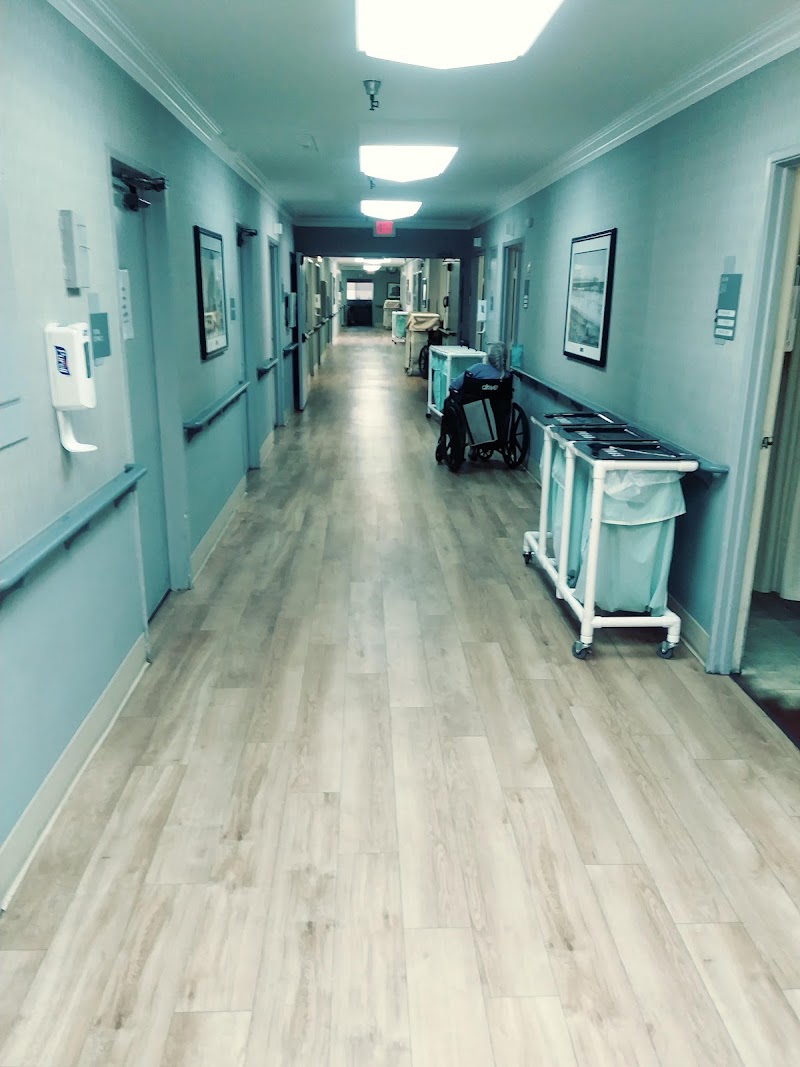
How is Plaza Healthcare Center Staffed?

CMS rates PLAZA HEALTHCARE CENTER's staffing level at 3 out of 5 stars, which is average compared to other nursing homes. Staff turnover is 45%, compared to the California average of 46%. This relatively stable workforce can support continuity of care. RN turnover specifically is 57%, which is notably high. RNs provide skilled clinical oversight, so turnover in this role can affect medical care quality.

What Have Inspectors Found at Plaza Healthcare Center?

State health inspectors documented 179 deficiencies at PLAZA HEALTHCARE CENTER during 2021 to 2025. These included: 3 that caused actual resident harm, 148 with potential for harm, and 28 minor or isolated issues. Deficiencies causing actual harm indicate documented cases where residents experienced negative health consequences.
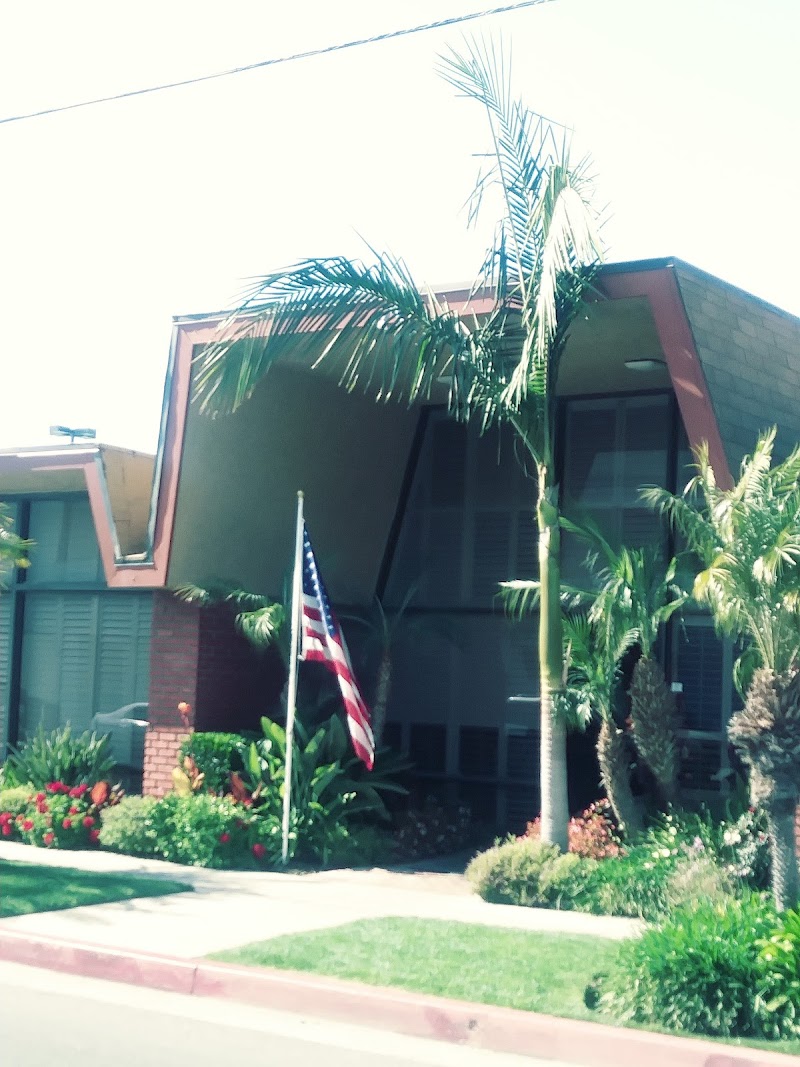
Who Owns and Operates Plaza Healthcare Center?

PLAZA HEALTHCARE CENTER is owned by a for-profit company. For-profit facilities operate as businesses with obligations to shareholders or private owners. The facility is operated by COUNTRY VILLA HEALTH SERVICES, a chain that manages multiple nursing homes. With 145 certified beds and approximately 135 residents (about 93% occupancy), it is a mid-sized facility located in SANTA ANA, California.
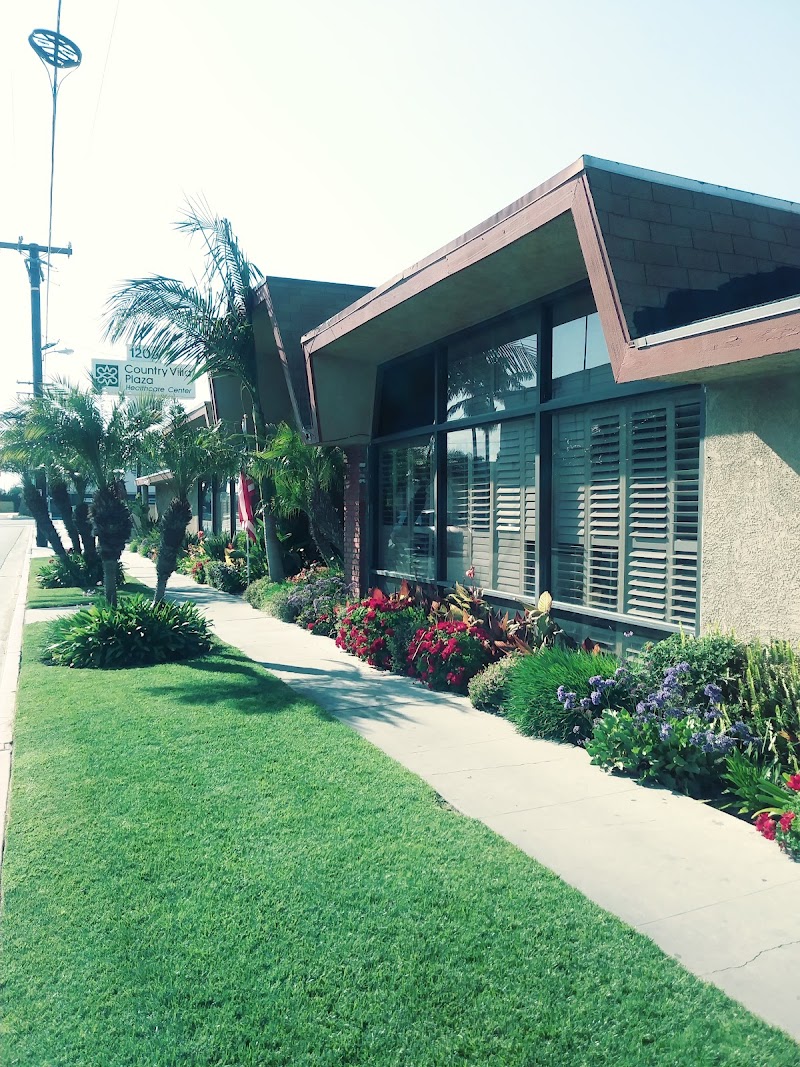
How Does Plaza Healthcare Center Compare to Other California Nursing Homes?

Compared to the 100 nursing homes in California, PLAZA HEALTHCARE CENTER's overall rating (1 stars) is below the state average of 3.1, staff turnover (45%) is near the state average of 46%, and health inspection rating (1 stars) is much below the national benchmark.

What Should Families Ask When Visiting Plaza Healthcare Center?

Based on this facility's data, families visiting should ask: "What safeguards and monitoring systems are in place to protect residents from abuse or neglect?" "Can I visit during a mealtime to observe dining assistance and food quality?" "How do you handle medical emergencies, and what is your hospital transfer rate?" "Can I speak with family members of current residents about their experience?" These questions are particularly relevant given the substantiated abuse finding on record.

Is Plaza Healthcare Center Safe?

Based on CMS inspection data, PLAZA HEALTHCARE CENTER has documented safety concerns. The facility has 1 substantiated abuse finding (meaning confirmed case of resident harm by staff or other residents). The facility has a 1-star overall rating and ranks #100 of 100 nursing homes in California. Families considering this facility should ask detailed questions about what corrective actions have been taken since these incidents.

Do Nurses at Plaza Healthcare Center Stick Around?

PLAZA HEALTHCARE CENTER has a staff turnover rate of 45%, which is about average for California nursing homes (state average: 46%). Moderate turnover is common in nursing homes, but families should still ask about staff tenure and how the facility maintains care continuity when employees leave.

Was Plaza Healthcare Center Ever Fined?

PLAZA HEALTHCARE CENTER has been fined $34,587 across 4 penalty actions. The California average is $33,425. While any fine indicates a compliance issue, fines under $50,000 are relatively common and typically reflect isolated problems that were subsequently corrected. Families should ask what specific issues led to these fines and confirm they've been resolved.

Is Plaza Healthcare Center on Any Federal Watch List?

PLAZA HEALTHCARE CENTER is not on any federal watch list. The most significant is the Special Focus Facility (SFF) program, which identifies the bottom 1% of nursing homes nationally based on persistent, serious quality problems. Not being on this list means the facility has avoided the pattern of deficiencies that triggers enhanced federal oversight. This is a positive indicator, though families should still review the facility's inspection history directly.