SOUTH COAST GLOBAL MEDICAL CENTER D/P SNF
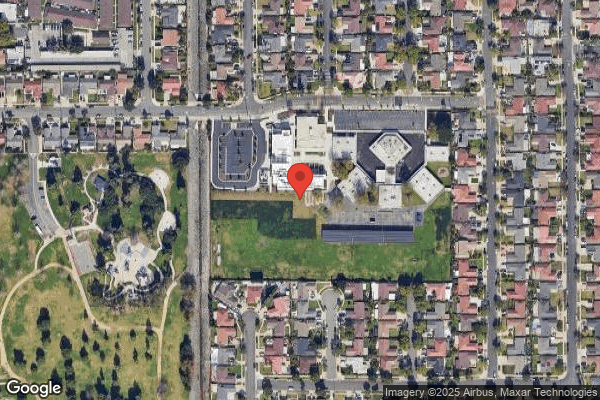

2701 SOUTH BRISTOL STREET, SANTA ANA, CA 92704 (714) 754-5454
For profit - Corporation 46 Beds Independent Data: November 2025
Trust Grade
75/100
#465 of 1155 in CA
Last Inspection: January 2025

Within standard 12-15 month inspection cycle. Federal law requires annual inspections.

Overview

South Coast Global Medical Center D/P SNF has a Trust Grade of B, indicating it is a good choice for families seeking care; this means it performs better than many other facilities but still has room for improvement. Ranked #465 out of 1,155 facilities in California, it falls in the top half, while its county rank of #35 out of 72 shows that only a few local options may be better. However, the facility is facing a troubling trend, as issues have increased from 2 in 2024 to 19 in 2025. Staffing is a strong point here, with a low turnover rate of 3% compared to the California average of 38%, and the facility has more RN coverage than 86% of state facilities, indicating residents receive attentive care. On the downside, there have been concerns regarding resident privacy, as personal health information for 27 residents was left unattended on a computer screen, and the facility failed to adequately address staffing needs in its assessment, which might impact care quality. Overall, while there are significant strengths, families should be aware of these concerning issues when considering this facility.

Trust Score
B
75/100
In California
#465/1155
Top 40%
Safety Record
Low Risk
No red flags
Inspections
Getting Worse
2 → 19 violations
Staff Stability
✓ Good
3% annual turnover. Excellent stability, 45 points below California's 48% average. Staff who stay learn residents' needs.
Penalties
✓ Good
No fines on record. Clean compliance history, better than most California facilities.
Skilled Nurses
✓ Good
Each resident gets 94 minutes of Registered Nurse (RN) attention daily — more than 97% of California nursing homes. RNs are the most trained staff who catch health problems before they become serious.
Violations
⚠ Watch
42 deficiencies on record. Higher than average. Multiple issues found across inspections.
★★★★☆
4.0
Overall Rating
★★★★☆
4.0
Staff Levels
★★★★★
5.0
Care Quality
★★★☆☆
3.0
Inspection Score
Stable
2024: 2 issues
2025: 19 issues

The Good

  • 4-Star Staffing Rating · Above-average nurse staffing levels
  • 5-Star Quality Measures · Strong clinical quality outcomes
  • Low Staff Turnover (3%) · Staff stability means consistent care
  • Full Sprinkler Coverage · Fire safety systems throughout facility
  • No fines on record
  • Staff turnover is low (3%)

    45 points below California average of 48%

Facility shows strength in staffing levels, quality measures, staff retention, fire safety.

The Bad

No Significant Concerns Identified

This facility shows no red flags. Among California's 100 nursing homes, only 1% achieve this.

The Ugly 42 deficiencies on record

Jan 2025 19 deficiencies
CONCERN (D)

Potential for Harm - no one hurt, but risky conditions existed

Safe Environment (Tag F0584)

Could have caused harm · This affected 1 resident

Based on observation, interview, and facility P&P review, the facility failed to maintain a clean, safe, and homelike environment for one of 13 final sampled residents (Resident 26). Multiple dry and ...

Read full inspector narrative →
Based on observation, interview, and facility P&P review, the facility failed to maintain a clean, safe, and homelike environment for one of 13 final sampled residents (Resident 26). Multiple dry and brown colored residues were observed on Resident 26's enteral feeding pump device. This failure had the potential to negatively impact the resident's safety and quality of life. Findings: Review of the facility's P&P titled Environmental Services/Infection Control reviewed 8/2023 showed nosocomial infections may occur as the result of exposure to contaminated surfaces, equipment, and other inanimate objects. Soil and dust should be removed from the surfaces with clean equipment and facility approved germicide. The Central Supply and Nursing Service will care for the equipment. If the equipment is left in the room, to notify the nursing unit. On 1/22/25 at 0757 hours, an observation was conducted in Resident 26's room. Resident 26's enteral feeding pump device was observed with multiple dry, brownish colored residue. Resident 26's enteral feeding was observed off. On 1/22/25 at 1116 hours, an interview and concurrent observation was conducted with LVN 6. Resident 26's enteral feeding pump was observed infusing the Glucerna 1.2 (enteral feeding formula) at 90 ml/hr. LVN 6 verified the above findings and stated the licensed nurses were responsible for the cleaning of the enteral feeding pump when dirty. LVN 6 further stated she did not notice the stains on the enteral feeding pump device when she had turned the enteral feeding on. On 1/23/25 at 0847 hours, Resident 26's enteral feeding pump device was observed with multiple dry, brownish colored residue. On 1/23/25 at 0942 hours, an interview and concurrent observation was conducted with RN 3. RN 3 stated the daily upkeeping of the resident's enteral feeding pump device was done by the licensed nurse assigned to the resident. RN 3 stated the licensed nurses were responsible for checking the devices daily. RN 3 further stated the licensed nurses should check the enteral feeding pump device when turning on or off the enteral feeding, and if stains were observed, the licensed nurse should address the stains. RN 3 stated if the stains were not able to be cleaned off, the enteral feeding pump device should be placed in the dirty utility room and the licensed nurse should get a new enteral feeding pump. RN 3 verified the above finding and stated the multiple dry brownish colored residue were from the enteral feeding formula. On 1/23/25 at 1648 hours, an interview was conducted with the Director of Sub-Acute Unit. The Director of Sub-Acute Unit stated the residents' rooms and environment should be presented as clean and comfortable. The Director of Sub-Acute Unit stated if the enteral feeding pump device was dirty, the licensed nurses were responsible for the cleaning. The Director of Sub-Acute Unit was informed and acknowledge the above findings.
CONCERN (D)

Potential for Harm - no one hurt, but risky conditions existed

Transfer Notice (Tag F0623)

Could have caused harm · This affected 1 resident

**NOTE- TERMS IN BRACKETS HAVE BEEN EDITED TO PROTECT CONFIDENTIALITY** Based on interview and medical record review, the facility failed to notify the resident and/or their representative of the tran...

Read full inspector narrative →
**NOTE- TERMS IN BRACKETS HAVE BEEN EDITED TO PROTECT CONFIDENTIALITY** Based on interview and medical record review, the facility failed to notify the resident and/or their representative of the transfer/discharge and the reasons for the transfer in writing for one of three final sampled residents (Resident 2) reviewed for hospitalization. This failure had the potential for the resident and/or their representative not knowing about the appeal process should the resident and their representative believe the transfer or discharge was inappropriate or involuntary. Findings: Medical record review for Resident 2 was initiated on 1/21/25. Resident 2 was admitted to the facility on [DATE]. Review of Resident 2 's H&P examination dated 8/30/24, showed Resident 2 had no capacity to understand and make decisions. Review of Resident 2's Physician's Order dated 11/21/24, showed an order to transfer Resident 2 to the acute care unit and provide bed hold for seven days. Review of Resident 2's Event Note showed following: - On 11/21/24 1703 hours, showed the resident representative was informed and agreed for the transfer and bed hold for seven days. - On 11/21/24 at 1905 hours, showed on 11/21/24 at 1800 hours, Resident 2 was transferred to the acute care unit of the facility. Review of Resident 2's Resident Transfer and discharge date d 11/21/2024, did not show the signature of Resident 2's representative. The Resident Transfer and Discharge form showed, If you believe that the proposed transfer/discharge is inappropriate, you have the right to file an appeal in writing or by calling the following: - Contacting and discussing the transfer discharge with the Long-Term Care Ombudsman office. - California Department of Public Health Licensing and Certification District Office. - If developmentally disabled or mentally ill, then contact, Executive Director Protection and Advocacy, and Department of Developmental Services and Department of Mental Health. Further review of the Resident Transfer and Discharge form showed if appeal is intended then it is suggested that it be filed within ten calendar days of being notified of the proposed discharge. The decision regarding the appeal will normally be made within 30 days from the date of formal notification. However, the ability of the department to render a decision on the appeal with this time frame maybe jeopardize if the appeal is not submitted within the suggested 10-day time period. Further review of Resident 2's medical record did not show if Resident 2 and/or the resident's representative were provided the notification of the transfer and the reasons for the transfer in writing. On 1/23/24 at 1107 hours, an interview and concurrent medical record review for Resident 2 was conducted with the Social Service Staff. The Social Service Staff stated she was responsible to provide the notification of the transfer and discharge to the residents and/or their representative. The Social Service Staff she did not provide the notice of transfer and discharge in writing when the residents got transferred to the acute care unit of the facility. The Social Service Staff stated she called Resident 2's representative and verbally informed the resident's representative of the notification of the transfer. The Social Service Staff verified she did not provide the notice of transfer and discharge in writing for Resident 2 when the resident was transferred to the acute care unit of the facility on 11/21/24. On 1/23/25 at 1447 hours, the Director of Sub-Acute Unit was informed and acknowledged the above findings.
CONCERN (D)

Potential for Harm - no one hurt, but risky conditions existed

Deficiency F0645 (Tag F0645)

Could have caused harm · This affected 1 resident

**NOTE- TERMS IN BRACKETS HAVE BEEN EDITED TO PROTECT CONFIDENTIALITY** Based on interview, medical record review, facility document review, and facility P&P review, the facility failed to ensure the ...

Read full inspector narrative →
**NOTE- TERMS IN BRACKETS HAVE BEEN EDITED TO PROTECT CONFIDENTIALITY** Based on interview, medical record review, facility document review, and facility P&P review, the facility failed to ensure the PASRR (a federal requirement to help ensure that individuals are not inappropriately placed in nursing homes for long term care) Level 1 assessment was coded inaccurately for one of one final sampled resident reviewed for PASARR (Resident 26). This failure had the potential for having residents that were not appropriate in the facility and for Resident 26 not to receive the appropriate services. Findings: Review of the facility's P&P titled PAS/PASARR reviewed 8/2023 showed all the residents will be screened and identified for Level II and referred in a timely manner to the Department of Health Services and the Department of Mental Health (as appropriate). Medical record review for Resident 26 was initiated on 1/21/25. Resident 26 was admitted to the facility on [DATE]. Review of Resident 26's PASRR Level 1 Screening Form dated 10/14/24, showed Resident 26 had no diagnosed serious mental illness, or symptoms of psychosis (a condition that causes a person to lose touch with reality, making it hard to distinguish what's real and what's not), delusions, and/or mood disturbance. Further review of the form showed Resident 26 was coded for not having been prescribed psychotropic medications for serious mental illness. However, review of Resident 26's MDS dated [DATE], showed Resident 26 had severe cognitive impairment, psychotic disorder, and was taking an antipsychotic medication. Additionally, review of Resident 26's Patient Orders dated 1/22/25, showed the physician's order dated 1/14/25, to administer Zyprexa (antipsychotic medication) 10 mg via gastrostomy tube two times a day for psychosis manifested by thrashing in bed. Review of Resident 26's plan of care showed a care plan problem dated 10/15/24, addressing Resident 26's use of the antipsychotic medications Seroquel (antipsychotic medication) and Zyprexa medications. On 1/22/25 at 1203 hours, an interview and concurrent medical record review for Resident 26 was conducted with the DSD and Director of Sub- Acute Unit. The Director of Sub-Acute Unit stated the PASARR Level 1 screenings were completed by the discharging facility and sent to the facility prior to the resident's admission into the facility. The Director of Sub-Acute Unit stated the screening results were reviewed by the MDS nurse, DSD, or the Director of Sub-Acute Unit for accuracy. The Director of Sub-Acuute Unit verified the above findings and stated the PASARR Level 1 assessment for Resident 26 was inaccurate. On 1/23/25 at 1702 hours, an interview was conducted with the Director of Sub-Acuue Unit The Director of Sub-Acute Unit was informed and verified the above findings.
CONCERN (D)

Potential for Harm - no one hurt, but risky conditions existed

Pressure Ulcer Prevention (Tag F0686)

Could have caused harm · This affected 1 resident

**NOTE- TERMS IN BRACKETS HAVE BEEN EDITED TO PROTECT CONFIDENTIALITY** Based on observation, interview, medical record review, facility document review, and facility P&P review, the facility failed t...

Read full inspector narrative →
**NOTE- TERMS IN BRACKETS HAVE BEEN EDITED TO PROTECT CONFIDENTIALITY** Based on observation, interview, medical record review, facility document review, and facility P&P review, the facility failed to ensure the low air loss mattress (pressure redistributing support surface) was set appropriately according to the resident's weight for one of three final sampled residents (Resident 24) reviewed for pressure ulcer (skin injury caused by prolonged pressure on an area of the body). This failure had the potential for Residents 24 not receiving the appropriate care and services to promote healing or prevent the development of the pressure ulcers. Findings: Review of the facility's P&P titled Mattresses revised 8/2023 showed the pressure reduction will be provided to the residents who are at risk for skin breakdown. Under the section Procedure, showed facility to be sure to mattress was inflated properly, and to check mattress routinely to ensure it is working properly. Review of the facility's document titled Power Pro Operating Maintenance and Troubleshooting undated, showed to select the resident comfort setting based on the average patient weight. Further review of the document showed for 36 inches mattress and for a resident weighing 115-145 pounds, light 2 (two) to be selected. On 1/21/25 at 1049 and 1448 hours, 1/22/25 at 1032 and 1433 hours, Resident 24 was observed lying on a low air loss mattress. The low air loss mattress was observed set to comfort light 8 (eight), which corresponded to a resident weight of 265-330 pounds. Medical Record Review for Resident 24 was initiated on 1/21/25. Resident 24 was admitted to the facility on [DATE]. Review of Resident 24's Order Summary Report showed a physician's order dated 8/28/24, for a Blue-Chip Power Pro Elite Mattress for wound management. Review of Resident 24's MDS dated [DATE], showed Resident 24 was totally dependent on the staff member assistance for bed mobility. Further review of the MDS showed Resident 24 had memory problem and had severely impaired cognitive skills for daily decision making. Review of Resident 24's Pressure Ulcer Documentation and Treatment Record, showed on 1/20/25, Resident 24 had a UTD (unknown depth of injury) pressure ulcer on left buttocks area. Review of the Resident 24's Weight Chart showed Resident 24 weighed 53.3 kilos (117.5 pounds). On 1/22/25 at 1433 hours, an observation, interview, and concurrent medical record review for Resident 24 was conducted with LVN 4. LVN 4 verified Resident 24's low air loss mattress was set to light eight which corresponded to a resident with the weight of 265-330 pounds. LVN 4 verified Resident 24 weighed 117.5 pounds and had no capacity to understand and verbalize comfort level of the mattress. LVN 4 further stated Resident 24's light level for the low air loss mattress was supposed to be set to Resident 24's weight of 117.5 pounds (light 2), and not on light 8 (265-330 pounds). On 1/23/24 at 0841 hours, the Director of Sub-Acute Unit was informed and acknowledged the above findings.
CONCERN (D)

Potential for Harm - no one hurt, but risky conditions existed

Deficiency F0688 (Tag F0688)

Could have caused harm · This affected 1 resident

**NOTE- TERMS IN BRACKETS HAVE BEEN EDITED TO PROTECT CONFIDENTIALITY** Based on observation, interview, medical record review, and facility P&P review, the facility failed to provide the RNA services...

Read full inspector narrative →
**NOTE- TERMS IN BRACKETS HAVE BEEN EDITED TO PROTECT CONFIDENTIALITY** Based on observation, interview, medical record review, and facility P&P review, the facility failed to provide the RNA services as ordered by the physician for two of four final sampled residents reviewed for limited ROM (Residents 2 and 18). This failure had the potential for the residents' decline in ROM functions and deterioration in their ability to perform ADL care. Findings: Review of the facility's P&P titled Restorative Nursing Program dated 8/2023 showed all the residents will be assessed by the registered nurse on admission and ongoing for their restorative/rehabilitative needs and abilities. A plan of care will be developed to place the resident in programs specifically designed to promote functioning levels and enhance the quality of life. The RNA program to be provided seven days a week and will be provided based on physician order. On 1/21/25 at 1035 hours, Resident 2 was observed lying in the bed. Resident 2's legs were in a partially flexed position. There were no splint on both legs. Medical record review for Resident 2 was initiated on 1/21/25. Resident 2 was admitted to the facility on [DATE]. Review of Resident 2's MDS dated [DATE], showed Resident 2's ROM functions were impaired for the bilateral upper and lower extremities. Review of Resident 2's Care Plan dated 8/30/22, showed the care plan problem addressing Resident 2's limitation in ROM functions. The goal was to minimize the functional limitation of the ROM and maintain the current ROM functions. The interventions included for the RNA to perform the ROM exercises as ordered. Review of Resident 2's Patient Orders showed an order dated 12/2/24, showed for the RNA to provide passive ROM to the bilateral lower extremities daily five days a week as able and for the bilateral knee splint three to five hours per day five days a week as able with every two hours of skin checks. Review of Resident 2's documentation for RNA services for Resident 2 from 1/1 to 1/21/25, showed the RNA services for the passive ROM exercises to the bilateral lower extremities and bilateral knee splint three to five hours were provided on 1/2, 1/4, 1/8, 1/9, 1/10, 1/14, 1/15, 1/16, 1/17, 1/19, and 1/21/25. Total of 11 days of RNA services were provided, and four days of RNA services were missed. However, there was no documented evidence to explain why the RNA services were not provided as ordered by the physician. On 1/23/25 at 0936 hours, an interview and concurrent medical record review for Resident 2 was conducted with LVN 11. LVN 11 verified the above findings and stated most of the residents in the facility were on RNA services and required two RNAs to provide the RNA services to the residents; however, there were somedays with only one RNA assigned and it was difficult to provide the RNA services to all the residents requiring RNA services with only one RNA. On 1/23/25, at 1447 hours, the Director of Sub-Acute Unit was informed and acknowledged the above findings. 2. On 1/21/25 at 1129 hours, Resident 18 was observed in bed, with limited movement to her left hand, and no movement in her right hand. Resident 18 was not observed having any splints applied. Medical record review for Resident 18 was initiated on 1/21/25. Resident 18 was admitted to the facility on [DATE], and readmitted on [DATE]. Review of Resident 18's MDS dated [DATE], showed Resident 18 had severely impaired cognitive skills and had an impairment in functional limitation in ROM to the bilateral upper and lower extremities. Review of Resident 18's Patient Orders, showed the following physician's orders: - dated 10/28/24, to continue RNA P/A (passive/active) ROM for the BLE three days a week for 30 days as able; to apply the bilateral AFO two to four hours per day as able for five days per week for 30 days, with skin checks every two hours; and to apply the right knee splint three to five hours per day for five days per week as able, with skin checks every two hours, and - dated 1/9/25, to provide RNA passive ROM for the BUE, five times a week, and to apply the WHFO to Resident 18's right hand for six to eight hours five times a week as the resident tolerates, with skin checks every two hours. Review of Resident 18's plan of care showed the following care plan problems: - dated 9/18/20, addressing Resident 18's actual functional limitation in ROM and at risk for further functional limitation in ROM. The interventions showed for RNA to perform ROM exercises as ordered, to apply the bilateral AFO two to four hours per day as able for five days per week, with skin checks every two hours, and to apply the right knee split three to five hours per day for five days a week as able. - dated 11/15/24, addressing Resident 18's decreased ROM/strength. The interventions showed to apply the right WHFO five times a week for six to eight hours as tolerated, with skin checks every two hours. Review of Resident 18's documentation for RNA services for January 2025 showed on 1/19/25, the documentation showed the bilateral AFOs were missing, and the charge nurse was notified. Additionally, for the week of 1/12/25 to 1/18/25, the bilateral AFOs were documented as applied and removed for four days that week, when the physician's order was for five days a week. Further review of Resident 18's documentation for RNA services for January 2025 showed the following documentation: *For the application of the right knee splint three to five hours per day for five days per week: - On 1/1, 1/14/25, from 0830 to 1430 hours, a total of six hours, - On 1/2 and 1/3/25, blank - On 1/9, 1/10, 1/17, and 1/19/25, from 1000 to 1600 hours, a total of six hours, - On 1/15/25, from 0208 to 1430 hours, a total of 12 hours, and - On 1/16/25, from 0820 to 1420 hours, a total of six hours. There was no documented evidence the resident's physician was notified on 1/2 and 1/3/25, the right knee splint was not applied as ordered. In addition, the splint was applied more than five hours on the above dates. Additionally, for the week of 1/12/25 to 1/18/25, the right knee splint was documented as applied and removed for four days that week, when the physician's order was for five days a week. * For the application of the right WHFO, for six to eight hours five times a week as the resident tolerates: - On 1/2/25, from 1100 to 1600 hours, a total of five hours, - On 1/3/25, from 1050 to 1430 hours, a total of three hours and 40 minutes, - On 1/7/25, from 1120 to 1500 hours, a total of three hours and 40 minutes, - On 1/21/24, blank, - On 1/22/25, from 1550 to 1830 hours, a total of 2 hours and 40 minutes. There was no documented evidence the facility staff had coordinated with the physician Resident 18 can only tolerate less than six hours and the reason for not tolerating the WHFO as ordered. Additionally, for the week of 1/12/25 to 1/18/25, the right WHFO was documented as applied and removed for four days that week, when the physician's order was for five days a week. On 1/22/25 at 1537 hours, an interview and concurrent observation was conducted with LVN 10. LVN 10 was observed providing ROM exercises and applying the right WHFO splint and right knee splint on Resident 18. LVN 10 stated she was assigned to provide RNA services to Resident 18. LVN 10 stated Resident 18 had contractures in her right side and the physician ordered for Resident 18 to have the right WHFO for six to eight hours for five days a week. LVN 10 stated she had just applied the WHFO splint and would come back before her shift ended at 1900 hours to remove the splint. LVN 10 agreed Resident 18 would not have the splint on for six to eight hours as ordered, and stated she was busy today with the other the residents and was unable to provide the RNA services to Resident 18 timely. On 1/23/25 at 0949 hours, an interview and concurrent medical record review for Resident 18 was conducted with LVN 11. LVN 11 verified the above findings. LVN 11 stated the facility usually had two RNAs to provide the RNA services to the residents and some days there would be one RNA scheduled to provide the RNA services to all the residents who required RNA services. On 1/23/25 at 1648 hours, an interview was conducted with the Director of Sub-Acute Unit. The Director of Sub-Acute Unit stated she expected the RNA services, including the application of the splints, to be administered as ordered by the physician. On 1/23/25 at 1702 hours, a follow up interview was conducted with the Director of Sub-Acute Unit. The Director of Sub-Acute Unit was informed and acknowledged the above findings.
CONCERN (D)

Potential for Harm - no one hurt, but risky conditions existed

Accident Prevention (Tag F0689)

Could have caused harm · This affected 1 resident

**NOTE- TERMS IN BRACKETS HAVE BEEN EDITED TO PROTECT CONFIDENTIALITY** Based on observation, interview, and medical record review, the facility failed to ensure one of 13 final sampled residents (Res...

Read full inspector narrative →
**NOTE- TERMS IN BRACKETS HAVE BEEN EDITED TO PROTECT CONFIDENTIALITY** Based on observation, interview, and medical record review, the facility failed to ensure one of 13 final sampled residents (Resident 11) remained free from accident hazards. * The facility failed to ensure Resident 11 had a helmet protective device when out of bed per the physician's order. This failure had the potential risk for injury to Resident 11. Findings: On 1/21/25 at 1040 hours, Resident 11 was observed in his wheelchair in the activity room. No splints were applied on the resident and not wearing a helmet. Medical record review for Resident 11 was initiated on 1/21/25. Resident 11 was admitted on [DATE]. Review of Resident 11's MDS dated [DATE], showed Resident 11 had a diagnosis of siezurre diarder. Review of Resident 11's Physician's Order dated 10/28/24, showed an order for when Resident 11 out of bed, a two person assistance sideways in mechanical lift, applied a helmet. Review of Resident 11's plan of care showed a care plan problem dated 10/28/24, addressing the use of a helmet when Resident 11 was transferred out of the bed. The care plan interventions included a use of a helmet for safety. On 1/21/25 at 1157 hours, an observation and concurrent interview was conducted with CNA 2. Resident 11 was observed in the room. CNA 2 was asked if there were any safety precautions he should remember when transferring and getting the resident up in wheelchair. CNA 2 stated there should be always two staff using the mechanical lift and sling when transferring the Resident 11 from the bed to a wheelchair, and vice versa. When asked if there are any thing else for special safety precaution they should provide, CNA 2 stated he can not think of any. CNA 2 was asked to show the resident storage of the personal belongings, and was able to show the closet and bedside drawer. There was no helmet available for the resident to use when getting out of the bed was observed. CNA 2 verified there was no helmet for Resident 11's use when assisting in getting out of the bed. On 1/22/25 at 1038 hours, an interview was conducted with the Activity Coordinator. The Activity Coordinator stated she was familiar with Resident 11 and attended the activities three times a week when up in his wheelchair. The Activity Coordinator stated she observed the resident wears the splint and heel protectors, hold a little piece of tubing but did not observed wearing any protective device on his head. On 1/22/25 at 1356 hours, an interview was conducted with LVN 10. LVN 10 verified the physician's order for the helmet to apply to the resident during transfer and up in the wheelchair. LVN 10 acknowledged Resident 11 did not have any helmet to apply when the resident needs to transfer to the wheelchair. LVN 10 further stated, she did not observed any helmet when the resident was up in the wheelchair yesterday. On 1/23/25 at 1131 hours, an interview and concurrent medical record review for Resident 11 was conducted with the Director of Sub-Acute Unit. The Director of Sub-Acute Unit stated she expected the CNAs and all the staff member to observe safety at all times for all the residents in the unit. The Director of Sub-Acute Unit was informed and verified the above findings.
CONCERN (D)

Potential for Harm - no one hurt, but risky conditions existed

Tube Feeding (Tag F0693)

Could have caused harm · This affected 1 resident

**NOTE- TERMS IN BRACKETS HAVE BEEN EDITED TO PROTECT CONFIDENTIALITY** 2. Review of the facility's P&P titled Enteral Feeding via G Tube or J Tube, Continuous (Pump) reviewed 8/2023 showed the entera...

Read full inspector narrative →
**NOTE- TERMS IN BRACKETS HAVE BEEN EDITED TO PROTECT CONFIDENTIALITY** 2. Review of the facility's P&P titled Enteral Feeding via G Tube or J Tube, Continuous (Pump) reviewed 8/2023 showed the enteral feeding would be administered by a continuous method via the pump as ordered by the physician. To review the order for the feeding- the formula; ml per hour; dose limit in ml; kcal and number of hours to infuse per the Physician's Order. Medical record review for Resident 18 was initiated on 1/21/25. Resident 18 was admitted to the facility on [DATE] and readmitted on [DATE]. Review of Resident 18's Patient Orders dated 1/22/25, showed the following physician's orders: - dated 7/17/24, to flush the GT with water at 100 ml per hour and normal saline at 100 ml per hour, for a total of 200 ml per hour for 20 hours via the Kangaroo pump, to total 4000 ml/day, - dated 11/26/24, to administer Vital 1.5 (enteral feeding formula) at 55 ml per hour for 20 hours via the gastrostomy tube. To start the tube feeding at 1200 hours and continue until the total dose was completed. May use Pivot 1.5 (enteral feeding formula) at 55 ml per hour if Vital 1.5 not available. Review of Resident 18's plan of care showed the following care plan problems: - dated 9/18/20, addressing Resident 18's tube feeding for nutritional support. The intervention showed to administer the tube feedings as ordered. - dated 11/25/24, addressing Resident 18's gradual weight gain. The goal showed no further weight gain. The intervention showed to decrease the rate of the enteral tube feeding Vital 1.5 at 55 ml per hour for 20 hours. On 1/22/25 at 0820 hours, Resident 26 was observed lying in bed. An enteral feeding pump was observed with two kangaroo bags hanging from the enteral feeding pump pole. One bag was labeled Pivot 1.5 and the rate on the label showed 60 ml x 20 hours. The other bag was labeled H20/saline flush, however, the label failed to show the resident's name and the ordered flush rate. The enteral feeding pump device was observed on and infusing the enteral feeding at 60 ml per hour. On 1/22/25 at 1525 hours, an interview and concurrent observation was conducted at Resident 18's bedside with LVN 6. When asked about Resident 18's enteral feeding, LVN 6 stated, Resident 18 was receiving Pivot 1.5 at 60 ml per hour for 20 hours. The enteral feeding pump device was observed on and infusing Pivot 1.5 at 60 ml per hour. On 1/22/25 at 1546 hours, an interview and concurrent observation and medical record review for Resident 18 was conducted with LVN 6. LVN 6 reviewed Resident 18's medical record and verified the infused enteral feeding formula rate did not match the rate ordered by the physician; and verified the rate on the enteral feeding formula label was incorrect. LVN 6 stated the enteral feeding rate should be set and administered as per the physician's orders. LVN 6 further stated when starting the enteral feeding at 1200 hours, she should have checked the physician's order and verified the rate to be administered. Additionally, LVN 6 also verified Resident 18's water bag was not labeled with the resident's name and the ordered rate. When asked, LVN 6 stated the label should include the resident's name, the room number, the date and time the contents were hung, the content in the bag, and the ordered rate to administer. On 1/23/25 at 1448 hours, an interview was conducted with the Director of Sub-Acute Unit. The Director of Sub-Acute Unit stated prior to the administration of the enteral feeding, the licensed nurse was expected to review the physician's order and ensure the rate was correct. The Director of Sub-Acute Unit further stated the enteral feeding formulas and water flush bags should be labeled with the residents' name, the contents in the bag, the ordered rate, and the date and time the flush or feeding started. On 1/23/25 at 1702 hours, the Director of Sub-Acute Unit was informed and acknowledged the above findings. Based on observation, interview, medical record review, and facility P&P review, the facility failed to provide the necessary GT care and services for two of two sampled residents (one nonsampled resident, Resident 12 and one final sampled resident, Resident 18) reviewed for GT care. * The facility failed to ensure the licensed staff elevated Resident 12's HOB at 30 degrees to 45 degrees prior to the administration of medications via GT. * The facility failed to ensure Resident 18 was administered the enteral feeding as per the physician's orders and failed to ensure Resident 18's water flush was labeled with Resident 18's name and the ordered rate. These failures had the potential to negatively impact the residents' well-being. Findings: Review of the facility's P&P titled Medication Administration via Feeding Tube revised 1/2011 showed the medications will be administered via the feeding tube by an RN or LVN, per the physician's order. Review of the textbook titled Foundations and Adult Health Nursing published 2023 showed the administering medication through nasogastric tubing to place patient in high Fowler's position. 1. Medical record review for Resident 12 was initiated on 1/22/25. Resident 12 was admitted to the facility on [DATE]. Review of Resident 12's H&P examination dated 1/22/25, showed Resident 12 had no capacity to understand and make decisions. Review of Resident 12's Physician Order Report dated 1/1/25 - 1/31/25, showed the physician's order dated 1/13/23, to elevate HOB 30-45 degrees at all times while feeding is administered or for one hour after feeding if bolus or intermittent. During a medication administration observation on 1/22/25 at 0758 hours with LVN 7, LVN 7 was observed elevating the HOB of Resident 12 before administering the medication. However, LVN 7 elevated the HOB at less than 30 degrees. LVN 7 administered the medications via GT after elevating the HOB of Resident 12. On 1/22/25 at 1002 hours, an observation and concurrent interview was conducted with LVN 7. LVN 7 acknowledged Resident 12's HOB was less than 30 degrees when she administered the medications. LVN 7 stated Resident 12 had GT and the HOB should be elevated to 30 degrees so the resident would not aspirate during medication administration. LVN 7 stated she just estimated if the bed was between 30 to 45 degrees because Resident 12's bed had no measuring device. On 1/23/25 at 1725 hours, an interview was conducted with the Director of Sub-Acute Unit. The Director of Sub-Acute Unit was informed and acknowledged the above findings.
CONCERN (D)

Potential for Harm - no one hurt, but risky conditions existed

Pharmacy Services (Tag F0755)

Could have caused harm · This affected 1 resident

**NOTE- TERMS IN BRACKETS HAVE BEEN EDITED TO PROTECT CONFIDENTIALITY** Based on observation, interview, medical record review, and facility P&P review, the facility failed to ensure the pharmaceutica...

Read full inspector narrative →
**NOTE- TERMS IN BRACKETS HAVE BEEN EDITED TO PROTECT CONFIDENTIALITY** Based on observation, interview, medical record review, and facility P&P review, the facility failed to ensure the pharmaceutical services were provided to meet the needs for two final sampled residents (Residents 23 and 2). * The facility failed to ensure the physician's orders for Residents 23 and 2 were accurate. The medication route was ordered to be oral instead of GT. This failure had the potential for the medications to be administered in errors. Findings: Review of the facility's P&P titled Medication Administration (General) revised 3/2023 showed to follow the six rights: patient, drug, dose, route, reason and check for contraindication, expiration date and stability of medications. Review of the facility's P&P titled Physician Orders revised 12/2008 showed guidelines have been established to aid the team members in obtaining, reviewing, and authenticating the physician's orders in an efficient and correct manner. The procedure section showed all the orders for the medications, procedures, and devices shall be clearly documented, in writing, or by CPOE, in the resident's medical record and shall include: the name and drug strength, and specific instructions for the administration (route, dose, and frequency). 1a. On 1/22/25 at 0758 hours, a medication administration observation for Resident 23 was conducted with LVN 6. LVN 6 was observed administering all the medications via GT to Resident 23. Medical record review for Resident 23 was initiated on 1/22/25. Resident 23 was admitted to the facility on [DATE]. Review of Resident 23's Patient Orders dated 1/24/25, showed the following physician orders: - dated 10/31/23, to administer ferrous sulfate 330 mg (supplement) oral daily. - dated 7/4/24, to administer lactobacillus acidophilus (a medication to aid digestive system) (known as Bacid) one capsule oral daily. - dated 8/24/23, to administer Phenobarbital (antiseizure) 129.6 mg oral two times per day. Special instructions: Dose = 145.8 mg = (4 x 32.4 mg) + 16.2 mg. - dated 8/24/23, to administer Phenobarbital (antiseizure)16.2 mg oral two times per day. Special Instructions: Dose = 145.8 mg = ( 2 x 64.8) + 16.2 mg. On 1/22/25 at 1536 hours, an interview and concurrent medical record review was conducted with LVN 6. LVN 6 verified she gave the medications via GT but Resident 23's physician order was to administer the medications via oral route. LVN 6 stated she would report the error on the physician's order to the charge nurse. LVN 6 stated the charge nurse should have verified the route of the medication order to Resident 23's physician. On 1/22/25 at 1542 hours, an interview and concurrent medical record review was conducted with RN 4. RN 4 verified the above findings. RN 4 stated there were limitations on ordering the route of the medications in the resident's electronic health record. RN 4 stated the physician, RN, or pharmacist can type the route of the medication order in the comment section if there was no option for ordering the GT route. On 1/23/25 at 1341 hours, an interview and concurrent medical record review was conducted with the Pharmacist. The Pharmacist verified the oral medication orders for Resident 2. The Pharmacist stated the new electronic health record sometimes did not have an option for the GT route. The Pharmacist further stated some residents can take PO or GT. The pharmacist stated she should have asked the licensed nurse if the resident can take the medication oral or GT. b. On 1/22/25 at 1149 hours, a medication administration observation for Resident 2 was conducted with LVN 8. LVN 8 was observed administering all the medications via GT to Resident 2. Medical record review for Resident 2 was initiated on 1/22/25. Resident 2 was admitted to the facility on [DATE]. Review of Resident 23's Patient Orders dated 1/24/25, showed a physician's order dated 5/16/23, to administer Simethicone (antacid) 80 mg oral every six hours. Special instructions: for gas relief On 1/22/25 at 1523 hours, an interview and concurrent medical record review was conducted with LVN 8. LVN 8 verified the LVN 8 acknowledged she gave the medications via GT but Resident 2's physician order was to administer the medications via oral route. LVN 8 stated the route on the physician's order should be GT instead of oral. LVN 8 stated the RN should have called Resident 2's physician and wrote the order. On 1/22/25 at 1542 hours, an interview and concurrent medical record review was conducted with RN 4 . RN 4 verified the above findings. RN 4 stated there were limitations on ordering the route of the medications in the electronic health record. RN 4 stated the physician, RN, or pharmacist can type the route of the medication order in the comment section if there was no option for ordering the GT route. On 1/23/25 at 1341 hours, an interview and concurrent medical record review was conducted with the Pharmacist. The Pharmacist verified the oral medication order for Resident 2. The Pharmacist stated the new electronic health record sometimes did not have an option for GT route. The Pharmacist further stated some residents can take PO or GT. The pharmacist stated she should have asked the licensed nurse if the resident can take the medication oral or GT. On 1/23/25 at 1725 hours, an interview was conducted with the Director of Sub-Acute Unit. The Director of Sub-Acute Unit was informed and acknowledged the above findings.
CONCERN (D)

Potential for Harm - no one hurt, but risky conditions existed

Medication Errors (Tag F0758)

Could have caused harm · This affected 1 resident

**NOTE- TERMS IN BRACKETS HAVE BEEN EDITED TO PROTECT CONFIDENTIALITY** Based on interview, medical record review, and facility P& P review, the facility failed to ensure one of five final sampled res...

Read full inspector narrative →
**NOTE- TERMS IN BRACKETS HAVE BEEN EDITED TO PROTECT CONFIDENTIALITY** Based on interview, medical record review, and facility P& P review, the facility failed to ensure one of five final sampled residents (Resident 2) reviewed for unnecessary medications was free from the unnecessary psychotropic medications. * The facility failed to ensure the PRN order for the psychotropic medication was limited to 14 days for Residents 2. This failure had the potential to result in unnecessary use of, ineffective and/ or lack of monitoring or interventions for the use of the psychotropic medication that could negatively affect Resident 2 highest practicable mental, physical, and psychosocial well- being. Findings: Medical record review for Resident 2 was initiated on 1/21/25. Resident 2 was admitted to the facility on [DATE]. Review of Resident 2's Patient Orders showed an order dated 5/16/23, for lorazepam (antianxiety medication) 1 mg intramuscular (into a muscle) every four hours as needed for seizure (a temporary disruption in brain activity that can cause a person to experience abnormal movements, behaviors, or loss of consciousness). Further review of Resident 2's medical record did not show if the physician or prescribing practitioner documented the rational for the extension of the lorazepam medication and specified the duration for the above PRN psychotropic medication. On 1/23/25 at 1035 hours, an interview and concurrent medical record review for Resident 2 was conducted with LVN 5. LVN 5 verified the above findings and stated she was not able to find the physician documentation which provided rational for continue usage of PRN psychotropic medication for Resident 2. LVN 5 stated Resident 2 had last received PRN lorazepam on 10/4/24. On 1/23/25 at 1359 hours, an interview and concurrent medical record review for Resident 2 was conducted with the Director of Pharmacy. The Director of Pharmacy stated the PRN psychotropic medication should be limited to 14 days and acknowledged if the psychotropic medication extended beyond 14 days, the physician should document rational for continue usage of PRN psychotropic medication in the resident's medical record and specified the duration of the therapy. The Director of Pharmacy was not able to show the physician documented the rational for continue use of the lorazepam beyond 14 days for Resident 2. On 1/23/25 at 1447 hours, the Director of Sub-Acute Unit was informed and acknowledged the above findings.
CONCERN (D)

Potential for Harm - no one hurt, but risky conditions existed

Deficiency F0761 (Tag F0761)

Could have caused harm · This affected 1 resident

Based on observation, interview, and facility P&P review, the facility failed to ensure one of four medication carts (Medication Cart B) was properly locked and secured when unattended. This failure h...

Read full inspector narrative →
Based on observation, interview, and facility P&P review, the facility failed to ensure one of four medication carts (Medication Cart B) was properly locked and secured when unattended. This failure had the potential for unauthorized persons having access to the medications kept inside the medication cart. Findings: Review of the facility's P&P titled Medication Storage and Access revised 9/2023 showed all the drugs and biologicals must be kept in a secured area and locked when appropriate. A secure area means that drugs and biologicals are stored in a manner to prevent unmonitored access by unauthorized individuals. Drugs and biologicals must not be stored in areas that are readily accessible to unauthorized persons. An area in which staff is actively providing care to patients or preparing to receive patients, i.e., setting up for procedures before the arrival of a resident would generally be considered a secure area. When a resident care area is not staffed, both controlled and non-controlled substance are expected to be locked. Due to their mobility, mobile nursing medication carts containing drugs or biologicals must be locked in a secure area when not in use. Employees shall make certain the security and monitoring of carts, locked or unlocked, containing drugs and biologicals in all patient care areas, to ensure their safe storage to ensure resident safety. During a concurrent observation on 1/22/25 from 1130 hours to 1141 hours, Medication Cart B was observed unlocked while not being attended by a facility staff member. At 1130 hours, during the observation Medication Cart B was observed at the end of the hallway near the activity room, all the drawers, except the drawer with lock, could be pulled open. There was no staff member in front of the medication cart. At 1135 hours, the IP passed by and provided the glucometer (machine to measure amount of sugar in the blood) manual that was requested earlier. When asked, the IP stated Medication Cart B belonged to LVN 1. The cart had three rows of about 10-12 small drawers on the left side and three larger drawers in a column on the right side with a key punch number code on the top right and a lever on the right side panel of the cart. The small drawers were labeled 120-2 to 125-2 and contained one tablet of Valsartan (antihypertensive medication) 80 mg in a drawer marked for Resident 1 and insulin pen in drawer marked for Resident 25. Another drawer contained multiple alcohol pads and lancets (needle devices for blood sugar checks). Six containers of the eye drops were present for Residents 25, 15, 6, and 11. The second to the bottom right column of the larger drawers contained multiple medication containers for Resident 22 which included Metoclopramide (antiemetic), Midodrine (use to treat low blood pressure), Acidophilus (probiotic), Magnesium (supplement), Baclofen (for muscle spasm), Zinc (supplement), Famotidine (acid reducer), vitamin C (supplement), Tylenol (analgesic), Simethicone (used to treat the symptoms of gas), docusate sodium (stool softener), multivitamin (supplement), Miralax (laxative), and Refresh eye drops (use for dry, irritated eyes) medications. At 1141 hours, LVN 1 came out of Resident 22's room and confirmed it was her medication cart, and it should have been locked. LVN 1 closed the drawers, pushed numbers on the key pad and pushed lever down on the right side of the medication cart and walked down the hall. After a few seconds, LVN 1 was called to return to cart because the right column of drawers was pulled open. LVN 1 said the cart drawers should not have been able to be pulled open since she locked the cart. LVN 1 confirmed that the drawers were opened. On 1/22/25 at 1146 hours, an interview with concurrent observation was conducted with the Director of Sub-Acute Unit in front of Medication Cart B. The Director of Sub-Acute Unit engaged cart locks and confirmed the right column drawers did not lock and could be opened after locks were engaged. The Director of Sub-Acute Unit stated she will call the Engineering. The Engineering confirmed the cart drawers could be opened after the locks were engaged. The Engineering removed all the drawers on the right column and removed about 30-40 oral swab sticks from the back of the cart and other debris, reset the drawers in the cart and confirmed the cart was now fully locked after the locks were engaged. The Director of Sub-Acute Unit stated the medication cart should not be unlocked while not attended.
CONCERN (D)

Potential for Harm - no one hurt, but risky conditions existed

Menu Adequacy (Tag F0803)

Could have caused harm · This affected 1 resident

Based on observation, interview, facility document review, and facility P&P review, the facility failed to ensure the cook followed the recipe when preparing the puree Swiss steak. This failure had th...

Read full inspector narrative →
Based on observation, interview, facility document review, and facility P&P review, the facility failed to ensure the cook followed the recipe when preparing the puree Swiss steak. This failure had the potential of not meeting the residents' nutritional needs which could lead to nutritional related health complications. Findings: Review of the facility's untitled document for the diet orders for the residents dated 1/21/25, showed one of 27 residents was receiving pureed food prepared from the kitchen. Review of the facility menu dated 1/22/25, showed the lunch menu included Swiss steak. Review of the facility's P&P titled Pureed Diet dated 6/2023 showed to follow the written pureed diet recipe instructions. Under the section How to Make Pureed Diet showed the following instructions: - Measure the amount of food needed to be pureed based on number of patients on the pureed diet and serving size. (for example, if you need six serving of the pureed food and the menu ask for 6 oz per serving, you need to multiply 6 x (times) 6 which equals to 36 oz. - In the food processor add liquid to the food that needs to be pureed (for instance; up to one cup of broth per one-pound cooked meat). - Blend the food until it has the consistency resembling apple sauce and contains no chunk and to add additional broth if needed while blending food. - To shape the puree food add two to three tablespoon of thickner per one pound solid food. On 1/22/24 at 1028 hours, an observation and concurrent interview was conducted with [NAME] 1. [NAME] 1 was observed preparing the puree Swiss steak. [NAME] 1 stated he was preparing the puree Swiss steak for one resident in the facility. [NAME] 1 was observed measuring the Swiss steak in a weighing machine, and showed 4 oz of Swiss steak. [NAME] 1 was then observed putting the Swiss steak and beef broth in the blender and blended the Swiss steak. [NAME] 1 was not observed measuring the beef broth. Then, [NAME] 1 was observed adding one teaspoon of the thickener for consistency. On 1/22/24 at 1037 hours, an interview was conducted with [NAME] 1. [NAME] 1 informed and verified the above observation. [NAME] 1 stated he should have measured the beef broth before he blended the Swiss steak for the puree. On 1/22/24 at 1042 hours, an interview was conducted with the RD. The RD was informed of the findings. The RD stated [NAME] 1 should follow the instruction while preparing the puree diet.
CONCERN (D)

Potential for Harm - no one hurt, but risky conditions existed

Food Safety (Tag F0812)

Could have caused harm · This affected 1 resident

Based on observation, interview, and facility document review, the facility failed to ensure the food safety and sanitation guidelines were followed when: * The facility failed to ensure a tray and a ...

Read full inspector narrative →
Based on observation, interview, and facility document review, the facility failed to ensure the food safety and sanitation guidelines were followed when: * The facility failed to ensure a tray and a red blender were not stored wet. * The facility failed to ensure a rack for pots and pans were in a sanitary condition. * The facility failed to ensure four cutting boards were not heavily marred. These failures had the potential to result in foodborne illnesses for the residents receiving kitchen services in the facility. Findings: Review of the facility's untitled document for diet orders for the residents dated 1/21/25, showed one of 27 residents was receiving food prepared from the kitchen. 1. According to the USDA Food Code 2022, Section 4-901.11, Equipment and Utensils, Air-Drying Required, items must be allowed to drain and to air-dry before being stacked or stored. Stacking wet items prevents them from drying and may allow an environment where microorganism can begin to grow. On 1/21/25 at 0754 hours, an observation and concurrent interview was conducted with the Clinical Dietician. The following were observed: - One steel tray was observed stacked wet on top of multiple steel trays. The Clinical Dietician verified the observation and stated the staff member should have air dried the steel tray before storing in the clean dish storage area. - A red blender was observed stored wet in the food preparation area. The Clinical Dietician verified the observation and stated the red blender should have air dried before storing in the kitchen. 2. According to the USDA Food Code 2022, Section 4-601.11 Equipment, Food- Contact Surfaces, Nonfood Contact Surface, and Utensils. Equipment food - contact surfaces and utensils shall be clean to sight and touch. On 1/21/25 at 0754 hours, an observation and concurrent interview was conducted with the Clinical Dietician. A rack with five shelves was observed with white water residue and dry dust in four bottom shelves, the rack was observed with clean pots and pans were ready to use. The Clinical Dietician verified the observation and stated the rack for the clean pots and pans should have been cleaned. 3. According to FDA Food Code 2022, Section 4-501.12, Cutting Surfaces, surfaces such as cutting boards and blocks that become scratched and scored may be difficult to clean and sanitize. As a result, pathogenic microorganisms transmissible through food may build up or accumulate. These microorganisms may be transferred to the foods that are prepared on such surfaces. On 1/21/25 at 0754 hours, an observation and concurrent interview was conducted with the Clinical Dietician. Two brown, one red, and one yellow cutting boards were observed to be heavily marred with whitish discoloration. The Clinical Dietician verified the observation and stated the above cutting boards needed to be replaced.
CONCERN (D)

Potential for Harm - no one hurt, but risky conditions existed

Medical Records (Tag F0842)

Could have caused harm · This affected 1 resident

**NOTE- TERMS IN BRACKETS HAVE BEEN EDITED TO PROTECT CONFIDENTIALITY** Based on observation, interview, and medical record review, the facility failed to ensure the medical record for one of 13 final...

Read full inspector narrative →
**NOTE- TERMS IN BRACKETS HAVE BEEN EDITED TO PROTECT CONFIDENTIALITY** Based on observation, interview, and medical record review, the facility failed to ensure the medical record for one of 13 final sampled resident (Resident 26) was accurate and complete. * The facility failed to ensure Resident 26's Restraint Assessment/Restraint Flowsheet was complete. This failure had the potential for Resident 26's care needs not being met as their medical information was inaccurate. Findings: On 1/21/25 at 0847 hours, Resident 26 was observed sleeping in bed with bilateral soft hand mittens observed. Medical record review for Resident 26 was initiated on 1/21/25. Resident 26 was admitted to the facility on [DATE]. Review of Resident 26's Patient Orders dated 1/22/25, showed a physician's order dated 10/16/24, to apply the bilateral hand mittens to prevent the resident from pulling out the medical tubing and to release every two hours for 15 minutes for circulation and skin check. Review of Resident 26's plan of care showed a care plan problem dated 10/16/24, addressing Resident 26's use of hand mittens for safety to prevent pulling out the tubes. The interventions showed to remove the hand mittens every two hours for approximately 15 minutes and to monitor the effectiveness of the hand mittens to determine continued use. Review of Resident 26's Daily Restraint Assessment/Restraint Flowsheet showed the following: - On 1/7/25, from 2000 to 0700 hours, the flowsheet was not completed by the nurse. - On 1/10/25, from 2100 to 0300 hours, the nurse documented the bilateral hand mittens were off. However, from 0400 to 0700 hours, there were no documentation to show if the bilateral hand mittens were reapplied and no documentation to show the hand mittens were released every two hours to check the circulation, movement, and sensation. Under the section for assessing the need for the continuation of the restraint, yes or no was not selected or indicated. - On 1/28/25, from 2000 to 0700 hours, the flowsheet was not completed by the nurse. On 1/22/25 at 1116 hours, an interview was conducted with LVN 4. LVN 4 stated Resident 26 had bilateral hand mittens to prevent him from pulling his medical devices. LVN 4 stated the licensed nurses were responsible for releasing the hand mittens every two hours, for 15 minutes and monitoring the skin and checking the circulation under the hand mittens. On 1/22/25 at 1145 hours, an interview and concurrent medical record review for Resident 26 was conducted with LVN 4. LVN 4 verified the above findings. LVN 4 stated the Restraint Assessment/Restraint Flowsheet should be completed for each shift. On 1/23/25 at 1648 hours, an interview was conducted with the Director of Sub-Acute Unit. The Director of Sub-Acute Unit stated the nursing documentation should be accurate and complete by the end of each shift to accurately reflect the care the residents received. For the residents with hand mitten restraints, the Director Sub-Acute Unit stated she expected the staff to assess the skin and circulation status every two hours and to release the hand mittens for 15 minutes. The Director of Sub-Acute Unit stated this assessment should be documented, complete, and accurate every day.
CONCERN (E)

Potential for Harm - no one hurt, but risky conditions existed

Deficiency F0625 (Tag F0625)

Could have caused harm · This affected multiple residents

**NOTE- TERMS IN BRACKETS HAVE BEEN EDITED TO PROTECT CONFIDENTIALITY** 2. Medical record review for Resident 2 was initiated on 1/21/25. Resident 2 was admitted to the facility on [DATE]. Review of ...

Read full inspector narrative →
**NOTE- TERMS IN BRACKETS HAVE BEEN EDITED TO PROTECT CONFIDENTIALITY** 2. Medical record review for Resident 2 was initiated on 1/21/25. Resident 2 was admitted to the facility on [DATE]. Review of Resident 2 's H&P examination dated 8/30/24, showed Resident 2 had no capacity to understand and make decisions. Review of Resident 2's Physician's Order dated 11/21/24, showed an order to transfer Resident 2 to the acute care unit and to provide bed hold for seven days. Review of Resident 2's Event Note showed following: - On 11/21/24 1703 hours, showed Resident Representative 1 was informed and agreed of the transfer and bed hold for seven days. - On 11/21/24 at 1905 hours, showed on 11/21/24 at 1800 hours, Resident 2 was transferred to the acute care unit of the facility. Review of Resident 2's Bed Hold Notification dated 11/21/24, showed Resident 2 was transferred out of the unit on 11/21/24, and Resident Representative 1 was notified of the bed hold by telephone. Under the section In Person and Date Mailed of the Bed Hold Notification form did not show any entry. Further review of the Bed Hold Notification showed the facility will hold a bed for seven days without charge, after the seven days are completed, the bed may be filled by another resident or a new admission. If Resident 2 is covered by Medicare or privately funded, then his/her benefit do not routinely make payments for bed hold if desired the facility will maintain a bed hold at a private daily rate for the period of the bed hold. Further review of Resident 2's medical record did not show if Resident 2 and/or their representative were provided with the written information regarding the facility's bed-hold policy. On 1/23/25 at 1048 hours, an interview and concurrent medical record review for Resident 2 was conducted with RN 3. RN 3 was not able to show if Resident 2 and/or their representative was provided with the written information regarding the facility's bed-hold policy when Resident 2 was transferred to the acute care unit on 11/21/24. On 1/23/25 at 1447 hours, the Director of Sub-Acute Unit was informed and acknowledged the above findings. Based on interview, medical record review, and facility P&P review, the facility failed to notify three of three residents (two final sampled residents, Residents 2 and 27 and one nonsampled, Resident 17) reviewed for hospitalization of their rights to a bed hold (holding or reserving a resident's bed while the resident in the acute care hospital) policy upon transfer to the acute care facility in writing. This failure had the potential for the residents and/or their representatives to be unaware of their rights to request a bed hold upon transfer. Findings: Review of the facility's P&P titled Bed Hold revised 7/2005 showed the residents will be informed upon admission of their right to have a bed hold in the event the resident must be transferred to an acute facility or during therapeutic leave. Under the Additional Policy Statements section, showed any resident to be transferred to an acute care facility or to go on a therapeutic leave will be offered a bed hold, which may be executed by the resident or representative. The P&P aslo showed to complete the Bed Hold Notification Form and give copy to the resident/family. 1. Medical record review for Resident 27 was initiated on 1/21/25. Resident 27 was admitted to the facility on [DATE]. Review of Resident 27's H&P examination dated 10/21/24, showed Resident 27 had anoxic encephalopathy (a condition that occurs when the brain is deprived of oxygen). Review of Resident 27's Resident Transfer or discharge date d 1/22/25, showed Resident 27 was transferred to the acute care hospital. Review of Resident 27's Bed Hold Notification form failed to show documented evidence Resident 27's representative was provided a copy of the form when the resident was transferred to the acute care hospital on 1/22/25. On 1/23/25 at 1359 hours, an interview and concurrent medical record review was conducted with the Social Service Staff. The Social Service Staff acknowledged the bed hold notification was not given or mailed to Resident 27's responsible party. The Social Service Staff stated she called Resident 27's family member but she did not mail the bed hold notification because Resident 27's family member did not request for it. 2. Medical record review for Resident 17 was initiated on 1/21/25. Resident 17 was admitted to the facility on [DATE]. Review of Resident 17's H&P examination dated 12/5/24, showed Resident 17 had anoxic encephalopathy (a condition that occurs when the brain is deprived of oxygen). Review of Resident 17's Resident Transfer or discharge date d 1/16/25, showed Resident 17 was transferred to the acute care hospital. Review of Resident 17's Bed Hold Notification form failed to show documented evidence Resident 17's representative was provided a copy of the form when the resident was transferred to the acute care hospital on 1/16/25. On 1/23/25 at 1440 hours, an interview and concurrent medical record review was conducted with the Social Service Staff. The Social Service Staff verified the bed hold notification was not given or mailed to Resident 17's responsible party. The Social Service Staff stated she did not mail the bed hold notification because Resident 17's family member did not request for it. The Social Service Staff stated she would give a copy of the bed hold notification when the resident's representative was in the facility and give a copy upon request if the resident's representative was not in the facility. On 1/23/25 at 1725 hours, an interview was conducted with the Director of Sub-Acute Unit. The Director of Sub-Acute Unit was informed and acknowledged the above findings.
CONCERN (E)

Potential for Harm - no one hurt, but risky conditions existed

Respiratory Care (Tag F0695)

Could have caused harm · This affected multiple residents

**NOTE- TERMS IN BRACKETS HAVE BEEN EDITED TO PROTECT CONFIDENTIALITY** 6. Review of the facility's P&P titled Ventilator Alarm Setting Guidelines Troubleshooting and Corrective Action reviewed date 4...

Read full inspector narrative →
**NOTE- TERMS IN BRACKETS HAVE BEEN EDITED TO PROTECT CONFIDENTIALITY** 6. Review of the facility's P&P titled Ventilator Alarm Setting Guidelines Troubleshooting and Corrective Action reviewed date 4/2020 showed the ventilator-dependent residents should have a safe environment by creating awareness of ventilator alarms and take corrective action when an alarm present itself. Alarms will be set appropriately for each resident needs. Team members will respond immediately to all ventilator alarms and the ventialtor alarm settings should be documented in the resident's medical record. On 1/21/25 at 0911 hours, and 1/22/25 at 0812 hours, Resident 6 was observed in bed with tracheostomy tube in place and connected to a mechanical ventilator. Resident 6's ventilator was observed set to tidal volume of 500 ml, breath rate of 10, High pressure Inspiration to 70. The mechanical ventilator machine had the red flashing light showing HIGH PRESSURE. There was no audible sound of the mechanical ventilator alarm was heard in the room or in the hallway. Medical record review for Resident 6 was initiated on 1/21/25. Resident 6 was admitted to the facility on [DATE] with a diagnosis of respiratory failure. Review of Resident 6's Physician's Order dated 5/31/23, to set Resident 6's ventilator to Assist control mode, rate of 10, tidal volume of 500 ml, and PEEP of 5. Another physician's order showed special instructions to check the high/low pressure ventilator alarms every shift. Review of Resident 6's Respiratory Flowsheets dated 1/15/25 to /1/22/25, showed Resident 6's ventilator machine settings and respiratory care were documented. However, there was no documented evidence the ventilator alarms were checked every shift per the physician's order. Review of Resident 6's plan of care showed a care plan problem dated 4/18/22, addressing the respiratory status of the resident. However, there was no interventions included for the mechanical ventilator monitoring of the alarms and settings per the physician's order. On 1/22/25 at 0855 hours, an observation and concurrent interview was conducted with the IP. The IP was asked at Resident 6's bedside about the vetilator machine flashing of red light High Pressure. The IP stated the ventilator machine flashing was from the old alarm that has not been cleared and when not cleared it will come. The IP stated the RT was responsible for the resident's respiratory care including the ventilator machines. The IP verified there was no alarm sounds heard from the ventialtor machine and in the hallway monitor. On 1/22/25 at 0859 hours, an observation and concurrent interview was conducted with RT 4. RT 4 was asked at the resident room bedside. The ventilator machine was observed flashingHigh Pressure. RT 4 was asked why was the ventilator machine flashing a high pressure, RT 4 stated when the resident cough and the ventilator machine detect high pressure, then it will flash the high pressure indication there was something going on with the resident. When asked why was there was no sounding alarm when the ventilator machine was showing a high pressure alarm, RT 4 stated the machine will go back to original setting when the resident had stop coughing. RT 4 was asked what was the purpose of the machine alarm, RT 4 stated to alert staff member to check on the resident's respiratory status. RT 4 was asked what other monitoring alarm will sound off when the ventilator machine detected an alarm, RT 4 stated there was a monitor on the hallway that will show an alarm and sounding off when the ventilator machine has alarm. When asked why there was no sounding alarm heard in the hallway when the ventilator machine had a high pressure alarm on, the RT was unable to explain. On 1/22/25 at 0915 hours, an observation and concurrent interview was conducted with RT 5. RT 5 was asked at the resident room and asked about the ventilator machine of the resident. RT 5 stated when the high or low pressure alarm would come off, the machine will sound off an alarm in the machine and in the hallway monitoring. RT 5 verified there was no sounding alarm for the monitor in the hallway and on the ventilator machine went off for a high pressure alarm. RT 5 was unable to explain why was the machine did not sounding off the alarm. Review of the Operator's Manual LTV 1200, 1150 Ventilator, Under Ventilator Alarms, showed when an alarm occurs, a flashing alarm message appears in the display window, an audible alarm sounds, and any associated control displays flash. Warning alert, showed for Audible Alarms: Failure to immediately identify and correct audible alarm situations may result in serious patient injury. On 1/22/25 at 1428 hours, an interview and concureent medical record review was conducted with RTs 4 and 5. RT 4 verified the physician's order for respiratory therapy. RT 4 was asked about the physician's order for checking of the high/low pressure ventilator alarms every shift. RT 4 was unable to provide a documentation the ventilator machine was checked for the alarm sound. RT 5 verified there was no documentation the ventilator machine sound alarm was checked every shift, and added they just enter the parameters on the machine and did not checked if the alarm sound of the machine was working or not. RT 5 was asked about the plan of care for the respiratory problem of the resident. RT 5 was able to show the care plan for respiratory failure, however, when asked if the interventions were included to check the alarm sounds of the ventilator machine, RT 5 verified there was no interventions included on checking the alarm sound of the vent machine. On 1/23/25 at 1133 hours, an interview and concurrent medical reord review for Resident 6 was conducted with the Director of Sub-Acute Unit. The Director of the Sub-Acute Unit stated she expected the residents machines were working properly including the sounding of the alarm to alert the staff member if the resident had any problem. The Director of the Sub-Acute Unit was informed and verified the above findings. 4a. On 1/21/24 at 0845 hours, Resident 8 was observed in bed with a tracheostomy tube (breathing tube inserted through the neck into the airway to maintain an open airway) in place and connected to a mechanical ventilator (a machine that takes over the work of breathing when a person is not able to breathe enough on their own). A suction canister attached to the wall was observed connected to the resident's ventilator tubing with a suction tubing. The suction tubing and canister was observed labeled 1/12/24, and the suction canister was observed 1/3 full with greenish liquid. The yankauer tube was observed at the left side of Resident 8's bed, with brownish stain and inside an opened original package with no label. On 1/21/25 at 0855 hours, an observation and concurrent interview was conducted with RT 1. RT 1 verified the above observation. RT 1 stated the facility staff member changed the suction tubing and canister every week and as needed. RT 1 verified the suction tubing and canister were not changed for the last nine days for Resident 8. RT 1 stated the yankauer tubing should be changed every shift and should have been labeled when it was opened. Medical record review for Resident 8 was conducted on 1/21/25. Resident 8 was admitted to the facility on [DATE]. Review of Resident 8's Patient Orders showed following physician orders dated: - 12/20/23, for mechanical ventilation with the ventilation settings. -11/16/23, for tracheostomy care change trach dressing every shift and PRN when soiled. b. On 1/21/24 at 0845 hours, Resident 8 was observed in bed with a tracheostomy tube in place and connected to a mechanical ventilator. The tracheostomy tube was observed with dry brownish stain. On 1/21/25 at 0855 hours, an observation and concurrent interview was conducted with RT 1. RT 1 verified the above observation and stated the tracheostomy site for Resident 8 needed to be cleaned and the tracheostomy dressing needed to be changed. On 1/23/24 at 0841 hours, the Director of Sub-Acute Unit was informed and acknowledged the above findings. 5. On 1/21/25 at 0935 hours, Resident 2 was observed in bed with a tracheostomy tube in place and connected to a mechanical ventilator. A suction canister attached to the wall was observed connected to the resident's ventilator tubing with a suction tubing. The suction tubing and canister was observed labeled 1/12/24, and the suction canister was observed 3/4 full with greenish liquid. The yankauer tube was observed inside an opened original plastic package with no label, at the left side of Resident 2's bed. On 1/21/25 at 0945 hours, an observation and concurrent interview was conducted with RT 2. RT 2 verified the above observation. RT 2 verified the suction tubing and canister were not changed for the last nine days for Resident 2. RT 2 stated the yankauer tube should have been labeled when it was opened. Medical record review for Resident 2 was initiated on 1/21/25. Resident 2 was admitted to the facility on [DATE]. Review of Resident 2's Patient Orders dated 11/27/24, showed an order for mechanical ventilation with the ventilation settings. Based on observation, interview, medical record review, and facility P&P review, the facility failed to ensure the necessary respiratory care and services were provided for seven of 13 final sample residents (Residents 2, 6, 8, 18, 26, 27, and 28). * The facility failed to ensure Resident 18's Trach Bar (T-Bar) aerosol tubing set-up was labeled with the date. * The facility failed to ensure Resident 26's yanker was labeled with the opened date and changed per the facility's P&P; and failed to ensure the T-Bar aerosol set-up was labeled with the date. * The facility failed to ensure Resident 28's T-Bar aerosol tubing set-up was labeled with the date; failed to ensure the sterile water connected to the oxygen flowmeter was labeled with the opened date; and failed to ensure the yanker was changed per the facility's P&P. * The facility failed to ensure the suction canister (a container used in medical settings to collect and store bodily fluids, secretions, and other waste removed from a patient's body) and suction tubing was changed as per the facility's P&P for Residents 2 and 8. In addition, facility failed to ensure opened yankauer (a medical device used to remove fluids and debris from the body, such as mouth airway) tube was labeled for Residents 2 and 8. * The facility failed to ensure tracheostomy {an opening surgically created through the neck into the trachea (windpipe) to allow air to fill the lungs} site was clean to sight for Resident 8 * The facility failed to ensure Resident 6 was placed on the ventilator machine alarms were not set for high pressure alarms. In addition, the ventilator machine alarms were not check every shift per physician's order and the care plans for respiratory status was not included in the interventions for monitoring of the mechanical ventilator and settings. These failures had the potential to result in poor health outcomes to the resident and posed the risk of delayed intervention in the event of an emergency. * The facility failed to ensure Resident 27's set up bag was changed weekly. These failures had the potential for these residents to not receive the appropriate respiratory care and may negatively affect the residents' medical conditions. Findings: Review of the facility's P&P titled Oxygen Therapy reviewed 7/2024 showed to connect the humidifier to the outlet of the flowmeter and to label the humidifier with the date. Review of the facility's P&P titled Changing Disposable Equipment reviewed 7/2024 showed the purpose was to provide a schedule of when disposable equipment should be changed to minimize the risk of hospital acquired infections. The table would be followed as to the frequency and the responsible team member for changing the disposable equipment. Review of the table showed the following equipment and the frequency to be changed: - Aerosol tubing- inline Suction Catheter- weekly, - Aerosol water- weekly and as needed when empty, - Suction Canister Inner Liners and tubing- weekly or sooner if three-fourths (¾) full, - Yanker- daily or as needed. Review of the facility's P&P titled Changing Disposable Equipment dated 7/2024 showed suction canister inner liners and tubing will be changed weekly or sooner if 3/4th full, yankauer needed to be changed daily or PRN (as needed). 1. On 1/21/25 at 0902 hours, Resident 18 was observed lying in bed with the Trach-Bar (T-Bar) connected to the aerosol set-up and receiving an oxygen therapy at 28 percent (%) FiO2 with the flowmeter set at five liters per minute. The aerosol set-up connected to the flowmeter was observed undated. Medical record review for Resident 18 was initiated on 1/21/25. Resident 18 was admitted to the facility on [DATE] and readmitted on [DATE]. Review of Resident 18's Patient Orders dated 1/22/25, showed the following physician's order: - dated 5/17/23, to administer aerosol mist to the trach via T-piece or trach mask at 28% FiO2, - dated 5/17/23, to change the aerosol set-up weekly on Mondays. Review of Resident 18's MDS dated [DATE], showed Resident 18 had severely impaired cognitive skills and required an oxygen therapy, suctioning, and tracheostomy (breathing tube inserted through the neck into the airway to maintain an open airway) care. Review of Resident 18's plan of care showed a care plan problem dated 9/18/20, addressing Resident 18's altered respiratory status due to the tracheostomy, secondary to the diagnosis of chronic respiratory failure. The intervention showed to change the aerosol set-up every Monday. Review of Resident 18's Respiratory Care Orders Flowsheet for January 2025 failed to show documentation the aerosol set-up was changed weekly on Mondays. On 1/22/25 at 1111 hours, an interview was conducted with LVN 6. LVN 6 stated for the residents receiving the oxygen therapy via the T-Bar aerosol, the licensed nurses were responsible for the respiratory care and services, including the suctioning and changing of the aerosol set-up and tubing. LVN 6 stated the changing of the aerosol set-up was done every Mondays, Wednesdays, and Fridays. LVN 6 further stated, when changing the T- Bar aerosol setup, the licensed nurse should label the aerosol set up/tubing with the date it was changed, to ensure the staff knew when it was last changed. On 1/22/25 at 1127 hours, an interview and concurrent observation was conducted with LVN 6. Resident 18's aerosol set-up and tubing were observed undated. LVN 6 verified this finding. LVN 6 was asked when Resident 18's aerosol set-up was last changed and LVN 6 stated she did not know. 2. On 1/21/25 at 0847 hours, Resident 26 was observed sleeping in bed, Resident 26 was observed with the T-Bar connected to the aerosol set-up and receiving oxygen therapy at 28% FiO2 with the flowmeter set at five liters per minute. Medical record review for Resident 26 was initiated on 1/21/25. Resident 26 was admitted to the facility on [DATE]. Review of Resident 26's Patient Orders dated 1/22/25, showed a physician's order dated 10/16/24, to administer the oxygen therapy via cool aerosol at 28 % oxygen. Review of Resident 26's MDS dated [DATE], showed Resident 26 had severely impaired cognition, and Resident 26 required the oxygen therapy, suctioning, and tracheostomy care. Review of Resident 26's plan of care showed a care plan problem, dated 10/15/24 addressing Resident 26's altered respiratory status due to the tracheostomy, secondary to the diagnosis of respiratory failure. The intervention showed to change the aerosol set-up every Monday. Review of Resident 26's Respiratory Care Orders Flowsheet for January 2025 failed to show documentation the aerosol set-up was changed weekly on Mondays. On 1/22/25 at 1111 hours, an interview was conducted with LVN 6. LVN 6 stated for the residents receiving oxygen therapy via the T-Bar aerosol, the licensed nurses were responsible for the respiratory care and services, including the suctioning and changing of the aerosol set-up and tubing. LVN 6 stated the changing of the aerosol set-up was done every Mondays, Wednesdays, and Fridays. LVN 6 further stated, when changing the T- Bar aerosol setup, the licensed nurse should label the aerosol set up/tubing with the date it was changed, to ensure the staff knew when it was last changed. On 1/22/25 at 1116 hours, an interview and concurrent observation was conducted with LVN 6. Resident 26's aerosol set up was observed undated, and the yanker was observed opened and undated. LVN 6 verified the findings. LVN 6 was asked when Resident 26's aerosol set-up was last changed. LVN 6 stated she did not know. LVN 6 also stated she did not know when the yanker was opened. 3. On 1/21/25 at 0852 hours, Resident 28 was observed lying in bed. Resident 28 was observed with the T-Bar connected to the aerosol set up and receiving oxygen therapy at 28 % FiO2 with the flowmeter set at six liters per minute. The bottle of sterile water connecter to the oxygen flowmeter was observed undated. Medical record review for Resident 28 was initiated on 1/21/25. Resident 28 was admitted to the facility on [DATE] with a diagnosis of respiratory failure. Review of Resident 28's Patient Orders dated 1/22/25, showed the physician's order dated 12/2/24, to administer the oxygen therapy via the cool aerosol at 28 % oxygen and to maintain the oxygen saturation at 92%. Review of Resident 28's MDS dated [DATE], showed Resident 28 was in a persistent vegetative state or had no discernible consciousness, and required oxygen therapy, suctioning, and tracheostomy care. Review of Resident 28's plan of care showed a care plan problem dated 12/2/24, addressing Resident 28's altered respiratory status due to the tracheostomy, secondary to the diagnosis of respiratory failure. The intervention showed to change the aerosol set-up every Monday. Review of Resident 28's Respiratory Care Orders Flowsheet for January 2025 failed to show documentation the aerosol set-up was changed weekly on Mondays. On 1/22/25 at 0805 hours, Resident 28 was observed receiving oxygen therapy via the T-Bar at FiO2 28% with the oxygen flowmeter set at five liters per minute. The sterile water connected to the oxygen flowmeter was observed undated with one-third of the contents remaining in the bottle. The yanker was observed opened and dated 1/20/25. On 1/22/25 at 1111 hours, an interview and concurrent observation was conducted with LVN 6. LVN 6 stated for the residents receiving oxygen therapy via the T-Bar aerosol, the licensed nurses were responsible for the respiratory care and services, including the suctioning and changing of the aerosol set-up and tubing. LVN 6 verified the above findings. LVN 6 was asked when the aerosol set-up/tubing was last changed. LVN 6 stated the changing of the aerosol set-up was done every Mondays, Wednesdays and Fridays. LVN 6 stated the last change for the aerosol set up should have been on Monday. LVN 6 further stated, when changing the T- Bar aerosol setup the licensed nurse should label the aerosol set-up/tubing with the date it was changed to ensure the staff knew when it was last changed. On 1/23/25 at 1648 hours, an interview was conducted with the Director of Sub-Acute Unit. The Director of Sub-Acute Unit stated for the residents receiving oxygen therapy via the T-Bar, the licensed nurses were responsible for the respiratory care, suctioning, and changing of the aerosol set-up. The Director of Sub-Acute Unit stated the sterile water used for the oxygen therapy should be dated when opened, and the yanker should be dated when opened and changed per the facility's P&P. The Director of Subacute Unit stated the aerosol set up should be changed every week and as needed, the tubing should be dated so staff were informed of when it was last changed, and the nurse should document the change of the aerosol set up in the flowsheet. On 1/23/25 at 1702 hours, the Director of Sub-Acute Unit was informed and acknowledged the above findings. * The facility failed to ensure Resident 27's set up bag was changed weekly. 7. During the initial facility tour on 1/21/25 at 0854 hours, Resident 27's was observed lying in bed with eyes closed. A set up bag with nebulizer inside was observed hanging on the oxygen flowmeter and dated 1/12/25. Medical record review for Resident 27 was initiated on 1/21/25. Resident 27 was admitted to the facility on [DATE]. Review of Resident 27's physician's order dated 1/24/25, showed a physician's order dated 10/19/24, to administer albuterol + ipratropium (treat symptoms of lung diseases) 2.5 mg-0.5 mg/3 ml inhalation, 3 ml nebulizer every six hours. On 1/21/25 at 0925 hours, an observation and concurrent interview was conducted with LVN 4. LVN 4 verified Resident 27's set-up bag for the nebulizer was dated 1/12/25, and should have been changed on 1/19/25. LVN 4 stated the respiratory therapist should have changed the nebulizer and the set-up bag every week. On 1/23/25 at 1144 hours, an interview was conducted with RT 3. RT 3 stated the night shift RT change the nebulizer on Sunday nights and as needed. RT 3 stated they changed the nebulizer and set up bag at the same time. On 1/23/25 at 1725 hours, an interview was conducted with the Director of Sub-Acute Unit. The Director of Sub-Acute Unit was informed and acknowledged the above findings.
CONCERN (E)

Potential for Harm - no one hurt, but risky conditions existed

Infection Control (Tag F0880)

Could have caused harm · This affected multiple residents

Based on observation, interview, medical record review, facility document review, and facility P&P review, the facility failed to implement their infection control program and practices designed to pr...

Read full inspector narrative →
Based on observation, interview, medical record review, facility document review, and facility P&P review, the facility failed to implement their infection control program and practices designed to provide a safe and sanitary environment to help prevent the transmission of communicable disease and infections. * The facility failed to maintain an accurate infection control surveillance program for October 2024 through December 2024. The facility failed to ensure the Surveillance Data was complete and accurate to determine whether the resident's infection met the McGeer's criteria for true infection. * The facility failed to establish and maintain an infection prevention and control program designed to provide a safe and sanitary environment to help prevent the transmission of communicable diseases when one glucometer observed was not cleaned/disinfected per disinfecting wipes manufacturer's instructions. This failure had the potential for spreading serious blood-borne illness to residents who used shared glucometer. These failures have the potential risk for not identifying, managing, containing, and controlling the transmission of communicable disease within the facility. Findings: 1. Review of the facility's P&P titled Infection Prevention and Control Program reviewed 9/2023 showed the surveillance for the hospital -acquired infections will be performed. Surveillance will include current and retroactive review of diagnostic testing, surgery reports, direct observation, medical records, and post-discharge surgical wound surveillance including 30-90 days follow up on surgical procedures. The facility will analyze and interpret surveillance data, using appropriate statistical techniques to describe, the date, calculate rates, and critically evaluate significance of findings. The Infection Control Preventionist, with guidance and support from the Chairperson of the Infection Control/Pharmacy & Therapeutics Committee has the responsibility for the daily management of infection prevention and control activities. The Infection Control Preventionist: is responsible for managing the facility-wide infection control and surveillance program. This position is accountable for the following responsibilities in collaboration with the Infection Control Chairperson as delegated by the Committee: - To identify, report, investigate, and control infections, - To monitor adherence to policies/risk identification, - Maintain logs related to infections/communicable disease, - Consultation/Educations/communication, - Quality improvement/Risk reduction/Evaluation. Review of the facility's Infection Control Surveillance Dashboard for October through December 2024 showed the following documentation: For October 2024: - 16 residents were prescribed antibiotics, - three infections that met McGeer's criteria and 13 infections did not meet McGeer's criteria. For November 2024: - 19 residents were prescribed antibiotics, - three infections that met McGeer's criteria and 16 infections did not meet McGeer's criteria. For December 2024: - 19 residents were prescribed antibiotics, - five infections that met McGeer's criteria and 14 infections did not meet McGeer's criteria . The Infection Control Surveillance Dashboard, failed to identify which infections were HAIs and which infections were CAIs. * For Resident 26, the report showed the following: - the antibiotic treatment prescribed for Resident 26 was Merrem (antibiotic) 500 mg for seven days for pneumonia (a lung infection that causes the air sacs in the lungs to fill with fluid or pus, making breathing difficult and painful). The note showed the resident was from an acute care hospital and the antibiotic was continued per the physician. - the section on the form to indicate whether the infection met the McGeer's criteria for a true infection was not selected. * For Resident 14, the report showed the following: - the antibiotic treatment prescribed for Resident 14 was Zyvox (antibiotic) 600 mg two times a day for five days for blood stream infection. - the section on the form to indicate whether the infection met the NHSN criteria for a true infection was not selected. * For Resident 2, the report showed the following: - the antibiotic treatment prescribed for Resident 2 was Merrem 500 mg three times a day for pneumonia, until 11/28/24. The note showed the resident was sent to the ICU on 11/21/24 and was sent back on 11/26/24 with antibiotics to continue per the physician's order. - the section on the form to indicate whether the infection met McGeer's criteria for a true infection was not selected. * For Resident 17, the report showed the following: - the antibiotic treatment prescribed for Resident 17 was cefepime 2 gm three times a day for blood stream infection, until 12/7/24. - the section on the form to indicate whether the infection met the NHSN criteria for a true infection was not selected. For Resident 17, the report showed the following - the antibiotic treatment prescribed for Resident 17 was vancomycin 125 mg four times a day for c.diff infection. - the section on the form to indicate whether the infection met the McGeer's criteria for a true infection was not selected. * For Resident 27 the report showed the following: - the antibiotic treatment prescribed for Resident 27 was Merrem 500 mg three times a day for pneumonia until 12/20/24. The note showed the resident came back from ICU and antibiotic was order and continued per the physician order. - the section on the form to indicate whether the infection met the McGeer's criteria for a true infection was not selected. On 1/23/25 at 1122 hours, an interview was conducted with the IP. The IP stated he was responsible for coordinating infection control in the facility. The IP stated the monthly surveillance log included all the residents with infections and the infections that met or did not meet the McGeer's criteria. The IP stated the purpose of the log was to determine the prevalences of infections occurring in the facility and to control or contain the infections, as well as ensure adherence to the McGeer's criteria. The IP stated he determined a true infection by following the McGeer's guidelines. The IP stated once the resident developed symptoms or antibiotics are prescribed, the licensed nurses are responsible for completing the form titled Healthcare associated Infections (HAI) in Skilled Nursing Facilities (SNF) Suggested definitions of Infections for Surveillance Purposes. The IP stated following the completion of that form, the IP completes the Surveillance Data Form and determines if the McGeer's criteria was met, then that would indicate a true infection. On 1/23/25 at 1522 hours, an interview and concurrent documents review was conducted with the IP. The IP verified the above findings. The IP verified the Surveillance Data for Residents 2, 14, 17, 26, and 27 were incomplete. The IP stated he completed the section for the selection of whether the infection met the criteria for true infection only for the residents with HAIs and not for the residents with CAIs, or were already on antibiotics prior to admission to the facility. On 1/23/25 at 1702 hours, the Director of Sub-Acute Unit was informed and acknowledged the above findings. 2. CDC Infection Prevention during Blood Glucose Monitoring and Insulin Administration dated 2/6/13, showed The CDC has become increasingly concerned about the risks for transmitting hepatitis B virus (HBV) and other infectious diseases during assisted blood glucose (blood sugar) monitoring and insulin administration. CDC is alerting all persons who assist others with blood glucose monitoring and/or insulin administration of the following infection control requirements: *whenever possible, blood glucose meters should not be shared. If they must be shared, the device should be cleaned and disinfected after every use, per manufacturer's instructions .An underappreciated risk of blood glucose testing is the opportunity for exposure to bloodborne viruses (HBV, hepatitis C virus, and HIV)[Human immunodeficiency virus] through contaminated equipment and supplies if devices used for testing and/or insulin administration (e.g., blood glucose meters ) are shared. Outbreaks of hepatitis B virus (HBV) infection associated with blood glucose monitoring have been identified with increasing regularity, particularly in long-term care settings, such as nursing homes ., where residents require assistance with monitoring of blood glucose levels .In the last 10 years alone, there have been at least 15 outbreaks of HBV infection associated with providers failing to follow basic principles of infection control when assisting with blood glucose monitoring. Due to under-reporting and under recognition of acute infection, the number of outbreaks due to unsafe diabetes care practices identified to date are likely an underestimate Blood glucose meters are devices that measure blood glucose levels. Whenever possible, blood glucose metes should be assigned to an individual person and not be shared. If he blood glucose meter must be shared, the device should be cleaned and disinfected after every use, per manufacturer's instructions, to prevent carry-over of blood and infectious agents . CDC Frequently Asked Questions (FAQs) regarding Assisted Blood Glucose Monitoring and Insulin Administration, undated, at www.cdc.gov/injectionsafety/providers/blood-glucose-monitoring_faqs.html documented Infectious agents, such as HBV, can be transmitted through indirect contact transmission, even in the absence of visible blood. Indirect contact transmission is defined as the transfer of an infectious agent (e.g., HBV) from one patient to another through a contaminated intermediate object (e.g., blood glucose meter) or person (e.g., healthcare personnel hands). With some blood glucose meters that require pre-loading of the test strip, the device may come into direct or close contact with the patient's fingerstick wound. If blood is transferred from the patient to the meter, and the meter is not cleaned and disinfected after use, subsequent patients can be exposed to this blood when the meter is used on them. Indirect contact transmission can also occur even if the patient never directly contacts the meter. Healthcare personnel hands can become contaminated with blood at various points while performing assisted blood glucose monitoring including pricking the patient's finger or handling the test strip. Blood can then be transferred to the meter when healthcare personnel handle the meter to obtain the reading. If the meter is not cleaned and disinfected after use, the blood remaining on the meter can be transferred to subsequent patients via healthcare personnel hands when they handle the meter and then assist with fingerstick procedures. Numerous outbreaks have implicated this mechanism in the spread of HBV infections A multi-hospital study of blood glucose meters found that 30% were contaminated with blood; contamination was identified at the test strip insertion site as well as on the outside surfaces of meters. Further, HBV has been demonstrated to remain infectious in dried blood on environmental surfaces for at least seven days. For these reasons, blood glucose meters should be cleaned and disinfected after each use, unless they are dedicated to a single patient and appropriately stored to prevent inadvertent contamination. On 1/22/25 at 0934 hours, an observation was conducted with LVN 7. LVN 7 checked Resident 12's blood sugar with the glucometer (device used to check blood glucose by obtaining a drop of the resident's blood) labeled Accu-chek inform II SA#1. With gloved hands, LVN 7 wiped Resident 12's finger with alcohol, moved her hand in fanning motion over the resident's finger, poked finger with the lancet and then squeezed Resident 12's finger to produce a small bead of blood. LVN 7 brought the glucometer with the strip inserted to the bead of blood and glucometer reading was observed. LVN 7 then wiped resident's finger with tissue and placed the glucometer on resident's overbed table and proceeded to administer the resident's medications. After the medications were administered, LVN 7 removed the gloves and gown, washed hands and donned gloves and wiped the glucometer with two wipes from Super Sani Cloth purple top container. The glucometer was touched after 55 seconds, and it was dry to touch. On 1/22/25 at 1017 hours, an interview and concurrent record review was conducted with LVN 7. LVN 7 stated there were two or three glucometers in the facility and it was used and shared by all the residents who required blood glucose checks. LVN 7 stated that it was important to clean and disinfect the glucometer because it was shared and used by multiple residents. When asked about the cleaning and disinfection of the glucometer, LVN 7 stated that she wiped the glucometer with Super Sani Cloth wipe and it needed to be used for two minutes. When asked what needed to happen during the two minutes, LVN 7 stated that you need to keep the glucometer here and can not use it for two minutes. When asked if the glucometer needed to remain wet for two minutes after wiping with the cloth wipes, LVN 7 shook her head and said, no, it does not need to remain wet for two minutes. Review of the Super Sani Cloth wipe with a purple top container label with LVN 7 showed EPA registration # 94804 and to disinfect nonfood contact surfaces only. Unfold a clean wipe and thoroughly wet surface. Allow treated surface to remain wet for a full two minutes. When asked if the glucometer remained wet for two minutes after she used on the resident, LVN 7 shook her head and said no. LVN 7 confirmed that because of this the glucometer was not completely cleaned and disinfected. On 1/23/25 at 1725 hours, an interview was conducted with the Director of Sub-Acute Unit. The Director of Sub-Acute Unit was informed and acknowledged the above findings.
CONCERN (E)

Potential for Harm - no one hurt, but risky conditions existed

Antibiotic Stewardship (Tag F0881)

Could have caused harm · This affected multiple residents

Based on interview, facility document review, and facility P&P review, the facility failed to implement an antibiotic stewardship program to reduce the risk of unnecessary or inappropriate antibiotic ...

Read full inspector narrative →
Based on interview, facility document review, and facility P&P review, the facility failed to implement an antibiotic stewardship program to reduce the risk of unnecessary or inappropriate antibiotic use. Residents were being treated for conditions which did not meet the McGeer's criteria (a surveillance data collection tool used in long-term care facilities to identify if residents' symptoms meet the criteria of a true infection). This had the potential to expose the residents to unnecessary antibiotic use, which may increase the residents' risk for multidrug resistant organisms (MDRO, germs that are resistant to many antibiotics). Findings: According to the CDC, antibiotics are among the most frequently prescribed medications in nursing homes, with up to 70% of residents in a nursing home receiving one or more courses of systemic antibiotics over a year. Studies have shown that 40-75% of antibiotics prescribed in nursing homes may be unnecessary or inappropriate. Harms from antibiotic overuse are significant for the frail and older adults receiving care in nursing homes. These harms include risk of serious diarrheal infections from Clostridium difficile (a type of bacteria that can cause diarrhea and inflammation of the colon), increased adverse drug events and drug interactions, and colonization and/or infection with antibiotic-resistant organisms. Review of the facility's P&P titled Antibiotic Stewardship for Sub-Acute reviewed 5/2023 showed all resident's culture and sensitivity results will be monitored by the pharmacy. Intervention will proceed by informing the physician of the results and any recommendations to start or changed the antibiotic therapy. In collaboration with Infection Control, antibiotic utilization will be prescribed in accordance with the criteria established by the Infection Control unless requested otherwise by the physician. For all the residents with negative cultures that have active empiric antibiotic therapy, the pharmacist shall evaluate the appropriateness of recommending stopping the empiric antibiotic. If deemed appropriate the pharmacist shall contact the physician. This shall be documented in the resident's electronic medical record. Criteria for the infections will be outlines by Infection Control and will be based on the McGeer's criteria but finalized by Physicians, Pharmacy, Quality, Infection Control and the Medical Executive Committee. The Pharmacy will coordinate with Infection Control to determine if prescribed antibiotics and infections agree with established policies. If the residents did not meet the infection criteria, Infection Control designee must immediately inform the pharmacy to make recommendations to the physician. Review of the facility's Infection Control Surveillance Dashboard for October 2024 through December 2024 showed the following documentation: For October 2024: - 16 residents who were prescribed antibiotics, - three infections that met the McGeer's criteria and 13 infections that did not meet the McGeer's criteria. For November 2024: - 19 residents were prescribed antibiotics, - three infections met the McGeer's criteria and 16 infections did not meet the McGeer's criteria. For December 2024: - 19 residents were prescribed antibiotics, - five infections met the McGeer's criteria and 14 infections did not meet the McGeer's criteria. Review of Resident 27 's Healthcare associated Infections (HAI) in Skilled Nursing Facilities (SNF) Suggested Definitions of Infections for Surveillance Purposes showed Resident 27's onset date of 12/16/24 and Resident 27 had ESBL (Extended-Spectrum Beta-Lactamase, an enzyme that makes bacteria resistant to certain antibiotics) in the sputum, however under the section Criteria for Infection, the selections were not made. The documentation on the form showed Merrem (antibiotic) 500 mg IV every eight hours until 12/20/24, continuation from the ICU. Review of Resident 27's Healthcare associated Infections (HAI) in Skilled Nursing Facilities (SNF) Suggested Definitions of Infections for Surveillance Purposes showed Resident 27's onset date of 12/22/24, with an arrow to indicate gastroenteritis. The documentation on the form showed metronidazole (antibiotic) 500 mg IV every eight hours for 14 days, and Vancomycin (antibiotic) 500 mg via GT four times a day for seven days, for increased WBC. The selections for type of infection or criteria for infection were not selected. Review of Resident 28's Healthcare associated Infections (HAI) in Skilled Nursing Facilities (SNF) Suggested Definitions of Infections for Surveillance Purposes showed Resident 28's onset date of 12/17/24, under skin/soft tissue wound, the documentation showed ceftriaxone (antibiotic) two grams IV daily for the scalp wound. The selections for type of infection or criteria for infection were not selected. On 1/23/25 at 1122 hours, an interview was conducted with the IP. The IP stated he was responsible for coordinating the infection control in the facility. The IP stated the monthly surveillance log included all the residents with infections and the infections that met or did not meet the McGeer's criteria. The IP stated the purpose of the log was to determine the prevalences of the infections occurring in the facility and to control or contain the infections, as well as to ensure adherence to the McGeer's criteria. The IP stated he determined a true infection by following the McGeer's guidelines. The IP stated once the resident developed symptoms or antibiotics were prescribed, the licensed nurses were responsible for completing the form titled Healthcare associated Infections (HAI) in Skilled Nursing Facilities (SNF) Suggested Definitions of Infections for Surveillance Purposes. The IP stated following the completion of that form, the IP completed the Surveillance Data Form and determined if the McGeer's criteria was met, which indicated a true infection. On 1/23/25 at 1522 hours, a follow up interview and concurrent facility document review was conducted with the IP. The IP verified the above findings. The IP stated the licensed nurses completing the Healthcare associated Infections (HAI) in Skilled Nursing Facilities (SNF) Suggested Definitions of Infections for Surveillance Purposes form should have accurately completed the form and selected all the boxes. On 1/23/25 at 1648 hours, an interview was conducted with the Director of Sub-Acute Unit. The Director of Sub-Acute Unit stated the licensed nurses were responsible for completing the screening process for the residents with infections. The Director of Sub-Acute Unit stated before the initiation of the antibiotics or at the time the antiobiotic was orderded by the physician, the licensed nurse should complete the screening tool accurately and completely. Following the completion of the screening tool, the IP would review and determinie whether the infection met the McGeer's criteria for a true infection. On 1/23/25 at 1559 hours, an interview was conducted with the Director of Sub-Acute Unit and the DON. The Director of Sub Acute Unit was asked about the high prevalence of the residents on antibiotic therapy who did not meet the McGeer's criteria. The Director of Sub Acute Unit stated the issue was discussed in the QAPI Meeting in July 2024 and the Medical Director was aware and had contacted the physicians. When asked about the monitoring of the antibiotic use since then, the Director of Sub-Acute Unit stated in August 2024 there were five infections that met the McGeer's criteria and 17 that did not meet; in September 2024 there were two infections that met the criteria and 28 that did not meet; and in October 2024 there were three infections that met the criteria and 16 that did not meet. When the Director of Sub-Acute Unit was asked about the action taken for these surveillance data, the Director of Sub-Acute Unit stated she monitored for the antibiotic stewardship compliance by ensuring the licensed nurses were documenting the physicians were informed, with no new orders, when the McGeer's criteria were not met. The Director of Sub-Acute Unit stated the purpose of the antibiotic stewardship program was to prevent the unnecessary use of antibiotics and prevent the potential resistance to antibiotics. The Director if Sub-Acute Unit agreed she was incorrectly tracking the antibiotic stewardship. On 1/23/25 at 1702 hours, the Director of Sub-Acute Unit was informed and acknowledged the above findings.
CONCERN (F)

Potential for Harm - no one hurt, but risky conditions existed

Deficiency F0583 (Tag F0583)

Could have caused harm · This affected most or all residents

Based on observation, interview, and facility P&P review, the facility failed to ensure the residents' PHI was kept confidential for 27 residents. All 27 residents' PHI was displayed on a computer scr...

Read full inspector narrative →
Based on observation, interview, and facility P&P review, the facility failed to ensure the residents' PHI was kept confidential for 27 residents. All 27 residents' PHI was displayed on a computer screen and left unattended by the staff member. This failure had the potential to violate the residents' rights to PHI privacy. Findings: Review of the facility's P&P titled Confidentiality of Medical Records revised 8/2023 showed all the information contained within the medical record belongs to the resident and will be kept confidential. Access will be restricted to the authorized users. The records will be viewed by the facility staff member only on a need to know basis. On 1/21/25 at 0914 hours, an ongoing observation was conducted in Hallway 1. A computer was observed with the computer screen displaying the names, dates of birth, and ages of all residents currently residing in the facility. The computer was observed unattended without a staff member nearby and multiple staff members were observed walking pass the computer. On 1/21/25 at 0919 hours, an interview and concurrent observation was conducted with the IP. The IP verified the above findings. The IP stated when the computer was not in use or left unattended, the computer screen should be locked to prevent the exposure of the resident protected information. On 1/23/25 at 1648 hours, an interview was conducted with the Director of Sub-Acute Unit. The Director of Sub-Acute Unit stated the staff were expected to ensure and protect the confidentiality of each of the resident's medical records. The Director of Sub-Acute Unit further stated the computer screens should be covered and signed out when the staff left the computer unattended. The Director of Sub-Acute Unit was informed and acknowledged the above findings.
CONCERN (F)

Potential for Harm - no one hurt, but risky conditions existed

Deficiency F0838 (Tag F0838)

Could have caused harm · This affected most or all residents

**NOTE- TERMS IN BRACKETS HAVE BEEN EDITED TO PROTECT CONFIDENTIALITY** Based on interview and facility document review, the facility failed to ensure the Facility Assessment addressed or included the...

Read full inspector narrative →
**NOTE- TERMS IN BRACKETS HAVE BEEN EDITED TO PROTECT CONFIDENTIALITY** Based on interview and facility document review, the facility failed to ensure the Facility Assessment addressed or included the following: 1. Active involvement of required individuals in developing the Facility Assessment; 2. Resources necessary to care for residents including weekends; 3. Include a plan to maximize recruitment and retention of direct care staff; and 4. Include a contingency plan for staffing needs. This failure placed the residents at risk for unmet care needs if their assessed population's needs and resources were not comprehensively identified and addressed. Findings: According to the CMS QSO-24-13-NH dated 6/18/24, with an implementation date of 8/8/24, CMS issued a revised guidance for long-term care facility assessment requirement. The Facility Assessment should address and includes the active involvement of direct care staff in developing the Facility Assessment. Also includes the staffing resources necessary to care for the residents, including the weekends; a plan to maximize recruitment and retention of direct care staff member, and a contingency plan for staffing needs for the events not to activate the facility's emergency plan. Review of the Facility assessment dated [DATE], did not show the direct care staff member, direct care representatives, residents, residents' representatives, and residents' family members were actively involved in developing the FA; the resources necessary to care for the residents including weekends; and a plan to maximize recruitment and retention of the direct care staff, or include a contingency plan for the staffing needs. On 1/23/25 at 1602 hours, an interview and concurrent facility document review of the Facility Assessment was conducted with the DON/Interim CNO and the Director of Sub-Acute Unit. The DON/Interim CNO and the Director of Sub-Acute Unit verified the Facility Assessment was dated 1/2/25, and was based on the 10/4/16 CMS regulations. The DON/Interim CNO and the Director of the Sub-Acute Unit verified there were no direct care staff, direct care representatives, residents, resident representatives, and family members actively involved in developing the Facility Assessment. The DON/Interim CNO and the Director of Sub-Acute Unit further verified there were no resources necessary to care for the residents including weekends, and a plan to maximize recruitment and retention of the direct care staff, or include a contingency plan for the staffing needs. The DON/Interim CNO and the Director of Sub-Acute Unit verified and acknowledged the Facility Assessment was not updated based on the latest update from CMS.
Apr 2024 2 deficiencies
CONCERN (D) 📢 Someone Reported This

A family member, employee, or ombudsman was alarmed enough to file a formal complaint

Potential for Harm - no one hurt, but risky conditions existed

Deficiency F0557 (Tag F0557)

Could have caused harm · This affected 1 resident

Based on interview, medical record and the facility P&P review, the facility failed to ensure the resident's personal belongings were properly recorded for one of the two sampled residents (Resident 1...

Read full inspector narrative →
Based on interview, medical record and the facility P&P review, the facility failed to ensure the resident's personal belongings were properly recorded for one of the two sampled residents (Resident 1). This failure had the potential for residents personal belongings being lost. Findings: Review of facility's P&P titled Handling of Personal Effects revised on July 2006, showed all residents will have the right to retain and use personal possessions unless to do so would infringe upon the rights and health or health and safety of other residents. All steps will be taken to protect the personal effects of all residents. On admission, have resident or responsible party sign the form after completion of the inventory. For new items brought to hospital after admission: record, date and sign the back of the Resident's Inventory form when new items are brought to hospital by family members. Review of Resident 1's Resident Inventory of Personal Effects showed: - 3/15/22 failed to show staff signature and responsible party signature - 5/1/22 failed to show responsible party signature - 10/30/22 failed to show responsible party signature - 1/31/23 failed to show responsible party signature - 4/18/23 failed to show responsible party signature - 6/24/23 failed to show staff and responsible party signature On 4/23/24 at 0935 hours, a concurrent interview and medical record review were conducted with the DSD. The DSD stated personal belongings inventory were supposedly updated each time a resident representative brings in or removes belongings from the facility. DSD verified Resident 1's Resident Inventory of Personal Effects Forms were incompletely filled out for accountability as above. On 4/24/24 at 1108 hours, a phone interview with Family Member 1 was conducted. Family member 1 stated Resident 1 had lost a lot of blankets and clothes since Resident 1 was admitted to the facility. Family Member 1 stated she is aware of the procedure to inform the facility of the items brought into or removed from the hospital, however, the inventory of personal effects was not being consistently done by the staff which made it difficult to track the missing items. On 4/24/24 at 1409 hours, an interview with the DON was conducted. The DON stated two of the blankets Resident 1 was missing was replaced. The DON was made aware of the findings and acknowledged the above findings.
CONCERN (D) 📢 Someone Reported This

A family member, employee, or ombudsman was alarmed enough to file a formal complaint

Potential for Harm - no one hurt, but risky conditions existed

ADL Care (Tag F0677)

Could have caused harm · This affected 1 resident

**NOTE- TERMS IN BRACKETS HAVE BEEN EDITED TO PROTECT CONFIDENTIALITY** Based on observation, interview and medical record review, the facility failed to provide the necessary care and services to ens...

Read full inspector narrative →
**NOTE- TERMS IN BRACKETS HAVE BEEN EDITED TO PROTECT CONFIDENTIALITY** Based on observation, interview and medical record review, the facility failed to provide the necessary care and services to ensure four of four sampled residents (Residents 1, 2, 3, and 5) maintained good grooming, personal hygiene, and transfers for dependent residents. These failures had the potential for the residents to experience physical discomfort, emotional distress, health complications, and a decreased quality of life. * Resident 1 did not received shower as scheduled and was not transferred out of bed as scheduled. * Resident 2 did not received shower as scheduled and has long fingernails. * Resident 3 did not received shower as scheduled and was not transferred out of bed as scheduled. * Resident 4 had long fingernails. Findings: Review of facility's P&P titled Activities of Daily Living (ADL) reviewed on August 2023, showed personal hygiene includes bathing (bed), showering (via gurney), oral care, hair and nail care, skin care and bed mobility and repositioning and pressure reducing devices used. Bed bath will be given daily except on the days resident receives a shower. Showering will be at least twice per week. Nail care includes daily cleaning and regular trimming. Review of facility's P&P titled Care of Nails revised om November 2010 showed fingernails can be partially cleaned during handwashing and bath care. Nail care includes daily cleaning and regular trimming. Proper nail care can aid in the prevention of skin problems around the nail bed. Trimmed and smooth nails prevent the resident from accidentally scratching and injuring his or her skin. 1. Review of Resident 1's medical record was initiated on 4/22/24. Resident 1's medical record showed, Resident 1 was admitted on [DATE]. The H&P dated 9/20/23 showed resident had major stroke, remains nonverbal, responds to questions or requests by nodding and paralyzed on the right side, resident has purposeful movement on left upper extremity and at times has repetitive left lower extremity flexor movement at the hip site. Review of Resident 1's MDS Quarterly assessment dated [DATE], showed Resident 1 was rarely or never able to express ideas and wants and sometimes able to understand other. Resident 1 is dependent with oral hygiene, toileting, showers, upper and lower body dressing, putting on or taking off footwear, personal hygiene, and chair to bed or bed to chair transfers. Resident 1's plan of care showed a care plan problem dated 3/19/24, addressing actual self-care deficit at risk for further decline in ADL's. The approach plan includes give shower two times weekly and bed bath daily, transfer out of bed using Hoyer lift (Hoyer Lifts allow a person to be lifted and transferred with a minimum of physical effort) with 2 persons assist. Review of facility's Sub-Acute Activity Schedule not dated, showed Resident 1 was scheduled to be up in a wheelchair on Sundays 0900-1100 hours and on Tuesdays and Thursdays 1300 -1500 hours. Review of Resident 1's CNA flowsheet, activity, and nurses progress notes for the month of April 2024 failed to show resident received a shower on 4/9/24, and 4/19/24. Additionally, the CNA flowsheet, activity, and nurses progress notes for the month of April 2024 failed to show Resident 1 was transferred in wheelchair on 4/2/24, 4/6/24, 4/13/24, and 4/20/24. On 4/22/24 at 1200 hours, a phone interview with Family Member 1 was conducted. Family Member 1 expressed dissatisfaction with the staffing, stated the facility is always short of staff most of the time and was not able to give showers and get Resident 1 up in wheelchair as scheduled. Family Member 1 stated Resident 1 was supposed to received shower twice a week and should be transferred to the wheelchair at least three times a week. Additionally, Family Member 1 stated Resident 1 sometimes has foul smelling body odor, oily skin, and hair. On 4/22/24 at 1455 hours, an interview with LVN 1 was conducted . LVN 1 stated there were inevitable instances wherein resident do not receive shower and transferred to wheelchair because of shortage of staffing. On 4/24/24 at 1121 hours, an interview with CNA 2 was conducted . CNA 2 expressed taking care of nine to ten totally dependent residents were very hard. The shortage of staff happens any day of the week during the weekdays and more so on the weekends. CNA 2 further stated at times the staffing is short he was not able to give the assigned shower to the residents and unable to get the resident up in wheelchair as scheduled. On 4/24/24 at 1135 hours, an interview with LVN 3 was conducted. LVN 3 stated shortage of staffing happens at least two to three times in a week. LVN 3 admits he had to personally help the resident to clean and change soiled clothing of the residents. On 4/24/24 at 1400 hours, LVN 4 stated the RNA was pulled from doing RNA duties at 1000 hours today to work as a CNA. On 4/24/24 at 1409 hours, an interview was conducted with the DON, the DON verified Resident 1's scheduled shower days are on Mondays and Fridays. The DON confirmed staffing challenges with the CNAs and RNAs at the facility. The DON cited several CNAs quitting and calls in sick at times. The DON stated they are working hard to get enough CNAs and RNAs in the facility for the residents to receive the necessary care. Additionally, DON stated most CNAs turned down the facility's offer for employment and the CNA or RNA registry would not like to work in the sub-acute unit. On 4/24/24 at 1536 hours, an interview with RNA 1 was conducted. RNA 1 confirmed he was being pulled out from RNA duty to care for residents as CNA today at 1000 hours. He was being pulled out least once or twice a week. RNA 1 stated whenever he was pulled out to take care of the residents as a CNA, he will not be able to provide the treatment such as range of motion exercises and put the required orthosis or splints to the residents as ordered by MD. On 4/25/24 at 1045 hours, a concurrent interview and medical record review with the DSD was conducted. The DSD verified Resident 1's CNA flowsheet, activity, and nurses progress notes for the month of April 2024 failed to show resident received a shower on 4/9/24, and 4/19/24. Additionally, the CNA flowsheet, activity, and nurses progress notes for the month of April 2024 failed to show Resident 1 was transferred in wheelchair on 4/2/24, 4/6/24, 4/13/24, and 4/20/24. The DSD confirmed the facility has challenges with CNA staffing. 2. Review of Resident 2's medical record was initiated on 4/22/24. Resident 2's medical record showed, Resident 2 was admitted on [DATE]. The H&P dated 7/27/23 showed resident had altered mental status and unable to provide history of illness. Review of Resident 2's MDS Quarterly assessment dated [DATE], showed Resident 2 was in vegetative state and had no discernable consciousness. Resident 2 is dependent with oral hygiene, toileting, showers, upper and lower body dressing, putting on or taking off footwear, personal hygiene, and chair to bed or bed to chair transfers. Resident 2' plan of care showed a care plan problem dated 6/24/24, addressing actual self-care deficit at risk for further decline in ADL's. The approach plan includes give shower two times weekly and bed bath daily. Resident 2's CNA flowsheet and nurses progress notes for the month of April 2024 failed to show resident received a shower on Tuesdays on 4/2/24, 4/9/24, and 4/16/24. On 4/23/24 at 1028 hours, Resident 2 was observed with long fingernails. Additionally, the right thumb fingernail had jagged edges with black colored matter under the fingernail. On 4/23/24 at 1036 hours, an interview with LVN 2 was conducted. LVN 2 stated nurses usually cuts resident nails weekly and the activities helps with trimming the fingernails. On 4/24/24 at 1402 hours, an interview with the activity assistant was conducted. Activity assistant stated she has not provided nail care for Resident 2. On 4/24/24 at 1409 hours, an interview with the DON was conducted. The DON stated the nurses usually cut the residents fingernails and activities helps with the filing of the fingernails. The DON verified Resident 2's scheduled shower days are on Tuesdays and Fridays. The DON cited several CNAs quitting and calls in sick. The DON stated they are working hard to get enough CNAs and RNAs in the facility for the residents to receive the necessary care. Additionally, DON stated most CNAs turned down the facility's offer for employment and with the CNA or RNA registry would not work in the sub-acute unit. On 4/25/24 at 1045 hours, a concurrent interview and medical record review with the DSD was conducted. The DSD verified Resident 2's CNA flowsheet and nurses progress notes for the month of April 2024 failed to show resident received a shower on Tuesdays on 4/2/24, 4/9/24, and 4/16/24. The DSD confirmed the facility has challenges with CNA staffing. 3. Review of Resident 3's medical record was initiated on 4/24/24. Resident 3's medical record showed, Resident 3 was admitted on [DATE]. Review of Resident 3's MDS Quarterly assessment dated [DATE], showed Resident 3 rarely or never able to express ideas, rarely or never understand s or understood. Resident 3 is dependent with oral hygiene, toileting, showers, upper and lower body dressing, putting on or taking off footwear, personal hygiene, and chair to bed or bed to chair transfers. Resident 3's plan of care showed a care plan problem dated 2/5/24, addressing actual self-care deficit at risk for further decline in ADL's. The approach plan includes give shower two times weekly and bed bath daily, transfer out of bed using Hoyer lift (Hoyer Lifts allow a person to be lifted and transferred with a minimum of physical effort) with 2 persons assist. Review of facility's Sub-Acute Activity Schedule not dated, showed Resident 3 was scheduled to be up in a wheelchair on Sundays, Tuesdays, and Thursdays at 1300 -1500 hours. Review of Resident 3's CNA flowsheet and nurses progress notes for the month of April 2024 failed to show resident received a shower on Wednesday, 4/10/24, and Saturday, 4/13/24. Additionally, Resident 3's CNA flowsheet and nurses progress notes for the month of April 2024 failed to show resident was transferred to a wheelchair on 4/6/24, 4/9/24, 4/11/24, 4/13/24, 4/16/24, and 4/20/24. On 4/24/24 at 1409 hours, an interview with the DON was conducted. The DON verified Resident 3's scheduled shower days are on Wednesdays and Saturdays. The DON cited several CNAs quitting and calls in sick. The DON stated they are working hard to get enough CNAs and RNAs in the facility for the residents to receive the necessary care. Additionally, DON stated most CNAs turned down the facility's offer for employment and the registry CNA or RNA would not work in the sub-acute unit. On 4/24/24 at 1539 hours, a phone interview was conducted with Family Member 2. Family Member 2 stated the facility is usually short of CNA. Resident 3 do not receive shower as he is supposed to, and the staff do not get the resident up in the wheelchair as scheduled. 4. Review of Resident 5's medical record was initiated on 4/24/24. Resident 5's medical record showed, Resident 5 was admitted on [DATE]. The H&P dated 8/29/23 showed resident does not have the capacity to understand and make decisions. Review of Resident 5's MDS Quarterly assessment dated [DATE], showed Resident was not able to express ideas. The resident rarely or never understands and make self-understood. Resident 5 is dependent with oral hygiene, toileting, showers, upper and lower body dressing, putting on or taking off footwear, personal hygiene, and chair to bed or bed to chair transfers. Resident 5's plan of care showed a care plan problem dated 10/27/23, addressing actual self-care deficit at risk for further decline in ADL's. The approach plan includes nail care every bath, shower day and PRN. On 4/24/24 at 1119 hours, Resident 5 was observed with long fingernails. On 4/24/24 at 1121 hours, CNA 2 verified Resident 5's fingernails were long and not trimmed. On 4/24/24 at 1135 hours, an interview was conducted with LVN 3 was conducted. LVN 3 stated sometimes nurses trim the residents nails however the activity usually trims the nails. On 4/24/24 at 1402 hours, an interview with the activity assistant was conducted. Activity assistant stated she had not provided nail care for Resident 5. On 4/24/24 at 1409 hours, an interview with the DON was conducted. The DON stated the nurses usually cut the resident's fingernails and activities helps with the filing of the fingernails. The DON was informed and acknowledge the findings as above.
Oct 2023 16 deficiencies
CONCERN (D)

Potential for Harm - no one hurt, but risky conditions existed

Comprehensive Care Plan (Tag F0656)

Could have caused harm · This affected 1 resident

**NOTE- TERMS IN BRACKETS HAVE BEEN EDITED TO PROTECT CONFIDENTIALITY** Based on observation, interview, medical record review, and facility P&P review, the facility failed to implement the plan of ca...

Read full inspector narrative →
**NOTE- TERMS IN BRACKETS HAVE BEEN EDITED TO PROTECT CONFIDENTIALITY** Based on observation, interview, medical record review, and facility P&P review, the facility failed to implement the plan of care to reflect the individual needs for one of 14 final sampled residents (Resident 23) and one nonsampled resident (Resident 9). * Resident 9's care plan intervention of padded side rails was not implemented by the facility staff. * Resident 23's DNR code status was not included in the resident's comprehensive care plan. * Resident 23's care plan intervention of padded side rails was not implemented by the facility staff. These failures posed the risk of not providing appropriate, consistent, and individualized care to the residents. Findings: 1. Review of the facility's P&P titled Care Planning revised 8/2010 showed the purpose of care planning is to assure a coordinated and comprehensive written plan is developed based on the resident assessment and instrument and on the individual needs of the Resident. Medical record review for Resident 9 was initiated on 10/24/23. Resident 9 was admitted to the facility on [DATE], and readmitted on [DATE]. Review of Resident 9's Physician Order Report for October 2023 showed an order dated 8/8/23, for a low bed with padded side rails x 2 when in bed for severe involuntary muscular spasm/coughing spasm for safety per family request. Review of Resident 9's Resident Care Plan showed a care plan initiated 6/5/13, for Resident 9's risk for injury due to the use of siderails related to severe neuromuscular spasms. Further review of the care plan showed an approach plan, dated 10/8/21, for padded side rails x 2 while in bed for safety related to severe involuntary muscular spasm/coughing spasm per family's request. During the initial tour of the facility on 10/24/23 at 0830 hours, Resident 9 was observed lying in bed with bilateral side rails. No padding was observed on the side rails. On 10/25/23 at 1410 hours, an observation, interview, and concurrent medical record review were conducted with LVN 1. LVN 1 reviewed Resident 9's physician's order and verified Resident 9 had an order for padded side rails x 2 for involuntary spasms. LVN 1 verified Resident 9's side rails were not padded. LVN 1 stated Resident 9's side rails should be padded due to the potential for injury from spasms. On 10/26/23 at 1139 and 1452 hours, Resident 9 was observed lying in bed with bilateral side rails up. No padding was observed on the side rails. On 10/27/23 at 0825 hours, an interview and concurrent record review was conducted with LVN 1. LVN 1 reviewed Resident 9's plan of care for risk for injury related to side rails. LVN 1 verified Resident 9's care plan showed an intervention for padded side rails x 2 while in bed. On 10/27/23 at 1505 hours, the CEO, DON, and DSD acknowledged the above findings. 2.a. Review of the facility's P&P titled Do Not Resuscitate: Withholding and Withdrawing Life Sustaining Treatments and Brain Death, reviewed 8/2023, showed the RN will document the resident's DNR status in their care plan. Medical record review for Resident 23 was initiated on 10/24/23. Resident 23 was admitted to the facility on [DATE]. Review of Resident 23's Physician Orders For Life-Sustaining Treatment (POLST) dated 7/6/22, showed Resident 23's selected treatment as Do Not Attempt Resuscitation/DNR, and to allow a natural death. Review of Resident 23's comprehensive Resident Care Plan failed to include the resident's DNR status in their plan of care. b. Review of Resident 23's Physician Order Report for October 2023 signed by the physician on 10/1/23, showed an order dated 7/23/23, for two padded side rails to be up while in bed for safety related to seizure activity. Review of Resident 23's comprehensive Resident Care Plan showed the following care plan problems: -An identified concern for at risk for injury was initiated 9/18/20. The approaches included to apply padded side rails as ordered by the physician. -An identified concern for risk for falls was initiated 9/18/20. The approaches included to apply padded side rails as ordered by the physician. -An identified concern for risk of injury related to seizures was initiated 9/18/20. The approaches included to apply padded side rails as ordered by the physician. On 10/24/23 at 0821 hours, Resident 23 was observed laying in their bed with bilateral side rails up. No padding was observed on the bed side rails. On 10/25/23 at 0801 and 1140 hours, Resident 23 was observed laying in their bed with bilateral side rails up. No padding was observed on the bed side rails. On 10/26/23 at 0753 hours, Resident 23 was observed laying in their bed with bilateral side rails up. No padding was observed on the bed side rails. On 10/26/23 at 1432 hours, an observation, interview, and concurrent medical record review were conducted with LVN 1. LVN 1 reviewed Resident 23's physician's order and verified the resident had an order for bilateral padded side rails up for safety related to seizure activity. LVN 1 went to Resident 23's bedside and verified the resident was in bed with bilateral side rails up, and the side rails were not padded. On 10/27/23, an observation, interview, and concurrent medical record review were conducted with RN 2. RN 2 verified Resident 23's care plan showed the padded side rails should be used while in bed.
CONCERN (D)

Potential for Harm - no one hurt, but risky conditions existed

Pressure Ulcer Prevention (Tag F0686)

Could have caused harm · This affected 1 resident

**NOTE- TERMS IN BRACKETS HAVE BEEN EDITED TO PROTECT CONFIDENTIALITY** Based on observation, interview, medical record review, and facility P&P review, the facility failed to ensure the necessary car...

Read full inspector narrative →
**NOTE- TERMS IN BRACKETS HAVE BEEN EDITED TO PROTECT CONFIDENTIALITY** Based on observation, interview, medical record review, and facility P&P review, the facility failed to ensure the necessary care and services were provided to prevent the development of new pressure ulcers (areas of damaged skin caused by staying in one position for a long time which reduces blood flow to the area and causes the skin to die and develop a sore) and promote healing of existing pressure ulcer for one of final 14 sampled residents (Resident 32). * The facility failed to ensure Resident 32 was turned and repositioned at least every two hours as per the physician's order and plan of care. This failure put Resident 32 at risk for developing new pressure ulcers and worsening of the existing pressure ulcer on the sacrococcygeal (the tailbone) area and MASD (moisture-associated skin damage; inflammation or skin erosion caused by prolonged exposure to a source of moisture such as urine). Findings: During initial tour of the facility on 10/24/23 at 0843 hours, Resident 32 was observed in bed lying on his back. Medical record review for Resident 32 was initiated on 10/24/23. Resident 32 was admitted to the facility on [DATE]. Review of Resident 32's H&P examination dated 8/29/23, showed an admitting diagnosis of hemorrhagic CVA (stroke) with right hemiparesis (weakness or the inability to move on one side of the body). Review of Resident 32's MDS admission assessment dated [DATE], showed under Section G for functional status, the resident was total dependence with two persons physical assist for bed mobility. Review of Resident 32's Physician Order Report for 10/1/23 to 10/31/23, showed an order dated 8/28/23, to turn and reposition every 2 hours while in bed. Review of Resident 32's care plan showed a care plan problem addressing the risk for development of skin breakdown dated 8/28/23, with the approach plan included the intervention to turn and reposition every two hours and PRN. Review of Resident 32's Weekly Wound Evaluation dated 10/23/23, showed wound on sacrococcygeal area with depth was unable to determine and MASD to perirectal (skin surrounding the rectum) area which are being treated with triad paste (a topical antiseptic cream used to heal wounds and relieve pain) twice a day. On 10/24/23 at 1145 hours, Resident 32 was observed in bed lying on his back. On 10/25/23 at 0808 hours, Resident 32 was observed lying in bed positioned on his back and remained in the same position at 1020 hours. On 10/25/23 at 1047 hours, an interview was conducted with CNA 2. CNA 2 was asked how often she turned and repositioned the resident assigned to her care. CNA 2 stated she usually turned and repositioned the residents every two hours but did not have time to turn and reposition Resident 32 because she was so busy this morning. On 10/26/23 at 1050 hours, an interview was conducted with LVN 5. LVN 5 was asked how he monitored the turning and repositioning of the residents assigned to his care. LVN 5 stated he looked at the CNA documentation. LVN 5 was informed of Resident 32 observed had not been turned and repositioned since this morning. LVN 5 stated he turned the residents if the CNA did not turn the residents. On 10/26/23 at 0944 hours, an interview with the DON was conducted. The DON was asked if the turning schedule posted in the residents' rooms were being followed. The DON stated not usually, it depended on where the resident was previously positioned. The DON further stated the staff tried to turn and reposition the residents timely. Additionally, the charge nurse would remind the CNA to turn the residents if a resident was not turned. The DON was informed and acknowledged the above findings.
CONCERN (D)

Potential for Harm - no one hurt, but risky conditions existed

Accident Prevention (Tag F0689)

Could have caused harm · This affected 1 resident

**NOTE- TERMS IN BRACKETS HAVE BEEN EDITED TO PROTECT CONFIDENTIALITY** Based on observation, interview, and medical record review, the facility failed to ensure two of 14 final sampled residents (Res...

Read full inspector narrative →
**NOTE- TERMS IN BRACKETS HAVE BEEN EDITED TO PROTECT CONFIDENTIALITY** Based on observation, interview, and medical record review, the facility failed to ensure two of 14 final sampled residents (Residents 1 and 18) and one nonsampled resident (Resident 9) remained free from accident hazards. * The facility failed to ensure Resident 9's side rails were padded as ordered by the physician and as care planned. * The facility failed to ensure two staff members assisted in obtaining Resident 1's weights. * The facility failed to ensure Resident 18's bilateral side rails were padded as per the resident's physician's order and care plan. These failures had the potential to place the residents at risk for serious injury. Findings: 1. Medical record review for Resident 9 was initiated on 10/24/23. Resident 9 was admitted to the facility on [DATE], readmitted [DATE]. Review of Resident 9's Physician Order Report for October 2023 showed an order dated 8/8/23, for a low bed with padded side rails x 2 when in bed for severe involuntary muscular spasm/coughing spasm for safety per family request. Review of Resident 9's Resident Care Plan showed a care plan problem initiated 6/5/23, addressing Resident 9's risk for injury due to the use of side rails related to severe neuromuscular spasms. Further review of the care plan showed an approach plan dated 10/8/21, for padded side rails x 2 while in bed for safety related to severe involuntary muscular spasm/coughing spasm per the family's request. During initial tour of the facility on 10/24/23 at 0830 hours, Resident 9 was observed lying in bed with bilateral side rails elevated. No padding was observed on the side rails. On 10/25/23 at 1410 hours, an interview and concurrent observation and medical record review were conducted with LVN 1. LVN 1 reviewed Resident 9's physician order and verified Resident 9 had an order for padded side rails x 2 for involuntary spasms. LVN 1 verified Resident 9's side rails were not padded. LVN 1 stated Resident 9's side rails should be padded due to the potential for injury from spasms. On 10/26/23 at 1139 and 1452 hours, Resident 9 was observed lying in bed with bilateral side rails up. No padding was observed on the side rails. On 10/27/23 at 0825 hours, an interview and concurrent record review was conducted with LVN 1. LVN 1 reviewed Resident 9's plan of care for risk for injury related to side rails. LVN 1 verified Resident 9's care plan showed an intervention for padded side rails x 2 while in bed. On 10/27/23 at 1505 hours, the CEO, DON, and the DSD were informed and acknowledged the above findings. 2. Medical record review for Resident 1 was initiated on 10/24/23. Resident 1 was admitted the facility on 10/9/96, and readmitted on [DATE]. Review of Resident 1's Physician Order Report: for October 2023 showed the following orders: - dated 11/22/22, to obtain weekly weights for four weeks, then monthly if the weight was stable. - dated 8/8/23, for the resident to be out of bed per nursing, with two persons assisting facing sideways in the Hoyer lift to the recliner or customized wheelchair reclined roughly 20 degrees. Review of Resident 1's quarterly MDS dated [DATE], showed Resident 1 was total dependence with two or more persons physical assist for bed mobility (how the resident moves to and from lying position, turns side to side, and positions body while in bed or alternate sleep furniture). The MDS also showed Resident 1 required two or more persons physical assist for transfers (how resident moves between surfaces including two or from: bed chair, wheelchair, standing position). On 10/26/23 at 0755 hours, RNA 1 was observed in Resident 1's room. Resident 1 was observed lying flat in bed with his enteral feeding on hold. RNA 1 stated he was weighing Resident 1. On 10/26/23 at 0802 hours, RNA 1 was observed applying hand splints on Resident 1. Resident 1 was dressed, and his enteral feeding was infusing. No licensed staff were observed entering the room. RNA 1 verified he put the enteral tube feeding on hold, transferred the resident onto the weight sling, weighed the resident, and restarted the tube feeding. On 10/26/23 at 1025 hours, an interview was conducted with RNA 1. RNA 1 stated the weights were usually done with two staff members. RNA 1 further stated his coworker was on break when he obtained the weight for Resident 1. On 10/27/23 at 0754 hours, an interview and concurrent medical record review was conducted with the DSD. The DSD stated RNAs were responsible for obtaining the resident weights. The DSD stated the residents were turned from side to side to position the sling under the residents. The DSD reviewed Resident 1's quarterly MDS dated [DATE], and stated there should have been two people to assist with obtaining Resident 1's weight for the resident's safety and to prevent potential injury. On 10/27/23 at 1505 hours, the CEO, DON, and DSD were informed and acknowledged the above findings. 3. On 10/24/23 at 0844 hours, Resident 18 was observed lying in bed with bilateral side rails elevated. On 10/25/23 at 1044 hours, Resident 18 was observed lying in bed with bilateral side rails elevated. On 10/25/23 at 1420 hours, Resident 18 was observed lying in bed with bilateral side rails elevated and left side rail with padding. Medical record review for Resident 18 was initiated on 10/24/23. Resident 18 was admitted to the facility on [DATE]. Review of Resident 18's MDS dated [DATE], showed Resident 18 was cognitively impaired and required maximum assistance from two person with bed mobility. The MDS further showed Resident 18 had seizure disorder. Review of Resident 18's physician's order dated 9/19/23, showed Resident 18 was to have a low bed with bilateral padded side rails for safety due to seizure disorder. Review of Resident 18's plan of care showed a care plan problem titled Side Rail created on 1/13/23. The interventions showed to apply bilateral padded side rails for safety due to seizure disorder. On 10/24/23 at 1421 hours, an interview and concurrent medical record review was conducted with LVN 3. Resident 18 was observed with bilateral side rails elevated with padding on the left side rail. LVN 3 verified the observation. LVN 3 stated Resident 18 used the bilateral padded side rails as a seizure precaution. LVN 3 stated both left and right side rails should have been padded as per Resident 18's physician's order.
CONCERN (D)

Potential for Harm - no one hurt, but risky conditions existed

Tube Feeding (Tag F0693)

Could have caused harm · This affected 1 resident

**NOTE- TERMS IN BRACKETS HAVE BEEN EDITED TO PROTECT CONFIDENTIALITY** Based on observation, interview, medical record review, and facility P&P review, the facility failed to ensure the appropriate c...

Read full inspector narrative →
**NOTE- TERMS IN BRACKETS HAVE BEEN EDITED TO PROTECT CONFIDENTIALITY** Based on observation, interview, medical record review, and facility P&P review, the facility failed to ensure the appropriate care and services for the use of G-tube (a small tube placed through the abdominal wall into the stomach, used to provide enteral feedings and/or administer medications; gastrostomy tube) for two of 14 final sampled residents (Residents 1 and 23) and one nonsampled resident (Resident 19). * The facility failed to ensure the licensed staff managed the G-tube feeding for Resident 1. CNA 1 had put the G-tube feeding on hold to provide incontinence care for Resident 1. In addition, RNA 1 had put the G-tube feeding on hold and resumed G-tube feeding after obtaining Resident 1's weight. * The facility failed to ensure Resident 23's tube feeding bag was labeled with it's contents. * The facility failed to ensure Resident 19's HOB was elevated during enteral feeding to reduce the risk for aspiration. These failures posed the risk for complications related to use of the G-tube for Residents 1, 19, and 23. Findings: Review of the facility's P&P titled Enteral Feeding via G or J tube, Continuous (Pump) revised 1/2011 showed designated team members responsible for the administration and management of enteral feedings are RNs and LVNs. Further review of the P&P showed the head of bed (HOB) should be elevated 30 to 45 degrees during feedings; and RNs and LVNs are responsible for stopping tube feedings when care is being provided and the HOB is flat. Review of the facility's job description for CNAs titled Cert Nursing Asst SA published 4/12/21, showed the CNA is a non-professional who, under the general supervision of a RN, assists in providing direct patient care by performing non-professional nursing duties in a Sub-Acute Unit. Review of the facility's job description for RNAs titled RNA 12hr, published 10/7/23, showed the Restorative Nurse Assistant is a non-professional who, under the general supervision of a RN, assists in providing direct patient care by performing non-professional nursing duties. 1.a. Medical record review for Resident 1 was initiated on 10/24/23. Resident 1 was admitted to the facility on [DATE], and readmitted on [DATE]. Review of Resident 1's H&P examination dated 11/24/22, showed Resident 1 had a G-tube for long-term management. Review of Resident 1's Physician Order Report for October 2023 showed an order dated 11/23/22, to administer Glucerna 1.2 (a type of feeding formula) to run at 53 ml per hour for 20 hours via the G-tube. On 10/25/23 at 1436 hours, an observation and concurrent interview were conducted with CNA 1. CNA 1 was observed providing incontinent care to Resident 1. Resident 1 was observed lying flat in bed. The G-tube feeding was observed to be on hold. CNA 1 was asked if the licensed nurse put the G-tube feeding on hold. CNA 1 stated she put the G-tube feeding on hold. CNA 1 further stated CNAs could put the G-tube feedings on hold but could not resume the feedings. On 10/26/23 at 0930 hours, an interview and concurrent facility P&P review was conducted with the DON. The DON verified the P&P showed licensed staff such as LVNs and RNs are responsible for managing and operating G-tube feedings. On 10/27/23 at 0754 hours, an interview was conducted with the DSD. The DSD stated RNAs and CNAs should not touch the G-tube feedings. The DSD further stated only licensed nurses could operate the G-tube feedings, which consisted of putting the G-tube feedings on hold and/or to resume. The DSD verified the above findings. On 10/27/23 at 1505 hours, the CEO, DON, and DSD were informed and acknowledged the above findings. b. Medical record review for Resident 1 was initiated on 10/24/23. Resident 1 was admitted to the facility on [DATE], and readmitted on [DATE]. Review of Resident 1's H&P examination dated 11/24/22, showed Resident 1 had a G-tube for long-term management. Review of Resident 1's Physician Order Report for October 2023 showed an order dated 11/23/22, to administer Glucerna 1.2 (a type of feeding formula) to run at 53 ml per hour for 20 hours via the G-tube. On 10/26/23 at 0755 hours, RNA 1 was observed in Resident 1's room. Resident 1 was observed lying flat in bed. The G tube feeding was observed to be on hold. RNA 1 stated he was weighing Resident 1. On 10/26/23 at 0802 hours, RNA 1 was observed applying hand splints on Resident 1. Resident 1 was observed in bed and his G-tube feeding was infusing. No licensed staff was observed entering the room. RNA 1 verified that he put the G-tube feeding on hold to weigh Resident 1. RNA 1 further stated he restarted the G tube feeding after he weighed Resident 1. When asked who was responsible for putting the G-tube feedings on hold and resuming the G-tube feedings, RNA 1 stated the nurse. On 10/26/23 at 0930 hours, an interview and concurrent facility P&P review was conducted with the DON. The DON verified the P&P showed licensed staff such as LVNs and RNs were responsible for managing and operating G-tube feedings. On 10/27/23 at 0754 hours, an interview was conducted with the DSD. The DSD stated RNAs and CNAs should not touch the G-tube feedings. The DSD further stated only licensed nurses could operate G-tube feedings, which consisted of putting the G-tube feedings on hold and/or to resume. The DSD verified the above findings. On 10/27/23 at 1505 hours, the CEO, DON, and DSD were informed and acknowledged the above findings. 3. During the initial tour of the facility on 10/24/23 at 0904 hours, Resident 19 was observed lying in bed with head of bed in a flat position with his enteral feeding of Nepro infusing at 80 ml/hr via GT. Medical record review for Resident 19 was initiated on 10/24/23. Resident 19 was admitted to the facility on [DATE]. Review of Resident 19's H&P examination dated 12/2/22, showed Resident 19 had dysphagia (difficulty swallowing) and was on a GT. Review of Resident 19's physician's order dated 12/2/21, showed to HOB at 30 to 45 degrees at all times while feeding was administered. Review of Resident 19's plan of care showed a care plan problem titled Feeding Tubes revised on 5/16/23. The interventions included to elevate HOB 30 to 45 degrees at all times while feeding was administered. On 10/24/23 at 0908 hours, an observation and concurrent interview was conducted with LVN 8. LVN 8 verified Resident 19's HOB was in a flat position while the enteral feeding was on. LVN 8 stated Resident 19's HOB was not elevated properly while his enteral feeding was on. 2. Medical record review for Resident 23 was initiated on 10/24/23. Resident 23 was admitted to the facility on [DATE]. Review of Resident 23's Physician Order Report for October 2023 showed the following: - An order dated 7/11/23, for Vital 1.5 (enteral formula) to run at 60 ml per hour for 20 hours via the G-tube. - An order dated 7/11/23, may use Pivot 1.5 (enteral formula) at 60 ml per hour if Vital 1.5 not available. On 10/24/23 at 0821 hours, Resident 23 was observed laying in bed. A tube feed pump was observed with two Kangaroo brand bags hanging from the feeding pump pole. One bag had tan liquid in it without a label, and the Kangaroo bag's tubing was connected to the tube feeding pump, running at 60 ml per hour. On 10/24/23 at 0835 hours, an interview and concurrent observation were conducted with the DON. The DON observed Resident 23's Kangaroo bags and stated one was the resident's tube feeding and the other was the water flush. When asked what type of feeding formula the bag contained, the DON stated the bag was not labeled to show the contents, and should be.
CONCERN (D)

Potential for Harm - no one hurt, but risky conditions existed

Deficiency F0694 (Tag F0694)

Could have caused harm · This affected 1 resident

**NOTE- TERMS IN BRACKETS HAVE BEEN EDITED TO PROTECT CONFIDENTIALITY** Based on observation, interview, medical record review, and facility P&P review, the facility failed to ensure the appropriate c...

Read full inspector narrative →
**NOTE- TERMS IN BRACKETS HAVE BEEN EDITED TO PROTECT CONFIDENTIALITY** Based on observation, interview, medical record review, and facility P&P review, the facility failed to ensure the appropriate care and services for IV therapy (the administration of fluids or medications through an IV catheter) for two of 14 final sampled residents (Residents 1 and 2). * The facility failed to label Residents 1 and 2's IV medication tubing with the date or time when it was hung. This failure posed the potential risk for infection or phlebitis (inflammation of a vein) for Residents 1 and 2. Findings: Review of the facility's P&P titled Medication - Intravenous Therapy reviewed 9/2023 showed to mark IV tubing with the date hung, nurse's initials, and date to be changed. 1. Medical record review for Resident 1 was initiated on 10/24/23. Resident 1 was admitted to the facility on [DATE], and readmitted on [DATE]. Review of Resident 1's Patient Orders for 10/26/23, showed an order dated 10/24/23, for cefepime (an antibiotic) 2 grams IV every eight hours. On 10/24/23 at 0815 hours, Resident 1 was observed in bed with IV fluids and cefepime hanging on Resident 1's IV pump. The IV tubing connected to the cefepime was not labeled with the date when it was hung or the date to be changed. On 10/24/23 at 0833 hours, an observation and concurrent interview was conducted with the DON. The DON verified Resident 1's cefepime IV tubing was not labeled with the date when it was hung or date to be changed. The DON stated all IV tubing should be labeled. 2. Medical record review for Resident 2 was initiated on 10/24/23. Resident 2 was admitted to the facility on [DATE]. Review of Resident 2's Clinical Summary Report for 10/26/23, showed an order for piperacillin and tazobactam (an antibiotic) 3.375 grams IV three times a day. On 10/24/23 at 0829 hours, Resident 2 was observed in bed with IV fluids and two IV antibiotics hanging on the resident's IV Pump. The piperacillin and tazobactam IV tubing was not labeled with the date when it was hung or to be changed. On 10/24/23 at 0831 hours, an observation and concurrent interview was conducted with the DON. The DON observed Resident 2's piperacillin and tazobactam IV tubing and verified the tubing was not labeled with the date when it was hung or to be changed. The DON stated it should be dated.
CONCERN (D)

Potential for Harm - no one hurt, but risky conditions existed

Respiratory Care (Tag F0695)

Could have caused harm · This affected 1 resident

**NOTE- TERMS IN BRACKETS HAVE BEEN EDITED TO PROTECT CONFIDENTIALITY** 3. Review of facility's P&P titled Nebulizer, In-line Therapy date revised 4/2021 showed in-line aerosol will be considered acce...

Read full inspector narrative →
**NOTE- TERMS IN BRACKETS HAVE BEEN EDITED TO PROTECT CONFIDENTIALITY** 3. Review of facility's P&P titled Nebulizer, In-line Therapy date revised 4/2021 showed in-line aerosol will be considered acceptable when ordered with a topically active medication such as bronchodilator or vasoconstrictor. Designated team members: RN and Respiratory Therapist. Review of the facility's job description for RNA 12 hr. last published 10/7/23, showed the Restorative Nurse Assistant is a non-professional who, under the general supervision of a Registered Nurse, assist in providing direct patient care by performing non-professional nursing duties. Medical record review for Resident 16 was initiated on 10/24/23. Resident 16 was admitted to the facility on [DATE]. Review of Resident 16's Current Medications showed an order dated 9/25/23, to administer ipratropium bromide (a medication works by relaxing the muscles around the airways so that they open up for a person to breathe more easily.) 0.5 mg/2.5 ml inhalation nebulizer every 4 hours PRN for SOB and wheezing; and an order dated 10/13/23, for ipratropium bromide 0.5 mg/2.5 ml inhalation nebulizer every 6 hours by Respiratory Therapist. On 10/24/23 at 0943 hours, RNA 2 was observed to disconnect the nebulizer medicine cup from the tracheostomy (surgically created hole in windpipe to provide an alternative airway for breathing) line set up for Resident 16 when assisted CNA 2 to transfer Resident 16 to the shower bed. On 10/24/23 at 0955 hours, an interview with RNA 2 was conducted. When asked if he was allowed to disconnect the tracheostomy line set up, he stated he was not supposed to but needed to remove the nebulizer cup because it was an emergency. RNA 2 was asked what the emergency was, he stated he needed to transfer the resident for a shower. On 10/24/23 at 1000 hours, an interview with LVN 2 was conducted. LVN 2 was asked if it was a usual practice for the RNA to disconnect the tracheostomy line set up to remove the nebulizer medicine cup. LVN 2 stated it was not, and RNA 2 should have called the nurse to remove the nebulizer medicine cup. On 10/26/23 at 0944 hours, an interview with the DON was conducted. The DON was asked if an RNA was allowed to disconnect a tracheostomy set up to remove the nebulizer medication cup, the DON stated the RNA was not allowed to disconnect the tracheostomy set up. Based on observation, interview, medical record review, and facility P&P review, the facility failed to provide the necessary respiratory care for one of 14 final sampled residents (Resident 18) and two nonsampled residents (Residents 6 and 16) with tracheostomy (breathing tube inserted through the neck into the airway to maintain an open airway). * The facility failed to ensure Residents 6 and 18's oxygen flow meters were set to the appropriate liter flow to match their aerosol mist setting as per physician's orders. * The facility failed to ensure the necessary respiratory care provided to Resident 16 was performed by a designated trained or licensed healthcare member. These failures had the potential for these residents to not receive appropriate respiratory care to negatively affect the residents' medical conditions. Findings: Review of the facility's P&P titled Oxygen, Cool Aerosol revised 4/2021 showed the administration of aerosol therapy as an aid to bronchial hygiene is to attempt to hydrate dried secretions, maintain the mucous blanket, promote expectoration, and improve the effectiveness of the cough effort. Aerosol therapy is to be used when precise FI02 (a fraction of the amount of oxygen a resident is inhaling produced by an oxygen device such as a nasal cannula or mask) that is required. Under the Procedure section showed to insert flowmeter into the wall unit and set the FI02 and turn the flowmeter to the appropriate liter flow. 1. During the initial tour of the facility on 10/24/23 at 0844 hours, Resident 18 was observed lying in bed connected to a cool aerosol via T-piece (a device used for delivering oxygen through the trachea). Resident 18's cool aerosol adaptor was set at five liters per minute/28% FI02. Resident 18's T-piece was connected to an oxygen wall unit set at eight liters per minute. Medical record review for Resident 18 was initiated on 10/24/23. Resident 18 was admitted to the facility on [DATE]. Review of Resident 18's H&P examination dated 1/14/23, showed Resident 18 had chronic respiratory failure and tracheostomy (a surgical opening in the neck to the windpipe to administer oxygen to the lungs). Review of Resident 18's physician's order dated 1/13/23, showed to provide aerosol mist to the trach via T-piece at 28% FI02. On 10/24/23 at 0942 hours, an observation and concurrent interview was conducted with RN 3. RN 3 verified Resident 18's oxygen flow meter was set at eight liters per minute and cool aerosol adaptor was set at five liters per minute/ 28% FI02. RN 3 was observed changing Resident 18's oxygen flow meter setting to five liters per minute. 2. During the initial tour of the facility on 10/24/23 at 0901 hours, Resident 6 was observed lying in bed connected to a cool aerosol via T-Piece. Resident 6's cool aerosol adaptor was set at five liters per minute/28% FI02. Resident 6's T-piece was connected to an oxygen wall unit set at four liters per minute. Medical record review for Resident 6 was initiated on 10/24/23. Resident 6 was admitted to the facility on [DATE]. Review of Resident 6's H&P examination dated 10/26/23, showed Resident 6 had diagnoses including respiratory failure and tracheostomy. Review of Resident 6's physician's order dated 7/12/05, showed to provide aerosol mist to the trach via T-piece at 28% FI02. On 10/24/23 at 0942 hours, an observation and concurrent interview was conducted with RN 3. RN 3 verified Resident 6's oxygen flow meter was set at four liters per minute and cool aerosol adaptor was set at five liters per minute/ 28% FI02. RN 3 stated the oxygen flow meter should be set at five liters per minute to match the nebulizer adaptor setting at 28% FI02/ five liters per minute. On 10/26/23 1423 hours, an interview was conducted with the Respiratory Therapy Manager. The Respiratory Therapy Manager stated the setting for the oxygen wall unit flow meter and the nebulizer adaptor used for the aerosol mist should match. The Respiratory Therapy Manager stated if the physician's order was to provide aerosol mist at 28% FI02/five liters per minute, then the oxygen wall unit flow meter should be set at five liters per minute.
CONCERN (D)

Potential for Harm - no one hurt, but risky conditions existed

Deficiency F0700 (Tag F0700)

Could have caused harm · This affected 1 resident

**NOTE- TERMS IN BRACKETS HAVE BEEN EDITED TO PROTECT CONFIDENTIALITY** Based on observation, interview, and medical record review, the facility failed to ensure the appropriate and least restrictive ...

Read full inspector narrative →
**NOTE- TERMS IN BRACKETS HAVE BEEN EDITED TO PROTECT CONFIDENTIALITY** Based on observation, interview, and medical record review, the facility failed to ensure the appropriate and least restrictive measures of the side rail use were attempted for four of 14 final sampled residents (Residents 2, 23, 30 and 31). * Resident 2 and 31's medical records failed to show the outcome of least restrictive attempt prior to side rail use. * Resident 23 and 30's medical records failed to show the outcome of least restrictive attempt prior to side rail use and documentation of recent seizure activity for which the side rails were ordered. These failures had the potential to put the resident at risk of injury including entrapment. Findings: Review of the facility's P&P titled Siderails, Assessment & Use reviewed 8/2023 showed the use of side rails will be determined by the most appropriate, least restrictive type of restraint. 1. Medical record review for Resident 2 was initiated on 10/24/23. Resident 2 was admitted to the facility on [DATE]. Review of Resident 2's Physician Orders dated 9/26/23, showed the physician orders for a low bed with bilateral side rails up per the resident's request and no side rails use attempted. Review of the facility's Side Rail assessment dated [DATE], showed the previous side rail alternatives attempted were a low bed and PT/OT. Review of Resident 2's medical record failed to show the outcome of least restrictive alternatives before attempting side rail use. On 10/24/23 at 0829 hours, Resident 2 was observed laying in bed with bilateral side rails up. On 10/24/23 at 0856 hours, Resident 2 was observed in bed with bilateral side rails up. On 10/26/23 at 1619 hours, an interview and concurrent medical record review was conducted with the DON. The DON verified Resident 2's side rail use as per the resident's request. The DON was unable to locate documentation to show the outcome of least restrictive alternatives attempted before initiating side rail use. 2. Medical record review for Resident 23 was initiated on 10/24/23. Resident 23 was admitted to the facility on [DATE]. Review of Resident 23's Physician Order Report for October 2023 showed a physician order dated 7/25/23, for a low bed with bilateral side rails while in bed for seizure activity. Review of Resident 23's Side Rail assessment dated [DATE], showed the previous side rail alternatives attempted were a low bed and PT/OT. The assessment also showed the resident had medical justification of side rail use due to seizure activity. Review of Resident 23's medical record failed to show the outcome of least restrictive alternatives before attempting side rail use. Resident 23's medical record also did not show the resident had seizure activity. On 10/24/23 at 0821 hours, 10/25/23 at 0801 and 1140 hours, and 10/26/23 at 0753 hours, Resident 23 was observed laying in their bed with bilateral side rails up. No padding was observed on the bed side rails. On 10/26/23 at 1612 hours, an interview and concurrent medical record review was conducted with the DON. The DON verified Resident 23 utilized bilateral side rails, and stated it was for safety due to seizures. When asked when the resident's last seizure was, the DON was unable to locate documented seizure activity. When asked the outcome of least restrictive alternatives use before using the side rails, the DON was unable to find documentation in the resident's medical record. 3. Medical record review for Resident 30 was initiated on 10/24/23. Resident 30 was admitted to the facility on [DATE]. Review of Resident 30's Physician Orders showed the physician orders dated 8/8/23, for no side rail use attempted and to use bilateral side rails for safety due to seizure activity. Review of Resident 30's Side Rail assessment dated [DATE], Resident 30's admission date, showed previous side rail alternatives attempted were a low bed and PT/OT. Review of Resident 30's medical record failed to show the outcome of least restrictive alternatives before attempting side rail use. Resident 30's medical record did not show the resident had seizure activity. Review of Resident 30's medical record failed to show the outcome of least restrictive alternatives before attempting side rail use. The DON was also unable to find documentation of seizure activity. On 10/24/23 at 0856 hours, Resident 30 was observed in bed with bilateral side rails up. On 10/26/23 at 1558 hours, an interview and concurrent medical record review was conducted with the DON. The DON stated Resident 30 had bilateral side rails, and was unable to locate in Resident 30's medical record for the outcome of least restrictive alternatives used before attempting side rails use. When asked for the resident's seizure activity, the DON was unable to locate the record of seizure activity in the resident's medical record. When asked the outcome of least restrictive alternatives used before attempting side rails use, the DON was unable to find any in the resident's medical record. 4. Medical record review for Resident 31 was initiated on 10/24/23. Resident 31 was admitted to the facility on [DATE]. Review of Resident 31's Physician Orders showed the physician orders dated 8/12/23, for no side rail use was attempted and for bilateral side rails for safety per the family's request. Review of Resident 31's Side Rail assessment dated [DATE], showed the previous alternatives used were a low bed and PT/OT. Review of Resident 30's medical record failed to show the outcome of least restrictive alternatives before attempting side rail use. On 10/24/23 at 0856 hours, and 10/25/23 at 0756 hours, Resident 31 was observed in bed with bilateral side rails up. On 10/26/23 at 1615 hours, an interview and concurrent medical record review was conducted with the DON. The DON stated Resident 31's bilateral side rails were implemented due to the resident's family request. The DON was unable to locate the outcome of least restrictive alternatives used before attempting side rail use in the resident's medical record.
CONCERN (D)

Potential for Harm - no one hurt, but risky conditions existed

Medication Errors (Tag F0758)

Could have caused harm · This affected 1 resident

**NOTE- TERMS IN BRACKETS HAVE BEEN EDITED TO PROTECT CONFIDENTIALITY** Based on interview and medical record review the facility failed to ensure one of 14 final sampled residents (Resident 12) was f...

Read full inspector narrative →
**NOTE- TERMS IN BRACKETS HAVE BEEN EDITED TO PROTECT CONFIDENTIALITY** Based on interview and medical record review the facility failed to ensure one of 14 final sampled residents (Resident 12) was free from the unnecessary medications (Resident 12). * The facility failed to monitor orthostatic hypotension for Resident 12 who was on quetiapine, an antipsychotic (reduce or relieve symptoms such as delusions (false beliefs) and hallucinations (seeing or hearing something that is not there) medication. This posed the risk of not identifying the potential harmful side effects associated with the medication and a delay in necessary medical interventions for this resident. Findings: According to Lexicomp, quetiapine may cause orthostatic hypotension and accompanying tachycardia and syncope in adults, particularly with rapid titration. Orthostatic hypotension may result in subsequent falling and fracture. Mechanism: Orthostatic hypotension is attributed to alpha-1 adrenergic receptor antagonism. Risk factors: Known cardiovascular disease (history of myocardial infarction or ischemic heart disease, heart failure, or conduction abnormalities) or cerebrovascular disease, known predisposing conditions (such as, hypovolemia or dehydration) and use of other medications that also cause or exacerbate orthostatic hypotension (such as tricyclic antidepressants and antihypertensive medications). Review of Resident 12's medical record was initiated on 10/27/23. Resident 12 was admitted to the facility on [DATE]. Review of Resident 12's previous acute care hospitalization progress note dated 9/16/22, showed a diagnosis of Bipolar Disorder (a mental health condition that causes extreme mood swings that include emotional highs [mania or hypomania] and lows [depression]). Review of Resident 12's current medications dated 10/26/23, showed quetiapine (antipsychotic) 25 mg via GT twice a day. Review of Resident 12's routine psychotropic medication for October 2023, showed to monitor adverse reaction every shift; however, the document failed to show the monitoring of Resident 12's blood pressure while lying, sitting, and standing. On 10/27/23 at 0843 hours, an interview with LVN 1 was conducted. LVN 1 stated Resident 12 used quetiapine for the behavior of pulling out the GT tubing. The LVN was asked how Resident 12 was being monitored for orthostatic hypotension, LVN 1 stated Resident12's BP was monitored everyday but not for orthostatic hypotension. On 10/27/23 at 1505 hours, the DON was made aware and acknowledged the above findings.
CONCERN (D)

Potential for Harm - no one hurt, but risky conditions existed

Deficiency F0761 (Tag F0761)

Could have caused harm · This affected 1 resident

**NOTE- TERMS IN BRACKETS HAVE BEEN EDITED TO PROTECT CONFIDENTIALITY** Based on observation, interview, medical record review, and facility P&P review, the facility failed to ensure the residents' me...

Read full inspector narrative →
**NOTE- TERMS IN BRACKETS HAVE BEEN EDITED TO PROTECT CONFIDENTIALITY** Based on observation, interview, medical record review, and facility P&P review, the facility failed to ensure the residents' medications were stored properly for one of 14 final sampled residents (Resident 5) and one nonsampled resident (Resident 16), and in two of five medication carts (Medication Carts A and B). * The facility failed to ensure the topical medication was stored properly for Resident 5 when a tube of triamcinolone ointment (a topical ointment used to relieve redness, itching, swelling, or other discomfort caused by skin conditions) was observed on Resident 5's bedside table. * The acetylcysteine (a medication used to help thin and loosen mucus in the airways due to certain lung diseases) and Refresh eye drop (lubricating eye medication to relieve dry eyes) medications were left at Resident 16's bedside. * The facility failed to ensure the internal medications were stored separately from the externally used medications in Medication Carts A and B. These failures had the potential for unauthorized access to the medications, medication error, and negatively affected the residents' well-being. Findings: 1. During the facility's initial tour on 10/23/23 at 0809 hours, a tube of triamcinolone ointment was observed on Resident 5's bedside table. On 10/23/23 at 0834 hours, an interview and concurrent observation was conducted with the DON. The DON verified the tube of triamcinolone ointment on Resident 5's bedside table. The DON stated the triamcinolone ointment should not be left at bedside. Medical record review for Resident 5 was initiated on 10/23/23. Resident 5 was admitted to the facility on [DATE], and readmitted on [DATE]. Review of Resident 5's H&P Examination dated 5/20/23, showed Resident 5 did not have the capacity to understand and make decisions. Review of Resident 5's Physician Order Report for 10/1/23 to 10/31/23, showed a physician's order dated 9/16/23, to apply triamcinolone ointment 1% twice daily for 21 days for generalized eruptions. On 10/27/23 at 0956 hours, an interview was conducted with LVN 4. LVN 4 stated Resident 5 was receiving topical treatments twice daily for skin eruptions on his body. LVN 4 stated the treatment nurse was responsible for applying the medication. LVN 4 also stated the topical medication should be kept in the cart. On 10/27/23 at 1400 hours, a follow-up interview was conducted with the DON. The DON verified the above findings. The DON further stated the triamcinolone ointment should be kept in the treatment cart. 2. On 10/24/23 at 0843 hours, during the initial tour, the acetylcysteine and Refresh eye drop medications were observed in a plastic bag on the enteral pump pole of Resident 16's room. On 10/24/23 at 0900 hours, an interview with LVN 2 was conducted. LVN 2 was asked regarding the acetylcysteine and Refresh eye drop medications were left at Resident 16's bedside. LVN 2 stated the medications were hanged in the pole because Resident 16 was on enhanced precaution. Medical record review for Resident 16 was initiated on 10/24/23. Resident 16 was admitted to the facility on [DATE]. Review of Resident 16's current medication list showed to administer ocular lubricant ophthalmic (generic name for Refresh eye drop) one drop to left eye every six hours and acetylcysteine 20% inhalation 20% 4 ml inhalation for thick secretion every six hours. On 10/26/23 at 0944 hours, an interview with the DON was conducted. The DON was asked regarding the storage of the medications at Resident 16's bedside. The DON stated there should be no medications stored at bedside. The DON was made aware of the findings and acknowledged. 3. Review of the facility's P&P titled Labeling/ Storage of Medication revised on 6/2013 showed an external medications in liquid, tablet, capsule, or powder form will be segregated from drugs for internal use. On 10/27/23 at 0754 hours, an inspection of Medication Cart A and concurrent interview was conducted with LVN 9, and the following was observed: - One open bottle of artificial tears (used to lubricate dry eyes) was stored next to one individually packed metoprolol (used to treat high blood pressure) tablet inside a drawer labeled with the residents' room number. LVN 9 verified the above findings. LVN 9 stated the above medications were stored inside the drawer because they were not available in the unit's Pyxis (automated medication dispensing system). 4. On 10/26/23 at 1527 hours, an inspection of Medication Cart B and concurrent interview was conducted with LVN 6, and the following was observed: - One open tube of Oragel (used to relieve pain of the mouth and gums) mouth sore gel was stored next to an open bottle of artificial tears, two individually packed furosemide (medication used to reduce extra fluid in the body) tablets, and one individually packed losartan potassium (used to treat high blood pressure) tablet. LVN 6 verified the above findings. LVN 6 stated the above medications were stored inside the drawer because those medications were not available in the unit's Pyxis. LVN 6 stated the above medications were delivered by the pharmacy.
CONCERN (D)

Potential for Harm - no one hurt, but risky conditions existed

Deficiency F0802 (Tag F0802)

Could have caused harm · This affected 1 resident

Based on observation, interview, facility document review, and facility P&P review, the facility failed to ensure the kitchen staff had the appropriate skill sets to safely perform the daily operation...

Read full inspector narrative →
Based on observation, interview, facility document review, and facility P&P review, the facility failed to ensure the kitchen staff had the appropriate skill sets to safely perform the daily operation of the Food and Nutrition Services Department. * [NAME] 1 was unable to perform the thermometer calibration as per the facility's P&P. This had the potential for inaccurate food temperature readings and could lead to foodborne illnesses in a highly susceptible populations of residents who received food preparation in the kitchen. Findings: Review of the facility's P&P titled Thermometer Use and Accuracy Monitoring dated 10/2010 showed the purpose of the policy is to ensure accuracy of thermometers and correct measurement of temperatures throughout the facility. The Calibrating a Food Thermometer Using Ice Point Method section showed the following steps: - Fill a large container with crushed ice; - Add clean tap water until container is full; - Stir the mixture well; - Put the thermometer probe into the ice water so sensing area is completely submerged; - Wait 30 seconds or until the indicator stops moving; - Do not let the probe touch the bottom or sides of the container; - Hold the calibration nut securely with wrench or other tool; and - Rotate the head of the thermometer as needed until it reads 32 degrees F. On 10/25/23 at 1203 hours, a thermometer calibration observation and concurrent interview was conducted with [NAME] 1, with the Dietary Clerk present. The following was observed: - [NAME] 1 prepared a cup with ice and water; - [NAME] 1 placed a digital thermometer into the slush. The tip of the digital thermometer was touching the bottom of the cup. The thermometer showed a reading of 32.5 degrees F; - [NAME] 1 placed a second digital thermometer into the slush. The tip of the digital thermometer was touching the bottom of the cup. The thermometer showed a reading of 32.7 degrees F; - [NAME] 1 placed a third digital thermometer into the slush. The tip of the digital thermometer was touching the bottom of the cup. The thermometer showed a reading of 32 degrees F; - [NAME] 1 and the Dietary Clerk verified the tips of all three digital thermometers were touching the bottom of the cup. Review of the Monthly Kitchen Sanitation Checklist showed the documentation of food and refrigerator/freezer thermometers present, accurate and calibrated for August, September, and October 2023. On 10/27/23 at 0934 hours, an interview was conducted with the RD. The RD was informed and acknowledged the above findings.
CONCERN (D)

Potential for Harm - no one hurt, but risky conditions existed

Food Safety (Tag F0812)

Could have caused harm · This affected 1 resident

Based on observation, interview, and facility P&P review, the facility failed to ensure the sanitary requirements were met in the kitchen as evidenced by: * The facility failed to ensure the cutting ...

Read full inspector narrative →
Based on observation, interview, and facility P&P review, the facility failed to ensure the sanitary requirements were met in the kitchen as evidenced by: * The facility failed to ensure the cutting boards were kept in a sanitary condition. * The facility failed to ensure a safe working area was provided for staff in the dishwashing room when puddle of water was observed on the floor, which was from the broken hot water booster for the dishwasher. * The facility failed to ensure the proper labeling with open date or use by date of the bacon and sausage stored in the kitchen refrigerator. * The facility failed to ensure the kitchen refrigerator shelves were clean. * The facility failed to ensure the freezer was free from any ice buildup. * The facility failed to ensure the expired food items in the kitchen were discarded. * The facility failed to ensure the proper labeling and dating of the foods in the kitchen were utilized once the food item was opened. * The facility failed to air dry the equipment. * The facility failed to ensure the kitchen equipment were clean. These failures had the potential to cause foodborne illnesses in a medically vulnerable resident population who consumed food prepared from the kitchen. Findings: On 10/24/23 at 1240 hours, during an observation, two of 31 residents in the facility were served food prepared from the kitchen. 1. Review of the facility's P&P titled Food Storage revised 10/2010 showed the following: - Storage areas for food are kept neat and clean. - Guidelines for food storage and shell-life of refrigerated foods - Bacon five to seven days - Sausage two days On 10/24/23 at 0748 hours, an initial tour of the kitchen was conducting. The following was observed: * There were five heavily marred chopping boards observed in the dish rack. Dietary Clerk 1 verified the findings. * An observation of the dishwashing room was conducted. The dishwashing machine booster was observed to have dripping water continuously which created a puddle of water on the floor. Dishwasher 1 stated it had been broken. When asked what they had done to fix the machine and for the kitchen staff's safety, Dietary Clerk 1 stated the engineering was aware of the problem. She stated there was a floor mat that the staff put for staff safety. They put the mat after dishes were washed because the cart had to be rolled in the area when washing dishes. * An observation of the walk-in refrigerator with [NAME] 1 was conducted. An opened box of bacon and sausage was seen with no open date or use by date. [NAME] 1 verified the findings. * The shelving of the refrigerator was observed with accumulation blackish material, [NAME] 1 ran his finger across the rack shelving and the blackish material got lifted off from the shelving. [NAME] 1 verified the findings. * An observation of the walk-in freezer with [NAME] 1 was conducted. Accumulation of ice buildup was observed on the freezer door. [NAME] 1 verified the findings. On 10/24/23 at 1508 hours, an interview with the Dietary Manager was conducted. The Dietary Manager stated the bacon and sausage were good for five to seven days after the open date. When the Dietary Manager was asked regarding the dishwasher hot water booster was broken, she stated the dishwasher booster was not functioning as it should, and the hot water booster was ordered since August 2023. The Dietary Manager was made aware and acknowledged the above findings. 2. Review of the facility's P&P titled Food Storage revised 10/2010 showed the following: - Foods held in refrigerators or other storage areas shall be appropriately covered; - Food which was prepared and not served shall be stored appropriately, clearly labeled and dated; - Food supplies shall be continuously checked for freshness and expiration date; and - Any expired food items shall be discarded immediately and manager/supervisor shall be notified. On 10/24/23 at 0750 hours, during the initial tour of the kitchen, an observation of the spice shelf area was conducted with the Dietary Clerk. An open bag of hamburger buns was noted on top of spice shelf with a use-by date of 10/20/23. An observation of the walk-in refrigerator was conducted with the Dietary Clerk. A half of a purple cabbage was noted with a use-by date of 10/21/23, and an open bag of spinach was noted with a use-by date of 10/23/23. The Dietary Clerk verified the findings. On 10/25/23 at 1345 hours, an observation of the dry storage area was conducted with the RD. There was a bag of bagels with a use-by date of 10/21/23. The RD verified the findings. 3. On 10/24/23 at 0750 hours, an observation of the walk-in refrigerator was conducted with the Dietary Clerk. An opened bag of grapes was seen with no use-by date. The Dietary Clerk verified the findings. 4. According to the USDA Food Code 2022, 4-901.11, Equipment and Utensils, Air-Drying Required, that after cleaning and sanitizing, equipment, and utensils shall be air-dried or used after adequate draining before getting in contact with food. On 10/25/23 at 1147 hours, a pureed food preparation observation and concurrent interview was conducted with [NAME] 2, with the RD present. During the pureed food preparation for the pureed green beans, the blender's blades were observed inside the blender's jar and the blender's jar was observed propped into the blender's base. The blender was not dry prior to use. [NAME] 2 and the RD verified the findings. The RD stated the equipment must be air dried and completely dry before use. 5. According to the USDA Food Code 2022, 4-601.11 Equipment, Food - Contact Surfaces, Nonfood Contact Surface, and Utensils, the equipment food-contact surfaces and utensils shall be clean to sight and touch, the food-contact surfaces of cooking equipment and pans shall be kept free of encrusted grease deposits and other soil accumulations; and the nonfood- contact surface of equipment shall be kept free of an accumulation of dust, dirt, food residue, and other debris. On 10/24/23 at 0750 hours, a metal cooling rack and a metal sheet tray were observed with brown colored particles. The Dietary Clerk verified the findings. On 10/27/23 at 0934 hours, a follow-up interview was conducted with the RD. The RD was informed and acknowledged the above findings.
CONCERN (D)

Potential for Harm - no one hurt, but risky conditions existed

Deficiency F0909 (Tag F0909)

Could have caused harm · This affected 1 resident

**NOTE- TERMS IN BRACKETS HAVE BEEN EDITED TO PROTECT CONFIDENTIALITY** 7. On 10/24/23 at 0843 hours, Resident 32 was observed in bed with bilateral siderails up. Medical record review for Resident 3...

Read full inspector narrative →
**NOTE- TERMS IN BRACKETS HAVE BEEN EDITED TO PROTECT CONFIDENTIALITY** 7. On 10/24/23 at 0843 hours, Resident 32 was observed in bed with bilateral siderails up. Medical record review for Resident 32 Medical record review for Resident 32 was initiated on 10/24/23. Resident 32 was admitted to the facility on [DATE]. Review of Resident 32's Physician Order Report for 10/1/23 - 10/31/23 showed a physician's order dated 8/28/23, for a low bed with bilateral side rails up times 2 per the family's request for diagnosis of seizure. Review of Resident 32's care plan dated 8/28/23, showed a care plan problem addressing the risk for injury during seizures with the approached plan to use side rails times 2 when in bed included in the intervention. On 10/26/23 at 1440 hours, an interview and concurrent facility record review was conducted with the Facilities Director. The Facilities Director was unable to locate Resident 32's bed inspection gap measurement assessment upon Resident 32's admission to the facility. On 10/27/23 at 1145 hours, an interview was conducted with the DON. The DON was asked about the process for informing the Engineering Department of the resident's new admission to inspect the bed for gap measurement. The DON stated the nursing department would email engineering department to inform of admission and usually the engineering department would inform the nursing verbally when the assessment was completed. Based on observation, interview, medical record review, facility document review, and facility P&P review, the facility failed to ensure the residents' entrapment assessments were accurate, complete; and the measurements were recorded during the bed inspection when identifying areas of possible entrapment with the use of bed side rails for six of 14 final sampled residents (Residents 2, 13, 18, 23, 30, and 32) and one nonsampled resident (Resident 19). * The facility failed to ensure Resident 13's bed entrapment assessment was completed with bed inspection gap measurements. * The facility failed to ensure Resident 18's bed entrapment assessment was completed with bed inspection gap measurements. * The facility failed to ensure Resident 19's bed entrapment assessment was completed with bed inspection gap measurements. * The facility failed to ensure Resident 2 was assessed for entrapment on admission and failed to ensure Resident 2's (low air loss) LAL mattress and bed were assessed to be safe and compatible together. * The facility failed to ensure Resident 30's LAL mattress and bed were assessed to be safe and compatible together. * The facility failed to document Resident 23's annual Bed Entrapment Check List completed on 12/5/22, identified the resident and specific bed assessed. * The facility failed to ensure bed inspection gap measurement for bed entrapment assessment were completed and documented for Resident 32. These failures had the potential to negatively impact the residents resulting in possible entrapment, serious injury, and death. Findings: According to the Hospital Bed System Dimensional and Assessment Guidance to Reduce Entrapment, the term entrapment describes an event in which a patient/resident is caught, trapped, or entangled in the space in or about the bed rail, mattress, or hospital bed frame. Patient entrapments may result in deaths and serious injuries. These entrapment events have occurred in openings within the bed rails, between the bed rails and mattresses, under bed rails, between split rails, and between the bed rails and head or foot boards. The population most vulnerable to entrapment are elderly patients and residents, especially those who are frail, confused, restless, or who have uncontrolled body movement. The seven areas in the bed system where there is a potential for entrapment are: - Zone 1: within the rail; - Zone 2: under the rail, between the rail supports or next to a single rail support; - Zone 3: between the rail and the mattress; - Zone 4: under the rail, at the ends of the rail; - Zone 5: between split bed rails; - Zone 6: between the end of the rail and the side edge of the head or foot board; and - Zone 7: between the head or foot board and the mattress end. Review of the facility's P&P titled Preventive Maintenance (PM) System dated 4/2019 showed the purpose of the policy is to ensure the routine scheduling of maintenance on equipment and utility systems. The Facilities Engineering will maintain a preventative maintenance system for the continuous scheduling of maintenance of all times included in the Equipment and Utility Management Programs. A concurrent observation, medical record review, and facility document review for Residents 13, 18, and 19 showed the residents' bed entrapment assessment were not completed or the bed inspection gap measurements from bed to side rails were not recorded. 1. On 10/24/23 at 0840 hours, 10/25/23 at 1046 hours, and 10/26/23 at 0757 hours, Resident 13 was observed lying in bed with bilateral side rails elevated. Medical record review for Resident 13 was initiated on 10/24/23. Resident 13 was admitted to the facility on [DATE]. Review of Resident 13's H&P examination dated 11/3/22, showed Resident 13 did not have the capacity to understand and make medical decisions and had Parkinson's Disease. Review of Resident 13's physician's order dated 8/22/23, showed to provide low bed with bilateral side rails up when in bed for safety per the family's request due to Parkinson's Disease (a brain disorder that causes uncontrollable movements, such as shaking). However, further review of the medical record failed to show documented evidence the side rail entrapment assessment was completed and documented. Review Resident 13's plan of care addressing the use of side rails showed the interventions included to assess the resident for any risk of entrapment for bed side rails use and appropriateness of bed side rails use based on the resident's size and weight. Review of Resident 13's Notice of Room Change/New Roommate dated 12/13/22, showed Resident 13 was moved from room [ROOM NUMBER] bed #3 to room [ROOM NUMBER] bed #1. On 10/26/23 at 0847 hours, an interview and concurrent medical record review was conducted with the DSD. The DSD verified Resident 13 had bilateral side rails elevated. The DSD was informed and verified the above findings. 2. On 10/24/23 at 0844 hours, 10/25/23 at 1044 hours, 10/25/23 at 1420 hours, and 10/26/23 at 0758 hours, Resident 18 was observed lying in bed with bilateral side rails elevated. Medical record review for Resident 18 was initiated on 10/24/23. Resident 18 was admitted to the facility on [DATE]. Review of Resident 18's physician's order dated 9/19/23, showed to provide low bed with bilateral padded side rails up for safety due to seizure disorder (sudden, uncontrolled burst of electrical activity in the brain). However, further review of the medical record failed to show documented evidence the side rail entrapment assessment was completed and documented. Review Resident 18's plan of care addressing the use of side rails showed the interventions included to monitor the resident to assure the resident was properly positioned when in bed and to provide an ongoing assessment for tolerance to current side rail. Review of Resident 18's Notice of Room Change/New Roommate dated 5/4/23, showed Resident 13 was moved from room [ROOM NUMBER] bed #3 to room [ROOM NUMBER] bed #2. On 10/25/23 at 1421 hours, an observation and concurrent interview was conducted with LVN 3. LVN 3 verified Resident 18 had bilateral side rails elevated. LVN 3 stated Resident 18's side rails were used as seizure precaution. 3. On 10/24/23 at 0904 hours, Resident 19 was observed lying in bed with four side rails elevated. Medical record review for Resident 19 was initiated on 10/24/23. Resident 19 was admitted to the facility on [DATE]. Review of Resident 19's H&P examination dated 12/2/22, showed Resident 19 had seizure disorder. Review of Resident 19's Physician Order Report from 10/1/23 to 10/31/23, showed a physician's order dated 6/17/23, to provide four side rails up when in bed for safety related to seizure disorder per the family's request and to place specialty bed for wound management. Review of Resident 19's Physician Order Report dated 1/1/23 to 1/31/23, showed a physician's order dated 12/2/21, to provide Citadel bed (special bed frame and mattress used to provide support for the resident and staff using them) for wound management. However, further review of the medical record failed to show documented evidence the side rail entrapment assessment was completed and documented. Review Resident 19's plan of care addressing the use of side rails showed the interventions included to monitor the resident to assure the resident is properly positioned when in bed and to provide an ongoing assessment for tolerance to current side rail. On 10/26/23 at 0852 hours, an interview and concurrent medical record review was conducted with the DSD. The DSD verified Resident 19 had a specialty bed with four side rails elevated and air mattress. The DSD was informed and verified the above findings. On 10/25/23 at 1547 hours, an interview and concurrent facility document review was conducted with the Maintenance Staff. The Maintenance Staff stated he conducted the entrapment assessment annually and as needed when the nursing department informed the maintenance department of new residents with side rail orders. The Maintenance Staff stated he documented the annual entrapment assessment on the Bed Entrapment Risk Checklist forms. The Maintenance Staff was able to show the documentation for the annual bed assessment dated [DATE]. However, there were no specific name of the residents on the assessment form. When asked how he identified which specific resident the annual entrapment assessment was completed for, the Maintenance Staff stated he was just using the residents' room numbers because all the residents in the subacute unit had the same beds and mattresses. When asked if Resident 19's bed and mattress was the same as the other residents' bed and mattress in the subacute unit, the Maintenance Staff stated Resident 19's bed was a rental. The Maintenance Staff verified Resident 19 had four side rails elevated. The Maintenance Staff was not able to show the copies of the Bed Entrapment Risk Checklist completed for Residents 13, 18, and 19. On 10/26/23 at 1309 hours, an interview and concurrent facility document review was conducted with the Facilities Director. The Facilities Director verified the annual Bed Entrapment Risk Checklist dated 12/5/22, did not show the resident's name. When asked if he could identity which resident the entrapment assessment was completed for, the Facilities Director stated he could not. The Facilities Director was not able to show the copy of the Bed Entrapment Risk Checklist completed for Resident 18 who was admitted after the annual entrapment assessment was completed and documented on 12/5/22. Review of the facility's Bed Entrapment Check List template showed seven zones to be assessed on the resident's beds with side rails, follows: Zone 1 - gaps within the side rail are less than 4-3/4 inches. Zone 2 - under the rail between rail and mattress is less that 4-3/4 inches. Zone 3 - space between the rail and mattress is less that 4-3/4 inches. Zone 4 - under the rail at the end of the rail is less than 2-3/8 inches. Zone 5 - between split rails: possible neck or chest entrapment Zone 6 - gap between edge rail and head or foot board. Zone 7 - gap between mattress and head or foot board. 4. Medical record review for Resident 2 was initiated on 10/24/23. Resident 2 was admitted to the facility on [DATE]. Review of Resident 2's Physician Orders showed the following: - A physician's order dated 9/26/23, for a low bed with bilateral side rails. - A physician's order dated 10/10/23, for a low air loss mattress. Review of the Resident 2's Side Rail assessment dated [DATE], showed the resident was not at risk for entrapment. Review of the facility's Bed Entrapment Risk Checklist failed to show Resident 2's bed was assessed for entrapment. On 10/24/23 at 0856 hours, Resident 2 was observed in bed on a LAL mattress with bilateral side rails up. On 10/25/23 at 1507 hours, and interview and concurrent record review were conducted with the Maintenance Staff. The Maintenance Staff stated the process was to evaluate all resident beds for entrapment on admission and annually. The Maintenance Staff reviewed the Bed Entrapment Risk Checklist and stated he was unable to show Resident 2's bed was assessed for entrapment on their admission. On 10/26/23 at 1309 hours, an interview was conducted with the Facilities Director. The Facilities Director stated for LAL mattresses, the subacute unit staff were responsible to letting maintenance staff know when a mattress was changed so they could conduct a new entrapment assessment and ensure the new mattress was compatible with the bed. The Facilities Director stated they had not been asked in awhile to inspect a LAL mattress. On 10/26/23 at 1346 hours, an interview was conducted with the DON. The DON stated the maintenance staff should be checking for bed compatibility and entrapment when a mattress was replaced with a LAL mattress. The DON was unable to provide documentation to show Resident 30's bed was assessed for compatibility and entrapment with the LAL mattress. On 10/27/23 at 1026 hours, an interview was conducted with the DON. The DON stated the RN also assessed the residents for entrapment when completing the Side Rail Assessment. On 10/27/23 at 1045 hours, and interview was conducted with RN 1. RN 1 was stated she assessed the residents for entrapment when completing the Side Rail Assessment. When asked how the RN assessed for entrapment, the RN replied if the resident could not move or requires a lot of assistance to move, they were not a risk for entrapment. The RN stated they also visually assessed for entrapment by looking at the resident in bed and seeing if there was enough space between the resident and headboard, foot board; and the space between the side of the resident's body and the side rail to see if they needed a longer bed or a bariatric bed. When asked if she used a tool or measuring device when assessing for entrapment, RN 1 stated no. 5. Medical record review for Resident 30 was initiated on 10/24/23. Resident 30 was admitted to the facility on [DATE]. Review of Resident 30's Physician Orders showed the following: - A physician's order dated 8/8/23, for a low bed with bilateral side rails. - A physician's order dated 8/9/23, for a low air loss mattress. Review of the Resident 30's Side Rail assessment dated [DATE], showed the resident was not at risk for entrapment. Review of the facility's Bed Entrapment Risk Checklist failed to show Resident 30's bed was assessed for entrapment. On 10/24/23 at 0817 hours, Resident 30 was observed in bed on a LAL mattress with bilateral side rails up. On 10/25/23 at 1507 hours, and interview and concurrent record review were conducted with the Maintenance Staff. The Maintenance Staff stated the process was to evaluate all resident beds for entrapment on admission and annually. The gaps were measured at each zone per the checklist to ensure they were less than the required measurement. The Maintenance Staff reviewed the Bed Entrapment Risk Checklist and stated he was unable to show Resident 30's bed was assessed for entrapment on their admission and for the LAL mattress use. On 10/26/23 at 1346 hours, an interview was conducted with the DON. The DON stated the maintenance staff should be checking for bed compatibility and entrapment when a mattress was replaced with a LAL mattress. The DON was unable to provide documentation to show Resident 30's bed was assessed for compatibility and entrapment with the LAL mattress. On 10/27/23 at 1026 hours, an interview was conducted with the DON. The DON stated the RN also assessed the residents for entrapment when completing the Side Rail Assessment. On 10/27/23 at 1045 hours, and interview was conducted with RN 1. RN 1 was stated she assessed the residents for entrapment when completing the Side Rail Assessment. When asked how the RN assessed for entrapment, the RN replied if the resident could not move or requires a lot of assistance to move, they were not a risk for entrapment. The RN stated they also visually assessed for entrapment by looking at the resident in bed and seeing if there was enough space between the resident and headboard, foot board; and the space between the side of the resident's body and the side rails to see if they need a longer bed or a bariatric bed. When asked if she used a tool or measuring device when assessing for entrapment, RN 1 stated no. 6. Medical record review for Resident 23 was initiated on 10/24/23. Resident 23 was admitted to the facility on [DATE]. Review of Resident 23's Physician Order Report: 10/1/23-10/31/23, showed a physician order dated 7/25/23, for a low bed with bilateral side rails. Review of the facility's Annual Bed Entrapment Risk Checklist dated 12/5/22, showed a bed in Room B was assessed for entrapment. The check list failed to include a resident or bed specific identifier. Review of Resident 23's Side Rail assessment dated [DATE], showed Resident 23 was at risk for entrapment. On 10/25/23 at 1507 hours, an interview and concurrent record review were conducted with Maintenance Staff. Maintenance Staff stated the process was to evaluate all resident beds for entrapment on admission and annually. The Maintenance Staff reviewed the Annual Bed Entrapment Risk Checklist dated 12/5/23, and stated the list only showed room numbers, not resident or bed specific identifiers; and did not clearly specify Resident 23's bed was evaluated annually for entrapment. On 10/27/23 at 1026 hours, an interview was conducted with the DON. The DON stated the RN also assessed the residents for entrapment when completing the Side Rail Assessment. On 10/27/23 at 1045 hours, and interview was conducted with RN 1. RN 1 stated she assessed the residents for entrapment when completing the Side Rail Assessment. When asked how the RN assessed for entrapment, the RN replied if the resident could not move or did not require a lot of assistance to move, they were not a risk for entrapment. The RN stated they also visually assessed for entrapment by looking at the resident in bed and seeing if there was enough space between the resident and the headboard, foot board; and the space between the side of the resident's body and the side rails. When asked if she used a tool or measuring device when assessing for entrapment, RN 1 stated no.
MINOR (B)

Minor Issue - procedural, no safety impact

Deficiency F0578 (Tag F0578)

Minor procedural issue · This affected multiple residents

**NOTE- TERMS IN BRACKETS HAVE BEEN EDITED TO PROTECT CONFIDENTIALITY** 2. Medical record review for Resident 16 was initiated on 10/24/23. Resident 16 was admitted to the facility on [DATE]. Review ...

Read full inspector narrative →
**NOTE- TERMS IN BRACKETS HAVE BEEN EDITED TO PROTECT CONFIDENTIALITY** 2. Medical record review for Resident 16 was initiated on 10/24/23. Resident 16 was admitted to the facility on [DATE]. Review of Resident 16's POLST dated 5/5/22, showed do not attempt resuscitation (allow natural death) and it was signed by Resident 16's family members on 5/5/22. Further review of Resident 16's Physician Order Report for 10/1/23 to 10/31/23, showed a full code was ordered on 5/18/18. On 10/25/23 at 1056 hours, an interview and concurrent medical record review was conducted with RN 1. RN 1 reviewed the medical record and verified the above findings. RN 1 stated he would call the MD to update the physician's order for do not resuscitate. On 10/26/23 at 0945 hours, an interview with the DON was conducted. The DON stated the POLST and physician's order should be the same. The DON was informed and acknowledged the above findings. Based on interview and medical record review, the facility failed to ensure the physician's orders for code status matched the residents' POLST DNR status for one of 14 final sampled residents (Resident 23) and one nonsampled resident (Resident 16) * The facility failed to ensure the physician's orders for code status matched the Physician Orders for Life-Sustaining Treatment (POLST) form signed by the residents/residents' representatives for Residents 16 and 23. Residents 16 and 23 had DNR status selected on the POLST; however, the physician's orders showed the full code. This failure had the potential for not honoring the resident's wishes and providing unwanted life sustaining interventions. Findings: 1. Medical record review for Resident 23 was initiated on 10/24/23. Resident 23 was admitted to the facility on [DATE]. Review of Resident 23's Physician Order For Life-Sustaining Treatment (POLST) dated 7/6/22, showed Resident 23's selected treatment as Do Not Attempt Resuscitation/DNR, and to allow a natural death. Review of Resident 23's Physician's Orders Report for 10/1/23-10/31/23, signed by the physician on 10/1/23, showed an order dated 9/13/20, to show the resident was a full code. On 10/25/23 at 1050 hours, an interview and concurrent record review were conducted with RN 1. RN 1 reviewed Resident 23's POLST and verified the POLST showed the resident was DNR. RN 1 reviewed Resident 23's physician's orders and verified the order showed the resident was a full code, meaningful treatment of life-sustaining measures would be taken to prolong life. RN 1 verified the POLST and most current physician orders did not match. On 10/25/23 at 1102 hours, an interview and concurrent medical record review were conducted with LVN 1. LVN 1 stated they were assigned to Resident 23. When asked what the resident's code status was, LVN 1 replied they believed Resident 23 was a full code. LVN 1 looked up Resident 23's medical record and stated it showed the resident was DNR.
MINOR (B)

Minor Issue - procedural, no safety impact

Deficiency F0657 (Tag F0657)

Minor procedural issue · This affected multiple residents

**NOTE- TERMS IN BRACKETS HAVE BEEN EDITED TO PROTECT CONFIDENTIALITY** Based on observation, interview, and medical record review, the facility failed to ensure the comprehensive plan of care for one...

Read full inspector narrative →
**NOTE- TERMS IN BRACKETS HAVE BEEN EDITED TO PROTECT CONFIDENTIALITY** Based on observation, interview, and medical record review, the facility failed to ensure the comprehensive plan of care for one of 14 final sampled residents (Resident 18) was revised to reflect the residents' current care needs and interventions. * Resident 18's care plan for hand mittens was not revised to address the current left hand mitten order. This posed the risk of not providing the resident with individualized and person-centered care. Findings: During the initial tour of the facility on 10/24/23 at 0844 hours, Resident 18 was observed in bed with a left-hand mitten on. On 10/24/23 at 0848 hours, an observation and concurrent interview was conducted with LVN 7. LVN 7 verified Resident 18 had a left-hand mitten on. Medical record review for Resident 18 was initiated on 10/24/23. Resident 18 was admitted to the facility on [DATE]. Review of Resident 18's physician's order dated 10/17/23, showed to provide left hand mitten to prevent the resident from pulling out invasive tubing and to release every two hours for 15 minutes for circulation and skin checks. Review of Resident 18's plan of care showed a care plan problem titled Hand Mitten(s) revised on 10/17/23. The interventions showed to continue to apply bilateral hand mittens. On 10/26/23 at 1038 hours, an interview and concurrent medical record review was conducted with the IP. The IP verified the above findings. The IP stated Resident 18's plan of care should have been revised to reflect Resident 18's current physician's orders.
MINOR (B)

Minor Issue - procedural, no safety impact

Deficiency F0848 (Tag F0848)

Minor procedural issue · This affected multiple residents

Based on interview and medical record review, the facility failed to ensure the facility's arbitration agreement (an agreement between the facility and resident or resident representatives where they ...

Read full inspector narrative →
Based on interview and medical record review, the facility failed to ensure the facility's arbitration agreement (an agreement between the facility and resident or resident representatives where they would resolve any disputes through a neutral person, rather than through court), specifically provided for the selection of a neutral arbitrator (an impartial, or unbiased third-party decision maker, agreed to by both parties to resolve their dispute) and selection of a venue (a location to carry out the arbitration proceedings that was agreed upon by both parties) that was convenient for the residents and/or their representatives. These failures had the potential for residents to be uninformed and negatively affect the ability to resolve any disputes. Findings: Review of the facility's arbitration agreement titled Arbitration of Medical Malpractice Disputes, undated, failed to show explicit language for the selection of a neutral arbitrator, or the selection of a convenient venue agreed upon by both parties. On 10/25/23 at 1335 hours, an interview and concurrent review of the facility's arbitration agreement was conducted with the SW. The SW stated she was responsible for reviewing the contents of the arbitration agreement with the residents and/or resident representatives. On 10/27/23 at 1043 hours, a follow-up interview and concurrent review of the facility's arbitration agreement were conducted with the SW. The SW was asked if the agreement stated how a neutral arbitrator would be selected. The SW declined to answer. The SW was asked if the agreement provided information regarding the selection of venue for arbitration. The SW stated it would be in the hospital, and if the location was not convenient, then it could be discussed. On 10/27/23 at 1326 hours, an interview and concurrent review of the facility's arbitration agreement was conducted with the CEO. The CEO stated he was not aware the facility had an arbitration agreement and that there were residents signed the agreement. The CEO reviewed the facility's arbitration agreement. The CEO was asked whether the agreement mentioned how the neutral arbitrator would be selected, or the selection of a venue for arbitration. The CEO verified the arbitration agreement did not mention the selection of a neutral arbitrator or the selection of a venue convenient to both parties. On 10/27/23 at 1505 hours, the CEO, DON, and DSD were informed and acknowledged the above findings.
MINOR (B)

Minor Issue - procedural, no safety impact

Room Equipment (Tag F0908)

Minor procedural issue · This affected multiple residents

Based on observation, interview, and facility document review, the facility failed to maintain the essential equipment in safe operating condition. * The facility failed to ensure the hot water booste...

Read full inspector narrative →
Based on observation, interview, and facility document review, the facility failed to maintain the essential equipment in safe operating condition. * The facility failed to ensure the hot water booster for the dishwasher was working to maintain the acceptable hot water for the dishwasher to function properly. This failure had the potential for the equipment to not function in the way it was intended, which could cause food borne illnesses for the residents. Findings: According to USDA Food Code 2022, Section 4-501.11, Good Repair and Proper Adjustment, showed the proper maintenance of equipment to manufacturer specifications helps ensure that it will continue to operate as designed. Failure to properly maintain equipment could lead to violations of the associated requirements of the Code that place the health of the consumer at risk. Review of the Engineering Work Order Sheet dated 8/8/23, showed booster heater for the dish machine was not keeping temperature. The booster heater had internal water leak that was shorting out the electrical. Heater was not repairable and would have to be replaced. On 10/24/23 at 0748 hours, an observation of the dishwashing room was conducted. The dishwashing machine booster was observed dripping with water continuously. Dishwasher 1 stated it had been broken for a month. Dietary Clerk 1 stated the engineering was aware about the problem. On 10/24/23 at 1240 hours, during an observation, two of 31 residents in the facility were served food prepared from the kitchen. On 10/24/23 at 1508 hours, an interview with Dietary Manager was conducted. When the Dietary Manager was asked regarding the dishwasher hot water booster was broken, she stated the dishwasher booster was not functioning as it should. The dishwasher was used for pots and pans only. The facility was using chlorine as a sanitizer after going through the dishwasher as the machine could not reach to the temperature of 160 degrees. The Dietary Manager further stated the hot water booster was reported not working since August 2023. The Dietary Manager stated that meals were being served on a disposable dishes and cutlery for the residents.
Oct 2022 5 deficiencies
CONCERN (D)

Potential for Harm - no one hurt, but risky conditions existed

Deficiency F0692 (Tag F0692)

Could have caused harm · This affected 1 resident

**NOTE- TERMS IN BRACKETS HAVE BEEN EDITED TO PROTECT CONFIDENTIALITY** Based on interview, medical record review, and facility P&P review, the facility failed to ensure one of 12 final sampled reside...

Read full inspector narrative →
**NOTE- TERMS IN BRACKETS HAVE BEEN EDITED TO PROTECT CONFIDENTIALITY** Based on interview, medical record review, and facility P&P review, the facility failed to ensure one of 12 final sampled residents (Resident 31) received the appropriate nutritional services. * The facility's RD failed to reevaluate Resident 31's nutritional status to address the weight loss approaches in a timely manner. This failure had the potential for not being able to evaluate if the interventions were effective and possibly recommend further interventions to prevent Resident 31 from further weight loss. Findings: According to the facility's P&P titled Nutrition Assessment reviewed date 4/20 showed all residents will be assessed by Nutrition Department to identify potential nutrition related issues. Nursing will do the initial nutrition screen as part of the IDT assessment. When a problem is identified, it will trigger a referral to the Dietician. The Dietician will assess all residents within three days of admission. All residents will be reassessed monthly or more frequently if the resident's condition warrants. Medical record review for Resident 31 was initiated on 10/25/22. Resident 31 was admitted to the facility on [DATE]. Review of the Weight Chart showed Resident 31's weigh on admission was 90.6 kg. Review of the RD assessment dated [DATE], showed Resident 31 was 72 inches in height (6 feet tall). There was no documentation of Resident 31's usual body weight. Resident 31's weight was 86.6 kg, 4 kg of weight loss in two days which equaled to 4% weight change. Resident 31 received Jevity 1.2 (feeding formula) at 75 ml/hour for 20 hours via PEG tube, water flush 150 ml every six hours, and liquid protein one ounce a day. Review of the MDS dated [DATE], showed Resident 31 had severe cognitive impairment and had a PEG tube for nutrition. Review of the plan of care showed a care plan problem addressing nutrition was initiated on 9/30/22, and last updated on 10/7/22. The nutritional approaches showed to monitor laboratory blood tests, report any abnormal result to the physician, and refer to the IDT. Review of the Weights and Vitals Summary showed the following weights: - on 10/1/22, 90.6 kg - on 10/2/22, 88.7 kg (1.9 kg weight loss in one day) - on 10/3/22, 86.6 kg (2.1 kg weight loss in one day) - on 10/4/22, 84.4 kg (2.2 kg weight loss in one day) - on 10/5/22, 84.8 kg (0.4 kg weight gain in one day) - on 10/10/22, 84.2 kg (0.6 kg weight loss in five days) - on 10/17/22, 81.0 kg (3.2 kg weight loss in seven days) - on 10/18/22, 80.9 kg (0.1 kg weight loss in one day) - on 10/25/22, 80.6 kg (0.3 kg weight loss in seven day). Review of the Progress Notes showed an entry by nursing dated 10/17/22, showing Resident 31 had lost 3.2 kg in one week. Another entry on 10/20/22, showed Resident 31 had lost 9.7 kg in 17 days. The physician and dietitian were informed. However, there was no documented evidence Resident 31's weight loss was addressed. By this time, Resident 31 had a 11.04% or 10 kg weight loss in 25 days since admission. There was no documentation the RD had reevaluated Resident 31's nutritional status. The RD failed to revise the care plan problems to include the interventions/strategies as indicated by reassessment, communication with the interdisciplinary team, and monitor and evaluate the effectiveness of the changes. On 10/27/22 at 0837 hours, an interview and concurrent medical record review was conducted with the RD. The RD acknowledged Resident 31 had a severe weight loss while in the facility. When asked how the facility managed weight losses. The RD stated she assessed the resident and wrote the recommendation on the sheet for the licensed nurse to get the physician's order. The RD stated she saw the resident monthly. The RD reviewed the weight summary and acknowledged she did not reevaluate Resident 31 when Resident 31 lost 3.2 kg in one week on 10/17/22. The RD stated she was not notified of Resident 31's weight loss. The RD further stated she should have reevaluated the resident if the nutrition adjustment needed to be done, weight was stabilized, and if the resident had edema, wound, and laboratory blood tests. On 10/27/22 at 0935 hours, an interview and concurrent medical record review was conducted with RN 1 about Resident 31's weight loss. RN 1 stated the licensed nurse was supposed to notify and follow up with the RD, might refer to the IDT meeting, and the RD would be notified again with the weekly weight.
CONCERN (D)

Potential for Harm - no one hurt, but risky conditions existed

Unnecessary Medications (Tag F0759)

Could have caused harm · This affected 1 resident

**NOTE- TERMS IN BRACKETS HAVE BEEN EDITED TO PROTECT CONFIDENTIALITY** Based on observation, interview, medical record review, and facility P&P review, the facility failed to ensure the medication ra...

Read full inspector narrative →
**NOTE- TERMS IN BRACKETS HAVE BEEN EDITED TO PROTECT CONFIDENTIALITY** Based on observation, interview, medical record review, and facility P&P review, the facility failed to ensure the medication rate was below 5%. The medication error rate was 62.96%. * One of two licensed nurses (LVN 1) failed to hold the GT feeding one hour before administering the dose of Dilantin, and failed to ensure Resident 5 receive the correct doses of medications administered via the GT. These failures had the potential for the residents to experience decreased drug efficacy. Findings: Review of the facility's P&P titled Medication Administration via Feeding Tube reviewed 4/20 showed the following: - Crush pills and tablets or empty contents of capsules in separate containers and mix with water. - Mix with a minimum of 10-15 ml of water for each medication or per the physician's order. - Place liquid medication in separate containers. Insert syringe and flush resident's feeding tube with 50-60 ml of water. - Administer medication via gravity by pouring one after another, rinsing cups with water as needed. - Flush tube with a minimum of 20 ml of water after all medications are given. Medical record review for Resident 5 was initiated on 10/25/22. Resident 5 was admitted to the facility on [DATE] with a GT. Review of the Medication Administration Record showed an order dated 9/2/22, for phenytoin suspension 325 mg/ 13 ml via GT daily and to clamp/hold GT feeding for one hours before and after administering the dose. On 10/26/22 at 0910 hours, an observation of the medication administration was conducted with LVN 1. The following medications were administered via GT to Resident 5: - acetaminophen (relieves pain and fever) 650 mg/20.3 ml - simethicone (acid reducer) 80 mg one tablet - multi vitamin (supplement) one tablet - Keppra 500 mg (for seizure) three tablets - buspirone (anti anxiety) 10 mg one tablet - vitamin D (supplement) 1000 IU two tablets - Zinc 220 mg, - Oyster shell calcium with vitamin D3 (supplement) 500 mg/5 mcg one tablet - gabapentin (for seizure) 300 mg one capsule - Cymbalta (anti depression) 30 mg two tablets - vitamin C (supplement) 500 mg one tablet - senna (laxative) 8.6 mg one tablet - methadone (pain reliever) 5 mg one tablet - benazepril (hypertension) 10 mg one tablet - docusate (stool softener) 100 mg/10 ml - lactulose (laxative) 20 g/30 ml - Dilantin (phenytoin, antieizure) 325 mg/13 ml LVN 1 was observed crushing medications and putting the crushed medcations in separated cups. LVN placed the liquid medication in separated cups. Resident 5 was observed receiving GT feeding (Twocal) at 80 ml/ hour. LVN 1 disconnected the Resident 5's GT feeding and checked the GT for placement and residues. LVN 1 flushed the GT with 30 ml of water. LVN 1 mixed the crushed medication with water, administered it to Resident 5 via the GT, and flushed the GT with 20 ml of water. LVN 1 continued mixing the next medication with water in each cup and administered each medication to Resident 5 via the GT. However, after administering the medications via the GT, the significant amounts of residue from crushed medications and liquid medications were left in all medication cups. During an interview with LVN 1 after administration of the medication, LVN 1 verified the leftover medications were from medications administered to Resident 5. LVN 3 acknowledged he did not put enough water to dissolve it. LVN 1 acknowledged Resident 15 did not get the full dose of the medication as prescribed, and the GT feeding was not held one hour before administering the Dilantin medication. On 10/26/22 at 1403 hours, an interview was conducted with the DON regarding the medication administration. The DON was asked what she expected the licensed nurse to practice when the residue of the medication was left in the medication cup after administering via GT. The DON stated the licensed nurse should put some water into the medication cup to rinse off the residue of medication and administer to the resident for the resident to get the full dose. Cross reference F760
CONCERN (D)

Potential for Harm - no one hurt, but risky conditions existed

Deficiency F0760 (Tag F0760)

Could have caused harm · This affected 1 resident

Based on observation, interview, and medical record review, the facility failed to ensure one of 12 final sampled residents (Resident 5) was free of a significant medication error. * LVN 1 failed to h...

Read full inspector narrative →
Based on observation, interview, and medical record review, the facility failed to ensure one of 12 final sampled residents (Resident 5) was free of a significant medication error. * LVN 1 failed to hold the GT feeding one hour before administering the dose of Dilantin to Resident 5. * LVN 1 failed to ensure Resident 5 received the correct dose of Dilantin administered via the GT. These failures had the potential to negatively impact the residents' well-being. Findings: Review of the Lexicomp (evidence based referential drug information) titled Phenytoin (Dilantin), last update 11/1/22, showed under the enteral feeding tube section, administration of phenytoin with the enteral nutrition and/or related nutritional supplements may decrease phenytoin absorption. If possible, hold feedings for 1 to 2 hours prior to and 1 to 2 hours after phenytoin administration; divide total daily dose into 2 doses to minimize enteral nutrition interruption. On 10/26/22 at 0910 hours, an observation of the medication administration was conducted with LVN 1. LVN 1 was observed preparing and administering Dilantin (antiseizure medication) 325 mg/13 ml to Resident 5 via GT. LVN 1 was observed not holding the GT feeding for one hour before administering the Dilantin medication to Resident 5 via GT. In addition, after administering the liquid Dilantin medication via the GT, a significant amount of liquid medication was left in the medication cup. LVN 1 verified the above findings. Cross reference F759.
CONCERN (E)

Potential for Harm - no one hurt, but risky conditions existed

Deficiency F0688 (Tag F0688)

Could have caused harm · This affected multiple residents

**NOTE- TERMS IN BRACKETS HAVE BEEN EDITED TO PROTECT CONFIDENTIALITY** 3. Medical record review for Resident 7 was initiated on 10/27/2022. Resident 7 was admitted to the facility on [DATE]. Review o...

Read full inspector narrative →
**NOTE- TERMS IN BRACKETS HAVE BEEN EDITED TO PROTECT CONFIDENTIALITY** 3. Medical record review for Resident 7 was initiated on 10/27/2022. Resident 7 was admitted to the facility on [DATE]. Review of Resident 7's Physical Therapy Clarification Orders dated 10/24 and 10/26/22, showed monthly physical therapy reassessment and RNA to perform AA/PROM exercises to BLE daily seven days per week. Review of Resident 7's RNA Daily Assessment Inquiry Records from 8/1/22 to 10/26/22, showed missing multiple days of ROM exercises. The resident did not receive ROM exercises for 20 days in August 2022, 11 days in September 2022, and 11 days in October 2022. 4. Medical record review for Resident 8 was initiated on 10/27/22. Resident 8 was admitted to the facility on [DATE]. Review of Resident 8's Physical Therapy Clarification Order dated 9/29/22, showed to perform monthly physical therapy reassessment and RNA to perform PROM to BLE daily seven days per week. Review of Resident 8's Occupational Therapy Clarification Order dated 9/28/22, showed to perform monthly occupational therapy reassessment and increase RNA PROM to BUE daily seven days per week. Review of Resident 8's RNA Daily Assessment Inquiry Records from 8/1 to 10/26/22, showed missing multiple days of ROM exercises. Resident 8 did not receive PROM exercises for 20 days in August, 11 days in September, and nine days in October 2022. 5. Medical record review for Resident 27 was initiated on 10/27/22. Resident 27 was admitted to the facility on [DATE]. Review of Resident 27's Physical Therapy Clarification Order dated 10/3/22, showed to hold BLE RNA ROM and hold LE splints. Review of Resident 27's Occupational Therapy Clarification Order dated 10/27/22, showed to perform monthly Occupational Therapy reassessment and RNA PROM to BUE daily seven days per week; and to apply the left WHFOs daily for six-eight hours with every two hours skin check for 30 days as able and bilateral elbow splint daily for six to eight hours with every two hours skin checks for 30 days as able. Review of Resident 27's RNA Daily Assessment Inquiry Records from 8/1 to 10/26/22, showed missing multiple days of ROM exercises. The resident did not receive ROM exercise for 18 days in August, 11 days in September, and 11 days in October 2022. 6. Medical record review for Resident 6 was initiated on 10/27/22. Resident 6 was admitted to the facility on [DATE]. Review of the Occupational Therapy Clarification Order dated 10/14/22, showed an order for RNA PROM BUE seven days a week. Review of the Physical Therapy Clarification Order dated 10/14/22, showed an order for RNA PROM BLE seven days a week. Review of the Daily Assessment Inquiry dated 10/14/22 to 10/27/22, showed the resident did not receive the ordered PROM exercises for four days. 7. Medical record review for Resident 25 was initiated on 10/27/22. Resident 25 was admitted to the facility on [DATE]. Review of the Occupational Therapy Clarification Order dated 10/27/22, showed an order for RNA PROM BUE seven days a week. Review of the Physical Therapy Clarification Order dated 10/12/22, showed an order for RNA AAROM BLE six days a week. Review of the Daily Assessment Inquiry from 8/1 to 10/27/22, showed the resident did not receive the ROM exercises as ordered for 21 days in August, seven days in September, and 10 days in October 2022. 8. Medical record review for Resident 28 was initiated on 10/27/22. Resident 28 was admitted to the facility on [DATE]. Review of the Occupational Therapy Clarification Order dated 10/18/22, showed an order for RNA PROM BUE seven days a week. Review of the Physical Therapy Clarification Order dated 10/17/22, showed an order for RNA PROM RLE and left ankle seven days a week. Review of the Daily Assessment Inquiry from 8/1 to 10/26/22, showed the resident did not receive the RNA PROM exercises as ordered for 13 days in August, nine days in September, and nine days in October 2022. Based on observation, interview, medical record review, and facility P&P review, the facility failed to ensure 11 of 12 final sampled residents (Residents 5, 6, 7, 8, 14, 15, 16, 25, 27, 28, and 30) and 18 nonsampled residents (Residents 2, 4, 9, 10, 11, 12, 13, 17, 18, 19, 20, 21, 22, 23, 24, 26, 29, and 282) received the RNA treatment and services as ordered to prevent further decline in the ROM functions. * The facility failed to apply the left WHFO (wrist, hand, and finger orthosis), right elbow splint, bilateral knee splints, and bilateral black AFO (Ankle Foot Orthoses) as ordered by the physician for Resident 5. The facility failed to provide RNA services to Resident 5 daily as per physician's order. * The facility failed to provide RNA services as ordered to Residents 2, 4, 6, 7, 8, 9, 10, 11, 12, 13, 14, 15, 16, 17, 18, 19, 20, 21, 22, 23, 24, 25, 26, 27, 28, 29, 30, and 282. These failures posed the risk for the residents not maintaining their highest level of ROM and mobility functioning. Findings: Review of the facility's P&P titled Range of Motion revised 2/06 showed the ROM activities will be administered to maintain existing joint and soft tissue mobility and to prevent the formation of contractures, assist circulation and to help maintain the resident's awareness of movement. Review of the facility's P&P titled Restorative Nursing Program revised 4/06 showed the RNA will carry out the treatment programs, document daily on the Restorative Nursing Documentation Record, and complete a written weekly summary for each resident in the program. 1. Medical record review for Resident 5 was initiated on 10/25/22. Resident 5 was admitted to the facility on [DATE]. a. On 10/25/22 at 1058 and 1327 hours, and 10/26/22 at 0929 hours, Resident 5 was observed to have the RUE and BLE contracted. Resident 5 was observed not having any splints and AFO applied to Resident 5's RUE and BLE. Review of the MDS dated [DATE], showed Resident 5 was cognitively impaired and had an impairment in functional limitation in ROM (limited ability to move a joint) to both upper and lower extremities. Review of the Physician Order Reports for October 2022 showed an order dated 9/8/22, to apply the WHFO to Resident 5's left hand and right elbow splint for six to eight hours daily with skin check every two hours. Another order dated 9/9/22, showed to apply the bilateral knee splints as tolerated for six to eight hours daily with skin checks every two hours and bilateral AFO to Resident 5's BLE as tolerated one to two hours daily. Review of Resident 5's plan of care showed a care plan problem dated 10/23/19, and last updated 10/10/22, addressing Resident 5's risk of further functional limitation in ROM. The approaches showed to apply the left roll-grip, right elbow splint, bilateral knee splints six to eight hours daily, AFO to the BLE one to two hours daily as tolerance, and RNA was to provide PROM exercise to Resident 5's BUE and BLE daily. Review of the OT's Subacute Progress Note dated 10/27/22, under the Updated Treatment Plan section, showed Resident 5 to receive RNA ROM services seven times a week, monthly reassess, apply the left roll-grip (WHFO) and right elbow splint. Review of the PT's Subacute Progress Note dated 10/27/22, under the Current Frequently of Skilled PT Services section, showed Resident 5 had a decrease of bilateral extension compared to last month. The Updated Treatment Plan section showed Resident 5 to receive RNA PROM exercise seven times a week, monthly reassess, and apply bilateral AFO one to two hours daily and knee splints four to six hours daily as tolerated with every two hours skin check. b. Review of the physician's orders for October 2022, showed an order dated 8/9/22, for RNA to provide PROM exercise to Resident 5's BLE daily. Another order dated 9/8/22, showed an order for RNA to provide PROM exercise to Resident 5's BUE daily. Review of the RNA Program Daily Documentation for August, September, and October 2022 showed Resident 5 did not receive PROM exercise as ordered for 21 days in August, 10 days in September, and 14 days in October 2022. On 10/26/22 at 1125 hours, an interview and concurrent medical record review was conducted with RNA 3. RNA 3 was asked if the splints, AFO, and left roll-grip were applied to Resident 5' s upper and lower extremities on 10/25/22. RNA 3 verified the splints, AFO, and left roll-grip were not applied to Resident 5's BUE and BLE on 10/25/22, and Resident 5 was not received the RNA services daily as per the physician's order in August, September, and October 2022. 2. Medical record review for Resident 14 was initiated on 10/25/22. Resident 14 was admitted to the facility on [DATE]. Review of the MDS dated [DATE], showed Resident 14 was cognitively impaired and had an impairment in functional limitation in ROM to both upper and lower extremities. Review of the Physical Therapy Clarification Order and Occupational Therapy Clarification Order dated 10/11/22, showed a physician's orders for RNA to provide PROM exercise to Resident 14's BUE and BLE seven times a week. Review of the RNA Program Daily Documentation for August, September, and October 2022 showed Resident 14 received no PROM exercises for 15 days in August, nine days in September, and five days in October 2022. On 10/26/22 at 1150 hours, an interview and concurrent medical record review was conducted with RNA 3 about RNA services. RNA 3 stated sometimes, he worked as a CNA when the facility was short of staff, and no RNA was assigned to work with the residents. RNA 3 verified the days with no documentation of PROM exercise in the medical records meant no PROM exercises was provided to the residents. 9. Medical record review for Resident 2 was initiated on 10/25/22. Resident 2 was admitted to the facility on [DATE]. Review of the Occupational Therapy Clarification Order dated 10/5/22, showed an order for RNA PROM BUE seven days a week. Review of the Physical Therapy Clarification Order dated 10/5/22, showed an order for PROM BLE seven days a week. Review of the Daily Assessment Inquiry from 8/1 to 10/26/22, showed the resident did not receive the PROM exercises as ordered for 12 days in August, six days in September, and six days in October 2022. 10. Medical record review for Resident 4 was initiated on 10/25/22. Resident 4 was admitted to the facility on [DATE]. Review of the Physical Therapy Clarification Order dated 9/28/22, showed an order for RNA PROM BLE seven days a week. Review of the Daily Assessment Inquiry from 8/1 to 10/26/22, showed the resident did not receive the PROM exercises as ordered for 19 days in August, 11 days in September, and 11 days in October 2022. 11. Medical record review for Resident 9 was initiated on 10/25/22. Resident 9 was admitted to the facility on [DATE]. Review of the Occupational Therapy Clarification Order dated 10/24/22, showed an order for RNA PROM BUE seven days a week. Review of the Physical Therapy Clarification Order dated 10/24/22, showed an order for PROM BLE seven days a week. Review of the Daily Assessment Inquiry from 9/1 to 10/26/22, showed the resident did not receive the PROM exercises as ordered for six days in September and six days in October 2022. 12. Medical record review for Resident 10 was initiated on 10/25/22. Resident 10 was admitted to the facility on [DATE]. Review of the Occupational Therapy Clarification Order dated 10/25/22, showed an order for RNA PROM BUE seven days a week. Review of the Daily Assessment Inquiry dated 8/1 to 10/26/22, showed the resident did not receive the RNA PROM exercises as ordered for one day in August, 11 days in September, and nine days in October 2022. 13. Medical record review for Resident 11 was initiated on 10/25/22. Resident 11 was admitted to the facility on [DATE]. Review of the Occupational Therapy Clarification Order dated 10/26/22, showed an order for RNA PROM BUE seven days a week. Review of the Daily Assessment Inquiry dated 8/1 to 10/26/22, showed the resident did not receive the PROM exercises as ordered for 14 days in August, seven days in September, and five days in October 2022. 14. Medical record review for Resident 12 was initiated on 10/25/22. Resident 12 was admitted to the facility on [DATE]. Review of the Occupational Therapy Clarification Order dated 10/21/22, showed an order for RNA PROM BUE seven days a week. Review of the Daily Assessment Inquiry dated 9/26 to 10/26/22, showed the resident did not receive the PROM exercises as ordered for two days in September and five days in October 2022. 15. Medical record review for Resident 13 was initiated on 10/25/22. Resident 13 was admitted to the facility on [DATE]. Review of the Physical Therapy Clarification Order dated 10/5/22, showed an order for PROM BLE seven days a week. Review of the Occupational Therapy Clarification Order dated 10/7/22, showed an order for RNA PROM BUE seven days a week. Review of the Daily Assessment Inquiry from 8/1 to 10/26/22, showed the resident did not receive the PROM exercises as ordered for 17 days in August, seven days in September, and six days in October 2022. 16. Medical record review for Resident 15 was initiated on 10/25/22. Resident 15 was admitted to the facility on [DATE]. Review of the Occupational Therapy Clarification Order dated 10/17/22, showed an order for RNA PROM BUE seven days a week. Review of the Daily Assessment Inquiry dated 8/1 to 10/26/22, showed the resident did not receive the PROM exercises for 20 in August, 11 days in September, and 11 days in October 2022. 17. Medical record review for Resident 16 was initiated on 10/25/22. Resident 16 was admitted to the facility on [DATE]. Review of the Occupational Therapy Clarification Order dated 10/5/22, showed an order for RNA PROM BUE seven days a week. Review of the Daily Assessment Inquiry from 8/1 to 10/26/22, showed the resident did not receive the PROM exercises for 13 days in August, eight days in September, and four days in October 2022. 18. Medical record review for Resident 17 was initiated on 10/25/22. Resident 17 was admitted to the facility on [DATE]. Review of the Physical Therapy Clarification Order dated 9/30/22, showed an order for PROM BLE seven days a week. Review of the Occupational Therapy Clarification Order dated 10/26/22, showed an order for RNA PROM BUE seven days a week. Review of the Daily Assessment Inquiry from 8/1 to 10/26/22, showed the resident did not receive the PROM exercises as ordered for 12 days in August, five days in September, and four days in October 2022. 19. Medical record review for Resident 18 was initiated on 10/25/22. Resident 18 was admitted to the facility on [DATE]. Review of the Occupational Therapy Clarification Order dated 9/2/22, showed an order for RNA PROM BUE six days a week. Review of the Daily Assessment Inquiry from 8/1 to 10/26/22, showed the resident did not receive the PROM exercises for 14 days, seven days in September, and four days in October 2022. 20. Medical record review for Resident 19 was initiated on 10/25/22. Resident 19 was admitted to the facility on [DATE]. Review of the Physical Therapy Clarification Order dated 9/27/22, showed an order for PROM BLE seven days a week. Review of the Occupational Therapy Clarification Order dated 10/24/22, showed an order for RNA PROM BUE seven days a week. Review of the Daily Assessment Inquiry from 8/1 to 10/26/22, showed the resident did not receive the PROM exercises for 20 days in August, nine days in September, and nine days in October 2022. 21. Medical record review for Resident 20 was initiated on 10/25/22. Resident 20 was admitted to the facility on [DATE]. Review of the Physical Therapy Clarification Order dated 10/3/22, showed an order for PROM BLE seven days a week. Review of the Occupational Therapy Clarification Order dated 10/4/22, showed an order for RNA PROM BUE seven days a week. Review of the Daily Assessment Inquiry from 8/1 to 10/26/22, showed the resident did not receive the PROM exercises as ordered for 28 days in August, 15 days in September, and 13 days in October 2022. 22. Medical record review for Resident 21 was initiated on 10/25/22. Resident 21 was admitted to the facility on [DATE]. Review of the Occupational Therapy Clarification Order dated 10/17/22, showed an order for RNA PROM BUE seven days a week. Review of the Daily Assessment Inquiry from 8/1 to 10/26/22, showed the resident did not receive the PROM exercises as ordered for 16 days in August, six days in September, and five days in October 2022. 23. Medical record review for Resident 22 was initiated on 10/25/22. Resident 22 was admitted to the facility on [DATE]. Review of the Occupational Therapy Clarification Order dated 10/24/22, showed an order for RNA PROM BUE seven days a week. Review of the Physical Therapy Clarification Order dated 10/24/22, showed an order for PROM BLE seven days a week. Review of the Daily Assessment Inquiry from 8/1 to 10/26/22, showed the resident did not receive the PROM exercises as ordered for 12 days in August, seven days in September, and four days in October 2022. 24. Medical record review for Resident 23 was initiated on 10/25/22. Resident 23 was admitted to the facility on [DATE]. Review of the Occupational Therapy Clarification Order dated 10/21/22, showed an order for RNA PROM BUE seven days a week. Review of the Physical Therapy Clarification Order dated 10/24/22, showed an order for PROM BLE seven days a week. Review of the Daily Assessment Inquiry from 8/1 to 10/26/22, showed the resident did not receive the PROM exercises for 14 days in August, six days in September, and five days in October 2022. 25. Medical record review for Resident 24 was initiated on 10/25/22. Resident 24 was admitted to the facility on [DATE]. Review of the Physical Therapy Clarification Order dated 9/30/22, showed an order for PROM and AAROM BLE seven days a week. Review of the Daily Assessment Inquiry from 8/1 to 10/26/22, showed the resident did not receive the ROM exercises as ordered for 17 days in August, nine days in September, and seven days in October 2022. 26. Medical record review for Resident 26 was initiated on 10/25/22. Resident 26 was admitted to the facility on [DATE]. Review of the Physical Therapy Clarification Order dated 10/26/22, showed an order for PROM BLE seven days a week. Review of the Daily Assessment Inquiry from 8/1 to 10/26/22, showed the resident did not receive the ROM exercises as ordered for 20 days in August, eight days in September, and six days in October 2022. 27. Medical record review for Resident 29 was initiated on 10/25/22. Resident 29 was admitted to the facility on [DATE]. Review of the Physical Therapy Clarification Order dated 10/5/22, showed an order for PROM BLE seven days a week. Review of the Occupational Therapy Clarification Order dated 10/17/22, showed an order for RNA PROM BUE seven days a week. Review of the Daily Assessment Inquiry from 8/1 to 10/26/22, showed the resident did not receive the ROM exercises as ordered for 18 days in August,13 days in September, and 11 days in October 2022. 28. Medical record review for Resident 30 was initiated on 10/25/22. Resident 30 was admitted to the facility on [DATE]. Review of the Occupational Therapy Clarification Order dated 9/13/22, showed an order for RNA PROM BUE seven days a week. Review of the Daily Assessment Inquiry from 8/1 to 10/26/22, showed the resident did not receive the PROM exercises as ordered for 14 days in August, seven days in September, and seven days in October 2022. 29. Medical record review for Resident 282 was initiated on 10/25/22. Resident 282 was admitted to the facility on [DATE]. Review of the Physical Therapy Clarification Order dated 10/20/22, showed an order for RNA PROM BLE seven days a week. Review of the Daily Assessment Inquiry dated 10/19 to 10/26/22, showed the resident did not receive the ordered PROM exercises for two days. On 10/26/22 at 1357 hours, an interview was conducted with RNA 1. RNA 1 was asked if they were able to complete their assigned duties as an RNA. RNA 1 stated they were not able to complete the assignments because sometimes there was not enough staff, and sometimes they would get pulled to work as a CNA. RNA 1 stated when they were pulled to work as a CNA, they were unable to complete any of the RNA duties. On 10/27/22 at 0800 hours, an interview was conducted with RNA 2. RNA 2 was asked if they were able to complete all their assignments on a daily basis. RNA 2 stated they sometimes would get pulled to work as a CNA and were unable to do any of the RNA duties. RNA 2 stated lately, they had been pulled to work as a CNA more than they had worked as an RNA. RNA 2 stated they were unable to do any of the RNA duties when they were assigned as a CNA and this had been going on for a long time. On 10/27/22 at 1027 hours, an interview was conducted with the OT and PT. The OT and PT stated they did the assessments and follow-up for the entire facility. The OT and PT state they assessed the residents upon admission, and at least monthly thereafter. The PT and OT stated if a resident had an order for RNA services seven days a week, they would expect the resident to receive those services seven days a week. When asked if they were aware of the residents not receiving all ordered services, the PT and OT stated yes, they had been made aware by the DON. The PT and OT stated the residents could be at risk for a decline in ROM if they did not get their services as ordered.
MINOR (B)

Minor Issue - procedural, no safety impact

Medical Records (Tag F0842)

Minor procedural issue · This affected multiple residents

Based on observation, interview, and facility document review, the facility failed to maintain the confidentiality when the resident-identifiable information was observed in the survey binder accessib...

Read full inspector narrative →
Based on observation, interview, and facility document review, the facility failed to maintain the confidentiality when the resident-identifiable information was observed in the survey binder accessible to the public. This failure put the residents at risk for a lack of privacy. Findings: On 10/28/22 at 0950 hours, an observation, interview, and concurrent facility document review was conducted with the DON. A survey binder was observed on wall near the nursing station. The binder contained copies of the results of standard surveys and abbreviated surveys. A record for mitigation plan survey dated 9/25/20, was located in the binder. Attached to the survey was a confidential patient roster showing two resident names. The DON was asked who was responsible for placing surveys in the binder and replied she was. The DON stated she must have missed this roster.
Understanding Severity Codes (click to expand)
Life-Threatening (Immediate Jeopardy)
J - Isolated K - Pattern L - Widespread
Actual Harm
G - Isolated H - Pattern I - Widespread
Potential for Harm
D - Isolated E - Pattern F - Widespread
No Harm (Minor)
A - Isolated B - Pattern C - Widespread

Questions to Ask on Your Visit

  • "Can I speak with families of current residents?"
  • "What's your RN coverage like on weekends and overnight?"

Our Honest Assessment

Strengths
  • • No major safety red flags. No abuse findings, life-threatening violations, or SFF status.
  • • No fines on record. Clean compliance history, better than most California facilities.
  • • 3% annual turnover. Excellent stability, 45 points below California's 48% average. Staff who stay learn residents' needs.
Concerns
  • • 42 deficiencies on record. Higher than average. Multiple issues found across inspections.
Bottom line: Generally positive indicators. Standard due diligence and a personal visit recommended.

About This Facility

What is South Coast Global Medical Center D/P Snf's CMS Rating?

CMS assigns SOUTH COAST GLOBAL MEDICAL CENTER D/P SNF an overall rating of 4 out of 5 stars, which is considered above average nationally. Within California, this rating places the facility higher than 99% of the state's 100 nursing homes. This rating reflects solid performance across the metrics CMS uses to evaluate nursing home quality.
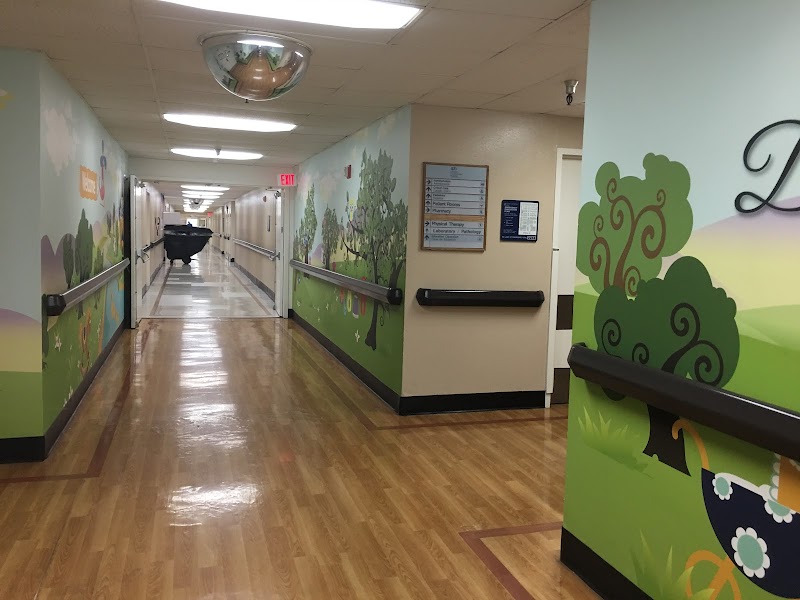
How is South Coast Global Medical Center D/P Snf Staffed?

CMS rates SOUTH COAST GLOBAL MEDICAL CENTER D/P SNF's staffing level at 4 out of 5 stars, which is above average compared to other nursing homes. Staff turnover is 3%, compared to the California average of 46%. This relatively stable workforce can support continuity of care.

What Have Inspectors Found at South Coast Global Medical Center D/P Snf?

State health inspectors documented 42 deficiencies at SOUTH COAST GLOBAL MEDICAL CENTER D/P SNF during 2022 to 2025. These included: 37 with potential for harm and 5 minor or isolated issues.
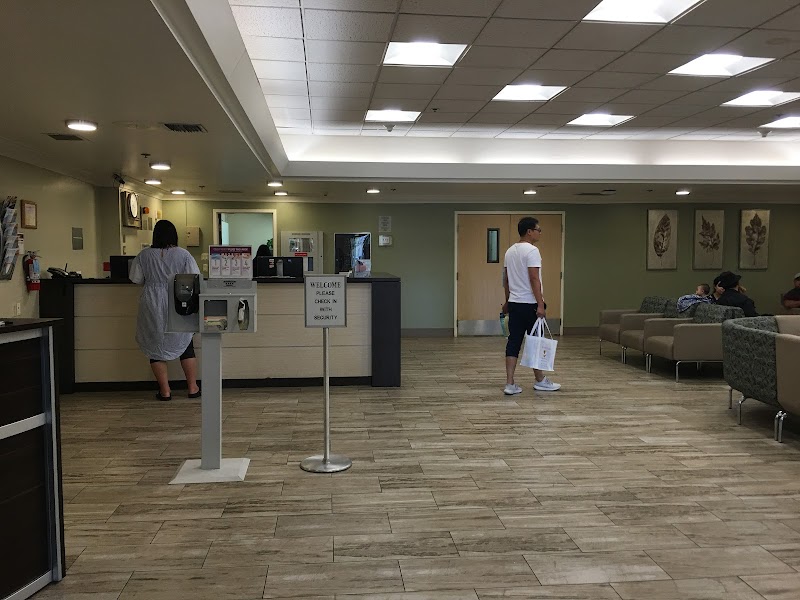
Who Owns and Operates South Coast Global Medical Center D/P Snf?

SOUTH COAST GLOBAL MEDICAL CENTER D/P SNF is owned by a for-profit company. For-profit facilities operate as businesses with obligations to shareholders or private owners. The facility operates independently rather than as part of a larger chain. With 46 certified beds and approximately 31 residents (about 67% occupancy), it is a smaller facility located in SANTA ANA, California.
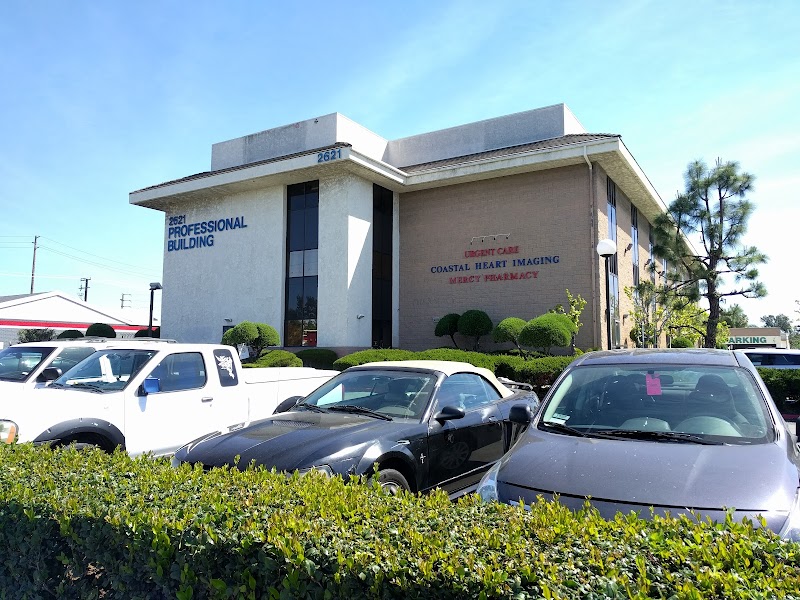
How Does South Coast Global Medical Center D/P Snf Compare to Other California Nursing Homes?

Compared to the 100 nursing homes in California, SOUTH COAST GLOBAL MEDICAL CENTER D/P SNF's overall rating (4 stars) is above the state average of 3.2, staff turnover (3%) is significantly lower than the state average of 46%, and health inspection rating (3 stars) is at the national benchmark.

What Should Families Ask When Visiting South Coast Global Medical Center D/P Snf?

Based on this facility's data, families visiting should ask: "Can I visit during a mealtime to observe dining assistance and food quality?" "How do you handle medical emergencies, and what is your hospital transfer rate?" "Can I speak with family members of current residents about their experience?"

Is South Coast Global Medical Center D/P Snf Safe?

Based on CMS inspection data, SOUTH COAST GLOBAL MEDICAL CENTER D/P SNF has a clean safety record: no substantiated abuse findings (meaning no confirmed cases of resident harm), no Immediate Jeopardy citations (the most serious violation level indicating risk of serious injury or death), and is not on the Special Focus Facility watch list (a federal program monitoring the lowest-performing 1% of nursing homes). The facility has a 4-star overall rating and ranks #1 of 100 nursing homes in California. While no facility is perfect, families should still ask about staff-to-resident ratios and recent inspection results during their visit.

Do Nurses at South Coast Global Medical Center D/P Snf Stick Around?

Staff at SOUTH COAST GLOBAL MEDICAL CENTER D/P SNF tend to stick around. With a turnover rate of 3%, the facility is 42 percentage points below the California average of 46%. Low turnover is a positive sign. It means caregivers have time to learn each resident's needs, medications, and personal preferences. Consistent staff also notice subtle changes in a resident's condition more quickly.

Was South Coast Global Medical Center D/P Snf Ever Fined?

SOUTH COAST GLOBAL MEDICAL CENTER D/P SNF has no federal fines on record. CMS issues fines when nursing homes fail to meet care standards or don't correct problems found during inspections. The absence of fines suggests the facility has either maintained compliance or corrected any issues before penalties were assessed. This is a positive indicator, though families should still review recent inspection reports for the full picture.

Is South Coast Global Medical Center D/P Snf on Any Federal Watch List?

SOUTH COAST GLOBAL MEDICAL CENTER D/P SNF is not on any federal watch list. The most significant is the Special Focus Facility (SFF) program, which identifies the bottom 1% of nursing homes nationally based on persistent, serious quality problems. Not being on this list means the facility has avoided the pattern of deficiencies that triggers enhanced federal oversight. This is a positive indicator, though families should still review the facility's inspection history directly.