SOUTH COAST POST ACUTE
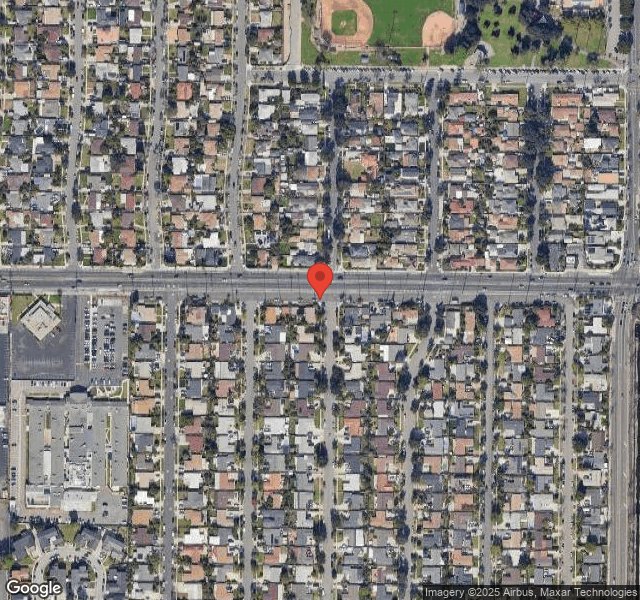
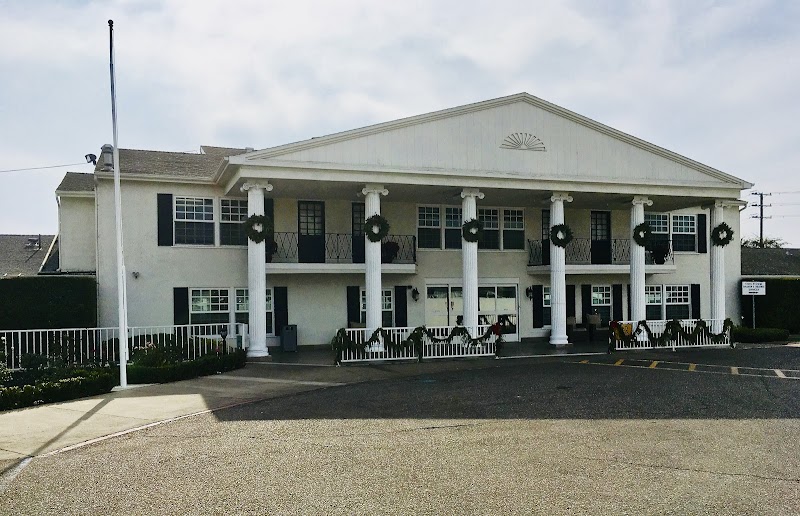
1030 W WARNER AVE, SANTA ANA, CA 92707 (714) 546-6450
For profit - Limited Liability company 255 Beds GENESIS HEALTHCARE Data: November 2025
Trust Grade
40/100
#909 of 1155 in CA
Last Inspection: February 2025

Within standard 12-15 month inspection cycle. Federal law requires annual inspections.

Overview

South Coast Post Acute has received a Trust Grade of D, indicating it is below average and has some concerning issues. It ranks #909 out of 1155 facilities in California, placing it in the bottom half, and #62 out of 72 in Orange County, meaning there are significantly better options nearby. The facility's performance is worsening, with the number of reported issues increasing from 16 in 2024 to 25 in 2025. Staffing is a strength, with a rating of 4 out of 5 stars and only 24% turnover, which is well below the state average, suggesting that staff members are stable and familiar with the residents. However, the facility has been cited for several concerns, including failing to maintain proper IV care for residents and not adhering to food safety and sanitation guidelines, which raises significant health and safety concerns. Overall, while there are strengths in staffing, the facility's trust grade and recent trends suggest potential risks that families should carefully consider.

Trust Score
D
40/100
In California
#909/1155
Bottom 22%
Safety Record
High Risk
Review needed
Inspections
Getting Worse
16 → 25 violations
Staff Stability
✓ Good
24% annual turnover. Excellent stability, 24 points below California's 48% average. Staff who stay learn residents' needs.
Penalties
✓ Good
No fines on record. Clean compliance history, better than most California facilities.
Skilled Nurses
○ Average
Each resident gets 32 minutes of Registered Nurse (RN) attention daily — about average for California. RNs are the most trained staff who monitor for health changes.
Violations
⚠ Watch
94 deficiencies on record. Higher than average. Multiple issues found across inspections.
★★☆☆☆
2.0
Overall Rating
★★★★☆
4.0
Staff Levels
★★★★☆
4.0
Care Quality
★★☆☆☆
2.0
Inspection Score
Stable
2024: 16 issues
2025: 25 issues

The Good

  • 4-Star Staffing Rating · Above-average nurse staffing levels
  • 4-Star Quality Measures · Strong clinical quality outcomes
  • Low Staff Turnover (24%) · Staff stability means consistent care
  • Full Sprinkler Coverage · Fire safety systems throughout facility
  • No fines on record
  • Staff turnover is low (24%)

    24 points below California average of 48%

Facility shows strength in staffing levels, quality measures, staff retention, fire safety.

The Bad

2-Star Overall Rating

Below California average (3.1)

Below average - review inspection findings carefully

Chain: GENESIS HEALTHCARE

Part of a multi-facility chain

Ask about local staffing decisions and management

The Ugly 94 deficiencies on record

Sept 2025 1 deficiency
CONCERN (D) 📢 Someone Reported This

A family member, employee, or ombudsman was alarmed enough to file a formal complaint

Potential for Harm - no one hurt, but risky conditions existed

Investigate Abuse (Tag F0610)

Could have caused harm · This affected 1 resident

**NOTE- TERMS IN BRACKETS HAVE BEEN EDITED TO PROTECT CONFIDENTIALITY** Based on interview, medical record review, facility document review, and facility P&P review, the facility failed to ensure the ...

Read full inspector narrative →
**NOTE- TERMS IN BRACKETS HAVE BEEN EDITED TO PROTECT CONFIDENTIALITY** Based on interview, medical record review, facility document review, and facility P&P review, the facility failed to ensure the abuse allegations were thoroughly investigated for two of five sampled residents (Residents 1 and 3). * The facility failed to conduct a thorough investigation for Resident 1's abuse allegation against Resident 2 when the resident's roommate was not interviewed regarding the incident. * The facility failed to conduct a thorough investigation for Resident 3's abuse allegation against Resident 4 when witnesses were not interviewed regarding the incident. These failures had the potential for the residents to be vulnerable for further abuse, mistreatment, and injury.Findings: Review of the facility's P&P titled Abuse Prohibition Policy and Procedure dated 2/23/21, showed health care centers prohibit abuse, mistreatment, neglect, misappropriation of resident property, and exploitation for all residents. The Process section showed investigation will be thoroughly documented. Ensure that documentation of witnessed interviews is included. 1. Review of the facility's SOC 341 form dated 9/9/25, showed Resident 1 alleged he was struck on the face by Resident 2. Both residents were separated. Resident 2 was placed on close monitoring and Resident 1 was given first aid. Medical record review for Resident 1 was initiated on 9/23/25. Resident 1 was admitted to the facility on [DATE], and readmitted on [DATE]. Review of Resident 1's MDS assessment dated [DATE], showed the resident's cognition was intact. Review of Resident 1's Nurse Progress Note dated 9/9/25 at 2119 hours, showed Resident 1 was interviewed and assessed by the facility staff. Review of the Daily Census dated 9/9/25, showed Resident 1 had a roommate (Resident A). Review of Resident 1's medical record showed the resident was in the room by the door and Resident 2 was outside of Resident 1's room. Further review of Resident 1's medical record and investigation report failed to show documented evidence Resident A (who possibly witnessed the incident) was interviewed in relation to the incident. There was no documentation to explain why Resident A was not interviewed regarding the incident. On 9/23/25 at 1605 hours, an interview was conducted with MHW (Mental Health Worker) 1. MHW 1 stated she observed Resident 2 punch someone with his right arm and closed fist. MHW 1 stated she did not know at that time who was the one that Resident 2 punched. MHW 1 stated she immediately ran down the hall and shouted for staff help. MHW 1 further stated Resident 2 stepped back and listened to redirection from the facility staff. MHW 1 stated she saw Resident 1's both hands on his nose and there was bleeding. On 9/24/25 at 1537 hours, an interview and concurrent medical record and facility document review was conducted with the DON. The DON verified Resident 1's roommate (Resident A) was not interviewed. The DON stated he did not know if Resident 1's roommate (Resident A) was in the room at the time of the incident. The DON stated Resident A should have been interviewed because the resident could have potentially seen the incident as a witness. The DON stated the alleged victim and alleged perpetrator were both alert and interviewable. 2. Review of the facility's SOC 341 form dated 9/12/25, showed Resident 4 struck Resident 3 on the back of the neck, unprovoked, while in the patio. Both residents were separated. Resident 4 was placed on close monitoring and contracted for safety. Resident 3 was given first aid. Medical record review for Resident 3 was initiated on 9/23/25. Resident 3 was admitted to the facility on [DATE], and readmitted on [DATE]. Review of Resident 3's MDS assessment dated [DATE], showed Resident 3 was cognitively intact. Review of Resident 3's Behavior Progress Note dated 9/12/25 at 2145 hours, showed Resident 3 was in the patio waiting for dinner at approximately 1740 hours on 9/12/25. Resident 4 approached Resident 3 and struck her at the back of her neck. The facility staff immediately intervened and separated the two residents. Resident 4 was escorted to the quiet room and Resident 3 was assessed for pain and injuries. Further review of Resident 3's medical record and investigation report failed to show documented evidence other residents who possibly witnessed the incident were interviewed. On 9/23/25 at 1039 hours, an interview was conducted with Resident 5. Resident 5 stated she saw Resident 4 behind Resident 3. Resident 5 further stated Resident 4 smacked his hand on the back of the head of Resident 3. Resident 5 stated Resident 4 took off immediately after the incident. On 9/24/25 at 1550 hours, an interview and concurrent medical record and facility document review was conducted with the DON. The DON verified the other residents who were in the patio waiting for dinner on the time of Resident 3's alleged abuse were not interviewed. The DON stated the facility staff did not interview other residents because Resident 3's alleged abuse was witnessed by the two facility staff. On 9/24/25 at 1645 hours, the Administrator and DON were informed and acknowledged the above findings.
Aug 2025 2 deficiencies
CONCERN (D) 📢 Someone Reported This

A family member, employee, or ombudsman was alarmed enough to file a formal complaint

Potential for Harm - no one hurt, but risky conditions existed

Deficiency F0627 (Tag F0627)

Could have caused harm · This affected 1 resident

**NOTE- TERMS IN BRACKETS HAVE BEEN EDITED TO PROTECT CONFIDENTIALITY** Based on interview, medical record review, facility document review, and facility P&P review, the facility failed to ensure a sa...

Read full inspector narrative →
**NOTE- TERMS IN BRACKETS HAVE BEEN EDITED TO PROTECT CONFIDENTIALITY** Based on interview, medical record review, facility document review, and facility P&P review, the facility failed to ensure a safe and coordinated discharge for one of four sampled residents (Resident 1). * The facility initiated a Discharge AMA (Against Medical Advice) when Resident 1 returned to the facility after being out on pass (on the same day) without a planned place to stay. In addition, Resident 1's Out on Pass Log was incomplete. This failure had the potential to result in an unsafe discharge when Resident 1 experienced a panic attack and was transported to the emergency room. Findings: Review of the facility's P&P titled Discharge AMA dated 3/2022 showed the following:AMA discharges will be processed in accordance with the Resident's/resident representative's request to arrange for a safe and appropriate discharge. Documentation will be completed as applicable. Referral to Adult Protective Services will be made when appropriate.Efforts would be made to make referrals to community resources and agencies to the extent time permits.Documentation will be made in the medical record with details of the discharge to include: - persons and agencies notified; - statement of reason for discharge (if known); - explanation of benefits of remaining in the facility; - explanation of the potential complications, risk, and consequences of leaving the facility against the advice of the physician; - date and time of discharge, mode of transportation, and by whom. Review of the facility's P&P titled Out on Pass (undated) showed the facility is committed to providing the residents with the opportunity to participate in family and community life in ways that support well-being and optimal functioning. It is the policy of the facility to meet the residents' physical and psychosocial needs when going out on pass. As such, the facility will make reasonable efforts to ensure the resident safety and uphold resident rights. If the resident's physician determines that the resident may participate in activities outside the facility, the physician will write/give an order for a resident to go out on pass. The resident/responsible person will verbally notify a licensed nurse prior to going out on pass and will sign out and back in on the Resident Out on Pass Log. The resident/responsible person will return to the facility at the agreed-upon time, or else notify the facility of any unexpected delay in return to the facility. Review of the P&P titled Abuse Prohibition dated 2/2021 showed abuse is defined as the willful infliction of injury, unreasonable confinement, intimidation, or punishment with resulting physical harm, injury, or mental anguish. Abuse also includes the deprivation by an individual, including a caretaker, of goods and services that are necessary to attain or maintain physical, mental or psychosocial well-being: Mental abuse includes, but is not limited to humiliation, harassment, and threats of punishment or deprivation, and Neglect is defined as the failure of the Center, its employees, or service providers to provide goods and services to a patient that are necessary to avoid physical harm, pain, mental anguish, or emotional distress Closed medical record review for Resident 1 was initiated on 8/5/25. Resident 1 was readmitted to the facility on [DATE], and discharged AMA on 7/20/25. Resident 1 was a custodial resident with diagnoses including cirrhosis of the liver (scarring in liver tissue), cardiomegaly (enlarged heart), essential hypertension (high blood pressure), and depression. Review of Resident 1's Physician Order Summary Report showed an order dated 10/3/24, Resident 1 may go out on pass with a family or friend for no more than four hours for therapeutic activities. Review of Resident 1's Care Plan Report showed the following care plans:- dated 3/7/24, resident requires assist in the following areas: bathing, bed mobility, locomotion off unit, locomotion on unit, personal hygiene, toilet use, and transfers.- dated 3/8/24, Resident 1 will be long-term with minimal/no possibility to be discharged to lower level of care due to medical status, and lack of support system (family and/or community). Review of Resident 1's MDS assessment dated [DATE], section GG Functional Abilities showed the following:- for shower/bath self, lower body dressing, and putting on/taking off footwear, 2 (indicating the resident needed substantial/maximal assistance);- for upper body dressing, personal hygiene, roll left to right, sit to lying, lying to sitting on side of bed, chair/bed to chair transfer, and tub/shower transfer, 3 (indicating the resident needed partial/moderate assistance); and- for walk 150 feet- 4 (indicating the resident needed supervision or touching assistance) Further review of Resident 1's MDS assessment showed substantial/maximal assistance was defined as, helper does more than half the effort, helper lifts, or holds trunk or limbs and provides more than half the effort. Partial/moderate assistance was defined as helper does less than half the effort. Helper lifts, holds, or support trunk or limbs, but provides less than half the effort. Supervision or touching assistance was defined as helper provides verbal cues, and/or touching/steadying and/or contact guard assistance as resident completes activity. Assistance may be provided throughout the activity or intermittently. Review of Resident 1's Physician Progress Notes dated 6/17/25, showed Resident 1 exhibited an overly concerned attitude about his health and non-health issues, particularly when discussing discharge planning. Review of Resident 1's Progress Note dated 7/9/25, showed the resident was seen out of facility by a staff at a corner shopping center. Resident 1 had an out on pass order only with supervision with either the responsible party or family. Resident 1 returned to the facility safely, was ambulatory with front wheel walker. Resident 1 was reminded he could not leave the facility alone and must be accompanied by the responsible party or family member. Resident 1 verbalized understanding. The facility had informed NP 1, and Physician 1. Monitor resident every shift and location in facility, instructions given to resident to inform nurse if he has plans to go out on pass, and to sign out at nurses station. Review of Resident 1's Progress Notes eINTERACT SBAR Summary for Providers dated 7/9/25, showed the Primacy Care Provider Feedback was to continue to monitor the resident every shift, and remind the resident to inform charge nurse when he decides to go out on pass, he must be accompanied by responsible party at all times, and sign out pass book at nursing station. Review of Resident 1's care plan dated 7/9/25, showed the resident was going out pass without notifying charge nurse and responsible party. Interventions included reminding the resident to inform the charge nurse when he leaves facility, resident must be accompanied by responsible party, have resident sign out at nurses station when he leaves facility, and when he returns from out on pass. Further review of Resident 1's medical record failed to show documented evidence Resident 1 was informed he would be discharged AMA if he continued to leave the facility out on pass without proper notification, and to sign the in and out in the logbook. Review of Resident 1's eINTERACT Change in Condition Evaluation dated 7/20/25, showed Resident 1 went out of the facility without informing anyone, AMA order. Review of Resident 1's Physician Order Summary Report showed an order dated 7/20/25, Resident 1 may go AMA with no medications. Further review of Resident 1's eINTERACT Change in Condition Evaluation Provider Notification and Feedback dated 7/20/25, showed at 1445 hours, Nurse Practitioner 1 was made aware and ordered to discharge the resident AMA because the resident was alert and oriented times four, self-responsible, fully aware of the out on pass policy and procedure, risk to be discharged AMA, but still chose not to comply. Around 1550 hours, Resident 1 arrived in no distress. Explained the situation and AMA order. Resident 1 understood and signed AMA and took his stuff. A few minutes later, Resident 1 stated he wanted to go to the emergency room and asked the staff to assist in calling 911 because he stated he was feeling anxious, could not breathe, and could not call 911 by himself. Review of Resident 1's Progress Note dated 7/20/25, showed the facility spoke with Resident 1's responsible party regarding the AMA discharge. Resident 1's responsible party was informed the resident left the facility without a responsible party, without permission, and against providers orders. On 8/5/25 at 1415 hours, an interview was conducted with RN 1. RN 1 stated she was notified by CNA 1 saw Resident 1 walking on the corner of two major cross streets on 7/20/25. RN 1 stated she notified NP 1, who gave the order to discharge the Resident 1 AMA. When Resident 1 returned to the facility approximately one hour and five minutes later, RN 1 stated she informed Resident 1 that NP 1 gave an order for an AMA discharge and the resident signed it. After signing the AMA, Resident 1 stated he did not know where he was going to go and then five minutes later, started insisting on going to the acute care hospital. RN 1 stated Resident 1's hands started to shake and the resident could not breathe. RN 1 further stated the emergency services were called, and Resident 1 was transferred to an acute care facility via ambulance. On 8/5/25 at 1446 hours, an interview was conducted with the SSD. The SSD stated the process for discharging homeless residents was to assist them to go to the Illumination Foundation or Mom's Retreat. The SSD stated this facility was Resident 1's home and he was a long-term resident. When asked if Resident 1 had a place to live upon discharge, the SSD stated no, that's why I discussed Illumination Foundation and Mom's retreat but it never went into motion. On 8/6/25 at 1054 hours, an interview was conducted with LVN 2. LVN 2 stated the process when a resident goes out on pass should include a physician's order, someone accompanying the resident, signing in and out on the log verified by the licensed nurses, and documenting when the resident leaves and returns in the progress notes. LVN 2 stated Resident 1 was compliant in the past, but there was one incident when he was not in the facility when she was working. LVN 2 stated he did not indicate why he left but stated he liked to go to the store or the corner of the street. b. Review of the facility's document titled Resident Out On Pass Log showed the following for Resident 1:- dated 6/2/25, no entry on the time the resident returned and no nurses initials.- dated 6/21/25, no entry on the time the resident returned and no nurses initials.- dated 6/26/25, no entry on the time the resident returned and no nurses initials.- dated 7/8/25, no entry on the time the resident returned and no nurses initials.- dated 7/18/25, no entry when the resident went out, returned to the facility and no nurses initials; and - one undated, no entry when the resident went out, returned to the facility and no nurses initials. On 8/5/25 at 1319 hours, an observation and concurrent interview was conducted with LVN 1. LVN 1 stated the process for the residents to go out on pass would include for a physician's orders and signing in and out of the logbook which would be witnessed by the nurse. When asked where the logbook was, LVN 1 pointed to the top of the counter located at the nurse's station. LVN 1 verified the blank entries for Resident 1's Out On pass Log, and stated the blank entries were unverifiable as the licensed nurses must write the actual return time and signed by the nurse. On 8/6/25 at 1554 hours, an interview and concurrent closed medical record review was conducted with the DON. The DON verified the Out on Pass Log for Resident 1 had blank entries and stated ideally the nurses were supposed to sign. When asked what Resident 1's living arrangements were if he were to be discharged , the DON stated Resident 1 stated he was going to his sisters. When asked if there was any documented evidence showing there was communication with the sister that Resident 1 was able to live at her house, the DON stated no, I don't think there is. When asked if Resident 1 was homeless, the DON stated I don't know. On 8/7/25 at 1117 hours, an interview was conducted with the Case Manager. The Case Manager stated if a resident did not have a place to go, then an AMA would not be given. The AMA was only given if the resident insisted on leaving the facility. On 8/7/25 at 1600 hours, an interview was conducted with NP 1. NP 1 stated if a resident did not follow the facility's rules, they would be discharged AMA even when a resident did not have a place to live. When asked if this was a facility-initiated discharge, NP 1 stated essentially yeah, if you don't follow the rules, that's the rules for all facilities. When asked if all non-compliant residents are discharged AMA, NP 1 stated yeah actually, they are told to follow the rules, and go out on pass, they will get discharged . On 8/8/25 at 1312 hours, the Administrator and DON acknowledged the findings.
MINOR (B) 📢 Someone Reported This

A family member, employee, or ombudsman was alarmed enough to file a formal complaint

Minor Issue - procedural, no safety impact

Medical Records (Tag F0842)

Minor procedural issue · This affected multiple residents

**NOTE- TERMS IN BRACKETS HAVE BEEN EDITED TO PROTECT CONFIDENTIALITY** Based on interview, medical record review, facility document review, and facility P&P review, the facility failed to ensure the ...

Read full inspector narrative →
**NOTE- TERMS IN BRACKETS HAVE BEEN EDITED TO PROTECT CONFIDENTIALITY** Based on interview, medical record review, facility document review, and facility P&P review, the facility failed to ensure the Out on Pass Log was accurately and completely filled out for two of four sampled residents (Residents 1 and 4). * Resident 1 and 4's Resident Out on Pass Log did not include the time when the resident went out of the facility, had returned to the facility, and the nurse's initials. These failures had the potential for the residents' care needs to not be met.Findings: Review of the facilities P&P titled Nursing Documentation dated 6/2022 showed nursing documentation will follow the guidelines of good communication and be concise, clear, pertinent, and accurate based on the residents/patients (hereinafter patient) condition, situation, and complexity. Documentation for subsequent and or routine care and procedures may be completed by exception or the use of a checklist, flow charts, or other documentation tools. Clinical judgment is used to determine the need for additional data collection and/or more frequent documentation.- Documentation includes information about the patient's status, nursing assessment and interventions, expected outcomes, evaluation of the patients outcomes, and responses to nursing care. - Timely entry of documentation must occur as soon as possible after the provision of care and in conformance with time frames for completion as outlined by other policies and procedures- All resident information will be documented, scanned, or entered in the appropriate section of the clinical record following established guidelines. Review of the P&P titled Out on Pass (undated) showed the facility is committed to providing residents with the opportunity to participate in family and community life in ways that support well-being and optimal functioning. It is the policy of the facility to meet the residents' physical and psychosocial needs when going out on pass. As such, the facility will make reasonable efforts to ensure the resident safety and uphold resident rights. If the resident's physician determines that the resident may participate in activities outside the facility, the physician will write/give an order for a resident to go out on pass. The resident/responsible person will verbally notify a licensed nurse prior to going out on pass and will sign out and back in on the Resident Out on Pass Log. The resident/responsible person will return to the facility at the agreed-upon time, or else notify the facility of any unexpected delay in return to the facility. 1. Closed medical record review for Resident 1 was initiated on 8/5/25. Resident 1 was readmitted to the facility on [DATE], and discharged AMA on 7/20/25. Review of the facility's document titled Resident Out On Pass Log showed the following for Resident 1:- dated 6/2/25, no entry on the time the resident returned and no nurses initials.- dated 6/21/25, no entry on the time the resident returned and no nurses initials.- dated 6/26/25, no entry on the time the resident returned and no nurses initials.- dated 7/8/25, no entry on the time the resident returned and no nurses initials.- dated 7/18/25, no entry when the resident went out, returned to the facility and no nurses initials.- undated, no entry when the resident went out, returned to the facility and no nurses initials. Cross Reference F627. 2. Medical record review for Resident 4 was initiated on 8/7/25. Resident 4 was admitted to the facility on [DATE], and readmitted on [DATE]. Review of the facility document titled Resident Out On Pass Log showed the following for Resident 4:- dated 6/17/25, no entry when the resident went out and no nurses initials.- dated 6/26/25, no entry when the resident went out, returned to the facility and no nurses initials.- dated 7/4/25, no entry when the resident went out, returned to the facility and no nurses initials. On 8/6/25 at 1554 hours, an interview and concurrent medical record review was conducted with the DON. The DON verified the Out on Pass Log for Residents 1 and 4 had blank entries and stated ideally the nurses were supposed to sign the entries. On 8/8/25 at 1312 hours, the Administrator and DON acknowledged the findings.
Jul 2025 2 deficiencies
CONCERN (D) 📢 Someone Reported This

A family member, employee, or ombudsman was alarmed enough to file a formal complaint

Potential for Harm - no one hurt, but risky conditions existed

Free from Abuse/Neglect (Tag F0600)

Could have caused harm · This affected 1 resident

**NOTE- TERMS IN BRACKETS HAVE BEEN EDITED TO PROTECT CONFIDENTIALITY** Based on interview, medical record review, and facility P&P review, the facility failed ensure the residents were free from the ...

Read full inspector narrative →
**NOTE- TERMS IN BRACKETS HAVE BEEN EDITED TO PROTECT CONFIDENTIALITY** Based on interview, medical record review, and facility P&P review, the facility failed ensure the residents were free from the abuse for two of five sampled residents (Resident 4 and 5). This failures resulted in Residents 4 and 5 having a physical altercation, which had the potential to negatively impact the residents' well-being. Findings: Review of the facility's P&P titled Abuse Prohibition effective 2/23/21, showed the program facility staff will do everything in their control to prevent occurrences of abuse. Prevention tactics include understanding behavior symptoms of residents that may increase the risk of abuse and how to respond, and identifying, correcting and intervening in situations in which abuse is more likely to occur. Review of the facility's Conclusion Letters to CDPH dated 6/26/25, showed on 6/24/25 around 1030 hours, an unwitnessed altercation between Residents 4 and 5 occurred in their shared room. Both residents alleged they were hit first and they hit their roommate in the face in self-defense. Both residents were assessed by the staff, and Resident 4 was observed to have a small abrasion on the lip and Resident 5 was observed to have a swollen lip. a. Medical record review for Resident 4 was initiated on 7/10/25. Resident 4 was readmitted to the facility on [DATE]. Review of Resident 4's Care Plan Report showed a focus for the resident being physically aggressive/assaultive created on 3/24/25, and last revised on 7/2/25. The care plan showed the following:-On 4/18/25, the resident verbally threatened someone.-On 5/17/25, the resident swung at staff.-On 5/8/25, the resident punched the wall.-On 5/15/25, the resident punched the wall.-On 5/25/25, the resident struck a resident on the back of the head.-On 5/26/25, the resident swung at staff.-On 6/24/25, the resident hit his roommate.-On 7/2/25, the resident hit facility staff. b. Medical record review for Resident 5 was initiated on 7/10/25. Resident 5 was admitted to the facility on [DATE]. Review of Resident 5's Care Plan Report showed a focus for the resident's aggressive behavior created on 6/7/25, and last revised on 6/30/25. The care plan showed the following:-On 6/11/25, the resident was agitated, responding to internal stimuli, and pounding on the wall.-On 6/12/25, the resident was threatening to stab staff with a pen and was experiencing auditory hallucinations.-On 6/13/25, the resident was responding to internal stimuli, punched and banged on the wall.-On 6/14/25, the resident was punching/banging on plexiglass.-On 6/18/25, the resident was banging on the plexiglass.-On 6/19/25, the resident punched a cabinet on the patio.-On 6/22/25, the resident banged on the plexiglass and was yelling.-On 6/24/25, the resident punched his roommate.-On 6/26/25, the resident punched the wall in the hallway.-On 6/30/25, the resident screamed and punched the plexiglass. On 7/10/25 at 1205 hours, an interview was conducted with the TRC DON. The TRC DON stated Resident 5 experiences command hallucinations, in which the internal stimuli commands him to do things. The TRC DON stated one of Resident 4's antipsychotic medications had to be discontinued due to the side effects, and his behaviors escalated after discontinuing the medication. The TRC DON stated for the altercation between Residents 4 and 5 on 6/24/25, both residents alleged the other resident hit first, but both acknowledged they hit each other. On 7/10/25 at 1235 hours, an interview was conducted with Resident 5. Resident 5 stated he had an altercation with his prior roommate that his roommate hit him first and he hit his roommate back in self-defense.
MINOR (B) 📢 Someone Reported This

A family member, employee, or ombudsman was alarmed enough to file a formal complaint

Minor Issue - procedural, no safety impact

Medical Records (Tag F0842)

Minor procedural issue · This affected multiple residents

**NOTE- TERMS IN BRACKETS HAVE BEEN EDITED TO PROTECT CONFIDENTIALITY** Based on interview, medical record review, and facility P&P review, the facility failed to ensure the medical record was accurat...

Read full inspector narrative →
**NOTE- TERMS IN BRACKETS HAVE BEEN EDITED TO PROTECT CONFIDENTIALITY** Based on interview, medical record review, and facility P&P review, the facility failed to ensure the medical record was accurate for one of five sampled residents (Resident 1). This failure had the potential to negatively impact the resident's care as the medical information was inaccurate. Findings: Closed medical record review for Resident 1 was initiated on 7/10/25. Resident 1 was readmitted to the facility on [DATE], and discharged to the acute care hospital on 7/5/25. Review of Resident 1's EHR failed to show a signed copy of the residents admission physician's orders. On 7/10/25 at 0955 hours, the HIM stated once the paper medical records were scanned into the EHR, they were shredded. The HIM stated Resident 1's signed Order Summary Report should be in the EHR. The HIM verified the signed Order Summary Report was not located in the resident's EHR. On 7/10/25 at 1043 hours, the Medical Records Clerk provided a copy of Resident 1's signed Order Summary Report with the signature dated 7/8/25. Review of Resident 1's Order Summary Report showed at the bottom of the last page, I have approved these orders for Resident 1. Below was Physician 1's name and 7/8/25 hand written, as well as a signature. On 7/10/25 at 1058 hours, an interview and concurrent record review was conducted with Physician 1. Physician 1 stated he signed Resident 1's Physician Order Summary earlier that morning. When asked about the handwritten date of 7/8/25, next to his signature, the physician stated it was already dated when he signed the Order Summary Report.
Jun 2025 5 deficiencies
CONCERN (D) 📢 Someone Reported This

A family member, employee, or ombudsman was alarmed enough to file a formal complaint

Potential for Harm - no one hurt, but risky conditions existed

Free from Abuse/Neglect (Tag F0600)

Could have caused harm · This affected 1 resident

**NOTE- TERMS IN BRACKETS HAVE BEEN EDITED TO PROTECT CONFIDENTIALITY** Based on observation, interview, medical record review,facility document review, and facility P&P review, the facility failed to...

Read full inspector narrative →
**NOTE- TERMS IN BRACKETS HAVE BEEN EDITED TO PROTECT CONFIDENTIALITY** Based on observation, interview, medical record review,facility document review, and facility P&P review, the facility failed to ensure one of 10 sampled residents (Resident 8) was free from abuse. * Resident 8 accidently bumped into Resident 7. In response, Resident 7 got upset and pushed Resident 8 into the wall, causing an abrasion to Resident 8's forehead and a laceration to Resident 8's left eyelid. This failure resulted in Resident 8 sustaining multiple injuries as a result of the altercation, which had the potential to negatively impact the resident's well-being. Findings: Review of the facility's P&P titled Abuse Prohibition Policy and Procedure dated 2/23/21, showed the following: 1. Abuse is defined as the willful infliction of injury, unreasonable confinement, intimidation, punishment with resulting physical harm injury, or mental anguish. 2. Actions to prevent abuse, neglect, exploitation, or mistreatment, including injuries of unknown source and misappropriation of resident property, will include: a. Providing patients, families, and staff with information on how and to whom they may report concerns, incidents, and grievances without fear of retribution and provide feedback regarding the concerns that have been expressed; b. identifying, correcting, and intervening in situations in which abuse, neglect, and/or misappropriation of a patient property is more likely to occur; and c. establishing a safe environment that supports, to the extent possible, a patient's consensual sexual relationship. 3. Staff will identify events-such as suspicious bruising of patients, occurrences, patterns, and trends that may constitute abuse-and determine the direction of the investigation. This also includes patient-to-patient abuse. a. The notified supervisor will report the suspected abuse immediately to the Center Executive Director (CED) Or designee and other officials in accordance with state law. b. If the patient if the patient/resident sustained serious bodily injury the employee who informs the suspicion or witnesses the incident must report no later than (2) hours after forming the suspicion. c. All reports of suspected abuse must be reported to the patient's family and attending physician. 4. If the suspected abuse is resident-resident, the resident who has in any way threatened or attacked another will be removed from the setting or situation and an investigation will be completed. a. The Center will provide adequate supervision when the risks of resident-resident altercation is suspected. b. The Center is responsible for identifying residents who have a history of disruptive or intrusive interactions or who exhibit other behaviors that make them more likely to be involved in an altercation. c. The family and physician will be notified and any follow up recommended will be completed (e.g. psychiatric evaluation). d. Options for room changes will be provided based on the situation e. the Center should seek alternative placement for the patient exhibiting the abusive behavior if warranted. 5. The investigation will be thoroughly documented. Ensure that documentation of witnessed interviews is included. 6. The Center will protect patients from further harm during an investigation. a. Provide the patient with a safe environment by identifying persons with whom he/she feel safe and conditions that would feel safe. Assign a representative from social services or designee to observe the patient's feelings concerning the incident, as well as the patient's involvement in the investigation. 7. If the suspected abuse is resident-to-resident, the resident who has in any way threatened or attacked another will be removed from the setting or situation and an investigation will be completed. a. Options for room changes will be provided based on the situation. b. The Center should see alternative placement for the patient exhibiting the abusive behavior, if warranted. 8. Initiate an investigation within two hours of an allegation of abuse that focuses on: a. whether abuse or neglect occurred and to what extent; b. clinical examination for signs of injuries, if indicated; c. causative factors; and d. interventions to prevent further injury. On 6/3/25 at 1519 hours, the CDPH, L&C Program received an SOC 341 from the facility showing at approximately 1320 hours, Resident 8 accidently bumped into Resident 7 in the hallway. Resident 7 reacted by pushing Resident 8, which caused Resident 8 to fall and sustain an abrasion on the forehead. Both residents were separated, and Resident 7 was placed on close supervision. Both the residents were contracted for safety. a. Medical record review for Resident 7 was initiated on 6/5/25. Resident 7 was admitted to the facility on [DATE], and readmitted on [DATE]. Resident 7 had diagnoses including schizoaffective disorder bipolar type and schizophrenia. Review of Resident 7's Progress Note from the resident's previous facility dated 5/10/25, showed the prior facility received a report that Resident 7 was walking the hallway when he saw another male peer walking in the opposite direction. For no reason, Resident 7 pushed the male peer on the floor. Further review of the progress note showed Resident 7 stated he would continue to make assaults toward that male peer if he continued to bump into him. Review of Resident 7's admission Summary Psychiatric Progress Note dated 5/21/25, showed Resident 7 was admitted from a facility with multiple disruptive behaviors, including assaulting a male peer due to paranoia, pushing a male peer without provocation, pulling a male peer in the room and assaulting him. Resident 7 was continuing to make assaults towards peer if the peer kept bumping into him. Resident 7 was placed on a 1:1 supervision (one nurse to supervise one resident) to monitor for safety. The rationale for continued hospitalization section showed Resident 7 remained at high risk for danger to others and was gravely disabled due to the severity for their psychiatric symptoms and required continued hospitalization. Review of Resident 7's care plan for aggressive and assaultive behaviors created 5/20/25, and initiated 5/26/25, showed at Resident 7's previous facility, Resident 7 had assaulted a male peer and pushed him down on the floor. Resident 7 had pulled a different male peer out of his room and assaulted him. Resident 7 had threated to assault another male peer and was placed on a 1:1 supervision for safety. Review of Resident 7's MDS assessment dated [DATE], showed the resident was cognitively intact with a BIMS score of 15, indicating the resident had an intact cognitive response. Review of Resident 7's Behavioral Progress Note dated 6/3/25 at 1400 hours, showed the resident was walking through hallway. Resident 8 bumped into Resident 7 who then pushed Resident 8 down to the ground and into the wall. Resident 7 then moved away from the area, and Resident 8 was assessed, and treated. Further review of the Behavioral Progress Note showed Resident 7 stated Resident 8 had been bumping into him all day and called him racial slurs. Resident 7 confirmed pushing Resident 8 down and then pushed him into the wall. Resident 7's Behavioral Progress Note further showed the resident stated, I told you guys this is not the best unit for me to be on. Review of Resident 7's Psychiatric Progress Note dated 6/3/25 at 2305 hours, showed Resident 7 assaulted Resident 8 today. Further review of the Psychiatric Progress Note showed Resident 7 reported slamming into Resident 8, stating he slammed Resident 8 last night and again today. Resident 7 asked the social worker for a change of unit due to wanting to slam Resident 8 because Resident 8 bumped into him. Resident 7 acknowledged the psychiatrist had previously informed him that he should walk away if the bumping continued as Resident 8 had a disorganized behavior of bumping into people indiscriminately but did not do so. The note further showed under the assessment section, Resident 7 continued to be at high risk of violence and assault and assaulted peer due to small quarters and Resident 8 bumping into him. The rationale for continued hospitalization section showed Resident 7 remained at high risk for danger to others and was gravely disabled due to the severity for their psychiatric symptoms and required continued hospitalization. Review of Resident 7's care plan for aggressive and assaultive behavior revised 6/4/25, showed Resident 7 pushed male peer. Review of Resident 7's Social Service Progress Note dated 6/4/25, showed Resident 7 asked the Social Worker why is he still here, he bugs I'm going to break his neck. The document further showed the social worker informed Resident 7 not to do anything and stay calm. On 6/5/25 at 1036 hours, an interview was conducted with Resident 7. Resident 7 stated Resident 8 bumped into me and I slammed him on 6/3/25. On 6/5/25 at 1333 hours, a follow-up interview was conducted with Resident 7. Resident 7 stated he had previously slammed Resident 8 the night before the incident on 6/3/25. Resident 7 stated he grabbed Resident 8's neck and slammed him. Resident 7 further stated he did it because Resident 8 kept bumping into him as if he was trying to start a fight. Resident 7 stated during the first incident, Resident 8's head bumped off the pavement. Resident 7 stated there were six to seven people, including MHW 4 present during the first incident. Resident 7 stated he purposefully slammed into Resident 8. Resident 7 further stated, hell yeah, he got a dirty shirt, slobbery, and bumps into you with his shirt like he's sliming you . When asked if Resident 7 was separated from Resident 8 after the first incident, Resident 7 stated, hell no. Resident 7 stated the only reason he got mad was because Resident 8's shirt kept touching him, and he could only tolerate so many bumps. Resident 7 stated he spoke to the Social Worker and told him he would seriously hurt Resident 8 if he kept bumping into him. Resident 7 told the Social Worker either he or Resident 8 needed to change units. Resident 7 further stated he informed the Social Worker an incident like this happened at the last facility he was at and stated, I'm going to get in trouble for hurting this [NAME] then slammed his head into the wall and ripped open his face. Resident 7 stated the facility stated they will talk to Resident 8 after the first incident occurred on 6/2/25, but nothing had happened. b. Medical record review for Resident 8 was initiated on 6/5/25. Resident 8 was admitted to the facility on [DATE], and readmitted on [DATE]. Resident 8 had diagnoses including schizoaffective disorder bipolar type, and schizophrenia. Review of Resident 8's MDS assessment dated [DATE], showed the resident was cognitively intact with a BIMS score of 15. Review of Resident 8's Nurse Progress Note dated 6/3/25, showedat 1511 hours, showed Resident 8 was walking through the hallway and bumped into Resident 7. Resident 7 pushed Resident 8 down to the ground and into the wall. There was approximately a six-inch hole was put in the wall. Resident 8 was assessed and sustained an abrasion to the forehead and a laceration to the left eyelid. The on-call physician was notified and gave order to send the resident to the acute care for further evaluation and clearance. Review of Resident 8's Medical Consultation and Report dated 6/3/25, the reason for consultation showed was to reevaluate for face abrasions. Resident 8 was sent to the acute care hospital emergency room for medical clearance. Review of Resident 8's Visit Record from the acute care hospital dated 6/3/25, showed Resident 8 had imaging done to the face and cervical spine regions, and was noted with a C3-C4 (vertebrae in the cervical spine located in the neck) 2 mm focal posterior disc bulge with minimal spinal stenosis. Review of Resident 8's Psychiatric Progress Noted dated 6/3/25 at 1658 hours, showed the altercation led Resident 8 to be transferred to the local emergency room. Resident 8's family member wanted to take him home because he did not feel Resident 8 would be safe on the unit. Review of Resident 8's Nurse Progress Note dated 6/3/25, showed at 1842 hours, Resident 8 returned from the acute care hospital. Resident 8 had multiple facial abrasions and wounds with a two mm focal posterior C3-4 bulge with minimal spinal stenosis. Review of Resident 8's Progress Note dated 6/4/25 at 1251 hours, showed received an order to transfer the resident to a different unit at 1630 hours. On 6/5/25 at 1047 hours, an observation and concurrent interview was conducted with Resident 8. Resident 8 was observed with multiple linear purple and red markings across his entire forehead and a linear dried scab under his left eyebrow. When asked what happened, Resident 8 stated he was attacked, and it had happened two times. On 6/5/25 at 1056 hours, during an interview with the DON, the DON was made aware Resident 8 stated he was attacked two times. The DON acknowledged the findings and stated they would have to report it. On 6/5/25 at 1058 hours, and interview was conducted with MHW 3. MHW 3 stated on 6/3/25, he heard a loud noise and Resident 8 yelling for help. MHW 3 stated Resident 8 was on the ground stating Resident 7 slammed me. MHW 3 further stated Resident 7 stated he did it because Resident 8 bumped into me, and I told him to stop bumping into me and made a racial slur towards Resident 7. MHW 3 stated he witnessed Resident 8 was bleeding, and his head was in the drywall, with pieces of drywall and paint chips on his head. MHW 3 stated when he saw the wall busted he was confused where Resident 8's head was coming out from, and realized it was the dry wall. MHW 3 stated Resident 8 had called his father crying until he was sent out to the acute care facility. MHW 3 stated Resident 8 bumping into Resident 7 was not intentional, however, Resident 7 stated he pushed Resident 8 and hurt himon purpose. On 6/5/25 at 1111 hours, an interview was conducted with LVN 1. LVN 1 stated she did not witness what happened; however, she saw Resident 8 was still on the ground. LVN 1 stated she assisted Resident 8 to the medication room to clean him up. LVN 1 stated there was a significant dent in the wall, the wall was in pieces in the shape of a head. LVN 1 stated Resident 8 had cuts on his face, was bloody, acting hysterical, and was unable to decipher what Resident 8 was stating. On 6/5/25 at 1310 hours, an interview was conducted with Resident B. Resident B stated during the first incident, Resident 7 got frustrated with Resident 8 continuing to bump into him. Resident 7 grabbed Resident 8 and did a WWE (World Wrestling Entertainment) move on him. Resident 7 grabbed Resident 8 from the head and brought him down. When asked if Resident 8 hit his head on the wall, Resident B stated no. Resident B could not recall the exact date this occurred, however, Resident B stated he heard the commotion of the second incident while he was in the shower. Resident B stated he saw the hole in the wall when Resident 8 hit his head. When asked if anyone else had witnessed the first incident, Resident B stated himself, and another staff (unknown names). On 6/5/25 at 1412 hours, an interview was conducted with the Social Worker. The Social Worker stated he spoke to Resident 7 regarding his request to transfer to another unit due to people bugging me, however, the Social Worker stated they did not have the availability at the time. The Social Worker stated since he was a new admission, they needed to stabilize him and work with the program first. The Social Worker stated the incident on 6/3/25, could have been prevented if either resident was moved to another unit. The Social Worker stated Resident 7 did not state who was bugging him, before the incident on 6/3/25 occurred. The Social Worker stated he did not follow up on Resident 7's request to move units or who Resident 7 was referring to when he stated someone was bugging him. On 6/6/25 at 1002 hours, a telephone interview was conducted with MHW 4. MHW 4 stated on 6/2/25 around 1930 hours, he saw Residents 7 and 8 standing and staring at each other in the hallway but did not witness what happened. MHW 4 stated he separated both residents, asked Resident 8 if he was hurt, and assisted Resident 8 to the quiet room. On 6/6/25 at 1022 hours a telephone interview was conducted with MHW 5. MHW 5 stated he heard a commotion on 6/2/25 around 1930-2000 hours, when he saw Residents 7 and 8 in the hallway. MHW 5 stated he asked Resident 7 what happened. MHW 5 stated Resident 7 was angry at Resident 8 and mentioned Resident 8 could not keep bumping into him. MHW 5 stated he notified RN 1. On 6/6/25 at 1022 hours, a telephone interview was conducted with RN 1. RN 1 stated there was no commotion on 6/2/25, and no one informed her Resident 7 complained of Resident 8 bumping into him. RN 1 stated if she were made aware, she would report to the charge nurse, assess both residents, and notify the physician. On 6/6/25 at 1056 hours, an interview was conducted with the DON. The DON acknowledged Residents 7 and 8 stated the altercation happened twice. The DON stated his expectations for an altercation was to maintain safety, separate the residents, assess for injuries, notify the physician, and dedicate a staff to stay with the resident for one hour to further determine if a 1:1 is needed. On 6/6/25 at 1430 hours, the Administrator and DON acknowledged the above findings.
CONCERN (D) 📢 Someone Reported This

A family member, employee, or ombudsman was alarmed enough to file a formal complaint

Potential for Harm - no one hurt, but risky conditions existed

Report Alleged Abuse (Tag F0609)

Could have caused harm · This affected 1 resident

**NOTE- TERMS IN BRACKETS HAVE BEEN EDITED TO PROTECT CONFIDENTIALITY** Based on interview, medical record review, facility document review, and facility P&P review, the facility failed to ensure the ...

Read full inspector narrative →
**NOTE- TERMS IN BRACKETS HAVE BEEN EDITED TO PROTECT CONFIDENTIALITY** Based on interview, medical record review, facility document review, and facility P&P review, the facility failed to ensure the reporting of a reasonable suspicion of a crime was completed in a timely manner for four of 10 sampled residents (Residents 1, 2, 7, and 8). * The facility failed to ensure Resident 1's physical abuse allegation by MHW 1 was reported timely to the CDPH L&C Program and local law enforcement agency. * The facility failed to ensure Resident 2's verbal abuse allegation by MHW 5 was reported timely to the CDPH L&C Program and local law enforcement agency. * The facility failed to report a resident-to-resident altercation of physical abuse when Resident 7 admitted to assaulting Resident 8 on two different occasions. These failures had the potential for abuse and injury of unknown origin allegations to go unreported and uninvestigated timely. Findings: Review of the facility's P&P titled Abuse Prohibition Policy and Procedure dated 2/23/21, showed upon receiving information concerning a report of suspected or alleged abuse, mistreatment or neglect, the CED (Center Executive Director) will perform the following. Report allegations involving abuse (physical, verbal, sexual, or mental) not later than two (2) hours after the allegation is made. Further review of the P&P showed to notify local law enforcement, ombudsman, licensing district office, licensing boards, registries and other agencies as required. 1. On 6/2/25 at 1409 hours, the CDPH, L&C Program received a complaint alleging Resident 1 had been assaulted by MHW 1. Resident 1 was choked to the ground following a request for water on the patio area. Resident 1 experienced severe retaliation from initial requests previously during the week. The complaint further alleged MHW 1 smashed Resident 1's face into the concrete several times. Medical record review for Resident 1 was initiated on 5/30/25. Resident 1 was admitted to the facility on [DATE]. On 6/3/25 at 0949 hours, the DON was informed and acknowledged there was an allegation of assault to Resident 1 by MHW 1. The DON stated there was an incident that occurred on 5/31/25, where Resident 1 claimed MHW 1 slammed his face on the pavement. The DON stated Family Member 1 visited Resident 1 and stated Resident 1 had bruises on his face and neck and wanted to press charges against MHW 1. The DON stated the police were called, and Resident 1 was seen by the nurse practitioner along with an x-ray imaging done to Resident 1's nose. On 6/3/25 at 1011 hours, an observation and concurrent interview was conducted with Resident 1. Resident 1 was observed with a purple and blue color to the right undereye, linear pink scratch on forehead, two small circular purple, red areas on left neck, across the nose bridge was blue and purple, the tip of the nose present with a scratch. Resident 1 stated when out in the patio attempting to get water, MHW 1 took him down to the floor, choked him, and smashed his head into the ground. On 6/4/25 at 1714 hours, the CDPH, L&C Program received an SOC 341 from the facility showing, on 5/31/25 at 0930 hours, Resident 1 pushed MHW 1 during snack break. Resident 1 tackled Adjunctive Therapist 1 (AT 1) and both Resident 1 and AT 1 fell to the pavement. As Resident 1 continue to struggle and during the de-escalation process Resident 1 sustained a scratch mark on his forehead and nasal bridge. On 6/4/25 at 1528 hours, an interview was conducted with the Administrator and DON. The Administrator stated the reporting timeframe for abuse was two hours. The Administrator stated he would report the abuse allegation for Resident 1 and acknowledged the reporting and investigation would be considered late. 2. On 5/30/25 at 1532 hours, an interview was conducted with Resident 2. Resident 2 stated a male staff made fun of him and his stutter, and another staff member called him gay. Resident 2 stated the comments made him feel bad and hurt his feelings. Resident 2 stated MHW 5 made fun of his stutter. Review of Resident 2's medical record was initiated on 5/30/25. Resident 2 was admitted to the facility on [DATE], and readmitted on [DATE]. On 5/30/25 at 1542 hours, an interview was conducted with the DON. The DON was made aware of Resident 2's allegation MHW 5 was mocking his stutter, and other staff members were stating Resident 2 was gay. The DON stated this behavior from staff was not acceptable, and he would have to conduct an in-service to the facility staff. On 6/4/25 at 1528 hours, an interview was conducted with the Administrator and the DON. The Administrator stated the reporting timeframe for abuse was two hours. The Administrator stated he would report the abuse allegation for Resident 2 and acknowledged the reporting and investigation would be considered late. On 6/4/25 at 1639 hours, the CDPH, L&C Program received an SOC 341 from the facility showing on 5/31/25, Resident 2 alleged MHW 5 was making fun of him when he speaks and stutters. 3. On 6/3/25 at 1519 hours, the CDPH, L&C Program received an SOC 341 from the facility showing, at approximately 1320 hours, Resident 8 accidently bumped into Resident 7 in the hallway. Resident 7 reacted by pushing Resident 8, which caused Resident 8 to fall and sustain an abrasion on the forehead. Both residents were separated, and Resident 7 was placed on close supervision. Both the residents were contracted for safety. Further review did not show an SOC 341 form was received for the first physical abuse allegation. a. Medical record review for Resident 7 was initiated on 6/5/25. Resident 7 was admitted to the facility on [DATE] and readmitted on [DATE]. Resident 7 had diagnoses including schizoaffective disorder bipolar type, and schizophrenia. Review of Resident 7's MDS assessment dated [DATE], showed the resident was cognitively intact with a BIMS score of 15. b. Medical record review for Resident 8 was initiated on 6/5/25. Resident 8 was admitted to the facility on [DATE] and readmitted on [DATE]. Resident 8 had diagnoses including schizoaffective disorder bipolar type, and schizophrenia. Review of Resident 8's MDS assessment dated [DATE], showed the resident was cognitively intact with a BIMS score of 15. On 6/5/25 at 1047 hours, an observation and concurrent interview was conducted with Resident 8. Resident 8 was observed with multiple linear purple and red markings across his entire forehead, and a linear dried scab under his left eyebrow. When asked what happened, Resident 7 stated he was attacked, and it had happened two times. On 6/5/25 at 1056 hours, during an interview with the DON, the DON was made aware Resident 8 stated he was attacked two times. The DON acknowledged the finding and stated they will have to report it. On 6/5/25 at 1310 hours, an interview was conducted with Resident B. Resident B stated during the first incident, Resident 7 got frustrated with Resident 8 continuing to bump into him. Resident 7 grabbed Resident 8 and did a WWE (World Wrestling Entertainment) move on him. Resident 7 grabbed Resident 8 from the head and brought him down. When asked if Resident 8 hit his head on the wall, Resident B stated no. Resident B could not recall the exact date this occurred, however, Resident B stated he heard the commotion of the second incident while he was in the shower. Resident B stated he saw the hole in the wall when Resident 8 hit his head. When asked if anyone else had witnessed the first incident, Resident B stated himself, and another facility staff (unknown names). On 6/5/25 at 1333 hours, an interview was conducted with Resident 7. Resident 7 stated he had previously slammed Resident 8 the night before the incident on 6/3/25. Resident 7 stated he grabbed Resident 8's neck and slammed him. Resident 7 further stated he did it because Resident 8 kept bumping into him as if he was trying to start a fight. Resident 7 stated during the first incident, Resident 8's head bumped off the pavement. Resident 7 stated there were six to seven people, including MHW 4, present during the first incident. Resident 7 stated he purposefully slammed into Resident 8. Resident 7 further stated, hell yeah, he got a dirty shirt, slobbery, and bumps into you with his shirt like he's sliming you. When asked ifResident 7 was separated from Resident 8 after the first incident, Resident 7 stated, hell no. Resident 7 stated he spoke to the Social Worker and told him he would seriously hurt Resident 8 if he kept bumping into him. Resident 7 stated the facility stated they will talk to Resident 8 after the first incident occurred on 6/2/25, but nothing had happened. On 6/6/25 at 1440 hours, the Administrator and DON acknowledged the above findings. Cross references to F600 and F610.
CONCERN (D) 📢 Someone Reported This

A family member, employee, or ombudsman was alarmed enough to file a formal complaint

Potential for Harm - no one hurt, but risky conditions existed

Investigate Abuse (Tag F0610)

Could have caused harm · This affected 1 resident

**NOTE- TERMS IN BRACKETS HAVE BEEN EDITED TO PROTECT CONFIDENTIALITY** Based on interview, medical record review, facility document review, and facility P&P review, the facility failed to implement t...

Read full inspector narrative →
**NOTE- TERMS IN BRACKETS HAVE BEEN EDITED TO PROTECT CONFIDENTIALITY** Based on interview, medical record review, facility document review, and facility P&P review, the facility failed to implement their P&P for abuse investigation for four of 10 sampled residents (Residents 1, 2, 7, and 8). * The facility failed to immediately remove MHW 1 from duty pending an abuse investigation for Resident 1. * The facility failed to conduct a thorough investigation for Resident 1's abuse allegation against MHW 1 when the resident witnesses were not interviewed regarding the incident. * The facility failed to begin an investigation within two hours following Resident 2's verbal abuse allegation against MHW 5. * The facility failed to implement their P&P to conduct a thorough investigation when Residents 7 and 8 verbalized Resident 7 assaulted Resident 8 on two different occasions. Additionally, the facility failed to separate the residents until the investigation was completed. These failures had the potential for the abuse allegation going unreported and uninvestigated. Findings: Review of the facility's P&P titled Abuse Prohibition Policy and Procedure dated 2/23/21, showed upon receiving information concerning a report of suspected or alleged abuse, mistreatment or neglect, the CED (Center Executive Director) will perform the following. Report allegations involving abuse (physical, verbal, sexual, or mental) not later than two (2) hours after the allegation is made, and initiate an investigation within two hours of an allegation of abuse that focuses on: whether abuse or neglect occurred and to what extent, clinical examination for signs of injuries, if indicated, causative factors, and interventions to prevent further injury. 1. On 6/2/25 at 1409 hours, the CDPH, L&C Program received a complaint alleging Resident 1 had been assaulted by MHW 1. Resident 1 was choked to the ground following a request for water on the patio area. Resident 1 experienced severe retaliation from initial requests previously during the week. The complaint further alleged MHW 1 smashed Resident 1's face into the concrete several times. Medical record review for Resident 1 was initiated on 5/30/25. Resident 1 was admitted to the facility on [DATE]. Review of the facility's Staffing Schedule dated 5/31/25 and 6/1/25, showed MHW 1 was on duty in the same unit as Resident 1. On 6/3/25 at 0949 hours, the DON was informed and acknowledged there was an allegation of assault to Resident 1 by MHW 1. The DON stated there was an incident that occurred on 5/31/25, where Resident 1 claimed MHW 1 slammed his face on the pavement. The DON stated Family Member 1 visited Resident 1 and stated Resident 1 had bruises on his face and neck and wanted to press charges against MHW 1. The DON stated the police were called, and Resident 1 was seen by the nurse practitioner along with x-ray imaging done to Resident 1's nose. When asked if MHW 1 was suspended, the DON stated he was not suspended, and there was no investigation since it was a witnessed incident, and Resident 1 was making false allegations. The DON further stated other residents who witnessed the incident were not interviewed. On 6/3/25 at 1011 hours, an observation and concurrent interview was conducted with Resident 1. Resident 1 was observed with a purple and blue color to the right undereye, linear pink scratch on forehead, two small circular purple, red areas on left neck, across the nose bridge was blue and purple, the tip of the nose present with a scratch. Resident 1 stated when out in the patio attempting to get water, MHW 1 took him down to the floor, choked him, and smashed his head into the ground. Resident 1 stated there were other resident witnesses during the incident. 2. On 5/30/25 at 1532 hours, an interview was conducted with Resident 2. Resident 2 stated a male staff makes fun of him and his stutter, and another staff member calls him gay. Resident 2 stated the comments make him felt bad and hurts his feelings. Resident 2 stated MHW 5 made fun of his stutter. Review of Resident 2's medical record was initiated on 5/30/25. Resident 2 was admitted to the facility on [DATE], and readmitted on [DATE]. On 5/30/25 at 1542 hours, an interview was conducted with the DON. The DON was made aware of Resident 2's allegation MHW 5 was mocking his stutter, and other staff members were stating Resident 2 was gay. The DON stated this behavior from staff was not acceptable, and he would have to conduct an in-service to the facility staff. On 6/4/25 at 1528 hours, an interview was conducted with the Administrator and DON. The Administrator stated the reporting timeframe for abuse was two hours. The Administrator stated he would report the abuse allegation for Resident 2 and acknowledged the reporting and investigation would be considered late. On 6/4/25 at 1639 hours, the CDPH, L&C Program received an SOC 341 from the facility showing on 5/31/25 Resident 2 alleged that MHW 5 was making fun of him when he speaks and stutters. 3. On 6/3/25 at 1519 hours, the CDPH, L&C Program received an SOC 341 from the facility showing, at approximately 1320 hours, Resident 8 accidently bumped into Resident 7 in the hallway. Resident 7 reacted by pushing Resident 8, which caused Resident 8 to fall and sustain an abrasion on the forehead. Both residents were separated, and Resident 7 was placed on close supervision. Both residents were contracted for safety. Further review did not show an SOC 341 form was received for the first physical abuse allegation. a. Medical record review for Resident 7 was initiated on 6/5/25. Resident 7 was admitted to the facility on [DATE] and readmitted on [DATE]. Resident 7 had diagnoses including schizoaffective disorder bipolar type, and schizophrenia. Review of Resident 7's MDS assessment dated [DATE], showed the resident was cognitively intact with a BIMS score of 15. b. Medical record review for Resident 8 was initiated on 6/5/25. Resident 8 was admitted to the facility on [DATE] and readmitted on [DATE]. Resident 8 had diagnoses including schizoaffective disorder bipolar type, and schizophrenia. Review of Resident 8's MDS assessment dated [DATE], showed the resident was cognitively intact with a BIMS score of 15. On 6/5/25 at 1047 hours, an observation and concurrent interview was conducted with Resident 8. Resident 8 was observed with multiple linear purple and red markings across his entire forehead, and a linear dried scab under his left eyebrow. When asked what happened, Resident 7 stated he was attacked, and it had happened two times. On 6/5/25 at 1056 hours, during an interview with the DON, the DON was made aware Resident 8 stated he was attacked two times. The DON acknowledged the finding and stated they would have to report it. On 6/5/25 at 1310 hours, an interview was conducted with Resident B. Resident B stated during the first incident, Resident 7 got frustrated with Resident 8 continuing to bump into him. Resident 7 grabbed Resident 8 and did a WWE (World Wrestling Entertainment) move on him. Resident 7 grabbed Resident 8 from the head and brought him down. When asked if Resident 8 hit his head on the wall, Resident B stated no. Resident B could not recall the exact date this occurred, however, Resident B stated he heard the commotion of the second incident while he was in the shower. Resident B stated he saw the hole in the wall when Resident 8 hit his head. When asked if anyone else had witnessed the first incident, Resident B stated himself, and another staff (unknown names). On 6/5/25 at 1333 hours, an interview was conducted with Resident 7. Resident 7 stated he had previously slammed Resident 8 the night before the incident on 6/3/25. Resident 7 stated he grabbed Resident 8's neck and slammed him. Resident 7 further stated he did it because Resident 8 kept bumping into him as if he was trying to start a fight. Resident 7 stated during the first incident, Resident 8's head bumped off the pavement. Resident 7 stated there were six to seven people, including MHW 4, present during the first incident. Resident 7 stated he purposefully slammed into Resident 8. Resident 7 further stated, hell yeah, he got a dirty shirt, slobbery, and bumps into you with his shirt like he's sliming you. When asked ifResident 7 was separated from Resident 8 after the first incident, Resident 7 stated, hell no. Resident 7 stated he spoke to the Social Worker and told him he would seriously hurt Resident 8 if he kept bumping into him. Resident 7 stated the facility stated they would talk to Resident 8 after the first incident occurred on 6/2/25, but nothing had happened. On 6/5/25 at 1412 hours, an interview was conducted with the Social Worker. The Social Worker stated he spoke to Resident 7 regarding his request to transfer to another unit due to people bugging me , however, the Social Worker stated they did not have the availability at the time. The Social Worker stated since he was a new admission, they needed to stabilize him and work with the program first. The Social Worker stated the incident on 6/3/25, could have been prevented if either resident was moved to another unit. The Social Worker stated Resident 7 did not state who was bugging him before the incident on 6/3/25 occurred. The Social Worker stated he did not follow up on Resident 7's request to move units or who Resident 7 was referring to when he stated someone was bugging him. On 6/6/25 at 1002 hours, a telephone interview was conducted with MHW 4. MHW 4 stated on 6/2/25 around 1930 hours, he saw Residents 7 and 8 standing and staring at each other in the hallway but did not witness what happened. MHW 4 stated he separated both residents, asked Resident 8 if he was hurt, and assisted Resident 8 to the quiet room. On 6/6/25 at 1022 hours a telephone interview was conducted with MHW 5. MHW 5 stated he heard a commotion on 6/2/25 around 1930-2000 hours, when he saw Residents 7 and 8 in the hallway. MHW 5 stated he asked Resident 7 what happened. MHW 5 stated Resident 7 was angry at Resident 8, and mentioned Resident 8 could not keep bumping into him. MHW 5 stated he notified RN 1. On 6/6/25 at 1022 hours, a telephone interview was conducted with RN 1. RN 1 stated there was no commotion on 6/2/25, and no one had informed her Resident 7 complained of Resident 8 bumping into him. RN 1 stated if she were made aware, she would report to the charge nurse, assess both residents, and notify the physician. On 6/6/25 at 1056 hours, an interview was conducted with the DON. The DON acknowledged Residents 7 and 8 stated the altercation happened twice. The DON stated his expectations for an altercation is to maintain safety, separate the residents, assess for injuries, notify the physician, and dedicate a staff to stay with the resident for one hour to further determine if a 1:1 is needed. On 6/6/25 at 1430 hours, the Administrator and DON acknowledged the above findings. Cross references F600 and F609.
CONCERN (D) 📢 Someone Reported This

A family member, employee, or ombudsman was alarmed enough to file a formal complaint

Potential for Harm - no one hurt, but risky conditions existed

Deficiency F0657 (Tag F0657)

Could have caused harm · This affected 1 resident

**NOTE- TERMS IN BRACKETS HAVE BEEN EDITED TO PROTECT CONFIDENTIALITY** Based on interview, medical record review, and facility P&P review, the facility failed to ensure the comprehensive care plans w...

Read full inspector narrative →
**NOTE- TERMS IN BRACKETS HAVE BEEN EDITED TO PROTECT CONFIDENTIALITY** Based on interview, medical record review, and facility P&P review, the facility failed to ensure the comprehensive care plans were developed and revised for three of 10 residents (Residents 4, 6, and 8). * The facility failed to revise a plan of care for Resident 4's bilateral floor mats for fall prevention. * The facility failed to develop a plan of care for Resident 6's weight loss. * The facility failed to develop the plan of care for Resident 8's facial abrasion following an injury after a physical altercation occurred. These failures had the potential to place the residents at risk of their care needs not being met. Findings: Review of the facility's P&P titled Care Plan Comprehensive dated 8/25/21, showed the following: 1. Assessments of residents are ongoing and care plans are reviewed and revised as information about the resident's condition change; 2. the interdisciplinary team is responsible for evaluation and updating the care plans: a. when there has been a significant change in the resident's condition; b. when the desired outcome is not met; c. when the resident has been re-admitted to the facility from a hospital stay; and d. at least quarterly. 1. Medical record review for Resident 4 was initiated on 6/4/25. Resident 4 was admitted to the facility on [DATE]. Resident 4 had diagnoses including abnormalities of gait and mobility. Review of Resident 4's care plan dated 2/11/25, showed Resident 4 was at risk for falls. The care plan did not show for the bilateral floor mats as a fall risk preventative intervention. Review of Resident 4's eINTERACT Change in Condition Evaluation form dated 2/27/25, showed Resident 4 had an unwitnessed fall. Review of Resident 4's eINTERACT Change in Condition Evaluation form dated 3/13/25, showed Resident 4 was observed sitting on the floor next to his bed. Resident 4's roommate stated Resident 4 slipped off the side of the bed. Review of Resident 4's Order Summary Report showed a physician's order dated 3/12/25, for bilateral floor mats. On 6/4/25 at 1410 hours, during an observation, Resident 4 was lying in bed and bilateral floor mats present. On 6/6/25 at 1515 hours, an interview and concurrent medical record review was conducted with the DON. The DON acknowledged and verified Resident 4 had no intervention in the care plan for the bilateral floor mats. 2. Review of the facility's P&P titled Weight Management (undated) showed in the event of a patterned or significant, unplanned weight loss/gain of at least 2% in a week, 5% in 30 days, 7.5% in 90 days, or 10% in 180 days, the following interventions would be carried out. Medical record review for Resident 6 was initiated on 5/30/25. Resident 6 was admitted to the facility on [DATE], and discharged on 5/30/25. Review of Resident 6's Weights and Vitals Summary showed the following: - dated 2/28/25, 130 lbs. - dated 3/11/25, 134 lbs. - dated 3/26/25 127 lbs. - dated 4/4/25, 126 lbs. - dated 4/8/25, 127 lbs. - dated 4/16/25, 123 lbs. - dated 4/22/25, 124 lbs. - dated 4/29/25 120 lbs. - dated 5/13/25, 118 lbs. - dated 5/19/25, 115 lbs. - dated 5/27/25, 110 lbs. Further review of Resident 6's Weights and Vital Summary showed Resident 6 had a total weight loss of 24 lbs from 3/11/25-5/27/25 (17.91%) indicating severe weight loss. Review of Resident 6's care plan dated 3/3/25, showed Resident 6 had a nutritional problem or potential nutritional problem. Further review of Resident 6's care plans failed to show documented evidence the weight loss was addressed. On 6/6/25 at 1207 hours, an interview and concurrent medical record was conducted with the Registered Dietician (RD). The RD acknowledged and verified Resident 6 had severe weight loss and the current care plan did not include her weight loss. The RD stated when there was a change of condition, the care plan for weight loss should have been initiated by the licensed nurse. On 6/6/25 at 1341 hours, an interview and concurrent medical record review was conducted with the DON. The DON verified and acknowledged Resident 6 had no care plan initiated for the weight loss. 3. Medical record review for Resident 8 was initiated on 6/5/25. Resident 8 was admitted to the facility on [DATE], and readmitted on [DATE]. Review of Resident 8's MDS assessment dated [DATE], showed the resident was cognitively intact with a BIMS score of 15. On 6/5/25 at 1047 hours, an observation and concurrent interview was conducted with Resident 8. Resident 8 was observed with multiple linear purple and red markings across his entire forehead, and a linear dried scab under his left eyebrow. When asked what had happened, Resident 7 stated he was attacked, and it had happened two times. Review of Resident 8's care plan dated 6/4/25, showed Resident 8 was a victim of assault. There was no care plan for Resident 8's facial injuries. Review of Resident 8's Progress Note dated 6/4/25, showed the resident sustained a facial abrasion, assess resident for bleeding, or swelling in face. On 6/5/25 at 1540 hours, an interview and concurrent medical record review was conducted with the DON. The DON verified Resident 8 did not have a care plan or interventions for his facial abrasions. When asked if his injuries would indicate a change in condition, the DON stated yes. On 6/6/25 at 1430 hours, the Administrator and the DON acknowledged the above findings.
CONCERN (D) 📢 Someone Reported This

A family member, employee, or ombudsman was alarmed enough to file a formal complaint

Potential for Harm - no one hurt, but risky conditions existed

Accident Prevention (Tag F0689)

Could have caused harm · This affected 1 resident

**NOTE- TERMS IN BRACKETS HAVE BEEN EDITED TO PROTECT CONFIDENTIALITY** Based on observation, interview, medical record review, and facility P&P review, the facility failed to prevent Resident 1 from ...

Read full inspector narrative →
**NOTE- TERMS IN BRACKETS HAVE BEEN EDITED TO PROTECT CONFIDENTIALITY** Based on observation, interview, medical record review, and facility P&P review, the facility failed to prevent Resident 1 from injury. * The facility failed ensure Resident 1 was free from injury during the facility's de-escalation process. This failure resulted in Resident 1 sustaining facial and neck bruising, which had the potential to negatively impact the resident's well-being. Findings: Review of the facility's P&P titled Chapter 5- Why Restrain dated 9/2021 showed in every instance, the facility wants to use the least restrictive method to resolve the situation. Restraint is reserved to contain acute episodes of dangerous behavior. Manual restraint is placing of hands on an individual thereby restricting their ability to move. This can range from two staff members holding an individual's arm to four staff members holding a limb. It may include escorting a patient to a different location or can result in containment on the ground. Medical record review for Resident 1 was initiated on 5/30/25. Resident 1 was admitted to the facility on [DATE]. Review of Resident 1's Medical Consultation and Report dated 6/2/25, showed the following physician's physical examination findings: - small bruises on the top of left eyebrow smaller than 0.5 cm x 0.5 cm - three small bruises on left side of the neck, smaller than 0.5 cm x 0.5 cm - bruising around nose bridge, swelling, and tender to touch On 6/3/25 at 1011 hours, an observation and concurrent interview was conducted with Resident 1. Resident 1 was observed with a purple and blue color to the right undereye, linear pink scratch on forehead, two small circular purple, red areas on left neck, across the nose bridge was blue and purple, the tip of the nose present with a scratch. Resident 1 stated he when out in the patio attempting to get water,MHW 1 took him down to the floor, choked him, and smashed his head into the ground. Resident 1 stated there were other resident witnesses during the incident. On 6/3/25 at 1022 hours, a concurrent observation and interview was conducted with the DON and Resident 1. The DON verified Resident 1 had bruising to the bridge of the nose, bruising to the right periorbital (around the eye) area, scratch on his forehead, and three dots to the left side of his neck. On 6/4/25 at 0856 hours, an interview was conducted with MHW 1. MHW 1 stated on 5/31/25, the incident started in the patio with Resident 1 requesting water, and became demanding, was verbally aggressive, and began pouring out the community water jug. During the process of preventing Resident 1 to pour out the water, Resident 1 began stating, what are you going to do about it, and MHW 1 attempted to intervene with therapeutic communication techniques which were unsuccessful. MHW 1 stated Resident 1 pushed MHW 1 and Adjunctive Therapist 1 to the pavement, and they both fell to the ground. MHW 1 stated Resident 1 began fighting more and stated as a last resort, they had to manually restrain him. On 6/4/25 at 1107 hours, a telephone interview was conducted with MHW 2. MHW 2 stated he responded to an incident that occurred out in the patio on 5/31/25. MHW 2 stated he witnessed Resident 1 was on the ground, and he was thrashing around, kicking his arms, legs and head back and forth as he attacked a staff over water. MHW 2 stated the staff were present holding Resident 1's limbs until the resident had calmed down. On 6/5/25 at 0912 hours, an interview was conducted with the DON. The DON stated the bruising on Resident 1 face and neck occurred while there was a struggle out on the patio on 5/31/25. The DON stated injuries were not present upon admission to the facility and was an intentional act. On 6/6/25 at 1430 hours, the Administrator and DON acknowledged the above findings.
Feb 2025 15 deficiencies
CONCERN (D)

Potential for Harm - no one hurt, but risky conditions existed

Deficiency F0552 (Tag F0552)

Could have caused harm · This affected 1 resident

**NOTE- TERMS IN BRACKETS HAVE BEEN EDITED TO PROTECT CONFIDENTIALITY** Based on interview, medical record review, and facility P&P review, the facility failed to ensure the informed consents were obt...

Read full inspector narrative →
**NOTE- TERMS IN BRACKETS HAVE BEEN EDITED TO PROTECT CONFIDENTIALITY** Based on interview, medical record review, and facility P&P review, the facility failed to ensure the informed consents were obtained for the use of psychotropic medications for one of five final sampled residents (Resident 147) reviewed for informed consents (Resident 147). * There were no informal consents prior to administering olanzapine (antipsychotic medication), quetiapine (antipsychotic medication), and valproic acid (mood stabilizer medication) to Resident 147. This failure had the potential for the resident to be unaware of the risks associated with the medications which could have adverse side effects detrimental to the resident's well-being. Findings: Review of the facility's P&P titled Psychotropic Medication Use dated 6/2021 showed the following: - The informed consent will be obtained by the Prescriber prior to initiation of psychotropic medication; and - The facility shall verify informed consent prior to the administration of a psychotropic medication for a resident. Medical record review for Resident 147 was initiated on 2/27/25. Resident 147 was readmitted to the facility on [DATE]. Review of Resident 147's H&P examination dated 1/15/25, showed the resident had no capacity to understand and make decisions. Review of Resident 147's Order Summary Report dated 2/27/25, showed the following: - olanzapine oral tablet 10 mg one tablet via GT every 12 hours for psychosis manifested by hallucinations/striking out for no apparent reason; - quetiapine fumarate tablet 100 mg one tablet via GT every 12 hours for psychosis manifested by constant yelling for no apparent reason causing distress; and - valproic acid oral solution 500 mg/10 ml 10 ml via GT two times a day for mood lability manifested by sudden angry outburst. On 2/27/25 at 1112 hours, a concurrent interview and medical record review was conducted with LVN 12. LVN 12 reviewed Resident 147's medical record and verified there were no informed consents obtained for the use of the olanzapine, quetiapine, and valproic acid medications upon Resident 147's readmission on [DATE]. LVN 12 stated the informed consents were kept in the medical record or scanned and uploaded to the EHR. On 2/27/25 at 1320 hours, a concurrent interview and medical record review was conducted with the Health Information Manager. The Health Information Manager reviewed Resident 147's medical record and verified there were no informed consents obtained for the olanzapine, quetiapine and valproic acid medications upon Resident 147's readmission on [DATE]. The Health Information Manager stated if the resident was readmitted to the facility after a week from the acute care hospital, new orders, and informed consents must be obtained. On 2/27/25 at 1341 hours, an interview was conducted with DON 1. DON 1 stated the facility must get an informed consent for each psychotropic medication prior to initiating the medications. DON 1 was informed and acknowledged the above findings.
CONCERN (D)

Potential for Harm - no one hurt, but risky conditions existed

Deficiency F0578 (Tag F0578)

Could have caused harm · This affected 1 resident

**NOTE- TERMS IN BRACKETS HAVE BEEN EDITED TO PROTECT CONFIDENTIALITY** Based on interview, medical record review, and facility P&P review, the facility failed to maintain a copy of an advance directi...

Read full inspector narrative →
**NOTE- TERMS IN BRACKETS HAVE BEEN EDITED TO PROTECT CONFIDENTIALITY** Based on interview, medical record review, and facility P&P review, the facility failed to maintain a copy of an advance directive in the medical record for one of five final sampled residents (Resident 184) reviewed for advance directives. This failure had the potential for Resident 184's decisions regarding his healthcare and treatment options to not be honored. Findings: Review of the facility's P&P titled Advance Directive dated 3/23/22, showed at the time of admission, the admission Staff or designee will inquire about the existence of an Advance Directive. A copy of the Advance Directive is maintained as part of the resident's medical record. Further review of the P&P showed if the resident has an Advanced Directive, admission staff or designee will place a copy or scan of the Advanced Directive in the residence medical record and will notify the director of social services of the existence of the Advanced Directive. Medical record review for Resident 184 was initiated on 2/25/25. Resident 184 was readmitted to the facility on [DATE]. Review of Resident 184's POLST dated 7/23/24, showed Resident 184 had an advance directive. Review of Resident 184's H&P examination dated 2/17/25, showed Resident 184 had no capacity to understand and make decisions. Review of Resident 184's Social Service assessment dated [DATE], showed Resident 184 had an advance directive and the facility did not have a copy of the Advance Directive in the medical record. Review of Resident 184's medical record failed to show a copy of the advance directive was maintained in Resident 184's medical record. Further review of Resident 184's medical record failed to show documented evidence if the copy of the Advance Directive was requested from Resident 184 or the resident's representative. On 2/26/25 at 1421 hours, an interview and concurrent medical record review for Resident 184 was conducted with the SSA. The SSA verified there was no copy of Resident 184's advance directive in the medical record nor was it uploaded to Resident 184's EHR. The SSA stated she was not able to find documentation the residents and/or the resident's family member or representative were asked to bring a copy of the Advance Directive. The SSA stated if the resident had an advance directive, the facility would ask for a copy of the advance directive; and the social services would have to follow up right away if the resident or resident's representative could not provide a copy of the advance directive. The SSA stated they would have to document any follow up done by the facility regarding Resident 184's advance directives. The SSA could not provide documentation for following up on Resident 184's advance directive. On 2/27/25 at 1005 hours, DON 1 was informed and acknowledged the above findings.
CONCERN (D)

Potential for Harm - no one hurt, but risky conditions existed

Deficiency F0645 (Tag F0645)

Could have caused harm · This affected 1 resident

**NOTE- TERMS IN BRACKETS HAVE BEEN EDITED TO PROTECT CONFIDENTIALITY** Based on interview, medical record review, facility document review, and facility P&P review, the facility failed to ensure the ...

Read full inspector narrative →
**NOTE- TERMS IN BRACKETS HAVE BEEN EDITED TO PROTECT CONFIDENTIALITY** Based on interview, medical record review, facility document review, and facility P&P review, the facility failed to ensure the PASRR Level 1 (a federal requirement to help ensure that individuals are not inappropriately placed in nursing homes for long term care) assessment was coded accurately for two of four final sampled residents (Residents 132 and 147) reviewed for PASRR. This failure posed the risk of the residents not receiving specialized care and services appropriate for their condition. Findings: Review of the facility's P&P titled PASRR Completion Policy dated 9/30/24, showed the center will make sure that all admissions have the appropriate Patient Assessment and Resident Review completed. Further review of the P&P showed the facility will follow the State specific guidelines for completion. 1. Medical record review for Resident 132 was initiated on 2/25/25. Resident 132 was admitted to the facility on [DATE]. Review of Resident 132's PASRR Level 1 Screening Form dated 12/20/24, showed Resident 132 had no serious mental illness and no prescribed psychotropic medications for mental illness. Review of Resident 132's admission Record dated 2/26/25, showed Resident 132 had diagnoses which included major depressive disorder (persistent low mood and loss of interest in activities), and schizoaffective disorder. Further review the resident's medical record showed Resident 132's Order Summary Report dated 2/27/25, with the following physician's orders: - dated 12/30/24, to administer quetiapine 25 mg by mouth two times a day for schizoaffective disorder (mental health condition that affects a person's thoughts, emotions, and behaviors) manifested by physical agitation without a valid reason; and , - dated 2/26/25, to administer lorazepam (antianxiety) 0.5 mg one tablet by mouth every 12 hours as needed for anxiety, manifested by inability to relax for 14 days. 2. Medical Record review for Resident 147 was initiated on 2/25/25. Resident 147 was admitted to the facility on [DATE]. Review of the Resident 147's PASRR Level 1 Screening Form dated 12/20/24, showed Resident 147 had no serious mental illness and no prescribed psychotropic medications for mental illness. Review of Resident 147's admission Record dated 2/26/25, showed Resident 147 had diagnoses which included mood disorder (a type of mental health condition where there is a disconnect between actual life circumstances and the person's state of mind or feeling), and psychosis. Furthermore, review of Resident 132's Order Summary Report dated 2/27/25, showed Resident 147 had the following physician's orders: - dated 1/15/25, for quetiapine 100 mg via GT every 12 hours, for psychosis manifested by constant yelling for no apparent reason causing distress. - dated 1/15/25, for olanzapine oral tablet 10 mg one tablet via GT every 12 hours for psychosis manifested by hallucination and striking out for no apparent reason. On 2/26/25 at 1451 hours, an interview and concurrent medical record review for Residents 132 and 147 was conducted with the MDS Coordinator. The MDS Coordinator verified the above findings and stated there was an error in completing the PASRR Level 1 assessment for Residents 132 and 147. The MDS Coordinator further stated if the PASRR Level 1 was not accurately completed, the facility must do the screening again and refer accordingly. The MDS Coordinator verified Residents 132 and 147 had diagnoses of serious mental illness and had been receiving psychotropic medications. The MDS Coordinator stated Residents 132 and 147's PASRR Level 1 were not accurately completed. On 2/27/25 at 1005 hours, DON 1 was informed and acknowledged the above findings.
CONCERN (D)

Potential for Harm - no one hurt, but risky conditions existed

Deficiency F0679 (Tag F0679)

Could have caused harm · This affected 1 resident

**NOTE- TERMS IN BRACKETS HAVE BEEN EDITED TO PROTECT CONFIDENTIALITY** Based on observation, interview, medical record review, and facility P&P review, the facility failed to provide the individualiz...

Read full inspector narrative →
**NOTE- TERMS IN BRACKETS HAVE BEEN EDITED TO PROTECT CONFIDENTIALITY** Based on observation, interview, medical record review, and facility P&P review, the facility failed to provide the individualized and ongoing activity program to meet the needs and interests for one of one final sampled resident (Resident 147) reviewed for activities. This failure had the potential to affect the residents' psychosocial well-being. Findings: Review of the facility's P&P titled Activities and Social Services (undated) showed the residents are encouraged to choose the types of recreational, cultural, and religious activities and social events in which they prefer to participate. The Interdisciplinary Care Team will evaluate the individual's personal history and preferences and will consider his or her medical condition and prognosis in identifying relevant recreational and cultural activities. When the care planning team develops the residents' activity and social care plans the residents will be given an opportunity to choose when, where, and how he or she will participate in activities and social events. As much as possible the facility will provide activities social events and schedule that are compatible with the residents' interest, physical and mental assessment, and overall plan of care. On 2/25/25 at 0956 hours, 2/26/25 at 1441 hours, and 2/27/25 at 0849 hours and 1349 hours, Resident 147 was observed lying awake in bed and staring at the wall. The television on the nightstand at the right side of Resident 147's bed was turned off. Medical record review for Resident 147 was initiated on 2/25/25. Resident 147 was admitted to the facility on [DATE]. Review of Resident 147's H&P examination dated 1/15/25, showed Resident 147 had no capacity to understand and make decisions. Review of Resident 147's MDS dated [DATE], showed Resident 147 had a memory problem and severely impaired cognitive skills for daily decision making. Further review of the MDS showed Resident 147 was dependent on the staff for his activities of daily living. Review of Resident 147's Recreation Comprehensive assessment dated [DATE], showed it was very important for Resident 147 to watch or listen to the TV, and for the opportunity to engage in daily routines that are meaningful relative to his preference. Further review of the Recreation Comprehensive Assessment showed the section for Preference/Identify Intervention showed it was important for Resident 147 to engage in his favorite activities, such as watching TV/movies, exercising, listening to music, and spending time with the family. Review of Resident 147's Care Plan revised 1/16/25, showed it was important for Resident 147 to have the opportunity to engage in daily routines that meaningful relative to his preferences and would receive one to one activity due to his cognitive status. The goal was to engage Resident 147 in one-to-one activities three times a week. The interventions included Resident 147's preferences such as watching TV/movies by himself in his bedroom. Review of Resident 147's Participation Record dated February 2025 showed Resident 147 was mostly provided with exercise/physical activity/walking, movies/TV, manicure/aroma therapy/massage/painting nails/salon on 2/3, 2/5, 2/7, 2/10, 2/12, 2/14, 2/17, 2/19, 2/21, 2/24, and 2/26/25. Further review of the Participation Record for February 2025 did not show if Resident 147 was provided with any activity on 2/1, 2/2, 2/4, 2/6, 2/8, 2/9, 2/11, 2/13, 2/15, 2/16, 2/18, 2/20, 2/22, 2/23, 2/25, and 2/27/25. On 2/27/25 at 1428 hours, an observation and concurrent interview was conducted with the Activity Director. Resident 147 was observed lying in bed awake and staring at the wall, television was observed not being on, nor any in-room sensory stimulation was observed. The Activity Director verified the observation. The Activity Director stated Resident 147 required daily activities and the preferred activity should have been provided to Resident 147 as identified in the Recreation Comprehensive Assessment. The Activity Director further stated the facility did not have enough activity staff to provide the daily activities to the residents, so he scheduled room visits three times a week for Resident 147. When the Activity Director was asked what kind of activities were provided to Resident 147 when room visits were not scheduled, he was not able to answer. On 2/28/25 at 0806 hours, an interview was conducted with CNA 3. CNA 3 stated Resident 147 was dependent on the facility's staff for his activities of the daily living. CNA 3 was asked if the facility provided any activities to Resident 147. CNA 3 stated Resident 147 was not able to go to the activity room and she had not seen the facility provided activities to Resident 147 in his room. On 2/28/25 at 1430 hours, DON 1 and the Administrator were informed and acknowledged the above findings.
CONCERN (D)

Potential for Harm - no one hurt, but risky conditions existed

Tube Feeding (Tag F0693)

Could have caused harm · This affected 1 resident

**NOTE- TERMS IN BRACKETS HAVE BEEN EDITED TO PROTECT CONFIDENTIALITY** Based on observation, interview, medical record review, and facility P&P review, the facility failed to provide the necessary GT...

Read full inspector narrative →
**NOTE- TERMS IN BRACKETS HAVE BEEN EDITED TO PROTECT CONFIDENTIALITY** Based on observation, interview, medical record review, and facility P&P review, the facility failed to provide the necessary GT care and services for one of three final sampled residents (Resident 735). * The facility failed to ensure Resident 735's GT was checked for placement before administration of the medications and water. In addition, the facility failed to administer each medication and water flushes via gravity. These failures had the potential for the resident to develop complications related to the GT care and management, including tube dislodgement, delayed nutritional feeding, and trauma. Findings: Review of the facility's P&P titled Enteral Tube Medication Administration dated 10/2017 showed the following procedures to verify the tube placement: - Insert a small amount of air into the tube with the syringe and listen to the stomach with the stethoscope for gurgling sounds; - Aspirate the stomach contents with syringe to check for residual feeding.; - Remove the plunger from the syringe and connect the syringe to the tubing; - Flush the tube with at least 15 ml of water prior to medication administration; and - Allow medication to flow down the tube via gravity. Medical record review for Resident 735 was initiated on 2/25/25. Resident 735 was admitted to the facility on [DATE]. Review of Resident 735's H&P examination dated 2/8/25, showed Resident 735 had no capacity to understand and make decisions. Review of Resident 735's MDS dated [DATE], showed Resident 735's BIMS score was 1, indicating the resident had severely impaired cognition. Review of Resident 735's Order Summary Report dated 2/25/25, showed an order to check the tube placement prior to each feeding, flush, or medication administration every shift. On 2/25/25 at 0848 hours, a concurrent medication administration observation and interview was conducted with LVN 3. LVN 3 connected the syringe to Resident 735's GT and aspirated for residual; however, LVN 3 did not check the GT placement. LVN 3 verified she did not check the GT placement and stated she would check it later. LVN 3 continued to administer each of the medication, water flushes into the GT by pushing the syringe's plunger, and not via gravity. LVN 3 verified she should have administered the medications and water flushes via gravity and should not have pushed them with the syringe's plunger. On 2/27/25 at 1438 hours, an interview was conducted with DON 1. DON 1 was informed and acknowledged the above findings.
CONCERN (D)

Potential for Harm - no one hurt, but risky conditions existed

Respiratory Care (Tag F0695)

Could have caused harm · This affected 1 resident

**NOTE- TERMS IN BRACKETS HAVE BEEN EDITED TO PROTECT CONFIDENTIALITY** Based on observation, interview, and medical record review, the facility failed to ensure two of three final sampled residents (...

Read full inspector narrative →
**NOTE- TERMS IN BRACKETS HAVE BEEN EDITED TO PROTECT CONFIDENTIALITY** Based on observation, interview, and medical record review, the facility failed to ensure two of three final sampled residents (Residents 96 and 161) reviewed for respiratory care were provided the appropriate respiratory care. * The facility failed to ensure Resident 96's humidifier was labeled and dated and the resident had the physician's order for oxygen use as per the facility's P&P. * The facility failed to ensure Resident 161's oxygen order was carried out as ordered by the physician. These failures had the potential to affect the respiratory health and well-being of the residents in the facility. Findings: Review of the facility's P&P titled Oxygen Administration (undated) showed to review the physician's orders or facility protocol for oxygen administration. The P&P further showed oxygen therapy is administered by way of an oxygen mask, nasal cannula, and/or nasal catheter. 1. Medical record review for Resident 96 was initiated on 2/25/25. Resident 96 was admitted to the facility on [DATE], and readmitted back to the facility on 2/12/25. Review of Resident 96's admission MDS dated [DATE], showed Resident 96 had a BIMS score of 12, indicating moderate impairment. On 2/25/25 at 1000 hours, during an observation, Resident 96 was in his room with an oxygen bag dated 2/21/25, and a humidifier not dated or labeled. On 2/25/25 at 1007 hours, an observation, interview, and concurrent medical record review was conducted with LVN 8. LVN 8 verified Resident 96's humidifier was not dated or labeled. LVN 8 acknowledged the humidifier should be dated and labeled. LVN 8 verified review of Resident 96's physician's orders showed no documented evidence for the oxygen orders. LVN 8 stated Resident 96 used oxygen as needed and acknowledged the observations of Resident 96 on oxygen while in his room. LVN 8 further stated the oxygen orders that were administered continuously or as needed to a resident required a physician's order. On 2/25/25 at 1024 hours, an interview with Resident 96 was conducted with LVN 8 present. When the resident was asked if he used an oxygen, Resident 96 verified he used the oxygen when he feels short of breath. On 2/28/25 at 1430 hours, an interview was conducted with the Administrator and DON 1. The Administrator and DON 1 acknowledged and verified all of the above findings. 2. Medical record review for Resident 161 was initiated on 2/25/25. Resident 161 was admitted to the facility on [DATE], and readmitted back to the facility on [DATE]. Review of Resident 161's Order Summary Report for February 2025 showed a physician's order dated 10/13/24, for oxygen at 2 liters per minute via nasal cannula continuously, may titrate up to 3 liters per minute every shift. Review of Resident 161's MAR for February 2025 showed the resident was receiving an oxygen at two liters per minute via nasal cannula continuously with order to may titrate up to 3 liters per minute on 2/25/25. On 2/25/25 at 0837 hours, during an observation, Resident 161 was observed in her room wearing a nasal cannula and receiving oxygen at 5 liters per minute. On 2/25/25 at 1520 hours, an observation and concurrent medical record review for Resident 161 was conducted with IP 1. IP 1 verified Resident 161 was on oxygen at 5 liters per minute; however, the physician's order was to administer the oxygen at 2 liters per minute via nasal cannula continuously, may titrate up to 3 liters per minute every shift. On 2/28/25 at 1414 hours, an interview was conducted with the Administrator. The Administrator was informed and acknowledged all the above findings.
CONCERN (D)

Potential for Harm - no one hurt, but risky conditions existed

Pharmacy Services (Tag F0755)

Could have caused harm · This affected 1 resident

**NOTE- TERMS IN BRACKETS HAVE BEEN EDITED TO PROTECT CONFIDENTIALITY** 3. Review of the facility's P&P titled Disposal of Medications and Medication- Related Supplies effective 2/2013 showed after re...

Read full inspector narrative →
**NOTE- TERMS IN BRACKETS HAVE BEEN EDITED TO PROTECT CONFIDENTIALITY** 3. Review of the facility's P&P titled Disposal of Medications and Medication- Related Supplies effective 2/2013 showed after removing a controlled medication from the supply, the unused portion is destroyed in the presence of two licensed nurses and documented on the record. Medical record review for Resident 27 was initiated on 2/25/25. Resident 27 was readmitted to the facility on [DATE]. Review of Resident 27's MAR for January 2025 showed the following ordered medications: - dated 12/10/24, for oxycodone HCl 30 mg by mouth every six hours for moderate pain, and discontinued on 1/3/25. - dated 1/5/25, for oxycodone HCl 15 mg by mouth every six hours for moderate pain. Review of Resident 27's Antibiotic or Controlled Drug Record showed with a pharmacy label for oxycodone HCl 30 mg tablets with the last entry showing tablet #20 was removed on 1/2/25 at 1800 hours. The remaining 19 tablets were not signed out. The document had old page handwritten on the top of the page. Review of Resident 27's Controlled Medication Count Sheet showed handwritten oxycodone 0.5 mg was crossed out, and then 1 mg was written. The count started at 19 tablets. The following was documented: - dated 1/6/25, tablet #19 had two administration times at 1306 and 1707 hours, with one staff's initials. - dated 1/7/25, tablet #18 had two administration times at 0000 and 0500 hours, with one staff's initials. - dated 1/7/25 at 1200 hours, tablet #17 was removed, with 15 mg written. There was no co-signature for the wasted portion. - dated 1/7/25 at 1800 hours, tablet #16 was removed, there was no record to show 15 mg tablet was wasted. - dated 1/8/25, tablet #15 had two administration times at 0000 and 0600 hours, with one staff's initials. - dated 1/8/25 at 1200 hours, tablet #15 was removed, with 0.5 mg written. There was no co-signature for the wasted portion of the tablet. - dated 1/9/25 at 0000 hours, tablet #13 was removed, 0.5 mg wasted written. There was no co-signature for the wasted portion of the tablet. One 2/28/25 at 0908 hours, an interview and concurrent record review was conducted with DON 1. DON 1 stated Resident 27 was receiving oxycodone HCl 30 mg routinely before the resident was transferred to the acute care hospital on 1/2/25. DON 1 further stated when the resident returned to the facility from the acute care hospital on 1/5/25, the ordered dose of the oxycodone HCl was decreased to 15 mg tablet. DON 1 reviewed the controlled medication count sheets and stated the nursing staff must have handwritten a new count sheet for the lower 15 mg dose of the medication when the resident returned to the facility. DON 1 verified the handwritten count sheet had the wrong tablet strength of 1 mg tablets instead of 30 mg tablets. DON 1 stated when the 30 mg tablets were cut in half, two nurses should have wasted the other half, instead of saving it until the next scheduled dose administration. DON 1 verified the record failed to show two nurses had signed the medication wastage for the above dates and times. Based on observation, interview, medical record review, facility document review, and facility P&P review, the facility failed to provide the pharmaceutical services to ensure accurate reconciliation of the controlled medications for three of 35 final sampled residents (Residents 27 and 40) and one of six medication carts (Medication Cart A). In addition, the facility failed to provide the medications and/or biologicals, as ordered by the prescriber, to meet the needs of one of 35 final sampled residents (Resident 735). * The facility failed to ensure the administration of the controlled medications for Residents 40 were accurately reconciled and documented in the MAR. * The facility failed to ensure the apical pulse for Resident 735 was obtained before administration of Digoxin medication (a cardiac glycoside medication used to control some heart problems, such as irregular heartbeats including atrial fibrillation) as per the physician's order. * The facility failed to ensure the Narcotic Shift Count/IV/PO/E-kit Log for Medication Cart A was completed every shift. * Resident 27's oxycodone HCl (a Schedule II controlled medication) controlled medication count sheet was not maintained accurately for medication reconciliation. These failures posed the risk for diversion of controlled medications resulting in poor residents' outcome. Findings: Review of the facility's P&P titled Controlled Medications dated 4/2008 showed the following: - When a controlled medication is administered, the licensed nurse administering the medication immediately enters the following information on the accountability record and the medication administration record (MAR): a. Date and time of administration; b. Amount administered; c. Signature of the nurse administering the dose on the accountability record at the time the medication is removed from the supply; and d. Initials of the nurse administering the dose on the MAR after the medication is administered. - When a dose of a controlled medication is removed from the container for administration but refused by the resident or not given for any reason, it is not placed back in the container. It must be destroyed according to facility policy in the presence of two licensed nurses and the disposal documented on the accountability record on the line representing that dose. The same process applies to the disposal of unused partial tablets and unused portions of single dose ampules. Review of the facility's P&P titled Controlled Medication Disposal dated 1/2013 showed the following: - Medications included in the Drug Enforcement Administration (DEA) classifications as controlled substance are subject to special handling, storage, disposal, and recordkeeping in the facility in accordance with federal and state laws and regulations. 1. Medical record review for Resident 40 was initiated on 2/28/25. Resident 40 was readmitted to the facility on [DATE]. Review of Resident 40's H&P examination dated 10/9/24, showed Resident 40 had the capacity to understand and make decisions. Review of Resident 40's Order Summary Report showed a physician's order dated 10/25/24, to administer oxycodone-acetaminophen (a narcotic medication to treat pain) oral tablet 5-325 mg one tablet by mouth every four hours as needed for moderate to severe pain. Review of Resident 40's MDS dated [DATE], showed Resident 40's BIMS score was 13, indicating the resident was cognitively intact. On 2/26/25 1140 at hours, a controlled medication reconciliation for Resident 40 was conducted with LVN 4. Review of Resident 40's Antibiotic or Controlled Drug Record showed the oxycodone-acetaminophen tablet 5-325 mg medication was signed out on the following dates: - 2/5/25 at 0040 hours; - 2/8/25 marked error; - 2/14/25 at 1000 hour; - 2/18/25 at 2350 hours; - 2/19/25 marked error; and - 2/19/25 at 1900 and 2300 hours. However, review of Resident 40's electronic MAR for February 2025 failed to show documented evidence the oxycodone-acetaminophen tablet 5-325 mg medication was administered to Resident 40 on the dates mentioned above, as shown in the Antibiotic or Controlled drug Record. LVN 4 verified the above findings. On 2/28/25 at hours, a concurrent interview and medical record review was conducted with DON 1. DON 1 verified the above findings. DON 1 stated when the licensed nurses administered the controlled medications, they must document on the controlled drug record and the MAR. DON 1 stated LVN 14 was assigned to Resident 40 on 2/8 and 2/19/25, with unaccounted controlled medications. Furthermore, the DON 1 stated an investigation was initiated and a summary of investigation would be provided to California Department of Public Health (CDPH) Orange County District Office. 2. Medical record review for Resident 735 was initiated on 2/25/25. Resident 735 was admitted to the facility on [DATE]. Review of Resident 735's H&P examination dated 2/8/25, showed Resident 735 had no capacity to understand and make decisions. Review of Resident 735's MDS dated [DATE], showed Resident 735's BIMS score was 1, indicating the resident had severe impaired cognition. Review of Resident 735's Order Summary Report dated 2/25/25, showed a physician's order to administer digoxin tablet 125 mcg via GT one time a day for heart failure prophylaxis, hold if the apical pulse rate less than 60 beats per minute. On 2/25/25 at 0820 hours, an observation was conducted with LVN 3. LVN 3 entered Resident 735's room with the vital signs machine and obtained Resident 735's blood pressure and heart rate using the machine. LVN 3 did not obtain Resident 735's apical pulse. On 2/25/25 at 0848 hours, a medication administration observation for Resident 735 and concurrent interview was conducted with LVN 3. LVN 3 administered the digoxin medication; however, LVN 3 did not obtain Resident 735's apical pulse. LVN 3 verified the above findings. 3. On 2/26/25 at 1214 hours, a controlled medication reconciliation for Medication Cart A and concurrent interview was conducted with LVN 10. Medication Cart A's Narcotic Shift Count Log was observed with one missing signature from the licensed nurse for the following date and shift: - dated 2/26/25, on-coming nurse for 11-7 shift (2300-0700 hours). LVN 10 verified the above findings. On 2/27/25 at 1438 hours, an interview was conducted with DON 1. DON 1 was informed and acknowledged the above findings.
CONCERN (D)

Potential for Harm - no one hurt, but risky conditions existed

Medication Errors (Tag F0758)

Could have caused harm · This affected 1 resident

**NOTE- TERMS IN BRACKETS HAVE BEEN EDITED TO PROTECT CONFIDENTIALITY** 2. Review of the FDA Prescribing Information for quetiapine fumarate (antipsychotic) showed the most common adverse reactions ar...

Read full inspector narrative →
**NOTE- TERMS IN BRACKETS HAVE BEEN EDITED TO PROTECT CONFIDENTIALITY** 2. Review of the FDA Prescribing Information for quetiapine fumarate (antipsychotic) showed the most common adverse reactions are dry mouth, constipation, dyspepsia (indigestion), sedation, somnolence, dizziness, and orthostatic hypotension. Review of the facility's P&P titled Blood Pressure, Measuring revised 9/2010 showed the steps for the blood pressure reading procedure as follows: - Close the valve on the air pump - With your second and third finger of one hand, locate the brachial pulse at the bend in the elbow. - When you locate the pulsation, place the diaphragm of the stethoscope firmly against the skin. Hold the diaphragm in place with your hand. - With your free hand, pump air into the cuff by squeezing the bulb until you can no longer hear the pulsation. (Note: You must be watching the mercury level on the manometer while you are pumping the air in the cuff.) - When you hear the last pulsation sound, loosen the thumbscrew slowly to let the air out. Watch the mercury reading on the manometer. Listen for the first sound. Note the number. This will be the top (systolic) reading. - Continue to listen for the pulsation sound and watch the mercury reading on the manometer. When you hear the last should, note the number. This will be the lower (diastolic) reading. - Record the blood pressure on the paper. - To measure orthostatic blood pressure, repeat steps eight through 14 immediately after helping the resident to a standing position. Not the changes in both the systolic and diastolic measurements compared to the reading while the resident was in a seated position. Medical record review for Resident 146 was initiated on 2/25/25. Resident 146 was readmitted to the facility on [DATE]. Review of Resident 146's Order Summary Report dated 2/26/25, showed the following physician's orders: - dated 10/25/24, to administer quetiapine fumarate oral tablet 50 mg one tablet via GT two times a day for psychosis manifested by yelling out for no apparent reason. - dated 1/19/25, to monitor the orthostatic blood pressure while (lying/sitting) every evening shift every Saturday for lying; and to notify the MD for a decline of greater than 19 mmHg in systolic blood pressure or greater than 9 mmHg in diastolic blood pressure after at least three minutes of change in position. - dated 1/19/25, to monitor the orthostatic blood pressure while (lying/sitting) every evening shift every Saturday for sitting. Notify the MD for decline of greater than 19 mmHg in systolic blood pressure or greater than 9 mmHg in diastolic blood pressure after at least three minutes of change in position. Review of Resident 146's MAR for February 2025 showed Resident 146 was administered quetiapine fumarate 50 mg two times a day from 2/1/25 through 2/25/25. Review of Resident 146's MAR for January 2025 and February 2025 showed the orthostatic blood pressures (lying and sitting) were scheduled to be monitored every Saturday. However, the blood pressure readings were documented as follows: - dated 1/4/25, the blood pressure readings were recorded as 108/51 mmHg for the lying and sitting positions; - dated 1/11/25, the blood pressure readings were recorded as 157/70 mmHg for the lying and sitting positions; - dated 1/18/25, the blood pressure readings were recorded as 118/63 mmHg for the lying and sitting positions; - dated 1/25/25, the blood pressure readings were recorded as 134/71 mmHg for the lying and sitting positions; - dated 2/1/25, the blood pressure readings were recorded as 105/61 mmHg for the lying and sitting positions; - dated 2/8/25, the blood pressure readings were recorded as 128/70 mmHg for the lying and sitting positions; and - dated 2/15/25, the blood pressure readings were recorded as 148/64 mmHg for the lying and sitting positions. On 2/27/25 at 1055 hours, an interview and concurrent medical record review for Resident 146 was conducted with LVN 13. LVN 13 verified Resident 146 was being administered quetiapine fumarate medication and monitored for orthostatic hypotension for the use of the quetiapine fumarate medication. LVN 13 stated the process for taking the orthostatic blood pressures reading was to check the blood pressures when lying and sitting, and would check for a significant drop in the systolic blood pressure. LVN 13 stated it was not very likely the numbers would be identical, and the numbers should not match from lying to sitting. LVN 13 reviewed the medical record for Resident 146 and verified the above findings. LVN 13 stated the numbers should never match and there should be some type of change in the numbers. LVN 13 stated the numbers looked incorrect and verified there was no documented evidence to tell if Resident 146 had orthostatic hypotension or not. Based on interview, medical record review, and facility P&P review, the facility failed to ensure two of five final sampled residents (Residents 146 and 147) reviewed for unnecessary medications were monitored for the use of psychotropic medications. * The facility failed to ensure Resident 146's orthostatic blood pressure related to the use of an antipsychotic medication was monitored as ordered by the physician . * The facility failed to ensure non-pharmacological interventions were provided prior to the administration of quetiapine for Resident 147. In addition, the facility failed to ensure Resident 147's behavior for the use of quetiapine medication was monitored and the AIMS assessment was completed. These failures had the potential to negatively impact the residents' well-being. Findings: Review of the facility's P&P titled Psychotropic Medication Use dated 6/2021 showed the following: - Psychotropic medications may be used to address behaviors only if non-drug approaches and interventions were attempted prior to their use; and - Facility staff should monitor the resident's behavior pursuant to facility policy using a behavioral monitoring chart or behavioral assessment record for the residents receiving psychotropic medication for the Behavioral or Psychological Symptoms of Dementia (BPSD). 1. Medical record review for Resident 147 was initiated on 2/27/25. Resident 147 was readmitted to the facility on [DATE]. Review of Resident 147's H&P examination dated 1/15/25, showed Resident 147 had no capacity to understand and make decisions. Review of Resident 147's Order Summary Report dated 2/27/25, did not show non-pharmacological interventions and behavioral monitoring for the use of the quetiapine medication. In addition, the AIMS assessment was not completed after Resident 147's readmission on [DATE]. On 2/27/25 at 1047 hours, a concurrent interview and medical record review was conducted with LVN 4. LVN 4 reviewed Resident 147's orders and verified the above findings. LVN 4 stated the resident's physician's orders did not show non-pharmacological interventions and behavioral monitoring for the quetiapine medication. On 2/28/25 at 1216 hours, a concurrent interview and medical record review was conducted with DON 1. DON 1 reviewed Resident 147's EHR and verified there was no AIMS assessment completed upon readmission or after 1/14/25. The DON verified the above findings.
CONCERN (D)

Potential for Harm - no one hurt, but risky conditions existed

Unnecessary Medications (Tag F0759)

Could have caused harm · This affected 1 resident

**NOTE- TERMS IN BRACKETS HAVE BEEN EDITED TO PROTECT CONFIDENTIALITY** Based on observation, interview, medical record review, and facility P&P review, the facility failed to ensure the medication er...

Read full inspector narrative →
**NOTE- TERMS IN BRACKETS HAVE BEEN EDITED TO PROTECT CONFIDENTIALITY** Based on observation, interview, medical record review, and facility P&P review, the facility failed to ensure the medication error rate was below 5%. The facility's medication error rate was 25.93%. Two of four licensed nurses (LVN 3 and RN 1) observed during the medication administration were found to have made errors. * LVN 3 failed to ensure the correct dosage of the medication was administered to Resident 735 when residue was observed in each medication cup after administration. In addition, LVN 3 failed to administer the correct physician's order dosage form for one medication to Resident 735. * RN 1 failed to ensure the correct dosage of medication was administered to Resident 932. These failures had the potential to negatively affect the residents' health conditions. Findings: Review of the facility's P&P titled Medication Administration General Guidelines dated 10/2017 showed the following: - Prior to administration, the medication and dosage schedule on the resident's medication administration record (MAR) is compared with the medication label. If label and MAR are different and the container is not flagged indicating a change in directions or if there is any other reason to question the dosage or directions, the physician's orders are checked for the correct dosage schedule; and - Medications are administered in accordance with the written orders of the attending physician. On 2/25/24 at 0848 hours, a medication administration observation was conducted with LVN 3. LVN 3 stated Resident 735's medications had to be administered via the GT. LVN 3 prepared the following medications for Resident 735: - 5 ml of vitamin C (supplement) 500 mg; - one tablet of digoxin (antiarrhythmic) 125 mcg; - 10 ml of docusate sodium (stool softener) liquid 50 mg/5 ml; - one tablet of eliquis (anticoagulant) 5 mg; - 5 ml of Keppra (anticonvulsant) 500 mg/5 ml solution; - one tablet of multivitamin with minerals (supplement); - a packet of omeprazole (a medication used to treat excess stomach acid) and sodium bicarbonate (antacid) 20 mg 1680 mg powder; - one tablet of vitamin D (supplement) 25 mcg; and - one tablet of metoprolol tartrate (antihypertensive) 50 mg. The following was identified during the medication administration observation with a concurrent interview with LVN 3: a. LVN 3 administered the crushed metoprolol tartrate, multivitamin with minerals, eliquis, vitamin D, and docusate sodium via GT. There was medication residue observed inside each of the medication cup after the administration was completed. LVN 3 verified the above findings. b. Review of Resident 735's Order Summary Report showed a physician's order dated 2/8/25, to administer Keppra 500 mg one tablet via GT two time as day for seizure prophylaxis. LVN 3 failed to administer the correct ordered physician's dosage form for Keppra when LVN 3 administered Keppra solution instead of Keppra tablet via GT to Resident 735. On 2/25/25 at 1223 hours, an interview was conducted with LVN 3. LVN 3 verified the above findings. LVN 3 stated she was supposed to update the order in EHR upon receiving a different medication form from the pharmacy. 2. Medical record review for Resident 932 was initiated on 2/25/25. Resident 932 was admitted to the facility on [DATE]. Review of Resident 932's H&P examination dated 2/28/25, showed Resident 932 had the capacity to understand and make decisions. Review of Resident 932's Order Listing Report dated 2/25/24, showed an order for piperacillin sodium-tazobactam (Zosyn, antibiotic) Solution Reconstituted 3-0.375 gm 3.375 gm intravenously every eight hours for UTI until 2/26/25. On 2/25/25 at 1452 hours, a concurrent medication administration observation and interview was conducted with RN 1. RN 1 prepared the Zosyn IV antibiotic medication and primed the IV tubing. After RN 1 primed the IV tubing, multiple air bubbles were observed in the tubing. RN 1 stated she was ready to administer the Zosyn IV medication and entered Resident 932's room. RN 1 was requested to come out of Resident 932's room with the Zosyn IV medication. RN 1 was informed there were multiple air bubbles in the resident's IV tubing. RN 1 verified the findings. RN 1 was asked what her next step would be after knowing there were multiple air bubbles in the IV tubing. RN 1 stated she could remove the air by priming the tubing, however it would waste the medication in the tubing. RN 1 attempted to prime the tubing to remove multiple air bubbles. Furthermore, RN 1 stated she would call another staff for assistance. On 2/25/25 at 1457 hours, a concurrent observation and interview was conducted with the QA RN. The QA RN was informed of the multiple air bubbles in the resident's IV tubing and verified the findings. The QA RN was observed tapping the IV tubing to move the air bubbles; however, she was not able to remove the air bubbles. The QA RN consulted with DON 1. The QA RN stated DON 1 recommended to change the current IV tubing to a new IV tubing. The QA RN informed RN 1 and RN 1 had agreed. On 2/25/25 at 1505 hours, a concurrent medication administration observation and interview was conducted with RN 1. RN 1 stated she would change the primed IV tubing of Zosyn to a new tubing. RN 1 was observed disposing the primed IV tubing of Zosyn and replaced the medication with new tubing. RN 1 then administered the Zosyn IV medication to Resident 935. On 2/25/25 at 1526 hours, an interview was conducted with RN 1. RN 1 was informed of the above findings. RN 1 stated she could have prepared and administered a new Zosyn and tubing to prevent medication error. On 2/27/25 at 1438 hours, an interview was conducted with DON 1. DON 1 was informed and acknowledged the above findings.
CONCERN (D)

Potential for Harm - no one hurt, but risky conditions existed

Deficiency F0761 (Tag F0761)

Could have caused harm · This affected 1 resident

**NOTE- TERMS IN BRACKETS HAVE BEEN EDITED TO PROTECT CONFIDENTIALITY** Surveyor: Colorado, Star [NAME] Based on observation, interview, medical record review, facility document review, and facility P...

Read full inspector narrative →
**NOTE- TERMS IN BRACKETS HAVE BEEN EDITED TO PROTECT CONFIDENTIALITY** Surveyor: Colorado, Star [NAME] Based on observation, interview, medical record review, facility document review, and facility P&P review, the facility failed to provide the necessary pharmacy services to ensure proper storage, labeling, and disposal of the medications. * The facility failed to ensure the expired medications in Medication Room A's refrigerator were discarded. In addition, the medication refrigerator's temperature was not maintained within the recommended temperature. * The facility failed to ensure the expired oral and external administered medications were discarded in Medication Room C. * The facility failed to ensure the expired oral administered medication was discarded in Medication Cart B. * The facility failed to ensure the expired medication and culture swab kit were removed from the current treatment supply in Treatment Cart A. In addition, the last drawer of Treatment Cart A was not kept clean. * The facility failed to ensure the expired medication were removed from the current treatment supply in Treatment Cart B. In addition, the last drawer of Treatment Cart B was not kept clean. These failures had the potential to negatively impact the residents' well-being, and the potential for the medications to lose the stability and effectiveness. Findings: Review of the facility's P&P titled Medication Storage in the Facility (undated) showed the following: - Orally administered medications are kept separate from externally used medications and treatments such as suppositories, ointments, creams, vaginal products, etc. Eye medications are stored separately per facility policy; - Outdated contaminated, or deteriorated medications, and those in containers that are cracked, soiled, or without closures are immediately removed from inventory, disposed of according to procedures for medication disposal and reordered from the pharmacy. Medication storage areas are kept clean, well-lit, and free of clutter and extreme temperatures and humidity; and - Medications requiring refrigeration are kept in a refrigerator at temperatures between two degrees Celsius (36 degrees Fahrenheit) and eight degrees Celsius (46 degrees Fahrenheit) with a thermometer to allow temperature monitoring. 1. On 2/26/25 at 0834 hours, an inspection of Medication Room A was conducted with LVN 6. The following was observed: - two bags of vancomycin (antibiotic) 2 gm/D5W (dextrose 5% in water) IV inside the refrigerator, with an expiration date of 12/18/24; - an open box of six bisacodyl suppositories (laxative) were stored inside the cabinet, with expiration date of 4/2024 and no open date; and - the medication refrigerator's temperature was 26 degrees Fahrenheit. Review of the refrigerator temperature log dated 2/2025 showed the temperature must be within the normal range of 40 degrees Fahrenheit. LVN 6 verified the above findings. 2. On 2/26/25 at 1057 hours, an inspection of Medication Room C was conducted with LVN 9. The following was observed: - a tube of clotrimazole (antifungal) vaginal cream 2%, with expiration date of 12/2024; - a box of Complete Lice Treatment kit, with an expiration date of 10/2024; - a bottle of vitamin D 10 mcg, with an expiration date of 11/2024; - a bottle of thiamine vitamin B-1 100 mg, with an expiration date of 12/2024; - a bottle of geri-kot (medication to treat constipation) 8.6 mg, with an expiration date of 11/2024; - two bottles of vitamin E 90 mg, with an expiration date of 6/2024; and - one bottle of Oyster Shell Calcium 500 mg, with an expiration date of 5/2024. LVN 9 verified the above findings. 3. On 2/26/25 at 1118 hours, an inspection of Medication Cart B was conducted with LVN 4. The following was observed: - a bottle of vitamin C liquid 500 mg, with an expiration date of 12/2024. LVN 4 verified the above findings. 4. On 2/26/25 at 0952 hours, an inspection of Treatment Cart A was conducted with LVN 8. The following were observed: - an opened bottle of sterile 0.9% normal saline, with an open date of 2/25/25; - an opened sterile medi-strips (single use), with 1.5 strips remained; - a bottle of antifungal powder with Miconazole nitrate (antifungal) 2%, with an expiration date of 1/2025; - two BBL culture swabs (a swab-based system used to collect and transport specimens for bacterial and fungal cultures), with an expiration date of 1/3/2025; - three BBL culture swabs, with an expiration date of 2/2/25; and - brownish residues next to the povidine-iodine solution (antiseptic). LVN 8 verified the above findings. 5. On 2/26/25 at 0934 hours, an inspection of Treatment Cart B was conducted with LVN 7. The following was observed: - a bottle of antidandruff shampoo, with an expiration date of 1/2025; and - a bottle of antifungal powder with Miconazole nitrate (antifungal) 2%, with an expiration date of 1/2025; and - brownish residues on the last drawer. LVN 7 verified the above findings. On 2/27/25 at 1438 hours, an interview was conducted with DON 1. DON 1 was informed and acknowledged the above findings.
CONCERN (D)

Potential for Harm - no one hurt, but risky conditions existed

Garbage Disposal (Tag F0814)

Could have caused harm · This affected 1 resident

2. According to the FDA Food Code 2022, 5-501.113, Covering Receptacles, receptacle and waste handling units for refuse, recyclables, and returnables shall be kept covered with tight-fitting lids or d...

Read full inspector narrative →
2. According to the FDA Food Code 2022, 5-501.113, Covering Receptacles, receptacle and waste handling units for refuse, recyclables, and returnables shall be kept covered with tight-fitting lids or doors if kept outside the food establishment. Review of the facility's P&P titled Food-Related Garbage and Refuse Disposal revised 10/2017 showed all the garbage and refuse containers are provided with tight-fitting lids or covers and must be kept covered when stored or not in continuous use. Garbage and refuse containing food wastes will be stored in a manner that is inaccessible to pests. On 2/27/25 at 0814 hours, a concurrent observation and interview was conducted with the Maintenance Director. There were six barrels labeled for soiled linen outside and adjacent to the laundry room. Two of the six soiled linen barrels were observed with trash inside them, uncovered, and without a lid; one barrel was overfilled with trash bags and the other barrel contained two bags of trash, with a milky substance spilled at the bottom of the barrel. The Maintenance Director stated the two barrels were for trash only and the staff would put the trash in the barrels, then brought them to the dumpster when they were full. The Maintenance Director stated the barrels were not covered because the trash was placed in a plastic bag. On 2/27/25 at 1620 hours, the Administrator and DON 2 acknowledged the above findings. The Administrator stated he would get covers for the barrels. Based on observation, interview, and facility P&P review, the facility failed to ensure the safe handling and collection of regular waste. * There was scattered food residues on the ground next to the food waste dumpster and the open space storage area had trash such as disposable cups with orange liquid, tortilla plastic container, and piles of leaves. * Two of the six soiled linen barrels were observed with trash inside of them, uncovered, and without a lid; one barrel was overfilled with trash bags and the other barrel contained two bags of trash, with a milky substance spilled at the bottom of the barrel. These failures posed the risk for safety and pest contamination. Findings: According to the USDA Food Code 2022 Section 5-501.110. Storing refuse, recyclables and returnables, shall be stored in receptacles or waste handling units so that they are inaccessible to insects and rodents. According to the USDA Food Code 2022 Section 5-502.11. Frequency. refuse, recyclable and returnables, shall be removed from the premises at a frequency that will minimize the development of objectionable order and other conditions that attract or harbor insects and rodents. According to the USDA Food Section 2022 Section 5-501.113 Covering Receptacles. Receptacles and waste handling units for REFUSE, recyclables, and returnables shall be kept covered: (B) With tight-fitting lids or doors if kept outside the food establishment. On 2/26/25 at 1026 hours, an observation of the dumpster area and storage area for the parking cones, and concurrent interview was conducted with the Maintenance Director. There was scattered food residues on the ground next to the food waste dumpster. The open space storage area used for storage of the parking cones were found with trash such as disposable cups with orange liquid, tortilla plastic container, and piles of leaves. The Maintenance Director verified the findings and stated the surrounding areas of the dumpster should be clear of trash to avoid the insects, pests and rodents. On 2/28/25 at 1603 hours, an interview was conducted with DON 1. DON 1 verified the above findings.
CONCERN (D)

Potential for Harm - no one hurt, but risky conditions existed

Infection Control (Tag F0880)

Could have caused harm · This affected 1 resident

**NOTE- TERMS IN BRACKETS HAVE BEEN EDITED TO PROTECT CONFIDENTIALITY** Based on observation, interview, facility document review, and facility P&P review, the facility failed to ensure the appropriat...

Read full inspector narrative →
**NOTE- TERMS IN BRACKETS HAVE BEEN EDITED TO PROTECT CONFIDENTIALITY** Based on observation, interview, facility document review, and facility P&P review, the facility failed to ensure the appropriate infection control practices designed to provide the safe and sanitary environment were implemented for two of 35 final sampled residents (Resident 184 and 735) and four nonsampled residents (Residents 64, 118, 151, and 932) * The facility failed to ensure LVN 2 wore proper PPE when administering medication for Resident 184 who had a midline catheter. * The facility failed to ensure proper hand hygiene was performed during medication administration to Resident 151. * The facility failed to ensure proper hand hygiene was performed during medication administration to Resident 735. * The facility failed to ensure the Zosyn (antibiotic) vial's septum was disinfected before connecting to the normal saline mini-bag IV solution for Resident 932. * Residents 64 and 118's shared restroom had a strong foul odor and the toilet rim had dried yellow urine. These failures posed the risk for transmission of disease-causing microorganisms and infections and incorrect notification of infection control practices. Findings: Review of the CMS's QSO-24-08-NH Enhanced Barrier Precautions in Nursing Homes dated 3/20/24, and effective 4/1/24, showed Enhanced Barrier Precautions (EBP) refer to an infection control intervention designed to reduce transmission of multidrug-resistant organisms that employs targeted gown and glove use during high contact resident care activities. The QSO further showed EBP recommendations now include use of EBP for the residents with chronic wounds or indwelling medical devices during high-contact resident care activities regardless of their multidrug-resistant organism status. Indwelling medical device examples include central lines, urinary catheters, feeding tubes, and tracheostomies. Review of the facility's P&P titled Enhanced Standard/ Barrier Precautions revised 2/21/25, showed it is the policy of the facility to implement Enhanced Barrier Precautions for the prevention of transmission of multi drug -resistant organism. The P&P showed EBP refer to an infection control intervention designed to reduce transmission of multi drug resistant organisms that employs targeted gown and gloves used during high contact resident care activities. Further review of the P&P showed the residents that will benefit with EBP were those with the indwelling medical devices (e.g. central lines, urinary catheter, feeding tubes .midline catheter {a long, thin, flexible tube that's inserted into a large vein in the upper arm. It's used to deliver fluids and medications into the bloodstream}) even if the resident is not known to be infected or colonized with MDRO. 1.a. On 2/25/25 at 0930 hours, Resident 184 was observed lying in his bed and receiving IV medication through his midline catheter. There was no EBP sign observed outside the room. On 2/27/25 at 1358 hours, during an observation, LVN 12 performed hand hygiene and entered Resident 184's room with medication in her hand. LVN 12 administered the oral medication to Resident 184. LVN 12 touched Resident 184 and his bed during the administration of the medication. LVN 2 was not observed wearing gloves and gown before administration of the medication to Resident 184. There was no EBP sign observed outside the room. On 2/27/25 at 1400 hours, an interview was conducted with LVN 12. LVN 12 verified the above observation and verified Resident 184 had a midline catheter. LVN 12 and acknowledged Resident 184 required Enhanced Barrier Precaution while providing direct care. LVN 12 stated she should have worn the gown and gloves before administering medication to the Resident 184. Medical record review for Resident 184 was initiated on 2/25/25. Resident 184 was readmitted to the facility on [DATE]. Review of Resident 184's H&P examination dated 2/17/25, showed Resident 184 had no capacity to understand and make decisions. Review of Resident 184's Physician Order Summary dated 2/27/25, showed an order for the intravenous site management as needed when clinically indicated and every night shift and every seven days as follows: to change the catheter site with transparent dressing, indicate the external catheter length and upper arm circumference (10 cm above antecubital), and to notify if the external length has changed since the last measurement. Review of Resident 184's Progress Note dated 2/16/25 at 1919 hours, showed Resident 184 was readmitted to the facility and had a midline in the right upper arm. On 2/27/25 at 1455 hours, an interview was conducted with IP 2. IP 2 was informed of the above findings. IP 2 acknowledged the above findings and stated Resident 184 had a midline which required to be in EBP and use of gloves and gown before providing direct care activities such as administering the medications. On 2/28/25 at 0756 hours, DON 1 was informed and acknowledged the above findings. 5. On 2/25/25 at 0925 hours, an observation of Residents 64 and 118's shared restroom and concurrent interview was conducted with DSD 2. The restroom had a strong foul urine odor and the toilet rim was lost its white [NAME] in color and had dried yellow color urine and with white tape on the side. DSD 2 stated it should have been cleaned for infection prevention and color. On 2/27/25 at 0922 hours, an observation of Resident 64 and 118's shared restroom and concurrent interview was conducted with Maintenance Director. The Maintenance Director verified the toilet rim would be changed immediately and should always be maintained for cleanliness and infection prevention and control. On 2/28/25 at 1605 hours, an interview was conducted with DON 1. DON 1 verified the above findings. 2. On 2/25/25 at 1004 hours, a medication administration observation and concurrent interview was conducted with LVN 5 for Resident 151. LVN 5 did not perform hand hygiene before donning new gloves for eye medication administration. In addition, LVN 5 did not perform hand hygiene after doffing her gloves. LVN 5 verified the above findings. 3. On 2/25/25 at 0824 hours, a medication administration observation and concurrent interview was conducted with LVN 3 for Resident 735. LVN 3 sanitized the used blood pressure cuff and vital sign machine. LVN 3 doffed her gloves and prepared the medication cups without performing hand hygiene. LVN 3 verified the above findings. 4. On 2/25/25 at 1452 hours, an IV medication administration observation and concurrent interview was conducted with RN 1. RN 1 prepared the Zosyn antibiotic mendication vial and removed the cap. RN 1 connected the normal saline bag to the Zosyn vial, then mixed the medication. RN 1 did not disinfect or sanitize the septum of the Zosyn vial prior to connecting it to the normal saline bag. RN 1 verified the above findings. On 2/27/25 at 1438 hours, an interview was conducted with DON 1. DON 1 was informed and acknowledged the above findings.
CONCERN (E)

Potential for Harm - no one hurt, but risky conditions existed

Deficiency F0694 (Tag F0694)

Could have caused harm · This affected multiple residents

**NOTE- TERMS IN BRACKETS HAVE BEEN EDITED TO PROTECT CONFIDENTIALITY** Based on interview, and medical record review, the facility failed to provide the necessary care and services to maintain the in...

Read full inspector narrative →
**NOTE- TERMS IN BRACKETS HAVE BEEN EDITED TO PROTECT CONFIDENTIALITY** Based on interview, and medical record review, the facility failed to provide the necessary care and services to maintain the intravenous accesses and properly provide IV care for three of three final sampled residents (Residents 184, 733, and 983) and one nonsampled resident (Resident 932). * The facility failed to ensure Resident 932's IV tubing was free from air bubbles prior to administration. * The facility failed to ensure Resident 184's midline (a long, thin, flexible tube inserted into a large vein in the upper arm used to deliver fluids and medications into the bloodstream) dressing was dated and labeled. In addition, the facility failed to ensure Resident 184's midline was maintained to prevent possible complications. * The facility failed to discontinue Resident 983's PIV line after the antibiotic therapy was completed. In addition, the facility failed to ensure there were physician's orders for the PIV maintenance. * The facility failed to ensure Resident 733's PIV site was dated and labeled. These failures posed the risk to develop complications to the residents related to the use of the peripheral IV catheter. Findings: 1. Review of the National Institutes of Health, Chapter 23.5 Checklist for Primary IV Solution Administration dated 11/11/21, showed the following: - Once primed, clamp the IV tubing and check the entire length of the tubing for air bubbles. Tap the tubing gently to remove any air. Medical record review for Resident 932 was initiated on 2/25/25. Resident 932 was admitted to the facility on [DATE]. Review of Resident 932's Order Listing Report dated 2/25/24, showed an order for piperacillin sodium-tazobactam (antibiotic medication) Solution Reconstituted 3-0.375 gm 3.375 gm intravenously every eight hours for UTI until 2/26/25. Review of Resident 932's H&P examination dated 2/28/25, showed Resident 932 had the capacity to understand and make decisions. On 2/25/25 at 1452 hours, a concurrent medication administration observation and interview was conducted with RN 1. RN 1 prepared the Zosyn (brand name for piperacillin sodium-tazobactam) IV antibiotic medication and primed the IV tubing. After RN 1 primed the IV tubing, multiple air bubbles were observed in the tubing. RN 1 stated she was ready to administer the Zosyn IV and entered Resident 932's room. RN 1 was requested to come out of Resident 932's room with the Zosyn IV medication. RN 1 was informed there were multiple air bubbles in the IV tubing. RN 1 verified the findings. RN 1 was asked what her next step would be after knowing there were multiple air bubbles in the IV tubing. RN 1 stated she could remove the air by priming the tubing, however it would waste the medication in the tubing. RN 1 attempted to prime the tubing to remove multiple air bubbles. Furthermore, RN 1 stated she would call another staff for assistance. On 2/25/25 at 1457 hours, a concurrent observation and interview was conducted with the QA RN. The QA RN was informed of the multiple air bubbles in the resident's IV tubing and verified the findings. The QA RN was observed tapping the IV tubing to move the air bubbles, however she was not able to remove the air bubbles. The QA RN consulted with DON 1. The QA RN stated DON 1 recommended to change the current IV tubing to a new IV tubing. The QA RN informed RN 1 and RN 1 had agreed. On 2/27/25 at 1438 hours, an interview was conducted with DON 1. DON 1 was informed and acknowledged the above findings. 3. Review of the facility's P&P titled General Policies for IV Therapy dated 3/2023 showed the IV peripheral sites will be rotated when clinically indicated (eg, unresolved complication, discontinuation of infusion therapy, or when no longer necessary for the plan of care). Review of the facility's P&P titled Peripheral Catheter Flushing dated 3/2023 showed a physician's order is required to flush a peripheral catheter. On 2/25/25 at 0925 hours and 2/26/25 at 1153 hours, Resident 983 was observed in bed with a left forearm PIV in place. Medical record review for Resident 983 was initiated on 2/25/25. Resident 983 was admitted to the facility on [DATE]. Review of Resident 983's Order Summary Report dated 2/26/25, showed a physician's order dated 2/11/25, for cefepime HCl (antibiotic) intravenous solution 1 gm/50 ml 1 gm intravenously every 12 hours for infection. Further review of Resident 983's medical record failed to show a physician's order regarding Resident 983's PIV line maintenance flushes. Review of Resident 983's IV MAR for February 2025 showed the cefepime HCl medication was administered to Resident 983 from 2/11/25 through 2/21/25. On 2/26/25 at 1200 hours, an interview, observation, and concurrent medical record review was conducted with RN 1. RN 1 stated the indication for a PIV line was for infections treated with antibiotics and fluids if needed. RN 1 stated the PIV line was changed only when indicated. RN 1 was asked about the maintenance for the PIV line. RN 1 stated they would administer saline flushes before and after the IV medication, and per shift when not in use if they did not have an IV medication that day. RN 1 verified Resident 983 had the previous order for the cefepime HCl medication and stated the medication order was discontinued on 2/21/25. RN 1 stated the PIV line was usually discontinued after a day or two days after the order was discontinued. RN 1 verified there was no order for the maintenance saline flushes for Resident 983's PIV line. RN 1 was then brought to Resident 983's room at 1213 hours, and verified Resident 983 had a left forearm PIV in place. RN 1 stated she would discontinue the PIV line immediately. 4. Medical record review for Resident 733 was initiated on 2/25/25. Resident 733 was admitted to the facility on [DATE]. Review of Resident 733's Order Summary Report for February 2025 showed a physician's order dated 2/25/25, for ceftriaxone (antibiotic) 1 gm IV once daily for urosepsis (a urine infection that spreads to the bloodstream) until 2/28/25. On 2/25/25 at 0919 hours, during an observation, Resident 733 was in his room with a single-lumen PIV line to the right hand with an undated and unlabeled dressing. On 2/25/25 at 1030 hours, a concurrent observation and interview was conducted with RN 1 in Resident 733's room. RN 1 verified Resident 733's PIV line dressing was not dated or labeled. RN 1 stated the PIV sites should be dated and labeled to ensure the PIV sites were changed weekly or as needed and for infection control. On 2/28/25 at 1430 hours, an interview with the Administrator and DON 1 was conducted. The Administrator and DON 1 acknowledged and verified all of the above findings. 2. Review of the facility's P&P titled Midline Dressing Changes (undated) showed the purpose of the P&P is to prevent catheter- related infections associated with contaminated, loosened or soiled catheter-site dressing. Further review of the P&P showed to change midline catheter dressing 24 hours after insertion, every five to seven days, or if it is wet, dirty, not intact, or compromised in any way. On 2/25/25 at 0930 hours, Resident 184 was observed lying on his bed and receiving an IV medication through the midline. There was no label and date observed on the dressing of the midline site. Medical record review for Resident 184 was initiated on 2/25/25. Resident 184 was readmitted to the facility on [DATE]. Review of Resident 184's Progress Note dated 2/16/25 at 1919 hours, showed Resident 184 was readmitted to the facility and had a midline in the right upper arm. Review of Resident 184's H&P examination dated 2/17/25, showed Resident 184 had no capacity to understand and make decisions. Review of Resident 184's Physician Order Summary dated 2/28/25, showed a physician's order dated 2/17/25, for piperacillin-tazobactam in dextrose intravenous solution 3-0.375 gm per 50 ml intravenously every eight hours for foot infection. Further review of Resident 184's medical record failed to show if the midline site was monitored to maintain its patency, and possible complications including displacement and infection. On 2/25/25 at 0933 hours, an observation, interview, and concurrent medical record review for Resident 184 was conducted with RN 1. RN 1 verified the above observation and stated midline site for Resident 184 should have been labeled with the date and time when the dressing at the midline IV site was last changed. RN 1 stated she was not able to find the documentation if the midline dressing was changed after Resident 184 got readmitted to the facility on [DATE]. RN 1 further stated Resident 184 required a physician's order to flush the midline to maintain its patency, monitor arm circumference and external length of the catheter to ensure the placement, and to monitor the signs of infection of the midline site. RN 1 verified she was not able to find the documented evidence if midline site was being flushed to maintain its patency, and monitored for possible complication including displacement and infection. On 2/27/25 at 1005 hours, DON 1 was informed and acknowledged the above findings.
CONCERN (E) 📢 Someone Reported This

A family member, employee, or ombudsman was alarmed enough to file a formal complaint

Potential for Harm - no one hurt, but risky conditions existed

Food Safety (Tag F0812)

Could have caused harm · This affected multiple residents

**NOTE- TERMS IN BRACKETS HAVE BEEN EDITED TO PROTECT CONFIDENTIALITY** Based on observation, interview, facility document review, and facility P&P review, the facility failed to ensure the food safet...

Read full inspector narrative →
**NOTE- TERMS IN BRACKETS HAVE BEEN EDITED TO PROTECT CONFIDENTIALITY** Based on observation, interview, facility document review, and facility P&P review, the facility failed to ensure the food safety and sanitation guidelines were followed as evidenced by: * There were white pieces of plastic trash found on the floor, in the sink area of the pots and pans, and in the main food preparation hallway floor area. Additionally, a pair of gloves and dietary menu forms were found in clean serving areas. * The top clean surface of the soup machine had three unwashed cabbages, cooking mittens, two basins, and a cutting board. * Vegetables in a plastic bag fell onto the floor and was picked up and placed on the food cart by the Dietary Assistant Manager. * There were two fryers baskets with brown residue and a serving utensil used as a scooper was found with food residue. Additionally, a can opener had brownish orange residues. * The microwaves used by the residents in Stations 1, 2, 3, and 4 had food residues. * The Station 4 refrigerator had food residue and a dried brown liquid spill on the bottom shelf. Additionally, the freezer had brown food residues. - There was no air gap in the kitchen sink. - Personal food items stored in the residents' rooms were unlabeled and dated for Residents 205, 222 and 133. These failures posed the risk for food borne illnesses for the residents who consumed food prepared in the kitchen. Findings: Review of the facility's Matrix dated 2/25/25, showed 235 of 240 residents who resided in the facility consumed food prepared in the kitchen. 1. Review of the facility's P&P titled Sanitization revised on 11/2022 showed the food service area is maintained in a clean and sanitary manner. All kitchens, kitchen areas and dining areas are kept clean, free from garbage and debris, and protected from rodents and insects. All the utensils, counters, shelves, and equipment are kept clean, maintained in good repair and are free from breaks, corrosions, open seams, cracks and chipped areas that may affect their use or proper cleaning. Seals, hinges and fasteners are kept in good repair. a. On 2/25/25 at 0811 hours, an initial kitchen tour and concurrent interview was conducted with the Dietary Assistant Manager. There were pieces of white plastic trash found on the floor, sink area near the pots and pans, and main food preparation area. The Dietary Assistant Manager stated it should be clean and anyone from the kitchen staff should clean it. b. On 2/25/25 at 1216 hours, a lunch observation and concurrent interview was conducted with the Dietary Assistant Manager. A pair of gloves were found at a corner where the clean plates were served, and multiple dietary menu forms were observed on clean serving trays in the serving area. The Dietary Assistant Manager stated the gloves and forms should not be there and the serving area should be clean. 2. According to the USDA Food Code 2022, Section 4-601.11 Equipment, Food -Contact Surfaces, Nonfood-Contact Surfaces, and Utensils. (A) EQUIPMENT FOOD-CONTACT SURFACES AND UTENSILS shall be clean to sight and touch. (C) NonFOOD -CONTACT SURFACES OF EQUIPMENT shall be kept free of an accumulation of dust, dirt, food residue and other debris. Review of the facility's P&P titled Sanitization revised on 11/2022 showed all the utensils, counters, shelves, and equipment are kept clean, maintained in good repair and are free from breaks, corrosions, open seams, cracks and chipped areas that may affect their use or proper cleaning. Seals, hinges and fasteners are kept in good repair. On 2/25/25 at 0814 hours, an initial kitchen tour and concurrent interview was conducted with the Dietary Assistant Manager. The top clean surface of the soup equipment machine had three unwashed cabbages, cooking mittens, two basins and a cutting board. The Dietary Assistant Manager verified the clean surface of the soup machine should be cleared. 3. Review of the facility's P&P titled Food Preparation and Service revised on 11/2022 showed food preparation staff adhere to proper hygiene and sanitary practices to prevent the spread of food borne illness. On 2/25/25 at 0817 hours, an initial kitchen tour and concurrent interview was conducted with the Dietary Assistant Manager. A plastic bag containing vegetables fell to the ground. The Dietary Assistant Manager picked up the vegetables and placed them next to the clean vegetables on the food cart. The Dietary Assistant Manager did not clean the vegetables. The Dietary Assistant Manager verified the vegetables should have been cleaned before placing it with the other clean vegetables. 4. According to the USDA Food Code 2022, Section 4-601.11 Equipment, Food -Contact Surfaces, Nonfood-Contact Surfaces, and Utensils. (A) EQUIPMENT FOOD-CONTACT SURFACES AND UTENSILS shall be clean to sight and touch. Review of the facility's P&P titled Food Preparation and Service revised on 11/2022 showed all the equipment, food contact surfaces and utensils are cleaned and sanitized using heat or chemical sanitizing solutions. Review of the facility's P&P titled Sanitization revised on 11/2022 showed all utensils, counters, shelves, and equipment are kept clean, maintained in good repair and are free from breaks, corrosions, open seams, cracks and chipped areas that may affect their use or proper cleaning. a. On 2/25/25 at 0828 hours, an initial kitchen tour and concurrent interview was conducted with the Dietary Assistant Manager. Two fryer baskets were observed to have brown residue. The Dietary Assistant Manager verified the baskets should be cleaned and not have brown residue. b. On 2/25/25 at 1204 hours, a lunch observation and concurrent interview was conducted with the Dietary Assistant Manager. A serving utensil used as a scooper was noted to have food residue. The Dietary Assistant Manager verified the serving utensil should have been cleaned before being used to serve food. c. On 2/26/25 at 1131 hours, an observation of the kitchen and concurrent interview was conducted with the Registered Dietitian. The kitchen staff were preparing juice in the drinks preparation area. A can opener was observed with brownish orange residue. The Registered Dietitian verified the findings. d. On 2/26/25 at 0852 hours, an observation of the Station 1 microwave and concurrent interview was conducted with RN Supervisor 1. RN Supervisor 1 verified the microwave was used by the residents and had dried food residue on the roof surface. The RN supervisor verified it should have been cleaned. e. On 2/26/25 at 0856 hours, an observation of the Station 2 microwave and concurrent interview was conducted with CNA 1. CNA 1 verified the microwave was used by the residents and had dried food residue all over the surface. CNA 1 verified the microwave should have been cleaned. f. On 2/26/25 at 0859 hours, an observation of the Station 3 microwave and concurrent interview was conducted with CNA 2. CNA 2 verified the microwave was used by the residents and had dried food residue on the bottom surface. CNA 2 verified the microwave should have been cleaned. g. On 2/26/25 at 0904 hours, an observation of the Station 4 microwave and concurrent interview was conducted with CNA 3. CNA 3 verified the microwave was used by the residents and had food residue on the bottom surface. CNA 3 verified the microwave should have been cleaned. On 2/26/25 at 0913 hours, an interview was conducted with the RN supervisor. The RN supervisor verified all of the above findings. 5. Review of the facility's P&P titled Food Brought by Family/Visitors revised on 3/28/24, showed the refrigerator/freezer for storage of foods brought in by visitors will be properly maintained and (d) cleaned daily. On 2/27/25 at 0910 hours, an observation of the Station 4 refrigerator and concurrent interview was conducted with CNA 3. CNA 3 verified the freezer door of the refrigerator had brown food residue and the bottom area of the refrigerator had dried brown liquid residue. CNA 3 verified the refrigerator should have been cleaned. On 2/27/25 at 0922 hours, an interview was conducted with the Maintenance Director. The Maintenance Director verified the refrigerator in Station D should have been cleaned for infection prevention and control. 6. According to the USDA Food Code 2022, Section 5-402.11 Backflow Prevention. (A) Except as specified in (B), (C), and (D) of this section, a direct connection may not exist between the SEWAGE system and a drain originating from EQUIPMENT in which FOOD, portable EQUIPMENT, or UTENSILS are placed. On 2/26/25 at 0923 hours, an observation of the puree food preparation and concurrent interview was conducted with the Dietary Assistant Manager. The sink did not have an air gap and the sink pipe drained directly into the wall. The Dietary Assistant Manager acknowledged there was no air gap and was not familiar about the sink drainage guidelines. 7. Review of the facility's P&P titled Food Brought by Family/Visitors revised on 3/28/24, showed all the food brought in for a resident will be checked by a licensed nurse or speech therapist for appropriate diet texture. When the food items are intended for later consumption, the responsible staff member will: Ensure that foods are in a sealed container to prevent cross contamination. Label foods with resident's name, and the current date and use by date. a. On 2/26/25 at 1109 hours, Resident 133's bedside drawer was observed to have three bananas, three apples, six oranges, a bag of pita bread, and a box of dried fruit. All of the food items were not labeled with the name, date brought, and use by date. Medical record review for Resident 133 was initiated on 2/26/25. Resident 133 was admitted to the facility on [DATE]. Review of Resident 133's H&P examination dated 9/27/24, showed Resident 133 was not able to make decisions about her medication needs or treatment. Review of Resident 133's Physician Order Summary dated 10/7/24, showed the resident's diet order was a regular diet, regular texture, and regular/thin liquids. On 2/26/25 at 1223 hours, an observation and concurrent interview was conducted with CNA 5. CNA 5 stated the resident's family member usually brought food to the resident. CNA 5 verified all foods should have been labeled and dated. b. On 2/28/25 at 1008 hours, an observation in Resident 205's room and concurrent interview was conducted with CNA 6. Resident 205 had an unlabeled and undated banana with various brown spots placed in a clear ziplock bag. CNA 6 verified the food should have been labeled and dated to prevent food contamination. Medical record review for Resident 205 was initiated on 2/27/25. Resident 205 was admitted to the facility on [DATE]. Review of Resident 205's H&P examination dated 10/28/24, showed Resident 205 had limited capacity make decisions . Review of Resident 205's Physician Order Summary dated 10/30/24, showed a diet order of carbohydrate controlled regular/thin liquids. c. On 2/28/25 at 1008 hours, an observation in Resident 222's room and concurrent interview was conducted with CNA 6. Resident 222 had an unlabeled and undated can of prunes. CNA 6 verified the food brought by the resident's family member or visitors should always be labeled with the name, current date when it was brought and use by date to prevent food contamination and pest control. Medical record review for Resident 222 was initiated on 2/28/25. Resident 222 was admitted to the facility on [DATE]. Review of Resident 222's MDS for cognitive pattern dated 1/31/25, showed the BIMS score of 15, indicating a person's cognition is intact. Review of Resident 222's Physician Order Summary dated 1/26/25, showed a diet order of regular, no added salt, regular texture, and thin consistency. On2/28/25 at 1039 hours, an interview was conducted with the QA RN. The QA RN verified all foods brought by the resident's family member and/or visitor should be labeled with the name and date. On 2/28/25 at 1605 hours, an interview was conducted with DON 1. DON 1 verified the above findings.
MINOR (B)

Minor Issue - procedural, no safety impact

Medical Records (Tag F0842)

Minor procedural issue · This affected multiple residents

**NOTE- TERMS IN BRACKETS HAVE BEEN EDITED TO PROTECT CONFIDENTIALITY** Based on observation, interview, medical record review, and facility P&P review, the facility failed to ensure the medical recor...

Read full inspector narrative →
**NOTE- TERMS IN BRACKETS HAVE BEEN EDITED TO PROTECT CONFIDENTIALITY** Based on observation, interview, medical record review, and facility P&P review, the facility failed to ensure the medical records for two of 35 final sampled residents (Residents 132 and 184) were complete. * The facility failed to document the administration of the piperacillin-tazobactam medication for Resident 184. * Resident 132's MAR had missing documentation on 1/13/25, for the evening shift. These failures had the potential for the residents' care needs not being met as the clinical information was not complete. Findings: 1. Review of the facility's P&P titled Medication Administration - General Guidelines dated 10/2017 showed under the section for Documentation, the individual who administers the medication dose records the administration on the resident's MAR directly after the medication is given. At the end of the medication pass, the person administering the medication reviews the MAR to ensure necessary doses were administered and documented. In no case should the individual who administer the medication report off-duty without first recording the administration of any medication. Medical record review for Resident 184 was initiated on 2/25/25. Resident 184 was readmitted to the facility on [DATE]. Review of Resident 184's Progress Note dated 2/16/25 at 1919 hours, showed Resident 184 was readmitted to the facility on [DATE] at 1610 hours, and would be on piperacillin- tazobactam until 3/29/25. Review of Resident 184's Physician Order Summary dated 2/28/25, showed an order dated 2/17/25, for piperacillin- tazobactam in dextrose (glucose) IV solution 3-0.375 gm/50 ml intravenously every eight hours for foot infection. Review of Resident 184's MAR for February 2025 showed the order for the piperacillin- tazobactam in dextrose IV solution 3-0.375 gm/50 ml intravenously every eight hours for foot infection until 3/29/25, to run over 4 hours with a start date of 2/16/25 at 2200 hours. Further review of Resident 184's MAR showed no entry if the medication was administered on 2/16/25 at 2200 hours, 2/17/25 at 0600 and 2200 hours, 2/18/25 at 2200 hours, and 2/26/25 at 1400 hours. Further review of Resident 184's medical record failed to show the reason why the above medications were not documented as administered. On 2/27/25 at 0856 hours, an interview and concurrent medical record review for Resident 184 was conducted with RN 1. RN 1 verified the above findings and stated on 2/26/25 at 1400 hours, she administered the piperacillin- tazobactam medication; however, she missed to document the medication administration. RN 1 further stated she should have documented immediately after the administration of the medication. RN 1 stated she was not able to find the documentation why the piperacillin- tazobactam medication was not documented on 2/16/25 at 2200 hours, 2/17/25 at 0600 and 2200 hours, and 2/18/25 at 2200 hours. On 2/28/25 at 1207 hours, an observation of IV Cart A and concurrent interview was conducted with RN 1. RN 1 verified eight doses of the medication piperacillin- tazobactam for Resident 184 were left in the cart. On 2/28/25 at 1328 hours, a telephone interview was conducted with the Pharmacist. The Pharmacist stated there should be eight doses of the medication piperacillin- tazobactam left in the IV medication cart for Resident 184 if the medication was administered as ordered by the physician. On 2/28/25 at 1430 hours, DON 1 and the Administrator were informed and acknowledged the above findings. 2. Review of the facility's P&P titled Documentation of Medication Administration revised on 11/2022 showed a medication administration record is used to document all medications administered to each resident on the resident's medication administration record (MAR). Administration of the medication is documented immediately aftre it is given. Documentation of medication administration includes, as minimum: a. resident's name; b. name and strengtyh of the drug; c. dosage; d. route of administration; e. date and time of administration; f. reason(s) why a medication was withheld, not administered, or refused (as applicable); g. initials, signature and title of the person administering the medication; i. resident response to the medication, if applicable(e.g. PRN, pain medication, etc). Medical record review for Resident 132 was initiated on 2/27/25. Resident 132 was admitted to the facility on [DATE]. Review of Resident 132's MAR for January 2025 showed the following physician's orders: - dated 12/28/24, to monitor the antipsychotic side effects related to quetiapine (antipsychotic) use: dry mouth, constipation, blurry vision, disorientation/confusion, difficulty urinating, hypotension, dark urine, yellow skin, nausea and vomiting, lethargy, drooling, extra pyramidal symptoms (tremors, gait issues, involuntary movement of mouth/tongue), weight gain, loss of appetite every shift - dated 12/30/24, to monitor the episodes of schizoaffective disorder manifested by physical agitation without valid reason for quetiapine use every shift and tally by hashmarks. To document non pharmacological use as follows: 1. remove patient from environment 2. redirected by engagement in alternative activity 3. Listen to patient, attempted to calm familiarize patient with belongings/surrounding 4. Toileted patient 5. Ambulated patient 6. Escorted patient to room for reduced stimuli 7. Provided patient with food/drink as per physician's order Further review of the MAR failed to show documentation the resident was monitored for the above orders on 1/13/25, for the evening shift. On 2/27/25 at 0835 hours, an interview and concurrent medical record review was conducted with RN Supervisor 1. RN Supervisor 1 verified all the missing documentation and stated it was performed but the licensed missed to document in the MAR. On 2/28/25 at 1605 hours, an interview was conducted with DON 1. DON 1 verified the above findings.
Dec 2024 1 deficiency
CONCERN (D) 📢 Someone Reported This

A family member, employee, or ombudsman was alarmed enough to file a formal complaint

Potential for Harm - no one hurt, but risky conditions existed

Free from Abuse/Neglect (Tag F0600)

Could have caused harm · This affected 1 resident

**NOTE- TERMS IN BRACKETS HAVE BEEN EDITED TO PROTECT CONFIDENTIALITY** Based on interview, medical record review, and facility document review, and facility P&P review, the facility failed to protect...

Read full inspector narrative →
**NOTE- TERMS IN BRACKETS HAVE BEEN EDITED TO PROTECT CONFIDENTIALITY** Based on interview, medical record review, and facility document review, and facility P&P review, the facility failed to protect the resident's rights to be free from the physical abuse by another resident for one of five sampled residents (Resident 1). * Resident 2 punched Resident 1 in the face because Resident 1 would not be quiet. This failure caused Resident 1 to have a broken nose, bruising to his left eye, and bruising to the area around the left eye. Findings: Review of the facility's P&P titled Abuse Prohibition Policy and Procedure dated 2/23/21, showed the facility prohibits the abuse of all residents. Review of the SOC 341 Report of Suspected Dependent Adult/Elder Abuse dated 11/19/24, showed Resident 1 alleged Resident 2 hit Resident 1 on the face. Both Residents 1 and 2 were separated, and Resident 2 denied hitting Resident 1. a. Closed medical record review for Resident 1 was initiated on 12/3/24. Resident 1 was admitted to the facility on [DATE], and transferred to the acute care hospital on [DATE]. Review of Resident 1's H&P examination dated 11/22/24, showed Resident 1 had the capacity to understand and make medical decisions. Review of Residents 1's MDS dated [DATE], showed Resident 1 was cognitively intact. Review of Resident 1's CIC evaluation dated 11/18/24, showed at 2300 hours, the staff heard Resident 1 yelling from his room. The CNA noted the resident lying in bed with discoloration, swelling on his face. Resident 1 stated Resident 2 hit him in the face. Resident 1 was seen with open skin on the bridge of the nose. Resident 1 stated he had throbbing pain and headache. Resident 1 was given a pain medication as ordered. Resident 1 also received the anticoagulant mediations. The CIC further showed Resident 1 was sent to the acute care hospital for further evaluation via 911 ambulance. Review of Resident 1's acute care hospital CT scan report dated 11/19/24 at 0050 hours, showed Resident 1's nasal bones had been broken into multiple small pieces. Review of Resident 1's acute care hospital records also showed the first CT scan electronically signed by the physician on 11/19/24 at 0122 hours, with no acute intracranial abnormally. A repeated CT scan dated 11/19/24 at 0941 hours, showing acute right frontal probable subdural hematoma (a collection of blood that accumulates between the inner layer of the skull and the surface of the brain) with associated adjacent small petechial hemorrhages (tiny spots of bleeding). b. Closed medical record review for Resident 2 was initiated on 12/3/24. Resident 2 was admitted to the facility on [DATE], and discharged to the acute psychiatric hospital on [DATE]. Review of Residents 2's MDS dated [DATE], showed Resident 2 was cognitively intact. Review of Resident 2's H&P examination dated 9/24/24, showed Resident 2 had the capacity to understand and make medical decisions. Review of Resident 2's CIC dated 10/9/24 showed at 0400 hours, Resident 2 was noted sitting in bed with a 1 cm (length) by 1.5 cm (width) skin tear to the lateral left hand. Resident 2 stated he got out of bed by himself and punched his roommate's electric wheelchair on the back of the wheelchair multiple times with fist closed. Resident 2 stated he did not think to hit his roommate and took his frustration out on the empty wheelchair. Resident 2 apologized and stated he would not do anything like this again. The interventions included to monitor the resident and redirect when needed. Resident 2's behavior assessment showed the resident had physical and verbal aggression. Review of Residents 2's CIC dated 11/18/24, showed at 2300 hours, the staff was alerted to the resident's room because Resident 1 had accused Resided 2 of hitting him in the face. Resident 2 was calm and lying in his bed. When the staff asked him what happened, Resident 2 did not respond and smiled. Resident 2 was separated from Resident 1. Resident 2 was noted with blood on his right knuckles and bed. Resident 2 denied a body check, but the staff noticed scant blood on his right knuckles and noted it was not Resident 2's blood. Resident 2 denied hitting Resident 1. The staff remained with Resident 2 until he was transferred to the acute psychiatric hospital. The CIC also showed when Resident 2 was asked if he had hit his roommate, he denied it. Additionally, the CIC showed Resident 2 had blood on his knuckles and on his bed. Review of Resident 2's care plan dated 11/18/24, for the resident-to-resident altercation showed Resident 2 was noted to be physically abusive as evidenced by hitting roommate (Resident 1). On 12/3/24 at 0920 hours an interview was conducted with RN 2. RN 2 stated he was requested to go to Resident 1's room by the nursing staff on the evening of 11/18/24. RN 2 stated he assessed Resident 1 and observed Resident 1's face was swollen, and there was a cut on his nose. RN 2 stated when he asked Resident 1 what happened, Resident 1 pointed at Resident 2 and stated Resident 2 hit him. RN 2 stated he asked Resident 2 if he had hit Resident 1, and Resident 2 denied it. RN 2 stated he observed blood on Resident 2's knuckles and bed. RN 2 stated the third roommate (Resident 5) was not in the room at that time. On 12/3/24 at 0946 hours, an interview was conducted with Resident 5. Resident 5 stated when he returned to his room on the night of 11/18/24, Resident 2 was in the room acting weird. Resident 5 stated he asked Resident 2 why he hit Resident 1. Resident 5 stated Resident 2 told him it was because Resident 1 would not shut up. Resident 5 stated Resident 1 would scream sometimes. On 12/18/24 at 1210 hours, a concurrent interview and closed medical record review for Residents 1 and 2was conducted with the DON, Administrator, and Administrative Assistant. The DON and Administrator confirmed the above findings.
Nov 2024 1 deficiency
CONCERN (D) 📢 Someone Reported This

A family member, employee, or ombudsman was alarmed enough to file a formal complaint

Potential for Harm - no one hurt, but risky conditions existed

Quality of Care (Tag F0684)

Could have caused harm · This affected 1 resident

**NOTE- TERMS IN BRACKETS HAVE BEEN EDITED TO PROTECT CONFIDENTIALITY** Based on interview, medical record review, and facility P&P review, the facility failed to provide services to attain or maintai...

Read full inspector narrative →
**NOTE- TERMS IN BRACKETS HAVE BEEN EDITED TO PROTECT CONFIDENTIALITY** Based on interview, medical record review, and facility P&P review, the facility failed to provide services to attain or maintain the highest practicable well-being for one of five sampled residents (Resident 4). * Resident 4 was noted with bilateral lower extremities swelling after the administration of intravenous fluids on 12/8/23, and transferred to the acute care hospital ED for abdominal pain and increased abdominal girth on 12/8/23. The facility failed to assess Resident 4's bilateral lower extremities swelling upon Resident 4's return to the facility on [DATE], failed to assess and monitor Resident 4's abdominal girth upon his return from the ED, and failed to obtain Resident 4's weekly weights as ordered by the physician. Resident 4 was transferred to the acute care hospital on [DATE], for elevated temperature and abdominal edema. These failures had the potential for Resident 4 to not receive appropriate care and monitoring to prevent the development of complications and/or delayed medical treatments. Findings: Review of the facility's P&P titled Weight Management, undated showed the policy of the facility was to obtain baseline weight and identify significant weight change. In nursing facilities, weight will be obtained weekly for four weeks after admission. Subsequent weights will be obtained monthly unless the physician's orders or an individual's condition warrants more frequent weight measurements. Staff will follow acceptable procedure to obtain accurate weights. Review of the facility's P&P titled Nursing Documentation dated 6/27/22, showed nursing documentation will follow the guidelines of good communication and be concise, clear, pertinent, and accurate based in the resident's condition, situation, and complexity. Documentation for subsequent and/or routine care and procedures may be completed by exception or the use of a checklist, flow charts, or other documentation tools. Documentation includes information about the resident's status, nursing assessment and interventions, expected outcomes, evaluation of the resident's outcomes, and responses to nursing care. Timely entry of documentation must occur as soon as possible after the provision of care and in conformance with time frames for completion as outlined by other policies and procedures. The patient's record specifies what nursing interventions were performed by whom, when, and where. Review of the facility's P&P titled Care Plan Comprehensive dated 8/25/21, showed an individualize comprehensive care plan that includes measurable objectives and timetables to meet the resident's medical, physical, mental, and psychosocial needs shall be developed for each resident. Each resident's comprehensive care plan is designed to incorporate identified problems, incorporate risk and contributing factors with identified problems, reflect treatment goals, timetables, and objectives in measurable outcomes, aid in preventing or reducing declines in the resident's functional status and/or functional levels. The comprehensive care plan includes the following: the services that are to be furnished to attain or maintain the resident's highest practical physical, mental, and psychosocial well-being. Assessments of residents are ongoing and care plans are reviewed and revised as information about the resident and the resident's condition change. Closed medical record review for Resident 4 was initiated on 10/31/24. Resident 4 was admitted to the facility on [DATE], and discharged on 12/16/23. Resident 4 had the following diagnoses: unspecified fractures of the lower end of the right tibia and upper and lower end of the right fibula, subsequent encounter for closed fracture with routine healing and unspecified cirrhosis (end-stage liver disease, a progressive, irreversible condition that occurs when the liver is permanently scarred and replaced with scar tissue and regenerative nodules) of the liver. Review of Resident 4's H&P examination dated 11/21/23, showed Resident 4 had the capacity to understand and make decisions. Review of Resident 4's Order Summary Report dated 11/4/24, showed the following physician's orders: - dated 11/19/23, for weekly weight monitoring every Monday, on the day shift for four weeks. - dated 11/19/23, for weekly weight monitoring every day shift every one month starting on the 20th for 28 days. - dated 12/8/23, may send Resident 4 out to Hospital A due to abdominal distention and pain. - dated 12/9/23, to administer furosemide (diuretic, to treat fluid retention and swelling) 20 mg one tablet by mouth daily for edema (swelling caused by a collection of fluid in the spaces that surround the body's tissues and organs) for seven days. - dated 12/12/23, to administer furosemide 20 mg two tablets by mouth daily for edema for five days. - dated 12/15/23, for paracentesis procedure (a procedure that involves inserting a needle or tube into the abdomen to remove fluid from the peritoneal cavity) at Hospital B. - dated 12/16/23, to transfer Resident 4 to Hospital A, for evaluation due to elevated temperature and possible paracentesis. Review of Resident 4's Progress Notes showed the following documentations: - dated 12/8/23 at 1056 hours, the General Progress Note showed a late entry for 1000 hours, the nurse documented the resident stated he was feeling weak, the physician was made aware and gave orders for one liter (intravenous fluid) at 100 ml per hour. The nurse documented she hung the IV bag and monitored the resident closely. After 300 ml of IVF infused, the physician was made aware that the resident was retaining fluids, noted with bilateral feet swelling +2. The nurse documented the IVF was stopped and the resident's lung sounds were clear. - dated 12/8/23 at 1817 hours, the Nurses Notes showed the resident was noted with an increase abdominal girth. The physician ordered Lasix 40 mg one time, urine analysis, and abdominal ultrasound. - dated 12/8/23 at 2001 hours, the General Progress Note showed the resident's family came to the nurse station and asked about the pin site redness and the family were made aware of IV antibiotics and oral antibiotics (the resident was receiving). The family asked about the swelling on the resident's feet and were made aware that the resident received 300 ml of fluid per the physician's order. The family insisted the physician needed to see the resident and were made aware that the physician was notified about the swelling on bilateral feet and the increased abdominal girth and had given an order for an extra dose of the Lasix (brand name for furosemide) 40 mg. Orders were explained to the family (and the family was) still insisting that the physician must come today to see (the resident). The physician was once again made aware and gave an order to send the resident out to Hospital A. 911 was called and transported the resident to Hospital A. - dated 12/8/23 at 2123 hours, the Nurses Notes showed the resident was transferred to Hospital A due to increasing abdominal girth. The resident was still in the emergency room. - dated 12/8/23 at 2215 hours, the eInteract SBAR Summary for Providers showed the change in condition reported was abdominal pain. * Under the section for Outcomes of Physical Assessment: Positive findings reported on the resident evaluation for this change in condition were: - for Cardiovascular Status Evaluation: (blank entry) - for Abdominal/GI Status Evaluation: Abdominal pain other - for Pain Status Evaluation: Does the resident have pain? (blank entry) * Under the section for Nursing observations, evaluation, and recommendation showed LVN 5 and RN 1 would be able to shed light more about the resident as they were the ones who had witnessed about the resident's signs and symptoms. There was no other information documented to provide information pertinent to the resident's change in condition. - dated 12/9/23 at 0110 hours, the Nurses Notes showed the resident was now back from the hospital without anything done for his increasing abdominal girth. Vital signs were documented. - dated 12/16/23 at 1100 hours, the Nurses Notes showed the resident was transferred to Hospital A for evaluation due to abdominal edema and elevated temperature. Further review of Resident 4's Progress Notes failed to show a change in condition assessment was initiated for Resident 4 feeling weak or the bilateral feet swelling after the infusion of intravenous fluids; failed to show the nursing documentation Resident 4's bilateral feet were assessed and monitored during the shift thereafter; failed to show documentation Resident 4's abdominal pain, and increased abdominal girth and bilateral feet swelling/edema were assessed after his return from Hospital A on 12/9/23; and failed to show Resident 4 was assessed and monitored (for 72 hours) for the abdominal pain, or the increased abdominal girth following the change in condition and after the resident's return from Hospital A on 12/9/23. Review of Resident 4's IV Orders for December 2023 showed Resident 4 was administered normal saline 0.9% at 100 ml/hr intravenously on 12/9/23 for the 0700-to-1500, the 1500-to- 2300 and the 2300-to-0700-hour shifts. Review of Resident 4's Daily Documentation showed the following documentations: - dated 12/7/23, under Cardiovascular system showed edema was documented as not present. - dated 12/10/23, 12/12/23 to 12/14/24, under Cardiovascular system showed pitting edema, +4 in Resident 4's left and right lower extremities; however, there was no documentation of the assessment or monitoring of Resident 4's abdomen. - dated 12/15/23, showed documentation the resident had edema to the bilateral lower extremities and also noted on the left and right side of the abdomen. The resident was aware and the physician was notified and ordered to schedule a paracentesis procedure at Hospital B. The order was noted and carried out and the resident was aware. Review of Resident 4's MAR for November and December 2023 showed the weight monitoring for every day shift for 28 days was marked with a check mark from 11/20/23 to 12/16/23, for the 0700 to 1500 hours shift. Further review of the MARs showed the weight monitoring for every Monday on the day shift for four weeks was marked with a check mark on 11/20, 11/27, 12/4, and 12/11/23. Review of Resident 4's Weights and Vitals Summary dated 11/4/24, showed Resident 4's weight was 240 pounds on 11/20/23, and 246 pounds on 11/26/23. No other weight entries were documented. Review of Resident 4's plan of care failed to show a care plan problem to address Resident 4's diagnosis of cirrhosis, abdominal pain, increasing abdominal girth, and bilateral lower extremities edema. On 11/4/24 at 1310 hours, a concurrent interview and closed medical record review for Resident 4 was conducted with RN 1. RN 1 stated a change in condition assessment should be completed any time there was a change in the resident's condition, a change from the resident's baseline condition. RN 1 stated the change in condition assessment would provide information on the resident's condition and an assessment of the resident during the change in condition. RN 1 stated the purpose of a change in condition assessment was to create an alert to the nurses for the following shifts, for 72 hours, to continue to monitor the resident to determine if the Resident's signs or symptoms have improved or worsened. If the resident's condition showed no improvement or worsening during the monitoring, then the nurse would inform the physician timely and obtain new orders. RN 1 reviewed Resident 4's medical record and stated she was the nurse who administered Resident 4 with IVF and had observed the swelling in his feet. RN 1 verified a change in condition assessment was not completed specific to Resident 4 feeling weak and the bilateral lower extremity edema observed after the administration of the IVF. RN 1 further stated a change in condition assessment should have been completed for Resident 4 to ensure the resident would be monitored for potential symptoms related to the administration of IVFs. RN 1 further reviewed Resident 4's medical record and verified the above findings. RN 1 stated Resident 4's weight should have been obtained as ordered by the physician. RN 1 further stated for a resident exhibiting swelling or edema, it was important to have the resident's weights to compare how much fluid the resident could be retaining. On 11/4/24 at 1555 hours, a concurrent interview and closed medical record review for Resident 4 was conducted with the DON. The DON stated a change in condition was any change that was outside of the resident's baseline. The purpose of completing a change in condition assessment was to identify the change in the resident's condition and to provide a full assessment of the resident, implement the proper interventions, and to ensure the monitoring of the resident for 72 hours. The DON was asked about the facility's policy for obtaining weights. The DON stated the weights should be obtained as ordered by the physician and documented in the resident's medical record. The DON reviewed Resident 4's medical record and verified Resident 4's weights were not obtained as ordered by the physician, verified Resident 4 did not have a care plan to address Resident 4's edema/swelling, abdominal pain, and increased abdominal girth. The DON stated Resident 4 should have had a care plan created to address the above problems. On 11/5/24 at 0950 hours, an interview was conducted with Physician 1. Physician 1 stated for a resident who had bilateral lower extremity edema after the infusion of IVF and was sent to the emergency department for increased abdominal girth, Physician 1 expected the facility to assess and monitor the resident's abdomen and edema after the resident returned to the facility. Physician 1 also stated for his residents that are prescribed the Lasix medication, he expected the facility to obtain and monitor the resident's weight. On 11/5/24 at 1055 hours, a follow-up concurrent interview and closed medical record review for Resident 4 was conducted with the DON. The DON reviewed Resident 4's medical record and verified the above findings. The DON stated Resident 4's abdominal girth and lower extremities edema should have been assessed and monitored after his return from Hospital A. The DON further stated there should have been a change in condition assessment completed for Resident 4's weakness and bilateral feet swelling after the administration of IV fluids. The DON also stated the change in condition assessment for Resident 4's abdominal pain dated 12/8/23, was incomplete and did not document specific information pertinent to Resident 4's change in condition. The DON further stated Resident 4's pain should have also been assessed and documented in the change in condition assessment. On 11/5/24 at 1415 hours, an interview was conducted with the Administrator, DON, MDS Coordinator, IPs 1 and 2, and QA Nurse. The Administrator and DON were informed and acknowledged the above findngs.
Jul 2024 1 deficiency
MINOR (B) 📢 Someone Reported This

A family member, employee, or ombudsman was alarmed enough to file a formal complaint

Minor Issue - procedural, no safety impact

Infection Control (Tag F0880)

Minor procedural issue · This affected multiple residents

Based on observation, interview, and facility P&P review, the facility failed to ensure the infection control practices were implemented to help prevent development and transmission of diseases and in...

Read full inspector narrative →
Based on observation, interview, and facility P&P review, the facility failed to ensure the infection control practices were implemented to help prevent development and transmission of diseases and infections for two of four sampled residents (Residents 3 and 4) and six of six nonsampled residents (Residents 5, 6, 7, 8, 9, and 10). * The facility failed to properly store and label two bedpans and a basin observed on a handrail in Room A's restroom occupied by Residents 5 and 6. * The facility failed to properly store and label a basin found in Room B's restroom occupied by Residents 3, 7, 8 and 9. * The facility failed to properly store and label a urinal found on top of a toilet tank in Room C occupied by Residents 4 and 10. These failures had the potential for cross contamination and spread of infections. Findings: Review of the facility's P&P titled Infection Prevention and Control Program revised 9/18/24, showed an infection prevention and control program is established and maintained to provide a safe, sanitary and comfortable environment and to help prevent the development and transmission of communicable diseases and infections. Review of the facility's P&P titledResident's Personal Property revised 8/25/21, showed the facility should protect the resident's rights to retain his/her personal belongings and preserve the resident's individuality and dignity. 1. During an initial tour on 7/24/24 at 0829 hours, there were two unlabeled bedpans and one unlabeled basin in Room A's restroom. Room A was occupied by Residents 5 and 6. 2. On 7/24/24 at 0905 hours, an observation was conducted in Room B. Resident 3 was in Room B with Residents 7, 8 and 9. There was an unlabeled basin touching the clean toilet paper seat dispenser. 3. On 7/24/24 at 1050 hours, an observation was conducted in Room C. Room C wasoccupied by Residents 4 and 10. There was anunlabeled urinal placed on top of the toilet tank. On 7/24/24 at 1130 hours, an observation and concurrent interview was conducted with the DON. The DON verified all the findings and stated all bedpans, basins, and urinals should be properly stored and labeled to avoid cross contamination.
Jun 2024 3 deficiencies
CONCERN (D) 📢 Someone Reported This

A family member, employee, or ombudsman was alarmed enough to file a formal complaint

Potential for Harm - no one hurt, but risky conditions existed

Deficiency F0692 (Tag F0692)

Could have caused harm · This affected 1 resident

**NOTE- TERMS IN BRACKETS HAVE BEEN EDITED TO PROTECT CONFIDENTIALITY** Based on observation, interview, medical record review, and facility P&P review, the facility failed to ensure one of two sample...

Read full inspector narrative →
**NOTE- TERMS IN BRACKETS HAVE BEEN EDITED TO PROTECT CONFIDENTIALITY** Based on observation, interview, medical record review, and facility P&P review, the facility failed to ensure one of two sampled residents (Resident 8) maintained the acceptable parameters of nutritional status. * The facility failed to ensure the IDT evaluated and monitored the effectiveness of the intervention implemented after 3/13/24, for Resident 8's unplanned severe weight loss. This failure had the potential for Resident 8's compromised nutritional status was not monitored effectively which could lead to further medical complications. Findings: Review of the facility's P&P titled Weight Management dated 8/25/21, showed in the event of a patterned or significant, unplanned weight loss/gain of at least 2% in a week (or +/- 3lbs), 5% in 30 days (or +/- 5lbs), 7.5% in 90 days or 10% in 180 days, the IDT collaborates for determining the need for initiation r discontinuation of weights other than weekly or as ordered by physician; and to request lab work as necessary. Medical record review for Resident 8 was initiated on 6/7/24. Resident 8 was admitted to the facility on [DATE], with diagnoses including pressure injury. Review of Resident 8's weight record showed the ideal body weight of 142 lbs and the following monthly weights: - 1/1/24 at 1356 hours, 115 lbs - 2/1/24 at 0951 hours, 111 lbs, a loss of 4 lbs from the previous month - 3/1/24 at 1314 hours, 97 lbs, a loss of 14 lbs from the previous month - 4/2/24 at 1554 hours, 89 lbs, a loss of 8 lbs from the previous month - 5/1/24 at 1942 hours, 88 lbs, a loss of 1 lb from the previous month - 6/3/24 at 1739 hours, 91 lbs, a gain of 3 lbs from the previous month Review of Resident 8's Data Collection and Nutritional Assessment Form dated 3/13/24, showed the resident's weight was 97 lbs. with a BMI of 15.7. Resident 8 had a 13% weight loss from February to March 2024 and a 16% weight loss from January to March 2024. The interventions included to monitor the laboratory tests for changes. Review of Resident 8's IDT Weight assessment dated [DATE], showed the IDT agreed with the RD's recommendation to continue to monitor the laboratory tests for changes and monitor the weights. Review of Resident 8's care plan for nutrition initiated 1/8/21, and last revised 3/17/24, showed the interventions included to obtain the laboratory tests and weigh the resident as ordered. Review of Resident 8's Dietician Progress Notes dated 4/19/24, showed the resident's weight of 89 lbs was noted on 4/2/24, a decrease of 8 lbs or 8.25% in one month, significant and unplanned, weight loss trend in 6 months. No new laboratory tests to assess. Review of Resident 8's laboratory reports showed no documented evidence of any laboratory work completed from March to April 2024. Review of Resident 8's Order Summary Report from March 2024 to April 2024 failed to show any laboratory work was ordered between March to April 2024. Further review of the medical record showed no documented evidence the licensed nurse had followed up with the physician regarding the laboratory test order as per the IDT recommendation on 3/13/24, and the resident's care plan. On 6/20/24 at 0825 hours, Resident 8 was observed eating in the resident's room. Resident 8 was dependent on the staff with eating. CNA 4 was observed feeding the resident who consumed 50% of the breakfast tray. On 6/20/24 at 1600 hours, a concurrent interview and medical record review was conducted with the RD. The RD verified Resident 8's significant and progressive weight loss over the past four months and confirmed there was no laboratory work ordered or completed from March to April 2024. On 6/21/24 at 1030 hours, a concurrent interview and medical record review was conducted with the DON. The DON verified Resident 8's significant and progressive weight loss over the past four months and confirmed there was no laboratory work ordered or completed from March to April 2024. The DON verified there were no further IDT meetings for weight loss conducted after March 2024. On 6/25/24 at 0800 hours, Resident 8 was observed eating in the resident's room. Resident 8 was dependent on the staff with eating. LVN 4 was observed feeding Resident 8 who consumed 70% of the breakfast tray. On 6/26/24 at 1630 hours, the DON and Administrator were informed and acknowledged the above findings.
CONCERN (D) 📢 Someone Reported This

A family member, employee, or ombudsman was alarmed enough to file a formal complaint

Potential for Harm - no one hurt, but risky conditions existed

Infection Control (Tag F0880)

Could have caused harm · This affected 1 resident

Based on observation, interview, medical record review, and facility P&P review, the facility failed to establish and maintain the infection control program and practices designed to help prevent the ...

Read full inspector narrative →
Based on observation, interview, medical record review, and facility P&P review, the facility failed to establish and maintain the infection control program and practices designed to help prevent the development and transmission of diseases and infections as evidenced by: * The facility failed to ensure the EBPs were followed for Resident 8 when the staff did not wear a disposable gown before providing care to the resident. * The facility failed to ensure the hand hygiene was performed after using the gloves in between the dressing change. These failures had the potential for spread of infections in the facility. Findings: Review of facility's P&P titled Enhanced Standard/Barrier Precautions (undated) showed Enhanced Standard/Barrier Precautions refer to the use of gown and gloves for use during high contact resident care activities for residents known to be colonized or infected with a MDRO as well as those at increased risk of MDRO acquisition (e.g., residents with wounds or indwelling medical devices). Wear gowns and gloves while performing the following tasks associated with the greatest risk for MDRO contamination of hands, clothes, and the environment: i. Morning and evening care ii. Device care, for example, central line, urinary catheter, feeding tube, tracheostomy, vascular catheter, ventilator tubes, iii. Any care activity where close contact with the resident is expected to occur such as bathing, peri-care, providing assistance with personal hygiene, assisting with toileting, changing incontinence briefs, respiratory care, wound care, etc. iv. Transferring v. Changing bed linens vi. Any care activity involving contact with environmental surfaces likely contaminated by the resident vii. In multi-bedrooms, consider each bed space as a separate room and change gowns and gloves and perform hand hygiene when moving from contact with one resident to contact with another resident Review of Resident 8's Order Summary Report date 6/7/24, showed an order for Enhanced Standard Precaution dated 4/1/24. 1. On 6/7/24 at 0905 hours, there was an Enhanced Standard Precautions sign posted outside of Resident 8's door alerting anyone entering the room to perform hand hygiene and don the gowns and gloves participating in any of the six moments of care: - Morning and evening care, - Toileting and changing of incontinent briefs - Caring of devices and giving medical treatments - Cleaning and disinfecting the environment - Wound care - Mobility assistance and preparing to leave the room a. On 6/7/24 at 0905 hours, LVN 2 and Resident 8's RP were in the resident's room. LVN 2 and Resident 8's RP were not wearing a disposable gown. LVN 2 removed the diabetic ulcer dressing with a gloved hand. LVN 2 was observed starting to perform wound care without wearing a disposable gown. On 06/7/24 at 0908 hours, an interview was conducted with LVN 2. LVN 2 stated he thought the gown was worn only for those residents who had tubes or catheters. b. On 6/25/24 at 0800 hours, LVN 4 was observed feeding Resident 8 in the resident's room. LVN 4 was not wearing a disposable gown and was sitting beside the resident's bed. On 6/26/24 at 1030 hours, an interview was conducted with the IP. The IP was informed and acknowledged the above findings. The IP stated LVN 4 should wear gown during feeding the resident in the resident's room. 2. On 6/7/24 at 0909 hours, a wound care observation for Resident 8's right foot was conducted with LVN 2. LVN 2 changed gloves twice without washing hands in between while cleaning the resident's wound with NS. On 6/7/24 at 0920 hours, a subsequent wound care observation for Resident 8's right buttock pressure injury was conducted with LVN 2. LVN 2 rolled the resident's diaper down and removed the old dressing from the right buttock. LVN 2 cleaned the right buttock pressure injury with NS and changed the gloves without washing hands for three times. On 6/7/24 at 0937 hours, an interview was conducted with LVN 2. LVN 2 verified the failure to perform hand hygiene between changing the gloves during the above observations. On 6/7/24 at 1041 hours, an interview was conducted with the facility's IP. The IP was informed and acknowledged the above findings.
MINOR (B) 📢 Someone Reported This

A family member, employee, or ombudsman was alarmed enough to file a formal complaint

Minor Issue - procedural, no safety impact

Pressure Ulcer Prevention (Tag F0686)

Minor procedural issue · This affected multiple residents

Based on observation, interview, and medical record review, the facility failed to ensure the necessary care and services were provided to prevent the development or worsening of pressure injuries for...

Read full inspector narrative →
Based on observation, interview, and medical record review, the facility failed to ensure the necessary care and services were provided to prevent the development or worsening of pressure injuries for one of two sampled residents (Resident 8). *Resident 8 developed a Stage 4 pressure injury to the right buttock after admission to the facility. The facility failed to provide the skin treatment to Resident 8's right buttock as ordered by the physician. This failure had the potential for Resident 8 to not receive the appropriate care and services to promote healing of the pressure ulcer. Findings: Review of Resident 8's Order Summary Report dated 6/7/24, showed a physician's order dated 6/6/24, for Santyl external ointment 250 unit/gm (collagenase, a prescription medicine which removes dead tissue from wounds so they can start to heal), apply to the right buttock, cleanse with NS, pat dry, apply and pack lightly with a xeroform gauze, and cover with a dry dressing topically every day shift for the pressure injury wound for 30 days. On 6/7/24 at 0920 hours, a wound care observation for Resident 8's right buttock pressure ulcer was conducted with LVN 2. LVN 2 cleaned the right buttock pressure injury with NS, applied Santyl external ointment, and covered with a dry dressing. On 6/7/24 at 1034 hours, an interview was conducted with LVN 2. LVN 2 verified he did not pack Resident 8's right buttock pressure injury with the xeroform gauze. On 6/20/24 at 1545 hours, an interview was conducted with the DON. The DON stated wound care should be done as ordered by the physician. The DON was informed and acknowledged the above findings.
May 2024 1 deficiency
CONCERN (D) 📢 Someone Reported This

A family member, employee, or ombudsman was alarmed enough to file a formal complaint

Potential for Harm - no one hurt, but risky conditions existed

Deficiency F0558 (Tag F0558)

Could have caused harm · This affected 1 resident

**NOTE- TERMS IN BRACKETS HAVE BEEN EDITED TO PROTECT CONFIDENTIALITY** Based on observation, interview, medical record review, facility document review, and facility P&P review, the facility failed t...

Read full inspector narrative →
**NOTE- TERMS IN BRACKETS HAVE BEEN EDITED TO PROTECT CONFIDENTIALITY** Based on observation, interview, medical record review, facility document review, and facility P&P review, the facility failed to promote dignity and respect for four nonsampled residents (Residents A, B, C and D) * The facility failed to ensure the resident's call lights were answered in a timely manner for Residents A, B, C and D. These failures posed the risk to negatively affect the residents' physical and emotional well-being. Findings: Review of the facility's P&P titled Call Light/Bell revised 9/2022 showed answer the resident call system immediately. If the resident needs assistance, indicate the approximate time it will take for you to respond. If the president's request requires another staff member, notify the individual. If resident's request is something you can fulfill, complete the task within five minutes if possible. If you are uncertain as to whether a request can be fulfilled, or if you cannot fulfill resident's request, ask the nurse supervisor for assistance. 1. On 5/20/24 at 0910 hours, a concurrent observation and interview was conducted with Resident A. Resident A was observed sitting upright in the bed. Resident A stated she needed the staff's assistance with hygiene and diaper change. Resident A further stated the facility staff usually took more than 45 minutes to respond to her call light. When asked how she knew how long it took, Resident A stated she looked at the clock in front of her to check the time. Resident A further stated in the evening, the staff told her they were busy. Resident A stated she felt uncomfortable to wait for the staff for hours on a wet diaper. Medical record review for Resident A was initiated on 5/20/24. Resident A was admitted to the facility on [DATE] and readmitted on [DATE]. Review of Resident A's History and Physical examination dated 12/4/23, showed Resident A had the capacity to understand and make decisions. Review of Resident A's care plan dated 3/13/2024, addressing the resident's risk for occurrence of skin breakdown related to bladder incontinence, bowel incontinence, impaired bed mobility, aspirin use, admitted with pressure injuries, dx of colitis (inflammation of the inner lining of the colon) showed the interventions included to keep skin clean and dry at all times. 2. On 5/20/24 at 0935 hours, a concurrent observation and interview was conducted with Resident B. Resident B was observed lying in the bed with the head of bed at 60 degrees. Resident B stated the facility staff took more than an hour to respond to her call light during change of shift or in the evenings. Resident B stated she waited for a long time when she need assistance for transferring her from wheelchair to the bed. The staff told her they were busy and needed to look for a working and fully charged Hoyer lift. Resident B stated she felt uncomfortable sitting in long periods in her wheelchair, especially when she needs to have bowel movement after taking a laxative medicine. Resident B stated the issue was brought to resident council but was still ongoing. Medical record review for Resident B was initiated on 5/20/24. Resident B was admitted to the facility on [DATE]. Review of Resident B's History and Physical examination dated 3/21/24, showed Resident B had capacity to understand and make decisions. Review of Resident B's care plan dated 3/21/2024, showed the resident required assistance in the following areas: bathing, bed mobility, dressing, locomotion off unit, locomotion on unit, personal hygiene, toilet use, transfers secondary to diagnoses of left tibial plateau (knee to ankle) fracture, right knee fracture, osteoporosis (loss bone of density) and history of falling. The care plan interventions included to assist the resident with transfers as needed. 3. On 5/20/24 at 1110 hours, a concurrent observation and interview was conducted with Resident C. Resident C was observed laying on her back in app mattress bed. Resident C stated sometimes during the evening shift, she pressed the call light for assistance for diaper change, but the staff would take a long time. Resident 3 stated she would have to wait for more than 30 minutes or more than one hour during a change of shift or evening. The staff informed the resident that they were very busy. Medical record review for Resident C was initiated on 5/20/24. Resident C was admitted to the facility on [DATE]. Review of Resident C's History and Physical examination dated 2/2/23, showed Resident C had capacity to understand and make decisions. Review of Resident C's care plan dated 3/23/24, addressing the resident with bladder/bowel incontinence and at risk for UTI (urinary tract infection) and skin breakdown showed the interventions included to conduct the incontinent pads check and change when wet as needed. 4. On 12/28/23 at 0930 hours, a concurrent observation and interview was conducted with Resident D. Resident D was observed sitting up in wheelchair. Resident D stated sometimes during the night shift, she waits more than one hour after pressing the call light for assistance. Resident Dfelt upset about it and stated she needed assistance to be cleaned after a bowel movement in colostomy or to empty the bowel movement in colostomy bag. Medical record review for Resident D was initiated on 5/21/24. Resident D was admitted to the facility on [DATE], and readmitted on [DATE]. Review of Resident D's care plan dated 5/17/24, addressing the resident with alteration in bowel elimination pattern secondary to colostomy (opening the intestine draining to collection bowel movement bag) with bowel movement in rectum showed the interventions included to provide colostomy care as ordered. Review of the Resident Council Meeting Minutes dated 4/18/24, showed the residents had concerns with the staff taking longer than 30 minutes in between shifts to answer call lights. On 5/20/24 at 1600 hours, an interview was conducted with CNA 1. CNA 1 stated she had a lot of residents who needed total care assistance such as diaper change, showering, eating assistance, toileting, and hygiene. If there were a couple of residents requesting help at the same time, it was challenging to attend all the needs. CNA 1 verified the findings. On 5/20/24 at 1645 hours, an interview was conducted with LVN 1. LVN 1 stated he did not have any assignments yet for the residents and sometimes both him and the CNAs received their assignments late. LVN 1 stated it was challenging to answer the call lights at the same time when he was busy with the medication administration. On 5/20/24 at 1650 hours, an interview was conducted with the DSD. The DSD stated the staff coordinator usually made the schedule, but the schedules for the 3 pm to 11 pm shifts were missing from the binder located at nursing station. The DSD stated he did not know who took it and the staff coordinator was off. The DSD verified the findings. On 5/21/24 at 1025 hours, an interview and concurrent review of the resident council minutes dated 4/18/24, was conducted with the Director of Activity. The Director of Activity stated during the last resident council meeting, the residents had brought up concerns regarding the call light delay. The Director of Activity stated an in-service was given to the nurses and non-nursing staff to assist with answering the call lights. When asked if anyone had followed up with the concerns with the call lights, the Director of Activities was unsure and not able to provide documentation on the follow up. The Director of Activities verified the call light issues were ongoing and verified the finding. On 5/21/24 at 1300 hours, an interview was conducted with RN 1. RN 1 stated sometimes the staff made a copy of their schedules and did not put it back to the binder. RN 1 further stated the next shift staff might not have the schedules and the RN on duty must help to make the schedules again. RN 1 stated it didtake time and possibly delay care. On 5/21/24 at 1540 hours, an interview was conducted with CNAs 3, 4, and 5. CNAs 3 and 4 stated they got their assignments in two different stations. CNA 4 stated she could not see the call lights in other stations when she was busy with her assigned residents. CNAs 3, 4, and 5 stated the non-nursing staff did not help with answering the call lights even if those were the non-nursing simple tasks. Additionally, some of the charge nurses did not assist with answering the call lights. They also received their assignments late, so they did not know which residents they needed to care for.
Apr 2024 4 deficiencies
CONCERN (D) 📢 Someone Reported This

A family member, employee, or ombudsman was alarmed enough to file a formal complaint

Potential for Harm - no one hurt, but risky conditions existed

Deficiency F0558 (Tag F0558)

Could have caused harm · This affected 1 resident

**NOTE- TERMS IN BRACKETS HAVE BEEN EDITED TO PROTECT CONFIDENTIALITY** Based on observation, interview, medical record review, and facility P&P review, the facility failed to provide the reasonable a...

Read full inspector narrative →
**NOTE- TERMS IN BRACKETS HAVE BEEN EDITED TO PROTECT CONFIDENTIALITY** Based on observation, interview, medical record review, and facility P&P review, the facility failed to provide the reasonable accommodations to meet the care needs for two of five residents (Residents 1 and 3) reviewed for call lights. * The facility failed to ensure Resident 1's call light was answered in a timely manner. * The facility failed to ensure Resident 3 was assisted promptly or informed of when the resident would get assistant after the staff answered the call light and was unable to fulfill the resident's request. These failures had the potential to negatively impact the resident's psychosocial well-being or result in a delay to provide care and services to the residents. Findings: Review of the facility's P&P titled Answering the Call Light revised 9/2022 showed answer the resident call system immediately. If the resident needs assistance, indicate the approximate time it will take for you to respond. If you are uncertain as to whether or not a request can be fulfilled, or if you cannot fulfill the resident's request, ask the nurse supervisor for assistance. 1. During the initial tour of the facility on 4/18/24 on 1017 hours, Room A's light abovethe door was observed lit up and call light sound triggered. A male staff voice was heard talking to Resident 1 and stated he would press the call light for Resident 1 and would tell the nurse about her nausea. Medical record review for Resident 1 was initiated on 4/18/24. Resident 1 was admitted to the facility on [DATE], and readmitted on [DATE]. Review of Resident 1's H&P examination dated 4/15/24, showed Resident 1 had the capacity to make decisions. On 4/18/24 at 1023 hours, a male staff was observed in the hallway placing names of residents outside the room door. A female housekeeper was observed cleaning in front of Room A. On 4/18/24 at 1025 hours, a female staff came out of an office and passed by Room A with the call light button and sound on. On 4/18/24 at 1028 hours, the PT was observed standing in front of Room A, peaked in the room from Room A's entry door, and walked away with the call light and sound on. On 4/18/24 at 1038 hours, CNA 2 was observed entering Room A and answering the call light. On 4/18/24 at 1039 hours, an interview was conducted with CNA 2. CNA 2 stated she went to Room A to answer the call light and Room A's resident in bed B wanted a pain medication. CNA 2 stated she did not notice Room A's call light was on earlier because she was doing something in another room. On 4/18/24 at 1041 hours, an interview was conducted with Resident 1. Resident 1 stated she pushed the call light button a quarter before 1000 hours, because she needed assistance to be clean after a bowel movement. Resident 1 stated she had been waiting for a long time and no staff had answered her call. Resident 1 further stated the therapist told her that he was going to tell the nurse to answer the light, but no staff came to assist her. On 4/18/24 at 1046 hours, an interview was conducted with the PT. The PT verified she went in from of Room A earlier and peaked in the room to see if the room was clean so she could return another resident back to Room A. The PT stated she did not notice or hear the call light in Room A was on. On 4/18/24 at 1052 hours, an interview was conducted with LVN 3. LVN 3 stated everyone was responsible in answering the resident's call light. LVN 3 stated when a resident pressed the call light button, a light would turn on at the top of a resident's room and a sound wouldbe triggered to alert staff there was a call light on. LVN 3 further stated a call light panel in the nursing station would show which room triggered the call light and a sound would trigger to make staff aware a call light was on. 2. During an observation on 4/18/24 at 1424 hours, the light aboveRoom B's door and noise was triggered. On 4/18/24 at 1425 hours, the MDS Coordinator was observed entering Room B, the light above Room B's door was off, and the MDS Coordinator exited the room. The MDS Coordinator was observed reporting to LVN 1 in the nursing station that Resident 3 wanted to be transferred back to his bed. LVN 1 paged for a CNA to attend to Room B. CNA 3 was observed wheeling another resident and told LVN 1 that she had to assist this resident first and then would go back to help Resident 3. On 4/18/24 at 1435 hours, an interview was conducted with the MDS Coordinator. The MDS Coordinator verified she went to Room C to answer the call light for Resident 3. The MDS Coordinator stated Resident 3 wanted to be transferred back to bed. The MDS Coordinator verified she turned off the call light for Resident 1 because she told the Resident 3, she would tell the charge nurse call someone to help him back to bed. The MDS Coordinator stated she did not tell Resident 3 how long it would take for the CNA to transfer him back to bed. On 4/18/24 at 1438 hours, an interview was conducted with LVN 1. LVN 1 verified the above findings. LVN 1 stated she did not go to Resident 3 to let him know CNA 3 was helping another resident and wouldassist him after. LVN 1 stated she could have asked another CNA to assist Resident 3 or assisted Resident 3 herself. LVN 1 stated it was alright the call light was off because the MDS Coordinator already told her Resident 3's request for assistance. On 4/8/24 at 1630 hours, the Administrator and the DON were informed and acknowledged the above findings. The Administrator stated the call lights should be answered immediately. The Administrator stated everyone was responsible in answering the call light and the first person to see the call light on should answer the call light promptly.
CONCERN (D) 📢 Someone Reported This

A family member, employee, or ombudsman was alarmed enough to file a formal complaint

Potential for Harm - no one hurt, but risky conditions existed

Pharmacy Services (Tag F0755)

Could have caused harm · This affected 1 resident

**NOTE- TERMS IN BRACKETS HAVE BEEN EDITED TO PROTECT CONFIDENTIALITY** Based on observation, interview, medical record review, and facility P&P review, the facility failed to ensure Resident 2's medi...

Read full inspector narrative →
**NOTE- TERMS IN BRACKETS HAVE BEEN EDITED TO PROTECT CONFIDENTIALITY** Based on observation, interview, medical record review, and facility P&P review, the facility failed to ensure Resident 2's medicationswere administered as per physician's order due to a lack of availability of the medications for one of two sampled residents reviewed for medication administration (Resident 2). * LVN 1 failed to ensure Resident 2's Lasix (medication use to treat fluid retention and swelling caused by congestive heart failure, liver disease, kidney disease, and other medical conditions) supply was available for scheduled administration as per the physician's order. * Resident 2 was admitted to the facility on [DATE]. However, the pharmacy failed to deliver Resident 2's prescribed medication for Entresto (a fixed-dose combined medication used to treat heart failure). * Resident 2's medical record did not show documented evidence Resident 2's physician was notified of Resident 2 not receiving her scheduled Entresto medication on 4/17-4/19/24 at 0900 and 1700 hours. * LVN 1 failed to ensure Refresh Tears (use to treat eye dryness) ophthalmic solution was administered to Resident 2 prior to signing the Resident 2's MAR. These failures posed the risk for negative health outcomes for Resident 2. Findings: Review of the facility's P&P titled Preparation and General Guidelines II2A: Medication Administration-General Guidelines dated 10/2017 showed medications supplied for one resident are never administered to another resident. The individual who administers the medication dose records the administration on the resident's MAR directly after the medication is given. At the end of each medication pass, the person administering the medications reviews the MAR to ensure necessary dose were administered and documented. The resident's MAR is initialed by the person administering the medication, in the space provided under the date, and on the line for that specific medication dose administration. Initials on each MAR are verified with a full signature in the space provided on the MAR. If a dose of regularly scheduled medication is withheld, refused, or given at other than the scheduled time (e.g. the resident is not in the facility at scheduled dose time, or a starter dose of antibiotic is needed), the space provided on the front of the MAR for that dosage administration is initialed and circled. An explanatory note is entered on the reverse side of the record provided for PRN documentation. Documentation procedures may be revised based on electronic MAR protocol. Review of the facility's P&P titled Medication Orders IB1: Prescriber Medication Orders dated April 2008 showed the prescriber is contacted to verify or clarify an order (e.g., when the resident has allergies to the medication, there are contraindications to the medication, the directions are confusing). The prescriber is contacted for direction when the medication will not be available. 1.a. During medication administration observation for Resident 2 on 4/19/24 at 0822 hours, LVN 1 stated Resident 2's had a physician's order to administer Entresto medication at 0900 hours. LVN 1 stated the Entresto medication was not available and would follow up with the pharmacy after her medication pass. LVN 1 stated Resident 2 had a physician's order to administer Lasix 40 mg at 0900 hours. However, LVN 1 stated there was no supply for Resident 2's Lasix medication and she borrowed the medication from the afternoon shift or another resident's Lasix supply. LVN 1 was observed taking out two 20 mg tablets from Resident A Lasix bubble pack (a form of tamper-evident where an individual pushes individually sealed tablets through the foil in order to take the medication) to equal to Resident 2's 40 mg of Lasix as per the physician's order. LVN 1 was observed administering the following medications to Resident 2 by mouth: - aspirin chewable (medication use to prevent blood clots) 81 mg one tablet, - bisoprolol (medication use to treat high blood pressure) 5 mg one tablet, - famotidine (medication use to treat heartburn) 20 mg one table, and - Lasix 20 mg two tablets. Medical record review for Resident 2 was initiated on 4/19/24. Resident 2 was admitted to the facility on [DATE]. Review of Resident 2's H&P examination dated 4/17/24, showed Resident 2 had no capacity to make decisions. Review of Resident 2's Order Summary Report for April 2024 showed the following physician's orders for the medications to be administered at 0900 hours to Resident 2: - dated 4/16/24, aspirin oral tablet 81 mg by mouth one time a day, - dated 4/16/24, bisoprolol fumarate oral tablet 5 mg by mouth one time a day, - dated 4/16/24, Entresto oral tablet 24-26 mg one tablet two times a day, - dated 4/16/24, famotidine oral tablet 20 mg by mouth two times a day, - dated 4/16/24, Refresh Tears ophthalmic solution one drop in both eyes three times a day, and - dated 4/17/24, Lasix oral tablet 20 mg two tablets one time a day. Medical record review for Resident A was initiated on 4/19/24. Resident A was readmitted to the facility on [DATE]. Review of Resident A's Order Summary Report for April 2024 showed a physician's order dated 12/18/23, to administer Lasix oral tablet 20 mg one tablet by mouth two times a day. On 4/19/24 at 1116 hours, an interview and medical record review was conducted with LVN 1. LVN 1 verified the above findings. LVN 1 stated if a resident's medication was unavailable, the licensed nurse should follow up with the pharmacy, request for supply, and ask for delivery time, check the E-kit (emergency kit, contains a small quantity of medications that can be dispensed when pharmacy services are not available) if medication was available to use, and notify the doctor if the medication was not available and was not administered. LVN 1 stated the licensed nurses were responsible to request a refill from the pharmacy if a resident only had five days left of medication supplies either by a call or fax. LVN 1 verified there was no documentation to show if there was a refill request of Resident 2's Lasix from the pharmacy. LVN 1 verified Lasix supply was available in the E-kit. LVN 1 stated she should have not borrowed from Resident A's Lasix supply to use to administer to Resident 2. On 4/19/24 at 1145 hours, an interview was conducted with the Pharmacist. The Pharmacist stated he did not see that there was an order of Lasix for Resident 2 that was sent in from the facility and there was no request to refill the Lasix from the facility. b. Review of Resident 2's Medication Administration Record (MAR) for April 2024 showed Resident 2 was not administered Entresto medication as ordered by the physician on 4/17-4/19/24. Review of Resident 2's Drug Regimen Review (DRR) dated 4/16/24, showed the system had identified a possible drug allergy for the Entresto order and a drug-to-drug interaction for spironolactone (medication use to treat high blood pressure or fluid retention) and Entresto for the risk of hyperkalemia (a high level of electrolyte potassium in the blood). On 4/19/24 at 1116 hours, an interview and medical record review was conducted with LVN 1. LVN 1 verified the above findings. LVN 1 verified there was no available supply for Resident 2's Entresto medication. LVN 1 verified there was no documentation to show if there was a request to fill the supply for Entresto to the pharmacy. LVN 1 verified there was no documentation to show the physician was notified Resident 2 was not administered Entresto on 4/17-4/18/24. On 4/19/24 at 1145 hours, an interview was conducted with the Pharmacist. The Pharmacist verified Resident 2's Entresto supply was not delivered to the facility due there was a question Resident 2 had a drug allergy to lisinopril (medication use to treat high blood pressure). The Pharmacist stated they tried to call the facility for a clarification but there was no response from the facility. The Pharmacist stated Resident 2's medication was all delivered except for Entresto, but they sent a drug regimen review documentation for Entresto to be clarified. The Pharmacist verified there was no request to refill the Entresto medication. On 4/19/24 at 1214 hours, an interview was conducted with the DON. The DON stated if resident's medication was unavailable, the licensed nurses should call the pharmacy to follow up and find out the delay of the delivery of the medication. The DON stated they had been working with a new pharmacy on April 1, 2024. The DON stated the licensed nurses were to fax or email medication orders to the pharmacy. The DON stated they had been working with the new pharmacy to send a new fax machine to show confirmation receipt due to their current fax machine did not print confirmation receipt. The DON also stated the electronic physician's orders were not integrated yet from their software to the pharmacy. The DON verified the above findings. c. Review of Resident 2's Progress Notes for April did not show documented evidence the physician was notified Resident 2 was not administered Entresto medication on 4/17-4/18/24. On 4/19/24 at 1116 hours, an interview and medical record review was conducted with LVN 1. LVN 1 verified the above finding and stated the physician should had been notified Resident 2's Entresto medication was not given. On 4/19/24 at 1214 hours, an interview was conducted with the DON. The DON stated if a resident's medication was unavailable and not administered, the physician should be notified, ask the physician to reschedule the administration time of the medication or ask the physician an alternative medication to be administered to the resident, notify the resident of the specific medication not administered, and document. d. on 4/19/24 at 1116 hours, an interview and concurrent medical record review was conducted with LVN 1. LVN 1 verified she did not administer Resident 2's Refresh Tears eye drops as ordered by the physician. LVN 1 verified she signed Resident 2's MAR to show Refresh Tears eye drops were administered. On 4/19/24 at 1630 hours, the Administrator and DON were informed and acknowledged all the above findings.
CONCERN (D) 📢 Someone Reported This

A family member, employee, or ombudsman was alarmed enough to file a formal complaint

Potential for Harm - no one hurt, but risky conditions existed

Medication Errors (Tag F0758)

Could have caused harm · This affected 1 resident

**NOTE- TERMS IN BRACKETS HAVE BEEN EDITED TO PROTECT CONFIDENTIALITY** Based on interview, medical record review, and facility P&P review, the facility failed to ensure one of one reviewed resident (...

Read full inspector narrative →
**NOTE- TERMS IN BRACKETS HAVE BEEN EDITED TO PROTECT CONFIDENTIALITY** Based on interview, medical record review, and facility P&P review, the facility failed to ensure one of one reviewed resident (Resident 2) for unnecessary medication was free from the unnecessary psychotropic drug (any drug that affects brain activity associated with mental processes and behavior). The facility failed to ensure Resident 2's physician's order for Seroquel (antipsychotic medication) had a diagnosis justify for the use of medication, implemented nonpharmacological interventions prior to drug use, monitored targeted behavior, and monitored side-effects of the drug use. These failures had the potential for Resident 2 to have adverse complications from the medication and the potential of not providing the correct data to the prescriber in order to adjust the dose of the psychotropic medication for Resident 2. Findings: Review of the facility's P&P titled Psychotropic Medication Use dated 6/2021 showed the facility should not use psychotropic medications to address behaviors without first determining if there is a medical, physical, functional, psychological, social, or environmental cause of the resident's behaviors. Facility should take a holistic approach to behavior management that involves a thorough assessment of underlying causes of behaviors and individualized person-centered non-drug and pharmaceutical interventions. Residents who exhibit new or worsening behavioral or psychological symptoms of dementia will be evaluated by a health care professional and the care team to identify contributing factors: Treatable medical conditions, physical problems, emotional stressors, psychiatric or psychological factors, social issues, or environmental factors. Facility should involve the resident or the resident's representative(s) in the management of behaviors and the involvement should be documented in the resident's medical record. Psychotropic medications may be used to address behaviors only if non-drug approach and interventions were attempted prior to their use. All medications used to treat behaviors must have a clinical indication and be used in the lowest possible dose to achieve the desired therapeutic effects. All residents receiving medications used to treat behaviors should be monitored for efficacy, risks, benefits, harm or adverse consequences. Facility staff should monitor resident's behavior pursuant to Facility policy using a behavioral monitoring chart or a behavioral assessment record for residents receiving psychotropic medication for Behavioral or Psychological Symptoms of Dementia (BPSD). Facility should monitor behavioral triggers, episodes, and symptoms. Facility staff should document the number and/or intensity of symptoms and the resident's response to staff interventions. Medical record review for Resident 2 was initiated on 4/19/24. Resident 2 was admitted to the facility on [DATE]. Review of Resident 2's H&P examination dated 4/17/24, showed Resident 2 had no capacity to make decisions and had a diagnosis for dementia (loss of mental function such as thinking, memory, and reasoning skills). Review of Resident 2's Order Summary Report for April 2024 showed a physician's order dated 4/17/24, to administer Seroquel 12.5 mg by mouth at bedtime for restlessness. Review of Resident 2's MAR for April 2024, showed Resident 2 was administered Seroquel 12.5 mg 4/17 and 4/28/24 at 2100 hours. Review of Resident 2's eInteract Change in Condition Evaluation dated 4/17/24, showed Resident 2 had an episode of a fall. In addition, the form showed an on-call physician recommended to start Resident 2 with Seroquel 12.5 mg that night with the family's consent. Further review of Resident 2's medical record did not show documented evidence the physician's order for Seroquel had a diagnosis justify the use of medication, nonpharmacological interventions were attempted prior to Seroquel use, targeted behavior and side-effects were monitored for Seroquel use. On 4/19/24 at 1440 hours, an interview and concurrent medical record review was conducted with LVN 1. LVN 1 verified the above findings. LVN 1 stated before administering Seroquel to the resident, there should be nonpharmacological interventions offered, obtained informed consent, proper diagnosis to the medication, should monitor for the behavior and side-effects of the medication. On 4/19/24 at 1445 hours, an interview and concurrent medical record review was conducted with RN 1. RN 1 verified the above findings. RN 1 stated Seroquel order was recommended by the physician when Resident 2 had an episode of fall on 4/17/24. On 4/19/24 at 1630 hours, the Administrator and DON were informed and acknowledged the above findings.
MINOR (B) 📢 Someone Reported This

A family member, employee, or ombudsman was alarmed enough to file a formal complaint

Minor Issue - procedural, no safety impact

Resident Rights (Tag F0550)

Minor procedural issue · This affected multiple residents

**NOTE- TERMS IN BRACKETS HAVE BEEN EDITED TO PROTECT CONFIDENTIALITY** Based on observation, interview, medical record review, and facility P&P review, the facility failed to ensure the privacy was p...

Read full inspector narrative →
**NOTE- TERMS IN BRACKETS HAVE BEEN EDITED TO PROTECT CONFIDENTIALITY** Based on observation, interview, medical record review, and facility P&P review, the facility failed to ensure the privacy was provided for one of one reviewed resident (Resident 1). * The facility failed to ensure Resident 1's adult briefs and bilateral lower extremities were not exposed or seen in the hallway. This failure had the potential to negatively affect the dignity of the resident and violate the resident's right to privacy. Findings: Review of the facility's P&P titled Quality of Life-Dignity revised 2/2020 showed the residents are treated with dignity and respect at all times. Staff promote, maintain, and protect resident privacy, including bodily privacy during assistance with personal care and during treatment process. Medical record review for Resident 1 was initiated on 4/18/24. Resident 1 was admitted to the facility on [DATE], and readmitted on [DATE]. Review of Resident 1's H&P examination dated 4/15/24, showed Resident 1 had the capacity to make decisions. Resident 1 had a diagnosis of status post open reduction and internal fixation (ORIF, put pieces of a broken bone into place using surgery with screws, plates, sutures, or rods to hold the broken bones together) to the left ankle fracture. During the initial tour of the facility on 4/18/24 at 1017 and 1031 hours, Resident 1 was observed from the hallway awake and lying in bed with bilateral lower extremities and adult brief exposed and seen. On 4/18/24 at 1039 hours, an observation and concurrent interview was conducted with CNA 2. CNA 2 verified Resident 1's bilateral lower extremities and adult briefs were visibly seen in the hallway. On 4/18/24 at 1041 hours, an interview was conducted with Resident 1. Resident 1 stated she pushed the call light button a quarter before 1000 hours, because she needed assistance to be clean after a bowel movement. Resident 1 stated she had been waiting for a long time and no staff had answered her call. Resident 1 further stated the therapist told her that he was going to tell the nurse to answer the light. Resident 1 stated, of course, I don't feel good that people can see me from the hallway. They could had put a blanket over me. On 4/18/24 at 1043 hours, an observation and concurrent interview as conducted with CNA 1. CNA 1 verified the above findings. CNA 1 stated earlier in the day she gave Resident 1 a bed bath. Then, the therapist came and worked with Resident 1. CNA 1 further stated the therapist placed Resident 1 back to bed. CNA 1 stated the therapist could had covered Resident 1 with a blanket or drew the curtain before leaving Resident 1's room. On 4/18/24 at 1107 hours, an interview was conducted with the PTA. The PTA stated she placed Resident 1 back to bed because Resident 1 felt nauseous and had to have a bowel movement. The PTA stated he told Resident 1 to press her call light button when she was finished and needed to be clean. The PTA verified he did not put a sheet over Resident 1 due the sheets might get dirty. The PTA verified he did not draw Resident 1's curtain before leaving her room and stated he should have had drawn the curtain for privacy. On 4/18/24 at 1630 hours, the Administrator and DON were informed and acknowledged the above finding.
Mar 2024 1 deficiency
CONCERN (D) 📢 Someone Reported This

A family member, employee, or ombudsman was alarmed enough to file a formal complaint

Potential for Harm - no one hurt, but risky conditions existed

Free from Abuse/Neglect (Tag F0600)

Could have caused harm · This affected 1 resident

**NOTE- TERMS IN BRACKETS HAVE BEEN EDITED TO PROTECT CONFIDENTIALITY** Based on interview, medical record review, and facility P&P review, the facility failed to protect the resident's rights to be f...

Read full inspector narrative →
**NOTE- TERMS IN BRACKETS HAVE BEEN EDITED TO PROTECT CONFIDENTIALITY** Based on interview, medical record review, and facility P&P review, the facility failed to protect the resident's rights to be free from physical abuse by a resident for one of four sampled residents (Resident 1). * Resident 1 alleged she was shoved and hit on the face by Resident 2. Resident 3 stated he witnessed the physical altercation involving Residents 1 and 2. Resident 3 stated he witnessed Resident 2 push or punch Resident 1 twice in the upper torso region. This failure to prevent the physical altercations between the residents had the potential to cause injury and/or psychological harm to the residents. Findings: Review of the facility's P&P titled Abuse Prohibition Policy and Procedure dated 2/23/21, showed Healthcare Centers prohibit abuse, mistreatment, neglect, misappropriation of resident property, and exploitation for all residents. Physical abuse includes hitting, slapping, pinching, kicking, etc. Actions to prevent abuse will include identifying, correcting, and intervening in situation in which abuse is more likely to occur. The Center will provide adequate supervision when the risk of resident-to-resident altercation is suspected. The Center is responsible for identifying residents who have a history of disruptive or intrusive interactions or who exhibit other behaviors that make them more likely to be involved in an altercation. * Medical record review for Resident 1 was initiated on 3/6/24. Resident 1 was admitted to the facility on [DATE], and readmitted on [DATE]. Review of Resident 1's Change in Condition Evaluation dated 3/5/24 at 0310 hours, showed LVN 1 heard screaming in the hallway. LVN 1 heard a female (resident) yelling don't hit me. LVN 1 then went toward Room A and saw a male resident (Resident 2) standing by his door, facing the window with his hand raised in the air talking to Resident 1 who was sitting on her wheelchair between BedsA and B. LVN 1 separated both residents immediately. Resident 1 stated he (Resident 2) hit her two times on the face. Review of Resident 1's Social Service Note dated 3/6/24 at 1044 hours, showed the SSD spoke with Resident 1 about the incident that occurred in the morning involving another resident (Resident 2). Resident 1 stated she was still angry and scared. On 3/6/24 at 1230 hours, an interview was conducted with Resident 1. Resident 1 stated on 3/5/24 after midnight, she heard screaming coming from Resident 2's room. Resident 1 stated she was sitting in her wheelchair and self-propelled herself into Resident 2's room. Resident 1 stated she tried to calm Resident 2 down. Resident 1 stated Resident 2 needed help out of the bed and needed some water. Resident 1 stated she told Resident 2 to stay in bed and she would locate staff to assist him. Resident 1 stated Resident 2 then got out of bed and walked into the bathroom, as he wanted water. Resident 1 stated Resident 2 then walked out of the bathroom and shoved her in the chest area. Resident 1 stated she told Resident 2 not to do that and to calm down and sit on his bed. Resident 1 stated Resident 2 pushed her again and hit her on the left side of her face. Resident 1 stated this incident made her felt mad and disappointed as she considered Resident 2 to be her friend. Resident 1 was asked if anyone had witnessed the incident she described. Resident 1 stated another Resident (Resident 3) was in the room at the time of the incident and witnessed the incident. * Medical record review for Resident 3 was initiated on 3/6/24. Resident 3 was admitted to the facility on [DATE], and readmitted on [DATE]. Review of Resident 3's MDS dated [DATE], showed Resident 3 was cognitively intact. On 3/6/24 at 1251 hours, an interview was conducted with Resident 3 (Resident 2's roommate). Resident 3 stated on 3/5/24 after midnight, he witnessed a physical altercation which occurred in his room (Room A) involving Residents 1 and 2. Resident 3 stated he heard Resident 2 call out for help. Resident 3 stated he then saw Resident 1 self-propel herself into the room, utilizing her wheelchair. Resident 3 stated he heard Resident 1 instructed Resident 2 to stay in bed. Resident 3 stated he then saw Resident 2 got out of his bed and walked toward the hallway. Resident 3 stated Resident 2 then came back into the room and Resident 1 was sitting in her wheelchair in front of Resident 3's bed. Resident 3 stated he then witnessed Resident 2 pushed or punched Resident 1 twice in the upper torso region. Resident 3 stated Resident 1 was startled. Resident 3 stated staff then arrived and separated Residents 1 and 2. Resident 3 stated approximately a week and a half before the physical altercation, he witnessed (involving Residents 1 and 2) Resident 2 had kicked the back of his wheelchair. Resident 3 stated he was sitting in his wheelchair adjacent to his bed and Resident 2 kicked the back of his wheelchair. Resident 3 stated Resident 2 would curse at him often and control their room. Resident 3 stated Resident 2 was currently not in the facility; however, if Resident 2 returned to the facility, he preferred not to live in the same room as Resident 2. * Medical Record Review for Resident 2 was initiated on 3/6/24. Resident 2 was admitted to the facility on [DATE], readmitted on [DATE], and discharged from the facility on 3/5/24. Review of Resident 2's care plan titled Needs Mood Stabilizer Medication revised 2/20/24, showed Resident 2 received mood stabilizing medication for mood lability manifested by sudden angry outbursts. Review of Resident 2's care plans showed a care plan initiated on 9/15/23, for an alleged episode of throwing a towel at his roommate. Review of Resident 2's Alert Note dated 3/5/24 at 0904 hours, showed per physician may send Resident 2 to Acute Care Hospital 1 due to unmanageable behaviors, physical aggressiveness. Review of Resident 2's Alert Note date 3/5/24 0938 hours, showed Resident 2 placed on a one on one (constant supervision provided by staff) due to aggressive behaviors. Resident 2 was transferred via 911 to Acute Care Hospital 2 Emergency Department for refusing to go to Acute Care Hospital 1. Review of Resident 2's Nurses Note dated 3/5/24 at 1348 hours, showed the facility spoke with Resident 2's family regarding reasoning for being sent to the Emergency Department, explained severity of aggressive behavior towards staff and residents, also reinforced safety and the need for treatment. On 3/6/24 at 1333 hours, an interview was conducted with RN 1. RN 1 verified Resident 1 had a care plan for episodes of angry outbursts with an intervention to monitor behavior and frequent visual checks. RN 1 was asked to describe Resident 1's behaviors. RN 1 stated Resident 1 at times was agitated and easily irritated. RN 1 stated on 3/5/24 after midnight, she was informed by LVN 1 of an alleged incident between Residents 1 and 2. RN 1 stated Resident 1 claimed Resident 2 had hit her. RN 1 stated the residents at the facility should be provided with the level of supervision necessary to prevent resident altercations.
Feb 2024 2 deficiencies
CONCERN (D) 📢 Someone Reported This

A family member, employee, or ombudsman was alarmed enough to file a formal complaint

Potential for Harm - no one hurt, but risky conditions existed

Quality of Care (Tag F0684)

Could have caused harm · This affected 1 resident

**NOTE- TERMS IN BRACKETS HAVE BEEN EDITED TO PROTECT CONFIDENTIALITY** Based on interview, medical record review, and facility P&P review, the facility failed to notify the resident's physician immed...

Read full inspector narrative →
**NOTE- TERMS IN BRACKETS HAVE BEEN EDITED TO PROTECT CONFIDENTIALITY** Based on interview, medical record review, and facility P&P review, the facility failed to notify the resident's physician immediately after a fall COC as per the facility's P&P for one of six sampled residents (Resident 1) and failed to ensure the physician was informed of the medication not administered as ordered due to the medication was not available for one of six sampled residents (Resident 3). These failures posed the risk for changes in Residents 1 and 3's health conditions not being identified, delay in necessary care and treatment, and the risk for negative health outcomes. Findings: Review of the facility's P&P titled Change in Condition dated 8/2021 showed the facility must immediately inform the resident, consult with the resident's physician and/or NP, and notify, consistent with his/her regular authority when there is a significant change in the resident's complication. Review of the facility's P&P titled Administering Medications revised 4/2019 showed medications are administered in a safe and timely manner, and as prescribed. The P&P further showed medications are administered in accordance with prescriber orders, including any required time frame. If a drug is withheld, refused, or given at a time other than the scheduled time, the individual administering the medication shall initial and circle the MAR space provided for that drug and dose. 1. Closed medical record review for Resident 1 was initiated on 2/15/24. Resident 1 was admitted to the facility on [DATE], and transferred to the acute care hospital on 2/6/24. Review of Resident 1's admission MDS dated [DATE], showed Resident 1's cognitive skills for daily decision making was assessed to be severely impaired (according to the MDS RAI Manual, code number three indicated severely impaired residents who never or rarely made decisions). Review of Resident 1's COC titled eINTERACT Change in Condition Evaluation - V 5.2 dated 2/4/24, showed Resident 1 had an unwitnessed fall on 2/4/24 at 0400 hours. The COC showed the primary care clinician was notified of the unwitnessed fall on 2/4/24 at 0708 hours, over three hours after the fall had occurred. Furthermore, the COC showed Resident 1 was on an anticoagulant medication. On 2/16/24 at 1520 hours, an interview and concurrent closed medical record review was conducted with RN 1. RN 1 verified Resident 1 had an unwitnessed fall on 2/4/24 at 0400 hours. RN 1 stated the physician should have been notified at 0400 hours when the unwitnessed fall occurred. RN 1 further stated it was important to notify the physician immediately to obtain and carry out new orders to provide the necessary care for the resident. 2. Medical record review for Resident 3 was initiated on 2/15/24. Resident 3 was admitted to the facility on [DATE]. Review of Resident 3's admission MDS dated [DATE], showed Resident 3 had a BIMS score of 15 (according to the MDS RAI Manual, a score of 13-15 indicates resident is cognitively intact). Review of Resident 3's Order Summary Report showed a physician's order for Zoloft (antidepression medication) one time daily for depression m/b feelings of sadness was ordered on 2/12/24, to start on 2/13/24 at 0900 hours. Review of Resident 3's MAR dated 2/15/24, failed to show documentation Resident 3's Zoloft medication was administered on 2/13 and 2/14/24, during the morning shift at 0900 hours as scheduled. Further medical record review for Resident 3 showed no documented evidence the physician was notified of the two missed medication doses. On 2/16/24 at 1230 hours, an interview and concurrent record review was conducted with LVN 1. LVN 1 stated Resident 3's Zoloft medication was ordered on 2/12/23, to start on 2/13/24 at 0900 hours; however, the medication was not delivered to the facility until 2/14/24. LVN 1 verified Resident 3 missed Zoloft medication doses on 2/13 and 2/14/24. On 2/16/24 at 1331 hours, an interview was conducted with Pharmacy Technician 1. Pharmacy Technician 1 verified the pharmacy delivered Resident 3's Zoloft medication on 2/14/24 at 2130 hours. Pharmacy Technician 1 further stated the pharmacy depended on the facility to send the physician orders in a timely manner through fax, call, or email to ensure the medications were delivered on time. On 2/16/24 at 1520 hours, an interview and concurrent record review was conducted with RN 1. RN 1 verified Resident 3 missed Zoloft medication doses on 2/13 and 2/14/24, with no documented evidence the physician was notified of the missed medication doses. RN 1 stated the medications should be administered as ordered by the physician. RN 1 further stated Zoloft was a medication used to treat depression and the physician should have been notified for missed medication doses. On 2/20/24 at 1230 hours, an interview with the Administrator and DON was conducted with the ADON and admission Director present. The Administrator and DON were informed and acknowledged the above findings.
MINOR (B) 📢 Someone Reported This

A family member, employee, or ombudsman was alarmed enough to file a formal complaint

Minor Issue - procedural, no safety impact

Deficiency F0655 (Tag F0655)

Minor procedural issue · This affected multiple residents

**NOTE- TERMS IN BRACKETS HAVE BEEN EDITED TO PROTECT CONFIDENTIALITY** Based on interview, medical record review, facility document review, and facility P&P review, the facility failed to ensure the ...

Read full inspector narrative →
**NOTE- TERMS IN BRACKETS HAVE BEEN EDITED TO PROTECT CONFIDENTIALITY** Based on interview, medical record review, facility document review, and facility P&P review, the facility failed to ensure the care plan for falls was reviewed and revised for one of six final sampled residents (Resident 1) as per the facility's P&P. This failure put Resident 1 at risk of not receiving resident-centered care after an unwitnessed fall. Findings: Review of the facility's P&P titled Comprehensive Care Plan dated 8/2021 showed the facility is to develop and implement an individualized comprehensive care plan that includes measurable objectives and timetables to meet the resident ' s medical, physical, mental and psychosocial needs shall be developed for each resident. The P&P further showed assessments of residents are ongoing and care plans are reviewed and revised as information about the resident and the resident 's condition change. Closed medical record review for Resident 1 was initiated on 2/15/24. Resident 1 was admitted to the facility on [DATE], and transferred to the acute care hospital on 2/6/24. Review of Resident 1's admission MDS dated [DATE], showed Resident 1's cognitive skills for daily decision making was assessed to be severely impaired (according to the MDS RAI Manual, code number three indicated severely impaired residents who never or rarely made decisions). Review of Resident 1's COC titled eINTERACT Change in Condition Evaluation - V 5.2 dated 2/4/24, showed Resident 1 had an unwitnessed fall on 2/4/24 at 0400 hours. Review of Resident 1's care plan titled Resident Noted Laying Prone Position on the Floor Next to his Bed (Left Side of the Bed) showed the care plan for falls was initiated on 2/11/24, seven days after Resident 1's fall on 2/4/24. On 2/16/24 at 1035 hours, an interview was conducted with LVN 1. LVN 1 verified Resident 1's fall care plan was not completed at the time of Resident 1's unwitnessed fall. LVN 1 further stated care plans should be initiated the same day when the COC occurred to ensure the staff understood the resident's goals and interventions needed for their care. On 2/16/24 at 1035 hours, an interview was conducted with RN 1. RN 1 verified Resident 1 had an unwitnessed fall on 2/4/24, and the fall care plan was not initiated until 2/11/24. RN 1 further stated care plans were individualized for each resident. On 2/20/24 at 1230 hours, an interview with the Administrator and DON was conducted with the ADON and admission Director present. The Administrator and DON were informed and acknowledged the above findings.
Jan 2024 2 deficiencies
CONCERN (D) 📢 Someone Reported This

A family member, employee, or ombudsman was alarmed enough to file a formal complaint

Potential for Harm - no one hurt, but risky conditions existed

Quality of Care (Tag F0684)

Could have caused harm · This affected 1 resident

**NOTE- TERMS IN BRACKETS HAVE BEEN EDITED TO PROTECT CONFIDENTIALITY** Based on interview, medical record review, and facility P&P review, the facility failed to obtain the resident's vital signs and...

Read full inspector narrative →
**NOTE- TERMS IN BRACKETS HAVE BEEN EDITED TO PROTECT CONFIDENTIALITY** Based on interview, medical record review, and facility P&P review, the facility failed to obtain the resident's vital signs and failed to administer the resident's prescribed medications as ordered by the physician for one of two sampled residents (Resident 1). In addition, the facility failed to notify the resident's physician that the resident's vital signs were not obtained and the resident's medications were not administered as ordered for Resident 1. These failures posed the risk for changes in Resident 1's health condition not being identified, potentially delaying necessary care and treatment, which posed the risk for negative health outcomes to Resident 1. Findings: Review of the facility's P&P titled Change in Condition dated 8/2021 showed a facility must immediately inform the resident, consult with the resident's physician when there is a significant change in the resident's physical, mental, or psychosocial status (that is, a deterioration in health, mental or psychosocial status in either life-threatening conditions or clinical complications). Review of the facility's P&P titled Progress Note revised 4/2017, showed the progress notes reflect the resident's progress and response to her care plan, medication, etc. Review of the facility's P&P titled Administering Medications revised 4/2019 showed the medications are to be administered in a safe and timely manner, and as prescribed. Medications are administered in accordance with prescriber orders, including any required time frame. Medications are administered within one hour of their prescribed time, unless otherwise specified. The following information is verified for each resident prior to administering medications: vital signs if necessary. If a drug is withheld, refused, or given at a time other than the scheduled time, the individual administering the medication shall initial and circle the MAR space provided for that drug and dose. Closed medical record review for Resident 1 was initiated on [DATE]. Resident 1 was admitted to the facility on [DATE], and expired on [DATE]. Review of Resident 1's General Note dated [DATE] at 1747 hours, showed LVN 1 documented the following: at 1710 hours, the CNA went to serve a dinner tray to Resident 1, and Resident 1 was noted to be unresponsive. The CNA ran to the charge nurse to report. The Charge nurse called a code immediately, and CPR was initiated immediately. 911 was called and arrived at the facility at approximately 1718 hours. Paramedic team continued CPR on Resident 1. Paramedic team declared Resident 1 time of death at 1747 hours. On [DATE] at 1435 hours, an interview was conducted with CNA 1. CNA 1 stated she was assigned to care for Resident 1 on [DATE], during the evening shift (1500 hours to 2300 hours). CNA 1 stated at the beginning of her shift, at approximately 1500 hours, CNA 1 observed Resident 1 and spoke with Resident 1 for a few minutes. CNA 1 stated she observed Resident 1 with an oxygen mask applied to her face. CNA 1 stated Resident 1 stated she utilized oxygen because she could not breath well. CNA 1 further stated at approximately 1700 hours, she observed the staff in Resident 1's room performing CPR. On [DATE] at 1427 hours, an interview was conducted with LVN 1. LVN 1 stated he was assigned to care for Resident 1 on [DATE], during the evening shift (1500 to 2300 hours). LVN 1 stated on [DATE] at 1545 and 1630 hours, he observed Resident 1 in her room, at which time Resident 1 exhibited no signs or symptoms of distress. LVN 1 stated Resident 1 was receiving continuous oxygen via nasal cannula for shortness of breath as ordered by the physician. LVN 1 stated on [DATE] at approximately 1710 hours, CNA 1 informed LVN 1 that Resident 1 was unresponsive. LVN 1 stated the staff then initiated CPR and called 911. LVN 1 stated the paramedics arrived at the facility and continued CPR, until the paramedics pronounced Resident 1 had expired. LVN 1 stated the nurse from the prior shift (morning shift 0700 to 1500 hours) had not reported to him that Resident 1 had exhibited any signs or symptoms of distress during the morning shift. Review of Resident 1's closed medical record (specific to [DATE] morning shift from 0700 to 1500 hours) failed to show Resident 1's vital signs were obtained as ordered by the physician and failed to show Resident 1's scheduled medications were administered as ordered by the physician. Review of Resident 1's MAR dated [DATE], failed to show documentation Resident 1's medications were administered as ordered on [DATE], during the morning shift. The following medications were ordered; however, not documented as administered on [DATE] at 0900 hours: * Allopurinol 100 mg tablet orally for uric acid. * Amlodipine besylate 10 mg tablet orally for hypertension. * Apixaban 5 mg tablet orally for deep vein thrombosis prophylaxis. * Bumetanide 1 mg tablet orally for edema. * Carvedilol 12.5 mg tablet orally for hypertension. * Doxazosin 4 mg orally for hypertension. * Empagliflozin 10 mg tablet orally for diabetes. * Metformin 1000 mg tablet orally for hyperglycemia (*0730 hours) * Minoxidil 2.5 mg tablet orally for hypertension. Further review of Resident 1's MAR dated [DATE], failed to show Resident 1's vital signs were obtained on [DATE], during the morning shift (0700 to 1500 hours) or evening shift (1500 to 2300 hours) as ordered by the physician. Resident 1's MAR dated [DATE], showed an order for COVID-19 monitoring, which included obtaining Resident 1's blood pressures, temperatures, pulses, respirations, and oxygen saturation levels during the morning and evening shifts on [DATE]. However, Resident 1's medical record failed to show Resident 1's vital signs were obtained on [DATE], during the morning or evening shifts. Further review or Resident 1's MAR dated [DATE], showed Resident 1's blood pressure and pulse were to be obtained before the administration of Resident 1's scheduled (for [DATE] 0900 hours) antihypertensive medications, which consisted of amlodipine besylate 10 mg, carvedilol 12.5 mg, doxazosin 4mg, and minoxidil 2.5 mg. However, Resident 1's MAR dated [DATE], failed to show documentation Resident 1's blood pressure and pulse were obtained on [DATE] at 0900 hours, in accordance with Resident 1's antihypertensive medication orders. Further review of Resident 1's MAR dated [DATE], showed an order (dated [DATE]) to administer continuous oxygen at 2 liters per minute via nasal canula for shortness of breath. However, there was no documentation continuous oxygen was administered at 2 liters per minute via nasal canula as ordered. Further review of Resident 1's closed medical record failed to show documentation Resident 1's physician was notified Resident 1 had not received her scheduled medications on [DATE], at 0900 hours, and failed to show documentation Resident 1's physician was notified Resident 1's vital signs had not been obtained. On [DATE] at 1240 hours, an interview was conducted with RN 1. RN 1 stated she was assigned to care for Resident 1 on [DATE] (0700 to 1900 hours). RN 1 was asked if she was aware Resident 1's medical record failed to show Resident 1 received her scheduled medications on [DATE] at 0900 hours (which included antihypertensive, anticoagulant, and antidiabetic medications) and if she was aware Resident 1's medical record failed to show documentation Resident 1's vital signs were obtained on [DATE], during the morning or evening shift. RN 1 stated she was not notified and unaware Resident 1's vital signs were not obtained on [DATE], during the morning or evening shift and Resident 1 had not received her scheduled medications on [DATE] at 0900 hours. RN 1 stated failure to obtain Resident 1's vital signs could potentially prevent the nurses from knowing if Resident 1 had a change of condition. RN 1 stated her only recollection specific to Resident 1 on [DATE], was having arrived at Resident 1's room, after LVN 1 had called 911 and initiated CPR. RN 1 stated she arrived at Resident 1's room and assisted with CPR until the paramedics arrived at the facility. On [DATE] at 1500 hours, an interview and concurrent medical record review was conducted with the DON. The DON verified Resident 1's medical record failed to show documentation Resident 1's medications were administered as ordered on [DATE] at 0900 hours. The DON verified Resident 1's medical record failed to show documentation Resident 1's physician was notified Resident 1 had not received her scheduled medications on [DATE] at 0900 hours. The DON verified Resident 1's medical record failed to show Resident 1's vital signs were obtained on [DATE], during the morning shift (0700 to 1500 hours) or evening shift (1500 to 2300 hours) as ordered by the physician in accordance with COVID-19 monitoring. The DON verified Resident 1's medical record failed to show documentation Resident 1's blood pressure and pulse were obtained on [DATE] at 0900 hours, in accordance with Resident 1's antihypertensive medication orders. The DON stated if Resident 1's vital signs were not obtained as ordered, it could potentially prevent the nurses from identifying a change in Resident 1's condition. The DON stated not administering Resident 1's medications as ordered could potentially cause a negative health outcome.
CONCERN (D) 📢 Someone Reported This

A family member, employee, or ombudsman was alarmed enough to file a formal complaint

Potential for Harm - no one hurt, but risky conditions existed

Pharmacy Services (Tag F0755)

Could have caused harm · This affected 1 resident

**NOTE- TERMS IN BRACKETS HAVE BEEN EDITED TO PROTECT CONFIDENTIALITY** Based on interview, medical record review, and facility P&P review, the facility failed to ensure Resident 1's medications were ...

Read full inspector narrative →
**NOTE- TERMS IN BRACKETS HAVE BEEN EDITED TO PROTECT CONFIDENTIALITY** Based on interview, medical record review, and facility P&P review, the facility failed to ensure Resident 1's medications were administered as per the physician's orders due to a lack of availability of the medications for one of two sampled residents (Resident 1). * Resident 1 was admitted to the facility on [DATE] at 1339 hours; however, the pharmacy failed to deliver Resident 1's prescribed medications until the following day. As a result, Resident 1 did not receive her prescribed medications which were scheduled to be administered on 12/7/23 at 0900 hours. * Resident 1's medical record failed to show Resident 1's physician was notified that Resident 1 did not receive her scheduled medications on 12/7/23 at 0900 hours, in accordance with the facility's P&P. These failures posed the risk for negative health outcomes for Resident 1. Findings: Review of the facility's P&P titled Administering Medications revised 4/2019 showed medications are to be administered in a safe and timely manner, and as prescribed. Medications are administered in accordance with prescriber orders, including any required time frame. Medications are administered within one hour of their prescribed time, unless otherwise specified. Review of the facility's P&P titled Unavailable Medications dated 10/2012 showed medications used by the residents in the nursing facility may be unavailable for dispensing from the pharmacy on occasion. The facility must make every effort to ensure that medications are available to meet the needs of each resident. Nursing staff shall notify the attending physician of the situation and explain the circumstances and expected availability. Closed medical record review for Resident 1 was initiated on 1/22/24. Resident 1 was admitted to the facility on [DATE]. Review of Resident 1's Order Summary Report showed the following medications were ordered by Resident 1's physician on 12/6/23, upon admission to the facility: * Allopurinol 100 mg tablet orally one time a day for uric acid. * Amlodipine besylate 10 mg tablet orally one time a day for hypertension. * Apixaban 5 mg tablet orally two times a day for deep vein thrombosis prophylaxis. * Bumetanide 1 mg tablet orally one time a day for edema. * Carvedilol 12.5 mg tablet orally two times a day for hypertension. * Doxazosin 4 mg orally two times a day for urinary retention. * Empagliflozin 10 mg tablet orally one time a day for diabetes. * Metformin 1000 mg tablet orally two times a day for hyperglycemia. * Minoxidil 2.5 mg tablet orally two times a day for hypertension. However, review of Resident 1's MAR dated 12/2023 failed to show the above ordered medications were administered on 12/7/23 at 0900 hours. Further review of Resident 1's medical record failed to show documentation Resident 1's physician was notified Resident 1 did not receive her scheduled medications on 12/7/23 at 0900 hours. On 1/23/24 at 1220 hours, an interview and concurrent closed medical record review was conducted with the ADON. The ADON stated Resident 1 was admitted to the facility on [DATE] at approximately 1339 hours. The ADON stated the pharmacy failed to deliver Resident 1's medications (ordered on 12/6/23) until the following date on 12/7/23. The ADON verified Resident 1's medications scheduled to be administered on 12/7/23 at 0900 hours (including Allopurinol 100 mg, Amlodipine besylate 10 mg, Apixaban 5 mg, Bumetanide 1 mg, Carvedilol tablet 12.5 mg, Doxazosin 4 mg, Empagliflozin 10 mg, Metformin 1000 mg, and Minoxidil 2.5 mg) were not administered as ordered as these medications were not available. After further review of Resident 1's closed medical record, the ADON verified Resident 1's medical record failed to show documentation Resident 1's physician was notified Resident 1 did not receive her scheduled medications on 12/7/23 at 0900 hours. The ADON stated the physician should have been notified Resident 1's medications were not administered on 12/7/23 at 0900 hours, due to the potential for adverse health effects associated with Resident 1 not having received her medications.
Dec 2023 33 deficiencies
CONCERN (D)

Potential for Harm - no one hurt, but risky conditions existed

Deficiency F0553 (Tag F0553)

Could have caused harm · This affected 1 resident

**NOTE- TERMS IN BRACKETS HAVE BEEN EDITED TO PROTECT CONFIDENTIALITY** 2. Review of the facility's P&P titled Resident Rights revised 12/2021 showed the employees shall treat all residents with kindn...

Read full inspector narrative →
**NOTE- TERMS IN BRACKETS HAVE BEEN EDITED TO PROTECT CONFIDENTIALITY** 2. Review of the facility's P&P titled Resident Rights revised 12/2021 showed the employees shall treat all residents with kindness, respect, and dignity. Federal and state laws guarantee certain basic rights to all residents of this facility. These rights include the resident's right to be informed of, and participate in, his or her care planning and treatment. Review of the facility's P&P titled Care Plan Comprehensive dated 8/25/21, showed the facility's interdisciplinary team, in coordination with the resident and/or his/her family or representative must develop and implement a comprehensive person-centered care plan for each resident, that includes measurable objectives and timeframes to meet a resident's medical, physical, and mental and psychosocial needs that are identified in the comprehensive assessment. On 12/18/23 at 1131 hours, during the initial tour, Resident 912 stated he did not know anything about his care, No one discussed to me about my care. They just do things without letting me know, they hook me up for my antibiotics, no one really talks to me. Medical record review for Resident 912 initiated on 12/19/23. Resident 912 was admitted on [DATE]. Review of Resident 912's H&P examination dated 12/8/23, showed the resident had the capacity to understand and make decisions. On 12/20/23 at 1319 hours, a concurrent interview and record review was conducted with the MDS Coordinator. The MDS Coordinator stated there was usually a meeting within 72 hours of admission. The SSD was responsible of informing the resident or resident representative. The MDS coordinator was unable to find any documentation in Resident 912's medical record regarding invitation of the resident to participate in the IDT comprehensive care plan meeting. The MDS Coordinator further stated there were no IDT comprehensive care plan meeting done for Resident 912 and sometimes, each discipline talked to the residents individually at the resident's bedside. On 12/20/23 at 1415 hours, a concurrent interview and record review was conducted with SSD 1. SSD 1 stated Resident 912 participated in the post admission Resident/Resident Representative Conference on 12/7/23. SSD 1 stated there was a scheduled IDT comprehensive care plan conference on 12/14/23, but it was not done. Resident 912's medical record failed to show documented evidence the resident or resident's representative was invited for IDT comprehensive care plan meeting. On 12/21/23 at 1046 hours, an interview with DON 1 was conducted. DON 1 stated the residents and/or the resident's representative were usually invited to the care plan meeting. DON 1 was notified and acknowledged the above findings. Based on interview, medical record review, and facility P&P review, the facility failed to ensure two of 35 final sampled residents (Residents 35 and 912) were provided the opportunity to participate in the care plan conferences. * The facility failed to ensure Resident 35 was offered the opportunity to participate in the quarterly care plan conference. * Resident 912 was not informed of his plan of care. These failures had the potential for Residents 35 and 912 to not be able to choose treatments options and make decisions in care planning. Findings: Review of the facility's P&P titled Care Planning- Interdisciplinary Team dated 8/25/21, showed a comprehensive care plan for each resident is developed within seven days of completion of the comprehensive assessment (MDS). The care plan is based on the resident's comprehensive assessment and is developed by an Interdisciplinary Team. The resident, the resident's family and/or resident's representative are encouraged to participate in the development of and revisions to the resident's care plan. Every effort will be made to schedule care plan meetings at the best time of the day for resident and family. The mechanics of how the Interdisciplinary Team meets its responsibilities in the development of the interdisciplinary care plan (e.g, face-to-face, teleconference, written communication, etc.) is at the discretion of the Interdisciplinary Team. 1. On 12/18/23 at 1035 hours, during the initial tour of the facility, Resident 35 stated she had not attended a care plan meeting. Resident 35 stated someone told her that she had a care plan meeting when she was admitted the facility. Resident 35 stated she had requested for another care plan meeting to discuss her medications. However, Resident 35 stated there had not been a care plan meeting to discuss her care. Medical record review for Resident 35 was initiated on 12/19/23. Resident 35 was admitted to the facility on [DATE]. Review of Resident 35's H&P examination dated 9/16/23, showed Resident 35 had the capacity to understand and make decisions. Review of Resident 35's Interdisciplinary Team Conference Record dated 9/20/23, showed Resident 35 refused to have visitors in her room when the IDT went to her room to conduct a care conference. The record also showed the IDT called Resident 35's family member; however, the family member verbalized that he did not know about discharge planning for Resident 35 due to not having contact with Resident 35 for a long time. Further review of the medical record showed Resident 35's Quarterly MDS Assessment with an ARD of 12/18/23, was still in progress. There was no documented evidence the resident was invited or offered to participate in the quarterly care plan meeting in December 2023. On 12/20/23 at 0858 hours, an interview and concurrent medical record review was conducted with SSD 1. SSD 1 verified the above findings. SSD 1 stated a care conference with the resident or representative was conducted and completed within 72 hours from when the resident was admitted to the facility or within five days if the resident was admitted to the facility on the weekends. SSD 1 stated the resident's care was discussed in the care plan conference with the IDT members. SSD 1 stated she did the scheduling for the care plan meetings. SSD 1 stated the care plan meetings were also conducted quarterly (every three months) or when a resident has a significant change. SSD 1 verified the resident's care plan meeting was not conducted for this quarter. SSD 1 stated a care plan meeting should had been completed for this quarter. Cross reference to F656.
CONCERN (D)

Potential for Harm - no one hurt, but risky conditions existed

Deficiency F0554 (Tag F0554)

Could have caused harm · This affected 1 resident

**NOTE- TERMS IN BRACKETS HAVE BEEN EDITED TO PROTECT CONFIDENTIALITY** Based on observation, interview, medical record review, and facility P&P review, the facility failed to ensure one of 35 final s...

Read full inspector narrative →
**NOTE- TERMS IN BRACKETS HAVE BEEN EDITED TO PROTECT CONFIDENTIALITY** Based on observation, interview, medical record review, and facility P&P review, the facility failed to ensure one of 35 final sampled residents (Resident 545) who was assessed to not be able to self-administer the medications had the medication in her possession. This failure had the potential to negatively impact the residents' physiological well-being and could administer the medications inaccurately. Findings: Review of the facility's P&P titled Self-Administration of Medications dated October 2012 showed the residents have the right to self-administer medications if the interdisciplinary team has determined that it is clinically appropriate and safe for the resident to do so. The IDT assesses each resident's cognitive and physical abilities to determine whether self-administering medications is safe and clinically appropriate for the resident. During the initial tour with RN 2 on 12/18/23 at 0911 hours, Resident 545 was observed holding with two medicine cups containing a clear ointment on both hands in the hallway . When asked, Resident 545 stated the medication was for her psoriasis (skin disease that causes red, scaly skin). RN 2 was asked about what the resident was holding on her both hands. RN 2 stated the ointment was for her psoriasis. RN 2 was observed not taking away the medicine and let the resident holding it on her own. Medical record review for Resident 545 was initiated on 12/19/23. Resident 545 was admitted to the facility on [DATE]. Review of Resident 545's admission summary dated [DATE], showed Resident 545's thought process was disorganized, and the resident had flight of ideas and poor insight. Review of Resident 545's Determination for Self-Administration of Drugs dated 12/10/23, showed Resident 545 wanted to administer her own medications. However, per the Psychiatric Evaluation, Resident 545 had no capacity to self-administer her own medication, the reason was left blank. Review of the Order Summary Report dated 12/19/23, showed a physician's order dated 12/10/23, to apply triamcinolone acetonide external cream 0.025% (topical agent used to treat various skin condition) to bilateral feet topically every day and evening; however, there was no documented evidence of a physician order for self-administration of Triamcinolone. In addition, there was no care plan problem initiated or developed to address the resident's self-administration of the medications. On 12/18/23 at 1537 hours, an interview and concurrent medical record review for Resident 545 was conducted with RN 2. RN 2 verified Resident 545 was holding two medicine cup containing an ointment medication. RN 2 stated Resident 545 could not administer her own medication based on the assessment of self-administration of medication. RN 2 stated the resident should not have the medication in her possession. On 12/21/23 at 1033 hours, an interview was conducted with DON 2. DON 2 was informed and verified the above findings. DON 2 stated the resident should not be holding her own medication.
CONCERN (D)

Potential for Harm - no one hurt, but risky conditions existed

Deficiency F0578 (Tag F0578)

Could have caused harm · This affected 1 resident

**NOTE- TERMS IN BRACKETS HAVE BEEN EDITED TO PROTECT CONFIDENTIALITY** Based on interview, medical record review, and facility P&P review, the facility failed to inform and provide the written inform...

Read full inspector narrative →
**NOTE- TERMS IN BRACKETS HAVE BEEN EDITED TO PROTECT CONFIDENTIALITY** Based on interview, medical record review, and facility P&P review, the facility failed to inform and provide the written information regarding the rights to formulate the advance directives to one of 35 final sampled residents (Resident 745). In addition, the facility failed to ensure the Physician Orders for Life Sustaining Treatment (POLST) and advance directives information were accurate for two of 35 final sampled residents (Residents 34 and 129). These failures had the potential for the facility to provide treatment and services against the resident's wishes. Findings: Review of the facility's P&P titled Advance Directive dated 3/23/22, showed at the time of admission, admission Staff or designee will inquire about the existence of an Advance Directive. The facility will honor resident's Advance Directive and will provide the resident with information related to Advance Directives upon admission. If no Advance Directive exists, the facility provides the resident with an opportunity to complete the Advance Directive Form upon resident request. Assistance is provided as necessary. A copy of the Advance Directive is maintained as part of the resident's medical record. Each resident is informed that it is their choice to complete the Advance Directive. Residents are not discriminated against for not completing the Advance Health Care Directive Form. The choice not to complete the Advance Directive Form is recorded in the resident's medical record. 1. Medical record review for Resident 745 was initiated on 12/19/23. Resident 745 was admitted to the facility on [DATE]. Review of Resident 745's H&P examination dated 12/7/23, showed Resident 745 had the capacity to understand and make decisions. Review of Resident 745's POLST dated 12/8/23, showed Section D with a check mark for no advance directive. Further review of Resident 745's medical record did not show documented evidence Resident 745 acknowledged she was offered and received the information regarding the formulation of an advance directive or having an advance directive. On 12/20/23 at 0824 hours, an interview was conducted with RN 1. RN 1 stated the licensed nurses asked the residents or resident representatives if the residents had the advance directives. If the residents had the advance directive, then the licensed nurses would go over the information with the residents or representatives. RN 1 further stated if the residents did not have the advance directives, then the facility would offer the information and refer to the Social Services Department. On 12/20/23 at 0852 hours, an interview and concurrent medical record review was conducted with SSD 1. SSD 1 verified the above findings. SSD 1 stated the IDT went over the POLST and advance directive within the 72 hours of resident's admission during the IDT care conference. SSD 1 stated she would explain information regarding the formulation of the advance directive if the resident wished to be informed. SSD 1 verified there was no documented evidence Resident 745 had acknowledged if she had an advance directive, wished to formulate an advance directive, or refused to formulate an advance directive. On 12/20/23 at 0938 hours, an interview and concurrent medical record review was conducted with the admission Director. The admission Director stated the Advance Directive Acknowledgement was part of the facility's admission Packet. The admission Director verified Resident 745's admission Packet was not completed and there was no evidence to show Resident 745 had acknowledged the advance directive form. 2. Medical record review for Resident 34 was initiated on 12/20/23. Resident 34 was readmitted to the facility on [DATE]. Review of Resident 34's H&P examination dated 10/24/23, showed Resident 34 was oriented to person and had diagnosis for dementia (loss of mental function such as thinking, memory, and reasoning skills). Review of Resident 34's POLST dated 5/13/17, showed Section D for advance directive was blank or unmarked. However, further review of resident 34's medical record showed the Advance Health Directive dated 7/6/23, with a health care decision designee. On 12/20/23 at 0856 hours, an interview and concurrent medical record review was conducted with SSD 1. SSD 1 verified the above findings and stated the information in the POLST and the resident's advance directive should match. On 12/20/23 at 0940 hours, an interview and concurrent medical record review was conducted with the admission Direction. The admission Director verified Resident 34 had an Advance Health Care Directive dated 7/6/23. 3. Medical record review for Resident 129 was initiated on 12/19/23. Resident 129 was admitted on [DATE]. Review of Resident 129's H&P examination dated 6/13/22, showed Resident 129 had the capacity to understand and make decisions. Review of Resident 129's POLST dated v6/13/22, showed Section D for advance directive was marked as no advance directive. However, further review of Resident 129's medical record showed an Advance Health Care Directive dated 7/21/22, showing Resident 129 had a Durable Power of Attorney for Health Care. On 12/20/23 at 0834 hours, an interview and concurrent medical record review was conducted with SSD 1. SSD 1 verified the above findings and stated the information in the POLST and the resident's advance directive should match.
CONCERN (D)

Potential for Harm - no one hurt, but risky conditions existed

Deficiency F0604 (Tag F0604)

Could have caused harm · This affected 1 resident

**NOTE- TERMS IN BRACKETS HAVE BEEN EDITED TO PROTECT CONFIDENTIALITY** 2. Medical record review for Resident 121 was initiated on 12/18/23. Resident 121 was admitted to the facility on [DATE], and re...

Read full inspector narrative →
**NOTE- TERMS IN BRACKETS HAVE BEEN EDITED TO PROTECT CONFIDENTIALITY** 2. Medical record review for Resident 121 was initiated on 12/18/23. Resident 121 was admitted to the facility on [DATE], and readmitted on [DATE]. Review of Resident 121's MDS dated [DATE], showed Resident 121 had severe cognitive impairment. Review of Resident 121's Order Summary Report dated 12/20/23, showed a physician's order dated 7/12/23, to apply the mittens on bilateral hands to prevent constant scratching and tearing his brief, and to monitor the skin around/inside the mittens every shift. Review of Resident 121's Restraint Elimination Evaluation dated 8/27/23, showed Resident 121 was not a candidate for restraint reduction due to multiple episodes of getting up unassisted and at high risk for falls. Further review of the evaluation showed the facility would continue to monitor Resident 121 every shift and evaluate effectiveness of restraint devices every 90 days and as needed. There was no documented evidence of any episodes of Resident 121's attempts to scratch and tear his brief. On 12/20/23 at 0930 hours, Resident 121 was observed lying in bed with a soft hand mitten applied to his right hand. On 12/20/23 at 1105 hours, an interview and concurrent record review for Resident 121 was conducted with LVN 4. LVN 4 verified Resident 121's physician order dated 7/12/23, to apply bilateral soft mittens on bilateral hands was discontinued on 12/15/23. On 12/20/23 at 1115 hours, an observation and concurrent interview was conducted with LVN 4. Resident 121 was observed lying in bed with a soft mitten applied to his right hand. LVN 4 verified this finding and stated Resident 121 should not have the soft hand mitten on his right hand. On 12/21/23 at 0957 hours, an interview and concurrent record review for Resident 121 was conducted with RN 1. RN 1 verified there was no current physician's order for the use of soft hand mittens for Resident 121. Concurrent review of Resident 121's TAR for December 2023 was conducted with RN 1. RN 1 verified the skin monitoring around and inside Resident 121's hand mittens was not documented from 12/15/23 to 12/20/23. On 12/21/23 at 1006 hours, an interview and concurrent record review for Resident 121 was conducted with the ADON. The ADON was asked if evaluations were conducted for Resident 121, to determine the continued use of the soft hand mittens. The ADON stated the licensed nurses were responsible for assessing and monitoring the continued use of the soft mittens every shift. When the ADON was asked to show documentation of the nursing assessment and monitoring of indications for the use of soft hand mittens for Resident 121, the ADON stated there were no documentation of the monitoring for scratching and tearing of briefs. The ADON further stated there were no documentation of the trials conducted for the discontinuation of the soft hand mittens for Resident 121. On 12/21/23 at 1454 hours, DON 1 was informed of and acknowledged the above findings. Based on observation, interview, medical record review, and facility P&P review, the facility failed to ensure three of 35 final sampled residents (Residents 34, 121, and 131) were free from the physical restraints. * The facility failed to ensure the physician's order and informed consent were obtained and the care plan problem was initiated for Resident 34's use of a wheelchair lap tray. * The facility failed to ensure the soft hand mittens used for Resident 121 was necessary and had a physician's order and monitoring for behaviors and skin condition. * The facility failed to ensure the least restrictive measures were attempted before the use of bolsters and the restraint elimination assessment was completed for bolsters and pad alarm for Resident 131. These failures had the potential for the increased risk of physical harm and negatively affect psychosocial well-being to the residents. Findings: Review of the facility's P&P titled Use of Restraints revised April 2017 showed the definition of a restraint is based on the functional status of the resident and not the device. If the resident cannot remove a device in the same manner in which the staff applied it given that resident's physical condition (i.e., side rails are put back down, rather than climbed over), and this restricts his/her typical ability to change position or place, that device is considered restraint. Examples of devices that are/may be considered physical restraints include leg restraints, arm restraints, hand mitts, soft ties or vest, wheelchair safety bars, geri-chairs, and lap cushions and trays that resident cannot remove. Prior to placing a resident in restraints, there shall be a pre-restraining assessment and review to determine the need for restraints. The assessment shall be used to determine possible underlying causes of the problematic medical symptom and to determine if there are less restrictive interventions that may improve the symptoms. Restraints shall only be used upon the written order of a physician and after obtaining consent from the resident and/or representative. Residents and/or surrogate shall be informed about the potential risks and benefits of all options under consideration, including the use of restraints, not using restraints, and the alternatives to the restraint use. Restrained individuals shall be reviewed regularly (at least quarterly) to determine whether they are candidate for restraint reduction, less restrictive methods, or total restraint elimination. Care plans for residents in restraints will reflect interventions that address not only the immediate medical symptom(s), but the underlying problem that may be causing the symptom(s). Care plans shall also include the measures taken to systematically reduce or eliminate the need for restraint. 1. On 12/18/23 at 0948 hours, and 12/20/23 at 0952 and 1216 hours, Resident 34 was observed in her room sitting in a wheelchair with a lap tray in place. Medical record review for Resident 34 was initiated on 12/20/23. Resident 34 was readmitted to the facility on [DATE]. Review of Resident 34's H&P examination dated 10/24/23, showed Resident 34 was oriented to person and had diagnosis for Parkinson's Disease (a progressive disorder that affects the nervous system and the parts of the body controlled by nerves) and dementia (loss of mental function such as thinking, memory, and reasoning skills). Review of Resident 34's Physical Restraint Device assessment dated [DATE], showed the use of the lap tray in wheelchair was for Resident 34's upright positioning or postural support secondary to poor trunk control for diagnosis of Parkinson's Disease. Review of Resident 34's MDS dated [DATE], showed Resident 34 had severely impaired cognitive skills and bilateral upper and lower extremities impairments. Further review of Resident 34's medical record did not show documented evidence of the physician's order, consent from the resident or resident's representation, and care plan for the use of the lap tray in Resident 34's wheelchair. On 12/20/23 at 1313 hours, an observation and concurrent interview was conducted with CNA 6. CNA 6 verified Resident 34 was sitting in her wheelchair with a lap tray. CNA 6 stated Resident 34's wheelchair lap tray was used to prevent Resident 34 from falling from leaning forward. CNA 6 stated Resident 34 was not able to remove the wheelchair lap tray herself. On 12/20/23 at 1327 hours, an interview was conducted with LVN 3. LVN 3 stated Resident 34's wheelchair lap tray was used for positioning. LVN 3 stated Resident 34 tended to slouch, and the wheelchair lap tray was used to prevent her from falling forward while sitting up in the wheelchair. LVN 3 stated Resident 34 was not capable of removing the wheelchair lap tray herself. On 12/20/23 at 1553 hours, an interview and concurrent medical record review was conducted with the ADON. The ADON verified the above findings and acknowledged. The ADON stated prior to installing Resident 34's lap tray, the need for lap tray should be properly assessed, the rehabilitation staff would assess the need for the lap tray, a physician's order should be obtained, a consent from the resident or representative should be obtained, and a care plan should be initiated prior to the installation of a lap tray or any restraint. 3. Medical record of Resident 131 was initiated on 12/20/23. Resident 131 was admitted to the facility on [DATE]. Review of the Order Summary Report dated 12/21/23, showed a physician's order dated 11/18/23, for the pad alarm in bed to alert the staff when the patient attempted to get up unassisted every shift for risk for falls. Review of the Order Summary Report dated 12/21/23, showed a physician's order dated 5/23/23, for a bolster pillow while in bed for postural support and proper body alignment. Review of the Restraint Elimination Evaluation for Resident 131 showed it was blank. Review of the Physical Restraint Device assessment dated [DATE], showed least restrictive measure and intervention that had been attempted included call light within reach, assistive devices, visual /verbal reminders, low stimulus environment, and pad alarm in bed that was listed as restraint currently in use. However, the following section was blank: * What is the least restrictive intervention or device recommended * Mobility pattern * Aware of safety needs * Sensory, Physical, physiological, environmental and recent changes contributing factor considerations Review of the care plan problem addressing the use of bolster pillow while in bed for postural support proper body alignment related to risk for falls, poor safety awareness dated 8/20/23, showed the interventions included the resident to be able to maintain proper/adequate position when up on wheelchair and remain in a safe and comfortable environment minimizing risk for fall/injury; and to educate resident /responsible party for the type of restraint, reason for restraint, risks for restraint use, benefits of restraint use, restraint alternatives, monitor behavior/response to restraint, and monitor for reduction /elimination. Review of the care plan problem addressing the need to use the pad alarm in bed and bilateral floor mattress related to cognitive impairment, poor safety awareness and history of fall dated 11/18/23, showed the interventions included to educate the resident /responsible patty for pad alarm in bed, risk for use, benefits of device use and device alternatives, monitor for reduction or elimination, and provide ongoing assessment for possible use of at least restrictive measures. On 12/21/23 at 0740 and 0915 hours, Resident 131 was observed sleeping in the bed with the bilateral bolsters from waist to knee and bed alarm. On 12/21/23 at 0930 hours, an interview and concurrent medical record review was conducted with DON 1. DON 1 was asked if any least restrictive measurement or alternative was attempted before placing the bilateral bolsters. DON 1 was unable to provide the documentation showing the least restrictive attempted. DON 1 was asked if any least restrictive intervention was recommended or ineffective before they placed the pad alarm. DON 1 was unable to show any documentation showing the least restrictive intervention. DON 1 was asked if any assessment to evaluate the reduction of the use of bolster and bed alarm. DON 1 was unable to provide the documentation. DON 1 acknowledged the bolsters restricted the resident's movements and the physical restraint device assessment for the use of the pad alarm in bed was incomplete. In addition, the restraint elimination evaluation was incomplete for the bolster and pad alarm. DON 1 stated they were working with the rehabilitation department to evaluate the resident. DON 1 verified the above findings. On 12/21/23 at 1000 hours, an interview and concurrent medical record review was conducted with LVN 8. LVN 8 was asked about the purpose of Resident 131's bilateral bolsters and bed alarm. LVN 8 stated both devices were used to prevent fall. LVN 8 further stated Resident 131 was able to crawl and get himself up unassisted.
CONCERN (D)

Potential for Harm - no one hurt, but risky conditions existed

PASARR Coordination (Tag F0644)

Could have caused harm · This affected 1 resident

**NOTE- TERMS IN BRACKETS HAVE BEEN EDITED TO PROTECT CONFIDENTIALITY** Based on interview, medical record review, facility P&P, and DHCS PASRR guidelines review, the facility failed to ensure a subse...

Read full inspector narrative →
**NOTE- TERMS IN BRACKETS HAVE BEEN EDITED TO PROTECT CONFIDENTIALITY** Based on interview, medical record review, facility P&P, and DHCS PASRR guidelines review, the facility failed to ensure a subsequent PASRR Level 1 Screening was conducted as required for one of 35 final sampled residents (Resident 51). This failure had the potential for Resident 51 to not receive specialized care and services appropriate for their condition. Findings: According to the DHCS, federal law requires all individuals seeking admission to a Medicaid Certified Nursing Facility (NF) to receive a Level 1 Screening. The Level 1 Screening identifies if an individual has a suspected Mental Illness (MI) or an Intellectual/Developmental Disability or Related condition (ID/DD/RC). If MI is suspected, then a Level II Mental Health Evaluation may be conducted to determine if the individual can benefit from specialized mental health services. This process is known as the Preadmission Screening and Resident Review (PASRR). Review of the facility's P&P titled PASRR Completion Policy (undated) showed the facility will make sure that all admissions have the appropriate Patient Assessment and Resident Review completed. Medical record review for Resident 51 was initiated on 12/18/23. Resident 51 was admitted to the facility on [DATE]. Review of the DHCS letter dated 7/3/23, showed Resident 51 had a negative Level I Screening and the Level II Mental Health Evaluation was not required. Further review of the PASRR Level I Screening letter showed if the individual remained in the NF longer than 30 days, the facility should resubmit a new Level I Screening as a Resident Review on the 31st day. Review of Resident 51's medical record failed to show the subsequent Level I Screening was completed by the facility. On 12/21/23 at 1023 hours, an interview and concurrent record review for Resident 51 was conducted with the ADON. The ADON verified the above findings. The ADON stated a PASRR Level I Screening was not done at the facility. The ADON further stated the Level I Screening should have been done and the ADON was not sure why it was not done. On 12/21/23 at 1454 hours, DON 1 was informed of and acknowledged the findings.
CONCERN (D)

Potential for Harm - no one hurt, but risky conditions existed

Deficiency F0655 (Tag F0655)

Could have caused harm · This affected 1 resident

**NOTE- TERMS IN BRACKETS HAVE BEEN EDITED TO PROTECT CONFIDENTIALITY** 2. Medical record review for Resident 912 was initiated on 12/19/23. Resident 912 was admitted on [DATE]. Resident 912's H&P ex...

Read full inspector narrative →
**NOTE- TERMS IN BRACKETS HAVE BEEN EDITED TO PROTECT CONFIDENTIALITY** 2. Medical record review for Resident 912 was initiated on 12/19/23. Resident 912 was admitted on [DATE]. Resident 912's H&P examination dated 12/8/23, showed the resident had the capacity to understand and make decisions. On 12/18/23 at 1131 hours, during an initial tour, Resident 912 stated he had not taken a shower since he came to the facility because the staff thought he was still infected. Review of Resident 912's care plan failed to show a focus problem plan of care and interventions for bathing, hygiene or grooming and isolation precaution. Review of the resident's progress note dated 12/13/23 at 1559 hours, showed the resident's isolation precaution was discontinued. On 12/20/23 at 1415 hours, a concurrent interview and record review conducted with the MDS Coordinator. The MDS Coordinator verified the above findings and stated a care plan for the ADL and isolation should had been initiated. On 12/21/23 at 1046 hours, an interview was conducted with DON 1. DON 1 stated the baseline care plan should include focus problem for the resident's care needs and isolation. DON 1 was informed and acknowledged the above findings. Based on interview, medical record review, and facility P&P review, the facility failed to ensure the baseline care plan for two of 35 final sampled residents (Residents 745 and 912) were initiated upon admission. * The facility did not provide Resident 745 a copy of the resident's care plan. * Resident 912's baseline care plan was incomplete. The care plan did not include necessary information to properly care for the resident such as bathing or shower while on isolation precaution. These failures placed Residents 745 and 912 at risk of not receiving resident-centered care. Findings: Review of the facility's P&P titled Care Plan- Baseline dated 8/25/21, showed a baseline care plan for each resident that includes the instructions needed to provide effective and person-centered care of the resident that meet professional standards of quality care shall be developed and implemented for each resident by the Interdisciplinary Team. The baseline care plan is developed within 48 hours of a resident's admission. The baseline care plan includes the minimum healthcare information necessary to properly care for a resident including, but not limited to: - Initial goals based on admission orders - Physician's orders - Dietary orders - Therapy services - Social services - PASRR recommendations, if applicable The baseline care plan will be used until the IDT can conduct a comprehensive assessment (MDS) and develop the comprehensive care plan within seven days of completion of the comprehensive assessment. 1. On 12/18/23 at 0849 hours, during the initial tour of the facility, Resident 745 stated she did not want to be in the facility. Resident 745 stated no one in the facility explained about her care since she was admitted and was not provided a written summary of her initial care plan. Medical record review for Resident 745 was initiated on 12/19/23. Resident 745 was admitted to the facility on [DATE]. Review of Resident 745's H&P examination dated 12/7/23, showed Resident 745 had the capacity to understand and make decisions. Review of Resident 745's Post admission Resident/Resident Representative Conference dated 12/7/23, showed copy of Resident 745's medication list and dietary instruction were given, and the following was discussed with Resident 745: - prior living situation, - prior level of function, - current level of function, - resident had services and/or treatments, - medications, - nutrition/weight management, - pain management, - physical therapy, and - occupational therapy. However, review of Resident 745's Person-Centered Plan of Care did not reflect all what was discussed in Resident 745's Post admission Resident/Resident Representative Conference. Resident 745's Person-Centered Plan of Care showed the following care plan problem were initiated: - decline in strength, functional activity tolerance, functional mobility, and ambulation, - decreased in ADL performance, - preferences regarding activities, and - at risk for nutritional problems. Further review of Resident 745's medical record did not show documented evidence a copy of the baseline care plan was provided to the resident. On 12/19/23 at 1617 hours, an interview and concurrent medical record review was conducted with RN 1. RN 1 verified the above finding. RN 1 stated the admitting nurse initiated the baseline care plan based on the admission assessment of the resident. RN 1 stated the baseline care plan should be completed between 48-72 hours from the resident's admission to the facility. RN 1 further stated the residents had not asked for a copy of the plan of care. On 12/19/23 at 1626 hours, an interview and concurrent medical record review was conducted with the ADON. The ADON verified the above findings and acknowledged. The ADON stated the baseline care plan was done by the nursing department or with the help from the MDS department. The ADON stated the baseline care plan should be completed within 48-72 hours of the resident's admission. The ADON further stated the baseline care plan should consist of pain management, skin, bowel and bladder management, fall, nutrition, cognition, and medication the resident was taking. The ADON verified there were only four care problem triggered for Resident 745's person-centered care plan and stated it was not completed. The ADON verified there was no documented evidence Resident 745 was provided with her plan of care except the list of medication and dietary instructions.
CONCERN (D)

Potential for Harm - no one hurt, but risky conditions existed

Deficiency F0657 (Tag F0657)

Could have caused harm · This affected 1 resident

**NOTE- TERMS IN BRACKETS HAVE BEEN EDITED TO PROTECT CONFIDENTIALITY** 2. Medical record review for Resident 51 was initiated on 12/18/23. Resident 51 was admitted to the facility on [DATE]. Review ...

Read full inspector narrative →
**NOTE- TERMS IN BRACKETS HAVE BEEN EDITED TO PROTECT CONFIDENTIALITY** 2. Medical record review for Resident 51 was initiated on 12/18/23. Resident 51 was admitted to the facility on [DATE]. Review of the Order Summary Report dated 12/20/23, showed the following physician's orders: - dated 7/6/23, to administer olanzapine (antipsychotic medication) 2.5 mg one tablet by mouth at bedtime for agitation, - dated 12/5/23, to administer olanzapine 2.5 mg one tablet by mouth at bedtime for psychosis (a mental disorder characterized by a disconnection from reality) manifested by constant yelling. Review of Resident 51's Comprehensive Plan of Care dated 11/14/23, showed the following care plan problems: - dated 7/13/23, addressing antipsychotic medication: olanzapine for agitation. - dated 7/26/23, addressing the resident's use of psychotropic medications, olanzapine, for agitation. However, Resident 51's plans of care were not revised to reflect the current physician's order for olanzapine for psychosis manifested by constant yelling. On 12/21/23 at 1045 hours, an interview and concurrent medical record review for Resident 51 was conducted with the ADON. The ADON verified the above findings. The ADON stated Resident 51's care plan was not revised to reflect the new indication of psychosis manifested by yelling. The ADON further stated the care plans should be revised when there was a change in the resident's care. On 12/21/23 at 1454 hours, DON 1 was informed of and acknowledged the above findings. Based on observation, interview, medical record review, and facility P&P review, the facility failed to ensure the comprehensive plans of care for two of 35 final sampled residents (Residents 14 and 51) were revised to reflect the resident's current care needs and interventions. * The facility failed to ensure Resident 14's plan of care was revised to address Resident 14's use of bilateral ½ (half)bed side rails. This posed the risk of not providing Resident 14 with the individualized and person-centered care. * The facility failed to ensure Resident 51's plan of care was revised to reflect the change for indication and manifestation for olanzapine (an antipsychotic medication used to treat several mental health conditions). This posed the risk of Resident 51 not receiving individualized and person-centered care and services required to attain or maintain Resident 51's highest level of physical and mental well-being. Findings: Review of the facility's P&P titled Care Plan Comprehensive dated 8/25/21, showed in part, the comprehensive care plan include the following: the services that are to be furnished to attain or maintain the resident's highest practicable physical, mental, and psychosocial well-being . Assessments of residents are ongoing and care plans are reviewed and revised as information about the resident and the resident's condition change. In addition the P&P showed an individualized comprehensive care plan that included measurable objectives and timetables to meet the residents medical, physical, mental, and psychosocial needs shall be developed for each resident. On 12/19/23 at 0810 hours, and 12/21/23 at 0752 hours, Resident 14 was observed lying in bed with bilateral ½ (half) side rails elevated. Medical record review for Resident 14 was initiated on 12/19/23. Resident 14 was readmitted to the facility on [DATE]. Review of Resident 14's Comprehensive Plan of Care dated 8/3/18, showed Resident 14 used ¼ (quarter) bedside rails x2 (bilateral) up for seizure precautions and bed mobility enabler. However, Resident 14's use of bilateral ½ (half) side rails did not reflect on his comprehensive plan of care. Review of Resident 14's H&P examination dated 8/26/22, showed Resident 14 had fluctuating capacity to understand and make decisions and had a diagnosis of seizure disorder (sudden disruption of the brain's normal electrical activity accompanied by altered consciousness and/or other neurological and behavioral manifestations). Review of Resident 14's Order Summary Report for December 2023 showed the following physician's orders: - dated 9/18/20, for Resident 14 to have ¼ (quarter) bed side rail bilaterally as enabler for bed mobility and positioning related to quadriplegia (paralysis below the next that affects all of a person's limbs) and for seizure precaution every shift. - dated 12/20/23, for Resident 14 to have ½ (half) side rails for functional mobility. Review of Resident 14's Bed Rail IDT dated 8/29/23, showed Resident 14 continued to benefit from the use of the ¼ (quarter) bed side rail for bed mobility and repositioning secondary to diagnosis of quadriplegia and seizure disorder. Review of Resident 14's MDS dated [DATE], showed Resident 14 required substantial/maximal assistance for rolling to the left and right sides, sit to lying, and lying to sitting on the side of the bed. On 12/21/23 at 0841 hours, an observation, interview, and concurrent medical record review was conducted with RN 1. RN 1 verified the above findings. RN 1 stated Resident 14's comprehensive care plan was not revised to reflect the use of the bilateral ½ (half) bed side rails. Cross reference to F700.
CONCERN (D)

Potential for Harm - no one hurt, but risky conditions existed

ADL Care (Tag F0677)

Could have caused harm · This affected 1 resident

**NOTE- TERMS IN BRACKETS HAVE BEEN EDITED TO PROTECT CONFIDENTIALITY** Based on interview and medical record review, the facility failed to provide the activities of daily living care for one of 35 s...

Read full inspector narrative →
**NOTE- TERMS IN BRACKETS HAVE BEEN EDITED TO PROTECT CONFIDENTIALITY** Based on interview and medical record review, the facility failed to provide the activities of daily living care for one of 35 sampled residents (Resident 912). * Resident 912 was not assisted with a shower or bed bath as scheduled for two weeks. This failure had the potential to put Resident 912 at risk for further skin breakdown, infection, and psychosocial harm. Findings: Medical record review for Resident 912 initiated on 12/19/23. Resident 912 was admitted on [DATE]. Review of Resident 912's H&P examination dated 12/08/23, showed the resident had the capacity to understand and make decisions. On 12/18/23 at 1131 hours, during an initial tour of the facility, Resident 912 stated he had not taken a shower since he came to the facility because the staff thought he was still infected. This made the resident feel uncomfortable. Review or Resident 912's Task for bathing documentation showed the following: - the check marks in the not applicable column for 12/7, 12/8, 12/9, 12/10, 12/11, 12/12, 12/13, 12/14, 12/15, 12/17, and 12/18/23. - the check mark in the resident refused column for 12/16/23, On 12/20/23 at 1018 hours, an interview with CNA 2 was conducted. CNA 2 stated Resident 912 was not given a shower since admitted because the resident was on isolation precaution due to skin infection. Resident 912 was cleared from isolation last week and offered shower; however, the resident refused because he wanted the treatment for his scrotum. CNA 2 stated she did not offer any alternative for a shower to the resident. CNA 2 stated the treatment nurse was informed. CNA 2 stated she did not offer any alternative bathing to the resident. On 12/20/23 at 1039 hours, a concurrent interview and record review with the DSD was conducted. The DSD verified the resident had not taken any form of shower or bathing for two weeks. The DSD stated an alternative bathing or shower should have been provided for the resident. On 12/21/23 at 1042 hours, an interview with Resident 912 was conducted. Resident 912 stated he refused the shower on 12/16/23, because he wanted to get his treatment for his scrotum done, but then no one gave him a shower. On 12/21/23 at 1046 hours, an interview with DON 1 was conducted. DON 1 stated the CNAs were expected to provide the bed bath when the residents could not take a shower. If a resident would like to have a shower, a shower could be provided for the resident to be the last person to take a shower, then the shower room would be deep clean afterwards. DON 1 was notified and acknowledged the above findings.
CONCERN (D)

Potential for Harm - no one hurt, but risky conditions existed

Deficiency F0679 (Tag F0679)

Could have caused harm · This affected 1 resident

**NOTE- TERMS IN BRACKETS HAVE BEEN EDITED TO PROTECT CONFIDENTIALITY** Based on observation, interview, medical record review, and facility P&P review, the facility failed to provide the individualiz...

Read full inspector narrative →
**NOTE- TERMS IN BRACKETS HAVE BEEN EDITED TO PROTECT CONFIDENTIALITY** Based on observation, interview, medical record review, and facility P&P review, the facility failed to provide the individualized activity program to meet the needs and interests of one of 35 final sampled residents (Resident 912). This failure had the potential for the resident to experience feelings of social isolation and boredom. Findings: Review of the facility's P&P titled Activity Programs dated June 2018 showed the activity program is designed to meet the interest of and support the physical, mental, and psychosocial well-being of each resident. The activity program is provided to support the well-being of residents and to encourage both independence and community interaction. Activities offered are based on the comprehensive resident-centered assessment and the preferences of each resident. On 12/18/23 at 1131 hours, Resident 912 was observed in room sitting in the wheelchair and watching something on a tablet. Resident 912 expressed wanting to join group activities; however, he stated, I have not attended any activities since I came here because staff feels I am still infected, but there is no more sign posted on my door. Medical record review for Resident 912 was initiated on 12/19/23. Resident 912 was admitted on [DATE]. Review of Resident 912's H&P examination dated 12/8/23, showed the resident had the capacity to understand and make decisions. Review of the Recreation Comprehensive Assessment - V4 dated 12/10/23, the resident's preference while in the facility, showed Resident 912 stated it was important to have the opportunity to engage in daily routines that were meaningful relative to his preferences. Review of the resident's progress note dated 12/13/23 at 1559 hours, showed the resident's isolation precaution was discontinued. On 12/20/23 at 0913 hours, Resident 912 was observed in his room, lying awake in bed. Resident 912 stated the preference to join the group activities; however, no one had informed the resident of any group activities. Resident 912 stated, It is a pretty boring life here. I would like to join activities and talk to people. On 12/20/23 at 1000 hours, an interview was conducted with Activity Assistant 1. Activity Assistant 1 stated Resident 912 preferred to stay in the room and do individual activity and was offered independent activities such as crossword puzzles and magazines in which sometimes the resident refused to take magazines. Activity Assistant 1 further stated she was not aware Resident 912 would like to join group activity. On 12/20/23 at 1016 hours, an interview was conducted with CNA 2. CNA 2 stated the resident stayed in the room because of isolation precaution. CNA 2 further stated she had not assisted Resident 912 to any group activities. On 12/20/23 at 1035 hours, a concurrent interview and record review with the Activity Director was conducted. The Activity Director stated the goal for activities for Resident 912 was independent activities and supplies such as word search and magazines were offered to the resident. The Activity Director stated he had not visited the resident lately, but the activity assistants provided visits to the residents. The Activity Director further stated he was not aware of Resident 916 would like to join group activities. Review of the Activity Participation Record for December 2023 showed Resident 912 was participating in independent activity daily such as computer, tablet, current events, television and reading.
CONCERN (D)

Potential for Harm - no one hurt, but risky conditions existed

Quality of Care (Tag F0684)

Could have caused harm · This affected 1 resident

**NOTE- TERMS IN BRACKETS HAVE BEEN EDITED TO PROTECT CONFIDENTIALITY** 3. Review of the facility's P&P titled Hospice Program revised 7/2017 showed hospice services are available to residents at the ...

Read full inspector narrative →
**NOTE- TERMS IN BRACKETS HAVE BEEN EDITED TO PROTECT CONFIDENTIALITY** 3. Review of the facility's P&P titled Hospice Program revised 7/2017 showed hospice services are available to residents at the end of life. The facility will designate a staff to coordinate care provided to the resident by the facility staff and the hospice staff. He or she is responsible for the following: - Collaborating with hospice representatives and coordinating facility staff participation in the hospice care planning process for residents receiving these services; and - Communicating with the hospice representatives and other healthcare providers participating in the provision of care for the terminal illness, related conditions, and other conditions, to ensure quality of care for the resident and family. Review of the Agreement for Nursing Facility, Inpatient and Inpatient Respite Services between the facility and Hospice Provider A signed on 6/19/14, showed the following: - 2.1.3 Coordination, Supervisions, and Evaluation of Services. Hospice Provider A will coordinate, supervise and evaluate the delivery of services provided to a Hospice Patient hereunder in the following manner: Hospice Provider A will promote open and frequent communication, in person, by phone or FAX, or in writing between Hospice Provider A and facility staff concerning the Hospice Plan of Care and the Hospice Patient's needs. Hospice Provider A staff will attend facility's patient care conferences when a Residential Hospice Patient will be discussed. Medical record review for Resident 51 was initiated on 12/18/23. Resident 51 was admitted to the facility on [DATE]. Review of Resident 51's Order Summary Report dated 12/20/23, showed a physician's order dated 7/3/23, to admit Resident 51 for hospice services provided by Hospice Provider A, under routine level of care. Review of Resident 51's progress notes titled Care Plan Meeting dated 10/13/23, showed the individuals in attendance for that meeting were the SSD, Activities Director, ADON, DSS, and Residents 51's responsible party. On 12/20/23 at 1333 hours, an interview and concurrent medical record review for Resident 51 was conducted with SSD 1. SSD 1 stated she was the facility's hospice coordinator for Resident 51. SSD 1 further stated she was responsible for communicating with hospice staff to schedule care plan meetings. SSD 1 verified the above findings and stated Resident 51's care plan meeting on 10/13/23, did not have a hospice staff in attendance. SSD 1 further stated there should have been a hospice staff present to discuss Resident 51's plan of care. On 12/21/23 at 1454 hours, DON 1 was informed and acknowledged the above findings. 2. Review of the Skilled Nursing Facility Agreement for Routine Level of Care between the facility and Hospice Provider B signed 12/14/20, showed the following: - Under Section 3.3.1, when a Facility resident is authorized by Hospice for admission to the Hospice Program, or when the Facility admits a Hospice Patient to the Facility, Hospice and Facility shall jointly develop and agree upon the Patient's Plan of Care. The Hospice shall retain overall professional management responsibility for directing the implementation of each Patient's POC. The facility shall be responsible for implementing those portions of the Patient's POC for which Facility is responsible. - Under Section Exhibit F, Hospice/Contractor Roles/Responsibilities number 12, Hospice and Contractor are responsible to participate in IDT/Patient Care Conferences. Medical record review for Resident 125 was initiated on 12/20/23. Resident 125 was admitted to the facility on [DATE]. Review of Resident 125's MDS dated [DATE], showed Resident 125 was cognitively intact. Review of Resident 125's Order Summary for December 2023 showed a physician's order dated 3/28/23, to admit Resident 125 under Hospice Provider B on routine level of care for cervical cancer (cancer that starts in the cells of the cervix, the lower and narrow end of the uterus). Review of Resident 125's Interdisciplinary Team Conference dated 3/29/23, showed the IDT meeting date was 4/5/23. However, there was no documented evidence of who attended the meeting. Review of Resident 125's MDSs ARD showed an admission assessment with ARD on 4/4/23, and Quarterly assessments on 7/4/23, 10/3/23, and 1/3/24. On 12/21/23 at 0812 hours, an interview and concurrent medical record review was conducted with RN 1. RN 1 verified the above finding. RN 1 stated a care conference was conducted between the resident, resident's representative, hospice provider representatives, and facility's IDT to discuss the resident's hospice and care. On 12/21/23 at 0844 hours, an interview and concurrent medical record review was conducted with the MDS Coordinator. The MDS Coordinator stated care plan meetings were scheduled based on the MDS ARD. The MDS Coordinator stated the Social Services should notify the resident, resident's family, and hospice to schedule a meeting. The MDS Coordinator verified the IDT Team Conference form did not indicate who attended the care plan meeting and there was no care plan meeting held for the quarter scheduled for July 2023 based on the MDS ARD quarterly schedule. On 12/21/23 at 0856 hours, an interview was conducted with Resident 125. Resident 125 stated she had a care plan meeting with the hospice around April when she was admitted to the facility. On 12/21/23 at 1000 hours, an interview and concurrent medical record review was conducted with SSD 1. SSD 1 verified the above finding. SSD 1 stated the care plan meeting was conducted right away with the IDT, resident, resident representative, and hospice representatives. SSD 1 further stated she did not recall if a care plan meeting was done quarterly. SSD 1 stated she met with the resident, resident's family, and hospice once a month. However, SSD 1 verified there was no documented evidence to show SSD 1 had met with the hospice or resident. On 12/21/23 at 1012 hours, an interview was conducted with DON 1. DON 1 stated there should be a care plan conducted for each resident in the facility upon admission and quarterly thereafter, or if there was a significant change to a resident; and this applied for hospice residents as well. Based on interview, medical record review, and facility P&P review, the facility failed to provide the necessary care and services to ensure three of 35 final sampled residents (Residents 51, 79, and 125) attained and maintained their highest practicable well-being. * The facility failed to ensure Resident 79's orthostatic blood pressure (measure the blood pressure while laying down or sitting and again upon standing up) was monitored as ordered by the physician related to the use of an antipsychotic medication. This failure had the potential for the resident to experience adverse consequences from the psychotropic medication. * The facility failed to coordinate the care of Resident 125 with the contracted hospice. The facility failed to conduct a plan of care meeting with Resident 125, the hospice representatives, and facility representatives. This failure had the potential for Resident 125 to not receive appropriate care and treatment for hospice services. * The Social Service Director failed to coordinate and conduct care plan meetings with the contracted hospice for Resident 51. This failure had the potential for Resident 51 to not receive appropriate care and treatment for hospice services. Findings: Review of the undated facility's P&P titled SNF Blood Pressure, Measuring showed orthostatic (postural) hypotension ( low blood pressure) is defined as a 20 mm/Hg (or greater) decline in diastolic blood pressure upon standing. Further review of the P&P showed to measure orthostatic blood pressure, measure the blood pressure of resident in sitting or lying position and after helping resident to a standing position and note the changes in both systolic and diastolic measurement compared to the reading taken while the resident was in a seated position. Medical record review for Resident 79 was initiated on 12/19/23. Resident 79 was admitted to the facility on [DATE]. Review of the Resident 79's Order Summary Report dated 8/10/23 to 12/21/23, showed the following physician's orders: - An order dated 8/10/23, to monitor the resident's orthostatic blood pressure every week Saturday morning shift; and, - An order dated 8/10/23, for Clozaril (antipsychotic medication) 400 mg by mouth at bedtime. Review of the Resident 79's Care Plan date dated 8/10/23, showed a problem addressing the use of medication Clozaril. The goal listed was for the resident to not have the side effect from the antipsychotic medication, and the interventions included to monitor the orthostatic blood pressure as warranted. Review of the Resident 79's Blood Pressure records from 10/1/23 to 10/17/23, showed the following: - On 10 /1/23 at 1016 hours, the blood pressure reading in a sitting position was 102/63 mmHg; - On 10/10/23, at 0546 hours, the blood pressure reading for sitting position was 108/76 mmHg; - On 10/10/23 at 1618 hours, the blood pressure reading for sitting position was 106/72 mmHg; - On 10/11/23 at 1627 hours, the blood pressure reading for sitting position was 118/65 mmHg; - On 10/14/23 at 1502 hours, the blood pressure reading for sitting position was 140/80 mmHg; - On 10/15/23 at 1620 hours, the blood pressure reading for sitting position was 140/80 mmHg; - On 10/16/23 at 0900 hours, the blood pressure reading for sitting position was 91/64 mmHg; - On 10/16/23 at 1628 hours, the blood pressure reading for sitting position was 116/83 mmHg; and - On 10/17/23 at 1643 hours, the blood pressure reading for sitting position was 121/92 mmHg. Further review of the the resident's blood pressure monitoring from 10/1 to 10/17/23, did not show the orthostatic blood pressure was measured in sitting/laying and again in standing position. On 12/20/23 at 0826 hours, an interview and concurrent medical record review for Resident 79 was conducted with LVN 1. LVN 1 verified the above findings and stated orthostatic blood pressure was not measured for Resident 79 from 10/1 to 10/17/23. On 12/21/23 at 0813 hours, a concurrent interview and record review was conducted with DON 2. DON 2 verified and acknowledged above findings.
CONCERN (D)

Potential for Harm - no one hurt, but risky conditions existed

Deficiency F0700 (Tag F0700)

Could have caused harm · This affected 1 resident

**NOTE- TERMS IN BRACKETS HAVE BEEN EDITED TO PROTECT CONFIDENTIALITY** Based on observation, interview, medical record review, and facility P&P review, the facility failed to complete the assessment ...

Read full inspector narrative →
**NOTE- TERMS IN BRACKETS HAVE BEEN EDITED TO PROTECT CONFIDENTIALITY** Based on observation, interview, medical record review, and facility P&P review, the facility failed to complete the assessment and initiated a care plan prior to the use of the side rails for one of 35 final sampled residents (Resident 14). This failure had the potential to put Resident 14 at risk for serious injuries. Findings: Review of the facility's P&P titled Use of Restraints revised April 2017 showed the definition of a restraint is based on the functional status of the resident and not the device. If the resident cannot remove a device in the same manner in which the staff applied it given that resident's physical condition (i.e., side rails are put back down, rather than climbed over), and this restricts his/her typical ability to change position or place, that device is considered restraint. Examples of devices that are/may be considered physical restraints include leg restraints, arm restraints, hand mitts, soft ties or vest, wheelchair safety bars, geri-chairs, and lap cushions and trays that resident cannot remove. Prior to placing a resident in restraints, there shall be a pre-restraining assessment and review to determine the need for restraints. The assessment shall be used to determine possible underlying causes of the problematic medical symptom and to determine if there are less restrictive interventions that may improve the symptoms. Restraints shall only be used upon the written order of a physician and after obtaining consent from the resident and/or representative. Residents and/or surrogate shall be informed about the potential risks and benefits of all options under consideration, including the use of restraints, not using restraints, and the alternatives to the restraint use. Restrained individuals shall be reviewed regularly (at least quarterly) to determine whether they are candidate for restraint reduction, less restrictive methods, or total restraint elimination. Care plans for residents in restraints will reflect interventions that address not only the immediate medical symptom(s), but the underlying problem that may be causing the symptom(s). Care plans shall also include the measures taken to systematically reduce or eliminate the need for restraint. On 12/19/23 at 0810 hours, and 12/21/23 at 0752 hours, Resident 14 was observed lying in bed with bilateral ½ (half) side rails elevated. Medical record review for Resident 14 was initiated on 12/19/23. Resident 14 was readmitted to the facility on [DATE]. Review of Resident 14's H&P examination dated 8/26/22, showed Resident 14 had fluctuating capacity to understand and make decisions and had a diagnosis of seizure disorder (sudden disruption of the brain's normal electrical activity accompanied by altered consciousness and/or other neurological and behavioral manifestations). Review of Resident 14's Order Summary Report for December 2023 showed the following physician's orders: - dated 9/18/20, for Resident 14 to have ¼ (quarter) bed side rail x 2 as an enabler for bed mobility and positioning related to quadriplegia (paralysis below the next that affects all of a person's limbs) and for seizure precaution every shift. - dated 12/20/23, for Resident 14 to have ½ (half) side rails for functional mobility. Review of Resident 14's MDS dated [DATE], showed Resident 14 required substantial/maximal assistance for roll left and right, sit to lying, and lying to sitting on the side of the bed. Review of Resident 14's Comprehensive Plan of Care dated 8/3/18, showed Resident 14 used ¼ (quarter) bedside rails x 2 for seizure precautions and bed mobility enabler. Review of Resident 14's Bed Rail IDT dated 8/29/23, showed Resident 14 continued to benefit from the use of ¼ (quarter) bed side rail for bed mobility and repositioning secondary to diagnosis of quadriplegia and seizure disorder. Further medical record review for Resident 14 did not show documented evidence Resident 14 was assessed for the use of bilateral ½ (half) bed side rails prior to the installment of the bilateral ½ (half) bed side rails. In addition, Resident 14's use of bilateral ½ (half) side rails did not reflect the resident's comprehensive plan of care. On 12/21/23 at 0833 hours, an observation and concurrent interview was conducted with CNA 9. CNA 9 verified Resident 14 had bilateral ½ (half) bed side rails up while in bed. CNA 9 stated Resident 14 use the bed side rails to hold on to when moved to his left side. On 12/21/23 at 0841 hours, an observation, interview, and concurrent medical record review was conducted with RN 1. RN 1 verified the above findings. RN 1 stated Resident 14 did not have a new assessment for the use of bilateral ½ (half) side rails nor did the side rails reflect in the comprehensive care plan. Cross references to F657 and F909 example #1.
CONCERN (D)

Potential for Harm - no one hurt, but risky conditions existed

Pharmacy Services (Tag F0755)

Could have caused harm · This affected 1 resident

Based on observation, interview, medical record review, facility document review, and facility P&P review, the facility failed to provide the pharmaceutical services to ensure accurate reconciliation ...

Read full inspector narrative →
Based on observation, interview, medical record review, facility document review, and facility P&P review, the facility failed to provide the pharmaceutical services to ensure accurate reconciliation and administration of the medications for one of 35 final sampled residents (Resident 745) and two nonsampled residents (Residents 902 and 909). * The facility failed to ensure the administration of the controlled medications for Residents 902 and 909 were documented in the MARs. * The facility failed to ensure the change of medication administration instruction sticker was placed on the medication bubble packs when there was a change of order for Residents 745 and 902. These failures posed the risk for diversion of the controlled medications and medication administration errors. Findings: Review of the facility's P&P titled Documentation of Medication Administration revised 11/2022 showed a nurse documents all medications administered to each resident on the resident's MAR, and the administration of medication is documented immediately after it is given. Review of the facility's P&P titled Controlled Substances revised 11/2022 showed the following: - Controlled substance inventory is monitored and reconciled to identify loss or potential diversion in a manner that minimized the time between loss/ diversion and detection/ follow-up; - The system of reconciling the receipt, dispensing and disposition of controlled substances includes the following: records of personal access and usage, medication administration records, declining inventory records, and destruction, waste, and return to pharmacy records; - Nursing staff count controlled medication inventory at the end of each shift, using these records to reconcile the inventory count. - The DON documents irreconcilable discrepancies in a report to the administrator. (a) If a major discrepancy or a pattern of discrepancies occurs, or if there is an apparent criminal activity, the DON notifies the administrator and consultant pharmacist immediately. (b) The Administrator, consultant pharmacist, and/ or DON determine whether other actions are needed, such as notification of police or other enforcement personnel. (c) The medication regimen of residents using medications that have such discrepancies are reviewed to assure the resident had received all medications ordered and the goal of therapy is met. (d) The DON consults with the provide pharmacy and the Administrator to determine whether any further legal action is indicated. 1. On 12/19/23 at 1348 hours, an inspection of Medication Cart 1 and concurrent interview and medical record review for Resident 909 was conducted with LVN 2. A bubble pack of hydrocodone-apap 10/325 mg (narcotic medication used treat moderate to severe pain) for Resident 909 was observed inside the locked drawer in Medication Cart 1. There were five tablets left in the bubble pack. Review of Resident 909's Drug Control Receipt/Record/Disposition Form for hydrocodone-apap 10/325 mg showed one tablet was removed on 12/16/23 at 1200 hours. Review of Resident 909's MAR for hydrocodone-apap 10/325 mg showed hydrocodone-apap 10/325 mg was on hold from 12/4 to 12/25/23. There was no documentation hydrocodone-apap 10/325 mg was administered to Resident 909 on 12/16/23 at 1200 hours, when it was signed out from the drug control record. LVN 2 verified the above findings. 2. On 12/19/23 at 1348 hours, an inspection of Medication Cart 1 and concurrent interview and medical record review for Resident 902 was conducted with LVN 2. A bubble pack of alprazolam (antianxiety medication) 1 mg for Resident 902 was observed inside the locked drawer in Medication Cart 1. There were 43 tablets left in the bubble pack. a. Review of the medication label on the bubble pack for alprazolam 1 mg showed to administer the medication orally twice a day. There was no change of order posted on the bubble pack. Review of Resident 902's Order Summary Report showed a physician's order dated 12/14/23, to administer alprazolam 1 mg by mouth every 12 hours as needed for anxiety for 14 days. b. Review of Resident 902's Controlled Medication Count Sheet for alprazolam 1 mg showed there were 44 remaining tablets. The count sheet also showed the one tablet of the alprazolam medication was removed on 12/18/23 at 1641 hours. Review of Resident 902's MAR for alprazolam 1 mg was administered to Resident 902 on 12/18/23 at 1641 hours. There was no documentation alprazolam 1 mg was administered to Resident 902 after 12/18/23. LVN 2 verified the above findings. LVN 2 verified the medication label on the bubble pack for alprazolam medication did not match the physician's order for the alprazolam medication. LVN 2 stated there was a change of order for the alprazolam medication for Resident 902. LVN 2 stated the licensed staff were supposed to place a change of order sticker on the bubble pack to alert the licensed staff about the change of order. LVN 2 also verified the count sheet form for alprazolam medication did not match the remaining number on the bubble pack for the alprazolam medication. LVN 2 stated he administered the alprazolam 1 mg to Resident 902 at 0930 hours, but he forgot to fill out the Controlled Medication Count Sheet and Resident 902's MAR for alprazolam medication. 3. On 12/20/23 at 0952 hours, a medication administration observation for Resident 745 was conducted with LVN 3. LVN 3 was observed administering lidocaine (used to relieve pain) patch to Resident 745. Resident 745 refused the lidocaine patch to be applied to her right wrist and stated the lidocaine patch was placed on her right hip instead. Review of the medication label on the bag for the lidocaine patch showed to apply to right wrist topically at bedtime on and off. Review of Resident 745's medical record showed a physician's order dated 12/7/23, for lidocaine patch to apply to remove from right wrist topically at bedtime for remove, and apply to right wrist topically one time a day for pain. LVN 3 verified the above findings. LVN 3 verified the medication label on the bag for the lidocaine patch medication did not match the physician's order for the lidocaine patch medication. LVN 3 stated he would have to clarify the physician's order for the use of the lidocaine patch with the physician. On 12/20/23 at 1551 hours, an interview and concurrent medication record review was conducted with DON 1. DON 1 verified the above findings. DON 1 stated when a resident needed a narcotic medication, the nurse had to check the physician's order first, then removed the narcotic medication from the bubble pack, and then signed the count sheet. DON 1 stated the nurse had to sign the MAR after administering the medication to the resident; but if the resident refused, the nurse had to waste the medication and two licensed staff needed to sign the controlled medication count sheet. DON 1 also stated when there was a change of physician's order for the resident's medications, the licensed staff were supposed to place a change of order sticker on the bubble pack to alert the licensed staff about the change of order instructions.
CONCERN (D)

Potential for Harm - no one hurt, but risky conditions existed

Unnecessary Medications (Tag F0759)

Could have caused harm · This affected 1 resident

**NOTE- TERMS IN BRACKETS HAVE BEEN EDITED TO PROTECT CONFIDENTIALITY** Based on observation, interview, and medical record review, the facility failed to ensure the medication error rate was below 5%...

Read full inspector narrative →
**NOTE- TERMS IN BRACKETS HAVE BEEN EDITED TO PROTECT CONFIDENTIALITY** Based on observation, interview, and medical record review, the facility failed to ensure the medication error rate was below 5%. The facility's medication error rate was 22.22%. Two of three licensed nurses (LVNs 3 and 7) who were observed during the medication administration were found to have made errors. * LVN 7 crushed and mixed famotidine (medication used to treat stomach ulcers) and metoprolol (antihypertensive medication) in one medication cup and administered the medications together via GT for Resident 40. * LVN 7 failed to ensure the correct dosage of medications were administered when a residue was observed in the medication cup after administering the famotidine and metoprolol via GT to Resident 40. * LVN 7 failed to ensure the correct dosage of medication was administered when a residue was observed in the medication cup after administering calcium (supplement) via GT to Resident 40. * LVN 7 failed to flush Resident 40's GT with water in between administering ferrous sulfate (supplement), aspirin (used to prevent heart attacks and strokes), and calcium medications. * LVN 3 failed to administer Alvesco (steroid inhaler used for the maintenance treatment of asthma) to Resident 745 due to the unavailability of the medication. These failures had the potential to negatively affect the residents' health conditions. Findings: 1. Review of the facility's P&P titled Specific Medication Administration Procedures for Enteral Tube Medication Administration revised 6/2016 showed to flush with five to 10 ml warm water between each administration. According to Taylor's Clinical Nursing Skills, seventh edition, when administering medications through an enteral feeding tube, give medications separately and flush with water between each drug. Some medications may interact with each other or become less effective if mixed with other drugs. According to the National Institutes of Health peer-reviewed journal titled Preventing Errors When Drugs Are Given via Enteral Feeding Tubes dated 10/2013 showed incompatibility between drugs being given together can be a problem. Mixing two or more drugs together, whether in solid or liquid forms, creates a brand-new, unknown entity with an unpredictable mechanism of release and bioavailability. Proper flushing of the GT before, during, and after each drug administration can help prevent problems. On 12/20/23 at 0804 hours, an observation of the medication administration for Resident 40 was conducted with LVN 7. LVN 7 stated Resident 40's medications had to be administered via the GT. LVN 7 prepared Resident 40's medications which included crushed and liquid forms of medications. The following was identified: a. LVN 7 crushed one tablet of famotidine 20 mg and placed in a medication cup. LVN 7 then, crushed one tablet of metoprolol 50 mg and mixed it with the crushed famotidine tablet. b. LVN 7 administered the crushed famotidine and metoprolol mixture via GT, and a medication residue was observed inside the medication cup. c. LVN 7 administered the ferrous sulfate, aspirin, and calcium medications without flushing the GT with water in between the medications. d. After administering the calcium medication, a residue was observed inside the medication cup. Medical record review for Resident 40 was initiated on 12/18/23. Resident 40 was readmitted to the facility on [DATE]. On 12/20/23 at 1350 hours, an interview and concurrent medical record review was conducted for Resident 40 with LVN 7. LVN 7 verified the above findings. LVN 7 stated he mixed the famotidine and metoprolol medications together because he did not have enough space for the medication cups inside the tray that he used to carry all the medications for Resident 40. 2. On 12/20/23 at 0952 hours, an observation of the medication administration for Resident 745 was conducted with LVN 3. LVN 3 prepared and administered the following medications to Resident 745: - one tablet of aspirin 381 mg - one tablet of multivitamin with minerals (supplement) - two tablets of acetaminophen 325 mg (pain reliever) - 20 units of Humulin (insulin) - fluticasone (steroid medication) 50 mcg nasal spray - one patch of lidocaine (analgesic) Review of Resident 745's Order Summary Report showed a physician's order dated 12/18/23, to administer Alvesco 60 mcg nasal spray two times a day. LVN 3 was observed not administering the Alvesco nasal spray during the above medication administration. On 12/20/23 at 1100 hours, an interview and concurrent medical record review for Resident 745 was conducted with LVN 3. LVN 3 verified the above findings. LVN 3 stated he could not locate the Alvesco nasal spray and omitted administering the Alvesco nasal spray to Resident 745.
CONCERN (D)

Potential for Harm - no one hurt, but risky conditions existed

Deficiency F0802 (Tag F0802)

Could have caused harm · This affected 1 resident

Based on observation, interview, facility document review, and facility P&P review, the facility failed to ensure the kitchen staff (Dietary Aide 1) was competent to safely perform manual dishwashing....

Read full inspector narrative →
Based on observation, interview, facility document review, and facility P&P review, the facility failed to ensure the kitchen staff (Dietary Aide 1) was competent to safely perform manual dishwashing. This failure had the potential for dishes used by residents to not be washed correctly which could lead to sanitation concerns. Findings: Review of the facility's P&P titled Pots and Pans-Sanitizing Solution revised on 8/31/18, showed to add sanitizing agent to third tank according to Environment Protection Agency-registered label use directions. Review of the facility's sanitizing solution directions for use in manual dishwashing showed to expose all surfaces of equipments, ware or utensils to the sanitizing solution for a period of not less than one minute. On 12/19/23 at 1150 hours, an observation and concurrent interview was conducted with Dietary Aide 1 with Dietary Aide 2 as the translator. Dietary Aide 1 was asked to describe the manual dishwashing process use to wash residents' dishes. Dietary Aide 1 stated he would scrub the dishes in the first sink with soap and water at 110°F, rinse with water, and sanitize them in sanitizing solution. When asked how long dishes must be held in the sanitizing solution, Dietary Aide 1 stated the dishes must be held in the sanitizing solution for five seconds. Dietary Aide 2 was asked to translate the question again; however, Dietary Aide 1 responded the dishes must be held in the sanitizing solution for five seconds. Dietary Aide 1 was asked to refer to a poster which described the manual dishwashing procedure. The poster in English and Spanish language described the manual dishwashing procedure. The procedure showed the dishes must be held in the sanitizing solution for a period of not less than one minute. Upon referring to the poster, Dietary Aide 1 responded dishes must be held in the sanitizing solution for five seconds. On 12/19/23 at 1513 hours, an interview with RD 1 and DSS was conducted. They stated dishes were kept in the sanitizing solution for one minute.
CONCERN (D)

Potential for Harm - no one hurt, but risky conditions existed

Menu Adequacy (Tag F0803)

Could have caused harm · This affected 1 resident

**NOTE- TERMS IN BRACKETS HAVE BEEN EDITED TO PROTECT CONFIDENTIALITY** Based on observation, interview, facility document review, and facility P&P review, the facility failed to ensure one nonsampled...

Read full inspector narrative →
**NOTE- TERMS IN BRACKETS HAVE BEEN EDITED TO PROTECT CONFIDENTIALITY** Based on observation, interview, facility document review, and facility P&P review, the facility failed to ensure one nonsampled resident (Resident 203) was provided with the CCHO (diet for diabetic) diet as ordered. This failure posed the risk for Resident 203 to have an increased blood sugar level . Findings: Review of the facility's census on 12/18/23, showed 227 of 239 residents in the facility received food prepared in the kitchen. Medical record review for Resident 203 was initiated on 12/18/23. Resident 203 was admitted on [DATE], with a diagnosis of heart failure (when the heart muscle does not pump blood as it should) and diabetes mellitus (a condition that affects the way the body processes blood sugar). Review of Resident 203's Order Summary Report showed to provide CCHO diet starting on 12/01/23. Review of the facility's document titled Daily Spreadsheet Tuesday dated 12/19/23, showed for the lunch meal, spiced apple will be served as dessert for the residents with CCHO diet. On 12/19/23 at 1053 hours, an observation of the lunch meal tray line was conducted with DSS and RD 1. Resident 203's tray ticket showed Resident 203 was on CCHO diet; however, Resident 203 was provided with regular fruit crisp instead of the spiced apple as per the facility's spreadsheet. The DSS confirmed Resident 203 should have received spiced apple for dessert.
CONCERN (D)

Potential for Harm - no one hurt, but risky conditions existed

Deficiency F0810 (Tag F0810)

Could have caused harm · This affected 1 resident

**NOTE- TERMS IN BRACKETS HAVE BEEN EDITED TO PROTECT CONFIDENTIALITY** Based on observation, interview, facility document review and facility P&P review, the facility failed to provide to one nonsamp...

Read full inspector narrative →
**NOTE- TERMS IN BRACKETS HAVE BEEN EDITED TO PROTECT CONFIDENTIALITY** Based on observation, interview, facility document review and facility P&P review, the facility failed to provide to one nonsampled resident (Resident 124) adaptive equipment per physician order for the resident's dietary needs. This failure had the potential to negatively impact the resident's well-being. Findings: Review of the facility's P&P titled Adaptive Equipment-Feeding Devices revised on 8/30/19 showed, adaptive feeding equipment is used by residents who need to improve their ability to feed themselves in order to enable residents with physically disabling conditions to improve their eating functions, adaptive equipment should be provided by the dietary department. Type of equipment are: - built-up silverware - built-up dish with inner lip - special cups and glass holders - plate guards Medical record review for Resident 124 was initiated on 12/19/23. Resident 124 was admitted on [DATE]. Further review of the resident's medical record showed Resident 124 had dysphagia (difficulty swallowing). On 12/18/23 at 1232 hours, an observation and concurrent review of Resident 124's meal tray ticket at the dining room was conducted. Resident 124's meal tray ticket showed a plate guard and weighted utensils; however, Resident 124's tray was observed not included a plate guard . Review of Resident 124's Order Summary Report showed a physician's order dated 9/29/23, for a plate guard, built up utensils with meals. On 12/18/23 at 1431 hours, an interview was conducted with RD 1 was conducted. RD 1 stated Resident 124 sometimes changed her mind about the plate guard, RD 1 agreed they should send the plate guard and take it off if Resident 124 did not want it.
CONCERN (D)

Potential for Harm - no one hurt, but risky conditions existed

Deficiency F0813 (Tag F0813)

Could have caused harm · This affected 1 resident

Based on observation, interview, and facility P&P review, the facility failed to ensure the facility staff and visitors who brought resident food from the outside were educated on safe food handling p...

Read full inspector narrative →
Based on observation, interview, and facility P&P review, the facility failed to ensure the facility staff and visitors who brought resident food from the outside were educated on safe food handling practices. This failure posed the risk for unsafe food handling which could result in food borne illness. Findings: According to the Code of Federal Regulations, Section §483.60(i)(3) Food Safety Requirements, the facility must have a policy regarding use and storage of food brought to residents by family and other visitors to ensure safe and sanitary, handlings, and consumption. Review of the facility's P&P titled Safe Handling of Foods from visitors dated 8/2021 showed the residents will be assisted in properly storing and safely consuming food brought into the facility for residents by visitors. The procedure includes label foods with the resident's name and the current date and use by date. On 12/18/23 at 1457 hours, an interview was conducted with RN 1. RN 1 was asked if she was trained on safe food handling practices and if visitors brought resident food from the outside received any information on safe food handling. RN 1 stated she could not remember if she had received any safe food handling training. RN 1 also stated I don't think we give family members information on safe food handling. On 12/18/23 at 1457 hours, an interview was conducted with the DSD 1. DSD 1 stated the facility did not provide visitors who brought resident food from the outside with information on safe food handling practices. On 12/19/23 at 1225 hours, an interview with RD 1 was conducted. RD 1 stated she was not involved in any in-services pertaining to the resident food brought from the outside. On 12/19/23 at 1521 hours, an interview was conducted with the DSD 1. DSD 1 stated staff were not educated on safe food handling practices in regard to the resident food brought from the outside. On 12/19/23 at 1523 hours, an interview was conducted with DON 1. DON 1 stated education on safe food handling was provided to the visitors; however, DON 1 was unable to show documentation of such.
CONCERN (D)

Potential for Harm - no one hurt, but risky conditions existed

Infection Control (Tag F0880)

Could have caused harm · This affected 1 resident

Based on observation, interview, medical record review, and facility document review, the facility failed to implement their infection control program and practices designed to help mitigate the devel...

Read full inspector narrative →
Based on observation, interview, medical record review, and facility document review, the facility failed to implement their infection control program and practices designed to help mitigate the development and transmission of infections in accordance with the facility's P&P. * The facility failed to implement their infection control surveillance program for the SNF from January 2023 through August 2023 and for the TRC from 1/1/23 to 2/4/23. The facility conducted surveillance of resident infections based only on the residents who were prescribed antimicrobials (medication used to treat infections). Residents who had signs and symptoms of infection but did not meet the McGeer's Criteria (a set of specific definitions to identify the infections in long term nursing facilities) for true infection and were not prescribed antimicrobials were not included in the facility's infection control surveillance program. * The facility failed to ensure the infection control practices were implemented in the facility's laundry room. These failures posed the risk for not identifying, managing, containing, and controlling the transmission of communicable diseases within the facility. Findings: 1. Review of the facility's P&P titled Infection Prevention and Control Program (IPCP) effective 9/2023 showed the following: -Elements of the infection prevention control program consists of coordination/oversight, policies and procedures, surveillance, data analysis, antibiotic stewardship, outbreak management, prevention of infection, and employee health and safety; -Process surveillance (adherence to infection prevention and control practices) and outcome surveillance (incidence and prevalence of healthcare acquired infections) are used as measures of the of the IPCP effectiveness. -Surveillance tools are used for recognizing the occurrence of infections, recording their number and frequency, detecting outbreaks and epidemics, monitoring employee infection, monitoring adherence to infection prevention and control practices, and detecting unusual pathogens with infection control implications. a. Review of the SNF's monthly Change of Condition for Infection Surveillance forms from January through August 2023 showed a total of 61 residents had a change of condition or signs and symptoms of COVID and were not prescribed antimicrobials nor included in the facility's infection control surveillance program as follows: - January 2023, 19 residents - February 2023, 4 residents - March 2023, 7 residents - April 2023, 6 residents - May 2023, 9 residents - June 2023, 1 resident - July 2023, 5 residents - August 2023, 10 residents On 12/20/23 at 1537 hours, an interview was conducted with IP 1. IP 1 was asked about the facility's infection control surveillance program. IP 1 stated the McGeer's Criteria was used for overall surveillance if there was really an actual or true infection. IP 1 was asked if all the infections were logged in the surveillance. IP 1 stated only the residents with antimicrobials use were logged in the surveillance. On 12/21/23 at 1400 hours, an interview and concurrent facility document review of the Change of Condition for Infection Surveillance form was conducted with DON 1. DON 1 verified the residents who had a change of condition or signs and symptoms of COVID were not included in the infection control surveillance. b. Review of the TRC's monthly Change of Condition for Infection Surveillance forms from 1/1/23 to 2/4/23, showed a total of 8 residents who had a change of condition or signs and symptoms of COVID and were not prescribed antimicrobials nor included in the facility's infection control surveillance program: - from 1/1/23 to 1/7/23, 7 residents - from 1/29/23 to 2/4/23, 1 resident On 12/20/23 at 0809 hours, an interview was conducted with IP 2 and DSD 2. IP 2 was asked about the facility's infection control surveillance program. IP 2 stated the facility used the McGeer's Criteria for determining true infection. IP 2 further stated the residents who had signs and symptoms of infection but did not meet the McGeer's Criteria for true infection were not prescribed antimicrobials nor included in the facility's infection control surveillance program. On 12/21/23 at 1450 hours, an interview and concurrent facility document review of the Change of Condition for Infection Surveillance form was conducted with DON 2. DON 2 stated Covid was not a true indication of infection if antimicrobials were not prescribed. DON 1 verified the 8 residents identified in the Change of Condition for Infection Surveillance forms from 1/1/23 to 2/4/23, were not included in the infection control surveillance program. 2. Review of the facility's P&P titled Departmental (Environmental Services) - Laundry and Linen Infection ,undated, showed to provide a process for the safe and aseptic handling, washing, and storage of linen. Clean linen will remain hygienically clean (free of pathogens in sufficient numbers to cause human illness through measures designed to protect it from environmental contamination. On 12/21/23 at 1305 hours, an inspection of the laundry room and concurrent interview with Laundry Aide 1 and Maintenance 1 were conducted. The following was observed: a. Washed mop heads were placed together with the residents' clean personal clothes in the clean area. Laundry Aide 1 verified the mop heads should be placed in housekeeping area. b. Maintenance 1 was observed leaning on the residents' clean clothes in the clean area. Maintenance 1 verified the observation. c. The following items were observed in the linen clean area: - Staff's backpack; - Broom and a mop; - Denture that laundry have collected from the residents' dirty clothes; and - A bottle of lotion. Laundry Aide 2 confirmed the observed items should not be in the clean linen area.
CONCERN (D)

Potential for Harm - no one hurt, but risky conditions existed

Antibiotic Stewardship (Tag F0881)

Could have caused harm · This affected 1 resident

**NOTE- TERMS IN BRACKETS HAVE BEEN EDITED TO PROTECT CONFIDENTIALITY** Based on interview, medical record review, and facility document review, the facility failed to monitor and optimize the use of ...

Read full inspector narrative →
**NOTE- TERMS IN BRACKETS HAVE BEEN EDITED TO PROTECT CONFIDENTIALITY** Based on interview, medical record review, and facility document review, the facility failed to monitor and optimize the use of antibiotics for their residents as per the antibiotic stewardship. * The facility failed to inform the physician of the residents who had not met the McGeer's Criteria (a set of specific definitions to identify the infections in long term nursing facilities) and were prescribed antibiotics for two nonsampled residents (Residents 91 and 161). * The facility failed to accurately report the three nonsampled residents (Residents 15, 846, and 847) for October 2023 and one nonsampled resident (Resident 3) for November 2023 who had Syphilis (a chronic bacterial disease that is contracted by infection during sexual intercourse). Residents 15, 846, and 847 were reported as not meeting McGeer's Criteria in the Infection Prevention and Control Surveillance Log; however, the infection was met based on the facility's McGeer's Assessment. These failures posed the risk for the use of unnecessary antibiotics, potentially resulting in adverse reactions associated with antibiotics, and the development of antibiotic resistant bacteria. Findings : According to the Centers for Disease Control and Infection Core Elements of Antibiotic Stewardship for Nursing Homes, antibiotics are among the most frequently prescribed medications in nursing homes, with up to 70% of residents in a nursing home receiving one or more courses of systemic antibiotics [NAME] followed over a year. Studies have shown that 40-75% of antibiotics prescribed in nursing homes maybe unnecessary or inappropriate. Harms from antibiotic overuse are significant for the frail and older adults receiving care in nursing homes. Review of the facility's P&P titled Antibiotic Stewardship-Review and Surveillance of Antibiotic Use and Outcome effective date 9/2023 showed the IP or designee will review antibiotic utilization as part of the antibiotic stewardship program and identify specific situations that are not consistent with appropriate use of antibiotics. The P&P further showed at the conclusion of the review, the provider to be notified of the review findings. 1.a. Review of the facility's document titled Infection Control Surveillance for May 2023 showed Resident 161 was prescribed antibiotic for UTI. Review of the facility's document titled McGreer assessment dated [DATE], showed Resident 161 did not meet the criteria for UTI. b. Review of the facility's document titled Infection Prevention and Control Surveillance log for October 2023 showed Resident 91 was prescribed antibiotic for UTI. Review of the facility's document titled McGreer assessment dated [DATE], showed Resident 91 did not meet the criteria for UTI. On 12/20/23 at 0809 hours, an interview and concurrent medical record review for Residents 161 and 91 were conducted with IP 2 and DSD 2. IP 2 and DSD 2 verified the above findings. IP 2 and DSD 2 were asked about the facility's antibiotic stewardship program. Both IP 2 and DSD 2 stated the facility used McGeer's criteria. IP 2 was shown the facility's McGreer Assessment for Residents 161 and 91 and verified both residents did not meet the criteria. Both IP 2 and DSD 2 stated the physician was not notified. 2.a. Review of the facility's document titled Infection Prevention and Control Surveillance Log for October 2023 showed Residents 15, 846, and 847 were reported as not meeting McGeer's Criteria for Syphilis. However, review of the facility's document titled McGreer assessment dated [DATE], showed Residents 15, 846, and 847 met the McGeer's Criteria for Syphilis. b. Review of the facility's document titled Infection Prevention Prevention and Control Surveillance Log for November 2023 showed Resident 3 was reported as not meeting McGeer's Criteria for Syphilis. However, review of the facility's document titled McGreer assessment dated [DATE], showed Resident 3 met the McGeer's Criteria for Syphilis. Review of the above facility documents were conducted with IP 2 and DSD 2. IP 2 and DSD 2 confirmed the above findings.
CONCERN (E)

Potential for Harm - no one hurt, but risky conditions existed

Medication Errors (Tag F0758)

Could have caused harm · This affected multiple residents

**NOTE- TERMS IN BRACKETS HAVE BEEN EDITED TO PROTECT CONFIDENTIALITY** 6. Review of the facility's P&P titled Psychotropic Drug Management, undated, showed one purpose of psychotropic drug management...

Read full inspector narrative →
**NOTE- TERMS IN BRACKETS HAVE BEEN EDITED TO PROTECT CONFIDENTIALITY** 6. Review of the facility's P&P titled Psychotropic Drug Management, undated, showed one purpose of psychotropic drug management was to ensure non-pharmacologic interventions are considered and used when indicated, instead of, or in addition to, medication. Further review of the P&P showed the nurse will monitor the presence of target behaviors on a daily basis, and implement and update the care plan as indicated. Medical record review for Resident 51 was initiated on 12/18/23. Resident 51 was admitted to the facility on [DATE]. Review of the Order Summary Report dated 12/20/23, showed the following physician's orders: - dated 7/6/23, to administer one tablet of olanzapine (an antipsychotic medication used to treat several mental health condition) 2.5 mg by mouth at bedtime for agitation. - dated 8/30/23, to monitor episodes of agitation and tally by hashmarks every shift, related to the use of olanzapine. - dated 12/5/23, to administer one tablet of olanzapine 2.5 mg by mouth at bedtime for psychosis (a mental disorder characterized by a disconnection from reality) manifested by constant yelling. * Further review of Resident 51's Order Summary Report failed to show a physicians' order to monitor for the episodes of psychosis manifested by constant yelling. Review of Resident 51's MAR for December 2023 showed Resident 51 was administered olanzapine 2.5 mg one tablet by mouth at bedtime for psychosis manifested by constant yelling from 12/5/23 to 12/20/23. * Further review of Resident 51's MAR for December 2023 showed monitoring for episodes of agitation. Resident 51's MAR for December 2023 failed to show the monitoring for the episodes of psychosis manifested by yelling and failed to show documentation of non-pharmacological interventions for behavioral episodes related to the use of olanzapine. Review of Resident 51's Comprehensive Plan of Care dated 11/14/23, showed the following care plan problems: - dated 7/13/23, addressing the need for antipsychotic medication: olanzapine for diagnosis of agitation, - dated 7/26/23, addressing the resident used psychotropic medications: olanzapine for agitation. * Further review of Resident 51's plan of care showed Resident 51's care plans were not revised to reflect the current behavioral manifestations. On 12/21/23 at 1025 hours, an interview and concurrent record review for Resident 51 was conducted with the ADON. The ADON verified the above findings. The ADON stated the behavior monitoring in the Resident 51's MAR and the care plans related to olanzapine use should have been changed and revised to reflect the new behavior. Further concurrent record review for Resident 51 was conducted with the ADON. The ADON was asked if an antipsychotic reevaluation was conducted at the time of admission to evaluate whether the medication can be tapered or discontinued. The ADON was unable to find documentation of the reevaluation. The ADON was asked to show documentation of non-pharmacological interventions associated with the use of olanzapine. The ADON was unable to show documentation. On 12/21/23 at 1454 hours, DON 1 was informed of and acknowledged the above findings. 7. Review of the facility's P&P titled Psychotherapeutic Drug Management Policy No. - NP - 119 revised 2/1/17, showed the following: - The facility supports the goal of determining the underlying cause of symptoms so the appropriate treatment of environmental, medical, and/or behavioral interventions, as well as psychopharmacological medications can be utilized to meet the needs of the individual resident. - The facility will make every effort to comply with state and federal regulations related to the use of psychopharmacological medications in the long-term care facility to include regular review for continued need, appropriate dosage, side effects, risks and/or benefits. Medical record review for Resident 42 was initiated on 12/21/23. Resident 42 was admitted to the facility on [DATE]. Review of Resident 42's Order Summary Report showed the following physician's orders dated: - 6/1/23, to administer Seroquel (antipsychotic medication) 800 mg by mouth at bedtime for schizophrenia disorder. - 11/28/23, to administer Vistaril (antianxiety medication) 50 mg by mouth every six hours as needed for anxiety with the start date of 11/28/23 and end date of 12/28/23. - 12/6/23, to administer Depakote Extended Release (used to treat bipolar disorder) 1250 mg by mouth two times a day for SAD (Seasonal Affective Disorder). - 12/21/23, to administer Risperdal (antipsychotic medication) 2 mg by mouth one time a day for SAD. Review of the Behavioral Observation Form for July, August, and September 2003 showed the following observation for manifested behaviors: thought disorder, labile mood, aggression and low group attendance. Review of the Nursing Observation Flowsheet for October and November 2023 showed observations for the following : affect, mental status, gait/stance, reactions to others, and speech. However, the monitoring of Resident 42's behaviors was generalized and not specific including the side effects related to the use of Depakote, Risperdal, Seroquel and Vistaril medications. On 12/21/23 at 1044 hours, an interview and concurrent medical record review was conducted with DON 2. DON 2 verified the above findings. DON 2 stated the resident's monitoring of the behavior manifestations were generalized and not specific to the medications provided. 8. Medical record review for Resident 59 was initiated on 12/21/23. Resident 59 was admitted to the facility on [DATE]. Review of Resident 59's Order Summary Report showed the following physician's order dated: - 8/28/23, to administer lithium carbonate (used for bipolar disorder) 1200 mg by mouth at bedtime for SAD. - 12/8/23, to administer Zyprexa (antipsychotic medication) 15 mg by mouth at bedtime for SAD. - 12/14/23, to administer Vistaril 50 mg by mouth every 6 hours as needed for anxiety with the start date of 12/14/23, and end date of 1/13/24. Review of the Nursing Observation Flowsheet for October and November 2023 showed observations for the following : affect, mental status, gait/stance, reactions to others, and speech. However, the monitoring of behavior was generalized and not specific for the behaviors and side effects related to the use of lithium, Vistaril, and Zyprexa medications. On 12/21/23 at 1044 hours, an interview and concurrent medical record review was conducted with DON 2. DON 2 verified the above findings. DON 2 stated monitoring of behavior manifestations were generalized and not specific to the medication provided. Based on interview, medical record review, and facility P&P review, the facility failed to ensure the residents were free from the unnecessary psychotropic medications for eight of 35 final sampled residents (Residents 5, 19, 42, 51, 59, 79, 175, and 182). * The facility failed to ensure the use of of each psychotropic medication had specific behavior manifestations for Residents 5, 19, 42, 59, 79, 175, and 182. * The facility failed to ensure the psychotropic medication behavioral monitoring were accurate, the care plan was revised to reflect the current behavioral manifestation, and the non-pharmacological intervention were documented for Resident 51. * The facility failed to ensure Resident 42 was monitored for the behavior and side effects related to the use of Depakote (medication used to treat manic phase of bipolar disorder), Risperdal (medication used to treat schizophrenia), Seroquel (medication used to treat schizophrenia and bipolar disorder) and Vistaril (medication used a sedative to treat anxiety and tension). * The facility failed to ensure Resident 59 was monitored for the behavior and side effects related to the use of Vistaril, lithium (medication used to treat mania that is part of the bipolar disorder) and Zyprexa (medication used to treat health conditions like schizophrenia and bipolar disorder). These failures had the potential to negatively impact the residents' well-being. Findings: Review of the facility's P&P titled Psychotherapeutic Drug Management revised 2/1/17, showed the psychotherapeutic medication orders will include indication and manifestations of the disorder treated i.e., auditory hallucinations, hitting others, refusing to eat, etc. Further review of the facility's P&P showed the attending medical practitioner will write a progress note describing the behaviors and the reason for ordering the psychotherapeutic drug. 1. Medical record review for Resident 5 was initiated on 12/20/23. Resident 5 was admitted to the facility on [DATE]. Review of the Resident 5's Physician Order Report showed following: -An order dated 10/24/23, for haloperidol (antipsychotic medication) 10 mg by mouth two times a day for schizoaffective disorder (mental disorder characterized by abnormal thought processes and an unstable mood). - An order dated 12/13/23, for Seroquel (antipsychotic medication) 100 mg by mouth at bedtime for schizoaffective disorder. Further review of the above physician's orders did not show the specific behavior manifestation for administering the haloperidol and Seroquel for Resident 5. Review of the medical record for Resident 5 did not show specific behavior manifestations for the use of the above medications. 2. Medical record review for Resident 19 was initiated. Resident 19 was admitted to the facility on [DATE]. Review of Resident 19's Physician Order Summary showed the following: -An order dated 9/22/23, for Risperdal (antipsychotic medication) 2 mg four times a day for schizoaffective disorder. - An order dated 10/13/23, for Seroquel (antipsychotic medication) 600 mg by mouth at bedtime for schizoaffective disorder. - An order dated 10/13/23, for Seroquel 600 mg by mouth one time a day for schizoaffective disorder. - An order dated 12/4/23, for lithium carbonate (mood stabilizer) 300 mg one time a day to give at 0900 hours, for bipolar disorder (mental illness that causes unusual shifts in a person's mood, energy, activity levels, and concentration). - An order dated 12/4/23, for lithium carbonate 600 mg by mouth at bedtime for bipolar disorder. - An order dated 12/8/23, for lithium carbonate 600 mg one time a day to give at 1300 hours, for bipolar disorder. Further review of the above physician's orders did not show the specific behavior manifestations for the administration of the lithium carbonate, Risperdal, and Seroquel medications for Resident 19. 3. Medical record review for Resident 79 was initiated. Resident 79 was admitted to the facility on [DATE]. Review of Resident 79's Physician Order Summary Report showed following: - An order dated 11/29/23, for Depakote (mood stabilizer) 1000 mg by mouth one time a day for bipolar disorder. - An order dated 12/7/23, for Clozaril (antipsychotic medication) 275 mg one time a day for schizophrenia (a serious mental illness that affects how a person thinks, feels, and behaves). - An order dated 12/13/23, for Zyprexia (antipsychotic medication) 25 mg by mouth at bedtime for schizophrenia. Further review of the above physician's orders did not show the specific behavior manifestations for administering the Clozaril, Depakote, and Zyprexia medications. Review of the medical record for Resident 79 did not show specific behaviors for the use of the above medications. 4. Medical record review for Resident 175 was initiated on 12/19/23. Resident 175 was admitted to the facility on [DATE]. Review of the Resident 175's Physician Order Summary showed following: - An order dated 8/21/23, for Depakote 1500 mg by mouth at bedtime for bipolar disorder. - An order dated 12/7/23, for Depakote 1500 mg one time a day for bipolar disorder. - An order dated 12/7/23, for Zyprexa 17.5 mg by mouth one time a day for schizophrenia. - An order dated 12/7/23, for Zyprexa 20 mg by mouth at bedtime for schizophrenia. Further review of the above physician's orders did not show specific behavior manifestation for the use of Depakote and Zyprexa medications for Resident 175. Review of the medical record for Resident 175 failed to show the specific behavior manifestations for administering of the above medications. 5. Medical record review for Resident 182 was initiated on 12/19/23. Resident 182 was admitted to the facility on [DATE]. Review of Resident 182's Physician Order Summary Report showed following: - An order dated 5/12/23, for olanzapine (antipsychotic medication) 10 mg by mouth four times a day for schizoaffective disorder. - An order dated 5/25/23, for chlorpromazine 200 mg by mouth two times a day for schizophrenia. - An order dated 5/26/23, for chlorpromazine (antipsychotic medication) 200 mg by mouth one time a day for schizophrenia. - An order dated 8/21/23, for haloperidol 15 mg by mouth four times a day for schizophrenia. - An order dated 9/6/23, for chlorpromazine 200 mg by mouth at bedtime for schizophrenia. Further review of the above physician's orders did not show the specific behavior manifestations for administering the chlorpromazine, haloperidol, and olanzapine medications for Resident 182. Review of the medical record for Resident 182 failed to show the specific behavior manifestations for the use of the above mediations. On 12/21/23 at 0813 hours, an interview and concurrent medical record review for Residents 5, 19, 79, 175, and 182 was conducted with DON 2. DON 2 verified the above findings. DON 2 was asked to show documented evidence of the specific behaviors being managed for the use of psychotropic mediations for Residents 5, 19, 79, 175, and 182. DON 2 was not able to show. DON 2 stated the residents in the unit had multiple behaviors and those behaviors could change often so they used diagnosis to represent multiple behaviors of the residents. On 12/21/23 at 1340 hours, an interview was conducted with DON 2. DON 2 was informed and acknowledged the above findings.
CONCERN (E)

Potential for Harm - no one hurt, but risky conditions existed

Deficiency F0761 (Tag F0761)

Could have caused harm · This affected multiple residents

**NOTE- TERMS IN BRACKETS HAVE BEEN EDITED TO PROTECT CONFIDENTIALITY** Based on observation, interview, and facility P&P review, the facility failed to provide the necessary pharmacy services to ensu...

Read full inspector narrative →
**NOTE- TERMS IN BRACKETS HAVE BEEN EDITED TO PROTECT CONFIDENTIALITY** Based on observation, interview, and facility P&P review, the facility failed to provide the necessary pharmacy services to ensure proper storage, labeling, and disposal of medications. * The facility failed to ensure the medications for Residents 496 and 497 who had expired, and Residents 38 and 498 who were transferred out of the facility had been removed from the current medication supply in Medication Carts 1 and 2, and Medication room [ROOM NUMBER]. * The facility failed to ensure the discontinued IV medication for Resident 126 had been removed from the current medication supply in the IV cart. * The facility failed to ensure the opened inhalation solution medications for Residents 144 and 901 inside Medication Cart 1 were labeled with an opened date. * The facility failed to ensure the bubble packs (a form of tamper-evident packaging where an individual pushes individually sealed tablets through the foil in order to take the medication) containing propranolol (antihypertensive medication) tablets for Resident 177 and divalproex (anticonvulsant) tablets for Resident 170 remained intact and free from tears inside Medication Cart 3. * The facility failed to ensure the eyedrops stored in Medication Cart 1 were labeled and stored separately from other medications. * The facility failed to ensure there were no unlabeled loose pills inside Medication Cart 1. * The facility failed to ensure the bottle of germicidal wipes was stored separately from medications and plastic cups inside the Treatment Cart. * The facility failed to ensure Medication Carts 1 and 2, and the Treatment Cart were clean. Findings: Review of the facility's P&P titled Medication Storage in the Facility (undated), under the Storage of Medications section showed the following: - All medication dispensed by the pharmacy are stored in the original container with the pharmacy label; - Orally administered medications are kept separate from externally used medications and treatments such as suppositories, ointments, creams, vaginal products, etc; - Eye medications are stored separately per facility policy; - Potentially harmful substance such as a urine test reagent tablets, household poisons, cleaning supplies, and disinfectants are clearly identified and stored in a locked area separately from medications; - Outdated, contaminated, or deteriorated medications and those in containers that are cracked, soiled, or without secure closures are immediately removed from inventory, disposed or according to procedures for medication disposal, and reordered from the pharmacy; and - Medication storage areas are kept clean, well-lit, and free of clutter and extreme temperatures and humidity. Review of the facility's P&P titled Disposal of Medications and Medication-Related Supplies, under Medication Destruction, revised dated 6/2016 showed the following: - Discontinued medications and medications left in the facility after a resident's discharge are destroyed; and - Unused unwanted and non-returnable medication should be removed from their storage area and secured until destroyed. According to https://dailymed.nlm.nih.gov/dailymed/drugInfo for ipratropium bromide and albuterol sulfate inhalation solution, unit dose vials should remained stored in the protective foil pouch at all times. Once removed from the foil pouch, the individual vials should be used within one week. Findings: 1. On [DATE] at 1054 hours, an inspection of Medication Cart 2, interview, and concurrent medical record review was conducted with LVN 3. The following was observed: a. A box containing an opened foil pouch with several ipratropium and albuterol (a combination medication used to treat chronic obstructive pulmonary disease) inhalation units for Resident 496. Closed Medical record review for Resident 496 was initiated on [DATE]. Review of Resident 496's Physician's Telephone Orders showed a physician's order dated [DATE], to release body to mortician. b. A box containing an opened foil pouch with several ipratropium and albuterol inhalation units for Resident 497. Closed Medical record review for Resident 497 was initiated on [DATE]. Review of Review of Resident 497's Physician's Telephone Orders showed a physician's order dated [DATE], to release body to mortuary of choice. c. A bottle of geri-tussin (cough medicine) was observed with brown sticky substance on the bottle. LVN 3 verified the above findings. 2. On [DATE] at 1348 hours, an inspection of Medication Cart 1, interview, and concurrent medical record review was conducted with LVN 2. The following was observed: a. A box containing an opened foil pouch with several ipratropium and albuterol inhalation units for Resident 498 was observed without an opened date. Medical record review for Resident 498 was initiated on [DATE]. Review of Review of Resident 498's medical record showed a physician's order dated [DATE], to send the resident out via 911 to a general acute care hospital for further evaluation. b. A box containing an opened foil pouch with several ipratropium and albuterol inhalation units for Resident 901 was observed without an opened date. Medical record review for Resident 901 was initiated on [DATE]. Review of Resident 901's Order Summary Report showed a physician's order dated [DATE], to administer ipratropium-albuterol solution 0.5-2.5 mg/3 ml every four hours as needed. c. A box containing an opened foil pouch with several ipratropium and albuterol inhalation units for Resident 144 was observed without an opened date. Medical record review for Resident 144 was initiated on [DATE]. Review of Resident 144's Order Summary Report showed a physician's order dated [DATE], to administer albuterol solution 2.5 mg/3 ml three times a day. d. A bottle of artificial tears eyedrop was observed unlabeled. e. A bottle of artificial tears eyedrops was observed with stored together with stool softener, Geri-dryl (antihistamine), geri-kot (laxative), and vitamin D (supplement). f. A loose red tablet and a gel capsule were observed inside the medication cart g. An accumulation of dirt and debris were observed on the top left drawer of the medication cart. LVN 2 verified the above findings. 3. On [DATE] at 1427 hours, an inspection of the IV Cart, interview, and concurrent medical record review was conducted with RN 1. Six IV mini-bags (a vial of medicine connected to a small bag of sterile IV solution) of doxycline monohydrate (antibiotic) medication for Resident 126 were observed inside the IV cart. Medical record review for Resident 126 was initiated on [DATE]. Review of Review of Resident 126's medical record showed a physician's order dated [DATE], to administer doxycycline monohydrate 100 mg IV two times a day for seven days (end date of [DATE]). RN 1 verified the above finding. 4. On [DATE] at 1519 hours, an inspection of the Medication room [ROOM NUMBER], interview, and concurrent medical record review was conducted with RN 1. A vial of unopened Humulin (insulin) for Resident 38 inside the refrigerator. Closed medical record review for Resident 38 was initiated on [DATE]. Review of Review of Resident 38's medical record showed a physician's order dated [DATE], to send to the general acute hospital for further evaluation. RN 1 verified the above finding. 5. On [DATE] at 1538 hours, an inspection of the Treatment Cart, interview, and concurrent medical record review was conducted with LVN 5. The following was observed: a. A bin was observed with a container of germicidal alcohol wipes stored together with plastic cups, povidone-iodine 10% solution (antiseptic used for skin disinfection ), saline wound wash cleansing and wound irrigation, Dakin solution (antiseptic used for skin disinfection ), a wound cleanser spray, a pack of gauze, and a pack of Statlock (stabilization device for indwelling catheter). b. The bin was observed with accumulation of dirt. LVN 5 verified the above findings. 6. On [DATE] at 1305 hours, an inspection of Medication Cart 3, interview, and concurrent medical record review was conducted with LVN 6. The following was observed: a. The bubble pack containing propranolol (antihypertensive) 10 mg for Resident 177 was observed with a tear on one of the foil blister pack. Medical record review for Resident 177 was initiated on [DATE]. Review of Resident 177's Order Summary Report showed a physician's order dated [DATE], to administer propranolol 10 mg two times a day. b. The bubble pack containing divalproex (anticonvulsant) 500 mg for Resident 170 was observed with a tear on one of the foil blister pack. Medical record review for Resident 170 was initiated on [DATE]. Review of Resident 170's Order Summary Report showed the physician's order dated [DATE], to administer divalproex 1000 mg at bedtime and 1000 mg one time a day. LVN 6 verified the above findings.
CONCERN (E)

Potential for Harm - no one hurt, but risky conditions existed

Food Safety (Tag F0812)

Could have caused harm · This affected multiple residents

9. According to the USDA Food Code 2022 3-301.11, Preventing Contamination from Hands, food employees may not contact exposed, ready-to-eat food with their bare hands and shall use suitable utensils s...

Read full inspector narrative →
9. According to the USDA Food Code 2022 3-301.11, Preventing Contamination from Hands, food employees may not contact exposed, ready-to-eat food with their bare hands and shall use suitable utensils such as deli tissue, spatulas, tongs, single-use gloves, or dispensing equipment. On 12/18/23 at 1245 hours, during the dining observation, MHW 1 was observed holding the rim of the glass handed out to the residents with bare hands. In addition, MHW 1 was also observed putting the empty trays in the food cart and continue to distribute drinks to the residents with bare hands. DON 2 confirmed the observation and stated it should not be that way. Based on observation, interview, facility document review, and facility P&P review, the facility failed to ensure the food safety and sanitation requirements were met in the kitchen when: * The leftover (previously served) food was not discarded. * One facility staff (RNA 1) did not use gloves when the resident's food was touched. * The water temperature of the hand sink was less than 85 degrees Fahrenheit (F). * The test strip used to test the sanitizing solution of the manual dishwashing sink had expired. * The food preparation equipment, utensils, and dishware were not airdried. * A drawer which contained clean food preparation utensils was not clean. * One food preparation sink and one steamer did not have an air gap. * A scoop was stored inside a thickener container. * A staff member failed to ensure to put hand gloves before distributing resident's cups for drinks. These failures had the potential to cause foodborne illnesses in a highly susceptible resident population of 227 facility residents who consumed food prepared in the kitchen. Findings: Review of the facility's matrix showed 227 of 239 facility residents consumed food prepared in the kitchen. 1. Review of the facility's P&P titled Refrigerated Leftover Storage revised 8/31/21, showed the leftover food should not be saved and re-used for human consumption if there is any doubt of wholesome quality. A leftover is a product that has been on the meal service line one time. Do not save meats-precooked or cooked day before and chilled. On 12/18/23 at 0752 hours, during the initial tour of the kitchen, an observation of the walk-in refrigerator and concurrent interview was conducted with the DSS. A tray of previously cooked beef roast with a use by date of 12/17, and a tray of previously cooked sliced roast beef with a use by date of 12/20 were observed. The DSS confirmed the beef roast was previously cooked and had expired. The DSS stated she would discard the beef roast. The DSS confirmed the sliced roast beef was previously cooked and should be discarded. 2. According to the 2022 USDA Food Code Section 3-301.11 Preventing Contamination from Hands, food employees may not contact exposed, ready-to-eat food with their bare hands and shall use suitable utensils such as deli tissue, spatulas, tongs, single-use gloves, or dispensing equipment. Review of the facility's P&P titled Handwashing and Glove use revised 4/15/20, showed the gloves may be used when working with food to avoid contact with hands. Gloves must be worn when touching any ready-to-eat food. On 12/18/23 at 1142 hours, during a dining observation, RNA 1 was observed to pick up lemon wedge and squeeze on Resident 203's food with no gloves donned. RNA 1 stated, I don't use gloves, I washed my hands. On 12/18/23 at 1240 hours, an interview with RD 2 was conducted. RD 2 stated the RNA should have worn gloves. 3. According to the 2022 USDA Food Code Section 5-202.12 Handwashing Sink, Installation (A) a handwashing sink shall be equipped to provide water at a temperature of at least 85 degrees F. During the initial tour of the kitchen on 12/18/23 at 0752 hours, the water temperature of the kitchen hand washing sink was measured at 66 degrees Fahrenheit(F). RD 1 verified the finding. On 12/18/23 at 1452 hours, and interview with the Director of Maintenance and RD 1 was conducted. The Director of Maintenance stated the water temperature needed adjustment. 4. Review of the facility's P&P titled Pots and Pans-Sanitizing Solution revised 8/31/18, showed to test the concentration of the sanitizer, a test kit is required. On 12/19/23 at 1215 hours, an observation of the manual dishwashing sink and concurrent interview was conducted with the DSS and DA 1 using DA 2 as an interpreter. DA 1 used a sanitizer test strip with an expiration date of 2022 to test the sanitizing solution. The DSS verified this findings. 5. According to the 2022 USDA Food Code Section 4-901.11, Equipment and Utensils, Air Drying Required, after cleaning and sanitizing, equipment and utensils: (A) Shall be air-dried . Review of the facility's P&P titled Dry Storage-Dishes and Utensils revised on 2/01/12, showed the dishes must be stored to promote air drying like use of the dish racks or trays with plastic mesh that allow air to circulate, and air dry the dishes. a. On 12/18/23 at 0752 hours, during the initial tour of the kitchen, an observation and concurrent interview with the DSS was conducted. A blender was observed stored wet with the top on. The DSS verified this finding and stated the blender should be air dried. b. On 12/18/23 at 0752 hours, during the initial tour of the kitchen, an observation and concurrent interview with the DSS was conducted. One scoop was observed stored in the drawer with wet clean utensils. The DSS stated all food preparation utensils must be air dried. c. On 12/20/23 at 1014 hours, an observation of the dish room and concurrent interview was conducted with DA 4. Three trays which contained clean wet drinking glasses were observed stored upside down. Dietary Aide 4 confirmed the drinking glasses were stored wet. On 12/20/23 at 1024 hours, an interview was conducted with the RD 1. RD 1 stated the mesh should be used on trays to air dry the drinking glasses. 6. According to the 2022 USDA Food Code Section 4-601.11 Equipment, Food - Contact Surfaces, Nonfood Contact Surface, and Utensils, the equipment, food-contact surfaces and utensils shall be clean to sight and touch. On 12/18/23 at 0815 hours, during the initial tour of the kitchen with the DSS, a drawer containing clean utensils was observed with food crumbs. The DSS verified this finding. 7. According to the 2022 USFDA Food Code Section 5-202.13 Backflow Prevention, Air Gap showed, an air gap between the water supply inlet and the flood level rim of the plumbing fixture, equipment, or nonfood equipment, shall be at least twice the diameter of the water supply inlet and may not be less than 25 mm (1 inch). On 12/18/23 at 0752 hours, during the initial tour of the kitchen, an observation of a steamer was conducted. An air gap was not observed on the drain pipe of the steamer. On 12/18/23 at 0859 hours, an interview with the Director of Maintenance was conducted. The Director of Maintenance agreed the steamer should have an air gap. a. According to the 2022 USFDA Food Code Section 5-402.11 Backflow Prevention, a direct connection may not exist between the sewage system and a drain originating from equipment in which food, portable equipment or utensils are placed. On 12/18/23 at 0752 hours, during the initial tour of the kitchen, an observation of a food preparation sink was conducted. The food preparation sink was observed to be directly plumbed into the wall. On 12/18/23 at 0859 hours, an interview with the Director of Maintenance was conducted. The Director of Maintenance confirmed, the food preparation sink should have an air gap. 8. Review of the facility's P&P titled Dry Storage revised 8/29/23, showed to label and date all storage containers or bins, and keep free of scoops. On 12/19/23 at 1150 hours, during a tray line observation, a scoop was observed inside a thickener can. RD 1 verified the findings.
CONCERN (E)

Potential for Harm - no one hurt, but risky conditions existed

Deficiency F0909 (Tag F0909)

Could have caused harm · This affected multiple residents

**NOTE- TERMS IN BRACKETS HAVE BEEN EDITED TO PROTECT CONFIDENTIALITY** 3. On 12/20/23 at 0807 hours, Resident 131 was observed lying in bed with bilateral ¼ side rails elevated. Medical record...

Read full inspector narrative →
**NOTE- TERMS IN BRACKETS HAVE BEEN EDITED TO PROTECT CONFIDENTIALITY** 3. On 12/20/23 at 0807 hours, Resident 131 was observed lying in bed with bilateral ¼ side rails elevated. Medical record review for Resident 131 was initiated on 12/18/23. Resident 131 was admitted to the facility on [DATE]. Review of Resident 131's H&P examination dated 5/23/23, showed Resident 131 was unable to make medical decisions. Review of Resident 131's Order Summary Report dated 12/20/23, showed a physician's order dated 5/23/23, for Resident 131 to have ¼ bed side rails bilaterally as enabler with bed mobility. Review of Resident 131's MDS dated [DATE], showed Resident 131 required substantial or maximal assistance for bed mobility to roll from the left to right, sit to lying, and lying to sitting on the side of the bed. Review of Resident 131's Bed Rail Evaluation dated 5/23/23 and 8/30/23, showed Step 7 for checking zones of entrapment were not marked. Review of Resident 131's Bionix Entrapment Assessment form dated 12/20/23 showed Zones 1 to 4 were marked as P or pass. However, the form did not show Zones 6 and 7 were assessed for risk of entrapment. On 12/20/23 at 1355 hours, an interview and concurrent record review for Resident 131 was conducted with RN 1. RN 1 stated the registered nurses were responsible for the side rail assessment prior to the installation of side rails. Review of Resident 131's Bed Rail Evaluations dated 5/23 and 8/30/23, was conducted with RN 1. RN 1 verified Step 7 for checking zones for entrapment were unmarked. When asked about the different zones of entrapment that were checked, RN 1 was unable to verbalize the different zones of entrapment. On 12/21/23 at 1251 hours, an observation and concurrent interview was conducted with the Director of Maintenance. The Director of Maintenance stated he was responsible for the installations of side rails to the residents' bed. The Director of Maintenance stated the assessments and evaluations for side rails were done by the rehabilitation staff or DON prior to the installation of side rails. The Director of Maintenance stated after the installation of side rails, he checked for areas of entrapment by measuring the gaps between the bed and within the rails. The Director of Maintenance stated he checked Zones 1 to 6 for the risk of entrapment. On 12/21/23 at 1454 hours, DON 1 was informed of and acknowledged the above findings. Based on observation, interview, medical record review, facility document review, and facility P&P review, the facility failed to ensure the residents' entrapment assessments were complete during the bed inspection when identifying areas of possible entrapment with the use of bed rails for all 35 residents with the use of side rails. These failures had the potential to negatively impact the residents resulting in possible entrapment, serious injury, and death. Findings: According to the Hospital Bed System Dimensional and Assessment Guidance to Reduce Entrapment, the term entrapment describes an event in which a patient/resident is caught, trapped, or entangled in the space in or about the bed rail, mattress, or hospital bed frame. Patient entrapments may result in deaths and serious injuries. These entrapment events have occurred in openings within the bed rails, between the bed rails and mattresses, under bed rails, between split rails, and between the bed rails and head or foot boards. The population most vulnerable to entrapment are elderly patients and residents, especially those who are frail, confused, restless, or who have uncontrolled body movement. The seven areas in the bed system where there is a potential for entrapment are: - Zone 1: within the rail; - Zone 2: under the rail, between the rail supports or next to a single rail support; - Zone 3: between the rail and the mattress; - Zone 4: under the rail, at the ends of the rail; - Zone 5: between split bed rails; - Zone 6: between the end of the rail and the side edge of the head or foot board; and - Zone 7: between the head or foot board and the mattress end. The FDA issued a Safety Alert entitled Entrapment Hazards with Hospital Bed Rails showed residents most at risk for entrapment are those who are frail or elderly or those who have conditions such as agitation, delirium, confusion, pain, uncontrolled body movement, hypoxia, fecal impaction, acute urinary retention, etc., that may cause them to move about the bed or try to exit from the bed. Entrapment may occur when a resident is caught between the mattress and bed rail or in the bed rail itself. Inappropriate positioning or other care related activities could contribute to the risk of entrapment. Review of the facility's P&P titled Bed Safety dated 3/2022 showed the Director of Nursing (or designee) and Safety Director (or designee) will inspect bedframes, bed side rails, and all types of mattresses upon admission when a resident requires side rails, and/or after admission when mattress and/or bed is changed when side rails are used, as part of the regular resident safety program to identify possible areas of entrapment. Ensure that no gap exist between the mattress, bed frames or side rail wide enough to entrap a resident's head, body, arm, or legs. Inspection results shall be reviewed quarterly. [NAME], serious illnesses and/or injuries resulting from a problem associated with a hospital bed frame, bed side rails or mattresses must be reported to the Food and Drug Administration in accordance with policies established by the Safe Medical Device Act. Review of the facility's documents showed the facility had 35 residents with the use of side rails, including Residents 14, 129, and 131. A concurrent observation, interview, medical record review, and facility document review for Residents 14, 129, and 131 showed the residents' bed entrapment assessments were not complete. For example: 1. On 12/19/23 at 0810 hours, and 12/21/23 at 0752 hours, Resident 14 was observed lying in bed with bilateral ½ (half) side rails elevated. Medical record review for Resident 14 was initiated on 12/19/23. Resident 14 was readmitted to the facility on [DATE]. Review of Resident 14's H&P examination dated 8/26/22, showed Resident 14 had fluctuating capacity to understand and make decisions and had a diagnosis of seizure disorder (sudden disruption of the brain's normal electrical activity accompanied by altered consciousness and/or other neurological and behavioral manifestations). Review of Resident 14's Order Summary Report for December 2023 showed the following physician's orders: - dated 9/18/20, for Resident 14 to have ¼ (quarter) bed side rail x2 as an enabler for bed mobility and positioning related to quadriplegia (paralysis below the next that affects all of a person's limbs) and for seizure precaution every shift. - dated 12/20/23, for Resident 14 to have ½ (half) side rails for functional mobility. Review of Resident 14's MDS dated [DATE], showed Resident 14 required substantial/maximal assistance for rolling to the left and right sides, sit to lying, and lying to sitting on the side of the bed. Review of Resident 14's Bed Rail IDT dated 8/29/23, showed Resident 14 continued to benefit from the use of ¼ (quarter) bed side rail for bed mobility and repositioning secondary to diagnosis of quadriplegia and seizure disorder. Review of Resident 14's Comprehensive Plan of Care dated 8/3/18, showed Resident 14 used ¼ (quarter) bedside rails x2 up for seizure precautions and bed mobility enabler. Further medical record review for Resident 14 did not show documented evidence Resident 14 was assessed for the use of bilateral ½ (half) bed side rails prior to the installment of bilateral ½ (half) bed side rails. In addition, Resident 14's use of bilateral ½ (half) side rails did not reflect his comprehensive plan of care. Review of Resident 14's Bionix Entrapment Assessment Form dated 12/20/23, showed Zones 1 to 4 were assessed and recorded as P or pass. However, the form did not show Zones 6 and 7 were assessed for risk for entrapment. On 12/21/23 at 0833 hours, an observation and concurrent interview was conducted with CNA 9. CNA 9 verified Resident 14 had bilateral ½ (half) bed side rails up while in bed. CNA 9 stated Resident 14 used the bed side rails to hold on to when moved to his left side. On 12/21/23 at 0841 hours, an observation, interview, and concurrent medical record review was conducted with RN 1. RN 1 verified the above finding. RN 1 stated Resident 14's bilateral ½ (half) side rails did not have a new assessment nor did the side rails reflect the comprehensive care plan. Cross reference to F700. 2. On 12/18/23 at 1007 hours, 12/19/23 at 1523 hours, and 12/20/23 at 0959 hours, Resident 129 was observed lying in bed with bilateral ¼ (quarter) bed side rails up. Medical record review for Resident 129 was initiated on 12/19/23. Resident 129 was admitted on [DATE]. Review of Resident 129's H&P examination dated 6/13/22, showed Resident 129 had the capacity to understand and make decisions. Review of Resident 129's MDS dated [DATE], showed Resident 129 required extensive assistance of two staff for bed mobility. Review of Resident 129's Order Summary Report for December 2023, showed a physician's order dated 7/19/22, for Resident 129 to have ¼ (quarter) bed side rail x2 as an enabler to assist with bed mobility during ADL care. Review of Resident 129's Bed Rail Evaluation dated 12/20/23, showed Step 7 for checking zones of entrapment was checked for none. Review of Resident 129's Bionix Entrapment Assessment Form dated 12/20/23, showed Zones 1 to 4 were assessed and recorded as P or pass. However, the form did not show Zones 6 and 7 were assessed for the risk for entrapment. On 12/20/23 at 1258 hours, an observation and concurrent interview was conducted with CNA 7. CNA 7 verified Resident 129 had bilateral ¼ (quarter) bed side rails up. CNA 7 stated Resident 129 used the side rails for safety and to hold on to the rail when turning. On 12/20/23 at 1323 hours, an observation and concurrent interview was conducted with LVN 3. LVN 3 verified the above finding. LVN 3 stated Resident 129 was scared when turning and used the bed rail to hold on to when turning. On 12/20/12 at 1351 hours, an interview and concurrent medical record review was conducted with RN 1. RN 1 verified and acknowledged the above finding. RN 1 stated the registered nurses completed the entrapment assessment. RN 1 could not identify the seven different zones for the risk of entrapment. RN 1 stated she was not sure of the specific zones. RN 1 stated the zones were areas where the resident could entrap in between gaps between the resident's bed and side rails. RN 1 stated the Maintenance Director was the person who measured the risk for entrapment. On 12/21/23 at 0857 hours, an interview and concurrent medical record review was conducted with the Assistant MDS Coordinator. The Assistant MDS Coordinator stated she completed ancillary assessments on a quarterly or annual basis base on the MDS schedule of ARDs such as bed rail, elopement, or medication administration. The Assistant MDS Coordinator stated she completed the bed rail entrapment assessment. The Assistant MDS Coordinator stated she did not memorize the zones of entrapment, but stated the zones were spaces in between the mattress and side rail and headboard or footboard and the mattress. The Assistant MDS Coordinator further stated when she answered none under Step 7 in the resident's Bed Rail Evaluation, it meant Zones 1-6 were assessed and she determined there were no wide enough gaps that a resident would be entraped. The Assistant MDS Coordinator verified there were no exact measurements in the Bed Rail Evaluation Form. On 12/21/23 at 1251 hours, an observation and concurrent interview was conducted with the Director of Maintenance. The Director of Maintenance stated the DON or rehabilitation department provided him with the documentation and authorization to install a resident's bed side rail. The Director of Maintenance illustrated areas in the bed and side rail for possible risk for entrapment. The Director of Maintenance stated he inspected the resident's bed monthly for bed brakes, damages on the head or foot board, or any rip in the bed mattress. The Director of Maintenance stated the gaps in between the bed and within the rail should not be more than 4.75 inches. The Director of Maintenance stated he checked for Zones 1-6 for the risk of entrapment. On 12/21/23 at 1312 hours, a follow-up observation, interview, and concurrent facility document review was conducted with the Director of Maintenance. The Director of Maintenance showed the measuring device called Bionix that he used in the inspection of possible risk for entrapment between the resident's bed and side rails. The Director of Maintenance stated he attached the device in between different gaps of the bed and side rails and pulled a strap down. The Director of Maintenance stated if the device passed through the gap, then it failed the entrapment test and if the device did not pass through the gap, then it passed the entrapment test. The Director of Maintenance verified the Bionix Entrapment Assessment Form only showed Zones 1-4 as P or pass. The Director of Maintenance verified the Bionix Entrapment Form did not show all the Zones from 1-7 and acknowledged there was no documented evidence Zones 6-7 were assessed for risk of entrapment. The Director of Maintenance verified for Residents 14, 129, and 131's Bionix Entrapment Assessment Forms dated 12/20/23, were incomplete for not having Zones 6 and 7.
MINOR (B)

Minor Issue - procedural, no safety impact

Deficiency F0583 (Tag F0583)

Minor procedural issue · This affected multiple residents

Based on observation, interview, and facility P&P review, the facility failed to ensure the residents' meal tickets were safeguarded to protect their confidential health information. This failure had ...

Read full inspector narrative →
Based on observation, interview, and facility P&P review, the facility failed to ensure the residents' meal tickets were safeguarded to protect their confidential health information. This failure had the potential for the residents personal and health information to be accessed from the unauthorized users. Findings : Review of the facility's P&P titled Protected Health Information (PHI), Management and Protection of Medical Records Revised April 2014 showed it is the responsibility of all personnel who have access to the resident and facility information to ensure that such information is managed and protected to prevent unauthorized release or disclosure. On 12/21/23 at 1300 hours, an observation and concurrent interview was conducted with the DDS. There were discarded multiple meal tickets observed in an opened trash can bin located in the hallway near the kitchen. Resident 110's meal ticket was on top along with the other residents' meal tickets. The DDS acknowledged Resident 110's meal ticket was on top along with multiple discarded residents' meal tickets in an opened trash can bin. The DDS stated the trash bin was opened and anyone who passed by can see the residents' information.
MINOR (B)

Minor Issue - procedural, no safety impact

Comprehensive Assessments (Tag F0636)

Minor procedural issue · This affected multiple residents

**NOTE- TERMS IN BRACKETS HAVE BEEN EDITED TO PROTECT CONFIDENTIALITY** 3. Medical record review for Resident 912 was initiated on 12/19/23. Resident 912 was admitted to the facility on [DATE]. Review...

Read full inspector narrative →
**NOTE- TERMS IN BRACKETS HAVE BEEN EDITED TO PROTECT CONFIDENTIALITY** 3. Medical record review for Resident 912 was initiated on 12/19/23. Resident 912 was admitted to the facility on [DATE]. Review of Resident 912's admission MDS had an ARD of 12/19/23. The admission MDS showed the assessment was incomplete on 12/20/23, more than 14 calendar days from Resident 912's admission date. On 12/20/23 at 1319 hours, an interview and concurrent medical record review was conducted with the MDS Coordinator. The MDS Coordinator verified the above findings. The MDS Coordinator stated Resident 912's admission MDS should had been completed on 12/20/23, 14 days from Resident 912's entry date to the facility. On 12/21/23 at 1046 hours, an interview with DON 1 was conducted. DON 1 stated the MDS admission assessments were expected to be completed within the assessment reference date of 14 days. DON 1 was notified and acknowledged the above findings. Based on interview and medical record review, the facility failed to ensure the admission assessment MDSs were completed within 14 calendar days of the resident's entry date of admission for two of 35 final sampled residents (Residents 745 and 912) and one nonsampled resident (Resident 198). This had the potential of not identifying each resident's preferences and goals of care, functional and health status, strengths and needs, as well as offering guidance for further assessments once the health problems had been identified. Findings: Review of the Long-Term Facility Resident Assessment Instrument 3.0 User's Manual v1.18.11 dated October 2023 showed the admission (comprehensive) assessment MDS must be completed on the 14th calendar day of the resident's admission (admission date + 13 calendar days). 1. Medical record review for Resident 198 was initiated on 12/19/23. Resident 198 was admitted to the facility on [DATE]. Review of Resident 198's admission MDS had an ARD of 8/11/23. The admission MDS showed the assessment was completed on 8/26/23, more than 14 calendar days from Resident 198's admission date. On 12/19/23 at 1539 hours, an interview and concurrent interview was conducted with the MDS Coordinator. The MDS Coordinator verified the above findings. The MDS Coordinator stated the resident's admission MDS should be completed within 14 calendar days of the resident's entry date in the facility. The MDS Coordinator stated Resident 198's admission MDS should had been completed on 8/20/23, and the assessment was completed late. 2. Medical record review for Resident 745 was initiated on 12/19/23. Resident 745 was admitted to the facility on [DATE]. Review of Resident 745's admission MDS had an ARD of 12/11/23. The admission MDS showed the assessment was completed on 12/21/23, more than 14 calendar days from Resident 745's admission date. On 12/21/23 at 1336 hours, an interview and concurrent interview was conducted with the Assistant MDS Coordinator. The Assistant MDS Coordinator verified the above finding. The Assistant MDS Coordinator stated Resident 745's admission MDS should had been completed on 12/20/23, 14 days from Resident 745's entry date to the facility.
MINOR (B)

Minor Issue - procedural, no safety impact

Deficiency F0638 (Tag F0638)

Minor procedural issue · This affected multiple residents

Based on interview and medical record review, the facility failed to ensure the MDSs for quarterly assessments were completed within 14 calendar days of the ARDs for three nonsampled residents (Reside...

Read full inspector narrative →
Based on interview and medical record review, the facility failed to ensure the MDSs for quarterly assessments were completed within 14 calendar days of the ARDs for three nonsampled residents (Residents 52, 100, and 198). This failure had the potential of not identifying each resident's preferences and goals of care, functional and health status, strengths and needs, as well as offering guidance for further assessments once the health problems had been identified. Findings: Review of the Long-Term Facility Resident Assessment Instrument 3.0 User's Manual v1.18.11 dated October 2023 showed a Quarterly (Non-Comprehensive) assessment completion date must be no later than 14 calendar days of the MDS assessment's ARD. Review of the MDSs for Residents 52, 100, and 198 was initiated on 12/18/23. The MDSs for Residents 52, 100, and 198 showed the following: * Resident 52's quarterly MDS assessment with ARD of 11/14/23, was completed on 12/14/23, more than 14 calendar days of the ARD. * Resident 100's quarterly MDS assessment with ARD of 11/9/23, was completed on 12/12/23, more than 14 calendar days of the ARD. * Resident 198's quarterly MDS assessment with ARD of 11/10/23, was completed on 12/14/23, more than 14 calendar days of the ARD. On 12/19/23 at 1524 hours, an interview and concurrent medical record review was conducted with the MDS Coordinator. The MDS Coordinator verified the above findings. The MDS Coordinator stated the quarterly MDS assessments should be completed 14 calendar days after the MDS assessments' ARD. The MDS Coordinator stated she was completing all assessment for the facility's SNF side. The MDS Coordinator further stated the facility had hired an assistant and completing the assessments on time had improved.
MINOR (B)

Minor Issue - procedural, no safety impact

Assessment Accuracy (Tag F0641)

Minor procedural issue · This affected multiple residents

**NOTE- TERMS IN BRACKETS HAVE BEEN EDITED TO PROTECT CONFIDENTIALITY** 2. Medical record review for Resident 125 was initiated on 12/20/23. Resident 125 was admitted to the facility on [DATE]. Review...

Read full inspector narrative →
**NOTE- TERMS IN BRACKETS HAVE BEEN EDITED TO PROTECT CONFIDENTIALITY** 2. Medical record review for Resident 125 was initiated on 12/20/23. Resident 125 was admitted to the facility on [DATE]. Review of Resident 125's Order Summary for December 2023 showed a physician's order dated 3/28/23, to admit Resident 125 under Hospice Provider B on routine level of care for cervical cancer (cancer that starts in the cells of the cervix, the lower and narrow end of the uterus). However, review of Resident 125's admission MDS dated [DATE], showed Section O for hospice special treatment was coded no. On 12/21/23 at 1051 hours, an interview and concurrent medical record review was conducted with the MDS Coordinator. The MDS Coordinator verified the above finding. The MDS Coordinator stated Resident 125 was admitted under hospice care since admission. The MDS Coordinator stated Resident 125's admission MDS, Section O for Hospice should had been coded yes. Based on interview and medical record review, the facility failed to ensure the MDSs for one of 35 final sampled residents (Resident 125) and one closed record sampled resident (Resident 243) were accurate. This posed the risk of the residents not receiving an individualized plan of care based on the residents' specific needs. Findings: 1. Closed medical record review for Resident 243 was initiated on 12/20/23. Resident 243 was admitted to the facility on [DATE]. Review of Resident 243's MDS dated [DATE], showed Resident 243 was discharged on 10/2/23. However, under Section A, discharge status, Resident 243 was coded 07 in which the resident was discharged to an inpatient psychiatric facility (psychiatric hospital or unit). According to the CMS's RAI Version 3.0 Manual dated October 2023, Under A2105: Discharge Status, Code 07 was for residents discharged to a psychiatric unit of a critical access hospital. Review of Resident 243's Notice of Proposed Transfer/discharge date d 10/2/23, showed Resident 243 discharged was appropriate because his health has improved sufficiently and no longer require services provided by the facility. On 12/21/23 at 0905 hours, an interview and concurrent closed medical record review for Resident 243 was conducted with the TRC MDS Coordinator. The TRC MDS Coordinator verified Resident 243 was discharged on 10/2/23, to a psychiatric facility. The TRC MDS Coordinator reviewed the MDS and verified she prepared the MDS for Resident 243 when discharged . The TRC MDS Coordinator verified the MDS was coded 07 because it was the right code for Resident 243's transfer. The TRC MDS Coordinator was asked to review the MDS guidelines for discharge and verified the discharge code for Resident 243 was inaccurate. On 12/21/23 at 0959 hours, an interview was conducted with DON 2. DON 2 was informed and verified the finding. DON 2 verified Resident 243 was discharged to a lower level of care psychiatric facility. DON 2 stated the MDS should have been coded as 99-not listed.
MINOR (B)

Minor Issue - procedural, no safety impact

Comprehensive Care Plan (Tag F0656)

Minor procedural issue · This affected multiple residents

**NOTE- TERMS IN BRACKETS HAVE BEEN EDITED TO PROTECT CONFIDENTIALITY** Based on interview, medical record review, and facility P&P review, the facility failed to develop the comprehensive plans of ca...

Read full inspector narrative →
**NOTE- TERMS IN BRACKETS HAVE BEEN EDITED TO PROTECT CONFIDENTIALITY** Based on interview, medical record review, and facility P&P review, the facility failed to develop the comprehensive plans of care to reflect the individual care needs of one of 35 final sampled residents (Resident 35). The facility failed to develop a care plan problem to address Resident 35's refusal of participating in a care plan meeting. This failure posed the risk of not providing appropriate, consistent, and individualized care to Resident 35. Findings: Review of the facility's P&P titled Care Plan Comprehensive dated 8/25/21 showed the comprehensive care plan included the following: - The services that are to be furnished to attain or maintain the resident's highest practicable physical, mental, and psychosocial well-being. - Any specialized services or specialized rehabilitative services the nursing facility will provide as a result of PASARR recommendations, if applicable. - The resident's goal for admission and desired outcomes. - The resident's preference and potential for future discharge. - Discharge plan, as applicable, that addresses the resident's discharge goal(s), the preparation of resident and/or resident representative to be an active partner and effectively transition them to post-discharge care, and the reduction of factors leading to preventable readmissions. Assessments of residents are ongoing and care plans are reviewed and revised as information about the resident and the resident's condition change. The resident has the right to refuse to participate in the development of his/her care plan and medical and nursing treatments. When such refusals are made, appropriate documentation will be entered into the resident's clinical record in accordance with the established policies. Medical record review for Resident 35 was initiated on 12/19/23. Resident 35 was admitted to the facility on [DATE]. Review of Resident 35's H&P examination dated 9/16/23, showed Resident 35 had the capacity to understand and make decisions. Review of Resident 35's Interdisciplinary Team Conference Record dated 9/20/23, showed Resident 35 refused to have visitors in her room when the IDT went to her room to conduct a care conference with Resident 35. The record also showed the IDT called Resident 35's brother, however, he verbalized that he did not know about discharge planning for Resident 35 due to not having contact with Resident 35 for a long time. Review of Resident 35's Comprehensive Plan of Care showed no documented evidence a care plan problem was developed to address Resident 35's refusal to participated in her care plan meeting on 9/20/23. On 12/20/23 at 0858 hours, an interview and concurrent medical record review was conducted with SSD 1. SSD 1 verified the above finding and acknowledged. Cross reference to F553, example #1.
MINOR (B)

Minor Issue - procedural, no safety impact

Respiratory Care (Tag F0695)

Minor procedural issue · This affected multiple residents

**NOTE- TERMS IN BRACKETS HAVE BEEN EDITED TO PROTECT CONFIDENTIALITY** Based on observation, interview, medical record review, and facility P&P review, the facility failed to ensure one of 35 final s...

Read full inspector narrative →
**NOTE- TERMS IN BRACKETS HAVE BEEN EDITED TO PROTECT CONFIDENTIALITY** Based on observation, interview, medical record review, and facility P&P review, the facility failed to ensure one of 35 final sampled resident (Resident 913) was provided with the appropriate respiratory care. * Resident 913's nebulizer mask and tubing were not properly stored. This failure had the potential to affect the respiratory health and well-being of Resident 913. Findings: On 12/18/23 at 0932 hours, during the initial tour, Resident 913's nebulizer mask and tubing were observed on the nebulizer machine exposed to air on the nightstand. On 12/18/23 at 0945 hours, an interview with LVN 2 was conducted. LVN 2 verified the nebulizer was exposed to air and not stored in a bag. Medical record review for Resident 913 was initiated on 12/20/23. Resident 913 was admitted on [DATE]. Review of the Order Summary Report dated 12/20/23, showed an order for ipratropium-albuterol solution (a medication used to treat air flow blockage) 0.5-2.5 (3) mg/3 ml 3 ml inhale orally every six hours as needed for shortness of breath or wheezing for 14 days. On 12/21/23 at 1053 hours, an interview with DON 1 was conducted. DON 1 was notified of the above findings. DON 1 stated the nurses were expected to store the nebulizer mask and tubing in a bag if not being used.
MINOR (B)

Minor Issue - procedural, no safety impact

Deficiency F0711 (Tag F0711)

Minor procedural issue · This affected multiple residents

**NOTE- TERMS IN BRACKETS HAVE BEEN EDITED TO PROTECT CONFIDENTIALITY** Based on interview, medical record review, and facility P&P review, the facility failed to ensure the physician signed the telep...

Read full inspector narrative →
**NOTE- TERMS IN BRACKETS HAVE BEEN EDITED TO PROTECT CONFIDENTIALITY** Based on interview, medical record review, and facility P&P review, the facility failed to ensure the physician signed the telephone orders timely for one of 35 final sampled residents (Resident 131). This posed the risk for inaccurate treatment for the resident. Findings: Review of the facility's P&P titled Telephone Order dated 2/2014 showed the telephone orders must be countersigned by the physician during his or her next visit. Medical record of Resident 131 was initiated on 12/20/23. Resident 131 was admitted to the facility on [DATE]. Resident 131's physician's telephone orders dated 5/23, 5/26, 6/2, 7/6, 11/4, and 11/18/23, showed no signature by the physician to show these telephone orders had been reviewed and approved by the physician. On 12/21/23 at 0950 hours, a concurrent medical record review and interview was conducted with the Director of Medical Records. The Director of Medical Records acknowledged the physician's orders were not signed as per the facility's P&P. The Director of Medical Records stated the physician's telephone orders should be signed within 30 days. When asked if they notified the physician for the orders that had not been signed. The Director of Medical Records was unable to provide the documentation. The Director of Medical records verified the above findings.
MINOR (B)

Minor Issue - procedural, no safety impact

Garbage Disposal (Tag F0814)

Minor procedural issue · This affected multiple residents

Based on observation and interview, the facility failed to ensure the garbage was stored in sanitary manner. This failure had the potential for pest contamination. Findings: According to the USDA Foo...

Read full inspector narrative →
Based on observation and interview, the facility failed to ensure the garbage was stored in sanitary manner. This failure had the potential for pest contamination. Findings: According to the USDA Food Code 2017, 5-501.113, Covering Receptacles, receptacles and waste handling units for refuse .shall be kept covered (B) with tight-fitting lids or doors if kept outside the food establishment. Review of the facility's P&P titled Garbage and Trashcan revised on 5/2020 showed the dumpster area must be free of debris on the ground and the lid must be closed. On 12/18/23 at 1603 hours, an observation and concurrent interview with the DSS and Director of Maintenance was conducted. One of six dumpsters was observed overflowing with garbage restricting the lid from closing. More than ten cardboard boxes were observed on the ground and a locked area located behind the dumpsters was observed with trash on ground. The Director of Maintenance confirmed dumpsters should be closed and trash should not be on the ground.
MINOR (B)

Minor Issue - procedural, no safety impact

Medical Records (Tag F0842)

Minor procedural issue · This affected multiple residents

**NOTE- TERMS IN BRACKETS HAVE BEEN EDITED TO PROTECT CONFIDENTIALITY** 2. Medical record review for Resident 77 was initiated on 12/18/23. Resident 77 was admitted to the facility on [DATE], and read...

Read full inspector narrative →
**NOTE- TERMS IN BRACKETS HAVE BEEN EDITED TO PROTECT CONFIDENTIALITY** 2. Medical record review for Resident 77 was initiated on 12/18/23. Resident 77 was admitted to the facility on [DATE], and readmitted on [DATE]. Review of Resident 77's H&P examination dated 7/5/22, showed Resident 77 had fluctuating capacity to understand and make decisions. Review of Resident 77's Order Summary Report dated 12/21/23, showed the following physician's orders: - dated 7/2/22, to monitor for pain every shift using pain scale 0-10 (0 indicates no pain and 10 indicates severe pain), - dated 10/13/22, to administer Tylenol 650 mg by mouth every six hours as needed for mild pain (pain level from 1-3 out of 10). Review of Resident 77's MAR for December 2023, showed Resident 77 was administered Tylenol 650 mg on 12/4, 12/5, 12/14, and 12/20/23. Further review of Resident 77's MAR for December 2023 failed to show documentation of Resident 77's pain monitoring on 12/7, 12/9, 12/11, and 12/15/23. On 12/21/23 at 0952 hours, an interview and concurrent record review for Resident 77 was conducted with RN 1. RN 1 verified the above findings. RN 1 stated Resident 77's pain should be monitored and assessed every shift. RN 1 further stated the licensed nurses should document the pain assessment every shift in the MAR for accurate monitoring. On 12/21/23 at 1454 hours, DON 1 was informed of and acknowledged the above findings. 3. Medical record review for Resident 121 was initiated on 12/18/23. Resident 121 was admitted to the facility on [DATE], and readmitted on [DATE]. Review of Resident 121's MDS dated [DATE], showed Resident 121 had severe cognitive impairment. Review of Resident 121's Order Summary Report dated 12/20/23, showed a physician's order dated 7/12/23, to apply mittens on bilateral hands to prevent constant scratching and tearing brief and to monitor the skin around/inside the mittens every shift. Review of Resident 121's TAR for December 2023 failed to show documentation for the monitoring of Resident 121's skin around/inside the mittens on 12/6, 12/7, 12/11, and 12/15/23. On 12/20/23 at 0930 hours, Resident 121 was observed lying in bed with a hand mitten applied on his right hand. On 12/20/23 at 1105 hours, an interview and concurrent medical record review for Resident 121 was conducted with LVN 4. LVN 4 verified Resident 121's physician order for bilateral soft mittens was discontinued on 12/15/23. On 12/20/23 at 1115 hours, an observation and concurrent interview was conducted with LVN 4. Resident 121 was observed in bed with a soft mitten on his right hand. LVN 4 verified this finding and stated Resident 121 should not have the mitten on his right hand. On 12/21/23 at 0957 hours, an interview and concurrent record review for Resident 121 was conducted with RN 1. RN 1 was asked about the indications for skin monitoring for a resident with soft mittens. RN 1 stated skin monitoring was done to check for skin breakdown and check that the mittens were not applied too tight. RN 1 further stated incorrect application of the soft hand mittens may lead to impaired circulation. Concurrent record review of Resident 121's TAR for December 2023 was conducted with RN 1. RN 1 verified the skin monitoring for Resident 121 was missing for 12/6, 12/7, 12/11, and 12/15/23. RN 1 stated the licensed nurses should complete the skin assessment and document in the TAR every shift to ensure accuracy of monitoring. On 12/21/23 at 1454 hours, DON 1 was informed of and acknowledged the above findings. Based on observation, interview, medical record review, and facility P&P review, the facility failed to ensure the medical records for three of 35 final sampled residents (Resident 34, 77, and 121) were complete and accurately maintained. * The facility failed to ensure Resident 34's TAR for indwelling urinary catheter care was complete. * The facility failed to ensure Resident 77's pain assesment was documented accurately in the MAR. * The facility failed to ensure Resident 121's skin assessment related to soft hand mitten use was documented in the TAR. These failures had the potential for the resident's care needs not being met as the medical information was incomplete or inaccurate. Findings: Review of the facility's P&P titled Nursing Documentation dated 6/2022 showed documentation includes information about the patient's status, nursing assessment and interventions, expected outcomes, evaluation of the patient's outcomes, and responses to nursing care. Timely entry of documentation must occur as soon as possible after the provision of care and in conformance with time frames for completion as outlined by other policies and procedures. The patient's record specifies what nursing interventions were performed by whom, when, and where. 1. On 12/18/23 at 0948 hours, and 12/20/23 at 0952 and 1216 hours, Resident 34 was observed sitting up on a wheelchair with an indwelling foley catheter behind her wheelchair in a privacy bag. Medical record review for Resident 34 was initiated on 12/20/23. Resident 34 was readmitted to the facility on [DATE]. Review of Resident 34's H&P examination dated 10/24/23, showed Resident 34 was oriented to person and had diagnosis for dementia (loss of mental function such as thinking, memory, and reasoning skills). Review of Resident 34's Order Summary Report for December 2023, showed a physician's order dated 11/2/23, to perform foley catheter care every shift and as needed. Review of Resident 34's TAR for December 2023 showed no licensed nurses' signature under the foley catheter care during the 3-11 shift on 12/1, 12/3, 12/4, 12/8, 12/15, and 12/16/23, and during 11-7 shift on 12/1, 12/2, 12/3, 12/10, and 12/13/23. On 12/20/23 at 1542 hours, an interview and concurrent medical record review was conducted with LVN 5. LVN 5 verified the above finding. LVN 5 stated the licensed nurses must sign the TAR to show the catheter care was provided. LVN 5 stated the licensed nurses must had forgotten to sign the TAR. On 12/21/23 at 1555 hours, DON 1 was informed and acknowledged.
MINOR (B)

Minor Issue - procedural, no safety impact

Deficiency F0849 (Tag F0849)

Minor procedural issue · This affected multiple residents

**NOTE- TERMS IN BRACKETS HAVE BEEN EDITED TO PROTECT CONFIDENTIALITY** Based on interview, medical record review, facility document review, and facility P&P review, the facility failed to ensure the ...

Read full inspector narrative →
**NOTE- TERMS IN BRACKETS HAVE BEEN EDITED TO PROTECT CONFIDENTIALITY** Based on interview, medical record review, facility document review, and facility P&P review, the facility failed to ensure the coordination of hospice services for one of 35 final sampled residents (Resident 51). * The facility failed to ensure Resident 51's hospice visitation calendar showed the scheduled hospice staff visits. This failure had the potential to put Resident 51 at risk for uncoordinated medical care between the facility and hospice agency. Findings: Review of the facility's P&P titled Hospice Program revised 7/2017 showed hospice services are available to residents at the end of life. The facility will designate a staff to coordinate care provided to the resident by the facility staff and the hospice staff. He or she is responsible for the following: - Collaborating with hospice representatives and coordinating facility staff participation in the hospice care planning process for residents receiving these services; and - Ensuring that the facility staff provides orientation on the policies and procedures of the facility, including resident rights, appropriate forms, and record keeping requirement, to hospice staff furnishing care to the residents. Medical record review for Resident 51 was initiated on 12/18/23. Resident 51 was admitted to the facility on [DATE]. Review of Resident 51's Order Summary Report dated 12/20/23, showed a physician's order dated 7/3/23, to admit Resident 51 for hospice services provided by Hospice Provider A. The Order Summary Report failed to show the frequency of hospice staff visits. Review of Resident 51's hospice record titled Personalized Visit Schedule for December 2023 showed the hospice licensed nurse was scheduled to visit Resident 51 on 12/7 and 12/21/23. No other hospice staff names were noted on Resident 51's Personalized Visit Schedule for December 2023. On 12/20/23 at 0940 hours, an interview and concurrent record review for Resident 51 was conducted with DON 1. DON 1 verified the above findings. DON 1 stated Resident 51's hospice visitation calendar should be filled out at the end of the previous month by the hospice case manager. DON 1 further stated the hospice visitation calendar was used to communicate and coordinate care between the facility and hospice agency when the hospice staff would come to the facility to see the residents. On 12/21/23 at 1317 hours, an interview was conducted with CNA 5. CNA 5 stated she was familiar with Resident 51's care. CNA 5 was asked how the care for Resident 51 was provided to coordinate for the hospice staff. CNA 5 stated the hospice aide visits twice a week to provide care for Resident 51. CNA 5 further stated she did not remember the days of the week that she needed to check the hospice calendar in Resident 51's hospice folder to know the exact days. On 12/21/23 at 1321 hours, an interview was conducted with the ADON. The ADON stated all hospice residents had a hospice folder to coordinate care between the facility and hospice agency. The ADON stated all hospice residents should have a hospice visitation calendar so the facility would be aware when the hospice staff would visit to coordinate and plan care for the hospice residents. The ADON further stated incomplete calendars may pose the potential for care not being rendered to the hospice residents. On 12/21/23 at 1454 hours, DON 1 was informed of and acknowledged the above findings.
Nov 2023 1 deficiency
CONCERN (D) 📢 Someone Reported This

A family member, employee, or ombudsman was alarmed enough to file a formal complaint

Potential for Harm - no one hurt, but risky conditions existed

Pressure Ulcer Prevention (Tag F0686)

Could have caused harm · This affected 1 resident

**NOTE- TERMS IN BRACKETS HAVE BEEN EDITED TO PROTECT CONFIDENTIALITY** Based on observation, interview, medical record review, and facility P&P review, the facility failed to ensure one of two sample...

Read full inspector narrative →
**NOTE- TERMS IN BRACKETS HAVE BEEN EDITED TO PROTECT CONFIDENTIALITY** Based on observation, interview, medical record review, and facility P&P review, the facility failed to ensure one of two sampled residents (Resident 1) received care in accordance with professional standards to promote healing of a pressure ulcer. * Resident 1 developed a pressure ulcer on his right heel. The facility failed to provide the treatments and interventions as ordered by the physician and plan of care on the consistent basis. This failure had the potential to delay the resident's healing of the wound. Findings: Review of the facility's P&P titled Skin Integrity Management dated 5/26/21, showed to implement the special wound care treatments/techniques as indicated and ordered. On 11/15/23 at 1031 hours, a wound observation was conducted at Resident 1's bedside with LVN 1 and CNA 1. Resident 1 was observed with a gauze bandage wrapped around his right heel. The bandage was dated 11/14/23. LVN 1 removed the bandage from Resident 1's heel. Observation of the right heel showed a wound covered in eschar, approximately 10 cm (length) x 8 cm (width) in size. The wound extended to the back of the heel. Medical record review for Resident 1 was initiated on 11/15/23. Resident 1 was admitted to the facility 3/14/17. Review of the Census report showed Resident 1 remained in the facility with no hospitalization. Review of Resident 1's Progress Note dated 7/6/23 at 1023 hours, showed the resident was noted with a wound on theright heel. Th wound bed was boggy dark brownish/red with scant pus drainage, with reddened periwound. The physician was notified and ordered a new wound care for diabetic ulcer to the right heel. Review of the care plan problem dated 7/6/23, showed the right heel diabetic ulcer. The interventions included to provide the treatment as ordered. Another care plan problem dated 9/4/23, addressed the risk for occurrence of skin breakdown related to bladder incontinence, [NAME] incontinence, pre-diabetes, impaired mobility, low pre-albumin level, diabetes, impaired balance during transition, bilateral weakness of arms and legs, and functional quadriplegia. The interventions included to apply the heel protector on the right heel and boot on at all times except ADL care, and monitor for skin breakdown every shift. Review of Resident 1's Order Summary Report showed the following: - An order dated 7/6/23, for bilateral heel protectors, may remove during ADL care. - An order dated 8/4/23, for heel protector on theright heel and boot on at all times except duringADL care, and to monitor for skin breakdown every shift. Further review of Resident 1's Order Summary Report showed the following orders for the treatment to the right heel diabetic ulcer: - An order dated 7/6/21, to cleanse with normal saline, pat dry, apply Opticel AG (helps manage drainage and remove drainage from wounds, trapping it for removal at the dressing change) cover with wrap foam dressing for 21 days and PRN. The order was discontinued on 7/21/23. - On order dated 7/21/23, to cleanse with normal saline, pat dry, paint with betadine (a topical antiseptic) and cover with foam then wrap with Kerlix (roll gauze bandage) daily for 14 days and PRN. The order was completed on 8/4/23. - An order dated 8/4/23, to cleanse with wound wash, pat dry, paint with betadine, cover with a foam, and wrap with Kerlix daily for 21 days and PRN. The order was completed on 8/19/23. - An order dated 8/20/23, to cleanse with wound wash, pat dry, paint with betadine, cover with afoam, and wrap with Kerlix daily for 14 days and PRN. The order was completed on 9/3/23. - An order dated 9/6/23, to cleanse with wound wash, pat dry, paint with betadine, cover with afoam, and wrap with Kerlix daily for 21 days and PRN. The order was completed on 9/27/23. - An order dated 9/28/23, to cleanse with wound wash, pat dry, paint with betadine, cover with afoam, and wrap with Kerlix daily for 21 days and PRN. The order was completed 10/28/23. - An order dated 10/11/23, for right heel treatment per the treatment nurse. - An order dated 10/31/23, to continue wound care to the right heel diabetic ulcer, cleanse with wound wash, pat dry, paint with betadine, cover with a foam, and wrap with Kerlix daily for 30 days and PRN. Review of Resident 1's Treatment Administration Records (TAR) showed Resident 1 did not receive the wound treatments to the right heel as ordered by the physician on multiple occasions. For example: - For July 2023, there was no treatment completed on 7/9/23. - For August 2023, there was no treatment completed on 8/25 and 8/26/23. - For September 2023, there was no treatment completed on 9/9/23. - For October 2023, there was no treatment completed on 10/7/23. - For November 2023, there was no treatment completed on 11/12/23. Further review of Resident 1's TAR showed Resident 1 did not wear the right heel boot as ordered by the physician and plan of care as on multiple occasions. For example: - For August 2023, there were 7 instances the boot was not worn. - For September 2023, there were 12 instances the boot was not worn. - For October 2023, there were 18 instances the boot was not worn. - For November 2023, there were 14 instances the boot was not worn. Review of Resident 1's Skin/Wound Note dated 10/12/23, showed the right heel wound measured 8.5 cm x 8 cm x UTD (depth), with 20% slough, 10% granulated, and 50% necrotic tissue. Review of Resident 1's Body Check dated 10/27/23, showed the right heel wound measured 7.5 cm x 8 cm x UTD with 100% firm eschar. Review of Resident 1's Body Check dated 11/3/23, showed the right heel wound had increased in size to 9.5 cm x 8 cm x UTD, with 80% black eschar, 20% boggy dark purple discoloration. Review of Resident 1's Body Check dated 11/14/23, showed Resident 1's right heel diabetic ulcer had again increased in size to 10.4 cm x 8 cm x UTD. The wound was noted to have 80% eschar, 20% boggy discoloration, with ascending discoloration noted on wound plantar distal area (up and away from the sole of the foot). On 11/16/23 at 1308 hours, a telephone interview and concurrent medical record review was conducted with LVN 2. LVN 2 was asked about Resident 1's response to treatments. LVN 2 stated Resident 1 was always compliant with care. LVN 2 stated Resident 1 wore a boot on his right heel due to his wound and would sometimes say he wanted to remove the boot. LVN 2 stated when staff explained the benefits of the boot, Resident 1 would always agree to wear the boot. When asked where treatments were documented, LVN 2 stated the staff documented on the TAR immediately after performing the treatments as ordered. LVN 2 was asked to review Resident 1's medical record and show documentation treatments were done as ordered to the right heel on a consistent basis. LVN 2 verified there were missing treatments and interventions as shown above and stated he did not know why they were not documented as completed. LVN 2 was asked about the risk of not performing wound care as ordered on a daily basis. LVN 2 stated it was necessary to perform treatments as ordered on a daily basis because the wound could deteriorate otherwise. LVN 2 was asked why Resident 1 wore the boot on his right heel. LVN 2 sated the boot offloaded the heel to promote healing, whereas the heel protectors were for wound prevention. On 11/16/23 at 1335 hours, a telephone interview and concurrent medical record review was conducted with the DON. The DON was asked the expectation for the staff when they received a physician's order. The DON stated the physician's orders should be completed unless the resident refused or was out of the facility. If the resident refused, it would be documented on the TAR. The DON was asked to review Resident 1's medical record. The DON verified the above multiple missing treatments. When asked to show any documentation the treatments were done as ordered, the DON stated if it was not documented, they could not show the treatment was done.
Oct 2023 3 deficiencies
CONCERN (D) 📢 Someone Reported This

A family member, employee, or ombudsman was alarmed enough to file a formal complaint

Potential for Harm - no one hurt, but risky conditions existed

Grievances (Tag F0585)

Could have caused harm · This affected 1 resident

**NOTE- TERMS IN BRACKETS HAVE BEEN EDITED TO PROTECT CONFIDENTIALITY** Based on interview, medical record review, facility document review, and facility P&P review, the facility failed to ensure the ...

Read full inspector narrative →
**NOTE- TERMS IN BRACKETS HAVE BEEN EDITED TO PROTECT CONFIDENTIALITY** Based on interview, medical record review, facility document review, and facility P&P review, the facility failed to ensure the grievances from Resident 1 were promptly addressed when Resident 1 expressed the concerns regarding the insulin medication administration, unprofessional staff conduct, and intravenous access. This failure had the potential for Resident 1 to feel hopeless and negatively impact his emotional well-being. Findings: Review of the facility's P&P titled Grievance/Complain, Filling dated 4/2017 showed all grievances, complaints or recommendations stemming from resident or family groups concerning issues of resident care in the facility will be considered. Actions on such issues will be responded to in writing, including a rationale for the response. The Grievance Officer, Administrator and Staff will take immediate action to prevent further potential violations of resident rights while the alleged violation is being investigated. The resident, or person filing the grievance and/or complaint on behalf of the resident, will be informed (verbally and in writing) of the findings of the investigation and the actions that will be taken to correct any identified problems. Medical Record Review for Resident 1 was initiated on 10/24/23. Resident 1 was admitted to the facility on [DATE]. Review of the Resident Grievance or Complaint Form dated 9/26/23, showed on 9/26/23, during the 3-11 shift, Resident 1 voiced his concerns regarding the nurse, administration of insulin, and episode of low blood sugar. The section for action or recommendation showed documentation blood sugar was checked as ordered and insulin was administered per sliding scale. Review of the Resident Grievance or Complaint Form dated 9/29/23, showed on 9/28/23, during the 3 to 11 shift, Resident 1 voiced his concernsregarding his intravenous access getting swollen, the insulin caused his blood sugar to drop, episode of hypoglycemia (low blood sugar), and unprofessional staff' response towards his concern. The section for action or recommendation showed documentation none, resident was given correct insulin based on sliding scale. Review of Resident 1's Order Summary Report dated 9/19/23, showed the following orders: - an order dated 9/18/23, to administer Insulin Glargline (long-acting medicine control blood sugar level) solution 100 unit/ml (Insulin Glargine), inject 10 units subcutaneously at bedtime for diabetes. Report to physician if blood glucose level less than 70 mg/dl and activate hypoglycemic protocol and/or if blood glucose level >400 mg/dl and activate hyperglycemia protocol. - an order dated 9/18/23, to administer Insulin Lispro (rapid-acting medicine to control blood sugar level) solution 100 unit/ml (Insulin Lispro), inject as per the following sliding scale: if blood sugar level 0 - 150 mg/dl = 0; 151 -200 mg/dl = 3 units; 201 - 250 mg/dl = 5 units; 251 – 300 mg/dl = 8 units; 301 – 350 mg/dl = 10 units; 351 – 400 mg/dl = 12 units; 401 + mg/dl = 15 units, subcutaneously four times a day for blood sugar control (diabetes). Notify physician if blood glucose level <70 mg/dl and activate hypoglycemic (low blood sugar) protocol, and >400 mg/dl and activate hyperglycemic (high blood sugar) protocol. On 10/24/23 at 1030 hours, an interview was conducted with Resident 1. Resident 1 stated he had expressed his concerns to multiple staff and submitted the grievance regarding his insulin medication administration and intravenous access being swollen but had no replied from the staff. Resident 1 stated he would like to know if the insulin dose could be reduced, so his blood sugar levels would not drop quickly. Resident 1 stated the staff responded to him that just to follow the physician'sorder, but they never called the doctor to ask if the dose could be reduced or not. On 10/24/23 at 1500 hours, an interview and concurrent medical record review was conducted with RN 2. RN 2 was asked regarding Resident 1's grievances on 9/26 and 9/28/23. RN 2 stated she told Resident 1 that the nurse administered insulin based on the physician's orders. RN 2 was asked if she had ever asked the staff about the swollen hand from intravenous access, unprofessional staff, and informing the physician of Resident 1's concern of insulin administration. RN 2 was asked when she talked to the physician and if she could show any documentation about it. RN 2 was unable to locate the documentation. RN 2 was asked if she had investigated the grievance by interviewing the direct care staff regarding what happened on 9/28/23. RN 2 stated she could not interview the staff because the staff were from the registry and did not have their phone numbers. RN 2 acknowledged there was no attempted to reach out the staff. RN 2 was asked if she followed up with Resident 1's grievances on 9/26 and 9/28/23. RN 2 stated she had followed up with Resident 1 and informed him that the staff did not do anything wrong and had been following the physician's order. RN 2 was asked if she could provide any documentation or any alternative solution since the resident had filed second grievance with same blood sugar concern. RN 2 stated she could not locate the documentation. RN 2 verified the findings.
CONCERN (D) 📢 Someone Reported This

A family member, employee, or ombudsman was alarmed enough to file a formal complaint

Potential for Harm - no one hurt, but risky conditions existed

Deficiency F0761 (Tag F0761)

Could have caused harm · This affected 1 resident

Based on observation, interview, and facility document review, the facility failed to ensure medications were stored securely when: * There was no system for control and accountability of medications ...

Read full inspector narrative →
Based on observation, interview, and facility document review, the facility failed to ensure medications were stored securely when: * There was no system for control and accountability of medications waiting for final disposition for controlled and noncontrolled medications. * The facility failed to check the refrigerator temperature to ensure all medications required to be refrigerated were stored at the appropriate temperatures. These failures posed a potential for diversion of non-controlled medications and controlled medications and had the potential for the residents to receive medications with altered integrity or potency. Findings: 1. Review of the facility's P&P titled DISPOSAL OF MEDICATIONS AND MEDICATION-RELATED SUPPLIES dated 6/2016 showed discontinued medications and medications left in the facility after a resident's discharge are destroyed. On 10/24/23 at 1120 hours, an inspection of the facility's Station 1 Medication Room was conducted with LVN 1. There were two open boxes designated for discontinued or remaining medications for discharged residents for non-controlled drugs. Four brown paper bags were observed overfilled with discontinued medications and antibiotics. The open blue plastic bin showed multiple packaged bubble pack medications, such as gabapentin (nerve pain and anticonvulsant medication), carvedilol (high blood pressure and heart failure), metformin (diabetes medication), metoprolol (high blood pressure), levetiracetam (anticonvulsant), famotidine (acid reducer), quetiapine (antipsychotic medication), trazodone (antidepressant) and antibiotic vial. LVN 1 verified the findings. LVN 1 was asked how long the discontinued medications had been stored overfilled in Station 1 Medication Room. LVN 1 stated three weeks and was not too sure about the process. On 10/24/23 at 1130 hours, an interview was conducted with the DON in Station 1 Medication Room. The DON was asked regarding the destruction of discontinued medications in Station 1 Medication Room. The DON stated those medications wouldbe donated and acknowledged they were overfilled. The DON stated the medications should have been picked up daily. The DON was asked if the facility kept any documentation of the non-controlled drugs donated routinely. The DON stated they did not document all non-controlled discontinued medications and verified the findings. On 10/24/23 at 1240 hours, an inspection of the facility's Station 3 Medication Room was conducted with the DON. One bottle of morphine sulfate was observed, and the DON stated the medicine had been discontinued and should be given to the DON for disposal. 2. Review of the facility's P&P titled Medication Storage, undated, showed medications requiring refrigeration are kept in a refrigerator at temperatures between 2 degree C (36°F) and 8 degree C (46°F) with a thermometer to allow temperature monitoring. Medications requiring storage in a cool place are refrigerated unless otherwise directed on the label. Review of the Medication Refrigerator Temperature Monitoring for Station 2 North showed blank entries from 10/1/23 through 10/8/23 and 10/13/23 through 10/23/23. Review of the Medication Refrigerator Temperature Monitoring for Station 3 South showed blank entries from 10/1/23 through 10/10/23. On 10/24/23 at 1230 hours, an interview and concurrent medical record review was conducted with the DON. The DON acknowledged the medication refrigerators should be checked daily and verified the findings.
CONCERN (E) 📢 Someone Reported This

A family member, employee, or ombudsman was alarmed enough to file a formal complaint

Potential for Harm - no one hurt, but risky conditions existed

Laboratory Services (Tag F0770)

Could have caused harm · This affected multiple residents

Based on interview and facility document review, the facility failed to ensure the glucometer (medical devices to check resident blood sugar) calibration was performed daily to check the residents blo...

Read full inspector narrative →
Based on interview and facility document review, the facility failed to ensure the glucometer (medical devices to check resident blood sugar) calibration was performed daily to check the residents blood sugar check accurately. This posed the risk of glucometer malfunction to be undetected. Findings: Review of the manufacturer's guidelines titled Blood Glucose Monitoring System showed the purpose of control solution testing is to make sure the glucometer and test strips are working properly. Review of the Quality Control Record Blood Glucose Monitoring System for September 2023 at Station 1 North showed blank entries on 9/1, 9/3, 9/18, 9/21, 9/22, 9/27, 9/29, and 9/30/23. Review of the Quality Control Record Blood Glucose Monitoring System for September 2023 at Station 2 North showed blank entries on 9/1, 9/2, 9/3, and 9/18/23. Review of the Quality Control Record Blood Glucose Monitoring System for September 2023 at Station 3 South showed blank entries on 9/12, 9/13, 9/14, 9/15, and 9/17/23 to 9/30/23. Review of the Order Listing Report dated 10/26/23, showed the following: - At Station 1 North, 11 residents were on insulin medication and needed blood sugar checks. - At Station 2 North, 13 residents were on insulin medication and needed blood sugar checks. - At Station 3 South, eight residents were on insulin medication and needed blood sugar checks. -At Station 4 South, two residents were on insulin medication and need blood sugar checks. On 10/24/23 at 1400 hours, an interview and concurrent medical record review was conducted with the DON. The DON was asked to show the glucometer quality control records for all nursing stations for September and October 2023. The DON stated she could not locate the glucometer quality control records/logs for October 2023. The DON confirmed the blank entries on the September 2023 Quality Control Record at Stations 1 North, 2 North and 3 South. The DON stated it should have been checked and completed.
Aug 2023 2 deficiencies
CONCERN (D) 📢 Someone Reported This

A family member, employee, or ombudsman was alarmed enough to file a formal complaint

Potential for Harm - no one hurt, but risky conditions existed

Deficiency F0553 (Tag F0553)

Could have caused harm · This affected 1 resident

**NOTE- TERMS IN BRACKETS HAVE BEEN EDITED TO PROTECT CONFIDENTIALITY** Based on interview, medical record review, and facility P&P review, the facility failed to invite one of six sampled residents (...

Read full inspector narrative →
**NOTE- TERMS IN BRACKETS HAVE BEEN EDITED TO PROTECT CONFIDENTIALITY** Based on interview, medical record review, and facility P&P review, the facility failed to invite one of six sampled residents (Resident 1) or the resident's representative to participate in the person-centered plan of care. This failure had the potential to violate Resident 1's rights in choosing the treatment options and making the decisions in care planning. Findings: Review of the facility's P&P titled Interdisciplinary Meeting (undated) showed the facility will invite the resident, if capable, and their family to care planning meetings and use its best efforts to schedule care planning meetings at times convenient for the resident and family. When a resident does not have family, or if the resident/ family requests it, the IDT will invite the Ombudsman to attend the care planning meeting. The IDT meetings may be conducted via teleconference. The IDT will revise the Comprehensive Care Plan as needed at the following intervals: - Per RAI schedules; - As dictated by changes in resident's condition; - In preparation for discharge; - To address changes in behavior and care; and - Other times as appropriate or necessary. On 8/29/23 at 1540 hours, a telephone interview was conducted with Resident 1's representative (Resident Representative). The Resident Representative stated neither Resident 1 nor the Resident Representative was invited to attend the plan of care meetings regarding Resident 1's care during Resident 1's stay in the facility. Closed medical record review for Resident 1 was initiated on 8/30/23. Resident 1 was admitted to the facility on [DATE], and discharged on 8/19/23. Review of Resident 1's MDS dated [DATE], showed Resident 1 had the ability to make themselves understood and was able to understand others. Review of Resident 1's History and Physical examination dated 8/2/23,showed resident had the capacity to understand and make decisions. Review of Resident 1's medical records did not show any care plan IDT meetingswere conducted for Resident 1. Further review of the medical record failed to show Resident 1 or the Resident Representative were invited to a plan of care meeting. On 8/31/23 at 1146 hours, a concurrent interview and closed medical record review wasconducted with the DON. The DON verified the above findings. The DON stated care plan meetings should have been conducted, and Resident 1 or the Resident Representative should have been invited in the care plan IDT meeting. The DON stated the purpose of the IDT meeting was to discuss the plan of care with the resident and the department heads. The DON stated if the resident was not invited tothe meeting, the facility would not know the residents' concerns in which there was a possibility that the resident's concern would not be addressed. On 8/31/23 at 1441 hours, the Administrator and DON were informed and acknowledged the above findings.
CONCERN (D) 📢 Someone Reported This

A family member, employee, or ombudsman was alarmed enough to file a formal complaint

Potential for Harm - no one hurt, but risky conditions existed

Notification of Changes (Tag F0580)

Could have caused harm · This affected 1 resident

**NOTE- TERMS IN BRACKETS HAVE BEEN EDITED TO PROTECT CONFIDENTIALITY** Intakes: CA00857635, CA00857839 Based on interview, medical record review, and facility P&P review, the facility staff failed t...

Read full inspector narrative →
**NOTE- TERMS IN BRACKETS HAVE BEEN EDITED TO PROTECT CONFIDENTIALITY** Intakes: CA00857635, CA00857839 Based on interview, medical record review, and facility P&P review, the facility staff failed to notify the physician for one of six sampled residents (Resident 1) of a change in condition related to low blood pressure. This failure had the potential for Resident 1 to not receive the appropriate care and services to treat medical conditions. Findings: Review of the facility's P& P titled Change of Condition (undated) showed the licensed nurse will notify the resident's attending physician when there is a significant change in resident's condition. Further review of the P&P showed the attending physician will be notified timely with a resident's change in condition. In emergency situations (e.g., a resident experiencing unexpected shortness of breath, intense pain, unexpected bleeding, serious abnormal lab or x-ray), the licensed nurse will immediately call attending physician. Closed medical record review of Resident 1 was initiated on 8/30/23. Resident 1 was admitted to the facility on [DATE], and was discharged on 8/19/23. Review of Resident 1's Weights and Vital Summary dated 8/14/23 at 0039 and 0043 hours, showed Resident 1's blood pressure reading was 83/54mmHg (normal blood pressure: 120/80 mmHg). Review of Resident 1's closed medical record did not show documented evidence Resident 1's change of condition was identified. Further review of Resident 1's medical record did not show the physician was notified of Resident 1's low blood pressure reading. On 8/30/23 at 1500 hours, a concurrent interview and closed medical record review was conducted with the MD. The MD verified the above findings and stated he was not aware of Resident 1's low blood pressure. The MD stated the systolic blood pressure below 90mmHg was a low blood pressure and the physician should have been notified promptly. On 8/31/23 at 1146 hours, a concurrent interview and closed medical record review was conducted with the DON. The DON verified the above findings. The DON stated blood pressure reading of 83/54 mmHg was a change of condition for Resident 1. The DON stated the licensed nurse should have notified the physician immediately. On 8/31/23 at 1441 hours, the Administrator and DON were informed and acknowledged the above findings.
Apr 2023 1 deficiency
CONCERN (D) 📢 Someone Reported This

A family member, employee, or ombudsman was alarmed enough to file a formal complaint

Potential for Harm - no one hurt, but risky conditions existed

Report Alleged Abuse (Tag F0609)

Could have caused harm · This affected 1 resident

**NOTE- TERMS IN BRACKETS HAVE BEEN EDITED TO PROTECT CONFIDENTIALITY** Based on interview, medical record review, and facility P&P review, the facility failed to implement their P&P regarding reporti...

Read full inspector narrative →
**NOTE- TERMS IN BRACKETS HAVE BEEN EDITED TO PROTECT CONFIDENTIALITY** Based on interview, medical record review, and facility P&P review, the facility failed to implement their P&P regarding reporting of an allegation of sexual abuse involving Resident 1 to the CDPH, L&C Program immediately or within two hours. This failure had the potential to place Resident 1 and other residents at risk for further abuse. Findings: Review of the facility's P&P titled Abuse Prevention and Prohibition Program revised 2/2023 showed the facility will report allegations of abuse, neglect, exploitation, mistreatment, injuries of unknown source, misappropriation of resident property, or other incidents that qualify as a crime immediately, but no later than 2 hours after forming the suspicion – if the alleged violation involves abuse or results in serious bodily injury to the state survey agency, adult protective service agency, law enforcement agency, and the ombudsman office. On 4/12/23 at 1538 hours, CDPH received a facsimile report of the facility's final investigation report of an allegation involving Resident 1. The report showed on 4/11/23 at approximately 1450 hours, Resident 1 told a nurse that she had consensual sex with a staff on 4/9/23 at approximately 1300-1430 hours. The CDPH received this report more than 24 hours after the allegation was reported by Resident 1. On 4/13/23 at 1040 hours, the CDPH, L&C Program received the SOC 341 form from the facility to report an alleged sexual abuse involving Resident 1. Medical record review was initiated for Resident 1 on 4/14/23. Resident 1 was admitted to the facility on [DATE], with diagnoses including schizoaffective disorder and bipolar disorder. Review of Resident 1's MDS assessment dated [DATE], showed the score of the brief interview of mental status was 15 out of 15, indicating no cognitive impairment. On 4/14/23 at 0850 hours, an interview was conducted with the ADON. The ADON stated the facility called the police department and ombudsman office to report the abuse allegation on 4/11/23. The ADON stated the facility did not call theCDPH, L&C Program to report the abuse allegation within two hours on 4/11/23. In addition, the ADON stated he was not aware of the two-hour time frame to report an abuse allegationto the CDPH,L&C Program. On 4/14/23 at 1020 hours, an interview was conducted with RN 1. RN 1 stated the time frame to report an alleged abuse was two hours. On 4/14/23 at 1100 hours, an interview was conducted with Resident 1. Resident 1 stated she had a consensual sex with a male staff. On 4/14/23 at 1305 hours, an interview was conducted with the Administrator. The Administrator stated his report to the CDPH, L&C Program was considered an abuse allegation. The Administrator stated the reporting time for an abuse allegation was two hours.
Feb 2023 1 deficiency
CONCERN (D) 📢 Someone Reported This

A family member, employee, or ombudsman was alarmed enough to file a formal complaint

Potential for Harm - no one hurt, but risky conditions existed

Deficiency F0687 (Tag F0687)

Could have caused harm · This affected 1 resident

**NOTE- TERMS IN BRACKETS HAVE BEEN EDITED TO PROTECT CONFIDENTIALITY** Based on interview, medical record review, and facility document review, the facility failed to ensure foot care was provided fo...

Read full inspector narrative →
**NOTE- TERMS IN BRACKETS HAVE BEEN EDITED TO PROTECT CONFIDENTIALITY** Based on interview, medical record review, and facility document review, the facility failed to ensure foot care was provided for one of two sampled residents (Resident 1). Resident 1's transportation to and from his podiatry (medical specialty concerned with the care and treatment of the foot) appointment was not arranged by the facility; therefore, Resident 1 had missed his podiatry appointment. This had the potential to affect the resident's foot health and contribute to injury and/or infections. Findings: Review of Resident 1's medical record was initiated on 2/16/23. Resident 1 was admitted to the facility on [DATE]. Review of the Order Summary Report showed the physician's orders dated 11/11 and 11/24/22, for the podiatry appointment on 2/10/23 at 1145 hours. The physician's orders also showed for the facility to arrange for the resident's transportation. Further review of Resident 1's medical record failed to show documented evidence Resident 1 had gone to his podiatry appointment as ordered by the physician. The medical record also failed to show the facility had arranged the transportation for Resident 1's podiatry appointment. On 2/16/23 at 1150 hours, a concurrent interview, medical record review, and facility document review was conducted with LVN 1. LVN 1 stated Resident 1's podiatry appointment was ordered in November 2022 and should be written on the desk calendar. LVN 1 proceeded to check the desk calendar and showed no podiatry appointment was written on the desk calendar for Resident 1. LVN 1 stated it was the nurse's responsibility to communicate the appointments and make the transportation arrangements to each other or to the Social Services Department staff. LVN 1 further stated Resident 1's podiatry appointment might have been missed. On 2/16/23 at 1249 hours, a concurrent interview and medical record review was conducted with LVN 2. LVN 2 verified and acknowledged the above findings. LVN 2 further stated she wrote Resident 1's podiatry appointment in the old desk calendar; however, Resident 1's medical record failed to show documentation that Resident 1 had gone to his appointment nor transportation to his podiatry appointment had been arranged. On 2/16/23 at 1346 hours, an interview with the Social Services Assistant was conducted. The Social Services Assistant stated she would help the nurses arrange the transportation for the resident's appointments. The Social Services Assistant further stated she was not aware of Resident 1's podiatry appointment. On 2/16/23 at 1521 hours, a concurrent interview and medical record review was conducted with the DON. The DON verified and acknowledged the above findings. The DON stated all appointments were written on the desk calendar, and it was the nurses' responsibility to carry over appointment schedules to the new desk calendar. The DON further stated the old desk calendar might have been shredded, which might be the reason why Resident 1 had missed his podiatry appointment.
Feb 2023 1 deficiency
CONCERN (D) 📢 Someone Reported This

A family member, employee, or ombudsman was alarmed enough to file a formal complaint

Potential for Harm - no one hurt, but risky conditions existed

Free from Abuse/Neglect (Tag F0600)

Could have caused harm · This affected 1 resident

**NOTE- TERMS IN BRACKETS HAVE BEEN EDITED TO PROTECT CONFIDENTIALITY** Based on interview and medical record review, facility document review, and facility P&P review,the facility failed to ensure on...

Read full inspector narrative →
**NOTE- TERMS IN BRACKETS HAVE BEEN EDITED TO PROTECT CONFIDENTIALITY** Based on interview and medical record review, facility document review, and facility P&P review,the facility failed to ensure one of two sampled residents (Resident 1) was free from abuse when Resident 2 hit Resident 1's face. This failure had the potential to negatively impact the resident's well-being. Findings: Review of the facility's P&P titled Abuse Prevention and Prohibition Program revised 5/2017 showed under the policy section, Each resident has the right to be free from mistreatment, neglect, abuse, involuntary seclusion, and misappropriation of property. The Facility has zero-tolerance for abuse, neglect, mistreatment, and/or misappropriation of resident property. Staff must not permit anyone to engage in verbal, mental, sexual, or physical abuse, neglect, mistreatment, or misappropriation of resident property. Review of the facility's SOC 341 dated 1/7/23 at 1226 hours, showed Resident 1 was struck in the face by Resident 2. Review of the facility's investigation conclusion letter dated 1/9/23, showed the facility concluded Resident 2 did strike Resident 1. Review of Resident 1'sadmission Record dated 1/18/23, showed Resident 1 was admitted to the facility on [DATE], with diagnoses including schizoaffective disorder (a combination of symptoms of schizophrenia, a disorder that affects a person's ability to think, feel, and behave clearly), mood disorder (a mental health condition that affects ones emotional state), and bipolar disorder (a disorder associated with episodes of mood swings ranging from depressive lows to manic highs) Review of Resident 1's MDS dated [DATE], showed Resident 1 was cognitively intact. Review of Resident 1's Behavior Note dated 1/6/23 at 2038 hours, showed at approximately 2100 hours, Resident 1 approached the nursing station. Resident 2 was standing in front of the station drinking water. Resident 1 asked Resident 2 to move away because he needed a mask, but Resident 2 did not move immediately. Resident 1 cursed and pushed Resident 2 as witnessed by staff on the floor, causing Resident 2 to strike Resident 1 in the face. Review of Resident 2'sadmission Record dated 1/18/23, showed Resident 2 was admitted to the facility on [DATE], with diagnoses including schizoaffective disorder, bipolar type. Review of Resident 2's MDS dated [DATE], showed Resident 2 was cognitively intact. On 1/18/23 at 1400 hours,an interview was conducted with Resident 1. Resident 1 stated the resident was punched in the nose by Resident 2. On 1/18/23 at 1519 hours, an interview was conducted with RN 1. RN 1 stated although they did not witness Resident 2 striking Resident 1, they heard the commotion and observed Resident 1 with blood coming from his nose after the incident occurred.
Apr 2022 11 deficiencies
CONCERN (D)

Potential for Harm - no one hurt, but risky conditions existed

Deficiency F0578 (Tag F0578)

Could have caused harm · This affected 1 resident

**NOTE- TERMS IN BRACKETS HAVE BEEN EDITED TO PROTECT CONFIDENTIALITY** Based on interview, medical record review, and facility P&P review, the facility failed to ensure the resident's advanced direct...

Read full inspector narrative →
**NOTE- TERMS IN BRACKETS HAVE BEEN EDITED TO PROTECT CONFIDENTIALITY** Based on interview, medical record review, and facility P&P review, the facility failed to ensure the resident's advanced directive was obtained and maintained in the medical record for one of 35 final sampled residents (Resident 59). This failure had the potential for the resident's decisions regarding her healthcare and treatment options to not be honored. Findings: Review of the facility's P&P titled Advance Directives revised 6/1/21, showed the purpose of an advance directive is to provide residents with the opportunity to make decisions regarding their health are. At the time of admission, the admission staff will inquire about the existence of an advance directive. A copy of the advance directive is maintained as part of the resident's medical record. Medical record review for Resident 59 was initiated on 4/12/22. Resident 59 was admitted to the facility on [DATE]. On 4/14/22 at 1201 hours, an interview was conducted with Resident 59. Resident 59 stated she formulated an advance directive specific to her healthcare and finances, and designated her daughter as agent to make decisions for Resident 59, if Resident 59 were to become incapacitated. Review of Resident 59's medical record failed to show a copy of Resident 59's advance directive was obtained and maintained in her medical record. On 4/14/22 at 1206 hours, an interview and current medical record review was conducted with the SSA. The SSA verified Resident 59's medical record did not contain a copy of Resident 59's advance directive. The SSA then contacted Resident 59's prior healthcare provider and requested a copy of Resident 59's advanced directive. The SSA stated once she received a copy of Resident 59's advance directive she would place a copy of Resident 59's advance directive in her medical record.
CONCERN (D)

Potential for Harm - no one hurt, but risky conditions existed

Accident Prevention (Tag F0689)

Could have caused harm · This affected 1 resident

**NOTE- TERMS IN BRACKETS HAVE BEEN EDITED TO PROTECT CONFIDENTIALITY** Based on observation, interview, and medical record review, the facility failed to ensure one of 35 final sampled residents (Res...

Read full inspector narrative →
**NOTE- TERMS IN BRACKETS HAVE BEEN EDITED TO PROTECT CONFIDENTIALITY** Based on observation, interview, and medical record review, the facility failed to ensure one of 35 final sampled residents (Resident 91) was free from accident hazards. * The facility failed to implement the floor mats as per the care plan and physician's order to prevent or reduce the risk of injury for Resident 91. This had the potential for recurrent falls and serious injury. Findings: Medical record review was initiated for Resident 91. Resident 91 was admitted to the facility on [DATE], and readmitted to the facility on [DATE]. Review of the Fall Risk assessment dated [DATE], showed Resident 91 was a high risk for falls. Review of the MDS dated [DATE], showed Resident 91 had moderate cognitive impairment and had two or more falls in the last three months. Resident 91 had impairment to lower extremity and required extensive assistance from the staff for bed mobility. Review of Resident 91's plan of care showed a care plan problem revised on 2/4/22, addressing the risk for falls related to poor safety awareness and unsteady gait. Resident 91 had the left AKA (above the knee amputation) with a history of falls. The care plan interventions included to use the bilateral floor mats at the bedside. Review of the Order Summary Report dated 4/14/22, showed a physician's order dated 4/1/20, to place the bilateral floor mats at the bedside for safety. Review of the Progress Notes for a late entry dated 11/19/21 at 1318 hours, showed around 1200 hours, Resident 91 was found on the floor, sitting on the floor mat at the left side of the bed facing the window. Resident 91 stated she was trying to reach for something in her drawer and had slid down from her bed. On 4/12/22 at 0352 hours and 4/13/22 at 0930 hours, during an initial tour, Resident 91 was observed lying in bed. The floor mat was observed on the right side of the bed. On 4/14/22 at 1547 hours, an observation and concurrent interview was conducted with CNA 1 at Resident 91's bedside. Resident 91 was observed resting in bed. A floor mat was observed on the right side of the bed. CNA 1 stated Resident 91 had fallen from the bed in the past. CNA 1 stated Resident 91 had episodes of getting up from the left side of her bed. CNA 1 stated the floor mats should have been in place, especially on the left side of the bed.
CONCERN (D)

Potential for Harm - no one hurt, but risky conditions existed

Pharmacy Services (Tag F0755)

Could have caused harm · This affected 1 resident

**NOTE- TERMS IN BRACKETS HAVE BEEN EDITED TO PROTECT CONFIDENTIALITY** Based on observation, interview, medical record review, and facility P&P review, the facility failed to provide the necessary ph...

Read full inspector narrative →
**NOTE- TERMS IN BRACKETS HAVE BEEN EDITED TO PROTECT CONFIDENTIALITY** Based on observation, interview, medical record review, and facility P&P review, the facility failed to provide the necessary pharmaceutical services to meet the needs of residents. * The emergency kit for injectable and suppository medications was not replaced in a timely manner. This failure had the potential for to contribute to a decreased availability of medications in an emergency. Findings: Review of the facility's P&P titled Medication Ordering and Receiving from Pharmacy revised June 2016, showed the nurse records the medication use from the emergency kit on the medication order and emergency kit use form and calls pharmacy for replacement of the kit and flags the kit with color coded lock to indicate need for replacement of the kit as soon as possible after the medication has been administered. Open kits are replaced within a new sealed kits within 72 hours of opening. On 4/13/22 at 1352 hours, during the inspection of Medication Storage room [ROOM NUMBER] with RN 1, the emergency kit for injectable and suppository medications was observed to be unlocked. The medication log inside the emergency kit showed Humulin N (medication used to control high blood sugar) was removed on 4/7/22. RN 1 verified the observation and stated the licensed nurses should have locked the emergency kit with yellow zip ties after the medications were removed from it. RN 1 verified the emergency kit was opened since 4/7/22 and should have been replaced with in 72 hours. RN 1 the emergency kits had to be replaced within 72 hours to ensure the facility would not run out of the medication which could result in delay in administration of the emergency medications. On 4/14/22 at 1504 hours, an interview was conducted with the DON. The DON verified the findings. The DON stated the emergency-kit should have been locked with yellow zip tie once opened to alert staff it needed to be replaced. The DON stated the emergency kit should have been replaced within 72 hours once opened.
CONCERN (D)

Potential for Harm - no one hurt, but risky conditions existed

Deficiency F0757 (Tag F0757)

Could have caused harm · This affected 1 resident

**NOTE- TERMS IN BRACKETS HAVE BEEN EDITED TO PROTECT CONFIDENTIALITY** Based on interview and medical record review, the facility failed to ensure one of 35 final sampled residents (Resident 87) was ...

Read full inspector narrative →
**NOTE- TERMS IN BRACKETS HAVE BEEN EDITED TO PROTECT CONFIDENTIALITY** Based on interview and medical record review, the facility failed to ensure one of 35 final sampled residents (Resident 87) was free from unnecessary drugs. * The facility failed to ensure Resident 87's pain medications had a unique indication or parameters for its use. Resident 87 had an order to receive ibuprofen (pain medication) and Tylenol (medication for pain and fever) for mild pain. This failure had the potential for the resident to receive unnecessary medication and develop significant side effects. Findings: Medical record review for Resident 87 was initiated on 4/12/22. Resident 87 was readmitted to the facility on [DATE]. Review of the Order Summary Report showed the following orders: - dated 1/9/22, to administer ibuprofen tablet 400 mg one tablet via GT every eight hours as needed for mild pain. - dated 2/22/22, to administer Tylenol 650 mg via GT every four hours as needed for mild pain. On 4/13/22 at 1547 hours, an interview was conducted with LVN 1. LVN 1 was asked how she would define mild, moderate, and severe pain on a 1-10 pain scale. LVN 1 stated mild pain would be a level of 0-10, moderate pain would be a level of 0-5, and severe pain would be a level of 8-10. When asked how she would know which pain medication (ibuprofen or Tylenol) to adminster to the resident when the two medications were for mild pain, she stated she would ask the resident what they wanted. On 4/13/22 at 1553 hours, an interview was conducted with LVN 2. LVN 2 was asked how she would define mild, moderate, and severe pain on a 1-10 pain scale. LVN 2 stated mild pain would be a level of 0-3, moderate pain would be a level of 4-7, and severe pain would be a level of 8-10. When asked how she would know which pain medication (ibuprofen or Tylenol) to adminster to the resident when the two medications were for mild pain, she stated she would need to call the physician in order to clarify. On 4/13/22 at 1556 hours, an interview and concurrent medical record review was conducted with LVN 3. LVN 3 stated mild pain level would be 1-2, moderate pain level would be 4-6, and severe pain level would be 7-10. LVN 3 verified Resident 87 had two medications for mild pain with no parameters. When asked how he would know which pain medication (ibuprofen or Tylenol) to adminster to the resident when the two medications were for mild pain, LVN 3 stated he would ask the resident, administer the ibuprofen for inflammation and Tylenol first since it was scheduled every four hours as needed. On 4/13/22 at 1603 hours, an interview was conducted with the DON. When asked what should be done if a resident has two pain medications for the same level of pain, the DON stated the order should be clarified.
CONCERN (D)

Potential for Harm - no one hurt, but risky conditions existed

Deficiency F0761 (Tag F0761)

Could have caused harm · This affected 1 resident

**NOTE- TERMS IN BRACKETS HAVE BEEN EDITED TO PROTECT CONFIDENTIALITY** Based on observation, interview, and facility P&P review, the facility failed to provide pharmaceutical services to meet the nee...

Read full inspector narrative →
**NOTE- TERMS IN BRACKETS HAVE BEEN EDITED TO PROTECT CONFIDENTIALITY** Based on observation, interview, and facility P&P review, the facility failed to provide pharmaceutical services to meet the needs of each resident when: * The expired medications were stored in Medication Storage room [ROOM NUMBER]. * Residents 43 and 76's Xalatan (medicated eye drops) had expired and stored in Medication Cart 1. These failures had the potential to expose residents to contaminated and/or ineffective medications. Findings: 1. Review of the facility's P&P titled Storage of Medications revised June 2016, showed outdated, contaminated, or deteriorated medication and those in containers that are cracked, soiled or without secure closures are immediately removed from the inventory, disposed of according to procedures for medication disposal, and reordered from the pharmacy. Medication storage area are kept clean, well-lit and free of clutter and extreme temperature and humidity. On 4/13/22 at 1352 hours, during the inspection of Medication Storage room [ROOM NUMBER] with RN 1, the following was observed: - Two bags of vancomycin (medication to treat infection caused by bacteria) 1.5 gm with normal saline (mixture of sodium chloride and water) 530 ml were observed inside the refrigerator with an expiration date of 3/25/22; - One opened bottle of oral vancomycin 250 mg/ml was observed inside the refrigerator with an expiration date of 3/14/22. - A cardboard box of 29 packs of normal Saline (each bag had 4, 100 ml normal saline bags) with an expiration date of March 2021. On 4/13/22, at 1405 hours, RN 1 verified the findings and stated the above items had expired and should have been disposed. RN 1 stated the expired items in the medication storage rooms could be accidentally used for the residents and could adversely affect the resident. On 4/14/22 at 1504 hours, an interview was conducted with the DON. The DON acknowledged and verified the above findings. The DON stated the above expired items should have been disposed. 2. Review of the facility's P&P titled Medication Storage in the Facility revised June 2016 showed, Medications requiring refrigeration until opened .Xalatan Discard 42 days after initiating use .Certain medications such as opthalmics (eye medication) .once opened, require an expiration date .to ensure medication purity and potency. On 4/13/22 at 1405 hours, an inspection of Medication Cart 1 was conducted with the DON and LVN 6. Two expired bottles of Xalatan solution (latanoprost) were observed being stored on the cart. Each bottle was labeled Discard 42 Days After Opening a. Resident 43's Xalatan solution had an open date of 2/24/22. Review of Resident 43's Medication Administration Record dated April 2022 showed Xalatan (latanoprost) was administered to Resident 23 daily at 2100 hours. b. Resident 76's Xalatan solution had an open date of 2/23/22. Review of Resident 76's Medication Administration Record dated April 2022 showed Xalatan (latanoprost) was administered to Resident 76 daily at 1800 hours. LVN 6 acknowledged he was responsible for the medications stored in Medication Cart 1. LVN 6 stated 42 days after 2/23 and 2/24 was 4/6 and 4/722. LVN 6 acknowledged the eye drops were expired. The DON verified Residents 43 and 76 had been receiving the Xalatan eye drops daily at night. The DON acknowledged the eye drops had expired. The DON stated she expected the staff to check the expiration dates before giving the medications.
CONCERN (D)

Potential for Harm - no one hurt, but risky conditions existed

Antibiotic Stewardship (Tag F0881)

Could have caused harm · This affected 1 resident

Based on interview, facility record review, and facility P&P review, the facility failed to monitor the antibiotic use for one of 35 final sampled residents (Resident 15) and one nonsampled resident (...

Read full inspector narrative →
Based on interview, facility record review, and facility P&P review, the facility failed to monitor the antibiotic use for one of 35 final sampled residents (Resident 15) and one nonsampled resident (Resident 69). * Residents 15 and 69 were prescribed antibiotics for conditions which did not meet McGeer's Criteria (a set of criteria used in long-term care facilities to identify if residents' symptoms meet the criteria of a true infection). In addition, the Infection Control Monthly Summary for March 2022 failed to show the number of antibiotics prescribed for conditions which failed to meet McGeer's Criteria. These failures had the potential to expose the residents to unnecessary antibiotic use. Findings: According to the CDC, repeated and/or improper use of antibiotics is the primary cause of the proliferation of drug-resistant bacteria. Each time a person uses antibiotics, the sensitive bacteria are killed; however, resistant bacteria may result. These resistant bacteria may then grow and multiply. When the antibiotics fail to work, the consequences include longer lasting illnesses, extended hospital stays, and the need for more expensive and toxic medications. Some resistant infections can even cause death. According to the facility P&P titled Antibiotic Stewardship Program revised on February 1, 2017, showed the program is designed to promote the appropriate use of antibiotics while optimizing the treatment of infections. The facility will encourage physicians to utilize the Antibiotic Stewardship program criteria when making decisions to use antibiotics. Licensed nurses will utilize Antibiotic Time Out (ATO), to prompt reassessment and review the need and choice of antibiotics based upon diagnostic information and consider a stop orders. Recommendations will be communicated with the physician. On 4/14/22 at 0930 hours, an interview and concurrent facility document review was conducted with IP 2. IP 2 stated he was responsible for the facility's infection control and antibiotic stewardship program in the TRC section. IP 2 stated the facility utilized the McGeer's Criteria to define infection surveillance activities. Review of the facility's infection surveillance and logs in the TRC unit for March 2022 showed there was no incidence of antibiotic use that not meeting the McGeer's Criteria in the TRC unit. IP 2 stated the residents who were prescribed with antibiotic were assessed using the McGeer's Criteria. For example: a. Review of Resident 15's McGeer Assessment Form dated 3/17/22, showed Resident 15 was prescribed an antibiotic for a UTI (urinary tract infection) without an indwelling catheter. Resident 15 had no urinary microbiologic test done. Resident 15's symptoms were listed as increasing in continence, urgency and frequency; however Resident 15's signs and symptoms did not meet the McGeer's Criteria for urinary tract infection. There was no documentation to show the physician was made aware regarding Resident 15's signs and symptoms not meeting the McGeer's criteria for urinary tract infection. b. Review of Resident 69's McGeer Assessment Form dated 3/5/22, showed Resident 69 was prescribed an antibiotic for the left lower extremity cellulitis (infection that causes redness, swelling, and pain in the infected area of the skin). Resident 69 's symptoms were swelling, and tenderness or pain at the affected site. However, Resident 69's signs and symptoms did not meet the McGeer's Criteria for cellulitis. There was no documentation to show the physician was made aware regarding Resident 69's signs and symptoms not meeting the McGeer's criteria for cellulitis. Review of the Infection Control Monthly Summary for March 2022 failed to show the number of antibiotics prescribed that not meeting McGeer's Criteria. IP 2 verified the above findings. IP 2 was unable to provide any documented evidence of contacting the prescribing physician to discuss the antibiotic use when McGeer's criteria was not met.
CONCERN (E)

Potential for Harm - no one hurt, but risky conditions existed

Food Safety (Tag F0812)

Could have caused harm · This affected multiple residents

Based on observation, interview, and facility document review, the facility failed to ensure the sanitary requirements were met in the kitchen as evidenced by: * The facility failed to ensure the cutt...

Read full inspector narrative →
Based on observation, interview, and facility document review, the facility failed to ensure the sanitary requirements were met in the kitchen as evidenced by: * The facility failed to ensure the cutting boards were in sanitary condition and with cleanable surface. * The facility failed to ensure the kitchen utensils had a smooth cleanable surface. * The facility failed to ensure the storage buckets were air dried prior to storing. These failures had the potential to cause foodborne illnesses in a medically vulnerable resident population who consumed food prepared in the kitchen. Findings: Review of the form CMS-672 Resident Census and Conditions of Residents completed by the facility dated 4/12/22, showed 222 of 238 residents residing in the facility received food prepared in the kitchen. 1. According to the 2017 FDA Food Code Section 4-202.11, multi-use food contact surfaces shall be smooth; free of breaks, open seams, cracks, chips, inclusions, pits, and similar imperfections; free of sharp internal angles, corners, and crevices; and finished to have smooth welds and joints. During the initial kitchen tour on 4/12/22 at 0915 hours, the blue and green cutting boards were observed with deep groves, heavily marred, and fuzzy. The Dietary Director verified the findings and stated it should have been changed to prevent food contamination. 2. According to the USDA Food Code 2017, Section 4-101.11, Multiuse, Characteristics, materials that are used in the construction of utensils and food contact surfaces of equipment may not allow the migration of deleterious substances or impart colors, odors, or tastes to food and under normal use conditions shall be durable, corrosion-resistant, nonabsorbent, finished to have a smooth, easily cleanable surface, and resistant to pitting, chipping, crazing, scratching, scoring, distortion, and decomposition. During the initial kitchen tour on 4/12/22 at 0915 hours, one white rubber spatula was observed to be chipped with cuts. The Dietary Director verified the findings and stated it should be discarded. 3. According to the USDA Food Code 2017, Section 4-901.11, Equipment and Utensils, Air-Drying Required, items must be allowed to drain and to air-dry before being stacked or stored. Stacking wet items prevents them from drying and may allow an environment where microorganism can begin to grow. During the initial kitchen tour on 4/12/22 at 0915 hours, two clear storage container buckets were observed stacked on top of each other and wet. The Dietary Director verified the findings and stated it should have been air dried prior to storage and should not have been stacked wet to prevent food contamination.
CONCERN (F)

Potential for Harm - no one hurt, but risky conditions existed

Infection Control (Tag F0880)

Could have caused harm · This affected most or all residents

2. Review of the facility P&P's titled Infection Control and Prevention Program dated 12/1/21 showed the IP is responsible for coordinating the development and monitoring of the facility's established...

Read full inspector narrative →
2. Review of the facility P&P's titled Infection Control and Prevention Program dated 12/1/21 showed the IP is responsible for coordinating the development and monitoring of the facility's established infection control P&P including but not limited to: - Reporting information related to compliance with the facility's established infection control policies and procedures to the Administrator and the Infection Control Committee (ICC). - Awareness of changes in infection control guidelines and regulations to ensure the facility's protocols remain current and aid in preventing and controlling the spread of infections. - Upon approval from the Administrator, designating other employees to assist with the performance of these duties. - Collecting, analyzing and providing infection data and trends to nursing staff and physicians. - Consulting on infection risk assessment and prevention control strategies. Review of the TRC unit's Infection Control Surveillance Log for January and February 2022 showed four residents had acquired an infection and were on antibiotics. The document did not show whether the residents' infection were classified as CAIs or HAIs. In addition, there was no documented evidence to show the infection surveillance data was analyzed and summarized in the monthly Infection Surveillance Report to report to the Infection Control Committee. On 4/14/22 at 0930 hours, an interview and concurrent facility document review for the TRC unit was conducted with IP 2. IP 2 stated it was his responsibility was to ensure the Infection Control Surveillance Logs were accurately completed and ensure the data was included on the Monthly Infection Surveillance Reports and reported to the Infection Control Meeting. IP 2 stated a separate McGeer Assessment was completed for each infection to determine if the infection met the McGeer's Criteria. When asked how he determined whether a resident at the facility had a HAI or CAI, IP 2 stated if a resident was admitted to the facility with an infection, he classified the infection as a CAI; and if the onset of symptoms of infection occurred 48 hours after admission, the infection was considered as HAI. IP 2 verified the four residents listed in the Infection Surveillance were not analyzed to show if their infection was CAI or HAI. Based on interview, facility document review, and facility P&P review, the facility failed to implement their infection control program and practices designed to help mitigate the development and transmission of infections in accordance with the facility's P&P. * The facility failed to implement their infection control surveillance program between the months of February 2021 and March 2022. The facility conducted surveillance of resident infections based only on the residents who were prescribed antimicrobials (medications used to treat infections). Residents who with signs and symptoms of infection but did not meet the McGeer's Criteria for true infection and were not prescribed antimicrobials were not included in the facility's infection control surveillance program. * The facility failed to identify CAIs and HAIs for residents in the TRC, who acquired infections and were administered antibiotics for January and February 2022; and failed to conduct the monthly Infection Surveillance Report. These failures posed the risk for not identifying, managing, containing, and controlling the transmission of communicable diseases within the facility. Findings 1. Review of the facility's P&P titled Infection Prevention and Control Program revised 12/1/21, showed the IP is responsible for coordinating the development and monitoring of the facility's established infection control policies and procedures. The objective of the facility's infection control policies and procedures is to prevent, detect, investigate, and control infections in the facility. The facility provides surveillance of HAIs and CAIs significantly affecting resident health outcomes. The criteria for identifying HAIs are based on current standard definitions of infections according to McGeer's Criteria and Centers for Disease Control and Prevention (CDC) guidelines. Licensed nursing staff monitor residents for signs and symptoms that suggest infection, according to current criteria and definitions of infections. The licensed nurse will initiate the gathering of surveillance data for each resident and document on the facility's Surveillance Data Collection form and Infection Control Surveillance form. The IP will review the Surveillance Data Collection form and Infection Control Surveillance form, initiated by the licensed nurse, and determine if the infection is a HAI or CAI. The facility identifies HAIs to identify and correct breaches in infection control practices that contribute to the spread of HAIs, to prevent the further spread of infection (resident-to-resident, staff-to resident) through the initiation of appropriate isolation precautions, and to identify and treat epidemiologically important organisms that have a high risk of transmission. On 4/13/22 at 1417 hours, an interview and concurrent review of the facility document and P&P was conducted with IP 1. IP 1 was asked to review and explain the facility's infection control surveillance program. IP 1 stated she was responsible for conducting surveillance of the resident infections in the facility's skilled nursing. IP 1 stated she collected the data specific to the incidence of resident infections, and documented the data on the facility's monthly Infection Control Surveillance form (data included the site of infection, specific infectious organism, and signs and symptoms associated with infection). IP 1 stated she reviewed the data to determine whether a resident infection was a HAI or CAI. IP 1 stated the surveillance data was interpreted to determine increases or decreases in the infection rates to determine how changes related to process, events, or activities in the facility were associated with possible causes of infections (i.e., hand washing, food preparation, or increased turnover in personnel or residents). IP 1 stated the purpose of identification and surveillance of HAIs and CAIs in the facility was to identify and correct breaches in infection control practices which contributed to the spread of infections, and to prevent the further spread of infections in the facility. Review of the facility's monthly Infection Control Surveillance forms from February 2021 through March 2022 showed a total of 358 resident HAIs in the facility as follows: * February 2021: 18 HAIs * March 2021: 25 HAIs * April 2021: 31 HAIs * May 2021: 28 HAIs * June 2021: 30 HAIs * July 2021: 28 HAIs * August 2021: 27 HAIs * September 2021: 22 HAIs * October 2021: 26 HAIs * November 2021: 19 HAIs * December 2021: 28 HAIs * January 2022: 32 HAIs * February 2022: 21 HAIs * March 2022: 23 HAIs The Infection Control Surveillance forms from February 2021 through March 2022 showed all the residents determined to have a HAI and were prescribed antimicrobial medications. Further review of the facility's monthly Infection Control Surveillance forms from 2/2021 through 3/2022 did not show a surveillance for the resident infections with no prescribed antimicrobial medications. IP 1 was asked how many residents in the facility from 2/2021 through 3/2022 had infections and were not prescribed antimicrobial medications. IP 1 stated she was unable to make that determination as she only conducted the surveillance of residents with infections and were prescribed antimicrobial medications. IP 1 stated she failed to conduct surveillance of the residents in the facility with HAIs and CAIs and were not prescribed antimicrobial medications from 2/2021 through 3/2022. IP 1 then reviewed the facility's P&P titled Infection Prevention and Control Program revised 12/1/21, which showed the facility would utilize McGeer's criteria to determine whether a resident in the facility had a HAI or CAI. The policy showed the surveillance of all resident infections (HAIs and CAIs) would be conducted regardless of whether a resident was prescribed an antimicrobial medication.
MINOR (B)

Minor Issue - procedural, no safety impact

Deficiency F0582 (Tag F0582)

Minor procedural issue · This affected multiple residents

**NOTE- TERMS IN BRACKETS HAVE BEEN EDITED TO PROTECT CONFIDENTIALITY** Based on interview, facility document review, and facility P&P review, the facility failed to give the SNF ABN (Skilled Nursing ...

Read full inspector narrative →
**NOTE- TERMS IN BRACKETS HAVE BEEN EDITED TO PROTECT CONFIDENTIALITY** Based on interview, facility document review, and facility P&P review, the facility failed to give the SNF ABN (Skilled Nursing Facility Advance Beneficiary Notice of Non-coverage) form CMS 100555 regarding the Medicare Part A (hospital insurance) services for two of three residents investigated for Beneficiary Review (Residents 29 and 87). The SNF ABN form CMS 10055 was to help the resident make an informed choice about whether or not they want to receive these items or services, knowing that they might have to pay for the services or items out of pocket. This had the potential to not allow the residents to make an informed decision about their choice of Medicare services. Findings: Review of the facility's P&P titled Medicare Denial Process revised 6/13/18, showed the facility designee will issue SNF ABN form CMS 10055 when the resident has Part A skilled benefit days remaining, and the facility has determined that the resident no longer meets the skilled level of care and the resident will continue to live at the facility. a. Review of Resident 29's medical record showed Resident 29 was admitted to the facility on [DATE]. Resident 29's Medicare Part A skilled services start date was 10/22/21, with a last covered day (Part A terminated/denied or resident was discharged ) of 11/4/21. Review of the SNF Beneficiary Protection Notification Review form CMS-20052 showed the facility initiated the discharge from Medicare Part A Services when the benefit days were not exhausted and the resident remained in the facility. b. Review of Resident 87's medical record showed Resident 87 was readmitted to the facility on [DATE]. Resident 87's Medicare Part A skilled services start date was 1/9/22. Review of the SNF Beneficiary Protection Notification Review form CMS-20052 showed the facility initiated the discharge from Medicare Part A Services when benefit days were not exhausted and the resident remained in 800 N Harbor Blvd., STE. A, La Habra, CA 90631. On 4/12/22 at 1229 hours, an interview and concurrent facility document review was conducted with the MDS Director. The MDS Director was asked to provide documentation to show if Residents 29 and 87 were provided with the SNF ABN form CMS 100555. The MDS Coordinator stated she did not provide the SNF ABN form CMS 100555 to Residents 29 or 87.
MINOR (B)

Minor Issue - procedural, no safety impact

Garbage Disposal (Tag F0814)

Minor procedural issue · This affected multiple residents

Based on observation and interview, the facility failed to ensure the garbage and refuse were properly stored for one of four garbage dumpsters. The lid of one garbage dumpster was observed partially ...

Read full inspector narrative →
Based on observation and interview, the facility failed to ensure the garbage and refuse were properly stored for one of four garbage dumpsters. The lid of one garbage dumpster was observed partially propped open. This failure had the potential to harbor pests or rodents which carried diseases. Findings: According to the US Food Code 2013, 5-501.113, Covering Receptacles, receptacle units for refuse shall be kept covered with tight fitting lids after they are filled. On 4/13/22 at 1500 hours, an observation and concurrent interview was conducted with the Dietary Aide. One garbage dumpster located outside of the facility adjacent to the side parking lot and TRC unit was observed with the lid partially propped open. The Dietary Aide acknowledged the findings and stated the lid should be closed to keep the smell and animals out. On 4/13/22 at 1515 hours, an observation and concurrent interview was conducted with the Maintenance Director. The Maintenance Director verified the dumpster lid was partially propped open. The Maintenance Director stated the lid had to be completely closed to prevent rodents and insects out because they carry bacteria and germs.
MINOR (B)

Minor Issue - procedural, no safety impact

Medical Records (Tag F0842)

Minor procedural issue · This affected multiple residents

**NOTE- TERMS IN BRACKETS HAVE BEEN EDITED TO PROTECT CONFIDENTIALITY** Based on interview and medical record review, the facility failed to ensure the medical record was accurate for one of 35 final ...

Read full inspector narrative →
**NOTE- TERMS IN BRACKETS HAVE BEEN EDITED TO PROTECT CONFIDENTIALITY** Based on interview and medical record review, the facility failed to ensure the medical record was accurate for one of 35 final sampled residents (Resident 171). * Resident 171's medical record showed an order to be placed on droplet isolation (used to prevent the spread of pathogens that are passed through respiratory secretions and do not survive for long in transit) for 10 days. However, there was no medical indication for Resident 171 to be placed on the droplet isolation. This failure posed the risk of the residents' care team not having accurate information. Findings: Medical record review for Resident 171 was initiated on 4/12/22. Resident 171 was readmitted to the facility on [DATE]. Review of the Order Audit Report showed an order dated 4/3/22, for droplet isolation precaution for PUI (person under investigation) every shift for 10 days. On 4/12/22 at 1605 hours, an interview and concurrent medical record review was conducted with LVN 4. LVN 4 reviewed Resident 171's orders and verified there was an active order for droplet isolation precaution; however, Resident 171 was not in the droplet isolation. LVN 4 stated Resident 171 did not need to be in isolation and it was an automatic order from when he was readmitted . LVN 4 further stated the order should have been clarified.
Understanding Severity Codes (click to expand)
Life-Threatening (Immediate Jeopardy)
J - Isolated K - Pattern L - Widespread
Actual Harm
G - Isolated H - Pattern I - Widespread
Potential for Harm
D - Isolated E - Pattern F - Widespread
No Harm (Minor)
A - Isolated B - Pattern C - Widespread

Questions to Ask on Your Visit

  • "What safeguards are in place to prevent abuse and neglect?"
  • "Can I speak with families of current residents?"
  • "What's your RN coverage like on weekends and overnight?"

Our Honest Assessment

Strengths
  • • No fines on record. Clean compliance history, better than most California facilities.
  • • 24% annual turnover. Excellent stability, 24 points below California's 48% average. Staff who stay learn residents' needs.
Concerns
  • • Multiple safety concerns identified: Federal abuse finding. Review inspection reports carefully.
  • • 94 deficiencies on record. Higher than average. Multiple issues found across inspections.
  • • Grade D (40/100). Below average facility with significant concerns.
Bottom line: This facility has a substantiated abuse finding. Extreme caution advised. Explore alternatives.

About This Facility

What is South Coast Post Acute's CMS Rating?

CMS assigns SOUTH COAST POST ACUTE an overall rating of 2 out of 5 stars, which is considered below average nationally. Within California, this rating places the facility higher than 0% of the state's 100 nursing homes. A rating at this level reflects concerns identified through health inspections, staffing assessments, or quality measures that families should carefully consider.
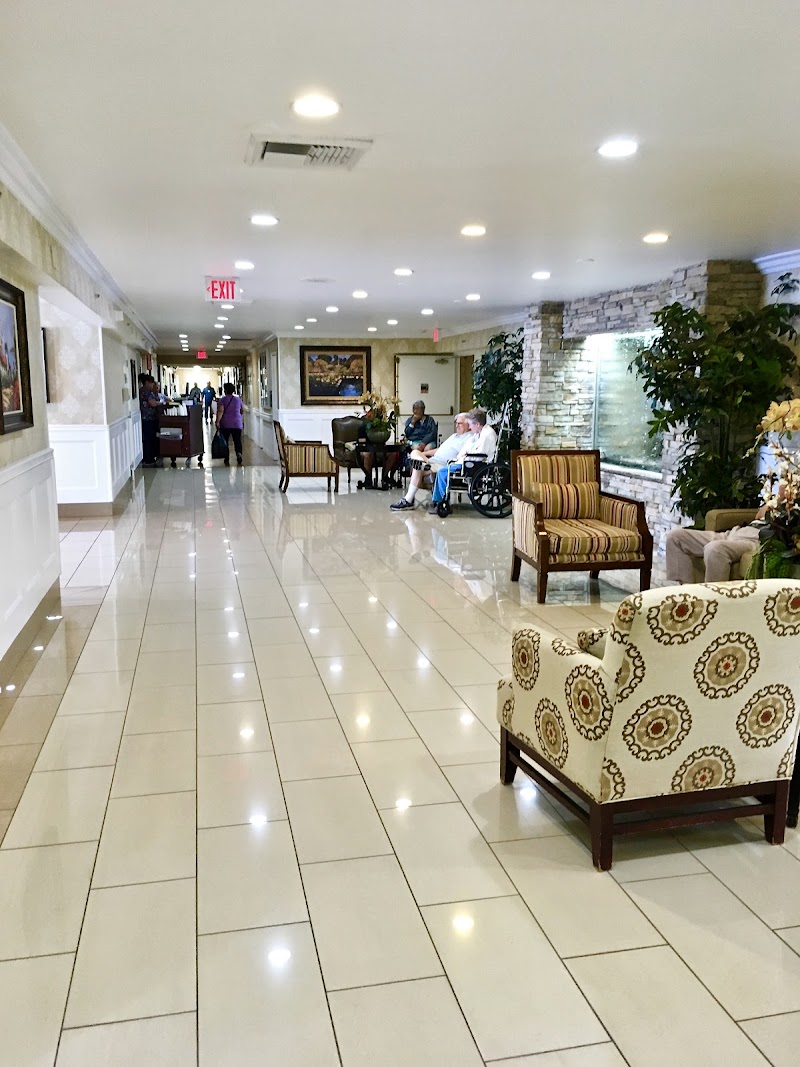
How is South Coast Post Acute Staffed?

CMS rates SOUTH COAST POST ACUTE's staffing level at 4 out of 5 stars, which is above average compared to other nursing homes. Staff turnover is 24%, compared to the California average of 46%. This relatively stable workforce can support continuity of care.

What Have Inspectors Found at South Coast Post Acute?

State health inspectors documented 94 deficiencies at SOUTH COAST POST ACUTE during 2022 to 2025. These included: 74 with potential for harm and 20 minor or isolated issues. While no single deficiency reached the most serious levels, the total volume warrants attention from prospective families.
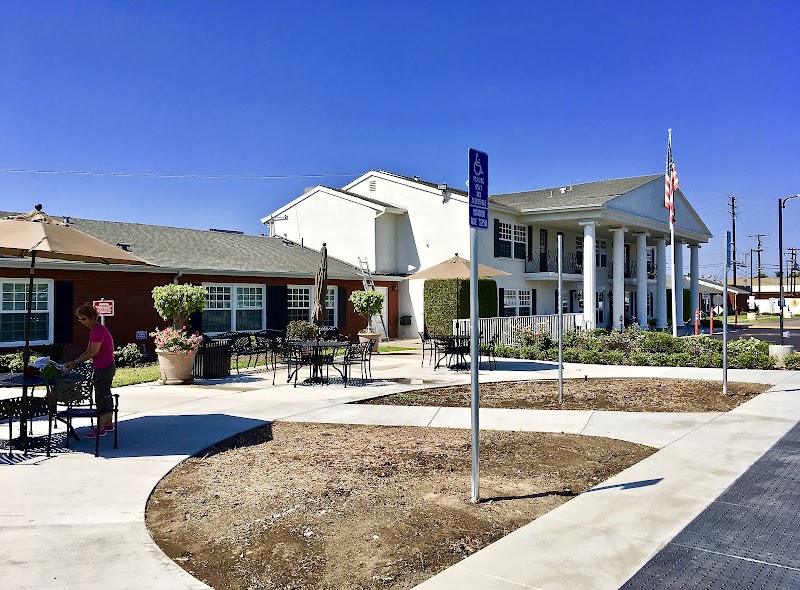
Who Owns and Operates South Coast Post Acute?

SOUTH COAST POST ACUTE is owned by a for-profit company. For-profit facilities operate as businesses with obligations to shareholders or private owners. The facility is operated by GENESIS HEALTHCARE, a chain that manages multiple nursing homes. With 255 certified beds and approximately 239 residents (about 94% occupancy), it is a large facility located in SANTA ANA, California.
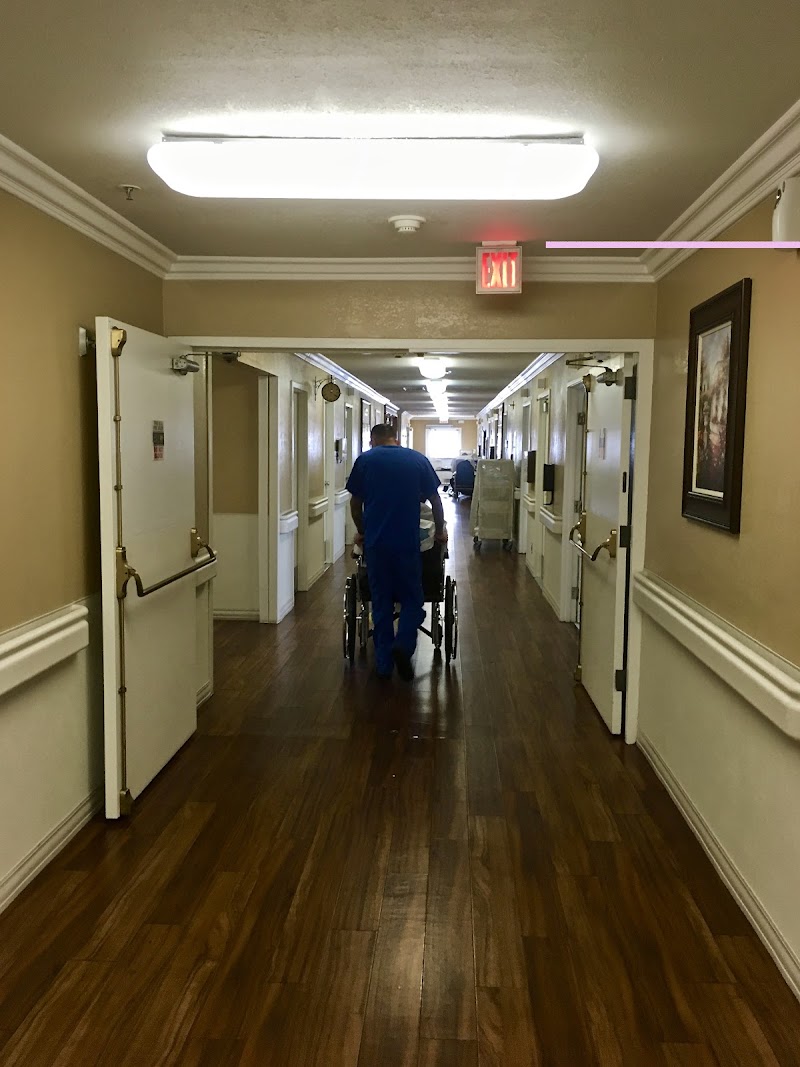
How Does South Coast Post Acute Compare to Other California Nursing Homes?

Compared to the 100 nursing homes in California, SOUTH COAST POST ACUTE's overall rating (2 stars) is below the state average of 3.1, staff turnover (24%) is significantly lower than the state average of 46%, and health inspection rating (2 stars) is below the national benchmark.

What Should Families Ask When Visiting South Coast Post Acute?

Based on this facility's data, families visiting should ask: "What safeguards and monitoring systems are in place to protect residents from abuse or neglect?" "Can I visit during a mealtime to observe dining assistance and food quality?" "How do you handle medical emergencies, and what is your hospital transfer rate?" "Can I speak with family members of current residents about their experience?" These questions are particularly relevant given the substantiated abuse finding on record.

Is South Coast Post Acute Safe?

Based on CMS inspection data, SOUTH COAST POST ACUTE has documented safety concerns. The facility has 1 substantiated abuse finding (meaning confirmed case of resident harm by staff or other residents). The facility has a 2-star overall rating and ranks #100 of 100 nursing homes in California. Families considering this facility should ask detailed questions about what corrective actions have been taken since these incidents.

Do Nurses at South Coast Post Acute Stick Around?

Staff at SOUTH COAST POST ACUTE tend to stick around. With a turnover rate of 24%, the facility is 22 percentage points below the California average of 46%. Low turnover is a positive sign. It means caregivers have time to learn each resident's needs, medications, and personal preferences. Consistent staff also notice subtle changes in a resident's condition more quickly.

Was South Coast Post Acute Ever Fined?

SOUTH COAST POST ACUTE has no federal fines on record. CMS issues fines when nursing homes fail to meet care standards or don't correct problems found during inspections. The absence of fines suggests the facility has either maintained compliance or corrected any issues before penalties were assessed. This is a positive indicator, though families should still review recent inspection reports for the full picture.

Is South Coast Post Acute on Any Federal Watch List?

SOUTH COAST POST ACUTE is not on any federal watch list. The most significant is the Special Focus Facility (SFF) program, which identifies the bottom 1% of nursing homes nationally based on persistent, serious quality problems. Not being on this list means the facility has avoided the pattern of deficiencies that triggers enhanced federal oversight. This is a positive indicator, though families should still review the facility's inspection history directly.