SANTA CLARA POST ACUTE
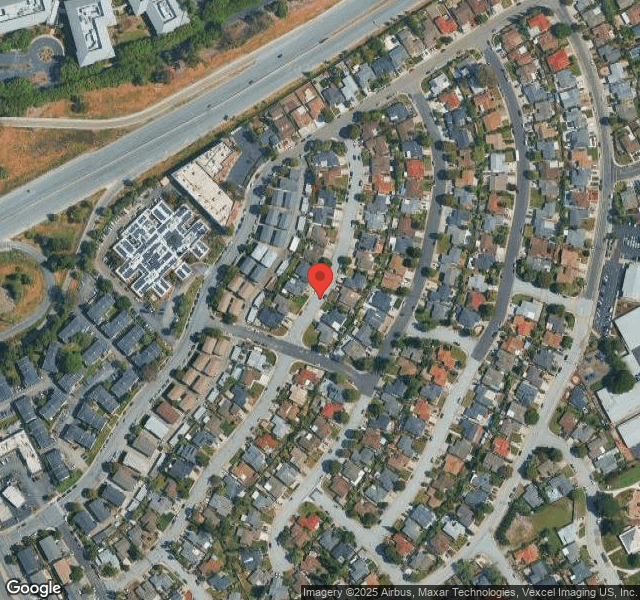
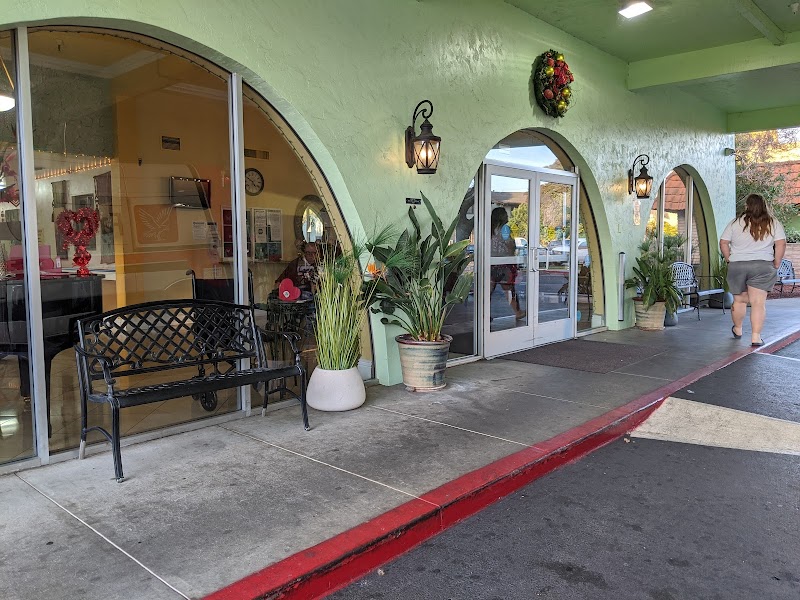
991 CLYDE AVENUE, SANTA CLARA, CA 95054 (408) 988-7667
For profit - Corporation 201 Beds GENESIS HEALTHCARE Data: November 2025
Trust Grade
45/100
#678 of 1155 in CA
Last Inspection: May 2024

Within standard 12-15 month inspection cycle. Federal law requires annual inspections.

Overview

Santa Clara Post Acute has a Trust Grade of D, which means it is below average and raises some concerns about the quality of care provided. It ranks #678 out of 1155 nursing homes in California, placing it in the bottom half of facilities statewide, and #35 out of 50 in Santa Clara County, meaning only a few local options are better. The facility is showing signs of improvement, with issues decreasing from 14 in 2024 to just 2 in 2025. Staffing is considered a strength, with a rating of 4 out of 5 stars and a turnover rate of 36%, which is below the state average, indicating that staff are more likely to stay and build relationships with residents. On the downside, there have been serious incidents, including one where a resident required assistance while eating but did not receive it, resulting in aspiration and eventual death. Another incident involved a resident choking on food due to inadequate supervision, leading to severe medical complications. While there have been no fines reported, the facility has a health inspection rating of 2 out of 5 stars, which is below average, and there are concerns regarding the handling of abuse allegations that have caused distress to residents.

Trust Score
D
45/100
In California
#678/1155
Bottom 42%
Safety Record
High Risk
Review needed
Inspections
Getting Better
14 → 2 violations
Staff Stability
○ Average
36% turnover. Near California's 48% average. Typical for the industry.
Penalties
✓ Good
No fines on record. Clean compliance history, better than most California facilities.
Skilled Nurses
⚠ Watch
Each resident gets only 28 minutes of Registered Nurse (RN) attention daily — below average for California. Fewer RN minutes means fewer trained eyes watching for problems.
Violations
⚠ Watch
63 deficiencies on record. Higher than average. Multiple issues found across inspections.
★★★☆☆
3.0
Overall Rating
★★★★☆
4.0
Staff Levels
★★★★★
5.0
Care Quality
★★☆☆☆
2.0
Inspection Score
Stable
2024: 14 issues
2025: 2 issues

The Good

  • 4-Star Staffing Rating · Above-average nurse staffing levels
  • 5-Star Quality Measures · Strong clinical quality outcomes
  • Full Sprinkler Coverage · Fire safety systems throughout facility
  • No fines on record
  • Staff turnover below average (36%)

    12 points below California average of 48%

Facility shows strength in staffing levels, quality measures, fire safety.

The Bad

3-Star Overall Rating

Near California average (3.1)

Meets federal standards, typical of most facilities

Staff Turnover: 36%

Near California avg (46%)

Typical for the industry

Chain: GENESIS HEALTHCARE

Part of a multi-facility chain

Ask about local staffing decisions and management

The Ugly 63 deficiencies on record

3 actual harm
Jul 2025 1 deficiency
CONCERN (E) 📢 Someone Reported This

A family member, employee, or ombudsman was alarmed enough to file a formal complaint

Potential for Harm - no one hurt, but risky conditions existed

Deficiency F0760 (Tag F0760)

Could have caused harm · This affected multiple residents

**NOTE- TERMS IN BRACKETS HAVE BEEN EDITED TO PROTECT CONFIDENTIALITY** Based on interview and record review, the facility failed to ensure a medication was administered as prescribed by the physician...

Read full inspector narrative →
**NOTE- TERMS IN BRACKETS HAVE BEEN EDITED TO PROTECT CONFIDENTIALITY** Based on interview and record review, the facility failed to ensure a medication was administered as prescribed by the physician for one of three sampled residents (Resident 1) when Resident 1 received 12 doses of Tacrolimus (a medication used to suppress [preventing something] the immune system) 5 milligrams (mg, unit of measurement), which was 10 times the ordered dose of 0.5 mg. This failure had the potential to result in Tacrolimus toxicity (the quality of being poisonous or harmful) for Resident 1 and could potentially contribute to Resident 1's hospitalization on 4/19/25. Findings: A review of the manufacturer's Prescribing Information (PI, detailed description of a drug's uses, dosage range, side effects, drug-drug interactions [a change in a drug's effect on the body when the drug is taken together with a second drug], and contraindications that is available to clinicians) for Tacrolimus, issued in December 2018, indicated it is an immunosuppressant (a medication that weakens or reduces the activity of the immune system) indicated for the prophylaxis (measures taken to prevent disease rather than treat an existing one) of organ (a group of tissue that work together to perform a specific function within a living organism) rejection (the act of refusing) in adult and pediatric patients receiving allogenic (transported to its present position from elsewhere) liver, kidney or heart transplant (an operation in which an organ or tissue are moved or transferred to another place). A review of Resident 1's face sheet (a concise document summarizing a resident's key information) indicated he was admitted on [DATE] and had diagnoses including chronic myeloid leukemia (a slowly progressing and uncommon type of blood cell cancer that begins in the bone marrow [the soft tissue found in the bones]), graft versus host disease (a complication that might occur after a transplant, and bone marrow transplant (a procedure where healthy bone marrow stem cells are infused into a person to replace damaged or diseased bone marrow) status, Pneumonia (a type of lung infection), sepsis (a life-threatening complication of an infection). A review of Resident 1's SNF (Skilled Nursing Facility) orders from the hospital, dated 3/30/25, indicated, for Vancomycin (antibiotic medication) 125 mg capsule, Take 1 capsule by mouth every 6 hours for 8 days, then 1 capsule 2 times a day for 7 days, then 1 capsule daily for 7 days, then 1 capsule every other day for 7 days, then 1 capsule every 3 days for 14 days for diagnoses: clostridium difficile colitis (C-diff, inflammation of colon caused by the bacteria clostridium difficile) infection. A review of Resident 1's SNF orders from the hospital, dated 3/30/25, indicated, for Tacrolimus 0.5 mg capsule, Take 1 capsule (0.5 mg total) by mouth every day. A review of Resident 1's SNF physician order, dated 3/30/25, indicated, for Tacrolimus 5 mg, Give 1 capsule by mouth one time a day for graft versus host disease. A review of Resident 1's SNF March and April 2025 Medication Administration Records (MAR) indicated that Tacrolimus 5 mg was administered at 9:00 a.m. from 3/31/25 to 4/11/25, total of 12 dosage in 12 days. During an interview with Resident 1 on 5/5/25 at 12:03 p.m., he stated he was very sick, was sent to the hospital, and returned to the facility not too long ago. He also stated he had been taking Tacrolimus 0.5 mg since his transplant in 2022. A review of the complaint information received by the California Department of Public Health dated 4/21/25, indicated the facility license nurses were administering wrong dosage of Resident 1's Tacrolimus medication. During an interview and record review with the Director of Nursing (DON) on 5/5/25, at 1 p.m., she confirmed that the SNF order from the hospital for Resident1's Tacrolimus was 0.5 mg daily, but Registered Nurse (RN) A transcribed Tacrolimus 5 mg daily. The DON verified Resident 1 had taken Tacrolimus 5 mg from 3/31/25 to 4/11/25. The DON stated the facility's pharmacy consultant discovered that the dosage of Tacrolimus given to Resident 1 from 3/31/25 to 4/11/25 did not match the SNF order from the hospital during monthly medication regimen review (MRR) on 4/11/25. The DON acknowledged the nurse should have transcribed the dosage of Tacrolimus accurately. During an interview and record review with RN A on 5/5/25 at 2:45 p.m., she confirmed that the SNF order from the hospital for Resident 1's Tacrolimus was 0.5 mg daily, but she transcribed as 5 mg. RN A stated she misread the dosage of Tacrolimus. RN A acknowledged she should have transcribed the dosage of Tacrolimus accurately. A review of Resident 1's Consultant Pharmacist's MRR, recommendations created between 4/1/25 and 4/25/25, indicated, For Tacrolimus: Discharge order is for Tacrolimus 0.5 mg NOT 5 mg. Please clarify immediately. A review of Resident 1's Situation, Background, Assessment, Recommendation (SBAR, a tool use to communicate information to the resident's doctor) on 4/11/25 indicated, Upon admission resident with order of Tacrolimus 0.5 mg & it was misread or transcribed as 5 mg, and Recommendations of Primary clinicians: Monitor for s/s (signs and symptoms) of tacrolimus toxicity: Hives (skin rash), sleepiness, N/V (nausea/vomiting), diarrhea, uncontrollable shaking of part of the body, headache, confusion, imbalance & extreme tiredness, swelling of arms & legs, fever or other signs of infection. A review of Resident 1's Tacrolimus level, laboratory sample collected on 4/7/25, the lab result dated 4/11/25 indicated Tacrolimus by HPLC-MS/MS 25.7 nanograms per milliliter (ng/ml, a unit of measurement). Resident 1 laboratory results report of Tacrolimus level further indicated, Therapeutic Range, Kidney transplant: 3 months and older: 5.0-15.0 ng/ml; Liver transplant: 1-12 months post-transplant: 5.0-20 ng/ml; Heart transplant: 3 months and older: 5.0-20 ng/ml. Toxic value: Greater than 25 ng/ml. Therapeutic range is based on a whole blood specimen drawn 12 hours post-dose or prior to next dose (the trough). The optimal therapeutic range for a given patient may differ from this suggested range based on the indication for therapy. A review of Resident 1's Tacrolimus level, laboratory sample collected on 4/17/25, the lab result dated 4/21/25 indicated 4.2 ng/ml. During a telephone interview with Physician B on 6/10/25 at 12:50 p.m., she stated that she was aware of Resident 1's Tacrolimus level which was not therapeutic level but not toxic level for Resident 1. Physician B stated she consulted with an oncologist, and the oncologist stated the level was not toxic level for resident 1. A review of Resident 1's SBAR on 4/19/25 indicated, Resident had episode of diarrhea with complain of fatigue (extreme tiredness), headache, SOB (shortness of breath) and was transferred to the hospital. A review of Resident 1's hospital Discharge Summary on 4/29/25 indicated, Admitting diagnosis: HCAP [healthcare associated pneumonia (a pneumonia that develops in person who have recently received healthcare in nursing home, long term care facilities, and home health care)], C diff colitis and Final diagnoses included severe sepsis with acute organ dysfunction (sudden impairment or failure of one or more organs) and pneumonia. A review of the facility's policy and procedures (P&P) titled Medication Administration with effective date: October 2017 indicated, Medications are administered as prescribed .
Feb 2025 1 deficiency
CONCERN (E) 📢 Someone Reported This

A family member, employee, or ombudsman was alarmed enough to file a formal complaint

Potential for Harm - no one hurt, but risky conditions existed

Infection Control (Tag F0880)

Could have caused harm · This affected multiple residents

Based on observation, interview, and record review, the facility failed to follow guidelines for masking during respiratory illness season when four staff members were observed not wearing face mask. ...

Read full inspector narrative →
Based on observation, interview, and record review, the facility failed to follow guidelines for masking during respiratory illness season when four staff members were observed not wearing face mask. This failure had the potential to spread infection throughout the facility. Findings: During an observation on 2/25/25 at 10:20 a.m., licensed nurse A (LN A) was observed in nursing station BB with his mask down below his mouth, at chin level, which he pulled up when he saw the surveyor. During an observation on 2/25/25 at 10:23 a.m., certified nursing assistant B (CNA B) was observed by the nursing station CC with her mask down below the mouth, at chin level, which she pulled up when she saw the surveyor. During an observation and subsequent interview on 2/25/25 at 10:30 a.m., in the hallway near the director of nursing's office, the administrator in training (AIT) was observed with his face mask down below his mouth, at chin level, which he pulled up upon seeing the surveyor. The AIT stated he was in a patient care area and his face mask should have been pulled up. During an interview with LN A, on 2/25/25 at 10:47 a.m., at nurses station CC, he stated the mask should always be pulled up when at nurses stations. During an observation and subsequent interview on 2/25/25 at 10:52 a.m., CNA C was in room AA with her face mask down below her mouth, at chin level. CNA C then pulled up her mask after being approached by the surveyor. During an interview with CNA B on 2/25/25 at 11:39 a.m., CNA B stated she remembered her mask was pulled down and should have been pulled up. Review of the County guidelines, titled, Health Order requiring use of face masks in patient care areas of health care delivery facilities during designated winter respiratory virus period; rescission of prior health orders, effective 4/4/2023, the County guidelines indicated: .3. Mandatory Requirement to Wear Face Masks in Patient Care Areas of Health Care Delivery Facilities During the Designated Winter Respiratory Virus Period. 1.Regardless of vaccination status, all persons in Patient Care Areas of Health Care Delivery Facilities must wear a Face Mask during the period deemed the Designated Winter Respiratory Virus Period by the Health Officer . e. Designated Winter Respiratory Virus Period means the period from November 1 to March 31 of each year. In any given year, the Health Officer may adjust the dates of the Designated Winter Respiratory Virus Period based on respiratory virus surveillance data. If the Health Officer changes the dates of the Designated Winter Respiratory Virus Period, the Health Officer will notify Health Care Delivery Facilities through a Health Advisory and a notice posted on the County Public Health Department's website (https://publichealth.santaclaracounty.gov).
Jun 2024 1 deficiency
CONCERN (D) 📢 Someone Reported This

A family member, employee, or ombudsman was alarmed enough to file a formal complaint

Potential for Harm - no one hurt, but risky conditions existed

Deficiency F0688 (Tag F0688)

Could have caused harm · This affected 1 resident

**NOTE- TERMS IN BRACKETS HAVE BEEN EDITED TO PROTECT CONFIDENTIALITY** Based on interview and record review the facility failed to ensure appropriate treatment and services were provided to one of tw...

Read full inspector narrative →
**NOTE- TERMS IN BRACKETS HAVE BEEN EDITED TO PROTECT CONFIDENTIALITY** Based on interview and record review the facility failed to ensure appropriate treatment and services were provided to one of two residents (Resident 1) when the restorative nursing assistant (RNA, program that helps residents to gain and improve quality of life by increasing their level of strength and mobility) services were not implemented per the physician's order. The deficient practice had the potential to result in residents' decline in range of motion. Findings: Review of Resident 1's clinical record indicated Resident 1 was admitted to the facility on [DATE] with diagnoses including Spondylosis without myelopathy or radiculopathy, lumbar region (general wear and tear of the lower back without any pressure on the spinal cord or nerves); post laminectomy lumbar region (a condition of the lower back after surgery to remove part of the vertebra (bone) to relieve pressure on the spinal cord or nerves); and difficulty in walking. Review of Resident 1's Order Summary Report, order date of 2/1/24, indicated, RNA services order: Sit to stand exercises inside the parallel bars for 2 reps x2 person assistance for 3 times per week x 90 days. Every day shift every Tue, Thu, Sat for 90 days. End date 5/1/24. Review of Resident 1's Order Summary Report, order date 3/27/24, indicated, RNA services order: Sit to stand exercises inside the parallel bars for 2 reps x2 person assistance for 3 times per week x 90 days. Every day shift every Tue, Thu, Sat for 90 days. End date 6/26/24. Review of the facility document, titled, Documentation Survey Report v2, for March 2024, indicated, RNA program for 3x/wk x 90 days for AROM using APT performer x 15 mins at level 2-3. The document indicated RNA services were done on 3/1, 3/15, and 3/31. The document indicated NA (not applicable) on 3/6, 3/22, 3/24, and 3/27, and RR (resident refused) on 3/3, 3/13/, 3/17. Review of the facility document, titled, Documentation Survey Report v2, for April 2024, indicated, RNA program for 3x/wk x 90 days for AROM using APT performer x 15 mins at level 2-3. The document indicated RNA services were done on 4/3, 4/5, 4/7,4/12, 4/17, 4/22, and 4/26. The document indicated NA (not applicable) on 4/15, 4/16, 4/18, 4/19, 4/23, 4/29, and RR (resident refused) on 4/24 and 4/25. Review of Resident 1's Care Plan, indicated Restorative Range of Motion (ROM): Resident at risk for decrease ROM. RNA services order: Sit to stand exercises inside the parallel bars for 2 reps x2 person assistance for three times per week x 90 days. - start: 2/1/2024. RNA program for 3x/wk x 90 days for AROM using APT performer x 15 mins at level 2-3. Start 4/8/24. The care plan indicated interventions the RNA will assist with AROM to bilateral lower extremities 3 times a week as tolerated. During a concurrent interview and record review with the Case Manager (CM) on 4/25/24, at 3:30 p.m., the CM stated that she monitors and supervises the RNAs. During the interview, the CM spoke with restorative nursing assistant A (RNA A) via phone call. The CM stated that according to RNA A, Resident 1 refused RNA services, but RNA A admitted that there were not enough RNAs to provide the services to Resident 1, who requires two-person assistance. At times, one of the RNAs would be pulled out to work on the floor. Additionally, the CM was not informed by the RNAs that Resident 1 refused RNA services. There was also no plan of care in the record regarding any RNA refusal from Resident 1. During an interview with Resident 1 on 4/25/24, at 4 p.m., Resident 1 stated she did not receive RNA services at the facility as ordered by the physician. Resident 1 stated that she never refused RNA services. Resident 1 stated that she should receive sit to stand exercises but often only one staff member would come to assist. Resident 1 stated she requires the assistance of two persons to get out of bed, staff did not get her up due to not enough RNA staff. Resident 1 stated the facility did not have enough RNAs because they were also assigned to other duties on the floor. During a phone interview with RNA A on 5/3/24, at 4:04 p.m., the surveyor inquired about the above dates in the Documentation Survey Report indicating NA or RR. RNA A stated that on those days, RNA services were not provided to Resident 1. RNA A stated that sometimes only one staff member was available to provide RNA services to Resident 1, who requires assistance from 2 persons. Additionally, RNA A stated that most of the time RNAs were asked to work on the floor as a CNA, which left fewer staff available to provide RNA services. During a follow-up phone interview and concurrent record review with the CM on 6/18/24, at 3:40 p.m., the CM confirmed that the RNA services order: Sit to stand exercises were ordered for Resident 1 since 2/1/24. The CM confirmed that the RNA services order for sit to stand exercises were not recorded on the Documentation Survey Report previously provided to the surveyor. The CM stated it should have been included in that report. The CM also noted that the sit to stand exercises were documented as done in the RNA weekly summary for 3/1/24, 3/7/24, and 3/14/24. However, there was no further documentation for April and May indicating that the sit to stand exercises were provided to Resident 1. Review of facility's policy, titled, Restorative Nursing Services, revised 7/2017, indicated, Residents will receive restorative nursing care as needed to help promote optimal safety and independence.
May 2024 10 deficiencies
CONCERN (D)

Potential for Harm - no one hurt, but risky conditions existed

Assessment Accuracy (Tag F0641)

Could have caused harm · This affected 1 resident

**NOTE- TERMS IN BRACKETS HAVE BEEN EDITED TO PROTECT CONFIDENTIALITY** Review of Resident 50's medical record indicated Resident 50 was admitted on [DATE] and had diagnoses including end stage renal ...

Read full inspector narrative →
**NOTE- TERMS IN BRACKETS HAVE BEEN EDITED TO PROTECT CONFIDENTIALITY** Review of Resident 50's medical record indicated Resident 50 was admitted on [DATE] and had diagnoses including end stage renal disease (kidney failure, kidneys no longer function to meet the body's needs), and dependence on renal dialysis (dialysis: a procedure in which a machine filters wastes and fluid from the blood). Review of Resident 50's medical record indicated Resident 50 traveled to a dialysis center and received dialysis treatments on Monday, Wednesday, and Friday of each week. Review of Resident 50's MDS dated [DATE], Section O0110J1: Dialysis was left blank. Section O0110 titled Special treatments, Procedures, and Programs indicated to check all of the following treatments, procedures, and programs that were performed. Review of Resident 50's Hemodialysis Communication Record, dated 4/17/24, 4/19/24, and 4/22/24, indicated Resident 50 attended the dialysis center for his hemodialysis treatments. During an interview and concurrent record review with Minimum Data Set Coordinator K (MDSC K) on 5/10/24 at 12:39 p.m., MDSC K reviewed Resident 50's 4/23/24 MDS and confirmed Section O0110J1, Dialysis, was left blank. MDSC K confirmed Resident 50 attended dialysis treatments three times a week and stated the dialysis treatments should be reflected on Resident 50's 4/23/24 MDS. The RAI Manual, dated 10/2023, Section O0110: Special Treatments, Programs, and Procedures indicated The intent of the items in this section is to identify any special treatments, procedures, and programs that the resident received during the specified time periods. Section O0110J1, Dialysis, indicated to code renal dialysis which occurs at another facility. The RAI manual further indicated coding instructions to Review the resident's medical record to determine whether or not the resident received or performed any of the treatments, procedures, or programs within the last 14 days. Based on interview and record review, the facility failed to accurately complete the Minimum Data Set (MDS, an assessment tool) for two of 39 sampled residents (Residents 68 and 50). Failure to accurately assess had the potential to compromise the facility's ability to develop care plans and provide interventions to meet the residents' needs. Findings: Review of Resident 68's medical record indicated Resident 68 was admitted on [DATE] and had diagnoses including cerebral infarction (damage to the brain caused by lack of blood flow and oxygen), hemiplegia (a condition in which one side of the body is paralyzed), paraplegia (a condition in which the legs and lower body are paralyzed), and weakness. Review of Resident 68's Order Summary Report indicated Resident 68 had a physician's order, dated 11/27/23, to have one quarter bed rails (metal or plastic bars attached to the bed ranging in size from full to one-half, one quarter, or one-eighth lengths) as an enabler for turning and repositioning. Review of Resident 68's MDS, dated [DATE], indicated Resident 68 was dependent (unable to perform without full staff assistance) with bed mobility (moving around in bed) and transfers. Section P0100 of the MDS (section designated to indicate that restraints were used on a resident) indicated bed rails were used daily on Resident 68. During an interview and concurrent record review with Minimum Data Set Coordinator A (MDSC A) on 5/6/24 at 11:33 a.m., MDSC A reviewed Resident 68's 4/5/24 MDS and confirmed bed rails were coded as restraints in section P0100. MDSC A confirmed that for Resident 68, bed rails were not considered restraints because they did not restrict freedom of movement and did not restrict access to the resident's own body. MDSC A explained that even though bed rails were not considered restraints for Resident 68, they were coded as restraints in section P0100 because it was the only place in the MDS to code bed rails. During a follow-up interview with MDSC A on 5/8/24 at 12:54 p.m., MDSC A stated the facility was using Resident 68's bed rails as a mobility enabler and the bed rails did not meet the definition of restraints. MDSC A confirmed bed rails should not have been coded as restraints on Resident 68's 4/5/24 MDS. The Centers for Medicare & Medicaid Services (CMS) Long-Term Care Facility Resident Assessment Instrument 3.0 User's Manual (RAI Manual, MDS coding instructions), dated 10/2023, indicated for section P0100, If the resident is immobile and cannot voluntarily get out of bed because of a physical limitation or because proper assistive devices were not present, the bed rails do not meet the definition of a physical restraint. The RAI manual further indicated, Assessors will evaluate whether or not a device meets the definition of a physical restraint or an alarm and code only the devices that meet the definitions in the appropriate categories.
CONCERN (D)

Potential for Harm - no one hurt, but risky conditions existed

Deficiency F0658 (Tag F0658)

Could have caused harm · This affected 1 resident

**NOTE- TERMS IN BRACKETS HAVE BEEN EDITED TO PROTECT CONFIDENTIALITY** Based on observation, interview and record reviews, the facility failed to ensure, a complete monitoring and documentation of th...

Read full inspector narrative →
**NOTE- TERMS IN BRACKETS HAVE BEEN EDITED TO PROTECT CONFIDENTIALITY** Based on observation, interview and record reviews, the facility failed to ensure, a complete monitoring and documentation of the change of condition for one out of six residents investigated, (Resident 179), when nurses did not have complete documentation and monitoring for Resident 179's change of condition. These failures had the potential to affect the resident's care and could compromise the resident's health and well-being. Findings: During an observation of Resident 179 on 5/6/24 at 11:54 a.m., Resident 179 was sitting in his wheelchair, eating his lunch. He was able to eat by himself. Resident 179 was alert, oriented, verbally responsive and appeared comfortable. Review of Resident 179's admission record (document created when a resident is admitted to a healthcare facility) indicated, Resident 179 was readmitted on [DATE] with diagnoses including urinary tract infection (UTI, an illness in any part of the urinary tract, the system of organs that makes urine), site not specified, generalized muscle weakness (lack of physical or muscle strength) and other cerebral infarction (ischemic stroke, occurs as a result of disrupted blood flow to the brain) due to occlusion (blockage) or stenosis (narrowing) of small artery (arteriole, very small blood vessel that branches off from the artery and carries blood away from the heart, to the tissues and organs). Review of Resident 179's medication administration record (MAR, report detailing the medications administered to the resident by a healthcare professional at a facility), for 5/1/24 to 5/31/24, indicated, Resident 179 had an order of Keflex (an antibiotic, used to treat a wide variety of bacterial infections) oral capsule, 250 milligrams (mg, measure of weight), give 1 capsule by mouth every 8 hours for UTI, for 5 days and the order was taken on 5/3/24. Review of Resident 179's current care plan related to UTI, one of the interventions indicated, to monitor and document for probable cause of each pain episode and to remove and limit causes, where possible. Review of Resident 179's progress notes from 5/1/24 to 5/10/24 indicated, that nurses did not do a complete documentation and monitoring for Resident 179's change of condition, when he was taking Keflex oral capsule antibiotic for UTI. The nurses did not document every shift, every time, Keflex oral capsule antibiotic for UTI was given to Resident 179. The last dose of Keflex oral capsule antibiotic was given at 2 p.m., on 5/8/24 and the nurse did not document after it was given. During an interview with Registered Nurse M (RN M) on 5/9/24 at 10:32 a.m., RN M verified, that for a change of condition, nurses should notify the physician and the resident's representative (main contact of the resident), document the change of condition, do the care plan for the change of condition and then do the 72 hours monitoring and documentation for the change of condition like the use of antibiotic and another three days, post-antibiotic documentation. During a concurrent review of Resident 179's clinical records and interview with Registered Nurse N (RN N) on 5/9/24 at 11:10 a.m., RN N verified that there was incomplete documentation and monitoring of Resident 179's change of condition, when he was taking Keflex oral capsule antibiotic for UTI. RN N further verified that documentation should be done, even after Resident 179 was done with the antibiotic. During an interview with the Director of Nursing (DON) on 5/9/24 at 4:30 p.m., the DON verified that for the change of condition of Resident 179, for taking Keflex oral capsule antibiotic for UTI, nurses should do documentation and monitoring every shift for 72 hours and after his antibiotic was done as well and she will remind nurses to do a complete documentation. Review of the facility's policy and procedure titled, Change of Condition: Notification of Changes, Charting and Documentation, revised February 2021, indicated, Regardless of the resident's current mental or physical condition, a nurse or healthcare provider will inform the resident of any changes in his/her medical care or nursing treatments. The nurse will record in the resident's medical record information relative to the changes in the resident's medical/mental condition or status.
CONCERN (D)

Potential for Harm - no one hurt, but risky conditions existed

Respiratory Care (Tag F0695)

Could have caused harm · This affected 1 resident

**NOTE- TERMS IN BRACKETS HAVE BEEN EDITED TO PROTECT CONFIDENTIALITY** Based on observation, interview and record review, the facility failed to ensure proper care was provided to one of two sampled ...

Read full inspector narrative →
**NOTE- TERMS IN BRACKETS HAVE BEEN EDITED TO PROTECT CONFIDENTIALITY** Based on observation, interview and record review, the facility failed to ensure proper care was provided to one of two sampled residents receiving oxygen (Resident 48) when Resident 48 did not have a physician order for her oxygen use. This failure had the potential to compromise Resident 48's health and well-being. Findings: Review of Resident 48's admission record (document created when a resident is admitted to a healthcare facility) indicated, Resident 48 was initially admitted to the facility on [DATE] with diagnoses including chronic respiratory failure with hypoxia (difficulty breathing with low oxygen levels), chronic obstructive pulmonary disease (COPD, a disease affecting breathing and the lungs) and type 2 diabetes (disorder in regulation of blood sugar levels). Review of Resident 48's Minimum Data Set (MDS, a required assessment tool) Section C indicated Resident 48 had a brief interview for mental status (BIMS, screening tool used to assess cognitive impairment in nursing homes and other long-term care facilities) score of 13 (13-15 is considered cognitively intact). Review of Resident 48's MDS Section O indicated Resident 48 received oxygen therapy. During an observation on 5/6/24 at 10:10 a.m., Resident 48 was seen sitting in a motorized wheelchair wearing a nasal cannula (a type of oxygen delivery device through the nostrils). The oxygen canister located at the back of the wheelchair, the oxygen rate was set to 3 liters (L, amount of oxygen delivered from an oxygen delivery device per minute). During a second observation on 5/10/24 at 9:30 a.m., Resident 48 was seen lying in bed with eyes closed. The oxygen meter located in the portable oxygen tank sitting beside Resident 48's bed indicated, the oxygen rate was set to 3.5 liters. Review of Resident 48's physician orders indicated there was no physician order for oxygen administration. During an interview with the Director Of Nursing (DON) on 5/10/24 at 9:41 a.m., the DON stated, there should be a physician order for administering oxygen to residents, for both intermittent use and continuous use. The DON also stated, Resident 48 had an order for oxygen, but it was discontinued when Resident 48 was admitted to the hospital and was not ordered again by the physician when she returned to the facility. Review of facility policy and procedure titled Oxygen Administration-F695, dated 1/31/23, indicated, Verify that there is a physician's order for this procedure or facility protocol for oxygen administration.
CONCERN (D)

Potential for Harm - no one hurt, but risky conditions existed

Pharmacy Services (Tag F0755)

Could have caused harm · This affected 1 resident

Based on observation, interview, and record review, the facility failed to ensure accurate accountability of controlled medications (those with high potential for abuse and addiction) when random cont...

Read full inspector narrative →
Based on observation, interview, and record review, the facility failed to ensure accurate accountability of controlled medications (those with high potential for abuse and addiction) when random controlled medication use audit for three of eight residents (Residents 64, 173, and 183) did not reconcile. The medications were signed out of the Controlled Drug Record (CDR, an inventory sheet that keeps record of the usage of controlled medications) but not documented on the Medication Administration Records (MAR) to indicate they were administered to the residents. The failure resulted in inaccurate accountability and had the potential for misuse or diversion of controlled medications. Findings: A review of Resident 64's clinical record indicated he had a physician's order, dated 12/5/23, for Norco (hydrocodone-acetaminophen, a controlled medication for pain) 5/325 milligrams (mg, unit of measurement) 1 tablet by mouth every 6 hours as needed for mild pain and two tablets by mouth every 6 hours as needed for severe pain. Review of Resident 64's CDR for Norco 5/325 mg indicated two tablets of the medication were signed out for use on 5/7/24 at 9:27 p.m. There was documentation in Resident 64's May MAR that indicated only one tablet of Norco 5/325mg was administered to Resident 64 on 5/7/24 at 9:27 p.m. During a concurrent interview and record review with the DON on 5/10/24 at 10:09 a.m., a review of Resident 64's CDR for Norco 5/325 mg and the May 2024 MAR was conducted. The DON confirmed the CDR indicated the nursing staff removed and signed out two tablets on 5/7/24 at 9:27 p.m. but Resident 64's MAR indicated only one tablet was administered. The DON confirmed one Norco tablet was unaccounted for. The DON stated any time a resident requested a PRN (as needed) controlled medication, the nurse removes the medication from the locked compartment in the medication cart, signs it out on the CDR, administers it to the resident, and then documents the administration on the resident's MAR. Review of Resident 173's clinical record indicated a physician's order, dated 4/12/24, for oxycodone 5 mg one tablet every 4 hours as needed for moderate pain and two tablets every 4 hours as needed for severe pain. Review of Resident 173's CDR for oxycodone indicated two tablets of the medication were signed out for use on 5/1/24 at 5 a.m. There was documentation in Resident 173's May 2024 MAR that indicated only one tablet of oxycodone 5 mg was administered to Resident 173 on 5/1/24 at 5 a.m. In addition, Resident 173's CDR for oxycodone indicated two tablets of the medication were signed out for use on the same date of 5/1/24, at 6 a.m. There was no subsequent documentation in Resident 173's May 2024 MAR that indicated oxycodone was administered to Resident 173 on 5/1/24 at 6 a.m. During a concurrent interview and record review with the DON on 5/10/24 at 10:09 a.m., a review of Resident 173's CDR for oxycodone and the May 2024 MAR was conducted. The DON confirmed the CDR indicated the nursing staff removed and signed out two tablets on 5/1/24 at 5 a.m. and two tablets on 5/1/24 at 6 a.m. The DON stated Resident 173's MAR indicated only one tablet was administered on 5/1/24 at 5 a.m. and there was no documented evidence that Resident 173 received oxycodone at 6 a.m. on 5/1/24 at 6 a.m. The DON confirmed three oxycodone tablets were unaccounted for. Review of Resident 183's clinical record indicated a physician's order, dated 4/4/24, for oxycodone (a potent narcotic for pain) 5 mg one tablet every 6 hours as needed for moderate pain. Review of Resident 183's CDR for oxycodone indicated one tablet of the medication was signed out for use on 5/3/24 at 4:30 a.m. and on 5/5/24 at 6:00 a.m. There was no subsequent documentation in Resident 183's May MAR that indicated oxycodone was administered to Resident 183 on 5/3/24 at 4:30 a.m. and on 5/5/24 at 6 a.m. During a concurrent interview and record review with the DON on 5/10/24 at 10:09 a.m., a review of Resident 183's CDR for oxycodone and the May 2024 MAR was conducted. The DON confirmed the CDR indicated the nursing staff removed and signed out 1 tablet on 5/3/24 at 4:30 a.m. and on 5/5/24 at 6 a.m. The DON confirmed there was no documented evidence on the MAR that Resident 183's received oxycodone at 4:30 a.m. on 5/3/24 and at 6 a.m. on 5/5/24. The DON confirmed two oxycodone tablets were unaccounted for. A review of the facility's Policy and Procedure titled Preparation and General Guidelines - Controlled Medications dated 4/2008, indicated When a controlled medication is administered, the licensed nurse administering the medication immediately enters the following information on the accountability record and the medication administration record (MAR): 1) Date and time of administration. 2) Amount administered. 3) Signature of the nurse administering the dose on the accountability record at the time the medication is removed from the supply. 4) Initials of the nurse administering the dose on the MAR after the medication is administered.
CONCERN (D)

Potential for Harm - no one hurt, but risky conditions existed

Menu Adequacy (Tag F0803)

Could have caused harm · This affected 1 resident

**NOTE- TERMS IN BRACKETS HAVE BEEN EDITED TO PROTECT CONFIDENTIALITY** Based on observation, interview and record review, the facility failed to follow a menu, approved by the facility's registered d...

Read full inspector narrative →
**NOTE- TERMS IN BRACKETS HAVE BEEN EDITED TO PROTECT CONFIDENTIALITY** Based on observation, interview and record review, the facility failed to follow a menu, approved by the facility's registered dietitian (RD) according to the facility's policy, for three out of three sampled residents, when a fruit cup was served instead of a snickerdoodle cookie for the consistent carbohydrate (CCD, eating the same amount of carbohydrates everyday, a nutritionally balanced diet to meet specific nutrition needs) renal diet and renal diet (diet that is low in sodium, phosphorous and protein). This failure had the potential to cause decreased food intake and compromise the resident's nutritional status. Findings: During an observation on 5/7/24 at 11:30 a.m., during the lunch time trayline process, three residents with either the CCD Renal diet or Renal Diet were seen getting a fruit cup in their tray. During an interview with the Regional Registered Dietitian (RRD) on 5/8/24 at 1:48 p.m., the RRD stated any menu substitutions need to be signed off by the facility's RD and placed on a log. The RRD also stated, a substitution was approved on 5/7/24 for the pork loin and brussel sprouts and recorded on the log, but not for the CCD Renal and Renal therapeutic diet dessert. During an interview with the Regional Dietary Manager (RDM) on 5/8/24 at 1:48 p.m., the RDM stated, Dietary Aide L (DA L) made the snickerdoodle cookies earlier in the day but the cookies did not turn out well. During an interview with the facility RD on 5/10/24 at 9:18 a.m., the RD stated if any food runs out, then the Dietary Services Supervisor (DSS) will alert her, and then she will sign off on a menu substitution log. The RD also stated the residents receiving a CCD Renal and Renal diet, not getting the snickerdoodle cookie, was more of an error. Review of the facility's policy titled Menus, last revised on 10/2022, indicated, Menus will be served as written unless a substitution is provided in response to preference, unavailability of an item, or a special meal. A menu substitution log will be maintained on file. Review of facility document titled Santa [NAME] Post Acute hcsg2west2023-2024 Diet Guide Sheet indicated the CCD Renal and Renal therapeutic diets were to receive Snickerdoodle cookie 1 ea for dessert.
CONCERN (D)

Potential for Harm - no one hurt, but risky conditions existed

Deficiency F0849 (Tag F0849)

Could have caused harm · This affected 1 resident

**NOTE- TERMS IN BRACKETS HAVE BEEN EDITED TO PROTECT CONFIDENTIALITY** Based on observation, interview, and record review, the facility failed to ensure hospice services were provided in accordance w...

Read full inspector narrative →
**NOTE- TERMS IN BRACKETS HAVE BEEN EDITED TO PROTECT CONFIDENTIALITY** Based on observation, interview, and record review, the facility failed to ensure hospice services were provided in accordance with professional standards of practice for one of three sampled residents (Resident 68) when Hospice Aide G (HA G) transferred Resident 68 with a Hoyer lift (mechanical lift, machine used to transfer immobile residents with a sling) without assistance from another person. This failure had the potential to compromise Resident 68's safety. Findings: Review of Resident 68's medical record indicated Resident 68 was admitted on [DATE] and had diagnoses including cerebral infarction (damage to the brain caused by lack of blood flow and oxygen), hemiplegia (a condition in which one side of the body is paralyzed), paraplegia (a condition in which the legs and lower body are paralyzed), and weakness. Review of Resident 68's Order Summary Report indicated there was a physician's order, dated 4/10/24, to admit Resident 68 to hospice services (a program that provides end-of-life care to individuals with terminal illnesses). Review of Resident 68's Hospice Certification and Plan of Care, dated 3/30/24, indicated Resident 68 required Hoyer lift assist with transfers. Review of Resident 68's activities of daily living (ADL) care plan, dated 10/27/23, indicated Resident 68 required two-person assistance with Hoyer lift transfers. During an observation on 5/6/24 at 11:12 a.m., HA G transferred Resident 68 from bed to wheelchair using a Hoyer lift. HA G performed the Hoyer lift transfer without assistance from another person. During an interview with HA G on 5/6/24 at 11:19 a.m., HA G confirmed there was no other person assisting with Resident 68's Hoyer lift transfer. During and interview with the Assistant Director of Nursing (ADON) on 5/8/24 at 10:16 a.m., the ADON stated Hoyer lift transfers must be done using two-person assistance. The ADON explained that one person should operate the Hoyer lift controls, while the other person stabilizes and guides the resident's body during the transfer. During an interview with the Director of Nursing (DON) on 5/8/24 at 1:22 p.m., the DON confirmed hospice aides were expected to follow facility policies when providing care to residents. The facility's policy titled Lifting Machine, Using a Mechanical, revised 7/2017 indicated, At least (2) nursing assistants are needed to safely move a resident with a mechanical lift. The facility's Hospice Services Contract, dated 9/26/17, indicated all services shall be provided in accordance with all applicable policies and procedures of Hospice and Facility.
CONCERN (D)

Potential for Harm - no one hurt, but risky conditions existed

Infection Control (Tag F0880)

Could have caused harm · This affected 1 resident

During an observation on 5/6/24 at 8:47 a.m., Resident 47 was lying in bed with urine drainage bag, enclosed in a dignity bag, was touching the floor. During an observation on 5/6/24 at 8:47 a.m., Res...

Read full inspector narrative →
During an observation on 5/6/24 at 8:47 a.m., Resident 47 was lying in bed with urine drainage bag, enclosed in a dignity bag, was touching the floor. During an observation on 5/6/24 at 8:47 a.m., Resident 166 was awake and lying in bed with urine drainage bag, enclosed in a dignity bag, lying flat on its side on the floor. During an interview with Licensed Vocational Nurse C (LVN C) on 5/8/24 at 11:07 a.m., LVN C stated he gave care to residents with indwelling foley catheters (a thin plastic tube inserted in the bladder connected into a collection bag outside of the body). LVN C stated enhanced precautions were taken during care of these residents. LVN C confirmed that collection bags should not be touching the floor, even when enclosed in a dignity bag. During an observation and concurrent interview with LVN D on 5/9/24 at 8:36 a.m., LVN D entered the room of Resident 166, noticed the dignity bag containing the urine drainage bag on the floor, and stated, That's not good. LVN D stated she was not ok with the dignity bag being on the floor and it should not be there. During an observation and concurrent interview with LVN D on 5/9/24 at 8:40 a.m., LVN D confirmed Resident 47's urine drainage bag and dignity bag were on the floor. LVN D acknowledged they should not have been on the floor. Review of the facility's policy and procedure titled, General Policy Guidelines: Urinary Catheter - Infection Control, dated 11/15/2021, indicated the catheter tubing and drainage bag are kept off the floor. Based on observation, interview and record review, the facility failed to implement infection prevention and control practices for five out of 39 sampled Residents (Residents 5, 82, 37, 47, and 166, ) when: 1. Residents 5 and 82 were fed at the same time by two Certified Nurse Aides without performing hand hygiene; and 2. For Residents 37, 47, and 166, their urine drainage bags (a bag that collect urine) were on the floor; These deficient practices had the potential to result in transmission and spread of infection to the residents and staff in the facility. Findings: 1. During an observation on 5/6/24 at 7:37 a.m., Certified Nurse Aide (CNA) H was feeding Resident 82 and assisting Resident 5 with her meal. Hand hygiene was not performed when CNA H went back and forth in between Residents 5 and 82. During an observation on 5/7/24 at 8:13 a.m. and 5/9/24 at 8 a.m., CNA I was feeding Resident 82. CNA I was also observed assisting Resident 5 with her meal without performing hand hygiene. CNA I did not perform hand hygiene when she went back to feed Resident 82. During an interview on 5/9/24 at 8:12 a.m. with CNA I, CNA I stated she should have performed hand hygiene in between assisting two residents. During an interview on 5/9/24 at 8:20 a.m. with the Assistant Director of Nursing (ADON), the ADON stated hand hygiene must be performed in between assisting residents. A review of the facility's undated Policies and Procedures (P&P) titled Feeding, the P&P indicated, Perform hand hygiene. 2. During an observation on 5/6/24 at 7:59 a.m. and on 5/7/24 at 8:22 a.m., Resident 37's urine drainage bag was on the floor. During a concurrent observation and interview on 5/8/24 at 9:39 a.m. with the ADON, the ADON stated, The urine bag is okay as long as it does not touch the floor.
CONCERN (E)

Potential for Harm - no one hurt, but risky conditions existed

Comprehensive Care Plan (Tag F0656)

Could have caused harm · This affected multiple residents

**NOTE- TERMS IN BRACKETS HAVE BEEN EDITED TO PROTECT CONFIDENTIALITY** 3. During an observation of Resident 26 on 5/6/24 at 12:43 p.m., Resident 26 was in her room, laying in her bed, alert and verba...

Read full inspector narrative →
**NOTE- TERMS IN BRACKETS HAVE BEEN EDITED TO PROTECT CONFIDENTIALITY** 3. During an observation of Resident 26 on 5/6/24 at 12:43 p.m., Resident 26 was in her room, laying in her bed, alert and verbally responsive. She appeared calm and comfortable. Review of Resident 26's admission record indicated, Resident 26 was admitted to the facility on [DATE] with diagnoses including unspecified fracture (a partial or complete break of the bone) of left pubis (pubic bone or pelvic girdle, one of the three main bones that make up the pelvis), subsequent encounter for fracture with routine healing, history of falling and other reduced mobility (decreased or limited movement). During an interview with Registered Nurse M (RN M), on 5/9/24 at 10:30 a.m., RN M verified that Resident 26 was non-ambulatory (unable to walk) and she was wheelchair bound (person is restricted, bound and completely defined by their wheelchair). RN M further verified that Resident 26 would participate in group activities sometimes, but most of the time, she usually would stay in her room. During an interview with the Activity Director (AD), on 5/9/24 at 1:40 p.m., the AD verified that Resident 26 does not participate in group activities. The AD then stated that activity staffs visit Resident 26 in her room twice per week, providing hand massage, exercises and playing music in the tablet (portable touch-screen device that can play music, videos and games). Review of the active physician orders of Resident 26 as of 5/8/24 indicated, Resident 26 may participate in activity and general conditioning program as desired, ordered on 2/20/24. Review of the activity care plan of Resident 26 indicated that the interventions in the activity care plan of Resident 26 did not mention about the room visits twice per week and the activities that were provided during room visits. The activity care plan of Resident 26 was not comprehensive and was not specific about the room visits. During a concurrent review of Resident 26's activity care plan and further interview with the AD, on 5/9/24 at 1:52 p.m., the AD verified that Resident 26 activity care plan did not mention room visits and the activities provided during room visits. The AD further verified that the activity care plan of Resident 26 was not comprehensive and was not specific about the room visits and will update her activity care plan. During an interview with the Director of Nursing (DON) on 5/9/24 at 4:30 p.m., the DON verified that Resident 26 activity care plan should have interventions about the room visits and the activities done during room visits. The DON further verified that the activity care plan of Resident 26 was not comprehensive and was not specific about the room visits and should be updated. The facility's policy titled Care Plan Comprehensive, effective date 8/25/21, indicated, an individualized comprehensive care plan shall be developed for each resident. The policy further indicated, each resident's comprehensive care plan is designed to incorporate identified problem areas, reflect treatment goals, timetables, objectives in measurable outcomes and includes services that are to be furnished to attain or maintain the resident's highest practicable physical, mental, and psychosocial well-being. Based on observation, interview, and record review, the facility failed to develop and implement comprehensive, resident-centered and specific care plans for three out of 39 sampled residents (Residents 162, 55 and 26), when: 1. There were no care plans developed for Resident 162's diagnoses; 2. For Resident 55, there was no care plan to address Resident 55's diabetes, use of insulin, depression and use of antidepressant medication; and 3. For Resident 26, the interventions in her activity care plan did not mention about the room visits and the activities provided during room visits. These failures had the potential to result in the residents, not receiving the interventions necessary to maintain their highest level of well-being. Findings: 1. Review of Resident 162's medical record indicated Resident 162 was admitted on [DATE] and had diagnoses including Bipolar disorder (a disorder associated with episodes of mood swings ranging from depressive lows to manic highs) and Post-Traumatic Stress Disorder (PTSD, a condition of persistent mental and emotional stress occurring as a result of injury or severe psychological shock) Further review of Resident 162's medical record indicated there were no care plans developed to address Resident 162's Bipolar disorder or PTSD. During an interview with Minimum Data Set Coordinator A (MDSC A) on 5/9/24 at 9:13 a.m., MDSC A stated resident care plans should be completed within 14 days from the date of admission. MDSC A confirmed that all the resident's diagnoses and interventions should be included in the care plan. MDSC A stated Resident 162 should have a comprehensive care plan to address interventions in placed, for the diagnoses of PTSD and Bipolar disorder, to ensure Resident 162's mental health was addressed. 2. Review of Resident 55's medical record indicated Resident 55 was admitted on [DATE] and had diagnoses including diabetes (a disease that impairs the body's ability to control blood sugar) and depression (a mood disorder that causes persistent feelings of sadness and loss of interest). Review of Resident 55's Order Summary Report indicated Resident 55 had the following physician's orders, dated 1/24/24, for diabetes: 1. Insulin aspart (medication used to lower blood sugar) 100 units per milliliter (unit/ml, dose measurement) inject 14 units subcutaneously (SQ, under all layers of the skin) before meals; and 2. Insulin NPH (medication used to lower blood sugar) 100 unit/ml inject 7 units SQ two times a day. The Order Summary Report indicated Resident 55 also had a physician's order, dated 1/24/24, for venlafaxine (medication used to treat depression) 37.5 milligrams (mg, dose measurement) give 1 capsule by mouth one time a day for depression manifested by verbalization of sadness. Further review of Resident 55's medical record indicated, there was no care plan to address Resident 55's diabetes and use of insulin. There was also no care plan to address Resident 55's depression and use of antidepressant medication. During concurrent record review and interview with MDSC A on 5/8/24 at 12:43 p.m., MDSC A stated resident care plans should be completed within 14 days from the date of admission. MDSC A confirmed that all the resident's diagnoses and interventions should be included in the care plan. During an interview and concurrent record review with MDSC B on 5/10/24 at 7:39 a.m., MDSC B reviewed Resident 55's medical record and confirmed there was no care plan to address Resident 55's diabetes and use of insulin. MDSC B also confirmed there was no care plan to address Resident 55's depression and use of antidepressant medication.
CONCERN (E)

Potential for Harm - no one hurt, but risky conditions existed

Deficiency F0692 (Tag F0692)

Could have caused harm · This affected multiple residents

**NOTE- TERMS IN BRACKETS HAVE BEEN EDITED TO PROTECT CONFIDENTIALITY** Based on interview, and record review the facility failed to ensure significant weight loss was monitored and assessed for one o...

Read full inspector narrative →
**NOTE- TERMS IN BRACKETS HAVE BEEN EDITED TO PROTECT CONFIDENTIALITY** Based on interview, and record review the facility failed to ensure significant weight loss was monitored and assessed for one of five sampled residents (Resident 165) when staff did not address significant weight losses, did not initiate weekly weights, and did not convene an interdisciplinary team (IDT, team members from different departments involved in a resident's care) meeting regarding Resident 165's significant weight losses. These failures had the potential to result in Resident 165's further unplanned weight loss. Findings: A review of Resident 165's face sheet (document that supplies pertinent resident information) indicated she had an initial admission date of 11/17/23 and a readmission date of 3/8/24 to the facility. Resident 165's diagnoses included type 2 diabetes (a condition which affects blood sugar), congestive heart failure (heart cannot pump enough blood to meet the body's needs), fracture of the left femur (upper bone of the leg), anemia (low levels of healthy red blood cells), hypertension (increase in blood pressure), muscle weakness, abnormalities of gait and mobility, and need for assistance with personal care. Review of Resident 165's Nutritional Assessment - Admission/Readmission, dated 3/14/24, indicated, Registered Dietitian (RD) documented Per chart review, no admit weight or recent weight to assess weight changes. Will recommend to weigh patient and continue weekly weight x 1 month given new admit. Review of Resident 165's Weights and Vitals Summary document indicated Resident 165's weight was taken once a month., there were no weekly weights recorded with the exception of during the initial admission month of December 2023. A review of Resident 165's Weights and Vitals Summary, indicated the following weights: 2/5/24 = 156.2 lbs; 3/18/24 = 147.4 lbs; 4/17/24 = 126.6 lbs and 5/1/24 = 112.8 lbs. The Weight and Vitals Summary document contained a column titled Warnings and indicated: 3/18/24 147.4 lbs: -7.5% change [comparison weight 12/23/2023, 173.2 lbs, -14.9%, -25.8 lbs] and 4/17/24 126.6 lbs: -7.5% change [comparison weight 2/5/24, 156.2 lbs, -19%, -29.6 lbs] -5% change over 30 days. [Comparison weight 3/18/24, 147 lbs, -13.6%, -20.0 lbs]. Review of the above weights indicated Resident 165 was weighed one time during the month of March on 3/18/24 and had a significant weight loss of 8.8 lbs in one month, and weighed once in the month of April on 4/17/24 and had a significant weight loss of 20.8 lbs. During an interview with the RD on 5/9/24 at 10:21 a.m., the RD stated a significant change in weight would be considered if a resident lost 5 lbs in one month. During a concurrent interview with the RD, she reviewed Resident 165's Weights and Vitals Summary and confirmed there was an 8.8 lb weight loss in March and a 20.8 lb weight loss in April for Resident 165 which were significant weight losses. The RD stated when the resident was readmitted on [DATE] she should have been weighed weekly for one month. In addition, the RD stated a resident would be put on weekly weights if they had a significant weight loss. The RD confirmed Resident 165 was not being weighed weekly in the month of March or April and stated that she should have been weighed weekly when the significant weight losses were identified. When asked if there had been any IDT meetings to discuss Resident 165's significant weight losses in March and April, the RD stated there was no IDT meetings and there should have been IDT weight variance meetings to discuss Resident 165's weight loss and identify interventions to prevent further weight loss. Review of Resident 165's care plan indicated Resident 165 was at nutritional risk. Interventions in the care plan included, weigh and alert the dietician and physician to any significant loss or gain and an entry dated 3/14/24 indicated Continue weekly weights x 1 month given new admit. During an interview with the Director of Nursing (DON), on 5/9/24 at 11 a.m., she stated the resident's weights are taken and recorded by the rehabilitation nursing assistants. The DON stated The RD will assess for weight changes and provide the nursing department with her recommendations. If there are significant weight losses, the RD will initiate an IDT care conference and the resident will be weighed weekly to monitor the weight loss. The DON stated The nursing department will document a change of condition (COC) and will notify the doctor and the responsible party if there are significant weight losses. The DON confirmed Resident 165 was only weighed once a month in March, April, and May. She stated Resident 165 should have been weighed weekly when the significant weight losses were identified. The DON was asked if there were any IDT meetings or COCs documented when Resident 165 had significant weight loss in March and April. The DON stated resident 165's weight losses in March and April should have triggered a significant weight loss and she confirmed there was no documentation to indicate the significant weight losses were addressed in an IDT meeting or CC and the DON said these should have been done. The DON stated there is no documentation the physician or the responsible party were informed of the significant weight losses. Review of the facility's policy, Weight Management, dated 8/5/21, indicated to obtain baseline weight and identify significant weight change and to determine possible causes of significant weight change . In the event of a patterned or significant, unplanned weight loss/gain if at least 2% in a week (+/-3 lbs), 5% in 30 days (+/-5 lbs, 7.5% in 90 days or 10% in 180 days, the following interventions will be carried out: Notification of attending physician and family member/responsible party by nursing staff .The dietetics professional will assess the resident, document the assessment, and make recommendations in the resident's medical record. A review of the facility's Dietician Job Description signed by RD on 2/15/24 indicated to maintain an adequate liaison with families and residents . assist in developing diet plans for individual residents . develop a dietary plan of care that identifies the dietary needs of the resident . review nurses notes to determine if the dietary care plan was being followed .discuss problem areas with the director of nursing.
CONCERN (F)

Potential for Harm - no one hurt, but risky conditions existed

Deficiency F0802 (Tag F0802)

Could have caused harm · This affected most or all residents

Based on observation, interview and record review, the facility failed to ensure, staff performed their job functions competently according to standards of practice when one cook did not properly verb...

Read full inspector narrative →
Based on observation, interview and record review, the facility failed to ensure, staff performed their job functions competently according to standards of practice when one cook did not properly verbalize the cool down process for cooking any hot foods such as meat dishes. This failure had the potential to expose 175 residents to food borne illnesses. Findings: During an observation on 5/7/24 at 9:39 a.m., [NAME] J was seen attending to pots and pans on the stove. During an interview on 5/7/24 at 9:39 a.m., [NAME] J was asked about the proper coo ldown process for cooked foods such as meat dishes. [NAME] J stated, the food was cooked to 165 degrees Fahrenheit (F, scale for measuring temperature), then cooled down to 145 degrees F in one hour. [NAME] J said, he did not know, what should be the temperature in two hours or after. During an interview with the Dietary Services Supervisor (DSS) on 5/8/24 at 1:55 p.m., the DSS stated, any hot foods should be cooled down to 140 degrees F in one hour, then cooled down to 70 degrees F in two hours, and then cooled down to 41 degrees F in four hours. The DSS also stated these were the correct temperatures and she expected [NAME] J to know that. Review of the 2022 Federal FDA Food Code, section 3-501.14, titled Cooling, indicated, Cooked TIME/TEMPERATURE CONTROL FOR SAFETY FOOD shall be cooled: (1) Within 2 hours from 135 degrees F to 70 degrees F; and (2) Within a total of 6 hours from 135 degrees F to 41 degrees F or less.
May 2024 1 deficiency
CONCERN (D) 📢 Someone Reported This

A family member, employee, or ombudsman was alarmed enough to file a formal complaint

Potential for Harm - no one hurt, but risky conditions existed

Free from Abuse/Neglect (Tag F0600)

Could have caused harm · This affected 1 resident

**NOTE- TERMS IN BRACKETS HAVE BEEN EDITED TO PROTECT CONFIDENTIALITY** Based on observation, interview, and record review, the facility failed to ensure residents were free from physical abuse for on...

Read full inspector narrative →
**NOTE- TERMS IN BRACKETS HAVE BEEN EDITED TO PROTECT CONFIDENTIALITY** Based on observation, interview, and record review, the facility failed to ensure residents were free from physical abuse for one out of two residents (Resident 1) when Resident 2 hit Resident 1 in the face, causing injury to Resident 1's above the eyebrow area and first aid being administered. Resident 2's act of hitting Resident 1 in the face was a deliberate act to inflict harm or injury, not accidental; therefore, his action was deemed a willful act and considered abuse. This failure had the potential to cause both physical and emotional harm to all residents. Findings: On 3/08/24, the facility submitted a facsimile (FAX, a telephonic transmission of scanned printed material) to the California Department of Public Health (CDPH) about a physical altercation between residents. The FAX indicated residents were observed in a physical altercation, and first aid was rendered to victim (Resident 1)'s skin tear on the right eye. Review of Resident 1's clinical record indicated he was admitted to the facility on [DATE] with diagnoses including dementia (changes to memory, thinking, and behavior, decline in thinking skills), paranoid personality disorder (a mental health condition marked by a pattern of distrust and suspicion of others without adequate reason), and anxiety disorder (a mental health disorder characterized by feelings of worry, anxiety, or fear). Resident 1's Minimum Data Set (MDS, an assessment tool) dated 12/16/23 indicated a Brief Interview for Mental Status (BIMS) score of 11 (mild impaired cognition). Review of Resident 1's care plans indicated a plan to address an allegation of abuse, resident to resident altercation with injury: skin tear to the right lateral orbital area (the cavity of the skull in which the eyeballs are situated). The interventions included assessing the resident for injuries and rendering care promptly. Review of Resident 1's Interdisciplinary Team (IDT, a group of health care professionals from diverse fields who work toward a common goal for residents) note dated 3/11/24 indicated that on 3/08/24, at approximately 11:10 a.m., a CNA alerted the licensed nurse that residents had a disagreement. The licensed nurse went to the room, and when she entered the room, the licensed nurse saw Resident 2 standing on the right side of Resident 1's bed. Resident 1 claimed that Resident 2 hit him in the head twice. The licensed nurse noted a skin tear on the side of the right eye with a small amount of blood on Resident 1. Review of Resident 1's physician's order dated 3/08/24 indicated cleanses the skin tear to the right lateral periorbital area with NS (normal saline), pat dry, then apply steri-strips for 1 day; monitor right lateral periorbital area skin tear for s/sx (signs/symptoms) of infection for 14 days. During an observation and interview on 4/04/24 at 11:30 a.m., Resident 1 was observed lying in bed, awake and alert, with some confusion. Resident 1 stated that he did not have any trouble with co-residents and could not remember someone hitting him. Review of Resident 2's clinical record indicated he was admitted to the facility on [DATE] with diagnoses including mild cognitive impairment (problems with a person's ability to think, learn, and remember), depression (a mood disorder that causes a feeling of sadness and loss of interest), and alcohol dependence (a chronic disease characterized by uncontrolled drinking alcohol). Resident 2's MDS, dated [DATE], indicated a BIMS score of 14 (intact cognition). Review of Resident 2's care plans indicated a plan to address an allegation of abuse, perpetrator. The interventions included monitoring for episodes of hitting others and initiating room changes. Review of Resident 2's IDT note dated 3/08/24 indicated that on 3/08/24, at approximately 11:10 a.m., the licensed nurse saw Resident 2 standing on the right side of Resident 1's bed. Resident 2 reported that he was annoyed by Resident 1, Resident 1 told him that he was ugly, and then he got mad and slapped Resident 1 twice. Resident 2 was aware of what he did to his roommate. During an observation and interview on 4/04/24 at 11:50 a.m., Resident 2 was sitting up in his wheelchair in the big dining room, alert and calm. Resident 2 stated that he remembered having trouble with his ex-roommate but could not recall if he hit his ex-roommate. Review of the facility's 5 day follow up investigative summary dated 3/13/24 indicated that on 3/08/24 at 11:10 a.m., a licensed nurse (LN) responded to the residents' room after receiving the report from a Certified Nurse Assistant (CNA) that the residents were having a disagreement. When the LN came into the room, she saw Resident 2 standing on the side of the bed of Resident 1 who was lying on his bed. The licensed nurse did not witness the actual incident of the altercation. Resident 1 stated that he was hit on the right side of his face/eye by Resident 2 twice. Resident 2 admitted to hitting Resident 1, saying that he got annoyed by Resident 1 as Resident 1 was yelling at nursing staff. The summary further indicated, Conclusion: physical altercation between two male residents was verified based upon staff and resident interviews and injury sustained by the victim. During a telephone interview on 5/03/24 at 12:55 p.m. with Licensed Vocational Nurse A (LVN A), he stated that he heard loud voices from the hallway and went to the residents' room. He saw Resident 2 standing at the side of Resident 1's bed. Resident 1 claimed he got hit on the face twice by Resident 2. Resident 1 was observed with a skin tear above his eyebrow. Resident 2 stated he hit Resident 1 twice because he was annoyed by Resident 1. During an interview on 5/02/24 at 3:58 p.m. with the administrator (ADM), the ADM stated the facility considered the incident an altercation, not abuse, because Resident 2's act was not intentional to harm Resident 1. During a review of the facility's Policy and Procedure (P&P) titled Abuse, Neglect, Exploitation and Misappropriation Prevention Program, revised 4/2021, the P&P indicated, Residents have the right to be free from abuse . 1. Protect residents from abuse . by anyone including, b. other residents . During a review of the facility's Policy and Procedure (P&P) titled Abuse Prohibition Policy and Procedure, effective date 2/23/21, the P&P indicated, Healthcare centers prohibits abuse .Abuse is defined as the willful infliction of injury .Physical Abuse includes hitting, slapping .
Apr 2024 1 deficiency
CONCERN (E) 📢 Someone Reported This

A family member, employee, or ombudsman was alarmed enough to file a formal complaint

Potential for Harm - no one hurt, but risky conditions existed

Safe Environment (Tag F0921)

Could have caused harm · This affected multiple residents

Based on observation, interview, and record review, the facility failed to provide a safe and sanitary environment for residents when four of seven shower stalls were found to have molds. This failure...

Read full inspector narrative →
Based on observation, interview, and record review, the facility failed to provide a safe and sanitary environment for residents when four of seven shower stalls were found to have molds. This failure had the potential to compromise residents' safety, health and well-being. Findings: During an environmental tour on 4/24/24 at 9:32 a.m., with the Environmental Services Director (EVS), the EVS verified that the shower stalls located in Stations A, B and C had molds on the tiles. The EVS stated he should have paid more attention to the shower stalls. The EVS further stated the floor machine used for cleaning does not reach the corners of the shower stalls. During an interview with Resident 1 on 4/24/24 at 11:22 a.m., Resident 1 stated some of the tiles in the shower stalls were cracked. During an interview with Resident 2 on 4/24/24 at 11:35 a.m., Resident 2 stated the shower stalls had molds. Resident 2 also stated the shower stalls were not cleaned properly. During a review of the facility ' s policy and procedure (P&P) titled, Homelike Environment, dated February 2021, the P&P indicated, Residents are provided with a safe, clean, comfortable, and homelike environment .These characteristics include: a. clean, sanitary, and orderly environment .
Jan 2024 1 deficiency
CONCERN (D) 📢 Someone Reported This

A family member, employee, or ombudsman was alarmed enough to file a formal complaint

Potential for Harm - no one hurt, but risky conditions existed

Quality of Care (Tag F0684)

Could have caused harm · This affected 1 resident

**NOTE- TERMS IN BRACKETS HAVE BEEN EDITED TO PROTECT CONFIDENTIALITY** Based on interview and record review, the facility failed to ensure proper technique was used when transferring one of three sam...

Read full inspector narrative →
**NOTE- TERMS IN BRACKETS HAVE BEEN EDITED TO PROTECT CONFIDENTIALITY** Based on interview and record review, the facility failed to ensure proper technique was used when transferring one of three sampled residents (Resident 1) with a Hoyer lift (machine used to transfer immobile residents with a sling). This failure resulted in Resident 1's assisted fall and had the potential to result in injury. Findings: Review of Resident 1's medical record indicated he was admitted on [DATE] and had the diagnoses of obesity (excessive body fat accumulation), need for assistance with personal care, and history of falling. Review of Resident 1's Minimum Data Set (MDS, an assessment tool), dated 10/6/23, indicated he had a brief interview for mental status (BIMS) score of 14 (a score of 13 to 15 indicates the resident is congnitively intact). The MDS also indicated Resident 1 was dependent on staff for transfers. Review of Resident 1's Progress Notes, dated 11/12/23, indicated he had an assisted fall during transfer from Hoyer lift to bed. The Progress Notes further indicated the Hoyer lift sling tilted to one side and Resident 1 slid to the floor. Review of Resident 1's Progress Notes, dated 11/13/23, indicated when staff were transferring Resident 1 on 11/12/23, the Hoyer lift somehow tilted while moving backward. The Progress Notes further indicated the staff would be in-serviced (trained) on how to properly use lift machine for transfer. During an interview with certified nursing assistant A (CNA A) on 12/21/23 at 10:46 a.m., he confirmed he was present during Resident 1's assisted fall on 11/12/23. CNA A stated Resident 1 started to fall because the Hoyer lift tilted. During an interview with licensed nurse B (LN B) on 12/21/23 at 11:15 a.m., she stated the facility investigated Resident 1's assisted fall that occurred on 11/12/23. LN B explained the Hoyer lift tilted while staff were transferring Resident 1 because the Hoyer lift legs (the part that contacts the floor and forms the base of the lift) were not spread in the open position. LN B acknowledged the Hoyer lift legs should have been spread in the open position during the transfer. LN B stated she did an in-service with the staff on how to properly use the Hoyer lift. During an interview with Resident 1 on 12/21/23 at 12:45 p.m., he confirmed that during his assisted fall on 11/12/23, the Hoyer lift legs were closed and not spread in the open position. During an interview with LN C on 1/9/24 at 12:02 p.m., she explained it is important to spread the Hoyer lift legs in the open position to ensure it is stable and balanced during a transfer. LN C further explained that spreading the Hoyer lift legs in the open position creates a wider base to prevent the lift from tipping over. The facility's policy titled Lifting Machine, Using a Mechanical, revised 7/2017 indicated, Make sure lift is stable and locked.
Dec 2023 1 deficiency
CONCERN (D) 📢 Someone Reported This

A family member, employee, or ombudsman was alarmed enough to file a formal complaint

Potential for Harm - no one hurt, but risky conditions existed

Quality of Care (Tag F0684)

Could have caused harm · This affected 1 resident

**NOTE- TERMS IN BRACKETS HAVE BEEN EDITED TO PROTECT CONFIDENTIALITY** Based on interview and record review the facility failed to ensure staff followed their fall policy for two of three sampled res...

Read full inspector narrative →
**NOTE- TERMS IN BRACKETS HAVE BEEN EDITED TO PROTECT CONFIDENTIALITY** Based on interview and record review the facility failed to ensure staff followed their fall policy for two of three sampled residents who fell and sustained injuries (Residents 1 and 2). Resident 1 fell eleven times and there were missing interdisciplinary team (IDT, members of the health care team who meet to discuss and plan residents' care) meetings to indicate comprehensive post fall assessments were conducted and post fall care plans were not consistently updated with preventative measures. For Resident 2, there was a lack of post fall monitoring of the resident's status. These failures placed residents at risk for further falls, pain and suffering and resulted in a delay in treatment for Resident 2's hip fracture. Findings: 1. During an observation on 12/4/23 at 3:16 p.m., Resident 1 was seated in a wheelchair in front of a nurses station, was pleasant and did not answer questions when spoken to. Review of Resident 1's Minimum Data Set (MDS, an assessment tool), dated 8/9/23, indicated the resident had problems with memory, severe difficulty in daily decision-making skills, was incontinent of bladder and bowel function and dependent on staff for all activities of daily living, such as eating. Resident 1 had a at risk for falls/accidents/injury care plan, dated 2/28/22. Preventative measures included to anticipate and meet resident's needs, encourage activities, appropriate footwear when mobile, and provide call light within reach. On 4/10/23, fall preventative measures of frequent checks for safety was added to the care plan. a. Review of Resident 1's IDT note, dated 7/7/22 at 9:19 p.m., indicated the resident had an unwitnessed fall around 7/6/22 at 7 p.m. It indicated the resident was getting up every 5-10 minutes and she stated she wanted to walk. The IDT recommendation was to anticipate meet resident's needs after dinner. b. Resident 1's Change of Condition Note, dated 7/10/22 at 6:45 p.m., indicated at 6:45 p.m., staff heard a tab alarm (device attached to a person's clothing to alert caregivers when pulled away) and found the resident sitting on the floor in her room. The resident was unable to state what happened. During an interview on 12/5/23 at 3 p.m., licensed vocational nurse (LVN) A who reviewed the record stated she did not see any care plan revision of preventative measure. c. Review of Resident 1's Change of Condition (COC) Note, dated 7/13/23 at 8:44 p.m., indicated the resident had an unwitnessed fall. There was no narrative indicating the circumstances of the fall. During an interview on 12/5/23 at 3:30 p.m. LVN A acknowledged there should have been a narrative about the fall on the COC Note. d. Review of Resident 1's COC Note, dated 8/30/22 at 2:26 p.m., indicated the resident had an unwitnessed fall on 8/30/22 around 1:40 p.m. when she tried to get out of bed and her legs wobbled. During an interview on 12/5/23 at 4:01 p.m., LVN A stated she could not find an IDT Note and the care plan was not revised for the 8/30/22 fall. e. Review of Resident 1's IDT Note, dated 12/21/22 at 3:33 p.m., indicated the resident had an unwitnessed fall in the bathroom with bump on right forehead, swollen right knee and with complaints of knee pain. The IDT recommended scheduled toileting before, after meals and at bedtime and to continue monitoring. Review of the December 2022 Documentation of Survey Report, under Bowel and or Bladder Retraining Program indicated between 12/22/23 to 12/31/22, Resident 1 had bladder and bowel training one time on 12/27/22, 12/28/22, and 12/29/22 during day shift (7 a.m. to 3 p.m.); one time on evening (3 p.m. to 11 p.m.) on 12/23/22, 12/27/22, and 12/29/22; and one time on night shift (11 p.m. to 7 a.m.) 12/22/22, 12/23/22, 12/24/22, 12/25/22, 12/26/22, 12/27/22, 12/28/22 and 12/19/22. During an interview on 12/5/23 at 4 p.m., LVN A stated for Resident 1 there should be and there was no summary indicating whether schedule toileting was effective and offered no explanation as to why schedule toileting was a fall preventive measure. During an interview on 12/7/23 at 1 p.m., certified nurse assistant (CNA) B described Resident 1 as confused, did not use the call light, was incontinent of bladder and bowel, did not have the urge to urinate and occasionally asked for incontinence care when she had a bowel movement. f. Review of Resident 1's COC Note, dated 2/9/23 at 9:40 a.m., was incomplete and only contained a narrative of the fall. Resident 1's IDT Note, dated 2/10/23 at 10:34 a.m., indicated Resident 1 had an assisted fall with a CNA on 2/9/23 around 9:30 a.m. during care. It indicated the resident was sitting at the edge of the bed and slid. The record lacked an assessment to determine potential causes i.e. whether the resident was properly positioned or if she had problem behavior such as restlessness. During an interview on 12/7/23 at 11:50 a.m., LVN A acknowledged the COC did not have complete information and there was no recommendation of new preventative measure. g. Review of Resident 1's Situation, Background, Assessment, Recommendation (SBAR, communication tool between health care team about a resident's condition), dated 2/14/23, at 11:50 p.m., indicated the resident was found on the floor in the side of the bed and the resident then stated she wanted to watch television and slid. During an interview on 12/7/23 at 2:15 p.m. LVN A stated there was no IDT and no revision of the care plan addressing preventative measures. h. Review of Resident 1's IDT Note, dated 3/15/23 at 10:01 a.m., indicated the resident was found on the floor on the right side of her bed, was complaining of right hip and right leg pain, did not state reason for standing up and was transferred to the hospital. During an interview on 12/7/23 at 2:30 p.m., the LVN A who reviewed the record stated she did not see a revision of the fall care plan. i. Resident 1's IDT Note, dated 6/19/23 at 11:09 a.m., indicated on 6/18/23 around 2:50 p.m. the resident was found lying on her left side with her head touching the floor and she was unable to say what she was trying to do prior to the fall. j. Review of Resident 1's Change in Condition (CIC) Note, dated 8/25/23 around 3:30 a.m., indicated around 3:30 a.m., the resident was found on the floor, she had slight bleeding/scrape on the left side of the forehead with swelling size of half dollar. Blood pressure was elevated and resident was more active after the fall. It also checkmarked the wound would not stop bleeding and swelling continued to progress on the face. The IDT Note, dated 9/25/23 at 9:29 a.m., addressing the 9/25/23 fall indicated the roommate stated Resident 1 before the fall was tossing, turning, attempting to get out of bed, removing her gown per roommate. The resident and was transferred out to a hospital. The record lacked documentation indicating as assessment was performed to determine the potential cause of restlessness. Review of Resident 1's (Nurses Notes), late entry on 9/25/23 at 10:57 a.m., indicated transported to the hospital on the day shift. During an interview on 10/17/23 at 10:56 a.m., LVN C recalled when he saw Resident 1 on 9/25/23 around 7:15 a.m. her left forehead and left eye was swollen and bruised, her inner left eye was red and purple, and the resident was continuously trying to get up which was a sign of pain. LVN C stated he had spoken with other licensed nurses about the fall and stated the resident should have been sent to the hospital earlier. Review of Resident 1's hospital Combined Progress Note and Discharge summary, dated [DATE], indicated the resident presented to the hospital after an unwitnessed fall, was admitted to the intensive care unit and was diagnosed with traumatic subarachnoid hemorrhage (bleeding in the brain caused by head trauma). k. Resident 1's Fall IDT Note, dated 11/20/23 at 4:07 p.m., indicated an unwitnessed fall occurred on 11/18/23 around 9 p.m., the resident had an open area on the back of head, and she was transferred to the hospital via 911. The IDT recommended to monitor closely when up in wheelchair and check for incontinence. During an interview on 12/7/23 a 4:20 p.m., LVN A stated facility staff make minimum rounds on resident every two hours but there is no documentation available to indicate it occured. The documentation indicating an assessment for the potential cause of the 11/18/23 fall was requested and not provided. During an interview on 12/4/23 at 2:15 a.m., the director of nurses (DON) stated when a resident falls, the IDT needs to meet, staff needs to look for a root cause and the care plan be developed or revised. The DON also stated she searched but did not find a policy indicating when the IDT needs to meet and when a care plan needs to be developed or revised after a fall. Review of Assessing Falls and Their Causes policy, revised March 2018, indicated after an observed or probable fall clarify the details of the fall, what the individual was trying to do at the time and to document appropriate interventions taken to prevent falls. 2. Review of Resident 2's care plan, dated 5/11/23, indicated the resident was at high risk for fall, he had a history of sacral fracture (bone at the bottom of the spine) and osteopenia (weak bone). Resident 2's CIC Evaluation, dated 6/5/23 at 6:05 p.m., indicated the resident reported to a physical therapist that he had a fall last Friday on 6/2/23, he hurt his hip, had never had this kind of pain before the fall and someone informed him on 6/4/23 that x-ray was ordered. On 6/6/23 a physician's order, dated 6/6/23, was written to obtain a right hip x-ray. Review of Resident 2's General Note, dated 6/823 at 7:08 p.m., indicated x-ray was done related to resident complaining of new right hip pain. Review of the Post-Fall Documentation Flow Sheet (72 Hour) form, dated 6/9/23 at 8:45 a.m., indicated the resident's right hip x-ray had result was acute mildly displaced impacted fracture (recent break of a bone into two or more pieces that moved out of alignment) at the neck of right femur (hip joint). There was no other Post-Fall Documentation Flow Sheet after the Fall CIC Evaluation on 6/5/23 and no monitoring to ensure the x-ray was obtained in a timely manner. The late entry IDT Note, dated 6/9/23 at 2:10 p.m., indicated Resident 2's x-ray result was received on 6/9/23 around 4:18 a.m. and he was transported to a hospital emergency room around 8:45 a.m. During an interview on 12/5/23 at 1:04 p.m., the DON stated Resident 2 regularly went outside for fresh air and he did not always tell nurses when he leaves the facility. On the day of the x-ray Resident 2 was out of the building. The DON also stated she did not find a policy for alert charting, but nurses needed to document every shift for three days on the residents' status after a fall. The Assessing Falls and Their Causes policy, revised March 2018, indicated to observe delayed complications of a fall for approximately 48 hours after an observed or suspected fall and document findings in the medical record.
Dec 2023 2 deficiencies
CONCERN (D) 📢 Someone Reported This

A family member, employee, or ombudsman was alarmed enough to file a formal complaint

Potential for Harm - no one hurt, but risky conditions existed

Deficiency F0553 (Tag F0553)

Could have caused harm · This affected 1 resident

**NOTE- TERMS IN BRACKETS HAVE BEEN EDITED TO PROTECT CONFIDENTIALITY** Based on interview and record review, the facility failed to ensure a care conference (a meeting with the resident or representa...

Read full inspector narrative →
**NOTE- TERMS IN BRACKETS HAVE BEEN EDITED TO PROTECT CONFIDENTIALITY** Based on interview and record review, the facility failed to ensure a care conference (a meeting with the resident or representative to discuss and plan care) was conducted for one of three sampled residents (Resident 1). The facility also failed to provide Resident 1 with a written summary of her baseline care plans (care plan developed within the first 48 hours that includes the minimum information necessary to properly care for the resident upon admission). These failures had the potential to compromise the resident's right to participate in developing and implementing her plan of care. Findings: 1. Review of Resident 1's medical record indicated she was admitted on [DATE] and discharged on 9/25/23. There was no documentation in the medical record that indicated a care conference was conducted with Resident 1 at any point during her stay in the facility. During an interview and concurrent record review with the social services director (SSD) on 12/4/23 at 12:36 p.m., the SSD explained care conferences should be conducted upon admission, then quarterly thereafter. She confirmed these care conferences should be documented in the resident's medical record. The SSD confirmed if a resident refused a care conference, this should also be documented in the medical record. The SSD reviewed Resident 1's medical record and confirmed there was no documentation that a care conference was conducted or refused during her time in the facility. The facility's undated policy titled Care Planning - Interdisciplinary Team indicated, The resident, the resident's family and/or the resident's legal representative/guardian or surrogate are encouraged to participate in the development of and revisions to the resident's care plan. Care plan meetings are scheduled at the best time of the day for the resident and family when possible. 2. Review of Resident 1's medical record indicated she was admitted on [DATE]. Her baseline care plan was developed on 7/13/23 and 7/14/23. There was no documentation in the medical record that indicated the facility provided Resident 1 with a written summary of her baseline care plan. During an interview and concurrent record review with licensed nurse B (LN B) on 12/11/23 at 10:30 a.m., LN B explained the baseline care plan should be completed within 48 hours of admission. She explained the baseline care plan should be summarized and a copy should be given to the resident or representative. LN B reviewed Resident 1's medical record and confirmed there was no documentation that indicated the facility summarized the baseline care plan and gave a copy to the resident. The facility's policy titled Care Plans - Baseline, revised 3/2022, indicated the resident or representative are provided a written summary of the baseline care plan in a language they can understand.
CONCERN (D) 📢 Someone Reported This

A family member, employee, or ombudsman was alarmed enough to file a formal complaint

Potential for Harm - no one hurt, but risky conditions existed

Deficiency F0658 (Tag F0658)

Could have caused harm · This affected 1 resident

**NOTE- TERMS IN BRACKETS HAVE BEEN EDITED TO PROTECT CONFIDENTIALITY** Based on interview and record review, the facility failed to provide care and service in accordance with professional standards ...

Read full inspector narrative →
**NOTE- TERMS IN BRACKETS HAVE BEEN EDITED TO PROTECT CONFIDENTIALITY** Based on interview and record review, the facility failed to provide care and service in accordance with professional standards of practice for one of three sampled residents (Resident 1) when: 1. There were multiple days for which there was no documentation that wound treatment was provided as ordered; 2. Nurses did not administer Juven (supplement given to support wound healing) as ordered by the physician; and 3. Nurses inaccurately assessed the resident on multiple days. These failures had the potential to compromise Resident 1's health and well-being. Findings: 1. Review of Resident 1's medical record indicated she was admitted on [DATE] and had the diagnoses of fracture of the right leg (broken right leg), cellulitis (a skin infection), rheumatoid arthritis (disease that causes inflammation of the joints), and reduced mobility. Review of Resident 1's Nursing Documentation Evaluation, dated 7/13/23, indicated she had an open wound on her right outer ankle. Review of Resident 1's treatment administration record (TAR), dated 7/2023 to 9/2023, indicated Resident 1 had physician's orders to treat her right outer ankle wound from 7/13/23 to 9/21/23. There were 16 days during this time frame for which there was no documentation in the medical record that treatment was provided for Resident 1's right outer ankle wound. Review of Resident 1's Change in Condition Evaluation, dated 8/23/23, indicated she had a pressure ulcer (damage to the skin and underlying tissue as a result of prolonged pressure) on her sacrum (tailbone). Review of Resident 1's TAR, dated 8/2023 to 9/2023, indicated she had physician's orders to treat her sacrum pressure ulcer from 8/23/23 to 9/25/23. There were 5 days during this time frame for which there was no documentation in the medical record that treatment was provided for Resident 1's sacrum pressure ulcer. During an interview and concurrent record review with licensed nurse A (LN A) on 12/4/23 at 1:04 p.m., she stated wound treatments were supposed to be documented on the TAR. LN A explained that if a resident refused a wound treatment, this should also be documented on the TAR. LN A reviewed Resident 1 ' s medical record and confirmed there were 16 days for which there was no documentation that treatment was provided or refused for Resident 1's right outer ankle wound. LN A also confirmed there were 5 days for which there was no documentation that treatment was provided or refused for Resident 1 ' s sacrum pressure ulcer. The facility's undated policy titled Wound Care indicated to document multiple aspects of wound care in the medical record, including the type of wound care given, the date and time the wound care was given, the name and title of the individual performing the wound care, and if the resident refused wound treatment. 2. Review of Resident 1's Change in Condition Evaluation, dated 8/23/23, indicated she had a pressure ulcer on her sacrum. Review of Resident 1's Progress Notes, dated 8/25/23 and written by the registered dietitian, indicated a supplement might support wound healing. The notes further indicated a recommendation for one packet of Juven to be administered to Resident 1 twice a day. Review of Resident 1's Order Summary Report indicated she had a physician's order, dated 8/25/23 for, Juven Oral Packet (Nutritional Supplements) Give 1 packet by mouth two times a day for Supplement. Review of Resident 1's medication administration record (MAR) indicated Juven was not documented as administered on the following scheduled dates and times: 8/31/23 at 5 p.m.; 9/3/23 at 5 p.m.; 9/5/23 at 9 a.m. and 5 p.m.; 9/7/23 at 9 a.m. and 5 p.m.; 9/9/23 at 9 a.m. and 5 p.m.; 9/10/23 at 5 p.m.; 9/11/23 at 5 p.m.; and 9/12/23 at 9 a.m. and 5 p.m. Review of Resident 1's Progress Notes for the above dates and times indicated licensed nurses did not administer Juven because it was not available. One of the Progress Notes indicated the facility was waiting for the Juven to be delivered by the pharmacy. During an interview and concurrent record review with the director of nursing (DON) on 12/4/23 at 1:58 p.m., she reviewed Resident 1's medical record and confirmed that Juven was not documented as administered on the above dates and times. The DON confirmed the Progress Notes indicated Juven was not administered to Resident 1 because it was not available. During an interview with the consultant pharmacist (CP) on 12/5/23 at 12:38 p.m., she stated the pharmacy did not deliver Resident 1's Juven to the facility. The CP explained Juven was sold over the counter (without need of a prescription) and the facility had a house supply. During a follow-up interview with the DON on 12/7/23 at 10:08 a.m., she confirmed the facility had a house supply of Juven. The DON explained the nurses did not fail to administer Juven to Resident 1 because it was not available in the facility, but most likely because they did not know where to find it. The DON stated she would in-sevice (train) the nurses to educate them on where in the facility to find the Juven. The facility's policy titled Skin Integrity Management, dated 5/26/21, indicated to implement special wound care treatments and techniques as indicated and ordered. 3. Review of Resident 1's Change in Condition Evaluation, dated 8/23/23, indicated she had a pressure ulcer on her sacrum. Review of Resident 1's TAR, dated 8/2023 to 9/2023, indicated she had physician ' s orders to treat her sacrum pressure ulcer from 8/23/23 to 9/25/23. Resident 1's Daily Documentation forms, from 8/23/23 to 9/25/23, were reviewed. Section P of the form was designated to indicate whether or not the resident had a wound. On 8/29/23, 8/30,23, and 9/10/23, the person who completed Resident 1's Daily Documentation form answered No in section P, indicating the resident did not have a wound. During an interview and concurrent record review with LN A on 12/4/23 at 1:04 p.m., she reviewed Resident 1's medical record and confirmed the Daily Documentation forms for 8/29/23, 8/30/23, and 9/10/23 were not accurate. LN A confirmed section P should have been marked Yes to indicate Resident 1 did have a wound.
Nov 2023 1 deficiency
CONCERN (E) 📢 Someone Reported This

A family member, employee, or ombudsman was alarmed enough to file a formal complaint

Potential for Harm - no one hurt, but risky conditions existed

Quality of Care (Tag F0684)

Could have caused harm · This affected multiple residents

Based on observation, interview, and record review, the facility failed to ensure care and services were provided in accordance with professional standards of practice for four of six sampled resident...

Read full inspector narrative →
Based on observation, interview, and record review, the facility failed to ensure care and services were provided in accordance with professional standards of practice for four of six sampled residents (Residents 1, 2, 3, and 6) when: 1) Licensed nurses did not follow a physician's order for the administration of oxygen (O2 , a colorless, odorless reactive gas) for Resident 1; 2) Social services (SS) did not conduct an initial assessment and an admission care conference for Resident 1; 3) Registered dietitian's recommendation for Resident 1 was not followed; 4) Licensed nurses did not follow a physician order for Resident 1's follow up appointment with neurologist, cardiologist, orthopedic and spine center; and 5) There were no No Smoking; Oxygen in Use sign posted at the entrance of Resident 2, 3, and 6's bedroom. These failures had the potential to affect the residents' care and could jeopardize their health and well-being. Findings: 1) Review of Resident 1's clinical record titled, admission Record, indicated Resident 1 was admitted at the facility on 6/23/2023 with diagnoses including motor vehicular accident resulting to multiple fracture (broken) of bones like neck, bilateral (both sides) ribs, unspecified lower leg, right clavicle (collarbone), fifth metatarsal (bones between the ankle and toes) bone of left foot, proximal (situated nearer to the center of the body) phalanx (bone of the finger or toe) of right ring finger, and acute pulmonary edema (a condition in which too much fluid accumulates in the lungs, interfering with a person's ability to breathe normally). Review of Resident 1's Order Summary Report, dated 7/4/2023, indicated, O2 at 2L [liters - volume of measurement]/min [minute] via [thru] Nasal Cannula [a tubing used to deliver oxygen from the machine through the nostrils] as needed for Shortness of Breath [SOB], Chest Pain, O2 sat [oxygen saturation - blood oxygen level] < [less than]90% and notify M.D. [medical doctor] if started. Date ordered on 7/1/2023. Review of Resident 1's Nursing Progress Notes, dated 7/1/2023 at 12:19 p.m., indicated, Note: COC [change in condition) made 7/1/23 @ 10 am for SOB oxygen administered @ 3 liters and oxygen increased from 84 to 95. Another note dated 7/2/2023 at 2:14 a.m., indicated, .resident continue on O2 supplement . Further record review of progress note dated 7/2/2023 at 12:09 p.m., indicated, .Oxygen has remained at 95 since 3L of oxygen was started .Check the oxygen was at 3 L and on . Additional record review of these progress notes did not indicate the physician was notified about the administration of 3 liters of oxygen to Resident 1. During a concurrent interview and record review on 8/3/2023 at 11:25 a.m., registered nurse A (RN A) reviewed Resident 1's order summary report and progress notes on 7/1 - 7/2/2023. RN A confirmed the order for Resident 1's oxygen should have been 2 liters of oxygen, but 3 liters was administered instead. RN A stated the doctor should have been notified for the increased in oxygen administration. RN A confirmed there was no documentation that the doctor was notified about the increased in Resident 1's oxygen administration. During an interview with the director of nursing (DON) on 8/3/2023 at 12:51 p.m., DON stated nurses should follow whatever the oxygen order. DON further stated the nurses should have notified the doctor once they increased the oxygen administration. During a review of the facility's undated policy and procedure titled, Oxygen Administration, indicated, Preparation: 1. Verify that there was a physician's order for this procedure. Review the physician's orders or facility protocol for oxygen administration . During a review of the facility's protocol from the American Lung Association, titled Using Oxygen Safely, indicated, .Never change the flow rate on your oxygen from what your doctor prescribed . 2) Review of Resident 1's clinical record and care plans, indicated there was no social service initial assessment and no baseline care conference held after Resident 1's admission. During a concurrent interview and record review on 8/3/2023 at 12:21 p.m., social service assistant B (SSA B) reviewed Resident 1's clinical records. SSA B confirmed there was no social service initial assessment and there was no baseline care conference done for Resident 1. SSA B tried to look for his calendar to check if Resident 1 was even scheduled to have a baseline care conference. SSA B confirmed Resident 1 was not on his calendar for the month of June or July 2023. SSA B stated initial SS assessment and baseline care plan meeting should have been done within 24 hours of admission. During an interview with social service assistant C (SSA C) on 11/16/2023 at 11:12 a.m., SSA C stated social service initial assessment and baseline care conference should have been done 48 hours upon resident's admission. SSA C further stated, we tried to do the SS initial assessment the following day of admission. During a review of the facility's policy and procedure titled, Care Plan - Baseline, dated 8/25/2021, indicated, The baseline care plan is developed within 48 hours of resident's admission .The baseline care plan includes the minimum healthcare information to properly care for a resident including, but not limited to: .Initial goals based on admission orders .Social services .4. The resident and/or representative are provided a written summary of the baseline care plan .5. Provision of the summary to the resident and/or resident representative is documented in the medical record. 3) Review of Resident 1's clinical record titled, Nutritional Assessment, dated 6/27/2023, indicated, Resident 1 Complaints of difficulty or pain when swallowing .Nutrition Prescription - .Consult ST [Speech Therapy] given res [resident] reported difficulty chewing food d/t (due to) missing teeth and swallowing issues w/ [with] dry foods stated food gets stuck in his throat. Res declined any issues w/swallowing liquids. Review of Resident 1's admission minimum data set (MDS, a resident assessment) dated 6/27/2023, it indicated Resident 1's brief mental status (BIMS - a screening tool used to assess cognition) score was 15, which meant Resident 1 had intact cognition. Further record review of Resident 1's MDS indicated, Resident 1 complaints of difficulty or pain in swallowing. There was no speech therapy treatment indicated in Resident 1's MDS. During an interview with the director of rehabilitation (DOR) on 8/3/2023 at 11:50 a.m., DOR confirmed there was no ST treatment done for Resident 1. DOR stated the dietitian, nursing or dietary manager should notify the therapy department if there was any ST recommendation. DOR confirmed she was not aware about the ST recommendation and should have been followed. During an interview with the DON on 8/3/2023 at 12:51 p.m., DON stated she was not aware about the ST consult recommended by the registered dietitian (RD). DON further stated, if the nurses were aware about it, they should have called the doctor to obtain an order for ST evaluation (eval) and treatment. Review of Resident 1's care plan titled, Resident was at nutritional risk: .Per Res difficulty to chew and swallow at times .Interventions: ST referral for eval and treatment as indicated .Evaluate for proper consistency of diet. 4) During a phone interview with the complainant on 8/2/2023 at 1:45 p.m., complainant stated Resident 1 did not have any doctor's appointment while he was at the facility. Complainant further stated Resident 1 missed all his doctor's appointment. During a concurrent interview and record review on 8/3/2023 at 12:21 p.m., SSA B reviewed Resident 1's clinical records. SSA B confirmed there was no doctor's appointment scheduled for Resident 1. SSA B stated nurses would schedule the doctor's appointment and sometimes SS would help. During a concurrent interview and record review on 11/16/2023 at 11:53 a.m., DON reviewed the Interagency Discharge Summary and Orders from the hospital dated 6/23/2023. DON confirmed Resident 1 had an order for referral to Neurology (a specialist in diagnosing and treating diseases of the brain, spinal cord and nerves), Spine Center (specialist for the bones down to the back), Ortho Trauma (Orthopedic Trauma - a specialist in the treatment of severe physical injuries) and Cardiology (heart specialist). DON confirmed these orders were not transcribed to Resident 1's physician orders, which resulted to not being scheduled. DON stated the admitting nurse should have transcribed the discharge summary to the physician ' s order for charge nurses to follow up and schedule the appointment. Further review of Resident 1's Interagency Discharge Summary and Orders, indicated, Order Comments: For your right vertebral artery filling defect (a tear in the spine artery [blood vessel]) at C2 (cervical 2 - a part of the vertebra). Please follow up with Neurology Clinic .For your spine injury. Please follow up in Spine Clinic in 2 weeks .For your atrial fibrillation (an irregular and often very rapid heart rhythm that can lead to blood clots in the heart), Please follow up in the cardiology clinic upon discharge .For your sternal (bone at the middle of the chest) and rib fractures, follow up a phone call appointment with the Trauma clinic .For your orthopedic injuries and suture removal. Please follow up with Orthopedic Clinic . 5) During an observation on 8/3/2023 at 1:15 p.m. at Resident 2's room, Resident 2 was on continuous use of oxygen thru a nasal cannula (NC, a device that consists of plastic tube that fits behind the ears, and a set of two prongs that are placed in the nostrils for oxygen administration). There was no Oxygen in use sign at the entrance of the Resident 2's room. During a concurrent observation and interview with the certified nursing assistant D (CNA D) on 8/3/2023 at 1:20 p.m., inside Resident 3's room. Resident 3 was not inside the room but had an oxygen concentrator beside the bed. CNA D confirmed Resident 3 used the oxygen when needed. CNA D also confirmed there was no Oxygen in use sign by the door. CNA D stated there should be an Oxygen in use sign by the door. During a concurrent observation and interview with the licensed vocational nurse E (LVN E) on 8/3/2023 at 1:24 p.m., LVN E confirmed there was no Oxygen in use sign at Resident 2's entrance/door. LVN E stated there should have a signage posted by the door because they have smokers in the facility. During an interview with the DON on 8/3/2023 at 1:42 p.m., DON stated there should have a signage posted Oxygen in use if residents were on oxygen treatment. During another observation on 11/16/2023 at 10:35 a.m., Resident 6 was lying in bed, using an oxygen thru a nasal cannula. There was no sign posted Oxygen in use at the entrance or door of Resident 6. During a follow up observation and interview with LVN F on 11/16/2023 at 11:00 a.m., LVN F confirmed there was no sign posted Oxygen in use at the entrance or by the door of Resident 6. LVN F stated there should have a signage posted for staff and residents to know an oxygen was in use. LVN F further stated they have smokers in the facility. During a review of the facility's protocol from the American Lung Association, titled Using Oxygen Safely, indicated, .Post No Smoking and No Open Flames signs in and outside your home to remind people not to smoke.
Nov 2023 1 deficiency 1 Harm
SERIOUS (G) 📢 Someone Reported This

A family member, employee, or ombudsman was alarmed enough to file a formal complaint

Actual Harm - a resident was hurt due to facility failures

Accident Prevention (Tag F0689)

A resident was harmed · This affected 1 resident

**NOTE- TERMS IN BRACKETS HAVE BEEN EDITED TO PROTECT CONFIDENTIALITY** Based an interview and record review the facility failed to provide required assistance while eating for one out of four sampled...

Read full inspector narrative →
**NOTE- TERMS IN BRACKETS HAVE BEEN EDITED TO PROTECT CONFIDENTIALITY** Based an interview and record review the facility failed to provide required assistance while eating for one out of four sampled residents (Resident 1). Resident 1's minimum data assessment (MDS: Clinical and functional assessment tool) dated 3/8/2023 indicated, Resident 1 required extensive assist (extensive assistance: resident involved in part of the activity and staff provided full assistance with no participation by resident three or more times over the 7 days period) with 1 staff physical assist with his eating. This failure resulted in Resident 1 to aspirate (happens when food, liquid, or other material enters a person's airway and eventually the lungs by accident) the food, became unresponsive, with no blood pressure, no pulse, stopped breathing, and physician pronounced Resident 1's death in the facility. Findings: Review of Resident 1's undated face sheet (a document that gives a resident's information at a quick glance) indicated Resident 1 was initially admitted to facility on 9/9/2021. Resident 1's admission diagnoses included dysphagia (difficulty swallowing foods or liquids), aneurysm (a bulge and weakness in the wall of the artery) of the iliac artery (a set of two major blood vessels that provide blood to the lower part of the body), chronic respiratory failure (a serious condition that makes it difficult to breathe), diabetes type 2 (a chronic condition that affects the way the body processes blood sugar), congestive heart failure (a chronic condition in which the heart does not pump blood as well as it should), gastro-esophageal reflux disease (occurs when stomach acid repeatedly flows back into the tube connecting to mouth and stomach), morbid obesity (a disorder involving excessive body fat that increases the risk of health problems), and depression (a mood disorder that causes a persistent feeling of sadness and loss of interest). Review of Resident 1's ADL self-care performance deficit care plan (a form summarizes resident's health conditions, specific care needs, and current treatments), dated on 9/10/2021 indicated, the intervention includes, Eating: Resident requires limited assistance (limited assistance: resident highly involved in activity and received staff's physical help in guided maneuvering of hands for eating assistance). Review of Resident 1's physician orders for life-sustaining treatment (POLST) form dated on 11/9/2021 indicated, Do Not Attempt Resuscitation/Do Not Resuscitate (DNR: allow natural death when person's heart or breathing stops). Review of Resident 1's care plan for swallowing problem related to dysphagia, dated on 9/1/2022 indicated, the intervention includes Instruct resident to eat in an upright position, eat slowly, and to chew each bite thoroughly. Review of Resident 1's speech therapist (ST: a highly qualified health care professional who diagnoses and treats swallowing problems) 's Discharge summary dated [DATE] indicated, short-term goals: safe swallow precautions given min (minimal number) cues. Long -term goals: safe swallow precautions: sitting up for meals. Alternating solids/liquids, small bites given min cues. ST discharge summary document further indicated, discharge status and recommendations for strategies: Swallow strategies: To facilitate safety and efficiency, it was recommended the patient use the following strategies to increase safety during oral intake: upright position at least 30 minutes after meals, slow rate and alternate liquids and solids. ST discharge status and recommendations also indicated, Intake Protocol: Supervision for oral intake=Occasional supervision Review of Resident 1's physician's order for diet dated on 2/5/2023 indicated, Consistent Carbohydrate (CCD) diet (eating same amount of carbohydrates [sugar molecules] every day) Regular Texture, Thin (regular liquids) consistency, Therapeutic Lifestyle changes (TLC: diet plan combines diet, physical activity, and weight management to adopt a heart-healthy eating regimen), No Salt on Tray. Review of Resident 1's MDS assessment dated [DATE] indicated, Resident 1's brief interview for mental status (BIMS) a score of 14 of 15 (13 -15: intact cognition [mental process involved in knowing, learning, and understanding things]). Resident 1's MDS also indicated Resident 1's ADL assistance for eating required extensive assistance with one-person physical assist. Review of Resident 1's health status note dated 3/19/2023 indicated, at around 7:50 a.m., Resident 2 who was the roommate of Resident 1 alerted the facility staff to their room. The Resident 1's health status also indicated staff observed Resident 1 was pale, aspirating on food when arrived at his bedside. License vocational nurse A (LVN A) suctioned and was able to remove pieces of food and saliva from resident's mouth, Resident 1 continues to desaturate (decreased oxygen level), and oxygen applied via nasal cannula (a device used to deliver oxygen to person in need of a respiratory help). The document further indicated Resident 1 was noted with no blood pressure, no pulse, or not breathing, no heart sounds auscultated (listening sounds), and his eyes remained fixed (eyes unresponsive). Physician pronounced Resident 1's death over the phone when nursing supervisor notified above. Review of facility's menu on 3/19/2023 for breakfast indicated, baked cheese omelet, oatmeal cereal, toast, milk, coffee or hot tea, and orange juice. During an interview with Resident 2 (Resident 1's roommate) on 7/17/2023 at 10:45 a.m., Resident 2 confirmed there was no staff in the room when Resident 1 was eating breakfast on 3/19/23. Resident 2 stated he saw Resident 1 was holding his throat with his both hands, unable to cough or talk, pale face, making wheezing (breathing with a whistling or rattling sound in the chest) sounds, and dropped Resident 1's silverware in his plate. Resident 2 stated he shouted for help for Resident 1. Resident 2 also stated staff came to help Resident 1. Resident 2 further stated it was too late, and Resident 1 died within few minutes. Review of Resident 2's (Resident 1's roommate) MDS assessment dated [DATE] indicated, his (Resident 2) BIMS score of 14 of 15, intact cognition. During an interview with licensed vocational nurse A (LVN A) on 7/17/2023 at 12:15 p.m., LVN A confirmed there was no staff in Resident 1's room when he was eating breakfast on 3/19/2023. LVN A stated she went to Resident 1's room, observed Resident 1's mouth was opened, mouth was full of food appeared like scrambled egg and his face was looking pale. LVN A also stated she observed Resident 1 was aspirated on food. LVN A stated she (LVN A) suctioned, removed pieces of scrambled eggs and saliva from his mouth and started oxygen (a treatment that provides with extra oxygen to breathe in). LVN A stated Resident 1 became unresponsive, stopped breathing, and no signs of life after few minutes. LVN A also stated Resident 1's physician pronounced Resident 1's death over the telephone when called to notify Resident 1's condition. LVN A confirmed of Resident 1's diagnoses of dysphagia, and care plan for eating required staff assistance. LVN A further stated staff should have implemented Resident 1's care plan for eating assistance. LVN A also stated staff should have stayed in room, provided supervision and assistance for Resident 1 with eating breakfast on 3/19/2023. During an interview with director of nursing (DON) on 7/17/2023 at 1:57 p.m., DON stated staff should have supervised and assisted Resident 1 while he was eating breakfast on 3/19/2023. During a telephone interview with certified nursing assistant B (CNA B) on 7/17/2023 at 3:30 p.m., CNA B stated she was assigned to Resident 1 on 3/19/2023 and CNA B confirmed there was no staff in the room to supervise Resident 1 while he was eating breakfast on 3/19/2023. CNA B stated Resident 2 (Resident 1's roommate) alerted the staff to the room. CNA B stated she went to Resident 1's room and found Resident 1 with mouthful of scrambled eggs, holding his throat with his both hands, coughing with squeaking sounds from his throat. CNA B stated she alerted LVN A. CNA B stated Resident 1 became unresponsive and stopped breathing few minutes after. CNA B also stated Resident 1 needed staff's supervision and assistance while eating. CNA B further stated staff should have stayed and assisted Resident 1 while he was eating. During a telephone interview with CNA C on 7/17/2023 at 5:20 p.m., CNA C stated Resident 1 needed staff's supervision and assistance while eating. CNA C stated staff should have stayed and assisted Resident 1 during his mealtime on 3/19/2023. During a telephone interview with Resident 1's primary care physician (PCP) on 7/18/2023 at 1:03 p.m., PCP stated Resident 1 definitely required staff's supervision and assistance while he was eating due to his frail medical condition. During a telephone interview and record review with Minimum Data Set Assistant (MDSA) on 7/19/2023 at 12:45 p.m., the MDSA confirmed Resident 1's MDS assessment dated [DATE] indicated, Resident 1 required extensive assist with 1 staff physical assist with his (Resident 1) eating. The MDSA stated, extensive assistance means, Resident 1 would not be able to perform or complete the activity of eating without nursing staff's physical help. The MDSA also stated staff should have stayed with Resident 1 and assisted with eating as required for Resident 1. During a concurrent interview and record review of Resident 1's ST discharge summary recommendations for oral intake, and care plan interventions for eating assistance with LVN D on 8/11/2023 at 10:40 a.m., LVN D stated Resident 1 required staff supervision while eating with each meal based on Resident 1's ST's discharge summary recommendations and care plan interventions for eating assistance. LVN D also stated staff should not have allowed Resident 1 to eat on his own. During a telephone interview and record review of ST's discharge summary notes with facility's ST on 8/11/2023 at 3:46 p.m., the ST stated Resident 1 was not 100 % safe to eat on his own without staff's supervision during mealtime. The ST further stated staff should have provided supervision and assisted Resident 1 as needed while he was eating. During a concurrent interview and record review of Resident 1's diet order and facility's breakfast menu for 3/19/2023 with the dietary supervisor (DS) on 9/7/2023 at 1:22 p.m., the DS stated Resident 1 was served regular textured scrambled eggs ¼ cup, oatmeal, toast, 2 % milk, hot tea, and orange juice on 3/19/2023 for breakfast. Review of Resident 1's undated discharge summary indicated, Resident 1's discharge date was 3/19/2023 with diagnoses including dysphagia, chronic respiratory failure, aneurysm of iliac artery, diabetes type 2, and congestive heart failure. Discharge summary also indicated, Resident 1's condition upon discharge was death in the facility. Review of Resident 1's undated certificate of death from State of California, indicated, sudden cardiac death as the immediate cause final disease or condition resulting in death. During a telephone interview with Resident 1's PCP on 9/27/2023 at 11:45 a.m., PCP stated lack of oxygen supply to Resident 1's heart and brain after Resident 1 aspirated on food could have caused sudden cardiac death. During a review of the facility's policy and procedure (P&P) titled, Assistance with Meals, revised March 2022, the P&P indicated, Residents should receive assistance with meals in a manner that meets the individual needs of each resident. Facility staff will serve resident trays and will help residents who require assistance with eating. During a review of facility's P&P titled, Care Plan Comprehensive, dated 8/25/2021, the P&P indicated, the facility's Interdisciplinary Team, in coordination with the resident and /or his/her family or representative, must develop and implement a comprehensive person-centered care plan for each resident, that includes measurable objectives and timeframes to meet a resident's medical, physical, and mental and psychosocial needs that are identified in the comprehensive assessment. Review of Centers for Medicare &Medicaid Services (CMS) 's resident assessment instrument (RAI: helps facility staff to gather definitive information on a resident's strengths and needs which must be addressed in an individualized care plan) manual 3.0 revised October 2019, the RAI manual indicated, extensive assistance with one-person physical assist: if resident performed part of the activity over the last 7 days and help of the following types (s) was provided three or more times.
Nov 2023 1 deficiency
CONCERN (D) 📢 Someone Reported This

A family member, employee, or ombudsman was alarmed enough to file a formal complaint

Potential for Harm - no one hurt, but risky conditions existed

Investigate Abuse (Tag F0610)

Could have caused harm · This affected 1 resident

Based on interview and record review the facility failed to provide a thorough five-day investigation addressing an allegation of financial abuse to the California Department of Public Health (CDPH) i...

Read full inspector narrative →
Based on interview and record review the facility failed to provide a thorough five-day investigation addressing an allegation of financial abuse to the California Department of Public Health (CDPH) in a timely manner for one of three sampled incidents of alleged resident abuse (Incident 1). This failure had the potential to delay corrective actions had the allegation had been proven true. Findings: Review of Resident 1's Social Services Note, dated 9/18/23 at 11:26 a.m., indicated the resident verbalized to several staff members of being financially abused by family members cashing her rent check monthly. On 9/18/23, the facility reported to (CDPH) regarding Resident 1's allegation of financial abuse. The 5-day investigation was not furnished. During a phone interview on 10/10/23 at 2 p.m., a request for the facility investigation was made and a Social Services Note, dated 9/22/23 at 2:45 p.m. was emailed. Review of the Social Services Note, dated 9/22/23 at 2:45 p.m. lacked information to support a thorough investigation was performed, it did not indicate if the resident had income. During an onsite interview on 10/12/23 at 11:40 a.m., when the administrator provided the facility investigation, she stated this document was provided based on surveyor preference. Review of the Abuse Prevention Program policy, revised December 2016, indicated as part of the resident abuse prevention the administration would identify and assess all possible indcents of abuse and investigate within timeframes as required by federal requirements.
Oct 2023 1 deficiency
CONCERN (D) 📢 Someone Reported This

A family member, employee, or ombudsman was alarmed enough to file a formal complaint

Potential for Harm - no one hurt, but risky conditions existed

Comprehensive Care Plan (Tag F0656)

Could have caused harm · This affected 1 resident

**NOTE- TERMS IN BRACKETS HAVE BEEN EDITED TO PROTECT CONFIDENTIALITY** Based on interview and record review, the facility failed to develop and implement a comprehensive, person-centered care plan fo...

Read full inspector narrative →
**NOTE- TERMS IN BRACKETS HAVE BEEN EDITED TO PROTECT CONFIDENTIALITY** Based on interview and record review, the facility failed to develop and implement a comprehensive, person-centered care plan for one of three residents investigated, (Resident 1), when the facility failed to ensure, for Resident 1: 1. a care plan specific to Resident 1's altercation with other residents and hitting them with his cane, was developed and 2. his care plan, related to episodes of wanting to have a cane or walker, indicating that it was unsafe for Resident 1 to use a cane or walker, was followed. These failures had the potential to result in the resident, not receiving the interventions and care, necessary to maintain their highest level of well-being. Findings: Review of Resident 1's clinical record indicated, Resident 1 was an [AGE] year-old male, initially admitted to the facility last 4/20/18, with diagnoses including, unspecified degenerative disease of nervous system (chronic condition that damage and destroy parts of the nervous system over time, especially the brain), dementia (loss of memory) and adult failure to thrive (state of decline in elderly). His brief interview for mental status (BIMS) score was 7, on 7/24/23, which means, Resident 1 had severe cognitive impairment. Further review of Resident 1's clinical record indicated, Resident 1 had altercations with two other residents and hitting them with his cane, on 8/23/23 at 12:30 p.m. and on 8/23/23 at 1:30 p.m., respectively. 1. During a concurrent interview with licensed vocational nurse A (LVN A) and record review of Resident 1's care plan on 10/19/23 at 2:20 p.m., LVN A verified that there was no specific care plan developed for Resident 1 about his altercations with two other residents and hitting them with his cane, last 8/23/23. During a concurrent interview with director of nursing (DON) and record review of Resident 1's care plan on 10/19/23 at 3:15 p.m., DON verified that a specific care plan for Resident 1 about his altercations with two other residents and hitting them with his cane should have been created after the incident happened last 8/23/23 and it was still not done. 2. During a concurrent interview with LVN A and record review of Resident 1's care plan on 10/19/23 at 2:24 p.m., LVN A verified that the care plan of Resident 1, related to his episodes of wanting to have a cane or walker and which indicated that it was unsafe for Resident 1 to use a cane or walker, was not followed. LVN A further verified that in the Interdisciplinary Team (IDT) meeting dated, 2/26/21, it indicated that Resident 1 was explained on several occasions that it was unsafe for him to use a cane or walker, but during his altercation incident last 8/23/23, Resident 1, still had his cane. During a concurrent interview with the DON and record review of Resident 1's care plan on 10/19/23 at 3:20 p.m., DON verified that the care plan of Resident 1, related to his episodes of wanting to have a cane or walker and which indicated that it was unsafe for Resident 1 to use a cane or walker should have been followed or should have been updated. Review of the facility's policy and procedure titled, Care Plan Comprehensive, effective date, 8/25/2021, indicated, The facility's Interdisciplinary Team, in coordination with the resident and/or his/her family or representative, must develop and implement a comprehensive person-centered care plan for each resident, that includes measurable objectives and timeframes to meet a resident's medical, physical, and mental and psychosocial needs that are identified in the comprehensive assessment. The comprehensive care plan includes the services that are to be furnished to attain or maintain the resident's highest practicable physical, mental, and psychosocial well-being. Assessments of residents are ongoing and care plans are reviewed as information about the resident and the resident's condition change. Review of the facility's policy and procedure titled, Care Planning, Interdisciplinary Team. effective date, 8/25/2021, indicated, The care plan is based on the resident's comprehensive assessment and is developed by an Interdisciplinary Team which includes but is not necessarily limited to the following personnel: a. the resident's attending physician, b. a registered nurse with responsibility for the resident, c. the dietary manager/dietitian, d. the social services worker responsible for the resident, e. the activity director/coordinator, f. specialized rehabilitative service therapists, as applicable, g. to the extent practicable, the participation of the resident and the resident's representative(s), h. the charge nurse responsible for resident care, i. nursing assistants with responsibility for the resident, and j. others as appropriate or necessary to meet the needs of the resident or as requested by the resident.
Sept 2023 1 deficiency
CONCERN (D) 📢 Someone Reported This

A family member, employee, or ombudsman was alarmed enough to file a formal complaint

Potential for Harm - no one hurt, but risky conditions existed

Comprehensive Care Plan (Tag F0656)

Could have caused harm · This affected 1 resident

Based on observation, interview, and record review, the facility failed to implement a comprehensive person-centered care plan intervention for one of five sampled residents (Resident 1), when staff f...

Read full inspector narrative →
Based on observation, interview, and record review, the facility failed to implement a comprehensive person-centered care plan intervention for one of five sampled residents (Resident 1), when staff failed to ensure Resident 1's bed alarm (device that alerts staff if resident gets out of bed) was in place while Resident 1 was in bed. This failure had the potential for Resident 1 to sustain a fall injury. Findings: Review of Resident 1's at risk for falls/accident/injury care plan dated 3/7/2023 indicated, the interventions was to put pad alarm to bed, verify function, and placement. Review of Resident 1's Order Summary Report (OSR), dated 9/11/23, the OSR indicated, to monitor placement and functional status of pad alarm in bed. The OSR also indicated every shift for resident safety and keep pad alarm on at all times. During an observation on 9/11/23 at 11:45 a.m. in Resident 1's room, Resident 1 was sleeping in bed and no pad alarm observed in Resident 1's bed. Two wires were hanging from Resident 1's bed, one white wire connected to Resident 1's call light, the black wire which connected to the bed control and the bed was up. During a concurrent observation and interview on 9/11/23 at 1:17 p.m. with Licensed Vocational Nurse (LVN) 1, in Resident 1's room, Resident 1 was sleeping in bed with no pad alarm on bed. Two wires were observed, one black wire which were the bed controls to lower the bed, the other wire was white and connected to Resident 1's call light. LVN 1 stated, he did not see a bed pad alarm on, and there should be one on, while Resident 1 was in bed. LVN 1 stated he charted that the bed pad alarm was in place this morning around 9 a.m. but cannot guarantee it was. LVN 1 stated, he did not check if it was working, and it may not have been in place. LVN 1 stated, I saw a black wire and thought that was the bed pad alarm. During an interview on 9/11/23 at 3:45 p.m. with Assistant Director of Nursing (ADON), ADON stated she expected the licensed nurses should have follow all doctor order and implement all care plan interventions. During a review of the facility's policy and procedure (P&P) titled, Care Plan Comprehensive, dated 2021, the P&P indicated, II Policy The facility's Interdisciplinary Team, in coordination with the resident and or his/her family or representative, must develop and implement a comprehensive person-centered plan for each resident.
Jun 2023 1 deficiency
CONCERN (D) 📢 Someone Reported This

A family member, employee, or ombudsman was alarmed enough to file a formal complaint

Potential for Harm - no one hurt, but risky conditions existed

Deficiency F0776 (Tag F0776)

Could have caused harm · This affected 1 resident

Based on interview and record review, the facility failed to ensure to follow up stat x-ray results for one out of two resident (Resident 1). This failure had the potential to compromise to address Re...

Read full inspector narrative →
Based on interview and record review, the facility failed to ensure to follow up stat x-ray results for one out of two resident (Resident 1). This failure had the potential to compromise to address Resident 1's health condition and well-being. Findings: Review of Resident 1's clinical record indicated she was admitted to facility on 11/12/2022 with diagnoses including cerebral infarction (a lack of blood supply to brain cells deprives them of oxygen and vital nutrients), rheumatoid arthritis (a chronic inflammatory disorder that can affect more than just joints), dementia (loss of memory, thinking ability, reason to levels that affect daily life and activities), bipolar disorder (a disorder associated with episodes of mood swings ranging from depressive lows to manic highs), transient ischemic attach (a temporary blockage of blood flow to brain), and repeated falls(older adults who fall more than once per year are defined as recurrent fallers). Review of Resident 1's SBAR (situation, background, assessment, recommendation) communication form, dated 2/12/2023 indicated, right shoulder pain, swelling, and decreased shoulder movement. Review of Resident 1's physician orders dated 2/12/2023 indicated, stat (priority to order that needed as quickly as possible) x-ray (an imaging study that takes pictures of bones and soft tissues) to right shoulder. Review of Lab & radiology Facility Application form dated 2/12/2023 indicated, procedure RT Shoulder, complete, 2+ views x-ray order was communicated to lab & radiology by facility staff. Review of Resident 1's x-ray results indicated there was no right shoulder x-ray result. During a concurrent record review and interview with medical record director (MRD) on 5/8/2023 at 1:30 p.m., MRD confirmed there was no x-ray result for Resident 1's right shoulder. He stated staff should have followed up with lab and diagnostic for x- ray results. During an interview with director of nursing (DON) on 5/8/23 at 1:40 p.m., DON stated staff should have followed up with lab and radiology when right shoulder x -ray result was not received for Resident 1. During a concurrent record review and interview over the phone with general manager (GM) at lab and radiology on 5/8/2023 at 2:58 p.m., GM confirmed resident 1's right shoulder x-ray result was not communicated to facility. GM stated, For some reason, right shoulder x-ray result was not read by physician till today. GM further stated x-ray result should have read by physician and communicated to facility after x-ray was completed on 2/12/2023 for Resident 1. Review of facility's policy and procedure (P&P) titled, Lab and Diagnostic Test Results-Clinical Protocol, revised November 2018, the P&P indicated, The laboratory, diagnostic radiology provider, or other testing source will report test results to the facility. Review of Clinical Laboratory and Radiology Service Agreement dated 11/25/2022, the service agreement indicated, For all STATs ordered by the physician. Providers will dispatch services immediately and return results to the facility promptly, as required by law. The nurse would determine whether the test was completed or followed-up.
Mar 2023 1 deficiency
CONCERN (E) 📢 Someone Reported This

A family member, employee, or ombudsman was alarmed enough to file a formal complaint

Potential for Harm - no one hurt, but risky conditions existed

Abuse Prevention Policies (Tag F0607)

Could have caused harm · This affected multiple residents

**NOTE- TERMS IN BRACKETS HAVE BEEN EDITED TO PROTECT CONFIDENTIALITY** Based on observations, interviews and record reviews, the facility failed to protect three of six residents (Residents 3, 4 and ...

Read full inspector narrative →
**NOTE- TERMS IN BRACKETS HAVE BEEN EDITED TO PROTECT CONFIDENTIALITY** Based on observations, interviews and record reviews, the facility failed to protect three of six residents (Residents 3, 4 and 5) and two unidentified residents from physical abuse from the same Certified Nursing Assistant (CNA A). On 7/22/2022, Resident 3 reported CNA A hit him on his head, chest and abdomen. Thirteen days later on 8/4/2022, Resident 6 reported hearing Resident 4 (her roommate) screaming when CNA A was providing care. And 65 days later, Resident 5 reported CNA A slapped her in her face, resulting in physical harm (redness) and psychological harm. The facility documented two other unidentified residents reported rough handling from CNA A. In addition, the facility failed to follow their Abuse Policy and Procedure (P&P) by failing to suspend the alleged staff member immediately upon being notified of these allegations. These failures have the potential for continued physical and psychological harm to these and other residents. Findings: Review of the facility's Abuse Prohibition P&P (dated 2/23/2021) showed physical abuse includes hitting, slapping, pinching, kicking, etc., as well as controlling behavior through corporal punishment. The employee alleged to have committed the act of abuse will be immediately removed from duty pending investigation. 1. Clinical record review for Resident 3 was conducted on 3/13/2023. Resident 3 was admitted to the facility with diagnoses including unspecified dementia (cognitive impairment including memory loss and judgment), major depressive disorder and bipolar disorder (extreme mood swings). Review of Resident 3 Minimum Data Set (MDS- an assessment tool) dated 7/25/2022, showed he had a Brief Interview for Mental Status (BIMS) of 11 (moderate cognitive impairment) and no behavioral problems. Review of Resident 3's Heath Status Note dated 7/22/2022 at 9:07 p.m., showed Licensed Vocational Nurse (LVN) D documented she heard Resident 3 screaming for help from his room and she went into the room immediately. She stated CNA A was standing away from Resident 3, but the resident kept screaming for help. Resident 3 told her This guy hit me on my stomach. A Health Status Note dated 7/22/2022 at 11:51 p.m., showed Resident 3 claims that he was hit by a black guy and was pointing to his right leg and abdomen. A head-to-toe assessment was done, and the Abuse protocol was initiated. On 3/13/2023 at 2:10 p.m., an interview was conducted with CNA B. She stated previously Resident 3 was alert, but now he is confused and had no behavioral problems. On 3/13/2023 at 2:25 p.m., an interview was conducted with the Social Service Assistant (SSA). He stated previously, Resident 3 was alert and oriented and able to make his needs known, but now Resident 3 is on palliative care (comfort care). A telephone interview was conducted with LVN D on 3/15/2023 at 4:07 p.m. She stated on 7/22/2022 at approximately 9 p.m., she heard screaming coming from Resident 3's room. LVN D stated when she entered Resident 3's room, she saw CNA A standing in the room about six feet away from Resident 3, while Resident 3 was screaming for help. She stated she asked CNA A to step out of the room while she assessed Resident 3. LVN D stated Resident 3 told her CNA A punched him in the face and upper chest and claimed that the CNA hurt him. She stated three other nurses also assessed Resident 3 and found no injury, but the Police Department was notified. When LVN D was asked what happened with CNA A after this incident, she stated his work assignment was changed because she felt there was no evidence to substantiate the allegation of abuse. Review of CNA A's timesheet showed on 7/22/2023, he clocked in at 3:14 p.m., and clocked out at 11:31 p.m. 2. Review of the Administrator's Facility Investigation Summary dated 8/8/2022, showed Resident 6 reported to him on 8/5/2022, that she felt Resident 4 was rough handled by a black male CNA on 8/4/2022, when he was cleaning or changing her brief. He documented Resident 6 did not see the alleged act by the CNA, only judging by the screaming the other resident. Clinical record review for Resident 6 was conducted on 3/13/2023. Review of her MDS dated [DATE], showed her BIMS score as 15 (cognitively intact) and no behavioral issues. Clinical record review for Resident 4 was conducted on 3/13/2023. Resident 4 was admitted to the facility with diagnoses including Alzheimer's Disease (a progressive disease that destroys memory and other important mental functions) and anxiety disorder. Review of Resident 4's Social Service Note dated 8/5/2022 at 6:31 p.m., showed the resident's family member was informed of the allegation of rough handling. Review of Resident 4's Interdisciplinary Department Team (IDT) Note dated 8/8/2022 at 10:17 a.m., showed the IDT met to discuss the alleged rough handling by a CNA reported by her roommate. The resident was assessed by a Licensed Nurse and no signs of physical abuse and emotional distress was noted. An interview was conducted with the Administrator on 3/13/2023 at 12 p.m. He stated no written documentation was available related to CNA's allegation of abuse. He only gave a verbal talk. A follow up interview was conducted at 2 p.m., with the Administrator. He stated CNA A was not terminated but resigned; he was unable to locate the resignation letter. On 3/13/2023 at 2:25 p.m., an interview was conducted with the SSA. He stated Resident 4 is not alert and oriented and has no behavior issues. The SSA stated Resident 4 is non-verbal and not able to make her needs known. On 3/15/2023 at 10 a.m., a telephone interview was conducted with Resident 6. She stated late at night CNA A came into her room to do brief changes for her and Resident 4. Resident 4 stated CNA A gave her an attitude because she prefers to stand to have her brief change and he told her he preferred her to be in the bed. Resident 6 stated she wasn't going to accommodate him. After CNA A changed her brief, he pulled the privacy curtain and went to change Resident 4. She stated he never said a word to Resident 4 while he was changing her, and he was very impatient with Resident 4. She heard Resident 4 making loud noises like he was rough handling her during the brief change. Resident 6 stated the next day (8/5/2022), she flagged down the Administrator and notified him of CNA A's behavior with Resident 4. When Resident 6 was asked if she said anything to CNA A when she heard Resident 4 making loud noises, she stated she was afraid to say anything to the CNA because he already had an attitude and thought it would make it worse for Resident 4. She stated she had to speak up for Resident 4 because the resident cannot speak for herself. Review of CNA A's timesheet showed on 8/4/2022 he clocked in at 3:11 p.m. and clocked out at 11:32 p.m. 3. Review of the Administrator's Facility Investigation Summary dated 10/12/2022, showed a summary of the alleged physical abuse between a staff member and Resident 5. The documentation showed on 10/8/2022 at around 11:40 p.m., Resident 5 reported to a night shift CNA that on 10/8/2022 at around 7:40 p.m., a short black male CNA slapper her on the face when changing and cleaning her in the bed. The Administrator documented Resident 5's interviews with Licensed Nurses and CNAS confirmed the resident's statements were consistent with her allegation. He documented a Licensed Nurse performed a skin assessment on Resident 5 which noted blanchable redness on face and right arm. In addition, the Administrator documented two other residents in the same station reported rough handling by CNA A in the same evening. In addition, the Administrator documented facility records reviews indicate CNA A has been accused of rough handling by different residents in the past few months . Clinical record review for Resident 5 was conducted on 3/13/2023. Her diagnoses included vascular dementia and bipolar disorder. Resident 5's MDS dated [DATE], showed a BIMS score of 15 (cognitively intact) with no behavior problems. Review of Resident 5's Health Status Note dated 10/8/2022 at 11:13 p.m., showed a staff member reported to LVN D that one of the staff in the afternoon put her (his) hand over her face. When the Resident was asked what happened, she expressed that the short black man, slapped me. During a skin assessment, LVN D documented she noted redness on the resident's cheek. Review of Resident 5's Change of Condition form dated 10/9/2022 at 1:08 a.m., showed Resident 5 consistently repeated the information (short black man, slapped me) to various people and to the police. The resident did have areas of blanchable redness on face and right (upper) arm. Review of Resident 5's Health Status Note dated 10/10/2022 at 6:27 a.m., showed Resident 5 had five bruises on her right arm, close together, distinct, roughly forming a line. An interview was conducted on 3/13/2023 at 2:15 p.m., with CNA B. She stated Resident 5 was alert and oriented and able to make her needs known. CNA B stated Resident 5 had no behavior problems and was very friendly. She stated Resident 5 told her a Black dude hit her. She stated Resident 5 has never complained about any other residents or staff members. On 3/13/2023 at 2:36 p.m., an interview was conducted with the Administrator. He stated he was the Abuse Coordinator and if an allegation of abuse occurred, the staff member would be suspended immediately. Review of CNA A's Punch Detail (timesheet) showed on 10/8/2022 he clocked in the facility at 3:10 p.m., and clocked out at 11:42 p.m. On 3/13/2023 at 2:50 p.m., LVN C stated Resident 5 was alert and oriented and was able to make her needs known. She stated sometimes Resident 5 yells for medications or to get up in her wheelchair. LVN C stated on 10/8/2022she observed redness on the middle of Resident 5's face and asked the resident what happened. She stated the resident told her a CNA, black man hit me. Resident 5 also stated she felt the CNA did it intentionally. 4. Review of CNA A's employment record showed no documentation related to any warning or writeups related to the allegations of abuse for Resident 3, Resident 4 or Resident 5. On 3/13/2023 at 12 p.m., the Administrator stated he only gave CNA A a verbal talk and did not document any information related to allegations of abuse in CNA A's employment record. In addition, he stated CNA A resigned; however, he was unable to provide any resignation letter.
Dec 2022 2 deficiencies
CONCERN (D) 📢 Someone Reported This

A family member, employee, or ombudsman was alarmed enough to file a formal complaint

Potential for Harm - no one hurt, but risky conditions existed

Deficiency F0806 (Tag F0806)

Could have caused harm · This affected 1 resident

Based on observation, interview, and record review, the facility failed to ensure to provide foods with allergies for one out of three sampled residents (Resident 1). This failure had the potential fo...

Read full inspector narrative →
Based on observation, interview, and record review, the facility failed to ensure to provide foods with allergies for one out of three sampled residents (Resident 1). This failure had the potential for adverse health complications for sampled resident receiving foods from the kitchen at the facility. Findings: Review of Resident 1's physician orders dated 11/12/22, indicated Resident 1 has food allergies for blueberry, broccoli, cheese, cherry, milk, pineapple, shellfish, strawberries, watermelon, and whole wheat. Resident 1's lunch tray card list did not include the whole wheat for food allergies. During an observation and interview with Resident 1 lunch tray on 12/28/22 at 11:50 a.m., Resident 1 been served flour tortilla filled with ground meat, rice, corn, and 6 fruit pieces of pineapple along with pieces of guava, and papaya fruit. Resident 1 stated she would throw up the whole day if she eat pineapple and she would have breathing problem if she eat food made with whole wheat. During an interview with certified nursing assistant C (CNA C) on 12/28/22 at 11:55 a.m., the CNA C stated the kitchen served pineapple, and flour tortilla to resident for lunch today. During an interview with dietary manager (DM) on 12/28/22 at 2:50 p.m., the DM stated the kitchen staff should have not serve pineapple, and flour tortilla to this resident. Resident 1's tray card had missing information regarding allergy and whole wheat. During an interview with registered dietitian (RD) on 12/28/22 at 3 p.m., the RD stated the resident had allergy to whole wheat she cannot eat flour tortilla. Resident 1 was allergic to pineapple, and whole wheat. Kitchen staff should have not serve flour tortilla, and pineapple. Facility staff should have read food allergies during kitchen tray line to prevent serving foods to the residents. Review of facility's policy and procedure (P&P) titled, Food Allergies and Intolerances, dated 8/2017, indicated, the residents with food intolerances and allergies are offered appropriate substitutions for foods that they cannot eat.
CONCERN (D) 📢 Someone Reported This

A family member, employee, or ombudsman was alarmed enough to file a formal complaint

Potential for Harm - no one hurt, but risky conditions existed

Infection Control (Tag F0880)

Could have caused harm · This affected 1 resident

**NOTE- TERMS IN BRACKETS HAVE BEEN EDITED TO PROTECT CONFIDENTIALITY** Based on observation, interviews, and record review, the facility failed to ensure infection control practices were implemented ...

Read full inspector narrative →
**NOTE- TERMS IN BRACKETS HAVE BEEN EDITED TO PROTECT CONFIDENTIALITY** Based on observation, interviews, and record review, the facility failed to ensure infection control practices were implemented when: 1. Registered nurse (RN A) went into resident's room without N95 mask, face shield, isolation gown and gloves on; 2. Ophthalmology technician (OT) went into resident's room without isolation gown, face shield and gloves on; 3. Registered dietitian (RD) came out of the resident's room to hallway with isolation gown, and gloves on. These failures could result in the spread of infection and cross-contamination that could affect the 142 residents who reside in the facility. Findings: 1.During an observation on 12/28/22 at 12:10 p.m., observed RN A walked into resident's room A with K95 mask on only. Certified nursing assistance B (CNA B) called RN A's attention, explained RN A needs to wear N95 mask, isolation gown, face shield, and gloves before going into resident's room. While CNA B explaining, infection preventionist (IP) came to this area. IP made RNA to place required personal protective equipment (PPE). The IP acknowledged RN A did not wear PPE before went into resident's room A. IP pointed to PPE posting on the wall outside of resident's room A. During an interview with RN A on 12/28/22 at 12:10 p.m., the RNA stated she is not aware of PPE to wear when visiting resident in room for this facility, did not notice PPE posting on the wall. During an interview with IP on 12/28/22 at 12:10 p.m., the IP stated RN A should wear required PPE before going into resident's room. 2. During an observation on 12/28/22 at 12:20 p.m., the OT entered to resident's room B without isolation gown, face shield, and gloves on. The IP called him to come outside, made him to wear PPE. The IP agreed OT not wearing required PPE. During an interview with OT on 12/28/22 at 12:20 p.m., the OT stated, not aware of PPE to wear before going into resident's room. During an interview with IP on 12:20 p.m., the IP stated, OT should wear face shield, isolation gown, and gloves before going into resident's room. 3.During an observation, and an interview on 12/28/22 at 12:30 p.m., the RD came out from resident's room C to hallway with isolation gown, and gloves on. During an interview with RD, she stated, I should remove gown, and gloves before I come out resident's room. During an interview with IP on 12/28/22 at 12:45 p.m., the IP stated, facility is following Santa [NAME] County Public Health's recommendations for monitoring residents for possible exposure to covid-19 and recommendations for PPE from California Department of Public Health. All vendors, visitors, and staff should wear recommended PPE while in facility, and going in to resident's rooms for infection control. During an interview with director of nursing (DON) on 12/28/22, at 1:50 p.m., the DON stated, all vendors should follow infection control protocol for required PPE to wear when visiting the facility. Record review of recommendations facility currently following for PPE, titled, California Department of Public Health, Healthcare-Associated Infections Program , dated July22,2021 indicated use of N95 mask, eye protection, gown, and gloves for high contact activity with possible Covid exposed residents. According to the Centers for Disease Control and prevention (CDC), website https://www.cdc.gov/coronavirus/2019-ncov/hcp/infection- control-recommendations.html for Types of PPE used in Healthcare Settings, and Guidelines for Infection Control for Covid-19, indicated, CDC recommends that people visiting healthcare facilities use the most protective form of source control including gloves, gowns, respirators, and face shield those fit well and will be worn consistently.
Dec 2022 1 deficiency
CONCERN (D) 📢 Someone Reported This

A family member, employee, or ombudsman was alarmed enough to file a formal complaint

Potential for Harm - no one hurt, but risky conditions existed

Quality of Care (Tag F0684)

Could have caused harm · This affected 1 resident

**NOTE- TERMS IN BRACKETS HAVE BEEN EDITED TO PROTECT CONFIDENTIALITY** Based on observation, interview, and record review, the facility failed to ensure one of 3 residents (Resident 1) received medic...

Read full inspector narrative →
**NOTE- TERMS IN BRACKETS HAVE BEEN EDITED TO PROTECT CONFIDENTIALITY** Based on observation, interview, and record review, the facility failed to ensure one of 3 residents (Resident 1) received medications, and monitored vital signs (blood pressure, pulse rate, temperature, and breathing rate, crucial medical signs that indicate the status of the resident body's vital functions) as prescribed in accordance with professional standards of practice when: 1. Licensed nurses failed to administer medications, and monitor vital signs as ordered These failures had the potential to affect the resident's care and could jeopardize her health and well-being. Findings: 1. Review of Resident 1's clinical record indicated Resident 1 was admitted to the facility on [DATE] with diagnoses of chronic obstructive pulmonary disease (a group of lung diseases that block airflow and make it difficult to breathe), hypertension (a condition in which the force of the blood against the artery walls is too high), chronic kidney disease (gradual loss of kidney function over the time), depression (a mood disorder that causes a persistent feeling of sadness), Osteoporosis (a condition in which bones become weak and brittle). During an interview with registered nurse A (RN A) on 12/8/22 at 11:30 a.m., the RN A stated she should have not held medications, and she should have monitored the vital signs for Resident 1. RN A stated she should have not held orders without a physician (a person qualified to practice medicine) order. During an interview and record review with the director of staff development (DSD) on 12/8/22 at 11:10 a.m., the DSD stated RN A should have not held medications without a physician order and RN A should have monitored the vital signs for Resident 1. Resident 1 did not receive several medications as ordered by the physician at 9 a.m., and vital signs were not monitored during morning shift on 1/13/22. During a concurrent interview and record review with the director of nursing (DON) on 12/13/22 at 11:21 a.m., the DON stated resident 1 went to the hospital on 1/12/22 at 6:00 p.m. and readmitted to the facility on [DATE] at 4:25 a.m. The nurse did not give several medications to Resident 1 as scheduled to administer at 9 a.m., and did not monitor vital signs during morning shift on 1/13/22. DON also stated Resident 1 missed all scheduled medications on 1/13/22. DON stated there was no order to hold medications, and no vital signs were monitored for resident 1. During a concurrent interview and record review with medical record director (MRD) on 12/13/22, at 1:00 p.m., the MRD stated Resident 1 did not receive all scheduled medications at 9 a.m., and vital signs were not monitored during morning shift on 1/13/22. A review of Resident 1's physician orders dated 1/4/22 indicated medications nystatin suspension (liquid medication used to treat fungal infection) 100000 units/milli liter ( unit/ml-unit of fluid volume) four times a day, propranolol (medication used to treat heart problems) 20 milligrams (mg-unit of weight) two times a day, mucus relief extended release (medication used to treat breathing illnesses) 600 mg two times per day, aspirin (low dose of medication used to reduce the risk of having heart attack (a blockage blood flow to the heart muscle) in people who have heart disease) 81 mg every day, docusate sodium (medication that makes bowel movement softer and easier to pass) 250 mg every day, fluoxetine (medication used to treat depression) 20mg every day, diltiazem (medication used to treat hypertension) 120 mg every day, and monitor vital signs every shift for 14 days. These medications were scheduled to be given at 9:00 a.m. on 1/13/22, and vital signs monitoring was scheduled at 2:00 p.m. Review of the facility's policy and procedure (P&P), Medication Holds, dated April 2007, indicated Temporary medication holds may be ordered by the resident's' attending physician. Review of facility's P&P, Physician medication Orders, dated December 2008, indicated Medications should have been administered only upon the written order of a person duly licensed and authorized to prescribe such medications in this state.
Nov 2022 1 deficiency 1 Harm
SERIOUS (G) 📢 Someone Reported This

A family member, employee, or ombudsman was alarmed enough to file a formal complaint

Actual Harm - a resident was hurt due to facility failures

Accident Prevention (Tag F0689)

A resident was harmed · This affected 1 resident

**NOTE- TERMS IN BRACKETS HAVE BEEN EDITED TO PROTECT CONFIDENTIALITY** Based on interview and record review the facility failed to: 1. Ensure safety for Resident 1 when Resident 1's physician ordered...

Read full inspector narrative →
**NOTE- TERMS IN BRACKETS HAVE BEEN EDITED TO PROTECT CONFIDENTIALITY** Based on interview and record review the facility failed to: 1. Ensure safety for Resident 1 when Resident 1's physician ordered diet was not followed; 2. Ensure that Resident 1's dietary profile was followed, which required staff supervision while eating; 3. Follow the facility's policy and procedure on Nutrition Management of Dysphagia Mechanical, dated 2020, when CNA C provided a peanut butter and jelly sandwich to Resident 1 which resulted in Resident 1 choking and being transferred to the general acute care hospital (GACH) for urgent treatment. As a result of these failures, Resident 1 was sent to the GACH on 2/17/2022 to have a large food bolus removed via laryngoscopy (a procedure where a tube placed in the throat and allows doctors to remove foreign objects). Resident 1 suffered hypoxia (lack of enough oxygen) which induced a cardiac arrest (sudden unexpected loss of heart function), and neurological damage (brain damage). Resident 1 expired 5/1/2022 due to complications of choking on food bolus. Findings: Review of Resident 1's face sheet, dated admitted [DATE], indicated Resident 1 had a history of Parkinson's Disease (a disorder of the central nervous system that affects movement and can cause difficulty swallowing), dysphagia (difficulty in swallowing), oropharyngeal phase (swallowing problems that occur in the mouth and/or throat), and diabetes (a chronic condition that affects the way the body processes sugar). During an interview with licensed vocational nurse A (LVN A), on 8/11/2022 at 10:27 a.m., LVN A confirmed Resident 1's face sheet indicated Resident 1 had a history of Parkinson's Disease, dysphagia, and diabetes. Record review of Resident 1's Speech Language Pathology (SLP) Evaluation and Plan of Treatment, dated 5/29/2019, indicated Resident 1 had poor self-monitoring skills, decreased safety awareness and at risk for aspiration (when food or liquid enter the airway) and choking. During an interview with LVN A, on 8/11/2022 at 10:27 a.m., LVN A confirmed Resident 1's speech therapy SLP Evaluation and Plan of Treatment, dated 5/29/2019, indicated Resident 1 had poor self-monitoring skills, decreased safety awareness and at risk for aspiration, and choking. Review of Resident 1's dietary profile, dated 12/20/2021, indicated Resident 1 required supervision under eating assistance. During an interview with LVN A, on 8/11/2022 at 10:27 a.m., LVN A confirmed Resident 1's dietary profile, dated 12/20/2021, required supervision under eating assistance. Review of Resident 1's nutritional risk assessment, dated 12/29/2021, indicated Resident 1 required supervision while eating, had chewing and swallowing problems, and fed self with verbal cues. During an interview with LVN A, on 8/11/2022 at 10:27 a.m., LVN A confirmed Resident 1's nutritional risk assessment, dated 12/29/2021, indicated Resident 1 required supervision while eating, had chewing and swallowing problems, and fed self with verbal cues. During an interview with the Director of Rehabilitation Services (DRS), on 8/11/2022 at 3:37 p.m., DRS confirmed Resident 1 had Parkinson's Disease and muscle weakness and stated he required reminders to swallow and chew and to check for pocketed food (storing food inside the mouth and not swallowing) at times. The DRS stated these all put him at risk for choking. Review of Resident 1's Minimum Data Set (MDS; tool used to assess residents), dated 6/17/2021, indicated Resident 1 required staff supervision or touching assistance with verbal cues, touching, and steadying while eating. During an interview with the Minimum Data Set Coordinator (MDSC), on 8/11/2022 at 4:11 p.m., the MDSC confirmed Resident 1's MDS indicated Resident 1 required staff supervision or touching assistance with verbal cues, touching and steadying while eating. Review of Resident 1's physician orders, dated 2/24/2019, indicated Resident 1 was on a fortified (nutrients are added to food to improve nutrition) diet that was mechanical altered level two texture (moist, mechanically altered or easily mashed and must not be sticky or bulky). During an interview LVN A, on 8/11/2022 at 10:27 a.m., LVN A confirmed Resident 1's physician orders, dated 2/24/2019, indicated Resident 1 was on a fortified diet that was mechanical altered level two texture. During an interview with the Dietary Supervisor (DS), on 8/11/2022 at 2:38 p.m., the DS indicated for the mechanical altered level two texture diets that the food must be easily mashed and that, for this diet, the diet excludes difficult to chew foods, sticky foods, and bulky foods. Review of the facility's diet manual section Nutrition Management of Dysphagia Mechanical, dated 2020, indicated for the dysphagia mechanical diet, foods must not be sticky or bulky and that they would increase the risk of airway obstruction if sticky or bulky. The manual further indicated bread and peanut butter were on the avoid list and not on the allowed list for this diet and indicated that should be followed. During an interview with the Dietary Supervisor (DS), on 8/11/2022 at 2:38 p.m., she confirmed the facility's diet manual section for the dysphagia mechanical diet indicated foods must not be sticky or bulky and that they would increase the risk of airway obstruction if sticky or bulky. She confirmed the manual further indicated the bread and peanut butter were on the avoid list for Resident 1 and the avoid list should have been followed. Record review of Resident 1's Change of Condition, dated 2/17/2022 at 4:45 a.m., indicated Resident 1 was in a wheelchair in front of the nurse's station. The note indicated he was given a sandwich and an ensure milk (nutritional drink that provides protein). During a phone interview with the Certified Nursing Assistant C (CNA C), on 8/12/2022 at 9:28 a.m., CNA C stated Resident 1 woke up early that morning on 2/17/2022. CNA C stated she assisted Resident 1 into a wheelchair and brought Resident 1 in front of the nurse's station. CNA C stated she then gave Resident 1 a peanut butter and jelly sandwich. CNA C stated she did not know Resident 1's diet order or if Resident 1 could have peanut butter and jelly sandwiches. CNA C stated she usually asks the nurse if she could give a sandwich to a resident, but this time she did not ask the nurse. CNA C stated she did not ask the nurse because she has given Resident 1 sandwiches in the past and she stated she knows him. CNA C stated she did not observe or supervise while Resident 1 ate the sandwich. CNA C stated shortly after giving the sandwich she was walking by and saw Resident 1's .head was down, so we assumed he choked. CNA C stated Resident 1's nurse did the Heimlich maneuver (a first aid procedure for dislodging an obstruction from person's windpipe) with no results. CNA C stated emergency services were called and they told the nurse to initiate Cardio-Pulmonary Resuscitation (CPR, a medical procedure involving repeated of resident's chest compression to restore the blood circulation and breathing). During a phone interview with Registered Nurse B (RN B) on 8/12/2022 at 7:46 a.m., RN B stated she remembered Resident 1 and the incident on 2/17/2022. RN B confirmed CNA C brought Resident 1 to the nurse's station and gave him a sandwich. RN B stated .I was passing my meds and he looked okay when I passed by. During a phone interview with RN B on 8/12/2022 at 7:46 a.m., RN B stated Resident 1 ate more than half of the sandwich and stated she did not know if Resident 1 could have sandwiches or not. RN B confirmed nursing should follow the diet orders. RN B stated the CNA C was supposed to check with the nurse prior to giving any food. She stated CNA C did not ask her prior to giving Resident 1 a sandwich. She stated she told CNA C to check with her before giving food to any resident. RN B stated she was administering medications to other residents during this time and was not directly supervising Resident 1 as he was eating. Record review of Resident 1's Change of Condition, dated 2/17/2022, for shortness of breath and unresponsiveness, indicated at 5:15 a.m. CNA C found the resident head facing down and unresponsive with labored breathing. The note indicated emergency services were notified and the Heimlich maneuver (first aid procedure for when someone is choking and done to dislodge food from throat or windpipe) was performed on Resident 1 with no results. Resident 1 was placed on the floor and at 5:30 a.m. Cardio-Pulmonary Resuscitation (CPR; emergency procedure with chest compressions and artificial breathing to preserve intact brain function) was initiated. At 5:40 a.m. Resident 1 was transferred to a nearby hospital via ambulance. During a phone interview with RN B on 8/12/2022 at 7:46 a.m., RN B stated CNA C saw Resident 1's head down and .he was not responding, so I immediately did the Heimlich maneuver. RN B stated she did so because Resident 1 was eating, and she believed Resident 1 had choked. RN B stated she then moved Resident 1 to the floor and emergency services indicated she start CPR, so she did. During a phone interview with the Registered Dietician (RD), on 8/11/2022 at 3:04 p.m., she indicated a peanut butter and jelly sandwich would be excluded from Resident 1's diet because of the peanut butter and bread and stated it would increase his risk of choking. She confirmed the facility manual has further information on the allowable food items for the mechanical altered level two diet. During a phone interview with the Medical Doctor (MD), on 9/2/2022 at 12:39 p.m., the MD stated Resident 1 had weakness and was not able to communicate his needs very well. The MD confirmed Resident 1 had difficulties eating and was evaluated for the appropriate diet and based off the evaluation needed a mechanical level two diet. MD stated he was not aware Resident 1 was given a peanut butter and jelly sandwich and stated they should not have given this. MD also stated he expected the facility should have followed the physician diet order and the physician diet order was a part of the plan of care for Resident 1. Record review of the acute hospital's admission note, dated 2/17/2022, indicated Resident 1 was brought into the hospital with a hypoxia (lack of oxygen) induced cardiac arrest in the setting of an aspiration event. Record review of the local hospital's emergency department note, dated 2/17/2022, indicated Resident 1 required a foreign body removal from orifice (an opening in the body) and indicated a .large food bolus that was a concretion (a hard solid mass) removed from the oropharynx (part of the throat at the back of the mouth) that was occluding (blocking) the airway as well as the esophagus (canal that connects throat to stomach). The note indicated the large food bolus was removed by laryngoscopy (a procedure where a tube is in the throat and allows doctors to remove foreign objects) into the pharynx (the throat). Record review of the local hospital's discharge note, dated 3/29/2022, indicated Resident 1 had pulseless electrical activity (when there is no pulse, and the heart has stopped due to cardiac arrest) due to choking on food. The note indicated Resident 1 had poor neurological status due to this anoxic (lack of oxygen) brain injury. Review of Resident 1's death certificate, which listed 5/1/2022 as the date of death , listed the immediate cause of death as .complications of choking on food bolus. The death certificate further indicated the date of injury was 2/17/2022, that the injury occurred in the skilled nursing facility, and that the injury was the result of choking on food. Review of facility policy Diet Orders, dated 6/15/2018, indicated the diet order was based on resident assessment and any health diseases or conditions. Policy further indicated that consistency altered diets may not be waived or changed without assessment and order change. Record review of facility policy Physician Orders, dated 3/22/2022, indicated the licensed nurse was responsible for implementing the orders for the resident. As a result of these failures, Resident 1 was transferred to the GACH to have a large food bolus removed from the back of the throat because it was blocking the airway and the resident suffered hypoxia which induced a cardiac arrest and neurological damage. Resident 1 expired 5/1/2022 due to complications of choking on the wrong texture of food provided.
May 2022 18 deficiencies 1 Harm
SERIOUS (G)

Actual Harm - a resident was hurt due to facility failures

Abuse Prevention Policies (Tag F0607)

A resident was harmed · This affected 1 resident

**NOTE- TERMS IN BRACKETS HAVE BEEN EDITED TO PROTECT CONFIDENTIALITY** Based on interview and record review the facility failed to implement written facility abuse policy and procedures to prevent ab...

Read full inspector narrative →
**NOTE- TERMS IN BRACKETS HAVE BEEN EDITED TO PROTECT CONFIDENTIALITY** Based on interview and record review the facility failed to implement written facility abuse policy and procedures to prevent abuse for three of three sampled residents (Resident 32, Resident 100, and Resident 119) when the facility failed to: 1. Report Resident 32's and Resident 100's allegation of abuse regarding humiliation. The facility failed to suspend the accused admissions coordinator (AC) when the facility became aware of the allegation of abuse, did not investigate the allegation of abuse and complete a written report of the investigation's findings within five working days of the occurrence, or complete a background check on the AC prior to employment with the facility; 2. Suspend the accused licensed vocational nurse D (LVN D) when the facility became aware of the allegation of verbal abuse, did not thoroughly investigate the allegation of verbal abuse, and failed to follow-up on a background check on LVN D who had a court record regarding misdemeanor (offense and punishable by law). These failures resulted in psychosocial distress to Resident 119, and for Resident 32 and Resident 100 the reasonable person (hypothetical person response to a situation that most people would have in a situation) would feel privacy violation, shame, and humiliation. These failures had the potential for all 136 residents to be at risk for further mistreatment and abuse. Findings: Review of the facility census on 4/26/22 confirmed 136 residents in the facility. 1. Review of Resident 32's face sheet, dated 4/13/2021, indicated Resident 32 was not self-responsible or able to make his own medical and financial decisions and instead had a responsible party (RP) to do so. Resident 32's face sheet indicated the resident had a medical history including dementia (a condition of impairment of memory and judgment). Review of Resident 32's Minimum Data Set (MDS, an assessment tool), dated 2/4/20222, indicated Resident 32 had memory problems, inattention, and disorganized thinking. Review of Resident 100's face sheet, dated 5/3/2022, indicated Resident 100 was not self-responsible or able to make his own medical and financial decisions and instead had a responsible party to do so. Resident 100's face sheet indicated the resident had a medical history including dementia (a condition of impairment of memory and judgment), stroke (damage to the brain from interruption of its blood supply), and heart failure (condition when heart does not pump blood as well as it should). During telephone interview with certified nursing assistant R (CNA R), on 4/26/2022 at 4:23 p.m., CNA R stated on 12/4/2021 she reported to the facility's former administrator (ADM O) that the AC posted pictures of Resident 32 and Resident 100 to a social media platform that allows users to post pictures or images with text and share. She stated the AC posted pictures of both Residents 32 and 100 and stated that with Resident 32's picture the AC posted vulgar (explicit and offensive sexual remarks) text about Resident 32. She stated she did not know what to do and felt posting the pictures and the vulgar writing on the images was wrong. CNA R stated she followed the AC name on the social media platform and regularly saw AC's posts on the social media platform. She stated the name associated with the account was the AC's name and the picture she provided of the social media post listed the AC's name. CNA R stated she took a picture of the post so she could report it. She stated the AC posted pictures of both Resident 32 and Resident 100 but was only able to get a picture of one of the posts. The social media platform used had a time frame when posts would be available to users. CNA R stated that sometime at the end of November 2021 or early December 2021 she showed the images to licensed vocational nurse J (LVN J) and asked her what she should do. She stated LVN J advised her to report to adminstrator O (ADM O). During interview with LVN J, on 4/27/2022 at 9:22 a.m., LVN J stated CNA R showed her social media posts by the AC some time in December 2021, but was unsure of the exact date. She stated CNA R showed her the picture of Resident 32 with the text at the bottom of the image .I want to f___ you and want to suck my c___ . and, .Come get your daily dose of with the resident's first name. LVN J said it made her feel sick to her stomach and upset her. She stated she did not know what to do. She stated she knew it was illegal and unethical, and told CNA R to go to ADM O. She did not report it herself. She stated she did not know she should. She confirmed she was a mandated reporter (one who is required by law to report reasonable suspicions of abuse), but stated she was unsure if she needed to do anything. She stated it all occurred in December 2021, and she recognized the picture to be Resident 32 and she saw it was the AC who posted the image. During a subsequent interview with LVN J on 4/27/2022 at 10:16 a.m., she stated she followed-up with CNA R sometime in December 2021. She stated CNA R complained of a slow response from ADM O and that she did not think anything was being done about it. LVN J stated the AC confronted her over having the allegations reported to ADM O. LVN J stated she felt uncomfortable, and the AC said it was okay to take the pictures because Resident 32 liked having the pictures taken. LVN J stated she wanted out of the conversation and stated she told the AC it was never right to take pictures of residents and have crude text like that on the photos. She stated she informed the AC that CNA R did the right thing by reporting it to ADM O. During interview with ADM O, on 4/26/2022 at 9:18 a.m., ADM O initially stated CNA R never reported to him any social media posting in December of 2021 regarding residents at the facility. ADM O confirmed he was the administrator during the time of the allegation of abuse and was the acting Abuse Coordinator of the facility. ADM O stated he no longer works in the administrator role and is now in another role in the facility. ADM O stated the facility was in the process of trying to establish a responsible party (RP, a person empowered to make decisions for the resident/person legally responsible and liable for decision or action), for Resident 32 as his current RP was difficult for the facility to reach. He stated there was some difficulty in reaching Resident 100's RP as well. He confirmed the facility did not obtain consent for the pictures to be taken for social media for either Resident 32 or Resident 100. During subsequent interview with ADM O on 04/26/2022 at 1:22 p.m., ADM O stated he was aware of the allegations of abuse for Resident 32 and Resident 100. He stated he had email and cell phone correspondence with CNA R on 12/4/2021 in which she reported to him the allegations and provided him with pictures of some of the allegations. In the series of emails, ADM O stated CNA R reported allegations of abuse of Resident 32 and Resident 100 by the AC. ADM O stated CNA R reported AC posted pictures of Resident 32 and Resident 100 to a social media platform. ADM O stated CNA R stated the AC posted a picture of Resident 32 along with crude and sexual comments such as .I want to f___ you and want to suck my c___ . and, .Come get your daily dose of with the resident's first name. ADM O stated he asked CNA R to provide any of the pictures of this via text to him. He stated CNA R provided photos and screenshots. During a subsequent interview with ADM O on 4/27/2022 at 9:37 a.m., ADM O confirmed he received images of Resident 32 from CNA R and stated vulgar language such as .I want to f___ you and want to suck my c___ . and, .Come get your daily dose of with the resident's first name. ADM O confirmed he asked when the picture was time stamped and stated CNA R informed ADM O it was on 11/21/2021. ADM O stated he then told CNA R he would . take care of it from here. ADM O also confirmed it looked like the picture AC posted was taken inside the facility. Record review of the permission to photograph, dated 4/15/2021, indicated the resident may be photographed for medical documentation and for various activities on bulletin boards in areas of the facility. The form was signed by Resident 32's RP. During interview with the director of nursing (DON), on 4/27/2022 12:18 p.m., the DON stated she was unaware of any pictures of Resident 32 or Resident 100 posted to any social media platform. She stated ADM O never informed her of the allegations of abuse of Resident 32 and Resident 100. DON stated she was sorry and embarrassed to have someone like this working in the facility. DON stated it was unacceptable to take pictures and she would have reported the allegations to the state agency as a mandated reporter. DON confirmed Resident 32 and Resident 100 images would be humiliating and demeaning to any person. DON stated the facility does not have the consent to use a photo like this and stated even if the facility had permission to take pictures that this picture and text would not fall under that. During interview with AC, on 4/26/2022 at 4:31 p.m., AC denied ever posting any images of residents or any information about a resident on a social media platform. The AC denied she posted the picture of Resident 32 with the text .I want to f___ you and want to suck my c___ . and, .Come get your daily dose of with the resident's first name to social media. The AC stated she used a cell phone she owned, but the monthly bill for the phone service was paid for by the facility. The AC did not answer further questions regarding the social media account and instead offered to show her personal photographs. During interview with ADM O, on 4/27/2022 at 9:37 a.m., ADM O stated the image looked like Resident 32 and he confirmed there was a Health Insurance Portability and Accountability Act (HIPAA, federal law to protect residents' private information from being disclosed without consent or knowledge) concern with the sharing of the image. ADM O stated the writing or text on the image was crude and always inappropriate, but in his opinion it did not rise to abuse level and stated he concluded this without a formal investigation. ADM O stated he did not alert any state agency or any providers because he did not think it was necessary. He stated he thought it may have just been from AC to another phone and that would be okay because he felt cell phone to cell phone was secure. He stated he did not know who shared the photographs and stated he did not investigate any further. ADM O also stated he did not think Residents 32 or 100 were even aware. About Resident 32, ADM O stated .the resident was not alert or aware in relation to the circumstances, so I am not sure it caused him harm. ADM O added [Residents 32 and 100] were not even aware and the images should not have been taken. The ADM O stated both residents were confused and it is unlikely they recalled the pictures being taken. During this interview, on 4/27/2022 at 9:37 a.m., ADM O confirmed once he was informed of the alleged abuse, on 12/4/2021, he did not suspend AC, he did not investigate, did not document the investigation, and did not report the result of the findings of the investigation to any state agency. During interview with ADM O, on 4/27/2022 at 9:37 a.m., ADM O stated he thought he followed-up with AC regarding the alleged abuse via text message, but stated he was not sure. He stated he asked AC if she took any resident pictures and he said she stated no. He stated he told her .we cannot take pictures of residents with no consent and it is best to avoid this. During interview with AC, on 4/27/22 at 10:53 a.m., AC stated taking pictures of the residents was never okay and stated ADM O did a .light in-service with me about a HIPAA violation. It was verbal and I did not know why. I did not ask. AC stated her phone was her personal phone and for the facility use. She stated the department heads discuss residents by room numbers via text message. She stated she did not see an issue with confidentiality in doing this. During interview with the facility's current administrator (ADM P), on 4/27/2022 at 1:13 p.m., ADM P stated AC and ADM O were suspended on administrative leave until the investigation was completed. During interview with ADM P on 4/28/2022, at 11:15 a.m., ADM P provided a final investigation from 12/4/21 to 4/28/22 and it was more than four months after ADM O was notified of the allegation of abuse. ADM P confirmed ADM O was notified on 12/4/2021 of the alleged abuse. ADM P became aware of the allegations because of this investigation and completed a formal investigation himself and final report on 4/28/2022 which was more than four months after ADM O was notified of the social media posts of Resident 32 and Resident 100. ADM P stated he concluded AC did take a picture of a resident, that it contained a .rude message, and she distributed it to another facility staff member who he could not identify because AC would not provide that information. He stated AC expressed remorse but also denied taking the images or writing vulgar text messages on the social media platform. He stated AC was vague and not forthcoming in his interviews with her. ADM O stated AC violated facility policy protecting residents. ADM P stated AC was terminated by the facility because of the investigation findings. During interview with the DON, on 4/27/2022 at 2:01 p.m., the DON confirmed a criminal background check on AC was not completedwhen she started her employment at the facility in March of 2020. The DON confirmed the facility uses an external agency to perform criminal background checks. That agency stated the search was not performed which means a criminal background check was not completed. Review of the Abuse Prevention Program policy, dated 1/1/2020, indicated residents had the right to be free from abuse. As part of the resident abuse prevention, the administration was to conduct employee background checks. This policy indicated the facility administration will identify and assess all possible incidents of abuse. Review of the Abuse Investigation and Reporting policy, dated 1/31/2022, indicated the administrator was to suspend immediately any employee who was accused of resident abuse. Policy indicated the administrator would assign the investigation to an appropriate individual to do the investigation, and would ensure any further potential abuse, neglect, exploitation, or mistreatment would be reported immediately, but not later than two hours if the alleged violation involved abuse and would ensure witness report statements be obtained in writing. The policy further indicated the facility would report to the appropriate agencies with a written report of the investigation's findings within five working days of the occurrence of the investigation. Review of the Resident's Rights policy, dated 1/1/2020, indicated that residents at the facility are to be treated with dignity and respect and have the right to a dignified existence and be free from exploitation. Review of the Videotaping, Photographing, and other imaging of Residents, dated 1/1/2020, indicated staff may not take or release images or recordings of any resident without explicit written consent and transmitting unauthorized images of any resident through email, internet, or social media is a violation of resident rights and any image that may be construed is humiliating or demeaning to a resident is considered resident abuse and will be reported and investigated as such. 2. Review of Resident 119's Minimum Data Set (MDS, an assessment tool), dated 3/16/2022, indicated he did not have any problems with memory and daily decision-making skills. Review of the Change of Condition (COC) form, dated 4/11/2022, indicated on 4/10/2022 at 10:30 p.m., the resident complained a licensed nurse (LN) had poor bedside manners when the resident asked for water to drink with his medications. During an interview on 4/19/2022 at 10:00 a.m., the director of nurses (DON) stated there was a recent incident when Resident 119 stated licensed vocational nurse D (LVN D) would not give him water and LVN D and the resident had cussed (saying offensive words in anger or annoyance) at each other. During an interview on 4/19/2022 at 2:15 p.m., Resident 119 stated when he asked LVN D for water to take his medication, LVN D got irate and stated I am not your maid and we started 'barking' at each other. Four female staff came into his room to calm LVN D and he was escorted out. Resident 119 stated he felt afraid, LVN D .wanted to fight me, and he could not sleep and was worried as he still saw the staff member working in his unit. Review of Resident 77's MDS, dated [DATE], indicated he was mostly intact with memory and daily decision-making skills. During an interview on 4/19/2022 at 12:20 p.m., Resident 77 who was Resident 119's roommate recalled he could not remember when it happened but when LVN D was injecting Resident 77 with insulin, Resident 77 stated the injection hurt him. LVN D told Resident 77 to be still and called him an asshole. During a follow-up interview on 4/19/2022 at 4:20 p.m., Resident 77 stated on 4/10/2022, he heard Resident 119 ask for water to take his medication and LVN D stated he was not his waiter. Resident 119 and LVN D were arguing loudly, and he kept quiet. During an interview on 4/21/2022 at 4:45 p.m., LVN N stated last Sunday (4/10/2022) when she heard loud screaming and yelling between two people in Resident 119's room, she had certified nurse assistant CC (CNA CC) page a nurse supervisor, and saw CNA DD ask LVN D to leave. LVN N stated she asked LVN D who was at a nurse's station to calm down then asked what happened. LVN D stated when Resident 119 asked for water he said to Resident 119 .why don't you drink your juice, I'm not your f___ing waiter. LVN N soon after checked on Resident 1 and the resident stated LVN D told him .why you don't drink your juice on the table, I am not your f___ing maid. LVN N also stated Resident 77 was in the room at the time of the incident. She was instructed by the charge nurse to provide a note of what happened, and she was not interviewed by the administrator about the incident. During an interview on 4/19/2022 at 12:35 p.m., LVN D described Resident 119 as rude and manipulative and stated an incident with the resident occurred during medication administration around 8:30 to 9 p.m. on 4/10/22. LVN D denied arguing with Resident 119 and LVN D was not suspended. Review of the undated facility's investigation conducted by ADM O indicated LVN D was immediately reassigned and there was bickering (arguing) between the LVN D and Resident 119. It did not indicate LVN D had cursed Resident 77 and the investigation did not include interviews with Resident 119 and Resident 77. It was indicated LVN N was interviewed. The conclusion indicated the facility was unable to substantiate the abuse claim as it was not independently witnessed by a third party. Review of the HireRight (background check) form, dated 2/14/2022, indicated LVN D had a misdemeanor related to violation of a court order dated 8/9/2021, with jail time imposed for 65 days, of which 57 days were credited for time served. It also indicated probation time was imposed for three years. There was no documentation indicating the background check was reviewed and if any follow-up inquiry or action with LVN D or Superior Court was taken. During an interview on 4/19/2022 at 1:50 p.m., administrator (ADM) O stated he had spoken to LVN D about his misdemeanor and learned a restraining order was placed by a family member and ADM O confirmed these events occurred prior to LVN D being hired at the facility. ADM O stated he hired LVN D because he determined his past record would not affect his job performance and he did not document this. During a follow-up interview on 4/19/2022 at 3:55 p.m., ADM O stated he learned about the incident by a text message the next morning on 4/11/2022, and he stated he did not suspend the staff member because the staff member had to complete medication administration. Review of the Superior Court of California, County of Santa [NAME], case information site indicated LVN D had six cases on file. LVN D was hired on 2/12/22 at the nursing facility. There was an active case dated 8/9/2021 related to family violence complaint and indicated LVN D was sentenced. The 6/11/2021 case indicated complaint, family violence in active status. The 4/3/2019 case indicated elder or dependent abuse restraining order in active status. During an interview on 5/3/2022 at 9:00 a.m., ADM P stated the administrator was the facility's abuse coordinator, verbal altercations (disagreement and argument) with residents was considered abuse, and the alleged staff should be suspended right away pending investigation. ADM P stated if a staff member had a misdemeanor charge in their record, he would interview that person and would not hire anyone with a record of elderly abuse regardless of being formally charged and that he was not informed about LVN D's situation. Review of the Abuse Prevention Program policy, dated 1/1/2020, indicated residents had the right to be free from abuse. As part of the resident abuse prevention, the administration was to conduct employee background checks and would not knowingly employ any individual who had been found guilty of abuse or mistreatment by a court of law. Review of the Abuse Investigation and Reporting policy, dated 1/31/2022, indicated the administrator was to suspend immediately any employee who was accused of resident abuse, pending outcome of the investigation and all alleged violations involving abuse or mistreatment was to be reported immediately, but not later than two hours if the alleged violation involved abuse.
CONCERN (D)

Potential for Harm - no one hurt, but risky conditions existed

Resident Rights (Tag F0550)

Could have caused harm · This affected 1 resident

2. During an observation in a dining room on 4/25/22 at 12:05 p.m., LVN C was standing while feeding Resident 36. During an interview with LVN C on 4/25/22 at 12:43 p.m., LVN C confirmed she was stand...

Read full inspector narrative →
2. During an observation in a dining room on 4/25/22 at 12:05 p.m., LVN C was standing while feeding Resident 36. During an interview with LVN C on 4/25/22 at 12:43 p.m., LVN C confirmed she was standing while feeding Resident 36 and stated she should sit down when feeding residents. Review of facility policy Quality of Life- Dignity dated 1/1/2020, indicated Each resident shall be cared for in a manner that promotes and enhances quality of life, dignity, respect, and individuality. Based on observation, interview, and facility document review, the facility failed to treat two of four residents (Residents 21 and 36) with respect and dignity when: 1. Certified nurse assistant F (CNA F) was standing while feeding Resident 21; 2. Licensed vocational nurse C (LVN C) was standing while feeding Resident 36. These failures had the potential to negatively affect residents' emotional and psychosocial well-being. Findings: 1. A review of Resident 21's clinical records indicated Resident 21 was admitted to the facility with diagnoses including heart failure (a condition in which the heart does not pump blood as well as it should) and bipolar disorder (mental disorder characterized by periods of elevated mood and depression, often with poor decision-making). A review of Resident 21's minimum data set (MDS, an assessment tool) significant change in status assessment, dated 1/12/2022, indicated Resident 21's brief interview for mental status (BIMS, cognition level) score was 15 meaning Resident 21 had intact cognition. During a dining room observation on station three on 4/25/2022 at 12:14 p.m., CNA F was standing while feeding Resident 21. During an interview with CNA F on 4/25/2022 at 12:35 p.m., CNA F confirmed she was standing while feeding Resident 21. The CNA F stated she should sit down when feeding residents. During a review of the facility's policy and procedure titled, Quality of Life-Dignity, dated 1/1/2020, indicated, 1. Residents shall be treated with dignity and respect at all times. 2. Treated with dignity means the resident will be assisted in maintaining and enhancing his or herself-esteem and self-worth.
CONCERN (D)

Potential for Harm - no one hurt, but risky conditions existed

Deficiency F0552 (Tag F0552)

Could have caused harm · This affected 1 resident

**NOTE- TERMS IN BRACKETS HAVE BEEN EDITED TO PROTECT CONFIDENTIALITY** Based on interview and record review, the facility failed to ensure two of 12 residents (108 and 127) had informed consents (wri...

Read full inspector narrative →
**NOTE- TERMS IN BRACKETS HAVE BEEN EDITED TO PROTECT CONFIDENTIALITY** Based on interview and record review, the facility failed to ensure two of 12 residents (108 and 127) had informed consents (written permission before implementing a healthcare intervention) prior to initiating psychotropic medication (medication capable of affecting the mind, emotions, and behavior). This failure resulted in the residents receiving psychotropic medications without being informed about their risks and side effects. Findings: 1. Review of Resident 108's admission Record indicated he was admitted to the facility on [DATE] with depression (a mood disorder that causes a persistent feeling of sadness and loss of interest) diagnosis. Review of Resident 108's physician order indicated he received paroxetine (used to treat depression) 20 milligrams (mg, a metric unit of mass) 0.5 tablet every day for depression started on 3/25/22, but there was no informed consent found for Resident 108's paroxetine. During an interview with the director of nursing (DON) on 5/2/22 at 3:35 p.m., she reviewed Resident 108's clinical record and confirmed there was no informed consent for Resident 108's paroxetine. 2. Review of Resident 127's admission Record indicated she was admitted to the facility on [DATE] with depression diagnosis. Review of Resident 127's physician order indicated she received Zoloft (used to treat depression) 100 mg every day for depression started on 6/3/21, but there was no informed consent found for Resident 127's Zoloft. During an interview with the director of nursing (DON) on 5/2/22 at 3:43 p.m., she reviewed Resident 127's clinical record and confirmed there was no informed consent for Resident 127's Zoloft. Review of the facility's undated policy, Consent, Informed, indicated before initiating the administration of psychotherapeutic drugs, the facility staff shall verify that the resident's health record contains documentation that the resident has given informed consent for the proposed treatment or procedure.
CONCERN (D)

Potential for Harm - no one hurt, but risky conditions existed

Deficiency F0688 (Tag F0688)

Could have caused harm · This affected 1 resident

**NOTE- TERMS IN BRACKETS HAVE BEEN EDITED TO PROTECT CONFIDENTIALITY** Based on observation, interview, and record review, the facility failed to ensure one of three residents (148) received services...

Read full inspector narrative →
**NOTE- TERMS IN BRACKETS HAVE BEEN EDITED TO PROTECT CONFIDENTIALITY** Based on observation, interview, and record review, the facility failed to ensure one of three residents (148) received services and treatment to prevent further decrease in range of motion (ROM, refers to how far a person can move or stretch a part of the body, such as a joint or a muscle) when a hand roll was not applied to Resident 148's contractured left hand as ordered. This failure had the potential to result in declining of the ROM for Resident 148's left hand. Findings: Review of Resident 148's admission Record indicated he was admitted to the facility on [DATE] with diagnoses including hemiplegia (a severe or complete loss of strength in the arm, leg, and sometimes face on one side of the body), hemiparesis (a relatively mild loss of strength in the arm, leg, and sometimes face on one side of the body), and dementia (the impaired ability to remember, think, or make decisions that interferes with doing everyday activities). Review of Resident 148's Minimum Data Set (MDS, a clinical assessment tool), dated 3/29/22, indicated Resident 148's cognition was severely impaired and his ROM was impaired on one side of the upper extremities. Review of Resident 148's physician order, dated 5/4/21, indicated he had an order for placing a hand roll to his left hand every day and evening shift for contracture management. During the observations on 4/27/22 at 11:33 a.m., on 4/28/22 at 2:44 p.m. and at 5:25 p.m., Resident 148's left hand had contracture and had no hand roll on. During an observation with licensed vocational nurse S (LVN S) on 4/29/22 at 10:05 a.m., Resident 148's left hand had contracture and had no hand roll on. During a concurrent interview with LVN S, he stated Resident 148 had contracture to his left hand but he did not have order for hand roll to his left hand. LVN S reviewed Resident 148's clinical record and confirmed Resident 148 should have a hand roll to his left hand every day and evening shift for contracture management as ordered. Review of the facility's policy, Contracture Management, dated 1/1/2020, indicated Residents will be assisted to maintain normal joint mobility, prevent complications associated with the joint deformity and preventing worsening of existing contractures.
CONCERN (D)

Potential for Harm - no one hurt, but risky conditions existed

Deficiency F0698 (Tag F0698)

Could have caused harm · This affected 1 resident

**NOTE- TERMS IN BRACKETS HAVE BEEN EDITED TO PROTECT CONFIDENTIALITY** Based on interview and record review, the facility failed to consistently complete the dialysis (the clinical purification of bl...

Read full inspector narrative →
**NOTE- TERMS IN BRACKETS HAVE BEEN EDITED TO PROTECT CONFIDENTIALITY** Based on interview and record review, the facility failed to consistently complete the dialysis (the clinical purification of blood as a substitute for the normal function of the kidney) post assessment for four of four residents (Residents 2, 46, 111 and 137) who received dialysis services. Failure to assess had the potential to compromise the facility's ability to identify and address potential complications after dialysis. Findings: 1. Review of Resident 2's clinical record indicated he was admitted on [DATE] and had the diagnosis of end stage renal disease (kidneys are no longer able to work as they should to meet the body's needs). The clinical record further indicated Resident 2 received dialysis on Tuesdays, Thursdays and Saturdays. Review of Resident 2's dialysis assessments indicated the dialysis post assessment was not completed consistently. The dialysis post assessment was to be completed by the facility nurses upon Resident 2's return from dialysis. The dialysis post assessment was to be completed with information including his vital signs (temperature, heart rate, respirator rate and blood pressure) upon returning to the facility, assessment of the dialysis access site for sign/symptoms of infection, bleeding and/or complications and any changes in orders. There was no documentation of the dialysis post assessment on the following dates on 2/222, 2/15/22, 3/5/22, 3/10/22, 3/12/22, 3/17/22, 3/19/22, 2/29/22 and 3/31/22. During an interview and concurrent record review with registered nurse A (RN A) on 4/28/22 at 2:59 p.m., she reviewed Resident 2's dialysis assessments and confirmed nurses did not consistently complete the dialysis post assessment. RN A acknowledged the nurses should have completed the dialysis post assessment when Resident 2 returned from dialysis. 2. Review of Resident 46's clinical record indicated she was admitted on [DATE] and had the diagnosis of end stage renal disease. The clinical record further indicated Resident 46 received dialysis on Mondays, Wednesdays and Fridays. Review of Resident 46's dialysis assessments indicated the dialysis post assessment was not completed consistently. The dialysis post assessment was to be completed by the facility nurses upon Resident 46's return from dialysis. There was missing documentation of the dialysis post assessment for the months of November 2021, December 2021, January 2022, February 2022, March 2022, and April 2022. During an interview and concurrent record review with licensed vocational nurse E (LVN E) on 4/28/22 at 10:46 a.m., she reviewed Resident 46's dialysis assessments and confirmed nurses did not consistently complete the dialysis post assessment. LVN E acknowledged the nurses should have completed the dialysis post assessment when Resident 46 returned from dialysis. 3. Review of Resident 137's clinical record indicated she was admitted on [DATE] and had the diagnosis of end stage renal disease. The clinical record further indicated Resident 137 received dialysis on Tuesdays, Thursdays and Saturdays. Review of Resident 137's dialysis assessments indicated the dialysis post assessment was not completed consistently. The dialysis post assessment was to be completed by the facility nurses upon Resident 137's return from dialysis. There was missing documentation of the dialysis post assessment for the months of January 2022, February 2022, March 2022, and April 2022. During an interview and concurrent record review with LVN K on 4/28/22 at 3:11 p.m., she reviewed Resident 137's dialysis assessments and confirmed nurses did not consistently complete the dialysis post assessment. LVN K acknowledged the nurses should have completed the dialysis post assessment when Resident 137 returned from dialysis. 4. Review of Resident 111's admission Record indicated he was admitted to the facility on [DATE] with end stage renal disease diagnosis, and Resident 111's physician order indicated he received dialysis on Mondays, Wednesdays, and Fridays. Review of Resident 111's Post Dialysis Assessments, from January 2022 to April 2022, indicated licensed nurses did not assess Resident 111 after he returned from the dialysis center on 1/5/22, 1/7/22, 1/21/22, 1/31/22, 2/4/22, 2/11/22, 2/16/22, 2/23/22, 3/9/22, 3/21/22, 3/23/22, 3/30/22, 4/1/22, 4/11/22, 4/22/22, and 4/25/22. During an interview with the director of nursing (DON) on 5/2/22 at 3:48 p.m., she reviewed Resident 111's clinical record and confirmed licensed nurses did not assess Resident 111 after he came back from the dialysis center on 1/5/22, 1/7/22, 1/21/22, 1/31/22, 2/4/22, 2/11/22, 2/16/22, 2/23/22, 3/9/22, 3/21/22, 3/23/22, 3/30/22, 4/1/22, 4/11/22, 4/22/22, and 4/25/22. The DON stated licensed nurses should assess Resident 111 after his return from the dialysis center. Review of the facility's policy, Dialysis, Coordination of Care and Assessment, dated 1/1/2020, indicated, This facility has direct responsibility for the care of the resident, including the customary standard care provided by the facility and following: Assessment of the resident, including Monitoring of vital signs post dialysis, . Inspect shunt site for infection, . Leave dressing in place post dialysis, inspect for bleeding, . Attending physicians will be notified of all diet/fluid restrictions ordered by the dialysis center.
CONCERN (D)

Potential for Harm - no one hurt, but risky conditions existed

Deficiency F0813 (Tag F0813)

Could have caused harm · This affected 1 resident

Based on observation, interview, and facility document review, the facility failed to ensure residents' food was stored in a safe and sanitary manner, when one of three refrigerators designated for re...

Read full inspector narrative →
Based on observation, interview, and facility document review, the facility failed to ensure residents' food was stored in a safe and sanitary manner, when one of three refrigerators designated for residents had perishable food (likely to spoil, decay or become unsafe to consume) that were not dated and discarded, and staff food or drinks were stored inside the same refrigerator. This failure had the potential for the contamination of residents' food. Findings: During a concurrent observation and interview with registered nurse AA (RN AA) on 4/29/2022 at 3:41 p.m. in Station 3, the residents' refrigerator was located inside the medication room. The resident refrigerator's door had signage which indicated, ALL FOOD MUST BE LABELED WITH NAME AND DATE PRIOR TO STORAGE IN FRIDGE. FOOD IS ONLY GOOD FOR 72 HOURS. FOOD WITHOUT LABEL WILL BE TOSSED WITHIN 24 HOURS (highlighted in red). PLEASE USE PEEL OFF LABEL AT THE BACK OF THIS FORM. A white plastic bag with Resident 147's last name and room number, dated 4/24 was observed inside the refrigerator. Inside the plastic bag were opened store bought flour tortilla and grated cheese. RN AA stated the whole bag should be discarded. Resident 147's opened store-bought spicy hummus dip and organic carrot chips were only labeled with Resident 147's last name and room number and no date was observed. Both products have a label indicated, PERISHABLE. A store-bought green tea and half-filled water bottle were stored inside the freezer. The RN AA confirmed those drinks were from staff. The RN AA stated the resident's food inside the refrigerator should be labeled with name, room number and should be dated. The RN AA further stated nurses from all three shifts were responsible for checking the food inside the refrigerator. During an interview with licensed vocational nurse BB (LVN BB) on 4/29/2022 at 3:54 p.m., LVN BB stated the refrigerator inside the medication room was for residents' food only. During an interview with infection preventionist (IP) on 5/2/2022 at 2:23 p.m., the IP stated the refrigerator at the nurse stations were designated for residents only. The IP further stated resident's food should be labeled with the resident's name, dated, and should be discarded after 3 days. During a review of the facility's undated policy and procedure titled, Food Prepared Outside Facility, indicated, 6. Perishable food/cooked leftover shall be discarded after two (2) hours at bedside or refrigerated labeled and dated and discarded after 24 hours. 7. Perishable food requiring refrigeration brought in to the resident should be eaten during the visit with family or friends.
CONCERN (D)

Potential for Harm - no one hurt, but risky conditions existed

Deficiency F0888 (Tag F0888)

Could have caused harm · This affected 1 resident

Based on interview and record review, the facility failed to implement its policy and procedure to ensure all staff were fully vaccinated for COVID-19 (a new infectious viral disease that can cause re...

Read full inspector narrative →
Based on interview and record review, the facility failed to implement its policy and procedure to ensure all staff were fully vaccinated for COVID-19 (a new infectious viral disease that can cause respiratory illness) when there was no evidence proof of vaccination were obtained for two certified nursing assistants (CNA T and CNA U). This had the potential to spread COVID-19 infection to staff, residents, and visitors. During interview and concurrent record review with the Infection Preventionist (IP), on 4/25/2022 at 2:02 p.m., the IP stated that two certified nursing assistants are booster eligible for the COVID-19 vaccine and had not provided proof of vaccine. The IP stated neither CNA provided a declination from either their clergy or a health care provider to the facility. She stated these staff that should have been vaccinated per the CDC (Centers for Disease Control and Prevention) recommendations and guidelines or they should have a declination on file. The IP was unable to provide a declination for exemption the booster for either CNA. The IP stated she informed the administrator (ADM P). Review of the facility's COVID-19 Mitigation Plan, dated 1/31/2022, indicated all health care workers in the facility must either be COVID-19 vaccinated or have an exemption on file.
CONCERN (D)

Potential for Harm - no one hurt, but risky conditions existed

Safe Environment (Tag F0921)

Could have caused harm · This affected 1 resident

Based on observation interview, and record review, the facility failed to provide a safe and comfortable environment for seven of seven residents and any visitors when the janitor closet door on the m...

Read full inspector narrative →
Based on observation interview, and record review, the facility failed to provide a safe and comfortable environment for seven of seven residents and any visitors when the janitor closet door on the memory care unit was open to the hall with cleaning chemicals inside. This had the potential to adversely affect the health and safety of those seven residents and any visitors. Findings: During observation and concurrent interview with licensed vocational nurse A (LVN A) on 4/29/2022 at 11:52 a.m., LVN A confirmed the observation the door was unlocked, open, and seven residents were sitting around the open door to the janitor closet. LVN A stated the door should be closed and locked because there were cleaning chemicals in the closet and the residents should not have access to the chemicals for safety reasons. During interview with the maintenance director (MD), on 4/29/2022 at 12:01 p.m., MD stated the door should always be shut and locked to the because residents could go in the closet and have access to chemicals. He confirmed the observation there was three bottles of Microkill (disinfectant) concentrate cleaning chemical used for disinfecting the floors. During record review of the facility policy Cleaning Resident Rooms and Other Housekeeping Procedures, dated 1/1/2020, indicated all cleaning agents shall be safely maintained in a locked aread to prevent accident access by residents and visitors.
CONCERN (E)

Potential for Harm - no one hurt, but risky conditions existed

Quality of Care (Tag F0684)

Could have caused harm · This affected multiple residents

**NOTE- TERMS IN BRACKETS HAVE BEEN EDITED TO PROTECT CONFIDENTIALITY** 9.a. Review of Resident 46's clinical record indicated she was admitted on [DATE] and had the diagnoses of end stage renal disea...

Read full inspector narrative →
**NOTE- TERMS IN BRACKETS HAVE BEEN EDITED TO PROTECT CONFIDENTIALITY** 9.a. Review of Resident 46's clinical record indicated she was admitted on [DATE] and had the diagnoses of end stage renal disease (kidneys are no longer able to work as they should to meet the body's needs), hemiplegia and hemiparesis (weakness or paralysis on one side of the body), fracture of superior rim of pubis (broken pelvic bone), type 2 diabetes mellitus (uncontrolled high blood sugar), and major depressive disorder (a mood disorder that causes a feeling of sadness and loss of interest). Review of Resident 46's clinical record indicated she was readmitted on [DATE], 1/20/21, 7/20/21, and 3/14/22. The clinical record further indicated Resident 46's baseline care plan was not completed within 48 hours of the resident's admission. The baseline care plan was not developed for the resident's admission on [DATE]. The baseline care plans dated 12/14/21 and 7/20/21 were incomplete. During an interview and concurrent record review with minimum data set coordinator W (MDSC W) on 5/02/22 at 1:45 p.m., she reviewed Resident 46's clinical record and confirmed the facility did not complete the baseline care plan within 48 hours of the resident's admission. MDSC W acknowledged the baseline care plan should be completed within 48 hours of the resident's admission. 9.b. Review of Resident 110's clinical record indicated he was admitted on [DATE] and had the diagnoses of type 2 diabetes mellitus, Parkinson's disease (a disease that include symptoms of slowness of movements, muscle rigidity, involuntary tremors/shaking and impaired balance and posture) and acquired absence of right leg below knee. Review of Resident 110's clinical record indicated he readmitted on [DATE] and the baseline care plan was not completed within 48 hours of the resident's admission. The baseline care plan dated 1/17/22 was incomplete. During an interview and concurrent record review with MDSC V on 5/02/22 at 1:40 p.m., she reviewed Resident 110's clinical record and confirmed the baseline care plan dated 1/17/22 was incomplete. MDSC V acknowledged the baseline care plan should be completed within 48 hours of the resident's admission. 9.c. Review of Resident 124's clinical record indicated he was admitted on [DATE] and had the diagnoses of type 2 diabetes mellitus, major depressive disorder, chronic obstructive pulmonary disease (COPD, a disease that affects airflow in the lungs and makes it difficult to breathe), and congestive heart failure (a condition in which the heart does not pump blood as well as it should). Review of Resident 124's clinical record indicated he was readmitted on [DATE], 12/06/21 and 1/25/22. The clinical record further indicated Resident 124's baseline care plan was not completed within 48 hours of the resident's admission. The baseline care plan dated 9/10/21 was incomplete. The baseline care plan was not developed for the admission on [DATE]. During an interview and concurrent record review with MDSC W on 5/02/22 at 11:59 a.m., she reviewed Resident 124's clinical record and confirmed the facility did not complete the baseline care plan within 48 hours of the resident's admission. MDSC W acknowledged the baseline care plan should be completed within 48 hours of the resident's admission. Review of the facility's policy Care Plan - Baseline dated 1/1/2020, indicated To assure that resident's immediate care needs are met and maintained, a baseline care plan will be developed within forty-eight (48) hours of the resident's admission. 10. Review of Resident 95's clinical record indicated she was admitted on [DATE] and had the diagnoses of hemiplegia and hemiparesis, major depressive disorder, anxiety disorder (a mental disorder characterized by feelings of worry, anxiety, or fear), and dementia (decline in mental capacity affecting daily function). Review of Resident 95's post-fall documentation flow sheets (72 hour) indicated the post-fall documentation flow sheet (72 hour) was not completed consistently. The post-fall documentation flow sheet (72 hour) was to be completed every shift for 72 hours after the fall. The post-fall documentation flow sheet (72 hour) was not completed every shift for 72 hours after the following dates fall: May 1, 2021; June 15, 2021; February 27, 22. During an interview and concurrent record review with registered nurse A (RN A) on 4/29/22 at 3:40 p.m., she reviewed Resident 95's clinical record and confirmed the post-fall documentation flow sheet (72 hour) was not completed every shift for 72 hours after the resident's fall. RN A stated the post-fall documentation flow sheet (72 hour) should be completed every shift for 72 hours after the resident's fall. Review of the facility's policy Falls and Fall Risk, Managing dated 1/1/2020, indicated Licensed Nurses will document all falls and document pertinent information related to the fall, .document ongoing assessments, .response to care and treatment each shift for 72 hours and PRN is necessary. 11. Review of Resident 151's closed record indicated he was admitted on [DATE] and had the diagnoses of type 2 diabetes mellitus, CHF (congestive heart failure) and muscle weakness. Review of Resident 151's closed record indicated Resident 151 was transferred to the hospital on 3/08/22. The closed record further indicated there was no documentation the facility received the transfer order from the physician. During an interview and concurrent record review with medical record X (MR X) on 5/02/22 at 3:15 p.m., she reviewed Resident 151's closed record and confirmed there was no documentation the facility received the transfer order from the physician. MR X stated she could not find any documentation the facility received the transfer order from the physician. MR X acknowledged the facility should have the physician's order for residents' transfer. Review of the facility's policy Transfer or Discharge, Emergency dated 1/1/2020, indicated Should it become necessary to make an emergency transfer or discharge to a hospital or other related institution, our facility will implement the following procedures: a. Notify the resident's attending physician. 7. A review of Resident 28's clinical record indicated the resident was admitted to the facility with diagnoses including hemiplegia and hemiparesis following cerebral infarction affecting left non-dominant side (paralysis or weakness of left side of the body after a stroke), dysphagia (difficulty in swallowing), and gastrostomy status (GT, an opening into the stomach from the exterior for the introduction of food). A review of Resident 28's active physician order, dated April 27, 2022, indicated, Enteral Feed Order every shift Glucerna (enteral feeding) 1.5 Via GT 55 milliliters [ml - volume of measurement] /HOUR x20HOURS (ON @ 2pm, OFF @ 10am) . with order dated and started 3/30/2022. During an observation on 4/26/2022 at 9:14 a.m., inside Resident 28's room, an enteral feeding bag with formula at about 300 ml with a permanent marker writing indicated [Resident 28's name], 2 pm 4-25-22, [formula] @ 60 cc (cubic centimeter - volume of measurement like ml per hour) per hour. The enteral feeding was still running at 60 ml/hour as indicated in the feeding pump's monitor. During a concurrent interview and record review on 4/28/2022 at 11:09 a.m., registered nurse A (RN A) reviewed Resident 28's physician order for the enteral feeding. RN A confirmed the order flow rate for the formula was 55 ml /hour. RN A acknowledged she was the one who initiated the administration of enteral feeding on 4/25/2022 at 2:00 p.m. and programmed the feeding pump at 60 ml/hr. RN A confirmed the flow rate should be at 55 ml/hour as ordered. During an interview with the director of staff development (DSD) on 5/2/2022 at 2:47 p.m., the DSD stated nurses should check the physician's orders before giving the enteral feedings. The DSD further stated nurses should be doing their routine rounds to check the enteral feedings for accuracy. During a review of the facility's policy and procedure titled, Medication Administration - Enteral Tubes, dated 09/2018, indicated, The nursing care center assures the safe and effective administration of enteral formulas and medications. 8. A review of Resident 399's clinical record, indicated the resident was admitted to the facility with diagnoses including encounter for palliative care (for comfort care), acute and chronic respiratory failure with hypercapnia (a condition when lungs cannot release oxygen (O2, a colorless, odorless reactive gas) to blood causing shortness of breath) and chronic obstructive pulmonary disease (COPD, a long lasting lung disease). A review of Resident 399's active physician order, dated April 27, 2022, indicated, O2 at 5L [liters - volume of measurement] via [thru] Nasal Cannula (a tubing used to deliver oxygen from the machine through the nostrils) continuously every shift with order dated and started on 4/12/2022. During an initial observation on 4/25/2022 at 10:109 a.m., Resident 399 was lying in bed, with oxygen tank, oxygen concentrator, and nasal cannula inside a plastic bag at bedside. During a follow-up observation, interview, and record review on 4/26/2022 at 1:52 p.m., Resident 399 was still not on oxygen. Licensed vocational nurse H (LVN H) reviewed Resident 399's clinical record. LVN H confirmed Resident 399 had an order for oxygen use. LVN H stated Resident 399 was noncompliant with oxygen use. LVN H further stated there were no documentation and no care plan about refusal of oxygen use. During an interview with director of staff development (DSD) on 5/2/2022 at 2:50 p.m., DSD stated nurses should follow doctor's order. DSD further stated nurses should document and care plan the refusal of oxygen use. During a review of the facility's policy and procedure titled, OXYGEN STORAGE AND USE, dated 4/7/15, indicated, 2. The nurse shall monitor oxygen administration and record the resident's use and response to oxygen therapy in the medical record. 3. Review of Resident 499's face sheet, dated 5/2/2022, indicated Resident 499 was a [AGE] year old male with a pressure ulcer (injury to the skin and underlying tissues resulting from prolonged pressure on the skin) on the sacral region (bottom of the spine). During observation of wound care on Resident 499, on 5/02/2022 at 2:37 p.m., prior to beginning the dressing change the resident was not assessed for pain. The resident was observed to wince and cry out in pain stating, it hurts and stop when LVN I began to turn resident on his side. During interview with LVN I, on 5/2/2022 at 2:54 p.m., she stated Resident 499 appeared to be in pain and confirmed he cried out asking to stop. She stated she did not know if medication had been given prior to starting to provide wound care and a dressing change. During interview with RN A, on 5/2/2022 at 3:00 p.m., RN A confirmed Resident 499 was not premedicated prior to wound care and stated the reason for assessing and premedicating if needed was to keep the resident comfortable and to minimize pain. During interview with Resident 499, on 5/2/2022 at 3:35 p.m., Resident 499 stated he was in a lot of pain and stated it hurts worse when they pull on him and when they clean the wound. He stated it is better when he has medication prior to treatment. During review of facility policy Pain Management, updated 3/2013, indicated assessment of pain shall be based on the pain scale or assessed using nonverbal cues. It further indicated medication shall be given before the pain becomes severe. During review of facility policy Wound and Skin Management, dated 1/1/2020, indicated the licensed nurse will assess resident for pain related to the treatment of the wound prior to wound care. 4. During observation and concurrent interview with LVN A, on 04/29/2022 at 10:01 a.m., LVN A confirmed the observation that Resident 499 did not have the physician ordered dressing on his sacral wound. She confirmed the dressing on Resident 499's sacral wound was an optifoam dressing (a foam dressing) and not the physician ordered ABD pad (nonstick pad or dressing). Review of the physician order, dated 4/27/2022, indicated the surgical wound on the sacrum to right buttock would be covered with ABD pads 5. Review of Resident 499's face sheet, dated 5/2/2022, indicated Resident 499 was a [AGE] year old male with benign prostatic hyperplasia (BPH; prostate enlargement making urination more difficult) and the retention of urine. During observation of Resident 499, on 4/29/2022 at 10:16 a.m., Resident 499 was in bed without his indwelling catheter (drains urine from your bladder into a bag outside the body) secured to his thigh with an anchoring device. During observation of Resident 499, on 5/2/2022 at 2:54 p.m., Resident 499 was in bed without his indwelling catheter secured to his thigh with an anchoring device. During interview with LVN A, on 4/29/2022 at 10:21 a.m., she confirmed the observation the indwelling catheter tubing was not attached to the thigh and stated it should be. She further stated that it can be .yanked out if it isn't attached and can cause pain and trauma to the resident. During interview with LVN A, on 5/2/2022 at 3:00 p.m., she confirmed the observation the indwelling catheter tubing was not attached to the thigh and stated it should be. Review of Resident 499's care plan goal, dated 3/14/2022, indicated the goal the resident will remain free from catheter related trauma. During interview with the nurse practitioner (NP), on 4/29/2022 at 11:20 a.m., she stated the indwelling catheter should be anchored to prevent pulling and trauma and confirmed this is a standard of practice that is expected. Review of physician orders, dated 3/7/2022, indicated the physician ordered indwelling catheter care every shift. Review of physician orders, dated 3/7/2022, indicated an indwelling catheter for the diagnosis of urine retention. The order further indicated monitoring of placement, position of the indwelling catheter every shift. 6. Review of Resident 59's face sheet, dated 5/2/2022, indicated Resident 59 was a female over [AGE] years old, with a history of type 2 diabetes (chronic condition resulting in too much sugar in the blood) and heart failure (when the heart does not pump as it should). Review of Resident 499's face sheet, dated 5/2/2022, indicated Resident 499 was a [AGE] year old male with a pressure ulcer (injury to the skin and underlying tissues resulting from prolonged pressure on the skin) on the sacral region (bottom of the spine). During observation and interview with Resident 59, on 4/26/2022 at 11:46 a.m., she stated she had asked for three months to have her toenails trimmed and stated no one had made her a podiatry appointment. She stated it made her feel like no one cares about her because her toenails were long and unkept. During interview with RN B, on 5/2/2022 at 10:01 a.m., he confirmed Resident 59's toenails needed trimming and stated he did not know Resident 59 needed a podiatry appointment. He confirmed no appointement with podiatry and stated he would need to see the podiatrist because she has diabetes. He stated the need for toenail trimming is something the nurse should see when they do the resident's skin assessment. During observation and interview with Resident 499, on 4/29/2022 at 12:12 p.m., Resident 499 stated he would like a pedicure and stated he felt like the .shits and, .I don't know why they don't care. He stated he is embarrassed by his toenails. During interview with RN A, on 4/29/2022 at 12:09 p.m., she confirmed the toenails were unkept, long, and needed to be trimmed. She stated the nurses should be trimming Resident 499's nails. She confirmed the nurse should see the nails are unkept and in need of trimming when the skin assessment of the resident is performed. During interview with the social services director (SSD), on 5/2/2022 at 10:01 a.m., she stated the practice is for the certified nursing assistant (CNA) to alert her and she will put them on a list for podiatry to see. She stated sometimes the nurse will let her know the resident needs podiatry care. She stated occasionally the resident's family will let her know the resident needs a nail trimming. She confirmed this process relies on staff reporting to her the need for podiatry services. During review of facility policy Podiatry Services, undated, indicated the licensed nurse shall obtain a physician order for podiatry service. Based on observation, interview, and record review, the facility failed to ensure 12 of 27 residents (9, 24, 148, 59, 499, 28, 399, 46, 95, 110, 124, and 151) received necessary and proper care and services when: 1. Certified nursing assistant Y (CNA Y) and certified nursing assistant Z (CNA Z) delivered Resident 24's lunch tray to Resident 9 and delivered Resident 101's lunch tray to Resident 24; 2. Resident 148 did not have heel protectors on as ordered; 3. Assessment for pain was not done prior to dressing change for Resident 499; 4. Dressing orders were not followed for Resident 499; 5. For two days, urinary catheter was not secured or anchored to thigh with device for Resident 499; 6. Toenail trimming was not completed for two residents (Resident 59, Resident 499) resulting in long unkempt nails; 7. Licensed nurses did not follow Resident 28's physician order for the rate of flow of the enteral feeding (a liquid nutrition through a tube, inserted into the belly); 8. Licensed nurses did not follow Resident 399's physician order for continuous oxygen use; 9. For Residents 46, 110 and 124, the baseline care plan was not completed within 48 hours of the residents' admission; 10. For Resident 95, the post-fall documentation flow sheet (72 hour) was not completed every shift for 72 hours after a fall; and 11. For Resident 151, there was no documentation the facility received the transfer order from the physician. These failures had the potential to affect the residents' care and could jeopardize their health and well-being. Findings: 1. Review of Resident 9's admission Record indicated she was admitted to the facility with dysphasia (difficulty swallowing) diagnosis. Review of Resident 9's physician order, dated 8/9/21, indicated she had an order for fortified, mechanical soft level 3 texture (food that should be bite sized and exclude very hard, sticky, or crunchy foods), nectar consistency (slightly thickened liquids), and no added salt (NAS) diet. Review of Resident 24's physician order, dated 5/8/16, indicated she had an order for regular, mechanical soft level 3 texture, and thin consistency (any liquid, non-restrictive, and requires no thickening agent) diet. Review of Resident 101's physician order, dated 6/15/21, indicated she had an order for controlled fiber, starches, and sugars (CCHO), mechanical altered level 2 texture (foods that are moist, soft-texture, and easily swallowed; meats are ground or finely cut to equal size no bigger than ¼ inch), nectar consistency, NAS diet. During a dining observation on 4/25/22 at 12:26 p.m., CNA Y gave the lunch tray for Resident 24 to CNA Z and told CNA Z to deliver it to Resident 9. CNA Z placed Resident 24's lunch tray on Resident 9's overbed table and opened the covers of food and drink for Resident 9 to eat. CNA Y also gave the lunch tray for Resident 101 to CNA Z and told CNA Z to deliver it to Resident 24. CNA Z placed Resident 101's lunch tray on Resident 24's overbed table and opened the covers of food and drink for Resident 24 to eat. During a concurrent interview with CNA Y and CNA Z, CNA Y stated resident names were partially cut off on the meal ticket and he did not check the room number on it. CNA Z stated she did not check the resident name and room number on the meal ticket, she just followed CNA Y's instruction. Resident 24's and Resident 101's meal tickets were reviewed, and they were legible. CNA Y and CNA Z stated they should verify the resident name and room number on the meal ticket, so that they could deliver the meal tray to the right resident. During an interview with the director of nursing (DON) on 5/2/22 at 3:57 p.m., she stated CNA should read the meal ticket, verify the resident name and room number, and deliver the meal tray to the right resident. Review of the facility's 2018/2020 policy, Meal Service, indicated Nursing personnel will serve the trays immediately upon checking the tray to be sure nothing is missing from the tray and the diets are correct. 2. Review of Resident 148's admission Record indicated he was admitted to the facility on [DATE] with diagnoses including hemiplegia (a severe or complete loss of strength in the arm, leg, and sometimes face on one side of the body), hemiparesis (a relatively mild loss of strength in the arm, leg, and sometimes face on one side of the body), and dementia (the impaired ability to remember, think, or make decisions that interferes with doing everyday activities). Review of Resident 148's Minimum Data Set (MDS, a clinical assessment tool), dated 3/29/22, indicated Resident 148 had severe impaired cognition and he was totally dependent on the staff for bed mobility. Review of Resident 148's Braden Scale for Predicting Pressure Sore Risk, dated 3/29/22, indicated he was at risk for pressure ulcer (injuries to skin and underlying tissue resulting from prolonged pressure on the skin), and Resident 148's care plan on risk for further impairment to skin integrity indicated Apply heel protector to bilateral heels while in bed and monitor placement was one of the interventions initiated on 4/27/21. Review of Resident 148's physician order, dated 4/5/22, indicated he had an order for heel protector to be applied to his bilateral heels while in bed and to be monitored for placement every shift. During the observations on 4/27/22 at 11:33 a.m., on 4/28/22 at 2:44 p.m. and at 5:25 p.m., Resident 148 was lying in bed and had no heel protectors on. During an observation with licensed vocational nurse S (LVN S) on 4/29/22 at 10:05 a.m., Resident 148 was lying in bed and had no heel protectors on. During a concurrent interview with LVN S, he stated Resident 148 should have heel protectors on when he was out of bed. LVN S reviewed Resident 148's clinical record and confirmed Resident 148 should have heel protectors on while in bed. LVN S stated he would apply the heel protectors to Resident 148. Review of the facility's policy, Wound and Skin Management, dated 1/1/2020, indicated To provide routine preventive measures and care specific to resident's individual risk factors/needs.
CONCERN (E)

Potential for Harm - no one hurt, but risky conditions existed

Pharmacy Services (Tag F0755)

Could have caused harm · This affected multiple residents

Based on observation, interview, and record review, the facility failed to ensure accurate accountability and effective storage of controlled medications (those with high potential for abuse or addict...

Read full inspector narrative →
Based on observation, interview, and record review, the facility failed to ensure accurate accountability and effective storage of controlled medications (those with high potential for abuse or addiction) when: 1. Random controlled medication use audits for four of four residents (Residents 53, 75, 128, and 399) did not reconcile. The medications were signed out of the Controlled Drug Record (CDR, an inventory sheet that keeps record of the usage of controlled medications) but not documented on the Medication Administration Record (MAR, a medical record documenting administered doses of medication) to indicate they were given to the residents. 2. Four out of 4 medication cart controlled drug sign-in/sign-out sheets (a sheet used to reconcile inventory of controlled medications in the medication cart by the outgoing and incoming nurse during a shift change) were missing signatures of the outgoing and incoming nursing shift. The failure resulted in the facility not having accurate accountability of controlled medications and potential for abuse or misuse of these medications. Findings: 1. The CDR for four random residents receiving as-needed controlled medications were requested for review during the survey. During an interview on 4/28/22, at 3:35 p.m., with the director of nursing (DON), she stated the expectation was that anytime a nurse needed to administer a controlled medication, they were expected to sign it out of the CDR and document the administration on the MAR. 1 a. Resident 128 had the following physician's orders for oxycodone (a controlled medication for moderate to severe pain) tablets: a. Oxycodone 10 milligrams (mg, unit of measure) tablet: 1 tablet every 3 hours as needed for pain level 7-8, dated 9/16/21 b. Oxycodone 15 mg tablet: 1 tablet every 3 hours as needed for pain level 9-10, dated 9/16/21 During an interview on 4/28/22, at 8:06 a.m., with licensed vocational nurse I (LVN I), LVN I stated when a controlled medication was administered to a resident, the nurse was to check the MAR to see when the medication was last administered. LVN I then stated the medication was to be signed out of the CDR and documented on the MAR. LVN I said the computer system used to document in the resident's MAR would alert the nurse to reassess the resident half hour after administration to prompt the nurse to document whether or not the dose was effective. During a concurrent interview and record review on 4/28/22, at 9:55 a.m., with LVN I, a review of Resident 128's CDR for oxycodone 10 mg and oxycodone 15 mg reflected the nursing staff removed the following from the medication cart and signed out on the CDR without documenting the respective administration on the MAR: a. Oxycodone 10 mg: 1 tablet on 3/13/22 at 8 p.m., 1 tablet on 3/15/22 at 8 p.m., 1 tablet on 3/18/22 at 5 p.m. and 8 p.m., 1 tablet on 3/20/22 at 5 p.m., 1 tablet on 2/31/22 at 3 a.m., 1 tablet on 3/31/22 at 6 p.m., 1 tablet on 4/4/22 at 6 p.m., 1 tablet on 4/7/22 at 2 p.m., 1 tablet on 4/7/22 at (illegible time), 1 tablet on 4/8/22 at 10 a.m, 2 tablets on 4/8/22 at 9 p.m., 1 tablet on 4/12/22 at 3 a.m. and 6 a.m., 1 tablet on 4/16/22 at 2 p.m., and 1 tablet 4/23/22 at 12:10 a.m. b. Oxycodone 15 mg: 1 tablet on 4/14/22 at 3 a.m., 1 tablet on 4/15/22 at 2 p.m., 1 tablet on 4/16/22 at 11 a.m., 1 tablet on 4/17/22 at 12 p.m. and 6 p.m., 1 tablet on 4/18/22 at 2 p.m., 1 tablet on 4/22/22 at 8 p.m., 1 tablet on (illegible date and time), 1 tablet on (illegible date and time), 1 tablet on 4/22/22 at 2 p.m., 1 tablet on 4/23/22 at 2 p.m., and 1 tablet on 4/25 at 12 p.m. LVN I acknowledged the above finding. During a concurrent interview and record review on 4/28/22, at 3:02 p.m., with LVN K, LVN K verified her initials on the CDR for Resident 123's oxycodone 15 mg on 4/22/22 at 2 p.m. and oxycodone 10 mg on 4/7/22 at 2 p.m. LVN K verified the doses of oxycodone were removed but not documented on MAR. She acknowledged that once the oxycodone was removed, it should have been documented in the MAR and stated, it could have been the computer. During an interview 4/29/22, at 11:21 a.m., with LVN B, LVN B stated she relied on the CDR to verify when doses of a medication were given because the computer system would go down two to three times a month. 1.b. Resident 75 had a physician's order for Norco (controlled medication for pain) 5/325 mg 1 tablet every 8 hours as need for moderate to severe pain, dated 11/5/21. During a concurrent interview and record review on 4/28/22 at 8:16 a.m., with LVN I, a review of Resident 75's CDR for Norco and 4/2022 MAR reflected the nursing staff removed Norco 5/325 mg tablets from the medication cart without documenting the respective administration on the MAR: 1 tablet on 4/17/22 at 1 a.m., 1 tablet on (undated) at 5 p.m., 1 tablet on 4/19/22 at 8 p.m., 1 tablet on 4/24/22 at 8:49 a.m. and 1 tablet on 4/25/22 at 7:30 p.m. During an interview on 4/28/22, at 9:39 a.m., with LVN I, LVN I confirmed the above finding and verified that she could not find any supporting evidence the doses were administered to Resident 75. During a concurrent interview and record review on 4/28/22, at 10:34 a.m., with LVN E, she verified she signed in Resident 75's CDR that she removed Norco 5/325mg 1 tablet on 4/24/22 at 8:49 a.m. but did not document the administration on the MAR. She stated, Looks like I missed that one. 1.c. Resident 53 had a physician's order for oxycodone 5 mg 1 tablet every 6 hours as needed for moderate pain, dated 4/22/22. During a concurrent interview and record review on 4/28/22, at 10:14 a.m., with LVN I, a review of Resident 53's CDR for oxycodone and 4/2022 MAR reflected the nursing staff removed from the medication car the following: Oxycodone 5mg: 2 tablets on 4/10/22 at 1 a.m., 1 tablet on 4/16/22 at 1:30 a.m., and 1 tablet on 4/25/22 at 11:50 a.m. LVN I acknowledged the above doses were documented by the nurse on the CDR without documenting the respective administration on the MAR. 1.d. Resident 399 had a physician's order for tramadol (controlled medication for pain) 50 mg 1 tablet every 12 hours as needed, dated 11/8/21. During a concurrent interview and record review on 4/28/22, at 10:22 a.m., with LVN I, a review of Resident 399's CDR for tramadol and 4/2022 MAR reflected the nursing staff removed 1 tablet on 4/24/22 at 10 a.m. from the medication cart and documented on the Count Sheet without documenting the respective administration on the MAR. LVN I acknowledged the finding and verified the medication administration should be documented on the MAR. A review of the facility's policy and procedures titled Administering Medications, dated 1/1/2020, indicated, The individual administering the medication must initial the resident's MAR on the appropriate line after giving each medication and before administering the next ones. 2.a. On 4/26/22 at 10:20 a.m., a review of the controlled drug sign-in/sign-out for Medication Cart 4A alongside LVN B, identified missing signatures by the outgoing and incoming nurse for each shift (7 a.m., 3 p.m., and 11 p.m.). LVN B acknowledged the record, dated only 4/1/22 to 4/18/22 for the entire month of April, was missing signatures between nursing shift changes. She also confirmed the missing signatures for all shifts from 4/19/22 to 4/26/22. A review of the controlled drug sign-in/sign-out sheet, dated 4/1/22 to 4/18/22, indicated 78 missing signatures (for the dates indicated) between nursing shift changes. 2.b. On 4/26/22 at 11:31 a.m., a review of the controlled drug sign-in/sign-out sheet for Medication Cart 2B, alongside LVN S, identified missing signatures by the outgoing and incoming nurse for each shift. A review of the record, dated 4/9/22 to 4/25/22, indicated 34 missing signatures between nursing shift changes. During a concurrent record review and interview on 4/26/22, at 11:31, with LVN S, he confirmed the controlled drug sign-in/sign-out sheet was incomplete. He stated they were supposed to sign in and out but that it was difficult to get nurses to do so. 2.c. On 4/26/22 at 11:39 a.m., a review of the controlled drug sign-in/sign-out sheet for Medication Cart 3A, alongside LVN H, identified 7 missing signatures by the outgoing and incoming nurse for each shift. LVN H confirmed the record, dated 4/15/22 to 4/26/22, were incomplete and had missing nurse's signatures. During an interview on 4/26/22, at 1:51 p.m., with the director of nursing (DON), DON stated that nursing staff were supposed to be signing the controlled sign-in/sign-out, sheet during shift change. 2.d. On 4/27/22 at 11:53 a.m., a review of the controlled drug sign-in/sign-out sheet for Medication Cart 4B, alongside registered nurse B (RN B), identified missing signatures by the outgoing and incoming nurse for each shift. RN B confirmed the record, dated 4/8/22 to 4/22/22, was incomplete and missing signatures between shift changes. A review of the controlled drug sign-in/sign-out sheet, dated 4/8/22 to 4/22/22, indicated 24 missing signatures (for the dates referenced) between nursing shift changes.
CONCERN (E)

Potential for Harm - no one hurt, but risky conditions existed

Drug Regimen Review (Tag F0756)

Could have caused harm · This affected multiple residents

**NOTE- TERMS IN BRACKETS HAVE BEEN EDITED TO PROTECT CONFIDENTIALITY** Based on interview and record review, the facility failed to act upon the Consultant Pharmacist's (CP) recommendations in a time...

Read full inspector narrative →
**NOTE- TERMS IN BRACKETS HAVE BEEN EDITED TO PROTECT CONFIDENTIALITY** Based on interview and record review, the facility failed to act upon the Consultant Pharmacist's (CP) recommendations in a timely manner for two of 27 sampled residents (Residents 95 and 100). The failure resulted in medication-related problems, errors, or irregularities identified and reported by the CP not acted upon and resolved, and the potential for unnecessary medications (such as prolonged use, excessive dose, unmonitored use, duplication, etc.) for the residents. Findings: 1. A review of Resident 95's medical record (MR) indicated she was admitted to the facility with diagnoses including high blood pressure, chronic kidney disease (the kidneys filter waste and excess fluid from the blood), and dementia (memory problem) without behavioral disturbance. A review of Resident 95's MR indicated the following physician's orders: a. Celexa (an antidepressant) 20 milligrams (mg, unit of measurement) tablet: Give 1.5 tablet (30 mg) by mouth one time a day for depression (a mental health disorder) manifested by (m/b) crying, dated 11/24/21. The MR indicated the resident had been receiving the same dose since 5/25/18, four years prior. b. Olanzapine (an antipsychotic medication) 10 mg tablet: Give 0.5 tablet by mouth at bedtime for psycho-affective disorder (combination of mental and mood disorders) m/b hallucinations that others are plotting against her, dated 6/19/2021. The MR indicated the resident had been receiving the same dose 11/23/19, more than two years ago. Resident 95's MR indicated there was no documented evidence the facility attempted a gradual dose reduction (GDR, a tapering of a dose to determine if symptoms, conditions, or risks can be managed by a lower dose or if the dose or medication can be discontinued) for the Celexa since 5/25/18, and olanzapine since 11/23/19. The MR also did not include the CP's recommendations for Celexa or olanzapine. During a telephone interview with the CP on 5/2/22 at 3:23 p.m., she stated she made two recommendations on 9/16/21 and 11/18/21, for a GDR for Resident 95's Celexa but there were no responses from the physician. The CP also stated she made three recommendations on 3/18/21, 5/20/21, and 7/15/21, for a GDR for Resident 95's olanzapine but there were no responses from the physician. During a concurrent interview and record review with the DON on 5/2/22 at 5:26 p.m., the DON verified the resident had been receiving the same dose of Celexa since 5/25/2018, and olanzapine since 11/23/19 without evidence of GDRs. The DON looked through the medication regimen review (MRR) binder (binder consisting of the CP's recommendations to the physicians) and could not locate any of the above-mentioned recommendations from the CP. She stated she and the CP were responsible for ensuring the CP's recommendations were acted upon in a timely manner. On 5/3/22, the CP was asked to provide recommendations she mentioned in the earlier interview related to Resident 95's Celexa and olanzapine. A review of the CP's recommendations for Celexa, dated 9/16/21 and 11/18/21, indicated: Dear Dr. [name], This resident has been on this antidepressant Celexa 30 mg QD [once daily] since 10/2018. Please evaluate the current dose and consider a gradual taper to ensure this resident is using the lowest possible/optimal dose . A review of the CP's recommendations for olanzapine, dated 5/20/21 and 7/15/21, indicated: Dear Dr. [name], This resident has been on Zyprexa [generic name: olanzapine] 5 mg QHS [at bedtime] since 11/2019. Please review current dose and consider a gradual taper to ensure this resident is using the lowest possible/optimal dose . A review of the CP's Recommendation Summary for the DON and Medical Director for Resident 95 indicated: Please remind physician to review Pharmacist Communication Form (s) from 5/2021 (Zyprexa). If physician disagree with my recommendation then please upload into PointClickCare under 'misc', dated 6/17/21; Please remind physician to review Pharmacist Communication Form (s) from 7/2021 (Zyprexa). If physician disagree with my recommendation then please upload into PointClickCare under 'misc', dated 8/26/21 A review of the CP's Medication Regimen Review, dated 10/29/21, indicated, Please remind physician to review Pharmacist Communication Form (s) from 9/2021 (Celexa). If physician disagree with my recommendation then please upload into PointClickCare under 'misc', dated 10/29/21. 2. A review of Resident 100's MR indicated he was admitted to the facility with diagnoses including major depressive disorder (a mood disorder that causes a persistent feeling of sadness and loss of interest). He had been receiving sertraline (brand name ZOLOFT, an anti-depressant medication) 100 mg (a moderate dose) 1 tablet by mouth one time a day for depression m/b verbalization of sadness since 8/22/2019, almost three years ago. A review of Resident 100's MR indicated there was no documented evidence the facility attempted the GDR for the sertraline since 8/22/19. The MR also did not include the CP's recommendations for sertraline. During a telephone interview with the CP on 5/2/22 at 3:23 p.m., she stated she made three recommendations on 12/15/21, on 2/10/22, and the latest on 3/24/22, for the GDR of Resident 100's sertraline but there were no responses from the physician. She stated she repeated the same recommendations if the previous one(s) had no response. During a concurrent interview and record review with the DON on 5/2/22 at 5:03 p.m., the DON verified the resident had been receiving the same dose of sertraline since 8/22/2019 without attempts of GDR. She looked through the MRR binder and could not locate the above-mentioned recommendations from the CP. She stated not finding them may mean that recommendations were made but the physicians had not returned them yet. She stated she and the CP were responsible for ensuring the CP's recommendations were acted upon in a timely manner. On 5/3/22, the CP was asked to provide recommendations she mentioned in the earlier interview related to Resident 100's sertraline. A review of the CP's recommendations, dated 12/15/21 and 2/10/22, indicated, Dear Dr. [name], ZOLOFT 100 mg QD [daily]. This resident has been on this antidepressant since 8/19. Please evaluate the current dose and consider a gradual dose taper to ensure this resident is using the lowest possible effective/optimal dose. During another telephone interview with the CP on 05/03/22 at 10:52 a.m., she stated she would send a written reminder to the nursing staff to follow-up on her recommendations if the previous month's recommendations had no response, and also indicate so in the quarterly reports to the facility. A review of the CP's reminder to the nursing staff, dated 1/13/22, indicated Resident 100's name and Please remind Physician to review Pharmacist Communication Form(s) from 12/21. If physician disagree with my recommendation then please upload onto [the electronic health record] under 'misc'. A review of the CP's Pharmacy Quarterly Reports to the facility indicated the following: a. The 10/18/21 Pharmacy Quarterly Report indicated: The Consultant Pharmacist reviewed the medication regimens of the residents each month. The reviews need to be corrected or noted in a timely manner. b. The 12/15/21 Pharmacy Quarterly Report indicated: The Consultant Pharmacist reviewed the medication regimens of the residents each month. The reviews need to be corrected or noted in a timely manner. c. The 4/28/22 Pharmacy Quarterly Report indicated: The Consultant Pharmacist reviewed the medication regimens of the residents each month. The reviews need to be corrected or noted in a timely manner. A review of the facility's policy and procedures titled Medication Regimen Review [MRR] and Reporting, dated 9/2018, indicated, The consultant pharmacist reviews the medication regimen and medical chart of each resident at least monthly to appropriately monitor the medication regimen and ensure that the medications each resident receives are clinically indicated, Findings are communicated to the director of nursing or designee and the medical director. These findings are documented and filed with other consultant pharmacist recommendations in the resident's chart and Resident-specific MRR recommendations and findings are documented and acted upon by the nursing care center and/or physician. The policy further indicated, Recommendations shall be acted upon within 30 calendar days for those that did not require urgent or immediate actions.
CONCERN (E)

Potential for Harm - no one hurt, but risky conditions existed

Medication Errors (Tag F0758)

Could have caused harm · This affected multiple residents

**NOTE- TERMS IN BRACKETS HAVE BEEN EDITED TO PROTECT CONFIDENTIALITY** Based on observation, interview and, record review, the facility failed to ensure six out of 27 sampled residents (Residents 19,...

Read full inspector narrative →
**NOTE- TERMS IN BRACKETS HAVE BEEN EDITED TO PROTECT CONFIDENTIALITY** Based on observation, interview and, record review, the facility failed to ensure six out of 27 sampled residents (Residents 19, 38, 64, 95, 100, and 104) were free from unnecessary psychotropic medications (drugs that affects brain activities associated with mental processes and behaviors) when: 1. Resident 19 received Seroquel (an anti-psychotic medication) for schizophrenia (a chronic, severe mental disorder that affects how a person thinks, acts, expresses emotions, perceives reality, and relates to others) without evidence of behaviors or symptoms of schizophrenia. Also, there was no documented evidence the facility implemented non-pharmacological (non-drug) interventions before starting the Seroquel; 2. Resident 95 received olanzapine (an antipsychotic medication) without documented clinical indication of hallucinations. Also, she received olanzapine and Celexa (anti-depressant medication) without attempted gradual dose reductions (GDR, a tapering of a dose to determine if symptoms, conditions, or risks can be managed by a lower dose or if the dose or medication can be discontinued); 3. Resident 104 received risperidone (an antipsychotic medication) without specific target behavioral symptom(s); 4. Resident 100 received sertraline (an antidepressant medication) without attempts of GDR since August 2019; 5. Resident 38 received duloxetine (used to treat sadness and loss of interest, nervous, restless, or tense feeling) without attempts of GDR since 7/4/2020; and 6. Resident 64 received Lexapro (used to treat sadness and loss of interest, nervous, restless, or tense feeling) without attempts of GDR since 3/12/21. These failures resulted in unnecessary medications for the residents, which had the potential for increased risks associated with psychotropic medication use that include, but not limited to, sedation, respiratory depression, falls, constipation, anxiety, agitation, abnormal involuntary movements, and memory loss. Findings: 1. A review of Resident 19's medical record (MR) indicated she was an elderly resident admitted to the facility with diagnoses including dementia (a condition characterized by memory loss) without behavioral disturbance, heart disease (heart problem), hyperlipidemia (high lipids in the blood) and atherosclerosis of aorta (plaque build-up in the inside wall of a large blood vessel called the aorta). According to the National Alliance on Mental Illness, Although schizophrenia can occur at any age, the average age of onset tends to be in the late teens to the early 20s for men, and the late 20s to early 30s for women. It is uncommon for schizophrenia to be diagnosed in a person younger than 12 or older than 40. (https://www.nami.org/About-Mental-Illness/Mental-Health-Conditions/Schizophrenia; accessed 5/11/22) A review of Section I of the Minimum Data Set (MDS, a care area assessment and screening tool), dated 5/19/21, 8/19/21, 1/12/22, and 4/10/22 indicated a No for the diagnosis of schizophrenia. Review of Section E of the MDS indicated no potential indicators of psychosis (conditions that affect the mind, where there has been some loss of contact with reality). A review of Resident 19's MR indicated Resident 19 had been receiving Seroquel in various doses since 6/28/21 for schizophrenia r/t [related to] paranoia (an unrealistic distrust of others or a feeling of being persecuted) m/b [manifested by] Visual Hallucinations (seeing things that aren't there). The current physician's order, dated 1/28/22, indicated: Seroquel 25 milligram (mg, unit of measure) Give 0.5 tablet orally at bedtime for Schizophrenia r/t Paranoia. m/b Visual Hallucinations. A review of the Medication Administration Record (MAR, a medical record documenting administered doses of medication) for January 2022, February 2022, March 2022, and April 2022 indicated the nursing staff had been monitoring every shift for PSYCHOTIC behavior manifested by: Visual Hallucinations. The resident exhibited zero episodes of psychotic behavior during these months. On 4/28/22 at 5:24 p.m., 4/29/22 at 8:20 a.m., and 04/29/22 at 11:48 a.m. Resident 19 was observed calm in her room, responded well to questions, and was pleasant. The resident was not observed in distress or displaying any behaviors of schizophrenia, visual hallucinations, or paranoia. During an interview on 4/29/22, at 11:10 a.m., with licensed vocational nurse B (LVN B), LVN B stated that Resident 19 was nice, did not have any episodes of paranoia or hallucinations. LVN B stated that Resident 19 was often motivated to receive daily care if she was told the family was coming to see her. LVN B stated that in the two years she had worked at the facility, she had never observed Resident 19 to have any hallucinations. During an interview on 4/29/22, at 11:33 a.m., with LVN K, LVN K stated that Resident 19's memory was not as sharp as it was before, but she was never aggressive. LVN K stated that sometimes the resident would think she saw her children visiting and would ask others to keep the noise down, however, she was never frightened by the confusion of seeing her children. LVN K stated that Resident 19 verbalized sadness when her children were not around. During an interview on 4/29/22, at 11:50 a.m., with certified nursing assistant B (CNA B), CNA B stated Resident 19 had expressions of depression because she missed her family but did not have any visual hallucinations. During another interview on 4/29/22, at 11:58 a.m., with CNA C, CNA C stated Resident 19 did not have any visual hallucinations. During a telephone interview on 4/29/22, at 12:07 p.m., with medical doctor 1 (MD 1), MD 1 stated she was not sure how the resident received a diagnosis of schizophrenia, and believed the diagnosis came from when the resident was under hospice care (a special kind of care that focuses on the quality of life for people). She stated she took over care for the resident from hospice in January 2020 and was unsure if the resident exhibited any visual hallucinations. During an interview 4/29/22, at 12:28 p.m., with the nurse practitioner (NP), the NP stated Resident 19 was taking Seroquel for paranoia. She stated on one occasion she observed the resident visually hallucinate that she saw her son and became agitated that she was not allowed to see him. NP stated she was able to calm the resident and did not believe her behavior required the use of Seroquel, which was why she reduced the dose on 1/28/22. During an interview on 4/29/22, at 12:56 p.m., with family member 1 (FM 1), FM 1 stated Resident 19 had paranoia due to her dementia and COVID brain, but did not have visual hallucinations or a history of schizophrenia that she was aware of. During a concurrent interview and record review on 5/02/22, at 4:45 p.m., with the director of nursing (DON), she reviewed Resident 19's MR and confirmed the resident did not have a history of schizophrenia. Also, she verified there was no documented evidence the facility implemented non-pharmacological interventions prior to initiating Seroquel for Resident 19. A review of the facility's policy and procedure titled Antipsychotic Medication Use, dated 1/1/2020, indicated, Residents will only receive antipsychotic medications when necessary to treat specific conditions for which they are indicated and effective. The Attending Physician and other staff will gather and document information to clarify a resident's behavior . specific symptoms, and risks to the residents and others and .antipsychotic medications will not be used unless behavioral symptoms are . not sufficiently relieved by non-pharmacological interventions . 2. A review of Resident 95's MR indicated she was admitted to the facility with diagnoses including high blood pressure, chronic kidney disease (the kidneys filter waste and excess fluid from the blood), and dementia without behavioral disturbance. A review of the MDS dated [DATE], 11/29/21 and 2/28/22 Section E indicated the resident had not exhibited any behavioral symptoms. A review of Resident 95's MR indicated the following physicican's orders: a. Celexa 20 mg tablet: Give 1.5 tablet (30 mg) by mouth one time a day for depression m/b (manifested by) crying, dated 11/24/21. The MR indicated the resident had been receiving the same dose since 5/25/18, four years ago. b. Olanzapine10 mg tablet: Give 0.5 tablet by mouth at bedtime for psycho-affective disorder (combination of mental and mood disorders) m/b hallucinations that others are plotting against her, dated 6/19/2021. The MR indicated the resident had been receiving the same dose since 11/23/19, more than two years ago. Resident 95's MR indicated there was no documented evidence the facility attempted GDRs for the Celexa since 5/25/2018, or olanzapine since 11/23/19. A review of the MARs, dated October 2021 through April 2022, indicated the nursing staff had been monitoring for episodes of sadness, crying, and people plotting against her (related to the use of Celexa and olanzapine). The MARs indicated the resident had zero episodes of the indicated behaviors in these past seven months. On multiple occasions, 4/28/22 at 5:19 p.m., 4/29/22 at 8:15 a.m., and 5/2/22 at 8:26 a.m., the resident was observed quietly sleeping without any signs of distress. On 5/2/22 at 8:39 a.m., the resident was observed calmly walking with the assistance of a walker past Nursing Station 3, without displays of sadness or crying. During an interview on 5/02/22, at 8:28 a.m., with CNA F, she stated that in the past 3 to 4 years she had cared for Resident 95, she had never seen her sad, crying or hallucinating. CNA F stated that occasionally during clothing changes the resident will fight and say, That's mine, that's mine but did not hallucinate or have paranoia that people were plotting against her. During an interview with LVN H on 5/02/22, at 8:39 a.m., LVN H stated Resident 95 had never displayed signs of sadness, being depressed, or crying. LVN H stated Resident 95 had never stated that people were plotting against her and her mood was usually quiet. During a concurrent interview and record review on 5/02/22, at 8:45 a.m., with LVN H, LVN H confirmed that Resident 95 did not have any episodes of crying or people plotting against her in February 2022, March 2022, and April 2022. On 5/02/22 at 9:41 a.m., a telephone call was made to Family Member 3 (FM 3) but was without success. During an interview on 5/02/22, at 3:48 p.m., with CNA G, CNA G stated she had never observed Resident 95 displaying behaviors of paranoia, people plotting against her, or crying. During an interview on 5/02/22, at 4:33 p.m., with LVN N, LVN N stated she had never seen Resident 95 crying. She stated that sometimes Resident 95 would hallucinate that someone was with her and would and go open the door to go outside and say, let's go. LVN N confirmed the hallucination was not of people plotting against her and did not cause her any distress. During a telephone interview with the consultant pharmacist (CP) on 5/2/22 at 3:23 p.m., she stated she made two recommendations, on 9/16/21 and 11/18/21, for the GDR for Resident 95's Celexa but there were no responses from the physician. The CP stated that she made three recommendations, on 3/18/21, 5/20/21, and 7/15/21, for the GDR for Resident 95's olanzapine but there were no responses from the physician. During a concurrent interview and record review with the DON on 5/2/22 at 5:26 p.m., the DON verified the resident had been receiving the same dose of Celexa since 5/25/2018, and olanzapine since 11/23/19 without evidence of attempted GDRs. 5. Review of Resident 38's admission Record indicated she was admitted to the facility on [DATE] with diagnoses including depression (a mood disorder that causes a persistent feeling of sadness and loss of interest) and dementia. Review of Resident 38's physician order indicated she had been administered duloxetine 30 mg every day for depression since 7/4/2020, but there was no GDR attempts found for Resident 38's duloxetine 30 mg. During an interview with the director of nursing (DON) on 5/2/22 at 3:42 p.m., she reviewed Resident 38's clinical record and confirmed there had been no GDR attempts for Resident 38's duloxetine 30 mg since 7/4/2020. 6. Review of Resident 64's admission Record indicated he was admitted to the facility on [DATE] with diagnoses including depression and mild cognitive impairment. Review of Resident 64's physician order indicated he had been administered Lexapro (used to treat depression and nervous, restless, or tense feeling) 10 mg every day for depression since 3/12/21, but there were no GDR attempts found for Resident 64's Lexapro 10 mg. During an interview with the DON on 5/2/22 at 3:44 p.m., she reviewed Resident 64's clinical record and confirmed there had been no GDR attempts for Resident 64's Lexapro 10 mg since 3/12/21. Review of the facility's policy, Tapering Medications and Gradual Drug Dose Reduction, dated 1/1/2020, indicated During the first year in which a resident is admitted on a psychopharmacological medication, or after the facility has initiated such medication, the facility will attempt to taper the medication during at least two separate quarters (with at least one month between the attempts), unless clinically contraindicated. After the first year, tapering will be attempted at least annually, unless clinically contraindicated. 3. A review of Resident 104's medical record (MR) indicated she was admitted to the facility in February 2022 with diagnoses including dementia (a condition characterized by memory loss) with behavioral disturbance, diabetes (high blood glucose), hyperlipidemia (high lipids in the blood) and atherosclerosis of aorta (plaque build-up in the inside wall of a large blood vessel called the aorta). A review of the Minimum Data Set (MDS, a care area assessment and screening tool), dated 3/7/22, indicated the resident had severe cognitive impairment. The Section E of MDS indicated had not exhibited any behavioral symptoms. A review of Resident 104's MR indicated she had been receiving risperidone in various doses since 2/28/22. The latest physician's order, dated 4/8/22, was risperidone 1 mg (a high dose) 1 tablet by mouth at bedtime with Behavioral Disturbances and Delusions (a belief or altered reality) m/b [manifested by] Hallucinations. The order did not include the specific behaviors/symptoms such as what types of hallucinations and what specific things the resident heard or saw that were not present. A review of the antipsychotic medication use care plan, dated 2/28/22, indicated, The resident uses antipsychotic medications Risperidone r/t [related to] Behavior management. The care plan did not address the specific target behaviors/symptoms of hallucinations. A review of the 3/2022 Medication Administration Record (MAR) indicated the nursing staff had been monitoring related to risperidone use every shift for episodes of PSYCHOTIC behavior manifested by: hallucinations. There were not specific target behaviors or symptoms. On multiple occasions, on 4/28/22 03:15 p.m., on 4/29/22 at 8:21 a.m., and 5/02/22 at 8:26 a.m., Resident 104 was observed being soft-spoken and pleasant. She was not in distress or had any behaviors. During an interview with CNA B on 4/29/22 at 11:55 a.m., she stated Resident 104 had no behaviors and had no hallucinations that she observed. During a telephone interview with family member 2 (FM 2) on 5/02/22 at 9:41 a.m., FM 2 stated Resident 104 had been taking risperidone for visual and auditory hallucinations but she did not know the specific behaviors or symptoms. During an interview with LVN B on 5/02/22 at 9:53 a.m., LVN B stated Resident 104 had periods of confusion but had no visual or auditory hallucinations. During a concurrent interview and record review with LVN I on 5/02/22 at 10:17 a.m., she reviewed the resident's MR and verified the order and the monitoring for risperidone use did not have specific behaviors/symptoms. During a concurrent interview and record review with RN B on 5/02/22 at 2:09 p.m., RN B stated he was not aware of any staff members witnessing the resident having hallucinations of any kind. After reviewing the resident's MR, he verified hallucinations was not a specific symptom for the staff to monitor and assess the effectiveness. During an interview with CNA E on 5/02/22 at 2:34 p.m., she stated Resident 104 had episodes of confusion, sometimes got upset easily, but she was not aware or witnessed the resident having any visual or auditory hallucinations. A review of the behavioral monitoring on the MAR indicated Resident 104 had zero (0) symptoms of hallucinations in March 2022, and had 5 episodes on 4/19, 5 episodes on 4/20, 2 episodes on 4/21, and 10 episodes on 4/22/22. However, there were no progress notes indicating what kind of hallucinations the resident exhibited. On 5/2/22 at 3:57 p.m., a telephone call was made to Resident 104's attending physician but was without success. During a concurrent interview and record review with the DON on 5/2/22 at 4:58 p.m., she reviewed the resident's MR and verified there were no specific behaviors/symptoms for hallucinations. A review of the facility's P&P titled Antipsychotic Medication Use, dated 1/1/2020, indicated, Residents will only receive antipsychotic medications when necessary to treat specific conditions for which they are indicated and effective. The Attending Physician and other staff will gather and document information to clarify a resident's behavior . specific symptoms, and risks to the residents and others. A review of the facility's P&P titled Tapering Medications and Gradual Dose Reduction, dated 1/1/2020, indicated, The Attending Physician and staff will identify target symptoms for which a resident is receiving various medications. The staff will monitor for improvement in those target symptoms and provide the Physician with that information. 4. A review of Resident 100's medical record indicated he was admitted to the facility with diagnoses including major depressive disorder (a mood disorder that causes a persistent feeling of sadness and loss of interest). He had been receiving sertraline (an anti-depressant medication) 100 mg (a moderate dose) 1 tablet by mouth one time a day for depression m/b verbalization of sadness since 8/22/2019, almost three years prior. Resident 100's MR indicated there was no documented evidence the facility attempted the GDRs for the sertraline since 8/22/19. A review of the behavioral monitoring on the MAR indicated Resident had zero (0) episodes of verbalization of sadness in the last six months, from November 2021 to April 2022. During a concurrent interview and record review with LVN G on 5/2/22 at 12:04 p.m., she stated she was not sure if Resident 100 had any attempted GDRs for sertraline. During a telephone interview with the CP on 5/2/22 at 3:23 p.m., she stated she made three recommendations on 12/15/21, 2/10/22 and the latest on 3/24/22, for the GDR for Resident 100's sertraline but there were no responses from the physician. During a concurrent interview and record review with the DON on 5/2/22 at 5:03 p.m., the DON verified the resident had been receiving the same dose of sertraline since 8/22/2019 without attempts of GDR.
CONCERN (E)

Potential for Harm - no one hurt, but risky conditions existed

Unnecessary Medications (Tag F0759)

Could have caused harm · This affected multiple residents

**NOTE- TERMS IN BRACKETS HAVE BEEN EDITED TO PROTECT CONFIDENTIALITY** Based on observation, interview, and record review, the facility had a 20.58% error rate when seven medication errors out of 34 ...

Read full inspector narrative →
**NOTE- TERMS IN BRACKETS HAVE BEEN EDITED TO PROTECT CONFIDENTIALITY** Based on observation, interview, and record review, the facility had a 20.58% error rate when seven medication errors out of 34 opportunities were observed during a medication pass for 5 of 8 Residents (Residents 15, 62, 72, 96, and 249). These failures resulted in medications not given in accordance with the prescriber's orders and/or manufacturer's specifications, which resulted in residents not receiving the full therapeutic effect of the medications and may cause preventable side effects for the residents. Findings: 1. During a medication pass observation on [DATE], at 8:22 a.m., with licensed vocational nurse S (LVN S), LVN S was observed preparing thirteen medications, including a daily vitamin formula with minerals for Resident 62. A review of Resident 62's medical record indicated a physician's order, dated [DATE], for multivitamin 1 tablet by mouth one time a day for supplement. During an interview on [DATE], at 3:01 p.m., with LVN S, LVN S confirmed he gave Resident 62 a daily vitamin formula with minerals. He stated the order was unclear and he was not sure when to give the multivitamin versus when to give one that includes minerals. During an interview on [DATE], at 2:39 p.m., with the director of nursing (DON), DON confirmed that the physician's order for Resident 62 was for a multivitamin, not a multivitamin with minerals. 2. During a medication pass observation on [DATE], at 8:47 a.m., with registered nurse A (RN A), RN A measured ClearLax powder (a medication in powder form that is dissolved in liquid used to treat constipation) by using the cap that came with the Clearlax bottle for Resident 96. RN A measured approximately two-thirds of a capful of ClearLax powder (laxative). On [DATE], at 8:59 a.m., at the resident's bedside, RN A was observed administering the ClearLax powder dissolved in water to Resident 96. RN A explained to Resident 96 that ClearLax was for the resident's bowel movements to which the resident stated she did not have bowel movements every day. A review of Resident 96's medical record indicated a physician's order, dated [DATE], for ClearLax give 17 grams (g, unit of measurement) orally once daily for bowel regimen. During an interview on [DATE], at 9:02 a.m., with RN A, RN A demonstrated how she measured the ClearLax powder by pouring about a bit more than half a capful of powder into the cap. Examination of the cap with RN A at this time indicated to fill the powder to the marked line at the top of the cap (top of the white section inside the cap) to measure 17 g. RN A confirmed she did not give the full amount (17 g) of ClearLax as ordered to Resident 96. A review of the Clearlax's instructions indicated to fill to top of white section in cap which is marked to indicate the correct dose (17 g). (https://www.drugs.com/dosage/clearlax.html; accessed [DATE]). 3. During a medication pass observation by two surveyors on [DATE], at 11:41 a.m., with LVN B, LVN B was prepared insulin lispro (brand name: Humalog; a medication used to treat high blood sugar [BS]) for Resident 249. LVN B inserted the needle and withdrew 10 units of insulin lispro into a syringe and showed the syringe to the surveyors to confirm 10 units was drawn. She stated she was going to administer 10 units total, 8 units per the scheduled order and 2 units per the sliding scale (set of instructions for administering insulin dosages based on specific BS readings) order. Without any breaks in between, LVN B walked into the resident's room, on [DATE] at 11:44 a.m. and injected the entire contents of the syringe into the left lower abdomen of Resident 249. A review of Resident 249's medical record indicated the following physician's scheduled orders: a. Insulin lispro 100 units/milliliter, inject 8 units SQ (subcutaneously, meaning under the skin) before meals, dated [DATE]; b. Humulin R (a short-acting type of insulin, to treat high blood sugar) as per sliding scale, dated [DATE] During an interview on [DATE], at 3:13 p.m., with LVN B, LVN B confirmed she gave Resident 249 10 units of insulin lispro. LVN B explained she gave 8 units per the scheduled order and 2 units per the sliding scale order because the resident's BS was 188 milligram/deciliter (mg/dL). When asked if Humulin R was the same as insulin lispro, LVN B then stated that she administered only 8 units of insulin lispro and squirted 2 units out into the air (this did not happen during the observation by two surveyors). LVN B stated she had given 2 units of Humulin R (for blood sugar of 188) prior to the surveyors following and observing her. When asked when she documented the administration of Humulin R, LVN B looked up the medication administration record and stated she documented it at 11:43 a.m., the same time she documented the administration for insulin lispro (during the time of surveyors' observation). 4. During a medication administration on [DATE], at 4:38 p.m., with LVN D, LVN D was observed preparing medications including an artificial tears eye drop (an eye drop used to lubricate dry eyes) for Resident 72. LVN D stated the resident had an order for ipratropium/albuterol inhaler (breathing medication), which was due at this time, but it was misplaced, and he could not find it. LVN D was observed administering the artificial tears, one drop into each of Resident 72's eyes. A review of Resident 72's medical record indicated the following physician's orders: a. Artificial Tears, for artificial tears solution 0.4% instill 2 drops in both eyes four times a day for eye dryness, dated [DATE]; b. Ipratropium/albuterol 20/100 mcg inhaler, 1 puff orally 4 times daily, dated [DATE] During an interview on [DATE], at 06:20 p.m., with LVN D, LVN D confirmed he administered only 1 drop of artificial tears to each eye while the physician's order indicated to give 2 drops into each eye. LVN D also confirmed the resident's ipratropium/albuterol 20/100 mcg inhaler was available for administration during the medication pass but was not given. 5. On [DATE] at 5:09 p.m., at Resident 15's bedside, LVN D was observed obtaining the resident's BS via the fingerstick. The BS was 290 mg/dL. During a medication pass administration on [DATE], at 5:15 p.m., with LVN D, LVN D was observed preparing six medications, including insulin lispro for Resident 15. LVN D was observed drawing 6 units from the insulin lispro vial for injection. During the same medication pass administration on [DATE], at 5:22 p.m., with LVN D, LVN D was observed injecting the 6 units of insulin lispro into Resident 15's lower left abdomen. A review of Resident 15's medical record indicated a physician's order dated [DATE], for insulin lispro 100 units/milliliter, inject as per sliding scale. The order indicated to give 6 units for BS of 290 mg/dL. During a concurrent observation and interview on [DATE], at 5:26 p.m., with LVN D, a blue sticker on the insulin lispro indicated it was opened on [DATE] and expired on [DATE]. LVN D verified the insulin lispro administered to Resident 15 expired [DATE] (7 days ago). When asked how many times the resident had received insulin lispro since it had expired, LVN D stated, More than a dozen times. According to the Consumermedsafety.org (a nationally recognized medication safety organization), it indicated, Never use insulin if expired. The expiration date will be stamped on the vial or pen. Remember if not in the fridge, the date on the vial or pen does not apply. You must throw away after 28 days since outside the fridge. (https://consumermedsafety.org; accessed [DATE]) 6. During an observation on [DATE], at 12:37 p.m., in the dining room, Resident 15 was in the dining room being fed lunch by a certified nursing assistant (CNA). During a medication pass observation [DATE], at 1:15 p.m., with LVN F, LVN F obtained Resident 15's BS. The resident's BS was 334 mg/dL so LVN F drew 8 units from the vial of insulin lispro. During the same medication pass for Resident 15, at approximately 1:20 p.m., with LVN F, LVN F was observed injecting the 8 units of Insulin lispro into Resident 15's right lower abdomen. A review of Resident 15's medical record indicated a physician's order, dated [DATE], for insulin lispro 100 units/milliliter, to inject per sliding scale subcutaneously before meals and at bedtime. It indicated to be given 15 minutes before or immediately after a meal. During an interview on [DATE], at 1:27 p.m., with LVN F, LVN F confirmed the order for Resident 15's insulin lispro that she had administered should have been given before his meal. She stated that she was assigned the shift an hour and half late, so she was unable to administer the resident's insulin at the ordered time. During a review of the facility's policy and procedures titled, Medication Administration General Guidelines dated [DATE], the P&P indicated, Medications are administered in accordance with written orders of the prescriber.
CONCERN (E)

Potential for Harm - no one hurt, but risky conditions existed

Deficiency F0760 (Tag F0760)

Could have caused harm · This affected multiple residents

**NOTE- TERMS IN BRACKETS HAVE BEEN EDITED TO PROTECT CONFIDENTIALITY** Based on observation, interview, and record review, the facility failed to ensure one of 27 sampled residents (Resident 15) was ...

Read full inspector narrative →
**NOTE- TERMS IN BRACKETS HAVE BEEN EDITED TO PROTECT CONFIDENTIALITY** Based on observation, interview, and record review, the facility failed to ensure one of 27 sampled residents (Resident 15) was free of a significant medication error when he received insulin lispro (brand name: Humalo) a rapid-acting insulin, medication to lower blood sugar level) twenty-six (26) times (doses) past the discard (expiration) date. This deficient practice had the potential for ineffective use of the insulin, resulting in uncontrolled high blood sugar for the resident. Findings: On [DATE] at 5:09 p.m., at Resident 15's bedside, licensed vocational nurse D (LVN D) was observed obtaining the resident's blood sugar (BS) via the fingerstick. The BS was 290 milligrams per deciliter (mg/dL). During a medication pass administration on [DATE], at 5:15 p.m., with licensed vocational nurse (LVN D), LVN D was observed preparing six medications, including Humalog for Resident 15. LVN D drew 6 units from the Humalog vial. During the same medication pass administration on [DATE], at 5:22 p.m., with LVN D, LVN D was observed injecting the 6 units of Humalog into Resident 15's left lower abdomen. During a concurrent observation and interview on [DATE], at 5:26 p.m., with LVN D, a blue sticker on the Humalog indicated it was opened on [DATE] and expired on [DATE]. LVN D verified the Humalog administered to Resident 15 expired [DATE] (7 days prior). When asked how many times the resident had received Humalog since it had expired, LVN D stated, More than a dozen times. LVN D went into the medication room, returned shortly, and stated he could not find a new vial of Humalog for Resident 15. A review of Resident 15's medical record indicated a physician's order, dated [DATE], for Humalog 100 units/milliliter, inject as per sliding scale (a set of instructions for administering insulin dosages based on specific BS). The order indicated to give 6 units for BS of 290 mg/dL. During a concurrent interview and record review on [DATE], at 1:51 p.m., with director of nursing (DON), the DON reviewed Resident 15's [DATE] medication administration record (MAR, a medical record documenting administered doses of medication) and confirmed Resident 15 had received Humalog 26 times since it had expired. The DON reviewed the MAR further and stated on [DATE] and [DATE], two additional nurses administered the Humalog after it was identified as expired by LVN D the previous day. When asked whether the nursing staff was supposed to check the expiration date on the vial before administering the medications, the DON responded, What do you think? A review of Resident 15's [DATE] MAR indicated the nursing staff administered the following after it had expired: a. On [DATE], 4 administrations b. On [DATE], 3 administrations c. On [DATE], 3 administrations d. On [DATE], 3 administrations e. On [DATE], 4 administrations f. On [DATE], 4 administrations g. On [DATE], 4 administrations, including one observed with LVN D h. On 4/26, 22, 1 administration During a telephone interview on [DATE], at 4:27 p.m., with the consultant pharmacist (CP), when asked what her thoughts were about administering expired insulin, she stated that it was not recommended, and it probably would not be effective. During a telephone interview on [DATE], at 5:19 p.m., with Pharmacist A, Pharmacist A verified that Resident 15's Humalog was delivered to the facility on [DATE], [DATE], and [DATE]. Pharmacist A confirmed there was only one vial delivered each time. A review of the Prescribing Information (detailed description of a drug's uses, dosage range, side effects, drug-drug interactions, and contraindications that is available to clinicians) for Humalog, revised 3/2019, indicated to store opened Humalog in the refrigerator or at room temperature for up to 28 days. It indicated, In use Humalog vials . should be stored at room temperature, below 86°F (30°C) and must be used within 28 days or be discarded, even if they still contain Humalog. According to the Consumermedsafety.org (a nationally recognized medication safety organization), it indicated, Never use insulin if expired. The expiration date will be stamped on the vial or pen. Remember if not in the fridge, the date on the vial or pen does not apply. You must throw away after 28 days since outside the fridge. (https://consumermedsafety.org; accessed [DATE]) According to an online article from DiabetesStrong.com (https://diabetesstrong.com/does-insulin-expire/; accessed [DATE]), it indicated: The effectiveness of insulin degrades over time and it's impossible to predict how well expired insulin will work - or if it will even work at all! Insulin is a bit unusual in that it had two expiration dates; one is the expiration date if insulin is unopened and stored at the proper temperature. The second expiration date is the date the manufacturer suggests insulin is good for after opening and when kept at room temperature. Be sure to check both dates so you know if your insulin is still safe to use. During a review of the facility's policy and procedure (P&P) titled, Administering Medications, dated [DATE], the P&P indicated, The expiration/beyond use date on the medication label must be checked prior to administering. A review of the facility's P&P titled Medication Storage, dated 9/2018, indicated, Outdated . medications . are immediately removed from stock . and reordered from the pharmacy .
CONCERN (E)

Potential for Harm - no one hurt, but risky conditions existed

Deficiency F0804 (Tag F0804)

Could have caused harm · This affected multiple residents

Based on observation, interview and facility document review, the facility failed to provide and served food that was palatable and at an appropriate temperature. These failures placed the 135 reside...

Read full inspector narrative →
Based on observation, interview and facility document review, the facility failed to provide and served food that was palatable and at an appropriate temperature. These failures placed the 135 residents eating at the facility at risk of poor food intake further compromising their nutritional status. Findings: During an interview with Resident 123 on 4/25/2022 at 8:34 a.m., Resident 123 stated he did not like the food especially the vegetables. During an interview with Resident 86 on 4/252022 at 9:56 a.m., Resident 86 stated the food was terrible, hot food was not served hot and cold food was not served cold. During an interview with Resident 21 on 4/25/2022 at 10:59 a.m., Resident 21 stated she did not like the food at the facility. The Resident 21 further stated, taste terrible. During an interview with Resident 59 on 4/26/2022 at 11:46 a.m., Resident 59 stated she did not like the food at the facility. The Resident 59 further stated, It is awful. No flavor or too strong. The food is honestly the worst. It is disgusting. I just refused to eat it. A review of the facility menu for 4/27/2022 lunch indicated, Oven BBQ (barbeque) Beef Roast, Mashed Sweet Potatoes, Fresh Zucchini with Carrots, Cheddar Biscuit, Ice Cream. During an observation of the lunch meal service on 4/27/2022 at 12:00 p.m., a second tray of carrots and zucchini replaced the empty tray. Food service worker (FSW) poured 2 scoops of butter over the vegetables and mixed them. As a result of the resident complaints about the food, a test tray of regular and puree diet was conducted on 4/27/2022. During the test tray of the lunch meal on 4/27/2022 at 1:05 p.m., in the presence of the registered dietitian (RD) and the food and nutrition services assistant director (FNSAD), the regular zucchini and carrots appeared bland, and no spices were visible. The FNSAD checked the temperature of each food and drinks on the tray. The FNSAD checked the pozole soup's temperature and it was 110 degrees Fahrenheit (unit of temperature). Started tasting the regular food at 1:15 p.m., the regular carrots and zucchini tasted bland, the beef tasted fine, and the sweet potatoes was sweet. All pureed food did not have any taste. The RD agreed the regular vegetables did not have taste. The RD confirmed the pureed food were not flavorful. During an interview with the RD on 4/28/2022 at 2:54 p.m., the RD agreed the soup served at lunch on 4/27/2022 was not warm enough. A review of the facility's recipe titled, FRESH ZUCCHINI AND CARROTS, indicated, 4. Simmer in boiling water or steam until tender . Drain. Add margarine, dill, salt, and seasonings. May add more dill as desired. A review of the facility's undated policy and procedure titled, MEAL SERVICE, indicated, Meals that meet the nutritional needs of the resident will be served in an accurate and efficient manner, and served at the appropriate temperatures .7. Temperature of the food when the resident receives it is based on palatability. The goal is to serve cold food cold and hot food hot. See table below for suggested temperatures .Recommended Temp at Delivery to Resident .Soup or Hot Cereal > or = 140 degrees F.
CONCERN (E)

Potential for Harm - no one hurt, but risky conditions existed

Food Safety (Tag F0812)

Could have caused harm · This affected multiple residents

Based on observation, interview and facility document review, the facility failed to ensure food was stored, prepared, distributed, and served in accordance with professional standards for food servic...

Read full inspector narrative →
Based on observation, interview and facility document review, the facility failed to ensure food was stored, prepared, distributed, and served in accordance with professional standards for food service safety when: 1. The walk-in freezer had ice buildup. 2. The staff did not practice proper hygiene during meal distribution. 3. Food containers were stacked wet. These failures had the potential to cause the growth of microorganisms which could cause foodborne illness or cross contaminate food (cross contamination occurs when unclean surfaces or utensils spread germs to food and can potentially cause foodborne illness) for the residents eating at the facility. Findings: 1. During an initial observation of the kitchen on 4/25/2022 at 8:16 a.m., the walk-in freezer had a stalactite-like (a water droplet freezes) ice buildup at the tubing. The ice buildup made some drippings on top of the box located under it which was frozen. During a concurrent observation and interview with the food and nutrition services director (FNSD) on 4/26/2022 at 9:40 a.m., there was no ice buildup observed. The FNSD stated the person who stocks the freezer with new deliveries possibly turned off the freezer temporarily and it melted the ice buildup. During an interview with the maintenance director (MD) on 4/26/2022 at 9:45 a.m., the MD stated he did his kitchen rounds on Wednesdays to check for any services needed. The MD further stated, I do the monthly preventative services to all the kitchen equipment. During an interview with the registered dietitian (RD) on 4/28/2022 at 2:54 p.m., the RD agreed the ice buildup inside the walk-in freezer was something she needed to check to determine any problem with the freezer's functionality. During a review of the facility's undated policy and procedure titled, OPERATING & CLEANING DIETARY EQUIPMENT: CLEANING FREEZER (UPRIGHT OR CHEST), indicated, 1. All items should be removed from freezer and transferred to another freezer. 2. Unplug freezer. Let all ice melt and unit warm up. Be sure drain plug is not covered or clogged. Do no scrape ice off with any sharp objects. 2. During a dining observation in Station 3's dining room on 4/25/2022 at 12:03 p.m., certified nurse assistant F (CNA F) touched her eyeglasses to adjust them and started serving food tray to Resident 140. CNA F removed the lid from the plate and handed the utensils to Resident 140. At 12:04 p.m., the CNA F touched her facemask, and removed Resident 21's food tray from the cart. At 12:05 p.m., CNA F placed Resident 21's food tray on the table, touched her eyeglasses to adjust again, and started setting up Resident 21's food. At 12:06 p.m., CNA F took Resident 145's food tray out of the cart and set up Resident 145's lunch. No hand hygiene was performed during this observation. During another observation on 4/25/2022 at 12:22 p.m., CNA F performed hand hygiene using the hand sanitizer and sat beside Resident 145. CNA F touched her shoulder to adjust her top scrub clothing, then adjusted her facemask, handed milk to Resident 145, guided Resident 145's hand to assist in drinking the milk, and guided Resident 145's spoon with food towards Resident 145's mouth. At 12:27 p.m., CNA F adjusted her eyeglasses, handed the milk to Resident 145 by touching Resident 145's hand. Hand hygiene was not performed each time CNA F touched her eyeglasses, clothing, and facemask. During an interview with CNA F on 4/25/2022 at 12:42 p.m., CNA F acknowledged touching her eyeglasses, facemask and clothing in between serving food and assisting residents. CNA F confirmed hand hygiene was not performed in between tasks. During an interview with the infection preventionist (IP) on 5/2/2022 at 2:20 p.m., the IP confirmed hand hygiene should have been done in between meal distribution and when staff touches their face mask, eyeglasses, clothing, etc. During a review of the facility's policy and procedure titled, Handwashing/Hand Hygiene, dated August 2015, indicated, This facility considers hand hygiene the primary means to prevent the spread of infections .2. All personnel shall follow the handwashing/hand hygiene procedures to help prevent the spread of infections to other personnel, residents, and visitors. 3. During the initial observation on 4/25/2022 at 8:07 a.m., inside the facility's kitchen, there were wet food containers stacked up on the storage rack. During a follow up observation and interview with the FNSD on 4/26/2022 at 10:10 a.m., there were still wet food containers stacked up on the storage rack. The FNSD confirmed the food containers, and some pitchers were wet and stacked up on the storage rack. The FNSD stated she did her rounds daily and the food containers should be air dried. During a review of the facility's undated policy and procedure titled, INFECTION CONTROL. WARE WASHING POLICY NO. 630, indicated, a. After cleaning and sanitizing equipment, utensil must be air dried or used after adequate draining before contact with food and shall not be cloth dried as this may spread germs and bacteria re-contaminating food surface.
CONCERN (E)

Potential for Harm - no one hurt, but risky conditions existed

Infection Control (Tag F0880)

Could have caused harm · This affected multiple residents

Based on observation, interview and record review, the facility failed to implement infection control practices when: 1. Certified nurse assistant F (CNA F) did not perform hand hygiene before and aft...

Read full inspector narrative →
Based on observation, interview and record review, the facility failed to implement infection control practices when: 1. Certified nurse assistant F (CNA F) did not perform hand hygiene before and after assisting Resident 21 and Resident 145 with lunch; 2. Licensed nurses did not properly store Resident 36's nasal cannula (a tubing used to deliver oxygen (a colorless and a life supporting component of the air) from the machine through the nostrils) when not in use; 3. A licensed staff failed to wipe down the vial stopper of an insulin (a medication for high blood sugar) vial before drawing up the medication; and 4. Two nursing staff used the incorrect disinfectant wipe to clean/disinfect the glucometer (a medical device used to measure blood sugar levels) after resident use. These failures had the potential for spreading of infections and to compromise the health and safety of the residents in the facility. Findings: 1. During a dining observation on 4/25/2022 at 12:14 p.m., inside station three's dining room, Resident 145 and Resident 21 were having lunch, sitting across the table. CNA F was feeding Resident 145. CNA F stood up and wiped Resident 21's mouth with a napkin without performing hand hygiene, then started feeding Resident 21. During an observation on 4/25/2022 at 12:30 p.m., CNA F wiped Resident 145's mouth with a napkin, took some hand wipes from a counter inside the dining room, wiped Resident 21's hands, removed Resident 21's cloth protector, applied the face mask to Resident 21 and wheeled Resident 21 out of the dining room. CNA F did not perform hand hygiene during this observation. During a follow-up interview with CNA F on 4/25/2022 at 12:42 p.m., CNA F confirmed hand hygiene was not performed before and after assisting Resident 21 and Resident 145 with lunch. CNA F stated she should have performed hand hygiene before and after assisting one resident. During a review of the facility's policy and procedure titled, Handwashing/Hand Hygiene, dated August 2015, indicated, This facility considers hand hygiene the primary means to prevent the spread of infections .7. Use an alcohol-based hand rub containing at least 62% alcohol; or, alternatively, soap (antimicrobial or non-antimicrobial) and water for the following situations: .p. Before and after assisting a resident with meals . 2. During a concurrent observation and interview on 4/25/2022 at 9:26 a.m., Resident 36 was in bed, with oxygen concentrator at bedside and the nasal cannula was placed on top of the bedside drawer without any coverings. Resident 36 stated he used the oxygen at night. During an interview with LVN H on 4/26/2022 at 1:48 p.m., licensed vocational nurse H (LVN H) stated nasal cannula should not be placed on top of the bedside drawer when not in use. LVN H further stated the nasal cannula should be placed in a plastic bag when not being used by the resident. During an interview with the facility's infection preventionist (IP) on 5/2/2022 at 2:41 p.m., the IP stated nasal cannula should be stored inside a plastic bag when not in use. The IP further stated all nurses were responsible in proper storage of the nasal cannula when not being used. During a review of the facility's policy and procedure titled, OXYGEN STORAGE AND USE, dated 4/7/15, indicated, 10 The cannula, mask etc. shall be stored in a plastic bag when not in use.3. During a medication pass observation on 4/25/22, at 4:58 p.m., with LVN D, LVN D removed two opened vials of insulin, Humulin N (an intermediate acting insulin, used to treat high blood sugar) and Humalog (a rapid-acting insulin, used to treat high blood sugar) from the medication cart, and without wiping the vial stopper from the Humulin N, he withdrew 10 units from the vial. During an interview on 4/25/22, at 5:26 p.m., with LVN D, LVN D stated he did not wipe the vial of Humulin N with an alcohol wipe prior to inserting the needle because he forgot to do so. A review of the Prescribing Information (detailed description of a drug's uses, dosage range, side effects, drug-drug interactions, and contraindications that is available to clinicians) for Humalog, revised 11/2019, indicated to wipe the rubber stopper with an alcohol swab when preparing doses for injection. 4. During a medication pass observation on 4/25/22, at 4:58 p.m., with LVN D prepared a Evencare G2 glucometer to test Resident 15's blood sugar (BS). LVN D removed the glucometer from the medication cart, inserted a test strip into the glucometer and poked the resident's finger using a lancet. During an interview on 4/25/22, at 5:02 p.m., with LVN D, LVN D stated he sanitized the glucometer with an alcohol wipe. LVN D then stated, The other one takes forever to dry referring to the wipes validated for disinfecting the glucometer by the manufacturer. During an interview on 4/25/22, at 5:38 p.m., with Infection Preventionist (IP), IP stated that the glucometers must be disinfected between residents with bleach wipes if a resident had C. diff (a type of highly contagious infection of the gastrointestinal tract) and for all other residents Micro-Kill (a type of disinfectant cleaner) wipes. She stated that alcohol wipes were not appropriate for disinfecting glucometers. During a medication pass observation on 4/27/22, at 1:15 p.m., with LVN F, LVN F removed a glucometer from the med cart and inserted a test strip into the machine. She tested Resident 15's blood sugar, administered his insulin, then wiped the glucometer with an alcohol wipe. During a concurrent interview on 4/27/22, at 1:35 p.m., with LVN F, LVN F confirmed she had wiped the glucometer with an alcohol wipe and stated that was how she had always done it. During a concurrent interview and record review on 4/26/22, at 1:51 p.m., with the director of nursing (DON), DON confirmed that plain alcohol wipes were not appropriate for disinfecting the glucometer and stated glucometers must be disinfected with an approved disinfectant. She provided the cleaning/disinfecting instructions from Evencare G2 which indicated, The following products are validated for disinfecting the Evencare G2 meter and lancing device: Dispatch Hospital Cleaner Disinfectant towels with bleach, Medline Micro-Kill+ Disinfecting, Deodorizing, Cleaning Wipes with Alcohol
CONCERN (F)

Potential for Harm - no one hurt, but risky conditions existed

Deficiency F0761 (Tag F0761)

Could have caused harm · This affected most or all residents

Based on observation, interview, and record review, the facility failed to ensure: a. A refrigerated injectable antibiotic (to treat various infections) was stored at the appropriate refrigerated temp...

Read full inspector narrative →
Based on observation, interview, and record review, the facility failed to ensure: a. A refrigerated injectable antibiotic (to treat various infections) was stored at the appropriate refrigerated temperature to prevent freezing; b. An eye drop bottle and an inhaler were labeled properly with a pharmacy label to ensure it was used for the right residents; c. Eleven opened biologicals, multi-dose eye medications, inhalers, and insulin (medication to lower blood sugar level) vials were dated with an open and discard date, to make sure they were not used beyond the discard date; d. Twenty-two expired medications were not available for resident use; and e. One medication had the expiration date on the pharmacy label The deficient practices had a potential for residents to receive vaccine and medications with unsafe and reduced potency from being used past their discard date. Findings: 1. On 4/25/22 at 9:25 a.m., an inspection of the Station 4 Medication Room Refrigerator with licensed vocational nurse B (LVN B) identified 1 vial tuberculin vaccine (Brand name: Tubersol, a vaccine for tuberculosis) opened but not dated with the open date. Additionally, there was a bag injectable cefazolin 2 grams/100 milliliters (an antibiotic used to treat infections) for Resident 123, found frozen. LVN B stated she was not familiar with these two items and that the infection preventionist (IP) was in charge of the vaccines and registered nurse B (RN B) was familiar with the cefazolin (antibiotic). During an interview at 4/25/22, at 9:42 am, with director of nursing (DON), DON confirmed that the Tubersol must be dated once opened. During a review of the facility's policy and procedure titled, Administering Medications, dated 1/1/20, indicated, When opening a multi-dose container, the date opened shall be recorded on the container. A review of the product labeling from the manufacturer for Tubersol, dated 10/2/12, indicated A vial of Tubersol which has been entered and in use for 30 days should be discarded. During an interview on 4/25/22, at 9:45 a.m., with RN B, RN B confirmed that the resident was still taking the medication and that it came from the pharmacy cold, not frozen, and ready for administration. During an interview on 4/25/22, at 3:54 p.m., with the IP, the IP confirmed that the tuberculosis vaccine once opened should be dated and then put it back in the refrigerator. During an interview on 4/26/22, at 4:27 p.m., with the consultant pharmacist (CP), the CP stated the cefazolin was delivered to the pharmacy frozen and then was thawed and kept refrigerated prior to delivery to the facility. When asked what effect refreezing the cefazolin would have on the effectiveness of the antibiotic, CP stated, I don't think they should use it, they should get a new bag. During an interview on 4/27/22, at 11:39 a.m., with RN B, RN B stated that he thought the cefazolin bag was frozen because it was positioned too far back in the refrigerator. In a letter issued from the manufacturer for cefazolin injection, dated 4/28/22, indicated Once thawed, the product should not be refrozen . 2. On 4/25/22 at 10:34 a.m., an inspection of the RXNow (medication dispensing machine) with director of staff development (DSD) identified eight (8) vancomycin (an antibiotic used to treat infection) 125 milligram (mg, unit of measure) capsules in a clear bag with an expiration date 8/31/21. DSD stated she did not know why they were sitting on the machine and that they should not be in there since they were expired. During an interview on 4/25/22, at 11:30 a.m., with DON, DON confirmed that the expired vancomycin capsules should not have been available on the RxNow machine and should have been disposed of. 3. During a medication pass observation on 4/25/22, at 4:38 p.m., with LVN D, a bottle of dorzolamide (eye medication) /timolol (an eye drop used to treat elevated eye pressure) 22.3/6.8 milligrams/milliliter (mg/ml) eye drop solution was identified without a pharmacy label. LVN D confirmed the eye drop belonged to Resident 72 and acknowledged that it should have a pharmacy label on it. A review of the facility's policy and procedure (P&P) titled, Medication Ordering and Receiving from Pharmacy Provider: Medications and Medication Labels, dated 5/2016, indicated, For Medications designed for multiple administration, (for example, inhalers, or eye drops), a label is affixed to product to assure proper resident identification. 4. During the same medication pass observation on 4/25/22, at 5:26 p.m., an opened and undated vial of Humulin N (an intermediate-acting insulin formulation) and expired vial of Humalog (a rapid-acting insulin formulation) were identified for Resident 15. LVN D confirmed the Humulin N should have the open date written on it but did not. LVN D was observed injecting the 6 units of Humalog into Resident 15's left lower abdomen. During a concurrent observation and interview on 4/25/22, at 5:26 p.m., with LVN D, a blue sticker on the Humalog indicated it was opened on 3/21/22 and expired on 4/18/22. LVN D verified the Humalog administered to Resident 15 expired 4/18/22 (7 days prior). When asked how many times the resident had received Humalog since it had expired, LVN D stated, More than a dozen times. LVN D went into the medication room, returned shortly, and stated he could not find a new vial of Humalog for Resident 15. During a concurrent interview and record review on 4/26/22, at 1:51 p.m., with DON, DON reviewed Resident 15's April 2022 medication administration record (MAR, a medical record documenting administered doses of medication) and confirmed Resident 15 had received Humalog 26 times since it had expired. A review of the MAR, dated 4/25/22 and 4/26/22, indicated two additional nurses administered the Humalog after it was identified as expired by LVN D the previous day. When asked whether the nursing staff was supposed to check the expiration date before administering the medications, the DON responded, What do you think? 5. On 4/26/22 at 10:45 a.m. in the presence of LVN B, an inspection of Medication Cart 4A identified an unopened latanoprost eye drop (a medication used to treat elevated eye pressure) at room temperature. LVN B acknowledged that without a date on the box to indicate when it was placed at room temperature, one would not know when it expires and stated that it should have been refrigerated until first use. A review of the manufacturer's storage instructions for latanoprost indicated Store intact bottles under refrigeration at 2°C to 8°C (36°F to 46°F) Once opened, the container may be stored at room temperature up to 25°C (77°F) for 6 weeks. During the same inspection of Medication Cart 4A in the presence of LVN B, an Evencare G2 box containing two (2) control solutions (solutions used to calibrate a blood glucose monitor) was labeled with an open date 10/26/21. A review of the manufacturer's storage and handling instructions for Evencare G2 control solutions indicated Discard any unused control solution 90 days after first opening . LVN B confirmed the control solutions were expired and should be discarded. 6. On 4/26/22 at 10:53 a.m., a concurrent interview and inspection of Medication Cart 2B (Med Cart 2B) with LVN S identified and confirmed the following: Expired medications: a. Four expired GlucaGen kits (medication used to critically low levels of blood sugar). One expired 1/2022, two expired 2/2022 and one expired 3/2022 b. One bottle nitroglycerin sublingual (under the tongue) tablets (medication used to treat chest pain) which expired 11/2021 c. One fluticasone/salmeterol 250/50 microgram/microgram (mcg/mcg) inhaler (a medication used to treat asthma) which expired 3/2022 Open and unlabeled with open date: a. One vial Humulin R (a short-acting insulin) - b. One Wixela inhaler (a medication used to treat asthma) c. One vial Humalog (a fast-acting insulin) d. One bottle latanoprost eye drop Unopened and undated: One vial Humulin R 7. On 4/26/22 at 11:39 a.m. in the presence of LVN H, an inspection of Medication Cart 3A identified an Atrovent HFA inhaler (a medication used to treat asthma) without a pharmacy label. The bottom of the inhaler had written on it in permanent marker 317A and was inside a medication cubby labeled 303A. No resident name or other identifiers were on it. LVN H acknowledged that without a pharmacy label on the inhaler, it could be administered to the wrong resident. During the same inspection of Medication Cart 3A, a box containing two bottles of Evencare G2 control solution were identified without an open date. LVN H acknowledged that one would not know when the solution expires without an open date. Further inspection and concurrent interview of Medication Cart 3A with LVN H identified and confirmed: 1 expired GlucaGen Hypokit (expired 3/2022); 1 expired Alvesco inhaler (a medication used to treat asthma), expired 3/2022; and 1 Symbicort 160/4.5 mcg/mcg inhaler (an inhaler used to treat asthma) without an open date. A review of the manufacturer's labeling for Symbicort (breathing medication) states, Discard inhaler after the labeled number of inhalations have been used (the dose counter will read 0) or within 3 months after removal from foil pouch. 8. On 4/27/22 at 10:56 a.m. in the presence of LVN G, an inspection of Medication Cart 2A identified the following medications for Resident 100: a. One vial containing clopidogrel (medication to prevent stroke or heart attack) 75 mg tablets, they expired on 12/12/20 b. One vial of trazodone 50 mg with missing expiration date During an interview on 4/27/22, at 10:56 a.m., with LVN G, LVN G confirmed the medications were expired and should be given to the supervisor or the DON. 9. On 4/27/22 at 11:53 a.m. in the presence of RN B, an inspection of Medication Cart 4B identified a fluticasone/salmeterol 250/50 mcg inhaler (brand name: Advair Diskus, a medication used to treat asthma) with an open date of 4/2/22. On the box of the inhaler, a pharmacy label indicated to discard the inhaler after 30 days. This meant product would expire on 5/2/22. The facility staff hand-wrote an expiration date of 6/1/22 on the box of the inhaler. RN B acknowledged and confirmed the incorrect expiration date written on the inhaler. A review of the manufacturer's labeling states, Device should be discarded 1 month after removal from foil pouch, or when dosing indicator reads 0 (whichever comes first). 10. During an inspection of the Central Supply room on 4/25/22, at 11:54 a.m. in the presence of DSD, a bottle of Hibiclens (an over-the-counter antiseptic) with an expiration date of 2/2021 was identified. DSD confirmed the bottle of Hibiclens and acknowledged it should no longer be in the Central Supply room. A review of the facility's P&P titled Medication Storage, dated 9/2018, indicated, Outdated . medications . are immediately removed from stock . and reordered from the pharmacy . A review of the facility's P&P titled, Medication Ordering and Receiving from Pharmacy Provider: Medications and Medication Labels, dated 5/2016, indicated, Multi-dose vials shall be labeled to assure product integrity, considering the manufacturer' specifications. (Example: Modified expiration dates upon opening the multi-dose vial). Nursing staff should document the date opened on multi-dose vials on the attached auxiliary label.
Jul 2019 15 deficiencies
CONCERN (D)

Potential for Harm - no one hurt, but risky conditions existed

Deficiency F0554 (Tag F0554)

Could have caused harm · This affected 1 resident

Based on observation, interview, and record review, the facility failed to perform an interdisciplinary team (IDT, staff from different departments who coordinates the residents care) assessment and o...

Read full inspector narrative →
Based on observation, interview, and record review, the facility failed to perform an interdisciplinary team (IDT, staff from different departments who coordinates the residents care) assessment and obtain a physician order for self-administration of medication for one of 35 sampled residents (Resident 35) when two medications were kept on Resident 9's bedside table unattended. These failures had the potential for unsafe and improper administration of medications. Findings: Review of Resident 9's face sheet indicated he had a diagnoses of congestive heart failure (inability of heart to pump enough blood), hypertension (high blood pressure), pneumonia (a common lung infection caused by bacteria, a virus or fungi) and diabetes (increase blood sugar). Review of Resident 9's minimum data set (MDS, an assessment tool) dated 6/19/19, indicated he was cognitively intact with a brief interview for mental status (BIMS) score of 14. During an observation in Resident 9's room on 7/8/19 at 11:38 a.m., one bottle of refresh optive gel drops (use for temporary relief of burning, irritation, and discomfort due to dryness of the eye or exposure to wind or sun and used as a protectant against further irritation) and one bottle of delsym cough relief (cough suppressant that is used to treat cough caused by the common cold or flu) was kept at his bedside table unattended. During an observation and interview with registered nurse A (RN A) on 7/8/19 at 11:40 a.m., she stated Resident 9 was not allowed to self-administer medication. RN A further stated, Resident 9 should have been assessed by the IDT for safely administering medication and have a physician order to take the medication. During an interview with Resident 9 on 7/8/19 at 12:39 p.m., he stated he had been taking the two medications and the staff was aware and saw the two medications at his bedside table. Review of the facility's 02/2011 Section 4.3 policy, Medication Storage Bedside Medication Storage, indicated Bedside medication storage is permitted for residents who are able to self- administer medications, upon the written order of the prescriber and when it is deemed appropriate in the judgement of the nursing care center's interdisciplinary resident assessment team All nurses and nursing aides are required to report to the charge nurse on duty any medications found at the bedside not authorized for bedside storage and to give unauthorized medications to the charge nurse for return to the family or responsible party.
CONCERN (D)

Potential for Harm - no one hurt, but risky conditions existed

Deficiency F0557 (Tag F0557)

Could have caused harm · This affected 1 resident

Based on observation, interview, and record review, the facility failed to ensure dignity was maintained for one of three sampled residents (Resident 433) when Resident 433's back part area was expose...

Read full inspector narrative →
Based on observation, interview, and record review, the facility failed to ensure dignity was maintained for one of three sampled residents (Resident 433) when Resident 433's back part area was exposed to the public while she was sitting in the hallway. This failure had the potential to affect her emotional and psychosocial well-being. Findings: Review of Resident 433's clinical record indicated she had diagnoses including failure to thrive, diabetes (increase in blood sugar) and cognitive impairment (person has trouble remembering, learning new things, concentrating, or making decisions that affect their everyday life). During an observation and interview with Resident 433 on 7/8/19 at 2:30 p.m., she was observed sitting on her wheelchair in the hallway, wearing a gown, and the back part area was exposed to public. Resident 433 stated she was cold. During an interview with licensed vocational nurse (LVN C) on 7/8/19 at 2:32 p.m., she stated Resident 433's the whole back part area was exposed and the facility should have put another gown to cover the whole back part area. Review of the facility's 2001 policy, Quality of life - Dignity, indicated the residents shall be treated with dignity and respect at all times.
CONCERN (D)

Potential for Harm - no one hurt, but risky conditions existed

Deficiency F0558 (Tag F0558)

Could have caused harm · This affected 1 resident

Based on interview and record review, the facility failed to provide services to meet resident's needs for two of eight residents (Resident 9 and 137) when, their call light was not answered promptly....

Read full inspector narrative →
Based on interview and record review, the facility failed to provide services to meet resident's needs for two of eight residents (Resident 9 and 137) when, their call light was not answered promptly. This failure could delayed the delivery of nursing care. Findings: During the group meeting on 7/8/19 at 2:00 p.m., two residents stated, they have concerned regarding how the facility staff would answered their call light. During an interview with Resident 9 on 7/8/19 at 2:50 p.m., he stated it would take 45 minutes to one hour before the call light would be answered. Review of Resident 9's clinical record, Resident 9 was alert and oriented x4 with the Brief Interview for Mental Status (BIMS) score of 15 (cognitively intact). During an interview with Resident 137 on 7/9/19 at 9:55 a.m., she stated, when she turned on her call light, a facility staff would come, turned it off, and would say, I will tell your nurse. The time would passed by (approximately 15-30 minutes), nobody would return until she turned on her call light again. Review of Resident 137's clinical record, Resident 137 was alert and oriented x4 with the BIMS score of 15 (cognitively intact). During an interview with the director of staff development (DSD) on 7/11/19 at 8:50 a.m., she confirmed, that there was a concern regarding delayed response to the call light. The DSD stated, she and another nursing staff would do the daily nursing rounds to monitor compliance. During a concurrent interview and record review with the activity director (AD) on 7/11/19 at 2:15 p.m., he stated the concerned regarding the call light was identified in the resident council meeting every month for three months. The AD also stated, he always notified the administrator (ADM) and the specific department regarding the concerns from resident council meeting.
CONCERN (D)

Potential for Harm - no one hurt, but risky conditions existed

Comprehensive Care Plan (Tag F0656)

Could have caused harm · This affected 1 resident

**NOTE- TERMS IN BRACKETS HAVE BEEN EDITED TO PROTECT CONFIDENTIALITY** Based on observation, interview, and record review, the facility failed to develop and implement care plan (it provides directio...

Read full inspector narrative →
**NOTE- TERMS IN BRACKETS HAVE BEEN EDITED TO PROTECT CONFIDENTIALITY** Based on observation, interview, and record review, the facility failed to develop and implement care plan (it provides direction on the type of nursing care the individual may need) for Resident 138's care plan for indwelling catheter (a thin sterile tube inserted into the bladder to drain urine into the urine collection bag outside of the body). This failure had the potential to result in the inability to identify the resident individualized care issue and implement person-centered care plan to address his respective identified needs. Findings: During an initial tour observation on 7/8/19 at 10:48 a.m., Resident 138 had an indwelling catheter. Review of Resident 138's clinical record indicated he was admitted on [DATE] and re-admitted on [DATE] with diagnoses including hemiplegia (paralysis of one side of the body) and hemiparesis (is weakness on half of the body) following cerebral infarction (necrotic tissue in the brain resulting from a blockage or narrowing in the arteries supplying blood and oxygen to the brain). During a record review and concurrent interview with the registered nurse L (RN L) on 7/9/19 at 3:47 p.m., there was no care plan in Resident 138's clinical record that addressed the use of indwelling catheter. The RN L confirmed there was no care plan and acknowledged there should have been a care plan. During a record review and concurrent interview with the minimum data set coordinator (MDSC) on 7/10/19 at 10:38 a.m., she confirmed there was no care plan to address the indwelling catheter.
CONCERN (D)

Potential for Harm - no one hurt, but risky conditions existed

Deficiency F0658 (Tag F0658)

Could have caused harm · This affected 1 resident

2. During a medication pass observation on 7/8/19 at 4:04 p.m., registered nurse A (RN A) administered two different medications via G-Tube for Resident 354 by manually pushing medications in the G-Tu...

Read full inspector narrative →
2. During a medication pass observation on 7/8/19 at 4:04 p.m., registered nurse A (RN A) administered two different medications via G-Tube for Resident 354 by manually pushing medications in the G-Tube. During an interview with RN A on 7/8/19 at 4:20 p.m., RN A confirmed she manually pushed medications via G-Tube for Resident 354. During an interview with the director of nursing (DON) on 7/8/19 at 5:24 p.m., she stated nurses should administer medications via gravity for G-Tube. A review of the facility's policy dated 9/18, Enteral Tube, indicated to allow medication to flow down tube via gravity. Based on interview and record review, the facility failed to ensure services were provided to meet the professional standard of practice for two of 35 sampled residents (Residents 21 and 354). For Resident 21, licensed nurses did not followed-up the registered dietician (RD, a trained nutrition professional) recommendation to check albumin level for Resident 21. For Resident 354, registered nurse A (RN A) failed to follow facility policy and procedure on how to administer medication via gastrostomy tube (G-Tube, is the creation of an artificial external opening into the stomach). These failures could potentially compromise the health and safety of the residents. Findings: 1. Review of Resident 21's clinical record indicated he had diagnoses including hypertension (increase blood pressure), quadriplegia (paralysis of all four limbs), and aphasia (loss of ability to understand or express speech). His Minimum Data Set (MDS, an assessment tool) dated 3/22/19, indicated he could make decision, required assistance with bed mobility, transfer, dressing, eating, toileting and personal hygiene. Review of Resident 21's progress note for nutrition note dated 7/2/19, indicated Resident 21 refused weights from January 2019 to June 2019. The RD recommended to check the albumin level on 6/7/19 but there was no albumin level. During an interview with assistant director of nursing (ADON) on 7/12/19 at 9:16 a.m., she stated the RD recommended to check the albumin level of Resident 21 but the licensed nurses did not followed-up the RD's recommendation. She stated the licensed nurses should have follow-up the RD's recommendation. Review of the California Board of Registered Nursing website, California Business and Professions Code, Division 2, Chapter 6, Article 2, Section 2725(b)(4), indicated RNs have a role on observation of signs and symptoms of illness reactions to treatment, assess physical condition, and (A) determination of whether the signs, symptoms, reactions, behavior, or general appearance exhibit abnormal characteristics, (B) implementation, based on observed abnormalities, of appropriate reporting, or standardized procedures, or changes in treatment regimen in accordance's with standardized procedures.
CONCERN (D)

Potential for Harm - no one hurt, but risky conditions existed

ADL Care (Tag F0677)

Could have caused harm · This affected 1 resident

**NOTE- TERMS IN BRACKETS HAVE BEEN EDITED TO PROTECT CONFIDENTIALITY** Based on observation, interview and record review, the facility failed to provide oral hygiene and showers for two of 35 sampled...

Read full inspector narrative →
**NOTE- TERMS IN BRACKETS HAVE BEEN EDITED TO PROTECT CONFIDENTIALITY** Based on observation, interview and record review, the facility failed to provide oral hygiene and showers for two of 35 sampled residents (Residents 64 and 137) who was unable to carry out activities of daily living (ADL's such as personal hygiene, shower, bed mobility, transfer, and toielting) independently. These failures had the potential to negatively affect the residents physical and psychosocial well-being. Findings: Review a Resident 64's clinical record indicated he had diagnoses of difficulty walking, muscle weakness and adult failure to thrive (a state of decline in elderly residents, manifested by poor appetite and nutrition, weight loss and inactivity). During an observation and interview with Resident 64 on 7/8/19 at 3:47 p.m., he stated he had not brushed his teeth or used mouthwash for months. Resident 64 stated he did not refuse care and he asked staff for assistance with oral care, but they would tell him they would do it the following day. Resident 64 was observed lying on his back, in bed, with unruly hair and short whiskers on his face. Review of Resident 64's Minimum Data Set (MDS, an assessment tool), dated 4/14/19 indicated Resident 64 had a Brief Interview for Mental Status (BIMS, a screening tool used to assess cognitive functioning) score of 13 (scores of 13-15 indicate intact cognition and memory). Review of the MDS dated [DATE] indicated Resident 64 required physical assistance of one person to help him with his hygiene needs (HN, combing hair, brushing teeth, shaving and washing his face and hands). Review of the Documentation Survey Report v2 (a report used by certified nursing assistants for documentation of care areas) indicated from 6/1/19 to 7/10/19 (40 days), Resident 1 was totally dependent on staff for HN for 17 of 40 days, required extensive assistance (resident involved in HN activity with staff support) for 18 of 40 days and required limited assistance (resident highly involved in HN activity) for 5 of 40 days. During an observation and interview with certified nursing assistant K (CNA K) on 7/12/19 at 10:05 a.m. in Resident 64's room, an unopened package containing a tooth brush and tooth paste was observed in the top drawer of Resident 64's bedside stand. CNA K stated Resident 64 rinsed his mouth but did not know if he brushed his teeth. CNA K stated on 7/8/19 and 7/9/19 while assigned to care for Resident 64, she did not offer him the tooth brush. CNA K stated she should have offered Resident 64 the tooth brush and tooth paste. CNA K stated Resident 64 is cooperative and did not refuse care. During an interview with Resident 64 on 7/12/19 at 10:05 a.m., he stated staff did not offer him the tooth brush but only the cup of water to rinse his mouth. Resident 64 stated, I only have five teeth left but would like to keep them. During an interview with the director of nursing (DON) on 7/12/19 at 10:18 a.m., she stated staff were supposed to offer tooth brushing as part of daily hygiene. During an interview with the administrator (ADM) on 7/12/19 at 12:30 p.m., she stated she was unable to find a policy on the requirement of daily hygiene including oral hygiene provided for residents. Review of the facility's 2009 policy, Quality of Life -- Dignity, indicated residents will be assisted in maintaining and enhancing their self-esteem and self-worth . shall be groomed as they wish to be groomed. 2. Review of Resident 137's clinical record she had diagnoses diabetes (increase blood sugar), hypertension (increase blood pressure), obesity, and muscle weakness. Her Minimum Data Set (MDS, an assessment tool) dated 3/27/19, indicated she could make decision, required assistance for bed mobility, transfer, personal hygiene, bathing, and dressing. During an interview with Resident 137 on 7/8/19 at 8:30 a.m., she stated she did not get her shower as scheduled and she did not like it. During an interview with certified nursing assistant R (CNA R) on 7/12/19 at 12:04 p.m., she stated she was the assigned nursing assistant for Resident 137 and she stated the shower was only Sunday. During an interview and record review with assitant director of nursing (ADON) on 7/12/19 at 12:16 p.m., she stated Resident 137 did not get her shower every Monday, Wednesday, Friday and Sunday as scheduled. The ADON stated Resident 137 received two showers for May 2019 and two showers for June 2019. Review of the facility's 2016 policy, Resident Rights, indicated the residents should be treated with respect, kindness, and dignity.
CONCERN (D)

Potential for Harm - no one hurt, but risky conditions existed

Quality of Care (Tag F0684)

Could have caused harm · This affected 1 resident

Based on observation, interview, and record review, the facility failed to ensure appropriate treatment and care for one of 12 sampled resident (Resident 21). Resident 21's facility acquired deep tiss...

Read full inspector narrative →
Based on observation, interview, and record review, the facility failed to ensure appropriate treatment and care for one of 12 sampled resident (Resident 21). Resident 21's facility acquired deep tissue injury (DTI, a pressure-related injury to subcutaneous tissues under intact skin) was not identified and the intervention for right heel pressure ulcer (a injury to skin and underlying tissue resulting from prolonged pressure on the skin) to apply heel boot protector was not implemented. These failures had the potential to worsen the pressure ulcer of the residents. Findings: Review of Resident 21's clinical record indicated he had diagnoses including hypertension (increase blood pressure), quadriplegia (paralysis of all four limbs), and aphasia (loss of ability to understand or express speech). His Minimum Data Set (MDS, an assessment tool) dated 3/22/19, indicated he could make decision, required assistance with bed mobility, transfer, dressing, eating, toileting, and personal hygiene. Review of Resident 21's Braden Scale for Predicting Pressure Sore Risk dated 3/22/19, indicated he had a score of 12. A score of 12-10 represents a high risk for pressure ulcer. Review of Resident 21's risk for pressure ulcer care plan related to immobility, extensive assistance, contracture of muscle, incontinent for bladder and bowel dated 9/25/18, indicated the intervention required pressure relieving or reducing device on bed, wheelchair, and chair. During an observation with Resident 21 on 7/10/19 at 10:39 a.m., Resident 21 was observed lying on the left side in his bed, both heel was touching the bed and observed a skin discoloration on the right heel. During an observation and interview with licensed vocational nurse F (LVN F) on 7/10/19 at 3:24 p.m., observed Resident 21 had a purple skin discoloration and mushy on the right heel. LVN F stated Resident 21 had a DTI on the right heel and it was not identified by the nursing staff. LVN F stated Resident 21 should have a heel boot protector on the right heel to prevent pressure ulcer. Review of Resident 21's change of condition dated 7/10/19, indicated Resident 21 was susceptible for pressure injury on the right heel with slight purple skin discoloration. The intervention was to apply heel boot protector. During an observation with Resident 21 on 7/11/19 at 7:20 a.m., Resident 21 observed right heel was touching the pillow and the heel boot protector was on the side of the bed. During an interview with LVN F on 7/11/19 at 7:28 a.m., LVN F stated Resident 21's right heel had no heel boot protector and the heel protector was on the side of the bed. LVN F stated Resident 21 should have the heel boot protector on his right heel. During an interview with assistant director of nursing (ADON) on 7/11/19 at 9:13 a.m., the ADON stated Resident 21 right heel was a DTI and it was a facility acquired pressure ulcer. She also stated Resident 21 was a high risk for developing pressure ulcer and the nursing staff should have been identified the right heel pressure ulcer. The ADON stated Resident 21 should have a heel protector on the right heel to prevent pressure ulcer from worsening. Review of the facility's 11/2015 policy, Wound and Skin Management, indicated all nursing staff was responsible for the prompt reporting of any skin related problem to the charge nurse. If pressure ulcer or deep tissue injury are identified licensed nurse would implement the care plans.
CONCERN (D)

Potential for Harm - no one hurt, but risky conditions existed

Pressure Ulcer Prevention (Tag F0686)

Could have caused harm · This affected 1 resident

**NOTE- TERMS IN BRACKETS HAVE BEEN EDITED TO PROTECT CONFIDENTIALITY** Based on observation, interview and record review, the facility failed to provide pressure injury management for one of 35 sampl...

Read full inspector narrative →
**NOTE- TERMS IN BRACKETS HAVE BEEN EDITED TO PROTECT CONFIDENTIALITY** Based on observation, interview and record review, the facility failed to provide pressure injury management for one of 35 sampled residents (Resident 35). Resident 35 had a facility acquired deep tissue injury (DTI, pressure-related injury to subcutaneous tissues under intact skin and initially the lesions have the appearance of a deep bruise) on the right heel and physician was not notified. This failure had the potential to delay wound healing and worsened pressure ulcer. Findings: Review of Resident 35's clinical record indicated he was admitted on [DATE] with diagnoses including type two diabetes mellitus (a condition which affects the way the body processes blood sugar), muscle weakness (decrease in strength in one or more muscles), peripheral vascular disease (a blood vessel disorder that affects blood circulation), end stage renal disease (a condition in which the kidney no longer function normally to filter waste and excess water from the blood as urine), and paraplegic (a person affected by paralysis of the legs and lower body). Review of Resident 35's minimum data set (MDS- an assessment tool) dated 4/5/19, indicated he was cognitively intact. Further review of the MDS indicated he needed two person assist for bed mobility and transfer. Review of Resident 35's Braden scale assessment (tool used in wound assessment) dated 3/29/19 indicated, he had a score of 14 (a score of 13-14 represents a moderate risk for developing pressure ulcers). During a concurrent record review and interview with licensed vocational nurse P (LVN P) on 7/10/19 at 3:49 p.m., LVN P stated the right heel DTI was identified on 4/28/19 measuring 4 centimeters (cm, a unit of measurement) by 6 cm. LVN P stated there was no treatment order initiated until 5/1/19 and the physician was not notified. LVN P confirmed the April 2019 treatment administration record (TAR) did not indicate a treatment for the right heel DTI. No treatment was done until 5/1/19. Review of Resident 35's treatment administration record indicated treatment was started on 5/1/19, three days after the DTI was identified. During a concurrent record review and interview with LVN N on 7/12/19 at 7:37 a.m., LVN N stated the right heel DTI was identified on 4/28/19 and the physician was not notified. LVN N further stated there was no treatment order initiated until 5/1/19. LVN N confirmed the April 2019 treatment administration record (TAR) did not indicate a treatment for the right heel DTI. No treatment was done until 5/1/19. Review of the facility's policy and procedure, Wound and Skin Management revised 11/2015, indicated all nursing staff is responsible for the prompt reporting of any skin related problems to the nurse in charge . in the event of a deep tissue injury, licensed nurse will notify physician and obtain treatment order, and relieve pressure to the affected area(s).
CONCERN (D)

Potential for Harm - no one hurt, but risky conditions existed

Incontinence Care (Tag F0690)

Could have caused harm · This affected 1 resident

**NOTE- TERMS IN BRACKETS HAVE BEEN EDITED TO PROTECT CONFIDENTIALITY** Based on observation, interview and record review, the facility failed to assess with valid clinical indication and re-evaluate ...

Read full inspector narrative →
**NOTE- TERMS IN BRACKETS HAVE BEEN EDITED TO PROTECT CONFIDENTIALITY** Based on observation, interview and record review, the facility failed to assess with valid clinical indication and re-evaluate the continued need for an indwelling or Foley catheter (a thin sterile tube inserted into the bladder to drain urine into the urine collection bag outside of the body) for Resident 138. This failure had the potential for Resident 138 to develop urinary tract infection leading to adverse medical outcome. Findings: During an initial tour observation on 7/8/19 at 10:48 a.m., Resident 138 had an indwelling foley catheter. Review of Resident 138's clinical record indicated he was admitted on [DATE] and re admitted on [DATE] with diagnoses including hemiplegia (paralysis of one side of the body) and hemiparesis (is weakness on half of the body) following cerebral infarction (necrotic tissue in the brain resulting from a blockage or narrowing in the arteries supplying blood and oxygen to the brain). During a concurrent interview and record review with the registered nurse L (RN L) on 7/9/19 at 3:37 p.m., RN L reviewed the physician order dated 6/28/19 and indicated insert foley catheter fr (specify) to straight drainage, check every shift for leaking/blockage, change as needed every shift and notify MD for any changes. RN L confirmed the MD order was incomplete and no valid clinical indication or justification for the use of indwelling catheter. During a concurrent interview and record review with the minimum data set coordinator (MDSC) on 7/10/19 at 10:38 a.m., the MDSC reviewed Resident 138's clinical record and stated that Resident 138's indwelling catheter has no valid clinical indication for the use. The MDSC further stated that it should have been discussed in the interdisciplinary team (IDT, a group of health care professionals from diverse fields who work toward a common goal for residents) conference seven days after Resident 138 was re-admitted on [DATE] but no IDT conference was done. The facility policy and procedure, Catheter Care, Urinary revised 4/2013, indicated To prevent catheter-associated urinary tract infections . while ensuring that residents are not given indwelling catheter unless resident's clinical condition demonstrates that catheterization is necessary or medically necessary . A comprehensive assessment shall address those factors that predispose the resident to the development of urinary incontinence and the use of an indwelling catheter . The clinician's decision to use an indwelling catheter should be based on valid clinical indicators Licensed Nurses shall reassess resident's need for continued catheter use and/or any complications associated with catheter use.
CONCERN (D)

Potential for Harm - no one hurt, but risky conditions existed

Medication Errors (Tag F0758)

Could have caused harm · This affected 1 resident

**NOTE- TERMS IN BRACKETS HAVE BEEN EDITED TO PROTECT CONFIDENTIALITY** 3. Review of Resident 10's clinical record indicated she was admitted on [DATE] with diagnoses including anxiety disorder (feeli...

Read full inspector narrative →
**NOTE- TERMS IN BRACKETS HAVE BEEN EDITED TO PROTECT CONFIDENTIALITY** 3. Review of Resident 10's clinical record indicated she was admitted on [DATE] with diagnoses including anxiety disorder (feelings of worry and fears). Review of Resident 10's physician order dated 7/2/19 indicated Ativan 0.5 mg tablet by mouth every six hours prn for anxiety manifested by combative behavior and agitation. The prn Ativan order did not indicate the duration or stop date. During concurrent interview and record review with the assistant director of nursing (ADON) on 7/12/19 at 12:50 p.m., the ADON reviewed Resident 10's physician order and confirmed the prn order for Ativan should have a stop date. Review of the facility's policy, Medication Management dated 11/2017, indicated PRN orders for psychotropic drugs are limited for 14 days. 2. Review of Resident 53's clinical record indicated she had diagnoses including dementia (a decline in mental ability severe enough to interfere with daily life). Her physician orders dated 5/13/19 and 6/4/19 indicated lorazepam tablet (medication used for anxiety) 0.5 milligram (mg, unit of measurement) every 12 hours as needed for anxiety as manifested by severe agitation and angry outburst. Further review of Resident 53's clinical record indicated there was no evidence of documentation that non-pharmacological interventions were attempted first before giving lorazepam 9 times in May 2019 and 8 times in June 2019. During an interview and record review with the director of nursing (DON) on 7/12/19 at 1:50 p.m., she confirmed there was no evidence of documentation that non-pharmacological interventions were attempted first before lorazepam was given on above dates for Resident 53. The DON acknowledged the facility's licensed staff should have documented in Resident 53's clinical record that non-pharmacological interventions and its effectiveness were attempted first before giving lorazepam. Review of facility's policy and procedure dated 11/2017, Medication Management, indicated non-pharmacological interventions such as behavior modification and their effects are documented as a part of the care planning process, and are utilized by the prescriber in assessing the continued need for medication. Based on interview and record review, the facility failed to ensure three of 35 sampled residents (Residents 63, 53, and 10) were free from unnecessary psychotropic medications when: 1. For Resident 63, the facility had no evidence of clinical rationale the prescribing physician evaluated the resident for the appropriateness of Lexapro (a medication to treat depression) and Remeron (a medication to treat depression). 2. For Resident 53, the facility had no evidence of documentation regarding pharmacological interventions were attempted before giving Lorazepam (a medication for anxiety). 3. For Resident 10, the facility had no stop date for Ativan (a medication for anxiety) as needed (PRN) medication These failures had the potential to place the residents at risk to receive unnecessary medications. Findings: Review of Resident 63's clinical record indicated she had diagnoses including depressive disorder (characterized by persistently depressed mood or loss of interest in activities, causing significant impairment in daily life), history of falling, and Parkinson's disease (a disorder of the central nervous system that affects movement). Review of Resident 63's physician order dated 1/29/19, indicated Remeron 15 milligrams (mg, unit of measurement) by mouth at bed time for depression. Review of Resident 63's physician order dated 6/20/19, indicated Lexapro 20 mg by mouth once a day for depression. Review of Resident 63's Medication Regimen Review dated 4/25/19, indicated the resident was receiving Lexapro and Remeron. The combined use or more than one antidepressant medications had not been demonstrated to be more effective than a single agent and potential for increased side effects. Although, there may be a good rationale for the current antidepressant therapy, without documentation the use of more than one antidepressant maybe viewed as duplicate. There was no evidence of documentation the prescribing physician evaluated the resident regarding Lexapro and Remeron. During an interview with assistant director of nursing (ADON) on 7/12/19 at 2:42 p.m., she stated there was no documentation for clinical rationale the prescribing physician evaluated the Lexapro and Remeron for Resident 63. Review of the facility 2007 policy, Medication Management, indicated the physician has documented the clinical rationale for why any additional attempted dose reduction at the time would be likely to impair the residents function or increase behavior.
CONCERN (D)

Potential for Harm - no one hurt, but risky conditions existed

Food Safety (Tag F0812)

Could have caused harm · This affected 1 resident

3. During dining observation on 7/8/19 at 12:18 p.m., there were four residents meal trays waiting to be served with uncovered bread and Jello. The meal trays were not served until the residents were ...

Read full inspector narrative →
3. During dining observation on 7/8/19 at 12:18 p.m., there were four residents meal trays waiting to be served with uncovered bread and Jello. The meal trays were not served until the residents were present. During an interview with the minimum data set coordinator (MDSC) on7/8/19 at 12:33 p.m., the MDSC confirmed the above observations and acknowledged the Jello and the bread should have a cover while waiting to be served. 2017 Food Code Section 3-305.14 stated that unpackaged food should be protected from environmental contamination. 4. During dining observation on 7/8/19 at 12:21 p.m., DA G was not wearing gloves and her left thumb was touching the inside of the bowl while scooping porridge. During concurrent interview with DA G, she acknowledged, she did not wear gloves while serving the food. 2017 Food Code Section 3-307.11 stated that food should be protected from contamination. 5. During an initial tour observation on 7/8/19 at 8:29 a.m., Resident 338's evening snack dated 7/7/19 was at the bedside with an expiration dated 5/19/19. During a concurrent observation and interview with dietary supervisor H (DS H) on 7/9/19 at 3:11 p.m., DS H confirmed the evening snack was at the bedside table of Resident 338 and the expiration date was dated 5/19/19. Review of the facility's policy, Storage of food and Supplies, indicated Guidelines No food will be kept longer than the expiration date on the product. Based on observation, interview, and record review, the facility failed to ensure food was stored, prepared, and served under sanitary conditions when: 1. The ice machine's inside wall on the right and the evaporator cover had a yellowish to brownish colored stain; 2. The walk-in freezer had a rust build-up and a broken gasket; 3. The bread and jello did not have a cover while waiting to be served in the dining room; 4. Dietary Aide G (DA G) did not were gloves during food preparation in the dining room; and 5. Expired cookies were found at Resident 338's bedside table. These failures had the potential to cause food-borne illness for residents. Findings: 1. During an ice machine swabbing using a white paper towel on 7/8/19 at 9:55 a.m., a moderate amount of yellowish to brownish colored stain was on the inside wall on the right and in the white evaporator cover was noted. The yellowish to brownish colored stain was also seen by the maintenance supervisor (MS) and the acting food service manager (AFSM) who were present during the swabbing process. The MS immediately locked and stopped the use of the ice machine. The ice machine was cleaned and disinfected immediately. 2. During a follow-up observation in the dietary department on 7/9/19 at 11:42 a.m., the walk-in freezer had a rust build-up at the upper part of the freezer and some near the freezer's door handle. A broken gasket near the freezer's door handle was also noted. The findings were confirmed and verified by the AFSM. She also stated, she would notify the MS.
CONCERN (D)

Potential for Harm - no one hurt, but risky conditions existed

Safe Environment (Tag F0921)

Could have caused harm · This affected 1 resident

Based on observation, interview and record review, the facility failed to keep chemical air spray freshener cleaning supply locked and unavailable for unauthorized use. This had the potential for resi...

Read full inspector narrative →
Based on observation, interview and record review, the facility failed to keep chemical air spray freshener cleaning supply locked and unavailable for unauthorized use. This had the potential for residents' to be able to access the hazardous chemical and jeopardize their health and safety. Findings: During an initial tour observation in Resident 333's room on 7/8/19 at 8:00 a.m., one bottle of chemical air spray freshener was found together with the open bag of popcorn and water pitcher at the Resident 333's bedside table. During a concurrent observation and interview with the director of staff development (DSD) on 7/8/19 at 9:43 a.m., she confirmed the above observation. The DSD stated the chemical disinfectant should not be kept at Resident 333's bedside table but should have been in a locked area. Review of Resident 333's minimum data set (MDS, an assessment tool) dated 6/12/19, indicated her cognitive is moderately impaired with a brief interview for mental status (BIMS) score of 12. Review of the facility's undated policy, Cleaning Resident Rooms and Other Housekeeping Procedures, indicated all cleaning agents shall be safely maintained in a locked area to prevent accidental access by residents and visitors . Cleaning agents must never be stored in the food storeroom.
CONCERN (E)

Potential for Harm - no one hurt, but risky conditions existed

Unnecessary Medications (Tag F0759)

Could have caused harm · This affected multiple residents

Based on observation, interview and record review, the facility had an eight percent medication error rate when two medication errors out of 25 opportunities were observed during medication pass for t...

Read full inspector narrative →
Based on observation, interview and record review, the facility had an eight percent medication error rate when two medication errors out of 25 opportunities were observed during medication pass for two out of seven residents (13 and 137). These failures had the potential to compromise the resident's medical health. Findings: 1. During a medication pass observation with registered nurse B (RN B) on 7/8/19 at 8:07 a.m., RN B measured Polyethylene Glycol (for constipation) powder using its bottle cap and mixing with four ounces of thickened liquid. During a review of the clinical record for Resident 13, the Order Summary Report dated 7/8/19 indicated an order for Polyethylene Glycol 3350 Kit to give 17 grams by mouth one time a day for constipation. Hold for loose stool. Mix with eight ounces of fluid oz. During an interview with RN B on 7/8/19 at 2:48 p.m., she confirmed she only mixed powered polyethylene glycol with four ounces of thickened liquid. During an interview with the director of nursing (DON) on 7/8/19 at 4:44 p.m., the DON confirmed RN B should have followed the MD order to mix polyethylene glycol with eight ounces of water. A review of the facility's policy dated 9/18, Medication Administration General Guidelines, indicated medications are administered in accordance with written orders of the prescriber. 2. During a medication pass observation with licensed vocational nurse C (LVN C) on 7/8/19 at 11:55 a.m., LVN C failed to prime Novolog FlexPen Solution (fast acting insulin used to improve blood sugar control) prior to administering medication to Resident 137. During a follow-up interview with LVN C, she confirmed Novolog FlexPen solution for Resident 137 was not primed prior to administration. During an interview with the director of nursing (DON) on 7/8/19 at 4:43 p.m., the DON confirmed Novolog FlexPen Solution should be primed prior to administration. A review of the facility's policy dated 5/16, Medication Administration Subcutaneous Insulin, indicated always perform the safety test before each injection. Performing the safety test ensures that you get an accurate dose by: ensuring that pen and needle work properly and removing air bubbles.
CONCERN (E)

Potential for Harm - no one hurt, but risky conditions existed

Deficiency F0761 (Tag F0761)

Could have caused harm · This affected multiple residents

**NOTE- TERMS IN BRACKETS HAVE BEEN EDITED TO PROTECT CONFIDENTIALITY** Based on interview and record review, the facility failed to ensure medications were stored/labeled when: 1. Several medications...

Read full inspector narrative →
**NOTE- TERMS IN BRACKETS HAVE BEEN EDITED TO PROTECT CONFIDENTIALITY** Based on interview and record review, the facility failed to ensure medications were stored/labeled when: 1. Several medications were stored with no proper labeling; 2. Several medications were stored with no open date labels; 3. A bottle of eye drop was stored after expiration; 4. Several loose pill on the bottom of medication cart; and 5. Licensed nurse did not properly disposed the medication. These failures could potentially compromise the health and safety of the resident. Findings: 1. Several medications were stored with no proper labeling. a. During a medication room audit on station one with assistant director of nursing (ADON) on [DATE] at 10:18 a.m., a box of Alendronate (used to prevent and treat bone loss in adults) 70 mg and a Humalog Kwikpen (used to improve blood sugar control) had no label. The assistant director of nursing (ADON) confirmed the medications should have been labeled. A review of the facility's policy dated 5/16, Medication and Medication Labels, indicated Medications are labeled in accordance with currently accepted professional principles including appropriate auxiliary and cautionary instructions to promote safe medication use following state and federal laws. b. During a medication cart audit with licensed vocational nurse D (LVN D) on [DATE] at 10:55 a.m., five artificial tears (an over-the-counter eye drop) were only labeled with room numbers. LVN D stated she was not sure if they needed to label bottles of eye drops with residents first and last name. A review of the facility's policy dated 5/16, Medication and Medication Labels, indicated Non-prescription medication not labeled by the pharmacy are kept in the manufacturer's original container. Nursing care center personal may write the resident's name on the container or label as long as the required information is not covered, if applicable by state regulations. 2. Several medications were stored with no open date labels. a. During a medication room audit on station one with the ADON on [DATE] at 10:18 a.m., Humulin R (used to improve blood sugar control) and Aplisol (a liquid solution used to aid diagnosis of tuberculosis) were opened but had no date when it was opened. The ADON confirmed the medications should have open date labels. b. During a medication cart audit with the ADON on [DATE] at 10:20 a.m., the following medications were observed inside the cart: i. Heparin (a blood thinner) 5,000 u/ml (units per milliliters, a unit of measurement) open vial with no open date label. ii. Heparin 50,000 u/ml open vial with no open date label. iii. Heparin 5,000 u/ml open vial with no open date label. During a follow-up interview with the ADON, she confirmed Heparin vials were opened with no dates when it was opened. During an interview with the director of nursing (DON) on [DATE] at 5:21 p.m., she confirmed Heparin vials should be dated because they only lasted 30 days after opening. c. During a medication cart audit with licensed vocational nurse C (LVN C) on [DATE] at 11:14 a.m., the following medications were observed: i. Breo Ellipta (used to prevent and decrease symptoms of asthma and certain lung disease) 200/15mcg (microgram, a unit of measurement) was opened with no date. ii. Breo Ellipta 200/25mcg was opened with no date. During a follow-up interview with LVN C, she confirmed the two Breo Ellipta's were opened and both needed to have dates when they were opened. According to Breo Ellipta's manufacturer guideline to discard after six weeks after opening the foil packs. d. During a medication cart audit with licensed vocation nurse E (LVN E) on [DATE] at 11:30 p.m., Evencare G2 blood glucose test strips (a consumable element containing chemicals that react with glucose in the drop of blood that is used for measurement) was opened with no opened date. According to Evencare G2 blood glucose test strips manufacturer's guideline, Record the date opened on the bottle label. Discard the bottle and any remaining test strips after 6 months from date of opening. A review of the facility's policy dated 5/16, Medication and Medication Labels, indicated Multi-dose vials shall be labeled to assure product integrity, considering the manufacturer's specification. (Example: Modified expiration dates upon opening the multi-dose vial.). Nursing staff should document the date opened on multi-dose vials on the attached auxiliary label. 3. A bottle of eye drop was stored after expiration. a. During a medication cart audit with LVN D on [DATE] at 10:55 a.m., an open bottle of Latanoprost with an open date of [DATE] was inside the medication cart. LVN D confirmed Latanoprost was expired because it can only last 42 days after opening. A review of the facility's policy dated 11/17, Disposal of Medication, indicated outdated medication, contaminated or deteriorated medication, and the contents of containers with no label shall be destroyed according to the above policy. 4. During a medication cart audit with the ADON on [DATE] at 10:49 a.m., 14 tablets with different shapes and sizes and one capsule were found on the bottom of a med cart. The ADON confirmed loose medication on the bottom of the cart and stated it needed to be properly disposed. During a medication cart audit with LVN D on [DATE] at 10:55 a.m., six tablets with different shapes and sizes were found on the bottom of a medication cart. LVN D confirmed loose medications and stated they needed to be properly disposed. A review of the facility's policy dated 11/17, Disposal of Medication, indicated outdated medication, contaminated or deteriorated medication, and the contents of containers with no label shall be destroyed according to the above policy. 5. During a medication pass observation with registered nurse B (RN B) on [DATE] at 8:38 a.m., RN B was observed disposing liquid lactulose on the nurse's station's sink. During a follow-up interview with RN B, she confirmed she used the sink to dispose liquid medication. During an interview with the DON on [DATE] at 4:47 p.m., she stated RN B should have used the medication waste container per facility policy. A review of the facility's policy dated 9/18, Medication Administration General Guidelines, indicated once removed from the package/container, unused medication doses shall be disposed of according to the nursing care center policy.
CONCERN (E)

Potential for Harm - no one hurt, but risky conditions existed

Infection Control (Tag F0880)

Could have caused harm · This affected multiple residents

5. During a medication pass observation with licensed vocational nurse C (LVN C) on 7/8/19 at 11:55 a.m., LVN C failed to disinfect Novolog FlexPen Solution (fast acting insulin used to improve blood ...

Read full inspector narrative →
5. During a medication pass observation with licensed vocational nurse C (LVN C) on 7/8/19 at 11:55 a.m., LVN C failed to disinfect Novolog FlexPen Solution (fast acting insulin used to improve blood sugar control) prior to connecting needle for Resident 137. During a follow-up interview with LVN C, she confirmed Novolog FlexPen solution for Resident 137 was not disinfected prior administration. During an interview with the director of nursing (DON) on 7/8/19 at 4:43 p.m., the DON confirmed Novolog FlexPen Solution should be disinfected prior to administration. A review of the facility's policy dated 5/16, Medication Administration Subcutaneous Insulin, indicated b. prepare syringe/pen and safety needle; c. swab rubber cap of vial with antimicrobial agent. concern about infection control Based on observation, interview, and record review, the facility failed to maintain proper infection control practices when: 1. Resident 336's oxygen nasal cannula tubing (a device used to deliver supplemental oxygen or airflow) was outdated and oxygen concentrator (a device that stored the oxygen) had dry brownish substance; 2. Resident 345's oxygen nasal cannula tubing was undated; 3. Infection control practice was not followed during wound care for Resident 345; 4. Resident 137's oxygen tubing was on the floor and undated; and 5. Licensed nurse did not disinfect the insulin pen before medication administration These failures have the potential to result in transmission of infection among residents. Findings: 1. During an initial tour observation on 7/8/19 at 8:12 a.m., Resident 336's oxygen nasal cannula was dated 6/24/19. During a concurrent observation and interview with licensed vocational nurse I (LVN I) on 7/8/19 at 8:15 a.m., LVN I confirmed the above observation. LVN I further stated nasal cannula tubing should have been changed on Saturday 7/6/19 for infection prevention. During an observation on 7/8/19 at 8:13 a.m. and at 11:24 a.m., Resident 336's oxygen concentrator had dry brownish substance. During a concurrent observation and interview with LVN I on 7/8/19 at 8:15 a.m., LVN I confirmed the above observation. During a concurrent observation and interview with registered nurse L (RN L) on 7/9/19 at 9:48 a.m., RN L confirmed the above observation. She further stated Resident 336's oxygen concentrator needed to be cleaned for infection prevention. 2. During an initial tour observation on 7/8/19 at 8:26 a.m., Resident 345's oxygen nasal cannula was undated. During a concurrent observation and interview with the RN M on 7/9/19 at 8:34 a.m., RN M confirmed the above observation. She further stated Resident 345's oxygen nasal cannula should have been dated when it was changed. Review of the facility's undated policy, Cleaning Resident Rooms and Other Housekeeping Procedures, indicated Any medical equipment attached to the resident shall be cleaned by the appropriate nursing or other professional staff. 3. During an observation with certified nursing assistant O (CNA O) on 7/10/19 at 3:03 p.m., CNA O assisted Resident 345 to turn and reposition with gloves. CNA O proceeded to the door to ask for a draw sheet, she then touched the door knob while she was wearing the same gloves. CNA O returned to Resident 345 to assist her without changing gloves or doing hand hygiene. During an observation with LVN N on 7/10/19 at 3:18 p.m., she cleaned Resident 345 before doing her wound treatment. CNA O touched the bowel movement of Resident 345 while turning the resident. CNA O did not change gloves and continued to help turn and reposition Resident 345. During the treatment observation with LVN N on 7/10/19 at 3:21 p.m., LVN N cleaned Resident 345 with normal saline (saline solution, mixture of sodium chloride in water and applied to the affected area or used to clean wounds) using a sterile gauze. LVN N cleaned the wound from inner to outer stroke then outer to inner stroke. During an interview with LVN N on 7/10/19 at 3:37 p.m., she confirmed the above observation and acknowledged it should be inner to outer stroke, discard the gauze after, then use another sterile gauze. During an interview with CNA O on 7/10/19 at 3:40 p.m., she confirmed the above observation and stated hand hygiene should be done before the task and gloves changed in every use. Review of the facility's undated policy, Glove Use Policy, indicated disposable gloves are a single use item and should be discarded after each use .When Gloves need to be changed: before beginning a different task. 4. Review of Resident 137's clinical record she had diagnoses diabetes (increase blood sugar), hypertension (increase blood pressure), obesity, and muscle weakness. Her Minimum Data Set (MDS, an assessment tool) dated 3/27/19, indicated she could make decision, required assistance for bed mobility, transfer, personal hygiene, bathing, and dressing. During an observation on 7/8/19 at 8:30 a.m., an undated oxygen tubing was at the bedside. During an observation and interview with LVN Q on 7/10/19 at 10:54 a.m., confirmed an undated oxygen tubing was on the floor. LVN Q stated the oxygen tubing should have been dated and not on the floor to prevent contamination. Review of the facility's policy, revision date 4/7/15, Oxygen Storage and Use, indicated The oxygen cannula, mask etc. shall be changed on a weekly basis and when soiled .If oxygen concentrators are used, the filter shall be cleaned periodically.
Understanding Severity Codes (click to expand)
Life-Threatening (Immediate Jeopardy)
J - Isolated K - Pattern L - Widespread
Actual Harm
G - Isolated H - Pattern I - Widespread
Potential for Harm
D - Isolated E - Pattern F - Widespread
No Harm (Minor)
A - Isolated B - Pattern C - Widespread

Questions to Ask on Your Visit

  • "Can I speak with families of current residents?"
  • "What's your RN coverage like on weekends and overnight?"

Our Honest Assessment

Strengths
  • • No fines on record. Clean compliance history, better than most California facilities.
  • • 36% turnover. Below California's 48% average. Good staff retention means consistent care.
Concerns
  • • Multiple safety concerns identified: 3 harm violation(s). Review inspection reports carefully.
  • • 63 deficiencies on record, including 3 serious (caused harm) violations. Ask about corrective actions taken.
  • • Grade D (45/100). Below average facility with significant concerns.
Bottom line: Trust Score of 45/100 indicates significant concerns. Thoroughly evaluate alternatives.

About This Facility

What is Santa Clara Post Acute's CMS Rating?

CMS assigns SANTA CLARA POST ACUTE an overall rating of 3 out of 5 stars, which is considered average nationally. Within California, this rating places the facility higher than 0% of the state's 100 nursing homes. This mid-range rating indicates the facility meets federal standards but may have areas for improvement.
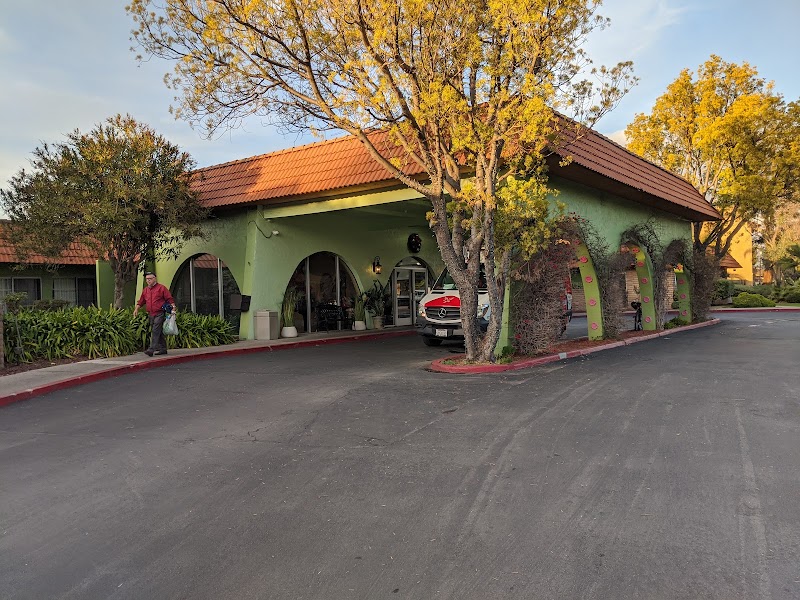
How is Santa Clara Post Acute Staffed?

CMS rates SANTA CLARA POST ACUTE's staffing level at 4 out of 5 stars, which is above average compared to other nursing homes. Staff turnover is 36%, compared to the California average of 46%. This relatively stable workforce can support continuity of care.

What Have Inspectors Found at Santa Clara Post Acute?

State health inspectors documented 63 deficiencies at SANTA CLARA POST ACUTE during 2019 to 2025. These included: 3 that caused actual resident harm and 60 with potential for harm. Deficiencies causing actual harm indicate documented cases where residents experienced negative health consequences.
Who Owns and Operates Santa Clara Post Acute?

SANTA CLARA POST ACUTE is owned by a for-profit company. For-profit facilities operate as businesses with obligations to shareholders or private owners. The facility is operated by GENESIS HEALTHCARE, a chain that manages multiple nursing homes. With 201 certified beds and approximately 186 residents (about 93% occupancy), it is a large facility located in SANTA CLARA, California.
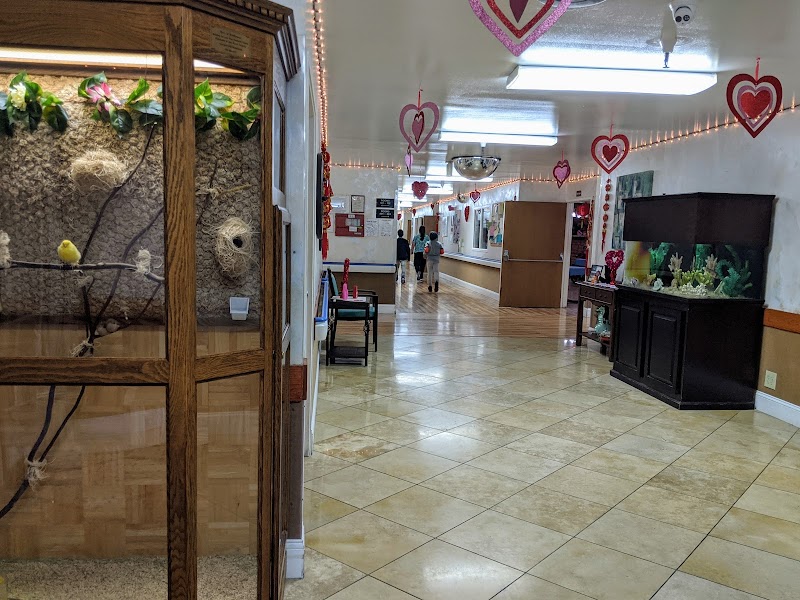
How Does Santa Clara Post Acute Compare to Other California Nursing Homes?

Compared to the 100 nursing homes in California, SANTA CLARA POST ACUTE's overall rating (3 stars) is below the state average of 3.1, staff turnover (36%) is near the state average of 46%, and health inspection rating (2 stars) is below the national benchmark.

What Should Families Ask When Visiting Santa Clara Post Acute?

Based on this facility's data, families visiting should ask: "Can I visit during a mealtime to observe dining assistance and food quality?" "How do you handle medical emergencies, and what is your hospital transfer rate?" "Can I speak with family members of current residents about their experience?"

Is Santa Clara Post Acute Safe?

Based on CMS inspection data, SANTA CLARA POST ACUTE has a clean safety record: no substantiated abuse findings (meaning no confirmed cases of resident harm), no Immediate Jeopardy citations (the most serious violation level indicating risk of serious injury or death), and is not on the Special Focus Facility watch list (a federal program monitoring the lowest-performing 1% of nursing homes). The facility has a 3-star overall rating and ranks #100 of 100 nursing homes in California. While no facility is perfect, families should still ask about staff-to-resident ratios and recent inspection results during their visit.

Do Nurses at Santa Clara Post Acute Stick Around?

SANTA CLARA POST ACUTE has a staff turnover rate of 36%, which is about average for California nursing homes (state average: 46%). Moderate turnover is common in nursing homes, but families should still ask about staff tenure and how the facility maintains care continuity when employees leave.

Was Santa Clara Post Acute Ever Fined?

SANTA CLARA POST ACUTE has no federal fines on record. CMS issues fines when nursing homes fail to meet care standards or don't correct problems found during inspections. The absence of fines suggests the facility has either maintained compliance or corrected any issues before penalties were assessed. This is a positive indicator, though families should still review recent inspection reports for the full picture.

Is Santa Clara Post Acute on Any Federal Watch List?

SANTA CLARA POST ACUTE is not on any federal watch list. The most significant is the Special Focus Facility (SFF) program, which identifies the bottom 1% of nursing homes nationally based on persistent, serious quality problems. Not being on this list means the facility has avoided the pattern of deficiencies that triggers enhanced federal oversight. This is a positive indicator, though families should still review the facility's inspection history directly.