SUMMERFIELD HEALTH CARE CENTER

1280 SUMMERFIELD RD, SANTA ROSA, CA 95405 (707) 539-1515
For profit - Corporation 70 Beds THE ENSIGN GROUP Data: November 2025
Trust Grade
78/100
#212 of 1155 in CA
Last Inspection: March 2024

Within standard 12-15 month inspection cycle. Federal law requires annual inspections.

Overview

Summerfield Health Care Center in Santa Rosa, California has a Trust Grade of B, meaning it is a good choice and performs better than many other facilities. It ranks #212 out of 1,155 facilities in California, placing it in the top half, and #6 out of 18 in Sonoma County, indicating only five local options are better. The facility is improving, with the number of issues dropping from 11 in 2024 to just 1 in 2025. Staffing is a strength, with a 4-star rating and a 32% turnover rate, which is lower than the state average, suggesting that staff are experienced and familiar with residents. However, there are some concerns, including $3,145 in fines, which is average, but indicates some compliance issues. Recent inspections revealed incidents such as improperly stored food that could lead to health risks and inadequate vaccine storage that might compromise effectiveness. Additionally, two residents had pain management plans that were not comprehensive, potentially causing them unnecessary distress. Overall, while there are notable strengths in staff stability and quality, families should be aware of these weaknesses when considering this facility.

Trust Score
B
78/100
In California
#212/1155
Top 18%
Safety Record
Low Risk
No red flags
Inspections
Getting Better
11 → 1 violations
Staff Stability
○ Average
32% turnover. Near California's 48% average. Typical for the industry.
Penalties
✓ Good
$3,145 in fines. Lower than most California facilities. Relatively clean record.
Skilled Nurses
✓ Good
Each resident gets 67 minutes of Registered Nurse (RN) attention daily — more than 97% of California nursing homes. RNs are the most trained staff who catch health problems before they become serious.
Violations
⚠ Watch
24 deficiencies on record. Higher than average. Multiple issues found across inspections.
★★★★★
5.0
Overall Rating
★★★★☆
4.0
Staff Levels
★★★★★
5.0
Care Quality
★★★★☆
4.0
Inspection Score
Stable
2024: 11 issues
2025: 1 issues

The Good

  • 4-Star Staffing Rating · Above-average nurse staffing levels
  • 5-Star Quality Measures · Strong clinical quality outcomes
  • Full Sprinkler Coverage · Fire safety systems throughout facility
  • No fines on record
  • Staff turnover below average (32%)

    16 points below California average of 48%

Facility shows strength in staffing levels, quality measures, fire safety.

The Bad

Staff Turnover: 32%

14pts below California avg (46%)

Typical for the industry

Federal Fines: $3,145

Below median ($33,413)

Minor penalties assessed

Chain: THE ENSIGN GROUP

Part of a multi-facility chain

Ask about local staffing decisions and management

The Ugly 24 deficiencies on record

Mar 2025 1 deficiency
CONCERN (D) 📢 Someone Reported This

A family member, employee, or ombudsman was alarmed enough to file a formal complaint

Potential for Harm - no one hurt, but risky conditions existed

Quality of Care (Tag F0684)

Could have caused harm · This affected 1 resident

Based on interview and record review, facility staff did not follow physician orders from 2/10/25 to 2/11/25, to ensure Sampled Resident #1 wore a wrist brace on her right wrist at all times. This fai...

Read full inspector narrative →
Based on interview and record review, facility staff did not follow physician orders from 2/10/25 to 2/11/25, to ensure Sampled Resident #1 wore a wrist brace on her right wrist at all times. This failure had the potential for Resident #1 ' s right wrist fracture to heal in an incorrect position or for the broken bone pieces to not grow back together properly (Occurs with excessive movement or inadequate stabilization of the fracture site. When a bone is not able to heal properly it will take longer to heal and result in prolonged swelling, tenderness, and pain). Findings: During an interview on 1/28/25 at 1:13 p.m., Family Member A stated she had arrived at the facility to visit Resident #1 on 2/10/25, in the evening to visit Resident #1 and left at 8 p.m. She stated she returned to the facility 2/11/25, at lunch and observed Resident #1 did not have a brace on her left wrist. Family Member A stated the private caregiver had told her she did not know Resident #1 was supposed to have a brace on her right wrist. She stated she questioned the Licensed and Unlicensed staff about the location of the brace, and nobody knew where the brace was. She stated the Physician had ordered Resident #1 to wear the brace / splint 24 hours a day. During an observation on 2/19/25 at 10:55 a.m., in Resident #1 ' s room, a white, dry erase board located opposite Resident #1 ' s foot of the bed indicated, Wear right wrist brace at all times. During an interview on 2/19/25 at 11:01 a.m., with Private Sitter C, she stated there was nothing communicated to her from her company or the facility that mentioned keeping the brace / splint on Resident #1 ' s right wrist. She stated the facility nursing staff had not communicated anything about the brace / splint on Resident #1 ' s right wrist to her. During an interview on 2/19/25 at 11:06 a.m. Unlicensed Staff D stated she had assisted Resident #1 to take a shower. She stated Resident #1 had a neck brace that never came off except for the shower, and then a waterproof brace was applied to her neck. She stated she did not know anything about the splint on Resident #1 ' s right wrist. She did not know if it could be taken off or what had happened to her wrist. During an interview on 2/19/25 at 11:25 a.m. Licensed Staff E stated she was not assigned to Resident #1. She stated she knew that Resident #1 had to wear a cervical collar (a stabilizing device worn around one ' s neck to prevent movement and further injury) all the time but did not know about a brace on her right wrist. She stated she knew that Resident #1 had fallen on her first day in the facility but did not know she had fractured her right wrist. Licensed Staff E was unable to state whether she would know what her special needs were, like to wear a brace on her right wrist 24/7 and never take it off. During a concurrent interview and record review on 2/19/25 at 12:42 p.m., the Director of Rehabilitation Services reviewed Resident #1 ' s medical record and stated she was supposed to wear a cervical collar and a right-hand splint. She stated Resident #1 got the right-hand splint for a fractured wrist after she fell in the facility. She stated Resident #1 was sent to hospital on 1/28/25, two days after she fell on 1/26/25. She stated Resident #1 ' s Skilled Nursing Facility ' s (SNF) Physician wrote orders for her to go to the hospital for assessment and placement of a splint on her right wrist. She stated the SNF Physician ' s Order, dated 1/28/25, was to wear the splint 24/7. She stated the doctor wrote orders to monitor the right hand for placement of the splint, circulation of the fingers on the right hand. She stated the daily Nursing Notes indicated staff should complete observation of the right hand and wrist and document it. She stated the risk to the patient for not following the Physician Orders to wear the right wrist brace could result in further injury to Resident #1 ' s wrist. During an interview on 2/19/25 at 1:35 p.m., the Assistant Director of Nursing stated Resident #1 ' s doctor had ordered a right wrist splint 24/7, on 1/28/25, and to monitor every shift for placement and circulation. She stated staff should communicate with each other about the brace, and private sitters could look at the white board in the room that would have important information about the brace. She stated the facility should communicate with private sitters. During a phone interview on 2/20/25 at 3:16 p.m., the Private Sitter ' s Manager stated no one had communicated with his agency or caregivers to ensure the placement of a right wrist brace on Resident #1. He stated it was the responsibility of the nurses to communicate any special concerns or needs to the private sitter. During a phone interview on 2/21/25 at 10 a.m., Private Sitter S stated her responsibility for Resident #1 was to be her companion and be sure she did not fall. She stated she was aware Resident #1 had a broken right wrist with a brace. She stated it was covered with an ace wrap (brace), and Resident #1 kept trying to take it off. She stated the facility nurses and staff had come in and saw that it was off when they gave Resident #1 medications and when they came in to take her to the bathroom, but no one put the brace back on. She stated she left on 2/10/25 at 8 p.m., and the brace was off and when she returned to work on 2/11/25 at 8 a.m., the Resident #1 did not have a brace on her right wrist. During an interview on 2/24/25 at 11:12 a.m., Licensed Staff I stated caregivers did not provide direct patient care and would inform staff of anything special like the need for a resident to go to the bathroom. She stated the caregivers would usually check in with the nurse when they would come to work, and they should have notified the nurse if the right wrist brace was off. During an interview on 2/24/25 at 12:25 p.m., the Director of Nursing stated staff assessed placement of Resident #1 ' s wrist brace, every shift. She stated the wrist brace was not on 2/10/25 or 2/11/25. The Director of Nurses stated the family should have told the sitter to be sure Resident #1 did not take off the wrist brace. During a phone interview on 2/24/25 at 5 p.m., Family Member A stated, during a Care Conference to discuss how Resident #1 ' s wrist brace was not on 2/10/25 or 2/11/25, with the Administrator, Director of Nursing, Social Services and Ombudsman in attendance, she stated the facility admitted they were responsible and, This one was on us. Review of a medical record document title, Progress Notes +New, dated 1/28/25 at 8:46 p.m., indicated, PT WAS NOTED TO BE TRYING TO UNRWAP SPLINT AND FREQUENT REORIENTATION AND EDUCATION PROVIDED TO PREVENT PT FROM REMOVING SPLINT. Review of the medical record document titled, Progress Notes Falls Committee IDT, dated 1/25/25 at 9:01 a.m., indicated, IDT MET AND DISCUSSED PT RECENT FALL. PT WAS admitted TO FACILITY, 1/25/25 @1500 (3 p.m.) . ON 1/26/25 PT HAD A WITNESSED FALL WHILE AT THE NURSES STATION. PT CHAIR ALARM WENT OFF WHEN SHE TOOK A STEP AND TRIPPED ON HER W/C (Wheelchair), AT THIS TIME SHE WAS WITNESSED HITTING HER HEAD AND FALL RESULTED IN MULTIPLE SKIN TEARS (Injury or traumatic wound caused by direct contact of skin to an object resulting in the top layer of skin peeling away) .WHEN ASKED PT REPORTED PAIN TO RT WRIST WITH SUPINATION (Movement). THROUGHOUT SIFT [sic] STAFF NOTED SWELLING AT RT WRIST, MD NOTIFIED AND ORDERED X- RAY To R/O (Rule Out) POSSIBLE FX. WHILE WAITING FOR X- RAY TO BE COMPLETED MD VISITED AND ASSESSED PT. MD REQUESTED TO PLACE SPLINT ON R (Right) WRIST. ONCE X-RAY COMPLETED RADIOLOGIST NOTED ACUTE/SUBACUTE FX (Broken bone) AT RT WRIST. DUE TO INCREASED SWELLING AND PAIN PT WAS SENT TO ER (Emergency Room) FOR FURTHER EVALUATION. UPON RETURN TO FACILITY PT WAS PROVIDED WITH 1:1 SITTER. SOFT SPLINT APPLIED AT HOSPITAL. ORDER IN PLACE TO MONITOR CSM (Circulation, Sensation and motion) AND SKIN UNDER SPLINT REGULARLY. Review of a medical record document titled, Care Plan Report, dated 1/28/25, indicated, Alteration in musculoskeletal status r/t Fracture of the RIGHT WRIST. Encourage the use of supportive devices (SPECIFY: splints, braces, canes, crutches etc.) as recommended. Potential for a behavior problem r/t (related to) unsafe behaviors, fall risk, impulsive unsafe behaviors, fall risk, behaviors, and cognitive impairment. Review of a medical record document titled, Order Summary Report, dated 1/28/25, indicated RIGHT WRIST SOFT SPLINT: MONITOR FOR CAPILLARY REFILL (Squeeze the fingertip and see how fast the color goes from a whitish back to pink. A method to assess blood flow) AND ANY S/SX (Signs and/or symptoms) OF SWELLING every shift.
Sept 2024 1 deficiency
CONCERN (D) 📢 Someone Reported This

A family member, employee, or ombudsman was alarmed enough to file a formal complaint

Potential for Harm - no one hurt, but risky conditions existed

Transfer Requirements (Tag F0622)

Could have caused harm · This affected 1 resident

**NOTE- TERMS IN BRACKETS HAVE BEEN EDITED TO PROTECT CONFIDENTIALITY** Based on observation, interview and record review, the facility failed to permit two of three sampled residents (Resident 1 and ...

Read full inspector narrative →
**NOTE- TERMS IN BRACKETS HAVE BEEN EDITED TO PROTECT CONFIDENTIALITY** Based on observation, interview and record review, the facility failed to permit two of three sampled residents (Resident 1 and Resident 2) to remain in the facility (Facility 1), when the facility initiated and transferred Resident 1 and Resident 2 to other skilled nursing facilities (Facility 2 and Facility 3) without providing evidence that Resident 1 and Resident 2 ' s health had improved sufficiently so they no longer needed the services provided by the facility, which was the reason given for the transfers. This failure caused emotional distress for Resident 1 and had the potential for emotional distress for Resident 2. Findings: During a concurrent observation and interview on 8/30/24 at 12 pm, Resident 1 was lying in her bed in Facility 1, visiting with Family Member A (FM A). Resident 1 stated the Social Services Director (SSD) came into her room on her fifth day as a resident in Facility 1 and told her a representative from another facility would be coming to speak with her. Resident 1 stated she thought the other facility was just trying to sell her on their facility. Resident 1 had not been informed a transfer was being arranged. Resident 1 stated on the morning of her sixth day in Facility 1, transport arrived to take her to Facility 2. Resident 1 further stated she was stunned as she was not aware she was moving. Resident 1 stated she did not understand why it was suggested she move to a one-star rated facility when Facility 1 was a five-star rated facility (a quality rating designed by the Centers for Medicare and Medicaid Services to assist consumers in choosing a care facility, with five stars being the best rating). Resident 1 stated she felt as though she would have been further along in her progress had she stayed at Facility 1 and not been transferred out to Facility 2, where she did not receive services per her physical and occupational therapy goals. During an interview on 8/30/24 at 12:15 pm, FM A stated that upon admission the SSD had informed her Resident 1 would be at Facility 1 for at least three weeks. FM A further stated she had not initiated a transfer to another facility for Resident 1 and had been very surprised when the transfer occurred. During an interview on 10/23/24 at 9:58 AM, Resident 1 stated she was so shocked when she was transferred to Facility 2 that she was afraid to leave her room and did not want to eat for several days. Resident 1 further stated she had no idea why she was transferred to Facility 2, and she was afraid she had offended someone at Facility 1. A record review of a document titled, admission Agreement, dated 5/23/24, indicated Resident 1 was the only person authorized to make decisions for herself. A record review of a document titled, admission Record, for Resident 1 indicated an admission date of 6/8/24, with diagnoses which included Sepsis (an overwhelming and life-threatening response to infection), Difficulty in Walking, Acute Transverse Myelitis of the Central Nervous System (an inflammation of the spinal cord which often damages nerve cells and can cause pain, muscle weakness, paralysis, sensory problems, or bladder and bowel dysfunction), and Depression (a mood disorder that can affect a person's thoughts, feelings, and ability to function in daily life). A record review of a document titled, History and Physical, dated 6/8/24, indicated Resident 1 was treated at an acute care facility for sepsis, stabilized, and then discharged to a SNF (Skilled Nursing Facility) for further care. New orders included rehabilitation with Physical Therapy (PT, therapy provided by an individual with specialized training that is used to preserve, enhance, or restore movement and physical function) and Occupational Therapy (OT, therapy provided by an individual with specialized training that is used to enhance or restored the ability to perform activities of daily living [ADLs]). PT and OT are considered Skilled Services. This document indicated Resident 1 ' s decision making capacity was intact. A record review of a Care Plan for Resident 2, dated 6/8/24, indicated, Wishes to return/be discharged to home. A record review of a document titled, Order Summary Report, signed and dated by Resident 1 ' s Attending Physician on 6/10/24, indicated, Resident has the capacity to make health care decisions. A record review of a document titled, Progress Notes-Social Services, dated 6/11/24, indicated, SS spoke with daughter regarding general update and projected Length of Stay (LOS) of 3+ weeks. Family is interested in transitioning patient from skilled to long-term care. A record review of a document titled, Occupational Therapy Treatment Encounter Note, dated 6/12/24, Indicated, OT and PT .required to successfully train and progress patient with slide board transfers and bed mobility d/t (due to) presenting with multiple deficits across both disciplines. A record review of a document titled, Brief Interview for Mental Status (BIMS), dated 6/13/24, indicated a BIMS Score of 15. A BIMS score of 15 indicated Resident 1 had intact cognition (capable of remembering, learning new things, concentrating, and making decisions that affect everyday life). A record review of a document titled, Progress Notes - Social Services, dated 6/13/24, indicated, SS (Social Services) informed resident and [FM A] that resident has been given a PT (patient) CHOICE transfer DC (discharge) of 6/14/24 @9:30 AM. A record review of a document titled, Notice of Transfer or Discharge, dated 6/13/24, showed a checkmark next to the phrase The resident ' s health has improved sufficiently that the resident no longer needs the services provided by this facility. The bottom of the document had a section titled, Verification of Receipt of Notice, and further indicated, This acknowledges that I have received a copy of this Notice of Transfer or Discharge. The notice had a hand-written note at the bottom which indicated, Verbal consent - [name of FM A] 6/13/24. During an interview on 10/23/24 at 9:13 am, the SSD stated the signature on the document titled, Notice of Transfer and Discharge, for Resident 1, was handwritten by her as, verbal consent, from FM A. When asked why the document was not signed by Resident 1, who was her own responsible party, the SSD stated Resident 1 was asleep when she went to her room. The SSD also stated the signature had not meant agreement with the transfer, but agreement that the notice of the transfer had been received. The SSD verified that none of the reasons for transfer or discharge listed on the document were valid for Resident 1. A record review of a document titled, Discharge Summary - Nursing, dated 6/13/24, indicated Resident 1 was admitted to Facility 1 for Post-Acute Care/Rehabilitation Services. The discharge summary indicated Resident 1 was provided with PT and OT treatments at Facility 1 to regain strength and abilities for ADLs. The discharge summary indicated, Pt (Resident 1) has potential to progress with further skilled services. A record review of a document titled, Physician Discharge Order, dated 6/13/24, indicated, Discharge reason: The resident ' s health has improved sufficiently so the resident no longer needs the services provided by the facility. This discharge reason was crossed out and replaced with the discharge reason of SNF-to-SNF transfer. During a concurrent interview and record review on 10/23/24 at 1:30 pm, when asked to provide documentation of Resident 1 initiating a transfer to another skilled nursing facility, the Director of Nursing (DON) was unable to do so. The DON stated a document titled, Nursing Progress Note, dated 6/14/24, indicated discharge instructions and paperwork were explained and signed by the patient. The DON verified this signature did not indicate initiation of a transfer by Resident 1. During a phone interview on 8/30/24 at 1:20 pm, Family Member B (FM B) stated Resident 2 was not available for an interview, as she had passed away while residing at Facility 3. FM B stated Resident 2 was in very bad shape when she was transferred from Facility 1 to Facility 3 as she was emaciated, dehydrated, and had a urinary tract infection (a bacterial infection that affects the urinary tract, which includes the bladder, urethra, and kidneys). FM B stated she was surprised when she was informed by the Social Services Department at Facility 1 that a transfer was imminent. FM B stated she had not requested for Resident 2 to be moved to a different facility and was shocked when she was told by Facility 1 staff that Resident 2 was ready for release. FM B stated she had inquired where Resident 2 would receive care, but she never requested to have her moved. A record review of a document titled, admission Record, indicated Resident 2 was admitted to the facility on [DATE], with diagnoses of metabolic encephalopathy (a brain dysfunction caused by a chemical imbalance in the blood that affects the brain), anxiety disorder (a condition that causes excessive feelings of fear, dread, and worry that can interfere with daily life), severe protein-calorie malnutrition, dysphagia (difficulty swallowing), and Alzheimer ' s disease (a brain disorder that destroys memory and thinking skills). A record review of a Care Plan for Resident 2, dated 6/11/24, indicated, Wishes to return/be discharged to home. A record review of a document titled, Order Summary Report, dated 6/11/24 and signed by the Medical Director (MD), indicated, Resident has the capacity to make health care decisions. A record review of document titled IDT Care Plan Review, dated 6/12/24, indicated occupational and physical therapy would be provided five times per week to address mobility and activities of daily living deficits. The estimated length of stay was determined to be at least another two or three weeks. Document further notes that Resident 2 would require 24-hour care at home. The discharge plan summary indicated the following: Patient will return to the community when therapy and nursing services are completed. A record review of a document titled Speech Therapy Treatment Encounter Note, dated 6/13/24, indicated, Patient presents with acute .dysphagia. Continue to recommend puree solids and thin liquids with 1:1 supervision. The document also indicated, Recommend continued speech therapy (ST) intervention .to support adequate nutrition/hydration. A record review of a document titled, Brief Interview for Mental Status, dated 6/17/24, indicated a BIMS score of 7. A BIMS score of 7 indicated moderate cognitive impairment. A record review of a document titled, Physician Discharge Order, dated 6/18/24, indicated, Discharge reason: The resident ' s health has improved sufficiently so the resident no longer needs the services provided by the facility. This discharge reason was crossed out and replaced with the discharge reason of SNF-to-SNF transfer. A record review of a document titled, Progress Notes - Social Services, dated 6/19/24, indicated, SS (Social Services) informed resident and [FM B] that resident has been given a PT CHOICE DC of 6/19 @10:00 am. Resident will be transferring to Facility 3. A record review of a document titled, Notice of Transfer or Discharge, dated 6/19/24, showed a checkmark next to the phrase, The resident ' s health has improved sufficiently that the resident no longer needs the services provided by this facility. The bottom of the document had a section titled, Verification of Receipt of Notice, and further indicates, This acknowledges that I have received a copy of this Notice of Transfer or Discharge. The notice has a hand-written note at the bottom which indicated, Verbal consent - [name of FM B] 6/19/24 via telephone. During an interview on 9/5/24 at 12:05 pm, the SSD verified the therapy department assessed all admitted residents and determined skilled nursing needs, and Resident 1 and Resident 2 qualified for skilled nursing. The SSD stated the facility had skilled nursing beds that could have been converted to long term beds. The SSD stated she had not documented all conversations with residents and their representatives regarding transfers and discharges as she did not have enough time to do this. The SSD stated she wrote a note in the resident chart on the day the actual transfer occurred. When asked to provide documentation of Resident 1 and Resident 2 initiating a transfer to another Skilled Nursing Facility, she was unable to do so. The SSD stated Resident 1 and Resident 2 were given a choice of facilities to be transferred to. The SSD was unable to provide any documentation of facility choices. The SSD was asked to provide rationale for SNF to SNF transfer for Resident 1 and Resident 2 and was unable to provide any documentation of rationale for transfer. When asked what triggered the conversation regarding transfer to another facility, the SSD stated the Initial Care Conference triggered a conversation about options for other facilities if it was determined a resident was unsafe to return home. The SSD stated Initial Care Conference was scheduled during the first week of a resident ' s stay. The SSD also stated the document titled, Notice of Transfer or Discharge, did not contain an option for SNF-to-SNF transfer. Because of this, she had checked the box reading, The resident ' s health has improved sufficiently that the resident no longer needs the services provided by this facility. The SSD verified this was not the reason for Resident 1 ' s transfer to Facility 2 or Resident 2 ' s transfer to Facility 3. During an interview on 10/23/24 at 9:13 am, the SSD stated the signature on the document titled, Notice of Transfer and Discharge, for Resident 2, was handwritten by her as, verbal consent from FM B. The SSD also stated the signature had not meant agreement with the transfer, but agreement that the notice of the transfer had been received. The SSD verified that none of the reasons for transfer or discharge listed on the document were valid for Resident 2. During a concurrent interview and record review on 10/23/24 at 1:30 pm, when asked to provide documentation of Resident 2 initiating a transfer to another skilled nursing facility, the Director of Nursing (DON) was unable to do so. A record review of a facility policy and procedure titled, Criteria for Transfer and Discharge, dated 12/2023, indicated, Facility-initiated transfer or discharge - a transfer or discharge which .did not originate through the resident ' s verbal or written request.
Mar 2024 10 deficiencies
CONCERN (D)

Potential for Harm - no one hurt, but risky conditions existed

Respiratory Care (Tag F0695)

Could have caused harm · This affected 1 resident

Based on observation, interviews, and record reviews, the facility did not provide the necessary respiratory care consistent with resident's care plan for oxygen therapy and current physician's orders...

Read full inspector narrative →
Based on observation, interviews, and record reviews, the facility did not provide the necessary respiratory care consistent with resident's care plan for oxygen therapy and current physician's orders for one of two sampled residents, Resident 41, when he was observed receiving oxygen therapy via nasal cannula (A nasal cannula is a device that gives you additional oxygen (supplemental oxygen or oxygen therapy) through your nose) at 3.5 LPM (liters per minute). This failure had the potential to result in respiratory acidosis (A condition that occurs when your lungs can't remove all of the carbon dioxide produced by your body. This causes the blood and other body fluids to become too acidic) and may affect the health and well-being of Resident 41. Findings: A review of Resident 41's admission Record, dated 3/14/24, indicated his medical diagnoses included COPD (Chronic Obstructive Pulmonary Disease) and Chronic Respiratory Failure with Hypoxia (Hypoxia is low levels of oxygen in your body tissues, causing confusion, bluish skin, and changes in breathing and heart rate). A review of Resident 41's Order Summary Report, dated 3/14/24, indicated Resident 41 had an active order for oxygen therapy since 2/2/24, which stated, PRN (Pro Re Nata=As Needed) O2 (Oxygen) titrated (Drug titration is the process of adjusting the dose of a medication for the maximum benefit without adverse effect) up to 2 LPM via NC (nasal cannula) for O2 saturation < (less than) 90% or SOB (shortness of breath) as needed. During a concurrent observation and interview on 3/14/24, at 8:35 a.m., with Licensed Vocational Nurse J (LVN J) inside Resident 41's room, she stated Resident 41 was on 3.5 LPM O2 for COPD and CHF (Congestive Heart Failure). LVN J stated that Resident 41's current O2 order was 3.5 LPM continuous. The O2 concentrator (a medical device that separates nitrogen from the air around you so you can breathe up to 95% pure oxygen) observed with LVN J indicated that resident 41 was currently on 3.5 LPM of oxygen delivery. Licensed Nurse J stated that when she needed to check the oxygen order, she would look into resident's (Resident 41's) physician's orders. LVN J stated it (order) would also be reflected in the MAR (Medication Administration Record). A review of Resident 41's MAR, for March 2024, indicated on page 28 of 31, PRN O2 titrated up to 2 LPM via NC for O2 saturation <90% or SOB. During an interview on 3/14/24, at 9:19 a.m., with the Director of Nursing (DON), she stated that she and Resident 41's physician expected the licensed nurses to verify the physician's order for oxygen therapy. A review of Resident 41's Care Plan, indicated, Has PRN Oxygen Therapy r/t (related to) ARF (Acute Respiratory Failure) with Hypoxia and COPD. One of the interventions indicated, Give medications as ordered by physician, monitor/document side effects and effectiveness. A review of an article from Respiratory Therapy (RT), dated November 15. 2022, under, Risks in Providing Oxygen Therapy to COPD Patients, the article indicated, .If too much supplemental oxygen is given to the patients who are relying on blood O2 to trigger breathing, the need to breath is reduced resulting in high levels of CO2 (Carbon Dioxide). A review of a facility policy and procedure (P&P) titled, Oxygen Administration, dated October 2010, indicated the purpose of the P&P, The purpose of this procedure is to provide guidelines for safe oxygen administration. Under Preparation, the P&P indicated: 1. Verify that there is a physician's order for this procedure. Review the physician's orders or facility protocol for oxygen administration. 2. Review the resident's care plan to assess for any special needs of the resident.
CONCERN (D)

Potential for Harm - no one hurt, but risky conditions existed

Deficiency F0697 (Tag F0697)

Could have caused harm · This affected 1 resident

Based on observation, interviews, and record reviews, the facility failed to provide pain management that met professional standards of practice, and pain management that was based on the comprehensiv...

Read full inspector narrative →
Based on observation, interviews, and record reviews, the facility failed to provide pain management that met professional standards of practice, and pain management that was based on the comprehensive care plan of one of three sampled residents, Resident 151, when the facility did not have a physician's order indicated to address severe pain. This failure had the potential to result in ineffective pain management that could affect his well-being, his ability to perform activities of daily living, or his ability to participate in therapeutic physical exercises. Findings: A review of Resident 151's History and Physical, dated 3/2/24, indicated under chief complaint, . Patient states he's been taking a lot of aspirin at home for his chronic low back pain. He said he has 4 (four) compression fractures (A compression fracture is a type of fracture or break in your vertebrae. The vertebrae are the bones in your back that are stacked on top of each other to make your spine) .They also found kidney stones and a possible UTI (Urinary Tract Infection). A review of Resident 151's Order Summary Report, dated 3/14/24, indicated, Resident (Resident 151) has the capacity to make health care decisions. This report indicated Resident 151 had an order for Hydrocodone-Acetaminophen (combination of opioid and analgesic pain reliever) Oral Tablet 5-325 MG (milligrams). Give 1 tablet by mouth every 4 hours as needed for MODERATE PAIN 4-6. This report indicated that Resident 151 did not have a physician's order for severe pain. During an initial interview on 3/11/24, at 11:45 a.m., with Resident 151, inside his room, he stated he had been at this facility for about a week. He stated staff here should be watched over. Resident 151 stated he had issues about his meds (medications). He stated he had pain on his abdomen and back. During a concurrent observation and interview on 3/14/24, at 9:49 a.m., with Resident 151 in his room, he was asked if he was in pain, he stated that his pain was about a 7 or 8. (Pain score 1-10 Numeric Rating Scale: 0= No pain, 1-3, Mild Pain, 4-6=Moderate Pain, 7-9, Severe pain, 10=Worst pain imaginable). Resident 151 was not in distress at this time, no facial grimacing noted. Resident 151 stated he usually gets one white pill for his pain, but this does not relieve his pain. He stated he had pain because of his compression fractures and kidney stones (Kidney stones are hard, pebble-like pieces of material that form in one or both of your kidneys when high levels of certain minerals are in your urine .A small kidney stone may pass through your urinary tract on its own, causing little or no pain. A larger kidney stone may get stuck along the way. A kidney stone that gets stuck can block your flow of urine, causing severe pain or bleeding). A review of Resident 151's MAR, (Medication Administration Record) for March 2024, indicated the dates and times when Hydrocodone-Acetaminophen 5-325 MG was administered to Resident 151, and what his pain levels were when the medication was administered. The MAR indicated that the Hydrocodone-Acetaminophen 5-325 MG was to be administered for MODERATE PAIN (4-6 pain level) but was administered on multiple occasions (32 times) where Resident 151's pain level was severe (7-9). The MAR indicated that this PRN (as needed) pain medication was administered to Resident 151 forty-four (44) times from 3/3/24 to 3/14/24. During an interview on 3/14/24, at 2:35, with Licensed Vocational Nurse K (LVN K), she stated on 3/5/24, at 4:35 p.m., she went to Resident 151's room and assessed his pain level, quality of pain, and location of pain. LVN K stated Resident 151's pain level was 9, severe pain. When LVN K was asked if it was appropriate to administer the Hydrocodone-Acetaminophen 5-325 MG that was indicated for moderate pain, she stated, No. LVN K stated she should have called the doctor, gave an update, and requested an order for a stronger pain medication, but stated, she did not do that. During a concurrent record review and interview on 3/14/24, at 3:04 p.m., with Registered Nurse L (RN L), she stated it was her initials that indicated she administered the Hydrocodone-Acetaminophen 5-325 MG tablet to Resident 151 on 3/2/24, at 4:08, 3/3/24, at 4:30 p.m., and 3/4/24, at 7:42 p.m. for severe pain. When RN L was asked if it was appropriate to administer the Hydrocodone-Acetaminophen 5/325 MG for moderate pain if Resident 151's pain level was severe, RN L stated, No. RN L stated she should have called the doctor and asked for a stronger pain medication. During a concurrent record review and interview on 3/15/24, at 8:30 a.m., with the Director of Nursing (DON) she was shown the MAR of Resident 151 regarding the administration of his Hydrocodone/Acetaminophen 5/325 MG. She was shown that on multiple occasions that Resident 151 was assessed to have severe pain and the nurses administered the pain medication which was indicated for moderate pain. The DON stated she would further investigate if there was communication between the nurses and the doctor. The DON stated that there should be communication between the nurse and the doctor. A review of Resident 151's Care Plan, for acute (sudden or severe in onset)/ chronic (pain that lasts for more than 3 months, or in many cases, beyond normal healing time) pain, included an intervention that indicated, Follow pain scale to medicate as ordered. A review of the facility policy and procedure (P&P) titled, Recognition and Management of Pain, dated 1/2020, indicated, It is the policy of this facility to ensure that pain management is provided to residents who require such service, consistent with professional standards of practice, the comprehensive person-centered care plan, and the resident's goals and preferences. Under monitoring, the P&P indicated, Consult physician if pain is not relieved by current orders. A review of a facility policy and procedure (P&P) titled, Administration Procedures For All Medications, dated June 2021, under policy, it indicated, To administer medications in a safe and effective manner, under procedures, it indicated, Check MAR for order.
CONCERN (D)

Potential for Harm - no one hurt, but risky conditions existed

Deficiency F0806 (Tag F0806)

Could have caused harm · This affected 1 resident

**NOTE- TERMS IN BRACKETS HAVE BEEN EDITED TO PROTECT CONFIDENTIALITY** Based on observation, interview and record review, the facility failed to ensure the food preferences of one of four sampled res...

Read full inspector narrative →
**NOTE- TERMS IN BRACKETS HAVE BEEN EDITED TO PROTECT CONFIDENTIALITY** Based on observation, interview and record review, the facility failed to ensure the food preferences of one of four sampled residents (Resident 107) was honored when he was not served the alternate meal he had ordered for lunch. This finding caused Resident 107 frustration, and had the potential to result in malnutrition, weight loss, and feelings of helplessness for Resident 107. Findings: Record review indicated Resident 107 was admitted to the facility on [DATE] with medical diagnoses including Iron Deficiency Anemia (A condition in which blood lacks adequate healthy red blood cells, due to insufficient iron in the body) according to the facility Face Sheet (Facility demographic). During an interview with the Dietary Manager (DM) on 3/11/24 at 9:40 a.m., she started trayline service (A system of food preparation, used in nursing homes, in which trays move along an assembly line) in the kitchen started at 11:45 a.m. for lunch. During a concurrent dining observation and interview on 3/11/24 at 12:36 p.m., Resident 107 was observed in bed, with his lunch tray on top of his bedside table placed in front of him. Resident 107 had received the regular meal of the day which consisted of tarragon chicken, vegetables, and a salad. Resident 107 was observed visibly upset (Based on facial expressions). Resident 107 stated he had ordered food from the alternate meal menu, which involved soup and a tuna wrap, but was served the regular meal of the day instead. Resident 107 stated this was not the first time it happened, and stated being, At my wit's end (An expression to show worry, confusion or annoyance). During an interview with the DM and Assistant Administrator (AA) on 03/11/24 at 12:44 p.m., they both confirmed Resident 107 had ordered a meal from the alternate menu earlier that day, and they were preparing it. That interview was conducted after Resident 107 had received the incorrect lunch meal. During a concurrent interview and record review with the DM on 03/11/24 at 2:45 p.m., the DM stated residents were provided with alternate meal menu forms to fill out if they wanted something different to the regular meal of the day. Sitting on top of one of the kitchen counters was a form titled, Meal Change Request Form, which indicated that for lunch on 3/11/24, Resident 107 had requested, the soup of the day and a tuna roll up (one piece-not two). The form also stated, patient wants orange juice with BF (Breakfast) and milk at every meal. The DM was unable to recall what time the kitchen received this form from Resident 107. The DM stated during trayline service, this form got missed by the cooks. The DM was asked to provide this form to the Surveyor in printed form, but it was not provided. During an interview on 3/12/24 at 3:18 p.m., Witness G stated Resident 107 had told him on several occasions that he had received the wrong meals. During an interview on 3/14/24 at 1:26 p.m., [NAME] H stated alternate meal menu forms had to be received by the kitchen prior to trayline service, as during trayline it was already too late to prepare a different meal for a resident. [NAME] H was unable to remember what time they received the form titled, Meal Change Request Form for Resident 107 on 3/11/24. During an interview on 3/15/24 at 2:08 p.m., Occupational Therapist I stated she helped Resident 107 fill out the Meal Change Request Form, and delivered it to [NAME] H sometime in between 9:52 a.m. and 10:45 a.m., on 3/11/24 (Minimum one hour before trayline services started). Record review of the facility policy titled, FOOD SUBSTITUTIONS FOR RESIDENTS WHO REFUSE THE MEAL, dated 2023, indicated, Residents will be provided a suitable nourishing alternate meal, after the planned, served meal has been refused. Resident 107 refused the planned meal of the day at the time he filled out the form titled, Meal Change Request Form, with assistance from Occupational Therapist I on 3/11/24 sometime between 9:52 a.m. and 10:45 a.m. (One hour before trayline service) and was still served the meal of the day instead of his meal request written on this form.
CONCERN (D)

Potential for Harm - no one hurt, but risky conditions existed

Garbage Disposal (Tag F0814)

Could have caused harm · This affected 1 resident

Based on observation, interview and record review, the facility failed to ensure two of four trash cans in the kitchen were completely covered when not in use. These trash cans had large circular hole...

Read full inspector narrative →
Based on observation, interview and record review, the facility failed to ensure two of four trash cans in the kitchen were completely covered when not in use. These trash cans had large circular holes measuring approximately 12 inches in diameter that had been cut out in their lids, which made it convenient for the staff to discard garbage without removing the lid, but kept the trash exposed and open to air at all times. This finding had the potential to result in development and growth of pests such as insects and rodents, foul odors in the kitchen and the spread of pathogenic microorganisms (bacteria or viruses capable of producing disease), which could have caused infections and diseases to the residents of the facility. Findings: During an observation on 03/11/24 at 11:55 a.m., one of the kitchen trash cans was observed overflowing with garbage. This trash can had a circular hole that had been cutout in the middle of the lid, measuring approximately 12 inches in diameter, that allowed staff to discard trash even when the lid was closed. During this observation, the overflowing garbage was already above the level of the lid, therefore it was open and exposed to air. A Kitchen Aid discarded soiled gloves in this trash can, but because of the situation with the overflowing garbage, the gloves were easily retrievable, exposed, and sitting on top of other garbage. This trash can was not in continuous use as there were lapses of five to ten minutes when nobody disposed of garbage. There was a second trash can observed right next to the dishwashing area that had the same hole in the middle of the lid. During a second observation on 3/13/24 at 11:40 a.m., the two large trash cans observed on 3/11/24 with the holes in the middle of the lids were again observed in the kitchen, with the lids in place but the holes allowing access to the trash, even when not being used. The trash cans were not in continuous use, as there were time lapses of five to ten minutes when nobody was observed disposing of garbage inside these trash cans. During an interview on 3/14/24 at 1:26 p.m., [NAME] H stated he began his employment with the facility one year prior, and the trash cans with the holes on the lids were already in use in the kitchen since he was hired. [NAME] H stated it was easy to discard trash through the hole without having to open the lid every time. Record review of the facility policy titled, MISCELLANEOUS AREAS, dated 2023, indicated, All food waster must be placed in sealed leak-proof, non-absorbent, tightly closed containers .Garbage and trashcans must be inspected daily that no debris is on the ground or surrounding area, and that the lids are closed. Record review of the FDA Food Code 2022 (The U.S. Food and Drug Administration's (FDA) Food Code is a model code that represents the FDA's best advice for a uniform system of provisions that address the safety and protection of food offered at retail and in food service), under the section titled, Receptacles, and Covering Receptacles, indicated, receptacles and waste handling units for REFUSE (Food waste, scraps, or garbage), recyclables, and returnables and for use with materials containing FOOD residue shall be durable, cleanable, insect- and rodent-resistant, leakproof, and nonabsorbent . Receptacles and waste handling units for REFUSE, recyclables, and returnables shall be kept covered.
CONCERN (D)

Potential for Harm - no one hurt, but risky conditions existed

Medical Records (Tag F0842)

Could have caused harm · This affected 1 resident

**NOTE- TERMS IN BRACKETS HAVE BEEN EDITED TO PROTECT CONFIDENTIALITY** Based on interview and record review, the facility failed to ensure clinical documentation for one of four sampled residents (Re...

Read full inspector narrative →
**NOTE- TERMS IN BRACKETS HAVE BEEN EDITED TO PROTECT CONFIDENTIALITY** Based on interview and record review, the facility failed to ensure clinical documentation for one of four sampled residents (Resident 11) was complete and accurate, when a physician's order to recheck Resident 11's glucose (BG-Blood sugar) level was not documented in the medical record as completed. As a result, there was no way to verify that this physician order was carried out as written, which could have resulted in serious diabetic (Referring to Diabetes Mellitus-A chronic disease characterized by high levels of blood sugar) complications for Resident 11. This finding also had the potential to result in in clinical documentation that did not reflect the resident's condition and the care and services provided across all disciplines to ensure information was available to facilitate communication among the interdisciplinary team. Findings: Record review indicated Resident 11 was admitted to the facility on [DATE] with medical diagnoses including Diabetes Mellitus with Diabetic Neuropathy (A type of nerve damage that can occur to people with diabetes and causes pain and numbness to the legs and feet) according to the facility Face Sheet (Facility demographic). Record review of a physician order for Resident 11 dated 2/15/24 indicated, HumaLOG Solution (A fast-acting insulin used to control high blood sugar in adults and children with diabetes)100 UNIT/ML (Milliliter) Inject as per sliding scale .FOR BLOOD GLUCOSE OVER 350 SWITCH OVER TO Q3H (Every three hours) GLUCOSE CHECKS UNTIL UNDER 250 (Until BG is under 250 milligrams per deciliter [mg/dl]). Record review of Resident 11's Medication Administration Record (MAR) for March 2024, indicated that Resident 11's BG level was recorded as 384 (mg/dl) on 3/03/24 at 11:30 a.m. The staff member who recorded this BG level was LVN J. Record review of Resident 11's entire medical record, did not indicate his BG levels were rechecked in 3 hours from 11:30 a.m., on 3/03/24, as indicated in the physician's order dated 2/15/24. During an interview with the Director of Nursing (DON) on 3/15/24 at 8:49 a.m., she stated that after documenting Resident 11's BG level as 384 (mg/dl), LVN J rechecked Resident 11's BG at 1:30 p.m., based on information saved in the glucometer (A device for measuring the concentration of glucose in the blood) used and an interview the DON had with LVN J, therefore, according to the DON, LVN J followed the physician's order to recheck Resident 11's BG levels after testing 384 mg/dl at 11:30 a.m., on 3/03/24. The DON was asked to bring the glucometer, and facilitate a phone interview with LVN J, who was not working on 3/15/24. The DON asked for the Surveyor's phone number so LVN J could call her, but LVN J never called. The DON was asked if it was a requirement for Licensed Nurses to document BG level checks in the residents' medical records. The DON stated it was best practice but did not confirm it was a requirement. During a concurrent observation and interview with the DON on 03/15/24 at 9:35 a.m., the DON brought a glucometer that had saved data of a BG reading dated 3/03/24 at 1:30 p.m. that was recorded as 125 mg/dl, however, the glucometer did not indicate this BG reading belonged to Resident 11, as the glucometer did not indicate the identity of the residents whose BG levels were checked with it. The DON was asked how she knew this reading belonged to Resident 11, and she stated it was based on the interview she had with LVN J and the fact that this BG reading was taken at 1:30 p.m., on 3/03/24. Record review of the physician's order for Resident 11 (above) indicated to recheck the blood glucose level every three hours after a blood glucose level greater than 350 (mg/dl), therefore, the correct time to have rechecked Resident 11's blood glucose level would have been at 2:30 p.m., and not 1:30 p.m., on 3/03/24, which created serious problems with the credibility of this BG level as belonging to Resident 11, and indicated the physician's order to recheck the BG levels in 3 hours was not followed. During an interview on 3/15/24 at 10:29 a.m., the Director of Staff Development (DSD) was asked if it was a requirement for Licensed Nurses to document blood glucose rechecks for residents. The DSD stated it was best practice to document, but it was not required. The DSD was asked if it not required, how they verified Licensed Nurses were following physician orders for BG rechecks. The DSD was unable to answer. The DSD stated she did not personally provide instructions to Licensed Nurses on clinical documentation requirements. Record review of the facility policy titled, Charting and Documentation, last revised in July of 2017, indicated, all services provided to the resident, progress toward the care plan goals, or any changes in the resident's medical, physical, functional, or psychosocial condition, shall be documented in the resident's medical record. The medial record should facilitate communication between the interdisciplinary team regarding the resident's condition and response to care .The following information is to be documented in the resident's medical record: c. Treatments or services performed; e. Events, incidents or accidents involving the resident .Documentation in the medical record will be objective, complete, and accurate.
CONCERN (E)

Potential for Harm - no one hurt, but risky conditions existed

Comprehensive Care Plan (Tag F0656)

Could have caused harm · This affected multiple residents

**NOTE- TERMS IN BRACKETS HAVE BEEN EDITED TO PROTECT CONFIDENTIALITY** Based on observation, interview and record review, the facility failed to ensure the nursing care plans to manage pain for two o...

Read full inspector narrative →
**NOTE- TERMS IN BRACKETS HAVE BEEN EDITED TO PROTECT CONFIDENTIALITY** Based on observation, interview and record review, the facility failed to ensure the nursing care plans to manage pain for two of four sampled residents (Resident 11 and Resident 109) were comprehensive (Covering completely or broadly), resident-centered, and contained specific pharmacological (Relating to medications) and non-pharmacological (Not involving medications) interventions to prevent pain, based on the residents' pain assessments. These findings had the potential to result in ineffective pain management interventions to control the residents' pain, which could have caused them suffering and distress. Findings: Record review indicated Resident 11 was admitted to the facility on [DATE] with medical diagnoses including Diabetes Mellitus (A chronic disease characterized by high levels of blood sugar) with Diabetic Neuropathy (A type of nerve damage that can occur to people with diabetes and causes pain and numbness to the legs and feet), according to the facility Face Sheet (Facility demographic). During an interview with Resident 11 on 3/12/24 at 8:55 a.m., he stated he was frequently in severe pain, due to his neuropathy. Record review of a facility assessment titled, Pain Management Review, dated 2/11/24 at 11:56 a.m., indicated that at the time of the assessment, Resident 11's pain was 5/10 (Pain scale where 10 is the worst pain experienced in a person's lifetime, and 0 is no pain), and he was currently taking Acetaminophen (An analgesic drug used to relieve mild or chronic pain) and Oxycodone (A narcotic analgesic to treat moderate to severe pain) to relieve his pain. This assessment also indicated Resident 11 experienced pain daily or several times a day, and his pain affected his sleep, emotions, and interactions with people. This assessment also described the pain characteristics, and indicated the following non-pharmacological interventions made the pain better: cold packs, hot packs, rest and repositioning. Record review of Resident 11's nursing care plan to manage pain, initiated on 2/11/24, contained standard nursing interventions such as, Anticipate need for pain relief and respond immediately .Follow pain scale to medicate as ordered .Monitor/document for probable cause of each episode. There were no specific pharmacological, or non-pharmacological interventions to prevent pain for Resident 11 and none of the responses in the assessment titled, Pain Management Review, dated 2/11/24 at 11:56 a.m., were incorporated into this nursing plan of care to manage pain. Record review indicated Resident 109 was initially admitted to the facility on [DATE] with medical diagnoses including Presence of Left Artificial Shoulder Joint (Removal and replacement of the shoulder joint with artificial components, through surgery) according to the facility Face Sheet. During an interview and observation on 3/11/24 at 11:19 a.m., Resident 109 was observed with a sling on her left arm. Resident 109 stated she had fallen at home and broken her left arm, and was constantly in pain, although she did not like to take strong medication for pain. Resident 109 stated she had undergone about five surgeries to repair her left arm. Record review of a facility assessment titled, Pain Management Review, dated 2/14/24 at 6:56 p.m., indicated Resident 109 was taking Tylenol (Brand name for Acetaminophen) and Oxycodone for pain relief. This document also indicated Resident 109 experienced pain daily or several times a day, and the pain affected her emotions, and therapy or activities of choice. Pain characteristics were documented in this assessment, along with non-pharmacological interventions that made Resident 109's pain better such as warm packs, breathing and relaxation, and repositioning. Record review of Resident 109's nursing plan of care to manage pain, initiated on 1/02/24, contained the same standard nursing interventions as the nursing care plan for Resident 11 (above) such as, Anticipate need for pain relief and respond immediately .Follow pain scale to medicate as ordered .Monitor/document for probable cause of each episode. There were no specific pharmacological, or non-pharmacological interventions to prevent or manage Resident 109's pain, and none of the responses in the assessment titled, Pain Management Review, dated 2/14/24 at 6:56 a.m., were incorporated into this nursing plan of care. During a concurrent interview and record review on 3/14/24 at 3:13 p.m., LVN K reviewed the pain care plans for Resident 11 and Resident 109. LVN K indicated she did not feel the care plans were comprehensive, and she could see the need for the care plans to be more patient specific. During a concurrent interview and record review on 3/14/24 at 3:31 p.m., Registered Nurse L reviewed the pain care plans for Resident 11 and Resident 109. Registered Nurse L agreed the care plans were too generalized. Record review of the facility policy titled, Care Planning, last revised in June of 2021, indicated, It is the policy of this facility that the interdisciplinary team (IDT) shall develop a comprehensive care plan for each resident.
CONCERN (E)

Potential for Harm - no one hurt, but risky conditions existed

Drug Regimen Review (Tag F0756)

Could have caused harm · This affected multiple residents

Based on interviews and a review of facility documents, it was determined that the pharmacy consultant did not identify instances where patients received Polycarbophil in conjunction with other oral m...

Read full inspector narrative →
Based on interviews and a review of facility documents, it was determined that the pharmacy consultant did not identify instances where patients received Polycarbophil in conjunction with other oral medications, contrary to the manufacturer's guidelines. These guidelines stipulate that Polycarbophil should be taken at least two hours before or after other medications. These errors occurred in three of three patients who received Polycarbophil alongside other medications. Findings: A review conducted on 3/12/24, using Lexicomp Online, a nationally recognized drug information resource, indicated that Polycarbophil should be taken at least 2 hours before or after other medications. This is because laxatives can interfere with your body ' s ability to absorb other medicines. Some laxatives can bind to medications taken concurrently, potentially diminishing their effectiveness. During an observation on 3/12/24 at 7:10 AM Licensed Vocational Nurse (LVN) A administered a series of prescribed medications to Resident 28. It was noted that LVN A was responsible for administering all these medications to Resident 28. Among the medications, the largest pill, Polycarbophil (fiber laxative) 650 mg, was 2-3 times larger than the others. Resident 28 swallowed the polycarbophil along with the other medications. A review on 3/12/24 of the electronic clinical record for Resident 28 revealed that Resident 28 had been prescribed Polycarbophil. The Medication Administration Record (MAR) indicated that the Polycarbophil was scheduled to be administered at 8 AM, coinciding with the administration of other medications. However, according to the manufacturer's guidelines, Polycarbophil should not be administered simultaneously with other medications. During an observation on 3/12/24 at 7:30 AM Registered Nurse B administered multiple medications to Resident 153, including Polycarbophil 625 mg, with only a few sips, which was approximately 50 cc, of water. Resident 153 also took a total of 8 other prescribed pills with Polycarbophil. A review on 3/12/24 of the electronic clinical record for Resident 153 revealed that the Resident 153 had been prescribed Polycarbophil. The Medication Administration Record (MAR) indicated that the Polycarbophil was scheduled to be administered at 8 AM, coinciding with the administration of other medications. During an observation on 3/12/24 at 7:57 AM LVN C administered multiple medications to Resident 106, including Polycarbophil 625 mg. Resident 106 only consumed a few sips of water, approximately 100cc, with the Polycarbophil, which is less than the recommended amount. Additionally, Resident 106 took 12 other pills simultaneously with the Polycarbophil. A review on 3/12/24 of the electronic clinical record for Resident 106 revealed that Resident 106 had been prescribed Polycarbophil for at least the past three months. The Medication Administration Record (MAR) indicated that the Polycarbophil was scheduled to be administered at 8 AM, coinciding with the administration of other medications. A review on 3/13/24 of the Pharmacy Consultant reports, completed by Pharmacy Consultant E, for January and February 2024 revealed no documented irregularities related to the administration of Polycarbophil and the required spacing between it and other medications. The Pharmacy Consultant report is a monthly summary that identifies any medication-related irregularities, which are then reported to the facility for further action. However, in this case, the reports did not mention any issues regarding the administration of Polycarbophil. During an interview on 3/13/24 at 1:12 PM, the Pharmacy Consultant E reported that she was unaware of the fact that Polycarbophil was being administered concurrently with other medications, despite the manufacturer's guideline stipulating a minimum two-hour interval between the administration of Polycarbophil and other medications. When questioned further, the Pharmacy Consultant E acknowledged that she was not informed about the required separation time for Polycarbophil administration.
CONCERN (E)

Potential for Harm - no one hurt, but risky conditions existed

Unnecessary Medications (Tag F0759)

Could have caused harm · This affected multiple residents

Based on observations, interviews, and a review of records, it was found that the facility failed to maintain a medication error rate of less than 5%. During the medication pass, six medication errors...

Read full inspector narrative →
Based on observations, interviews, and a review of records, it was found that the facility failed to maintain a medication error rate of less than 5%. During the medication pass, six medication errors were observed out of twenty-eight opportunities for three of three residents, resulting in an error rate of 21%. Findings: Polycarbophil is a bulk-forming laxative that increases the amount of water in your stools to help make them softer and easier to pass. It works by increasing the bulk of your stool, which increases pressure and prompts the muscles in your intestines to move stool. During an observation on 3/12/24 at 7:10 AM Licensed Vocational Nurse (LVN) A administered a series of prescribed medications to Resident 28. It was noted that LVN A was responsible for administering all these medications to Resident 28. Among the medications, the largest pill, Polycarbophil (fiber laxative) 650 mg, was 2-3 times larger than the others. After swallowing the Polycarbophil along with the other medications, Resident 28 took three quick sips of water through a straw. The cup used for water had measurement lines, which indicated that the resident consumed approximately 30 milliliters of water. A review conducted on 3/12/24, using Lexicomp Online, a nationally recognized drug information resource, revealed that Polycarbophil should be administered with sufficient fluids. Specifically, each dose should be taken with 8 ounces of water, equivalent to approximately 236.6 milliliters. It helps to relieve constipation and prevent dehydration and if not taken with enough fluids, Polycarbophil may swell and block your throat, leading to choking. During an observation conducted on 3/12/24, at 7:10 AM, Resident 28 was administered Polycarbophil along with a total of 12 other prescribed pills. Resident 28 ingested all the medications in a span of a few minutes. A review conducted on 3/12/24, using Lexicomp Online, a nationally recognized drug information resource, indicated that Polycarbophil should be taken at least 2 hours before or after other medications. This is because laxatives can interfere with your body ' s ability to absorb other medicines. Some laxatives can bind to medications taken concurrently, potentially diminishing their effectiveness. During an interview on 3/12/24 at 11:30 AM with LVN A, she stated that she was not aware that the fiber laxative needed to be taken with 8 ounces of water and that other medications should be separated by at least two hours. She said that this information was indicated on the medication label. A review on 3/12/24 of Lexicomp Online, a nationally recognized drug information resource, indicated for Potassium Chloride oral dosage forms should be taken with meals and a full glass of water and or other liquid to minimize the risk of GI irritation. During the interview on 3/12/24 at 7:10 AM, Resident 28 reported not having any food and only took three sips of water while taking the Potassium Chloride. During an interview on 3/12/24 at 11:30 AM, LVN A stated that she was not aware that potassium chloride should be taken with food. She acknowledged that Resident 28 did not have food at the time of the medication administration. During an observation on 3/12/24 at 7:30 AM Registered Nurse (RN) B administered multiple medications to Resident 153, including Polycarbophil (Fiber Laxative) 625 mg with only a few sips, which was approximately 50 cc, of water. Resident 153 took a total of 8 other prescribed pills with the polycarbophil. During an interview on 3/12/24, at 11:15 AM, Registered Nurse B acknowledged that Resident 153 received his polycarbophil with only 50-60ml of water (a few sips), instead of the recommended 8 ounces. RN B also admitted to administering other prescribed pills with the polycarbophil, despite the requirement to separate it. RN B stated that she was not aware of the proper administration guidelines for polycarbophil, including the required amount of water and the need for separation from other medications. A review of the manufacturer's information indicated that metformin should be given with food to decrease the risk of stomach upset. Metformin is a medication used to control high blood sugar in people with type 2 diabetes. It works by reducing the amount of sugar your body absorbs from food and the amount of sugar your liver makes. This helps to lower the overall amount of sugar in your blood. It was recommended to take metformin with food to help reduce the chance of an upset stomach. During an observation on 3/12/24, at 7:30 AM, Registered Nurse B administered metformin to Resident 153 without any food, despite the requirement for the medication to be taken with food. There was no food at the resident's tray table, and Resident 153 confirmed that he had not been given any food prior to receiving the medication. During an observation on 3/12/24 at 7:57 AM LVN C administered multiple medications to Resident 106, including Polycarbophil (Fiber Laxative) 625 mg. Resident 106 only consumed a few sips of water, approximately 100cc, with the Polycarbophil, which is less than the recommended amount. Additionally, Resident 106 took 12 other pills simultaneously with the Polycarbophil. During an interview on 3/12/24 at 11:05 AM LVN C was not aware that Polycarbophil should be taken with a full 8-ounce glass of water, nor did she know that it should be administered separately from other medications. This lack of knowledge was the reason she had contributed to the medication administration errors. During an observation on 3/12/24, at 7:57am, LVN C administered over-the-counter fish oil to Resident 106 instead of the prescribed Lovaza. Lovaza is a prescription medication, while fish oil supplements are typically available over the counter (OTC) without a prescription. This distinction is important because it highlights the differences in regulatory oversight and intended use between the two products. This error was made because LVN C mistakenly believed that the two medications were interchangeable. During an interview on 3/12/24 at 11:35 AM LVN C stated that she believed that Lovaza and over-the-counter fish oil supplements were interchangeable, which led to her administering the incorrect medication. She indicated that her confusion was due to a lack of knowledge about the differences between the two medications.
CONCERN (E)

Potential for Harm - no one hurt, but risky conditions existed

Deficiency F0761 (Tag F0761)

Could have caused harm · This affected multiple residents

Based on interviews and a review of facility records, it was discovered that the facility did not maintain proper temperature controls for medication storage during the months of December 2023 through...

Read full inspector narrative →
Based on interviews and a review of facility records, it was discovered that the facility did not maintain proper temperature controls for medication storage during the months of December 2023 through February 2024. The medication refrigerator temperatures were found to be outside the acceptable range during this period, which is a critical requirement for ensuring the safety and efficacy of stored drugs. It was found that when the medication refrigerator was out of range, no direct actions were taken to address the temperature deviations. This lack of action further compromised the safety and effectiveness of the stored medications. Findings: A review on 3/13/24 of the facility's policy and procedures titled Medication Refrigerator, last revised in January 2022, was designed to ensure that medications requiring refrigeration are stored at the correct temperatures to maintain their efficacy. The policy stipulates that such medications should be kept in a refrigerator where the temperature is consistently held between 36°F and 46°F. In the event that the temperature is recorded outside of the appropriate range, the staff is instructed to immediately inform the Director of Nursing. This prompt notification is crucial to address any potential issues with medication storage and to maintain the facility's high standards of patient care. A review on 3/12/24 of the medication refrigerator temperature logs from December 2023 through February 2024 revealed daily temperature recordings inside the refrigerator. The logs indicated multiple instances where the temperature fell outside the acceptable range of 36°F to 46°F. Maintaining medications within this temperature range is crucial for preserving their efficacy and stability, as fluctuations can potentially compromise the quality and safety of the medications. The temperature log showed several temperature excursions during the specified timeframe: *December 2023; 15 days out of range temperatures between 32 degrees F and 34 degrees F. There were 7 days at 36 degrees F. *January 2024; 4 days out of range temperatures between 34 degrees F and 35 degrees F. There were 25 days at 36 degrees F. *February 2024; 11 days out of range temperatures between 30 degrees F and 34 degrees F. There were 10 days at 36 degrees F. The above indicated that, on average, the medication refrigerator temperatures were either too low or at the lower end of the acceptable range for the majority of each month, which would indicate an adjustment to the refrigerator temperature setting to make it slightly warmer, targeting the midpoint of the acceptable temperature range. During an interview on 3/12/24 at 1:40 PM the Director of Nursing (DON) stated that she did not possess any documented evidence indicating her awareness of the temperature excursions that occurred in the medication refrigerator from December 2023 through February 2024. The DON acknowledged the existence of multiple temperature deviations during this period but was unable to provide documentation demonstrating that appropriate actions were taken to address these issues. During an interview on 3/12/24 at 3:16 PM Pharmacy Consultant D stated that he had provided multiple in-services to educate staff on the importance of maintaining proper temperature controls for medication refrigerators. He emphasized that when temperatures deviated from the acceptable range, staff were required to document the temperature excursions and any corrective actions taken to ensure the safety and effectiveness of stored medications. During an interview on 3/13/24 at 11:00 AM the Infection Preventionist stated that the Director of Nursing would inform her when to check the medication refrigerator. During these checks, if the refrigerator temperature was within the acceptable range, she would not take any further action. She also stated that she had not taken any action from December 2023 through February 2024. The Infection Preventionist also mentioned that she does not look at the data recorded on the medication temperature logs. During the interview she reviewed the temperatures logs from December 2023 to February 2024, the Infection Preventionist acknowledged that the medication refrigerator was consistently too cold and frequently out of range. She agreed that adjustments should have been made to the refrigerator to ensure that medications were stored at the appropriate temperature. She said she was not aware of any adjustments made to the medication refrigerator during those three months. The Infection Preventionist acknowledged that medications were stored at freezing temperatures. Freezing and thawing cycling can diminish the efficacy of vaccines and medications through various mechanisms. Firstly, proteins may denature, losing their structural integrity and rendering them inactive or less effective. Lipid-based components, like liposomes, may experience instability when frozen and thawed, compromising effectiveness. Additionally, adjuvants, substances added to vaccines to enhance the immune response, can degrade during freeze-thaw cycles, impacting potency. Changes in pH due to freezing and thawing can also affect the stability and efficacy of active ingredients. Furthermore, ice crystal formation during freezing can damage components, further reducing potency upon thawing. These factors collectively highlight the importance of maintaining proper storage conditions to preserve the effectiveness of vaccines and medications.
CONCERN (E)

Potential for Harm - no one hurt, but risky conditions existed

Food Safety (Tag F0812)

Could have caused harm · This affected multiple residents

Based on observation, interview and record review, the facility failed to ensure resident food was stored safely, and staff were knowledgeable of sanitizing practices when: 1. A Kitchen Aid (Dietary A...

Read full inspector narrative →
Based on observation, interview and record review, the facility failed to ensure resident food was stored safely, and staff were knowledgeable of sanitizing practices when: 1. A Kitchen Aid (Dietary Aid F) was not able to describe the three-compartment method for washing and sanitizing dishes during emergencies, and was unable to find the facility policy/procedure that explained the indications for this process, and; 2. The temperature in the dry storage room and emergency food storage room, where the facility stored food and drinks for residents, was not checked regularly, and the temperatures were not being recorded to verify that food was being stored at safe temperatures. These findings had the potential to result in food borne illnesses and infections to the residents of the facility and did not support safe practices during emergency situations. Findings: 1. During a concurrent interview and observation on 3/12/24 at 10:20 a.m., Dietary Aid F, who was observed washing dishes, was asked about the process for disinfecting dishes without the use of electricity. This interview was conducted in Spanish, Dietary Aid F's primary language. Dietary Aid F explained the three-compartment process but was unable to verbalize how much sanitizing solution was required, and to what level the tray with the sanitizing solution should be filled out. Dietary Aid F was asked if there were any documents in the facility that could provide her with this information. Dietary Aid F checked the policy binder but was unable to find or understand the information in the kitchen policy manual. When asked if English was difficult for her, Dietary Aid F confirmed she was unable to understand English, and the policies were written in English. Dietary Manager (DM) was present during this interview with Dietary Aid F. Record review of an undated facility document titled, STEPS FOR 3 COMPARTMENT WASHING, indicated, WASH items in SINK BAY 1 (1st Compartment) in a solution of 2 oz (Ounces) detergent and hot water .RINSE items thoroughly in SINK BAY 2 (2nd Compartment) in clean, clear water with a temp of at least 110 degrees Fahrenheit .SANITIZE by adding 0.5 oz diluted quat sanitizer per 1 gallon of water to SINK BAY 3 (3rd Compartment). Check with test strip dipped in sanitizer solution 5-10 seconds. Must read 200 PPM (Parts per million). 2. During an observation on 3/11/24 at 9:35 a.m., during the kitchen's initial tour, no thermometer or recording log were observed in the dry storage of the facility to check and record the temperature of this room, which was inside the kitchen, separated by a wall to the kitchen area where food was cooked and prepared for the residents. During a concurrent interview and observation on 3/12/24 at 10:30 p.m., the emergency water and food supply for residents was checked with the DM and Administrative Assistant (AA). The emergency food and water were stored in a small room that was inside the main building of the facility but had the only exit door towards the outside of the building. A thermometer was found inside this small storage room, but there was no log available to check if anybody had recorded the temperature. The DM stated she did check the temperature occasionally in this room when rotating food items, but not daily. When asked for evidence the temperature of this room was being checked, the DM was unable to provide it. The DM was asked to provide the policy on storing emergency food and water. During a concurrent interview and record review on 3/12/24 at 3:37 p.m., the policy titled, STORAGE OF FOOD AND SUPPLIES, dated 2023, was provided by the DM and reviewed with the DM and AA. The policy indicated, The storeroom should be well-lighted, well-ventilated, cool, dry, and clean at all times. Thermometers should be placed in all storage areas and checked frequently. Recommended temperature is 50°F (Degrees Fahrenheit)-85°F- if dry storage goes over 85°F take corrective action. The AA stated that although this policy required food to be stored within a specific temperature range, there was no requirement to document the temperatures. The Surveyor asked AA and DM how it could be verified they were taking the temperatures of the emergency food storage room if it was not recorded. They were unable to provide an answer to this question. During an interview on 3/15/24 at 11:24 a.m., the DM stated there was no log to record the temperature of the dry storage of the facility or emergency food storage. She also stated there was no requirement to check the temperature in the kitchen of the facility (Dry storage area was inside the kitchen of the facility) in their policies. The DM stated the policy titled, STORAGE OF FOOD AND SUPPLIES, applied to both, the dry storage of the facility, and the emergency food storage. During an interview on 3/15/24 at 11:58 a.m., the Maintenance Director stated he did check the temperature every other day in the residents' rooms to ensure it was adequate, but he did not check the temperature of the kitchen. Record review of an article titled, Proper Storage Temperatures for USDA (United States Department of Agriculture Foods) published by the California Department of Education (An agency within the Government of California that oversees public education) on 3/16/23 indicated, Store dry foods at 50°F for maximum shelf life. However, 70°F is adequate for dry storage of most products. Place a thermometer on the wall in the dry storage area. Check the temperature of the storeroom daily.
May 2023 2 deficiencies
CONCERN (D) 📢 Someone Reported This

A family member, employee, or ombudsman was alarmed enough to file a formal complaint

Potential for Harm - no one hurt, but risky conditions existed

Deficiency F0805 (Tag F0805)

Could have caused harm · This affected 1 resident

**NOTE- TERMS IN BRACKETS HAVE BEEN EDITED TO PROTECT CONFIDENTIALITY** Based on observation, interview, and records review, the facility failed to provide food of appropriate consistency for 3 of 12 ...

Read full inspector narrative →
**NOTE- TERMS IN BRACKETS HAVE BEEN EDITED TO PROTECT CONFIDENTIALITY** Based on observation, interview, and records review, the facility failed to provide food of appropriate consistency for 3 of 12 residents (Resident 1, Resident 2, Resident 3) on modified consistency diets, when Resident 1, Resident 2, and Resident 3 were served regular consistency pork for lunch. This failure had the dangerous potential to cause choking, or worse, death of residents from choking or aspiration. Findings: During an observation at the facility dining room on 5/11/23, at 12:41 p.m., Resident 1 was seated with three other residents around a table eating his lunch. Resident 1 ' s meal consisted of regular Hawaiian pork, fried rice, and ginger carrots. Resident 1 was assisted by CNA A. When this Surveyor stated the pork pieces were bigger than mechanical chopped size pork, CNA A disagreed the pork was not chopped. The diet slip lying by Resident 1 ' s plate indicated Resident 1 should be provided mechanical soft diet. Resident 1 ' s diet was confirmed from www.residentdietsystem.com provided by the Director of Food and Nutrition (DFN) dated 5/11/22, indicating Resident 1 should have large meat portion of mechanical soft consistency. A review of Resident 1 ' s face sheet (one-page summary of important information about a patient, including patient identification, insurance status, and other pertinent information) indicated, Resident 1 was admitted to the facility on [DATE] with a diagnosis of Parkinson ' s disease (brain disorder that causes unintended or uncontrollable movements, such as shaking, stiffness, and difficulty with balance and coordination), dysphagia (difficulty or discomfort in swallowing), dementia (loss of cognitive functioning - thinking, remembering, and reasoning - to such an extent that it interferes with a person's daily life and activities), and Alzheimer ' s disease (brain disorder that slowly destroys memory and thinking skills, and eventually, the ability to carry out the simplest tasks), amongst other conditions. A review of Physician diet order dated 8/8/22, indicated Resident 1 ' s diet texture was mechanical soft. A review of Resident 1 ' s Minimum Data Set (MDS - a part of a federally mandated process for clinical assessment of all residents in Medicare and Medicaid certified nursing homes providing a comprehensive assessment of each resident's functional capabilities and helps nursing home staff identify health problems) dated 3/11/23, indicated Resident 1 required extensive one-person assistance to eat and had a swallowing disorder manifested by loss of liquid/solids from mouth when eating or drinking, coughing, or choking during meals or when swallowing medications. During an observation in the dining room on 5/11/23, at 12:45 p.m., Resident 2 was eating regular Hawaiian pork, fried rice, and ginger carrots. The diet slip found by the side of Resident 2 ' s plate indicated dysphasia ground (ground meat, puréed sides). When this Surveyor stated Resident 2 ' s Hawaiian pork was regular consistency, CNA B looked at the plate and stated, maybe the meat is soft. A review of Resident 2 ' s face sheet indicated, Resident 2 was admitted to the facility on [DATE] with the diagnosis of dysphagia, dementia, and need for assistance with personal care amongst other medical conditions. A review of Physician diet order dated 10/17/21, indicated Resident 2 ' s diet was dysphagia ground meat with pureed sides. A review of Resident 2 ' s MDS dated [DATE], indicated Resident 2 required one-person supervision during meals. During an observation on 5/11/23, at 12:59 p.m., Resident 3 was eating in her room alone. Resident 3 ' s plate contained several large slices of pork with slices of carrots. The diet slip of Resident 3 indicated mechanical soft consistency. When the plate of food with large pieces of pork was shown to the DFN, she stated she will check with the cook how they prepared mechanical soft food. A review of Resident 3 ' s face sheet indicated, Resident 3 was admitted to the facility on [DATE] with a diagnosis of dysphagia and need for assistance with personal care amongst other [NAME] conditions. A review of the Physician diet order dated 2/24/23, indicated Resident 3 ' s diet was mechanical soft ground moistened texture. A review of Resident 3 ' s quarterly MDS dated [DATE], indicated Resident 3 required one-person supervision while eating. During an interview on 5/11/23, at 3:00 p.m., Unlicensed Staff L, when asked how she prepared mechanical consistency food stated, she prepared the pork as directed in the regular recipe, then she took a portion of the regular pork for chopping to make mechanical soft diets meals. Unlicensed Staff L however stated they forgot to chop the vegetables today for the mechanical soft diet. The DFN, Unlicensed Staff L, and the Registered Dietitian when asked, how it happened that three residents on modified diets were served regular consistency diets, did not provide specific answers. During a review of the policy and procedure titled: Food preparation revised 4/2016, indicated recipes are specific as to portion yield, method of preparation . The Code of Federal Regulations as stated in 42 (CFR) 483.60 (d)(3) indicated, each resident receives, and the facility provides food prepared in a form designated to meet individual needs.
CONCERN (F) 📢 Someone Reported This

A family member, employee, or ombudsman was alarmed enough to file a formal complaint

Potential for Harm - no one hurt, but risky conditions existed

Food Safety (Tag F0812)

Could have caused harm · This affected most or all residents

**NOTE- TERMS IN BRACKETS HAVE BEEN EDITED TO PROTECT CONFIDENTIALITY** Based on observation, interview and records review, the facility failed to safely store food supplies and residents ' food in ac...

Read full inspector narrative →
**NOTE- TERMS IN BRACKETS HAVE BEEN EDITED TO PROTECT CONFIDENTIALITY** Based on observation, interview and records review, the facility failed to safely store food supplies and residents ' food in accordance with professional standards of practice when: food in the kitchen, supplies in the dry storage, and food in the utility room refrigerator for four residents (Resident 4, Resident 5, Resident 6, and Resident 7) were left to expire or not properly labelled to indicate expiry dates. This failure had the potential to cause an outbreak of foodborne illness, compromise the safety and health of residents in the facility or worse cause death of residents. Findings: During a concurrent observation and interview in the kitchen on 5/11/23, at 10:54 a.m., four pieces of muffins in a plastic bag dated opened 5/2/23 was noted on the counter by the condiments. A plastic bag containing 8 pieces of burger buns dated 2/26/23 was seen on top of the stainless container of clean and dry knives. When asked until when will the muffins be good for consumption, Unlicensed Staff L stated the muffins were good for 5 days. The burger buns in the plastic bag were taken away and discarded. During observation on 5/11/23, at 10:57 a.m., a clear plastic bag containing 3 egg sandwiches dated 5/8/23 was observed in the kitchen refrigerator. When asked until when were the egg sandwiches good to eat, Unlicensed Staff L did not respond. During an observation of the dry storage room on 5/11/23, at 11:02 a.m., two 8-ounces bottles of Nepro shake were noted labeled delivered on 2/24/23 and expired on 3/1/23. Unlicensed Staff L and the Direstor of Food and Nutrition (DFN) acknowledged the presence of the expired products among the other food in the shelves. A review of the Policy titled, Storage of food and supplies dated 2022 by Flagstone Healthcare/Healthcare menus Direct, indicated: Food and supplies will be stored properly and in a safe manner. No food will be kept longer than the expiration date on the product. Bread products not used within 5 days can be frozen. Some breads do last 5-7 days. Do not store bread in the refrigerator. On continued observation in the dry storage room on 5/11/23, at 11:22 a.m., a large can of La [NAME] chow noodles' label indicated it had expired on 5/15/22. The expired can of noodles was shown to the DFN who did not disagree with the discovery. During an observation of the refrigerator in the utility room by the Nurses station on 5/11/23, at 11:48 a.m., the following were found: 1. a vegetable salad in a paper bowl for Resident 4 dated 5/9/23, 2. left over fries for Resident 5 dated 5/7/23, 3. two plastic bags of undated meat balls, 4. pasta and salad in two separate containers without dates for Resident 6, and 5. cupcake in a zip lock for Resident 7 dated 5/7/23 During the exit on 5/11/23, at 4:35 p.m., with the Administrator and Director of Nursing (DON), both were provided information on the findings of non-compiance. The Administrator and DON did not disagree with the findings. A review of the Policy/procedure titled, Food for residents from outside source revised 4/2016 indicated: All items must be dated on delivery and written on the containers. and All items will be discarded after 3 days or by the manufacturer ' s expiration date.
Apr 2023 1 deficiency
CONCERN (D) 📢 Someone Reported This

A family member, employee, or ombudsman was alarmed enough to file a formal complaint

Potential for Harm - no one hurt, but risky conditions existed

Pharmacy Services (Tag F0755)

Could have caused harm · This affected 1 resident

Deficiency Text Not Available

Read full inspector narrative →
Deficiency Text Not Available
Jan 2022 5 deficiencies
CONCERN (D)

Potential for Harm - no one hurt, but risky conditions existed

Deficiency F0554 (Tag F0554)

Could have caused harm · This affected 1 resident

**NOTE- TERMS IN BRACKETS HAVE BEEN EDITED TO PROTECT CONFIDENTIALITY** Based on observations, interviews and record reviews, the facility failed to assess 2 of 12 sampled residents' (Resident 7 and R...

Read full inspector narrative →
**NOTE- TERMS IN BRACKETS HAVE BEEN EDITED TO PROTECT CONFIDENTIALITY** Based on observations, interviews and record reviews, the facility failed to assess 2 of 12 sampled residents' (Resident 7 and Resident 39) ability to self-administer medications when the facility did not: 1. Assess the ability of Resident 7, who had a right-sided impairment due to stroke and was permitted to self-administer his own eye drops. 2. Re-assess the ability of Resident 39, following Resident 39's development of visual and cognitive impairments. This failure had the potential to negatively affect eye health for Resident 7 and Resident 39. Findings: 1. During a clinical record review for Resident 7, the Face sheet (A summary of important information about a resident) indicated Resident 7 was admitted to the facility on [DATE] with a diagnosis of Hemiplegia (paralysis of one side of the body) and Cerebral Infarction (also known as stroke). During a clinical record review for Resident 7, the Minimum Data Set (MDS - an assessment tool completed by clinical staff to identify potential resident problems, strengths, and preferences) dated 7/8/21 indicated Resident 7 had functional limitation to upper and lower extremity on one side of the body that interfered with his daily functions During an observation and concurrent interview with Licensed Staff A on 1/12/22 at 9:30 a.m., an empty box of Olopatadine eye drop (used to relieve itchy eyes) for Resident 7 was found in the top drawer of the medication cart. Licensed Staff A stated Resident 7 self-administered his own eye drops and kept his eye drops in his bedside drawer. During an interview with Management Staff F on 1/12/22 at 2:53 p.m., Management Staff F stated the IDT (Interdisciplinary Team - group of health care professionals with various areas of expertise who work together toward the goals of the resident) would complete a self-administration of medication assessment to residents to determine if the resident could self-administer his/her own medication. Management Staff F stated there was no self-administration of medication assessment for Resident 7, but the IDT agreed that Resident 7 can self-administer his own eye drops. During an interview and concurrent observation with Licensed Staff B on 1/12/22 at 3:01 p.m. in Resident 7's room, Licensed Staff B stated she did not know where Resident 7 kept his eye drops. When Licensed Staff B asked Resident 7 where he kept his eye drops, Resident 7 made a gesture pointing at the bedside drawer on his left side. The eye drop bottle appeared old, the name of the medication was covered with a yellow sticker and was unreadable. The medication bottle did not indicate when it was opened. When Licensed Staff B asked Resident 7 if he was using the eye drop Resident 7 shook his head side to side. During an interview with Licensed Staff A on 1/13/22 at 2:54 p.m., when asked how staff would know if Resident 7 was getting the eye drops, Licensed Staff A stated licensed nurses had been giving the eye drops lately since Resident 7 cannot self-administer with one hand due to right hand paralysis During an interview and concurrent record review with Licensed Staff C on 01/14/22 at 3:40 p.m., Licensed Staff C verified there was no care plan specific to self-administration, indicating how staff should monitor Resident 7 to ensure safe, proper administration of eye drop medication. During a clinical record review for Resident 7, the IDT (Interdisciplinary Team) Care Plan Review dated 9/30/21 indicated, IDT acknowledges [Resident 7] is fully capable of understanding the importance of eye drops and is fully capable of self-administration. During a clinical record review for Resident 7, the Medication Administration Record (MAR) did not indicate Resident 7 self-administered the following eye drops from January 1, 2022 to January 14, 2022: 1) Refresh tears solution. Instill 1 drop in right eye every 4 hours as needed for dry eyes. 2) Olopatadine HCL 0.1 %. Instill 1 drop in both eyes every 12 hours as needed for allergy. 2. During a clinical record review for Resident 39, the Face sheet indicated Resident 39 was admitted to the facility on [DATE] with a diagnosis of Dementia (memory disorders, personality changes, and impaired reasoning), psychosis and legal blindness (visual impairment). During a clinical record review for Resident 39, the MDS, dated [DATE], indicated Resident 39 had a total BIMS score of 15 out of 15 (Brief Interview for Mental Status--a 15-point cognitive screening measure that evaluates memory and orientation. A score of 13-15 is cognitively intact, 08-12 is moderately impaired, and 00-07 is severe impairment). During a clinical record review for Resident 39, the LN-Self Administration of Medication - Initial Evaluation dated 6/15/20 electronically signed by one licensed staff indicated the IDT members approved Resident 39 to self-administer her own eye drops. The record did not indicate which IDT members had approved Resident 39 to self-administer the eye drops . During a clinical record review for Resident 39, the Doctor's Progress Note, dated 12/6/21, indicated Resident 39 had bilateral absolute glaucoma (eye disease that can cause vision loss. Absolute glaucoma is the end stage of glaucoma, the eye has no vision). The Doctor's Progress Note indicated, [Resident 39] does not have the ability to make informed decisions due to [Resident 39's] dementia. During a clinical record review for Resident 39, the MDS dated [DATE], indicated Resident 39 exhibited short-term and long-term memory problems. The MDS also indicated Resident 39 had episodes of rejecting evaluation or care (e.g., blood work, taking medications, ADL assistance) necessary to achieve Resident 39's goals for health and well-being. During a clinical review for Resident 39, the Medication Administration Record (MAR) for January 2022 indicated Resident 39 self-administered the following eye medications: 1) Brimonidine Tartrate Solution 0.2%. Instill 1 drop in both eyes in the morning for Glaucoma. 2) Erythromycin Ointment 5 mg/gm. Instill 0.25 inch in both eyes at bedtime for legal blindness. 3) Latanoprost Solution 0.005%. Instill 1 drop in both eyes at bedtime for Glaucoma. 4) Pred Forte suspension 1%. Instill 1 drop in both eyes in the morning for Glaucoma. 5) Timoptic Solution 0.5%. Instill 1 drop in both eyes in the morning for Glaucoma. During an observation and concurrent interview with Licensed Staff A on 1/12/22 at 9:30 a.m., four empty packages of different eyedrop medication for Resident 39 were found on top of the medication cart drawer. Licensed Staff A stated Resident 39 self-administered her own eye drops and kept the medication with her. During a clinical record review and concurrent interview Management Staff F on 1/12/22 at 2:53 p.m., the LN-Self Administration of Medications - Initial Evaluation dated 6/15/20 indicated Resident 39 can correctly administer eye drops or eye ointments according to proper procedure. Management Staff F stated they would periodically assess resident based on change in the resident's status. During an interview and concurrent observation of with Licensed Staff D on 1/12/22 at 3:09 p.m., Licensed Staff D stated Resident 39 kept her eye drops in her pouch or in her locked cabinet. Licensed Staff D asked Resident 39 if she had been using her eye drops and if she could tell how she uses the eye drops. Resident 39 stated, todo esta bien (everything is okay). Licensed Staff D stated she observed Resident 39 administer her own eye drops a couple of years ago but not recently. When asked how Resident 39 would know which eye drop to instill first, Licensed Staff D stated she did not know. During an interview with Licensed Staff A on 1/13/22 at 2:52 p.m., Licensed Staff A stated Resident 39 would let her know when she self-administered her eye drops. Licensed Staff A stated they put a tape around the eye drops bottle so Resident 39 would know which medication to instill first. Licensed Staff A stated Resident 39 knew she had to wait five minutes in between eye drops. During an interview with Licensed Staff J on 1/14/22 at 2:54 p.m. Licensed Staff J stated Resident 39 had an MDS assessment completed back in December, but the care plan for self-administration of medication as well as the assessment for self-administration of medication were not done. Licensed Staff J stated she was not aware this was an issue at the time she was completing the assessment. During a phone interview with Management Staff F on 1/14/22 at 3:33 p.m., Management Staff F stated nurses would initially observe and assess resident during eye drop administration to make sure resident was administering the medication correctly. She stated the doctor agreed that Resident 39 can safely administer her own eye drops and this was documented in Resident 39's record. Management Staff F stated the care plan for self-administration of medication should be created at the time the assessment has been completed. During an interview and concurrent record review with Licensed Staff C on 1/14/22 at 3:40 p.m., Licensed Staff C verified there was no care plan for self-administration of medication indicating how Resident 39 was monitored for proper hand hygiene and proper administration of eye drops. Licensed Staff C stated, care plan does not change the care provided to the resident. We provide care according to doctor's order. When asked about the purpose of creating a care plan, Licensed Staff C stated, care plan reflects the care provided to the resident. Despite reassurances by Licensed Staff C, The facility provided no documentation indicating Resident 39's physician had approved the resident may self-administer her own eye drops. Review of the Facility policy and procedure titled Self-Administration of Medication revised in 5/2021 indicated, It is the policy of this facility to respect the wishes of alert, competent residents to self-administer prescribed medications. Procedures indicated: - If a resident desires to participate in self-administration, the interdisciplinary team will assess and periodically re-evaluate the resident based on change in the resident's status. - The resident's cognitive, communication, visual and physical ability to carry out this responsibility will be evaluated. - Interdisciplinary Team may include Medical Director or Primary Care Physician, the Director of Nursing Services and other Nursing Representative, and Social Services. - Nursing will be responsible in monitoring self-administered doses in the resident's medication record.
CONCERN (D)

Potential for Harm - no one hurt, but risky conditions existed

Respiratory Care (Tag F0695)

Could have caused harm · This affected 1 resident

Based on observation, interview and record review, the facility failed to provide respiratory care and service in accordance with professional scope of practice to one resident (Resident 149) who rece...

Read full inspector narrative →
Based on observation, interview and record review, the facility failed to provide respiratory care and service in accordance with professional scope of practice to one resident (Resident 149) who received oxygen therapy. This failure resulted in unlicensed staff working outside their scope of practice, and had the potential to result in Resident 149 receiving an inappropriate amount of oxygen. Findings: During a concurrent observation and interview on 1/10/22, at 11:37 a.m., Resident 149 was observed sitting on a wheelchair with oxygen via mask that was switched by Unlicensed Staff E from oxygen concentrator (medical device that gives oxygen) to oxygen tank with a flow rate of three liters-per-minute. Resident 149 stated CNAs (Certified Nursing Assistant) usually switch his oxygen from concentrator to tank. Unlicensed Staff E stated she switched oxygen administration from concentrator to tank whenever the resident needed to go out of the room. During an interview on 1/13/22, at 2:40 p.m., Licensed Staff A stated the applicable standard of practice required licensed nurses to switch oxygen administration from a concentrator to an oxygen tank. Licensed Staff A stated it would be a problem if CNAs administered oxygen therapy because they did not know how much oxygen flow rate to administer, and it would affect resident's breathing. During an interview on 1/12/22, at 8:42 a.m., Management Staff F stated licensed nurses were responsible to switch oxygen therapy from concentrator to tank because it was a treatment and CNAs should not be changing tubing or switching them.
CONCERN (E)

Potential for Harm - no one hurt, but risky conditions existed

Unnecessary Medications (Tag F0759)

Could have caused harm · This affected multiple residents

Based on observations, interviews, and record review, the facility failed to ensure a medication error rate below 5%, when the manufacturer specifications for administration of medication for 2 of 25 ...

Read full inspector narrative →
Based on observations, interviews, and record review, the facility failed to ensure a medication error rate below 5%, when the manufacturer specifications for administration of medication for 2 of 25 medications administered during an observed medication pass was not followed. This failure resulted in a 8% medication error rate, and had the potential to result in administration of subtherapeutic (e.g., lower than that prescribed to treat a disease effectively) doses of medication. Findings: 1. During an observation on 1/11/22 at 9:11 a.m. in Resident 30's room, Licensed Staff A instructed Resident 30 prior to medication administration of Asmanex HFA (help control and prevent asthma) to breath deep, hold for 10 seconds and breath out. Licensed Staff A puffed the inhaler and removed the inhaler from Resident 30's mouth right away with no wait time. Resident 30 held her breath for a few seconds with open mouth and breathed out through her mouth. Review of the medication insert for Asmanex HFA indicated, when you have finished breathing in, hold your breathe as long as you comfortably can, up to 10 seconds. Then remove the inhaler from your mouth and breathe out through you nose, while keeping your lips closed. During an interview with Licensed Staff A on 1/11/22 at 2:20 p.m. Licensed Staff A stated she was not aware that she had to leave the inhaler in Resident 30's mouth for at least 10 seconds. She stated she was not aware that Resident 30 was supposed to breath out thru her nose and not her mouth. Review of the Facility policy and procedure titled Administering Medications through Metered Dose Inhaler revised in 10/2010 indicated in procedure #14: - Instruct the resident to inhale deeply and hold for several seconds. - Remove the mouthpiece from the mouth and instruct the resident to exhale slowly through pursed lip. 2. During an observation on 1/11/22 at 11:24 a.m., in Resident 27's room, after checking Resident 27's blood sugar, Licensed Staff G stated Resident 27's blood sugar level was 261 and prepared 10 units of Novolog insulin injection according to doctor's order for administration. Resident 27 was turned on his left side and kept still during the procedure. Licensed Staff G injected the insulin to Resident 27's right arm and pulled out the needle right after with no wait time. Review of the medication insert for Novolog (Aspart insulin injection) indicated under step 11, insert the needle into your skin. Push down the plunger to inject your dose. The needle should remain in the skin for at least 6 seconds to make sure you have injected all the insulin. During an interview with Licensed Staff G on 1/11/22 at 12:38 p.m. Licensed Staff G stated she was aware that she was supposed to leave the needle in the skin at least 6 seconds after injecting the insulin to make sure Resident 27 got all the insulin. She stated she did not leave the needle because Resident 27 started getting agitated and looked uncomfortable. Review of the Facility policy and procedure titled Insulin Administration revised in 9/2014 indicated in steps in the procedure #19, Depress the plunger and remove the needle after approximately five (5) seconds.
CONCERN (E)

Potential for Harm - no one hurt, but risky conditions existed

Infection Control (Tag F0880)

Could have caused harm · This affected multiple residents

**NOTE- TERMS IN BRACKETS HAVE BEEN EDITED TO PROTECT CONFIDENTIALITY** 2. During a clinical record review for Resident 16, the Face sheet (A one-page summary of important information about a resident...

Read full inspector narrative →
**NOTE- TERMS IN BRACKETS HAVE BEEN EDITED TO PROTECT CONFIDENTIALITY** 2. During a clinical record review for Resident 16, the Face sheet (A one-page summary of important information about a resident. It includes resident identification, past medical history, allergies, insurance status, or other pertinent information) indicated Resident 16 was admitted to the facility on [DATE] with a diagnosis of Quadriplegia (paralysis from the neck down, including the trunk, legs, and arms) and Need for assistance with personal care. During an observation on 1/10/22 at 10:20 a.m., Resident 16 was in bed with his head of bed elevated, asleep. There was an empty urinal on top of his bedside table near his water pitcher. During an interview with Licensed Staff G on 1/10/22 at 10:22 a.m., Licensed Staff G stated Resident 16 had limited range of motion (how far you can a joint or a muscle move or stretch) to both of his upper extremity and wanted his urinal on top of his bedside table for easy reach. Licensed Staff G stated it was okay to leave the urinal on top of the bedside table. She stated staff should put away the urinal before serving Resident 16 his meal tray. During an observation on 1/10/22 at 12:36 p.m., Unlicensed Staff K did not sanitize the bedside table prior to serving Resident 16 his meal tray. Unlicensed Staff K served Resident 16 his meal tray while a quarter-filled urinal was still on top of the bedside table. During an observation on 1/11/22 at 11:15 a.m. Resident 16 was in bed, eyes closed, his water pitcher and empty urinal was on top of the bedside table. During an observation on 1/11/22 at 12:29 p.m., Unlicensed Staff H did not sanitize the bedside table prior to serving Resident 16 his meal tray. Unlicensed Staff H served Resident 16 his meal tray while a quarter-filled urinal was still on top of the bedside table. Unlicensed Staff H emptied the urinal and placed it back on top of the bedside table. During an interview with Unlicensed Staff H on 1/11/22 at 2:08 p.m. Unlicensed Staff H stated she disinfected Resident 16's bedside table prior to passing his meal tray. She stated Resident 16 wanted his urinal on his table because he cannot reach it if it's placed on the bedrail. When asked Unlicensed Staff H if she asked Resident 16 if she could put away the urinal while Resident 16 eats, Unlicensed Staff H stated' [Resident 16] wanted it on his table. Unlicensed Staff H stated it was unsanitary to have both meal and urinal on the table. During an interview with Unlicensed Staff I on 1/14/22 at 8:18 a.m. Unlicensed Staff I stated he would empty and put away Resident 16's urinal and clean the table with either warm cloth or bleach before serving Resident 16 his meal tray. During an interview and concurrent record review with Licensed Staff C on 1/14/22 at 3:47 p.m. Licensed Staff C stated the expectation from CNAs was to ask Resident 16 if they could remove the urinal and disinfect the table before serving his meal tray. She stated cross contamination was a potential problem when the urinal and meal tray are kept close to each other. Licensed Staff C stated Resident 16 was educated and made aware of the risks and benefits of keeping his urinal with his meal tray on the bedside table but cannot force him not to do it. Licensed Staff C stated she will provide a copy of the documentation discussed with Resident 16. Licensed Staff C verified the care plan for ADL Self Care Performance had a new intervention created on 1/11/21 indicating, Resident often insists on keeping his urinal on his bedside table with his meal tray or other items. Risks vs benefits explained along with ongoing education regarding infection control. Licensed Staff C verified there was no specific care plan addressing Resident 16 keeping his urinal on his bedside table with his meal tray. Licensed Staff C provided no documentation indicating the content of discussions with Resident 16 regarding the risks and benefits of keeping a filled urinal on the bedside table with meals, despite reassurances of the same. Review of the Facility policy titled Infection Control - Environmental Cleanliness not dated indicated, It is the policy of the facility to ensure that appropriate infection and control measures are taken to provide a safe, sanitary, and comfortable environment to prevent the spread of infection in accordance with State and Federal Regulations, and national guidelines. Based on observation, interview and record review, the facility failed to implement infection prevention and control practices for two residents (Resident 21 and Resident 16) when: 1. Licensed Staff did not perform proper hand hygiene during wound care. 2. Facility staff placed a meal tray for lunch on an unsanitized bedside table with a quarter-filled urinal on it. These failures created a risk for cross-contamination (transfer of bacteria or other microorganisms from one substance to another) that could result in serious illness. Findings: 1. During an observation on 1/14/22, at 9:19 a.m., Licensed Staff G was observed performing Resident 21's wound care. Licensed Staff G was observed donning (put on) gloves, cleansed the left buttock wound, then doff gloves (remove), and went to the bathroom and took clean pairs of gloves without performing hand hygiene. Then Licensed Staff G went back to Resident 21's bedside and sanitized her hands, don gloves and applied the Calmoseptine (medication) and dressing to the left buttock and doff gloves. Licensed Staff G did not sanitize her hands after doffing gloves and touched the microphone on her neck/chest area to call for assistance. Licensed Staff G threw away the soiled dressing and treatment supplies used for wound care. Licensed Staff G brought the unused dressing and placed it on top of the treatment cart and sanitized her hands. Then Licensed Staff G went to the nursing station and brought the unused dressing and placed it on the table and stated, it was clean, and proceeded to wash her hands. Licensed Staff C saw the unused dressing and threw it in the trash bin. During an interview on 1/14/22, at 9:32 a.m., Licensed Staff G was asked about hand hygiene practices during wound care, and she stated she should have sanitized her hands after doffing gloves and when she switched from contaminated area to clean area to prevent cross-contamination. Licensed Staff G was asked about their process for unused dressing, and she stated she was supposed to toss it, but she did not do it. A review of facility's INFECTION PREVENTION-HAND HYGIENE policy and procedure undated, it indicated, 4. Use an alcohol-based hand rub containing at least 62% alcohol; or, alternatively, soap (antimicrobial or non-antimicrobial) and water for the following situations: g. Before handling clean or soiled dressings, gauze, etc.; h. Before moving from a contaminated body site to a clean body site during resident care; k. After handling used dressings, contaminated equipment, etc.; m. After removing gloves; 6. The use of gloves does not replace hand washing/hand hygiene .
CONCERN (F)

Potential for Harm - no one hurt, but risky conditions existed

Deficiency F0761 (Tag F0761)

Could have caused harm · This affected most or all residents

Based on observation, interviews, and record review, the facility did not ensure that 2 of 2 refrigerated vaccines (Influenza and Pneumococcal) were stored at the temperature required to maintain thei...

Read full inspector narrative →
Based on observation, interviews, and record review, the facility did not ensure that 2 of 2 refrigerated vaccines (Influenza and Pneumococcal) were stored at the temperature required to maintain their overall safety and effectiveness. This had the potential to reduce the effectiveness of vaccines stored at the facility for administration to residents residing at the facility. Findings: During an observation and concurrent interview with Licensed Staff B on 1/11/21 at 2:31 p.m., the glass thermometer in the medication room refrigerator indicated a temperature of 36°F (degrees Fahrenheit, a temperature scale). Inside the refrigerator had three boxes of influenza vaccine, a vial of pneumococcal vaccine, a vial of tuberculin and a vial of insulin. The vials for influenza and pneumococcal vaccine indicated to be stored between 36°F to 46°. Licensed Staff B stated licensed nurses checked the med room refrigerator once a day. During a record review and concurrent interview with Management Staff F on 1/11/21 at 2:48 p.m., the Medication Room Fridge Temperature Log indicated, Refrigerator Temperature Range should be less than 41°F. The temperature log indicated the refrigerator temperature was below 36°F on the following dates: 28°F on January 1, 2022 28°F on January 2, 2022 26°F on January 3, 2022 34°F on January 6, 2022 34°F on January 8, 2022 34°F on January 9, 2022 34°F on January 10, 2022 Management Staff F stated she did not know temperature for the medication room refrigerator should be maintained between 36°F to 46°F and did not know temperature for refrigerated vaccines should be checked twice a day. The Centers for Disease Control and Prevention advised to never freeze refrigerated vaccines and to check and record min/max temperature at the start of the workday. For thermometer that does not display min/max temperatures, check and record current temperature at a minimum of 2 times a day (at start and end of workday). (Vaccine Storage and Handling Resources, CDC). Review of the Facility Policy and procedure titled Storage of Medication revised in 8/2014 indicated, Medications and biologicals are stored safely, securely, and properly, following manufacturer's recommendations or those of the supplier. Procedure indicated, Medications requiring refrigeration are kept in a refrigerator at a temperature between 2°C (36°F) and 8°C (46°F) with a thermometer to allow temperature monitoring.
Sept 2019 4 deficiencies
CONCERN (D)

Potential for Harm - no one hurt, but risky conditions existed

Abuse Prevention Policies (Tag F0607)

Could have caused harm · This affected 1 resident

**NOTE- TERMS IN BRACKETS HAVE BEEN EDITED TO PROTECT CONFIDENTIALITY** Based on interview, record review, and policy review, it was determined the facility failed to conduct a thorough investigation ...

Read full inspector narrative →
**NOTE- TERMS IN BRACKETS HAVE BEEN EDITED TO PROTECT CONFIDENTIALITY** Based on interview, record review, and policy review, it was determined the facility failed to conduct a thorough investigation regarding a significant resident injury. The facility failed to document an investigation into the cause of a spiral tibia-fibula fracture for one of 18 sampled residents (Resident (R) R22). Findings include: Review of the facility's policy titled, Policy and Procedure - Administration -Resident Rights-Abuse and Neglect policy, dated 11/28/17, documented: Identification .understanding resident outcomes of abuse can assist in identifying whether abuse is occurring or has occurred. Possible indicators of abuse include .extensive injuries .The investigation will include the following: .An interview with the person reporting the incident. An interview with the resident. Interviews with any witnesses to the incident. A review of the resident's medical record. The investigation, and the results of the investigation, will be documented . To assist the facility's staff members in recognizing incidents of possible abuse, neglect .the following definitions are provided .Adverse Event is an untoward, undesirable, and usually unanticipated event that causes death or serious injury or risk thereof . Review of R22's Admissions Record, located under the Profile tab of her Electronic Health Record (EHR) documented she was admitted to the facility on [DATE], with diagnoses at the time of a closed fracture to the lower left tibia, dementia without behavioral disturbances, and osteoporosis (Disease in which bones become weak and are more likely to break. Without prevention or treatment, osteoporosis can progress without pain or symptoms until a bone break fractures). R22's Quarterly Minimum Data Set (MDS) assessment with an Assessment Reference Date (ARD) of 02/27/19, documented a Brief Interview of Mental Status (BIMS) of 2, indicating severely impaired cognition, and she required extensive assistance of 2 persons for transfers. Review of the Change of Condition entry in R22's Interdisciplinary Team (IDT) Notes, dated 04/22/19 at 04:07 PM, documented symptoms of a skin wound or ulcer. The comments area of the entry documented, At [approximately 3:30 PM] was called to Pts [Patient's] room per CNA [Certified Nursing Assistant.] Per CNA she sat Pt up on side of bed to get her into her wheelchair. As she stood her up Pt started yelling and the CNA looked down there was blood on the floor. This writer noted blood squirting out for [sic] sock. Direct pressure applied. Wound measurement 13 [centimeters long] X [times] 2.5 w [wide] .4 depth. Pressure dressing applied, wrapped with Kerlix and support by splint .unable to obtain [vital signs] due to screaming, thrashing, and pushing at staff . The note documented R22 was sent to the Emergency Department ED) via ambulance at 04:10 PM. Review of the hospital History and Physical (H&P), dated 04/23/19, provided by the facility's Administrator on 09/27/19 at 08:44 AM, documented the resident was brought to the ED by Emergency Medical Services (EMS) as a trauma alert with an open fracture. The H&P documented findings of, Comminuted, displaced open fractures of the distal left tibia and fibula with surrounding soft tissue swelling and edema . The hospital's 04/27/19 Discharge Summary documented the resident was noted upon admission to have a large skin tear to her left shin and apparent arterial spurting .postoperatively she developed an acute blood loss anemia and was transfused with 2 units of packed red blood cells . During an interview on 09/26/19 at 11:23 AM, the Director of Nursing (DON) was asked for the facility's investigation regarding the incident. The DON stated the facility did not have an investigation or incident report of the event, or any documentation other than the Change of Condition note above. On 09/26/19 at 11:42AM, the Administrator and DON were interviewed. The Administrator stated they had not completed a formal investigation because the CNA's story made sense, in terms of the nature of the injury. The Administrator stated he had not suspected abuse or neglect, based on my knowledge of the staff and the CNA involved. When asked whether the resident's injuries would be considered as extensive and/or adverse event based on the definitions in the facility's abuse and neglect policy, the Administrator stated, Not necessarily. The Administrator stated he remembered talking to all the staff working that day, and thought maybe he had made some notes in bits and pieces of paper, but had moved offices since the time of the event and had been unable to locate them. On 09/27/19 at 08:44 AM, the Administrator provided a Manilla file folder with several hand-written pages of notes, which he stated he miraculously found that morning. The first page was labeled, Incident on 4/22/19 With [R22]. The pages documented the location of each staff member on duty on 04/22/19 when the fractures took place, and how they became aware of the incident. The file did not include statements from R22, other residents in the facility at the time, or a review of the R22's medical record.
CONCERN (D)

Potential for Harm - no one hurt, but risky conditions existed

Deficiency F0657 (Tag F0657)

Could have caused harm · This affected 1 resident

**NOTE- TERMS IN BRACKETS HAVE BEEN EDITED TO PROTECT CONFIDENTIALITY** Based on interview, record review, and policy review, it was determined the facility failed to update the care plan of one of 18...

Read full inspector narrative →
**NOTE- TERMS IN BRACKETS HAVE BEEN EDITED TO PROTECT CONFIDENTIALITY** Based on interview, record review, and policy review, it was determined the facility failed to update the care plan of one of 18 sampled residents (Resident (R) 22). R22's care plan was not updated after an assessment showed she required two-person assistance for transfers, rather than one person. Failure to update the care plan resulted in staff performing a one-person transfer which caused a comminuted, displaced open fractures of the distal left tibia and fibula fracture with surrounding soft tissue swelling and edema as well a large skin tear to the resident's left shin. Postoperatively, the resident developed an acute blood loss anemia and was transfused with two units of packed red blood cells. Findings include: Review of R22's Admissions Record, located under the Profile tab of her Electronic Health Record (EHR) documented she was admitted to the facility on [DATE], with diagnoses at the time of a closed fracture to the lower left tibia, dementia without behavioral disturbances, and osteoporosis (Disease in which bones become weak and are more likely to break. Without prevention or treatment, osteoporosis can progress without pain or symptoms until a bone break fractures). A review of the Physical Therapy Discharge Summary for R22, dated 07/02/18, documented she required Minimum Assistance of 1 for transfers when discharged from therapy that date. R22's Annual Minimum Data Set (MDS) assessment, with an Assessment Reference Date (ARD) of 11/27/18 documented R22 had a Brief Interview of Mental Status (BIMS) score of two out of 15, indicating severely impaired cognition, and required extensive assistance of one person for transfers. R22's Quarterly MDS assessment, with an ARD of 02/27/19, documented a BIMS of two out of 15, indicating severely impaired cognition, and she required extensive assistance of two persons for transfers. There were no care plan updates noted as a result of this MDS assessment Review of R22's care plan, provided by the Director of Nursing (DON) on 09/27/19 at 8:44 AM, documented a focus area of, ADL [Activities of Daily Living] self-care performance deficit [related to history] of [left] femur and tibia fracture, requiring assistance, weakness, diagnosis of dementia and anemia. The intervention for transfers documented, Requires extensive assistance of one staff participation with transferring. Both the focus area and the intervention were created on 12/31/17 and revised on 06/20/18. No further revisions to the care plan were noted prior to after the MDS assessment dated [DATE]. Review of R22's Interdisciplinary (IDT) Progress Notes revealed Restorative Nursing Assistant (RNA)1 made weekly entries from 02/15/19 to 04/05/19 indicating R22 was having increasing difficulty with transfers, standing, and ambulation. Review of R22 IDT note, dated 04/05/19 at 11:41 AM, the Director of Staff Development (DSD), who oversaw the RNA program, documented .therapy screen/eval [evaluation] is recommended in order to reassess current level of functioning . R22's record did not contain further entries from either nursing or therapy that such an evaluation took place, or any adjustments were made to her care plan. RNA1 documented on 04/12/19 and 04/19/19 that R22 continued to have difficulty with transfers, ambulation, and standing. Review of the Change of Condition entry in R22's IDT notes, dated 04/22/19 at 04:07 PM, documented symptoms of a skin wound or ulcer. The comments area of the entry documented, At [approximately 3:30 PM] was called to Pts [Patient's] room per CNA [Certified Nursing Assistant.] Per CNA she sat Pt up on side of bed to get her into her wheelchair. As she stood her up Pt started yelling and the CNA looked down there was blood on the floor. This writer noted blood squirting out for [sic] sock. Direct pressure applied. Wound measurement 13 [centimeters long] X [times] 2.5 w [wide] .4 depth. Pressure dressing applied, wrapped with Kerlix and support by splint .unable to obtain [vital signs] due to screaming, thrashing, and pushing at staff . The note documented R22 was sent to the Emergency Department via ambulance at 04:10 PM. Review of the hospital History and Physical (H&P), dated 04/23/19, provided by the facility's Administrator on 09/27/19 at 08:44 AM, documented the resident was brought to the Emergency Department (ED) by Emergency Medical Services (EMS) as a trauma alert with an open fracture. The H&P documented findings of, Comminuted, displaced open fractures of the distal left tibia and fibula with surrounding soft tissue swelling and edema . The hospital's 04/27/19 Discharge Summary documented the resident was noted upon admission to have a large skin tear to her left shin and apparent arterial spurting .postoperatively she developed an acute blood loss anemia and was transfused with 2 units of packed red blood cells . The hospital's 04/27/19 Discharge Summary also indicated, irrigation debridement to open left tibia/fibula fracture, intramedullary nailing of the left tibia, closure of 15-centimeter traumatic wound of the left leg. On 09/26/19 at 10:36 AM, the MDS nurse reviewed the 11/27/18 and 02/27/19 MDS. She stated she was not aware there had been a decline in the resident's transfer status from an MDS perspective until today, and it was up to the nurses on the floor or other nurse managers to update care plans. During an interview on 09/26/19 at 11:42 AM, the Director of Nursing (DON)DON stated that if the MDS nurse had evaluated R22 to require two-person assistance for transfers, then it would be the MDS nurse's responsibility to update the care plan accordingly. The DON stated she had not been made aware R22's transfer status had changed prior to the 04/22/19 incident, so did not know if a care plan update was warranted. Review of the facility's policy titled Nursing Administration Care Planning, dated June 2018, documented, .A comprehensive care plan is developed within 7 days of the completion of the Resident Minimum Data Set (MDS) .the care plan is developed by the IDT which includes .Licensed nursing staff .physical, occupational, or speech therapies .Director of Nursing services .nursing assistants responsible for resident care . The policy did not specify when care plan revisions should be made, or who was responsible to make them.
CONCERN (D)

Potential for Harm - no one hurt, but risky conditions existed

Accident Prevention (Tag F0689)

Could have caused harm · This affected 1 resident

**NOTE- TERMS IN BRACKETS HAVE BEEN EDITED TO PROTECT CONFIDENTIALITY** Based on observation, interview, and record review, it was determined the facility failed to provide adequate assistance to prev...

Read full inspector narrative →
**NOTE- TERMS IN BRACKETS HAVE BEEN EDITED TO PROTECT CONFIDENTIALITY** Based on observation, interview, and record review, it was determined the facility failed to provide adequate assistance to prevent a resident from injury for one of 21 sampled residents (Resident (R) 22). R22 sustained a comminuted, displaced open fractures of the distal left tibia and fibula fracture with surrounding soft tissue swelling and edema as well a large skin tear to the resident's left shin. Postoperatively, the resident developed an acute blood loss anemia and was transfused with two units of packed red blood cells. Findings include: Review of R22's Admissions Record, located under the Profile tab of her Electronic Health Record (EHR) documented she was admitted to the facility on [DATE], with diagnoses at the time of a closed fracture to the lower left tibia, dementia without behavioral disturbances, and osteoporosis (Disease in which bones become weak and are more likely to break. Without prevention or treatment, osteoporosis can progress without pain or symptoms until a bone breaks fractures). A Physical Therapy Discharge Summary for R22, dated 07/02/18, documented she required Minimum Assistance of 1 for transfers when discharged from therapy that date. R22's Annual Minimum Data Set (MDS) assessment, with an Assessment Reference Date (ARD) of 11/27/18 documented R22 had a Brief Interview of Mental Status (BIMS) score of 2, indicating severely impaired cognition, and required extensive assistance of one person for transfers. R22's Quarterly MDS assessment with an ARD of 02/27/19 documented a BIMS of 2, indicating severely impaired cognition, and she required extensive assistance of two persons for transfers. There were no care plan updates noted as a result of this MDS assessment Review of R22's care plan, provided by the Director of Nursing (DON) on 09/27/19 at 8:44 AM, documented a focus area of, ADL [Activities of Daily Living] self-care performance deficit [related to history] of [left] femur and tibia fracture, requiring assistance, weakness, diagnosis of dementia and anemia. The intervention for transfers documented, Requires extensive assistance of one staff participation with transferring. Both the focus area and the intervention were created on 12/31/17 and revised on 06/20/18. No further revisions were noted prior to 04/22/19. Review of R22's Interdisciplinary Progress Notes (IDT notes), dated 01/25/19 at 11:39 AM, located under the Prog Notes tab of her EHR, documented an entry from Restorative Nursing Assistant (RNA) 1. The entry documented, .RNA was able to stand [R22] with an FWW [front-wheeled walker] and maximum assistance but [R22] was unable to take a step. Nursing and PT [Physical Therapy] notified . Entries with this same information were documented on 02/01/19 at 11:46 AM and 02/08/19 at 12:24 PM. No documentation of an evaluation from PT or nursing regarding these changes was found in R22's record following these entries. A 02/12/19 quarterly Rehabilitation Services Rehabilitation Tool, located under the Assessments tab of R22's EHR, completed by Occupational Therapy, documented the resident had experienced no changes in her transfer status over the past quarter, and a statement that, Nursing reports no functional decline. On 02/15/19 at 01:35 PM, R22's IDT notes contained an entry from RNA1 which documented, .She [R22] requires extensive assistance X [times] 2 to stand and is unable to take a step with FWW. Nursing and PT notified . This same information was documented in RNA entries on 02/22/19 at 11:09 AM and 02/28/19 at 9:34 AM. No documentation of an evaluation from PT or nursing regarding these changes was found in R22's record following these entries. R22's Weekly Nursing Summary forms, located under the Assessments tab of her EHR, documented the facility was providing one-person assistance for transfers between 02/25/19 and 04/14/19. Review of R22's IDT Notes, dated 03/08/19 at 01:18 PM, contained an entry from RNA1 which documented, .RNAs are unable to ambulate with [R22] d/t [due to] decline in sit-stands and transfers. Nursing and PT notified . This same information was documented in an RNA entry on 03/15/19 at 12:11 PM. No documentation of an evaluation from PT or nursing regarding these changes was found in R22's record following these entries. R22's IDT Notes, dated 03/22/19 at 11:53 PM, contained an entry from RNA1 which documented, RNAS are unable to ambulate with [R22] d/t decline in standing and transfers. RNAs provide maximum assist for stand-pivot transfer from bed to wheelchair. Nursing and skilled therapy notified of decline . Similar entries were documented on 03/29/19 at 04:38 PM and 04/05/19 at 11:23 AM. No documentation of an evaluation from PT or nursing regarding these changes was found in R22's record following these entries. On 04/05/19 at 11:41 AM, the Director of Staff Development (DSD), who oversaw the RNA program, documented an IDT note which read, .therapy screen/eval [evaluation] is recommended in order to reassess current level of functioning . R22's record did not contain further entries from either nursing or therapy that such an evaluation took place, or any adjustments were made to her care plan. On 04/12/19 at 07:50 AM, R22's IDT notes contained an entry from RNA1 which documented, .[R22] did not participate in ambulation d/t decline in transfers and standing tolerance. Nursing and skilled therapy aware. A similar entry was made on 04/19/19 at 12:37 PM. No documentation of an evaluation from PT or nursing regarding these changes was found in R22's record following these entries. The facility failed to further evaluate the decline in R22's transfer status identified in the 02/27/19 MDS, or the RNA notes that indicated she required more assistance with transfers. Review of R22's ADL Task Sheet, provided by the DON on 09/27/19 and identified as the facility's documentation for the assistance actually provided to a resident, documented that between 03/22/19 and 04/22/19, R 22 was transferred 14 times with the assistance of one person, and only three times with the assistance of two persons. The DON reiterated that the facility had no documentation to suggest R22 had been having difficulty with a one-person transfer prior to her fractures on 04/22/19. Review of the Change of Condition entry in R22's IDT notes, dated 04/22/19 at 04:07 PM, documented symptoms of a skin wound or ulcer. The comments area of the entry documented, At [approximately 3:30 PM] was called to Pts [Patient's] room per CNA [Certified Nursing Assistant.] Per CNA she sat Pt up on side of bed to get her into her wheelchair. As she stood her up Pt started yelling and the CNA looked down there was blood on the floor. This writer noted blood squirting out for [sic] sock. Direct pressure applied. Wound measurement 13 [centimeters long] X [times] 2.5 w [wide] .4 depth. Pressure dressing applied, wrapped with Kerlix and support by splint .unable to obtain [vital signs] due to screaming, thrashing, and pushing at staff . The note documented R22 was sent to the ED via ambulance at 04:10 PM. Review of the hospital History and Physical (H&P), dated 04/23/19, provided by the facility's Administrator on 09/27/19 at 08:44 AM, documented the resident was brought to the Emergency Department (ED) by Emergency Medical Services (EMS) as a trauma alert with an open fracture. The H&P documented findings of, Comminuted, displaced open fractures of the distal left tibia and fibula with surrounding soft tissue swelling and edema . The hospital's 04/27/19 Discharge Summary documented the resident was noted upon admission to have a large skin tear to her left shin and apparent arterial spurting .postoperatively she developed an acute blood loss anemia and was transfused with 2 units of packed red blood cells . Review of the X-ray report dated 05/07/19, which was completed in conjunction with an orthopedic follow-up appointment indicated, Undisplaced spiral fracture of the shaft of tibia. Observation on 09/26/19 at 08:15 AM, revealed R22 was observed lying in bed, dressed and wearing sunglasses. She was reading the facility's activities newsletter. When asked about her fracture in April, R22 stated she had no recollection of the event, and ended the interview by stating she was preparing for a business meeting later in the day. There was a poster-sized dry erase board on the wall to the left of her bed, with the day, date, name of her nurse and CNA, her current diet, and instructions to use a two-person mechanical lift transfer written on it. During an interview on 09/26/19 at 08:26 AM, Licensed Vocational Nurse (LVN) 1, who had been the nurse caring for R22 at the time of the event, LVN1 reviewed the progress note she had written that day and stated per her recollection the injury occurred while the resident was being transferred from the bed to the wheelchair. LVN1 stated there was only one CNA in the room at the time of the event, and it was appropriate for staff to transfer R22 with just one-person assistance. LVN1 stated there was a dry erase board in each resident's room with instructions as to how much help a resident needed, and R22's board had directed one-person assistance for transfers prior to the injury. LVN1 stated while she was unsure who was responsible to update the information on the dry erase board, or when it was updated, she presumed the information written on it was correct and if staff were following those instructions, they were providing appropriate care. LVN1 was unaware of any other documentation that R22 needed two-person assistance for transfers. LVN1 stated the CNA involved in the transfer no longer worked at the facility. During an interview on 09/26/19 at 09:00 AM, CNA2 stated there was a dry erase board in every resident's room with diet and care information on it CNA2 stated used this a guide if she was taking care of an unfamiliar resident. She stated she presumed the transfer information was placed on the dry erase board by PT and was accurate. Interview on 09/26/19 at 09:06 AM, with the Director of Rehab (DOR) revealed he was familiar with R22 and was working as the DOR when she fractured her leg. The DOR described the fracture as spontaneous which he defined as not resulting from a fall but occurring during a transfer. The DOR stated he understood, from the verbal report he received from nursing following the incident, that staff were using a two-person stand-pivot transfer at the time which would have been appropriate for the resident. When asked to review the 02/12/19 Quarterly Therapy Screen and 02/27/19 MDS, the DOR stated, She must have had a significant decline in her function, and he should have been notified. The DOR stated the Quarterly Therapy Screen involved talking to the nursing staff to determine if there had been any changes and would involve a hand's on transfer or observation of a transfer if possible. The DOR stated he could not tell from reviewing the therapy screen document if an observation or transfer with therapy had taken place when the document was completed. The DOR stated he met with the DSD and RNAs weekly to discuss any residents who were experiencing any decline but did not recall discussing R22 prior to her fracture. The DOR reviewed his documentation and stated he had not been notified of a change in R22's ability to transfer either by the MDS nurse or the DSD. The DOR stated had he known, therapy would have conducted a second screening or evaluation for R22. Follow up interview on 09/26/19 at 09:46 AM, the DOR stated the dry erase boards in resident rooms were not for staff to use as they provided cares, but an encouragement for the residents to see how much gain they had made by working with therapy. The DOR stated, staff should refer to resident care plans for guidance to care for residents. The DOR stated the therapy department tried to keep the information on the dry erase boards accurate, but there was no formal process and it doesn't always get done, especially once a resident is off therapy. Interview on 09/26/19 at 10:06 AM, RNA1 stated R22 had been having a decline in her abilities to transfer for weeks to months prior to her fracture, which RNA1 documented in R22's IDT notes and discussed verbally in a weekly meeting with the DSD and DOR. RNA1 stated she was told to continue to encourage R22 to participate in her Restorative Nursing program, and presumed either the DSD or DOR had done some kind of evaluation. On 09/26/19 at 10:25 AM, R22's Medical Doctor, who was also the facility's Medical Director (MD) stated R22 had fairly advanced dementia, and while he had never done a formal diagnostic work-up he presumed she had osteoporosis based on her age and history of fractures prior to the fractures in April. The MD stated the fractures in April were the result of her tibia and fibula twisting against each other as her foot was stationary during a stand-pivot transfer. The MD stated the choice to use one or two people to transfer R22 at that time would have been based on the facility's assessment of the resident's abilities. On 09/26/19 at 10:36 AM, the MDS nurse reviewed the 11/27/18 and 02/27/19 MDS. She stated she was not aware there had been a decline in the resident's transfer status from an MDS perspective until today, and it was up to the nurses on the floor or other nurse managers to update care plans. The MDS nurse reviewed the RNA documentation leading up to the 02/27/19 MDS and stated the DSD should have notified the DOR of those changes, but only notify MDS if needed. On 09/26/19 at 11:42 AM, the DON, DOR and Administrator were interviewed. The DON reviewed the documentation in R22's record and stated based on the care plan and weekly nursing summaries, it was appropriate for staff to use one person to transfer R22. The DON had not been aware of the RNA documentation but did not think it was relevant to the incident with the fracture because other staff were able to transfer R22 with just one person. The DON stated that if the MDS nurse had evaluated that R22 required 2-person assistance for transfers, then it would be the MDS nurse's responsibility to update the care plan accordingly. The DOR agreed that the MDS nurse should update the care plans for resident transfer status if that status changed after a resident was discharged from therapy. The DOR and DON stated interdisciplinary communication in the facility was customarily verbal communication, and the follow-up to changes such as the ones noted in RNA1's documentation for R22 would not be necessarily documented anywhere. The DON stated she had been in the facility at the time of the incident and had assisted to evaluate R22 and prepare her for EMS transport. The DON and Administrator stated they had no concerns that anything inappropriate had occurred during R22's transfer and such fractures were not unexpected for this resident. During the above interview, the Administrator provided the facility's care plan and shift-to-shift communication policies. The Administrator stated the facility followed the shift-to-shift report policy for interdisciplinary communication regarding resident status. Review of the facility's policy titled, Nursing Administration Care Planning policy, dated June 2018, documented, .A comprehensive care plan is developed within 7 days of the completion of the Resident Minimum Data Set (MDS) .the care plan is developed by the IDT which includes .Licensed nursing staff .physical, occupational, or speech therapies .Director of Nursing services .nursing assistants responsible for resident care . The policy did not specify when care plan revisions should be made, or who was responsible to make them. Follow up interview on 09/27/19 at 08:44 AM, with the Administrator, DON, and DOR the Administrator stated after reviewing the facility's documentation, he felt a one-person transfer at the time R22 sustained her fractures was appropriate, and the facility was not responsible for the outcome. The facility's policy titled, Transfer and Movement of Residents, dated July 2017 and provided by the Administrator on 09/27/19 at 08:44 AM, documented, Nursing staff, in conjunction with the rehabilitation staff, shall assess individual residents' needs for transfer assistance on an ongoing basis. Staff will document resident transferring and lifting needs in the care plan. Review of the facility's policy titled, Nursing Administration Shift-to-Shift Report, dated June 2018, documented, .all nursing personnel participate in shift to shift, peer to peer, and interdisciplinary team communication .walking rounds, Huddles, and shift to shift reporting may commence in the beginning of each shift, during the shift, or at the end of the shift . The policy did not specify whether or where this communication was documented.
CONCERN (E)

Potential for Harm - no one hurt, but risky conditions existed

Deficiency F0920 (Tag F0920)

Could have caused harm · This affected multiple residents

Based on observation and interview, it was determined the facility failed to ensure sufficient dining space to allow residents to enter and leave the dining room without disturbing other residents. Th...

Read full inspector narrative →
Based on observation and interview, it was determined the facility failed to ensure sufficient dining space to allow residents to enter and leave the dining room without disturbing other residents. This impacted six Residents (R (R) 3, R20, R21, R24, 28, and R98) of 18 sampled residents, and created the potential that a resident could not remove themselves from the dining room or be removed in the event of an emergency. Findings include: Observation of the lunch meal on 09/24/19 at 12:22 PM revealed a horseshoe-shaped table in an alcove in the back of the facility's dining room. The circular opening at the center of the table was against the east wall, with the edges of the perimeter of the table along a wall to the north and south. Four residents (R3, R21, R24, and R98) were sitting along the perimeter of the table with R24 along the south side of the table. There was a metal rack containing approximately 15 metal folding chairs behind R24, between him and the wall. There were two square tables arranged at a diagonal behind R21 and R98, with R3 along the north wall. Restorative Nursing Assistant (RNA) 2 was sitting in the circular opening of the horseshoe table assisting all four residents. There was no room for either R24 or R3 to be removed from the dining room should they request to leave or require emergency evacuation, without R21 or R98 moving first. During an interview on 09/24/19 at 03:18 PM, RNA2 stated the configuration observed in the dining room observed during the lunch meal that day was customary for the dining room, and he had never considered how residents could be removed without moving other residents. RNA2 stated there was always staff in the dining room who could help move residents out of the way if needed. Additional Observation on 09/25/19 at 12:24 PM, revealed the same table configuration was observed during the noon meal. R24 was sitting along the north side of the horseshoe table when the Activities Director (AD) brought R21 into the dining room in her wheelchair. The AD placed R21 on the south side of the horseshoe table. The metal rack with folding chairs made it difficult to place R21 in this position, and the AD had to lift the rear wheels of R21's wheelchair several times while pivoting the wheelchair into its position. Each time the AD lifted and pivoted the wheelchair, R21's wheelchair bumped the rack of chairs, jarring R21 slightly. R98 and R3 were then brought into the dining room and placed at the remaining two spaces at the horseshoe table. Same observation, continued. After the four residents were seated at the horseshoe table, eight residents were placed at the two square tables at a diagonal to the horseshoe table. R20 and R28 were the final two residents placed at these tables, with the backs of their wheelchairs only inches from one another. As staff began to serve meal trays to the residents at the horseshoe table, staff had to lift the meal trays directly over the heads of R20 and R28, turns sideways, and shimmy to get through to the horseshoe table. As RNA2 tried to fit through this small space, he knocked his walkie talkie off his waistband. None of the residents at the horseshoe table, R20 or R28, would have been able to leave the dining room without disturbing other residents. During an interview on 09/27/19 at 10:12 AM, the Administrator stated the facility had not identified this as a problem with the crowded configuration in the dining room, and no one had reported to him that crowding in the dining room was a problem. On 09/27/19 at 12:30 PM, the Administrator stated he had looked at the dining configuration when lunch was served that day. He stated that the facility had recently admitted new residents who required assistance to eat their meals, which had resulted in more residents being seated at the identified tables. The Administrator stated he was not aware of a specific policy regarding this issue. The Administrator stated the facility would address the crowded dining situation.
Understanding Severity Codes (click to expand)
Life-Threatening (Immediate Jeopardy)
J - Isolated K - Pattern L - Widespread
Actual Harm
G - Isolated H - Pattern I - Widespread
Potential for Harm
D - Isolated E - Pattern F - Widespread
No Harm (Minor)
A - Isolated B - Pattern C - Widespread

Questions to Ask on Your Visit

  • "Can I speak with families of current residents?"
  • "What's your RN coverage like on weekends and overnight?"

Our Honest Assessment

Strengths
  • • No major safety red flags. No abuse findings, life-threatening violations, or SFF status.
  • • $3,145 in fines. Lower than most California facilities. Relatively clean record.
  • • 32% turnover. Below California's 48% average. Good staff retention means consistent care.
Concerns
  • • 24 deficiencies on record. Higher than average. Multiple issues found across inspections.
Bottom line: Generally positive indicators. Standard due diligence and a personal visit recommended.

About This Facility

What is Summerfield Health's CMS Rating?

CMS assigns SUMMERFIELD HEALTH CARE CENTER an overall rating of 5 out of 5 stars, which is considered much above average nationally. Within California, this rating places the facility higher than 99% of the state's 100 nursing homes. This rating reflects solid performance across the metrics CMS uses to evaluate nursing home quality.

How is Summerfield Health Staffed?

CMS rates SUMMERFIELD HEALTH CARE CENTER's staffing level at 4 out of 5 stars, which is above average compared to other nursing homes. Staff turnover is 32%, compared to the California average of 46%. This relatively stable workforce can support continuity of care.

What Have Inspectors Found at Summerfield Health?

State health inspectors documented 24 deficiencies at SUMMERFIELD HEALTH CARE CENTER during 2019 to 2025. These included: 24 with potential for harm.
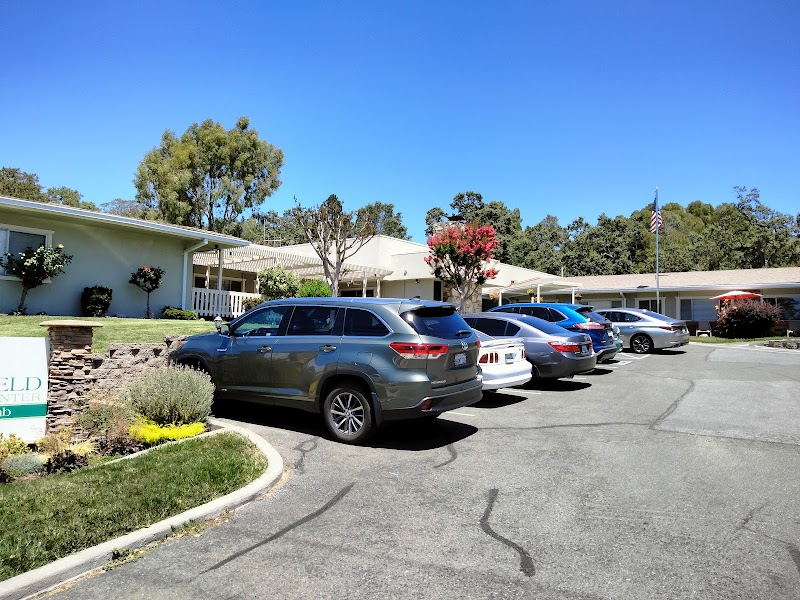
Who Owns and Operates Summerfield Health?

SUMMERFIELD HEALTH CARE CENTER is owned by a for-profit company. For-profit facilities operate as businesses with obligations to shareholders or private owners. The facility is operated by THE ENSIGN GROUP, a chain that manages multiple nursing homes. With 70 certified beds and approximately 50 residents (about 71% occupancy), it is a smaller facility located in SANTA ROSA, California.

How Does Summerfield Health Compare to Other California Nursing Homes?

Compared to the 100 nursing homes in California, SUMMERFIELD HEALTH CARE CENTER's overall rating (5 stars) is above the state average of 3.2, staff turnover (32%) is significantly lower than the state average of 46%, and health inspection rating (4 stars) is above the national benchmark.

What Should Families Ask When Visiting Summerfield Health?

Based on this facility's data, families visiting should ask: "Can I visit during a mealtime to observe dining assistance and food quality?" "How do you handle medical emergencies, and what is your hospital transfer rate?" "Can I speak with family members of current residents about their experience?"

Is Summerfield Health Safe?

Based on CMS inspection data, SUMMERFIELD HEALTH CARE CENTER has a clean safety record: no substantiated abuse findings (meaning no confirmed cases of resident harm), no Immediate Jeopardy citations (the most serious violation level indicating risk of serious injury or death), and is not on the Special Focus Facility watch list (a federal program monitoring the lowest-performing 1% of nursing homes). The facility has a 5-star overall rating and ranks #1 of 100 nursing homes in California. While no facility is perfect, families should still ask about staff-to-resident ratios and recent inspection results during their visit.

Do Nurses at Summerfield Health Stick Around?

SUMMERFIELD HEALTH CARE CENTER has a staff turnover rate of 32%, which is about average for California nursing homes (state average: 46%). Moderate turnover is common in nursing homes, but families should still ask about staff tenure and how the facility maintains care continuity when employees leave.

Was Summerfield Health Ever Fined?

SUMMERFIELD HEALTH CARE CENTER has been fined $3,145 across 1 penalty action. This is below the California average of $33,110. While any fine indicates a compliance issue, fines under $50,000 are relatively common and typically reflect isolated problems that were subsequently corrected. Families should ask what specific issues led to these fines and confirm they've been resolved.

Is Summerfield Health on Any Federal Watch List?

SUMMERFIELD HEALTH CARE CENTER is not on any federal watch list. The most significant is the Special Focus Facility (SFF) program, which identifies the bottom 1% of nursing homes nationally based on persistent, serious quality problems. Not being on this list means the facility has avoided the pattern of deficiencies that triggers enhanced federal oversight. This is a positive indicator, though families should still review the facility's inspection history directly.