STANFORD COURT SKILLED NURSING & REHAB CENTER


8778 CUYAMACA STREET, SANTEE, CA 92071 (619) 449-5555
For profit - Limited Liability company 105 Beds GENERATIONS HEALTHCARE Data: November 2025
Trust Grade
65/100
#685 of 1155 in CA
Last Inspection: August 2024

Within standard 12-15 month inspection cycle. Federal law requires annual inspections.

Overview

Stanford Court Skilled Nursing & Rehab Center has a Trust Grade of C+, indicating that it is slightly above average but not without concerns. It ranks #685 out of 1155 facilities in California, placing it in the bottom half, and #67 of 81 in San Diego County, meaning there are only a few better local options. The facility is showing improvement, with issues decreasing from 16 in 2024 to just 2 in 2025. Staffing is a strong point, earning 4 out of 5 stars and having a low turnover rate of 24%, which is below the state average of 38%. However, there are notable weaknesses, including a history of administering unnecessary psychotropic medications without proper justification and concerns about food safety in the kitchen, such as improper sanitation practices that could expose residents to foodborne illnesses. Overall, while there are areas of strength, families should weigh these alongside the identified risks.

Trust Score
C+
65/100
In California
#685/1155
Bottom 41%
Safety Record
Low Risk
No red flags
Inspections
Getting Better
16 → 2 violations
Staff Stability
✓ Good
24% annual turnover. Excellent stability, 24 points below California's 48% average. Staff who stay learn residents' needs.
Penalties
✓ Good
No fines on record. Clean compliance history, better than most California facilities.
Skilled Nurses
✓ Good
Each resident gets 52 minutes of Registered Nurse (RN) attention daily — more than average for California. RNs are trained to catch health problems early.
Violations
⚠ Watch
43 deficiencies on record. Higher than average. Multiple issues found across inspections.
★★★☆☆
3.0
Overall Rating
★★★★☆
4.0
Staff Levels
★★★★☆
4.0
Care Quality
★★★☆☆
3.0
Inspection Score
Stable
2024: 16 issues
2025: 2 issues

The Good

  • 4-Star Staffing Rating · Above-average nurse staffing levels
  • 4-Star Quality Measures · Strong clinical quality outcomes
  • Low Staff Turnover (24%) · Staff stability means consistent care
  • Full Sprinkler Coverage · Fire safety systems throughout facility
  • No fines on record
  • Staff turnover is low (24%)

    24 points below California average of 48%

Facility shows strength in staffing levels, quality measures, staff retention, fire safety.

The Bad

3-Star Overall Rating

Near California average (3.1)

Meets federal standards, typical of most facilities

Chain: GENERATIONS HEALTHCARE

Part of a multi-facility chain

Ask about local staffing decisions and management

The Ugly 43 deficiencies on record

Mar 2025 1 deficiency
CONCERN (D) 📢 Someone Reported This

A family member, employee, or ombudsman was alarmed enough to file a formal complaint

Potential for Harm - no one hurt, but risky conditions existed

Infection Control (Tag F0880)

Could have caused harm · This affected 1 resident

**NOTE- TERMS IN BRACKETS HAVE BEEN EDITED TO PROTECT CONFIDENTIALITY** Based on observation, interview, and record review, the facility failed to ensure current infection control practices were follo...

Read full inspector narrative →
**NOTE- TERMS IN BRACKETS HAVE BEEN EDITED TO PROTECT CONFIDENTIALITY** Based on observation, interview, and record review, the facility failed to ensure current infection control practices were followed when the facility did not designate dedicated vital signs (VS) equipment (blood pressure cuff, stethoscope and thermometer) for two of two residents with clostridium difficile (C. diff- highly contagious bacteria in the large intestine causing diarrhea) infection reviewed for infection control. (Resident 1 and 4) This failure had the potential to spread infection throughout the facility. Findings: Resident 1 was admitted to the facility on [DATE] with diagnoses including sepsis (the body ' s extreme and life-threatening response to an infection) according to the admission Record. During an observation on 3/26/25 at 9:27 A.M., Resident 1 ' s room door was closed with two signs posted outside the room. One sign indicated, .ENTERIC (pertaining to the intestines) CONTACT . The other sign indicated, .STOP .CONTACT PRECAUTIONS (measure to prevent the spread of infections that are transmitted through direct contact with an infected person or their environment) .Use dedicated or disposable equipment . A small, white cart with three drawers was outside Resident 1 ' s room. An observation and interview on 3/26/25 at 9:58 A.M. with Certified Nurse Assistant (CNA) 2 was conducted. CNA 2 stated Resident 1 was on isolation for C.diff. CNA 2 stated residents who were on isolation had a dedicated vital signs equipment inside the residents ' rooms. CNA 2 stated the thermometers were single use thermometers which were also in the residents ' rooms. CNA 2 was observed with a surgical mask (a medical face mask) on. CNA 2 applied a blue gown and gloves, then entered Resident 1 ' s room. CNA 2 was observed searching Resident 1 ' s room for the VS equipment. CNA 2 stated she did not find any VS equipment in Resident 1 ' s room. CNA 2 checked the white cart outside the room and there was no VS equipment on the cart. CNA 2 stated she was off yesterday, 3/25/25 and did not know if there was VS equipment in the room. A review of Resident 1 ' s care plan was conducted. A care plan initiated on 3/15/25 for Resident 1 indicated, .Isolation . is required for .C.DIFF INFECTION. At risk of transmitting an infection .Approaches .Dedicate equipment for isolation room . Resident 4 was admitted to the facility on [DATE] with diagnoses including cellulitis (deep infection of the skin caused by bacteria) of right and left lower limb (legs) according to the admission Record. During an observation on 3/26/25 at 10:10 A.M., Resident 4 ' s room door was closed and there were three signs on the wall outside. The first sign indicated, MANUAL VITAL SIGNS ONLY NO MACHINE IN THIS ROOM. The second sign indicated, .STOP .CONTACT PRECAUTIONS .Use dedicated or disposable equipment . The third sign indicated, .ENTERIC CONTACT . An observation and interview on 3/26/25 at 10:10 A.M. with CNA 2 was conducted. CNA 2 was observed with a surgical mask (a medical face mask) on. CNA 2 entered Resident 4 ' s room after applying a blue gown and gloves were applied inside the room entrance. Upon exiting Resident 4 ' s room, CNA 2 stated there was no VS equipment inside Resident 4 ' s room or in the cart outside the room. CNA 2 stated VS equipment should be inside isolation rooms to prevent contamination and prevent C. diff spores (dormant, highly resistant bacteria) from spreading. A review of Resident 4 ' s care plan was conducted. A care plan initiated on 2/26/25 for Resident 4 indicated, .Isolation is required for .C-diff. At risk of transmitting an infection .Approaches .Dedicate equipment for isolation room . During an interview on 3/26/25 at 10:24 A.M. with licensed nurse (LN) 1, LN 1 stated Resident 1 and Resident 4 had C. diff infections. LN 1 stated VS equipment for Resident 1 and Resident 4 should be in the residents ' rooms. LN 1 stated the VS equipment should only be used for the specific resident in the room to prevent the spread of infection. An interview on 3/26/25 at 11:49 A.M. was conducted with the Infection Preventionist (IP- a healthcare professional who specializes in preventing and controlling the spread of infections in healthcare settings, ensuring safety of patients, staff, and visitors). The IP stated she expected facility staff to use a manual VS equipment and to disinfect the equipment after each use. The IP stated the VS equipment should be kept in the resident ' s room or cart outside the room if the resident was on isolation. The IP stated it was important for each resident on isolation to have his or her own VS equipment to prevent the spread of infection, prevent contamination of one resident to the other. The IP stated she was responsible for checking the rooms and carts for dedicated VS equipment. During an interview on 4/2/25 at 1:43 P.M. with the Director of Nursing (DON), the DON stated a dedicated vital sign equipment should be at each resident ' s room on contact isolation to control the infection and not spread the infection in the facility. A review of the facility ' s policy and procedure (P&P) titled, Clostridium Difficile, dated October 2018 was conducted. The P&P indicated, .Precautions are taken while caring for residents with C.difficile to prevent transmission to others [sic] residents .Spores can persist on resident-care items and surfaces for several months and are resistant to some common cleaning and disinfection methods .Enhance infection control measures may be used .including .reduced sharing of or dedicated medical equipment .
Feb 2025 1 deficiency
CONCERN (D) 📢 Someone Reported This

A family member, employee, or ombudsman was alarmed enough to file a formal complaint

Potential for Harm - no one hurt, but risky conditions existed

Infection Control (Tag F0880)

Could have caused harm · This affected 1 resident

**NOTE- TERMS IN BRACKETS HAVE BEEN EDITED TO PROTECT CONFIDENTIALITY** Based on observation, interview, and record review, the facility failed to ensure current infection control practices were follo...

Read full inspector narrative →
**NOTE- TERMS IN BRACKETS HAVE BEEN EDITED TO PROTECT CONFIDENTIALITY** Based on observation, interview, and record review, the facility failed to ensure current infection control practices were followed for two of five residents reviewed for infection control when: 1. Staff wore an N-95 (a fitted filtering mask) mask over a surgical mask, 2. Staff did not use a face shield upon entrance into a room with COVID-19 (a very contagious respiratory virus). This failure resulted in staff being exposed to COVID-19 and had the potential to spread infection to all residents residing in the facility. 1. Resident 1 was admitted to the facility on [DATE] according to the facility's admission Record. The change in condition progress note for Resident 1 dated 2/3/25 at 4:08 P.M. indicated, .Covid tested via rapid test with positive result . An observation of Resident 1's room on 2/6/25 at 9:02 A.M. was conducted. Resident 1's room had a sign on the wall outside which indicated, Special Droplet [spread of germs passed through speaking, sneezing or coughing] Contact [prevention of infection by direct or indirect contact] Precautions .N-95 . A white, plastic cart with drawers were also observed outside Resident 1's room. An observation and interview was conducted on 2/6/25 at 9:10 A.M. with Certified Nurse Assistant (CNA) 1. CNA 1 stated residents who were positive for COVID-19 had a blood pressure cuff and stethoscope inside the room. CNA 1 stated Resident 1 was positive for COVID-19 and will check the room for a blood pressure cuff and stethoscope. CNA 1 put on a gown, an N-95 mask over her surgical mask (a medical face mask) and face shield. On 2/6/25 at 9:41 A.M. CNA 2 was observed prior to entering Resident 1's room. CNA 2 was observed put on a gown then an N-95 mask on top of the surgical mask. An interview on 2/6/25 at 10:03 A.M. was conducted with CNA 1. CNA 1 stated she saw others putting an N-95 on top of a surgical mask and that was what she followed. An interview on 2/6/25 at 9:59 A.M. was conducted with LN 2. LN 2 stated it was her expectation for staff to not put on an N-95 mask on top of the surgical mask. An interview on 2/6/25 at 10:52 A.M. was conducted with LN 3. LN 3 stated staff should remove the surgical mask prior to putting on an N-95 mask for protection. 2. Resident 3 was admitted to the facility on [DATE] according to the facility's admission Record. The progress notes for Resident 3 dated 1/27/25 at 4:15 P.M. indicated, .Pt [patient] tested positive for covid-19 . An observation and interview were conducted on 2/6/25 at 9:26 A.M. Resident 3's room, a sign outside the room indicated, Special Droplet Contact Precautions. Licensed Nurse (LN) 1 stated a blood pressure cuff and stethoscope were kept in rooms with residents who were positive for COVID-19. Prior to entering Resident 3's room LN 1 removed her surgical mask, put on an N-95 mask then a gown. LN 1 entered the room without a face shield. LN 1 exited Resident 3's room without the gown and N-95 and a joint observation of the precaution sign outside the room was conducted. LN 1 stated the precaution sign indicated, Wear eye protection, face shield or goggles. LN 1 stated she usually had the face shield over her eyeglasses, but the cart did not have any. LN 1 further stated she should have put on the face shield as protection. During an interview on 2/6/25 at 11:20 A.M. with the infection prevention nurse (IPN), the IPN stated staff should use a face shield inside a COVID room not prescription glasses. The IPN further stated an N-95 mask should not be placed on top of a surgical mask because it made the N-95 ineffective. An interview with the Director of Nurses (DON) was conducted on 2/18/25 at 3:44 P.M. The DON stated staff should not double mask because it compromised the seal of the N-95 mask. The DON further stated it was important to use a face shield inside a room with COVID because it was extra protection for the staff. A review of the facility's policy and procedure (P&P) titled, Coronavirus Disease (COVID-19)-Identification and Management of Ill Residents, dated November 2024 was conducted. The P&P indicated, .Staff who enter the room of a resident with suspected or confirmed SARS-CoV-2 [COVID-19] infection will adhere to standard precaution and use .N95a NIOSH [National Institute for Occupational Safety and Health- a federal agency]-approved particulate respirator [mask that filters particles] with N95 filters or higher, gown, gloves, and eye protection .Provide supplies including masks for source control .
Aug 2024 3 deficiencies
CONCERN (D) 📢 Someone Reported This

A family member, employee, or ombudsman was alarmed enough to file a formal complaint

Potential for Harm - no one hurt, but risky conditions existed

Comprehensive Care Plan (Tag F0656)

Could have caused harm · This affected 1 resident

**NOTE- TERMS IN BRACKETS HAVE BEEN EDITED TO PROTECT CONFIDENTIALITY** Based on observation, interview, and record review, the facility failed to develop a resident-centered care plan for one of five...

Read full inspector narrative →
**NOTE- TERMS IN BRACKETS HAVE BEEN EDITED TO PROTECT CONFIDENTIALITY** Based on observation, interview, and record review, the facility failed to develop a resident-centered care plan for one of five residents (Resident 2) reviewed for care plan development. Resident 2 was identified to be at high risk for fall which was not reflected in the resident ' s care plan. This failure had the potential for staff to not be aware of Resident 2 ' s fall risk, which could potentially result in staff not providing the appropriate fall intervention to prevent fall incidents. Findings: Resident 2 was re-admitted to the facility on [DATE] with diagnoses that included abnormalities of gait (manner of walking) and mobility (ability to move) according to the admission Record. A review of Resident 2 ' s Fall Risk Evaluation, dated 5/3/24, indicated that Resident 2 was at High Risk for fall. A review of Resident 2 ' s care plan, dated 5/3/24, indicated a problem titled At Risk for Fall. An interview and joint record review was conducted with the Clinical Care Coordinator (CCC) on 8/16/24 at 12:55 P.M. The CCC acknowledged that Resident 1 ' s fall care plan did not reflect the resident ' s individual concern and needs. The CCC stated Resident 1 ' s care plan should be developed to meet the resident's needs. The CCC stated it was important to develop a resident-centered care plan because each patient needs were different, and the residents' individual needs should be met. A review of the facility ' s policy and procedure titled Care Planning-Interdisciplinary Team, revised March 2022, indicated, . 2. Comprehensive, person-centered care plans are based on resident assessments and developed by an interdisciplinary team (IDT).
CONCERN (D) 📢 Someone Reported This

A family member, employee, or ombudsman was alarmed enough to file a formal complaint

Potential for Harm - no one hurt, but risky conditions existed

Deficiency F0657 (Tag F0657)

Could have caused harm · This affected 1 resident

**NOTE- TERMS IN BRACKETS HAVE BEEN EDITED TO PROTECT CONFIDENTIALITY** Based on interview and record review, the facility failed to revise one of five residents ' (Resident 3) care plan related to fa...

Read full inspector narrative →
**NOTE- TERMS IN BRACKETS HAVE BEEN EDITED TO PROTECT CONFIDENTIALITY** Based on interview and record review, the facility failed to revise one of five residents ' (Resident 3) care plan related to fall risk. This failure resulted in the miscommunication of Resident 3 ' s fall risk among the healthcare provider, which could potentially result in fall incidents. Findings: A review of Resident 3 ' s admission Record indicated that the resident was re-admitted to the facility on [DATE] with diagnoses that hemiplegia (paralysis on one side of the body) and hemiparesis (weakness on one side of the body). A review of Resident 3 ' s Fall Risk Assessment, dated 12/26/23, indicated the resident was at moderate risk for fall. A review of Resident 3 ' s Fall Risk Assessments, dated 2/20/24, 3/20/24, and 6/17/24, indicated the resident was at high risk for fall. A review of Resident 3 ' s care plan related to fall, dated 8/11/23, indicated Resident 3 was at Moderate Risk for Falls. An interview and joint record review of Resident 3 ' s medical record was conducted on 8/16/24 at 12:55 P.M. with the Clinical Care Coordinator (CCC). The CCC acknowledged that Resident 3 ' s fall care plan did not reflect the resident ' s current fall risk. The CCC stated Resident 3 ' s care plan should have been revised, for staff to know the resident ' s actual fall risk and interventions to prevent fall incidents. A review of the facility ' s policy and procedure title Care Planning-Interdisciplinary Team, revised March 2022, provided no guidance regarding staff ' s responsibility related to the revision of care plans.
CONCERN (D) 📢 Someone Reported This

A family member, employee, or ombudsman was alarmed enough to file a formal complaint

Potential for Harm - no one hurt, but risky conditions existed

Accident Prevention (Tag F0689)

Could have caused harm · This affected 1 resident

**NOTE- TERMS IN BRACKETS HAVE BEEN EDITED TO PROTECT CONFIDENTIALITY** Based on interview and record review, the facility failed to ensure that one of five residents (Resident 21) was free from futur...

Read full inspector narrative →
**NOTE- TERMS IN BRACKETS HAVE BEEN EDITED TO PROTECT CONFIDENTIALITY** Based on interview and record review, the facility failed to ensure that one of five residents (Resident 21) was free from future falls when the facility failed to conduct a thorough investigation of Resident 21 ' s fall. This failure has the potential to cause a fall with injury to Resident 21 as the facility was not able to determine the cause of Resident 21 ' s fall and implement specific interventions to prevent future falls. Findings: During a review of Resident 21 ' s admission record, Resident 21 was admitted to the facility on [DATE] with a diagnosis of diverticulitis (inflammation or infection in one or more small pouches of the intestines), morbid obesity, other abnormalities of gait and mobility. Resident 21 ' s fall risk assessment dated [DATE], indicated Resident 21 was a high risk for falls. During a review of Resident 21 ' s progress notes, Resident 21 had a fall on 8/3/24. According the Interdisciplinary (IDT) note dated 8/5/24, .Per resident, she wanted to get up and tried to brace herself but fell on the floor . During a concurrent interview and record review with the Clinical Care Coordinator (CCC) conducted on 8/16/24 at 2:12 P.M., the CCC stated the investigation of Resident 21 ' s fall was not thorough. The CCC stated that staff should have investigated what Resident 21 was trying to do when the resident attempted to stand up on her own. The CCC stated thorough investigations were needed to determine the root cause of the fall. The CCC stated that thorough investigations were needed in order to come up with effective fall interventions. A review of the facility ' s policy and procedure titled, Falls - Clinical Protocol, dated 3/2018, indicated .The staff and practitioner will begin to try to identify possible causes within 24 hours of the fall .
Aug 2024 12 deficiencies
CONCERN (D)

Potential for Harm - no one hurt, but risky conditions existed

Resident Rights (Tag F0550)

Could have caused harm · This affected 1 resident

**NOTE- TERMS IN BRACKETS HAVE BEEN EDITED TO PROTECT CONFIDENTIALITY** Based on observation, interview, and record review, the facility failed to ensure one of three residents reviewed for dignity wa...

Read full inspector narrative →
**NOTE- TERMS IN BRACKETS HAVE BEEN EDITED TO PROTECT CONFIDENTIALITY** Based on observation, interview, and record review, the facility failed to ensure one of three residents reviewed for dignity was provided care in a manner that promoted dignity and respect when resident was instructed to urinate (to excrete urine) on the diaper (Resident 178). As a result, the residents' self-esteem and self-worth was devalued. Findings: Resident 178 was admitted to the facility on [DATE] with diagnoses including need for assistance with personal care according to the facility's admission Record. During an observation and interview on 7/30/24, at 8:57 A.M., Resident 178 was in bed and stated the morning staff told her to, Go ahead and pee on the diaper and I'll change you. During another interview with Resident 178 on 8/1/24, at 9:32 A.M., Resident 178 stated she felt, Terrible when she was told to urinate in the diaper. Resident 178 further stated she did not know if the person was a certified nurse assistant (CNA) or a licensed nurse (LN). An interview was conducted on 8/1/24, at 9:43 A.M. with CNA 11. CNA 11 stated Resident 178 used the bedpan and was continent with urination. CNA 11 further stated a bedpan was offered to residents who were not able to walk. An interview was conducted on 8/1/24, at 2:18 P.M. with CNA 12. CNA 12 stated if a resident requested to go to the bathroom, the resident will be assisted right away. CNA 12 further stated if the resident had a wet diaper, this would create skin irritation, redness and smell. During an interview on 8/2/24, at 12:59 P.M. with the Director of Nurses (DON), the DON stated residents should not be told to urinate in the diaper. The DON stated residents were admitted to the facility for rehabilitation and to restore previous activity of daily living (ADL- basic tasks of everyday life). The DON further stated it was demeaning for a resident to be told to urinate on the diaper. A review of an undated care plan for Resident 178 indicated, ADL Self-Care Performance Deficit. At risk for altered ADL self care performance r/t (related to) requires assist .toileting .Provide appropriate self performance and support needed during ADL care . During a review of the facility's policy and procedure titled Dignity, dated June 16, 2016, the policy indicated, .Each resident shall be cared for in a manner that promotes and enhances quality of life, dignity, respect and individuality .{Treated with dignity} means the resident will be assisted in maintaining and enhancing his or her self-esteem and self-worth .
CONCERN (D)

Potential for Harm - no one hurt, but risky conditions existed

Safe Environment (Tag F0584)

Could have caused harm · This affected 1 resident

**NOTE- TERMS IN BRACKETS HAVE BEEN EDITED TO PROTECT CONFIDENTIALITY** Based on observation, interview, and record review the facility failed to ensure a homelike environment was provided for three o...

Read full inspector narrative →
**NOTE- TERMS IN BRACKETS HAVE BEEN EDITED TO PROTECT CONFIDENTIALITY** Based on observation, interview, and record review the facility failed to ensure a homelike environment was provided for three out of 23 (14, 22,24) sampled residents, when resident's walls were not repaired after damaged by residents' beds. This deficient practice created an environment that was not homelike for three residents. Findings: Review of Resident 14's admission Record indicated she was admitted to the facility on [DATE]. Review of Resident 14's Minimum Data Set (MDS, a nursing assessment used in nursing homes) section C, Cognitive Patterns dated 7/3/24 indicated Resident 14 with a Brief Interview for Mental Status (BIMs, a test to determine cognitive levels in residents) score of 10, which indicates moderately impaired cognition. Review of Resident 22's admission Record indicated he was admitted to the facility on [DATE]. Review of Resident 22's MDS section C, Cognitive Patterns dated 6/26/24 indicated Resident 14 with a BIMs score of 13, which indicates intact cognition. Review of Resident 24's admission Record indicated he was admitted to the facility on [DATE]. Review of Resident 24's MDS section C, Cognitive Patterns dated 6/30/24 indicated Resident 14 with a BIMs score of 13, which indicates intact cognition. On 7/30/24 at 9:40 A.M., an observation of room [ROOM NUMBER]-A and interview with Resident 24 was conducted. Approximately 1.5-2 feet of wall behind Resident 24's bed was observed in disrepair. Paint and drywall observed scraped and peeling in spots directly behind Resident's 24's headboard. Resident 24 stated that maintenance had never come to assess the damage on the wall. On 7/30/24 at 11:10 A.M., an observation of room [ROOM NUMBER]-C and interview with Resident 22 was conducted. Approximately 1.5-2 feet of wall behind Resident 22's bed was observed in disrepair. Paint and drywall observed scraped and peeling in spots directly behind Resident's 22's headboard. Resident 22 stated that maintenance had never come to assess the damage on the wall. On 7/31/24 at 11:45 A.M., an observation of room [ROOM NUMBER]-C and interview with Resident 22 was conducted. The wall behind Resident 22's headboard was observed to be covered by a plastic board. Resident 22 stated that maintenance had come and covered the damage with the board but did not repair the wall. On 7/31/24 at 11:55 A.M., an observation of room [ROOM NUMBER]-A and interview with Resident 24 was conducted. Approximately 1.5-2 feet wall behind Resident 24's bed remained in disrepair. Paint and drywall remained scraped and peeling in spots directly behind Resident's 24's headboard. Resident 24 stated that maintenance still had not come to assess the damage on the wall. On 8/1/24 at 9:15 A.M., an observation of room [ROOM NUMBER]-A and interview with Resident 14 was conducted. Wall behind Resident 14's bed was observed in disrepair. Approximately 1.5-2 feet wall behind Resident 14's bed was observed in disrepair. Multiple vertical scrapes and scratches on paint on wall in spots directly behind Resident's 14's headboard. Resident 14 stated that maintenance had never come to assess the damage on the wall. On 8/1/24 at 9:38 A.M., an observation of room [ROOM NUMBER]-C was conducted. The wall remained covered by plastic board and not repaired. On 8/1/24 at 9:40 A.M., an observation of room [ROOM NUMBER]-A was conducted. The wall remained in disrepair. On 8/1/24 at 9:47 A.M., a concurrent observation of room [ROOM NUMBER]-C and room [ROOM NUMBER]-A and interview with CNA 31 was conducted. CNA 31 stated that he was not aware of the disrepair. CNA 31 stated the process for requesting repair from maintenance was to fill out maintenance repair slip in the book at nurse's station. CNA 31 stated that he would call maintenance directly if not repaired in a timely manner. CNA 31 stated that the expectation is that the residents' rooms should be in the best condition for the health of the resident, and that they should have a homelike environment while staying at the facility. On 8/1/24 at 9:55 A.M., a concurrent observation of room [ROOM NUMBER]-C and room [ROOM NUMBER]-A and interview with LN 18 was conducted. LN 18 stated that she was not aware of the disrepair. LN 18 stated that she would call maintenance directly about the repair, and they would fill out the request sheet. LN 18 stated that maintenance checked the repair binder every day. LN 18 stated that the expectation is that the residents' rooms should be homelike while staying at the facility. On 8/1/24 at 10 A.M., a concurrent observation of room [ROOM NUMBER]-A, 112-C, and room [ROOM NUMBER]-A and interview with the Environmental Service Director (ESD) was conducted. The ESD stated that he was not aware of the disrepair. The ESD stated that the mechanical beds scraped the wall when they were too close and that he started putting up plastic protection sheets on some walls to prevent scraping. ESD stated he may need to put the plastic sheets higher. The ESD stated that plastic was put on RM [ROOM NUMBER]-C's wall to protect resident from any dust or particles. The ESD stated he would have to move this resident out of the room to repair the wall completely. The ESD stated for room [ROOM NUMBER]-A, the bed was scraping the wall and he would need to do same repair as 112-C. The ESD stated that the process for receiving maintenance requests is as follows: Staff fills out a maintenance request sheet and then the maintenance workers check the maintenance binder every day in AM and PM for new requests and take verbal requests from staff. The ESD stated that he did monthly rounds on the rooms for repair. The ESD stated the expectation was the rooms should be in good condition for resident and should be homelike. On 8/2/24 at 9 A.M. a concurrent interview with the Director of Nursing (DON) and observation of pictures of damaged walls for room [ROOM NUMBER]-A, 112-C, and 103-A was conducted. DON stated that the disrepair of residents' walls was not homelike. DON stated that the expectation would be that if a damage was done to the wall, communication with maintenance about repair would be done as soon as possible. The DON stated the importance of maintaining a homelike quality for residents' rooms was to support the residents' daily living. Review of facility policy and procedure entitled Homelike Environment dated 2/2021 indicated .2. The facility staff and management maximizes, to the extent possible, the characteristics of the facility that reflect a personalized, homelike setting. These characteristics include: .a. clean, sanitary, and orderly environment .
CONCERN (D)

Potential for Harm - no one hurt, but risky conditions existed

Deficiency F0645 (Tag F0645)

Could have caused harm · This affected 1 resident

**NOTE- TERMS IN BRACKETS HAVE BEEN EDITED TO PROTECT CONFIDENTIALITY** Based on interview and record review, the facility failed to re-evaluate one of three residents (Resident 23) reviewed for Pre-a...

Read full inspector narrative →
**NOTE- TERMS IN BRACKETS HAVE BEEN EDITED TO PROTECT CONFIDENTIALITY** Based on interview and record review, the facility failed to re-evaluate one of three residents (Resident 23) reviewed for Pre-admission Screening and Resident Review (PASARR- a federal requirement to prevent individuals with mental illness [MI], developmental disability [DD], intellectual disability [ID], or related conditions from being inappropriately placed in nursing homes for long term care). This failure had the potential for Resident 23 to not receive necessary mental health care services in an appropriate healthcare setting. Findings: Resident 23 was admitted to the facility on [DATE] with diagnoses including schizoaffective disorder (a mental health disorder with combination of hallucinations or delusions and mood disorder symptoms, such as depression or mania) according to the facility's admission Record. An interview and joint record review was conducted on 8/1/24, at 2:30 P.M. with the case manager (CM). The CM stated the PASARR Level I was completed at the hospital prior to admission to the facility. The CM stated the admissions staff notified her if a resident was negative or positive for PASSAR Level I (a nursing facility preadmission evaluation to ensure that their residence is appropriate and to identify what specialized services they may need). The CM stated a resident review was completed within 30 days for new residents to determine if a PASARR Level II (an evaluation to confirm an individual's MI or DD and requirement for specialized services) was needed. The CM showed a calendar of PASARR resident reviews for residents. Resident 23 was not on the calendar for the month of July 2024. The CM stated a PASARR Level I resident review should have been completed at the facility because Resident 23 had a diagnosis of schizophrenia and was taking an antipsychotic medication. During an interview with the Director of Nurses (DON) on 8/2/24, at 12:59 P.M., the DON stated Resident 23's PASARR should have been re-evaluated. The DON further stated she expected the case manager to review PASARRs from the hospital for residents to receive proper care and to coordinate a different placement if needed. A review of the facility's undated policy and procedure (P&P) titled, Preadmission Screening Resident Review (PASRR) was reviewed. The P&P indicated, .If a recipient is found to be mentally ill or mentally retarded, the screening helps determine whether NF (nursing facility) care is appropriate or whether the recipient needs specialized services .
CONCERN (D)

Potential for Harm - no one hurt, but risky conditions existed

Deficiency F0658 (Tag F0658)

Could have caused harm · This affected 1 resident

**NOTE- TERMS IN BRACKETS HAVE BEEN EDITED TO PROTECT CONFIDENTIALITY** Based on observation, interview and record review, the facility failed to provide services which met professional standards of p...

Read full inspector narrative →
**NOTE- TERMS IN BRACKETS HAVE BEEN EDITED TO PROTECT CONFIDENTIALITY** Based on observation, interview and record review, the facility failed to provide services which met professional standards of practice for one of 23 sampled residents (Resident 47) when: 1. Resident 47 was using a left-hand splint (a device to help immobilize and prevent contractures) without a Medical Doctor's (MD) order. 2. Resident 47 did not have an MD order for triamcinolone ointment (a prescribed skin cream to treat skin associated irritation such as rash) and left open at Resident 47's nightstand table. Cross Reference F761 and F813 This failure had the potential for Resident 47 to suffer complications for an unmonitored left hand splint and potential for anaphylactic (life threatening allergy) reactions from triamcinolone side effects. Findings: 1. Review of Resident 47's clinical record indicated Resident 47 was re-admitted on [DATE] with diagnoses which included a history of hemiplegia (one sided muscle weakness) and hemiparesis (inability to move one side of the body) following cerebral infarction affecting left non-dominant side (a brain attack known as a stroke that stops blood flow to the brain causing left sided weakness and movement to the body). A record review of Resident 47's minimum data set (MDS: a nursing assessment tool) dated 7/11/24, indicated a Brief Interview for Mental Status (BIMS- developed by reviewing the resident's mental status during the prior seven-day period) score of 15 points out of 15 possible points which indicated Resident 47 had no cognitive (pertaining to memory, judgement, and reasoning ability) deficits. A record review on 7/31/24 at 8:29 A.M., on Resident 47's care plan was conducted. Resident 47's care plan initiated on 4/17/22 indicated resident 47 was on, RNA (restorative nursing assistant: a program performed by a rehab nursing staff) 3x/week (three times per week) for RUE (right upper extremities [arms/hands]), PROM (passive range of motion) and RNA 3x/wk for LE (lower extremities) PROM. There was no MD order for splint use or monitoring. On 7/31/24 at 10:13 A.M., an observation and interview was conducted with Resident 47, in Resident 47's room. Resident 47 was lying in bed with his left hand on a hand splint. Resident 47 stated that the nursing staff would put the splint on him, Once in a while. Resident 47 demonstrated being able to lift and move his right side extremities in and out, up and down motion and then stated, I can only move my right side and paralyzed on the left side. Resident 47 required help with staff for most of his care needs. On 8/1/24 at 9:46 A.M., an observation and interview was conducted with Resident 47, in Resident 47's room. Resident 47 stated that the nursing staff (an RNA) had put his left-hand splint on him yesterday and took it off after 2 hours. Resident 47 was observed with the left hand splint on during the interview. On 8/1/24 at 2:12 P.M., an interview and record review was conducted with RNA 1. RNA 1 stated she was the RNA that applied Resident 47's left hand splint. RNA 1 stated that she did not chart the use of Resident 47's left hand splint because Resident 47 did not have MD orders and therefore was not able to indicate the times Resident 47's hand splints were on including the duration. RNA 1 stated that any splints would require a MD orders and that it was not in her scope of practice to evaluate and get an order. On 8/1/24 at 2:57 P.M., an interview and record review was conducted with the Director of Staff development (DSD). The DSD stated that all splints need MD orders. The DSD stated that it was important to have an MD order for splint use, To prevent any error such as monitoring safety to prevent further complications from immobilization (to reduce or eliminate motion) from splint use, and to monitor for swelling, and contractures. The DSD reviewed Resident 47's clinical record and stated that Resident 47 did not have an MD order. The DSD stated that RNA 1 should not have applied a splint to Resident 47's left hand without an MD order. The DSD further stated that the proper order was for RNA 1 to inform the licensed nurse or nurse supervisor regarding the splint use, and as clinically indicated, obtain orders for rehabilitation department to evaluate for splint use and then obtain an MD order. On 8/2/24 at 9:24 A.M., an interview was conducted with the Director of Nursing (DON). The DON stated that all devices such as Resident 47's hand splint needed an MD order. A record review was conducted of the facility's policy and procedure. The facility's undated policy and procedure titled SPLINT APPLICATION indicated, .Procedure .1. A resident is referred to therapy by either the doctor or nursing to determine if a splint is needed . 2. Review of Resident 47's clinical record indicated Resident 47 was re-admitted on [DATE] with diagnoses which included a history of hemiplegia (one sided muscle weakness) and hemiparesis following cerebral infarction affecting left non-dominant side (a brain attack known as a stroke that stops blood flow to the brain causing left sided weakness and movement to the body). A record review of Resident 47's minimum data set (MDS: a nursing assessment tool) dated 7/11/24, indicated a BIMS score of 15 out of 15 possible points which indicated Resident 47 had no cognitive (pertaining to memory, judgement, and reasoning ability) deficits. On 7/30/24 at 9:19 A.M., an observation was conducted in Resident 47's room. Resident 47's nightstand table to the left side was cluttered with personal items that included an uncapped and fully squeezed triamcinolone ointment located on the nightstand table next to Resident 47's plastic wrapped sandwich in an opened container. On 7/31/24 at 10:21 A.M., an observation and interview was conducted with Resident 47, in Resident 47's room. The triamcinolone ointment was still placed on Resident 47's left nightstand table. Resident 47 stated that the triamcinolone ointment was applied on him, but he did not know what it was for. On 8/1/24 at 9:46 A.M., an interview was conducted with Resident 47, in Resident 47's room. Resident 47 stated that the nursing staff had placed his albuterol inhaler (medication to help that relieves breathing difficulties caused by lung disease) and the triamcinolone ointment on top of the nightstand so that it was easily accessible for when Resident 47 needed it. A record review was conducted on 8/1/24 at 11:50 A.M., on Resident 47's MD orders. There was no treatment orders for Triamcinolone and/or an evaluation conducted on Resident 47 for a self-medication assessment for the use of triamcinolone. On 8/1/24 at 1:34 P.M., a concurrent interview and record review was conducted with licensed nurse (LN) 1, in the west wing nursing station. LN 1 stated that any treatments used for skin are considered medications and need MD orders. LN 1 stated that treatment creams and/or ointments (semi- solid, greasy substances used on the skin) should be stored in a safe and sanitary (clean) manner in the treatment cart. LN 1 reviewed Resident 47's clinical record and stated Resident 47 was not evaluated for self-administration for triamcinolone ointment nor was there a current MD order. LN 1 stated that Resident 47's triamcinolone cream should not have been left out in the open on top of his nightstand and should have been discarded properly since there was no treatment order for the triamcinolone ointment. LN 1 stated that it was important to have a current MD order for Resident 47 to prevent any allergic reactions. On 8/1/24 at 2:57 P.M., a concurrent interview and record review was conducted with the Director of Staff Development (DSD). The DSD stated that triamcinolone is a prescribed treatment that needed to be ordered by an MD. The DSD stated that all LN's are responsible to make sure medications and treatments are confirmed with the MD to make sure an order is indicated or not. The DSD stated that Resident 47's triamcinolone ointment should not have been left on Resident 47's nightstand table. The DSD stated that if the ointment was ordered, it needed to be kept in the treatment cart or thrown away to avoid any cross-contamination or mistakenly used on his roommate. On 8/2/24 at 8:57 A.M., an interview was conducted with the DON. The DON stated that all treatments should be treated like medications and required MD orders. The DON stated that her expectations was for the nursing staff to discard any non-prescribed treatments appropriately and not be easily accessible for use to prevent complications such as severe skin reactions. Per the facility's policy and procedure titled PHYSICIAN MEDICATION ORDERS dated November 2017 indicated, POLICY STATEMENT Medications shall be administered only upon the written order of a person duly licensed and authorized to prescribe such medications in this state. GUIDELINES 1. No drugs or biologicals shall be administered except upon the order of a person lawfully authorized to prescribe for and treat human illness.
CONCERN (D)

Potential for Harm - no one hurt, but risky conditions existed

ADL Care (Tag F0677)

Could have caused harm · This affected 1 resident

**NOTE- TERMS IN BRACKETS HAVE BEEN EDITED TO PROTECT CONFIDENTIALITY** Based on observations, interviews, and record reviews, the facility failed to provide the necessary care to maintain good groomi...

Read full inspector narrative →
**NOTE- TERMS IN BRACKETS HAVE BEEN EDITED TO PROTECT CONFIDENTIALITY** Based on observations, interviews, and record reviews, the facility failed to provide the necessary care to maintain good grooming and personal hygiene for one of four residents (Resident 15) reviewed requiring dependent (helper does ALL the effort. Resident does none of the effort to complete the activity) assistance. This failure resulted to Resident 15 having long, and dirty fingernails. Cross Reference F684 Findings: Review of Resident 15's clinical record indicated Resident 15 was re-admitted on [DATE] with diagnoses which included a history of hemiplegia (one sided muscle weakness) and hemiparesis (inability to move one side of the body) following cerebral infarction affecting left dominant side (a brain attack known as a stroke that stops blood flow to the brain causing left sided weakness and movement to the body) per the facility's admission Record. A record review of Resident 15's minimum data set (MDS: a nursing assessment tool) dated 7/18/24 indicated a Brief Interview for Mental Status (BIMS- developed by reviewing the resident's mental status during the prior seven-day period) score of 15 points out of 15 possible points which indicated Resident 15 had no cognitive (pertaining to memory, judgement, and reasoning ability) deficits. A record review of Resident 15's MDS dated [DATE], indicated that Resident 15's functional abilities status with personal hygiene (the ability to maintain personal hygiene, including combing hair, shaving, applying makeup, washing/drying face and hands) was dependent. On 7/31/24 at 10:39 A.M., an observation and interview was conducted with Resident 15, in Resident 15's room. Resident 15 was seen lying in bed resting with a left-hand contracture without a hand splint. Resident 15's fingernails on both hands were long, thick, yellowish brown with brown dirt-like debris (accumulation of waste and/or dead skin) underneath her nailbeds with old chipped brownish red nail polish on the tip of the fingernails. Resident 15 stated that the staff puts on her hand splint only when they thought of doing so. Resident 15 stated she did not remember the last time they put on the hand splint or provided nail care. On 8/1/24 at 8:53 A.M., an observation and interview was conducted with Resident 15, in Resident 15's room. Resident 15 was observed with a hand splint to her left contracted hand. Resident 15's fingernails on both hands were long, thick, yellowish brown with brown dirt-like debris underneath her nailbeds and old chipped brownish red nail polish on the tip of the fingernails. Resident 15 stated the nursing staff did not provide nail care for her. On 8/1/24 at 2:02 P.M., an interview and record review was conducted with the restorative nursing assistant (RNA: nursing staff providing rehabilitation [rehab] exercises for range of motion [ROM] as per Physician's order) 1. RNA 1 stated Resident 15's hand splints orders were for passive range of motion (PROM: exercises to help improve movement with assistance from staff to physically move the joints) and active range of motion (AROM: exercises to help movement without assistance). RNA 1 stated that Resident 15's orders included the palm guard (hand splints) to apply for four to six hours as tolerated. RNA 1 stated that it was charted that the splint was applied at 10:15 A.M., on 7/31/24 and hand hygiene for Resident 15's hands should have been done. RNA 1 stated, Her [Resident 15] fingernails are dirty, and I would not leave her like that. I would clean and clipped them for sure. On 8/1/24 at 2:25 P.M., an observation and interview was conducted with RNA 1 and Resident 15, in Resident 15's room. Resident 15 stated her left hand splint was not removed since they applied the splint after her shower from 7/31/24. Resident 15 stated, Hurting a bit when RNA 1 moved her hand to remove the splints due to the stretching. Resident 15's left hand was mildly reddened on the inside palm. Resident 15's fingernails on both hands remained long, thick, yellowish brown with brown dirt-like debris underneath her nailbeds with old chipped brownish red nail polish on the tip of the fingernails. RNA 1 stated Resident 15's left hand splint should have been removed yesterday according to the Physician's order. On 8/1/24 at 2:57 P.M., an interview and record review was conducted with the Director of Staff Development (DSD). The DSD stated it did not look like Resident 15 was provided with sufficient nail care for both her hands because it, Should not be long and dirty. On 8/2/24 at 9:31 A.M., an interview was conducted with the Director of Nursing (DON). The DON stated that Resident 15 did not look like she was getting appropriate nail care for both hands. The DON stated Resident 15 should receive quality nail care to include trimmed and clean nails. The facility policy and procedure titled FINGERNAILS/TOENAILS, CARE OF revised, February 2018 indicated, .The purpose of this procedure are to clean the nail bed, to keep nails trimmed and to prevent infections .General Guidelines 1. Nail care includes daily cleaning and regular trimming .
CONCERN (D)

Potential for Harm - no one hurt, but risky conditions existed

Quality of Care (Tag F0684)

Could have caused harm · This affected 1 resident

**NOTE- TERMS IN BRACKETS HAVE BEEN EDITED TO PROTECT CONFIDENTIALITY** Based on observations, interviews, and record reviews, the facility did not ensure that a resident received needed care and serv...

Read full inspector narrative →
**NOTE- TERMS IN BRACKETS HAVE BEEN EDITED TO PROTECT CONFIDENTIALITY** Based on observations, interviews, and record reviews, the facility did not ensure that a resident received needed care and services in accordance with professional standards of practice for one out of four residents reviewed requiring dependent (helper does all the effort. Resident does none of the effort to complete the activity) assistance. This failure had the potential to compromise Resident 15's health status. Cross Reference F677 Findings: Review of Resident 15's clinical record indicated Resident 15 was re-admitted on [DATE] with diagnoses which included a history of hemiplegia (one sided muscle weakness) and hemiparesis (inability to move one side of the body) following cerebral infarction affecting left dominant side (a brain attack known as a stroke that stops blood flow to the brain causing left sided weakness and movement to the body). A record review of Resident 15's minimum data set (MDS- a nursing assessment tool) dated 7/18/24 indicated a, Brief Interview for Mental Status (BIMS- developed by reviewing the resident's mental status during the prior seven-day period) score of 15 points out of 15 possible points which indicated Resident 15 had no cognitive (pertaining to memory, judgement, and reasoning ability) deficits. A record review of Resident 15's MDS dated [DATE], indicated that Resident 15's functional abilities status with personal hygiene (the ability to maintain personal hygiene, including combing hair, shaving, applying makeup, washing/drying face, and hands) was dependent. On 7/31/24 at 10:39 A.M., an observation and interview was conducted with Resident 15, in Resident 15's room. Resident 15 was seen lying in bed resting with a left-hand contracture without a hand splint. Resident 15's fingernails on both hands were long, thick, yellowish brown with brown dirt-like debris (accumulation of waste and/or dead skin) underneath her nailbeds with old chipped brownish red nail polish on the tip of the fingernails. Resident 15 stated her left hand required a splint due to the contracture (A permanent tightening of the muscles, tendons, skin, and nearby tissues that causes the joints to shorten and become very stiff) and was only able demonstrate opening her left hand enough to show the bottom half of her palm where the tip of her left fingernails rested. Resident 15 stated that the staff puts on her hand splint only when they think of doing so. Resident 15 stated she did not remember the last time they put on the hand splint or provided nail care. On 8/1/24 at 8:53 A.M., an observation and interview was conducted with Resident 15, in Resident 15's room. Resident 15 was observed with a hand splint to her left contracted hand. Resident 15's fingernails on both hands were unchanged from 7/31/24 observation and were still long, thick, yellowish brown with brown dirt-like debris underneath her nailbeds with old chipped brownish red nail polish on the tip of the fingernails. Resident 15 stated the nursing staff did not provide nail care for her. On 8/1/24 at 2:02 P.M., an interview and record review was conducted with restorative nursing assistant (RNA: nursing staff providing rehabilitation [rehab] exercises for range of motion [ROM] as per Physician's order) 1. RNA 1 stated Resident 15 has an order for a palm guard (hand splints) and that passive range of motion (PROM: exercises to help improve movement with assistance from staff to physically move the joints) and active range of motion (AROM: exercises to help movement without assistance). RNA 1 stated that Resident 15's orders included the palm guard was ordered for four to six hours as tolerated. RNA 1 stated Resident 15's palm guard care to include making sure the splints are not on too tight, providing hand hygiene to include nail care and checking the skin for skin breakdown before and after splint use. RNA 1 stated that it was charted that the splint was applied at 10:15 A.M., on 7/31/24 and hand hygiene for Resident 15's hands should have been done. RNA 1 stated her [Resident 15] fingernails are dirty, and I would not leave her like that. I would clean and clipped them for sure. On 8/1/24 at 2:25 P.M., an observation and interview was conducted with RNA 1 and Resident 15, in Resident 15's room. Resident 15 stated that it was yesterday in the morning shift after her shower that her left-hand splint was put on by the nursing staff and denied having the left-hand splint removed. RNA 1 removed Resident 15's hand splint and stated she would be providing hand hygiene and gathered supplies for Resident 15. Resident 15's left hand was a mildly reddened on the inside palm. Resident 15's fingernails on both hands remained the same that were still long, thick, yellowish brown with brown dirt-like debris underneath her nailbeds with old chipped brownish red nail polish on the tip of the fingernails. Resident 15 stated, Hurting a bit when RNA 1 moved her hand to remove the splints. RNA 1 stated Resident 15's left hand splint should have been removed per MD order within four to six hours as tolerated and not kept on until the next day. On 8/1/24 at 2:57 P.M., an interview and record review was conducted with the Director of Staff Development (DSD). The DSD stated that splints required Physician's orders and need to be followed. The DSD reviewed Resident 15's RNA orders for the left hand splint that indicated RNA: 5X/Wk [five times per week] FOR L [left] PALM GUARD 4-6 [sic] HRS [hours] AS TOLERATED; OFF FOR GROOMING AND HYGIENE. The DSD reviewed Resident 15's shower record that indicated Resident 15 had a shower at 13:13 (1:13 P.M.) on 7/31/24. The DSD stated the Resident 15's left hand splint should have been removed sooner and should only be on within the time frame per Physician's order within the four-to-six-hour time frame. The DSD stated hand hygiene should have been provided to include Resident 15's fingernails on both hands to be trimmed and cut as long as Resident 15 did not have diabetes (a disease when your body is unable to control blood sugar levels). The DSD reviewed Resident 15's clinical record and indicated Resident 15 did not have a diagnosis of diabetes and therefore stated RNA's and Certified Nursing Assistants (CNAs) should be providing nail care for Resident 15 during ADL care. The DSD stated it did not look like Resident 15 was provided with sufficient nail care for both her hands because it, Should not be long and dirty. On 8/2/24 at 9:31 A.M., an interview was conducted with the Director of Nursing (DON). The DON stated that Resident 15 did not look like she was getting appropriate nail care for both hands with fingernails that looked long, yellow, thick with noticeable old nail polish on the fingertips and dirty fingernails with dirt under the nail beds. The DON also stated Resident 15's hand splint should not have been left on overnight and the Physician's orders should have been followed to prevent risks for skin breakdown and infection from splint use. The DON stated her expectations for Resident 15's hand hygiene is to inspect the skin for skin breakdown, nails were trimmed to prevent infection from accidental nail injury, and fingernail beds clean. Per the facility's policy and procedure titled ADL CARE PROVIDED FOR DEPENDENT RESIDENTS revised March 2018 indicated, Policy Statement: A resident who is unable to carry out activities of daily living receives the necessary services to maintain good nutrition, grooming and personal and oral hygiene, receive this assistance from the facility . Per the facility's undated policy and procedure titled SPLINT APPLICATION indicated, The splint will be applied on the a.m. shift and removed on the p.m. shift .
CONCERN (D)

Potential for Harm - no one hurt, but risky conditions existed

Deficiency F0726 (Tag F0726)

Could have caused harm · This affected 1 resident

**NOTE- TERMS IN BRACKETS HAVE BEEN EDITED TO PROTECT CONFIDENTIALITY** Based on observation, interview, and record review the facility failed to appropriately care for one of three residents' drainag...

Read full inspector narrative →
**NOTE- TERMS IN BRACKETS HAVE BEEN EDITED TO PROTECT CONFIDENTIALITY** Based on observation, interview, and record review the facility failed to appropriately care for one of three residents' drainage tube reviewed for staff competency (Resident 177). This deficient practice had the potential for unresolved infection. Findings: Resident 177 was admitted to the facility on [DATE] with diagnoses including peritoneal abscess (collection of pus in the body below the abdomen between the hip bones) and sepsis (the body's extreme and life-threatening response to an infection) according to the facility's admission Record. During an observation and interview on 7/30/24, at 8:42 A.M. with Resident 177, Resident 177 was sitting on a wheelchair and showed a tube with an accordion bulb connected to a drainage bag. Resident 177 stated the drain was due to an abscess and the staff did not properly took care of it. Resident 177 stated it has been two days that the accordion bulb was not squeezed (squeezed - to apply suction to drain the fluid). The accordion bulb was observed with small amount of brown fluid, and the accordion bulb was not squeezed. On 7/31/24, at 12:27 P.M. Resident 177 was sitting up in the wheelchair. The drainage tube was observed hanging on Resident 177's left side with accordion bulb which was not squeezed. During a review of physician's orders (POS) for Resident 177, the POS with start date of 7/24/24 indicated, .IR Drain insertion site Site: Left buttocks monitor for drainage, pain and s/sx (signs and symptoms) of infection until healed . During an interview on 8/1/24, at 10:32 A.M. with licensed nurse (LN) 14, LN 14 stated Resident 177 had a drain on the left buttock due to diverticulitis (small and inflamed pouches that forms in the wall of the large intestine), and the treatment nurse provided care of the drainage tube. During an interview on 8/1/24, at 1:34 P.M. with the treatment nurse (TN), the TN stated she changed Resident 177's drainage tube site dressing, then squeezed the accordion bulb for fluid to drain. The TN further stated the accordion bulb must be squeezed to create suction and drain fluid. On 8/1/24, at 1:41 P.M. an interview was conducted with LN 11. LN 11 stated she covered for the TN when TN was off. LN 11 stated she flushed Resident 177's drainage tube and covered the site with a dressing. LN 11 stated the drain worked by gravity and the accordion bulb did not have to be squeezed. LN 11 further stated the accordion bulb was squeezed only upon emptying of the drainage bag. During a concurrent record review and interview on 8/1/24, at 1:48 P.M. with LN 16. LN 16 read the progress notes from the hospital dated 7/22/14 for Resident 177. The progress notes indicated, . drainage of deep pelvic abscess .catheter placed to accordion bag drainage . LN 16 stated Resident 177's drainage tube with accordion bulb should be squeezed at all times to create negative pressure on the tube and drain the abscess from the site. LN 16 further stated if the accordion was not squeezed, the fluid remained inside the resident's site of infection which defeated the purpose of Resident 177's use of an antibiotic to clear the infection. During a concurrent record review on 8/1/24, at 1:41 P.M. with LN 16, LN 16 stated the hospital record for Resident 177 titled, After Visit Summary, dated 7/23/24, the record indicated, .Caring for a Closed Suction Drainage Tube. A drainage tube removes fluid from around the incision. This helps prevent infection and promotes healing. The collection bulb at the end of the tube is squeezed and plugged to create suction . An interview was conducted on 8/2/24, at 12:59 P.M. with the Director of Nurses (DON). The DON stated Resident 177's accordion bulb should be squeezed to create pressure to remove fluids. The DON stated Resident 177's accordion bulb has not been squeezed when she had checked on Resident 177. The DON further stated she expected staff to ensure Resident 177's accordion bulb was squeezed to remove fluid from the abscess. During a review of the facility's policy and procedure (P&P) titled, Percutaneous (Pigtail) Drain, Care of, dated, October 2021, the P&P indicated, .The pigtail drain operates on the principle of negative pressure. Compression must be maintained on the bulb/accordion for suction to be preserved .
CONCERN (D)

Potential for Harm - no one hurt, but risky conditions existed

Deficiency F0761 (Tag F0761)

Could have caused harm · This affected 1 resident

**NOTE- TERMS IN BRACKETS HAVE BEEN EDITED TO PROTECT CONFIDENTIALITY** Based on observation, interview and record review, the facility failed to store medications in a secured location for two of thr...

Read full inspector narrative →
**NOTE- TERMS IN BRACKETS HAVE BEEN EDITED TO PROTECT CONFIDENTIALITY** Based on observation, interview and record review, the facility failed to store medications in a secured location for two of three residents (Resident 47 and Resident 30) reviewed for medication storage when: 1. A discontinued order for triamcinolone ointment (a prescribed skin cream to treat skin associated irritation such as rash) was kept uncapped and unsecured on Resident 47's nightstand table. Cross Reference F658 and F813 2. A prescribed Salonpas (pain patches) was kept at Resident 30's bedside table. These failures had the potential for medication misuse, effectiveness and/or severe allergic complications. Findings: 1. Review of Resident 47's clinical record indicated Resident 47 was re-admitted on [DATE] with diagnoses which included a history of hemiplegia (one sided muscle weakness) and hemiparesis (inability to move one side of the body) following cerebral infarction affecting left non-dominant side (a brain attack known as a stroke that stops blood flow to the brain causing left sided weakness and movement to the body). A record review of Resident 47's minimum data set (MDS: a nursing assessment tool) dated [DATE], indicated a Brief Interview for Mental Status (BIMS- developed by reviewing the resident's mental status during the prior seven-day period) score of 15 points out of 15 possible points which indicated Resident 47 had no cognitive (pertaining to memory, judgement, and reasoning ability) deficits. On [DATE] at 9:19 A.M., an observation was conducted in Resident 47's room. Resident 47's nightstand table to the left side was cluttered with personal items that included an uncapped and fully squeezed triamcinolone ointment located on the center edge of the nightstand table next to Resident 47's plastic wrapped sandwich in an opened container. On [DATE] at 10:21 A.M., an observation and interview was conducted with Resident 47, in Resident 47's room. A Certified Nursing Assistant (CNA) was seen walking out of Resident 47's room after providing incontinent care for Resident 47. Resident 47 still had the same uncapped, fully squeezed triamcinolone ointment on the left nightstand table. Resident 47 stated that the nursing staff applied the triamcinolone ointment when providing care but did not know what the ointment was used for. On [DATE] at 11:50 A.M., a record review was conducted on Resident 47's orders for Triamcinolone ointment. There were no orders in Resident 47's clinical chart. On [DATE] at 1:34 P.M., a joint interview and record review was conducted with Licensed Nurse (LN) 1, in the west wing nursing station. LN 1 stated Resident 47 did not have an order for Triamcinolone ointment and did not know why the ointment was left at the bedside. LN 1 stated that the Triamcinolone ointment should have been discarded to avoid misuse (used inappropriately such as used on a wrong person or roommate) of the medication and to prevent severe allergic reactions. LN 1 stated if Resident 47's order was current for Triamcinolone ointment that it should be kept in a secured location such as a treatment cart and not openly placed at the bedside. LN 1 further stated that even with a self-administration evaluation for medications, it was the responsibility for any LNs to be with a resident who had been evaluated to make sure that the medications/treatments were self-administered safely and therefore should be at the bedside to witness that medications/treatments were properly administered. On [DATE] at 2:57 P.M., a joint interview and record review was conducted with the Director of Staff Development (DSD). The DSD stated that Resident 47 did not have an order for the Triamcinolone ointment and should not have been left at Resident 47's bedside unsecured. The DSD stated the proper storage of the Triamcinolone ointment should have been placed in the treatment cart where it is secured. On [DATE] at 8:57 A.M., an interview with the DON was conducted. The DON stated that the expired order for Triamcinolone ointment should not have been placed unsecured at Resident 47's bedside. The DON stated that her expectations were for all medications and treatments to be stored in a safe and secured location to avoid misuse and prevent severe allergic reactions. The facility policy and procedure titled MEDICATION LABELING AND STORAGE revised, February 2023 indicated, .Policy Interpretation and implementation .3. If the facility has discontinued, outdated or deteriorated medications or biologicals, the dispensing pharmacy is contacted for instructions regarding returning or destroying these items . 2. Review of Resident 30's clinical record indicated Resident 30 was admitted on [DATE] with diagnoses which included a history of hemiplegia (one sided muscle weakness) and hemiparesis (inability to move one side of the body) following cerebral infarction affecting right dominant side (a brain attack known as a stroke that stops blood flow to the brain causing right sided weakness and movement to the body). A record review of Resident 30's minimum data set (MDS: a nursing assessment tool) dated [DATE], indicated a Brief Interview for Mental Status (BIMS- developed by reviewing the resident's mental status during the prior seven-day period) score of 12 points out of 15 possible points which indicated Resident 47 had mild cognitive (pertaining to memory, judgement, and reasoning ability) deficits. On [DATE] at 8:57 A.M., An observation and interview was conducted with Resident 30, in Resident 30's room. Resident 30 was lying in bed in an upright position resting with her bedside table within reach. Resident 30's bedside table was cluttered with her belongings that included a small tray with a microwaved brown popcorn bag, breath mints, lotions, hobby scissors, over the counter (OTC) lotions and chewable Tums (anti-gas tablets), underarm deodorant, a box of prescribed Salonpas and two cups of apple juice and water. Resident 30 stated that was the usual spot where the staff kept her items. On [DATE] at 2:47 P.M., a record review was conducted on Resident 30's clinical chart. Resident 30 had a self-administration safety screen that was completed on [DATE] for the OTC Tums Chewy Bites but there was no self-administration evaluation done for the prescribed Salonpas. On [DATE] at 1:34 P.M., an interview and record review was conducted with LN 1, in the west wing nursing station. LN 1 stated that Resident 30 did have a current order for Salonpas for pain, but did not have a self-administration safety screen. LN 1 stated that Resident 30's Salonpas was a prescribed medication for pain and should not been stored at her bedside unattended because no safety screen was conducted for self-administration. LN 1 stated that it was, Inappropriate to keep the Salonpas at the bedside because it needed to be applied safely to prevent misuse and stored away properly to preserve the effectiveness of the medication. On [DATE] at 02:57 P.M., an interview and record review was conducted with the Director of Staff Development (DSD). The DSD stated Resident 30 had current orders for Salonpas for pain and should be stored in the medication cart. The DSD confirmed that Resident 30 did not have a self-administration safety screen for Salonpas and therefore should not be at Resident 30's bedside. On [DATE] at 8:57 A.M., an interview was conducted with the Director of Nursing (DON). The DON stated if Resident 30 was not evaluated for self-administration safety for Salonpas that it should be stored in the medication cart. The DON stated any prescribed medication orders should be stored safely and securely to prevent misuse and preserve the effectiveness of medications. The DON stated complications could include severe allergic side effects if not safely monitored and administered. The facility policy and procedure titled MEDICATION LABELING AND STORAGE revised, February 2023 indicated, POLICY heading [sic] The facility stores all medications and biologicals in locked compartments under proper temperature, humidity and light controls. Only authorized personnel have access to keys.
CONCERN (D)

Potential for Harm - no one hurt, but risky conditions existed

Deficiency F0813 (Tag F0813)

Could have caused harm · This affected 1 resident

**NOTE- TERMS IN BRACKETS HAVE BEEN EDITED TO PROTECT CONFIDENTIALITY** Based on observations, interviews and record reviews the facility failed to store foods in a safe and sanitary manner according ...

Read full inspector narrative →
**NOTE- TERMS IN BRACKETS HAVE BEEN EDITED TO PROTECT CONFIDENTIALITY** Based on observations, interviews and record reviews the facility failed to store foods in a safe and sanitary manner according to their facility's policies and procedure for outside foods brought by family and visitors for two out of seven residents (Resident 59 and Resident 47) reviewed for food preference and homelike environment when: 1. Resident 59 had a bag of unlabeled apples and oranges placed at the bedside for a week or more. Cross reference F880 2. Resident 47 had three unlabeled food items with a brownish yellow banana, placed on top of a cluttered emesis basin, plastic wrapped chocolate pastries on top of a plastic container and a sandwich in an open plastic container unsecured without a lid at the bedside. This failure had the potential to attract pests (insects and rodents that carry harmful bacteria or viruses that could be passed on to humans), spoilage (the process in which food or other substances stop being good enough to eat or use) of food and risks of foodborne illnesses from food consumption. Findings: 1. Review of Resident 59's clinical record indicated Resident 59 was re-admitted on [DATE] with diagnoses which included a history of hemiplegia (one sided muscle weakness) and hemiparesis (inability to move one side of the body) following cerebral infarction affecting left non-dominant side (a brain attack known as a stroke that stops blood flow to the brain causing left sided weakness and movement to the body). A record review of Resident 59's minimum data set (MDS: a nursing assessment tool) dated 6/3/24, indicated a Brief Interview for Mental Status (BIMS- developed by reviewing the resident's mental status during the prior seven-day period) score of 15 points out of 15 possible points which indicated Resident 47 had no cognitive (pertaining to memory, judgement, and reasoning ability) deficits. On 7/30/24 at 9:26 A.M., an observation and interview was conducted with Resident 59. Resident 59 had a mesh bag that contained oranges and apples in a clear plastic bag beside fresh flowers on the nightstand to her right. Resident 59 stated she liked fruits and that her daughter had brought over the oranges and apples about a week ago and had been placed there for easy access for when she craved them. On 8/1/24 at 9:34 A.M., an observation and interview was conducted with Resident 59. Resident 59 stated that the facility had removed her oranges and apples because, They have State here [the facility] and was told by the nursing staff to keep the oranges and apples in the closet. Resident 59 stated that the nursing staff had placed her oranges and apples in her closet so that it was not left out in the open. On 8/1/24 at 1:34 PM an observation, interview and record review was conducted with licensed nurse (LN) 1. LN 1 stated that she was Resident 59's nurse for the past two days. LN 1 stated that all food items brought by outside visitors and family to residents should be stored, labeled with resident's name, date and time, and discarded within 24 hours. LN 1 stated the outside food from visitors were stored in the east wing refrigerator for all residents. An observation was conducted with LN 1 at the east wing refrigerator for personal food storage. Resident 59's oranges and apples were not stored in the residential refrigerator. LN 1 stated that they would have to disclose this policy for outside food to all residents and family. LN 1 stated that Resident 59's oranges and apples should not have been placed at Resident 59's bedside because the fruits needed to be refrigerated and should have been discarded since it had been over a week and not stored properly to prevent spoilage and consumption to prevent food borne illnesses. A record review was conducted with LN 1 regarding neutropenic (a decrease in white blood cells that help fight off infection) precautions (unwashed fruits and fresh flowers may contain harmful bacteria [tiny organisms found everywhere] and fungi [mold] that is harmful for people with neutropenia) for Resident 59's room. LN 1 stated Resident 59 was not on neutropenic precautions, but her roommate was on neutropenic precautions as to why the sign posted outside of Resident 59's room prior to entry. LN 1 stated that fruits and fresh flowers that were kept in Resident 59's room could potentially compromise Resident 59's roommates health because the room should not have fresh flowers or fruits due to the roommate's poor immune system to fight off infection. On 8/01/24 at 2:57 P.M., an interview was conducted with the Director of Staff Development (DSD). The DSD stated Resident 59's fruits should have been stored in the personal items' refrigerator for residents' [all facility residents] located in the east wing and properly labeled to prevent foodborne illness from consuming spoiled food. The DSD stated it should not be stored in the closet as this could attract pests and it should had been discarded since it was not properly stored in Resident 59's room for over two days. On 8/2/24 at 9:20 A.M., an interview was conducted with the Director of Nursing (DON). The DON stated her expectations were for visitors to be informed regarding the facility's policies and procedures for bringing outside food and for the nursing staff to properly store the food items at the right temperature to prevent spoilage and to prevent foodborne illnesses from consuming spoiled foods. The DON stated that Resident 59's roommate was on neutropenic precautions and having fresh fruits and flowers should not be allowed in the room to prevent infection from harmful bacteria and mold that can grow on fruits and plants. Per the facility's policy and procedure titled FOOD BROUGHT by FAMILY/VISITORS dated, March 2022 indicated, . Policy and Interpretation and Implementation .4. Safe food handling practices are explained to the family/visitors in a language and format that they understand .5. Food brought by family/visitors that is left with the resident to consume later is labeled and stored in a manner that it is clearly distinguishable from facility-prepared food . 2. Review of Resident 47's clinical record indicated Resident 47 was re-admitted on [DATE] with diagnoses which included a history of hemiplegia (one sided muscle weakness) and hemiparesis (inability to move one side of the body) following cerebral infarction affecting left non-dominant side (a brain attack known as a stroke that stops blood flow to the brain causing left sided weakness and movement to the body). A record review of Resident 47's MDS dated [DATE], indicated a Brief Interview for Mental Status (BIMS- developed by reviewing the resident's mental status during the prior seven-day period) score of 15 points out of 15 possible points which indicated Resident 47 had no cognitive (pertaining to memory, judgement, and reasoning ability) deficits. On 7/30/24 at 9:19 A.M., an observation and interview was conducted with Resident 47, in Resident 47's room. Food items were observed at Resident 47's bedside which included unlabeled and undated food items such as a sandwich wrapped in a plastic wrap in a container without a lid, chocolate pastries stored outside of a plastic container wrapped in plastic and a brownish yellow banana on top of a cluttered emesis basin with resident belongings was observed placed on Resident 47's left nightstand. Resident 47 stated that he did not like the food at the facility and that his wife brought all the food items from home. On 8/01/24 at 1:34 P.M., an interview was conducted with LN 1, at the west wing nursing station. LN 1 stated that they store outside food items brought by visitors and family to a resident needed to be stored in a refrigerator located in the east wing. LN 1 stated it was not appropriate to have Resident 47's food items stored and unlabeled at his bedside. LN 1 stated that Resident 47's food items that were placed on the nightstand which included a sandwich, chocolate pastries, and a banana are all perishable (foods that can spoil easily without proper storage) and should have been labeled, stored in a refrigerator, or discarded. LN 1 stated since the food items were not labeled and not stored properly it was best to discard the food items to prevent any food-borne illnesses. On 8/1/24 at 2:57 P.M., an interview was conducted with the Director of Staff Development (DSD). The DSD stated Resident 47's sandwich and chocolate pastries should be stored in a tight-fitting container with a lid with a label and dated. The DSD stated that Resident 47's food items should be stored appropriately in the residents' fridge located in the East wing nursing station should the food be consumed at a later time. The DSD stated if food items are not labeled then the nursing staff would need to discard it right away to prevent attracting pests that can carry infection and the consumption of spoiled foods that could lead to food-borne illnesses. On 8/2/24 at 8:57 P.M., an interview was conducted with the Director of Nursing (DON). The DON stated foods should not be on stored at Resident 47's bedside. The DON stated outside food items should be labeled to prevent spoilage and stored properly in tight fitting containers with lids to prevent attracting pests from contaminating food items that are harmful to all the facility residents and to prevent the consumption of spoiled foods to prevent food-borne illnesses. Per the facility's policy and procedure titled FOOD BROUGHT by FAMILY/VISITORS dated, March 2022 indicated, . Policy and Interpretation and Implementation .4. Safe food handling practices are explained to the family/visitors in a language and format that they understand .5. Food brought by family/visitors that is left with the resident to consume later is labeled and stored in a manner that it is clearly distinguishable from facility-prepared food a. Non-perishable foods are stored in re-sealable containers with tightly fitting lids b. Perishable foods are stored in re-sealable containers with tightly fitting lids in a refrigerator. Containers are labeled with the resident's name, the item and the use by date .
CONCERN (D)

Potential for Harm - no one hurt, but risky conditions existed

Infection Control (Tag F0880)

Could have caused harm · This affected 1 resident

**NOTE- TERMS IN BRACKETS HAVE BEEN EDITED TO PROTECT CONFIDENTIALITY** Based on observation, interview and record review, the facility failed to ensure a neutropenic (low white blood cell count- part...

Read full inspector narrative →
**NOTE- TERMS IN BRACKETS HAVE BEEN EDITED TO PROTECT CONFIDENTIALITY** Based on observation, interview and record review, the facility failed to ensure a neutropenic (low white blood cell count- part of the body's immune system) precautions room for one reviewed resident (Resident 58), was free of potential infection from raw foods. This failure had the potential outcome of endangering Resident 58's health condition and possible decline from exposed raw foods. Cross reference F813 Findings: Review of Resident 58's admission Record indicated Resident 58 was admitted to the facility on [DATE] with diagnoses that included Malignant Neoplasm of Endometrium (cancer of uterus). On 7/30/24 at 9:20 A.M., an observation of Resident 58's room was conducted. Resident 58's door had signage which indicated Resident 58 was on neutropenic precautions. On 7/30/24 at 9:25 A.M., an interview with Resident 58's roommate (Resident 59) was conducted. Resident 59's bedside table had a basket of raw fruits which consisted of apples and oranges. Resident 59 stated her daughter brought in the basket of fruits few weeks ago and left them on her bedside table. Resident 59 stated a supervisor from the facility took them out yesterday after the State saw the basket of raw fruits. Resident 59 stated she did not realize the raw fruits were not allowed in the room. On 8/2/24 at 9:30 A.M., an interview with Certified Nursing Assistant (CNA) 23 was conducted. CNA 23 stated Resident 58 was on neutropenic precautions to protect her from outside germs brought in by staff and visitors since Resident 58 was prone to infection. CNA 23 stated staff must gown up before entering Resident 58 's room and do hand hygiene. CNA 23 stated flowers were allowed in Resident 58's room, same with fruits and vegetables if they have been washed. CNA 23 stated visitors must gown up too but often they did not. On 8/2/24 at 9:57 A.M., an interview with licensed nurse (LN) 21 was conducted. LN 21 stated staff needed to wear mask, gown and gloves when entering Resident 58's room. LN 21 stated the facility does laboratory work to monitor Resident 58's white blood cell to ensure Resident 58 was protected from infection. On 8/2/24 at 10:02 A.M., an interview with LN 22 was conducted. LN 22 stated Resident 58 was on neutropenic isolation due a low white blood cell count. LN 22 stated staff needed to gown up and wear mask prior to entering Resident 58's room. LN 22 stated that was done to protect Resident 58 from infection. LN 22 stated there should be no fresh or raw fruits, vegetables, or flowers in Resident 58's room. LN 22 stated Resident 58's visitors were advised to gown up and are not allowed to bring fruits, vegetables, and flowers of any kind. On 8/2/24 at 10:30 A.M., an interview with the Infection Preventionist Nurse (IPN) was conducted. IPN stated IPN stated Resident 58 was bedbound but goes outside of her room at times with a mask to protect herself from infection from all sources. On 8/2/24 at 2:00 P.M., an interview with the Director of Nursing (DON) was conducted. DON stated she was made aware of the fruits found in Resident 58's room on 7/30/24. The DON stated she took the fruits off of Resident 59's bedside table. DON stated the staff should be following the neutropenic protocol to protect Resident 58 from contamination and infection. DON stated it was important for staff to know what kind of precautions Residents 58's required, and what personal protective equipment (PPE-protection from injury and infection) to use when inside Resident 58's room. A record review of Resident 58's admission orders dated 9/23/2023 indicated .Neutropenic precautions related to malignant neoplasm of endometrium, indicated no outside food, plants, and flowers . A review of the facility's Neutropenic Precautions policy and procedure dated April 2018 .precautions continued .#4 plants and flowers shall be removed from the resident room . dietary concerns .#2 raw and partially cooked meat, vegetables and fruits are prohibited .miscellaneous .#3 family members and visitors may be required to wash their hands, put gown on and wear mask .
CONCERN (E)

Potential for Harm - no one hurt, but risky conditions existed

Deficiency F0804 (Tag F0804)

Could have caused harm · This affected multiple residents

**NOTE- TERMS IN BRACKETS HAVE BEEN EDITED TO PROTECT CONFIDENTIALITY** Based on observation, interview and record review, the facility failed to ensure food served to all residents was in a palatable...

Read full inspector narrative →
**NOTE- TERMS IN BRACKETS HAVE BEEN EDITED TO PROTECT CONFIDENTIALITY** Based on observation, interview and record review, the facility failed to ensure food served to all residents was in a palatable, flavorful manner that maintained the nutritional value of the menu items served. This failure had the potential to decrease residents' meal intake and contribute to weight loss. The facility census was 90. Findings: During a dining observation and interview on 07/30/24 at 9:00 A.M. to 2:55 P.M., with residents in their rooms due to a coronavirus (COVID: a respiratory illness caused by a virus that is highly contagious) outbreak at the facility. Resident food concerns addressed included: Mostly chicken they serve here at the facility and I hate chicken so my wife brings me food. The food I don't like the food and I call [Dietary Supervisor (DS) Name]. The food is the same food every day, lots of chicken and the egg salad is bad. Sick of alternative menu, because it's always same PBJ [peanut butter and jelly] and ham sandwich. Sometimes cold. Eggs in am not hot. Lunch and dinner can improve . too much chicken, and often it comes cold . alternatives are only sandwiches. They have too much chicken, too much vegetables . and it's the same every day. The food can be bland, and needs hot sauce . sometimes the soup can be cold . can request a substitute a few hours earlier . The food is poor, and that they eat chicken, mash potatoes and gravy about 4x's a week. Need better food, at times did not like what was on the menu. Stated he didn't ask for substitute and staff did not offer. Spicy, too much oregano. Stated wife also brought him food . Food was bad, no flavor. Food is terrible always cold. On 7/31/24 at 9:06 A.M., resident council 2024 minutes was reviewed along with a resident council meeting that addressed food concerns included: February, 2024 - residents requested variety of food choices. Res 1- stated, Why still serving tilapia?, farmed at southeast [NAME], eating each other's droplets, contaminated fish. Res 3- stated can receive an alternate, but had to request an hour or two. During a dining observation and interview on 07/31/24 at 10:30 A.M. to 12:00 P.M., with residents in their rooms due to a COVID outbreak at the facility. Resident food concerns addressed included: Pureed is not good its tasteless. Food is terrible . meat was Subgrade .had to eat it .to survive. Too many times they always serve chicken, but I eat it. Meals aren't that good really. I eat a lot when my daughter brings me food. Review of the facility's menu dated 7/31/24 indicated the Regular Diet was served pot roast, brown gravy, cheddar mashed potatoes, green peas, devils food cake, milk and beverage of choice. The Pureed Diet was served pureed pot roast, cheddar mashed potatoes with gravy, pureed carrots, pureed devils food cake, milk and beverage of choice. On 7/31/24 at 11:58 A.M., a test tray observation and interview was conducted with the Dietary Supervisor (DS), for two test trays (Pureed and Regular). The DS stated that pureed carrots did not taste like carrots because of the recipe they [kitchen staff] followed and was mixed with broth. The DS stated that the pureed pot roast tasted salty due to the ingredients. The DS agreed that the pureed and regular dessert was bland. On 8/1/24 at 10:43 A.M., an interview was conducted with the DS and the Registered Dietician (RD), in the kitchen. The DS stated that they would contact their nutritional consultant for a more streamlined menu for food options regarding resident complaints with the same menu items. The RD stated, Peas and pureed carrots both have different nutritional equivalency. The RD stated they would look at a different menu system that can provide a better nutritional menu equivalency for the different meal textures because residents should get what goes out on the monthly planned menu. The RD stated if residents are not eating enough because of palatability (tasteful) that this can cause a potential for weight loss amongst the residents. Per the facility's policy titled TASTE TESTING, dated 2017, the policy indicated .All food not passing the taste test due to seasoning, toughness, color, or other negative factors will not be served until the problem has been corrected.
CONCERN (E)

Potential for Harm - no one hurt, but risky conditions existed

Food Safety (Tag F0812)

Could have caused harm · This affected multiple residents

Based on observation, interview and record review the facility did not maintain or perform the sanitary (free of bacteria and other germs that is can be hazardous to humans) practices according to the...

Read full inspector narrative →
Based on observation, interview and record review the facility did not maintain or perform the sanitary (free of bacteria and other germs that is can be hazardous to humans) practices according to their policies and procedures of using a low-temperature dishwasher. This failure had the potential to cause widespread food borne illness among all 90 residents who received food from the kitchen. Findings: On 8/1/24 at 10:00 A.M., an observation and interview was conducted with the Dietary Assistant (DA) 1, in the kitchen. A low-temperature dishwashing machine was being used by DA 1 to clean two crates of dishes that contained trays, cups, dishes and utensils used by the residents in the facility. DA 1 stated that the temperature gauge for the low-temperature dishwashing machine read 111°F and stated, Anything below 120°F I would report to my boss. DA 1 stated, It would need to be 120°F due to germs and bacteria that can still be on the dishes. DA 1 continued to use the low-temperature dishwashing machine to wash another crate of dirty dishes and did not notify her supervisor. DA 1 stated that if the temperature was low and not reaching the right temperature that the low-temperature dishwashing machine should not be used. DA 1 stated using the low-temperature dishwashing machine was the only method they (kitchen staff) used to wash dirty dishes. On 8/1/24 at 10:12 A.M., an interview and observation was conducted with the Dietary Assistant (DA) 2, in the kitchen. DA 2 stated that the low-temperature dishwashing machine gauge read 111°F and that the low-temperature dishwashing machine needed to be at 120°F to remove, The stains and germs from dirty dishes. DA 2 stated if the temperature is not at 120°F they would need to wait until they fixed the, Issue to use the low-temperature dishwashing machine. DA 2 stated, People would get sick if not washed properly. DA 2 stated if the low-temperature dishwasher was broken he was unsure if they had another plan to clean the dishes. On 8/1/24 at 10:17 A.M., an interview was conducted with the Dietary Supervisor (DS). The DS stated that his expectations were for the staff to notify him when a machine was not working properly and that the staff was expected to know to use the three compartments sink to wash dirty dishes and air dried. The DS stated DA 1 did not properly sanitize the dirty dishes when the temperature read 111°F and should have stopped using the low-temperature dishwashing machine to continue washing dirty dishes. The DS further stated DA 1 should not have put the dishes away with the clean dishes because it was not fully sanitized and puts the residents at risk for foodborne illnesses. Per the facility's policy and procedure titled RESOURCE: SANITATION OF DISHES/DISH MACHINE dated 2017 indicated, .Low Temperature Dishwasher .Wash temperature 120°F .
Jul 2024 1 deficiency
CONCERN (D) 📢 Someone Reported This

A family member, employee, or ombudsman was alarmed enough to file a formal complaint

Potential for Harm - no one hurt, but risky conditions existed

Report Alleged Abuse (Tag F0609)

Could have caused harm · This affected 1 resident

**NOTE- TERMS IN BRACKETS HAVE BEEN EDITED TO PROTECT CONFIDENTIALITY** Based on observation, interview, and record review, the facility failed to ensure staff reported in a timely manner an allegatio...

Read full inspector narrative →
**NOTE- TERMS IN BRACKETS HAVE BEEN EDITED TO PROTECT CONFIDENTIALITY** Based on observation, interview, and record review, the facility failed to ensure staff reported in a timely manner an allegation of abuse to the facility's administration including the California Department of Public Health (CDPH- the State Survey and Certification Agency) for one resident (Resident 1) This deficient practice had the potential for a repeat abuse allegation for Resident 1, and for all other residents to be unprotected from abuse. Resident 1 was admitted to the facility on [DATE] with diagnoses including metabolic encephalopathy (a problem in the brain caused by a chemical imbalance in the blood) according to the facility's admission Record. The admission MDS (a clinical assessment tool) dated 5/16/24, listed a cognitive score of 7, indicating Resident 1 was severely impaired. During an observation and interview with Resident 1 on 7/11/24, at 12:14 P.M., Resident 1 was observed lying in bed. Resident 1 stated there were four females who pulled her around on the back of her shirt and started beating on her. Resident 1 stated she did not remember what the females looked like. The Director of Nurses (DON) was interviewed on 7/11/24 at 12:50 P.M. The DON stated on 6/27/24 she received report from licensed nurse (LN) 2 regarding certified nurse assistant (CNA) 3 who witnessed an abuse. The DON stated CNA 3 witnessed CNA 4 pulled and punched Resident 1 on the left side of her face three times on 6/25/24. The DON stated on 6/26/24 CNA 3 witnessed CNA 4 squeeze Resident 1's face and pushed Resident 1 back to her bed while squeezing Resident 1's face. The DON stated she was not aware of the first incident on 6/25/24 and CNA 3 should have reported the incident immediately according to the facility's policy. The DON further stated if abuse allegations were not reported, the resident could suffer because the perpetrator should be pulled out of schedule to protect the resident. A phone interview on 7/12/24 at 7:36 A.M. was conducted with CNA 3. CNA 3 stated she worked with CNA 4 on 6/25/24, night shift. CNA 3 stated Resident 1 was on one-on-one monitoring (providing one to one observation of resident for a period of time). On 6/25/24 CNA 3 stated CNA 4 responded to an alarm from Resident 1's room. CNA 3 stated she also went to Resident 1's room and while at the doorway, CNA 3 stated she saw Resident 1 sitting in the wheelchair in front of the sink and CNA 4 slapped Resident 1 three times on the left face. CNA 3 stated there was blood in the soap dispenser, bed rail and the floor. CNA 3 stated Resident 1 had a cut on the right hand and Resident 1 continued to be restless. CNA 3 stated Resident 1 was screaming she was being harassed and punched. CNA 3 stated CNA 4 was cursing in Spanish and called Resident 1, Crazy. CNA 3 further stated her, Body was in shock, and did not know who to report because she did not want others to gossip about her. CNA 3 continued to talk about CNA 4 during the interview on 7/12/24 at 7:36 A.M. CNA 3 stated on 6/26/24 CNA 4 responded to an alarm from Resident 1's room and Resident 1 was already walking close to the bathroom door. CNA 3 stated Resident 1 preferred privacy and requested for staff to wait outside the bathroom. CNA 3 stated when Resident 1 came out of the bathroom, Resident 1 wanted to keep walking but CNA 4 pushed Resident 1 towards the wheelchair and fell in the wheelchair. CNA 3 stated Resident 1 was fighting back, and CNA 4 started choking Resident 1. CNA 3 stated CNA 4 released Resident 1 when Resident 1 made a choking sound. CNA 3 stated she told CNA 4 that she will take over Resident 1. On the same night 6/26/24 at approximately 3:32 A.M., CNA 3 stated Resident 1 came out of the bathroom. CNA 3 stated she instructed Resident 1 to wash her hands and Resident 1 jokingly placed her hand on CNA 3's face. CNA 3 stated Resident 1 attempted to do the same on CNA 4's face, but CNA 4 placed her hand on Resident 1's face instead and pushed Resident 1 back to Resident 1's bed while CNA 4's hand was on Resident 1's face. CNA 3 stated she was stressed and again did not report the incidents to the charge nurse. CNA 3 further stated she reported the incident to the charge nurse, LN 2 the following day on 6/27/24. A phone interview on 7/12/24 at 8:45 A.M. was conducted with LN 2. LN 2 stated CNA 3 reported abuse allegations to her around 3 A.M. on 6/27/24. LN 2 stated she texted the DON and asked Resident 1 what happened to her hand with a skin tear. LN 2 stated Resident 1 did not remember what happened to her hand. LN 2 stated she expected CNAs to report abuse right away. LN 2 stated if abuse was not reported, the resident could be abused repeatedly. LN 2 further stated abuse allegations involving residents who were confused, should be reported because these residents could not speak for themselves. During a phone interview on 7/15/24 at 1:14 P.M. with the director of staff development (DSD- a licensed nurse certified for staff training), the DSD stated abuse training was conducted twice a year and after an abuse allegation. The DSD stated he taught staff to report abuse immediately. The DSD stated immediately meant right away. The DSD stated he expected CNAs to report abuse allegations right away because if it was not reported, the resident would feel neglected. The DSD further stated reporting abuse allegations immediately will prevent re-occurrence. A review of the facility's policy and procedure (P&P) titled, Abuse, Neglect, Exploitation of Misappropriation-Reporting and Investigating, revised September 2022 was conducted. The P&P indicated, .Reporting Allegations to the Administrator and Authorities .3. [Immediately] is defined as: a. within two hours of an allegation involving abuse or result in serious bodily injury .
Jan 2023 14 deficiencies
CONCERN (D)

Potential for Harm - no one hurt, but risky conditions existed

Deficiency F0558 (Tag F0558)

Could have caused harm · This affected 1 resident

Based on observation, interview and record review, the facility failed to ensure one of one residents reviewed for communication received services to accommodate his needs and preferences (35). This ...

Read full inspector narrative →
Based on observation, interview and record review, the facility failed to ensure one of one residents reviewed for communication received services to accommodate his needs and preferences (35). This failure resulted in Resident 35 experiencing frustration when trying to communicate. Findings: Resident 35 was admitted to the facility 8/29/22, per the facility admission Record. On 1/9/23, at 2:55 P.M., a concurrent observation and interview with Resident 35 was conducted. Resident 35 was observed sitting in a wheelchair in his room next to the bed. Resident 35 repeatedly pointed to his ears, indicating he could not hear the questions asked. Resident 35 stated it was very hard to hear and he did not use a hearing aid. Resident 35 stated because it was difficult to hear, it would be helpful for staff to write things down instead of talking because it would be easier to read what they were saying. No communication/white board, pen and paper were noted in Resident 35's room. A review of Resident 35's history and physical (H&P), dated 8/31/22, indicated Resident 35 was hard of hearing (HOH). A review of Resident 35's BIMS (ability to recall), dated 11/28/22, was 15, indicating intact cognition. On 1/11/23 at 9:26 A.M., an interview was conducted with CNA 21. CNA 21 stated Resident 35 was alert and oriented and had no issues with cognition (ability to understand meaning). CNA 21 stated Resident 35 was HOH and did not use hearing aids. CNA 21 stated the facility had not tried to use alternative forms of communication to interact with Resident 35. On 1/11/23 at 1:20 P.M., an interview was conducted with Resident 35's family member (FM). The FM stated Resident 35 was very HOH and had hearing aids but did not wear them. Resident 35's FM stated the Resident 35 refused to wear the hearing aids. The FM stated at home, she wrote things down on paper to help communicate with Resident 35. The FM stated she had not seen any staff at the facility writing things down for Resident 35 but believed this would be helpful. On 1/11/23 at 3:50 P.M., an interview was conducted with LN 21. LN 21 stated Resident 35 was HOH and it was necessary to get really close to him when communicating. LN 21 stated the facility had not tried writing anything down to improve communication with Resident 35. LN 21 stated writing things down could be a useful tool in meeting Resident 35's needs. On 1/12/23 at 5:30 P.M., an interview was conducted with the ADON. The ADON stated the facility had not implemented an alternative form of communication for Resident 35. Per a facility policy, dated March 2018 and titled Reasonable Accommodations of Needs-Preferences, The facility supports each resident's right to reside and receive services in the facility with reasonable accommodation of resident needs and preferences .
CONCERN (D)

Potential for Harm - no one hurt, but risky conditions existed

Deficiency F0561 (Tag F0561)

Could have caused harm · This affected 1 resident

**NOTE- TERMS IN BRACKETS HAVE BEEN EDITED TO PROTECT CONFIDENTIALITY** Based on observation, interview and record review, the facility failed to provide the choice to wake up late for one of one resi...

Read full inspector narrative →
**NOTE- TERMS IN BRACKETS HAVE BEEN EDITED TO PROTECT CONFIDENTIALITY** Based on observation, interview and record review, the facility failed to provide the choice to wake up late for one of one residents reviewed for choices (369) . This failure had the potential for psychosocial harm. Findings: Resident 369 was admitted to the facility on [DATE], with diagnoses which included insomnia (hard to fall asleep), per the facility's admission Record. A review of Resident 369's history and physical (H & P), dated 1/1/23, indicated Resident 369 had the capacity to understand and make decisions. A review of Resident 369's MDS (an assessment tool) dated 1/3/23, indicated Resident 369 had a BIMS score (ability to recall) of 14 indicating intact cognition. On 1/9/23 at 9:36 A.M., an observation and an interview with Resident 369 and family members (FMs) were conducted in her room. Resident 369 was lying in bed, with FMs at bedside. Resident 369's FM stated Resident 369 had a routine of sleeping later in the day. Resident 369 stated, They wake me up too early for breakfast. On 1/11/23 at 9:49 A.M., an interview was conducted with Resident 369 and FMs. Resident 369's FM stated, We told them regarding her late wake up time, they still wake her up early and she is a night owl person (someone who tends to be awake late into the night.) On 1/11/23 at 10:11 A.M., an interview with CNA 11 was conducted. CNA 11 stated she was frequently assigned to Resident 369 and was familiar with her care. CNA 11 stated breakfast trays were served at 7-7:30 A.M., so she would wake Resident 369 up, and open the curtains. CNA 11 stated she was not aware Resident 369 preferred to wake up late. On 1/11/23 at 10:37 A.M., a joint interview and record review with LN 11 was conducted. LN 11 stated Resident 369's FM informed staff Resident 369 preferred therapy to be scheduled in the afternoon. LN 11 stated she did not think about Resident 369's sleep patterns. LN 11 stated the CNAs woke her up in the morning for breakfast. LN 11 stated her choice to sleep late should have been accommodated. LN 11 stated, That was her right. On 1/12/23 at 8:51 A.M., an interview with the ADON was conducted. The ADON stated the expectation was for the staff to work around the resident's schedule. The ADON stated the staff would have to respect Resident 369's sleeping and waking up schedule as per the resident's choice because that was her right. A review of the facility's policy titled, Resident Self Determination and Participation, revised August 2022, indicated, Policy Statement: Our facility respects and promotes the right of each resident to exercise his or her autonomy regarding what the resident considers to be important facets of his or her life .1. Each resident is allowed to choose activities .including: a. daily routine, such as sleeping and waking .schedules .
CONCERN (D)

Potential for Harm - no one hurt, but risky conditions existed

Comprehensive Assessments (Tag F0636)

Could have caused harm · This affected 1 resident

**NOTE- TERMS IN BRACKETS HAVE BEEN EDITED TO PROTECT CONFIDENTIALITY** Based on interview and record review, the facility failed to ensure a pressure ulcer (PU, an injury to the skin and underlying t...

Read full inspector narrative →
**NOTE- TERMS IN BRACKETS HAVE BEEN EDITED TO PROTECT CONFIDENTIALITY** Based on interview and record review, the facility failed to ensure a pressure ulcer (PU, an injury to the skin and underlying tissue resulting from pressure) was coded correctly in the MDS, (an assessment tool) for one of two residents reviewed for PU (14). This failure had the potential for incorrect information being sent to Centers for Medicare and Medicaid (CMS, the organization responsible for creating health and safety guidelines for healthcare facilities). Findings: Resident 14 was admitted to the facility on [DATE], per the facility admission Record. On 1/10/23 at 8:02 A.M., an observation of Resident 14 was conducted. Resident 14 was in bed, on a specialized mattress used to prevent PUs. Resident 14 did not respond to questions. On 1/10/23 at 2 P.M., a review of the following records were conducted: A facility document, titled MDS Resident Matrix, indicated Resident 14 had a Stage 4 (a deep wound reaching the muscle, ligament, or bone) PU. The document indicated the PU was acquired while Resident 14 was in the facility. A facility document, titled Change of Condition and dated 11/28/22, indicated Resident 14 had a new, open area on her skin. A Significant Change MDS, dated [DATE], indicated Resident 14 had a new PU, which was present upon admission/entry or reentry. On 1/12/23 at 9:27 A.M., an interview was conducted with LN 2. LN 2 stated Resident 14 had developed the PU a few months ago, and had not had a PU prior to that time. On 1/12/23 at 11:15 A.M., an interview was conducted with Minimum Data Set Nurse (MDSN) 31. MDSN 31 stated the Significant Change MDS was completed due to the new PU. MDSN 31 stated the PU was new and not present prior to 11/28/22. Per MDSN 31, the Significant Change MDS was miscoded by another MDSN, and as the MDSN supervisor he had signed it as well. MDSN 31 stated, It's an inaccurate code. It could potentially have an effect on our quality measures (tools to measure health care processes and outcomes). Per a facility policy, dated November 2019 and titled Certifying Accuracy of the Resident Assessment, Any person completing a portion of the Minimum Data Set/MDS .must sign and certify the accuracy of that portion of the assessment .
CONCERN (D)

Potential for Harm - no one hurt, but risky conditions existed

Comprehensive Care Plan (Tag F0656)

Could have caused harm · This affected 1 resident

**NOTE- TERMS IN BRACKETS HAVE BEEN EDITED TO PROTECT CONFIDENTIALITY** Based on observation, interview and record review, the facility failed to develop and implement residents' care plans related to...

Read full inspector narrative →
**NOTE- TERMS IN BRACKETS HAVE BEEN EDITED TO PROTECT CONFIDENTIALITY** Based on observation, interview and record review, the facility failed to develop and implement residents' care plans related to: 1. Toileting for one of one residents reviewed for bowel and bladder (369) 2. Refusal of vaccinations for two of five residents reviewed for vaccinations (57 and 169). These failures had the potential to not meet the goals of treatment and needs of Residents 369, 57 and 169. Findings: 1. Resident 369 was admitted to the facility on [DATE], per the facility's admission Record. A review of Resident 369's history and physical (H & P), dated 1/1/23, indicated Resident 369 had the capacity to understand and make decisions. A review of Resident 369's MDS (an assessment tool) dated 1/3/23, indicated Resident 369 had a BIMS score (ability to recall) of 14 indicating intact cognition. The MDS section, Activities of Daily Living (ADLs, activities related to personal care such as toileting) indicated Resident 369 required extensive assistance and needed two plus persons physical assist on toileting. A review of Resident 369's care plan titled, Bladder incontinence, dated 1/2/23, indicated, .initiate toileting schedule . On 1/9/23 at 9:36 A.M., an observation and an interview with Resident 369 was conducted in her room. Resident 369 was lying in bed, with family members (FMs) at bedside. Resident 369's FM stated Resident 369 had been taking some medications that made her go to the bathroom frequently. Residents' FM had stated the staff let her sit in her urine and feces. On 1/11/23 at 9:49 A.M., an observation and an interview with Resident 369 was conducted. Resident 369 was sitting on a wheelchair, with FM at bedside. Resident 369 stated she felt uncomfortable sitting in her urine and feces. Resident 369 stated she had been in the facility for two weeks and no one took her to the toilet. On 1/11/23 at 10:11 A.M., an interview with CNA 11 was conducted. CNA 11 stated she was frequently assigned to Resident 369 and was familiar with her care. CNA 11 stated during the time Resident 369 was assigned to her, she had not taken Resident 369 to use the toilet. On 1/11/23 at 10:37 A.M., a joint interview and record review with LN 11 was conducted. LN 11 stated Resident 369's care plan indicated she needed maximum assist and staff were to help Resident 369 to the toilet per her care plan. On 1/11/23 at 11:06 A.M., a joint interview with LN 11 and COTA 11 was conducted. COTA 11 stated Resident 369 required maximum assistance with toileting. COTA 11 stated the staff should have assisted Resident 369 to the toilet per the care plan. On 1/12/23 at 8:51 A.M., an interview with the ADON was conducted. The ADON stated the staff should have implemented Resident 369's care plan and the CNAs should have checked with the LNs and therapist if Resident 369 was safe for transfer and to initiate Resident 369's toileting schedule. A review of the facility's policy titled, Develop-Implement Comprehensive Care Plans, revised March 2018, indicated, Policy Statement: The facility develops a person-centered comprehensive care plan developed and implemented to meet his/her .goals, and address the resident's medical, physical, mental and psychosocial needs . 2a. Resident 57 was readmitted to the facility on [DATE], per the facility's admission Record. A review of Resident 57's H & P, dated 11/29/22, indicated Resident 57 had the capacity to understand and make decisions. On 1/11/23 at 9:01 A.M., a joint interview and record review with the Infection Preventionist (IP) was conducted. The IP stated Resident 57 refused the COVID-19 (communicable disease) vaccine because it was against his personal belief. The IP stated there was no care plan in Resident 57's medical record on his refusal of the COVID-19 vaccine. The IP stated a care plan should have been developed for Resident 57 because it would direct the staff of education needs and infection prevention measures. On 1/12/23 at 9:12 A.M., an interview with the ADON was conducted. The ADON stated a care plan should have been developed for residents who refused to get vaccines. The ADON stated the care plan would reflect what kind of personalized care should be provided to Resident 57. A review of the facility's policy, titled Develop-Implement Comprehensive Care Plans, revised March 2018, indicated, Policy Statement: The facility develops a person-centered comprehensive care plan developed and implemented to meet his other preferences and goals .Guidelines: 1. The comprehensive care plan describes .ii. Any services that are not provided due to the resident's exercise of right to refuse treatment . 2b. Resident 169 was admitted to the facility on [DATE], per the facility's admission Record. A review of Resident 169's H & P, dated 12/26/22, indicated Resident 169 did not have the capacity to understand and make decisions. On 1/11/23 at 9:01 A.M., a joint interview and record review with the IP was conducted The IP stated Resident 169 refused the COVID-19 vaccine because she did not believe she needed a vaccine. The IP stated there was no care plan in Resident 169's medical record on her refusal of the COVID-19 vaccine. The IP stated a care plan should have been developed for Resident 169 because it would direct the staff of education needs and infection prevention measures. On 1/12/23 at 9:12 A.M., an interview with the ADON was conducted. The ADON stated a care plan should have been developed for residents who refused to get vaccines. The ADON stated the care plan would reflect what kind of personalized care should be provided to Resident 169. A review of the facility's policy, titled Develop-Implement Comprehensive Care Plans, revised March 2018, indicated, Policy Statement: The facility develops a person-centered comprehensive care plan developed and implemented to meet his other preferences and goals .Guidelines: 1. The comprehensive care plan describes .ii. Any services that are not provided due to the resident's exercise of right to refuse treatment .
CONCERN (D)

Potential for Harm - no one hurt, but risky conditions existed

Quality of Care (Tag F0684)

Could have caused harm · This affected 1 resident

**NOTE- TERMS IN BRACKETS HAVE BEEN EDITED TO PROTECT CONFIDENTIALITY** Based on observation, interview and record review, the facility failed to ensure a physician's order for a referral to a endocri...

Read full inspector narrative →
**NOTE- TERMS IN BRACKETS HAVE BEEN EDITED TO PROTECT CONFIDENTIALITY** Based on observation, interview and record review, the facility failed to ensure a physician's order for a referral to a endocrinologist (Endo, a doctor who specializes in diabetes [a long-term condition that impacts the way the body processes blood sugar] management) was carried out for one of 16 sampled residents with diabetes (35). This failure resulted in Resident 35 having elevated blood sugars for an extended period of time, and increased the potential for infection. Findings: Resident 35 was readmitted to the facility on [DATE] with diagnoses to include diabetes, per the facility admission Record. On 1/11/23, a record review was conducted. Resident 35's History & Physical, dated 10/20/22, indicated diagnoses of diabetes and chronic osteomyelitis (a bone infection). Resident 35's physician's order, dated 10/11/22, indicated Resident 35 was prescribed insulin (a medication to lower blood sugar.) In addition, the physician ordered blood sugar monitoring four times a day. Resident 35's MAR from 11/1/22 through 1/12/23 indicated the blood sugar range was between 150-399 milligrams per deciliter (mg/dl, a measurement of blood sugar). The National Institutes of Health defined a normal blood sugar range as 70-110 mg/dl. A physician's progress note, dated 11/21/22, indicated Resident 35's blood sugar was trending from 200-350 and a referral to an endocrinologist was written. A nursing progress note, dated 11/21/22, indicated Resident 35 had, High reading of blood sugar this week ranging from 204-368, MD aware with order for Endo referral. Per a Health Status Note, dated 12/22/22, the Resident Relations Coordinator (RRC) then sent an additional message to the physician regarding the need for a referral. The RRC indicated when she called the endocrinologist, the referral for Resident 35 had not been received. The RRC then called the facility physician, who was not available. No further documentation from the RRC regarding the referral was found. Resident 35's nursing progress note, dated 12/29/22, indicated BS (blood sugar) this week ranges from 210-338. Still for endo referral. No further documentation regarding the referral was found. On 1/11/23 at 3:30 P.M., a concurrent interview and record review was conducted with LN 21. LN 21 stated she was aware of the resident's elevated blood sugars. LN 21 stated Resident 35's blood sugars were consistently in the 200-300 mg/dl range, which was above the acceptable range. On 1/11/23 at 3:30 P.M., a concurrent interview and record review was conducted with the RRC. The RRC stated the last communication to the facility physician was documented on 12/22/22, and no further follow up had been made to confirm the referral or set up an appointment. The RRC stated the lack of follow-up was an oversight, and the doctor should have been informed that no appointment had been made. On 1/12/23 at 9:14 A.M., a telephone interview was conducted with Resident 35's family member (FM). The FM stated she was aware of Resident 35's high blood sugars in December 2022. The FM stated due to her concern with the elevated blood sugars, she had attempted to schedule an appointment herself but had been unable to. On 1/12/23 at 1:22 P.M., an interview was conducted with LN 11. LN 11 stated she had a conversation with the FM about Resident 35's elevated blood sugars. LN 11 stated there had been no order changes to Resident 35's insulin to control the blood sugar. LN 11 stated the LNs had been notifying the facility physician if the blood sugars were above 301 mg/dl and giving extra insulin as ordered. LN 11 stated she was aware of the endocrinology referral but did not follow up with the RRC as she thought this was the social worker's job to follow up. LN 11 stated, It is not good for his blood sugars to be elevated. LN 11 stated she was aware of Resident 35's risk for infection, and elevated blood sugars were an additional risk factor. LN 11 stated someone should have followed up about the referral to an endocrinologist. On 1/12/23 at 1:46 P.M., an interview was conducted with the Social Services Director (SSD). The SSD stated the social work department was responsible for all outside referrals but nursing was responsible for referrals that were more medical in nature. The SSD stated a medical referral such as endocrinology would be the responsibility of the nursing team. The SSD stated there was no specific work flow or policy which listed who was responsible for referrals. The SSD stated there was no written policy or standard on who was responsible for ensuring the referral was completed. The SSD stated the social work assistant was usually designated this task but the position had been vacant for a period of time. The SSD stated this task had been delegated to the RRC. The SSD stated she was not aware of an endocrinology referral for Resident 35 and the RRC had not informed her of any problems completing the referral. Per a facility policy, dated 7/1/20 and titled Resident Referrals, .social services personnel and/or designee shall coordinate most resident referrals with outside agencies .social services will collaborate with the nursing staff or other pertinent disciplines to arrange for services that have been ordered by the physician .
CONCERN (D)

Potential for Harm - no one hurt, but risky conditions existed

Incontinence Care (Tag F0690)

Could have caused harm · This affected 1 resident

**NOTE- TERMS IN BRACKETS HAVE BEEN EDITED TO PROTECT CONFIDENTIALITY** Based on observation, interview and record review, the facility failed to ensure one of one residents reviewed for bowel and bla...

Read full inspector narrative →
**NOTE- TERMS IN BRACKETS HAVE BEEN EDITED TO PROTECT CONFIDENTIALITY** Based on observation, interview and record review, the facility failed to ensure one of one residents reviewed for bowel and bladder was scheduled for toileting program per the resident's care plan (369). This failure had the potential for Resident 369 to develop skin breakdown and urinary tract infection (UTI). Findings: Resident 369 was admitted to the facility on [DATE], with diagnoses which included hepatic encephalopathy (a decline in brain function that occurs as a result of severe liver disease), per the facility's admission Record. A review of Resident 369's history and physical (H & P), dated 1/1/23, indicated Resident 369 had the capacity to understand and make decisions. A review of Resident 369's MDS (an assessment tool) dated 1/3/23, indicated Resident 369 had a BIMS score (ability to recall) of 14, indicating intact cognition. The MDS section, Activities of Daily Living (ADLs, activities related to personal care such as toileting) indicated Resident 369 required extensive assistance and needed two plus persons physical assist on toileting. On 1/9/23 at 9:36 A.M., an observation and an interview with Resident 369 was conducted in her room. Resident 369 was lying in bed, with family members (FMs) at bedside. Resident 369's FM stated Resident 369 had been taking some medications that made her go to the bathroom frequently. Residents' FM had stated, The staff let her sit in her urine and feces. On 1/11/23 at 9:49 A.M., an observation and an interview with Resident 369 was conducted. Resident 369 was sitting in a wheelchair, with FM at bedside. Resident 369 stated she felt uncomfortable sitting in her urine and feces. Resident 369 stated she had been in the facility for two weeks and no one took her to the toilet. On 1/11/23 at 10:11 A.M., an interview with CNA 11 was conducted. CNA 11 stated she was frequently assigned to Resident 369 and was familiar with her care. CNA 11 stated during the time Resident 369 was assigned to her, she had not taken Resident 369 to use the toilet. CNA 11 stated the only time Resident 369 got out of the bed was when the therapists worked with her. CNA 11 stated Resident 369 started to have some redness on her bottom. On 1/11/23 at 10:37 A.M., a joint interview and record review with LN 11 was conducted. LN 11 stated Resident 369's care plan indicated she needed maximum assist and staff were to help Resident 369 to the toilet. LN 11 stated Resident 369 needed toileting in order to prevent skin problems. On 1/11/23 at 11:06 A.M., a joint interview with LN 11 and COTA 11 was conducted. COTA 11 stated Resident 369 required maximum assistance with toileting. COTA 11 stated the staff should have assisted Resident 369 to the toilet per the care plan. On 1/12/23 at 8:51 A.M., an interview with the ADON was conducted. The ADON stated the staff should have evaluated bladder and bowel program for Resident 369 and should have initiated a toileting schedule for Resident 369. The ADON stated a toileting program could prevent the possibility of skin breakdown and UTI. A review of the facility's policy titled, Urinary Continence and Incontinence - Assessment and Management, revised September 2010, indicated, Policy Statement .3. The physician and staff will provide appropriate services and treatment to help residents improve bladder function and prevent urinary tract infections .Policy Interpretation and Implementation .16. The physician and staff will address treatable causes or contributing factors related to urinary incontinence, including .e. implementing .bowel management program to meet assessed needs .
CONCERN (D)

Potential for Harm - no one hurt, but risky conditions existed

Deficiency F0865 (Tag F0865)

Could have caused harm · This affected 1 resident

Based on interview and record review, the facility failed to identify and develop an effective QAPI (Quality Assurance and Performance Improvement) plan. This failure had the potential to affect the c...

Read full inspector narrative →
Based on interview and record review, the facility failed to identify and develop an effective QAPI (Quality Assurance and Performance Improvement) plan. This failure had the potential to affect the care provided to the residents. Cross reference: F761 F880 Findings: On 3/23/23 at 1:30 P.M., an interview was conducted with the Administrator (Admin). The Admin stated QA items were usually identified from survey deficiencies, through IDT (interdisciplinary team), or staff meetings. The Admin stated QAPI's purpose was to identify and prioritize opportunities for improvement, then initiate corrective actions to address any gaps in their system. Per the Admin, their corrective actions did not address the effectiveness of the audits. The Admin stated after the recertification survey, the QAPI Committee met and reviewed their deficient practices, but did not discuss in detail how the audits were being conducted. Per the Admin, We should have followed up on each audit to see whether our corrective action was effective. Per a facility policy, effective 7/1/20 and titled QA/Quality Assurance and Performance Improvement Committee, .Goals of the Committee .1. Establish, maintain and oversee facility systems and processes to support the delivery of quality of care and services; 2. Promote the consistent use of facility systems and processes during provision of care and services; 3. Help identify actual and potential negative outcomes relative to resident care and resolve them appropriately; 4. Support the use of root cause analysis to help identify where patterns of negative outcomes point to underlying systematic problems .6. Coordinate the development, implementation, monitoring, and evaluation of performance improvement projects to achieve specific goals .2. b.) Choosing and implementing tools that best capture and measure data about the chosen indicators; c.) Appropriately interpreting data .
CONCERN (E)

Potential for Harm - no one hurt, but risky conditions existed

Deficiency F0658 (Tag F0658)

Could have caused harm · This affected multiple residents

Based on observation, interview, and record review, the facility failed to provide treatment in accordance with the facility's policy and procedure when one of 16 sampled residents (Resident 7) was no...

Read full inspector narrative →
Based on observation, interview, and record review, the facility failed to provide treatment in accordance with the facility's policy and procedure when one of 16 sampled residents (Resident 7) was not properly positioned in the semi-Fowler's position (defined as a body position at 30 degrees head-of-bed elevation) during the administration of medications via a G-Tube (gastrostomy tube, a tube inserted through the belly that brings nutrition or medications directly to the stomach). This failure had the potential for not meeting Resident 7's therapeutic needs and had the potential of causing aspiration (breathing in medication or fluid into the lungs), which could lead to serious lung problems such as pneumonia (lung infection). Findings: During a medication pass observation on 1/10/23, at 9:12 P.M., with Licensed Nurse 1 (LN 1), LN 1 was observed giving 6 medications through Resident 7's G-tube (gastrostomy tube, a tube inserted through the belly that brings nutrition or medications directly to the stomach) while Resident 7 was laying on their bed with their body positioned leaning down and facing toward their left side. During an interview on 1/10/23, at 2:27 P.M., with LN 1, LN 1 stated Resident 7 was leaning down to the left and LN 1 agreed Resident 7 was not properly positioned in the semi-Fowler's position. LN 1 said . (proper position) is important to make sure the medication is administered right . (if medication is not administered right) could cause resident to aspirate, medication can go to the lungs and not go down to the stomach. During an interview on 1/12/23, at 4:13 P.M., with the Assistant Director of Nursing (ADON), when asked by a surveyor: Why is it important to position residents appropriately during G-tube medication administration and what is the correct position?, the ADON said: (It is important) to avoid aspiration. The correct position is 30 to 45 degrees in the semi-Fowler's position. A review of the facility's policy and procedure (P&P) titled, Maintaining Patency of a Feeding Tube (Flushing), dated November 2018, indicated, .4. Position resident in semi-Fowler's or higher position . A review of the facility's P&P titled, Administering Medications through an Enteral Tube, dated November 2018, indicated, .4. Prepare the resident .c. Assist the resident to semi-Fowler's position (30o - 45o) . The American Society for Parenteral and Enteral Nutrition (ASPEN) is a nationally recognized organization. ASPEN members include dieticians, nurses, pharmacists, physicians, and scientists who are involved in providing clinical nutrition to patients. According to ASPEN Safe Practices for Enteral Nutrition Therapy, dated 2016, practice recommendations to prevent aspiration during Enteral Nutrition (nutrition or medications provided through the gastrointestinal tract via a tube) include: 1. Maintain elevation of the HOB (head of bed) to at least 30o or upright in a chair .
CONCERN (E)

Potential for Harm - no one hurt, but risky conditions existed

Unnecessary Medications (Tag F0759)

Could have caused harm · This affected multiple residents

**NOTE- TERMS IN BRACKETS HAVE BEEN EDITED TO PROTECT CONFIDENTIALITY** Based on observation, interview, and record review, the facility failed to ensure the facility medication error rate did not exc...

Read full inspector narrative →
**NOTE- TERMS IN BRACKETS HAVE BEEN EDITED TO PROTECT CONFIDENTIALITY** Based on observation, interview, and record review, the facility failed to ensure the facility medication error rate did not exceed five percent or greater when observation of 30 opportunities during the medication pass resulted in six errors. The calculated medication error rate was 20 percent. These failures placed Residents 7, 40, 43, and 46 at risk for not receiving the full therapeutic effects of medications when medications were not given according to the physician's orders and/or the manufacturer's specifications. Findings: 1. During a review of Resident 43's Physician's Pharmacy Order, dated [DATE], the Physician's Pharmacy Order, indicated a provider order for Aspirin Tablet Chewable 81 mg Give 1 tablet by mouth one time a day for stroke prevention, starting [DATE]. During a medication pass observation on [DATE], at 9:57 A.M., with Licensed Nurse 2 (LN 2), LN 2 was observed administering 13 medications to Resident 43, which included aspirin (A drug that reduces pain, fever, inflammation, and blood clotting) from a bottle that did not have an expiration date. During an interview on [DATE] at 10:38 A.M., with LN 2, LN 2 stated, Aspirin doesn't have an expiration date, important for meds (medications) to have expiration (date) so we know they're safe to give and are effective. When asked how giving an expired medication can affect the resident, LN 2 stated, Getting for stroke prevention, had a stroke 2 years ago and on other blood thinners, he can have a blood clot. During a telephone interview on [DATE], at 2:49 P.M., with the Consultant Pharmacist (CP), the CP stated, .important (to not have expired medication in medication carts) so that it (expired medication) does not get accidentally given .cannot assure that the dose will be what it was intended to be due to degradation or loss of efficacy .resident will not get the full dose. During an interview on [DATE], at 4:13 P.M., with the Assistant Director of Nursing (ADON), when asked by a surveyor: Why is it important not to give expired medication?, the ADON stated, So that the med (medication) is in full efficacy. When asked by a surveyor: What happens if resident does not get the full dose?, the ADON stated, For aspirin, it will not address indication, for example this resident can have a stroke. During a review of the facility's policy and procedure (P&P) titled, Administering Medications, dated [DATE], the P&P indicated, .12. The expiration/beyond use date on the medication label is checked prior to administering . 2. During a review of Resident 43's Physician's Telephone Orders, dated [DATE], the Physician's Telephone Orders, indicated a provider's order for If patient has an ocular flare please use eye drops prednisolone (a drug used to treat eye allergies and inflammation) 6-8 drops a day in the affect eye (shake bottle well) . During a medication pass observation on [DATE], at 10:06 A.M., with LN 2, LN 2 was observed administering 13 medications to Resident 43, which included prednisolone eye drop. Observed LN 2 did not pull down the conjunctival sac (the space between the eyelid and eyeball) during prednisolone eye drop to left eye and the eye drops were seen administered onto Resident 43's eyelashes. Also, LN 2 did not apply finger pressure to lacrimal sac after eye drop administration. During an interview on [DATE] at 10:22 A.M., with LN 2, LN 2 stated, it was not appropriate administration, (eye) drop is supposed to be in his conjunctival sac but it went into his eye lashes, if not given correctly can lead to complications. During a telephone interview on [DATE], at 2:49 P.M., with the Consultant Pharmacist (CP), when asked why it is important to administer eye drops appropriately, the CP stated, To get the intended dose. During an interview on [DATE], at 4:13 P.M., with the Assistant Director of Nursing (ADON), when asked why it is important to administer eye drops appropriately, the ADON stated, So patient can get full dose. During a review of Lexicomp, a nationally known drug reference database, the manufacturer for prednisolone indicated, Apply finger pressure to lacrimal sac during and for 1 to 2 minutes after instillation to decrease risk of absorption and systemic effects. 3. During a review of Resident 46's Physician's Pharmacy Order, dated [DATE], the Physician's Pharmacy Order, indicated a provider order for Humalog (Insulin Lispro (Human)- medication for blood sugar) per sliding scale subcutaneously before meals for DM (diabetes), starting [DATE]. During a review of Resident 46's Physician's Pharmacy Order, dated [DATE], the Physician's Pharmacy Order, indicated a provider order for Insulin Lispro 5 units subcutaneously with meals for DM (diabetes), starting [DATE]. During a medication pass observation for Resident 46 on [DATE], at 12:24 P.M., at Hall 100, with Licensed Nurse 1 (LN 1), LN 1 administered Humalog Insulin (medication for diabetes) to Resident 46 from a vial that was opened on [DATE] and stored in medication cart 100. During an interview on [DATE], at 12:24 P.M., with LN 1, LN 1 stated, expiration (of opened Humalog Insulin) is 28 days, yes it is expired, I will switch it out. When asked by a surveyor: How does giving expired insulin affect the resident?, LN 1 stated, Blood sugar will not be properly regulated. During a telephone interview on [DATE], at 2:49 P.M., with the Consultant Pharmacist (CP), the CP stated, .important (to not have expired medication in medication carts) so that it (expired medication) does not get accidentally given .cannot assure that the dose will be what it was intended to be due to degradation or loss of efficacy .resident will not get the full dose. During an interview on [DATE], at 4:13 P.M., with the Assistant Director of Nursing (ADON), when asked by a surveyor: Why is it important not to give expired medication?, the ADON stated, So that the med (medication) is in full efficacy. When asked by a surveyor: What happens if resident does not get the full dose?, the ADON stated, For insulin, might have high blood sugar. During a review of the facility's policy and procedure (P&P) titled, Administering Medications, dated [DATE], the P&P indicated, .12. The expiration/beyond use date on the medication label is checked prior to administering . During a review of Lexicomp, a nationally known drug reference database, the manufacturer for Humalog indicated, Once punctured (in use), vials may be stored under refrigeration or at room temperature <30°C (<86°F); use within 28 days. Cartridges and prefilled pens that have been punctured (in use) should be stored at room temperatures <30°C (<86°F) and used within 28 days; do not freeze or refrigerate. 4. During a review of Resident 43's Physician's Pharmacy Order, dated [DATE], the Physician's Pharmacy Order, indicated a provider order for Lidocaine Ointment 5 % Apply to L (left) knee two times a day for pain, starting [DATE]. During a concurrent interview and record review on [DATE], at 3:17 P.M., Licensed Nurse 2 (LN 2) reviewed Resident 43's Medication Administration Records (MAR) dated [DATE], the MAR indicated lidocaine ointment 5% was administered to Resident 43 on [DATE] at 11:07 A.M. LN 2 validated lidocaine ointment 5% was due at 9:00 A.M. and was given late at 11:07 A.M. During a telephone interview on [DATE], at 2:49 P.M., with the Consultant Pharmacist (CP), when asked why important to give pain medications in a timely manner, the CP stated, So the patient doesn't have to be in pain. If can't get pain relief can't have the same functionality if they weren't in pain. During an interview on [DATE], at 4:13 P.M., with the Assistant Director of Nursing (ADON), when asked why important to give pain medications on time, the ADON stated, We have to give on time so patient won't have pain, to prevent pain. If patient has pain, will have limited ADLs (Activities of Daily Living) and mobility. During a review of the facility's policy and procedure (P&P) titled, Administering Medications, dated [DATE], the P&P indicated, .7. Medications are administered within one (1) hour of their prescribed time, unless otherwise specified (for example, before and after meal orders) . 5. During a review of Resident 40's Physician's Pharmacy Order, dated [DATE], the Physician's Pharmacy Order, indicated a provider order for Voltaren Gel 1 % (Diclofenac Sodium) Apply to Left upper arm topically every 12 hours for pain apply 2 gram, resume starting [DATE]. During a concurrent interview and record review on [DATE], at 3:53 P.M., Licensed Nurse 1 (LN 1) reviewed Resident 40's Medication Administration Records (MAR) dated [DATE], the MAR indicated Voltaren gel was administered to Resident 40 on [DATE] at 12:00 P.M. LN 1 validated Voltaren gel was due at 9:00 A.M. and was given late at 12:00 P.M. LN 1 stated (Voltaren) given for pain, if not given on time, patient going to have more pain. During a telephone interview on [DATE], at 2:49 P.M., with the Consultant Pharmacist (CP), when asked why important to give pain medications in a timely manner, the CP stated, So the patient doesn't have to be in pain. If can't get pain relief can't have the same functionality if they weren't in pain. During an interview on [DATE], at 4:13 P.M., with the Assistant Director of Nursing (ADON), when asked why important to give pain medications on time, the ADON stated, We have to give on time so patient won't have pain, to prevent pain. If patient has pain, will have limited ADLs (Activities of Daily Living) and mobility. 6. During a review of Resident 7's Physician's Pharmacy Order, dated [DATE], the Physician's Pharmacy Order, indicated a provider order for levetiracetam solution 100 mg/ml (a medication for seizures) Give 15 ml via G-Tube two times a day for Epilepsy [condition that causes frequent seizures], starting [DATE]. During a review of Resident 7's Physician's Pharmacy Order, dated [DATE], the Physician's Pharmacy Order, indicated a provider order for Polyethylene Glycol 3350 Powder 17 gm [grams]/scoop (a medication for constipation) by mouth three times a day for constipation prevention mix with 8 oz [ounces] of fluids, starting [DATE]. During a medication pass observation on [DATE], at 9:12 A.M., with Licensed Nurse 1 (LN 1), LN 1 was observed giving 6 medications through Resident 7's G-tube (gastrostomy tube, a tube inserted through the belly that brings nutrition or medications directly to the stomach) which included levetiracetam and Polyethylene Glycol 3350 Powder without flushing (To wash out with a full stream of fluid) the G-tube between levetiracetam and Polyethylene Glycol 3350 Powder. During an interview on [DATE], at 9:26 A.M., with LN 1, LN 1 stated, supposed to flush (G-Tube) so medications don't mix, if mixed, medication might not work like it's supposed to. During a telephone interview on [DATE], at 2:49 P.M., with the Consultant Pharmacist (CP), the CP stated flushing is important to make sure getting enough fluids and flushing in between helps, its standard of practice. During an interview on [DATE], at 4:13 P.M., with the Assistant Director of Nursing (ADON), the ADON stated, flushing between medications is important So no mixing of medications. Interactions can happen with mixing two medications and there might be reaction, and maybe the medication is less effective. During a review of the facility's P&P titled, Administering Medications through an Enteral Tube, dated [DATE], the P&P indicated, .13. If administering more than one medication, flush with 10 - 15 mL water (or prescribed amount) between medications .
CONCERN (E)

Potential for Harm - no one hurt, but risky conditions existed

Deficiency F0761 (Tag F0761)

Could have caused harm · This affected multiple residents

**NOTE- TERMS IN BRACKETS HAVE BEEN EDITED TO PROTECT CONFIDENTIALITY** Based on observation, interview, and record review, the facility failed to ensure medications had proper storage and labeling wh...

Read full inspector narrative →
**NOTE- TERMS IN BRACKETS HAVE BEEN EDITED TO PROTECT CONFIDENTIALITY** Based on observation, interview, and record review, the facility failed to ensure medications had proper storage and labeling when: 1. Medication Cart 100 was left unlocked during medication pass; 2. Medication Cart 200 was left unlocked during medication pass; 3. For Resident 46, an expired insulin (medication for diabetes) vial was found in medication cart 100. These failures had the potential for lost, left, misuse or abuse of medications for two out of four medication carts; and unsafe and ineffective use of medications with decreased therapeutic effectiveness when used past the expiration date for one out of 16 sampled residents (Resident 46). Findings: 1. During a medication pass observation on [DATE], at 9:45 A.M., at Hall 100, with Licensed Nurse 1 (LN 1), LN 1 did not lock medication cart 100 during medication pass to Resident 40. During an interview on [DATE] at 9:55 A.M., with LN 1, LN 1 verified medication cart 100 was unlocked during medication pass to Resident 40 and stated, Important (to lock) in case anyone comes by .to keep meds (medications) secure. I forgot, it's my fault. During a telephone interview on [DATE], at 2:49 P.M., with the Consultant Pharmacist (CP), when asked by a surveyor: Why is it important to lock medication carts?, the CP stated, So that they (medications) aren't accidently retrieved by unauthorized personnel, residents or visitors. During an interview on [DATE], at 4:13 P.M., with the Assistant Director of Nursing (ADON), when asked by a surveyor: Why is it important to lock medication carts?, the ADON stated, So we can avoid having non-nursing staff or anyone passing by to open cart and avoid having medication compromised. 2. During a medication pass observation on [DATE], at 9:57 A.M., at Hall 200, with Licensed Nurse 2 (LN 2), LN 2 did not lock medication cart 200 during medication pass to Resident 43. During an interview on [DATE] at 10:13 A.M., with LN 2, LN 2 verified medication cart 200 was unlocked during medication pass to Resident 43 and stated, Important (to lock medication cart) so nobody can take my meds (medications). During a telephone interview on [DATE], at 2:49 P.M., with the Consultant Pharmacist (CP), when asked by a surveyor: Why is it important to lock medication carts?, the CP stated, So that they (medications) aren't accidently retrieved by unauthorized personnel, residents or visitors. During an interview on [DATE], at 4:13 P.M., with the Assistant Director of Nursing (ADON), when asked by a surveyor: Why is it important to lock medication carts?, the ADON stated, So we can avoid having non-nursing staff or anyone passing by to open cart and avoid having medication compromised. During a review of the facility's policy and procedure (P&P) titled, Administering Medications, dated [DATE], the P&P indicated, .19. During administration of medications, the medication cart is kept closed and locked when out of sight of the medication nurse or aide . 3. During a medication pass observation for Resident 46 on [DATE], at 12:14 P.M., at Hall 100, with Licensed Nurse 1 (LN 1), LN 1 administered Humalog Insulin (medication for diabetes) to Resident 46 from a vial that was opened on [DATE] and stored in medication cart 100. During an interview on [DATE], at 12:24 P.M., with LN 1, LN 1 stated, expiration (of opened Humalog Insulin) is 28 days, yes it is expired, I will switch it out. When asked by a surveyor: How does giving expired insulin affect the resident?, LN 1 stated, Blood sugar will not be properly regulated. During a telephone interview on [DATE], at 2:49 P.M., with the Consultant Pharmacist (CP), the CP stated, .important (to not have expired medication in medication carts) so that it (expired medication) does not get accidently given .cannot assure that the dose will be what it was intended to be due to degradation or loss of efficacy .resident will not get the full dose. During an interview on [DATE], at 4:13 P.M., with the Assistant Director of Nursing (ADON), when asked by a surveyor: Why is it important not to give expired medication?, the ADON stated, So that the med (medication) is in full efficacy. When asked by a surveyor: What happens if resident does not get the full dose?, the ADON stated, For insulin, might have high blood sugar. During a review of Lexicomp, a nationally known drug reference database, the manufacturer for Humalog indicated, Once punctured (in use), vials may be stored under refrigeration or at room temperature <30°C (<86°F); use within 28 days. Cartridges and prefilled pens that have been punctured (in use) should be stored at room temperatures <30°C (<86°F) and used within 28 days; do not freeze or refrigerate. During a review of the facility's policy and procedure (P&P) titled, Administering Medications, dated [DATE], the P&P indicated, .12. The expiration/beyond use date on the medication label is checked prior to administering .
CONCERN (E)

Potential for Harm - no one hurt, but risky conditions existed

Infection Control (Tag F0880)

Could have caused harm · This affected multiple residents

**NOTE- TERMS IN BRACKETS HAVE BEEN EDITED TO PROTECT CONFIDENTIALITY** Based on observation, interview, and record review, the facility failed to implement and maintain an infection control procedure...

Read full inspector narrative →
**NOTE- TERMS IN BRACKETS HAVE BEEN EDITED TO PROTECT CONFIDENTIALITY** Based on observation, interview, and record review, the facility failed to implement and maintain an infection control procedures when: 1. Registered Nurse 2 (RN 2) failed to observe infection control measures by failing to properly disinfect resident's glucometer for one of 3 randomly selected residents (Resident 35) according to manufacturer's specifications; 2. Licensed Nurse 1 (LN 1) failed to observe infection control measures by failing to properly disinfect resident's glucometer for two of 3 randomly selected residents (Resident 46 and 170) according to manufacturer's specifications. These failures had the potential for the development and the spread of infection to 3 of 3 randomly selected residents. Findings: 1. During a review of Resident 35's admission Records, dated 1/10/23, the admission Records indicated Resident 35 was admitted to the facility on [DATE] with diagnoses including, diabetes and long term use of insulin. During a review of Resident 35's Physician's Pharmacy Order, dated 10/11/22, the Physician's Pharmacy Order , indicated a provider order for Insulin Aspart per sliding scale with meals for DM (diabetes), starting 10/12/22. During a medication pass observation on 1/9/23, at 11:14 A.M., with Registered Nurse 2 (RN 2), RN 2 was observed using a glucometer to check Resident 35's concentration of blood glucose. RN 2 was observed wiping the glucometer with bleach disposable wipes and did not disinfect the glucometer according to the manufacturer specified wet time (the time the glucometer was to be in contact with the bleach disposable wipes in order to kill micro-organisms). During an interview on 1/9/23, at 11:25 A.M., with RN 2, when asked what the wet time was for disinfecting the glucometer, RN 2 stated, What do you mean wet time, usually 5 minutes. I just cleaned it, that's what they told me. They didn't tell me about wet time. When asked if the glucometer stayed wet for 5 minutes, RN 2 stated, No, I did not do that. When asked why it is important to disinfect the glucometer, RN 2 stated, Because germs can transfer to patient if not disinfected .virus (germs) can transfer to wounds or patient and dangerous to pass from one to the next. 2. a. During a review of Resident 46's admission Records, dated 1/10/23, the admission Records indicated Resident 46 was admitted to the facility on [DATE] with diagnoses including diabetes. During a review of Resident 46's Physician's Pharmacy Order, dated 3/17/22, the Physician's Pharmacy Order , indicated a provider order for Humalog (Insulin Lispro (Human)) per sliding scale subcutaneously before meals for DM (diabetes), starting 3/17/22. During a review of Resident 46's Physician's Pharmacy Order, dated 12/28/22, the Physician's Pharmacy Order , indicated a provider order for Insulin Lispro 5 units subcutaneously with meals for DM (diabetes), starting 12/28/22. During a medication pass observation on 1/9/23, at 11:34 A.M., with Licensed Nurse 1 (LN 1), LN 1 was observed using a glucometer to check Resident 46's concentration of blood glucose. LN 1 was observed wiping the glucometer with bleach disposable wipes and did not disinfect the glucometer according to the manufacturer specified wet time. During an interview on 1/9/23, at 11:49 A.M. with LN 1, when asked what the wet time was for disinfecting the glucometer, LN 1 stated, I don't know what the wet time is. When asked why important to clean properly, LN 1 stated, To make sure it's not contaminated. Want to make sure patient don't get sick getting bacteria from other patients b. During a review of Resident 170's admission Records, dated 1/10/23, the admission Records indicated Resident 46 was admitted to the facility on [DATE] with diagnoses including diabetes. During a review of Resident 170's Physician's Pharmacy Order, dated 1/4/23, the Physician's Pharmacy Order , indicated a provider order for Insulin Regular Human Solution per sliding scale subcutaneously before meals for DM (diabetes), starting 1/4/23. During a medication pass observation on 1/9/23, at 11:45 A.M., with Licensed Nurse 1 (LN 1), LN 1 was observed using a glucometer to check Resident 170's concentration of blood glucose. LN 1 was observed wiping the glucometer with bleach disposable wipes and did not disinfect the glucometer using the manufacturer specified wet time. During an interview on 1/9/23, at 11:49 A.M. with, LN 1, when asked what the wet time was for disinfecting the glucometer, LN 1 stated, I don't know what the wet time is. When asked why important to clean properly, LN 1 stated, To make sure it's not contaminated. Want to make sure patient don't get sick getting bacteria from other patients During a telephone interview on 1/12/23, at 2:49 P.M., with the Consultant Pharmacist (CP), when asked why it is important to properly clean glucometers between residents, the CP stated, To reduce transmission of infections. During an interview on 1/12/23, at 4:13 P.M., with the ADON, when asked why it is important to have appropriate contact time for disinfecting shared glucometers, the ADON stated, To avoid transmission of organisms. If not clean, resident can get infections from other residents. During a review of the manufacturer's instructions for wet time for the bleach wipes provided by the facility, the manufacturer's instructions indicated, Treated surface must remain visibly wet for a full four (4) minutes. Use additional wipe(s) if needed to assure continuous 4 minute wet contact time.
CONCERN (F)

Potential for Harm - no one hurt, but risky conditions existed

Medication Errors (Tag F0758)

Could have caused harm · This affected most or all residents

**NOTE- TERMS IN BRACKETS HAVE BEEN EDITED TO PROTECT CONFIDENTIALITY** Based on interview and record review, the facility failed to ensure four of four sampled residents (Residents 10, 13, 48, 169) w...

Read full inspector narrative →
**NOTE- TERMS IN BRACKETS HAVE BEEN EDITED TO PROTECT CONFIDENTIALITY** Based on interview and record review, the facility failed to ensure four of four sampled residents (Residents 10, 13, 48, 169) were free from unnecessary psychotropic (drugs that affects brain activities associated with mental processes and behavior) medications including Seroquel (an antipsychotic medication for bipolar disorder, depression, and schizophrenia) and Nuplazid (an antipsychotic medication for Parkinson disease psychosis) when: 1. Resident 10 was administered Seroquel without an appropriate indication and/or clinical justification, no resident-centered behavioral interventions were implemented prior to initiation and during use of Seroquel, inadequate behavioral monitoring was documented during use of Seroquel, and manufacturer specified monitoring were not done during use of Seroquel; 2. Resident 169 was administered Seroquel without an appropriate indication and/or clinical justification, no resident-centered behavioral interventions were implemented prior to initiation and during use of Seroquel, and manufacturer specified monitoring were not done during use of Seroquel; 3. Resident 13 was administered Seroquel without an appropriate indication and/or clinical justification, no resident-centered behavioral interventions were implemented prior to initiation and during use of Seroquel, Seroquel dose was increased without adequate behavioral monitoring and resident specific behavioral interventions, and manufacturer specified monitoring were not done during use of Seroquel; 4. Resident 48 was administered Nuplazid without appropriate clinical justification and no resident-centered behavioral interventions were implemented prior to initiation and during use of Nuplazid. These failures resulted in unnecessary medications for Residents 10, 169, 13, and 48, which increased the potential for medication interactions, adverse reactions, and unidentified risks associated with the use of psychotropic medications that included but not limited to sedation, respiratory depression, constipation, anxiety, agitation, and memory loss. Findings: 1. During a review of Resident 10's admission Record, dated 1/12/23, the admission Record indicated, Resident 10 was admitted back to the facility, from the hospital, on 4/25/22, and had diagnoses including dementia and unspecified psychosis. A review of the Minimum Data Set (MDS, a care area assessment and screening tool), dated 2/25/20, indicated the resident had behavioral symptoms (verbal behavioral symptoms directed toward others (threatening others, screaming at others, cursing at others), no antipsychotics, and no mental health diagnoses. Resident 10's medical record indicated she had been receiving Seroquel in various doses since May 2020. Her current Order Summary Report, dated 1/12/22, indicated a provider order for: 4/27/22 quetiapine (Seroquel) 12.5 mg at bedtime for psychosis. A review of MDSs dated 5/14/20, 8/12/20, 11/11/20, and most recent 12/29/22, indicated the resident had no exhibition of hallucinations/delusions or behavioral symptoms. During a review of Resident 10's Medication Administration Record (MAR), dated 12/1/22-12/31/22 and 1/1/23-1/31/23, the MAR indicated, Anti-Psychotic Monitor of episodes of Psychotic behavior AEB [as evidenced by]: Persistent yelling. Drug: Seroquel every shift. During a review of Resident 10's Hospital Discharge Summary, dated 5/8/20, the Hospital Discharge Summary indicated discharge medications: Eliquis 5 mg twice a day, valsartan, hydrocodone, thiamine, senna, multivitamin, metoprolol 25mg 3 times twice a day, hydralazine as needed, famotidine, colace, and amiodarone 100 mg daily in addition to ipratropium During a concurrent interview and record review on 1/11/23, at 11:24 A.M., Licensed Nurse 2 (LN 2) reviewed Resident 10's Hospital Discharge Summary, dated 5/8/20, and validated there were no orders for Seroquel on the Hospital Discharge Summary. LN 2 verified Resident 10 was started on Seroquel at the facility when admitted back from the hospital on 5/8/20. LN 2 validated non-pharmacological interventions for the use of Seroquel were not attempted or implemented for Resident 10. LN 2 stated it is important to use non-pharmacological interventions as first line of defense before giving psych meds (antipsychotic medications) because of serious side effects associated with the use of (antipsychotic medications). During a follow-up concurrent interview and record review on 1/11/23, at 1:29 P.M., LN 2 validated Resident 10 did not have documentation in the clinical record of a history of persistent yelling on admission on [DATE]. LN 2 reviewed a progress note, dated 2/20/20 at 5:30 A.M., written by Licensed Nurse 3 (LN 3), that indicated, .episodes of yelling .offered pain medication, strongly refused. Per resident she's not in pain . LN 2 reviewed a progress note, dated 2/20/20 at 2:32 P.M., written by LN 3, that indicated, .episodes of yelling .offered pain medication, strongly refused. Per resident she's not in pain . LN 2 reviewed a progress note, dated 2/22/20 at 3:42 P.M., written by Licensed Nurse 4 (LN 4), that indicated, Resident alert and responsive, episodes of yelling . LN 2 reviewed a progress note, dated 2/23/20 at 2:56 P.M., written by LN 4, that indicated, Resident alert and responsive with confusion .episodes of yelling . LN 2 reviewed a Nursing Weekly Observation Note dated 3/5/20, documented by LN 4, that indicated, Mental/Emotional/Behavioral Status change in last 7 days noted episodes of yelling 3 times over 7 days, lower left leg pain, will transfer to emergency room for evaluation . LN 2 validated the facility did not document the number of times Resident 10 exhibited behaviors of persistent yelling during each shift, and only documented yes or no for behaviors. LN 2 stated it was important to know how many times a resident showed behavior so nursing staff could determine if the medication was effective, or the dose was too high or too low. When asked if yelling can be a behavior seen with dementia patients, LN 2 said Yes, yelling can be a behavior from dementia. LN 2 validated, no documentation of monitoring lipids (blood cholesterol levels) or eye exams in the resident's clinical records. During a telephone interview on 1/12/23, at 2:49 P.M., with the Consultant Pharmacist (CP), when asked if Seroquel has an indication for psychosis, the CP stated, it is an antipsychotic, psychosis is a general term. When asked about the Boxed Warning (strongest form of warning required by the Food and Drug Administration [FDA] for prescription drug labeling) for using antipsychotics in dementia patients, the CP stated, there is increased mortality and (antipsychotics) shouldn't be used unless benefit is greater than the risk. When asked if appropriate to start or continue antipsychotic medication when behavior not present or if no non-pharmacological inventions, the CP stated, You should try non-pharmacologic interventions before antipsychotics are initiated .resident specific interventions are important because it could work for that resident. The CP stated, yes some behaviors such as yelling or refusing care could be part of disease state. The CP stated, labs were important to identify if the drug is causing any side effects. During an interview on 1/12/23, at 4:13 P.M., with the Assistant Director of Nursing (ADON), the ADON stated, it was important to use medications as indicated to ensure we are medicating properly. The ADON validated Resident 10's diagnosis for Seroquel is unspecified psychosis and dementia with behavioral disturbances. The ADON stated, the Boxed Warning for Seroquel in dementia patients is it could increase mortality (death). When asked what behaviors were being monitored and documented, the ADON stated, persistent yelling. The ADON validated there was no documentation of non-pharmacological intervention prior to and during administration of Seroquel. The ADON validated no documentation of lipids (blood cholesterol levels) or eye exams in the resident's clinical records. The ADON stated, it was important to monitor (the labs specified by the manufacturer), so nursing staff could know if resident was having adverse reactions from the medications. During a review of the facility's policy and procedure (P&P) titled, Antipsychotic Medication Use, dated December 2016, the P&P indicated, .8. Diagnoses alone do not warrant the use of antipsychotic medication . antipsychotic medications will generally only be considered if the following conditions are also met: a. The behavioral symptoms present a danger to the resident or others; AND: (2) behavioral interventions have been attempted and included in the plan of care .10. For enduring psychiatric conditions, antipsychotic medications will not be used unless behavioral symptoms are .c. not sufficiently relieved by non-pharmacological interventions . A review of the Prescribing Information (PI, detailed description of a drug's uses, dosage range, side effects, drug-drug interactions, and contraindications that is available to clinicians) for Seroquel, revised June 2016, indicated, Obtain liver function tests . obtain lens exam at start of therapy and then every 6 months. 2. During a review of Resident 169's admission Record, dated 1/12/23, the admission Record indicated, Resident 169 was admitted to the facility on [DATE], and had diagnoses including dementia. A review of the Minimum Data Set (MDS, a care area assessment and screening tool), dated 12/29/22, indicated the resident had no exhibition of hallucinations/delusions or behavioral symptoms, no active psychiatric/mood disorder diagnoses, and had received antipsychotic medication. During a review of Resident 169's Order Summary Report, dated 1/12/22, the Order Summary Report indicated a provider order for: 12/24/22 quetiapine 25mg two times a day for Dementia with behavioral disturbances. During a review of Resident 169's Medication Administration Record (MAR), dated 12/1/22-12/31/22 and 1/1/23-1/31/23, the MAR indicated, Anti-Psychotic Monitor of episodes of Behavior Disturbances AEB [as evidenced by]: Irritability. Drug: Seroquel every shift. During a concurrent interview and record review on 1/12/23, at 10:42 A.M., Licensed Nurse 1 (LN 1) stated, resident is on Seroquel because she is irritable, sometimes she is talking about her husband. LN 1 validated non-pharmacological interventions for the use of Seroquel were not attempted or implemented for Resident 169. LN 1 verified no documentation of monitoring lipids (blood cholesterol levels), eye exams, or TSH (thyroid stimulating hormone) in the resident's clinical records. LN 1 stated, it is important to monitor based on manufacturer recommendations to check if having side effects. During a telephone interview on 1/12/23, at 2:49 P.M., with the Consultant Pharmacist (CP), when asked about the Boxed Warning (strongest form of warning required by the Food and Drug Administration [FDA] for prescription drug labeling) for using antipsychotics in dementia patients, the CP stated, there is increased mortality and (antipsychotics) shouldn't be used unless benefit is greater than the risk. When asked if appropriate to start or continue antipsychotic medication when behavior not present or if no non-pharmacological inventions, the CP stated, you should try non-pharmacologic interventions before antipsychotics are initiated, resident specific interventions are important because it would work for that resident. The CP stated, yes some behaviors yelling or refusing care could be part of disease state. The CP stated, labs are important to identify if the drug is causing any side effects. During an interview on 1/12/23, at 4:13 P.M., with the Assistant Director of Nursing (ADON), the ADON stated, it is important to use medications as indicated to ensure we are medicating properly. The Boxed Warning for Seroquel in dementia patients is it can increase mortality (death). The ADON validated there was no documentation of non-pharmacological intervention prior to and during administration of Seroquel. The ADON stated, it is important to monitor (the labs specified by the manufacturer), so we know if resident have adverse reactions from the medications. A review of the Prescribing Information (PI, detailed description of a drug's uses, dosage range, side effects, drug-drug interactions, and contraindications that is available to clinicians) for Seroquel, revised June 2016, indicated, Obtain liver function tests, fasting lipids . obtain lens exam at start of therapy and then every 6 months. 3. During a review of Resident 13's admission Record, dated 1/12/23, the admission Record indicated, Resident 13 was admitted to the facility on [DATE], and had diagnoses including psychosis, depression, and anxiety. A review of the Minimum Data Set (MDS, a care area assessment and screening tool), dated 6/10/21, indicated the resident had no exhibition of hallucinations/delusions or behavioral symptoms. During a review of Resident 13's Medication Administration Record (MAR), 1/1/23-1/31/23, the MAR indicated a provider order for: Quetiapine fumerate tablet 25mg give 1 tablet by mouth two times a day for psychosis, start date 7/12/22 During a review of Resident 13's Medication Administration Record (MAR), dated 12/1/22-12/31/22 and 1/1/23-1/31/23, the MAR indicated, Anti-Psychotic Monitor of episodes of psychosis AEB [as evidenced by]: Yelling when personal care is being rendered. Drug: Seroquel every shift. During a concurrent interview and record review on 1/12/23, at 12:36 P.M., Licensed Nurse 6 (LN 6) validated there was no documentation of non-pharmacological intervention prior to and during administration of Seroquel. LN 6 stated the behaviors monitored for Resident 13 are yelling when personal care is being rendered. LN 6 stated on 7/10/22 there were 4 behaviors of yelling .they (providers) were trying to decrease it (Seroquel dose) but resident's daughter requested for it to be increased because resident kept calling daughter and doing the yelling. LN 6 reviewed a progress note, dated 7/11/22, written by Licensed Nurse 3 (LN 3), that indicated, Resident is cussing and saying the F word when informed that she had her routine inhaler and rescue inhaler. Had multiple episodes of calling the main telephone number and been calling her call button . LN 6 reviewed a progress note, dated 7/12/22, written by the ADON, that indicated, .called daughter regarding her concerns about patient; per [daughter] she would like Seroquel to be back to previous dose 25mg [twice a day] . LN 6 validated there was no documentation of resident specific behavioral interventions when Resident 13 was having behaviors. LN 6 stated it is important to try behavior interventions because they [residents] are repetitive, for safety for the patient and to have success in providing care . if that doesn't work then you tap into antipsychotics if redirection doesn't work. LN 6 verified no documentation of monitoring lipids (blood cholesterol levels), eye exams, or liver function in the resident's clinical records. LN 6 stated, it is important to monitor based on manufacturer recommendations to see how the drug is affecting [the resident] and side effects. During a telephone interview on 1/12/23, at 2:49 P.M., with the Consultant Pharmacist (CP), when asked if appropriate to start or continue antipsychotic medication when behavior not present or if no non-pharmacological inventions, the CP stated, you should try non-pharmacologic interventions before antipsychotics are initiated, resident specific interventions are important because it would work for that resident. The CP stated, yes some behaviors yelling or refusing care could be part of disease state. The CP stated, labs are important to identify if the drug is causing any side effects. During an interview on 1/12/23, at 4:13 P.M., with the Assistant Director of Nursing (ADON), the ADON stated, it is important to use medications as indicated to ensure we are medicating properly. The ADON stated Resident 13 is getting Seroquel for psychosis unspecified . behavior documented is yelling when personal care is being rendered .psychosis is broad and have a lot of behaviors .if we tried everything like non-pharmacological interventions, if nothing else works then antipsychotic can be appropriate. The ADON validated there were no documentation of non-pharmacological intervention prior to and during administration of Seroquel and behavioral interventions had not been resident specific. The ADON stated, documenting behaviors are important to know if the medication is working. The ADON reviewed Resident 13's Gradual Dose Reduction, dated 6/7/22, the Gradual Dose Reduction indicated, Seroquel dose decreased to 12.5mg [twice a day]. The ADON reviewed the subsequent Gradual Dose Reduction, dated 7/12/22, the Gradual Dose Reduction indicated Seroquel increased back to 25mg [twice a day] due to yelling. The ADON validated the resident had been on the lowered dose of Seroquel 12.5mg [twice a day] from 7/2/22 to 7/12/22 (10 days) before the dose had been increased back to 25mg [twice a day]. When asked what the expectation is during dose increase of antipsychotics, the ADON stated, the expectation is to document the behavior when attempted to increase dose .important to document behaviors for us to know if the medication is working .daughter wanted to increase (Seroquel dose). The ADON validated the Resident 13's daughter was not a doctor and had not been qualified to assess the need for Seroquel dose increase. The ADON stated, it is important to monitor (the labs specified by the manufacturer), so we know if resident have adverse reactions from the medications. A review of the Prescribing Information (PI, detailed description of a drug's uses, dosage range, side effects, drug-drug interactions, and contraindications that is available to clinicians) for Seroquel, revised June 2016, indicated, Obtain liver function tests, fasting lipids . obtain lens exam at start of therapy and then every 6 months. 4. During a review of Resident 48's admission Record, dated 1/12/23, the admission Record indicated, Resident 48 was admitted to the facility on [DATE], and had diagnoses including neurocognitive disorder with lewy bodies, dementia, and depression. A review of the Minimum Data Set (MDS, a care area assessment and screening tool), dated 5/5/22, indicated the resident had no exhibition of hallucinations/delusions or behavioral symptoms, and had no antipsychotic medications. During a review of Resident 48's Order Summary Report, dated 1/12/22, the Order Summary Report indicated a provider order for: 6/20/22 Nuplazid 34mg give 1 capsule by mouth at bedtime for hallucinations. During a review of Resident 48's Medication Administration Record (MAR), dated 9/1/22-9/30/22, 10/1/22-10/31/22, 11/1/22-11/30/22, 12/1/22-12/31/22 and 1/1/23-1/31/23, the MAR indicated, Anti-Psychotic Monitor of episodes of Paranoia AEB [as evidenced by]: responding to internal stimuli. Drug: Nuplazid every shift. During a concurrent interview and record review on 1/12/23, at 1:34 P.M., Licensed Nurse 6 (LN 6) stated Resident 48 is on Nuplazid for hallucination, dementia with behavioral symptoms. LN 6 reviewed Resident 48's Medication Administration Record (MAR) dated 12/1/22-12/31/22 and 1/1/23-1/31/23, the MAR indicated, Anti-Psychotic Monitor of episodes of Paranoia AEB [as evidenced by]: responding to internal stimuli . When asked what responding to internal stimuli meant, LN 6 stated she did not know. During a review of progress notes, dated 6/7/22, 6/8/22, 6/17/22, and 6/19/22, LN 6 stated the resident only had behaviors of confusion as evidenced by progress notes. LN 6 validated no documentation of hallucinations while the resident had been at the facility. LN 6 validated non-pharmacological interventions for the use of Nuplazid were not attempted or implemented for Resident 48. During a review of Progress Notes, dated 12/20/22, the Progress Notes indicated, Daughter states she [Resident 48] is having increased vivid dreams and hallucinations. They are not disturbing. Often of puppies and kittens. During an interview on 1/12/23, at 4:13 P.M., with the Assistant Director of Nursing (ADON), the ADON stated Resident 48 was diagnosed with Parkinson's disease by a Neurologist and is on Nuplazid for hallucinations. The ADON validated non-pharmacological interventions for the use of Nuplazid were not attempted or implemented for Resident 48 prior or during the use of Nuplazid. The ADON stated hallucinations or dreams about puppies and kittens are not harmful but if waking up in the middle of the night, the resident might be in distress. The ADON validated there were no documentation of harm resulted from hallucination of puppies and kittens.
CONCERN (F)

Potential for Harm - no one hurt, but risky conditions existed

Deficiency F0802 (Tag F0802)

Could have caused harm · This affected most or all residents

Based on observation, interview and record review, the facility did not ensure kitchen staff performed their tasks safely and correctly when: 1. a Dishwasher Diet Aide (DA 1) could not correctly test...

Read full inspector narrative →
Based on observation, interview and record review, the facility did not ensure kitchen staff performed their tasks safely and correctly when: 1. a Dishwasher Diet Aide (DA 1) could not correctly test the sanitizer solution (liquid that removes bacteria) on dishes used for resident meals, 2. a [NAME] (CK) did not know the correct cool down procedure timeframe for cooked meats. As a result, 61 residents who consumed food from the kitchen had the potential to be exposed to bacterial contamination through unsafe meat or unsanitary dishes. Facility Census was 65. Findings: 1. During the initial kitchen tour on 1/9/23 at 8:55 A.M., an observation of the dishmachine and interview with DA 1 was conducted. DA 1 was observed taking the breakfast plates out of the dish machine after they had gone through the wash, rinse, and sanitizing cycles. DA 1 demonstrated how to test the dish machine sanitizer on a plate that went through the machine cycles. DA 1 took a test strip from a container and touched the plate, then checked it against the color code scale and number range on the container. The strip read less than 50 PPM (parts per million) and was a white color. DA 1 stated the sanitizer solution was not correct and the test result was not within normal limits because it should be 200 PPM and dark black color. DA 1 stated he was not trained on how to correctly test the dish machine sanitizing solution. During an interview with the CDM on 1/9/23 at 9:05 A.M., the CDM confirmed the sanitizer test strip result performed by DA 1 and acknowledged DA 1 was unable to verbalize an acceptable sanitizer test result for the dish machine. The CDM stated the normal range for making sure the dishes were sanitized was 50 to 100 ppm. The CDM stated that staff who washed the residents' dishes and utensils should know what the correct dish machine sanitizing solution levels are so they could inform the supervisor. During a kitchen observation on 1/9/23 at 9:15 A.M., a review of the dish machine sanitizer testing procedure in the dish machine area was conducted. The test procedure steps indicated 1) take a strip from the test strip container, 2) dip it inside the dish machine solution, 3) wait for a few seconds, then 4) compare the strip to the color code and number scale on the container (between dark green to dark gray), 50-100 PPM, which indicated a safe sanitizer level. A review of the January 2022- December 2022 Kitchen staff In-service training binder indicated DA 1 did not attend the June 2022 staff education training on dish machine sanitizer testing. During an interview with the RD on 1/11/23 at 10:11 A.M., the RD stated she expected staff to know how to conduct tests for dish sanitization test method. The RD stated the staff needed to know how to read the test results so they could inform their supervisor if the dishwasher was not sanitizing properly. The 2022 US FDA Federal Food Code, section 4-302.14, titled Sanitizing Solutions, Testing Devices indicated Testing devices to measure the concentration of sanitizing solutions are required for 2 reasons: 1.) The use of chemical sanitizers requires minimum concentrations of the sanitizer during the final rinse step to ensure sanitization; and 2.) Too much sanitizer in the final rinse water could be toxic . The facility policy and procedure titled Cleaning Dishes/Dish Machine dated 2017, indicated .staff should check the dish machine gauges throughout the cycle to assure proper temperatures for sanitation .must incorporate visual means or other visual audible alarm to alert the use to any concerns such as a sanitizer not dispensing properly . 2. During a kitchen observation and interview on 1/10/23 at 2:35 P.M. with the [NAME] (CK 1), CK 1 stated the cool down process for cooling meats like roasts took a total of four hours, starting from 165 degrees Fahrenheit (F) to 41 degrees F or below. CK 1 further stated cooked meat should cool down from 165 degrees to 70 degrees in 2 hours. Then cool down from 70 degrees to 40 degrees in another 2 hours. During an interview on 1/10/23 at 2:38 P.M. with the CDM, the CDM stated the cooling process for cooked meat should take a total of six hours. The CDM al stated in order for the meat to cool down within six hours, it needed to be cut into smaller pieces. The CDM then stated when meat was cooked to a temperature of 165 degrees F or higher, it should take two hours for the meat to cool down to 70 degrees F, and four more hours to cool down from 70 to 40 degrees F. The CDM acknowledged CK 1 did not correctly verbalize the cooling process for cooked meats, and stated it was important for the cooks to know the correct method to prevent residents from eating unsafe food. A review of the January 2022-January 2023 Kitchen staff In-service training binder indicated the facility did not provide staff training on the cool down process for cooked meats or ambient temperature foods. During an interview with the RD on 1/11/23 at 10:11 A.M., the RD stated she expected kitchen staff, specifically the cooks, to know the correct cool down method for cooked meat. The RD stated the staff needed to know how to correctly cool down meat to prevent exposure to contamination. The 2022 US Federal FDA Food Code, section 3-501.14, titled Cooling, indicated, Safe cooling requires removing heat from food quickly enough to prevent microbial growth . If the food is not cooled in accordance with this code requirement, pathogens may grow to sufficient numbers to cause foodborne illness .within two hours of cooking, the internal food temperature shall reach 70 degrees Fahrenheit (F) or less and 41 degrees F or less after an additional four hours .the initial 2-hour rapid cooling is a critical element of this process .
CONCERN (F)

Potential for Harm - no one hurt, but risky conditions existed

Food Safety (Tag F0812)

Could have caused harm · This affected most or all residents

Based on observation, interview and record review, the facility failed to ensure a safe and sanitary environment that lessened the risk for foodborne illness and cross contamination when: 1. the dish ...

Read full inspector narrative →
Based on observation, interview and record review, the facility failed to ensure a safe and sanitary environment that lessened the risk for foodborne illness and cross contamination when: 1. the dish machine sanitation cycle failed to sanitize dishes at the correct sanitizing level, according to facility policy and standards of practice; 2. five cucumbers with a visible substance resembling white mold and multiple dark brown spots were stored and comingled with other cucumbers and vegetables in the walk-in refrigerator; 3. a plastic container of rice and of flour were not labeled or dated with a use by date; and a plastic container of powdered sugar had an expired use by date; and 4. an ice machine chute (a channel which allows things to slide or pass) displayed a dark brown film build up and black spots around the rim. These failures potentially placed residents at risk for foodborne and other illnesses from exposure to bacterial, chemical and physical contamination of the food and dishware. Findings: 1. During the initial kitchen tour on 1/9/23 at 8:55 A.M., an observation of the dish machine and interview with DA 1 was conducted. DA 1 was observed taking the breakfast plates out of the dish machine after they had gone through the wash, rinse, and sanitization cycles. DA 1 performed a test of the dish machine water and a plate using a test strip to determine if the correct sanitizer level was on the dishes that came out of the machine. The sanitizer test result on the strip was not within normal limits, according to DA 1. DA 1 stated the sanitizer was not working. During an observation and interview with the CDM on 1/9/23 at 9:05 A.M., the CDM acknowledged the sanitizer strip test result performed by DA 1 then conducted another test of the sanitizing solution. The CDM test result confirmed the same result of the sanitizing solution limits were out of acceptable ranges, so the CDM determined the dish machine sanitizing section was not working. The CDM stated the normal range for making sure the dishes were sanitized was 50 to 100 PPM. The CDM stated it was important for the residents' dishes and utensils to be cleaned and sanitized. During an observation and interview with the MND on 1/9/23 at 9:45 A.M., the MND stated the dish machine sanitizing cycle had a clogged tube that prevented the solution from flowing through, after he performed repeated sanitizing solution tests. During an interview with the RD on 1/11/23 at 10:11 A.M., the RD stated she expected staff to know how to correctly test the dish sanitizer solution. The RD further stated the staff needed to know how to read the test results and so they could inform their supervisor to have the dish machine sanitizing process checked. The 2022 US FDA Federal Food Code, section 4-501.11, titled Good Repair and Proper Adjustment (Equipment), indicated Proper maintenance of equipment to manufacturer specifications helps ensure that it will continue to operate as designed. Failure to properly maintain equipment could lead to violations of the associated requirements of the Code that place the health of the consumer at risk Adequate cleaning and sanitization of dishes and utensils using a ware washing machine is directly dependent on the exposure time during the wash, rinse, and sanitizing cycles. Failure to meet manufacturer and Code requirements for cycle times could result in failure to clean and sanitize . The facility policy and procedure titled Cleaning Dishes/Dish Machine dated 2017, indicated .all flatware, serving dishes, and cookware will be cleaned rinsed, and sanitized after each se. The dish machines will be checked prior to meal to assure proper functioning and appropriate temperatures . The facility undated policy and procedure titled Maintenance Schedules, indicated Preventive maintenance schedules shall be developed and implemented to assure that . equipment is maintained in a safe and operable manner . 2. During the initial kitchen tour on 1/9/23 at 9:34 A.M., five cucumbers with white streaks of a substance resembling mold and dark black spots were stored and comingled with other cucumbers in large case inside the walk-n refrigerator. A review of the facility's therapeutic menu spreadsheet from Week 2, Monday 1/9/22-1/3/22, indicated cucumber salad was to be served at dinner on 1/9/22. During a kitchen observation and interview on 1/9/23 at 2:45 P.M. with the CDM, the CDM identified the five cucumbers with the white mold-like substance and black spots on them in the walk-in refrigerator, then stated, they should have been thrown out. The CDM further stated since cucumber salad was on the menu to be served for dinner, they should have been removed. During an interview with DA 2 on 1/10/23 at 9:15 A.M., DA 2 was asked about the cucumbers with the white mold areas and dark black spots previously found in the walk-in refrigerator. DA 2 stated she did not use those molded cucumbers for the cucumber salad served for dinner last night. DA 2 further stated they should have been removed immediately after they were delivered from the vendor, but she did not catch it. During an interview with the RD on 1/11/23 at 10:11 A.M., the RD stated any food, especially produce with mold or other visible bacteria, should be discarded when it is not good, to prevent resident exposure to contamination. The 2022 US FDA Federal Food Code, section 3-302.15, titled .Fruits and Vegetables, indicated Pathogenic microorganisms, such as Salmonella spp .may be present on the exterior surfaces of raw fruits and vegetables . The facility policy titled Food Storage dated 2017, indicated .all foods should be checked to assure that the foods will be consume by their safe use by dates or discarded . 3. During a kitchen observation of the dry goods section on 1/9/23 at 2:50 P.M., there were two large plastic container bins unlabeled and without a use-by date in the Cook's prep area. One bin had a white substance inside that resembled flour and the other bin contained rice. There was also a large plastic container of powdered sugar with an expired use-by date of 2/24/22. During a kitchen observation and interview with the CDM on 1/9/23 at 2:51 P.M., the CDM acknowledged the unlabeled and undated bins and stated they should have been properly labeled by the kitchen staff. The CDM stated it was important for the rice and flour bins to be labeled so they are easily identified, and the dated with the use-by date so it showed if the food was no longer good to use. The CDM further stated the powdered sugar should not be used or kept on the shelf because it was expired. During an interview on 1/11/23 at 10:11 A.M., an interview was conducted with the RD. The RD stated food should not be used if it is expired. The RD also stated food should be discarded on or before the expiration date. The 2022 US FDA Federal Food Code, section 3-302.12, titled Food Storage Containers, Identified with Common Name of Food, indicated .Except for containers holding FOOD that can be readily and unmistakably recognized such as dry pasta, working containers holding FOOD or FOOD ingredients that are removed from their original packages for use in the FOOD ESTABLISHMENT, such as cooking oils, flour, herbs, potato flakes, salt, spices, and sugar shall be identified with the common name of the FOOD. The 2022 US FDA Federal Food Code, section 3-602.11, titled Food Labels, indicated .(A) food packaged in a Food establishment, shall be labeled . (B) Label information shall include: (1) The common name of the FOOD, or .an adequately descriptive identity statement . The facility policy and procedure titled Food Storage dated 2017, indicated .all containers must be legible and accurately labeled and dated . The facility policy and procedure titled Food Storage dated 2017, indicated .all foods should be checked to assure that the foods will be consumed by their safe use by dates or discarded . 4. During an observation of the ice machine and interview with MND on 1/10/23 at 2:15 P.M., the MND stated he cleaned the exterior and inside of the ice machine bin where the ice is stored, on a monthly basis. The MND stated an outside vendor cleaned the inside of the ice making machine parts including the condenser and evaporator, every six months. The MND stated he does not check the inside condenser or evaporator after the vendor cleans it. During an observation on 1/11/23 at 8:35 A.M. of the inside of the ice machine making parts, the ice machine chute (a hole opening where the ice cubes drop into the bin) located behind the water curtain evaporator displayed a brown sticky substance and multiple black spots. The MND acknowledged the ice machine chute area that area with the brown substance and black spots was where the ice was being dispersed into the ice bin use and it needed to be clean in order to prevent contamination for the residents. The MND stated the brown substance and black spots around the chute could be scrubbed away and cleaned using the ice machine cleaning chemicals. During an observation and interview with the CDM on 1/11/23 at 8:40 A.M., the CDM acknowledged the brown substance and black spots around the ice machine chute area. The CDM stated the ice machine chute area should have been clean because it touches the newly formed ice cubes that will be used by the residents. During an observation and interview with the RD on 1/11/23 at 10:11 A.M., the RD stated the ice machine chute area should be clean, white, bright, and shiny after the ice machine cleanings. The RD stated she expected the ice machine to be cleaned and maintained on a more regular basis and in a manner to prevent contamination of the ice cubes. The 2022 US FDA Federal Food Code, section 4-501.11, titled Good Repair and Proper Adjustment (Equipment), indicated Proper maintenance of equipment to manufacturer specifications helps ensure that it will continue to operate as designed. Failure to properly maintain equipment could lead to violations of the associated requirements of the Code that place the health of the consumer at risk . The 2022 US FDA Federal Food Code, section 4-602.1, titled Equipment Food-Contact Surfaces and Utensils, indicated .Surfaces of .equipment contacting food that is .such as .ice makers and ice bins must be cleaned on a routine basis to prevent the development of slime, mold, or soil residues that may contribute to an accumulation of microorganisms . A review of the ice machine's manufacturer's guidelines dated 6/17, indicated .Section 4 Maintenance- Cleaning and Sanitizing .An extremely dirty ice machine must be taken apart for cleaning and sanitizing .Cleaning/Sanitizing Procedure .removes mineral deposits from areas and surface that are in direct contact with water .Parts removal for Cleaning/Sanitizing .A. remove water curtain .C. remove water trough . The facility policy titled Cleaning Instructions- Ice Machine and Equipment dated 2017, indicated Ice machine equipment .will be cleaned and sanitized on a regular basis .follow manufacturer's cleaning and sanitizing instructions .
Aug 2019 11 deficiencies
CONCERN (D)

Potential for Harm - no one hurt, but risky conditions existed

Resident Rights (Tag F0550)

Could have caused harm · This affected 1 resident

**NOTE- TERMS IN BRACKETS HAVE BEEN EDITED TO PROTECT CONFIDENTIALITY** Based on observation, interview, and record review, the facility failed to ensure two of two sampled residents (23, 5) were assi...

Read full inspector narrative →
**NOTE- TERMS IN BRACKETS HAVE BEEN EDITED TO PROTECT CONFIDENTIALITY** Based on observation, interview, and record review, the facility failed to ensure two of two sampled residents (23, 5) were assisted in eating in a dignified manner when: 1. A staff member was drinking from a cup when providing assistance to Resident 23. 2. A staff member was standing up while feeding Resident 5. These failures had the potential to negatively impact Resident 23 and 5's psychosocial well-being. Findings: 1. Resident 23 was admitted to the facility on [DATE] with diagnoses which included diabetes (abnormal sugar levels in the blood) and abnormal posture per the facility's Record of Admission. On 8/7/19 at 8:43 A.M., a female staff was observed in Resident 23's room drinking from a cup while assisting the resident to eat. Resident 23 was observed sitting up in her bed looking at the staff. Resident 23's clinical record was reviewed on 8/7/19. Per the facility's Activities of Daily Living (ADL) Record under the Eating Column, Resident 23 was scored a 4 during day and evening shift indicating, Total dependence- full staff performance every time during the entire shift. On 8/7/19 at 8:44 A.M., an interview was conducted with the DON. The DON stated staff are not supposed to eat or drink while assisting the resident to eat. The DON went into Resident 23's room and spoke with the female staff. The DON then stated that the staff told her she was thirsty, and acknowledged she was drinking coffee from her personal cup. On 8/7/19 at 8:49 A.M., an interview was conducted with CNA 1, CNA 1 acknowledged that she was drinking her own coffee while assisting Resident 23 with breakfast. CNA 1 further stated she should have not brought her coffee in the resident's room. 2. Resident 5 was admitted to the facility on [DATE] with diagnoses which included hemiparesis (paralysis on one side of the body) per the facility's Record of Admission. On 8/7/19 at 8:49 A.M., an observation was conducted. A female staff was observed standing while giving Resident 5, who was sitting a bite of food. On 8/7/19 at 8:55 A.M., an interview was conducted with CNA 2. CNA 2 stated she should have sat down when she assisted Resident 5 to eat. CNA 2 further stated her arms got tired while assisting the resident to eat. On 8/7/19 at 8:59 A.M., an interview was conducted with CNA 3. CNA 3 stated staff should be sitting down when assisting the resident to eat in order for the resident to engage with the staff. Resident 5's clinical record was reviewed on 8/7/19. Per the facility's ADL Record under the Eating Column, Resident 5 was scored a 4 during day and evening shift, indicating Total dependence- full staff performance every time during the entire shift.
CONCERN (D)

Potential for Harm - no one hurt, but risky conditions existed

Deficiency F0578 (Tag F0578)

Could have caused harm · This affected 1 resident

**NOTE- TERMS IN BRACKETS HAVE BEEN EDITED TO PROTECT CONFIDENTIALITY** Based on interview and record review, the facility did not ensure two of 19 residents (77, 78) reviewed for life sustaining trea...

Read full inspector narrative →
**NOTE- TERMS IN BRACKETS HAVE BEEN EDITED TO PROTECT CONFIDENTIALITY** Based on interview and record review, the facility did not ensure two of 19 residents (77, 78) reviewed for life sustaining treatment, had a signed and dated POLST (physician order for life sustaining treatment). This failure had the potential to delay initiation of Resident 77's and Resident 78's choices for life sustaining treatment. Findings: 1. Resident 78 was admitted to the facility on [DATE] per the facility's Record of Admission. On 8/6/19 Resident 78's record was reviewed. Resident 78's POLST lacked a physician signature with a date. 2. Resident 77 was admitted to the facility on [DATE] per the facility's Record of Admission. On 8/6/19 Resident 77's record was reviewed. Resident 77's POLST lacked a physician signature with a date. On 8/9/19 at 8:15 A.M., an interview was conducted with LN 31. LN 31 stated she had not finished the forms for life sustaining treatment because family was not available. LN 31 confirmed the facility could not initiate Resident 77's and 78's choices for life sustaining treatment because the forms were not signed and dated by the physician. On 8/9/19 at 8:17 A.M., an interview was conducted with the ADON. The ADON stated the POLSTs were not complete and the facility could not initiate Resident 77 and 78's choices for life sustaining treatment. The ADON stated until the physician signed and dated the life sustaining treatment form, the facility could not act on Resident 77's and 78's wishes. Per the facility policy, dated 01/14, titled Physician Ordered for Life Sustaining Treatment or Request Regarding Resuscitative Measures, . the facility shall recognize and honor a valid POLST .The original POLST form will need to be signed by the physician to be valid .
CONCERN (D)

Potential for Harm - no one hurt, but risky conditions existed

Deficiency F0657 (Tag F0657)

Could have caused harm · This affected 1 resident

**NOTE- TERMS IN BRACKETS HAVE BEEN EDITED TO PROTECT CONFIDENTIALITY** Based on interview, and record review, the facility failed to revise a care plan after a physician had ordered a timed toileting...

Read full inspector narrative →
**NOTE- TERMS IN BRACKETS HAVE BEEN EDITED TO PROTECT CONFIDENTIALITY** Based on interview, and record review, the facility failed to revise a care plan after a physician had ordered a timed toileting program for one of 19 sampled resident reviewed for care plans (17). This failure had the potential to affect the treatment and coordination of care for Resident 17. Findings: Resident 17 was admitted to the facility on [DATE] with diagnoses which included chronic kidney disease per the facility's Record of Admission. Resident 17's clinical record was reviewed on 8/17/19. On 8/2/19, a physician ordered, .Timed toileting program. Resident 17's Patient Care Plan did not include the timed toileting program under the Approach section. On 8/8/19 at 9:10 A.M., an interview was conducted with LN 5. LN 5 stated timed toileting was to take the resident to the bathroom and document. LN 5 further stated the physician's order for the timed toileting program should have been written in the care plan. On 8/8/19 at 9:19 A.M., a joint interview and record review was conducted with the DON. The DON stated that Resident 5's care plan did not address the physician's order for the timed toileting program. The DON further stated the care plan should have been updated when there was a change in the resident's treatment. Per the facility's policy dated 10/16 titled, Care Plans-Comprehensive, .3. Each resident's comprehensive care plan is designed to: .e. Reflect treatment goals, timetables ., 8. Assessments of residents are ongoing and care plans are revised as information about the resident and the resident's condition change.
CONCERN (D)

Potential for Harm - no one hurt, but risky conditions existed

ADL Care (Tag F0677)

Could have caused harm · This affected 1 resident

**NOTE- TERMS IN BRACKETS HAVE BEEN EDITED TO PROTECT CONFIDENTIALITY** Based on observation, interview, and record review, the facility failed to provide meal assistance to one of 19 sampled resident...

Read full inspector narrative →
**NOTE- TERMS IN BRACKETS HAVE BEEN EDITED TO PROTECT CONFIDENTIALITY** Based on observation, interview, and record review, the facility failed to provide meal assistance to one of 19 sampled residents (Resident 58). This failure had the potential to result in decreased nutritional intake and dehydration. Findings: Resident 58 was admitted to the facility on [DATE] with diagnoses which included senile degeneration of the brain (progressive disease that stems from the degeneration in brain cells) per the facility's Record of Admission. On 8/6/19 at 8:45 A.M., a joint observation and interview with Resident 58 was conducted. Resident 58 was observed lying in bed, head of bed elevated, and with a tray of food in front of her. On Resident 58's food tray was an unpeeled banana. Resident 58's right arm was not visible, and she was holding an unopened packet of graham crackers in her left hand. CNA 22 entered Resident 58's room and asked if she was finished with her food tray. Resident 58 then asked CNA 22 to open the graham crackers because I have trouble. On 8/7/19, a record review of Resident 58's care plan was conducted. Per the care plan dated 6/19/19, Resident 58's BIMS Summary Score (test for cognitive function) was 6 out of 15 (score of 0-7 indicated severe cognitive impairment). On 8/7/19 at 8:35 A.M., a joint observation and interview with Resident 58 was conducted. Resident 58 was sitting in bed eating breakfast. Resident 58's right arm was not visible. On Resident 58's food tray was scrambled eggs, two pieces of toast, and a cup of cranberry juice with a closed lid. Resident 58 was observed attempting to eat the toast with a spoon, but was unable to bring the food to her mouth without the toast falling off. On 8/7/19 at 8:51 A.M., an interview with RNA 16 was conducted. RNA 16 stated when she came to pick up Resident 58's breakfast tray, Resident 58 asked for help. RNA 16 stated Resident 58's right arm was amputated prior to admission. RNA 16 stated Resident 58 needed her food tray to be set up, which included taking the lid off the cranberry juice, and cutting the food. On 8/7/19, a record review of Resident 58's care plan, dated 6/20/19, indicated Resident 58 had a self-care deficit in ADLs due to: senile degeneration and history of right arm amputation, and required extensive assistance by one person with eating. On 8/7/19, a review of Resident 58's care plan, dated 6/19/19, indicated Resident 58 was at risk for dehydration and malnutrition, and staff were to assist at meal times. On 8/8/19 at 8:34 A.M., a joint observation and interview with Resident 58 was conducted. Resident 58 was sitting in bed eating breakfast. On Resident 58's food tray was a whole muffin, cut up omelet. and cup of cranberry juice with a closed lid. Resident was observed trying to eat the muffin with a spoon. Resident 58 stated she was having difficulty eating the muffin, and stated can somebody cut it up. On 8/8/19 at 1:50 P.M., an interview with CNA 17 was conducted. CNA 17 stated Resident 58 had trouble with removing lids from her drinks, and could not cut her food. CNA 17 stated Resident 58 would not be able to eat if this was not done. On 8/9/19 at 8:39 A.M., an interview with LN 16 was conducted. LN 16 stated Resident 58 needed her food tray set up and help to remove the lid from cups. On 8/9/19 at 9:02 A.M., a joint observation and interview with Resident 58 was conducted. Resident was sitting in bed eating breakfast. On Resident 58's food tray was an unpeeled banana. Resident stated she liked bananas but could not peel it. On 8/9/19, at 9:44 A.M., an interview with the DON was conducted. The DON stated she expected staff to set-up the food for Resident 58, which included removing lids from cups, peeling bananas, and cutting up food. According to the facility's policy, titled Activities of Daily Living Maintain Abilities, effective date March 2018, .each resident is given the appropriate treatment and services to maintain or improve his or her ability to carry out the activities of daily living, including: .4. Dining-eating, including meals and snacks .
CONCERN (D)

Potential for Harm - no one hurt, but risky conditions existed

Accident Prevention (Tag F0689)

Could have caused harm · This affected 1 resident

**NOTE- TERMS IN BRACKETS HAVE BEEN EDITED TO PROTECT CONFIDENTIALITY** Based on observation, interview, and record review, the facility failed to implement a fall prevention strategy; access of a cal...

Read full inspector narrative →
**NOTE- TERMS IN BRACKETS HAVE BEEN EDITED TO PROTECT CONFIDENTIALITY** Based on observation, interview, and record review, the facility failed to implement a fall prevention strategy; access of a call light for one of two residents reviewed as a fall risk (58). This failure had the potential to result in Resident 58 experiencing further falls. Findings: Resident 58 was admitted to the facility on [DATE] with diagnoses which included dementia (a group of symptoms that affects memory, thinking and interferes with daily life) per the facility's Record of Admission. On 8/6/19 at 10:20 A.M., a joint observation and interview with Resident 58 was conducted. Resident 58 was observed lying in bed attempting to reach the call light to call staff for help. Resident 58 stated I can't reach it. The call light was observed under Resident 58's pillow where her head rested. On 8/6/19 at 10:30 A.M., an interview with Resident 26 was conducted. Resident 26 was Resident 58's roommate. Resident 26 stated she called for help for Resident 58 because she was a fall risk. Resident 26 stated Resident 58 had trouble finding her call light and that is why I keep mine close, so I can call for her. On 8/7/19, a record review of Resident 58's care plan, dated 6/19/19, indicated Resident 58's BIMS Summary Score (test for cognitive function) was 6 out of 15 (score of 0-7 indicated severe cognitive impairment). On 8/7/19, a review of Resident 58's Actual Fall Plan of Care, dated 7/28/19, indicated Resident 58 was found on the floor, next to her bed, and staff were to keep call light within reach to prevent another fall. On 8/7/19, a review of Resident 58's care plan, dated 6/19/19, indicated Resident 58 was at risk for fall and injury related to poor standing, lack of safety awareness, and sensory loss due to amputation and dementia. The care plan indicated an intervention to prevent a fall and injury was to keep the call light within reach at all times. On 8/7/19, a review of Resident 58's CNA Notes, dated 7/3/19, indicated Resident 58 frequently tries to get out of bed, CNA must be vigilant. On 8/8/19 at 8:34 A.M., an observation of Resident 58 was conducted. Resident 58 was lying in bed eating breakfast. The call light was observed on the floor. On 8/8/19 at 3:43 P.M., an interview with CNA 16 was conducted. CNA 16 stated Resident 58 should have had her call light where it was easily reached. CNA 16 stated Resident 58 has fallen in the past, and often yells for help if she needed something. CNA 16 stated maybe that is why she yells, because she can't reach her light. On 8/8/19 at 3:50 P.M., an interview with CNA 17 was conducted. CNA 17 stated Resident 58 had fallen in the past when trying to get out of bed. CNA 17 stated when Resident 58's call light was on the floor she would not be able to reach it and call for help. CNA 17 stated Resident 58 cannot safely get to her call light when it is on the floor. On 8/9/19 at 8:39 A.M., an interview with LN 16 was conducted. LN 16 stated Resident 58 should have had her call light within reach, because she will try to get out of bed and fall. On 8/9/19 at 9:02 A.M., an observation of Resident 58 was conducted. Resident 58 was lying in bed yelling nurse. Resident 58's call light was observed on the floor. On 8/9/19 at 9:44 A.M., an interview with the DON was conducted. The DON stated she expected residents to have their call lights within reach so resident's needs are safely met. According to the facility's policy, titled Safety and Supervision of Residents, revised July 2017, Our facility strives to make the environment as free from accident hazards as possible. Resident safety and supervision and assistance to prevent accidents are facility-wide priorities .
CONCERN (D)

Potential for Harm - no one hurt, but risky conditions existed

Incontinence Care (Tag F0690)

Could have caused harm · This affected 1 resident

**NOTE- TERMS IN BRACKETS HAVE BEEN EDITED TO PROTECT CONFIDENTIALITY** Based on observation, interview, and record review, the facility failed to ensure bladder training was performed in a timely man...

Read full inspector narrative →
**NOTE- TERMS IN BRACKETS HAVE BEEN EDITED TO PROTECT CONFIDENTIALITY** Based on observation, interview, and record review, the facility failed to ensure bladder training was performed in a timely manner for one of 19 sampled residents reviewed (17). This failure had the potential to affect the resident's activities of daily living. Findings: Resident 17 was admitted to the facility on [DATE] with diagnoses which included chronic kidney disease per the facility's Record of Admission. Resident 17's clinical record was reviewed on 8/7/19. On 8/2/19, a physician ordered, Remove foley cath (a tube that drained urine) on Tues 8/6 AM The physician order further indicated for the nursing staff to begin a timed toileting program. LNs did not document the timed toileting program within Resident 17's medical record. Resident 23's catheter was discontinued on 8/6/19 at 1:45 P.M. per the nursing notes. In addition, the facility's form titled, Bowel and Bladder Training - 7 Day ., indicated the toileting program was not started until 24 hours later. On 8/8/19 at 8:46 A.M., an interview was conducted with CNA 6. CNA 6 stated, We don't document timed toileting. On 8/8/19 at 9:10 A.M., an interview was conducted with LN 5. LN 5 stated timed toileting was taking the resident to the bathroom and document. On 8/8/19 at 9:19 A.M., a joint interview and record review was conducted with the DON. The DON reviewed the dates and time of Resident's 17's bowel and bladder. The DON stated nurses did not follow the physician's order. Per the facility's undated policy titled, Bowel and Bladder, . Existing Resident: 1. Residents will be placed on a 3-day retrieval monitor when a foley cath is discontinued . Per the facility's policy titled Charting and Documentation dated 7/17, . 7. Documentation of procedures and treatments will include care-specific details, including: a. The date and time the procedure/treatment was provided .
CONCERN (D)

Potential for Harm - no one hurt, but risky conditions existed

Deficiency F0725 (Tag F0725)

Could have caused harm · This affected 1 resident

**NOTE- TERMS IN BRACKETS HAVE BEEN EDITED TO PROTECT CONFIDENTIALITY** Based on observation, interview, and record review the facility failed to ensure call lights were answered in a timely manner fo...

Read full inspector narrative →
**NOTE- TERMS IN BRACKETS HAVE BEEN EDITED TO PROTECT CONFIDENTIALITY** Based on observation, interview, and record review the facility failed to ensure call lights were answered in a timely manner for seven of 19 residents reviewed for sufficient staffing (21, 34, 53, 77, 238, CR 1, CR 2). This failure had the potential to result in physical and emotional harm to residents. Findings: A. Resident 21 was admitted to the facility on [DATE]. On 8/6/19 at 3:22 P.M., an interview with Resident 21 was conducted. Resident 21 stated she usually waited 30 minutes, and at times up to an hour for her call light to be answered. Resident 21 further stated she felt frustrated she had to wait that long. On 8/8/19, a review of Resident 21's MDS (health status screening and assessment tool) Section C, dated 5/13/19, indicated Resident 21's BIMS Summary Score (test for cognitive function) was 13 out of 15 (score of 13-15 indicated cognition was intact). B. Resident 34 was admitted to the facility on [DATE]. On 8/6/19 at 3:32 P.M., an interview with Resident 34 was conducted. Resident 34 stated staff will take up to 20 minutes to answer his call light and was irritated that the facility allowed this to happen. Resident 34 stated anyone should be allowed to answer the call lights, and not just assume the CNA would answer the call lights. Resident 34 stated he had brought this to the attention of Resident council (organized group of persons living in a nursing facility who meet on a regular basis to discuss concerns), the DON, and the ADM and had not seen improvement. On 8/7/19, a review of Resident 34's care plan, dated 3/3/17, indicated Resident 34's BIMS Summary Score was 15 out of 15 (score of 13-15 indicated cognition was intact). C. Resident 53 was admitted to the facility on [DATE]. On 8/6/19 at 3 P.M., an interview with Resident 53 was conducted. Resident 53 stated she had to wait 30 minutes for staff to answer her call light, and to wait that long made her angry. On 8/8/19, a review of Resident 53's progress notes, dated 6/13/19, indicated Resident 53 had mild cognitive impairment. D. Resident 77 was admitted to the facility on [DATE]. On 8/9/19, a review of Resident 77's MDS (health status screening and assessment tool) Section C, dated 7/23/19, indicated Resident 77's BIMS Summary Score was 15 out of 15 (score of 13-15 indicated cognition was intact). On 8/9/19 at 10:44 A.M., an interview with Resident 77 was conducted. Resident 77 stated she sometimes had to wait over 30 minutes for someone to answer her call light. Resident 77 stated this was too long to wait to get help to the toilet. E. On 8/6/19 at 9:35 A.M., an interview with Resident 238 was conducted. Resident 238 stated he had to wait 20 minutes for his call light to be answered, and he was frustrated answering call lights took a long time. On 8/6/19 at 10:01 A.M, an observation of the facility's 400 hallway was conducted. A call light outside a resident's door was lit. Multiple staff from different departments were observed walking past the resident's room and did not answer the call light. At 10:03 A.M., multiple staff members were observed at the nurse's station within clear view of the resident's room, and did not answer the call light. At 10:04 A.M., staff members were observed walking past resident's room without answering the call light. At 10:05 A.M. two staff members were observed walking past resident's room without answering the call light. At 10:07 A.M., the call light was answered. In a confidential interview on 8/7/19, CR 1 stated she had to wait 15 minutes to get help in the bathroom, which was too long to wait. CR 1 stated she had low back problems and could not wait in the bathroom that long. In a confidential interview on 8/7/19, CR 2 stated he had to wait ten minutes for his call light to be answered, which was too long for him to wait. On 8/8/19 at 8:13 A.M. a joint interview with CNA 20 and CNA 21 was conducted. CNA 20 and CNA 21 stated answering call lights during meal times and showers were hard. CNA 20 and CNA 21 stated they do not see other department's staff answering call lights, but it would help if all departments helped answer call lights. On 8/9/19 at 8:50 A.M., an interview with LN 16 was conducted. LN 16 stated call lights should be answered right away because residents need help. LN 16 stated all staff could answer call lights. On 8/9/19 at 9:44 A.M., an interview with the DON was conducted. The DON stated she expected all staff to answer call lights timely, so residents can get their needs met right away. According to the facility's policy, titled Call Lights, revised October 2017, .respond to the resident's requests and needs, in a timely fashion .
CONCERN (D)

Potential for Harm - no one hurt, but risky conditions existed

Drug Regimen Review (Tag F0756)

Could have caused harm · This affected 1 resident

**NOTE- TERMS IN BRACKETS HAVE BEEN EDITED TO PROTECT CONFIDENTIALITY** Based on interview and record review, the facility's CP failed to identify irregularities in the medication regimen for one of s...

Read full inspector narrative →
**NOTE- TERMS IN BRACKETS HAVE BEEN EDITED TO PROTECT CONFIDENTIALITY** Based on interview and record review, the facility's CP failed to identify irregularities in the medication regimen for one of six residents (19) reviewed for unnecessary medications. This deficient practice had the potential for Resident 19 to not be protected from possible adverse effects created by the change in the medication dose. Findings: Resident 19 was readmitted to the facility on [DATE] per the facility's Record of Admission. Resident 19's record was reviewed on 8/6/19. Per the physician's order on 2/22/19, Resident 19 was started on quetiapine 100 mg daily (antipsychotic that affects the nervous system). Per the physician's order on 4/26/19, Resident 19's quetiapine was increased to 600 mg daily. Per the Consultant Pharmacist's Medication Regimen Review, for recommendations created between 5/1/19 and 5/17/19, the review did not address quetiapine was increased to six times the original amount and the rationale for the increased dose was absent from the record. On 8/8/19 at 3:48 P.M., an interview and record review was conducted with the CP. The CP stated the dose irregularity was not addressed in the medication regimen review, conducted between 5/1/19 and 5/17/19. The CP stated the dose irregularity should have been addressed in the medication regimen review. Per the facility policy, revised April 2007, titled Medication Regimen Reviews, . the consultant pharmacist will .prevent or minimize adverse consequences related to medication therapy to the extent possible .determine if the medications are administered in the correct dosage
CONCERN (D)

Potential for Harm - no one hurt, but risky conditions existed

Deficiency F0757 (Tag F0757)

Could have caused harm · This affected 1 resident

**NOTE- TERMS IN BRACKETS HAVE BEEN EDITED TO PROTECT CONFIDENTIALITY** Based on observation, interview and record review, the facility did not investigate the cause of Resident 19's screaming and yel...

Read full inspector narrative →
**NOTE- TERMS IN BRACKETS HAVE BEEN EDITED TO PROTECT CONFIDENTIALITY** Based on observation, interview and record review, the facility did not investigate the cause of Resident 19's screaming and yelling for one of two residents investigated for mood and behavior. This failure created the potential for Resident 19 to receive unnecessary medication when started on an antipyshcotic medication (alters mental status). Findings: Resident 19 was readmitted to the facility on [DATE] with diagnoses which included a stroke (weakens one side of the body and can affect the speech and swallowing of a person) per the facility's Record of Adminssion. Resident 19's record was reviewed on 8/6/19: Per the physician's orders, on 2/22/19, Resident 19 was started on an antipsychotic medication for episodes of yelling and screaming . On 4/26/19, Resident 19's antipsychotic medication dose was increased six hundred percent. Per Resident 19's physician progress notes, on 2/21/19, the physician documented that they did not believe increasing Resident 19's antipsychotic medication would benefit the resident. The physician documented in the notes that increasing the antipsychotic medication would increase Resident 19's agitation and make her more agressive. On 4/26/19, Resident 19's antipsychotic medication was increased to 6 times the previous daily dose due to the resident being difficult. Per Resident 19's nursing notes and health care team (IDT) notes, Resident 19's screaming and yelling had not been investigated nor had the triggers for her behavior been identified prior to initiating antipsychotic medication on 2/22/19. Resident 19's medical record was reviewed. Per Resident 19's plan of care for the use of the antipsychotic, the cause of Resident 19's behaviors and potential triggers of Resident 19's behavior was not addressed. On 8/6/19 at 12:06 A.M., an interview was conducted with CNA 31, who was assisting Resident 19 during her noon meal. CNA 31 stated Resident 19 did not speak alot but the resident yelled if she needed something. CNA 31 stated Resident 19 could say yes or no in response to questions asked about her needs. On 8/7/19 at 4:14 P.M., an interview was conducted with CNA 32. CNA 32 stated Resident 19 would cry out on her shift, when she needed something. CNA 32 stated Resident could say yes or no to questions about her needs.CNA 32 stated she asked questions such as: Are you hungry? or Do you need to be changed? CNA 32 stated sometimes Resident 19 missed her family and that was why she cried. On 8/8/19 at 2:21 P.M., an interview was conducted with the SSD. The SSD stated, the antipsychotic was started on 2/22/19, and increased significantly on 4/26/19. The SSD stated neither social services nor nursing had investigated Resident 19's yelling and screaming to determine the cause or reason for the behavior. On 8/8/19 at 2:35 P.M., an interview was conducted with the ADON. The ADON stated the health care team did not investigate the cause of Resident 19's yelling and screaming before starting the antipsychotic medication. On 8/8/19 at 3:48 P.M., an interview was conducted with the DON. The DON stated the facility needed to investigate the cause of Resident 19's behavior before starting the antipsychotic medication and reflect this in the plan of care. Per the Consultant Pharmacist's Medication Regimen Review, Managed Care Consultant 2017 form, .Note: When antipsychotic medications are used .for the sole purpose of limiting or controlling behavior of an unidentified cause, there is little chance that they will be effective and they commonly cause complications .and increased risk of death Per the facility's policy, revised April 2018, title Behavioral Difficulties and Patterns, share concerns with interdisplinary team to determine underlying causes .evaluates whether the resident's distress was attributable to their clinical condition
CONCERN (D)

Potential for Harm - no one hurt, but risky conditions existed

Medication Errors (Tag F0758)

Could have caused harm · This affected 1 resident

**NOTE- TERMS IN BRACKETS HAVE BEEN EDITED TO PROTECT CONFIDENTIALITY** 2. Resident 10 was admitted to the facility on [DATE] per the facility's admission Record. On 8/8/19 a review of Resident 10's ...

Read full inspector narrative →
**NOTE- TERMS IN BRACKETS HAVE BEEN EDITED TO PROTECT CONFIDENTIALITY** 2. Resident 10 was admitted to the facility on [DATE] per the facility's admission Record. On 8/8/19 a review of Resident 10's nurse practitioner's progress note, dated 6/5/19, indicated Resident 10 had dementia (group of thinking and social symptoms that interferes with daily functioning). On 8/8/19, a record review of Resident 10's MDS (health status screening and assessment tool), Section C, dated 7/15/19, indicated Resident 10's BIMS Summary Score (test for cognitive function) was 6 out of 15 (score of 0-7 indicated severe cognitive impairment). On 8/8/19, a record review of Resident 10's physician's orders was conducted. Per the physician's orders dated January 2019-July 2019: On 1/8/19, Seroquel 25 mg daily for psychosis (hallucinations or delusions), 50 mg at night for psychosis, and monitor for episodes of agitation as evidence by yelling were ordered. On 1/11/19, [NAME] 25 mg daily was discontinued and Seroquel 50 mg at night was continued. On 2/19/19, Seroquel 50 mg every night was discontinued and Seroquel 25 mg every night without an indication was ordered. On 3/29/19, Seroquel 25 mg every night for psychosis was ordered. On 8/8/19, a review of Resident 10's physician progress note, dated 4/10/19, indicated Resident 10 was to continue on Seroquel 25 mg every evening for agitation per daughter's request. On 8/8/19, a review of Resident 10's care plans were conducted: A care plan, dated 1/9/19, indicated Resident 10 had an altered thought process related to dementia as manifested by confusion, disorientation, and unawareness of time and place. A care plan, dated 8/1/19, indicated Resident 10 had episodes of constant yelling related to diagnosis of psychosis. On 8/8/19, a review of Resident 10's MAR, dated January 2019-July 2019, indicated Resident 10 had zero episodes of agitation or yelling on all shifts. On 8/8/19 at 9:11 A.M., an interview with CNA 18 was conducted. CNA 18 stated Resident 10 preferred to stay in her room, and watch television. CNA 18 further stated Resident 10 was very nice, very quiet, and did not hit or yell. On 8/8/19 at 10:12 A.M., an interview with LN 17 was conducted. LN 17 stated Resident 10 did not yell on her shift. LN 17 further stated Resident 10 was nice, very quiet, and not a danger to herself or others. LN 17 stated Resident 10 was a sweet lady. On 8/8/19 at 4:03 P.M., an observation of Resident 10 was conducted. Resident 10 was sitting quietly in her room watching television. On 8/8/19 at 4:14 P.M., an interview with CNA 19 was conducted. CNA 19 stated Resident 10 was a very nice lady and had never heard her scream or yell. On 8/9/19, a review of the facility's Medication Regimen Review, dated 1/9/19, indicated Please obtain an appropriate indication and behavior for the Seroquel. On 8/9/19, a review of the facility's Consultant Pharmacist's Medication Regimen Review, dated 2/22/19, .behavior agitation and yelling is not considered specific enough. We can give an antipsychotic for behaviors that are specific and cause harm to self or others. Examples of specific appropriate behaviors are, hitting, striking out, kicking, biting, delusions, hallucinations . yelling would need to be continuous and be impairing functional capacity. On 8/9/19, A review of Resident 10's physician's Psychotropic Medication Review, dated 3/5/19, indicated Resident 10 had major depression with psychotic features as evidence by yelling but without any episodes. On 8/9/19, a review of the Consultant Pharmacist's Note to Attending Physician/Prescribe, dated 4/25/19, indicated a thorough explanation of why a dose reduction was clinically contraindicated was needed, and the physician's response was Seroquel restarted on 3/29 per daughter's request. On 8/9/19, a record view of Resident 10's physician's Psychotropic Medication Review, dated 7/2/19, indicated Resident 10 had depression with psychotic features and had been behaviorally stable with control over her constant yelling. The document further indicated no gradual dose reduction (tapering a medication) was not indicated based on the patient's age and medical status. On 8/9/19 at 9:44 A.M., an interview with the DON was conducted. The DON stated Resident 10 should have a clear indication for her psychotropic medication with the proper documentation. Per the Consultant Pharmacist's Medication Regimen Review, titled Managed Care Consultant 2017 form, .Note: When antipsychotic medications are used .for the sole purpose of limiting or controlling behavior of an unidentified cause, there is little chance that they will be effective and they commonly cause complications .and increased risk of death Per the facility's policy, revised April 2018, titled Behavioral Difficulties and Patterns, share concerns with interdisciplinary team to determine underlying causes .evaluates whether the resident's distress was attributable to their clinical condition According to the facility's policy, titled Antipsychotic Medication Use in Dementia Patients, dated June 2016, Antipsychotic medication therapy for Residents with Dementia shall be used only when it is necessary to treat a specific condition .2. The Attending Physician and other staff will gather and document information to clarify a resident's behavior, mood, function, medical condition, symptoms, and risks .9. Antipsychotic medications will not be used if the only symptoms are .verbal expressions or behavior which does not represent danger to the resident or others Based on observation, interview and record review, the facility did not: 1. Investigate the cause of Resident 19's screaming and yelling for one of two residents investigated for mood and behavior. 2. Ensure there was clear indication for the use of a psychotropic medication (medications affecting mood, emotions, and behaviors). for one of five residents reviewed for unnecessary medications (Resident 10). These failures created the potential for Resident 19 and 10 to receive unnecessary medication. Findings: 1. Resident 19 was readmitted to the facility on [DATE] with diagnoses which included a stroke (weakens one side of the body and can affect the speech and swallowing of a person) per the facility's Record of Admission. Resident 19's record was reviewed on 8/6/19. Per the physician's order, on 2/22/19, Resident 19 was started on an antipsychotic medication (quetiapine 100 mg daily) for episodes of yelling and screaming . Per Resident 19's physician progress notes, on 2/21/19, the physician documented an increase of Resident 19's antipsychotic medication would not benefit Resident 19. The physician continued to document increasing the antipsychotic medication would increase Resident 19's agitation and make her more aggressive. Per Resident 19's physician progress notes, on 4/26/19, Resident 19's physician documented to increase Resident 19's antipsychotic medication due to the resident being difficult. Per the physician's order on 4/26/19, Resident 19's antipsychotic medication dose was increased from 100 mg to 600 mg daily. Per Resident 19's nursing notes and health care team (IDT) notes, Resident 19's screaming and yelling had not been investigated nor had the triggers for her behavior been identified prior to initiating antipsychotic medication on 2/22/19. Per Resident 19's plan of care for the use of the antipsychotic, the cause of Resident 19's behaviors and potential triggers for Resident 19's screaming and yelling were not identified. On 8/6/19 at 12:06 P.M., an interview was conducted with CNA 31. CNA 31 stated Resident 19 did not speak a lot but the resident yelled if she needed something. CNA 31 stated Resident 19 could say yes or no when asked about her needs. On 8/7/19 at 4:14 P.M., an interview was conducted with CNA 32. CNA 32 stated Resident 19 would cry out on her shift to communicate when she needed something. CNA 32 stated Resident 19 could say yes or no to questions about her needs. CNA 32 stated sometimes Resident 19 missed her family and that was why she cried. On 8/8/19 at 2:21 P.M., an interview was conducted with the SSD. The SSD stated, the antipsychotic medication was started on 2/22/19, and increased significantly on 4/26/19. The SSD stated neither social services nor nursing had investigated the reason Resident 19 yelled and screamed. On 8/8/19 at 2:35 P.M., an interview was conducted with the ADON. The ADON stated the health care team did not investigate the cause of Resident 19's yelling and screaming before starting the antipsychotic medication. On 8/8/19 at 3:48 P.M., an interview was conducted with the DON. The DON stated the facility needed to investigate the cause of Resident 19's behavior before starting the antipsychotic medication. The DON stated, that way the facility could provide care that would benefit Resident 19.
CONCERN (D)

Potential for Harm - no one hurt, but risky conditions existed

Deficiency F0761 (Tag F0761)

Could have caused harm · This affected 1 resident

Based on observation, interview, and record review, the facility did not ensure an ointment was labeled for single use (to be used by one person) for one of five medication carts reviewed. This failu...

Read full inspector narrative →
Based on observation, interview, and record review, the facility did not ensure an ointment was labeled for single use (to be used by one person) for one of five medication carts reviewed. This failure created the potential for incorrect administration to the wrong resident. Findings: On 8/8/19 at 3:08 P.M., an observation of the 200 Hall Treatment Cart, and an interview with LN 32 was conducted. LN 32 observed an ointment used to protect skin, with a blank label. LN 32 stated the facility used the same ointment container for three residents. LN 32 stated the ointment should be labeled with the name of one resident and used for one resident. On 8/8/19 at 3:50 P.M., an interview and review of the policy for medication labeling was conducted with the DON. The DON stated the ointment should have been labeled for single use. Per the facility policy, dated 12/1/16, titled Medication Labels, .the resident's name at least, must be maintained on the outside of the container along with indications for use .
Understanding Severity Codes (click to expand)
Life-Threatening (Immediate Jeopardy)
J - Isolated K - Pattern L - Widespread
Actual Harm
G - Isolated H - Pattern I - Widespread
Potential for Harm
D - Isolated E - Pattern F - Widespread
No Harm (Minor)
A - Isolated B - Pattern C - Widespread

Questions to Ask on Your Visit

  • "Can I speak with families of current residents?"
  • "What's your RN coverage like on weekends and overnight?"

Our Honest Assessment

Strengths
  • • No major safety red flags. No abuse findings, life-threatening violations, or SFF status.
  • • No fines on record. Clean compliance history, better than most California facilities.
  • • 24% annual turnover. Excellent stability, 24 points below California's 48% average. Staff who stay learn residents' needs.
Concerns
  • • 43 deficiencies on record. Higher than average. Multiple issues found across inspections.
Bottom line: Mixed indicators with Trust Score of 65/100. Visit in person and ask pointed questions.

About This Facility

What is Stanford Court Skilled Nursing & Rehab Center's CMS Rating?

CMS assigns STANFORD COURT SKILLED NURSING & REHAB CENTER an overall rating of 3 out of 5 stars, which is considered average nationally. Within California, this rating places the facility higher than 0% of the state's 100 nursing homes. This mid-range rating indicates the facility meets federal standards but may have areas for improvement.
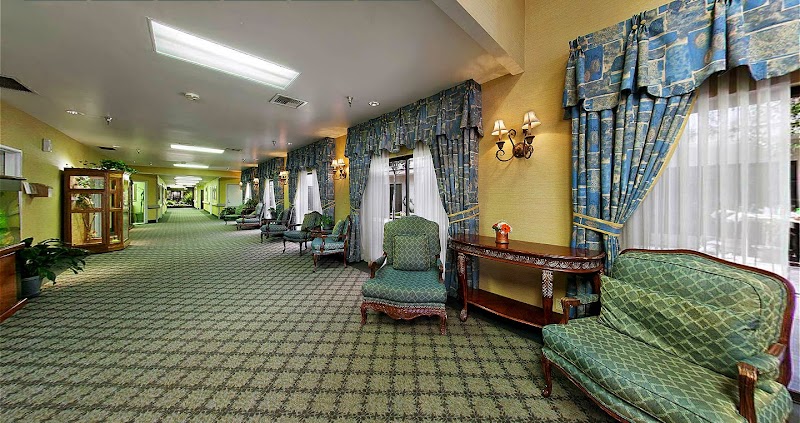
How is Stanford Court Skilled Nursing & Rehab Center Staffed?

CMS rates STANFORD COURT SKILLED NURSING & REHAB CENTER's staffing level at 4 out of 5 stars, which is above average compared to other nursing homes. Staff turnover is 24%, compared to the California average of 46%. This relatively stable workforce can support continuity of care.

What Have Inspectors Found at Stanford Court Skilled Nursing & Rehab Center?

State health inspectors documented 43 deficiencies at STANFORD COURT SKILLED NURSING & REHAB CENTER during 2019 to 2025. These included: 43 with potential for harm.

Who Owns and Operates Stanford Court Skilled Nursing & Rehab Center?

STANFORD COURT SKILLED NURSING & REHAB CENTER is owned by a for-profit company. For-profit facilities operate as businesses with obligations to shareholders or private owners. The facility is operated by GENERATIONS HEALTHCARE, a chain that manages multiple nursing homes. With 105 certified beds and approximately 99 residents (about 94% occupancy), it is a mid-sized facility located in SANTEE, California.
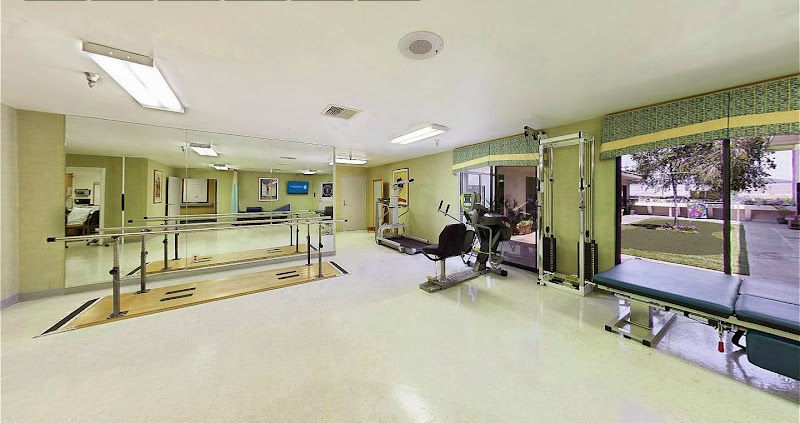
How Does Stanford Court Skilled Nursing & Rehab Center Compare to Other California Nursing Homes?

Compared to the 100 nursing homes in California, STANFORD COURT SKILLED NURSING & REHAB CENTER's overall rating (3 stars) is below the state average of 3.1, staff turnover (24%) is significantly lower than the state average of 46%, and health inspection rating (3 stars) is at the national benchmark.

What Should Families Ask When Visiting Stanford Court Skilled Nursing & Rehab Center?

Based on this facility's data, families visiting should ask: "Can I visit during a mealtime to observe dining assistance and food quality?" "How do you handle medical emergencies, and what is your hospital transfer rate?" "Can I speak with family members of current residents about their experience?"

Is Stanford Court Skilled Nursing & Rehab Center Safe?

Based on CMS inspection data, STANFORD COURT SKILLED NURSING & REHAB CENTER has a clean safety record: no substantiated abuse findings (meaning no confirmed cases of resident harm), no Immediate Jeopardy citations (the most serious violation level indicating risk of serious injury or death), and is not on the Special Focus Facility watch list (a federal program monitoring the lowest-performing 1% of nursing homes). The facility has a 3-star overall rating and ranks #100 of 100 nursing homes in California. While no facility is perfect, families should still ask about staff-to-resident ratios and recent inspection results during their visit.

Do Nurses at Stanford Court Skilled Nursing & Rehab Center Stick Around?

Staff at STANFORD COURT SKILLED NURSING & REHAB CENTER tend to stick around. With a turnover rate of 24%, the facility is 22 percentage points below the California average of 46%. Low turnover is a positive sign. It means caregivers have time to learn each resident's needs, medications, and personal preferences. Consistent staff also notice subtle changes in a resident's condition more quickly. Registered Nurse turnover is also low at 22%, meaning experienced RNs are available to handle complex medical needs.

Was Stanford Court Skilled Nursing & Rehab Center Ever Fined?

STANFORD COURT SKILLED NURSING & REHAB CENTER has no federal fines on record. CMS issues fines when nursing homes fail to meet care standards or don't correct problems found during inspections. The absence of fines suggests the facility has either maintained compliance or corrected any issues before penalties were assessed. This is a positive indicator, though families should still review recent inspection reports for the full picture.

Is Stanford Court Skilled Nursing & Rehab Center on Any Federal Watch List?

STANFORD COURT SKILLED NURSING & REHAB CENTER is not on any federal watch list. The most significant is the Special Focus Facility (SFF) program, which identifies the bottom 1% of nursing homes nationally based on persistent, serious quality problems. Not being on this list means the facility has avoided the pattern of deficiencies that triggers enhanced federal oversight. This is a positive indicator, though families should still review the facility's inspection history directly.