CHILDRENS HC ORG NO CA SARATOGA PEDIATRIC SUBACUTE
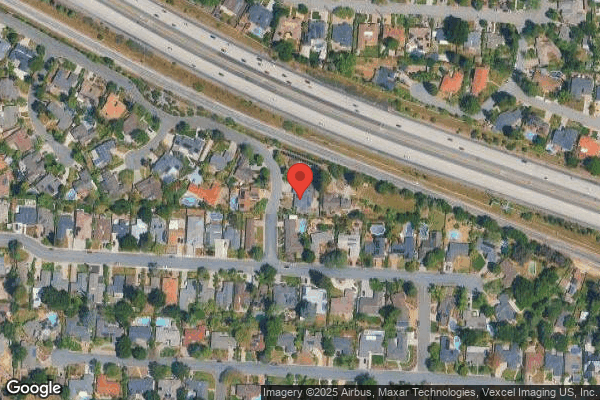
13425 SOUSA LANE, SARATOGA, CA 95070 (408) 378-8875
For profit - Limited Liability company 37 Beds Independent Data: November 2025
Trust Grade
83/100
#44 of 1155 in CA
Last Inspection: July 2024

Within standard 12-15 month inspection cycle. Federal law requires annual inspections.

Overview

Families researching Children's HC Org No CA Saratoga Pediatric Subacute will find a facility with a Trust Grade of B+, indicating it is above average and recommended for care. It ranks #44 out of 1,155 facilities in California, placing it in the top half, and #3 out of 50 in Santa Clara County, suggesting only two local options are better. The facility is improving, having reduced issues from six in 2024 to just one in 2025. Staffing is a concern, as it received a poor rating of 0/5 stars, but with a turnover rate of 0%, the staff remains stable. There are some issues to be aware of: the facility failed to follow its own bed rail policy for 20 residents, kept expired food in the kitchen, and allowed dust to accumulate on oxygen concentrator filters, which could pose health risks. Overall, while there are strengths in stability and high rankings, families should also consider the facility's deficiencies and ongoing improvements.

Trust Score
B+
83/100
In California
#44/1155
Top 3%
Safety Record
Low Risk
No red flags
Inspections
Getting Better
6 → 1 violations
Staff Stability
○ Average
Turnover data not reported for this facility.
Penalties
○ Average
$6,782 in fines. Higher than 64% of California facilities. Some compliance issues.
Skilled Nurses
○ Average
RN staffing data not reported for this facility.
Violations
⚠ Watch
19 deficiencies on record. Higher than average. Multiple issues found across inspections.
★★★★★
5.0
Overall Rating
☆☆☆☆☆
0.0
Staff Levels
★★★★★
5.0
Care Quality
★★★★☆
4.0
Inspection Score
Stable
2024: 6 issues
2025: 1 issues

The Good

  • 5-Star Quality Measures · Strong clinical quality outcomes
  • Full Sprinkler Coverage · Fire safety systems throughout facility
  • No fines on record

Facility shows strength in quality measures, fire safety.

The Bad

Federal Fines: $6,782

Below median ($33,413)

Minor penalties assessed

The Ugly 19 deficiencies on record

Mar 2025 1 deficiency
CONCERN (D) 📢 Someone Reported This

A family member, employee, or ombudsman was alarmed enough to file a formal complaint

Potential for Harm - no one hurt, but risky conditions existed

Report Alleged Abuse (Tag F0609)

Could have caused harm · This affected 1 resident

**NOTE- TERMS IN BRACKETS HAVE BEEN EDITED TO PROTECT CONFIDENTIALITY** Based on observation, interview, and record review, the facility failed to report an allegation of abuse involving one of two sa...

Read full inspector narrative →
**NOTE- TERMS IN BRACKETS HAVE BEEN EDITED TO PROTECT CONFIDENTIALITY** Based on observation, interview, and record review, the facility failed to report an allegation of abuse involving one of two sampled residents (Resident 1) to the State Survey Agency. This failure had the potential to delay investigations and compromise Resident 1's safety. Findings: Review of Resident 1's clinical record indicated he was admitted to the facility on [DATE] with diagnoses including congenital central alveolar hypoventilation syndrome ( a rare, life-threatening genetic disorder that affects normal breathing), short bowel syndrome with colon in continuity (a rare malabsorption disorder that occurs when the small intestine is damaged or shortened preventing it from absorbing enough nutrients from food), chronic respiratory failure with hypercapnia (a condition where the body cannot adequately remove carbon dioxide from the blood), dependence on respirator status (unable to breathe independently after being on a ventilator). During an interview on 12/19/24 at 10:09 a.m., with the Respiratory Therapist (RT), the RT stated Resident 1 suddenly lunged at him when the RT disconnected the television and started scratching, hitting and biting. The RT stated he held the forearms of Resident 1 and placed him on the bed. The RT stated Resident 1 started to kick his groin area, so he turned sideways and raised one of his leg to protect his groin area. During an interview on 12/19/24 at 10:36 a.m., with Registered Nurse (RN) B, RN B stated she saw the RT holding Resident 1's wrists and pinned on the bed. RN B stated she told the RT to get off of Resident 1 two to three times before the RT let go of Resident 1. RN B stated she reported the incident to the Administrator (ADM). RN B stated she reported the incident to the police. During a review of RN B's Incident Note, dated 11/30/24, the Incident Note indicated Local authorities were notified for suspected child abuse.Two policemen arrived at the facility and spoke to primary nurse, charge nurse, and patient. During an interview on 12/19/24 at 12:45 p.m., with RN C, she stated she heard the RT yelling at Resident 1 in the hallway to turn the television volume down. RN C stated she saw the RT going into Resident 1's room and heard more yelling. RN C stated she went in to Resident 1's room and saw the RT and Resident 1 standing at the back of the room facing at each other then the RT grabbed Resident 1's head and neck with one hand and the shoulder with the other hand and pushed Resident 1 on the bed. RN C stated the RT held Resident 1's wrist while lying flat in bed and one knee on the chest or stomach. RN C stated she assessed Resident 1 and saw red markings on both wrists and Resident 1 made a punching like motion to his stomach and grimaced. RN C stated she informed the ADM of the incident. During an interview on 12/19/24 at 4:28 p.m., with the Director of Staff Development (DSD), the DSD stated the ADM informed the staff during the stand up meeting that the incident was not an abuse based on the investigation of the ADM. During an interview on 3/5/25 at 4:15 p.m., with the ADM, the ADM stated he did not report the incident because it was not an abuse. The ADM stated that RN C informed him that Resident 1 had no marking on him. During a review of the facility's policy and procedure, titled Abuse prevention, intervention, reporting and investigation, revised 5/14, indicated In accordance with California penal code .requires that all mandated health care practitioners must report .any reasonable suspicion that a child has been abused or neglected .Staff is mandated reporters and must comply with state and federal regulations regarding reporting suspected abuse .For suspected child abuse cases of all types, a written report must be filed using Department of Justice form SS8572 .completed in detail and mailed within 36 hours of the telephone report .Will notify Department of Health Services. Licensing and Certification Program of an alleged abuse situation upon an adult and or child within 24 hours .
Jul 2024 6 deficiencies
CONCERN (D)

Potential for Harm - no one hurt, but risky conditions existed

Abuse Prevention Policies (Tag F0607)

Could have caused harm · This affected 1 resident

Based on interview and record review, the facility failed to implement their abuse policy by failing to obtain background checks for one of three certified nursing assistants (CNA C), when CNA C was h...

Read full inspector narrative →
Based on interview and record review, the facility failed to implement their abuse policy by failing to obtain background checks for one of three certified nursing assistants (CNA C), when CNA C was hired without a background check. This failure had the potential to put the residents at risk for abuse. Findings: Review of CNA C's personal file indicated she was hired to the facility on 2/8/24, but there was no background screening found for her. During an interview with the director of staff development (DSD) on 7/19/24, at 4:05 p.m., he stated he would check with human resources for CNA C's background check document. During an interview with the DSD on 7/23/24, at 12:36 p.m., he stated he checked with human resources and confirmed that CNA C did not have a background screening done when she was hired on 2/8/24. Review of the facility's undated policy, Abuse, indicated, . C. Screening: a. The facility will not knowingly employ any individual convicted of resident abuse, misappropriation of resident property, or reported abuse as noted by licensure boards of registries. Upon hire, the facility will . a. Obtain reference and background checks .
CONCERN (D)

Potential for Harm - no one hurt, but risky conditions existed

Pharmacy Services (Tag F0755)

Could have caused harm · This affected 1 resident

Based on observation, interview, and record review, the facility failed to ensure the nursing staff administered a medication accurately according to the manufacturer's specifications for one of 12 sa...

Read full inspector narrative →
Based on observation, interview, and record review, the facility failed to ensure the nursing staff administered a medication accurately according to the manufacturer's specifications for one of 12 sampled residents (Resident 331), when Resident 331's Lansoprazole (drug used to reduce stomach acid) Oral Disintegrating Tablet (ODT, fast-melting tablet that dissolves quickly in saliva/water) 30 milligrams (mg, unit of mass measurement) was crushed before administration, contrary to the manufacturer's guidelines. This failure had the potential to reduce medication efficacy for Resident 331. Findings: During an observation of a medication administration on 7/15/24 at 8:28 a.m., Licensed Vocational Nurse A (LVN A) crushed a tablet of lansoprazole ODT 30 mg then mixed it with water prior to administering the mixture to Resident 331. During an interview with LVN A on 7/15/24 at 8:38 a.m., she stated she crushed all of Resident 331's medications according to Resident 331's physician's orders. During a concurrent interview and record review on 7/15/24 at 2:32 p.m. with LVN A, review of the facility's Nursing drug Handbook, 2024 edition, page 1421, with LVN A indicated lansoprazole ODT should not be broken. LVN A acknowledged and stated she should not have crushed the lansoprazole tablet . During a concurrent interview and record review with Registered Nurse B (RN B) on 7/17/24 at 8:59 a.m., he stated he administered the lansoprazole ODT tablet to Resident 331 earlier this morning by crushing it and mixing it in water before administration. RN B reviewed the above-mentioned Nursing Drug Handbook, and stated he forgot that it is not to be crushed. A review of the pharmacy label on the bag containing Resident 331's lansoprazole ODT tablets indicated, Do not chew or crush. Review of Resident 331's physician's order, dated 1/12/24, indicated to give lansoprazole 30 mg via G-tube (a tube inserted through the abdomen that delivers nutrition and medications directly to the stomach) one time a day for gastritis (inflammation of the lining of the stomach). Review of Resident 331's July 2024 Medication Administration Record indicated LVN A administered the lansoprazole ODT 30 mg to the resident four times on: 7/3/24, 7/4/24, 7/12/24, and 7/15/24; and, RN B administered it four times on: 7/9/24, 7/10/24, 7/11/24, and 7/17/24. Review of the facility's policy and procedure titled, Medication Administration, dated 10/2023, indicated, Each nurse should comply with the recommended medication administration guidelines and specific hospital policies developed to foster safety and efficacy in the current published references available on the nursing units.
CONCERN (D)

Potential for Harm - no one hurt, but risky conditions existed

Deficiency F0761 (Tag F0761)

Could have caused harm · This affected 1 resident

**NOTE- TERMS IN BRACKETS HAVE BEEN EDITED TO PROTECT CONFIDENTIALITY** Based on observation, interview, and record review, the facility failed to ensure a multi-dose medication was labeled with an op...

Read full inspector narrative →
**NOTE- TERMS IN BRACKETS HAVE BEEN EDITED TO PROTECT CONFIDENTIALITY** Based on observation, interview, and record review, the facility failed to ensure a multi-dose medication was labeled with an open date after opening, and not stored beyond its discarding date. This failure had the potential for residents to receive expired, contaminated, or deteriorated medication. Finding: During an observation and record review with Registered Nurse B (RN B) on [DATE] at 10:12 a.m., an open 10 milliliter (mL) multi-dose vial of lorazepam (a controlled medication to treat seizures and agitation) 2 milligrams/mL was identified in the medication refrigerator without an open date on the vial. RN B reviewed the Controlled Drug Record and stated the lorazepam vial was opened on [DATE] (4 months ago). He acknowledged the vial should have been labeled with an open date. During a follow-up interview on [DATE] at 2:08 p.m., RN B stated he checked with the pharmacy and was told the lorazepam vial should be discarded 28 days after it was punctured. During a telephone interview with the Consultant Pharmacist (CP) on [DATE] at 2:50 p.m., she stated multi-dose vials should be discarded 28 days after opening to minimize cross contamination (a process by which harmful bacteria are unintentionally transferred from one object to another). A review of the facility's Multiple dose Vial policy and procedure, dated 11/2023, indicated, all multi-dose vials with preservatives shall be dated and initialed when opened, and discarded within 28 days unless a shorter expiration date is indicated on the label.
CONCERN (E)

Potential for Harm - no one hurt, but risky conditions existed

Food Safety (Tag F0812)

Could have caused harm · This affected multiple residents

Based on observation, interview, and record review, the facility failed to maintain sanitary conditions in the kitchen when: 1. Food was kept beyond their open and expiration dates, 2. Temperature log...

Read full inspector narrative →
Based on observation, interview, and record review, the facility failed to maintain sanitary conditions in the kitchen when: 1. Food was kept beyond their open and expiration dates, 2. Temperature logs for two refrigeration units had missing entries, 3. Five opened spice containers were without expiration dates, 4. Three cutting boards had deep cut marks on their surface, 5. Five red onions and four yellow onions were moldy, six potatoes were soft and wrinkled, and 6. A fan had dark particles on its fan blades and grills. These failures had the potential to cause food-borne illness for residents who received food from the kitchen. Findings: 1. During a concurrent observation and interview with the dietary supervisor (DS) on 7/15/24 at 8:40 a.m., the DS confirmed the following food items located in active use areas of the kitchen were expired: potato salad, left over beans in an unsealed bag dated 7/8/24, an open bag of broccoli dated 6/24/24. The DS stated left over food are kept 3-5 days the left over beans you have been in a sealed bag. Review of facility's undated policy and procedure (P&P) Food Labeling Policy for Open Food Items, indicated, 3 days open for produce, turkey ham, tuna .deli salad, opened ROP (Reduced Oxygen Packaging) bags and other canned items. Review of facility's P&P Food Safety and Sanitation policy, dated 2013, indicated, Foods with expiration date are used prior to the use by date on the package. Review of The Federal Food and Drug Administration (FDA) Food Code 2022, chapter 3-501.17 (A) (B) (C) (D) indicated the day the original [food] container is opened in the food establishment shall be counted as Day 1 such that, . The date marked shall not exceed a manufacturer's use-by date . mark the date or day of preparation, with a procedure to discard the food on or before the last date or day by which the food must be consumed on the premises. 2. During a concurrent interview and record review with the DS on 7/15/24 at 8:35 a.m., the DS reviewed the formula refrigerator temperature log located in the hallway, which had missing temperature entries on 7/1/24, 7/5/24, 7/9/24, 7/12/24, 7/13/24, 7/14/24 and 7/15/24; and, the standing refrigerator temperature log located in the kitchen had missing temperature entries on 7/1/24, 7/5/24, 7/11/24, 7/12/24, 7/13/24, and 7/14/24. The DS stated the temperature monitoring of these refrigeration units should have been documented on their respective temperature logs twice daily. Review of the Daily Refrigerator/Freezer Temperature Log, dated 7/24 indicated, A designated food service employee will record the time, air temperature and their initials (preferably upon arrival) once in the morning and once (preferably just before leaving the facility) in the afternoon. 3. During a concurrent observation and interview with the DA on 7/15/24 at 8:43 a.m., the DA confirmed five spice containers were labeled with open dates, but no expiration or best-by-dates as follows: a. Onion Powder 10/9/23. b. Ground [NAME] Pepper 12/25/23. c. Ground paprika 1/17/23. d. Granulated onion 8/28/23. e. Whole Oregano Leaves 9/7/23, The DA stated the spices will be thrown out. Review of the facility's undated P&P Food Labeling Policy for Open Food items indicated, 90 days for spices, uncooked pasta, rice, nuts . Review of the facility's P&P Food Safety and Sanitation, dated 2013, indicated, Canned and dry foods without expiration dates are used within six months of delivery or according to the manufacturer's guidelines. 4. During a concurrent observation and interview with the DS on 7/15/24 at 8:48 a.m., the DS confirmed the three cutting boards had deep cut marks on their surfaces. The DS stated they should not be used and should be replaced. Review of the The Federal Food and Drug Administration (FDA) Food Code 2022, chapter 4-501.12, indicated surfaces such as cutting blocks and boards that are subject to scratching and scoring shall be resurfaced if they can no longer be effectively cleaned and sanitized . 5. During a concurrent observation and interview with the DS on 7/15/23 at 8:51 a.m., the DS confirmed six potatoes in a bag were soft and wrinkled, and five red onions and four yellow onions in a plastic container were moldy. The DS stated these would be thrown out. Review of the facility's P&P Food Safety and Sanitation, dated 2013, indicated, . food must be clean, wholesome, and free from spoilage. 6. During a concurrent observation and interview with the DS on 7/15/24 at 8:51 a.m., the DS confirmed the electric fan on the floor of the kitchen has dark particles on the fan blades and grills. The DS stated the fan should be cleaned. Review of the The Federal Food and Drug Administration (FDA) Food Code 2022, chapter 4-601.11 (C) indicated, Nonfood-contact surfaces of equipment shall be kept free of an accumulation of dust, dirt, food residue, and other debris.
CONCERN (E)

Potential for Harm - no one hurt, but risky conditions existed

Infection Control (Tag F0880)

Could have caused harm · This affected multiple residents

**NOTE- TERMS IN BRACKETS HAVE BEEN EDITED TO PROTECT CONFIDENTIALITY** Based on observation, interview, and record review, the facility failed to implement infection control practices when the filter...

Read full inspector narrative →
**NOTE- TERMS IN BRACKETS HAVE BEEN EDITED TO PROTECT CONFIDENTIALITY** Based on observation, interview, and record review, the facility failed to implement infection control practices when the filters of oxygen concentrators were dusty for five of 13 residents (3, 23, 25, 183, and 184). This failure had the potential to spread infection in the facility. Findings: Review of Resident 3's admission Record indicated she was admitted to the facility on [DATE] with a respiratory failure (a condition that makes it difficult to breathe; respiratory failure develops when the lungs cannot get enough oxygen into the blood) diagnosis. Review of Resident 3's physician order, dated 5/10/24, indicated she had an order for oxygen as needed to keep her oxygen saturation (O2 Sat, the amount of oxygen that's circulating in the blood) above 92%. During an observation with respiratory therapist D (RT D) on 7/15/24, at 10:41 a.m., the filter of Resident 3's oxygen concentrator had a layer of dust on it. RT D confirmed the filter of Resident 3's oxygen concentrator was dusty. Review of Resident 23's admission Record indicated she was admitted to the facility on [DATE] with a respiratory failure diagnosis. Review of Resident 23's physician order, dated 7/9/24, indicated she had an order for oxygen as needed to keep her O2 Sat above 92%. During an observation with RT D on 7/15/24, at 10:44 a.m., the filter of Resident 23's oxygen concentrator had a layer of dust on it. RT D confirmed the filter of Resident 23's oxygen concentrator was dusty. Review of Resident 25's admission Record indicated she was admitted to the facility on [DATE] with a respiratory failure diagnosis. Review of Resident 25's physician order, dated 4/24/24, indicated she had an order for oxygen as needed to keep her O2 Sat above 92%. During an observation with RT D on 7/15/24, at 10:49 a.m., the filter of Resident 25's oxygen concentrator had a layer of dust on it. RT D confirmed the filter of Resident 25's oxygen concentrator was dusty. Review of Resident 183's admission Record indicated she was admitted to the facility on [DATE] with dependence on a ventilator (a machine that helps a person breathe or breathes for the person) status (if people are unable to wean off and breathe independently, they become ventilator dependent) diagnosis. Review of Resident 183's physician order, dated 4/24/24, indicated she had an order for oxygen as needed to keep her O2 Sat above 92%. During an observation with RT D on 7/15/24, at 11 a.m., the filter of Resident 183's oxygen concentrator had a layer of dust on it. RT D confirmed the filter of Resident 183's oxygen concentrator was dusty. Review of Resident 184's admission Record indicated he was admitted to the facility on [DATE] with respiratory failure and dependence on ventilator status diagnoses. Review of Resident 184's physician order, dated 7/1/24, indicated he had an order for oxygen as needed to keep his O2 Sat above 92%. During an observation with RT D on 7/15/24, at 11 a.m., the filter of Resident 184's oxygen concentrator had a layer of dust on it. RT D confirmed the filter of Resident 184's oxygen concentrator was dusty. During a concurrent interview with RT D, she stated the filters of oxygen concentrators should be kept clean. Review of the facility's 2021 service manual, [machinery make/model name] 5-Liter Oxygen Concentrator Service Manual, indicated, Cleaning: The recommended cleaning interval for the air filter is 7 days.
CONCERN (F)

Potential for Harm - no one hurt, but risky conditions existed

Deficiency F0700 (Tag F0700)

Could have caused harm · This affected most or all residents

Based on observation, interview, and record review, the facility failed to follow their Bed/Side Rails policy for 20 of 22 residents (1, 2, 3, 4, 5, 6, 9, 11, 14, 16, 18, 23, 24, 25, 27, 181, 182, 184...

Read full inspector narrative →
Based on observation, interview, and record review, the facility failed to follow their Bed/Side Rails policy for 20 of 22 residents (1, 2, 3, 4, 5, 6, 9, 11, 14, 16, 18, 23, 24, 25, 27, 181, 182, 184, 330, and 331) when they did not attempt alternative measures prior to applying bed side rails. This failure had the potential to place the residents at risk of entrapment and serious injury. Findings: During an observation in Resident 11's room on 7/15/24, at 10:19 a.m., Resident 11 was in bed with side rails up. Review of Resident 11's physician order, dated 2/7/23, indicated she had an order for Upper Side Rails. Review of Resident 11's Postural Support/Developmental Safety Device Rationale and Consent, dated 12/19/23, indicated alternative measures were not attempted prior to the use of side rails. During an observation in Resident 1's room on 7/15/24, at 10:20 a.m., Resident 1 was in bed with left side rail up. Review of Resident 1's physician order, dated 7/12/23, indicated she had an order for Left Side Rail. Review of Resident 1's Postural Support/Developmental Safety Device Rationale and Consent, dated 1/9/23, indicated alternative measures were not attempted prior to the use of side rail. During an observation in Resident 2's room on 7/15/24, at 10:22 a.m., Resident 2 was in bed with side rails up. Review of Resident 2's physician order, dated 11/29/21, indicated he had an order for Side Rails. Review of Resident 2's Postural Support/Developmental Safety Device Rationale and Consent, dated 12/20/23, indicated alternative measures were not attempted prior to the use of side rails. During an observation in Resident 181's room on 7/15/24, at 10:25 a.m., Resident 181 was in bed with side rails up. Review of Resident 181's physician order, dated 2/16/24, indicated he had an order for Full Side Rails. Review of Resident 181's Postural Support/Developmental Safety Device Rationale and Consent, dated 3/22/24, indicated alternative measures were not attempted prior to the use of side rails. During an observation in Resident 25's room on 7/15/24, at 10:27 a.m., Resident 25 was in bed with side rails up. Review of Resident 25's physician order, dated 10/18//23, indicated she had an order for Upper Side Rails. Review of Resident 25's Postural Support/Developmental Safety Device Rationale and Consent, dated 1/17/24, indicated alternative measures were not attempted prior to the use of side rails. During an observation in Resident 16's room on 7/15/24, at 10:28 a.m., Resident 16 was in bed with side rails up. Review of Resident 16's physician order, dated 2/15/23, indicated she had an order for Upper Side Rails. Review of Resident 16's Postural Support/Developmental Safety Device Rationale and Consent, dated 3/27/24, indicated alternative measures were not attempted prior to the use of side rails. During an observation in Resident 5's room on 7/15/24, at 10:29 a.m., Resident 5 was in bed with side rails up. Review of Resident 5's physician order, dated 2/15/23, indicated she had an order for Left Right Side Rails. Review of Resident 5's Postural Support/Developmental Safety Device Rationale and Consent, dated 4/9/24, indicated alternative measures were not attempted prior to the use of side rails. During an observation in Resident 182's room on 7/15/24, at 11:19 a.m., Resident 182 was in bed with side rails up. Review of Resident 182's physician order, dated 11/10/23, indicated he had an order for Full Side Rails. Review of Resident 182's Postural Support/Developmental Safety Device Rationale and Consent, dated 11/7/23, indicated alternative measures were not attempted prior to the use of side rails. During an observation in Resident 3's room on 7/15/24, at 11:31 a.m., Resident 3 was in bed with side rails up. Review of Resident 3's physician order, dated 5/23/24, indicated she had an order for All Side Rails. Review of Resident 3's Postural Support/Developmental Safety Device Rationale and Consent, dated 5/17/24, indicated alternative measures were not attempted prior to the use of side rails. During an observation in Resident 330's room on 7/15/24, at 12:11 p.m., Resident 330 was in bed with bilateral (both sides) upper side rails and one lower side rail up. Review of Resident 330's physician order, dated 12/12/23, indicated he had an order for Upper Side Rails. Review of Resident 330's Postural Support/Developmental Safety Device Rationale and Consent, dated 12/12/23, indicated alternative measures were not attempted prior to the use of side rails. During an observation in Resident 4's room on 7/15/24, at 12:11 p.m., Resident 4 was in bed with one upper and one lower side rails up. Review of Resident 4's physician order, dated 2/17/23, indicated he had an order for Upper Side Rails. Review of Resident 4's Postural Support/Developmental Safety Device Rationale and Consent, dated 12/14/23, indicated alternative measures were not attempted prior to the use of side rails. During an observation in Resident 24's room on 7/15/24, at 12:12 p.m., Resident 24 was in bed with bilateral upper and lower side rails up. Review of Resident 24's physician order, dated 2/27/24, indicated he had an order for Upper Side Rails. Review of Resident 24's Postural Support/Developmental Safety Device Rationale and Consent, dated 2/28/24, indicated alternative measures were not attempted prior to the use of side rails. During an observation in Resident 27's room on 7/15/24, at 12:12 p.m., Resident 27 was in bed with bilateral upper side rails and one lower side rail up. Review of Resident 27's physician order, dated 1/30/24, indicated he had an order for Full Side Rails. Review of Resident 27's Postural Support/Developmental Safety Device Rationale and Consent, dated 3/22/24, indicated alternative measures were not attempted prior to the use of side rails. During an observation in Resident 9's room on 7/15/24, at 12:13 p.m., Resident 9 was in bed with bilateral upper side rails up. Review of Resident 9's physician order, dated 11/14/23, indicated she had an order for Side Rails. Review of Resident 9's Postural Support/Developmental Safety Device Rationale and Consent, dated 5/23/24, indicated alternative measures were not attempted prior to the use of side rails. During an observation in Resident 14's room on 7/15/24, at 12:27 p.m., Resident 14 was in bed with bilateral upper and lower side rails up. Review of Resident 14's physician order, dated 2/13/23, indicated she had an order for Full Side Rails. Review of Resident 14's Postural Support/Developmental Safety Device Rationale and Consent, dated 5/23/24, indicated alternative measures were not attempted prior to the use of side rails. During an observation in Resident 6's room on 7/16/24, at 8:15 a.m., Resident 6 was in bed with bilateral upper side rails up. Review of Resident 6's physician order, dated 10/11/19, indicated she had an order for Side Rails. Review of Resident 6's Postural Support/Developmental Safety Device Rationale and Consent, dated 5/17/24, indicated alternative measures were not attempted prior to the use of side rails. During an observation in Resident 331's room on 7/16/24, at 8:33 a.m., Resident 331 was in bed with bilateral upper and lower side rails up. Review of Resident 331's physician orders indicated there was no order for the use of side rails. Review of Resident 331's Postural Support/Developmental Safety Device Rationale and Consent, dated 8/25/23, indicated alternative measures were not attempted prior to the use of side rails. During an observation in Resident 18's room on 7/16/24, at 8:33 a.m., Resident 18 was in bed with bilateral upper and lower side rails up. Review of Resident 18's physician order, dated 2/15/23, indicated he had an order for Upper and Lower Side Rails. Review of Resident 18's Postural Support/Developmental Safety Device Rationale and Consent, dated 12/14/23, indicated alternative measures were not attempted prior to the use of side rails. During an observation in Resident 184's room on 7/17/24, at 11:25 a.m., Resident 184 was in bed with side rails up. Review of Resident 184's physician order, dated 7/16/24, indicated he had an order for Upper Side Rails. Review of Resident 184's Postural Support/Developmental Safety Device Rationale and Consent, dated 7/8/24, indicated alternative measures were not attempted prior to the use of side rails. During an observation in Resident 23's room on 7/17/24, at 11:32 a.m., Resident 23 was in bed with side rails up. Review of Resident 23's physician order, dated 7/16/24, indicated she had an order for Upper Side Rails. Review of Resident 23's Postural Support/Developmental Safety Device Rationale and Consent, dated 7/11/24, indicated alternative measures were not attempted prior to the use of side rails. During an interview with the rehabilitation supervisor (RS) on 7/22/24, at 11:33 a.m., she stated the alternative measures such as frequent visual check for safety, pillow/wedged cushions, or frequent repositioning, etc. would be attempted only if the responsible party (the party responsible to making health care decisions when the principal party is unable to make health care decisions for him or herself) of the resident refused to give the consent for side rail. Otherwise, the side rail would be used. The RS acknowledged that the alternative measures should be attempted prior to the use of side rail. During an interview with the director of nursing (DON) on 7/22/24, at 11:36 a.m., she confirmed alternative measures were not attempted for Residents 1, 2, 3, 4, 5, 6, 9, 11, 14, 16, 18, 23, 24, 25, 27, 181, 182, 184, 330, and 331 prior to the use of side rail. Review of the facility's undated policy, Bed/Side Rails, indicated, . 4. Appropriate alternative interventions are to be utilized prior to using bed/side rails .
Apr 2023 1 deficiency
CONCERN (D) 📢 Someone Reported This

A family member, employee, or ombudsman was alarmed enough to file a formal complaint

Potential for Harm - no one hurt, but risky conditions existed

Dental Services (Tag F0791)

Could have caused harm · This affected 1 resident

**NOTE- TERMS IN BRACKETS HAVE BEEN EDITED TO PROTECT CONFIDENTIALITY** Based on interview and record review the facility failed to follow-up with the dental services for one (Resident 1) of three res...

Read full inspector narrative →
**NOTE- TERMS IN BRACKETS HAVE BEEN EDITED TO PROTECT CONFIDENTIALITY** Based on interview and record review the facility failed to follow-up with the dental services for one (Resident 1) of three residents when Resident 1's tooth was avulsed. This failure resulted in Resident 1's tooth not reimplanted for 11 months or not having the replacement tooth for 11 months. Findings: Review of Resident 1's clinical record indicated he was admitted to the facility on [DATE] with diagnoses including anoxic brain injury, persistent vegetative state and dependence on respirator. Review of Registered Nurse's (RN A) notes, dated 3/31/22, indicated resident 1 banged his tooth to side rail during activity of daily living (ADLs) while being turned. Review of the facility dentist (DT) notes, dated 4/3/22, indicated Resident 1 sustained avulsion injury of a permanent tooth after hitting his tooth on the bed side rail. Further review of the DT notes indicated Resident 1's responsible party (RP; person who makes all care decisions for the resident) was to pursue a dental implant to restore the empty space in the mouth where a tooth was. Review of Licensed Vocational Nurse's (LVN B) notes, dated 4/16/22, indicated Resident 1 was approved for dental referral for consultation. Review of the inter-disciplinary team care conference, dated 4/25/22, did not indicate how the tooth reimplantation will pursue. During an interview with the facility dentist (DT), on 1/30/23 at 3:00 p.m., the DT indicated for an implant Resident 1 would need hospitalization and anesthesia (use of medications to prevent pain during surgery). Review of Resident 1's clinical record did not indicate Resident 1 was hospitalized for the reimplantation. During an interview with the Social Services Director (SSD), on 1/30/2023 at 2:15 p.m., the SSD confirmed the RP wanted Resident 1 to have an implant. She stated the Administrator was hesitant to pay for services and to only find a place that took the RP's insurance. The SSD stated the burden fell onto the RP to cover with her insurance. The SSD stated she left her position at the facility, in part, because of the handling of this incident. She stated the previous administer did not want to cover it. She indicated she provided to the RP the state agency (SA) contact information along with the ombudsman's contact information so the RP could file a complaint with the SA. She stated she had a meeting with the owner of the facility who indicated the facility should pay for expenses. She stated she returned to working for the facility after the previous administrator left employment. During an interview with the ombudsman (OMB), on 1/30/2023 at 2 p.m., the OMB indicated her understanding was the facility said no on the implant and she indicated she believed the facility was responsible for the implant given it happened while Resident 1 was under their care. Review of the facility's email sent to the surveyor, dated 2/24/23, indicated the facility's plan was to reimburse for any dental expenses. Review of the facility's policy Dental Services, reviewed 10/2021, indicated if dental services cannot be provided at the facility, the facility will assist in making appointments and arranging for transportation to and from the service location.
Jan 2020 6 deficiencies
CONCERN (D)

Potential for Harm - no one hurt, but risky conditions existed

Abuse Prevention Policies (Tag F0607)

Could have caused harm · This affected 1 resident

Based on interview and record review, the facility failed to implement their abuse policy when a skin discoloration of unknown origin was not investigated to rule out abuse. This failure placed the re...

Read full inspector narrative →
Based on interview and record review, the facility failed to implement their abuse policy when a skin discoloration of unknown origin was not investigated to rule out abuse. This failure placed the resident at risk for abuse. Findings: During an observation 1/21/2020 at 9:17 a.m., Resident 18's right wrist had a purplish-yellowish discoloration approximately a size of a quarter coin. During a concurrent observation and interview on 1/21/2020 at 4:12 p.m. with registered nurse A (RN A), RN A confirmed the above observation and stated the skin discoloration was fading. RN A confirmed there was no documentation regarding the skin discoloration. RN A further stated, she was not aware of what happen to the skin. During a review of Resident 18's weekly summary dated 1/19/2020, the weekly summary did not indicate a skin discoloration on the right wrist. During a review of Resident 18's progress notes dated 1/20/2020, the progress notes indicated no new skin issues noted. During a concurrent interview and record review on 1/22/2020 at 2:09 p.m. with the director of nursing (DON), the DON reviewed Resident 18's clinical record and confirmed Resident 18 was not receiving anti-coagulant (blood thinner) medication. The DON further stated, there was no documentation regarding the right wrist purplish to yellowish skin discoloration. The DON stated, when blood draw was performed licensed nurses should be monitoring for bruising. During an interview on 1/23/2020 at 1:03 p.m. with the DON, the DON confirmed there was no incident report done for Resident 18's right wrist skin discoloration. The DON further added, bruise of unknown origin should have an incident report and should be reported to the appropriate agencies. During a review of the facility's undated policy and procedure, Skin Program, indicated minor bruises and other minor skin conditions requires completion of incident report. Review of the facility's undated policy, Suspected Abuse Management Policy and Procedure, indicated identifying abuse includes unexplained bruises, reports must be filed within the facility and with the state.
CONCERN (D)

Potential for Harm - no one hurt, but risky conditions existed

Pharmacy Services (Tag F0755)

Could have caused harm · This affected 1 resident

**NOTE- TERMS IN BRACKETS HAVE BEEN EDITED TO PROTECT CONFIDENTIALITY** Based on observation, interview and record review, the facility failed to follow facility policy related to accountability and d...

Read full inspector narrative →
**NOTE- TERMS IN BRACKETS HAVE BEEN EDITED TO PROTECT CONFIDENTIALITY** Based on observation, interview and record review, the facility failed to follow facility policy related to accountability and documentation of controlled substances (drugs with high potential for abuse and addiction) for four out of six sampled residents when: 1. For Resident 21, quantity of a controlled substance received from the pharmacy does not match what was documented. 2. For Resident 29, a controlled substance was delivered by a licensed nurse to a general acute hospital without obtaining permission to leave and missing documentation related to physician's order. 3. For Resident 1, a controlled substance was not properly documented. 4. For Resident 30, 4.6ml (milliliters, a unit of measurement) of a controlled substance was not accounted for and not reported immediately to responsible supervisor. These failures had a potential for diversion of highly controlled substances. Findings: 1. For Resident 21, quantity of a controlled substance received from the pharmacy does not match what was documented. During a review of Resident 21's admission Record, dated 1/22/2020, indicated Resident 21 was admitted on [DATE] with the following diagnoses including congenital (occurring before birth) malformation of musculoskeletal system (affecting the body's bones and muscle), exotropia (is a form of eye misalignment in which one or both of the eyes turn outward) and chronic respiratory failure (is a condition that results in the inability to effectively exchange carbon dioxide and oxygen). During an observation with licensed vocational nurse G (LVN G) on 1/22/2020 at 11:18 a.m., indicated on Resident 21's Diazepam's (a schedule IV-controlled substance used for anxiety) pharmacy label was a quantity of 30. LVN G confirmed pharmacy label indicated 30 which was the amount pharmacy dispensed. During a record review on 1/22/2020 at 11:20 a.m., Resident 21's-controlled drug record, indicated, Diazepam 5mg (milligram, a unit of measurement) /5ml (milliliter, a unit of measurement) give 2mg (2ml) via GT (gastrostomy tube) twice a day as needed for muscle spasm amount received 31 ml. It further indicated that on 12/14/19 at 11:19 a.m., 2 ml of Diazepam was administered to Resident 21 and 29 ml was left on the bottle. During an interview on 1/22/2020 at 11:41 a.m., with the director of nursing (DON), the DON stated facility staff should follow the quantity dispensed by the pharmacy to match controlled drug record documentation. The DON also stated she was not aware about this discrepancy until today. 2. For Resident 29, a controlled substance was delivered by a licensed nurse to a general acute hospital without obtaining permission to leave and missing documentation related to physician's order. During a review of Resident 29's admission Record, dated 1/22/2020, indicated Resident 29 was admitted on [DATE] with following diagnoses including bronchopulmonary dysplasia (is a form of chronic lung disease that affects newborns), hypertension (high blood pressure), epilepsy (a disorder in which nerve cell activity in the brain is distributed, causing seizures) and spastic quadriplegic cerebral palsy (difficulty in controlling movements in the arms and the legs). During an interview on 1/22/2020 at 2:56 p.m., with the minimum data set nurse (MDSN), the MDSN stated Resident 29 was hospitalized [DATE] and returned on 1/8/2020. During an interview on 1/22/2020 at 3:45 p.m. with registered nurse H (RN H), RN H stated Resident 29's Clobazam (a schedule IV-controlled substance used to treat seizures) was delivered by another licensed nurse to a general acute care hospital on 1/5/2020. RN H stated that there was no documentation in Resident 29's health records related to a physician's order to send medication to general acute. RN H also stated she did not notify the DON related to Resident 29's-controlled medication being sent to a general acute care hospital. During an interview on 1/22/2020 at 3:54 p.m., with the DON, the DON stated she was not notified a licensed nurse left the facility and delivered controlled medication to a general acute care hospital for Resident 29. During an interview on 1/23/2020 at 12:01 p.m. with the DON, he DON stated license nurses are not allowed to leave the facility to transfer medication out to a general acute hospital without the permission of the DON or administrator (ADMIN). The DON also stated she was not able to find documentation in Resident 29's health records related to physician's order to send medication out to a general acute care hospital. During an interview on 1/23/2020 at 2:08 p.m. with the ADM, the ADM stated he did not give permission to license nurse to leave premise and deliver medication to a general acute care hospital. During a review of the facility's policy, dated 4/25/15, Controlled Substances, indicated remaining controlled substances not authorized by the physician to go with the patient at the time of discharge will not be surrender to any other person for any reason. During a review of the facility's policy, dated 4/18, Employee Handbook, indicated failing to obtain permission to leave work for any reason during normal working hours is a prohibited conduct. 3. For Resident 1, a controlled substance was not properly documented. During a review of Resident 1's admission Record, dated 1/22/2020, indicated Resident 1 was admitted on [DATE] with following diagnoses including spina bifida (a birth defect in which there is incomplete closing of the spine and membranes around the spinal cord during early development in pregnancy), epilepsy, hydrocephalus (is the buildup of fluid in the cavities deep within the brain) and hypotension (low blood pressure). During a review of Resident 1's Controlled Drug Record, received on 1/3/2020, indicated Clobazam 10 mg tablet dose number 60 has no date and time of administration. During an interview on 1/23/2020 at 12:28 p.m. with the DON, the DON confirmed Resident 1's-controlled drug record for Clobazepam has missing documentations During a review of the facility's policy, dated 4/25/15, Controlled Substances, indicated separate records will be maintained on all Schedule II, III, and IV drugs. This will be in the form of a declining inventory record. Such records will be accurately maintained and will include: 1. The name of the patient 2. The name of the prescriber 3. The prescription number 4. The drug name and form of the medication 5. The strength and dose administration 6. The date of administration 7. The amount remaining 8. The signature of the person administering the drug 4. For Resident 30, 4.6ml (milliliters, a unit of measurement) of a controlled substance was not accounted for and not reported immediately to responsible supervisor. During a review of Resident 30's admission Record, dated 1/22/2020, indicated Resident 30 was admitted on [DATE] with following diagnoses including congenital malformation of brain (a group of brain defects or disorders that develop in the womb and are present at birth), hearing loss, congenital hypertonia (is characterized as contractures or stiffness of all voluntary muscles usually present from birth) and convulsion (is a medical condition where body muscles contract and relax rapidly and repeatedly, resulting in uncontrolled actions of the body). During a review of Resident 30's Controlled Drug Record, indicated on 1/19/2020 at 11:00 p.m., 1.8 ml of Diazepam (a schedule IV-controlled substance used to treat anxiety, muscle spasms and seizures) was documented, and 364.8 ml was remaining in the bottle. It also indicated on 1/19/2020 at 11:00 p.m., received amount was 360 ml and it was signed by two licensed nurses. During an interview on 1/23/2020 at 12:14 p.m., with the DON, the DON confirmed the discrepancy of 4.8 ml for Resident 30's-controlled substance above. The DON stated she was not notified about the discrepancy and there was no documentation in Resident 30's progress notes that the facility staff notified the consultant pharmacist about above discrepancy. During a review of the facility's policy, dated 4/25/15, Controlled Substances, indicated any discrepancy in the count is to be reported in writing immediately to the responsible supervisor and a signed entry is recorded on the page where the discrepancy is found. It also indicated that the consultant pharmacist will be notified immediately of any discrepancy of controlled medications.
CONCERN (D)

Potential for Harm - no one hurt, but risky conditions existed

Unnecessary Medications (Tag F0759)

Could have caused harm · This affected 1 resident

Based on observation, interview, and record review, the facility had 8% medication error rate when two medication errors out of 25 opportunities were observed during medication pass. This failure resu...

Read full inspector narrative →
Based on observation, interview, and record review, the facility had 8% medication error rate when two medication errors out of 25 opportunities were observed during medication pass. This failure resulted in Resident 30 not getting his medications as ordered by the physician. Findings: 1. During medication pass observation on 1/21/2020 at 4:56 p.m. with Registered Nurse B (RN B), RN B did not give the half remaining portion of crushed glycopyrrolate (medication used to reduce drooling in children ages 3 to 16 who have certain medical conditions, such as cerebral palsy) in the medication cup. During an interview on 1/21/2020 at 6:00 p.m. with RN B, he acknowledged the above observation. RN B further stated that he forgot to give the half remaining portion of the medication to complete the dose as ordered by the physician. During a review of the physician order, dated 12/5/2019, indicated Resident 30 was to receive glycopyrrolate half tablet of 1 milligram (mg, a unit of measurement) 0.5 mg. via gastrostomy tube (GT, a tube inserted through the abdomen into the stomach) every eight hours for secretion reduction daily at 1:00 a.m., 9:00 a.m., 5:00 p.m. 2. During medication pass observation on 1/21/2020 at 5:07 p.m., RN B administered three milliliters (ml, a unit of measurement for volume) of Ferrous sulfate (iron Medication) 75 mg (equivalent to 15 mg. Iron) per one ml. from house supply bottle via GT. During a review of the physician order, dated 1/8/2020, indicated Resident 30 was to receive ferrous sulfate drops 75 mg. (equivalent 15 mg. iron/1 ml.) give 225 mg- iron 45 mg(3ml) via GT daily at 5:00 p.m. During a concurrent interview and record review with the director of nursing (DON) on 1/22/2020 at 10:12 a.m., the DON stated ferrous sulfate house supply that was given by RN B to Resident 30 on 1/21/2020 had wrong contents and the DON further stated that Resident 30 has his own supply from the pharmacy with the right components as ordered by the physician. Review of the facility's undated policy, Medication Administration, indicated All iron and calcium doses will be ordered as elemental, e.g., elemental iron and elemental calcium Orders will specify the amount of the elemental components. Review of the facility's undated policy and procedure, Medication Administration-Physician Order, indicated the five rights will be followed when administering medication .Right patient, right medication, right dose, right route, and right frequency . To assure administration accuracy the nurse will cross check the following reference points: Physician's Order- I-MAR, I-MAR- Rx label, Label on drug container- Physician's Order.
CONCERN (D)

Potential for Harm - no one hurt, but risky conditions existed

Deficiency F0761 (Tag F0761)

Could have caused harm · This affected 1 resident

3. Undated liquid bottles of medications During an observation and interview on 1/22/2020 at 11:18 a.m. with licensed vocational nurse G (LVN G), LVN G confirmed the following bottles were opened and ...

Read full inspector narrative →
3. Undated liquid bottles of medications During an observation and interview on 1/22/2020 at 11:18 a.m. with licensed vocational nurse G (LVN G), LVN G confirmed the following bottles were opened and had no date when opened: 1. Poly Vi Sol (multivitamin supplement) 2. Poly Vi Sol with Iron 3. Loratadine (used to treat allergy symptoms and hives) oral solution 4. Liquid Pain Relief 5. Iron Supplement 6. Pedialyte (advanced hydration rehydration drink) During an observation and interview on 1/22/2020 at 11:46 a.m. with registered nurse K (RN K), RN K confirmed the following bottles were opened and had no date when opened: 1. Loratadine oral solution 2. Allergy relief 3. Liquid pain relief During an interview on 1/22/2020 at 11:58 a.m. with RN K, RN K stated all liquid bottles of medication should be dated when opened. During a review of the facility's undated policy, Medication Administration, indicated when using a new liquid medication for the first time, the bottle will be marked with the date opened. Based on observation, interview, and record review, the facility failed to ensure medications and biologicals were stored and labeled appropriately when: 1. Several medications were expired in the medication room; 2. Unauthorized personnel had access to the medication room; 3. Undated liquid bottles of medications. These failures had the potential for drug diversion and residents to receive expired, contaminated, or deteriorated medications and biologicals. Findings: 1. During a medication room observation on 1/21/2020 at 9:26 a.m. with the Director of Staff Development (DSD), the following were observed: 1a. 11 heparin lock syringe (blood thinner to prevents clots) 50 units/5 ml (units, milliliters, unit of measurement) expired on 10/31/19; 1b. 14 sodium chloride 3% (medication, that can be used to dilute other medications through a nebulizer) vials expired on December 2019. 1c. one opened and one unopened pack of ipratropium bromide 0.02% (medication used to prevent and control symptoms of wheezing and shortness of breath caused by ongoing lung diseases). The DSD confirmed the above observation and stated regular checking of the medroom was night shift licensed nurse's responsibility. Review of the facility's undated policy, Storage of Medications, indicated expired medications shall not be kept. 2. During a breathing treatment observation on 1/21/2020 at 5:41 p.m. with respiratory therapist C (RT C), RT C had a medication room key to get Resident 4's respiratory medications inside the medication room without the facility licensed nurse present. During an interview on 1/21/2020 at 6:04 p.m. with RT C, RT C acknowledged the above observation. RT C further stated she had her own key to enter the medication room without the facility licensed staff present. During a breathing treatment observation on 1/21/2020 at 4:40 p.m. with RT F, RT F had a medication room key to get Resident 12' s respiratory medications inside the medication room without the facility licensed nurse present. During an interview on 1/21/2020 at 5:31 p.m. with RT F, RT F confirmed the above observation. RT F stated he had his own key to go inside the medication room without facility licensed staff present. During an interview on 1/23/2020 at 12:43 p.m. with the administrator (ADM), he stated only licensed nurses should have the key to the medication room. He further stated respiratory therapists should not have keys to the medication room and could not access the medication room without the presence of a licensed nurse. Review of the facility's undated policy and procedure, Medication Administration-Physician Order, indicated only licensed personnel are assigned responsibility for preparing, administering, and recording of medications or have access to the drug storage areas . (Cart and Medication room).
CONCERN (D)

Potential for Harm - no one hurt, but risky conditions existed

Safe Environment (Tag F0921)

Could have caused harm · This affected 1 resident

Based on observation, interview, and record review, the facility failed to ensure aerosol disinfectant was stored properly when the chemical disinfectant was found at the bed side of Resident 4. This ...

Read full inspector narrative →
Based on observation, interview, and record review, the facility failed to ensure aerosol disinfectant was stored properly when the chemical disinfectant was found at the bed side of Resident 4. This failure had the potential for Resident 4 to access the hazardous chemical and jeopardize his health and safety. Findings: During breathing treatment observation on 1/21/2020 at 5:41 p.m. with respiratory therapist C (RT, a specialized healthcare practitioner trained in pulmonary medicine in order to work therapeutically with people suffering from pulmonary disease), a one 19 oz. disinfectant aerosol bottle was found at the bedside table next to the breathing treatment machine and suction machine for Resident 4. During a concurrent observation and interview with RT C on 1/21/2020 at 5:51 p.m., RT C acknowledged the above observation. She further stated Resident 4 could easily grab the aerosol bottle and it should not be kept at the bedside for Resident 4's safety. During a concurrent observation and interview with registered nurse B (RN B) on 1/21/2020 at 5:54 p.m., he acknowledged the above observation. He further stated the aerosol bottle should not be kept at the bedside for Resident 4's safety. During a concurrent observation and interview with certified nursing assistant D (CNA D) on 1/21/2020 at 5:55 p.m., she acknowledged the above observation. CNA D further stated she forgot to put away the aerosol bottle after she used it. Review of the facility's undated policy, Housekeeping Guidelines indicated all staff should always keep cleaning chemicals out of reach of children . No cleaning chemicals should be stored or left on residents/patients . make sure all cleaning chemicals are always stored and locked in the housekeeping closet/cart when not in use.
CONCERN (E)

Potential for Harm - no one hurt, but risky conditions existed

Infection Control (Tag F0880)

Could have caused harm · This affected multiple residents

**NOTE- TERMS IN BRACKETS HAVE BEEN EDITED TO PROTECT CONFIDENTIALITY** Based on observation, interview, and record review, the facility failed to ensure proper infection control practices were follow...

Read full inspector narrative →
**NOTE- TERMS IN BRACKETS HAVE BEEN EDITED TO PROTECT CONFIDENTIALITY** Based on observation, interview, and record review, the facility failed to ensure proper infection control practices were followed when: 1. Housekeeper (HK E) did not change gloves and did not perform hand hygiene; 2. Resident 4's oxygen nasal cannula tubing (a device used to deliver supplemental oxygen or airflow) was touching the bedside table; 3. Resident 4's oxygen connector was exposed and touching the side rail; 4. Medication cart garbage next to the Resident 4's bedside table was over flowing; 5. Certified nursing assistant M (CNA M) did not change gloves and did not perform hand hygiene; 6. Ambu bags were not stored inside the equipment containers. These failures had the potential to spread infection in the facility. 1. During an observation on 1/21/2020 at 1:12 p.m. HK E exited room [ROOM NUMBER] with gloves then proceeded to room [ROOM NUMBER] without changing or removing gloves. HK E exited room [ROOM NUMBER] with the same gloves, proceeded to collect the medcart garbage and entered room [ROOM NUMBER] without changing gloves and without performing hand hygiene. HK E confirmed the above observation and stated, they [house keeping] are not required to change gloves when they go room to room to collect garbage. During an interview with the Pediatric Services Coordinator/Infection Preventionist (PSC/IP) on 1/23/2020 at 2:14 p.m., the PSC/IP stated staff should remove gloves and do hand hygiene every time they enter the room. Review of the facility's policy, Hand Hygiene Program and Procedure, indicated hand hygiene should be done after handling contaminated items and gloves should not be worn in the hallway. 1a. During an observation on 1/21/2020 at 1:20 p.m., HK E was wearing gloves in the hallway, entered room [ROOM NUMBER] then exited the room with the same gloves on then proceeded to enter room [ROOM NUMBER] without changing or removing gloves. HK E exited rooms 14, 15, 17, 18 and 19 with the same gloves, proceeded to collect garbage from rooms 14, 15, 17, 18, 19 without changing gloves and without performing hand hygiene. During a concurrent observation and interview on 1/21/2020 at 1:26 p.m. with HK E, HK E confirmed the above observations and stated they [house keeping] are not required to change gloves when they go room to room to collect garbage and they can wear gloves in the hallway. 2. During an initial tour observation on 1/21/2020 at 7:53 a.m., Resident 4's oxygen nasal cannula tubing was touching the bedside table. During a concurrent observation and interview on 1/21/2020 at 7:54 a.m. with licensed vocational G (LVN G), she confirmed the above observation. During an observation on 1/21/2020 at 7:58 a.m., Resident 4's oxygen connector was touching the side rail. During a concurrent observation and interview on 1/21/2020 at 7:59 a.m. with LVN G, she confirmed the above observation. 3. Not performing handwashing between removing and donning gloves. During an observation on 1/22/2020 at 4:12 p.m. with licensed vocational nurse L (LVN L), LVN L pulled the curtain, removed gloves, placed used gloves on Resident 10's bedside table and donned new gloves without performing hand hygiene. During an interview on 1/22/2020 at 4:18 p.m., LVN L confirmed she did not perform hand hygiene between removing and donning gloves. During an interview on 1/23/2020 at 12:50 p.m. with the director of nursing (DON), the DON stated facility staff should perform hand hygiene between removing and donning gloves. During a review of the facility's undated policy, Hand Hygiene Program & Procedure, indicated 5. Hand hygiene shall be done at the following times: k after taking off gloves sterile or unsterile 4. During an observation on 1/21/2020 at 8:06 a.m., the medication cart side garbage bag next to Resident 4's bedside table was overflowing. During a concurrent observation and interview on 1/21/2020 at 7:59 a.m. with LVN G, she confirmed the above observation. She further stated the garbage bag should not be overflowing due to infection control issues. 5. During an observation on 1/21/2020 at 9:18 a.m., CNA M was carrying used linens after providing activities of daily living (ADL's) care to Resident 28 with gloves on and she disposed the linens inside the dirty yellow bin inside the room then touched the side rail of Resident 28 without changing gloves and without performing hand hygiene. CNA M was wearing the same gloves when she picked up a used paper towel on Resident 28's bedside, then proceeded to the bathroom touching the bathroom handle with the same gloves and without performing hand hygiene. During a concurrent observation and interview with LVN G, she acknowledged the above observation. She further stated CNA M should have changed gloves and performed hand hygiene in every procedure. 6. During an observation on 1/21/2020 at 9:04 a.m., Resident 20's ambu bag was exposed and was not inside the plastic bag. During an observation on 1/21/2020 at 8:15 a.m., Resident 5's ambu bag and mask was exposed and was not inside the plastic bag. During a concurrent observation and interview on 1/21/2020 at 8:38 a.m. with the director of respiratory therapy (DRT), he acknowledged the above observations. The DRT stated all ambu bags, masks and other oxygen delivery devices should be kept inside a plastic bag. He further stated he was checking and putting all the ambu bags and masks inside a plastic bag for each resident in the facility. Review of the facility's policy and procedure, Equipment Cleaning Policy, dated February 20, 2018, indicated the Respiratory Care Department participates in the hospital-wide infection control program, following the guidelines and procedures detailed in the approved hospital infection Control Manual . Oxygen delivery devices such as simple mask, cannulas, oxygen tubing, nebulizers and etc. These items will be stored in equipment containers.
Apr 2019 5 deficiencies
CONCERN (D)

Potential for Harm - no one hurt, but risky conditions existed

Pharmacy Services (Tag F0755)

Could have caused harm · This affected 1 resident

Based on observation, interview, and record review, the facility failed to timely replace one of three emergency kits (e-kit) medications (e-kit, medication needed for immediate administration) from t...

Read full inspector narrative →
Based on observation, interview, and record review, the facility failed to timely replace one of three emergency kits (e-kit) medications (e-kit, medication needed for immediate administration) from the provider pharmacy. This failure had the potential to cause delay in treatment and compromise residents' medical health. Findings: During a medication storage observation on 4/3/19 at 11:05 a.m., with the director of staff development (DSD), the DSD was requested to open the e-kit. The e-kit contained a requisition dated 3/23/19 that a medication was taken out. The DSD confirmed this observation. During an interview with the DSD on 4/3/19 at 11:32 a.m., she stated when they use the e-kit the pharmacy replaces it right away. I don't know what happened why it was not delivered. Review of the facility's undated policy, Emergency Drug Supply, indicated medication used must be replaced within 72 hours.
CONCERN (D)

Potential for Harm - no one hurt, but risky conditions existed

Food Safety (Tag F0812)

Could have caused harm · This affected 1 resident

Based on observation, interview, and record review, the facility failed to ensure food was stored, prepared, and serve under sanitary conditions when: 1. A cutting board had a non-cleanable surface; ...

Read full inspector narrative →
Based on observation, interview, and record review, the facility failed to ensure food was stored, prepared, and serve under sanitary conditions when: 1. A cutting board had a non-cleanable surface; 2. A can opener was found with sticky grayish particles; and 3. The quaternary ammonium (QUAT, used to sanitize food contact surface areas) test strip was expired. These failures had the potential to cause food borne illness (illness resulting from contaminated food) for four of four residents who received food from the kitchen. Findings: 1. During a kitchen observation on 4/3/19 at 9:14 a.m., with the dietary supervisor (DS) there was a cutting board with three deep cuts. The DS confirmed this observation and stated the cutting board needed to be replaced. Review of the 2017 Food Code Section 4-501.11 states that utensils must be maintained in a state of repair and condition that meets the requirements specified by the food code. 2. During a kitchen observation on 4/3/19 at 9:15 a.m. with the DS, the can opener blade had a sticky grayish particle. The DS confirmed this observation and wiped the blade with a paper towel. During a concurrent interview with the DS, he stated they have a weekly cleaning schedule. The DS further stated, We don't keep a cleaning log. Review of the facility's policy, Sanitizing Bench Can Opener dated March 1998, indicated scrub the blade and moving parts with a brush. 3. During a kitchen observation on 4/3/19 at 12:27 p.m. the dietary aide (DA) demonstrated how to test the strength of the QUAT solution. The DA dipped the QUAT test strip to the solution and compared the strip to the manufacturer's instructions. During a concurrent review of the manufacturer's QUAT strip instructions, it indicated the QUAT test strips were expired last June 2018.
CONCERN (D)

Potential for Harm - no one hurt, but risky conditions existed

Room Equipment (Tag F0908)

Could have caused harm · This affected 1 resident

Based on observation, interview, and record review the facility failed to maintain two of four medication refrigerators in good condition when the vaccine and narcotic refrigerators' freezers had an i...

Read full inspector narrative →
Based on observation, interview, and record review the facility failed to maintain two of four medication refrigerators in good condition when the vaccine and narcotic refrigerators' freezers had an ice build up. This failure had the potential to freeze the medications in the refrigerators. Findings: During a medication storage observation with the director of staff and development (DSD) on 4/3/19 at 10:50 a.m., the vaccine refrigerator's freezer had an approximately ½ inch ice buildup and the narcotic refrigerator's freezer had an approximately 1-inch ice buildup. The DSD confirmed these observations. She stated housekeeping was responsible for cleaning and defrosting the refrigerators with the supervision of licensed nursing staff. During an interview with the housekeeping supervisor (HS) on 4/4/19 at 12:26 p.m., he stated the medication refrigerators were cleaned every month. The HS further stated there was no refrigerator cleaning log and he added, I will make a log to track the cleaning of the refrigerators. Review of the facility's undated policy, Refrigerator Temperature Monitoring indicated refrigerator and freezer should be cleaned as needed.
CONCERN (E)

Potential for Harm - no one hurt, but risky conditions existed

Transfer Notice (Tag F0623)

Could have caused harm · This affected multiple residents

**NOTE- TERMS IN BRACKETS HAVE BEEN EDITED TO PROTECT CONFIDENTIALITY** 3. Review of Resident 37's clinical record indicated he was admitted to the facility on [DATE] with diagnoses including anoxic b...

Read full inspector narrative →
**NOTE- TERMS IN BRACKETS HAVE BEEN EDITED TO PROTECT CONFIDENTIALITY** 3. Review of Resident 37's clinical record indicated he was admitted to the facility on [DATE] with diagnoses including anoxic brain damage (lack of oxygen in the brain). Further review of Resident 37's clinical record, indicated he was discharged to home on 1/25/19. During an interview with the director of nursing (DON) on 4/4/19 at 4:35 p.m., she stated the facility did not notify the Ombudsman in writing regarding Resident 37's discharge. During an interview with the DON on 4/4/19 at 4:43 p.m., she stated, Under normal circumstances, when a pediatric patient is discharged to an acute care or home, we don't have that protocol to notify the Ombudsman. The DON further stated we never did notification to Ombudsman for discharges. During an interview with the DON on 4/5/19 at 9:10 a.m., she said they do not have a policy on discharge notification to the Ombudsman for transfers and discharges. Based on interview and record review, the facility failed to ensure the Long Term Care Ombudsman (Ombudsman, an advocate for residents in nursing homes) was notified in writing for three of five sampled residents (12, 14, and 37) when Residents 12 and 14 were transferred to an acute hospital and Resident 37 was discharged to home. This failure had the potential of not providing residents and/or their responsible party (RP) with access to an advocate who could inform them of their options and rights and from being inappropriately transferred or discharged . Findings: 1. The clinical record of Resident 12 indicated he was initially admitted to the facility on [DATE], and was readmitted on [DATE] with diagnoses including primary pulmonary hypertension (high blood pressure in the lungs), severe developmental delay, tracheostomy (trach, an opening surgically created through the neck into the windpipe to allow direct access to the breathing tube) and ventilator (a breathing machine) dependent. A record review of Resident 12's progress notes dated 3/28/19, indicated there was a physician's order to transfer him to an acute hospital due to elevated heart rate and possible seizure. His RP was notified of the transfer but there was no indication the Ombudsman was notified of the transfer. During an interview with registered nurse A (RN A), she stated the facility put Resident 12 on a bed-hold when he was transferred to the acute care on 3/28/19. 2. The clinical record for Resident 14 indicated she was admitted to the facility on [DATE] with diagnoses including cerebral palsy (CP, a brain disorder that affect a person's ability to move and maintain balance and posture). A record review of Resident 14's progress notes indicated she was transferred to an acute hospital on 7/17/18 for observation and further testing due to abnormal laboratory results. Her RP was notified of the transfer but there was no indication the Ombudsman was notified of the transfer. During an interview with RN B, on 4/4/19 at 11:51 a.m., she stated Resident 14 was having fever, so the facility did a lab draw, result came back with elevated white blood cells (WBC, a blood component) so the doctor ordered to transfer her to the acute hospital.
CONCERN (E)

Potential for Harm - no one hurt, but risky conditions existed

Deficiency F0868 (Tag F0868)

Could have caused harm · This affected multiple residents

Based on interview and record review, the facility failed to ensure the quality assurance committee (QAA) met at least quarterly. This failure resulted in the facility's inability to routinely review ...

Read full inspector narrative →
Based on interview and record review, the facility failed to ensure the quality assurance committee (QAA) met at least quarterly. This failure resulted in the facility's inability to routinely review and evaluate departmental performance data and initiate necessary corrective actions placing resident safety at an increased risk. Findings: During an interview with the director of nursing (DON) on 4/4/19 at 11:48 a.m., she stated the last facility QAA meeting was held on 7/26/18 with the previous DON and that there had not been a QAA meeting since she took over the role. A review of the facility's Quality Assurance Program binder on 4/4/19 at 1:37 p.m., indicated the last facility QAA meeting was held on 7/26/18. During a concurrent interview with the administrator (ADM), he confirmed the last facility QAA meeting was held on 7/26/18, stating, Yes, that is correct. A review of the facility's 2018 policy and procedure, Quality Assurance and Assessment, indicated Authority: 2. The Director of Nursing has been delegated responsibility for assuring the Quality Assessment and Assurance Program of this facility is in compliance with federal, state, and local regulatory agency requirements . Implementation: 2. The committee will meet quarterly to review assessment tools, data collection reports, and all activities regarding quality assessment and assurance as carried out by departments, services or committees which have a direct impact on resident care and safety.
Understanding Severity Codes (click to expand)
Life-Threatening (Immediate Jeopardy)
J - Isolated K - Pattern L - Widespread
Actual Harm
G - Isolated H - Pattern I - Widespread
Potential for Harm
D - Isolated E - Pattern F - Widespread
No Harm (Minor)
A - Isolated B - Pattern C - Widespread

Questions to Ask on Your Visit

  • "Can I speak with families of current residents?"
  • "What's your RN coverage like on weekends and overnight?"

Our Honest Assessment

Strengths
  • • Grade B+ (83/100). Above average facility, better than most options in California.
  • • No major safety red flags. No abuse findings, life-threatening violations, or SFF status.
Concerns
  • • 19 deficiencies on record. Higher than average. Multiple issues found across inspections.
Bottom line: Generally positive indicators. Standard due diligence and a personal visit recommended.

About This Facility

What is Childrens Hc Org No Ca Saratoga Pediatric Subacute's CMS Rating?

CMS assigns CHILDRENS HC ORG NO CA SARATOGA PEDIATRIC SUBACUTE an overall rating of 5 out of 5 stars, which is considered much above average nationally. Within California, this rating places the facility higher than 99% of the state's 100 nursing homes. This rating reflects solid performance across the metrics CMS uses to evaluate nursing home quality.

How is Childrens Hc Org No Ca Saratoga Pediatric Subacute Staffed?

Detailed staffing data for CHILDRENS HC ORG NO CA SARATOGA PEDIATRIC SUBACUTE is not available in the current CMS dataset.

What Have Inspectors Found at Childrens Hc Org No Ca Saratoga Pediatric Subacute?

State health inspectors documented 19 deficiencies at CHILDRENS HC ORG NO CA SARATOGA PEDIATRIC SUBACUTE during 2019 to 2025. These included: 19 with potential for harm.

Who Owns and Operates Childrens Hc Org No Ca Saratoga Pediatric Subacute?

CHILDRENS HC ORG NO CA SARATOGA PEDIATRIC SUBACUTE is owned by a for-profit company. For-profit facilities operate as businesses with obligations to shareholders or private owners. The facility operates independently rather than as part of a larger chain. With 37 certified beds and approximately 31 residents (about 84% occupancy), it is a smaller facility located in SARATOGA, California.

How Does Childrens Hc Org No Ca Saratoga Pediatric Subacute Compare to Other California Nursing Homes?

Compared to the 100 nursing homes in California, CHILDRENS HC ORG NO CA SARATOGA PEDIATRIC SUBACUTE's overall rating (5 stars) is above the state average of 3.2 and health inspection rating (4 stars) is above the national benchmark.

What Should Families Ask When Visiting Childrens Hc Org No Ca Saratoga Pediatric Subacute?

Based on this facility's data, families visiting should ask: "Can I visit during a mealtime to observe dining assistance and food quality?" "How do you handle medical emergencies, and what is your hospital transfer rate?" "Can I speak with family members of current residents about their experience?"

Is Childrens Hc Org No Ca Saratoga Pediatric Subacute Safe?

Based on CMS inspection data, CHILDRENS HC ORG NO CA SARATOGA PEDIATRIC SUBACUTE has a clean safety record: no substantiated abuse findings (meaning no confirmed cases of resident harm), no Immediate Jeopardy citations (the most serious violation level indicating risk of serious injury or death), and is not on the Special Focus Facility watch list (a federal program monitoring the lowest-performing 1% of nursing homes). The facility has a 5-star overall rating and ranks #1 of 100 nursing homes in California. While no facility is perfect, families should still ask about staff-to-resident ratios and recent inspection results during their visit.

Do Nurses at Childrens Hc Org No Ca Saratoga Pediatric Subacute Stick Around?

CHILDRENS HC ORG NO CA SARATOGA PEDIATRIC SUBACUTE has not reported staff turnover data to CMS. Staff turnover matters because consistent caregivers learn residents' individual needs, medications, and preferences. When staff frequently change, this institutional knowledge is lost. Families should ask the facility directly about their staff retention rates and average employee tenure.

Was Childrens Hc Org No Ca Saratoga Pediatric Subacute Ever Fined?

CHILDRENS HC ORG NO CA SARATOGA PEDIATRIC SUBACUTE has been fined $6,782 across 1 penalty action. This is below the California average of $33,147. While any fine indicates a compliance issue, fines under $50,000 are relatively common and typically reflect isolated problems that were subsequently corrected. Families should ask what specific issues led to these fines and confirm they've been resolved.

Is Childrens Hc Org No Ca Saratoga Pediatric Subacute on Any Federal Watch List?

CHILDRENS HC ORG NO CA SARATOGA PEDIATRIC SUBACUTE is not on any federal watch list. The most significant is the Special Focus Facility (SFF) program, which identifies the bottom 1% of nursing homes nationally based on persistent, serious quality problems. Not being on this list means the facility has avoided the pattern of deficiencies that triggers enhanced federal oversight. This is a positive indicator, though families should still review the facility's inspection history directly.