SARATOGA RETIREMENT COMMUNITY HEALTH CENTER
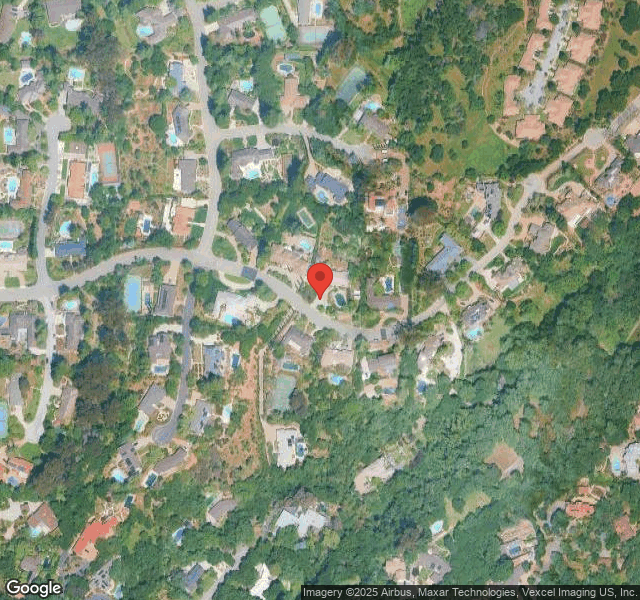

14500 FRUITVALE AVENUE, SARATOGA, CA 95070 (408) 741-7100
Non profit - Corporation 94 Beds PACIFIC RETIREMENT SERVICES Data: November 2025
Trust Grade
80/100
#191 of 1155 in CA
Last Inspection: January 2025

Within standard 12-15 month inspection cycle. Federal law requires annual inspections.

Overview

Saratoga Retirement Community Health Center has received a Trust Grade of B+, which indicates it is above average and recommended for families considering care options. It ranks #191 out of 1,155 facilities in California, placing it in the top half of the state, and #12 out of 50 in Santa Clara County, meaning only 11 local facilities are rated higher. However, the facility is showing a concerning trend as it has worsened, increasing from 1 issue in 2023 to 3 in 2025. Staffing is a relative strength with a rating of 4 out of 5 stars and a turnover rate of 33%, lower than the state average, suggesting that staff are stable and familiar with the residents. Notably, there were no fines recorded, which is a positive sign. However, there are issues with food handling and dietary compliance; for example, expired food was found in storage, and the kitchen did not consistently follow the prescribed dietary menu for residents with specific needs. While the care quality appears strong overall, these food safety concerns should be carefully considered when evaluating this facility.

Trust Score
B+
80/100
In California
#191/1155
Top 16%
Safety Record
Low Risk
No red flags
Inspections
Getting Worse
1 → 3 violations
Staff Stability
○ Average
33% turnover. Near California's 48% average. Typical for the industry.
Penalties
✓ Good
No fines on record. Clean compliance history, better than most California facilities.
Skilled Nurses
○ Average
Each resident gets 32 minutes of Registered Nurse (RN) attention daily — about average for California. RNs are the most trained staff who monitor for health changes.
Violations
⚠ Watch
21 deficiencies on record. Higher than average. Multiple issues found across inspections.
★★★★★
5.0
Overall Rating
★★★★☆
4.0
Staff Levels
★★★★★
5.0
Care Quality
★★★★★
5.0
Inspection Score
Stable
2023: 1 issues
2025: 3 issues

The Good

  • 4-Star Staffing Rating · Above-average nurse staffing levels
  • 5-Star Quality Measures · Strong clinical quality outcomes
  • Full Sprinkler Coverage · Fire safety systems throughout facility
  • No fines on record
  • Staff turnover below average (33%)

    15 points below California average of 48%

Facility shows strength in staffing levels, quality measures, fire safety.

The Bad

Staff Turnover: 33%

13pts below California avg (46%)

Typical for the industry

Chain: PACIFIC RETIREMENT SERVICES

Part of a multi-facility chain

Ask about local staffing decisions and management

The Ugly 21 deficiencies on record

Apr 2025 1 deficiency
CONCERN (D) 📢 Someone Reported This

A family member, employee, or ombudsman was alarmed enough to file a formal complaint

Potential for Harm - no one hurt, but risky conditions existed

Staffing Information (Tag F0732)

Could have caused harm · This affected 1 resident

Based on observation, interview, and record review, the facility failed to ensure the nurse staffing information was posted clearly visible in a prominent place that was readily accessible to resident...

Read full inspector narrative →
Based on observation, interview, and record review, the facility failed to ensure the nurse staffing information was posted clearly visible in a prominent place that was readily accessible to residents and visitors. This failure had the potential to result in nurse staffing misinformation about resident's care. Findings: During a concurrent observation and interview on 4/25/25, at 11:33 a.m., with the Director of Nursing (DON), in nurse station 1 (NS 1), the nurse staffing information was posted on the wall behind the nurse's station. The DON confirmed the observation and stated the location of the nurse staffing information was not visible to the residents and should be in front of the nurse's station. The DON further stated that the nurse staffing information should be visible for all the residents to see. During a concurrent observation and interview on 4/25/25, at 11:37 a.m., with the DON, in nurse station 2 (NS 2), the nurse staffing information was posted behind on the wall behind the nurse's station. The DON confirmed the observation and stated it should not be posted on the wall but in front of the nurse's station. During an interview on 4/25/25, at 11:47 a.m., with the Certified Nursing Assistant (CNA), she stated she posted the nurse staffing information on the wall behind the nurse's station. The CNA stated she usually post the nurse staffing information in front of the nurse's station, but some residents was removing the nurse staffing information.
Jan 2025 1 deficiency
CONCERN (E) 📢 Someone Reported This

A family member, employee, or ombudsman was alarmed enough to file a formal complaint

Potential for Harm - no one hurt, but risky conditions existed

Food Safety (Tag F0812)

Could have caused harm · This affected multiple residents

Based on observation, interview, and record review, the facility failed to ensure proper food handling techniques in the kitchen when several wet metal containers were stacked while still wet and dry ...

Read full inspector narrative →
Based on observation, interview, and record review, the facility failed to ensure proper food handling techniques in the kitchen when several wet metal containers were stacked while still wet and dry storage room walk-in refrigerator, and freezer had expired and unlabeled food. There se failures had the potential to expose 62 residents receiving food from the kitchen to food-borne illness. Findings: During an observation and subsequent interview with the director of dining (DD) on 1/17/2025 at 10:43 a.m., the following items were observed in the walk-in refrigerator and freezer: -unlabeled four bags of green beans -unlabeled four bags of chicken breast filets -unlabeled one bag of hash brown -one container of goat cheese with an expiration date of 1/12/25 -one large container of sugar with an expiration date of 11/1/24. The DD acknowledged the above observations. During the same kitchen observation and subsequent interview, with the DD, on 1/17/25 at 10:43 a.m., there were nine metal containers on the storage racks which were still wet. These were acknowledged as being wet by the DD, and the registered dietitian (RD). During an interview, with the RD, on 1/17/25 at 11:23 a.m., while leaving the kitchen, when asked what the RD thought about the observations, she stated the observations were not good. During a review of the facility's policy and procedure (P&P) titled General Storage Standards, revised 08/2022, the P&P indicated PROCEDURE: .6. Storage containers need to be appropriate for product needs, labeled, and dated.7. Frozen items should be wrapped or in commercial cartons, dated, and labeled.16. All potentially hazardous foods must be labeled with a date sticker as soon as the package is opened, or the item is prepared. Only such items that have a date sticker less than seven days old will remain on our shelves for consumption by the residents. During a review of the facility's policy and procedure (P&P) titled Dish Room Operations, reviewed 11/2024, the P&P indicated .6. Clean dish storage: This is the cart and shelves used to store clean items prior to being put away for use. Dishes should remain in this area, unstacked, until completely dry.
Jan 2025 1 deficiency
CONCERN (D)

Potential for Harm - no one hurt, but risky conditions existed

Respiratory Care (Tag F0695)

Could have caused harm · This affected 1 resident

Based on observation, interview, record review, and facility policy review, the facility failed to ensure physician's orders were followed related to supplemental oxygen administration for 1 (Resident...

Read full inspector narrative →
Based on observation, interview, record review, and facility policy review, the facility failed to ensure physician's orders were followed related to supplemental oxygen administration for 1 (Resident #12) of 1 sampled resident reviewed for respiratory care. Findings included: A facility policy titled, Oxygen/Respiratory Therapy & Safety, last revised 01/2020, revealed, Policy: It is the policy of the Company that: a. Oxygen/respiratory equipment will be operated, cleaned and maintained to optimize functions, safety and prevent infections. b. Oxygen therapy is provided in accordance with physician orders. Procedure: Obtaining orders and documentation: 1. All oxygen and oxygen saturation orders and/or parameters are clarified on admission. 2. Oxygen orders and saturation documentation will be documented on the resident's Medication & Treatment Record. An admission Record revealed the facility admitted Resident #12 on 11/18/2021. According to the admission Record, the resident had a medical history that included Alzheimer's disease and chronic obstructive pulmonary disease (COPD). A quarterly Minimum Data Set (MDS), with an Assessment Reference Date (ARD) of 08/06/2024, revealed Resident #12 had a Staff Assessment for Mental Status (SAMS), which indicated the resident was severely impaired in cognitive skills for daily decision making. The MDS indicated the resident was dependent on staff for activities of daily living and used oxygen therapy Resident #12's care plan, included a focus area initiated 11/23/2023, that indicated the resident had altered respiratory status related to COPD, seasonal rhinitis, and chronic rhinitis. Interventions specified the resident's supplemental oxygen setting should be at 2 liters per minute (LPM) by way of nasal canula (NC), continuous and may be increased to 3-4 LPM if the resident's oxygen saturation level fell below 93%. Resident #12's Order Summary Report, which contained active orders as of 01/06/2025, revealed an order dated 06/24/2024, for continuous, supplemental oxygen at 2 LPM by way of a NC and could be increased to 3-4 LPM, if the resident's oxygen saturation level fell below 93%. During an observation on 01/06/2025 at 1:06 PM, Resident #12's supplemental oxygen concentrator was set to provide 1.5 LPM. During an observation on 01/07/2025 at 8:19 AM, Resident #12's supplemental oxygen concentrator that was located at the resident's bedside was set to provide 1.5 LPM. Certified Nurse Aide #2, who was present in the resident's room, verified the resident's supplemental oxygen concentrator was set at 1.5 LPM. On 01/07/2025 at 8:22 AM, the Infection Preventionist (IP) accompanied the surveyor in Resident #12's room and acknowledged the resident's supplemental oxygen concentrator was set at 1.5 LPM. The IP stated it was her expectation that the supplemental oxygen setting be checked once a shift and confirmed the resident's supplemental oxygen concentrator should be set to provide 2 LPM. The IP sated Licensed Vocational Nurse (LVN) #1 was the nurse assigned to the resident's care. During an interview on 01/07/2025 at 2:15 PM, LVN #1 confirmed Resident #12 was on supplemental oxygen by way of a NC and the physician's order was for 2 LPM. LVN #1 said he was informed by another staff member during the morning hours on 01/07/2025, that resident's supplemental oxygen was set at 1.5 LPM. LVN #1 stated after he checked the physician's orders, he corrected the resident's supplemental oxygen flow rate. LVN #1 stated he checked the residents he was assigned to when he arrived on shift, to include their supplemental oxygen settings, but did not have time on 01/07/2025. LVN #1 reported, I was busy with another resident. LVN #1 confirmed a resident's supplemental oxygen should be administered according to the physician's order. During an interview on 01/08/2025 at 8:27 AM, the Director of Nursing (DON) stated she was informed Resident #12's supplemental oxygen was set incorrectly on 01/07/2025. The DON stated the process was nurses should check the physician's orders to ensure supplemental oxygen was administered according to the physician's order. The DON stated she expected the physician's orders to be followed, and supplemental oxygen should be administered at the flow rate ordered. During an interview on 01/08/2025 at 8:49 AM, the Health Services Director confirmed it was her expectation that physician's orders were followed.
Jan 2023 1 deficiency
CONCERN (D) 📢 Someone Reported This

A family member, employee, or ombudsman was alarmed enough to file a formal complaint

Potential for Harm - no one hurt, but risky conditions existed

Investigate Abuse (Tag F0610)

Could have caused harm · This affected 1 resident

**NOTE- TERMS IN BRACKETS HAVE BEEN EDITED TO PROTECT CONFIDENTIALITY** Based on observation, interview, and record review, the facility failed to initiate an investigation regarding an allegation of ...

Read full inspector narrative →
**NOTE- TERMS IN BRACKETS HAVE BEEN EDITED TO PROTECT CONFIDENTIALITY** Based on observation, interview, and record review, the facility failed to initiate an investigation regarding an allegation of abuse for one of three sampled residents (Resident 1). This failure had the potential to affect the resident ' s safety and protection from harm. Findings: A review of Resident 1 ' s medical record indicated she had diagnoses including delusional disorder (a type of psychotic disorder. Its main symptom is the presence of one or more delusions), anxiety disorder (a mental health disorder characterized by feelings of worry, anxiety, or fear that are strong enough to interfere with one's daily activities), depression (a mood disorder that causes a persistent feeling of sadness and loss of interest and can interfere with one ' s daily activities), and pseudobulbar affect (a condition that's characterized by episodes of sudden uncontrollable and inappropriate laughing or crying). A review of Resident 1's Minimum Data Set (MDS, an assessment tool) dated 11/30/22, indicated Resident 1 had a brief interview of mental status (BIMS) score of 13 (indicates cognitively intact). During an interview and a record review on 12/23/22 at 2:00 p.m. with the Director of Nursing (DON) and the Administrator (ADM). The DON demonstrated Resident 1 ' s handwriting on a piece of paper, indicated [name] is a suspect. I was raped can ' t stand all these high voices. Review of Resident 1 ' s care plan, potential to claim different individuals committed assaults revised 12/23/22, indicated resident wrote her son was a suspect. During a telephone interview with the DON on 1/20/23 at 11:34 a.m., the DON confirmed that Resident 1 wrote [name] is a suspect. The DON stated [name] was Resident 1 ' s son and the statement was a part of Resident 1 ' s delusion. The DON stated it was not investigated because it was not an allegation. A review of the facility ' s policy and procure titled Abuse Policy, revised 1/2020, indicated a prompt and thorough investigation is the process used to determine what happened. The charge nurse at the scene will immediately begin the investigation upon notification of an incident and /or alleged abuse. As the investigation continues root cause(s) will, if at all possible, be identified. The information gained will entered into the resident ' s electronic health record (EHR).
Oct 2022 8 deficiencies
CONCERN (D)

Potential for Harm - no one hurt, but risky conditions existed

Resident Rights (Tag F0550)

Could have caused harm · This affected 1 resident

2. During a breakfast meal observation on 10/18/22 at 9:02 a.m., CNA E was observed standing over Resident 42 while feeding. During an interview with CNA E on 10/18/22 at 9:02 a.m., CNA E confirmed sh...

Read full inspector narrative →
2. During a breakfast meal observation on 10/18/22 at 9:02 a.m., CNA E was observed standing over Resident 42 while feeding. During an interview with CNA E on 10/18/22 at 9:02 a.m., CNA E confirmed she was standing while feeding Resident 42 and stated she should sit down when feeding the residents. During an interview with the DSD on 10/18/22 at 10:33 a.m., the DSD confirmed staff should sit down and be at eye level with the residents. Review of facility's Caregiver/CNA Competency Checklist Skill: Dining Room included 11. Sit next to residents while assisting them to eat, rather standing over them. Based on observation, interview, and record review, the facility failed to ensure respect and dignity was maintained for two residents (Residents 12 and 42) when staff provided feeding assistance while standing. This failure had the potential to affect the emotional and psychosocial well-being of the residents. Findings: 1. Review of Resident 12's minimum data set (MDS, an assessment tool) dated 7/25/22 indicated her cognition was moderately impaired and she needed one-person physical assistance for eating. During a lunch meal observation on 10/17/22 at 12:18 p.m., Resident 12 was sitting in her wheelchair in her room. Certified nursing assistant B (CNA B) stood beside her while providing spoon-feeding assistance to Resident 12. During a concurrent interview with CNA B she confirmed she was standing while feeding Resident 12. She stated she should be sitting down when she feeds the residents. During an interview with the director of staff development (DSD) on 10/18/22 at 10:35 a.m., he stated he provides inservices to nursing staff and staff are trained to be at eye level when they are feeding residents. The DSD stated when residents are in the wheelchair, staff should be seated in a chair and at eye level with the resident. Review of an Inservice Lesson Plan dated 8/17/22, indicated Proper feeding to the residents was a topic covered in the inservice. A checklist for this skill included being positioned at eye level with the resident. CNA B had signed the attendance sign in sheet for the inservice on 8/17/22.
CONCERN (D)

Potential for Harm - no one hurt, but risky conditions existed

Deficiency F0558 (Tag F0558)

Could have caused harm · This affected 1 resident

Based on observation, interview, and record review, the facility failed to ensure the call light was within reach for one of four sampled residents (Resident 39). This failure had a potential to endan...

Read full inspector narrative →
Based on observation, interview, and record review, the facility failed to ensure the call light was within reach for one of four sampled residents (Resident 39). This failure had a potential to endanger the health or safety of the resident. Findings: A review of Resident 39's admission Record indicated that Resident 39 was admitted with diagnoses including sequelae (a condition which is the consequence of a previous disease or injury)of cerebral infarction (A lack of adequate blood supply to brain cells deprives them of oxygen and vital nutrients which can cause parts of the brain to die off), multiple sites of muscle wasting and atrophy (body tissue or an organ waste away), need for assistance with personal care, and pain in the left arm. A review of Resident 39's Minimum Date Set (MDS, a standardized assessment tool) dated 10/22 indicated her cognition was intact. During an observation on 10/18/2022 at 12:44 P.M., in Resident 39's room, Resident 39 was sitting in her wheelchair with the bed to her left. The call light was placed on the bed. Resident 39 was reaching for the call light with her right hand but could not get it. Resident 39 stated her left side was weak and she could not move her left arm. She further stated the call light was placed too far for her right hand to reach. During a concurrent observation and interview with the Licensed Vocational Nurse (LVN) D on 10/18/2022 at 12:46 P.M., in resident 39's room. The LVN D confirmed that Resident 39 could not reach the call light with her right hand when the light was placed on her left weak side, and he stated the call light should be within reach all the time. During an interview with the Director of Nursing (DON) on 10/21/2022 at 9:30 A.M., the DON stated the call light should be placed on residents' strong side and should be within reach all the time. A review of the facility's Policy revised on 1/2020 titled Call light indicated it is the policy of the company to assure that residents always have a method of calling for assistance and that staff answers the residents' calls in a timely and professional manner .when leaving the room, place the call light within easy reach of the resident in bed or chair.
CONCERN (D)

Potential for Harm - no one hurt, but risky conditions existed

Quality of Care (Tag F0684)

Could have caused harm · This affected 1 resident

**NOTE- TERMS IN BRACKETS HAVE BEEN EDITED TO PROTECT CONFIDENTIALITY** 2. A review of Resident 28's October Medication Administration Record (MAR) indicated behavior monitoring related to depression,...

Read full inspector narrative →
**NOTE- TERMS IN BRACKETS HAVE BEEN EDITED TO PROTECT CONFIDENTIALITY** 2. A review of Resident 28's October Medication Administration Record (MAR) indicated behavior monitoring related to depression, behavior monitoring related to delusion( a belief or altered reality that is persistently held despite evidence or agreement to the contrary, generally in reference to a mental disorder), side effects monitoring for anticoagulant(commonly known as blood thinner, a chemical substance that prevents or reduces coagulation of blood, prolonging the clotting time) medication, antidepressant medication and antipsychotic(a class of psychotropic medication primarily used to manage psychosis, principally in schizophrenia but also in a range of other psychotic disorders.) medication were not documented on 10/12/2022 evening shift. A record review of Resident 21's October MAR indicated behavior monitoring related to depression and side effects monitoring related to anticoagulant medication were not documented on the 10/12/2022 evening shift. A record review of Resident 9's October MAR indicated behavior monitoring related to depression and side effects monitoring related to antidepressant medication were not documented on the 10/12/2022 evening shift. During a phone interview with the Licensed Vocational Nurse (LVN) I on 10/20/2022 at 1:45 P.M., she stated that she forgot to document the monitoring for medication side effects and behavior observation for station 3 residents, including Resident 28, Resident 9, and Resident 21 on 10/12/2022 evening shift. During an interview with the Assistant Director of Nursing (ADON) on 10/21/2022 at 9:30 A.M., the ADON confirmed the above missed documentations and stated that the staff should finish the documentation on time. A review of the facility's Policy revised 1/2020 titled Documentation indicated all documentation is expected to be legible (if handwritten), accurate, understandable, timely, pertinent, and held in confidence. A review of the facility's Policy revised 6/2021 titled Psychotropic Medication Management indicated monitoring and accurate documentation of the resident's response to the medication and evaluation of the effectiveness of any non-pharmacological approaches. Based on observation, interview, and record review, the facility failed to provide care and service in accordance with professional standards of practice for four of 16 sampled residents (Resident 33, 28, 21 and 9) when: 1. Resident 33's dermasaver to legs and wound dressing on left second toe were not administered as ordered; 2. staff did not document behavior observation and medication side effects monitoring on time for Resident 28, 21, and 9. These failures had the potential to affect the residents' care and jeopardize their health and well-being. Findings: 1.a. Review of Resident 33's clinical record indicated she was admitted [DATE] and had the diagnoses of pneumonia (lung infection), peripheral vascular disease (PVD, a condition in which narrowed blood vessels reduce blood flow to the limbs), scabies (a skin condition caused by the mites), seborrheic dermatitis (a skin disease that causes a rash), and squamous cell carcinoma of skin of upper/lower limb (a type of skin cancer of arm/leg). Review of Resident 33's physician order dated 9/30/22, indicated Wound care to left second digit toe r/t PVD: 1. Cleanse with normal saline. 2. Pat dry. 3. Apply gentamycin. 4. Cover with calcium alginate. 5. Secure with dry dressing. As needed for wound care AND every day shift. During an observation on 10/18/22 at 11:47 a.m. in Resident 33's room, while Resident 33 was sitting up in her wheelchair, the resident had an open wound on her left second toe with clear drainage. There was no treatment dressing observed on left second toe wound. During an observation on 10/18/22 at 3:18 p.m., while Resident 33 was lying in her bed, there was dried blood stains on the top bed sheet and no treatment dressing observed on the left second toe wound. During a concurrent observation and interview with registered nurse F (RN F) on 10/18/22 at 3:18 p.m., RN F confirmed the observation. RN F further reviewed Resident 33's physician order and confirmed Resident 33 should have the treatment dressing on her left second toe wound. During a concurrent interview and record review with licensed vocational nurse G (LVN G) on 10/18/22 at 3:24 p.m., LVN G stated she did not do Resident 33's left second toe wound treatment today. LVN G further reviewed Resident 33's physician order and confirmed Resident 33 should have the treatment dressing on her left second toe wound. 1.b. Review of Resident 33's physician order dated 9/02/22, indicated Apply Geri sleeves to upper extremities and dermasaver to lower extremities daily due to prone to bruising easily, severe fragile skin related to PVD. During an observation on 10/20/22 at 10:20 a.m. in Resident 33's room, while Resident 33 was sitting up in her wheelchair, she was wearing the Geri sleeves to arms, but there was no dermasaver applied to legs. During a concurrent observation and interview with LVN D on 10/20/22 at 10:31 a.m., LVN D confirmed the observation. LVN D further reviewed Resident 33's physician order and confirmed Resident 33 should have the dermasaver applied to legs. During an interview with the director of nursing (DON) on 10/20/22 at 12:08 p.m., the DON acknowledged Resident 33 should have the dermasaver applied to legs and stated she could not find the dermasaver in the resident's room. Review of the facility's policy Medication and Treatment Administration, revised 01/2020, indicated, Medications and treatments shall be administered as prescribed.
CONCERN (D)

Potential for Harm - no one hurt, but risky conditions existed

Accident Prevention (Tag F0689)

Could have caused harm · This affected 1 resident

**NOTE- TERMS IN BRACKETS HAVE BEEN EDITED TO PROTECT CONFIDENTIALITY** Based on observation, interview, and record review, the facility failed to ensure residents were free of accidents and hazards f...

Read full inspector narrative →
**NOTE- TERMS IN BRACKETS HAVE BEEN EDITED TO PROTECT CONFIDENTIALITY** Based on observation, interview, and record review, the facility failed to ensure residents were free of accidents and hazards for two of 16 sampled residents (Resident 42 and 1) when: 1. Resident 42 was not provided adequate supervision as indicated in her fall care plan and fall mats were not in place as ordered; 2. Resident 1's wandering alert system was not monitored. These failures had the potential to result in serious injury to the residents in the facility. Findings: 1. Review of Resident 42's clinical record indicated she was admitted on [DATE] and had diagnoses of chronic obstructive pulmonary disease (COPD, a group of lung diseases that block airflow and make it difficult to breathe), fracture of right femur neck, osteoporosis (a condition in which bones become weak), difficulty in walking, and dementia (a group of symptoms affecting thinking and social abilities interfering with daily functioning). Review of Resident 42's Minimum Data Set (MDS, an assessment tool) dated 4/06/22, indicated she had a brief interview of mental status (BIMS, a structured cognitive test) scoring 03 (severe impairment). Review of Resident 42's fall risk evaluation, dated 4/07/22, indicated, score: 22, at risk. Review of Resident 42's Physician order, dated 6/02/22, indicated, Special low bed with BIL floor mats to lessen the impact of injury in case of a fall. Review of Resident 42's care plan, titled, The resident is at high risk for unavoidable falls, date initiated 4/02/22, indicated one of the interventions was 1:1 sitter at all times. Do not leave unattended. During an observation on 10/19/22 at 9:50 a.m., Resident 42 was lying in bed. Certified nursing assistant H (CNA H) was caring for Resident 42's roommate. The curtain was drawn completely around Resident 42's roommate to provide privacy. There was no fall mat observed on the left side of Resident 42's bed. During a concurrent observation and interview on 10/19/22 at 9:50 a.m., certified nursing assistant H (CNA H) confirmed the observation. CNA H stated Resident 42 should have fall mats on both sides of her bed. CNA H further stated she could not provide 1:1 sitter care to Resident 42 while providing a care to Resident 42's roommate. During a concurrent observation and interview on 10/19/22 at 9:56 a.m., licensed vocational nurse D (LVN D) confirmed the observation. LVN D reviewed Resident 42's physician order and confirmed Resident 42 should have fall mats on both sides of her bed as ordered. LVN D confirmed CNA H was assigned to Resident 42 and her roommate. During an interview with CNA E on 10/21/22 at 8:23 a.m. in Resident 42's room, CNA E stated she was assigned to Resident 42 and Resident 42's roommate. During an interview with the assistant director of nursing (ADON) on 10/21/22 at 10:00 a.m., ADON stated the CNA would not be considered a 1:1 sitter if one CNA was assigned to care for two residents. ADON stated the CNA assigned for Resident 42 as a 1:1 sitter should not be assigned to care for another resident. During a concurrent interview and record review on 10/21/22 at 11:20 a.m., the director of staff development (DSD) reviewed CNA assignments from 10/01/22 to 10/20/22 and confirmed one CNA was assigned to Resident 42 and her roommate. The DSD stated 1:1 sitter was not provided as indicated in Resident 42's fall care plan. During a concurrent interview and record review on 10/21/22 at 11:54 a.m., the DSD reviewed Documentation Survey Report (CNA documentation of daily task, like bed mobility, dressing, personal hygiene, toilet use, and transferring) and confirmed one CNA provided all daily care to Resident 42 and her roommate. Review of facility's policy, Fall Reduction and Management Program revised 2/2021, indicated Care planning and implementation: Based on resident fall evaluation, an individualized care plan with the goal to prevent falls and/or minimize serious injury if fall occurs will be developed, implemented, monitored and modified as needed. Review of facility's policy, 1:1 Sitters provided by the DSD, indicated 1:1 CNA will provide all care for resident and monitor for risks and safety awareness issues. Review of the facility's policy Medication and Treatment Administration, revised 01/2020, indicated, Medications and treatments shall be administered as prescribed. 2. During an observation on 10/17/22 at 9:40 a.m., Resident 1 was in his wheelchair with a Wanderguard (a device that activates an alarm when a resident attempts to leave a safe area) on his right ankle. Resident 1 was going and up and down the hallway by self propelling his wheelchair with his legs. Review of Resident 1's clinical record indicated he was admitted on [DATE] with diagnoses of dementia (a decline in mental capacity affecting daily function), depression, weakness, unsteadiness on feet, and abnormalities of gait (manner of walking) and mobility. Review of Resident 1's Minimum Data Set (MDS, assessment tool), dated 7/10/22, indicated Resident 1 had severely impaired cognitive skills for daily decision making and for activities of daily living (ADL) he required extensive assistance on transfer, walking in room and corridor, and locomotion on and off unit. Review of Resident 1's Wandering Risk Assessment, dated 10/7/22, indicated Resident 1 was at moderate risk for wandering (wandering resident, actively and purposely looks to leave a facility or inadvertently attempts to leave a facility due to a cognitive impairment). Review of Resident 1's care plan Resident wanders/at risk for elopement dated 7/5/21, indicated to monitor Wanderguard alarm and document and trend resident's wandering behavior. During an interview with licensed vocational nurse A (LVN A) on 10/19/22 at 9:26 a.m., she stated Resident 1 had a Wanderguard device on his right ankle and if he went out of any exit door the device would alarm. When asked how staff ensures the device is functioning properly, LVN A stated she believed the ward clerk checks that. When asked if nurses monitored episodes of exit seeking behaviors of Resident 1, LVN A stated there was no shift monitoring by the licensed nurses for episodes of elopement. LVN A further stated there was no monitoring by the licensed nurses for the functioning of the Wanderguard in Resident 1's medical record. During an interview with the director of nursing (DON) on 10/19/22 at 9:48 a.m., she stated the expectation was for the nurses to test the function of the Wander Guard bracelet attached to Resident 1 every shift. The DON further stated there should be orders to monitor placement and function of the Wanderguard and documentation to reflect episodes of attempting to leave the facility. The DON confirmed there was no documentation in Resident 1's medical record by the licensed nurses that Resident 1's Wanderguard was being monitored every shift. The DON further confirmed the licensed nurses did not document episodes of Resident 1 attempting to leave the facility. Review of the facility's policy titled Wandering Resident Management: Wanderguard indicated facilities will provide devices to assist in monitoring the whereabouts of wandering residents and prevention of elopement from the facility. Staff will monitor the Wanderguard for proper placement and function every shift and will be documented on the medication administration record (MAR) or treatment administration record (TAR).
CONCERN (D)

Potential for Harm - no one hurt, but risky conditions existed

Deficiency F0761 (Tag F0761)

Could have caused harm · This affected 1 resident

Based on observation, interview, and record review, the facility failed to store and dispose of multiple expired and unlabeled medications properly in one of two medication rooms, and one of two medic...

Read full inspector narrative →
Based on observation, interview, and record review, the facility failed to store and dispose of multiple expired and unlabeled medications properly in one of two medication rooms, and one of two medication carts. These failures had the potential to result in unsafe administration of medications. Findings: During a concurrent observation and interview with the Licensed Vocational Nurse (LVN) A on 10/17/2022 at 9:51 A.M., in nursing station 1's medication room, observed that two boxes of eight vials of Epoetin alfa (a man-made version of human erythropoietin) in the medication refrigerator did not have a label. The LVN A stated all the medications should be labeled with residents' name, date of birth , room number, and doctor's order. During a concurrent observation and interview with the LVN A on 10/17/2022 at 10:10 A.M., in nursing station 1's medication room, observed that a vial of Aplisol (tuberculin PPD, diluted) in the medication refrigerator was opened on 9/9/2022. The LVN A confirmed this medication was expired after 30 days of opening, and the last day to use it should be 10/9/2022. During a concurrent observation and interview with the LVN A on 10/17/2022 at 10:15 A.M., in nursing station 1's medication room, observed that three boxes of 21 patches of Neupro (a prescription medicine used to treat Parkinson's disease and moderate-to-severe primary Restless Legs Syndrome), provided by Resident 24's family,were expired in 7/2022. The LVN A stated those expired patches should be discarded in 7/2022. During a concurrent observation and interview with the LVN A on 10/17/2022 at 10:27 A.M., in nursing station 1's medication cart 1, the open date of an Albuterol (a drug used to treat asthma) inhaler for Resident 30 was 8/29/2022, and the expiration date was 9/29/2022.The LVN A confirmed it was expired and should be removed from the cart. During a follow-up interview with the LVN A on 10/19/2022 at 2:59 P.M., she stated residents could be sick if they have expired medications, and medications without labels could cause wrong medication administration. During an interview with the Director of Nursing (DON) on 10/21/2022 at 9:30 A.M., She stated medications should be labeled and dated, and the expired medications should be moved from the storage room and medication carts on time. A review of the facility's Policy and Procedure revised 5/16/2018 titled Medication Storage in The Faculty indicated all expired medication will be removed from the active supply and destroyed in the facility, regardless of the amount remaining.
CONCERN (D)

Potential for Harm - no one hurt, but risky conditions existed

Infection Control (Tag F0880)

Could have caused harm · This affected 1 resident

Based on observation, interview, and record review, the facility failed to ensure infection control practices were implemented when staff did not wash or sanitize her hands between changing gloves for...

Read full inspector narrative →
Based on observation, interview, and record review, the facility failed to ensure infection control practices were implemented when staff did not wash or sanitize her hands between changing gloves for one of four sampled residents (Resident 36). This failure could potentially result in infection transmission in the facility. Findings: During a medication administration observation with the Licensed Vocational Nurse (LVN) C on 10/18/2022 at 9:44 A.M., in Resident 36's room, The LVN C did not wash or sanitize her hands before putting on gloves to give eye drops and nasal spray. She also did not wash or sanitize her hands between glove changes. During a follow-up interview with LVN C on 10/18/2022 at 9:57 A.M., the LVN C stated she should wash or sanitize her hand during glove changes to prevent cross-contamination. During an interview with the Director of Nursing (DON) on 10/21/2022 at 9:30 A.M., the DON stated staff should wash or sanitize their hands between tasks and between changing gloves. A review of the facility's Policy revised 11/2017 indicated all personnel shall follow the handwashing/hand hygiene procedures to help prevent the spread of infections to other personnel, residents, and visitors .in most situations, the preferred method of hand hygiene is with an alcohol-based hand rub, before donning gloves and after removing gloves .
CONCERN (E)

Potential for Harm - no one hurt, but risky conditions existed

Menu Adequacy (Tag F0803)

Could have caused harm · This affected multiple residents

Based on observation, interview, and record review, the facility failed to ensure the planned menu was followed for seven residents on Pureed diet (texture modified diet for people who have difficulty...

Read full inspector narrative →
Based on observation, interview, and record review, the facility failed to ensure the planned menu was followed for seven residents on Pureed diet (texture modified diet for people who have difficulty chewing and swallowing) and nine residents on Mechanical soft diet (texture modified diet for people who have difficulty chewing and swallowing). This failure had the potential to result in not meeting the nutritional needs of the residents. Findings: Review of the facility menu California Diet Guide Sheet for Tuesday 10/18/2022 lunch indicated the followings; sweet chili roasted chicken pureed # 8 Scoop (1/2 cup) for the Pureed diet and 4 oz (ounce, a unit of weight) for the Mechanical soft diet. During an observation of the lunch meal service on 10/18/22 at 11:52 a.m. in the kitchen, food service worker J (FSW J) used # 12 scoop (1/3 cup, 2.7 oz) to serve the pureed and the mechanical soft sweet chili roasted chicken. During a concurrent observation and interview on 10/18/22 at 12:15 p.m., FSW J confirmed the observation. During an interview and concurrent record review on 10/18/22 at 12:20 p.m., the registered dietitian (RD) confirmed above observation and reviewed the facility menu California Diet Guide Sheet for Tuesday 10/18/22 lunch. The RD confirmed FSW J did not follow the menu for serving sizes. The RD acknowledged the planned menu should be followed.
CONCERN (E)

Potential for Harm - no one hurt, but risky conditions existed

Food Safety (Tag F0812)

Could have caused harm · This affected multiple residents

Based on observation, interview, and facility document review, the facility failed to follow proper sanitation and food handling practices when: 1. There were food remains on a food container in dry s...

Read full inspector narrative →
Based on observation, interview, and facility document review, the facility failed to follow proper sanitation and food handling practices when: 1. There were food remains on a food container in dry storage area; 2. There was an outdated food item in dry storage area; and 3. Steam table pans were stacked and stored wet. These failures had the potential to cause food contamination and food-borne illness to 63 of 64 residents who received their food from the kitchen. Findings: 1. During the initial kitchen tour on 10/17/22 at 9:50 a.m., a plastic container of peanut butter with peanut butter remains on the lid and opening area were observed in the dry storage area of the kitchen. The registered dietitian (RD) confirmed the observation and stated food containers in dry storage area should be maintained free from food remains. Review of the facility policy General Food storage Standards revised 10/2022, indicated All storage areas should be maintained (good sanitation standards and basic cleanliness and environmental upkeep) to prevent rodent and insect infestation. 2. During the initial kitchen tour on 10/17/22 at 9:59 a.m., a light Italian dressing with an expiration date of 7/12/22 observed in the dry storage area of the kitchen. The RD confirmed the observation and stated the dressing should have been discarded. Review of the facility policy General Food storage Standards revised 10/2022, indicated Any food items that reach their expiration date will be discarded. 3. During the initial kitchen tour on 10/17/22 at 10:04 a.m., three metal steam table pans of various sizes were observed stacked on the counter under the steam table. One pan was upside down and stored by itself. Two pans were upside down and stacked on top of other pans. All three pans were wet on the outside surfaces of the pans. The RD confirmed the pans were wet and she stated the pans should have been air dried before stacked and stored. Review of the facility policy Dish Room Operations revised 10/2022, indicated Clean dish storage: This is the cart and shelves used to store clean items prior to being put away for use. Dishes should remain in this area, unstacked, until completely dry. According to the 2017 Food and Drug Administration (FDA) Food Code, Section 4-901.11 Equipment and Utensils, Air-Drying Required, After cleaning and sanitizing, equipment and utensils: shall be air-dried . According to the FDA Food Code 2017 Annex 4-901.11 items must be allowed to drain and to air-dry before being stacked or stored.
Feb 2020 9 deficiencies
CONCERN (D)

Potential for Harm - no one hurt, but risky conditions existed

Deficiency F0554 (Tag F0554)

Could have caused harm · This affected 1 resident

**NOTE- TERMS IN BRACKETS HAVE BEEN EDITED TO PROTECT CONFIDENTIALITY** Based on observation, interview and record review, the facility failed to implement their policy on medication self-administrati...

Read full inspector narrative →
**NOTE- TERMS IN BRACKETS HAVE BEEN EDITED TO PROTECT CONFIDENTIALITY** Based on observation, interview and record review, the facility failed to implement their policy on medication self-administration (resident takes medication without staff assistance) for one of 18 residents (Resident 48) when: 1. The facility did not complete a medication self-administration assessment for Resident 48; 2. The facility did not obtain a physician's order for Resident 48 to self-administer medications; and 3. The facility did not ensure Resident 48's medication was kept in a locked container in his room. These failures had the potential to result in unsafe medication self-administration. Findings: Review of Resident 48's clinical record indicated he was admitted on [DATE] and had the diagnosis of chronic obstructive pulmonary disease (COPD, disease that causes obstructed airflow from the lungs). Review of Resident 48's minimum data set (MDS, an assessment tool), dated 12/23/19, indicated he had a brief interview for mental status (BIMS) score of 13 (a score of 13 to 15 indicates the resident is cognitively intact). During an observation and concurrent interview on 2/4/2020 at 8:47 a.m., Resident 48 was in his room eating breakfast. There was a Xopenex HFA inhaler (a hand held device containing medication that is inhaled to treat wheezing and shortness of breath) on Resident 48's over bed table. Resident 48 stated that he had the medication with him pretty much all the time and that he had been taking the medication for a long time. During an observation on 2/5/2020 at 8:02 a.m., Resident 48 was sitting in his room and the Xopenex HFA inhaler was on his over bed table. During an observation and concurrent interview on 2/5/2020 at 8:39 a.m., Resident 48 was sitting in his room and the Xopenex HFA inhaler remained on his over bed table. Resident 48 stated he had the medication with him since his admission to the facility. Resident 48 further stated he had been using the medication maybe once or twice a week as needed. Resident 48's clinical record was reviewed. There was no assessment indicating Resident 48 was safe to self- administer medications. There was no physician's order for resident 48 to self-administer medications. Also, there was no physician's order for resident 48 to receive Xopenex HFA inhaler as needed. During an interview with the clinical nurse manager (CNM) on 2/5/2020 at 8:44 a.m., she explained that if a resident wanted to self-administer medications, the facility would need to do an assessment to determine that the resident was capable of self-administering the medications safely. The CNM also explained resident needed to have a physician's order to self-administer medications and the medications needed to be kept in a locked drawer in the resident's room. During the same interview, the CNM went to Resident 48's room and confirmed he had a Xopenex HFA inhaler that was not kept in a locked drawer. The CNM reviewed Resident 48's clinical record and confirmed the facility did not complete a medication self-administration assessment. The CNM also confirmed Resident 48 did not have a physician's order to self administer medications and did not have an order to receive Xopenex HFA inhaler as needed. Review of the facility's policy, Medication Administration: Self Administration Program, revised 3/2015, indicated a resident's competence must be established with a self-administration of medications assessment. The policy further indicated the resident must have a physician's order to self-administer medications and the medications must be kept secured in the resident's room in a locked container.
CONCERN (D)

Potential for Harm - no one hurt, but risky conditions existed

Incontinence Care (Tag F0690)

Could have caused harm · This affected 1 resident

**NOTE- TERMS IN BRACKETS HAVE BEEN EDITED TO PROTECT CONFIDENTIALITY** Based on observation, interview and record review, the facility failed to identify and address potential complications related t...

Read full inspector narrative →
**NOTE- TERMS IN BRACKETS HAVE BEEN EDITED TO PROTECT CONFIDENTIALITY** Based on observation, interview and record review, the facility failed to identify and address potential complications related to indwelling catheter (flexible tube inserted and left in the bladder to drain urine) use for one of four residents (Resident 17). This failure had the potential to negatively affect the resident's health and well-being. Findings: Review of Resident 17's clinical record indicated he was admitted on [DATE] and had the diagnoses of benign prostatic hyperplasia (BPH, prostate gland enlargement that can block the flow of urine out of the bladder) and obstructive uropathy (urine cannot flow out of the bladder due to obstruction). Resident 17's record also indicated he had an indwelling catheter. Review of Resident 17's interdisciplinary (ID, staff from different disciplines who work together to plan and provide care) notes, dated 1/9/2020, indicated Resident 17 came back from a urology (branch of medicine concerned with the function and disorders of the urinary system) appointment where his indwelling catheter was replaced. The ID note further indicated Resident 17's indwelling catheter was draining clear, yellow urine at that time. During an observation on 2/5/2020 at 7:55 a.m., Resident 17 was lying in bed. The urine draining from Resident 17's indwelling catheter was yellow, but it was not clear and it had white sediments. During an interview with the clinical nurse manager (CNM) on 2/6/2020 at 8:13 a.m., she explained that for residents with an indwelling catheter, the urine should be yellow and clear. The CNM further explained that unclear urine with sediments could be an indication of infection. The CNM confirmed that licensed nurses should assess the characteristics of the urine every shift, report any abnormal findings to the resident's doctor, and initiating alert charting (licensed nurses on each shift monitor for specific conditions and document in the clinical record). During an observation and concurrent interview on 2/6/2020 at approximately 8:20 a.m., the CNM went into Resident 17's room and confirmed the urine draining from Resident 17's indwelling catheter was not clear and had white sediments. Certified nursing assistant F (CNA F) was also present in the room while the CNM assessed Resident 17's urine. CNA F stated Resident 17's urine was normally yellow and clear. During an interview and concurrent record review with the CNM on 2/6/2020 at approximately 8:25 a.m., the CNM reviewed Resident 17's clinical record and confirmed there was no documentation indicating the doctor was notified, there was no documentation of alert charting, and there was no other documentation indicating that Resident 17's unclear urine with white sediments had been identified and addressed. Review of Resident 17's indwelling catheter care plan, dated 2/6/2020, indicated to assess for adequate output, color, and odor of the urine. The care plan further indicated to notify the resident's doctor for abnormal urine clarity or consistency. Review of the facility's policy, Catheter: Use of Indwelling Urinary Catheter, revised 1/2020, indicated Assessment should also include ongoing monitoring for changes in condition related to potential CAUTI's [catheter-associated urinary tract infections], recognizing, reporting and addressing such changes.
CONCERN (D)

Potential for Harm - no one hurt, but risky conditions existed

Deficiency F0694 (Tag F0694)

Could have caused harm · This affected 1 resident

Based on observation, interview and record review, the facility failed to ensure the necessary care and treatment was provided for one of one sampled resident (Resident 64) in accordance with professi...

Read full inspector narrative →
Based on observation, interview and record review, the facility failed to ensure the necessary care and treatment was provided for one of one sampled resident (Resident 64) in accordance with professional standards when the registered nurse (RN) failed to use the proper technique of flushing the peripherally inserted central catheter (PICC, a long, slender, flexible tube inserted into a peripheral vein, typically in the upper arm, and advanced until the catheter tip terminates in a large vein in the chest near the heart to obtain intravenous access) line. The dynamic of the injection flow plays a pivotal role in adequate and correct flushing. Flushing using a so-called push-pause, pulsatile, or turbulent technique enhanced the rinsing effect in the catheter and helps prevent catheter occlusion. Findings: During an observation and concurrent interview on 2/4/2020 at 6:40 a.m. with registered nurse E (RN E), Resident 64's PICC line was flushed after completion of the intravenous Vancomycin (medication for infection) dose. RN E flushed the PICC line using a continuous slow technique with 10 ml. (milliliter, unit of measurement) pre-filled syringe of normal saline solution. RN E confirmed she did not use the push, pause/stop turbulent technique when flushing Resident 64's PICC line. A review of the facility's undated policy and procedure, Catheter Insertion and Care, indicated flushing to maintain patency of catheter includes slowly administer appropriate amount of normal saline flush using the push-pause technique.
CONCERN (D)

Potential for Harm - no one hurt, but risky conditions existed

Deficiency F0698 (Tag F0698)

Could have caused harm · This affected 1 resident

**NOTE- TERMS IN BRACKETS HAVE BEEN EDITED TO PROTECT CONFIDENTIALITY** Based on interview and record review, the facility failed to consistently complete post dialysis (the clinical purification of b...

Read full inspector narrative →
**NOTE- TERMS IN BRACKETS HAVE BEEN EDITED TO PROTECT CONFIDENTIALITY** Based on interview and record review, the facility failed to consistently complete post dialysis (the clinical purification of blood as a substitute for the normal function of the kidney) assessments on the Nursing Facility/Dialysis Center Communication Report for one resident (Resident 17) who received dialysis services. Failure to assess had the potential to compromise the facility's ability to identify and address potential complications after dialysis. Findings: Review of Resident 17's clinical record indicated he was admitted on [DATE] and had the diagnosis of end stage renal disease (kidneys are no longer able to work as they should to meet the body's needs). The clinical record further indicated Resident 17 received dialysis on Mondays, Wednesdays and Fridays. Review of Resident 17's dialysis binder indicated the Nursing Facility/Dialysis Center Communication Report was not completed consistently. The bottom portion that was to be completed by facility nurses upon Resident 17's return from dialysis was left blank. This portion was to be completed with information including the time the resident returned to the facility, his vital signs (temperature, heart rate, respirator rate and blood pressure) upon returning to the facility, assessment of the dialysis access site, any changes in orders, and whether the doctor was notified of these changes. This portion of the Nursing Facility/Dialysis Center Communication Report was left blank on 11/1/2019, 11/8/2019, 12/6/2019, 12/13/2019, 12/20/2019, 12/27/2019, 1/10/2020, 1/31/2020, 2/3/2020, and one other day in which the facility nurse did not fill out the date (total of ten days). During an interview and concurrent record review with the clinical nurse manager (CNM) on 2/6/2020 at 11:26 a.m., she reviewed Resident 17's dialysis binder and confirmed the facility nurses did not consistently complete the Nursing Facility/Dialysis Center Communication Report. The CNM acknowledged the nurses should have completed the bottom section of the report when Resident 17 returned from dialysis. Review of the facility's policy, Dialysis Services, revised 8/2013, indicated the plan of care shall include follow-up care, observation and monitoring.
CONCERN (D)

Potential for Harm - no one hurt, but risky conditions existed

Pharmacy Services (Tag F0755)

Could have caused harm · This affected 1 resident

Based on observation, interview and record review, the facility failed to ensure controlled medications had been accurately accounted for one of four Controlled Drug Medication Carts, that were checke...

Read full inspector narrative →
Based on observation, interview and record review, the facility failed to ensure controlled medications had been accurately accounted for one of four Controlled Drug Medication Carts, that were checked, when the licensed nurse did not timely document/log the morphine sulfate (MSO4- opioid pain medication) that was dispensed and administered to Resident 25. This failure had the potential to create problems related to accounting of controlled medications. Findings: During an inspection of Nursing Station 1's medication cart on 2/3/2020 at 1:37 p.m., with registered nurse C (RN C), RN C confirmed MSO4 solution indicated an amount of less than 21 ml. (milliliter, unit of measurement) remaining in the bottle. During the concurrent review and interview with RN C, the Narcotic Count Sheet # 045 for MSO4 indicated the amount should be 21.25 ml. RN C asked the licensed nurses who worked in Station 1 and confirmed/verified licensed vocational nurse D (LVN D) administered the medication to Resident 25. The Narcotic Count sheet #045 and the medication administration record (MAR) did not indicate MSO4 was dispensed and administered to Resident 25. RN C stated, any controlled medication dispensed should be recorded as soon as medication was dispensed and documented in the MAR once given. A review of the facility's revised 2/2015 policy and procedure, Medication Administration-Controlled Drugs, indicated when a controlled medication is administered, the person administering the medication must record on the narcotic record form or narcotic record book the date, time, the amount administered, the amount remaining, and sign the sheet.
CONCERN (D)

Potential for Harm - no one hurt, but risky conditions existed

Drug Regimen Review (Tag F0756)

Could have caused harm · This affected 1 resident

**NOTE- TERMS IN BRACKETS HAVE BEEN EDITED TO PROTECT CONFIDENTIALITY** Based on interview and record review, the facility failed to provide a monthly review of antipsychotics (drugs used to treat men...

Read full inspector narrative →
**NOTE- TERMS IN BRACKETS HAVE BEEN EDITED TO PROTECT CONFIDENTIALITY** Based on interview and record review, the facility failed to provide a monthly review of antipsychotics (drugs used to treat mental health disorders) and psychotropics (drugs that affect behavior, mood, thoughts or perception) by a licensed pharmacist for one of five residents (Resident 3) reviewed for unnecessary medications, which had the potential to result in the physician not acting upon the medication irregularities. Findings: During review of Resident 3 's clinical record, Resident 3 was admitted on [DATE] with diagnoses included dementia (memory loss), anxiety, depression and pseudobulbar affect (PBA, uncontrollable laughing or crying). During review of Resident 3 's physician order dated 11/06/18, indicated the following antipsychotics and psychotropics: (1) Geodon (antipsychotic) 20 milligram (mg, unit of dose) po (by mouth). Give 1 capsule (cap) po q (every) 12 hours for psychotic disorder with delusion due to known physiological condition. (2) Nuedexta (drug to treat PBA) 20/10 mg - 1 cap by mouth for inappropriate uncontrollable laughing & screaming. (3) Wellbutrin SR (Bupropion HCl, psychotropic) 100 mg tablet sustained release for depression manifested by reduced social interaction. (4) Paxil 20 mg tablet (Paroxetine HCl, psychotropic) 1 tab by mouth for anxiety manifested by (m/b) inappropriate verbal sexual advances towards staff and resisting help with activities of daily living (ADLs). During review of Resident 3's monthly drug regimen review record for the period of 1/2019 to 12/2019 revealed no recommendations written by licensed pharmacist showed for Resident 3's use of Geodon, Nuedexta, Wellbutrin and Paxil. During interview with the registered pharmacist (RPh) on 2/6/2020 at 11:07 a.m., RPh stated he did not conduct a monthly drug review of Resident 3's antipsychotics and psychotropics for the period of 1/2019 to 12/2019. RPh also stated that the physician who prescribed the medications did not respond to pharmacy note on 2/15/19. During review of the facility's policy and procedure (P&P), Psychotropic Medication Management revised date 9/2018, indicated 6. Evaluation and Medication Review: .b. The Pharmacist will review each resident's medication regimen at least once a month. C. The pharmacy medication review recommendation will be acted upon in a timely manner .
CONCERN (D)

Potential for Harm - no one hurt, but risky conditions existed

Medication Errors (Tag F0758)

Could have caused harm · This affected 1 resident

**NOTE- TERMS IN BRACKETS HAVE BEEN EDITED TO PROTECT CONFIDENTIALITY** Based on observation, interview and record review, the facility failed to ensure one of five residents reviewed was free from un...

Read full inspector narrative →
**NOTE- TERMS IN BRACKETS HAVE BEEN EDITED TO PROTECT CONFIDENTIALITY** Based on observation, interview and record review, the facility failed to ensure one of five residents reviewed was free from unnecessary psychotropics, when: (1) There was no adequate indication for Resident 3's use of Geodon, Neudexta, Wellbutrin and Paxil, and (2) There was no GDR (gradual dose reduction) attempts in two separate quarter within the first year for Geodon, Wellbutrin and Paxil. These failures had the potential to cause medication adverse effects. Findings: 1. During review of Resident 3 's clinical record, Resident 3 was admitted on [DATE] with diagnoses included dementia (memory loss), anxiety, depression and pseudobulbar affect (uncontrollable laughing or crying). During review of Resident 3 's physician order dated 11/06/18, indicated the following antipsychotics and psychotropics: (1) Geodon 20 milligram (mg, unit of dose) po (by mouth). Give 1 capsule po q (every) 12 hours for psychotic disorder with delusion due to known physiological condition. [Date started 11/06/18]. (2) Neudexta 20/10 mg - 1 cap by mouth for pseudo bulbar affect (inappropriate uncontrollable laughing & screaming). [Date started 12/18/19]. (3) Wellbutrin SR (Bupropion HCl) 100 mg tablet sustained release for depression manifested by reduced social interaction. [Date started 11/23/18]. (4) Paxil 20 mg tablet (Paroxetine HCl) 1 tab by mouth for anxiety m/b inappropriate verbal sexual advances towards staff and resisting help with activities of daily living (ADLs). [Date started 10/31/18] During an observation with Resident 3 on 2/4/2020 at 1:20 pm, Resident 3, while lying on bed, was alert, oriented and with irregular periods of tongue movement. During review of Resident 3's behavioral monitoring record dated 11/2018 to 2/2019, indicated the following: (1) There was no targeted behavior for the use of Geodon. Hence, behavior log for 11/18 revealed there was no documented indication for the initiation of or prescribing Geodon. (2) Nuedexta was indicated for uncontrollable laughing and screaming. However, behavior log for 12/18 revealed there was no documented indication for the initiation of or prescribing Nuedexta. (3) Wellbutrin was indicated for depression as m/b reduced social interaction. However, behavior log for the month of 11/2018 revealed only one episode on 11/01/18, 11/18/18 and 11/19/18. (4) Paxil was indicated for anxiety m/b inappropriate verbal sexual advances towards staff and resisting help with ADLS. However, behavior logs for 11/18 revealed staff were able to redirect the resident. During an interview with LVN G on 02/04/2020 at 4:25 pm, LVN G stated Resident 3 did not manifest any disruptive behaviors in the past. LVN G also stated Resident 3 did not have any uncontrollable laughing nor screaming during his encounters with him. During an interview with CNA H on 2/04/20 at 4:26 pm, CNA H stated there was only one incident she could recall with Resident 3 when he screamed but after he was redirected he kept quiet. During interview with the CNM (clinical nurse manager) on 02/05/2020 at 09:20 a.m., the CNM confirmed the behavior log had no documented clear indication for the initiation of or prescribing Geodon, Nuedexta, Wellbutrin and Paxil. During an interview with the physician (MD) on 2/6/2020 at 10:30 a.m., the MD acknowledged the indications written for those psychotropic were off-label use. The MD stated his behaviors were a mess and behavior parameters for each medication should have been clarified. 2. During a review of Resident 3's clinical record, there was no evidence of physician justification related to GDR's clinical contraindications for use of Geodon, Wellbutrin and Paxil, in two separate quarter within the first year. During an interview with the CNM on 2/05/2020, at 9:21 a.m., the CNM confirmed there was no evidence of physician justification related to GDR's clinical contraindications for use of Geodon, Wellbutrin and Paxil. During an interview with the RPh on 2/6/2020, at 11:07 a.m., RPh stated he was not able to write GDR recommendation for the psychotropic. RPh also stated the GDR should have started with Geodon last 2/2019. During an interview with the MD on 2/6/20 at 10:30 a.m., the MD stated it would be hard to tell which of those medications to reduce first because there were no clear behavior parameters for each of the psychotropic. During a review of the facility's policy and procedure (P&P), Psychotropic Medication Management, revised date 9/2018, indicated 4. Duration: a. Antipsychotic GDR/Tapering will be initiated and continued as follows: a.1. First year after admission or initiation: GDR/tapering in two separate quarters with at least one month in between, unless clinically contraindicated. a.2. After first year: GDR annually, unless clinically contraindicated.
CONCERN (D)

Potential for Harm - no one hurt, but risky conditions existed

Unnecessary Medications (Tag F0759)

Could have caused harm · This affected 1 resident

Based on observation, interview, and record review, the facility had a 6.45 percent error rate when two medication errors out of thirty-one opportunities were observed during a medication pass. These...

Read full inspector narrative →
Based on observation, interview, and record review, the facility had a 6.45 percent error rate when two medication errors out of thirty-one opportunities were observed during a medication pass. These failures resulted in the medications not being administered according to the physician's orders and manufacturer's specifications. Findings: A review of Resident 43's physician order indicated Fluticasone (medication used to treat nasal congestion, sneezing, runny nose, and itchy or watery eyes caused by seasonal or year-round allergies) 50 mcg. (micrograms, unit of measurement) nasal spray inhale one spray to each nostril every day for allergy. During the medication pass observation on 2/4/2020 at 10:27 a.m., licensed vocational nurse A (LVN A) had allowed Resident 43 to administer two sprays per nostril. During the medication reconciliation on 2/4/2020 at 12:13 p.m. with LVN A, she confirmed the above observation and reviewed Resident 43's physician's order that indicated one nasal spray per nostril. LVN A stated the physician's order was not followed and wrong dose was given. A review of Resident 56's physician's order indicated Timolol (eye drop solution to reduce pressure in the eyes) 0.25% eye drops one drop both eyes. During the medication pass observation on 2/3/2020 at 9:00 a.m., licensed vocational nurse B (LVN B) administered one drop to both eyes of Resident 56. Resident 56 was provided with a previously used tissue paper to rub and wipe his eyes right away. During the concurrent interview with LVN B, she confirmed the above observation and stated she should have instructed Resident 56 to close and not rub his eyes to ensure effectiveness of the eye medication administered. During a review of the revised facility's 2/2015 policy, Medication and Treatment Administration, indicated medications shall be administered as prescribed and observe the seven rights of medications that includes .right dose, and right manufacturer/pharmacy recommendations.
CONCERN (E)

Potential for Harm - no one hurt, but risky conditions existed

Food Safety (Tag F0812)

Could have caused harm · This affected multiple residents

Based on observation, interview and document review, the facility failed to ensure food was stored and prepared under sanitary conditions when kitchen staff used expired test strips to test the kitche...

Read full inspector narrative →
Based on observation, interview and document review, the facility failed to ensure food was stored and prepared under sanitary conditions when kitchen staff used expired test strips to test the kitchen surface sanitizer and scooped ice from ice machine not using ice scooper. These failures had the potential to spread food-borne illness to 69 of 72 residents who received food from the kitchen. Findings: During an observation on 2/3/2020 at 10:22 a.m., accompanied by the registered dietician (RD), one kitchen aide (KA) demonstrated kitchen surface sanitizer test with an expired test strips. The RD confirmed the Ecolab sanitizer 146 multi quart strip test strips had 3/31/2018 expiration date. The RD disposed of the expired strips and brought an unopened strip dated 11/30/2020. Both staff stated expired strips should not be used because readings could be inaccurate. During an observation on 2/3/2020 at 11:28 a.m., the nutritional aide (NA) used a big white pitcher to scoop ice from the ice machine, and her gloved right hand and bare arm touched the ice in the ice machine. The NA confirmed this observation when this was reported to the dietary supervisor (DS), Chef and RD. Both the DS and RD counseled the staff and stated staff should use the ice scooper at all times to prevent possible contamination.
Understanding Severity Codes (click to expand)
Life-Threatening (Immediate Jeopardy)
J - Isolated K - Pattern L - Widespread
Actual Harm
G - Isolated H - Pattern I - Widespread
Potential for Harm
D - Isolated E - Pattern F - Widespread
No Harm (Minor)
A - Isolated B - Pattern C - Widespread

Questions to Ask on Your Visit

  • "Can I speak with families of current residents?"
  • "What's your RN coverage like on weekends and overnight?"

Our Honest Assessment

Strengths
  • • Grade B+ (80/100). Above average facility, better than most options in California.
  • • No major safety red flags. No abuse findings, life-threatening violations, or SFF status.
  • • No fines on record. Clean compliance history, better than most California facilities.
  • • 33% turnover. Below California's 48% average. Good staff retention means consistent care.
Concerns
  • • 21 deficiencies on record. Higher than average. Multiple issues found across inspections.
Bottom line: Generally positive indicators. Standard due diligence and a personal visit recommended.

About This Facility

What is Saratoga Retirement Community's CMS Rating?

CMS assigns SARATOGA RETIREMENT COMMUNITY HEALTH CENTER an overall rating of 5 out of 5 stars, which is considered much above average nationally. Within California, this rating places the facility higher than 99% of the state's 100 nursing homes. This rating reflects solid performance across the metrics CMS uses to evaluate nursing home quality.

How is Saratoga Retirement Community Staffed?

CMS rates SARATOGA RETIREMENT COMMUNITY HEALTH CENTER's staffing level at 4 out of 5 stars, which is above average compared to other nursing homes. Staff turnover is 33%, compared to the California average of 46%. This relatively stable workforce can support continuity of care. RN turnover specifically is 57%, which is notably high. RNs provide skilled clinical oversight, so turnover in this role can affect medical care quality.

What Have Inspectors Found at Saratoga Retirement Community?

State health inspectors documented 21 deficiencies at SARATOGA RETIREMENT COMMUNITY HEALTH CENTER during 2020 to 2025. These included: 21 with potential for harm.

Who Owns and Operates Saratoga Retirement Community?

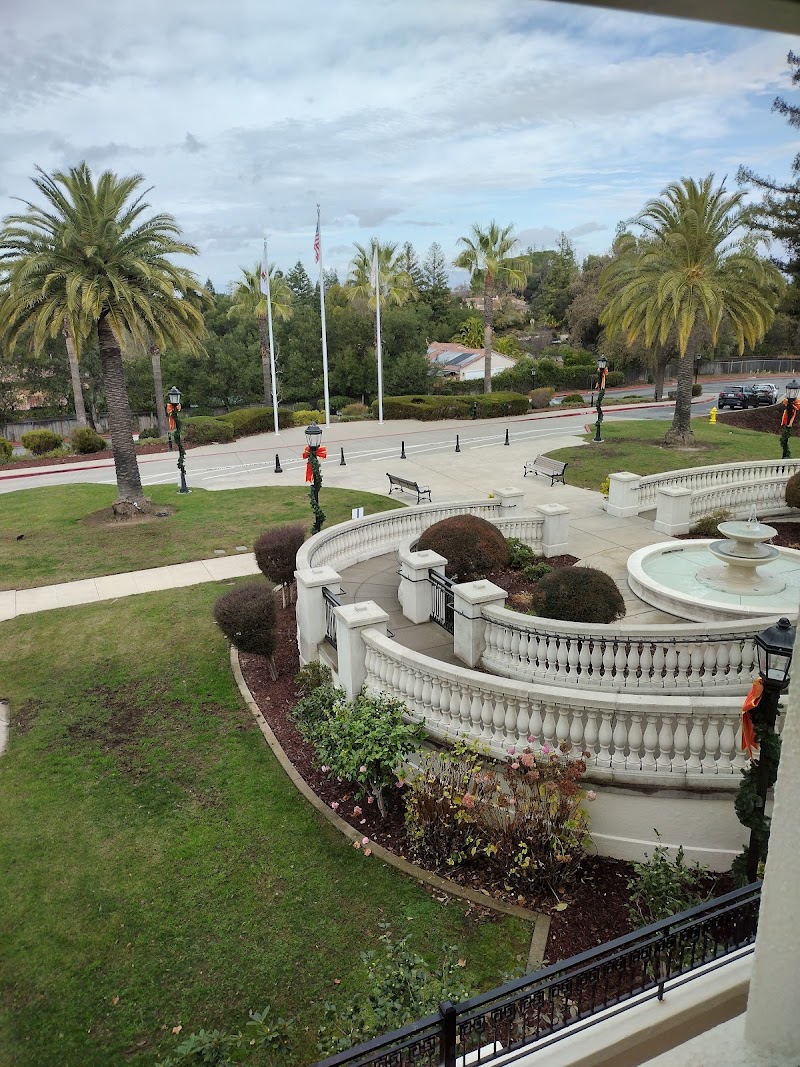
SARATOGA RETIREMENT COMMUNITY HEALTH CENTER is owned by a non-profit organization. Non-profit facilities reinvest revenue into operations rather than distributing to shareholders. The facility is operated by PACIFIC RETIREMENT SERVICES, a chain that manages multiple nursing homes. With 94 certified beds and approximately 67 residents (about 71% occupancy), it is a smaller facility located in SARATOGA, California.
How Does Saratoga Retirement Community Compare to Other California Nursing Homes?

Compared to the 100 nursing homes in California, SARATOGA RETIREMENT COMMUNITY HEALTH CENTER's overall rating (5 stars) is above the state average of 3.2, staff turnover (33%) is significantly lower than the state average of 46%, and health inspection rating (5 stars) is much above the national benchmark.

What Should Families Ask When Visiting Saratoga Retirement Community?

Based on this facility's data, families visiting should ask: "Can I visit during a mealtime to observe dining assistance and food quality?" "How do you handle medical emergencies, and what is your hospital transfer rate?" "Can I speak with family members of current residents about their experience?"

Is Saratoga Retirement Community Safe?

Based on CMS inspection data, SARATOGA RETIREMENT COMMUNITY HEALTH CENTER has a clean safety record: no substantiated abuse findings (meaning no confirmed cases of resident harm), no Immediate Jeopardy citations (the most serious violation level indicating risk of serious injury or death), and is not on the Special Focus Facility watch list (a federal program monitoring the lowest-performing 1% of nursing homes). The facility has a 5-star overall rating and ranks #1 of 100 nursing homes in California. While no facility is perfect, families should still ask about staff-to-resident ratios and recent inspection results during their visit.

Do Nurses at Saratoga Retirement Community Stick Around?

SARATOGA RETIREMENT COMMUNITY HEALTH CENTER has a staff turnover rate of 33%, which is about average for California nursing homes (state average: 46%). Moderate turnover is common in nursing homes, but families should still ask about staff tenure and how the facility maintains care continuity when employees leave.

Was Saratoga Retirement Community Ever Fined?

SARATOGA RETIREMENT COMMUNITY HEALTH CENTER has no federal fines on record. CMS issues fines when nursing homes fail to meet care standards or don't correct problems found during inspections. The absence of fines suggests the facility has either maintained compliance or corrected any issues before penalties were assessed. This is a positive indicator, though families should still review recent inspection reports for the full picture.

Is Saratoga Retirement Community on Any Federal Watch List?

SARATOGA RETIREMENT COMMUNITY HEALTH CENTER is not on any federal watch list. The most significant is the Special Focus Facility (SFF) program, which identifies the bottom 1% of nursing homes nationally based on persistent, serious quality problems. Not being on this list means the facility has avoided the pattern of deficiencies that triggers enhanced federal oversight. This is a positive indicator, though families should still review the facility's inspection history directly.