THE VILLAS AT SARATOGA SKILLED NSG & ASSISTED LVG


20400 SARATOGA-LOS GATOS RD, SARATOGA, CA 95070 (408) 741-2950
For profit - Limited Liability company 86 Beds KALESTA HEALTHCARE GROUP Data: November 2025
Trust Grade
48/100
#930 of 1155 in CA
Last Inspection: December 2024

Within standard 12-15 month inspection cycle. Federal law requires annual inspections.

Overview

The Villas at Saratoga Skilled Nursing & Assisted Living has a Trust Grade of D, indicating below-average quality with some significant concerns. It ranks #930 out of 1155 facilities in California, placing it in the bottom half statewide, and #44 out of 50 in Santa Clara County, meaning there are much better local options. The facility is currently improving, having reduced issues from 19 in 2024 to just 3 in 2025. While staffing is average with a 3/5 rating and a low turnover of 24%, which is better than the state average, the facility does have substantial issues; for example, a resident fell during a transfer due to improper use of a Hoyer lift, and there were multiple concerns regarding food safety practices that could expose residents to health risks. Overall, while there are strengths in staffing stability, the facility has serious weaknesses that families should consider when making a decision.

Trust Score
D
48/100
In California
#930/1155
Bottom 20%
Safety Record
Moderate
Needs review
Inspections
Getting Better
19 → 3 violations
Staff Stability
✓ Good
24% annual turnover. Excellent stability, 24 points below California's 48% average. Staff who stay learn residents' needs.
Penalties
✓ Good
$8,031 in fines. Lower than most California facilities. Relatively clean record.
Skilled Nurses
○ Average
Each resident gets 32 minutes of Registered Nurse (RN) attention daily — about average for California. RNs are the most trained staff who monitor for health changes.
Violations
⚠ Watch
50 deficiencies on record. Higher than average. Multiple issues found across inspections.
★★☆☆☆
2.0
Overall Rating
★★★☆☆
3.0
Staff Levels
★★★★☆
4.0
Care Quality
★★☆☆☆
2.0
Inspection Score
Stable
2024: 19 issues
2025: 3 issues

The Good

  • 4-Star Quality Measures · Strong clinical quality outcomes
  • Low Staff Turnover (24%) · Staff stability means consistent care
  • Full Sprinkler Coverage · Fire safety systems throughout facility
  • No fines on record
  • Staff turnover is low (24%)

    24 points below California average of 48%

Facility shows strength in quality measures, staff retention, fire safety.

The Bad

2-Star Overall Rating

Below California average (3.1)

Below average - review inspection findings carefully

Federal Fines: $8,031

Below median ($33,413)

Minor penalties assessed

Chain: KALESTA HEALTHCARE GROUP

Part of a multi-facility chain

Ask about local staffing decisions and management

The Ugly 50 deficiencies on record

1 actual harm
Aug 2025 1 deficiency
CONCERN (D) 📢 Someone Reported This

A family member, employee, or ombudsman was alarmed enough to file a formal complaint

Potential for Harm - no one hurt, but risky conditions existed

Accident Prevention (Tag F0689)

Could have caused harm · This affected 1 resident

**NOTE- TERMS IN BRACKETS HAVE BEEN EDITED TO PROTECT CONFIDENTIALITY** Based on observation, interview and record review the facility failed to ensure a resident received adequate supervision to prev...

Read full inspector narrative →
**NOTE- TERMS IN BRACKETS HAVE BEEN EDITED TO PROTECT CONFIDENTIALITY** Based on observation, interview and record review the facility failed to ensure a resident received adequate supervision to prevent an elopement for one of three sampled residents (Resident 1) when Resident 1 eloped and found on the street after being monitored by the nursing staff.This failure placed residents at risk for further elopement. Findings: Review of Resident 1's Minimum Data Set (MDS, an assessment tool), dated 8/6/24, indicated the resident had severe impairment in daily decision-making skills.Review of Resident 1's Nurse's Note, dated 6/22/25 at 2:43 p.m., indicated the resident was alert with confusion, had an episode of going to another resident's room, and tried to awaken a resident by touching and shaking.Review of Resident 1's care plan, dated 6/22/25, indicated to monitor behavior of going to other resident room, with an approach to redirect resident to her room or activity room. On 6/24/25, a care plan was developed addressing the resident was at risk for elopement/wandering related to dementia (loss of memory, language, problem-solving and other thinking abilities severe enough to interfere with daily life) with an approach to monitor whereabouts frequently and the care plan did not specify how often to monitor. On 6/30/25, another care plan was developed indicating a wander guard (device to put on the resident to prevent elopement) was placed on Resident 1's right wrist to alert staff when resident attempted to leave alarmed exits.Review of the Nurse's Note, dated 8/5/25 at 7:25 p.m., indicated around 6:20 p.m., the resident was missing greater than 15 minutes. Around 8:30 p.m., a staff found the resident on the ground in a parking lot across a bookstore, was noted to have a bump on her forehead, abrasion on left knee, and bruise on left elbow.Review of the Interdisciplinary Team (IDT, members of health team that meet to discuss and plan resident care) Note, dated 8/6/25 at 1:59 p.m., indicated the resident was unable to recall the incident, walked, independently, and had poor safety awareness. It indicated to ensure the resident was wearing an active wander guard, and approaches to monitor hourly with frequent checks, and change room near a nursing station were noted.During an interview on 8/14/25 at 12:25 p.m., Resident 1 did not respond when she was asked about her elopement.During an interview on 8/18/25 at 1:20 p.m., the Director of Nurses (DON) who reviewed the record stated the resident was not placed on hourly or more frequent monitoring until after the elopement (8/6/25) because she did not have behavior of trying to leave and she did not think the resident would elope.On 8/18/25 at 3 p.m., an interview and tour of the facility was conducted with the maintenance director (MD).The MD stated he reviewed the facility's cameras for about six hours to figure out how Resident 1 eloped, she exited from the assisted living second floor (AL2) and walked along the building because she was found near a bookstore in that direction. The tour included the path from Resident 1's unit to the exit outside the facility (AL2); from St [NAME] Unit to St [NAME] Unit, to AL2, which had five turns in the facility. The MD then confirmed there were no alarms at St [NAME], St [NAME] and AL2. The MD stated on 8/7/25 (day after elopement), a wander guard alarm was installed to the exit door of AL2. The path to where Resident 1 exited showed the final turn in AL2 was a long hallway where assisted living residents resided. The AL2 door led to a concrete stairway with a landing in the middle of stairs, at the bottom of the stairs to the left was a metal grate approximately three feet in height, and to the left was the ALS building in a forest like secluded setting with redwood trees that led to a side street. The MD stated Resident 1's elopement path in the building was about five blocks long. The path along the building from AL2 to the street was at least two city blocks in length. Resident 1's wander guard alarm did not sound during elopement because there were no installed alarms at where she walked.During an observation at the time of the tour on 8/18/25 at 3 p.m., the alarm to AL2 was activated and it took four minutes and 45 seconds for the assisted living supervisor (ALS) to respond. The MD then acknowledged the response time was long. During an interview on 8/18/25 at 3:19 p.m., the ALS stated some skilled nursing facility residents dine and attend activities in AL2, she did not know which resident were confused, and if a confused resident asked for help we call the nurse's station.Review of the facility and assisted living floorplan with the MD on 8/20/25 at 4 p.m. indicated there were eleven exits outside the facility, and five exits to the first floor of assisted living were not alarmed.During an interview on 8/20/25 at 4 p.m., the assistant director of nurses (ADON) stated any exit door for a confused resident was not safe and the nursing staff should have monitored the residents to prevent elopement.Review of the Elopement policy, revised April 2021, did not provide guidance for what to do to prevent elopement.
Aug 2025 2 deficiencies
CONCERN (D) 📢 Someone Reported This

A family member, employee, or ombudsman was alarmed enough to file a formal complaint

Potential for Harm - no one hurt, but risky conditions existed

Abuse Prevention Policies (Tag F0607)

Could have caused harm · This affected 1 resident

Based on interview and record review the facility failed to timely suspend two certified nurse assistants (CNA) who had an allegations of resident mistreatment in accordance with their abuse policy fo...

Read full inspector narrative →
Based on interview and record review the facility failed to timely suspend two certified nurse assistants (CNA) who had an allegations of resident mistreatment in accordance with their abuse policy for two of two sampled residents (Residents 1 and 2). This failure had the potential to place residents at risk for further mistreatment should the allegation be proven.Findings:1.Review of Resident 1's Nurses Notes, dated 5/17/25 at 1:50 p.m., indicated the resident reported CNA A and told Resident 1 to shut up and mind your own business on 5/16/25. The same note indicated Resident 1 stated there were a few other times when the resident was verbally disrespected by the same CNA A and she felt belittled.During an interview on 7/2/25 at 12:29 p.m., the registered nurse (RN) B stated when she learned about Resident 1's allegation she did not suspend CNA A.2.Review of Resident 2's Nurse's Notes, dated 6/13/25 at 6:47 p.m. indicated the resident reported to therapy staff that she was punched and poked on the sides of her abdomen while being changed by CNA B when Resident 2 cannot urinate past 11 p.m.During an interview on 7/3/25 at 12:15 p.m., licensed vocational nurse C (LVN C) stated when she received a message from a therapist regarding the above incident, she changed the assignment and did not suspend the CNA B.During an interview on 7/31/25 at 10:50 a.m., the director of staff development (DSD, person who develops training programs and onboards new staff) stated when a staff member was accused of abusing a resident, licensed nurses were take a statement from the staff member, report the incident and send the staff member home immediately.Review of the Abuse, Neglect or Misappropriation - Report and Investigating policy, revised September 2024, indicated any employee who was accused of resident abuse was to be placed on leave with no resident contact until the investigation was complete.
CONCERN (D) 📢 Someone Reported This

A family member, employee, or ombudsman was alarmed enough to file a formal complaint

Potential for Harm - no one hurt, but risky conditions existed

Quality of Care (Tag F0684)

Could have caused harm · This affected 1 resident

**NOTE- TERMS IN BRACKETS HAVE BEEN EDITED TO PROTECT CONFIDENTIALITY** Based on interview and record review the facility failed to meet professional standards of care when staff did not intervene for...

Read full inspector narrative →
**NOTE- TERMS IN BRACKETS HAVE BEEN EDITED TO PROTECT CONFIDENTIALITY** Based on interview and record review the facility failed to meet professional standards of care when staff did not intervene for a resident who was known to feed a roommate with swallowing problems (Residents 1 and 2). For Resident 3 she was not adequately monitored to prevent elopement and there was no policy addressing wander guard (alarm device such as a wrist band that sound when a person exits) maintenance and function for two of four sampled residents (Residents 1, 2 and 3). These failures placed residents at health and safety risk.Findings:1. Review of Resident 2's face sheet (document summarizing a resident's essential medical information) indicated she had diagnoses including dysphagia (difficulty swallowing food or liquid) and dementia (group of thinking and social symptoms that interferes with daily function). Her Minimum Data Set (MDS, an assessment tool, dated 4/18/25, indicated Resident 2 had severe problems with daily decision-making skills.Resident 2 had a physician's order, dated 6/5/25, indicating specific feeding instructions to provide close supervision, assist with cutting items, palpate (touch) resident while giving solids to ensure initiation of swallow, provide verbal cues as needed, slow rate, small bolus (amount) and ensure resident is awake and alert.During an interview on 7/30/25 at 12 noon, the speech language pathologist (SLP, healthcare professional who diagnoses and treats people with communication and swallow disorders) stated Resident 2 required one on one supervision to eat safely, needed to be alert during meals and was at medium risk for aspiration (inhalation of food or liquid into the lungs).Review of Resident 1's Minimum Data Set (MDS, an assessment tool) dated 3/27/25, indicated the resident had moderate difficulty with daily decision-making skills.During an interview on 7/2/25 at 6:20 p.m., the CNA A stated he witnessed Resident 1 trying to feed her roommate (Resident 2) a lot and also gave Resident 2 fluids.During an interview on 7/3/25 at 12:14 p.m., CNA F stated Resident 1 fed Resident 2 about two to three times a week since they became roommates and did not report it to the charge nurse.Review of Resident 1's record indicated there was no care plan developed addressing Resident 1's behavior of feeding other residents until requested on 7/2/25.During an interview on 7/3/25 at 12:10 p.m., LVN C stated she had heard about Resident 1 feeding Resident 2 once or twice and did not do anything.During an interview on 7/3/25 at 12:58 p.m., LVN D stated she heard Resident 1 fed and applied lotion to her roommate and she informed the social worker to have residents change rooms.Review of Resident 1's Census list form indicated the resident resided in Room A from 4/26/25 to 6/20/25.Review of Resident 2's Census list form indicated the resident resided in Room A from 4/28/25 to 7/1/25.During an interview on 7/30/25 at 10:35 a.m., the director of nurses (DON) stated residents were not allowed to feed other residents and there should have been a room change between the two residents and the room change did not occur and there was no policy addressing who could feed residents.Review of Resident 2's hospital Discharge summary, dated [DATE] at 9:03 p.m., indicated the resident was being treated with a diagnosis including aspiration pneumonia (type of lung infection caused by inhaling something other than air into the lungs).2. Review of Resident 3's face sheet indicated the resident had diagnoses including dementia. Resident 3's MDS, dated [DATE], indicated the resident had severe problems with daily decision-making skills.During an interview on 7/2/25 at 11 a.m. licensed vocational nurse (LVN) C stated Resident 3 was confused, always walking around the facility, looking for exits, and she wandered into other resident rooms about once every shift (8 hours).During an interview on 7/3/25 at 1:30 p.m., LVN D stated Resident 3 was very confused especially in the afternoon after 4 p.m. and she wandered into other resident's rooms.Review of Resident 3's Nurse's Note, dated 3/16/25 at 8:05 a.m., indicated the resident was brought back to her room three times, she was peeking into other resident's rooms, and she had suddenly swiped food from another resident's room and explanation was given to a family member. There was no care plan developed addressing Resident 3's behavior of wandering into other resident rooms.Review of Resident 3's Change in Condition Evaluation (CICE), dated 4/6/25 at 4:01 p.m., indicated a staff reported a family member saw Resident 3 walking outside the facility and was found on Oak Street and brought back to St [NAME] Station.Review of Resident 3's Elopement Evaluation note, dated 4/10/25 at 2:32 p.m., indicated the resident had a history of elopement at home, had wandering behavior likely to affect safety or well-being of self and others and was identified to be at high risk for elopement. A plan was made to apply personal safety alarm device (wander guard), document specific behaviors on the behavior log, monitor location frequently and to notify staff. A care plan was developed on 4/10/25 addressing Resident 3's elopement an approach to monitor resident whereabout, especially during meals, shift changes, or when visitors were presentThere was no interdisciplinary team (IDT, health care members who meet to discuss and plan residents' care) about the 4/6/25 elopement.Review of Resident 3's Medication Administration Record (MAR) indicated she was monitored once a shift on the day, evening and night shift for elopement and wander guard to left wrist from 4/11/25 to May 2025. The MAR did not specify when, such as meal times.Review of Resident 3's CICE, dated 5/13/25 at 8:40 p.m., indicated at 7:45 p.m. the resident eloped from the facility again when she was noted to be missing and found on Oak Street around 8:15 p.m.Review of Resident 3's IDT notes, dated 5/15/25 at 8:12 a.m., indicated the resident was alert to self/name only, had a diagnosis of dementia, had previous attempts to leave the facility including trying to open doors, was found exiting from the elevator and wander guard was active and linked to the unit exit door. The resident was unable to recall the incident, was placed on hourly monitoring with frequency checks and directed staff to assess for triggers such as pain, loud noises that may cause wandering.During a tour with the maintenance director (MD) and environmental service director (EVS) on 6/30/25 at 4 p.m., it was observed St [NAME] Station had 4 exits, including an elevator from the second floor. The elevator, and an exit from St [NAME] second floor leading to stairs and an exit at St [NAME]'s first floor that led out from the building did not have alarms alerting staff of residents placed on wander guard. The first floor exit at St [NAME] was not alarmed and led to a gate approximately 20 feet away that led to a parking lot. To get to Oak St., a person had to travel down a hill over a block long.During an interview on 6/30/25 at 4:15 p.m., the MD stated Resident 3 was trying to go into the elevator frequently and there currently was no elevator alarm.During an interview on 7/30/25 at 1:19 p.m., the medical record director (MRD) who reviewed the record stated there should have been an elopement care plan developed by the next day (4/7/25), and an IDT note addressing the 4/6/25 elopement and said her job included auditing medical records for completeness.During an interview on 7/3/25 at 11:55 a.m., the MD stated the facility just initiated a wandering log to check the alarms and there was no policy or manufacturer's instruction addressing the maintenance and checking of wander guard function.During an interview on 7/30/25 at 2:34 p.m., the DON stated a care plan should have been develop when a problem arose such as a change in conditionDuring a follow-up telephone interview with the DON on 7/31/25 at 10:15 a.m., a request was made for Resident 3's behavior and frequent monitoring log as documented in the 4/10/25 Elopement Evaluation and assessment of resident triggers for elopement as noted in the 5/15/25 IDT notes and the information were not provided.Review of the Care Planning - Interdisciplinary Team policy, revised March 2022, indicated the IDT was responsible for the development of resident care plan and did not specify the timeframe i.e. timeframe after when a resident problem was identified.
Dec 2024 18 deficiencies
CONCERN (D)

Potential for Harm - no one hurt, but risky conditions existed

Resident Rights (Tag F0550)

Could have caused harm · This affected 1 resident

2. During an observation on 12/16/24 at 10:50 a.m., Resident 25's foley catheter bag was seen hanging on the bedframe, and the bag was visible. The bag was noted to be visible at multiple viewing angl...

Read full inspector narrative →
2. During an observation on 12/16/24 at 10:50 a.m., Resident 25's foley catheter bag was seen hanging on the bedframe, and the bag was visible. The bag was noted to be visible at multiple viewing angles. During an interview with the Director of Nursing (DON) on 12/19/24 at 11:29 a.m., the DON stated the foley catheter bags should either have a dignity sleeve covering them, or for anyone with a foley catheter, to have a foley catheter bag that has a built in cover on the front. Based on observation, interview, and record review, the facility failed to treat three of 18 sampled residents (Residents 25, 45, and 64) with respect and dignity when: 1. The certified nurse assistant (CNA) stood beside the residents to assist with their meals, and 2. Resident 25's urine bag (bag that is attached to a tube that is connected to the bladder) was not covered. These failures resulted in not ensuring residents were treated with respect and dignity, and could potentially affect the residents' self-worth. Findings 1.During a dining observation on 12/16/24 at 12:37 a.m., the CNA G assisted Resident 45 with her meal. The CNA G was standing while trying to feed Resident 45. At 12:40 a.m., the CNA G assisted Resident 64 with her meal. The CNA G was standing while feeding Resident 64. During an interview with the CNA G on 12/16/24 at 2:01 p.m., the CNA G confirmed the above observations and stated she should sit down when providing assistance to residents during meals. During an interview with Licensed Vocational Nurse (LVN) H, on 12/16/24 at 2:05 p.m., the LVN H stated staff assisting Residents during meals should be sitting down. During a review of the facility 's policy and procedure (P&P) titled, Assistance with Meals, revised March 2022, the P&P indicated, Resident shall receive assistance with meals in a manner that meets the individual needs of each resident. Dining Room Resident :3. Resident who cannot feed themselves will be fed with attention to safety, comfort, and dignity, .a. not standing over resident while assisting them with meals.
CONCERN (D)

Potential for Harm - no one hurt, but risky conditions existed

Comprehensive Care Plan (Tag F0656)

Could have caused harm · This affected 1 resident

**NOTE- TERMS IN BRACKETS HAVE BEEN EDITED TO PROTECT CONFIDENTIALITY** Based on interview and record review, the facility failed to develop a care plan for one of 18 sampled residents (Resident 20) t...

Read full inspector narrative →
**NOTE- TERMS IN BRACKETS HAVE BEEN EDITED TO PROTECT CONFIDENTIALITY** Based on interview and record review, the facility failed to develop a care plan for one of 18 sampled residents (Resident 20) to address the use of Clopidogrel (medication used to prevent blood clots). This failure had the potential to compromise the facility's ability to implement interventions to maintain the resident's well-being. Findings: Review of Resident 20's clinical record indicated Resident 20 was admitted to the facility on [DATE] with diagnoses including Atherosclerotic Heart Disease (or coronary heart disease, a condition that occurs when plaque builds up in the walls of arteries, making it difficult for blood to flow) of Native Coronary Artery without Angina Pectoris (chest pain or discomfort due to CHD), and drug induced Cushing's syndrome (a rare, chronic condition that occurs when the body produces too much cortisol [a hormone that helps the body respond to stress, maintain blood pressure , and regulate inflammation]). Review of Resident 20's Physician Order, dated 10/11/24 indicated, Clopidogrel Bisulfate 75 milligrams (mg, unit of dose measurement) oral tablet. Give 1 tablet by mouth one time a day for blood clotting disorder. Review of Resident 20's clinical record indicated there was no care plan to address the use of Clopidogrel. During an interview and concurrent record review with the Assistant Director of Nursing (ADON) on 12/20/24 at 10:54 a.m., the ADON confirmed Resident 20 had no care plan for the use of Clopidogrel. The ADON stated it should be part of the patients care and have the interventions for resident treatment. During an interview and concurrent record review with the Director of Nursing (DON) on 12/19/2024 at 10:44 a.m., the DON confirmed there was no care plan addressing Resident 20'a use of Clopidogrel. The DON acknowledged there should have been a care plan. Review of the facility's policy and procedure (P&P) titled, Care Plan, comprehensive Person -Centered, revised date March 2022, indicated, A comprehensive, person-centered plan that includes measurables objectives and timetables to meet the resident's physical psychosocial and functional needs is developed and implemented for each resident. 7. The comprehensive, person-centered care plan a. includes measurables objectives and timeframes.
CONCERN (D)

Potential for Harm - no one hurt, but risky conditions existed

Tube Feeding (Tag F0693)

Could have caused harm · This affected 1 resident

Based on observation, interview and record review, the facility failed to provide care according to facility policy and procedure for one of 24 sampled residents (Resident 70) when a registered nurse ...

Read full inspector narrative →
Based on observation, interview and record review, the facility failed to provide care according to facility policy and procedure for one of 24 sampled residents (Resident 70) when a registered nurse (RN B) did not have the running of the continuous tube feeding (nutrition that is given through a tube that goes directly into the stomach) placed on hold when they put Resident 70's head of the bed flat to carry out a pressure ulcer treatment. This failure had the potential for enteral feeding complications that could cause harm to this resident. Findings: During a concurrent observation and interview on 12/19/24 at 6:51 AM, RN B placed Resident 70's head of the bed flat from its previous 30 degrees elevated position with tube feeding machine running the entire time. When asked about should be done with continuous tube feedings when putting the resident's head of the bed flat, RN B said, We hold the tube feeding. The feeding is paused. During an interview with the director of nursing (DON) on 12/19/24 at 11:29 AM, the DON said continuous tube feedings should be held when providing care. Review of facility policy and procedure titled Enteral Tube Feeding via Continuous Pump, last revised November 2018, indicated [ .]Position the head of the bed at 30-45 (semi-Fowler's position) for feeding, unless medically contraindicated [ .]
CONCERN (D)

Potential for Harm - no one hurt, but risky conditions existed

Deficiency F0698 (Tag F0698)

Could have caused harm · This affected 1 resident

**NOTE- TERMS IN BRACKETS HAVE BEEN EDITED TO PROTECT CONFIDENTIALITY** Based on interview and record review, the facility failed to ensure dialysis (procedure to remove waste and excess fluid from th...

Read full inspector narrative →
**NOTE- TERMS IN BRACKETS HAVE BEEN EDITED TO PROTECT CONFIDENTIALITY** Based on interview and record review, the facility failed to ensure dialysis (procedure to remove waste and excess fluid from the body) communication reports were complete (NDCRs) for one of 18 sampled residents (Resident 62). This failure had the potential to put Resident 62 at risk for complications. Findings: Review of Resident 62's clinical record indicated he was admitted to the facility on [DATE] with diagnoses including end stage renal disease (the kidney's no longer functioning on a permanent basis) and hypertensive (high blood pressure) chronic kidney disease with stage 5 chronic kidney disease. Resident 62's NDCRs dated 11/19/24, 11/23/24, and 12/12/24 were reviewed. The portion of the NDCRs to document Resident 62's post dry weight was left blank. During a concurrent interview and record review with Licensed Vocational Nurse (LVN) H on 12/18/24 at 10:44 a.m., LVN H reviewed Resident 62's NDCRs dated 11/19/24, 11/23/24, and 12/12/24 and confirmed they were incomplete. LVN H stated the NDCRs should be filled out completely and if the dialysis center did not fill out the form it should be sent back or communicated to the dialysis center to complete the form. During a concurrent interview and record review with the Director of Nursing (DON) on 12/20/24 at 3:10 p.m., the DON confirmed the three NDCR forms were incomplete, as they had no post dry weight. The DON stated the NDCRs should be filled out completely; and, if the dialysis center did not fill out the form, it should be communicated to the dialysis center right away. During a review of the facility's policy and procedure (P&P) titled, End Stage Renal Disease, Care of a Resident with, revised September 2010, the P&P indicated, Resident with end stage renal disease (ESRD) will be cared for according to currently recognized standards of care. 4. Agreements between this facility and contracted ESRD facility include all aspects of how the resident's care will be managed, including: b. How information will be exchanged between the facilities.
CONCERN (D)

Potential for Harm - no one hurt, but risky conditions existed

Pharmacy Services (Tag F0755)

Could have caused harm · This affected 1 resident

Based on interview, and record review, the facility failed to ensure accurate accountability of controlled drugs (those with high potential for abuse and addiction), when there were discrepancies betw...

Read full inspector narrative →
Based on interview, and record review, the facility failed to ensure accurate accountability of controlled drugs (those with high potential for abuse and addiction), when there were discrepancies between the controlled drug record (CDR, an inventory/accountability sheet) and the medication administration record (MAR) for 3 out of 6 residents (Residents 33, 9 and 28). This failure had the potential for abuse or misuse of controlled drugs. Findings: During the survey, the CDR (or count sheet) for six residents receiving PRN (as needed) controlled medications were requested for review. During an interview with the Assistant Director of Nursing (ADON) and the Director of Staff Development (DSD) on 12/17/24 at 1:54 p.m., the ADON stated when a resident requests for a PRN (as needed) controlled medication, the nurse assesses the resident for pain severity; reviews the physician's order, and administers the medication if it's within the appropriate administration time to give the medication, removes the medication from the medication cart; signs it out of the count sheet; administers the medication to the resident; and documents the administration on the resident's MAR. a. A review of Resident 33's clinical record indicated a physician's duplicate orders, dated 9/6/24 and 11/15/24, for tramadol (potent narcotic used to treat moderate to severe pain) 50 mg (milligrams, unit of measure) tablet, give 1 tablet by mouth every 12 hours as need for moderate to severe pain. During a concurrent interview and record review with the ADON and the DSD on 12/17/24 at 1:54 p.m., a review of Resident 33's CDR for tramadol HCL 50 mg and the November 2024 MAR indicated on 2 occasions, the nursing staff signed out of the count sheet but did not document on the MAR to show it was administered to the resident as follows: -11/17/24 at 12:01 a.m. -11/26/24 at 10:55 a.m. During this interview and record review, the ADON and the DSD confirmed the above findings. They also reviewed Resident 33's progress notes and stated they could not find documented evidence to show the medication was administered to the resident for the above dates. b. A review of Resident 9's clinical record indicated a physician's order, dated 10/13/24, for hydrocodone-acetaminophen (brand name Norco, a potent narcotic for pain) 5/325 mg oral tablet, give 1 tablet by mouth every 6 hours as needed for moderate pain. During a concurrent interview and record review with the ADON and the DSD on 12/17/24 at 2:17 p.m., a review of Resident 9's CDR for hydrocodone-acetaminophen 5/325 mg and the November 2024 MAR indicated, the nursing staff signed out of the count sheet but did not document on the MAR to show it was administered to the resident on 11/4/24 at 1305 (1:05 p.m.). During this interview and record review, the ADON and DSD confirmed the above finding. They also reviewed Resident 9's progress notes and stated they could not find documented evidence to show the medication was administered to the resident. c. A review of Resident's clinical record indicated a physician's order, dated 3/25/22, for hydrocodone-acetaminophen 5/325 mg oral tablet, give 1 tablet by mouth every 6 hours as needed for moderate to severe pain; and hydrocodone-acetaminophen tablet 5/325 mg, take 2 tablets by mouth every 6 hours as needed for severe pain, dated 3/31/22. During a concurrent interview and record review with the ADON and DSD on 12/17/24 at 2:21 p.m., a review of Resident 28's CDR for hydrocodone-acetaminophen 5/325 mg and the December 2024 MAR indicated, the nursing staff signed out of the count sheet but did not document on the MAR to show it was administered to the resident on 12/13/24 (no time documented). During this interview and record review, the ADON and the DSD confirmed the above finding. They also reviewed Resident 28's progress notes and stated they could not find documented evidence to show the medication was administered to the resident. A review of the facility's policy and procedures (P&P) titled Administering Medications, revised April 2019, indicated, The individual administering the medication records in the resident's medical record: a. The date and time the medication was administered . g. The signature and title of the person administering the drug. A review of the facility's P&P titled Charting and Documentation, dated July 2022, indicated in part, The following information is to be documented in the resident's medical record: 2a. Objective observations; b. Medications administered . 3. Documentation in the medical record will be objective (not opinionated or speculative) complete, and accurate.
CONCERN (D)

Potential for Harm - no one hurt, but risky conditions existed

Medication Errors (Tag F0758)

Could have caused harm · This affected 1 resident

**NOTE- TERMS IN BRACKETS HAVE BEEN EDITED TO PROTECT CONFIDENTIALITY** Based on interview and record review, the facility failed to ensure a physician's order for a PRN (as needed) psychotropic medic...

Read full inspector narrative →
**NOTE- TERMS IN BRACKETS HAVE BEEN EDITED TO PROTECT CONFIDENTIALITY** Based on interview and record review, the facility failed to ensure a physician's order for a PRN (as needed) psychotropic medication (medication capable of affecting the mind, emotions, and behavior) was limited to 14 days for one of six sampled residents (Resident 2). This failure had the potential to result in the resident receiving the medication for an excessive length of time and experiencing adverse medication side effects. Findings: Review of Resident 2's clinical record indicated she was admitted to the facility on [DATE] with diagnoses including dementia (decline in mental capacity affecting daily function), delusional disorders (mental health condition in which a person can't tell what's real from what's imagined), and major depressive disorder. Review of Resident 2's physician order dated 9/26/24 indicated Seroquel (antipsychotic medication that calms the mind and reduces anxiety) 25 milligrams (mg, unit of dose measurement). Give 12.5 mg by mouth every 12 hours as needed for psychosis (a mental disorder characterized by a disconnection from reality) as manifested by agitation or aggression. There was no stop date indicated on the physician order, and the stop date was transcribed as indefinite. Review of Resident 2's medication administration record (MAR) indicated Resident 2 received PRN Seroquel 12.5 mg eleven times in October 2024, eleven times in November 2024, and one time in December 2024. These 23 prn dosages were administered beyond the 14-day limitation for psychotropic medications ordered for prn usage. During an interview and concurrent record review with director of nursing (DON) on /18/24 at 9:07 a.m., she stated PRN psychotropic medications should be limited to 14 days unless the physician provides a rationale to extend the PRN use beyond the 14 days. The DON confirmed Resident 2's Seroquel physician order, dated 9/26/24, had no stop date and she stated the PRN Seroquel cannot be ordered indefinitely. The DON stated the order should be for 14 days only and then re-evaluated by the physician. The DON reviewed Resident 2's MAR and confirmed licensed nurses administered PRN Seroquel 12.5 mg to Resident 2 eleven times in October 2024, eleven times in November 2024, and one time in December 2024. The DON confirmed licensed nurses administered PRN Seroquel to Resident 2 for 3 months. The DON confirmed these administration dates were beyond the 14-day limitation for PRN psychotropic medications. Review of the facility's policy, Psychotropic Medication Use, dated July 2022, indicated PRN orders for psychotropic medications are limited to 14 days .If the prescriber or attending physician believes it is appropriate to extend the PRN order beyond 14 days, he or she will document the rationale for extending the use and include the duration for the PRN order.
CONCERN (D)

Potential for Harm - no one hurt, but risky conditions existed

Unnecessary Medications (Tag F0759)

Could have caused harm · This affected 1 resident

Based on observation, interview, and record review, the facility had a medication error rate of 8.82% when three medication errors occurred out of 34 opportunities during the medication administration...

Read full inspector narrative →
Based on observation, interview, and record review, the facility had a medication error rate of 8.82% when three medication errors occurred out of 34 opportunities during the medication administration for two of four residents (Residents 18 and 89). The deficient practice resulted in medications not given in accordance with the prescriber's orders and/or manufacturer's specifications, which may result in residents not receiving the full therapeutic effect of the medications or adverse effects, compromising their health. Findings: 1. During a medication administration observation on 12/16/24 at 9:14 a.m. with Registered Nurse (RN) C, RN C was observed preparing twenty medications for Resident 89 including an Arnuity Ellipta inhaler (medication used to treat the symptoms of asthma (an inflammatory disease of the airway that often causes wheezing, coughing, and shortness of breath). On 12/16/24 at 9:35 a.m., at the bedside of Resident 89, RN C gave the Arnuity Ellipta inhaler to the resident. Resident 89 self-administered two puffs of the oral inhaler simultaneously one after another. On 12/16/24, a review of Resident 89's clinical record indicated a physician's order, dated 12/9/24, for Arnuity Ellipta 100 MCG/ACT (unit of measurement/to cause the inhaler to spray) aerosol powder, inhale 1 puff orally one time a day for asthma. Rinse mouth with water after each use. During a concurrent interview and record review on 12/16/24 at 9:41 a.m. with RN C, RN C verified the physician's order was for 1 puff of the Arnuity Ellipta inhaler instead of 2 puffs. RN C stated, I should have taken the inhaler from the resident after the first dose. 2. During a medication administration observation on 12/16/24 at 10:12 a.m. with RN B, RN B was observed preparing ten medications for Resident 18, including an oral inhaler containing a combination of budesonide and formoterol (budesonide belongs to a class of drugs known as corticosteroids. It works by reducing the irritation and swelling of the airways. Formoterol belongs to the class of drugs known as long-acting beta agonists. It works by relaxing the muscles around the airways so that they can open up to allow easier breathing) 80 mcg (micrograms-a unit of measurement) /4.5 mcg. On 12/16/24 at 10:33 a.m., at the resident's bedside, RN B was observed administering 1 puff of the oral inhaler. Resident 18 began talking immediately after inhaling the first puff. Mist was observed escaping his mouth while speaking. RN B asked the resident to drink some cranberry juice before and after giving the second puff of the inhaler. RN B did not instruct the resident to inhale deeply and to hold his mouth around the inhaler after each puff. RN B did not ask the resident to rinse his mouth with water after the inhaler administration. During an interview on 12/16/24 at 10:36 a.m., RN B verified she did not ask Resident 18 to hold his mouth around the inhaler during the administration of the medication. RN B stated, He does not like to rinse his mouth with water, so I give him cranberry juice to drink instead. On 12/16/24, a review of Resident 18's clinical record indicated a physician's order, dated 5/19/22, for Symbicort Aerosol (budesonide-formoterol fumarate) 80-4.5 MCG/ACT (micrograms per actuation) 2 puffs inhale orally two times a day for COPD (a disease that affects airflow in the lungs and makes it difficult to breathe), Rinse out mouth with water thoroughly after use. During an interview and review of facility's policy for administering medications through an inhaler on 12/17/24 at 11:39 a.m. with the Director of Nursing (DON), the DON verified the staff should follow the facility's policy and procedure for administering medications through an inhaler. The DON stated, The resident has to rinse with water, giving cranberry juice to drink is not a replacement for rinsing with water. A review of the facility's policy and procedures (P&P) titled Administering Medications through a Metered Dose Inhaler, revised October 2010, indicated, Administer medication . d. Ask the resident to inhale and exhale deeply for a few breath cycles. On the last cycle, instruct the resident to exhale deeply. e. Place the mouthpiece in the mouth and instruct resident to close his or her lips to form a seal around the mouthpiece. f. Firmly depress the mouthpiece against the medication cannister to administer medication. g. Instruct the resident to inhale deeply and hold for several seconds; h. Remove the mouthpiece from the mouth and instruct the resident to exhale slowly through pursed lips. A review of the Prescribing Information (PI, detailed description of a drug's uses, dosage range, side effects, drug-drug interactions, and contraindications that is available to clinicians) for Symbicort (budesonide and formoterol fumarate dihydrate), revised 12/2017, indicated: After inhalation, the patient should rinse the mouth with water without swallowing. This will help to lessen the chance of getting a fungus infection (thrush) in the mouth and throat. 3. During the medication administration observation above with RN B on 12/16/24 at 10:28 a.m., RN B gave 1 spray of fluticasone (a nasal spray used to prevent and treat allergy symptoms) 50 mcg into each opening of the nose of Resident 18. Shortly after the medication observation, a review of Resident 18's clinical record indicated a physician's order, dated, 2/27/21, for fluticasone propionate suspension 50 MCG/ACT 2 sprays in each nostril one time a day for postnasal drip give 2 sprays in each nostril. During an interview and review of Resident 18's clinical record on 12/16/24 at 1:57 p.m., RN B verified the physician's order was for 2 sprays of the fluticasone propionate suspension into each nostril and that she gave Resident 18 one spray in each nostril. A review of the facility's P&P titled, Administering Medications, revised April 2019, indicated: Medications are administered in accordance with prescriber orders, including any required time frame.
CONCERN (D)

Potential for Harm - no one hurt, but risky conditions existed

Infection Control (Tag F0880)

Could have caused harm · This affected 1 resident

**NOTE- TERMS IN BRACKETS HAVE BEEN EDITED TO PROTECT CONFIDENTIALITY** 5. During a medication administration observation on 12/17/24 at 4:14 p.m., Licensed Vocational Nurse (LVN) D was observed remov...

Read full inspector narrative →
**NOTE- TERMS IN BRACKETS HAVE BEEN EDITED TO PROTECT CONFIDENTIALITY** 5. During a medication administration observation on 12/17/24 at 4:14 p.m., Licensed Vocational Nurse (LVN) D was observed removing the [brand name of] glucometer from the drawer of the medication cart and cleaned the glucometer and medication tray with alcohol wipes before she obtained the blood sugar reading for Resident 11. When finished, she cleaned the glucometer and medication tray with alcohol swabs and placed it back in the drawer of the medication cart. During an interview on 12/17/24 at 4:30 p.m., LVN D stated that alcohol, or the [brand name of] (a germicidal disinfectant) could be used to clean equipment, but the Sani-Cloth took three minutes to dry. She stated she preferred to use alcohol swabs because it was quicker to disinfect equipment if she had a lot of residents to care for. She stated, I have three residents on this side. During the medication administration observation on 12/17/24 at 4:37 p.m., LVN D cleaned the glucometer and medication tray with alcohol swabs after she obtained the blood sugar reading for Resident 20, then returned the glucometer to the drawer of the medication cart. During an interview on 12/17/24 at 4:55 p.m. with the Director of nursing (DON) and the Director of Staff Development (DSD), the DSD stated, The nurses should always use the [brand name of] wipes to clean the glucometer. She also stated, The staff received the instruction during the in-service conducted on 12/16/24. A review of the facility's P&P (policy and procedures) titled, Obtaining a Fingerstick Glucose Level, dated October 2011 indicated, Clean and disinfect reusable equipment between uses according to manufacturer's instructions and current infection control standards of practice. A review of the manufacturer's instructions titled, [brand name of glucometer], System of Monitoring of Blood Glucose, indicated, Cleaning and disinfecting can be completed using a commercially available EPA [environmental protection agency] -registered disinfectant detergent or germicide wipe. 3. During an observation on 12/16/24 at 12:47 p.m., in Resident room [ROOM NUMBER], two urinals were noted to be sitting above the toilet on a shelf. The urinals did not have any resident identifiers on them. During an interview with CNA A on 12/17/24 at 2:30 p.m., CNA A said for residents who use shared bathrooms, all items in the bathroom should be labeled with the resident's name. During an interview with the DON on 12/19/24 at 11:30 a.m., the DON said items in a shared bathroom should have the resident's name on them. 4. During an observation on 12/19/24 at 6:51 a.m., RN B was observed grabbing a privacy curtain more than once and a paper towel more than once. RN B was also observed not changing gloves after those instances, but changed gloves after dropping a cup filled with normal saline soaked gauze. During an interview with the DON on 12/19/24 at 11:30 a.m., the DON said one should not used gloved hands to grab items that are not for treatment, and that staff should do hand hygiene if they need to change gloves. A review of facility policy and procedure titled Handwashing/Hand Hygiene, last revised August 2019, indicated Use an alcohol-based hand rub containing at least 62% alcohol [ .] After contact with objects in the immediate vicinity of the resident; After removing gloves [ .] Based on observation, interview and record review, the facility failed to ensure proper infection control practices were implemented when: 1. Staff failed to ensure the dirty linen container was fully covered by having dirty linen sticking out of the container; 2. Staff failed to ensure a continuous positive airway pressure machine (CPAP, machine used to treat sleep apnea [a condition where breathing repeatedly stops and starts during sleep]) mask and hose were properly disinfected; 3. Staff failed to label two urinals found in a shared resident bathroom with resident identifier; 4. During a treatment, a registered nurse (RN) grabbed multiple items with gloved hands without changing the gloves, 5. One licensed vocational nurse(LVN) did not disinfect the glucometer in between blood sugar level checks. These failures had the potential to compromise residents' health and safety in the facility. Findings: 1. During an observation and concurrent interview with Certified Nurse Assistant (CNA) G on 12/16/24 at 11:25 a.m., there was one soiled linen bin in the hallway. The bin was not covered, and the soiled linens were exposed and overflowing. CNA G stated the soiled linen bin should be covered and should not be overflowing. During an observation and concurrent interview with CNA I on 12/16/24 at 11:33 a.m., CNA I confirmed the bin was full and overflowing. CNA, I stated it should not be full and overflowing. During a concurrent interview and record review with the Director of Nursing (DON) on 12/19/24 at 4:04 p.m., the DON confirmed the soiled linen bin should be covered and should not be overflowing, as this could put the facility at risk for the spread of infection. During a review of the facility 's policy and procedure (P&P) titled, Laundry and Bedding, Soiled, revised September 2022, the P&P indicated, Soiled laundry bedding shall be handled, transported, and processed according to best practices for infection prevention and control. Transport 1. Contaminated linen and laundry bags container are not held close to the body or squeezed during transport. 2. Review of Resident 84's clinical record indicated Resident 84 was admitted on [DATE] and had diagnoses of obstructive sleep apnea and asthma (a condition in which the airways narrow and swell). Review of Resident 84's physician order, dated 12/9/24, indicated to apply CPAP machine pressure 10-15 at bedtime for obstructive sleep apnea and remove per schedule. During a concurrent observation and interview on 12/16/24 at 9:58 a.m., inside the room of Resident 84, the CPAP mask was on top of the bedside table exposed and it was not in plastic bag. Resident 84 stated the staff leave the mask exposed after removing it. During a concurrent observation and interview with Certified Nurse Assistant (CNA) J on 12/16 /24 at 12:46 p.m., CNA J confirmed the mask was not in a plastic bag. During an interview with the Director of Nursing (DON) on 12/19/24 at 4:08 p.m., the DON confirmed the above observation and stated the mask should be cleaned and placed in a plastic bag after. During a review of the facility's policy and procedure titled, CPAP/BIPAP Support, revised dated March 2015, indicated, General guidelines for cleaning 7. Masks, nasal pillow, and tubing: Clean daily by placing in warm, soapy water Rinse with warm water and allow it to air dry between uses.
CONCERN (D)

Potential for Harm - no one hurt, but risky conditions existed

Room Equipment (Tag F0908)

Could have caused harm · This affected 1 resident

Based on observation, interview, and record review, the facility did not ensure a coffee machine was maintained in a safe operable condition according to manufacturer's guidelines and facility policy....

Read full inspector narrative →
Based on observation, interview, and record review, the facility did not ensure a coffee machine was maintained in a safe operable condition according to manufacturer's guidelines and facility policy. This failure had the potential to impact the ability of dietary staff to prepare and serve coffee in a safe and sanitary manner. Facility census was 84. Cross reference F800 Findings: During an observation of the lunch trayline meal service on 12/16/24 and 12/17/24, the Diet Aide N (DA N) was observed preparing coffee for the resident meals using the coffee machine. DA N prepared 78 cups of coffee on 12/16/24 and 77 cups of coffee on 12/17/24 during each of the lunch meal services. During a concurrent observation and interview on 12/17/24 at 9:50 a.m., with the Foodservices Director (FSD), the FSD confirmed the coffee machine had three missing buttons, electrical wires exposed inside each button space, and a clear strip of tape securing the coffee machine's door. The FSD stated the coffee machine had these issues for several months but the facility was on a wait list to get a different coffee machine from the coffee vendor soon. During an interview on 12/18/24 at 2:54 p.m., with the Registered Dietitian (RD), the RD stated, the broken buttons of the coffee machine were on Quality Assurance and Performance Improvement Plan (QAPI- a data-driven approach to improving the quality of care in nursing homes) since 10/28/24. The RD stated they are on the waitlist for a new coffee machine because the buttons don't work and it's a safety issue for kitchen staff. During a review of the facility policy titled Sanitation dated 2023 indicated, The Food & Nutrition Services department shall have equipment of the type and in the amount necessary for the proper preparation, serving and storing of food .All equipment shall be maintained as necessary and kept in working order .11. All utensils, counters, shelves, and equipment shall be kept clean, maintained in good repair and shall be free from breaks, corrosions, open seam, cracks, and chipped areas.
CONCERN (E)

Potential for Harm - no one hurt, but risky conditions existed

Deficiency F0578 (Tag F0578)

Could have caused harm · This affected multiple residents

**NOTE- TERMS IN BRACKETS HAVE BEEN EDITED TO PROTECT CONFIDENTIALITY** Based on interviews and record review, the facility failed to ensure three of 4 residents (Residents 16, 62 and 84) had been inf...

Read full inspector narrative →
**NOTE- TERMS IN BRACKETS HAVE BEEN EDITED TO PROTECT CONFIDENTIALITY** Based on interviews and record review, the facility failed to ensure three of 4 residents (Residents 16, 62 and 84) had been informed about having an advance directive (AD, legal form directing their wishes about their healthcare, whether from them or a named individual on their behalf), when no documentation was found about AD and the Physician Orders for Life -Sustaining Treatment (POLST, a legal document stating the kinds of medical treatments patients want toward the end of their lives) was not completed and readily available in the event of a medical emergency. This failure had the potential to result in the inability to make medical decisions, and could lead to the delivery of unnecessary or inappropriate medical services. Findings: a. Review of Resident 16's face sheet (FC, a document that gives a resident's information at a quick glance) indicated, Resident 16 was admitted to facility on 7/8/15. Review of Resident 16's clinical record, indicated, there was no documentation of whether Resident 16 had an advance directive. Resident 16's POLST form's section D, which was designed to indicate whether the resident had an advance directive, was not completed. During a concurrent interview and record review with social service director (SSD) on 12/19/24 at 11:48 a.m., for AD for Resident 16, the SSD confirmed there was no AD currently in place for Resident 16's POLST form section D. The SSD further stated the facility has verbal power of attorney but not translated to the POLST section D. b. Review of Resident 62's FC indicated Resident 62 was admitted to the facility on [DATE]. Review of Resident 62's clinical record, indicated, there was no documentation of whether or not Resident 62 had an advance directive. Resident 62's POLST form's section D, dated 11/15/24, was not completed. During a concurrent record review interview with social service director (SSD) on 12/19/24 at 11:40 a.m., for an AD for Resident 62, the SSD confirmed there was no AD for Resident 62. The SSD stated the facility should have made attempts to obtain and discussed the importance of health care directive. c. Review of Resident 84's FC indicated Resident 84 was admitted to the facility on [DATE].Review of Resident 84's clinical record, indicated, there was no documentation of whether or not Resident 84 had an advance directive. Resident 84's POLST form's section D, dated 11/22/24, was reviewed and was not completed. During a concurrent record review interview with social service director (SSD) on 12/19/24 at 11:44 a.m., for an AD for Resident 84, the SSD confirmed there was no AD for Resident 84. The SSD stated the facility should fill up and update once they have the AD section D. During an interview with director of nursing (DON) on 12/19/2024 at 11:29 a.m., the DON confirmed, there were no advance directives for Residents 16, 62 and 84. The DON also confirmed, section D of the residents' POLST forms were not completed. The DON further stated for the POLST, the Interdisciplinary team (IDT) goes over it during the admission conference, and asks if the family has an AD, and includes it in the resident' files. Review of the facility's policy and procedure (P&P) titled, Advance Directives/Individual health Care Instructions, revised September 2022, the P&P indicated, Prior to or upon admission of a resident, the social services director or designee inquires of the resident his /her family members and /or her legal representatives, about the existence of any written advance directives. If the resident does not have an Advance Directive . 1. If the resident or representative indicates that he or she has not established advance directives, the facility staff will offer assistance in establishing advance directives.
CONCERN (E)

Potential for Harm - no one hurt, but risky conditions existed

Deficiency F0700 (Tag F0700)

Could have caused harm · This affected multiple residents

**NOTE- TERMS IN BRACKETS HAVE BEEN EDITED TO PROTECT CONFIDENTIALITY** 3. During an observation on 12/16/17/24 at 12:37 PM, in Resident 8's room, Resident 8 had two grab bars fixed on the bed in the ...

Read full inspector narrative →
**NOTE- TERMS IN BRACKETS HAVE BEEN EDITED TO PROTECT CONFIDENTIALITY** 3. During an observation on 12/16/17/24 at 12:37 PM, in Resident 8's room, Resident 8 had two grab bars fixed on the bed in the upright position. Review of Resident 8's physician order, dated 7/8/24 indicated he had an order for Bilateral grab bar up when in bed to assist Resident in bed mobility q shift. Review of Resident 8's care plan indicated there was no care plan for the use of the grab bars. During an observation on 12/16/17/24 at 1:54 PM, in Resident 23's room, Resident 23 had two grab bars fixed on the bed in the upright position. Review of Resident 23's physician order, dated 11/5/24 indicated he had an order for Bilateral grab bar up when in bed to assist Resident in bed mobility q shift. Review of Resident 23's care plan indicated there was no care plan for the use of the grab bars. During an observation on 12/16/17/24 at 9:47 AM, in Resident 33's room, Resident 33 had two grab bars fixed on the bed in the upright position. Review of Resident 33's physician order, dated 9/6/24 indicated he had an order for Bilateral grab bar up when in bed to assist Resident in bed mobility q shift. Review of Resident 33's care plan indicated there was no care plan for the use of the grab bars. During an observation on 12/16/17/24 at 10:01 AM, in Resident 82's room, Resident 82 had two grab bars fixed on the bed in the upright position. Review of Resident 82's physician order, dated1121/24 indicated he had an order for Bilateral grab bar up when in bed to assist Resident in bed mobility q shift. Review of Resident 82's care plan indicated there was no care plan for the use of the grab bars. During an interview and concurrent record review with the DON on 12/19/24 at 11:29 a.m., the DON confirmed Residents 8, 23, 33 and 82 were using grab bars on their beds, and had care plans that were initiated on 12/18/24, during the survey period. The DON further stated residents who had bed rails in use should have a care plan for the use of grab bars. 4. During an observation on 12/16/17/24 at 9:47 a.m., in Resident 70's room, Resident 70 had two grab bars fixed on the bed in the upright position. Review of Resident 70's physician orders indicated there was no physician order for the use of grab bars. Review of Resident 70's care plan indicated there was no care plan for the use of the grab bars. During an interview and concurrent record review with the DON on 12/19/24 at 11:29 a.m., the DON confirmed Resident 70 was using grab bars on his bed, and had a physician order dated 12/18/24, and a care plan that was initiated on 12/18/24, during the survey period. The DON further stated residents who had bed rails in use should have a physician order and a care plan for the use of grab bars. 5.During an observation in Resident 4's room on 12/16/24 at 10:22 a.m., Resident 4 had bilateral (both side) grab bars. During a review of Resident 4's physician orders indicated there was no physician order for the use of grab bars. During an observation in Resident 20's on 12/16/24 at 9;47 a.m., Resident 20 had bilateral (both side) grab bars. During review of Resident 20's physician orders indicated there was no physician order for the use of grab bars. During a concurrent interview and record review with Minimum Data Set Director (MDSD) on 12/19/24 at 11:14 a.m., the MDS confirmed there were no physician orders for the use of grab bars for Resident 4 and 20. During a concurrent interview and record review with DON on 12/19/24 at 4:39 p.m., DON confirmed no physician order for the used of grab bar for Resident 4 and 20. The DON further stated physician order should be entered and bedrail evaluation done quarterly. 6.During an observation in Resident 4's room on 12/16/24 at 10:22 a.m., Resident 4's had bilateral (both side) grab bar. During a review of Resident 4's care plan indicated there was no care plan for the use of the grab bars. During an observation in Resident 16 on 12/16/24 at 11:03 a.m., Resident 16's had bilateral (both side) grab bar. During review of Resident 16's physician order, dated 2/12/24 indicated Resident 16 had an order for Bilateral grab bar up when in bed to assist Resident in bed mobility every shift. During review of Resident 16's care plan indicated there was no care plan for the use of the grab bars During an observation in Resident 20's ([NAME]) on 12/16/24 at 9;47 a.m., Resident 20's had bilateral (both side) grab bar. During review of Resident 20's care plan indicated there was no care plan for the use of the grab bars During an observation in Resident 51's room on 12/16/24 at 11:15 a.m., Resident 51's had bilateral (both side) grab bar. During review of Resident 51's physician order, dated 8/16/24, indicated Resident 51 had an order for Bilateral grab bar up when in bed to assist Resident in bed mobility every shift. During review of Resident 51's care plan indicated there was no care plan for the use of the grab bars. During a concurrent interview and record review with Minimum Data Set Director (MDSD) on 12/19/24 at 11:14 a.m., the MDS confirmed there was no care plans for the use of grab bars for Resident 4,16, 20 and 51. During a concurrent interview and record review with DON on 12/19/24 at 4:39 p.m., DON confirmed no care plan for the use of grab bar for Resident 4 ,16, 20 and 51. The DON further stated there should be a care plan specific for the grab bar. During a review of the facility's policy and procedure (P&P) titled, Use of Side Rails /Bed Rails,undated , the P&P indicated, Purpose: The purpose of these guidelines are to ensure the safe use of side rails/bed rails as resident mobility aids 5. The use of side rails /grab bars will be addressed in the resident's care plan .11. Facility staff , in conjunction with the Attending Physician , will evaluate and documents the resident risk for injury . Based on observation, interview, and record review, the facility failed to follow their bed rail (adjustable rigid bars attached to the side of a bed) policy for 12 of 18 sampled residents (Residents 2, 4, 8, 16, 20, 23, 33, 43, 51, 67, 70 and 82). The facility failed to follow their bed rail policy for use of grab bars when: 1. For Resident #2 there was no physician order for the use of grab bars; 2. For Resident #43 and Resident 67 there was no physician order for the use of grab bars; 3. For Residents # 23, 33, 8, and 82, there were no care plans for the use of grab bars; 4. For Resident # 70, there was no physician order or care plan for the use of grab bars; 5. For Resident # 4, and 20 there was no physician order or care plan for the use of grab bars; 6. For Resident # 4, 16, 20, and 51 there were no care plans for the use of grab bars; These failures had the potential to compromise the residents' health and safety. Findings: 1. During an observation on 12/16/24 at 1:08 p.m., in Resident 2's room, Resident 2 had grab bars, bilaterally, on the top portion of the bed. The grab bars were fixed in the upright position. Review of Resident 2's Bed Rail Use Evaluation, dated 11/18/24, indicated, the use of bed rails is recommended at all times when resident is in bed. The rationale for use of bed rails was to assist Resident 2 with bed mobility and for positioning assistance. Review of Resident 2's physician orders indicated there were no physician order for the use of the grab bars for Resident 2. During an interview and concurrent record review with the director of nursing (DON) on 12/18/24 at 10:50 a.m., she confirmed Resident 2 was using grab bars on the bed, and confirmed there was no physician order for the use of the grab bars. The DON further stated residents who have grab bars in use should have a physician order in place for it. 2. During an observation on 12/16/24 at 9:58 a.m., in Resident 43's room, Resident 43 had grab bars, bilaterally, on the top portion of the bed. The grab bars were fixed in the upright position. Review of Resident 43's Bed Rail Use Evaluation, dated 9/28/24, indicated the use of bed rails is recommended at all times when resident is in bed. The rationale for use of bed rails was for positioning assistance. During an observation on 12/16/24 at 10:28 a.m., in Resident 67's room, Resident 67 had grab bars, bilaterally, on the top portion of the bed. The grab bars were fixed in the upright position. Review of Resident 67s Bed Rail Use Evaluation, dated 10/2/24, indicated, the use of bed rails is recommended at all times when resident is in bed. The rationale for use of bed rails was to assist Resident 67 with bed mobility and for positioning assistance. Review of Resident 43 and Resident 67's physician orders indicated there were no physician orders for the use of the grab bars for Resident 43 and Resident 67. and
CONCERN (E)

Potential for Harm - no one hurt, but risky conditions existed

Menu Adequacy (Tag F0803)

Could have caused harm · This affected multiple residents

Based on observations, interviews, and record review, the facility did not ensure standardized recipes for pureed meals and menus, which includes the emergency food supply were followed as printed, ac...

Read full inspector narrative →
Based on observations, interviews, and record review, the facility did not ensure standardized recipes for pureed meals and menus, which includes the emergency food supply were followed as printed, according to facility policy when: 1. A kitchen staff did not follow the facility's pureed diet lunch menu on 12/16/24 and 12/17/24. 2. A facility emergency menus unavailable These failures had the potential to alter the palatability and nutritional value of the food, which could decrease food intake and compromise the resident's nutritional status for 77 residents consuming food from the kitchen. Cross reference 800, 802 Findings: 1.a) During a review of the facility's Winter Menus, Week 3-Monday 12/16/24, the lunch meal pureed diet includes Fish Fillet with Tarragon Sauce, Tartar Sauce, Cajun Country Rice, Creamed Spinach, Parsley Sprig Garnish, Sweet Corn Salad, and Fruit Bavarian Cream. During an observation on 12/16/24 at 1:02 p.m., with Resident 56, Resident 56 was observed eating her lunch meal in front of St. Catherine's nurse's station. Resident 56 had no puree spinach on her plate. During a review of Resident 56's meal tray ticket, the tray ticket did not indicate a dislike for spinach or vegetables. During a concurrent interview and record review on 12/18/24 at 2:42 p.m. with the Registered Dietitian (RD), the RD stated she did not know the pureed spinach was not served to residents on the pureed diet. The RD stated she expected the kitchen staff to follow the menus for pureed diets, and all the other therapeutic diets. b) During a review of the facility's Winter Menus, Week 3-Tuesday 12/17/24, the lunch meal pureed diet includes Italian Lasagna, Seasoned Broccoli, Parsley Garnish, Garlic bread, peanut butter Cup Milk. During a test tray observation and interview on 12/17/24 at 12:48 p.m., with Foodservices Director (FSD) and RD, they confirmed residents on puree diet are getting puree wheat bread not a garlic bread from Menu dated 12/17/24. The FSD stated because it's hard to blend them [garlic bread]. During a concurrent interview and record review on 12/18/24 at 2:43 p.m., with the Registered Dietitian RD, the RD stated she expect the kitchen staff to follow the facility's menus for the residents to receive accurate calories and nutrition in order to meet their needs. During a review of facility's policy and procedure (P&P) dated, 2023 titled Menu Planning indicated, .3. All daily menu changes, with the reason for the change, are to be noted on the back of the kitchen spreadsheet or a logbook may be kept. Only the Facility Registered Dietitian, FNS Director or Cook, can make these changes. The FNS Director is to receive the Facility Registered Dietitian's approval for any permanent changes. The Facility Registered Dietitian is to sign and date spreadsheets when changes are made.4. The menus are planned to meet nutritional needs of residents in accordance with established national guidelines, Physician's orders and, to the extent medically possible, in accordance with the most recent recommended dietary allowances of the Food and Nutrition Board of the National Research Council National Academy of Sciences. Menus are to be approved by the Facility Registered Dietitian prior to the beginning of each quarterly menu cycle . 2.During a tour at emergency supply room observation and interview on 12/17/24 at 2:45 p.m., with the RD and the FSD, the written emergency binder with plan for water and food contained a 3-day regular menu for food. The emergency food binder did not include a menu for residents on therapeutic diets. The FSD stated the emergency plan included food for 88 licensed beds, 100 staff, but no visitors. The FSD further indicated there may be enough for 37 residents in Assisted living. The FSD stated the emergency binder was buried behind the cases of water and cases of disaster food items inside the small room near the employee break room. The RD and FSD both acknowledged it was important for the facility to have an accurate emergency menu with correct food and water amounts to meet the needs of the resident licensed beds, staff and visitors in the event of an emergency. During an interview on 12/18/24 at 2:46 p.m., the RD, the RD stated they followed up with a company for to obtain their emergency menu analysis portion and are still waiting for a response. During a review of facility's P&P dated, 2023 titled Emergency and Disaster Procedures indicated, Facilities will have a written plan of action which includes emergency menus to be used in the event of an emergency or disaster (e.g., fire, earthquake, explosion, flood, or strike). There may be disruption of the following: electricity, gas, water, or telephones. Facilities will maintain an emergency food supply on the premises to last for a three-day period . 4. Emergency Menu and Spreadsheets, Emergency and Disaster Procedures with completed Emergency Information form (refer to page 9.5), a can opener, and flashlight will be kept with the emergency food and paper supplies. Label area clearly with a sign, Emergency Food-Menus-Procedures (refer to next page or sign). This menu is designed for a disaster, which may disrupt gas, electricity, and water. All food may be served cold.15. Emergency inventory will provide for the number of beds in the hospital as well as the staff and visitors. The Administrator and FNS Director will agree on the number to provide for .
CONCERN (E)

Potential for Harm - no one hurt, but risky conditions existed

Deficiency F0804 (Tag F0804)

Could have caused harm · This affected multiple residents

Based on observations, interviews, and record reviews, the facility did not ensure the standardized recipes for the puree diet was followed as printed. This failure had the potential to alter the pala...

Read full inspector narrative →
Based on observations, interviews, and record reviews, the facility did not ensure the standardized recipes for the puree diet was followed as printed. This failure had the potential to alter the palatability and nutritional value of the food, which could decrease food intake and compromise the nutritional status of twelve residents on puree diets. Cross reference F800 and F805 Findings: During a concurrent observation and interview on 12/16/24 at 9:45 a.m., a [NAME] K (CK K) was observed putting 5 scoops of bake salmon to blender machine, she added 2 cups of water using an aluminum measuring cup, then she blended it in a blender. After blending the pureed salmon, she acknowledged it was very watery. CK K then added 2 scoops of thickener to salmon mixture and started mixing it. CK K stated did not know how much water or thickener she added because there weren't any measurement numbers on the cup and scoop she used. CK K then stated she would add more thickener if needed to make it thick. During a review of recipe titled Pureed Meats there is a direction indicated, 1. Complete regular recipe. Measure out the number of portions for puree diets.2. Puree on low speed to a paste consistency before adding any liquid . During an interview on 12/18/24 at 2:31 p.m., with the Registered Dietitian (RD), the RD stated the staff should be following the facility approved recipes and measurements for accurate calorie counts and nutrition, based on the instructions and spreadsheet. During a review of the facility job description for .Cook . Revision date 9/01/16 indicated .Essential job functions: .Follow recipes and prepares foods that correspond to menu cycles and recipes prepared by Dietitian . During a review of facility's policy and procedure (P&P) dated, 2023 titled Food Preparation indicated, Food shall be prepared by methods that conserve nutritive value, flavor, and appearance.1. The facility will use approved recipes, standardized to meet the resident census. This count is to be kept current so that an accurate amount of food is prepared. 2. Recipes are specific as to portion yield, method of preparation, quantities of ingredients, and the time and temperature guidelines .
CONCERN (E)

Potential for Harm - no one hurt, but risky conditions existed

Deficiency F0808 (Tag F0808)

Could have caused harm · This affected multiple residents

**NOTE- TERMS IN BRACKETS HAVE BEEN EDITED TO PROTECT CONFIDENTIALITY** Based on observations, interviews, and record reviews, the facility did not ensure 21 residents receive their physician ordered ...

Read full inspector narrative →
**NOTE- TERMS IN BRACKETS HAVE BEEN EDITED TO PROTECT CONFIDENTIALITY** Based on observations, interviews, and record reviews, the facility did not ensure 21 residents receive their physician ordered therapeutic diet to meet their nutrition needs. This failure had the potential for to decrease nutrient intake and may have contribute to weight loss. Finding: According to a literature review of malnutrition, leading modifiable risk factors of malnutrition in Long-term care (LTC) include .poor nutrition .poor food/fluid intake .dependence on others for eating and impaired mobility. Additional .factors that lead to poor oral intake include poor food delivery systems . ([NAME], K.N.P., [NAME], S.R. & [NAME], C.W. Nutritional Vulnerability in Older Adults: A Continuum of Concerns. [NAME] Nutr Rep 4, 176-184 (2015). During a review of Facility Diet Order Tally Report-All Special Diets dated 12/16/24, indicated 21 residents were listed to receive a Fortified Diet (a Fortified diet is designed for residents who cannot consume adequate amounts of calories and/or protein to maintain their weight or nutritional status). During a review of the facility's Diet manual dated 2024, indicated .Fortified Diet: is a regular diet that has added margarine, gravy, cheese, and mayonnaise. The diet adds 300-400 calories a day . During a lunch trayline meal service observation and interview on 12/17/24 at 12:00 p.m., Dietary Aide N (DA N) called out the regular or puree diets, and food dislikes listed on the meal tray tickets to Assistant Foodservice Director (AFSD), who placed the food on the plates. DA-N did not call out when a meal tray ticket had fortified on it. The Registered Dietitian (RD) acknowledged DA-N did not tell AFSD about the fortified diets listed on the tray tickets after the third meal cart went out. The RD then stated, DA-N should have called out the fortified diets to AFSD so they would have received the correct meal. The RD stated the fortified food item was to add a scoop of cheese to Italian lasagna entrée. During an interview on 12/18/24 at 2:06 p.m., with the RD, the RD stated her expectation is the resident receives their physician ordered therapeutic diet, which includes Fortified diets. The RD also stated the facility's electronic health record program and the tray card software program perform monthly audits to ensure the tray cards match so residents are served the correct diets. The RD further stated it is important for the resident to receive the diet appropriate for their medical condition, and the kitchen staff should know how to serve the correct fortified foods during meal service. During an interview on 12/18/24 at 3:19 p.m., with the Director of Nursing (DON), the DON stated the Licensed nurse (LN) will check the trays vs the tray card with the diet order and stated if they found a discrepancy, they are supposed to notify the kitchen. The DON further stated it was important to serve the correct physician-ordered diets to residents. During a review of the facility's policy and procedure (P&P) titled Tray Card System dated 2023 indicated, POLICY: Each meal tray at breakfast, lunch, and dinner will have a tray card which designates the resident's name, diet, food dislikes, food requests, allergies, beverage preference, and portion size. During a review of the facility's P&P titled Diet Orders dated 2023 indicated, Diet orders as prescribed by the Physician will be provided by the Food & Nutrition Services Department.
CONCERN (F)

Potential for Harm - no one hurt, but risky conditions existed

Deficiency F0800 (Tag F0800)

Could have caused harm · This affected most or all residents

Based on observations, staff interviews, and document reviews, the facility failed to ensure overall dietetic services systems for food safety and sanitation were met, according to standards of practi...

Read full inspector narrative →
Based on observations, staff interviews, and document reviews, the facility failed to ensure overall dietetic services systems for food safety and sanitation were met, according to standards of practice and facility policy. This failure exposed the residents to contaminants (potentially harmful substances) in foods and unsanitary practices, which could have further compromised their nutritional status. The facility census was 84. Cross reference F802, F803, F804, F808, F812, and F908 Findings: During the initial kitchen tour on 12/16/24 starting at 9:07 A.M., multiple observations of unsanitary and unsafe equipment cleaning and food production practices in dietetic services were observed, including: the lack of kitchen cleanliness monitoring, lack of dish machine sanitizing monitoring, lack of recent kitchen staff food safety training, lack of kitchen staff following standardized recipes and therapeutic menus, and lack of an emergency menu for therapeutic diets. 1) Food Safety Storage and Production-Preparation: a. During the initial kitchen tour observation on 12/16/24 at 9:08 A.M., a two-door reach-in meat refrigerator thawing red meat did not have an internal thermometer. The Foodservice Director (FSD) stated the refrigerator should have a thermometer inside to monitor the food temperature. b. During an observation and interview on 12/16/24 at 9:30 A.M., a [NAME] (CK-K) prepared eleven pureed meals by blending 2 cups of tap water with three chopped salmon fillets. CK K then used an unmeasured scooper to add two scoops of thickener from a large white rubber bin ¾ full of thickener to the liquid salmon mixture. The bin with thickener had a label with a smeared written prep date of 5-27-24. CK K stated she did not know how much thickener she added to the mixture because the scooper did not have numbers on it. CK K stirred the liquid mixture with thickener for 30 seconds, then poured it in a small metal pan and placed it in the oven for the lunch meal service. The FSD acknowledged CK K did not use the recipe for pureed meats and stated CK K has been working here for thirty years, so she's been cooking a long time and knows the recipes. FSD also stated the white bin with thickener should have had the current date or should not have been used since it was dated 5/27/24. A review of facility's policy and procedure (P&P) dated, 2023 titled Food Preparation indicated, Food shall be prepared by methods that conserve nutritive value, flavor, and appearance.1. The facility will use approved recipes, standardized to meet the resident census. This count is to be kept current so that an accurate amount of food is prepared. 2. Recipes are specific as to portion yield, method of preparation, quantities of ingredients, and the time and temperature guidelines . c. During a kitchen observation and interview on 12/16/24 at 3:33 P.M., there was a 32-quart size container of tuna salad with a prep date of 12/16/24 inside the nourishment refrigerator. Diet Aide (DA-L) stated she prepared the tuna this morning at around 11:00 AM but she didn't know the exact time. DA-L stated she mixed a large 10 ounce can of tuna from the dry storage room, a scoop of mayonnaise, and cup of chopped celery together in a clear plastic container. Then DA-L stated she used a green scooper to scoop out some tuna to place on a slices of wheat bread to make about ten tuna sandwiches for the residents. DA-L stated she placed the sandwiches and the container with the remaining tuna salad, inside the refrigerator. DA-L stated she did not take the temperature of the tuna salad before preparing the sandwiches. DA-L stated the sandwiches were served at the lunch meal service that started at 11:45 AM. DA-L stated she was not trained to chill the tuna salad down to 41 degrees Fahrenheit (F) or below before serving the sandwiches. The FSD stated he also did not know the tuna salad should have been cooled to 41 degrees before the sandwiches were made. During an observation on n12/16/24 at 3:36 P.M., the temperature of the dry storage room where the canned tuna was stored, was 63 degrees Farenheit (F). A review of the undated tuna salad sandwich recipe indicated, .Ingredients: Tuna, water packed .celery, finely chopped; Onions, finely chopped; large .eggs, hard cooked, finely chopped; mayonnaise, chilled; wheat bread .Directions: 1. Wash celery and onions well under cold running water. 2. Combine all ingredients for salad and make sandwiches: #12 scoop salad/sandwich. 3 .Prior to serving, store sandwiches covered in refrigerator. Keep chilled at less than 41 degrees F until service . d. During a kitchen observation and interview on 12/17/24 at 11:30 A.M., Diet Aide (DA-M) was observed about to take food temperatures on the lunch tray line. DA-M was asked to demonstrate how to calibrate a thermometer. DA-M filled a cup with water, placed a few ice cubes in it, then placed the thermometer inside the cup. DA-M stated the temperature should be 41 degrees F to calibrate it. The Dietary Assistant Director (AFSD) acknowledged DA-M did not know the correct temperature to calibrate the thermometer should be 32 degrees F. The AFSD stated he calibrates the thermometers at least monthly but does not record on a log. A review of facility policy titled Thermometer Use and Calibration, dated 2023 Policy: Food thermometers are to be used properly and calibrated to ensure accurate temperature reading .Checking the Accuracy and Calibrating .Food thermometers are to be calibrated each week, after one is dropped, or when a thermometer is new. It is recommended to put thermometer calibration on a cook's .sanitation list that must be initialed upon completion . 2) Kitchen Sanitation: a. During the initial kitchen tour observation on 12/16/24 at 9:21 A.M., a dinner meal from the previous night was found inside the kitchen microwave. The dinner meal was a meat entrée, broccoli, rice, and a dinner roll. During the initial tour on 12/16/24 at 9:48 A.M., two big white fans with gray and black lint and debris were found mounted to the wall facing the food prep counter area. The FSD acknowledged the fans were dirty and could pose a problem if the dirt fell into the food during food prep. On 12/16/24 at 12:15 P.M., an observation of the kitchen microwave was conducted and the dinner meal was inside, unmoved. b. During the initial kitchen tour, an observation and interview was conducted at the dish machine on 12/16/24 at 10:02 A.M with Diet Aide Dishwasher (DA-L) and the FSD. DA-L described how he tested the sanitizing step of the high temperature dish machine by checking if the thermostat on the dish machine reached 180 degrees. DA-L stated sometimes they used a test strip to check the temperature by dipping it into the water solution on the clean side of the machine to see if it turned a different color. The FSD stated DA-L should have placed the test strip on a plate dish, run it through the dish machine, then checked to see if the strip turned black from a gray color. The FSD stated they did not keep a dish machine sanitizing log to monitor the sanitizing temperature level. A review of the facility's policy titled Dishwashing, dated 2023, indicated Policy: All dishes will be properly sanitized through the dishwasher .8. A temperature log .will be kept and maintained by the dishwashers to assure the dish machine is working correctly . c. During an observation and interview on 12/17/24 at 2:37 PM of the emergency food supply, the Foodservice Director (FSD) stated there was several cases of over a thousand gallons of emergency water in blue cans that have a 20-year shelf life. The FSD further stated the cases of food items were enough for the 88 licensed beds, 37 assisted living residents, and 100 facility staff. The FSD stated the emergency food plan did not include visitors. The FSD and the Registered Dietitian (RD) both stated they had a 5-day regular menu for the cases of food, but they did not have a therapeutic menu for the therapeutic diets. The FSD stated the emergency plan binder was buried somewhere behind the cases of food in the storage closet. During an interview with the DON on 12/18/24 at 3:19 PM, the DON stated it was important for the facility to have an accurate emergency food menu plan for residents, facility staff, and visitors to use in the event of an emergency. A review of the facility's policy titled Emergency and Disaster Procedures dated 2023, indicated, Policy: Facilities will have a written plan of action which includes emergency menus to be used in the event of an emergency or disaster .Facilities will maintain an emergency food supply on the premises to last for a three-day period .11. Texture Modifications and Thickened Liquid Diet Orders, Residents with either prescribed texture and/or thickened liquid diet orders should be given the appropriate modifications .14. Emergency Menu and Spreadsheets .This menu is designed for a disaster .15. Emergency inventory will provide for the number of beds in the hospital as well as the staff and visitors . 3. Fortified Therapeutic Diets: During a review of Facility Diet Order Tally Report-All Special Diets dated 12/16/24, indicated 21 residents were listed to receive a Fortified Diet (a diet designed for residents who cannot consume adequate amounts of calories and/or protein to maintain their weight or nutritional status). During an observation of the lunch meal trayline service on 12/17/24 at 12:00 PM, the Dietary Aide (DA N) who assembled and checked the meal trays did not call out to the AFSD the residents on fortified diets. During an interview on 12/18/24 at 2:06 p.m., with the RD, the RD stated her expectation is the resident receives their physician-ordered therapeutic diet, which included Fortified diets. The RD also stated the facility's electronic health record program and the tray card software program perform monthly audits to ensure the tray cards match so residents are served the correct diets. The RD further stated it is important for the resident to receive the diet appropriate for their medical condition, and the kitchen staff should know how to serve the correct fortified foods during meal service. During an interview with the Director of Nursing (DON) on 12/18/24 at 3:19 PM, the DON stated the Licensed nurse (LN) will check the trays vs the tray card with the diet order and stated if they found a discrepancy, they are supposed to notify the kitchen. The DON further stated it was important to serve the correct physician-ordered diets to residents. A review of the facility's Diet manual dated 2024, indicated .Fortified Diet: is a regular diet that has added margarine, gravy, cheese, and mayonnaise. The diet adds 300-400 calories a day . A review of the facility policy titled Diet Orders dated 2023 indicated, Diet orders as physician as prescribed by the Physician will be provided by the Food & Nutrition Services Department.
CONCERN (F)

Potential for Harm - no one hurt, but risky conditions existed

Deficiency F0802 (Tag F0802)

Could have caused harm · This affected most or all residents

Based on observation, interview, and record review, the facility did not ensure food and nutrition services staff performed their job tasks competently according to standards of practice and facility ...

Read full inspector narrative →
Based on observation, interview, and record review, the facility did not ensure food and nutrition services staff performed their job tasks competently according to standards of practice and facility policy when: 1. A Dietary Aide did not follow the recipe for puree salmon and a Diet Aide did not follow the recipe for tuna sandwiches. 2. A Dietary Aide did not properly test the sanitizing step of the high temperature dishwasher machine. 3. A Dietary Aide did not correctly demonstrate how to calibrate a food thermometer. These failures had the potential to expose residents to bacterial contamination, that could result in food borne illnesses for all residents who consume food from the kitchen. The facility census was 84. Cross reference F800, 803 Findings: 1. a) During a concurrent observation and interview on 12/16/24 at 9:45 a.m., a [NAME] K (CK K) was observed putting 5 scoops of bake salmon to blender machine, she added 2 cups of water using an aluminum measuring cup, then she blended it in a blender. After blending the pureed salmon, she acknowledged it was very watery. CK K then added 2 scoops of thickener to salmon mixture and started mixing it. CK K stated did not know how much water or thickener she added because there weren't any measurement numbers on the cup and scoop she used. CK K then stated she would add more thickener if needed to make it thick. During an interview on 12/18/24 at 2:31 p.m., with the Registered Dietitian (RD), the RD stated the staff should be following the facility approved recipes and measurements for accurate calorie counts and nutrition, based on the instructions and spreadsheet. During a review of facility's policy and procedure (P&P) dated, 2023 titled Food Preparation indicated, Food shall be prepared by methods that conserve nutritive value, flavor, and appearance.1. The facility will use approved recipes, standardized to meet the resident census. This count is to be kept current so that an accurate amount of food is prepared.2. Recipes are specific as to portion yield, method of preparation, quantities of ingredients, and the time and temperature guidelines . b) During a concurrent observation and interview on 12/16/24 at 3:31 p.m., with Dietary Aide M (DA M) was observed making tuna sandwiches for resident snacks. DA M stated she used 1 twelve ounce can of tuna from the dry storage room, chopped celery, and some mayonnaise to make the tuna salad. DA M stated she made it about an hour ago but did not check the temperature of tuna salad before she started making the sandwiches to ensure they reached 41 F before serving them. During an interview on 12/18/24 at 2:40 p.m., with the RD, the RD stated she expected the staff to know how make tuna sandwiches safely and to follow recipes. During a review of recipe titled Tuna salad sandwich there is a direction indicated, .3. Suggest cut into four sections, cut to corner. Prior to serving, store sandwiches covered in the refrigerator. Keep chilled at less than 41 F until services. Serve in a pan on ice on tray line. During a review of facility's policy and procedure (P&P) dated, 2023 titled Food Preparation indicated, Food shall be prepared by methods that conserve nutritive value, flavor, and appearance .7. Hold food prior to service for as short as time as practical. A maximum for 1-hour holding time is recommended. Hot foods should be held prior to service at 140 F or above and cold foods at 41 or below. Keeps food covered during holding . According to the Food and Drug Administration (FDA) Food Code 2022, Section 3-501.14 Cooling, Time/Temperature control for Safety Food shall be cooled within 4 hours to 5oC (41oF) or less if prepared from ingredients at ambient temperature, such as .canned tuna P. 2. During a concurrent observation and interview on 12/16/24 at 10:01 a.m. with Dietary Aide L (DA L) and the Foodservice Director (FSD), DA L was asked to test the sanitizing step in the high temperature dishwasher machine. DA L stated I believe you have to check if the temperature is 180 degrees on the temperature gauge and that's all. The FSD acknowledged DA L did not know how to test the sanitizing process in the high temperature dish machine, then stated we use an Ecolab test strip on a dish rack that is run through the dish machine. The FSD told DA L to attach an Ecolab test strip to a dish and run it through the dishwashing machine. The test strip was gray then turned black after it went through the dishwash machine. The FSD stated the result was okay. Review of the Ecolab test strip indicated when indicator turns black, stated temperature has been achieved 160 degrees F/ 71 C. During an interview on 12/18/24 at 2:37 p.m., with the RD, she stated she expected the staff to know how to use the test strips to test the sanitizing step of the high temperature dish machine and record it on the log. According to the Food and Drug Administration (FDA) Food Code 2022, Section 4-204.113 Warewashing Machine, Data Plate Operating Specifications, indicated, .A warewashing machine shall be provided with an easily accessible and readable data plate affixed to the machine by the manufacturer that indicates the machine's design and operation specifications including the: (A) Temperatures required for washing, rinsing, and SANITIZING . During a review of facility's (P&P) dated, 2023 titled Dishwashing indicated, All dishes will be properly sanitized through the dishwasher. The dishwasher will be kept clean and in good working order .9. The dishwasher will run the dish machines until the temperature is within the manufacturer's recommendations . if you cannot achieve this temperature, alert the FNS Director or cook who will alert the Maintenance Department and stop washing dishes . High-temperature machine: if you do not have the manufacturer recommendations, use the machine at a temperature of 150 F to 165 F or higher for the wash and 180 F of or above for rinse. If you do not achieve the proper temperature, resort to the manual of dishwashing. 3. During a concurrent observation and interview on 12/17/24 at 11:07 a.m., with Dietary Aide N (DA N) and Assistant Foodservice Director (AFSD), DA N was asked to calibrate the thermometer used for the trayline. DA N filled a cup with ice, added water, then she placed the thermometer stem inside the cup with ice. The thermometer reading was 34 degrees F, then she removed the thermometer and stated the 34 F was correct. DA N further stated she did not get trained on how to calibrate a thermometer. AFSD acknowledged the thermometer was not at 32 degrees and stated, I know the temperature should reach 32 degrees, because I calibrated it this morning and it did. AFSD further stated he calibrates his thermometer about once a week but does not write it on a log. During an interview on 12/18/24 at 3:05 p.m., with the RD, the RD stated she expected the kitchen staff to know how to calibrate a thermometer and document it on a log. According to the 2019 California Retail Food Code, section 113928 titled Temperature measuring device, TEMPERATURE MEASURING DEVICE means a thermometer, thermocouple, thermistor, or other device that indicates the temperature of FOOD, air, or water. 114159 (e) FOOD TEMPERATURE MEASURING DEVICEs shall be calibrated in accordance with manufacturer's specifications as necessary to ensure their accuracy. During a review of facility's (P&P) dated, 2023 titled Thermometer use and calibration indicated, Food thermometer are to be used properly and calibrated to ensure accurate temperature reading . Checking the Accuracy and Calibration .1 Fill a large glass with crushed ice and add a clean tap water until slush is formed. Stir the mixture well. 2. Put the thermometer's stem into the ice water to so that the sensing area is completely submerged (a dimple marks the end of the sensing area). Do not let the stem touch the bottom or sides of the glass. The thermometer stem or probe must remain in the ice water one minute and during calibration process. 3. If the thermometer does not read 32 F, then the thermometer must be calibrated or discarded .
CONCERN (F)

Potential for Harm - no one hurt, but risky conditions existed

Food Safety (Tag F0812)

Could have caused harm · This affected most or all residents

During observations, interviews, and record reviews, the facility did not ensure safe and sanitary practices were followed and maintained for food production and storage according to standards of prac...

Read full inspector narrative →
During observations, interviews, and record reviews, the facility did not ensure safe and sanitary practices were followed and maintained for food production and storage according to standards of practice and facility policy when: 1. An old dinner meal plate from the previous day was found inside the kitchen microwave the following day at 11:50 am. 2. Two dirty electric fans were inside the kitchen's food preparation and clean dish areas; 3. A cracked, dented, and worn aluminum measuring cup was used to make puree meals; These failures had the potential to impact the ability of dietary staff to prepare and serve coffee in a safe and sanitary manner. Facility census was 84. Cross reference F800, F802, F803 Findings: 1. During the initial kitchen tour observation on 12/16/24 at 9:30 a.m., a plate with a meat entrée resembling a pork chop, rice, broccoli, and a wheat dinner roll was found inside the microwave. During a follow up kitchen observation on 12/16/24 at 11:50 a.m., the meal plate was still inside the microwave. On 12/16/24 at 3:20 p.m., during an observation of the microwave, the microwave was empty and the meal plate was removed. During a review of the facility's Cook's Spreadsheet, Winter Menus, Week 3, Sunday 12/15/24 indicated .Regular IDDSI Level 7: Roast Pork Maple glazed sauce 1-2 tbsp., Baked potatoes, Broccoli with cheese sauce, wheat roll . During an interview on 12/18/24 with the Registered Dietitian (RD) at 2:29 p.m., the RD stated the meal found inside the microwave should not have been left inside the microwave overnight. The RD further stated the microwave should have been checked by the kitchen staff working on Sunday night and Monday morning so it would have been thrown out. 2. During the initial kitchen tour observation in the kitchen on 12/16/24 at 9:35 a.m., two Electric fans attached to the kitchen walls were observed was dusty with dark grey lint and black debris on the fan blades and covers. One fan was directly facing over the food preparation counter where kitchen staff were observed making snacks and sandwiches. During an interview on 12/18/24 at 1:54 p.m., with the Maintenance Director (MDR), the MDR stated cleaning the electric fans were not part of his maintenance duties. During an interview on 12/18/24 at 2:34 p.m., with the Registered Dietitian (RD), the RD stated the last time the fans were cleaned, it was by maintenance. The RD stated now the janitorial environmental services department cleans them, and they should have been cleaned. During a review of the facility's policy and procedure titled Sanitation dated 2023 indicated, .8. The Maintenance Department will assist Food & Nutrition Services department as necessary in maintaining equipment and in doing janitorial duties which the Food & Nutrition Services employe cannot do and maintenance records on all equipment .1. All utensils, counters, shelves, and equipment shall be kept clean, maintained in good repair and shall be free from breaks, corrosions, open seam, cracks, and chipped areas . 3. During a concurrent observation and interview on 12/16/24 at 9:37 a.m., a [NAME] K (CK K) was observed making a puree salmon, she added 2 cups of water using a cracked, dented, worn out aluminum measuring cup, then she blended it in a blender. The number measurements were unreadable and scraped. CK K stated she did not know how much water or thickener she added because there weren't any measurement numbers on the cup and scoop she used. During an interview on /16/24 at 9:44 a.m., with the Foodservice Director (FSD), the FSD confirmed the aluminum measuring cup had a crack below the rim, dents around the cup, and unreadable number measurements. The FSD further stated they should have purchased new utensils for the Cooks to use. During an interview on 12/18/24 at 2:29 p.m., with the RD, the RD stated, the broken aluminum measuring cup is not acceptable and should be replaced. During a review of the facility's policy and procedure titled Sanitation dated 2023 indicated, The Food & Nutrition Services department shall have equipment of the type and in the amount necessary for the proper preparation, serving and storing of food .All equipment shall be maintained as necessary and kept in working order .11. All utensils, counters, shelves, and equipment shall be kept clean, maintained in good repair and shall be free from breaks, corrosions, open seam, cracks, and chipped areas .
MINOR (B)

Minor Issue - procedural, no safety impact

Deficiency F0912 (Tag F0912)

Minor procedural issue · This affected multiple residents

Based on observation, interview, and record review, the facility failed to ensure that resident rooms (Rooms 150, 151, 152, 153, 156, 160, and 163) measured at least 80 square feet per resident. Havin...

Read full inspector narrative →
Based on observation, interview, and record review, the facility failed to ensure that resident rooms (Rooms 150, 151, 152, 153, 156, 160, and 163) measured at least 80 square feet per resident. Having less than 80 square feet per resident could potentially compromise the care and services the residents receive in the facility. Findings: The room measurements indicated seven resident rooms were less than 80 square feet per resident. Room Number of Beds Square feet/Resident 150 2 71.5 151 2 71.5 152 2 78 153 2 78 156 2 71.5 160 2 78 163 2 71.5 During the survey, residents were observed in their rooms. Nursing care and services were not impacted by the shortage of space. The staff and the residents moved freely in the rooms. The residents and the staff stated the square footage of the rooms was not a concern. Continuance of the room waiver is recommended.
Aug 2024 1 deficiency 1 Harm
SERIOUS (G) 📢 Someone Reported This

A family member, employee, or ombudsman was alarmed enough to file a formal complaint

Actual Harm - a resident was hurt due to facility failures

Accident Prevention (Tag F0689)

A resident was harmed · This affected 1 resident

**NOTE- TERMS IN BRACKETS HAVE BEEN EDITED TO PROTECT CONFIDENTIALITY** Based on interview and record review, the facility failed to provide free of accident hazard during transfer for one of three re...

Read full inspector narrative →
**NOTE- TERMS IN BRACKETS HAVE BEEN EDITED TO PROTECT CONFIDENTIALITY** Based on interview and record review, the facility failed to provide free of accident hazard during transfer for one of three residents (Resident 1) when the facility failed to complete a fall risk evaluation for Resident 1 upon admission, Certified nursing assistant A (CNA A) did not follow the Hoyer (an assistive device that allows patients to be transferred between a bed and a chair or other similar resting places, by the use of electrical or hydraulic power) lift's user instruction manual when CNA A did not check the sling which suitable for the particular resident, the correct size, and CNA A did not follow the policy and procedure about using a mechanical lifting machine to gently support the resident as she moved. These failures resulted in Resident 1's fall and send to acute hospital that caused Resident 1 small left sub-insular (a lobe in the brain) white matter and post-central gyrus (region of the brain that perceives various sensations from the body including touch, pressure, temperature, and pain) intracranial hemorrhage (bleeding in the brain). Findings: During a review of Resident 1's clinical record, indicated she was admitted on [DATE] and had the diagnoses including hemiplegia (loss of strength in the arm, leg, and sometimes face on one side of the body) and hemiparesis (a loss of strength in the arm, leg, and sometimes face on one side of the body) following cerebral infarction (stroke; a result of disrupted blood flow to the brain) affecting right dominant side, aphasia (loss of ability to understand or express speech caused by brain damage), unspecified abnormalities of gait and mobility, and dysphagia (difficulty swallowing). Resident 1's weight was 104.2 pounds (lbs., unit of measurement) and height of 55 inches (in., unit of measurement). During a record review on 3/25/24, Resident 1's Fall Risk Evaluation, dated 12/16/23, the fall risk evaluation was not completed on admission on [DATE]. During a review of Resident 1's Minimum Data Set (MDS, an admission assessment tool), dated 12/22/23, indicated chair/bed-to-chair transfer required assistance of two or more persons to complete the activity. The MDS also indicated the brief interview for mental status (BIMS, an assessment tool) had score of 0, which means Resident 1 rarely/never understood. During a concurrent interview and record review on 5/28/24 at 10:40 a.m., with the Director of Nursing (DON), the DON reviewed Resident 1's N Adv - Fall Risk Evaluation and confirmed that the fall risk evaluation was not completed on admission to prevent fall. During a concurrent interview and record review titled, N ADV - Fall Risk Evaluation, on 5/28/24 at 11:22 a.m., with Minimum Date Set Coordinator (MDSC), MDSC confirmed the fall risk evaluation was not completed on admission. MDSC stated it should have been completed. During a review of the facility's policy and procedure titled, admission Assessment and Follow Up: Role of the Nurse, dated 9/2012, indicated 9. Conduct supplemental assessment (following facility forms and protocol) including the Fall risk assessment . During a review of Resident 1's limited physical mobility care plan related to stroke, revised on 12/19/23, indicated the intervention was to provide assistance in activities of daily living (ADL, tasks of everyday life include eating, dressing, getting in and out of bed or chair)) as needed and use Hoyer lift when transferring Resident 1 from bed to wheelchair. During a review of the physical therapy treatment encounter notes, dated 12/21/23 at 9:30 p.m., indicated bed mobility and wheelchair transfers for Resident 1 required total dependence of two people assist. During a record review of Resident 1's nursing progress notes, dated 12/22/23 at 3:34 p.m., indicated, Resident 1 during the Hoyer lift transfer was moving and immediately slide down the sling. The progress notes further indicated the facility sent Resident 1 to acute hospital for evaluation. During an interview on 3/25/24 at 2:29 p.m., with CNA A, CNA A stated Resident 1's family member (FM) asked her to transfer Resident 1 to the wheelchair on 12/22/23. CNA A stated she told the resident's FM that she needs another staff to help with the transfer. CNA A stated there were no other CNA available to help. CNA A asked the therapist who was assigned to Resident 1. Registered Occupational Therapist (ROT) was the assigned therapist. CNA A stated she placed a small-sized sling under the resident and hooked the sling to the Hoyer lift. CNA A stated she was operating the Hoyer lift. ROT will place the wheelchair under the resident during the transfer. CNA A stated she raised the sling with the resident on it and pulled the Hoyer lift away from the bed. CNA A then started to turn the Hoyer lift to the right when Resident 1 started to move backward and fell to the floor. During an interview on 3/27/24 at 1:17 p.m., with ROT, the ROT stated CNA A asked him for assistance to help transfer Resident 1 from bed to wheelchair using the Hoyer lift. When ROT got to Resident 1's room, the Hoyer lift was in the room and the sling was already underneath the resident. ROT and CNA A attached the sling to the lift. ROT stated he was standing in between the resident and the wheelchair next to the bed. ROT stated CNA A was operating the Hoyer lift. ROT stated he was at beside the bed holding the wheelchair while Resident 1 was being lifted off the bed. ROT stated during the transfer Resident 1 fell. ROT stated he did not see how Resident 1 fell. ROT stated the resident probably slipped through the bottom of the sling. ROT stated Resident 1 fell butt first then hit her head on the floor. During an interview on 5/28/24 at 10:07 a.m., with Licensed Vocational Nurse (LVN) B, LVN B stated she heard a loud noise coming from Resident 1's room. LVN B stated she found Resident 1 was on the floor when she entered the room. LVN B stated she was told by the ROT that the resident slipped through the bottom part of the sling during the transfer and fell on the floor. During a concurrent interview and record review on 5/28/24 at 11:51 a.m., with the Director of Rehab and Physical Therapy (DRPT), the DRPT reviewed Resident 1's PT Evaluation & Plan of Treatment dated 12/18/23 and OT Evaluation & Plan of Treatment dated 12/17/23 and stated there was no documentation that Resident 1 was evaluated for the use of the Hoyer lift. DRPT stated rehab staff does not evaluate the residents for the use of mechanical lifting device because it was not considered a skilled transfer. DRPT stated the CNA used the mechanical lifting device based on discharge orders from acute hospital and their training for the use of the Hoyer lift. During an interview on 6/19/23 at 10:36 a.m., with DSD, DSD stated CNA A had the return demonstration with the use of Hoyer lift on 11/5/23 and ROT on 8/24/23 . DSD stated whole body sling was supposed to be used for Resident 1 to prevent fall. DSD stated the recommendation for this resident was whole body sling. DSD stated certified nursing assistants assessed by looking at the resident's size and weight to determine what size of sling to be used. DSD stated they do not use any measuring device to determine the size and weight of the resident . During a review of Resident 1's post fall evaluation, dated 12/22/23, indicated, fall occurred while being transferred and resulted in hospitalization. During an interview on 5/28/24 at 8:57 a.m., with CNA A, she stated that the sling was not appropriate to use for Hoyer transfer to a chair. CNA A stated she was operating the Hoyer lift, and the ROT was holding the wheelchair to be placed under the resident. CNA A stated no one was holding and supporting the sling during Resident 1's transfer from bed to the wheelchair. CNA A stated the sling should have been supported and guided during Resident 1's transfer on 12/22/23. During an interview on 5/28/24 at 9:05 a.m., with the ROT, ROT stated the sling used during the transfer was not the usual sling that the facility used for transfer. The ROT stated no one was supporting the sling while Resident 1 was being transferred from bed to the wheelchair. During an interview on 5/28/24 at 10:03 a.m., with the DSD, the DSD stated the sling used on Resident 1 was the U-shaped sling and not the full body sling which was not appropriate. The DSD stated the sling should have been guided and supported during Resident 1's transfer on 12/22/23. Review of Resident 1's acute hospital record titled Neurocritical Care (NCC)- Primary Service ICU History and Physical dated 12/22/2023, indicated, admission Date: 12/22/2023 . Today, the patient presented from SNF (Skilled Nursing Facility) s/p (status post, means after) witnessed ground level fall (one that begins when a person has his or her feet on the ground) at facility with head strike at mental status baseline. Initial CTH (CT -Head, computed tomography scan - a non-invasive diagnostic imaging procedure using X-Rays to create detailed pictures of the inside of the Head) with concern for possible hemorrhagic conversion of recent ischemic stroke . ( a process which involves the bleeding of brain tissue that has been affected by the stroke). admitted to NCC for stability and neuro checks. Review of Resident 1's CT Head Cervical Spine without contrast (substance taken by mouth or injected into an intravenous line that causes the particular organ or tissue under study to be seen more clearly) imaging, dated 12/22/23, indicated .demonstrates extensive cortical lamellar necrosis (a permanent brain injury that occurs due to lack of oxygen) with small areas of hemorrhagic transformation (a process which involves the bleeding of brain tissue that has been affected by the stroke) in the subinsular white matter (a lobe in the brain) and post central gyrus (region of the brain that perceives various sensations from the body including touch, pressure, temperature, and pain). Review of Resident 1's acute hospital Stroke Discharge Summary indicated, admission Date 12/22/2023, discharge date [DATE], Resident 1's discharge diagnosis, indicated, small left subinsular white matter, post-central gyrus, and intracranial hemorrhage. Resident 1 was discharge from acute hospital on [DATE]. Resident 1 did not return to the facility. Review of the facility's training lesson plan titled, Patient Lifts Safety Guide, undated, indicated 3. Check patient's condition before using a patient lift, check .patient's medical condition .make sure you have correct lift and sling for patient's condition .4. Select patient's sling size: assess patient's size, weight, hip measurement, and choosing correct sling size is critical for safe patient transfer. Review of an in-service sign-in sheet, dated 11/5/23, indicated the facility conducted a training titled, Hoyer Lift Transfer, the training course content indicated, Staff must understand to hold and support the patient while in the sling. Review of the facility's policy and procedure, titled Using a Mechanical Lifting Machine, revised 7/2017, indicated Measure the resident for proper sling size and purpose, according to manufacturer's instructions. Gently support the resident as he or she is moved. A review of the Hoyer lift's user instruction manual Safety Precautions indicated, Always check the sling is suitable for the particular patient and is of the correct size and capacity. Always fit the sling according to the instructions provided (user instructions). For the safety of the patient and carer, before using a sling a full risk assessment must be conducted to ensure that the correct sling choice, method of positioning in the sling and procedure for transfer has been determined for the patient.
Nov 2022 19 deficiencies
CONCERN (D)

Potential for Harm - no one hurt, but risky conditions existed

Resident Rights (Tag F0550)

Could have caused harm · This affected 1 resident

**NOTE- TERMS IN BRACKETS HAVE BEEN EDITED TO PROTECT CONFIDENTIALITY** Based on observation, interview and record review, the facility failed to ensure dignity and respect was provided for one of thr...

Read full inspector narrative →
**NOTE- TERMS IN BRACKETS HAVE BEEN EDITED TO PROTECT CONFIDENTIALITY** Based on observation, interview and record review, the facility failed to ensure dignity and respect was provided for one of three residents (Resident 6) when staff did not assist Resident 6 during lunch while other residents at the same table were already eating. This deficient practice violated the resident's right to be treated with dignity. Findings: During a dining observation on 11/7/22 at 12:17 p.m., Resident 6 was sitting in the dining room, tapping the table with his right hand and was waiting for staff to assist him with lunch. Another resident (Resident 13) at the same table was already eating. During a concurrent observation and interview with Licensed Vocational Nurse a (LVN A) on 11/07/22 at 12:24 p.m., LVN A confirmed the above observation and confirmed Resident 6 needed staff assistance with eating and Resident 6 should have been attended to. During an interview with the Director of Nursing (DON) on 11/14/22 at 11:17 a.m., she stated all residents' needs should be attended to and all residents should be treated with respect and dignity. Review of Resident 6's clinical record indicated he was admitted on [DATE] with diagnoses of reduced mobility, need for assistance with personal care, hemiplegia (loss of ability to move one side of the body). His Minimum Data Set (MDS, an assessment tool) dated 10/11/22, indicated he was cognitively impaired and required staff assistance for eating. A review of the facility's policy titled, Resident Rights dated 2/21. It indicated Employees shall treat all residents with kindness, respect and dignity including free from neglect.
CONCERN (D)

Potential for Harm - no one hurt, but risky conditions existed

Deficiency F0554 (Tag F0554)

Could have caused harm · This affected 1 resident

Based on observation, interview and record review, the facility failed to assess if the resident was safe to self-administer medications for one of 20 sampled residents (Resident 49). This failure had...

Read full inspector narrative →
Based on observation, interview and record review, the facility failed to assess if the resident was safe to self-administer medications for one of 20 sampled residents (Resident 49). This failure had the potential to result in unsafe medication administration and could have allowed other residents to access unlocked medications. Findings: During a concurrent observation and interview on 11/10/22 9:42 a.m., in Resident 49's room, observed resident handed a Combivent 20-100 inhaler (medication to treat and prevent wheezing and shortness of breath caused by ongoing lung diseases) to Licensed Vocational Nurse (LVN) C. Resident 49 stated the inhaler was left on her over bed table the night before. During an interview on 11/10/22 9:50 a.m., with LVN C, she confirmed above observation, and stated the inhaler should have been collected by the nurse right after administration. During an interview on 11/10/22 10/45 a.m., with the Director of Staff Development (DSD), she stated licensed nurse should have taken the inhaler back after administration and stored it in the medication cart. A review of Resident 49's Minimum Data Set (MDS - resident's clinical assessment) dated 11/2/22, indicated Resident 49's Brief Interview for Mental Status (BIMS - a screen used to assist with identifying a resident's current cognition) score was 15, which indicated that Resident 49 was alert and oriented. A review of Resident 49's Electronic Health Record (EHR), indicated Resident 49 was admitted to the facility with pulmonary fibrosis (a lung disease that occurs when lung tissue becomes damaged and scarred) and asthma (a condition in which your airways narrow and swell, and causes breathing difficulty). A review of Resident 49's physician's orders, indicated Combivent Respimat Aerosol solution 20-100 mcg/ACT 1 spray inhale orally four times a day for pulmonary fibrosis. During a concurrent interview and record review with the DSD on 11/14/22 1:39 p.m., she stated Resident 49 was alert and oriented, and was capable of self-administering medication, however there was no self-administration assessment done for Resident 49. She further stated that Interdisciplinary Team (IDT) should assess resident's capability of self-administer medication before leaving medications at bedside. A review of facility's policy and procedure titled, Self-Administration of Medications, revised December 2016, indicated resident have the right to self-administer medications if the IDT has determined that it is clinically appropriate and safe for the resident to do so. 1. As part of their overall evaluation, the staff and practitioner will assess each resident's mental and physical abilities to determine whether self-administering medications is clinically appropriate for the resident. [ .]8. Self-administered medications must be stored in a safe and secure place, which is not accessible by other residents. If safe storage is not possible in the resident's room, the medications of resident's permitted to self-administer will be stored on a central medication cart of in the medication room.
CONCERN (D)

Potential for Harm - no one hurt, but risky conditions existed

Deficiency F0558 (Tag F0558)

Could have caused harm · This affected 1 resident

Based on observation, interview, and record review the facility failed to ensure time change was communicated to one of 18 resident (Resident 52) when Resident 52 was not aware the day light saving ti...

Read full inspector narrative →
Based on observation, interview, and record review the facility failed to ensure time change was communicated to one of 18 resident (Resident 52) when Resident 52 was not aware the day light saving time (DST) ended. This failure had the potential to result in resident needs not being met. Findings: During an interview with Resident 52 on 11/7/22 at 12:47 p.m., Resident 52 stated she was not aware there was a time change. Resident 52 further stated she was not happy the facility did not announce the time change and was hungry. During a concurrent observation in Resident 52's room, there was a calendar of activities posted Resident 52's room but did not indicate an information regarding time change. During an interview with the activity director (AD) 11/9/22 at 8:38 a.m., the AD stated he announced the change of time last week during a mass and bingo game. The AD confirmed Resident 52 was not part of the mass or bingo game. The AD further acknowledged he was not able to update some resident's calendar. Review of the facility's policy, Accommodation of Needs, revised March 2021 indicated, Our facility's environment and staff behaviors are directed toward assisting the resident in maintaining and/or achieving safe independent functioning, dignity and well-being.
CONCERN (D)

Potential for Harm - no one hurt, but risky conditions existed

Deficiency F0578 (Tag F0578)

Could have caused harm · This affected 1 resident

Based on interview and record review, the facility failed to ensure three of 18 residents (Residents 32, 138, and 139) were made aware of an advance directive. This failure had the potential of leavin...

Read full inspector narrative →
Based on interview and record review, the facility failed to ensure three of 18 residents (Residents 32, 138, and 139) were made aware of an advance directive. This failure had the potential of leaving residents not having a way for their health care wishes to be followed, by a selected representative, if they become incapacitated. Findings: 1. During a review of Resident 32's medical record (record), record indicated, documentation of whether Resident 32 had an advance directive was not located. During an interview with licensed vocational nurse N (LVN N) on 11/09/22 at 3:30 p.m., LVN N stated, she helps with admissions, but was not sure if she helped with Resident 32's admission and advance directives. LVN N stated, once the Physician Orders for Life-Sustaining Treatment (POLST) form is filled out, we put the POLST form in the doctors binder for them to sign. During a review of Resident 32's POLST, dated 10/27/22, the POLST indicated, no boxes were checked for: having an Advance Directive, Advance Directive not available, or No Advance Directive. During an interview with the director of staff development (DSD) on 11/09/22 at 3:51 p.m., the DSD stated, the check boxes on Resident 32's POLST, were not checked for: having an Advance Directive, Advance Directive not available, or No Advance Directive. 2. During a review of Resident 138's medical record (record), record indicated, a documentation of whether Resident 138 had an advance directive was not located. During an interview with LVN N on 11/09/22 at 3:30 p.m., LVN N stated, she helps with admissions, but was not sure if she helped with Resident 138's admission and advance directives. LVN N stated, once the POLST form is filled out, we put the POLST form in the doctors binder for them to sign. During an interview with the DSD on 11/09/22 at 3:51 p.m., the DSD stated, the check boxes on Resident 138's POLST, were not checked for: having an Advance Directive, Advance Directive not available, or No Advance Directive. During a record review and subsequent interview with registered nurse R (RN R) on 11/10/22 at 8:36 a.m., RN R retrieved a copy of Resident 138's POLST, from record, which had not been filled out. RN R stated, upon admission, which was on 10/27/22, Resident 138's POLST should have been filled out. Resident 138's doctor should have talked with her to help fill this out. Medical records helped us fill these out, they should have called the admission nurse to get it filled out. During a review of Resident 138's POLST, dated 10/27/22, the POLST indicated, the only part filled out was Resident 138's name, date of birth , the date the form was prepared, the doctor's name, and the preparer's name. No boxes were checked for: having an Advance Directive, Advance Directive not available, or No Advance Directive, nor any other section (A-D) were filled out. 3. During a review of Resident 139's medical record (record), record indicated, a documentation of whether Resident 139 had an advance directive was not located. During a review of Resident 139's POLST, dated 11/4/22, the POLST indicated, no boxes were checked for: having an Advance Directive, Advance Directive not available, or No Advance Directive. During a review of the facility's policy and procedure (P&P), titled Advanced Directives, revised 09/2022, P&P indicated, .Determining Existence of Advance Directive 1. Prior to or upon admission of a resident, the social services director or designee inquires of the resident, his/her family members and/or his or her legal representative, about the existence of any written advance directives 2. Information about whether or not the resident has executed an advance directive is displayed prominently in the medical record in a section of the record that is retrievable by any staff.
CONCERN (D)

Potential for Harm - no one hurt, but risky conditions existed

Transfer Notice (Tag F0623)

Could have caused harm · This affected 1 resident

Based on interview and record review, the facility failed to notify the resident or their representative in writing and the office of the long-term care ombudsman (ombudsman) for two of three resident...

Read full inspector narrative →
Based on interview and record review, the facility failed to notify the resident or their representative in writing and the office of the long-term care ombudsman (ombudsman) for two of three residents (Residents 32 and 76) when transferred to a general acute care hospital (GACH). This failure had the potential of residents being transferred wrongfully. Findings: During a review of Resident 32's medical record (record), record indicated she had been transferred to GACH five times. There was no indication of Resident 32, her representative, nor ombudsman had been notified of her transfer for any of the five transfers. During a review of Residents 76's medical record (record), record indicated she had been transferred to GACH once. There was no indication of Resident 76, her representative, nor ombudsman had been notified of her transfer to GACH. During an interview with the medical records (MR) on 11/10/22 at 1:28 p.m., the MR stated, if there is an unplanned discharge to GACH, nursing notifies ombudsman; if the discharge is planned, social services notifies ombudsman. The MR stated, there are no documents which indicated Residents 32 and 76, their responsible parties, or ombudsman was notified of their transfers.
CONCERN (D)

Potential for Harm - no one hurt, but risky conditions existed

Deficiency F0625 (Tag F0625)

Could have caused harm · This affected 1 resident

Based on interview and record review, the facility failed to notify two of three residents (Residents 32 and 76) or their representatives of the facility's bed hold policy when they were transferred t...

Read full inspector narrative →
Based on interview and record review, the facility failed to notify two of three residents (Residents 32 and 76) or their representatives of the facility's bed hold policy when they were transferred to a general acute care hospital (GACH). This failure had the potential of residents not being allowed to return to the facility. Findings: During a review of Resident 32's medical record (record), record indicated she had been transferred to GACH five times. During a review of Residents 76's medical record (record), record indicated she had been transferred to GACH once. During an interview with the social services coordinator (SSC), on 11/10/22 at 1:31 p.m., the SSC stated, the nurse will ask the responsible party if they want a bed hold. A form is filled out and faxed to the ombudsman by social services. During an interview with the medical records (MR) on 11/14/22 at 11:11 a.m., the MR stated, she had brought SSC to surveyors and SSC had said they had not been filling out bed hold forms, so we don't have anything. Nothing for residents, representatives, or ombudsman, from either Resident 32 or Resident 76. During a review of the facility's policy and procedure (P&P), titled Bed-Holds and Return, revised 03/2022, P&P indicated, 1. All residents/representatives are provided written information regarding the facility bed-hold policies, which address holding or reserving a resident's bed during periods of absence (hospitalization or therapeutic leave). Resident are provided written information about these policies at least twice: a. well in advance of any transfer (e.g., in the admission packet); and b. at the time of transfer (or, if the transfer was an emergency, within 24 hours).
CONCERN (D)

Potential for Harm - no one hurt, but risky conditions existed

Deficiency F0637 (Tag F0637)

Could have caused harm · This affected 1 resident

**NOTE- TERMS IN BRACKETS HAVE BEEN EDITED TO PROTECT CONFIDENTIALITY** Based on interview and record review, the facility failed to complete a Minimum Data Set (MDS, a resident's clinical assessment)...

Read full inspector narrative →
**NOTE- TERMS IN BRACKETS HAVE BEEN EDITED TO PROTECT CONFIDENTIALITY** Based on interview and record review, the facility failed to complete a Minimum Data Set (MDS, a resident's clinical assessment) Significant Change in Status Assessment (SCSA - a comprehensive assessment for a resident that must be completed when the Interdisciplinary Team (IDT - a group of health care professionals with various areas of expertise who work together toward the goals of their residents) has determined that a resident meets the significant change guidelines for either major improvement or decline) for one of 21 residents after Resident 88 had a worsened pressure ulcer and a significant weight loss (weight loss of five percent or more in the last month, or ten percent or more in the last six months). This failure had the potential to negatively affect the planning of care and provision of appropriate services for this resident. Findings: A review of Resident 88's clinical record indicated, she was admitted on [DATE] with diagnosis of urinary tract infection, COVID-19 (an infectious disease caused by the SARS-CoV-2 virus), Alzheimer's disease (a brain disorder that slowly destroys memory and thinking skills), history of breast cancer and uterine cancer. A review of Resident 88's only comprehensive MDS, dated [DATE], indicated resident's weight was 117 pounds upon admission, and she was admitted with one stage 2 pressure ulcer (a shallow open wound that fat and deeper tissues are not visible). A review of Resident 88's Registered Dietitian (RD) M note, dated 8/10/22, indicated resident's weight on 8/8/22 was 97.2 pounds, which indicated resident had a 17 percent weight loss in one month, and was not on a prescribed weight loss regimen. RD M identified the significant weight loss and made supplement recommendation. A review of Resident 88's Wound Care Medical Doctor (WCMD) note, dated 8/23/22, indicated resident's stage 2 pressure ulcer had deteriorated to an unstageable pressure ulcer (ulcer covered with slough or eschar) with deep tissue injury (DTI - an injury to a resident's underlying tissue below the skin's surface that results from prolonged pressure in an area of the body) around the wound, and the wound has expanded to resident's coccyx (the tailbone). The wound was measured as 3 x 3 x 0.1 centimeters (cm, unit of measurement). A review of Resident 88's WCMD note, dated 8/30/22, indicated resident's wound remained as unstageable pressure ulcer with DTI, and was measured as 5 x 5 x 0.1 cm, which indicated a further deterioration. A review of Resident 88's weight log, indicated on 9/2/22, resident's weight was 91.6 pounds. During an interview with the MDS Coordinator (MDSC) on 11/9/22, at 2:11 p.m., She confirmed IDT had identified Resident 88 had a worsened pressure ulcer and a significant weight loss, but MDS department did not initiate a SCSA. She further stated a SCSA should have been initiated and completed due to resident's condition did not resolve in 14 days. A review of Long-Term Care Facility Resident Assessment Instrument 3.0 User's Manual version 1.17.1, dated October 2019, indicated The SCSA is a comprehensive assessment for a resident that must be completed when the IDT has determined that a resident meets the significant change guidelines for either major improvement or decline. A significant change is a major decline or improvement in a resident's status that: 1. Will not normally resolve itself without intervention by staff or by implementing standard disease-related clinical interventions, the decline is not considered self-limiting; 2. Impacts more than one area of the resident's health status; and 3. Requires interdisciplinary review and/or revision of the care plan.
CONCERN (D)

Potential for Harm - no one hurt, but risky conditions existed

Deficiency F0645 (Tag F0645)

Could have caused harm · This affected 1 resident

**NOTE- TERMS IN BRACKETS HAVE BEEN EDITED TO PROTECT CONFIDENTIALITY** Based on interview and record review, the facility failed to ensure the Pre-admission Screening and Resident Review (PASRR, scre...

Read full inspector narrative →
**NOTE- TERMS IN BRACKETS HAVE BEEN EDITED TO PROTECT CONFIDENTIALITY** Based on interview and record review, the facility failed to ensure the Pre-admission Screening and Resident Review (PASRR, screening for individuals with a mental disorder and individuals with intellectual disability) screening document was accurately completed for one of 18 residents (Resident 50). This failure had the potential for mentally ill residents not to receive the required care and services. Findings: Review of Resident 50's clinical record indicated she was admitted to the facility on [DATE] with diagnoses including unspecified psychosis (a severe mental disorder in which thought, and emotions are so impaired that contact is lost with external reality). During a concurrent interview and record review with the minimum data set coordinator (MDSC) on 11/9/22 at 3:18 p.m., the MDSC reviewed Resident 50's PASRR and confirmed the question regarding mental disorder was answered No. The MDSC further stated the answer should be yes. According to PASRR Facility Training Update 111221 (ca.gov) website, the mental illness questionnaire section helps determine if an individual have a serious mental illness and could benefit from specialized services.
CONCERN (D)

Potential for Harm - no one hurt, but risky conditions existed

Deficiency F0658 (Tag F0658)

Could have caused harm · This affected 1 resident

Based on observation, interview, and record review, the facility failed to ensue services provided meet professional standards for two of 20 sampled residents (Resident 14 and 48) when: 1. One nursing...

Read full inspector narrative →
Based on observation, interview, and record review, the facility failed to ensue services provided meet professional standards for two of 20 sampled residents (Resident 14 and 48) when: 1. One nursing staff did not follow the physician's order for administering as needed Morphine (a controlled medication for moderate to severe pain) 2. One nursing staff did not use two identifiers to identify a resident prior medication administration. These failures had the potential for medication administration error (given a wrong dose) and administer a medication to a wrong resident. Findings: 1. During a medication administration observation on 11/7/22, at 11:38 a.m., Licensed Vocational Nurse (LVN) B drew 0.5 milliliter (ml, unit of measurement) of Morphine Sulfate solution 20 milligram (mg, unit of weight)/ml from a newly opened bottle using a syringe for Resident 48. A review of Resident 48's physician's order, indicated resident's Morphine order was: Morphine Sulfate (Concentrate) Solution 20 MG/ML give 0.25 ml sublingually every 4 hours as needed for moderate to severe pain/ SOB, start date 11/3/22. During a concurrent interview and record review on 11/7/22, at 11:40 a.m., with LVN B, confirmed she drew 0.5 ml of Morphine, but Resident 48's Morphine order should be 0.25 ml. LVN B discarded 0.25 ml of Morphine after wrong dose was corrected. A review of Resident 48's clinical record, indicated resident was admitted to hospice (a type of health care that focuses on the palliation of a terminally ill resident's pain and symptoms and attending to their emotional and spiritual needs at the end of life) on 11/2/22. During an interview on 11/9/22, at 4:10 p.m., with the Director of Staff Development (DSD), she confirmed licensed nurses should dispense medication according to physician's order. A review of the facility's Policy and Procedure (P&P) titled, Administering Medications, revised April 2019, indicated The individual administering the medication checks the label THREE (3) times to verify the right resident, right medication, right dosage, right time and right method (route) of administration before giving the medication. 2. During a medication administration observation on 11/8/22, at 10:30 a.m., observed Resident 14 did not have a wrist band on, LVN C administered medication to Resident 14 without identifying resident's name. During an interview on 11/8/22, at 10:40 a.m., with LVN C, she stated she should have identified resident using two identifiers prior to medication administration, such as wrist band and picture. She further stated every resident should have a wrist band. During an interview on 11/9/22, at 4:16 p.m., with the DSD, she stated every resident should have a wrist band, nurse should verify name, wrist band, or picture, and use at least two identifiers before administering medication. A review of the facility's P&P titled, Administering Medications, revised April 2019, indicated The individual administering medications verifies the resident's identity before giving the resident his/her medication. Methods of identifying the resident include: a. checking identification band; b. checking photograph attached to medical record; and c. if necessary, verifying resident identification with other facility personnel.
CONCERN (D)

Potential for Harm - no one hurt, but risky conditions existed

ADL Care (Tag F0677)

Could have caused harm · This affected 1 resident

**NOTE- TERMS IN BRACKETS HAVE BEEN EDITED TO PROTECT CONFIDENTIALITY** Based on observation, interview and record review, the facility failed to ensure necessary care and grooming services were provi...

Read full inspector narrative →
**NOTE- TERMS IN BRACKETS HAVE BEEN EDITED TO PROTECT CONFIDENTIALITY** Based on observation, interview and record review, the facility failed to ensure necessary care and grooming services were provided for two of two residents (Resident 15 and Resident 18) when Residents 15 and 18's fingernails were long, had yellow and black particles, and were not trimmed. This failure had the potential to affect the residents' care and well-being. Findings: Review of Resident 15's clinical record, indicated she was admitted on [DATE] with diagnoses including lack of coordination and weakness. During a concurrent observation and interview with the treatment nurse (TN) on 11/7/22 at 9:54 a.m., inside Resident 15's room. Resident 15's fingernails were long, were yellowish in color and were not trimmed. The TN stated the fingernails should have been trimmed and kept clean and short. During an interview with certified nursing assistant Q (CNA Q) on 11/7/22 at 11:20 a.m., CNA Q stated CNAs were responsible in clipping residents' fingernails. During a concurrent interview and record review with the director of nursing (DON) on 11/14/22 at 11:17 a.m., the DON stated nursing staff were responsible in clipping residents' fingernails. Further review of Resident 15's clinical record did not indicate she had noncompliance issues. Review of Resident 18's clinical record, indicated he was admitted on [DATE] with diagnoses including generalized muscle weakness and lack of coordination. Review of Resident 18's Minimum Data Set (MDS, an assessment tool) dated 10/6/22 indicated Resident 18 was cognitively intact. During a concurrent observation and interview on 11/7/22 at 10:36 a.m., inside Resident 18's room, Resident 18 was biting his fingernails and stated he wanted his fingernails to be trimmed. Resident 18 further stated staff informed him no nail clippers were available. During a follow up observation and interview with the infection preventionist (IP) on 11/7/22 at 11:05 a.m., she stated Resident 18's fingernails were long, not clean and needed to be trimmed. During an interview with the social services coordinator (SSC) on 11/9/22 at 8:42 a.m., the SSC stated fingernail trimming of residents diagnosed with diabetes (elevated level of sugar in the blood) can be performed by nursing staff. During an interview with the DON on 11/11/21 at 11:20 a.m., the DON stated nursing stations should have available nail clippers and nursing staff should assist residents with nail trimming. Review of the facility's policy titled Care of Fingernails dated 2/18, It indicated Nail care includes daily cleaning and regular trimming.
CONCERN (D)

Potential for Harm - no one hurt, but risky conditions existed

Quality of Care (Tag F0684)

Could have caused harm · This affected 1 resident

Based on observation, interview, and record review, the facility failed to ensure two of 18 sampled residents (Resident 6 and 50) received the necessary care, and services when: 1. Resident 6's wound ...

Read full inspector narrative →
Based on observation, interview, and record review, the facility failed to ensure two of 18 sampled residents (Resident 6 and 50) received the necessary care, and services when: 1. Resident 6's wound assessment was not done; and 2. Resident 50's care plan intervention for the use of thrombo-embolic deterrent (TED, specialized stockings to help prevent leg swelling and blood clots) hose was not implemented. These failures had the potential to affect the resident's care, health, and well-being. Findings: Review of Resident 6's clinical record indicated he was admitted with need for assistance with personal care, reduced mobility, hemiparesis (inability to move one side of the body). Review of Resident 6's Minimum Data Set (MDS, a standardized assessment tool), dated 8/11/22, indicated his cognition was impaired. During an observation on 11/8/22 at 8:48 a.m., inside Resident 6's room, a band aid (dressing to cover wounds) was observed on his left hand. During a follow up observation with the Treatment Nurse (TN) on 11/9/22 at 2:34 p.m., in the activity room. Resident 6's wound on the left hand was noted to be red in color and was inflamed. During a concurrent interview and record review with the TN on 11/9/22 at 2:38 p.m., he stated the monitoring of Resident 6's skin related to status and changes were not monitored and documented. The TN reviewed the treatment administration record (TAR) and stated there should have been a monitoring for checking skin status and changes for Resident 6. During an interview with the director of nursing (DON) on 11/14/22 at 11:20 a.m., she stated skin assessment should be done every shift by the nursing staff and should be documented, monitored, and reported to a physician for appropriate treatment. Review of the facility's policy titled Wound Care dated October 2010, indicated The following information should be documented in the resident's medical record: the type of wound care given, any change in the resident's condition, all assessment data including wound bed color, size, drainage when inspecting the wound. 2. During an observation on 11/9/22 at 8:48 a.m., Resident 50's both feet were swollen. Review of Resident 50's care plan for edema (swelling due to excessive fluid) dated 3/17/21 indicated to apply ted hose during daytime. During an interview with the DON on 11/10/22 at 3:48 p.m., the DON stated she had not seen Resident 50 wearing a ted hose. The DON acknowledged the care plan for the use of ted hose was not implemented. The DON further added, there was no documentation regarding refusal of wearing the ted hose. Review of the facility's policy, Care Planning- Interdisciplinary Team revised 3/2022 indicated, person-centered care plans are based on resident assessment.
CONCERN (D)

Potential for Harm - no one hurt, but risky conditions existed

Pressure Ulcer Prevention (Tag F0686)

Could have caused harm · This affected 1 resident

**NOTE- TERMS IN BRACKETS HAVE BEEN EDITED TO PROTECT CONFIDENTIALITY** Based on observation, interview and record review, the facility failed to provide services to prevent pressure injury for one of...

Read full inspector narrative →
**NOTE- TERMS IN BRACKETS HAVE BEEN EDITED TO PROTECT CONFIDENTIALITY** Based on observation, interview and record review, the facility failed to provide services to prevent pressure injury for one of three residents (Resident 51) when white cream was applied to Resident 51's coccyx (tail bone) area not consistent to the physician order. This failure had the potential to cause of worsen pressure ulcers. Findings: Review of Resident 51's clinical record indicated he was re-admitted to the facility on [DATE] with diagnoses including pressure injury on the sacral region (coccyx). During a wound treatment observation in Resident 51's room on 11/14/22 at 10:19 a.m., Resident 51 coccyx area had a white cream. The TN then used gauze with normal saline to wipe out the white cream. During an interview with the TN on 10:32 a.m., the TN stated barrier cream should not cover Resident 51's wound bed. Review of Resident 51's physician order did not indicate any cream treatment on his coccyx. During an interview with the minimum data set coordinator MDSC) on 11/14/22 at 11:25 a.m., the MDSC stated the only order for Resident 51's coccyx pressure injury was medi honey (wound treatment dressing gel) and no barrier cream. Review of the facility's policy, Medication and Treatment Orders revised 7/2016 indicated, medications shall be administered with a written order.
CONCERN (D)

Potential for Harm - no one hurt, but risky conditions existed

Medication Errors (Tag F0758)

Could have caused harm · This affected 1 resident

**NOTE- TERMS IN BRACKETS HAVE BEEN EDITED TO PROTECT CONFIDENTIALITY** 3. Review of Resident 2's clinical record indicated diagnoses including dementia (symptoms affecting thinking and social abiliti...

Read full inspector narrative →
**NOTE- TERMS IN BRACKETS HAVE BEEN EDITED TO PROTECT CONFIDENTIALITY** 3. Review of Resident 2's clinical record indicated diagnoses including dementia (symptoms affecting thinking and social abilities interfering with daily functioning), delusional behavior (something that is believed to be real but is unreal). Review of the same clinical record indicated, the physician's order dated 2/3/22 indicated, Resident 2 had an order for Seroquel tablet 25 milligrams (mg, a unit of measurement) one tablet at bedtime for psychosis manifested by paranoid ideations thinking (thinking is dominated by suspicious, persecutory or exaggeration) Review of the medication administration record (MAR) did not indicate a specific manifestation exhibited by Resident 2. During an interview with the DON on 11/4/22 at 11:17 a.m., the DON stated behaviors exhibited by residents who were on psychotropic medications should be monitored for a specific manifestation to identify efficacy of a medication for a resident. During an interview with the CP on 11/14/22 at 12:57 p.m., the CP stated monitoring of paranoid ideations thinking could be more specific to address the actual manifestation of a resident. Review of the facility's policy titled; Psychotropic Medication Use dated 7/22. It indicated Residents, families and/or the representative are involved in the medication management process. Psychotropic medication management includes indications for use, adequate monitoring for efficacy and adverse consequences. Based on observation, interview, and record review the facility failed to ensure three of five sampled residents, (Resident 24, 64 and 2) were free from unnecessary psychotropic medications (medication capable of affecting the mind, emotions and behavior) when: 1. For Resident 24, failed to identify and monitor the specific target behavior for the use of quetiapine fumarate (Seroquel, medication use to treat certain mental/mood conditions such as schizophrenia [severe mental disorder affecting how a person's think, feel and behaves]) 2. For Resident 64, the facility failed to ensure there was a specific duration of use for PRN (PRN, as needed) psychotropic medication that exceed 14 days for the use of Lorazepam (medication for anxiety [persistent feeling of worry and fears]); 3. For Resident 2, the facility failed to monitor a specific behavior for the use of Seroquel. These failures could result in lack of adequate monitoring and had the potential for residents to receive unnecessary medications. Findings: 1. Review of Resident 24's clinical record indicated he was admitted on [DATE] with diagnoses including schizophrenia and anxiety disorder. Review of Resident 24's physician order dated 4/23/21 indicated, quetiapine fumarate 25 milligrams (mg, unit of measurement for weight) at bedtime for psychosis (a severe mental disorder in which thought, and emotions are so impaired that contact is lost with external reality) manifested by paranoid delusions (thought and fears of being persecuted). During an interview with the minimum data set coordinator (MDSC) on 11/14/22 at 8:31 a.m., the MDSC stated Resident 24 used to talk to the wall, screams and thinks we put something in his food. During a concurrent record review with the MDSC, she reviewed Resident 24's clinical record and confirmed the behavior being monitored was not specific. During an interview with the consultant pharmacist (CP) on 11/14/22 at 12:33 p.m., the CP stated facility was monitoring Resident 24's paranoid delusions but could not tell what the specific delusion manifestation Resident 24 was exhibiting. During an interview with the director of nursing (DON) on 11/14/22 at 1:31 p.m., the DON stated Resident 24's delusion was he was thinking he was a manager or VIP (very important person). Review of the facility's policy, Medication Regimen Reviews revised 5/2019 indicated, The MRR [medication regimen review] involves thorough review of the resident's medical record to prevent, identify, report and resolve medication problems, medication errors and other irregularities . Review of the facility's policy, Psychotropic Medication Use' revised 7/2022 indicated, Residents will not receive medication that are not clinically indicated to treat a specific condition. 2. Review of Resident 64's clinical record indicated she was admitted on [DATE] with diagnoses including alcohol abuse and depression (persistent loss of interest in activities). Review of Resident 64's physician order dated 10/25/22 indicated Lorazepam 0.25 milliliters (ml, unit of measurement) every four hours prn for restlessness. The order did not indicate a duration. During an interview and concurrent record review with the director of nursing (DON) on 11/10/22 at 3:40 p.m., the DON reviewed Resident 6's clinical record and confirmed lorazepam order was more than 14 days and it did not have stop date. The DON acknowledged it should have a stop date. Review of the facility's policy, Psychotropic Medication Use revised July 2022 indicated, For psychotropic medications that are NOT antipsychotics: If the prescriber or attending physician believes it is appropriate to extend the PRN order beyond 14 days, he or she will document the rationale for extending the use and include the duration for the PRN order.
CONCERN (D)

Potential for Harm - no one hurt, but risky conditions existed

Deficiency F0761 (Tag F0761)

Could have caused harm · This affected 1 resident

Based on observation, interview, and record review, the facility failed to ensure proper medication storage and labeling of medications when an insulin (medication to treat high blood sugar) pen had t...

Read full inspector narrative →
Based on observation, interview, and record review, the facility failed to ensure proper medication storage and labeling of medications when an insulin (medication to treat high blood sugar) pen had the pharmacy label on the cap instead of the body of the pen. This deficient practice had a potential to result in medication errors due to medications not being labeled and stored appropriately. Findings: On 11/14/22 1:26 p.m., the inspection of Medication Cart #1 with the Director of Staff Development (DSD), identified one insulin pens which had the pharmacy label on the cap instead of on the body of the pen. During a telephone interview with the Consultant Pharmacist (CP) on 11/14/22 at 1:48 p.m., he stated that it was advisable to put the pharmacy label on the body of the pen, not on the cap, to prevent mix-up errors. A review of the 2017 Institute for Safe Medication Practices' (ISMP, a nonprofit patient safety organization with recognized national expertise in medication error prevention) Guidelines for Optimizing Safe Subcutaneous Insulin Use in Adults, it indicated, A patient-specific label is affixed on the body of the insulin pen (not on the removable cap), without obscuring important information on manufacturer labeling or the dose counter/dose window to prevent mix-up errors such as when the caps of two different pens were inadvertently switched.
CONCERN (D)

Potential for Harm - no one hurt, but risky conditions existed

Deficiency F0808 (Tag F0808)

Could have caused harm · This affected 1 resident

Based on observation, interview, and record review, the facility failed to provide physician prescribed thickened liquid for one out of one sampled resident (Resident 51). This failure put Resident 51...

Read full inspector narrative →
Based on observation, interview, and record review, the facility failed to provide physician prescribed thickened liquid for one out of one sampled resident (Resident 51). This failure put Resident 51 at risk for aspiration (food or liquid going into the lungs) that could compromise his health condition, and well-being. Findings: Review of Resident 51's clinical record indicated, Resident 51 had a diagnosis of cerebral infarction (lack of adequate blood supply to brain cells deprives them of oxygen and vital nutrients which can cause parts of the brain cells to die off), and dysphagia (difficulty swallowing food or liquids). Review of Resident 51's physician order, dated 10/20/22, indicated pureed (cooked foods blended to the consistency of pudding or baby food so little or no chewing is necessary) texture diet and nectar thick liquids (liquids thicker than water, mildly thickened liquids to help those with difficulty swallowing regular consistency liquids). An observation during lunch in Resident 51's room on 11/10/22 at 12:22 p.m., noted certified nursing assistant O (CNA O) fed Resident 51 liquid nutritional supplement (LNS [brand name]-liquid nutritional supplements to help meet nutritional needs when eating enough solid foods becomes a challenge) with a straw. Resident 51 completed the LNS and requested for milk. CNA O went out of the room and came back after few minutes with one carton of regular consistency milk, and one carton of LNS. CNA O mixed the LNS and milk in a plastic cup, fed Resident 51 with a straw. Resident 51 finished the drink and requested additional milk. CNA O went out of the room, came back with one carton of regular consistency milk, and one more carton of the LNS. CNA O fed Resident 51 with milk and LNS separately with a straw. Resident 51 finished both drinks. CNA O then provided Resident 51 with thickened water from the lunch tray. During an interview with CNA O on 11/10/22 at 3:20 p.m., CNA O confirmed Resident 51 was provided with regular consistency milk and should receive a thickened liquid. CNA O further stated she forgot to ask the licensed nurse for a powder thickener. CNA O acknowledged Resident 51 should not be given regular consistency liquid. During an interview with licensed vocational nurse P (LVN P) on 11/10/22 at 3:25 p.m., LVN P stated resident has an order for nectar thick liquids. CNA should feed Resident with nectar thickened milk. Milk from that carton was not nectar thick consistency. During an interview with registered dietitian J (RD J) on 11/14/22 at 9:16 a.m., RD J stated LNS is nectar thick consistency. Regular milk is not nectar thick consistency. Adding regular consistency milk to LNS does not become nectar thick consistency staff should not mix. Review of facility's policy and procedure (P&P) titled Thickened liquids, dated 2020, the P&P indicated, Thickened liquids will be served at the appropriate consistency as ordered by the physician.
CONCERN (D)

Potential for Harm - no one hurt, but risky conditions existed

Garbage Disposal (Tag F0814)

Could have caused harm · This affected 1 resident

Based on observation, interview and record review, the facility failed to ensure one of two garbage disposal dumpster container lid was closed. This failure had the potential for harborage and feeding...

Read full inspector narrative →
Based on observation, interview and record review, the facility failed to ensure one of two garbage disposal dumpster container lid was closed. This failure had the potential for harborage and feeding of pests. Findings: During facility's garbage disposal site inspection with the kitchen supervisor (KS) on 11/8/22, at 9:45 a.m., noted one garbage disposal dumpster container, and one recycle disposal dumpster container inside gated area located outside by the facility's parking lot, behind the kitchen. Observed garbage disposal dumpster container with bag of trash inside, and one of the lid was open. The KS stated lid was left open, and the KS closed the lid. During an interview with the KS on 11/8/22, at 9:45 a.m., the KS stated lid should be closed all the times to prevent pest problem. During an interview with registered dietitian J (RD J) on 11/9/22, at 9:49 a.m., RD J stated garbage disposal dumpster lid should always be closed. Review of the facility's policy and procedure titled Miscellaneous areas dated 2020, Indicated Garbage and trash cans must be inspected daily that no debris is on the ground or surrounding area, and that the lids are closed.
CONCERN (E)

Potential for Harm - no one hurt, but risky conditions existed

Food Safety (Tag F0812)

Could have caused harm · This affected multiple residents

Based on observation, interview, and record review, the facility failed to ensure sanitary conditions were maintained in the food and nutrition services when: 1. Food storage containers were wet, and ...

Read full inspector narrative →
Based on observation, interview, and record review, the facility failed to ensure sanitary conditions were maintained in the food and nutrition services when: 1. Food storage containers were wet, and with white stains in kitchen storage cabinets; 2. Utensil storage drawer had brown dried particles; 3. Food blender black gasket with brown dried particles; 4. [NAME] cutting board with stained and scratches; 5. Tip of can opener blade with small black substance; and 6. Ice scooper was placed close to a soap dispenser. These failures had the potential to result in food borne illness among residents. Findings: 1. During an initial kitchen tour with the kitchen supervisor (KS) on 11/7/22 at 8:45 a.m., noted one eight quarts (unit of measurement) plastic food storage container was wet with water droplets and white stains. This container was stacked on top of five other wet containers in one of the kitchen cabinet. Nine other four quarts plastic food storage containers, and two lids were stacked wet with water droplets, in another kitchen cabinet. The KS confirmed those containers, and lids were wet, and one container had white stains. During an interview with the KS on 11/7/22 at 8:45 a.m., the KS stated staff should clean, and air dry before storing them. During an interview with registered dietitian J (RD J) on 11/9/22 at 9:16 a.m., RD J stated food storage items should be cleaned, and air dried before stored. Review of facility's policy and procedure (P&P) titled Dish Washing, dated 2018, the P&P indicated, dishes are to be dried in racks before stacking and storing. 2. During an initial kitchen tour with the KS on 11/7/22 at 8:45 a.m., observed dried, brown particles on utensil storage drawer located below the tray line. The KS stated they were dried food particles. During an interview with the KS on 11/7/22 at 8:45 a.m., the KS stated dietary staff should keep this area clean. During an interview with RD J on 11/9/22 at 9:16 a.m., RD J stated drawer should be clean all the time. Review of facility's P&P titled Sanitation, dated 2018, the P&P indicated, all utensils, counters, shelves and equipment shall be kept clean, maintained in good repair and shall be free from breaks, corrosions, open seam, cracks and chipped areas. 3. During an initial kitchen tour with the KS on 11/7/22 at 8:45 a.m., observed dried brown substance on top of food blender's black rubber gasket. The KS stated dried food crusted on top of the gasket and the KS removed gasket for cleaning. During an interview with the KS on 11/7/22 at 8:45 a.m., the KS stated staff should clean gasket after each use. During an interview with RD J on 11/9/22 at 9:16 a.m., RD J stated blender base should clean. Review of facility's P&P titled Sanitation, dated 2018, the P&P indicated, all utensils, counters, shelves and equipment shall be kept clean, maintained in good repair and shall be free from breaks, corrosions, open seam, cracks and chipped areas. 4. During an initial kitchen observation with the KS on 11/7/22 at 8:45 a.m., noted long white cutting board located on tray line prep area with stained scratch marks all over. The KS stated board is stained with cutting streak marks. During an interview with the KS on 11/7/22 at 8:45 a.m., the KS stated cutting board should be replaced with new board. Review of the Food and Drug Administration (FDA) Food Code 2017, Section 4-501.12 indicated Surfaces such as cutting blocks and boards that are subject to scratching and scoring shall be resurfaced if they can no longer be effectively cleaned and sanitized or discarded if they are not capable of being resurfaced. Cutting surfaces such as cutting boards and blocks that become scratched and scored may be difficult to clean and sanitize. As a result, pathogenic microorganisms transmissible through food may build up or accumulate. These microorganisms may be transferred to foods that are prepared on such surfaces. (FDA Food Code Annex 4-501.12, 2017). 5. During follow up kitchen observation with the KS on 11/8/22 at 8:55 a.m., noted tip of can opener blade with small black substance. The KS confirmed this black substance either from grease or metal from blade chipping. During an interview with the KS on 11/8/22 at 8:55 a.m., the KS stated can opener blade should be replaced. Dietary staff should keep the can opener tip clean. During an interview with RD J on 11/9/22 at 9:35 a.m., RD J stated can opener blade tip should be clean, and replace when worn out. Review of facility's P&P titled Can opener and base, dated 2018, the P&P indicated, The can opener must be thoroughly cleaned each work shift and, when necessary, more frequently. Replace blade on can opener as needed. 6. During an observation on 11/10/22 at 9:15 a.m. in the nursing station, an ice scooper was placed close to the automatic soap dispenser by the sink. During an interview with the treatment nurse (TN) on 11/10/22 at 9:20 a.m. in the nursing station. The TN confirmed the above observation and stated the ice scooper is used for residents and should not be placed close to the soap dispenser. During an interview with the infection preventionist (IP) on 11/14/22 at 9:23 a.m., the IP stated chemical compounds like soap should be placed away from any food items or utensils used for residents to prevent cross contamination. Review of the 2017 FDA Food Code, under section 4-903.11 Equipment, Utensils, Linens, and Single Service and Single Use Articles indicated, Cleaned equipment and utensils, laundered linens, and single service and single use articles should be stored : 1. In a clean dry location. 2 where they are not exposed to splash, dust, or other contamination.
CONCERN (E)

Potential for Harm - no one hurt, but risky conditions existed

Infection Control (Tag F0880)

Could have caused harm · This affected multiple residents

2d. During a dining observation on 11/7/22 at 11:59 a.m., in the dining room, certified nursing assistant F (CNA F) unlocked, repositioned, and locked Resident 31's wheelchair. CNA F touched and opene...

Read full inspector narrative →
2d. During a dining observation on 11/7/22 at 11:59 a.m., in the dining room, certified nursing assistant F (CNA F) unlocked, repositioned, and locked Resident 31's wheelchair. CNA F touched and opened the carton of milk for Resident 31. During an interview with CNA F on 11/7/22 at 12:01 p.m., she stated she should have sanitized her hands before touching Resident 31's food items. During an interview with the infection preventionist (IP) on 11/8/22 at 11:15 a.m., the IP stated staff should wash or sanitize their hands before touching food items. Review of the facility's policy titled, Handwashing/Hand Hygiene dated August 2019. It indicated Staff should use an alcohol-based hand rub or alternatively, soap (antimicrobial or non-antimicrobial) and water before and after eating or handling food. 3. During a concurrent observation and interview with the treatment nurse (TN) on 11/7/22 at 10:17 a.m., inside the clean linen room. The clean linen room had debris, dust, loose off-white particles, and a black matter stuck to the floor. The TN acknowledged the observation and stated the clean linen room should be kept clean and free from dust. During an interview with the Housekeeping/Maintenance Director (HMD) on 11/9/22 at 9:09 a.m., the HMD stated clean linen floors should be kept clean from dust, dark spots at least twice a day. During an interview with the IP on 11/8/22 at 11:17 a.m., the IP stated clean linen rooms should be kept clean all the time for residents' safety. Review of the facility's policy titled, Departmental (Environmental Services) dated 9/14/20. It indicated Clean linen will remain hygienically clean through measures designed to protect it from environmental contamination. 4. During an initial tour on 11/7/22 at 11:41 a.m., an opened soiled linen bin with dirty linens inside was in the hallway. During an interview with Certified nursing assistant E (CNA E) on 11/7/222 at 11:48 a.m., CNA E acknowledged the above observation and stated soiled linen bins should be kept closed. During an interview with the HMD on 11/9/22 at 9:10 a.m., the HMD stated soiled linen bins should be kept close. During an interview with the IP on 11/8/22 at 11:18 a.m., the IP stated all soiled linen buns should be kept closed to prevent infection. Review of the facility's policy titled, Departmental (Environmental Services) - Laundry and Linen. It stated Consider all soiled linen to be potentially infectious. All soiled linen must be placed directly into a covered laundry hamper. 5. During an observation on 11/7/22 at 1:08 p.m., in the hallway, a used surgical mask was hanging on the handlebar of Resident 6's wheelchair. During a concurrent observation and interview with licensed vocational nurse S (LVN S), she acknowledged the above observation and stated used masks should not be left hanging on the wheelchair's handlebar. 6. During an observation of the facility on 11/7/22 at 11:37 a.m., a used surgical mask was seen on top of the screening table. During an interview with the IP on 11/8/2 at 11: 18 a.m., the IP stated all used surgical masks should be thrown away in the trash bins for disposal to prevent contamination. Review of the CDC's policy titled Cleaning and Disinfecting Workplaces and Community Settings dated 10/18/22, it indicated Any disposable items that have been in direct contact with skin should have been thrown away in the dedicated trash can. Based on observation, interview, and record review, the facility failed to ensure infection control practices were implemented when: 1. The facility did not implement COVID-19 (a highly contagious respiratory disease) screening protocol; 2. Staff did not perform hand hygiene in between tasks; 3. Clean linen room had debris, dust, loose off-white particles and black matter stuck to the floor; 4. Soiled linen bin with dirty linens in it was left opened in the hallway; 5. Resident's used surgical mask was left hanging on a wheelchair handle; 6. A used mask was left on the screening table; 7. The treatment nurse (TN) did not perform hand hygiene in between task; and 8. Staff did not wear gloves in handling soiled linen. These failures could result in the spread of infection and cross-contamination that could affect the 86 residents who resides in the facility. Findings: 1a. During an observation on 11/7/22 at 8:00 a.m., there were no instruction what personal protective equipment (PPE, equipment worn to minimize exposure to hazards) needs to be worn or if screening was required before entering the facility At 8:15 a.m., the infection preventionist (IP) arrived and instructed the survey team to complete a self screening question and to wear N95 (a high filtering mask). During an interview with the IP on 11/9/22 at 4:18 p.m., the IP stated visitors should be screened by the skilled nursing facility (SNF) floor. Review of the facility's policy, Coronavirus Disease (COVID-19)- Infection and Control Measures revised 1/2022 indicated, anyone entering the facility should be screened for signs and symptoms of COVID-19. 1b. During an observation on 11/8/22 at 10:11 a.m., a facility visitor was wearing a surgical mask and was about to meet a resident. During a concurrent interview with the director of staff development (DSD), the DSD confirmed the observation and assisted the facility visitor. During an interview with the IP on 11/9/22 at 4:28 p.m., the IP acknowledged staff and visitors should wear N95 in the yellow zone (dedicated area if there is a possible exposure to COVID 19). Review of the facility's policy, Coronavirus Disease (COVID-19)- Infection and Control Measures revised 1/2022 indicated, While in the building, personnel are required to strictly adhere to established infection prevention and control policies incudling: .appropriate use of PPE; . 2a. During an observation on 11/7/22 at 12:39 p.m., certified nursing assistant T (CNA T) was assisting two residents in their room during lunch. After assisting residents CNA T then went to another room without performing hand hygiene. During an interview with CNA T on 11/7/22 at 12:41 p.m., CNA T confirmed the observation and stated she should perform hand hygiene in between task. During an interview with the IP on 11/9/22 at 4:26 p.m., the IP stated staff should perform hand hygiene when going into different rooms. 2b. During an observation on 11/9/22 at 8:33 a.m., registered nurse U (RN U) came out from a resident room with gloves on, removed gloves and preceded to move the medication cart. RN U did not perform hand hygiene after removing the gloves. During an interview with RN U on 11/9/22 at 8:34 a.m., RN U confirmed the observation and stated she should perform hand hygiene. During and interview with the IP on 11/9/22 at 4:32 p.m., the IP stated staff should remove their gloves before going out from the resident room and perform hand hygiene. The IP further stated staff should perform hand hygiene after removing gloves. 2c. During an observation of Resident 15's wound treatment on 11/14/22 at 10:28 a.m., the treatment nurse (TN) pat dry Resident 15's coccyx (tail bone) area, remove gloves then preceded to another task without performing hand hygiene. During an interview with the TN on 11/14/22 at 10:32 a.m., the TN confirmed the observation and stated hand hygiene should be performed between gloving. 7. During an observation, of changing a urostomy (an opening in the abdomen created to direct urine away from the bladder) bandage, on 11/07/22 at 11:05 a.m., with the TN, the TN had brought a small tray with supplies, and a box of gloves into a resident's room, then placed them on the overbed table. The TN used the alcohol based hand sanitizer for hand hygiene, and then put on gloves. The TN then set up a trash bag to place soiled bandage and used supplies into. The following were observed: The TN took off the gloves and put on new gloves, without any hand hygiene. He then took off the bandage and gloves, and put on new gloves without using any hand hygiene. The TN cleaned the area around the urostomy, took off the gloves, then put on new gloves without using any hand hygiene. He then cleansed the area three more times. After each time, TN took off gloves, and put on new gloves, without using any hand hygiene when taking gloves off and putting on new gloves any of those times. The TN then dried the urostomy area with gauze, took off his gloves and put on new gloves, without using any hand hygiene. He then placed a new bandage around the urostomy tube, took off his gloves, and put on new gloves, without using any hand hygiene. The TN then used an adhesive, similar to tape, around the edges of the bandage to fasten it in place. TN then took off his gloves, and put on new gloves, without using any hand hygiene. He then dated the dressing, took off his gloves and put on new glove, without using any hand hygiene. The TN gathered the garbage bag, and tied a knot in the top. TN held the garbage bag with gloves he just took off, then threw away the garbage bag, and then used hand hygiene. During an interview with the TN on 11/07/22 at 11:20 a.m., the TN stated, he should have used hand hygiene between each glove change. 8. During an observation and subsequent interview with CNA H in the hallway on 11/10/22 9:18 a.m., CNA H exited a room with soiled laundry and a soiled brief in his hands, without wearing gloves. CNA H then placed the laundry and brief in the garbage and laundry bin in the hallway. CNA H stated, Yes, he should have been wearing gloves when handling the soiled linen and brief.
MINOR (B)

Minor Issue - procedural, no safety impact

Deficiency F0912 (Tag F0912)

Minor procedural issue · This affected multiple residents

Based on observation, interview, and record review, the facility failed to ensure that resident rooms (Rooms 150, 151, 152, 153, 156, 160, and 163) measured at least 80 square feet per resident. Havin...

Read full inspector narrative →
Based on observation, interview, and record review, the facility failed to ensure that resident rooms (Rooms 150, 151, 152, 153, 156, 160, and 163) measured at least 80 square feet per resident. Having less than 80 square feet per resident could potentially compromise the care and services the residents receive in the facility. Findings: The room measurements indicated seven resident rooms were less than 80 square feet per resident. Room Number of Beds Square feet/Resident 150 2 71.5 151 2 71.5 152 2 78 153 2 78 156 2 71.5 160 2 78 163 2 71.5 None of the rooms were observed to inhibit the staff from providing care or the residents from receiving adequate care. The staff and the residents moved freely in the rooms. The residents and the staff stated the square footage of the rooms was not a concern. Continuance of the room waiver is recommended.
Jan 2020 9 deficiencies
CONCERN (D)

Potential for Harm - no one hurt, but risky conditions existed

Safe Environment (Tag F0584)

Could have caused harm · This affected 1 resident

Based on observation, interview, and record review, the facility failed to maintain a comfortable and homelike environment for two of 18 sampled residents (Residents 41 and 59) and in two of two hallw...

Read full inspector narrative →
Based on observation, interview, and record review, the facility failed to maintain a comfortable and homelike environment for two of 18 sampled residents (Residents 41 and 59) and in two of two hallways. This failure resulted in the residents' discomfort and had the potential for all residents to be uncomfortable in the hallways. Findings: 1. During a concurrent observation and interview on 1/14/2020 at 2:45 p.m., Certified Nursing Assistant (CNA) A was at Resident 59's bedside, and Resident 59 stated she was cold. During a concurrent observation and interview on 1/15/2020 at 2:10 p.m. with the Director of Maintenance (DOM), in Nursing Station (NS) A, the DOM was observed using the temperature gun to check the temperature in Resident 59's room. The temperature gun readings indicated a range of 69 to 81 degrees Fahrenheit. During a concurrent observation and interview on 1/16/2020 at 1:33 p.m. with the DOM, in NS A and NS B, the DOM was observed using the temperature gun to check the hallway temperatures and the readings were 69 degrees Fahrenheit in each hallway. During a concurrent interview and record review on 1/16/2020 at 1:33 p.m. with the DOM, the Maintenance Request sheets in the NS A binder, dated 12/20/2019, 12/19/2019, and 12/18/2019, were reviewed. The Maintenance Request sheets did not indicate a heating problem. The DOM stated the 12/20/2019 Maintenance Request sheet is the most recent for the NS A. There was no communication regarding the cold room temperature in NS A from 1/14/2020. During an interview on 1/16/2020 at 1:55 p.m. with the Director of Nursing (DON), she stated the CNA A should have communicated that Resident 59 felt cold on 1/14/2020 to the licensed nurse and with maintenance via the request log. During a review of the facility's policy and procedure, Work Orders, Maintenance, dated April 2010, the policy indicated It shall be the responsibility of any individual employee with knowledge of a needed work order to fill out the work order information in the binder. 2. Scratches on the back of the door. During an observation and interview on 1/13/2020 at 3:48 p.m., Resident 41 pointed towards the back of her door. The back of the door was observed with peeling paint from scratches. Resident 41 stated, I feel awful to see the wall like that, I would never have this if this was in my own house. Resident 41 also stated that she already reported it to the administrator. During an interview on 1/13/2020 at 4:25 p.m. with the administrator (ADMIN), the ADMIN confirmed he was aware of the scratches on Resident 41's door. The ADMIN stated it will be a big project and it would take a while for them to fix it.
CONCERN (D)

Potential for Harm - no one hurt, but risky conditions existed

Deficiency F0658 (Tag F0658)

Could have caused harm · This affected 1 resident

**NOTE- TERMS IN BRACKETS HAVE BEEN EDITED TO PROTECT CONFIDENTIALITY** Based on observation, interview, and record review, the facility failed to administer medications as prescribed for two of seven...

Read full inspector narrative →
**NOTE- TERMS IN BRACKETS HAVE BEEN EDITED TO PROTECT CONFIDENTIALITY** Based on observation, interview, and record review, the facility failed to administer medications as prescribed for two of seven sampled residents (Residents 59 and 134) when: 1. For Resident 59, the licensed nurse did not administer the prescribed PRN (as needed) cough medicine when the resident was coughing. 2. For Resident 134, the licensed nurse did not administer the prescribed PRN pain medications for the pain levels indicated on the physician's orders. This failure had the potential to cause discomfort and delay treatment for the residents. 1. During an observation and interview on 1/14/2020 at 2:45 p.m., Resident 59 was observed, in bed, with a wet cough (a type of cough that results from the mucus in the airways). Resident 59 stated she wasn't getting medicine for the cough. During a record review of Resident 59's Physicians Orders, dated 1/3/2020, the orders indicated to administer Geri-Tussin Syrup (guaifenesin) (cough medicine used to reduce chest congestion by breaking up mucus so it can be coughed out) to be given every four hours PRN for cough. During a record review of Resident 59's Medication Administration Record, dated [DATE], the record indicated Geri-Tussin Syrup (guaifenesin) was administered on 1/14/2020 at 2:29 a.m., and the next dose was given on 1/15/2020 at 8:39 a.m. The medication was not given during the daytime on 1/14/2020. During a concurrent interview and record review on 1/15/2020 at 11:18 a.m. with Licensed Vocational Nurse (LVN) D, he stated on 1/14/2020, Resident 59 was coughing during the daytime and he did not give the PRN cough medicine. During an interview on 1/16/2020 at 1:55 p.m., with the Director of Nursing (DON), she stated the nurse should have given the PRN cough medication, knowing Resident 59 had a cough throughout the day. During a review of the facility's policy and procedure, Medication Administration General Guidelines, dated 09/18, the policy indicated Medications are administered in accordance with written orders of the prescriber. 2. During a record review of Resident 134's Order Summary Report, dated 01/17/2020, the report indicated to give Hydrocodone-Acetaminophen (an opioid pain medication) 5-325 mg (milligram, a unit of measure) every 4 hours as needed for moderate pain and Hydromorphone HCl (an opioid pain medication) every 4 hours as needed for severe pain. During a review of the facility's policy and procedure, Administering Pain Medications, dated October 2010, the policy indicated the Wong-Baker FACES Pain Rating Scale (a standardized pain assessment tool) as the assessment tool used for pain. The tool was attached to the policy and indicated pain ratings of four, five, and six as moderate pain and pain ratings of seven, eight, and nine as severe pain During a concurrent interview and record review on 1/17/2020 at 12:40 p.m. with the DON, Resident 134's Medication Administration Record [MAR], dated [DATE], was reviewed. The record indicated the Hydrocodone-Acetaminophen Tablet 5-325 mg, prescribed for moderate pain, was given for pain levels of seven, eight, and nine (severe pain) on 35 occasions between 1/2/2020 and 1/14/2020. The record also indicated the Hydromorphone HCl, prescribed for severe pain, was given for pain levels of five and six (moderate pain) on three occasions between 1/5/2020 and 1/12/2020. The DON confirmed the pain levels on the MAR are consistent with the pain assessment tool in their policy. During a review of the facility's policy and procedure, Administering Pain Medications, dated October 2010, the policy and procedure indicated that a pain assessment should be conducted prior to giving pain medication and that pain medication should be administered as prescribed. During a review of the facility's policy and procedure, Medication Administration General Guidelines, dated 09/18, the policy indicated Medications are administered in accordance with written orders of the prescriber.
CONCERN (D)

Potential for Harm - no one hurt, but risky conditions existed

Deficiency F0676 (Tag F0676)

Could have caused harm · This affected 1 resident

Based on observation, interview, and record review, the facility failed to provide communication tools and services for two out of three residents (10 and 26) with communication barriers when: 1. For ...

Read full inspector narrative →
Based on observation, interview, and record review, the facility failed to provide communication tools and services for two out of three residents (10 and 26) with communication barriers when: 1. For Resident 10, the facility staff were unable to establish communication and did not implement the use of a communication board (A communication tool that includes words, phrases, and/or pictures in a foreign language and English used to facilitate communication for people with language barriers) as indicated in the care plan. 2. For Resident 26, the facility did not ensure that communication can always be established through a translator, as indicated in the care plan, or other tool, in the absence of a translator. These failures resulted in Resident 10's frustration and had the potential to impact both residents' abilities to communicate their needs and delay treatment. Findings: 1. During a review of Resident 10's Physician's Progress Note, dated 6/15/19, the note indicated Unable to talk to patient. No translator available .Please call our office to R/S [reschedule]. During a record review of Resident 10's OBRA Annual Assessment, dated 10/23/2019, the assessment indicated the resident needs or wants an interpreter to communicate. During observations on 1/13/2020 at 10:48 a.m., and 1/15/2020 at 9:28 a.m., Resident 10 was observed in her room speaking in a non-English language to Certified Nursing Assistant (CNA) A and CNA B. Both CNA A and CNA B left the room to locate the Occupational Therapist (OT) to translate. During another observation and concurrent interview on 1/16/2020 at 10:10 a.m., CNA C was observed trying to establish communication with Resident 10. CNA C did not find a communication board at the bedside. Resident 10's eyes widened, and she continued to speak in a non-English language with a louder tone and faster pace. CNA C stated she would find Licensed Vocational Nurse (LVN) D, the OT, or call the son to translate. Resident 10 used her cell phone, stated call son, dialed a number, and shook her head. LVN D did not speak Resident 10's non-English language and the OT was not on duty. During a record review of Resident 10's admission Record, dated 1/16/2020, the record indicated the primary language was non-English and the need for assistance with personal care. During a concurrent interview and record review on 1/16/2020 at 11:32 a.m. with the Social Services Director (SSD), Resident 10's Social Services Care Plan, dated 01/04/2020, was reviewed. The SSD stated the CNA and licensed nurses should utilize the communication board. During a review of the facility's policy and procedure, Communication (undated), the policy stated, The facility will provide effective communication between residents and staff as identified .staff will periodically check to ensure that resident continues to have tools readily available. 2. During a review of Resident 26's admission Record, dated 1/16/2020, the record indicated the primary language was non-English and the need for assistance with personal care. During a concurrent observation and interview on 1/16/2020 at 8:29 a.m. with Resident 26, in her room, Resident 26 used gestures, shook her head and pointed to communicate. During a concurrent interview and record review on 1/16/2020 at 11:32 a.m. with the SSD, Resident 26's Social Services Care Plan, dated 10/04/2019, indicated Resident requires translator with communication. For Resident 26, the SSD stated LVN D can translate five days a week and family visits often. There is no translator during all hours of the day. During an interview on 1/16/2020 at 1:55 p.m. with the Director of Nursing (DON), the DON stated a communication board should be available and accessible to everyone for residents with a language barrier and is especially important when a translator is not available. During a review of the facility's policy and procedure, Communication (undated), the policy stated, The facility will provide effective communication between residents and staff as identified .staff will periodically check to ensure that resident continues to have tools readily available.
CONCERN (D)

Potential for Harm - no one hurt, but risky conditions existed

Quality of Care (Tag F0684)

Could have caused harm · This affected 1 resident

**NOTE- TERMS IN BRACKETS HAVE BEEN EDITED TO PROTECT CONFIDENTIALITY** Based on interview and record review, the facility failed to ensure one out of 18 Residents (44) received care and services by f...

Read full inspector narrative →
**NOTE- TERMS IN BRACKETS HAVE BEEN EDITED TO PROTECT CONFIDENTIALITY** Based on interview and record review, the facility failed to ensure one out of 18 Residents (44) received care and services by failing to provide medication as prescribed. This failure put Resident 44's health and safety at risk. Findings: During a review of Resident 44's admission Record, dated 1/16/2020, the admission Record indicated Resident 44 was originally admitted on [DATE] and readmitted on [DATE] with diagnoses of anemia, gastro-esophageal reflux disease (GERD, occurs when stomach acid frequently flows back into the tube (esophagus) connecting mouth and stomach), nonrheumatic aortic valve stenosis (narrowing of the heart's valve), chronic obstructive pulmonary disease (COPD, a group of progressive lung disorders characterized by increasing breathlessness ) and acute on chronic diastolic (congestive) heart failure (is a condition when the heart is not able to fill properly with blood, reducing the amount of blood pumped in the body). During a review of Resident 44's General Acute Care's Discharge - Patient Medication List, dated 11/18/19, the Discharge - Patient Medication List indicated a physician order for Pantoprazole (Protonix, used to decrease the amount of acid produced in the stomach) 40 mg (milligram, a unit of measurement) oral daily at 0900 last dose was given on 11/18/19 at 6:30 a.m. During a review of Resident 44's Progress Notes, dated 12/11/19 at 8:55 a.m., the progress notes indicated Resident 44 was transferred to general acute care hospital related to chest pain and critically low lab result. During a review of Resident 44's General Acute Care's Discharge summary, dated [DATE], the discharge summary indicated Resident 44 was admitted on [DATE] with the following discharge diagnoses including anemia secondary to acute blood loss anemia, acute gastrointestinal bleed secondary to esophagitis, acute on chronic respiratory failure (is a condition in which not enough oxygen passes from your lungs into your blood) and chronic renal failure stage three to four kidney disease (gradual loss of kidney function). During a review of Resident 44' Minimum Data Set Assessment (MDS, a comprehensive assessment), dated 11/25/19, indicated on Section C (Cognitive Patterns) Resident 44 BIMS (Brief Interview for Mental Status) Summary Score was 15. During a review of Resident Assessment Instrument 3.0 User's Manual, dated 10/2019, indicated BIMS Summary Score of 15 indicated Resident 44 was cognitively intact. During an interview on 1/15/2020 at 12:00 p.m. with the Assistant Director of Nursing (ADON), the ADON stated that there was no documentation that Resident 44 received Protonix from 11/19/19 to 12/11/19. The ADON also confirmed there was an order for Protonix on 11/18/19 that was not added on Resident 44 electronic health records. During an interview on 1/15/2020 at 2:02 p.m. with Resident 44, Resident 44 stated she did not recall receiving Protonix every morning before her hospitalization on 12/11/2019. During an interview on 1/15/2020 at 2:43 p.m. with Resident 44's Medical Doctor (MD), the MD stated Resident 44' s hospitalization could have been prevented if Resident 44 was given Protonix. During an interview on 1/15/2020 at 3:46 pm., the ADON stated Resident 44's physician's order for Protonix was not added on the medication administration record (MAR) on 11/18/19 and there was no documentation from the admission nurse that Protonix was discontinued found. During an interview and record review on 1/16/2020 at 3:39 p.m. with the Director of Nursing (DON), the DON stated Resident 44 was on Protonix 40 mg since 1/16/18 for GERD. During an interview on 1/17/2020 at 8:37 a.m. with the DON, the DON confirmed the admission nurse forgot to add the pantoprazole in Resident 44's electronic health records and the reason why the medication was not being given. The DON also stated Protonix could have prevented gastritis. During an interview on 1/17/2020 at 9:12 a.m. with the consultant pharmacist (CP), the CP stated Protonix decreases the gastric content that could prevent gastritis. During an interview and record review on 1/17/2020 at 11:09 a.m. with the DON, the DON stated there was no documentation on Resident 44's health records that medication was reconciled during admission. During a review of the facility's policy and procedure, Medication Administration General Guidelines, dated 9/10, indicated medications are administered in accordance with written orders of the prescriber. During a review of the facility's policy and procedure, Reconciliation of Medications on Admission, dated 7/2017, indicated medication reconciliation reduces medication errors and enhances resident safety by ensuring that the medications the resident needs and has been taking continue to be administered without interruption, in the correct dosage and routes, during the admission/transfer process.
CONCERN (D)

Potential for Harm - no one hurt, but risky conditions existed

Pharmacy Services (Tag F0755)

Could have caused harm · This affected 1 resident

**NOTE- TERMS IN BRACKETS HAVE BEEN EDITED TO PROTECT CONFIDENTIALITY** Based on observation, interview record reviews the facility failed to follow pharmacy services policies and procedure when: 1. F...

Read full inspector narrative →
**NOTE- TERMS IN BRACKETS HAVE BEEN EDITED TO PROTECT CONFIDENTIALITY** Based on observation, interview record reviews the facility failed to follow pharmacy services policies and procedure when: 1. For Resident 188, new medication orders were not delivered on a timely manner. 2. For Residents 134 and Resident 31, the facility failed to ensure accurate or effective accountability of controlled substances (drugs with high potential for abuse or addiction). 3. Nurse's station one had two of the same emergency kits. These failures caused delayed in treatment and potential to put resident's health and safety at risk. Findings: 1. For Resident 188, new medication orders were not delivered on a timely manner. During an interview on 1/13/2020 at 10:30 a.m., Resident 188's family member stated Resident 188 was admitted on [DATE] but the facility nurses were still not able to administer morning medications. During an interview on 1/13/2020 at 10:33 a.m. with licensed vocational nurse A (LVN A), LVN A confirmed that four medications were still not delivered from the pharmacy for Resident 188. During an interview on 1/14/2020 at 12:12 p.m. with the director of nursing (DON), the DON stated new medications for Resident 188 were faxed to the pharmacy the night before and should be delivered by the pharmacy on a timely manner. During an interview on 1/17/2020 at 10:39 p.m. with the pharmacy director (PD), the PD stated the medication for Resident 188 should be delivered to the facility prior to nine a.m. medication administration. During a review of the facility's policy, dated 9/10, Ordering and Receiving Non-Controlled Medication, indicated medications and related products are received from the provider pharmacy on a timely basis and timely delivery of new orders is required so that medication administration is not delayed. 2. For Residents 134 and 31, the facility failed to ensure accurate or effective accountability of controlled substances (drugs with high potential for abuse or addiction). During a review of Resident 134's Controlled Drug Record, indicated Hydromorphone (a controlled substance two used for pain) 2 mg tablet give half tab by mouth every four hours as needed: a. On 1/5/2020 at 11:00 a.m., two half tabs (#82 and #81) were signed out of the controlled drug record but there was no documentation on the MAR (medication administration record). b. On 1/5/2020 at 11:59 p.m., one half tab (#80) was signed out of the controlled drug record but there was no documentation on the MAR. During an interview on 1/17/2020 at 9:08 a.m. with the director of nursing (DON), the DON confirmed above findings. The DON also stated that there were no nurses progress notes related to medication above. During a review of Resident 31's Controlled Drug Record, indicated Hydromorphone 2 mg tablet give half tab by mouth every three hours as needed for moderate to severe pain: a. On 12/4/19 at 9:35 a.m., two half tabs (#46 and #45) were signed out of the controlled drug record but facility nurses only documented one half tab on the MAR was given to Resident 31. b. On 12/25/19 at 1:00 a.m., one half tab (#37) was signed out of the controlled drug record but there was no documentation on the MAR. c. On 1/6/2020 at 6:45 p.m., two half tabs (#17 and #16) were signed out of the controlled drug record but facility nurses only documented one half tab on the MAR was given to Resident 31. During an interview on 1/17/2020 at 9:08 a.m. with the director of nursing (DON), the DON confirmed above findings. The DON also stated that there were no nurses progress notes related to medication above. During a review of the facility's policy, Medication Administration General Guidelines, dated 9/10, indicated the resident's MAR/TAR (treatment administration record) is initialed by the person administering the medication, in the space provided under the date, and on the line for that specific medication dose administration and time. During a review of the facility's policy, Controlled Substances, dated 12/12, indicated the facility shall comply with all laws, regulations, and other requirements related to handling, storage, disposal, and documentation of Schedule II and other controlled substances. 4. Nurse's station one has two of the same emergency kits. During an observation and interview with the Assistant Director of Nursing (ADON) on 1/14/2020 at 3:04 p.m., injectable emergency kit #1073 and injectable emergency kit #1174 was found inside a nursing station. The ADON stated that both emergency kits were the same medications and the facility should only have one per nursing station. During an interview with the pharmacy director (PD) on 1/17/2020 at 10:42 a.m., the PD stated the facility should only have one injectable emergency kit per nursing station. The PD also stated when new injectable emergency kits arrived, nursing staff should exchange old emergency kit. During a review of the facility's policy, dated 9/10, Emergency Pharmacy Service and Emergency Kits, indicated when the replacement kit arrives, the receiving nurse gives the used kit to the pharmacy personnel for return to the pharmacy.
CONCERN (D)

Potential for Harm - no one hurt, but risky conditions existed

Medication Errors (Tag F0758)

Could have caused harm · This affected 1 resident

**NOTE- TERMS IN BRACKETS HAVE BEEN EDITED TO PROTECT CONFIDENTIALITY** Based on interview, and record review, the facility failed to ensure one of 18 sampled residents (4) were free from unnecessary ...

Read full inspector narrative →
**NOTE- TERMS IN BRACKETS HAVE BEEN EDITED TO PROTECT CONFIDENTIALITY** Based on interview, and record review, the facility failed to ensure one of 18 sampled residents (4) were free from unnecessary psychotropic drugs (any drug that affects brain activity) when psychiatry recommendations were not acted on timely manner. This deficient practice had the potential to put residents at risk to receive unnecessary psychotropic medications. Findings: During a review of Resident 4's admission records, dated 1/16/2020, indicated Resident 4 was admitted on [DATE], started hospice care on 4/11/19, with diagnoses of malignant neoplasm (cancerous tumor) of pancreas and prostate, psychosis (a mental disorder in which thought and emotions are so impaired that contact is lost with external reality), dementia (problems with memory and thinking) and high blood pressure. During a review of Resident 4's physician's order, dated 8/20/19, indicated Seroquel (an anti-psychotic medication used to treat certain mood and mental conditions) 100 mg (milligram, a unit of measurement) twice a day for psychosis lability manifested by physical aggression. During a review of Resident 4's physician's order, dated 11/30/19, indicated Depakote (used for seizures and bipolar disorder) 250 mg extended release for mood lability manifested by unprovoked angry outburst. During a review of Resident 4's psychotropic quarterly review, dated 11/22/19, indicated Resident 4 has zero episodes of physical aggression on October 2019. During a review of Resident 4's psychiatry assessment, dated 12/20/2019, indicated the resident was stable in current medications and recommends routine lab work for Depakote monitoring - liver enzymes and valproic acid. Psychiatry assessment also indicated to consider gradual dose reduction on Seroquel to 75 mg twice a day and monitor for relapse of prior behaviors. During an interview with the social service director (SSD) on 1/16/2020 at 11:41 a.m., the SSD stated it takes some time for psychiatry assessment to be received by the facility. Psychiatry assessment that was done on 12/20/19 was not received by the facility until 1/14/2020. During a review of the facility's policy, dated 1/2020, Tapering Medication and Gradual Dose Reduction, indicated if outside provider is being consulted regarding gradual dose reduction, social services or designee will follow up and/or request with outside provider regarding any documentation(s) in a timely manner.
CONCERN (E)

Potential for Harm - no one hurt, but risky conditions existed

Unnecessary Medications (Tag F0759)

Could have caused harm · This affected multiple residents

**NOTE- TERMS IN BRACKETS HAVE BEEN EDITED TO PROTECT CONFIDENTIALITY** Based on observation, interview, and record review, the facility failed to ensure the medication error rate was less than 5 perc...

Read full inspector narrative →
**NOTE- TERMS IN BRACKETS HAVE BEEN EDITED TO PROTECT CONFIDENTIALITY** Based on observation, interview, and record review, the facility failed to ensure the medication error rate was less than 5 percent (%), as evidenced by the identification of eight medication errors out of 29 opportunities, to yield a facility medication error rate of 27.59%: 1. For Resident 188, four medications were not given. 2. For Resident 67, the physician's order was not followed. 3. For Resident 26, three medication dosages were not fully given as prescribed. These failures had the potential to compromise the residents' medical health and safety. Findings: 1. For Resident 188, four medications were not given. During a review of Resident 188's admission Records dated 1/17/2020, indicated Resident 188 was admitted on [DATE] with diagnoses of epilepsy (a neurological disorder that causes seizures or unusual sensations and behaviors), atrial fibrillation (a disease of the heart characterized by irregular and often faster heartbeat), hypertension (high blood pressure) and presence of cardiac pacemaker (a medical device that generates electrical impulses delivered by electrodes to cause the heart muscle to pump blood). During a medication administration observation with licensed vocational nurse A (LVN A) on 1/13/2020 at 10:33 a.m., LVN A administered Resident 188 Sodium Chloride (supplement) one gram (GM, a unit of measurement). During an interview and record review with LVN A on 1/13/2020 at 10:38 a.m., LVN A stated Amlodipine 10 mg (milligram, a unit of measurement) for hypertension, Atorvastatin 20 mg for hyperlipidemia (an abnormally high concentration of fats or lipids in the blood), Vimpat 100 mg for partial seizures (a sudden, uncontrolled electrical disturbance in the brain) and Metoprolol 25 mg for hypertension were not administered because they are not available from the pharmacy. During an interview on 1/13/2020 at 10:44 a.m. with the Director of Nursing (DON), the DON stated Resident 188's medication should be administered on a timely manner as prescribed by the physician. During a review of the facility's policy and procedure, Medication Administration General Guidelines, dated 9/10, indicated medications are administered as prescribed in accordance with manufacturer's specifications, good nursing principles and practices and only be persons legally authorized to do so. 2. For Resident 67, the physician's order was not followed. During a review of Resident 67's admission Records dated 1/17/2020, indicated Resident 67 was admitted on [DATE] with the following diagnoses including vascular dementia (memory loss), type two diabetes (a condition in which the body has high sugar levels for prolonged periods of time) and hypertension. During an observation on 1/13/2020 at 1:00 p.m., with licensed vocational nurse B (LVN B), LVN B administered bolus feeding to Resident 67. During an observation on 1/13/2020 at 1:12 p.m. with LVN B, LVN B administered five units of Humalog to Resident 67. During an interview and record review on 1/13/2020 at 1:14 p.m., LVN B stated the physician order indicated to give five units of Humalog prior to bolus feeding. During an interview on 1/14/2020 at 12:02 p.m. with the DON, the DON stated nurses should follow the physician's order for Resident 67 to administer Humalog first prior bolus feeding. During a review of the facility's policy and procedure, Medication Administration General Guidelines, dated 9/10, indicated medications are administered in accordance with written orders of the prescriber. 3. For Resident 26, three medication dosages were not fully given as prescribed. During a review of Resident 26's admission Records dated 1/16/2020, indicated Resident 26 was admitted on [DATE] with following diagnoses including atrial fibrillation, anemia (a condition in which the body lack enough healthy red blood cells to carry adequate oxygen), dementia and hypertension. During an observation on 1/13/2020 at 4:52 p.m. with licensed vocational nurse C (LVN C), LVN C crushed Resident 26's Carvedilol 6.25 mg, Cranberry one tab and Seroquel 75 mg separately and mixed with apple sauce. LVN C was observed not fully administering the medication dosage because there were still left over in each cup. During an interview on 1/13/2020 at 5:04 p.m., LVN C stated he did not fully administer three dosages of Resident 26's medications because there were still residuals on each cup. During a review of Resident 26's Order Summary Report, dated 1/16/2020, Order Summary Report indicated a physician's order for Carvedilol tablet 6.25 mg give one tablet by mouth two times a day related to essential hypertension, hold for SBP (systolic blood pressure is the peak blood pressure during heart contraction) less than 100, Cranberry juice extract give one tablet by mouth two times a day for UTI (urinary tract infection) prophylaxis and Seroquel give 75 mg by mouth tow times a day for psychosis/delusions manifested by persistent screaming related to other psychotic (disconnection from reality) disorder. During an interview on 1/14/2020 at 12:06 p.m. with the DON, the DON stated nurses should administered the full dose of the medication for Resident 26 as prescribed. During a review of the facility's policy and procedure, Medication Administration General Guidelines, dated 9/10, indicated medications are administered as prescribed in accordance with manufacturer's specifications, good nursing principles and practices and only be persons legally authorized to do so.
CONCERN (E)

Potential for Harm - no one hurt, but risky conditions existed

Deficiency F0761 (Tag F0761)

Could have caused harm · This affected multiple residents

Based on observation, interview and record review the facility failed to follow policy and procedure related to medication storage when: 1. Three out of four nursing station refrigerators were not bei...

Read full inspector narrative →
Based on observation, interview and record review the facility failed to follow policy and procedure related to medication storage when: 1. Three out of four nursing station refrigerators were not being monitored accordingly when storing vaccines. 2. Expired Medications 3. Two licensed nurses left medication unattended. These deficient practices put resident's health and safety at risk. Findings: 1. Three out of four nursing station refrigerators were not being monitored accordingly when storing vaccines. During an observation at station one's medication refrigerator with the assistant director of nursing (ADON) on 1/14/2020 at 3:04 p.m., the ADON confirmed Afluria (flu vaccine) was stored inside the refrigerator while the facility staff was only monitoring temperature once a day. During an observation at station two's medication refrigerator with the ADON on 1/14/2020 at 3:25 p.m., the ADON confirmed two Afluria and one Prevnar (vaccine used to prevent infection caused by pneumococcal bacteria) was stored inside the refrigerator while the facility staff was only monitoring temperature once a day. During an observation at station four's medication refrigerator with the ADON on 1/14/2020 at 3:35 p.m., the ADON confirmed two Prevnar and one Fluzone (flu vaccine) was stored inside the refrigerator while the facility staff was only monitoring temperature once a day. During a review and interview with the director of staff development (DSD) of Center's for Disease Control and Prevention website on 1/15/2020 at 9:10 a.m., the DSD stated Vaccine Storage and Handling indicated, temperature monitoring of the storage unit at least two times each workday. 2. Expired Medications During an observation at station three's medication refrigerator with the ADON on 1/14/2020 at 3:29 p.m., the ADON confirmed a vial of tuberculin (used in a test by hypodermic injection for infection with or immunity to tuberculosis) was opened on 12/1/19. The ADON stated that tuberculin was only good 30 days after opening. During a review of manufacturer's guideline for tuberculin, indicated vials in use more than 30 days should be discarded due to possible oxidation and degradation which may affect potency. 3. Two licensed nurses left medication unattended. During an observation on 1/13/2020 at 1:04 p.m., licensed vocational nurse B (LVN B) left Duoneb (a medication to prevent wheezing and shortness of breath) on top of Resident 67's bed side and walked towards nurse's station. During an observation on 1/13/2020 at 1:11 p.m., LVN B left 5 units of Humalog (used to regulate sugar in the blood) on top of Resident 67's bed side and walk outside the room to check the orders on the computer. During an interview on 1/13/2020 at 1:14 p.m., LVN B stated he was not allowed to leave medications unattended. During multiple observations with licensed vocational nurse C (LVN C) on 1/13/2020 at 4:38 p.m., and 4:39 p.m., LVN C left a bottle of eye drops and a tablet of sodium chloride (a supplement) unattended. During an interview on 1/13/2020 at 4:50 p.m., LVN C confirmed he left medication unattended in two separate occasions. During an interview on 1/14/2020 at 12:02 p.m. with the director of nursing (DON), the DON stated medication should not be left unattended. During a review of the facility's policy, Medication Administration General Guidelines, dated 9/10, indicated during medication administration of medications, the medication cart is kept closed and locked when out of sight of the medication nurse. No medications are kept on top of the cart. The cart must be clearly visible to the personnel administering medication when unlocked.
MINOR (B)

Minor Issue - procedural, no safety impact

Deficiency F0912 (Tag F0912)

Minor procedural issue · This affected multiple residents

Based on observation, interview, and record review, the facility failed to ensure that resident rooms (Rooms 150, 151, 152, 153, 156, 160, and 163) measured at least 80 square feet per resident. Havin...

Read full inspector narrative →
Based on observation, interview, and record review, the facility failed to ensure that resident rooms (Rooms 150, 151, 152, 153, 156, 160, and 163) measured at least 80 square feet per resident. Having less than 80 square feet per resident could potentially compromise the care and services the residents receive in the facility. Findings: The room measurements indicated seven resident rooms were less than 80 square feet per resident. Room Number of Beds Square feet/Resident 150 2 71.5 151 2 71.5 152 2 78 153 2 78 156 2 71.5 160 2 78 163 2 71.5 None of the rooms were observed to inhibit the staff from providing care or the residents from receiving adequate care. The staff and the residents moved freely in the rooms. The residents and the staff stated the square footage of the rooms was not a concern. Continuance of the room waiver is recommended.
Understanding Severity Codes (click to expand)
Life-Threatening (Immediate Jeopardy)
J - Isolated K - Pattern L - Widespread
Actual Harm
G - Isolated H - Pattern I - Widespread
Potential for Harm
D - Isolated E - Pattern F - Widespread
No Harm (Minor)
A - Isolated B - Pattern C - Widespread

Questions to Ask on Your Visit

  • "Can I speak with families of current residents?"
  • "What's your RN coverage like on weekends and overnight?"

Our Honest Assessment

Strengths
  • • 24% annual turnover. Excellent stability, 24 points below California's 48% average. Staff who stay learn residents' needs.
Concerns
  • • 50 deficiencies on record, including 1 serious (caused harm) violation. Ask about corrective actions taken.
  • • Grade D (48/100). Below average facility with significant concerns.
Bottom line: Trust Score of 48/100 indicates significant concerns. Thoroughly evaluate alternatives.

About This Facility

What is The Villas At Saratoga Skilled Nsg & Assisted Lvg's CMS Rating?

CMS assigns THE VILLAS AT SARATOGA SKILLED NSG & ASSISTED LVG an overall rating of 2 out of 5 stars, which is considered below average nationally. Within California, this rating places the facility higher than 0% of the state's 100 nursing homes. A rating at this level reflects concerns identified through health inspections, staffing assessments, or quality measures that families should carefully consider.

How is The Villas At Saratoga Skilled Nsg & Assisted Lvg Staffed?

CMS rates THE VILLAS AT SARATOGA SKILLED NSG & ASSISTED LVG's staffing level at 3 out of 5 stars, which is average compared to other nursing homes. Staff turnover is 24%, compared to the California average of 46%. This relatively stable workforce can support continuity of care.

What Have Inspectors Found at The Villas At Saratoga Skilled Nsg & Assisted Lvg?

State health inspectors documented 50 deficiencies at THE VILLAS AT SARATOGA SKILLED NSG & ASSISTED LVG during 2020 to 2025. These included: 1 that caused actual resident harm, 46 with potential for harm, and 3 minor or isolated issues. Deficiencies causing actual harm indicate documented cases where residents experienced negative health consequences.
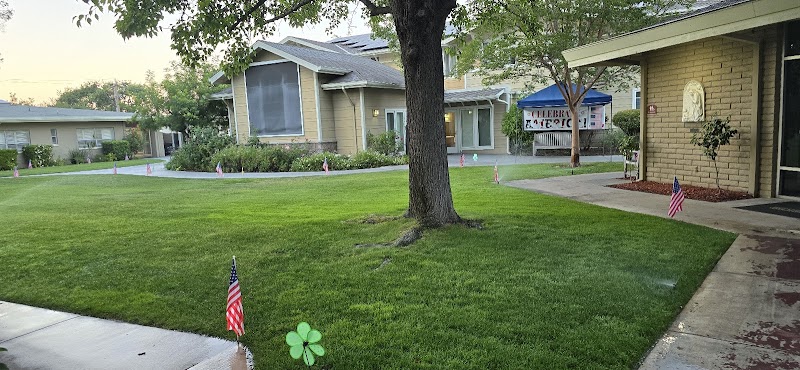
Who Owns and Operates The Villas At Saratoga Skilled Nsg & Assisted Lvg?

THE VILLAS AT SARATOGA SKILLED NSG & ASSISTED LVG is owned by a for-profit company. For-profit facilities operate as businesses with obligations to shareholders or private owners. The facility is operated by KALESTA HEALTHCARE GROUP, a chain that manages multiple nursing homes. With 86 certified beds and approximately 82 residents (about 95% occupancy), it is a smaller facility located in SARATOGA, California.

How Does The Villas At Saratoga Skilled Nsg & Assisted Lvg Compare to Other California Nursing Homes?

Compared to the 100 nursing homes in California, THE VILLAS AT SARATOGA SKILLED NSG & ASSISTED LVG's overall rating (2 stars) is below the state average of 3.1, staff turnover (24%) is significantly lower than the state average of 46%, and health inspection rating (2 stars) is below the national benchmark.

What Should Families Ask When Visiting The Villas At Saratoga Skilled Nsg & Assisted Lvg?

Based on this facility's data, families visiting should ask: "Can I visit during a mealtime to observe dining assistance and food quality?" "How do you handle medical emergencies, and what is your hospital transfer rate?" "Can I speak with family members of current residents about their experience?"

Is The Villas At Saratoga Skilled Nsg & Assisted Lvg Safe?

Based on CMS inspection data, THE VILLAS AT SARATOGA SKILLED NSG & ASSISTED LVG has a clean safety record: no substantiated abuse findings (meaning no confirmed cases of resident harm), no Immediate Jeopardy citations (the most serious violation level indicating risk of serious injury or death), and is not on the Special Focus Facility watch list (a federal program monitoring the lowest-performing 1% of nursing homes). The facility has a 2-star overall rating and ranks #100 of 100 nursing homes in California. While no facility is perfect, families should still ask about staff-to-resident ratios and recent inspection results during their visit.

Do Nurses at The Villas At Saratoga Skilled Nsg & Assisted Lvg Stick Around?

Staff at THE VILLAS AT SARATOGA SKILLED NSG & ASSISTED LVG tend to stick around. With a turnover rate of 24%, the facility is 21 percentage points below the California average of 46%. Low turnover is a positive sign. It means caregivers have time to learn each resident's needs, medications, and personal preferences. Consistent staff also notice subtle changes in a resident's condition more quickly.

Was The Villas At Saratoga Skilled Nsg & Assisted Lvg Ever Fined?

THE VILLAS AT SARATOGA SKILLED NSG & ASSISTED LVG has been fined $8,031 across 1 penalty action. This is below the California average of $33,159. While any fine indicates a compliance issue, fines under $50,000 are relatively common and typically reflect isolated problems that were subsequently corrected. Families should ask what specific issues led to these fines and confirm they've been resolved.

Is The Villas At Saratoga Skilled Nsg & Assisted Lvg on Any Federal Watch List?

THE VILLAS AT SARATOGA SKILLED NSG & ASSISTED LVG is not on any federal watch list. The most significant is the Special Focus Facility (SFF) program, which identifies the bottom 1% of nursing homes nationally based on persistent, serious quality problems. Not being on this list means the facility has avoided the pattern of deficiencies that triggers enhanced federal oversight. This is a positive indicator, though families should still review the facility's inspection history directly.