SEAL BEACH HEALTH AND REHABILITATION CENTER

3000 N GATE ROAD, SEAL BEACH, CA 90740 (562) 598-2477
For profit - Limited Liability company 198 Beds CAMBRIDGE HEALTHCARE SERVICES Data: November 2025
Trust Grade
38/100
#1107 of 1155 in CA
Last Inspection: April 2025

Within standard 12-15 month inspection cycle. Federal law requires annual inspections.

Overview

Seal Beach Health and Rehabilitation Center has received a Trust Grade of F, indicating significant concerns about its operations and care quality. Its state ranking of #1107 out of 1155 places it in the bottom half of California facilities, and it is ranked last among 72 facilities in Orange County. The facility's trend is worsening, with issues increasing from 21 in 2024 to 31 in 2025. Staffing is rated average at 3 out of 5, with a turnover rate of 36%, which is slightly better than the state average. However, there is less RN coverage than 82% of California facilities, which raises concerns about oversight and care quality. Notable inspection findings include failures in food safety practices, such as improper hand washing by kitchen staff and inadequate cleaning of food preparation surfaces, potentially risking foodborne illnesses for residents. Additionally, staff members lacked the necessary skills for safe food preparation, which could further endanger resident health. While the center shows some strengths in staffing stability, the overall quality of care and compliance with health standards are areas that families should consider carefully.

Trust Score
F
38/100
In California
#1107/1155
Bottom 5%
Safety Record
Low Risk
No red flags
Inspections
Getting Worse
21 → 31 violations
Staff Stability
○ Average
36% turnover. Near California's 48% average. Typical for the industry.
Penalties
✓ Good
$3,145 in fines. Lower than most California facilities. Relatively clean record.
Skilled Nurses
⚠ Watch
Each resident gets only 18 minutes of Registered Nurse (RN) attention daily — below average for California. Fewer RN minutes means fewer trained eyes watching for problems.
Violations
⚠ Watch
161 deficiencies on record. Higher than average. Multiple issues found across inspections.
★☆☆☆☆
1.0
Overall Rating
★★★☆☆
3.0
Staff Levels
★★★★☆
4.0
Care Quality
★☆☆☆☆
1.0
Inspection Score
Stable
2024: 21 issues
2025: 31 issues

The Good

  • 4-Star Quality Measures · Strong clinical quality outcomes
  • Full Sprinkler Coverage · Fire safety systems throughout facility
  • No fines on record
  • Staff turnover below average (36%)

    12 points below California average of 48%

Facility shows strength in quality measures, fire safety.

The Bad

1-Star Overall Rating

Below California average (3.1)

Significant quality concerns identified by CMS

Staff Turnover: 36%

Near California avg (46%)

Typical for the industry

Federal Fines: $3,145

Below median ($33,413)

Minor penalties assessed

Chain: CAMBRIDGE HEALTHCARE SERVICES

Part of a multi-facility chain

Ask about local staffing decisions and management

The Ugly 161 deficiencies on record

Jul 2025 2 deficiencies
CONCERN (D) 📢 Someone Reported This

A family member, employee, or ombudsman was alarmed enough to file a formal complaint

Potential for Harm - no one hurt, but risky conditions existed

Tube Feeding (Tag F0693)

Could have caused harm · This affected 1 resident

**NOTE- TERMS IN BRACKETS HAVE BEEN EDITED TO PROTECT CONFIDENTIALITY** Based on observation, interview, medical record review, and facility P&P review, the facility failed to ensure one of three samp...

Read full inspector narrative →
**NOTE- TERMS IN BRACKETS HAVE BEEN EDITED TO PROTECT CONFIDENTIALITY** Based on observation, interview, medical record review, and facility P&P review, the facility failed to ensure one of three sampled residents (Resident 1) received the appropriate care and services to prevent the occurrences of complications with a GT. The facility failed to conduct an assessment and document in the resident's medical record regarding the possible causes of Resident 1's GT being dislodged on multiple occasions. In addition, the facility failed to ensure interventions were updated or modified to prevent further dislodgement of Resident 1's GT. These failures posed the risk of developing complications related to the GT, which had the potential to negatively impact Resident 1's well-being. Findings: Review of the facility's P&P titled Enteral Tube Feeding via Gravity Bag revised 11/2018 showed it is the purpose of this procedure to provide nourishment to the resident who is unable to obtain nourishment orally. Medical record review for Resident 1 was initiated on 7/16/25. Resident 1 was readmitted to the facility on [DATE]. Review of Resident 1's Order Summary Report dated 7/16/25, showed a physician's order dated 6/7/24, for Enteral feeding every shift: Fibersource 1.2 (enteral feeding formula) at 60ml/hr x 20 hours to provide 1200 ml/1440 kcal. On at 2 PM and off at 10 AM or until total volume ordered infused. May use Jevity 1.2 (enteral feeding formula) at the same rate/ml/kcal if Fibersouce HN on backorder Review of Resident 1's Progress Notes showed dislodgement of Resident 1's GT on seven separate dates including 5/30, 6/7, 9/24, 11/1, and 11/26/24; and 4/29 and 7/11/25, which required medical interventions and replacement of the GT. Review of the Change of Condition for each occurrence failed to show documentation of the investigation or possible causes of dislodgement of the GT, except for the incident on 9/24/24. On 7/16/25 at 1140 hours, an interview was conducted with CNA 1. CNA 1 stated Resident 1 wore an abdominal binder because Resident 1 pulled at her GT. CNA 1 stated in her opinion, Resident 1 should be showered with the abdominal binder on and then replaced with a dry one after the shower to keep the GT secure. On 7/16/25 at 1158 hours, an interview was conducted with LVN 1. LVN 1 stated the only intervention the facility had implemented besides the abdominal binder, to prevent Resident 1 from pulling out the GT was a sign on the wall above Resident 1's bed to keep Resident 1's right arm outside of the sheets to prevent the GT from being grabbed and pulled. LVN 1 also stated there were times when Resident 1's GT had been pulled out by staff during repositioning. On 7/16/25 at 1243 hours, an interview was conducted with CNA 2. CNA 2 stated when Resident 1 needed a shower, the licensed nurse was notified to disconnect the GT and remove the abdominal binder. The licensed nurse left the room and notified the shower team Resident 1 was ready to be transported. CNA 2 stated the licensed nurse did not wait in the room for Resident 1 to be picked up, so there was a period of time where Resident 1 was left alone with the abdominal binder off. CNA 2 also stated the shower team was rarely given a report on high-risk residents prior to picking them up for their showers. On 7/16/25 @ 1458 hours, an interview and concurrent medical record review for Resident 1 was conducted with the ADON. The ADON verified there have been multiple incidents where Resident 1 pulled out the GT. The ADON stated there was never an investigation completed to determine the cause of Resident 1's GT getting dislodged other than the statements from the staff. Additionally, the ADON verified there was no documentation of possible causes in the Change of Condition, except for the incident on 9/24/24, and there have been no IDT meetings held to determine the possible causes of the frequent GT dislodgement for Resident 1. Cross reference F656
MINOR (B) 📢 Someone Reported This

A family member, employee, or ombudsman was alarmed enough to file a formal complaint

Minor Issue - procedural, no safety impact

Comprehensive Care Plan (Tag F0656)

Minor procedural issue · This affected multiple residents

**NOTE- TERMS IN BRACKETS HAVE BEEN EDITED TO PROTECT CONFIDENTIALITY** Based on interview, medical record review, and facility P&P review, the facility failed to develop an individualized plan of car...

Read full inspector narrative →
**NOTE- TERMS IN BRACKETS HAVE BEEN EDITED TO PROTECT CONFIDENTIALITY** Based on interview, medical record review, and facility P&P review, the facility failed to develop an individualized plan of care and implement the care needs to minimize the risk of dislodging the GT for one of three sampled residents (Resident 1) who was at high risk for dislodging the GT. Resident 1 had multiple documented incidents of the GT being dislodged. This failure resulted in not providing appropriate, consistent, and individualized care to Resident 1. Findings: Review of the facility's P&P titled Care Plans, Comprehensive Person-Centered revised 3/2022 showed the comprehensive person-centered care plan reflects currently recognized standards of practice for problem areas and conditions. Care plan interventions are chosen only after data gathering, proper sequencing of events, careful consideration of the relationship between the resident's problem areas and their causes, and relevant clinical decision making. When possible, interventions address the underlying source(s) of the problem area(s), not just symptoms or triggers. Assessments of the residents are ongoing, and care plans are revised as information about the residents and the residents' conditions change. The interdisciplinary team reviews and updates the care plan when there has been a significant change in the residents' condition. Medical record review for Resident 1 was initiated on 7/16/25. Resident 1 was admitted to the facility on [DATE], and readmitted on [DATE]. Review of Resident 1's medical record showed a Change of Condition completed on 5/30, 6/7, 9/24, 11/1, and 11/26/24; and 4/29 and 7/11/25, regarding the dislodged resident's GT. Review of Resident 1's plan of care failed to show a care plan problem to address the resident's GT being dislodged and interventions to prevent Resident 1's GT from being dislodged. On 7/16/25 at 1458 hours, an interview and concurrent medical record review for Resident 1 was conducted with the ADON. The ADON verified the above findings and stated a plan of care to prevent the dislodgement of the GT should have been developed for Resident 1.
Apr 2025 28 deficiencies
CONCERN (D) 📢 Someone Reported This

A family member, employee, or ombudsman was alarmed enough to file a formal complaint

Potential for Harm - no one hurt, but risky conditions existed

Deficiency F0554 (Tag F0554)

Could have caused harm · This affected 1 resident

**NOTE- TERMS IN BRACKETS HAVE BEEN EDITED TO PROTECT CONFIDENTIALITY** Based on observation, interview, medical record review, and facility P&P review, the facility failed to ensure one of 32 final s...

Read full inspector narrative →
**NOTE- TERMS IN BRACKETS HAVE BEEN EDITED TO PROTECT CONFIDENTIALITY** Based on observation, interview, medical record review, and facility P&P review, the facility failed to ensure one of 32 final sampled residents (Resident 730) and one nonsampled resident (Resident 780) were thoroughly assessed to self-administer their medications. * The facility failed to assess and develop a care plan problem to address the self-administration of medications when Resident 730 had bottles of refresh liquigel lubricant eye gel (medication use for dry eyes) and refresh tears lubricant eye drops (medication use for dry eyes) at the bedside and self-administered these medications. * Resident 780 was observed to have the miconazole nitrate 2% (an antifungal powder) medication at the bedside cabinet and had self-administered the medication. These failures had the potential for the residents to inaccurately self-administer their medications and negatively affect their well-being. Findings: Review of the facility's P&P titled Self-Administration of Medications revised 2/2021 showed the residents have the right to self-administer medications if the IDT has determined that it is clinically appropriate and safe for the resident to do so. The Policy Interpretation and Implementation section showed: - As part of the evaluation comprehensive assessment, the IDT assesses each resident's cognitive and physical abilities to determine whether self-administering medications is safe and clinically appropriate for the resident; - If it is safe and appropriated for the resident to self-administer medications, this is documented in the medical record and the care plan. The decision that the resident can safely-administer medications is reassessed periodically based on changes in the resident's medical and/or decision-making status; and - Any medications found at the bedside that are not authorized for self-administration are turned over to the nurse in charge for return to the family or responsible party. Review of the facility's P&P titled Administering Medications revised April 2023 showed the residents may self-administer their own medications only if the attending physician, in conjunction with the interdisciplinary care planning team, has determined that the residents have the decision-making capacity to do so. 1. On 4/15/25 at 0848 hours, during the initial tour of the facility, an observation and concurrent interview was conducted with Resident 730. Resident 730 was observed awake and sitting in the wheelchair inside her room. Three unlabeled, small, green plastic bottles were observed inside Resident 730's personal transparent bag. Resident 730 showed one of three small green plastic bottles labeled as refresh liquigel lubricant eye gel 0.5 fl oz with an expiration date of 4/2025 and the other two bottles labeled as refresh tears lubricant eye drops 0.5 fl oz with expiration dates of 6/2026 and 7/2027. Resident 730 stated the bottle with an expiration date of 7/2027 was a new bottle given to her by the nurse couple of days ago and could not recall the nurse's name. Resident 730 stated she applied the refresh liquigel one to two drops to her eyes every night. Resident 730 stated she applied the refresh tears one to two drops to her eyes three to four times every day. Resident 730 stated she did not know how long she should close her eyes after the application of the eye drops. The resident was asked if she knew she should close her eyes after applying the eye drops. Resident 730 stated most of the time, she would just open her eyes right away after she applied the eye drops. Medical record review for Resident 730 was initiated on 4/15/25. Resident 730 was admitted to the facility on [DATE]. Review of Resident 730's H&P examination dated 3/31/25, showed Resident 730 had the capacity to make medical decisions. Review of Resident 730's Order Summary Report showed a physician's order dated 3/29/25, to instill refresh plus ophthalmic solution 0.5% two drops in both eyes five times a day for dry eyes. Further review of the Order Summary Report failed to show a physician's order to allow Resident 730 to self-administer the medications. Review of Resident 730's Plan of Care failed to show a care plan problem was developed to address Resident 730's self-administration of the refresh liquigel and refresh tears eye drops. On 4/15/25 at 0946 hours, a concurrent observation of Resident 730, interview, and medical record review for Resident 730 was conducted with LVN 3. LVN 3 verified the three eye drop medications in the room of Resident 730. LVN 3 stated Resident 730 should be assessed if Resident 730 had the capacity to self-administer the medications. LVN 3 stated Resident 730 should have the order and plan of care for self-administration of medications. LVN 3 further stated Resident 730 should have been taught how to properly administer the eye drops to get the full benefit of the medication. LVN 3 checked the medication cart and did not find any refresh plus ophthalmic solution 0.5% medication for Resident 730. LVN 3 verified Resident 730 was not assessed for self-administration of medication and did not have a physician's order and plan of care to address for self-administration of the eye drops. On 4/22/25 at 1010 hours, an interview was conducted with the DON. The DON was informed and acknowledged the above findings. 2. On 4/15/25 at 1115 hours, an observation and concurrent interview was conducted with Resident 780. The miconazole nitrate 2% medication was observed on top of Resident 780's bedside cabinet. Resident 780 stated she might have used the miconazole nitrate 2% medication once but could not remember who brought the medication. Medical record review for Resident 780 was initiated on 4/15/25. Resident 780 was admitted to the facility on [DATE], and readmitted on [DATE]. Review of Resident 780's MDS assessment dated [DATE], showed the resident's cognition was moderately impaired. Review of Resident 780's Order Summary Report dated 4/16/25, did not show a physician's order for the use of the miconazole nitrate 2% medication. Further review of the medical record failed to show Resident 780 was assessed for self-administration of miconazole nitrate 2% medication. In addition, the medical record did not show a care plan for the use of miconazole nitrate 2% medication. On 4/15/25 at 1125 hours, an observation and concurrent interview was conducted with LVN 1. LVN 1 verified Resident 780 had miconazole nitrate 2% medication on top of the bedside cabinet. LVN 1 stated she did not know Resident 780 had the medication in her room. On 4/17/25 at 1329 hours, an interview and concurrent medical record review was conducted with LVN 3. LVN 3 acknowledged the above findings. LVN 3 stated Resident 780 and the resident's family member should have been educated on the facility's protocol regarding keeping the medication at the bedside including the risks and benefits. On 4/18//25 at 1021 hours, an interview was conducted with the DON. The DON acknowledged the above findings. The DON stated the facility's staff educated Resident 780's family member to inform them when they brought in the medication because it would need a physician's order to use the medication.
CONCERN (D) 📢 Someone Reported This

A family member, employee, or ombudsman was alarmed enough to file a formal complaint

Potential for Harm - no one hurt, but risky conditions existed

Deficiency F0578 (Tag F0578)

Could have caused harm · This affected 1 resident

**NOTE- TERMS IN BRACKETS HAVE BEEN EDITED TO PROTECT CONFIDENTIALITY** Based on interview, medical record review, and facility's P&P review, the facility failed to ensure the resident's wishes and in...

Read full inspector narrative →
**NOTE- TERMS IN BRACKETS HAVE BEEN EDITED TO PROTECT CONFIDENTIALITY** Based on interview, medical record review, and facility's P&P review, the facility failed to ensure the resident's wishes and instructions for healthcare were followed for two of 13 final residents (Residents 19 and 141) reviewed for the advance directives * The facility failed to follow Resident 141's advance health care directive's designating Family Member 2 as her agent, and the resident's choice not to prolong her life. * The facility failed to maintain a copy of Resident 19's advance healthcare directive in the resident's medical record and readily retrievable. These failures had the potential for the residents' decisions regarding their healthcare and treatment options not being honored. Findings: 1. Review of the facility's P&P titled Advance Directives dated 9/2022 showed the following if the resident has an advance directive: - If the resident or the resident's representative has executed one or more advance directive(s), or executes one upon admission, copies of these documents are obtained and maintained in the same section of the resident's medical record and are readily retrievable by any facility staff; - The resident's wishes are communicated to the resident's direct care staff and the physician by placing the advance directive in a prominent, accessible location in the medical record and discussing the resident's wishes in care plan meetings; and - The plan of care for each resident is consistent with his or her documented treatment preferences and/or advance directive. The facility staff are not required to provide care that conflicts with an advance directive. Medical record review for Resident 141 was initiated on [DATE]. Resident 141 was admitted to the facility on [DATE]. Review of Resident 141's MDS assessment dated [DATE], showed Resident 141 had a severe cognitive impairment. Review of Resident 141's Advance Health Care Directive Form dated [DATE], under Part 1 Power of Attorney for Healthcare section, showed Family Member 2 was designated as Resident 141's agent to make health care decision for the resident, and the agent's authority was to take effect immediately. Further review of the form, under Part 2 Instructions for Healthcare section, showed Resident 141's choice not to prolong life. Review of Resident 141's Order Summary Report dated [DATE], showed a physician's order dated [DATE], for CPR/to attempt resuscitation according to the POLST issued. Review of Resident 141's electronic health record did not show a copy of the POLST dated [DATE], was uploaded. On [DATE] at 0914 hours, an interview and concurrent medical record review for Resident 141 was conducted with RN 1. RN 1 verified there was no POLST form uploaded to Resident 141's electronic health record. RN 1 was observed looking into a binder, and to which he showed Resident 141's POLST form. Review of Resident 141's POLST dated [DATE], showed to attempt resuscitation/CPR and allow a trial period of artificial nutrition including feeding tubes. Further review of the POLST form, under the Information and Signatures section, showed Resident 141 had no advance directive and the box for legally recognized decisionmaker was checked. In addition, the POLST form was signed by Family Member 1. RN 1 verified the above findings. RN 1 verified Resident 141's CPR code status and Family Member 1 marked as her legally decisionmaker in the POLST form did not matched Resident 141's choice not to prolong her life and Family Member 2 as her power of attorney for healthcare as stated in her advance healthcare directive. RN 1 stated the social services department in collaboration with the nursing and medical records departments had to ensure the POLST was accurate, and the resident's advance healthcare directive was followed. On [DATE] at 1337 hours, an interview and concurrent medical record review for Resident 141 was conducted with the SSD. The SSD verified Resident 141's CPR code status and Family Member 1 marked as her legally decisionmaker in the POLST form did not match Resident 141's choice not to prolong her life and Family Member 2 as her power of attorney for healthcare as stated in her advance healthcare directive. The SSD stated the social services department was responsible for checking and verifying the assigned healthcare agent as stated in the resident's advance healthcare directive to be followed, and the resident's electronic health record profile should be updated to reflect her power of attorney for healthcare. 2. Medical record review for Resident 19 was initiated on [DATE]. Resident 19 was initially admitted to the facility on [DATE], and readmitted on [DATE]. Review of Resident 19's MDS assessment dated [DATE], showed Resident 19 was cognitively intact. Review of Resident 19's POLST dated [DATE], under Section D Information and Signatures, showed the resident's advance directive was not available. Review of Resident 19's Progress Notes showed a social services note dated [DATE], showing the copy of resident's advance healthcare directive was provided by his family member and was provided to the Medical Records Director. Further review of Resident 19's medical record failed to show a copy of Resident 19's advance directive. On [DATE] at 0906 hours, an interview and concurrent medical record review for Resident 19 was conducted with RN 1. RN 1 verified Resident 19's POLST form dated [DATE], showed the resident's advance directive was not available. RN 1 was also observed checking Resident 19's hospice binder and showed another POLST form dated [DATE], for Resident 19. Review of Resident 19's POLST form dated [DATE], under Section D Information and Signatures, showed the resident's advance directive was available and reviewed. RN 1 verified Resident 19's POLST form dated [DATE], showed the resident's advance directive was available and reviewed; however, a copy of Resident 19's advance directive was not available or uploaded to the resident's electronic health record. On [DATE] at 1328 hours, an interview and concurrent medical record review for Resident 19 was conducted with the SSD. The SSD verified Resident 19's POLST form dated [DATE], showed the resident's advance healthcare directive was available and reviewed, and a copy of Resident 19's advance directive was not available or uploaded to the resident's electronic health record. The SSD stated an advance healthcare directive was provided by the resident's family member, but it may not have been uploaded to the resident's electronic health record by the medical records department. On [DATE] at 1355 hours, an interview and concurrent medical record review for Resident 19 was conducted with the Medical Records Director. The Medical Records Director stated if a copy of the advance directive was provided, it should be uploaded as soon as it was given to the medical records department. The Medical Records Director verified Resident 19's POLST form dated [DATE], showed the resident's advance healthcare directive was available and reviewed; however, a copy of Resident 19's advance directive was not available or uploaded to the resident's electronic health record. On [DATE] at 1430 hours, a follow-up interview for Resident 19 was conducted with the Medical Records Director. The Medical Record Director stated Resident 19's family member provided a copy of the resident's advance healthcare directive on [DATE]; however, it was not uploaded because it was not a good copy. The Medical Record Director stated Resident 19's family member was sending the facility a better copy per the SSD on [DATE]; however, this was not followed up. The Medical Record Director verified a copy of Resident 19's advance healthcare directive was not obtained and maintained in Resident 19's health records.
CONCERN (D)

Potential for Harm - no one hurt, but risky conditions existed

Comprehensive Care Plan (Tag F0656)

Could have caused harm · This affected 1 resident

**NOTE- TERMS IN BRACKETS HAVE BEEN EDITED TO PROTECT CONFIDENTIALITY** 2. Medical record review for Resident 171 was initiated on 4/15/25. Resident 171 was admitted to facility on 3/19/25, with diagn...

Read full inspector narrative →
**NOTE- TERMS IN BRACKETS HAVE BEEN EDITED TO PROTECT CONFIDENTIALITY** 2. Medical record review for Resident 171 was initiated on 4/15/25. Resident 171 was admitted to facility on 3/19/25, with diagnoses including malignant neoplasm of esophagus (presence of cancer cells with ability to spread to other sites of the body and destroy tissues from the throat to the stomach), dysphagia (difficulty swallowing), and muscle wasting (condition where muscle tissue shrinks and decrease in size leading to loss of strength and mass). Review of Resident 171's weekly weights from 3/20/25 to 4/13/25 showed the following: - 180 lbs on 3/20/25 - 175 lbs on 3/29/25 - 174 lbs on 4/5/25 - 169 lbs on 4/13/25 Resident 171 had significant weight loss of 11 lbs equivalent to 6.5% in one month. Review of Resident 171's plan of care failed to show documented evidence a care plan problem was developed addressing Resident 171's significant weight loss of 6.5% in one month. On 4/17/25 at 0847 hours, an interview and concurrent medical record review for Resident 171 was conducted with the ADON. The ADON verified the findings. Based on observation, interview, medical record review, and facility P&P review, the facility failed to develop the comprehensive plans of care to reflect the individual care needs for two of 32 final sampled residents (Residents 48 and 171). * The facility failed to develop a care plan to address Resident 48's use of the apixaban (anticoagulant) medication. * The facility failed to develop a care plan to address Resident 171's weight loss of 6.5% in one month. These failures had the potential risk of not providing appropriate, consistent, and individualized care to these residents. Findings: 1. Review of the facility's P&P titled Care Plans, Comprehensive Person-Centered revised 3/2022 showed a comprehensive, person-centered care plan that includes measurable objectives and timetables to meet the resident's physical, psychosocial and functional needs is developed and implemented for each resident. The Policy Interpretation and Implementation section showed the IDT, in conjunction with the resident and his/her family or legal representative, develops and implements a comprehensive, person-centered care plan for each resident. Medical record review for Resident 48 was initiated on 4/16/25. Resident 48 was admitted to the facility on [DATE], and readmitted on [DATE]. Review of Resident 48's Medical Provider Note dated 1/27/25, showed Resident 48 was diagnosed with paroxysmal atrial fibrillation. Review of Resident 48's MDS dated [DATE], showed the resident was cognitively intact. Review of Resident 48's Order Summary Report for April 2025 showed a physician's order dated 4/11/25, to administer apixaban oral tablet 5 mg one tablet by mouth two times a day for atrial fibrillation. Review of Resident 48's plan of care failed to show a care plan was developed to address the use of the apixaban medication. On 4/18/25 at 1117 hours, an interview and concurrent medical record review was conducted with LVN 2. LVN 2 verified there was no care plan for Resident 48's use of the apixaban medication. LVN 2 stated the licensed nurse should have updated Resident 48's care plan when the apixaban medication was ordered. On 4/18/25 at 1643 hours, the DON and ADON were informed and acknowledged the above findings.
CONCERN (D)

Potential for Harm - no one hurt, but risky conditions existed

Deficiency F0658 (Tag F0658)

Could have caused harm · This affected 1 resident

**NOTE- TERMS IN BRACKETS HAVE BEEN EDITED TO PROTECT CONFIDENTIALITY** Based on interview, medical record review and facility document review, the facility failed to ensure the professional standards...

Read full inspector narrative →
**NOTE- TERMS IN BRACKETS HAVE BEEN EDITED TO PROTECT CONFIDENTIALITY** Based on interview, medical record review and facility document review, the facility failed to ensure the professional standards of quality were met when the facility diet manual was not followed for diabetic diets. This failure had the potential to adversely affect the quality of life for the 51 residents who received an RCS diet. Findings: A professional review titled Management of Diabetes in Long-term Care and Skilled Nursing Facilities: A Position Statement of the America Diabetes Association, Diabetes Care 2016 showed liberal diets have been associated with improvement in food and beverage intake in the LTC population to better meet caloric and nutrient requirements (27). While carbohydrate intake should be taken into consideration, no concentrated sweets or no sugar diet orders are ineffective for glycemic management and should not be recommended. Instead, a consistent carbohydrate meal plan that allows for a wide variety of food choices (e.g., general diet) may be more beneficial for both nutritional needs and glycemic control in patients with Type 1 diabetes or Type 2 diabetes on mealtime insulin. According to the Academy of Nutrition and Dietetics Nutrition Care Manual (NCM) 2025, the name of the diet used in your facility should no longer emphasize the restriction of sugar or sweets but rather emphasize consistent carbohydrates or carbohydrate controlled. Review of the Academy of Nutrition and Dietetics Nutrition Care Manual Process for Annual Diet Manual Review and Implementation 2025 showed in part, 2. Identify all diet orders used at your facility, diet names used in all areas should match; medical record documentation, printed menus or tray tickets, diet manual, documents used by kitchen staff (i.e. menu spreadsheets), diet guide sheets and policies and procedures. 3. Make changes to facility diets as needed, identify current diet names used at your facility that may require a change and/or diet names that require clarification of foods served. Discuss modifications to existing diet order names with health care team and agree on final names for all diets. Document and date this discussion. Change existing diet terminology to match new, updated diet names. Review of the facility's Diet Manual revised April 2024 showed the following diabetic diets: - A Controlled-Carbohydrate (CC Diet)*, *CC Diet may also be referenced as CC/RCS, RCS, or CCHO. The breakfast and noon meal contain approximately 60 gms carbohydrate (+/- 15 gms), and the evening meal contain 75 gms of carbohydrate (+/- 15 gms). - A Consistent-Carbohydrate Diet (Diabetic Diet). - A Controlled-Carbohydrate-Renal diet (CC/Renal Diet)*, *CC/Renal diet may also be referenced as CC/RCS/Renal, RCS/Renal or CCHO/Renal. The breakfast and noon meal contain approximately 60 gms carbohydrate (+/- 15 gms), and the evening meal contain 75 gms of carbohydrate (+/- 15 gms). - A Fortified Controlled-Carbohydrate Diet (Fortified/CC Diet)*, * Fortified/CC diet may also be referenced as Fortified/CC/RCS, Fortified/RCS or Fortified/CCHO. The breakfast and noon meal contain approximately 60 gms carbohydrate (+/- 15 gms), and the evening meal contain 75 gms of carbohydrate (+/- 15 gms). - A CC/Low Fat/Cholesterol Diet (CC/Fat/Chol)*, *CC/Fat Cholesterol diet may also be called CC/RCS/Fat Cholesterol, RCS/Fat Cholesterol, CCHO/Fat Cholesterol. All diets except the Fortified Controlled-Carbohydrate Diet included the following statement: The ADA states the terms reduced concentrated sweet, no sugar added, and ADA diets are inappropriate because these terms do not reflect current nutrition recommendations. Review of the facility's document titled Therapeutic Spreadsheets dated Spring 2025 showed the following diets: Fortified/High Protein/RCS diet, RCS Liberal Renal diet, RCS Low Fat/Low Cholesterol diet, and RCS diet. Review of the facility's document titled Diet Type Report dated 4/17/25, showed 51 of 164 residents received an RCS diet at the facility. The document further showed three residents were on a Fortified/High Protein/RCS diet, five residents were on a RCS Liberal Renal diet, no residents were on a RCS Low Fat/Low Cholesterol diet, 13 residents were on a RCS diet, and 30 residents were on a RCS NAS diet. On 4/16/24 at 0845 hours, a review of the facility diet manual and concurrent interview was conducted with the RD. The RD was asked about the RCS diet used at the facility. The RD stated the RCS diet was the same diet as the CC diet. The RD stated the facility called the CC diet as RCS. The RD was asked if she felt the RCS diet was interchangeable with the CC diet. The RD stated she was not happy with the nomenclature of RCS diet but stated the Diet Manual had a statement which said the CC diet and the RCS diet were the same diets, so she thought that was ok. The RD further stated the facility's menus were approved by the Corporate RD, and she did not have control over it. The RD was asked if she had voiced her concern to the Corporate RD regarding the RCS nomenclature. The RD stated she had not mentioned the RCS nomenclature to the Corporate RD. On 4/18/25 at 0750 hours, an interview was conducted with the RD. The RD stated the RCS meant reduced concentrated sweet and was similar to the CC diet. The RD quoted a blog from Therapeutic diets in Long Term Care which stated the RCS diet was similar to the CC diet. The RD agreed the RCS diet was not a recognized diet with the Academy of Nutrition and Dietetics or the ADA but the RCS diet worked for the facility. On 4/18/25 at 1030 hours, a concurrent interview, medical record review for Resident 134, and facility document review was conducted with the RD. Resident 134 was admitted to the facility on [DATE], with a diagnosis of a fractured fibula (a lower leg bone) and Diabetes Mellitus. On 3/21/25, a RCS NAS regular consistency diet was ordered by the physician for Resident 134. The care plan for Resident 134 was reviewed with the RD. The RD confirmed she was responsible for all the resident's nutrition care plans. The RD confirmed she always selected the terminology diet as ordered for all the resident's care plans. The RD further confirmed the terminology diet as ordered referred to the RCS NAS regular consistency diet which was ordered for Resident 134. The Diet Type Report dated 4/17/25, was reviewed with the RD. The RD confirmed there were 51 residents in the facility who received an RCS diet, and she was responsible for all the nutrition care plans for the 51 residents of the facility. The facility dietary documents (therapeutic spread sheets, tray cards and diet orders) were reviewed with the RD. The RD confirmed all the dietary documents read RCS for the diabetic diets. During the exit conference with the facility on 4/18/25 1338 hours, the DON stated the RCS nomenclature was used at the facility because they have always used RCS terminology for diabetic diets and when the PCC was implemented several years ago . The DON verified RCS was the name they used for the diabetic diet.
CONCERN (D)

Potential for Harm - no one hurt, but risky conditions existed

ADL Care (Tag F0677)

Could have caused harm · This affected 1 resident

**NOTE- TERMS IN BRACKETS HAVE BEEN EDITED TO PROTECT CONFIDENTIALITY** Based on observation, interview, medical record review, and facility P&P review, the facility failed to ensure one of 32 final s...

Read full inspector narrative →
**NOTE- TERMS IN BRACKETS HAVE BEEN EDITED TO PROTECT CONFIDENTIALITY** Based on observation, interview, medical record review, and facility P&P review, the facility failed to ensure one of 32 final sampled residents (Resident 43) reviewed for ADL care received the adequate personal hygiene care. * The facility failed to provide the nail care for Resident 43 which caused self-inflicted excoriations (scratches on skin). This failure had the potential to not meet the personal care needs of the residents in the facility. Findings: Review of the facility's P&P titled Activities of Daily Living (ADL), Supporting revised 3/2018 showed the residents who are unable to carry out activities of daily living independently will receive the services necessary to maintain good nutrition, grooming and personal and oral hygiene. On 4/18/25 at 1036 hours, a concurrent initial tour observation and interview was conducted with Resident 43. Resident 43 was observed awake, lying in bed, and watching TV. Resident 43 was observed scratching her face, neck and arms with her fingernails. Resident 43 was observed with multiple small red lesions in the face, neck, and arms. Resident 43 stated she felt itchy, but the CNA had just assisted the resident in cleaning her face, neck, and arms. Resident 43's fingernails in the right hand were observed long and in addition, all the fingernails on both hands were observed with black stain underneath the fingernails. Medical record review for Resident 43 was initiated on 4/18/25. Resident 43 was readmitted to the facility on [DATE]. Review of Resident 43's MDS assessment dated [DATE], showed Resident 43 was cognitively intact and needed staff supervision with the personal hygiene and grooming. Review of Resident 43's Care Plan initiated on 12/30/24, showed a care plan problem addressing Resident 43's scattered self-inflicted excoriations in the face and bilateral upper extremities. The interventions included to keep the fingernails short. On 4/21/25 at 1122 hours, a concurrent observation of Resident 43 and interview for Resident 43 was conducted with CNA 4. CNA 4 stated Resident 43 had the habit of picking and scratching her face. CNA 4 verified Resident 43's fingernails were long and with black stain underneath the fingernails. Resident 43's fingernails were also observed with yellow sauce and food residue. CNA 4 stated one of the CNA's responsibilities was to provide assistance to the residents in trimming the nails. CNA 4 stated the shower team used the skin observation form which included if the nails of the resident were clipped. CNA 4 stated she would clean and clip Resident 43's fingernails. Review of Resident 43's Skin Observation form showed the last time Resident 43's fingernails were clipped was on 3/18/25. On 4/21/25 at 1325 hours, a concurrent observation of Resident 43 and interview and medical record review for Resident 43 was conducted with LVN 3. LVN 3 stated the care plan for each of the resident was individualized to meet the personal care needs and should be followed. LVN 3 verified Resident 43's fingernails were long and dirty which caused skin impairment to the resident due to her self-inflicted excoriations. LVN 3 verified the last time Resident 43's fingernails were clipped was on 3/18/25, and Resident 43's medical record did not show any documentation Resident 43 was offered to clip her nails thereafter. LVN 3 stated Resident 43's fingernails should be kept short to prevent harm and infection to the resident. On 4/21/25 at 1425 hours, an interview was conducted with the ADON. The ADON stated providing personal hygiene and grooming which included nail care to the resident were the responsibilities of the CNA. The ADON stated if the resident was not assisted with his/her personal hygiene and grooming, it could affect the resident's dignity because the resident was left untidy or unkept and could also potentially develop bacterial growth. The ADON was informed and acknowledged the above findings for Resident 43.
CONCERN (D)

Potential for Harm - no one hurt, but risky conditions existed

Pressure Ulcer Prevention (Tag F0686)

Could have caused harm · This affected 1 resident

**NOTE- TERMS IN BRACKETS HAVE BEEN EDITED TO PROTECT CONFIDENTIALITY** Based on observation, interview, medical record review, and facility P&P review, the facility failed to ensure the necessary car...

Read full inspector narrative →
**NOTE- TERMS IN BRACKETS HAVE BEEN EDITED TO PROTECT CONFIDENTIALITY** Based on observation, interview, medical record review, and facility P&P review, the facility failed to ensure the necessary care and services were provided to prevent the development and worsening of the pressure injuries for one of the six final sampled residents (Resident 163) reviewed for pressure injury as evidenced by: * The facility failed to provide a low air loss mattress for Resident 163 who had an unstageable pressure injury on the sacrum. * The facility failed to ensure the accurate skin assessment of Resident 163's blisters. * The facility failed to follow the physician's order for a wound consult for Resident 163. These failures had the potential for deterioration of Resident 163's pressure injuries as well as the development of new pressure injuries. Findings: Review of the facility's P&P titled Support Surface Guidelines dated 2/2024 showed guidelines for selecting appropriate pressure relieving devices include individuals at risk for developing pressure ulcers should be placed on a redistribution support surface such as foam, gel, static air, alternating air or air loss or gel when lying in bed. Review of the facility's P&P titled Pressure Injuries Overview dated 2/2024 showed Stage 2 pressure injury: partial thickness skin loss with exposed dermis. The wound bed is viable, pink, red, moist and may also present as an intact or ruptured serum intact blister. Medical record review for Resident 163 was initiated on 4/14/25. Resident 163 was admitted to the facility on [DATE]. Review of Resident 163's Braden Scale for Predicting Pressure Sore Risk forms dated 3/17 and 3/26/25, showed Resident 163 was at high risk for pressure injury. Review of Resident 163's Skin and Wound Evaluation dated 3/18/25, showed the resident was admitted with a Stage 3 pressure injury on the sacrum, measuring 6 cm (length) x 2.6 cm (width). Review of Resident 163's care plan dated 4/10/25, showed a care plan problem addressing the pressure injury and altered skin integrity related to the pressure injury on the sacrum. The care plan showed the contributing factors for further skin breakdown or slow healing included incontinence and decreased mobility. The interventions included for a pressure-relieving device for the wheelchair; however, it did not include a pressure-relieving device for the bed. Review of Resident 163's Skin and Wound Evaluation dated 4/14/25, showed the resident had the following wounds: - a Sage 3 pressure injury on the sacrum, measuring 6.7 cm x 2.3 cm; - a left heel blister, measuring 6.6 cm x 3.7 cm; and - a right heel blister, measuring 5.3 cm x 2.8 cm. Review of Resident 163's Order Summary report dated 4/16/25, showed a physician's order dated 4/9/25, for a physician wound consult due to the Stage 3 pressure injury on the sacrum. On 4/15/25 at 0730 hours, a concurrent observation and interview was conducted with Resident 163. Resident 163 was resting in bed without a low air loss mattress. Resident 163 stated he had an open wound with a dressing on his buttock area. On 4/15/25 at 1000 hours, during an observation, Resident 163 was sleeping in bed without a low air loss mattress. On 4/15/25 at 1210 hours, during an observation, Resident 163 was observed sitting upright in bed without a low air loss mattress. On 4/17/25 at 0920 hours, an interview was conducted with an LVN 7. LVN 7 stated Resident 163 had no low air loss mattress. On 4/17/25 at 0945 hours, an interview and concurrent medical record review was conducted with LVN 10. LVN 10 stated Resident 163 was admitted with a Stage 3 pressure injury on the sacrum, and all the residents admitted with a Stage 3 pressure injury or higher should be placed on a low air loss mattress. Resident 163 had not yet received a low air loss mattress even though an order for one was made upon admission and communicated to the case manager, it was not approved due to insurance issues. When asked if she had followed up on this matter, LVN 10 mentioned since Resident 163 was recently admitted to the hospice services, she had communicated with the hospice nurse; however, she was not sure if the hospice nurse had visited Resident 163 to follow up regarding the air loss mattress. LVN 10 verified these findings and also stated on 4/14/25, she observed blisters on the left and right heels. When asked about these blisters, she explained an intact blister on the heel was not considered a Stage 2 pressure injury. On 4/17/25 at 1410 hours, an interview and concurrent medical record review was conducted with the Case Manager. The Case Manager stated she was not aware Resident 163 required a low air loss mattress and had not been informed of any request for it. On 4/17/25 at 1600 hours, an interview and concurrent medical record review was conducted with the ADON. When asked about the nursing intervention for a resident admitted with a Stage 3 pressure injury, the ADON stated Resident 163 should have been provided with a low air loss mattress. The ADON stated due to insurance issues, it might have taken a week to obtain the mattress. The ADON verified it had been a month since the resident's admission and Resident 163 should have already been provided with one. The ADON also stated an intact blister on a bony prominence should be considered a Stage 2 pressure injury and verified these findings. On 4/21/25 at 1400 hours, an interview and concurrent medical record review was conducted with LVN 5. LVN 5 was asked if there was a wound consult for Resident 163. LVN 5 stated the attending physician had ordered a wound consult on 4/9/25, and the order was still active but had not been followed up. LVN 5 was not aware of the physician's order for the wound consult and stated a wound physician had been making rounds with her, but LVN 5 did not know that Resident 163 needed a wound consult. LVN 5 acknowledged the wound consult should have been followed up and completed. LVN 5 verified the findings.
CONCERN (D) 📢 Someone Reported This

A family member, employee, or ombudsman was alarmed enough to file a formal complaint

Potential for Harm - no one hurt, but risky conditions existed

Accident Prevention (Tag F0689)

Could have caused harm · This affected 1 resident

**NOTE- TERMS IN BRACKETS HAVE BEEN EDITED TO PROTECT CONFIDENTIALITY** 2. On 4/17/25 at 0818 hours, an observation for Resident 20 and concurrent interview was conducted with CNA 11. Resident 20 was ...

Read full inspector narrative →
**NOTE- TERMS IN BRACKETS HAVE BEEN EDITED TO PROTECT CONFIDENTIALITY** 2. On 4/17/25 at 0818 hours, an observation for Resident 20 and concurrent interview was conducted with CNA 11. Resident 20 was observed in bed and CNA 11 was observed inside the room. Two pop-up flower cards were observed on top of Resident 20's overbed light fixture. CNA 11 verified the findings. CNA 11 stated he did not really pay attention to those or any items on top of the resident's overbed light fixture and did not know who had placed the items there. On 4/18/25 at 0803 hours, the two pop-up flower cards were observed on top of Resident 20's overbed light fixture. Medical record review for Resident 20 was initiated on 4/15/25. Resident 20 was readmitted to the facility on [DATE]. Review of Resident 20's MDS assessment dated [DATE], showed Resident 20 had a severe cognitive impairment. 3. On 4/18/25 at 0825 hours, a piece of wood was observed on top of Resident 83's overbed light fixture. Medical record review for Resident 83 was initiated on 4/15/25. Resident 83 was admitted to the facility on [DATE]. Review of Resident 83's MDS assessment dated [DATE], showed Resident 83 had a severe cognitive impairment. On 4/18/25 at 0830 hours, an observation and concurrent interview was conducted with the Maintenance Director. Resident 20 was observed in bed, and two pop-up flower cards were observed on top of Resident 20's overbed light fixture. Resident 83 was observed in bed, and a piece of wood was also observed on top of Resident 83's overbed light fixture. The Maintenance Director verified the above findings. The Maintenance Director was observed taking the piece of wood and was also observed taking out a metal drawer slide bracket from the top of Resident 83's overbed light fixture. The Maintenance Director stated the piece of wood and metal bracket might have been from Resident 83's nightstand. The Maintenance Director stated there should be no items on top of the overbed light fixture as these items could fall on to the residents. Based on observation, interview, medical record review, facility document review, and facility P&P review, the facility failed to ensure two of 32 final sampled residents (Residents 15 and 20) and one nonsampled resident (Resident 83) were free from the accident hazards. * The facility failed to ensure no resident's belongings were placed on top of Resident 15's overhead light fixture. * The facility failed to ensure no items were placed on top of Residents 20 and 83's overbed light fixtures. These failures had the potential for increased risk of accidents or injuries to the residents. Findings: Review of the facility's P&P titled Safety and Supervision of Residents revised 7/2023 showed the facility strives to make the environment as free from accident hazards as possible. Resident safety and supervision and assistance to prevent accidents are facility-wide priorities. The Systems Approach to Safety section showed the facility-oriented approaches to safety are used together to implement a systems approach to safety, which considers the hazards identified in the environment and individual resident risk factors, and then adjusts interventions accordingly. 1. On 4/15/25 at 1115 hours, during the initial tour of the facility, two picture frames, a hat, and two stuffed toys were observed on top of Resident 15's overhead light fixture. Medical record review for Resident 15 was initiated on 4/15/25. Resident 15 was admitted to the facility on [DATE], and readmitted on [DATE]. Review of Resident 15's MDS assessment dated [DATE], showed the resident was moderately impaired. On 4/15/25 at 1119 hours, an observation and concurrent interview was conducted with LVN 1. LVN 1 verified the two picture frames, a hat, and two stuffed toys were on top of Resident 15's overhead light fixture. LVN 1 stated Resident 15's belongings could weaken the overhead light fixture and fall. LVN 1 stated the belongings could fall and injure Resident 15 if there was an earthquake. On 4/17/25 at 0915 hours, an observation and concurrent interview was conducted with the Maintenance Director. The Maintenance Director acknowledged the above findings. The Maintenance Director stated Resident 15 was just transferred to her room not too long ago and he checked the residents' room monthly. The Maintenance Director further stated the facility's staff should have written a request in the maintenance logbook if a resident's belongings needed to be removed. The Maintenance Director stated if the belongings were heavy, the belongings could fall and the resident could get hurt. On 4/17/25 at 1102 hours, a concurrent interview and review of the facility's Maintenance Request logbook was conducted with LVN 3. LVN 3 verified there was no request in the logbook to check the overhead light fixture in Resident 15's room. LVN 3 stated the CNA or licensed nurse should have written their request in the Maintenance Request logbook when they needed help. On 4/18/25 at 1016 hours, an interview was conducted with the DON. The DON stated the CNA and nurses should have checked the resident's room. The DON stated the residents' safety was everyone's responsibility and the facility's staff should have tried to fix the problem or put the request in the Maintenance Request logbook.
CONCERN (D)

Potential for Harm - no one hurt, but risky conditions existed

Deficiency F0692 (Tag F0692)

Could have caused harm · This affected 1 resident

**NOTE- TERMS IN BRACKETS HAVE BEEN EDITED TO PROTECT CONFIDENTIALITY** Based on interview, medical record review, and facility P&P review, the facility failed to monitor the new onset of weight loss ...

Read full inspector narrative →
**NOTE- TERMS IN BRACKETS HAVE BEEN EDITED TO PROTECT CONFIDENTIALITY** Based on interview, medical record review, and facility P&P review, the facility failed to monitor the new onset of weight loss for one of five final sampled residents (Resident 103) reviewed for nutrition. * The facility failed to monitor Resident 103 after the resident had a significant weight loss of 6.71% for one month. This failure had the potential for not providing the necessary care and services if the resident had a change in condition. Findings: Review of the facility's P&P titled Change in a Resident's Condition or Status revised 2/2021 showed a significant change of condition is a major decline or improvement in the resident's status. The nurse will record in the resident's medical record information relative to changes in the resident's medical/mental condition or status. Review of the facility's P&P titled Nutrition (Impaired)/Unplanned Weight Loss - Clinical Protocol revised 9/2017 showed under the Monitoring section, the physician and staff will monitor status, an individual's response to interventions, and possible complications of such interventions (for example, additional weight gain or loss, nausea, or vomiting). Medical record review for Resident 103 was initiated on 4/15/25. Resident 103 was admitted to the facility on [DATE]. Review of Resident 103's MDS assessment dated [DATE], showed Resident 103 had severe cognitive impairment and had a weight loss of 5% or more in the last month. Review of Resident 103's weight record showed the following: - dated 3/3/25, weight of 149 lbs - dated 3/27/25, weight of 135 lbs - dated 3/29/25, weight of 135 lbs - dated 4/5/25, weight of 139 lbs Review of Resident 103's IDT Weight Management assessment dated [DATE], showed the RD noted the sign of weight loss most likely secondary to the acute care hospitalization and recommended adding eight ounces of milk three times a day with meals for weight/intake support. The RD would monitor the weights weekly, oral intake, laboratory tests, and skin. Further review of Resident 103's medical record did not show documented evidence Resident 103 was being assessed or monitored for the change of condition of significant weight loss. On 4/15/23 at 1336 hours, a concurrent meal observation and interview was conducted with Resident 103. Resident 103 was observed consuming only 20% of the lunch meal. Resident 103 stated the food was good but he did not want to eat anymore. On 4/16/25 at 0938 hours, a concurrent observation and interview for Resident 103 was conducted with CNA 5. CNA 5 stated Resident 103 consumed 80% of the breakfast meal. CNA 5 stated she encouraged Resident 103 to eat and was constantly checking if Resident 103 wanted something else. On 4/21/25 at 1407 hours, a concurrent interview and medical record review for Resident 103 was conducted with the ADON. The ADON stated the weight loss of 5% or more in one month was considered a change of condition. The ADON stated for any change of condition, the resident should be assessed or monitored relative to the changes in the resident's medical condition every shift for 72 hours. The ADON verified Resident 103 was not monitored following the resident's change of condition related to significant weight loss. The ADON stated it was important to assess or monitored the resident to identify other causes so the facility could provide immediate intervention and to prevent worsening condition or to evaluate if the interventions initiated were helping the resident. On 4/22/25 at 1010 hours, an interview was conducted with the DON. The DON was informed and acknowledged the above findings.
CONCERN (D)

Potential for Harm - no one hurt, but risky conditions existed

Tube Feeding (Tag F0693)

Could have caused harm · This affected 1 resident

**NOTE- TERMS IN BRACKETS HAVE BEEN EDITED TO PROTECT CONFIDENTIALITY** Based on observation, interview, medical record review, and facility P&P review, the facility failed to provide the necessary GT...

Read full inspector narrative →
**NOTE- TERMS IN BRACKETS HAVE BEEN EDITED TO PROTECT CONFIDENTIALITY** Based on observation, interview, medical record review, and facility P&P review, the facility failed to provide the necessary GT care and services for one of one final sampled resident (Resident 37) reviewed for enteral feeding care. * The facility failed to ensure Resident 37 was positioned safely at 30 to 45 degrees during the enteral feeding via GT. In addition, the facility failed to ensure Resident 37's GT feeding bag was labeled with the date when it was hung. These failures posed the risk for developing complications related to the residents' GT. Findings: According to Taylor's Fundamentals of Nursing seventh edition, Nursing Considerations with Tube Feeding, make sure the resident is as upright as possible during feeding. If the resident is in bed during feedings, elevate the head of the bed at least 30 degrees during feeding and for one hour afterward to prevent reflux and aspiration. Review of the facility's P&P titled Enteral Feedings - Safety Precautions revised 11/2018 showed the following: - To prevent errors in administration, check the enteral nutrition label against the order before administration. Check the information including date and time the formula was prepared. On the formula label, document initials, date and time the formula was hung, and initial that the label was checked against the order; and - To prevent aspiration, elevate the head of the bed at least 30 degrees during tube feeding and at least one hour after feeding. Medical record review for Resident 37 was initiated on 4/15/24. Resident 37 was readmitted to the facility on [DATE]. Review of Resident 37's Order Summary Report showed the following physician's orders: - dated 6/7/24, to administer Fibersource 1.2 (enteral feeding formula) via GT for a total of 900 ml/1080 kcal at a rate of 45 ml per hour for 20 hours; and - dated 7/8/20, to elevate the head of the bed between 30 to 45 degrees during feeding. On 4/18/25 at 1340 and 1345 hours, Resident 37 was observed in bed with the head of bed slightly elevated. Resident 37's GT feeding of Fibersource 1.2 was observed infusing via a feeding pump at 45 ml per hour. The bag of the enteral feeding Fibersource 1.2 was not labeled with the date to show when the formula was hung. On 4/18/25 at 1347 hours, an observation and concurrent interview for Resident 37 was conducted with LVN 11. LVN 11 verified Resident 37's head of the bed was not elevated at 30-45 degrees while on GT feeding. LVN 11 also verified the GT enteral feeding of Fibersource 1.2 was not labeled with the date when the formula was hung.
CONCERN (D)

Potential for Harm - no one hurt, but risky conditions existed

Respiratory Care (Tag F0695)

Could have caused harm · This affected 1 resident

**NOTE- TERMS IN BRACKETS HAVE BEEN EDITED TO PROTECT CONFIDENTIALITY** Based on observation, interview, medical record review, and facility P&P review, the facility failed to provide the necessary ca...

Read full inspector narrative →
**NOTE- TERMS IN BRACKETS HAVE BEEN EDITED TO PROTECT CONFIDENTIALITY** Based on observation, interview, medical record review, and facility P&P review, the facility failed to provide the necessary care and services for four of four final sampled residents reviewed for respiratory care (Residents 32, 37, 39, and 136) and three nonsampled residents (Residents 24, 55, and 118) reviewed for respiratory care. * The facility failed to ensure a physician's order was obtained and a care plan was developed to address Resident 37's use of oxygen. In addition, the facility failed to obtain a physician's order was obtained to suction the resident. * The facility failed to administer Resident 136 was receiving the correct rate of oxygen as per the physician's order. In addition, the nasal cannula tubing was undated and the set-up bag was dated 3/13/25. * The facility failed to ensure the nebulizer mask was dated and the set-up bag was changed weekly for Resident 32. * The facility failed to ensure the oxygen tubing was dated and the set-up bag was provided for Resident 39. * The facility failed to ensure the suction tubing was dated and the suction canister was changed weekly for Resident 55. * The facility failed to ensure the oxygen tubing was dated and the set-up bag was provided for Resident 118. * The facility failed to ensure the nebulizer mask was dated and the set-up bag was changed weekly. These failures had the potential to affect the respiratory health and well-being of the residents in the facility. Findings: 1. Review of the facility's P&P titled Oxygen Administration revised 10/2010 showed to verify there is a physician's order for this procedure; review the physician's order or facility protocol for oxygen administration; and review the resident's care plan to assess for any special need of the resident. Review of the facility's P&P titled Suctioning the Upper Airway (Nasopharyngeal or Oropharyngeal Suctioning) revised 10/2023 showed to verify there is a physician's order for this procedure and review the physician's orders or facility protocol for suctioning. a. On 4/15/25 at 0918 hours, during the initial tour of the facility, Resident 37 was observed lying in bed and receiving oxygen at two liters per minute via nasal cannula. An unlabeled/undated suction canister and a Yankauer suction catheter were also observed at bedside. Medical record review for Resident 37 was initiated on 4/15/25. Resident 37 was readmitted to the facility on [DATE]. Review of Resident 37's Order Summary Report did not show a physician's order to administer the oxygen. Review of Resident 37's plan of care did not show a care plan was developed to address the use of oxygen. On 4/15/25 at 1008 hours, an observation for Resident 37 and concurrent interview and medical review was conducted with the IP. The IP verified Resident 37 was lying in bed and receiving oxygen at two liters per minute via nasal cannula. The IP verified a physician's order was not obtained prior to administering the oxygen to Resident 37 and verified a care plan was not developed to address Resident 37's use of oxygen. b. On 4/16/25 at 0916 hours, 4/17/25 at 0816 and 1450 hours, and 4/18/25 at 0753 hours, Resident 37 was observed lying in bed. An undated and unlabeled Yankauer (plastic tool used to suction secretions from mouth in order to prevent aspiration) suction catheter connected to an undated an unlabeled suction canister was observed on top of Resident 37's nightstand. There was no set-up bag observed for the Yankauer suction catheter. On 4/18/25 at 0814 hours, an observation and concurrent interview and medical record review for Resident 37 was conducted with LVN 11. LVN 11 verified an undated and unlabeled Yankauer suction catheter connected to an undated and unlabeled suction canister was on top of Resident 37's nightstand. LVN 11 also verified there was no set-up bag for the Yankauer suction catheter. LVN 11 stated Resident 37 needed to be suction for her oral secretions. LVN 11 stated she had to call the physician to obtain a physician's order to suction Resident 37. 2. On 4/15/25 at 1106 hours, during the initial tour of the facility, Resident 136 was observed lying in bed and receiving oxygen at three liters per minute via nasal cannula. The nasal cannula tubing was undated, and the set-up bag was dated 3/13/25. Medical record review for Resident 136 was initiated on 4/15/25. Resident 136 was readmitted to the facility on [DATE]. Review of Resident 136's Order Summary Report showed a physician's order dated 2/19/25, to administer oxygen at two liters per minute via nasal cannula as needed for SOB. On 4/15/25 at 1115 hours, an observation and concurrent interview and medical record review for Resident 136 was conducted with the IP. The IP verified Resident 136 was receiving three liters per minute of oxygen. The IP also verified the nasal cannula tubing was undated and the set-up bag was dated 3/13/25. The IP stated Resident 136 should only receive two liters of oxygen per the physician's order, and the nasal cannula tubing should be changed weekly. 3. Review of the facility's P&P titled Departmental (Respiratory Therapy) - Prevention of Infection revised 11/2011 showed the purpose of this procedure is to guide prevention of infection associated with respiratory therapy tasks and equipment, including ventilators, among residents and staff. The Procedure section showed infection control considerations related to medication nebulizers/continuous aerosol: - Obtain equipment ( i.e., administration set-up, plastic bag, gauze sponges). - Wash hands. - After completion of therapy: remove the nebulizer container, rinse the container with fresh tap water; and dry on a clean paper towel or gauze sponge. - Take care not to contaminate internal nebulizer tubes - Store the circuit in plastic bag, marked with date and resident's name, between uses - Discard the administration set-up every seven (7) days. During the initial tour of the facility on 4/15/25 at 0941 hours, Resident 32 was observed awake, alert, lying in bed with the head of bed up and nebulizer machine at the bedside. The nebulizer machine was connected to the tube with empty nebulizer container inside the plastic bag dated 2/16/25. Medical record review for Resident 32 was initiated on 4/15/25. Resident 32 was initially admitted to the facility on [DATE], and was readmitted on [DATE]. Review of Resident 32's Order Summary Report dated 4/17/25, showed an order dated 1/23/25, for Ipratropium-Albuterol (bronchodliator) inhalation solution 0.5-2.5 (3 mg/3 ml) 3 ml inhale orally every four hours as needed for COPD via nebulizer. On 4/15/24 at 1058 hours, an observation of Resident 32's nebulizer and concurrent interview was conducted with LVN 6. LVN 6 verified the nebulizer was dated 2/16/25, and should have been changed weekly. 4. Review of the facility's P&P titled Departmental (Respiratory Therapy) - Prevention of Infection, revised 11/2011 showed the purpose of this procedure is to guide prevention of infection associated with respiratory therapy tasks and equipment, including ventilators, among residents and staff. Under Steps in the Procedure, showed Infection Control Considerations Related to Oxygen Administration: - Obtain equipment ( i.e., oxygen tubing, reservoir, and distilled water). - Change the oxygen cannula and tubing every seven (7) days , or as needed. - Keep the oxygen cannula and tubing used PRN in a plastic bag when not in use. - Wash filters from oxygen concentrators every seven days with soap and water. Rinse and squeeze dry. - Wash hands after manipulation. On 4/15/25 at 1054 hours, a concurrent observation of Resident 39 and interview was conducted with LVN 6. Resident 39 was observed sitting in her wheelchair at the side of her bed with oxygen on at 2-3 liters per minute per nasal cannula with tubing connected to the oxygen concentrator. There was no date on the oxygen tubing and no plastic bag to store the nasal cannula when it was not in use. LVN 6 verified the findings. Medical record review for Resident 39 was initiated on 4/15/25. Resident 39 was admitted to the facility on [DATE]. Review of Resident 39's Order Summary Report dated 4/17/25, showed an order dated 1/15/25, for oxygen at 2 liters per minute via nasal cannula continuously every shift. 5. Review of the facility's P&P titled Suctioning the Upper Airway (Nasopharyngeal or Oropharyngeal Suctioning) revised 10/2023 showed the purpose of this procedure is to clear the upper airway of mucous secretions and prevent the development of respiratory distress. Nasopharyngeal suctioning is performed using sterile technique. Catheters should not be reused. Oropharyngeal suctioning is performed using aseptic technique. Review of the facility's P&P titled Cleaning and Disinfection of Resident-Care Items and Equipment revised 9/2022 showed the semi-critical items consist of items that may come in contact with mucous membranes or non-intact skin, (e.g., respiratory therapy equipment). Such devices shall be free from all microorganisms, although small numbers of bacterial spores are permissible. Critical and semi-critical items are sterilized/ disinfected in a central processing location and stored appropriately until use. The equipment will be labeled with at least the following information: the date and time the label was affixed to the equipment. On 4/15/25 at 1124 hours, a concurrent observation of Resident 55 and interview was conducted with CNA 12. Resident 55 was observed lying in bed, asleep, with a GT connected to an enteral feeding formula and water via enteral pump. There was a suction machine at the bedside connected to a suction canister dated 2/10/25. The suction tubing was undated and the Yankauer suction tip hanging on the enteral pump, not kept inside the plastic bag. CNA 12 verified the findings. On 4/15/25 at 1145 hours, a follow-up observation of Resident 55's room and concurrent interview was conducted with LVN 6. LVN 6 verified the findings and stated it should have been replaced weekly. 6. On 4/15/25 at 1032 hours, a concurrent observation of Resident 118 and interview was conducted with LVN 6. Resident 118 was sitting in her wheelchair at the side of her bed. The oxygen concentrator was on but not in use by Resident 118. Resident 118 stated she just moved from the bed to wheelchair, so she removed the oxygen. The nasal cannula was observed hanging at the left side of the bed. There was no plastic bag to keep the cannula when not in use, and the oxygen tubing was not dated. LVN 6 verified the findings. Medical record review for Resident 118 was initiated on 4/15/25. Resident 118 was initially admitted to facility on 11/5/24, and was readmitted on [DATE]. Review of Resident 118's Order Summary Report dated 4/17/25, showed a physician's order dated 4/6/25, for oxygen at 2 liters per minute via nasal cannula continuously every shift for SOB. 7. Review of the facility's P&P titled Departmental (Respiratory Therapy) - Prevention of Infection revised 11/2011 showed the purpose of this procedure is to guide prevention of infection associated with respiratory therapy tasks and equipment, including ventilators, among residents and staff. The Infection Control Considerations Related to Medication Nebulizers/Continuous Aerosol section showed to discard the administration set-up every seven days. On 4/15/25 at 0858 hours, during the initial tour of the facility, an undated mask nebulizer inside a set up bag dated 4/6/25, was observed on top of Resident 24's bedside cabinet. Medical record review for Resident 24 was initiated on 4/15/25. Resident 24 was admitted to the facility on [DATE]. Review of Resident 24's MDS assessment dated [DATE], showed Resident 24's cognition was moderately impaired. Review of Resident 24's Order Summary Report dated 4/6/25, showed an order dated 4/6/25, to administer albuterol sulfate (medication to treat and prevent breathing difficulties caused by lung disease) 2.5 mg/3 ml solution, 3 ml inhale orally via nebulizer four times a day for COPD. On 4/15/25 at 1110 hours, an observation and interview was conducted with LVN 1. LVN 1 verified Resident 24's nebulizer mask was undated and the set-up bag was dated 4/6/25. LVN 1 stated the respiratory supplies should have been changed by the central supply staff every week. On 4/17/25 at 0902 hours, an interview was conducted with the Central Supply Manager. The Central Supply Manager stated the respiratory supplies were all in the utility room. The Central Supply Manager further stated he checked the respiratory supplies in the utility room every day and every nursing station has a utility room. The Central Supply Manager stated the nurse should have labeled the set-up bag and respiratory supplies before giving to the residents. On 4/17/25 at 1402 hours, an interview was conducted with LVN 3. LVN 3 stated the licensed nurses were responsible for changing the respiratory supplies including the bag, tubing and the nebulizer. LVN 3 further stated the respiratory supplies should have been changed weekly and as needed if it was soiled. LVN 3 stated the licensed nurse should label the respiratory supplies with the resident's name, room number, and date. On 4/18/25 at 1026 hours, an interview was conducted with the DON. The DON stated the night shift charge nurse should change the respiratory supplies every Sunday. The DON acknowledged the above findings. The DON stated Resident 24's nebulizer mask should have been labeled and changed per schedule.
CONCERN (D) 📢 Someone Reported This

A family member, employee, or ombudsman was alarmed enough to file a formal complaint

Potential for Harm - no one hurt, but risky conditions existed

Deficiency F0730 (Tag F0730)

Could have caused harm · This affected 1 resident

Based on interview, facility document review, and facility P&P review, the facility failed to ensure the performance evaluations were completed every 12 months for one of two CNAs' employee files (CNA...

Read full inspector narrative →
Based on interview, facility document review, and facility P&P review, the facility failed to ensure the performance evaluations were completed every 12 months for one of two CNAs' employee files (CNA 1) reviewed. This failure had the potential for the staff to not maintain competencies to provide the residents with needed and appropriate care and services. Findings: Review of the facility's P&P titled Performance Evaluations revised 9/2020 showed the job performance of each employee shall be reviewed and evaluated at least annually. The Policy Interpretation and Implementation section showed the performance evaluations will be completed by the employees' department directors and supervisors and reviewed by the director of human resources. Each employee will be given the opportunity to review his/her evaluation with his/her department director and the director of human services. On 4/17/25 at 1520 hours, an interview and concurrent facility document review was conducted with the DSD. The DSD stated the DSD and QA nurse were supposed to do the performance evaluation yearly so they could recognize areas of improvement of the employees. The DSD verified CNA 1's last performance evaluation was on 11/16/22. The DSD stated the employee's file should have been reviewed frequently based on the date of hire. On 4/18/25 at 1006 hours, an interview was conducted with the DON. The DON acknowledged the above findings. The DON stated the policy on performance evaluation should have been followed.
CONCERN (D)

Potential for Harm - no one hurt, but risky conditions existed

Deficiency F0744 (Tag F0744)

Could have caused harm · This affected 1 resident

**NOTE- TERMS IN BRACKETS HAVE BEEN EDITED TO PROTECT CONFIDENTIALITY** Based on observation, interview, medical record review, and facility P&P review, the facility failed to ensure dementia (a decli...

Read full inspector narrative →
**NOTE- TERMS IN BRACKETS HAVE BEEN EDITED TO PROTECT CONFIDENTIALITY** Based on observation, interview, medical record review, and facility P&P review, the facility failed to ensure dementia (a decline in mental ability severe enough to interfere with daily life) care interventions were being implemented for one of two final sampled residents (Resident 135) reviewed for dementia care. This failure had the potential for Resident 135 to not receive the appropriate treatment and services needed for her dementia. Findings: Review of the facility's P&P titled Dementia - Clinical Protocol (undated) showed the following: - The staff and physician will evaluate individuals with new or worsening cognitive impairment and behavior and differentiated dementia from other causes; - The staff and physician will review current physical, functional, and psychosocial status of individuals with dementia, and will summarize the individual's condition, related complications, and functional abilities and impairments; and - The staff will monitor the individual with dementia for changes in condition and decline in function and will report these findings to the physician. On 4/15/25 at 0837 hours, during the initial tour of the facility, Resident 135 was observed lying and sleeping in bed. The breakfast tray was observed at the bedside of Resident 135. On 4/15/25 at 0840 hours, an interview for Resident 135 was conducted with CNA 6. CNA 6 stated Resident 135 was confused, sometimes agitated, and would refuse to eat at times so she would try several times to offer the food. CNA 6 stated she believed Resident 135 had dementia. CNA 6 stated she would try to wake up the Resident 135 and assist her with meal. CNA 6 stated Resident 135 could eat by herself but would need reminding to eat. CNA 6 stated she would always report to the charge nurse any unusual behavior of Resident 135 like agitation, aggressiveness, or increased in confusion. Medical record review for Resident 135 was initiated on 4/15/25. Resident 135 was admitted to the facility on [DATE]. Review of Resident 135's H&P examination dated 3/8/25, showed Resident 135 had no capacity to understand and make medical decisions and had a medical history of dementia. Review of Resident 135's plan of care revised on 1/13/25, showed a care plan problem addressing Resident 135's altered thought process related to dementia. The interventions included to monitor for change in condition and decline in function, reduction in alertness, appetite, attention span and responsiveness, confusion, agitation, lethargy, fluctuation in level of consciousness, hallucinations, and delusion; and would report these findings to the physician. Further review of Resident 135's medical record did not show documented evidence Resident 135 was being observed/monitored for the signs and symptoms of altered thought process related to her dementia. On 4/21/25 at 1045 hours, a concurrent observation of Resident 135 and interview was conducted with CNA 7. Resident 135 was observed awake and lying bed. Resident 135 did not respond to questions. CNA 7 stated Resident 135 was confused, not cooperative when the CNA was doing care, sometimes would hit the staff when being repositioned, and needed total assistance with hygiene. CNA 7 stated they did not document any altered behavior of Resident 135 related to dementia but would report it to the charge nurse. On 4/21/25 at 1335 hours, a concurrent interview nd medical record review for Resident 135 was conducted with LVN 3. LVN 3 stated Resident 135 was confused but able to make simple needs known. LVN 3 stated Resident 135 had episodes of agitation, screaming, and yelling when being clean. LVN 3 verified there was no documented evidence Resident 135 was being assessed or monitored for altered thought process and behaviors related to dementia as stated in the resident's plan of care. LVN 3 stated it was important to monitor those behaviors to know if Resdient 135's dementia condition was getting worse and if the interventions needed to be changed. On 4/21/25 at 1539 hours, an interview was conducted with the ADON. The ADON stated the plan of care to address Resident 135's dementia allowed proper treatment of the resident. The ADON stated increased behavior related to dementia as stated in the plan of care of Resident 135 could be indicative of the progression of dementia and even infection. The ADON stated knowing and monitoring those behaviors related to dementia would provide the facility an effective intervention and safety for the resident, and for the physician to adjust the treatment as needed related to the dementia problem. The ADON was informed and acknowledged the above findings.
CONCERN (D)

Potential for Harm - no one hurt, but risky conditions existed

Pharmacy Services (Tag F0755)

Could have caused harm · This affected 1 resident

Based on interview and facility document review, the facility failed to ensure the proper accounting and safeguarding of the controlled medications to prevent loss, diversion, or accidental exposure. ...

Read full inspector narrative →
Based on interview and facility document review, the facility failed to ensure the proper accounting and safeguarding of the controlled medications to prevent loss, diversion, or accidental exposure. * The facility failed to ensure complete and accurate documentation of the Narcotic Card/Bottle Count Sheets on Medication Cart C for February and March 2025 and Medication Cart D for February and April 2025. This failure had the potential for controlled substance diversion. Findings: a. Review of the facility document titled Narcotic Card/Bottle Count Sheet for February and March 2025 for Medication Cart C showed the following: - dated 2/29, 3/1 and 3/29/25 for the 1500-2300 hours shift, there were no staff signatures for the incoming and outgoing shifts. - dated 2/29 and 3/1/25 for the 2300-0700 hours shifts, there were no signatures for the on duty staff. - dated 3/1 and 3/8/25 for the 0700-1500 hours shifts, there were no signatures for the on duty and off duty staff. - dated 2/29, 3/1, 3/7 and 3/29/25 for the 1500-2300 hours shifts, there were no signatures for the on duty staff. - dated 2/29, 3/1, 3/6, 3/7, 3/10 and 3/29/25 for the 1500-2300 hours shifts, there were no signatures for the off duty staff. - dated 3/1/25 for the 2300-0700 hours shift, there was no documentation of the total number of narcotic cards/bottles by the off duty staff. - dated 3/1 and 3/8/25 for the 0700-1500 hours shift, there was no documentation of the total number of narcotic cards/bottles by the on duty staff. - dated 3/1 and 3/8/25 for the 0700-1500 hours shift, there was no documentation of the total number of narcotic cards/bottles by the off duty staff. - dated 3/1, 3/7, and 3/29/25 for the 1500-2300 hours shift, there was no documentation of the total number of narcotic cards/bottles by the on duty staff. - dated 3/1, 3/6, 3/7, 3/11, and 3/29/25 for the 1500-2300 hours shift, there was no documentation of the total number of narcotic cards/bottles by the off duty staff. On 4/21/25 at 1036 hours, an interview and concurrent facility document review was conducted with LVN 6. LVN 6 verified the above findings. LVN 6 stated it was the responsibility of license nurses to count the total number of the narcotic cards and bottles and sign the Narcotic Card/Bottle Count Sheet when they reported to the facility for their oncoming shift to prevent diversion of controlled substances. b. Review of the facility document titled Narcotic Card/Bottle Count Sheet for February and April 2025 for Medication Cart D showed the following: - dated 2/22/25 for the 0700-1500 hours shift, there were no signatures for the on and off duty staff. - dated 4/1/25 for the 2300-0700 hours shift, there were no signatures for the on duty staff. - dated 2/22/25 for the 0700-1500 hours shift, there was no documentation of the total number of narcotic cards/bottles by the on and off duty staff. - dated 2/28/25 for the 1500-2300 hours shift, there was no documentation of the total number of narcotic cards/bottles by the on and off duty staff. - dated 4/1/25 for the 2300-0700 hours shift, there was no documentation of the total number of narcotic cards/bottles by the on duty staff. On 4/21/25 at 1100 hours, an interview and concurrent facility document review was conducted with LVN 16. LVN 16 verified the above findings. LVN 16 stated it was the responsibility of the license nurses to count the total number of the narcotic cards and bottles and sign the Narcotic Card/Bottle Count Sheet when they reported to the facility for their oncoming shift.
CONCERN (D)

Potential for Harm - no one hurt, but risky conditions existed

Unnecessary Medications (Tag F0759)

Could have caused harm · This affected 1 resident

**NOTE- TERMS IN BRACKETS HAVE BEEN EDITED TO PROTECT CONFIDENTIALITY** 3. Medical record review for Resident 120 was initiated on 4/15/25. Resident 120 was admitted to the facility on [DATE], and rea...

Read full inspector narrative →
**NOTE- TERMS IN BRACKETS HAVE BEEN EDITED TO PROTECT CONFIDENTIALITY** 3. Medical record review for Resident 120 was initiated on 4/15/25. Resident 120 was admitted to the facility on [DATE], and readmitted on [DATE]. Review of Resident 120's Order Summary Report dated 4/16/25, showed the following physician's orders: - dated 11/19/24, to administer Dilantin (anticonvulsant) oral capsule 100 mg one capsule by mouth daily for epilepsy (seizures). - dated 8/16/24, to administer Eliquis oral tablet 5 mg (anticoagulant) one tablet by mouth twice a day for deep vein thrombosis. - dated 8/13/24, to administer Caltrate 600+D oral tablet 600-400 mg-unit (Calcium Carbonate-Vitamin D) one tablet by mouth twice a day as a supplement; give with food. - dated 8/16/24, to monitor for signs and symptoms of bleeding associated with Eliquis (including abnormal or unexplained bruising, petechiae, internal bleeding, nosebleeds, bleeding gums, hematuria, or melena). [NAME] as (+) YES or (-) NO. Notify the physician if (+). Review of Resident 120's bubble pack of Dilantin 100 mg tablet ER medication showed a label indicating do not chew or crush. On 4/16/25, multiple observations of a medication pass administration for Resident 120 was conducted with LVN 7. The following was observed: - At 0815 hours, LVN 7 administered one tablet of Caltrate 600 mg with Vitamin D 5 mcg medication to Resident 120. - At 0830 hours, LVN 7 administered one tablet of Eliquis 5 mg medication to Resident 120. LVN 7 did not assess or inquire whether Resident 120 exhibited any signs or symptoms of bleeding or bruising. - At 0840 hours, Resident 120 broke the calcium tablet to easily swallow the medication. LVN 7 administered one tablet of Dilantin 100 mg tablet ER medication to Resident 120. LVN 7 did not instruct Resident 120 to avoid chewing the medications. On 4/16/25 at 0955 hours, during an interview, LVN 7 was asked about providing patient education regarding extended-release medications. LVN 7 stated the extended-release medications should not be chewed and acknowledged not instructing Residents 120 to avoid chewing the medicine. LVN 7 was asked if she was aware of vitamin D was in calcium bottle. LVN 7 was not aware it was different dose from the physician's order. LVN 7 stated she would call the pharmacy to get the calcium 600 mg with vitamin D 400 mg medication. LVN 7 also verified he did not assess or asked the questions to the residents for any signs or symptoms of bleeding or bruising before administering Eliquis. LVN 7 verified the above findings. 4. Medical record review for Resident 28 was initiated on 4/15/25. Resident 28 was admitted to the facility on [DATE]. Review of Resident 28's Order Summary Report dated 4/16/25, showed an order dated 9/22/23, to administer dolcusate sodium (stool softener) oral capsule 250 mg one capsule by mouth twice a day for bowel management and to hold administration for loose stools. On 4/16/25 at 0925 hours, during an observation, LVN 9 administered one tablet of docusate sodium medication to Resident 28. However, LVN 9 did not assess whether Resident 28 had any loose bowel movements. On 4/16/25 at 0935 hours, during an interview, LVN 9 was asked whether she should have assessed the resident before administering the docusate sodium medication. LVN 9 stated she should have asked if the resident had any loose bowel movements and when the resident last had a bowel movement. LVN 9 verified the findings. Based on observation, interview, and medical record review, the facility failed to ensure the medication error rate was below 5%. The facility's medication error rate was 23.07%. Three of three licensed nurses (LVNs 3, 7, and 9) who were observed during medication administration were found to have errors. * LVN 3 failed to ensure an unscored tablet was not cut when administering an oral medication to Resident 25. * LVN 3 failed to administer the correct dosages of medications to Resident 46 as per the physician's orders. LVN 3 failed to ensure the medications were not administered together when administering medications via the GT to Resident 46, and to flush the GT in between the medications. LVN 3 failed to check if Resident 46 had loose stools prior to administering the stool softener medication. * For Resident 120, LVN 7 failed to administered calcium with Vitamin D (supplement) medication following the physician's order, did not instruct the resident not to chew for extended release medication, and did not assess/ask if resident any bleeding or bruised prior administration of Apixaban. * For Resident 28, LVN 9 failed to assess the bowel movement before administering the colace (stool softener) medication. These failures created the risk for the residents to have potential side effects or complications related to the medications. Findings: 1. Review of the FDA article titled Tablet Splitting dated 8/23/13, showed if a tablet is FDA- approved to be split, this information will be printed in the How Supplied section of the professional label insert and in the patient package insert. Also, the tablet will be scored with a mark indicating where to split it. According to Taylor's Fundamentals of Nursing seventh edition, under Administering Oral Medications section, unless a tablet is scored, do not break it because doing so could result in an inaccurate dose. On 4/16/25 at 0826 hours, a medication administration observation for Resident 25 was conducted with LVN 3. LVN 3 prepared a tablet of multivitamins with minerals (supplement), and a tablet of vitamin C (supplement) 500 mg. LVN 3 stated she needed to cut the vitamin C tablet and used a pill cutter to cut the unscored tablet of vitamin C 500 mg. LVN 3 administered one tablet of multivitamins with minerals and a half tablet of vitamin C medication to Resident 25. Medical record review for Resident 25 was initiated on 4/15/25. Resident 25 was admitted to the facility on [DATE]. Review of Resident 25's Order Summary Report showed the following physician's orders dated 3/25/25: - ascorbic acid (vitamin C) 250 mg one tablet by mouth one time a day; and - multivitamins with minerals one tablet by mouth one time a day. On 4/16/25 at 1453 hours, an interview and concurrent medical record review was conducted with LVN 3. LVN 3 verified she cut an unscored vitamin C tablet in half. LVN 3 stated there should be an order to cut medications and the nurses were allowed to cut unscored tablets as long as they made sure it was really cut in half. 2. Review of the National Institute of Health's peer-reviewed journal titled Preventing Errors When Drugs Are Given via Enteral Feeding Tubes dated 10/13 showed incompatibility between drugs being given together can be a problem. Mixing two or more drugs together, whether in solid or liquid forms, creates a brand-new, unknown entity with an unpredictable mechanism of release and bioavailability. Proper flushing of the GT before, during, and after each drug administration can help prevent problems. Review of the facility's P&P titled Administering Medications Through an Enteral Tube revised 11/2018 showed the following: - Do not add medication directly to the enteral feeding formula; - Administer each medication separately and flush between medications; - When preparing the medications, check the label and confirm the medication name and dose with the MAR. Follow the USP procedures for crushing, diluting and/ or mixing prior to administration; - To dilute the medication, dilute the crushed/ powdered medication with at least 30 ml purified water or prescribed amount. Dilute the liquid medication with 30 ml or more (depending on viscosity) purified water; and - If administering more than one medication, flush with 15 ml warm purified water or prescribed amount between medications. On 4/16/25 at 0847 hours, a medication administration observation for Resident 46 was conducted with LVN 3. LVN 3 prepared the following medications for Resident 46: - One tablet of amlodipine (antihypertensive) 5 mg; - One tablet of baclofen (muscle relaxant) 5 mg; - One tablet of calcium 600 mg with vitamin D 5 mcg (supplement) - One tablet of carvedilol (beta blocker) 12.5 mg; - One capsule of cholecalciferol (supplement) 125 mcg; - 10 ml of docusate sodium (stool softener) 50 mg/5 ml; - 5 ml of Keppra (antiseizure) 500 mg/5 ml; - 15 ml of multivitamins with minerals and antioxidants (supplement) - 15 ml of potassium 10% (supplement) 20 meq/15 ml; and - 5 ml of vitamin C 500 mg. During the medication administration, the following was observed: - LVN 3 flushed the GT with 30 ml water. Then, LVN 3 poured a liquid medication into the GT syringe. The medication was pouring out of the GT port rather than flowing into the resident's GT. LVN 3 turned the GT valve off. When asked what the medication was, LVN could not identify the medication; - LVN 3 flushed the GT with 30 ml water which went out of the GT port again. LVN 3 turned the GT valve off; - LVN 3 poured a liquid medication into the GT syringe and flushed with 30 ml of water; - LVN 3 poured a liquid medication and added another liquid medication into the GT syringe. LVN 3 waited for a few seconds, added another liquid medication, and added 15 ml of water into the GT syringe. While there were still three medications inside the GT syringe, LVN 3 poured another crushed medication diluted with 15 ml water, and continued to add another crushed medication diluted with 15 ml water, then added another crushed medication diluted with 15 ml water. LVN 3 did not flush the GT in between the medications. When asked what the six medications mixed together that were administered, LVN could not identify the medications; - LVN 3 flushed the GT with 30 ml of water; - LVN 3 poured another crushed medication mixed with 15 ml water. LVN 3 identified it as the amlodipine medication; - LVN 3 poured 30 ml water into the GT syringe. While the water was still in the syringe, LVN 3 was observed pouring an undiluted crushed medication into the GT syringe. LVN 3 identified it as the baclofen medication; - LVN 3 flushed the GT with 30 ml of water; - LVN 3 did not check if Resident 46 had any loose stool prior to administering the docusate sodium medication; and - LVN 3 started stacking the medication cups and stated she was done. A significant amount of residue of powder was observed in one of the medication cups. LVN 3 verified there was a residue in the medication cup, and she identified it as the calcium with vitamin D medication. Medical record review for Resident 46 was initiated on 4/15/25. Resident 46 was admitted to the facility on [DATE]. Review of Resident 46's Order Summary Report showed the following physician's orders: - dated 6/20/23, to flush tube feeding with 30 ml water before and after medication; - dated 5/9/24, for amlodipine 5 mg via GT one time a day; - dated 3/19/25, for baclofen 5 mg via GT two times a day; - dated 10/24/23, for calcium 600 mg with vitamin D 10 mcg via GT one time a day; - dated 9/3/24, for carvedilol 12.5 mg via GT one time a day; - dated 6/27/23, for docusate liquid 50 mg/5 ml 10 ml via GT two times a day. Hold for loose stool; - dated 6/20/23, for Keppra 500 mg/5 ml 5 ml via GT two times a day; - dated 10/23/23, for multivitamin with minerals 15 ml via GT one time day; - dated 5/20/24, for potassium 10% 20 meq/15 ml 15 ml via GT two times s day; and - dated 6/20/23, for vitamin C 500 mg/5 ml 5 ml via GT one time a day. On 4/16/25 at 1009 hours, an interview and concurrent medical record review for Resident 46 was conducted with LVN 3. LVN 3 verified the above findings as follows: - LVN 3 did not check whether Resident 46 had a loose stool before administering the docusate sodium medication. - LVN 3 administered calcium 600 mg with vitamin D 5 mcg to Resident 46, instead of calcium 600 mg with vitamin D 10 mcg as per the physician's order. - LVN 3 administered multivitamins with minerals and antioxidants to Resident 46, instead of multivitamin with minerals per the physician's order. - LVN 3 did not administer the correct dosage of the liquid medication to Resident 46 when it was spilled during the medication administration, and LVN 3 could not identify the medication. - LVN 3 did not administer the six medications separately, did not flush in between the medications, and LVN 3 could not identify the medications; - LVN 3 added the crushed baclofen medication without diluting it with water. - LVN 3 did not administer the correct dosage of the calcium medication when a residual was observed in the medication cup. On 4/21/25 at 1333 hours, an interview and concurrent medical record review for Residents 25 and 46 was conducted with the DON. The DON stated the nurses were expected to be competent in administering the oral medications and GT medications. The DON stated the medications administered should be given as per the physician's order and should be the correct dose. The DON also stated the LVN should have checked the resident's bowel movement before administering the docusate sodium medication. The DON stated the LVN should have asked the resident, if interviewable, and if the resident was not interviewable, the LVN should have checked the CNA task documentation for bowel movement. The DON stated the tablet had to be scored to cut it, if not, the LVN should have called the physician to get the appropriate dosage.
CONCERN (D)

Potential for Harm - no one hurt, but risky conditions existed

Deficiency F0761 (Tag F0761)

Could have caused harm · This affected 1 resident

**NOTE- TERMS IN BRACKETS HAVE BEEN EDITED TO PROTECT CONFIDENTIALITY** Based on observation, interview, medical record review, and facility P&P review, the facility failed to ensure the staff impleme...

Read full inspector narrative →
**NOTE- TERMS IN BRACKETS HAVE BEEN EDITED TO PROTECT CONFIDENTIALITY** Based on observation, interview, medical record review, and facility P&P review, the facility failed to ensure the staff implemented the proper storage, labeling, and disposal of medications and supplies in a safe manner. * The facility failed to ensure Treatment Cart 1 was free from expired treatment supplies. * The facility failed to ensure Medication Storage room [ROOM NUMBER] was free from staff's personal belongings. Additionally, Mediation Storage room [ROOM NUMBER] had transdermal (application of medication through the skin, usually via a patch) patches stored with the oral medications. * The facility failed to ensure the medication refrigerator in Medication Storage room [ROOM NUMBER] was maintained at the appropriate temperature. * The facility failed to ensure the artificial tears eyedrops (drops used to lubricate dry eyes) were not stored with the oral medications in Medication Storage room [ROOM NUMBER]. * The facility failed to ensure the antifungal cream was not stored with the oral medication sodium alendronate (medication used to increase bone density) and pantoprozole (used to treat gastroesophageal reflux disease (GERD), a condition where the acid in the stomach washes back up into the esophagus) suspension in Medication Cart A. * The facility failed to ensure the heparin sodium (medication to prevent blood clots) injection 5,000 USP per ml vials were not stored with the inhalant (delivered directly to the lungs via inhalation, offering targeted relief for respiratory conditions) medication in Medication Cart C. * The facility failed to ensure the bottle of fluticasone (used to treat a variety of respiratory conditions such as allergies and asthma) nasal spray was not stored with the inhalant medication in Medication Cart D. * The facility failed to ensure a discontinued antibiotic medication was not stored with the current medication inside Medication Cart B. * The facility failed to ensure Medication Cart A was not left unlocked and unattended. * The facility failed to ensure a white capsule medication was not found on Resident 104's bed. * The facility failed to ensure the desitin with 40% zinc oxide (cream use to treat and help prevent diaper rash and discomfort) cream was not kept at Resident 16's bedside table. * The facility failed to ensure the artificial tears eye drops solution was not kept at Resident 127's bedside. These failures had the potential to result in unsafe medication administration and cross-contamination of the medications. Findings: 1. On [DATE] at 1308 hours, an inspection of Treatment Cart 1 and concurrent interview was conducted with LVN 8. Treatment Cart 1 contained two culture swabs with an expiration date of [DATE]. LVN 8 verified the culture swabs were expired and the expired supplies should not be kept in any medication carts. 2. On [DATE] at 0917 hours, an inspection of Medication Storage room [ROOM NUMBER] and concurrent interview was conducted with RN 1. The following was observed: - Staff belongings under the sink which included two jackets and one insulated water bottle. - Transdermal patches stored with oral medications. RN 1 verified the above findings. RN 1 stated the staff should not store their personal belongings in the medication rooms, and he would have the personal belongings removed. RN 1 stated the transdermal medications should not be stored with the oral medications and he would reorganize the cabinet. 3. On [DATE] at 0920 hours, an inspection of Medication Storage room [ROOM NUMBER] and concurrent interview was conducted with LVN 16. The temperature reading for the medication refrigerator was 29 degrees F. LVN 16 verified the above findings and stated the acceptable temperature range for the medication refrigerator was 35 - 40 degrees F as per the temperature log posted on the front of the medication refrigerator. LVN 16 manually adjusted the temperature on the refrigerator and stated he would notify the maintenance of the refrigerator temperature being out of range. 4. On [DATE] at 0955 hours, an inspection of Medication Storage room [ROOM NUMBER] and concurrent interview was conducted with the Central Supply Manager. There were twelve bottles of artificial tears eyedrops were stored next to the oral medications. The Central Supply Manager verified the above findings. On [DATE] at 1000 hours, the DON joined the inspection of Medication Storage room [ROOM NUMBER] and verified the above findings. 5. On [DATE] at 1100 hours, an inspection of Medication Cart A and concurrent interview was conducted with LVN 8. There was one tube of ciclopirox 8% antifungal cream stored with the alendronate sodium tablets 70 mg and pantoprazole suspension liquid medication. LVN 8 verified the findings and stated the antifungal cream should not be stored with the oral medications. 6. On [DATE] at 1036 hours, an inspection of Medication Cart C and concurrent interview was conducted with LVN 6. One box of heparin sodium injection 5,000 USP per ml vials was stored with the inhalant medications. LVN 6 verified the findings and stated the injection medication should not be stored with the inhalant medications. 7. On [DATE] at 1100 hours, an inspection of Medication Cart D and concurrent interview was conducted with LVN 16. One bottle of fluticasone nasal spray was stored with the inhalant medication. LVN 16 verified the above findings. LVN 16 stated the nasal spray and inhalant medications should not be stored together and he would rearrange Medication Cart D. 11. On [DATE] at 0941 hours, during the initial tour of the facility, Resident 16 was observed lying and sleeping in bed. An unlabeled container of desitin cream with 40% zinc oxide 16 oz was observed at Resident 16's nightstand table. The cream container was observed with hardened white residue around the white container and on the purple cover. Medical record review for Resident 16 was initiated on [DATE]. Resident 16 was admitted to the facility on [DATE]. Review of Resident 16's MDS assessment dated [DATE], showed Resident 16 had severe cognitive impairment. Review of Resident 16's Order Summary Report showed a physician's order dated [DATE], to wash bilateral buttocks MASD with soap and warm water, pat dry, apply zinc oxide ointment, and leave open to air as needed. On [DATE] at 1040 hours, during an observation, Resident 16 was awake but when asked questions, Resident 16 did not reply but opened her eyes and tried to cover her face with both hands. The same container of desitin with 40% zinc oxide cream was still observed at Resident 16's nightstand table. On [DATE] at 1108 hours, an observation and concurrent interview for Resident 16 was conducted with LVN 8. LVN 8 verified the unlabeled container of desitin cream with 40% zinc oxide 16 oz was observed at Resident 16's nightstand table. LVN 8 stated any cream being applied to resident with zinc oxide should not be left at the resident's bedside. LVN 8 stated it must be used by the hospice staff who were visiting Resident 16. LVN 8 further stated the facility used a cream with zinc oxide in a tube container for the residents. However, LVN 8's medication cart did not have the cream with zinc oxide which was being used for Resident 16. On [DATE] at 1010 hours, an interview was conducted with the DON. The DON was informed and acknowledged the above findings for Resident 16. 12. Review of facility's P&P titled Medication Labeling and Storage revised 2/2023 showed the facility stores all the medications and biologicals in locked compartments under proper temperature, humidity and light controls. Only authorized personnel have access to keys. The nursing staff is responsible for maintaining medication storage and preparation areas in a clean, safe, and sanitary manner. Compartments (including, but not limited to, drawers, cabinets, rooms, refrigerators, carts, and boxes) containing medications and biologicals are locked when not in use, and trays or carts used to transport such items are not left unattended if open or otherwise potentially available to others. During the initial tour of the facility on [DATE] at 0941 hours, Resident 127 was observed sitting at the edge of her bed, alert and fully awake. There was a box of artificial tears eye drops on top of the bedside table along with other resident's personal belongings. Resident 127 stated the box had been there for quite some time. Resident 127 stated the nurses knew it was there and gave the eye dropts to the resident. On [DATE] at 1059 hours, an observation of Resident 127's room and concurrent interview was conducted with LVN 6. LVN 6 verified the finding and stated the box of the tear drops should not be on placed on the resident's bedside table. Medical record review for Resident 127 was initiated on [DATE]. Resident 127 was admitted to the facility on [DATE]. Review of Resident 127's Order Summary Report dated [DATE], showed order dated [DATE], for Artificial tears Ophthalmic (eye) solution (Artificial Tear Solution) instill one drop in both eyes one time a day for dry eyes. 8. On [DATE] at 1357 hours, an inspection of Medication Cart B and concurrent interview and medical record review for Resident 63 was conducted with RN 1. Resident 63's vial of ceftriaxone (antibiotic) one gm was observed inside Medication Cart B. Medical record review for Resident 63 was initiated on [DATE]. Resident 63 was readmitted to the facility on [DATE]. Review of Resident 63's Order Summary Report showed a physician's order dated [DATE], to administer ceftriazone one gm via IV one time a day for six days, to be completed on [DATE]. RN 1 verified the above findings. RN 1 stated the ceftriaxone medication had already been completed and should be removed from Medication Cart B. 9. On [DATE] at 0814 hours, Medication Cart A was observed unlocked, unattended, and parked infront and facing Room D. Two CNAs were observed going inside Room D. On [DATE] at 0816 hours, an observation of Medication Cart A and concurrent interview was conducted with LVN 11. LVN 11 verified Medication Cart A was unlocked and unattended. 10. Medical record review of Resident 104 was initiated on [DATE]. Resident 104 was admitted to the facility on [DATE]. Review of Resident 104's Admission/readmission Data Tool dated [DATE], showed Resident 104 did not want to self-administer medications. Review of Resident 104's Order Summary Report dated [DATE], showed a physician order dated [DATE], for gabapentin (anticonvulsant) oral tablet 50 mg two tablets by mouth at bedtime. On [DATE] at 0745 hours, during an observation, a white capsule was found on Resident 104's bed. On [DATE] at 0900 hours, an observation and concurrent interview was conducted with LVN 7. LVN 7 verified the white capsule found on Resident 104's bed. LVN 7 stated she did not administer any white capsule to Resident 104 that morning. On [DATE] at 0910 hours, an interview and concurrent medical record review was conducted with LVN 7. LVN 7 identified the white capsule as gabapentin medication which was ordered to be administered at bedtime. LVN 7 stated the nurse should have ensured Resident 104 took the medication when handing it to them. LVN 7 verified the findings.
CONCERN (D)

Potential for Harm - no one hurt, but risky conditions existed

Menu Adequacy (Tag F0803)

Could have caused harm · This affected 1 resident

Based on observation, interview, and facility document review, the facility failed to ensure the cooks followed the proper procedure for the preparation of the pureed food. This failure had the risk f...

Read full inspector narrative →
Based on observation, interview, and facility document review, the facility failed to ensure the cooks followed the proper procedure for the preparation of the pureed food. This failure had the risk for an inconsistent pureed product and the potential to not meet the nutritional needs of the 16 residents who received a pureed diet. Findings: 1. Review of the facility's document titled Mandarin Chicken Method (undated) showed the recipe process for 103 servings with a #6 scoop as follows: 1. Preheat grill to 350 degrees F. 2. Spray boneless chicken with vegetable spray and grill the chicken 5 to 6 minutes on each side. Internal temperature of chicken breast must register at 165 degrees F for 15 seconds at completion of cooking time. 3. Cut the chicken into bite sized pieces using sanitized equipment. Cover and set aside. 4. Combine the sugar, soy sauce, orange juice base, oil, garlic and ginger in a saucepan. 5. Heat over medium heat until sugar is dissolved, stirring often. Bring to a boil. 6. Combine the cornstarch and water; add to the sauce, stirring often. Reduce heat and simmer four to six minutes, or until sauce thickens. 7. Pour the chicken into a large skillet over medium heat. Heat chicken until it sizzles, then reduce heat and pour the sauce over the chicken. Heat through. 8. Remove and serve with a #6 scoop. Review of the facility's document titled Mandarin Chicken (undated) showed for 15 servings with #6 scoop, Ingredients: Mandarin Chicken 2 quarts and 3 ¼ cup, Thickener 3/4 cup, Water, hot 3 ¾ cup. Method: for pureed diets place portions of meat needed into a food processor. Process to a fine texture. Prepare a slurry with thickener and hot liquid. Mix well with a wire whip. Add half of the slurry to the chicken. Process for one minute; if too dry, add more slurry until meat is pudding consistency. Reheat to 165 degrees F and serve with a #6 scoop. On 4/16/25 at 1043 hours, a concurrent observation of the puree preparation for mandarin chicken with Cooks 1 and 2, and concurrent interview was conducted with [NAME] 1. [NAME] 1 was observed measuring two quarts and three ¼ cups of boiled chicken into a steam table pan. [NAME] 1 stated he needed to make the mandarin sauce for the chicken. [NAME] 1 stated [NAME] 2 would begin the process for the pureed mandarin chicken. [NAME] 2 added the two quarts and three ¼ cups plain boiled chicken to the RC (Robot Coupe, a device used to puree food) followed by 3 ¾ cup hot water. The mixture was blended. [NAME] 2 added ¾ cup of thickener to the RC and blended the mixture for an unspecified amount of time. [NAME] 2 stated the chicken mixture was the appropriate consistency as it was thick like mashed potatoes and able to hold its shape. On 4/16/25 at 1336 hours, a test tray tasting was conducted with the DTR. The regular texture mandarin chicken tasted moist, tender, and sweet. The pureed mandarin chicken tasted bland. The DTR verified the pureed mandarin chicken did not have the same flavor as the regular texture mandarin chicken. On 4/17/25 at 1021 hours, an interview was conducted with the RD. The RD verified all recipes should be followed. 2. Review of the facility's document titled P (puree) Roasted Cauliflower (undated) showed the recipe for pureed roasted cauliflower for 16 servings with #16 scoop. Ingredients: Roasted cauliflower 2 quarts, thickener food/tbsp (tablespoon) powder ½ cup and 1 5/8 tablespoons, water, hot ¼ cup and 2 ½ tablespoons. Method: 1. Place portions needed from regular prepared recipe into a food processor. Process to a fine texture. 2. Add thickener and hot liquid. Process until smooth. 3. With a rubber spatula, scrape down sides of the bowl; reprocess 30 seconds. If product is too thick - add 1 tbsp hot liquid at a time and re-process. If finished pureed product is too thick, add (at the facilities discretion due to nutritional changes that can occur), warm water, broth, milk, or reserved cooking liquid, 1 tbsp at a time and process until product is smooth and passes the IDDSI (International Dysphagia Diet Standard Initiative - used to describe the characteristics of food and drinks) tests. Adding extra liquid or thickener can increase the end product volume and alter the nutrition content. On 4/16/25 at 1102 hours, an observation of the puree preparation for roasted cauliflower and concurrent interview was conducted with [NAME] 2. [NAME] 2 added two quarts of the roasted cauliflower to the RC. [NAME] 2 added ¼ cup water and two and ½ tablespoons of thickener to the roasted cauliflower and blended the mixture. [NAME] 2 stated the mixture was too thick and added one tablespoon of warm water and blended the cauliflower mixture. [NAME] 2 stated the mixture was still too thick. [NAME] 2 added one additional tablespoon of warm water and blended the cauliflower mixture. [NAME] 2 stated the roasted cauliflower puree was still too thick. [NAME] 2 was asked to read the instructions on the pureed roasted cauliflower recipe. [NAME] 2 verified he read the quantity of ingredients that could be added; however, he did not follow the instructions on the recipe which stated to blend the roasted cauliflower before determining if liquid or thickener should have been added. [NAME] 2 stated he would restart the puree process for the roasted cauliflower. On 4/16/25 at 1141 hours, a second observation of the puree preparation for roasted cauliflower and concurrent interview was conducted with [NAME] 2. [NAME] 2 added two quarts of roasted cauliflower to the RC and blended the roasted cauliflower. [NAME] 2 added ¼ cup of water and blended the mixture. [NAME] 2 stated the mixture was too thick. [NAME] 2 added ½ cup of water to the RC and blended the cauliflower mixture. [NAME] 2 stated the mixture was too thick. [NAME] 2 added an additional ½ cup of water to the RC two additional times and blended the mixture after adding each ½ cup of water. [NAME] 2 stated the mixture was too thick. [NAME] 2 added 2/3 cup of water to the RC and blended the mixture. [NAME] 2 stated the roasted cauliflower puree was at the appropriate consistency. On 4/16/25 at 1336 hours, a test tray tasting was conducted with the DTR. The regular texture mandarin chicken tasted moist, tender, and sweet. The pureed chicken tasted bland. The DTR verified the pureed chicken did not have the same flavor as the regular texture mandarin chicken. On 4/17/25 at 1021 hours, an interview was conducted with the RD. The RD verified all recipes should be followed.
CONCERN (D) 📢 Someone Reported This

A family member, employee, or ombudsman was alarmed enough to file a formal complaint

Potential for Harm - no one hurt, but risky conditions existed

Medical Records (Tag F0842)

Could have caused harm · This affected 1 resident

**NOTE- TERMS IN BRACKETS HAVE BEEN EDITED TO PROTECT CONFIDENTIALITY** 4. Review of the facility's P&P titled Charting and Documentation dated 7/2017 showed documentation of procedures and treatmnet ...

Read full inspector narrative →
**NOTE- TERMS IN BRACKETS HAVE BEEN EDITED TO PROTECT CONFIDENTIALITY** 4. Review of the facility's P&P titled Charting and Documentation dated 7/2017 showed documentation of procedures and treatmnet will include carespecific details, including: a. The dated and time the procedure or treatment was provided b. The name and title of the individuals who provided the care. c. The assessment data and or any unsual findings obtained during procedure or treatment. d. How the resident tolerated the procedure or treatment. e. whether the resident refused the procedure or treatment. f. Notification of family, phsycian or other staff if indicated and g. The signature and title of the individual documenting. Closed medical record review of Resident 54 was initiated on [DATE]. Resident 54 was admitted to the facility on [DATE]. Review of Resident 54's Documentation Survey Report V2 dated [DATE] showed the following entries: - For the oral hygiene, there were missing entries on 3/1, 3/2, 3/5, 3/7, 3/14, 3/15, 3/18, 3/23, 3/25, and [DATE], for the 0700 to 1500 hours shift; and 3/18 and [DATE], for the 1500 to 2300 hours shift. - For the personal hygiene, there were missing entries on 3/1, 3/2, 3/5, 3/7, 3/14, 3/15, 3/18, 3/23, 3/25, and [DATE], for the 0700 to 1500 hours shift; 3/18 and [DATE], for the 1500 to 2300 hour shift; and 3/25 and [DATE], for the 2300 to 0700 hours shift. - For the toileting hygiene, there were missing entries on 3/1, 3/2, 3/5, 3/7, 3/14, 3/15, 3/18, 3/23, 3/25, and [DATE], for the 0700 to 1500 hours shift; 3/18 and [DATE], for the 1500-2300 hour shift; and 3/25 and [DATE], for the 2300 to 0700 hours shift. - For the pressure reducing, there were missing entries on 3/1, 3/2, 3/5, 3/7, 3/14, 3/15, 3/18, 3/23, 3/25, and [DATE] for the 0700 to 1500 hours shift; 3/18 and [DATE], for the 1500 to 2300 hour shift; and 3/25 and [DATE], for the 2300 to 0700 hours shift. - For the turning and repositioning, there were missing entries on 3/1, 3/2, 3/5, 3/7, 3/14, 3/15, 3/18, 3/23, 3/25, and [DATE], for the 0700 to 1500 hours shift; 3/18 and [DATE], for the 1500 to 2300 hour shift; and 3/25 and [DATE], for the 2300 to 0700 hours shift. Review of Resident 54's Documentation Survey Report V2 dated [DATE] showed the following entries: - For the oral hygiene, it was coded as 97 (not applicable) on [DATE], for the 0700 to 1500 hours and 1500 to 2300 hours shifts. In addition, there was a missing entry on [DATE], for the 0700 to 1500 hours shift. - For the personal hygiene, it was coded as 97 on [DATE], for the 1500 to 2300 and 0700 to 1500 hours shifts; and 4/5 and [DATE], for the 2300-700 hours shifts. It was left blank on [DATE], for the 0700 to 1500 hours shift. - For the toileting hygiene, it was coded as 97 on [DATE], for the 2300 to 0700 hours, 1500 to 2300 hours, and 0700 to 1500 hours shifts; and [DATE], for the 2300 to 0700 hours and 1500 to 2300 hours shifts. It was left blank on [DATE], for the 0700 to 1500 hours shift. - For the pressure reducing, it was coded as 97 on [DATE], for the 2300 to 0700 hours and 0700 to 1500 hours shifts; [DATE], for the 0700 to 1500 hours shift; and [DATE], for the 0700 to 1500 hours shift. It was left blank on [DATE], for the 0700 to 1500 hours shift. - For the turning and repositioning, it was coded as 97 on [DATE], for the 1500 to 2300 hours and 0700 to 1500 hours shifts. It was left blank on [DATE], for the 0700 to 1500 hours shift. On [DATE] at 0800 hours, an interview and concurrent medical record review was conducted with the ADON regarding the above missing entries for March and [DATE]. The ADON stated the staff should have documented whether they completed the task for the resident. The documentation should either specify the type of assistance provided for ADL care or indicate that the resident refused the assistance. Coding the task as 97 was incorrect, and leaving it blank could indicate that the task was not completed. The ADON verified the findings. Based on interview, medical record review, and facility P&P review, the facility failed to ensure the medical records were complete and accurately maintained for two of 32 final sampled residents (Residents 19 and 37) and four of five sampled residents reviewed for closed records (Residents 54, 139, and 680). * The facility failed to ensure a copy of Resident 19's current POLST form was uploaded in the resident's electronic health record and voided the resident's previous POLST form. * The facility failed to ensure the CNA documentation for turning and repositioning and personal hygiene were completed for Residents 37, 54, 139, and 680. These failures posed of the residents not provided with accurate care and treatment since their medical record information was inaccurate and incomplete. Findings: 1. Review of the facility's P&P titled POLST (undated) showed the following: - The most current POLST in its original formal should be the first page of the medical record; - A fully executed, dated copy of the POLST, marked COPY, should be retained in the medical record in the advance directive or legal section of the medical record. This copy should be on pulsar pink paper stock so it is readily recognizable when and if the current original is transferred with the resident; and - All voided versions of the POLST, clearly marked VOID, will be retained in the medical record. Medical record review for Resident 19 was initiated on [DATE]. Resident 19 was admitted to the facility on [DATE], and readmitted on [DATE]. Review of Resident 19's POLST form dated [DATE], showed to perform CPR or attempt resuscitation to Resident 19. Review of Resident 19's Order Summary Report showed a physician's order dated [DATE], showing Resident 19's code status as DNR. On [DATE] at 0906 hours, an interview and concurrent medical record review for Resident 19 was conducted with RN 1. When asked what Resident 19's code status was, RN 1 reviewed Resident 19's POLST form dated [DATE], and stated Resident 19 was a full code. RN 1 was informed of the physician's order for DNR code status. RN 1 stated he would follow the physician's order for the DNR code status. RN 1 was observed looking in Resident 19's hospice binder, and showed another POLST form. Review of Resident 19's POLST form dated [DATE], showed Resident 19's code status was DNR. RN 1 verified the above findings. RN 1 verified the copy of previous POLST form dated [DATE], showing Resident 19's full code status was still in Resident 19's electronic health record and was not voided. On [DATE] at 1355 hours, an interview and concurrent medical record review for Resident 19 was conducted with the Medical Records Director. The Medical Records Director stated all resident medical records were uploaded to the PCC. The Medical Records Director stated the facility also have a separate binder to keep all original POLST forms. The Medical Records Director stated a copy of POLST form dated [DATE], was kept in the hospice binder, because she was waiting for the original POLST form from the hospice agency. When asked why the copy of the current POLST form was not uploaded to the PCC, the Medical Records Director stated she was not able to get to the binder yet. 2. Closed medical record review for Resident 139 was initiated on [DATE]. Resident 139 was initially admitted to the facility on [DATE], and readmitted on [DATE]. Review of Resident 139's MDS assessment dated [DATE], showed Resident 139 had severe cognitive impairment and was dependent to the facility staff for all the ADL care. Review of Resident 139's Documentation Survey Report v2 for March and [DATE] showed the following: - For the oral hygiene, there were missing entries on 3/11, 3/17, 3/30, 4/4, and [DATE] for the 1500 to 2300 hours shift; - For the personal hygiene, there were missing entries on 3/15, 3/19, 3/31, 4/4 and [DATE] for the 2300 to 0700 hours shift, and on 3/11, 3/17, 3/30, 4/4, and [DATE], for the 1500 to 2300 hours shift; and - For the turning and repositioning, there were missing entries on 3/15, 3/19, 3/31, 4/4 and [DATE], for the 2300 to 0700 hours shift; and on 3/11, 3/17, 4/4, and [DATE], for the 1500 to 2300 hours shift. 3. Medical record review for Resident 37 was initiated on [DATE]. Resident 37 was readmitted on [DATE]. Review of Resident 37's MDS assessment dated [DATE], showed Resident 37 had severe cognitive impairment, and was dependent to the facility staff for all the ADL care. Review of Resident 139's Documentation Survey Report v2 for March and [DATE] showed the following: - For the oral hygiene, there were missing entries on 3/23 and [DATE], for the 1500 to 2300 hours shift; - For the personal hygiene, there were missing entries on 3/31 and [DATE], for the 2300 to 0700 hours shift, and on 3/23 and [DATE], for the 1500 to 2300 hours shift; and - For the turning and repositioning, there were missing entries 3/31 and [DATE], for the 2300 to 0700 hours shift, and on 3/23 and [DATE], for the 1500 to 2300 hours shift. On [DATE] at 1426 hours, an interview and concurrent medical record review for Residents 37 and 139 was conducted with the DON. The DON verified the missing entries on Resident 37 and 139's documentation for the oral hygiene, personal hygiene, and turning and repositioning by the CNAs. The DON stated the CNAs were supposed to document at the end of their shifts. 5. Closed medical record review for Resident 680 was initiated on [DATE]. Resident 680 was admitted to the facility on [DATE], and transferred to the acute hospital on [DATE]. Review of Resident 680's Documentation Survey Report for February 2025 showed the following entries: - For turning and repositioning, there were missing entries on 2/26 and [DATE], for the 2300-0700 shift; [DATE], for the 1500-2300 hours shift; and 2/14, 2/17, 2/21 and [DATE], for the 0700-1500 hours shift. On [DATE] at 1430 hours, an interview and concurrent medical record review for Resident 680 was conducted with the DON. The DON verified the above findings. The DON verified there were multiple days and shifts the turning and repositioning was not documented.
CONCERN (D)

Potential for Harm - no one hurt, but risky conditions existed

Deficiency F0849 (Tag F0849)

Could have caused harm · This affected 1 resident

**NOTE- TERMS IN BRACKETS HAVE BEEN EDITED TO PROTECT CONFIDENTIALITY** Based on interview, medical record review, facility document review, and facility P&P review, the facility failed to ensure one ...

Read full inspector narrative →
**NOTE- TERMS IN BRACKETS HAVE BEEN EDITED TO PROTECT CONFIDENTIALITY** Based on interview, medical record review, facility document review, and facility P&P review, the facility failed to ensure one of two final sampled residents (Resident 163) reviewed for hospice services received the necessary care and services. * The facility failed to ensure the hospice visit calendar and the physician certification of terminal illness were available in Resident 163's medical record. Additionally, the facility failed to ensure the staff knew who the hospice coordinator was. These failures posed the risk of delayed communication and provision of hospice care between the hospice provider and the facility. Findings: Medical record review for Resident 163 was initiated on 4/14/25. Resident 163 had been admitted to the facility on [DATE]. Review of the facility's P&P titled Palliative/End of life Car dated 3/2018 showed the assessment will include at least documentation of disease status including diagnosis and prognosis, documentation of comorbid medical and or psychiatric condition, functional status, strengths, concerns, goals and values of the resident and family, preferences and documentation for the end of life decisions and care and appropriateness of hospice referral. Review of Resident 163's Order Summary Report dated 4/9/25, showed a physician's order to admit Resident 163 to the facility under Hospice Provider A. Review of Resident 163's hospice binder failed to show the hospice staff's scheduled visits for April 2025 on the calendar. On 4/17/25 at 0920 hours, an interview and concurrent medical record review was conducted with LVN 7. LVN 7 was asked about the licensed nurse, social worker, and HA visits scheduled for April 2025 as well as the designated hospice coordinator. LVN 7 stated she was unsure and mentioned she would contact the hospice provider directly. LVN 7 also confirmed there was no designated hospice coordinator. On 4/17/5 at 0945 hours, an interview and concurrent medical record review were conducted with LVN 10. LVN 10 was asked if she knew whether the hospice had visited regarding the resident's air-loss mattress. LVN 10 stated she did not know whether they had visited on 4/14/25, when she called them or the following day. LVN 10 reviewed the hospice staff sign-in sheet, which confirmed a visit had taken place. LVN 10 stated the hospice nurse did not notify her with an update regarding the air-loss mattress request. LVN 10 also stated if she had an issue regarding hospice care, she would communicate with the QA Nurse, as the QA Nurse was the hospice coordinator. LVN 10 verified the findings. On 4/17/25 at 1430 hours, an interview and concurrent medical record review was conducted with LVN 13. LVN 13 was also unsure about Resident 163's hospice visit frequencies for April 2025. LVN 13 stated the hospice typically placed the calendar in the hospice binder, but the calendar for April was not available. LVN 13 also identified the social service department as the hospice coordinator. When asked about the physician's certification for hospice benefits, LVN 13 was unable to provide the documentation and verified the findings. On 4/22/25 at 1300 hours, an interview was conducted with the DON. The DON stated the hospice coordinator was the social worker. The DON acknowledged the above findings.
CONCERN (D) 📢 Someone Reported This

A family member, employee, or ombudsman was alarmed enough to file a formal complaint

Potential for Harm - no one hurt, but risky conditions existed

Infection Control (Tag F0880)

Could have caused harm · This affected 1 resident

**NOTE- TERMS IN BRACKETS HAVE BEEN EDITED TO PROTECT CONFIDENTIALITY** 3. Review of the facility's P&P titled Enhanced Barrier Precautions dated 10/2024 showed the EBPs are used an infection preventi...

Read full inspector narrative →
**NOTE- TERMS IN BRACKETS HAVE BEEN EDITED TO PROTECT CONFIDENTIALITY** 3. Review of the facility's P&P titled Enhanced Barrier Precautions dated 10/2024 showed the EBPs are used an infection prevention and control intervention to reduce the spread of MDRO to residents. EBPs employ targeted gown and glove us during high contact resident care activities when contact precautions do not otherwise apply. Gloves and gown are applied prior to performing the high contact resident care activity as opposed to before entering the room. Examples of high contact resident care activities requiring the use of the gown and gloves for EBPs include: - Dressing; - Bathing/ showering; - Transferring; - Providing hygiene; - Changing linens; - Changing briefs or assisting with toileting; - Device care or use (central line, urinary catheter, feeding tube, tracheostomy/ ventilator, etc.); and - Wound care (any skin opening requiring a dressing). On 4/18/25 at 0929 hours, a GT site wound care observation and concurrent interview for Resident 37 was conducted with LVN 12 and CNA 5. LVN 12 was observed preparing the wound care supplies and entering Resident 37's room. CNA 5 was observed wearing an N95 mask, gloves, and gown, and repositioning Resident 37. LVN 12 was observed wearing an N95 mask and gloves, and repositioning Resident 37. LVN 12 was observed checking and touching Resident 37's GT site. LVN 12 was not wearing a gown when initially performing a device care and wound care on the resident's GT site. LVN 12 was observed going out of the room and donned a gown, then continued performing the GT site care to Resident 37. LVN 12 verified she did not initially wear a gown when she performed a GT site care while Resident 37 was on the EBP. 4. On 4/15/25 at 0840 hours, an observation of Resident 154 and concurrent interview was conducted with Resident 154 and LVN 6. Resident 154 was observed lying in bed with a GT on left side of the abdomen. Resident 154 stated the GT was only being used for bolus feeing if she ate less than 50% of her meal trays. There was no EBP precautions in place for the resident and the resident's room. LVN 6 verified there was no EBP sign on the door and stated the EBP precautions should be in place since the resident had a GT. On 4/17/25 at 1311 hours, an interview was conducted with the IP. The IP verified the findings and stated there should be the EBP sign on the door to identify the resident on precaution. Medical record review for Resident 154 was initiated on 4/17/25. Resident 154 was initially admitted on [DATE], and was readmitted on [DATE]. Review of Resident 154's Order Summary Report dated 4/17/25, showed order dated 4/4/25, for the EBP secondary to long term use of a GT. Review of Resident 154's care plan dated 2/26/25 and revised 3/5/25, showed the resident required an EBP related to GT; would not develop an MDRO. Interventions included to place the EBP signage at door entry, provide gowns and gloves at door entry, use gown and gloves during high contact to the resident care activities (dressing, bathing, transfers, hygiene, toileting, brief changes, linen, device care, wound care).Based on observation, interview, medical record review, facility document review, and facility P&P review, the facility failed to maintain the infection control program and practices to help prevent the development and transmission of diseases and infections. * The facility failed to ensure the staff who had direct resident care were restricted from working while having symptoms of COVID-19 and the COVID-19 test result was still pending. * The washing machine used for the residents' laundry was not maintained to ensure a clean equipment, free from potential contamination. * The facility failed to ensure EBP were followed for Resident 37 when performing the GT site care. * The facility failed to ensure Resident 154 was on EBP. * The facility failed to ensure Resident 129's lunch tray was not put on the bedside table next to the used urinal. These failures posed the risk for not controlling the transmission of communicable diseases to other residents and employees throughout the facility. Findings: Review of the facility's P&P titled Policies and Practices - Infection Control revised 10/2018 showed the facility's infection control policies and practices are intended to facilitate maintaining a safe, sanitary and comfortable environment and to help prevent and manage transmission of diseases and infections. The Policy Interpretation and Implementation section showed the facility would maintain a safe, sanitary, and comfortable environment for personnel, residents, visitors, and the general public. 1. Review of the facility's P&P titled Coronavirus Disease (COVID-19) - Work Restriction and Return to Work Criteria for Staff revised 1/2025 showed staff who have symptoms of COVID-19 or have tested positive for SARS-CoV-2 (the virus that causes COVID-19 disease) infection follow the CDC guidelines and facility's policy for work restrictions and return to work criteria. The Work Restrictions for Staff with Symptoms of COVID-19 section showed symptomatic staff are restricted from work pending the results of the testing. The Return to Work Criteria for HCP (health care personnel) with Suspected or Confirmed Respiratory Viral Infection including SARS-CoV-2 Infection section showed: - The HCP with suspected or confirmed respiratory infection, including SARS-CoV-2, regardless of whether testing is performed, should not return to work until at least three days have passed since symptom onset and at least 24 hours have passed with no fever (without use of fever-reducing medicines), symptoms are improving, and they feel enough to return to work; - If testing is performed that renders a positive result, but the individual is asymptomatic throughout their infection, HCP should not return to work until at least three days have passed since their first positive test; and - Where the first day of symptoms is day zero, making the first possible day of return to work on day 4. According to the website of CDC COVID-19, Symptoms of COVID-19 dated 3/10/25, showed the following list of possible symptoms of COVID-19: - fever or chills; - cough; - shortness of breath or difficulty breathing; - sore throat; - congestion or runny nose; - new loss of taste or smell; - fatigue; - muscle or body aches; - headache; - nausea or vomiting; and/or - diarrhea. The following list does not include all possible symptoms. Symptoms may change with new COVID-19 variants and can vary depending on vaccination status. The CDC will continue to update the list as we learn more about COVID-19. The Feeling Sick section showed to stay home and away from others (including people we live with who are not sick) if having symptoms that are not better explained by another cause. Medical record review for Resident 62 was initiated on 4/16/25. Resident 62 was admitted to the facility on [DATE]. Review of Resident 62's SARS-CoV-2 PCR Test collected on 3/31/25, showed the virus was detected, meaning the resident was positive for COVID-19. Review of Resident 62's eInteract Change in Condition Evaluation - V5.1 dated 4/1/25 at 1010 hours, showed Resident 62 was noted to have hypoxia with oxygen saturation level of 80% on room air. Resident 62 was provided with oxygen at 4 liters per minute and the oxygen saturation level went up to 95%. Resident 62 was transferred to the acute care hospital as per the physician's order. Resident 62 was discharged from the facility on 4/1/25. Medical record review for Resident 147 was initiated on 4/16/25. Resident 147 was admitted to the facility on [DATE]. Review of Resident 147's eInteract Change in Condition Evaluation - V5.1 dated 4/1/25 at 1639 hours, showed Resident 147 had a positive PCR COVID test. The physician was notified and had ordered to monitor Resident 147 of signs and symptoms of COVID-19 every shift for 14 days and report to the physician. Further review of Resident 147's medical record showed Resident 147 was discharged from the facility to home on 4/11/25. Review of the personnel record for CNA 5 was initiated on 4/16/25. Review of CNA 5's SARS-CoV-2 PCR Test collected on 3/31/25, showed the virus was detected. Further review of CNA 5's SARS-CoV-2 PCR Test result showed the result was reported on 4/1/25 at 0456 hours. Review of the facility's CNA Staffing Assignment and Sign-In Sheet showed CNA 5 worked on 3/27, 3/28, 3/29, 3/30, 3/31, and 4/1/25, from 0700 to 1530 hours. Further review of the CNA Staffing Assignment and Sign-In Sheet showed CNA 5 was assigned to Residents 62 and 147 on 3/28 and 3/31/25. Review of the personnel record for LVN 7 was initiated on 4/16/25. Review of LVN 7's SARS-CoV-2 PCR Test collected on 3/31/25, showed the virus was detected. Further review of LVN 7's SARS-CoV-2 PCR Test result showed the result was reported on 4/1/25 at 0456 hours. Review of the facility's Staffing Assignment and Sign-In Sheet showed LVN 7 worked on 3/28, 3/29, 3/30, and 3/31/25, from 0700 to 1530 hours. On 4/16/25 at 1324 hours, an interview was conducted with CNA 5. CNA 5 verified she worked on 3/27, 3/28, 3/29, 3/30, 3/31, and 4/1/25, from 0700 to 1530 hours. CNA 5 stated she was having sneezing, headache, watery eyes, and back pain since 3/27/25, but she thought it was related to her allergies and monthly menstrual period. CNA 5 stated DSD 2 was informed of her symptoms on 3/31/25, after noon time. CNA 5 stated on the day of 3/31/25, the facility had an on-going COVID-19 testing for all the employees and residents due to the COVID-19 outbreak in the facility. CNA 5 stated she was tested around noon time by the laboratory staff who came into the facility. CNA 5 stated after she reported her symptoms to DSD 2, she still worked until the end of her shift and the DSD 2 did not instruct her to be off from work. CNA 5 stated she went to work the following day on 4/1/25, because she was feeling better; but by the end of her shift, she was feeling very tired. CNA 5 stated at around 1500 hours on 4/1/25, DSD 2 informed her of COVID-19 test result came back positive. CNA 5 further stated she still completed her shift on 4/1/25, even after being informed of her COVID-19 test result. CNA 5 stated the symptoms she was having could have been related to COVID-19 since her COVID-19 test came back positive. CNA 5 stated DSD 2 instructed her to test herself using the COVID-19 home kit test when she was not having symptoms. CNA 5 stated she was not experiencing symptoms of COVID-19 on 4/5/25, and she tested herself using the COVID-19 home kit test and the result was negative. CNA 5 stated she sent the result to DSD 2. CNA 5 stated she went back to work on 4/6/25. On 4/16/25 at 1427 hours, an interview was conducted with LVN 7. LVN 7 verified she worked on 3/28, 3/29, 3/30, and 3/31/25 from 0700 to 1530 hours. LVN 7 she was tested for COVID-19 on 3/31/25 by the laboratory staff who came into the facility. LVN 7 stated it was the mandatory testing being done to all employees and residents in the facility. LVN 7 stated she was not having symptoms of COVID-19. LVN 7 stated when the COVID-19 outbreak had started in the facility, all employees were mandated to wear N-95 mask. LVN 7 stated on 4/1/25, she found out her COVID-19 test result was positive through another staff who sent her a message via cellphone. LVN 7 stated she did not receive a call from the DSD 2 or IP. LVN 7 stated she called the IP to confirm her COVID-19 test result. LVN 7 stated the IP confirmed her positive COVID-19 test and she was instructed by the IP to not go to work for three days. LVN 7 stated she was not having symptoms of COVID-19 all throughout her quarantine days. LVN 7 stated she did not go to work for three days. LVN 7 stated she tested herself at home for COVID-19 before she went back to work and the result was negative. LVN 7 stated she informed the IP regarding her negative COVID-19 result and for not having any symptoms of COVID-19. On 4/17/25 at 1450 hours, a concurrent interview and facility document review was conducted with the IP. The IP stated the facility had given in-service training regarding COVID-19 and other respiratory diseases like influenza, pneumonia and RSV which included symptoms to report. The IP stated the staff were constantly reminded by the department heads regarding symptoms of respiratory diseases, what and when to report. The IP stated the possible symptoms of COVID-19 included fever, coughing, sore throat, nasal congestion, difficulty breathing, muscle aches and headache. The IP stated some employees would report to her directly if they were having symptoms of possible COVID-19 or any respiratory illnesses which were reportable. The IP stated she would also know which employees were having symptoms of respiratory illnesses through the report of the scheduler or DSD when an employee called off sick from work. In addition, the IP stated there was communication between the IP, DSD 2 and the scheduler if the DSD 2 or the scheduler would get a report from an employee regarding having symptoms of respiratory diseases, the DSD 2 and the scheduler should report it to the IP immediately. The IP stated the facility had its first positive COVID-19 resident on 3/26/25, and she reported it to the Public Health Department. The IP stated the very first response testing for the facility happened on 3/31/25, as per guidance by the Public Health Department. The IP stated the facility contracted an outside laboratory that performed SARS-CoV-2 PCR Test every Monday to all employees and residents. The IP stated she was getting the report from the laboratory regarding the employees and residents which were positive through email and text message to her cellphone. The IP stated she then would inform DSD 2 for all employees who had positive result and she would inform the DON for all residents who had positive result. The IP stated if the employee's COVID-19 test was positive and the employee was having symptoms of COVID-19, the employee would be restricted to work for three days or until the symptoms were gone. The IP stated if the employee was positive for COVID-19 but asymptomatic, the employee could work but would be assigned only to the facility's designated COVID area. The IP stated the symptoms of CNA 5 which were sneezing, headache, watery eyes, and back pain could be possibly symptoms of COVID-19. The IP stated when CNA 5 reported those symptoms to DSD 2, CNA 5 should have been sent home immediately and should have been restricted to work while the COVID-19 test result was pending and while still having symptoms. The IP stated if the employee who was experiencing symptoms of COVID-19 and still working in the facility, the employee could potentially spread the disease to the residents he/she had direct care and to the other employees he/she was working with. The IP verified the laboratory sent her the positive COVID-19 test result for CNA 5 and LVN 7 via email and text message on 4/1/25 at around passed 0400 hours. The IP stated when she saw the result sent by the laboratory on 4/1/25 at 0643 hours, the IP forwarded to DSD 2 the email and text message. The IP stated she expected DSD 2 to inform the employees immediately of the positive result and if the employees were scheduled to work, they should have been asked if they were experiencing symptoms of COVID-19 or not, and the work restrictions would be based on whether the employee was having symptoms or asymptomatic. The IP stated she could have followed up to make sure the employees who were positive for COVID-19 were taken off from the staffing schedule, restricted to work, and a follow-up screening should have been initiated. On 4/21/25 at 1556 hours, an interview was conducted with the DON. The DON stated she was not made aware of any staff who were experiencing symptoms of COVID-19 and with pending test result was permitted to work. The DON stated if she knew a staff who was having symptoms of COVID-19 whether the staff had not been tested or tested already, she would have sent the staff home immediately and would be restricted to work based on the facility's COVID-19 work restriction protocol. The DON stated she expected the IP and DSD 2 to be responsible with this and a follow up screening should be done before an employee could go back to work. The DON was informed and acknowledged the above findings. On 4/21/25 at 1610 hours, an interview was conducted with the Administrator. The Administrator stated he would get the COVID-19 line list for both employees and residents from the IP. The Administrator stated the expectation for the employees was to report immediately to their immediate supervisors if they were having symptoms of COVID-19 and other respiratory diseases like the influenza, pneumonia or RSV. The Administrator stated the facility's COVID-19 work restrictions for employees should always be implemented and followed. The Administrator stated he was not made aware of any employee who should be restricted to work related to COVID-19 illness was allowed to continue to work. The Administrator stated if he was informed, he would immediately send the employee home. The Administrator was informed and acknowledged the above findings. 2. Review of the facility's P&P titled Laundry and Bedding, Soiled revised 9/2022 showed soiled laundry/bedding shall be handled, transported and processed according to best practices for infection prevention and control. The Policy Interpretation and Implementation section showed laundry equipment (e.g., washing machines, dryers) is used and maintained according to the manufacturer's instructions for use to prevent microbial contamination of the system. On 4/18/25 at 1023 hours, a laundry room inspection was conducted with the Housekeeping Supervisor. The washing machine labeled number three was observed with heavy build up of black, yellow and white sediments on the washing machine's door, black railing below the door, front bottom part and in the black hood attached on the upper right side of the washing machine. The Housekeeping Supervisor stated they cleaned the washing machines every day. On 4/18/25 at 1105 hours, an interview was conducted with the IP. The IP stated if the laundry equipment like the washing machines and dryers were being clean daily, build up of sediments would be prevented. The IP stated the buildup of black, yellow and white sediments on the washing machine could be a potential breeding ground for bacterial growth. The IP further stated the equipment in the laundry room should be always kept clean because these were being used for the residents and it would help with infection prevention. On 4/22/25 at 1010 hours, an interview was conducted with the DON. The DON was informed and acknowledged the above findings.5. Review of the facility's P&P titled Bedpan/Urinal, Offering/Removing revised 2/2018 showed if the resident prefers to keep a urinal at his bedside, check it frequently. Empty and clean it as necessary. Note on the resident's care plan his request to keep the urinal at his bedside. Medical record review for Resident 129 was initiated on 4/15/25. Resident 129 was admitted to the facility on [DATE]. Review of Resident 129's H&P examination dated 1/11/25, showed Resident 129 had the capacity to understand and make decisions. Review of Resident 129's MDS Assessment Section GG - Functional Abilities dated 3/12/15, showed Resident 129 required supervision or touching assistance (the helper provides verbal cues and/or touching/steadying and/or contact guard assistance as resident completes the activity. Assistance may be provided throughout the activity or intermittently) for toileting. Review of Resident 129's care plan failed to show documented evidence addressing Resident 129's preference to leave the urinal at his bedside. On 4/16/25 at 1249 hours, an observation and concurrent interview was conducted with Resident 129. Resident 129's meal tray was observed on the bedside table next to a urinal containing 450 ml of urine. Resident 129 verified his urinal had urine in it and his lunch tray was placed on the bedside table near the used urinal. On 4/16/25 at 1254 hours, an observation of Resident 129's bedside table and concurrent interview was conducted with CNA 7. CNA 7 verified a used urinal containing 450 ml was on Resident 129's bedside table near his meal tray. CNA 7 stated Resident 129's meal tray should not have been put on the bedside table near his used urinal. On 4/17/25 at 1409 hours, an interview was conducted with LVN 6. LVN 6 stated it was an infection control risk to have a used urinal on the bedside table. LVN 6 verified Resident 129's meal tray should not have been placed on the bedside table when the bedside table had a used urinal on it. On 4/18/25 at 1403 hours, an interview and concurrent medical record review for Resident 129 was conducted with the DON. The DON verified the facility's P&P titled Bedpan/Urinal, Offering/Removing showed a care plan problem should have been initiated for any resident who would prefer to have the urinal at the bedside. The DON verified Resident 129's care plans did not show documented evidence of a care plan problem regarding his preference for keeping his urinal at the bedside.
CONCERN (E) 📢 Someone Reported This

A family member, employee, or ombudsman was alarmed enough to file a formal complaint

Potential for Harm - no one hurt, but risky conditions existed

Food Safety (Tag F0812)

Could have caused harm · This affected multiple residents

Based on observation, interview, facility document and facility P&P review, the facility failed to ensure the food safety and sanitation guidelines were followed when: - The cool down process for TCS ...

Read full inspector narrative →
Based on observation, interview, facility document and facility P&P review, the facility failed to ensure the food safety and sanitation guidelines were followed when: - The cool down process for TCS food was not monitored. - Hand washing was not performed by two of three cooks (Cooks 1 and 2). - The food preparation surfaces were not sanitized properly. - The kitchen floor was not in a cleanable condition. - One of two food preparation sinks did not have an air gap. - The kitchen equipment was not kept in clean condition. - The goods in the dry storage were not stored to prevent for possible pest contamination. - Two of four Dietary Aides (Diaetary Aides 2 and 3) wore large false eyelashes during the food preparation. These failures posed the risk for food borne illness in a highly susceptible resident population of 156 facility residents who received food prepared in the kitchen. Findings: Review of the facility matrix dated 4/15/25, showed 156 of 164 residents consumed the food prepared in the kitchen. 1. According to the USDA Food Code 2022, Section 3-501.14 (A) Cooked time/temperature control for safety food shall be cooled: (1) Within two hours from 57ºC (135ºF) to 21ºC (70°F) and (2) Within a total of six hours from 57ºC (135ºF) to 5ºC (41°F) or less. According to the USDA document titled Refrigerator & Freezer Storage Chart dated 3/2018 showed the recommended time limits to keep refrigerated food to prevent spoilage. The time limit for storing cooked meat and meat dishes in the refrigerator is three to four days. The time limit for storing opened packages of hot dogs in the refrigerator is one week. The time limit for storing gravy in the refrigerator is one to two days. Review of the facility's P&P titled Food Preparation and Service revised 11/2022 showed TCS foods include ground beef, poultry, chicken, seafood, cut melon, unpasteurized eggs, milk, yogurt, and cottage cheese. The danger zone for food temperatures is above 41 degrees F and below 135 degrees F. This temperatures range promotes the rapid growth of pathogenic (disease causing) microorganisms that cause foodborne illness. Potentially hazardous foods held in the danger zone for more than four hours (if being prepared from ingredients at room temperature) or six hours (if cooked and then cooled) may cause food borne illness. The previously cooked food is reheated to an internal temperature of 165 degrees F for at least 15 seconds before holding for hot service. Reheated foods that are not consumed within two hours are discarded. a. During the initial tour of the kitchen with the DTR on 4/15/25 at 0810 hours, the following previously cooked foods were observed in the walk-in refrigerator 5 with date labeled as follows: - Baked chicken, dated 4/14/25, - Pork, dated 4/14/25, - Hot dogs, dated 4/14/25, - Mac and cheese, undated, - Spaghetti sauce, dated 4/13/25, - Mushroom gravy, dated 4/8/25, - Chicken tenders, dated 4/14/25, - [NAME] dressing, dated 4/14/25, and - Ground pork, dated 4/14/25. The DTR stated the above food items were previously cooked for the residents' meals and kept for future meal substitutions. When asked how long the previously cooked food was good for, the DTR stated the previously cooked food could be kept for seven days. On 4/17/25 at 0905 hours, a review of the cooling log and concurrent interview was conducted with the DTR. The cooling log failed to show documentation of the cool down process for the previously cooked food. The DTR verified the previously cooked food was not documented on the cool down log. On 4/17/25 at 1021 hours, an interview was conducted with the RD. The RD verified the TCS foods cooked and cooled should be monitored on the cooling log. b. According to the USDA Food Code 2022 Section 3-501.14 Cooling (B) Time/temperature control for safety food shall be cooled within 4 hours to 41 degrees F or less if prepared from ingredients at ambient temperature, such as canned tuna. Review of the facility's document titled Week-At-A-Glance dated 2025 for Spring showed the tuna salad sandwiches and egg salad sandwiches were served for dinner on week one. On 4/17/25 at 0905 hours, an interview was conducted with [NAME] 1. When asked about the procedure for monitoring the cooling process of the TCS foods prepared at the room temperature, [NAME] 1 stated the facility did not monitor the cooling of ambient temperature foods such as tuna salad. On 4/17/25 at 0905 hours, a review of the cooling log and concurrent interview was conducted with the DTR. The cooling log failed to show documentation of the cool down process for ambient temperature foods. 2. According to the USDA Food Code 2022, Section 2-301.14, Food employees shall clean their hands and exposed portions of their arms as specified under section 2-301.12 immediately before engaging in food preparation including working with exposed food, clean equipment and utensils, and unwrapped single-service and single-use articles and: (E) After handling soiled equipment or utensils; (F) During food preparation, as often as necessary to remove soil and contamination and to prevent cross contamination when changing tasks; and (I) After engaging in other activities that contaminate the hands. On 4/16/25 at 1053 hours, [NAME] 1 was observed preparing food for lunch. [NAME] 1 went to the dry storage room and returned with soy sauce and seasonings without washing his hands. After returning to the food preparation area, [NAME] 1 touched his pants, cooking utensils, and the counter; and continued food preparation without washing his hands. On 4/16/25 at 1105 hours, during the pureed food preparation observation, [NAME] 2 picked up the utensils from the floor and continued the pureed food preparation without washing his hands. During the pureed food preparation, [NAME] 2 left the food preparation area multiple times to wash the RC parts and continued food the pureed food preparation without washing his hands. On 4/17/25 at 1021 hours, an interview was conducted with the RD. The RD verified the staff must wash their hands when changing tasks and after picking items up off the floor. 3. According to the USDA Food Code 2022, Section 3-304.14 (B) (1), cloths in-use for wiping counters and other equipment surfaces shall be held between uses in a chemical sanitizer solution at a concentration specified under 4-501.114 and laundered daily as specified under 4-802.11. Review of the facility's P&P titled Sanitization, revised 11/2022 showed the service area wiping cloths are cleaned and dried or placed in a chemical sanitizing solution of appropriate concentration. Review of the facility's sanitizing solution showed the product was an effective food contact sanitizer at 200 ppm (parts per million) on hard, non-porous surfaces. Review of the facility document titled 3-Compartment Sink Sanitizer Log dated 4/2025 showed the sanitizing solution concentration was checked twice a day at 0730 hours and 1130 hours. On 4/16/25 at 1130 hours, the sanitizing solution concentration was documented on the log as 200 ppm. On 4/16/25 at 1451 hours, during an interview, Dietary Aide 4 was asked to describe the manual dishwashing process. Dietary Aide 4 stated the first sink was filled with hot water and soap to wash the dishes. Dietary Aide 4 stated the second sink was filled with clean water for rinsing and the third sink was filled with cold water and sanitizer. Dietary Aide 4 was asked to demonstrate the process for checking the concentration of the sanitizing solution in the third sink. The test strip showed the sanitizer solution concentration was 100 ppm. Dietary Aide 4 stated the effective concentration for the sanitizing solution was 200 ppm. Dietary Aide 4 verified the sanitizing solution in the third sink was not the correct concentration. On 4/17/25 at 0855 hours, an observation and concurrent interview was conducted with Dietary Aide 1. Dietary Aide 1 was asked to test the sanitization solution located on the bottom shelf of the food preparation area. The test strip showed the sanitizer solution concentration was 100 ppm. Dietary Aide 1 stated the effective concentration for the sanitizing solution was 200 ppm. Dietary Aide 1 verified the current bucket of sanitizing solution was not the correct concentration. On 4/17/25 at 0858 hours, an interview was conducted with the DTR. The DTR verified the effective concentration of the sanitization solution was 200 ppm. The DTR obtained a new container of sanitizing solution test strips and retested the solution. The strip read 100 ppm. The DTR tested the second bucket containing the sanitizing solution and the test strip read 100 ppm. The DTR verified the findings and stated the chemical company had informed her that the solution must run through the tubing for a few seconds to reach the correct concentration. The DTR stated she would in-service her staff. The DTR stated the kitchen staff should inform the DTR if the sanitation solution was not at the effective concentration. On 4/17/25 at 1021 hours, an interview was conducted with the RD. The RD confirmed the kitchen staff should inform the DTR if the sanitizer concentration was below 200 ppm. 4. According to the USDA Food Code 2022 Annex 3 Section 4-201.11, Equipment and Utensils showed the equipment and utensils must be designed and constructed to be durable and capable of retaining their original characteristics so that such items can continue to fulfill their intended purpose for the duration of their life expectancy and to maintain their easy cleanability. If they cannot maintain their original characteristics, they may become difficult to clean, allowing for the harborage of pathogenic microorganisms, insects, and rodents. During the initial tour of the kitchen on 4/15/25 at 0810 hours, an observation of the kitchen floor was conducted. The floor surface in front of reach-in freezer four was approximately five feet by five feet of concrete with spots of worn off red paint. On 4/16/25 at 0932 hours, an observation and concurrent interview was conducted with the DTR. The DTR verified the flooring in front of reach-in freezer four was concrete. The DTR stated the maintenance was aware the floor surface was unfinished. On 4/17/25 at 0834 hours, an observation and concurrent interview was conducted with the Maintenance Director. The Maintenance Director verified the flooring in front of the reach-in freezer four was unfinished concrete. The Maintenance Director stated the flooring was once painted red and the paint had worn off. The Maintenance Director stated the flooring had been as observed for many years and he was unaware the unfinished concrete was an uncleanable surface. 5. According to the USDA Food Code 2022 Section 5-402.11 Backflow Prevention, (A) Except as specified in (B), (C), and (D) of this section, a direct connection may not exist between the sewage system and a drain originating from equipment in which food, portable equipment, or utensils are placed. During the initial tour of the kitchen with the DTR on 4/15/25 at 0810 hours, the drainpipe of the two-basin food preparation sink was observed to be plumbed directly to facility main drain. The DTR verified the sink was used for food preparation. On 4/15/25 at 0914 hours, an observation of the two-basin food preparation sink was conducted with the Maintenance Director. The Maintenance Director verified the two-basin food preparation sink had no air gap. 6. According to the USDA Food Code 2022 Section 4-601.11 Equipment, Food-Contact Surfaces, Nonfood-Contact Surfaces, and Utensils (C) Nonfood contact surfaces of equipment shall be kept free of an accumulation of dust, dirt, food residue and other debris. a. During the initial tour of the kitchen with the DTR on 4/15/25 at 0810 hours, a drying rack for meal trays was observed excessively worn with exposed rusted metal. The DTR verified the material on the drying rack worn out quickly and the metal was exposed and rusty. The DTR verified the drying rack was not clean. b. On 4/16/25 at 0917 hours, an observation of the dishwashing room was conducted. A drying rack for meal trays was observed with rusted metal and more than 10 trays on the drying rack were chipped and cracked. On 4/15/25 at 0932 hours, an observation of the drying rack in the dishwashing room and concurrent interview was conducted with the DTR. The DTR stated the meal trays on the drying rack were used for resident meals. The DTR verified the drying rack had rust and more than 10 meal trays on the rack were chipped and cracked. The DTR verified the drying rack was not clean. The DTR stated the damaged trays should not be used for the residents' meals. 7. According to the USDA Food Code 2022 Annex 3 Section 4-201.11, Equipment and Utensils showed the equipment and utensils must be designed and constructed to be durable and capable of retaining their original characteristics so that such items can continue to fulfill their intended purpose for the duration of their life expectancy and to maintain their easy cleanability. If they cannot maintain their original characteristics, they may become difficult to clean, allowing for the harborage of pathogenic microorganisms, insects, and rodents. During the initial tour of the kitchen with the DTR on 4/15/25 at 0810 hours, a container of pinto beans was observed with a cracked lid in the dry food storage area. The DTR verified the lid on the container was cracked. 8. According to ServSafe, a food safety training and certification program, recommends against wearing false eyelashes in food production environments due to the risk of them falling into the food and becoming a physical contaminant. This is because false eyelashes can detach and become a potential hazard (https://www.servsafe.com/). During the tray line observation on 4/16/25 at 1208 hours, Dietary Aides 2 and 3 were observed working on the resident meal tray line wearing large false eyelashes. On 4/17/25 at 1021 hours, an interview was conducted with the RD. The RD stated she did not believe the false eyelashes could be a source of physical contamination because they were glued on the eyelid.
CONCERN (E)

Potential for Harm - no one hurt, but risky conditions existed

Room Equipment (Tag F0908)

Could have caused harm · This affected multiple residents

Based on observation, interview, facility document review, and facility P&P review, the facility failed to ensure two of two ice machines were cleaned and maintained as per the manufacturer's guidelin...

Read full inspector narrative →
Based on observation, interview, facility document review, and facility P&P review, the facility failed to ensure two of two ice machines were cleaned and maintained as per the manufacturer's guidelines. This failure posed the risk of ice contamination and the equipment to not function in the way it was intended. Findings: 1. Review of the ice machine manufacturer guidelines (undated) located on the interior panel of the two ice machines showed sanitizing instructions to remove the front insulation panel, then pour 1.7 fluid ounces of 8.25% sodium hypochloride (chlorine bleach) into the water tank. Replace the front insulation panel. Turn the cleaning valve until completely vertical. Review of the facility's P&P titled Ice Machines and Ice Storage Chests revised November 2022 showed the facility had established procedures for cleaning and disinfecting ice machines and ice storage chests which adhere to the manufacturer's instructions. a. On 4/15/25 at 0852 hours, an observation of the ice machine in the kitchen located by the hand washing sink and concurrent interview was conducted with the Maintenance Director. The Maintenance Director stated the two ice machines were cleaned and sanitized monthly. The interior of the ice chute (the part of the ice machine where ice was dispensed into the ice storage bin) was wiped with a clean white paper towel and brown residue was removed. The Maintenance Director verified the ice machine was not clean. The Maintenance Director stated he used 1.5 fluid ounces of 7.5% Clorox bleach to sanitize all the ice machines in the facility. The Maintenance Director verified the concentration of the Clorox bleach he used did not follow the manufacturer's guidelines for sanitation. b. On 4/16/25 at 0909 hours, an observation of the ice machine in the kitchen located by the juice machine and concurrent interview was conducted with the Maintenance Director. The interior of the ice chute of the ice machine was wiped with a clean white paper towel and brown residue was removed. The Maintenance Director verified the ice machine was not clean.
MINOR (B) 📢 Someone Reported This

A family member, employee, or ombudsman was alarmed enough to file a formal complaint

Minor Issue - procedural, no safety impact

Resident Rights (Tag F0550)

Minor procedural issue · This affected multiple residents

**NOTE- TERMS IN BRACKETS HAVE BEEN EDITED TO PROTECT CONFIDENTIALITY** Based on observation, interview, and medical record review, the facility failed to ensure the resident care was provided in a ma...

Read full inspector narrative →
**NOTE- TERMS IN BRACKETS HAVE BEEN EDITED TO PROTECT CONFIDENTIALITY** Based on observation, interview, and medical record review, the facility failed to ensure the resident care was provided in a manner to promote dignity and respect for two of 32 final sampled residents (Residents 20 and 59). * The facility failed to ensure the staff sat next to Residents 20 and 59 while assisting the residents to eat. This failure had the potential to negatively impact the resident's feelings of self-worth and well-being. Findings: 1. On 4/15/25 at 1256 and 1300 hours, Resident 20 was observed being assisted to eat by RNA 1. RNA 1 was observed standing over Resident 20 who was seated in bed. On 4/15/25 at 1306 hours, an interview was conducted with RNA 1. RNA 1 acknowledged he was standing over Resident 20 when assisting the resident with eating. When asked about the facility's policy for assisting the residents with meals, RNA 1 stated he was supposed to be sitting down when assisting a resident with meals, however, he could not find any available chair. Medical record review for Resident 20 was initiated on 4/15/25. Resident 20 was admitted to the facility on [DATE], and readmitted on [DATE]. Review of the MDS assessment dated [DATE], showed Resident 20 had a severe cognitive impairment and was dependent on the staff's assistance for eating. 2. On 4/17/25 at 0823 hours, Resident 59 was observed being assisted to eat by CNA 10. CNA 10 was observed standing over Resident 59 who was seated in bed. On 4/17/25 at 1439 hours, an interview was conducted with CNA 10. CNA 10 acknowledged she was standing over Resident 59 when assisting the resident with eating. When asked about the facility's policy for assisting the residents with meals, CNA 10 stated she was supposed to be sitting down when assisting a resident with meals to keep an eye level with the resident to ensure dignity for the resident, but she could not find any available chair. Medical record review for Resident 59 was initiated on 4/15/25. Resident 59 was admittted to the facility on 6/21/19, and readmitted on [DATE]. Review of the MDS assessment dated [DATE], showed Resident 59 had a severe impairment and required substantial/maximal assistance from the staff for eating. On 4/21/25 at 1313 hours, an interview was conducted with the DSD. When asked about the facility's policy for assisting the residents with meals, the DSD stated the staff should be seated beside the resident or at the resident's eye level when assisting the residents to eat to promote the residents' dignity.
MINOR (B) 📢 Someone Reported This

A family member, employee, or ombudsman was alarmed enough to file a formal complaint

Minor Issue - procedural, no safety impact

Deficiency F0583 (Tag F0583)

Minor procedural issue · This affected multiple residents

**NOTE- TERMS IN BRACKETS HAVE BEEN EDITED TO PROTECT CONFIDENTIALITY** Based on observation, interview, and medical record review, the facility failed to ensure the resident's personal health informa...

Read full inspector narrative →
**NOTE- TERMS IN BRACKETS HAVE BEEN EDITED TO PROTECT CONFIDENTIALITY** Based on observation, interview, and medical record review, the facility failed to ensure the resident's personal health information was maintained in a confidential manner for one nonsampled resident (Resident 431). * The facility failed to ensure the laptop displaying Resident 431's personal health information was safeguarded when left unattended. This failure had the potential for unauthorized access to Resident 431's medical record information. Findings: Medical record review for Resident 431 was initiated on 4/15/25. Resident 431 was admitted to the facility on [DATE]. On 4/18/25 at 1023 hours, Medication Cart A was observed parked in the hallway near the nurses' station. The laptop on top of the medication cart was open with the screen displayed Resident 431's personal health information, including the resident's name and scheduled medications. The facility staff and another resident were observed passing by the hallway. On 4/18/25 at 1025 hours, an observation and concurrent interview was conducted with LVN 11. LVN 11 verified the staff laptop on top of Medication Cart 1 located in the hallway was unattended and displayed Resident 431's personal health information. LVN 11 acknowledged she left the laptop open and unattended. LVN 11 stated she should have either logged out or closed the laptop to ensure Resident 431's personal health information confidentiality.
MINOR (B) 📢 Someone Reported This

A family member, employee, or ombudsman was alarmed enough to file a formal complaint

Minor Issue - procedural, no safety impact

Safe Environment (Tag F0584)

Minor procedural issue · This affected multiple residents

Based on observation, interview, and facility P&P review, the facility failed to provide a safe, clean and homelike environment for three of 32 final sampled residents (Residents 65 and 123). * Resid...

Read full inspector narrative →
Based on observation, interview, and facility P&P review, the facility failed to provide a safe, clean and homelike environment for three of 32 final sampled residents (Residents 65 and 123). * Resident 65's room (Room B) wall had multiple vertical scratches and chipped paint extending down to the base board, with non-penetrating holes. * Resident 123's room (Room C) wall had chipped wood and paint and multiple scratches extending down to the baseboard, with non-penetrating holes. These failures had the potential to negatively impact the resident's quality of life Findings: Review of the facility's P&P titled Homelike Environment revised 2/2021 showed the residents are provide with a safe, clean, comfortable and homelike environment and encouraged to use their personal belongings to the extent possible. The staff provides person-centered care that emphasizes the resident's comfort, independence and personal needs and preferences. The facility staff and management maximizes to the extent possible, the characteristics of the facility that reflect a personalized, homelike setting. These characteristics include clean, sanitary and orderly environment, inviting colors and décor. Review of the facility's P&P titled Maintenance Service revised 12/2009 showed the maintenance service shall be provided to all the areas of the building, grounds, and equipment. The maintenance department is responsible for maintaining the building, grounds, and equipment in a safe and operable manner at all times. The functions of the maintenance personnel include but are not limited to: maintaining the building in compliance with current federal, state, and local laws, regulations, and guidelines. Maintaining the building in good repair and free from hazards. Providing routinely scheduled maintenance service to all areas, and others that may become necessary or appropriate. The maintenance director is responsible for developing and maintaining a schedule of maintenance service to assure that the buildings, grounds, and equipment are maintained in a safe and operable manner. 1. On 4/15/25 at 0854 hours, during an observation of Room B, Resident 65 was lying on her bed. The wall along the head of the bed was observed with multiple vertical scratches and chipped paint extending down to the base board, with non-penetrating holes. On 4/17/25 at 1115 hours, a concurrent observation of Room B, interview and facility document review was conducted with the Maintenance Director. The Maintenance Director verified the findings on the wall at the back of the bed. The Maintenance Director stated the paint would be fixed and the hole would be retouched. When asked about the process when there was a need for repair, the Maintenance Director stated the staff let him know through the blue book/maintenance logbook at the stations which was checked daily. The nurse would write the location and equipment for the repair. Review of the Maintenance Logbook failed to show a report for repair for Room B. The Maintenance Director verified there was no report for the repair of Room B. 2. On 4/15/25 at 0941 hours, an observation and concurrent interview was conducted with Resident 123. Resident 123 was sitting on her bed watching television in Room C. The wall at the left side of bed near the headboard and bedside table was observed with chipped wood and paint, multiple scratches extending down to the baseboard and non-penetrating holes. Resident 123 was asked if she noticed the condition of the wall on her side, Resident 123 confirmed seeing it. On 4/17/25 at 1130 hours, a concurrent observation of Room C, interview, and facility document review was conducted with the Maintenance Director. The Maintenance Director verified the findings on the walls. Review of the Maintenance Logbook failed to show a report for repair for Room C. The Maintenance Director verified there was no report for repair of Room C.
MINOR (B) 📢 Someone Reported This

A family member, employee, or ombudsman was alarmed enough to file a formal complaint

Minor Issue - procedural, no safety impact

Transfer Notice (Tag F0623)

Minor procedural issue · This affected multiple residents

**NOTE- TERMS IN BRACKETS HAVE BEEN EDITED TO PROTECT CONFIDENTIALITY** Based on interview, medical record review, facility document review, and facility P&P review, the facility failed to send a copy...

Read full inspector narrative →
**NOTE- TERMS IN BRACKETS HAVE BEEN EDITED TO PROTECT CONFIDENTIALITY** Based on interview, medical record review, facility document review, and facility P&P review, the facility failed to send a copy of the notice of transfer/discharge to the representative of the Office of the State LTC Ombudsman for one of five final sampled residents (Resident 680) reviewed for discharge and transfer. This failure posed the risk of the LTC Ombudsman not being aware of the circumstances of the resident's transfer/discharge should an appeal be filed or requested by the resident or their representatives regarding the transfer. Findings: Review of the facility's P&P titled Transfer or Discharge Facility-Initiated dated 10/2022 showed the Notice of Transfer is provided to the resident and representative as soon as practicable before the transfer and to the LTC Ombudsman when practicable. Closed medical record review for Resident 680 was initiated on 4/17/25. Resident 680 was admitted to the facility on [DATE], and transferred to the acute care hospital on 3/18/25. However, there was no documented evidence of the notification to the LTC Ombudsman regarding Resident 680's transfer to the acute care hospital. On 4/17/25 at 1427 hours, an interview and concurrent closed record review for Resident 680 was conducted with the ADON. The ADON stated all the residents' information were now on the electronic medical record. The ADON was asked to navigate and search for Resident 680's Notification of Transfer/Discharge. The ADON verified there was no Notification of Transfer/Discharge completed for Resident 680 and no documented evidence of the notification to the LTC Ombudsman regarding Resident 680's discharge or transfer to the acute care hospital.
MINOR (B) 📢 Someone Reported This

A family member, employee, or ombudsman was alarmed enough to file a formal complaint

Minor Issue - procedural, no safety impact

Deficiency F0625 (Tag F0625)

Minor procedural issue · This affected multiple residents

**NOTE- TERMS IN BRACKETS HAVE BEEN EDITED TO PROTECT CONFIDENTIALITY** Based on interview, medical record review, and facility P&P review, the facility failed to ensure the resident or the resident's...

Read full inspector narrative →
**NOTE- TERMS IN BRACKETS HAVE BEEN EDITED TO PROTECT CONFIDENTIALITY** Based on interview, medical record review, and facility P&P review, the facility failed to ensure the resident or the resident's representative was provided the written or verbal notice of the facility's bed hold (holding or reserving a resident's bed while the resident in the acute care hospital) policy upon transfer to the acute care hospital for one of five final sampled residents (Resident 680) reviewed for discharge and transfer. This failure had the potential for the resident and the resident's representative to be unaware of their rights to return to the facility following a hospitalization. Findings: Review of the facility's P&P titled Bed-Holds and Returns revised 10/2022 showed the residents and/or representatives are informed ( in writing) of the facility and state ( if applicable) bed-hold policies. All residents/representatives are provided written information regarding the facility and state bed-hold policies, which address holding or reserving a resident's bed during periods of absence (hospitalization or therapeutic leave). Residents, regardless of payer source, are provide written notice about these policies at least twice; Notice1- well in advance of any transfer (e.g., in the admission packet) and Notice 2- at the time of transfer (or, if the transfer was an emergency, within 24 hours). Closed medical record review for Resident 680 was initiated on 4/17/25. Resident 680 was admitted to the facility on [DATE], and transferred to the acute care hospital on 3/18/25. Review of Resident 680's eINTERACT SBAR Summary for the Providers dated 3/18/25, showed Resident 680 was transferred to the acute care hospital. Review of Resident 680's medical record failed to show documented evidence Resident 680's representative was notified of the bed hold provision when the resident was transferred to the acute care hospital on 3/18/25. On 4/17/25 at 1427 hours, an interview and concurrent medical record review was conducted with the ADON. The ADON verified the above findings. The ADON stated the licensed nurses were responsible to notify the resident and/or their representative of the bed hold provision and provide a completed Bed Hold Notification form.
MINOR (B)

Minor Issue - procedural, no safety impact

Deficiency F0919 (Tag F0919)

Minor procedural issue · This affected multiple residents

**NOTE- TERMS IN BRACKETS HAVE BEEN EDITED TO PROTECT CONFIDENTIALITY** Based on observation, interview, medical record review, and facility P&P review, the facility failed to provide the appropriate ...

Read full inspector narrative →
**NOTE- TERMS IN BRACKETS HAVE BEEN EDITED TO PROTECT CONFIDENTIALITY** Based on observation, interview, medical record review, and facility P&P review, the facility failed to provide the appropriate services for one of 32 final sampled residents (Resident 141). * The facility failed to ensure Resident 141 had a functioning call light in order to summon staff for assistance. This failure had the potential for Resident 77 not having her needs known to the staff and may result in not receiving assistance in a timely manner. Findings: Review of the facility's P&P titled Answering the Call Light (undated) showed the purpose of this procedure is to ensure timely responses to the resident's requests and needs. In addition, general guidelines showed, to ensure the call light is plugged in and functioning at all times. On 4/15/25 at 0909 hours, during the initial tour of the facility, Resident 141 was observed awake and lying in bed. Resident 141's call light was not observed within the resident's reach. Upon further inspection, the call light cord was cut off from the call light panel on the wall. Medical record review for Resident 141 was initiated on 4/15/25. Resident 141 was admitted to the facility on [DATE]. Review of Resident 141's MDS assessment dated [DATE], showed Resident 141 had severe cognitive impairment, without impairment to upper extremities, and required set-up assistance with eating, and substantial/maximal assistance for bed mobility, transfer, dressing, and toileting. On 4/15/25 at 1006 hours, an observation for Resident 141 and concurrent interview was conducted with the IP. Resident 141 was observed awake in bed. The IP verified Resident 141's call light was cut off and there was no other means for Resident 141 to call for the staff for assistance. On 4/17/25 at 1259 hours, an interview for Resident 141 was conducted with CNA 11. When asked about Resident 141, CNA 11 stated Resident 141 was alert but forgetful, verbal, and able to move her hands. When asked if Resident 141 used the call light, CNA 11 stated she has not seen the resident used the call light, and he did not notice if the call light was working or not. On 4/18/25 at 0830 hours, an interview was conducted with the Maintenance Director. The Maintenance Director acknowledged he was informed yesterday about the call light cord that was cut off from the call light panel for Resident 141. The Maintenance Director stated the nurses usually reported to the maintenance any call light that was not working, but he did not receive any report about Resident 141's call light before yesterday. The Maintenance Director stated the maintenance department checked the call light system every week.
MINOR (B) 📢 Someone Reported This

A family member, employee, or ombudsman was alarmed enough to file a formal complaint

Minor Issue - procedural, no safety impact

Safe Environment (Tag F0921)

Minor procedural issue · This affected multiple residents

Based on observation and interview, the facility failed to ensure a safe, functional, and sanitary environment in multiple areas throughout the facility was maintained as evidenced by the following: *...

Read full inspector narrative →
Based on observation and interview, the facility failed to ensure a safe, functional, and sanitary environment in multiple areas throughout the facility was maintained as evidenced by the following: * Black residue was observed along the walls in Shower Rooms B and D. The facility failed to maintain the integrity of the walls and sanitary conditions in Shower Rooms B and D. * The facility failed to maintain the sanitary condition in Shower Room D. The lid of the linen barrel was open, with an overload of soiled linen. An unlabeled portable toilet basin was found on the floor and a diaper was observed on top of a wheeled commode chair. * A shower chair was observed with a brownish stain on the foam seat, appearing to be a fecal matter, in Shower Room C. These failures had the potential for development and proliferation of disease-causing microorganisms. Findings: 1. On 4/22/25 at 1009 hours, an environmental inspection was conducted with the Maintenance Supervisor. During the inspection, the following was identified: - An accumulation of black residue was observed along the perimeter of the walls in two cubicles of Shower Room B. The surface of the tiles appeared darker with black stains compared to the surrounding tiles. The Maintenance Supervisor stated the presence of the black residue on the walls in the shower cubicles could indicate mold growth, which posed health risks to the residents and staff, and the housekeeping staff should properly scrub and clean the tiles. The Maintenance Supervisor further stated occasionally, the maintenance department received reports regarding this issue and assisted with the cleaning. The Maintenance Supervisor verified the above findings. On 4/22/25 at 1052 hours, an interview was conducted with CNA 8. CNA 8 stated Shower Room B was designated for the residents who had COVID-19. On 4/22/25 at 1105 hours, an interview was conducted with the Maintenance Supervisor. The Maintenance Supervisor stated the night janitorial staff cleaned all six shower rooms during the night shifts. However, the Maintenance Supervisor was unable to provide documentation confirming the showers had been cleaned. The Maintenance Supervisor verified the findings. 3. On 4/22/25 at 1040 hours, an inspection of the shower chairs was conducted with the Maintenance Director. Five shower chairs were observed inside Shower Room C. One of the shower chairs was observed with a brownish stain on the foam seat, appearing to be a fecal matter. The Maintenance Director verified the above findings. The Maintenance Director stated the CNAs were supposed to clean the shower chairs after each use. 2. On 4/22/25 at 1300 hours, an observation of Shower Room D and concurrent interview was conducted with LVN 13. Shower Room D was observed to have an accumulation of black residue along the perimeter of the walls. The lid of the linen barrel was open, with an overload of soiled linen. An unlabeled portable toilet basin was found on the floor, and a diaper was observed on top of a wheeled commode chair. LVN 13 stated the shower room should have been cleaned, as the black residue was likely mold, posing a potential health risk. In addition, LVN 13 stated the residents sometimes used this shower room. LVN 13 verified the findings.
Mar 2025 1 deficiency
CONCERN (D) 📢 Someone Reported This

A family member, employee, or ombudsman was alarmed enough to file a formal complaint

Potential for Harm - no one hurt, but risky conditions existed

Infection Control (Tag F0880)

Could have caused harm · This affected 1 resident

Based on observation, interview, medical record review, and facility P&P review, the facility failed to maintain the infection control practices to help prevent the development and transmission of dis...

Read full inspector narrative →
Based on observation, interview, medical record review, and facility P&P review, the facility failed to maintain the infection control practices to help prevent the development and transmission of diseases and infections for three of five sampled residents (Residents 1, 2, and 3). * The facility staff failed to don PPE prior to entering the residents ' rooms (Rooms A and B) which were on contact isolation. This failure posed the risk for transmission of disease-causing microorganisms. Findings: Review of the facility's P&P titled Isolation-Categories of Transmission-Based Precautions revised 9/2022 showed the staff and visitors will wear gloves (clean, non-sterile) when entering the room. Gloves will be removed, and hand hygiene performed before leaving the room. Staff and visitors will wear a disposable gown upon entering the room and remove before leaving the room and avoid touching potentially contaminated surfaces with clothing after gown is removed. a. On 3/3/25 at 1218 hours, during an observation, Room A had a sign showing contact precautions. The sign showed everyone must clean their hands, including before entering and when leaving the room. The sign also showed the providers and staff must put on gloves and gowns before entering the room and discard the gloves and gowns before exiting the room. CNA 3 entered Room A without performing hand hygiene and donning gloves or an isolation gown. CNA 3 then put the linen on the resident ' s bed with her bare hands. On 3/3/25 at 1219 hours, an observation and concurrent interview was conducted with CNA 3. CNA 3 verified Room A was on contact precautions. CNA 3 confirmed she entered Room A without performing hand hygiene, using gloves, or wearing a gown and should have followed the precautions. On 3/3/25 at 1546 hours, an observation and concurrent interview was conducted with CNA 4. CNA 4 entered Room A, which was on contact precautions, with gloves and a surgical mask. CNA 4 did not perform hand hygiene prior to entering Room A. CNA 4 was observed removing the resident's water pitcher. CNA 4 did not perform hand hygiene prior to exiting Room A. CNA 4 stated he was not aware Room A was placed on contact precautions. When asked how CNA 4 would know a room was placed on isolation precautions, CNA 4 pointed at the contact precautions sign located outside Room A. CNA 4 verified he did not wear a gown and perform hand hygiene prior to entering Room A. b. On 3/4/25 at 0926 hours, an observation of Room B and concurrent interview was conducted with LVN 3. Room B had a sign showing contact precautions. The sign showed everyone must clean their hands, including before entering and when leaving the room. The sign also showed providers and staff must put on gloves and gowns before entering the room,and discard gloves and gowns before exiting the room. LVN 3 entered Room B without donning an isolation gown. LVN 3 then informed the resident she would be doing the treatment. LVN 3 stated she was not aware Room B was placed on contact isolation. LVN 3 verified she did not wear a gown. c. On 3/4/25 at 1003 hours, an observation of Room A and concurrent interview was conducted with LVN 6. Room A was on contact precautions, with gloves and a surgical mask. LVN 6 entered Room A without performing hand hygiene and donning gloves or an isolation gown. LVN 6 gave the resident a boost drink with her bare hands. LVN 6 stated she was not aware Room A was placed on contact precautions. LVN 6 confirmed she entered Room A without performing hand hygiene, using gloves, or wearing a gown and should have followed the precautions. On 3/4/25 at 1220 hours, an interview was conducted with the IP. When asked how the staff were notified of the residents on isolation precautions, the IP stated the staff were notified via in-service, huddles, and isolation postings indicating PPE use. The IP stated the expectation was for the staff to follow the precaution signages posted outside the residents' rooms.
Dec 2024 2 deficiencies
CONCERN (D) 📢 Someone Reported This

A family member, employee, or ombudsman was alarmed enough to file a formal complaint

Potential for Harm - no one hurt, but risky conditions existed

Deficiency F0558 (Tag F0558)

Could have caused harm · This affected 1 resident

**NOTE- TERMS IN BRACKETS HAVE BEEN EDITED TO PROTECT CONFIDENTIALITY** Based on observation, interview, and facility P&P review, the facility failed to provide the necessary care and services to assi...

Read full inspector narrative →
**NOTE- TERMS IN BRACKETS HAVE BEEN EDITED TO PROTECT CONFIDENTIALITY** Based on observation, interview, and facility P&P review, the facility failed to provide the necessary care and services to assist the residents in carrying out their activities of daily living and services for personal hygiene for two sampled residents (Residents 7 and 8). * The facility failed to ensure the staff provided the residents' ADL care needs in a timely manner. This failure had the potential to result in poor hygiene, injury, and decreased psychosocial well-beings for the residents. Findings: Review of the facility's P&P titled Answering the Call Lights revised 9/2022 showed the following: - Answer the resident call system immediately. When answering an auditory request for assistance, identify yourself and politely respond to the resident by his/ her name. - If the resident needs assistance, indicate the approximate time it will take for you to respond. - If the resident's request requires another staff member, notify the individual. - If the resident's request is something you can fulfill, complete the task within five minutes if possible. - If you are uncertain as to whether or not a request can be fulfilled, or if you cannot fulfill the resident's request, ask the nurse supervisor for assistance. a. Medical record review for Resident 7 was initiated on 12/30/24. Resident 7 was admitted to the facility on [DATE]. On 12/30/24 at 1127 hours, an interview was conducted with Resident 7. Resident 7 was asked how long it took for the call light to be answered. Resident 7 stated there were times where she had waited about 30 to 45 minutes for someone to answer the call light. Resident 7 further stated this usually happened during the night shifts. Resident 7 stated her roommate in Bed A had to wait over two hours for help to go to the bathroom in the middle of the night. Resident 7 stated she had to use her own call light to get her roommate for some assistance from the staff. b. Medical record review for Resident 8 was initiated on 12/30/24. Resident 8 was admitted to the facility on [DATE]. On 12/30/24 at 1135 hours, an interview was conducted with Resident 8. Resident 8 stated yesterday at 0200 hours, she had to urgently go to the bathroom, and it took over two hours to get the staff to assist her. Resident 8 further stated she took herself to the restroom unassisted via wheelchair. The waiting in this facility was on and off for two hours. On 12/30/24 at 1154 hours, an interview was conducted with CNA 2. CNA 2 was asked if her the residents were clean upon starting the shift in the mornings. CNA 2 stated no, they usually were not clean. CNA 2 stated when she came on the beginning of the shifts, the residents were usually soaking wet and angry. CNA 2 stated there were about three residents who were always wet and unchanged. CNA 2 further stated she consistently told the charge nurse, but nothing had changed. On 12/30/24 at 1357 hours, an interview was conducted with CNA 3. CNA 3 stated some of the night shift CNAs did not change the residents because they had not pushed their call lights. CNA 3 further stated even if the residents did not use their call lights, they would still be checked if their briefs needed to be changed. CNA 3 was asked how many residents assigned to her had soiled diapers upon coming onto her shift today. CNA 3 stated she had two residents who had soaked briefs and bed pads upon coming onto her shift. On 12/30/24 at 1358 hours, during an observation, room [ROOM NUMBER]'s call light was on. The bell for the call light was ringing in Nursing Station 2. Three nurses were observed sitting at Nursing Station 2 and conversing. On 12/30/24 at 1410 hours, during an observation, a staff member was observed walking by room [ROOM NUMBER]. The call light for room [ROOM NUMBER] was still on. This staff member did not stop to address room [ROOM NUMBER]'s call light. CNA 4, the CNA assigned to room [ROOM NUMBER], was observed walking out from a resident's room across the hallway with a trash bag in her hand containing the dirty linen sheets and a soiled diaper. On 12/30/24 at 1415 hours, CNA 4 answered room [ROOM NUMBER]'s call light. On 12/30/24 at 1418 hours, CNA 4 was asked how many residents were found with soiled diapers from the last night shift. CNA 4 stated one of her residents were left dirty from the last night's shift. CNA 4 further stated it was common for the morning CNAs to find their residents dirty when receiving them from the night shift CNAs. CNA 4 also stated the morning CNAs reported this issue many times, but things had not changed. CNA 4 was asked if the facility had a partner or a buddy system. CNA 4 stated they did. CNA 4 was asked where her buddy was when CNA 4 was busy with another resident while room [ROOM NUMBER]'s call light was on. CNA 4 stated she did not know and the call lights were usually left unanswered because their assigned buddies did not help; instead, they waited for the assigned CNA to come assist the resident. On 12/30/24 at 1445 hours, a follow-up interview was conducted with CNA 2. CNA 2 was asked if the facility had a partner or buddy system. CNA 2 stated the facility had a partner system, but it was not being followed. CNA 2 was asked who covered her when she was busy with another resident. CNA 2 stated the staff waited for her to become available to answer her own call lights even when she was busy. On 12/30/24 at 1515 hours, an interview was conducted with LVN 4. LVN 4 stated all staff were to answer the call lights within five minutes. LVN 4 stated the staff were to let the residents know they would attend to them right away or they were busy and would get to the resident as soon as they were able to. LVN 4 was asked if it was a common practice for the staff member not to answer the call lights when the call lights were on when they were in the nursing station. LVN 4 stated it was common to see the staff sit in the nursing stations and none would get up to answer the call lights. LVN 4 stated she observed this multiple times. LVN 4 stated the morning CNAs had reported the findings regarding their residents with soaked briefs and soiled linens at the start of their shifts. LVN 4 stated she has witnessed this issue with the CNAs many times and not all staff were doing their jobs. On 12/30/24 at 1532 hours, an interview was conducted with the ADON. The ADON stated the call lights should be answered timely and anyone would be able to answer the call lights. The ADON was informed of the concerns regarding the call lights not being answered timely and the morning CNAs finding their residents left in soaked briefs. The ADON stated he did not believe the facility had a staff shortage issue, but rather a performance issue amongst the facility staff. On 12/30/24 at 1550 hours, the ADON acknowledged and verified the findings.
CONCERN (D) 📢 Someone Reported This

A family member, employee, or ombudsman was alarmed enough to file a formal complaint

Potential for Harm - no one hurt, but risky conditions existed

Pressure Ulcer Prevention (Tag F0686)

Could have caused harm · This affected 1 resident

**NOTE- TERMS IN BRACKETS HAVE BEEN EDITED TO PROTECT CONFIDENTIALITY** Based on interview, medical record review, and facility P&P review, the facility failed to ensure the necessary care and service...

Read full inspector narrative →
**NOTE- TERMS IN BRACKETS HAVE BEEN EDITED TO PROTECT CONFIDENTIALITY** Based on interview, medical record review, and facility P&P review, the facility failed to ensure the necessary care and services were provided to prevent the development or worsening of pressure ulcers for one of eight sampled residents (Resident 1). * The facility failed to notify Resident 1's RP for changes in Resident 1's skin condition, failed to develop and implement a care plan addressing multiple changes in skin condition for Resident 1, and failed to follow Resident 1's care plan intervention to float heels while in bed. These failures had the potential to negatively impact the resident's well-being. Findings: Review of the facility's P&P titled Pressure Injury Risk Assessment (undated) showed the purpose of this procedure is to provide guidelines for the structured assessment and identification of residents at risk of developing new pressure injuries or worsening of existing pressure injuries (PIs). Documentation in medical record addressing family, guardian, or resident notification if new skin alteration noted with change of plan of care, if indicated. Review of the facility's P&P titled Care Plans, Comprehensive Person-Centered revised 3/2022 showed a comprehensive, person-centered care plan that includes measurable objectives and timetables to meet the resident's physical, psychosocial and functional needs is developed and implemented for each resident. The interdisciplinary team reviews and updates the care plan when there has been a significant change in the resident's condition. Closed medical record review for Resident 1 was initiated on 12/24/24. Resident 1 was admitted to the facility on [DATE], readmitted on [DATE], and discharged to the acute care hospital on [DATE]. Review of Resident 1's H&P examination dated 10/4/24, showed Resident 1 was not capable of making medical decisions. Review of Resident 1's Care Plan problem addressing pressure ulcers dated 10/4/24, showed a care plan intervention to float the heels with pillows while in bed if indicated. Review of Resident 1's Change in Condition Evaluation dated 10/15/24, showed Resident 1 was observed to have a ruptured blister at the left lateral thigh and left malleolus (bony). Review of Resident 1's Change in Condition Evaluation dated 10/26/24, showed Resident 1 was observed to have a right lateral distal foot fluid-filled blister and right lateral proximal foot non-blanchable redness. Review of Resident 1's Change in Condition Evaluation dated 10/29/24, showed Resident 1 was observed to have a left lateral proximal and distal foot non-blanchable redness. Further review of Resident 1's medical record failed to show the following: - the resident's RP was notified of the changes in the resident's skin condition on 10/15 and 10/26/24, - a care plan addressing Resident 1's right lateral distal foot fluid-filled blister and right lateral proximal foot non-blanchable redness, and - a care plan addressing Resident 1's left lateral proximal and distal foot non-blanchable redness. On 12/30/24 at 1040 hours, a concurrent interview and closed medical record review was conducted with LVN 1. LVN 1 verified and acknowledged the above findings. On 12/30/24 at 1545 hours, an interview was conducted with the ADON. The ADON was informed and acknowledged the above findings.
Oct 2024 3 deficiencies
CONCERN (D) 📢 Someone Reported This

A family member, employee, or ombudsman was alarmed enough to file a formal complaint

Potential for Harm - no one hurt, but risky conditions existed

Pressure Ulcer Prevention (Tag F0686)

Could have caused harm · This affected 1 resident

**NOTE- TERMS IN BRACKETS HAVE BEEN EDITED TO PROTECT CONFIDENTIALITY** Based on observation, interview, medical record review, and facility P&P review, the facility failed to ensure the necessary car...

Read full inspector narrative →
**NOTE- TERMS IN BRACKETS HAVE BEEN EDITED TO PROTECT CONFIDENTIALITY** Based on observation, interview, medical record review, and facility P&P review, the facility failed to ensure the necessary care and services were provided to prevent the development and worsening of pressure injuries for two of six sampled residents (Residents 2 and 3). * The facility failed to complete the discharge skin assessment for Resident 2's coccyx Stage 2 pressure injury. * The facility failed to ensure Resident 3's low air loss mattress was plugged in for Resident 3 who had an unstageable pressure injury to the sacrum. These failures had the potential for not providing the necessary care and services for Residents 2 and 3. Findings: Review of the facility's P&P titled Pressure Ulcers/Skin Breakdown Clinical Protocol revised 4/2018 showed the nurse shall document and report the following including current treatments, including support surfaces. The physician will order pertinent wound treatments, including pressure reduction surfaces, wound cleansing, and debridement approaches, dressings (occlusive, absorptive, etc.), and application of topical agents. Review of the facility's P&P titled Prevention of Pressure Injuries revised 4/2020 showed support surfaces and pressure redistribution: select appropriate surfaces based on the resident's risk factors, in accordance with currently clinical practice. 1. Closed medical record review for Resident 2 was initiated on 10/17/24. Resident 2 was admitted to the facility on [DATE], and discharged on 10/5/24. Resident 2 had developed a Stage 2 pressure injury on 9/23/24. Review of Resident 2's H&P examination dated 9/13/24, showed Resident 2 did not have the capacity to make medical decisions. Review of Resident 2's eInteract Change in Condition Evaluation V5.1 dated 9/23/24, showed a new change in condition for the Stage 2 pressure injury located on the coccyx. Review of Resident 2's Skin and Wound Evaluation 7.0 dated 9/30/24, showed Resident 2 had the Stage 2 pressure injury located on the sacrum, measuring 3.5 cm (length) x 2.6 cm (width). Review of Resident 2's Discharge Instruction Form/Recapitulation of Stay V2 skin assessment was blank. On 10/23/24 at 1107 hours, a concurrent interview and closed medical record review for Resident 2 was conducted with LVN 3. LVN 3 verified Resident 2's discharge skin assessment was blank, and nothing was filled out for the skin assessment. On 10/23/24 at 1242 hours, a concurrent interview and closed medical record review for Resident 2 was conducted with RN 3. When asked if there was a discharge skin assessment for Resident 2, RN 3 stated it should be there. When asked if the discharge skin assessment was there, RN 3 stated no. On 10/24/24 at 0917 hours, a concurrent interview and closed medical record review for Resident 2 was conducted with LVN 6. LVN 6 verified the discharge skin assessment for Resident 2 was blank. When asked if there was documentation showing Resident 2's skin was assessed upon discharge, LVN 6 stated no. LVN 6 stated Resident 2's last skin assessment was documented on 9/30/24. When asked what Resident 2's coccyx wound stage was on 9/30/24, LVN 6 stated Stage 2. 2. Medical record review for Resident 3 was initiated on 10/17/24. Resident 3 was admitted to the facility 9/13/24, and readmitted on [DATE]. Resident 3 had an unstageable pressure injury on her sacrum. Review of Resident 3's Care Plan dated 9/16/24, showed a care plan intervention to use the pressure relieving device (low air loss mattress). On 10/17/24 at 1230 hours, an observation was conducted with CNA 4 in Resident 3's room. Resident 3 had a low air loss mattress device located at the foot of the bed. CNA 4 verified the device was unplugged and proceeded to plug the device into the outlet. On 10/24/24 at 1432 hours, an interview was conducted with the DSD. The DSD stated if the low air loss mattress was not turned on as there was no light indicator on the device. The DSD stated the low air loss mattress devices in the facility did not have a backup battery and would not function if it was not plugged in. On 10/24/24 at 1640 hours, the Administrator and ADON acknowledged the above findings.
MINOR (B) 📢 Someone Reported This

A family member, employee, or ombudsman was alarmed enough to file a formal complaint

Minor Issue - procedural, no safety impact

Medical Records (Tag F0842)

Minor procedural issue · This affected multiple residents

**NOTE- TERMS IN BRACKETS HAVE BEEN EDITED TO PROTECT CONFIDENTIALITY** Based on interview, medical record review, and facility P&P review, the facility failed to ensure the medical information was co...

Read full inspector narrative →
**NOTE- TERMS IN BRACKETS HAVE BEEN EDITED TO PROTECT CONFIDENTIALITY** Based on interview, medical record review, and facility P&P review, the facility failed to ensure the medical information was complete and accurate for one of six sampled residents (Resident 2). This failure had the potential to Resident 2 to receive inadequate care as the clinical information was not available. Findings: Review of the facility's P&P titled Charting and Documentation (undated) showed the following information is to be documented in the resident medical record-treatments or services performed. Documentation in the medical record will be objective (not opinionated, or speculative), complete, and accurate. Closed medical record review for Resident 2 was initiated on 10/17/24. Resident 2 was admitted to the facility on [DATE], and discharged on 10/5/24. a. Review of Resident 2's Care Plan dated 9/13/24, showed a care plan for pressure ulcer/skin injury related to impaired mobility and urinary/bowel incontinence. The interventions included to turn and reposition every two hours and as needed, and if incontinent, to check every two hours for soiling, or wetness, thoroughly cleanse after each episode of incontinence. Review of Resident 2's Documentation Survey V2 for September 2024 showed the following: - From 9/14-9/18/24, for bladder incontinence, all shifts were marked with an x indicating incomplete documentation. - From 9/14-9/18/24, for bowel incontinence, all shifts were marked with an x indicating incomplete documentation. - On 10/5/24, for turning and repositioning every two hours and as tolerated, it was marked with an x indicating incomplete documentation from 1500-2200 hours. b. Review of Resident 2's Physicians Order Summary Report dated 9/13/24 showed the following orders: - Foley catheter care every shift - Foley catheter, FR # 16/10 cc to BSD Review of Resident 2's Progress Notes dated 9/26/24, showed Resident 2's Foley catheter was removed. Review of Resident 2's Progress Notes dated 9/29/24, showed there was no Foley catheter in place. Review of Resident 2's TAR showed the staff' initials indicating the task was completed on the following dates: - From 9/27-9/30/24, and 10/2-10/5/24, for Foley catheter, FR # 16/10 cc to BSD - From 9/27-9/28/24, 9/30/24, and 10/2-10/5/24, for Foley catheter care every shift On 10/24/24 at 1330 hours, a concurrent interview and closed medical record review was conducted with the ADON. When asked what x or blank meant in Resident 2's bladder and bowel incontinence documents, the ADON stated it meant incomplete documentation. On 10/24/24 at 1432 hours, a concurrent interview and closed medical record review was conducted with the DSD. The DSD stated if there were initials shown in the TAR indicating the task was done, and no initials indicated the task was not done. On 10/24/24 at 1640 hours, the Administrator and ADON acknowledged the above findings.
MINOR (B) 📢 Someone Reported This

A family member, employee, or ombudsman was alarmed enough to file a formal complaint

Minor Issue - procedural, no safety impact

Deficiency F0919 (Tag F0919)

Minor procedural issue · This affected multiple residents

Based on observation, interview, and facility P&P review, the facility failed to ensure the call light was within reach for Resident 5. This failure had the potential for the delayed provision of assi...

Read full inspector narrative →
Based on observation, interview, and facility P&P review, the facility failed to ensure the call light was within reach for Resident 5. This failure had the potential for the delayed provision of assistance to Resident 5. Findings: Review of the facility's P&P titled Answering the Call Light revised 9/2022 showed to ensure the call light is accessible to the resident when in bed, from the toilet, from the shower, or bathing facility and from the floor; and to answer the resident call system immediately. On 10/17/24 at 0912 hours, a concurrent observation and interview was conducted with CNA 5 in Resident 5's room. Resident 5 was calling for help. Resident 5's call light was observed on top of the pillow and not within reach. CNA 5 verified the call light was not within reach of the resident. On 10/24/24 at 1640 hours, the Administrator and ADON acknowledged the above findings.
Aug 2024 1 deficiency
CONCERN (D) 📢 Someone Reported This

A family member, employee, or ombudsman was alarmed enough to file a formal complaint

Potential for Harm - no one hurt, but risky conditions existed

Safe Environment (Tag F0584)

Could have caused harm · This affected 1 resident

**NOTE- TERMS IN BRACKETS HAVE BEEN EDITED TO PROTECT CONFIDENTIALITY** The following reflects the findings of the California Department of Public Health during an ABBREVIATED survey for COMPLAINT Num...

Read full inspector narrative →
**NOTE- TERMS IN BRACKETS HAVE BEEN EDITED TO PROTECT CONFIDENTIALITY** The following reflects the findings of the California Department of Public Health during an ABBREVIATED survey for COMPLAINT Numbers: CA00912961 and CA00913318, and FACILITY REPORTED INCIDENT (FRI) Numbers: CA00915155 and CA00915180. The survey team entered the facility on 8/14/24 at 1252 hours. The facility identified the census as 186. The survey sample size was 3. Inspection was limited to the complaints and FRIs investigated and did not represent the findings of a full inspection of the facility. * FOR COMPLAINT NUMBER: CA00912961, NO DEFICIENCIES WERE IDENTIFIED. * FOR COMPLAINT NUMBER: CA00913318, NO DEFICIENCIES WERE IDENTIFIED. HOWEVER, DURING THE ABBREVIATED SURVEY, ADDITIONAL DECIFIENCIES WERE IDENTIFIED AND CITED AT F584 * FOR FRI NUMBER: CA00915155, NO DEFICIENCIES WERE IDENTIFIED. * FOR FRI NUMBER: CA00915180, NO DEFICIENCIES WERE IDENTIFIED. GLOSSARY OF ABBREVIATIONS: DON - Director of Nursing P&P - Policy and Procedure F584 - D ([NAME]) Based on interview, medical record review, and facility P&P review, the facility failed to ensure the personal property was protected from theft or loss for one of three sampled residents (Resident 3). This failure had the potential for the resident's property to get lost or stolen. Findings: Review of the facility's P&P titled Discharging the Resident revised 12/2016 showed to review the personal effects inventory with the resident or responsible party and have them sign off what they have received all personal effects. Closed medical record review for Resident 3 was initiated on 8/14/24. Resident 3 was admitted to the facility on [DATE], and discharged on 8/11/24. Review of Resident 3's Clothing and Possessions form dated 7/9/24, showed the resident had the following personal items upon admission: airlife machine, black charger, non-rinse cleanser, wipes, grey pants, foam wedge, grey basin, trousers, and hearing aids. However, further review of the Clothing and Possessions form showed under the discharge section, the signatures for the resident or responsible party and the staff who released the belongings were blank. On 8/16/24 at 1231 hours, an interview and concurrent closed medical record review for Resident 3 was conducted with RN 1. RN 1 stated the process when discharging a resident from the facility would include going over the inventory list together to ensure nothing was missing and the form was signed by the resident or responsible party and the discharging nurse. When asked if all resident personal items were released to Resident 3 based on Resident 3's Clothing and Possessions form under the discharge section showing blank, RN 1 stated no. RN 1 verified the form did not show a signature from Resident 3 or the responsible party and the staff who released the belongings. On 8/16/24 at 1515 hours, an interview, a concurrent closed medical record and facility P&P review for Resident 3 was conducted with the DON. The DON verified the above findings.
Jul 2024 2 deficiencies
MINOR (B) 📢 Someone Reported This

A family member, employee, or ombudsman was alarmed enough to file a formal complaint

Minor Issue - procedural, no safety impact

Deficiency F0558 (Tag F0558)

Minor procedural issue · This affected multiple residents

Based on observation and interview, the facility failed to provide reasonable accommodation to meet the needs for one of five sampled residents (Resident 5) and two nonsampled residents (Residents B a...

Read full inspector narrative →
Based on observation and interview, the facility failed to provide reasonable accommodation to meet the needs for one of five sampled residents (Resident 5) and two nonsampled residents (Residents B and E). * The facility failed to ensure the TV remote controls were available for Residents 5, B, and E. This failure had the potential to negatively impact the residents' physical and psychosocial well-being. Findings: On 7/23/23 from 0920 to 1045 hours, a tour of the facility and concurrent interview was conducted with the Maintenance Director. The following was identified: - Resident 5 was observed lying in bed, awake, and looking at the ceiling. When asked how her day was, Resident 5 stated it was boring and the TV was not working because there was no remote control. - Resident B was observed sitting up in her wheelchair. When asked about her TV, Resident B stated there was no remote control. Resident B further stated she wanted to watch TV at night to keep up with the news. Resident B stated she told the nurse there was no remote control for her TV. - Resident E was observed sitting up in his wheelchair. When asked about the TV, Resident E stated the TV was not working. Resident E stated he told the nurse about it, but nothing had been done so he gave up. The Maintenance Director verified the above findings and stated each bed should have a remote control for the TV.
MINOR (B) 📢 Someone Reported This

A family member, employee, or ombudsman was alarmed enough to file a formal complaint

Minor Issue - procedural, no safety impact

Pressure Ulcer Prevention (Tag F0686)

Minor procedural issue · This affected multiple residents

**NOTE- TERMS IN BRACKETS HAVE BEEN EDITED TO PROTECT CONFIDENTIALITY** Based on interview, medical record review, and facility P&P review, the facility failed to complete the weekly and discharge ski...

Read full inspector narrative →
**NOTE- TERMS IN BRACKETS HAVE BEEN EDITED TO PROTECT CONFIDENTIALITY** Based on interview, medical record review, and facility P&P review, the facility failed to complete the weekly and discharge skin assessmentsfor one of five sampled residents (Resident 1). This failure had the potential for not providing necessary care and services to Resident 1. Findings: Review of the facility's P&P titled Prevention of Pressure Injuries pressure Skin revised 2/2024 showed the licensed nurse conducts a comprehensive skin evaluation for each admission, and prior to discharge. Closed medical record review for Resident 1 was initiated on 7/15/24. Resident 1 was admitted to the facility on [DATE], and discharged on 6/7/24. Review of Resident 1's Skin/Wound note Inspection dated 5/25/24, showed Resident 1 had the following: - BUE multiple skin discoloration (purple/red) - [NAME] with pacemaker recent site with Dermabond (topical skin adhesive) - right groin area with scab - left and right buttock MASD (moist/red) - BLE edema, left and right heels blanchable redness - BLE dryness - left and right toes with scattered diabetic ulcers. Review of Resident 1's Discharge Instruction form dated 6/7/24, showed Resident 1 had the following skin problems: - right lateral foot diabetic ulcers - left and right toes scattered diabetic ulcers: to cleanse with normal saline, paint with PVP solution and leave open to air - apply RLE and LLE withvitamin A&D ointment (skin protectant) and leave open to air for dryness - right and left heels blanchable redness: to cleanse with normal saline, pat dry, apply vitamin A & D ointment and leave open to air - right and left buttocks MASD: tocleanse with NS, pat dry, apply anti-fungal powder and leave open to air - [NAME] pacemaker site with Dermabond: tomonitor for sign and symptoms of infection. Review of Resident 1's medical record failed to show documented evidence the weekly and discharge assessments were performed by the licensed nurse. On 7/22/24 at 1155 hours, an interview and concurrent closed medical record review was conducted with LVN 2. LVN 2 stated she was one of the wound treatment nursescaring for Resident 1. LVN 2 was asked what the process was for skin assessments. LVN 2 stated a skin assessment should be completed on initial admission, weekly, and upon discharge. LVN 2 stated the treatment nurse would take a picture with the measurement and document the details of the wounds in the PCC. However, there was no pictures of the wounds. LVN 2 stated she did not know what happened with the pictures. When asked if there was the skin assessment of Resident 1's wounds completed weekly and at discharge, LVN 2 stated no. When asked why there were no weekly wound assessments or at discharge, LVN 2 stated she was not sure how she and the other treatment nurse missed it. On 7/24/24 at 1420 hours, an interview and concurrent closed medical record review was conducted with the DON. The DON stated any wounds should be assessed on initial admission, weekly, and upon discharge. The DON verified the wound assessments for Resident 1 were not completed weekly and upon discharge.
Jun 2024 3 deficiencies
CONCERN (D) 📢 Someone Reported This

A family member, employee, or ombudsman was alarmed enough to file a formal complaint

Potential for Harm - no one hurt, but risky conditions existed

Deficiency F0552 (Tag F0552)

Could have caused harm · This affected 1 resident

**NOTE- TERMS IN BRACKETS HAVE BEEN EDITED TO PROTECT CONFIDENTIALITY** Based on interview, medical record review, and facility P&P review, the facility failed to ensure one of two sampled residents (...

Read full inspector narrative →
**NOTE- TERMS IN BRACKETS HAVE BEEN EDITED TO PROTECT CONFIDENTIALITY** Based on interview, medical record review, and facility P&P review, the facility failed to ensure one of two sampled residents (Resident 1) was informed of the dosage changes for their psychotropic medications. * The facility failed to ensure Resident 1 was informed of the decrease in dosage of amitriptyline (antidepressant medication) and sertraline (antidepressant medication). * The facility failed to ensure Resident 1's informed consent was obtained prior to administering the increase in dosage of amitriptyline and sertraline. These failures had the potential for Resident 1 not be informed of the medications and their potential side effects. Findings: Review of the facility's P&P titled Psychotropic Medication Use dated July 2022 showed Residents are involved in the medication management process. Psychotropic medication management includes indications for use and dose. Medical record review for Resident 1 was initiated on 5/29/24. Resident 1 was admitted to the facility on [DATE]. Review of Resident 1's H&P examination dated 2/17/23, showed Resident 1 had the capacity to understand and make decisions. Review of Resident 1's Order Summary Report for May 2024 showed the following orders: - dated 4/14/24, for amitriptyline HCl oral tablet 25 mg one tablet by mouth at bedtime for depression, and to verify the informed consent obtained by the MD from the resident/RP after the explanation of the risks and benefits. - dated 4/14/24, for sertraline HCl oral tablet 75 mg one tablet by mouth one time a day for depression and to verify the informed consent obtained by the MD from the resident/RP after the explanation of the risks and benefits. Review of Resident 1's Order Summary Report for June 2024 showed the following orders: - dated 6/5/24, for amitriptyline HCl oral tablet 25 mg two tablets by mouth at bedtime for depression and to verify the informed consent obtained by the MD from the resident/RP after the explanation of the risks and benefits. - dated 6/5/24, for sertraline HCl oral tablet 100 mg one tablet by mouth one time a day for depression and to verify the informed consent obtained by the MD from the resident/RP after the explanation of the risks and benefits. Further review of Resident 1's medical record failed to show documented evidence the facility verified an informed consent was obtained for the increased dosages of the above medications as follows: - two oral tablets of amitriptyline 25 mg, an increase of one tablet from the order dated 4/14/24. - one tablet of sertraline 100 mg, an increase of 25 mg from the order dated 4/14/24. On 6/20/24 at 1000 hours, a concurrent interview and medical record review was conducted with the QA Nurse. The QA Nurse verified the above findings. The QA Nurse verified Resident 1 was receiving amitriptyline 25 mg two tablets by mouth at bedtime for depression and sertraline 100 mg one tablet by mouth one time a day for depression. The QA Nurse verified the informed consents for amitriptyline and sertraline were not obtained from Resident 1 prior to administration of the medications. On 6/20/24 at 1530 hours, a concurrent interview and medical record review was conducted with the DON. The DON verified Resident 1 was not informed of the GDR attempts and the informed consents for amitriptyline and sertraline were not obtained from Resident 1 prior to the administration of the medications.
MINOR (B) 📢 Someone Reported This

A family member, employee, or ombudsman was alarmed enough to file a formal complaint

Minor Issue - procedural, no safety impact

Deficiency F0553 (Tag F0553)

Minor procedural issue · This affected multiple residents

**NOTE- TERMS IN BRACKETS HAVE BEEN EDITED TO PROTECT CONFIDENTIALITY** Based on interview, medical record review, and facility P&P review, the facility failed to ensure two of two sampled residents (...

Read full inspector narrative →
**NOTE- TERMS IN BRACKETS HAVE BEEN EDITED TO PROTECT CONFIDENTIALITY** Based on interview, medical record review, and facility P&P review, the facility failed to ensure two of two sampled residents (Residents 1 and 2) were invited to the interdisciplinary team behavior management conference. This failure had the potential for the residents to not be able to participate in choosing their treatment options and making decisions in care planning. Findings: Review of the facility's P&P titled Care Planning – Interdisciplinary Team dated March 2022 showed the resident is encouraged to participate in the development of and revisions to the resident's care plan. 1. Medical record review for Resident 1 was initiated on 5/29/24. Resident 1 was admitted to the facility on [DATE]. Review of Resident 1's H&P examination dated 2/17/23, showed Resident 1 had the capacity to understand and make decisions. Review of Resident 1's IDT Behavior Management forms dated 12/7/23 and 2/22/24, showed the following attendees: - Nursing - Activities - Social Services - Psychiatrist/Psychologist Further review of Resident 1's medical record failed to show documented evidence Resident 1 was encouraged to participate in the IDT care conferences. On 5/29/24 at 1250 hours, a concurrent interview and medical record review was conducted with the ADON. The ADON acknowledged and verified Resident 1 did not participate in the IDT meetings. The ADON stated Resident 1 should have been encouraged to participate in the IDT meetings. 2. Medical record review for Resident 2 was initiated on 6/20/24. Resident 2 was admitted to the facility on [DATE]. Review of Resident 2's MDS dated [DATE], showed Resident 2 had no cognitive impairment. Review of Resident 1's IDT Behavior Management forms dated 1/11/24 and 4/4/24, showed the following attendees: - Nursing - Activities - Social Services - Psychiatrist/Psychologist Further review of Resident 2's medical record failed to show documented evidence Resident 2 was encouraged to participate in the IDT care conferences. On 6/20/24 at 1530 hours, a concurrent interview and medical record review was conducted with the DON. The DON acknowledged and verified Resident 2 did not participate in the IDT meetings. The DON stated Resident 2 should have been encouraged to participate in the IDT meetings.
MINOR (B) 📢 Someone Reported This

A family member, employee, or ombudsman was alarmed enough to file a formal complaint

Minor Issue - procedural, no safety impact

Infection Control (Tag F0880)

Minor procedural issue · This affected multiple residents

Based observation and interview, the facility failed to implement the infection control practices designed to provide the safe and sanitary environment. * The licensed nurse placed the personal belong...

Read full inspector narrative →
Based observation and interview, the facility failed to implement the infection control practices designed to provide the safe and sanitary environment. * The licensed nurse placed the personal belongings on top of the treatment cart. * Resident 3's nasal cannula was observed on the floor. These failures had the potential for cross contamination and promote the development of transmission of diseases and infection. Findings: 1. On 6/20/24 at 1117 hours, a black jacket was observed hanging on the side of the treatment cart and a bottle of water was placed next to a saline spray bottle on the top of the treatment cart. On 6/20/24 at 955 hours, a concurrent observation and interview was conducted with the Treatment Nurse 1. Treatment Nurse 1 confirmed those items were her belongings and stated, I was never told not to have our stuff on the treatment cart. On 6/21/24 at 1045 hours, an interview conducted with the DON. The DON acknowledged the finding and further stated that there should be no personal belongings on the treatment cart for infection control measures. Upon requesting for aP&P on infection control, the DON was unable to provide one related to the specific finding. 2. On 5/29/24 at 1320 hours, an observation was conducted of Resident 3. Resident 3 was observed lying in bed. Resident 3's nasal cannula was observed on the floor. On 5/29/24 at 1325 hours, a concurrent observation and interview was conducted with LVN 1. Resident 3's nasal cannula was observed lying on the floor. LVN 1 verified the findings and stated Resident 3's nasal cannula needed to be stored in a clean bag for infection control and not on the floor.
May 2024 4 deficiencies
CONCERN (D) 📢 Someone Reported This

A family member, employee, or ombudsman was alarmed enough to file a formal complaint

Potential for Harm - no one hurt, but risky conditions existed

Quality of Care (Tag F0684)

Could have caused harm · This affected 1 resident

**NOTE- TERMS IN BRACKETS HAVE BEEN EDITED TO PROTECT CONFIDENTIALITY** Based on observation, interview, medical record review, facility document review, and facility P&P review, the facility failed t...

Read full inspector narrative →
**NOTE- TERMS IN BRACKETS HAVE BEEN EDITED TO PROTECT CONFIDENTIALITY** Based on observation, interview, medical record review, facility document review, and facility P&P review, the facility failed to ensure three of eight sampled residents (Residents 4, 8, and 9) were provided quality care when: * The facility failed to assess Resident 8, notify the physician, and document the change of condition regarding an unwitnessed fall. * The facility failed to ensure complete monitoring of the neurological status was conducted after a fall with head injury for Residents 8 and 9. * The facility failed to notify the physician related to the low oxygen saturation levels for Resident 8. * The facility failed to document and obtain a physician's order for a manual fecal disimpaction for Resident 4. * The facility failed to administer the PRN BM medications as ordered for Resident 4. These failures had the potential for delay in providing the necessary care and services to the residents. Findings: Review of the facility's P&P titled Falls and Fall Risk, Managing revised 3/2018 showed according to the MDS, a fall is defined as: unintentionally coming to rest on the ground, floor or other lower level, but not as a result of an overwhelming external force. Unless there is evidence suggesting otherwise, when a resident is found on the floor, a fall is considered to have occur. Review of the facility's P&P titled Falls-Clinical Protocol revised 3/2018, showed the nurse shall assess and document/report the following: a. vital signs, b. recent injury, especially fracture or head injury, c. musculoskeletal function, observing for change in normal range of motion, d. change in cognition or level of consciousness, e. neurological status, f. pain, g. frequency and number of falls since last physician visit, h. precipitating factors, details on how fall occurred, i. all current medications, especially those associated with dizziness or lethargy, and j. all active diagnoses. Further review of the P&P showed the staff will evaluate and document falls that occur while the individual is in the facility. Falls should be categorized as: those that occur while trying to rise from a sitting or lying to an upright position, those that occur while upright and attempting to ambulate, and other circumstances such as sliding out of a chair or rolling from a low bed to the floor. Under the section Monitoring and Follow-up showed: the staff, with the physician's guidance, will follow up on any fall with associated injury until the resident is stable and delayed complications such as late fracture or subdural hematoma (bleeding from a blood vessel in the space between the skull and the brain, the bleeding may lead to the formation of a blood clot that places pressure on the brain) have been ruled out or resolved. Delayed complications such as late fractures and major bruising may occur hours or days after a fall. Review of the facility P&P titled Change in a Resident's Condition or Status (undated) showed the facility will promptly notify the resident, his or her attending physician, and the resident's representatives of changes in the resident's medical/mental condition and/or status. The nurse will notify the resident's attending physician or physician on call when there has been an accident involving the resident. Review of the facility's P&P titled Neurological Assessment (Routine) revised 10/2023 showed routine neurological assessment is conducted to evaluate the resident for small changes overtime that may be indicative of neurological injury. Routine neurological exam includes assessing: mental status and level of consciousness, pupillary response, motor strength, sensation, and gait. Further review of the P&P showed to conduct neurological checks as frequently as ordered. The following information should be recorded in the resident's medical record: the date and time the procedure was performed, the name and title of the individual who performed the procedure, and all assessment data obtained during the procedure. 1. On 4/25/24 at 1600 hours, Resident 8 was observed lying on the mattress on the ground to the left of his bed. Closed medical record review for Resident 8 was initiated on 4/25/24. Resident 8 was admitted to the facility on [DATE], and discharged on 4/29/24. Review of Resident 8's MDS dated [DATE], showed Resident 8 had moderately impaired cognition. Further review of the MDS showed Resident 8 had a fall in the last month prior to admission to the facility and multiple falls after admission to the facility. Review of Resident 8's plan of care showed a care plan problem dated 4/20/24, addressing Resident 8 was found lying on the floor, with behavior of going down to the floor. The interventions showed to provide frequent visual checks and place the mattress on the floor. Further review of Resident 8's plan of care showed a care plan problem dated 4/22/24, addressing Resident 8's risk for fall related to unsteadiness, poor weight bearing, cognitive impairment, and history of falls. Interventions showed to monitor resident safety and remind and reinforce safety awareness. Review of Resident 8's MAR for April 2024 showed on 4/25/24 at 1955 hours, Resident 8 was administered acetaminophen (pain medication) 325 mg one tablet by mouth for a pain level of three out of 10. Review of Resident 8's Progress Notes failed to show documentation a fall occurred on 4/25/24. On 5/1/24, the CDPH, L&C Program received a complaint from Resident 8's responsible party. The responsible party reported Resident 8 was on the floor in pain and the contracted sitter, who had arrived at 1900 hours, stated she had found the resident on the floor. The responsible party stated an RN was notified to assist in transferring the resident back to bed. On 5/15/24 at 0850 hours, a telephone interview was conducted with Sitter 1. Sitter 1 stated she was assigned to work as Resident 8's sitter on 4/25/24 from 1900 hours to 0700 hours. Sitter 1 stated when she arrived at 1900 hours, she found Resident 8 on the ground on a mattress. Sitter 1 stated the staff was not present in the room. Sitter 1 further stated she spoke to the facility staff who informed her the resident was a fall risk and due to his falls, the facility placed a mattress by his bed. On 5/16/24 at 0824 hours, a telephone interview was conducted with CNA 9. CNA 9 stated he was assigned to Resident 8 on 4/25/24 from 1500 to 2300 hours. CNA 1 stated he provided visual checks every hour to ensure Resident did not get out of bed. CNA 9 stated there were multiple occasions where he observed the resident on his bed, and the next time he checked, the resident was on the mattress on the ground. On 5/16/24 at 0913 hours, an interview was conducted with RN 3. RN 3 verified he worked on 4/25/24. RN 3 stated around 1900 to 1930 hours, he was informed by a CNA Resident 8 was on the ground. RN 3 stated when he arrived in Resident 8's room, Resident 8 was lying on his back on the mattress on the ground and was groaning in pain. RN 3 stated all the male CNAs (including CNA 9) were on their lunch break, thus it took some time to transfer the resident back to bed. RN 3 was asked to define a fall. RN 3 stated a fall was anytime the resident is found on a lower surface. RN 3 was asked if the height of Resident 8's bed was at the same level as the height of the mattress on the ground. RN 3 stated the mattress on the ground was at a lower level. RN 3 was asked if Resident 8 was considered to have fallen. RN 3 stated yes. RN 3 was asked about the protocol for falls. RN 3 stated for all falls, the resident would be assessed, the physician would be informed, and if unwitnessed, neuro checks should be initiated. RN 3 further stated the charge nurse would be responsible for the Change of Condition assessment and informing all parties involved. On 5/16/24 at 0927 hours, an interview and concurrent closed medical record review for Resident 8 was conducted with RN 3. RN 3 verified there was no documentation of Resident 8's fall on 4/25/24. On 5/16/24 at 1043 hours, a phone interview was conducted with LVN 5. LVN 5 stated she recalled the day she was informed by a CNA to go Resident 8's room. When she arrived, Resident 8 was on the mattress on the ground. LVN 5 stated she recalled RN 3 searching for staff to assist with transferring the resident back to bed. LVN 5 stated the last time she saw the resident; he was in bed. LVN 5 stated the bed and the mattress on the ground were not at the same level, but were close, so she did not consider it a fall. On 5/16/24 at 1245 hours, an interview was conducted with the ADON. The ADON stated a fall was when the resident moved from one surface to another surface. The ADON was asked what the protocol was if a fall occurred. The ADON stated, if the fall was witnessed, the staff would inform the resident's nurse, the resident would be assessed for any injuries and if no abnormalities, and the resident would be transferred back to bed. The nurse would then inform the physician and family, and interview the resident to determine the cause. The ADON also stated the nurse would complete the change of condition and update the care plan. On 5/16/24at 1320 hours, a follow up interview and concurrent medical record review for Resident 8 was conducted with the ADON. The ADON provided the following measurements: - height of low bed: 10 inches - height of mattress on the ground: seven inches. The ADON stated Resident 8's bed and the mattress on the ground were not at the same level. The ADON further stated Resident 8 should have been assessed when found on the mattress and the incident should have been documented. The ADON verified there was no documentation, the physician was not notified, and a change of condition assessment was not completed for Resident 8's fall on 4/25/24. On 5/16/24 at 1635 hours, the ADON was informed and acknowledged the above findings. The ADON stated he would inform the DON. 2a. Closed medical record review for Resident 8 was initiated on 5/13/24. Resident 8 was admitted to the facility on [DATE], and discharged on 4/29/24. Review of Resident 8's Progress Notes showed a Health Status Note dated 4/29/24 at 1434 hours. The note showed Resident 8 had an unwitnessed fall from his bed. Review of Resident 8's Neuro Check Flowsheet dated 4/29/24, showed the following documented assessments: * Every 15 minutes x 4: - Q 15min #1 dated 4/29/24 at 1314 hours: level of consciousness was not selected - Q 15min #2- dated 4/29/24 at 1329 hours: level of consciousness was not selected, pain response not selected - Q 15min #3- dated 4/29/24 at 1344 hours: pain response was not selected - Q 15min #4- dated 4/29/24 at 1359 hours: pain response was not selected * Every 30 minutes x 4: - Q 30 min #1 on 4/29/24 at 1429 hours: bilateral upper and lower extremities strength were not documented, pain response was not selected, and not signed by the nurse who completed the assessment - Q 30 min #2 on 4/29/24 at 1459 hours: most recent respirations not documented, pain response was not selected - Q 30 min #3 was not completed - Q 30 min #4 was not completed * Every one-hour x 4: - Q 1 hr. #1- dated 4/29/24 at 1559 hours: bilateral pupillary size and reaction were not documented, bilateral upper and lower extremities strength were not documented, pain response was not selected, pain response was not selected - Q1 hr. #2- dated 4/29/24 at 1659 hours: bilateral pupillary size and reaction were not documented, bilateral upper and lower extremities strength were not documented, pain response was not selected, pain response was not selected - Q1 hr. #3- dated 4/29/24at 1759 hours: bilateral pupillary size and reaction were not documented, bilateral upper and lower extremities strength were not documented, pain response was not selected, pain response was not selected - Q1 hr. #4- dated 4/29/24 at 1859 hours: bilateral pupillary size and reaction were not documented, bilateral upper and lower extremities strength were not documented, pain response was not selected, pain response was not selected On 5/ 15/24 at 1425 hours, an interview and concurrent medical record review for Resident 8 was conducted with the DON. The DON verified and acknowledged the above findings. The DON stated the neurological evaluations should have been complete for each monitoring interval. b. Medical record review for Resident 9 was initiated on 5/14/24. Resident 9 was admitted to the facility on [DATE] and readmitted on [DATE]. Review of Resident 9's Order Summary Report dated 5/13/24, showed a physician's order dated 2/20/24, to apply floor mat every shift, for fall precaution. Review of Resident 9's plan of care showed a care plan problem dated 4/29/24, addressing Resident 9's actual fall with no injury. The interventions showed to continue interventions on the at-risk for fall care plan. Review of Resident 9's eInteract Change in Condition Evaluation dated 4/28/24, showed Resident 9 had an unwitnessed fall in her bedroom and was noted on the floor sitting next to her bed. Review of Resident 9's Neuro Check Flowsheet dated 4/28/24, showed the following documented assessments: * Every 15 minutes x 4: - Q 15 min #1- dated 4/28/24 at 2030 hours: all sections completed - Q 15 min #2- Is this assessment still needed? No was selected - Q 15 min #3- Is this assessment still needed? No was selected - Q 15 min #4- Is this assessment still needed? No was selected * Every 30 minutes x 4: for assessments 1-4: Is this assessment still needed? No was selected. * Every one-hour x 4: - Q 1 hr. #1- dated 4/29/24 at 0004 hours: respiration was not documented. * Every four hours x 4: - Q 4 hr. #1- dated 4/29/24 at 0700 hours: respirations were not documented. - Q 4 hr. #2- dated 4/29/24 at 1130 hours: respirations were not documented. - Q 4 hr. #3- dated 4/29/24 at 1500 hours: all sections completed, - Q 4 hr. #4- Is this assessment still needed? No was selected, * Every shift to complete 72 hours: - Q shift #1- is this assessment still needed? yes was selected, however sections 2 to 17 were left blank, - Q shift #2- dated 4/29/24 at 1715 hours: all sections completed, - Q shift #3- dated 4/30/24 at 0331 hours: all sections completed. - Q shift #4- dated 5/1/24 at 0700 hours: all sections completed (no assessment documented for 4/30/24 for the 0700-1500 shift and 1500 to 2300 shift) - Q shift #5- dated 5/1/24 at 1500 hours: all sections completed. On 5/14/24 at 1130 hours, an interview was conducted with the DON. The DON stated for any witnessed fall with head injuries, and for all unwitnessed falls, the resident would be assessed for injuries, a neuro check would be done for 72 hours, a Change of Condition assessment should be completed, and the physician and responsible party would be informed. The DON stated neuro checks are done following the Neuro Check Flowsheet: every 15 minutes x4, every 30 minutes x 4, every hour x 4, every four hours x 4, and then every shift to complete the 72-hour monitoring. The DON further stated she expected staff to complete neuro checks and document assessments accurately and completely for each monitoring interval to ensure any change of condition, as a result from the fall, would be detected timely. The DON stated potential risks for any unwitnessed falls that may occur would be injuries such as subdural hematomas which may occur over time. On 5/14/24 at 1135 hours, an interview and concurrent medical record review for Resident 9 was conducted with the DON. The DON verified and acknowledged the above findings. The DON stated the neurological evaluations should have been complete for each monitoring interval and the nurse should not have selected no when asked if the assessment was still needed. 3. Review of the facility's P&P titled Change in a Resident's Condition or Status undated showed the nurse will notify the resident's physician when there has been a significant change in the condition of a resident, which includes any status that does not resolve itself without intervention by staff. Closed medical record review for Resident 8 was initiated on 5/13/24. Resident 8 was admitted to the facility on [DATE] and discharged on 4/29/24. Resident 8 had the diagnosis of bronchiectasis (a condition where the airways of the lungs become widened, leading to a build-up of excess mucus that can make the lungs more vulnerable to infection, most common symptoms are persistent cough with phlegm or shortness of breath). Review of Resident 8's Order Summary Report dated 5/13/24, showed the following physician's orders dated 4/19/24: - to monitor vital signs every shift for three days - to administer oxygen at two liters per min via nasal cannula as needed for diagnosis of shortness of breath or desaturation. Review of Resident 8's admission summary dated [DATE], showed nursing documentation Resident 8 was admitted with no respiratory distress noted, saturating well on room air. Review of Resident 8's MAR for April 2024 showed the following Oxygen saturation readings: - on 4/21/24, for the 0700 to 1500 shift, 87% - on 4/21/24, for the 1500 to 2300 shift, 87% - on 4/21/24, for the 2300 to 0700 shift, 87% Review of Resident 8's Progress Notes for April 2024 failed to show documentation Resident 8 was assessed, oxygen saturation levels were rechecked, or the physician and responsible party were notified on 4/21/24. Further review of the Progress Notes showed on 4/23/24 at 1450 hours, the nurse documented Resident 8 was given oxygen PRN due to overactive and agitated, oxygen was fluctuating between 90-92% on 2 liters and after oxygen level is at 99% on oxygen. On 5/14/24 at 1200 hours, an interview and concurrent closed medical record review for Resident 8 was conducted with the DON. When asked what the protocol was for a resident with low oxygen saturation reading, the DON stated she expected staff to assess the resident for any signs of distress and to recheck the oxygen saturation level. If the oxygen saturation level was normal, then the nurse should document the rechecked oxygen saturation reading. If the oxygen saturation level was low, she expected the nurse to administer oxygen and inform the physician and family. The DON verified the above oxygen saturation levels of 87% oxygen saturation were low on 4/21/24. The DON further verified there were no documentation in the progress notes that the oxygen saturation levels were rechecked, any interventions, or that the physician was informed. The DON verified and acknowledged the above findings. 4. Review of the facility's P&P titled Bowel (Lower Gastrointestinal Tract) Disorders – Clinical Protocol revised on 9/2017 showed the following: 2. Examples of lower gastrointestinal tract conditions and symptoms include: b. Fecal incontinence; f. Alteration in bowel movements; h. Residents taking antidiarrheal medications or medications related to bowel motility; and 3. In addition, the nurses shall assess and document/report the following: d. Presence of fecal impaction Review of the facility's P&P titled Charting and Documentation P&P undated showed all services provided to the resident, progress toward the care plan goals, or any changes in the resident's medical, physical, functional or psychosocial condition, shall be documented in the resident's medical record. The P&P further showed the following: 2. The following information is to be documented in the resident medical record: c. Treatments or services performed; and 7. Documentation of procedures and treatments will include care-specific details, including: a. The date and time the procedure/treatment was provided; b. The name and title of the individual(s) who provided the care; c. The assessment data and/or any unusual findings obtained during the procedure/treatment; d. How the resident tolerated the procedure/treatment; e. Whether the resident refused the procedure/treatment; f. Notification of family, physician or other staff, if indicated; and g. The signature and title of the individual documenting. Medical record review for Resident 4 was initiated on 5/15/24. Resident 4 was admitted to the facility on [DATE] and readmitted back to the facility on 9/25/23. Review of Resident 4's medical records titled Quarterly MDS dated [DATE] showed Resident 4 with a BIMS score of 15 (according to the MDS RAI Manual, a score of 13-15 indicates resident is cognitively intact). On 5/16/24 at 0825 hours, an interview was conducted with Resident 4. Resident 4 stated she had an episode of constipation on 3/28/24 and requested for manual fecal disimpaction to assist with the removal of her stool. Resident 4 stated RN 1 performed the manual fecal disimpaction. Resident 4 stated when asked for documentation regarding the manual fecal disimpaction procedure by RN 1, Resident 4 stated the facility was unable to provide her the information. Review of Resident 4's medical records titled Orders Summary Report from March 2024 to May 2024 showed no documented evidence Resident 4 had a physician's orders for manual fecal disimpaction. Further review of Resident 4's Orders Summary Report for May 2024 showed Resident 4 was taking the following BM medications: - Docusate 250 mg orally twice daily ordered on 3/29/24. - Lactulose 10gm/15ml to give 30 mg orally every 24 hours PRN if no BM in three days ordered on 9/18/23. - Dulcolax rectal suppository 10 mg to give one suppository rectally every 24 hours PRN if no BM in 72 hours, give if lactulose is ineffective ordered on 9/15/23. Review of Resident's Progress Notes from March 2024 to May 2024 showed no documented evidence the facility nursing staff had contacted Resident 4's physician for a manual fecal disimpaction orders and no documented evidence a manual fecal disimpaction procedure was done. On 5/16/24 at 1145 hours, an interview with LVN 2 was conducted. LVN 2 stated manual fecal disimpaction were for residents with chronic constipation who needs assistance with passing stool. LVN 2 further stated the manual fecal disimpaction will require a physician's order and documentation. On 5/16/24 at 1438 hours, a telephone interview with RN 1 was conducted. RN 1 verified she did perform a manual fecal disimpaction for Resident 4. RN 1 was unable to give a date; however, stated she performed the manual fecal disimpaction for Resident 4 only once. RN 1 stated the manual fecal disimpaction requires a physician's order and documentation. RN 1 verified she should have notified Resident 4's physician to receive an order and documented the procedure. RN 1 stated she was not aware of Resident 4's PRN lactulose order and did not offer the medication to the resident. RN 1 further stated risks to performing a manual fecal disimpaction included bleeding and hitting the vagal nerves. On 5/16/24 at 1600 hours, a concurrent interview and medical record review was conducted with the ADON. The ADON verified there was no documented evidence Resident 4's physician was paged for a manual fecal disimpaction order and no documentation the procedure was performed. The ADON further stated Resident 4 has PRN lactulose orders to assist with her BM and should have been offered before performing a manual fecal disimpaction. The ADON further stated the expectation of the license nurses were to receive physician's order for manual fecal disimpaction and document. 5. Review of Resident 4's Orders Summary Report for May 2024 showed the resident is on the following BM medications: - Docusate 250 mg orally twice daily ordered on 3/29/24; - Lactulose 10 gm/15 ml to give 30 mg orally every 24 hours PRN if no BM in three days ordered on 9/18/23; and - Dulcolax rectal suppository 10mg to give one suppository rectally every 24 hours PRN if no BM in 72 hours, give if lactulose is ineffective ordered on 9/15/23. Review of the facility's document titled Documentation Survey Report V2 for April 2024 showed Resident 4 did not have a BM from 4/15 to 4/20/24. Review of the facility document titled Documentation Survey Report V2 for May 2024 showed Resident 4 did not have a BM from 5/5 to 5/8/24. On 5/16/24 at 1118 hours, an interview was conducted with LVN 3. LVN 3 stated the charge nurses obtain a report at the beginning of their shift to identify the residents who are constipated and will need to be monitored for a BM. LVN 3 stated constipation is when a resident has not had a BM in over three days. On 5/16/24 at 1145 hours, an interview was conducted with LVN 2. LVN 2 stated nurses offer non-pharmalogical interventions for residents who are constipated and then offer PRN BM medications as ordered. LVN 2 further stated if the first PRN BM medication was ineffective, nurses would offer the next PRN BM medication ordered. On 5/16/24 at 1345 hours, a concurrent interview and record review was conductedwith the ADON. The ADON verified Resident 4 did not have a BM documented on 4/15 to 4/20/24 and 5/5 to 5/8/24. The ADON also verified Resident 4 did not receive PRN lactulose as ordered during these dates. The ADON stated 4/15 to 4/20/24 and 5/5 to 5/8/24 were greater than three days of no BM and Resident 4 should have received the PRN lactulose as ordered for no BM in three days. The ADON further stated the expectation of the nurses were to offer PRN BM medications as ordered for no BM greater than three days and to notify the resident's physician if PRN BM medications were ineffective for further orders. On 5/16/24 at 1635 hours, an interview with the ADON was conducted. The ADON verified and acknowledged all the above findings. The ADON stated he would inform the DON.
CONCERN (D) 📢 Someone Reported This

A family member, employee, or ombudsman was alarmed enough to file a formal complaint

Potential for Harm - no one hurt, but risky conditions existed

Accident Prevention (Tag F0689)

Could have caused harm · This affected 1 resident

**NOTE- TERMS IN BRACKETS HAVE BEEN EDITED TO PROTECT CONFIDENTIALITY** Based on observation, interview, and medical record review, the facility failed to ensure one of two sampled residents (Resident...

Read full inspector narrative →
**NOTE- TERMS IN BRACKETS HAVE BEEN EDITED TO PROTECT CONFIDENTIALITY** Based on observation, interview, and medical record review, the facility failed to ensure one of two sampled residents (Resident 9) remained free from accident hazards. * The facility failed to implement the floor mats as per the physician's order and resident's plan of care. This failure had the potential to place the resident at risk for serious injury. Findings: On 5/14/24 at 0855 hours, Resident 9 was observed in bed, with the head of bed elevated. No floor mats were observed. Medical record review for Resident 9 was initiated on 5/14/24. Resident 9 was admitted to the facility on [DATE], and readmitted on [DATE]. Review of Resident 9's Order Summary Report dated 5/13/24, showed a physician's order dated 2/20/24, to apply the floor mats every shift for fall precautions. Review of Resident 9's plan of care showed the care plan problem dated 4/29/24, addressing Resident 9 ' s actual fall with no injury. The interventions showed to continue the interventions on the at-risk for fall care plan. Further review of Resident 9 ' s plan of care, showed a care plan problem dated 10/28/22, addressing Resident 9 ' s risk for fall related to lack of safety awareness, history of falls, and cognitive deficit. The interventions for bed and surrounding modifications showed to have floor mat in place. On 5/14/24 at 0918 hours, Resident 9 was observed in bed with no floor mats. On 5/14/24 at 1105 hours, an interview and concurrent medical record review for Resident 9 was conducted with LVN 1. LVN 1 verified the above findings. On 5/14/24 at 1120 hours, an observation and concurrent interview was conducted with LVN 1 in Resident 9's room. Resident 9 was observed sitting in a wheelchair. LVN 1 verified Resident 9 did not have floor mats as per the physician's order and the resident's plan of care. LVN 1 stated there were no other floor mats in the room other than the mats observed beside Resident 9's roommate's bed. On 5/14/24 at 1130 hours an interview was conducted with the DON. The DON stated she expected staff to carry out orders made by the physician. The DON was informed and acknowledged the above findings.
CONCERN (D) 📢 Someone Reported This

A family member, employee, or ombudsman was alarmed enough to file a formal complaint

Potential for Harm - no one hurt, but risky conditions existed

Deficiency F0757 (Tag F0757)

Could have caused harm · This affected 1 resident

**NOTE- TERMS IN BRACKETS HAVE BEEN EDITED TO PROTECT CONFIDENTIALITY** Based on interview, medical record review, and facility P&P review, the facility failed to ensure one of five sampled residents ...

Read full inspector narrative →
**NOTE- TERMS IN BRACKETS HAVE BEEN EDITED TO PROTECT CONFIDENTIALITY** Based on interview, medical record review, and facility P&P review, the facility failed to ensure one of five sampled residents (Resident 8) was free from the unnecessary drugs. * The licensed nurses administered midodrine (medication for blood pressure support) outside of the physician's ordered parameters. This failure had the potential for the resident to experience adverse side effects that could affect the resident's well-being. Findings: Review of the facility's P&P titled Administering Medications revised 4/2019 showed the medications are administered in accordance with prescriber orders, including any required time frame. The following information is checked/verified for each resident prior to administering medications: allergies to medications and vital signs, if necessary. The individual administering the medication initials the resident's MAR on the appropriate line after giving each medication. Closed medical record review for Resident 8 was initiated on 5/13/24. Resident 8 was admitted to the facility on [DATE], and discharged on 4/29/24. Review of Resident 8's Order Summary Report dated 5/13/24, showed a physician's order dated 4/19/24, to administer midodrine hcl 5 mg one tablet by mouth three times a day for hypotension andto hold if SBP greater than 130 mmHg. Review of Resident 8's MAR for April 2024 showed Resident 8 was administered midodrine 5 mg one tablet by mouth on the following days with the following BP results: - on 4/26/24 at 1400 hours, BP was 131/80 mmHg and - on 4/27/24 at 2000 hours, BP 132/78 mmHg. On 5/14/24 at 0805 hours, an interview and concurrent medical record review for Resident 8 was conducted with LVN 7. LVN 7 verified the above findings, and stated the above medication should have been held as ordered by the physician. On 5/14/24 at 1210 hours, the DON was informed and acknowledged the above findings. The DON stated the above doses should not have been administered with the ordered p
MINOR (B) 📢 Someone Reported This

A family member, employee, or ombudsman was alarmed enough to file a formal complaint

Minor Issue - procedural, no safety impact

Comprehensive Care Plan (Tag F0656)

Minor procedural issue · This affected multiple residents

**NOTE- TERMS IN BRACKETS HAVE BEEN EDITED TO PROTECT CONFIDENTIALITY** Based on interview, medical record review, and facility P&P review, the facility failed to develop and implement the plan of car...

Read full inspector narrative →
**NOTE- TERMS IN BRACKETS HAVE BEEN EDITED TO PROTECT CONFIDENTIALITY** Based on interview, medical record review, and facility P&P review, the facility failed to develop and implement the plan of care to reflect the individual care needs for one of five sampled residents (Resident 8). * The facility failed to ensure Resident 8 had a plan of care to address use of a CPAP. This failure posed the risk of not providing appropriate, consistent, and individualized care to the residents. Findings: Review of the facility's P&P titled Care Plans, Comprehensive Person-Centered revised 3/2022 showed a comprehensive, person-centered care plan that includes measurable objectives and timetables to meet the resident's physical, psychosocial and functional needs is developed and implemented for each resident. Closed medical record review for Resident 8 was initiated on 5/13/24. Resident 8 was admitted to the facility on [DATE] and discharged on 4/29/24. Review of Resident 8's H&P examination dated 4/22/24, showed Resident 8 had a diagnosis of obstructive sleep apnea. Review of Resident 8's Order Summary Report dated 5/13/24, showed the following physician's orders dated 4/19/24: - CPAP order # 1: CPAP use: At NOC and PRN respiratory distress, at bedtime - CPAP #2: Mask Type: Nasal Mask- to wash mask every morning in warm, soapy water and air dry, once a day - CPAP #3: Replace mask tubing accessories as needed for device degradation Review of Resident 8's plan of care failed to show a care plan problem addressing Resident 8's use of a CPAP at bedtime. On 5/14/24 at 0805 hours, an interview and concurrent medical record review was conducted for Resident 8 with LVN 7. LVN 7 stated Resident 8 was on CPAP nightly, applied by the nurse on the 1500-to-2300-hour shift. LVN 7 further stated he was responsible for removing the CPAP at 0600 hours every morning. LVN 7 verified the above findings and stated Resident 8 should have a care plan addressing his use of CPAP to provide individualized care for the resident. On 5/14/24 at 1155 hours, the DON was informed and acknowledged the above findings.
Apr 2024 1 deficiency
CONCERN (D) 📢 Someone Reported This

A family member, employee, or ombudsman was alarmed enough to file a formal complaint

Potential for Harm - no one hurt, but risky conditions existed

Pharmacy Services (Tag F0755)

Could have caused harm · This affected 1 resident

**NOTE- TERMS IN BRACKETS HAVE BEEN EDITED TO PROTECT CONFIDENTIALITY** Based on interview, medical record review, and facility P&P review, the facility failed to provide the pharmaceutical services t...

Read full inspector narrative →
**NOTE- TERMS IN BRACKETS HAVE BEEN EDITED TO PROTECT CONFIDENTIALITY** Based on interview, medical record review, and facility P&P review, the facility failed to provide the pharmaceutical services to ensure the medications was administered as ordered for one of two sampled residents (Resident 1). * Resident 1's sevelamer carbonate (phosphorus binder-medication used to lower phosphorus levels) was not administered as ordered on the hemodialysis days (Tuesdays, Thursdays, and Saturdays). This failure had the potential for the residents' medical needs to go untreated. Findings: Review of the facility's P&P titled Documentation of Medication Administration revised 11/2022 showed documentation of medication administration includes, as a minimum, reasons why a medication was withheld, not administered, or refused (as applicable). Review of the facility's P&P titled Administering Medications revised 4/2023 showed the following: - Medications are administered within one hour of their prescribed time, unless specified (for example before and after meal orders). - For residents not in their rooms, or otherwise unavailable to receive medication on the pass, the MAR may be flagged. After completing the medication pass, the nurse will return to the missed resident to administer the medication. Medical record review for Resident 1 was initiated on 4/11/24. Resident 1 was admitted to the facility on [DATE], and readmitted on [DATE]. Review of Resident 1's Physician Order Summary report showed the following orders: - dated 2/24/24, for hemodialysis: schedule on Tuesday-Thursday-Saturday at 1030 hours. - dated 6/22/23, for hemodialysis: may bring sack lunch at Dialysis Center. - dated 6/22/23, for sevelamer carbonate oral tablet 800 mg four tablets by mouth with meals related to end stage renal disease. Review of Resident 1's MARs for March and April 2024 showed Sevelamer Carbonate should be administered at 0730, 1230, and 1730 hours. Resident 1's sevelamer carbonate medication was not administered on the following dates and times: - Saturday, 3/2/24 at 1230 hours - Tuesday, 3/5/24 at 1230 hours - Tuesday, 3/19/24 at 1230 hours - Thursday, 3/21/24 at 1230 hours - Saturday, 3/23/24 at 1230 hours - Tuesday, 3/26/24 at 1230 hours - Thursday, 3/28/24 at 1230 hours - Saturday, 3/30/24 at 1230 hours - Tuesday, 4/2/24 at 1230 hours - Thursday, 4/4/24 at 1230 hours - Saturday, 4/6/24 at 1230 hours - Tuesday, 4/9/24 at 1230 hours On 4/11/24 at 1633 hours, an interview and concurrent medical record review with the ADON was conducted for Resident 1. The ADON verified Resident 1 was out of the facility at 1230 hours, on Tuesdays, Thursdays, and Saturdays. The ADON verified there was no documentation Resident 1 was re-offered a meal and medication for the missed sevelamer doses. On 4/12/24 at 0958 hours, an interview was conducted with LVN 1. LVN 1 verified Resident 1 had a physician's order to administer sevelamer at 0730, 1230, and 1730 hours. LVN 1 stated Resident 1's sevelamer was not administered at 1230 hours due to Resident 1 being out of the facility. LVN 1 stated the physician's orders need to be clarified with the physician regarding the medications that were not administered as scheduled when Resident 1 was not in the facility during their dialysis days.
Feb 2024 1 deficiency
CONCERN (D) 📢 Someone Reported This

A family member, employee, or ombudsman was alarmed enough to file a formal complaint

Potential for Harm - no one hurt, but risky conditions existed

Transfer Requirements (Tag F0622)

Could have caused harm · This affected 1 resident

**NOTE- TERMS IN BRACKETS HAVE BEEN EDITED TO PROTECT CONFIDENTIALITY** Based on interview, medical record review, and facility document review, the facility failed to ensure the discharge process was...

Read full inspector narrative →
**NOTE- TERMS IN BRACKETS HAVE BEEN EDITED TO PROTECT CONFIDENTIALITY** Based on interview, medical record review, and facility document review, the facility failed to ensure the discharge process was properly followed for Resident 1. * Resident 1's medical record failed to show the physician's documentation to show Resident 1 was ready for discharge. This failure had the potential for Resident 1 to unsafely discharge from the facility. Findings: Medical record review for Resident 1 was initiated on 2/15/24 at 1330 hours. Resident 1 was admitted to the facility on [DATE]. Review of Resident 1's Order Summary Report showed a physician's order dated 1/10/24, to discharge from the facility to the community. Review of Resident 1's Notice of Proposed Transfer/discharge date d 1/17/24, showed Resident 1's discharge was appropriate because their health had improved sufficiently, and the resident had no longer required the services in the facility. Review of Resident 1's medical record failed to show Resident 1's physician documented the basis for the resident's discharge prior to providing the notice to Resident 1. On 2/15/24 at 1420 hours, an interview was conducted with the DON. The DON stated the facility was unable to locate the physician's documentation for the basis for discharge. The DON verified the physician's documentation to show Resident 1's health had improved to be able to discharge was not in the medical record.
Feb 2024 3 deficiencies
CONCERN (D) 📢 Someone Reported This

A family member, employee, or ombudsman was alarmed enough to file a formal complaint

Potential for Harm - no one hurt, but risky conditions existed

Quality of Care (Tag F0684)

Could have caused harm · This affected 1 resident

**NOTE- TERMS IN BRACKETS HAVE BEEN EDITED TO PROTECT CONFIDENTIALITY** Based on observation, interview, and medical record review, the facility failed to ensure the quality care and services were pro...

Read full inspector narrative →
**NOTE- TERMS IN BRACKETS HAVE BEEN EDITED TO PROTECT CONFIDENTIALITY** Based on observation, interview, and medical record review, the facility failed to ensure the quality care and services were provided to promote healing of surgical wounds for one of eight sampled residents (Resident 6). * LVN 1 failed to administer the wound treatments as per the physician's orders and did not inform the physician of the unavailable supplies. This failure had the potential to delay healing of Resident 6's surgical wounds. Findings: Medical record review for Resident 6 was initiated on 1/30/24. Resident 6 was admitted to the facility on [DATE], with diagnosis of unspecified open wound on the left lower leg. Review of Resident 6's MDS dated [DATE], showed Resident 6 had surgical wounds. Review of Resident 6 TAR for January 2024 showed the following wound care orders: - dated 1/26/24, for the left lower medial leg surgical incision, to cleanse with normal saline, pat dry, apply xeroform (a nonadherent dressing), cover with a foam dressing, every day shift for 21 days and as needed if soiled or dislodged, - dated 1/26/24, for the left lower lateral leg surgical incision, to cleanse with normal saline, pat dry, apply xeroform, cover with a foam dressing, every day shift for 21 days and as needed if soiled or dislodged. Further review of Resident 6's TAR showed the wound treatments were provided for Resident 6's wounds from 1/27/24 to 1/30/24. Review of Resident 6's plan of care showed a care plan problem dated 1/9/24, addressing Resident 6's altered skin integrity related to the open left leg wounds. The care plan interventions included to administer treatments as ordered and monitor for effectiveness. On 1/30/24 at 0952 hours, a wound care treatment observation was conducted with LVN 1. LVN 1 was observed providing wound treatment for Resident 6. LVN 1 prepared a Medline wound cleanser, xeroform, abdominal pads, and gauze wrap. LVN 1 was observed cleaning the wound with the Medline wound cleanser. Then, LVN 1 applied xeroform to both wound sites and covered the wounds with abdominal pads. LVN 1 was observed wrapping the abdominal pads with gauze. On 1/30/24 at 1314 hours, an interview and concurrent medical record review for Resident 6 was conducted with LVN 1. LVN 1 reviewed Resident 6's treatment orders for the left lateral and medial leg surgical incisions. LVN 1 verified she did not use normal saline to cleanse the wounds or covered the wounds with a foam dressing. LVN 1 stated the normal saline had been back ordered for two weeks, and she ran out of a foam dressing. When asked if the physician had been informed Resident 6 was not receiving daily wound treatments as ordered, LVN 1 stated she did not call to inform the physician. LVN 1 further stated she should have called the physician to notify and ask for alternative options. On 1/30/24 at 1343 hours, and interview was conducted with the DON. The DON stated the treatments should be administered as ordered by the physician and if supplies were not available, the physician should be informed.
CONCERN (D) 📢 Someone Reported This

A family member, employee, or ombudsman was alarmed enough to file a formal complaint

Potential for Harm - no one hurt, but risky conditions existed

Deficiency F0757 (Tag F0757)

Could have caused harm · This affected 1 resident

**NOTE- TERMS IN BRACKETS HAVE BEEN EDITED TO PROTECT CONFIDENTIALITY** Based on interview, medical record review, and facility P&P, the facility failed to ensure one of eight sampled residents (Resid...

Read full inspector narrative →
**NOTE- TERMS IN BRACKETS HAVE BEEN EDITED TO PROTECT CONFIDENTIALITY** Based on interview, medical record review, and facility P&P, the facility failed to ensure one of eight sampled residents (Resident 5) was free from unnecessary drugs. * The licensed nurse did not clarify the hydrocodone-acetaminophen (a narcotic pain medication) order with the physician and failed to inform the physician of the resident's pain levels of 0, 1, and 2 (on a 0 to 10 pain scale with 0 = no pain and 10 = worst pain) on multiple occasions with the routine administration of hydrocodone-acetaminophen every six hours to reevaluate the pain medication regime. This failure had the potential for the resident to experience adverse effects that could affect the resident's well-being. Findings: Review of the facility's P&P titled Pain Assessment and Management revised 10/2022 showed when opioids are used for pain management, the resident is monitored for medication effectiveness, adverse effects, and potential overdose. Further review of the P&P showed the pain medication regimen is implemented as ordered, the results of interventions are documented and communicated to the provider when appropriate. Ongoing communication between the prescriber and the staff is necessary for optimal and judicious use of pain medications. Closed medical record review for Resident 5 was initiated on 1/29/24. Resident 5 was admitted to the facility on [DATE], and discharged on 6/13/23. Review of Resident 5's MDS dated [DATE], showed Resident 5's BIMS score was 13, cognitively intact. Review of Resident 5's Order Summary Report showed the following physician's orders: - dated 5/19/23, to administer acetaminophen 325 mg two tablets by mouth every four hours PRN for mild pain (1-3), - dated 5/19/23, to administer hydrocodone-acetaminophen 10/325 mg one tablet by mouth every four hours PRN for moderate to severe pain (4-10), hold if respiratory rate less than 12 or sedated, to notify MD. This order was discontinued on 5/25/23. - dated 5/25/23, to administer hydrocodone-acetaminophen 10/325 mg one tablet every six hours for pain management related to other intervertebral disc degeneration lumbar region. However, review of the Order Summary Report dated 5/19/23, sent by the pharmacy, showed the order for hydrocodone-acetaminophen 10/325 mg one tablet by mouth from every four hours PRN for moderate to severe pain (4-10), and next to the order was a handwritten physician's note (unknown date) to change hydrocodone-acetaminophen 10/325 mg to every six hours for moderate to severe pain. The document showed the pharmacy note dated 5/25/23, showing the charge nurse was informed of significant change to Q six hours PRN for hydrocodone-acetaminophen 10/325 mg. Further review of the closed medical record showed no documented evidence the licensed nurse had clarified the hydrocodone-acetaminophen order with the physician. Review of Resident 5's MAR for May 2023 showed Resident 5 was administered hydrocodone-acetaminophen 10-325 mg one tablet every six hours for pain management from 5/23/23 to 5/29/23. Further review showed the following pain assessments prior to administration of hydrocodone-acetaminophen 10-325 mg: - On 5/25/23 at 1800 hours, a pain level of 1, - On 5/26/23 at 0600 hours, a pain level of 0; and at 1200 and 1800 hours, a pain level of 2, - On 5/27/23 at 0000, 0600, and 1800 hours, a pain level of 0, - On 5/28/23 at 0000, 0600, and 1800 hours, a pain level of 0, - On 5/29/23 at 0000 and 0600 hours, a pain level of 0. Further review of Resident 5's MAR for May 2023 failed to show documentation Resident 5's pain was reassessed after every administration of hydrocodone-acetaminophen 10-325 mg. There was no documented evidence the licensed nurses had informed the physician regarding the pain levels of 0, 1, and 2 and continuation of the routine narcotic pain medication administration every six hours on these above dates, to reevaluate the resident's pain medication regime. Further review of the nurses' progress notes showed on 5/31/23, the resident and family requested to discontinue the hydrocodone-acetaminophen medication, and for tramadol (opioid pain medication) to be ordered. Review of the physician's order dated 6//1/23, showed an order for tramadol 50 mg Q six hours PRN. On 1/31/24 at 1406 hours, a telephone interview was conducted with Pharmacist 1. Pharmacist 1 reviewed the pharmacy documentations for Resident 5 and stated documentation showing Pharmacist 2 called the facility on 5/25/23, and spoke with the nurse to inform the nurse of the change for hydrocodone-acetaminophen 10-325 mg, from every four hours to every six hours PRN. On 1/31/24 at 1636 hours, a telephone interview was conducted with Physician 1. Physician 1 verified he made changes on Resident 5's Order Summary Report for hydrocodone-acetaminophen 10-325 mg from every four hours PRN to every six hours PR for moderate to severe pain. Physician 1 stated he intended for the order to be a PRN order, and not a routine order. Physician 1 also stated his goal was to try to wean Resident 5 from narcotic pain medications as soon as possible. When Physician 1 was asked if Resident 5's pain was assessed as a pain level of 0 on multiple shifts, would Physician 1 expect to be notified. Physician 1 stated he expected the nursing staff to notify him if the resident was no longer having pain, so the medication could be changed. Physician 1 also stated if pain was assessed as a pain level of 1-3, Physician 1 expected the nursing staff to administer acetaminophen 650 mg for mild pain, instead of administering routine hydrocodone-acetaminophen 10/325mg. On 2/1/24 at 1436 hours, an interview and concurrent closed medical record review for Resident 5 was conducted with the DON. The DON verified the above findings and stated the nurse who transcribed the order should have clarified the physician's order.
MINOR (B) 📢 Someone Reported This

A family member, employee, or ombudsman was alarmed enough to file a formal complaint

Minor Issue - procedural, no safety impact

Comprehensive Care Plan (Tag F0656)

Minor procedural issue · This affected multiple residents

**NOTE- TERMS IN BRACKETS HAVE BEEN EDITED TO PROTECT CONFIDENTIALITY** Based on interview, closed medical record review, and facility P&P review, the facility failed to ensure the comprehensive care ...

Read full inspector narrative →
**NOTE- TERMS IN BRACKETS HAVE BEEN EDITED TO PROTECT CONFIDENTIALITY** Based on interview, closed medical record review, and facility P&P review, the facility failed to ensure the comprehensive care plan was implemented to reflect the individual care needs for one of eight sampled residents (Resident 5). * The facility failed to ensure Resident 5 was checked for incontinent episodes every two hours as per the resident's care plan. This failure had the potential for the resident not being provided with appropriate, consistent, and individualized care. Findings: Review of the facility's P&P titled Care Plans, Comprehensive Person-Centered revised 3/2022 showed the compressive, person-centered care plan describes the services that are to be furnished to attain or maintain the resident's highest practicable physical, mental, and psychosocial well-being. Closed medical record review for Resident 5 was initiated on 1/29/24. Resident 5 was admitted to the facility on [DATE], and discharged on 6/13/23. Review of Resident 5's MDS dated [DATE], showed Resident 5's BIMS score was 13, cognitively intact. The MDS also showed Resident 5 was always incontinent of urine and frequently incontinent of bowel. Review of Resident 5's plan of care showed a care plan problem initiated on 5/22/23, addressing Resident 5's risk for pressure ulcer/skin integrity related to Resident 5's urinary/bowel incontinence. The care plan interventions showed to check every two hours for soiling or wetness and to thoroughly cleanse after each episode of incontinence. Review of Resident 5's Documentation Survey Report v2 for May 2023 showed the CNA documentations for bladder and bowel continence every two hours from 5/22/23 at 0900 hours to 5/23/23 at 0900 hours. The report failed to show documentation of bladder and bowel continence, every two hours from 5/23/23 at 1100 hours to 5/31/23. Review of Resident 5's Documentation Survey Report v2 June 2023 failed to show documentations of bladder and bowel continence every two hours from 6/1/23 to 6/6/23. On 2/1/24 at 1050 hours, an interview was conducted with CNA 1. CNA 1 stated incontinent residents were checked every one to two hours. CNA 1 stated documentation of incontinent episodes were to be done once per shift for most residents. For the residents who required more frequent incontinent checks, the entries were included in the CNA tasks, under the bowel and bladder continence section. On 2/1/24 at 1436 hours, an interview and concurrent record review was conducted with the DON. The DON verified the above findings. The DON stated documentation should have been continued every two hours.
Jan 2024 1 deficiency
CONCERN (D) 📢 Someone Reported This

A family member, employee, or ombudsman was alarmed enough to file a formal complaint

Potential for Harm - no one hurt, but risky conditions existed

Quality of Care (Tag F0684)

Could have caused harm · This affected 1 resident

**NOTE- TERMS IN BRACKETS HAVE BEEN EDITED TO PROTECT CONFIDENTIALITY** Based on observation, interview, and medical record review, the facility failed to ensure the physical well-being was maintained...

Read full inspector narrative →
**NOTE- TERMS IN BRACKETS HAVE BEEN EDITED TO PROTECT CONFIDENTIALITY** Based on observation, interview, and medical record review, the facility failed to ensure the physical well-being was maintained at the highest practicable level for one of two sampled residents (Resident 1). * The facility failed to ensure Xanax (antianxiety medication) was reordered by the physician and available for Resident 1 as needed. This failure posed the risk of Resident 1 not being provided appropriate care and treatment. Findings: Medical record review for Resident 1 was initiated on 1/9/24. Resident 1 was admitted to the facility on [DATE], and readmitted to the facility on [DATE]. Review of Resident 1' s MDS dated [DATE], showed Resident 1 was cognitively intact. On 1/9/24 at 0920 hours, an interview was conducted with Resident 1 at the bedside. Resident 1 stated she had a physician's order for Xanax. The physician's order for Xanax was dropped and was not reordered for three weeks. Additionally, when Xanax was reordered by the physician, the medication was not available. Review of Resident 1' s physician's order dated 1/6/24, showed Xanax 0.25 mg one tablet by mouth every six hours as needed for anxiety for 14 days. On 1/9/24 at 1110 hours, an observation of Medication Cart 1, interview, and concurrent medical record review was conducted with LVN 1. LVN 1 confirmed Xanax was not available in Medication Cart 1 for Resident 1. LVN 1 stated when Xanax was renewed, the order was sent to the pharmacy, but the Pharmacy Consultant could not get the approval from the physician. On 1/9/24 at 1145 hours, an interview was conducted with RN 1. RN 1 stated Xanax was renewed every 14 days. RN 1 further stated the licensed nurses sent the request to the pharmacy and the pharmacy had to fax the requisition form to the physician for approval. RN 1 stated the licensed nurse should have followed up to make sure the medication was reordered and available for the resident.
Nov 2023 3 deficiencies
CONCERN (D) 📢 Someone Reported This

A family member, employee, or ombudsman was alarmed enough to file a formal complaint

Potential for Harm - no one hurt, but risky conditions existed

Deficiency F0559 (Tag F0559)

Could have caused harm · This affected 1 resident

**NOTE- TERMS IN BRACKETS HAVE BEEN EDITED TO PROTECT CONFIDENTIALITY** Based on interview, medical record review, and facility P&P review, the facility failed to notify the RP of the room change for ...

Read full inspector narrative →
**NOTE- TERMS IN BRACKETS HAVE BEEN EDITED TO PROTECT CONFIDENTIALITY** Based on interview, medical record review, and facility P&P review, the facility failed to notify the RP of the room change for one of nine sampled residents (Resident 8) prior to a room change. This failure put Resident 1 at risk of having their rights being violated. Findings: Review of the facility's P&P titled Transfer, Room to Room revised 12/2016 showed under the Preparation section, to orient the resident to the transfer in a form and manner that the resident can understand. Under the Documentation section showed the following information should be recorded in the resident's medical record: The date and time of the room transfer was made. On 11/22/23 at 1120 hours, an interview was conducted with RP 1. RP 1 stated they were not notified their family member was moved to a new room on or about 11/18/23. Medical record review for Resident 1 was initiated on 11/22/23. Resident 1 was admitted to the facility on [DATE], and readmitted on [DATE]. Review of Resident 8's History and Physical Examination dated 1/22/23, showed Resident 1 did not have the capacity to understand and make medical decisions. Review of Resident 8's progress notes failed to show any notification of a room change in November 2023. On 11/29/23 at 1530 hours, an interview was conducted with the DON. The DON verified no room change notification was given to Resident 8's RP in November 2023.
CONCERN (D) 📢 Someone Reported This

A family member, employee, or ombudsman was alarmed enough to file a formal complaint

Potential for Harm - no one hurt, but risky conditions existed

Quality of Care (Tag F0684)

Could have caused harm · This affected 1 resident

**NOTE- TERMS IN BRACKETS HAVE BEEN EDITED TO PROTECT CONFIDENTIALITY** Based on interview, medical record review, and facility P&P review, the facility failed to provide the necessary care and servic...

Read full inspector narrative →
**NOTE- TERMS IN BRACKETS HAVE BEEN EDITED TO PROTECT CONFIDENTIALITY** Based on interview, medical record review, and facility P&P review, the facility failed to provide the necessary care and services to ensure one of nine sampled resident (Resident9) attained and maintained their highest practicable physical well-being. * The facility failed to administer Resident 9's medications as per the physician's orders. This failure had the potential of the resident not receiving the appropriate care and services to treat their medical conditions. Findings: Review of the facility's P&P titled Administering of Medication revised April 2019 showed under number 21, if a drug is withheld, refused, or given at a time other than the scheduled time, the individual administering the medication shall initial and circle the MAR space provided for that drug and dose. On 11/22/23 at 1142 hours, an interview was conducted with Resident 9. Resident 9 stated they did not receive their evening and night medications on 11/17/23. Medical record review for Resident 9 was initiated on 11/22/23. Resident 9 was admitted to the facility on [DATE], and readmitted on [DATE]. Review of Resident 9's H&P Examination dated 7/10/23, showed Resident 9 had the capacity to understand and make decisions. Review of Resident 9's MAR dated November 2023 showed no documented evidence the following medications were administered to Resident 9 on 11/17/23: * At 1700 hours: - 5 mg of Bisoprolol one tablet in the evening for hypertension and paroxysmal atrial fibrillation - 2000 units of Cholecalciferol (a type of vitamin D3) onetablet in the evening for supplement - 250 mg of Docusate Sodium (medication used to prevent constipation) one capsule in the evening - 0.8 mg of Nephro Vite (combination of vitamins used to treat or prevent vitamin deficiency) one tablet in the evening for supplement - 24 units of Novolin insulin subcutaneous injection (sub-q) in the evening for diabetes (a disease that results in too much sugar in the blood). - 5 mg of Eliquis (medication used to prevent blood clots) one tablet (ordered twice a day). * At 1630 hours: - Novolin R insulin Sliding Scale (A scale that varies the dose of insulin based on blood glucose level) - Bedside blood sugar check * At 1730 hours: - 800 mg of Sevelamer Carbonate (used to control high blood levels of phosphorus in people with chronic kidney disease who are on dialysis) four tablets by mouth with meals. * At 2100 hours: - 800 mg of Sevelamer Carbonate three tablets by mouth at bedtime. - Novolin R insulin Sliding Scale (A scale that varies the dose of insulin based on blood glucose level) - Bedside blood sugar check Review of Resident 9's Electronic Medical Record (EMR) for 11/17/23, showed no documented evidence why the medications scheduled between 1700-2100 hours, were not administered. On 11/29/23 at 1530 hours, an interview and concurrent medical record review was conducted with the DON. The DON verified the above findings.
CONCERN (D) 📢 Someone Reported This

A family member, employee, or ombudsman was alarmed enough to file a formal complaint

Potential for Harm - no one hurt, but risky conditions existed

Incontinence Care (Tag F0690)

Could have caused harm · This affected 1 resident

**NOTE- TERMS IN BRACKETS HAVE BEEN EDITED TO PROTECT CONFIDENTIALITY** Based on interview, medical record review, facility document review, and facility P&P review, the facility failed to ensure the ...

Read full inspector narrative →
**NOTE- TERMS IN BRACKETS HAVE BEEN EDITED TO PROTECT CONFIDENTIALITY** Based on interview, medical record review, facility document review, and facility P&P review, the facility failed to ensure the nursing staff provided the care related to the indwelling urinary catheters for one of nine sampled residents (Resident 1) and one of 11 nonsampledresidents (Resident A) * The facility failed to ensure the indwelling urinary catheter care was provided as ordered for Residents 1 and A. This failure had the potential to result in inadequate care and risk for adverse complications for the residents with an indwelling urinary catheter. Findings: Review of the facility's P&P titled Catheter Care, Urinary revised 8/2022 showed the purpose of this procedure is to prevent urinary catheter-associated complications, including urinary tract infections. Review of the facility's P&P titled Documentation of Medication Administration revised 11/2022 showed administration of medication is documented immediately after it is given. 1. Closed medical record review for Resident 1 was initiated on 11/9/23. Resident 1 was admitted on [DATE], and discharged from the facility on 6/19/23. Review of Resident 1's physician's order dated 6/5/23, showed Resident 1 had an indwelling urinary catheter size 16 Fr/10 ml. Further review of Resident 1's physician's order showed to provide indwelling urinary catheter care every shift and PRN. Review of Resident 1's care plan titled Indwelling Catheter dated 6/16/23, showed an intervention to provide catheter care as ordered and PRN. Review of Resident 1's TAR for June 2023 showed no documented evidence an indwelling urinary catheter care was provided for the following shifts and dates: 7-3 shift on 6/8/23; 3-11 shifts on 6/9, 6/10, 6/12, 6/13, 6/15, 6/16, and 6/18/23; and 11-7 shift on 6/9/23. 2. Medical record review for Resident A was initiated on 11/9/23. Resident A was admitted to the facility on [DATE], and readmitted on [DATE]. Review of Resident A's physician's order dated 3/10/23, showed Resident A had an indwelling urinary catheter size 16 Fr /10 ml. Further review of Resident A's physician's order showed to provide the indwelling urinary catheter care every shift and PRN. Review of Resident A's care plan titled Indwelling Catheter dated 6/22/23, showed an intervention to provide urinary catheter care as ordered and PRN. Review of Resident A's TAR for October 2023 showed no documented evidence the indwelling urinary catheter care was provided for the following shifts and dates: 3-11 shifts on 10/1, 10/5, 10/11, 10/18, 10/25, 10/27, and 10/28/23; and 11-7 shifts on 10/27 and 10/28/23. Review of Resident A's TAR for November 2023 showed no documented evidence the indwelling urinary catheter care was administered for the following shifts and dates: 3-11 shifts on 11/5 and 11/13/23. On 11/16/23 at 1127 hours, an interview and concurrent medical record review was conducted with RN 1. RN 1 verified theabove findings for Residents 1 and A. RN 1 stated the TAR should be checked off to indicate the order was carried out and the nurses should follow the physician's orders for the indwelling urinary catheter care every shift as ordered. RN 1 further stated if the indwelling urinary catheter care was not done as ordered, the residents could develop infections such as UTI. On 11/16/23 at 1222 hours, an interview and concurrent medical record review was conducted with LVN 3. LVN 3 verified theabove findings for Residents 1 and A. LVN 3 stated no documentation on the TAR indicated the physician's orders were not completed. LVN 3 further stated not performing the indwelling urinary catheter care as ordered could result in residents developing UTI, indwelling urinary catheter dislodgement, or pain. On 11/16/23 at 1530 hours, an interview with the DON was conducted. The DON verified the above findings for Residents 1 and A.
Oct 2023 1 deficiency
CONCERN (D) 📢 Someone Reported This

A family member, employee, or ombudsman was alarmed enough to file a formal complaint

Potential for Harm - no one hurt, but risky conditions existed

Deficiency F0761 (Tag F0761)

Could have caused harm · This affected 1 resident

Based on observation, interview, and facility P&P review, the facility failed to ensure the medications were properly stored and labeled. This failure had the potential for the unauthorized staff to h...

Read full inspector narrative →
Based on observation, interview, and facility P&P review, the facility failed to ensure the medications were properly stored and labeled. This failure had the potential for the unauthorized staff to have access to the medications and posed the risk for the residents receiving expired medications. Findings: Review of the facility's P&P titled Storage of Medications (undated) showed the medications requiring refrigeration are stored in a refrigerator located in the drug room at the nurses' station or other secured location. The medications are stored separately from food and labeled accordingly. On 10/24/23 at 1340 hours, an inspection of the medication rooms in Stations 1 and 2 were conducted with the DON and the following was identified: - Inside the medication refrigerator in Station 1, there were one open and undated Novolin Insulin multi-dose vial and a plastic bag of food containing yogurt, boiled eggs, and peach fruits. - The medication refrigerator in Station 2 was unlocked and had two open Novolin Insulin multi-dose vials and three open and undated Tuberculin Purified multi-dose vials. LVN 1 entered Station 2 medication room and stated yesterday, the combination of the lock was not working and the other nurse removed the screws of the lock. The DON verified the above findings. The DON stated the open vials should have the open date and would be good for 28 days after they were opened, and the food should not be stored in the medication refrigerator. The DON stated the medicationrefrigerator should always be locked and the staff should report the lock issue, so it needed to be fixed right after they found out. On 10/24/23 at 1410 hours, an inspection of Station 3 medication room was conducted with the ADON. One Tuberculin Purified multi-dose vial was observed without an open date. The ADON verified the finding.
Aug 2023 4 deficiencies
CONCERN (D) 📢 Someone Reported This

A family member, employee, or ombudsman was alarmed enough to file a formal complaint

Potential for Harm - no one hurt, but risky conditions existed

Deficiency F0552 (Tag F0552)

Could have caused harm · This affected 1 resident

**NOTE- TERMS IN BRACKETS HAVE BEEN EDITED TO PROTECT CONFIDENTIALITY** Based on interview and medical record review, the facility failed to notify the RP about a resident's change of condition and tr...

Read full inspector narrative →
**NOTE- TERMS IN BRACKETS HAVE BEEN EDITED TO PROTECT CONFIDENTIALITY** Based on interview and medical record review, the facility failed to notify the RP about a resident's change of condition and transfer to the acute care hospital for one of five sampled residents (Resident 1). This failure had the potential to affect the ability of the RP to participate in Resident 1's treatment. Findings: Review of the facility's P&P titled Change in Resident's Condition or Status, undated, showed the facility promptly notifies the resident, his or her attending physician, and the resident representative of changes in the resident's medical/mental condition and/or status. Unless otherwise instructed by the resident, a nurse will notify the resident's representative when: a. the resident is involved in any accident or incident that results in an injury including injuries of unknown sources, b. there is a significant change in the resident's physical, mental, or psychosocial status; c. there is a need to change the resident's room assignment; d. a decision has been made to discharge the resident from the facility; and/or e.it is necessary to transfer the resident to a hospital/treatment center. Medical record review for Resident 1 was initiated on 8/21/23. Resident 1 was admitted to the facility on [DATE], and readmitted on [DATE]. Review of Resident 1's progress notes dated 6/13/23, showed the urinalysis results were reviewed by the physician and a new order for Ceftin (antibiotic) was received and carried out. There was no documentation to show the family was informed of the urine culture results and antibiotic use. Review of Resident 1's laboratory and diagnostic form dated 6/13/23, showed the urine culture of more than 100,000 colony units per ml of multi-drug resistant organism. Review of Resident 1's e-interact Change in Condition Evaluation dated 8/15/23, showed documentation of leaking GT, and the family/resident and representative were notified by LVN 4. Review of Resident 1's progress notes dated 8/15/23, showed at approximately 1530 hours, the CNA noted Resident 1's GT was found leaking. Review of Resident 1's progress notes dated 8/16/23, showed around 1745 hours, theresident came back from the acute care hospital. On 8/21/23 at 1015 hours, an interview was conducted with Family Member 1. Family Member 1stated she was not informed of Resident 1's change of condition. Family Member 1 further stated she was not aware of Resident 1 was transferred to the acute care hospital regarding the resident's leaking GT and urinary tract infection. On 8/21/23 at 1600 hours, an interview and concurrent medical record review was conducted with LVN 4. LVN 4 was asked if she had informed Family Member 1 about Resident 1's gastrotomy tube leaking and transfer to the acute care hospital on 8/15/23. LVN 4 stated she did not talk the family but asked the RN supervisor to help call the family. LVN 4 acknowledged the person who called Family Member 1 should have documented it, and verified the finding. On 8/22/23 at 1430 hours, an interview and concurrent medical record review was conducted with the RN 1. RN 1 stated the nurse who informed the family should have documented they informed Family Member 1. On 8/23/23 at 1600 hours, an interview and concurrent medical record review was conducted with the DON. The DON was asked if Family Member 1 should have been informed Resident 1 had a urinary infection and antibiotic use. The DON stated yes. The DON was unable to provide documentation Family Member 1 was informed on 6/13/23, for the laboratory result of urine and antibiotic was ordered for Resident 1. The DON verified the finding.
CONCERN (D) 📢 Someone Reported This

A family member, employee, or ombudsman was alarmed enough to file a formal complaint

Potential for Harm - no one hurt, but risky conditions existed

Deficiency F0558 (Tag F0558)

Could have caused harm · This affected 1 resident

**NOTE- TERMS IN BRACKETS HAVE BEEN EDITED TO PROTECT CONFIDENTIALITY** Based on interview and medical record review, the facility failed to accommodate the needs for three of five sampled residents (...

Read full inspector narrative →
**NOTE- TERMS IN BRACKETS HAVE BEEN EDITED TO PROTECT CONFIDENTIALITY** Based on interview and medical record review, the facility failed to accommodate the needs for three of five sampled residents (Residents 2, 4, and 5). Residents 2, 4, and 5 stated they had to wait 30 minutes or longer to get assistance, including assistance to the bathroom. This failure had the potential to negatively impact the residents' well-being. Findings: Review of the facility's P&P titled Answering the Call Light (undated) showed the purpose of this procedure is to ensure timely responses to the resident's requests and needs. 1. Medical Record review of Resident 2 was initiated on 8/22/23. Resident 2 was admitted to the facility on [DATE], and readmitted on [DATE]. On 8/22/23 at 1150 hours, an interview was conducted with Resident 2. Resident 2 stated it took one hour or more to wait for a staff to provide assistance empty for urinal or go to the restroom. The staff told him that they had another 18 residents and were very busy. 2. Medical Record review of Resident 4 was initiated on 8/22/23. Resident 4 was admitted to the facility on [DATE], and readmitted on [DATE]. On 8/21/23 at 0915 hours, an interview was conducted with Resident 4. Resident 4 stated it took 30 minutes or longer to wait for a staff to change diaper or providefor toileting assistance. Resident 4 was told that they were busy and had so many residents to take care. The nurse was so tired. 3. Medical Record review of Resident 5 was initiated on 8/22/23. Resident 5 was admitted to the facility on [DATE], and readmitted on [DATE]. On 8/22/23 at 1150 hours, an interview was conducted with Resident 5. Resident 5 stated it took one hour or more to wait for a staff for diaper change diaper and other assistance. The staff told the resident that they were very busy with another residents. They had another 15 residents to take care. On 8/22/23 at 1300 hours, an interview was conducted with LVN 1. LVN 1 stated the CNAs had been getting more than 13 residents and they were busy. LVN 1 stated she tried to help the CNAs answering the call light, but she had 35 residents to pass the medicines and was busy too. On 8/22/23 at 1400 hours, an interview was conducted with RN 1. RN 1 stated sometimes when they were short of staff,one CNA could have 16 to 20 residents. RN 1 tried to help but it could be still challenging if the residents asked for help at the same time. On 8/22/23 at 1520 hours, an interview was conducted with LVN 5. LVN 5 stated the licensed nurses had to take care up to 32 residents and CNAs could have up to 20 residents. It was overwhelming for the CNAs to take care of all residents. On 8/22/23 at 1615 hours, an interview was conducted with CNA 4. CNA 4 was asked how many residents she took care of on an average. CNA 4 stated average of 11 or 12 residents, and when someone called off, she could have 15 residents. CNA 4 stated when there were two or three call lights on at same time, it was challenging to help all the residents. Sometimes one resident could take 30 minutes to one hours if they needed total care. On 8/23/23 at 1330 hours, an interview was conducted with DSD 2 and the Staff Coordinator. DSD 2 and the Staff Coordinator both stated on weekends, the staff call off and one CNA would have to take care up to 16 residents.
CONCERN (D) 📢 Someone Reported This

A family member, employee, or ombudsman was alarmed enough to file a formal complaint

Potential for Harm - no one hurt, but risky conditions existed

Accident Prevention (Tag F0689)

Could have caused harm · This affected 1 resident

**NOTE- TERMS IN BRACKETS HAVE BEEN EDITED TO PROTECT CONFIDENTIALITY** Based on observation, interview, medical record review, and facility P&P review, the facility failed to ensure the abdominal bin...

Read full inspector narrative →
**NOTE- TERMS IN BRACKETS HAVE BEEN EDITED TO PROTECT CONFIDENTIALITY** Based on observation, interview, medical record review, and facility P&P review, the facility failed to ensure the abdominal binder was applied for one of five sampled residents (Resident 1) to prevent pulling of the GT. This failure posed the risk of injury for the resident. Findings: Medical record review for Resident 1 was initiated on 8/21/23. Resident 1 was admitted to the facility on [DATE], and readmitted on [DATE]. Review of Resident 1's order summary report dated 8/21/23, showed a physician's order dated 6/9/23, to apply an abdominal binder to protect the GT every shift, change when soiled, and document (+) for on and clean. On 8/21/23 at 1015 hours, an interview was conducted with Family Member 1. Family Member 1 stated the family visited Resident 1 at different times and did not see the abdominal binder placed on Resident 1. Family Member 1 stated she had informed the staff. On 8/21/23 at 1050 hours, a concurrent observation and interview was conducted with CNA 1. Resident 1 was observed without the abdominal binder. CNA 1 verified the finding. On 8/21/23 at 1115 hours, an interview was conducted with CNA 2. CNA 2 was asked if Resident 1 had the abdominal binder on this morning. CNA 2 stated she did not see it on, and it might be in the laundry being washed. CNA 2 was asked if Resident 1 had only one abdomen binder. CNA 2 stated she would need to ask the charge nurse. CNA 2 stated the resident should have it on all the time. On 8/21/23 at 1130 hours, CNA 2 was observed searching Resident 1's room for the abdominal binder in the drawers and closet. CNA 2 could not locate it. On 8/21/23 at 1140 hours, CNA 2 was observed asking laundry staff for the abdominal binders and was able to find one. There were multiple abdominal binders observed in the laundry bin. On 8/21/23 at 1150 hours, Resident 1 was observed sleeping on her back and did not have an abdomen binder. CNA 2 verified the finding. On 8/21/23 at 1200 hours, an interview was conducted with LVN 2. LVN 2 was asked if the family expressed any concern about Resident 1 not wearing an abdominal binder. LVN 2 stated the family asked about the abdominal binder because Resident 1 was not wearing it. LVN 2 stated she asked a CNA about it. The CNA told her she would look in the laundry and would apply it to Resident 1. On 8/21/23 at 1230 hours, an interview and medical record review was conducted with LVN 3. LVN 3 was asked if the physician order for the abdominal binder applied every shift was still active, and what the purpose of the binder was. LVN 3 stated the order was still active, and it was ordered to prevent Resident 1 from pulling the gastrotomy tube.
CONCERN (D) 📢 Someone Reported This

A family member, employee, or ombudsman was alarmed enough to file a formal complaint

Potential for Harm - no one hurt, but risky conditions existed

Deficiency F0761 (Tag F0761)

Could have caused harm · This affected 1 resident

**NOTE- TERMS IN BRACKETS HAVE BEEN EDITED TO PROTECT CONFIDENTIALITY** Based on interview, medical record review, and facility document review, the facility failed to ensure accurate reconciliation o...

Read full inspector narrative →
**NOTE- TERMS IN BRACKETS HAVE BEEN EDITED TO PROTECT CONFIDENTIALITY** Based on interview, medical record review, and facility document review, the facility failed to ensure accurate reconciliation of the controlled medications when the medications administered as documented on the Controlled Drug Record did not match with the resident's MAR for one of five sampled residents (Resident 2). This posed the risk for controlled medication diversion. Findings Review of the facility's P&P titled Controlled Substances dated 11/2022 showed the system of reconciling the receipt, dispensing and disposition of controlled substances includes the following: a. Records of personnel access and usage b. Medication administration records. Medical Record review of Resident 2 was initiated on 8/22/23. Resident 2 was admitted to the facility on [DATE], and readmitted on [DATE]. Review of Resident 2's Order Summary Report dated 8/22/23, showed the following: - A physician's order dated 8/17/23,to administer hydrocodone-acetaminophen oral tablet 5-325 mg one tablet by mouth every 6 hours as needed for severe pain (a pain level of 7-10), NTE APAP 3G/24H from all sources; and to hold if RR<12 breath per minute or sedated and notify MD. - A physician's order dated 8/17/23, to administer tramadol hydrochloride oral tablet 50 mg one tablet by mouth every 8 hours as needed for moderate pain (a pain level of 4-6); to hold if RR <12 breaths per minute or sedated and notify the MD. - A physician's order dated 8/17/23, to administer alprazolam oral tablet 0.5 mg one tablet by mouth every 8 hours as needed for anxiety for 14 days M/B constantly worrying about medical condition causing stress; verified Informed Consent obtained by the MD from the RP/resident after explanation of the risk and benefits. Review of Resident 2's Antibiotic or Controlled Drug Record showed the following: - Hydrocodone-Acetaminophen oral tablet 5-325 mg one tablet was signed out on 8/21/23 at 0445 hours and 8/22/23 at 0940 hours. - Tramadol HCl oral tablet 50 mg one tablet was signed out on 8/21/23 at 1600 hours. - Alprazolam oral tablet 0.5 mg one tablet was signed out on 8/21/23 at 1500 and 2200 hours, and 8/22/23 at 0900 hours. However, review of Resident 2's MAR for August 2023 showed the following: - Hydrocodone-acetaminophen oral tablet 5-325 mg one tablet was given on 8/18/23 at 1120 hours, 8/21/23 at 1100 hours, and 8/22/23 at 0940 and 2100 hours. The dates and times were signed and initialed. - Tramadol HCl oral tablet 50 mg one tablet was not documented as given on 8/21/23 at 1600 hours. - Alprazolam oral tablet 0.5 mg one tablet was given on 8/22/23 at 0900. It was signed and initialed. However, it was not documented as given on 8/21/23 at 1500 and 2200 hours, as showed on the controlled drug record. On 8/22/23 at 1300 hours, an interview and concurrent medical record review was conducted with LVN 1. LVN 1 confirmed the entries on the Controlled Drug Records did not match those documented in the MARs. LVN 1 stated when the nurse signed out alprazolam, tramadol, and Norco; and administered the medications, they needed to sign in the MAR. LVN 1 was asked about the emergency kit use for Norco. LVN 1 was unable to provide the documentation. LVN 1 verified the findings.
Aug 2023 7 deficiencies
CONCERN (D) 📢 Someone Reported This

A family member, employee, or ombudsman was alarmed enough to file a formal complaint

Potential for Harm - no one hurt, but risky conditions existed

Free from Abuse/Neglect (Tag F0600)

Could have caused harm · This affected 1 resident

**NOTE- TERMS IN BRACKETS HAVE BEEN EDITED TO PROTECT CONFIDENTIALITY** Based on observation, interview, medical record review, and facility P&P review, the facility failed to protect the residents' r...

Read full inspector narrative →
**NOTE- TERMS IN BRACKETS HAVE BEEN EDITED TO PROTECT CONFIDENTIALITY** Based on observation, interview, medical record review, and facility P&P review, the facility failed to protect the residents' rights to be free from the physical abuse by another resident for two of 14 sampled residents (Residents 9 and 10). Residents 9 and 10 were roommates involved in a physical altercation partially witnessed by CNA 10. The facility failed to ensure the residents were immediately separated and kept safe until nine hours later. This failure had the potential for Residents 9 and/or 10 to experience further abuse. Findings: Review of the facility ' s P&P titled Abuse Prevention Program revised 8/2021 showed administration will protect residents from abuse by anyone including other residents. Review of the facility ' sP&P titled Abuse Investigation and Reporting revised date 7/2017 showed the Administrator will ensure that any further potential abuse, neglect exploitation or mistreatment is prevented. Review of the SOC 341 form showed the facility reported an allegation of abuse to theCDPH, L&C Program on 7/14/23. Review of the form showed on 7/14/23 at 1200 hours, Resident 9 reported the allegation to LVN 9. Resident 9 stated that on 7/14/12 around 0300 hours, he asked Resident 10 (his roommate) to turn off his lights. Resident 10 got up with a pair of scissors trying to cut the light cord. Resident 9 tried to stop Resident 10 from cutting the switch cord by using his cane. Resident 10 attempted to prevent being hit by holding on to the cane, causing a skin tear on Resident 9's left upper hand. a. Medical record review for Resident 9 was initiated on 7/26/23. Resident 9 was admitted to the facility on [DATE], and readmitted on [DATE]. Review of Resident 9's eINTERACT Change in Condition Evaluation dated 7/14/23 at 1444 hours, showed a resident to resident altercation was reported to LVN 9 at 1200 hours. Both residents were interviewed and immediately separated, and the room change was made. Review of Resident 9's Census List showed Resident 9 had been in Room A since 6/21/23. b. Medical record review for Resident 10 was initiated on 7/26/23. Resident 10 was admitted to the facility on [DATE]. Review of Resident 10's eINTERACT Change in Condition Evaluation dated 7/14/23 at 1455 hours, showed a resident to resident altercation was reported to LVN 9 at 1200 hours. Both residents were interviewed and immediately separated, and the room change was made. Review of Resident 10's Census List showed Resident 10 was in Room A from 5/22/23 until 7/14/23 at 1555 hours, when he was moved to Room B. On 7/26/23 at 1414 hours, an interview and concurrent record review was conducted with LVN 9. LVN 9 was asked about the incident between Residents 9 and 10 on 7/14/23. LVN 9 stated around 1200 hours on 7/14/23, Resident 9 reported to him an allegation of abuse that occurred earlier at 0300 hours. LVN 9 stated he immediately informed the Administrator and Resident 10 was moved to a different room. When asked if this was the first report of the incident, LVN 9 stated Resident 9 told him thatResident 9 had yelled for help during the altercation and a staff member came in and stated they would get a nurse, but they did not return to the room. On 7/26/23 at 1627 hours, an observation and concurrent interview was conducted with Resident 10 at the bedside. Resident 10 was asked if he experienced any problems with his former roommate, Resident 9. Resident 10 stated during the night at 0300 hours, Resident 9 had the television volume up to maximum. Resident 10 stated he asked Resident 9 to turn down the volume. Resident 10 stated Resident 9 refused, so he unplugged the television. Resident 10 stated Resident 9 then turned on the high overbed light as an act of revenge. Resident 10 stated he took a pair of scissors and cut Resident 9's light cord which was connected to Resident 9's cane. Resident 10 stated Resident 9 then hit his left shoulder with the cane. Resident 10 then grabbed the cane from Resident 10. Resident 10 stated Resident 9 was yelling for a nurse and CNA 10 entered the room. Resident 10 said both he and Resident 9 reported what had happened to CNA 10. Resident 10 stated CNA 10 gave Resident 9 his cane back, turned on the overbed light, then left the room. Resident 10 stated nobody spoke to him about the incident until he reported the incident to LVN 9 around 1200 hours the same day. On 7/27/23 at 1430 hours, an observation and concurrent interview was conducted with Resident 9 at the bedside. Resident 9 was asked if he had any issues with his prior roommate, Resident 10. Resident 9 stated yes, there was an incident where Resident 10 tried to cut his light switch cord. Two scabbed over scratches were observed on the top of Resident 9's hand. When asked how he received the injury, Resident 9 stated it happened from his cane during the altercation with Resident 10. Resident 9 stated he was yelling for help and CNA 10 came into the room. On 7/27/23 at 1510 hours, an interview was conducted with CNA 10. CNA 10 was asked about the incident that occurred on 7/14/23. CNA 10 stated at the time, Residents 9 and 10 were roommates. CNA 10 heard Resident 9 yelling loudly saying bad names. CNA 10 stated she entered the room and saw Resident 10 at the foot of the bed and saw the cane flying through the air. CNA 10 stated Resident 10 told her that he tried to turn off Resident 9's overbed light because he could not sleep, and then Resident 9 tried to hit him with the cane. CNA 10 stated she immediately reported to the supervisor but did not remember the staff's name. However, there was no documented evidence of the resident to resident altercation and intervention provided to protect the residents after the incident occurred on 7/14/23 at 0300 hours, until 7/14/23 at 1200 hours, nine hours later, when Resident 10 reported to LVN 9 and the room change was made. On 7/31/23 at 1123 hours, a telephone interview was conducted with the Administrator. The Administrator was asked about the process when there was an allegation of abuse. The Administrator stated all allegations of abuse should be reported immediately and an investigation should be started. The Administrator stated the RN Supervisor should ensure the residents were kept safe. Cross reference to F609.
CONCERN (D) 📢 Someone Reported This

A family member, employee, or ombudsman was alarmed enough to file a formal complaint

Potential for Harm - no one hurt, but risky conditions existed

Report Alleged Abuse (Tag F0609)

Could have caused harm · This affected 1 resident

**NOTE- TERMS IN BRACKETS HAVE BEEN EDITED TO PROTECT CONFIDENTIALITY** Based on observation, interview, medical record review, and facility P&P review, the facility failed to implement their P&P for ...

Read full inspector narrative →
**NOTE- TERMS IN BRACKETS HAVE BEEN EDITED TO PROTECT CONFIDENTIALITY** Based on observation, interview, medical record review, and facility P&P review, the facility failed to implement their P&P for ensuring the reporting of a reasonable suspicion of a crime in accordance with section 1150B of the Act for two of 14 sampled residents (Residents 9 and 10). CNA 10 was aware of a resident to resident altercation between Residents 9 and 10 at the time of the incident; however the abuse allegation was not reported to the CDPH, L&C Program until over nine hours later. This failure had the potential for Residents 9 and 10 to experience further abuse. Findings: Review of the facility ' s P&P titled Abuse Investigation and Reporting revised date 7/2017 showed all reports of resident abuse shall be promptly reported to local, state, and federal agencies. All alleged violations involving abuse will be reported to: a. The State licensing/certification agency responsible for surveying/licensing the facility; b. The local/State Ombudsman; c. The Resident's Representative (Sponsor) d. Adult Protective Services (where state law provides jurisdiction in long-term care); e. Law enforcement officials; f. The resident ' s Attending Physician; and g. The facility Medical Director. An alleged violation of abuse, neglect, exploitation or mistreatment (including injuries of unknown source and misappropriation of resident property) will be reported immediately, but not later than two hours if the alleged violation involves abuse OR has resulted in serious bodily injury. Review of the SOC 341 form showed the facility reported an allegation of abuse to the CDPH, L&C Program on 7/14/23 at 1416 hours. Review of the form showed on 7/14/23 at 1200 hours, Resident 9 reported the allegation to LVN 9. Resident 9 stated on 7/14/12 around 0300 hours, he asked Resident 10 (his roommate) to turn off his lights. Resident 10 got up with a pair of scissors trying to cut the light cord. Resident 9 tried to stop Resident 10 from cutting the switch cord by using his cane. Resident 10 attempted to prevent being hit by holding on to the cane, causing a skin tear on Resident 9's left upper hand. a. Medical record review for Resident 9 was initiated on 7/26/23. Resident 9 was admitted to the facility on [DATE], and readmitted on [DATE]. Review of Resident 9's eINTERACT Change in Condition Evaluation dated 7/14/23 at 1444 hours, showed a resident to resident altercation was reported to LVN 9 at 1200 hours. Both residents were interviewed and immediately separated, and the room change was made. Review of Resident 9's Census List showed Resident 9 had been in Room A since 6/21/23. b. Medical record review for Resident 10 was initiated on 7/26/23. Resident 10 was admitted to the facility on [DATE]. Review of Resident 10's eINTERACT Change in Condition Evaluation dated 7/14/23 at 1455 hours, showed a resident to resident altercation wasreported to LVN 9 at 1200 hours. Both residents were interviewed and immediately separated, and the room change was made. Review of Resident 10's Census List showed Resident 10 was in Room A from 5/22/23, until 7/14/23 at 1555 hours, when he was moved to Room B. On 7/26/23 at 1414 hours, an interview and concurrent record review was conducted with LVN 9. LVN 9 was asked about the incident between Residents 9 and 10 on 7/14/23. LVN 9 stated around 1200 hours on 7/14/23, Resident 9 reported to him an allegation of abuse that occurred earlier at 0300 hours. LVN 9 stated he immediately informed the Administrator and Resident 10 was moved to a different room. When asked if this was the first report of the incident, LVN 9 stated Resident 9 told him he had yelled for help during the altercation and a staff member came in and stated they would get a nurse, but they did not return to the room. On 7/26/23 at 1627 hours, an observation and concurrent interview was conducted with Resident 10 at the bedside. Resident 10 was asked if he experienced any problems with his former roommate, Resident 9. Resident 10 stated during the night at 0300 hours, Resident 9 had the television volume up to maximum. Resident 10 stated he asked Resident 9 to turn down the volume. Resident 10 stated Resident 9 refused, so he unplugged the television. Resident 10 stated Resident 9 then turned on the high overbed light as an act of revenge. Resident 10 stated he took a pair of scissors and cut Resident 9's light cord which was connected to Resident 9's cane. Resident 10 stated Resident 9 then hit his left shoulder with the cane. Resident 10 then grabbed the cane from Resident 10. Resident 10 stated Resident 9 was yelling for a nurse and CNA 10 entered the room. Resident 10 said both he and Resident 9 reported what had happened to CNA 10. Resident 10 stated CNA 10 gave Resident 9 his cane back, turned on the overbed light, then left the room. Resident 10 stated nobody spoke to him about the incident until he reported the incident to LVN 9 around 1200 hours the same day. On 7/27/23 at 1430 hours, an observation and concurrent interview was conducted with Resident 9 at the bedside. Resident 9 was asked if he had any issues with his prior roommate, Resident 10. Resident 9 stated yes, there was an incident where Resident 10 tried to cut his light switch cord. Two scabbed over scratches were observed on the top of Resident 9's hand. When asked how he received the injury, Resident 9 stated it happened from his cane during the altercation with Resident 10. Resident 9 stated he was yelling for help and CNA 10 came into the room. On 7/27/23 at 1510 hours, an interview was conducted with CNA 10. CNA 10 was asked about the incident that occurred on 7/14/23. CNA 10 stated at the time, Residents 9 and 10 were roommates. CNA 10 heard Resident 9 yelling loudly saying bad names. CNA 10 stated she entered the room and saw Resident 10 at the foot of the bed and saw the cane flying through the air. CNA 10 stated Resident 10 told her he tried to turn off Resident 9's overbed light because he could not sleep, and then Resident 9 tried to hit him with the cane. CNA 10 stated she immediately reported to the supervisor but did not remember the staff's name. On 7/31/23 at 1123 hours, a telephone interview was conducted with the Administrator. The Administrator was asked when the staff should report allegations of abuse. The Administrator stated the staff needed to let the Administrator or DON know immediately or inform the RN Supervisor. The RN Supervisor needed to do the SOC 341 to report the abuse within two hours. The Administrator verified the above abuse allegationwas not reported within the required two hour time frame.
CONCERN (D) 📢 Someone Reported This

A family member, employee, or ombudsman was alarmed enough to file a formal complaint

Potential for Harm - no one hurt, but risky conditions existed

Quality of Care (Tag F0684)

Could have caused harm · This affected 1 resident

**NOTE- TERMS IN BRACKETS HAVE BEEN EDITED TO PROTECT CONFIDENTIALITY** Based on interview and medical record review, the facility failed to provide the necessary care and services to ensure two of 14...

Read full inspector narrative →
**NOTE- TERMS IN BRACKETS HAVE BEEN EDITED TO PROTECT CONFIDENTIALITY** Based on interview and medical record review, the facility failed to provide the necessary care and services to ensure two of 14 sampled residents (Residents 2 and 5) who had diabetes to attain and maintain their highest practicable physical well-being when the facility failed to notify the physician of Resident 2 and 5 ' s refusals of insulin adminstration on multiple occasions. This posed the risk for delayed medical treatment and hospitalization. Findings: Review of the facility ' s P&P titled Change in a Resident ' s Condition or Status dated 2/2021 showed the nurse will notify the resident ' s attending physician or physician on call when there has been a need to alter the resident ' s medical treatment significantly and refusal of treatment or medications two or more consecutive times. 1. Medical record review for Resident 2 was initiated on 7/20/23. Resident 2 was admitted to the facility on [DATE], with diagnoses including type 2 diabetes. Review of Resident 2 ' s admission History and Physical Examination dated 6/22/23, showed a plan to optimize blood sugar control. Review of Resident 2 ' s Order Summary Report dated 7/24/23, showed a physician ' s order dated 6/19/23, for insulin glargine (long-acting insulin) 10 units SQ at bedtime for DM. The Order Summary Report also showed a physician ' s order dated 6/19/23, for insulin lispro (short-acting insulin) administration as per the sliding scale SQ before meals and at bedtime for DM andif the blood sugar levels were greater than 400 mg/dl, to notify the MD. Review of Resident 2 ' s MARs for June and July 2023 showed Resident 2 refused the following medications: - Insulin glargine, inject 10 units SQ at bedtime 2100 hours for DM on 6/23, 6/24, 6/26, 6/28, and 7/10 - Insulin lispro, inject as per sliding scale before meals and at bedtime on 6/23, 6/24, 6/26, 6/28, 7/10 at 2100 hours, 6/25, 6/26, 6/27 at 0630 hours, 6/26 at 1130 hours, and 1630 hours. Review of Resident 2 ' s Health Status Notes dated 6/25/23, showed Resident 2 refused the finger sticks for blood sugar checks three times. Further review of Resident 2 ' s Progress Notes showed no documented evidence the physician was notified of Resident 4 ' s refusal of insulin administrationand finger sticks for blood sugar checks. On 7/27/23 at 1337 hours, an interview and concurrent medicalrecord review was conducted with RN 1. RN 1 stated for the diabetic residents, he would monitor for signs of high blood sugars, skin breakdown, and diet; and make sure the residents were eating. RN 1 stated if the blood sugar levels were over 400 mg/dl, the nurse should do a change of condition and notify the physician and family. Resident 2 ' s MAR dated July 2023 was reviewed with RN 1. RN 1 stated when a resident refused the medication, the nurse should notify the doctor and a change of condition should be made. RN 1 verified no change of condition or notification to the physician was made regarding Resident 2 ' s refusal of insulin. On 7/27/23 at 1603 hours, an interview and concurrent medical record review was conducted with DON 1. DON 1 acknowledged the above findings. On 8/14/23 at 1645 hours, Administrator 2 and DON 2 acknowledged the above findings. 2. Medical record review for Resident 5 was initiated on 7/20/23. Resident 5 was admitted on [DATE], and readmitted on [DATE], with diagnoses including type 2 diabetes. Review of Resident 5 ' s Order Summary Report dated 7/20/23, showed the following: - a physician ' s order dated 4/5/23, for insulin glargine 10 units SQ at bedtime and 12 units SQ every 12 hours for DM. - a physician ' s order dated 4/17/23, for insulin lispro administrationas per the sliding scale SQ before meals and at bedtime for DM and if the blood sugar levels were greater than 400 mg/dl, to give 12 units and notify MD. Review of Resident 5 ' s Blood Glucose Monitoring records dated April and May 2023 showed the following medication administration documentation: * For Insulin glargine 10 units SQ scheduled at 2100 hours for DM: - The licensed nurse documented no insulin per sliding scale on 4/4 and 4/28/23; however, this insulin was not ordered to be administered per sliding scale. - The licensed nurse documented to hold the medication and see the progress notes on 4/29 and 5/2/23; however, the medical record showed no progress notes written on these dates. - There was no licensed nurse ' s initial showing this medication was administered on 4//15, 4/22, 4/27, and 5/25/23. * For Insulin glargine 12 units SQ every 12 hours for DM, scheduled at 0900 and 2100 hours: - The licensed nurse documented to hold the medication and see progress note on 5/2/23; however, the medical record did not show a progress note related to holding this medication written on this date. - The licensed nurse documented no insulin per sliding scale on 4/14/23; however, this insulin was not ordered to be administered per sliding scale. - There was no licensed nurse ' s initial showing this insulin was administered at 2100 hours on 4/15, 4/22, 4/27, 5/16, and 5/25/23; and 0900 hours on 5/14, 5/21, and 5/27/23. * For Insulin lispro as per sliding scale, - Resident 5 refused the doses of insulin seven times on 4/5, 4/29, 5/12, 5/14, 5/19, 5/20, and 5/27/23. No blood sugar level was documented for the instances of refusal. - There was no documented evidence showing whether this sliding scale insulin was administered or not required, or the blood sugar level was obtained for 12 times in April and May as the documentation was left blank. Further review of Resident 5 ' s Blood Glucose Monitoring records dated April and May 2023 showed the resident ' s blood sugar level was 408 mg/dl on 5/3/23. Further review of Resident 5 ' s medical record showed no documented evidence the physician was notified of Resident 5 ' s high blood sugar level of 408 mg/dl on 5/3/23. On 7/27/23 at 1337 hours, an interview and concurrent medical record review was conducted with RN 1. RN 1 reviewed Resident 5 ' s blood sugar level of 408 mg/dl on 5/3/23, and verified there was no change of condition completed or notification to the physician for the resident ' s high blood sugar level. On 7/27/23 at 1603 hours, an interview and concurrent medical record review was conducted with DON 1. DON 1 verified the above findings. On 8/14/23 at 1645 hours, Administrator 2 and DON 2 acknowledged the above findings.
CONCERN (D) 📢 Someone Reported This

A family member, employee, or ombudsman was alarmed enough to file a formal complaint

Potential for Harm - no one hurt, but risky conditions existed

Accident Prevention (Tag F0689)

Could have caused harm · This affected 1 resident

**NOTE- TERMS IN BRACKETS HAVE BEEN EDITED TO PROTECT CONFIDENTIALITY** Based on observation, interview, medical record review, and facility P&P review, the facility failed to ensure the adequate supe...

Read full inspector narrative →
**NOTE- TERMS IN BRACKETS HAVE BEEN EDITED TO PROTECT CONFIDENTIALITY** Based on observation, interview, medical record review, and facility P&P review, the facility failed to ensure the adequate supervision and assistance devices were provided to prevent accidents for three of 14 sampled residents (Resident 6, 7, and 8). * Resident 6 did not have smoking privileges but was observed smoking unsupervised and without a smoking apron on the patio. * Residents 6, 7, and 8 were not offered or provided a smoking apron as per the plan of care prior to smoking. These failures put the residents at risk for smoking related accidents. Findings: Review of the facility ' s P&P titled Smoking Policy - Residents revised date 8/2022 showed the facility may impose smoking restrictions on a resident at any time if it is determined that the resident cannot smoke safely with the available levels of support and supervision. Any resident with smoking privileges requiring monitoring shall have the direct supervision of a staff member, family member, visitor, or volunteer worker at all times while smoking. a. On 7/26/23 at 1310 hours, the residents were observed on the patio smoking, including Resident 6. Resident 6 was observed in her wheelchair with a lit cigarette, with no smoking apron and no supervision. Medical record review for Resident 6 was initiated on 7/26/23. Resident 6 was admitted to the facility on [DATE]. Review of Resident 6's Smoking assessment dated [DATE], showed Resident 6 needed a smoking apron and supervision while smoking. Review of Resident 6's plan of care showed a care plan problem dated 5/17/23, for smoking showing a risk of accidentally burning of self/property. Resident 6's smoking privileges were revoked. Resident 6 required supervision assistance for smoking due to impaired cognition and impaired vision. The interventions included educate and explain to the resident for the risk and benefits of using smoking apron. b. On 7/26/23 at 1445 hours, an observation, interview, and concurrent medical record review was conducted with the Admissions staff on the patio. TheAdmissions staff stated they were supervising smoking. The Admissions staffwas asked which residents required supervision and smoking aprons. The Admissions staff stated multiple residents required supervision including Residents 6 and 7. The Admissions staff stated any resident who could not hold their arm out required a smoking apron, but no residents currently on the patio required one. The Admissions staff stated she had not offered any smoking apron to any residents. Resident 7 was observed smoking a lit cigarette without a smoking apron. The Admissions staff stated Resident 6 had just smoked a cigarette under her supervision and did not wear a smoking apron. The Admissions staff was asked to review the plan of care and smoking assessments for Residents 6 and 7. The Admissions staff verified Resident 6 had revoked smoking privileges and also required a smoking apron while smoking. The Admissions staff verified Resident 7 also required a smoking apron. Medical record review for Resident 7 was initiated on 7/26/23. Resident 7 was admitted to the facility on [DATE]. Review of Resident 7's Smoking assessment dated [DATE], showed Resident 7 needed a smoking apron and supervision while smoking. Review of Resident 7's plan of care showed a care plan problem dated 3/29/23, for smoking related to the risk of accidentally burning of self/property. The interventions included offer smoking apron to use for safety. c. On 7/26/23 at 1501 hours, an observation, interview, and concurrent medical record review continued with the Admissions staff on the patio. Resident 8 was observed in a wheelchair with a cigarette. Resident 8 was not offered a smoking apron and began to smoke her lit cigarette. The Admissions staff was asked to review the plan of care and smoking assessment for Resident 8. The Admissions staff verified Resident 8 was required to wear a smoking apron while smoking. TheAdmissions staff admitted she did not offer a smoking apron to Resident 8. Medical record review for Resident 8 was initiated on 7/26/23. Resident 8 was admitted to the facility on [DATE]. Review of Resident 8's Smoking assessment dated [DATE], showed Resident 8 needed a smoking apron and supervision while smoking. Review of Resident 8's plan of care showed a care plan problem dated 3/29/23, for smoking related to the risk of accidentally burning of self/property. The interventions included offer smoking apron to use for safety. On 7/26/23 at 1506 hours, an interview and concurrent medical record review was conducted with the DON. The DON was asked about the process for the residents who smoke. The DON stated theresidents were assessed to determine if they required supervision while smoking. The DON stated there was a list of residents who required supervision with the activities department. The DON was asked about smoking aprons. The DON stated the residents who required smoking aprons should be asked to wear an apron each time they would smoke. The DON verified the above residents required supervision for smoking and required smoking aprons based on their smoking assessments. On 7/26/23 at 1510 hours, an interview and concurrent record review was conducted with the Activities Director. The Activities Director was asked about the list of smokers, including those who required supervision. The Activities Director pointed to a list hanging on the bulletin board. The document was titled Smoking List and dated 7/3/23, and showed the supervised smokers with direction to provide smoking aprons with a list of residents directly below. Residents 6, 7, and 8 were included on the list. In addition, Resident 6 had a notation of revoked next to her name.
CONCERN (D) 📢 Someone Reported This

A family member, employee, or ombudsman was alarmed enough to file a formal complaint

Potential for Harm - no one hurt, but risky conditions existed

Deficiency F0692 (Tag F0692)

Could have caused harm · This affected 1 resident

**NOTE- TERMS IN BRACKETS HAVE BEEN EDITED TO PROTECT CONFIDENTIALITY** Based on observation, interview, medical record review, and facility P&P review, the facility failed to ensure one of 14 sampled...

Read full inspector narrative →
**NOTE- TERMS IN BRACKETS HAVE BEEN EDITED TO PROTECT CONFIDENTIALITY** Based on observation, interview, medical record review, and facility P&P review, the facility failed to ensure one of 14 sampled residents (Resident 4) received the appropriate services needed to maintain acceptable parameters of nutritional status when: * The facility failed to implement the interventions to maintain Resident 4's nutritional status when Resident 4 experienced the following severe weight loss over one month from 6/23/23 to 7/23/23: - 9 lbs (5.6%) in one week from 6/23/23 to 7/2/23 - 11 lbs (6.8%) in two weeks from 6/23/23 to 7/9/23 - 17 lbs (10.5%) in three weeks from 6/23/23 to 7/16/23 - 22 lbs (13.6%) in one month from 6/23/23 to 7/23/23 * The facility failed to ensure the physician was notified of the severe weight loss for Resident 4. * The facility failed to revise the resident-centered plan of care for Resident 4 to reflect the severe weight loss from 6/23/23 to 7/23/23. These failures caused Resident 4 to experience severe weight loss of 22 lbs, 13.58% weightloss in one month from 6/23/23 to 7/23/23. Findings: A professional reference review of American Academy of Family Physicians Journal titled Unintentional Weight Loss in Older Adults dated 2014 showed unintentional weight loss (i.e., more than a 5% reduction in body weight within six to 12 months) occurs in 15% to 20% of older adults and is associated with increased morbidity and mortality. In this population, unintentional weight loss can lead to functional decline in activities of daily living, increased in-hospital morbidity, increased risk of hip fracture in women, and increased overall mortality. Further, cachexia (loss of muscle mass with or without loss of fat) has been associated with negative effects such as increased infections, pressure ulcers, and failure to respond to medical treatments. (https://www.aafp.org/pubs/afp/issues/2014/0501/p718.html) Review of the facility ' s P&P titled Nutrition (Impaired)/Unplanned Weight Loss – Clinical Protocol revised 9/2017 showed the staff and physician will define the individual ' s current nutritional status (weight, food/fluid intake, and pertinent laboratory values) and identify individuals with anorexia, weight loss or gain, and significant risk for impaired nutrition .the staff with report to the physician significant weight gains or losses or any abrupt or persistent change from baseline appetite or food intake. On 7/24/23 at 1313 hours, an untouched lunch tray was observed on Resident 4 ' s bedside table. CNA 5 then walked into Resident 4 ' s room and shortly after, walked out of Resident 4 ' s room holding the lunch tray, and stated Resident 4 would not eat. On 7/24/23 at 1315 hours, a concurrent observation and interview was conducted with CNA 5. CNA 5 stated Resident 4 was a feeder (a resident who needs assistance with eating) and would not eat. CNA 5 stated she put the food up to Resident 4 ' s mouth and Resident 4 refused and pushed the food away. CNA 5 stated she did not offer Resident 4 any meal alternatives. Upon observation of the lunch tray, 100% of the meal was not eaten by Resident 4. CNA 5 stated Resident 4 refused the meal and did not drink any liquids on the tray. On 7/24/23 at 1330 hours, an interview was conducted with CNA 6. CNA 6 stated Resident 4 was a feeder, refused meals, and did not eat for breakfast and lunch. CNA 6 stated Resident 4 did not get alternative meals. Medical record review for Resident 4 was initiated on 7/24/23. Resident 4 was admitted to the facility on [DATE], with diagnoses including Covid-19 infection. Review of Resident 4 ' s Order Summary Report showed a physician ' s order dated 6/22/23, for RCS (reduced concentrated sweets), low fat, low cholesterol, NAS (no added salt) diet, regular texture, and thin consistency. Review of Resident 4 ' s Nutrition Assessment completed by the RD dated 6/25/23, showed Resident 4 ' s weight was 162 lbs and the current food and fluid intake were 76-100%. The resident ' s IBWR (ideal body weight range) was 136+/-10% and the estimated caloric needs were 1564 calories. The Nutrition Assessment also showed a recommendation from the RD to liberalize the diet to the NAS RCS regular thin. Review of the plan of care showed a care plan problem initiated 6/25/23, addressing the resident was at high nutritional risk and/or fluid deficit. The inventions included the following: - Diet as ordered. Monitor/record meal %. Update food likes and dislikes PRN - Monitor/report significant weight changes per month to the RD and MD - Observe for possible cause of weight loss e.g. infection, depression, anxiety, abnormal lab values, poor appetite, intervene accordingly - RD to assess nutritional and hydration needs PRN Review of Resident 4 ' s Minimum Data Set, dated [DATE], showed Resident 4 had severe cognitive impairment and only required setup assistance for eating. Review of the progress notes dated 6/28/23, showed per the change in condition, the resident was Covid positive and admitted with the intermittent cough. The MD ordered to continue to monitor and notify if the symptoms had worsen. On 7/3/23, the IP informed the resident of moving out of isolation. Review of Resident 4 ' s Weights and Vitals Summary dated 7/26/23, showed the following weights and comparison weights from 6/23/23 at 162 lbs for Resident 4: - On 7/2/23, 153 lbs, -9 lbs, a severe weight loss of 5.6% in one week from 6/23/23 to 7/2/23. - On 7/9/23, 151 lbs, -11 lbs, a severe weight loss of 6.8%, in two weeks from 6/23/23 to 7/9/23. - On 7/16/23, 145 lbs, -17 lbs, a severe weight loss of 10.5%, in three weeks from 6/23/23 to 7/16/23. - On 7/23/23, 140 lbs, -22 lbs, a severe weight loss of 13.6%, in one month from 6/23/23 to 7/23/23. Review of the facility ' s document titled Documentation Survey Report v2 dated 7/27/23, showed Resident 4 ' s oral intake for the following months: - For June 2023, 42% of the 24 meals recorded had intakes less than or equal to 50% intake. - For July 2023, 62% of the 68 meals recorded had intakes less than or equal to 50%. The documentation was left blank for 12 meals. Review of Resident 4 ' s IDT Weight Management Assessment for July 2023 showed the following recommendations: - On 7/4/23, Resident 4 ' s current weight was 153 lbs, with a recommendation to liberalize diet to NAS RCS regular thin, 9 lb/5.5% loss, and continue on weekly weight. - On 7/10/23, Resident 4 ' s current weight was 151 lbs, with a recommendation to liberalize diet to NAS RCS regular thin and continue on weekly weight. - On 7/16/23, Resident 4 ' s current weight was 145 lbs, with a recommendation to liberalize diet to NAS RCS regular thin and continue on weekly weight. - On 7/25/23, Resident 4 ' s current weight was 140 lbs, with a recommendation to liberalize diet to NAS RCS regular thin and continue on weekly weight. Further review of the IDT Weight Management Assessments for Resident 4 for July 2023 failed to show the IDT had addressed Resident 4 ' s poor oral intake and severe weight loss. No changes were made to Resident 4 ' s plan of care on any of the above dates. Review of the Medical Provider Notes for Resident 4 written by Physician 1 dated 7/13/23, failed to show documented evidence the physician had addressed Resident 4 ' s poor oral intake and severe weight loss. Review of Resident 4 ' s SBAR Summary for Providers dated 7/19/23, showed a change of condition notification to the physician, which stated the resident was different than usual, weakness, and poor PO intake. The physician recommended two liters of normal saline fluids (type of IV fluid); however, there was no documented evidence the physician had addressed Resident 4 ' s nutritional needs. Review of Resident 4 ' s Health Status Note dated 7/19/23, showed Resident 4 was on IV fluids for weakness and poor PO intake. Resident 4 refused dinner, was offered boost and consumed ½ of the carton. Review of Resident 4 ' s Dietary Note from the RD dated 7/23/23, showed Resident 4 triggered a 5 lb weight loss but not 5% weight trigger for the week. The IDT wouldnot be following the resident weekly. Review of Resident 4 ' s plan of care failed to show a revised care plan addressing Resident 4 ' s severe weight loss. On 7/25/23 at 1047 hours, a concurrent observation and interview was conducted with Family Member 1. Family Member 1 was observed feeding Resident 4 a smoothie. Family Member 1 stated when she came into the room, Resident 4 was asking for water, but there was no water available. No water pitcher was observed at Resident 4 ' s bedside. Family Member 1 stated she visited daily and had not seen Resident 4 havingwater available. Family Member 1 stated Resident 4 was skinnier and did not know if he hadbeen eating. On 7/25/23 at 1056 hours, an interview was conducted with CNA 2. CNA 2 stated Resident 4 needed assistance to eat but always refused to eat and pushedthe food away. CNA 2 stated Resident 4 ' s family member would give Resident 4 fluids. CNA 2 stated Resident 4 did not refuse to eat every day but usually ate less than 50%. On 7/25/23 at 1104 hours, an interview was conducted with LVN 3. LVN 3 stated Resident 4 had refused meals and when he refused, he got the boost (a dietary supplement). On 7/25/23 at 1210 hours, an interview and concurrent medical record review was conducted with RN 1. RN 1 stated Resident 4 could not make his needs known, and he was aware of Resident 4 ' s poor oral intake. RN 1 stated he had not reported that Resident 4 had refused meals nor had spoken to the RD regarding Resident 4. Upon review of Resident 4 ' s Weight Summary, RN 1 stated Resident 4 was losing weight and had lost over 20 pounds since he was admitted . RN 1 stated when a resident lose weight, there should be a communication with the physician; supplements, meal replacements or appetite stimulants given; and the physician should be informed about changes of the intake. On 7/25/23 at 1254 hours, Resident 4 ' s lunch tray was observed placed outside on the tray cart. Resident 4 ' s lunch tray was observed with 100% of the food left on the tray. On 7/25/23 at 1305 hours, an interview was conducted with CNA 11. CNA 11 stated she tried to feed Resident 4, and Resident 4 pushed the food away. CNA 11 stated Resident 4 has rarely eaten for her and would only drink the liquids on the tray. On 7/26/23 at 1429 hours, a concurrent interview and medical record review was conducted with the RD. The RD stated during the first 30 days of admission, the resident weights were followed for four weeks, they would trigger for the IDT weight meeting if they lose 5% or 5 lbs in one week. The RD stated Resident 4 was on the weekly weights and currently 140 lbs, and they were watching Resident 4 ' s weight. The RD reviewed Resident 4 ' s medical record for amount eaten during July 2023 and stated Resident 4 ' s oral intake was low and acknowledged most of Resident 4 ' s meal intake had been equal to or less than 50%. The RD stated she was not notified and not aware regarding Resident 4 ' s refusal of meals; and if boost was given, an order would be needed. The RD acknowledged she was not aware of the change of condition regarding Resident 4 ' s poor PO intake reported to the physician on 7/19/23, and about the IV fluids given to Resident 4. Upon review of Resident 4 ' s IDT Weight Management Assessments from July 2023, the RD acknowledged Resident 4 had severe weight loss and she did not make any other recommendations to address the severe weight loss. The RD acknowledged there were no other interventions providedto address Resident 4 ' s severe weight loss. On 7/27/23 at 1603 hours, a concurrent interview and medical record review was conducted with DON 1. DON 1 stated severe weight loss was a weight loss of three pounds in one week and 5% over one month. DON 1 stated he was involved with the IDT weight variance committees for Resident 4 but was not there for all the IDT meetings. DON 1 stated they did discuss Resident 4 ' s weight loss at the meetings that he had attended, but he did not recall any recommendations made by the RD for Resident 4 ' s weight loss. DON 1 verified Resident 4 ' s plan of care was not revised to reflect Resident 4 ' s severe weight loss. DON 1 acknowledged Resident 4 had severe weight loss of 22 pounds over one month and there should have been interventions done prior to Resident 4 ' s weight loss when it was first identified on 7/4/23. DON 1 acknowledged there were no interventions provided for Resident 4 ' s severe weight loss, and the resident ' s weight loss was not addressed by Physician 1. On 8/14/23 at 1645 hours, Administrator 2 and DON 2 acknowledged the above findings.
CONCERN (D) 📢 Someone Reported This

A family member, employee, or ombudsman was alarmed enough to file a formal complaint

Potential for Harm - no one hurt, but risky conditions existed

Tube Feeding (Tag F0693)

Could have caused harm · This affected 1 resident

**NOTE- TERMS IN BRACKETS HAVE BEEN EDITED TO PROTECT CONFIDENTIALITY** Based on observation, interview, medical record review, and facility P&P review, the facility failed to provide the necessary GT...

Read full inspector narrative →
**NOTE- TERMS IN BRACKETS HAVE BEEN EDITED TO PROTECT CONFIDENTIALITY** Based on observation, interview, medical record review, and facility P&P review, the facility failed to provide the necessary GT care and services for one of 14 sampled residents (Resident 1). * The facility failed to ensure Resident 1 was positioned safely at 30 to 45 degrees during feeding administration via GT and failed to ensure Resident 1 ' s GT tubing was free from milky coagulated liquid. These failures posed the risk for developing complications related to GT. Findings: Review of the facility ' s P&P titled Enteral Tube Feeding via Continuous Pump dated 11/2018 showed to position the head of the bed at 30 to 45 degrees for feeding, unless medically contraindicated. Medical record review for Resident 1 was initiated on 7/20/23. Resident 1 was admitted to the facility on [DATE]. a. Review of Resident 1 ' s Order Summary Report dated 7/26/23, showed a physician ' s order dated 6/19/23, to elevate the head of bed 30 to 45 degrees during feeding. On 7/24/23 at 1149 hours, Resident 1 was observed on the geri chair in her room. Resident 1 ' s GT feeding was observed to be infusing, the head of the bed was not elevated, and she was almost lying fl at. On 7/27/23 at 1353 hours, Resident 1 was observed lying almost flat in bed at the GT feeding pump was observed infusing the formula. On 7/27/23 at 1355 hours, an interview was conducted with CNA 15. CNA 15 stated Resident 1 moved a lot in the bed and 15 minutes prior she repositioned the resident. CNA 15 was observed laying the head of the bed flat with the GT feeding still infusing to reposition Resident 1 in bed. CNA 15 stated she could leave Resident 1 ' s head of the bed flat for around a minute to move her. On 7/27/23 at 1401 hours, an interview was conducted with CNA 15 and LVN 1. LVN 1 stated with GT, there was a risk for aspiration (inhalation of foreign material into the lungs) if the head of the bed not elevated 30 to 45 degrees. LVN 1 verified the GT feeding should be turned off prior to laying the resident flat. b. On 7/25/23 at 0843 hours, a concurrent medication pass observation and interview was conducted with LVN 1 for Resident 1 ' s morning medication administration. Resident 1 was observed lying in bed with her head of the bed raised and GT feeding turned off. LVN 1 attempted to check Resident 1 ' s GT residuals by aspirating with a syringe; however, LVN 1 stated the GT had medicine stuck inside. LVN 1 was observed squeezing the GT tubing and a milky coagulated liquid came out of the tubing. LVN 1 stated the previous medications were not given correctly. On 7/25/23 at 1133 hours, an interview was conducted with RN 2. RN 2 was asked regarding why there was milky coagulated liquid stuck in Resident 1 ' s GT tubing. RN 2 stated it should not be like that and maybe the GT was not flushed, or on hold for a long time.
CONCERN (D) 📢 Someone Reported This

A family member, employee, or ombudsman was alarmed enough to file a formal complaint

Potential for Harm - no one hurt, but risky conditions existed

Pharmacy Services (Tag F0755)

Could have caused harm · This affected 1 resident

**NOTE- TERMS IN BRACKETS HAVE BEEN EDITED TO PROTECT CONFIDENTIALITY** Based on observation, interview, medical record review, and facility P&P review, the facility failed to provide the pharmaceutic...

Read full inspector narrative →
**NOTE- TERMS IN BRACKETS HAVE BEEN EDITED TO PROTECT CONFIDENTIALITY** Based on observation, interview, medical record review, and facility P&P review, the facility failed to provide the pharmaceutical services to ensure the accurate administration of medication as evidenced by: * The facility failed to ensure the medications were administered in a timely manner for one of 14 sampled residents (Resident 14) and two of eight nonsampled residents (Residents A and H). Residents 14, A, and H received their morning medications up to five hours later than the scheduled times. * The facility failed to ensure the MAR for Resident 3 was signed by LVN 6 immediately after the medication administration. These failures posed risks for double-dosing and had the potential for the resident ' s medical needs to go untreated. Findings: Review of the facility ' s P&P titled Administering Medications revised 4/2019 showed medications are administered in accordance with prescriber orders, including any required time frame. Medications are administered within one hour of their prescribed time, unless otherwise specified (for example, before and after meal orders). The individual administering the medication initials the resident ' s Medication Administration Record on the appropriate line after giving each medication and before administering the next ones. 1. On 7/24/23 at 1130 hours, Resident 14 was observed in her wheelchair shuffling through her belongings. Resident 14 stated she had not received her morning medications yet and the last time she got the medications was last night. Resident A stated she did not know who her nurse was today and her medications were supposed to be given with breakfast. On 7/24/23 at 1143 hours, LVN 6 was observed by her medication cart preparing medications. LVN 6 stated she was still working on her morning medication pass and the supervisor gave her extra residents today and has not gotten to them yet. LVN 6 stated she was assigned to 36 residents that day and it was not possible for her to get to all of them. LVN 6 stated the time frame to administer medications was one hour before and one hour after it wasdue. LVN 6 stated she had 12 residents left to administer the morning medications including Resident 14. On 7/24/23 at 1158 hours, an interview was conducted with LVN 7. LVN 7 stated she was done with her morning medication pass but was assigned another six to seven residents who still needed their 9 AM medications. LVN 7 stated the expectation for medication administration was between one hour before and one hour after it was due. On 7/24/23 at 1200 hours, an interview was conducted with RN 1. RN 1 stated medications should be administered up to an hour before and an hour after it was due. RN 1 stated he had never notified the physician regarding late medications administration. RN 1 stated they were missing an LVN that day and they needed to reassign the residents to the other LVNs. Review of the medical records for Residents 14, A, and H showed the scheduled medications were not administered to these residents timely: a. Medical record review for Resident 14 was initiated on 7/24/23. Resident 14 was admitted to the facility on [DATE]. Review of Resident 14 ' s Medication Administration Audit Report dated 7/25/23, showed Resident 14 had one medication scheduled at 0800 hours, and seven medications due at 0900 hours. However, the 0800 hours medication was administered more than four hours late and the 0900 hours medications were administered more than three hours later. For example, Resident 14 had sertraline (an antidepressant) 50 mg scheduled at 0900 hours, but it was administered at 1224 hours. b. Medical record review for Resident A was initiated on 7/24/23. Resident A was readmitted to the facility on [DATE]. Review of Resident A ' s Medication Administration Audit Report dated 7/25/23, showed Resident A had six medications due at 0900 hours. However, the medications were administered at 1443-1445 hours, more than five hours later. Resident A ' s 0900 medications included metoprolol tartrate and amlodipine for blood pressure. c. Medical record review for Resident H was initiated on 7/24/23. Resident H was admitted to the facility on [DATE]. Review of Resident H ' s Medication Administration Audit Report dated 7/25/23, showed Resident H had one medication scheduled at 0800 hours, and six medications due at 0900 hours. However, the medications were administered at 1212 - 1213 hours, three to four hours later. On 7/25/23 at 1221 hours, an interview was conducted with DON 1. DON 1 acknowledged he was aware of the late medication administration on 7/24/23, and two LVNs had called off that day. On 7/27/23 at 1603 hours, a follow-up interview and concurrent medical record review was conducted with DON 1. DON 1 stated medications should be given either one hour before or one hour after it was due and should notify the doctor if the medications administration was late. 2. On 7/24/23 at 1143 hours, LVN 6 was observed by her medication cart preparing medications. LVN 6 stated she was still working on her morning medication pass and she had 12 residents left to administer the morning medications. LVN 6 stated she had not gone to Room C for Resident 3 ' s medication yet. Medical record review for Resident 3 was initiated on 7/24/23. Resident 3 was readmitted to the facility on [DATE]. Review of Resident 3 ' s Medication Administration Audit Report dated 7/26/23, showed Resident 3 had 11 medications scheduled at 0900 hours, which were administrated in a timely manner. However, the medications were not documented as administered by LVN 6 until 1510 hours, six hours later than the time of administration. On 7/27/23 at 1603 hours, an interview and concurrent medical record review was conducted with DON 1. DON 1 acknowledged LVN 6 did not document Resident 3 ' s medications after the medication was administered. DON 1 stated the staff should be signed or documented on the Medication Administration Record after the medications were administered.
Jul 2023 6 deficiencies
CONCERN (D) 📢 Someone Reported This

A family member, employee, or ombudsman was alarmed enough to file a formal complaint

Potential for Harm - no one hurt, but risky conditions existed

Deficiency F0558 (Tag F0558)

Could have caused harm · This affected 1 resident

**NOTE- TERMS IN BRACKETS HAVE BEEN EDITED TO PROTECT CONFIDENTIALITY** Based on observation, interview, medical record review, and facility P&P review, the facility failed to provide reasonable accom...

Read full inspector narrative →
**NOTE- TERMS IN BRACKETS HAVE BEEN EDITED TO PROTECT CONFIDENTIALITY** Based on observation, interview, medical record review, and facility P&P review, the facility failed to provide reasonable accommodations to meet the needs for five of 12 sampled (Residents 4, 8, 9, 10 and 12). * The facility failed to ensure the call lights for Residents 8, 10, and 12 were within the residents' reach. * The facility failed to ensure Residents 4 and 9 were provided with assistance in a timely manner. These failures had the potential to negatively impact the residents' physical and psychosocial well-being or would result in delayed provision of care. Findings: Review of the facility's P&P titled Answering the Call Light (undated) showed the purpose of this procedure is to ensure timely responses to the resident's requests and needs. In addition, the general guidelines showed to ensure the call light is accessible to the resident when in bed, from the toilet, from the shower or bathing facility and from the floor. 1. During an observation on 7/12/23 at 0833 hours, Resident 12 was in bed eating breakfast. Resident 12's call light was observed on the resident's nightstand and not within resident's reach. On 7/12/23 0835 hours, a concurrent observation of Resident 12's call light and interview with CNA 1 was conducted. CNA 1 verified Resident 12's call light was on the nightstand and not within resident's reach. 2. During an observation on7/12/23 at 0909 hours, Resident 8's call light was wrapped around itself and located on top of Resident 8's dresser behind the resident and was not within the resident's reach. On 7/12/23 at 0915 hours, a concurrent observation of Resident 8's call light and interview with the MRD was conducted. The MRD verified the call light was not within Resident 8's reach. 3. On 7/12/23 at 1420 hours, a concurrent observation and interview was conducted with Resident 4. The call light was observed being on in Resident 4's room from the hallway. Resident 4 was sitting on his walker and stated he needed a nurse. Resident 4 complained of pain on his knees and back. Resident 4 stated he fell last night, and nobody came in to give medicine. On 07/12/23 at 1435 hours, while call light was still on, a staff with laundry cart was observed passing by Resident 4's room and waved to the resident. On 07/12/23 at 1455 hours, Resident 4's call light was still on and no one responded or checked Resident 4. CNA 3 was shown the call light was still on and informed that it had been on for 35 minutes. CNA 3 verified the call light was on in Resident 4's room and went to the Resident 4's room to answer the call light. On 07/12/23 at 1500 hours, an interview with LVN 1 was conducted. LVN 1 verified Resident 4 was assigned to her care. LVN 1 was informed the call light was on for 35 minutes, but no one had responded until CNA 3 was informed. LVN 1 was informed of Resident 4 needed to see a nurse due to complaint of pain to knee. On 7/13/23 at 1140 hours, an interview was conducted with the DON. The DON was also made aware Resident 4's call light was on for 35 minutes and no one responded on 07/12/23 at 1455 hours. 4. During an observation and interview with Resident 9 on 7/12/23 at 1605 hours, Resident 9 stated he was waiting for staff to answer the call light for over 30 minutes. Resident 9 stated he had a cellphone where he could see the time and how long he had been waiting for help for an incontinence brief changed. Resident 9 stated he was frustrated of waiting for help for a long time and feels uncomfortable laying in his urine. Resident 9 was observed with no pants on, incontinence brief appeared wet and soaked with urine. Resident 9 did not have any pads underneath the resident's buttocks. The fitted sheet was wet with circular wet area extended from lower back to hips observed. Resident 9's room smelled like urine. On 7/12/23 at 1621 hours, an interview conducted with CNA 4. CNA 4 verified Resident 9was wet, had bowel movement, and the fitted sheet was wet and needed to be changed. On 07/12/23 at 1624 hours, Resident 9 was observed with dry incontinence brief, new and dry fitted sheet and blue pad underneath his buttocks. Resident 9 stated CNA 4 changed his incontinence brief, the fitted sheet and placed a pad underneath after waiting for over 30 minutes to have his call light answered. Medical record review for Resident 9 initiated on 07/12/23. Resident was admitted on [DATE]. Review of Resident 9's MDS admission assessment dated [DATE] showed under Section G, Resident 9 required extensive assistance with one-person physical assist in bed mobility toilet use and personal hygiene; total dependence with two-person physical assist with transfers; and impairment on one side of upper and lower extremities. Section H showed Resident 9 was frequently incontinent of urinary and bowel function. Review of Resident 9's Bowel and Bladder Program Screener – V2 dated 5/22/23, showed Resident 9 was at high risk of bowel and/ or bladder incontinence. Review of Resident 9's care plan titled Scheduled Toileting Plan dated 5/22/23, showed the following interventions: - assist with toileting needs - call light within reach and answer promptly - toilet resident on a fixed schedule, which includes at least the following: 7 am, 10 am, 1:30 pm, 4 pm, 8 pm or at the resident's request. 5. During an observation and interview with Resident 10 on7/12/23 at 0923 hours, Resident 10 was observed in bed eating breakfast, call light clipped by the L side of the bed, and Resident 10's left arm appeared to be weak and could notmove. Resident 10 stated she would like to be turned and get cleaned because she had bowel movement. Resident 10 was observed attempting to reach the call light with right hand, but could not. On 7/12/23 at 1330 hours, a follow-up interview was conducted with Resident 10. Resident 10 was observed lying in bed. Resident 10 stated she stayed in the bed most of the time. When asked if there was any concern with getting assistance from the nurses, and if the staff answered the call light promptly, Resident 10 stated the staff came late. Resident 10 further stated sometimes she fell asleep waiting for the nurses to come. Resident 10 said she got wet with urine, but she did not say anything. Resident 10 stated she understood that it was hard for the nurses to work, as she was a nurse herself. Resident 10 stated she did not say anything much but just waited for the nurses whenever she gets help. On 7/13/23 at 0820 hours, Resident 10's call light was observed clipped on the left side of the bed with call button hanged below the resident's bed. On 7/13/23 at 0825 hours, an interview with CNA 3 was conducted. CNA 3 verified Resident 10's call light was clipped on the left side of the bed with the call button hanging below the bed and not within Resident 10's reach. CNA 3 verified Resident 10 could not move her left side to reach the call light. However, Resident 10 could use her right hand to press the call light. Medical record review for Resident 10 initiated on 7/12/23. Review of Resident 10's H&P examination dated 3/15/23, showed Resident 10 was diagnosed with a history of cerebrovascular accident with late effects of left hemiparesis (weakness or the inability to move on one side of the body, making it hard to perform everyday activities like eating or dressing), functional quadriplegia (is a form of paralysis that affects all four limbs, plus the torso) bed bound status. The MDS Annual assessment dated [DATE], showed under Section G, Resident 10 required extensive assist with one-person physical assist in bed mobility, transfer, dressing, toilet use, dressing and personal hygiene; required supervision and one person assist in eating; total dependence with one-person physical assist in bathing; and has functional limitation in range of motion with impairment on one side (left). Section H showed Resident 10 was frequently incontinent of both bladder and bowel functions. On 7/13/23 at 1140 hours, an interview was conducted with the DON. The DON stated he expected all staff to answer the call light, nurses to make sure the call lights were within reach of the residents and answered promptly. The DON verified Resident 10 had a left sided weakness. The DON was made aware of the call light being placed on Resident 10's left side on 7/12 and 7/13/23, not within Resident 10's reach.
CONCERN (D) 📢 Someone Reported This

A family member, employee, or ombudsman was alarmed enough to file a formal complaint

Potential for Harm - no one hurt, but risky conditions existed

Free from Abuse/Neglect (Tag F0600)

Could have caused harm · This affected 1 resident

**NOTE- TERMS IN BRACKETS HAVE BEEN EDITED TO PROTECT CONFIDENTIALITY** Based on interview, medical record review, and facility P&P review, the facility failed to protect the resident's right to be fr...

Read full inspector narrative →
**NOTE- TERMS IN BRACKETS HAVE BEEN EDITED TO PROTECT CONFIDENTIALITY** Based on interview, medical record review, and facility P&P review, the facility failed to protect the resident's right to be free from physical abuse by a resident for one of 12 sampled residents (Resident 5). Resident 5 was hit in the face by Resident 4 causing redness to Resident 5's nose. This failure had the potential to cause serious injury and/or psychosocial harm to the Resident 5. Findings: Review of the facility's P&P titled Abuse and Neglect-Clinical Protocol (undated) showed abuse is defined as the willful infliction of injury, unreasonable confinement, intimidation or punishment with resulting physical harm, pain, or mental anguish. Review of the facility's P&P titled Abuse Prevention Program (undated) showed our residents have the right to be free from abuse, neglect, misappropriation of resident property and exploitation. As part of the resident abuse prevention, the administration will protect our resident from abuse by anyone including, but not necessarily limited to facility staff, other residents, consultants, volunteers, staff from other agencies, family members, legal representatives, friends, visitors, or any other individual. Review of the facility's SOC 341 (a form used to report suspected dependent adult/elder abuse) dated 7/4/23, showed CNA 3 stated while she was changing Resident 5, Resident 5 was on his side and moved Resident 4's bedside table through the curtain. Resident 4 pulled back the curtain and punched Resident 5 on the nose. Review of Resident 4's medical record was initiated on 7/12/23. Resident 4 was admitted on [DATE]. Review of Resident 4's H&P examination dated 11/14/22 showed, Resident 4 with severe dementia (loss of mental function such as thinking, memory and reasoning skills) with behavioral disturbances. Review of Resident 4's eInteract Change in Condition Evaluation dated 7/4/23, showed the charge nurse received areport of the resident hitting his roommate due to being upset about his roommate's hand touching his bedside table unknowingly. The resident had a history of physical and verbal aggression along with delusional behavior. Review of Resident 4's Progress Note dated 7/4/23, showed Resident 4 punched Resident 5 as per the CNA's report. Resident 4 also admitted to punching his roommate. Review of Resident 4's Multidisciplinary Care Conference form dated 7/7/23, showed the IDT spoke with Resident 4's family representative, discussed the plan of care and the incident/situation happened on 7/4/23. Resident 4's family representative was aware and stated Resident 4 was embarrassed by what he did. On 7/12/23 at 1139 hours, an interview was conducted with CNA 3. CNA 3 stated while Resident 5 was turned to the left side to be changed, Resident 5 grabbed Resident 4's bedside table that was close to him. Resident 4 was sitting on his bed and when he saw Resident 5 touch his bedside table, Resident 4 grabbed the bedside table and walked up to Resident 5 and punched Resident 5 on the nose. On 7/12/23 at 1045 hours,an interview was conducted with RN 1. RN 1 stated Resident 4 hit Resident 5 on the nose. RN 1 interviewed Resident 4, and Resident 4 admitted to hitting Resident 5. On 7/13/23 at 1052 hours, an interview was conducted with the Social Services Assistant. The Social Services Assistant stated they initiated the abuse investigation between Residents 4 and 5. The Social Services Assistant stated according to CNA 3's statement, Resident 5 was being changed by CNA 3 and had touched Resident 4's bedside table. Resident 4 moved the privacy curtain and punched Resident 5 in the face. The Social Services Assistant stated an interview was conducted with Resident 4, and Resident 4 admitted to punching Resident 5. On 7/13/23 at 1110 hours, an interview was conducted with LVN 2. LVN 2 stated CNA 3 reported Resident 4 hit Resident 5 on the nose while Resident 5 was in the process of being changed. LVN 2 stated when Resident 4 was asked why Resident 4 hit Resident 5, Resident 4 responded because Resident 5 was a bad man. LVN 2 stated Resident 4 was fully aware of hitting Resident 5. Review of Resident 5's medical record was initiated on 7/12/23. Resident 5 was admitted to the facility on [DATE]. Review of Resident 5's history and physical examination dated 7/5/23 showed, Resident 5 did not have the capacity to understand and make decisions. Review of Resident 5's Progress Note dated 7/4/23, showed Resident 5 was hit by his roommate. Upon assessment, Resident 5 had no injury to nose other than minor redness and stated having no pain. On 7/12/23 at 1139 hours an interview was conducted with CNA 3. CNA 3 stated Resident 5 had some redness to the bridge of the nose after the altercation. On 7/13/23 at 1110 hours, an interview was conducted with LVN 2. LVN 2 stated there was some redness to Resident 5's nose after the incident.
CONCERN (D) 📢 Someone Reported This

A family member, employee, or ombudsman was alarmed enough to file a formal complaint

Potential for Harm - no one hurt, but risky conditions existed

Report Alleged Abuse (Tag F0609)

Could have caused harm · This affected 1 resident

Based on interview, medical record review, and facility P&P review, the facility failed to implement their P&P for ensuring the reporting of a reasonable suspicion of a crime in accordance with sectio...

Read full inspector narrative →
Based on interview, medical record review, and facility P&P review, the facility failed to implement their P&P for ensuring the reporting of a reasonable suspicion of a crime in accordance with section 1150B of the Act for an incident when Resident 4 cursed and hit Resident 7 with a walker. The facility failed to report the abuse incident to the CDPH, local Ombudsman, and law enforcement, after the incident had occurred as per the facility's P&P. This failure had the potential to delay the investigation of the alleged abuse and for appropriate corrective actions to prevent further abuse to Resident 7 and vulnerable residents. Findings: Review of the facility's P&P titled Abuse Investigation and Reported (undated) showed all reports of resident abuse, neglect, exploitation, misappropriation of resident property, mistreatment and/or injuries of unknow source (abuse ) shall be promptly reported to local, state, and federal agencies (as defined by current regulations) and thoroughly investigated by facility management. All alleged violations involving abuse, neglect, exploitation, or mistreatment, including injuries of an unknown source and misappropriation of property will be reported by the facility Administrator, or his/her designee, to the following persons or agencies: - The State licensing/certification agency responsible for surveying/licensing the facility; - The local/State Ombudsman; - The Resident's Representative (Sponsor) of Record; - Adult Protective Services (where state law provides jurisdiction in long-term care); - Law enforcement officials; - The resident's Attending Physician; and - The facility Medical Director. An alleged violation of abuse, neglect, exploitation, or mistreatment (including injuries of unknown source and misappropriation of resident property) will be reported immediately, but not later than: - Two (2) hours if the alleged violation involves abuse OR has resulted in serious bodily injury; or - Twenty-four (24) hours if the alleged violation does not involve abuse AND has not resulted in serious bodily injury. Review of Resident 4's eInteract Change in Condition Evaluation dated 5/28/23, showed the resident displaying aggressive behavior both verbal and physical toward another resident, hitting another resident with walker. When the nurse stepped in, the resident cursed and hit the nurse with a walker, refusing to listen; and the nurse was not able to reason with. The resident had increased paranoia pertaining to this particular resident and refused the medications and care from the nurse. Further review of this form, under the section for Behavioral Status Evaluation showed the resident used a walker to hit other patient and staff, cursed at staff, and was not able to reason with. Review of Resident 4's Progress note dated 5/28/23, showed at 1030 hours, Resident 4 saw another resident down the hall and became aggravated right away. Resident 4 had delusional thoughts concerning this resident which caused him to run to this resident with his walker. The charge nurse stepped in to stop Resident 4, then the resident became aggravated with the nurse, cursing at the nurse, andproceeding to hit the nurse with his walker. The nurse directed the resident away from the other resident. Resident 4 had previously having an issue with another resident while becoming aggravated when seeing the resident and cursing at her. On 7/13/23 at 1110 hours, an interview was conducted with LVN 2. LVN 2 was asked Resident 4's behavior observed. LVN 2 stated Resident 4 had verbal and physical aggression and could get triggered. LVN 2 stated a couple occasions, when Resident 4 saw Resident 7, he would get upset and angry if Resident 7 kept walking his way. Resident 4 would start going towards Resident 7 and gesture a pushing motion with walker. Resident 4 would curse at Resident 7 using degrading names, such as bastard and other names. On 7/12/23 at 1644 hours, an interview and concurrent medical record review was conducted with the DON. The DON was asked to review Resident 4's Change in Condition Evaluation report dated 5/28/23, indicating verbal and physical aggression to Resident 7 and staff. The DON reviewed Resident 4's medical record for 5/28/23. The DON was asked would Resident 4's incident with Resident 7 require reporting for alleged abuse. The DON stated yes, it would if that was happened, it should have been reported. The DON was asked if the facility reported the incident. The DON stated, I don't think so. On 7/13/23 at 0745 hours, a follow-up interview was conducted with DON. The DON was asked if the 5/28/23 incident of Resident 4 hitting Resident 7 with walker was reported to the CDPH or other entities. The DON stated, no it was not reported. On 7/14/23 at 1443 hours an interview was conducted with the Administrator. The Administratorwas asked if the incident on 5/28/23, between Residents 4 and 7 would trigger abused. The Administratorstated yes. The Administratorwas asked if a verbal abuse such as the use of profanity, cussing or using degrading words should have been reported. The Administratorstated yes, that would be reported.
CONCERN (D) 📢 Someone Reported This

A family member, employee, or ombudsman was alarmed enough to file a formal complaint

Potential for Harm - no one hurt, but risky conditions existed

Comprehensive Care Plan (Tag F0656)

Could have caused harm · This affected 1 resident

**NOTE- TERMS IN BRACKETS HAVE BEEN EDITED TO PROTECT CONFIDENTIALITY** Based on interview, medical record review, and facility P&P review, the facility failed to ensure the comprehensive care plan wa...

Read full inspector narrative →
**NOTE- TERMS IN BRACKETS HAVE BEEN EDITED TO PROTECT CONFIDENTIALITY** Based on interview, medical record review, and facility P&P review, the facility failed to ensure the comprehensive care plan was developed/revisedto reflect specific care needs for one of 12 sampled residents (Resident 4). * Resident 4's care plan did not reflect aggressive behavior towards staff or resident. This failure posed the risk for not providing the residents with individualized and person-centered care. Findings: Review of the facility's P&P titled Care Plans, Comprehensive Person-Centered revised March 2022 showed a comprehensive, person-centered care plan that includes measurable objectives and timetables to meet the resident's physical, psychosocial and functional needs is developed and implemented for each resident. The comprehensive, person-centered care plan includes measurable objectives and timeframes, describes the services that are to be furnished to attain or maintain the resident's highest practicable physical, mental, and psychosocial well-being and reflects currently recognized standards of practice for problem areas and conditions. Review of Resident 4's medical record was initiated on 7/12/23. Resident 4 was admitted on [DATE]. Review of Resident 4's H&P examination dated 11/14/22, showed Resident 4 with severe with behavioral disturbances. Review of Resident 4's eInteract Change in Condition Evaluation dated 5/28/23, showed the resident displaying aggressive behavior both verbal and physical toward another resident, hitting another resident with walker. When the nurse stepped in, the resident cursed and hit the nurse with a walker, refusing to listen; and the nurse was not able to reason with. The resident had increased paranoia pertaining to this particular resident and refused the medications and care from the nurse. Further review of this form, under the section for Behavioral Status Evaluation showed the resident used a walker to hit other resident and staff, cursed at staff, and was not able to reason with. Review of Resident 4's Progress note dated 5/28/23, showed at 1030 hours, Resident 4 saw another resident down the hall and became aggravated right away. Resident 4 had delusional thoughts concerning this resident which caused him to run to this resident with his walker. The charge nurse stepped in to stop Resident 4, then the resident became aggravated with the nurse, cursing at the nurse, andproceeding to hit the nurse with his walker. The nurse directed the resident away from the other resident. Resident 4 had previously having an issue with another resident while becoming aggravated when seeing the resident and cursing at her. Review of Resident 4's Care Plan showed the care plan problem addressing behavioral symptoms physical aggression towards another resident initiated on 7/5/23, and physical aggression/striking another resident initiated 7/4/23. Further review of the care plan showed no documented evidence of Resident 4's care plan reflected behavioral symptoms for verbal and physical aggression on or after 5/28/23, or before 7/4/23. On 7/13/23 at 1110 hours, an interview was conducted with LVN 2. LVN 2 was asked about Resident 4's behavior observed. LVN 2 stated Resident 4 had verbal and physical aggression and could get triggered. LVN 2 stated a couple occasions when Resident 4 saw Resident 7, Resident 4 would get upset and angry if Resident 7 kept walking his way. Resident 4 would walk towards Resident 7 and gesture a pushing motion with awalker. Resident 4 would curse at Resident 7 using degrading names, such as bastard and other names. On 7/12/23 at 1610 hours, an interview and concurrent medical record review was conducted with RN 1. RN 1 was asked if a care plan was formulated for Resident 4's aggressive behavior before 7/4/23. RN 1 reviewed Resident 4's medical record and verified there was no care plan formulated for the resident's aggressive behaviors prior to 7/4/23. On 7/12/23 at 1644 hours, an interview and concurrent medical record review was conducted with the DON. The DON was asked if a care plan was formulated for Resident 4's aggressive behaviors that occurred on 5/28/23. The DON reviewed Resident 4's medical record and verified a care plan was not formulated for that incident.
CONCERN (D) 📢 Someone Reported This

A family member, employee, or ombudsman was alarmed enough to file a formal complaint

Potential for Harm - no one hurt, but risky conditions existed

Quality of Care (Tag F0684)

Could have caused harm · This affected 1 resident

**NOTE- TERMS IN BRACKETS HAVE BEEN EDITED TO PROTECT CONFIDENTIALITY** Based on interview and medical record review, the facility failed to provide the necessary care and services in a timely manner ...

Read full inspector narrative →
**NOTE- TERMS IN BRACKETS HAVE BEEN EDITED TO PROTECT CONFIDENTIALITY** Based on interview and medical record review, the facility failed to provide the necessary care and services in a timely manner for two of 12 sampled residents (Residents 1 and 4). * The facility failed to follow the physician's order for psych consult for Resident 4's aggressive behavior that occurred 5/28/23. * The facility failed to provide the necessary care and services when a staff left a baby wipe between Resident 1's thigh. This failure had the potential to negatively impact both Residents 1 and 4's condition. Findings: 1. Review of Resident 4's medical record was initiated on 7/12/23. Resident 4 was admitted on [DATE]. Review of Resident 4's H&P examination dated 11/14/22, showed Resident 4 had severe behavioral disturbances. Review of Resident 4's eInteract Change in Condition Evaluation dated 5/28/23, showed the resident displaying aggressive behavior both verbal and physical toward another resident, hitting another resident with walker. When the nurse stepped in, the resident cursed and hit the nurse with a walker, refusing to listen; and the nurse was not able to reason with. The resident had increased paranoia pertaining to this particular resident and refused the medications and care from the nurse. Further review of this form, under the section for Behavioral Status Evaluation showed the resident used a walker to hit other resident and staff, cursed at staff, and was not able to reason with. Further review of this form, under the section for the provider notification and feedback showed on 5/28/23 at 1000 hours, a recommendation forprimary clinician psych consult. Review of Resident 4's Order Summary report showed a physician's order dated 5/28/23, for psych consult for aggressive physical and verbal behavior toward resident and staff. Review of Resident 4's medical record showed the Psych Consult from CHE Behavioral Health Note dated 5/21/23. There was no documented evidence of the psych consult as ordered on 5/28/23. On 7/12/23 at 1610 hours an interview and concurrent medical record review was conducted with RN 1. RN 1 was asked if Resident 4 had a psych consult after 5/28/23 incident. RN 1 reviewed Resident 4's medical record and did not see documentation of a psych consult after it was ordered on 5/28/23. On 7/13/23 at 1009 hours, an interview was conducted with the Director of Social Services. The Director of Social Services was asked how the social services was notified when a psych consult was ordered. The Director of Social Services stated the nurse would report to the social services of the psych consult order. On 7/13/23 at 1110 hours an interview was conducted with LVN 2. LVN 2 was asked regarding Resident 4's aggressive behavior on 5/28/23. LVN 2 stated Resident 4's physician was notified, and psych consult was ordered. LVN 2 was asked who responsible to follow up for a psych consult. LVN 2 stated one of the social services assistants. On 7/13/23 at 1446 hours, a follow-up interview with concurrent medical record review was conducted with the Director of Social Services. The Director of Social Services stated they were not aware of a psych consult ordered on 5/28/23, for Resident 4. 2. Medical record review for Resident 1 was initiated on 6/12/23. Resident 1 was admitted to the facility on [DATE]. Review of Resident 1's History and Physical evaluation dated 2/7/23, showed Resident 1 had the capacity to understand and make decisions. On 7/13/23 at 0859 hours, an interview was conducted with Resident 1. Resident 1 stated a CNA found a baby wipe left in her private area while providing care on 6/21/23. On 7/13/23 at 1613 hours, an interview was conducted with CNA 5. When asked if a baby wipe was left in Resident 1's private area, CNA 5 verified a wipe was left between Resident 1's thighs on 6/21/23. On 7/14/23 at 1420 hours, an interview was conducted with the DON. When asked if staff supposed to leave a baby wipe between resident thighs, the DON stated the staff should not leave a baby wipe between the resident's thigh that potentially can cause a rash-like or [NAME] to the resident's skin.
CONCERN (D) 📢 Someone Reported This

A family member, employee, or ombudsman was alarmed enough to file a formal complaint

Potential for Harm - no one hurt, but risky conditions existed

Medical Records (Tag F0842)

Could have caused harm · This affected 1 resident

**NOTE- TERMS IN BRACKETS HAVE BEEN EDITED TO PROTECT CONFIDENTIALITY** Based on interview, record review, and the facility P&P review, the facility failed to ensure the medical record for one of the ...

Read full inspector narrative →
**NOTE- TERMS IN BRACKETS HAVE BEEN EDITED TO PROTECT CONFIDENTIALITY** Based on interview, record review, and the facility P&P review, the facility failed to ensure the medical record for one of the 12 sampled residents (Resident 1) was complete and accurate. * The facility failed to accurately document Resident 1's diaper changes. This had the potential for the resident's care needs not being met as the clinical information was not complete. Findings: Review of the facility's P&P titled Charting and Documentation (undated) showed all services provided to the resident, progress toward the care plan goals, or any changes in the resident's medical, physical, functional or psychosocial condition, shall be documented in the resident's medical record and the documentation in the medical record will be objective (not opinionated or speculative), complete, and accurate. Medical record review for Resident 1 was initiated on 6/12/23. Resident 1 was admitted to the facility on [DATE]. Review of Resident 1's History and Physical evaluation dated 2/7/23, showed Resident 1 had the capacity to understand and make decisions. Review of Resident 1's MDS dated [DATE], showed Resident 1 was always incontinent with bladder, and required extensive assist with toilet use. However, review of Resident 1's Documentation Survey Report on bladder continence for June and July 2023 showed only once every shift documentation for Resident 1's bladder incontinence. In addition, the documents showed a blank space for the following: - afternoon shift on 6/22/23, - morning and afternoon on 6/29/23, - afternoon shift on 6/30/23, - morning and afternoon on 7/1/23, - morning shift on 7/6, 7/7, 7/9, and 7/11/23. On 7/13/23 at 1540 hours, an interview and concurrent record review was conducted with CNA 8. CNA 8 stated he provided two to three diaper changes per shift when caring for Resident 1 and verified documenting only once every shift. When asked regarding the blank documentation for Resident 1's bladder continence in the afternoon shift on 7/1/23, CNA 8 acknowledged forgetting to document in Resident 1's medical record. On 7/14/23 at 1027 hours, an interview and concurrent record review was conducted with CNA 7. CNA 7 stated she provided two to three diaper changes per shift when caring for Resident 1 and verified documenting only once every shift. When asked regarding the blank documentation for Resident 1's bladder continence in the morning shift on 7/1/23, CNA 7 acknowledged forgetting to document in Resident 1's medical record. On 7/14/23 at 1120 hours, an interview and concurrent record review was conducted with LVN 5. LVN 5 verified CNA's charting for Resident 1's bladder continence was done once every shift and at the end of the shift. When asked when and how often Resident 1's diaper was changed every shift, LVN 5 was unable to determine when and how often Resident 1's diaper was changed. LVN 5 acknowledged the blank spaces for Resident 1's bladder continence documentation and unable to verify if the care was provided. On 7/14/23 at 1420 hours, an interview and a concurrent medical record review was conducted with the DON. The DON was made aware of Resident 1's bladder continence documentation in the facility EHR. The DON acknowledged Resident 1's bladder incontinence documentation showed once every shift documentation and did not show the accurate time and how often Resident 1's diaper was changed. The DON also acknowledged the blank spaces for Resident 1's bladder continence documentation and was unable to verify if the care was provided.
Jun 2023 37 deficiencies
CONCERN (D) 📢 Someone Reported This

A family member, employee, or ombudsman was alarmed enough to file a formal complaint

Potential for Harm - no one hurt, but risky conditions existed

Deficiency F0552 (Tag F0552)

Could have caused harm · This affected 1 resident

Based on interview, medical record review, and facility P&P review, the facility failed to obtain the informed consent from one of 36 final sampled residents (Resident 72) or resident's legal represen...

Read full inspector narrative →
Based on interview, medical record review, and facility P&P review, the facility failed to obtain the informed consent from one of 36 final sampled residents (Resident 72) or resident's legal representative for the use of psychotropic medications. This failure posed the risk for Resident 72 or resident's legal representative to not be informed of the benefits and risks of the psychotropic medications and not have the opportunity to decline the proposed treatment. Findings: Review of Facility P&P titled Psychotropic Medication Use revised July 2022 showed when determining whether to initiate, modify, or discontinue medication therapy, the IDT conducts an evaluation of the resident. The evaluation will attempt to clarify whether: the actual or intended benefit of the medication is understood by the resident/ representative. Resident (and/ or representatives) have the right to decline treatment with psychotropic medications. Medical record review for Resident 72 was initiated on 6/28/23. Resident 72's Order Summary Report as of 6/1/23, showed an order dated 5/5/23, to administer paroxetine hcl (antidepressant medication) 20 mg one tablet by mouth one time a day for depression manifested by verbalization of sadness and trazodone hcl (antidepressant medication) oral tablet 50 mg one tablet by mouth at bedtime for depression manifested by inability to sleep. Review of Resident 72's MAR for the month of June 2023 showed Resident 72 was administered with the above medications. However, further review of the medical record failed to show documented evidence the informed consent was obtained for the use of the above psychotropic medications. On 6/28/23 at 1400 hours, an interview and concurrent medical records review conducted with LVN 2. LVN 2 verified there was no informed consent for paroxetine and trazodone in the resident's medical record. LVN 2 stated the consent was supposed to be under the informed consent tab of the chart. On 6/28/23 at 1405 hours, an interview and concurrent medical record review conducted with the DON. The DON was informed and verified that there was no informed consent for the use of paroxetine and trazodone. The DON stated there should have been the informed consent for the above medications in the resident's medical record.
CONCERN (D)

Potential for Harm - no one hurt, but risky conditions existed

Deficiency F0554 (Tag F0554)

Could have caused harm · This affected 1 resident

**NOTE- TERMS IN BRACKETS HAVE BEEN EDITED TO PROTECT CONFIDENTIALITY** Based on observation, interview, medical record review, and facility P&P review, the facility failed to ensure four nonsampled r...

Read full inspector narrative →
**NOTE- TERMS IN BRACKETS HAVE BEEN EDITED TO PROTECT CONFIDENTIALITY** Based on observation, interview, medical record review, and facility P&P review, the facility failed to ensure four nonsampled residents (Residents 14, 124, 136, and 146) who were assessed to not self-administer the medications had the medications at the bedside. This failure had the potential to negatively impact the residents' physiological well-being and could administer the medications inaccurately. Findings: Review of the facility's P&P titled Self-Administration of Medications revised February 2021 showed the residents have the right to self-administer medications if the interdisciplinary team has determined that it is clinically appropriate and safe for the resident to do so. The IDT assesses each resident's cognitive and physical abilities to determine whether self-administering medications is safe and clinically appropriate for the resident. The policy also showed any medications found at the bedside that are not authorized for self-administration are turned over to the nurse in charge for return to the family or responsible party. 1. On 6/21/23 at 1108 hours, Resident 14 was observed with the Debrox (used to remove excess earwax buildup) earwax removal kit box at bedside. When asked Resident 14 stated he had not use the kit recently and the licensed nurses were aware he had the kit at the bedside. Medical record review for Resident 14 was initiated on 6/21/23. Resident 14 was admitted to the facility on [DATE]. Review of the Admission/readmission Data Tool v2 dated 3/31/23, under the Self Administration of Medication Evaluation section, showed Resident 14 did not want to self-administer medications. Review of Resident 14's H&P examination dated 4/4/23, showed Resident 14 had the capacity to understand and make decisions. However, there was no documented evidence of a physician's order for self-administration of the Debrox earwax removal kit and to be stored at the resident's bedside. In addition, there was no care plan problem initiated or developed to address the resident's self-administration of the Debrox medication. On 6/21/23 at 1335 hours, an observation and concurrent interview was conducted with LVN 7. LVN 7 verified Resident 14 had the Debrox earwax removal kit at the bedside. LVN 7 stated Resident 14 could not have the medication at bedside. On 6/23/23 at 0815 hours, an observation and concurrent follow-up interview was conducted with Resident 14. Resident 14 was observed with the Debrox earwax removal kit at the bedside. Resident 14 stated the licensed nurse told him the medication was not allowed at the bedside; however, the licensed nurse did not remove the medication from his dresser. On 6/23/23 at 1100 hours, an observation and concurrent interview was conducted with LVN 8. LVN 8 verified Resident 14 had the Debrox earwax removal kit at the bedside. LVN 8 stated Resident 14 could not have the medication at bedside. On 6/23/23 at 1513 hours, an interview and concurrent medical record review was conducted with LVN 8. LVN 8 was informed and verified Resident 14 did not have a physician's order for self-administration of the Debrox earwax removal kit and did not have a care plan problem addressing the resident's self-administration of Debrox medication. 2. On 6/21/23 at 1040 hours, an observation and concurrent interview was conducted with Resident 124. Resident 124 was observed with the Prevagen Improves Memory (supplement for healthy brain function and memory improvement), Tylenol Extra Strength (used to help temporarily reduce fever and provide pain relief), Nature's Bounty Sleep 3 melatonin 10 mg bottle (used to help relax, fall asleep faster and stay asleep), Clear Eyes Dry and Itchy Eye Relief (eye drop to help relieve dryness and itchiness of the eyes) bottle, and two [NAME] Severe nasal sprays (used to relieve sinus and nasal congestion) at the bedside. Resident 124 stated the facility staff were aware she had the medications at bedside. Resident 124 stated she had been self-administering these medications for a while now. Medical record review for Resident 124 was initiated on 6/21/23. Resident 14 was admitted to the facility on [DATE]. Review of the MDS dated [DATE], showed Resident 124 had a BIMS score of 12 (a score of eight to 12 indicated moderate cognitive impairment). However, further review of the medical record showed no documented evidence Resident 124 was assessed to be clinically appropriate to self-administer medications. There was no physician's order for self-administration of the Prevagen Improves Memory, Tylenol Extra Strength, Nature's Bounty Sleep 3, Clear Eyes Dry and Itchy Eye Relief, [NAME] Severe nasal sprays and could be stored at the resident's bedside. In addition, there was no care plan problem initiated or developed to address the resident's self-administration of the medications. On 6/21/23 at 1335 hours, an observation and concurrent interview was conducted with LVN 7. LVN 7 verified Resident 124 had the Prevagen Improves Memory bottle, Tylenol Extra Strength bottle, Nature's Bounty Sleep 3 bottle, Clear Eyes Dry and Itchy Eye Relief bottle, and two [NAME] Severe nasal spray bottles at bedside. LVN 7 stated these medications should not be at the bedside. On 6/23/23 at 0823 hours, Resident 124 was observed to continue to have Prevagen Improves Memory bottle, Tylenol Extra Strength bottle, Clear Eyes Dry and Itchy Eye Relief bottle, and two [NAME] Severe nasal spray bottles at bedside. On 6/23/23 at 1100 hours, an observation and concurrent interview was conducted with LVN 8. LVN 8 verified Resident 124 had the Prevagen Improves Memory bottle, Tylenol Extra Strength bottle, Clear Eyes Dry and Itchy Eye Relief bottle, and two [NAME] Severe nasal spray bottles at bedside. LVN 8 stated she was not aware Resident 124 had the medications at bedside. LVN 8 stated Resident 124 should not keep the medications at the bedside. On 6/23/23 at 1315 hours, an interview and concurrent medical record review was conducted with LVN 8. LVN 8 was informed verified Resident 124 did not have physician's orders for self-administration of the Prevagen Improves Memory, Tylenol Extra Strength, Clear Eyes Dry and Itchy Relief, Nature's Bounty Sleep 3, [NAME] Severe nasal spray and a care plan problem addressing the resident's self-administration of the above medications. When asked about the self-administration of medication assessment, LVN 8 stated the resident was not assessed for self-administration of medication. 3. On 6/21/23 at 1026 hours, Resident 136 was observed with the Voltaren gel (non-steroidal drug used to relieve arthritis pain) and Tylenol 8 Hour Arthritis Pain (used to help relieve minor arthritis pain) bottle at bedside. Medical record review for Resident 136 was initiated on 6/21/23. Resident 136 was admitted to the facility on [DATE]. Review of the Admission/readmission Data Tool v2 dated 1/17/23, under the Self Administration of Medication Evaluation section, showed Resident 136 did not want to self-administer medications. Review Resident 136's H&P examination dated 1/19/23, showed Resident 136 had the capacity to understand and make decisions. Review of the Order Summary Report as of 6/28/23, showed a physician's order dated 3/14/23, to apply Voltaren gel to the left knee topically three times a day; however, there was no documented evidence of a physician order for self-administration of Voltaren and Tylenol 8 Hour Arthritis Pain and could be stored at the resident's bedside. In addition, there was no care plan problem initiated or developed to address the resident's self-administration of the medications. On 6/21/23 at 1335 hours, an observation and concurrent interview was conducted with LVN 7. LVN 7 verified Resident 136 had the Voltaren gel tube and Tylenol 8 Hour Arthritis Pain bottle at the bedside. LVN 7 stated the medications should not be at the bedside. On 6/27/23 at 0812 hours, an interview and concurrent medical record review was conducted with LVN 8. LVN 8 verified Resident 136 did not have the physician's orders for the self-administration of Tylenol 8 Hour Arthritis Pain and Voltaren gel; and there was no care plan problem addressing the resident's self-administration of medications. 4. On 6/21/23 at 1246 hours, an observation and concurrent interview was conducted with Resident 146. A medication cup with 12 tablets (with one tablet was cut in half) were observed on top of Resident 146's dresser. Resident 146 stated they were his afternoon medications, and the nurse left the medications on his dresser. Medical record review for Resident 146 was initiated on 6/21/23. Resident 146 was admitted to the facility on [DATE]. Review of the Admission/readmission Data Tool v2 dated 11/11/22, under Self Administration of Medication Evaluation, showed Resident 146 did not want to self-administer medications. Review of the MDS dated [DATE], showed Resident 146 had a BIMS score of eight (a score of eight to 12 indicated moderate cognitive impairment). However, there was no documented evidence of a physician's order for self-administration of medications. In addition, there was no care plan problem initiated or developed to address the resident's self-administration of medications. On 6/21/23 at 1249 hours, an observation and concurrent interview was conducted with the DON. The DON verified Resident 146 had medications at the bedside. The DON stated the medications should not be left at the bedside. On 6/21/23 at 1249 hours, an interview was conducted with LVN 2. LVN 2 stated she had left the medications on top of the dresser because Resident 146 wanted his medications left at the bedside. LVN 2 stated Resident 146's medications should have not been left at the bedside. On 6/23/23 at 1518 hours, an interview and concurrent medical record review was conducted with LVN 8. LVN 8 verified Resident 146 did not have a physician's order for self-administration of medications and did not have a care plan problem addressing the self-administration of medications.
CONCERN (D) 📢 Someone Reported This

A family member, employee, or ombudsman was alarmed enough to file a formal complaint

Potential for Harm - no one hurt, but risky conditions existed

Deficiency F0558 (Tag F0558)

Could have caused harm · This affected 1 resident

**NOTE- TERMS IN BRACKETS HAVE BEEN EDITED TO PROTECT CONFIDENTIALITY** 7. On 6/22/23 at 0851 hours, Resident 161 was observed lying in bed with the call light hanged on the wall by the call light pan...

Read full inspector narrative →
**NOTE- TERMS IN BRACKETS HAVE BEEN EDITED TO PROTECT CONFIDENTIALITY** 7. On 6/22/23 at 0851 hours, Resident 161 was observed lying in bed with the call light hanged on the wall by the call light panel below the overbed light. The call light was not within the resident's reach. Medical record review for Resident 161 was initiated on 6/22/23. Resident 161 was initially admitted to the facility on [DATE], and readmitted on [DATE]. Review of Resident 161's MDS dated [DATE], showed Resident 161 had moderately impaired cognition. However, Section B showed Resident 161 was able to understand and was understood. Section G showed Resident 161 did not have impairment to his bilateral upper extremities. On 6/22/23 at 0900 hours, an observation and concurrent interview was conducted with the DSD. The DSD verified Resident 161's call light was hanged on the wall and not within the resident's reach. On 6/28/23 at 1430 hours, an interview was conducted with the DON. The DON was asked what his expectation was with his staff related to the residents' call lights. The DON stated he expected all staff to make sure the call lights were within reach of the residents and answered promptly. 4. On 6/21/23 at 0935 hours, Resident 10 was observed lying in bed. Resident 10's call light button was observed on the wheelchair next to Resident 10's bed, which was not within the resident's reach. On 6/21/23 at 0949 hours, an observation and concurrent interview was conducted with CNA 16. CNA 16 was asked if Resident 10's call light button was within reach. CNA 16 confirmed Resident 10's call light was on the wheelchair, which was not within the resident's reach. Medical record review for Resident 10 was initiated 6/21/23. Resident 10 was admitted to the facility on [DATE]. Review of Resident 10's H&P Examination dated April 2022 showed Resident 10 did not have the capacity to understand and make decisions. 5. On 6/21/23 at 0901 hours, Resident 119 was observed in the wheelchair on the left side of the bed. Resident 119's call light button was between the wall and nightstand, which was not within the resident's reach. When asked if he could locate his call light button, Resident 119 replied he could not find it. On 6/21/23 at 1025 hours, an observation and concurrent interview was conducted with CNA 15. CNA 15 found Resident 119's call light between the wall and nightstand. CNA 15 was asked if Resident 119's call light was within reach. CNA 15 responded the call light was not within the resident's reach. CNA 15 asked if Resident 119's call light button should have been within reach. CNA 15 replied yes of course. Medical record review of Resident 119's was initiated on 6/22/23. The medical record showed Resident 119 was admitted to the facility on [DATE]. Resident 119 had impaired mobility muscle weakness. 6. On 6/21/23 at 0912 hours, Resident 922's was observed lying in bed. Resident 922's call light button on the floor close to the head of the bed, which was not within the resident's reach. On 6/21/23 at 0915 hours, an observation and concurrent interview was conducted with RN 1. RN 1 walked in Resident 922's room to administer an intravenous medication. RN 1 was asked if she was able to locate Resident 922's call light button. RN 1 found Resident 922's call light button on the floor. RN 1 was asked if the call light button was within Resident 922's reach. RN 1 replied no. Medical record review for Resident 922 was initiated 6/21/23. Resident 922 was admitted to the facility on [DATE]. Review of Resident 922's H&P Examination dated June 2023 showed Resident 922 had the capacity to understand and make decisions. 9. On 6/21/23 at 1026 hours, an interview was conducted with Resident 874. When asked about the response time for the call lights, Resident 874 stated there were times when she pressed the call light and had to wait up to an hour for help. Resident 874 stated she felt the facility did not have enough staff and affected the care she was receiving. Resident 874 described a time when she waited for almost one hour before a staff changed her soiled incontinence brief. Resident 874 stated when she pressed the call light, a staff member turned off the call light and told her that they would return to provide assistance. The staff member returned only when Resident 874 pressed her call light again after almost an hour of waiting. Resident 874 stated she knew she waited that long because she kept track of the time by checking the clock hung on the wall across from her bed. Resident 874 stated she felt dirty and humiliated because the staff could smell her poopy diaper. Medical record review for Resident 874 was initiated on 6/21/23. Resident 874 was admitted to the facility on [DATE]. Review of Resident 874's MDS dated [DATE], showed Resident 874 was cognitively intact and required extensive assistance from two or more staff members for bed mobility, transfers (how resident moves between surfaces including to or from: bed, chair, wheelchair, and standing position) and toilet use (how resident uses the toilet room, commode, bedpan; transfers on/off toilet; cleanses self after elimination; changes pad; and adjusts clothes). 10. On 6/21/23 at 1301 hours, an interview was conducted with Resident 157. Resident 157 stated when he pressed the call light, he waited up to two hours for assistance to reposition in bed. Resident 157 stated there were times that he pressed the call light, a staff member came in to turn it off and told him that they would come back to help him; however, it would take up to two hours for a staff to return and help him. Resident 157 stated he would see the same staff member eating in the hallway by his room after turning off his call light. Resident 157 stated this occurred throughout all the shifts. Resident 157 stated he felt ignored by the staff member and being useless. Medical record review for Resident 157 was initiated on 6/21/23. Resident 157 was to the facility on 4/11/23, and readmitted on [DATE]. Review of the MDS dated [DATE], showed Resident 157 was cognitively intact and required extensive assistance from one staff member for bed mobility (how resident moves to and from lying position, turns side to side, and positions body while in bed or alternate sleep furniture). On 6/29/23 at 1338 hours, an interview was conducted with CNA 10. CNA 10 stated today, she had 16 residents assigned to her. CNA 10 stated it was difficult to answer the call lights because of the number of residents assigned to her. On 6/29/23 at 1411 hours, an interview was conducted with the Administrator. The Administrator verified the CNAs were each assigned 15 to 16 residents on 6/29/23, during the morning shift. 8. On 6/29/23 at 1327 hours, an interview with CNA 16 was conducted. CNA 16 stated the facility had shortage of CNAs most of the time. CNA 16 stated she had 16 residents assigned to her. CNA 16 stated many residents complained to her that they were waiting for assistance for hours. CNA 16 stated she could not get to the residents on time and there was no other staff available to ask for help. CNA 16 stated she could not give shower to all residents, she only provided shower to the residents who were alert because they complained. On 6/29/23 at 1332 hours, an interview was conducted with the Resident 112. Resident 112 stated it would take hours for a staff to come and help her. She stated she needed assistance in changing her incontinence brief. Resident 112 stated she had been waiting for her incontinence brief to be changed for the last two hours and the staff told her they would come and help her; however, nobody came. Resident 112 stated waiting in her wet diaper made her feeling sad, but there was nothing she could do. Resident 112 stated this incident happened almost every day. Medical record review was initiated for Resident 112 on 6/29/23. Resident 112 was admitted the facility on 4/17/22. Review of the MDS dated [DATE], showed Resident 112 had moderate cognitive impairment and required extensive assistance on her activities of daily living. Review of the staff assignment for 6/29/23, for the afternoon shift, showed CNA 16 was assigned to 16 residents. On 6/29/23 at 1740 hours, the DON and Administrator were informed and acknowledged above findings. Based on observation, interview, medical record review, and facility P&P review, the facility failed to provide the reasonable accommodations to meet the needs for six of 36 final sampled residents (Residents 10, 103, 157, and 922) and six nonsampled residents (Residents 3, 52, 112, 119, 161, and 874). * The facility failed to ensure the call lights for Residents 3, 10, 52, 103, 119, 161, and 922 were within the residents' reach. * The facility failed to ensure Residents 112, 157, and 874 were provided with assistance in a timely manner. These failures had the potential to negatively impact the residents' physical and psychosocial well-being or would result in delayed provision of care. Findings: Review of the facility's P&P titled Answering the Call Light (undated) showed the purpose of this procedure is to ensure timely responses to the resident's requests and needs. In addition, the general guidelines showed to ensure the call light is accessible to the resident when in bed, from the toilet, from the shower or bathing facility and from the floor. 1. On 6/21/23 at 0942 hours, Resident 52 was observed awake and sitting up in bed. Her call light cord was observed clipped on the bed linen, but the call light button was hanging on the back of head of the bed. Resident 52 stated she wanted the windows closed. Resident 52 was asked to use her call light and attempted to pull the call light cord but she could not. Resident 52 stated she was unable to reach the call light. 2. On 06/21/23 at 0942 hours, Resident 3 was observed awake and lying in bed. Resident 3 stated she wanted a blanket as she was cold. Resident 3's call light was observed on the floor and not within the resident's reach. On 06/21/23 at 1001 hours, LVN 3 was asked to go to Residents 3 and 52's shared room. LVN 3 verified the call lights for Residents 3 and 52 were not within reach. LVN 3 was observed assisting both residents and placed the call lights within the residents' reach. 3. On 6/21/23 at 1016 and 1059 hours, Resident 103 was observed awake and lying in bed. The call light was observed on the floor and not within the resident's reach. On 06/21/23 at 1059 hours, RN 1 was asked to go to Resident 103's room. RN 1 verified the call light was on the floor and not within Resident 103's reach. On 6/23/23 at 0847 hours, an interview was conducted with the DSD. The DSD stated the call lights should be placed within the resident's reach to ensure the residents were provided assistance when needed.
CONCERN (D)

Potential for Harm - no one hurt, but risky conditions existed

Deficiency F0578 (Tag F0578)

Could have caused harm · This affected 1 resident

**NOTE- TERMS IN BRACKETS HAVE BEEN EDITED TO PROTECT CONFIDENTIALITY** 4. Medical record review for Resident 72 was initiated on 6/22/23. Resident 72 was readmitted to the facility on [DATE]. Review ...

Read full inspector narrative →
**NOTE- TERMS IN BRACKETS HAVE BEEN EDITED TO PROTECT CONFIDENTIALITY** 4. Medical record review for Resident 72 was initiated on 6/22/23. Resident 72 was readmitted to the facility on [DATE]. Review of Resident 72's Advance Healthcare Directive Acknowledgement Form (undated) showed Resident 72 received information regarding her rights to make an Advanced Healthcare Directive. Review of Resident 72's Physician Orders for Life-Sustaining Treatment (POLST) (undated), failed to show whether Resident 72 had an advance directive or not. Review of Resident 72's Multidisciplinary Care Conference form dated 5/8/23, showed Resident 72's Representative was given information or offered the advanced directive. However, the assessment failed to show documentation if Resident 72 or Resident 72's representative attended the conference meeting or show if the information of the advanced directive notification was provided via letter or telephone. On 6/23/23 at 0820 hours, an interview was conducted with Resident 72. Resident 72 stated she was unsure if she was offered an advanced directive. On 6/26/23 at 1353 hours, an interview and concurrent medical record review was conducted with the SSD. The SSD was informed and verified the above findings. Based on interview, medical record review, and facility P&P review, the facility failed to provide information regarding the rights to formulate the advance directives (legal document that states a person's wishes about receiving medical care if that person is no longer able to make medical decisions) to two of 36 final sampled residents (Residents 157 and 72). In addition, the facility failed to obtain a copy of an advance directive for two of 36 final sampled residents (Residents 125 and 103). * The facility failed to provide Resident 157 with written information regarding their rights to formulate an advance directive. * The facility failed to obtain and maintain Residents 103 and 125's advance directive in the medical record. * The facility to ensure Resident 72's Representative was provided information regarding the rights to formulate the advanced directives (legal document that states a person's wishes about receiving medical care if that person is no longer able to make medical decisions). These failures had the potential for the residents' wishes related to the provision of medical treatment and services to not be followed if the residents were unable to make medical decisions for themselves. Findings: Review of the facility's P&P titled Advance Directives revised September 2022 showed prior to or upon admission of a resident, the social services director or designee inquires of the resident, his/her family members and/ or his or her legal representative, about the existence of any written directives. The resident or representative is provided a written information concerning the right to refuse or accept medical or surgical treatment and to formulate an advance directive if he or she chooses to do so. If the resident or the resident's representative has executed one or more advance directive(s), or executes one upon admission, copies of these documents are obtained and maintained in the same section of the resident's medical record and are readily retrievable by any facility staff. If the resident is incapacitated and unable to receive information about his or her right to formulate an advance directive, the information may be provided to the resident's legal representative. The interdisciplinary team conducts ongoing review of the residents decision-making capacity. Changes are documented in the care plan and medical record. 1. Medical record review for Resident 157 was initiated on 6/21/23. Resident 157 was admitted to the facility on [DATE], and readmitted on [DATE]. Review of the MDS dated [DATE], showed Resident 157 was cognitively intact. Review of the Advance Healthcare Directive Acknowledgement form showed the form was signed by Resident 157's responsible party; however, the form was not filled out or completed. On 6/23/23 at 0856 hours, an interview and concurrent record review for Resident 157 was conducted with the SSD. The SSD reviewed the medical record and verified the above findings. The SSD stated the Advance Healthcare Directive Acknowledgment form should be completed. 2. Medical record review for Resident 125 was initiated on 6/21/23. Resident 125 was admitted to the facility on [DATE]. Review of Resident 125's H&P examination dated 1/22/23, showed Resident 125 did not have the capacity to understand and make decisions. Review of the Advance Healthcare Directive Acknowledgement form showed Resident 125 had an advance directive and the section for the facility requested a copy was checked off. Review of Resident 125's medical record failed to show a copy of the advance directive. On 6/23/23 at 0759 hours, a telephone interview was conducted with Family Member 1. Family Member 1 stated she provided a copy of Resident 125's advance directive to the facility upon Resident 125's admission to the facility. On 6/23/23 at 0856 hours, an interview was conducted with the SSD. The SSD stated if the resident or responsible party acknowledged they had an advance directive, a copy should be kept in the medical record. The SSD verified a copy of Resident 125's advance directive was not maintained in Resident 125's medical record. 3. Medical record review for Resident 103 was initiated on 6/21/23. Resident 103 was admitted to the facility on [DATE], and readmitted on [DATE]. Review of Resident 103's H&P examination dated 3/25/23, showed Resident 103 did not have the capacity to understand and make decisions. Review of Resident 103's Advance Healthcare Directive Acknowledgement Form dated 3/23/23, showed Resident 103 had an advance healthcare directive; however, there was no indication whether or not Resident 103's advance directive was requested or available in medical record. Review of Resident 103's Physician Orders for Life-Sustaining Treatment (POLST) undated, failed to show whether Resident 103 had an advance directive or not. On 6/26/23 at 0855 hours, an interview and concurrent medical record review was conducted with the SSD. The SSD stated the social services department was in charge of the residents' advance directives, and if the resident had an advance directive, they would ask the resident or responsible party for a copy and place it in their chart. The SSD acknowledged there was no documented evidence the resident had an advance directive available in Resident 103's medical record. On 6/26/23 at 0950 hours, a follow-up interview and medical record review was conducted with the SSD. The SSD verified Resident 103's POLST and Advance Healthcare Directive Acknowledgement Form was incomplete.
CONCERN (D) 📢 Someone Reported This

A family member, employee, or ombudsman was alarmed enough to file a formal complaint

Potential for Harm - no one hurt, but risky conditions existed

Notification of Changes (Tag F0580)

Could have caused harm · This affected 1 resident

**NOTE- TERMS IN BRACKETS HAVE BEEN EDITED TO PROTECT CONFIDENTIALITY** Based on interview, medical record review, and facility P&P review, the facility failed to ensure the facility informed one of 3...

Read full inspector narrative →
**NOTE- TERMS IN BRACKETS HAVE BEEN EDITED TO PROTECT CONFIDENTIALITY** Based on interview, medical record review, and facility P&P review, the facility failed to ensure the facility informed one of 36 final sampled residents (Resident 43) and/or the resident's representative or responsible party of the resident's changes in care and treatment. This failure had the potential for Resident 43 not to receive appropriate treatment and care to address the decline of resident's health or lack of improvement. Findings: Review of the facility's P&P titled Change in a Resident's Condition or Status revised on 2/2021 showed the nurse will notify the resident's representative when there was a significant change in the resident's physical, mental, and psychosocial status, unless otherwise instructed by the resident. The policy defined significant change of condition as a major decline or improvement in the resident's status that will not normally resolve itself without intervention by staff or by putting a plan into effect a standard disease-related clinical interventions. Medical record review of Resident 43 was initiated on 6/23/23. Resident 43 was admitted on [DATE], for Urinary Tract Infection (UTI) and transferred to the acute care hospital on 6/19/23, before getting discharged on 6/26/23. Review of Resident 43's H&P examination dated 2/17/23, showed Resident 43 could not make medical decisions, and had multiple diagnoses that included hypertension (high blood pressure), anemia (low red blood count), and monoclonal gammopathy (a condition where abnormal proteins are found in the blood). Review of Resident 43's MDS dated [DATE], showed Resident 43's BIMS score was eight (BIMS score of eight to 12 were considered mildly impaired). Review of Resident 43's admission Record showed the resident had a responsible party for contact. Review of Resident 43's Progress Note-Health Status dated 5/29/23, showed the resident's responsible party had expressed a concern that Resident 43 was still showing symptoms of UTI. Review of Resident 43's Order Summary Report for June 2023 showed the following physician's orders: - on 6/5/23, to perform urinalysis/urine culture test (a urine test to determine an infection) - on 6/7/23, to perform urinalysis/urine culture test - on 6/8/23, to administer cefepime HCI (antibiotic) one gram intravenously every 12 hours for UTI for seven days - on 6/8/23, to administer cefuroxime axetil (use for bacterial infection) 500 mg one tablet by mouth two times a day for UTI for seven days - on 6/7/23, to administer Benadryl (a medicine to treat itching and allergies) 25 mg by mouth every four hours as needed for dermatitis Review of Resident 43's Multidisciplinary Care Conference record showed the most recent note was documented on 5/23/23. Review of Resident 43's Change in Condition Evaluation record showed the most recent notes were documented on 5/5 and 5/21/23. Review of Resident 43's Transfer Form record showed the most recent note was documented on 6/19/23. The note showed Resident 43 had an unplanned transfer to the acute care hospital due to increased confusion. On 6/27/23 at 1258 hours, an interview was conducted with LVN 8. LVN 8 stated the change of resident's condition included when the resident's condition was not improving despite of receiving medicine, and the responsible party or family should be notified of the resident's change of condition. On 6/29/23 at 1002 hours, an interview was conducted with LVN 12. LVN 12 stated she would notify the physician and responsible party for a change in resident's condition by documenting in the Progress Note as well as in Change of Condition Evaluation form. LVN 12 identified the change of resident condition as falls, skin tears, hospitalization, labs, and x-ray results. On 6/29/23 at 1019 hours, an interview was conducted with LVN 3. LVN 3 stated she would notify the physician and responsible party unless the resident gave the instructions not to do so for a change in resident's condition. LVN 3 identified the change of resident condition as falls, antibiotics, medications, rescheduling appointments, labs, and x-ray results. On 6/29/23 at 1744 hours, an interview was conducted with the Director of Medical Records. The Director of Medical Records verified there were no records of Daily Skilled Notes documented by the staff for the months of May and June 2023. On 6/29/23 at 1759 hours, the DON and Administrator were informed of the findings. The DON and Administrator verified there were no records documented by the staff on Resident 43's change of condition, and Resident 43's responsible party should be notified and informed for those above orders.
CONCERN (D)

Potential for Harm - no one hurt, but risky conditions existed

Deficiency F0583 (Tag F0583)

Could have caused harm · This affected 1 resident

**NOTE- TERMS IN BRACKETS HAVE BEEN EDITED TO PROTECT CONFIDENTIALITY** 3. Medical record review for Resident 1074 was initiated on 6/22/23. Resident 1074 was admitted to the facility on [DATE]. Revie...

Read full inspector narrative →
**NOTE- TERMS IN BRACKETS HAVE BEEN EDITED TO PROTECT CONFIDENTIALITY** 3. Medical record review for Resident 1074 was initiated on 6/22/23. Resident 1074 was admitted to the facility on [DATE]. Review of Resident 1074's Order Summary Report dated June 2023 showed a physician's order dated 6/16/23, for Resident 1074 to have an indwelling urinary catheter due to neurogenic bladder (a urinary tract dysfunction in which the bladder does not empty, properly due to a neurological condition). On 6/22/23 at 0830 hours, Resident 1047's room was opened, and the resident's indwelling urinary catheter drainage bag containing urine was observed hanging to the right side of the bed visible to the outside of the resident's room. On 6/22/23 at 0835 hours, an observation and concurrent interview was conducted with the DSD. The DSD verified there was no dignity bag to cover Resident 1047's indwelling urinary catheter drainage bag. The DSD stated Resident 1074's indwelling urinary catheter drainage bag should have a dignity bag. 2. Medical record review of Resident 13 was initiated on 6/26/23. Resident 13 was admitted on [DATE], and readmitted on [DATE]. On 6/26/23 at 0803 hours, an observation of LVN 11 was conducted during medication administration for Resident 13. LVN 11 did not close the curtains while administering Resident 13's medication via G-tube. LVN 11 verified the findings. On 6/28/23 at 0913 hours, an interview with the DON was conducted. The DON stated the staff should provide privacy during G-tube medication administration by closing the resident's curtains. Based on observation, interview, medical record review, and facility P&P review, the facility failed to ensure the privacy was provided for one of 36 final sampled residents (Resident 723) and two of 34 nonsampled residents (Residents 13 and 1074). * The facility failed to ensure Residents 723 and 1074 were provided a dignity bag for their indwelling urinary catheter (a catheter drains urine from the bladder into a bag outside the body) drainage bag. * The facility failed to ensure visual privacy was provided during the G-tube medication administration for Resident 13. These failures had the potential to violate the resident's right to privacy. Findings: Review of the facility's P&P titled Confidentiality of Information and Personal Privacy revised October 2017 showed the facility will strive to protect the resident's privacy regarding his or her: a. accommodations; b. medical treatment; c. written and telephone communications; d. personal care; e. visits; and f. family and resident group meetings. 1. Medical record review for Resident 723 was initiated on 6/21/23. Resident 723 was admitted to the facility on [DATE]. Review of Resident 723's Order Summary Report for June 2023 showed a physician's order dated 6/2/23, for an indwelling urinary catheter for diagnosis of urinary obstruction. On 6/21/23 at 0910 hours, during the initial tour, Resident 723's room door was observed open. Resident 723's indwelling urinary catheter drainage bag with urine was observed hanging to the left side of the bed without a dignity bag and it was visible to the outside of resident's room in the hallway. On 6/21/23 at 0912 hours, an interview was conducted with Resident 723. Resident 723 stated she would like a bag to cover the indwelling urinary catheter urine bag especially when she was being wheeled in the hallway because she felt embarrassed. On 6/21/23 at 0925 hours, an observation and concurrent interview was conducted with CNA 4. CNA 4 verified the above findings and stated there should be a dignity bag for the indwelling urinary catheter urine bag. On 6/21/23 at 1116 hours, an interview was conducted with RN 1. RN 1 stated the residents with indwelling urinary catheters should be provided a dignity bag.
CONCERN (D) 📢 Someone Reported This

A family member, employee, or ombudsman was alarmed enough to file a formal complaint

Potential for Harm - no one hurt, but risky conditions existed

Safe Environment (Tag F0584)

Could have caused harm · This affected 1 resident

**NOTE- TERMS IN BRACKETS HAVE BEEN EDITED TO PROTECT CONFIDENTIALITY** 5. On 6/21/23 at 0909 hours, during the initial tour, the base board in Resident 62's room was observed peeling off the wall and...

Read full inspector narrative →
**NOTE- TERMS IN BRACKETS HAVE BEEN EDITED TO PROTECT CONFIDENTIALITY** 5. On 6/21/23 at 0909 hours, during the initial tour, the base board in Resident 62's room was observed peeling off the wall and portion of the base board was missing. In addition, the wall behind Resident 62's bed was observed with multiple scratch marks and missing paint. On 6/23/23 at 0947 hours, an observation and concurrent interview was conducted with CNA 9. CNA 9 verified the base board in Resident 62's room was peeling off the wall and a portion of the base board was missing. CNA 9 verified the wall behind Resident 62's bed had multiple scratch marks and missing paint. CNA 9 stated Resident 62's base board and wall has been in its current condition for a week. CNA 9 stated she did not report the above findings to the maintenance department. On 6/23/23 at 0956 hours, an observation and concurrent interview was conducted with Maintenance 1. Maintenance 1 verified above findings. Maintenance 1 stated he was not aware of the condition of the base board and wall in Resident 62's room. When asked how he was made aware of peeling base boards or missing paint, Maintenance 1 stated there was a maintenance log book at each nurses' station for the staff to request maintenance or the need for repairs. Maintenance 1 was asked to review the maintenance log book at the nurses' station. After reviewing the log book, Maintenance 1 verified the request for Resident 62's peeling and missing base board and wall with missing paint was not documented in the log book. Maintenance 1 stated the base board should be complete and attached to the wall and the wall should not have scratch marks and missing paint. Maintenance 1 stated the maintenance staff should check all the residents' rooms everyday to make sure they are in good repair. Based on observation, interview, medical record review, facility document review, and facility P&P review, the facility failed to maintain a clean, sanitary, and homelike environment for the dining room and residents' rooms for two of 37 final sampled residents (Residents 4 and 76) and two of 34 nonsampled residents (Residents 62 and 90) when: * The air vents and surrounding tiles around the air vents in the dining room were observed with blank powdery-like substance. * Resident 4 and Resident 90's room was observed with food particles on the bottom of the window close to the bathroom on bottom wall board and crumbled paper. Resident 4's bed side table and the top of drawer with liquid spills. Resident 4's room floor was sticky. Resident 90 did not feel good when the room or the floor was dirty. * Two dusty electric stand fans were observed inside Resident 76's room. In addition, the front fan guard (used to provide a physical barrier around spinning fan blades to prevent accidental contact with fingers or other objects) on one of the electric fans was observed hanging loose and tied together with a zip tie, and several clear tapes were observed on the side of the fan guard. These failures posed the risk for unsanitary conditions, accidents, and a negative effect on the resident's well-being. * Resident 62's base board was observed missing a portion and peeling off the wall. Resident 62's wall was observed with multiple scratch marks and missing paint. These failures had the potential risk for unsanitary conditions and a negatively effect on the residents' well-being. Findings: Review of the facility's P&P titled Homelike Environment revised February 2021 showed the facility staff and management maximizes, to the extent possible, the characteristics of the facility that reflect a personalized, homelike setting. These characteristics include a clean, sanitary and orderly environment. Review of the facility's P&P titled Maintenance Service revised December 2009 showed the maintenance department is responsible for maintaining the buildings, grounds, equipment in a safe and operable manner at all times. Functions of maintenance personnel include but are not limited to maintaining the building in good repair and free from hazard. 1. Review of the facility's document titled Record of Vent Cleaning and Service (undated) showed the dining room vents were last cleaned on 6/3/23. On 6/28/23 at 1603 hours, during an observation in the dining room, six air vents and surrounding tiles around the air vents on the ceiling in the dining room were observed with black powdery-like substance. On 6/28/23 at 1604 hours, an observation and concurrent interview was conducted with the Activities Director. The Activities Director verified the above findings. The Activities Director stated the air vents and the ceiling tiles close to the air vents on the ceiling of the dining room had substance looked like black dust and were dirty. The Activities Director further stated they should be clean. On 6/28/23 at 1606 hours, an observation and concurrent interview was conducted with the Central Supply Director. The Central Supply Director verified the above findings and stated he did not know when the maintenance staff cleaned the area. On 6/28/23 at 1700 hours, an observation and concurrent interview was conducted with the Maintenance Director. The Maintenance Directed stated the air vents and surround tiles around the air vents had substance looked like black dust and they were dirty. The Maintenance Director stated the air vents were cleaned every month. The Maintenance Director was asked to provide the cleaning log and stated the cleaning log was very general. On 6/29/23 at 0920 hours, an interview was conducted with the Maintenance Director. The Maintenance Director provided the cleaning log for the air vents in the dining room and stated the air vents in the dining room were cleaned monthly, but the air vents in the dining room got dirty faster than the other air vents in the building. 2. Medical record review for Residents 4 and 90 was initiated on 6/28/23. Resident 4 was readmitted to the facility on [DATE], and Resident 90 was readmitted to the facility on [DATE]. On 6/29/23 at 0842 hours, an observation was conducted in Resident 4 and 90's room. The room was observed with sticky floor. There were food particles at the bottom of the window on the wall board and a crumbled paper. Resident 4's bed side table and the top of drawer were observed with liquid spills. On 6/29/23 at 0827 hours, an observation and concurrent interview was conducted with CNA 2. CNA 2 verified the above findings. CNA 2 stated the housekeeper cleaned everything in the room; however, when she saw spills on the bedside table, CNA 2 stated she would clean it up herself. On 6/29/23 at 0840 hours, an observation and concurrent interview was conducted with LVN 3. LVN 3 verified the above findings. LVN 3 stated the floor was sticky due to probably spilled soda. LVN 3 further stated she would call the housekeeper to clean the residents' room. On 6/29/23 at 0900 hours, an interview was conducted with Resident 90. Resident 90 was asked how she felt when her room surrounding was dirty. Resident 90 stated she did not feed good when the room or the floor was dirty. 3. On 6/21/23 at 1031 hours, Resident 76 was observed sitting in a wheelchair in his room. Two dusty electric stand fans were observed inside Resident 76's room. The front fan guard on one of the electric fans was observed hanging loose and tied with one zip tie, and few clear tapes were observed on the side of the fan guard. When asked about the two fans, Resident 76 stated these were his fans, and stated it was the maintenance department who placed the zip tie and tape on one of the electric fans. On 06/21/23 at 1053 hours, an observation for Resident 76 and concurrent interview was conducted with the Maintenance Director. The Maintenance Director verified the two electric fans inside Resident 76's rooms were dirty, and the fan guards on one of the electric fans were hanging and kept together with only one zip tie. The Maintenance Director stated the maintenance department was responsible for fixing the electric fans, and the housekeeping department was responsible in cleaning them.
CONCERN (D)

Potential for Harm - no one hurt, but risky conditions existed

Deficiency F0645 (Tag F0645)

Could have caused harm · This affected 1 resident

**NOTE- TERMS IN BRACKETS HAVE BEEN EDITED TO PROTECT CONFIDENTIALITY** Based on interview, medical records and facility P&P review, the facility failed to ensure one of 36 final sampled residents (Re...

Read full inspector narrative →
**NOTE- TERMS IN BRACKETS HAVE BEEN EDITED TO PROTECT CONFIDENTIALITY** Based on interview, medical records and facility P&P review, the facility failed to ensure one of 36 final sampled residents (Resident 72) had a mental disorder was referred to state PASARR representative for Level II evaluation and determination screening process. This failure pose risk for resident not to receive adequate level of services, comprehensive assessment, intervention and evaluation for conditions related to mental disorder. Findings: Review of the facility's P&P titled admission Criteria revised March 2019 showed, all new admissions and readmissions are screened for mental disorders, intellectual disabilities or related per the Medicaid PASARR process as follows: - The facility conducts a Level 1 PASARR screen for potential admissions, regardless of payer source, to determine if the individual meets the criteria for a mental disorder, intellectual disabilities or related. - If the level I screen indicates that the individual meets the criteria for a mental disorder, intellectual disabilities or related, he or she is referred to state PASARR representative for Level II evaluation and determination screening process. - The admitting nurse notifies the social services department when a resident is identified as having a possible (or evident) mental disorders, intellectual disabilities or related. - The social worker is responsible for making referrals to the appropriate state-designated authority. Medical record review for Resident 72 was initiated on 6/23/23. Resident 72 was admitted to the facility on [DATE]. The Order Summary Report as of 6/1/23, showed Resident 72 had diagnoses of anxiety disorder unspecified and depression unspecified. Resident 72 had the physician's orders to administer paroxetine (antidepressant medication) hcl 20 mg for depression and trazodone (antidepressant medication) hcl 50 mg at bedtime for depression. However, review of the PASARR Level 1 Screening Form dated 5/6/23, showed Resident 72 did have mental disorder or intellectual disability. There was no documented evidence Resident 72 was referred to the state PASARR representative for Level II evaluation and determination screening process. On 6/26/23 at 1023 hours, an interview and concurrent medical record review was conducted with the MDS Coordinator. The MDS Coordinator verified there was an error in completing the PASARR assessment. The MDS Coordinator further stated the response for the question if individual could not benefit from specialized (Mental Health) services because there was severe physical condition such as coma, ventilator dependence, or neurocognitive disorder (dementia) that prevented the individual from engaging with others, communicating effectively, and/or participating in mental health care should have been no.
CONCERN (D)

Potential for Harm - no one hurt, but risky conditions existed

Comprehensive Care Plan (Tag F0656)

Could have caused harm · This affected 1 resident

**NOTE- TERMS IN BRACKETS HAVE BEEN EDITED TO PROTECT CONFIDENTIALITY** 4. Medical record review for Resident 37 was initiated 6/21/23. Resident 37 was admitted to the facility on [DATE], and readmitt...

Read full inspector narrative →
**NOTE- TERMS IN BRACKETS HAVE BEEN EDITED TO PROTECT CONFIDENTIALITY** 4. Medical record review for Resident 37 was initiated 6/21/23. Resident 37 was admitted to the facility on [DATE], and readmitted on [DATE]. Review of Resident 37's Order Summary Report dated 6/1/23, showed an order dated 5/10/23, for the resident to be up in the wheelchair via Hoyer lift three times a week. Review of Resident 37's care plan did not include to be up in the wheelchair via Hoyer lift three times a week. On 6/28/23 at 1040 hours, an interview and concurrent medical record review was conducted with LVN 8. LVN 8 was asked if Resident 37 had an order to be up on the wheelchair. LVN 8 reviewed Resident 37's medical record and responded, yes. LVN 8 was asked if that order had to be included in the resident's care plan. LVN 8 responded yes, because it was an order. LVN 8 was asked to show if the order was reflected in Resident 37's care plan. LVN 8 reviewed Resident 37's medical record and confirmed the order for Resident 37 to be up in the wheelchair was not in the care plan. On 6/29/23 at 1050 hours, an interview and concurrent medical record review was conducted with the DON. The DON was asked what the expectation was for implementing a care plan. The DON stated once there was a change, there should always be an update. The DON was asked who was responsible to complete the care plan. The DON stated the license nurses and the MDS update the care plan quarterly. The DON was asked if Resident 37's order for being up on the wheelchair three times a week should have been care planned. The DON stated yes that should have been care planned. The DON reviewed Resident 37's medical record and verified the above findings. 5. Medical record review for Resident 70 was initiated 6/21/23. Resident 70 was admitted to the facility on [DATE], and readmitted on [DATE]. Review of Resident 70's H&P Examination dated June 2023 showed Resident 70 did not have the capacity to understand and make decisions. On 6/21/23 at 1009 hours and 6/22/23 at 0920 hours, Resident 70 was observed resting in bed with one floor mat to the left side of the bed and no floor mat to the right side of the bed. On 6/23/23 at 1512 hours, an interview, observation, and concurrent medical record review was conducted with the ADON. The ADON was asked regarding Resident 70's floor mat. The ADON observed and confirmed Resident 70 had a floor mat to the left side of the bed only. The ADON was asked why Resident 70 had a floor mat. The ADON stated the facility placed the floor mat for the residents' risk for falls, confused, residents with dementia or if resident had an actual fall. The ADON was asked if Resident 70 had a care plan to reflect the use of the floor mat. The ADON reviewed Resident 70's medical record and confirmed no care plan was developed. 6. Medical record review for Resident 922 was initiated 6/21/23. Resident 922 was admitted to the facility on [DATE], admitted with diagnosis of urinary tract infection with hematuria, Bacteremia and Fungal infection. On 6/23/23 at 1029 hours, an interview with concurrent medical record review was conducted with RN 1. RN 1 was asked if Resident 922 was receiving antibiotics. RN 1 stated yes, for Bacteremia. RN 1 was asked if that was reflected in Resident 922's care plan. RN 1 reviewed Resident 922's medical record and confirmed there was no care plan for the use of antibiotic or the resident's infection. RN 1 was asked who was responsible for initiating Resident 922's care plan and RN 1 stated the RN. RN 1 was asked what the timeframe for initiation of the care plan and stated immediately for bacteremia or fall risk. RN 1 was asked if Resident 922's care plan should have been initiated and stated yes. On 6/29/23 at 1050 hours, an interview was conducted with the DON. The DON was asked what the expectation for implementing of care plan. The DON stated with a change, there should always be an update with any change or new admission. Based on observation, interview, medical record review, and facility P&P review, the facility failed to develop the comprehensive plans of care to reflect the individual care needs for six of 36 final sampled residents (Residents 37, 72, 105, 147, 723, and 922). * The facility failed to develop a comprehensive person-centered care plan to address the use of bilateral grab rails for Resident 723; the use of bilateral floor mats for Residents 70 and 105; Resident 147's change in condition blood in urine and oxygen therapy; Resident 37's order to be up on wheelchair 3 times per week; and Resident 114's use of antibiotic for treatment of infection. These failures had the potential risk of not providing appropriate, consistent, and individualized care to these residents. Findings: Review of the facility's P&P titled Care Plans, Comprehensive Person-Centered revised March 2022 showed the comprehensive, person-centered care plan describes the services that are to be furnished to attain or maintain the resident's highest practicable physical, mental, and psychosocial well-being including services that would otherwise be provided for the above but are not provided due to the resident exercising his or her rights, including the right to refuse treatment. The facility's P&P also showed comprehensive person-centered care plan that includes measurable objectives and timetables to meet the resident's physical, psychosocial, and functional needs to be developed and implemented for each resident. The P&P further showed comprehensive person-centered care plan would reflect currently recognized standards of practice for problem areas and conditions. 1. On 6/21/23 at 0910 hours, 6/23/23 at 0809 hours, and 6/27/23 at 0855 hours, Resident 723 was observed in bed with bilateral bed grab rails elevated. Medical record review for Resident 723 was initiated on 6/21/23. Resident 723 was admitted to the facility on [DATE]. Review of Resident 723's MDS dated [DATE], showed Resident 723 had moderate cognitive impairment and required extensive assistance of one staff for bed mobility. Review of Resident 723's Order Summary Report for May and June 2023 failed show a physician's order for the use of the bilateral grab rails. Review of Resident 723's plan of care failed to show documented evidence a care plan problem was developed to address Resident 723's use for bilateral grab rails. On 6/27/23 at 1512 hours, an interview and concurrent interview was conducted with the MDS Director. The MDS Director verified the above findings and stated there was no documentation of a care plan problem developed for Resident 723's use of bilateral grab rails. Cross reference to F700. 2. On 6/21/23 at 0939 hours and 6/27/23 at 0841 hours, Resident 105 was observed in bed with bilateral floor mats in placed next to her bed. Medical record review for Resident 105 was initiated on 6/21/23. Resident 105 was admitted to the facility on [DATE]. Review of Resident 105's MDS dated [DATE], showed Resident 105 had severe impaired cognition. Section J of the MDS showed Resident 105 had a history of fall within the last month but no episodes of fall since admission or reentry or the prior assessment. Review of Resident 105's Fall Risk assessment dated [DATE], showed Resident 105 was at risk for falls. Review of Resident 105's Comprehensive Plan of Care failed to show documented evidence of floor mats as an intervention for fall risk management. On 6/27/23 at 0935 hours, an interview and concurrent medical record review was conducted with RN 1. RN 1 verified Resident 105 had bilateral floor mats next to bed. RN 1 stated the floor mats were used for fall prevention due to history of falls. RN 1 further stated the interventions should be reflected in the care plan. RN 1 confirmed there was no documented intervention for use of the floor mats in Resident 105's care plans. On 6/28/23 at 1030 hours, an interview and concurrent medical record review was conducted with LVN 3. LVN 3 stated there should be an intervention for the use of bilateral floor mats in the care plan. LVN 3 verified there was no documentation of floor mats being addressed as an intervention in the comprehensive plan of care of Resident 105. 3.a. On 6/26/23 at 1546 hours, during an observation, Resident 147 was observed in bed. The resident's indwelling urinary catheter was observed with light red tinge urine in the catheter tubing. On 6/26/23 at 1627 hours, a concurrent observation and interview was conducted with RN 1. RN 1 verified the above observation and stated he was not aware of light red tinge urine in Resident 147's urinary indwelling catheter. Medical record review for Resident 147 was initiated on 6/27/23. Resident 147 was admitted to the facility on [DATE]. Review of the Care Plan for Resident 147 did not show a care plan problem addressing the blood in urine identified on 6/26/23, for Resident 147. On 6/27/23 at 1600 hours, a concurrent interview and record review was conducted with RN 1. RN 1 verified the above findings. RN 1 stated there should have been care plan initiated to address the problem of blood in urine for Resident 147. Cross reference to F684, example #1. b. On 6/26/23 at 1546 hours, and 6/27/23 at 0839, 0930, and 1012 hours, during an observation, Resident 147 was observed receiving oxygen at 3 liters/minute via nasal cannula. Review of Resident 147's Care Plan showed no documented evidence a care plan problem was developed to address the resident's use of oxygen therapy. On 6/27/23 at 1357 hours, an interview was conducted with the RN 1. RN 1 verified the above findings and stated Resident 147 received oxygen. RN 1 stated there should have been a care plan initiated for Resident 147's oxygen therapy to keep the oxygen saturation at the certain level, and to monitor the vital signs including pulse oximeter. On 6/28/23 at 0951 hours, an interview was conducted with the DON. The DON was informed and acknowledged above findings. The DON stated oxygen was a therapy and it required a care plan. The DON stated a care plan for the oxygen therapy for Resident 147 should have been initiated. Cross reference to F695, example #6
CONCERN (D)

Potential for Harm - no one hurt, but risky conditions existed

Deficiency F0657 (Tag F0657)

Could have caused harm · This affected 1 resident

**NOTE- TERMS IN BRACKETS HAVE BEEN EDITED TO PROTECT CONFIDENTIALITY** 3. Medical record review for Resident 72 was initiated on 6/22/23. Resident 72 was readmitted to the facility on [DATE]. Review ...

Read full inspector narrative →
**NOTE- TERMS IN BRACKETS HAVE BEEN EDITED TO PROTECT CONFIDENTIALITY** 3. Medical record review for Resident 72 was initiated on 6/22/23. Resident 72 was readmitted to the facility on [DATE]. Review of Resident 72's Order Summary Report for the month of June 2023, showed the following physician's orders: - on 5/5/23, to monitor level of pain (0-10) scale. Document pain level as follows: 0 = none, 1-3 = mild pain, 4-6 = moderate pain, 7-10 = severe pain every shift. - on 5/5/23, to administer acetaminophen tablet 325 mg, give two tablets by mouth every four hours as needed for mild pain - on 5/5/23, to administer lidocaine external patch 5%, apply to left knee topically one time a day for pain management. Apply 12 hours on, 12 hours off, and remove per schedule. Review of Resident 72's physician's order dated 6/23/23, showed an order for cyclobenzaprine (Flexiril, muscle relaxant medication) 10 mg one table every eight hours as needed for muscle spasm. On 6/22/23 at 1023 hours, an observation and concurrent interview was conducted with Resident 72. Resident 72 complained of pain 8/10 to left arm to neck. Resident 72 was observed not able to raise her left arm above her shoulder. Resident 72 stated her pain to her left upper arm started a couple of days ago. Resident 72 stated the nurses were aware of her pain. However, review of Resident 72's Comprehensive Plan of Care showed a care plan problem revised 6/5/23, addressing the resident's risk for pain or discomfort related to vocal complain of pain on the left leg with a pain level of 7 occasionally. The care plan failed to show documentation for the new pain location of Resident 72 to left upper arm and the new orders for Flexiril. On 6/28/23 at 1000 hours, an interview and concurrent medical records review was conducted with the MDS Coordinator. The MDS Coordinator verified there was an order received on 6/23/23, for Resident 72 for cyclobenzaprine HCL Oral tablet 10 mg to give one tablet by mouth every eight hours a needed for muscle spasm. The MDS Coordinator verified Resident 72's care plan was not updated to address Resident 72's left upper arm pain. On 6/28/23 at 1107 hours, an interview and concurrent medical records review was conducted with RN 1. RN 1 stated a change of condition was completed when a resident had a new site of pain, and a care plan should be updated. RN 1 verified Resident 72's care plan was not updated to address Resident 72's new complaint of pain to her left upper arm. On 6/28/23 at 1430 hours, an interview was conducted with the DON. The DON stated nurses were expected to update the care plan when a resident had a change of condition. Based on observation, interview, medical record review, and facility P&P review, the facility failed to ensure the comprehensive care plan was revised to reflect specific care needs for three of 36 final sampled residents (Residents 70, 72, and 922). * Resident 70's care plan for activity did not reflect Resident 70's activity preference. * Resident 922's care plan did not reflect no longer use of Indwelling urinary drainage catheter (a catheter inserted through the urethra into the bladder to drain urine). * Resident 72's plan of care for care plan problem of pain was not revised to reflect the accurate location of Resident 72's pain. This failure had the potential risk for Resident 72 to receive adequate assessment, intervention, and evaluation of his pain. These failures posed the risk for not providing the residents with individualized and person-centered care. Findings: Review of the facility's P&P titled Care Plans, Comprehensive Person-Centered revised March 2022 showed assessments of the residents are ongoing and care plans are revised as information about the resident and the resident's condition change. The interdisciplinary team reviews and updates the care plan: when the resident had been readmitted to the facility from a hospital stay; and at least quarterly in conjunction with the required quarterly MDS assessment. 1. Medical record review for Resident 70 was initiated 6/21/23. Resident 70 was admitted to the facility on [DATE], and readmitted on [DATE]. Review of Resident 70's H&P examination dated June 2023 showed Resident 70 had no capacity to understand and make decisions. Review of Resident 70's care plan initiated on 6/13/20, adressing the resident's activity showed the interventions included sensory stimulation will be administered through various evidence-based modalities activities including: music therapy, art therapy, tactile tasks, social interactions, and biophilial therapy. Review of Resident 70's Activity Participation Review dated 6/4/23, under section Attendance and Participation Summary showed Resident 70 had been spending most time in bed, assisted to group activities when up and as tolerated; provided with daily contact visits, TV, FaceTime with sister upon request; and sister continue to visit, supportive, and likes the outdoor when weather was nice. Resident 70's preferred activities, as reported included: visiting with sister and family (cousin) and listening to classical music. On 6/27/23 at 1300 hours, an interview and concurrent medical record was conducted with the Activities Director. The Activities Director was asked how often the care plan are revised. The Activities Director responded, quarterly. The Activities Director was asked who is responsible for updating the care plan. The Activities Director responded either MDS or herself. The Activities Director was asked when Resident 70's activity care plan was last revised. The Activities Director reviewed the medical records and verified last revision date was on 6/13/2020. 2. Medical record review for Resident 922 was initiated 6/21/23. Resident 922 was admitted to the facility on [DATE]. Review of Resident 922's care plan to adress the resident's indwelling urinary catheter was initiated on 6/22/23. Review of Resident 922's Progress Note dated 6/22/23 at 1712 hours, showed an order from the physician to discontinue the foley (indwelling urinary drainage catheter) on 06/23/23 at 0600 hours. On 6/23/23 at 1029 hours, an observation, interview, and concurrent medical record review was conducted with RN 1. RN 1 was asked who was responsible for updating Resident 922's care plan. RN 1 stated any RN or LVN could update the care plan. RN 1 reviewed Resident 922's care plan for the indwelling urinary catheter and confirmed care plan was active. RN 1 conducted an observation of Resident 922 and verified Resident 922 no longer had an indwelling urinary catheter. RN 1 was asked if the care plan should have been updated. RN 1 acknowledged the care plan should have been updated to reflect Resident 922's indwelling urianry catheter was no longer in place. On 6/29/23 at 1050 hours, an interview and concurrent medical record review was conducted with the DON. The DON was asked what the facility's expectation for implementing and revision of care plans. The DON stated once there was a change, there should always be an update and revision of the care plans. The DON was asked should Resident 922's care plan for indwelling urinary catheter been updated since Resident 922 no longer had an indwelling urianry catheter. The DON reviewed Resident 922's medical record and responded yes. The DON confirmed Resident 922's care plan was not revised.
CONCERN (D)

Potential for Harm - no one hurt, but risky conditions existed

Deficiency F0676 (Tag F0676)

Could have caused harm · This affected 1 resident

**NOTE- TERMS IN BRACKETS HAVE BEEN EDITED TO PROTECT CONFIDENTIALITY** Based on observation, interview, medical record review, and facility P&P review, the facility failed to ensure one of 34 nonsamp...

Read full inspector narrative →
**NOTE- TERMS IN BRACKETS HAVE BEEN EDITED TO PROTECT CONFIDENTIALITY** Based on observation, interview, medical record review, and facility P&P review, the facility failed to ensure one of 34 nonsampled residents (Resident 113) was provided with the tools necessary to maintain and improve the resident's communication abilities when a communication board was not available when required by Resident 113 for communication. This failure had the potential to impede the resident in maintaining and/or achieving independent functioning, dignity, and well-being. Findings: Review of the facility's P&P titled Activities of Daily Living, Supporting, revised March 2018 showed appropriate care and services will be provided for the resident who are unable to carry out ADLs independently, with the consent of the resident and in accordance with the plan of care, including appropriate support and assistance with communication (speech, language, and any functional communication systems). During the initial tour of the facility on 6/21/23 at 0939 hours, Resident 113 was observed in his room on his wheelchair. Resident 113 was asked what he thought about the care in the facility. Resident 113 pointed to his mouth and shrugged his shoulders. Resident 113 was asked if he was able to understand what was asked. Resident 113 stated, yes. No communication board was observed at the bedside. On 6/28/23 at 0902 hours, an interview was conducted with CNA 3. CNA 3 stated Resident 113 does not talk, but he understands because he will point or gesture to what he needs. CNA 3 stated she would guess what Resident 113 wants. CNA 3 stated Resident 113 was able to read and has seen him with a communication board in the past. CNA 3 verified there was no communication board available at Resident 113's bedside. On 6/28/23 at 0918 hours, an interview was conducted with LVN 9. LVN 9 stated Resident 113 understands what was said to him, but he was unable to speak sentences and would gesture if he needed assistance. Medical Record Review for Resident 113 was initiated on 6/28/23. Resident 113 was admitted to the facility on [DATE] and readmitted to the facility on [DATE], with diagnoses including aphasia (a disorder which results from damage to the brain which affects the ability to understand or express speech). Review of Resident 113's care plan dated 6/29/21, showed a care plan problem addressing Resident 113's communication problem related to expressive aphasia. The intervention included to use communication techniques which enhance interaction .use alternative communication tools as needed, such as communication book/board, writing pad, gestures, signs, and pictures. On 6/28/23 at 1608 hours, a concurrent observation, interview, and medical record review was conducted with the Activities Director. The Activities Director stated she was in charge of providing the communication boards for the residents and IDT or social services would inform her if a resident needed the communication board. The Activities Director stated she was not sure if Resident 113 has received a communication board. Resident 113 was then given a communication board and demonstrated using the communication board with the Activities Director. The Activities Director acknowledged Resident 113 should have the communication board available at the bedside.
CONCERN (D)

Potential for Harm - no one hurt, but risky conditions existed

Deficiency F0679 (Tag F0679)

Could have caused harm · This affected 1 resident

**NOTE- TERMS IN BRACKETS HAVE BEEN EDITED TO PROTECT CONFIDENTIALITY** 2. Medical record review for Resident 70 was initiated 6/21/23. Resident 70 was admitted to the facility on [DATE] and readmitte...

Read full inspector narrative →
**NOTE- TERMS IN BRACKETS HAVE BEEN EDITED TO PROTECT CONFIDENTIALITY** 2. Medical record review for Resident 70 was initiated 6/21/23. Resident 70 was admitted to the facility on [DATE] and readmitted on [DATE]. Review of Resident 70's H&P examination dated June 2023 showed Resident 70 has no capacity to understand and make decisions. Review of Resident 70's Activity Participation Review dated 6/4/23 under section Attendance and Participation Summary showed Resident 70 has been spending most time in bed, assisted to group activities when up and as tolerated. Provided with daily contact visits, TV, FaceTime with sister upon request. Sister continue to visit, supportive, and likes the outdoor when weather is nice. Resident 70's preferred activities such as visiting with sister and family (cousin) and listening to classical music. Additional Activities under comments showed stimulating activities. Review of Resident 70's Activity Attendance Record for month of June 2023 showed room visit activity provided included conversation/social contact and sensory stimulation. However, there was no documentedn evidence to show Resident 70's preferences such as Facetime with sister, listening to classical music, group activities and outdoor activity were provided to the resident. On 6/22/23 at 0955 hours, observed Activity Assistant enter Resident 70's room, handed a paper and walked out of the room. On 6/27/23 at 1315 hours, an interview was conducted with the Activities Assistant. The Activities assistant was asked how long are room visits with Resident 70. The Activities assistant responded, visits are short, only three minutes. The Activities assistant was asked what room activity was provided to Resident 70. The Activities Assistant responded, Resident 70 likes trivia and only had three trivia questions in morning due to lack of time. The Activities Assistant was asked if music is provided to Resident 70. The activities assistant stated sometimes radio was provided for thirty minutes or TV was turned on. However, review of Activity Attendance Record did not include documentation to show music (radio/tapes) or Trivia activity was provided to Resident 70. On 6/27/23 at 1420 hours, an interview and concurrent medical review was conducted with the Activities Director. The Activities Director was asked regarding room visit activity music (radio/tapes) available for Resident 70 and not reflected on Resident Activity Attendance Record. The Activities Director stated in the morning residents were visited with music playing in the background. The Activities Director was asked if classical music was provided to Resident 70. The Activities Director responded different types of music was provided. The Activities Director was asked if Resident 70 receives adequate amount of activity stimulation with daily room visits. The Activities Director responded no. Based on observation, interview, medical record review, facility document review, and facility P&P review, the facility failed to provide an ongoing in room activity program to meet the needs and interests of two of 36 final sampled residents (Residents 70 and 87). * Resident 87 was assessed to prefer watching television and listening to music. However, Resident 87 was observed in bed with no sensory stimulation. * The facility failed to provide meaningful activities to meet the Resident 70's interests. These failures posed the risk for the residents to feel isolated. Findings: Review of the facility's P&P titled, Programming for Residents with Cognitive Impairments and Other Special Needs, revised June 2018, showed activity programs are provided for the maintenance and enhancement of each resident's quality of life while promoting physical, cognitive, and emotional health. The facility will offer meaningful programs for residents with cognitive impairments that use reality and sensory awareness techniques. On 6/21/23 at 1009 hours and 6/27/23 at 0846 hours, Resident 87 was observed laying in bed talking to herself and staring at the wall. There was no television, radio, or any sensory stimulation observed. On 6/27/23 at 0846 hours, an interview was conducted with CNA 8. CNA 8 stated Resident 87 only goes out of the room to shower. CNA 8 stated Resident 87 did not do any activities. Medical record review for Resident 87 was initiated on 6/27/23. Resident 87 was readmitted to the facility on [DATE]. Review of the Order Summary Report dated 6/28/23, showed a physician's order dated 5/14/20, may participate in activities not in conflict with treatment plan. Review of Resident 87's Activity Participation Review dated 5/28/23, showed Resident 87's preferred activities including bingo, watching comedies on the TV, and listening to music. The Activity Participation Review also indicated it was very important for Resident 87 to participate in her favorite activities. Review of Resident 87's Activity Attendance Record dated June 2023 showed Resident 87 participated in daily room visits with activities including conversation/social contact and sensory stimulation. The were no documented evidence Resident 87 participated in any group activities or was offered her preferred activities, including music or TV. Review of Resident 87's care plan revised 5/26/23, showed a care plan problem addressing Resident 87's communication problem related to impaired activity involvement and impaired psychosocial well-being and mood problems. The intervention included to encourage the resident to attend social activities and encourage to attend activities of choice, especially activities that enhances mental stimulation. On 6/28/23 at 0836 hours, an interview, medical record review, and concurrent facility document review was conducted with the Activities Director and the Activities Assistant. The Activities Director stated Resident 87 has episodes of talking to herself and she would go into Resident 87's room for socialization and sensory stimulation. Resident 87's Activity Participation Review assessment dated [DATE] was reviewed with the Activities Director and the Activities Assistant. When asked why Resident 87 was not offered her preferred activities, such as listening to music, the Activities Assistant stated she cannot visit the resident for more than 10 minutes because of how busy they were. The Activities Assistant stated she has offered the radio to Resident 87 in the past, but sometimes Resident 87 did not like to have it on. The Activities Director and Activities Assistant acknowledged there was no documented evidence the resident's preferred activities were offered or if the resident refused to participate in activities.
CONCERN (D) 📢 Someone Reported This

A family member, employee, or ombudsman was alarmed enough to file a formal complaint

Potential for Harm - no one hurt, but risky conditions existed

Quality of Care (Tag F0684)

Could have caused harm · This affected 1 resident

**NOTE- TERMS IN BRACKETS HAVE BEEN EDITED TO PROTECT CONFIDENTIALITY** 3. Review of Lexicomp, a clinical drug information resource, showed when administering finasteride, use appropriate precautions ...

Read full inspector narrative →
**NOTE- TERMS IN BRACKETS HAVE BEEN EDITED TO PROTECT CONFIDENTIALITY** 3. Review of Lexicomp, a clinical drug information resource, showed when administering finasteride, use appropriate precautions for receiving handling, administration, and disposal. Gloves should be worn during receiving, unpacking, and placing in storage. On 6/26/23 at 0820 hours, LVN 1 was observed popping Resident 172's finasteride medication tablet from medication bubble pack and placed in a medication cup without wearing gloves. Medical record review for Resident 172 was initiated on 6/26/23. Resident 172 was admitted to the facility on [DATE]. Review of Resident 172's Order Summary Report for the month of June 2023 showed a physician's order dated 3/25/23, to administer finasteride 5 mg one tablet by mouth once a day for benign prostatic hyperplasia (enlarged prostate) and to wear gloves when administering the medication. On 6/26/23 at 1324 hours, an interview and concurrent medical record review was conducted with LVN 1. LVN 1 verified he did not wear gloves when he administered the finasteride medication to Resident 172. LVN 1 verified there was a physician's order to wear gloves when administering finasteride medication. 2. Review of the facility's P&P titled Change in a Resident's Condition or Status (undated) showed the nurse should notify the resident's physician or physician on call when there has been a refusal of treatment or medications two or more consecutive times. Review of Resident 99's medical record was initiated on 6/22/23. Resident 99 was admitted to the facility on [DATE] and re-admitted on [DATE] and 6/21/23, with diagnoses of metabolic encephalopathy, ESRD, COPD, cirrhosis of liver, diabetes, and heart failure. Review of Resident 99's June 2023 MAR showed Resident 99 had refused the following medications: - ascorbic acid (supplement) 500 mg one tablet by mouth one time a day on 6/1, 6/2, 6/3, 6/4, 6/5, 6/6, and 6/7/23 at 0900 hours - docusate sodium (stool softener) 100 mg one tablet by mouth at bedtime for bowel management on 6/1 and 6/2/23 at 2100 hours - Epoetin Alfa injection solution (medication to treat anemia) 10,000 unit per ml inject subcutaneously one time a day Monday-Wednesday-Friday for hemoglobin less than 10 related to ESRD on 6/2, 6/5, and 6/7/23 at 0900 hours, - ferrous sulfate (iron supplement) 325 mg one tablet by mouth one time a day on 6/1, 6/2, 6/3, 6/4, 6/5, 6/6, and 6/7/23 at 1200 hours, - folic acid (supplement) one mg one tablet by mouth one time a day on 6/1, 6/2, 6/3, 6/4, 6/5, 6/6, and 6/7/23 at 0900 hours, - lactulose solution (bowel management) 10 gm per 15 ml, give 45 ml by mouth one time a day hold if loose stool on 6/1, 6/2, 6/3, 6/4, 6/5, 6/6, and 6/7/23 at 0900 hours, - metoprolol succinate ER (medicine to treat high blood pressure) 25 mg one tablet by mouth one time a day on 6/1, 6/2, 6/3, 6/4, 6/6, and 6/7/23 at 0900 hours, - nifedipine ER (medicine to treat high blood pressure) 60 mg one tablet by mouth one time a day on 6/1, 6/2, 6/4, 6/6, and 6/7/23 at 0900 hours, - omeprazole DR (medicine to treat indigestion to heartburn) 20 mg one capsule by mouth one time a day on 6/1, 6/2, 6/5, 6/6, and 6/7/23 at 0900 hours, - tamsulosin hydrochloride (medicine to treat BPH) 0.4 mg one capsule by mouth at bedtime on 6/1/23 at 2100 hours, - budesonide inhalation (breathing treatment) 0.5 mg/2 ml orally via nebulizer every 12 hours on 6/1, 6/2, 6/3, 6/4, 6/5, 6/6, and 6/7/23 at 0900 hours, and on 6/1, and 6/2/23 at 2100 hours, - formoterol fumarate inhalation (breathing treatment) 20 mg/2 ml orally via nebulizer every 12 hours on 6/1, 6/2, 6/3, 6/4, 6/5, 6/6, and 6/7/23 at 0900 hours, and on 6/1, and 6/2/23 at 2100 hours, - refresh tear ophthalmic solution (used to treat dry eyes) two drops in both eyes every 12 hours on 6/1, 6/2, 6/3, 6/4, 6/5, 6/6, and 6/7/23 at 0900 hours, and on 6/1/23 at 2100 hours, - rifaximin (an antibiotic) 550 mg one tablet by mouth every 12 hours on 6/1, 6/2, 6/3, 6/4, 6/5, 6/6, and 6/7/23 at 0900 hours, and on 6/1/23 at 2100 hour, and - ipratropium bromide 0.02% solution (breathing treatment) 2.5 ml orally via nebulizer every eight hours on 6/2, 6/5, 6/6, and 6/7/23 at 0600 hours, on 6/1, 6/2, 6/4, 6/5, 6/6/23 at 1400 hours, and on 6/1, and 6/2/23 at 2200 hours. Review of Resident 99's Progress Notes under Medical Provider SOAP Note dated 6/7/23, showed Resident 99 had refused his medications frequently. On 6/29/23 at 1320 hour, an interview and concurrent medical record review was conducted with LVN 1. LVN 1 stated Resident 99 had episodes of refusal to take his medications and notified Resident 99's physician on 6/7/23. When asked if the physician was notified when Resident 99 refused to take medications on 6/1 to 6/6/23, LVN 1 acknowledged the physician was not notified. On 6/29/23 at 1347 hour, an interview, and a concurrent medical record review of Resident 99's June 2023 MAR was conducted with the DON. The DON was informed Resident 99 had refused his medications on 6/1 to 6/7/23. The DON acknowledged the physician should have been notified when Resident 99 refused the medications, and it was not acceptable to notify the physician seven days after. Based on observation, interview, medical record review and facility P&P review, the facility failed to ensure two of 36 final sampled residents (Residents 99 and 147) and one nonsampled residents (Resident 137) were provided with the necessary services to meet their highest practicable physical, mental, and psychosocial well-being. * The facility failed to ensure the change of condition evaluation was completed for Resident 147 a timely manner. This failure had the potential for Resident 147 to not receive the appropriate care and services in timely manner. * The facility failed to ensure the physician was notified promptly when Resident 99 refused to take medications. This failure had the potential to negatively impact the resident's well-being. * The facility failed to ensure the physician's order was followed by wearing gloves when administering Resident 137 finasteride (a medication that treats enlarge prostate in men) medication. This failure had the potential for exposure to hazardous agent contained in the medication. Findings: 1. Review of facility P&P titled Change in a Resident's Condition or Status revised February 2021 showed facility promptly notifies the resident, his or her attending physician and the resident representative of changes in the resident's medical/mental condition and /or status. The nurse will document in the resident's medical record information relative to changes in the resident's medical/mental condition. On 6/26/23 at 1546 hours, Resident 147's indwelling catheter was observed to have light red tinged urine. On 6/26/23 at 1627 hours, an observation and concurrent interview was conducted with RN 1. RN 1 verified the above observation and stated he was not aware of light red tinged urine. RN 1 further stated he needed to notify physician. Medical record review for Resident 147 was initiated on 6/27/23. Resident 147 was admitted to the facility on [DATE]. Review of the Resident 147's Physician Order dated 6/19/23 showed to administer apixaban (blood thinner) 5 mg one tablet by mouth one time a day; and monitor for signs and symptoms of abnormal bleeding such as hematuria (blood in urine). Notify the physician if positive. Review of the Resident 147's Care Plan dated 6/22/23 showed a care plan problem addressing indwelling catheter. The intervention included to monitor for signs and symptoms of urinary tract infection which included hematuria and notify the physician promptly if adverse signs and symptoms were noted. However, review of Resident 147's Change in Condition Evaluation showed the change in condition evaluation was completed on 6/27/23 at 1359 hours, more than 21 hours after change in condition identified on 6/26/23 at 1627 hours. On 6/27/23 at 1452 hours, an interview and concurrent medical record review was conducted with RN 1. RN 1 was informed and verified above finding. RN 1 stated he called the physician immediately to notify the blood in urine for Resident 147; however; his shift was ending and he did not get chance to document change in condition. RN 1 further stated he received the call from the physician and received an order to hold apixaban for five days. RN 1 stated he did not enter the order in the system right away; and endorsed the change in condition and physician order to RN 2. RN 1 stated he should have completed the change of condition evaluation immediately after and entered the physician order himself. On 6/27/23 at 1545 hours, an interview was conducted with RN 2. RN 2 stated RN 1 endorsed to her the change in condition of blood in urine and the physician ordered to hold apixaban for five days for Resident 147; however; she was unable to complete the change in condition because she was busy. RN 2 stated she could not enter physician order obtained by RN 1; however; she stated she should have notified the physician to confirm the order and initiate a change in condition evaluation and monitoring. On 6/28/23 at 0951 hours, an interview was conducted with the DON. The DON was informed and acknowledged above finding. Cross reference to F656, example #3
CONCERN (D)

Potential for Harm - no one hurt, but risky conditions existed

Pressure Ulcer Prevention (Tag F0686)

Could have caused harm · This affected 1 resident

**NOTE- TERMS IN BRACKETS HAVE BEEN EDITED TO PROTECT CONFIDENTIALITY** Based on observation, interview, medical record review, and facility P&P review, the facility failed to ensure the necessary car...

Read full inspector narrative →
**NOTE- TERMS IN BRACKETS HAVE BEEN EDITED TO PROTECT CONFIDENTIALITY** Based on observation, interview, medical record review, and facility P&P review, the facility failed to ensure the necessary care and services were provided to prevent the development of new pressure ulcers (areas of damaged skin caused by staying in one position for a long time which reduces blood flow to the area and causes the skin to die and develop a sore) and promote healing of existing pressure ulcer for two of 36 sampled residents (Residents 58 and 125). * The facility failed to ensure Resident 125 was repositioned at least every two hours as per the resident's care plan; and wound treatments were administered as per the physician's order. These failures put Resident 125 at higher risk for developing new pressure ulcers and worsening of the existing pressure ulcer on the sacral area. * The facility failed to ensure LAL mattress setting was consistent with Resident 58's weight. This posed the risk for Resident 58 to not benefit from the therapy provided by LAL mattress. Findings: 1a. During the initial tour of the facility on 6/21/23 at 1004 hours, Resident 125 was observed lying on a LAL mattress and positioned on her right side. On 6/22/23 at 0814 hours, a telephone interview was conducted with Family Member 1. Family Member 1 stated Resident 125 developed a pressure ulcer on 5/31/23. Family Member 1 stated she was told by the facility staff the pressure ulcer was initially a rash. Medical record review for Resident 125 was initiated on 6/21/23. Resident 125 was admitted to the facility on [DATE]. Review of Resident 125's H&P examination dated 1/22/23, showed Resident 125 did not have the capacity to understand and make decisions; and had a history of left hemiparesis (weakness or the inability to move on one side of the body). Review of the Weekly Wound Evaluation dated 4/7/23, showed Resident 125 had developed MASD (moisture-associated skin damage; inflammation or skin erosion caused by prolonged exposure to a source of moisture such as urine) to her sacral area extending to the left and right buttocks. Review of the Weekly Wound Evaluation dated 5/30/23, showed Resident 125's sacral MASD had progressed to a Stage 3 pressure ulcer (involves full-thickness skin loss, subcutaneous fat may be visible, but bone, tendon or muscle are not exposed) to the sacral area measured 3.9 cm (length) x 7 cm (width) x 0.2 cm (depth). Review of Resident 125's plan of care showed a care plan problem dated 5/30/23, addressing the Stage 3 sacral pressure ulcer. The interventions included to turn and reposition the resident every two hours and as needed, and prompt peri care to maintain dryness and comfort. Review of the MDS dated [DATE], showed Resident 125 was at risk for developing pressure ulcers/ injuries. The MDS showed Resident 125 did not have one or more unhealed pressure ulcers/injuries; however, the MDS showed Resident 125 had MASD. Review of the MDS dated [DATE], showed Resident 125 required extensive assistance from two or more staff members for bed mobility, and was totally dependent on two or more staff members for toileting. On 6/22/23 at 0831 hours, Resident 125 was observed lying on a LAL mattress, positioned on her right side. On 6/22/23 at 1114 hours, Resident 125 was observed lying on a LAL mattress, positioned on her right side. On 6/27/23 at 0808 hours, Resident 125 was observed lying on a LAL mattress, positioned on her right side with pillows and the head of the bed elevated. On 6/27/23 at 0922 hours, an interview and concurrent medical record review was conducted with LVN 10. LVN 10 verified Resident 125's care plan addressing the Stage 3 pressure ulcer included an intervention to turn and reposition the resident every two hours and as needed. On 6/27/23 at 1000 hours, Resident 125 was observed awake and lying on a LAL mattress and continued to be on her right side with pillows and the head of the bed elevated. On 6/27/23 at 1033 hours, Resident 125 was observed asleep and lying on a LAL mattress and continued to be on her right side with pillows and the head of the bed elevated. On 6/27/23 at 1035 hours, an observation and concurrent interview was conducted with LVN 7. LVN 7 verified Resident 125 was positioned on her right side with pillows. LVN 7 stated she observed Resident 125 around 1000 hours positioned on her back. LVN 7 stated the licensed nurses were responsible to ensure the residents were turned and repositioned, especially residents with pressure ulcers. On 6/27/23 at 1036 hours, LVN 7 was observed turning and repositioning Resident 125 on her left side with pillows. On 6/27/23 at 1101 hours, an interview was conducted with CNA Student 1. CNA Student 1 stated she observed Resident 125 on her left side, facing the window around 0830 hours. CNA Student 1 stated she had not changed Resident 125's incontinence brief or turned/repositioned her since she started work at around 0830 hours. CNA Student 1 stated she was supposed to change the residents' incontinence briefs and turn the residents every two hours. CNA Student 1 stated she was unaware Resident 125 had a pressure ulcer on her sacral area. b. Review of the Treatment Administration Record for the month of June 2023 showed the following wound care orders for Resident 135's sacral area pressure ulcer: -An order dated 5/30/23 and discontinued on 6/9/23, to cleanse wound with normal saline, pat dry, apply Santyl ointment (topical medicine that removes dead tissue from wounds to promote wound healing) topically, and cover the wound with bordered dressing every day shift. - An order dated 6/9/22, to cleanse wound with normal saline, pat dry, apply Santyl ointment topically, apply 0.125% Dakin's solution (used as an antiseptic to kill most forms of bacteria and viruses) wet to dry gauze and cover the wound with bordered dressing every day shift. However, further review of Resident 125's medical record failed to show documented evidence wound care was provided to Resident 125's sacral area pressure ulcer on 6/9/23 and 6/16/23. On 6/27/23 at 0922 hours, an interview and concurrent medical record review was conducted with LVN 10. LVN 10 was informed of the above findings. LVN 10 stated she worked on 6/9/23 and verified there was no documented evidence wound care was provided to Resident 125 on 6/9 and 6/16/23. 2. Medical record review for Resident 58 was initiated on 6/21/23. Resident 58 was readmitted to the facility on [DATE]. Review of Resident 58's MDS dated [DATE], showed Resident 58 had a Stage 4 Pressure Injury (a wound caused by pressure which results in tissue loss with exposed bone, tendon, or muscle) and required total dependence from staff for bed mobility. On 6/27/23 at 0811 hours, Resident 58 was observed lying on a LAL mattress. The LAL mattress was on and set at 220 pounds. Review of the Domus 3 Instruction Manual for the LAL mattress showed to operate the pressure adjustment knob, the pressure adjustment knob controls the air pressure in the mattress. Turning the knob clockwise will increase the pressure; counter-clockwise decreases the pressure. Higher pressures will support heavier patients. On 6/27/23 at 1438 hours, a wound care observation and concurrent interview was conducted with LVN 10. LVN 10 was asked what the purpose of the LAL mattress was and whether Resident 58's LAL mattress was on the right setting. LVN 10 verified the treatment nurses were responsible for monitoring the LAL mattress and stated the purpose of the LAL mattress was to alternate pressure on the mattress. LVN 10 verified Resident 58's weight was 113 pounds; however, Resident 58's LAL mattress was set at 220 pounds which was on the wrong setting. LVN 10 stated the resident would not be getting the correct therapy when the LAL was not on the correct setting. LVN 10 did not know how long it was set at 220 pounds.
CONCERN (D)

Potential for Harm - no one hurt, but risky conditions existed

Tube Feeding (Tag F0693)

Could have caused harm · This affected 1 resident

**NOTE- TERMS IN BRACKETS HAVE BEEN EDITED TO PROTECT CONFIDENTIALITY** Based on observation, interview, medical record review, and facility P&P review, the facility failed to ensure appropriate care ...

Read full inspector narrative →
**NOTE- TERMS IN BRACKETS HAVE BEEN EDITED TO PROTECT CONFIDENTIALITY** Based on observation, interview, medical record review, and facility P&P review, the facility failed to ensure appropriate care and services related to GT were provided to one of 36 final sampled residents (Resident 105) and one non-sampled resident (Resident 13). * The facility failed to check the GT placement for Resident 13 prior to the administration of the medications through the GT. * The facility failed to ensure Resident 105's enteral formula bottle, fluid bag, and syringe were labeled and dated. * The facility failed to ensure Resident 105's head of bed was elevated during GT feeding to reduce the risk for aspiration. These failures had the potential to negatively impact the resident's well-being. Findings: Review of the facility's P&P titled Administering Medications through an Enteral Tube revised 11/2018 showed under Steps in the Procedures to verify placement of the feeding tube. 1. Medical record review of Resident 13 was initiated on 6/26/23. Resident 13 was admitted to the facility on [DATE] and readmitted on [DATE]. Review of Resident 13's recapitulated physician's order dated 6/1/23, showed an order dated 5/17/23, for Enteral Feed Order every shift Enteral feeding Isosource 1.5 via GT for a total of 1400c/1680kcal at rate of 70 ml/hr for 20 hours or until the dose was completed, and the GT feeding to be set on at 1400 hours and off at 1000 hours. On 6/26/23 at 0803 hours, a medication pass observation was conducted with LVN 11. LVN 11 did not check Resident 13's g-tube placement prior to the administration of medications via GT. On 6/26/23 at 1244 hours, an interview was conducted with LVN 11. When asked about the facility's process prior to the administration of medications through the GT, LVN 11 stated she would verify the placement of the GT by filling the GT syringe (a medical device used for giving medicine or food to someone who has a feeding tube) with air and administer it via GT. LVN 11 further stated during this process, she would use a stethoscope (medical tool use to listen to sounds inside the body) and listen for a gurgling sound. LVN 11 verified she did not check Resident 13's g-tube placement prior to the medication administration via GT. On 6/28/23 at 0913 hours, an interview was conducted with the DON. The DON stated the licensed nurses needed to verify the residents' GT placement prior to the medication administration via GT. 2. Review of the facility's P&P titled Enteral Tube Feeding via Gravity Bag revised 11/2018, showed to check the enteral nutritional label against the order before administration. Check the following information: a. resident's name, ID, and room number; b. type of formula; c. date and time formula were prepared; d. route of delivery; e. access site; f. method (pump, gravity, syringe); and g. rate of administration (ml/hour). Position the head of the bed at 30 degrees to 45 degrees (semi-Fowler's position) for feeding unless medically contraindicated. a. During initial tour on 6/21/23 at 0939 hours, Resident 105 was observed in bed with head of bed elevated with her GT feeding of Glucerna with Carbsteady 1.2 cal running at 65ml/hr via GT. Resident 105's enteral formula bottle, fluid bag, and syringe were unlabeled and undated. Medical record review for Resident 105 was initiated on 6/21/23. Resident 105 was admitted to the facility on [DATE]. Review of Resident 105's H&P examination dated 5/9/23, showed Resident 105 had dysphagia (difficulty swallowing) and now on a GT. Review of Resident 105's Order Summary Report dated June 2023 showed the following physician's order dated: - 5/4/23, to administer enteral feed every shift with formula of Glucerna 1.2 via GT for a total of 1300 ml/1560 Kcal at 65 ml/hr for 20 hours or until the dose was met. - 5/4/23, enteral feed every shift free water via enteral pump at 30 ml/hr for 20 hours to provide 600 ml in 24 hours or until the total volume was infused. - 5/4/23, enteral feed every shift change syringe. On 6/21/23 at 0947 hours, an observation and concurrent interview was conducted with LVN 1. LVN 1 verified the above findings and stated the enteral formula bottle, fluid bag, and syringe should be labeled and dated to make sure the formula was given to the right resident. On 6/21/23 at 1116 hours, an interview was conducted with RN 1. RN 1 stated the g-tube formula bottle, syringe, and fluid bag should be dated and labeled with the resident's name, feeding rate, date, and time the formula bottle was hung to know when to change to formula bottle and the correct order for the resident. b. During initial tour on 6/21/23 at 1104 hours, CNA 13 was observed providing care to Resident 105 while the tube feeding was running and Resident 105's head of bed was in a flat position. Review of Resident 105's Order Summary Report dated June 2023, showed the physician's order dated 5/4/23, to elevate head of the bed at 30 to 45 degrees during enteral feeding every shift. On 6/21/23 at 1106 hours, an interview was conducted with CNA 13. CNA 13 was asked what she was doing while in Resident 105's room. CNA 13 stated she was pulling the resident up towards head of bed and repositioning. CNA 13 verified the tube feeding was on while she was providing care. CNA 13 stated she was supposed to tell the charge nurse to turn off the tube feeding before doing resident's care. On 6/21/23 at 1120 hours, an interview was conducted with LVN 3. LVN 3 stated the CNAs should not touch the g-tube or the tube feeding. LVN 3 further stated the CNAs should notify the licensed nurses to stop the feeding before providing care to the residents to prevent risk for aspiration. On 6/27/23 at 1103 hours, the DON was informed of the above findings and acknowledged the findings.
CONCERN (D)

Potential for Harm - no one hurt, but risky conditions existed

Respiratory Care (Tag F0695)

Could have caused harm · This affected 1 resident

**NOTE- TERMS IN BRACKETS HAVE BEEN EDITED TO PROTECT CONFIDENTIALITY** 4. Review of facility's P&P titled Cleaning and Disinfection of Resident-Care Items and Equipment revised September 2022 showed ...

Read full inspector narrative →
**NOTE- TERMS IN BRACKETS HAVE BEEN EDITED TO PROTECT CONFIDENTIALITY** 4. Review of facility's P&P titled Cleaning and Disinfection of Resident-Care Items and Equipment revised September 2022 showed resident-care equipment, including reusable items and durable medical equipment will be cleaned and disinfected according to current CDC recommendations for disinfection and the OSHA Bloodborne Pathogen Standard. Semi-critical items consist of items that may come in contact with mucous membranes or non-intact skin (e.g., respiratory equipment). Such devices should be free from all microorganisms, although small numbers of bacterial spores are permissible. Review of facility's P&P titled CPAP/ BiPAP Support revised March 2015 showed purpose to promote resident comfort and safety. In general guidelines for cleaning showed mask, nasal pillows, and tubing: Clean daily by placing in warm soapy water and soaking/ agitating for 5 minutes. Mild dish detergent is recommended. Rinse with warm water and allow it to air dry between uses. Medical record review for Resident 77's was initiated on 06/22/23. Resident 77 was admitted to the facility on [DATE]. Order Summary Report for month of June 2023 showed the following physician's orders: * Ipratropium-Albuterol Inhalation Solution (a medication used to treat air flow blockage and prevent the worsening of Chronic Obstructive Pulmonary Disease) 0.5 - 2.5 (3 mg/ 3 ml) 3 ml inhale orally via nebulizer three times a day ordered on 3/13/23. * Apply CPAP machine with setting 12 cm H2O FIO2 30% (Use clean distilled water only) on at 2100 and off at 0600 or as tolerated by resident, at bedtime related to Obstructive Sleep Apnea was ordered on 3/13/23. On 6/22/23 at 0851 hours, Resident 77's nebulizer tubing was observed behind the nebulizer machine. Nebulizer tubing on the nightstand was not in a bag, not dated nor labeled. There was a nebulizer tubing set up bag hanging on the nebulizer machine not dated. Resident 77's CPAP mask was in the nightstand third drawer, opened and was not dated. There was no bag provided to store the CPAP mask. Resident 77 stated the second shift usually changes the nebulizer tubing weekly. Resident 17 stated I just wash the mask in the sink. I don't have a proper tool for it. After, I wash them I dry it with the towel and use it. I wash it once every three or four days. When asked did the nurses offered to clean his CPAP mask, Resident 77 stated the staff never offered to clean his CPAP mask. On 6/22/23 at 0909 hours, a concurrent observation and concurrent interview was conducted with the DSD. The DSD verified the nebulizer tubing was on the nightstand, not inside a bag and the tubing was not dated. The DSD also verified the set up bag hanged in the nebulizer machine was not dated. The DSD also verified the CPAP mask was on the third drawer unlabeled, not dated and not in a bag. The DSD stated the nebulizer tubing should be placed in dated bag and the CPAP mask should be labeled and placed in a dated bag. On 6/28/23 at 1430 hours, the DON was asked his expectation of cleaning of the CPAP mask is, the DON stated CPAP mask should be cleaned by staff once a week and stored in a dated plastic bag. 8. Review of the facility's P&P titled Departmental (Respiratory Therapy)- Prevention of Infection revised November 2011, showed change the oxygen cannulae and tubing every seven (7) days, or as needed. Keep the oxygen cannulae and tubing used PRN in a plastic bag when not in use. On 6/21/23 at 0956 hours, Resident 27 was observed sitting up on wheelchair with oxygen cannula on, oxygen cannula was observed with no label or date on tubing. Medical record review for Resident 27 was initiated 6/21/23. Resident 70 was admitted to the facility on [DATE] and readmitted on [DATE] with diagnosis of chronic obstructive pulmonary disease (a progressive lung disease which blocks air flow making breathing difficult) with acute exacerbation. Review of Resident 27's H&P examination dated January 2023 showed Resident 27 has the capacity to understand and make decisions. On 6/21/23 at 1128 hours, an observation and concurrent interview was conducted with LVN 15. LVN 15 was asked if the oxygen cannula tubing on the floor and oxygen cannula tubing in clear plastic bag was labeled. LVN 15 confirmed oxygen cannula tubing on the floor and oxygen cannula tubing inside the clear plastic bag were not labeled. LVN 15 was asked how often oxygen cannula tubing should be changed. LVN 15 responded every week on Sundays. On 6/21/23 at 1140 hours, an observation and concurrent interview was conducted with LVN 3. LVN 3 was asked if Resident 27's oxygen cannula tubing be on the floor. LVN 3 responded the oxygen cannula tubing should not be on the floor. On 6/21/23 at 1240 hours, Resident was observed sitting on wheelchair with oxygen cannula in use, oxygen cannula tubing was observed with no label or date. On 6/21/23 at 1241 hours, an observation and interview was conducted with LVN 3. LVN 3 was asked if Resident 27's oxygen cannula tubing was labeled with a date. LVN 3 confirmed the oxygen cannula tubing Resident 27 was using was not dated or labeled. LVN 3 was asked what facility practice was for labeling oxygen tubing. LVN 3 responded oxygen tubing needs to be dated. On 6/29/23 at 1050 hours, an interview was conducted with the DON. The DON was asked what the expectation for the oxygen tubing labeling was. The DON responded the oxygen tubing should be labeled once a week and as needed. 7. Review of the facility's P&P titled CPAP/BiPAP Support, revised March 2015, showed CPAP masks, nasal pillows, and tubing to be cleaned daily by placing in warm, soapy water and soaking/agitating for 5 minutes. Mild dish detergent is recommended. Rinse with warm water and allow it to air dry between uses. Medical record review for Resident 76 was initiated on 6/27/23. Resident 76 was admitted to the facility on [DATE]. Review of Resident 76's H&P examination dated 2/17/23, showed Resident 76 has the capacity to understand and make decisions. Review of the Order Summary Report as of 6/27/23, showed a physician's order dated 11/23/21, CPAP machine: apply CPAP machine .on at 2100 and off at 0600 or as tolerated by resident at bedtime for sleep apnea (a sleep disorder in which breathing is reduced or stopped during sleep) and remove per schedule. Review of Resident 76's care plan initiated on 6/6/22, showed a care plan adressing the resident's sleep apnea. The care plan interventions showed to ensure CPAP machine is in good working condition and properly maintained and cleaned before and after each use. On 6/27/23 at 0854 hours, a concurrent observation and interview was conducted with Resident 76. Resident 76 stated his CPAP machine needed to be cleaned and fixed. Resident 76's CPAP mask was observed stored in a bedside drawer and there was brown and white crusted material inside the mask and tubing connected to the mask. Resident 76 stated his CPAP mask had not been cleaned and he had not been using it because it was not clean. Resident 76 stated he needed to use the CPAP machine daily at night while sleeping for sleep apnea. On 6/27/23 at 0902 hours, a concurrent observation and interview was conducted with the ADON. The ADON stated Resident 76 used the CPAP machine at night for sleep apnea. The ADON observed Resident 76's CPAP machine and mask. The ADON verified the above findings. The ADON stated the CPAP mask should be cleaned every day. 5. Review of the facility's P&P titled Departmental (Respiratory Therapy)- Prevention of Infection revised November 2011 showed under the infection control considerations related to oxygen administration to change the oxygen cannulae and tubing every seven days or as needed. During initial tour on 6/21/23 at 1017 hours, Resident 172 was observed lying and sleeping in bed with oxygen via nasal cannula which was attached to the oxygen machine with setting at two liters per minute. The nasal cannula tubing was unlabeled and undated. Medical record review for Resident 172 was initiated on 6/21/23. Resident 172 was admitted to the facility on [DATE]. Review of Resident 172's Order Summary Report dated June 2023, showed a physician's order dated 6/6/23, for oxygen administration at two liters per minute via nasal cannula continuously every shift for desaturation. In addition, there was a physician's order dated 6/6/23, showed to change the oxygen nasal cannula every week on Sunday and as needed with name and date label. Review of Resident 172's plan of care to addressing the problem at Risk for Respiratory Distress related to COPD revised 6/17/23, showed oxygen at two liters per minute via nasal cannula continuously for desaturation. On 6/21/23 at 1030 hours, an observation and concurrent interview was conducted with LVN 1. LVN 1 verified Resident 172's oxygen nasal cannula tubing was undated and unlabeled and stated it should be labeled and dated. On 6/21/23 at 1116 hours, an interview was conducted with RN 1. RN 1 stated the oxygen nasal cannula tubing should be dated and changed weekly to prevent infection. 6. Review of facility P&P titled Oxygen Administration revised October 2010 showed to verify physician order for the procedure and to review physician order or facility protocol for oxygen administration. In the section documentation showed after completing oxygen setup or completion, the information should be recorded in the resident medical record which included the reason for p.r.n. (as needed) administration. On 6/26/23 at 1546 hours, on 6/27/23 at 0839, 0930, and 1012 hours, Resident 147 was observed receiving oxygen through nasal cannula at 3 liters/minutes. Medical record review for Resident 147 was initiated on 6/27/23. Resident 147 was admitted to the facility on [DATE]. Review of the Resident 147's Physician Order dated 6/20/23 showed an order for oxygen at 2 liter/minute through nasal cannula as needed for shortness of breathing or low oxygen saturation. Review of Resident 147's Progress Notes dated 6/14/23 to 6/27/23 did not show documented evidence Resident 147 had shortness of breathing or low oxygen saturation requiring the administration of the oxygen. On 6/27/23 at 1012 hours, a concurrent observation, interview, and record review was conducted with LVN 2. LVN 2 verified the above findings and stated Resident 147 was receiving continuous oxygen at 3 liters/minute. LVN 2 stated she was not aware when the order was changed. LVN 2 was observed turning the oxygen off and taking off nasal cannula while monitoring the oxygen saturation of Resident 147. Resident 147's oxygen saturation was observed to be 97% with out oxygen. LVN 2 stated giving continuous oxygen when resident did not need it could cause unnecessary discomfort to the resident, nasal cannula and oxygen could irritate nares and could cause dryness and bleeding. On 6/27/23 at 1054 hours, an interview was conducted with the DON. The DON verified and acknowledged above findings. Based on observation, interview, record review, and facility P&P review, the facility failed to provide the necessary respiratory care for three of 36 final sampled residents (Residents 76, 103, and 147) and five nonsampled residents (Residents 27, 44, 77, 172, and 60). * Resident 44 was administered oxygen four liters per minute via nasal cannula, instead of two liters per minute per the physician's order. In addition, the facility failed to ensure the nasal cannula tubing was dated, and the empty humidifier bottle was discarded properly. * Resident 60 was administered oxygen 2.5 liters per minute via nasal cannula, instead of two liters per minute per the physician's order. The facility failed to ensure the nasal cannula tubing was dated. In addition, a suction set-up was observed dated 12/29/22, and there was no physician's order to suction Resident 60. * On 6/21/23 at 1016 hours, Resident 103 was observed in bed asleep. The nasal cannula tubing attached to an oxygen concentrator was observed unlabeled and undated. The nosepience of the nasal cannula was observed on top of the humidifier. A set-up bag also attached to the oxygen concentrator was observed dated 5/29/23. * The facility failed to ensure Residents 103's nasal cannula tubing were dated as per the facility's P&P. The facility failed to ensure the nasal cannula tubing was stored in a set-up bag when not in use. In addition, RN 1 did not observed hand hygiene and infection control practice when handling the nasal cannula tubing. * The facility failed to ensure nebulizer tubing and CPAP (continuous positive airway pressure, mask is used with a machine that uses mild air pressure to keep breathing airways open while patient sleep) were dated. In addition, the facility failed to follow facility policy in cleaning Residents 77 and 76's CPAP mask. * The facility failed to ensure Resident 172's nasal cannula tubing was dated per facility's P&P. * The facility failed to ensure physician order for oxygen therapy was followed for Resident 147. * The facility failed to ensure oxygen tubing was properly dated and labeled for Resident 27. These failures posed the risk for the resident's oxygen equipment to become contaminated which had the potential to negatively affect the residents' medical conditions. Findings: Review of the facility's P&P titled Departmental (Respiratory Therapy) - Prevention of Infection revised 11/2011 showed the purpose of this procedure is to guide prevention of infection associated with respiratory therapy tasks and equipment, including ventilators, among residents and staff. Under the section, Steps in the Procedure, showed to change the oxygen cannula and tubing every seven days, or as needed, and to keep the oxygen cannula and tubing used PRN in a plastic bag when not in use. Review of the facility's P&P titled Oxygen Administration revised 10/2010 showed the following equipment and supplies will be necessary when performing this procedure: portable oxygen cylinder, nasal cannula, nasal catheter or mask (as ordered), humidifier bottle, no smoking/ oxygen in use signs, regulator and PPE. Under the section, Steps in the Procedure, showed to discard used supplies into designated containers. 1. On 6/21/23 at 1115 hours, during the initial tour of the facility, Resident 44 was observed lying in bed with oxygen on via nasal cannula which was attached to the oxygen concentrator, setting at four liters per minute. The nasal cannula was unlabeled and undated. The oxygen set-up bag attached to the oxygen concentrator was dated 5/29/23. An empty humidifier bottle was observed on a shelf near the resident's bedside table. On 6/21/23 at 1125 hours, an observation for Resident 44 and concurrent interview and medical record review was conducted with LVN 4. LVN 4 verified the above findings. LVN 4 stated the night shift nurse increased the oxygen from two to four liters per minute last night. LVN 4 verified there was no physician's order to increase the oxygen. When asked about the nasal cannula tubing, LVN 4 stated the night shift nurse changed the nasal cannula weekly every Monday. LVN 4 acknowledged the empty bottle of humidifier on a shelf, the LVN 4 stated the empty bottle of humidifier should be discarded on the rash. Medical record review for Resident 44 was initiated on 6/21/23. Resident 44 was readmitted to the facility on [DATE]. Review of Resident 44's Order Summary Report showed the following physician's orders: - dated 3/29/23, to administer oxygen at two liters per minute via nasal cannula as needed for shortness of breath. - dated 10/6/22, to change oxygen humidifier every week on Monday and as needed when consumed, with name and date label. - dated 10/6/22, to change oxygen nasal cannula every week on Monday and as needed when consumed, with name and date label. Review of Resident 44's MAR showed Resident 44 was administered oxygen on 6/18/23. 2. On 6/21/23 at 1130 hours, during the initial tour of the facility, Resident 60 was observed lying in bed with oxygen on via nasal cannula which was attached to the oxygen concentrator, setting at 2.5 liters per minute. The nasal cannula was unlabeled and undated. The oxygen set-up bag attached to the oxygen concentrator was not dated. A set-up bag containing a Yankauer suction (oral suctioning tools used in medical procedures. The devices are used to suction oropharyngeal secretions to help prevent aspiration) attached to a suction machine was observed dated 12/29/22. On 6/21/23 at 1137 hours, an observation for Resident 60 and concurrent interview and medical record review was conducted with LVN 4. LVN 4 verified the above findings. LVN 4 verified Resident 60 was being administered oxygen at 2.5 liters per minute, but the physician's order was only for two liters per minute. LVN 4 stated Resident 60 did not have a physician's order to suction Resident 60. Medical record review for Resident 60 was initiated on 6/21/23. Resident 60 was readmitted to the facility on [DATE]. Review of Resident 60's Order Summary Report showed a physician's order dated 7/15/22, to administer oxygen at two liters per minute via nasal cannula. May titrate to maintain oxygen saturation less than 90 % every shift. Review of Resident 60's MAR showed Resident 60 was administered oxygen on 6/1 to 6/23/23. 3. On 6/21/23 at 1016 hours, Resident 103 was observed in bed asleep. The nasal cannula tubing attached to an oxygen concentrator was observed unlabeled and undated. The nosepiece of the nasal cannula was observed on top of the humidifier. A set-up bag also attached to the oxygen concentrator was observed dated 5/29/23. On 6/21/23 at 1059 hours, an observation for Resident 103 and concurrent interview was conducted with RN 1. RN 1 verified the above findings. RN 1 was observed handling the nasal cannula tubing and placing inside the set-up bag. RN 1 acknowledged he did not perform any hand hygiene before and after handling the nasal cannula tubing,
CONCERN (D)

Potential for Harm - no one hurt, but risky conditions existed

Deficiency F0697 (Tag F0697)

Could have caused harm · This affected 1 resident

**NOTE- TERMS IN BRACKETS HAVE BEEN EDITED TO PROTECT CONFIDENTIALITY** * The facility failed to ensure Resident 72 received timely assessment and intervention to ease pain to left upper arm to neck. ...

Read full inspector narrative →
**NOTE- TERMS IN BRACKETS HAVE BEEN EDITED TO PROTECT CONFIDENTIALITY** * The facility failed to ensure Resident 72 received timely assessment and intervention to ease pain to left upper arm to neck. This pose risk for Resident 72 experiencing pain not managed accordingly consistent with professional standards of practice. 2. Review of facility's P&P titled Pain Assessment and Management revised October 2022 showed, Acute pain (or significant worsening of chronic pain) should be assessed 30 to 60 minutes after onset and reassessed as indicated until relief is obtained. Recognizing pain: Ask the resident if he/she is experiencing pain; Be aware that the resident may avoid the term pain and use other descriptors such as throbbing, aching, hurting, cramping, numbness, or tingling; Review the medication administration record to determine how often the individual requests and receives PRN pain medication, and to what extent the administered medications relieve the resident's pain. Assessing pain: Assess the resident whenever there is a suspicion of new pain or worsening existing pain. Defining Goals and Appropriate Interventions: Pain management shall address the underlying causes of resident pain. Implementing Pain Management Strategies: Non-pharmacological interventions may be appropriate alone or in conjunction with medication. Some non-pharmacological interventions may be appropriate alone or in conjunction with medications. Medical records review for Resident 72 was initiated on 6/22/23. Resident 72 was readmitted to the facility on [DATE]. Review of Resident 72's MDS dated [DATE], showed the resident was able to make self-understood and able to understand others. The resident's BIMS score was 14 (intact cognition). Review of Resident 72's Order Summary Report for the month of June 2023, showed the following physician's orders dated: - 5/5/23, to monitor the level of pain on a 0 to 10 pain scale. Document pain level as follows: 0 = none, 1-3 = mild pain, 4-6 = moderate pain, 7-10 = severe pain every shift. - 5/5/23, to administer acetaminophen tablet 325 mg, give two tablets by mouth every four hours as needed for mild pain On 6/22/23 at 1023 hours, an interview was conducted with Resident 72. Resident 72 complained of pain to the left arm up to the neck. Resident 72 was observed not able to raise her arm above her shoulder. She claimed that it started a couple of days ago. Resident 72 stated the nurses were aware of her pain. LVN 2 was notified of Resident 72's complaint of pain and stated It is usual for her. She gets Tylenol for it. I will give her Tylenol. Review of Resident 72's medical record showed a physician;s order dated 6/23/23 at 0044 for cyclobenzaprine hcl oral tablet 10 mg, give one tablet by mouth every eight hours as needed for muscle spasm. Review of the SBAR Communication Form and Progress Note for RNs/LPN/LVNs dated 6/22/23 showed pain evaluation, new pain intensity was 3 and review and notified the primary care clinician on 6/22/23 at 1400 hours. There was no documentation or nurses notes to specify any nondrug intervention were provided to relieve Resident 27's pain or for comfort on the form. Review of the MAR showed Acetaminophen tablet 325 mg to give two tablets by mouth every four hours as needed for mild pain NTE (not to exceed) three grams in 24 hours was documented administered on 06/22/2023 at 1852 hours. On 6/23/23 at 1119 hours, interview conducted with Resident 72. Resident was observed seated on the wheelchair complained of her arm was still sore. Resident 72 stated the nurse was aware of her current pain. Resident 72 stated she usually receives Tylenol for her pain, but it only helps a little bit but not for long; and it took a long time for her to wait for the pain medicine. Resident 72 stated no one had informed her of any new medication ordered for her pain. Concurrent interview conducted with CNA 17. CNA 17 stated Resident 72 can make her needs known and usually complains of leg pain. CNA 17 stated she would usually inform the LVN whenever resident complains of pain and LVN give medication when they come down to the patient's room when passing medication. LVN 7 was notified of Resident 72's current complaint of pain. On 6/23/23 at 1400 hours, interview and concurrent medical record review conducted with RN 1. RN 1 was asked how long it takes for the nurse to give medication to a patient who complained of pain, RN 1 stated Immediately. RN 1 was asked what assessment the nurses do for resident complain of pain, RN 1 stated pain assessment and Braden scale assessment was used whenever a resident complained of pain. On 06/28/23 at 1107 hours, interview and concurrent medical record review conducted with RN 1. RN 1 confirmed Resident 72 received acetaminophen tablet 325 mg two tablets by mouth as needed for mild pain 6/22/2023 at 1852 hours. RN 1 stated the change of condition form was filled out due to new pain to the resident's left arm. On 6/28/23 at 1430 hours, an interview and concurrent medical record review conducted with the DON. The DON verified Resident 72's MAR for the month of June 2023 showed Resident was given acetaminophen 325 mg two tablet by mouth as needed for mild pain on 6/22/23 at 0625 hours and 1852 hours. The DON stated the LVNs were expected to stop what they were doing and give meds for the resident who complained of pain. The LVNs were to assess for pain, intervene, call the physician, give the medication for pain, and reassess the effectiveness of the medication. Based on observation, interview, medical record review, and facility P&P review, the facility failed to offer or provide the adequate and appropriate pain management for two of 36 final sampled residents (Residents 74 and 72). * The facility failed to ensure Resident 74 was administered the pain medication per the physician's order. * The facility failed to ensure Resident 72 received timely assessment and intervention to ease pain to the resident's left upper arm to neck. This pose risk for Resident 72 experiencing pain not managed accordingly consistent with professional standards of practice. These failures had the potential for not effectively managing these residents' pain. Findings: Review of the facility's P&P titled Pain Assessment and Management revised 10/2022 showed to implement pain management strategies, the medication regimen is implemented as ordered. 1. On 6/21/23 at 1027 hours, during an initial tour of the facility, an interview was conducted with Resident 74. Resident 74 stated she took Soma (carisoprodol, a medication used to treat muscle pain) three times a day for pain from multiple sclerosis (a disease of the neurological system, which may cause symptoms including pain and weakness). Resident 74 stated she did not receive her dose of Soma around two to three times a week. Medical record review for Resident 74 was initiated on 6/21/23. Resident 74 was admitted to the facility on [DATE]. Review of Resident 74's H&P examination dated 2/17/23, showed Resident 74 had the capacity to understand and make decisions. Review of Resident 74's physician's order dated 3/17/22, showed an order for Soma tablet 350 mg (carisoprodol), one tablet by mouth every eight hours for pain management due to muscle pain related to multiple sclerosis. Review of Resident 74's MAR dated April and May 2023, showed a blank administration record for the 0600 hours dose of Soma on 4/2/23 and 5/31/23 and a blank administration record for the 1400 hours dose of Soma on 5/2/23. Additionally, the MAR showed an indicator of 4 was checked for the medication for the 0600 hours dose on 4/27/23, which indicated the medication was on hold and an indicator of 10 was checked for the medication for the 0600 hours dose on 4/28/23, for the 1400 hours doses on 4/28/23 and 5/12/23, for the 2200 hours doses on 4/27/23 and 4/28/23, which indicated other. The MAR also showed an indicator of 1 was checked for the medication on 5/23/23 at 1400 hours, which indicated the resident refused the medication. On 6/27/23 at 1028 hours, an interview and concurrent medical record review was conducted with LVN 3. LVN 3 stated Resident 74 takes Soma for pain and Resident 74 had complained to her many times about not receiving her Soma as ordered. LVN 3 stated routine medications should be given as ordered by the physician. LVN 3 verified the above findings. LVN 3 verified there was no documented evidence regarding why the Soma medication was on hold on 4/27/23, and not given as per the physician's orders on 4/2, 4/27, 4/28, 5/12, and 5/31/23. On 6/27/23 at 1042 hours, an interview and concurrent medical record review was conducted with the DON. The DON verified the above findings.
CONCERN (D)

Potential for Harm - no one hurt, but risky conditions existed

Deficiency F0698 (Tag F0698)

Could have caused harm · This affected 1 resident

**NOTE- TERMS IN BRACKETS HAVE BEEN EDITED TO PROTECT CONFIDENTIALITY** Based on observation, interview, medical record review, facility document review, and facility P&P review, the facility failed t...

Read full inspector narrative →
**NOTE- TERMS IN BRACKETS HAVE BEEN EDITED TO PROTECT CONFIDENTIALITY** Based on observation, interview, medical record review, facility document review, and facility P&P review, the facility failed to provide the necessary care and services to attain the highest physical wellbeing for two of 36 final sampled residents (Residents 54 and 107) who required dialysis. * The facility failed to ensure the following for Residents 54 and 107: - Complete the dialysis communication record forms which included Residents 54 and 107's pre dialysis assessment (for blood sugars, vital signs, access site, skin integrity, medications sent with resident, or any information for the dialysis center) and post dialysis assessment (for vital signs, access site, skin integrity, and special instructions, recommendations, or information from the dialysis center). - Accurately assess for Residents 54 and 107's dialysis site. - Specify which medication for Residents 54 and 107 were to be administered at the dialysis center. These failures had the potential risk for Residents 54 and 107 not being provided the appropriate care and treatment, which could lead to medical complications. Findings: Review of the facility's P&P titled End-Stage Renal Disease, Care of a Resident revised September 2010 showed education and training of staff includes specifically; a. the nature and clinical management of ESRD (including infection prevention and nutritional needs); b. the type of assessment data that is to be gathered about the resident's condition on a daily basis or per shift basis; c. signs and symptoms of worsening condition and/or complications of ESRD; d. how to recognized and intervene in medical emergencies; f. timing and administration of medications; particularly before and after dialysis; and g. the care of grafts and fistulas. Agreements between this facility and contracted ESRD facility include all aspects of how the resident's care will be managed including: a. how to care plan will be developed and implemented; b. how information will be exchanged between the facilities; and c. responsibility for waste handling, sterilization, and disinfection of equipment. 1. Medical record review for Resident 54 was initiated on 6/23/23. Resident 54 was admitted to the facility on [DATE]. Resident 54 had an end stage renal disease requiring hemodialysis treatment. Review of Resident 54's MDS dated [DATE], showed Resident 54 had moderately impaired cognition. Review of Resident 54's Order Summary Report for June 2023 showed the following physician's orders dated: - 5/9/23, dialysis every Tuesday, Thursday, and Saturday at the dialysis center; monitor bruit and thrill of dialysis shunt every shift, document findings outside of baseline and call the physician; monitor dialysis site for tenderness, redness, or bleeding every shift, document findings outside of baseline and call the physician; and may re-enforce dialysis catheter or shunt everyday shift and as needed - 5/10/23, medications to be given at the dialysis center * Review of the Resident 54's MAR for the months of May and June 2023, showed licensed nurses were monitoring for Resident 54 dialysis site for bruit and thrill. However, further medical record review, showed Resident 54's dialysis site was a central catheter to his right upper chest or right jugular. * In addition, further review of Resident 54's MAR for May and June 2023, showed the licensed nurses to administer the medications at the dialysis center. However, Resident 54's MAR showed Resident's 54's medications were given in the facility. The physician's order did not specify which medications were to be given at the dialysis center. * Review of Resident 54's dialysis communication record forms, showed an incomplete pre-dialysis assessment on 5/25/23, and incomplete post-dialysis assessments on 5/25, 5/27, 6/1, 6/6, 6/8, and 6/17/23. On 6/27/23 at 1342 hours, an interview was conducted with LVN 6. LVN 6 stated Resident 54 goes to dialysis on Tuesdays, Thursdays, and Saturdays and was picked up at 1700 hours. LVN 6 stated she would assess for Resident 54's right intrajugular (vessel found within either side of the neck) dialysis site for redness or discomfort. On 6/27/23 at 1401 hours, an interview and concurrent facility document review was conducted with the Director of Medical Records. The Director of Medical Records stated there should be a dialysis communication record form in a blue binder for the dialysis residents to bring to the dialysis center, but the prior completed dialysis communication record forms should be in resident's chart with at least a month's worth. The Director of Medical Records verified there were no dialysis communication record forms in Resident 54's chart. The Director of Medical Records further stated the licensed nurses placed the forms in a bin in the nurse's station until the forms got filed. The Director of Medical Records was asked to provide dialysis communication record form for Resident 54. The Director of Medical Records was only able to provide the dialysis communication record forms for some of May and June 2023. On 6/27/23 at 1644 hours, an interview and concurrent facility document review for Resident 54 was conducted with LVN 8. LVN 8 verified the above findings and stated the dialysis communications forms should be completed. On 6/28/23 at 0826 hours, the DON was informed of the above findings. The DON acknowledged the above findings and stated medications to be given in the dialysis center should be specific such as IV medications, dialysis site should be assessed correctly, and the dialysis communication record forms should be completed. 2. Medical record review for Resident 107 was initiated on 6/22/23. Resident 107 was readmitted to the facility on [DATE]. Resident 107 had an end stage renal disease requiring hemodialysis treatment. Review of Resident 107's MDS dated [DATE], showed Resident 107 had severely impaired cognition. Review of Resident 54's Order Summary Report for June 2023 showed the following physician's orders dated: - 3/28/23, Monitor bruit and thrill of dialysis shunt every shift. Document findings outside of baseline and call the physician. - 3/28/23, Monitor dialysis site (left intrajugular line) for tenderness, redness, or bleeding every shift. Document findings outside of baseline and call the physician. - 3/29/23, Dialysis every Tuesday, Thursday, and Saturday at the dialysis center and medication to be given at the dialysis center * Review of the Resident 107's MAR for May and June 2023, showed licensed nurses were monitoring for Resident 107 dialysis site for bruit and thrill. However, further medical record review, showed Resident 107's dialysis site is a central catheter to her left intrajugular. * In addition, further review of Resident 107's MAR for May and June 2023, showed for the medications to be given at the dialysis center. However, Resident 107's MAR showed Resident's 107 medications were given in the facility. The physician's order did not specify which medications were to be given at the dialysis center. * Review of Resident 54's dialysis communication record forms, showed an incomplete post-dialysis assessments on 6/17, 6/19, 6/22, 6/24, and 6/27/23. On 6/27/23 at 1334 hours, an interview was conducted with LVN 6. LVN 6 stated Resident 107's dialysis site was a permacath (a special IV line into the blood vessel in the neck or upper chest under the collarbone) to her left intrajugular (vessel found within either side of the neck) and assessed for tenderness, redness, or bleeding). LVN 6 stated the dialysis communication record form was where the licensed nurses recorded the resident's vital signs, any change of condition, blood sugars before and after resident's dialysis treatment, and consist of information of what was done to the resident in the dialysis center. On 6/27/23 at 1401 hours, an interview and concurrent facility document review was conducted with the Director of Medical Records. The Director of Medical Records stated there should be a dialysis communication record form in a blue binder for the dialysis residents to bring to the dialysis center, but the prior completed dialysis communication record forms should be in resident's chart with at least a month's worth. The Director of Medical Records verified there were no dialysis communication record forms in Resident 107's chart. The Director of Medical Records further stated the licensed nurses placed the forms in a bin in the nurse's station until the forms got filed. The Director of Medical Records was asked to provide dialysis communication record form for Resident 107. The Director of Medical Records was only able to provide the dialysis communication record forms for the month of June 2023. On 6/27/23 at 1644 hours, an interview and concurrent facility document review for Resident 107 was conducted with LVN 8. LVN 8 verified the above findings and stated the dialysis communications forms should be completed. On 6/28/23 at 0826 hours, the DON was informed of the above findings. The DON acknowledged the above findings. The DON stated medications to be given in the dialysis center should be specific such as IV medications, dialysis site should be assessed correctly, and the dialysis communication record forms should be completed.
CONCERN (D)

Potential for Harm - no one hurt, but risky conditions existed

Deficiency F0700 (Tag F0700)

Could have caused harm · This affected 1 resident

**NOTE- TERMS IN BRACKETS HAVE BEEN EDITED TO PROTECT CONFIDENTIALITY** Based on observation, interview, medical record review, and facility P&P review, the facility failed to ensure the assessment, p...

Read full inspector narrative →
**NOTE- TERMS IN BRACKETS HAVE BEEN EDITED TO PROTECT CONFIDENTIALITY** Based on observation, interview, medical record review, and facility P&P review, the facility failed to ensure the assessment, physician's order, informed consent, and least restrictive alternative measures were implemented prior to the use of side rails for one of 36 final sampled residents (Resident 723). These failures had the potential to put Resident 723 at risk for serious injury. Findings: Review of the facility's P&P titled Bed Safety and Bed Rails revised August 2022 showed bed rails include side rails, safety rails, and grab or assist bars. The use of bed rails or side rails (including temporarily raising the side rails for episodic use during care) is prohibited unless the criteria for use of bed rails have been met, including attempts to use alternatives, interdisciplinary evaluation, resident assessment, and informed consent. On 6/21/23 at 0910 hours, 6/23/23 at 0809 hours, and 6/27/23 at 0855 hours, Resident 723 was observed in bed with bilateral bed grab rails elevated. Medical record review for Resident 723 was initiated on 6/21/23. Resident 723 was admitted on [DATE] to the facility. Review of Resident 723's MDS dated [DATE], showed Resident 723 had moderate cognitive impairment and required extensive assistance of one staff for bed mobility. Review of Resident 723's Order Summary Report for the months of May and June 2023, failed show a physician's order for the use of bilateral grab rails. Review of Resident 723's plan of care failed to show documented evidence a care plan problem was developed to address Resident 723's use of the bilateral grab rails. Further medical record review for Resident 723, failed to show documentation for the indication of bilateral grab rails, assessment, informed consent, nor the attempts of least alternative measures were implemented. On 6/27/23 at 1234 hours, an observation and concurrent interview with CNA 4 was conducted. CNA 4 confirmed Resident 723's bilateral grab rails were up. CNA 4 stated Resident 723 used the bilateral grab rails to move up and side to side. On 6/27/23 at 1327 hours, an interview was conducted with LVN 6. LVN 6 stated Resident 723 used the bilateral grab rails for repositioning. LVN 6 stated the MDS staff completed the assessment, asked for physician's order, and obtained informed consent for the use of any side rails. On 6/27/23 at 1512 hours, an interview and concurrent interview was conducted with the MDS Director. The MDS Director verified the above findings. Cross reference to F656, example #1.
CONCERN (D)

Potential for Harm - no one hurt, but risky conditions existed

Pharmacy Services (Tag F0755)

Could have caused harm · This affected 1 resident

**NOTE- TERMS IN BRACKETS HAVE BEEN EDITED TO PROTECT CONFIDENTIALITY** 2. Review of the facility's P&P dated November 2022 showed medication disposition record contains, as a minimum, the following i...

Read full inspector narrative →
**NOTE- TERMS IN BRACKETS HAVE BEEN EDITED TO PROTECT CONFIDENTIALITY** 2. Review of the facility's P&P dated November 2022 showed medication disposition record contains, as a minimum, the following information: date medication destroyed, method of destruction, signature of witnesses. On 6/27/23 at 0839 hours, an inspection of the medication storage and labeling was conducted with LVN 8 in Station 2. One Multipurpose Drug Disposition Record showed with only the medication label stickers, no date, no signatures of person destroying medications and witness, and no method of disposal. Inaddition, the Multipurpose Drug Disposition Record dated 3/1/23, 5/27/23, and 6/22/23 showed was signed by one licensed nurse, there was no initial for the second witness and the method of disposal were blank. LVN 8 verified the multipurpose drug disposition documents were incomplete. LVN 8 stated multipurpose drug disposition record should have been filled out completely. Based on observation, interview, facility document review and facility P&P review, the facility failed to provide the pharmaceutical services to ensure the accurate reconciliation, administration, and disposal as evidenced by: * The facility failed to ensure the MARs for Residents 13, 80, and 140 were signed by LVN 11 immediately after the medication administration and refusal. These failures posed risks for double-dosing and missed doses of prescribed medications which may compromise resident safety. * The facility failed ensure non-controlled medications were discarded by two licensed nurses and identify method of disposal. This failure had the potential for the inaccurate reconciliation and medication administration error. * The facility failed to ensure the medications prescribed to treat depression (amitriptyline) were administered as per physician orders for Resident 76. This posed the risk of not treating the resident's depression. Findings: According to the facility's P&P titled Administering Medications revised April 2019 showed the individual administering the medication initials the resident's MAR on the appropriate line after giving each medication and before administering the next ones. If a drug is withheld or refused, the individual administering the medication shall initial and circle the MAR space provided for that drug and dose. 1. On 6/26/23 at 0803 hours, an observation of LVN 11 was conducted during medication administration. LVN 11 was observed continuously administered medications to Residents 13 and 140 without signing the residents' MARs after each medication administration. * Review of Resident 13's MAR dated 6/26/23 showed eight of eight morning scheduled medications were not signed by LVN 11 approximately three hours after the medication administration. * Review of Resident 140's MAR dated 6/26/23, showed two of five morning scheduled medications were not signed by LVN 11 approximately three hours after the medication administration. On 6/26/23 at 0825 hours, an observation of LVN 11 was conducted during medication administration for Resident 80. Resident 80 refused her medications. LVN 11 did not document and sign Resident 80's medication refusal in the MAR. * Review of Resident 80's MAR dated 6/26/23 showed four of four morning scheduled medications to be administered were not signed by LVN 11 approximately three hours after Resident 80 refused her medications. LVN 11 verified the above findings. On 6/26/23 at 1244 hours, an interview with LVN 11 was conducted. When asked about the facility's P&P for signing administered and refused medications in the MAR of the residents, LVN 11 stated it should be signed immediately after medication administration for each resident. LVN 11 also stated medications refused by the residents were documented in the MAR as refused and signed. 3. During an initial tour of the facility, on 6/21/23 at 1031 hours, an interview was conducted with Resident 76. Resident 76 stated he had severe anxiety attacks because the facility ran out of his amitriptyline and had to wait for the pharmacy to refill the medication. Medical record review for Resident 76 was initiated on 6/27/23. Resident 76 was admitted to the facility on [DATE], with diagnoses including major depressive disorder. Review of Resident 76's H&P examination dated 2/17/23, showed Resident 76 had the capacity to understand and make decisions. Review of the Order Summary Report as of 6/27/23, showed a physician's order dated 1/20/22, for amitriptyline hydrochloride tablet 50 mg one time a day for depression manifested by verbalization of sadness. Review of Resident 76's care plan revised on 6/6/22, showed a care plan problem addressing the resident;s antidepressant medication, amitriptyline for depression manifested by verbalization of sadness. The care plan interventions showed to give antidepressant medications ordered by physician. Review of Resident 76's MAR dated January and April 2023, showed no documented evidence of administration of amitriptyline on 1/14/23 and 4/9/23. On 6/28/23 at 1059 hours, an interview and concurrent medical record review was conducted with RN 1 and LVN 3. RN 1 and LVN 3 acknowledged there was no documented evidence regarding if Resident 76 received the amitriptyline on 1/14/23 or 4/9/23 or why it was not given on either day. LVN 3 stated it should be documented on the MAR why the medication was not given. LVN 3 stated the facility had issues on the weekends and at night with registry staff not administering medications.
CONCERN (D)

Potential for Harm - no one hurt, but risky conditions existed

Drug Regimen Review (Tag F0756)

Could have caused harm · This affected 1 resident

**NOTE- TERMS IN BRACKETS HAVE BEEN EDITED TO PROTECT CONFIDENTIALITY** Based on interview, medical record review, and facility P&P review, the facility failed to ensure the drug regimens reviewed and...

Read full inspector narrative →
**NOTE- TERMS IN BRACKETS HAVE BEEN EDITED TO PROTECT CONFIDENTIALITY** Based on interview, medical record review, and facility P&P review, the facility failed to ensure the drug regimens reviewed and any irregularities found were acted upon for two of 36 final sampled residents (Residents 103 and 147). These failures posed the risk of the residents not receiving the necessary care and services or receiving unnecessary medications. Findings: Review of the facility's P&P titled Medication Regimen Reviews revised May 2019 showed the pharmacy consultant reviews the medication regimen of each resident at least monthly. The pharmacy consultant performs the medication regimen review for every resident in the facility receiving medication and will provide written report to attending physicians for each resident identified of non-life threatening medication irregularities within 24 hours of medication regimen review. The physician will document in the medical record that irregularity has been reviewed and what (if any) action was taken to address it. The copies of medication regimen review reports, including physician responses, are maintained as part of the permanent medical record. Medical record review for Resident 103 was initiated on 6/21/23. Resident 103 was admitted to the facility on [DATE] and readmitted on [DATE]. Resident 103 was being administered multiple medications, including psychotropic medications for multiple diagnoses/conditions. Review of the facility's pharmacy recommendation binder failed to show documented evidence Resident 103's drug regimen was reviewed by the Pharmacy Consultant for the months of April and May 2023. On 6/28/23 at 1658 hours, the DON was asked to provide documented evidence Resident 103's drug regimen was reviewed by the Pharmacy Consultant for the months of April and May 2023. The DON stated he was unable to find any documentation showing Resident 103's drug regimen was reviewed by the pharmacy consultant for the months of April and May 2023. 2. Medical record review for Resident 147 was initiated on 6/27/23. Resident 147 was admitted to the facility on [DATE]. Review of the Resident 147's Physician Order dated 6/19/23, showed to administer quetiapine fumarate (antipsychotic medication) oral tablet 25 mg one tablet by mouth at bedtime for psychotic mood disorder manifested by paranoid feeling causing fear. Review of Medication Regimen Review for Resident 147 dated April 2023 showed the attending physician in collaboration with the pharmacy consultant must re-evaluate use of psychotropic medication and consider whether or not it can be reduced or discontinued. The Medication Regimen Review further showed Resident 147 was admitted with orders for quetiapine 25 mg per oral at bedtime for dementia (memory loss) with psychotic behavior manifested by paranoid feeling causing fear; and suggested review with attending physician and/or psychiatry to assure there was appropriate documentation to support continued use of current psychotropic(s) in the related behavior management notes. However, the IDT evaluation and response section was left blank. Further review of Resident 147's medical record showed no documented evidence the pharmacy consultant's recommendations were addressed. On 6/29/23 at 0915 hours, an interview and medical record review was conducted with the DON. The DON was informed and verified the above finding. The DON stated there was no documented evidence the pharmacy consultant's recommendation for Resident 147 on April 2023 was acted upon. Cross reference to F758, example #4
CONCERN (D)

Potential for Harm - no one hurt, but risky conditions existed

Medication Errors (Tag F0758)

Could have caused harm · This affected 1 resident

**NOTE- TERMS IN BRACKETS HAVE BEEN EDITED TO PROTECT CONFIDENTIALITY** 2. Medical record review for Resident 21 was initiated 6/21/23. Resident 21 was admitted to the facility on [DATE] and readmitte...

Read full inspector narrative →
**NOTE- TERMS IN BRACKETS HAVE BEEN EDITED TO PROTECT CONFIDENTIALITY** 2. Medical record review for Resident 21 was initiated 6/21/23. Resident 21 was admitted to the facility on [DATE] and readmitted on [DATE]. Review of Resident 21's Order Summary Report showed the following physician's orders dated: -1/5/23, to administer quetiapine (antipsychotic mediation) 25 mg one tablet by mouth at bedtime related to schizophrenia manifested by striking out and screaming for no apparent reason -1/5/23, to monitor episodes of schizophrenia manifested by striking out and screaming for no apparent reason -1/5/23, to administer sertraline (antidepressant medication) 50 mg one tablet by mouth at bedtime related to major depressive disorder manifested by verbalization of extreme sadness; -1/5/23, to monitor depression manifested by verbalization of extreme sadness. Review of Resident 21's medical record showed the last completed Psychotropic Summary Sheet for the summary of target behavior for the use of quetiapine and sertraline were completed in January 2021. On 6/28/23 at 1400 hours, an interview and concurrent record review was conducted with RN 1. RN 1 verified Resident 21's Psychotropic Summary Sheet for quetiapine and sertraline were last completed in January 2021. RN 1 stated he was not familiar with the Psychotropic Summary Sheet and had not seen the sheet in the medical records. 3. Medical record review for Resident 155 was initiated on 6/21/23. Resident was admitted to the facility on [DATE]. Review of Resident 155's MAR for June 2023 showed the following physician's orders dated: -2/3/23, to administer clonazepam (antianxiety medication) 0.5 mg one tablet by mouth two times a day for anxiety manifested by panicky feelings causing stress; -2/3/23, to administer escitalopram (antidepressant medication) 20 mg one tablet by mouth one time a day for depression manifested by persistent fatigue or loss of energy; -2/3/23, to administer escitalopram 20 mg one tablet by mouth at bedtime for depression manifested by persistent fatigue or loss of energy; -2/3/23, to administer mirtazapine (antidepressant medication) 15 mg one tablet by mouth at bedtime for depression manifested by poor po intake; -2/3/23, to monitor for anxiety manifested by panicky feelings causing stress; -2/3/23, to monitor for depression manifested by persistent fatigue or loss of energy; -2/3/23, to monitor for depression manifested by poor oral intake less than 50 % after meals. Review of Resident 155's medical record failed to show Psychotropic Summary Sheets for clonazepam, escitalopram and mirtazapine were completed. On 6/28/23 at 1400 hours, an interview and concurrent medical record review was conducted with RN 1. RN 1 verified Resident 155 did not have the Psychotropic Summary Sheets for clonazepam, escitalopram, and mirtazapine. On 6/28/23 at 1409 hours, an interview and concurrent record review was conducted with the DON. The DON verified the above findings. The DON stated the evening shift nurses were supposed to complete the monthly behavior summary sheets at the end of each month. Based on observation, interview, medical record review, and facility document review, the facility failed to ensure four of 36 final sampled residents (Residents 21, 147, 155, and 168) were free from the unnecessary psychotropic drugs (any drug that affects brain activity associated with mental processes and behavior). * The facility failed to ensure Resident 168's target behavior for the use of quetiapine fumarate (antipsychotic medication) was monitored accurately. * The facility failed to ensure Resident 21's monthly behavior summary was completed for the use of quetiapine (medication used to treat schizophrenia), and sertraline (medication used to treat depression). * The facility failed to ensure Resident 155's monthly behavior summary was completed for the use of mirtazapine (medication used to treat depression), escitalopram (medication used to treat major depressive and general anxiety disorders), and clonazepam (medication used to treat prevent and control seizures and treat panic attacks). * The facility failed to ensure resident was evaluated to determine whether to continue to administer quetiapine (antipsychotic medication) to Resident 147, who had a diagnosis of dementia (memory loss). These failures had the potential to place the residents at risk for receiving unnecessary medications and increased risk of serious adverse reactions from the medications. Findings: 1. Medical record review for Resident 168 was initiated on 6/21/23. Resident 168 was admitted to the facility on [DATE] and readmitted on [DATE], with diagnoses of bipolar disorder. Review of the Order Summary Report dated 6/12/23, showed a physician's order dated 6/12/23, for quetiapine (antipsychotic medication) fumarate extended-release oral tablet 24-hour 50 mg one tablet by mouth at bedtime for bipolar disorder manifested by mood swings. However, the physician's order failed to specify what behavior was considered mood swing that required monitoring. On 6/28/23 at 1030 hours, an interview and concurrent medical record review was conducted with LVN 2. LVN 2 was asked how the staff monitor the target behavior for Resident 168's use of quetiapine fumarate. LVN 2 stated Resident 168 was being monitored for mood swings. When asked, LVN 2 stated she would monitor Resident 168's fluctuation of mood and behavior and if there was an erratic change in her behavior. LVN 2 stated mood swings was a general term for monitoring. LVN 2 acknowledged the physician's order for monitoring behavioral manifestations could be more specific. On 6/28/23 at 1059 hours, an interview and concurrent medical record review was conducted with RN 1. RN 1 was asked how the staff monitored Resident 168's mood swings for the use of quetiapine fumarate. RN 1 acknowledged the behavioral monitoring should be for a specific behavior and interpretation of mood swings by staff may be different. RN 1 verified Resident 168's physician's order for quetiapine fumarate 50 mg was not clear or specific. 4. Review of the facility P&P titled Psychotropic Medication Use revised July 2022 showed resident will not receive medications that are not clinically indicated to treat a specific condition. In the resident evaluation section showed the situation which may prompt an evaluation and re-evaluation of the resident included admission and re-admission. Medical record review for Resident 147 was initiated on 6/27/23. Resident 147 was admitted to the facility on [DATE]. Review of Resident 147's History and Physical dated 6/22/23, showed Resident 147 had a diagnosis of advanced dementia. Review of the Resident 147's Physician Order dated 6/19/23, showed to administer quetiapine fumarate (antipsychotic medication) oral tablet 25 mg one tablet by mouth at bedtime for psychotic mood disorder manifested by paranoid feeling causing fear. Review of Resident 147's MAR for the month of June 2023 showed Resident 147 exhibited two episodes of behavior paranoid feeling causing fear. Review of Medication Regimen Review for Resident 147 on April 2023 showed attending physician in collaboration with consultant pharmacist must re-evaluate use of psychotropic medication and consider whether or not it could be reduced or discontinued. The Medication Regimen Review further showed Resident 147 was admitted with orders for quetiapine 25 mg per oral at bedtime for dementia with psychotic behavior manifested by paranoid feeling causing fear and suggested review with attending physician and/or psychiatry to assure there was appropriate documentation to support continued use of current psychotropic in the related behavior management notes. However, the section for IDT evaluation and response was left blank. Further review of Resident 147's medical record failed to show documented evidence a behavioral assessment was completed to justify the continued use of quetiapine medication after admission. On 6/29/23 at 0855 hours, an interview and concurrent medical record review was conducted with RN 1. RN 1 verified above finding. RN 1 stated Resident 147 was calm and did not have any behavior. RN 1 stated there should have been a behavioral assessment completed upon admission prior to continuing the use of the psychotropic medication. On 6/29/23 at 0915 hours, an interview and concurrent medical record review was conducted with the DON. The DON was informed and acknowledged the above finding. Cross reference to F756, example #2.
CONCERN (D)

Potential for Harm - no one hurt, but risky conditions existed

Unnecessary Medications (Tag F0759)

Could have caused harm · This affected 1 resident

**NOTE- TERMS IN BRACKETS HAVE BEEN EDITED TO PROTECT CONFIDENTIALITY** 3. On 6/26/23 at 0807 hours, a medication administration observation was conducted with LVN 1. LVN 1 was observed preparing and ...

Read full inspector narrative →
**NOTE- TERMS IN BRACKETS HAVE BEEN EDITED TO PROTECT CONFIDENTIALITY** 3. On 6/26/23 at 0807 hours, a medication administration observation was conducted with LVN 1. LVN 1 was observed preparing and administering the following medications to Resident 137: - ascorbic acid (supplement) 500 mg one tablet - Aspirin enteric coated (cerebrovascular accident prevention) 81 mg one tablet - multivitamin (supplement) one tablet - topiramate tablet (anticonvulsant) 100 mg one tablet - tamsulosin hcl (benign prostatic hyperplasia) 0.4 mg one capsule - bisoprolol fumarate (antihypertensive) 5 mg one half tablet with food Hold SBP < 110 - finasteride (benign prostatic hyperplasia) 5 mg one tablet - levetiracetam (anticonvulsant) 750 mg one tablet Medical record review for Resident 137 was initiated on 6/26/23. Resident 137 was admitted to the facility on [DATE]. Review of Resident 137's Order Summary Report for the month of June 2023 showed the following physician's orders: - dated 7/25/22, to administer Aspirin tablet chewable 81 mg one tablet by mouth one time a day for cerebrovascular accident prophylaxis. However, during the above medication pass, LVN 1 administered Aspirin enteric coated tablet. - dated 3/2/22, to administer calcium 600 + D tablet 5 mg 600-400 mg unit (calcium cholecalciferol) one tablet by mouth one time a day for supplement. However, during the above medication pass, LVN 1 did not administer the medication. - dated 3/25/22, to apply camphor-menthol-methyl [NAME] patch 3-1.25-10% to lower back topically one time a day for pain management related to radiculopathy. However, during the above medication pass, LVN 1 did not administer the medication. - dated 3/2/22, to administer multivitamin-minerals tablet one tablet by mouth one time a day for supplement. However, during the above medication pass, LVN 1 administered multivitamins only. On 6/26/23 at 1352 hours, interview with LVN 1 conducted. LVN 1 was informed of the above findings and verified Aspirin enteric coated was administered instead of Aspirin chewable; and multivitamins was administered instead of multivitamins with minerals. LVN 1 also verified he did not administer calcium 600 + D tablet. LVN 1 stated he did not get medications from the central supply because he needed to finish the medication pass to the residents first. LVN 1 further verified he did not apply camphor-menthol-methyl [NAME] patch. LVN 1 stated he was waiting for the pharmacy to deliver; however, he was not sure when the medication was ordered. LVN 1 further stated he would reorder from the pharmacy again. Based on observation, interview, medical record review, and facility P&P review, the facility failed to ensure the medication error rate was below 5%. The facility's medication error rate was 48.39%. Two of two licensed nurses (LVNs 1 and 11) were found to have made errors during the medication administration. * The facility failed to ensure Resident 140's calcium tablet 500mg and lubricant eye drops were administered as ordered. * The facility failed to ensure Resident 13's ferrous sulfate oral syrup 300 (60 Fe) mg/5ml 5.4ml and folic acid 1mg as ordered. * The facility failed to ensure Resident 13 was assessed for loose stools as ordered prior to the administration of Miralax * The facility failed to ensure Resident 137's Aspirin chewable (medication to prevent a stroke) was administered as ordered. * The facility failed to ensure Resident 137's multivitamin with minerals (supplement) was administered as ordered. * The facility failed to ensure Resident 137's calcium 600 + D Tablet 5 mg 600-400 mg unit (calcium cholecalciferol) was administered as ordered. * The facility failed to ensure Resident 137's camphor-menthol-methyl [NAME] patch 3-1.25-10% to apply to lower back topically was administered as ordered. These failures had the potential to negatively affect the residents' health conditions and posed the risk for possible complications or delay in interventions. Findings: Review of the facility's P&P titled Administering Medications revised 04/2019, showed medications should be administered in accordance with prescriber's orders, including any required time frame. 1.a. On 6/26/23 at 0825 hours, a medication administration observation for Resident 140 was conducted with LVN 11. LVN 11 prepared and administered Resident 140's medication which included the following: -Artificial Tears three drops in left eye and one drop in right eye (lubricant) -one tablet of metoprolol succinate ER 25 mg (blood pressure medication) -one tablet of Memantine HCL 5mg (medication to treat Alzheimer's-a brain disease which slowly destroys the memory and the ability to think, learn, communicate and handle daily activities) -one tablet of Vitamin D3 25 mcg (1000 IU) (supplement) Review of Resident 140's Physician's Orders dated 6/1/23, showed an order dated _____, to administer calcium tablet (a nutritional supplement) 500 mg give one tablet by mouth one time a day for supplement. LVN 11 did not prepare and administer the calcium as ordered to Resident 140. On 6/26/23 at 1244 hours, an interview and concurrent medical record review was conducted with LVN 11. LVN 11 verified the calcium tablet was not administered as ordered. b. On 6/26/23 at 0825 hours, a medication administration observation for Resident 140 was conducted with LVN 11. LVN 11 instilled three drops of Artificial Tears to Resident 140's left eye and one drop to right eye . Review of Resident 140's Physician's Orders dated 6/1/23, showed an order dated ______, to administer Artificial Tears lubricant eye drops solution instill one drop in both eyes two times a day for dry eyes. (Need to verify the name of the lubricant as transcribed in the physician's order sheet. I don't have an access to the orders as I am reviewing this from home). On 6/26/23 at 1244 hours, an interview and concurrent medical record review was conducted with LVN 11. LVN 11 stated she could not control the eye drops during administration and verified she administered more than one eye drop to the left eye. 2.a. On 6/26/23 at 0803 hours, a medication administration observation for Resident 13 was conducted with LVN 11. LVN 11 was observed administering six medications to Resident 13. LVN 11 prepared and administered Resident 13's medications which included the following: -one tablet of Amlodipine 5 mg (medication to treat blood pressure) -one tablet of Sertraline HCL 50 mg (medication to treat depression) -one tablet of Carbidopa-levo 25-100mg (medication to treat Parkinsons) -two tablets of Vitamin C Ascorbic 500 mg (supplement) -one tablet of Century 21st D3 125 mcg (5000 IU) (supplement) -Clearlax Polyethylene Glychol 3350 powder 17 gm (laxative) Review of Resident 13's Physician's Orders dated 6/1/23, showed an order dated _____, to administer ferrous sulfate oral syrup (a nutritional supplement) 300 (60 Fe) mg/5ml give 5.4 ml via G-Tube one time a day for supplement and an order dated ______, to administer folic acid (a nutritional supplement) one mg give one tablet via GT one time a day for supplement. LVN 11 verified the findings. b. On 6/26/23 at 0803 hours, a medication administration observation for Resident 13 was conducted with LVN 11. LVN 11 dissolved the Miralax in an unmeasured amount of water in a plastic cup and administered to Resident 13 via GT. LVN 11 did not verify Resident 13's bowel status prior to administering Miralax. Review of Resident 13's Physician's Orders dated 6/1/23, showed an order dated ______, to administer Miralax oral powder 17 gm/scoop give one scoop via g-tube one time a day for bowel management. Hold for loose stools. Stir and dissolve in eight ounces of water. On 6/26/23 at 1244 hours, an interview and concurrent medical record review was conducted with LVN 11. LVN 11 verifed she did not check if Resident 13 had loose stools prior to the administration of the Miralax.
CONCERN (D)

Potential for Harm - no one hurt, but risky conditions existed

Deficiency F0761 (Tag F0761)

Could have caused harm · This affected 1 resident

7. On 06/27/23 at 0839 hours, an inspection of the medication room was conducted with LVN 8. The following was identified: - Medication room temperature was not logged on 6/27/23. LVN 8 stated medica...

Read full inspector narrative →
7. On 06/27/23 at 0839 hours, an inspection of the medication room was conducted with LVN 8. The following was identified: - Medication room temperature was not logged on 6/27/23. LVN 8 stated medication room temperature was supposed to be checked and logged at change of shifts. - VAC Granufoam dressing (dressing used with a vacuum assisted closure therapy) had an expiration date of 12/2021. - VAC freedom 300 ml canister (canister used with a vacuum assisted closure therapy) had an expiration date of 05/31/22. - Two urinary drainage bags had expiration dates of 11/28/22 and one urinary drainage bag expired 1/28/2023. - Unidentified white powder in a drinking plastic cup was stored in the cabinet with the foley catheters, nasal cannula and other medical equipment. - One indwelling catheter tubing had an expiration date of 2/28/22. - A green basket bin dirty with one opened orange unidentifiable tablet. - There were 11 bubble packs and 1 liquid medication bottle with a note Do not dispose stored in an unlabeled cabinet - Iron supplement liquid bottle had an expiration date of 02/23. - Debrox (used to soften and loosen ear wax) was stored with internal medications. - Zinc 50 mg had an expiration date of 3/23 LVN 8 verified the above findings. On 6/28/23 at 1408 hours, Station 3 Medication cart was inspected with LVN 2. There was one artificial tear drops observed without an open date. LVN 2 verified the finding. Based on observation, interview, facility document review, and facility P&P review, the facility failed to provide the necessary pharmaceutical services to ensure proper storage, labeling, and disposal of medications. This failure had the potential for unauthorized residents and staff to have access to the medications; and posed the risk for the residents receiving expired medications. Findings: Review of the facility's P&P titled Discarding and Destroying Medication revised November 2022 showed the medication disposition record should contain the signature of witnesses. Review of the facility's P&P titled Medication Labeling and Storage revised February 2023 showed the following: - The nursing staff is responsible for maintaining medication storage and preparation areas in a clean, safe, and sanitary manner. - Medications would be stored in an orderly manner in cabinets. Each resident's medications are to be assigned to an individual holding area to prevent possibility of mixing medications of several residents. - Controlled substances and other drugs subject to abuse are separately locked in permanently affixed compartments. - If the facility has outdated or deteriorated medications or biologicals, the dispensing pharmacy is contacted for instructions regarding returning or destroying these items. - Labeling of medications and biologicals dispensed by the pharmacy is consistent with applicable federal and state requirements and currently accepted pharmaceutical practices. - The medication label includes resident's name, expiration date and appropriate instructions and precautions. - When opening a multi-dose container, the date opened is recorded on the container. Review of the facility's P&P titled Administering Medications revised April 2019 showed during medication administration no medications should be kept on top of the medication cart. Review of the facility's P&P titled Medication Labeling and Storage revised date 2/2023 showed the facility stores all medications and biologicals in locked compartments under proper temperature, humidity and light controls. Only authorized personnel have access to keys. Under the section Medication Storage showed compartments (including, but not limited to, drawers, cabinets, rooms, refrigerators, carts, and boxes) containing medications and biologicals are locked when not in use, and trays or carts used to transport such items are not left unattended if open or otherwise potentially available to other. 1. On 6/27/23 at 0818 hours, an interview with RN 1 was conducted. When asked about the facility's P&P for disposal of non-controlled medications, RN 1 was unable to verbalize the facility's P&P. Review of the Multipurpose Drug Disposition Record Logbook in Station 1 medication room showed non-controlled medications were disposed on 4/15/23; however, there was only one signature of a licensed nurse. Non-controlled medications disposed on 4/12/23 were not signed by any licensed nurse. RN 1 verified the above findings. On 6/28/23 at 1433 hours, an interview with the DON was conducted. The DON verified the Multipurpose Drug Disposition Record Logbook for non-controlled medication should be signed by two licensed nurses. 2. On 6/27/23 at 0818 hours, an inspection of Station 1 medication room was conducted. A total of 41 medication bubble packs, one box of Lovenox (anticoagulant medication), one insulin (antidiabetic medication) pen, one box of breathing treatment medications and one plastic bag containing bottles of medications and creams were found stored in an unlabeled cabinet. RN 1 verified the findings. On 6/28/23 at 0913 hours, an interview with the DON was conducted. The DON stated medications for residents on bed hold and/or destruction should be labeled, stored in separate bins with resident's name and kept in the medication room until the medications were ready for destruction. 3. On 6/27/23 at 0818 hours, an observation, inspection of Station 1 medication room and concurrent interview with RN 1 was conducted. The following were observed: a. Station 1 medication room door was observed propped open with a white bin. RN 1 verified the finding and stated it should be closed and locked at all times. b. One hospice kit sealed and labeled containing morphine (a controlled medication used to relieve severe pain) and lorazepam (antianxiety medication) was found in an unlocked cabinet. RN 1 verified the finding. c. The refrigerator was observed unlocked. The refrigerator contained an emergency kit with lorazepam. RN 1 verified the finding and stated the refrigerator should be locked at all times. d. Two boxes of povidone-iodine had an expiration date of 10/2022. The ADON and RN 1 verified the finding. The ADON stated it should have been removed from the medication room and disposed of. On 6/28/23 at 0913 hours, an interview with the DON was conducted. The DON stated storage for all controlled drugs should be kept locked at all times. 4.a. On 6/27/23 at 1225 hours, an inspection of Medication Cart 2 was conducted with LVN 12. Nutrica UTI Stat (a nutritional supplement) had an expiration date of 4/14/23. LVN 12 verified the finding. LVN 12 stated it should have been removed from the medication cart. b. On 6/28/23 at 1114 hours, an inspection of Medication Cart 4 was conducted with LVN 7. Iron supplement liquid (a nutritional supplement) had an expiration date of 2/2023. LVN 7 verified the finding. LVN 7 stated it should have been removed from the medication cart. 5. During the medication pass observation with LVN 11 on 6/26/23 at 0803 hours, Resident 13's unknown medications in medicine cups were observed left unattended outside Resident 13's room, on top of the medication cart. Additionally, Resident 13's Miralax (laxative medication) mixed in water was left unattended on top of Resident 13's bedside table. LVN 11 verified the findings. On 6/28/23 at 0913 hours, an interview with the DON was conducted. The DON verified licensed nurses should not leave the medications unattended at all times. 6. On 6/28/23 at 1114 hours, an inspection of Medication Cart 4 was conducted with LVN 7. The following was identified: a. Two unknown loose pills were found in the second drawer and additional two unknown loose pills were discovered on the third drawer. LVN 7 verified the findings. b. One opened lubricant eye drops solution medication was found on the first drawer without an open date and resident name label. On 6/28/23 at 1433 hours, an interview with the DON was conducted. The DON stated opened eye drop medications should have an open date and resident name label. 8. During the initial tour of the facility on 6/21/23 at 1031 hours, a container with zinc oxide was observed on Resident 76's bedside table. Resident 76 was observed in the room in his wheelchair. When asked about the container with zinc oxide at the bedside, Resident 76 stated the CNAs applied the zinc oxide medication on him for rashes on his legs. On 6/21/23 at 1103 hours, an observation for Resident 76 and concurrent interview was conducted with RN 1. RN 1 verified a container with zinc oxide was left unattended on Resident 76's bedside table. 9. During the initial tour of the facility on 6/21/23 at 0942 hours, a container with zinc oxide was observed on Resident 52's bedside table. Resident 52 was observed lying on her bed in the room. When asked about the container of zinc oxide at bedside, Resident 52 stated the staff applied the zinc oxide medication on her, but she did not know whether the CNAs or licensed staff applied it. On 6/21/23 at 1001 hours, an observation for Resident 52 and concurrent interview was conducted with LVN 3. LVN 3 verified a container of zinc oxide was left unatteded on Resident 52's bedside table. LVN 3 stated the container of zinc oxide should not be at bedside. 10. During the initial tour of the facility on 6/21/23 at 1015 hours, a container with zinc oxide was observed on Resident 104's bedside table. Resident 104 was observed in bed, sleeping. On 6/21/23 at 1100 hours, an observation for Resident 104 and concurrent interview was conducted with RN 1. RN 1 verified a container with zinc oxide was left unattended on Resident 104's bedside table. RN 1 stated the container with zinc oxide should not be at bedside and supposed to be in the treatment cart. RN 1 stated the zinc oxide cream should be applied by the treatment nurse. 13. On 6/23/23 at 1515 hours, the IV medication cart was observed unlocked and unattended. Staff and residents were observed passing by the hallway. On 6/23/23 at 1520 hours, an observation of the IV medication cart and concurrent interview was conducted with LVN 5. LVN 5 verified the IV medication cart was unlocked. LVN 5 checked the IV cart and acknowledged the IV medication cart contained the IV antibiotic medications.
CONCERN (D) 📢 Someone Reported This

A family member, employee, or ombudsman was alarmed enough to file a formal complaint

Potential for Harm - no one hurt, but risky conditions existed

Medical Records (Tag F0842)

Could have caused harm · This affected 1 resident

**NOTE- TERMS IN BRACKETS HAVE BEEN EDITED TO PROTECT CONFIDENTIALITY** 2. Medical record review of Resident 72 was initiated on 6/22/23. Resident 72 was admitted to the facility on [DATE]. Review o...

Read full inspector narrative →
**NOTE- TERMS IN BRACKETS HAVE BEEN EDITED TO PROTECT CONFIDENTIALITY** 2. Medical record review of Resident 72 was initiated on 6/22/23. Resident 72 was admitted to the facility on [DATE]. Review of Resident 72's POLST Form (undated) showed the Section D as incomplete with a notation indicating the form was not signed by the physician. In addition, the POLST form was signed by Resident 72; however, it was not dated. On 6/27/23 at 1422 hours, an interview and concurrent medical record review was conducted with the SSD. The SSD was informed that Resident 72 was admitted to the facility on [DATE], the POLST form has not been signed by the primary physician as of review date (6/27/23) and Resident 72 signed the form but not dated. The SSD verified the POLST form was incompletely filled out; section D was not completed, the form was not signed by primary care physician, and was signed by Resident 72 without the date written. The SSD stated that it should have been signed by Resident 72's physician, Section D should have been reviewed and completed during IDT meeting on 5/8/23, and Resident 72's signature should have been dated. Based on observation, interview, and facility P&P review, the facility failed to ensure the medical records for two of 36 final sampled residents (Residents 41 and 72) were complete and accurately documented as evidenced by: * Resident 41's Controlled Drug Record and Emergency Kit Pharmacy Log failed to show documentation on 6/17 and 6/19/23 at 1700 hours, for a scheduled pain medication that was administered to the resident. * The facility failed to ensure Resident 72's medical record had the completed POLST Form of the resident on file. These failures had the potential for the residents' care needs not being met as the clinical information was not complete. Findings: 1. Review of the facility P&P titled Preparation and General Guidelines: Controlled Medications dated 8/2014 showed when a controlled medication is administered, the licensed nurse administering the medication immediately enters the signature on the accountability record at the time the medication was removed from the supply. Medical record review of Resident 41 was initiated on 6/23/23. Resident 41 was admitted to the facility initially on 8/25/21 and readmitted on [DATE]. Review of Resident 41's History and Physical Examination dated 10/12/22, showed Resident 41 had the capacity to understand and make decision, with diagnoses including low back pain and polyneuropathy (a condition affecting a person's nerves of the skin, muscles, and organs with symptoms of sudden sharp pain, burning, or tingling sensation). Review of Resident 41's Order Summary Report for June 2023 showed an order date of 4/16/23, to administer norco oral tablet (hydrocodone / acetaminophen) 10-325 mg, two tablets by mouth to be given two times a day for pain management related to polyneuropathy. Review of Resident 41's MAR for June 2023 indicated norco oral tablet 10-325 mg was scheduled to be administered at 0900 and 1700 hours. The license nurse had checked off that norco oral tablet 10-325 mg was administered both on 6/17 and 6/19/23 at 1700 hours. However, review of Resident 41's Controlled Drug Record and Emergency Kit Pharmacy Log failed to show documentation on the administration of norco oral tablet 10-325 mg on 6/17 and 6/19/23 for the 1700 hours dose. On 6/22/23 at 1115 hours, an interview was conducted with Resident 41. Resident 41 stated he received all the norco oral tablet 10-325 mg scheduled routinely twice a day for the month of June. On 6/26/23 at 0848 hours, an interview was conducted with LVN 2. LVN 2 stated the emergency drug kit was used if the pharmacy had not refilled the supply for a resident's pain medication. On 6/27/23 at 1307 hours, an interview was conducted with LVN 8. LVN 8 stated she was not able to verify where the nurses had accessed the supply of norco oral tablet 10-325 mg on 6/17 and 6/19/23 at 1700 hours. LVN 8 verified that nurses should be signing off the Controlled Drug Record and Emergency Kit Pharmacy Log when they administer narcotic medications.
CONCERN (D) 📢 Someone Reported This

A family member, employee, or ombudsman was alarmed enough to file a formal complaint

Potential for Harm - no one hurt, but risky conditions existed

Antibiotic Stewardship (Tag F0881)

Could have caused harm · This affected 1 resident

Based on interview, facility document review, and facility P&P review, the facility failed to inform the physician of the residents who had not met the McGeer's Criteria and were prescribed antibiotic...

Read full inspector narrative →
Based on interview, facility document review, and facility P&P review, the facility failed to inform the physician of the residents who had not met the McGeer's Criteria and were prescribed antibiotics for two of 36 final sampled residents (Residents 43 and 160) and one of 34 nonsampled residents (Resident 11). This posed the risk for the continued use of unnecessary antibiotics, potentially resulting in adverse reactions associated with antibiotics, and the development of antibiotic resistant bacteria. Findings: According to the Centers for Disease Control and Prevention (CDC), antibiotics are among the most frequently prescribed medications in nursing homes, with up to 70% of residents in a nursing home receiving one or more courses of systemic antibiotics over a year. Studies have shown that 40-75% of antibiotics prescribed in nursing homes may be unnecessary or inappropriate. Harms from antibiotic overuse are significant for the frail and older adults receiving care in nursing homes. These harms include risk of serious diarrheal infections from Clostridium difficile, increased adverse drug events and drug interactions, and colonization and/or infection with antibiotic-resistant organisms. Review of the facility's P&P titled Antibiotic Stewardship Review and Surveillance of Antibiotic Use and Outcomes revised 12/2016 showed the Infection Preventionist will review antibiotic utilization as part of the antibiotic stewardship program and identify specific situations that are not consistent with the appropriate use of antibiotics, including clinical findings which do not indicate continued need for antibiotics. At the conclusion of the review, the provider will be notified of the review findings. On 6/29/23 at 0904 hours, an interview and concurrent facility document review was conducted with the IP. The IP stated as the IP, she oversaw the antibiotic stewardship program in the facility. The IP stated she used McGeer's criteria to determine if a resident had a true infection and verified if a resident did not meet McGeer's criteria, she would make a recommendation to the physician to discontinue the antibiotic. The IP stated the physician's orders for antibiotics according to results have been appropriate, and she had not experienced physicians being noncompliant with the program. Review of the facility's Monthly Infection Prevention and Control Reports for the months of May and June 2023 showed the following documentation: * May 2023: - 16 HAI Cases - 38.5% rate of residents prescribed antibiotics who did not meet McGeer's criteria for infection. * June 2023: - three HAI cases - 50% rate of residents prescribed antibiotics who did not meet McGeer's criteria for infection. Review of the residents' Surveillance Data Collection - Infection Control forms for the months of May and June 2023 was conducted with the IP. After reviewing the resident's Surveillance Data Collection - Infection Control forms, the IP verified Resident 160 (May 2023) and Residents 11 and 43 (June 2023) had not met the McGeer's criteria; however, the IP inaccurately determined they had met McGeer's criteria for having an HAI. The IP stated the residents' physicians were not notified of the residents not meeting McGeer's criteria (thus potentially preventing the physicians from discontinuing the antibiotics for this resident). The IP verified the findings and acknowledged there was no documented evidence the resident's physician was notified.
CONCERN (D)

Potential for Harm - no one hurt, but risky conditions existed

Room Equipment (Tag F0908)

Could have caused harm · This affected 1 resident

Based on observation, interview, facility document review, and facility P&P review, the facility failed to maintain the essential equipment used to prepare, serve, and store food in the facility. * T...

Read full inspector narrative →
Based on observation, interview, facility document review, and facility P&P review, the facility failed to maintain the essential equipment used to prepare, serve, and store food in the facility. * The facility failed to ensure Freezer #4 was functioning properly to maintain the required temperature of 0 degrees F or lower. * The facility failed to ensure the thermometers were calibrated weekly per the facility's P&P. These failures had the potential for equipment not functioning in the way they were intended and in turn cause contamination of food, leading to food-borne illnesses for the residents who received food from the kitchen. Findings: Review of the CMS 672 Resident Census and Conditions of Residents completed by the facility dated 6/21/23, showed 161 of 174 residents in the facility received food prepared in the kitchen. Review of the USDA Food Code 2022, Section 4-501.11, Good Repair and Proper Adjustment showed equipment shall be maintained in a state of repair and condition. 1. Review of facility's P&P titled Refrigerators and Freezers revised date 11/2022 showed the facility will ensure safe refrigerator and freezer maintenance, temperatures, and sanitation, and will observe food expiration guidelines. Refrigerators and/ or freezers are maintained in good working condition. Refrigerators keep foods at or below 41 degrees Fahrenheit and freezer keep frozen foods frozen solid. Food service supervisors or designated employees check and record refrigerator and freezer temperatures daily with first opening and at closing in the evening. The supervisor takes immediate action if temperatures are out of range. Actions necessary to correct the temperatures are recorded on the tracking sheet, including the repair personnel and/ or department contacted. Review of the facility's document titled Temperature Log for AM (morning) [NAME] for June 2023, showed for Unit #4, the temperature should be 0 F or below. The log showed the temperature recorded for Unit #4 was -16 on 6/22/23. On 6/21/23 at 0811, during the initial observation of the kitchen, an observation for Freezer #4 and concurrent interview was conducted with Dietary Aide 2. The external digital thermometer on Freezer #4 showed def. The thermometers inside the freezer were observed submerged in ice in a bin with frozen food items. A puddle of water was observed on the floor at the bottom of the freezer, and water condensation was observed around the freezer doors. Dietary Aide 2 verified the above findings. On 6/22/23 at 1008 hours, an observation for Freezer #4 and concurrent interview was conducted with the DSS. The external digital thermometer on Freezer #4 showed 10.4. The thermometer inside the freezer showed 21 F. A puddle of water was observed on the floor at the bottom of the freezer, and water condensation was observed around the freezer doors. The DSS verified the above findings. On 6/22/23 at 1154 hours, an observation for Freezer #4 and concurrent interview was conducted with the DSS. The external digital thermometer on Freezer #4 showed 9. The DSS was asked to show and read the temperatures on the internal thermometers inside Freezer #4. The DSS showed and stated the thermometer inside the freezer showed 7.4 F. The DSS also showed and stated the digital thermometer inside the freezer showed 8 F. On 6/22/22 at 1159 hours, an observation for Freezer #4 and concurrent interview was conducted with the [NAME] 2, with the DSS present. Review of Temperature Log for Am [NAME] for Freezer #4 on 6/22/23, was -16. [NAME] 2 stated he checked the temperature of the freezer in the morning and documented in the log. [NAME] 2 was asked to show and read the temperature on the thermometer inside Freezer #4. The thermometer showed -6 C. [NAME] 2 stated the temperature was -6. [NAME] 2 stated that was the same number he read this morning. [NAME] 2 verified he documented -16 in the temperature log for Freezer #4. When the DSS was asked to change the Celsius to Fahrenheit mode on the thermometer, the thermometer showed a temperature of 21 F. Cross-reference to F802, example #3. 2. Review of the facility document titled How to Calibrate Bi-Metallic Stem and a Digital Thermometer revised date 1/23/14, showed participants will understand the importance of calibration because it resets the thermometer to read accurately. Calibration is a must in order to assure the temperature displayed on the thermometer is accurate. The method of calibration for bimetallic stem and digital thermometers included: using the case as a handle, place the thermometer in the middle of ice water and wait three minutes while stirring the water occasionally. Thermometer must be two inches deep in the water and ice in order for the sensing area to be covered completely. Record the calibration on the Food Temperature Chart where it states showing weekly calibration date. On 6/23/23 at 1144 hours, during the trayline observation, four thermometers were observed submerged into a cup of ice and water. [NAME] 1 was observed putting another thermometer into the cup. The tips of the five thermometers were observed touching the bottom of the cup. [NAME] 1 verified the above findings. When asked about the thermometer calibration, [NAME] 1 stated the cooks calibrated the thermometers before trayline by placing the thermometers in a cup of water and ice and made sure the thermometers read a temperature of 32 F When asked if the thermometers were supposed to touch the bottom of the cup, [NAME] 1 answered yes. On 6/28/23 at 1056 hours, an interview and facility document review was conducted with the DSS. When asked about the thermometer calibration, the DSS acknowledged the procedure showed the thermometers should be calibrated by placing the thermometers two inches deep in the water by using the case as handle. When asked about the documentation of the weekly thermometer calibration, the DSS was not able to show documentation of thermometer calibration. Cross-reference to F802, example #4.
CONCERN (D)

Potential for Harm - no one hurt, but risky conditions existed

Deficiency F0919 (Tag F0919)

Could have caused harm · This affected 1 resident

**NOTE- TERMS IN BRACKETS HAVE BEEN EDITED TO PROTECT CONFIDENTIALITY** Based on observation, interview, medical record review, and facility P&P review, the facility failed to provide the appropriate ...

Read full inspector narrative →
**NOTE- TERMS IN BRACKETS HAVE BEEN EDITED TO PROTECT CONFIDENTIALITY** Based on observation, interview, medical record review, and facility P&P review, the facility failed to provide the appropriate services for one nonsampled resident (Resident 77). * The facility failed to ensure Resident 77 had a functioning call light in order to summon staff for assistance. This failure had the potential for Resident 77 not having his needs known to the staff and may result in not receiving assistance in a timely manner. Findings: Review of the facility's P&P titled Maintenance Service revised December 2009 showed the maintenance services shall be provided to all areas of the building, grounds, and equipment in a safe and operable manner at all times. Review of the facility's P&P titled Answering the Call Light (undated) showed the purpose of this procedure is to ensure timely responses to the resident's requests and needs. In addition, general guidelines showed, be sure that the call light is plugged in and functioning at all times. On 6/22/23 at 0851 hours, Resident 77's call light was observed off the wall. Resident 77 pointed to the wall above his bed and showed his call light cord was not attached to the wall. The call light cord was broken from the call light panel of the wall. The call light cord did not work when attached to the wall panel. There was no audible sound heard from the call light system. There was no light observed by the door when the call light button was pressed. Resident showed he had to stand up to press the call light on the wall panel to call for help. Resident 77 stated, The call light cord hasn't been functioning for a couple of days. Medical record review for Resident 77 was initiated on 6/22/23. Resident 77 was readmitted to the facility on [DATE]. Review of Resident 77's MDS dated [DATE], showed Resident 77 had intact cognition. In Section G of the MDS, showed Resident 77 required supervision with one staff assistance for bed mobility, transfer, walking, dressing, and toileting. On 6/22/23 at 0905 hours, an interview was conducted with the Maintenance Director. The Maintenance Director acknowledged there was no sound or light outside of Resident 77's room when the red button of the call light was pressed from the call light cord that was attached to the wall. On 6/22/23 at 0909 hours, the DON was informed of the findings.
CONCERN (D) 📢 Someone Reported This

A family member, employee, or ombudsman was alarmed enough to file a formal complaint

Potential for Harm - no one hurt, but risky conditions existed

Safe Environment (Tag F0921)

Could have caused harm · This affected 1 resident

Based on observation, interview, and facility P&P review, the facility failed to ensure a safe, sanitary and functional environment for the residents, staff, and visitors. * The facility failed to ens...

Read full inspector narrative →
Based on observation, interview, and facility P&P review, the facility failed to ensure a safe, sanitary and functional environment for the residents, staff, and visitors. * The facility failed to ensure the water was properly draining in Room D's bathroom sink when the water was turned on. This had the potential to affect the safety of the residents, visitors, and staff. Findings: Review of the facility's P&P titled Fire Safety and Prevention revised May 2011 showed the safety coordinator will be responsible for the prompt investigation of such condition(s). Hazardous conditions must be corrected as soon as practical. Appropriate departments, such as building engineers/ maintenance, etc., shall be responsible for the prompt correction of electrical, plumbing or structural hazards. On 6/29/23 at 0826 hours, an observation was conducted in Room D's bathroom sink. The faucet in Room D's bathroom sink was turned on. The water from the faucet was observed increasing in volume on the sink due to the water draining very slowly. On 6/29/23 at 0827 hours, an observation and concurrent interview was conducted with CNA 2. CNA 2 was asked to turn on the faucet in Room D's bathroom sink for ten seconds and describe what she saw. CNA 2 verified the water started to fill the sink and stayed on the sink because the water was draining very slowly. CNA 2 further stated when she was assigned in Room D, the bathroom sink did get clog. On 6/29/23 at 0840 hours, an observation and concurrent interview was conducted with LVN 3. LVN 3 was asked to turn on the faucet in Room D's bathroom sink. LVN 3 verified the water started to build up on the sink due to the water draining slowly. LVN 3 further stated, the occurrence of water draining slowly occurred before. On 6/29/23 at 0910 hours, an observation and concurrent interview was conducted with the Maintenance Director. The Maintenance Director verified the above findings. The Maintenance Director was asked if the water was draining properly, and he stated the water was draining slower than the other sink. The Maintenance Director stated he was not aware of the water filling up the sink in Resident D's room and draining very slowly but he will get it fix.
CONCERN (D)

Potential for Harm - no one hurt, but risky conditions existed

Deficiency F0925 (Tag F0925)

Could have caused harm · This affected 1 resident

Based on observation, interview, facility document review, and facility P&P review, the facility failed to maintain an effective pest control program to prevent the presence of small flies in the kitc...

Read full inspector narrative →
Based on observation, interview, facility document review, and facility P&P review, the facility failed to maintain an effective pest control program to prevent the presence of small flies in the kitchen. This failure had the potential to lead to food borne illnesses (illness caused by food contaminated with bacteria, viruses, parasites or toxins) in the facility residents who eat food prepared in the kitchen. Findings: According to the USDA Food Code 2022, 6-501.111, Controlling Pests, insects and other pests are capable of transmitting disease to humans by contaminating food and food-contact surfaces. Effective measures must be taken to eliminate their presence in food establishments. Review of the facility's P&P titled Pest Control revised date 5/2008 showed the facility maintains an ongoing pest control program to ensure that the building is kept free of insects and rodents. On 6/21/23 at 0843 hours, flies were observed flying and on the walls of the kitchen adjacent to the tray line area. On 6/22/23 at 1118 hours, fruit flies were observed flying in the kitchen area where the pitchers and pans were stored. On 6/26/23 at 0825 hours, two flies were observed flying around a box of onions. The Maintenance Director verified the above findings. The Maintenance Director acknowledged the presence of flies in the kitchen. The Maintenance Director stated the pest control company came two weeks ago, and an indoor fly light trap (continuous light technology to attract flying pests without the use of chemical insecticides) was installed to ward off flies.
CONCERN (E) 📢 Someone Reported This

A family member, employee, or ombudsman was alarmed enough to file a formal complaint

Potential for Harm - no one hurt, but risky conditions existed

Deficiency F0802 (Tag F0802)

Could have caused harm · This affected multiple residents

Based on observation, interview, facility document review, and facility P&P review, the facility failed to ensure the kitchen staff had the appropriate skill set to safely perform the daily operation ...

Read full inspector narrative →
Based on observation, interview, facility document review, and facility P&P review, the facility failed to ensure the kitchen staff had the appropriate skill set to safely perform the daily operation of the Food and Nutrition Services Department as evidenced by: * The Chef was unable to correctly read the measurement of the ingredients per the recipe during the pureed food preparation observation. * [NAME] 1 was unable to show the correct procedure of the thermometer calibration. * [NAME] 2 was unable to correctly show how to check the freezer temperature. * [NAME] 3 was unable to show how to change the Celsius to Fahrenheit mode in a digital thermometer. * Dietary Aide 1 was unable to correctly state the process for testing the sanitizing solution for the manual washing. These failures had the potential to lead to foodborne illnesses in a highly susceptible population of residents who received food prepared in the kitchen. Findings: Review of the CMS 672 Resident Census and Conditions of Residents completed by the facility dated 6/21/23, showed 161 of 174 residents in the facility received food prepared in the kitchen. 1. Review of the facility's P&P titled Food and Nutrition Services Staff revised 10/2017 showed the Food Services Department is staffed by the food and nutrition services personnel who have demonstrated the skills and competency to carry out the functions of the department. The food and nutrition staff, under the supervision of the Dietitian and/or the Food and Nutrition Services Manager, will safely and effectively carry out the functions of the food and nutrition services department. Review of the Cook's essential duties and responsibilities (undated) include reviewing the menus prior to food preparation, following menus and recipes, and maintaining food service equipment. Review of Dietary Aide's essential duties and responsibilities (undated) include dishwashing and cleaning of the utensils. Review of the facility's P&P titled Menus revised 10/2017 showed menus are developed and prepared to meet resident's choices including religious, cultural, and ethnic needs while following the established national guidelines for nutritional adequacy. Review of the facility's Diet Roster dated 6/26/23, showed there were 14 residents who were on pureed food. Review of the facility's menu spreadsheet Cycle 2 2023 for Week 4 Wednesday for the noon meal showed to serve chicken supreme and Italian blend vegetable for the residents on pureed diet. Review of the facility's Entrée Poultry Recipe for Chicken Supreme showed to add 5/8 cup of hot water to make four servings of chicken. Review of the Chef's Skills Performance Checklist dated 3/11/23, showed skills met in reading menus. On 6/22/23 at 1038 hours, during the pureed food preparation observation conducted with the Chef the following was identified: - During the preparation for the Italian blend vegetable puree, the blender's jar was noted propped into the blender's base. The inside and outside of the blender's jar was wet and food particles were seen clinging around the blender jar's corners. The Chef was using a wet measuring cup to measure the cooked vegetable and placed the vegetable into the wet blender's jar. When asked about the wet blender's jar and wet measuring cup, the Chef verified the blender's jar and measuring cup were being rinsed with water and reused. The Chef stated it was okay to use the wet blender jar and wet measuring cup because they used sanitizer anyway. When asked about the food particles along the blender jar's corners, the Chef stated the food particles were from the vegetables. - During the preparation for the chicken supreme puree, the Chef was noted placing 32 ounces or ten pieces of sliced chicken meat into the blender. Then, the Chef added four cups of hot water into the blender's jar. When asked about the amount of hot water, the Chef stated she was supposed to add 5.8 cups of hot water for every four ounces of chicken meat. The Chef stated she was supposed to add more than 20 cups of hot water for the 32 ounces of chicken meat. When the Chef was informed the recipe called for 5/8 cup of hot water for every eight ounces of chicken meat and was only supposed to place 2.5 cups of hot water for the 32 ounces of chicken meat, the Chef insisted she was supposed to place 5.8 cups of hot water for the four ounces of chicken meat. On 6/22/23 at 1110 hours, an interview and concurrent document review was conducted with the DSS, in the Chef's presence. The DSS verified the recipe for chicken supreme puree called for 5/8 cup of hot water for every eight ounces of chicken meat, and not 5.8 cups. The DSS informed the Chef to only place 5/8 cup but the Chef insisted it was supposed to be 5.8 cups for every four ounces of chicken meat. Cross-reference to F803, example #2. 2. According to the USDA Food Code 2022, 4-301.12, Manual Ware Washing, the three- compartment requirement allows for proper execution of the three-step manual ware washing procedure. If properly used, the three compartments reduce the chance of contaminating the sanitizing water and therefore diluting the strength and efficacy of the chemical sanitizer that may be used. Alternative manual ware washing equipment allowed under certain circumstances and conditions, must provide for accomplishment of the same three steps: application of the cleaners and the removal of soil, removal of any abrasive, and removal or dilution of cleaning chemicals, and sanitization. Review of the facility's P&P titled Manual Washing revised 2/4/20, showed under the Three - Compartment Sink Method to use the provided test strips to test the concentration of the sanitizing solution and record on the sanitizing sink log. If the solution is incorrect, notify the supervisor, and do not use until the correct concentration is available and verified. Review of the facility's document titled Three - Compartment Sink Sanitizer Log for June 2023, showed a blank log with no single entry made. Review of Dietary Aide 1's Skills Performance Checklist dated 2/28/23, showed skills met in sanitation of equipment and utensils. On 6/26/23 at 0832 hours, an interview and concurrent facility document review was conducted with Dietary Aide 1. When asked about the procedure of the manual warewashing, Dietary Aide 1 stated he did not check the concentration of the sanitizing solution nor documented any information in the sanitizing sink log per the facility's P&P when the manual warewashing was being used with the three - compartment sink method. On 6/26/23 at 1335 hours, an interview and concurrent facility document review was conducted with the DSS. The DSS would only check the sanitizing solution used in manual dish/ware washing when the dietary staff would do manual dishwashing. When asked about the status of the recent dishwasher repair, the DSS verified the dishwasher motor broke down on 6/21/23, and the dietary staff had been using the manual dishwashing. The DSS verified there was no documentation on the concentration of the sanitizing solution during the usage of the manual dish/ware washing since 6/21/23. Cross reference to F812, example #6. 3. Review of the facility's document titled Temperature Log for the freezers for AM (morning) [NAME] for June 2023, showed for freezer Unit #4, the temperature should be zero degrees F or below. However, the log showed the temperature recorded for freezer Unit #4 was at a -16 degrees F on 6/22/23. On 6/22/22 at 1159 hours, an observation for freezer #4 and concurrent interview was conducted with the [NAME] 2, with the DSS present. Review of Temperature Log for Am [NAME] for freezer Unit #4 on 6/22/23, was -16 degrees F. [NAME] 2 stated he checked the temperature of the freezer in the morning and documented in the log. [NAME] 2 was asked to show and read the temperature on the thermometer inside freezer Unit #4. The thermometer showed -6 degrees C. [NAME] 2 stated the temperature was -6. [NAME] 2 stated that was the same number he read this morning. [NAME] 2 verified he documented -16 in the temperature log for freezer Unit #4. [NAME] 2 was informed the digital thermometer was in C or Celsius scale mode, and not F or Fahrenheit. [NAME] 2 stated he read the thermometer in Celsius mode this morning. [NAME] 2 was asked to show how to change the thermometer's setting from the Celsius mode to Fahrenheit, [NAME] 2 stated he did not know how to. Cross reference to F908, example #1. 4. Review of the facility document titled How to Calibrate Bi-Metallic Stem and a Digital Thermometer revised 1/23/14, showed the participants will understand the importance of the thermometer's calibration because it resets the thermometer to read accurately. Calibration is a must in order to assure the temperature displayed on the thermometer is accurate. The method of calibration for bi-metallic stem and digital thermometers included: using the case as a handle, place the thermometer in the middle of ice water and wait three minutes. Review of [NAME] 1's Skills Performance Checklist dated 2/28/23, showed skills met in food preparation - time and temperature factor. On 6/23/23 at 1144 hours, during the trayline observation, four thermometers were observed submerged into a cup of ice and water. [NAME] 1 was observed putting another thermometer into the cup. The tips of the five thermometers were noted to be touching the bottom of the cup. [NAME] 1 verified the above findings. When asked about the procedure for the thermometer calibration, [NAME] 1 stated the cooks calibrated the thermometers before trayline by placing the thermometers in a cup of water and ice and ensured the thermometers read a temperature of 32 degrees F. When asked if the thermometers were supposed to be touching the bottom of the cup, [NAME] 1 answered yes. Cross reference to F908, example #2. On 6/26/23 at 1651 hours, an interview was conducted with the DSS. When asked about in-service training provided to the food service staff regarding pureed food preparation, airdrying, manual ware washing, thermometer checks and calibration, the DSS could not provide any documentation. On 6/27/23 at 1300 hours, an interview and concurrent facility document review was conducted with the DSS. When asked about the competency checklist for the Chef, Cooks 1 and 2, the DSS was not able to provide documentation of competency checklist for [NAME] 2.
CONCERN (E)

Potential for Harm - no one hurt, but risky conditions existed

Menu Adequacy (Tag F0803)

Could have caused harm · This affected multiple residents

4. Review of the facility's menu spreadsheet for Cycle 2 2023 for Week 4 Wednesday dated 6/21/23, showed to serve for Pureed/Level 4 with whole milk. On 6/21/23 at 1224 hours, during the lunch meal o...

Read full inspector narrative →
4. Review of the facility's menu spreadsheet for Cycle 2 2023 for Week 4 Wednesday dated 6/21/23, showed to serve for Pureed/Level 4 with whole milk. On 6/21/23 at 1224 hours, during the lunch meal observation, Resident 172 received his lunch tray which contained pureed lasagna, pureed California blend veggies, pureed bread and pureed marbled pound cake, water, and coffee. There was no whole milk was noted in his meal tray. Review of Resident 172's tray ticket dated 6/21/23, showed Resident 172 was on a Pureed/Level 4 diet and was not allergic to or disliked whole milk. On 6/21/23 at 1230 hours, an observation of Resident 172 and concurrent interview was conducted with the DSS. The DSS was informed and verified the finding. 5. Review of the facility's menu spreadsheet for Cycle 2 2023 for Week 4 Wednesday dated 6/21/23, showed to serve super soup six ounces for the fortified/high protein and fortified/high protein/RCS diets. On 6/21/23 at 1258 hours, during the lunch meal observation of Resident 148 and concurrent interview with CNA 13 who was assisting the resident with feeding, it was noted that Resident 148 received a lunch tray with lasagna, California blend vegetables, marbled pound cake, chocolate shake, and juice. There was no super soup noted in the resident's meal tray. Review of Resident 148's tray ticket dated 6/21/23, showed Resident 148 was on a fortified/high protein diet and was not allergic to or disliked soups. CNA 13 was asked if Resident 148 received the super soup for lunch, CNA 13 confirmed no super soup was on Resident 148's lunch meal tray. 6. On 6/21/23 at 1304 hours, during the lunch meal observation of Resident 924 and concurrent interview with CNA 15, it was noted that Resident 924 was served a meal tray with lasagna, California blend vegetables, yellow cake. There was no super soup noted in the resident's meal tray. Review of Resident 924's tray ticket dated 6/21/23, showed Resident 924 was on a fortified/high protein/RCS diet and was not allergic to or disliked soups. CNA 15 was asked if Resident 924 received super soup on the meal tray, CNA 13 confirmed no super soup was on the resident's lunch meal tray. On 6/21/23 at 1322 hours, an observation and concurrent interview was conducted with the DSS. The DSS verified the above findings and stated she will tell her kitchen staff to slow down and double check. Based on observation, interview, facility document review, and facility P&P review, the facility failed to ensure the menus were followed as evidenced by: * The facility served regular bread rolls instead of garlic bread per the facility's menu spreadsheet. * [NAME] 1 failed to follow the recipe for pureed chicken supreme by placing 5.8 cups of water instead of 5/8 cup per the recipe during the pureed food preparation. * The wrong scoop size was used to serve the stewed tomato with basil for residents on pureed diet. * The wrong scoop size was used to serve paprika noodles for residents on regular diet. * The supersoup (soup with extra nutrients added) was not served to the residents on fortified diet. The facility failed to provide supersoup to Residents 103, 148, and 924. * The facility failed to ensure the spreadsheet was followed for the puree/level 4 diet. The facility failed to provide whole milk for Resident 172. These failures had the potential for the residents to not receive adequate nutrition and appropriate servings to meet their individual needs. Findings: Review of the CMS 672 Resident Census and Conditions of Residents completed by the facility dated 6/21/23, showed 161 of 174 residents in the facility received food prepared in the kitchen. Review of the facility's P&P titled Menus revised 10/2017 showed menus are developed and prepared to meet the resident choices including religious, cultural, and ethnic needs while following the established national guidelines for nutritional adequacy. The menus meet the nutritional needs of the residents in accordance with the recommended dietary allowances of the Food and Nutrition Board (National Research Council and National Academy of Sciences). 1. Review of the facility spreadsheet for Cycle 2 2023 for Week 4 Wednesday dated 6/21/23, showed to serve California blend vegetable, garlic bread stick, and marbled sour cream pound cake. On 6/21/23 at 1247 hours, during the dining observation, Resident 106 was noted to have been served with a bread roll on her lunch tray. CNA 3 verified that Resident 106 should have received the garlic bread instead of the bread roll. CNA 3 stated all the residents were served with the bread rolls, instead of garlic bread stick per the day's menu spreadsheet. On 6/26/23 at 1410 hours, an interview was conducted with the DSS, with the Registered Dietary Technician present. The DSS verified the facility's daily menu spreadsheet for the lunch meal was not followed on 6/21/23. The DSS verified the residents were served with rolls instead of the garlic bread stick. The DSS stated [NAME] 1 forgot to make the garlic bread stick for the lunch meal. 2. Review of the facility's document titled Diet Roster dated 6/26/23, showed there were 14 residents who were on pureed diet. Review of the facility's menu spreadsheet Cycle 2 2023 for Week 4 Thursday dated 6/22/23, for noon meal showed to serve chicken supreme for the residents on pureed diet. Review of the facility's Entrée Poultry Recipe for Chicken Supreme showed to make four servings of the chicken supreme one had to add 5/8 cup of hot water for every eight ounces of chicken. On 6/22/23 at 1038 hours, an observation of the pureed food preparation for the chicken supreme was conducted with the Chef. The Chef stated there were 14 residents on pureed diet, and she would prepare 16 servings. The Chef was seen placing 32 ounces or ten pieces of chicken meat into the blender's jar. Then, the Chef was noted adding four cups of hot water into the blender's jar. When asked about the amount of hot water needed for the chicken puree, the Chef stated she was supposed to use 5.8 cups of hot water for four ounces of chicken meat. The Chef stated she was supposed to have added more than 20 cups of hot water for the 32 ounces of chicken meat. When the Chef was informed the recipe called for 5/8 cup for every eight ounces of chicken and was only supposed to have added a total of 2.5 cups of hot water for the 32 ounces of chicken, the Chef insisted she was supposed to add 5.8 cups of hot water for every four ounces of chicken meat. On 6/22/23 at 1110 hours, an interview and concurrent document review was conducted with the DSS, with the Chef present. The DSS verified the recipe for the chicken supreme called for 5/8 cup of hot water for every eight ounces chicken, and not 5.8 cups. The DSS informed the Chef to only place 5/8 cup but the Chef insisted it was supposed to be 5.8 cups for every four ounces of chicken. 3. Review of the facility's menu spreadsheet Cycle 2 2023 for Week 4 Wednesday dated 6/23/23, for noon meal showed to serve Panko crusted fish, paprika noodles, stewed tomatoes/basil, roll/ margarine, and fruit fluff. In addition, the scoop size #8 scoop (3.7 ounces) used to serve paprika noodles for regular diet; and to use #10 scoop (2.75 ounces) to serve stewed tomatoes/ basil for pureed diet; and also for the staff to serve supersoup for fortified diets. Review of the facility's Diet Roster dated 6/26/23, showed there were 92 residents on regular diet; 14 residents on pureed diet; and 37 residents who were on fortified diet. On 6/23/23 at 1200 hour, during the trayline observation, [NAME] 1 was noted to be using #10 scoop (2.75 ounces) to serve regular noodles instead of #8 scoop, and #12 scoop (2.5 ounces) to serve pureed tomato with basil instead of the #10 scoop per the facility's menu spreadsheet. On 6/23/23 at 1234 hours, an observation, interview, and concurrent traycart inspection was conducted with the DSS. When asked about the scoops used for regular paprika noodles, and the pureed tomato with basil, the DSS verified the serving scoop sizes used during the plating were not what was shown on the menu spreadsheet for the regular paprika noodles and pureed tomato with basil. The DSS acknowledged [NAME] 1 should have used #8 scoop instead of #10 scoop to serve the regular paprika noodles and [NAME] 1 should have used #10 scoop instead of #12 scoop to serve the pureed tomato with basil. A traycart was seen near the kitchen door and the DSS stated the trays in the cart were ready to be delivered to the residents. The DSS was asked to show the items to be served for the residents on regular, and pureed diets. The DSS showed for Resident 118 was on regular diet, and was served with regular paprika noodles; and Resident 103 with the pureed diet was served with pureed tomato with basil. Further review of Resident 103's tray card showed Resident 103 was on pureed/ level 4, fortified/ high protein/ RCS/NAS diet (reduced concentrated sweets/ no added salt). Upon inspection of Resident 103's lunch tray the supersoup was not found as one of the food items to be served to this resident on fortified diet. The DSS verified the findings.
CONCERN (E)

Potential for Harm - no one hurt, but risky conditions existed

Food Safety (Tag F0812)

Could have caused harm · This affected multiple residents

Based on observation, interview, and facility P&P review, the facility failed to ensure the sanitary requirements were met in the kitchen as evidenced by: * The facility failed to ensure the proper l...

Read full inspector narrative →
Based on observation, interview, and facility P&P review, the facility failed to ensure the sanitary requirements were met in the kitchen as evidenced by: * The facility failed to ensure the proper labeling and dating of the foods in the kitchen were utilized once the food item was opened. * The facility failed to ensure the proper labeling and dating of the foods in refrigerator was in placed for the residents' food brought in by visitors. In addition, the facility failed to ensure the food items were discarded after 72 hours. * The facility failed to ensure the expired food items in the kitchen were discarded. A bin containing sugar had a use-by date of 4/26/22, and a bin containing powdered milk had a use-by date of 4/25/23 were seen the kitchen's storage. In addition, the facility failed to ensure the plastic liner for the powdered milk and all-purpose flour were not torn and frayed. * The facility failed to ensure the proper storage of the employees' food and belongings in the kitchen was being observed by the staff. * The facility failed to ensure the use hair restraints was implemented by the dietary staff and technicians working in the kitchen. * The facility failed to ensure the concentration of the sanitizing solution of the dishwasher and manual dishwashing were checked and logged when being used in placed of the dishwasher. * The facility failed to ensure the kitchen equipment and utensils were clean. In addition, the facility failed to ensure the dirty electric fan was not stored near the ice machine. * The facility failed to air dry equipment. * The facility failed to ensure cutting boards were kept in a sanitary condition. * The facility failed to ensure the spatulas were not corroded and chipped, and the glazes on the pitchers were not worn off. * The facility failed to ensure hand sanitizer gels were not placed in the kitchen sink and by the DSS' office. These failures had the potential to cause foodborne illnesses in a medically vulnerable resident population who consumed food prepared from the kitchen. Findings: Review of the CMS 672 Resident Census and Conditions of Residents completed by the facility on 6/21/23, showed 161 of 174 residents in the facility received food prepared in the kitchen. Review of the facility's P&P titled Preventing Foodborne Illness - Employee Hygiene and Sanitary Practices revised 12/2021 showed the following: - An antimicrobial hand gel cannot be used in place of handwashing in the food service areas; - Hairnets or caps and/or beard restraints must be worn to keep hair from contacting exposed food, clean equipment, utensils and linens; and - No employee food or belonging should be kept in the kitchen unless in a designated area, away from the food preparation. Review of the facility's P&P titled Food Receiving and Storage revised 7/2014 showed the following: - Non-refrigerated foods will be stored in a designated dry storage unit which is temperature and humidity controlled, free of insects, and rodents, and kept clean; - Dry foods that are stored in bins will be removed from their original packaging, labeled and dated with the use by date. Such foods will be rotated using a first in-first out system; - All foods stored in the refrigerator or freezer will be covered, labeled, and dated (use by date); - Functioning of the refrigeration and food temperatures will be monitored at designated intervals throughout the day by the food and nutrition services manager or designee and documented according to state-specific requirements; and - Food items and snacks kept in the nursing units must be maintained as indicated, for all foods belonging to residents must be labeled with the resident's name, the item, and the use by date. Review of the facility's P&P titled Refrigerators and Freezers revised 11/2022 showed the following: - Refrigerators and/ or freezers are maintained in good working condition. Refrigerators keep foods at or below 41 degrees F, and freezers keep frozen foods frozen solid. - The Supervisor takes immediate action if temperatures are out of range. The actions necessary to correct temperatures are recorded on the tracking sheet, including the repair personnel and/ or department contacted. - All food is appropriately dated to ensure proper rotation by expiration dates. Received dates (dates of delivery) are marked on the cases and on individual items removed from the cases for storage. The Use by dates are completed with expiration dates on all prepared food in the refrigerators. The expiration dates on unopened food are observed, and use by dates are indicated once food is opened. - The Supervisors are responsible for ensuring the food items in the pantry, refrigerators, and freezers are not past the use by or expiration dates. - Refrigerators and freezers are kept clean, free from debris, and disinfected with the sanitizing solution on a scheduled basis and more often as necessary. 1a. On 6/21/23 at 0746 hours, during the initial tour of the kitchen, an observation of the dry storage area was conducted with the DSS. The following items were noted two containers labeled RB with no use-by date; and several opened bags of hotdog and hamburger buns with no use-by date. The DSS verified the findings and stated the food items should have been properly labeled and dated with the received and opened dates. b. On 6/21/23 at 0805 hours, an observation of the walk-in refrigerator was conducted with Dietary Aide 4. An opened carton of liquid whole egg with citric acid was seen with no use-by date. Dietary Aide #4 verified the finding. c. On 6/21/23 at 0808 hours, an observation of the walk-in refrigerator was conducted with Dietary Aide 3. There were opened bags of tortilla bread and corn tortilla with no use-by dates noted and a container of Jell-O was left on the floor. Dietary Aide 3 verified the findings. 2. Review of the facility's P&P titled Foods Brought by Family/Visitors revised 12/2021 showed food brought by family/visitors that is left with the resident to be consumed later will be labeled and stored in a manner that it is clearly distinguishable from the facility-prepared food. Perishable foods must be stored in resealable containers with tightly-fitting lids in a refrigerator. The containers will be labeled with the resident's name, the item, and the use-by date for a maximum of 72 hours. The nursing staff will discard the perishable foods within 72 hours. a. On 6/23/23 at 1532 hours, an observation of the Refrigerator 1 used to store residents' food brought in by the visitors and concurrent interview was conducted with RN 1. The following items were noted: - An opened tube of ice cream without the resident's name, and use-by date; - A grocery bag containing an opened box of beef burritos dated 6/19/23, without the resident's name and use-by date; - A grocery bag containing an unopened box of beef burritos undated and without the resident's name and use-by date; - A grocery bag containing containers of cake, sour cream, and cream cheese dated 6/19/23; - A grocery bag containing a bag of salad undated; - A paper bag with a container of yogurt, without the resident's name and use-by date; and - A food item wrapped in aluminum foil, undated, and without the resident's name and use-by date. RN 1 verified the above findings. b. On 6/23/23 at 1532 hours, an observation of the Refrigerator 2 used to store residents' food brought in by the visitors and concurrent interview was conducted with RN 1. An unopened carton of milk was noted in the freezer, without the resident's name, and use-by date. RN 1 verified the finding. 3. On 6/21/23 at 0805 hours, three large bins were observed to be stored in the kitchen area. There was a bin containing sugar with a use-by date of 4/26/22; a bin containing powdered milk with a frayed plastic liner and a use-by date of 4/25/23; and a bin containing all-purpose flour in a frayed and torn plastic liner with a no use-by date. On 6/21/23 at 0821 hours, the DSS verified the above findings. The DSS stated the expired sugar and powdered milk should had been replaced. The DSS stated they were not required to use the plastic liners but the staff used the liners to easily lift the bag out of the bins when they replaced the items. 4a. On 6/21/23 at 0746 hours, an observation of the dry storage area and concurrent interview was conducted with the DSS. A jacket, water bottles, an opened container of hand sanitizer, and an open bag of disposable condiment cups were seen in a storage shelf in the dry storage area. The DSS verified these items were not supposed to be kept there. The DSS acknowledged the disposable condiment cups were used in the kitchen, and did not know why these were stored with the staff' personal belongings. b. On 6/21/23 at 0805 hours, an observation of the walk-in refrigerator and concurrent interview was conducted with Dietary Aide 3. A pastry bread from an outside bakery was noted on a tray cart. Dietary Aide 3 acknowledged she brought the pastry bread from an outside bakery for herself and should not have been in the refrigerator used for the residents. 5. According to the USDA Food Code 2022, 2-402.22, Hair Restraints, showed food employees shall wear hair restraints such as hats, hair coverings or nets, beard restraints, and clothing that covers body hairs that are designed and worn to effectively keep their hair from contacting exposed food, clean equipment, utensils, linens, and unwrapped single-service and single-use articles. a. On 6/21/23 at 0741 hours, during the initial tour of the facility, two technicians observed at the dishwashing area not wearing hairnets. b. On 6/21/23 at 0744 hours, the DSS was observed in the kitchen wearing a hairnet, but her hair was sticking out from the side of the hairnet. On 6/21/23 at 0840 hours, an observation and interview was conducted with the DSS. The DSS' hair was still noted to be sticking out from the side of the hairnet. The DSS was informed and verified the above findings. The DSS tucked in the lock of hair into the hairnet. The DSS stated the technicians were in the dishwashing area to fix the dishwasher and did not noticed they were not wearing hairnets. 6. According to the USDA Food Code 2022, 4-301.12, Manual Ware Washing, the three- compartment requirement allows for the proper execution of the three-step manual ware washing procedure. If properly used, the three compartments reduce the chances of contaminating the sanitizing water and therefore diluting the strength and efficacy of the chemical sanitizer that may be used. Alternative manual ware washing equipment, allowed under certain circumstances and conditions, must provide for accomplishment of the same three steps: application of cleaners and the removal of soil, removal of any abrasive and removal or dilution of cleaning chemicals, and sanitization. Review of the facility's P&P titled Manual Washing revised 2/4/20, under the Three-Compartment Sink Method, showed to use the provided test strips to test the concentration of the sanitizing solution and record on the sanitizing sink log. If the solution is incorrect, notify the supervisor and do not use the solution until the correct concentration is available and verified. Review of the facility's Three-Compartment Sink Sanitizer Log for June 2023, showed a blank log. On 6/26/23 at 0832 hours, an interview and concurrent facility document review was conducted with Dietary Aide 1. When asked about the manual ware washing, Dietary Aide 1 stated he did not check the concentration of the sanitizing solution when using the manual ware washing process with the three-compartment sink method. On 6/26/23 at 1335 hours, an interview and concurrent facility document review was conducted with the DSS. The DSS stated they would only check the concentration of the sanitizing solution when the manual ware washing was being used by the dietary staff. When asked about the status of the recent dishwasher repair, the DSS verified the dishwasher motor broke down on 6/21/23, and the dietary staff had been using manual ware washing since then. The DSS verified there was no documentation on the concentration of the sanitizing solution during the usage of manual ware washing. 7. According to the USDA Food Code 2022, 4-601.11 Equipment, Food - Contact Surfaces, Nonfood Contact Surface, and Utensils, the equipment food-contact surfaces and utensils shall be clean to sight and touch, the food-contact surfaces of cooking equipment and pans shall be kept free of encrusted grease deposits and other soil accumulations; and the nonfood- contact surface of equipment shall be kept free of an accumulation of dust, dirt, food residue, and other debris. According to the USDA Food Code 2017, 4-602.13, Non- Contact Surfaces, nonfood-contact surfaces of equipment shall be cleaned at a frequency necessary to preclude accumulation of soil residues. Review of the facility's P&P titled Ware Washing revised 2/4/20, showed utensils, dishes, beverage containers, pots and pans, flatware used for the preparation, services, or storage of food will be cleaned and sanitized after each use. a. On 6/21/23 at 0805 hours, an observation of freezer Unit #3 was conducted with the DSS. freezer Unit #3 was noted to have a yellowish-brown sticky substance on the bottom shelf. The DSS verified the finding. b. On 6/21/23 at 0817 hours, a dusty electric fan was observed stored near the ice machine bin. The DSS verified the finding. c. On 6/21/23 at 0828 hours, an observation of freezer Unit #2 was conducted with the DSS. Freezer Unit #2 was noted to have a brown sticky substance on the bottom shelf. The DSS verified the finding. d. On 6/22/23 at 1120 hours, several bins containing ladles, scoops, whisks, and tongs were observed with brown particles. Dietary Aide 4 verified the findings. e. On 6/26/23 at 1337 hours, a metal spatula, a ladle, and a lid were observed on the floor, behind the storage rack. The DSS verified the findings. f. On 6/26/23 at 1410 hours, a can opener attached to the food preparation table was observed with the blade and its surrounding area had a hardened brown food particles. The DSS verified the finding. 8a. According to the USDA Food Code 2022, 4-901.11, Equipment and Utensils, Air-Drying Required, that after cleaning and sanitizing, equipment, and utensils shall be air-dried or used after adequate draining before getting in contact with food. On 6/22/23 at 1038 hours, a pureed food preparation observation and concurrent interview was conducted with the Chef. During the pureed food preparation for the Italian blend vegetable puree, the blender's jar was noted propped into the blender's base. The inside and outside of the blender's jar was wet and food particles were seen clinging around the blender jar's corners. The Chef was using a wet measuring cup to measure the cooked vegetable and placed the vegetable into the wet blender's jar. When asked about the wet blender's jar and the wet measuring cup, the Chef stated it was okay to use the wet blender's jar and the wet measuring cup because they used sanitizer anyway. When asked about the food particles around the blender, the Chef stated the food particles were from the vegetables. b. According to the USDA Food Code 2022, 4-903.11 Equipment, Utensils, Linens, and Single-Service and Single-Use Articles, cleaned equipment and utensils shall be stored in a self-draining position that allows air drying. Review of the facility's P&P titled Ware Washing revised date 2/4/20, under the Mechanical Washing section, showed to allow clean dishes to air dry before storing. On 6/22/23 at 1120 hours, two containers were observed stacked on top of each other on a shelf. The containers were noted to be wet. Dietary Aide 4 verified the finding. When asked about the containers, Dietary Aide 4 stated these bins were stored to be used later for the left-overs. c. On 6/26/23 at 1410 hours, five clear bins were observed stacked on top of each other on a shelf. The DSS verified and stated these bins should had been air dried. 9. According to the USDA Food Code 2022, Section 4-501.12, Cutting Surfaces, for surfaces such as cutting boards and blocks that become scratched and scored may be difficult to clean and sanitize. As a result, pathogenic microorganisms transmissible through food may build up or accumulate. These microorganisms may be transferred to the foods that are prepared on such surfaces. On 6/26/23 at 1410 hours, four cutting boards were observed to be heavily marred with knife marks. In addition, a chipped corner was observed on one of the cutting boards. The DSS verified and stated the cutting boards needed to be replaced. 10. According to the USDA Food Code 2017, Section 4-101.11, Multiuse, Characteristics, for materials that are used in the construction of utensils and food contact surfaces of equipment may not allow the migration of deleterious substances or impart colors, odors, or tastes to food and under normal use conditions shall be safe, durable, corrosion-resistant, nonabsorbent, finished to have a smooth, easily cleanable surface, and resistant to pitting, chipping, crazing, scratching, scoring, distortion, and decomposition. a. On 6/22/23 at 1120 hours, a corroded metal spatula handle and a chipped rubber spatula were observed in a bin. Dietary Aide 4 verified the findings. b. On 6/26/23 at 1410 hours, five plastic water pitchers with the glaze worn off were observed stored on a shelf. The DSS verified the findings. 11. On 6/22/23 at 1205 hours, a bottle of hand sanitizer gel was observed by the handwashing sink. In addition, another bottle of hand sanitizer gel was observed by the outside window of the DSS' office, facing the trayline area. The DSS verified the findings. The DSS removed the hand sanitizer bottles and stated there should not be a hand sanitizer gel by the sink.
CONCERN (E)

Potential for Harm - no one hurt, but risky conditions existed

Infection Control (Tag F0880)

Could have caused harm · This affected multiple residents

**NOTE- TERMS IN BRACKETS HAVE BEEN EDITED TO PROTECT CONFIDENTIALITY** b. On 6/26/23 at 0820 hours, medication administration observation for LVN 1 was conducted. LVN 1 was observed: * Used BP cuff ...

Read full inspector narrative →
**NOTE- TERMS IN BRACKETS HAVE BEEN EDITED TO PROTECT CONFIDENTIALITY** b. On 6/26/23 at 0820 hours, medication administration observation for LVN 1 was conducted. LVN 1 was observed: * Used BP cuff from Resident 148 to Resident 137 without sanitizing the BP cuff in between the residents. * Used pulse oximeter from Resident 148 to Resident 137 without sanitizing the pulse oximeter in between the residents. On 6/26/23 at 1324 hours, an interview was conducted with LVN 1. LVN 1 verified that he was not able to sanitize the BP cuff and pulse oximeter in between used for Residents 148 and 137. 6. Review of the facility's P&P titled Cleaning and Disinfection of Resident-Care Items and Equipment revised September 2022 showed reusable items such as blood pressure cuffs are cleaned and disinfected or sterilized between resident use with an EPA-registered disinfectant (e.g., stethoscopes, durable medical equipment). Review of facility's P&P titled Cleaning and Disinfection of Resident Care Items and Equipment revised September 2022 showed reusable items are cleaned and disinfected or sterilized between residents a. On 6/26/23 at 0803 hours, an observation of LVN 11 was conducted during medication administration. LVN 11 used the blood pressure machine cuff for Resident 13, LVN 11 did not disinfect the blood pressure machine cuff before and after use and proceeded with using the same blood pressure machine cuff for Resident 140. LVN 11 verified the findings. On 6/28/23 at 0913 hours, an interview with the DON was conducted. The DON stated staff should disinfect the blood pressure machine cuff between uses for the residents. Based on observation, interview, medical record review, facility document review, and facility P&P review, the facility failed to implement their infection control program in accordance with the facility's P&P. * The facility failed to maintain an accurate infection control surveillance program for the months of May and June 2023. The facility conducted surveillance only on residents who exhibited signs and symptoms of an infection and were prescribed antimicrobial medications. The facility failed to include the residents who exhibited signs and symptoms of infection; however, were not prescribed antimicrobial medications. The facility failed to ensure the Surveillance Data Collection Form was complete and accurate to determine whether the resident's infection met the McGeer's criteria for true infection. * The facility failed to wear proper PPE during high-contact care for Resident 130 who was on enhanced isolation precautions. Resident 130 was placed on enhanced isolation precautions without a physician's order. * The facility failed to ensure CNA 1 follow contact isolation precautions for Resident 80. In addition, CNA 1 was observed getting linen from another resident in another room to use for another resident. * The facility failed to ensure CNAs 1 and 2 follow contact isolation precaution when passing lunch trays and assisting Residents 129 and 73. * The facility failed to ensure the DSS performed hand washing when passing lunch trays among residents. * The facility failed to ensure the blood pressure machine cuff was disinfected between uses for Residents 13 and 140, and Residents 148 and 137. * The facility failed to ensure the pulse oximeter was disinfected between uses for Resident 148 and 137. These failures posed the risk for transmission of communicable diseases to other residents in the facility. Findings: 1. Review of the facility's P&P titled Surveillance for Infections, dated 9/2017, showed the infection preventionist will conduct ongoing surveillance for healthcare-associated infections (HAIs) and other epidemiologically significant infections that have substantial impact on potential resident outcome and that may require transmission-based precautions or other preventative measures. Nursing staff will monitor residents for signs and symptoms that may suggest infection, according to the current criteria and definitions of infections, and will document and report suspected infections to the charge nurse as soon as possible. The charge nurse will notify the attending physician and the infection preventionist of suspected infections. The infection preventionist and the attending physician will determine if laboratory tests are indicated, and whether special precautions are warranted. Review of the facility's P&P titled Healthcare-Associated Infections, Identifying, dated 9/2017, showed when an infection is identified the infection preventionist will determine whether it meets the criteria of infection for surveillance purposes and/or a healthcare-associated infection. This will be based upon standardized, published definitions of infections for surveillance and healthcare-associated infections. On 6/29/23 at 0904 hours, a concurrent interview, medical record review, and facility document review was conducted with the facility's IP. The IP was asked to describe the facility's infection surveillance program. The IP stated she uses McGeer's criteria to determine if a resident has a true infection, and would use the criteria to determine if a resident has an HAI or a CAI (community acquired infection). The IP stated she would determine whether the resident had an HAI or CAI based on the admission date; a CAI would be determined within 2 days of admission, and after 2 days from admission the infection would be an HAI. The IP stated she would complete the McGeer's criteria based on the antibiotics ordered by the physician. Review of the facility's Monthly Infection Prevention and Control Reports for the months of May and June 2023 showed the following resident infection surveillance data for HAIs, CAIs, and DNMC (Do not meet criteria): - May 2023: 16 HAI, 22 CAI, and 10 DNMC - June 2023: 3 HAI cases, 12 CAI, and 3 DNMC Further review of the facility's monthly Infection Prevention and Control Surveillance Logs from May and June 2023 showed documentation that all residents determined to have either an HAI, CAI, or DNMC were also prescribed antimicrobial medications. The IP was asked when the facility exhibited signs and symptoms of an infection and were not prescribed the antimicrobial medications, if the facility made a determination as to whether the resident's condition met the McGeer's criteria for a true infection and if the residents who met McGeer's criteria (who were not prescribe antimicrobial medication) were also included in the facility's infection surveillance program. The IP verified she did not include the residents who had signs and symptoms of infection who were not prescribed antimicrobial medications in the facility's infection surveillance program and only included the residents who were already prescribed antimicrobial medications in the facility's infection surveillance program. The IP reviewed the facility documents titled Surveillance Data Collection - Infection Control form for Resident 11, 43 and 160. The Surveillance Data Collection - Infection Control forms showed the following documentation: * Resident 11, report completed date 6/14/23 - Antibiotic treatment prescribed for Macrobid oral capsule 100 mg for urinary tract infection started on 6/14/23 - The McGeer's criteria section was not filled out, however, was determined to have an HAI * Resident 43, report completed date 6/12/23 - Antibiotic treatment prescribed for cefuroxime axetil oral tablet 500 mg for urinary tract infection started on 6/12/23 - The McGeer's criteria section was incomplete, indicating Resident 43 only met one out of two required criteria, however, was determined to have an HAI * Resident 160, report completed date 5/8/23 - Antibiotic treatment prescribed for vancomycin hcl (antibiotic) oral capsule 125 mg, every six hours for 10 days for c-diff (clostridium difficile, a bacteria which causes diarrhea and inflammation of the colon), started on 5/7/23 - The McGeer's criteria section was incomplete, indicating Resident 160 only met one out of two required criteria, however, was determined to have an HAI On 6/29/23 at 1305 hours, a follow up interview was conducted with the IP. The IP verified the Surveillance Data Collection - Infection Control forms for Residents 11, 43, and 160 were incomplete and they did not meet McGeer's criteria for a true infection. The IP acknowledged she incorrectly classified Residents 11, 43, and 160 as having an HAI, therefore, her monthly infection surveillance data was inaccurate. Cross reference to F881. 2. Review of the facility's P&P titled Enhanced Barrier Precautions dated August 2022 showed Enhanced barrier precautions are used as an infection prevention and control intervention to reduce the spread of multi-drug resistant organisms (MDROs) to residents. Gloves and gown are applied prior to performing the high contact resident care activity. On 6/28/23 at 0908 hours, LVN 4 was observed exiting Resident 130's room with a glucometer in her hand. A white sign marked with an A on a yellow sticky note was observed posted outside of Resident 130's room showed the six moments of enhanced standard precautions and to use hand hygiene, gloves, and gowns for high-contact care activities. LVN 4 stated she just took Resident 130's blood sugar. LVN 4 stated since there was no isolation cart outside Resident 130's room, she was practicing standard precautions to care for Resident 130. LVN 4 stated she did not know what the white sign posted outside the room was for, but she would find out. On 6/28/23 at 0918 hours, a follow up interview was conducted with LVN 4. LVN 4 verified Resident 130 was on enhanced isolation precautions, and she did not wear the proper PPE when taking Resident 130's blood sugar. Medical record review for Resident 130 was initiated on 6/28/23. Resident 130 was admitted to the facility on [DATE]. Review of Resident 130's medical record failed to show for an order by the physician for enhanced standard precautions or a care plan problem developed regarding the enhanced standard precautions. On 6/29/23 at 0904 hours, a concurrent interview and medical record review was conducted with the IP. The IP stated for residents placed on enhanced standard precautions, they will have a sign showing the six moments of enhanced standard precautions to indicate to staff who was on the isolation precaution. The IP stated the order and care plan for the enhanced standard precaution would be placed for the residents with invasive lines, history MDROs, wounds, and education would be given to the staff. The IP verified Resident 130 was placed on enhanced standard precautions, however, did not have a physician's order. 3. Review of the facility's P&P titled Isolation - Categories of Transmission-Based Precautions revised date 9/2022 showed transmission-based precautions are initiated when a resident develops signs and symptoms of a transmissible infection, arrives for admission with symptoms of an infection, or has a laboratory confirmed infection, and is at risk of transmitting the infection to other residents. When a resident is placed on transmission-based precautions, appropriate notification is placed on the room entrance door and on the front of the chart so that personnel and visitors are aware of the need for and the type of precaution. The signage informs the staff of the type of CDC precautions, instructions for use of PPE, and/or instructions to see a nurse before entering the room. Under the section Contact Precautions, showed contact precautions are implemented for residents known or suspected to be infected with microorganisms that can be transmitted by direct contact with the resident or indirect contact with environmental surfaces or resident-care items in the resident's environment. Staff and visitors wear gloves (clean, non-sterile) when entering the room while caring for a resident, staff will change gloves after having contact with infective material (for example, fecal material and wound drainage), gloves are removed and hand hygiene performed before leaving the room, and staff avoid touching potentially contaminated surfaces with clothing after gown is removed. On 6/21/23 at 0916 hours, during the initial tour of the facility, a signage was observed posted outside Room A. The signage showed contact precaution, Bed C, wash, gloves, and gown were marked with x. A cart containing gowns was observed below the posted contact precautions sign. CNA 1 was observed in the room wearing a mask, but not wearing gown and gloves. Without a gown and gloves on, CNA 1 was observed placing a fitted sheet over the bed in Bed C. Without performing hand hygiene, CNA 1 was observed donning clean gloves, and emptied the trash. Without removing her gloves and not performing hand hygiene, CNA 1 was observed placing a clean linen sheet over the bed in Bed C. Without removing her gloves and not performing hand hygiene, CNA 1 was observed fixing the blanket of the resident on the next bed (Bed B). Then CNA 1 was observed removing her gloves. Without performing any hand hygiene, CNA 1 was observed going to Room B and observed taking a hand towel from the resident's bedside table. Then, CNA 1 was observed going into Room A with only a mask on and was not observed wearing a gown and gloves. On 6/21/23 at 0929 hours, an interview was conducted with CNA 1. CNA 1 verified the above findings. CNA 1 acknowledged Resident 80 was on contact isolation. CNA 1 stated she should have worn gown and gloves and performed hand hygiene for residents on contact isolation. CNA 1 acknowledged she took the towel from another resident and gave to another resident. CNA 1 stated any towels placed in that room, should have been kept in the room and not shared with another resident. 4.a. On 6/21/23 at 0905 hours, during the initial tour of the facility, a signage was observed posted outside Room C. The signage showed contact precaution, Bed A, Bed B, wash, gloves, and gown were marked with x. A cart containing gowns was observed below the posted contact precautions sign. LVN 4 was observed going into Room C with only a mask on and was not observed wearing gown and gloves. On 6/21/23 at 0909 hours, LVN 4 was observed coming out of the room, taking out a gown from the isolation cart, and placed the gown on top of medication cart. LVN 4 was then observed preparing medications. On 6/21/23 at 1259 hours, an observation for Room C and concurrent interview was conducted with LVN 4. LVN 4 verified the above findings. LVN 4 verified both the residents in Room C were on contact isolation, and she was supposed to wash hands, and to wear gown and gloves before entering the room. b. On 6/21/23 at 1253 hours, CNAs 1 and 2 were observed inside Room C. CNAs 1 and 2 were observed wearing a mask, but not wearing gown and gloves, and was assisting the residents with their lunch trays. On 6/21/23 at 1254 hours, an interview was conducted with CNA 2. CNA 2 verified the above findings. CNA 2 acknowledged CNAs 1 and 2 did not wear gown and gloves while assisting the residents in Room C. CNA 1 verified the residents in Room C was on contact precaution isolations. CNA 2 stated they only have to wear gown and gloves when they have to do a physical contact or high contact resident care activities such as toileting or changing the residents' incontinence briefs. 5. Review of the facility's P&P titled Handwashing/ Hand Hygiene revised date 8/2019 showed to use an alcohol-based hand rub containing at least 62% alcohol, or alternatively, soap (antimicrobial or non-antimicrobial) and water for the following situations: -after contact with objects (such as medical equipment) in the immediate vicinity of the resident; and -before and after assisting a resident with meals. On 6/21/23 at 1204 hours, during a dining observation, the DSS was observed checking the tray cart, and passing trays to the resident. The DSS was observed assisting the residents with the food items in the lunch tray such as lifting the plate domes and opening the beverages. The DSS was not observed performing hand hygiene in between residents. On 6/21/23 at 1205 hours, an interview was conducted with the DSS. The DSS verified the above findings. The DSS acknowledged she did not perform hand hygiene in between residents. The DSS stated she washed her hands and used the alcohol-based hand run before serving the lunch trays and did not have to perform hand hygiene in between residents. On 6/23/23 at 1600 hours, an interview and concurrent facility document review was conducted with the IP. When asked about the signages posted outside the rooms, IP stated the x meant what the precautions whether contact or droplet to be followed, the bed in question, and what staff or visitors should do when they enter the room such to wash hands, and wear gloves and gown. The IP stated these should be worn for any reason they walk into the room, even just placing clean sheets into a bed, or assisting with meal trays. When asked about performing hand hygiene during passing of the meal trays, and assisting resident with meal trays, the IP stated the staff should perform hand hygiene in between residents.
CONCERN (E) 📢 Someone Reported This

A family member, employee, or ombudsman was alarmed enough to file a formal complaint

Potential for Harm - no one hurt, but risky conditions existed

Deficiency F0909 (Tag F0909)

Could have caused harm · This affected multiple residents

**NOTE- TERMS IN BRACKETS HAVE BEEN EDITED TO PROTECT CONFIDENTIALITY** 3. On 6/21/23 at 0942 hours, and 6/28/23 at 0830 hours, Resident 37 was observed lying in bed with bilateral grab bars in place....

Read full inspector narrative →
**NOTE- TERMS IN BRACKETS HAVE BEEN EDITED TO PROTECT CONFIDENTIALITY** 3. On 6/21/23 at 0942 hours, and 6/28/23 at 0830 hours, Resident 37 was observed lying in bed with bilateral grab bars in place. Medical record review for Resident 37 was initiated 6/21/23. Resident 37 was admitted to the facility on [DATE] and readmitted on [DATE]. Review of Resident 37's Order Summary Report dated 6/1/23 showed an order dated 1/17/19, may have bilateral grab bars as enabler for bed mobility with. Review of Resident 37's MDS dated [DATE], showed Resident 37 required extensive assistance of two staff for bed mobility. Review of Resident 37's The FDA's Seven Zones of Bed Entrapment with inspection dated 4/18/23, showed bed inspected and determined no risk for entrapment. There were no documentation of the measurements for the use of the siderails. 2. On 6/21/23 at 119 hours, and on 6/27/23 1007 hours, Resident 97 was observed lying in bed with four side rails elevated. Medical records review for Resident 97 was initiated on 6/21/23. Resident 97 was admitted to the facility on [DATE], and readmitted on [DATE]. Review of Resident 97's Order Summary Report for the month of June 2023, showed a physician's order dated 6/7/23, to may use four one third side rails in bed for repositioning and ADL care. Review of Resident 97's facility document titled The FDA's Seven Zones of Bed Entrapment dated 4/18/23, showed Resident 97 had two one half side rails and no measurements listed for all of the seven entrapment zones. On 6/28/23 at 0856 hours, an interview and concurrent facility record review was conducted with the Maintenance Director. The Maintenance Director verified the findings and stated he used a triangular cylinder wooden shaped device with a diameter measurement of four and three fourths of an inch to measure the gap between the mattress and the side rails. The Maintenance Director stated if the measuring device fell through the gap between the mattress and the side rails, then the gap was too wide and would need to be adjusted until the device did not fall through the gap. On 6/28/23 at 0955 hours, an observation and concurrent interview was conducted with the Maintenance Director. The Maintenance Director verified Resident 97 had four one third side rails installed and elevated. The Maintenance Director stated he did not complete a new FDA's Seven Zones of Bed Entrapment for Resident 97's four one third side rails; however, he stated he should have completed it when the device was changed. Based on observation, interview, medical record review, facility document review, and facility P&P review, the facility failed to ensure the entrapment assessments were accurate or the measurements were recorded during the bed inspection when identifying areas of possible entrapment with the use of bed side rails for all 31 residents with side rails. These failures had the potential to negatively impact the residents resulting to entrapment, serious injuries, and death. Findings: According to the Hospital Bed System Dimensional and Assessment Guidance to Reduce Entrapment, the term entrapment describes an event in which a patient/resident is caught, trapped, or entangled in the space in or about the bed rail, mattress, or hospital bed frame. Patient entrapments may result in deaths and serious injuries. These entrapment events have occurred in openings within the bed rails, between the bed rails and mattresses, under bed rails, between split rails, and between the bed rails and head or foot boards. The population most vulnerable to entrapment are elderly patients and residents, especially those who are frail, confused, restless, or who have uncontrolled body movement. The seven areas in the bed system where there is a potential for entrapment are: - Zone 1: within the rail; - Zone 2: under the rail, between the rail supports or next to a single rail support; - Zone 3: between the rail and the mattress; - Zone 4: under the rail, at the ends of the rail; - Zone 5: between split bed rails; - Zone 6: between the end of the rail and the side edge of the head or foot board; and - Zone 7: between the head or foot board and the mattress end. Review of the facility's P&P titled Bed Safety and Bed Rails revised August 2022 showed regardless of the mattress type, width, length, and/or depth, the bed frame, bed rail and mattress will leave no gap wide enough to entrap a resident's head or body. Any gap in the bed system is within the safety dimensions established by the FDA. Maintenance staff routinely inspects all beds and related equipment to identify risks and problems including potential entrapment risks. The maintenance department provides a copy of inspections to the administrator and report results to the QAPI committee for appropriate actions. Copies of the inspection results and QAPI committee recommendations are maintained by the administrator and/or safety committee. A concurrent observation, medical record review, and facility document review for Residents 37, 97, and 723 showed the residents' bed entrapment assessments were accurate or bed inspection gap measurements were recorded from bed to side rails. For example: 1. On 6/21/23 at 0910 hours, 6/23/23 at 0809 hours, and 6/27/23 at 0855 hours, Resident 723 was observed in bed with bilateral bed grab rails elevated. Medical record review for Resident 723 was initiated on 6/21/23. Resident 723 was admitted on [DATE] to the facility. Review of Resident 723's MDS dated [DATE], showed Resident 723 had moderate cognitive impairment and required extensive assistance of one staff for bed mobility. Review of Resident 723's Order Summary Report for the month of May and June 2023, failed show a physician's order for the use of bilateral grab rails. Review of Resident 723's plan of care failed to show documented evidence a care plan problem was developed to address Resident 723's use for bilateral grab rails. Review of Resident 723's facility's document titled The FDA's Seven Zones of Bed Entrapment dated 5/31/23, showed Resident 723's bed did not have a device, inspected, and determined no risk for entrapment. However, Resident 723's bed was observed with bilateral grab rails. Further review of Resident 723's medical record failed to show documentation for the indication of bilateral grab rails, assessment, informed consent, nor the attempts of least alternative measures were implemented. On 6/7/23 at 1514 hours, an interview was conducted with the MDS Assistant 1. The MDS Assistant 1 stated after obtaining the physician's orders, informed consent, and assessment for the bed side rails, she would give the Maintenance Director the entrapment assessment form. The Maintenance Director would then inspect the resident's bed for the risk of entrapment. On 6/27/23 at 1550 hours, an interview was conducted with the Maintenance Director. The Maintenance Director stated he received a request from the nursing department to install resident's bed side rails and given the entrapment form. The Maintenance Director stated he used a triangular cylinder shape measuring device which showed measurement of four and ¾ inches on the side of the circumference. The Maintenance Director then followed the directions in the FDA's Seven Zones of Bed Entrapment Form and made sure the measuring device did not go through the gaps in between the bed, side rail, headboard, and foot board. On 6/27/23 at 1610 hours, a follow up interview and concurrent facility document review for Resident 723 was conducted with the Maintenance Director. Then Maintenance Director verified Resident 723's FDA's Seven Zones of Bed Entrapment Form was inaccurate because the form showed no device, however, Resident 723's bed had bilateral bed grab rails. The Maintenance Director stated he inspected the resident's bed on a monthly basis. The Maintenance Director further stated he did not record the measurements made during the side rails installation or inspection of the resident's bed.
MINOR (B)

Minor Issue - procedural, no safety impact

Deficiency F0582 (Tag F0582)

Minor procedural issue · This affected multiple residents

**NOTE- TERMS IN BRACKETS HAVE BEEN EDITED TO PROTECT CONFIDENTIALITY** Based on interview, medical record review, facility document review, and facility P&P review, the facility failed to provide one...

Read full inspector narrative →
**NOTE- TERMS IN BRACKETS HAVE BEEN EDITED TO PROTECT CONFIDENTIALITY** Based on interview, medical record review, facility document review, and facility P&P review, the facility failed to provide one of 23 nonsampled residents (Resident 725) with the Notice of Medicare Non-coverage (NOMNC) and the Skilled Nursing Facility Advance Beneficiary Notice of Non-coverage (SNF ABN) Form CMS-10055. The NOMNC and SNF ABN Forms were used to inform the residents of their potential financial liability and appeal rights and protections should they wish to receive care and services that may not be covered by Medicare. This had the potential of not allowing Resident 725 to make an informed decision regarding their Medicare services. Findings: Medical record review for Resident 725 was initiated on 6/23/23. Resident 725 was admitted to the facility on [DATE], and discharged home on 3/10/23. Review of Resident's 725 Social Services Note dated 3/3/23, showed NAVI Health (a third party group that manages Medicare Part A residents in the facility. They discuss resident's care and they are the ones that predict the discharges of the residents based on their diagnosis) predicted Resident 725's discharge on [DATE]. The SSD called Resident 725's son and provided an update. On 6/23/23 at 1625 hours, an interview and concurrent medical record review was conducted with the SSD. The SSD stated Resident 725's discharge was a facility-initiated discharge. However, further medical record review for Resident 725 did not show Resident 725 and Resident 725's representative were provided a NOMNC or SNF ABN Form. On 6/27/23 at 1030 hours, an interview and concurrent facility document review was conducted with Business Office Manager. The Business Office Manager was asked to explain the purpose of the NOMNC and SNF ABN forms. The Business Office Manager stated the NOMNC was to notify the residents of their last covered day of Medicare Part A, their right to appeal, and how to appeal. The Business Office Manager stated the SNF ABN notified the residents of what care may not be covered, the reason Medicare may not pay, and the estimated cost of the care. The Business Office Manager stated the SNF ABN would allow the residents to make a decision of whether to receive the care and bill Medicare, receive the care and not bill Medicare, or decline the care. The Business Office Manager stated Resident 725's Medicare Part A skilled services episode start date was 2/23/23, and the last covered day of Part A service was 3/9/23. The Business Office Manager was asked to provide the original notice or documentation Resident 725 was provided with the NOMNC and the SNF ABN Form CMS-10055. The Business Office Manager stated she was not able to find documentation when Resident 725 was provided the NOMNC and the SNF ABN Form CMS-10055 or locate the forms but should have been.
MINOR (B)

Minor Issue - procedural, no safety impact

Garbage Disposal (Tag F0814)

Minor procedural issue · This affected multiple residents

Based on observation, interview, and facility P&P review, the facility failed to dispose and store trash in a sanitary manner. * The trash bins inside the kitchen were observed to be left open. In ad...

Read full inspector narrative →
Based on observation, interview, and facility P&P review, the facility failed to dispose and store trash in a sanitary manner. * The trash bins inside the kitchen were observed to be left open. In addition, empty boxes were observed on top of the trash bins and the cooler. * The four out of six dumpsters were overflowing with garbage which prevented for the lids to be fully closed These failures posed the risk for the development of odors, attract and harborage or breeding place of insects and rodents, and a possible source of contamination of food, equipment, and utensils. Findings: According to the USDA Food Code 2022, 5-501.113, Covering Receptacles, showed receptacles and waste handling units for refuse, recyclables, and returnable shall be kept covered: Inside the food establishment if the receptacles and units contain food residue and are not in continuous use; or after they are filled; and with tight-fitting lids or doors if kept outside the food establishment. Review of the facility's P&P titled Food-Related Garbage and Refuse Disposal revised 10/2017 showed the following: - All garbage and refuse containers are provided with tight-fitting lids or covers and must be kept covered when stored or not in continuous use; - The garbage and refuse containing food wastes will be stored in a manner that is inaccessible to pests; and - The outside dumpsters provided by garbage pickup services will be kept closed and free of surrounding litter. Review of the facility's P&P titled Pest Control revised 5/2008 showed the garbage and trash are not permitted to accumulate and are removed from the facility daily. 1. On 6/26/23 at 0800 hours, two uncovered trash bins were observed in the kitchen. Empty boxes and broken-down boxes were observed on top of one of the trash bins, and on top of the cooler near the trash bin. On 6/26/23 at 0825 hours, an observation of the trash bins and concurrent interview was conducted with the Maintenance Director, with the DSS present. The Maintenance Director and DSS verified the above findings. The Maintenance Director stated the kitchen personnel were responsible to dispose the trash from the kitchen. 2. On 6/26/23 at 0832 hours, an observation of trash disposal and concurrent interview with the Maintenance Director and Housekeeping Manager was conducted. The Maintenance Director stated the trash disposal from the kitchen would go to the trash dumpsters at the back parking lot where all the trash dumpsters were located. Four of the six dumpsters were observed overfilled with trash, preventing the lids from being closed. The Maintenance Director and Housekeeping Manager verified the above findings.
Jun 2023 2 deficiencies
CONCERN (D) 📢 Someone Reported This

A family member, employee, or ombudsman was alarmed enough to file a formal complaint

Potential for Harm - no one hurt, but risky conditions existed

Quality of Care (Tag F0684)

Could have caused harm · This affected 1 resident

**NOTE- TERMS IN BRACKETS HAVE BEEN EDITED TO PROTECT CONFIDENTIALITY** Based on interview, medical record review, facility document review, and facility P&P review, the facility failed to provide the...

Read full inspector narrative →
**NOTE- TERMS IN BRACKETS HAVE BEEN EDITED TO PROTECT CONFIDENTIALITY** Based on interview, medical record review, facility document review, and facility P&P review, the facility failed to provide the necessary care and services in a timely manner for one of four sampled residents (Resident 1). * The facility failed to inform the physician in a timely manner when Resident 1 complained of loose stools and abdominal cramping after taking the antibiotics. This failure posed the risk for delay in care and medical management. Findings: Review of facility's P&P titled Clostridium Difficile revised 10/2018 showed the steps toward prevention and early intervention include ongoing surveillance of CDI, increasing awareness of symptoms and risk factors among staff, residents, and visitors, and considering C. difficile in differential diagnoses, especially in residents with symptoms or risk factors. Review of the CDC's document titled What is C. Diff dated 9/7/22, showed the symptoms of C. diff includes diarrhea, fever, stomach tenderness or pain, loss of appetite, and nausea. On 6/2/23 at 1161 hours, an interview was conducted with Resident 1. Resident 1 stated he had completed the vancomycin antibiotic for C. diff infection. Resident 1 further stated he still had episodes of diarrhea (loose stool) after the vancomycin antibiotic treatment and had been telling the nurses he still had C. diff. Medical record review for Resident 1 was initiated on 6/2/23. Resident 1 was admitted to the facility on [DATE], and readmitted on [DATE]. Review of Resident 1's Progress Notes dated 5/6/23, showed Resident 1 complained of abdominal pain, diarrhea, nausea, and vomiting. Resident 1's Progress Notes further showed a physician's order to administer vancomycin hydrochloride (antibiotic) 125mg one capsule my mouth every six hours for stool C. diff for 10 days. Review of Resident 1's May 2023 MAR showed Resident 1 had completed the vancomycin hydrochloride medication on 5/16/23. Review of Resident 1's Progress Notes dated 5/16/23, showed the IP assessed Resident 1 for residual symptoms of C. diff and Resident 1 admitted to having loose stool, abdominal cramping and recognized the scent of C. diff present upon each bowel movement. Resident 1's Progress Notes further showed the IP reached out to Resident 1's physician to extend the antibiotic treatment and isolation stop date. However, Resident 1's Progress Notes did not show the IP's documentation of the physician's response. Review of Resident 1's Progress Notes dated 5/17/23 at 0354 hours and 5/20/23 at 0659 hours, showed Resident 1 was administered the pain medication for generalized body pain and abdominal cramps. Further review of Resident 1's Progress Notes did not show the physician was contacted regarding Resident 1's episodes of abdominal cramps. Review of Resident 1's Progress Notes dated 5/21/23, showed Resident 1 complained of constant diarrhea and nausea and Resident 1's physician was contacted with new orders for antibiotic treatment. Review of Resident 1's May 2023 MAR showed a physician's order dated 5/21/23, to administer Firvanq (antibiotic) 25mg/ml give five ml by mouth every six hours for recurrent C. diff for 10 days. On 6/20/23 at 1453 hours, an interview and concurrent medical record review was conducted with the IP. When asked regarding the call made to Resident 1's physician on 5/16/23, the IP stated Resident 1's physician was called twice but did not get a response. The IP acknowledged she did not document in Resident 1's medical record and did not communicate to the nurses to follow up before going on vacation. On 6/23/23 at 1422, an interview was conducted with the DON. The DON was made aware of the IP's assessment of Resident 1 for C. diff residual symptoms of loose stool and abdominal cramps on 5/16/23, but the IP failed to document and communicate the unsuccessful attempt to notify the physician of Resident 1's symptoms. When asked if the nurses should communicate and the physician should be notified timely, the DON stated the nurses should communicate and notify the physician earlier of resident's symptoms to prevent resident's condition from getting worse.
CONCERN (D) 📢 Someone Reported This

A family member, employee, or ombudsman was alarmed enough to file a formal complaint

Potential for Harm - no one hurt, but risky conditions existed

Incontinence Care (Tag F0690)

Could have caused harm · This affected 1 resident

**NOTE- TERMS IN BRACKETS HAVE BEEN EDITED TO PROTECT CONFIDENTIALITY** Based on interview, medical record review, and the facility's P&P review, the facility failed to ensure two of two sampled resid...

Read full inspector narrative →
**NOTE- TERMS IN BRACKETS HAVE BEEN EDITED TO PROTECT CONFIDENTIALITY** Based on interview, medical record review, and the facility's P&P review, the facility failed to ensure two of two sampled residents (Residents 1 and 2) were provided with the necessary indwelling catheter care as ordered by the physician. This failure had the potential to put Residents 1 and 2 at risk for infection. Findings: Review of facility's P&P titled Catheter Care Urinary revised 8/2022, under the section fordocumentation, showed the information should be recorded in resident's medical record to include the date and time the catheter care is given and the name and title of the individuals giving the catheter care. a. Medical record review for Resident 1 was initiated on 6/2/23. Resident 1 was admitted to the facility on [DATE], and readmitted on [DATE]. Review of Resident 1's May 2023 TAR showed a physician's order dated 3/29/23, to insert a Foley catheter French #14 (catheter size)/10cc to BSD due to urinary retention secondary to urethral stricture and provide catheter care every shift and as needed. Review of Resident 1's May 2023 TAR showed no documented evidence the Foley catheter care was provided as ordered on 5/7, 5/12, 5/17, and 5/29/23, during the night shifts and on 5/20, 5/27, and 5/29/23, during the afternoon shifts. Review of Resident 1's June 2023 TAR showed no documented evidence the Foley catheter care was provided as ordered on 6/2, 6/3, 6/4, 6/5, 6/14, 6/15, 6/16, and 6/17/23, during the afternoon shifts; on 6/4, 6/5, and 6/12/23, during the night shifts; and on 6/15/23, during the morning shift. b. Medical record review for Resident 2 was initiated on 6/2/23. Resident 2 was admitted to the facility on [DATE]. Review of Resident 1's May 2023 TAR showed a physician's order dated 4/25/23, to insert a Foley catheter French #16/10cc to BSD due to neurogenic bladder and provide catheter care every shift and as needed. Review of Resident 1's May 2023 TAR showed no documented evidence the Foley catheter care was provided as ordered on 5/3, 5/15, and 5/20/23, during the night shifts and on 5/8, 5/15, 5/20, 5/27, and 5/30/23, during the night shifts. Review of Resident 1's June 2023 TAR showed no documented evidence the Foley catheter care was provided as ordered on 6/1, 6/6, 6/7/ and 6/18/23, during the afternoon shifts and on 6/6, 6/9, 6/11, 6/14, 6/16, 6/17, and 6/18/23, during the night shifts. On 6/22/23 at 1602 hours, an interview and concurrent medical record review was conducted with the DON. The DON stated the Foley catheter care was documented in the residents' TARs. The DON verified the blank spaces in Residents 1 and 2's May and June 2023 TARs for the Foley catheter care. When asked if Residents 1 and 2's Foley catheter care was done as ordered, the DON was unable to verify Residents 1 and 2 were provided with the Foley catheter care every shift due to the missing nurses' signatures.
Jun 2023 1 deficiency
CONCERN (D) 📢 Someone Reported This

A family member, employee, or ombudsman was alarmed enough to file a formal complaint

Potential for Harm - no one hurt, but risky conditions existed

Medical Records (Tag F0842)

Could have caused harm · This affected 1 resident

**NOTE- TERMS IN BRACKETS HAVE BEEN EDITED TO PROTECT CONFIDENTIALITY** Based on interview, medical record review, facility document review, and facility P&P review, the facility failed to ensure the ...

Read full inspector narrative →
**NOTE- TERMS IN BRACKETS HAVE BEEN EDITED TO PROTECT CONFIDENTIALITY** Based on interview, medical record review, facility document review, and facility P&P review, the facility failed to ensure the medical record for one of the three sampled residents (Resident 1) was complete. This had the potential for the resident's care needs not being met as the clinical information was not complete. Findings: Review of the facility's P&P titled Change in a Resident's Condition or Status (undated) showed the nurse will notify the resident's attending physician or physician on call when there has been an accident or incident involving the resident. Prior to notifying the physician or healthcare provider, the nurse will make detailed observation and gather relevant and pertinent information for the provider, including (for example) information prompted by the Interact SBAR Communication Form (a tool for communication between members of the health care team), and the nurse will record in resident's medical record information relative to changes in the resident's medical/mental condition or status. Review of the facility's SOC 341 dated 5/20/23, showed Resident 1 was hit on the head by a female staff. The facility's SOC 341 further showed LVN 1 as the reporting party. Review of Resident 1's medical record was initiated on 6/2/23. Resident 1 was admitted to the facility on [DATE]. Review of Resident 1's Post-Event Review documentation dated 5/23/23, showed assessment as one of the immediate actions taken by the facility after the incident. Review of Resident 1's Vital Signs record for 5/20/23, did not show documentation of Resident 1's blood pressure, heart rate, respiratory rate, and pain level after Resident 1 had reported the abuse allegation. Review of Resident 1's Assessment document did not show an Interact SBAR was completedon 5/20/23. Review of Resident 1's Progress Notes on 5/20/23, only showed a skin reassessment completed by LVN 1 and did not show other details of assessment and pertinent information related to the abuse allegation on 5/20/23. On 6/6/23 at 1500 hours, an interview and concurrent medical record review was conducted with LVN 1. LVN 1 acknowledged she worked on 5/20/23, and received the report of the abuse allegation from Resident 1's family member. When LVN 1 was asked to show the documentation on the abuse allegation, LVN 1 acknowledged documenting only the skin assessment and did not document the information related to the abuse allegation. On 6/13/23 at 1601 hours, an interview and concurrent medical record review was conducted with the DON. The DON verified the above findings and acknowledged LVN 1 and the RN supervisor on duty should have documented information related to Resident 1's abuse allegation.
May 2023 1 deficiency
CONCERN (D) 📢 Someone Reported This

A family member, employee, or ombudsman was alarmed enough to file a formal complaint

Potential for Harm - no one hurt, but risky conditions existed

Resident Rights (Tag F0550)

Could have caused harm · This affected 1 resident

**NOTE- TERMS IN BRACKETS HAVE BEEN EDITED TO PROTECT CONFIDENTIALITY** Based on interview and medical record review, the facility failed to ensure one of two sampled residents (Resident 1) and three ...

Read full inspector narrative →
**NOTE- TERMS IN BRACKETS HAVE BEEN EDITED TO PROTECT CONFIDENTIALITY** Based on interview and medical record review, the facility failed to ensure one of two sampled residents (Resident 1) and three nonsampledresidents (Residents A, B, and C) were provided care in a manner that promoted dignity and respect. The facility failed to ensure the staff responded to the residents' call lights to meet the residents' care needs. This increased the risk of negative effects on the residents ' health conditions. Findings: 1. On 5/1/23 at 1120 hours, an interview was conducted with Resident 1. Resident 1 was asked if the staff answered her call light when she needed help. Resident 1 stated she had to wait for 45 minutes to more than an hour for the staff to come to change her incontinence brief. Resident 1 stated she had often experienced being wet with urine, which made her very uncomfortable and frustrated. Resident 1 stated she felt there was not enough staff at night, and if there were, she would not have to wait so long for assistance. Medical record review for Resident 1 was initiated on 5/1/23. Resident 1 was admitted to the facility on [DATE], and readmitted on [DATE]. Review of Resident 1's Initial History and Physical Examination dated 10/10/22, showed Resident 1 had the capacity to understand and make decisions. Review of Resident 1's MDS dated [DATE], showed the resident had no cognitive impairment and required assistance from the staff for her care needs including toileting. 2. On 5/8/23 at 1205 hours, an interview was conducted with Resident A. Resident A was asked if the staff answered her call light when she needed help. Resident A stated the staff would come into her room, turn off the call light, ask her what she needed, and say they would tell the staff assigned to her. Resident A stated there had been times that she had to wait for an hour or two hours before someone came to assist her with changing her brief. Resident A stated she felt very upset. Medical record review for Resident A was initiated on 5/8/23. Resident A was admitted to the facility on [DATE]. Review of Resident A's MDS dated [DATE], showed the resident had no cognitive impairment and required assistance from the staff for her care needs including toileting. 3. On 5/8/23 at 1225 hours, an interview was conducted with Resident B. Resident B was asked if the staff answered her call light when she needed help. Resident B stated she had to wait for an hour for staff to come. Resident B stated she could not hold it anymore and she soiledherself while waiting for a staff to assist her. Resident B stated she felt embarrassed and mad. Medical record review for Resident B was initiated on 5/8/23. Resident B was admitted to the facility on [DATE]. Review of Resident B's Initial History and Physical Examination dated 5/4/23, showed Resident B had the capacity to understand and make decisions. 4. On 5/8/23 at 1240 hours, an interview was conducted with Resident C. Resident C was asked if the staff answered her call light when she needed help. Resident C stated it depended, 5 to 20 minutes during the daytime, one hour or more in the evening time, and 5- 6 hours at nighttime that she had to wait for a staff come to change her wet brief. Resident C stated it made her irritated and she felt horrible. Resident C stated the facility needed to have a better system to respond to the residents' needs. Medical record review for Resident C was initiated on 5/8/23. Resident C was admitted to the facility on [DATE]. Review of Resident C 's MDS dated [DATE], showed the resident had no cognitive impairment and required assistance from the staff for her care needs including toileting. On 5/8/23 at 1430 hours, an interview was conducted with the Administrator. The Administrator was informed of the above findings.
May 2023 4 deficiencies
CONCERN (D) 📢 Someone Reported This

A family member, employee, or ombudsman was alarmed enough to file a formal complaint

Potential for Harm - no one hurt, but risky conditions existed

Quality of Care (Tag F0684)

Could have caused harm · This affected 1 resident

**NOTE- TERMS IN BRACKETS HAVE BEEN EDITED TO PROTECT CONFIDENTIALITY** Based on observation, interview, medical record review, and facility P&P review, the facility failed to provide the necessary ca...

Read full inspector narrative →
**NOTE- TERMS IN BRACKETS HAVE BEEN EDITED TO PROTECT CONFIDENTIALITY** Based on observation, interview, medical record review, and facility P&P review, the facility failed to provide the necessary care and services to ensure one of five sampled residents (Resident 5) maintained his highest practicable physical well-being. *LVN 2 failed to follow the physician's order to administer Resident 5's scheduled medications. This failure had the potential to negatively impact the Resident 5's well-being. Findings: Review the facility's P&P titled Administering Medication (undated) showed medications are administered in accordance with the prescriber orders, including any required time frame. Medical record review for Resident 5 was initiated on 4/21/23. Resident 5 was admitted to the facility on [DATE], and readmitted on [DATE]. Resident 5 was admitted with a diagnosis of type 2 diabetes mellitus (a disorder that causes blood sugar levels to be abnormally high). Review of Resident 5's History and Physical Examination dated 12/22/22, showed Resident 5 had the capacity to understand and make decisions. On 4/27/23 at 0916 hours, an interview was conducted with Resident 5. Resident 5 stated he just took his morning medications but did not receive his Januvia (a medication to help lower blood sugar levels). Review of Resident 5's Order Summary Report for April 2023 showed the following physician's order: - an order dated 1/26/23, to administer Januvia 50 mg one tablet by mouth one time a day. - an order dated 12/19/22, to administer lactulose (medication to treat constipation) solution 10 gr/15 ml 30 ml by mouth. - an order dated 12/19/22, to administer polyvinyl alcohol solution 0.6% (used to relieve eye dryness) one drop in both eyes. Review of Resident 5's Medication Administration Record for April 2023 showed the following medications were administered in the morning on 4/27/23, by LVN 2: - Januvia 50 mg one tablet by mouth was administered at 0900 hours. - lactulose solution 10 gr/15 ml 30 ml by mouth was administered at 0900 hours. - polyvinyl alcohol solution 0.6% one drop toboth eyes was administered at 0900 hours. On 4/27/23 at 1003 hours, a concurrent inspection of Medication Cart A, interview, and medical record review was conducted with LVN 2. LVN 2 was not able to locate Resident 5's Januvia, polyvinyl alcohol eye drops solution, and lactulose solution; and acknowledged she was not able to give the medications. LVN 2 stated she hadsigned Resident 5's Medication Administration Record indicating she administered the medications. LVN 2 stated there was an option for other in the Medication Administration Record instead of clicking administered. LVN 2 verified the above findings and stated she should have called the pharmacy to follow up on the medications and notified the physician. On 4/27/23 at 1201 hours, the DON was informed and verified the above findings. Cross references to F760 and F842.
CONCERN (D) 📢 Someone Reported This

A family member, employee, or ombudsman was alarmed enough to file a formal complaint

Potential for Harm - no one hurt, but risky conditions existed

Deficiency F0760 (Tag F0760)

Could have caused harm · This affected 1 resident

**NOTE- TERMS IN BRACKETS HAVE BEEN EDITED TO PROTECT CONFIDENTIALITY** Based on observation, interview, and medical record review, the facility failed to ensure one of five sampled residents (Residen...

Read full inspector narrative →
**NOTE- TERMS IN BRACKETS HAVE BEEN EDITED TO PROTECT CONFIDENTIALITY** Based on observation, interview, and medical record review, the facility failed to ensure one of five sampled residents (Resident 5) was free from significant medication errors. * The facility failed to ensure Resident 5 received all his routine medications including Januvia as ordered by the physician. This failure placed Resident 5 at risk for medical complications. Findings: Medical record review for Resident 5 was initiated on 4/21/23. Resident 5 was admitted to the facility on [DATE], and readmitted on [DATE]. Resident 5 was admitted with a diagnosis of type 2 diabetes mellitus. Review of Resident 5's History and Physical Examination dated 12/22/22, showed Resident 5 had the capacity to understand and make decisions. Review of Resident 5's plan of care showed a care plan problem dated 12/28/22, addressing the risk for hypoglycemia or hyperglycemia related to diabetes mellitus. The interventions included medication as ordered. On 4/27/23 at 0916 hours, an interview was conducted with Resident 5. Resident 5 stated he just took his morning medications but did not receive his Januvia (a medication to help lower blood sugar levels). Review of Resident 5's Order Summary Report showed a physician's order dated 1/26/23, for Januvia 50 mg one tablet by mouth one time a day for diabetes mellitus. Review of Resident 5's Medication Administration Record for April 2023 showed Januvia 50 mg one tablet by mouth was administered at 0900 hours on 4/27/23, by LVN 2. On 4/27/23 at 1003 hours, a concurrent inspection of Medication Cart A, interview, and medical record review was conducted with LVN 2. LVN 2 was not able to locate Resident 5's Januvia and acknowledged she was not able to give the medication. LVN 2 statedshe had signed Resident 5's Medication Administration Record indicating she had administered the medication. LVN 2 also stated there was an option for other in the Medication Administration Record instead of clicking administered. LVN 2 verified the above findings and stated she should have called the pharmacy to follow up on the medication and notified the physician. On 4/27/23 at 1201 hours, the DON was informed and verified the above findings. Cross references to F684 and F842.
CONCERN (D) 📢 Someone Reported This

A family member, employee, or ombudsman was alarmed enough to file a formal complaint

Potential for Harm - no one hurt, but risky conditions existed

Deficiency F0761 (Tag F0761)

Could have caused harm · This affected 1 resident

**NOTE- TERMS IN BRACKETS HAVE BEEN EDITED TO PROTECT CONFIDENTIALITY** Based on observation, interview, medical record review, and facility P&P review, the facility failed to ensure the safe storage ...

Read full inspector narrative →
**NOTE- TERMS IN BRACKETS HAVE BEEN EDITED TO PROTECT CONFIDENTIALITY** Based on observation, interview, medical record review, and facility P&P review, the facility failed to ensure the safe storage of the medications for one of five sampled residents (Resident 4). * LVN 1 failed to ensure Resident 4's medications were not left unattended in the resident's room. This failure had the potential to result in unsafe administration of medications. Findings: Review of the facility's P&P titled Storage of Medications (undated) showed drugs and biologicals used in the facility are stored in locked compartments under proper temperature, light and humidity controls and only persons authorized to prepare and administer medications have access to locked medications. Medical record review for Resident 4 was initiated on 4/21/23. Resident 4 was admitted to the facility on [DATE], and readmitted on [DATE]. Review of Resident 4's History and Physical Examination dated 1/19/23, showed Resident 4 had the capacity to understand and make decisions. On 4/21/23 at 1020 hours, an observation of Resident 4's room and concurrent interview with Resident 4 was conducted. Resident 4 was observed in bed watching television. A medication cup containing several pills was observed on top of the overbed table in Resident 4's room. There was no licensed staff inside the room. LVN 1 was observed outside passing medication in another resident's room. Resident 4 stated the nurses usually left the medications on his bedside most of the time for him to take them. On 4/21/23 at 1024 hours, LVN 1 entered Resident 4's room and instructed Resident 4 to take his medications. LVN 1 proceeded to leave the room but came back to watch Resident 4 take his medications. On 4/21/23 at 1036 hours, an interview was conducted with LVN 1. When asked about the medication cup containing several pills observed on top of Resident 4's overbed table, LVN 1 stated she needed to go to another resident's room to give a pain medication. LVN 1 verified the above findings and stated the medications should not have been left at the bed side unattended and she should have made sure Resident 4 took his medications before leaving the room. On 4/21/23 at 1605 hours, an interview was conducted with the DON. The DON was informed of and acknowledged the above findings. The DON stated the medications should not have been left unattended and the nurse should have made sure the resident took the medications.
CONCERN (D) 📢 Someone Reported This

A family member, employee, or ombudsman was alarmed enough to file a formal complaint

Potential for Harm - no one hurt, but risky conditions existed

Medical Records (Tag F0842)

Could have caused harm · This affected 1 resident

**NOTE- TERMS IN BRACKETS HAVE BEEN EDITED TO PROTECT CONFIDENTIALITY** Based on interview and medical record review, the facility failed to ensure medical record accuracy for one of five sampled resi...

Read full inspector narrative →
**NOTE- TERMS IN BRACKETS HAVE BEEN EDITED TO PROTECT CONFIDENTIALITY** Based on interview and medical record review, the facility failed to ensure medical record accuracy for one of five sampled residents (Resident 5). * LVN 2 had inaccurately documented three medications as administered in the medication administration record on 4/27/23 at 0900 hours, for Resident 5. This failure had the potential for the resident to have negative effects related to inaccurate documentation of the medications provided. Findings: Medical record review for Resident 5 was initiated on 4/21/23. Resident 5 was admitted to the facility on [DATE], and readmitted on [DATE]. On 4/27/23 at 0916 hours, an interview was conducted with Resident 5. Resident 5 stated he just took his morning medications but did not receive his Januvia. Review of Resident 5's Order Summary Report for April 2023 showed the following physician's order: - an order dated 1/26/23, to administer Januvia 50 mg one tablet by mouth one time a day. - an order dated 12/19/22, to administer lactulose solution 10 gr/15 ml 30 ml by mouth. - an order dated 12/19/22, to administer polyvinyl alcohol solution 0.6% one drop in both eyes. Review of Resident 5's Medication Administration Record for April 2023 showed the following medications were administered in the morning by LVN 2: - Januvia 50 mg one tablet by mouth was administered at 0900 hours. - lactulose solution 10 gr/15 ml 30 ml by mouth was administered at 0900 hours. - polyvinyl alcohol solution 0.6% one drop in both eyes was administered at 0900 hours. On 4/27/23 at 1003 hours, a concurrent inspection of Medication Cart A, interview and medical record review was conducted with LVN 2. LVN 2 was not able to locate Resident 5's Januvia, polyvinyl alcohol eye drops solution, and lactulose solution; and acknowledged she was not able to give the medications; however, she had signed Resident 5's Medication Administration Record indicating she administered the medications. LVN 2 also stated there was an option for other in the Medication Administration Record instead of clicking administered. LVN 2 verified the above findings and stated she should have called the pharmacy to follow up on the medications and notified the physician. On 4/27/23 at 1201 hours, the DON was informed and verified the above findings. Cross references to F684 and F760.
Apr 2023 2 deficiencies
CONCERN (D) 📢 Someone Reported This

A family member, employee, or ombudsman was alarmed enough to file a formal complaint

Potential for Harm - no one hurt, but risky conditions existed

Pharmacy Services (Tag F0755)

Could have caused harm · This affected 1 resident

**NOTE- TERMS IN BRACKETS HAVE BEEN EDITED TO PROTECT CONFIDENTIALITY** Based on interview, medical record review, and facility P&P review, the facility failed to ensure the medications were administe...

Read full inspector narrative →
**NOTE- TERMS IN BRACKETS HAVE BEEN EDITED TO PROTECT CONFIDENTIALITY** Based on interview, medical record review, and facility P&P review, the facility failed to ensure the medications were administered to one of two sampled residents (Resident 1) as ordered. This failure had the potential to negatively impact Resident 1's medical condition. Findings: Review of the facility's undated P&P titled Medication Ordering and Receiving from Pharmacy showed new medications except for emergency or stat medications are to be ordered as follows: a. If needed before the next regular delivery, inform pharmacy of prompt delivery. b. The emergency kit or emergency drug supply as applicable was used when the resident need a medication prior to pharmacy delivery. Review of facility's P&P titled Administering Medication (undated) showed the medications are to be administered in a safe and timely manner and as prescribed. On 4/18/23 on 1201 hours, an interview was conducted with the RR. The RR stated Resident 1 did not get the medications from the facility for the first two days after admission to the facility. He stated he had to get the medications from home. Closed medical record review was initiated for Resident 1 on 3/30/23. Resident 1 was admitted to the facility on [DATE], and discharged on 3/12/23. Review of Resident 1's Progress Note dated 3/7/23 at 1959 hours, showed Resident 1 was admitted to the facility on [DATE] at 1725 hours, from an acute care hospital. Review of Resident 1's Blood Glucose Monitoring for March 2023 showed the following: - Lantus insulin 100 unit/ml 10-unit, Pen-injector, two times a day for DM was ordered on 3/7/23 at 1805 hours. Resident 1 started receiving the Lantus insulin on 3/9/23 at 0900 hours (two doses of Lantus insulin were not administered on 3/8/23 at 1900 hours and 2100 hours). - Lispro insulin three times a day for DM was ordered on 3/7/23 at 1805 hours. Resident 1 started receiving the Lispro insulin on 3/8/23 at 1700 hours (two doses of Lispro insulin were not administered on 3/8/23 at 0800 hours and 1200 hours). Review of Resident 1's Medication Administration Record dated from 3/1/23 to 3/12/23, showed following: - Amlodipine 5 mg one time a day for hypertension was ordered on 3/7/23 at 1805 hours. Resident 1 started receiving this medication on 3/9/23 at 0900 hours (one dose of Amlodipinewas not administered on 3/8/23 at 0900 hours). - Letrozole 2.5 mg one time by mouth one time a day for endometrial carcinoma was ordered on 3/7/23 at 1805 hours. Resident 1 started receiving this medication on 3/9/23 at 0900 hours (one dose of Letrozole was not administered on 3/8/23 at 0900 hours). - Budesonide Inhalation 0.5 mg/2 ml two times a day for COPD was ordered on 3/7/23 at 1805 hours. Two doses of Budesonide inhalation were not administered at 0900 hours on 3/8 and 3/9/23. - Carvedilol 6.25 mg two times a day for hypertension was ordered on 3/7/23 at 1805 hours. Resident 1 started receiving this medication on 3/8/23 at 1700 hours (one dose of Carvedilol was not administered on 3/8/23 at 0900 hours). - Eliquis (anticoagulant) 2.5 mg two times a day was ordered on 3/7/23 at 1805 hours. Resident 1 started receiving the medication on 3/8/23 at 1700 hours (one dose of Eliquis was not administered on 3/8/23 at 0900 hours). Review of Resident 1's progress note dated 3/8/23 at 1050 hours, showed family gave meds (medications) new admit on order. Review of Resident 1's progress notes from 3/7/23 to 3/12/23, did not show the licensed nurse had followed up with the pharmacy for the prompt delivery of the above medications. Further review of the progress notes did not show the licensed nurse had notified the physician of unavailability of the medications. On 4/18/23, at 1601 hours, a concurrent interview and closed medical record review was conducted with the DON. The DON verified above findings and stated there was no documented evidence if the licensed nurse had followed up with the pharmacy and notified the physician when themedications were not available. The DON stated the new medication should be available within 4-6 hours. The DON stated if the medications were not delivered by the pharmacy, the licensed nurse should have contacted the pharmacy for the prompt delivery of the medications and notified physician of medications not being available.
CONCERN (D) 📢 Someone Reported This

A family member, employee, or ombudsman was alarmed enough to file a formal complaint

Potential for Harm - no one hurt, but risky conditions existed

Medical Records (Tag F0842)

Could have caused harm · This affected 1 resident

**NOTE- TERMS IN BRACKETS HAVE BEEN EDITED TO PROTECT CONFIDENTIALITY** Based on interview, medical record review, and facility P&P review, the facility failed to ensure the medical record for one of ...

Read full inspector narrative →
**NOTE- TERMS IN BRACKETS HAVE BEEN EDITED TO PROTECT CONFIDENTIALITY** Based on interview, medical record review, and facility P&P review, the facility failed to ensure the medical record for one of two sampled residents (Resident 1) was complete when Resident 1's medical record did not reflect the eating assistance provided and percentage of food intake. This failure had the potential for the resident care needs not being met as the medical information was incomplete. Findings: Review of the facility's P&P titled Charting and Documentation revised 2017 showed all services provided to the resident shall be documented in the resident's medical records. Closed medical record review was initiated for Resident 1 on 3/30/23. Resident was admitted to the facility on [DATE]. Review of Resident 1's MDS dated [DATE], showed Resident 1 required extensive assistance for eating. Review of the facility's document titled Documentation Survey Report for March 2023 did not show the entries for percentage of food intake and eating assistance provided on following dates and time: - 3/11/23 at 0730 and 1200 hours - 3/12/23 at 0730 and 1200 hours On 4/28/23 at 1013 hours, an interview was conducted with CNA 1. CNA 1 confirmed she was assigned to Resident 1 on the above dates and times. CNA 1 stated she had passed the tray to Resident 1 and assisted Resident 1 to eat; however, she did not remember the amount eaten by Resident 1. CNA 1 stated she was busy and did not get chance to document the care provided to Resident 1. On 4/28/23 at 1030 hours, a concurrent interview and closed medical record review was conducted with the DON. The DON verified above findings. The DON stated CNA 1 did not document the eating assistance provided and percentage of food intake, so it could not be confirmed if Resident 1 had actually eaten or received the eating assistance on the above dates and times.
Apr 2023 1 deficiency
CONCERN (D) 📢 Someone Reported This

A family member, employee, or ombudsman was alarmed enough to file a formal complaint

Potential for Harm - no one hurt, but risky conditions existed

Resident Rights (Tag F0550)

Could have caused harm · This affected 1 resident

**NOTE- TERMS IN BRACKETS HAVE BEEN EDITED TO PROTECT CONFIDENTIALITY** Based on observation, interview, and facility P&P review, the facility failed to promote the dignity and respect for one of four...

Read full inspector narrative →
**NOTE- TERMS IN BRACKETS HAVE BEEN EDITED TO PROTECT CONFIDENTIALITY** Based on observation, interview, and facility P&P review, the facility failed to promote the dignity and respect for one of four sampled residents (Resident 4). The facility failed to respond to Resident 4 ' s call light in a timely manner. This failure led to the resident ' s needs not being met and posed the risk to the resident ' s physical and emotional well-being. Findings: Review of the facility ' s P&P titled Answering the Call Light revised 9/2022 showed the staff will answer the residentcall system immediately. If the request is something the staff can fulfill, complete the task within five minutes if possible. Medical record review for Resident 4 was initiated on 4/21/23. Resident 4 was admitted to the facility on [DATE]. Review of Resident 4 ' s plan of care showed a care plan problem addressing falls dated 8/26/22, showed Resident 4 had a history of falls. One of the care plan interventions was for the staff to assist Resident 4 with all transfers and ambulation; and answer the call light promptly. On 4/19/23 at 0922 hours, during the initial observation of the facility, Resident 4 ' s call light was observed turning on. Resident 4 was awake and resting in bed in a supine position with head of bed raised 30 degrees. On 4/19/23 at 0928 hours, a concurrent observation and interview was conducted with LVN 2. LVN 2 verified when a resident pressed the call light button from the resident ' s room, the resident ' s light above the door would light up; and if the resident pressed the call light from the bathroom, the light would blink constantly. On 4/19/23 at 0943 hours, a follow-up observation for Resident 4 ' s call light was conducted. Resident 4 ' s call light was observed turning on. On 4/19/23 at 1010 hours (after 28 minutes), Resident 4 ' s call light was still on. LVN 3 was observed entering Resident 4 ' s room and LVN 3asked Resident 4 what she needed. LVN 3 stated she would get Resident 4 ' s assigned CNA. On 4/19/23 at 1439 hours, an interview was conducted with CNA 1. CNA 1 verified LVN 3 informed her about Resident 4 ' s call light and the resident needed assistance to get up from bed. CNA 1 stated she informed Resident 4 that she would come back; however, she was in the middle of helping another resident. CNA 1 stated she did not see the call light turned on or hear a page to alert the staff that Resident 4 needed assistance. CNA 1 verified she did not answer Resident 4 ' s call light. On 4/20/23 at 0830 hours, an interview was conducted withResident 4. Resident 4 stated she was waiting to get out of bed and using her walker, and often had to wait for a long time for the staff to respond to her call light. When Resident 4 was asked what she meant by waiting for a long time, Resident 4 did not provide a specific time on how long she waited for assistance. On 4/21/23 at 1142 hours, an interview was conducted with the Unit Manager about the process of answering the call lights. The Unit Manger stated if a call light was on, the staff would answer and ask what the resident needed, and if the staff who answered the call light was not able to assist the resident, then the assigned CNA was paged to respond.
Apr 2023 2 deficiencies
CONCERN (D) 📢 Someone Reported This

A family member, employee, or ombudsman was alarmed enough to file a formal complaint

Potential for Harm - no one hurt, but risky conditions existed

Deficiency F0661 (Tag F0661)

Could have caused harm · This affected 1 resident

**NOTE- TERMS IN BRACKETS HAVE BEEN EDITED TO PROTECT CONFIDENTIALITY** Based on interview, medical record review, and facility P&P review, the facility failed to ensure the discharge summary included...

Read full inspector narrative →
**NOTE- TERMS IN BRACKETS HAVE BEEN EDITED TO PROTECT CONFIDENTIALITY** Based on interview, medical record review, and facility P&P review, the facility failed to ensure the discharge summary included the resident ' s skin condition and treatment ordered for one of two sampled residents (Resident 1). This failure posed the risk of Resident 1 not receiving the necessary care and services to meet their individual care needs after being discharged from the facility. Findings: Review of the facility ' s undated P&P titled Transfer or Discharge Documentation showed when a resident is transferred or discharged , details of the transfer or discharge will be documented in the medical record and appropriate information will be communicated to the receiving health care facility or provider. The P&P also showed should a resident be transferred or discharged for any reason, all special instructions or precautions for ongoing care will be communicated to the receiving facility or provider. Closed medical record review for Resident 1 was initiated on 4/11/23. Resident 1 was admitted to the facility on [DATE], and discharged on 2/14/23. Review of Resident 1 ' s Skin & Wound Evaluation 5.0 dated 2/14/23, showed Resident 1 had a DTI on the sacrum. Review of Resident 1 ' s Order Summary Report showed the active orders as of 2/2/23, including a physician ' s order dated 2/2/23, for pressure injury in the sacral area as follows: cleanse the skin area with normal saline, pat dry, apply Hydrogel/Medihoney gel, then cover with a dry dressing QD for 21 days, with the end date of 2/24/23. Another physician ' s order dated 2/2/23, for pressure injury sacral area, showed to monitor for any sign and symptoms of infection Q shift for 21 days, with the end date of 2/23/23. Review of Resident 1 ' s Order Summary Report and Discharge Summary/Comprehensive assessment dated [DATE], provided to the resident upon discharge did not include the skin condition and the treatment orders dated 2/2/23, for the resident ' s sacrum pressure injury. On 4/17/23 at 1100 hours, an interview and concurrent closed medical record review for Resident 1 was conducted with the MRD. The MRD verified the Order Summary Report upon discharge did not include the orders to treat Resident 1 ' s pressure injury. On 4/17/23 at 1150 hours, an interview and concurrent closed medical record review forResident 1 was conducted with LVN 1. LVN 1 verified Resident 1 ' s Order Summary Report and Discharge Summary/Comprehensive Assessment did not include the treatment orders. LVN 1 also stated Resident 1 should have been discharged with the treatment orders for the pressure injury. On 4/17/23 at 1445 hours, an interview and concurrent closed medical record review for Resident 1 was conducted with the DON. The DON verified Resident 1 ' s Discharge Summary/Comprehensive Assessment did not include the treatment orders for Resident 1 ' s pressure injury. The DON also verified Resident 1 had a DTI when discharged from the facility.
CONCERN (D) 📢 Someone Reported This

A family member, employee, or ombudsman was alarmed enough to file a formal complaint

Potential for Harm - no one hurt, but risky conditions existed

Pressure Ulcer Prevention (Tag F0686)

Could have caused harm · This affected 1 resident

**NOTE- TERMS IN BRACKETS HAVE BEEN EDITED TO PROTECT CONFIDENTIALITY** Based on observation, interview, medical record review, and facility P&P review, the facility failed to provide the necessary ca...

Read full inspector narrative →
**NOTE- TERMS IN BRACKETS HAVE BEEN EDITED TO PROTECT CONFIDENTIALITY** Based on observation, interview, medical record review, and facility P&P review, the facility failed to provide the necessary care and services to one of two sampled residents (Resident 2) with pressure injuries (areas of damage skin caused by staying in one position for a long time which reduces blood flow to the area and causes the skin to die and develop a sore) to promote wound healing. Resident 2 was not repositioned every two hours on 4/17/23, to promote wound healing and prevent the development of new pressure injuries. This posed the risk for complications and delayed wound healing. Findings: Review of the facility ' s P&P titled Prevention of Pressure Injuries revised 4/2020 showed to reposition resident as indicated on the care plan and to reposition all residents with or at risk of pressure injuries on an individualized schedule, as determined by the interdisciplinary care team. Medical record review for Resident 2 was initiated on 4/11/23. Resident 2 was admitted to the facility on [DATE], and readmitted on [DATE]. Review of Resident 2 ' s MDS dated [DATE], showed Resident 2 was totally dependent on staff to turn from side to side. Review of Resident 2 ' s MDS dated [DATE], also showed Resident 2 had a Stage IV pressure injury. Review of Resident 2 ' s plan of care showed a care plan problem initiated on 8/10/22, for sacral pressure ulcer Stage IV presenting as Stage III. Review of Resident 2 ' s plan of care showed a care plan problem initiated on 1/24/23, for the right buttock pressure injury. The care plan interventions included to turn/reposition the resident frequently. On 4/17/23 at 0925 hours, Resident 2 was observed lying on her left side with her back supported with a pillow. On 4/17/23 at 1137 hours, Resident 2 was observed lying on her left side with her back supported with a pillow. On 4/17/23 at 1252 hours, Resident 2 was observed lying on her left side with her back supported a pillow. On 4/17/23 at 1255 hours, an observation and concurrent interview was conducted with CNA 1. CNA 1 verified she was responsible for providing care to Resident 2 as of 0700 hours. CNA 1 verified she had not repositioned Resident 2 since her shift started. CNA 1 stated it was important to turn and reposition a resident with pressure injuries. CNA 1 stated she knew Resident 2 was lying on a low air loss mattress (pressure relieving mattress); however, CNA 1 stated she did not know why. When asked how the staff were informed regarding the residents ' care needs, CNA 1 stated huddles (communication for nurses to share information about residents for whom they were providing care) stopped approximately two months ago; and since the huddles had stopped, CNA 1 stated she often was not informed about the residents ' needsshe was caring for and frequently had to learn about her residents from other staff members. On 4/17/23 at 1445 hours, an interview was conducted with the DON. When asked about the facility ' s process regarding the care of residents with pressure injuries, the DON stated the facility ' s protocol was for theresidents to be repositioned every two hours unless there was a specific request or need for more frequent turnings. On 4/17/23 at 1508 hours, an interview and concurrent medical record review was conducted with CNA 1. CNA 1 stated she had not yet completed any documentation for Resident 2 regarding the care she provided. CNA 1 further stated she normally documented about the care she provided to her residents at the end of her shift. Review of Resident 2 ' s Documentation Survey Report dated 4/2023 showed no documentation showing Resident 2 was repositioned at 0800, 1000, and 1200 hours on 4/17/23. On 4/19/23 at 0904 hours, an interview was conducted with the DSD. The DSD stated the nursing staff received training on repositioning residents, and learning was confirmed by either demonstration, quizzes/post-tests, or a question-and-answer session. The DSD stated all nursing staff hadskill-checked annually. Review of the facility ' s In-service Lesson Plan for Turning & Repositioning dated 1/11/23, showed learning objectives to understand the importance of proper positioning and turning in prevention of pressure sores. All nurses follow the turning and repositioning schedule per care plan of each resident. Review of the facility ' s In-service training for Certified Nurse Assistants dated 1/11/23, showed CNA 1 attended the inservice for Pericare/Turning and Repositioning.
Apr 2023 2 deficiencies
CONCERN (D) 📢 Someone Reported This

A family member, employee, or ombudsman was alarmed enough to file a formal complaint

Potential for Harm - no one hurt, but risky conditions existed

Assessment Accuracy (Tag F0641)

Could have caused harm · This affected 1 resident

**NOTE- TERMS IN BRACKETS HAVE BEEN EDITED TO PROTECT CONFIDENTIALITY** Based on observation, interview, and medical record review, the facility failed to complete the MDS assessments accurately for t...

Read full inspector narrative →
**NOTE- TERMS IN BRACKETS HAVE BEEN EDITED TO PROTECT CONFIDENTIALITY** Based on observation, interview, and medical record review, the facility failed to complete the MDS assessments accurately for two of five sampled residents (Residents 1 and 3). This failureposed the risk of the residents not receiving the individualized plans of care based on the residents' specific needs. Findings: 1. On 3/29/23 at 0845, 1115, and 1318 hours, Resident 1 was observed smoking in the front patio with other residents. Medical record review for Resident 1 was initiated on 3/29/23. Resident 1 was admitted to the facility on [DATE]. Review of Resident 1's MDS dated [DATE], showed Resident 1 was cognitively intact. Under Section J, Tobacco Use, it showed Resident 1 was assessed as a non-smoker. Review of Resident 1's Smoking assessment dated [DATE], showed Resident 1 smoked three to five times at various times per day with supervision. On 4/11/23 at 1620 hours, an interview and concurrent medical record review was conducted with the MDS Nurse. The MDS Nurse verified Residents 1's MDS was not coded accurately to reflect Resident 54's tobacco use. 2. On 3/29/23 at 0845 hours, Resident 3 was observed smoking in the front patio with other residents. Medical record review for Resident 3 was initiated on 3/29/23. Resident 3 was admitted to the facility on [DATE]. Review of Resident 3's MDS dated [DATE], under Section J, Tobacco Use, it showed Resident 3 was a non-smoker. Review of Resident 3's Smoking assessment dated [DATE], showed Resident 3 smoked six to 10 times at varying times per day with supervision. On 4/11/23 at 1620 hours, an interview and concurrent medical record review was conducted with the MDS Nurse. The MDS Nurse verified Residents 1's MDS was not coded accurately to reflect Resident 54's tobacco use.
CONCERN (E) 📢 Someone Reported This

A family member, employee, or ombudsman was alarmed enough to file a formal complaint

Potential for Harm - no one hurt, but risky conditions existed

Accident Prevention (Tag F0689)

Could have caused harm · This affected multiple residents

**NOTE- TERMS IN BRACKETS HAVE BEEN EDITED TO PROTECT CONFIDENTIALITY** Based on observation, interview, medical record review, and facility P&P review, the facility failed to ensure the safe smoking ...

Read full inspector narrative →
**NOTE- TERMS IN BRACKETS HAVE BEEN EDITED TO PROTECT CONFIDENTIALITY** Based on observation, interview, medical record review, and facility P&P review, the facility failed to ensure the safe smoking practices for three of five sampled residents (Residents 1, 2, and 3) who smoked in the facility. The residents were not monitored while smoking including the safe keeping of smoking materials. This failure posed the risk of fire and injury to the residents and staff in the facility. Findings: According to the facility's P&P titled Smoking Policy – Residents revised 8/2022 showed the following: - Any resident with smoking privileges requiring monitoring shall have the direct supervision of a staff member, family member, visitor or volunteer worker at all times while smoking. - Residents who have independent smoking privileges are permitted to keep cigarettes, electronic-cigarettes, pipes, tobacco, and other smoking items in their possession. Only disposable safety lighters are permitted. All other forms of lighters, including matches, are prohibited. - Residents without independent smoking privileges may not have or keep any smoking items, including cigarettes, tobacco, etc., except under direct supervision. a. Medical record review for Resident 1 was initiated on 3/29/23. Resident 1 was admitted to the facility on [DATE]. On 3/29/23 at 0845 hours, Resident 1 was observed smoking in the front patio with other residents. There was no facility staff present. On 3/29/23 at 0944 hours, an interview was conducted with Resident 1. Resident 1 stated she was aware of the facility's smoking schedule but went out to the smoking area anytime. Resident 1 also stated she kept her cigarettes and lighter in her pocket and the rest in her drawer. On 3/29/23 at 1101 hours, an interview was conducted with the receptionist. The receptionist was asked who was in charge with the residents who smoked. The receptionist stated it was the activities staff who oversaw the residents who smoked and kept theirsmoking materials. On 3/29/23 at 1115, and 1318 hours, Resident 1 was observed smoking in the front patio with other residents. There was no facility staff present to monitor Resident 1. Review of Resident 1's Smoking assessment dated [DATE], showed Resident 1 smoked three to five times at various times per day with supervision and needed the facility staff to store her cigarettes and lighter. Review of Resident 1's MDS dated [DATE], showed Resident 1 was cognitively intact. Under Section J, Tobacco Use, it showed Resident 1 was assessed as a non-smoker. Cross reference to F641, Example #1. Review of Resident 1's plan of care showed a care plan problem initiated on 1/18/23, addressing Resident 1's smoking. The interventions were for the resident's cigarettes and lighter to be kept at the nurses' station at all times and for the staff to visually check or supervise the resident on a regular basis while smoking. On 3/29/23 at 1451 hours, an interview and concurrent medical record review was conducted with the DON. The DON verified Resident 1 needed to be supervised by the staff when Resident 1 was out to smoke according to Resident 1's Smoking Assessment and care plan. The DON also stated Resident 1's smoking materials should be stored by the facility staff and not the resident. b. Medical record review for Resident 2 was initiated on 3/29/23. Resident 2 was readmitted to the facility on [DATE]. Review of Resident 2's Smoking assessment dated [DATE], showed Resident 2 smoked three to five times at various times per day with supervision and needed the facility to store her cigarettes and lighter. Review of Resident 2's plan of care showed a care plan problem initiated on 1/18/23, addressing Resident 2's smoking. The interventions were for the resident's cigarettes and lighter to be kept at the nurses' station at all times and for the staff to visually check or supervise the resident on a regular basis while smoking. On 3/29/23 at 1101 hours, an interview was conducted with the receptionist. The receptionist was asked who was in charge with the residents who smoked. The receptionist stated it was the activities staff who were in charge of supervising the residents who smoked and kept their smoking materials. On 3/29/23 at 1222 hours, an interview was conducted with Resident 2. Resident 2 stated she had been smoking for years and went out on her own to smoke when she had the urge to. Resident 2 also stated she kept her cigarettes and lighter with her and had a locked cabinet in room to store it. On 3/29/23 at 1238, and 1318 hours, Resident 2 was observed smoking in the front patio with other residents. There was no facility staff present to monitor if Resident 2 was compliant with the facility's smoking policies. c. Medical record review for Resident 3 was initiated on 3/29/23. Resident 3 was admitted to the facility on [DATE]. On 3/29/23 at 0845 hours, Resident 3 was observed smoking in the front patio with other residents. There was no facility staff present. On 3/29/23 at 0925 hours, an observation and concurrent interview was conducted with Resident 3. Resident 3's cigarettes and lighter were observed inside the front pocket of his Polo shirt. When asked on how his cigarettes and lighters were stored for safekeeping, Resident 3 stated he had always kept his smoking materials with him inside the front pocket of his Polo shirt or in his drawer. When asked about the smoking schedule, Resident 3 stated no one had followed the schedule since no staff was checking on it. On 3/29/23 at 1101 hours, an interview was conducted with the receptionist. The receptionist was asked who was in charge of the residents who smoked. The receptionist stated it was the activities staff who were in charge of supervising the residents who smoked and kept their smoking materials. Review of Resident 3's Smoking assessment dated [DATE], showed Resident 3 smoked six to 10 times at various times per day with supervision and did not need the facility to store his cigarettes and lighter. Review of Resident 3's MDS dated [DATE], showed Resident 3 had moderately impaired cognition. Under Section J, Tobacco Use, it showed Resident 3 was assessed as a non-smoker. Cross reference to F641, Example #2. Review of Resident 3's plan of care showed a care plan problem initiated on 3/16/23, addressing Resident 3's smoking. The interventions were for the resident's cigarettes and lighter to be kept at the nurses' station at all times and for the staff to offer smoking apron. On 3/29/23 at 1422 hours, an interview was conducted with the Activities Director. The Activities Director stated Residents 1, 2, and 3 were independent and didnot need to be supervised when they smoked. On 3/29/23 at 1451 hours, an interview and concurrent medical record review was conducted with the DON. The DON verified Residents 1, 2 and 3 needed to be supervised by the staff when they were out to smoke according to their smoking assessments and care plans. The DON verified Resident 3 needed to be offered an apron by the staff when Resident 3 was out to smoke as per their smoking assessment and care plan. The DON also stated Residents 1, 2, and 3's smoking materials should be stored by the facility staff and not with the residents.
Apr 2023 2 deficiencies
CONCERN (D) 📢 Someone Reported This

A family member, employee, or ombudsman was alarmed enough to file a formal complaint

Potential for Harm - no one hurt, but risky conditions existed

Deficiency F0761 (Tag F0761)

Could have caused harm · This affected 1 resident

Based on observation, interview, and facility P&P review, the facility failed to ensure the medications were stored inside a locked medication cart and were not left unattended by the licensed nurse. ...

Read full inspector narrative →
Based on observation, interview, and facility P&P review, the facility failed to ensure the medications were stored inside a locked medication cart and were not left unattended by the licensed nurse. The facility failed to ensure Medication Carts A, B, and C were not left unlocked and unattended while parked in the hallways. These failures had the potential to allow unauthorized access to medications. Findings: Review of the facility's P&P titled Storage of Medications revised 9/2020 showed the drugs and biologicals used in the facility are stored in locked compartments under proper temperature, light and humidity controls. Only the persons authorized to prepare and administer the medications have access to locked medications. Compartments (including, but not limited to, drawers, cabinets, rooms, refrigerators, carts, and boxes) containing drugs and biologicals are locked when not in use. Unlocked medication carts are not left unattended. 1. On 2/22/23 at 0908 hours, Medication Cart A parked in the hallway was observed unlocked and unattended. The visitors, staff, and residents were observed passing by. On 2/22/23 at 0930 hours, LVN 1 verified Medication Cart A was unlocked and unattended. LVN 1 stated she already locked the medication cart. LVN 1 stated Medication Cart A was not being used. When asked to open the medication cart, LVN 1 could not find the medication cart key. On 2/22/23 at 0958 hours, the DSD was asked to open Medication Cart A. The Medication Cart A was observed with containers of vitamins and other over-the-counter medications, several unit-dose plastic vials of nebulizer solutions, and insulin vials. 2. On 2/22/23 at 1010 hours, Medication Cart B parked in the hallway was observed with the key placed into the keyhole of the lock for the narcotic compartment. The medication cart was left unlocked and unattended. The staff and residents were observed passing by. On 2/22/23 at 1012 hours, LVN 1 verified the key was left in the keyhole of the narcotic compartment of Medication Cart B, and the medication cart was unattended. LVN 1 verified the narcotic compartment contained the controlled medications. On 2/22/23 at 1542 hours, LVN 2 verified she left the narcotic compartment of Medication Cart B open. 3. On 3/23/23 at 1515 hours, Medication Cart C parked in the hallway was observed unlocked and unattended. The residents were observed passing by. On 3/23/23 at 1519 hours, RN 1 verified Medication Cart C was unlocked and unattended. On 2/22/23 at 1520 hours, LVN 4 verified she left Medication Cart C open. On 3/23/23 at 1541 hours, an interview was conducted with the DON. The DON stated the medication carts should not be left unlocked and unattended, and the charge nurses should always have their medication cart keys with them.
CONCERN (D) 📢 Someone Reported This

A family member, employee, or ombudsman was alarmed enough to file a formal complaint

Potential for Harm - no one hurt, but risky conditions existed

Infection Control (Tag F0880)

Could have caused harm · This affected 1 resident

**NOTE- TERMS IN BRACKETS HAVE BEEN EDITED TO PROTECT CONFIDENTIALITY** Based on observation, interview, medical record review, facility document review, and facility P&P review, the facility failed t...

Read full inspector narrative →
**NOTE- TERMS IN BRACKETS HAVE BEEN EDITED TO PROTECT CONFIDENTIALITY** Based on observation, interview, medical record review, facility document review, and facility P&P review, the facility failed to ensure the appropriate infection control practices designed to provide a safe and sanitary environment and help prevent the development and transmission of infections were implemented. * The facility failed to ensure the staff and visitors followed the contact precautions before entering Rooms A, B, C, and D for the residents who were tested positive for Covid-19. In addition, the facility failed to ensure the doors of Rooms A, B, C, and D with the contact/droplet precautions sign were kept closed. These failure posed the risk for the transmission of disease-causing microorganisms at the facility, affecting residents, staff and potentially the community. Findings: Review of the facility's P&P titled Coronavirus Disease (COVID-19) – Identification and Management of Ill Residents revised date 9/22 showed theresidents with signs and symptoms of Covid-19 (SARS-COV-2 infection) are identified and isolated to help control the spread of infection to other residents, staff and visitors. Under the section Personal Protective Equipment, showed staff who enter the room of a resident with suspected or confirmed SARS-Cov-2 infection will adhere to standard precaution and use a NIOSH-approved particulate respirator with N95 filters or higher, gown, gloves, and eye protection (i.e., goggles or a face shield that covers the front and sides of the face). Review of the facility's document titled Special Droplet/ Contact Precautions (undated) showed to clean hands when entering and leaving room, wear mask N-95, wear eye protection (face shield or goggles) and gown and glove at the door; and to keep door closed. Review of the facility's census dated 2/21 and 3/22/23, showed Rooms A, B, C, and D were marked red (on contact isolation for Covid-19). 1. On 2/22/23 at 0743 hours, an interview and concurrent facility document review was conducted with the Administrator and the DON. The Administrator and DON stated Rooms A, B, C, and D were marked red in the census because these rooms were in contact isolation due to the residents being tested positive for Covid-19. On 2/22/23 at 0851 hours, the Special Droplet/Contact Precautions sign was observed posted outside of Rooms A, C, and D, alerting anyone entering the room to perform hand hygiene and don gloves, gown, and N95 mask prior to entering the room, and to keep the door closed. A cart containing gloves and gowns was observed beneaththe posted contact precautions sign. Rooms A, B, and C were observed with the doors open. On 2/22/23 at 0956 hours, Rooms A, B, C and D were observed with the doors open. On 2/22/23 at 0958 hours, an observation for Rooms A, B, C, and D and concurrent interview was conducted with the DSD. The DSD stated their IP was not in the facility and she was the back-up IP. The DSD verified Rooms A, B, C, and D were on special contact/ droplet precautions, and the doors were left open. The DSD stated when the residents were on special contact/droplet precautions, the staff and visitors were expected to wear an N95 mask, gloves, gown, and face shield or goggles when entering the room even if the staff or visitor was not providing care. The DSD also stated the doors were supposed to be closed. On 2/22/23 at 1425 hours, the doors of Rooms A, B, C, and D with a special contact/droplet precautions signs were still left open. On 2/22/23 at 1459 hours, LVN 1 verified the doors of Rooms A, B, C, and D with a special contact/droplet precautions signs were left open. On 3/23/23 at 1504 hours, Room A was observed with the door open. On 3/23/23 at 1510 hours, Room C was observed with the door open. On 3/23/23 at 1513 hours, LVN 3 verified the doors of Rooms A and C with a special contact/droplet precautions signs were left open. 2. On 2/22/23 at 0856 hours, CNA 1 was observed inside Room D assisting Resident 2. CNA 1 was observed wearing regular mask and gloves. CNA 1 was observed holding a yellow gown. CNA 1 was not observed wearing N95 mask and face shield or goggles. On 2/22/23 at 0905 hours, an interview was conducted with CNA 1. CNA 1 verified the findings and stated she wore N95 while providing care, but she had to throw away the N95 mask and wore the regular mask before leaving the room. CNA 1 verified she did not wear face shield or goggles while providing care to Resident 2 because she forgot to wear it. Medical record review for Resident 2 was conducted on 2/22/23. Resident 2 was admitted to the facility on [DATE]. Review of Resident 2's Order Summary Report showed a physician's order dated 2/21/23, for Contact/Droplet isolation due to Covid-19 positive. 3. On 2/22/23 at 0928 hours, CNA 2 was observed entering Room B wearing a regular mask. CNA 2 was not observed performing hand hygiene and was not observed donning gloves, gown, N95 and face shield or goggles. On 2/22/23 at 0931 hours, CNA 2 was observed in Room B. CNA 2 was observed with regular mask and gloves and was holding a trash bag containing a diaper. On 2/22/23 at 0932 hours, an interview was conducted with CNA 2. CNA 2 verified the findings. CNA 2 stated she only had to wear a regular mask and gloves while inside Room B because she only went inside the room to take the trash out for Resident 3. CNA 2 stated she only had to wear the full PPE meaning N95 mask, gown, gloves and face shield or goggles if she was to provide care to the residents. Medical record review for Resident 3 was conducted on 2/22/23. Resident 3 was admitted to the facility on [DATE]. Review of Resident 3's Order Summary Report showed a physician's order dated 2/14/23, for Contact/Droplet isolation due to Covid-19 positive. 4. On 2/22/23 at 0951 hours, the SSA was observed entering Room C wearing a regular mask. The SSAwas not observed performing hand hygiene and was not observed donning gloves, gown, N95 and face shield or goggles. On 2/22/23 at 1406 hours, an interview was conducted with the SSA. The SSA verified the findings. The SSA stated the gown, gloves, N95 and face shield or goggles should have worn while inside Room C. Medical record review for Resident 4 was conducted on 2/22/23. Resident 4 was admitted to the facility on [DATE]. Review of Resident 4's physician's order dated 2/15/23, showed for contact/droplet isolation precaution due to Covid-19. 5. On 2/22/23 at 1425 hours, the visitors inside Rooms A and B were observed inside the room wearing regular masks. The visitors were not observed wearing N95 mask, gown, gloves and face shield or goggles. On 2/22/23 at 1459 hours, LVN 1 verified the visitors inside Rooms A and B were only wearing regular masks. 6. On 3/23/23 at 1504 hours, the Special Droplet/Contact Precautions sign was observed posted outside of Room A, alerting anyone entering the room to perform hand hygiene and don gloves, gown, and N95 mask prior to entering the room, and to keep the door closed. A cart containing gloves and gowns was observed beneath the posted contact precautions sign. Resident 5's Responsible Party was observed inside Room A wearing a regular mask. Resident 5's Responsible Party was not observed wearing N95 mask, gown, gloves, and face shield or goggles. On 3/23/23 at 1523 hours, an interview was conducted with the Responsible Party. The Responsible Party verified Resident 5 was in an isolation room for Covid-19, and she verified she was only wearing regular mask. The Responsible Party stated she was aware about the special precautions. Medical record review for Resident 5 was conducted on 3/23/23. Resident 5 was admitted to the facility on [DATE]. Review of Resident 5's physician's order dated 3/17/23, showed for contact/droplet isolation precaution due to positive for Covid-19. On 4/11/23 at 1448 hours, the Administrator and DON were informed of the above findings.
Apr 2023 3 deficiencies
CONCERN (D) 📢 Someone Reported This

A family member, employee, or ombudsman was alarmed enough to file a formal complaint

Potential for Harm - no one hurt, but risky conditions existed

Notification of Changes (Tag F0580)

Could have caused harm · This affected 1 resident

**NOTE- TERMS IN BRACKETS HAVE BEEN EDITED TO PROTECT CONFIDENTIALITY** Based on interview, medical record review, and facility P&P review, the facility failed to ensure the family members for one of ...

Read full inspector narrative →
**NOTE- TERMS IN BRACKETS HAVE BEEN EDITED TO PROTECT CONFIDENTIALITY** Based on interview, medical record review, and facility P&P review, the facility failed to ensure the family members for one of four sampled residents (Resident 3) were notified when the resident returned to the facility from the acute care hospital. This failure had the potential for the family members to not be able to make the appropriate decisions for the care and treatment of Resident 3. Findings: Review of the facility's P&P titled Change in a Resident's Condition or Status (undated) showed the facility promptly notifies the resident, his or her attending physician, and resident representative of changes in the resident's medical/mental status, including changes in level of care. Closed medical record review for Resident 3 was initiated on 3/7/23. Resident 3 was admitted to the facility on [DATE], and discharged on 2/24/23. Review of Resident 3's Progress Notes dated 2/18/23 at 2245 hours, showed the right hip x-ray was performed for Resident 3 that showed a superiorly displaced (an injury in which bones are disconnected from the joint socket that holds them in place) right hip arthroplasty (a surgical procedure to restore the function of a joint). The document showed Resident 3's physician had ordered for Resident 3 to be sent to the emergency room for further evaluation. The document showed Resident 3's family was notified. Review of Resident 3's Progress Notes dated 2/19/23 at 0510 hours, showed Resident 3 returned to the facility from Acute Care Hospital 2 after the right hip relocation surgical procedure. However, there was no documented evidence the facility had informed Resident 3's family when the resident was back at the facility. On 3/7/23 at 1425 hours, an interview and concurrent closedmedical record review was conducted with the DON. The DON stated they had a care plan meeting with Resident 3's family members on 2/20/23,to address this specific concern. The DON stated it was important to notify the resident's family if there was a change in condition, transfer, or readmit. The DON acknowledged the family was not informed.
CONCERN (D) 📢 Someone Reported This

A family member, employee, or ombudsman was alarmed enough to file a formal complaint

Potential for Harm - no one hurt, but risky conditions existed

Deficiency F0661 (Tag F0661)

Could have caused harm · This affected 1 resident

**NOTE- TERMS IN BRACKETS HAVE BEEN EDITED TO PROTECT CONFIDENTIALITY** Based on interview and medical record review, the facility failed to provide complete the discharge instructions for one of four...

Read full inspector narrative →
**NOTE- TERMS IN BRACKETS HAVE BEEN EDITED TO PROTECT CONFIDENTIALITY** Based on interview and medical record review, the facility failed to provide complete the discharge instructions for one of four sampled residents (Resident 3). The facility failed to document Resident 3's skin conditions and wound treatments on Resident 3's discharge summary and post-discharge plan of care. This had the potential for Resident 3 to not receive the appropriate care and services for his wounds when he was transferred to another facility. Findings: Closed medical record review for Resident 3 was initiated on 3/7/23. Resident 3 was admitted to the facility on [DATE], and discharged on 2/24/23. Review of Resident 3's Treatment Administration Record for February 2023 showed a physician's order dated 2/13/23, to provide treatment to Resident 3's sacrococcyx MASD extendingto the left and right buttocks. The physician ordered to cleanse the wound with normal saline, apply Calcium Alginate (a wound dressing for wound with moderate and heavily drainage), apply Zinc Oxide (an ointment/cream to treat or prevent skin irritation) to peri wound area, and cover with a foam dressing every day. The document showed the facility provided Resident 3 wound care treatments from 2/16/23 to 2/24/23, as ordered by the physician. However, review of Resident 3's Discharge Summary/Comprehensive Assessment and Post Discharge Plan of Care, both dated 2/24/23, failed to show Resident 3's skin conditions upon discharge from the facility. There was no documentation to show the status of Resident 3's sacrococcyx MASD and wound care at the time of discharge. On 4/10/23 at 1430 hours, an interview and concurrent closed medical record review was conducted with the DON. The DON verified the above discharge forms were incomplete. The DON stated the discharge instructionsshould have included Resident 3's skin condition and wound care to the sacrococcyx.
CONCERN (D) 📢 Someone Reported This

A family member, employee, or ombudsman was alarmed enough to file a formal complaint

Potential for Harm - no one hurt, but risky conditions existed

Pressure Ulcer Prevention (Tag F0686)

Could have caused harm · This affected 1 resident

**NOTE- TERMS IN BRACKETS HAVE BEEN EDITED TO PROTECT CONFIDENTIALITY** Based on interview, medical record review, and facility P&P review, the facility failed to accurately describe and document the ...

Read full inspector narrative →
**NOTE- TERMS IN BRACKETS HAVE BEEN EDITED TO PROTECT CONFIDENTIALITY** Based on interview, medical record review, and facility P&P review, the facility failed to accurately describe and document the wound for one of four sampled residents (Resident 3). This failure had the potential for the nursing staff to not recognize the deterioration and improvement of Resident 3's wound which could result in Resident 3 to not receive the appropriate wound care treatment and proper discharge planning. Findings: Closed medical record review for Resident 3 was initiated on 3/7/23. Resident 3 was admitted to the facility on [DATE], and discharged on 2/24/23, to an assisted living facility. Review of Resident 3's Weekly Wound Evaluation dated 2/9/23, showed Resident 3 had a right hip surgical incision, measuring 15 cmwith 19 staples in place. The document did not show Resident 3 had any other skin breakdown or skin changes. Review of Resident 3's Weekly Wound Evaluation dated 2/13/23, showed Resident 3 had developed a sacrococcyx MASD that extended to the right and left buttocks. The document did not show the measurement, color, or any other description of Resident 3's MASD. Review of Resident 3's Weekly Wound Evaluation dated 2/16/23, showed Resident 3 still had the sacrococcyx MASD extending to the buttocks. The document did not show the measurement, color, or any other description of Resident 3's MASD; however, the wound was described as improved. Review of Resident 3's Weekly Wound Evaluation dated 2/23/23, showed Resident 3's sacrococcyx MASD extending to the buttocks was seen by awound care specialist. The document did not show the measurement, color, or any other description of Resident 3's MASD; however, the wound was described as improved. Review of Resident 3's Specialty Physician Initial Wound Evaluation and Management Summary dated 2/22/23, showed Resident 3 was assessed with a non-pressure wound sacrum full thickness MASD, measuring 6.3 cm (length) x 4.5 cm (width) x 0.3 cm (depth). The wound was described as superficial with no signs of tissue damage. The wound had ragged edges with macerated skin still sloughing off. The document showed a surgical excisional debridement (a surgical procedure that involves the method of removal, or cutting away tissue, necrosis and/or slough) was performed for Resident 3's wound to remove thick adherent eschar (a collection of dry, dead tissue within a wound) and devitalized tissue (slough or necrotic tissue). On 4/10/23 at 1415 hours, a concurrent interview and closed medical record review for Resident 3 was conducted with LVN 2. LVN 2 stated she was a treatment nurse. LVN 2 was asked to show documentation of the size and description of Resident 3's sacrococcyx MASD extending to the right and left buttocks. LVN 2 verified there was no documentation to show a full assessment of Resident 3's sacrococcyx extending to the right and left buttocks MASD in the resident's medical record. On 4/10/23 at 1445 hours, an interview and concurrent closed medical record review was conducted with the DON. The DON verified the above findings. The DON stated the treatment nurse should accurately describe and document a resident's wound.
Feb 2023 2 deficiencies
CONCERN (D) 📢 Someone Reported This

A family member, employee, or ombudsman was alarmed enough to file a formal complaint

Potential for Harm - no one hurt, but risky conditions existed

Quality of Care (Tag F0684)

Could have caused harm · This affected 1 resident

**NOTE- TERMS IN BRACKETS HAVE BEEN EDITED TO PROTECT CONFIDENTIALITY** Based on interview, medical record review, and facility P&P review, the facility failed to ensure one of two sampled residents (...

Read full inspector narrative →
**NOTE- TERMS IN BRACKETS HAVE BEEN EDITED TO PROTECT CONFIDENTIALITY** Based on interview, medical record review, and facility P&P review, the facility failed to ensure one of two sampled residents (Resident 2), received treatment and care in accordance with professional standards of practice. The facility failed to follow up and schedule an outside treatment for Resident 2 as ordered by the physician for over five months. This failure put Resident 2 at risk of not having their care needs met. Findings: Review of the facility's P&P titled Referrals, Social Services revised 12/2008showed social services shall coordinate most resident referrals. Exceptions might include emergency or specialized services that are arranged directly by a physician or the nursing staff. On 1/18/23 at 1500 hours, an interview was conducted with Resident 2. Resident 2 was asked about care and services received in the facility. Resident 2 stated he was supposed to get Botox injections, but the facility had not arranged it. Medical record review for Resident 2 was initiated on 1/18/23. Resident 2 was admitted to the facility on [DATE], with diagnoses including hemiplegia and hemiparesis. Review of Resident 2's Neurology assessment dated [DATE], showed to consider referral to pain management/Botox injections for contractures. Review of Resident 2's physician progress notes dated 8/30/22, showed Resident 2 was noted to have constriction of the left hand and foot, awaiting Botox injection per the neurologist's recommendations. Review of Resident 2's MDS dated [DATE], showed Resident 2 had impairment of functional limitation in range of motion of both upper and lower extremities on one side. Review of Resident 2's Order Summary Report showed the following: - An order dated 8/31/22, forCM/SW to schedule and coordinate Botox injections at the neurology per the neurologist's recommendations. - An order dated 10/10/22, for CM/SW to schedule Botox injections per the neurology recommendations if not already done. Review of Resident 2's medical record failed to show Botox injections had been arranged for the patient. On 1/18/23 at 1527 hours, an interview was conducted with the CM. The CM was asked about Resident 2. The CM stated she was not familiar with Resident 2 and was not working on any Botox referral. The CM stated Social Services would be involved with the referral. On 1/18/23 at 1532 hours, an interview and concurrent medical record review was conducted with the SSD. The SSD was asked about Resident 2's referral for Botox injections. The SSD verified the above physician's orders and stated she had not previously been made aware of any such referral. The SSD said thenursing would be responsible for this type of referral. On 1/18/23 at 1539 hours, an interview and concurrent medical record review was conducted with RN 2. RN 2 verified the above physician's orders but was unable to find if the order had been carried out. On 1/18/23 at 1548 hours, an interview and concurrent medical record review was conducted with LVN 3. LVN 3 was asked about Resident 2 and stated he was familiar with the resident. LVN 3 verified the above orders but was unable to find any documentation showing the orders had been carried out. LVN 3 stated he sent a message regarding the referrals to the Social Services and Case Management at the time of the order, but LVN 3was unable to show such documentation.
CONCERN (D) 📢 Someone Reported This

A family member, employee, or ombudsman was alarmed enough to file a formal complaint

Potential for Harm - no one hurt, but risky conditions existed

Deficiency F0697 (Tag F0697)

Could have caused harm · This affected 1 resident

**NOTE- TERMS IN BRACKETS HAVE BEEN EDITED TO PROTECT CONFIDENTIALITY** Based on interview and medical record review, the facility failed to ensure one of two sampled residents (Resident 2), was provi...

Read full inspector narrative →
**NOTE- TERMS IN BRACKETS HAVE BEEN EDITED TO PROTECT CONFIDENTIALITY** Based on interview and medical record review, the facility failed to ensure one of two sampled residents (Resident 2), was provided with a pain management consult as ordered by the physician. This failure had the potential for Resident 2 to experience increased pain and have their care needs go unmet. Findings: On 1/18/23 at 1500 hours, an interview was conducted with Resident 2. Resident 2 was asked about care and services received in the facility. Resident 2 stated he experienced a lot of pain. Medical record review for Resident 2 was initiated on 1/18/23. Resident 2 was admitted to the facility on [DATE]. Review of Resident 2's Neurology assessment dated [DATE], showed to consider referral to pain management/Botox injections for contractures. Review of Resident 2's Physician Progress Notes dated 8/30/22, showed Resident 2 was noted to have complaints of chronic pain to the left hand and foot. Review of Resident 2's Order Summary Report showed the following: - An order dated 11/12/21, for methadone (a medication used to treat pain) 15 mg by mouth two times a day for pain management, take three tabs of 5 mg to total 15 mg. - An order dated 10/10/22, toschedule pain management due to increased chronic pain - An order dated 10/11/22, for Norco (a medication used to treat pain) 5 - 325 mg one tablet by mouth every four hours as needed for moderate pain (4-6). - An order dated 10/11/22, for Norco tablet 5 - 325 mg two tablets by mouth every four hours as needed for severe pain (7-10). Review of Resident 2's medical record failed to show the pain management consult was done as ordered. On 1/18/23 at 1539 hours, an interview and concurrent medical record review was conducted with RN 2. RN 2 verified the above physician's orders but was unable to find a pain management consult. On 1/18/23 at 1548 hours, an interview and concurrent medical record review was conducted with LVN 3. LVN 3 stated Resident 2 experienced a lot of pain and requested pain medication often. LVN 3 verified the above orders but was unable to find any documentation showing the orders had been carried out. LVN 3 stated he sent a message regarding the referral to the Social Services and Case Management at the time of the order, but LVN 3 was unable to show such documentation.
Jan 2023 1 deficiency
CONCERN (D) 📢 Someone Reported This

A family member, employee, or ombudsman was alarmed enough to file a formal complaint

Potential for Harm - no one hurt, but risky conditions existed

Accident Prevention (Tag F0689)

Could have caused harm · This affected 1 resident

**NOTE- TERMS IN BRACKETS HAVE BEEN EDITED TO PROTECT CONFIDENTIALITY** Based on interview, medical record review, and facility document review, the facility failed to ensure one of two sampled reside...

Read full inspector narrative →
**NOTE- TERMS IN BRACKETS HAVE BEEN EDITED TO PROTECT CONFIDENTIALITY** Based on interview, medical record review, and facility document review, the facility failed to ensure one of two sampled residents (Resident 1) received adequate supervision to prevent elopement from the facility. Resident 1 was known to be at risk for elopement and was found one mile away from the facility. This failure had the potential for the resident to be at risk of heat or cold exposure, dehydration and/or other medical complications, drowning, or being struck by a motor vehicle. Findings: Review of the facility's SOC 341 dated 12/17/22, showed Resident 1 was found by the police at a location outside of the facility at 1533 hours on 12/17/22. Medical record review for Resident 1 was initiated on 12/27/22. Resident 1 was admitted to the facility on [DATE]. Review of Resident 1's Elopement Risk assessment dated [DATE], showed Resident 1 was at risk for elopement. Review of Resident 1's Order Summary Report showed the following orders: - An order dated 2/24/22, to check WanderGuard (a wander management solution for resident safety to protect those at risk of elopement) functioning every day shift for elopement. - An order dated 6/3/22, to observe and monitor number of behaviors such as wandering and exit seeking every shift for episodes of elopement. - An order dated 11/14/22, to check WanderGuard placement every shift for elopement. Review of Resident 1's plan of care showed a care plan problem dated 2/22/22, addressing the risk for elopement/wandering related to cognitive loss, impaired decision making, and dementia. An update care plan problem dated 4/7/22, showed a history of exit out of the facility through back door. Interventions included frequent visual checks of resident's whereabouts and back doors will be checked. On 12/27/22 at 1209 hours, an interview was conducted with CNA 1. CNA 1 stated Family Member 1 came to visit Resident 1 on 12/17/22. CNA 1 further stated Family Member 1 did not let the facility know when she left the facility at the conclusion of the visit. On 1/19/23 at 1556 hours, a telephone interview was conducted with LVN 1. LVN 1 stated she worked on the day of Resident 1's elopement. LVN 1 stated Resident 1's family member came to visit. LVN 1 stated Resident 1 was wearing the WanderGuard and it was working properly. LVN 1 stated she neither knew or was informed when Resident 1's family member concluded her visit. On 1/24/23 at 0755 hours, a telephone interview was conducted with LVN 2. LVN 2 stated he worked the 1500 to 2300 hours shift on 12/17/22. LVN 2 stated when he got to work on 12/17/22, he was asked to go pick up Resident 1 from a location about a mile from the facility. LVN 2 stated the door to the back patio from the facility had a path that led to the gate to the location where Resident 1 was found. LVN 2 stated he went to pick up Resident 1 but could not recall if the resident was wearing the WanderGuard. On 1/27/23 at 0833 hours, a telephone interview was conducted with Family Member 1. Family Member 1 stated she often visited Resident 1 at the facility and had visited the resident on 12/17/22 from 1030 to 1300 hours. Family Member 1 stated she took Resident 1 out for breakfast. Family Member 1 stated Resident 1 was wearing the WanderGuard and the door alarms were working that day. Family Member 1 stated she returned Resident 1 to the facility at 1300 hours, and left Resident 1 in his bed. Family Member 1 informed a staff member that Resident 1 was back in his bed, and stated the staff member acknowledged her, so she left the facility. Family Member 1 stated the facility called her around 1700 hours on 12/17/22, and told her Resident 1 had been found about a mile from the facility.
Dec 2022 6 deficiencies
CONCERN (D) 📢 Someone Reported This

A family member, employee, or ombudsman was alarmed enough to file a formal complaint

Potential for Harm - no one hurt, but risky conditions existed

Notification of Changes (Tag F0580)

Could have caused harm · This affected 1 resident

**NOTE- TERMS IN BRACKETS HAVE BEEN EDITED TO PROTECT CONFIDENTIALITY** Based on interview, medical record review, and facility P&P review, the facility failed to ensure two of five sampled residents ...

Read full inspector narrative →
**NOTE- TERMS IN BRACKETS HAVE BEEN EDITED TO PROTECT CONFIDENTIALITY** Based on interview, medical record review, and facility P&P review, the facility failed to ensure two of five sampled residents (Residents 3 and 4) were notified of a room/roommate assignment change prior to the implementation. This failure had the potential to violate the residents'rights and put them at risk for emotional distress. Findings: Review of the facility's P&P titled Room Change/Roommate Assignment revised 3/2021 showed prior to changing a room or roommate assignment, all parties involved in the change/assignment are given at least a (blank) hour/day advance written notice of such change. The advanced written notice of a roommate change includes why the change is being made and any information that will assist the roommate in becoming acquainted with his or her new roommate. Documentation of a room change is recorded in the resident's medical record. 1. Medical record review for Resident 3 was initiated on 11/23/22. Resident 3 was admitted to the facility on [DATE], and readmitted on [DATE]. Review of Resident 3's medical record failed to show any documentation Resident 3 was notified prior to 11/20/22, regarding a roommate change. On 11/23/22 at 1046 hours, an interview was conducted with Resident 3. Resident 3 was asked about the care she received in the facility. Resident 3 stated on 11/20/22, the facility moved a roommate into her room without giving her notice, which made her feel the facility was not respecting her rights. Resident 3 stated Admissions Staff 1 informed her she was getting a new roommate when Resident 4 had already been outside her door on a bed ready to move in. On 11/23/22 at 1105 hours, an interview and concurrent medical record review of Resident 3 was conducted with LVN 3. LVN 3 verified Resident 4 was moved into Resident 3's room on 11/20/22. LVN 3 was asked to show documentation Resident 3 was notified prior to getting a new roommate. LVN 3 reviewed the medical record and was unable to find documentation. On 11/23/22 at 1208 hours, an interview was conducted with Admissions Staff 1. Admissions Staff 1 was asked if she notified Resident 3 regarding the roommate assignment change prior to Resident 4 moving in. Admissions Staff 1 stated Resident 3 was verbally informed on 11/20/22. Admissions Staff 1 verified the notice of roommate change was not documented in Resident 3's medical record. 2. Medical record review for Resident 4 was initiated on 11/23/22. Resident 4 was admitted to the facility on [DATE]. Review of Resident 4's medical record failed to show any documentation Resident 4 was given notice of any room changes prior to moving rooms on 11/20/22 and 11/21/22. On 11/23/22 at 1406 hours, a telephone interview and concurrent medical record review of Resident 4 was conducted with LVN 4. LVN 4 was asked to review Resident 4's medical record to show documentation Resident 4 was notified of room changes prior to being moved on 11/20/22 and again on 11/21/22. LVN 4 was unable to find any documentation showing Resident 4 was notified prior to the room changes. On 11/23/22 at 1413 hours, a telephone interview was conducted with Resident 4. Resident 4 was asked about room changes during her stay at the facility. Resident 4 stated on 11/20/22, someone came into her room and told her she was being moved to a different room. Resident 4 stated she was not told why she was being moved, nor given any notice prior to the move. Resident 4 stated she was moved again the next day but was not told why.
CONCERN (D) 📢 Someone Reported This

A family member, employee, or ombudsman was alarmed enough to file a formal complaint

Potential for Harm - no one hurt, but risky conditions existed

Report Alleged Abuse (Tag F0609)

Could have caused harm · This affected 1 resident

**NOTE- TERMS IN BRACKETS HAVE BEEN EDITED TO PROTECT CONFIDENTIALITY** Based on interview, medical record review, facility document review, and facility P&P review, the facility failed to report an a...

Read full inspector narrative →
**NOTE- TERMS IN BRACKETS HAVE BEEN EDITED TO PROTECT CONFIDENTIALITY** Based on interview, medical record review, facility document review, and facility P&P review, the facility failed to report an allegation of sexual abuse by Resident 1 against a facility staff member within the required timeframe for one of six sampled residents (Resident 1). This failure had the potential to put Resident 1 and other residents in the facility at risk for sexual abuse. Findings: Review of the facility's P&P titled Abuse Investigation and Reporting revised 7/2017 showed all reports of resident abuse shall be promptly reported to local, state, and federal agencies and thoroughly investigated by facility management. All alleged violations involving abuse, neglect, exploitation, or mistreatment will be reported by the facility Administrator, or his/her designee, to the following persons or agencies: - The State licensing/certification agency responsible for surveying/licensing the facility (CDPH); - The local/State Ombudsman; - The Resident's Representative; - Law enforcement officials; - The resident's Attending Physician; and - The facility Medical Director An alleged violation of abuse, neglect, exploitation, or mistreatment will be reported immediately, but not later than two hours if the alleged violation involves abuse. Medical record review for Resident 1 was initiated on 11/22/22. Resident 1 was admitted to the facility on [DATE]. Review of Resident 1's progress notes written by Social Services showed an entry dated 11/18/22 at 1327 hours, regarding a grievance being filed about an incident from a week ago. On 11/22/22 at 1331 hours, an interview was conducted with Resident 1. Resident 1 was asked if she felt safe in the facility, and she stated no. When asked why, she stated there was an incident about a week ago when she felt a hand under her blanket while she was sleeping, reaching slowly towards her vaginal area while she was sleeping. Resident 1 stated it scared her and made her jump. Resident 1 described the person as a black female with dreads in her hair, wearing a surgical hat and white jacket. On 11/22/22 at 1451 hours, an interview, medical record review, and concurrent facility document review was conducted with the SSA. The SSA stated on 11/18/22, Resident 1 reported she felt a hand reach under the blanket towards her private area when she was asleep sometime last week. The SSA stated Resident 1 thought she recalled the staff saying diaper check. The SSA stated Resident 1 did not wear diapers. When asked why the incident was filed as a grievance rather than possible abuse, the SSA stated the Administrator instructed her to file a grievance. The SSA stated she gave the grievance to LVN 5 to investigate because the DSD was not working that day. On 11/22/22 at 1500 hours, an interview was conducted with LVN 5. LVN 5 stated she received a grievance regarding Resident 1 on 11/18/22. LVN 5 stated the grievance was regarding someone putting their hand on Resident 1's side. When asked if Resident 1 was informed of the outcome of the grievance, LVN 5 stated she did not know because Social Services did the investigation. When asked why the incident was treated as a grievance rather than possible abuse, LVN 5 stated she did not know. On 11/22/22 at 1621 hours, an interview was conducted with the DON. The DON stated on 11/18/22, a staff from Hospice A came to her to ask what had happened with Resident 1. The DON stated it was a grievance, so she directed the Hospice A staff to the SSD. When asked who determined what was treated a grievance, the DON stated the social workers did. The DON stated if there were any allegations of abuse, it would go to the Administrator who would make the final determination. The DON stated the incident regarding Resident 1 was not being investigated as abuse, and nobody was suspended. On 11/22/22 at 1630 hours, an interview and concurrent facility document review was conducted with the SSD. Review of the Grievance/Complaint Resolution Report dated 11/18/22 at 1100 hours, showed Resident 1 reported to the SSA about an incident from a week ago on the overnight shift. Sometime last week, Resident 1 was asleep when she felt a hand under the blankets towards her private area. The resident was startled and asked, What are you doing? At the same time, the female staff was startled and exited the room. As the female staff exited the room, Resident 1 believed she said she did a diaper check. Resident 1 recalled seeing the African American with dreads name unknown changing her roommate in the past. Resident 1 stated, she knows I don't wear a diaper. There was no knock at the door. The light was turned off. No communication to resident. Resident did not report incident until today to the hospice chaplain and SSA. The SSD stated usually a grievance was resolved within three to five days. On 11/22/22 at 1645 hours, an interview and concurrent facility document review was conducted with the SSA and Administrator. The Administrator stated the Social Services staff informed her that Resident 1 reported a CNA was doing a diaper check but did not inform the resident what they were doing. The Administrator reviewed the Grievance/Complaint Resolution Report dated 11/18/22, and stated this was the first time she was seeing the information. The Administrator stated based on what she read in the report, it should have been investigated and reported as abuse and it was not. Cross reference to F610.
CONCERN (D) 📢 Someone Reported This

A family member, employee, or ombudsman was alarmed enough to file a formal complaint

Potential for Harm - no one hurt, but risky conditions existed

Investigate Abuse (Tag F0610)

Could have caused harm · This affected 1 resident

**NOTE- TERMS IN BRACKETS HAVE BEEN EDITED TO PROTECT CONFIDENTIALITY** Based on interview, medical record review, facility document review, and facility P&P review, the facility failed to protect one...

Read full inspector narrative →
**NOTE- TERMS IN BRACKETS HAVE BEEN EDITED TO PROTECT CONFIDENTIALITY** Based on interview, medical record review, facility document review, and facility P&P review, the facility failed to protect one of five sampled residents (Resident 1) and other residents in the facility from potential abuse when Resident 1 made an allegation of potential sexual abuse, and the facility failed to initiate an investigation timely. This failure put Resident 1 and all residents in the facility at risk for potential abuse. Findings: Review of the facility P&P titled Abuse Investigation and Reporting revised 7/2017 showed all reports of resident abuse, neglect, exploitation, and mistreatment shall be promptly reported to local, state, and federal agencies and investigated by facility management. The Administrator will suspend immediately any employee who has been accused of resident abuse, pending the outcome of the investigation. The Administrator will ensure that any further potential abuse is prevented. Medical record review for Resident 1 was initiated on 11/22/22. Resident 1 was admitted to the facility on [DATE]. Review of Resident 1's progress notes written by Social Services, showed an entry dated 11/18/22 at 1327 hours, regarding a grievance being filed about an incident from a week ago. On 11/22/22 at 1331 hours, an interview was conducted with Resident 1. Resident 1 was asked if she felt safe in the facility, and she stated no. When asked why, she stated there was an incident about a week ago when she felt a hand under her blanket, reaching very slowly towards her vaginal area while she was sleeping. Resident 1 stated it scared her and made her jump. Resident 1 described the person as a black female with dreads in her hair, wearing a surgical hat and white jacket. Resident 1 stated she did not know what the person was doing. On 11/22/22 at 1451 hours, an interview and concurrent medical record review and facility document review was conducted with the SSA. The SSA stated on 11/18/22, Resident 1 reported sometime last week, she was asleep when a hand reached under the blanket towards her private area. The SSA stated Resident 1 thought she recalled the staff saying diaper check. The SSA stated Resident 1 did not wear diapers. When asked why the incident was filed as a grievance, rather than possible abuse, the SSA stated the Administrator instructed her to file a grievance. The SSA stated she gave the grievance to LVN 5 to investigate because the DSD was not working that day. On 11/22/22 at 1621 hours, an interview was conducted with the DON. The DON stated the incident regarding Resident 1 was not being investigated as abuse, and nobody was suspended. On 11/22/22 at 1630 hours, an interview and concurrent facility document review was conducted with the SSD. Review of the Grievance/Complaint Resolution Report dated 11/18/22 at 1100 hours, showed Resident 1 reported to the SSA about an incident from a week ago on the overnight shift. Sometime last week, Resident 1 was asleep when she felt a hand under the blankets towards her private area. The resident was startled and asked, What are you doing? At the same time, the female staff was startled and exited the room. As the female staff exited the room, Resident 1 believed she said she did a diaper check. Resident 1 recalled seeing the African American with dreads name unknown changing her roommate in the past. Resident 1 stated, she knows I don't wear a diaper. There was no knock at the door. The light was turned off. No communication to resident. Resident 1 did not report incident until today to the hospice chaplain and SSA. The SSD stated usually a grievance was resolved within three to five days. On 11/22/22 at 1645 hours, an interview and concurrent facility document review was conducted with the SSD and Administrator. The Administrator stated Social Services informed her on 11/18/22, Resident 1 reported a CNA was doing a diaper check but did not inform the resident what they were doing. When asked how it was determined a CNA was doing a diaper check rather than potential sexual abuse, the Administrator stated Social Services did an investigation. The SSD stated the Social Services staff gave the grievance to LVN 5 to investigate and did not interview staff nor do an investigation. When asked if any staff had been suspended, the Administrator stated no. The Administrator reviewed the Grievance/Complaint Resolution Report dated 11/18/22, and stated it was the first time she was seeing the specific information. The Administrator stated based on what she read, it should have been investigated and reported as abuse. When asked if any staff working the overnight shift fit the description Resident 1 gave, the Administrator stated there were three staff who potentially fit the description. Cross reference to F609.
CONCERN (D) 📢 Someone Reported This

A family member, employee, or ombudsman was alarmed enough to file a formal complaint

Potential for Harm - no one hurt, but risky conditions existed

Deficiency F0760 (Tag F0760)

Could have caused harm · This affected 1 resident

**NOTE- TERMS IN BRACKETS HAVE BEEN EDITED TO PROTECT CONFIDENTIALITY** Based on interview, medical record review, and facility P&P review, the facility failed to ensure four residents (Residents 2, 5...

Read full inspector narrative →
**NOTE- TERMS IN BRACKETS HAVE BEEN EDITED TO PROTECT CONFIDENTIALITY** Based on interview, medical record review, and facility P&P review, the facility failed to ensure four residents (Residents 2, 5, O, and P) were free from significant medication errors when the residents were not given medications as ordered on multiple occasions. In addition, the facility failed to notify the residents' physicians. These failures had the potential to cause significant adverse effects to the residents. Findings: Review of the facility's P&P titled Administering Medications revised 4/2019 showed medications are administered in a safe and timely manner, and as prescribed. 1. Medical record review for Resident 2 was initiated on 11/22/22. Resident 2 was admitted to the facility on [DATE]. Review of Resident 2's Order Summary Report showed the following: - An order dated 8/25/21, for apixaban (its brand name is Eliquis, a medication used to thin the blood) tablet 5 mg, one tablet by mouth two times a day related to unspecified atrial fibrillation. - An order dated 2/17/22, for Coreg (a medication used to treat high blood pressure and heart failure) tablet 25 mg, two tablets by mouth two times a day related to essential primary hypertension (high blood pressure) and hold if SBP <110 or HR <60. - An order dated 8/25/21, for Lasix (a medication used to reduce extra fluid in the body caused by conditions such as heart failure, liver disease, and kidney disease) tablet 20 mg, one tablet by mouth two times a day related to atherosclerotic heart disease of native coronary artery without angina pectoris (hardening of the arteries of the heart without chest pain). On 11/22/22 at 1355 hours, an observation and concurrent interview was conducted with Resident 2. Resident 2 was observed in bed with legs exposed. Resident 2 was noted with bilateral lower extremity edema (swelling of both lower legs). Resident 2 was asked about the medications he was given at the facility. Resident 2 stated he usually got about six medications, but the past few days he had only received about three. Resident 2 stated the facility ran out of his medications and was told his physician would not refill them. On 11/22/22 at 1357 hours, an interview and concurrent medical record review was conducted with LVN 1. LVN 1 was asked about Resident 2's medications. LVN 1 stated Resident 2 had missed some medication doses due to running out because of the doctor's response time. LVN 1 stated Resident 2 did not receive his Eliquis (apixaban), Lasix, or Coreg as ordered for the prior two days. When asked if Resident 2's physician had been notified Resident 2 missed medications, LVN 1 stated no. When asked about the process for documentation when a resident did not receive the medications, LVN 1 stated the MAR was signed as not given. LVN 1 was asked to review Resident 2's MAR. Review of Resident 2's MAR showed Eliquis, Lasix, and Coreg signed as given by LVN 1 for the morning doses on 11/21 and 11/21/22. LVN 1 stated he must have made a mistake when he signed the MAR. LVN 1 was then asked the process when a resident's medication is not on the medication cart. LVN 1 stated he noticed Resident 2's medications were running low, so he reordered from the pharmacy on 11/18/22, but the medications did not arrive yet. When asked if he had followed up with the pharmacy, LVN 1 stated no. When asked if he had informed the DON about Resident 2's missing medications, LVN 1 stated no. Review of Resident 2's MAR printed date 11/28/22, showed Resident 2 did not receive Coreg at 0800 hours as ordered, nor Lasix and Eliquis at 0900 hours as ordered. On 11/23/22 at 1023 hours, a telephone interview was conducted with Resident 2's physician. Resident 2's physician was asked if he was notified Resident 2 had not received medication as ordered for two days. Resident 2's physician stated he was not aware Resident 2 had missed any doses of medication and had not been notified by the facility. On 11/23/22 at 1239 hours, a follow up interview and concurrent medical record review was conducted with LVN 1. LVN 1 was asked why Resident 2's MAR now showed the Eliquis, Coreg, and Lasix as not given. LVN 1 stated he went back into the MAR and changed his documentation. LVN 1 verified he still had not notified Resident 2's physician of the missed doses. 2. On 11/30/22 at 1029 hours, Family Member 1 was observed at the nursing station asking for a RN. Family Member 1 stated she was concerned about Resident 5 hallucinating and not getting medications at the facility. Family Member 1 stated the facility was not giving Resident 5 levothyroxine (a medication used to treat an underactive thyroid gland). Medical record review for Resident 5 was initiated on 11/30/22. Resident 5 was admitted to the facility on [DATE], and readmitted on [DATE]. Review of Resident 5's Order Summary Report showed an order dated 11/15/22, for levothyroxine sodium tablet 150 mcg, one tablet by mouth one time a day for hypothyroidism (a condition when the thyroid gland doesn't make enough thyroid hormones to meet the body's needs) and give 30 minutes before breakfast. Review of Resident 5's MAR showed Resident 5 was not given levothyroxine as ordered on 11/16, 11/17, 11/18, 11/19, 11/21, and 11/25/22. The MAR was signed with a chart code of 10 (Other - specify). Review of Resident 5's eMAR progress notes showed the following: - On 11/16/22 at 0749 hours, levothyroxine not arrived to facility, follow up with pharmacy, will arrive this morning - On 11/17/22 at 0510 hours, levothyroxine med unavailable - On 11/18/22 at 0646 hours, levothyroxine pending delivery from pharmacy - On 11/19/22 at 0724 hours, levothyroxine pending delivery - On 11/21/22 at 0647 hours, levothyroxine medication not available, awaiting refill from pharmacy - On 11/25/22 at 0114 hours, levothyroxine no supply On 12/1/22 at 1234 hours, an interview and concurrent interview was conducted with the DON. The DON was asked to review Resident 5's order for levothyroxine and the MAR. The DON verified levothyroxine was not given on the above dates. The DON was unable to find documentation the physician was notified, or if the pharmacy was contacted regardingResident 5's missed medications. The DON was also unable to explain how Resident 5 received levothyroxine on 11/20, 11/22, 11/23, and 11/24/22, if the medication had not been delivered by the pharmacy. 3. Closed medical record review for Resident O was initiated on 12/1/22. Resident O was admitted to the facility on [DATE], and discharged on 11/25/22. Review of Resident O's medical record showed Resident O did not receive multiple medications on multiple occasions. a. Review of Resident O's Order Summary Report showed an order dated 11/17/22, for dorzolamide hcl (a medication used to treat increased pressure in the eye) 2 - 0.5%, instill one drop in left eye two times a day for glaucoma (a group of eye diseases that can cause vision loss and blindness by damaging a nerve in the back of the eye called the optic nerve). Review of Resident O's MAR showed on 11/18/22 at 1700 hours, dorzolamide eye drops were signed as given, however review of the eMAR progress note dated 11/18/22 at 2024 hours, showed medication not available. Further review of Resident O's MAR showed on 11/19/22 at 1700 hours, dorzolamide eye drops were signed as not given with a chart code of 10 (Other - specify). Review of the eMAR progress note dated 11/19/22 at 1728 hours, showed medication not on cart awaiting from pharmacy. b. Review of Resident O's Order Summary Report showed an order dated 11/17/22, for prednisolone acetate suspension (a medication used to treat mild to moderate non-infectious eye allergies and inflammation) 1%, instill one drop in left eye four times a day for eye allergy. Review of Resident O's MAR showed on 11/18/22 at 1700 hours, prednisolone was shown as administered for the left eye, however review of the eMAR progress note dated 11/18/22 at 2030 hours, showed med not available. Further review of Resident O's MAR showed on 11/19/22 at 1700 hours, 11/20/22 at 2100 hours, and 11/21/22 at 1700 and 2100 hours, prednisolone left eye was documented as not given. Review of the eMAR progress note dated 11/19/22 at 1729 hours, showed the medication not on cart awaiting from pharmacy. Review of the eMAR progress note dated 11/20/2022 at 2158 hours, showed not applicable. Review of the eMAR progress notes failed to show why prednisolone was not administered as ordered on 11/21/22. c. Review of Resident O's Order Summary Report showed an order dated 11/17/22, for prednisolone acetate suspension 1%, instill one drop in right eye every two hours for eye allergy 12 times per day. Review of Resident O's MAR showed on 11/18/22 at 2000 hours, 11/19/22 at 1800 and 2000 hours, 11/20/22 at 0400, 2000, and 2200 hours, and 11/21/22 at 2000 and 2200 hours, prednisolone was shown as not administered for the right eye. Review of the eMAR progress note dated 11/18/22 at 2022 hours, showed the medication not available. Review of the eMAR progress note dated 11/19/22 at 1729 hours, showed the medication not on cart awaiting from pharmacy. Review of the eMAR progress note dated 11/19/22 at 2140 hours, showed awaiting the medicationfrom pharmacy. Review of the eMAR progress note dated 11/20/22 at 2157, 2158, and 2159 hours, showed not applicable. Review of the eMAR progress note dated 11/20/22 at 2159 hours, showed not applicable. Review of the eMAR progress note dated 11/21/2022 at 0228, 0229, and 0327 hours, showed the medication was not available. d. Review of Resident O's Order Summary Report showed an order dated 11/17/22, for clonidine hcl (a medication used to treat high blood pressure) tablet 0.1 mg, one tablet by mouth every eight hours for hypertension and hold if SBP <110 mmHg or HR <60 bpm. Review of Resident O's MAR showed on 11/18, 11/19, and 11/21/22, clonidine was not given with a chart code of 10 (Other - specify). Review of the eMAR progress note dated 11/18/22 at 0613 hours, showed no medication was on hand. Review of the eMAR progress note dated 11/19/2022 at 2144 hours, showed waiting for the medication from pharmacy. Review of the eMAR progress notes failed to show any documentation as to why clonidine was not given as ordered on 11/21/22. e. Review of Resident O's Order Summary Report showed an order dated 11/17/22, for Lotemax suspension (a medication used to treat certain eye conditions due to inflammation or injury) 0.5%, one drop in right eye two times a day for itchy eye. Review of Resident O's MAR showed on 11/18/22 at 1700 hours, Lotemax eye drops were signed as given; however, review of the eMAR progress note dated 11/18/22 at 2025 hours, showed medication not available. Review of Resident O's MAR showed on 11/21/22 at 1700 hours, Lotemax eye drops were signed as not given with a chart code of 10 (Other - specify). Review of the eMAR progress notes failed to show any documentation as to why Resident O did not receive the eye drops as ordered on 11/21/22. f. Review of Resident O's Order Summary Report showed an order dated 11/17/22, nifedipine (a medication used to treat high blood pressure and chest pain) ER (extended release) tablet 30 mg, give one tablet by mouth two times a day for hypertension and hold if SBP <110 mmHg. Review of Resident O's MAR showed on 11/18, 11/19 and 11/21/22 at 1700 hours, nifedipine was not given with a chart code of 10 (Other - specify). In addition, no blood pressure was documented on the MAR for these times. Review of the eMAR progress note dated 11/18/22 at 2026 hours, showed the medication was not available. Another eMAR progress note dated 11/19/22 at 1713 hours, showed awaiting the medication from pharmacy. Further review of the eMAR progress notes failed to show any documentation as to why nifedipine was not given on 11/21/22. g. Review of Resident O's Order Summary Report showed an order dated 11/17/22, for hydralazine hcl (a medication used to treat high blood pressure) tablet 10 mg, one tablet by mouth four times a day for hypertension and hold if SBP <110 mmHg. Review of Resident O's MAR showed on 11/18, 11/19, and 11/21/22 at 1700 and 2100 hours, hydralazine was not given with a chart code of 10 (Other - specify). Review of the eMAR progress note dated 11/18/2022 at 2031 hours, showed the medication was not available. Review of the eMAR progress note dated 11/19/22 at 2143 hours, showed waiting for themedication from pharmacy. Further review of the eMAR progress notes failed to show why Resident O did not receive hydralazine as ordered on 11/21/22. h. Review of Resident O's Order Summary Report showed an order dated 11/17/22, for Ofloxacin solution (an antibiotic medication used to treat bacterial infections of the eye) 0.3%, one drop in both eyes four times a day for eye bacterial infection. Review of Resident O's MAR showed on 11/19/22 at 1700 and 2100 hours, and 11/21/22 at 2100 hours, ofloxacin was not given with a chart code of 10 (Other - specify). Review of the eMAR progress note dated 11/19/2022 at 1728 hours, showed the medication was not on cart, awaiting from pharmacy. Review of the eMAR progress note dated 11/19/22 at 2144 hours, showed waiting for the medication from pharmacy. Further review of the eMAR progress notes failed to show why Resident O did not receive Ofloxacin as ordered on 11/21/22. i. Review of Resident O's Order Summary Report showed an order dated 11/17/22, for sevelamer carbonate (a medication used to control high blood levels of phosphorus in people with chronic kidney disease) tablet 800 mg, four tablets by mouth three times a day for ESRD. Review of Resident O's MAR showed on 11/18, and 11/19/22 at 1700 hours, sevelamer was not given with a chart code of 10 (Other - specify). Review of the eMAR progress note dated 11/18/2022 at 2031 hours, showed the medication was not available. Review of the eMAR progress note dated 11/19/22 at 1714 hours, showed awaiting the medication from pharmacy. j. Review of Resident O's Order Summary Report showed an order dated 11/17/22, for atorvastatin calcium (a medication used to treat high levels of cholesterol/fat in the blood) tablet 40 mg, one tablet by mouth at bedtime for hyperlipidemia (high levels of fat in the blood). Review of Resident O's MAR showed on 11/18, 11/19, and 11/21/22, Resident O was not given atorvastatin with a chart code of 10 (Other - specify). Review of the eMAR progress notes showed on 11/18/22 at 2031 hours, showed the medication was not available, and on 11/19/22 at 2143 hours, waiting for the medication from pharmacy. There was no note showing why Resident O did not receive atorvastatin on 11/21/22. On 12/27/22 at 1135 hours, an interview and concurrent medical record review was conducted with the DON. The DON was asked to review Resident O's orders, MAR, and progress notes. The DON verified Resident O did not receive the medications as ordered. The DON verified the above findings and was unable to explain how some staff were able to administer medications, yet other staff were unable to administer the same medication for the next dose because the facility was still awaiting the medications from the pharmacy. 4. Closed medical review for Resident P was initiated on 12/1/22. Resident P was admitted to the facility on [DATE], and discharged on 11/29/22. Review of Resident P's progress note dated 11/20/22 at 1623 hours, showed the facility received a complaint Resident P was not getting medications since admission to the facility. Review of the progress note showed the facility staff reviewed the MAR and the medications were administered and checked off by nurses during the shifts. Further review of Resident P's medical record showed Resident P did not receive medications as ordered on multiple occasions. a. Review of Resident P's Order Summary Report showed an order dated 11/17/22, for metformin (a medication used to treat high blood sugar) hcl tablet 500 mg, one tablet by mouth two times a day for DM. Review of Resident P's MAR showed Resident P received metformin on 11/18/22 at 0900 hours, however, did not receive metformin as ordered on 11/18/22 at 1700 hours, 11/19/22 at 0900 and 1700 hours, and on 11/20/22 at 0900 hours. Review of Resident P's eMAR progress note dated 11/18/22 at 2048 hours, showed awaiting the medication. Review of the eMAR progress note dated 11/19/22 at 2129 hours, showed waiting for the medication from pharmacy. Further review of Resident P's progress notes failed to show why Resident P did not receive metformin on 11/20/22 at 0900 hours. b. Review of Resident P's Order Summary Report showed an order dated 11/17/22, for rivaroxaban (a medication used to thin the blood) tablet 15 mg, one tablet by mouth one time a day for atrial fibrillation. Give with dinner. Review of Resident P's MAR showed rivaroxaban was not given as ordered on 11/18 and 11/19/22 at 1700 hours. Review of Resident P's eMAR progress note dated 11/18/22 at 2049 hours, showed awaiting the medication. Further review of Resident P's eMAR progress notes failed to show why Resident P did not receive the medications as ordered on 11/19/22. c. Review of Resident P's Order Summary Report showed an order dated 11/17/22, for sildenafil (a medication used to treat high blood pressure) 20 mg, one tablet by mouth three times a day for pulmonary arterial hypertension (high blood pressure in the lungs). Review of Resident P's MAR showed Resident P received sildenafil on 11/18/22 at 0900 and 1300 hours, however, did not receive the medication as ordered on 11/18/22 at 1700 hours, 11/19/22 at 0900, 1300, and 1700 hours, nor on 11/20/22 at 0900 and 1300 hours. Review of Resident P's eMAR progress note dated 11/19/22 at 2129 hours, showed waiting for the medication from pharmacy. Further review of Resident P's progress notes failed to show why Resident P did not receive the sildenafil as ordered on 11/18/22, and 11/20/22. On 12/27/22 at 1135 hours, an interview and concurrent medical record review was conducted with the DON. The DON was asked to review Resident P's orders, MAR, and progress notes. The DON verified the facility received a complaint about Resident P not receiving the medications and the progress note showed Resident P did receive the medications. The DON verified the above findings and was unable to explain how staff was able to administer medication on 11/18/22 at 0900 and 1300 hours, when the documentation showed the facility was still awaiting the medications from the pharmacy.
CONCERN (D) 📢 Someone Reported This

A family member, employee, or ombudsman was alarmed enough to file a formal complaint

Potential for Harm - no one hurt, but risky conditions existed

Deficiency F0849 (Tag F0849)

Could have caused harm · This affected 1 resident

**NOTE- TERMS IN BRACKETS HAVE BEEN EDITED TO PROTECT CONFIDENTIALITY** Based on interview and medical record review, the facility failed to ensure one of five sampled residents (Resident 1) had a com...

Read full inspector narrative →
**NOTE- TERMS IN BRACKETS HAVE BEEN EDITED TO PROTECT CONFIDENTIALITY** Based on interview and medical record review, the facility failed to ensure one of five sampled residents (Resident 1) had a communication process in place and with the hospice provider and necessary documentation to ensure coordination of care. This failure had the potential for Resident 1 to not have their needs addressed and met. Findings: Medical record review for Resident 1 was initiated on 11/22/22. Resident 1 was admitted to the facility on [DATE]. Review of Resident 1's Order Summary Report showed an order dated 2/18/21, to admit Resident 1 to Hospice A services. On 11/23/22 at 1322 hours, an interview and concurrent medical record review was conducted with LVN 7. LVN 7 was asked to provide Resident 1's hospice documentation including the hospice election form, physician certification of terminal illness, communication between Hospice A and the facility, and the calendar showing when Hospice A staff would be at the facility to care for Resident 1. LVN 7 was unable to provide the information and stated she would call Hospice A to obtain that information. On 11/23/22 at 1456 hours, a follow-up interview was conducted with LVN 7. LVN 7 stated Hospice A was sending over the above information to be placed into a new binder for Resident 1. LVN 7 stated she did not know what happened to the old binder.
CONCERN (D) 📢 Someone Reported This

A family member, employee, or ombudsman was alarmed enough to file a formal complaint

Potential for Harm - no one hurt, but risky conditions existed

Infection Control (Tag F0880)

Could have caused harm · This affected 1 resident

**NOTE- TERMS IN BRACKETS HAVE BEEN EDITED TO PROTECT CONFIDENTIALITY** Based on interview, medical record review, facility document review, and facility P&P review, the facility failed to follow tran...

Read full inspector narrative →
**NOTE- TERMS IN BRACKETS HAVE BEEN EDITED TO PROTECT CONFIDENTIALITY** Based on interview, medical record review, facility document review, and facility P&P review, the facility failed to follow transmission-based precautions to prevent spread of infection for two of five sampled residents (Residents 3 and 4). Resident 4 was erroneously transferred from an isolation room into a non-isolation room with Resident 3. This failure put the residents at risk of developing and spreading infection. Findings: Review of the facility's P&P titled Isolation - Initiating Transmission-Based Precautions revised 8/2019 showed the transmission-based precautions are initiated when a resident develops signs and symptoms of an infection; arrives for admission with symptoms of an infection; or has a laboratory confirmed infection; and is at risk of transmitting the infection to other residents. Transmission-based precautions remain in effect until the attending physician or infection preventionist discontinues them, which occurs after criteria for discontinuation are met. Medical record review for Resident 4 was initiated on 11/23/22. Resident 4 was admitted to the facility on [DATE]. Review of Resident 4's Order Audit Report showed an order dated 11/18/22, for contact/droplet isolation due to COVID-19 positive. On 11/23/22 at 1046 hours, an interview was conducted with Resident 3. Resident 3 was asked about the care and services received in the facility. Resident 3 stated there was an incident where a COVID positive resident was put into her room by mistake. On 11/23/22 at 1105 hours, an interview was conducted with LVN 3. LVN 3 was asked about Resident 3's claims about a COVID positive resident being moved into a non-isolation room. LVN 3 stated Resident 4 was moved from the COVID unit into Resident 3's room on 11/20/22. LVN 3 stated she noticed Resident 4 was experiencing coughing, so she decided to administer a COVID test. LVN 3 stated she administered a COVID test to Resident 4, and Resident 4's result was positive. LVN 3 stated she immediately informed Admissions Staff 1. On 11/23/22 at 1208 hours, an interview and concurrent facility document review was conducted with Admissions Staff 1. Admissions Staff 1 was asked about Resident 4's room change. Admissions Staff 1 stated the wrong resident was moved from the COVID unit into Resident 3's room. Review of the facility's Room Change Form dated 11/20/22, showed Resident G was to be moved to Resident 3's room instead of Resident 4. Admissions Staff 1 stated Resident 4 was not supposed to be moved, as she was still under isolation.
Dec 2022 2 deficiencies
CONCERN (D)

Potential for Harm - no one hurt, but risky conditions existed

Deficiency F0883 (Tag F0883)

Could have caused harm · This affected 1 resident

**NOTE- TERMS IN BRACKETS HAVE BEEN EDITED TO PROTECT CONFIDENTIALITY** Based on interview, medical record review, and facility P&P review, the facility failed to ensure the pneumococcal vaccine was o...

Read full inspector narrative →
**NOTE- TERMS IN BRACKETS HAVE BEEN EDITED TO PROTECT CONFIDENTIALITY** Based on interview, medical record review, and facility P&P review, the facility failed to ensure the pneumococcal vaccine was offered and administered to one of five sampled residents (Resident 5). This failure put Resident 5 at risk for pneumonia. Findings: Review of the facility's P&P titled Pneumococcal Vaccine revised 3/2022, showed all residents are offered pneumococcal vaccines to aid in preventing pneumonia/pneumococcal infections. Before receiving a pneumococcal vaccine, the resident or legal representative will receive information and education regarding the benefits and potential side effects of the pneumococcal vaccine. Provisions of such education is documented in the resident's medical record. Medical record review for Resident 5 was initiated on 11/30/22. Resident 5 was admitted to the facility on [DATE]. Resident 5 was over [AGE] years of age. On 12/1/22 at 1418 hours, an interview was conducted with Resident 5. Resident 5 was asked if he was offered the pneumococcal vaccine and/or received information on the benefits of the vaccine. Resident 5 replied the staff did not provide education on the benefits and availability of the pneumococcal vaccine. Resident 5 further stated he would like to receive the pneumococcal vaccine. On 12/1/22 at 1421 hours, an interview and concurrent medical record review was conducted with the IP. The IP was asked to explain the process specific to resident pneumococcal vaccination at the facility. The IP stated she would determine if eligible residents who had not received the pneumococcal vaccine would like to receive the pneumococcal vaccine. The IP stated if a resident wanted to receive the pneumococcal vaccine, the resident / responsible party would receive education on the risk and benefits of the pneumococcal vaccine, and consent would then be obtained from the resident/responsible party. The IP stated an order would then be obtained from the resident's physician to administer the pneumococcal. The IP stated residents who were [AGE] years old or older and residents in the high-risk groups were eligible to receive the pneumococcal vaccine. The IP reviewed Resident 5's medical record and verified Resident 5 was eligible to receive the pneumococcal vaccine; however, there was no documented evidence Resident 5 was offered the pneumococcal vaccine.
CONCERN (E)

Potential for Harm - no one hurt, but risky conditions existed

Infection Control (Tag F0880)

Could have caused harm · This affected multiple residents

Based on interview, facility document review, and facility P&P review, the facility failed to implement their infection control surveillance program in accordance with the facility's P&P. * The facili...

Read full inspector narrative →
Based on interview, facility document review, and facility P&P review, the facility failed to implement their infection control surveillance program in accordance with the facility's P&P. * The facility failed to maintain an accurate infection control surveillance program for the months of January through October 2022. The facility conducted surveillance only on residents who exhibited signs and symptoms of an infection and were prescribed antimicrobial medications. The facility failed to include the residents who exhibited signs and symptoms of infection; however, were not prescribed antimicrobial medications. * The facility failed to conduct surveillance of resident infections for the month of October 2022 as per the facility's P&P. These failures posed the risk for not identifying resident infections and thereby, preventing the implementation of interventions to control the potential transmission of communicable diseases to other residents in the facility. Findings: Review of the facility's P&P titled Surveillance for Infections revised 9/2017 showed the infection preventionist will conduct ongoing surveillance for healthcare-associated infections (HAIs) and other epidemiologically significant infections that have substantial impact on potential resident outcome and that may require transmission-based precautions and other preventative interventions. The purpose of the surveillance of infections is to identify both individual cases and trends of epidemiologically significant organisms and HAIs, to guide appropriate interventions, and to prevent future infections. The criteria for such infections are based on the current standard definitions of infections. Nursing staff will monitor residents for signs and symptoms that may suggest infection, according to current criteria and definitions of infection, and will document and report suspected infections to the charge nurse as soon as possible. The infection preventionist or designated infection control personnel is responsible for gathering and interpreting surveillance data. For targeted surveillance follow these guidelines: record detailed information about the resident and the infection (daily) on an individual infection report form; and collect information from the individual resident infection reports (monthly) and enter a line listing of infections by resident, for the entire month. Consider how increases or decreases (specific to infection rate) might relate to recent process changes, events, or activities in the facility (i.e., change in handwashing preparations, increased turnover in personnel or residents). On 11/30/22 at 1344 hours, an interview, facility document review, and concurrent facility P&P review was conducted with the facility's IP. The IP was asked to describe the facility's infection surveillance program. The IP stated when a resident exhibited signs and/or symptoms of an infection and was prescribed an antimicrobial medication, a licensed nurse would initiate a Surveillance Data Collection form which contained the information specific to McGeer's Criteria. The IP further stated both the licensed nurse and IP would review the Surveillance Data Collection Forms and determine whether a resident met the criteria for a true infection (utilizing McGeer's Criteria). The IP stated for residents' infections who met McGeer's criteria, it would be further determined whether it was a hospital-associated infection (HAI) (nosocomial infection) or a community-associated infection (CAI). The IP stated this information would be documented on the facility's monthly Infection Prevention and Control Surveillance Log in order to conduct surveillance of resident infections in the facility. The IP further stated she was responsible for the surveillance of resident infections in the facility. The IP stated infection surveillance was necessary in order to identify how increases or decreases in facility resident infection rates may be related to recent process changes and infection control practices by facility staff. The IP also stated the identification of resident infections in the facility was necessary in order to treat resident infections and implement interventions to mitigate the transmission of infections to other residents and staff. Review of the facility's monthly Infection Prevention and Control Surveillance Logs from January 2022 through September 2022 showed the following resident infection surveillance data for HAIs and CAIs. - 1/2022 HAI - 8 and CAI - 24 - 2/2022 HAI - 12 and CAI - 21 - 3/2022 HAI - 11 and CAI - 18 - 4/2022 HAI - 20 and CAI - 23 - 5/2022 no documentation for resident HAIs or CAIs - 6/2022 HAI 17 and CAI 10 - 7/2022 HAI 12 and CAI 16 - 8/2022 HAI 5 and CAI 36 - 9/2022 HAI 9 and CAI 23 Further review of the facility's monthly Infection Prevention and Control Surveillance Logs from January 2022 through September 2022 showed all residents with either an HAI or CAI were also prescribed antimicrobial medications. There was no documented evidence residents who exhibited signs and symptoms of an infection but were not prescribed antimicrobial medications were included in the surveillance logs. The IP was asked, if residents who exhibited signs and symptoms of infection but were not prescribed antimicrobial medications were included in the surveillance logs for the months of January through September 2022. The IP replied the facility conducted surveillance only on residents with infections who were prescribed antimicrobial medications. The IP acknowledged stated the facility did not include residents who exhibited signs and symptoms of infection but were not prescribed antimicrobial medications, in the facility's infection surveillance program for the months of January 2022 through September 2022. Furthermore, the facility did not make a determination whether those infections met the McGeer's criteria for true infection The IP was asked how many residents in the facility from January 2022 through September 2022 who exhibited signs and symptoms of infections but were not prescribed antimicrobial medications. The IP stated she was unable to provide any information on those residents. Furthermore, the IP verified the facility failed to conduct surveillance of resident infections for October 2022 as per the facility's P&P.
Nov 2022 1 deficiency
CONCERN (D) 📢 Someone Reported This

A family member, employee, or ombudsman was alarmed enough to file a formal complaint

Potential for Harm - no one hurt, but risky conditions existed

Pharmacy Services (Tag F0755)

Could have caused harm · This affected 1 resident

**NOTE- TERMS IN BRACKETS HAVE BEEN EDITED TO PROTECT CONFIDENTIALITY** Based on interview and medical record review, the facility failed to maintain an accurate reconciliation and accounting of the c...

Read full inspector narrative →
**NOTE- TERMS IN BRACKETS HAVE BEEN EDITED TO PROTECT CONFIDENTIALITY** Based on interview and medical record review, the facility failed to maintain an accurate reconciliation and accounting of the controlled medication of one of three sampled residents (Resident 1). This had the potential for controlled medication loss or diversion. Findings: Medical record review for Resident 1 was conducted on 10/13/22. Resident 1 was admitted to the facility on [DATE]. Review of Resident 1's Order Summary Report for October 2022 showed to administer the following medications: - Norco (narcotic pain medication) 5-325 mg one tablet by mouth every four hours as needed for moderate pain NTE 3 grams per 24 hours - Norco 5-325 mg two tablets by mouth every four hours as needed for severe pain NTE 3 grams per 24 hours. Review of the Pharmacy Receipt dated 10/5/22, showed the facility received 30 tablets of Norco 5-325 mg for Resident 1. Review of MAR for October 2022 MAR showed Resident 1 was administered Norco 5-325 mg two tablets on 10/5/22 at 0730 and 1618 hours, 10/6/22 at 0730 and 1630 hours, 10/7/22 at 0843 and 1718 hours, 10/9/22 at 0832 and 1700 hours, 10/10/22 at 0917 and 1630 hours, 10/11/22 at 0800 hours, and 10/12/22 at 1630 hours. However, there was no documented evidence of a narcotic count sheet for Resident 1's Norco medications which were delivered on 10/5/22. On 11/22/22 at 1133 hours, an interview with the MRD was conducted. When asked to provide the narcotic count sheet for Resident 1's Norco medications which were delivered on 10/5/22, the MRD stated she was unable to find the sheet in the resident's medical record. On 11/22/22 at 1635 hours, an interview and concurrent clinical record review was conducted with the DON. The DON stated she was unable to find Resident 1's Norco medication count sheet. The DON further stated because the sheet could not be located, there was no way to account for Resident 1's Norco medications which were delivered on 10/5/22.
Nov 2022 1 deficiency
CONCERN (D) 📢 Someone Reported This

A family member, employee, or ombudsman was alarmed enough to file a formal complaint

Potential for Harm - no one hurt, but risky conditions existed

Medical Records (Tag F0842)

Could have caused harm · This affected 1 resident

**NOTE- TERMS IN BRACKETS HAVE BEEN EDITED TO PROTECT CONFIDENTIALITY** Based on interview and medical record review, the facility failed to ensure the medical record was accurate for one of two sampl...

Read full inspector narrative →
**NOTE- TERMS IN BRACKETS HAVE BEEN EDITED TO PROTECT CONFIDENTIALITY** Based on interview and medical record review, the facility failed to ensure the medical record was accurate for one of two sampled residents (Resident 1). This failure had the potential for the resident to have negative effects related to inaccurate documentation of the oxygen provided. Findings: Medical record review for Resident 1 was initiated on 10/19/22. Resident 1 was admitted to the facility on [DATE]. Review of Resident 1's Physician's Orders dated 8/17/22 through 8/27/22, showed an order dated 8/18/22, for oxygen at 1-5 liters per minute via nasal cannula continuously every shift. Review of Resident 1's MAR showed continuous oxygen was administered as ordered for all the shifts from 8/18/22 through 8/28/22. Review of Resident 1's Weight and Vitals Summary daily documentation from 8/17/22 through 8/28/22, showed Resident 1 was on room air (no oxygen used), except on 8/26/22 at 0214 hours and 8/28/22 at 1529 hours, showing the oxygen was provided to Resident 1 via nasal cannula. On 11/1/22 at 1125 hours, an interview was conducted with the DON. The DON verified the MAR showedthe oxygen was delivered continuously as ordered for the days Resident 1 was admitted to the facility. The DON verified the documentation on the weights and vital signs records showed Resident 1 was on room air, except for two documented dates and times showing the resident was receiving the oxygen via nasal cannula. The DON stated the MAR and vital signs records should be consistent and accurately reflect whether the resident was or was not on oxygen. The DON verified the documentation was not consistent when comparing the MAR and vital signs records, and it should have been.
May 2021 18 deficiencies
CONCERN (D)

Potential for Harm - no one hurt, but risky conditions existed

Resident Rights (Tag F0550)

Could have caused harm · This affected 1 resident

**NOTE- TERMS IN BRACKETS HAVE BEEN EDITED TO PROTECT CONFIDENTIALITY** Based on observation, interview, and medical record review, the facility failed to promote the dignity and respect for four of 3...

Read full inspector narrative →
**NOTE- TERMS IN BRACKETS HAVE BEEN EDITED TO PROTECT CONFIDENTIALITY** Based on observation, interview, and medical record review, the facility failed to promote the dignity and respect for four of 32 final sampled residents (Residents 68, 83, 84, and 121). * The facility failed to ensure Residents 84 and 121's call lights were answered in a timely manner. * The CNAs were observed standing over Residents 68 and 83 while assisting with their meals. These failures had the potential to negatively affect the residents' well-being. Findings: 1. On 5/4/21 at 0833 hours, during the initial tour of the facility, an interview was conducted with Resident 84. Resident 84 stated he had a concern with the call light response. Resident 84 stated he had to wait for two to three hours for the staff to answer the call light. When asked how he knew the time, Resident 84 stated he used the clock in his room to check the time. Resident 84 stated he needed pain medication and for staff to assist him getting out of bed. Resident 84 stated he could be dying in his room and the staff never paid attention. Resident 84 stated he felt aggravated and frustrated when the staff did not answer the call light promptly when he needed assistance. Review of Resident 84's medical record was initiated on 5/12/21. Resident 84 was admitted to the facility on [DATE], and readmitted on [DATE]. Review of the MDS dated [DATE], showed Resident 84 had severe cognitive impairment. Resident 84 required extensive assistance from the facility staff for his ADL care such as bed mobility, transfers, dressing, toileting, and personal hygiene. Resident 84 was incontinent of bowel and had an indwelling urinary catheter (a thin flexible tube inserted into the urethra or through a stoma to drain urine from the bladder). On 5/12/21 at 0757 hours, an interview was conducted with CNA 11. CNA 11 stated Resident 84 required extensive assistance with ADLs. CNA 11 stated Resident 84 occasionally complained of pain which she reported to the licensed nurse. CNA 11 stated she was not sure when the licensed nurse administered pain medication. CNA 11 stated Resident 84 wore incontinence briefs, was incontinent of bowel, and had an indwelling urinary catheter. 2. On 5/3/21 at 1549 hours, during the initial tour of the facility, an interview was conducted with Resident 121. Resident 121 stated she had a concern with the call light response during the weekends. Resident 121 stated she had to wait for 45 minutes to one hour for the staff to answer the call light. When asked how she knew the time, Resident 121 stated she watched the clock and used her phone to check the time. Resident 121 stated the staff addressed the call light by turning it off and then leaving the room. Resident 121 stated it took a while for the staff to come back. Resident 121 stated she needed the pain medication and assistance to use the bathroom. Resident 121 stated she felt frustrated and neglected when the staff did not answer the call light timely. Review of Resident 121's medical record was initiated on 5/6/21. Resident 121 was admitted to the facility on [DATE], and readmitted on [DATE]. Review of the MDS dated [DATE], showed Resident 121 was cognitively intact. Resident 121 required extensive assistance from the facility staff for her ADL care. On 5/6/21 at 1457 hours, an interview was conducted with CNA 14. CNA 14 stated Resident 121 required extensive assistance with ADL care. CNA 14 stated Resident 121 had occasionally complained of pain which she reported to the licensed nurse. 3. On 5/3/2021 at 1325 hours, an observation and concurrent interview with CNA 1 was conducted for Resident 68. Resident 68 was observed lying in bed with the head of the bed elevated. CNA 1 was observed standing over Resident 68 while assisting with lunch. Resident 68's head was at the level of CNA 1's waist. CNA 1 stated she was standing while assisting Resident 68 to eat because there was no chair in the room. CNA 1 acknowledged he had to be at Resident 68's eye level when assisting during feeding. Medical record review for Resident 68 was initiated on 5/5/2021. Review of Resident 68's MDS dated [DATE], showed Resident 68 had severe cognitive impairment and required assistance from a facility staff when eating. 4. On 5/3/2021 at 1318 hours, CNA 2 was observed standing over Resident 83 while assisting with meals. Resident 83's head was at the level of CNA 2's waist. On 5/3/2021 at 1325 hours, an interview was conducted with CNA 2. CNA 2 stated she was standing while assisting Resident 83 to eat because there was no chair available in the room for her to use. CNA 2 acknowledged he had to be at Resident 83's eye level when assisting during feeding. Medical record review for Resident 83 was initiated on 5/6/2021. Review of Resident 68's MDS dated [DATE], showed Resident 83 had severe cognitive impairment and required assistance from a facility staff when eating. On 5/6/2021 at 1322 hours, an interview was conducted with the DSD. The DSD stated the CNA had to be at eye level to show respect to the residents when assisting them with meals.
CONCERN (D)

Potential for Harm - no one hurt, but risky conditions existed

Deficiency F0578 (Tag F0578)

Could have caused harm · This affected 1 resident

**NOTE- TERMS IN BRACKETS HAVE BEEN EDITED TO PROTECT CONFIDENTIALITY** 3. Medical record review for Resident 46 was initiated on 5/3/21. Resident 46 was admitted to the facility on [DATE]. Review of ...

Read full inspector narrative →
**NOTE- TERMS IN BRACKETS HAVE BEEN EDITED TO PROTECT CONFIDENTIALITY** 3. Medical record review for Resident 46 was initiated on 5/3/21. Resident 46 was admitted to the facility on [DATE]. Review of Resident 46's History and Physical examination dated 11/20/20, showed Resident 46 was independent and capable of making decisions. Review of Resident 46's medical record failed to show whether Resident 46 had formulated an advance directive or if Resident 46 wished to formulate an advance directive. On 5/11/21 at 1050 hours, an interview and concurrent medical record review was conducted with SSA 1. SSA 1 verified Resident 46 had not formulated an advance directive and the medical record failed to show documentation Resident 46 was provided with information for how to formulate an advance directive. Based on interview, medical record review, and facility P&P review, the facility failed to determine whether three of 32 final sampled residents (Residents 46, 49, and 143) had an advance directive or wished to formulate an advance directive. This had the potential for the residents' decisions regarding their health care and treatment options not being honored. Findings: Review of the facility's P&P titled Advance Directives revised 12/2016 showed upon admission the Social Services Director or designee will inquire of the resident about the existence of any written advance directives. Upon admission, the resident will be provided with written information concerning the right to refuse or accept medical or surgical treatment and to formulate an advance directive if he or she chooses to do so. Information about whether or not the resident has executed an advance directive shall be displayed prominently in the medical record. 1. Medical record review for Resident 49 was initiated on 5/3/21. Resident 49 was admitted to the facility on [DATE]. Review of Resident 49's History and Physical Examination dated 8/26/20, showed Resident 49 had the capacity to understand and make decisions. Review of Resident 49's medical record failed to show whether Resident 49 had formulated an advance directive or if Resident 49 wished to formulate an advance directive. On 5/6/21 at 1359 hours, an interview and concurrent medical record review was conducted with SSA 1. SSA 1 was asked the facility's process regarding resident advance directives. SSA 1 stated upon admission to the facility, the SSA would inquire as to whether the resident had formulated an advance directive. SSA 1 stated the SSA would provide the resident with written information regarding how to formulate an advance directive if the resident had not yet formulated an advance directive and wished to formulate an advance directive. SSA 1 reviewed Resident 49's medical record and verified there was no documentation regarding whether Resident 49 had formulated an advance directive or wished to formulate an advance directive. On 5/6/21 at 1415 hours, an interview was conducted with Resident 49. Resident 49 was asked if the facility inquired as to whether she had formulated an advance directive or if she wished to formulate an advance directive, to which Resident 49 replied she did not think so. 2. Medical record review for Resident 143 was initiated on 5/3/21. Resident 143 was admitted to the facility on [DATE], and readmitted on [DATE]. Review of Resident 143's History and Physical examination dated 4/12/21, showed Resident 143 was capable of and had independent decision-making capabilities. Review of Resident 143's medical record failed to show as to whether Resident 143 had formulated an advance directive or if Resident 143 wished to formulate an advance directive. On 5/6/21 at 1354 hours, an interview and concurrent medical record review was conducted with SSA 1. SSA 1 reviewed Resident 143's medical record and verified there was no documentation regarding whether Resident 143 had formulated an advance directive or wished to formulate an advance directive. On 5/6/21 at 1407 hours, an interview was conducted with Resident 143. Resident 143 was asked if the facility inquired as to whether she had formulated an advance directive or if she wished to formulate an advance directive, to which Resident 143 replied not to her recollection.
CONCERN (D)

Potential for Harm - no one hurt, but risky conditions existed

Report Alleged Abuse (Tag F0609)

Could have caused harm · This affected 1 resident

**NOTE- TERMS IN BRACKETS HAVE BEEN EDITED TO PROTECT CONFIDENTIALITY** Based on interview, medical record review, and facility document review, the facility failed to ensure all allegations or suspic...

Read full inspector narrative →
**NOTE- TERMS IN BRACKETS HAVE BEEN EDITED TO PROTECT CONFIDENTIALITY** Based on interview, medical record review, and facility document review, the facility failed to ensure all allegations or suspicions of abuse were reported no later than two hours to the facility's Administrator for one of 32 final sampled residents (Resident 13). * Resident 13's allegation of the male resident exposed himself and masturbated in front of her was not reported to the facility's Administrator. This failure resulted in the sexual abuse allegation to go uninvestigated and placed Resident 13 and the other residents at risk for abuse. Findings: Medical record review for Resident 13 was initiated on 5/6/21. Resident 13 was admitted to the facility on [DATE], and readmitted on [DATE]. Review of Resident 13's annual History and Physical examination dated 10/30/20, showed Resident 13 was oriented to person, place, and time and capable of decision-making. Review of Resident 13's MDS dated [DATE], showed Resident 13 was cognitively intact. On 5/4/21 at 1225 hours, a follow-up interview was conducted with Resident 13 regarding her concerns expressed during the Resident Council meeting. Resident 13 was asked to describe her interactions with Resident 111. Resident 13 stated Resident 111 displayed inappropriate sexual behaviors at the facility. Resident 13 stated Resident 111 sat in his wheelchair by the nursing station and in the resident hallways, placed his hands in his pants, and masturbated. Resident 13 stated over the course of the last 6 months, she had witnessed this behavior approximately 25 occasions. Resident 13 stated approximately one month ago, Resident 111 was sitting in his wheelchair in the hallway in front of her room when she observed Resident 111 exposing himself and masturbating. Resident 13 stated she informed RN 3 of Resident 111's behavior and Resident 111 was then moved away from her room. Resident 13 was asked how Resident 111's behaviors made her feel. Resident 13 stated she was concerned for the female residents who lived in the facility and were unable to advocate for themselves, as they should not be subjected to the inappropriate sexual behaviors. On 5/6/21 at 1344 hours, an interview was conducted with LVN 12. LVN 12 stated Resident 13 was screaming because she saw a male resident exposing himself and playing with his penis. LVN 12 stated this happened about a month and half ago. LVN 12 was asked if he reported the incident to anyone. LVN 12 stated he reported the incident to the charge nurse who was assigned to Resident 13 and to LVN 13. LVN 12 stated he did not document the incident and did not remember who the other nurse was. Review of the Interview Record dated 5/6/21, showed LVN 12 was interviewed regarding Resident 13's allegation. The record showed sometime in March or April 2021, Resident 13 came into the hallway near her room and was yelling. The record showed Resident 13 informed LVN 12 that a male resident had exposed himself to her and was playing with his penis. On 5/11/21 at 1410 hours, an interview was conducted with RN 1. RN 1 was asked what the staff should do if the female resident reported the male resident exposing himself to her. RN 1 stated the staff should immediately report the incident to the Administrator so an investigation could be conducted. On 5/12/21 at 1122 hours, an interview was conducted with LVN 13. LVN 13 was asked if he knew about the incident regarding Resident 13 and the male resident who was exposing himself. LVN 13 stated he heard the other staff talking about it. LVN 13 stated he did not remember who the other nurses were. LVN 13 stated he did not know if the incident was reported to the DON or Administrator. On 5/12/21 at 1600 hours, an interview was conducted with the Administrator. The Administrator verified the incident was not immediately reported to him by the facility staff and he was not aware of it, nor was an investigation conducted until it was brought up to his attention during this recertification survey.
CONCERN (D)

Potential for Harm - no one hurt, but risky conditions existed

Comprehensive Care Plan (Tag F0656)

Could have caused harm · This affected 1 resident

**NOTE- TERMS IN BRACKETS HAVE BEEN EDITED TO PROTECT CONFIDENTIALITY** Based on observation, interview, and medical record review, the facility failed to implement the individual plan of care for one...

Read full inspector narrative →
**NOTE- TERMS IN BRACKETS HAVE BEEN EDITED TO PROTECT CONFIDENTIALITY** Based on observation, interview, and medical record review, the facility failed to implement the individual plan of care for one of 32 final sampled residents (Resident 94). This posed the risk of not providing the appropriate and individualized care to Resident 94. Findings: Medical record review for Resident 94 was initiated on 5/3/21. Resident 94 was admitted to the facility on [DATE]. Review of Resident 94's Post-Fall Review dated 12/30/20, showed Resident 94 had an unwitnessed fall and was found sitting on the floor. Review of Resident 94's Post-Fall Review dated 1/5/21, showed Resident 94 was found lying on the floor and had the skin abrasions to the left knee and left hand. Review of Resident 94's Post-Fall Review dated 2/30/21, showed Resident 94 had an unwitnessed fall and was found sitting on the floor. Review of Resident 94's plan of care showed a care plan problem dated 1/6/21, addressing Resident 94's fall risk and actual fall on 12/2020. The interventions showed Resident 94 was to have the bed and chair alarms. On 5/3/21 at 1010 hours, Resident 94 was observed sitting in bed. There were no bed or chair alarms observed in place. On 5/10/21 at 0905 hours, an interview was conducted with Resident 94. Resident 94 was asked if he had any bed and chair alarms. Resident 94 stated he never had any bed or chair alarms. On 5/11/21 at 1455 hours, an interview and concurrent medical record review was conducted with LVN 5. When asked about the interventions listed in Resident 94's care plan problem addressing the fall risk and actual fall, LVN 5 acknowledged the facility did not implement the bed and chair alarms. LVN 5 verified the findings.
CONCERN (D)

Potential for Harm - no one hurt, but risky conditions existed

Quality of Care (Tag F0684)

Could have caused harm · This affected 1 resident

3. On 5/6/21 at 0741 hours, review of Medication Cart C's Quality Control Record Assure Platinum Blood Glucose Monitoring System form for the month February 2021 showed multiple missing entries on 2/1...

Read full inspector narrative →
3. On 5/6/21 at 0741 hours, review of Medication Cart C's Quality Control Record Assure Platinum Blood Glucose Monitoring System form for the month February 2021 showed multiple missing entries on 2/13, 2/14, 2/17, 2/20, and 2/21/21. On 5/6/21 at 0741 hours, an interview and concurrent facility document review was conducted with LVN 6. LVN 6 stated the glucometer (blood sugar monitoring equipment) had to be calibrated by the nurses at the 11-7 shift, and if it was not done, the morning shift nurse had to do it. LVN 6 stated the glucometer had to be calibrated prior use to ensure accurate blood glucose readings. LVN 6 verified the missing entries on the glucometer form for February 2021. LVN 6 stated he was not sure if the glucometer was calibrated on those dates with missing entries. On 5/10/21 at 1530 hours, a concurrent interview and facility document review was conducted with the DON. The DON verified the multiple missing entries on the Quality Control Record forms from Medication Carts A, B, and C. The DON stated the purpose of calibrating the glucometer was to make sure the residents blood sugar readings were accurate. The DON stated the 11-7 shift licensed nurses were responsible for performing the glucometer calibration. The DON stated any nurse staff on any shift should be able to calibrate the glucometer if unsure of the blood sugar readings. Based on interview and facility document review, the facility failed to provide the necessary care and services to help attain and maintain resident's highest practicable physical well-being. * The glucometers from Medication Carts A, B, and C were not calibrated on a regular basis. In addition, the glucometer calibration logs had multiple missing and incomplete entries. These failures had the potential to negatively impact the residents' well-being. Findings: 1. On 5/10/21 at 0734 hours, review of Medication Cart A's Quality Control Record Assure Platinum Blood Glucose Monitoring System forms showed multiple missing entries for the following months: - November 2020: 11/12 to 11/15, 11/25 to 11/26/20, 11/19 to 11/23, and 11/28 to 11/30/20, had incomplete documentation. - December 2020: no entries for 12/2 to 12/8/20, 12/10, 12/12, 12/17, and 12/21/20. - January 2021: no entries for 1/1, 1/3 to 1/6, 1/8, 1/9, 1/18 to 1/21, 1/24, 1/25, 1/27; and incomplete documentation on 1/13 to 1/14/ 21. - February 2021: no entries from 2/5 to 2/7/21. On 5/10/21 at 0811 hours, an interview and concurrent facility document review was conducted with LVN 4. LVN 4 stated the glucometer in Medication Cart A was calibrated by the licensed nurse on the night shift. LVN 4 stated the results were documented in the Quality Control Record. LVN 4 acknowledged there were missing entries on multiple dates in the Quality Control Record for Medication Cart A for November, December 2020, January, and February 2021. When asked why the glucometer had to be calibrated, LVN 4 stated this was to make sure accuracy of the residents' blood glucose results. 2. On 5/6/21 at 0812 hours, review of Medication Cart B's Quality Control Record Assure Platinum Blood Glucose Monitoring System forms showed multiple missing entries for the following months: - December 2020: incomplete documentation on 12/30/20. - January 2021: incomplete documentation from 1/1 to 1/3, 1/10, and 1/18/21. - February 2021: incomplete documentation on 2/12/21, and no entry for 2/20/21. On 5/6/21 at 0812 hours, an interview and concurrent facility document review was conducted with LVN 2. LVN 2 stated the glucometer in Medication Cart B was calibrated by the licensed nurse on the night shift. LVN 2 stated the results were documented in the Quality Control Record. LVN 2 acknowledged there were missing entries on multiple dates in the Quality Control Record for December 2020, January, and February 2021. When asked why the glucometer had to be calibrated, LVN 2 stated to ensure the residents' blood glucose results from the glucometer were correct and accurate.
CONCERN (D)

Potential for Harm - no one hurt, but risky conditions existed

Respiratory Care (Tag F0695)

Could have caused harm · This affected 1 resident

**NOTE- TERMS IN BRACKETS HAVE BEEN EDITED TO PROTECT CONFIDENTIALITY** Based on observation, interview, and medical record review, the facility failed to provide the necessary respiratory care for tw...

Read full inspector narrative →
**NOTE- TERMS IN BRACKETS HAVE BEEN EDITED TO PROTECT CONFIDENTIALITY** Based on observation, interview, and medical record review, the facility failed to provide the necessary respiratory care for two of 32 final sampled residents (Residents 42 and 128). * Resident 42 had the physician's orders for continuous oxygen to be administered at 2 to 5 liters per minute via nasal cannula and to notify the physician if Resident 42's oxygen saturation level below 92%. Resident 42 was observed on room air without the oxygen therapy as ordered, which resulted in Resident 42 having an oxygen saturation level of 90%. * Resident 128 had a physician's order for continuous oxygen to be administered at 2 liters per minute via nasal cannula. Resident 128 was observed being on and off the oxygen therapy. In addition, Resident 128's oxygen was set at 2.5 liters per minute. These failures had the potential to result in negative health outcomes to the residents. Findings: 1. Medical record review for Resident 42 was initiated on 5/3/21. Resident 42 was admitted to the facility on [DATE]. Review of Resident 42's MDS dated [DATE], showed Resident 42 had severely impaired cognition and required extensive assistance from staff with activities of daily living. Review of Resident 42's physician's order dated 12/21/20, showed an order for continuous oxygen to be administered at 2 to 5 liters per minute via nasal cannula for low oxygen saturation level and shortness of breath. A physician's order dated 12/21/20, showed to monitor Resident 42's oxygen saturation level every shift and notify the physician if Resident 42's oxygen saturation level below 92%. On 5/3/21 at 0939 hours, an observation was conducted of Resident 42. Resident 42 was observed lying in bed asleep. An oxygen concentrator was observed adjacent to Resident 42's bed. The oxygen concentrator was set to deliver 2.5 liters of oxygen per minute. The oxygen tubing and nasal cannula were observed lying on top of the oxygen concentrator and disconnected from Resident 42, which resulted in Resident 42 receiving no supplemental oxygen. On 5/3/21 at 0945 hours, an observation and concurrent interview was conducted with LVN 9. LVN 9 entered Resident 42's room and verified Resident 42 was not receiving any supplemental oxygen. LVN 9 stated Resident 42 had the physician's order for 2 to 5 liters per minute of continuous oxygen to be administered via nasal cannula for low oxygen saturation level and shortness of breath. LVN 9 stated Resident 42 also had the physician' order to notify the physician if Resident 42's oxygen saturation level below 90%. LVN 9 then obtained Resident 42's oxygen saturation level on room air which measured at 90%. On 5/4/21 at 1011 hours, an observation and concurrent interview was conducted with LVN 10. Resident 42 was observed in her room sitting in a chair asleep. The oxygen concentrator adjacent to her bed was turned off, and the oxygen tubing and nasal cannula were observed lying on top of the oxygen concentrator. LVN 10 verified the findings and stated Resident 42 had an order for continuous oxygen to be administered at 2 to 5 liters per minute via nasal cannula. LVN 10 then placed the nasal cannula on Resident 42 and set the oxygen concentrator to provide oxygen to Resident 42 at a rate of 2.5 liters per minute. 2. Medical record review for Resident 128 was initiated on 5/3/21. Resident 128 was admitted to the facility on [DATE], and readmitted on [DATE]. Review of the Order Summary Report dated 4/26/21, showed a physician's order dated 3/30/21, for oxygen at 2 liters per minute via nasal cannula continuously. Review of the care plan showed a care plan problem addressing Resident 128's COPD was initiated on 4/2/19, with interventions including oxygen at 2 liters per minute via nasal cannula continuously. On 5/3/21 at 0957 hours, during the initial tour of the facility, Resident 128 was observed being awake in bed. The oxygen concentrator was on at 2 liters per minute; however, Resident 128 was not wearing the nasal cannula. Resident 128 stated she did not need the oxygen at the moment. On 5/6/21 at 0811 hours, Resident 128 was observed being awake in bed. The oxygen concentrator was on and set at 2.5 liters per minute; however, the oxygen tubing was observed on the floor. CNA 7 verified Resident 128's oxygen tubing was on the floor. CNA 7 picked up the oxygen tubing from the floor, turned off the oxygen concentrator, removed the oxygen tubing from the concentrator, and threw the oxygen tubing in the trash can inside Resident 128's room. CNA 7 left the room and came back with the new oxygen tubing and connected the oxygen tubing to the oxygen concentrator. On 5/6/21 at 0816 hours, LVN 2 came to Resident 128's room and verified the oxygen concentrator was set at 2.5 liters per minute. On 5/10/21 at 0857 hours, an observation and concurrent interview was conducted with Resident 28. Resident 28 was up in her wheelchair without the use of oxygen. Resident 28 stated she was waiting for the smoke break. Resident 128 stated she left the oxygen in her room when she smoked. On 5/10/21 at 1055 hours, an observation and concurrent interview was conducted with LVN 2. Resident 128 was sitting on her bed. The oxygen concentrator was on at 2.5 liters per minute; however, Resident 28 was not wearing the oxygen tubing. LVN 2 verified the oxygen concentrator was on at 2.5 liters per minute. On 5/10/21 at 1101 hours, an interview and concurrent medical record review was conducted with LVN 2. LVN 2 verified Resident 128 had a physician's order for continuous oxygen therapy at 2 liters per minute. LVN 2 stated Resident 128's oxygen was not on in the morning and the oxygen administration should have been set at 2 liters per minute via nasal cannula as ordered by the physician.
CONCERN (D)

Potential for Harm - no one hurt, but risky conditions existed

Deficiency F0697 (Tag F0697)

Could have caused harm · This affected 1 resident

**NOTE- TERMS IN BRACKETS HAVE BEEN EDITED TO PROTECT CONFIDENTIALITY** Based on observation, interview, and medical record review, the facility failed to ensure the effective pain management was prov...

Read full inspector narrative →
**NOTE- TERMS IN BRACKETS HAVE BEEN EDITED TO PROTECT CONFIDENTIALITY** Based on observation, interview, and medical record review, the facility failed to ensure the effective pain management was provided for three of 32 final sampled residents (Residents 84, 121, and 123). 1. Resident 121's physician's order for hydrocodone-acetaminophen (pain medication) had no distinct pain parameters. The hydrocodone-acetaminophen medication was ordered for the severe pain but was administered to Resident 121 at the lower pain levels. Resident 121 was not consistently provided non-pharmacological interventions prior to the administration of pain medications. 2. Resident 84's physician's order for morphine sulfate (pain medication) had no distinct pain parameters. The morphine sulfate medication was ordered for moderate pain but was administered to Resident 84 at the lower pain levels. Resident 84 was not provided non-pharmacological interventions prior to the administration of pain medications. 3. Resident 123 was not provided with adequate pain assessment and management. These failures had the potential for the residents' pain not being treated effectively. Findings: Review of the facility's P&P titled Administering Pain Medications dated 3/20, under the section Purpose, showed the purpose of this procedure is to provide guidelines for assessing the resident's level of pain prior to administering analgesic pain medication. The General Guidelines section showed pain management is a multidisciplinary care process that includes the following: assessing the potential for pain, recognizing the presence of pain, identifying the characteristics of pain, addressing the underlying causes of the pain, developing and implementing approaches to pain management, and identifying and using specific strategies for different levels and sources of pain. 1. Review of Resident 121's medical record was initiated on 5/6/21. Resident 121 was admitted to the facility on [DATE], and was readmitted on [DATE]. Review of the MDS dated [DATE], showed Resident 121 was cognitively intact and had occasional pain with pain level of 4. Review of Resident 121's Order Summary Report dated 5/6/21, showed the following: * The physician's order dated 7/7/17, showed to administer hydrocodone-acetaminophen tablet 5-325 mg one tablet orally every four hours as needed for moderate pain. * The physician's order dated 7/7/17, showed to administer hydrocodone-acetaminophen tablet 5-325 mg two tablets orally every four hours as needed for severe pain. Review of the Medication Administration Record from 3/1 to 3/31/21, showed Resident 121 was given hydrocodone-acetaminophen 5-325 mg two tablets for pain levels of 0, 5, and 6. Review of the Progress Notes showed Resident 121 was inconsistently offered non-pharmacological pain interventions prior to giving pain medications. Examples were as follows: - On 5/5/21 at 1030 hours, Resident 121 complained of severe pain with a pain level of 8. The progress notes did not showed the non-pharmacological interventions were provided. - On 5/4/21 at 0935 and 5/3/21 at 0803 hours, Resident 121 complained of pain level of 8. There was no documented evidence of the non-pharmacological interventions documented. On 5/6/21 at 1424 hours, an interview was conducted with Resident 121. Resident 121 stated she had been experiencing a lot of pain from her head and all over her body. On 5/6/21 at 1532 hours, an interview was conducted with LVN 11. LVN 11 stated Resident 121 was able to report pain. LVN 11 stated the mild pain levels were from 0 to 4, the moderate pain level was from 5 to 6, and the severe pain levels were from 7 to 10. LVN 11 acknowledged Resident 121's physician's order for hydrocodone-acetaminophen did not show the numerical pain scale for mild, moderate, and severe pain. On 5/6/21 at 1457 hours, an interview was conducted with CNA 14. CNA 14 stated Resident 121 occasionally complained of pain and she reported to the licensed nurse. 2. Review of Resident 84's medical record was initiated on 5/12/21. Resident 84 was admitted to the facility on [DATE], and was readmitted on [DATE]. Review of the MDS dated [DATE], showed Resident 84 was severely cognitively impact. Review of Resident 84's Order Summary Report dated 5/11/21, showed the physician's order dated 4/28/21, to administer one tablet of morphine sulfate 15 mg orally every four hours as needed for moderate pain. Review of the Medication Administration Record from 5/1 - 5/31/21, showed Resident 84 was given morphine sulfate one tablet for the pain levels of 0, 5, and 6. On 5/4/21 at 0902 hours, an interview was conducted with Resident 84. Resident 84 stated the pain medication was not administered in a timely manner intensified his pain and he felt aggravated. On 5/12/21 at 0836 hours, an interview was conducted with LVN 10. LVN 10 stated Resident 84 was able to report pain. LVN 10 stated the mild pain level was from 1 to 3, the moderate pain level was from 4 to 6 and the severe pain level was from 7 to 10. LVN 10 acknowledged Resident 84's physician order for morphine sulfate did not show the numerical pain scale for mild, moderate, and severe pain. LVN 10 stated the non-pharmacological interventions had to be provided when the residents reported pain. LVN 10 acknowledged the non-pharmacological interventions were not documented in the progress notes. On 5/12/21 at 1620 hours, an interview was conducted with the DON. The DON verified above findings. 3. On 5/3/2021 at 0942 hours, an observation and concurrent interview was conducted with Resident 123. Resident 123 was in bed and stated she had pain all over her body, and the nurses did not listen to her when she asked for pain medication. Resident 123 further stated the nurses did not gave her the pain medication on time and kept on telling her that they forgot to bring her pain medication. Medical record review was initiated for Resident 123 on 5/6/21. Resident 123 was admitted to the facility on [DATE]. Review of Resident 123's Order Summary Report dated 5/6/21, showed the following: - The physician's order dated 11/20/20, showed to administer one tablet of ibuprofen (pain medication) 600 mg every six hours as needed for mild to moderate pain. - The physician's order dated 1/21/21, showed to administer one tablet of Percocet-acetaminophen (narcotic pain medication) 5-325 mg every four hours as needed for moderate pain; and - The physician's order dated 1/21/21, showed to administer one tablet of Percocet-acetaminophen 10-325 mg every four hours as needed for severe pain. Review of Resident 123's plan of care showed a care plan problem dated 1/27/21, addressing Resident 123's pain related multiple sclerosis (chronic, typically progressive disease involving damage to the brain cells and spinal cord) diagnosis. The interventions showed to assess level of pain using the 0-10 pain scale (with 0 = no pain and 10 = worst pain). Review of Resident 123's Medication Administration Record showed Resident 123 received Percocet 5-325 mg one tablet by mouth as needed for moderate pain on the following dates: - On 3/2/21 at 0900 hours, Resident 123 reported a pain level of 8. - On 3/4/21 at 0910 and 1723 hours, Resident 123 reported a pain level of 8. - On 3/6/21 at 1224 hours, Resident 123 reported a pain level of 8. - On 3/7/21 at 0900 hours, Resident 123 reported a pain level of 8. - On 3/9/21 at 1453 hours, Resident 123 reported a pain level of 7. - On 3/11/21 at 0858 hours, Resident 123 reported a pain level of 8. - On 3/12/21 at 0925 hours, Resident 123 reported a pain level of 8. - On 3/13/21 at 1800 hours, Resident 123 reported a pain level of 0. - On 3/23/21 at 0605 hours, Resident 123 reported a pain level of 7. - On 3/30/21 at 0600 hours, Resident 123 reported a pain level of 7. - On 3/31/21 at 0900 hours, Resident 123 reported a pain level of 7. - On 4/4/21 at 1000 hours, Resident 123 reported a pain level of 8; and at 2100 hours, Resident 123 reported a pain level of 7. - On 4/6/21 at 1317 hours, Resident 123 reported a pain level of 8. - On 4/27/21 at 1800 hours, Resident 123 reported a pain level of 0. - On 5/3/21 at 0522 hours, Resident 123 reported a pain level of 7. Review of Resident 123's Medication Administration Record showed Resident 123 received Percocet 10-325 mg one tablet by mouth as needed for severe pain on the following dates: - On 3/6/21 at 2200 hours, Resident 123 reported a pain level of 6. - On 3/11/21 at 1730 hours, Resident 123 reported a pain level of 6. - On 3/12/21 at 1745 hours, Resident 123 reported a pain level of 6. - On 3/26/21 at 0500 hours, Resident 123 reported a pain level of 7. - On 4/6/21 at 1824 hours, Resident 123 reported a pain level of 6. - On 4/10/21 at 1810 hours, Resident 123 reported a pain level of 6. - On 5/2/21 at 0624 hours, Resident 123 reported a pain level of 6. On 5/11/21 at 1424 hours, an interview and concurrent medical record review for Resident 123 was conducted with LVN 6. LVN 6 stated the facility did not have a specific pain scale to follow. LVN 6 stated they used the numeric system as the pain level from 1 to 3 was the mild pain; the pain level from 4 to 6 was the moderate pain, and the pain level from 7 to 10 was the severe pain. LVN 6 verified Resident 123 received the pain medication with inaccurate pain level scale. On 5/12/2021 at 1606 hours, an interview and concurrent medical record review for Resident 123 was conducted with the DON. The DON was informed and verified the findings.
CONCERN (D)

Potential for Harm - no one hurt, but risky conditions existed

Deficiency F0698 (Tag F0698)

Could have caused harm · This affected 1 resident

**NOTE- TERMS IN BRACKETS HAVE BEEN EDITED TO PROTECT CONFIDENTIALITY** Based on interview and medical record review, the facility failed to ensure one of 32 final sampled residents (Resident 87) who ...

Read full inspector narrative →
**NOTE- TERMS IN BRACKETS HAVE BEEN EDITED TO PROTECT CONFIDENTIALITY** Based on interview and medical record review, the facility failed to ensure one of 32 final sampled residents (Resident 87) who required dialysis received care and services consistent with the professional standards of practice. The facility failed to ensure Resident 87's dialysis access site was assessed pre and post dialysis treatment as ordered by the physician. This failure had the potential to delay nursing staff identifying any issues with the resident's dialysis access site, including signs of infection and active bleeding. Findings: Review of the facility's P&P titled Hemodialysis Access Care dated 9/2010, under the section Steps in the Procedure, Care of AVFs (Arterio-Venous Fistula is created by surgically connecting an artery and a vein) and AVGs (Arterio-Venous Graft uses a synthetic or animal-derived tubing to connect the artery and vein), showed care involves the primary goals of preventing infection and maintaining patency of the catheter (preventing clots). To prevent infection and/ or clotting: check for signs of infection (warmth, redness, tenderness or edema) at the access site when performing routine care and at regular intervals. Check the color and temperature of the fingers, and the radial pulse of the access arm when performing routine care and at regular intervals. Check patency of the site at regular intervals. Palpate the site to feel the thrill, or use a stethoscope to hear the whoosh or bruit of blood flow through the access. The Documentation section showed the general medical nurse should document in the resident's medical record every shift as follows: location of catheter, condition of dressing (interventions if needed). If dialysis was done during the shift, any part of report from the dialysis nurse post-dialysis being given, and observations of the post-dialysis. Medical record review for Resident 87 was initiated on 5/12/21. Resident 87 was admitted to the facility on [DATE], and readmitted on [DATE]. Resident 87 had a diagnosis of end stage renal disease which required hemodialysis treatment. Review of Resident 87's Order Summary Report dated 5/11/21, showed a physician's orders dated 3/24/21, to monitor the bruit and thrill on the left lower arm AV shunt, document the findings outside of baseline every shift, and complete the pre and post dialysis assessments as per the facility's policy each dialysis day. Review of Resident 87's Dialysis Communication Record dated 3/12, 3/29, 4/2, and 4/7/21, under the section Pre-Dialysis and Post Dialysis Assessment (AV Shunt), showed Resident 87's left forearm shunt was not assessed for bruit and thrill. On 5/12/21 at 0842 hours, an interview was conducted with LVN 10. LVN 10 stated Resident 87's dialysis access site had to be assessed before and after dialysis for Resident 87. LVN 10 stated the dialysis access site assessment had to be documented in the Dialysis Communication Record each time Resident 87 went to the dialysis center. On 5/12/21 at 1016 hours, an interview and concurrent medical record review was conducted with LVN 1. LVN 1 stated the licensed nurses were responsible for documenting their dialysis site assessment on the Dialysis Communication Record. LVN 1 acknowledged the Dialysis Communication Records did not show Resident 87's dialysis access site was consistently assessed. LVN 1 stated it was important to assess the AV shunt to make sure it was not clogged. On 5/12/21 at 1622 hours, an interview and concurrent medical record review was conducted with the DON. The DON acknowledged the above findings. The DON stated the Dialysis Communication Record had to be completed by the licensed nurses when Resident 87 had dialysis treatment.
CONCERN (D)

Potential for Harm - no one hurt, but risky conditions existed

Deficiency F0700 (Tag F0700)

Could have caused harm · This affected 1 resident

**NOTE- TERMS IN BRACKETS HAVE BEEN EDITED TO PROTECT CONFIDENTIALITY** Based on observation, interview, and medical record review, the facility failed to ensure four of 32 final sampled residents (Re...

Read full inspector narrative →
**NOTE- TERMS IN BRACKETS HAVE BEEN EDITED TO PROTECT CONFIDENTIALITY** Based on observation, interview, and medical record review, the facility failed to ensure four of 32 final sampled residents (Residents 45, 116, 143, and 137) remained free from accident hazards due to the use of elevated side rails as evidenced by: * The facility failed to conduct the assessment for the risk of entrapment from elevated side rails, obtain the informed consent prior to the use of side rails, and attempt the alternatives prior to use of side rails for Resident 116. * The facility failed to conduct the assessment for the risk of entrapment from elevated side rails and attempt the alternatives prior to use of side rails for Resident 143. * The facility failed to conduct the assessment for the risk of entrapment from the elevated side rails for Residents 45 and 137. These had the potential to place the residents at risk for entrapment and serious injury. Findings: Review of the FDA issued Safety Alert entitled Entrapment Hazards with Hospital Bed Side Rails showed the residents most at risk for entrapment are those who are frail or elderly or those who have conditions such as agitation, delirium, confusion, pain, uncontrolled body movement, hypoxia, fecal impaction, acute urinary retention, etc., that may cause them to move about the bed or try to exit from the bed. Entrapment may occur when a resident is caught between the mattress and bed rail or in the bed rail itself. Inappropriate positioning or other care related activities could contribute to the risk of entrapment. Review of the facility's P&P titled Proper Use of Side Rails dated December 2016 showed an assessment will be made to determine the resident's symptoms, risk of entrapment, and reason for using side rails. When used for mobility or transfer, an assessment will include a review of the resident's risk of entrapment from the use of side rails. 1. Medical record review for Resident 116 was initiated on 5/3/21. Resident 116 was admitted to the facility on [DATE]. Review of Resident 116's plan of care showed a care plan problem revised on 1/26/21, addressing Resident 116's risk for falls related to muscle weakness, depression, history of falls, and history of CVA. Review of Resident 116's medical record failed to show the assessment for the risk of entrapment from side rails was conducted, the informed consent for the use of side rails was obtained, and the alternatives were attempted prior to the use of side rails. On 5/3/21 at 0845 hours, an observation and concurrent interview was conducted with Resident 116. Resident 116 was observed sitting in bed with the side rails elevated bilaterally at the middle of the bed. Resident 116 stated she utilized the side rails to reposition herself while in bed. On 5/10/21 at 0904 hours, an observation of Resident 116 was conducted. Resident 116 was observed sitting in bed with the side rails elevated bilaterally at the middle of the bed. On 5/10/21 at 0932 hours, an observation, interview, and concurrent medical record review was conducted with RN 1. Resident 116 was observed sitting in bed with the bilateral side rails elevated at the middle of the bed. RN 1 was asked to describe the facility's process for the use of side rails by the residents. RN 1 stated before side rails were implemented, alternatives to the use of side rails should first be attempted. If the side rails were to be implemented, the consent was then obtained and the entrapment assessment was conducted. RN 1 stated the purpose of the entrapment assessment was to determine the resident's risk for entrapment associated with the use of the side rails. RN 1 reviewed Resident 116's medical record and verified Resident 116's medical record failed to show the informed consent for the use of the side rails was obtained, alternatives to the use of side rails were attempted, and entrapment assessment was conducted. 2. Medical record for Resident 143 was initiated on 5/3/21. Resident 143 was admitted to the facility on [DATE], and readmitted on [DATE]. Review of Resident 143's plan of care showed a care plan problem revised on 4/23/21, addressing impaired visual function related to Resident 143 being legally blind. Review of Resident 143's medical record showed a physician's order dated 4/9/21, for grab bars (side rails) in bed to aid with mobility and repositioning. Further review of Resident 143's medical record failed to show the assessment for the risk of entrapment from side rails was conducted and the alternatives were attempted prior to the use of side rails. On 5/3/21 at 1120 hours, an observation and concurrent interview was conducted with Resident 143. Resident 143 was observed lying in bed with the side rails elevated bilaterally at the middle of the bed. Resident 143 stated she utilized the side rails to reposition herself while in bed. On 5/3/21 at 1400 hours, an interview and concurrent medical record review was conducted with RN 2. RN 2 reviewed Resident 143's medical record and verified Resident 143's medical record failed to show the assessment for the risk of entrapment from the side rails was conducted and alternatives were attempted prior to the use of side rails. 3. Medical record review for Resident 45 was initiated on 5/3/21. Resident 45 was admitted to the facility on [DATE]. Review of Resident 45's Order Summary Report showed an order dated 5/4/18, for bilateral grab bars as enabler for bed mobility. Review of Resident 45's History and Physical examination dated 7/22/20, showed Resident 45 was capable and independent with decision making. On 5/3/21 at 0949 hours, during the initial tour of the facility, Resident 45 was observed in bed with bilateral grab bars covered with porous foam. On 5/6/21 at 0801 hours, an observation and concurrent interview was conducted with Resident 45. Resident 45 was observed in bed with bilateral grab bars covered with porous foam. Resident 45 was asked what the grab bars were used for. Resident 45 stated she was on a low air loss mattress and sometimes she slid down in bed. Resident 45 stated she used the grab bars to hold on and pull herself up in bed. On 5/10/21 at 1329 hours, an interview and concurrent record review was conducted with RN 2. Review of the PCC record for the Quarterly Risk Data Collection dated 2/21/21, showed Resident 45 did not use the side rails. RN 2 was asked if Resident 45 was assessed for entrapment related to the use of side rails. RN 2 stated the only assessment Resident 45 had was for the use of restraint and there was no specific assessment for entrapment. 4. Medical record review for Resident 137 was initiated on 5/3/21. Resident 137 was admitted to the facility on [DATE], and readmitted on [DATE]. Review of Resident 137's plan of care showed a care plan problem initiated on 9/19/17, addressing the use of one-half side rails for bed mobility. On 5/3/21 at 0849 hours, during the initial tour of the facility, Resident 137 was observed in bed with bilateral side rails elevated. On 5/6/21 at 0732 hours, Resident 137 was observed in bed with bilateral side rails elevated. On 5/12/21 at 0857 hours, an interview, observation, and concurrent medical record review was conducted with the DON and RN 2. The DON and RN 2 verified Resident 137 had bilateral side rails elevated, but stated they were not aware Resident 137 had the side rails. RN 2 verified there was no assessment done for the risk of entrapment related to the use of side rails.
CONCERN (D)

Potential for Harm - no one hurt, but risky conditions existed

Pharmacy Services (Tag F0755)

Could have caused harm · This affected 1 resident

3. Review of the Medication Cart C narcotic logbook showed the QShift Controlled Substance Release Forms had multiple missing licensed nurses signatures on the following dates: - 12/8/20, for the 3-11...

Read full inspector narrative →
3. Review of the Medication Cart C narcotic logbook showed the QShift Controlled Substance Release Forms had multiple missing licensed nurses signatures on the following dates: - 12/8/20, for the 3-11 off duty shift - 12/16/20, for the 11-7 on duty shift - 12/17/20, for the 11-7 and 7-3 on duty and off duty shifts - 12/18/20, for the 7-3 and 11-7 on duty and off duty shifts - 12/21/20, for the 3-11 on duty shift - 12/28/20, for the 3-11 and 11-7 on duty and off duty shifts - 12/30/20, for the 11-7 off duty shift - 12/31/20, for the 3-11 and 11-7 on duty and off duty shifts - 1/1/21, for the 7-3, 3-11 and 11-7 on duty and off duty shifts - 1/2/21, for the 11-7 on duty and off duty shifts - 1/3/21, for the 11-7 on duty and off duty shifts - 1/5/21, for the 11-7 on duty shift - 1/6/21, for the 11-7 on duty and off duty shifts - 1/7/21, for the 3-11 and 11-7 off duty shifts - 1/13/21, for the 3-11 and 11-7 on duty and off duty shifts - 1/14/21, for the 11-7 off duty shift - 1/16/21, for the 11-7 on duty shift - 1/17/21, for the 11-7 off duty shift - 1/19/21, for the 11-7 on duty shift - 1/20/21, for the 11-7 on duty and off duty shifts - 1/21/21, for the 11-7 off duty shift - 1/22/21, for the 11-7 on duty and off duty shifts - 1/23/21, for the 7-3 and 11-7 on duty and off duty shifts - 1/24/21, for the 11-7 on duty shift - 1/25/21, for the 11-7 off duty shift - 1/29/21, for the 11-7 on duty shift - 1/30/21, for the 11-7 and 3-11 on duty and off duty shifts - 1/31/21, for the 11-7 and 3-11 on duty and off duty shifts - 2/1/21, for the 11-7 off duty shift - 2/4/21, for the 11-7 off duty shift - 2/5/21, for the 11-7 on duty and off duty shifts - 2/6/21, for the 11-7 off duty shift - 2/7/21, for the 3-11 on duty and off duty shifts - 2/18/21, for the 3-11 on duty and off duty shifts - 2/21/21, for the 11-7 on duty shift - 2/23/21, for the 7-3 on duty and off duty shifts - 2/24/21, for the 7-3 on duty and off duty shifts - 2/28/21, for the 7-3 and 3-11 on duty and off duty shifts - 3/7/21, for the 3-11 on duty and off duty shifts - 3/12/21, for the 7-3 on duty and off duty shifts - 3/14/21, for the 7-3 on duty and off duty shifts - 3/18/21, for the 7-3 off duty shift - 3/21/21, for the 11-7 on duty shift - 3/26/21, for the 37-3 and 3-11 on duty and off duty shifts - 3/31/21, for the 11-7 on duty shift On 5/6/21 at 0750 hours, an interview and concurrent facility document review was conducted with LVN 5. LVN 5 stated the incoming and outgoing nurses were responsible for ensuring all narcotic medications were counted before and after each shift. LVN 5 stated the nurses were liable for any missing narcotic medications. LVN 5 verified Medication Cart C's narcotic QShift Controlled Substance Release Form had multiple missing signatures. On 5/6/21 at 1520 hours, a concurrent interview and facility record review was conducted with DON. The DON verified Medication Carts A, B, and C's QShift Controlled Substance Release Form had missing nurses' signatures. The DON stated the QShift Controlled Substance Release Form had to be reconciled every shift by both incoming and outgoing licensed nurses to ensure the narcotic medication count was accurate and accounted for. Based on observation, interview, medical record review, and facility P&P review, the facility failed to ensure proper accounting and safeguarding of the controlled medications in order to prevent loss, diversion, or accidental exposure. * The facility failed to ensure the incoming and outgoing licensed nurses assigned to Medication Carts A and B consistently signed the QShift Controlled Substance Release Form to ensure the complete inventory of the controlled medications during the shift change narcotic medication count. These failures posed the risk for loss or diversion of controlled medications. Findings: According to the facility's P&P titled Controlled Medication Storage dated 8/2014, under the section Policy, showed the medications included in the Drug Enforcement Administration classification as controlled substances are subject to special handling, storage, disposal and recordkeeping in the facility in accordance with federal, state, and other applicable laws and regulations. The Procedures section showed at each shift change, a physical inventory of all controlled medications including the emergency supply is conducted by two licensed nurses and documented on the controlled medication accountability record. 1. On 5/10/21 at 0811 hours, review of the Medication Cart A QShift Controlled Substance Release Form showed missing licensed nurses' signatures on the following dates: - 1/3/21, for the 3-11 on duty (incoming shift) and off duty (outgoing shift) shifts - 1/6/21, for the 11-7 on duty shift - 1/8/21, for the 7-3 on duty and off duty shifts - 1/9/21, for the 7-3 on duty and off duty shifts - 1/10/21, for the 7-3 on duty and off duty shifts - 1/11/21, for the 7-3 on duty and off duty shifts - 1/12/21, for the 7-3 on duty and off duty shifts - 1/14/21, for the 7-3 on duty and off duty shifts - 1/17/21, for the 11-7 off duty shift - 1/20/21, for the 11-7 on duty shift - 1/21/21, for the 11-7 off duty and 7-3 off duty shifts - 1/22/21, for the 7-3 on duty and off duty shifts - 1/23/21, for the 7-3 on duty and off duty shifts - 1/31/21, for the 3-11 on duty and off duty shifts - 2/6/21, for the 7-3 on duty and off duty shifts - 2/7/21, for the 11-7 on duty shift - 2/9/21, for the 7-3 on duty shift - 2/10/21, for the 7-3 on duty shift - 2/12/21, for the 3-11 on duty and off duty shifts - 2/19/21, for the 3-11 on duty and off duty shifts - 2/27/21, for the 3-11 on duty and off duty shifts - 3/31/21, for the 3-11 on duty and off duty shifts - 4/14/21, for the 11-7 on duty shift - 4/15/21, for the 11-7 off duty shift - 4/18/21, for the 3-11 on duty and off duty shifts - 4/20/21, for the 11-7 on duty shift - 4/21/21, for the 11-7 off duty shift - 4/29/21, for the 7-3 on duty and off duty shifts On 5/10/21 at 0811 hours, an interview and concurrent facility document review was conducted with LVN 4. LVN 4 stated the incoming and outgoing licensed nurses had to count and document the change of shift narcotic count by signing the QShift Controlled Substance Release Form. LVN 4 stated by signing the QShift Controlled Substance Release Form, the licensed nurses acknowledged the narcotic medication count was accurate and accounted for. LVN 4 verified Medication Cart A's narcotic QShift Controlled Substance Release Form had missing signatures. 2. On 5/6/21 at 0825 hours, review of the Medication Cart B QShift Controlled Substance Release Form showed the missing licensed nurses' signatures on the following dates: - 1/7/21, for the 3-11 on duty shift - 1/10/21, for the 3-11 off duty shift - 1/11/21, for the 11-7 on duty shift - 1/12/21, for the 11-7 on duty and off duty shifts - 1/13/21, for the 11-7 off duty shift - 1/16/21, for the 3-11 on duty and off duty shifts - 1/23/21, for the 7-3 off duty shift - 1/25/21, for the 7-3 off duty shift - 1/30/21, for the 3-11 on duty and off duty shifts - 1/31/21, for the 3-11 on duty and off duty shifts - 2/13/21, for the 7-3 and 3-11 on duty and off duty shifts - 2/14/21, for the 7-3 on duty and off duty shifts - 2/17/21, for the 7-3 on duty and off duty shifts - 2/20/21, for the 7-3 on duty and off duty shifts - 2/27/21, for the 11-7 on duty shift - 2/28/21, for the 11-7 off duty shift - 3/19/21, for the 11-7 on duty shift - 3/20/21, for the 11-7 off duty shift - 3/24/21, for the 7-3 on duty and off duty shifts - 4/13/21, for the 7-3 and 3-11 on duty and off duty shifts - 4/15/21, for the 7-3 on duty and off duty shifts - 4/18/21, for the 7-3 on duty and off duty shifts On 5/6/21 at 0825 hours, an interview and concurrent facility document review was conducted with LVN 2. LVN 2 stated the incoming and outgoing licensed nurses had to count and document the change of shift narcotic count by signing the QShift Controlled Substance Release Form. LVN 2 stated it was important to ensure all controlled medications were correct and accounted for. LVN 2 verified Medication Cart B's narcotic QShift Controlled Substance Release Form had missing signatures.
CONCERN (D)

Potential for Harm - no one hurt, but risky conditions existed

Drug Regimen Review (Tag F0756)

Could have caused harm · This affected 1 resident

**NOTE- TERMS IN BRACKETS HAVE BEEN EDITED TO PROTECT CONFIDENTIALITY** Based on interview, medical record review, and facility document review, the facility failed to ensure the Pharmacy Consultant a...

Read full inspector narrative →
**NOTE- TERMS IN BRACKETS HAVE BEEN EDITED TO PROTECT CONFIDENTIALITY** Based on interview, medical record review, and facility document review, the facility failed to ensure the Pharmacy Consultant and licensed staff reported irregularities for one of 32 final sampled residents (Residents 51). The facility failed to act upon irregularities reported by the Pharmacy Consultant for Resident 51. This failure had the potential for the residents not receiving necessary care and services. Findings: Medical record review for Resident 51 was imitated on 5/3/21. Resident 51 was admitted to the facility on [DATE]. Review of Resident 51's Order Summary Report for May 2021 showed a physician's order dated 8/18/20, to administer lactulose (medication for constipation) solution (10 gm/15 ml) 30 ml by mouth four times a day for bowel management and hold for loose stool. Review of the facility document titled Note to Attending Physician/Prescriber for March 2021 showed the Pharmacy Consultant recommended a review for the use of lactulose (10 gm/15 ml) 30 ml oral four times a day for bowel for Resident 51. The recommended dose for lactulose 10 gm/15 ml when used for constipation was 15 - 60 ml daily and to assess if a decrease in dose to a total of Lactulose 60 ml per day could be considered for this resident. On 5/12/21 at 1425 hours, a concurrent interview and medical record review was conducted with the RN 2. RN 2 verified Resident 51's physician was not made aware of the pharmacy consultant's recommendations regarding the lactulose dosing. RN 2 stated it was the licensed nurses' responsibilities to make sure the resident's physicians were made aware of the the pharmacy consultant's drug regimen review recommendations.
CONCERN (D)

Potential for Harm - no one hurt, but risky conditions existed

Medication Errors (Tag F0758)

Could have caused harm · This affected 1 resident

**NOTE- TERMS IN BRACKETS HAVE BEEN EDITED TO PROTECT CONFIDENTIALITY** 2. Medical record review for Resident 68 was initiated on 5/3/21. Resident 68 was admitted to the facility on [DATE]. Review of ...

Read full inspector narrative →
**NOTE- TERMS IN BRACKETS HAVE BEEN EDITED TO PROTECT CONFIDENTIALITY** 2. Medical record review for Resident 68 was initiated on 5/3/21. Resident 68 was admitted to the facility on [DATE]. Review of Resident 68's Order Summary Report showed a physician's order dated 10/30/20, to administer lorazepam 1 mg one tablet by mouth every four hours as needed for anxiety manifested by agitation and restlessness. Review of Resident 68's medical record showed no documented evidence of the duration for the use of lorazepam medication for anxiety and no documentation of assessment to continue the use of the medication. Review of the Pharmacy Consultant Recommendation dated 11/25/20, showed the following recommendations: - Ativan (lorazepam) medication 1 mg lacked of designated duration, and needed the reassessment and a new duration, should the order continue. - Must assess for a possible dose reduction and behavior should be more exactly described than 'restlessness.' - A note showed, On Hospice. Hospice nurse will review recommendation on next visit. Review of Resident 68's Hospice nurse progress notes did not show any documentation the pharmacy consultant's recommendation was reviewed. On 5/12/21 at 1415 hours, an interview and concurrent medical record review for Resident 68 was conducted with RN 1. RN 1 stated she was responsible to follow up with the recommendations from the Pharmacy Consultant. RN 1 verified Resident 68 had a physician's order for Ativan 1 mg every four hours as needed for anxiety. RN 1 verified there was no documentation to show the pharmacy consultant's recommendation for Resident 68's lorazepam was communicated to the doctor. RN 1 stated the recommendations from the Pharmacy Consultant should have been relayed to the doctor. On 5/12/21 at 1538 hours, an interview and concurrent medical record review for Resident 68 was conducted with the DON. The DON verified the findings. The DON stated all recommendations of the Pharmacy Consultant for the residents' medication had to be followed up with the physician. Based on interview and record review, the facility failed to ensure two of five unnecessary medication sampled residents (Residents 68 and 128) were free from unnecessary medications. * Resident 128's temazepam (medication to induce sleep) was administered for inability to sleep; however, the hours of sleep was not monitored as ordered by the physician. * The facility failed to accurately monitor Resident 128's behavior for inability to relax for the use of clonazepam (medication for anxiety). * The facility failed to ensure the the physician's order for Resident 128's clonazepam reflected the accurate indication for administering the clonazepam medication. * The facility failed to ensure the physician's order for lorazepam (antianxiety medication) 1 mg to be given as needed was limited to a 14-day duration for Resident 68 . These failures posed the risk of providing the resident with unnecessary medications and the potential for development of significant side effects. Findings: According to the facility's P&P titled Psychotropic Medication Use dated 10/17 showed psychotropic medications to treat behaviors will be used appropriately to address specific medical or psychiatric causes of behavioral symptoms. The facility staff should monitor behavioral triggers, episodes and symptoms. The facility staff should document the number and intensity of the symptoms and the resident's response to staff interventions. 1. Review of Resident 128's medical record was initiated on 5/3/21. Resident 128 was admitted to the facility on [DATE], and readmitted on [DATE]. a. Review of the Order Summary Report dated 4/26/21, showed a physician's order dated 3/30/21, to administer temazepam 30 mg as needed for insomnia manifested by inability to sleep, and to monitor hours of sleep every evening and night shift. Review of the care plans showed a care plan problem revised on 4/19/21, addressing Resident 128's risk for developing adverse effects related to the use of temazepam. The interventions included to monitor Resident 128's hour of sleep during evening and nights. Review of the Monthly Psychotropic Summary Sheet dated April 2021 showed Resident 128 received 25 doses of temazepam. However, the number of behavior episodes/shift was left blank. Review of the Medication Administration Records (MARs) showed Resident 128 received 25 doses of temazepam from 4/1 to 4/30/21, and nine doses from 5/1 to 5/10/21. Further review of the Medication Administration Records did not show Resident 128's hours of sleep were monitored. On 5/12/21 at 1218 hours, a concurrent interview and medical record review was conducted with LVN 1. LVN 1 stated Resident 128 received temazepam for inability to sleep. LVN 1 acknowledged Resident 128's hours of sleep were not monitored. LVN 1 stated Resident 128's hours of sleep had to be monitored to determine if the medication was effective and given appropriately. On 5/12/21 at 1602 hours, an interview was conducted with the DON. The DON verified the findings. b. Review of the MAR dated 4/1 to 4/30/21, showed a physician's order dated 3/30/21, to administer clonazepam 1 mg one tablet by mouth every 8 hours as needed for anxiety manifested by inability to relax for 14 days with the end date of 4/13/21. Resident 128's medication was reordered by the physician on 4/14/21, to administer clonazepam 1 mg one tablet every 4 hours as needed for anxiety manifested by inability to relax for 14 days. Resident 128's clonazepam order was discontinued on 4/19/21, and was reordered on the same day to administer clonazepam 1 mg one tablet by mouth every 8 hours as needed for anxiety manifested by inability to relax to be given until 4/28/21. Another physician's order dated 4/30/21, showed to monitor Resident 128's anxiety manifested by inability relax every shift. Further review of the MAR showed Resident 128 had 55 episodes of inability to relax and had received 62 doses of clonazepam. Resident 128 was given clonazepam even when there were no episodes of inability to relax documented on the MAR. Review of the Monthly Psychotropic Summary Sheet for April 2021, showed Resident 128 had 57 episodes of inability to relax but received 62 doses of clonazepam. The number of Resident 128's behavior of inability to relax in the MAR in April 2021 showed 55 episodes and did not match the number of behaviors documented in the Monthly Psychotropic Summary Sheet. In addition, Resident 128 received more doses of clonazepam than the behavior recorded. On 5/12/21 at 1153 hours, an interview was conducted with LVN 2. LVN 2 stated Resident 128 was alert and had episodes of anxiety manifested by inability to relax. When asked how Resident 128's medication was to be administered, LVN 2 stated the clonazepam medication was to be administered only when the resident had episodes of inability to relax. LVN 2 stated Resident 128's behavior was documented in the MAR and tallied at the end of each month. The total number of behavior episodes of Resident 128's inability to relax were recorded in the Monthly Psychotropic Summary Sheet. On 5/12/21 at 1218 hours, a concurrent interview and medical record review was conducted with LVN 1. LVN 1 stated Resident 128's anxiety manifested by inability to relax was recorded in the MAR, tallied at the end of the month, and documented in the Monthly Psychotropic Summary Sheet. LVN 1 acknowledged the number of Resident 128's behavior episodes in the MAR did not match the total number of behavior episodes in the Monthly Psychotropic Summary Sheet. LVN 1 stated Resident 128 should only be given clonazepam when she had behaviors of inability to relax. LVN 1 verified Resident 128 had received more doses of clonazepam compared to the episodes of inability to relax. LVN 1 stated Resident 128's behavior had to be documented and tallied accurately to determine the effectiveness of the medication. On 5/12/21 at 1602 hours, an interview was conducted with the DON. The DON verified the findings. The DON stated the resident's behavior had to be documented and tallied monthly. The DON stated monitoring of the behavior was necessary in determining the effectiveness of resident's medication. c. Review of the Prescriber Form dated 4/29/21, showed to administer clonazepam 1 mg one tablet by mouth every 8 hours as needed for seizures for 14 days. Review of the MAR dated 4/1 to 4/30/21, showed Resident 128 received clonazepam one dose on 4/29/21, and two doses on 4/30/21. Review of the MAR dated 5/1 to 5/31/21, showed Resident 128 received clonazepam for episodes of seizures as follows: - Two doses on 5/1 to 5/7, 5/9, and 5/10/21. - One dose on 5/8, 5/11, and 5/12/21. Further review of the medical record did not show Resident 128 had episodes of seizures. On 5/12/21 at 1153 hours, a concurrent interview and medical record review was conducted with LVN 2. LVN 2 stated she had taken care of Resident 128. LVN 2 stated Resident 128's clonazepam was meant to be administered to address her anxiety manifested by inability to relax, not for episodes of seizures. LVN 2 stated Resident 128 did not have any change in condition related to seizures. LVN 2 acknowledged the clonazepam medication was administered to Resident 128 even when the resident did not have episodes of seizures. On 5/12/21 at 1601 hours, a concurrent interview and medical record review was conducted with LVN 7. LVN 7 stated she transcribed the physician's order for Resident 128's clonazepam on 4/29/21. LVN 7 stated the clonazepam was to be administered for Resident 128's anxiety manifested by inability to relax, not for seizures. LVN 7 stated Resident 128 did not have any episodes of seizures. LVN 7 verified the indication for giving clonazepam to Resident 128 was incorrect. On 5/12/21 at 1602 hours, an interview was conducted with the DON. The DON verified the findings.
CONCERN (D)

Potential for Harm - no one hurt, but risky conditions existed

Food Safety (Tag F0812)

Could have caused harm · This affected 1 resident

Based on observation, interview, and facility document review, the facility failed to ensure the sanitary conditions were maintained during food storage and preparation as evidenced by: * The facility...

Read full inspector narrative →
Based on observation, interview, and facility document review, the facility failed to ensure the sanitary conditions were maintained during food storage and preparation as evidenced by: * The facility failed to label the food items with the open or use by dates and dispose of the food items that were kept beyond the used by dates. This posed an increased risk of cross-contamination and created a potential for pathogens to cause food borne illnesses in the facility. Findings: Review of the CMS-672 Resident Census and Conditions of Residents completed by the facility and dated 5/4/21, showed 148 of 161 residents residing in the facility received food prepared in the kitchen. Review of the facility's P&P titled Food Receiving and Storage dated 7/14 showed all foods stored in the refrigerator or freezer will be covered, labeled, and dated (used by date). Dry foods that are stored in the bins will be removed from original packaging, labeled, and dated (used by date). On 5/3/21 at 0800 hours, during the initial tour of the kitchen with the Dietary Service Supervisor, the following food items were observed inside the food storage and freezer: - five bags of hotdog/burger buns with the best used by date of 4/28/21 (2 bags), 4/30/21 (2 bags), and 5/2/21 (1 bag) in the rack of current supply. - one undated bag of frozen cinnamon roll dough inside a box labeled with the expiration of 12/18/20. - one bag of cookies and two bags of hot dog buns had no use by dates. The Dietary Service Supervisor verified the above findings and stated the staff had to discard the food items when they were kept beyond the use by date. 2. Review of the facility's P&P titled Food and Nutrition Services dated October 2017 showed foods that are left without a source of heat (for hot foods) or refrigeration (for cold foods) longer than two hours will be discarded. On 5/3/21 at 0908 hours, during the initial tour of the facility, Resident 122 was observed with a cup of pudding labeled 5/2/21 AM and one-half sandwich labeled 5/2/21 PM at bedside. CNA 6 verified the dates on Resident 122's pudding and sandwich were from the day prior and stated these food items should not have been at Resident 122's bedside.
CONCERN (D)

Potential for Harm - no one hurt, but risky conditions existed

Antibiotic Stewardship (Tag F0881)

Could have caused harm · This affected 1 resident

Based on interview, facility document review, and facility P&P review, the facility failed to inform the physician of the residents who had not met the McGeer's Criteria and were prescribed antibiotic...

Read full inspector narrative →
Based on interview, facility document review, and facility P&P review, the facility failed to inform the physician of the residents who had not met the McGeer's Criteria and were prescribed antibiotics for two of 32 final sampled residents (Residents 9 and 87) and six nonsampled residents (Residents 8, 69, 125, 550, 551, and 552). This posed the risk for the continued use of unnecessary antibiotics, potentially resulting in adverse reactions associated with antibiotics, and the development of antibiotic resistant bacteria. Findings: According to the Centers for Disease Control and Infection (CDC), an estimated 70% of nursing home residents receive one or more courses of antibiotics during a year. Studies have shown that 40% to 75% of the antibiotics prescribed in nursing homes may be unnecessary or inappropriate. Frail and older adults are at significant risk of harm from antibiotic overuse including increased adverse drug events, increased drug interactions and infection with antibiotic-resistant organisms. The World Health Organization (WHO) cites antibiotic resistance as one of the biggest threats to human health. Review of the facility's P&P titled Antibiotic Stewardship Review and Surveillance of Antibiotic Use and Outcomes revised 12/2016 showed the Infection Preventionist will review antibiotic utilization as part of the antibiotic stewardship program and identify specific situations that are not consistent with the appropriate use of antibiotics, including clinical findings which do not indicate continued need for antibiotics. On 5/11/21 at 0747 hours, and interview and concurrent facility document review was conducted with the IP. The IP stated the facility's antibiotic stewardship program consisted of reviewing the residents' prescribed antibiotics and determining whether they had met the McGeer's criteria. The IP stated when a resident had failed to meet McGeer's criteria, the physician would then be notified the resident had not met the facility's criteria for a true infection. The IP stated the purpose of notifying the physician of the residents with prescribed antibiotics who did not meet the McGeer's Criteria was to prevent the unnecessary use of antibiotics. The IP stated the unnecessary use of antibiotics could lead to the development of multidrug resistant organisms and result in the residents experiencing adverse reactions associated with the antibiotic use. Review of the facility's Monthly Infection Prevention and Control Reports for February, March, and April 2021 conducted with the IP showed the following documentation: * February 2021: - 22 HAI cases - 0.00% rate of residents prescribed antibiotics who did not meet McGeer's criteria for infection. * March 2021: - 19 HAI cases - 0.00% rate of residents prescribed antibiotics who did not meet McGeer's criteria for infection. * April 2021: - 31 HAI cases - 0.00% rate of residents prescribed antibiotics who did not meet McGeer's criteria for infection. Review of the residents' McGeer's Criteria forms for the months of February, March, and April 2021 was conducted with the IP. After reviewing the residents' McGeer's Criteria forms, the IP verified Residents 552 and 125 (February 2021); Residents 8 and 69 (March 2021); and Residents 9, 87, 550, and 551 (April 2021) had not met the McGeer's criteria; however, the IP inaccurately determined they had met McGeer's criteria. The IP stated the residents' physicians should have been notified of the residents not meeting the McGeer's criteria.
CONCERN (E)

Potential for Harm - no one hurt, but risky conditions existed

Deficiency F0565 (Tag F0565)

Could have caused harm · This affected multiple residents

**NOTE- TERMS IN BRACKETS HAVE BEEN EDITED TO PROTECT CONFIDENTIALITY** 5. On 05/04/21 at 1535 hours, an interview was conducted with RN 1. When asked about Resident 111's sexually inappropriate behav...

Read full inspector narrative →
**NOTE- TERMS IN BRACKETS HAVE BEEN EDITED TO PROTECT CONFIDENTIALITY** 5. On 05/04/21 at 1535 hours, an interview was conducted with RN 1. When asked about Resident 111's sexually inappropriate behaviors, RN 1 stated Resident 111 used to come to the nursing station with his hands always in his pants. RN 1 stated Resident 111's behaviors did not bother him. RN 1 stated he redirected Resident 111's behaviors. On 05/04/21 at 1600 hours, an interview was conducted with CNA 12. When asked about Resident 111's sexually inappropriate behaviors, CNA 12 stated Resident 111 had the tendency to touch and grab her breast when being cared for, or when she was close to him. CNA 12 stated she had to redirect Resident 111's behaviors. On 05/04/21 at 1610 hours, an interview was conducted with CNA 9. CNA 9 stated she always saw Resident 111 with his hands in his pants. CNA 9 stated she was bothered by Resident 111's sexual behaviors. 4. Review of Resident 73's medical record was initiated on 5/5/21. Resident 73 was admitted to the facility on [DATE]. Review of the H&P examination dated 12/3/20, showed Resident 73 had the capacity to understand and make decisions. Review of the Change in Condition dated 4/8/21, showed Resident 73 had hit Resident 111. Review of the Final Investigative Summary Report (undated), showed Resident 73 hit Resident 111 because he saw Resident 111 with his hands in his pants while he was sitting in his wheelchair at the nurses' station. On 5/5/21 at 1206 hours, an interview was conducted with Resident 73. Resident 73 stated Resident 111 had the behaviors of exposing himself in front of other people and playing with his genitals. Resident 73 stated he was embarrassed and sick and tired of Resident 111's behaviors of exposing himself. Resident 73 stated Resident 111 was playing with himself in front of the female staff and residents while in the hallways at all times of the day. Resident 73 stated he hit Resident 111 because he was fed up with Resident 111's sexually inappropriate behaviors. Resident 73 stated the facility staff were aware of Resident 111's behaviors, but nothing was done. Based on observation, interview, medical record review, facility document review, and facility P&P review, the facility failed to ensure the grievances arising from the Resident Council meetings were promptly addressed. The facility failed to investigate and provide prompt interventions when the Resident Council participants in March and April 2021 had expressed concerns regarding Resident 111's sexually inappropriate behaviors. This failure had the potential to cause the residents feeling hopeless and may negatively affect their emotional well-being. Findings: Review of the facility's P&P titled Grievances/Complaints-Filing revised April 2017 showed the residents have the right to file grievances either orally or in writing, to the facility staff or the agency designated to hear grievances. The Administrator and staff will make prompt efforts to resolve grievances to the satisfaction of the residents and/or representatives. All grievances and complaints stemming from resident groups concerning issues of resident care in the facility will be considered. Action on such issues will be responded to in writing, including a rationale for the response. Upon receipt of a grievance/complaint, the Grievance Officer will review and investigate the allegations and submit a written report of such findings to the Administrator within five working days of receiving of the grievance. The Grievance Officer will coordinate actions with the appropriate state/federal agencies. The Grievance Officer, the Administrator, and the staff will take immediate action to prevent further violations of resident rights while the alleged violation is being investigated. 1. Review of the facility's Resident Council meeting minutes dated 3/29/21, showed the residents had expressed their concerns regarding one resident (Resident 111) exhibiting a pattern of sexually inappropriate behaviors in the hallways. Review of the facility's Resident Council meeting minutes dated 4/26/21, showed the residents had expressed their concerns about one resident (Resident 111) exhibiting a pattern of sexually inappropriate behaviors in the hallways. The minutes showed this concern continued to be an issue. On 5/4/21 at 1028 hours, during the Resident Council meeting, Residents 13, 24, 73, 82, and 121 had expressed their concerns about Resident 111's sexually inappropriate behaviors. Resident 13 stated Resident 111 had been observed playing with his genitals in the hallways. Resident 24 stated Resident 111's sexually inappropriate behaviors made him feel sick. When asked if the facility staff were aware of Resident 111's behaviors, Resident 24 stated the Administrator, DON, and staff were aware of Resident 111's sexually inappropriate behaviors but had not done anything. Review of Resident 111's medical record was initiated on 5/4/21. Resident 111 was admitted to the facility on [DATE], and readmitted on [DATE]. Review of the MDS dated [DATE], showed Resident 111 had severe cognitive impairment. Resident 111 needed limited asssitance for moving to and from distant areas in the facility. Resident 111 used a wheelchair and had no functional limitations to his upper and lower extremities. Review of Resident 111's plan of care showed a care plan problem dated 4/20/20, addressing Resident 111's sexually inappropriate behavior. Resident 111's care plan problem addressing the resident's sexually inappropriate behavior did not show the specific behavior he was manifesting. In addition, Resident 111's plan of care was not updated to show interventions to address his sexually inappropriate behaviors when it was raised as a concern in the Resident Council meetings on 3/29 and 4/26/21. Review of the social service's progress notes did not show Resident 111's sexually inappropriate behavior was addressed. Further review of the medical record did not show any documentation the IDT meeting was conducted to address Resident 111's sexually inappropriate behaviors when it was raised as a concern in the March and April 2021 Resident Council meetings. On 5/4/21 at 1645 hours, an interview was conducted with the Administrator. When asked about the concerns regarding Resident 111's sexually inappropriate behaviors brought up in the Resident Council meetings on 3/29 and 4/26/21, the Administrator acknowledged he was aware of the residents' concerns. When asked what had been done to address the concerns, the Administrator stated the facility staff provided the gowns to cover Resident 111 preventing the other residents from seeing him with his hands in his pants. The Administrator stated he was not sure if Resident 111 was just placed his hands inside of his pants or if he was masturbating. The Administrator acknowledged the other residents were distressed about Resident 111's behavior. The Administrator stated Resident 111's alleged sexually inappropriate behavior was just a rumor. When asked if an investigation was conducted to conclude Resident 111's behavior was a rumor, the Administrator stated no. On 5/4/21 at 1700 hours, an interview was conducted with SSA 1. SSA 1 stated she was aware of Resident 111's sexually inappropriate behaviors. When asked if she was aware of the Resident Council's concerns regarding Resident 111's sexually inappropriate behaviors, SSA 1 stated yes. SSA 1 verified she did not have any documentation to show Resident 111's behavior was addressed. On 5/04/21 at 1708 hours, a concurrent interview and medical record review was conducted with the DON. The DON stated he was aware of the Resident Council's concerns regarding Resident 111's sexually inappropriate behaviors. When asked what was done to address the residents' grievances, the DON stated it was a mere humor. The DON verified an investigation was not conducted to address the grievances from the Resident Council meetings in March and April 2021. The DON acknowledged Resident 111's plan of care was not updated to show interventions to address Resident 111's sexually inappropriate behaviors. The DON verified there were no IDT documentation addressing Resident 111's sexually inappropriate behaviors. On 5/4/21 at 1739 hours, an interview was conducted with CNA 6. CNA 6 stated she had taken care of the Resident 111. CNA 6 stated Resident 111 had the behaviors of placing his hand inside his pants and on his genitals all the time. CNA 6 stated Resident 111 was able to self-propel his wheelchair using his feet to go around the facility. When asked if she had reported Resident 111's behaviors, CNA 6 stated she did not report the behaviors since everyone saw and knew about it. CNA 6 stated the staff were always told that it was just a behavior and there was nothing they could do about it. On 5/4/21 at 1750 hours, an interview was conducted with CNA 8. CNA 8 stated Resident 111 had the habit of playing with his genitals. CNA 8 stated she had seen Resident 111 with his hands moving in the up and down motion inside of his pants while he was sitting in his wheelchair in the hallways. CNA 8 stated Resident 111 liked to play with his genitals in front of the female residents. CNA 8 stated Resident 111 had the behavior of grabbing the other residents' buttocks and breasts. CNA 8 stated Resident 111 liked the residents and the staff who had big buttocks and breasts. When asked what she did when Resident 111 manifested these sexually inappropriate behaviors, CNA 8 stated she just took him to his room. When asked if the behaviors were reported to the nurses and DON, CNA 8 stated the nurses and administrative staff were all aware of Resident 111's behaviors. CNA 8 stated she was told that Resident 111's behaviors were normal due to his medical condition. On 5/05/21 at 1232 hours, an interview and concurrent facility document review was conducted with the Activities Director. The Activities Director stated the concerns of the residents during the council meeting were brought up to the IDT. The Activities Director stated the response to the residents' concerns had to be documented on the Department Response Form. The Activities Director stated the department head who responded to the concerns had to inform the facility staff of the recommendations. When asked about the Resident Council meeting minutes dated 3/29/21, the Activities Director stated four of six female residents who attended the meeting had expressed concerns regarding Resident 111's behaviors. The Activities Director stated the residents were tired and angry about Resident 111's behavior of placing his hands in his pants and going around the facility. When asked about the Department Response Form dated 3/29/21, the Activities Director stated the date on the form referred to the date of the Resident Council meeting. When asked when the concerned department responded, the Activities Director stated she did not know since the responses from the concerned departments were undated. When asked if the staff were made aware of the recommendations, the Activities Director stated she did not know. The Activities Director stated the Social Service Designee responded to the concerns and was responsible for informing the staff of the recommendations to address Resident 111's behaviors. The Activities Director stated three of the three residents in the Resident Council meeting on 4/26/21, had again expressed their concerns with Resident 111's sexually inappropriate behaviors. The Activities Director acknowledged Resident 111's sexually inappropriate behaviors remained to be a concern, and the residents were tired of the behaviors. The Activities Director stated the Department Response Form dated 4/26/21, did not addressed Resident 111's behaviors. The Activities Director stated the Social Service Designee were made aware of the residents' concerns about Resident 111. On 5/5/21 at 1333 hours, an interview was conducted with the DON. When asked about the process for addressing concerns from the Resident Council, the DON stated the residents' concerns were considered as grievances and had to be investigated. The DON stated the facility used the Department Response Form as part of the grievance process. The DON stated the department head with the identified concerns would enter the information on the form, including the date and interventions to address the concern. The DON stated the Activities Director was in charge of the grievance process. On 5/5/21 at 1338 hours, and 5/6/21 at 0900 hours, an interview was conducted with SSA 1. SSA 1 stated she was in charge of the grievance process. SSA 1 stated she was responsible for conducting the investigations for the resident's grievances. SSA 1 stated the concerns brought up during the Resident Council meetings were considered as grievances. When asked if the investigation on Resident 111's sexually inappropriate behavior was conducted, SSA 1 stated no. SSA 1 stated she responded to the Resident Council's concerns on 3/29/21, and had documented it on the Department Response Form. When asked how she arrived at the recommendations when she did not conduct the investigation, SSA 1 did not respond. When asked how her recommendations were disseminated to the direct care staff, SSA 1 stated the recommendations were provided to the Activities Director who was responsible for informing the staff. SSA 1 was asked about the grievances from the Resident Council meeting on 4/29/21, about Resident 111. SSA 1 stated she was not made aware of the continuing concerns about Resident 111, therefore, she had not responded. 2. Medical record review for Resident 13 was initiated on 5/3/21. Resident 13 was admitted to the facility on [DATE], and readmitted on [DATE]. Review of Resident 13's History and Physical examination dated 10/30/20, showed Resident 13 was independent and capable of making her own decisions. On 5/4/21 at 1225 hours, a follow-up interview was conducted with Resident 13 regarding her concerns expressed during the Resident Council meeting. Resident 13 was asked to describe her interactions with Resident 111. Resident 13 stated Resident 111 displayed inappropriate sexual behaviors at the facility. Resident 13 stated Resident 111 sat in his wheelchair by the nursing station and in the hallways, and placed his hands in his pants and masturbated. Resident 13 stated over the course of the last six months, she had witnessed these behaviors approximately 25 occasions. Resident 13 stated approximately one month ago, when Resident 111 was sitting in his wheelchair in the hallway, in front of her room, she observed Resident 111 exposing himself and masturbating. Resident 13 stated she informed RN 3 of Resident 111's behaviors and Resident 111 was then moved away from her room. Resident 13 was asked how Resident 111's behaviors made her feel. Resident 13 stated she was concerned for the female residents who lived in the facility and were unable to advocate for themselves, as they should not be subjected to the inappropriate sexual behaviors. On 5/4/21 at 1349 hours, an observation and concurrent interview was conducted with CNA 6. Several residents were observed watching television in Room A. Resident 111 was observed in Room A sitting in his wheelchair. Resident 111 was observed with his left hand inside of his pants. Two female residents, Residents 15 and 58, were also observed in Room A watching television. CNA 6 was observed asking Resident 111 to remove his hand from his pants, to which Resident 111 complied. CNA 6 stated Resident 111 exhibited these behaviors all the time and stated the behaviors were inappropriate in the presence of female residents. On 5/4/21 at 1608 hours, an interview was conducted with RN 3. RN 3 was informed that Resident 13 claimed she had notified RN 3 of an incident in which Resident 111 exposed himself and masturbated in front of Resident 13's room. RN 3 denied that Resident 13 had informed her of this incident. RN 3 stated if Resident 13 had reported the this incident to her, she would have initiated an incident report and interviewed Resident 13 in order to obtain details regarding the alleged incident. RN 3 stated depending on how Resident 13 felt about the alleged incident, the incident had the potential to be considered as abuse, at which point she would have reported the alleged incident to the facility's abuse coordinator. On 5/5/21 at 0840 hours, a follow-up interview was conducted with Resident 13. Resident 13 was observed sitting in her room. Resident 13 was observed crying and stated she did not lie about the incident in which Resident 111 was observed masturbating in front of her room. Resident 13 stated she heard yesterday that the facility staff stated she had lied when she informed the surveyor of the incident involving Resident 111. Resident 13 stated she would never lie about something that affected other residents in the facility. Resident 13 stated she had lived in the facility for 4 years and served as the Resident Council President. Resident 13 stated she cared a great deal about the residents who lived in the facility. Resident 13 was asked to identify the individual who claimed she had lied about reporting the incident. Resident 13 stated she did not wish to disclose that information. 3. On 05/06/21 at 0900 hours, an interview was conducted with Residents 121 and 134. Residents 121 and 134 stated since last month, Resident 111 was sitting with his hand in his pants by their room every time they came out of the shower. Residents 121 and 134 stated they asked Resident 111 what he was looking at. Residents 121 and 134 stated Resident 111 liked watching women who just came from the shower. Residents 121 and 134 stated the nurses were made aware and they would wheel Resident 111 away. Residents 121 and 134 stated they argued with Resident 111 every time they called out his behaviors. Residents 121 and 134 stated this happened on several occasions. Residents 121 and 134 stated this concern had been brought up in the Resident Council meetings, but nothing had been done. Residents 121 and 134 stated they felt very upset and humiliated every time this happened. On 5/6/21 at 1300 hours, an interview was conducted with CNA 9. CNA 9 stated Resident 111 had the behavior of placing his hands in his pants. CNA 9 stated she redirected Resident 111's behaviors but had not reported it to the nurses. On 5/6/21 at 1330 hours, an interview was conducted with LVN 11. LVN 11 stated she had observed Resident 111 with his hand under his gown while in the hallways. LVN 11 stated the charge nurses were aware of Resident 111's behaviors.
CONCERN (E)

Potential for Harm - no one hurt, but risky conditions existed

Accident Prevention (Tag F0689)

Could have caused harm · This affected multiple residents

**NOTE- TERMS IN BRACKETS HAVE BEEN EDITED TO PROTECT CONFIDENTIALITY** 10. Medical record review for Resident 63 was initiated on 5/11/21. Resident 63 was admitted to the facility on [DATE], and read...

Read full inspector narrative →
**NOTE- TERMS IN BRACKETS HAVE BEEN EDITED TO PROTECT CONFIDENTIALITY** 10. Medical record review for Resident 63 was initiated on 5/11/21. Resident 63 was admitted to the facility on [DATE], and readmitted on [DATE]. Review of Resident 63's Order Summary Report showed a physician's order dated 3/6/21, to utilize the Wander Guard related to elopement. Review of Resident 63's plan of care showed a care plan problem dated 3/6/21, to address elopement/wandering. The interventions included for the staff to check the Wander Guard every shift. On 5/11/21 at 1000 hours, an interview and concurrent medical record review was conducted with RN 1. RN 1 acknowledged Resident 63 had an order for the Wander Guard related to elopement. On 5/11/21 at 1013 hours, an interview and concurrent medical record review was conducted with LVN 6. LVN 6 stated the licensed nurses were responsible for checking the placement and functionality of the Wander Guard every shift. LVN 6 stated checking the placement and functionality was significant to ensure the safety and whereabouts of the resident. LVN 6 acknowledged there was no documentation to show the placement and functionality of the Wander Guard was monitored. 11. Medical record review for Resident 68 was initiated on 5/3/21. Resident 68 was readmitted to the facility on [DATE]. Review of the Order Summary Report showed a physician's order dated 5/14/20, for bilateral floor mats. Review of the plan of care showed a care plan problem dated 3/20/20, addressing Resident 68's risk for falls. The interventions included bilateral floor mats at bedside. On 5/4/2021 at 0747 hours, and on 5/5/2021 at 1240 hours, Resident 68 was observed in bed without floor mats in place at the side of the bed as per the physician's order. On 5/10/2021 at 0837 hours, an interview was conducted with CNA 5. CNA 5 stated Resident 68 was at risk for fall. CNA 5 verified there were no floor mats at the side of the bed for Resident 68. On 5/10/2021 at 1056 hours, an interview and concurrent medical record review for Resident 68 was conducted with LVN 6. LVN 6 verified there was a physician's order to place bilateral floor mats at the bedside for Resident 68. LVN 6 verified the bilateral floor mats were not in place at the side of the bed of Resident 68. LVN 6 stated Resident 68 should have the bilateral floor mats at bedside for safety. 12. On 5/3/2021 at 0757 hours, an observation and concurrent interview was conducted with Resident 123. Resident 123 was observed seated in her wheelchair in the designated smoking area with other residents. Resident 123 stated she smoked in the patio. On 5/4/2121 at 0802 hours, an interview was conducted with Resident 123. Resident 123 stated she kept her lighter in her jacket pocket and showed her green colored lighter. Resident 123 added she sometimes kept her own cigarette. Medical record review for Resident 123 was initiated on 5/6/21. Resident 123 was admitted to the facility on [DATE]. On 05/06/21 0843 hours, an interview was conducted with Resident 123. Resident 123 stated she was scheduled for smoking in the designated area for smoking every two hours. Resident 123 stated she was allowed to have her lighter and the facility did not talk to her about smoking protocol. Resident 123 stated CNA 3 took away her lighter and put it in a box. On 5/6/2021 at 0843 hours, an interview was conducted with CNA 3. CNA 3 stated the facility kept all the smoking materials in the box located at the receptionist area for the residents who were allowed to smoke. CNA 3 stated she was assigned sometimes to supervise the residents in the designated smoking area and assisted the residents in lighting up their cigarettes. On 5/6/2021 at 0850 hours, an interview was conducted with the Receptionist. The Receptionist stated they required the residents smoking materials to be stored in the box in the receptionist area. The Receptionist was able to show the black box at the table. The Receptionist stated they asked the residents to put all the smoking material in the box for safety. The scheduled time for smoking started at 0800 hours in the morning and every two hours thereafter. The Receptionist stated she gave the black box storage for the smoking material to the designated staff who supervised for the residents. They had to make sure they returned all the smoking materials in the black box. The Receptionist was able to show the residents' smoking materials labeled with the residents' name inside the box. On 5/6/2021 at 1349 hours, an interview and concurrent P&P review was conducted with the DON. The DON stated if the residents were assessed that they were safe in smoking independently, they were allowed to keep the cigarettes but not lighters. The DON reviewed the facility's P&P for smoking and stated the facility should kept all the smoking materials in the black box as per the facility's protocol. The DON was informed of the observation and interview with Resident 123 about keeping her own smoking materials. The DON stated the residents should not keep their smoking materials on them but to keep in the box for safety. 7. According to the facility's P&P titled Emergency Procedure-Missing Resident revised August 2018 showed resident elopement resulting in a missing resident is considered a facility emergency. The staff will implement the protocol of missing resident upon discovering a resident cannot be located. Complete an incident report and follow the facility's incident reporting process. Report the incident to the State Licensing and Certification Agency according to the regulation. Medical record review for Resident 147 was initiated on 5/11/21. Resident 147 was admitted to the facility on [DATE]. Review of the physician's History and Physical Examination dated 10/21/20, showed Resident 147 had the capacity to understand and make decisions. Review of the MDS dated [DATE], showed Resident 147 was cognitively intact. Resident 147 needed limited assistance for mobility and walking in the facility. Review of the facility's Wander Guard list showed Resident 147 had a wanderguard. Review of the plan of care showed a care plan problem initiated on 2/5/21, addressing Resident 147's suicidal ideation manifested by verbalization of killing self. Resident 147 had a history of suicidal ideations. The interventions included to approach Resident 147 in a calm and friendly manner, attempt to determine the cause of upset and resolve if possible, and to encourage friends and family to visit and be involved in the care. Resident 147's care plan problem did not show how she would be supervised and how much supervision would be provided to prevent her from harming herself. A care plan problem addressing Resident 147's elopement initiated on 2/6/21, and revised on 4/21/21, showed Resident 147 left the facility and attempted to cross the freeway on 2/5/21. The intervention included to make sure Resident 127 was wearing her ID band at all times, provide frequent visual checks, encourage the resident to be involved in activities, and for staff to be alert in watching the resident from getting out of the facility. There was no documentation for the use of Wander Guard for Resident 147. Review of the eINTERACT Change in Condition dated 2/5/21 at 1401 hours, showed Resident 147 had feelings of killing herself. Resident 147 had a new onset of talking about wanting to die, but did not make any specific suicidal threats. A recommendation for a psychiatry consultation was made by the physician. Review of the eINTERACT Change in Condition dated 2/6/21 at 0029 hours, showed Resident 147 had eloped from the facility. Resident 147's behavioral evaluation showed she had depression and was a danger to herself or others, with a suicide potential. Resident 147 had an acute suicidal ideation. Review of the Behavior Notes dated 2/5/21 at 2333 hours, showed Resident 147 was alert and oriented. The facility staff saw Resident 147 leaving the facility at around 2015 hours. The facility staff followed Resident 147 as she walked to the 405 Freeway. Resident 147 attempted to cross the 405 southbound Freeway. The paramedics and police were called and returned Resident 147 to the facility. Resident 147 was placed on suicide watch every 15 minutes and one on one staff monitoring. Review of the Investigative Summary Report (undated) showed on 2/5/21 at approximately 1025 hours, Resident 147 was seen by the facility staff leaving the facility. Resident 147 walked towards the 405 Freeway and was getting aggressive towards the staff. Resident 147 had overheard a staff member talking about her attention seeking behavior, which prompted her to leave the facility. Review of the Quarterly Risk Data Tool dated 1/21/21, showed Resident 147 was not at risk for elopement. The Quarterly Risk Data Tool dated 4/19/21, showed Resident 147 was at risk for elopement. Further review of the medical record did not show Resident 147 was reassessed for elopement risk after she eloped from the facility on 2/5/21. On 5/11/21 at 0931 hours, a concurrent observation and interview was conducted with Resident 147. Resident 147 was observed pacing inside her room. Resident 147 was not wearing the ID band and Wander Guard. Resident 147 stated she walked out of the facility some time ago because felt sad and uncared for while being in the facility. Resident 147 stated she felt very upset when the facility staff were not receptive to her needs. Resident 147 stated she had verbalized to the staff that she wanted to kill herself and a CNA told her that she was just trying to get some attention. Resident 147 stated this made her feel more upset and she left the facility. Resident 147 stated she wanted to end her life at that point. Resident 147 stated the police brought her back to the facility. Resident 147 stated she had an alarm on her wrist for a while to alert the staff when she went out of the facility. Resident 147 stated someone took it off her. When asked about her ID band, Resident 147 stated it was just somewhere among her things. Resident 147 stated she was not used to wearing it and was not aware she had to. On 5/11/21 at 0944 and 1430 hours, a concurrent observation, interview and medical record review was conducted with the DON. The DON verified Resident 147 was on the Wanderguard List. The DON stated Resident 147 had an episode of eloping from the facility and had to wear a Wander Guard. The DON verified Resident 147 was not wearing the ID band and Wander Guard. The DON stated Resident 147 was to have the ID band and Wander Guard to alert the staff if she tried to elope again. The DON verified Resident 147's care plan included interventions to ensure the ID band was on her at all times. The DON verified Resident 147's care plan was not updated to show the use of the Wander Guard alarm. The DON stated Resident 147's elopement with suicidal gesture was considered as an unusual occurrence in the facility and had to be reported to the state agency. The DON acknowledged he forgot to report Resident 147's incident of elopement to the state agency. 8a. Medical record review for Resident 62 was initiated on 5/3/21. Resident 62 was admitted to the facility on [DATE]. Review of the Progress Notes dated 12/19/20 at 0530 hours, showed Resident 62 was noted wandering around the nurses' station. Review of the Progress Notes showed the IDT Review entry dated 4/18/21, showing at approximately 1550 hours, Resident 62 had left the facility in her wheel chair without telling the staff. Resident 62 was seen wheeling herself to the bus stop. The entry showed the staff intervened and assisted the resident back to the facility. Review of the Elopement Risk assessment dated [DATE], showed inaccurate information that Resident 62 did not have a history of elopement or wandering. On 05/10/21 at 1422 hours, an interview and concurrent medical record review was conducted with LVN 6. LVN 6 verified the Elopement Risk assessment dated [DATE], was inaccurate. b. Review of the Progress Notes dated 5/9/21 at 0622 hours, showed Resident 62 was observed in her room getting dressed with the CNA's assistance. The entry showed the LVN later came by the resident's room and noticed Resident 62 was not in her room. The entry showed Resident 62 was found by a staff member at the bus stop near the facility. Review of Resident 62' plan of care showed a care plan problem dated 5/9/21, addressing Resident 62's actual elopement/wandering on 5/9/21. The intervention included having the Wander Guard in place as ordered by the physician. Review of Resident 62's medical record failed to show the Elopement Risk Assessment was conducted after Resident 62 had eloped from the facility on 5/9/21. On 05/10/21 at 1422 hours, an interview and concurrent medical record review was conducted with LVN 6. LVN 6 verified the Elopement Risk Assessment was not conducted following Resident 62's elopement incident on 5/9/21. On 05/11/21 at 0900 hours, a follow-up interview and concurrent medical record review was conducted with LVN 6. LVN 6 was asked if the licensed nurses had checked the functionality and placement of Resident 62's Wander Guard. LVN 6 verified there was no documented evidence to show the functionality and placement of Resident 62's Wander Guard were checked every shift. LVN 6 stated this should have been documented in the MAR. 9. Medical record review for Resident 26 was initiated on 5/3/21. Resident 26 was admitted to the facility on [DATE]. Review of the Order Summary Report showed a physician's order dated 2/13/20, to monitor the Wander Guard for functionality and placement. Review of the Elopement Risk assessment dated [DATE], showed Resident 26 was at risk for elopement. On 05/11/21 at 1015 hours, Resident 26 was observed with a Wander Guard on the left arm. LVN 4 was asked to show how to check the functionality of the Wander Guard. LVN 4 did not know how to use the scanner to check the Wander Guard functionality. LVN 4 stated she needed to ask someone how to use the scanner. LVN 4 went to the DSD to ask about the scanner. The DSD and LVN 4 tried to use the scanner but was unsuccessful after several attempts. They wheeled Resident 26 to the exit door next to the activity room and front door; however, Resident 26's Wander Guard did not trigger the alarm when the resident went out through the door. The DSD and LVN 4 stated the alarm should have sounded when the resident went out of the facility. The DSD and LVN 4 verified the findings. Based on observation, interview, medical record review, facility document review, and facility P&P review, the facility failed to ensure six of 32 sampled residents (Residents 68, 86, 89, 123, 128, and 450) and five nonsampled residents (Residents 6, 26, 62, 63, and 147) remained free from accident hazards. * The facility failed to monitor the use of the Wander Guard for functionality and placement for Residents 6, 26, 63, and 86. * The facility failed to ensure one of seven exit doors (Exit Door 4) equipped with the Wander Guard alarm system was functioning properly. * The facility failed to implement the IDT recommendation for the use of Wander Guard for Resident 89. * The facility failed to ensure Resident 147 had an identification band and the Wander Guard was in place to address Resident 147's eloping behavior and suicidal gestures. In addition, the facility failed to report the elopement incident to the CDPH, L&C Program. * The facility failed to ensure safe smoking practices were followed for Residents 123, 128, and 450. Residents 123, 128, and 450 were observed with possession of their own smoking materials. This had the potential for the residents to accidentally cause a fire in the facility. * The facility failed to assess Resident 62 for the risk of elopement and to conduct an IDT investigation following Resident 62's two elopement incidents. * The facility failed to implement the floor mats as per the physician's order for Resident 68. These failures had the potential to place the residents at risk for serious injuries and posed the risk for not having accurate information documented to prevent further accidents and or injuries to the residents. Findings: Review of the facility's P&P titled Wander Guard Departure Alert System Monitoring revised October 2010 showed the Social Service Director will test each resident's Wander Guard signaling device weekly, by using the Wander Guard signaling device tester, and documents the results of the testing on the Resident Wander Guard Alarm Log. The Resident Wander Guard Alarm Log will be kept by the Director of Social Service. Any malfunction of the Resident's Wander Guard Signaling device will be reported to the Charge Nurse and Central Supply immediately. In the event of a malfunction of the Resident's Wander Guard Signaling Device, the resident will be placed under one-to-one supervision of a staff member until the Wander Guard Signaling Device is replaced. The Maintenance Director will test the Wander Guard Departure Alert System/Door Alarms weekly, by using the Wander Guard signaling device tester, and documents the results of the testing on the Wander Guard Door Alarm Log. The Wander Guard Door Alarm Log will be kept by the Maintenance Director. Any malfunction of the Wander Guard Departure Alert System will be immediately reported to the Administrator and Director of Nursing. In the event of a malfunction of the Wander Guard Departure Alert System any resident who has orders for the Wander Guard Monitoring will be placed on one-to-one supervision with a staff member until the Wander Guard Departure Alert System is in proper working function. Review of the Wander Guard System Operation Bracelet Activation and Use showed the bracelet removal and replace date will be 90 days after the bracelet has been activated and turned on. Record the removal and replace date in the resident's records. Review of the facility's P&P titled Smoking Policy - Residents revised July 2017 showed residents who have independent smoking privileges are permitted to keep cigarettes, e-cigarettes, pipes, tobacco, and other smoking articles in their possession. Only disposable safety lighters are permitted. All other forms of lighters, including matches, are prohibited. Residents without independent smoking privileges may not have or keep any smoking articles, including cigarettes, tobacco, etc., except when they are under direct supervision. Review of the facility's Wander Guard Location showed the facility had seven exit doors (Exit Doors 1, 2, 3, 4, 5, 6, and 7) armed with the Wander Guard alarm system. 1. Medical record review for Resident 86 was initiated on 5/3/21. Review of Resident 86's Order Summary Report showed a physician's order dated 1/13/21, to check the Wander Guard functioning one time a day and to check the Wander Guard placement every shift. Review of Resident 86's plan of care showed a care plan problem was initiated on 1/13/21, addressing Resident 86's elopement risk/wanderer. The interventions included to keep all the doors locked and armed and to keep the resident on the Wander Guard to alert staff if the resident tried to exit the facility. On 5/3/21 at 0857 hours, during the initial tour of the facility, Resident 86 was observed in bed with a Wander Guard device on the right wrist. On 5/6/21 at 0747 hours, Resident 86 was observed sitting in his wheelchair, in Room A, waiting for breakfast. Resident 86 had a Wander Guard device on his right wrist. On 5/11/21 at 0803 hours, an observation and concurrent interview was conducted with LVN 2. Resident 86 was in his room sitting on his wheelchair with the Wander Guard device on his right wrist. LVN 2 was asked how Resident 86's Wander Guard device was being checked. LVN 2 obtained a Wander Guard transponder and placed the transponder next to Resident 86's Wander Guard device. The transponder screen lit a green color with three zeros showing on the transponder screen and a red colored dot on the transponder. LVN 2 was asked what the three zeros with the red dot on the transponder meant. LVN 2 stated the Wander Guard did not work. LVN 2 stated if the Wanderguard did not work with the transponder, the resident was taken close to the door with alarms to check if the Wander Guard worked. LVN 2 wheeled Resident 86 by Exit Door 7, but the alarm did not activate, no alarm sounds were heard. LVN 2 wheeled Resident 86 through Exit Door 7, but the alarm did not activate, no alarm sounds were heard. On 5/11/21 at 1100 hours, an interview was conducted with SSA 1. SSA 1 was asked for the log regarding the testing of Wander Guard signaling device weekly. SSA 1 stated she did not know her department was responsible for testing the Wander Guard device. SSA 1 verified there was no log regarding the testing of the Wander Guard device and her department did not test the Wander Guard device. 2. Medical record review for Resident 6 was initiated on 5/11/21. Resident 6 was admitted to the facility on [DATE]. Review of the Elopement Risk assessment dated [DATE], showed Resident 6 was at risk for elopement. Review of the Order Summary Report showed a physician's order dated 11/23/20, to check the Wander Guard placement every shift. Review of Resident 6's plan of care showed a care plan problem was initiated on 11/23/20, addressing Resident 6's risk for elopement/wandering related to cognitive loss, impaired decision making, impaired safety judgement, dementia, and seeking exit doors. The interventions included to implement the Wander Guard as ordered and ensure the exit doors locked were armed to alert start staff if the resident attempted to exit the facility. On 5/11/21 at 1000 hours, an observation and concurrent interview was conducted with LVN 4. Resident 6 was sitting on his bed. LVN 4 checked Resident 6 for the Wander Guard device but did not find the Wander Guard on Resident 6. LVN 4 stated it was her fourth day working with Resident 6. LVN 4 was asked what she checked for when she checked for the Wander Guard, she stated she checked for placement. LVN 4 was asked when was the last time she saw Resident 6 with the Wander Guard device, LVN 4 stated the day before yesterday. LVN 4 was asked what she did when she found out Resident 6 did not have a Wander Guard device, LVN 4 stated she did not do anything but needed to report it to the DON. LVN 4 was asked why she did not report it to the DON. LVN 4 stated she was busy and caught up with many things the day prior. LVN 4 was asked if Resident 6 needed the Wander Guard. LVN 4 stated yes because Resident 6 was at risk for elopement. LVN 4 was asked what could have potentially happened to Resident 6 from not having the Wander Guard as ordered. LVN 4 stated Resident 6 could have left the building. 3. Review of the form titled Wander Guard Location showed the facility had seven exit doors armed with the Wander Guard alarm system (Exit Doors 1, 2, 3, 4, 5, 6, and 7). Review of the form titled Wander Guard Door Modules Weekly Test showed Exit Doors 1, 2, 3, 4, 5, 6, and 7 were inspected and tested by the Maintenance Supervisor on 5/4/21. On 5/11/21 at 0830 hours, an interview was conducted with the Maintenance Supervisor regarding the facility's Wander Guard device. The Maintenance Supervisor stated his only responsibility with the Wander Guard was to check the exit doors. The Maintenance Supervisor stated the facility had seven exit doors armed with the Wander Guard alarm system. On 5/11/21 at 0900 hours, an observation and concurrent interview was conducted with the Maintenance Supervisor. All seven exit doors were checked for functionality. Exit Doors 1, 2, 3, 5, 6, and 7 were functioning as the alarms were activated and sounded off when triggered by the Wander Guard transponder. Exit Door 4 alarm did not activate when triggered by the Wander Guard transponder. The Maintenance Supervisor checked Exit Door 4 twice, but the alarm did not activate when triggered by the transponder. The Maintenance Supervisor stated he checked the exit doors weekly and the last time he checked was last week and everything was functioning. 4. Medical record review for Resident 89 was initiated on 5/3/21. Resident 89 was admitted to the facility on [DATE]. Review of Resident 89's IDT Review Progress Notes dated 4/19/21, showed Resident 89 was seen sitting on the floor in front of his wheelchair. Resident 89 stated he was trying to leave the building. The IDT progress notes also showed Resident 86 had the tendency to wander around the building looking for the exit door. The risk factors showed the door to Office A was accidentally left opened, the lights were off, and there were many chairs in the room. The IDT recommended ensuring all offices spaces be locked during off hours and using a chair alarm and Wander Guard. On 5/11/21 an interview and concurrent medical record review was conducted with RN 2. Review of the Order Summary Report dated 4/26/21, did not show Resident 89 had an order for Wander Guard. RN 2 verified Resident 89 did not have an order for the Wander Guard as recommended by the IDT. RN 2 stated the IDT recommendations should have been followed through within 72 hours. RN 2 was asked what could have potentially happened to Resident 89 who was identified with wandering and exit-seeking behaviors, but did not have the Wander Guard implemented as recommended. RN 2 stated Resident 89 could have exited the building without being noticed. 5. Medical record review for Resident 128 was initiated on 5/3/21. Resident 128 was admitted to the facility on [DATE], and readmitted on [DATE]. Review of Resident 128's Smoking assessment dated [DATE], showed Resident 128 smoked, required supervision, and needed the facility to store his cigarettes/lighter. Review of Resident 128's plan of care showed a care plan problem was initiated on 4/12/19, for smoking. The interventions included for the cigarettes and lighter to be kept in a box at the receptionist or nurses' station at all times. On 5/10/21 at 0857 hours, an interview was conducted with Resident 128. Resident 128 was in her wheelchair, in her room, and stated she was waiting for a smoke break. Resident 128 stated the CNAs wheeled her to the patio, and the social services staff provided the cigarette and kept the lighters and the cigarettes for her. On 5/10/21 at 1045 hours, an interview was conducted with CNA 7. CNA 7 stated Resident 128 liked to smoke. CNA 7 stated she thought Resident 128 had her own lighter in the morning. On 5/10/21 at 1051 hours, an observation and concurrent interviews were conducted with CNA 7 and LVN 2. CNA 7 brought half a pack of cigarettes with a lighter inside the cigarette pack. CNA 7 stated the cigarettes and lighter were in Resident 128's drawer. CNA 7 turned in the cigarettes and lighter to LVN 2. LVN 2 stated she did not know how Resident 128 had the cigarettes and lighter in her possession since the cigarettes and lighters were kept in the front lobby with the receptionist. 6. Medical record review for Resident 450 was initiated on 5/3/21. Resident 450 was admitted to the facility on [DATE]. Review of Resident 450's Smoking assessment dated [DATE], showed Resident 450 was a smoker, required supervision, and needed the facility to store the cigarettes and lighter. Review of Resident 450's plan of care showed a care plan problem was initiated on 5/4/21, addressing Resident 450's risk for injury related to smoking. The interventions included for the cigarettes and lighter to be kept in a box at the receptionist or nurses' station at all times. On 5/12/21 at 1113 hours, an interview was conducted with CNA 11. CNA 11 verified Resident 450 smoked and kept his own lighter. CNA 11 stated Resident 450 kept the lighter in his pocket and sometimes on his table. CNA 11 stated Resident 450 was not supposed to keep the lighter with him, but had it with him. CNA 11 also stated Resident 450 kept his cigarettes as well. On 5/12/21 at 1124 hours, an observation and concurrent interview was conducted with Resident 450. Resident 450 was observed holding his cigarette and showing a lighter he took out from his pocket. Resident 450 stated he kept his own cigarettes and lighter because he did not trust the staff to keep his stuff. Resident 450 stated he was [AGE] years old and was set in his own ways. Resident 450 stated he did not like rules as the rules of the facility did not fit him and did not like people telling him what to do. On 5/12/21 at 1132 hours, concurrent interviews were conducted with LVNs 10 and 14. LVN 14 verified Resident 450 smoked, but she did not know if Resident 450 kept his own lighter and cigarettes. LVN 10 stated he was not aware if Resident 450 had cigarettes and lighter with him. LVN 10 asked Resident 450 if he had any cigarettes and lighter in his possession. Resident 450 denied having cigarettes and lighter with him. On 5/12/21 at 1215 hours, an interview and concurrent record review was conducted with SSA 1. SSA 1 verified Resident 450 was a smoker and required supervision during the smoke breaks. SSA 1 stated the facility needed to store Resident 450's lighter and cigarettes.
CONCERN (E)

Potential for Harm - no one hurt, but risky conditions existed

Infection Control (Tag F0880)

Could have caused harm · This affected multiple residents

**NOTE- TERMS IN BRACKETS HAVE BEEN EDITED TO PROTECT CONFIDENTIALITY** 3. According to the facility's P&P titled Storage of Medications dated 11/20, under the section Policy, showed the facility stor...

Read full inspector narrative →
**NOTE- TERMS IN BRACKETS HAVE BEEN EDITED TO PROTECT CONFIDENTIALITY** 3. According to the facility's P&P titled Storage of Medications dated 11/20, under the section Policy, showed the facility stores all drugs and biologicals in safe, secure, and orderly manner. The nursing staff is responsible for maintaining medication storage and preparation areas in a clean, safe, and sanitary manner. a. On 5/10/21 at 0734 hours, an inspection of Medication Cart A was conducted with LVN 4. The following medications bottles were observed to have sticky residues and dry stains on the bottles: - one valproic acid (antiseizure medication) bottle with dry, sticky pink residue on the bottle and where the cap was sealed. - one DocuLiquid stool softener bottle with sticky residue all over the top and bottom of the bottle. - one Milk of Magnesia bottle with white colored residue on top of the bottle where the cap was sealed. - one liquid protein bottle with dry, sticky pink residue on top of the bottle where the cap was sealed. On 5/10/21 at 0745 hours, an interview was conducted with LVN 4. LVN 4 verified the medication bottles were sticky and had medication residues. When asked who was responsible in maintaining the cleanliness of the medication carts, LVN 4 stated each nurse should clean the medication cart. LVN 4 stated the medication bottles and the medication cart had to be kept clean and tidy for infection control purposes and easily locating the medications. b. On 5/6/21 at 0732 hours, an inspection of Medication Cart B was conducted with LVN 2. The following medications bottles were observed to have sticky residues and stains on the bottles: - one Ultratuss Guaifenesin Expectorant (cough medication) bottle with pinkish stains on the bottle and bottle cap. - one iron supplement liquid bottle with dry, sticky stain on the bottle and bottle cap. On 5/6/21 at 0805 hours, a concurrent interview was conducted with LVN 2. LVN 2 verified the medication bottle with pink residue/stain on the bottle and bottle cap. LVN 2 acknowledged all licensed nurses were responsible to keep the medication carts and medication bottles clean at all times. LVN 2 stated the medication cart had to be kept clean for infection control purposes. On 5/10/21 at 1545 hours, an interview was conducted with the DON. The DON acknowledged multiple medication bottles with dry stains and sticky residues in Medication Carts A, B, and C. The DON acknowledged all licensed nurses were supposed to keep the medication carts clean and in order. c. On 5/6/21 at 0733 hours, an inspection of Medication Cart C was conducted with LVN 5. The following medication bottles were observed to have sticky residues and stains on the bottles. - one Lactulose bottle with pink colored stains and clear colored residues on the bottle - one Docu Liquid stool softener with sticky residue all over the side and bottom of the bottle - one Milk of Magnesia bottle with white colored residue on top of the bottle - one Multi-Vite Liquid bottle with sticky substance on the side and bottom of the bottle - one Guaifenesin Expectorant Liquid with sticky substance at the side and bottom of the bottle On 5/6/21 at 0745 hours, an interview was conducted with LVN 5. LVN 5 verified the finding and stated all nurses were responsible for keeping the medication carts and medication bottles clean at all time for infection control prevention. On 5/10/21 at 1545 hours, an interview was conducted with the DON. The DON acknowledged the findings that Medication Carts A, B, and C contained the medication bottles with sticky residues and stains. The DON acknowledged all licensed nurses were supposed to keep the medication carts clean for infection control purposes. 2. Medical Record Review for Resident 48 was initiated on 5/3/21. Resident 48 was admitted to the facility on [DATE]. Review of the Social Service Review dated 3/4/21, showed Resident 48 had the capacity to understand and make decisions. On 5/3/21 at 1529 hours, an interview was conducted with Resident 48. Resident 48 stated she had asked different facility staff regarding the COVID19 vaccine (a medication to protect from a disease caused by SARS-CoV-2 that can trigger a respiratory infection). Resident 48 stated she had requested to get vaccinated against COVID 19 three months ago. On 5/6/21 at 1629 hours, a concurrent interview and facility document review was conducted with the IP. When asked asked if Resident 48 was offered the COVID 19 vaccine, the IP verified there was no consent form to show Resident 48 was offered the COVID 19 vaccine. The IP stated the COVID 19 vaccine was usually offered to the residents upon admission. The IP stated there was no COVID 19 vaccination scheduled since February 2021. The IP stated the COVID 19 vaccine was offered by another pharmacy after December 2020 The IP stated she had to provide a list of residents for COVID 19 vaccination to the pharmacy in order for the residents to get vaccinated. The IP verified Resident 48 had been waiting for three months to get the COVID 19 vaccine. The IP acknowledged Resident 48 had to be given the COVID 19 vaccination as soon as possible to protect her from the disease. Based on observation, interview, medical record review, and facility P&P review, the facility failed to ensure the appropriate infection control practices designed to provide a safe and sanitary environment and help prevent the development and transmission of infections were implemented. * The facility failed to use the appropriate disinfectant to clean the porous foam on Resident 45's bilateral grab bars. This posed the risk for not adequately cleaning and disinfecting the resident equipment. * The facility failed to offer and provide the COVID 19 vaccine to one of 32 sampled residents (Resident 48). This failure had potential to cause residents to not be protected from the COVID 19 (a disease caused by SARS-CoV-2 that can trigger a respiratory infection) infection. * Multiple medication bottles in Medication Carts A, B, and C had dry stains and sticky residues. These failures posed the risk for transmission of disease-causing microorganisms. Findings: 1. Review of the facility's P&P titled Cleaning and Disinfection of Environmental Surfaces dated August 2019 showed the manufacturers' instructions will be followed for proper use of disinfecting (or detergent) products, including recommended use-dilution, material compatibility, storage, shelf-life, and safe use and disposal. Review of the Safety Data Sheet for Micro-Kill Bleach Germicidal Bleach Wipes showed the recommended use is for hard, non-porous surfaces. Review of the Reference Sheet for Virex ll 256 showed Virex ll is a one-step disinfectant cleaner and deodorant used for hard, non-porous environmental surfaces. On 5/3/21 at 0949 hours, during the initial tour of the facility, Resident 45's bed was observed with bilateral grab bars covered with porous foam. On 5/3/21 at 1248 hours, an interview was conducted with Housekeeper 1. Housekeeper 1 verified the porous foams were wrapped around Resident 45's bilateral grab bars. When asked how she cleaned the porous foams, Housekeeper 1 stated she used the disinfectant and wipes to clean the porous foams. Housekeeper 1 stated she did not know the name of the wipes. When asked how she would have known if the porous foams were cleaned thoroughly, Housekeeper 1 stated she did detail work every day, sprayed, and looked if the porous foams were dirty or clean. Housekeeper 1 stated she considered the porous foams dirty when she saw dust after she touched the foam. On 5/10/21 at 0721 hours, concurrent interviews were conducted with Housekeeper 1 and the Sanitation Supervisor. When asked what were used to clean the porous foams covering the Resident 45's bilateral grab bars, Housekeeper 1 pointed to the Micro Kill Beach Wipes. When asked if the Micro Kill Bleach Wipes were appropriate to use on porous foams, Housekeeper 1 and the Sanitation Supervisor were unable to answer. The Sanitation Supervisor verified there was no documentation on the label of Micro Kill Bleach Wipes if the wipes were appropriate to use on the porous foam. Housekeeper 1 then stated she used the Micro Kill Bleach Wipes and the disinfectant on the bottle labeled Virex ll 256 One Step Cleaner and Deodorant. The Sanitation Supervisor acknowledged the directions on the Virex 11 bottle showing to be used on hard non-porous surfaces.
MINOR (B)

Minor Issue - procedural, no safety impact

Garbage Disposal (Tag F0814)

Minor procedural issue · This affected multiple residents

Based on observation and interview, the the facility failed to ensure the garbage was disposed of properly The garbage bin inside the kitchen was observed to be overflowing with trash preventing it to...

Read full inspector narrative →
Based on observation and interview, the the facility failed to ensure the garbage was disposed of properly The garbage bin inside the kitchen was observed to be overflowing with trash preventing it to be closed with a lid. This failure had the potential to harbor pests. Findings: Review of the facility's P&P titled Food Related Garbage and Refuse Disposal dated 10/17 showed all garbage and refuse containers are provided with tight fitting lids or covers and must be kept covered when stored or not in continuous use. On 5/3/21 at 0800 hours, during the initial kitchen tour conducted with Dietary Service Supervisor, an uncovered garbage bin was observed overflowing with trash with multiple boxes piled on top of the bin. The Dietary Service Supervisor verified the findings. On 5/4/21 at 1130 hour, during a kitchen observation tour, an uncovered garbage bin overflowing with trash was observed. The Dietary Service Supervisor verified the findings.
Understanding Severity Codes (click to expand)
Life-Threatening (Immediate Jeopardy)
J - Isolated K - Pattern L - Widespread
Actual Harm
G - Isolated H - Pattern I - Widespread
Potential for Harm
D - Isolated E - Pattern F - Widespread
No Harm (Minor)
A - Isolated B - Pattern C - Widespread

Questions to Ask on Your Visit

  • "Can I speak with families of current residents?"
  • "What's your RN coverage like on weekends and overnight?"

Our Honest Assessment

Strengths
  • • No major safety red flags. No abuse findings, life-threatening violations, or SFF status.
  • • $3,145 in fines. Lower than most California facilities. Relatively clean record.
  • • 36% turnover. Below California's 48% average. Good staff retention means consistent care.
Concerns
  • • 161 deficiencies on record. Higher than average. Multiple issues found across inspections.
  • • Grade F (38/100). Below average facility with significant concerns.
Bottom line: Trust Score of 38/100 indicates significant concerns. Thoroughly evaluate alternatives.

About This Facility

What is Seal Beach Center's CMS Rating?

CMS assigns SEAL BEACH HEALTH AND REHABILITATION CENTER an overall rating of 1 out of 5 stars, which is considered much below average nationally. Within California, this rating places the facility higher than 0% of the state's 100 nursing homes. A rating at this level reflects concerns identified through health inspections, staffing assessments, or quality measures that families should carefully consider.
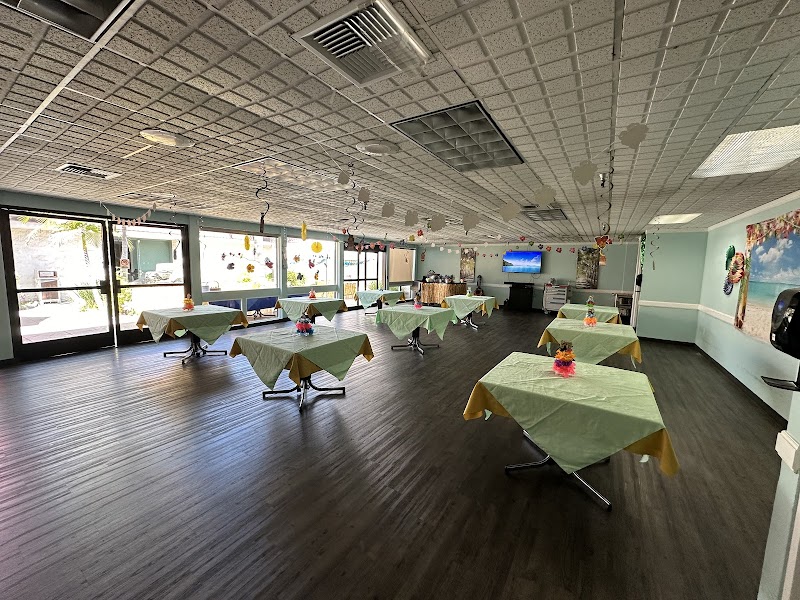
How is Seal Beach Center Staffed?

CMS rates SEAL BEACH HEALTH AND REHABILITATION CENTER's staffing level at 3 out of 5 stars, which is average compared to other nursing homes. Staff turnover is 36%, compared to the California average of 46%. This relatively stable workforce can support continuity of care.

What Have Inspectors Found at Seal Beach Center?

State health inspectors documented 161 deficiencies at SEAL BEACH HEALTH AND REHABILITATION CENTER during 2021 to 2025. These included: 142 with potential for harm and 19 minor or isolated issues. While no single deficiency reached the most serious levels, the total volume warrants attention from prospective families.
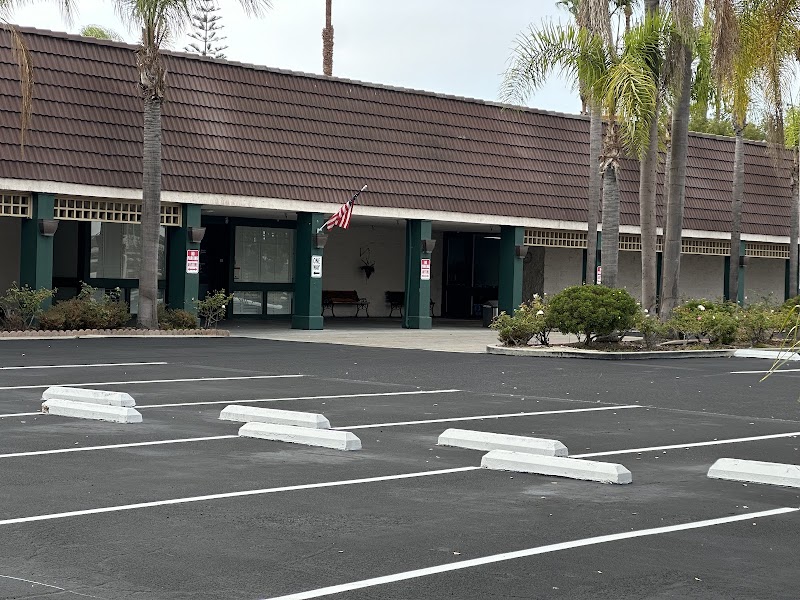
Who Owns and Operates Seal Beach Center?

SEAL BEACH HEALTH AND REHABILITATION CENTER is owned by a for-profit company. For-profit facilities operate as businesses with obligations to shareholders or private owners. The facility is operated by CAMBRIDGE HEALTHCARE SERVICES, a chain that manages multiple nursing homes. With 198 certified beds and approximately 170 residents (about 86% occupancy), it is a mid-sized facility located in SEAL BEACH, California.
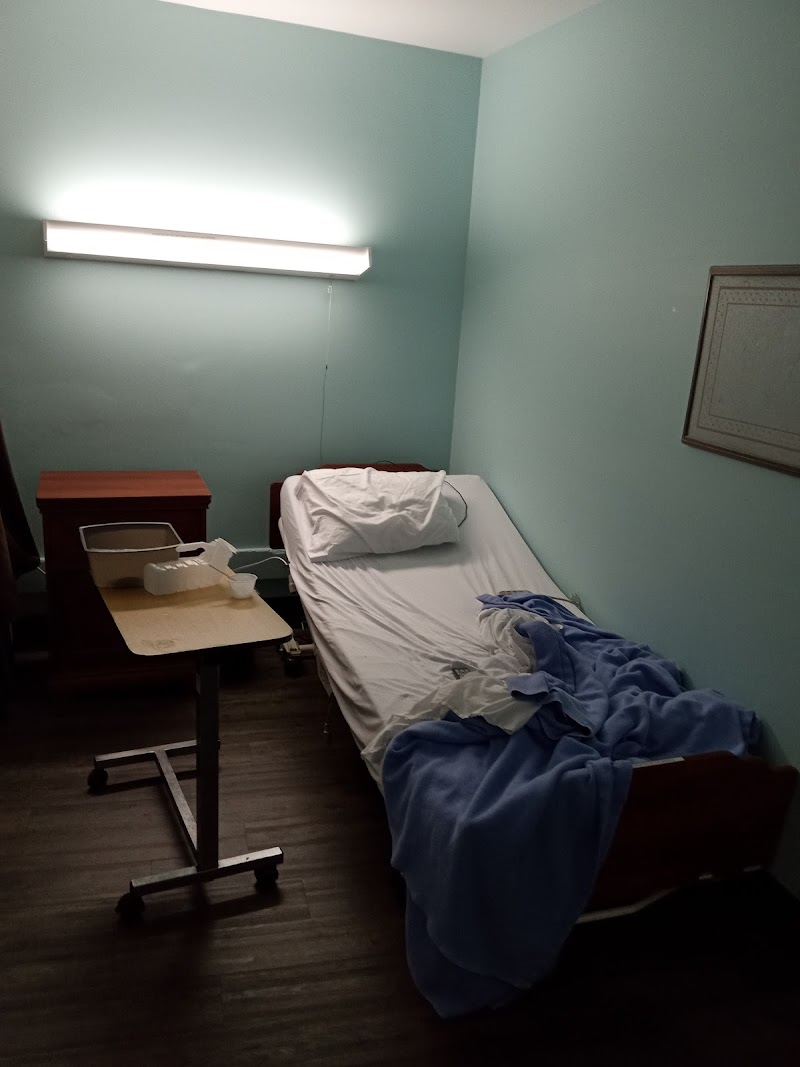
How Does Seal Beach Center Compare to Other California Nursing Homes?

Compared to the 100 nursing homes in California, SEAL BEACH HEALTH AND REHABILITATION CENTER's overall rating (1 stars) is below the state average of 3.1, staff turnover (36%) is near the state average of 46%, and health inspection rating (1 stars) is much below the national benchmark.

What Should Families Ask When Visiting Seal Beach Center?

Based on this facility's data, families visiting should ask: "Can I visit during a mealtime to observe dining assistance and food quality?" "How do you handle medical emergencies, and what is your hospital transfer rate?" "Can I speak with family members of current residents about their experience?"

Is Seal Beach Center Safe?

Based on CMS inspection data, SEAL BEACH HEALTH AND REHABILITATION CENTER has a clean safety record: no substantiated abuse findings (meaning no confirmed cases of resident harm), no Immediate Jeopardy citations (the most serious violation level indicating risk of serious injury or death), and is not on the Special Focus Facility watch list (a federal program monitoring the lowest-performing 1% of nursing homes). The facility has a 1-star overall rating and ranks #100 of 100 nursing homes in California. While no facility is perfect, families should still ask about staff-to-resident ratios and recent inspection results during their visit.

Do Nurses at Seal Beach Center Stick Around?

SEAL BEACH HEALTH AND REHABILITATION CENTER has a staff turnover rate of 36%, which is about average for California nursing homes (state average: 46%). Moderate turnover is common in nursing homes, but families should still ask about staff tenure and how the facility maintains care continuity when employees leave.

Was Seal Beach Center Ever Fined?

SEAL BEACH HEALTH AND REHABILITATION CENTER has been fined $3,145 across 1 penalty action. This is below the California average of $33,110. While any fine indicates a compliance issue, fines under $50,000 are relatively common and typically reflect isolated problems that were subsequently corrected. Families should ask what specific issues led to these fines and confirm they've been resolved.

Is Seal Beach Center on Any Federal Watch List?

SEAL BEACH HEALTH AND REHABILITATION CENTER is not on any federal watch list. The most significant is the Special Focus Facility (SFF) program, which identifies the bottom 1% of nursing homes nationally based on persistent, serious quality problems. Not being on this list means the facility has avoided the pattern of deficiencies that triggers enhanced federal oversight. This is a positive indicator, though families should still review the facility's inspection history directly.