BETHEL LUTHERAN HOME
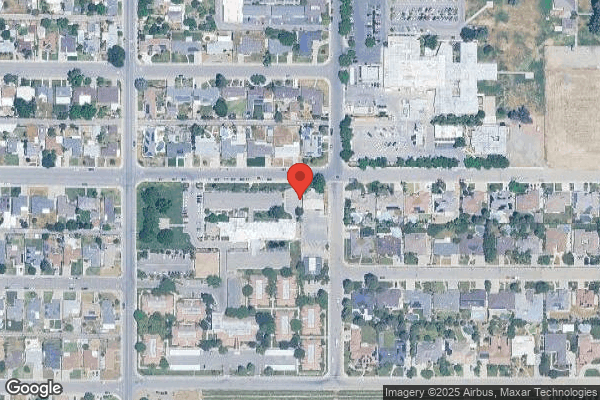
2280 DOCKERY AVENUE, SELMA, CA 93662 (559) 896-4900
Non profit - Church related 59 Beds Independent Data: November 2025
Trust Grade
60/100
#534 of 1155 in CA
Last Inspection: October 2024

Within standard 12-15 month inspection cycle. Federal law requires annual inspections.

Overview

Bethel Lutheran Home in Selma, California, has a Trust Grade of C+, indicating it is slightly above average among nursing homes. It ranks #534 out of 1,155 facilities in California, placing it in the top half, and #10 out of 30 in Fresno County, meaning only nine local options are better. The facility is on an improving trend, reducing its issues from 16 in 2024 to just 2 in 2025. Staffing is relatively strong with a rating of 4 out of 5 stars and a turnover rate of 47%, which is average for California. There have been no fines, which is a positive sign, but there were concerning incidents such as improperly stored food, like outdated lunch meat with ice buildup in the freezer, and contamination risks due to food preparation practices. Overall, while there are strengths in staffing and a lack of fines, the facility has room for improvement in food safety and quality measures.

Trust Score
C+
60/100
In California
#534/1155
Top 46%
Safety Record
Low Risk
No red flags
Inspections
Getting Better
16 → 2 violations
Staff Stability
⚠ Watch
47% turnover. Above average. Higher turnover means staff may not know residents' routines.
Penalties
✓ Good
No fines on record. Clean compliance history, better than most California facilities.
Skilled Nurses
⚠ Watch
Each resident gets only 27 minutes of Registered Nurse (RN) attention daily — below average for California. Fewer RN minutes means fewer trained eyes watching for problems.
Violations
⚠ Watch
45 deficiencies on record. Higher than average. Multiple issues found across inspections.
★★★☆☆
3.0
Overall Rating
★★★★☆
4.0
Staff Levels
★★☆☆☆
2.0
Care Quality
★★★☆☆
3.0
Inspection Score
Stable
2024: 16 issues
2025: 2 issues

The Good

  • 4-Star Staffing Rating · Above-average nurse staffing levels
  • Full Sprinkler Coverage · Fire safety systems throughout facility
  • No fines on record

Facility shows strength in staffing levels, fire safety.

The Bad

3-Star Overall Rating

Near California average (3.1)

Meets federal standards, typical of most facilities

Staff Turnover: 47%

Near California avg (46%)

Higher turnover may affect care consistency

The Ugly 45 deficiencies on record

Aug 2025 2 deficiencies
CONCERN (D) 📢 Someone Reported This

A family member, employee, or ombudsman was alarmed enough to file a formal complaint

Potential for Harm - no one hurt, but risky conditions existed

Resident Rights (Tag F0550)

Could have caused harm · This affected 1 resident

**NOTE- TERMS IN BRACKETS HAVE BEEN EDITED TO PROTECT CONFIDENTIALITY** Based on observation, interview, and record review the facility failed to provide care in a manner that maintained dignity and r...

Read full inspector narrative →
**NOTE- TERMS IN BRACKETS HAVE BEEN EDITED TO PROTECT CONFIDENTIALITY** Based on observation, interview, and record review the facility failed to provide care in a manner that maintained dignity and respect for one of three sampled residents (Resident 1), when Resident 1 was awoken at 2:00 a.m. and subjected to two attempted straight catheterizations (invasive thin flexible tube used to drain urine from the bladder) without a physician order or consent. This failure violated the resident's rights to receive care in a dignified and respectful manner.During a review of Resident 1's admission Record (AR) dated 8/22/25, the AR indicated, Resident 1 was initially admitted to the facility on [DATE] with diagnoses of hemiplegia (the loss of the ability to move one side of the body), Metabolic encephalopathy (brain dysfunction, which disrupts normal brain function) and malignant neoplasm of brain ( a cancerous growth in the brain or central nervous system).During a review of Resident 1's Order Summary Report (OSR) dated 8/8/25, at 1307 the OSR indicated, .May have UA (urinalysis medical test that examines urine to help diagnose medical conditions). One time only for foul order for 3 days.During a review of Resident 1's OSR dated 8/10/25 at 0305 the OSR indicated .May have UA with C&S (culture and sensitivity a more detailed test of the urinalysis indicates a possible infection) if indicated one time only for foul odor for 3 days. During a review of Resident 1's Minimum Data Set (MDS - a resident assessment tool used to identify cognitive [mental processes] and physical functional level assessment), dated 6/24/25, the MDS section C indicated Resident 1 had a Brief Interview for Mental Status (BIMS - a test given by medical professionals to determine cognitive understanding on a scale of 1-15 ) score of 14 (a score of 0-7 suggests severe cognitive impairment, 8-12 suggests moderately impaired, 13-15 suggests cognitively intact), which suggested Resident 1 was cognitively intact. During an interview on 8/22/25 at 8:50 a.m. with Resident 1's sister who is also the Responsible Party (RP) for Resident 1, the RP stated on 8/8/25 the facility informed her of Resident 1 having foul smelling urine and suspected UTI (infection of the urinary tract). The facility also informed her a urine sample was needed for a UA. The RP stated Resident 1's urine sample was obtained by a hat (a common term for a medical device that fits over the toilet bowl to collect urine). The RP stated on 8/11/25, RP made a daily visit to see Resident 1 and Resident 1 became visibly upset when explaining in detail about a nurse coming into Resident 1's room in the middle of the night and inserting a straight catheter into her urethra (a short tube in females that connects the bladder to the external genitals, serving as the pathway for urine to exit the body). During an interview on 8/22/25 at 10:23 a.m. at nurses' station on C wing, with Licensed Vocational Nurse (LVN) 2, LVN 2 stated a physician order was needed to obtain a UA. LVN 2 stated UA collection methods included urinating into a hat that was placed over the toilet or by straight catheterization. LVN 2 stated once the UA is collected a label is placed on the specimen then the specimen is placed within the fridge and laboratory was notified. LVN 2 stated if an additional UA specimen was required a new physician order would be required with method for collection. During a concurrent observation and interview on 8/22/25 at 11:39 a.m. with Resident 1, Resident 1 was observed coming from her restroom. Resident 1 stated she had used the restroom. Resident 1 recalled the nurse who had entered her room on 8/10/25 at 2:00 a.m. and stated another urine sample was needed. Resident 1 mentioned she was very confused and too nervous to ask questions, when the nurse began preparing the items for catheterization, especially since she had been able to use the hat for the first urine sample that was collected.During a phone interview on 8/27/25 at 3:44 p.m. with LVN 1, LVN 1 indicated on 8/10/25 she had entered Resident 1's room around 2:00 a.m. and woke Resident 1 up to collect a urine sample from Resident 1. LVN 1 stated around 2:00 a.m. was the normal time for brief checks and changing of residents, LVN 1 stated she felt it was a good time to collect the sample. LVN 1 used a straight catheter for the urine sample collection of Resident 1. LVN 1 stated she went into Resident 1's room alone and did not ask for help going into the room, because LVN 1 was able to perform a straight catheterization on residents who are alert such as Resident 1. LVN 1 stated she performed two attempts at inserting the catheter into Resident 1's urethra with failed attempts. LVN 1 stated after the failed attempts she had Resident 1 urinate into a bedpan, and the sample was collected. LVN 1 stated she did not contact the physician to obtain an order and there was no order for the straight catheter.During a phone interview on 8/26/25 at 1:05 p.m. with the DON, the DON acknowledged LVN 1 had attempted to perform a straight catheterization on Resident 1 without a physician's order and without obtaining consent from Resident 1's RP. The DON stated straight catheterization is considered an invasive procedure, and it was not the facility's expectation for staff to perform such a procedure without following physician orders and policy requirements. The DON further stated the physician should have been notified to obtain an order prior to the procedure being attempted.During an interview on 8/22/25 at 12:01 pm with the Administrator (Admin), the Admin acknowledged LVN 1 was wrong to attempt a straight catheterization on Resident 1 without a physician order. The Admin stated it was the facility's expectation all staff follow physician orders, adhere to facility policy, and document all interactions and communications. During a review of the facility's policy and procedure (P&P) titled, Cultures, Specimen Collection, dated 10/11, the P&P indicated, .Procedure guidelines.Explain the procedure completely to the resident.Urine culture from indwelling catheter 1. Validate the physician's order.During a review of the facility's P&P titled, Indwelling (foley) Catheter Insertion, Female Resident, dated 8/22, the P&P indicated .2. Verify that there is a physician's order for this procedure.Documentation.The indication.how the resident tolerated the procedure.During a review of the facility's P&P titled, Clean Catch Urine Specimen, dated 10/10, the P&P indicated .Verify that there is a physician's order for this procedure.Equipment and Supplies.Bedpan/urinal (if resident is unable to leave bed) .During a review of the facility's P&P titled, Resident Rights Guidelines for All Nursing Procedures, dated 10/10, the P&P indicated .If the resident is sleeping, and the procedure is not urgent or scheduled, return when the resident is awake.
CONCERN (D) 📢 Someone Reported This

A family member, employee, or ombudsman was alarmed enough to file a formal complaint

Potential for Harm - no one hurt, but risky conditions existed

Deficiency F0658 (Tag F0658)

Could have caused harm · This affected 1 resident

**NOTE- TERMS IN BRACKETS HAVE BEEN EDITED TO PROTECT CONFIDENTIALITY** Based on observation, interview and record review, the facility failed to ensure physician orders were followed for 1 of 3 sampl...

Read full inspector narrative →
**NOTE- TERMS IN BRACKETS HAVE BEEN EDITED TO PROTECT CONFIDENTIALITY** Based on observation, interview and record review, the facility failed to ensure physician orders were followed for 1 of 3 sampled residents (Resident 1). When the Licensed Vocational Nurse (LVN) 1 obtained a urine specimen by straight catheterization (invasive thin flexible tube used to drain urine from the bladder) without a physician order for catheter.This failure had the potential to place the resident at risk for unnecessary pain, infection, and psychosocial harm.During a review of Resident 1's Order Summary Report (OSR) dated 8/8/25, at 1307 the OSR indicated, .May have UA (urinalysis medical test that examines urine to help diagnose medical conditions). One time only for foul order for 3 days.During a review of Resident 1's OSR dated 8/10/25 at 0305 the OSR indicated .May have UA with C&S (culture and sensitivity a more detailed test of the urinalysis indicates a possible infection) if indicated one time only for foul odor for 3 days.During a review of Resident 1's admission Record (AR) dated 8/22/25, the AR indicated, Resident 1 was initially admitted to the facility on [DATE] with diagnoses of, hemiplegia (the loss of the ability to move one side of the body), Metabolic encephalopathy (brain dysfunction, which disrupts normal brain function) and malignant neoplasm of brain ( a cancerous growth in the brain or central nervous system).During a review of Resident 1's Minimum Data Set (MDS - a resident assessment tool used to identify cognitive [mental processes] and physical functional level assessment), dated 6/24/25, the MDS section C indicated Resident 1 had a Brief Interview for Mental Status (BIMS - a test given by medical professionals to determine cognitive understanding on a scale of 1-15 ) score of 14 (a score of 0-7 suggests severe cognitive impairment, 8-12 suggests moderately impaired, 13-15 suggests cognitively intact), which suggested Resident 1 was cognitively intact.During a concurrent observation and interview on 8/22/25 at 11:39 a.m. with Resident 1, Resident 1 recalled the nurse who had entered her room on 8/10/25 at 2:00 a.m. and informed her another urine specimen was needed. Resident 1 stated she was very confused and too nervous to ask questions, when the nurse began preparing the items for catheterization, since she had previously been able to provide a urine specimen using a hat.During a phone interview on 8/27/25 at 3:44 p.m. with LVN 1, LVN 1 indicated on 8/10/25 she had entered Resident 1's room around 2:00 a.m. and attempted to insert a straight catheter two times without success. LVN 1 stated after two failed attempts she obtained a urine specimen by having Resident 1 void into a bedpan. LVN 1 stated she did not notify the physician for an order and did not notify the responsible party before attempting the straight catheterization. LVN 1 Further indicated she was unaware this practice was unacceptable because it was the standard procedure for obtaining a urine sample at her previous place of employment, for residents who are incontinent (lack of voluntary control over urination) .During a phone interview on 8/26/25 at 1:05 p.m. with the Director of Nursing (DON), the DON stated LVN 1 had attempted to perform a straight catheterization on Resident 1 without a physician's order. The DON stated straight catheterization is considered an invasive procedure, and it was not the facility's expectation for staff to obtain a physician order prior to performing such procedure.During an interview on 8/22/25 at 12:01 pm with the Administrator, the Administrator acknowledged LVN 1 was wrong to attempt a straight catheterization on Resident 1 without a physician order, and it was facility's expectation all staff follow physician orders, adhere to facility policy, and document all interactions and communications.During a review of the facility's policy and procedure (P&P) titled, Cultures, Specimen Collection, dated 10/11, the P&P indicated, .Procedure guidelines.Explain the procedure completely to the resident.Urine culture from indwelling catheter 1. Validate the physician's order.During a review of the facility's P&P titled, Indwelling (foley) Catheter Insertion, Female Resident, dated 8/22, the P&P indicated .2. Verify that there is a physician's order for this procedure.Documentation.The indication.how the resident tolerated the procedure.During a review of the facility's P&P titled, Clean Catch Urine Specimen, dated 10/10, the P&P indicated .Verify that there is a physician's order for this procedure.Equipment and Supplies.Bedpan/urinal (if resident is unable to leave bed) .During a review of the facility's P&P titled, Resident Rights Guidelines for All Nursing Procedures, dated 10/10, the P&P indicated .If the resident is sleeping, and the procedure is not urgent or scheduled, return when the resident is awake.During a review of the facility's P&P titled, Medication and Treatment Orders, dated 7/16, the P&P indicated .orders must be recorded immediately in the resident's chart by the person receiving the order and must include prescriber's last name, credentials, the date and time of the order.
Nov 2024 3 deficiencies
CONCERN (D) 📢 Someone Reported This

A family member, employee, or ombudsman was alarmed enough to file a formal complaint

Potential for Harm - no one hurt, but risky conditions existed

Resident Rights (Tag F0550)

Could have caused harm · This affected 1 resident

Based on interview and record review, the facility failed to ensure the rights of two of three sampled residents (Resident 1 and Resident 2) right to a dignified private and personal space was respect...

Read full inspector narrative →
Based on interview and record review, the facility failed to ensure the rights of two of three sampled residents (Resident 1 and Resident 2) right to a dignified private and personal space was respected when one facility male employee laid down on the bed with Resident 1 and had taken a nap with her for several minutes; and when Resident 1's roommate, Resident 2, observed this. This failure resulted in the potential for psychosocial harm such as emotional distress for Resident 1 and Resident 2. Findings: During a review of the facility document titled SOC 341/5 Day Report (Report) , dated 11/18/24, the Report indicated, On 11/13/24, [at approximately 4 p.m.] Administrator was notified by [Resident 2] that a male CNA [Certified Nursing Assistant 1] had taken a nap in [Resident 1's] bed with her. An investigation was started immediately by the management team. Resident [1] was interviewed by [Licensed Nurse] and [Social Services Director]. Watched video footage of B-Wing Hall [hall where Resident 1 and 2 resided]. Staff member from B-wing hall interviewed. Confirmed incident was found to be true. [CNA 1] was notified that he is suspended until further notice. The two [other CNAs, CNA 2 and CNA 3] seen going in the room [from video footage] at [2:06 p.m.] were interviewed. One out of two confirmed that [CNA 1] was lying in bed with [Resident 1]. [CNA 1] was interviewed and confirmed the incident did happen. Facility terminated [CNA 1] effective 11/14/24. [Resident 1] is currently on alert charting for psychosocial distress. During a review of a facility letter (Letter ) dated 11/14/24, to CNA 1, the Letter indicated, We regret to inform you that we have come to the decision to terminate your employment with [the facility] effective November 14, 2024. This decision was reached after careful consideration of your violation of resident rights and its impact on [the facility]. As a responsible employer we believe it has become evident that your behavior does not meet the standards and expectations set forth by [the facility]. The letter was written by the Administrator and signed by CNA 1. During a review of a signed, written statement (Statement 1 ) from CNA 2, dated 11/15/24, Statement 1 indicated she was getting report from the morning shift CNA when, . [CNA 1] followed us into [Resident 1 and 2's shared room] and greeted the resident then we noticed him sitting/laying next to [Resident 1] and I remember saying Ew, [CNA 1] get out leave her alone but he just laughed it off. That is when [CNA 4] and I came out of her room and moved on to the next. [CNA 4] and I were both in the other room for about 10+ minutes.After that time . I then went into [Resident 1's] room again to ask her if she was ready for her shower that's what [sic] I noticed that [CNA 1] was still in there standing by her door, that's when I was like you're still here and he said ' yes but I'm leaving already. Then he walked off and I just asked [Resident 1] if she was ready and she said yes. During a review of a signed, written statement (Statement 2 ) from CNA 3, dated 11/15/24, Statement 2 indicated, On November 13 [2024], around 2:06 [p.m.], I was doing water pass and got to [Resident 1 and Resident 2's shared room] and noticed [CNA 1] sitting on [Resident 1's] bed moving her blanket then laid on [Resident 1] right side. I had said ew [CNA 1] why are you laying there, then proceeded to do the waters and get out of the room. I did not think anything of it at the time. I had thought as soon as I got out he would've as well. During a concurrent record review and interview on 11/15/24, at 8:55 a.m., with the Administrator and the Director of Nursing (DON), recorded facility video surveillance was reviewed. The Administrator stated the recorded video footage was of the B-Wing hallway, from a ceiling-mounted video camera, that recorded activities in the hallway outside Resident 1 and Resident 2's shared room. The Administrator stated there are no video cameras located inside the residents' room. The video footage indicated time and date information; the Administrator stated the date and times were accurate. The video footage dated 11/13/24, at 2:06 p.m., indicated three uniformed staff persons enter Resident 1 and Resident 2's shared room (the room ). The Administrator identified the staff persons as CNA 1, CNA 2, and CNA 4. The video footage dated 11/13/24, at 2:07 p.m., indicated CNA 2 and CNA 4 leaving the room. The video footage dated 11/13/24, at 2:15 p.m., indicated a staff person working with a cart of water pitchers near the room. The Administrator identified the staff person as CNA 3, and at 2:15 p.m., CNA 3 entered the room. The video footage dated 11/13/24, at 2:16 p.m., indicated CNA 1 coming to the room's doorway, and scratched his head. CNA 3 left the room. CNA 1 then went back into the room. The video footage dated 11/13/24, at 2:23 p.m., indicated CNA 2 entering the room, and walked out about a half a minute later. CNA 1 then walked out of the room. The video footage indicated CNA 1 was the only staff in the room for approximately 16 non-consecutive minutes, from 2:07 p.m. to 2:23 p.m. During an interview on 11/15/24, at 9:29 a.m., with the Administrator, the Administrator stated she learned of the incident involving Resident 1 and CNA 1 on 11/13/24 at 4 p.m. The Administrator stated first learned of the incident when Resident 2 had called her on her phone, as Resident 2 had her phone number. The Administrator stated Resident 2 is alert and oriented, and was Resident 1's roommate. The Administrator stated she then went to Resident 2 and spoke with her about the incident. The Administrator stated Resident 2 saw CNA 1 in Resident 1's bed and had asked CNA 1 ' what are you doing in bed with [Resident 1]?' and CNA 1 responded ' napping. During an interview on 11/15/24, at 9:48 a.m., with the Administrator, the Administrator stated she interviewed CNA 1 regarding the incident between him and Resident 1. The Administrator stated CNA 1 told her he was tired and put his head down. The Administrator stated she also interviewed Resident 1 who gestured to the side of her bed and indicated that was where CNA 1 had laid down. The Administrator stated Resident 1 said this made her uncomfortable. During an interview on 11/15/24, at 11:22 a.m., with Resident 2, in her shared room with Resident 1, Resident 2 stated she had been a resident of the facility since 2017. Resident 2 stated she recalled the event occurring on 11/13/24, with CNA 1. Resident 2 knew and recalled the involved staff by their names. Resident 2 stated, There were females putting water in my room. It was [CNA 2 and CNA 4] and [CNA 1] was in here. I saw that [CNA 1] was in [Resident 1's] bed and was under the blankets with her. I don't know if [Resident 1] was asleep but he was asleep. I could see [Resident 1 and CNA 1] in bed. Our divider curtain [separating Resident 1 and Resident 2's beds for privacy] was halfway open so I could see [Resident 1's] bed. I asked [CNA 1] what he was doing in here but he didn't say anything. No staff came in the room while [CNA 1] was lying in the bed. Staff didn't come in until CNA 2 came in at 2:25 p.m. and told him ' are you still here' and he woke up and got out of bed and left. I saw that [Resident 1] was awake but she didn't say anything about [CNA 1] being in the bed. I didn't like that he was in the bed. I've never seen him do that before. I reported this. I called [the Administrator by phone] and I feel she was responsive. During a review of Resident 2's Minimum Data Sheet (MDS, a comprehensive, standardized assessment tool) , dated 10/28/24, the MDS indicated at Question C0500 a score of 15 out of a possible 15, which indicated Resident 2 was cognitively intact (having sufficient judgment, planning, organization, self-control, and the persistence needed to manage the normal demands of the resident's environment). During a concurrent observation and interview on 11/15/24, at 11:32 a.m., with Resident 1, in her shared room with Resident 2, Resident 1 was noted have difficulties with speech. Resident 1 had a picture board with commonly used words and a device that indicated ' yes' or ' no' but did not use them during the interview. During the interview, Resident 1 nodded her head up and down to indicate ' yes', and shook her head and/or hand back and forth to indicate ' no'. Resident 1 was asked if she recalled CNA 1 being in her bed, and Resident 1 pointed to her right side of her bed and indicated ' yes'. Resident 1 was asked if CNA 1 was just under the covers with her and sleeping, Resident 1 indicated ' yes'. Resident 1 was asked if CNA 1 touched her inappropriately, Resident 1 indicated ' no.' During a review of Resident 1's MDS , dated 9/20/24, the MDS indicated at Question C0500 a score of 15 out of a possible 15, which indicated Resident 1 was cognitively intact. During a review of Resident 1's Progress Notes (PN) , dated 11/13/24, at 4:27 p.m., the PN indicated, .notified by [Resident 2, Resident 1's roommate] that a male CNA [CNA 1] had taken a nap with her roommate [Resident 1]. [Resident 2] noted that [CNA 1] was sleeping on top of bedding. The PN indicated this event made Resident 2 uncomfortable , and Will continue to monitor and offer emotional support. The PN dated 11/13/24, at 4:27 p.m., indicated, LATE ENTRY . asked resident if a male CNA had taken a nap with resident. In which resident responded YES.Did the CNA touch you in a personal way? In which resident was able to say No . and shock [sic] her head no. During a review of Resident 1's PN dated 11/13/24, at 4:30 p.m., the PN indicated, Resident will be monitored for psychosocial and emotional distress x72 [hours]. During a review of Resident 1's PN dated 11/14/24, at 8:41 a.m., the PN indicated, Resident [1] is currently on alert charity [sic] for psychosocial distress. Resident did not display any post-distress Resident slept well through the night. Resident has followed her normal routine. Writer and staff will continue to offer emotional support. During an interview on 11/15/24, at 12:13 p.m., with CNA 2, CNA 2 stated she recalled the incident occurring on 11/13/24 with Resident 1 and CNA 1. CNA 2 stated while in Resident 1's room, she saw CNA 1 enter the room, then CNA 2 left the room. CNA 2 stated about 10 minutes later, she re-entered the room and saw CNA 1 sitting on Resident 1's bed with part of her blanket covering him. CNA 2 stated, I honestly don't know what he was doing in there. I told him: ' Hey, what are you doing? Leave her alone. CNA 2 stated he then left the room. CNA 2 stated, I should have told the nurse about this after he didn't leave during my first visit, but I didn't I should have told the nurse because I thought he was violating her personal space. If I was in [Resident 1's] position, I wouldn't want someone on my bed like that. During an interview on 11/15/24, at 12:30 p.m., with CNA 3, CNA 3 stated she recalled the incident occurring on 11/13/24 with Resident 1 and CNA 1. CNA 3 stated she entered Resident 1's room and saw CNA 1 sitting on Resident 1's bed, holding a blanket. CNA 3 stated, I asked him: ' What are you doing?' He didn't answer. I didn't think much of it. It's not normal behavior. CNA 3 stated seeing CNA 1 on Resident 1's bed wasn't a normal chit-chat, it was different from a normal chit-chat. I don't know how it was different. I should have told someone. During a review of the facility document titled, Resident Rights , dated 1/24, the Resident Rights indicated, Residents of [the facility] are entitled to certain rights and protections designed to ensure their dignity, safety, and well-being. Here are some of the core rights residents have: 1.Right to Dignity and Respect [:] Residents have the right to be treated with respect and dignity at all times. They should receive care that promotes their independence, privacy, and personal preferences. 4. Right to Freedom from Abuse and Neglect [:] [the facility] is prohibited from subjecting residents to physical, emotional, or verbal abuse, neglect or exploitation. This includes. mistreatment by staff, visitors, or other residents.
CONCERN (D) 📢 Someone Reported This

A family member, employee, or ombudsman was alarmed enough to file a formal complaint

Potential for Harm - no one hurt, but risky conditions existed

Deficiency F0940 (Tag F0940)

Could have caused harm · This affected 1 resident

Based on interview and record review, the facility failed to ensure two of three employees' (CNA 1 and CNA 3) orientation to the facility and education documentation was thorough and completed by the ...

Read full inspector narrative →
Based on interview and record review, the facility failed to ensure two of three employees' (CNA 1 and CNA 3) orientation to the facility and education documentation was thorough and completed by the Director of Staff Development (DSD). This failure had the potential for staff education requirements to not be verified by the DSD, enabling poorly trained staff to work in the facility with residents. Findings: During a review of the facility document titled, Job Description – Director of Staff Development (DSD) , dated 1/24, the Job Description indicated, The Director of Staff Development (DSD) plays a key role in creating a positive learning culture within [the facility], overseeing training and continuing education to support the growth and professional development of nursing and support staff. This role ensures that all personnel maintain the required licensure and certifications, comply with facility policies and are well-equipped with the knowledge and skills necessary for providing high-quality resident care. The DSD coordinates with all mandatory training programs, evaluates staff competencies, and implements educational initiatives in line with federal, state, and facility regulations. Education and Training: Develop, implement, and manage comprehensive training programs, including orientation for new hires, ongoing education, and skills enhancement for staff. Compliance and Regulatory Oversight: Maintain accurate records of all training activities, staff competencies, and compliance documentation. During a concurrent record review and interview on 11/15/24, at 10:18 a.m., with the DSD and the Administrator, Certified Nursing Assistant (CNA) 1's education records were reviewed. Among the documents was a single untitled page indicating, Training was provided for the following substance, processes, or procedures: · Harassment Video · Abuse Prevention Video/Your Legal Duty Post-Test · Blood-borne pathogens & PPE Video and Post-Test · Choking? What to do? · Dementia Training Video (2hrs) · Falling Star Program · Unusual Occurrences · Fire and Disaster · Disaster Prep The single untitled page contained areas for name of instructor and date; these areas were blank. The DSD stated, That's because I didn't sign it. The DSD then left the interview and record review. During a review of CNA 1's education records, a four-page document titled, Employee Orientation , contained numerous items, including Job Description, Confidentiality of Resident Information, Fire and Safety Regulations and Procedures, Disaster Plan, a CNA's skill check list, and many others. The Employee Orientation contained areas for the employee and a licensed nurse to sign, name of employee, and Date of Orientation Completed. All these areas were blank on all four pages. During a review of CNA 1's education records, a single page document titled, Orientation , indicated, Please initial on each line that applies to your individual orientation. The Orientation document was blank with no employee name, signature, initials indicating completion, or date. During a review of CNA 1's education records, a single, undated document titled, Harassment: Sex, Religion and Beyond Employee Version , indicated, We are committed to providing a workplace free from unlawful discrimination, harassment and retaliation. The harassment training you received today is part of that effort. Please initial by each number and sign it and turn it in at the end of the training. The document was otherwise blank and contained no employee name, no initials, no signature indication completion, and no date. During a concurrent record review and interview on 11/15/24, at 10:24 a.m., with the Administrator, CNA 3's education records were reviewed. Among the documents was a single untitled page, dated 6/30/23, indicating Training was provided for the following substances, processes, or procedures: · Harassment Video · Abuse Prevention Video/Your Legal Duty Post-Test · Blood-borne pathogens & PPE Video and Post-Test · Choking? What to do? · Dementia Training Video (2hrs) · Falling Star Program · Unusual Occurrences · Fire and Disaster · Disaster Prep The single untitled page contained an area for name of instructor , which was blank. During a review of CNA 3's education records, a two-page document titled, Employee Orientation , was reviewed. Page two indicated areas for the employee and a licensed nurse to indicate orientation items such as Facility Organization, Job Description, Daily Routine, Shift Responsibilities, Daily Assignment Sheets, CNA skill checklist and several other items. All were unsigned, with the Date of Orientation Completed left blank. The Administrator verified the findings for CNA 1 and CNA 3. During an interview on 11/15/24, at 11:55 a.m., with the Administrator, the Administrator stated, It is my expectation that in-service [education] for new hires be proctored [supervised by someone, referred to as a proctor, who verifies the identity of the test taker and maintains test integrity] and precepted [a preceptor is an experienced practitioner who provides supervision during clinical practice and facilitates the application of theory to practice] by the DSD.
CONCERN (D) 📢 Someone Reported This

A family member, employee, or ombudsman was alarmed enough to file a formal complaint

Potential for Harm - no one hurt, but risky conditions existed

Deficiency F0942 (Tag F0942)

Could have caused harm · This affected 1 resident

Based on interview and record review, the facility failed to ensure one of three employees ' (Certified Nursing Assistant, or CNA 1) education on Resident ' s Rights was thorough and completed by the ...

Read full inspector narrative →
Based on interview and record review, the facility failed to ensure one of three employees ' (Certified Nursing Assistant, or CNA 1) education on Resident ' s Rights was thorough and completed by the Director of Staff Development (DSD). This failure resulted in staff education on Resident Rights to not be completed and verified by the DSD for CNA 1, enabling CNA 1 to be untrained on Resident Rights while working with residents, including Resident 1 [cross-reference with F550]. Findings: During a review of the facility document titled, Job Description – Director of Staff Development (DSD), dated 1/24, the Job Description indicated, The Director of Staff Development (DSD) plays a key role in creating a positive learning culture within [the facility], overseeing training and continuing education to support the growth and professional development of nursing and support staff. This role ensures that all personnel maintain the required licensure and certifications, comply with facility policies and are well-equipped with the knowledge and skills necessary for providing high-quality resident care. The DSD coordinates with all mandatory training programs, evaluates staff competencies, and implements educational initiatives in line with federal, state, and facility regulations. Education and Training: Develop, implement, and manage comprehensive training programs, including orientation for new hires, ongoing education, and skills enhancement for staff. Compliance and Regulatory Oversight: Maintain accurate records of all training activities, staff competencies, and compliance documentation. During a concurrent record review and interview on 11/15/24, at 10:18 a.m., with the DSD and the Administrator, Certified Nursing Assistant (CNA) 1 ' s education records were reviewed. The education records indicated CNA 1 was hired at the facility in 2023. During a review of CNA 1 ' s education records, a four-page document titled, Employee Orientation, indicated numerous items, including I have been instructed in and understand Resident Rights. This item contained an area for CNA 1 to sign the item; it was blank with no signature. The Employee Orientation document indicated other areas for the employee and a licensed nurse to sign, name of employee, and Date of Orientation Completed. All these areas were blank on all four pages. The DSD stated, That ' s because I didn ' t sign it. The DSD then left the interview and record review. During a review of a facility letter (Letter) dated 11/14/24, to CNA 1, the Letter indicated, We regret to inform you that we have come to the decision to terminate your employment with [the facility] effective November 14, 2024. This decision was reached after careful consideration of your violation of resident rights and its impact on [the facility]. As a responsible employer we believe it has become evident that your behavior does not meet the standards and expectations set forth by [the facility]. The letter was written by the Administrator and signed by CNA 1. During an interview on 11/15/24, at 11:55 a.m., with the Administrator, the Administrator stated, It is my expectation that in-service [education] for new hires be proctored [supervised by someone, referred to as a proctor, who verifies the identity of the test taker and maintains test integrity] and precepted [a preceptor is an experienced practitioner who provides supervision during clinical practice and facilitates the application of theory to practice] by the DSD. During a review of the facility Policy & Procedure, title Resident Rights Guidelines for All Nursing Procedures (P&P), date 10/10, the P&P indicated, Prior to having direct-care responsibilities for residents, staff must have appropriate in-service training on resident rights, including: . Resident dignity and respect[.]
Oct 2024 13 deficiencies
CONCERN (D)

Potential for Harm - no one hurt, but risky conditions existed

Comprehensive Care Plan (Tag F0656)

Could have caused harm · This affected 1 resident

**NOTE- TERMS IN BRACKETS HAVE BEEN EDITED TO PROTECT CONFIDENTIALITY** Based on interview and record review, the facility failed to implement a care plan in regard to pain for one of one residents (R...

Read full inspector narrative →
**NOTE- TERMS IN BRACKETS HAVE BEEN EDITED TO PROTECT CONFIDENTIALITY** Based on interview and record review, the facility failed to implement a care plan in regard to pain for one of one residents (Resident 3), when staff did not pre-medicate Resident 3 with an analgesic (a medication that reduces pain) prior to physical therapy. This failure to not follow the care plan, resulted in Resident 3 to have unmanaged pain. Findings: During a review of Resident 3's Face Sheet (a summary of important information regarding a patient which include patient identification, past medical history, insurance status, care providers, family contact information and other pertinent information), the face sheet indicated, Resident 3 was admitted to the facility on [DATE] with a diagnosis which included Generalized Abdominal Pain (pain that affects more than half of the abdomen), Poly-osteoarthritis (arthritis that affects five or more joints at the same time), Muscle Weakness (loss of muscle strength) and Contracture of Muscles (bilateral [both sides of body] lower legs- a permanent tightening of the muscles, tendons, skin, or nearby tissues that limits the range of movement of a joint or body part). During a concurrent observation and interview on 10/22/24 at 11:10 a.m., with Resident 3 in his room, Resident 3 was lying in his bed, semi-reclined watching television and laughing. Resident 3 stated he could not walk at all and both of his feet point inward (in towards each other) due to contractures. Resident 3 stated he was in pain due to those contractures and multiple back issues. Resident 3 stated he was in the most pain during transfers in a Hoyer lift ( a mechanical device that helps move a person from one place to another with minimal physical effort) from his bed to wheelchair and wheelchair to bed, which he has to do before and after physical therapy (PT). Resident 3 stated PT was also painful because he needed to get up on his feet and that was difficult due to the contractures. Resident 3 stated pain was present when staff would clean him after a bowel movement as well. Resident 3 stated he told staff he was in pain on a daily basis. Resident 3 stated his goal was to be free from pain. During a review of Resident 3's Care Plan (CP), dated 8/30/21, the CP indicated, .Focus: The resident has chronic pain related to past trauma to abdomen, history of partial intestinal obstruction and current use of abdominal pain pump. Resident has longstanding history of chronic, intractable progressive, degenerative lumbosacral spine pain . Goal: The resident will display a decrease in behaviors of inadequate pain control (irritability, agitation, restlessness) . Interventions: Administer PRN (as needed) analgesia as per orders. Give ½ hour before treatments of care. Date initiated: 8/30/21 . During a review of Resident 3's CT (computed tomography- a medical imaging procedure that uses X-rays and a computer to create detailed pictures of the inside of the body) Spine Lumbar (CT- lower back) dated 3/15/23, the CT indicated, .Reason for exam: Lumbosacral disc herniation (slipped or ruptured disc). Chronic lower back pain . Impression: . 2. Loss of the normal lumbar lordosis (a type of spinal curve in which the normal inward curve of the lower back is exaggerated), which can be seen in the setting of muscle spasm. 3. Generalized osteopenia (loss of bone density). 4. There is a spinal stimulator (a medical device that treats chronic pain by sending mild electrical impulses to the spinal cord) . 5. There are disc bulges with facet hypertrophy (a common condition that occurs when the facet joints in the spine enlarge, which can cause pain, stiffness, and reduced range of motion) . During a review of Resident 3's Medication Administration Record (MAR) dated October 2024, the MAR indicated, .Acetaminophen (pain relieving medication) Oral Tablet 325 mg (milligram- unit of measurement) Give 2 tablets by mouth every 6 hours as needed for mild-moderate pain . Start date: 7/28/23 at 10 a.m., . (Administered three times in October) Pain level: 4, PRN: Saturday 10/5/24 at 9:27 p.m., Effective . Pain level: 6, PRN: Thursday 10/24/24 at 11:48 a.m., Effective . Pain level: 4, PRN: 10/24/24 at 8:57 p.m., Effective . During a concurrent interview and record review on 10/25/24 at 10:02 a.m., with Licensed Vocational Nurse (LVN) 1, Resident 3's CP dated 8/30/21 was reviewed. The CP indicated, chronic pain was present for Resident 3 with an analgesic to be given thirty minutes prior to treatment. LVN 1 stated she was the nurse for Resident 3 three days a week. LVN 1 stated care plans are important because they give directions on what to do for the resident on a daily basis. LVN 1 stated she would consider PT to be a treatment and Resident 3 went to PT during her shift. LVN 1 stated she had never administered a PRN analgesic prior to the Resident going to PT and had never seen that portion of the CP before. LVN 1 stated it would be important to administer the pain medication thirty minutes prior so Resident 3 could have been pain free during PT. LVN 1 stated the pain medication would have allowed Resident 3 to participate more because he would be able to move better without pain. LVN 1 stated she should have been addressing Resident 3's pain per the CP and she was not. During an interview on 10/25/24 at 10:30 a.m., with Certified Nursing Assistant (CNA) 5, CNA 5 stated Resident 3 always said he was in pain and everything hurts him. CNA 5 stated she reported Resident 3's pain to the nurse. During an interview on 10/25/24 at 11 a.m., with the MDS (Minimum Data Set- a resident assessment tool used to identify resident cognitive and physical function) Nurse Coordinator (MDSN), the MDSN stated she made the CP for Resident 3 and reviewed them quarterly (every 3 months). The MDSN stated CP's drive the daily care for the resident. The MDSN stated the expectation was for nursing staff to have given medication per the CP. The MDSN stated Resident 3 could have a difficult time participating in PT due to his pain not addressed. The MDSN stated Resident 3 deserved to be free from pain and have the CP followed. The MDSN stated the CP for Resident 3 was not followed and should have been. The MDSN stated Resident 3 did not get proper care and his condition could get worse because of it. During an interview on 10/25/24 at 11:36 a.m., with the PT assistant, the PT assistant stated Resident 3 did complain about pain during the Hoyer lift transfer and it would be important to premedicate the resident prior to PT. The PT assistant stated Resident 3 went to PT three times a week since June 2024 for his contractures and overall mobility. The PT assistant stated pain needed to be controlled to get the best results during PT. The PT assistant stated that PT would classify as a treatment. During an interview on 10/25/24 at 3:04 p.m., with the Director of Nursing (DON), the DON stated CP's are there to guide the care a resident should have received. The DON stated all staff should know and follow the CP's for Resident 3 like they are written. The DON stated the CP was not followed and Resident 3 could get worse overall. During an interview on 10/28/24 at 10:05 a.m., with LVN 2, LVN 2 stated CP's identify what care needs to be done for the resident and they promote their safety. LVN 2 stated the CP for Resident 3 was not followed because of a miscommunication. LVN 2 stated staff failed to provide pain management for Resident 3 before his therapy. LVN 2 stated Resident 3 deserved to be free from pain and he was not, per the CP. During a review of the facility's P&P titled, Care Plans, Comprehensive Person-Centered, dated March 2022, the P&P indicated, Policy Statement: A comprehensive, person-centered care plan that includes measurable objectives (a goal that could be tracked and evaluated over time) and timetables to meet the resident's physical, psychosocial and functional needs is developed and implemented for each resident . 7. The comprehensive, person-centered care plan: a. includes measurable objectives and timeframes; b. describes the services that are to be furnished to attain or maintain the resident's highest practicable physical, mental and psychosocial well-being, including: . e. reflects currently recognized standards of practice for problem areas and conditions . 8. Services provided for or arranged by the facility and outlined in the comprehensive care plan are: a. provided by qualified persons . 9. Care plan interventions are chosen only after data gathering, proper sequencing of events, care consideration of the relationship between the resident's problem areas and their causes, and relevant clinical decision making . 10. interventions address the underlying source(s) of the problem area(s), not just symptoms or triggers .
CONCERN (D)

Potential for Harm - no one hurt, but risky conditions existed

Deficiency F0697 (Tag F0697)

Could have caused harm · This affected 1 resident

**NOTE- TERMS IN BRACKETS HAVE BEEN EDITED TO PROTECT CONFIDENTIALITY** Based on observation, interview and record review, the facility failed to ensure the right to be free from pain for one of one r...

Read full inspector narrative →
**NOTE- TERMS IN BRACKETS HAVE BEEN EDITED TO PROTECT CONFIDENTIALITY** Based on observation, interview and record review, the facility failed to ensure the right to be free from pain for one of one residents (Resident 3), when Resident 3 was not given analgesia (pain medication), per his care plan, before physical therapy. This failure resulted in Resident 3 experiencing pain during a transfer from his wheelchair to his bed and during physical therapy. Findings: During a review of Resident 3's Face Sheet (a summary of important information regarding a patient which includes patient identification, past medical history, insurance status, care providers, family contact information and other pertinent information), the face sheet indicated, Resident 3 was admitted to the facility on [DATE] with a diagnosis which included Generalized Abdominal Pain (pain that affects more than half of the abdomen), Poly-osteoarthritis (arthritis that affects five or more joints at the same time), Muscle Weakness (loss of muscle strength) and Contracture of Muscles (bilateral [both sides of body] lower legs- a permanent tightening of the muscles, tendons, skin, or nearby tissues that limits the range of movement of a joint or body part). During a concurrent observation and interview on 10/22/24 at 11:10 a.m., with Resident 3 in his room, Resident 3 was lying in his bed, semi-reclined watching television and laughing. Resident 3 stated he could not walk at all and both of his feet point inward (in towards each other) due to contractures. Resident 3 stated he was in pain due to those contractures and multiple back issues. Resident 3 stated he was in the most pain during transfers in a Hoyer lift (a mechanical device that helps move a person from one place to another with minimal physical effort) from his bed to wheelchair and wheelchair to bed, which he has to do before and after Physical Therapy (PT). Resident 3 stated PT was also painful because he needed to get up on his feet and that was difficult due to the contractures. Resident 3 stated pain was present when staff would clean him after a bowel movement as well. Resident 3 stated he told staff he was in pain on a daily basis. Resident 3 stated his goal was to be free from pain. During an observation on 10/23/24 at 11 a.m., in the PT room, Resident 3 had facial grimaces while going from sitting to standing with the PT aide. During an observation and interview on 10/23/24 at 11:46 a.m., with Resident 3 in his room, Resident 3 was getting lifted back in bed by two Certified Nurse Assistants (CNA 1 and CNA 2) with the use of a Hoyer lift. Resident 3 was groaning and grimacing while in the lift. Resident 3 stated he was having pain in his back while staff was lowering him in the lift back into bed. Resident 3 stated staff did a good job but was still in a little pain. Resident 3 stated he received pain medication in my stomach but it isn't enough because I hurt sometimes. During a review of Resident 3's Care Plan (CP), dated 8/30/21, the CP indicated, .Focus: The resident has chronic pain related to past trauma to abdomen, history of partial intestinal obstruction and current use of abdominal pain pump. Resident has longstanding history of chronic, intractable progressive, degenerative lumbosacral spine pain . Goal: The resident will display a decrease in behaviors of inadequate pain control (irritability, agitation, restlessness) . Interventions: Administer PRN (as needed) analgesia as per orders. Give ½ hour before treatments of care. Date initiated: 8/30/21 . During a review of Resident 3's CT (computed tomography- a medical imaging procedure that uses X-rays and a computer to create detailed pictures of the inside of the body) Spine Lumbar (CT- lower back) dated 3/15/23, the CT indicated, .Reason for exam: Lumbosacral disc herniation (slipped or ruptured disc). Chronic lower back pain . Impression: . 2. Loss of the normal lumbar lordosis (a type of spinal curve in which the normal inward curve of the lower back is exaggerated), which can be seen in the setting of muscle spasm. 3. Generalized osteopenia (loss of bone density). 4. There is a spinal stimulator (a medical device that treats chronic pain by sending mild electrical impulses to the spinal cord) . 5. There are disc bulges with facet hypertrophy (a common condition that occurs when the facet joints in the spine enlarge, which can cause pain, stiffness, and reduced range of motion) . During a review of Resident 3's Medication Administration Record (MAR) dated October 2024, the MAR indicated, .Resident has Morphine (pain relieving medication for moderate to severe pain) 0.1 mg (milligram- unit of measurement)/ml (milliliter- unit of measurement) and Baclofen (muscle relaxing medication) 5.0 mcg (micrograms- unit of measurement)/ml pump to abdomen continuous infusion as follows: Morphine 0.00250 mg/hr (hour) and Baclofen 0.1249 mcg/hr. Monitor every shift for signs/symptoms of complications: respiratory depression, urinary hesitancy and retention, constipation and nausea and vomiting. If noted notify MD (Medical Doctor). Start date: 9/18/23 (administered every day throughout the day) .Acetaminophen (pain relieving medication) Oral Tablet 325 mg. Give 2 tablets by mouth every 6 hours as needed (PRN) for mild-moderate pain . Start date: 7/28/23 at 10 a.m., . (Administered three times in October) Pain level: 4, PRN: Saturday 10/5/24 at 9:27 p.m., Effective . Pain level: 6, PRN: Thursday 10/24/24 at 11:48 a.m., Effective . Pain level: 4, PRN: 10/24/24 at 8:57 p.m., Effective . During a review of Resident 3's Minimum Data Set (MDS- a resident assessment tool used to identify resident cognitive and physical function) Section J, dated 10/14/24, the MDS indicated, .B. Received PRN pain medications or was offered and declined? No. Pain Presence: Ask resident: Have you had pain or hurting at any time in the last 5 days? Yes. Pain Frequency: Ask resident: How much of the time have you experienced pain in hurting in the last 5 days? Frequently . During a concurrent interview and record review on 10/25/24 at 10:02 a.m., with Licensed Vocational Nurse (LVN) 1, Resident 3's CP dated 8/30/21 was reviewed. The CP indicated, chronic pain was present for Resident 3 with an analgesic to be given thirty minutes prior to treatment. LVN 1 stated she was the nurse for Resident 3 three days a week. LVN 1 stated care plans are important because they give directions on what to do for the resident on a daily basis. LVN 1 stated she would consider PT to be a treatment and Resident 3 went to PT during her shift. LVN 1 stated she had never administered a PRN analgesic prior to the Resident going to PT and had never seen that portion of the CP before. LVN 1 stated it would be important to administer the pain medication thirty minutes prior so Resident 3 could have been pain free during PT. LVN 1 stated the pain medication would have allowed Resident 3 to participate more because he would be able to move better without pain. LVN 1 stated she should have been addressing Resident 3's pain per the CP and she was not. During an interview on 10/25/24 at 10:30 a.m., with Certified Nursing Assistant (CNA) 5, CNA 5 stated Resident 3 always said he was in pain and everything hurts him. CNA 5 stated she reported Resident 3's pain to the nurse. During an interview on 10/25/24 at 11 a.m., with the MDS Nurse Coordinator (MDSN), the MDSN stated she made the CP for Resident 3 and reviewed them quarterly (every 3 months). The MDSN stated CP's drive the daily care for the resident. The MDSN stated the expectation was for nursing staff to have given medication per the CP. The MDSN stated Resident 3 could have a difficult time participating in PT due to his pain not being addressed. The MDSN stated Resident 3 deserved to be free from pain and have the CP followed. The MDSN stated the CP for Resident 3 was not followed and should have been. The MDSN stated Resident 3 did not get proper care and his condition could get worse because of it. During an interview on 10/25/24 at 11:36 a.m., with the PT assistant, the PT assistant stated Resident 3 did complain about pain during the Hoyer lift transfer and it would be important to premedicate the resident prior to PT. The PT assistant stated Resident 3 went to PT three times a week since June 2024 for his contractures and overall mobility. The PT assistant stated pain needed to be controlled to get the best results during PT. The PT assistant stated that PT would classify as a treatment. During an interview on 10/25/24 at 3:04 p.m., with the Director of Nursing (DON), the DON stated CP's are there to guide the care a resident should have received. The DON stated that of course the Hoyer lift was uncomfortable for him given his condition. The DON stated all staff should know and follow the CP's for Resident 3 like they are written. The DON stated the CP was not followed and Resident 3 could get worse overall. The DON stated Resident 3's pain was not managed per the CP. The DON stated that Resident 3 had the right to be free from pain. The DON stated the policy and procedure (P&P) Pain- Clinical Protocol nor Care Plans, Comprehensive Person-Centered. During an interview on 10/28/24 at 10:05 a.m., with LVN 2, LVN 2 stated she was Resident 3's nurse today. LVN 2 state CP's identify what care needs to be done for the resident and they promote their safety. LVN 2 stated the CP for Resident 3 was not followed because of a miscommunication. LVN 2 stated staff failed to provide pain management for Resident 3 before his therapy. LVN 2 stated Resident 3 deserved to be free from pain and he was not per the CP. During a review of the facility's P&P titled, Pain- Clinical Protocol, dated October 2022, the P&P indicated, Assessment and Recognition: 1. The physician and staff will identify individuals who have pain or who are at risk for having pain. a. This includes reviewing known diagnosis and conditions that commonly cause pain . 2. The nursing staff will assess each individual for pain upon admission to the facility, at the quarterly review, whenever there is a significant change in condition, and where there is onset of new pain or worsening of existing pain . 3. The staff and physician will identify the characteristics of pain such as location, intensity, frequency, pattern, and severity . 4. The nursing staff will identify any situations or interventions where an increase in the residents pain may be anticipated . During a review of the facility's P&P titled, Care Plans, Comprehensive Person-Centered, dated March 2022, the P&P indicated, Policy Statement: A comprehensive, person-centered care plan that includes measurable objectives (a goal that could be tracked and evaluated over time) and timetables to meet the resident's physical, psychosocial and functional needs is developed and implemented for each resident . 7. The comprehensive, person-centered care plan: a. includes measurable objectives and timeframes; b. describes the services that are to be furnished to attain or maintain the resident's highest practicable physical, mental and psychosocial well-being, including: . e. reflects currently recognized standards of practice for problem areas and conditions . 8. Services provided for or arranged by the facility and outlined in the comprehensive care plan are: a. provided by qualified persons . 9. Care plan interventions are chosen only after data gathering, proper sequencing of events, care consideration of the relationship between the resident's problem areas and their causes, and relevant clinical decision making . 10. interventions address the underlying source(s) of the problem area(s), not just symptoms or triggers .
CONCERN (D)

Potential for Harm - no one hurt, but risky conditions existed

Menu Adequacy (Tag F0803)

Could have caused harm · This affected 1 resident

**NOTE- TERMS IN BRACKETS HAVE BEEN EDITED TO PROTECT CONFIDENTIALITY** Based on observations, interview, and record review the, the facility failed to ensure the physician order (set of instructions ...

Read full inspector narrative →
**NOTE- TERMS IN BRACKETS HAVE BEEN EDITED TO PROTECT CONFIDENTIALITY** Based on observations, interview, and record review the, the facility failed to ensure the physician order (set of instructions written by a doctor) was followed for one of the six sampled residents (Resident 14) was served an incorrect scoop size for small portion diet on 10/23/24. This failure had the potential for Resident 14 to received more than the recommended number of calories ordered by the physician. Findings: During an observation on 10/23/24 at 11:39 a.m. in the kitchen during tray line (food service assembly line system where workers add components to a tray as it moves along a line) Dietary [NAME] (DC) used number 8 scoop size on the steam table. DM stated he should have given less for residents with order for smaller portions. During an interview on 10/24/24 at 9:33 a.m. with the Dietary Services Supervisor, the DSS stated, there should be a number 8 scoop size regular portion) and number 10 scoop size (small portion) during tray line. The DSS stated, Resident 14 had an order for small size portion and serving size should be based on the smaller portion scoop. The DSS stated, it was important to follow portion size to prevent weight gain and loss. The DSS stated Resident 14 would have gained weight when the portion control size was not followed. The DSS stated, the DC should have looked at the meal ticket [a printed ticket that specifies each resident's meal) and should have served the items accordingly. The DSS stated, He [DC] did not do that. During an interview on 10/25/24 at 10:40 a.m. with the Registered Dietitian (RD), the RD stated, the DC should have all the number scoop size (8 and 10 portion) while serving food on the steam table. The RD stated, the DC should have used correct scoop size (10) for small portions for Resident 14. The RD stated, Resident 14 could have gained weight when given a larger scoop size. The RD stated, the physician order called for small portion and the order should have been followed. During a review of Resident 14 s admission Record (document containing resident demographic information and medical diagnosis) dated 10/28/24, the admission record indicated Resident 14 was admitted to the facility on [DATE]. Resident 14's diagnosis included hypertension (high blood pressure), type 2 diabetes (a condition that happens because of a problem in the way the body regulates and uses sugar as a fuel), anxiety disorder (a feeling of fear, dread, and uneasiness that can be a normal reaction to stress), gastritis (an inflammation of the stomach lining that can be short-term or long-term), gout (a type of arthritis that causes severe pain and swelling in joints due to a buildup of uric acid) and irritable bowel (chronic condition that affects the large intestine and causes a variety of symptoms). During a review of Resident 14's Minimum Data Set (MDS - a resident assessment tool used to identify cognitive [mental processes] and physical functional level assessment), dated 8/5/24 the MDS, indicated Resident 14 had a Brief Interview for Mental Status (BIMS - a test given by medical professionals to determine cognitive understanding on a scale of 1-15 ) score of 15 (a score of 0-7 suggests severe cognitive impairment, 8-12 suggests moderately impaired, 13-15 suggests cognitively intact) indicating Resident 14 was cognitively intact. During a review of Resident 14's [Facility Name] Order Listing Report (OLR), dated 10/28/24, the OLR indicated, .Order Summary: CC/CRCS diet Mechanical Soft texture, thin consistency, Small Portion . During a review of the facility's policy and procedure (P&P) titled, Food Preparation, dated 2011, the P&P indicated, .Portion control assures correct quantities are served to resident/patients to meet the nutritional specifications as determine by the menu .3. Scoops are sized according to the number of scoops needed to equal one quart. The smaller the number, the larger the size. Amount in Cups scoop size .1/2c [cup] 8 [scoop size] 3/8c [cup] 10 [scoop size] .7. Small portion may be given to resident/patients per physician order .food items should be reduced by ¼ cup increments for entrees, starch, and vegetables .[box] regular portion: [box] 1 cup .[box] small portion: [box]:
CONCERN (D)

Potential for Harm - no one hurt, but risky conditions existed

Deficiency F0806 (Tag F0806)

Could have caused harm · This affected 1 resident

Based on observation interview and record review the facility failed to ensure meal preferences were followed for one of seven residents (Resident 51) when Resident 51 was served items on her list of ...

Read full inspector narrative →
Based on observation interview and record review the facility failed to ensure meal preferences were followed for one of seven residents (Resident 51) when Resident 51 was served items on her list of disliked foods of chicken with skin and beets. This failure had the potential to cause Resident 51 to experience inadequate nutrition and weight loss as a result of not eating. Findings: During a review of Resident 51's admission Record (AR- a document which provides resident contact details, a brief medical history, level of functioning, preferences, and wishes), dated 10/24/2024, the AR indicated Resident 51 was admitted with the following conditions: diverticulitis(swelling or infection of small pouches in the intestines), protein calorie malnutrition (occurs when a person does not eat enough protein and calories in their food to meet their nutritional needs), and diarrhea (frequent loose-bowel movement) During a review of Resident 51's Minimum Data Set (MDS- resident assessment tool which indicates physical and cognitive abilities), dated 8/5/2024, the MDS indicated a Brief Interview for Mental Status (BIMS-an assessment of cognitive function) score of 15 (0-7 severe cognitive impairment, 8-12 moderate cognitive impairment, 13-15 no cognitive impairment), indicating Resident 51 had no cognitive impairment. During a concurrent observation and interview on 10/22/24 at 12:07 p.m. in Resident 51's room, Resident 51 was served chicken with skin, beets, and bread. Resident 51 stated she did not like skin on her chicken, or beets. Resident 51 stated she had diverticulitis, and she did not want to eat meat with skin or vegetables because it could cause her upset stomach. Resident 51 stated she did not want to eat her provided lunch. Resident 51 stated she often received meat with skin on it or a lot of fiber (parts of foods the body can't digest or absorb) from the kitchen. During an interview on 10/24/24 at 11:33 a.m. with the Registered Dietitian (RD), the RD stated Resident 51's preference for meat without skin should have been followed. The RD stated if Resident 51's meal preferences were not followed, it could have led to Resident 51 not eating and experiencing malnutrition (lack of nutrients received from food). During an interview on 10/25/24 at 10:46 a.m. with Certified Nursing Assistant (CNA) 7, CNA 7 stated nurses were the ones responsible for checking meal trays to ensure they followed resident meal preferences, but CNAs were also able to view the trays to ensure residents received the correct and preferred food items. CNA 7 stated if she or other CNAs noticed a resident repeatedly refusing their tray they would need to inform the nurse in order to correct the problem. CNA 7 stated it was important to follow a resident's meal preferences and orders because not doing so could lead residents to experience weight loss from not eating. During an interview on 10/25/24 at 11:19 a.m. with the Director of Staff Development (DSD), the DSD stated nurses were the ones responsible for checking meal tray's meal ticket (a document which lists resident preferences and diet order) to ensure the meals were accurate to what the resident should be receiving. The DSD stated CNAs could have also checked the tray for accuracy as they delivered it to the residents. The DSD stated if a resident's preference wasn't followed, or a food error was found, the expectation was for CNAs to alert the nurses of the error or to go to the kitchen to let kitchen staff update the resident's meal ticket. During a concurrent interview and record review on 10/28/24 at 10:40 a.m. with Licensed Vocational Nurse (LVN) 2, Resident 51's Order Summary Report, dated 10/24/24 was reviewed. The Order Summary report indicated Resident 51 was on a low fiber diet. LVN 2 stated Resident 51 had diverticulitis and eating food with fiber like beets or chicken with skin was not good for her. LVN 2 stated Resident 51's meals should follow her preferences and dietary restrictions because eating foods she's not supposed to eat could cause pain and swelling in her stomach. During an interview on 10/28/24 at 11:27 a.m. with the Director of Nursing (DON), the DON stated Resident 51 should not have gotten an incorrect lunch meal, she had a diagnosis of diverticulitis and has had a lot of issues with it. The DON stated the diet order needed to be followed and Resident 51 should have gotten an appropriate meal the first time without having to ask for an alternative. During a review of Resident 51's meal tickets, dated 1021/24-10/23/24, indicated Resident 51's dislikes were: nuts, beans, pork, beef, and chicken with skin. During a review of the facility's policy and procedure (P&P) titled, Therapeutic Diets, dated 10/2017, indicated, . Diet will be determined in accordance with the resident's informed choices, preferences, treatment goals and wishes . A 'therapeutic diet is considered a diet ordered by a physician, practitioner or dietitian as part of treatment for a disease or clinical condition, to modify specific nutrients in the diet, or to alter the texture of a diet .
CONCERN (D)

Potential for Harm - no one hurt, but risky conditions existed

Medical Records (Tag F0842)

Could have caused harm · This affected 1 resident

**NOTE- TERMS IN BRACKETS HAVE BEEN EDITED TO PROTECT CONFIDENTIALITY** Based on interview and record review, the facility failed to ensure medical records were complete and accurately documented in a...

Read full inspector narrative →
**NOTE- TERMS IN BRACKETS HAVE BEEN EDITED TO PROTECT CONFIDENTIALITY** Based on interview and record review, the facility failed to ensure medical records were complete and accurately documented in accordance with accepted professional standards of practice for one of six sampled residents (Resident 8), when Resident 8's antipsychotic consent forms were incomplete. This failure put Resident 8 at risk of receiving antipsychotic medication prior to being informed of the risks and benefits of taking the medication. Findings: During a review of Resident 8's admission Record (AR - a summary of information regarding a patient which includes patient identification, past medical history, insurance status, care providers, family contact information and other pertinent information), dated 10/28/24, the AR indicated Resident 8 was admitted on [DATE] with diagnoses of cerebral infarction (damage to tissues in the brain due to a loss of oxygen to the area), anxiety disorder (a mental health disorder characterized by feelings of worry, anxiety, or fear that are strong enough to interfere with one's daily activities), major depressive disorder (a mental health disorder characterized by persistently depressed mood or loss of interest in activities), dementia (loss of memory, language, problem-solving and other thinking abilities that are severe enough to interfere with daily life), delusional disorder (a type of mental health condition in which a person can't tell what is real from what is imagined), and schizophrenia (a disorder that affects a person's ability to think, feel, and behave clearly). During a review of Resident 8's Minimum Data Set (MDS - a resident assessment tool used to identify cognitive [mental processes] and physical functional level assessment), dated 9/30/24, the MDS section C indicated Resident 8 had a Brief Interview for Mental Status (BIMS - a test given by medical professionals to determine cognitive understanding on a scale of 1-15 ) score of three (a score of 0-7 suggests severe cognitive impairment, 8-12 suggests moderately impaired, 13-15 suggests cognitively intact), which suggested Resident 8 was severely impaired. During a concurrent interview and record review on 10/25/24 at 3:16 p.m. with the Director of Nursing (DON) Resident 8's Antipsychotic Consent Forms, dated 3/5/24 and 9/4/24 were reviewed. The Antipsychotic Consent Forms indicated the physician signatures were not dated for Quetiapine (an antipsychotic medication that treats schizophrenia). The DON stated the signed consent forms for Quetiapine should have been dated by the physician. The DON stated the consents for Resident 8's antipsychotic medications were not valid without a dated physician's s signature. The DON stated Medical Records Department was responsible for verifying consents were completed. The DON stated nurses were to verify consents were complete before administering antipsychotic medications to the residents. The DON stated without a dated signature, staff could not verify consent was obtained prior to the resident starting the medication. The DON stated Resident 8's consent needed to be signed and dated prior to Resident 8 receiving the antipsychotic medication. The DON stated her expectation was consents be complete with signatures dated by the physician. During a concurrent interview and record review on 10/28/24 at 3:42 p.m. with Licensed Vocational Nurse (LVN) 4, Resident 8's Antipsychotic Consent Form, dated 3/5/24 and 9/4/24 were reviewed. The Antipsychotic Consent Form indicated the physician signatures on the 3/5/24 and 9/4/24 consents were not dated. LVN 4 stated the LVNs check resident's antipsychotic consents prior to giving the medication to verify the consents were complete. LVN 4 stated Resident 8's March and September consents for Quetiapine were not complete without the date of the physician's signature. LVN 4 stated the date of the physician's signature was important to know when the doctor obtained Resident 8's consent for the medication, and to be sure Resident 8 consented to receiving the medication prior to staff giving the medication to Resident 8. During a review of the facility job description (JD) document titled, Medical Records Technician, dated 1/2024, the JD indicated, . key responsibilities . audit records regularly to verify accuracy and completeness . identify record discrepancies and communicate with relevant staff to resolve them . During a review of the facility's policy and procedure (P&P) titled, Informed Consent, dated 7/2019, indicated, . Licensed Nurse verification that a physician has obtained IC (Informed Consent) medical services, treatments, medications . requiring IC . any drug that affects brain activities associated with mental processes and behavior. Psychotropic drugs include, but are not limited to the following categories: anti-psychotics . IC will be verified by the facility with each order . In the event the physician has NOT obtained informed consent and/or the facility cannot verify such informed consent, then the facility may not administer psychotropic medications .
CONCERN (D)

Potential for Harm - no one hurt, but risky conditions existed

Infection Control (Tag F0880)

Could have caused harm · This affected 1 resident

Based on observation, interview, and record review, the facility failed to maintain an infection prevention and control program designed to provide a safe and sanitary environment and to help prevent ...

Read full inspector narrative →
Based on observation, interview, and record review, the facility failed to maintain an infection prevention and control program designed to provide a safe and sanitary environment and to help prevent the development and transmission of infections for 56 of 56 sampled residents when Contractor Technician (CT) did not wash his hands upon entering kitchen. This failure had the potential to cause cross contamination (physical movement or transfer of harmful bacteria from one person, object, or place to another) and foodborne illnesses to 56 residents, staffs and visitors that received ice from the ice-machine. Finding: During a concurrent observation and interview on 10/25/24 at 8:55 a.m. in the kitchen, a contractor technician (CT) walked to ice-machine and started scooping ice from bin without washing his hands. The CT stated, he did not wash his hands prior to scooping ice. The CT stated he should have washed his hands when entering kitchen. The CT stated hand washing was important to prevent the spread of cross-contamination (the physical movement or transfer of harmful bacteria from one person, object, or place to another). The CT stated, cross-contaminated ice could have caused residents to be sick. During an interview on 10/25/24 at 9:33 a.m. with the DSS, the DSS stated, the CT should have washed his hand. The DSS stated, anyone entering kitchen should wash their hands. The DSS stated, hand washing was important to prevent germs and bacteria from outside. The DSS, stated unwashed hands can cause contamination and residents could have gotten sick. During an interview on 10/25/24 at 11:43 a.m. with the RD, the RD stated, the CT should have washed his hands when entering the kitchen. The RD stated, the CT could have touched things in the kitchen and caused cross-contamination and spread bacteria to residents served ice. During a review of the facility's policy and procedure (P&P) titled, Sanitation and Infection Control dated 2011, the P&P indicated, . Handwashing. Frequency.1. Before starting work in the kitchen . During a review of the professional reference titled, Food Contamination and Foodborne Illness Prevention? dated 4/3/23, retrieved from https://www.health.state.mn.us/people/foodsafety/prevention.html, the article indicated, .Food becomes contaminated through a variety of mechanisms. Some things that can contribute to foodborne illness are: inadequate handwashing, cross-contamination, storage and cooking temperatures .
CONCERN (E)

Potential for Harm - no one hurt, but risky conditions existed

Deficiency F0583 (Tag F0583)

Could have caused harm · This affected multiple residents

**NOTE- TERMS IN BRACKETS HAVE BEEN EDITED TO PROTECT CONFIDENTIALITY** During observation, interview, and record review the facility failed to ensure privacy and confidentiality for two out of four r...

Read full inspector narrative →
**NOTE- TERMS IN BRACKETS HAVE BEEN EDITED TO PROTECT CONFIDENTIALITY** During observation, interview, and record review the facility failed to ensure privacy and confidentiality for two out of four residents (Resident 10 and Resident 15) during medication administration and medical treatment when: 1. Resident 10's curtains were not pulled during blood glucose testing (a measurement of the amount of sugar in a person's blood. It involves a finger prick or blood draw from the vein) and administration of insulin (a medication that lowers the amount of sugar in the blood). 2. Resident 15's curtains were not pulled during the administration of eye drops. These failures had the potential to place Resident 10 and Resident 15 at risk of losing their privacy and confidentiality during their medical treatments, and not attaining, or maintaining physical, mental, and psychosocial well-being. Findings: 1. During a concurrent observation and interview on 10/23/24 at 11:16 a.m. with Licensed Vocational Nurse (LVN) 2, in Resident 10's room, Resident 10 was observed dressed, sitting in his wheelchair in the middle of his room, in view of the open doorway. LVN 2 was observed performing a finger stick to check Resident 10's blood glucose. LVN 2 proceeded to lift Resident 10's shirt, exposing his abdomen and administered Resident 10's medication by injection into his abdomen. LVN 2 did not close the door to Resident 10's room or draw Resident 10's curtains for privacy during Resident 10's treatment. LVN 2 stated Resident 10's curtain should have been drawn when administering medications and treatment. LVN 2 stated Resident 10 should have been given privacy during his treatment. LVN 2 stated someone could have walked by and seen Resident 10 getting his finger stick and injection. During a review of Resident 10's admission Record (AR - a summary of information regarding a patient which includes patient identification, past medical history, insurance status, care providers, family contact information and other pertinent information), dated 10/24/24, the AR indicated, Resident 10 was admitted on [DATE] with diagnoses of heart failure (a condition when the heart muscle doesn't pump enough blood to meet the body's needs which can cause fatigue and shortness of breath), personal history of transient ischemic attack (TIA - a short period of symptoms similar to those of a stroke, caused by a brief blockage of blood flow to the brain), major depressive disorder (a mental health disorder characterized by persistently depressed mood or loss of interest in activities), Type 2 Diabetes Mellitus (a condition where the blood sugar levels in the body are too high), difficulty in walking and polyneuropathy (damage to the nerves that can cause decreased ability to move and feel [sensation]). During a review of Resident 10's Minimum Data Set (MDS - a resident assessment tool used to identify cognitive [mental processes] and physical functional level assessment), dated 8/14/24, the MDS section C indicated Resident 10 had a Brief Interview for Mental Status (BIMS - a test given by medical professionals to determine cognitive understanding on a scale of 1-15 ) score of 14 (a score of 0-7 suggests severe cognitive impairment, 8-12 suggests moderately impaired, 13-15 suggests cognitively intact), which suggested Resident 10 was cognitively intact. 2. During a concurrent observation and interview on 10/23/24 at 7:32 a.m. with LVN 2, in Resident 15's room, Resident 15 was observed dressed, sitting in her wheelchair in the hallway. LVN 2 was observed moving Resident 15 into her room, with Resident 15's roommate. LVN 2 was observed administering Resident 15's eye drops into both eyes of Resident 15. LVN 2 did not pull Resident 15's curtain. Resident 15's roommate was observed sitting in her wheelchair watching the administration of Resident 15's eye drops. LVN 2 stated Resident 15's curtain should have been drawn to provide privacy during Resident 15's medication administration. During a review of Resident 15's AR, dated 10/24/24, the AR indicated , Resident 15 was admitted on [DATE] with diagnoses of heart failure, epilepsy (a seizure [a burst of uncontrolled electrical activity between brain cells that causes temporary abnormalities in muscle tone or movements, behaviors, sensations or states of awareness] disorder), major depressive disorder (a mental health disorder characterized by persistently depressed mood or loss of interest in activities), and anxiety disorder (a mental health disorder characterized by feelings of worry, anxiety, or fear that are strong enough to interfere with one's daily activities). During a review of Resident 15's MDS dated 8/28/24, the MDS section C indicated Resident 15 had a BIMS score of three, which suggested Resident 15 had severe cognitive impairment. During an interview on 10/24/24 at 3:04 p.m. with LVN 3, LVN 3 stated nurses should pull resident's curtain for medication administration. LVN 3 stated pulling the resident's curtain was important to provide resident privacy, HIPPA (Health, Insurance, Portability and Accountability act - a federal law to protect health information) protection, and resident dignity. LVN 3 stated the curtain should have been pulled when residents received medication or care. During an interview on 10/25/24 at 3:32 p.m. with Certified Nursing Assistant (CNA) 4, CNA 4 stated it was important to pull resident's curtains when providing patient care to give the residents privacy. CNA 4 stated the facility provided training on patient privacy, resident rights, and neglect approximately every three months. During an interview on 10/28/24 at 1:49 p.m. with the Director of Nursing (DON), the DON stated resident privacy was very important during resident care. The DON stated all residents deserved privacy. The DON stated if residents did not receive privacy during care, it could harm residents emotionally. The DON stated it didn't matter which resident, or if the resident had dementia, all residents deserved privacy during their care and treatments. During a review of the facility's job description document titled, Licensed Vocational Nurse (LVN), dated 3/2024, indicated, . key responsibilities . adhere to all state regulations, facility policies, and industry standards related to resident care . compassionate and patient-centered approach to resident care . During a review of the facility's policy and procedure (P&P) titled, Resident Rights, dated 2/2021, indicated, . employees shall treat all residents with kindness, respect, and dignity . federal and state laws guarantee certain basic right to all residents of this facility. These rights include the resident's right to . privacy and confidentiality .
CONCERN (E)

Potential for Harm - no one hurt, but risky conditions existed

Deficiency F0658 (Tag F0658)

Could have caused harm · This affected multiple residents

DO NOT CITE Based on observation interview and record review the facility failed to provide services that met professional standards of quality of care for one of six sampled residents (Resident 3) wh...

Read full inspector narrative →
DO NOT CITE Based on observation interview and record review the facility failed to provide services that met professional standards of quality of care for one of six sampled residents (Resident 3) when Resident 3's Hoyer lift sling (a mobile device which helps caregivers safely transfer patients) was used incorrectly during a transfer from his wheelchair to the bed. This failure caused Resident 3 to experience pain and discomfort and had the potential to result in injury as a result of using the lift improperly. Findings: During a review of Resident 3's admission Record (AR- a document which provides resident contact details, a brief medical history, level of functioning, preferences, and wishes), dated 10/25/2024, the AR indicated Resident 3 was admitted with the following conditions: contracture of muscles (stiffness or tightening of the muscles which causes inability to move), generalized weakness (overall lack of strength), and generalized abdominal pain (pain in the stomach area). During an observation on 10/23/24 at 11:46 a.m. in Resident 3's room, Certified Nursing Assistants (CNA) 1 and 2 used a Hoyer lift to transfer Resident 3 out of his wheelchair and into his bed. CNAs 1 and 2 positioned the Hoyer lift sling with the shortest hooks attached near Resident 3's shoulders and the longest hooks attached near his legs causing him to be lifted in a sitting position. Resident 3 told CNAs 1 and 2 he was uncomfortable and felt pain during the lift. During an interview on 10/23/24 at 11:58 a.m. with Resident 3, Resident 3 stated he felt uncomfortable when CNAs 1 and 2 were lifting him with the Hoyer lift. Resident 3 stated the way they lifted him put pressure on his lower back and caused pain and discomfort. Resident 3 stated he had had back surgery in the past which made sitting for a prolonged period of time uncomfortable. Resident 3 stated he felt a lot of pressure on his lower back as they were lifting him and placing him on the bed because he was transferred sitting up instead of reclined. During an interview on 10/23/24 at 12:08 p.m. with CNA 1, CNA 1 stated Resident 3 had complained of discomfort during lifts in the past. CNA 1 stated she attached the sling with the longer hooks towards his legs and the shorter hooks towards his shoulders in order to have him sitting upright when transferring from his chair to the bed. CNA 1 stated staff had routinely used this technique and she was unsure if this method was incorrect, as other staff had not provided any correction. During an interview on 10/25/24 at 11:10 a.m. with the director of staff development (DSD), the DSD stated CNAs got trained on how to properly attach the Hoyer lift sling using educational videos. The DSD stated if staff were transferring a resident from a chair to bed, they should have had him in a more reclined position because if they transferred him using a sitting up position, they would need to support his back, so he did not fall. During an interview on 10/25/24 at 2:46 p.m. with Licensed Vocational Nurse (LVN) 6, LVN 6 stated staff were supposed to hook the Hoyer lift sling on properly. LVN 6 stated if a transfer from bed to chair was occurring the resident needed to be sitting upright in the sitting position and if a transfer from chair to bed was occurring then the sling needed to be in a more reclined position. LVN 6 stated it was important to use the Hoyer lift and sling properly because improper use could result in injury to Resident 3. During a concurrent interview and record review on 10/28/24 at 10:06 a.m. with LVN 2, the Hoyer lift's, Owner's Manual and Instruction Guide, undated, was reviewed. The Owner's Manual and Instruction Guide indicated when lifting a resident from bed to chair the sling should be positioned so the resident is lifted in a sitting up position, when transferring from chair to bed the position should be reversed in order to have the resident in a reclined position. LVN 2 stated the Owner's Manual and Instruction Guide were not followed for proper use of the Hoyer lift and sling. LVN 2 stated when transferring a resident from the bed to chair the Hoyer lift slings hooks should have been attached with the longer hooks on the bottom part towards the legs and the shortest hooks on the top towards the shoulders and the set up should have been reversed when transferring from chair to bed. LVN 2 stated improper use of the Hoyer lift when transferring a resident could have caused Resident 3 to feel unsafe, sustain an injury, and feel pain. During an interview on 10/28/24 at 11:27 a.m. with the Director of Nursing (DON) the DON stated Resident 3 should not have experienced discomfort during a Hoyer lift transfer. The DON stated staff should have followed the manufacturer guidelines for use of the Hoyer lift in order to use it properly. During a professional reference review, retrieved from https://www.hlshealthcare.com.au/patient-lifting-slings-which-loop-is-which/ titled, Patient Lifting Slings: which loop is which?, undated, indicated, .If a client is returning to bed . the best option would be the longer loops at the back that will lead them to leaning back in the sling. This ensures a smooth transition as the hoist strap is lowered, as the client only has a short journey down to their final position on the pillow. If the carer incorrectly chose the shorter loops, the client would be sitting fully upright in the bed and would then recline down onto the pillow. some clients have described this as a 'free falling' feeling so it makes for a much smoother transfer if the begin the process leaning back .
CONCERN (E)

Potential for Harm - no one hurt, but risky conditions existed

Deficiency F0761 (Tag F0761)

Could have caused harm · This affected multiple residents

**NOTE- TERMS IN BRACKETS HAVE BEEN EDITED TO PROTECT CONFIDENTIALITY** During observation, interview, and record review, the facility failed to ensure accurate labeling of resident medications, and s...

Read full inspector narrative →
**NOTE- TERMS IN BRACKETS HAVE BEEN EDITED TO PROTECT CONFIDENTIALITY** During observation, interview, and record review, the facility failed to ensure accurate labeling of resident medications, and storage of resident medications at proper temperatures to preserve their integrity in accordance with accepted professional standards of practice when: 1. One of two medication carts had two out of 199 pill packets with no visible expiration dates. 2. Seven out of seven boxed medications did not have the inside medication container labeled with resident information. 3. One of two medication refrigerators was below the facility required temperature range of 36 degrees Fahrenheit (F) and 46 degrees F. These failures put residents at risk for unsafe administration of medications. Findings: 1. During a concurrent observation and interview on 10/24/24 at 12:00 p.m. with Licensed Vocational Nurse (LVN) 2, in the B-wing nurse's station, the B-wing medication cart was observed to have two of 199 resident pill cards (a packet containing a set number of prefilled prescription medications) without visible expiration dates. LVN 2 stated the residents' medication pill cards should have had a visible expiration date. LVN 2 stated if nurses were unable to read the expiration date, the medication should not be given. LVN 2 stated the pharmacy should be called to advise if a new label would be sent, or if the nurse was to dispose of the medication and get a new medication card sent from the pharmacy. During an interview on 10/28/24 at 1:49 p.m. with the Director of Nursing (DON), the DON stated labeling residents' medications correctly was a facility policy. The DON stated her expectation was for the resident's correct name and the medication expiration date to be visible on the resident's medication. The DON stated if the medication was not labeled correctly, staff could harm the resident who received the medication. The DON stated the medication expiration date should have always been visible. The DON stated staff should have contacted the pharmacy if the medication expiration date was not visible. The DON stated it was important to see the medication expiration date because the medication could have expired. The DON stated expired medications could have lost their potency and not helped the resident who received the medication. During a review of the facility's job description (JD) document titled, Licensed Vocational Nurse, dated 3/2024, the JD indicated, . key responsibilities . dispense prescribed medications accurately . according to established protocols . maintain accurate medication records and documentation . During a review of the facility's policy and procedure (P&P) titled, Administering Medications, dated 4/2019, indicated, . medications are administered in a safe and timely manner . the expiration/beyond use date on the medication label is checked prior to administering . During a review of the facility's P&P titled, Medication Labeling and Storage, dated 2/2023, indicated, . labeling of medications and biologicals dispensed by the pharmacy is consistent with applicable federal and state requirements and currently accepted pharmaceutical practices . the medication label includes, at a minimum . expiration date . if medication containers have missing, incomplete, improper or incorrect labels, contact the dispensing pharmacy for instructions regarding returning or destroying these items . only the dispensing pharmacy may label or alter the label on a medication container or package . 2. During a concurrent observation and interview on 10/23/24 at 7:32 a.m. with LVN 2, outside of Resident 15's room, LVN 2 was observed removing an unlabeled bottle from a labeled box of eye drops. The box was observed to have Resident 15's name, the box opened date, and the use by date for the eye drops written on the inside of the box flap. LVN 2 stated over-the-counter medications did not have the resident's name written on the bottle, only the box was labeled. LVN 2 stated if the bottle came out of the labeled box in the medication cart, staff should throw the bottle away and get a new box. LVN 2 stated staff would not know who the bottle belonged to if the box was not labeled. During a concurrent observation and interview on 10/24/24 at 2:28 p.m. with LVN 3, in the nurse's station, the B-wing medication cart was observed to contain six boxes of eye drops and one inhaler with resident names on each box. The eye drop bottles inside each box were observed to have no labels on the medication bottles, and the inhaler inside the box had no label on the medication. LVN 3 stated the medication containers inside of the box should be labeled with the resident's name. LVN 3 stated if the medication came out of the unlabeled box, the medication could be given to the wrong person. LVN 3 stated an unlabeled eye drop bottle or inhaler could cause a medication error. During an interview on 10/28/24 at 1:49 p.m. with the DON, the DON stated labeling resident's medication bottles correctly was in the facility's medication policy. The DON stated it was important that the resident's medication was labeled with the correct resident's name and was readable. The DON stated if the medication was not labeled with the resident's name, staff could harm the resident. The DON stated the medication containers in boxes should be labeled. The DON stated the medication container could fall out of the box and staff would not know who it belonged to. During a review of the facility P&P titled, Medication Labeling and Storage, dated 2/2023, indicated, . labeling of medications and biologicals dispensed by the pharmacy is consistent with applicable federal and state requirements and currently accepted pharmaceutical practices . the medication label includes, at a minimum . resident's name . 3. During a concurrent observation and interview on 10/24/24 at 11:18 a.m. with the Minimum Data Set Nurse (MDSN) in the B-wing medication room, the medication refrigerator temperature was observed at 32 degrees Fahrenheit (F). The MDSN stated the refrigerator temperature of 32 degrees F was too cold to hold medications. The MDSN stated having the refrigerator temperature below the accepted temperature range of 36 degrees F could damage the medications and make them unsafe for resident use. During a concurrent interview and record review on 10/24/24 at 11:20 a.m. with the MDSN, the Temperature Log for Refrigerator (TL), dated [DATE] was reviewed. The TL indicated, . Danger! Temperatures below 36 degrees F are too cold! Write any out-of-range temps and room temp on the lines below . The MDSN stated if the refrigerator temperature was below the accepted temperature range, the medications in the refrigerator could be damaged. During an interview on 10/24/24 at 11:21 a.m. with the Assistant Director of Nursing (ADON), the ADON stated the Infection Prevention (IP) Nurse kept track of the medication refrigerator temperatures. The ADON stated if the medication refrigerator temperature was out of range, the nurse should notify maintenance and call the pharmacist for guidance. During an interview on 10/24/24 at 2:20 p.m. with the MDSN, the MDSN stated the protocol for medication questions was to call the pharmacist for guidance. The MDSN stated the pharmacist informed her if the medications were not out of acceptable ranges for over 6 hours, the medications should be okay. The MDSN stated the pharmacist recommended staff to check the affected medications for crystallization (the process in which solids form in a liquid substance) prior to use on residents. During an interview on 10/28/24 at 1:49 p.m. with the Director of Nursing (DON), the DON stated her expectation was the medication refrigerator to be kept within the appropriate temperature range for holding resident medications. The DON stated if the medication refrigerator was not within the appropriate range, it could affect the resident's medication potency. During a review of the facility's policy and procedure (P&P) titled, Medication Labeling and Storage, dated 2/2023, indicated, . the facility stores all medications and biologicals . under proper temperature, humidity and light controls . During a review of the facility's policy and procedure titled, Pharmacy Services Overview, dated 4/2019, indicated, . medications are received, labeled, stored, administered and disposed of according to all applicable state and federal laws and consistent with standards of practice . the consultant pharmacist, in collaboration with the dispensing pharmacy and the facility, oversees the development of procedures related to pharmacy services, including (but not limited to) . receipt, labeling and storage of medications . facility staff roles and responsibilities during the receipt and storage of medication . During a review of the facility's policy and procedure titled, Pharmacy Services - Role of the Consultant Pharmacist, dated 4/2019, indicated . the consultant pharmacist will provide specific activities related to medication regimen review including . review of medication storage areas at least monthly, and medication carts at least quarterly, for proper storage and labeling of medications, cleanliness, and expired medications .
CONCERN (E)

Potential for Harm - no one hurt, but risky conditions existed

Deficiency F0804 (Tag F0804)

Could have caused harm · This affected multiple residents

Based on observation, interview and record review, the facility failed to ensure 56 of 56 sampled residents received safe and appetizing temperature food when Dietary [NAME] (DC) did not check tempera...

Read full inspector narrative →
Based on observation, interview and record review, the facility failed to ensure 56 of 56 sampled residents received safe and appetizing temperature food when Dietary [NAME] (DC) did not check temperature of food on steam table on 10/23/24 before serving. This failure had the potential for all 56 residents to be served cold food and for all 56 residents to contract food borne illnesses. Findings: During an observation on 10/23/24 at 10:19 a.m. in the kitchen with the DC, the DC removed tray #1 lasagna from oven and placed the lasagna on steam table. During an observation on 10/23/24 at 11:33 a.m. the DC removed tray #2 lasagna from oven and placed the lasagna on steam table. During an observation on 10/23/24 at 11:39 a.m. in the kitchen during tray line (food service assembly line system where workers add components to a tray as it moves along a line),the following items were observed on the steam table: tray #1 lasagna stacked on top of tray #2 lasagna, a silver tray of boiled vegetables, six foam containers (three pureed lasagna and three pureed vegetables) were on the steam table. DC did not check temperatures prior to putting food on the plate. During an interview on 10/23/24 at 12:15 p.m. with the DC, the DC stated, he did not check temperature of food on steam table. The DC stated, We don't have temperature logs for items on steam table. The DC stated he should have checked temperature of food prior to serving. The DC stated he was trained by the Dietary Services Supervisor (DSS) for four days. During an interview on 10/24/24 at 9:33 a.m. with the DSS, the DSS stated, the DC should have checked the temperature of the items on the steam table prior to serving. The DSS stated, checking the temperature of the items on the steam table ensures the food is warm and appropriate temperature prior to serving. The DSS stated, we want to make sure the food is warm for the Residents. The DSS stated, Residents do not like cold food and would not eat it. The DSS stated, residents lost weight when they refused to eat. The DSS stated, food should have been checked to make sure it was acceptable temperature and to prevent bacterial growth. The DSS stated, residents could get sick when consuming food below 165-degree Fahrenheit. During an interview on 10/24/25 at 11:43 a.m. with the Registered Dietitian, the RD stated, Prior to serving, food temperature should have been checked. The RD stated it was important to check food on steam table to ensure accurate temperature prior to serving. The RD stated checking temperature prior to serving was for food safety. The RD stated checking temperature will prevent bacterial growth that cause foodborne illness. The RD stated food was appetizing when served hot. The RD stated, food served cold resulted in residents eating less and had the potential to cause weight loss. During a review of the facility's policy and procedure titled, Proper Temperatures for meal preparation and service dated 2011, the P7P indicated, .[box] Food items [box] Casseroles .[box] hold temperature (minimum acceptable) [box] 140 [degree Fahrenheit] .[box] vegetables .[box]140 [degree Fahrenheit] .
CONCERN (E)

Potential for Harm - no one hurt, but risky conditions existed

Room Equipment (Tag F0908)

Could have caused harm · This affected multiple residents

**NOTE- TERMS IN BRACKETS HAVE BEEN EDITED TO PROTECT CONFIDENTIALITY** Based on observation, interview and record review, the facility failed to monitor and maintain essential equipment in a safe ope...

Read full inspector narrative →
**NOTE- TERMS IN BRACKETS HAVE BEEN EDITED TO PROTECT CONFIDENTIALITY** Based on observation, interview and record review, the facility failed to monitor and maintain essential equipment in a safe operating condition for one of two medication room refrigerators, when the refrigerator temperature reading was below the acceptable range for safe holding of medication. This failure had the potential to put residents whose medications were held in the B-wing medication refrigerator at risk of receiving unsafe and ineffective medications. Findings: During a concurrent observation and interview on 10/24/24 at 11:18 a.m. with the Minimum Data Set Nurse (MDSN) in the B-wing medication room, the medication refrigerator temperature was observed at 32 degrees Fahrenheit ( F). The MDSN stated the refrigerator temperature of 32 degrees F was too cold to hold medications. The MDSN stated having the refrigerator temperature below the accepted temperature range of 36 degrees F could damage the medications and make them unsafe for resident use. During a concurrent interview and record review on 10/24/24 at 11:20 a.m. with the MDSN, the Temperature Log for Refrigerator (TL), dated [DATE] was reviewed. The TL indicated, . Danger! Temperatures below 36 degrees F are too cold! Write any out-of-range temps and room temp on the lines below . The MDSN stated if the refrigerator temperature was below the accepted temperature range, the medications in the refrigerator could be damaged. During an interview on 10/24/24 at 11:21 a.m. with the Assistant Director of Nursing (ADON), the ADON stated the Infection Prevention (IP) Nurse kept track of the medication refrigerator temperatures. The ADON stated if the medication refrigerator temperature was out of range, the nurse should notify maintenance and call the pharmacist for guidance. During a concurrent observation and interview on 10/24/24 at 11:22 a.m. with the Maintenance Director (MAINTD) in the B-wing medication room, the temperature of the medication refrigerator was observed to be at 41 degrees F. The MAINTD stated the refrigerator temperature would have risen quickly if the medication refrigerator door was open. The MAINTD stated the temperature control knob was set too low. The MAINTD adjusted the temperature control knob to 41 degrees F. During an interview on 10/24/24 at 2:18 p.m. with Licensed Vocational Nurse (LVN) 2, LVN 2 stated the B-wing medication refrigerator leaked water on the counter. LVN 2 stated since the medication refrigerator was out of range, it needed to be defrosted to reset. LVN 2 stated the medications in the B-wing medication refrigerator were moved to the C-wing medication refrigerator. During an interview on 10/24/24 at 2:20 p.m. with the MDSN, the MDSN stated the protocol for medication questions was to call the pharmacist for guidance. The MDSN stated the pharmacist informed her if the medications were not out of acceptable ranges for over 6 hours, the medications should have been okay. The MDSN stated the pharmacist recommendations were for staff to check the affected medications for crystallization (the process in which solids form in a liquid substance) prior to use on residents. During an interview on 10/24/24 at 3:10 p.m. with LVN 3, LVN 3 stated staff would notify maintenance of needed repairs by filling out a form kept in a binder at the nurse's station. LVN 3 stated nurses could also go on-line to request maintenance. During an interview on 10/25/24 at 9:25 a.m. with Certified Nursing Assistant (CNA) 3, CNA 3 stated staff would contact maintenance using walkie-talkies (a hand-held, portable, two-way radio transceiver), phone call, or by filling out a paper form and putting it in a box by the nurse's station. CNA 3 stated the facility now had an on-line system the nurses would complete for maintenance requests. During an interview on 10/25/24 at 2:44 p.m. with the MAINTD, the MAINTD stated staff would use a computer requisition system (TEAMS) to notify him of repairs that were needed. The MAINTD stated staff could also request repairs by completing a paper form. The MAINTD stated the medication refrigerators were not checked regularly for maintenance. The MAINTD stated there was no maintenance log for the medication refrigerators. The MAINTD stated the only maintenance log for the medication refrigerators was when the nurses would check the refrigerator temperature and write it down in the log. The MAINTD stated the medication refrigerator in B-wing was not repairable and would need to be replaced. During an interview on 10/28/24 at 1:49 p.m. with the Director of Nursing (DON), the DON stated her expectation was the medication refrigerator to be kept within the appropriate temperature range for holding resident medications. The DON stated if the medication refrigerator was not within the appropriate range, it could affect the resident's medication potency. During a review of the facility job description (JD) titled, Maintenance Technician, dated 6/2024, the JD indicated, . the maintenance technician is responsible for the upkeep and repair of the facilities, equipment, and grounds . this role ensures a safe, comfortable, and well-maintained environment for residents, staff, and visitors . conduct regular inspections and maintenance of the building, equipment, and grounds . implement and document a preventative maintenance schedule to ensure all systems and equipment are functioning efficiently and safely . keep detailed records of all maintenance activities, including repairs, inspections, and preventative maintenance tasks . During a review of the facility job description (JD) titled, Maintenance Supervisor, dated 8/2024, the JD indicated, . this role involves . managing preventative maintenance schedules . handling repairs . develop and implement preventative maintenance programs for all building systems . maintain records of inspections, maintenance activities, and compliance documentation . During a review of the facility's policy and procedure (P&P) titled, Medication Labeling and Storage, dated 2/2023, indicated, . the facility stores all medications and biologicals . under proper temperature, humidity and light controls .
CONCERN (F)

Potential for Harm - no one hurt, but risky conditions existed

Food Safety (Tag F0812)

Could have caused harm · This affected most or all residents

**NOTE- TERMS IN BRACKETS HAVE BEEN EDITED TO PROTECT CONFIDENTIALITY** Based on observation, interview and record review, the facility failed to store, prepare, and serve food in accordance with prof...

Read full inspector narrative →
**NOTE- TERMS IN BRACKETS HAVE BEEN EDITED TO PROTECT CONFIDENTIALITY** Based on observation, interview and record review, the facility failed to store, prepare, and serve food in accordance with professional standards of practice for food service safety when: 1. A walk- in freezer had beef stew meat with ice crystals inside the bag labeled 7/14/24. 2. A foam cup containing food with staff name undated labeled was stored on shelf in walk-in refrigerator. 3. An open yogurt container with no opened date was found in the walk-in refrigerator 4. A white bin containing oats was not labeled with open and received date in the storage room. 5. Cookies, snacks and 2-liter sodas brought from family members, were found with no label of date opened, date received, or initials, in two of six sampled residents' (Resident 2 and 24) room. These failures had the potential to transmit food-borne illnesses to residents. 1. During a concurrent observation and interview on 10/22/24 at 8:23 a.m. in the walk- in freezer with the Dietary Service Supervisor (DSS) a bag containing stew meat dated 7/14/24 had ice crystals inside. The DSS stated, she was going to throw the stew meat away. During an interview on 10/25/24 at 9:33 a.m. with the DSS, the DSS stated, frozen meat was good up to 6 months and the stew meat was not right. The DSS stated, the stew meat had freezer burn (condition that occurs when frozen food loss moisture and dried out due to exposure to air) and it should have been thrown away. The DSS stated, the stew meat was used on an old menu and the old menu was discontinued. The DSS stated, We go through our meat every seven days. The DSS stated, the stew meat should have been thrown away when menu was discontinued. The DSS stated, expired stew meat lowered taste and quality and residents would not eat it. During an interview on 10/25/24 at 11:38 a.m. with the Registered Dietitian (RD), the RD stated the stew meat with freezer burn should have been thrown away. The RD stated, stew meat had compromised quality and taste. The RD stated, Residents would not eat it. The RD stated the stew meat had potential to contain bacteria. The RD stated freezer burned stew meat could have caused food poisoning and had potential to get residents sick. The RD stated staff should have noticed stew meat and should have thrown it out. During a review of the facility's policy and procedure (P&P) titled, Sanitation and Infection Control dated 2011, the P&P indicated, Subject: Freezer Storage .4. New items should be placed behind older items .5. All foods should be stored in an airtight moisture-resistance wrapper such as a plastic bag or freezer paper to prevent freezer burn . During a review of the professional reference titled, What is Freezer burn? dated 2/23/2019, retrieved from, https://ask.usda.gov/s/article/What-is-freezer-burn, the article indicated, Freezer burn appears as grayish-brown leathery spots on food and is caused by air reaching the surface of the food .Heavily freezer-burned foods may have to be discarded for quality reasons . 2. During a concurrent observation and interview on 10/22/24 at 8:40 a.m. in the walk-in refrigerator with the DSS, a foam cup containing food had staff name without no labeled dated next to resident food on a shelf. The DSS stated the foam cup should not be mixed with resident food and it should be labeled with date. During an interview on 10/25/24 on 9:33 a.m. with the DSS, the DSS stated the foam cup should have been stored in staff bin (a container where staff stored all personal items). The DSS stated the foam cup had potential to be mixed with resident's food and served to residents. The DSS stated staff should have thrown it away. During an interview on 10/25/24 on 11:43 a.m. with the RD, the RD stated staff should have a designated area for their items. The RD stated, the foam cup should have been stored inside staff bin. The RD stated all staff items should be stored inside staff bin. The RD stated items stored in staff bin prevented cross contamination. The RD stated, staff items stored outside staff bin caused confusion for staff. The RD stated residents could have been served food meant for staff. The RD stated, Residents could have potentially gotten food that belong to the staff members and we do not know if resident might eat it. The RD stated, cross contamination could have resulted when residents were served food eaten by staff. The RD stated, residents could have an allergic reaction from the ingredients inside the foam cup. The RD stated, staff should have dated the foam cup to prevent serving food past expiration. The RD stated, following storing practices could have prevented confusion. During a review of the facility's policy and procedure (P&P) titled, Dietary Staff Food Storage dated 6/2021, the P&P indicated, .Dietary Saff may keep their refrigerated items in a separate bin within the walk-in-refrigerator. This must be labeled and dated. The items will not be stored on the shelf outside of the bin with the resident's food items. It is the responsibility of the Dietary staff to keep their items dated and clean bin weekly by a designated staff member . 3. During a concurrent observation and interview on 10/22/24 at 8:40 a.m. in the walk -in refrigerator with the DSS, an open yogurt container was labeled with received dated 9/18/24 and no open date. The DSS stated, open yogurt container should have an open date labeled. During an interview on 10/25/25 at 9:45 a.m. with the DSS, the DSS stated, open yogurt container needed to have an open date when it was opened. The DSS stated, open yogurt containers without date should have been thrown out. The DSS stated, undated opened yogurt could have been served to Residents. The DSS stated, resident can get sick from eating expired yogurt. During an interview on 10/25/24 at 11:43 a.m. with the RD the RD stated, yogurt containers should date when opened. The RD stated the open date was important to know when to throw it away. The RD stated, undated yogurt containers could have been served past expiration dates. The RD stated, undated open yogurt could have mold and bacteria and it could have been served to residents and could have gotten them sick. The RD stated, staff should have thrown it out. During a review of the facility's policy and procedure (P&P) titled, Sanitation and Infection Control dated 2011, the P&P indicated, .9. Leftover food or unused portion of packaged foods should be covered, labeled, and dated to assure they will be used first . 4. During a concurrent observation and interview on 10/22/24 at 9:50 a.m. in the storage pantry in the kitchen, a plastic storage bin containing oats was not labeled with an opened and received date. The DSS stated, storage bins should have been labeled with both and opened and received dates. During an interview on 10/25/24 at 9:33 a.m. with the DSS, the DSS stated, staff should have labeled the oat bin with opened and received dates. The DSS stated, it was important to have both dates on the bin to prevent mixing old items with new items. The DSS stated, the staff did not follow the policy when the oat bin was not labeled with an opened and received date. During an interview on 10/25/24 at 11:43 a.m. with the RD, the RD stated, the bin for oats should have been labeled with a received and opened date. The RD stated, When in doubt throw it out The RD stated, it was important to label the bin with an opened and received date to prevent residents from consuming expired oats. The RD stated residents could have gotten sick if they ate the expired oats. During a review of the facility's policy and procedure (P&P) titled, Sanitation and Infection Control dated 2011, the P&P indicated, Subject: canned and Dry Goods Storage .15. Bins holding dry goods such as flour, sugar, etc, must be clearly labeled on the lid and front of the container and dated when produces were put into bin . 5. During a review of Resident 2 s admission Record (document containing resident demographic information and medical diagnosis) dated 10/28/24, the admission record indicated Resident 2 was admitted to the facility on [DATE]. Resident 2 's diagnosis included hypertension (high blood pressure), Alzheimer's disease ( a brain disorder that gradually destroys memory and thinking skills, and eventually the ability to perform basic tasks), chronic kidney disease (a condition where the kidneys are damaged and can't filter blood properly), type 2 diabetes (a condition that happens because of a problem in the way the body regulates and uses sugar as a fuel) and depression. During an observation on 10/22/24 at 10:30 a.m. in Resident 2's room, two bottles of tamarind soda with no received date and no initials were on the nightstand. During an interview on 10/22/24 at 3:45 p.m. in Resident 2's room, Certified Nurse Assistant (CNA) 4 verified there were two unlabeled bottles of tamarind soda in Resident 2's room. CNA 4 verified one bottle was opened. CNA 4 stated, opened two-liter soda should be labeled with an open date and Resident 2's initials. CNA 4 stated, the opened two-liter soda should have been refrigerated. CNA 4 stated, it was important to label the two-liter soda to prevent Resident 2 from consuming it past expiration date. CNA 4 stated Resident 2 could have gotten sick when he consumed expired soda. During a concurrent observation and interview on 10/24/24 at 10:42 a.m. in Resident 2's room with Licensed Vocational Nurse (LVN) 2, LVN 2 verified two tamarind soda bottles were on the table with no date and no initial. LVN 2 stated, two-liter sodas needed to be labeled with date, time, and resident initials. During a review of Resident 27s admission Record (document containing resident demographic information and medical diagnosis) dated 10/28/24, the admission record indicated Resident 27 was admitted to the facility on [DATE]. Resident 27 's diagnosis included Parkinsons disease (chronic, progressive brain disorder that causes movement problems and other symptoms), protein-caloric malnutrition (the state of inadequate intake of food (as a source of protein, calories, and other essential nutrients) and pain. During a review of Resident 27's Minimum Data Set (MDS - a resident assessment tool used to identify cognitive [mental processes] and physical functional level assessment), dated 10/9/24 the MDS, indicated Resident 2 had a Brief Interview for Mental Status (BIMS - a test given by medical professionals to determine cognitive understanding on a scale of 1-15 ) score of 15 (a score of 0-7 suggests severe cognitive impairment, 8-12 suggests moderately impaired, 13-15 suggests cognitively intact) indicating Resident 27 was cognitively intact. During an observation on 10/22/24 at 11:35 a.m. in Resident 27's room one plastic container contained cookies, one plastic container contained crackers and one plastic container was empty. During an interview on 10/22/24 at 3:30 p.m. with Resident 27, Resident 27 stated, his family member brought cookies to the facility last week. During an interview on 10/22/24 at 3:23 p.m. with LVN 4, LVN 4 stated, Resident 27's family brought cookies and snacks from home. LVN 4 stated, there should be a date on the cookie container. LVN 4 stated she was not sure how long the cookies were kept in the container. During an interview on 10/22/24 at 3:35 p.m. in the hallway with CNA 5, CNA 5 stated she worked for the facility for 20 years. CNA 5 stated plastic containers with cookies and crackers should have a label with received and open date. CNA 5 stated cookies received from family member were good for three days. CNA 5 stated snacks were kept in resident utility room or refrigerator. CNA 5 stated, it was important to labeled items with received and open date to ensure food was not expired. During an interview on 10/22/24 at 3:53 p.m. with CNA 6, CNA 6 stated, she had worked for the facility for seven years. CNA 6 stated Resident 27 had cookies in clear plastic containers with no date or initials. CNA 6 stated cookies should have been labeled with received date and Resident 27's name. CNA 6 stated it was important to label received date on cookies and snacks so Resident 27 would not be given expired items. CNA 6 stated, expired cookies or crackers could have caused Resident 27 to be sick. CNA 6 stated cookies brought in by Resident 27's family member should be thrown away after three days. CNA 6 stated, CNAs were responsible to clean resident tables and to label cookies. CNA 6 stated she did not remember the last time she cleaned Resident 27's table. During an interview on 10/24/24 at 10:27 a.m. with LVN 2, LVN 2 stated, Resident 27's family member brought cookies and snacks. LVN 2 stated, staff should have labeled cookies and snacks when it was opened. LVN 2 stated all staff were responsible to check the cookies and snacks for residents. LVN 2 stated cookies and snacks brought in by family member were kept in the refrigerator for seventy-two hours. LVN 2 stated, we should have labeled the cookies with open date to prevent Resident 27 from consuming expired cookies. LVN 2 stated, cookies with open date prevented food borne illness. LVN 2 stated, expired food caused health issues. During an interview on 10/28/24 at 1:40 p.m. with the Director of Staff Development (DSD), the DSD stated staff were trained in labeling food and sodas brought in by family members. The DSD stated new hires were trained to label food and sodas brought in by family members during orientation. The DSD stated dating food was important to prevent residents from consuming expired food. The DSD stated all staff members were educated about the safety of expired food. During an interview on 10/28/24 at 2:19 p.m. with the Director of Nursing (DON), the DON stated food brought in by family members should have an open date label. The DON stated food that was left over for more than three days should have been tossed or thrown away. The DON stated food items should have been labeled with received date and resident name. The DON stated, food brought in by family members was sensitive and could have effect on the residents. The DON stated anytime family members bring food, the CNA should notify the charge nurse. The DON stated the policy is to date the food when it arrives. The DON stated it was important to date it for resident safety. During a review of the facility's policy and procedure (P&P) titled, Food brought by Family/Visitors revised date 3/2022, the P&P indicated, .Food brought by family/visitors that is left with the resident to consume later is labeled and stored in a manner that it is clearly distinguishable from facility-prepared food .containers are labeled with the resident's name, the items and the 'used' by date .
MINOR (C)

Minor Issue - procedural, no safety impact

Deficiency F0912 (Tag F0912)

Minor procedural issue · This affected most or all residents

**NOTE- TERMS IN BRACKETS HAVE BEEN EDITED TO PROTECT CONFIDENTIALITY** Based on observation, interview, and record review, during the survey period of 10/22/24 to 10/28/24, the facility failed to pro...

Read full inspector narrative →
**NOTE- TERMS IN BRACKETS HAVE BEEN EDITED TO PROTECT CONFIDENTIALITY** Based on observation, interview, and record review, during the survey period of 10/22/24 to 10/28/24, the facility failed to provide the minimum of at least 80 square feet per resident in multiple resident rooms (Rooms 27, 28, 29, 31, 32, 33, 34, 35, 36, 47, 48, 50, 51, 52, 53, 54, 55, 56, 57, 58, 59 and 60). This failure had the potential for residents to not have reasonable accommodations for privacy or adequate space for care to be rendered. Findings: During a concurrent observation and interview on 10/28/24 at 8:58 a.m. with the Maintenance Supervisor (MS), an environmental tour was conducted. The MS measured 22 resident rooms as follows: Room Number Square Feet Number of Residents 27 154 2 28 154 2 29 154 2 31 154 2 32 154 2 33 154 2 34 154 2 35 154 2 36 154 2 47 154 2 48 154 2 50 154 2 51 154 2 52 154 2 53 154 2 54 154 2 55 154 2 56 154 2 57 154 2 58 154 2 59 154 2 60 154 2 During an interview on 10/25/24 at 10:30 a.m. With Certified Nursing Assistant (CNA) 7, CNA 7 stated she had worked at the facility for seven years and the resident room sizes had not been an issue. CNA 7 stated there was enough room for resident care and storage. CNA 7 stated she had not received any resident complaints regarding their room size. During an interview on 10/25/24 at 3:00 p.m. with Resident 51, in room [ROOM NUMBER], Resident 51 was lying in bed. Resident 51 stated she had no issues with the size of her room. Resident 51 stated she had enough privacy and room for storage. During the observations made from 10/22/24 to 10/28/24, variations were in accordance with the needs of the residents. The residents had a reasonable amount of privacy. Closets and storage space were adequate. Bedside stands were available. There was sufficient room for nursing care and for residents to ambulate. Wheelchairs and toilet facilities were accessible. The waiver will not adversely affect the health and safety of residents. Recommend waiver continue in effect. Health Facility Evaluator Supervisor Signature & Date Request waiver continue in effect. _______________________________ Administrator Signature & Date
Dec 2023 13 deficiencies
CONCERN (D)

Potential for Harm - no one hurt, but risky conditions existed

Resident Rights (Tag F0550)

Could have caused harm · This affected 1 resident

**NOTE- TERMS IN BRACKETS HAVE BEEN EDITED TO PROTECT CONFIDENTIALITY** Based on observation, interview and record review, the facility failed to ensure resident was treated with dignity and respect f...

Read full inspector narrative →
**NOTE- TERMS IN BRACKETS HAVE BEEN EDITED TO PROTECT CONFIDENTIALITY** Based on observation, interview and record review, the facility failed to ensure resident was treated with dignity and respect for one of four sampled residents (Resident 5) when Licensed Vocational Nurse (LVN) 5 administered medication to Resident 5 in the hallway. This failure resulted in Resident 5 not being provided with respect and dignity while taking her medications. Findings: During a concurrent observation and interview on 11/28/23 at 7:35 a.m., in B wing hallway, Resident 5 was sitting up in her wheelchair appropriately dressed for the weather. LVN 5 prepared Resident 5's medications. LVN 5 administered Resident 5's medications in the hallway with other residents and staff walking by. During a review of Resident 5's clinical record titled, admission Record, (document containing resident personal information) dated, 11/29/23, indicated Resident 5 was admitted to the facility on [DATE], with diagnoses which included: . dementia (impaired ability to remember, think, or make decisions that interferes with doing everyday activities) and hearing loss . During a review of Resident 5's Minimum Data Set (MDS - an assessment tool used to identify resident cognitive [pertaining to reasoning, memory and judgement] and physical functional level), assessment dated [DATE], indicated Resident 5's Brief Interview for Mental Status (BIMS-screening tool used in nursing home to assess cognition) assessment score was four (4) out of 15 (0-15 scale [0-6 severe cognitive deficit, 7-12 moderate cognitive deficit, 13-15 no cognitive deficit]) indicating Resident 5 had severe cognitive deficit. During a review of Resident 5's Care Plan, dated, 2/1/20, indicated, . Resident has cognitive deficit r/t (related to) Dementia AEB (as evidence by) BIMS 4 . Face the resident when speaking and make eye contact. Reduce any distractions-turn off TV, radio, close doors . During a concurrent interview and record review on 11/29/23 at 9:56 a.m., with LVN 5, LVN 5 reviewed Resident 5's BIMS score and stated resident 5's BIMS was 4 which indicated Resident 5 had cognitive deficit. LVN 5 stated it was her first time to administer Resident 5 her medications in the hallway. LVN 5 stated the practice was to administer medications to residents in their rooms or in private. LVN 5 stated she should not have given the medications to Resident 5 in the hallway. During an interview on 12/1/23 at 2:48 p.m., with LVN 1 and LVN 3, LVN 1 and LVN 3 stated the practice was to not administer medications to any residents in the hallway because it was a privacy issue. LVN 3 stated, other residents, staff and visitors walking by observed residents taking medications in the hallway. LVN 1 and LVN 3 stated, they had to give the medication the right way by bring residents in their room for privacy. During an interview on 12/1/23 at 1:45 p.m., with the Director of Nursing (DON), the DON stated her expectations from licensed nurses during medication administration was to give respect and privacy to residents and offer to take residents in their room to administer medications. The DON stated licensed nurses were not to administer medication in the hallway. The DON stated there were other residents, staff and visitors walking by in the hallway and could see residents taking their medications. During an interview on 12/1/23 at 4:17 p.m., with the Administrator (ADM), the ADM stated medication administration in the hallway should not have happened, the licensed nurses were told not to give medications to residents in the hallway. ADM stated the licensed nurse should have brought the resident in her room or somewhere private so no other residents, staff or visitor around when she administered the medications to resident 5. During a review of facility's Policy and Procedure (P&P) titled, Resident Rights, dated 12/2016, the P&P indicated, be treated with respect, kindness and dignity . be supported by the facility in exercising his or her rights . During a review of facility's policy and procedure (P&P) titled, Medication Administration General Guidelines, dated 1/21, the P&P indicated, . Provide for privacy as appropriate .
CONCERN (D)

Potential for Harm - no one hurt, but risky conditions existed

Deficiency F0567 (Tag F0567)

Could have caused harm · This affected 1 resident

**NOTE- TERMS IN BRACKETS HAVE BEEN EDITED TO PROTECT CONFIDENTIALITY** Based on interview and record review, the facility failed to provide access to personal funds for one of two sampled residents (...

Read full inspector narrative →
**NOTE- TERMS IN BRACKETS HAVE BEEN EDITED TO PROTECT CONFIDENTIALITY** Based on interview and record review, the facility failed to provide access to personal funds for one of two sampled residents (Resident 10) when he was unable to request his personal funds on the weekends. This failure resulted in Resident 10 not being able to access his funds on the weekends for his personal needs. Findings: During a review of Resident 10's admission Record (AR) (undated), the AR indicated, . Resident 10 was admitted to the facility on [DATE] . During an interview on 11/29/23 at 10:57 a.m. with Resident 10, Resident 10 stated the facility held his funds. Resident 10 stated he was able to access funds on the weekdays but was not able to access funds on the weekends or holidays. Resident 10 stated . They do not have anyone [Business office staff] here on weekend . Resident 10 stated accessing funds on the weekends was . something you just don't do . Resident 10 stated he would request his funds from the business office staff and would use the funds to buy gum, cookies, and coffee. During a review of Resident 10's Minimum Data Set (MDS - a resident assessment tool used to identify resident cognitive and physical function) Assessment, dated 11/15/23, the MDS indicated Resident 10's Brief Interview for Mental Status (BIMS -an evaluation of attention, orientation, and memory recall) score of 15 (0-7 severe cognitive impairment, 8-12 moderate cognitive impairment, 13-15 no cognitive impairment), indicating Resident 10 had no cognitive impairment. During an interview on 11/29/23 at 11:02 a.m. with Licensed Vocational Nurse (LVN) 5, LVN 5 stated she had been working at the facility for three to four months. LVN 5 stated if residents needed funds, the facility staff would contact social services. LVN 5 stated . not sure of the process [requesting funds] for the weekend and will need to follow up with social services. LVN 5 stated social services was available on the weekdays. During an interview on 11/29/23 at 2:43 p.m. with the Business Office Manager (BOM), the BOM stated her job duties included pay roll (monthly payments for staff) and accounts payable (paying bills). The BOM stated . facility keeps [funds] in cash [For residents to access] in a safe at the facility . The BOM stated residents did not have access to funds on the weekends. The BOM stated residents were aware the business office was closed on the weekends. The BOM stated the facility did not have a process in place for residents to access their funds on the weekends. The BOM stated facility staff was available to assist residents with accessing funds during the week and holidays which landed between Monday to Friday. During a concurrent interview and record review on 11/29/23 at 2:50 p.m. with the BOM, Resident 10's account balance was reviewed. Resident 10 had funds available in his account. During an interview on 11/29/23 at 2:58 p.m. with the Administrator (ADM), the ADM stated residents who had their funds managed by the facility did not have access to the funds on the weekends. The ADM stated residents could plan to request their funds for the weekend, but it had to be done in advance during the weekday. During an interview on 11/30/23 at 8:43 a.m. with the ADM, the ADM stated the facility's policy did not specify when and how the residents could access their funds managed by the facility. The ADM stated, . residents should have access to funds on the weekend if needed .
CONCERN (D)

Potential for Harm - no one hurt, but risky conditions existed

Grievances (Tag F0585)

Could have caused harm · This affected 1 resident

**NOTE- TERMS IN BRACKETS HAVE BEEN EDITED TO PROTECT CONFIDENTIALITY** Based on observations, interviews, and record reviews, the facility failed to provide residents with accessibility to file a gri...

Read full inspector narrative →
**NOTE- TERMS IN BRACKETS HAVE BEEN EDITED TO PROTECT CONFIDENTIALITY** Based on observations, interviews, and record reviews, the facility failed to provide residents with accessibility to file a grievance, anonymous grievance or complaint and did not update the grievance policy to ensure the prompt resolution of grievances for seven of ten sampled residents (Resident 25, Resident 10, Resident 17, Resident 18, Resident 19 and Resident 48, Resident 37) when: 1. Resident 37 filed a grievance in September 2023 requesting a room change and the grievance was not documented and followed up on by the facility staff. 2. Resident 25, Resident 10, Resident 17, Resident 18, Resident 19 and Resident 48 did not know how to file a grievance anonymously. 3. The facility's policy and procedure (P&P) titled Grievances did not include the right to file a grievance in writing or orally, the right to file a grievance anonymously, the right to obtain the review in writing, the required contact information of the grievance official, the contact information of independent entities with whom grievances may also be filed and that it would ensure written grievance decisions meets documentation requirements. This failure resulted in Resident 37 feeling frustrated and being unaware of the status of the grievance. This failure had the potential to result in Resident 25, Resident 10, Resident 17, Resident 18, Resident 19 and Resident 48 not being able to file grievances or complaints anonymously and their grievances not being resolved promptly. Findings: 1. During an interview on 11/28/23 at 2:20 p.m. with Resident 37, in the Resident Council meeting, Resident 37 stated she would like to know why she was moved from the B wing to the C wing. Resident 37 stated the facility staff had promised to put her back in the B wing. During a review of Resident 37's Minimum Data Set (MDS - a resident assessment tool used to identify resident cognitive and physical function) Assessment, dated 9/13/23, the MDS indicated Resident 37's Brief Interview for Mental Status (BIMS - an evaluation of attention, orientation and memory recall) score of 13 (0-7 severe cognitive impairment, 8-12 moderate cognitive impairment, 13-15 no cognitive impairment), indicating Resident 37 had no cognitive impairment. During an interview on 11/30/23 at 9:09 a.m. with Certified Nursing Assistant (CNA) 7, CNA 7 stated she had been working at the facility for 20 years. CNA 7 stated room changes were made by the SSD. CNA 7 stated she was familiar with Resident 37 but did not know why Resident 37 was moved from the B wing to C wing. CNA 7 stated she was aware Resident 37 did not like having roommates. CNA 7 stated Resident 37 was by herself for a while but was moved over to the C wing to see if Resident 37 liked it better. CNA 7 stated she did not know about grievances or grievance forms. CNA 7 stated if a resident notified her they wanted to switch rooms, she would go talk to the SSD. During an interview on 11/30/23 at 9:14 a.m. with Licensed Vocational Nurse (LVN) 3, LVN 3 stated she had been working at the facility since July 2023. LVN 3 stated if a resident wanted to switch rooms, she would let the SSD know. LVN 3 stated if a resident had a room change, she would do a Situation Background Assessment & Recommendations (SBAR- verbal or written communication tool that helps provide essential, concise information), call the Residents Representative (RP), and inform the doctor. LVN 3 stated she would check if the resident was getting along or not with the roommate or having a hard time adjusting in the room. LVN 3 stated rooms changes happened because a resident was having issues with the roommate. LVN 3 stated she was not working at the facility when Resident 37 was moved from the B wing to the C wing. During a review of Resident 37's admission Record (AR) (undated), the AR indicated, . Resident 37 was admitted to the facility on [DATE] . During a review of Resident 37's Notification of Room Change (NRC), dated 6/22/23, Resident 37's NRC indicated . reason(s) for room change/comments AC [air conditioning] unit out in room and anticipating higher temps and in anticipation for male admissions. Resident in agreement . Resident 37's NRC indicated the RP was informed via phone. During a concurrent interview and record review on 11/30/23 at 11:25 a.m. with the Activities Director (AD), the facility's documents Resident Council For Skilled B and C Wing Month of August, dated 8/30/23 and Resident 37's Resident Council Response (RCR) dated 8/31/23 were reviewed. The Resident Council For Skilled B and C Wing Month of August indicated, . [Resident 37] . mentioned wants a room change back to B wing . The AD stated she would record the meeting minutes for the Resident Council meeting. The AD stated she would document the residents' concerns on the RCR. The AD stated she completed the RCR for Resident 37 on 8/31/23. The RCR indicated, . Department Response . administrator response room changes will be made when room is available . Has issue(s) been resolved to resident(s) satisfaction? . If not, explain reasons or barriers to resolution . [Room change unavailable at this time staff will keep in mind residents request upon availability] . During a concurrent interview and record review on 11/30/23 at 11:27 a.m. with the AD, the facility's document Resident Council For Skilled B and C Wing Month of September, dated 9/27/23 was reviewed. The Resident Council For Skilled B and C Wing Month of September indicated, . [Resident 37] would like to be moved back to . B wing . The AD stated the room was not available in September. The AD stated an RCR had not been completed for Resident 37's concern in September. The AD stated Resident 37 was still in the C wing. The AD stated she was not aware on the meaning of a grievance. The AD stated if there was a complaint, she would bring it up to the ADM. The AD stated when residents brought up concerns during the Resident Council meetings, the facility would try to solve the issues. The AD stated the facility had a complaint form, but she had not filled one out before. The AD stated she would bring up the Resident Council meeting concerns to the ADM. The AD stated she had not seen a Concern Card (complaint/grievance form) before. The AD stated she should know about the Concern Card in case a resident had a concern she could document it for the concern to get resolved. During an interview on 11/30/23 at 2:54 p.m. with the SSD, the SSD stated she did not attend the Resident Council meetings on a routine basis (meetings are held once a month). The SSD stated she did not read the meeting minutes when she was not in attendance. The SSD stated she was not made aware of Resident 37's complaint for the room change in the Resident Council meeting in September 2023 and should have been made aware. The SSD stated there was no follow up for Resident 37's complaint that reported in the Resident Council meeting on 9/27/23. The SSD stated she reviewed the Concern Cards and the ADM would also review them. During an interview on 12/1/23 at 9:06 a.m. with Resident 37, Resident 37 stated she was informed by the ADM she would be moved back to her old room in the B wing. Resident 37 stated the facility had fixed the AC in her room but had placed another resident in the room. Resident 37 stated she was happy on the B wing. Resident 37 stated she had been frustrated not being able to go back to her old room. During a concurrent interview and record view on 12/1/23 at 9:16 a.m. with the SSD, the Concern Cards binder was reviewed. The SSD validated there were no Concern Cards filed for Resident 37 in September 2023 and October 2023. During an interview on 12/1/23 at 10:25 a.m. with the ADM, the ADM stated Resident 37 was not moved back to her original room due to the unpredictability of the air conditioner unit. The ADM stated Resident 37 was moved due to the air conditioner issues in the room. The ADM stated the air conditioner unit was replaced on 7/13/23. The ADM stated the SSD would go talk to the residents to see how they were adjusting to the new room. The ADM stated Resident 37 had adapted to her new room in the C wing. The ADM stated the room in the B wing was not currently occupied. The ADM stated Resident 37 was notified she could move back to the B wing once the AC had been fixed. The ADM stated the facility did not see the urgency to move Resident 37 back. During a concurrent interview and record review on 12/1/23 at 10:47 a.m. with the ADM, the facility's documents Resident Council For Skilled B and C Wing Month of September, dated 9/27/23 and Resident 37's RCR dated 8/31/23 were reviewed. The facility's Resident Council For Skilled B and C Wing Month of September, indicated Resident 37 wanted to move back to the B wing. The ADM stated she was present in the September Resident Council meeting. The ADM stated she would consider this a grievance. The ADM stated if the resident was unhappy about their care in the facility or had a concern that was considered a grievance. The ADM stated Resident 37's complaint was not documented on the Concern Card or RCR for September, but it was explained to her again that she would be moved when back to the B wing when the room became available. The ADM stated the RCR should had been completed for Resident 37's complaint and followed up on. During a review of the facility's policy and procedure (P&P) titled Grievances dated July 2019, the P&P indicated, . grievances should be investigated and discussed with the reporting individual within 5 business days of receipt . During a review of the facility's P&P titled Room Change/Roommate Assignment, dated May 2017, the P&P indicated, . changes in room or roommate assignment shall be made .when the resident requests the change . 2. During an interview on 11/28/23 at 2:34 p.m. with Resident 10, in the Resident Council meeting, Resident 10 stated the Grievance Official was the SSD. Resident 10 stated the SSD would assist the Residents in the facility to file a grievance. During a concurrent observation and interview on 11/28/23 at 2:43 p.m. with Resident 25, Resident 10, Resident 17, Resident 18, Resident 19 and Resident 48 in the Resident Council meeting, Resident 25, Resident 10, Resident 17, Resident 18, Resident 19 and Resident 48 stated they did not know how to file a grievance anonymously and did not know if there was a form to be filled out. Resident 25, Resident 10, Resident 17, Resident 18, Resident 19 and Resident 48 raised their hands indicating they did not know how to file a grievance. Resident 10 stated the facility staff would notify the residents to write down their complaints, but they did not know where to document their grievance and sometimes the residents did not want anyone to know about it and wanted to file anonymously. During a review of Resident 25's AR (undated), the AR indicated, . Resident 25 was admitted to the facility on [DATE] . During a review of Resident 25's MDS Assessment, dated 11/20/23, the MDS Assessment indicated Resident 25's BIMS score of 15 indicating Resident 25 had no cognitive impairment. During a review of Resident 10's AR (undated), the AR indicated, . Resident 10 was admitted to the facility on [DATE] . During a review of Resident 10's MDS Assessment, dated 11/15/23, the MDS indicated Resident 10's BIMS score of 15 indicating Resident 10 had no cognitive impairment. During a review of Resident 17's AR (undated), the AR indicated, . Resident 17 was admitted to the facility on [DATE] . During a review of Resident 17's MDS Assessment, dated 9/5/23, the MDS indicated Resident 17's BIMS score of 12 indicating Resident 17 had moderate cognitive impairment. During a review of Resident 18's AR (undated), the AR indicated, . Resident 18 was admitted to the facility on [DATE] . During a review of Resident 18's MDS Assessment, dated 9/20/23, the MDS indicated Resident 18's BIMS score of 15 indicating Resident 18 had no cognitive impairment. During a review of Resident 19's AR (undated), the AR indicated, . Resident 19 was admitted to the facility on [DATE] . During a review of Resident 19's MDS Assessment, dated 11/1/23, the MDS indicated Resident 19's BIMS score of 15 indicating Resident 19 had no cognitive impairment. During a review of Resident 48's AR (undated), the AR indicated, . Resident 48 was admitted to the facility on [DATE] . During a review of Resident 48's MDS Assessment, dated 9/5/23, the MDS indicated Resident 48's BIMS score of 11 indicating Resident 48 had moderate cognitive impairment. During an observation on 11/29/23 at 11:45 a.m. outside of the SSD's office in the B wing, there were two file folders on the wall located above one another. One of the file folders indicated in small letters, This box contains the following: Concern Cards . please place completed forms in box below. The second file folder indicated in large letters Return Forms Box. The file folders were located about five feet off the ground. During an observation on 11/29/23 at 11:51 a.m. in the nurse's station in the C wing, there was one file folder labeled Concern Cards. The file folder was located about five feet off the ground and was located inside the nurse's station. The entrance to the nurse's station was secured with a wooden gate that indicated Employees Only. During an interview on 11/29/23 at 11:57 a.m. with the SSD, the SSD stated she filed the grievances (Concern Cards) and would keep them in a binder. During an interview on 11/30/23 at 8:52 a.m. with the Dietary Supervisor (DS), the DS stated she was not aware what a grievance was but was aware of a complaint. The DS stated when a resident had a complaint there was a form she would fill out and would give it to the SSD and Administrator (ADM). The DS stated the SSD would call the Ombudsman if needed. The DS stated residents were able to fill out the form and staff would help them. During an interview on 11/30/23 at 9:15 a.m. with LVN 3, LVN 3 stated she had been working in the facility since July 2023. LVN 3 stated she did not know what a grievance was or where a grievance form was located. LVN 3 stated she was aware of what to do if received a complaint. LVN 3 stated she would first try to help the resident and if she was not able to, she would go to the Director of Nursing (DON). During an interview on 11/30/23 at 9:15 a.m. with LVN 4, LVN 4 stated she had been working in the facility for five months. LVN 4 stated when residents had concerns, she would talk to the LVN, DON or SSD and assist with filling out the form. LVN 4 stated the forms were kept at each nursing station. LVN 4 stated the resident would speak to social services directly to address concerns. LVN 4 stated residents would inform the staff to get the forms to be filled out and update the SSD. LVN 4 stated if the resident wanted to report complaints anonymously, she would leave their name out from the form. During an observation on 11/30/23 at 9:20 a.m. in the nurse's station in the B wing, the B wing nurses station did not have a grievance form or file folder box. During a concurrent interview and record review on 11/30/23 at 1:51 p.m. with the SSD, the facility's policy and procedure (P&P) titled Grievances, dated July 2019 was reviewed. The P&P indicated . grievances should be investigated and discussed with the reporting individual within 5 business days of receipt . The SSD stated in June 2023 she became the SSD. The SSD stated when a staff or resident had a concern or grievance, the staff, residents or family would fill out a Concern Card and place it in the second file folder outside of her office labeled Return Forms Box. The SSD stated there were two file folders outside her office, one was the file folder with the Concern Cards and the second one was Return Forms Box that was labeled with large letters. The SSD stated she would review the completed Concern Cards and she would notify the appropriate departments of the concerns identified. The SSD stated the responsible department would take care of the concern then report back with a corrective action. The SSD stated the residents did not have access to the forms outside her office because the file folders were placed higher where the residents could not reach the forms. The SSD stated residents would bring up their concerns to staff then staff would fill out the Concern Card. The SSD stated she attempted to address concerns right away and the facility had five business days from receipt to respond back to the reporting individual. The SSD stated residents were made aware of the process during the resident council meetings by the AD and verbally through rounds on how to file a grievance. The SSD stated a resident was unable to file an anonymous grievance because they needed assistance in retrieving the Concern Card from the file folder and the resident would need assistance in filling out and returning the form so then staff would be aware who filed the grievance. The SSD stated the residents were able to verbalize their complaints but were unable to write them. 3. During a concurrent interview and record review on 12/1/23 at 10:23 a.m. with the ADM, the facility's P&P titled Grievances dated July 2019 was reviewed. The ADM stated if Residents verbalized concerns or complaints, they would be written on the Concern Cards by the facility staff. The ADM stated the Concern Cards would be given to the SDD and the SSD would follow up. The ADM stated once the Concern Card had been followed up on and completed, she would review it to see if the complaint had been resolved or not. The ADM stated if she received a complaint during her rounds in the facility, she would fill out the Concern Card. The ADM stated she would give the Concern Card to the appropriate department or the SSD to follow up. The ADM stated the facility staff would fill out the Concern Cards because she did not know if the residents could physically write down their complaints or concerns and needed assistance. The ADM stated the residents could not file an anonymous grievance because the facility needed to know who filed the grievance in order to resolve the complaint. The ADM stated the residents had the right to call the ombudsman or state department. The ADM stated the facility staff would attend to the concern immediately if it was reasonable. The ADM stated the Grievances policy indicated the residents' complaints should be investigated within five business days of receipt. The ADM stated she was the Grievance official, and the SSD was the designee. The ADM stated the SSD would inservice facility staff on the Grievances policy every six months. The ADM stated the residents were made aware of Grievances policy during the Resident Council meetings. The ADM stated there had not been a situation where a resident wanted to file a complaint anonymously. The ADM stated the facility had the ombudsman's information on the facility's walls when the residents had a complaint. The ADM stated she would not know how to help the resident with a complaint if she did not know who filed the grievance. The ADM stated the residents did not have access to the Concern Cards. During a concurrent interview and record review on 12/1/23 at 11:15 a.m. with the ADM, the facility's P&P titled Grievances was reviewed. The P&P: indicated, page 1 of 1 the ADM validated there were no additional pages. The ADM stated the policy did not include the right to file a grievance in writing or orally. The ADM stated the policy did not include the right to file a grievance anonymously. The ADM stated the policy did not include the right to obtain the review in writing. The ADM stated the policy did not include the contact information of the grievance officials. The ADM stated the policy did not include the contact information of independent entities with whom grievances may also be filed. The ADM stated the policy did not include it would ensure written grievance decisions met documentation requirements. The ADM stated the Grievance policy was last updated in July 2019. The ADM stated the policy had been reviewed this year but there had been no changed made to the Grievance policy. The ADM stated the policies were reviewed yearly. The ADM stated she was not aware of recent changes to the regulation and the policy should reflect the regulations. During a review of the facility's P&P titled, Grievances, dated July 2019 was reviewed. The P&P indicated, . 1. When a grievance is addressed by an individual, the individual receiving the grievance will put the concern in writing. 2. The individual who received the grievance will give the written grievance to the Grievance Official for follow up. 3. The Grievance Official, and/or his or her designee will investigate the grievance and address the conclusion(s) of the investigation either by telephone, or in person, with the individual who brought the grievance(s). 4. Unless otherwise not possible by extenuating circumstances', grievances should be investigated and discussed with the reporting individual within 5 business days of receipt. 5. Grievance logs and the resolution of such grievances shall be maintained for three (3) years .
CONCERN (D)

Potential for Harm - no one hurt, but risky conditions existed

Assessment Accuracy (Tag F0641)

Could have caused harm · This affected 1 resident

**NOTE- TERMS IN BRACKETS HAVE BEEN EDITED TO PROTECT CONFIDENTIALITY** Based on observation, interview, and record review, the facility failed to ensure the Minimum Data Set (MDS-a resident assessmen...

Read full inspector narrative →
**NOTE- TERMS IN BRACKETS HAVE BEEN EDITED TO PROTECT CONFIDENTIALITY** Based on observation, interview, and record review, the facility failed to ensure the Minimum Data Set (MDS-a resident assessment tool used to identify resident care needs) assessment accurately reflected the residents' current status for one of six sampled residents (Resident 19) when Resident 19's MDS assessment of Health Conditions (Section J) was not coded accurately. This failure placed Resident 19's at a potential of her smoking needs to be not met. Findings: During a concurrent observation and interview on 11/28/23 at 9:33 a.m., in Resident 19's room. Resident 19 stated she was a smoker and the facility provided her with a smoking schedule. Resident 19 pointed to a sheet with the smoking times listed, pinned to the bulletin board in her room. During an interview on 11/28/23 at 10:33 a.m., with Certified Nursing Assistant (CNA) 9, CNA 9 stated Resident 19 was a smoker. During a review of Resident 19's MDS assessment Section C Cognitive Patterns, dated 11/1/23, the MDS assessment, Section C Cognitive Patterns indicated a BIMS (Brief Interview for Mental Status- a test given by medical professionals to determine cognitive understanding on a scale of 1-15 with 15 being the highest score a score of 0-7 indicated severe cognitive impairment, 8-12 moderate cognitive impairment, 13-15 cognitively intact) score of 15. During a review of Resident 19's MDS assessment, Section J -Health Conditions dated 6/12/23, the MDS assessment, Section J indicated, . Current Tobacco Use 0 (coded for response was 0 for No, or 1 for Yes) . During a concurrent interview and record review on 12/01/23 1:31 p.m., with MDS Coordinator (MDSC) 1, MDSC 1 stated Resident 19's MDS assessment dated [DATE] indicated Resident 19 was not a smoker. MDSC 1 stated it was important to have the records be accurate to ensure resident care was planned properly. MDSC 1 stated if the coding was incorrect the residents would not receive the appropriate care. During an interview on 12/1/23 at 12:26 p.m., with the Assistant Director of Nursing (ADON), the ADON stated she expected the MDS assessments to be accurate. The ADON stated Resident 13's MDS assessment should have been accurately assessed and coded in the MDS assessment section J. The ADON stated assessments and accurate documentation was important to be able to provide resident care needs. During a review of the Centers for Medicare & Medicaid Services, Long-Term Care Facility Resident Assessment Instrument (RAI) 3.0 User's Manual Version 1.17.1 October 2023 19. The RAI process indicated, . 1. the assessment accurately reflects the resident's status .
CONCERN (D)

Potential for Harm - no one hurt, but risky conditions existed

Comprehensive Care Plan (Tag F0656)

Could have caused harm · This affected 1 resident

**NOTE- TERMS IN BRACKETS HAVE BEEN EDITED TO PROTECT CONFIDENTIALITY** 2. During a review of Resident 7's admission Record (AR) (undated), the AR indicated, . Resident 7 was admitted to the facility ...

Read full inspector narrative →
**NOTE- TERMS IN BRACKETS HAVE BEEN EDITED TO PROTECT CONFIDENTIALITY** 2. During a review of Resident 7's admission Record (AR) (undated), the AR indicated, . Resident 7 was admitted to the facility on [DATE] . allergies . milk and milk products . During a review of Resident 7's Minimum Data Set (MDS - a resident assessment tool used to identify resident's cognitive and physical function) Assessment, dated 10/12/23, the MDS indicated Resident 7's Brief Interview for Mental Status (BIMS -an evaluation of attention, orientation, and memory recall) score of 11 (0-7 severe cognitive impairment, 8-12 moderate cognitive impairment, 13-15 no cognitive impairment), indicating Resident 7 had moderate cognitive impairment. During a review of the facility's Allergy Report (AR) dated 11/30/23, the AR indicated, . Resident 7 .Allergen . milk and milk products . reaction note .hard time breathing . During a concurrent interview and record review on 11/30/23 at 8:41 a.m. with the Dietary Supervisor (DS), Resident 7's Dietary Assessment Quarterly (DAQ) . type: Admission dated 10/9/23, was reviewed. The DAQ indicated, . Food Allergies/Intolerances . All milk and milk products . The DS stated Resident 7 had a milk allergy. The DS stated the facility did not develop a care plan for Resident 7's allergies. The DS stated it was important to have Resident 7's food allergies care planned to avoid any reactions to Resident 7 and communicate to facility staff. The DS stated she was responsible to develop dietary care plans. During an interview on 12/1/23 at 8:53 a.m. with Certified Nursing Assistant (CNA) 8, CNA 8 stated she provided care to Resident 7. CNA 8 stated she was not aware of Resident 7 having any allergies. CNA 8 stated staff would check the tray cards for allergies if they were to give any food to the residents. During a concurrent interview and record review on 12/1/23 at 12:10 p.m. with Licensed Vocational Nurse (LVN) 3, Resident 7's care plans were reviewed. LVN 3 stated Resident 7 was allergic to milk and milk products. LVN 3 stated Resident 7 did not have a care plan for his milk allergy. LVN 3 stated it was important to have a care plan for allergies, for the staff to be aware on how to provide care to the resident. During an interview on 12/1/23 at 3:33 p.m. with the Director of Nursing (DON), the DON stated her expectation for staff was that care plans should be completed accurately and upon admission to the facility and updated as needed in a timely manner. The DON stated care plans should be updated to align with the resident's plan of care and should include allergies. Based on observation, interview and record review, the facility failed to ensure a comprehensive, person-centered care plan (A plan that provides direction for individualized care of the resident) was developed and implemented to meet the needs for two of five sampled residents (Resident 47, Resident 7) when: 1. Resident 47 did not have a care plan for activities. This failure had the potential to result in Resident 47's activities to go unmet and could result to self isolation. 2. Resident 7 did not have a care plan for milk allergy. This failure had the potential for Resident 7 to receive milk products which could result in breathing difficulty or other health complications. Findings: 1. During a concurrent observation and interview on 11/27/23 at 11:29 a.m., with Resident 47, in Resident 47's room, Resident 47 was observed laying in bed with eye patch covering her eyes. Resident 47 stated this was her second time in the facility. Resident 47 stated she did not feel like getting out of bed. Resident 47 stated she only got out of bed when working with therapy and for doctor's appointments. During a review of Resident 47's admission Record, dated 12/1/23, the admission Record indicated, Resident 47 was admitted in the facility on 10/13/23 with diagnoses which included, . Osteoarthritis (degenerative [gradual decline] joint disease in which the tissues in the joint break down overtime) left hip, muscle weakness and osteoporosis (bones become weak and brittle) . During a concurrent interview and record review on 11/30/23 at 8:37 a.m., with Activities Director (AD), AD reviewed the care plans for Resident 47. AD stated she did not find an activity care plan for Resident 47. AD stated there should have been an activity care plan in Resident 47's record. AD stated a care plan was very important because it provided a guide to the staff of the care needs of Resident 47. AD stated she was responsible in making sure there was a care plan for all residents in the facility. During a concurrent interview and record review on 12/1/23 at 9:55 a.m., with Certified Nursing Assistant (CNA) 7, CNA 7 stated Resident 47 did not like attending group activities. During an interview on 12/1/23 at 3:15 p.m., with the Director of Nursing (DON), the DON stated care plan was very important to make sure everyone (staff) was aware of the plan of care, interventions and goals for each resident. DON stated the AD was responsible in ensuring all residents had activity care plans. During a review of the facility's policy and procedure (P&P) titled, Activity Programs, dated 6/2018, the P&P indicated, . Activities are considered any endeavor, other than routine . to enhance his or her sense of well-being and to promote or enhance physical, cognitive or emotional health . During a review of the facility's P&P titled, Care Plans, Comprehensive Person-Centered, dated 12/2016, the P&P indicated, . The comprehensive person-centered care plan will: a. Include measurable objectives and timeframes; b. Describe the services that are to be furnished to attain or maintain the resident's highest practicable physical, mental, and psychosocial well-being . The comprehensive, person-centered care plan is developed within seven (7) days of the completion of the required comprehensive assessment (MDS) .
CONCERN (D)

Potential for Harm - no one hurt, but risky conditions existed

Deficiency F0658 (Tag F0658)

Could have caused harm · This affected 1 resident

**NOTE- TERMS IN BRACKETS HAVE BEEN EDITED TO PROTECT CONFIDENTIALITY** Based on observation, interview, and record review, the facility failed to meet professional standards of practice for one of si...

Read full inspector narrative →
**NOTE- TERMS IN BRACKETS HAVE BEEN EDITED TO PROTECT CONFIDENTIALITY** Based on observation, interview, and record review, the facility failed to meet professional standards of practice for one of six sampled residents (Resident 46) when Licensed Vocational Nurse (LVN) 4 left Resident 46's morning medication at bedside accessible to others. This failure placed Resident 46 at risk for not taking the medications, medication error, other residents or unauthorized personnel to access Resident 46's medications. Findings: During a review of Resident 46's admission Record (AR-a document containing resident medical and personal information), undated, the AR indicated, Resident 46 was admitted to the facility on [DATE] with diagnoses which included, atrial fibrillation (afib- abnormal heartbeat which can lead to blood clots in the heart), anemia (lower than normal healthy red blood cells), muscle weakness, protein-calorie malnutrition (lack of sufficient nutrients in the body) and adult failure to thrive (a decline of health and ability in older adults). During a review of Residents 46's Minimum Data Set (MDS- a resident assessment tool used to identify resident cognitive and physical function) assessment dated [DATE], indicated Resident 46's Brief Interview of Mental Status assessment (BIMS - assessment of cognitive status for memory and judgement) scored 15 of 15 (a score of 13-15 indicates cognitively intact, 08-12 indicates moderately impaired, and 00-07 indicates severe impairment). The BIMS assessment indicated Resident 46 was cognitively intact. During a concurrent observation and interview on 11/28/23 at 9:05 a.m. in Resident 46's room, Resident 46 was lying in bed with her breakfast tray on the bedside table. There were four pills lying on the breakfast tray next to a plastic medication cup: a round white tablet, a cream-colored tablet, a dark round tablet and an orange-colored tablet. Resident 46 had a family member (FM) 1 at bedside. FM 1 stated she was in the room when the nurse (LVN 4) came in and left the pills on the breakfast tray. During an interview on 11/28/23 at 9:37 a.m. with LVN 4, LVN 4 stated she had left Resident 46's morning medications with Resident 46 and continued her medication pass. LVN 4 stated when she had returned, four pills were left on the breakfast tray: apixaban (an anticoagulant- [blood thinner] to prevent blood clots for afib), vitamin B1 (vitamin supplement), magnesium (dietary supplement) and iron (mineral supplement to treat anemia). LVN 4 stated apixaban was a blood thinner which could cause adverse side effects if a confused resident had wandered into the room and taken the medication. LVN 4 stated she did not follow the correct procedure for medication administration and should have remained with the resident until she swallowed the medications. During a record review of Resident 46's Order Summary Report, dated 11/29/2023, the orders indicated, . Apixaban oral tablet 2.5 mg [milligrams- unit of measurement] give 1 tablet by mouth every 12 hours related to chronic atrial fibrillation . Ferrous sulfate give 1 tablet by mouth two times a day related to anemia . Magnesium Gluconate Oral Tablet 500 (27 Mg) MG . Give 2 tablet[s] by mouth two times a day for Supplement . Vitamin B1 Oral Tablet 100 MG . Give 1 tablet by mouth one time a day for Supplement . During an interview on 11/28/23 at 11:40 a.m. with the Director of Nursing (DON), the DON stated the correct medication administration procedure was to observe the resident until all medication had been swallowed. The DON stated, it is a huge thing [important] to make sure the resident swallows the medication. The DON stated medications should never be left at bedside because it placed other residents at risk of taking medication not prescribed to them. During a review of the facility's policy and procedure (P&P) titled, Medication Administration Orals, dated 2007 was reviewed. The P&P indicated, . To administer oral medications in an organized, accurate and safe manner . 10. Administer medication and remain with resident while medication is swallowed. Do not leave a medication in a resident's room without orders to do so along with documentation of self-administration .
CONCERN (D)

Potential for Harm - no one hurt, but risky conditions existed

Medication Errors (Tag F0758)

Could have caused harm · This affected 1 resident

**NOTE- TERMS IN BRACKETS HAVE BEEN EDITED TO PROTECT CONFIDENTIALITY** Based on observation, interview and record review, the facility failed to ensure residents were free from unnecessary psychotrop...

Read full inspector narrative →
**NOTE- TERMS IN BRACKETS HAVE BEEN EDITED TO PROTECT CONFIDENTIALITY** Based on observation, interview and record review, the facility failed to ensure residents were free from unnecessary psychotropic medications (medications which affect the mind, emotions, and behavior) for one of four residents (Resident 34) when Resident 34 was given divalproex (an anticonvulsant medication used to treat seizures [a burst of uncontrolled electrical activity between brain cells that causes temporary abnormalities in muscle tone or movements, behaviors, sensations or states of awareness]) without consistent indication for use, documented non-pharmacological interventions, and clinical justification to support the use of divalproex. This failure resulted in Resident 34 receiving unnecessary psychotropic medications and placed the Resident 34 at an increased risk for developing adverse (harmful) side effects due to taking divalproex. Findings: During a review of Resident 34's admission Record (AR), dated 11/29/23, the AR indicated, Resident 34 was admitted on [DATE] with diagnoses which included, hemiplegia (paralysis [the loss of the ability to move and sometimes to feel anything] of one side of the body) and hemiparesis (muscle weakness or partial paralysis on one side of the body that can affect the arms, legs, and facial muscles) following cerebral infarction (damage to tissues in the brain due to a loss of oxygen to the area), and anxiety disorder (a mental health disorder characterized by feelings of worry, anxiety, or fear that are strong enough to interfere with one's daily activities). During an observation on 11/27/23 at 11:43 a.m. in the therapy area, Resident 34 was in a wheelchair and did not respond when spoken to. During an interview on 11/28/23 at 8:37 a.m. with Certified Nursing Assistant (CNA) 5, CNA 5 stated Resident 34 communicated by pointing and hand gestures. CNA 5 stated she kept asking Resident 34 questions until Resident 34 responded as though she understood. During an interview on 11/30/23 at 9:39 a.m. with Licensed Vocational Nurse (LVN) 4, LVN 4 stated she had been working at the facility for 5 months. LVN 4 stated Resident 34's behaviors were yelling. LVN 4 stated Resident 34 did not want to use the call light. LVN 4 stated Resident 34 sought attention. LVN 4 stated Resident 34 wanted to be turned one way then 2 minutes after, wanted to be turned another way. LVN 4 stated Resident 34's medication for behaviors was divalproex. LVN 4 stated she gave the medication for irritability and yelling. LVN 4 stated Resident 34's demeanor before the medication was she would be on her call light often and wanted someone in with her at all times. LVN 4 stated Resident 34 would calm down after she was given the medication (divalproex). LVN 4 stated she was not aware of Resident 34 hitting staff, it was mostly yelling. LVN 4 stated she had not witnessed any seizures with Resident 34. LVN 4 stated she had not received report from other staff noting Resident 34 had seizures. LVN 4 stated she had not had incidents of Resident 34 behaviors affecting the health and safety of others. During a concurrent interview and record review on 11/30/23 at 11:16 a.m. with the Minimum Data Set (MDS) Coordinator, Resident 34's Minimum Data Set (MDS), dated 9/11/23, was reviewed. The MDS Section C indicated Resident 34 had a BIMS (Brief Interview for Mental Status - a test given by medical professionals to determine cognitive understanding on a scale of 1-15 with 15 being the highest score) of 15 (a score of 0-7 suggests severe cognitive impairment, 8-12 suggests moderately impaired, 13-15 suggests cognitively intact). During an interview on 11/30/23 at 11:24 a.m. with the Social Services Director (SSD), the SSD stated Resident 34 was her own responsible party. The SSD stated Resident 34's communication had been more difficult this past last week. The SSD stated Resident 34 was able to communicate her needs up through 11/21/23. During a concurrent interview and record review on 11/30/23 at 1:30 p.m. with the Director of Nursing (DON), Resident 34's Medication Administration Record (MAR), dated June 2023 was reviewed. The DON stated Resident 34 was on divalproex as an antipsychotic. During an interview on 12/1/23 at 9:21 a.m. with the Assistant Director of Nursing (ADON), the ADON stated the pharmacist emailed recommendations to the ADON and the DON. The ADON stated the doctor decided yes or no on the recommendations. The ADON stated even if the Interdisciplinary Team (IDT) did not agree with the recommendation, they would still send the form to the Medical Doctor (MD) for his input and recommendations. The ADON stated if the MD did not agree, the ADON would put a note or orders in the computer. During a concurrent interview and record review on 12/1/23 at 9:49 a.m. with the ADON, Resident 34's Physician's Orders dated 6/21/23 were reviewed. The ADON stated she could not find the divalproex recommendation note for Resident 34 in here electronic record. Resident 34's Medication Regimen Review (MRR) dated 10/18/23 was reviewed. The MRR indicated blank areas on the recommendation follow-through fields. The ADON stated, I did not follow up on the divalproex recommendation. During a concurrent interview and record review on 12/1/23 at 9:53 a.m. with the DON, Resident 34's Progress Note, dated 6/21/23 was reviewed. The Progress Note indicated an order was received to start divalproex. The DON stated no documentation was found of the reason divalproex was started on Resident 34. The DON stated the indication for the use of divalproex for Resident 34 was for behaviors, irritability, destructibility, and insomnia. The DON stated irritability was not a reason to put a patient on a psychotropic medication. The DON stated there was no supporting documentation. The DON stated divalproex was an unnecessary medication for Resident 34. During a concurrent interview and record review on 12/1/23 at 10:23 a.m. with the DON, Resident 34's Psychologist Consultation, dated 6/20/23 was reviewed. The Psychologist Consultation indicated Resident 34 was stable on current medication. The DON stated the Psychologist made no recommendations for changes to Resident 34's medication to include divalproex. Resident 34's MAR dated 7/2023 was reviewed. The MAR indicated blank fields in the administration section and Resident 34's behavior monitoring. The DON stated the blank fields in the MAR meant it was not charted. The DON stated the nurses' documentation was not complete. The DON reviewed the blank fields in Resident 34's behavior monitoring. The DON stated documentation for Resident 34 dated 7/17/23 noted behaviors, not destructible. The DON stated irritability was not destructible. The DON stated the indications for giving Resident 34 divalproex medication were not appropriate. Resident 34's Behavior Monitoring, dated 6/2023 was reviewed. The Behavior Monitoring indicated non-pharmacological interventions for staff to use prior to giving medications. The DON stated there were no documentation indicating staff used non-pharmacological interventions prior to Resident 34 starting divalproex. The DON stated a psychotropic medication was not indicated for yelling. The DON stated the indications for giving divalproex did not match Resident 34 for destructibility. The DON stated other things (interventions) should have been started before starting Resident 34 on divalproex. The DON stated the Policy and Procedure (P&P) were not followed for starting divalproex. During a telephone interview on 12/1/23 at 9:26 a.m. with the Consultant Pharmacist (PHARM), the PHARM stated I would look at resident consents, vitals, labs, medications and would make recommendations to the MD. The PHARM. stated I do not recall making recommendations on Resident 34. The PHARM reviewed Resident 34's chart and stated, I do not see a diagnosis that would support divalproex. The PHARM stated divalproex was unnecessary for Resident 34. The PHARM stated Resident 34 was a high risk for falls. The PHARM stated he missed reviewing divalproex during the MRR in October for Resident 34. The PHARM was not able to state the reason divalproex was being given. The PHARM stated the FDA indications for divalproex was seizures, simple complex, manic and polar disorder. PHARM stated divalproex for Resident 34 was being used off-label. PHARM stated for post traumatic brain injury (PTBI), divalproex should not be used for more than 7-14 days. PHARM stated the information should have been brought up when the divalproex was written (ordered) and during the last MMR in October. The PHARM stated some of the possible side effects of divalproex were GI (gastro-intestinal) upset, loss of appetite, nausea, dizziness, increased fall risk, and insomnia (a sleep disorder characterized by difficulty falling asleep, staying asleep, or both). PHARM stated other side effects of divalproex were migraine, musculoskeletal pain, headache, somnolence (excess sleepiness), and blurred vision. During an interview on 12/1/23 at 2:17 p.m. with the DON, the DON stated Resident 34's indication for divalproex appeared to be given as a psychotropic medication. The DON reviewed the Black Box Warning for divalproex and stated it listed hepatic (liver) failure and hepatic toxicity risks. The Black Box Warning for divalproex further indicated hepatic labs to be drawn prior to administering divalproex. The DON was unable to find any hepatic labs drawn for Resident 34. During a telephone interview on 12/1/23 at 12:05 p.m. with the Nurse Practitioner (NP), the NP stated Resident 34 still had behaviors which were not under control. The NP stated divalproex was being given as a mood stabilizer. The NP stated Resident 34 should have been evaluated every 14 days while being on the medication. The NP stated there were other alternatives to divalproex. The NP stated I did not see that Resident 34 was a danger to herself or others, only the nurse said Resident 34 was destructive and combative, but I did not see that. During a telephone interview on 12/1/23 at 1:33 p.m. with the Psychologist (PH.D), the PH.D stated Resident 34 was last seen on 6/20/23. The PH.D stated at the time of the consultation, Resident 34 had no evidence of behaviors. The PH.D stated Resident 34 was stable on the current medications at that time, with no suicidality. The PH.D stated divalproex was not appropriate for behavior monitoring and irritability. PH.D stated there was no diagnosis of psychosis for Resident 34. During a review of the facility's policy and procedure (P&P) titled, Psychotropic Medications, dated 7/2019, the P&P indicated, It is the policy . not to administer psychoactive medications in the absence of medical or clinical necessity . not to use as chemical restraints for the purpose of discipline or convenience .
CONCERN (D)

Potential for Harm - no one hurt, but risky conditions existed

Deficiency F0761 (Tag F0761)

Could have caused harm · This affected 1 resident

Based on observation, interview, and record review, the facility failed to ensure medications used were labeled and stored in accordance with professional standards when: 1. Resident 5's (linaclotide ...

Read full inspector narrative →
Based on observation, interview, and record review, the facility failed to ensure medications used were labeled and stored in accordance with professional standards when: 1. Resident 5's (linaclotide brand name - medication used to treat constipation) medication label did not match the medication order. This failure had the potential for the medication not to be administered according to the physician's order and resident's need. 2. A medication cart in B-wing unit was left unlocked and unattended by Licensed Vocational Nurse (LVN) 5. This failure placed all residents' health and safety at risk when drugs were left unattended and accessible to unauthorized individuals. 3. A bottle of over the counter (OTC) medication was left on top of the medication cart, unattended by LVN 5. This failure placed all residents' health and safety at risk when drugs were left unattended and accessible to unauthorized individuals. Findings: 1. During a review of Resident 5's Order Summary Report, dated 11/29/23, the Order Summary Report, indicated, . [linaclotide brand name] capsule 290 MCG [microgram-unit of measurement] (linaCLOtide) Give 1 (one) capsule by mouth one time a day for Constipation . order date 07/13/2021 . During a concurrent observation, interview and record review on 11/28/23, at 9:56 a.m., in B-wing with Licensed Vocational Nurse (LVN) 5, Resident 5's clinical record was reviewed and LVN 5 stated Resident 5 had an order for (brand name) 290 mcg (microgram-unit of measurement) one capsule a day. LVN 5 stated the medication was ordered on 7/13/21 as a routine medication. Resident 5's medication bottle was reviewed. The label on the bottle indicated, . linaclotide . GIVE 1 CAPSULE BY MOUTH DAILY AS NEEDED FOR CONSTIPATION . LVN 5 stated the label on the medication bottle did not match the order. LVN 5 stated the medication order and the medication label should have matched. LVN 5 stated it was the responsibility of the nurse receiving the medication to ensure the medication label direction match the medication order. During a concurrent interview and record review on 11/28/23, at 3:30 p.m., with LVN 1, Resident 5's clinical record was reviewed. LVN 1 stated Resident 5's medication order and the medication label did not match. LVN 1 stated it was the licensed nurse responsibility to ensure the medication order and the medication label matched. LVN 1 stated licensed nurse should have contacted pharmacy and placed a direction changed sticker in the medication bottle. During an interview on 12/1/23 at 1:50 p.m., with the Director of Nursing (DON), the DON stated she expected the licensed nurses to check medications ordered and ensure the medication order and the medication label matched. The DON stated if there was discrepancy of the label and direction and pharmacy the policy was to return the medication back to the pharmacy will send new medication. During a review of facility's policy and procedure (P&P) titled, Medications and Medication Labels, dated 2007, the P&P indicated, . Improperly or inaccurately labeled medications are refused and returned to the dispensing pharmacy . If the prescriber's directions for use change or the label is inaccurate, the nurse may place a direction change . taking care not to cover important label information . 2. During a concurrent observation and interview on 11/28/23, at 7:55 a.m., in B-wing hallway, LVN 5 parked the medication cart in the hallway with bottom drawer unlocked. LVN 5 turned her back and walked away from the medication cart. LVN 5 returned to her medication cart and pulled out the other drawers of the medication cart. LVN 5 stated the medication cart did not automatically lock itself because the bottom drawer was open. LVN 5 stated she did not realize she left the bottom drawer open. LVN 5 stated the practice was to never leave the medication cart unlocked when turning your back or walking away from the medication cart. LVN 5 stated the unlocked medication cart was easily accessible to residents, staff and visitors. LVN 5 stated it (unlocked cart) allowed anyone to take and use the medications which could lead to side effects and overdose. During an interview on 11/28/23 at 3:35 p.m., with LVN 1, she stated medication cart should not be left unlocked when not in view of the licensed nurses. LVN 1 stated residents, staff and families could have accessed the medications inside the medication cart which could lead to side effects and overdose. During an interview on 12/1/23 at 1:50 p.m., with the DON, the DON stated her expectations was for the licensed nurses to make sure medication carts were locked before they turned their back and walk away from the medication cart. The DON stated anybody could take medications out of the unattended and unlocked medication cart, ingest the medications and developed allergic reactions which could lead to serious medical condition. During a review of the facility's policy and procedure (P&P) titled, Medication Administration General Guidelines, dated 2007, the P&P indicated, . the medication cart is kept closed and locked when out of sight of the medication nurse. No medications are kept on top of the cart. The cart must be clearly visible to the personnel administering medications when unlocked . 3. During an observation on 11/28/23 at 7:45 a.m., in B-wing hallway, LVN 5 left a bottle of OTC medication on top of the medication cart and turned her back to go inside a resident room. LVN 5 did not have a view of the medication cart. During an interview on 11/28/23 at 3:45 p.m., with LVN 1, LVN 1 stated the practice was to never leave medications on top of medication cart when turning ones back and walking away from the medication cart. LVN 1 stated anyone could take the medications and if consumed could lead to side effects or serious medical condition. During an interview on 11/29/23 at 10:15 a.m., with LVN 5, LVN 5 stated she should not have left the bottle of OTC medication on top of the medication cart when she turned her back. LVN 5 stated the practice was to make sure medications were not left on top of the medication cart. LVN 5 stated anybody including residents could have taken the bottle of medications and ingest the medication which could lead to allergic reaction and or overdose. During an interview on 12/1/23 at 1:50 p.m., with the DON, the DON stated her expectations was to not leave any medications on top of the medication cart. The DON stated anybody could grab the medication left on top of the med cart or take medications out of the unattended and unlocked medication cart, ingest the medications and developed allergic reactions which could lead to serious medical condition. During a review of the facility's policy and procedure (P&P) titled, Medication Administration General Guidelines, dated 2007, the P&P indicated, . the medication cart is kept closed and locked when out of sight of the medication nurse. No medications are kept on top of the cart. The cart must be clearly visible to the personnel administering medications when unlocked . During a review of the facility's policy and procedure titled, Storage of Medications, dated 2020, the P&P indicated, . Drugs and biologicals used in the facility are stored in locked compartments . Drug containers that have missing, incomplete, improper, or incorrect labels are returned to the pharmacy for proper labeling .
CONCERN (D)

Potential for Harm - no one hurt, but risky conditions existed

Garbage Disposal (Tag F0814)

Could have caused harm · This affected 1 resident

Based on observation, interview, and record review, the facility failed to ensure garbage was properly contained in dumpsters (garbage containers) covered with lids for one of five dumpsters when one ...

Read full inspector narrative →
Based on observation, interview, and record review, the facility failed to ensure garbage was properly contained in dumpsters (garbage containers) covered with lids for one of five dumpsters when one garbage dumpsters outside of the facility was left uncovered, with lids to the side. This failure had the potential to attract rodents, insects and flies and spread infection placing residents at risk of foodborne illness. Findings: During a concurrent observation and interview on 11/27/23 at 9:50 a.m., with the Dietary Supervisor (DS), outside the trash collection area, there were five large dumpsters. One large trash dumpster was open with both lids flopped on the side. The DS stated, the lids (dumpster) were normally covered (closed), not sure why one dumpster was left open. The DS stated having the lids which were not closed could attract animals and potentially cause cross-contamination and the spread of bacteria causing disease. During a concurrent observation and interview on 11/28/23 at 10:45 a.m., with the Maintenance Supervisor (MS), at back of facility, there were five large dumpsters. One trash dumpster was left uncovered. The MS stated the trash dumpsters were supposed to be closed. The MS stated that if trash containers/dumpsters were not covered there could be an infestation of flies and rodents in the facility. During an interview on 12/1/23 at 2:42 p.m., with the Infection Prevention (IP), the IP stated it was her expectation for staff to keep the lids to waste containers and dumpsters closed. The IP stated having dumpsters uncovered violated infection control efforts to prevent rodents and pests. During a review of the facility policy and procedure (P&P), titled, Infection Prevention and Control Manual Maintenance, dated 2019, the P&P indicated . Policy The maintenance department provides for maintenance and repair or installation of septic/sewage systems, hazardous waste disposal systems, ice machines, water fountains, and other equipment which is directly or indirectly concerned with infection control . 5. Waste Processing Systems, including Dumpsters, Trash Bins . a. Enforce proper bagging and containment of waste . b. Maintain waste receptacles to prevent leakage . During a review of the FDA (Food and Drug Administration) Food Code dated 2017, retrieved from https://www.fda.gov/food/fda-food-code/food-code-2017, the Food Code indicated . 5-501.113 Covering Receptacles. Receptacles and waste handling units for refuse, recyclables, and returnables shall be kept covered .
CONCERN (D)

Potential for Harm - no one hurt, but risky conditions existed

Infection Control (Tag F0880)

Could have caused harm · This affected 1 resident

**NOTE- TERMS IN BRACKETS HAVE BEEN EDITED TO PROTECT CONFIDENTIALITY** 2. During an observation on 11/27/23 at 8:50 a.m., in the kitchen, a non-kitchen staff member (position unknown) entered the kit...

Read full inspector narrative →
**NOTE- TERMS IN BRACKETS HAVE BEEN EDITED TO PROTECT CONFIDENTIALITY** 2. During an observation on 11/27/23 at 8:50 a.m., in the kitchen, a non-kitchen staff member (position unknown) entered the kitchen without putting on a hair net or washing hands at the handwashing sink. During a concurrent observation and interview on 11/28/23 at 10:45 a.m., in the kitchen, the Maintenance Supervisor (MS) entered the kitchen area without applying a beard net or washing hands at handwashing sink station. The MS stated he was not aware he needed to wear a beard net and needed to wash his hands before entering the kitchen areas. The MS stated body hair should have been covered to keep hair from food. The MS stated dirty hands could cause contamination and spread of infection to residents. During an interview on 11/28/23 at 10:50 a.m., in the kitchen, with the DS, the DS stated non-kitchen employee should have worn a hairnet. The DS stated the MS should have worn a beard net. The DS stated, We don't have them [beard nets]. The DS stated the non-kitchen staff and MS should have washed their hands with soap and water at the handwashing sink. The DS stated everyone entering the kitchen food preparation area was expected to wear a hairnet and to wash their hands at the sink first. During an interview on 12/1/23 at 2:42 p.m., with Infection Preventionist (IP), the IP stated hand sanitizers were not placed in the kitchen to promote handwashing. Based on observation, interview, and record review, the facility failed to maintain an infection prevention and control program designed to provide a safe and sanitary environment and to help prevent the development and transmission of infections when: 1. One of three sampled resident's (Resident 4) foley catheter (indwelling urinary catheter - a thin tube placed in the bladder to drain urine into a bag) tubing was lying the floor on two separate occasions. This failure placed Resident 4 at risk for catheter contamination and a urinary tract infection (UTI- an infection in any part of the urinary system [kidneys, ureters, bladder]). 2. Two of two non-kitchen staff (staff position unknown and Maintenance Director [MS])entered the kitchen area without wearing proper hair covering and washing their hands. This failure had the potential to cause cross contamination (physical movement or transfer of harmful bacteria from one person, object, or place to another) and spread of infection. Findings: During a concurrent observation and interview on 11/27/23 at 11:17 a.m. with Resident 4, Resident 4 was sitting in his wheelchair at bedside. Resident 4's catheter tubing was under his wheelchair lying on the floor which was dirty with crumblike debris. Resident 4 stated he had a history of urinary tract infections. During a review of Resident 4's admission Record (AR-a document containing resident medical and personal information), undated, the AR indicated, Resident 4 was admitted to the facility on [DATE] with diagnoses which included neuromuscular dysfunction of bladder (lack of bladder control due to brain, spinal cord or nerve problems), benign prostatic hyperplasia (BPH-enlarged prostate [gland at the base of the bladder]) and retention of urine (difficulty emptying the bladder completely). During a review of Residents 4's Minimum Data Set (MDS- a resident assessment tool used to identify resident cognitive and physical function) assessment dated [DATE], indicated Resident 4's Brief Interview of Mental Status assessment (BIMS - assessment of cognitive status for memory and judgement) scored 15 of 15 (a score of 13-15 indicates cognitively intact, 08-12 indicates moderately impaired, and 00-07 indicates severe impairment). The BIMS assessment indicated Resident 4 was cognitively intact. During a concurrent observation and interview on 11/27/23 at 11:25 a.m. with Certified Nursing Assistant (CNA) 3 in Resident 4's room, Resident 4 was sitting in his wheelchair with the catheter tubing lying on the floor. CNA 3 stated the catheter tubing should not touch the floor because it was an infection control issue. During an observation on 11/27/23 at 12:38 p.m. in Resident 4's room, Resident 4 was sitting in his wheelchair at bedside with the catheter tubing lying on the floor. During an interview on 11/29/23 at 10:12 a.m. with Licensed Vocational Nurse (LVN) 4, LVN 4 stated the catheter tubing being on the floor was an infection control issue and the catheter tubing should not touch the floor. LVN 4 stated Resident 4 could have easily stepped on the tubing and dislodged (knocked out of position) the catheter causing further issues. LVN 4 stated having a foley catheter placed Resident 4 at a high risk for a urinary tract infection which could cause confusion and decreased physical functioning. During an interview on 11/29/23 at 2:24 p.m. with the Director of Nursing (DON), the DON stated the catheter tubing lying on the floor could be a source of infection. The DON stated the tubing lying on the floor close to Resident 4's foot placed the catheter at risk for dislodgement if it got stepped on. The DON stated Resident 4 used the catheter long term which could cause an infection leading to sepsis (the body's life-threatening response to an infection). During a concurrent interview and record review on 11/30/23 at 3:44 p.m. with the DON, the facility's policy and procedure (P&P) titled, Catheter Care, Indwelling, dated November 2013, was reviewed. The P&P indicated . It is the policy of this facility to provide catheter care to reduce the risk of infections . Keep the collecting Bag below the level of of[sic] the bladder at all times and do not rest the bag on the floor . The DON stated CDC guidelines were to be followed for catheter care. The DON stated the P&P was not followed. During a review of a professional reference retrieved from https://www.cdc.gov/infectioncontrol/guidelines/cauti/recommendations.html titled Catheter-Associated Urinary Tract Infections, dated 11/5/2015, the reference indicated, . Guideline for Prevention of Catheter-Associated Urinary Tract Infections . Proper Techniques for Urinary Catheter Maintenance . maintain unobstructed urine flow . Keep the catheter and collecting tube free from kinking . Keep the collecting bag below the level of the bladder at all times. Do rest the bag on the floor .
CONCERN (E)

Potential for Harm - no one hurt, but risky conditions existed

Unnecessary Medications (Tag F0759)

Could have caused harm · This affected multiple residents

Based on observation, interview and record review, the facility failed to ensure the facility medication error rate did not exceed five percent (eight percent) when: 1. Licensed Vocational Nurse (LVN)...

Read full inspector narrative →
Based on observation, interview and record review, the facility failed to ensure the facility medication error rate did not exceed five percent (eight percent) when: 1. Licensed Vocational Nurse (LVN) 5, administered Resident 5's (brand name) calcium tablet (used to prevent or treat low blood calcium levels in people who do not get enough calcium from their diets.) with vitamin D (nutrient the body needs for building and maintaining healthy bones) for an order of (brand name) Calcium 500 mg. This failure had the potential for Resident 5's Vitamin D level to go higher and lead to serious medical condition. 2. LVN 2 administered Resident 30's Multivitamin (used to treat or prevent vitamin deficiency due to poor diet, certain illnesses or during pregnancy) gummies (chewy gelatin-based) for an order of multivitamins-minerals. This failure had the potential for Resident 30's daily mineral needs to be not met. Findings: 1. During a concurrent observation and interview on 11/28/23 at 7:35 a.m., in B-wing, LVN 5 was passing medication. LVN 5 prepared Resident 5's medications. LVN 5 administered seven medications scheduled for Resident 5 including (brand name calcium) with D. During a review of Resident 5's, admission Record, dated 11/29/23, the admission record indicated, Resident 5 was admitted in the facility on 4/19/19, with diagnoses which included dementia (impaired ability to remember, think, or make decisions that interferes with doing everyday activities) and osteoporosis (weak and brittle bone). During a review of Resident 5's eMAR (Electronic Medical Administration Record) dated 11/1/23-11/30/23, the eMAR indicated, . [band name] Calcium Tablet 500 MG [milligram-unit of measurement] . Give 1 (one) tablet by mouth two times a day related to AGE-RELATED OSTEOPOROSIS . Resident 5 received the medication from 11/1/23-11/29/23. During a review of Resident 5's Order Summary Report, dated 11/29/23, the Order Summary Report, indicated, . [brand name] Calcium Tablet 500 MG Give 1 tablet by mouth two times a day . During a concurrent interview and record review on 11/29/23, at 9:56 a.m., with LVN 5, Resident 5's clinical record was reviewed, LVN 5 stated she did not administer the correct medication order to Resident 5. LVN 5 stated she administered (band name calcium) with D to Resident 5 and the order was (brand name calcium). LVN 5 stated Resident 5's vitamin D level could go higher and if it was already high it could put Resident 5 at risk for side effects. According to Lexicomp, a nationally recognized drug reference, . Excessive vitamin D: Excessive vitamin D administration may lead to over suppression of parathyroid hormone (PTH - regulates calcium levels in the blood), progressive or acute hypercalcemia [too much calcium in the blood], hypercalciuria [excretion of calcium in the urine], hyperphosphatemia [too much phosphate in the blood] and adynamic bone disease [chronic kidney disease that weakens the bones]. Withhold pharmacologic doses of vitamin D and its derivatives during therapy to avoid the potential for hypercalcemia to develop. In addition, several months may be required for ergocalciferol levels to return to baseline in patients switching from ergocalciferol [type of vitamin D found in food] therapy to calcitriol [treats low calcium] . 2. During a concurrent observation and interview on 11/28/23 at 4:05 p.m., in C-wing, LVN 2 was passing medications. LVN 2 prepared Resident 30's medications. LVN 2 administered four medications scheduled for Resident 30 including Multivitamin gummies. During a review of Resident 30's eMAR (Electronic Medical Administration Record) dated 11/1/23-11/30/23, the eMAR indicated, Multivitamin Gummies Adult Tablet Chewable (Multiple Vitamins-Minerals) Give 1 (one) gummy by mouth in the evening . Resident 30 received medication from 11/1/23 to 11/29/23. During a review of Resident 30's Order Summary Report, dated 11/29/23, the Order Summary Report, indicated, . Multivitamin Gummies Adult tablet Chewable [Multiple Vitamins -Minerals] Give 1 gummy by mouth . During a concurrent interview and record review on 11/30/2, at 3:30 p.m., with LVN 2, Resident 30's clinical record was reviewed. LVN 2 stated she did not administer the correct medication to Resident 30. LVN 2 stated the medication available at hand and was administered to Resident 30 did not contain minerals. LVN 2 stated Resident 30 did not received the medication ordered by her MD. LVN 2 stated the licensed nurses should have clarified the medication order and the medication at hand. During an interview on 12/1/23, at 3:20 p.m., with the Director of Nursing (DON), the DON stated licensed nurses should follow the medication order as ordered by the Medical Doctor (MD). The DON stated, . It was medication errors, the licensed nurses should have made sure the correct medications were administered to Residents 5 and 30 . During a review of the facility's policy and procedure (P&P) titled, Medication Error reporting and Adverse Drug Reaction Prevention and Detection, dated, 2007, the P&P indicated, . Facility staff monitor the resident for possible medication-related adverse consequences, including mental status and level of consciousness when the following conditions occur: . Medication error; e.g., wrong or expired medication . According to Lexicomp, a nationally recognized drug reference, . Know Your Drugs Keep a list of all the drugs you take. This includes prescription and over-the-counter (OTC) drugs, natural products, and vitamins. Update your list when your drugs change. Keep this list in your wallet or purse. Make sure you know the name of the drug. Know the difference between the brand name and the generic name . Always read the label on the container. Do this each time you take a drug to be sure you have the right one .
CONCERN (E)

Potential for Harm - no one hurt, but risky conditions existed

Medical Records (Tag F0842)

Could have caused harm · This affected multiple residents

**NOTE- TERMS IN BRACKETS HAVE BEEN EDITED TO PROTECT CONFIDENTIALITY** During a review of Resident 26's admission Record (AR), (undated), the AR indicated, . Resident 26 was admitted to the facility ...

Read full inspector narrative →
**NOTE- TERMS IN BRACKETS HAVE BEEN EDITED TO PROTECT CONFIDENTIALITY** During a review of Resident 26's admission Record (AR), (undated), the AR indicated, . Resident 26 was admitted to the facility on [DATE] . During a review of Resident 26's paper chart the Physician Orders for Life-Sustaining Treatment (POLST), dated [DATE], the POLST indicated, Resident 26 did not have an advanced directive. Resident 26's Health Care Power of Attorney Appointment of Health Care Agent and Proxy document dated [DATE] was located in Resident 26's paper chart. During a review of Resident 26's Minimum Data Set (MDS - a resident assessment tool used to identify resident cognitive and physical function) Assessment, dated [DATE], the MDS indicated Resident 26's Brief Interview for Mental Status (BIMS - an evaluation of attention, orientation and memory recall) score of 99 (0-7 severe cognitive impairment, 8-12 moderate cognitive impairment, 13-15 no cognitive impairment, score of 99 resident unable to complete the interview), Resident 26 was unable to complete the interview. During a concurrent interview and record review on [DATE] at 10:21 a.m. with Licensed Vocational Nurse (LVN) 5, Resident 26's POLST, dated [DATE] and Health Care Power of Attorney Appointment of Health Care Agent and Proxy dated [DATE] were reviewed. The POLST indicated Resident 26 did not have an advanced directive the Health Care Power of Attorney Appointment of Health Care Agent and Proxy was notarized on [DATE]. LVN 5 stated the POLST should have indicated Resident 26 had an advanced directive. LVN 5 stated the purpose of having an advanced directive was so it could be included in resident's treatment plan. LVN 5 stated it was important to know about the advanced directive for care to be provided based on what the resident wanted. LVN 5 stated the advanced directive indicated the resident's legal decision maker. During a concurrent interview and record review on [DATE] at 9:24 a.m. with the Medical Records (MR), Resident 26's POLST, dated [DATE] was reviewed. The MR stated Resident 26's POLST indicated Resident 26 did not have an advanced directive. The MR stated her role included auditing (official inspection of an organizations accounts) consents, change of conditions and POLST. The MR stated she had not completed a POLST audit. The MR stated all sections of a POLST should be reviewed to make sure each section is completed. The MR stated Resident 26's POLST should have been updated to reflect Resident 26 had an advanced directive because it was not accurate and a new POLST should had been created. During a concurrent interview and record review on [DATE] at 4:24 p.m. with the Administrator (ADM), Resident 26's POLST, dated [DATE] was reviewed. The POLST indicated Resident 26 did not have an advanced directive. The ADM stated at the time of admission the residents were asked if they had an advance directive. The ADM stated if the resident indicated they did not have an advanced directive the facility staff would check no on the POLST. The ADM stated if a resident's advanced directive was brought in after admission, the facility staff should have updated the POLST. The ADM stated it was important to have the updated POLST, so the facility staff knew the status of the resident. The ADM stated Resident 26's POLST was inaccurately filled out because Resident 26 had an advanced directive in her chart. During an interview on [DATE] at 3:21 p.m. with the Director of Nursing (DON), the DON stated she expected the POLST to be accurately completed upon admission. The DON stated a resident's POLST should had been redone if it had inaccurate information. During a review of the facility's policy and procedure (P&P) titled, Charting Errors and/or Omissions, dated [DATE], the P&P indicated, . Accurate medical records shall be maintained by this facility . During a review of Resident 34's AR, dated [DATE], the AR indicated Resident 34 was admitted on [DATE] with diagnoses which included, hemiplegia (paralysis [the loss of the ability to move and sometimes to feel anything] of one side of the body) and hemiparesis (muscle weakness or partial paralysis on one side of the body that can affect the arms, legs, and facial muscles) following cerebral infarction (damage to tissues in the brain due to a loss of oxygen to the area), anxiety disorder. During a concurrent interview and record review on [DATE] at 10:09 a.m. with LVN 4, Resident 34's POLST form dated [DATE] was reviewed. LVN 4 stated the POLST was not completed for Resident 34. During a concurrent interview and record review on [DATE] at 11:16 a.m. with the DON, Resident 34's POLST form dated [DATE] was reviewed. The DON stated Resident 34's POLST was not completed. The DON stated the POLST was needed to be completed so staff knew who it was discussed with and who completed the form. During a professional reference retrieved from https://capolst.org/ titled POLST California, dated 2023, the reference indicated, . Physician Orders for Life-Sustaining Treatment (POLST) is a form that gives seriously-ill patients more control over their end-of-life care, including medical treatment, extraordinary measures (such as a ventilator or feeding tube) and CPR. Printed on bright pink paper, and signed by both a patient and physician, nurse practitioner or physician assistant, POLST can prevent unwanted or ineffective treatments, reduce patient and family suffering, and ensure that a patient's wishes are honored . Based on interview and record review, the facility failed to maintain complete and accurate medical records consistent with professional standards of practice for 6 of 18 sampled residents (Residents 24, 35, 46, 453, 26 and 34) when the Physician Orders for Life-Sustaining Treatment (POLST - a legal document that specifies the type of treatment and services a resident would like in an emergency life threatening medical situation) form was incomplete and readily available in the residents' medical records for Resident 24, 35, 46, 453, 26 and 34. This failure had the potential risk for end-of-life care decisions to not be followed for Residents 24, 35, 46, 453, 26 and 34. Findings: During a review of Resident 24's admission Record (AR), undated, the AR indicated, Resident 24 was admitted to the facility on [DATE] with diagnoses which included, encounter for palliative care (specialized medical care for people living with a serious illness), Alzheimer's Disease (progressive mental deterioration), protein calorie malnutrition (lack of sufficient nutrients in the body), type 2 diabetes mellitus (A chronic condition that affects the way the body processes blood sugar) and heart failure (a chronic condition when the heart cannot pump enough blood). During a review of Resident 35's AR, undated, the AR indicated, Resident 35 was admitted to the facility on [DATE] with diagnoses which included, muscle wasting and atrophy (loss of muscle mass), anxiety disorder (intense, excessive worry and fear), protein-calorie malnutrition, dementia (loss of memory, language and other abilities which interferes with daily living), and hypertensive heart failure (heart failure caused by high blood pressure). During a review of Resident 46's AR, undated, the AR indicated, Resident 46 was admitted to the facility on [DATE] with diagnoses which included, enterocolitis (inflammation of the intestine [long, tube-like organ that completes digestion]) due to clostridium difficile (bacteria causing infection of the colon [longest part of large intestine]), atrial fibrillation (an abnormal heartbeat which can lead to blood clots in the heart), anemia (lower than normal healthy red blood cells), muscle weakness, protein-calorie malnutrition and adult failure to thrive (a decline of health and ability in older adults). During a review of Resident 453's AR, undated, the AR indicated, Resident 453 was admitted to the facility on [DATE] with diagnoses which included, nontraumatic intracerebral hemorrhage (bleeding in the brain without trauma), ataxia (loss of full control of bodily movements), atrial fibrillation and muscle weakness. During a concurrent interview and record review on [DATE] at 9:59 a.m. with Licensed Vocational Nurse (LVN) 4, Residents 35, 46 and 453's POLST was reviewed. LVN 4 stated the POLST was a document which indicated the treatment the resident would want in case of an emergency. LVN 4 stated the POLST was an important document because it traveled with the resident when they were transferred to the hospital. LVN 4 stated the POLST for Residents 35, 46 and 453 should have been completed. During a concurrent interview and record review on [DATE] at 10:33 a.m. with Medical Records (MR), the POLST for Residents 24, 35, 46 and 453 were reviewed. MR stated the POLSTs for Residents 24, 35, 46, and 453 were missing information and incomplete. MR stated it was important for the POLST to be completed accurately because they contained information regarding resuscitation and medical decisions if a resident were unable to make decisions for themselves. MR stated it was her responsibility to perform chart audits and verify the POLSTs were complete. During a concurrent interview and record review on [DATE] at 11:17 a.m. with the Director of Nursing (DON), the POLST for Residents 24, 35, 46 and 453 were reviewed. The DON stated the POLST was a document which indicated a resident's life sustaining decisions in an emergency, including CPR. The DON reviewed the POLSTs and stated they were incomplete. The DON stated the entire POLST had to be completed, otherwise the document would not be legal. The DON stated Medical Records was responsible to audit the POLSTs and she or the Assistant Director of Nursing (ADON) would review the audit to follow up. During a review of the facility's policy and procedure (P&P) titled, Advanced Directives, dated 7/2019, the P&P indicated, . It is the policy of this facility to comply with state and federal law . Upon admission or as soon as practicable thereafter, the resident and/or his/her legal representative or surrogate decision maker will be provided with information regarding preferred intensity of care . The resident or his/her legal representative or surrogate shall complete this form as he/she desires which may include a POLST form . A physician, NP [nurse practitioner] or PA [physician's assistant] signature is required on the POLST form. In the event of an emergency before the physician's signature is obtained, the resident's status will remain a full code . this form shall be copied and the copy will be carried with the resident when he or she is transferred out of the facility . During a review of the facility's P&P titled, Charting Errors and/or Omissions, dated [DATE], the P&P indicated, . Accurate medical records shall be maintained by this facility .
MINOR (C)

Minor Issue - procedural, no safety impact

Deficiency F0912 (Tag F0912)

Minor procedural issue · This affected most or all residents

**NOTE- TERMS IN BRACKETS HAVE BEEN EDITED TO PROTECT CONFIDENTIALITY** Based on observation, interview and record review, during the survey period of 11/27/2023 to 12/1/23, the facility failed to pro...

Read full inspector narrative →
**NOTE- TERMS IN BRACKETS HAVE BEEN EDITED TO PROTECT CONFIDENTIALITY** Based on observation, interview and record review, during the survey period of 11/27/2023 to 12/1/23, the facility failed to provide the minimum of at least 80 square feet per resident in multiple resident rooms (Rooms 27, 28, 29, 31, 32, 33, 34, 35, 36, 47, 48, 50, 51, 52, 53, 54, 55, 56, 57, 58, 59 and 60). This failure had the potential for residents to not have reasonable accommodations for privacy or adequate space for care to be rendered. Findings: During a concurrent observation and interview on 11/30/23 at 9:38 a.m. with the Maintenance Supervisor (MS), an environmental tour was conducted. The MS measured 22 resident rooms as follows: Room Number Square Feet Number of Residents 27 154 2 28 154 2 29 154 2 31 154 2 32 154 2 33 154 2 34 154 2 35 154 2 36 154 2 47 154 2 48 154 2 50 154 2 51 154 2 52 154 2 53 154 2 54 154 2 55 154 2 56 154 2 57 154 2 58 154 2 59 154 2 60 154 2 During an interview on 12/1/23 at 2:55 p.m. with Certified Nursing Assistant (CNA) 1, CNA 1 stated she had worked at the facility for two years and the resident room sizes had not been an issue. CNA 1 stated there was enough room for resident care and storage. CNA 1 stated she had received any resident complaints regarding their room size. During an interview on 12/1/23, at 3:05 p.m., with Resident 4, in room [ROOM NUMBER], Resident 4 sat in his wheelchair at bedside. Resident 4 stated he had no issues with the size of his room. Resident 4 stated he had enough privacy and room for storage. During the observations made from 11/27/23 to 12/1/23, variations were in accordance with the needs of the residents. The residents had a reasonable amount of privacy. Closets and storage space were adequate. Bedside stands were available. There was sufficient room for nursing care and for residents to ambulate. Wheelchairs and toilet facilities were accessible. The waiver will not adversely affect the health and safety of residents. Recommend waiver continue in effect. ________________________________________________ Health Facility Evaluator Supervisor Signature & Date Request waiver continue in effect. _______________________________ Administrator Signature & Date
Sept 2022 14 deficiencies
CONCERN (D)

Potential for Harm - no one hurt, but risky conditions existed

Resident Rights (Tag F0550)

Could have caused harm · This affected 1 resident

Based on observation, interview, and record review, the facility failed to ensure residents were treated with dignity and respect for two of six sampled residents (Resident 20 and Resident 38) when tw...

Read full inspector narrative →
Based on observation, interview, and record review, the facility failed to ensure residents were treated with dignity and respect for two of six sampled residents (Resident 20 and Resident 38) when two Certified Nursing Assistants stood over Residents 20 and 38 while assisting them with their meal. This failure resulted in Residents 20 and 38 not being provided a respectful and dignified dining experience which could further enhance residents' quality of life. Findings: During a concurrent observation and interview on 9/26/22, at 8:45 a.m., in Residents 20 and 38's room, Resident 20 and Resident 38 were seated in wheelchairs with the bedside tables in front of them. CNA 2 was standing in front of Resident 20 while spoon-feeding him his breakfast. CNA 3 was standing in front of Resident 38 while spoon-feeding him his breakfast. CNA 2 stated there were no chairs available in the resident's room for staff to use while feeding residents. CNA 2 stated staff should be seated on a chair while feeding residents. CNA 3 stated staff were not allowed to sit on the edge of bed while assisting residents with feeding. CNA 3 stated that staff should be seated (on a chair) while feeding residents. During a concurrent observation and interview on 9/26/22, at 8:53 a.m., by the hall outside of Residents 20 and 38's room, CNA 2 and CNA 3 were feeding Resident 20 and Resident 38 while standing. The Social Services Director (SSD) stated staff should be seated while feeding residents. During an interview on 9/26/22, at 9:14 a.m., with the Administrator (ADM), the ADM stated she was aware that staff were feeding residents while standing. Staff should be seated while feeding residents for the dignity of the residents. During an interview on 9/29/22, at 3:13 p.m., with the Director of Nursing (DON), the DON stated staff should be seated while feeding residents to maintain resident's dignity. During a review of Resident 20's Minimum Data Set (MDS - an assessment tool used develop and implement the care plan), dated 7/18/22, indicated, . Eating . Extensive assistance . During a review of Resident 38's MDS, dated 7/18/2022, indicated, . Functional Status Eating . Extensive assistance . During a review of Resident 20's Care Plan, dated 4/3/2021, indicated, . Eating: - Extensive assistance . During a review of Resident 38's Care Plan, dated 9/3/2021, indicated:, . Eating: - Extensive assistance . During a review of facility's Policy and Procedure (P&P) titled, Resident Rights, dated 7/2019, the P&P indicated, . treat each resident with respect and dignity . recognized his or her individuality . During a review of the facility's P&P titled, Assistance with Meals, dated 4/2022, the P&P indicated, . Residents Requiring Full Assistance . Section 2a. no standing over residents . staff is to be sitting while assisting them .
CONCERN (D)

Potential for Harm - no one hurt, but risky conditions existed

Deficiency F0658 (Tag F0658)

Could have caused harm · This affected 1 resident

Based on observation, interview and record review, the facility failed to ensure services provided met professional standards of quality for one of six (Resident 33) when Resident 33's oxygen flow rat...

Read full inspector narrative →
Based on observation, interview and record review, the facility failed to ensure services provided met professional standards of quality for one of six (Resident 33) when Resident 33's oxygen flow rate order was not followed. This failure resulted in Resident 33 experiencing being short of breath on 9/27/22 which had the potential to result in hypoxemia (a low level of oxygen in the blood). Findings: During an observation on 9/26/22, at 9:16 a.m., in Resident 33's room, Resident 33 was receiving oxygen by nasal cannula (medical device inserted into the nostrils to provide supplemental oxygen) that was attached to an oxygen concentrator (medical device that concentrates environmental air into oxygen). The oxygen flow rate was set at 1/L (liters). During a concurrent observation and interview on 9/27/22, at 3:11 p.m., in Resident 33's room, Resident 33 was receiving 1/L of oxygen by nasal cannula. Licensed Vocational Nurse (LVN) 2 stated Resident 33 had an order for oxygen at 2/L by nasal cannula. LVN 2 stated Resident 33 should have been receiving 2/L of oxygen. LVN 2 stated if Resident 33 did not receive enough oxygen Resident 33 could desaturate (the condition of a low blood oxygen concentration). During a concurrent observation and interview on 9/28/22, at 8:55 a.m., in Resident 33's room, Resident 33 was receiving oxygen by nasal cannula. The oxygen concentrator was supplying oxygen to Resident 33 at 1.5/L. Resident 33 stated, I was a little short of breath yesterday. During a concurrent observation and interview on 9/28/22, at 9:47 a.m., in Resident 33's room, Resident 33 was receiving 1.5/L of oxygen by nasal cannula. LVN 3 stated Resident 33 had an order for oxygen at 2/L by nasal cannula. LVN 3 stated Resident 33's oxygen should be administered at 2/L. LVN 3 stated if Resident did not receive the proper amount of oxygen Resident 33 could have difficulty breathing. During a review of Resident 33's Order Summary, dated 8/29/22, the Order Summary indicated, . May have Oxygen 2L via [by] nasal cannula PRN [as needed] as needed for SOB [shortness of breath] . During a review of Resident 33's Care Plan Type: Unspecified, dated 4/05/22, the Care Plan Type: Unspecified indicated, . Resident on supplemental O2 [oxygen] 2L Prn for SOB/comfort . During an interview on 9/29/22, at 10:22 a.m., with the Assistant Director of Nursing (ADON), the ADON stated it was her expectation that licensed nurses follow doctor's orders. The ADON stated Resident 33's oxygen should have been administered at 2/L by nasal cannula. The ADON stated if Resident 33 did not get enough oxygen Resident 33 could become short of breath and desaturate. During an interview on 9/29/22, at 4:24 p.m., with the Director of Nursing (DON), the DON stated Resident 33's oxygen should be administered according to doctor's order for 2/L by nasal cannula. The DON stated if Resident 33 did not get enough oxygen Resident 33 could become short of breath, cause lack of oxygen to the brain or go into distress. During a review of the facility's policy and procedure (P&P) titled, Oxygen Administration, dated 7/2019, the P&P indicated, . It is the policy of this facility that oxygen therapy be administered upon a physician order . Set oxygen flow rate as ordered . During a review of the professional reference titled, Lippincott Manual of Nursing Practice 11th edition, dated 2020, page 15 indicated, . Standards of Practice . General Principles . 1. The practice of professional nursing has standards of practice setting minimum levels of acceptable performance for which its practitioners are accountable . b. These standards provide patients with a means of measuring the quality of care they receive . Common Departures from the Standards of Nursing Care . Legal claims most commonly made against professional nurses include the following departures from appropriate care: . follow physician orders . document appropriate information in the medical record . and follow physician's orders . Failure to implement a physician's . order properly .
CONCERN (D)

Potential for Harm - no one hurt, but risky conditions existed

Pharmacy Services (Tag F0755)

Could have caused harm · This affected 1 resident

**NOTE- TERMS IN BRACKETS HAVE BEEN EDITED TO PROTECT CONFIDENTIALITY** Based on observation, interview and record review, the facility failed to ensure the provision of medication-related information...

Read full inspector narrative →
**NOTE- TERMS IN BRACKETS HAVE BEEN EDITED TO PROTECT CONFIDENTIALITY** Based on observation, interview and record review, the facility failed to ensure the provision of medication-related information to health care professionals and residents for two of five sampled residents (Resident 22 and Resident 41) when: 1. Resident 22's did not have an informed consent for Lorazepam (used to treat anxiety, insomnia or sleep difficulty due to anxiety or stress) prior to receiving the medication. This failure resulted in Resident 22 receiving medication without a signed informed consent and not knowing risk and benefits, and adverse effects of medication. 2. Resident 41's did not have an informed consent for Risperidone (psychotropic medication [affects behavior, mood, thoughts, or perception] medication used to treat behavior problems) prior to receiving the medication. This failure resulted in Resident 41 receiving medication without a signed informed consent and not knowing risk and benefits, and adverse effects of medication. Findings: 1. During observation on 9/26/22, at 9:20 a.m., in Resident 22's room, Resident 22 was observed laying in bed with eyes closed. Resident 22 did not respond to question asked. Resident 22's bed was in lowest position and had floor mat (padded floor cushion-helps reduce the possibility of impact related injuries) on both sides of bed. During a Review of Resident 2's clinical record titled, admission Record, (AR- document containing resident personal record information) dated 9/28/22, the AR indicated, Resident 22 was re-admitted to the facility on [DATE] with diagnoses which included . Anxiety [feeling of fear, dread, and uneasiness] . Psychotic disorder [severe mental disorders that cause abnormal thinking and perceptions] . During a review of Resident 22's Order Summary Report, dated 9/28/22, the Order Summary Report indicated, . [Lorazepam brand name] Tablet 0.5 MG Give 1 [one] tablet by mouth every 12 hours as needed for Agitation m/b [manifested by] continuous yelling and talking to herself related to Anxiety Disorder, Unspecified . Order date 9/17/22 . During an interview on 9/28/22, at 9:02 a.m., with Certified Nursing Assistant (CNA) 1, CNA 1 stated Resident 22 only spoke Arabic. CNA 1 stated Resident 22 had behaviors like kicking at staff and yelling. During a concurrent interview and record review on 9/28/22, at 9 a.m., with Licensed Vocational Nurse (LVN) 3, LVN 3 reviewed Resident 22's clinical record. LVN 3 stated Resident 22 did not have an informed consent for the Lorazepam medication order. LVN 3 stated there should have been a signed informed consent prior to Resident 22 receiving Lorazepam. LVN 3 stated the nurse who received the medication order was responsible in obtaining a signed informed consent from the doctor and family or responsible party if resident was unable to sign informed consent. During a concurrent interview and record review on 9/29/22, at 10:09 a.m., with the Medical Record Director (MRD), MRD reviewed Resident 22's clinical record. MRD stated Resident 22 did not have a record of signed informed consent in the clinical record. MRD stated Resident 22 should have an informed consent for the Lorazepam. MRD stated resident records were audited by medical records staff and it was not done. 2. During a concurrent observation and interview on 9/26/22, at 9:05 a.m., in Resident 41's room, Resident 41 was sitting up in his wheelchair watching television. Resident 41 stated he did not have any complaint. During a review of Resident 41's AR, dated 9/28/22, the AR indicated, Resident 41 was admitted to the facility on [DATE] with diagnoses which included . Anxiety, Hallucinations (feeling of having seen, heard, touched, tasted, or smelled something that wasn't actually there) . During a review of Resident 41's Order Summary Report, dated 9/28/22, the Order Summary Report indicated, . [Risperidone brand name] Tablet 0.25 MG Give 1 (one) tablet by mouth two times a day for seeing dead bodies related to Hallucinations [feeling of having seen, heard, touched, tasted, or smelled something that wasn't actually there] . Order Date: 6/28/22 . During a concurrent interview and record review on 9/28/22, at 9:10 a.m., with LVN 3, LVN 3 reviewed Resident 41's clinical record. LVN 3 stated Resident 41 did not have an informed consent for the Risperidone medication order. LVN 3 stated there should have been a signed informed consent prior to Resident 41 receiving Risperidone. LVN 3 stated the nurse who received the medication order was responsible in ensuring a signed informed consent was obtained from the doctor and family or responsible party if resident was unable to sign informed consent. During a concurrent interview and record review on 9/29/22, at 9:36 a.m., with the Assistant Director of Nursing (ADON), ADON reviewed Resident 41's clinical record. ADON stated, . I have Resident 41's informed consent on my desk . the doctor signed it and the daughter will come in today to sign the consent . ADON stated the Pharmacist did not find out about the missing consent until September 2022. ADON stated the nursing staff were responsible in obtaining the consent. The ADON stated the expectation was not to give psychotropic medication until the informed consent was obtained either by phone or signed in person. During an interview on 9/29/22, at 3:12 p.m., with the Director of Nursing (DON), the DON stated the nursing staff were responsible in getting a signed informed consent for all psychotropic medications prior to administering medications to residents. During a review of the facility's policy and procedure (P&P) titled, Informed Consent, dated 7/19, the P&P indicated, . It is the policy of this facility to facilitate, when necessary, the obtaining of Informed Consent (IC) . any drugs that affects brain activities associated with mental processes and behavior . In the event the physician has NOT obtained informed consent and/or the facility cannot verify such informed consent, then the facility may not administer psychotropic medications .
CONCERN (D)

Potential for Harm - no one hurt, but risky conditions existed

Medication Errors (Tag F0758)

Could have caused harm · This affected 1 resident

Based on observation, interview and record review, the facility failed to evaluate the use of PRN (as needed) psychotropic (affects behavior, mood, thoughts or perception) medication for one of three ...

Read full inspector narrative →
Based on observation, interview and record review, the facility failed to evaluate the use of PRN (as needed) psychotropic (affects behavior, mood, thoughts or perception) medication for one of three residents (Resident 23) when psychotropic medication was ordered and administered for more than 14 days without a documented rationale for continued use. This failure result in Resident 23 receiving Lorazepam for more than 14 days which could potentially cause adverse consequences of medication use. Findings: During an observation on 9/26/22, at 11:01 a.m., in Resident 23's room, Resident was awake and alert, sitting up in bed. Resident stated she was doing well and feeling well. During a concurrent interview and record review on 9/29/22, at 3:12 p.m., with the Director of Nursing (DON), Resident 23's progress note dated 7/21/22 was reviewed. The progress note indicated, . Medication List: . Lorazepam . Give 1 tablet by mouth as needed . for 14 Days . The DON stated Resident 23's Lorazepam was not discontinued or renewed after 14 days. During a concurrent interview and record review on 9/29/22, at 3:12 p.m., with the DON, Resident 23's progress note dated 8/25/22 was reviewed. The progress note indicated, . Medication List: . Lorazepam . Give 1 tablet by mouth as needed . for 14 Days . The DON stated Resident 23's Lorazepam was not discontinued or renewed after 14 days. During a concurrent interview and record review on 9/29/22, at 3:12 p.m., with the DON, Resident 23's Order Summary, dated 9/29/22 was reviewed. The Order Summary indicated, . Order Date: 05/07/2022 06:38 [a.m.] . [Lorazepam brand name] . Give 0.25 mg [milligrams - unit of measure] by mouth every 6 hours as needed . related to anxiety disorder . The DON stated Resident 23's order for Lorazepam was active since 5/7/2022. The DON stated the Lorazepam order was not discontinued or renewed. The DON stated after 14 days Resident 23 should have been assessed for side effects and adverse effects of Lorazepam. The DON stated there was no documented rationale for Resident 23 to continue the order for Lorazepam. During a review of the facility's policy and procedure titled, Psychotropic Medications, dated 7/2019 indicated, . It is the policy . not to administer psychoactive [a drug that affects how the brain works and causes changes in mood, awareness, thoughts, feelings and behavior] medications in the absence of medical or clinical necessity . Findings and assessments will be documented in the progress notes . PRN psychotropic medications shall have mandatory stop orders of 14-days and may only be continued or renewed consistent with federal regulations .
CONCERN (D)

Potential for Harm - no one hurt, but risky conditions existed

Safe Environment (Tag F0921)

Could have caused harm · This affected 1 resident

Based on observation, interview and record review, the facility failed to ensure a safe and functional environment for nursing staff when a sink faucet in B-wing medication room was not working proper...

Read full inspector narrative →
Based on observation, interview and record review, the facility failed to ensure a safe and functional environment for nursing staff when a sink faucet in B-wing medication room was not working properly preventing nursing staff from washing their hands prior to preparing medication for residents in B-wing. This failure had the potential to cause cross-contamination and spread of infection between staff and residents. Findings: During a concurrent observation and interview on 9/27/22, at 9:12 a.m., in the nurses station B-wing medication room, there was a hand-washing sink. Registered Nurse (RN) 2, stated the nursing staff did not use the faucet in the medication room because it was leaking. There were two bed linens on the floor under the sink. RN 2 stated she was not sure if the linens were used to absorb water from the leak. RN 2 stated she did not know if it was reported to the maintenance (department). RN 2 stated the practice was to report to maintenance if there were issues. During a concurrent observation and interview on 9/27/22, at 9:40 a.m., in B-wing nursing station medication room, Maintenance Manager (MTMAN) turned the sink faucet on and water was leaking from the base. MTMAN stated he was not aware of the problem. MTMAN stated the issue should have been reported immediately to maintenance personnel. During an interview on 9/28/22, at 11:24 a.m., with MTMAN, MTMAN stated, for any building maintenance needing repair, a maintenance requisition form was to be filled out and placed in the maintenance box. MTMAN stated the maintenance boxes were located in the front office and B-wing nurse station. MTMAN stated he checked the box every morning and on weekends. MTMAN stated the maintenance personnel scheduled to work each day also checked the box. MTMAN stated he should have been notified of the leaky faucet right away. MTMAN stated the facility did not have a policy specific to the problem of leaky faucet. During an interview on 9/29/22, at 5:06 p.m., with the Administrator (ADMIN), ADMIN stated she did not know about the leaky faucet in B-wing nurse station medication room. ADMIN stated the MTMAN did not know about the problem. ADMIN stated the process was for staff to fill out a requisition form and put it in the maintenance box. ADMIN stated, . The maintenance will try to fix the problem and update me when job was done . During a review of the facility's document titled, FACILITY ASSESSMENT, dated 4/1/22, the document indicated, . The maintenance supervisor routinely checks items for proper and safe operation. The staff submits work orders to the maintenance man related to the proper operation of physical equipment .
CONCERN (E)

Potential for Harm - no one hurt, but risky conditions existed

Comprehensive Care Plan (Tag F0656)

Could have caused harm · This affected multiple residents

2. During a review of Resident 37's AR, dated 9/28/22, the AR indicated, Resident 37 was admitted to the facility with the diagnoses which included atherosclerotic heart disease (the buildup of fats, ...

Read full inspector narrative →
2. During a review of Resident 37's AR, dated 9/28/22, the AR indicated, Resident 37 was admitted to the facility with the diagnoses which included atherosclerotic heart disease (the buildup of fats, cholesterol, and other substances in and on the heart, vessel walls), and fracture to the neck of the femur (large bone in upper leg). During a review of Resident 37's Order Summary Report, dated 9/28/22, the Order Summary report indicated, . Aspirin Tablet Chewable 81 MG Give 1 tablet by mouth two times a day . During a concurrent interview and record review on 9/28/22, at 10:06 a.m., with the ADON, Resident 37's clinical record was reviewed. The ADON stated, Resident 37 did not have a care plan for use of anticoagulant medication. The ADON stated, there should have been a care plan for the use of anticoagulant medication as Resident 37 had been receiving aspirin. During a concurrent interview and record review on 9/28/22, at 10:08 a.m., with the Registered Nurse (RN), Resident 37's clinical record was reviewed. The RN stated, Resident 37 did not have a care plan for anticoagulant medications but had been receiving aspirin. The RN stated, a care plan should have been put into place right away once the medication was started. During an interview on 9/29/22, at 9:30 a.m., with the Administrator (ADM), the ADM stated, the expectation was for nurses to have added and implemented care plans prior to providing care. The ADM stated, nurses would not have monitor for signs and symptoms associated with medication if care plan was not in place which could result in unnoticed adverse reactions for Resident 37. During a review of the facility's policy and procedure (P&P) titled, Interdisciplinary Team Guidelines, Care Planning, dated 7/19, the P&P indicated, . It is the policy of this facility to include appropriate members of the IDT (Interdisciplinary Team- group of different disciplines working collaboratively, with a common purpose, to set goals, make decisions and share resources and responsibilities) in the care planning process to effectuate, as appropriate, person-centered care . Baseline care plans are developed within 48 hours of admission and must address effective and person centered in accordance with acceptable professional standards . Based on interview and record review, the facility failed to develop and implement a resident-centered comprehensive care plan for three of six sampled residents (Resident 8, Resident 22 and Resident 37) when: 1. Resident 8 and Resident 22 did not have a care plan for the use of anti-Anxiety medication, Lorazepam. This failure had the potential to result in Resident 8 and Resident 22's use of anti-Anxiety needs going unmet. 2. Resident 37 did not have a care plan for the use of anticoagulant (blood thinner) medication, Aspirin. This failure placed Resident 37 at risk for complications from not having care needs planned by licensed nurses to determine if nursing interventions needed to be added, changed or completed. Findings: 1. During a review of Resident 8's, admission RECORD (AR- document containing resident personal information), dated 9/28/22, the AR indicated, Resident 8 was admitted to the facility with the diagnoses which included Anxiety disorder (Intense, excessive, and persistent worry and fear about everyday situations). During a review of Resident 8's Order Summary Report, dated 9/28/22, the Order Summary Report indicated, . [Lorazepam brand name] Tablet 0.5 MG [milligrams- unit of measure] Give 1 tablet by mouth every 6 hours as needed for anxiety related to ANXIETY DISORDER, UNSPECIFIED for 30 Days . During a concurrent interview and record review on 9/28/22, at 9:44 a.m., with Licensed Vocational Nurse (LVN) 3, Resident 8's clinical record was reviewed. LVN 3 stated, Resident 8 did not have a care plan for the use of anti-Anxiety medication. LVN 3 stated, there should have been a care plan for the use of anti-Anxiety medication for Resident 8 since she was receiving Lorazepam. During a review of Resident 22's AR, dated 9/28/22, the AR indicated, Resident 22 was admitted to the facility with diagnosis of Anxiety disorder, Dementia (impaired ability to remember, think, or make decisions that interferes with doing everyday activities) and Psychotic disorder (mental disorder characterized by a disconnection from reality). During a review of Resident 22's Order Summary Report, dated 9/28/22, the Order Summary report indicated, . [Lorazepam brand name] Tablet 0.5mg Give 1 tablet by mouth every 12 hours as needed for Agitation m/b [manifested by] continuous yelling and talking to herself . During a concurrent interview and record review on 9/28/22, at 9:46 a.m., with LVN 3, LVN 3 reviewed Residents 22's clinical record. LVN 3 stated, Resident 22 did not have a care plan for the use of anti Anxiety medication. LVN 3 stated, there should have been care plans for the use of anti-Anxiety medication for Resident 22. During a concurrent interview and record review on 9/29/22, at 9:36 a.m., with Assistant Director of Nursing (ADON), Resident 8 and Resident 22's care plans were reviewed. ADON stated, Resident 8 and Resident 22 did not have care plans for the use of anti-anxiety medication. ADON stated, there should have been a care plan for use of anti Anxiety medication since Resident 8 and Resident 22 were receiving the medication. During an interview on 9/29/22, at 3:12 p.m., with the Director of Nursing (DON), the DON stated the nurse who received the medication order was responsible for developing the care plan. The DON stated, the care plan should have been developed and initiated right away. The DON stated there should have been a care plan for Resident 8 and Resident 22's use of Lorazepam.
CONCERN (E)

Potential for Harm - no one hurt, but risky conditions existed

Deficiency F0692 (Tag F0692)

Could have caused harm · This affected multiple residents

**NOTE- TERMS IN BRACKETS HAVE BEEN EDITED TO PROTECT CONFIDENTIALITY** Based on observation, interviews, and record review, the facility failed to maintain acceptable parameters of nutritional status...

Read full inspector narrative →
**NOTE- TERMS IN BRACKETS HAVE BEEN EDITED TO PROTECT CONFIDENTIALITY** Based on observation, interviews, and record review, the facility failed to maintain acceptable parameters of nutritional status for three of 55 sampled residents (Residents 38, 43 and 53) when: 1. Registered Dietitian (RD) 2's recommendation for ice cream BID (twice a day) for lunch and dinner, and weekly weights for Resident 38 were never implemented. This failure resulted in Resident 38 experiencing a 34-pound (20.7%) severe weight loss over 6 months and had the potential to result in Resident 38's continued weight loss and compromised nutritional status. 2. RD 2's recommendation for a protein supplement (high protein nutritional supplement with extra protein and calories), flavored drink for Resident 43 was never implemented. This failure resulted in Resident 43 experiencing 9.2-pound (8%) severe weight loss over 3 months and had the potential to result in Resident 43's continued weight loss and compromised nutritional status. 3. RD 2's recommendation for a high calorie, flavored drink with lunch and dinner, a fortified diet and weekly weights for Resident 53 were never implemented. This failure resulted in Resident 53 experiencing a 16.4-pound (12.0%) severe weight loss in 6 months and had the potential to result in Resident 53's continued weight loss and compromised nutritional status. Findings: 1. During a review of Resident 38's admission Record (AR), the AR indicated, Resident 38 was admitted to the facility on [DATE] with diagnoses which included . Parkinson's disease [a brain disorder that causes unintended or uncontrollable movements] . dysphagia [difficulty swallowing] . dementia [impaired ability to remember, think or make decisions] . agitation [a state of nervous excitement] . During an observation on 9/28/22, at 8:20 a.m., in the resident's room, Certified Nursing Assistant (CNA) 4 was feeding Resident 38. Resident 38 was in wheelchair next to the bed with clothing protector on. Resident 38 appeared thinner than his picture in his electronic medical record. During an interview on 9/28/22, at 9:14 a.m., with Licensed Vocational Nurse (LVN) 1, LVN 1 reviewed the electronic medical record for Resident 38. LVN 1 stated Resident 38 had dropped his weight significantly from about 164 pounds to 130 pounds. LVN 1 stated nursing (staff) had transitioned him to full assist with meals around mid-August. During an interview on 9/28/22, at 9:56 a.m., with Restorative Nursing Aide (RNA), RNA stated when Resident 38 was first admitted , he used to care for himself but had slowed down. RNA stated she recalled his diet texture was downgraded to pureed because he was coughing a lot. RNA stated about 2 months ago, the facility had to start feeding him as he was losing weight. RNA stated Resident 38 ate everything but it took some time to feed him. During an interview on 9/28/22, at 1:07 p.m. with RD 1, the RD 1 stated she had only started working at the facility for three weeks. RD 1 stated RD 2 recommendations made for (BRAND NAME) ice cream on 7/12/2022 and weekly weights on 8/9/2022 were never ordered (implemented). She stated there was a risk for Resident 38's weight loss to continue if interventions were not implemented. During a review of Resident 38's Weights and Vitals Summary, dated 9/28/22, the Weights and Vitals Summary indicated: 3/1/22 164.0 Lbs. (pounds- a measure of weight) 4/5/22 153.4 Lbs. 5/2/22 142.8 Lbs. 6/8/22 140.0 Lbs. 7/5/22 136.6 Lbs. 8/2/22 129.8 Lbs. 9/3/22 130 Lbs. During a review of Resident 38's Minimum Data Set (MDS) assessment (an evaluation used to identify resident care needs), dated 8/16/22, the MDS indicated, a Brief Interview for Mental Status (BIMS- an evaluation of attention, orientation, and memory recall) score of 11 indicating moderately impaired cognition. During a review of Resident 38's Dietary Note, dated 7/12/22, the Note indicated . RD Weight Review . Resident with significant weight loss past 6 months. Per nursing resident is not consuming [BRAND NAME Supplement shake] b/t [between] lunch and dinner. Recommend: 1) DC [discontinue] [BRAND NAME Supplement Shake] b/t lunch and dinner . 2) Add [BRAND NAME ice cream] BID [twice a day] for lunch and dinner . During a review of Resident 38's Dietary Note, dated 8/9/22, the Note indicated . RD Weight Review . Resident has had significant weight loss past 6 months and since admit 1 year. Current BMI classified normal . Resident continues receiving [BRAND NAME Supplement shake] with some consumption. Resident currently with a slight decline in p.o. [oral] intake with 88% to 74%. Resident receiving [Paroxetine brand name] for depression MB [manifested by] poor appetite for about 1 year. Recommend: 1) [BRAND NAME ice cream] BID [twice a day] for lunch and dinner. 2) Weekly weights x 4 weeks . 2. During a review of Resident 43's AR, the AR indicated, Resident 43 was admitted to the facility on [DATE] with diagnoses which included . Heart failure [when the heart muscle does not pump blood as it should] . dementia [impaired ability to remember, think or make decisions] . anxiety [feelings of being nervous, restless or tense] . deficiency of other vitamins . hyperkalemia [high potassium] . hearing loss, bilateral [both left and right] . atrial fibrillation [irregular heart rhythm] . hypotension [low blood pressure], pressure ulcer of sacral region, stage 3 [a full thickness skin wound that may reach to the depth of muscle or bone] . dysphagia [difficulty swallowing] . acute respiratory failure . During an interview on 9/28/22, at 1:07 p.m. with the RD 1, RD 1 stated RD 2 recommendation for (BRAND NAME) Protein Supplement 4 oz (ounces- unit of measure) between meals was not ordered. RD 1 stated if interventions were not implemented then there was a risk weight loss could continue for Resident 43. RD 1 stated for Resident 43, (BRAND NAME) protein supplement was recalled and someone should have communicated this to the RD. RD 1 stated she could have recommended a different supplement or she should have known when it wasn't ordered at the next month review and could have recommended a different supplement. During a review of Resident 43's Weights and Vitals Summary, dated 9/28/22, the Weights and Vitals Summary indicated: 5/14/22 114.2 Lbs. 6/3/22 109.2 Lbs. 7/5/22 104.8 Lbs. 8/2/22 105.0 Lbs. 9/8/22 103.8 Lbs. During a review of Resident 43's Dietary Note, dated 8/18/22, the Note indicated . RD Weight Review . the resident has had a weight loss of 9.2 lbs (8.8 %) for 3 months. Current weight of 104 lbs is below IBWR [Ideal Body Weight Range] of 108-132. BMI [Body Mass Index] 17.8 classified underweight. P.O intake 63 %. Resident is independent to some supervision with eating. Resident with Stg [Stage] 3 pressure . Recommendations: 1) Continue weekly weights 2) [BRAND NAME] protein supplement 40 ml [milliliters] BID [twice a day] trial . 3. During a review of Resident 53's AR, the AR indicated, Resident 53 was admitted to the facility on [DATE] with diagnoses which included . hemiplegia [paralysis of one side of the body] . hemiparesis [weakness on one side of the body] following cerebral infarction [stroke due to interrupted blood flow to the brain] affecting left non-dominant side . hypokalemia [low potassium] . osteoarthritis [when the cartilage that cushions the ends of bones in your joints gradually deteriorates] . Type 2 Diabetes Mellitus [impairment in the way the body regulates and uses sugar as a fuel] . hyperlipidemia [too many fats in the blood] . gastro-esophageal reflux disease [stomach acid flows back into the tube connecting the stomach and mouth] . During an observation on 9/28/22, at 8:26 a.m., in the dining room, Resident 53 had just finished her breakfast and was drinking her coffee. Resident 53 did not eat her fruit or bread. During a concurrent interview and record review on 9/28/22, at 9:14 a.m., with LVN 1, LVN 1 reviewed the clinical record for Resident 53. LVN 1 stated Resident 53 had been losing weight over the last six months. LVN 1 stated there were no physician orders for fortified diet for Resident 53. During an interview on 9/28/22, at 1:07 p.m. with RD 1, RD 1 stated RD 2 recommendations for (Brand Name) high calorie drink, fortified diet and weekly weights were not implemented which could have contributed to Resident 53's weight loss. During a review of Resident 53's Weights and Vitals Summary, dated 9/28/22, the Weights and Vitals Summary indicated: 3/1/22 135.6 Lbs. 4/5/22 129.0 Lbs. 5/3/22 125.0 Lbs. 6/7/22 127.2 Lbs. 7/5/22 124.0 Lbs. 8/2/22 119.8 Lbs. 9/3/22 119.2 lbs. During a review of Resident 53's MDS assessment, dated 4/16/22, the MDS assessment indicated a BIMS score of 15 indicating cognitively intact. During a review of Resident 53's Order Summary, dated 1/9/20, the order indicated . CC/RCS [carbohydrate control/reduced concentrated sweets] diet. Mechanical soft texture, Thin Consistency, Standard portions of starches, meats cut into small pieces and finely chopped salads, vegetables and fruits. Extra protein each meal . During a review of Resident 53's Dietary Note, dated 7/21/22, the Note indicated . RD Weight Review . Resident with significant weight loss 6 months. Resident did test positive for COVID in March and weight range has been 124 to 129 lbs since. P.O. [by mouth] intake was at 78 %, then declined to 58%, and is now at 74 % . Goal is to maintain current weight 125-130 . Recommend: SF [Brand Name] high calorie shake 4 oz BID lunch and dinner . During a review of Resident 53's Dietary Note, dated 8/16/22, the Note indicated . RD Weight Review . the resident has had a weight loss 20.6 lbs. [pounds] (17.2%) 6 months. Current weight 119.8 lbs. [pounds] is within IBWR of 99-121 lbs. [pounds] BMI 21.9 classified normal. P.O. [by mouth] intake 76 % . Plan 1) Fortify diet (a diet with added calories, usually from butter), 2) Continue weekly weights . During a review of the facility's Policy & Procedures (P&P) titled, Nutrition Care, dated 2018, the P&P indicated, . Subject: Weight Variance Policy and Procedures . 7. Weight Variance Committee, which may consist of (but no limited to) the Registered Dietitian/Designee, Social Service/Designee, DSD [Director of Staff Development]/Designee, and nursing staff. They will meet weekly or per facility policy to review residents/patients with significant weight changes . 8. Recommendations requiring physician order will be initiated by the responsible discipline, followed up by nursing . Discussion of possible causes of the weight change and any recommendations made by the committee will be documented in the medical record with the heading of Weight Variance Committee .
CONCERN (E)

Potential for Harm - no one hurt, but risky conditions existed

Deficiency F0726 (Tag F0726)

Could have caused harm · This affected multiple residents

Based on observation, interview and record review, the facility failed to ensure staff were competent to provide appropriate nursing services for one of six sampled residents (Resident 40) when Licens...

Read full inspector narrative →
Based on observation, interview and record review, the facility failed to ensure staff were competent to provide appropriate nursing services for one of six sampled residents (Resident 40) when Licensed Nurses did not have the competency to assess pain of a non-verbal resident. This failure had the potential to result in Resident 40's pain not being properly assessed, managed or controlled. Findings: During an observation on 9/26/22, at 9:14 a.m., in Resident 40's room, Resident 40 was lying in bed with eyes closed and with a facial grimace. During a concurrent interview and record review on 9/27/22, at 3:11 p.m., with LVN 2, Resident 40's Weights and Vitals Summary, dated 9/29/22 was reviewed. The Weights and Vitals Summary indicated . Pain Level Summary . 09/27/2022 12:27 [p.m.] 0 [Numerical] 09/26/2022 21:45 [9:45 p.m.] 0 [Numerical] 09/25/2022 21:14 [9:14 p.m.] 0 [Numerical] . LVN 2 stated Resident 40 did not have any pain and she documented Resident 40's pain level 0 out of 10 (Numerical). During a review the facility document titled, Supplementary Documentation, dated 9/28/22, the documentation indicated, . Pain Level . PAINAD [Pain Assessment in Advanced Dementia Scale] Scale [assesses five behaviors: breathing, negative vocalization, facial expression, body language, and the ability to be consoled] for the Cognitively Impaired [when a person has trouble remembering, learning new things, concentrating, or making decisions that affect their everyday life] . ITEMS . Breathing Normal [0] . Short Period of Hyperventilation [rapid breathing] [1] . Long Period of Hyperventilation [2] . Negative Vocalization . None [0] . Occasional Moan or Grown [1] . Repeated Troubled Calling out [2] . Facial Expression . Smiling or inexpressive [0] . Sad, Frightened, Frown [1] . Facial Grimacing [2] . Body Language . Relaxed [0] . Tensed, Distressed, Pacing [1] . Rigid , Fists Clenched, Knees Pulled Up [2] . Consolability . No Need to Console [0] . Distracted or Reassured by Voice or Touch [1] . Unable to Console [2] . During a review the facility document titled, Supplementary Documentation, dated 9/28/22, the documentation indicated, . Pain level . Numerical Scale . Rate pain Level on a scale of 0-10 . During an interview on 9/28/22, at 10:26 a.m., with LVN 3, LVN 3 stated Resident 40 did not verbally complain of pain. LVN 3 stated Resident 40's pain should have been assessed using a nonverbal pain scale due to Resident 40 being mostly nonverbal. During a review Resident 40's admission Record (AR), dated 9/29/22, the AR indicated, Resident 40 had diagnoses which included Alzheimer's Disease (a progressive mental deterioration due to degeneration of the brain), Unspecified Dementia (group of conditions characterized by impairment of at least two brain functions, such as memory loss and judgement) and Encounter for Palliative Care (medical care that relieves pain, symptoms and stress caused by serious illnesses). During a review of Resident 40's MDS [Minimum Data Set - a comprehensive, standardized assessment of each residents' functional capabilities and health needs], dated 8/17/22, the MDS indicated, Resident 40 had a BIMS (Brief Interview for Mental Status- a test given by medical professionals to determine cognitive understanding on a scale of 1-15 with 15 being the highest score) of 99. The MDS lists a BIMS of 99 as the resident was unable to complete the interview. During an interview on 9/28/22, at 3:13 p.m., with the Hospice Registered Nurse (HRN), the HRN stated Resident 40 should not have had a pain assessment completed using a verbal pain scale. The HRN stated Resident 40 should have had a pain assessment completed by using a nonverbal pain scale. The HRN stated Resident 40 was unable to give a verbal pain scale number or qualify the pain. The HRN stated Resident 40's pain level could have been determined by asking if she was in pain. The HRN stated if Resident 40 replied No she would assume Resident 40's pain was zero. The HRN stated she could not base Resident 40's pain on a visual assessment. The HRN stated she did not know the standard for visual pain assessment on the nonverbal pain scale. During an interview on 9/29/22, at 10:08 a.m., with the Assistant Director of Nursing (ADON), the ADON stated a resident with a BIMS of 99 is unable to understand. The ADON stated her expectation for licensed nurses was to complete a nonverbal pain scale to assess a resident with a BIMS of 99. The ADON stated if the wrong pain scale was used to assess Resident 40's pain there was a potential for Resident 40 to not receive pain medication when in pain. During a concurrent observation and interview on 9/29/22, at 3:32 p.m., with LVN 4 in Resident 40's room, LVN 4 was doing a pain assessment on Resident 40. LVN 4 asked Resident 40 if she was having pain. Resident 40 responded, I do. LVN 4 touched the residents face, the touched her arms and then touched her legs. While LVN 4 was touching Resident 40 she was simultaneously (at the same time) asking Resident 40 if she had pain in the areas touched. LVN 4 asked Resident 40 if she was in pain. Resident 40 did not respond verbally to LVN 4. LVN 4 stated if residents were nonverbal she would determine pain more from observing a resident's face then from observing the residents body. During an interview on 9/29/22, at 4:24 p.m., with the Director of Nursing (DON), the DON stated residents with a BIMS of 99 should have pain assessed with a nonverbal pain scale. The DON stated Resident 40's pain assessment should been done using a nonverbal pain scale. During an interview on 9/29/22, at 5:09 p.m., with the Administrator (ADMIN), the ADMIN stated her expectation that licensed nurses at the facility complete a pain assessment using a nonverbal pain scale for Resident 40. During a review Resident 40's Weights and Vitals Summary, dated 9/29/22, the Weights and Vitals Summary indicated, LVN 2 documented Resident 40's pain using numerical scale eight times from 8/29/22 through 9/29/22 and LVN 4 documented Resident 40's pain using numerical scale 15 times from 8/29/22 through 9/29/22. During a review of the facility document titled,CHARGE NURSE R.N. [Registered Nurse], L.V.N., (undated), the document indicated, . KNOWLEDGE AND ABILITIES REQUIRED TO PERFORM ESSENTIAL JOB FUNCTIONS: Knowledge of: Policies, procedures, methods, and practices at the facility . During a review of the facility's policy and procedure (P&P) titled, Pain Assessment, dated July 2019, the P&P indicated . The pain assessment scale will be documented by the corresponding letter/symbol indicated as appropriate for the individual resident . Potential Nonverbal Indicators of Pain (some, all or a variation of indicators may be present): 1. Crying, frowning, whimpering, screaming 2. Grimacing, frowning, fright, jaw clenching; 3. Gait changes or guarding of body parts; 4. Changes in skin color; 5. Increased blood pressure, respiratory rate, or heart rate; 6. Perspiration; 7. Resisting care, distressed pacing, irritability, depressed mood, or decreased participation in social type activities; 8. Change/loss of ability to perform or participate in ADL's (activities of daily living); 9. Difficulty eating and/or loss of appetite; and/or 10. Insomnia . During a review of the facility's contract titled, HOSPICE CARE SERVICE AGREEMENT CONTRACT, dated 2/19/2020, the contract indicated, . Quality Assessment . Hospice shall develop, implement, and maintain an effective quality assessment . The Hospice RN shall be responsible for: . assessment/management and symptom control .
CONCERN (E)

Potential for Harm - no one hurt, but risky conditions existed

Deficiency F0761 (Tag F0761)

Could have caused harm · This affected multiple residents

**NOTE- TERMS IN BRACKETS HAVE BEEN EDITED TO PROTECT CONFIDENTIALITY** Based on observation, interview and record review, the facility failed to ensure drugs and biologicals were labeled in accordanc...

Read full inspector narrative →
**NOTE- TERMS IN BRACKETS HAVE BEEN EDITED TO PROTECT CONFIDENTIALITY** Based on observation, interview and record review, the facility failed to ensure drugs and biologicals were labeled in accordance with currently accepted professional principles when: 1. Resident 56's Tramadol (medication used to treat pain) medication bottle had a medication label (contained direction for use) that was fading and not legible. This failure had the potential for the medication to be given to incorrectly to Resident 56 potentially causing an adverse reaction. 2. Resident 9's Dorzolamide/Timolol (eye drop medication used to treat pressure in the eye) medication was opened with no indication of used-by date. This failure had the potential for the medication to be used past the medication efficacy date resulting to decreased medication potency which could compromise the therapeutic effectiveness when used by Resident 9. 3. Resident 31's Carboxymethylcellulose-glycern eye drops (medication used to relieve dry eye, irritated) medication was opened with no indication of used-by date. This failure had the potential for the medication to be used past the medication efficacy date resulting to decreased medication potency which could compromise the therapeutic effectiveness when used by Resident 31. Findings: 1. During a concurrent observation and interview on 9/27/22, at 9:12 a.m., in B-wing nursing station, there was a medication cart by the station. The medication cart contained Tramadol 50 mg (milligram-unit of measurement) with a faded pharmacy label. Registered Nurse (RN) 2 stated the medication label did not show the complete name of the resident and the complete instruction of the medication. RN stated, she should not have stored the medications in the medication cart to avoid giving to another resident causing possible drug adverse reaction. RN stated, she should have called the pharmacy to replace medication. During a Review of Resident 56's admission Record, (AR- document containing resident personal record information) dated 9/28/22, the AR indicated, Resident 64 was re-admitted to the facility on [DATE], with diagnoses which included . Osteoarthritis [inflammation or swelling of one or more joints], Polymyalgia Rheumatica [inflammatory swelling disorder that causes muscle pain and stiffness, especially in the shoulders and hips] . During a review of Resident 56's, Order Summary Report, dated 9/28/22, the Order Summary Report indicated, . traMADol HCL Tablet 50 MG Give 1 tablet by mouth every 6 hours as needed for moderate to severe pain NTE [not to exceed] more than 200 mg with in 24 hours . 2. During a concurrent observation and interview on 9/27/22, at 9:20 am., in B-wing nursing station, there was a medication cart by the station. The medication cart contained Dorzolamide/Timolol Sol (solution-liquid state of medication) 22.3-6 with an opened date of 8/9/22. RN 2 stated there was no used by date on the label. RN 2 stated she was not sure of the expiration date of the eye drop medication after it was opened. During a review of Resident 9's AR, dated 9/28/22, the AR indicated, Resident 9 was admitted to the facility on [DATE], with diagnoses which included . dry eyes and PREGLAUCOMA (increased eye pressure) . During a review of Resident 9's Order Summary Report, dated 9/28/22, the Order Summary report indicated, . Dorzolamide HCl-Timolol solution 22.3-6.8 MG/ML Instill 1 drop in both eyes two times a day related to PREGLAUCOMA [elevated eye pressure with no detectable eye damage] . 3. During a concurrent observation and interview on 9/27/22, at 9:25 a.m., in B-wing nursing station. there was a medication cart by the station. The medication cart contained Carboxymethylcellulose-glycern eye drops with an opened date of 8/9/22 but no used by date. RN 2 stated she was not sure of the expiration date of the eye drop medication since it was not labeled. During a review of Resident 31's AR, dated 9/28/22, the AR indicated, Resident 31 was re-admitted to the facility on [DATE], with diagnoses which included . Hypertension (high blood pressure) Peripheral Vascular Disease (narrowed blood vessels reduce blood flow) . During a review of Resident 31's Order Summary Report, dated 9/28/22, the Order Summary report indicated, . Artificial Tears Solution 1% (one percent) (Carboxymethylcellulose Sodium) Instill 1 drop in both eyes every 6 (six) hours as needed for dry eyes . During an interview on 9/29/22, at 5:06 p.m., with the Director of Nursing (DON), the DON stated, . If medication labels are not legible . pull medication out of the medication cart to avoid using medication on the wrong resident and avoid medication error . The DON stated only labels coming from the pharmacy were acceptable. DON stated eye drops were to be labeled with the open date and used by date. DON stated the facility followed its own policy on expiration dates unless there was a specific instruction to follow manufacturers recommendation. During a review of the facility's policy and procedure (P&P) titled, Medication labels, dated 2015, the P&P indicated, . Labels are permanently affixed to the outside of the prescription container . Each prescription medication label includes: Resident's name, Specific directions for use, including route of administration . Medication name . Strength of medication . Medication containers having soiled, damaged, incomplete, illegible, confusing, or makeshift labels are returned to the dispensing pharmacy for relabeling or destroyed in accordance with the medication destruction policy . '
CONCERN (E)

Potential for Harm - no one hurt, but risky conditions existed

Menu Adequacy (Tag F0803)

Could have caused harm · This affected multiple residents

Based on observation, interview, and record review, the facility failed ensure the menu was followed for for 5 of 55 residents (Residents 33, 36, 38, 43 and 46) when Residents 33, 36, 38, 43 and 46's ...

Read full inspector narrative →
Based on observation, interview, and record review, the facility failed ensure the menu was followed for for 5 of 55 residents (Residents 33, 36, 38, 43 and 46) when Residents 33, 36, 38, 43 and 46's lunch meal was not fortified (adding additional calories to aide residents in maintaining weight) . This failure placed Residents 33, 36, 38, 43 and 46's at risk for weight loss. Findings: During a concurrent observation and interview on 9/26/22, at 10:51 a.m., in the kitchen, the lunch meal was being served. The [NAME] served rice, green beans, bread and meatballs. Each bread roll on the lunch tray had a butter pat (a single portion of butter served in a foil packet). The Dietary Supervisor (DTSUP), stated the residents on a fortified diet should receive an extra pat of butter. Residents 38 and 33's bread roll did not receive an extra pat of butter. During an interview on 9/27/22, at 9:25 a.m., with the DTSUP, the DTSUP stated the previous Registered Dietitian implemented fortified diets with extra butter pats. The DTSUP stated they did not follow the menu for fortified lunch meal as a Super soup [a soup which provides vitamins, minerals, protein and fiber] should have been served. The DTSUP stated they were not using the Super soup. The DTSUP stated all five of residents with fortified diets should have received an extra pat of butter. During an interview on 9/28/22, at 1:07 p.m., with the Registered Dietician (RD), the RD stated an order for fortified diet was in place for each resident and should have been followed. RD stated the menu and spreadsheet should have been followed to fortify the residents meals. RD stated an extra butter should have been added to the lunch meal to ensure resident received the extra calories. During a review of the facility document titled, Diet Type Report, dated 9/27/22, the report indicated, five out 55 residents were listed under Additional Directions . Fortified . During a review of the Weekly Menu titled, Week 3 Regular, dated 2022, the spreadsheet for Week 3 Monday indicated for lunch, Super Soup 6 OZ [ounce] L [ladle] During a review of the facility's policy and procedure (P&P) titled, Fortified/Enhance foods , dated 2011, the P&P indicated, . This diet modification provides approximately 200 to 500 calories above the Daily Recommended Dietary Allowances and Dietary Reference intakes . It is recommended that one to two food items be fortified/enhanced at each meal. The fortified/enhanced menu items should be identified or highlighted on the menu .
CONCERN (E)

Potential for Harm - no one hurt, but risky conditions existed

Deficiency F0805 (Tag F0805)

Could have caused harm · This affected multiple residents

Based on observation, interview, and record review, the facility failed to ensure four of 55 residents (Residents 19, 20, 38, 40) received food prepared in a form that meets individual needs during th...

Read full inspector narrative →
Based on observation, interview, and record review, the facility failed to ensure four of 55 residents (Residents 19, 20, 38, 40) received food prepared in a form that meets individual needs during the lunch meal service on 9/26 and 9/27 when pureed (food that is blended to a smooth mash potato consistency, for residents who have difficulty chewing and swallowing) food was runny and did not hold its shape. This failure had the potential to affect the food palatability and ultimately the nutritional status of Residents 19, 20, 38, 40. Findings: During a concurrent observation and record review on 9/26/22, at 10:51 a.m., in the kitchen, the cook was preparing the pureed rice. The cook used the recipe titled, Steamed Rice undated. The [NAME] added six scoops of cooked rice and a couple of ladles of hot broth from the green beans to the blender to make six servings of puree. The recipe document titled, Steamed Rice, undated, indicated, . Purees: . Place portions from regular prepared recipe in blender. Blend until smooth, add water (1 cup for every 5 serv [serving]) and dry milk (1tbp[tablespoon]/5serv). Blend until smooth . The [NAME] did not add the dry milk to the rice. The [NAME] poured the puree rice into a metal container. The pureed rice was of liquid consistency and did not hold a shape. During an observation on 9/26/22, at 10:51 a.m., in the kitchen, the lunch meal was being prepared. The serving steam table had pureed rice, pureed green beans, pureed bread and pureed meatballs. The pureed rice, pureed green beans and pureed bread were a liquid consistency and did not hold its shape when served on the plate for residents. During an observation on 9/27/22, at 11:40 a.m., in the kitchen, the lunch meal was being prepared. The serving steam table had pureed potatoes, pureed ham, pureed bread and pureed peas. The pureed potatoes, pureed bread and pureed peas were a liquid consistency and did not hold its shape. During a concurrent observation and interview on 9/27/22, at 11:45 a.m., by the kitchen, a test tray of food was sampled with RD. The pureed potatoes, pureed bread and pureed peas were liquid in consistency and did not hold a shape. The RD stated the consistency of the puree was too runny. During an interview on 9/28/22, at 1:07 p.m., with the RD, the RD stated if the puree diet was too runny, the food could also not be visually appealing and appetizing for the residents to eat. During a record review of the Diet Type Report, dated 9/27/22, the report indicated four out 55 residents list had a Diet Texture of Pureed. During a record review of the facility's dietary manual titled, Dietary Directions, Inc. Food Service Policy & Procedures Manual 2011, dated 2011, the food preparation description indicated, . 4. Pureed Food Preparation (follow menu recipes) . h. Pureed foods should be prepared to the consistency and thickness of mashed potatoes rather than a gravy or watery texture. If patient/resident has MD order for thickened liquids, foods must meet proper consistency. Use product guidelines for thickening to appropriate consistency .
CONCERN (F)

Potential for Harm - no one hurt, but risky conditions existed

Deficiency F0804 (Tag F0804)

Could have caused harm · This affected most or all residents

Based on observation, interview, and record review, the facility failed to ensure the nutritive values and appearance of the food was maintained when there was an accumulation of ice on two packages o...

Read full inspector narrative →
Based on observation, interview, and record review, the facility failed to ensure the nutritive values and appearance of the food was maintained when there was an accumulation of ice on two packages of lunch meat in the freezer. This failure resulted in food past their maximum storage period which could potentially affect the palatability and quality of the lunch meat and ultimately the nutritional status of the residents. Findings: During a concurrent observation and interview on 9/26/22, at 8:15 a.m., in the kitchen, there were two packages of turkey sandwich lunch meat noted to be about a quarter covered in ice, in the freezer. The lunch meat was dated 7-23-22 (over two months). The Dietary Supervisor (DTSUP) stated the lunch meat packages should have been thrown out. During an interview on 9/28/22, at 1:07 p.m. with the Registered Dietician (RD), the RD stated food products should be examined for quality and expiration dates. She stated if food show signs of freezer burn and/or signs of thawing and refreezing, it should be thrown out and not used. During a review of the facility's policy and procedure (P&P) titled, Sanitation and Infection Control, dated 2011, the P&P indicated, . 6. Frozen food should be labeled with the date it was placed in the freezer . SUGGESTED FREEZER STORAGE GUIDELINES . luncheon meats . recommended maximum storage period . 1-2 months .
CONCERN (F)

Potential for Harm - no one hurt, but risky conditions existed

Food Safety (Tag F0812)

Could have caused harm · This affected most or all residents

Based on observation, interview and record review, the facility failed to ensure food was stored and served in accordance with professional standards for food service safety when: 1. The electrical co...

Read full inspector narrative →
Based on observation, interview and record review, the facility failed to ensure food was stored and served in accordance with professional standards for food service safety when: 1. The electrical cord from a fan was in contact with cooked food. 2. The facility did not have air gaps on 2 food prep sinks and 1 ware washing sink. 3. Employee personal items were in a drawer in a food prep table. These failures had the potential to cause foodborne illness to the residents who receive food from the kitchen. Findings: 1. During an observation on 9/26/22, at 8:15 a.m., in the kitchen, an electrical cord connected to a fan was touching a cake that was on top of a microwave. During an interview on 9/28/22, at 1:07 p.m. with the Registered Dietician (RD) 1, the RD 1 stated the cake should not have been placed on the microwave. During a review of the professional reference titled, FDA Federal Food Code, dated 2017, the food code indicated, . food shall be protected from contamination by storing the food: (1) In a clean, dry location; (2) Where it is not exposed to splash, dust, or other contamination . 2. During an observation on 9/26/22, at 8:15 a.m., in the kitchen, there were two food preparation sinks and one ware washing sink. The three sinks were missing air gaps (prevents contaminated water from re-entering the sink from the drain via backflow) at the drains. During a concurrent observation and interview on 9/26/22, at 9:30 a.m., in the kitchen, the Maintenance Manager (MTMAN) stated he did not know the sinks need to have air gaps. MTMAN stated the handwashing and the food preparation sink were connected to the same drain pipe which bypassed the floor sink. During an interview on 9/28/22, at 1:07 p.m., with the RD 1, the RD 1 stated air gaps should have been present for the sinks. RD stated the appropriate regulations for proper sanitation should be followed. During a review of the professional reference titled, FDA Federal Food Code, dated 2017, the food code indicated, . During periods of extraordinary demand, drinking water systems may develop negative pressure in portions of the system. If a connection exists between the system and a source of contaminated water during times of negative pressure, contaminated water may be drawn into and foul the entire system. Standing water in sinks, dipper wells, steam kettles, and other equipment may become contaminated with cleaning chemicals or food residue . Providing an air gap between the water supply outlet and the flood level rim of a plumbing fixture or equipment prevents contamination that may be caused by backflow . 3. During an observation on 9/26/22, at 8:15 a.m., in the kitchen, there were employee personal items in the drawer of a food preparation table. During an interview on 9/28/22, at 1:07 p.m., with the RD 1 and Dietary Supervisor (DTSUP), RD 1 stated the expectation was for staff not to have personal items in the kitchen as they should have clean hands and not be on their cellphones. DTSUP stated she has a zero policy about cell phones in the kitchen and had moved the personal belongings to the break room. During a record review of the facility's policy & procedure (P&P) titled, Sanitation and Infection Control, dated 2011, the P&P indicated, . 12. Employee street clothing [items] in the kitchen should be in a closed area separate from food or items used in food service .
MINOR (C)

Minor Issue - procedural, no safety impact

Deficiency F0912 (Tag F0912)

Minor procedural issue · This affected most or all residents

**NOTE- TERMS IN BRACKETS HAVE BEEN EDITED TO PROTECT CONFIDENTIALITY** Based on observation, interview, and record review during the survey period of 9/26/22 through 9/29/22, the facility failed to p...

Read full inspector narrative →
**NOTE- TERMS IN BRACKETS HAVE BEEN EDITED TO PROTECT CONFIDENTIALITY** Based on observation, interview, and record review during the survey period of 9/26/22 through 9/29/22, the facility failed to provide the minimum of at least 80 square feet per resident for 23 of 29 resident rooms (Rooms 27, 28, 29, 30, 31, 32, 33, 34, 35, 36, 47, 48, 50, 51, 52, 53, 54, 55, 56, 57, 58, 59 and 60). This failure had the potential to place residents and families at risk for not having sufficient space to accommodate residents' needs, privacy, and comfort. Findings: During the initial tour of the facility on 9/26/22, the following rooms did not provide the minimum square footage as required by regulation: Rooms 27, 28, 29, 30, 31, 32, 33, 34, 35, 36, 47, 48, 50, 51, 52, 53, 54, 55, 56, 57, 58, 59 and 60. However, variations were in accordance with the particular needs of the residents. The residents had a reasonable amount of privacy. Closets and storage space were adequate. Bedside stands were available. There was sufficient room for nursing care and for residents to ambulate. Wheelchairs and toilet facilities were accessible. The waiver will not adversely affect the health and safety of residents. During a concurrent observation and interview on 9/29/22, at 9:19 a.m., with the Maintenance Director (MTMAN), an environmental tour was conducted. The MTMAN measured 23 rooms and stated the rooms did not meet the minimum square footage of 80 square feet per resident. These rooms were as follows: Room Number Square Feet Number of Residents/beds room [ROOM NUMBER] 152 2 room [ROOM NUMBER] 154 2 room [ROOM NUMBER] 154 2 room [ROOM NUMBER] 154 2 room [ROOM NUMBER] 154 2 room [ROOM NUMBER] 154 2 room [ROOM NUMBER] 154 2 room [ROOM NUMBER] 154 2 room [ROOM NUMBER] 154 2 room [ROOM NUMBER] 154 2 room [ROOM NUMBER] 154 2 room [ROOM NUMBER] 154 1 room [ROOM NUMBER] 154 2 room [ROOM NUMBER] 154 2 room [ROOM NUMBER] 154 2 room [ROOM NUMBER] 154 2 room [ROOM NUMBER] 154 2 room [ROOM NUMBER] 154 2 room [ROOM NUMBER] 154 2 room [ROOM NUMBER] 154 2 room [ROOM NUMBER] 154 2 room [ROOM NUMBER] 154 2 room [ROOM NUMBER] 154 2 Recommend waiver continue in effect. ---------------------------------------------------------- Health Facilities Evaluator Supervisor Date Request waiver continue in effect. ----------------------------------------------------------- Administrator Signature Date
Understanding Severity Codes (click to expand)
Life-Threatening (Immediate Jeopardy)
J - Isolated K - Pattern L - Widespread
Actual Harm
G - Isolated H - Pattern I - Widespread
Potential for Harm
D - Isolated E - Pattern F - Widespread
No Harm (Minor)
A - Isolated B - Pattern C - Widespread

Questions to Ask on Your Visit

  • "Can I speak with families of current residents?"
  • "What's your RN coverage like on weekends and overnight?"

Our Honest Assessment

Strengths
  • • No major safety red flags. No abuse findings, life-threatening violations, or SFF status.
  • • No fines on record. Clean compliance history, better than most California facilities.
Concerns
  • • 45 deficiencies on record. Higher than average. Multiple issues found across inspections.
Bottom line: Mixed indicators with Trust Score of 60/100. Visit in person and ask pointed questions.

About This Facility

What is Bethel Lutheran Home's CMS Rating?

CMS assigns BETHEL LUTHERAN HOME an overall rating of 3 out of 5 stars, which is considered average nationally. Within California, this rating places the facility higher than 0% of the state's 100 nursing homes. This mid-range rating indicates the facility meets federal standards but may have areas for improvement.
How is Bethel Lutheran Home Staffed?

CMS rates BETHEL LUTHERAN HOME's staffing level at 4 out of 5 stars, which is above average compared to other nursing homes. Staff turnover is 47%, compared to the California average of 46%.

What Have Inspectors Found at Bethel Lutheran Home?

State health inspectors documented 45 deficiencies at BETHEL LUTHERAN HOME during 2022 to 2025. These included: 42 with potential for harm and 3 minor or isolated issues.
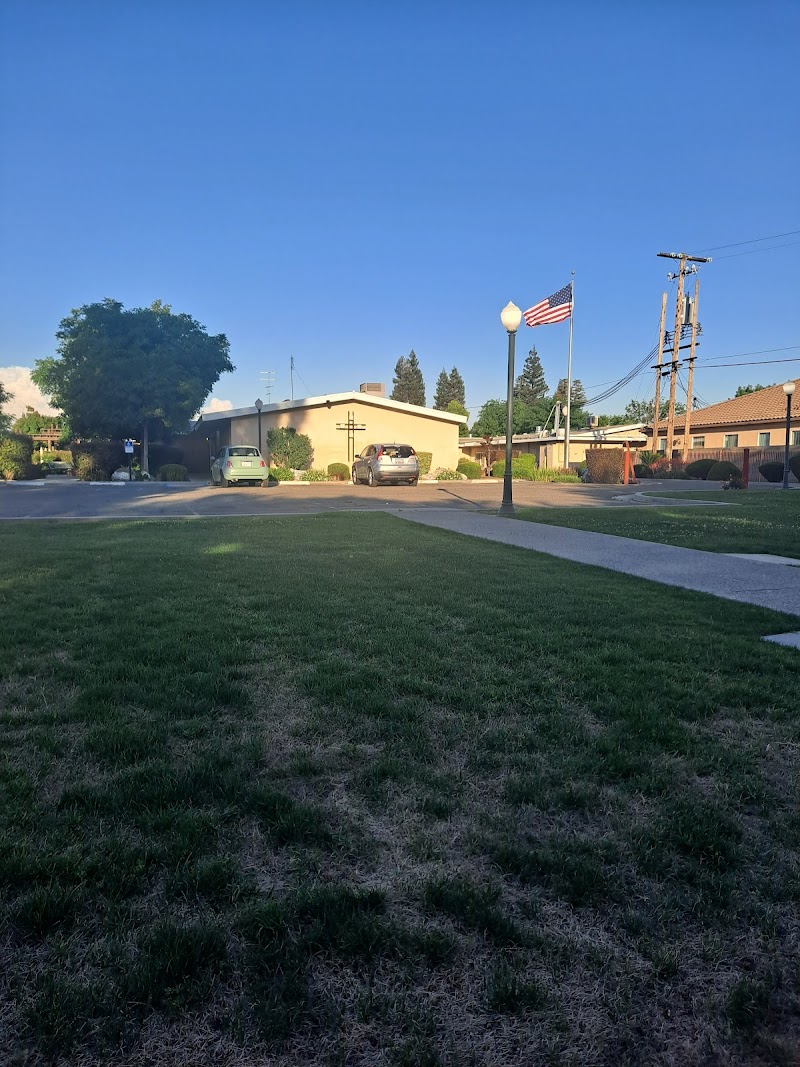
Who Owns and Operates Bethel Lutheran Home?

BETHEL LUTHERAN HOME is owned by a non-profit organization. Non-profit facilities reinvest revenue into operations rather than distributing to shareholders. The facility operates independently rather than as part of a larger chain. With 59 certified beds and approximately 53 residents (about 90% occupancy), it is a smaller facility located in SELMA, California.
How Does Bethel Lutheran Home Compare to Other California Nursing Homes?

Compared to the 100 nursing homes in California, BETHEL LUTHERAN HOME's overall rating (3 stars) is below the state average of 3.1, staff turnover (47%) is near the state average of 46%, and health inspection rating (3 stars) is at the national benchmark.

What Should Families Ask When Visiting Bethel Lutheran Home?

Based on this facility's data, families visiting should ask: "Can I visit during a mealtime to observe dining assistance and food quality?" "How do you handle medical emergencies, and what is your hospital transfer rate?" "Can I speak with family members of current residents about their experience?"

Is Bethel Lutheran Home Safe?

Based on CMS inspection data, BETHEL LUTHERAN HOME has a clean safety record: no substantiated abuse findings (meaning no confirmed cases of resident harm), no Immediate Jeopardy citations (the most serious violation level indicating risk of serious injury or death), and is not on the Special Focus Facility watch list (a federal program monitoring the lowest-performing 1% of nursing homes). The facility has a 3-star overall rating and ranks #100 of 100 nursing homes in California. While no facility is perfect, families should still ask about staff-to-resident ratios and recent inspection results during their visit.

Do Nurses at Bethel Lutheran Home Stick Around?

BETHEL LUTHERAN HOME has a staff turnover rate of 47%, which is about average for California nursing homes (state average: 46%). Moderate turnover is common in nursing homes, but families should still ask about staff tenure and how the facility maintains care continuity when employees leave.

Was Bethel Lutheran Home Ever Fined?

BETHEL LUTHERAN HOME has no federal fines on record. CMS issues fines when nursing homes fail to meet care standards or don't correct problems found during inspections. The absence of fines suggests the facility has either maintained compliance or corrected any issues before penalties were assessed. This is a positive indicator, though families should still review recent inspection reports for the full picture.

Is Bethel Lutheran Home on Any Federal Watch List?

BETHEL LUTHERAN HOME is not on any federal watch list. The most significant is the Special Focus Facility (SFF) program, which identifies the bottom 1% of nursing homes nationally based on persistent, serious quality problems. Not being on this list means the facility has avoided the pattern of deficiencies that triggers enhanced federal oversight. This is a positive indicator, though families should still review the facility's inspection history directly.