ROLLING HILLS CARE CENTER
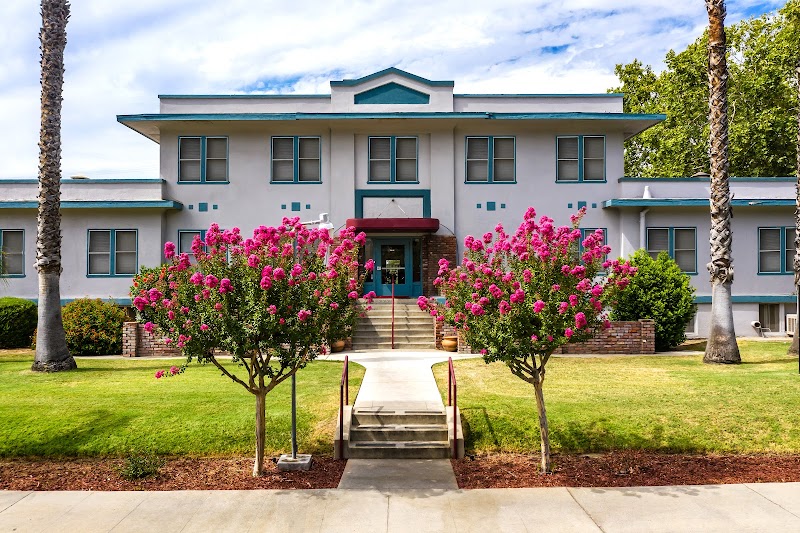
2108 STILLMAN, SELMA, CA 93662 (559) 896-4990
For profit - Limited Liability company 34 Beds AJC HEALTHCARE Data: November 2025
Trust Grade
65/100
#446 of 1155 in CA
Last Inspection: November 2024

Within standard 12-15 month inspection cycle. Federal law requires annual inspections.

Overview

Rolling Hills Care Center has a Trust Grade of C+, which means it is slightly above average but not exceptional. It ranks #446 out of 1,155 facilities in California, placing it in the top half, and #8 out of 30 in Fresno County, indicating only seven local options are better. However, the facility is worsening, with issues increasing from 9 in 2022 to 20 in 2024. Staffing is a concern, with a rating of 2 out of 5 stars and a turnover rate of 54%, significantly above the state average of 38%, which suggests challenges in maintaining a stable workforce. On a positive note, the facility has not incurred any fines, indicating compliance with regulations, and it has above-average RN coverage, which is beneficial for resident care. Specific incidents noted during inspections included a serious case where a resident suffered burns from a hot cup of soup left within reach, highlighting a failure to maintain a safe environment. Additionally, concerns were raised about food safety practices, including inadequately thawed meat and unlabeled food items, which could lead to foodborne illnesses. Overall, while there are strengths such as good RN coverage and no fines, families should be aware of the facility's staffing challenges and safety issues that need addressing.

Trust Score
C+
65/100
In California
#446/1155
Top 38%
Safety Record
Moderate
Needs review
Inspections
Getting Worse
9 → 20 violations
Staff Stability
⚠ Watch
54% turnover. Above average. Higher turnover means staff may not know residents' routines.
Penalties
✓ Good
No fines on record. Clean compliance history, better than most California facilities.
Skilled Nurses
○ Average
Each resident gets 34 minutes of Registered Nurse (RN) attention daily — about average for California. RNs are the most trained staff who monitor for health changes.
Violations
⚠ Watch
29 deficiencies on record. Higher than average. Multiple issues found across inspections.
★★★★☆
4.0
Overall Rating
★★☆☆☆
2.0
Staff Levels
★★★★★
5.0
Care Quality
★★★☆☆
3.0
Inspection Score
Stable
2022: 9 issues
2024: 20 issues

The Good

  • 5-Star Quality Measures · Strong clinical quality outcomes
  • Full Sprinkler Coverage · Fire safety systems throughout facility
  • No fines on record

Facility shows strength in quality measures, fire safety.

The Bad

Staff Turnover: 54%

Near California avg (46%)

Higher turnover may affect care consistency

Chain: AJC HEALTHCARE

Part of a multi-facility chain

Ask about local staffing decisions and management

The Ugly 29 deficiencies on record

1 actual harm
Nov 2024 10 deficiencies
CONCERN (D)

Potential for Harm - no one hurt, but risky conditions existed

Safe Environment (Tag F0584)

Could have caused harm · This affected 1 resident

**NOTE- TERMS IN BRACKETS HAVE BEEN EDITED TO PROTECT CONFIDENTIALITY** Based on observation, interview, and record review, the facility failed to provide a safe, comfortable and homelike environment ...

Read full inspector narrative →
**NOTE- TERMS IN BRACKETS HAVE BEEN EDITED TO PROTECT CONFIDENTIALITY** Based on observation, interview, and record review, the facility failed to provide a safe, comfortable and homelike environment for two of 16 sampled Residents (Resident 9, Resident 23), when Resident 9 and Resident 23 were unable to access and use their personal belongings and medical equipment to the extent possible as needed. This failure resulted in Resident 9 and Resident 23 not having a safe homelike environment. Findings: During a concurrent observation and interview on 11/19/24 at 10:35 a.m. with Resident 9, in Resident 9's room, Resident 9 was observed dressed, laying in his bed with plastic grocery bags on his bed against the wall. A bed-side table with food and condiments was observed next to his bed and Resident 9's wheelchair was observed facing Resident 9 pushed up against his bed. Resident 9 stated he had been in the facility for one month due to an infection that went to his heart. Resident 9 stated there was not enough room to move around in his room. During a review of Resident 9's admission Record (AR - a summary of information regarding a patient which includes patient identification, past medical history, insurance status, care providers, family contact information and other pertinent information), dated 11/25/24, the AR indicated Resident 9 was admitted to the facility from the acute care hospital on [DATE] with diagnoses of osteomyelitis (inflammation of bone or bone marrow, usually due to infection), acquired absence (surgical removal of finger, toe, hand, foot, arm or leg) of right leg above the knee, acquired absence of left leg below the knee, schizoaffective disorder (a mental illness that can affect thoughts, mood, and behavior), bipolar disorder (a disorder associated with episodes of mood swings ranging from depressive lows to manic highs), major depressive disorder (a mental health disorder characterized by persistently depressed mood or loss of interest in activities), anxiety disorder (a mental health disorder characterized by feelings of worry, anxiety, or fear that are strong enough to interfere with one's daily activities) and repeated falls. During a review of Resident 9's Minimum Data Set (MDS - a resident assessment tool used to identify cognitive [mental processes] and physical functional level assessment), dated 10/23/24, the MDS section C indicated Resident 9 had a Brief Interview for Mental Status (BIMS - a test given by medical professionals to determine cognitive understanding on a scale of 1-15 ) score of 13 (a score of 0-7 suggests severe cognitive impairment, 8-12 suggests moderately impaired, 13-15 suggests cognitively intact), which suggested Resident 9 was cognitively intact. During an interview on 11/22/24 at 2:53 p.m. with Resident 9, Resident 9 stated he could not move around his room because wheelchairs and an oxygen machine were in his way. Resident 9 stated he had to keep his shirts under his pillow because he could not get to his dresser. Resident 9 stated he had to keep his toiletries and sodas in a bag hanging on the back of his wheelchair, kept next to his bed, and had food around him on his bed because it was easier for him to get to. Resident 9 stated he felt like he was in prison. Resident 9 stated his room was too small. Resident 9 stated his room was a very non-homelike environment. During a review of Resident 9's Care Plan (CP), undated, the CP indicated, . encourage the resident to participate in activities that promote exercise, physical activity for strengthening and improved mobility . the resident needs activities that minimize the potential for falls while providing diversion and distraction . ensure resident has an unobstructed path to the bathroom . During a concurrent observation and interview on 11/19/24 at 12:27 p.m. with Resident 23 in Resident 23's room, Resident 23 was observed dressed sitting up in his bed watching television (TV). Boxes of food, papers, a drinking tumbler, and towels were observed on a bedside table next to the foot of Resident 23's bed and the wall, under Resident 23's TV. Resident 23 stated he was upset that his power strip was secured to the windowsill behind his bed, where he could not reach it. Resident 23 stated there was not enough room for two residents in his room. During a review of Resident 23's AR dated 11/25/24, the AR indicated Resident 23 was admitted on [DATE] with diagnoses of hemiplegia (paralysis [the loss of the ability to move and sometimes to feel anything] of one side of the body) and hemiparesis (muscle weakness or partial paralysis on one side of the body that can affect the arms, legs, and facial muscles) following cerebral infarction (stroke - damage to tissues in the brain due to a loss of oxygen to the area), transient ischemic attack (TIA - a short period of symptoms similar to those of a stroke, caused by a brief blockage of blood flow to the brain), chronic obstructive pulmonary disease (COPD - a chronic lung disease causing difficulty in breathing), emphysema (a condition of the lungs where the air sacs are damaged and enlarged, causing breathlessness [difficulty breathing]), acute respiratory failure (a serious condition that occurs when the lungs cannot get enough oxygen into the blood or remove enough carbon dioxide [a waste gas] from the blood), heart failure (a condition when the heart muscle doesn't pump enough blood to meet the body's needs which can cause fatigue and shortness of breath), and anxiety disorder (a mental health disorder characterized by feelings of worry, anxiety, or fear that are strong enough to interfere with one's daily activities). During a review of Resident 23's MDS, dated 11/5/24, the MDS section C indicated Resident 23 had a BIMS score of 15, which indicated Resident 23 was cognitively intact. During a concurrent observation and interview on 11/21/24 at 12:03 p.m. with Resident 23, in Resident 23's room, Resident 23 was observed sitting on his bed with his oxygen machine and bedside table between him and a dresser, which was across the room and a wheelchair at the foot of his bed placed in front of the closet. Resident 23 stated he could not get to his nebulizer which was placed on top of a dresser across the room. Resident 23 stated the table and oxygen machine were in his way. During an interview on 11/25/24 at 12:58 p.m. with Resident 23, Resident 23 stated it was terrible to be in a room this small. Resident 23 stated at times it was dangerous to move around his room. Resident 23 stated he would have to move things himself, such as his bed side table, oxygen machine, or wheelchair to get around in his room. Resident 23 stated his walker was put in the closet, which he could not get to because his wheelchair blocked the door of the closet. Resident 23 stated he did not do as much walking as he should. Resident 23 stated he did not walk or move around much because his room was too small, and he could not get around easily in the room. During an interview on 11/22/24 at 8:34 a.m. with the Infection Preventionist Nurse (IP), the IP stated Residents 9 and 23 were in a small space. The IP stated Residents 9 and 23 had a lot of clutter (a crowded or disordered collection of things, untidy) . The IP stated she had to move the wheelchairs out of the room to provide care. The IP stated items in the room would need to be moved to get to the residents. The IP stated small spaces were not good for the residents. The IP stated Residents 9 and 23 had to use their call light if they needed help or to get out of the room because space was limited. The IP stated Resident 23 would have to call for staff to get his nebulizer (a device that changes medication from a liquid to a mist so it can be inhaled into the lungs) which was on the dresser across the room if he needed to use it. During an interview on 11/22/24 at 8:55 a.m. with Certified Nursing Assistant (CNA) 3, CNA 3 stated Resident 9 and Resident 23's room was not a homelike environment. CNA 3 stated Residents 9 and Resident 23 had lots of stuff. CNA 3 stated Resident 9 and Resident 23's room was crowded. CNA 3 stated it was difficult to give Resident 9 and Resident 23 care. CNA 3 stated she would move Resident 9 and Resident 23's wheelchairs outside to go into the room to give care. During a concurrent observation and interview on 11/25/24 at 3:95 p.m. with the Maintenance Supervisor (MS) and Maintenance Director (MND) in Resident 9 and Resident 23's room. Resident 9 and Resident 23's room measurements were measured and verified by the MND. The MND stated measurements for Resident 9 and Resident 23 room size measured 110 square feet. A small dresser placed against the wall at the foot of Resident 9's bed, with one side in front of a large four-drawer dresser blocking the lower two drawers of large dresser was observed. The blocked lower two drawers of the large dresser were labeled Bed B. The lower two drawers of the large dresser were not able to be opened unless the small dresser was moved. The small dresser prevented Resident 9 access to the lower two drawers of the large dresser. The MND verified not all rooms had two residents with adaptive equipment. The MND verified an oxygen machine, two wheelchairs and three bedside tables were also located in the room. During an interview on 11/25/24 at 4:29 p.m. with the Director of Nursing (DON), the DON stated if there was a private room available, she could offer the room to Resident 9 or Resident 23 or move Resident 9 or Resident 23 to another room. The DON stated Resident 9 and Resident 23's room was not safe if there was an emergency and staff needed to get to Resident 9 or Resident 23 quickly. The DON stated Resident 9 and Resident 23's room was very small. During an interview on 11/25/24 at 5:21 with the Administrator (ADM), the ADM stated he went into Resident 9 and Resident 23's room to speak to the residents about their room and to move Resident 23's bed. The ADM stated his expectations were for residents to live in a safe environment. During a review of the facility's policy and procedure (P&P) titled, Resident Rooms, dated 10/2022, indicated, . resident bedrooms must be designed and equipped for adequate nursing care, comfort and privacy of residents . resident bedrooms will measure at least 80 square feet per resident in multiple resident bedrooms . all resident bed rooms will have access to an exit corridor without passing through another bedroom . each resident bedroom will have an individual private closet space with clothes racks and shelves accessible to the resident . if resident uses a wheelchair, furniture will be placed at a height the resident can access and utilize (i.e., bed, dresser or shelves, etc.) . During a review of the facility's P&P titled, Resident Rights, dated 10/2022, indicated, . the resident has the right to a dignified existence, self-determination, and communication with and access to persons and services inside and outside the facility . the resident has a right to a safe, clean, comfortable and homelike environment . During a review of the facility's P&P titled, Safe and Homelike Environment, dated 10/2022, indicated, . in accordance with residents' rights, the facility will provide a safe, clean, comfortable and homelike environment . this includes ensuring that the . physical layout of the facility maximizes resident independence and does not pose a safety risk . Environment refers to any environment in the facility that is frequented by residents, including [but not limited to] the residents' rooms . a determination of homelike should include the resident's opinion of the living environment . orderly is defined as an uncluttered physical environment that is neat and well-kept .
CONCERN (D)

Potential for Harm - no one hurt, but risky conditions existed

Deficiency F0661 (Tag F0661)

Could have caused harm · This affected 1 resident

**NOTE- TERMS IN BRACKETS HAVE BEEN EDITED TO PROTECT CONFIDENTIALITY** Based on interview and record review the facility failed to ensure one of eight sampled residents (Resident 31) had a post-disch...

Read full inspector narrative →
**NOTE- TERMS IN BRACKETS HAVE BEEN EDITED TO PROTECT CONFIDENTIALITY** Based on interview and record review the facility failed to ensure one of eight sampled residents (Resident 31) had a post-discharge plan of care (narrative document for communicating clinical information about what happened to the resident in the facility) when Resident 31 left AMA (Against Medical Advice- term used in healthcare when a patient leaves the hospital before their doctor recommends discharge). This failure resulted Resident 31's not having a post-discharge plan of care (document that summarizes a patient's health conditions, treatments, and other information) and had the potential to not adjust to new living environment. Findings: During a review of Resident 31's admission Record (AR - a summary of information regarding a patient which includes patient identification, past medical history, insurance status, care providers, family contact information and other pertinent information), dated 11/25/25, the AR indicated Resident 31 was admitted to the facility on [DATE] with diagnoses of osteomyelitis (inflammation of bone or bone marrow, usually due to infection), gas gangrene (life-threatening bacterial infection that destroys soft tissue and can develop rapidly), cellulitis (a bacterial infection that affects the deeper layers of the skin, including the dermis and subcutaneous fat) dyspnea (an uncomfortable feeling of not being able to breathe well enough), anxiety disorder (a mental health disorder characterized by feelings of worry, anxiety, or fear that are strong enough to interfere with one's daily activities), acute kidney failure (a sudden loss of kidney function that can occur within hours or days) and chronic pain. During a review of the Resident 31's Against Medical Advice Release Form dated 9/6/24, the Against Medical Advice Release form indicated, .2. Resident/Responsible Party Signature: [box] No signature .3. Date of Signature [box]9/6/24 .5. Witness 1 relationship to resident? [box]: Nurse .8. Witness 2 Relationship to Resident [box]CNA. 9. Date of Witness 2 Signature: [box]9/6/24 . During a concurrent interview and record review on 11/25/24 at 9:00 a.m. with the Medical Record (MR) Resident's 31 post discharge summary plan was requested for review. The MR validated there was no post discharge summary plan documents available. During an interview on 11/25/24 on 11:16 a.m. with the Director of Staff Development (DSD), the DSD stated Resident 31 did not have a discharge summary plan of care. The DSD stated Resident 31 should have a discharge plan of care. The DSD stated the physician should have been notified and documented in the discharge summary care plan. The DSD stated it was not done. During a concurrent interview and record review on 11/25/24 at 12:45 p.m. with the Director of Nursing (DON), the facility's policy and procedure (P&P) titled, Transfer and Discharge (including AMA), dated 10/2022, was reviewed. The P&P indicated, . 'Resident-initiated transfer or discharge' is a transfer or discharge in which the resident or, if appropriate, the resident representative has provided verbal or written notice of intent to leave the facility (leaving the facility does not include the general expression of a desire to return home or the elopement of residents with cognitive impairment) .13. Discharge Against Medical Advice (AMA). a. The resident and family/legal representative should be informed of the risk involved, the benefit of staying at the facility, and the alternatives to both .b. The physician should be notified of the intended AMA discharge and be encouraged to speak with the resident to encourage them to stay at the facility. C. Documentation of this notification should be entered in the nurses' notes by the nursing department .A member of the interdisciplinary team completes relevant sections of the Discharge summary. The nurse caring for the resident at the time of discharge is responsible to ensuring the Discharge Summary is complete .A post discharge plan of care that is developed with the participation of the resident, and the resident's representative (s) which will assist the resident to adjust to his or her new living environment . The DON stated the facility staff should have followed the P&P, but they didn't.
CONCERN (E)

Potential for Harm - no one hurt, but risky conditions existed

Comprehensive Care Plan (Tag F0656)

Could have caused harm · This affected multiple residents

**NOTE- TERMS IN BRACKETS HAVE BEEN EDITED TO PROTECT CONFIDENTIALITY** Based on observation, interview, and record review, the facility failed to develop and implement a comprehensive person-centered...

Read full inspector narrative →
**NOTE- TERMS IN BRACKETS HAVE BEEN EDITED TO PROTECT CONFIDENTIALITY** Based on observation, interview, and record review, the facility failed to develop and implement a comprehensive person-centered care plans (CP - a detailed approach to care customized to an individual resident's needs) for three of 16 residents (Residents 3, 9 and 23) when: 1. Resident 9's care plan was not developed to address the use and storage of Resident 9's Incentive Spirometer (IS - a hand-held device that helps people take slow deep breaths to improve lung functioning). This failure put Resident 9 at risk of infection and harm due to improper storage and use of the IS. 2. Resident 23's care plan was not developed to address the use and care of a nebulizer (a device that changes medication from a liquid to a mist so it can be inhaled into the lungs). This failure put Resident 23 at risk of infection and harm due to improper storage and use of Resident 23's nebulizer. 3. Resident 23's care plan was not developed and implemented to address Resident 23's non-compliance with the proper use and storage of Resident 23's oxygen tubing and nasal cannula (a tube that delivers oxygen through the nose to people who have low oxygen levels). This failure put Resident 23 at risk of infection and harm due to improper use and storage of Resident 23's oxygen tubing and nasal cannula. 4. Resident 9 and Resident 23's care plans were not developed and implemented to reflect assessments and interventions to address outside food stored on the bed and on the bedside tables longer than 3 days. This failure put Resident 9 and Resident 23 at risk of infection from food-born illness (illness caused by ingestion of contaminated food or beverages) due to cross- contamination (the transfer of harmful substances or disease- causing microorganisms to food) and may also provide an environment for attraction of pests. 5. Resident 3's care plan was not developed timely to address indwelling catheter (a thin, flexible tube that drains urine from the bladder into a collection bag outside the body). This failure did not allow the team to collaborate and communicate for Resident 3's needs, and had the potential for needs to go unmet. Findings: 1. During an observation on 11/22/24 at 8:49 a.m. in Resident 9's room, the Infection Prevention Nurse (IP) was observed waking Resident 9 up from sleeping to perform his Incentive Spirometer (IS) treatment. During a review of Resident 9's admission Record (AR - a summary of information regarding a patient which includes patient identification, past medical history, insurance status, care providers, family contact information and other pertinent information), dated 11/25/24, the AR indicated Resident 9 was admitted to the facility from the acute care hospital on [DATE] with diagnoses of osteomyelitis (inflammation of bone or bone marrow, usually due to infection), acquired absence (surgical removal of finger, toe, hand, foot, arm or leg) of right leg above the knee, acquired absence of left leg below the knee, schizoaffective disorder (a mental illness that can affect thoughts, mood, and behavior), bipolar disorder (a disorder associated with episodes of mood swings ranging from depressive lows to manic highs), major depressive disorder (a mental health disorder characterized by persistently depressed mood or loss of interest in activities), anxiety disorder (a mental health disorder characterized by feelings of worry, anxiety, or fear that are strong enough to interfere with one's daily activities) and repeated falls. During a review of Resident 9's Minimum Data Set (MDS - a resident assessment tool used to identify cognitive [mental processes] and physical functional level assessment), dated 10/23/24, the MDS section C indicated Resident 9 had a Brief Interview for Mental Status (BIMS - a test given by medical professionals to determine cognitive understanding on a scale of 1-15 ) score of 13 (a score of 0-7 suggests severe cognitive impairment, 8-12 suggests moderately impaired, 13-15 suggests cognitively intact), which suggested Resident 9 was cognitively intact. During a concurrent interview and record review on 11/22/24 at 4:41 p.m. with the Minimum Data Set Nurse (MDSN), Resident 9's Care Plan (CP), undated was reviewed. The CP indicated there was no care plan in place for the use and storage of Resident 9's IS. The MDSN stated there was no care plan in place for changing the breathing apparatus (mouthpiece) or the breathing tube on the IS. The MDSN stated the mouthpiece and breathing tube on the IS should have been changed periodically. The MDSN stated if the IS mouthpiece and tubing were not changed, they could be a risk for infection for Resident 9. During a review of the facility's policy and procedure (P&P) titled, Care Plans, dated 10/2022, indicated, . it is the policy of this facility to develop and implement a comprehensive person-centered care plan for each resident . that includes measurable objectives and timeframes to meet a resident's medical, nursing, and mental and psychosocial needs . person-centered care means to focus on the resident as the locus of control and support the resident in making their own choices . all Care Assessment Areas [CAAs] triggered by the MDS will be considered in developing the plan of care . other factors identified by the interdisciplinary team, or in accordance with the resident's preferences, will also be addressed in the plan of care . the comprehensive care plan will describe, at a minimum . the services that are to be furnished to attain or maintain the resident's highest practicable physical, mental, and psychosocial well-being . any services that would otherwise be furnished, but are not provided due to the resident's exercise of his or her right to refuse treatment . the facility will attempt alternate methods for refusal of treatment and services and document such attempts in the clinical record . 2. During a concurrent observation and interview on 11/19/24 at 12:30 p.m. with Certified Nursing Assistant (CNA) 1 in Resident 23's room, Resident 23's nebulizer was observed on the floor. CNA 1 stated Resident 23's nebulizer should not have been on the floor. CNA 1 stated Resident 23's nebulizer on the floor was an infection control problem. CNA 1 stated Resident 23 could have gotten sick. During a review of Resident 23's AR dated 11/25/24, the AR indicated Resident 23 was admitted on [DATE] with diagnoses of hemiplegia (paralysis [the loss of the ability to move and sometimes to feel anything] of one side of the body) and hemiparesis (muscle weakness or partial paralysis on one side of the body that can affect the arms, legs, and facial muscles) following cerebral infarction (stroke - damage to tissues in the brain due to a loss of oxygen to the area), transient ischemic attack (TIA - a short period of symptoms similar to those of a stroke, caused by a brief blockage of blood flow to the brain), chronic obstructive pulmonary disease (COPD - a chronic lung disease causing difficulty in breathing), emphysema (a condition of the lungs where the air sacs are damaged and enlarged, causing breathlessness [difficulty breathing]), acute respiratory failure (a serious condition that occurs when the lungs cannot get enough oxygen into the blood or remove enough carbon dioxide [a waste gas] from the blood), heart failure (a condition when the heart muscle doesn't pump enough blood to meet the body's needs which can cause fatigue and shortness of breath), and anxiety disorder (a mental health disorder characterized by feelings of worry, anxiety, or fear that are strong enough to interfere with one's daily activities). During a review of Resident 23's MDS, dated 11/5/24, the MDS section C indicated Resident 23 had a BIMS score of 15, which indicated Resident 23 was cognitively intact. During a concurrent interview and record review on 11/22/24 at 4:20 p.m. with the MDSN, Resident 23's CP, undated was reviewed. The CP indicated no care plan for the use and storage of Resident 23's nebulizer. The MDSN stated there should have been a care plan in place for the use and storage of Resident 23's nebulizer. The MDSN stated it was not acceptable for Resident 23's nebulizer to be on the ground and not in a bag. The MDSN stated there was a risk of infection for Resident 23 if he used a dirty nebulizer. During a review of the facility's policy and procedure (P&P) titled, Care Plans, dated 10/2022, indicated, . it is the policy of this facility to develop and implement a comprehensive person-centered care plan for each resident . that includes measurable objectives and timeframes to meet a resident's medical, nursing, and mental and psychosocial needs . person-centered care means to focus on the resident as the locus of control and support the resident in making their own choices . all Care Assessment Areas [CAAs] triggered by the MDS will be considered in developing the plan of care . other factors identified by the interdisciplinary team, or in accordance with the resident's preferences, will also be addressed in the plan of care . the comprehensive care plan will describe, at a minimum . the services that are to be furnished to attain or maintain the resident's highest practicable physical, mental, and psychosocial well-being . any services that would otherwise be furnished, but are not provided due to the resident's exercise of his or her right to refuse treatment . the facility will attempt alternate methods for refusal of treatment and services and document such attempts in the clinical record . 3. During a concurrent observation and interview on 11/19/24 at 10:34 a.m. with Resident 23 in Resident 23's room, Resident 23's oxygen tubing was observed wrapped around Resident 23's bed rail, not placed in a bag. Resident 23 stated he wanted the oxygen tubing on the bed rail and would use it when he needed it. During a concurrent observation and interview on 11/22/24 at 8:34 a.m. with the Infection Prevention Nurse (IP) in Resident 23's room, Resident 23 was observed putting his oxygen tubing cannula in his mouth. The IP stated she had given Resident 23 a bag to store his oxygen tubing and incentive spirometer, but Resident 23 had thrown them away. During an interview on 11/22/24 at 4:20 p.m. with the MDSN, the MDSN stated there should have been care plans for refusals of treatment and non-compliance. The MDSN stated the physician should have been notified of non-compliance. During an interview on 11/25/24 at 4:29 p.m. with the Director of Nursing (DON), the DON stated residents who were non-compliant should have had a care plan and interventions for non-compliance. The DON stated the resident's care plan would not be individualized if there was no care plan for non-compliance. During a review of the facility's policy and procedure (P&P) titled, Care Plans, dated 10/2022, indicated, . it is the policy of this facility to develop and implement a comprehensive person-centered care plan for each resident . that includes measurable objectives and timeframes to meet a resident's medical, nursing, and mental and psychosocial needs . person-centered care means to focus on the resident as the locus of control and support the resident in making their own choices . all Care Assessment Areas [CAAs] triggered by the MDS will be considered in developing the plan of care . other factors identified by the interdisciplinary team, or in accordance with the resident's preferences, will also be addressed in the plan of care . the comprehensive care plan will describe, at a minimum . the services that are to be furnished to attain or maintain the resident's highest practicable physical, mental, and psychosocial well-being . any services that would otherwise be furnished, but are not provided due to the resident's exercise of his or her right to refuse treatment . the facility will attempt alternate methods for refusal of treatment and services and document such attempts in the clinical record . 4. During an observation on 11/19/24 at 10:35 a.m. in Resident 9's room, Resident 9 was observed dressed lying in bed. Resident 9 was observed to have no lower limbs. Resident 9 was observed with bags of store-bought food on his bed against the wall, loose food items (cookies and fried pork rinds). Resident 9's bedisde table was observed with bottles of condiments (hot sauce, pickled chilis, pickles, and onion dip), bottles of lotion, hair gel, and mouth swabs. During an observation on 11/19/24 at 12:27 p.m. in Resident 23's room, Resident 23 was observed dressed sitting up in his bed watching television (TV). Resident 23's bedisde table was obsreved with boxes of food, papers, a drinking tumbler, and towels. During a concurrent observation and interview on 11/22/24 at 8:55 a.m. with CNA 3, in Resident 9 and Resident 23's room, open food items were observed on Resident 9's bed and bedside table, and on a bedside table between Resident 23's bed and wall. CNA 3 stated when residents had open food items, staff would label the items with the resident's name and date. CNA 3 stated residents could keep their own food with them. CNA 3 stated she did not know the policy for how long residents could keep open food items in their room. During a concurrent record review and interview on 11/22/24 at 4:20 p.m. with the MDSN, Resident 9 and Resident 23's CPs, undated were reviewed. The care plans indicated there were no care plans for food brought into the facility for Resident 9 and Resident 23. The MDSN stated there should have been a care plan for food brought in and kept in Resident 9 and Resident 23's room. The MDSN stated residents could have food brought in, but the nurse should have been notified. The MDSN stated education should have been provided to Resident 9 to decrease certain foods due to Resident 9's diet. The MDSN stated Resident 9 was at risk for high blood sugar. The MDSN stated there was no CP for non-compliance in place for Resident 9. During an interview on 11/25/24 at 11:16 a.m. with the Director of Staff Development (DSD), the DSD stated the nurse was responsible for building the resident's care plan according to what the resident's needs were. The DSD stated resident care plans should have been completed when the nurse was talking to the resident, during the resident interview or assessment, or when the nurse was implementing the care plan. The DSD stated new residents should have had their care plans completed by the end of the nurse's shift. The DSD stated resident care plan revisions should have been completed right away to make the changes in resident care. The DSD stated care plans were revised by the MDSN, and nurses during their shift when they were able to see what was going on with the resident. The DSD stated the resident's care plan should have been ended, extended, or revised when a resident's goal was met. The DSD stated care plans were important because they gave guidelines and measurable goals for the resident. The DSD stated the care plan let staff know what was working and what was not working for the resident. The DSD stated the care plan was a map of resident care. The DSD stated Resident 9 and Resident 23's care plans were not individualized. During a review of the facility's policy and procedure (P&P) titled, Care Plans, dated 10/2022, indicated, . it is the policy of this facility to develop and implement a comprehensive person-centered care plan for each resident . that includes measurable objectives and timeframes to meet a resident's medical, nursing, and mental and psychosocial needs . person-centered care means to focus on the resident as the locus of control and support the resident in making their own choices . all Care Assessment Areas [CAAs] triggered by the MDS will be considered in developing the plan of care . other factors identified by the interdisciplinary team, or in accordance with the resident's preferences, will also be addressed in the plan of care . the comprehensive care plan will describe, at a minimum . the services that are to be furnished to attain or maintain the resident's highest practicable physical, mental, and psychosocial well-being . any services that would otherwise be furnished, but are not provided due to the resident's exercise of his or her right to refuse treatment . the facility will attempt alternate methods for refusal of treatment and services and document such attempts in the clinical record . 5. During a review of Resident 3's admission Record (AR - a summary of information regarding a patient which includes patient identification, past medical history, insurance status, care providers, family contact information and other pertinent information), dated 11/25/24 the AR indicated Resident 3 was admitted to the facility on [DATE] with diagnoses of osteomyelitis (inflammation of bone or bone marrow, usually due to infection), paraplegia (loss of movement and/or sensation, to some degree, of the legs) arthritis (chronic condition that causes inflammation in the joints, tissues around the joints, or other connective tissues), anxiety disorder (a mental health disorder characterized by feelings of worry, anxiety, or fear that are strong enough to interfere with one's daily activities), acute kidney failure (sudden loss of kidney function that can occur within hours or days), chronic obstructive pulmonary disease (COPD-common lung disease that makes it difficult to breathe), unstageable pressure ulcer ( bed sores, pressure sore or pressure injury-a localized area of damaged skin or tissue caused by prolonged pressure) right heel, unstable pressure injury to the left heel, chronic pain, muscle weakness (occurs when your muscles are unable to contract properly, resulting in reduced strength), colostomy (a surgical procedure that creates an opening in the abdominal wall to divert the colon, or large intestine, and allow stool to drain into a bag), edema medical condition that occurs when fluid builds up in the body's tissues, causing swelling) and obstructive uropathy (a condition that occurs when urine can't drain properly through the urinary tract, causing urine to back up and damage the kidneys). During a review of Resident 3's Minimum Data Set (MDS - a resident assessment tool used to identify cognitive [mental processes] and physical functional level assessment), dated 11/7/24, the MDS section C indicated Resident 3 had a Brief Interview for Mental Status (BIMS - a test given by medical professionals to determine cognitive understanding on a scale of 1-15 ) score of 13 (a score of 0-7 suggests severe cognitive impairment, 8-12 suggests moderately impaired, 13-15 suggests cognitively intact), which suggested Resident 3 was cognitively intact. During an observation on 11/19/24 at 1:15 p.m. in Resident 3 room, Resident 3 had an indwelling foley catheter handing on the side of his bed. Resident 3 stated he was taking antibiotic for a urinary tract infection (UTI- a bacterial infection that affects the urinary tract). During an interview on 11/22/24 at 2:20 p.m. with the Minimum Data Set Nurse (MDSN), the MDSN stated, Care plan should be started right and should be complete within 48 hours after admission. During an interview on 11/20/24 at 2:39 p.m. with LVN 1, LVN 1 stated, nurses were responsible for inputting medication into resident chart. LVN 1 stated the DON and MDS were responsible for updating the care plans. During a concurrent interview and record review on 11/25/24 at 5:49 p.m. with the DON, Resident 3's Care Plan dated undated was reviewed. The DON stated the indwelling catheter care plan should have been done on 10/31/24 when resident was admitted to the facility. The DON stated the indwelling care plan was done on 11/14/24. The DON stated care plans were individualized and resident center. The DON stated care plans were done to direct resident goals and interventions of care. The DON stated it was important to develop the care plan within 24 hours after admission into the facility. The DON stated nurses should have done the care planning for Resident 3's indwelling catheter. The DON stated Resident's 3 care plan was not done on time. The DON stated Resident's 3 goals and interventions for his foley catheter could have been missed. The DON stated, We did not follow the policy and procedure. During a review of the facility's policy and procedure (P&P) titled, Care Plans, dated 10/2022, indicated, . it is the policy of this facility to develop and implement a comprehensive person-centered care plan for each resident . that includes measurable objectives and timeframes to meet a resident's medical, nursing, and mental and psychosocial needs . person-centered care means to focus on the resident as the locus of control and support the resident in making their own choices . all Care Assessment Areas [CAAs] triggered by the MDS will be considered in developing the plan of care . other factors identified by the interdisciplinary team, or in accordance with the resident's preferences, will also be addressed in the plan of care . the comprehensive care plan will describe, at a minimum . the services that are to be furnished to attain or maintain the resident's highest practicable physical, mental, and psychosocial well-being . any services that would otherwise be furnished, but are not provided due to the resident's exercise of his or her right to refuse treatment . the facility will attempt alternate methods for refusal of treatment and services and document such attempts in the clinical record . During a review of the facility's P&P titled, Refusal of Treatment, dated 2/2015, indicated, . it is the policy of this facility to honor a resident's request not to receive medical treatment as prescribed by his/her physician . treatment is defined as care provided for purposes of maintaining/restoring health, improving functional level, or relieving symptoms . if a resident refuses treatment, the Unit Manager, Charge Nurse, or Director of Nursing Services will interview the resident to determine what and why the resident is refusing . the Care Plan Team will assess the resident's needs and offer the resident alternative treatments, if available . if the resident's refusal brings about a significant change, a reassessment will be made and such information will be incorporated into the resident's care plan . Documentation . shall include . the date and time the physician was notified as well as the physician's response .
CONCERN (E)

Potential for Harm - no one hurt, but risky conditions existed

Deficiency F0658 (Tag F0658)

Could have caused harm · This affected multiple residents

**NOTE- TERMS IN BRACKETS HAVE BEEN EDITED TO PROTECT CONFIDENTIALITY** 2. During an interview on 11/22/24 at 4:33 p.m. with License Vocational Nurse (LVN) 2, LVN 2 stated Resident 3 refused lidocaine...

Read full inspector narrative →
**NOTE- TERMS IN BRACKETS HAVE BEEN EDITED TO PROTECT CONFIDENTIALITY** 2. During an interview on 11/22/24 at 4:33 p.m. with License Vocational Nurse (LVN) 2, LVN 2 stated Resident 3 refused lidocaine (medication is used on the skin to stop itching and pain) patch. LVN 2 stated Resident 3 stated the pain patch did not help with his pain and refused the medication. LVN 2 stated Resident 3's Attending Physician (AP) was not notified of the refusal of the lidocaine patch. LVN 2 stated, he should have notified the AP after Resident 3 refused the lidocaine patch three times. During an interview on 11/25/24 at 12: 13 p.m. with the Director of Staff Development (DSD), the DSD stated the AP should have been notified of Resident 3's refusal of lidocaine patch. The DSD stated the AP should have been notified so he can make changes or discontinue the medication. The DSD stated the AP was not notified of Resident 3's refusal of the lidocaine patch. During a concurrent interview and record review on 11/25/24 at 1:03 p.m. with the Director of Nursing (DON), Resident 3's [Facility Name] Care Center, LLC Progress Notes *New* (PN) was reviewed. The PN indicated, on 11/13/24, 11/14/24, 11/15/24, 11/16/24,11/17/24, 11/18/24, 11/20/24, 11/21/24, Resident 3 refused his lidocaine patch. The DON stated, the AP should have been notified of Resident 3's refusal of lidocaine patch. The DON stated the nurses should have notified the AP with reason Resident 3 refused the lidocaine patch. The DON stated the AP was not notified and did not have the opportunity to discontinue or change medication for Resident 3. The DON stated there was no documentation the nurses contacted the AP. During an interview on 11/25/24 at 3:58 p.m. with the AP, the AP stated he expected the nurses to contact him when Resident 3 refused his lidocaine patch. The AP stated he could have discontinued or changed the medication. During a review of Resident 3's admission Record (AR - a summary of information regarding a patient which includes patient identification, past medical history, insurance status, care providers, family contact information and other pertinent information), dated 11/25/24 the AR indicated Resident 3 was admitted to the facility on [DATE] with diagnoses of osteomyelitis (inflammation of bone or bone marrow), paraplegia (loss of movement and/or sensation, to some degree, of the legs) arthritis (chronic condition that causes inflammation in the joints, tissues around the joints, or other connective tissues), anxiety disorder (a mental health disorder characterized by feelings of worry, anxiety, or fear that are strong enough to interfere with one's daily activities), acute kidney failure (sudden loss of kidney) chronic obstructive pulmonary disease (COPD-common lung disease that makes it difficult to breathe), unstageable pressure ulcer ( bed sores) right heel, unstable pressure injury to the left heel, chronic pain, muscle weakness (occurs when your muscles are unable to contract properly, resulting in reduced strength), colostomy (a surgical procedure that creates an opening in the abdominal wall and allows stool to drain into a bag), edema medical condition that occurs when fluid builds up in the body's tissues, causing swelling) and obstructive uropathy (a condition that occurs when urine can't drain properly through the urinary tract). During a review of Resident 3's Minimum Data Set (MDS - a resident assessment tool used to identify cognitive [mental processes] and physical functional level assessment), dated 11/7/24, the MDS section C indicated Resident 3 had a Brief Interview for Mental Status (BIMS - a test given by medical professionals to determine cognitive understanding on a scale of 1-15 ) score of 13 (a score of 0-7 suggests severe cognitive impairment, 8-12 suggests moderately impaired, 13-15 suggests cognitively intact), which suggested Resident 3 was cognitively intact. During a review of Resident 3's Medication Administration Record (MAR) dated 11/2024, the MAR indicated, from 11/1/24 to 11/22/24, Resident 3's lidocaine patch was refused 32 times. During a review of the facility's policy and procedure (P&P) titled, Refusal of Treatment dated 2/24/2015, the P&P indicated, .8. The Attending Physician must be notified of refusal of treatment . 3. During an interview on 11/19/24 at 1:15 p.m. in Resident 3's room, Resident 3 stated he was getting oxycodone -acetaminophen for his pain. Resident 3 stated he was having pain eight on pain scale (a tool used to measure pain intensity and help doctors manage pain-level, one to three is mild, four to six is moderate and seven to ten is severe). During an interview with at 11/20/24 at 2:54 p.m. with LVN 1, LVN 1 stated, when Resident 3 complained of pain she would look at the physician order (PO-a set of instructions written by a doctor for clinicians to follow when caring for a resident) and administered medication according to the physician order. LVN 1 stated she would return one hour to check Resident 3's pain level. LVN 1 stated when pain was not managed it would affect Resident 3's quality of life. During an interview on 11/22/24 at 4:33 p.m. with LVN 2, LVN 2 stated Resident 3 would notify him when he was in pain. LVN 2 stated Resident 3 complained of pain at level five or six out of ten on the pain scale. LVN 2 stated she would administer Resident 3 oxycodone -acetaminophen 10/325mg (pain medication used for severe pain) for his pain. During an interview and record review on 11/25/24 at 12:13 p.m. with the Director of Staff Development (DSD), Resident 3's Medication Administration Record (MAR) dated [DATE] was reviewed. The MAR indicated on 11/1/2024 for 10:00 a.m. administration time, there were number 6 in the box for Resident 3's pain level to indicating Resident 3 had moderate pain. The DSD stated the physician order was not followed. The DSD nurses should have contacted the AP and do a pain assessment. The DSD stated nurses should not have given him oxycodone- acetaminophen for his pain level of a five or six. The DSD stated nurses should have contact the AP and asked for pain medication that matched his moderate pain level of five or six. The DSD stated assessing pain incorrectly could cause stress for the resident. The DSD stated it would affect the quality of life and could have cause Resident 3 to be angry, depressed, or withdrawn. The DSD stated, We should try to meet his need and improve his quality of life and pain is major factor in effecting your ADL [Activities of daily living (ADLs) are basic tasks that people need to do to live independently and function in a household]. During an interview on 11/25/24 at 1:03 pm with the Director of Nursing (DON) the DON stated the nursed should have let the AP know Resident 3 was receiving oxycodone -acetaminophen for moderate pain. The DON stated Resident 3 does not have any medication for moderate pain. The DON stated the nurses did not follow the PO and it was not acceptable to give medication indicated for severe pain for moderate pain. The DON stated the nurses should have contact the AP to get a new PO for moderate pain medication. The DON stated not following PO was not professional standard of practice. During an interview on 11/25/24 at 3:59 p.m. with the Attending Physician (AP), the AP stated, I expected the nurse to contact, and I will make the changes. The AP stated The nurse should be following the physician order. The AP stated they did not when they gave the medication for patient for moderate pain. During a review of Resident 3's admission Record (AR - a summary of information regarding a patient which includes patient identification, past medical history, insurance status, care providers, family contact information and other pertinent information), dated 11/25/24 the AR indicated Resident 3 was admitted to the facility on [DATE] with diagnoses of osteomyelitis (inflammation of bone or bone marrow, usually due to infection), paraplegia (loss of movement and/or sensation, to some degree, of the legs) arthritis (chronic condition that causes inflammation in the joints, tissues around the joints, or other connective tissues), anxiety disorder (a mental health disorder characterized by feelings of worry, anxiety, or fear that are strong enough to interfere with one's daily activities), acute kidney failure (sudden loss of kidney function that can occur within hours or days), chronic obstructive pulmonary disease (COPD-common lung disease that makes it difficult to breathe), unstageable pressure ulcer ( bed sores, pressure sore or pressure injury-a localized area of damaged skin or tissue caused by prolonged pressure) right heel, unstable pressure injury to the left heel, chronic pain, muscle weakness (occurs when your muscles are unable to contract properly, resulting in reduced strength), colostomy (a surgical procedure that creates an opening in the abdominal wall to divert the colon, or large intestine, and allow stool to drain into a bag), edema medical condition that occurs when fluid builds up in the body's tissues, causing swelling) and obstructive uropathy (a condition that occurs when urine can't drain properly through the urinary tract, causing urine to back up and damage the kidneys). During a review of Resident 3's Minimum Data Set (MDS - a resident assessment tool used to identify cognitive [mental processes] and physical functional level assessment), dated 11/7/24, the MDS section C indicated Resident 3 had a Brief Interview for Mental Status (BIMS - a test given by medical professionals to determine cognitive understanding on a scale of 1-15 ) score of 13 (a score of 0-7 suggests severe cognitive impairment, 8-12 suggests moderately impaired, 13-15 suggests cognitively intact), which suggested Resident 3 was cognitively intact. During a review of Resident 3's Medication Administration Record (MAR) dated 11/2024, the MAR indicated, .[box] [oxycodone -acetaminophen] Oral Tablet 10-325 mg give 1 tablet by mouth every 6 hours as needed for Severe pain, 7-10 .[box] Fri. [box] 1. [box] pain level. [box] 6. [box] Sat. [box] 2. [box] pain level. [box] 5. [box] pain level. [box] 6. [box] pain level. [box]6. [box] Sun. [box] 3. [box] pain level. [box] 5. [box] Mon. [box] pain level. [box] 6. [box] Tue. [box] pain level. [box] 5 . During a review of the facility's policy and procedure (P&P) titled, Physician Ordered Services dated 10/2022, the P&P indicated, .The purpose of this policy is to provide a reliable process for the proper and consistent provision of physician ordered services .'Professional Stand of Quality' means that care and services are provided according to accepted stands of clinical practice. Standards may apply to care provided by a particular clinical discipline or in a specific clinical situation or setting . During a review of the professional reference titled, A grounded theory of the implementation of medical orders by clinical nurses retrieved from, https://pmc.ncbi.nlm.nih.gov/articles/PMC10863222/, the article indicated, .Nurses play a pivotal role in carrying out medical orders and bear responsibility and accountability for their accurate implementation. The process includes stages such as checking medical orders, prescribing medications, and documenting executed orders. Ensuring the proper implementation of medical orders by nurses is essential for ensuring patient safety. Maintaining patient safety relies significantly on clear and carefully reviewed medical orders by nurses, serving as mechanisms to prevent practice errors . Based on observation, interview and record review, the facility failed to meet professional standards of practice for three of 16 sampled residents (Resident 23 and Resident 3) when: 1. Resident 23's oxygen flow rate was set to 3L (liters-a unit of measurement) instead of the ordered 2L. This failure had the potential to result in shortness of breath and respiratory distress (difficulty breathing) for Resident 23. 2. The Attending Physician (AP) was not notified of Resident 3's refusal of lidocaine (medication is used on the skin for pain) patch. This failure resulted in Resident 3 not receiving ordered pain medication. 3. Resident 3's physician order (a set of instructions written by a doctor for clinicians to follow when caring for a resident) for pain medication was not followed. This failure resulted in Resident 3's physician not being notified of his continued moderate pain (pain measuring at a four to six on the pain scale- a tool used to measure pain intensity and help doctors manage pain). Findings: 1. During a concurrent observation and interview on 11/19/24 at 10:34 a.m. with Resident 23 in Resident 23's room, observed Resident 23 dressed, sitting on his bed. Resident 23's oxygen delivery machine turned on, with the oxygen tubing (a tube that delivers oxygen through the nose to people who have low oxygen levels) wrapped around Resident 23's bed rail and not on Resident 23. Resident 23's oxygen rate was observed to be set to 3L (liters-a unit of measurement. Resident 23 stated he would wear the oxygen tubing when he needed oxygen. During a review of Resident 23's admission Record (AR - a summary of information regarding a patient which includes patient identification, past medical history, insurance status, care providers, family contact information and other pertinent information), dated 11/25/24, the AR indicated Resident 23 was admitted on [DATE] with diagnoses of hemiplegia (paralysis [the loss of the ability to move and sometimes to feel anything] of one side of the body) and hemiparesis (muscle weakness or partial paralysis on one side of the body that can affect the arms, legs, and facial muscles) following cerebral infarction (stroke - damage to tissues in the brain due to a loss of oxygen to the area), transient ischemic attack (TIA - a short period of symptoms similar to those of a stroke, caused by a brief blockage of blood flow to the brain), chronic obstructive pulmonary disease (COPD - a chronic lung disease causing difficulty in breathing), emphysema (a condition of the lungs where the air sacs are damaged and enlarged, causing breathlessness [difficulty breathing]), acute respiratory failure (a serious condition that occurs when the lungs cannot get enough oxygen into the blood or remove enough carbon dioxide [a waste gas] from the blood), heart failure (a condition when the heart muscle doesn't pump enough blood to meet the body's needs which can cause fatigue and shortness of breath), and anxiety disorder (a mental health disorder characterized by feelings of worry, anxiety, or fear that are strong enough to interfere with one's daily activities). During a review of Resident 23's Minimum Data Set (MDS - a resident assessment tool used to identify cognitive [mental processes] and physical functional level assessment), dated 11/5/24, the MDS section C indicated Resident 23 had a Brief Interview for Mental Status (BIMS - a test given by medical professionals to determine cognitive understanding on a scale of 1-15 ) score of 15 (a score of 0-7 suggests severe cognitive impairment, 8-12 suggests moderately impaired, 13-15 suggests cognitively intact), which indicated Resident 23 was cognitively intact. During a review of Resident 23's Medication Administration Record (MAR), undated, the MAR indicated, . O2 (oxygen) at 2 L/MIN via nasal cannula every shift for CHRONIC SHORTNESS OF BREATH and DYSPNEA (difficulty breathing) related to CHRONIC OBSTRUCTIVE PULMONARY DISEASE (COPD- term for lung and airway diseases that restrict breathing) . SLEEP APNEA (sleep disorder) . During a concurrent observation and interview on 11/22/24 at 8:34 a.m. with the Infection Prevention Nurse (IP) in Resident 23's room, the IP verified Resident 23's oxygen machine was set at a rate of 3L. During a concurrent interview and record review on 11/22/24 at 9:00 with the IP, Resident 23's Medication Review Report (undated) was reviewed. The IP stated the Medication Review Report for Resident 23's oxygen administration rate was 2L. The IP stated Resident 23's oxygen rate should be set to 2L. The IP stated the nurse was responsible for the setting the rate on resident's oxygen administration. The IP stated if physician orders were not followed, residents could get hurt. During an interview on 11/25/24 at 4:29 p.m. with the Director of Nursing (DON), the DON stated she expected nurses to follow oxygen administration orders and physician orders. During a review of the facility job description document titled, Charge Nurse, dated 2023, the document indicated, . transcribes physician orders to medical record and carries out orders as written .
CONCERN (E)

Potential for Harm - no one hurt, but risky conditions existed

Deficiency F0761 (Tag F0761)

Could have caused harm · This affected multiple residents

Based on observation, interview, and record review, the facility failed to ensure drugs and biologicals (a substance such as vaccines or drugs derived from a living organism used for treatment) were s...

Read full inspector narrative →
Based on observation, interview, and record review, the facility failed to ensure drugs and biologicals (a substance such as vaccines or drugs derived from a living organism used for treatment) were stored and labeled in accordance with currently accepted professional standards and practice when: 1. One of one bottle of folic acid (a mineral) did not have a readable expiration date on the bottle, and one of 161 pill packets (a packet that contains a set number of medication pills of the same brand in individual pop-out wrapping) was expired. These failures had the potential for residents to receive expired medications resulting in medication ineffectiveness (not producing any significant or desired effect). 2. One of 3 bottles of artificial tears (medication used to moisturize the eyes) and one of 15 inhalers (medications used to treat respiratory disease with a mist or spray that the patient breathes in through the nose or mouth) were not labeled with the resident's name or expiration date. These failures placed residents at risk for receiving the wrong medication which could lead to medication adverse (unintended) reactions. Findings: 1. During a concurrent observation and interview on 11/25/24 at 1:04 p.m. with Licensed Vocational Nurse (LVN) 2 in the nurses' station, the medication cart was observed to have one bottle of folic acid with no legible expiration date and one pill packet with an expiration date of 8/24/24. LVN 2 stated the pill packet and the bottle of folic acid needed to be discarded. LVN 2 stated he was unable to verify if the bottle of folic acid was expired. LVN 2 stated he did not want to give expired medications to residents. LVN 2 stated expired medications can lose efficacy (the ability to produce a desired or intended result) and some could develop fungus (a group of spore-producing organisms feeding on organic matter, including molds) if expired. 2. During a concurrent observation and interview on 11/25/24 at 1:20 p.m. with LVN 2 in the nurses' station, the medication cart was observed to have one bottle of artificial tears with no resident's name or expiration date and one inhaler was observed with no resident's name or expiration date. LVN 2 stated the bottle of artificial tears, and the inhaler should have been labeled with a resident's name and expiration date. During an interview on 11/25/24 at 4:29 with the Director of Nursing (DON), the DON stated her expectation was no expired medications should have been in the medication cart. The DON stated the LVNs should have been checking the medications for labels and expiration dates prior to administering medications to the residents. The DON stated if expired medications were given to the residents, they may not receive an proper dosage of medication. The DON stated if a medication was expired it could become weak. During a review of the facility's policy and procedure (P&P) titled, Medication Storage, dated 10/2022, indicated . the pharmacy and all medication rooms are routinely inspected by the consultant pharmacist for discontinued, outdated, defective or deteriorated medications with worn, illegible, or missing labels. These medications are destroyed .
CONCERN (E)

Potential for Harm - no one hurt, but risky conditions existed

Infection Control (Tag F0880)

Could have caused harm · This affected multiple residents

**NOTE- TERMS IN BRACKETS HAVE BEEN EDITED TO PROTECT CONFIDENTIALITY** Based on observation, interview and record review, the facility failed to be established and maintained an infection control pro...

Read full inspector narrative →
**NOTE- TERMS IN BRACKETS HAVE BEEN EDITED TO PROTECT CONFIDENTIALITY** Based on observation, interview and record review, the facility failed to be established and maintained an infection control program to provide safe, sanitary, and comfortable environment to help prevent infections for two of 12 sampled residents (Resident 30 and Resident 23) when: 1. Resident 30's continuous positive airway pressure (CPAP- is a machine that uses mild air pressure to keep breathing airways open while you sleep) mask was observed not stored in a bag and on the ground. 2. Resident 23's oxygen tubing (a tube that delivers oxygen to people who have low oxygen levels) was observed wrapped around Resident 23's bed rail, not stored in a bag, and Resident 23's nebulizer (a device that changes medication from a liquid to a mist so it can be inhaled into the lungs) was observed on the ground, not covered in a bag. These failures placed Resident 30 and Resident 23 at risk to develop respiratory and healthcare associate infections. Findings: 1. During a concurrent observation and interview on 11/19/24 at 1:00 p.m. in Resident 30's room a continuous positive airway pressure (CPAP- is a machine that uses mild air pressure to keep breathing airways open while you sleep) mask was observed on the ground next to the bed. Resident 30 stated he had been in the facility for three weeks. Resident 30 stated he used the CPAP mask nightly to help with his sleep and had been using the machine to help with his breathing since he was in his early 40's. Resident 30 stated, the bag used to store the was torn , and the CPAP mask was on the ground. Resident 30 stated he did not like the CPAP mask on the ground. During a concurrent observation and interview on 11/20/24 at 8:31 a.m. in Resident 30's room with Certified Nursing Assistant (CNA) 5, CNA 5 confirmed the CPAP mask was on the ground next to Resident 30's bed. CNA 5 stated the CPAP mask should not be on the ground and should be in a bag on stored away. CNA 5 stated, We should have it in a bag to prevent cross-contamination [unintentional transfer of harmful bacteria from one object to another, such as from raw meat to cooked food]. CNA 5 stated, I need to take it to Infection Preventionist (IP) to sanitized it CNA 5 stated, It can get resident sick and cause infection. CNA 5 stated, We don't want resident to have an infection especially in lungs. CNA 5 stated it is everyone's responsibility to make sure the CPAP mask was not on the ground. CNA 5 stated all CNAs and nursing were responsible to make sure the CPAP mask was stored properly. CNA 5 stated she should have notified the charge nurses the CPAP was on the ground so the charge nurse could have taken care of the issue. During an interview on 11/25/24 at12:06 p.m. with the Director of Staff Services (DSD), the DSD stated, the CPAP mask should have been in a bag and stored in a designated area. The DSD stated once the CPAP mask was found on the ground, it should have been disinfected. The DSD stated Resident 30 was at risk for respiratory infections. The DSD stated everyone was responsible in making sure the CPAP mask was not on the ground. The DSD stated when the CPAP mask was not being used the charge nurses should have stored in a bag off the floor. The DSD stated the CPAP mask and machine should be inspected daily to ensure it was cleaned and to prevent infections. During an interview on 11/25/24 at 12:25 p.m. with the Director of Nursing (DON), the DON stated the CPAP should have been in a bag. The DON stated she expected the nurses and CNAs to clean and wipe the CPAP mask and put it in a bag until next use. The DON stated the CPAP mask on the ground was putting Resident 30 at risk for a respiratory infection. The DON stated, the Infection Prevention (IP) should have been checking and made sure the CPAP mask was not on the ground. The DON stated she was not sure if the IP went to check Resident 30's CPAP mask. During an interview on 11/25/24 at 5:00 p.m. with the IP, the IP stated Resident 30 CPAP's mask was on the ground placed him at risk for a respiratory infection. The IP stated the CPAP mask should have been stored in a bag and stored away. The IP stated the CNA should have wiped it down with sanitizer cloth and stored it away. The IP stated it was the CNA's and charge nurse's responsibility to make sure the CPAP masks was not on the ground. The IP stated she was not sure when the last infection control in services was done. During a review of Resident 30 s admission Record (document containing resident demographic information and medical diagnosis) dated 10/25/24, the admission record indicated Resident 30 was admitted to the facility on [DATE]. Resident 30's diagnosis included type 2 diabetes (a condition that happens because of a problem in the way the body regulates and uses sugar as a fuel), shortness of breath, asthma (a chronic lung disease that causes inflammation in the airways, making it difficult to breathe), hypertension( HTN-high blood pressure) and anemia (a condition where the body does not have enough healthy red blood cells). During a review of Resident 30 s Minimum Data Set (MDS - a resident assessment tool used to identify cognitive [mental processes] and physical functional level assessment), dated 11/7/24, the MDS, indicated Resident 30's had a Brief Interview for Mental Status (BIMS - a test given by medical professionals to determine cognitive understanding on a scale of 1-15 ) score of 13 (a score of 0-7 suggests severe cognitive impairment, 8-12 suggests moderately impaired, 13-15 suggests cognitively intact) indicating Resident 30 was cognitively intact. During a review of Resident's 30 care plan titled, Untitled dated undated, the care plan indicated, .[box] Focus: The resident has asthma .[box]Goal: the resident will remain free from complications of asthma through the review date .[box]Interventions: Resident may use CPAP at bed time . During a review of the facility's policy and procedure (P&P) titled, CPAP/BiPAP Cleaning dated 10/2022, the P&P indicated, .6. Clean mask frame daily after use with CPAP cleaning wipes or soap and water, dry well. Cover with plastic bag or completely enclosed in machine storage when not in use . During a professional references review, retrieved https://www.sleepfoundation.org/cpap/cpap-side-effects, titled, Common Side Effects of CPAP dated 2/27/24 the reference indicated, .People who use CPAP machines may develop upper respiratory infections or sinus infections. Bacteria and viruses in the mouth, throat, and lungs can enter the CPAP mask or hose while a person breathes during sleep. Allergens such as mold and dust can also enter the mask or hose. If a CPAP machine is not cleaned properly, germs and allergens can build up within the device and may lead to illness . 2. During a concurrent observation and interview on 11/19/24 at 10:34 a.m. with Resident 23 in Resident 23's room, Resident 23 was observed dressed sitting up in bed watching television (TV), with his oxygen machine turned on and his oxygen tubing wrapped around Resident 23's bed rail. Resident 23 stated he would put on his oxygen tubing when he needed it. During a review of Resident 23's AR dated 11/25/24, the AR indicated Resident 23 was admitted on [DATE] with diagnoses of hemiplegia (paralysis [the loss of the ability to move and sometimes to feel anything] of one side of the body) and hemiparesis (muscle weakness or partial paralysis on one side of the body that can affect the arms, legs, and facial muscles) following cerebral infarction (stroke - damage to tissues in the brain due to a loss of oxygen to the area), transient ischemic attack (TIA - a short period of symptoms similar to those of a stroke, caused by a brief blockage of blood flow to the brain), chronic obstructive pulmonary disease (COPD - a chronic lung disease causing difficulty in breathing), emphysema (a condition of the lungs where the air sacs are damaged and enlarged, causing breathlessness [difficulty breathing]), acute respiratory failure (a serious condition that occurs when the lungs cannot get enough oxygen into the blood or remove enough carbon dioxide [a waste gas] from the blood), heart failure (a condition when the heart muscle doesn't pump enough blood to meet the body's needs which can cause fatigue and shortness of breath), and anxiety disorder (a mental health disorder characterized by feelings of worry, anxiety, or fear that are strong enough to interfere with one's daily activities). During a review of Resident 23's MDS, dated 11/5/24, the MDS section C indicated Resident 23 had a BIMS score of 15, which indicated Resident 23 was cognitively intact. During a concurrent observation and interview on 11/19/24 at 12:30 p.m. with Certified Nursing Assistant (CNA) 1 in Resident 23's room, Resident 23's nebulizer was observed on the ground. CNA 1 stated Resident 23's nebulizer should not have been on the ground. CNA 1 stated Resident 23's nebulizer placed on the ground was an infection control problem. CNA 1 stated Resident 23 could get sick. CNA 1 stated Resident 23's nebulizer needed to be cleaned. During an interview on 11/22/24 at 4:20 p.m. with the Minimum Data Set Nurse (MDSN), the MDSN stated it was not acceptable for Resident 23's nebulizer to be on the ground and for Resident 23's oxygen tubing to be wrapped around the bed rail. The MDSN stated the tubing needed to be changed right away. The MDSN stated there was a risk of infection to Resident 23 because the tubing was on the ground. During an interview on 11/25/24 at 11:16 a.m. with the Director of Staff Development (DSD), the DSD stated Resident 23's nebulizer and oxygen tubing that was on the ground should have been disinfected immediately for infection control. The DSD stated using a dirty nebulizer or tubing would put Resident 23 at risk for infection. The DSD stated CNAs and nurses are all responsible to make sure Resident 23's nebulizer and oxygen tubing were not on the ground. The DSD stated Resident 23's nebulizer and oxygen tubing should have been in a bag when stored and not in use. The DSD stated if the nebulizer and tubing were on the ground they would have needed to be sanitized, the CNA should have notified the nurse, and the items should have been taken away to be cleaned. The DSD stated staff should have educated the resident on why the items should not have been on the ground. The DSD stated the nebulizer and oxygen tubing should have had a designated place to be stored. The DSD stated if there was another nebulizer available, Resident 23's nebulizer should have been replaced. The DSD stated the nurse was responsible for storing the nebulizer and oxygen tubing in a zip lock bag and put away with the date labeled on the bag when not in use. During a review of the facility's P&P titled, Oxygen Administration, dated 10/2022, indicated . infection control measures include . change oxygen tubing . as needed if it becomes soiled or contaminated . change nebulizer tubing and delivery devices . as needed if they become soiled or contaminated . keep delivery devices covered in plastic bag when not in use . During a review of the facility's P&P titled, Safe and Homelike Environment, dated 10/2022, indicated . sanitary includes, but is not limited to, preventing the spread of disease-causing organisms by keeping resident care equipment clean and properly stored. Resident care equipment includes, but is not limited to, equipment used in the completion of the activities of daily living .
CONCERN (F)

Potential for Harm - no one hurt, but risky conditions existed

Deficiency F0802 (Tag F0802)

Could have caused harm · This affected most or all residents

Based on observation, interviews and record review, the facility failed to ensure Dietary [NAME] (DC) 1 was competent to carry out the functions of the food and nutrition services safely and effective...

Read full inspector narrative →
Based on observation, interviews and record review, the facility failed to ensure Dietary [NAME] (DC) 1 was competent to carry out the functions of the food and nutrition services safely and effectively when DC 1 thawed frozen meat without running cold water. This failure had the potential to result in unsafe food being served, consumed, and could have cause food borne illness (contamination of food and occur at any stage of the food production, delivery and consumption chain) to 29 residents who were served food from the kitchen. Findings: During a concurrent observation and interview on 11/20/24 at 11:17 a.m. in the kitchen, with Dietary [NAME] (DC) 1, frozen meat was submerged in a bucket of water. DC 1 stated she pulled out the frozen meat to make dinner for 11/20/24. DC 1 stated she worked as a cook for nine months. DC 1 stated, I had a rapid training from my previous supervisor that was three days of training. DC 1 stated she was trained to defrost meat submerged in water. DC 1 stated she was not aware of having cold water running when frozen meat was submerged in water. DC 1 stated she normally pulled meat one to two days in advance and would thaw it out in the refrigerator before cooking it. DC 1 stated the kitchen staff did not thaw the frozen meat and today she had to thaw the frozen meat in a bucket of water. DC 1 stated she would wait to about 1 or two hours or when the meat felt soft before cooking it. DC 1 stated she was not sure if the cold running water needed to thaw out frozen products. During an interview on 11/21/24 at 4:38 p.m. with the Certified Dietary Manager (CDM), the CDM stated the DC should have the meat submerged in running cold water. The CDM stated it was important to have the running cold water to prevent food borne illness. The CDM stated resident could have gotten foodborne illness if the frozen meat was not thawed out correctly. The CDM stated the frozen meat should have been thawed within a certain time frame and temperature to ensure bacteria did not grow and prevent food borne illness. The CDM stated there were plenty of days for DC 1 to take out the frozen meat from the freezer and thawed it in the refrigerator. The CDM stated the potentially hazardous zone for meat product were at 40-degree Fahrenheit to 135-degree Fahrenheit. During an interview on 11/25/24 at 10:24 a.m. with the Registered Dietitian (RD) the RD stated DC 1 should have thawed the frozen meat in the refrigerator, in the microwave or by cooking. The RD stated it was the practice to put frozen meat in a container in running cold water. The RD stated it was important kitchen staff knew the policy and procedure for safety food practice. The RD stated DC 1 did not follow the policy and procedure for the facility food safety. The RD state all the kitchen staff should have known the food safety practice. During a review of the facility's dietary cook job description titled, Dietary Cook dated 2023, the job description indicated, .Major Duties and Responsibilities .Ensures that food procedures are followed in accordance with established policies .must be knowledgeable of food services practices and procedures . During a review of the facility's policy and procedure (P&P) titled, Food Safety Requirements dated 10/2022, the P&P indicated, .It is the policy of this facility to procure food from sources approved or considered satisfactory by federal, state, and local authorities. Food will be stored, prepared, distributed and served in accordance with professional standards for food services safety .Food service safety refers to handling, preparing, and storing food in ways that prevent foodborne illness .4. When preparing food, staff shall take precautions in critical control points in the food preparation process to prevent, reduce, or eliminate potential hazards. a. Thawing -approved methods for thawing frozen food including thawing in the refrigerator, submerging under cold running water, thawing in the microwave oven, or as part of a continuous cooking process .
CONCERN (F)

Potential for Harm - no one hurt, but risky conditions existed

Food Safety (Tag F0812)

Could have caused harm · This affected most or all residents

Based on observation, interview and record review, the facility failed to store, prepare, and serve food in accordance with professional standards of practice for food service safety when: 1 One opene...

Read full inspector narrative →
Based on observation, interview and record review, the facility failed to store, prepare, and serve food in accordance with professional standards of practice for food service safety when: 1 One opened box of pancake batter mix was not labeled with an open on date. 2. Residents snacks were not labeled with prepared on date an in refrigerator for residents to eat. 3. A hornet and wasp pesticide (bug spray) bottle was found below kitchen sink cabinet. 4. Six bags of muffins in the freezer were not labeled with the received-on date. 5. Resident refrigerator contained unlabeled foods with no received on date, resident name and content. 6. Uncooked frozen meat were found inside the resident refrigerator. These failures had the potential to transmit food-borne illnesses (caused by eating or drinking something that is contaminated with germs such as bacteria, viruses, or parasites or chemicals such as toxins or metals that can make people sick) and cross-contamination( transfer of harmful bacteria, parasites, or viruses from one food to another, or from surfaces to food ) to 29 of 29 sampled residents. Findings: 1. During an observation and interview on 11/19/24 at 8:05 a.m. in the kitchen with the Certified Dietary Manager (CDM) an open pancake mixed carton had no open on date. The CDM stated pancake box mix should have an open on date when kitchen staff opened it. During an interview on 11/21/24 at 4: 38 p.m. with the CDM, the CDM stated the pancake box mixed should be labeled when it was opened. The CDM stated it was important to date the pancake box, so kitchen staff knew how old the pancake mix was. The CDM stated residents could get sick if they consumed food beyond the expiration date. The CDM stated the kitchen staff did not follow the policy for labeling food. During an interview on 11/25/24 at 10:24 a.m. with the Registered Dietitian (RD), the RD stated, Every time they [kitchen staff] open something there should be an open date. The RD stated, it was important to date open items, so kitchen staff knew when to use the items. The RD stated the kitchen staff should have checked the items daily. The RD stated the CDM was responsible to make sure kitchen staff knew about food label requirements. The RD stated residents could get food borne illnesses if they consumed food that was beyond the used by date. The RD stated the facility failed to follow the policy when staff did not label the pancake mix with an open date. During a review of the facility's policy and procedure (P&P) titled, Date Marking for Food Safety dated 10/2022, the P&P indicated, .The facility adheres to a date marking system to ensure the safety of ready-to-eat, time/temperature control for safety food .the individual opening or preparing a food shall be responsible for date marking the food at the time the food is opened or prepared . 2. During a concurrent observation and interview on 11/19/24 at 8:10 a.m. in the kitchen with the Certified Dietary Manager (CDM), the residents' snacks located in a bin in the refrigerator was not labeled with prepared on date. The CDM stated resident snacks were made last night (11/18/24) and the snacks should have a prepared on date. The CDM stated the night cook should prepare the snacks and label with a date before placing in refrigerator for the residents to eat. The CDM stated it was important to date the snacks in the bin so residents would not consume snacks beyond the expiration date. The CMD stated, consuming snacks beyond the used by date could get residents sick and cause food borne illness. During an interview on 11/25/24 at 10:24 p.m. with the Registered Dietitian (RD), the RD stated the kitchen staff should be making resident snacks daily. The RD stated there should be a made by date on the bin when resident snacks are stored in the refrigerator. The RD stated residents could get sick if they consumed snacks past the expiration date. The RD stated, the kitchen staff did not follow facility policy when there was no date on the residents' snacks. During a review of the facility's policy and procedure (P&P) titled, Date Marking for Food Safety dated 10/2022, the P&P indicated, .The facility adheres to a date marking system to ensure the safety of ready-to-eat, time/temperature control for safety food .the individual opening or preparing a food shall be responsible for date marking the food at the time the food is opened or prepared . 3. During a concurrent observation and interview on 11/19/24 at 8:15 a.m. in the kitchen a bottle of hornet and wasp pesticide (bug spray) was found under the sink. The Certified Dietary Manager (CDM) stated it should not be in the kitchen and was not sure who brought the bug spray bottle in the kitchen. During an interview on 11/21/24 at 4:38 p.m. with CDM stated the hornet and wasp bug spray bottle should not have been stored in the kitchen. The CDM stated using the bug spray in the kitchen could have cross-contaminated resident food and residents could get sick. During an interview on 11/25/24at 10:24 a.m. with the Registered Dietitian (RD), the RD stated, storing chemicals in the kitchen was not acceptable and it might cross-contaminate resident food. The RD stated cross-contamination could cause food borne illness. The RD stated, the kitchen staff did not follow their policy and procedure. During a review of the facility's policy and procedure (P&P) titled, Food Receiving and Storage dated revised 11/2022, the P&P indicated, .8. Pesticides and other toxic substances and drugs will not be stored in the kitchen area or in storerooms for food or food preparation equipment and utensils . 4. During a concurrent observation and interview on 11/19/24 at 8:20 a.m. in the kitchen with the Certified Dietary Manager (CDM), six bags of muffins were not labeled with a received on date. The CDM stated the muffins were ordered sometime this month. The CDM stated the muffins should be labeled with the received on date before putting them in the freezer. During an interview on 11/21/24 at 4:38 p.m. with the CDM, the CDM stated the bags of muffins should have a label with received on date and an expiration date. The CDM read the facility policy and procedure and stated the kitchen staff did not follow the policy and procedure. The CDM stated it was important to label the muffins with a received on date to prevent serving it to residents past the expiration date. The CDM stated residents could have gotten food borne illness if served muffins past the expiration date. The CDM stated the muffins could have tasted bad and residents would not eat it. The CDM stated labeling the muffins with received on date would have ensured kitchen staff to use the old ones first. During an interview on 10/25/24 at 10: 24 a.m. with the Registered Dietitian (RD) the RD stated, It should have been labeled when they received it. The RD stated it was important to date the muffins with a received on date. The RD stated, We want to make sure we don't want to be serve expired items. The RD stated, consuming expired items could cause residents to become ill. The RD stated the best practice is to label every item with a received on date. The RD stated, kitchen staff did not follow their policy and procedure. During a review of the facility's policy and procedure (P&P) titled, Refrigerators and Freezer dated revised 11/2022, the P&P indicated, .7. All food is appropriately dated to ensure proper rotation by expiration dates. 'Received' dates (date of delivery) are marked on cases and on individual items removed from cases for storage. 5. During a concurrent observation and interview on 11/19/24 at 9:20 a.m. with the Certified Dietary Manager (CDM) one raisin carrot salad container, one beef and potatoes container, three cups of yogurt, a single frozen hot pocket, one opened bag of mozzarella were found in inside of the residents' freezer and refrigerator. The CDM stated all resident food items should have been labeled with the resident name and received date. During an interview on 11/21/24 at 4:38 p.m. with the CDM, the CDM stated it was important to label resident food item to ensure resident were getting their food. The CDM stated it was important to labeled resident food to prevent serving food to wrong resident and to prevent cross contamination. The CDM stated the Certified Nursing Assistance (CNA) were responsible for labeling resident food items. The CDM stated resident food items should have been thrown away past the expiration date. During a review of the facility's policy and procedure (P&P) titled, dated no date the P&P indicated, .2. All food items that are already prepared by family or visitors bought in must be labeled with content and dated . 6. During a concurrent observation and interview on 11/19/24 at 9:20 a.m. with the Certified Dietary Manager (CDM) 16 ounces of mild Italian ground sausage, 16 ounces of frozen ground beef and one roll of frozen chorizo were in the resident freezer/refrigerator. The CDM stated the resident freezer/refrigerator should not contain uncooked frozen meat. The CDM stated kitchen staff were not able to cook meat brought into the facility. During an interview on 11/21/24 at 4:38 p.m. with the CDM the CDM stated uncooked frozen meats should not have been in the resident refrigerator. The CDM stated the dietary staff were responsible for maintaining the temperature and housekeeping were responsible for cleaning the resident refrigerator. The CDM read the resident policy and stated the facility did not follow their policy and procedure. During a review of the facility's policy and procedure (P&P) titled, Resident Refrigerators dated 10/2022, the P&P indicated, .Dietary and housekeeping staff shall clean the refrigerator weekly and discard any food that are out of compliance .Raw meat or eggs are not allowed in a resident's refrigerator .
CONCERN (F)

Potential for Harm - no one hurt, but risky conditions existed

Deficiency F0912 (Tag F0912)

Could have caused harm · This affected most or all residents

**NOTE- TERMS IN BRACKETS HAVE BEEN EDITED TO PROTECT CONFIDENTIALITY** Based on observation and interview during the survey period of 11/19/24 to 11/25/24, the facility failed to provide the minimum ...

Read full inspector narrative →
**NOTE- TERMS IN BRACKETS HAVE BEEN EDITED TO PROTECT CONFIDENTIALITY** Based on observation and interview during the survey period of 11/19/24 to 11/25/24, the facility failed to provide the minimum of at least 80 square feet (sq. ft- unit of measurement) per resident in multiple resident bedrooms, and at least 100 sq. ft in single residents rooms for 11 of 20 rooms (Rooms 1, 5, 6, 8, 9, 10, 11, 12, 18, 19, and 20), when the amount of usable living space was not adequate for residents. This failure had the potential for residents in Rooms 1, 5, 6, 8, 9, 10, 11, 12, 18, 19, and 20 to not have reasonable privacy or adequate space. Findings: During an environment tour with the Maintenance Director on 11/25/24 03:05 PM, the inspection indicated the following rooms did not meet the minimum square footage as required by regulation. These rooms were as follows: Room Number Square Feet # of Residents 1 120 2 2 120 1 3 118 1 4 118 1 5 92 1 6 174 3 7 102 1 8 118 2 9 117 2 10 117 2 11 117 2 12 111 2 13 114 1 14 110 1 15 113 1 16 118 1 17 111 1 18 117 2 19 92 1 20 95 1 However, variations were in accordance with the needs of the residents except for Residents in room [ROOM NUMBER]. The residents had a reasonable amount of privacy except for room [ROOM NUMBER]. Closets and storage space were adequate except for room [ROOM NUMBER]. Bedside stands were available. There was sufficient room for nursing care and for residents to ambulate except for room [ROOM NUMBER]. Wheelchairs and toilet facilities were accessible except for in room [ROOM NUMBER]. The waiver will not adversely affect the health and safety of residents except for Residents in room [ROOM NUMBER]. Recommend waiver to be continue in effect except for room [ROOM NUMBER]. _________________________________ _____ Health Facilities Evaluator Sup Signature Date
CONCERN (F)

Potential for Harm - no one hurt, but risky conditions existed

Deficiency F0925 (Tag F0925)

Could have caused harm · This affected most or all residents

Based on observation, interview and record review, the facility failed to keep the environment free from insects in accordance with the facility's policy and procedure (P&P) Pest Control Program when ...

Read full inspector narrative →
Based on observation, interview and record review, the facility failed to keep the environment free from insects in accordance with the facility's policy and procedure (P&P) Pest Control Program when ants were observed in the kitchen floor and cabinet. This failure led to insects being observed in the kitchen facility and had the potential to cross contaminate food being prepared in the kitchen for 29 residents. Findings: During a concurrent observation and interview on 11/19/24 at 8:15 a.m. in the kitchen with the Certified Dietary Manager (CDM), multiple live and dead ants were on the ground and under the sink of a cabinet. The CDM stated ants should not be in the kitchen. The CDM confirmed multiple ants were in the kitchen floor and under the sink cabinet. During an interview on 11/21/24 on 4:38 p.m. with the CDM, the CDM stated, ants should not be in the kitchen. The CDM stated, ants could have cross contamination (the transfer of harmful bacteria, parasites, or viruses from one food to another, or from surfaces to food) food and items in the kitchen. The CDM stated residents could have gotten sick from cross contamination. The CDM stated the kitchen staff should have cleaned up the dead ants. The CDM stated kitchen staff were responsible for keeping the kitchen cleaned. The CDM stated kitchen staff notified Maintenance Supervisor (MS) and the MS should have called pest control. The CDM stated she was not sure when the pest control came. During a concurrent interview and record review on 11/25/24 at 12:38 p.m. with the Administrator (ADM), the ADM stated the facility does not have pest control contract with a pest control company. The ADM stated, the MS was notified on 11/19/24 of ants in the kitchen and should have called pest control the same day. The ADM stated, ants can cause cross contamination in the kitchen. The ADM stated, If ants continue to be an issue in the kitchen, then the pest control should come out more than monthly. The ADM stated current pest control is not effective. During a concurrent interview and record review on 11/25/24 at 3:14 p.m. with the spell out MS, the MS stated, the kitchen staff notified him about ants on 11/17/24. The MS stated the pest control should have been contact on 11/17/24. The MS stated he contact the pest control company on 11/19/24. The MS stated the pest control company came out on 11/19/24. The MS stated current pest control program was not effective. The MS stated the kitchen could have used more pest control services due to pest. During a review of the facility's invoice titled, [Company Name] Pest Control dated 11/19/24, the invoice indicated, .[box checked] Ants .Notes: Kitchen baited for ants . During a review of the facility's policy and procedure (P&P) titled, Pest Control Program dated 10/2022, the P&P indicated, .It is the policy of this facility to maintain an effective pest control program that eradicates and contains common household pests and rodent .
Sept 2024 1 deficiency
CONCERN (D) 📢 Someone Reported This

A family member, employee, or ombudsman was alarmed enough to file a formal complaint

Potential for Harm - no one hurt, but risky conditions existed

Resident Rights (Tag F0550)

Could have caused harm · This affected 1 resident

**NOTE- TERMS IN BRACKETS HAVE BEEN EDITED TO PROTECT CONFIDENTIALITY** Based on observation, interview and record review, the facility failed to honor resident rights when: A hot shower request for t...

Read full inspector narrative →
**NOTE- TERMS IN BRACKETS HAVE BEEN EDITED TO PROTECT CONFIDENTIALITY** Based on observation, interview and record review, the facility failed to honor resident rights when: A hot shower request for three of nine sampled residents (Resident 1, 2 and 6), was not an option, and the alternative was a cold shower or no shower. This failure resulted in Resident 1, 2 and 6 individual preferences or choice being devalued (reduce or underestimate the worth of importance of) and not being treated with honor or respect. Findings: During an interview on 9/19/24 at 6:35 p.m., with Resident 1, Resident 1 stated the facility did not have hot water in the showers and she was not able to take a shower as scheduled. Resident 1 stated the facility has two showers but one had been broken for some, the facility only had one working shower and now that shower wasn ' t working. Resident 1 stated she cannot shower tonight (9/19/24) unless she wanted a cold shower. During an observation on 9/19/24 at 6:40 p.m., the [NAME] side shower was turned on. Water was turned on for 4 minutes and no hot or warm water came out of shower head faucet. During a concurrent observation and interview on 9/19/24 at 6:44 p.m. with Certified Nursing Assistant (CNA) 2 in the [NAME] side shower room. CNA 2 touched the water coming out of the shower head and stated they have not had hot water today (9/19/24). CNA 2 stated some residents did not want to shower in cold water. CNA 2 stated residents could get bed baths, but it would be cold water. During an interview on 9/19/24 at 6:47 p.m., with Assistant Administrator (ADMA) the ADMA stated she was not aware of the facility not having hot water toady (9/19/24). During an interview on 9/19/24 at 7:15 p.m., with Licensed Vocation Nurse (LVN 2), LVN 2 stated she did not know there was no hot water in the shower room today (9/19/24). LVN 2 stated staff had not reported to her that there was no hot water for showers. During an interview on 9/19/24 at 7:20 p.m., with Housekeeper ([NAME]), in the [NAME] side shower room, [NAME] stated the Maintenance Director (MAINT) knew there was no hot water for showers today (9/19/24). [NAME] stated she attempted to call the maintenance director at 7:21 p.m. to discuss when the hot water would be working but there was no answer. During an interview on 9/19/23 at 7:24 p.m., with Resident 6, Resident 6 stated hot water has been out for some time now. Resident 6 stated he takes showers in cold water because he doesn ' t want to be stinky. Resident 6 stated he doesn ' t like taking cold showers, but he does, because he wants to make sure he doesn ' t stink. Resident 6 stated he let the maintenance know there was no hot water, and it has been out for weeks. During an interview on 9/19/24, at 7:47 p.m., with Director of Nurses (DON), the DON stated she just found out that the facility did not have hot water for showers today (9/19/24). During an interview on 9/19/24 at 7:55 p.m., the Administrator (ADM), the ADM stated MAINT is new to the facility and didn ' t let her know there was no hot water today (9/19/24). ADM stated it is the expectation that MAIN notifies me or the DON. During an interview on 9/20/24 at 10:40 a.m., with the DON, the DON stated MAINT was aware there was no hot water the morning of 9/19/24. The DON stated MAINT did not communicate per the facility ' s Emergency policy and procedure. ADM stated her expectation is notification will be provided to ADM and immediate interventions should put in place, a all hands should be on deck to resolve an issue of no hot water. DON stated not following P&Ps could have caused hygiene issues and could potentially lead to skin breakdown for residents. During an interview on 9/20/24 at 11:39 a.m., with MAINT, MAINT stated he was aware there was no hot water in the [NAME] wing shower room at 11 a.m. on 9/19/24. MAINT stated he called a plumber, and they were onsite at 3:12 p.m. to check why there was no hot water. MAINT stated he did not notify anyone that there was no hot water for resident baths because everybody was busy. MAINT stated he did not follow the appropriate steps and let the facility leadership know there was no hot water. MAINT stated because there was no hot water, residents were not able to take hot showers. During an interview on 9/20/24 at 12:30 p.m., with Resident 2, Resident 2 stated he didn ' t get a shower yesterday (9/19/24) because the water was freezing. Resident 2 stated he told the staff there was no hot water, but they don ' t care about us. During an interview on 9/20/24 at 1:15 p.m., with the DON, DON stated she was aware of the hot water issue when ADMA informed her the evening of 9/19/24. The DON stated when there is no hot water for residents the potential problems could include infection control from not showering the residents and residents could be upset because they cannot shower. During an interview on 9/24/24 at 2:55 p.m., with the ADM, ADM stated resident ' s rights were not honored, if they wanted a hot shower, they should be able to take one. ADM stated residents can feel disrespected because a hot shower is not available to them. During a review of the policy and procedure titled, Resident Rights, dated Jan. 2024, indicated, .The facility must fully inform residents of services available in the facility and or related changes .Resident have a right to be free of interference, coercion, discrimination and reprisal in exercising his/her rights .The resident has a right to be treated with respect and dignity .Has the right to a safe, clean, comfortable and homelike environment including but not limited to receiving treatment and support for daily living safely . During a review of the job description title, Plan Operations Manager dated 2023, indicated .Reports observations concerning structural, equipment and furniture defects and malfunctioning to appropriate personnel . Follows established safety policies and procedures . identified and corrects safety hazards, reports safety concerns as required . During a review of the Emergency Operations Program and Plan Manual titled, Communication Plan (undated), indicated, .Communication plan support rapid and accurate communication both internally and externally .information may be used .to notify staff of an emergency that may impact or involve them . first person to recognize the incident will immediately notify their supervisor .
May 2024 1 deficiency 1 Harm
SERIOUS (G) 📢 Someone Reported This

A family member, employee, or ombudsman was alarmed enough to file a formal complaint

Actual Harm - a resident was hurt due to facility failures

Accident Prevention (Tag F0689)

A resident was harmed · This affected 1 resident

**NOTE- TERMS IN BRACKETS HAVE BEEN EDITED TO PROTECT CONFIDENTIALITY** Based on observation, interview and record review, the facility failed to ensure the environment remained free from accident haz...

Read full inspector narrative →
**NOTE- TERMS IN BRACKETS HAVE BEEN EDITED TO PROTECT CONFIDENTIALITY** Based on observation, interview and record review, the facility failed to ensure the environment remained free from accident hazards for one of three residents (Resident 1) when Certified Nurse Assistant 2 placed a hot cup of soup at Resident 1 bedside table without first ensuring the temperature of the soup would not burn. CNA 1 was aware of Resident 1's physical limit to reach safely and left the hot cup of soup on the bedside table. These failures resulted in Resident 1 reaching for the hot cup of soup in an unsafe manner, spilling the hot soup on his chest and stomach and suffering burns to the skin that required wound care. Findings: During a review of Resident 1's admission Record (a summary of important information regarding a patient which include patient identification, past medical history, insurance status, care providers, family contact information and other pertinent information), the admission record indicated, Resident 1 was admitted to the facility on [DATE] with a diagnosis which included but was not limited to hemiplegia (muscle weakness or partial paralysis on one side of the body that can affect the arms, legs, and facial muscles), muscle weakness, pain in left shoulder and unspecified symptoms and signs involving the nervous system (referring to the brain and spinal cord). During a review of Resident 1's Minimum Data Set (MDS - a resident assessment tool used to identify resident cognitive knowledge and understanding through thought, experience, senses and physical function) assessment dated [DATE], Resident 1's MDS assessment indicated Resident 1's Brief Interview for Mental Status (BIMS -assessment of cognitive status for memory and judgment) assessment score was 14 out of 15 (0-7 severe cognitive impairment, 8-12 moderate cognitive impairment, 13-15 no cognitive impairment). During a review of Resident 1's Progress Notes, dated 4/14/24, Resident 1's Progress Note indicated .During rounds CNA brought to nurses' attention . [complaints of] pain and burning on [Resident 1's] chest and abdomen Resident is red across chest and abdomen. Blisters are present in the size of a quarter on the chest and the size of a dime on the abdomen . During a review of Resident 1's Initial Wound Evaluation & Management Summary, dated 4/19/24, the Initial Wound Evaluation & Management Summary, indicated, .Burn wound of the mid chest . mix between 1st and 2nd Degree (first degree burns affect outer layer of skin and second degree burns affect both the outer and underlying layer of skin) .per [physician] . During a review of Resident 1's Skin/Wound note, dated 4/19/24, the Skin/Wound note indicated . skin redness, burn wounds, (an injury to living tissue), blisters (bubbles on the skin filled with liquid) to the chest size: 15.0 x9.0 x 0.1 centimeter [cm: unit of measurement] . surface with open ulceration (break on the skin), light serous exudate (a clear or pale yellow, thin, and watery liquid), thick adherent necrotic tissue (dead skin) . left lower abdomen redness skin blister size 16.5 x 17.0 x 0 cm .with open ulceration light serous exudate . Surgical excisional debridement (surgical removal or cutting away of dead tissue) was performed . and abdomen . During a concurrent observation and interview on 5/6/24 at 4:16 p.m. with Resident 1 in his room, Resident 1 was observed with discolored spots on his chest and left side of stomach. Resident 1 stated he requested a hot cup of soup the early morning of 4/14/24. Resident 1 stated he has physical limits to his left hand. Resident 1 stated his hot cup of soup was left on his bedside table the early morning of 4/14/24, and when he reached for it he dropped the cup of soup on himself. Resident 1 stated he called for help so he could be cleaned up and have his linens changed. Resident 1 stated he needs assistance opening items during mealtimes but can feed himself. During an interview on 5/6/24 at 5 p.m., with the Certified Nursing Assistant (CNA) 1, CNA 1 stated when kitchen staff have left for the day during evening and night shift CNAs heat up food for the residents. CNA 1 stated they will heat up residents' personal food items in the microwave. CNA 1 stated she had not been trained to check the temperatures for food prior to serving the residents. During an interview on 6/3/24 at 12:38 p.m., with the Administrator (ADM), the ADM stated on 4/14/24 Resident 1 was provided with a cup of soup by staff. ADM stated Resident 1 spilled the cup of soup on himself causing Resident 1's burns to his chest and stomach. The ADM stated the facility did not have a procedure for staff to follow for reheating evening and nighttime snacks on 4/14/24. The ADM stated the night of 4/14/24 staff did not know to check temperatures of food items. During a phone interview on 6/3/24 at 3:45 p.m., with CNA 2, CNA 2 stated at approximately 3 a.m. on 4/14/24 Resident 1 requested a cup soup be prepared. CNA 2 stated she placed the water in the soup, microwaved the soup then placed it on his bedside table away from Resident 1. CNA 2 stated Resident 1 had fallen back asleep. CNA 2 stated she expected Resident 1 to call for assistance with the cup of soup when he woke up. CNA 2 stated CNA 3 let her know Resident 1 had dropped his soup on himself. CNA 2 stated there was no temperature guidelines for her to follow for heating up residents' food items. During a review of Investigation [for Resident 1] dated 4/14/24 completed by the Director of Staff Development (DSD) the Investigation [for Resident 1] indicated .both [CNA 2 and CNA 3] were counseled individually and educated on safety measures when providing hot liquid and food items. Temperatures regulations, thermometer use and appropriate temp no higher than 104 [Fahrenheit] . During an interview on 6/4/24 at 2:36 p.m., with DSD, the DSD stated the expectation was for staff to provide cold snacks outside of mealtimes, such as sandwiches, gelatin or cookies. DSD stated on 4/14/24 CNA 2 had not been trained on after hour food temperature guidelines. DSD stated his expectation is for staff to notify the nurse, check temperature of the food and reference the temperature log to provide food or liquid at the correct temperature. DSD stated on 4/14/24 CNA 2 did not check the temperature. During an interview on 6/10/24 at 8:50 a.m., with LVN 3, LVN 3 stated Resident 1 complained of pain from his burns during her morning rounds. LVN 3 stated she medicated Resident 1 and assessed his burns that were located on his upper chest and left side of his stomach. LVN 3 stated Resident 1 had blisters on his skin from where he was burned. During a review of the facility's job description titled, Certified Nursing Assistant, not dated, the job description indicated, . Participate in meal service including serving, clearing, and cleaning the dining room; Assures that the residents are positioned appropriately for meals; Assures the appropriate utensils are within reach of residents; Serves food trays and assists with feedings as indicated; Delivers and documents all a.m., p.m., and bedtime snacks and supplements; Provides hydration to all residents according to center policy .Identifies and reports changes in condition to charge nurse, supervisor, ADON and/or DON .Assists with meal service, Identifies residents at risk for nutritional problems and implements preventative measures; Checks items and food that is brought in by family members to assure it complies with the resident's orders, dietary needs, and safety . During a review of the facility's policy and procedure (P&P) titled, Incidents and Accidents, dated 11/15/2023, the P&P indicated, .Accidents refers to any unexpected or unintentional incident, which results or may result in injury or illness to a resident . An Incident is defined as an occurrence or situation that is not consistent with the routine care of a resident or with the routine operation of the organization. This can involve a visitor, vendor, or staff member .The following incidents/accidents require an incident/accident report but are not limited to .Observed accidents/incidents .Pressure injuries/ulcers .Self-inflicted injuries .Unobserved injuries .
Jan 2024 8 deficiencies
CONCERN (D) 📢 Someone Reported This

A family member, employee, or ombudsman was alarmed enough to file a formal complaint

Potential for Harm - no one hurt, but risky conditions existed

Grievances (Tag F0585)

Could have caused harm · This affected 1 resident

**NOTE- TERMS IN BRACKETS HAVE BEEN EDITED TO PROTECT CONFIDENTIALITY** Based on observation, interview, and record review, the facility failed to implement a system to oversee grievances in accordanc...

Read full inspector narrative →
**NOTE- TERMS IN BRACKETS HAVE BEEN EDITED TO PROTECT CONFIDENTIALITY** Based on observation, interview, and record review, the facility failed to implement a system to oversee grievances in accordance with their policy and procedure (P&P) for one of twelve sampled residents (Resident 15) when the facility's Social Services Director (SSD) failed to document, track, and investigate the grievance reported by Resident 15. This failure had the potential to result in Resident 15 not being able to exercise her rights and lack of appropriate action to resolve her grievances. Findings: During a review of Resident 15's admission Record (AR- a document that provides resident contact details, a brief medical history, level of functioning, preferences, and wishes), dated 1/11/24, the AR indicated, Resident 15 was admitted from an acute care hospital on [DATE] to the facility, with diagnoses which included Fracture of Left Femur (broken left thigh bone), Malignant Neoplasm of the Lung (a type of cancer that starts in the lungs, symptoms includes coughing up blood, shortness of breath, chest pain, weight loss, and bone pain), Type 2 Diabetes Mellitus (a disorder in which blood sugar or glucose levels are abnormally high), Pneumonia (lung infection caused by bacteria), Major Depressive Disorder (a mood disorder that causes a persistent feeling of sadness and loss of interest) and Hypertension (high blood pressure). During a review of Resident 15's Minimum Data Set (MDS-comprehensive, standardized assessment of residents' functional capabilities and health needs), dated 12/18/23, the MDS indicated Resident 15's, Brief Interview for Mental Status (BIMS) Summary Score of 15 (0-7 severe cognitive impairment, 8-12 moderate cognitive impairment, 13-15 no cognitive impairment), indicating Resident 15 was cognitively intact. During a review of Resident 15's MDS, dated [DATE], the MDS indicated, . Functional Limitation in Range of Motion . B. Lower extremity (hip, knee, ankle, foot) . Response: 1. Impairment on one side .Mobility Devices . B. [NAME] . Response: Yes . C. Wheelchair . Response: Yes . During a phone interview on 1/4/27, at 9:27 a.m., with the Ombudsman (OMB), the OMB stated, he received a phone call from Resident 15's son on 12/11/23, Resident 15's son reported that on 12/8/23, around 9 p.m., his mother was left on the bedside commode (BSC) for about an hour and her BSC was not emptied and clean by staff on a regular basis. The OMB stated, after his conversation with Resident 15's son, he called the facility and spoke to the Social Service Director (SSD). The OMB stated, he shared Resident 15's complaint with the SSD and was assured the complaint would be investigated immediately. During a phone interview on 1/10/24, at 5:45 p.m., with Resident 15's son, he stated his mother was left on the BSC for about an hour on 12/8/23 and her BSC was not emptied and cleaned by staff on a regular basis. Resident 15's son stated, Resident 15 was left sitting on her BSC for approximately one hour on 12/8/23, between the hours of 9 p.m. and 10 p.m. Resident 15's son stated, he called the Ombudsman office on 12/11/23 to report the incident. During a concurrent observation and interview, on 1/11/24, at 9:45 a.m., with Resident 15, inside Resident 15's room, Resident 15 was observed awake lying in bed, a black wheelchair was positioned next to Resident 15's bed, and a BSC was positioned at the foot of the bed. Resident 15 stated, her memory was sharp and she was able to recall the incident that occurred on her second night at the facility (12/8/23). Resident 15 stated, she pressed her call light on 12/8/23, around 9 p.m. for transfer assistance from her bed to the BSC. Resident 15 stated, a male Certified Nurse Assistant (CNA) came in and assisted her to transfer from the bed to the BSC and handed her the call light with an instruction to press it when she's done using the BSC. Resident 15 stated, she pressed the call light multiple times but no one showed up to help her get up and transfer her back to bed. Resident 15 stated, I don't recall who helped me, I was so tired sitting in the commode. I was sitting in the commode for more than an hour. Resident 15 stated, her BSC was not emptied and cleaned by staff on a regular basis. Resident 15 stated, she complained to a female nurse after the incident and did not receive a written summary of the results of the investigation. Resident 15 stated, I told my son about the incident. I don't want anyone to get fired. I just want them to do their job. Resident 15 appeared emotional during the interview. During a concurrent interview and record review, on 1/11/24, at 1:15 p.m., with the Social Service Director (SSD), a document titled Grievance Concern Log for December 2023, dated 12/23 was reviewed. SSD stated, Resident 15's complaint was not documented in the December 2023 Grievance Concern Log and no Grievance Report was prepared. SSD stated, she received a phone call from the Ombudsman on 12/11/23 and was told of Resident 15's complaint. SSD stated, the complaint was about Resident 15 being left on the BSC for about an hour on 12/8/23 and her BSC was not emptied and cleaned by staff on a regular basis. SSD stated, she went to Resident 15's room after the phone call with the OMB, listened to Resident 15's complaint, and informed Resident 15 that her concerns will be addressed immediately. SSD stated she forgot to document Resident 15's concerns in the Grievance Concern Log and failed to report the alleged neglect to the Administrator and the Director of Nursing (DON). SSD stated, she failed to follow the facility's Grievance Policy. SSD stated, the outcome of the investigation should be documented in the Grievance Report and the resident should be notified about the outcome. SSD stated, her failure to follow the facility's Grievance Policy had the potential to result in Resident 15 not being able to exercise her rights and lack of proper action to resolve her grievances. During an interview on 1/11/24, at 4:40 p.m., with Certified Nurse Assistant (CNA) 1, CNA 1 stated, he worked on 12/8/23, from 2:30 p.m. to 10 p.m. and was assigned to care for Resident 15. CNA 1 stated, at around 9:15 p.m., he answered Resident 15's call light and assisted her to transfer from her bed to the BSC. CNA 1 stated, he gave the call light to Resident 15 and instructed her to press it when she finished using the BSC. CNA 1 stated, It was a busy night. I was not able to return to her room to help her back to her bed. I don't remember the time when I saw her in bed. It was before the end of my shift. Another CNA helped her back to her bed. The Director of Staff Development (DSD) talked to me the following day and they told me that I can't provide care to her anymore because of the incident. During a concurrent interview and record review on 1/11/24, at 5:06 p.m., with the Administrator (ADM), a document titled, Daily Stand Up Meeting Agenda, dated 12/11/23, 12/12/23, 12/27/23, and 12/28/23 were reviewed. The document indicated, . COMPLAINTS, THEFT AND LOSS, ABUSE . Response: [blank] . The ADM stated, The alleged neglect was not reported to me. I am not aware the SSD was contacted by the Ombudsman regarding Resident 15's complaint. We conduct daily meeting [Monday to Friday] to review resident issues, including grievance, abuse, and neglect. The ADM stated, her expectation was for the staff to complete the Grievance Report and to document the outcome of the investigation in the Grievance Report and notify the complainant. The ADM stated, the SSD failed to follow the facility's Grievance Policy and had the potential to result in Resident 15 not able to exercise her rights and lack of appropriate action to resolve her grievances. During a concurrent interview and record review on 1/12/24, at 11:21 a.m., with the Director of Nursing (DON), a document titled, Daily Stand Up Meeting Agenda, dated 12/11/23, 12/12/23, 12/27/23, and 12/28/23 were reviewed. The document indicated, . COMPLAINTS, THEFT AND LOSS, ABUSE . Response: [blank] . The DON stated, The alleged neglect was not reported during our stand up meeting. I am not aware the SSD was contacted by the Ombudsman regarding Resident 15's complaint. Resident issues, including grievance, abuse, and neglect are reviewed during our stand up meeting. The DON stated, the outcome of the investigation should be documented in the Grievance Report and complainant. should be notified about it. The DON stated, the SSD failed to follow the facility's Grievance Policy. During a review of the facility's Policy and Procedure (P&P) titled, Grievances and Complaints, dated 8/2020, the P&P indicated, .When a Facility Staff member overhears or receives a complaint from a resident . concerning the resident's medical care, treatment, food , clothing, or behavior of other residents, etc., the Facility Staff member is encouraged to advise the resident/concerned party that they may file a complaint or grievance without fear of reprisal or discrimination, and will assist the resident . in filing a written complaint with the facility .All alleged abuse, mistreatment, neglect, injuries will be reported to the Administrator immediately .Grievance Investigation .Upon receiving a resident grievance/complaint form, the Grievance Official or designee begins the investigation into the allegations .The facility will inform the resident or his or her representative or concerned party of the findings of the investigation and any corrective actions recommended in a timely manner . During a review of the Lippincott Manual of Nursing Practice 10th Edition dated 2014, page 16-17 indicated, Standards of practice General Principles .These standards provide patients with a means of measuring the quality of care they receive. Common Departures from the Standards of Nursing Care .failure to adhere to facility policy or procedural guidelines .
CONCERN (D)

Potential for Harm - no one hurt, but risky conditions existed

Deficiency F0658 (Tag F0658)

Could have caused harm · This affected 1 resident

**NOTE- TERMS IN BRACKETS HAVE BEEN EDITED TO PROTECT CONFIDENTIALITY** Based on observations, interviews and record review the facility failed to meet standards of quality for one of seven sampled re...

Read full inspector narrative →
**NOTE- TERMS IN BRACKETS HAVE BEEN EDITED TO PROTECT CONFIDENTIALITY** Based on observations, interviews and record review the facility failed to meet standards of quality for one of seven sampled residents (Resident 26) when Resident 26's morning medications (sertraline-antidepressant and lamotrigine-anticonvulsive) were in a medication cup on Resident 26's bedside table. This failure had the potential to result in Resident 26 not taking her medications and other residents in the facility at risk for taking the unprescribed medications. Findings: During a concurrent observation and interview on 1/9/24 at 9:17 a.m. with Resident 26, in Resident 26's room, Resident 26 lay in bed with a bedside table next to her. Resident 26's bedside table had a cup of juice, a bowl of cream of wheat and a medication cup with two medications in it. The medication cup had one blue pill and one green and white capsule. Resident 26 stated the medications in the medication cup were hers. Resident 26 stated the two medications in the cup were sertraline and lamotrigine. Resident 26 stated she was admitted to the facility on [DATE]. Resident 26 stated she would take about six or seven pills (medications) in the morning. Resident 26 stated she liked her medications spaced out in the morning and would take some at 8 a.m., 9 a.m. and 10 a.m. Resident 26 stated the nurses in the facility would leave her medications at bedside because she would take them slowly and this was done as part of her routine. During an observation on 1/9/24 at 10:33 a.m. with Resident 26, in Resident 26's room, the medication cup was observed empty. During a review of Resident 26's admission Record (AR), undated, the AR indicated Resident 26 was admitted to the facility on [DATE] with a diagnosis which included Major Depressive Disorder (persistent feeling of sadness and loss of interest, it affects how you feel, think and behave and can lead to a variety of emotional and physical problems), Anxiety (a feeling of fear, dread, and uneasiness) and Muscle Spasm (occur when your muscle involuntarily and forcibly contracts uncontrollably and can't relax). During a review of Resident 26's Minimum Data Set (MDS - a resident assessment tool used to identify resident cognitive and physical function) Assessment, dated 12/10/2023, the MDS indicated Resident 26's Brief Interview for Mental Status (BIMS -an evaluation of attention, orientation and memory recall) score was 15, (0-7 severe cognitive impairment, 8-12 moderate cognitive impairment, 13-15 no cognitive impairment), indicating Resident 26 was cognitively intact. During a review of Resident 26''s Order Summary Report (OSR), dated 1/11/2024 the OSR indicated, .Sertraline .Oral Capsule 200 [milligrams (mg)-unit of measurement] .Give 1 capsule by mouth one time a day for verbalization of sadness related to major depressive disorder . Administer at 0900 AM . Lamotrigine Oral Tablet 200 [milligrams (mg)-unit of measurement], Give 1 tablet by mouth one time a day for Convulsions induced by muscle spasms .Administer at 0900 AM . During an interview on 1/11/24 at 9:09 a.m., with Certified Nursing Assistant (CNA) 6, CNA 6 stated she had been working in the facility for one year and would care for Resident 26. CNA 6 stated Resident 26 would ask her (CNA 6) for help when Resident 26 felt like her medications were stuck and CNA 6 would give her water if resident needed help getting her pills down. CNA 6 stated Resident 26 would take forever to eat her food due to feeling like the food would get stuck. CNA 6 stated she had not observed medications left at bedside but had observed empty medication cups. During a concurrent interview and record review on 1/11/24 at 1:15 p.m., with Licensed Vocational Nurse (LVN) 1, Resident 26's Medication Administration Record (MAR) dated 1/2024, Resident 26's Order Summary Report (OSR) dated 1/2024 were reviewed. LVN 1 stated Resident 26 was admitted to the facility on [DATE]. LVN 1 stated he would administer Residents 26's medications multiple times a week. LVN 1 validated the medications in the medication cup belonged to Resident 26. LVN 1 stated the medications in the medication cup were sertraline (green and white capsule-antidepressant) and lamotrigine (blue pill-anti-convulsant). LVN 1 reviewed the OSR and stated the medications were ordered to be administered at 9 a.m. LVN 1 reviewed the MAR and validated he cared for Resident 26 on 1/5/2024, 1/6/2024, 1/9/2024, 1/10/2024 and 1/11/2024. LVN 1 validated his initials on the MAR indicating he administered Residents 26's medications on 1/9/24 (date medications were found on Resident 26's bedside table). LVN 1 stated on 1/9/2024 during the medication administration pass he observed Resident 26 take her medications. LVN 1 stated Resident 26 would take pills one by one and would take about five to 10 minutes for each medication administration. LVN 1 stated Resident 26 did not have a diagnosis of difficulty swallowing. LVN 1 stated on 1/11/24 he first observed Resident 26 take her pills out of her mouth. LVN 1 stated if residents medications were left at bedside another resident could take them and cause harm if they were not indicated for them. LVN 1 stated residents could have an allergic reaction and die from them. During a concurrent interview and record review on 1/11/2024 at 4:36 p.m. with the Director of Nursing (DON), the facility's policy and procedure (P&P) titled, Medication Administration General Guidelines, dated January 2021 was reviewed. The P&P indicated, .the resident is always observed after administration to ensure that the dose was completely ingested . The DON stated .nurses should stay at the bedside until residents swallow the medication .and it is a standard of practice even if not in policy . The DON stated the expectation for the nurses was that no medications should be left at bedside or be without the nurses supervision. The DON stated nurses were aware they should stay with residents while taking medications. The DON stated if medications were left at the bedside without supervision another resident could pick up the medications, take them and cause a reaction to the residents. During a professional reference review retrieved from the National Coordinating Council for Medication Error Reporting and Prevention titled Recommendations to Enhance Accuracy of Admisntration of Medications dated 3/30/2023, the reference indicated, . Personnel to whom this applies: 1) nursing staff involved in administration of medications; . Healthcare organizations should also ensure the medication administration processes are designed so that these goals can be achieved without the use of workarounds and/or shortcuts, or unintended consequences . Ongoing patient monitoring (e.g. direct observation, process monitoring) and follow-up should occur for the desired therapeutic effect(s) and for potential adverse drug effects, in accordance with the organization's policies and procedures and generally accepted practices for medications .
CONCERN (D)

Potential for Harm - no one hurt, but risky conditions existed

Deficiency F0757 (Tag F0757)

Could have caused harm · This affected 1 resident

**NOTE- TERMS IN BRACKETS HAVE BEEN EDITED TO PROTECT CONFIDENTIALITY** Based on observation, interview and record review the facility failed to ensure residents were free from unnecessary medications...

Read full inspector narrative →
**NOTE- TERMS IN BRACKETS HAVE BEEN EDITED TO PROTECT CONFIDENTIALITY** Based on observation, interview and record review the facility failed to ensure residents were free from unnecessary medications for one of four sampled Residents (Resident 25) when Resident 25 was administered oxycodone HCl (a narcotic used to treat severe pain that can result in physical dependence) for treatment of a healed wound. This failure placed Resident 25 at risk for receiving pain medication unnecessarily which could lead to medication dependence. During an interview on 1/9/24 at 11:42 a.m. with Resident 25, Resident 25 stated he was experiencing pain in both shoulders that was progressing down both arms. Resident 25 stated the pain increased when lifting both arms and pain medication was not effective. During a review of Resident 25's admission Record (a summary of information regarding a patient which includes patient identification, past medical history, insurance status, care providers, family contact information and other pertinent information), indicated Resident 25 was admitted to the facility on [DATE] with a diagnosis of, .Unspecified open wound, left foot . Diabetic (condition where blood sugar is too high) Neuropathy (nerve damage) . Chronic Pain Syndrome (long standing pain) . Other Psychoactive substance abuse (substances that affect mental processes) . During a review of Resident 25's Minimum Data Set (MDS- a resident assessment tool used to identify cognitive (mental processes) and physical functional level assessment dated [DATE], the MDS indicated Resident 25's Brief Interview for Mental Status (BIMS - screening tool used to assess resident cognitive level) score was 15 out of 15 (0-7 indicated severe cognitive impairment - [memory loss, poor decision making-skills] 8-12 moderate cognitive impairment, (13-15) cognitively intact) which indicated Resident 25 was cognitively intact. During a review of Resident 25's Physician Order Summary, dated 8/8/23, indicated, . Oxycodone HCl Oral Tablet 5 [mg-milligram unit of measurement] give one tablet by mouth two times a day for moderate pain related to Unspecified open wound, left foot . During a review of Resident 25's Medication Administration Record (MAR), dated 12/1/23-12/31/23, the MAR indicated the medication oxycodone HCl oral tablet 5 mg, was administered twice a day for pain ranging from zero to six (numerical pain scale composed of numbers zero-ten with zero meaning no pain at all to ten meaning worst pain imaginable), to unspecified open wound of the left foot. During an interview on 1/11/24 at 9:13 a.m. with Certified Nursing Assistant (CNA) 3, CNA 3 stated, Resident 25 had not complained of pain to left foot and would walk around the facility independently. During a concurrent interview and record review on 1/11/24 at 9:43 a.m. with Licensed Vocational Nurse (LVN) 2, Resident 25's Physician Order Summary, dated 8/8/23, was reviewed. LVN 3 stated Resident 25 was being administered oxycodone HCl Oral Tablet 5 mg twice a day for pain to an open wound of the left foot that was healed. LVN 2 stated Resident 25's physician had not been notified by the charge nurses of the healed wound or notified of potential medication review. LVN 3 stated the administration of oxycodone HCl was unnecessary and had the potential for Resident 25 to become addicted to the pain medication . During a concurrent interview and record review on 1/11/24 at 2:37 p.m. with the Director of Nurses (DON), Resident 25's Physician Order Summary, dated 8/8/23, was reviewed. DON stated Resident 25 was being administered oxycodone HCl Oral Tablet 5 mg twice a day for pain to an open wound of the left foot. The DON stated it was expected that the charge nurses assessed the need for pain medication and communicated with Resident 25's Physician for indication of use. The DON stated Resident 25 should not have been administered oxycodone pain medication as it was unnecessary for treatment of a healed wound if there was no pain to the area. During a concurrent observation and interview on 1/11/24 at 4:47 p.m. with Registered Nurse (RN) 1 Resident 25's left foot was observed. RN 1 described Resident 25's left foot with no open areas. RN 1 stated Resident 25's left foot wound was healed in November 2023. During an interview on 1/11/24 at 4:49 p.m. with Resident 25, Resident 25 stated his left leg felt numb with no pain. Resident 25 stated there was no issue when walking or completing ADL's because his left foot wound had healed. Resident 25 stated the medication oxycodone used for pain was administered every 12 hours and was last administered at 9:30 a.m. for his shoulder pain. Resident 25 stated his current pain level was between a one and two both of his shoulders. Resident 25 stated the medication oxycodone had been administered since admission to facility on 8/7/23. During a review of Resident 25's Skin/Wound note, dated 11/24/23, the note indicated, . post-surgical wound of the left, distal (away from the center of the body), lateral (to the side of the middle of the body) foot full thickness healed, no open area noted . During a review of Resident 25's Physician Medical Progress Note, dated 11/1/23, the note indicated, . Patient states that his left wound foot is completely healed . During an interview on 1/12/24 at 10:18 a.m. with the facility Pharmacy Consultant (PC), the PC stated there was a Food and Drug Administration (FDA) [responsible for assuring the safety of medications biological products, medical devices, food supply] warning for the interaction of the medication oxycodone with Resident 25's other medications and it was recommended that Resident 25 be assessed by the physician. The PC stated Resident 25 was receiving an unnecessary medication when oxycodone was administered for a healed wound that could potentially cause slow respirations for the resident. During a review of the facility's policy and procedure (P&P) titled, Pain Management, dated 11/2022, indicated, . facility will . evaluate the resident for pain and the cause(s) upon admission, during ongoing scheduled assessments, and when a significant change in condition or status occurs . example: new pain or an exacerbation(worsening) of pain . based on professional standards of practice, an assessment or evaluation of pain . the facility in collaboration with the attending physician/prescriber . will develop, implement, monitor, and revise as necessary to prevent or manage each individual resident's pain . facility will . evaluate the resident's medical condition, current medication regimen, cause and severity of the pain and course of illness . reassess and adjust the medication dose to optimize the resident's pain relief while monitoring the effectiveness . if pain has resolved or there is no longer an indication for pain medication, the interdisciplinary team(team that consists of various staff that are involved with resident's care) will work to discontinue or taper (slowly decrease) (as needed to prevent withdrawal symptoms) analgesics . During a review of the facility's P&P titled, Administering Pain Medication, dated 10/2022, the P&P indicated, . when opioids (prescription pain medication) are used for pain management, the resident is monitored for . potential overdose (taking too much of a substance) . any resident who uses opioids for long-term management of chronic pain is at risk for opioid overdose .
CONCERN (D)

Potential for Harm - no one hurt, but risky conditions existed

Deficiency F0761 (Tag F0761)

Could have caused harm · This affected 1 resident

Based on observation, interviews and record review, the facility failed to store and secure medications in a locked compartment for five of five sampled medications when discontinued medications albut...

Read full inspector narrative →
Based on observation, interviews and record review, the facility failed to store and secure medications in a locked compartment for five of five sampled medications when discontinued medications albuterol sulfate inhalation aerosol (medication for breathing), ipratropium and albuterol (nebulizer solution, used to open the airways in lung diseases where spasm may cause breathing problems), and two boxes of loperamide hydrochloride and simethicone tablets (antidiarrheal and anti-gas tablets) and guaifenesin (helps clear mucus) were stored in an unlocked drawer in the nurse's station. This failure had the potential for residents and staff to have access to the medications. Findings: During a concurrent observation and interview on 1/10/24 at 4:20 p.m. with Licensed Vocational Nurse (LVN) 1 in the nurses' station, five medication boxes were stored in an unlocked drawer. LVN 1 validated the medications observed were albuterol sulfate inhalation aerosol with a handwritten date of 12/3/23, ipratropium and albuterol with a handwritten date of 12/28/23, loperamide hydrochloride and simethicone tablets, with a handwritten date of 11/11/23, and two boxes of guaifenesin with a handwritten date of 12/24/23 and 12/28/23. LVN 1 stated the handwritten date on the medication boxes indicated the date the medications were opened. LVN 1 stated the medications had been discontinued and was not aware why the medications were in the nurses station unlocked drawer. LVN 1 stated the medications should be kept in a locked medication cart or the locked medication room. LVN 1 stated discontinued medications should be destroyed by two nurses. LVN 1 stated the medications should have been destroyed per the facility's policy and procedure. LVN 1 stated the medications should not have been left at the nurses station unsecured. LVN 1 stated if residents take medications that are not indicated for them this could harm them. During a concurrent interview and record review on 1/11/24 at 5:02 p.m. with the Director of Nursing (DON), the facility's policy and procedure (P&P) titled Medication Storage dated November 2022 and Discarding and Destroying Medications, dated October 2014 were reviewed. The Medication Storage P&P indicated, .All drugs, and biologicals will be stored in locked compartments (i.e., medication carts, cabinets, drawers . medication rooms) . The Discarding and Destroying Medications P&P indicated, .Take the medication out of the original containers .Mix medication, either liquid or solid, with an undesirable substance. Undesirable substances include sand, coffee grounds, kitty litter, or other absorbent materials, Place the waste mixture in a sealable bag, empty can or other container to prevent leakage . Dispose with the solid waste (i.e., regular trash) in the presence of two witnesses .Document the disposal on the medication disposition record Include the signature(s) of at least two witnesses . The DON stated medications should have been stored in a locked compartment. The DON stated only authorized staff had keys to access the locked compartments. The DON stated facility staff should follow the policy for destruction of medications and the storage of medications. The DON stated the destruction and disposal of medication should be done by two licensed nurses and it should be documented. The DON stated the medications should not have been stored in the nurse's station drawer to await destruction. The DON stated the discontinued medications should have been in a designated area in the medication room. The DON stated the drawer in the nurse's station did not have a lock. The DON stated the nurse's station was not a secure location for medications to be stored and staff and residents had access.
CONCERN (D)

Potential for Harm - no one hurt, but risky conditions existed

Room Equipment (Tag F0908)

Could have caused harm · This affected 1 resident

**NOTE- TERMS IN BRACKETS HAVE BEEN EDITED TO PROTECT CONFIDENTIALITY** Based on observation, interview and record review the facility failed to maintain and provide one of one resident (Resident 12) ...

Read full inspector narrative →
**NOTE- TERMS IN BRACKETS HAVE BEEN EDITED TO PROTECT CONFIDENTIALITY** Based on observation, interview and record review the facility failed to maintain and provide one of one resident (Resident 12) beds in safe operating condition when Resident 12's head of the bed and foot of the bed would not raise up or lower. This failure resulted in Resident 12 being uncomfortable while in her bed. During a concurrent observation and interview on 1/9/24 at 9:17 a.m. with Resident 12, Resident 12's bed would not raise or lower at the head of the bed (HOB) or the foot of the bed (FOB). Resident 12 stated, the bed had not functioned for six months, and she had made staff aware of the issue. Resident 12 stated when she wanted to sit upright, the staff would position pillows behind her back in bed, causing discomfort. Resident 12 stated she would have to sit up in her wheelchair during her meals or sit up at the edge of the bed having to adjust frequently. Resident 12 stated she felt uncomfortable because she did not always want to lay flat on the bed. During a review of Resident 12's admission Record (a summary of information regarding a patient which includes patient identification, past medical history, insurance status, care providers, family contact information and other pertinent information), indicated Resident 12 was admitted to the facility on [DATE] with a diagnosis of, .Morbid Obesity (weight that is more than 80 to 100 pounds above the ideal body weight). Acute Respiratory failure (lungs cannot release enough oxygen into the blood) . muscle weakness . During a review of Resident 12's Minimum Data Set (MDS- a resident assessment tool used to identify cognitive (mental processes) and physical functional level assessment dated [DATE], the MDS indicated Resident 12's Brief Interview for Mental Status (BIMS - screening tool used to assess resident cognitive level) score was 15 out of 15 (0-7 indicated severe cognitive impairment - [memory loss, poor decision making-skills] 8-12 moderate cognitive impairment, (13-15) cognitively intact) which indicated Resident 12 was cognitively intact. During an interview on 1/10/24 at 3:24 p.m. with Certified Nursing Assistant (CNA) 2, CNA 2 stated, Resident 12's bed had not been working for a few weeks. CNA 2 stated the broken bed was reported to the charge nurse for that day but could not recall what day that was. During an interview on 1/10/24 at 3:26 p.m. with CNA 4, CNA 4 stated, Resident 12's bed had not been working for a few weeks and recalled Resident 12 reported the issue to the charge nurse and Maintenance Supervisor (MS) but could not recall the date. CNA 4 stated the broken bed could have caused Resident 12 to feel uncomfortable. During an observation on 1/10/24 at 3:21 p.m. with the Maintenance Supervisor (MS), the MS was observed in Resident 12's room fixing the bed. During an interview on 1/10/24 at 3:42 p.m. with the MS, the MS stated, the bed was reported as broken last week by staff. The MS stated there was no documentation the broken bed was reported and there was no documentation there was an attempt to fix the bed last week. The MS stated staff notified him again today of the broken bed. During an interview on 1/10/24 at 3:46 p.m. with Licensed Vocational Nurse (LVN) 3, LVN 3 stated the facility process for reporting a maintenance issue was for the staff to submit a ticket into the maintenance log that is located electronically and accessible to all staff. LVN 3 stated after the ticket is submitted to the MS electronically, there was no follow up with the completion. LVN 3 stated it was assumed the MS completed the maintenance issues that were submitted. LVN 3 stated Resident 12's broken bed resulted in Resident 12 feeling uncomfortable and unable to move her head up and down while lying in bed, stretch or move easily. LVN 3 stated Resident 12 had to eat her meals in the wheelchair instead of in her bed. During an interview on 1/11/24 at 2:58 p.m. with the Director of Nurses (DON), the DON stated the expectation was for the facility MS to fix the issues reported and for the MS to track the maintenance issues reported in the facility. The DON stated it was not ok for Resident 12 to lie flat in bed because of the potential to be uncomfortable during meal consumption and constant repositioning in bed. During a review of the facility's Policy and Procedure (P&P) titled, Preventative Maintenance Program, dated 11/2022, indicated, . The Maintenance Director is responsible for developing and maintaining a schedule of maintenance services to ensure that the . equipment are maintained in safe and operable manner .
CONCERN (E)

Potential for Harm - no one hurt, but risky conditions existed

Medical Records (Tag F0842)

Could have caused harm · This affected multiple residents

**NOTE- TERMS IN BRACKETS HAVE BEEN EDITED TO PROTECT CONFIDENTIALITY** 2. During a review of Resident 13's POLST, dated 3/9/23, the Paper Chart (PC) and the Electronic Medical Record (EMR), the POLST...

Read full inspector narrative →
**NOTE- TERMS IN BRACKETS HAVE BEEN EDITED TO PROTECT CONFIDENTIALITY** 2. During a review of Resident 13's POLST, dated 3/9/23, the Paper Chart (PC) and the Electronic Medical Record (EMR), the POLST in the PC indicated it had been signed by Resident 13 on 3/9/23. The POLST in the PC did not have a Physicians signature and the second page of the POLST was not completed. Resident 13's POLST was reviewed in the EMR and the POLST was signed by the physician on 3/9/23 and the second page of the POLST was not in EMR. During a review of Resident 20's POLST, dated 8/30/22, the PC and the ERM were reviewed. The POLST indicated it was signed by Resident 20 and Physician on 8/30/22. Resident 20's POLST was reviewed in the PC and the second page of the POLST was not in the PC. Resident 20's POLST was reviewed in the EMR and the second page of the POLST was not in EMR. During a concurrent interview and record review on 1/11/24 at 10:59 a.m. with the Social Services (SS), Resident 13's POLST dated, 3/9/23 and Resident 20's, POLST dated, 8/30/22 were reviewed. The SS reviewed Resident 13's PC and stated the POLST did not have a physician's signature and the second page was missing. The SS stated Resident 13's POLST in the PC was incomplete. The SS reviewed Resident 13's EMR and stated the POLST was signed by the physician but did not have the second page of the POLST. The SS stated Resident 13 and Resident 20's POLST should have the second page completed in the PC and the EMR but did not. The SS stated the nurse who completed the admission paperwork was responsible for completing the POLST on both sides (page one and page two). The SS stated the front page (page 1) should be filled out and signed by the physician and the back page (page 2) should be signed by the nurse or whoever filled out the POLST. The SS stated the PC and EMR should both be accurate. The SS stated the medical records department completed chart audits in the EMR to ensure records were complete and accurate. During an interview on 1/11/24 at 4:33 p.m. with the Activities Director/Medical Records (AD/MR), the AD/MR stated she had been working at the facility for five years and had been in the role of MR for a year or two. The AD/MR stated the admission packet had a POLST form to be completed which was double sided and both sides needed to be filled out. The AD/MR stated she would review the POLST to ensure it was completed and if incomplete she would return the POLST to the nurse to complete. The AD/MR stated chart audits had been completed in the EMR to ensure POLST were complete and accurate but was unaware of the date. The AD/MR stated her practice was to scan all medical records into the EMR system at least once per week and included POLST forms for Residents. During a concurrent interview and record review on 1/12/24 at 12:03 p.m. with the Director of Nursing (DON), Resident 13's POLST in the EMR and PC dated 3/9/23 and Resident 20's POLST dated 8/30/22 were reviewed. The DON validated Resident 13 and Resident 20's POLST was incomplete due to no second page being in the EMR and PC. The DON stated both pages of the POLST, front and back should be completed. The DON stated the POLST should be completed and accurately documented in the Resident's EMR and in the Resident's PC. During a review of the facility's policy and procedure (P&P) titled, Charting and Documentation, revised July 2017, indicated . Documentation in the medical record may be electronic, manual or a combination .Documentation in the medical record will be objective .complete, and accurate . During a review of the facility's P&P titled, Advance Directives, revised September 22, indicated .Physician Orders for Life-Sustaining Treatment (or POLST) paradigm form- a form designed to improve patient care by creating a portable medical order form that records patients' treatment wishes so that emergency personnel know what treatments the patient wants in the event of a medical emergency, taking the patients current medical condition into consideration. A POLST paradigm form is not an advanced directive . During a review of Physician Orders for Life-Sustaining Treatment (POLST) blank form, effective 4/1/2017, the POLST indicated on the first page/front page, .A copy of the signed POLST form is a legally valid physician order. Any section not completed implies full treatment for that section. POLST complements an Advanced directive and is not intended to replace that document . [second page/back page] Patient Information ., NP/PA's [Nurse Practitioner/Physician Assistant] Supervising Physician, Preparer's name (if other than signing Physician NP/PA) . Additional Contact . Directions for Health Care Provider .Reviewing POLST it is recommended that POLST be reviewed periodically . During a professional reference review retrieved from the National Library of Medicine titled Health professionals' routine practice documentation and its associated factors in a resource-limited setting: a cross-sectional study dated 2/16/2023, the professional reference indicated, .Documentation is a standard way of keeping ongoing patient care information. It is the relevant facts of routine health information .Documenting routine practices is essential for the continuity of patient care . communication among healthcare professionals . Healthcare facilities' . policies should require health professionals to complete patient records . Whether the documentation is a paper-based or electronic system, it should be . accurate clear, permanent, confidential and timely . Poor documentation practice affects patient management, continuity of patient care . which arise from incomplete and inadequate documentation, lack of accuracy . Based on observation, interview and record review the facility failed to maintain complete and accurate medical records in accordance with accepted professional standards and practices for three of eight sampled residents (Resident 12, Resident 13 and Resident 20) when: 1.Resident 12's Physician Orders for Life Sustaining Treatment (POLST-a written portable medical order form with instructions for emergency medical care that travels with a resident ) was not completely documented with Resident 12's information. 2. Resident 13 and Resident 20's POLST did not have the second page completed. These failures resulted in Resident 12, Resident 13, and Resident 20's medical information to not be readily accessible and portable in case of an emergency. Findings: During a review of Resident 12's Physician Orders for Life Sustaining Treatment (POLST), dated 10/3/19, the back side of the POLST form that provides resident information, supervising physician, and additional contact information was not completed. During a review of Resident 12's admission Record (a summary of information regarding a patient which includes patient identification, past medical history, insurance status, care providers, family contact information and other pertinent information), indicated Resident 12 was admitted to the facility on [DATE]. During a review of Resident 12's Minimum Data Set (MDS- a resident assessment tool used to identify cognitive (mental processes) and physical functional level assessment dated [DATE], the MDS indicated Resident 12's Brief Interview for Mental Status (BIMS - screening tool used to assess resident cognitive level) score was 15 out of 15 (0-7 indicated severe cognitive impairment - [memory loss, poor decision making-skills] 8-12 moderate cognitive impairment, (13-15) cognitively intact) which indicated Resident 12 was cognitively intact. During a concurrent interview and record review on 1/10/24 at 8:27 a.m. with Licensed Vocational Nurse (LVN) 2, Resident 12's POLST, dated 10/3/19 was reviewed. The POLST indicated the back side of the form was not completed. LVN 2 stated, the back of the POLST form was not signed by the physician and there was no information completed for Resident 12. LVN 2 stated it was important to have the POLST form complete. LVN 2 stated it did not have Resident 12's identifying information, who to call in case of an emergency and was not signed. During a concurrent interview and record review on 1/10/24 at 9:43 a.m. with the Medical Records Supervisor (MRS), Resident 12's POLST, dated 10/3/19 was reviewed. The POLST indicated the back side of the form was not completed. The MRS stated, the POLST was not a completed documented and needed to be filled out to ensure Resident 12 received the correct emergency care. MRS stated it was important to have the entire POLST form complete in case of an emergency. During a concurrent interview and record review on 1/12/24 at 11:46 p.m. with the Director of Nurses (DON), Resident 12's POLST, dated 10/3/19 was reviewed. The POLST indicated the back side of the form was not completed. The DON stated, the POLST form was not complete because the back side of the form was left blank. DON stated the POLST form should have been filled out completely to have the information staff needs for Resident 12's care in an emergency. During a review of the facility's policy and procedure (P&P) titled, Charting and Documentation, revised July 2017, indicated . Documentation in the medical record may be electronic, manual or a combination .Documentation in the medical record will be objective .complete, and accurate . During a review of the facility's policy and procedure titled, Advanced Directives, dated 9/2022, indicated, .Physician Orders for life sustaining Treatment (POLST) . a form designed to improve patient care by creating a portable medical order form that records patients' treatment wishes so that emergency personnel know what treatments the patient wants in the event of a medical emergency, taking the patients current medical condition into consideration . During a review of a professional reference titled, American Nurses Association: Principles of Nursing Documentation, dated 2010, page 8 indicated, .Patient documentation frequently is used by professionals who are not directly involved with the patient's care. If patient documentation is not timely, accurate, accessible, complete, legible, readable, and standardized, it will interfere with the ability of those who were not involved in and are not familiar with the patient's care to use the documentation . During a professional reference review retrieved from the National Library of Medicine titled Health professionals' routine practice documentation and its associated factors in a resource-limited setting: a cross-sectional study dated 2/16/2023, the professional reference indicated, .Documentation is a standard way of keeping ongoing patient care information. It is the relevant facts of routine health information .Documenting routine practices is essential for the continuity of patient care . communication among healthcare professionals . Healthcare facilities' . policies should require health professionals to complete patient records . Whether the documentation is a paper-based or electronic system, it should be . accurate clear, permanent, confidential and timely . Poor documentation practice affects patient management, continuity of patient care . which arise from incomplete and inadequate documentation, lack of accuracy .
CONCERN (F)

Potential for Harm - no one hurt, but risky conditions existed

Food Safety (Tag F0812)

Could have caused harm · This affected most or all residents

Based on observations, interviews, and record reviews, the facility failed to store, prepare, distribute, and serve food in accordance with professional standards for food service safety for 30 of 30 ...

Read full inspector narrative →
Based on observations, interviews, and record reviews, the facility failed to store, prepare, distribute, and serve food in accordance with professional standards for food service safety for 30 of 30 sampled residents when: 1. The cabinet storing clean pots and pans had dust and food crumbs, and a drawer that stored clean utensils had food crumbs. 2. The side wall of the stove was caked with black grime and grease, and the floor behind the stove had a build-up of black grime and crumbs. The upstairs dining room food serving area had a dirty wall with a yellow drip stain and wadded paper observed behind the steam table. Food particles and dirt were observed next to the steam table along the space between the wall and floor where there was no baseboard in place. 3. The floor under the dishwasher was not smooth and easily cleanable. 4. There was an opening in the wall of the kitchen that was open to the outside. This had the potential to allow insects and rodents to enter from the outside. 5. The ice machine and food prep sink did not have an air gap (a vertical space between the end of a pipe and the top of a nearby sink that prevents the backflow of contaminated water). 6. There were dirty dishes in the handwashing sink in the food serving area in the upstairs dining room. 7. There was unlabeled and expired food in the nourishment refrigerator. This had the potential to cause foodborne illness (illness caused by ingestion of contaminated food or beverages) to residents who consumed the food. 8. Food preparation was being done right next to the handwashing sink in the kitchen while staff were washing their hands. 9. The surface sanitizer was not the correct concentration. 10. Under the handwashing sink in the food serving area in the upstairs dining room it was dirty, medical equipment was being stored, and the drywall needed to be repaired. 11. A floor cleaning machine was stored next to the steam table. 12. The basement room outside the kitchen where a refrigerator, freezers, and a rack of clean, uncovered pitchers were located had dust and dirt, the floor was not easily cleanable, and it was open to the air handler room. These failures had the potential to result in the growth of microorganisms (organisms that can only be seen through a microscope) that could accidently be transferred to food and provide an environment that could attract insects and rodents. Findings: 1. During a concurrent observation and interview on 1/9/24 at 9:59 a.m. with the Kitchen Supervisor (KS) in the kitchen, the KS stated he had been here for two years. There was a cabinet that stored clean pots and pans that was dusty and had food crumbs. Food crumbs were also observed in a kitchen drawer where clean utensils were stored. The KS stated areas should be clean and free of crumbs. During an interview on 1/10/24 at 2:02 p.m. with the Registered Dietician (RD), the RD stated her expectation was that no food debris, or dust was in the kitchen; it should be clean. The RD stated utensil drawers should be clean. During a review of the professional reference titled, FDA Food Code 2022, section 4-903.11 Equipment, Utensils, Linens, and Single-Service and Single-Use Articles, indicated, . cleaned EQUIPMENT and UTENSILS . shall be stored: (1) In a clean, dry location . In addition, section 4-602.13, indicates, The presence of food debris or dirt on nonfood contact surfaces may provide a suitable environment for the growth of microorganisms which employees may inadvertently transfer to food. If these areas are not kept clean, they may also provide harborage for insects, rodents, and other pests. During a review of the facility policy and procedure titled, Sanitation Policy, dated 11/2022, indicated, .All food service areas shall be kept clean, sanitary, free from litter, rubbish and protected from rodents, roaches, flies and other insects . 2. During a concurrent observation and interview on 1/9/24 at 9:59 a.m. with the Kitchen Supervisor (KS) in the kitchen, there was a sticky buildup on the side wall of the stove, and food and trash was observed under the stove. The KS stated it was hard to clean the floor under the stove near the back wall because it was difficult to reach with the broom. During an observation on 1/10/24 at 9:03 a.m. in the upstairs dining room food serving area, a wall with a yellow drip stain was observed behind the steam table. Wadded paper, dust, and dirt was observed behind the steam table. Food particles and dirt were observed next to the steam table between the wall and floor where there was no baseboard in place. During an interview on 1/10/24 at 2:02 p.m. with the Registered Dietician (RD), the RD stated her expectation was that the back and under the stove should still be clean even if it's hard to get to. The RD stated the stove can be moved. The RD stated the expectation was the food serving area by the steam table should be clean. The RD stated the expectation was the baseboard should be clean and there should be baseboards. During an interview on 1/11/24 at 9:34 a.m. with the KS, the KS stated his expectation for the dining room food serving area was the same as the kitchen area no dust, crumbs, or spills. During a review of professional reference titled, FDA Food Code 2022, section 4-602.13 Nonfood-Contact Surfaces, indicated, NonFOOD-CONTACT SURFACES of EQUIPMENT shall be cleaned at a frequency necessary to preclude accumulation of soil residues. In addition, The presence of food debris or dirt on nonfood contact surfaces may provide a suitable environment for the growth of microorganisms (organisms that can only be seen through a microscope) which employees may inadvertently (accidently) transfer to food. If these areas are not kept clean, they may also provide harborage for insects, rodents, and other pests. During a review of the facility policy and procedure titled, Sanitation Policy, dated 11/2022, indicated, .All food service areas shall be kept clean, sanitary, free from litter, rubbish and protected from rodents, roaches, flies and other insects . 3. During a concurrent observation and interview on 1/9/24 at 10:03 a.m. with the Kitchen Supervisor (KS) in the kitchen, the flooring under the dishwasher was cement and did not have tile. The KS stated he was not sure why the tile did not extend to under the dishwasher. During an interview on 1/10/24 at 2:02 p.m. with the Registered Dietician (RD), the RD stated she was not sure of the plan to place tile under the dishwasher. The RD stated she would expect the area under the dishwasher to be a smooth and easily cleanable surface. During a review of professional reference titled, FDA Food Code 2022, section 6-201.11 Floors, Walls, and Ceilings, indicated, . floors, floor coverings, walls, wall coverings, and ceilings shall be designed, constructed, and installed so they are SMOOTH and EASILY CLEANABLE. In addition, section 6-201.12 indicates, Floors that are of smooth, durable construction and that are nonabsorbent are more easily cleaned . 4. During a concurrent observation and interview on 1/9/24 at 10:03 a.m. with the Kitchen Supervisor (KS) in the kitchen, an open vent from the outside to the kitchen without a cover or screen was observed. The KS stated it had been like that for a while. During an interview on 1/10/24 at 2:02 p.m. with the Registered Dietician (RD), the RD stated she was aware of the vent in the kitchen wall being open. The RD stated she had this on her report that it needed to be closed. During a review of the RD's audit titled Quality Assessment for Performance Improvement (QAPI), dated 10/25/23, the QAPI indicated, Large hole near dish machine area and smaller holes in wall between dish machine room and ice machine . holes to be covered completely . ASAP. During a review of the facility P&P titled, Sanitation Policy, dated 11/2022, indicated, .all food service areas shall be kept clean, sanitary, free from litter, rubbish and protected from rodents, roaches, flies and other insects . During a review of professional reference titled, FDA Food Code 2022, section 6-202.15 Outer Openings, Protected, indicated, . outer openings of a FOOD ESTABLISHMENT shall be protected against the entry of insects and rodents by filling or closing holes and other gaps along floors, walls, and ceilings .Insects and rodents are vectors of disease-causing microorganisms (organisms that can only be seen through a microscope) which may be transmitted to humans by contamination of food and food-contact surfaces. The presence of insects and rodents is minimized by protecting outer openings to the food establishment . 5. During a concurrent observation and interview on 1/9/24 at 10:35 a.m. with the Maintenance Director (MAIND) 1 in the basement next to the kitchen, observed the ice machine did not have an air gap. A drainage line that carried water to be pumped out of the ice machine was observed to have dark, dirty areas throughout the line. The MAIND 1 stated the ice machine should have an air gap from the drainage line to the pump. During an observation on 1/10/24 at 8:20 a.m. in the kitchen, there was ground beef thawing in the food preparation sink with cold water running. The drainage pipe under the sink was directly connected to the sewer, there was no air gap. During an interview on 1/10/24 at 2:02 p.m. with the Registered Dietician (RD), the RD stated her expectation was that there should be an air gap for the ice machine and the food preparation sink. During a review of the professional reference titled, FDA Food Code 2022, section 5-202.14 Backflow Prevention, Device, indicated, A PLUMBING SYSTEM shall be installed to preclude backflow of a solid, liquid, or gas contaminant into the water supply system at each point of use at the FOOD ESTABLISHMENT . backflow prevention is required by LAW . In addition, section 5-202.13 indicated, During periods of extraordinary demand, drinking water systems may develop negative pressure in portions of the system. If a connection exists between the system and a source of contaminated water during times of negative pressure, contaminated water may be drawn into and foul the entire system. Standing water in sinks, dipper wells, steam kettles, and other equipment may become contaminated with cleaning chemicals or food residue . Providing an air gap between the water supply outlet and the flood level rim of a plumbing fixture or equipment prevents contamination that may be caused by backflow. 6. During an observation on 1/9/24 at 11:56 a.m. in the dining room food serving area, dirty dishes were observed in the handwashing sink. During an interview on 1/10/24 at 2:02 p.m. with the Registered Dietician (RD), the RD stated the upstairs sink in the dining room food serving area should not have had dirty dishes in the handwashing sink. During an interview on 1/11/24 at 9:34 a.m. with the Kitchen Supervisor (KS), the KS stated the handwashing sink was only for handwashing. During a review of the professional reference titled, FDA Food Code 2022, section 5-205.11 Using a Handwashing Sink, indicated, . A HANDWASHING SINK may not be used for purposes other than handwashing. In addition, . sinks used for food preparation and warewashing can become sources of contamination if used as handwashing facilities by employees returning from the toilet or from duties which have contaminated their hands. 7. During a concurrent observation and interview on 1/10/24 at 8:30 a.m. with the Kitchen Supervisor (KS) in the downstairs kitchen staff lounge, the resident nourishment refrigerator was observed. Expired and undated resident food was observed in the resident nourishment refrigerator. The KS stated the resident nourishment refrigerator was monitored by housekeeping and food was kept for three to seven days then thrown out. Observed food dated November 28, 2023, unlabeled wrapped food, and two compromised soft drink cans. KS stated expired food should be discarded. During a review of the facility policy and procedure titled, Use and Storage of Food Brought in by Family or Visitors, dated 11/2022, indicated, . all food items that are already prepared by the family or visitor brought in must be labeled with content and dated . the prepared food must be consumed by the resident within 3 days. If not consumed within 3 days, food will be thrown away . the facility staff will assist residents in accessing and consuming food that is brought in by resident and family or visitors if the resident is not able to do so on their own. 8. During an observation on 1/10/24 at 10:20 a.m. in the kitchen, the Dietary Aide (DA) was observed preparing uncovered food trays next to a handwashing sink as staff washed their hands. During an interview on 1/10/24 at 2:02 p.m. with the Registered Dietician (RD), the RD stated she would expect staff to keep distance between the food and sink or put up splash guards to prevent cross-contamination of dirty water with the food. During a review of professional reference titled, FDA Food Code 2022, indicated, If handwashing sinks and fixtures are located where splash may contaminate food contact surfaces or food, then splash guards should be installed or food-contact surfaces should be relocated to prevent cross-contamination . 9. During an observation and interview on 1/10/24 at 10:20 a.m. in the kitchen, the [NAME] (CK) 1 was observed wiping the dumbwaiter (a small freight elevator or lift intended to carry food) with a cloth that was in a red sanitizer bucket. CK 1 was requested to test the sanitizer to verify it had the appropriate sanitizer concentration. A test strip was dipped in the bucket, and it was observed to not register a sanitizer concentration. CK 1 changed the sanitizer and retested with a new test strip. The test strip was observed to register 200 parts-per-million (ppm) (describes the concentration of sanitizer in water). CK 1 stated the range for sanitizer should be between 150ppm and 200ppm. CK 1 was observed placing utensils and serving bowls on the dumbwaiter without re-sanitizing the surface. During an interview on 1/10/24 at 2:02 p.m. with the Registered Dietician (RD), the RD stated she would expect the red sanitizer bucket to have the appropriate levels of sanitizer in the red bucket. During a review of professional reference titled, FDA Food Code 2022, section 3-304.14 Wiping Cloths, Use Limitation, indicated, . (B) Cloths in-use for wiping counters and other EQUIPMENT surfaces shall be: (1) Held between uses in a chemical sanitizer solution at a concentration specified under § 4-501.114 . 10. During an observation on 1/10/24 at 9:03 a.m. in the dining room food serving area, observed under the handwashing sink to be dirty with sheet rock missing on back wall. Observed stored wheelchair leg holders, plunger, painting supplies, and brown markings on the floor of the cabinet. During an interview on 1/10/24 at 2:02 p.m. with the Registered Dietician (RD), the RD stated her expectation was the area under the handwashing sink in the dining room area should be clean and sanitary. During a review of the facility policy and procedure titled, Sanitation Policy, dated 11/2022, indicated, All food service areas shall be kept clean, sanitary, free from litter, rubbish and protected from rodents, roaches, flies and other insects . During a review of professional reference titled, FDA Food Code 2022, section 6-201.11 Floors, Walls, and Ceilings, indicated, . floors, floor coverings, walls, wall coverings, and ceilings shall be designed, constructed, and installed so they are SMOOTH and EASILY CLEANABLE . In addition, section 4-602.13 indicated, The presence of food debris or dirt on nonfood contact surfaces may provide a suitable environment for the growth of microorganisms which employees may inadvertently transfer to food. If these areas are not kept clean, they may also provide harborage for insects, rodents, and other pests. In addition, section 6-501.114 indicated, The presence of unnecessary articles, including equipment which is no longer used, makes regular and effective cleaning more difficult and less likely. It can also provide harborage for insects and rodents. Areas designated as equipment storage areas and closets must be maintained in a neat, clean, and sanitary manner. They must be routinely cleaned to avoid attractive or harborage conditions for rodents and insects. 11. During an observation on 1/10/24 at 9:03 a.m. in the dining room food serving area, a housekeeping floor cleaner machine was observed in the corner of the food serving area, next to the steamer table and the food prep table. During an interview on 1/10/24 at 2:02 p.m. with the Registered Dietician (RD), the RD stated floor cleaning equipment should not be close to the food serving area, it should be separated. During an interview on 1/11/24 at 9:34 a.m. with the Kitchen Supervisor (KS), the KS stated the floor cleaning machine and supplies were not touching other food serving equipment. The KS stated he did not think it was a problem. The KS stated he would want to keep cleaning supplies away from the kitchen food serving area. During a review of the facility's policy and procedure titled, Housekeeping Storage Areas, Environmental Services, (undated), indicated, . cleaning supplies, etc., shall be stored in areas separate from food storage rooms . During a review of professional reference titled, FDA Food Code 2022, Section 6-501.113 Storing Maintenance Tools, indicated, . Maintenance tools such as brooms, mops, vacuum cleaners, and similar items shall be: (A) Stored so they do not contaminate FOOD, EQUIPMENT, UTENSILS, LINENS, and SINGLE-SERVICE and SINGLE-USE ARTICLES . In addition, Brooms, mops, vacuum cleaners, and other maintenance equipment can contribute contamination to food and food-contact surfaces. These items must be stored in a manner that precludes such contamination. To prevent harborage and breeding conditions for rodents and insects, maintenance equipment must be stored in an orderly fashion to permit cleaning of the area. 12. During a concurrent observation and interview on 1/9/24 at 10:03 a.m. with the Kitchen Supervisor (KS) in the basement area next to the kitchen, observed an open area to the air handler space without a door to separate where the Meat Freezer #1, Meat Freezer #2, refrigerator, and ice machine were stored. Observed an open, uncovered rack that stored clean water pitchers in the same area. The flooring was concrete and not easily cleanable. Dirt and dust were observed behind the refrigerator. Pipes and water lines overhead observed uncovered and were dirty and dusty. KS stated due to space restrictions, they had to store items in the basement area. During a review of professional reference titled, FDA Food Code 2022, section 4-202.16 Nonfood-Contact Surfaces, indicated, NonFOOD-CONTACT SURFACES shall be free of unnecessary ledges, projections, and crevices, and designed and constructed to allow easy cleaning and to facilitate maintenance. In addition, section 6-201.11 indicated, . floors, floor coverings, walls, wall coverings, and ceilings shall be designed, constructed, and installed so they are SMOOTH and EASILY CLEANABLE . During a review of professional reference titled, FDA Food Code 2022, section 4-601.11 Equipment, Food-Contact Surfaces, Nonfood-Contact Surfaces, and Utensils, indicated, . NonFOOD-CONTACT SURFACES of EQUIPMENT shall be kept free of an accumulation of dust, dirt, FOOD residue, and other debris. In addition, section 4-602.13 indicated, The presence of food debris or dirt on nonfood contact surfaces may provide a suitable environment for the growth of microorganisms which employees may inadvertently transfer to food. If these areas are not kept clean, they may also provide harborage for insects, rodents, and other pests. During a review of professional reference titled, FDA Food Code 2022, section 4-903.11 Equipment, Utensils, Linens, and Single-Service and Single-Use Articles, indicated, (A) Except as specified in (D) of this section, cleaned EQUIPMENT and UTENSILS . shall be stored: (1) In a clean, dry location; (2) Where they are not exposed to splash, dust, or other contamination . In addition, section 4-903.12 indicated, . cleaned and SANITIZED EQUIPMENT, UTENSILS . may not be stored: . Under sewer lines that are not shielded to intercept potential drips; Under leaking water lines including leaking automatic fire sprinkler heads or under lines on which water has condensed; . Under other sources of contamination. During a review of professional reference titled, FDA Federal Food Code 2022, section 6-201.11 Floors, Walls, and Ceilings, indicated, .floors, floor coverings, walls, wall coverings, and ceilings shall be designed, constructed, and installed so they are SMOOTH and EASILY CLEANABLE. In addition, 6-201.12 indicated, (A) Utility service lines and pipes may not be unnecessarily exposed. (B) Exposed utility service lines and pipes shall be installed so they do not obstruct or prevent cleaning of the floors, walls, or ceilings. Floors that are of smooth, durable construction and that are nonabsorbent are more easily cleaned. Requirements and restrictions regarding floor coverings, utility lines, and floor/wall junctures are intended to ensure that regular and effective cleaning is possible, and that insect and rodent harborage is minimized. When cleaning is accomplished by spraying or flushing, coving, and sealing of the floor/wall junctures is required to provide a surface that is conducive to water flushing. Grading of the floor to drain allows liquid wastes to be quickly carried away, thereby preventing pooling which could attract pests such as insects and rodents or contribute to problems with certain pathogens such as Listeria monocytogenes, (a disease causing bacteria that can be found in moist environments, soil, water, decaying vegetation and animals, and can survive and even grow under refrigeration and other food preservation measures).
MINOR (C)

Minor Issue - procedural, no safety impact

Deficiency F0912 (Tag F0912)

Minor procedural issue · This affected most or all residents

Based on observation and interview during the survey period of 1/9/24 to 1/12/24, the facility failed to provide the minimum of at least 80 square feet (sq. ft- unit of measurement) per resident in mu...

Read full inspector narrative →
Based on observation and interview during the survey period of 1/9/24 to 1/12/24, the facility failed to provide the minimum of at least 80 square feet (sq. ft- unit of measurement) per resident in multiple resident bedrooms, and at least 100 sq. ft in single residents rooms for 16 of 20 rooms (Rooms 1, 2, 3, 4, 5, 6, 8, 9, 10, 11, 12, 14, 16, 18, 19, 20), when the amount of usable living space was not adequate for residents. This failure had the potential for residents in Rooms 1, 2, 3, 4, 5, 6, 8, 9, 10, 11, 12, 14, 16, 18, 19, and 20 to not have reasonable privacy or adequate space. Findings: During an environment tour with the Maintenance Director on 1/12/24 at 9:17 a.m., the inspection indicated the following rooms did not meet the minimum square footage as required by regulation. These rooms were as follows: Room Number Square Feet 1 Resident A = 59.95 sq. ft Resident B = 59.95 sq. ft 2 Resident A = 59.69 sq. ft Resident B = 60.21 sq. ft 3 Resident A = 58.27 sq. ft Resident B = 59.75 sq. ft 4 Resident A = 58.84 sp. ft Resident B = 58.84 sq. ft 5 92.17 sq. ft (single resident room) 6 173.72 sq. ft (three residents) 7 101.7 sq. ft (single resident room) 8 Resident A = 59.54 sq. ft Resident B = 58.06 sq. ft 9 Resident A = 59.67 sq. ft Resident B = 57.78 sq. ft 10 Resident A = 58.22 sq. ft Resident B = 59.22 sq. ft 11 Resident A = 58.35 sq. ft Resident B = 58.35 sq. ft 12 Resident A = 55.4 sq. ft Resident B = 55.4 sq. ft 13 113.68 sq. ft (single resident room) 14 Resident A = 53.5 sq. ft Resident B = 56.42 sq. ft 15 112.84 sq. ft (single resident room) 16 Resident A = 54.88 sq. ft Resident B = 62.67 sq. ft 17 110.97 sq. ft (single resident room) 18 Resident A = 56.34 sq. ft Resident B = 60.29 sq. ft 19 92.25 sq. ft (single resident room) 20 94.83 sq. ft (single resident room) However, variations were in accordance with the needs of the residents. The residents had a reasonable amount of privacy. Closets and storage space were adequate. Bedside stands were available. There was sufficient room for nursing care and for residents to ambulate. Wheelchairs and toilet facilities were accessible. The waiver will not adversely affect the health and safety of residents. Recommend waiver to be continue in effect. _____________________________________ Health Facilities Evaluator Supervisor Signature Date:
Jun 2022 9 deficiencies
CONCERN (D)

Potential for Harm - no one hurt, but risky conditions existed

Notification of Changes (Tag F0580)

Could have caused harm · This affected 1 resident

**NOTE- TERMS IN BRACKETS HAVE BEEN EDITED TO PROTECT CONFIDENTIALITY** Based on interview and record review, the facility failed to ensure immediate notification of significant change for one of two ...

Read full inspector narrative →
**NOTE- TERMS IN BRACKETS HAVE BEEN EDITED TO PROTECT CONFIDENTIALITY** Based on interview and record review, the facility failed to ensure immediate notification of significant change for one of two sampled residents (Resident 9), when Resident 9 had an unwitnessed fall on 6/2/22, and Licensed Vocational Nurse (LVN) 1 did not provide a post (after) fall assessment, interventions, and notification to the physician for further interventions. This failure resulted in Resident 9 to experience pain from 6/2/22 to 6/6/22, experience a decline in mobility, and subsequently had an x-ray completed on 6/5/22 which indicated a non-displaced right hip fracture (break in the bone that stays in place). Resident 9 was sent to the acute care hospital on 6/6/22 and required surgical intervention to repair the right femur (thigh bone). Resident 9 was hospitalized from [DATE] to 6/9/22. Findings: During a review of Resident 9's admission Record (AR), dated 6/9/22, the AR indicated, .Original admission Date 3/7/22 .Diagnosis Information .Nontraumatic Subarachnoid Hemorrhage (bleeding in the space between the brain and the tissue covering the brain) .Age-Related Osteoporosis (gradual and progressive decline in bone mineral density that can lead to bone fractures) . During review of Resident 9's Minimum Data Set, Section C Cognitive Patterns (MDS-comprehensive, standardized assessment of residents' functional capabilities and health needs), dated 3/15/22, the MDS indicated, .BIMS (Brief Interview for Mental Status) Summary Score .99 (indicated resident was unable to complete the interview) . During an interview on 6/9/22, at 11:35 a.m., with Certified Nursing Assistant (CNA) 1, CNA 1 stated she worked on 6/2/22 and saw Resident 9 on the floor (status post fall) sometime before lunch. CNA 1 stated she went into Resident 9's room to assist Resident 9 and he got into his bed on his own. CNA 1 stated CNA 2 went to inform Licensed Vocational Nurse (LVN) 1 about Resident 9's unwitnessed fall. CNA 1 stated later in the day (6/2/22), after Resident 9's fall, she saw Resident 9 not able to do physical therapy (helps individuals develop, maintain and restore maximum body movement and physical function) with the Physical Therapist Assistant (PTA) due to pain in his right leg. CNA 1 stated Resident 9 could ambulated independently and liked to walk around the facility. CNA 1 stated after Resident 9's fall, he did not want to get up that day. During an interview on 6/9/22, at 1:11 p.m., with CNA 2, CNA 2 stated she was informed by CNA 1 Resident 9 was found on the floor. CNA 2 stated she informed LVN 1 about Resident 9's fall. CNA 2 stated LVN 1 was going to check up on Resident 9, to see if Resident 9 was in pain after the fall. CNA 2 stated she saw Resident 9 refusing to do physical therapy with the PTA. CNA 2 stated the PTA informed LVN 1 about Resident 9's refusal of therapy and the fall. CNA 2 stated she knew the importance of reporting falls to LVN 1 in order to assess Resident 9's condition. During an interview on 6/9/22, at 1:39 p.m., with CNA 3, CNA 3 stated she saw Resident 9 on the floor. CNA 1 and CNA 2 were in Resident 9's room and Resident 9 stood up on his own and got in his bed. During an interview on 6/9/22, at 2:07 p.m., with LVN 1, LVN 1 stated he was informed by CNA 2 about Resident 9 being in pain on 6/2/22. LVN 1 stated he did not know about Resident 9 being found on the floor and having an unwitnessed fall. LVN 1 stated he assessed Resident 9's pain, but Resident 9 refused pain medication after being informed of Resident 9 being in pain. LVN 1 stated he was informed Resident 9 refused to do physical therapy with the PTA. LVN 1 stated the PTA spoke to him about Resident 9's complaint of pain in his legs. LVN 1 stated it was important to assess a resident's fall to give the proper care and interventions. During an interview on 6/9/22, at 2:26 p.m., with CNA 4, CNA 4 stated she recalled CNA 1 and CNA 2 informing CNA 4 about Resident 9 being found on the floor. CNA 4 stated she remembered CNA 1 and CNA 2 reported fall to LVN 1. During a concurrent interview and record review on 6/9/22, at 2:46 p.m., with LVN 2, the following Progress Notes (PN) were reviewed: Resident 9's PN dated 6/4/22, indicated, Change in Condition .sudden onset of severe pain to BLE (bilateral [both] lower extremities) and hips; unclear to specific location of pain. Has limited mobility d/t (due to) pain . Resident 9's PN dated 6/4/22, indicated, [name of x-ray (imaging technique that produces images of bones, providing clear detail of the bony structure) company] called x (times) 2 to inform that there was no available staff to perform x-ray. MD (medical doctor) notified via telephone. Resident refuse to go to ER (emergency room) for evaluation . Resident 9's PN dated 6/4/22, indicated, .Call placed to [MD name] to report finding to right hip X-ray .Resident non weight bearing (not to put any weight through the affected limb) on right leg . LVN 2 stated on 6/4/22, Resident 9 complained of severe pain to his legs and hips. LVN 2 stated he informed the MD and received an order of Oxycodone (medication that is used to treat moderate to severe pain) and an x-ray of hips and legs. LVN 2 stated the x-ray company had canceled the x-ray ordered on 6/4/22 due to staffing and the x-ray was completed on 6/5/22. LVN 2 stated he offered Resident 9 to go to the emergency room to get an x-ray, but Resident 9 refused to go to the hospital. LVN 2 stated the x-ray on 6/5/22 resulted on 6/6/22, as having a right hip fracture. During a review of Resident 9's Vital: Pain Level (PL), dated 6/13/22, the PL indicated, Resident 9's pain level from 3/7/22 to 6/2/22 reported as 0 out of 10 (0 means you have no pain; one to three means mild pain; four to seven is considered moderate pain; eight and above is severe pain). After Resident 9's fall on 6/2/22, Resident 9 reported the following: 6/3/22 at 1:05 a.m., pain 3 out of 10 6/4/22 at 1:18 p.m., pain 4 out of 10 6/6/22 at 12:44 a.m., pain 3 out of 10 6/6/22 at 1:39 a.m., pain 3 out of 10 6/6/22 at 3:19 a.m., pain 6 out of 10 During a review of Resident 9's PN, dated 6/2/22, the PN indicated, Resident refused PT due to pain in legs per therapist statement. Resident to LN (LVN 1) was having pain in legs. Resident refused comfort measures to help relieve pain. Resident then denied having leg pain but stated having a headache. Resident refused comfort measure to alleviate (ease) headache . During a review of Resident 9's Progress Note, dated 6/3/22, the PN indicated, Acetaminophen (medication used to treat mild pain) Tablet 325 MG (milligram- unit of measurement) Give 2 tablets by mouth every 6 hours as needed for Mild Pain related to Pain, Unspecified .right leg pain 3/10 . During a review of Resident 9's Progress Note, dated 6/4/22, the PN indicated, This shift resident c/o (complained of) pain in legs. Resident has confusion, does not comprehend Number Pain Scale (pain scale in where a person rates their pain from 0 to 10 indicating severity of pain). Facial expression exhibits moderate pain. Resident refuses medicinal offers to treat pain . During a review of Resident 9's Radiology Interpretation (RI), dated 6/5/22, the RI indicated, .Right Hip 2-3 Views .intertrochanteric region (area pertaining to top of the thigh bone where it is attached to the hip) suggests subtle non displaced fracture . During a review of Resident 9's Progress Note, dated 6/6/22, the PN indicated, .Resident c/o right hip pain. Assessment done to right and left hip. He is guarding (voluntarily or involuntarily tensing up) right hip .Pain medication given for c/o moderate pain .Resident was noted with right hip pain .New order received and noted: Resident to be sent out for CT (imaging procedure that uses x-rays and computer technology to produce images of the inside of the body) right hip evaluation and treatment if indicated .Ambulance here to transfer resident to [name of hospital] for further evaluation . During an interview on 6/9/22, at 4:11 p.m., with the PTA, the PTA stated Resident 9 did not participate in PT on 6/2/22 due to having pain in his legs. The PTA stated CNA 1 told him Resident 9 had a fall before therapy. The PTA stated he did not continue with physical therapy and spoke to LVN 1 about Resident 9's pain in his right leg and Resident 9's fall. During a review of Resident 9's Physical Therapy Treatment Encounter Notes (PTN), dated 6/2/22, the PTN indicated, Performed PROM (passive range of motion- exercises designed to increase the movement by stretching the muscles and tendons) to RLE (right lower extremity) to decrease tightness patient was having. During movement, patient continued to complain of pain to RLE. Attempted to sit at EOB (edge of bed) but patient had difficulty using BLE (bilateral lower extremities) and BUE (bilateral upper extremities) to assist with scooting to HOB (head of bed) to lower BLE to floor. Patient had difficulty moving in general so discontinued with proceeding with therapy . During a review of Resident 9's Occupational Therapy Treatment Encounter Note (OTN), dated 6/2/22, the OTN indicated, .Patient c/o of worsening hip pain 8/10 and grabbing at right hip. Patient began to self-transfer back to bed .Patient left in bed with all needs met and nurse aware of status . During an interview on 6/9/22, at 3 p.m., with the Director of Nursing (DON), the DON stated Resident 9 refused therapy with the PTA on 6/2/22. The DON stated LVN 1 informed her Resident 9 complained of leg pain and a headache on 6/2/22. The DON stated LVN 1 should have known about Resident 9's fall on 6/2/22 when CNA 1 and CNA 2 informed him on 6/2/22. The DON stated LVN 1 needed to follow up on Resident 9's fall by doing a post fall assessment, pain management, and an order from the MD to do an x-ray in a timely manner. The DON stated Resident 9 had intermittent pain throughout 6/2/22 to 6/6/22. The DON stated the x-ray should have been done immediately on 6/2/22 and not until 6/5/22 (three days after the fall) because Resident 9 was in pain. The DON stated there was a delay in treatment for Resident 9's fall. During an interview on 6/9/22, at 3:22 p.m., with the Administrator (ADM), the ADM stated Resident 9 was found on the floor on 6/2/22 by CNA 1. The ADM stated during her investigation of Resident 9's fall, CNA 2 informed LVN 1 about Resident 9 having pain, but LVN 1 stated he did not know about the fall. The ADM stated Resident 9 did complain of pain in the legs and a headache. The ADM stated Resident 9 had severe pain on 6/4/22. The ADM stated an x-ray was ordered by the MD on 6/4/22 and was completed on 6/5/22. The ADM stated LVN 1 should have completed a post fall assessment that included interventions such as pain management, and x-ray. The ADM stated Resident 9 was in intermittent pain from 6/2/22 to 6/6/22, before he was sent to the hospital on 6/6/22. The ADM stated there was a delay in treatment for Resident 9 that lead to not knowing where Resident 9's pain was attributed to. The ADM stated it was important to give timely post fall interventions to residents to give the best quality of care. The ADM stated she received a call from Resident 9's responsible party (RP) of Resident 9 requiring surgery to the right hip while in the hospital. During a review of Resident 9's hospital ED Provider Notes (records from the acute care hospital), dated 6/6/22, the ED Provider Notes indicated, .Patient presents with Pain Hip Right hip pain per skilled nursing facility staff . During a review of Resident 9's hospital Discharge Summary (DS), dated 6/9/22, the DS indicated, .admission Diagnosis: Femur fracture .Procedures: hip cephallomedullary nail (procedure use to help treat fractures of the femur) . During a review of the facility's policy and procedure (P&P) titled, Change in Resident's Condition or Status, dated May 2017, the P&P indicated, .1. The nurse will notify the resident's Attending Physician or physician on call when there has been an: a. accident or incident involving the resident; b. discovery of injuries of an unknown source .2. A 'significant change' of condition is a major decline or improvement in the resident's status that: a. Will not normally resolve itself without intervention by staff or by implementing standard disease-related clinical interventions .5. Except in medical emergencies, notifications will be made within twenty-four hours of a change occurring in the resident's medical/mental condition or status . During a review of the facility's P&P titled, Falls/Accident Prevention, dated 7/27/20, the P&P indicated, .5. If a resident accident/incident occurs, the contributing factors will be reviewed by the Interdisciplinary Team (group of healthcare professionals that integrates multiple disciplines through collaboration), appropriate interventions implemented, and the plan of care modified as necessary. These would be summarized on the IDT Post Event Notes. 6. A neurological evaluation will be completed by a licensed nurse for any unwitnessed fall or any fall or accident, where a resident claims he/she hit his/her head on a hard surface .
CONCERN (D)

Potential for Harm - no one hurt, but risky conditions existed

Comprehensive Care Plan (Tag F0656)

Could have caused harm · This affected 1 resident

**NOTE- TERMS IN BRACKETS HAVE BEEN EDITED TO PROTECT CONFIDENTIALITY** Based on interview and record review, the facility failed to implement one of two sampled residents' (Resident 29) comprehensive...

Read full inspector narrative →
**NOTE- TERMS IN BRACKETS HAVE BEEN EDITED TO PROTECT CONFIDENTIALITY** Based on interview and record review, the facility failed to implement one of two sampled residents' (Resident 29) comprehensive person-centered care plan, when Resident 29 was assessed as being a fall risk, with a history of falls, and a known behavior of getting up unassisted, and the facility created a care plan intervention for Resident 29's bed to be in the lowest position, and facility staff did not implement Resident 29's care plan. This failure resulted in Resident 29's contusion (bleeding under the skin due to trauma of any kind) and abrasion (superficial injuries of the skin, resulting in a break in the continuity of tissue) to her right temple (side of the head behind the eye between the forehead and the ear) and face after falling out of bed on 6/1/22. Findings: During a review of Resident 29's admission Record (a document with personal and medical information), dated 6/7/22, the admission Record indicated, Resident 29 was admitted to the facility with diagnoses which included Metabolic Encephalopathy (chemical imbalance in the blood, affects the brain, it can lead to personality changes), fracture of nasal bones (break in the bone or cartilage over the bridge, or in the sidewall or structure that divides the nostrils), dementia (decline in memory or other thinking skills severe enough to reduce a person's ability to perform everyday activities), anxiety disorder (an emotion characterized by feelings of tension, worried thoughts and physical changes like increased blood pressure, and will usually have recurring intrusive thoughts or concerns), history of falling, osteoporosis (medical condition in which the bones become brittle and fragile from loss of tissue, typically as a result of hormonal changes, or deficiency of calcium or vitamin D), weakness, and urinary tract infections (is a clinically detectable condition associated with invasion by disease causing microorganisms of some part of the urinary tract). During a review of Resident 29's Initial Report, dated 6/3/22, the Initial Report indicated, .Resident fell from bed and sustained an injury on the right side of her forehead .The LVN (Licensed Vocational Nurse) quickly assessed and reported to medical doctor (MD). MD recommended to send resident out to hospital .Resident was sitting in bed and heard a noise in the hallway. Resident attempted to get up and hit her head on the foot of the bed . Resident is currently placed on seventy-two hours one on one, neuro-checks, low bed, labs, and to place padding on foot board . During a review of Resident 29's Emergency Department Records (ER Records) (from the Acute Care Hospital), dated 6/1/22, the ER Records indicated, .Arrival 6/1/22 at 6:46 p.m. discharge time was 11:06 p.m. History of Present Illness .The fall was described as fell out of bed, unwitnessed but could not have exceeded three hours on the ground with staff rounding .contusion and abrasion to right temple and face .Computed Tomography (CT- diagnostic imaging that produces images of the inside of the body) exam date/time: 6/1/22 8:36 p.m. CT facial bones without contrast .Impression: Nasal fractures . During an observation on 6/6/22, at 10:37 a.m., in Resident 29's room, Resident 29 had a gauze (medical fabric, linen, cotton), which covered her right arm, with dry blood under the gauze. Resident 29 was not interviewable. During a concurrent interview and record review on 6/8/22, at 8:37 a.m., with Licensed Vocational Nurse (LVN) 3, Resident 29's Fall Risk Assessment Tool (Fall Risk Assessment), dated 5/5/22 was reviewed. The Fall Risk Assessment indicated, Resident 29 had a score of 7.The Fall Risk Assessment assessed one point for each core element 'Yes' . a score of 4 or more was considered at risk for falling . During a review of Resident 29's Order Summary, dated 6/7/22, the Order Summary indicated, .Low bed with floor mat to be use while resident in bed secondary to poor safety awareness to prevent accidental fall and further injury. Low bed to be in the lowest position when resident in the bed with floor mat on the floor . During a review of Resident 29's Care Plan, dated 5/5/22, the Care Plan indicated, .history of falls .initiated on 5/5/22 .Interventions .Low bed with floor mat to be use while resident in bed secondary to poor safety awareness to prevent accidental fall and further injury. Low bed to be in lowest position when resident in the bed with floor mat on the floor. Revision on: 6/3/22 . During an interview on 6/8/22, at 9:47 a.m., with Certified Nursing Assistant (CNA) 4, CNA 4 stated on the day shift of 6/1/22, nursing assistants were at the nurse's station getting ready to clock out when they heard a thud and a scream. CNA 4 stated she and CNA 2 went to Resident 29's room and found Resident 29 face down above the floor mat, with a quarter sized amount of blood running down her nose. CNA 4 stated CNA 2 lowered the bed because it was not in the lowest position. CNA 4 stated CNA 2 and CNA 4 helped Resident 29 back to bed, and Resident 29 complained her face hurt. During an interview on 6/8/22, at 10:13 a.m., with Licensed Vocational Nurse (LVN) 1, LVN 1 went to Resident 29's room after CNA 3 had called him to help because Resident 29 had fallen and bled from her nose. LVN 1 stated when he arrived in Resident 29's room, Resident 29 sat on the edge of her bed, and bled on the right side of her nose. LVN 1 stated Resident 29 had a one centimeter (unit of length measure [cm]) diameter hematoma (an area of blood that collects outside of the larger blood vessels) on the right side of her forehead after the fall. During an interview on 6/8/22, at 10:40 a.m., with CNA 3, CNA 3 stated a loud noise was heard from the nurse's station on 6/1/22 at 2:45 p.m., and Resident 28 yelled out Resident 29 needed help. CNA 3 stated Resident 29 was found face down, adjacent the floor mat in Resident 29's room, trying to get up on her own. CNA 3 stated Resident 29's bed was slightly elevated because CNA 2 and CNA 4 had to use the bed remote control to place the bed lower, to get Resident 29 back into her bed. CNA 3 stated Resident 29 had tried to get out of bed before this fall but could not recall dates or times that she attempted to get out of bed. During an interview on 6/8/22, at 3:44 p.m., with LVN 2, LVN 2 stated he was clocking in for his shift (on 6/1/22), when CNA 4 called out to help in Resident 29's room. LVN 2 stated Resident 29 went to the hospital emergency room to be evaluated and returned a few hours later. During an interview on 6/9/22, at 9:48 a.m., with LVN 1, LVN 1 stated he was covering the unit until LVN 2 clocked in for his shift. LVN 2 stated he was on the opposite hall of Resident 29's room, passing medications when Resident 29 fell. During an interview on 6/9/22, at 1:14 p.m., with CNA 2, CNA 2 stated CNA 4 helped her to get Resident 29's back into bed after the fall on 6/1/22 at approximately 2:50 p.m. CNA 2 stated Resident 29's bed needed to be lowered using the remote control to get Resident 29 back into bed. CNA 2 stated the bed was not in the lowest position. CNA 2 stated if the bed was in the lowest position, the bed would not be able to be lowered any further. During an interview on 6/9/22, at 2:19 p.m., with CNA 6, CNA 6 stated Resident 29 had attempted to get out of bed without assistance before the fall on 6/1/22. CNA 6 stated she was in another room getting vital signs (measurements of the body's most basic functions) when CNA 4 told her Resident 29 was found on the floor, bleeding. During an interview and record review on 6/9/22, at 2:59 p.m., with the Director of Nursing (DON), the DON stated Resident 29 was a high fall risk upon admission. During a review of Resident 29's Minimum Data Set (MDS), dated 5/12/22, the MDS indicated, Resident 29 had a fall in the last month prior to admission to the facility, and had a fall in the last two to six months prior to admission to the facility. During a review of Resident 29's General Acute Care Hospital Case Management Discharge Summary (GACH), (from the Acute Care Hospital prior to Resident 29's admission to the facility) dated 5/4/22, the GACH Summary indicated, .History XXX[AGE] year-old female with a history of dementia is brought in by ambulance from home after an unwitnessed ground level fall prior to arrival. Per Emergency Medical services (EMS), the patient fell while using her walker in the hallway and her daughter was able to assist her to her before calling EMS . During a review of the facility's policy and procedure (P&P) titled, Safety and Supervision of Residents, dated July 2017, the P&P indicated, Policy Statement .Our facility strives to make environment as free from accident hazards as possible. Resident safety and supervision and assistance to prevent accident are facility-wide priorities. Policy Interpretation and Implementation .Individualized, Resident-Centered Approach to Safety .4. Implementing interventions to reduce accident risks and hazards shall include the following: d. Ensuring that interventions are implemented .Resident Risks and Environmental Hazards .These risk factors and environmental hazards include: c. Falls; . During a review of the facility's P&P titled, Falls/Accident Prevention, dated July 2020, the P&P indicated, Policy Statement .It is the policy of this facility to prevent injurious falls, accidents and incidents and eliminate preventable occurrences, practices, or systems, which negatively impact residents and/or resident care and environmental hazards whenever possible .Prevention and Management .3. A licensed nurse will complete a Fall Risk Evaluation upon admission and quarterly, at a minimum. If a resident has a fall risk factor(s) identified, regardless of the Fall Risk Assessment score, preventive interventions will be initiated on the resident's plan of care .
CONCERN (D)

Potential for Harm - no one hurt, but risky conditions existed

Pharmacy Services (Tag F0755)

Could have caused harm · This affected 1 resident

Based on observation, interview, and record review, the facility failed to ensure medications were administered to meet the needs for one of 10 sampled residents (Resident 34), when Licensed Vocationa...

Read full inspector narrative →
Based on observation, interview, and record review, the facility failed to ensure medications were administered to meet the needs for one of 10 sampled residents (Resident 34), when Licensed Vocational Nurse (LVN) 1 administered [brand name of Sucralfate] (used to treat and prevent ulcers in the intestines) seven minutes late, from the time to be administered. This failure resulted in Resident 34 to receive his medication later than prescribed and had the potential for Resident 34 to not get the therapeutic effect of the medication on a timely basis. Findings: During an observation on 6/7/22, at 12:07 p.m., near Resident 34's room, LVN 1 administered medications to Resident 34. LVN 1 administered one tablet of Sucralfate. During a review of Resident 34's Order Summary Report (OS), dated 6/8/22, the OS indicated, .[brand name of Sucralfate] Tablet Give 1 tablet by mouth four times a day related to Gastroesophageal Reflux Disease (disease in which stomach acid or bile irritates the food pipe lining) .Administer medication at .11 a.m . During an interview on 6/8/22, at 9:58 a.m., with LVN 1, LVN 1 stated medications needed to be given an hour before or an hour after the scheduled time of the physician order. LVN 1 stated Resident 34's [brand name Sucralfate] was given at 12:07 p.m., which was not within the time frame of hour from 11 a.m. (seven minutes later). During an interview on 6/10/22, at 9:13 a.m., with the Director of Nursing (DON), the DON stated the expectation for passing medications to residents was for medication to be administered one hour before or one hour after the scheduled time of the medication. The DON stated LVN 1 should have administered the [brand name Sucralfate] to Resident 34 on time. The DON stated medications needed to be given to residents at the time of the physician order to manage the medical conditions of the resident. During a review of the facility's policy and procedure (P&P) titled, Medication Administration, dated January 2021, the P&P indicated, .Medications are administered as prescribed in accordance with manufacturers' specifications, good nursing principles and practices and only by persons legally authorized to do so .14. Medications are administered within 60 minutes of scheduled time .Unless otherwise specified by the prescriber, routine medications are administered according to the established medication administration schedule for the nursing care center .
CONCERN (D)

Potential for Harm - no one hurt, but risky conditions existed

Deficiency F0806 (Tag F0806)

Could have caused harm · This affected 1 resident

Based on interview and record review, the facility failed to ensure each resident received food that accommodated residents' preferences for one of 10 sampled residents (Resident 14), when the facilit...

Read full inspector narrative →
Based on interview and record review, the facility failed to ensure each resident received food that accommodated residents' preferences for one of 10 sampled residents (Resident 14), when the facility staff were aware Resident 14 did not like sandwiches, but Resident 14 continued to received sandwiches. This failure had the potential to cause Resident 14 to not eat their meals, which had the potential for unplanned weight loss and malnutrition. Findings: During a review of Resident 14's admission Record (AR), dated 6/8/22, the AR indicated, .Original admission Date 3/29/13 . During review of Resident 14's Minimum Data Set Section C Cognitive Patterns (MDS-comprehensive, standardized assessment of residents' functional capabilities and health needs), dated 3/26/22, the MDS indicated, .BIMS (Brief Interview for Mental Status) Summary Score .15 (indicating normal cognition) . During an interview on 6/6/22, at 11:11 a.m., with Resident 14, Resident 14 stated she did not like grilled cheese nor tomato soup. Resident 14 stated she had informed the dietary staff about her dislikes. Resident 14 stated her dislikes used to be on her dietary slip she received with every meal, but had not seen her dislikes on her dietary slip in a while. Resident 14 stated she received a grilled cheese for dinner one night and did not eat dinner because she did not like grilled cheese sandwiches. During a review of the facility's undated Menu, the Menu indicated, .Wednesday (Day 25) .Supper .Grilled Cheese Sandwich .Saturday (Day 28) .Supper .Cream of Tomato Soup . During a review of Resident 14's undated dietary slip, the dietary slip indicated Resident 14 had no likes or dislikes for food preferences. During a review of Resident 14's Care Plan (CP), dated 7/2/21, the CP indicated, .Resident's food preferences. Resident dislikes peas and sandwiches. Dietary staff notified . During an interview on 6/8/22, at 11:49 a.m., with the Dietary Supervisor (DS), the DS stated Resident 14's dietary slip did not have her food preferences nor dislikes. The DS stated it was important to have residents' likes and dislikes upheld to ensure residents received the food they desired to eat. The DS stated if residents did not receive the food they wanted, they would not eat and could have weight loss. The DS stated residents' food preferences needed to be assessed quarterly to update their preferences. The DS stated Resident 14's likes, and dislikes were overlooked when Resident 14 received food items she did not like. During an interview on 6/10/22, at 9:25 a.m., with the Director of Nursing (DON), the DON stated it was important to uphold residents' food preferences so that residents could eat. The DON stated the facility should talk to residents and family about what kind of food residents like to ensure they accommodate those food items. The DON stated if residents' food preferences were not upheld it could lead to residents not liking the food and not eat which could lead to weigh loss. The DON stated providing residents with the food they enjoyed would provide an emotional satisfaction and ensure residents' dignity. During a review of the facility's policy and procedure (P&P) titled, Nutritional Management, dated 2/1/21, the P&P indicated, .b. The dietary manager or designee shall obtain the resident's food and beverage preferences upon admission, significant change in condition, and periodically throughout his or her stay .5. Monitoring/revision: a. Monitoring of the resident's condition and care plan interventions will occur on an ongoing basis. Examples of monitoring include: i. Interviewing the resident and/or resident representative to determine it their personal goals and preferences are being met . During a review of the facility P&P titled, Food and Nutrition Services, dated October 2017, the P&P indicated, .1. The interdisciplinary staff, including nursing staff, the attending physician and the dietician will assess each resident's nutritional needs, food likes, dislikes and eating habits, as well as physical, functional, and psychosocial factors that affect eating and nutritional intake and utilization .4. Reasonable efforts will be made to accommodate resident choices and preferences .
CONCERN (E)

Potential for Harm - no one hurt, but risky conditions existed

Deficiency F0804 (Tag F0804)

Could have caused harm · This affected multiple residents

Based on observation, interview, and record review, the facility failed to ensure residents received food that was palatable (tasteful and flavorful) for four of 10 sampled residents (Resident 27, Res...

Read full inspector narrative →
Based on observation, interview, and record review, the facility failed to ensure residents received food that was palatable (tasteful and flavorful) for four of 10 sampled residents (Resident 27, Resident 28, Resident 34 and Resident 36) when residents complained about the food's palatability, and on 6/7/22, a test tray was tasted and the risotto (rice dish cooked with broth until it reaches a creamy consistency) and vegetables had no flavor. This failure had the potential for Resident 27, Resident 28, Resident 31, Resident 34 and Resident 36 to not consume their meals and placed residents at risk for unintentional weight loss. Findings: During an interview on 6/6/22, at 9:51 a.m., with Resident 27, Resident 27 stated he ordered food from outside the facility because the food had no taste. Resident 27 stated the flavor of the food varied in taste and could not say which food were without flavor. During an interview on 6/6/22, at 10:50 a.m., with Resident 34, Resident 34 stated he did not like the food served in the facility because it did not taste good. Resident 34 stated he enjoyed certain foods, such as Mexican food like beef steak and pork tacos that his son would bring for him. Resident 34 stated he told the Dietary Supervisor (DS) what types of food he enjoyed. During a concurrent observation and interview on 6/6/22, at 12:15 p.m., with Resident 36, in Resident 36's room, Resident 36 ate lunch. Resident 36 stated the pork, rice and zucchini lacked in flavor. During a concurrent observation and interview on 6/6/22, at 12:20 p.m., with Resident 28, in Resident 28's room, Resident 28 did not eat his lunch because he ordered pizza. Resident 28 stated the facility's lunch meal had no taste. Resident 28 stated the food needed seasoning. During a concurrent observation and interview on 6/6/22, at 12:29 p.m., with Resident 36, in Resident 36's room, Resident 34 ate 25 percent of her lunch. Resident 34 stated the pork, sauce, rice and zucchini had no taste. During a concurrent observation and interview on 6/7/22, at 11:09 a.m. with [NAME] (CK) 2, in the kitchen, CK 2 cooked risotto for residents in the facility. CK 2 stated the food would be placed on a steam table (a table with slots to hold food containers which are kept hot by steam circulating beneath them) on the second floor by a dumbwaiter (a small elevator for carrying things, especially food and dishes, between the floors of a building) after the food was cooked. During an observation on 6/7/22, at 11:57 a.m., in the second-floor dining room, CK 2 took roasted chicken, risotto, peas and carrots, and gravy off the dumb waiter and placed it on the steam table. During a concurrent observation and interview on 6/7/22, at 11:58 a.m., with CK 2, on the second-floor dining room at the steam table, CK 2 checked the temperatures of the lunch foods before lunch was served. The temperatures at the start of the meal service were roasted chicken was 199 degrees Fahrenheit (unit of measure for temperature), risotto 205 degrees Fahrenheit, peas and carrots 193 degrees Fahrenheit, roll, strawberry mousse dessert 37 degrees Fahrenheit and beverage 36 degrees Fahrenheit. The pureed (very smooth, crushed or blended food - like applesauce or mashed potatoes) meal tray consisted of pureed chicken 205 degrees Fahrenheit, risotto 185 degrees Fahrenheit, pureed peas and carrots 193 degrees Fahrenheit, strawberry mousse dessert 37 degrees Fahrenheit, and beverage 36 degrees Fahrenheit. CK 2 did not check the temperature of the gravy or pureed roll before serving lunch. During a concurrent test tray observation and interview on 6/7/22, at 12:42 p.m., with the DS, in the conference room, a regular and pureed lunch tray was on the cart farthest from the kitchen. The trays were tasted and evaluated by two nurse surveyors and the DS. The temperatures at the start of the meal tasting were roasted chicken was 160 degrees Fahrenheit, risotto 158 degrees Fahrenheit, peas and carrots 164 degrees Fahrenheit, strawberry mousse dessert 41 degrees Fahrenheit, and beverage 41 degrees Fahrenheit. The pureed meal tray consisted of pureed chicken 159 degrees Fahrenheit, risotto 155 degrees Fahrenheit, pureed peas and carrots 145 degrees Fahrenheit, pureed roll was 140 degrees Fahrenheit, strawberry mousse dessert 41 degrees Fahrenheit, and beverage 41 degrees Fahrenheit. Two of two surveyors thought the risotto, and the peas and carrot mixture on both trays tasted bland (no flavor, tasteless, plain). During a concurrent observation and interview on 6/7/22, at 1 p.m., with Resident 34, in Resident 34's room, Resident 34 ate a cup (unit of measurement) of ice cream and drank the chocolate nutritional shake. Resident 34 stated he did not like the taste of any food at the facility. During an interview on 6/8/22, at 1:24 p.m., with the Registered Dietician (RD), the RD stated her last test tray audit was done on 5/26/22. The RD stated during the audit on 5/26/22, she did not make a note about the taste of the foods. During a review of the facility's policy and procedure (P&P) titled, Food and Nutrition Services, dated October 2017, the P&P indicated, .7. Food and nutrition services staff will inspect food trays to ensure that the correct meal is provided to each resident, the food appears palatable and attractive, and it is served at a safe and appetizing temperature. a. If an incorrect meal is provided to a resident, or a meal does not appear palatable, nursing staff will report it to the Food Service Manager so that a new food tray can be issued .
CONCERN (E)

Potential for Harm - no one hurt, but risky conditions existed

Food Safety (Tag F0812)

Could have caused harm · This affected multiple residents

Based on observation, interview, and record review, the facility failed to ensure food was stored and served in accordance with professional standards for food service safety when: 1. One of one bever...

Read full inspector narrative →
Based on observation, interview, and record review, the facility failed to ensure food was stored and served in accordance with professional standards for food service safety when: 1. One of one beverage drink pitcher was stored in the ready to be used area in the kitchen, and the pitcher was observed to have water droplets on the inside surfaces; and 2. Two of nine food items' (gravy and pureed [very smooth, crushed or blended food - like applesauce or mashed potatoes] dinner roll) temperatures were not checked on the tray line, prior to serving lunch to residents. These failures had the potential to place residents at risk for foodborne illness (illness caused by consuming contaminated food or drink). Findings: 1. During a concurrent observation and interview on 6/6/22, at 9:10 a.m., with [NAME] (CK) 1, in the kitchen, water droplets were inside a beverage pitcher facing down on a dry storage mat. CK 1 stated the beverage pitcher should be dry since it was stored on the ready to use mat. CK 1 stated water left inside a drink pitcher could lead to cross contamination (unintentional transfer from one substance to another with harmful effect) of bacteria (a large number of single-celled, microscopic organisms that live in the soil, water, or animals, including humans. They come in several different shapes, including spheres, rods, and spirals, and may organize themselves into clusters or chains). During a concurrent observation and interview on 6/6/22, at 9:11 a.m., with the Dietary Supervisor (DS), in the kitchen, the DS removed the beverage pitcher with the water droplets from the storage mat and placed it in the dirty sink to be cleaned. The DS stated the drink pitcher should not be left wet when it was on the mat ready to be used for residents. The DS stated this practice could lead to bacteria growth and cause resident to get sick. During an interview on 6/8/22, at 8:56 a.m. with Dietary Aide (DA) 2, DA 2 stated storage of beverage pitchers should not be wet on the dry mat because it can cause cross contamination of bacteria on beverage pitcher. DA 2 stated bacteria had the potential to make a resident sick. During an interview on 6/9/22, at 2 p.m., with the Registered Dietician (RD), the RD stated beverage pitchers should not be on a storage mat ready for use. The RD stated the water left in a drink pitcher had the potential for bacteria growth and cross contamination could lead to residents getting sick. During a review of the facility's policy and procedure (P&P) titled, Equipment Operation and Sanitation, dated December 2020, the P&P indicated, .G. Blender, mixer, and food processor bowls should be washed and sanitized, and inverted to air dry on shelves with vented slots to allow for adequate air circulation . During a professional reference review of the FDA 2017 Food Code Manual; Annex 3, the Annex 3 indicated, .Items must be allowed to drain and to air-dry before being stacked or stored . 2. During a review of the facility's Menu, dated 2022, the Menu indicated, on 6/7/22, the facility served Roasted Chicken, Creamy Risotto, Peas and Carrots, Dinner roll/margarine, Strawberry Mousse and Beverage for lunch. During a concurrent lunch meal preparation observation and interview on 6/7/22, at 11:09 a.m. with CK 2, CK 2 prepared lunch for the facility. CK 2 stated the food would be placed on a steam table (a table with slots to hold food containers which are kept hot by steam circulating beneath them) on the second floor by a dumb waiter (a small elevator for carrying things, especially food and dishes, between the floors of a building) after the food was cooked. During an observation on 6/7/22, at 11:28 a.m., in the kitchen with CK 2, CK 2 checked the temperature of the gravy on the stove. The temperature of the gravy was 175 degrees Fahrenheit (unit of measure for temperature). CK 2 removed the gravy from the stove and stated cooking of lunch was completed. During a lunch meal preparation observation on 6/7/22, at 11:52 a.m., in the kitchen, the lunch meal was placed on the dumb waiter from the oven. During a lunch meal preparation observation on 6/7/22, at 11:57 a.m., in the second-floor dining room, CK 2 took the lunch meal off the dumb waiter and placed it on the steam table. During a concurrent observation and interview on 6/7/22, at 11:58 a.m., with CK 2, on the second-floor dining room at the steam table, CK 2 checked the temperatures of the lunch foods before lunch was served. CK 2 did not check the temperature of the gravy or pureed dinner roll before serving lunch. During an interview on 6/7/22, at 12:42 p.m., with the Dietary Supervisor (DS), the DS stated CK 2 was expected to check the temperatures of the gravy and pureed roll before serving lunch to the residents. During an interview on 6/8/22, at 1:24 p.m., with the Registered Dietician (RD), the RD stated the expectation for staff would be to check and record the temperatures of the food before serving to residents. The RD stated not checking a temperature of gravy or pureed food could potentially cause illness to the residents if the food was not at a proper temperature. During a review of the facility's P&P titled, Food Temperatures, dated December 2020, the P&P indicated, .E. Record the reading on the Food Temperature Log at the beginning of the tray line. F. Take the temperature of each pan of product before serving .
CONCERN (E)

Potential for Harm - no one hurt, but risky conditions existed

Medical Records (Tag F0842)

Could have caused harm · This affected multiple residents

Based on observation, interview, and record review, the facility failed to ensure two of four sampled residents' (Resident 29 and Resident 33) medical records were in accordance with accepted professi...

Read full inspector narrative →
Based on observation, interview, and record review, the facility failed to ensure two of four sampled residents' (Resident 29 and Resident 33) medical records were in accordance with accepted professional standards and practice when: 1. Resident 29's Minimum Data Set (MDS- a resident assessment tool used to identify resident care needs) assessment, specifically the Brief Interview for Mental Status (BIMS- an evaluation of attention, orientation, and memory recall) Summary Score was blank; and 2. Resident 33's MDS, specifically the BIMS Summary Score, was blank. These failures resulted in incomplete medical records for Resident 29 and Resident 33, and had the potential for facility staff to not provide the necessary care and services to meet the residents' individualized needs. Findings: 1. During a concurrent observation and interview on 6/6/22, at 10:37 a.m., in Resident 29's room, Resident 29 laid in bed while Certified Nursing Assistant (CNA) 10 spoke in Spanish. Resident 29 did not answer simple questions. CNA 10 stated Resident 29 was confused. During a concurrent interview and record review on 6/9/22, at 10:35 a.m., with the Social Services Director (SSD), Resident 29's MDS assessment Section C- Cognitive Patterns (MDS Section C), dated 5/12/22 was reviewed. The MDS Section C indicated, .Section C0500. BIMS Summary Score [was blank] . During a concurrent interview and record review on 6/9/22, at 1:45 p.m., with the Minimum Data Set Coordinator (MDSC), Resident 29's MDS Section C, dated 5/12/22 was reviewed. The MDS Section C indicated, .Section C0500. BIMS Summary Score [was blank] . The MDSC stated if the score was not in the box, the assessment was not completed. During an interview on 6/9/22, at 2:59 p.m., with the Director of Nursing (DON), the DON stated if the BIMS score was blank, the BIMS section was incomplete. During a review of the facility's policy and procedure (P&P) titled, Resident Assessment Instrument (RAI), dated May 2022, the P&P indicated, .The facility will utilize the RAI process as the basis for the accurate assessment of each resident's functional capacity and health status, as outlined in the Centers for Medicare and Medicaid Service's (CMS) RAI MDS 3.0 Manual .The RAI process will be completed in accordance with CMS's RAI Version 3.0 Manual .Each MDS section will be completed by the responsible individual as designated per facility . During a review of the Centers for Medicare & Medicaid Services, Long-Term Care Facility Resident Assessment Instrument (RAI) 3.0 User's Manual Version 1.17.1, dated October 2019, the RAI process indicated, .The total score: Allows comparison with future and past performance. Decreases the change of incorrect labeling of cognitive ability and improves detection of delirium. Provides staff with a more reliable estimate of resident function and allow staff interactions with residents that are based on more accurate impressions about resident ability . During a professional reference review titled, Documentation in the Long-Term care Record, retrieved from http://ahimaltcguidelines.pbworks.com/w/page/46508844/Documentation%20in%20the%20Long%20Term%20Care%20Record, dated October 2010, the professional reference indicated, .A complete record contains an accurate and functional representation of the actual experience of the individual in the facility. It must contain enough information to show that the facility knows the status of the individual, has plans of care identified to meet the resident's identified condition/s, and provides sufficient documentation of the effects of the care provided . 2. During a concurrent observation and interview on 6/6/22, at 10:40 a.m., in Resident 33's room, Resident 33 sat on the side of the bed, looking at a magazine and talking with CNA 10 in Spanish. CNA 10 stated she answered simple questions. During a concurrent interview and record review on 6/9/22, at 10:35 a.m., with the SSD, Resident 33's MDS Section C, dated 5/18/22 was reviewed. The MDS Section C indicated, .Section C0500. BIMS Summary Score [was blank] . During a concurrent interview and record review on 6/9/22, at 1:45 p.m., with the MDSC, Resident 33's MDS Section C dated 5/12/22 was reviewed. The MDS Section C indicated, .Section C0500. BIMS Summary Score [was blank] . The MDSC stated if the score was not in the box, the assessment was not completed. During an interview on 6/9/22, at 2:59 p.m., with the DON, the DON stated if the BIMS score was blank, the BIMS was incomplete. During a review of the facility's P&P titled, Resident Assessment Instrument (RAI), dated May 2022, the P&P indicated, .The facility will utilize the RAI process as the basis for the accurate assessment of each resident's functional capacity and health status, as outlined in the Centers for Medicare and Medicaid Service's (CMS) RAI MDS 3.0 Manual .The RAI process will be completed in accordance with CMS's RAI Version 3.0 Manual .Each MDS section will be completed by the responsible individual as designated per facility . During a review of the Centers for Medicare & Medicaid Services, Long-Term Care Facility Resident Assessment Instrument (RAI) 3.0 User's Manual Version 1.17.1 October 2019. The RAI process indicated, .The total score: Allows comparison with future and past performance. Decreases the change of incorrect labeling of cognitive ability and improves detection of delirium. Provides staff with a more reliable estimate of resident function and allow staff interactions with residents that are based on more accurate impressions about resident ability . During a professional reference review titled, Documentation in the Long-Term care Record, retrieved from http://ahimaltcguidelines.pbworks.com/w/page/46508844/Documentation%20in%20the%20Long%20Term%20Care%20Record, dated October 2010, the professional reference indicated, .A complete record contains an accurate and functional representation of the actual experience of the individual in the facility. It must contain enough information to show that the facility knows the status of the individual, has plans of care identified to meet the resident's identified condition/s, and provides sufficient documentation of the effects of the care provided .
CONCERN (E)

Potential for Harm - no one hurt, but risky conditions existed

Infection Control (Tag F0880)

Could have caused harm · This affected multiple residents

Based on observation, interview, and record review, two of two Licensed Vocational Nurses (LVN 1 and LVN 2) failed to implement infection control practices to maintain a safe and sanitary environment ...

Read full inspector narrative →
Based on observation, interview, and record review, two of two Licensed Vocational Nurses (LVN 1 and LVN 2) failed to implement infection control practices to maintain a safe and sanitary environment to help prevent the development and transmission of communicable diseases and infections when: 1. LVN 1 administered medications to Residents 17 and Resident 33, whom were both considered exposed to COVID-19 (a contagious serious respiratory infection transmitted from person to person via small respiratory droplets in the air) and located in the yellow zone (mitigation strategy used for residents who have been exposed to COVID-19 and must be under isolation precautions until cleared by the public health department) without the use of an isolation gown (a protective article used by medical personnel to avoid exposure to blood, body fluids, and other infectious [likely to spread infection] materials, or to protect patients from infection); and 2. LVN 1 and LVN 2 prepared and administered medications to Residents 25, 31, and Resident 36's with the use of a medication tray (small stainless steel tray used to prepare medications) and did not disinfect the medication tray after resident use. These practices potentially placed Residents 17, 25, 31, 33, 36 and staff at risk for the spread and transmission of COVID-19. Findings: 1. During an interview on 6/6/22, at 9:12 a.m., with the Administrator (ADM), the ADM stated the facility was in a yellow zone strategy for COVID-19. The ADM stated staff needed to enter resident rooms with a gown, mask and face shield. During an observation on 6/7/22, at 11:22 a.m., outside of Resident 17's room, LVN 1 donned (put on) an isolation gown and administered insulin (medication used to treat low blood sugar levels) to Resident 17. LVN 1 removed the isolation gown and disposed the gown in the trash receptacle. LVN 1 went to the medication cart and prepared Hydroxyzine (medication used to treat anxiety, nausea, vomiting and itching) and administered the medication to Resident 17, without wearing a gown. During an observation 6/7/22, at 12:30 p.m., outside Resident 33's room, LVN 1 crushed calcium acetate (used to control high levels of phosphate in the blood used for formation of bone and teeth) and calcium carbonate (used to treat low levels of calcium that help with bone formation) and placed the medications in a cup with water and administered Resident 33's medications while wearing an isolation gown. LVN 1 removed the isolation gown and disposed of it in a trash receptacle. LVN 1 went back to Resident 33 to ensure Resident 33 had swallowed the crushed medications in the water without donning a new isolation gown. During an interview an interview on 6/8/22, at 9:58 a.m., with LVN 1, LVN 1 stated the entire facility was under yellow zone precautions which meant staff needed to enter residents' room with a gown, mask, and a face shield. LVN 1 stated he needed to keep his gown on at all times, specifically while administering Resident 17 and Resident 33's medications. LVN 1 stated it was important to have a gown on while in Resident 17 and 33's room to prevent cross contamination (process by which microorganisms are unintentionally transferred from one substance or object to another with harmful effect) from resident to resident. During an interview on 6/10/22, at 9:13 a.m., with the Director of Nursing (DON), the DON stated LVN 1 should have kept his gown on during the entirety of administering medications to Resident 17 and to Resident 33. The DON stated it was important to have gowns on while entering residents' rooms since the facility was under COVID-19, yellow zone precautions to prevent residents from possibly acquiring the COVID-19 virus. During a review of the facility policy and procedure (P&P) titled, Personal Protective Equipment, dated June 2020, the P&P indicated, .A. Gowns .i. Facility Staff wear a gown whenever performing a task that are likely soil the staff's clothing with .body fluids, secretions, or excretions . During a review of the profession reference titled, Interim Infection Prevention and Control Recommendations for Healthcare Personnel During the Coronavirus Disease 2019 (COVID-19) Pandemic, retrieved from https://www.cdc.gov/coronavirus/2019-ncov/hcp/infection-control-recommendations.html on 6/20/22, dated 2/2/22, the professional reference indicated, .2. Recommended infection prevention and control (IPC) practices when caring for a patient with suspected or confirmed SARS-CoV-2 infection .Personal Protective Equipment .HCP who enter the room of a patient with suspected or confirmed SARS-CoV-2 infection should adhere to .higher-level respirator, gown, gloves, and eye protection . 2. During an interview on 6/6/22, at 9:12 a.m., with the ADM, the ADM stated the facility was in a yellow zone strategy for COVID-19. During an observation on 6/7/22, at 11:30, near Resident 36's room, LVN 1 entered Resident 36's room with a medication tray, set in on Resident 36's bedside table and administered medications to Resident 36. LVN 1 did not disinfectant the tray after he exited Resident 36's room. During on observation on 6/7/22, at 11:48 a.m., LVN 1 entered Resident 31's room with a medication tray, set in on Resident 31's bedside table, and administered medications to Resident 31. LVN 1 did not disinfectant the tray he exited Resident 31's room. During an observation on 6/7/22, at 4:26 p.m., LVN 2 entered Resident 25's room with a medication tray, set in on Resident 25's bedside table and administered medications to Resident 25. LVN 1 did not disinfectant the tray after he exited Resident 25's room. During an observation on 6/7/22, at 4:38 p.m., LVN 2 entered Resident 36's room with a medication tray, set in on Resident 36's bedside table and administered medications to Resident 36. LVN 1 did not disinfectant the tray after he exited Resident 36's room. During an interview on 6/8/22, at 9:58 a.m., with LVN 1, LVN 1 stated he needed to prepare medications at the medication cart and not bring in the medication tray into the residents' rooms and set it on the bedside table. LVN 1 stated because the facility was under COVID-19 yellow zone precautions, he needed to ensure no equipment was on any surfaces in the residents' rooms or to disinfect the medication tray after every resident use. LVN 1 stated it was important to keep all equipment that entered residents' sanitary (clean) to prevent from cross-contamination from resident to resident. During an interview on 6/10/22, at 9:13 a.m., with the DON, the DON stated LVN 1 and 2 should have disinfected the medication tray after they exited residents' rooms. The DON stated it was important to disinfect the medication tray because the facility was under COVID-19 yellow zone precautions and LVN 1 and 2 needed to prevent residents from possibly acquiring the COVID-19 virus. During a review of the facility P&P titled, Cleaning and Disinfection of Resident-Care Items and Equipment, dated July 2014, the P&P indicated, Resident-care equipment, including reusable items and durable medical equipment will be cleaned and disinfected .d. Reusable items are cleaned and disinfected or sterilized between residents (e.g., stethoscopes and durable medical equipment) . During a review of the profession reference titled, Interim Infection Prevention and Control Recommendations for Healthcare Personnel During the Coronavirus Disease 2019 (COVID-19) Pandemic, retrieved from https://www.cdc.gov/coronavirus/2019-ncov/hcp/infection-control-recommendations.html on 6/21/22, dated 2/2/22, the professional reference indicated, .2. Recommended infection prevention and control (IPC) practices when caring for a patient with suspected or confirmed SARS-CoV-2 infection .Environmental Infection Control .Dedicated medical equipment should be used when caring for a patient with suspected or confirmed SARS-CoV-1 infection. All non-dedicated, non-disposable medical equipment used for that patient should be cleaned and disinfected according to manufacturer's instructions and facility policies before use on another patient .
MINOR (C)

Minor Issue - procedural, no safety impact

Deficiency F0912 (Tag F0912)

Minor procedural issue · This affected most or all residents

Based on observation and interview during the survey period of 6/6/22 to 6/10/22, the facility failed to provide the minimum of at least 80 square feet (sq. ft- unit of measurement) per resident in mu...

Read full inspector narrative →
Based on observation and interview during the survey period of 6/6/22 to 6/10/22, the facility failed to provide the minimum of at least 80 square feet (sq. ft- unit of measurement) per resident in multiple resident bedrooms, and at least 100 sq. ft in single residents rooms for 16 of 20 rooms (Rooms 1, 2, 3, 4, 5, 6, 8, 9, 10, 11, 12, 14, 16, 18, 19, 20), when the amount of useable living space was not adequate for residents. This failure had the potential for residents in Rooms 1, 2, 3, 4, 5, 6, 8, 9, 10, 11, 12, 14, 16, 18, 19, and 20 to not have reasonable privacy or adequate space. Findings: The amount of usable living space of the residents' rooms was as follows: Room Number Square Feet 1 Resident A = 59.95 sq. ft Resident B = 59.95 sq. ft 2 Resident A = 59.69 sq. ft Resident B = 60.21 sq. ft 3 Resident A = 58.27 sq. ft Resident B = 59.75 sq. ft 4 Resident A = 58.84 sp. ft Resident B = 58.84 sq. ft 5 92.17 sq. ft (single resident room) 6 173.72 sq. ft (three residents) 7 101.7 sq. ft (single resident room) 8 Resident A = 59.54 sq. ft Resident B = 58.06 sq. ft 9 Resident A = 59.67 sq. ft Resident B = 57.78 sq. ft 10 Resident A = 58.22 sq. ft Resident B = 59.22 sq. ft 11 Resident A = 58.35 sq. ft Resident B = 58.35 sq. ft 12 Resident A = 55.4 sq. ft Resident B = 55.4 sq. ft 13 113.68 sq. ft (single resident room) 14 Resident A = 53.5 sq. ft Resident B = 56.42 sq. ft 15 112.84 sq. ft (single resident room) 16 Resident A = 54.88 sq. ft Resident B = 62.67 sq. ft 17 110.97 sq. ft (single resident room) 18 Resident A = 56.34 sq. ft Resident B = 60.29 sq. ft 19 92.25 sq. ft (single resident room) 20 94.83 sq. ft (single resident room) However, variations were in accordance with the particular needs of the residents. The residents had a reasonable amount of privacy. Closets and storage space were adequate. There was sufficient room for nursing care and for residents to ambulate. The waiver will not adversely affect the health and safety of residents. Recommend waiver to be continue in effect.
Understanding Severity Codes (click to expand)
Life-Threatening (Immediate Jeopardy)
J - Isolated K - Pattern L - Widespread
Actual Harm
G - Isolated H - Pattern I - Widespread
Potential for Harm
D - Isolated E - Pattern F - Widespread
No Harm (Minor)
A - Isolated B - Pattern C - Widespread

Questions to Ask on Your Visit

  • "Can I speak with families of current residents?"
  • "What's your RN coverage like on weekends and overnight?"

Our Honest Assessment

Strengths
  • • No fines on record. Clean compliance history, better than most California facilities.
Concerns
  • • 29 deficiencies on record, including 1 serious (caused harm) violation. Ask about corrective actions taken.
Bottom line: Mixed indicators with Trust Score of 65/100. Visit in person and ask pointed questions.

About This Facility

What is Rolling Hills's CMS Rating?

CMS assigns ROLLING HILLS CARE CENTER an overall rating of 4 out of 5 stars, which is considered above average nationally. Within California, this rating places the facility higher than 99% of the state's 100 nursing homes. This rating reflects solid performance across the metrics CMS uses to evaluate nursing home quality.

How is Rolling Hills Staffed?

CMS rates ROLLING HILLS CARE CENTER's staffing level at 2 out of 5 stars, which is below average compared to other nursing homes. Staff turnover is 54%, compared to the California average of 46%. RN turnover specifically is 60%, which is notably high. RNs provide skilled clinical oversight, so turnover in this role can affect medical care quality.

What Have Inspectors Found at Rolling Hills?

State health inspectors documented 29 deficiencies at ROLLING HILLS CARE CENTER during 2022 to 2024. These included: 1 that caused actual resident harm, 26 with potential for harm, and 2 minor or isolated issues. Deficiencies causing actual harm indicate documented cases where residents experienced negative health consequences.

Who Owns and Operates Rolling Hills?

ROLLING HILLS CARE CENTER is owned by a for-profit company. For-profit facilities operate as businesses with obligations to shareholders or private owners. The facility is operated by AJC HEALTHCARE, a chain that manages multiple nursing homes. With 34 certified beds and approximately 32 residents (about 94% occupancy), it is a smaller facility located in SELMA, California.

How Does Rolling Hills Compare to Other California Nursing Homes?

Compared to the 100 nursing homes in California, ROLLING HILLS CARE CENTER's overall rating (4 stars) is above the state average of 3.2, staff turnover (54%) is near the state average of 46%, and health inspection rating (3 stars) is at the national benchmark.

What Should Families Ask When Visiting Rolling Hills?

Based on this facility's data, families visiting should ask: "Can you walk me through typical staffing levels on day, evening, and night shifts?" "Can I visit during a mealtime to observe dining assistance and food quality?" "How do you handle medical emergencies, and what is your hospital transfer rate?" "Can I speak with family members of current residents about their experience?" These questions are particularly relevant given the below-average staffing rating.

Is Rolling Hills Safe?

Based on CMS inspection data, ROLLING HILLS CARE CENTER has a clean safety record: no substantiated abuse findings (meaning no confirmed cases of resident harm), no Immediate Jeopardy citations (the most serious violation level indicating risk of serious injury or death), and is not on the Special Focus Facility watch list (a federal program monitoring the lowest-performing 1% of nursing homes). The facility has a 4-star overall rating and ranks #1 of 100 nursing homes in California. While no facility is perfect, families should still ask about staff-to-resident ratios and recent inspection results during their visit.

Do Nurses at Rolling Hills Stick Around?

ROLLING HILLS CARE CENTER has a staff turnover rate of 54%, which is 8 percentage points above the California average of 46%. Moderate turnover is common in nursing homes, but families should still ask about staff tenure and how the facility maintains care continuity when employees leave.

Was Rolling Hills Ever Fined?

ROLLING HILLS CARE CENTER has no federal fines on record. CMS issues fines when nursing homes fail to meet care standards or don't correct problems found during inspections. The absence of fines suggests the facility has either maintained compliance or corrected any issues before penalties were assessed. This is a positive indicator, though families should still review recent inspection reports for the full picture.

Is Rolling Hills on Any Federal Watch List?

ROLLING HILLS CARE CENTER is not on any federal watch list. The most significant is the Special Focus Facility (SFF) program, which identifies the bottom 1% of nursing homes nationally based on persistent, serious quality problems. Not being on this list means the facility has avoided the pattern of deficiencies that triggers enhanced federal oversight. This is a positive indicator, though families should still review the facility's inspection history directly.