SHAFTER NURSING CARE
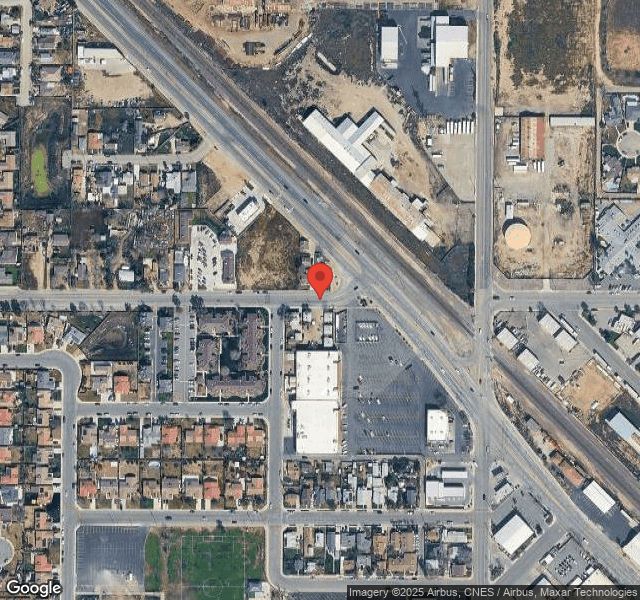
140 EAST TULARE AVENUE, SHAFTER, CA 93263 (661) 746-3912
For profit - Limited Liability company 99 Beds Independent Data: November 2025
Trust Grade
35/100
#905 of 1155 in CA
Last Inspection: December 2024

Within standard 12-15 month inspection cycle. Federal law requires annual inspections.

Overview

Shafter Nursing Care has received a Trust Grade of F, indicating significant concerns about the quality of care provided. Ranking #905 out of 1155 facilities in California places it in the bottom half of the state, while being #6 out of 17 in Kern County shows that only five local options are considered better. The facility's trend is worsening, with issues increasing from 15 in 2023 to 20 in 2024. Staffing is a major weakness here, with a poor rating of 1 out of 5 and concerning RN coverage that is less than 94% of California facilities. Notably, the facility has faced $48,101 in fines, which is higher than 81% of California nursing homes. Specific incidents include a resident suffering a fracture due to inadequate room lighting and lack of proper footwear, and a serious case of financial abuse where a staff member misused a resident's credit card, leading to over $6,500 in unauthorized charges. While the facility does have some strengths with good quality measures, the overall picture raises serious concerns for families considering this option.

Trust Score
F
35/100
In California
#905/1155
Bottom 22%
Safety Record
Moderate
Needs review
Inspections
Getting Worse
15 → 20 violations
Staff Stability
○ Average
Turnover data not reported for this facility.
Penalties
✓ Good
$48,101 in fines. Lower than most California facilities. Relatively clean record.
Skilled Nurses
⚠ Watch
Each resident gets only 16 minutes of Registered Nurse (RN) attention daily — below average for California. Fewer RN minutes means fewer trained eyes watching for problems.
Violations
⚠ Watch
54 deficiencies on record. Higher than average. Multiple issues found across inspections.
★★☆☆☆
2.0
Overall Rating
★☆☆☆☆
1.0
Staff Levels
★★★★☆
4.0
Care Quality
★★★☆☆
3.0
Inspection Score
Stable
2023: 15 issues
2024: 20 issues

The Good

  • 4-Star Quality Measures · Strong clinical quality outcomes
  • Full Sprinkler Coverage · Fire safety systems throughout facility
  • No fines on record

Facility shows strength in quality measures, fire safety.

The Bad

2-Star Overall Rating

Below California average (3.1)

Below average - review inspection findings carefully

Federal Fines: $48,101

Above median ($33,413)

Moderate penalties - review what triggered them

The Ugly 54 deficiencies on record

2 actual harm
Dec 2024 6 deficiencies
CONCERN (D)

Potential for Harm - no one hurt, but risky conditions existed

Deficiency F0638 (Tag F0638)

Could have caused harm · This affected 1 resident

Based on interview, and record review, the facility failed to ensure MDS (Minimum Data Set - assessment tool) quarterly (every three months) assessment was completed for one of 16 sampled residents (R...

Read full inspector narrative →
Based on interview, and record review, the facility failed to ensure MDS (Minimum Data Set - assessment tool) quarterly (every three months) assessment was completed for one of 16 sampled residents (Resident 77). This failure had the potential for the delay in development and implementation of Resident 77's individualized care plan. Findings: During an interview on 12/19/24 at 11:45 a.m. with Minimum Data Set Nurse (MDSN), MDSN stated MDS assessments need to be completed on admission, quarterly, annually and at discharge. MDSN stated MDS assessments need to be completed within 14 days of the Assessment Reference Date (ARD-the specific end point of look-back periods in the MDS assessment process). During a concurrent interview and record review on 12/19/24 at 11:53 a.m. with MDSN, Resident 77's clinical record (CR), (undated) was reviewed. The CR indicated, Resident 77's admission MDS was completed on 7/30/24. MDSN stated Resident 77's quarterly MDS assessment had not been completed and was overdue. MDSN stated Resident 77's quarterly MDS should have been completed in October 2024. During a review of the facility's policy and procedure (P&P) titled, Resident Assessments, dated November 2019, the P&P indicated, 1. The resident assessment coordinator is responsible for ensuring that the interdisciplinary team conducts timely and appropriate resident assessments and reviews according to the following requirements.(2) Quarterly Assessments- Conduct not less frequently than (3) three months following the most recent.assessment of any type.2. A comprehensive assessment includes: a. completion of the Minimum Data Set (MDS).12. All resident assessments completed within the previous 15 months are maintained in the resident's active clinical record. The results of the assessment are used to develop, review and revise the residents comprehensive care plan.
CONCERN (D)

Potential for Harm - no one hurt, but risky conditions existed

PASARR Coordination (Tag F0644)

Could have caused harm · This affected 1 resident

During a review of Resident 38's admission Record (AR), (undated), Resident 38 had a diagnosis of Schizophrenia (a mental illness that affects a person's thoughts, feelings and behaviors), Major Depre...

Read full inspector narrative →
During a review of Resident 38's admission Record (AR), (undated), Resident 38 had a diagnosis of Schizophrenia (a mental illness that affects a person's thoughts, feelings and behaviors), Major Depressive disorder, Anxiety, Schizoaffective Disorder, Bipolar Type (mental health condition that causes extreme mood swings). During a review of Resident 38's PASRR Level I Screening from GACH, dated 11/13/24, the PASRR indicated the screening was negative and indicated No to the question Does the individual have a serious diagnosed mental disorder such as Depressive Disorder, Anxiety Disorder, Panic Disorder, Schizophrenia/Schizoaffective Disorder, or symptoms of Psychosis [mental health condition with loss of contact with reality], Delusions, and/or Mood Disturbance? During a concurrent interview and record review on 12/18/24 at 3:38 p.m. with Director of Nursing (DON), Resident 38's PASRR, dated 11/13/24 was reviewed. DON stated Resident 38 was readmitted to facility from hospital and had new diagnosis on 11/13/24 for Schizoaffective Disorder, Bipolar Type. DON stated PASRR Level I screening was completed by the GACH and had been filled out wrong. DON stated it is ultimately the facility's responsibility to make sure the PASRR is completed correctly with all current diagnosis. During a review of the facility's policy and procedure (P&P) titled, Pre-admission Screening and Resident Review (PASRR), dated 7/1/23, the P&P indicated, Procedure.III.If the MDS does not match the PASRR Level 1 from the GACH or there is a significant change in the resident's mental or physical condition, the Facility is responsible for completing and new PASRR Level 1. Based on interview and record review, the facility failed to follow their policy and procedure (P&P) titled, Pre-admission Screening and Resident Review (PASRR) for two of two sampled residents (Resident 66 and Resident 38) with identified serious mental illness diagnoses when an updated PASRR Level 1 was not submitted. This failure had the potential for residents not to receive the specialized mental health services to meet their needs. Findings: During a review of Resident 66's History and Physical Reports (H&P) from General Acute Care Hospital (GACH), dated 1/22/24, the H&P indicated, Resident 66 had a history of Schizoaffective Disorder (a serious mental health condition with symptoms of hallucinations [seeing or hearing things that are not there]), delusion (false belief that is held even when presented with evidence that it is not true), depression (persistent sadness), and mania (abnormally elevated mood, energy, or activity), Anxiety (excessive feelings of worry, fear, or unease), and Suicidal behavior (threatening to harm or kill oneself). During a review of Resident 66's PASRR Level 1 screening from GACH, dated 1/23/24, the PASRR indicated, the screening was negative and indicated No to the question Does the individual have a serious diagnosed mental disorder such as Depressive Disorder, Anxiety Disorder, Panic Disorder, Schizophrenia/Schizoaffective Disorder, or symptoms of Psychosis [mental health condition with loss of contact with reality], Delusions, and/or Mood Disturbance? During a concurrent interview and record review with Minimum Data Set (MDS- comprehensive standardized assessment of resident's functional capabilities and health needs) Nurse (MDSN), Resident 66's Diagnosis Report (DR), dated 12/17/24, and MDS Section I- Active Diagnoses, dated 11/19/24, were reviewed. The DR indicated Resident 66 had diagnoses of Schizophrenia (chronic mental illness causing altered thought processes, perceptions, emotions, and social interactions), Anxiety Disorder, and depression. The MDS indicated, Resident 66 had active diagnoses of Anxiety Disorder, Depression, and Schizophrenia. MDSN stated Resident 66's admission date was 1/24/24. MDSN stated when a new resident is admitted , she checks the PASRR Level 1 screening. MDSN stated she inputs the diagnoses into the MDS, but she does not have a process for checking the PASRR against the resident's diagnoses for accuracy. MDSN stated based on Resident 66's admitting diagnoses, she should have submitted a new PASRR Level 1 screening.
CONCERN (E)

Potential for Harm - no one hurt, but risky conditions existed

Deficiency F0552 (Tag F0552)

Could have caused harm · This affected multiple residents

Based on interview and record review, the facility failed to follow their policy and procedure (P&P) titled, Informed Consent for eight of eight sampled residents (Resident 31, Resident 38, Resident 4...

Read full inspector narrative →
Based on interview and record review, the facility failed to follow their policy and procedure (P&P) titled, Informed Consent for eight of eight sampled residents (Resident 31, Resident 38, Resident 44, Resident 46, Resident 49, Resident 75, Resident 76, and Resident 286) receiving psychotherapeutic (affect thought, mood, perception, or behavior) drugs when the resident or resident's representative did not sign the VERIFICATION OF RESIDENT INFORMED CONSENT FOR PSYCHOTHERAPEUTIC DRUGS (California) (VRIC) form. This failure had the potential to result in questions regarding if informed consent had been obtained. Findings: During a review of Resident 31's VRICs, the VRICs for the following psychotherapeutic medications were found not to contain the resident or resident representative's signature: Clonazepam for anxiety (excessive feelings of worry, fear, or unease), dated 11/9/23; Seroquel for schizophrenia (chronic mental illness causing altered thought processes, perceptions, emotions, and social interactions), dated 9/5/24; Cymbalta for neuropathic (nerve) pain, dated 9/11/24; and Venlafaxine for major depressive disorder (persistent sadness), dated 4/1/24. During a review of Resident 44's VRICs, the VRICs for the following psychotherapeutic medications were found not to contain the resident or resident representative's signature: Duloxetine for major depressive disorder, dated 10/9/24; and Seroquel for Schizoaffective Disorder, dated 2/19/24. During a review of Resident 49's VRICs, the VRICs for the following psychotherapeutic medications were found not to contain the resident or resident representative's signature: Seroquel for Bipolar Disorder, dated 4/1/24; Depakote for Bipolar Disorder, dated 9/11/24; and Paxil for Major Depressive Disorder, dated 7/1/24. During a review of Resident 76's VRICs, the VRICs for the following psychotropic medications were found not to contain the resident or resident representative's signature: Prozac for Depression, dated 9/11/24; Remeron for Depression, dated 9/11/24; and Cymbalta for Depression, dated 9/11/24. During a review of Resident 286's VRICs, the VRICs for the following psychotropic medications were found not to contain the resident or resident representative's signature: Depakote for Bipolar Disorder, dated 12/16/24; Trazadone for Major Depressive Disorder, dated 11/19/24; Olanzapine for Schizoaffective Disorder, dated 11/19/24; Buspirone for Anxiety Disorder, dated 11/19/24; and Venlafaxine for Major Depressive Disorder, dated 11/20/24. During a concurrent interview and record review on 12/17/24 at 4:06 p.m. with Director of Nursing (DON), Resident 46's VRICs were reviewed. The VRIC's for the following psychotropic medications were reviewed and found not to contain the resident's signature: Temazepam for insomnia (inability to sleep), dated 11/14/24; Lexapro for Major Depressive Disorder, dated 9/9/24; and Wellbutrin for Major Depressive Disorder, dated 9/11/24. DON stated the facility does not have the resident sign the VRIC forms. During a concurrent interview and record review on 12/18/24 at 10:21 a.m. with Minimum Data Set Nurse (MDSN), Resident 75's VRICs were reviewed. The VRICs for the following psychotherapeutic medications were found not to contain the resident or resident representative's signature: Buspirone for Anxiety, dated 3/15/24; Xanax 1 mg for Anxiety, dated 7/2/24; and Xanax 0.25 mg (milligram) for Anxiety, dated 9/27/24. MDSN stated there was no place on the VRIC form for the resident or their representative to sign and there was no place for a nurse to witness a resident signature. During a concurrent interview and record review on 12/18/24 at 10:40 a.m. with MDSN, Resident 38's VRICs were reviewed. The VRICs for the following psychotherapeutic medications were found not to contain the resident or resident representative's signature: Buspirone for anxiety, dated 11/13/24; Depakote for Schizoaffective Disorder, Bipolar (extreme mood swings with changes in mood, behavior, ability to think, inability to sleep) type, dated 11/13/24; and Ziprasidone for Schizophrenia, Dated 11/13/24. MDSN stated the VRICs did not contain the resident or resident family member's signatures for consent. During a concurrent interview and record review on 12/18/24 at 2:09 p.m. with Administrator, the facility's policy and procedure (P&P) titled, Informed Consent, dated 11/30/2020, was reviewed. The P&P indicated, III. Obtaining Informed Consent A.i. An informed consent is required but not limited to, the administration of psychotherapeutic drugs . B. The resident or representative must sign an informed consent prior to administration of treatment/procedure. Administrator stated the facility was not following their P&P.
CONCERN (E)

Potential for Harm - no one hurt, but risky conditions existed

Deficiency F0727 (Tag F0727)

Could have caused harm · This affected multiple residents

Based on interview and record review, the facility failed to ensure a Registered Nurse (RN) was scheduled and on duty eight hours a day, seven days a week. This failure had the potential for resident ...

Read full inspector narrative →
Based on interview and record review, the facility failed to ensure a Registered Nurse (RN) was scheduled and on duty eight hours a day, seven days a week. This failure had the potential for resident care to be negatively impacted. Findings: During a concurrent interview and record review on 12/17/24 at 11:05 a.m. with Director of Staff Development (DSD), the Nursing Staffing Assignment and Sign-in Sheet dated July 2024 were reviewed. The staff schedule indicated, there was no RN for 8 hours a day on 7/3/24, 7/4/24, 7/5/24, 7/6/24, 7/7/24, 7/8/24, 7/9/24, 7/10/24, 7/11/24, 7/12/24, 7/14/24, 7/15/24, 7/16/24, 7/17/24, 7/18/24, 7/19/24, 7/20/24, 7/21/24, 7/23/24, 7/25/24, 7/26/24, 7/27/24, 7/28/24, 7/29/24, 7/30/24, 7/31/24. DSD stated there was no RN present in the building for 8 hours a day on those days. During a concurrent interview and record review on 12/17/24 at 11:33 a.m. with DSD, the Nursing Staffing Assignment and Sign-in Sheet dated August 2024 was reviewed. The staff schedule indicated, there was no RN for 8 hours a day on 8/1/24, 8/6/24, 8/7/24, 8/8/24, 8/9/24, 8/10/24, 8/11/24, 8/12/24, 8/13/24, 8/14/24, 8/15/24, 8/17/24, 8/18/24, 8/19/24, 8/20/24, 8/21/24, 8/22/24, 8/23/24, 8/24/24, 8/25/24, 8/26/24, 8/27/24, 8/28/24, 8/29/24, 8/30/24, 8/31/24. DSD stated there was no RN present in the building for 8 hours a day on those days. During a concurrent interview and record review on 12/17/24 at 11:48 a.m. with DSD, the Nursing Staffing Assignment and Sign-in Sheet dated September 2024 was reviewed. The staff schedule indicated, there was no RN for 8 hours a day on 9/1/24, 9/2/24, 9/3/24, 9/4/24, 9/5/24, 9/6/24, 9/7/24, 9/8/24, 9/9/24, 9/10/24, 9/11/24, 9/12/24, 9/13/24, 9/14/24, 9/15/24, 9/16/24, 9/17/24, 9/18/24, 9/19/24, 9/20/24, 9/21/24, 9/22/24, 9/23/24, 9/24/24, 9/25/24, 9/26/24, 9/27/24, 9/28/24, 9/29/24, 9/30/24. DSD stated there was no RN present in the building for 8 hours a day on those days. During a concurrent interview and record review on 12/17/24 at 3:35 p.m. with DSD, the facility's policy and procedure (P&P) titled, RN Staffing Coverage Policy, dated 8/9/16 was reviewed. The P&P indicated, nursing homes have an RN onsite at least 8 consecutive hours per day, 7 days per week. DSD stated We don't meet the requirement for RN onsite at least 8 consecutive hours a day, 7 days a week. During a concurrent interview and record review on 12/18/24 at 7:38 a.m. with DSD, the Nursing Staffing Assignment and Sign-in Sheet dated October 2024 was reviewed. The staff schedule indicated, there was no RN for 8 hours a day on 10/1/24, 10/2/24, 10/3/24, 10/8/24, 10/9/24, 10/10/24, 10/12/24, 10/13/24, 10/14/24, 10/15/24, 10/16/24, 10/18/24, 10/19/24, 10/20/24, 10/21/24, 10/22/24, 10/25/24, 10/29/24, 10/30/24, 10/31/24. DSD stated there was no RN present in the building for 8 hours a day on these days. During a concurrent interview and record review on 12/18/24 at 9:07 a.m. with DSD, the Nursing Staffing Assignment and Sign-in Sheet dated November 2024 was reviewed. The staff schedule indicated, there was no RN for 8 hours a day on 11/1/24, 11/2/24, 11/3/24, 11/4/24, 11/5/24, 11/6/24, 11/7/24, 11/8/24, 11/9/24, 11/11/24, 11/12/24, 11/13/24, 11/14/24, 11/15/24, 11/16/24, 11/18/24, 11/19/24, 11/21/24, 11/26/24, 11/27/24. DSD stated there was no RN present in the building for 8 hours a day on those days. During a concurrent interview and record review on 12/18/24 at 2:06 p.m. with DSD, facility's staff schedule dated December 2024 was reviewed. The staff scheduled indicated, there was no RN for 8 hours a day 12/3/24, 12/4/24, 12/5/24, 12/6/24, 12/8/24, 12/9/24, 12/10/24, 12/11/24, 12/12/24, 12/13/24, 12/14/24, 12/15/24 . DSD stated there was no RN present in the building for 8 hours a day on those days. During a review of the facility's P&P titled, RN Staffing Coverage Policy, dated 8/9/16, the P&P indicated, nursing homes have an RN onsite at least 8 consecutive hours per day, 7 days per week.
CONCERN (E)

Potential for Harm - no one hurt, but risky conditions existed

Deficiency F0730 (Tag F0730)

Could have caused harm · This affected multiple residents

Based on interview and record review, the facility failed to ensure Performance Evaluation (PE-a process to give employees feedback on their job performance) for two of eight sampled employees (Certif...

Read full inspector narrative →
Based on interview and record review, the facility failed to ensure Performance Evaluation (PE-a process to give employees feedback on their job performance) for two of eight sampled employees (Certified Nursing Assistance [CNA] 3, CNA 4), were completed. This failure had the potential for the staff not be aware of their need for improvement in certain areas, which could affect patient care. Findings: During a concurrent interview and record review on 12/18/24 at 8:33 a.m. with Director of Staff Development (DSD), CNA 3's PE was reviewed. The PE indicated, CNA 3 was hired on 3/28/23 and there was no PE found in their employee file. DSD stated CNA 3's annual PE had not been completed. During a concurrent interview and record review on 12/18/24 at 8:55 a.m. with DSD, CNA 4's PE was reviewed. The PE indicated, CNA 4 was hired on 11/1/21 and there was no PE found in their employee file. DSD stated CNA 4's annual PE had not been completed. During a review of the facility's policy and procedure titled, Employee Performance Evaluation, (undated), the P&P indicated, To provide employees with the necessary feedback about job performance, employees will receive performance evaluations.Performance evaluations will be kept in the employee's personnel file.
CONCERN (F)

Potential for Harm - no one hurt, but risky conditions existed

Food Safety (Tag F0812)

Could have caused harm · This affected most or all residents

Based on observation, interview, and record review, the facility failed to: 1. Ensure food was dated and stored under sanitary conditions. 2. Ensure food was maintained at safe temperatures. These fai...

Read full inspector narrative →
Based on observation, interview, and record review, the facility failed to: 1. Ensure food was dated and stored under sanitary conditions. 2. Ensure food was maintained at safe temperatures. These failures had the potential to result in residents getting food borne illnesses. Findings: 1. During a concurrent observation and interview on 12/16/24 at 9:15 a.m. with Dietary Supervisor (DS) in the kitchen, a container labeled peas was on the top shelf of Refrigerator #3 with an cracked/unsealed lid. DS stated the container of peas should have been sealed. During a concurrent observation and interview on 12/16/24 at 9:19 a.m. with DS at Refrigerator #5, an egg tray containing approximately two dozen eggs was open, uncovered, and undated. A carton of Liquid Pasteurized eggs was opened but without an open date. DS stated the egg tray should have been left in the original container and there was no way to determine the expiration date of the eggs. DS stated the carton of Liquid Pasteurized eggs was good for 7 days from the date it was opened but there was no open date. During a concurrent observation and interview on 12/16/24 at 9:20 a.m. with DS at Refrigerator #5, three trays of corn salad in small bowls were stacked on top each other. No date was observed on the trays or on the individual salad bowls. DS stated the corn salad bowls should have been dated. During a concurrent observation and interview on 12/16/24 at 9:22 a.m. with DS at Freezer #8, frozen broccoli was not sealed in the plastic bag. DS stated the broccoli should have been sealed. During a concurrent observation and interview on 12/16/24 at 9:24 a.m. with the DS in the dry storage room, a plastic bag containing elbow macaroni was not labeled or dated, and a container of nonfat dry milk was not sealed. DS stated they should have been dated and sealed. During a review of the facility's P&P titled, STORAGE OF FOOD AND SUPPLIES, dated 2023, the P&P indicated, 9. Dry food items which have been opened, such as pudding, gelatin, biscuit mix, pancake mix, dry cereal, spices, coffee, noodles, etc., will be tightly closed, labeled, and dated. During a review of the facility's P&P titled, Labeling and Dating of Foods, dated 2023, the P&P indicated, POLICY: All food items in the storeroom, refrigerator, and freezer need to be labeled and dated.Newly opened food items will need to be closed and labeled with an open date and used by date. 2. During an observation on 12/17/24 at 9:53 a.m. in the kitchen, three large metal trays covered with foil containing already baked lasagna were sitting on a shelf above the steam table. During an interview on 12/17/24 at 9:59 a.m. with [NAME] 1, [NAME] 1 stated the lasagna trays had come out of the oven approximately twenty minutes ago and were placed on the shelf above the steam table. During a concurrent observation and interview on 12/17/24 at 10 a.m. with Certified Dietary Manager (CDM) at the kitchen's steam table, the temperature of the lasagna in the three trays was taken by [NAME] 2. Lasagna Tray 1's food temperature was 127 degrees Fahrenheit (F-measurement of temperature), Lasagna Tray 2's food temperature was 143 degrees F, and Lasagna Tray 3's food temperature was 141 degrees F. CDM stated the food in Lasagna Tray 1 was not in the safe temperature range (140°F to 70°F). CDM stated the lasagna trays should not have been left on a shelf to cool off. During a concurrent observation and interview on 12/17/24 at 12:05 p.m. with DS, in the kitchen, peas were added to a resident's lunch plate during tray line. The temperature of the peas was not taken prior to plating and placing the plate in the dining cart. DS stated the temperature should have been taken prior to plating the food. During a review of the facility's P&P titled, COOLING AND REHEATING OF POTENTIALLY HAZARDOUS OR TIME/ TEMPERATURE CONTROL FOR SAFETY FOOD, dated 2023, the P&P indicated, POLICY: Cooked Potentially Hazardous Food (PHF) or Time/Temperature Control for Safety (TCS) food shall be cooled and reheated in a method to ensure food safety. PHF or TCS food include: . garlic . meat . pasta. PROCEDURE: When cooked PHF or TCS food will not be served right away it must be cooled as quickly as possible. The method is: THE TWO-STAGE METHOD Cool cooked food from 140°F to 70°F within two hours. 1) Previously cooked PHF or TCS food that will be hot-held should be rapidly reheated to an internal temperature of 165°F within two hours.
Nov 2024 1 deficiency 1 Harm
SERIOUS (G) 📢 Someone Reported This

A family member, employee, or ombudsman was alarmed enough to file a formal complaint

Actual Harm - a resident was hurt due to facility failures

Comprehensive Care Plan (Tag F0656)

A resident was harmed · This affected 1 resident

Based on observation, interview, and record review, the facility failed to implement one of six sampled residents' (Resident 1) care plan (personalized plan of care outlining a person's needs and how ...

Read full inspector narrative →
Based on observation, interview, and record review, the facility failed to implement one of six sampled residents' (Resident 1) care plan (personalized plan of care outlining a person's needs and how they will be addressed) when the facility did not ensure Resident 1's room was well-lit and Resident 1 was wearing footwear (item of clothing that covers and protects the foot, including the soles of the feet) when walking. These failures resulted in Resident 1 sustaining a nondisplaced fracture (broken bone that did not move out of alignment) of the neck of the right femur (thigh bone) requiring open reduction and internal fixation (surgical procedure that treats severe bone fracture or dislocation by realigning the bones and stabilizing them with internal hardware [tools or devices used in medical procedures]). Findings: During a review of Resident 1's admission Record (AR), dated 11/15/24, the AR indicated, Diagnosis. Spondylosis (age-related breakdown in the spine [backbone]) . Muscle Weakness (Generalized). Anemia (condition in which the body does not have enough healthy red blood cells that provide oxygen throughout the body) . Unsteadiness on Feet (difficulty walking or maintaining balance). During a review of Resident 1's admission Minimum Data Set (MDS - an assessment tool), dated 9/24/24, the MDS indicated under Section GG (Functional Abilities and Goals) Resident 1's admission performance required substantial or maximal assistance (helper does more than half the effort) with putting on or taking off footwear. The MDS indicated walking was not attempted due to safety concerns (Resident 1 was not walking at the time of assessment). During a review of Resident 1's Care Plan (CP), dated 9/23/24, the CP indicated, (Resident 1) is high risk for falls related to generalized weakness, balance problems, decreased strength. Interventions. Footwear to prevent slipping when ambulating (walking). Keep environment well-lit. During a review of Resident 1's Clinical Health Status with Baseline Care Plan (CHSBCP), dated 9/23/24, the CHSBCP indicated Resident 1 had a score of 13 indicating he was high risk for falls. During a review of Resident 1's SBAR (Situation Background Appearance Review), dated 11/3/24, the SBAR indicated, Res (Resident 1) had a witnessed fall (someone had seen the fall) when attempting to sit on the edge of his bed; abrasion (scrape) to top of head, skin tear (cut) to R (right) elbow, and c/o (complained of) pain with AROM (assisted range of motion - assistance provided to move a part of the body through its full range of movement) to RLE (right lower extremity). During a review of Resident 1's Medication Administration Record (MAR), dated November 2024, the MAR indicated Resident 1 had a pain level of 3/10 (mild pain) on 11/3/24 at 3:05 a.m. (time of fall). During a review of Resident 1's RISK MANAGEMENT IDT (Interdisciplinary Team - group of professionals who assess, coordinate, and manage each resident's comprehensive needs [RMI]), dated 11/3/24, the RMI indicated, (Resident 1) is high risk for falls. He is alert and able to make needs known. Resident interviewed and stated, I (Resident 1) was getting out of the restroom and when I got out, I turned around (to sit on his bed) and my feet slipped. Xray (medical imaging technique that uses radiation to create a picture of the inside of the body) was completed. MD (Medical Director) orders to send out to ER (Emergency Room) for further eval (evaluation) and tx (treatment). During a review of Resident 1's Core Analytics Lab & Radiology Patient Report (CALRPR), dated 11/3/24, the CALRPR indicated, There appears to be an acute (severe and sudden in onset) nondisplaced right femoral (part of the thigh bone) neck fracture. During a review of Resident 1's SBAR Post Fall (SBARPF), dated 11/3/24, the SBARPF indicated, Prior to fall resident was: a. Ambulating (walking). Bare Feet. Environment. Dim lighting. Injury. Skin tear. VISION STATUS. Poor (with or without glasses) During a review of Resident 1's Nurses Note (NN), dated 11/6/24, the NN indicated, Recently sent out to (acute hospital) due to hip fracture to right side with admitting diagnosis of fracture of femoral neck (right), s/p (status post [condition after]) open reduction internal fixation. During a review of Resident 1's Documentation Survey Report (DSR - activities of daily living [basic personal tasks that people perform in their everyday lives] flowsheet), dated November 2024, the DSR indicated on 11/3/24 night shift, CNA 1 provided Resident 1 partial or moderate assist (helper does less than half the effort) with putting on or taking off footwear. During a concurrent observation and interview on 11/15/24 at 12:56 p.m. with Resident 1 in Resident 1's room, Resident 1 was not wearing footwear. Resident 1 stated he needed assistance when getting up and walking. Resident 1 stated, I couldn't do (walking) it myself. I'm scared of falling again. Resident 1 stated, I don't think I was (wearing footwear at the time of fall). During an interview on 11/18/24 at 4:13 p.m. with Certified Nursing Assistant (CNA) 1, CNA 1 stated on 11/3/24 she was guiding Resident 1 to the restroom at 2:40 in the morning. CNA 1 stated Resident 1 slipped and fell when she was assisting him back to bed. CNA 1 stated every time a staff would assist a resident to walk, the staff must make sure the resident wears a nonskid (designed to prevent slipping or skidding) footwear for safety. During an interview on 11/19/14 at 10:00 a.m. with Licensed Vocational Nurse (LVN) 1, LVN 1 stated, He (Resident 1) told me (11/3/24) when he was about to sit on the bed, when he turned, his legs flew under him. He was barefoot. LVN 1 stated it was dim in Resident 1's room and the overhead light was the only light on. LVN 1 stated Resident 1 was supposed to wear nonskid footwear whenever walking to prevent slipping. LVN 1 stated CNA 1 could not find Resident 1's nonskid footwear when Resident 1 was going to the restroom, but LVN 1 found Resident 1's nonskid footwear in Resident 1's room after the fall on 11/3/24. During an interview on 11/19/24 at 2:07 p.m. with Physical Therapy Assistant Rehabilitation Coordinator (PTARC - treats residents through exercise, massage, gait and balance training, and coordinates rehabilitation services for residents), PTARC stated Resident 1 was supposed to wear nonskid socks or nonskid footwear when walking to prevent slipping. During an interview on 11/19/24 at 2:33 p.m. with Director of Nursing (DON), DON stated Resident 1's cause of fall on 11/3/24 was Resident 1's feet slipped. DON stated Resident 1 was barefoot when he fell. During a review of the facility's policy and procedure (P&P) titled, Care Planning, dated 11/1/17, the P&P indicated, Purpose To ensure that a comprehensive person-center Care Plan is developed for each resident based on their individual assessed needs. The Care Plan serves as a course of action where the resident (resident's family and/or guardian or other legally authorized representative), resident's Attending Physician, and IDT work to help the resident move toward resident-specific goals that address the resident's medical, nursing, mental and psychosocial needs.
Oct 2024 1 deficiency
CONCERN (D) 📢 Someone Reported This

A family member, employee, or ombudsman was alarmed enough to file a formal complaint

Potential for Harm - no one hurt, but risky conditions existed

Comprehensive Care Plan (Tag F0656)

Could have caused harm · This affected 1 resident

**NOTE- TERMS IN BRACKETS HAVE BEEN EDITED TO PROTECT CONFIDENTIALITY** Based on interview and record review, the facility failed to ensure two of three sampled residents (Resident 2 and Resident 3) d...

Read full inspector narrative →
**NOTE- TERMS IN BRACKETS HAVE BEEN EDITED TO PROTECT CONFIDENTIALITY** Based on interview and record review, the facility failed to ensure two of three sampled residents (Resident 2 and Resident 3) discharge care plans were developed. This failure had the potential for Resident 2 and Resident 3 to have unmet care needs upon discharge. Findings: During a review of Resident 2's admission Record, (AR) the AR indicated, Resident 2 was admitted on [DATE] and discharged on 9/12/24. During a review of Resident 2's Multidisciplinary Care Conference, (MCC) dated 9/9/24, MCC indicated, (Resident 2) wishes to return to room and board when discharge is appropriate. During a review of Resident 3's AR, the AR indicated, Resident 3 was admitted on [DATE] and discharged on 9/19/24. During a review of Resident 3's MCC, dated 6/12/24, the MCC indicated, (Resident 3) wishes to ALF (assisted living facility) when discharge is appropriate. During a concurrent interview and record review on 10/2/24 at 12:34 p.m. with the Director of Nursing (DON), DON stated Discharges are a team effort, planning start on admission, each resident should have a care plan indicating the reason why they are here and how long they are going to stay, short or long term. Resident 2 ' s care plans were reviewed. DON confirmed Resident 2 did not have a discharge care plan. Resident 3 ' s care plans were reviewed. DON confirmed Resident 3 did not have a discharge care plan. DON stated she expects a discharge care plan to be completed once the MCC is completed. During a review of the facility ' s policy and procedure (P&P) titled, Care Planning, revised 11/1/17, the P&P indicated, Purpose To ensure that a comprehensive person-centered Care Plan is developed for each resident based on their individual assessed needs. II. The Care Plan serves as a course of action where the resident (resident ' s family and/or guardian or legally authorized representative), resident ' s Attending Physician, and IDT (Intradisciplinary Team) work to help the resident move toward resident-specific goals that address the resident ' s medical, nursing, mental and psychosocial needs. II. Each resident ' s Care Plan will describe the following: . E. Discharge plans as appropriate . III. The resident ' s preference and potential for future discharge.
Sept 2024 2 deficiencies 1 Harm
SERIOUS (G) 📢 Someone Reported This

A family member, employee, or ombudsman was alarmed enough to file a formal complaint

Actual Harm - a resident was hurt due to facility failures

Deficiency F0602 (Tag F0602)

A resident was harmed · This affected 1 resident

**NOTE- TERMS IN BRACKETS HAVE BEEN EDITED TO PROTECT CONFIDENTIALITY** Based on observation, interview and record review, the facility failed to protect one of three sampled residents (Resident 1) fr...

Read full inspector narrative →
**NOTE- TERMS IN BRACKETS HAVE BEEN EDITED TO PROTECT CONFIDENTIALITY** Based on observation, interview and record review, the facility failed to protect one of three sampled residents (Resident 1) from financial abuse when: 1. The facility did not have a policy & procedure in place to protect vulnerable residents who do not have the mental capacity to manage their own financial matters. 2. The Social Services Director (SSD), as the perpetrator (culprit/wrongdoer), used Resident 1 ' s credit card (a plastic card you can use to buy goods and services and pay for them later) and debit card (a payment card that can be used in place of cash to make purchases or withdraw cash) without Resident 1 ' s consent when more than $6,500 in unauthorized purchases were made by her (SSD). These failures resulted in Resident 1 being a victim of financial abuse and resulting in over $6,500 in financial loss for Resident 1. Findings: 1. During a concurrent interview and observation on 9/17/24 at 11:48 a.m. with Resident 1, Resident 1 was sitting in a chair at the dining room table, with large white purse closed and hanging on a chair. Resident 1 stated she has been in the facility for two years and does not really ask anyone to help her call her bank (sic). Resident 1 stated she does not go out with her friends. Resident 1 stated she would give her (credit) card to someone (staff) if they needed it (sic). Resident 1 stated she is unaware of any issues regarding her credit card or debit card. During a review of Resident 1 ' s Minimum Data Set (MDS-assessment tool), dated 6/7/24, the MDS indicated Resident 1 had a BIMS (Brief Interview for Mental Status-assessment tool used by facilities to screen and identify memory, orientation, and judgement status of the resident) score of 6 (score of 0-7 means severe cognitive impairment). The MDS indicated Resident 1 required supervision (needs touch assistance and verbal cues) with activities of daily living. During a review of Resident 1 ' s Inventory List (list of items resident possess), dated 2/28/23 (admission date), the Inventory List indicated Resident 1 had a Visa (credit/debit card), Mastercard (credit card), Costco card (membership card) and $30 cash. During a review of Resident 1 ' s admission Record (AR), dated 9/17/24, the AR indicated Resident 1 is a [AGE] year-old female resident. Resident 1 had diagnoses of Dementia (memory loss), Psychotic Disturbance (a severe mental disorder that causes people to lose touch with reality and experience abnormal thinking and perceptions), Mood Disturbance (a change in a person's emotional state that can involve feelings of distress, sadness, depression, or anxiety), Cognitive Communication Deficit (communication issues), Bipolar Disorder (a mental illness that causes extreme shifts in mood, energy, and activity levels). During an interview on 9/17/24, at 11:08 a.m. with Business Office Manager (BOM), BOM stated, Resident ' s [1] BIMS is a 6, in my personal opinion, she [Resident 1] does not have [mental] capacity. BOM stated the facility do not have a policy on financial protection for vulnerable residents having no capacity to manage their finances. 2. During an interview on 9/12/24 at 9:53 a.m. with Complainant, Complainant stated he is from the fraud (wrongful or criminal deception intended to result in financial gain) department at a bank. Complainant stated, A woman named [SSD] that works at [the facility] has been calling in and impersonating [pretending to be] [Resident 1] to gain access to her [Resident 1 ' s] accounts. Complainant stated, Reviewing all recorded phone calls in the past, [SSD] has called in with [Resident 1] present and has identified herself as the Social Services, a facility representative, however now, she is not, she is changing her voice and calling in stating her name is [Resident 1 ' s name]. Complainant stated, We locked resident ' s [1] debit card, however her credit card was not locked and has concerning charges such as from gas stations, shoe store with $200 charges, clothing store with $300 charges. There are several gas station charges. During an interview on 9/17/24 at 11:18 a.m. with SSD, SSD stated she did call the bank and stated her (SSD) name was Resident 1 ' s name because she (SSD) was trying to help her (Resident 1) get access to her (Resident 1) pin number because Resident 1 was asking for assistance to get a new pin number. SSD stated, [Resident 1] goes out shopping on the weekends with friends. During an interview 9/17/24 at 11:48 a.m. with Resident 1, Resident 1 stated she does not really ask anyone to help her call her bank, and she stated she does not go out with her friends. Resident 1 stated she would give her (credit) card to someone (staff) if they needed it [sic]. During a review of Resident 1 ' s (Name of Bank) Visa Signature Credit Card Statement, dated 4/3/24-5/2/24, the (Name of Bank) Visa Signature Credit Card Statement, indicated a charge on 4/11/24 at a grocery store for $132.13. During a review of the facility ' s Resident Sign in and out Sheets (record of residents going out of the facility), dated April 2024, the Resident Sign in and out Sheets indicated Resident 1 did not leave the facility in April 2024 to go to a grocery store to make purchases. During a review of Resident 1 ' s (Name of Bank) Visa Signature Credit Card Statement, dated 5/3/24-6/2/24, the (Name of Bank) Visa Signature Credit Card Statement, indicated the following charges: a) On 5/3/24, there was a charge at a gas station for $114.99. b) On 5/8/24, there was a charge at a grocery store for $225.30 and a grocery store for $37.38. c) On 5/22/24, there was a charge at a pizza place for $10.70. d) On 5/23/24, there was a charge at a gas station for $202.00. The total charges for May 2024 were $590.37. During a review of Resident 1 ' s Inventory List (list of items resident possess), dated 2/28/23, the Inventory List indicated Resident 1 did not have a vehicle to get gas at a gas station. During a review of the facility ' s Resident Sign in and out Sheets, dated May 2024, the Resident Sign in and out Sheets indicated Resident 1 did not leave the facility on 5/3/24, 5/8/24, 5/22/24, and 5/23/24 to make the purchases indicated in the above credit card statement. During a review of Resident 1 ' s (Name of Bank) Credit Card statement, dated 6/3/24-7/2/24, the (Name of Bank) Credit Card statement, indicated on 6/3/24 there was a charge at a dollar store for $40.86, another dollar store for $43.62, and a gas station for $303.00. During a review of the facility ' s Resident Sign in and out Sheets, dated June 2024, the Resident Sign in and out Sheets indicated Resident 1 did not leave the facility on 6/3/24 to go to a dollar store and to the gas station. During a review of Resident 1 ' s Statement of Accounts (Name of Bank) Member Advantage Checking (debit card), dated 6/17/24-7/16/24, the Statement of Accounts (Name of Bank) Member Advantage checking, indicated a cash back (a debit card transaction in which cardholders receive cash when they make a purchase) withdrawal on 7/16/24 of $35.00 at a dollar store. During a review of the facility ' s Resident Sign in and out Sheets, dated May 2024, the Resident Sign in and out Sheets indicated Resident 1 did not leave the facility on 6/3/24 and 7/16/24 to go to the dollar store and a gas station. During a review of Resident 1 ' s (Name of Bank) Visa Signature Credit Card Statement, dated 7/3/24-8/2/24 the (Name of Bank) Visa Signature Credit Card Statement, indicated the following charges: a) On 7/5/24, there was a charge at a dollar store for $ 59.19, another dollar store for $32.49, and a gas station for $422.59. b) On 7/13/24, there was a charge at a dollar store for $137.47, pharmacy for $37.53, and a gas station for $1,035.57. c) On 7/15/24, there was a charge at a dollar store for $57.86 and a gas station for $1,048.97. d) On 7/26/24, there was a charge at a dollar store for $ 151.99, dollar store for $55.33, and a gas station for $65.00. e) On 7/27/24, there was a charge at a grocery store for $12.56. f) On 7/29/24, there was a charge at a gas station for $69.78 and gas station for $1.99. g) On 7/30/24, there was a charge at a dollar store for $150.80. h) On 7/31/24, there was a charge at a gas station for $76.79, gas station for $29.85 and fast food for $42.19. The total charges for July 2024 were $3,487.95. During a review of the facility Resident Sign in and out Sheets, dated July 2024, the Resident Sign in and out Sheet indicated Resident [1] left the faciity on 7/10/24 for facility activity outing to a cinema. There was no documentation of Resident 1 going to a dollar store, grocery store, or a gas station in July 2024. During a review of Resident 1 ' s Statement of Accounts (Name of Bank) Member Advantage Checking, dated 7/17/24-8/16/24, the Statement of Accounts (Name of Bank) Member Advantage checking, indicated: a) On 8/5/24, there were cash back withdrawals and charges of $315.64 at a grocery store, $58.77 at a gas station, $284.00 at a clothing store, and $194.79 at a shoe store. b) On 8/6/24, there was a charge of $72.05 at a gas station During a review of Resident 1 ' s (Name of Bank) Visa Signature Credit Card Statement, dated 8/3/24-9/2/24, the (Name of Bank) Credit Card Statement, indicated the following charges: a) On 8/1/24, there was a charge at a gas station for $78.78 and clothing store for $179.54. b) On 8/2/24, there was a charge at a grocery store for $128.15 and a makeup store for $314.80. c) On 8/6/24, there was a charge at a dollar store for $91.99. d) On 8/11/24, there was a charge at a gas station for $70.00. e) On 8/14/24, there was a charge at a grocery store for $10.65. f) On 8/15/24, there was a charge at a gas station for $151.52, shoe store for $406.90, and shoe store for $200.25. g) On 8/17/24, there was a charge at gas station for $60.00. h) On 8/21/24, there was a charge at a Dollar store for $79.63 and dollar store for $182.32 and gas station for $74.74. The total charges for August 2024 were $2,029.27. During a review of Resident 1 ' s Statement of Accounts (Name of Bank) Member Advantage Checking, dated 8/17/24-9/16/24, the Statement of Accounts (Name of Bank) Member Advantage Checking, indicated on 8/19/24, there was a withdrawal $6,287.99 to transfer (payment) to Resident 1 ' s credit card. During an interview on 9/19/24 at 11:39 a.m. with AD, AD stated there were no outings in August due to the facility vehicle being broken down. During a review of the facility Resident Sign in and out Sheets, dated August 2024, the Resident Sign in and out Sheets indicated there were no documentation of Resident [1] left the facility in August 2024. During an interview on 9/17/24 at 12:23 p.m. with Certified Nursing Assistant (CNA) 1, CNA 1 stated she works on the weekends on a rotating schedule and has not seen Resident 1 go out of the facility with anyone during her (day) shifts. During an interview on 9/17/24 at 12:27 p.m. with CNA 2, CNA 2 stated she has not seen Resident 1 go out of facility on the weekends or with anyone during her shifts. During a concurrent interview and record review on 9/17/24 at 12:45 p.m. with SSD, Resident 1 ' s Inventory List dated February 2023 was reviewed. The Inventory List indicated there was no documentation of additional items purchased since admission. SSD stated, The inventory list is supposed to be updated frequently anytime a resident gets something new, the item should be labeled with resident ' s name also. During an interview on 9/18/24 at 10:33 a.m. with Family Member (FM) 1, FM 1 stated, I received a call yesterday from [SSD] at 2:22 p.m., she [SSD] said there was an ongoing investigation regarding financial abuse, the cops came in, [SSD] was very defensive in our conversation, and it did not sit right. [SSD] also stated, ' your mother [Resident 1] likes to go shopping a lot and go out. ' That statement didn ' t sit right with me because I know my mother [Resident 1] and she [Resident 1] does not in fact like to go shopping, every time I talk with her [Resident 1] she asks me to send her [Resident 1] clothes and toiletries. So, I was thinking why she [Resident 1] is asking for these things if she [Resident 1] is going out all the time. FM 1 stated, My mother [Resident 1] does not know anyone at all in that area [facility location]. My brother and I live out of state we know no one there, and her [Resident 1] friends from [out of state] do not go down there to see her. I became suspicious a few months ago when I started getting alerts about her [Resident 1] credit card bill not being paid and her [Resident 1] regular recurrent charges for other bills not being paid and the balance jumping to $4,655. I tried to call the bank, but I was not a user anymore, but somehow, I still got the alerts. I was trying to get Power of Attorney [POA-a legal document that gives someone permission to act on behalf of another person] and had a conversation with [SSD] where she told me I could not get POA while my mom was at nursing home, so I stopped that process but I am really concerned and have a lot of red flags [something that indicates or draws attention to a problem, danger, or irregularity]. I have reached out to an attorney to assist. During an interview on 9/18/24 at 10:59 a.m. with Complainant, Complainant stated, I can verbally give you a list of transactions that stand out to me that are recent. Going back to April 2024 there is a [grocery store] for $132, May 2024 a [gas station] charge one transaction for $105 another for $202. A [grocery store] for over $300, June 4 2024 a [gas station] for $300, July 5 2024 a [dollar store], a [gas station] again for $422, July 13 2024 a [gas station] for $1035, July 13 2024 a [dollar store] for $113, August 1 2024 a [gas station], [clothing store] on August 2 2024 and [Makeup store] $315, August 6 2024 [dollar store], August 11 2024 [gas station], August 14 2024 [grocery store], August 15 2024 a [gas station] $151. There are more charges I can continue to compile a list. During an interview on 9/18/24 at 2:27 p.m. with SSD, SSD stated Resident 1 goes out shopping with her [SSD] and Activities Director (AD). SSD stated she got confused about Resident 1 going out on weekends, and SSD and AD take her shopping [clothing stores], [dollar store], [grocery store] and there is a shopping center with clothes and a couple shoe stores. SSD stated, I spoke with the daughter about the financial abuse allegation on Monday and yesterday morning before you guys [California Department of Public Health surveyors] got here. SSD stated she does not sign Resident [1] in and out even though she was supposed to. SSD stated Resident 1 did not give her the receipts (proof of purchase from the shopping expenses). During an interview on 9/19/24 at 11:39 a.m. with AD, AD stated she does take Resident 1 out on activity outings but there were no outings in August due to facility vehicle being broken down. AD stated she did not start signing Resident [1] in and out on the log until July (2024) when it was enforced. Resident [1] did attend outing in February to Walmart, May to Picnic in the park, June to Dewars [NAME] store and July to Cinema. AD stated she reported using personal vehicle one time with SSD to take Resident 1 to a dollar store. AD stated she does not recall the date when it took place, but it was a couple months ago, and she stated she did not obtain a receipt as the business office was not handling Resident 1 ' s funds. AD stated she has never taken Resident 1 to a gas station, and the only place outside of town they go to is Walmart in [out of town], she has never taken Resident 1 anywhere in [out of town] besides an approved activity outing. During an interview on 9/26/24 at 4:11 p.m. with Administrator, Administrator stated he was able to obtain bank records from Resident 1 ' s daughter and compare the records against Resident 1 ' s sign in and out logs which indicated Resident [1] had not been leaving the facility when the credit card was being used, and notified Police Department (PD) when they did not match and gave the PD the records. Administrator stated he suspended the SSD, visited local gas stations where the Resident 1 ' s credit card was used with photo of the SSD. Administrator stated he notified the PD on 9/19/24 or 9/20/24 who have begun an investigation. During an interview on 9/30/24 at 9:40 a.m. with Administrator, Administrator stated SSD was suspended on 9/18/24. Administrator stated they reviewed Resident 1 ' s inventory sheet from admission and looked at Resident [1 ' s] belongings she has in her room. Administrator stated Resident [1] does have a few clothing items but nothing they can identify with the amount of purchases on her credit card statements. Administrator stated they reviewed the statements and there are several concerning charges they cannot confirm Resident [1] authorized. Administrator stated they re-interviewed Resident 1 and Resident 1 does not recall going shopping or giving her credit card or debit card to anyone. Administrator stated Resident 1 ' s memory varies from day to day; Resident 1 cannot recall what she did the previous days. During an interview on 10/1/24, at 2:10 p.m. with Administrator in Training (AIT), AIT stated, We actually terminated [SSD] last Friday, 9/27/2024. Based on the evidence we collected and our investigation on our end we are confident that she was in fact the perpetrator based on the bank records of where the credit card was being used, there could have been no one else. During a review of the facility ' s policy and procedure (P&P) titled, Abuse Prevention and Prohibition Program, dated 2020, the P&P indicated, Each resident has the right to be free from mistreatment, neglect, abuse, involuntary seclusion, and misappropriation of property. The facility has zero-tolerance for abuse, neglect, mistreatment, and or misappropriation of resident property. The Facility is committed to protecting residents from abuse by anyone, including but not limited to Facility Staff, other residents, consultants, volunteers, staff from other agencies serving residents, family members, legal guardians, surrogates, sponsors, friends, and visitors. This policy statement also includes deprivation by any individual, including a caretaker, of goods, services or rights that are necessary for a resident to attain or maintain physical, mental, and psychosocial wellbeing. During a review of the facility ' s Job Description-Social Services (JDSS), dated 2/21/22, the JDSS indicated, Essential Job Duties: Understand, comply with and promote all rules regarding resident rights, promote positive relationships with residents, visitors and regulators.
CONCERN (D) 📢 Someone Reported This

A family member, employee, or ombudsman was alarmed enough to file a formal complaint

Potential for Harm - no one hurt, but risky conditions existed

Report Alleged Abuse (Tag F0609)

Could have caused harm · This affected 1 resident

Based on interview, and record review, the facility failed to report an allegation of financial abuse for one of three sampled residents (Resident 1) within 24 hours to the California Department of Pu...

Read full inspector narrative →
Based on interview, and record review, the facility failed to report an allegation of financial abuse for one of three sampled residents (Resident 1) within 24 hours to the California Department of Public Health (CDPH) and complete a thorough investigation within five business days. This failure had the potential for Resident 1 experiencing continued financial abuse. Findings: During an interview on 9/17/24 at 11:18 a.m. with Social Services Director (SSD), SSD stated she called Resident 1 ' s bank and stated she pretended to be Resident 1 in order to reset (change) her pin number. SSD stated, Police Department [PD] came in last week or so, they pretty much just questioned who SSD and Administrator were. SSD stated on the weekends she [Resident 1] goes out with friends [unidentified] shopping. During an interview on 9/17/24 at 11:33 a.m. with Director of Nursing (DON), DON stated, PD came in last week, they spoke to resident [1] first then spoke to SSD, it was in regard to credit card fraud [wrongful or criminal deception intended to result in financial or personal gain]. During an interview on 9/17/24 at 1:09 p.m. with SSD, SSD stated she did not report the allegation of financial abuse to the CDPH. During an interview on 9/17/24 at 1:15 p.m. with DON, DON stated she did not report the allegation of financial abuse to the CDPH. During an interview on 9/17/24 at 1:22 p.m. with Administrator, Administrator stated he assisted Resident 1 in contacting her bank to reset her pin number on a video chat, then he heard there was some abuse going on and he spoke to everyone involved, SSD was working with Resident 1 prior to him assisting her (Resident 1). Administrator stated he was in the building when PD arrived but left and was interviewed by PD over the phone. Administrator stated he did not report the allegation of abuse to the CDPH. Administrator stated he did not check her (Resident 1) financial statements or any personal information. Administrator stated he was made aware of the financial abuse allegation when PD arrived in the building on 9/11/24. During a review of the facility ' s policy and procedure (P&P) titled, Abuse Investigation and Reporting, dated July 2017 the P&P indicated, All reports of abuse, neglect, exploitation, misappropriation of resident property, mistreatment and/or injuries of unknown source (abuse) shall be promptly reported to local, state, and federal agencies (as defined by current regulations) and thoroughly investigated. Findings of abuse investigations will also be reported. Reporting: 1. All alleged violations involving abuse, neglect, exploitation, or mistreatment, including injuries of an unknown source and misappropriation of property will be reported by the facility administrator, or his/her designee, to the following persons or agencies: a. The state licensing/certification agency responsible for surveying/licensing the facility; 2. An alleged violation of abuse neglect, exploitation or mistreatment (including injuries of unknown source and misappropriation of resident property) will be reported immediately, but no later than b. twenty four (24) hours if the alleged violation does not involve abuse AND has not resulted in serious bodily injury.
Jun 2024 1 deficiency
CONCERN (D) 📢 Someone Reported This

A family member, employee, or ombudsman was alarmed enough to file a formal complaint

Potential for Harm - no one hurt, but risky conditions existed

Employment Screening (Tag F0606)

Could have caused harm · This affected 1 resident

During an interview and record review, the facility failed to follow their policy and procedures (P&P) titled, Abuse Prevention for two of 15 sampled employees (Licensed Vocational Nurse- LVN 2 and Ce...

Read full inspector narrative →
During an interview and record review, the facility failed to follow their policy and procedures (P&P) titled, Abuse Prevention for two of 15 sampled employees (Licensed Vocational Nurse- LVN 2 and Certified Nursing Assistant- CNA 5) when reference checks were not completed prior to the date of hire. This failure had the potential to place residents at risk for abuse. Findings: During a concurrent interview and record review on 5/22/24 at 11:49 a.m. with Director of Staff Development (DSD), LVN 2's References for Potential Hires Candidate Employer/Reference Check [RPHCERC], dated 1/25/24 was reviewed. The RPHCERC indicated, Recruiter/Hiring Manager Role: The Recruiter or Hiring Manager will ensure that all employment references are completed prior to the new hire starting work. There was no documented evidence of reference checks. DSD stated LVN 2 employee file was incomplete. DSD stated employee files need to be complete to ensure the staff member is safe to work with the residents. During a concurrent interview and record review on 6/13/24 at 4:11 p.m. with DSD, CNA 5's employee file was reviewed. CNA 5's employee file indicated date of hire was 2/8/24. There was no documented evidence of reference checks. The DSD stated CNA 5 reference check was not followed up. During a review of the facility's P&P titled, Abuse Prevention, dated 5/18/20, the P&P indicated, Policy: It is the policy of the Company to take appropriate steps to prevent the occurrence of abuse, neglect, injuries of unknown source and misappropriation of resident property and to ensure that all alleged violations of Federal or State laws which involve mistreatment, neglect, abuse, injuries of unknown source and misappropriation of resident property (alleged violations ), are reported immediately to the Executive Director of the center/location.Application: All Employees working in California.Procedure: The center/location shall take the following steps to prevent, detect and report abuse.Screening: All applicants for employment in the Company shall, at a minimum, have the following screening checks conducted: 1. Reference checks with the current and/or past employer.
Apr 2024 1 deficiency
CONCERN (D) 📢 Someone Reported This

A family member, employee, or ombudsman was alarmed enough to file a formal complaint

Potential for Harm - no one hurt, but risky conditions existed

Deficiency F0658 (Tag F0658)

Could have caused harm · This affected 1 resident

Based on interview and record review, the facility failed to ensure ordered medication for one of three sampled residents (Resident 1) was administered within the ordered time frame. This had the pote...

Read full inspector narrative →
Based on interview and record review, the facility failed to ensure ordered medication for one of three sampled residents (Resident 1) was administered within the ordered time frame. This had the potential for adverse side effects for Resident 1. Findings: During an interview on 3/6/24, at 2:53 p.m., with Resident 1, Resident 1 stated her Percocet (pain medication) was supposed to be administered at 12 pm today and she did not receive it until approximately 2:30 p.m. During an interview on 3/6/24, at 4 p.m., with Director of Nursing (DON), DON stated Resident 1's Percocet was scheduled to be administered at 12:00 p.m. DON stated the medication was considered timely if it was administered one hour before or one hour after the scheduled time frame. During a concurrent interview and record review on 4/5/24, at 2:52 p.m., with DON, Resident 1's Med [medication] Admin [administration] Audit Report (MAAR), dated 3/6/24 was reviewed. The MAAR indicated, Percocet Oral Tablet.give 1 tablet by mouth every 6 hours.3/6/24 12:00 (scheduled time to be given) .3/6/24 13:59 (indicating medication was administered at 1:59 p.m. (59 minutes out of the allowed parameter for administration) . DON stated the Percocet should have been administered and documented by 1 p.m. During a review of the facility's policy and procedure (P&P) titled, Medication Administration & Documentation Procedures dated 8/2014, the P&P indicated, To administer oral medications in a safe, accurate, and effective manner.Chart medication administration on Medication Administration Record (MAR) immediately following each resident's medication administration.
Mar 2024 2 deficiencies
CONCERN (D) 📢 Someone Reported This

A family member, employee, or ombudsman was alarmed enough to file a formal complaint

Potential for Harm - no one hurt, but risky conditions existed

Free from Abuse/Neglect (Tag F0600)

Could have caused harm · This affected 1 resident

Based on observation, interview, and record review, the facility failed to protect one of five sampled residents (Resident 1) from staff verbal abuse. This resulted in staff verbally abused Resident 1...

Read full inspector narrative →
Based on observation, interview, and record review, the facility failed to protect one of five sampled residents (Resident 1) from staff verbal abuse. This resulted in staff verbally abused Resident 1 and had the potential to result in psychosocial harm for Resident 1. Findings: During an interview on 2/22/24 at 11:41 a.m. with Interim Administrator (IA), IA stated Certified Nursing Assistant (CNA 1), was witnessed by another staff member verbally abusing Resident 1 on 2/12/24. During an interview on 2/22/24 at 11:47 a.m. with Director of Staff Development (DSD), DSD stated CNA 1 was heard calling Resident 1 you old hag. DSD stated, calling resident you old hag is verbal abuse. During an interview on 2/22/24 at 12:01 p.m. with Housekeeper, Housekeeper stated he was in dining room cleaning when he heard CNA 1 telling Resident 1 in Spanish to shut up in a deep tone, like angry tone. Housekeeper stated when he stepped out to get a closer look as to what was happening, Housekeeper stated Resident 1 became aggravated when CNA 1 continued to tell Resident 1 in Spanish to shut up. Housekeeper stated Resident 1 had diagnosis of Dementia (condition that affect the brain's ability to think, remember and function normally) and had behaviors of repeating wanting to go home and looking for her sister. During a concurrent observation and interview on 2/22/24 at 12:17 p.m. with Resident 1, Resident 1 was observed walking in the hallway. Resident 1 is Spanish speaking, stated she was looking for her sister. During an interview on 2/22/24 at 2:17 p.m. with CNA 2, CNA 2 stated on 2/12/24 she had went to the Dementia unit. CNA 2 stated she heard CNA 1 in a really rude, aggressive, serious voice calling Resident 1 a stubborn old hag. CNA 2 stated CNA 1 repeatedly called Resident 1 a stubborn old hag. During a review of Resident 1's admission Record (AR), the AR indicated Resident 1 had a diagnosis of Alzheimer (type of dementia that damages the brain and affects memory, thinking, and behavior) and Dementia. Resident 1's annual Minimum Data Set (MDS - a standardized, comprehensive assessment tool) dated 12/13/24, indicated, Resident 1 had a BIMS (Brief Interview for Mental Status - which evaluates cognition, the ability to remember and think clearly) score of 3 (score range from 0 - 7 severe impairment). During a review of the facility's policy and procedure (P&P), titled Preventing, Investigating, and Reporting Alleged Sexual Assault and Abuse Violation, the P&P indicated, Verbal Abuse is defined as any use of oral, written or gestured language that willfully includes disparaging and derogatory terms to residents or their families, or within their hearing distance, regardless of their age, ability to comprehend or disability.
CONCERN (D) 📢 Someone Reported This

A family member, employee, or ombudsman was alarmed enough to file a formal complaint

Potential for Harm - no one hurt, but risky conditions existed

Report Alleged Abuse (Tag F0609)

Could have caused harm · This affected 1 resident

Based on interview and record review, the facility failed to report an allegation of abuse to the proper authorities for three of five sampled residents (Resident 1). This violated Resident 1, Residen...

Read full inspector narrative →
Based on interview and record review, the facility failed to report an allegation of abuse to the proper authorities for three of five sampled residents (Resident 1). This violated Resident 1, Resident 2, and Resident 3's patient rights. Findings: During an interview on 2/22/24 at 11:41 a.m. with Interim Administrator (IA), IA stated Certified Nursing Assistant (CNA 1) was witnessed by another staff member verbally abusing Resident 1 on 2/12/24. During an interview on 2/22/24 at 12:36 p.m. with Director of Nurses (DON), DON stated Resident 2 was noted with bruising to right wrist on 2/12/24. DON stated the facility did not know how Resident 2 sustained the bruise and only suspected it may have been due to an altercation between Resident 2 and Resident 3. During an interview on 2/22/24 at 2:05 p.m. with Ombudsman Intake Specialist (OIS), OIS stated Ombudsman (department of aging) did not received an SOC 341 (a required form used to report suspected abuse of dependent adults and elders) from the facility regarding the allegation of abuse between Resident 1 and CNA 1 on 2/12/24, and the alleged altercation between Resident 2 and Resident 3. During an interview on 2/23/24 at 1:10 p.m. with IA, IA stated he was the Abuse Coordinator and was responsible for reporting all allegation of abuse to the proper authorities including Ombudsman. IA stated he did not report the allegation of abuse between Resident 1 and CNA 1, and the alleged altercation between Resident 2 and Resident 3 to the Ombudsman. IA stated the Ombudsman should also been notified of the allegations. During a review of the facility's policy and procedure (P&P) titled, SNF Abuse Reporting Responsibilities dated 2018, the P&P indicated, Practice Summary-Report to CDPH L&C, Ombudsman, and Law Enforcement by: Phone Call—Within 2 hours. Report all Abuse (actual, alleged, or potential); Within 24 hours, Report all Other Unlawful Conduct (actual, alleged, or potential neglect, mistreatment, misappropriation of property, and injuries of unknown source) Fax SOC 341—Within 2 hours. Document Report of Abuse (actual, alleged, or potential).
Mar 2024 2 deficiencies
CONCERN (D) 📢 Someone Reported This

A family member, employee, or ombudsman was alarmed enough to file a formal complaint

Potential for Harm - no one hurt, but risky conditions existed

Deficiency F0625 (Tag F0625)

Could have caused harm · This affected 1 resident

**NOTE- TERMS IN BRACKETS HAVE BEEN EDITED TO PROTECT CONFIDENTIALITY** Based on interview and record review, the facility failed to follow its Policy and Procedure (P&P) for Bed Hold for one of three...

Read full inspector narrative →
**NOTE- TERMS IN BRACKETS HAVE BEEN EDITED TO PROTECT CONFIDENTIALITY** Based on interview and record review, the facility failed to follow its Policy and Procedure (P&P) for Bed Hold for one of three sampled residents (Resident 1). This resulted in the facility not allowing Resident 1 to return to the facility after being transferred to the acute hospital for three days and had the potential for psychosocial harm. Findings: During an interview on 2/7/24 at 3 p.m. with acute hospital Social Worker (SW), SW stated Resident 1 had discharge order to return to the facility on 2/6/24 (3 days after hospitalization). SW stated the facility was notified on 2/6/24 of Resident 1 ' s discharge orders and was told by the facility Business Developer and Marketer (BDM) Resident 1 ' s bed had been given to another resident and they did not have any long-term beds available. During a review of Resident 1 ' s admission Record (AR), dated 2/8/24, the AR indicated Resident 1 was a female, originally admitted to the facility on [DATE]. The Progress Notes dated 2/3/24 at 1:22 a.m. indicated Resident 1 complained of severe chest pain and SOB [shortness of breath] and requested to be sent out to the acute hospital. During an interview on 2/13/24 at 10:49 a.m. with Resident 1 ' s Family Member (FM), FM stated they were never informed or given an option of a bed hold. FM stated on 2/6/24, they had gone to the facility to pick-up Resident 1 ' s belongings after finding out the facility was not readmitting Resident 1. FM stated, they already had someone in the room, like a new resident. Her [Resident 1] stuff was all packed in bags in the corner of the room. FM stated, We liked [facility name], we wanted her [Resident 1] to go back. During an interview on 2/13/24 at 12:06 p.m. with Business Office Manager (BOM), BOM stated Resident 1 was transferred to the acute hospital on 2/3/24 and was told by Business Developer and Marketer (BDM) on 2/4/24 to discontinue the bed hold. BOM stated Resident 1 was qualified for a seven-day bed hold, there should have been a seven-day bed hold. During an interview on 2/22/24 at 1:11 p.m. with Director of Nurses (DON) and Interim Administration (IA), DON stated it was the facility policy for nurses to offer a seven-day bed hold when a resident is transferred to the acute hospital. DON was unable to provide documented evidence Resident 1 and/or family was notified and given the option of a seven-day bed hold when Resident 1 was transferred to the acute hospital on 2/3/24. During a review of the facility P&P titled, Bed Hold dated 7/2017, the P&P indicated, Transfer to an Acute Care Hospital/Therapeutic Leave A. The Facility notifies the resident and/or representative, in writing, of the bed hold, option, any time the resident is transferred to an acute care hospital or requests therapeutic leave. B. The Licensed Nurse will ask the Attending Physician to determine the resident ' s projected length of stay in the acute care hospital. C. When the resident or his/her representative provides notice within 24 hours of transfer that the resident elects his/her right to hold the bed, the Facility keeps that bed available for seven (7) days.
CONCERN (D) 📢 Someone Reported This

A family member, employee, or ombudsman was alarmed enough to file a formal complaint

Potential for Harm - no one hurt, but risky conditions existed

Safe Transfer (Tag F0626)

Could have caused harm · This affected 1 resident

**NOTE- TERMS IN BRACKETS HAVE BEEN EDITED TO PROTECT CONFIDENTIALITY** Based on interview and record review, the facility failed to permit one of three sampled residents (Resident 1) to return to the...

Read full inspector narrative →
**NOTE- TERMS IN BRACKETS HAVE BEEN EDITED TO PROTECT CONFIDENTIALITY** Based on interview and record review, the facility failed to permit one of three sampled residents (Resident 1) to return to the facility after three days of hospitalization. This resulted in Resident 1 having an unnecessary stay in the hospital for additional seven days. Findings: During an interview on 2/7/24 at 3 p.m. with acute hospital Social Worker (SW), SW stated Resident 1 had discharge order to return to the facility on 2/6/24 (3 days after hospitalization). SW stated the facility was notified on 2/6/24 of Resident 1 ' s discharge orders and was told by the facility Business Developer and Marketer (BDM) Resident 1 ' s bed had been given to another resident and they did not have any long-term beds available. During a review of Resident 1 ' s admission Record (AR), dated 2/8/24, the AR indicated Resident 1 was a female originally admitted to the facility on [DATE]. The Progress Notes dated 2/3/24 at 1:22 a.m. indicated Resident 1 complained of severe chest pain and SOB [shortness of breath] and requested to be sent out to the acute hospital. During an interview on 2/8/24 at 10:07 a.m. with Interim Administrator (IA), IA stated the facility currently had 90 residents in house and two on a bed-hold (Resident 2 and Resident 3). IA reviewed the current facility census and stated there were a total of seven female beds available. During a concurrent interview and record review on 2/8/24, at 10:48 a.m. with Director of Nursing (DON), DON stated Resident 1 had abnormal vital signs and was transferred to the acute hospital on 2/4/24. DON stated she spoke to the acute hospital SW on 2/6/24. DON stated on 2/6/24 Resident 1 ' s bed was already filled, family had picked up Resident 1 ' s belongings and therefore was unable to re-admit the resident. During an interview on 2/13/24 at 10:49 a.m. with Resident 1 ' s Family Member (FM), FM stated the facility had refused to take Resident 1 back when they found out Resident 1 needed long-term care. FM stated Resident 1 verbalized wanting to return to the facility. FM stated Resident 1 was discharge from the acute hospital on 2/12/24 (7 days after discharge order) to a different long-term care facility (two hours away from where family lives). FM stated, We liked [facility name], we wanted her [Resident 1] to go back. During an interview on 2/22/24 at 1:11 p.m. with DON and IA, DON stated she did not see or review Resident 1 ' s clinical report provided by the acute hospital and therefore was not able to make the clinical decision whether the facility was able to meet Resident 1 ' s needs. During an interview on 2/22/24 at 1:29 p.m. with BDM, BDM stated Resident 1 was originally admitted for a short-term care. On 2/5/24, she received Resident 1 ' s clinical report from the acute hospital indicating Resident 1 needing a long-term care. BDM stated Resident 1 had a change in condition from needing short-term care to a long-term care and the facility was not able to meet her needs. BDM stated, Business wise we didn ' t want to take her because she was going to be long term. BDM stated the facility was only able to allocate [distribute] so many long-term beds with the insurance Resident 1 had. BDM stated, Well in the business aspects, that's what we need to do to make money. During a review of Resident 1 ' s hospital Discharge Summary (DS) report dated 2/12/24, the DS indicated Resident 1 was admitted to the hospital on [DATE] at 12:59 a.m. was treated for sepsis (infection), chest pain and urinary infection. Resident 1 was ready for discharge on [DATE], back to the facility. During a review of Resident 1 ' s Clinical Note Social Services (CNSS), dated 2/6/24 at 2:19 p.m. the CNSS indicated, Pt [Resident 1] reports she resides at [facility name]. Reports her plan is to discharge back. The CNSS dated 2/6/24 at 4:20 p.m. indicated, [Facility name] is refusing to take pt [Resident 1] back. Permitting resident to return to facility P&P was requested from IT on 3/19/24 at 3:18 p.m. None was provided.
Mar 2024 1 deficiency
CONCERN (D) 📢 Someone Reported This

A family member, employee, or ombudsman was alarmed enough to file a formal complaint

Potential for Harm - no one hurt, but risky conditions existed

Deficiency F0687 (Tag F0687)

Could have caused harm · This affected 1 resident

Based on observation, interview, and record review, the facility failed to ensure one of three sampled residents (Resident 1) toe was monitored when a scab was identified by the Physician and Licensed...

Read full inspector narrative →
Based on observation, interview, and record review, the facility failed to ensure one of three sampled residents (Resident 1) toe was monitored when a scab was identified by the Physician and Licensed Vocational Nurse (LVN) 2 on two different occasions. This had the potential for staff to be unaware of the toe worsening. Findings: During a review of Resident 1 ' s Progress Notes (PN-completed by Physician 1) dated 11/14/23, the PN indicated, .left fourth toe healing, mild fibrous scar and scab to the distal tip which is stable, nail regrowing.Assessment/Plan.Advised her to let the scab fall off the left fourth toe. During a review of Resident 1 ' s PN (completed by Licensed Vocational Nurse (LVN 2) dated 1/5/24 (52 days after Physician 1 identified the scab to the left fourth toe) at 2:25 a.m., the PN indicated, Res [Resident 1] has c/o [complained of] sharp pain to L [left] 4th toe. Capillary refill < [less] 3 seconds, toes adjacent to affected toe is <4-5 seconds. MD notified. Nno [no new orders]. During a review of Resident 1 ' s PN (completed by LVN 2), dated 1/5/24 at 3:14 a.m., the PN indicated, Obtained new order from MD. F/U [follow up] with.podiatrist.DON notified. During a concurrent observation and interview, on 1/29/24 at 1:55 p.m., with Licensed Vocational Nurse (LVN) 1, in Resident 1 ' s room, Resident 1 was lying in bed. Resident 1 had a black dry scab to the top of her left fourth toe. LVN 1 stated, Resident 1 had surgery to both feet and the left foot took longer to heal. LVN 1 stated, when the treatments stopped to the feet, there was a dry scab to the left fourth toe. LVN 1 stated, there was no monitoring done to the scab after the treatments were completed. During an interview on 3/5/24 at 6:25 a.m., with LVN 2, LVN 2 stated, on 1/5/24 Resident 1 was complaining of pain to her left fourth toe. LVN 2 stated, she assessed the toe and there was a black giant scab that had been present since Resident 1 had surgery. LVN 2 stated, she made the MD aware and was given an order for Resident 1 to be seen by the Podiatrist. LVN 2 stated, she did not document the black giant scab that was on the left fourth toe, but it was present upon assessment. LVN 2 was unable to locate documentation or monitoring of the black giant scab. During a concurrent interview and record review, on 2/1/24 at 1:57 a.m., with Director of Nursing (DON), DON reviewed Resident 1 ' s clinical record, DON was unable to provide documentation of Resident 1 ' s monitoring to the left fourth toe. DON stated, the scab should have been monitored when it was identified. During a review of the facility ' s policy and procedure (P&P) titled Pressure Ulcers/Skin Breakdown – Clinical Protocol revised 4/2018, the P&P indicated, The physician will help identify medical interventions related to wound management; for example, treating a soft tissue infection surrounding an ulcer, removing necrotic tissue, addressing comorbid medical conditions, managing pain related to the wound or to wound treatment, etc . Monitoring.Current approaches should be reviewed for whether they remain pertinent to the resident/patient ' s medical conditions, are affected by factors influencing wound development or healing, and the impact of specific treatment choices.
Feb 2024 1 deficiency
CONCERN (D) 📢 Someone Reported This

A family member, employee, or ombudsman was alarmed enough to file a formal complaint

Potential for Harm - no one hurt, but risky conditions existed

Safe Environment (Tag F0584)

Could have caused harm · This affected 1 resident

Based on interview and record review, the facility failed to follow its policy and procedure (P&P) on Theft/Loss Prevention for one of three sampled residents (Resident 1). This failure had the potent...

Read full inspector narrative →
Based on interview and record review, the facility failed to follow its policy and procedure (P&P) on Theft/Loss Prevention for one of three sampled residents (Resident 1). This failure had the potential for grievances to go unresolved and result in negative consequences. Findings: During a review of Resident 1 ' s MDS (Minimum Data Set - an assessment tool) under Brief Interview for Mental Status (BIMS - an assessment tool for cognition), dated 9/26/23, the BIMS indicated, Resident 1 had a score of 15 out of 15 (cognition is intact). During an interview on 12/19/23 at 2:19 p.m. with Resident 1, Resident 1 stated he noted some personal items missing from his room approximately on 10/24/23, when he was moved into a new room. Resident 1 stated he voiced his concern to the facility Social Services Director (SSD). Resident 1 stated he requested the facility P&P on Theft/Loss but did not receive anything. Resident stated he also spoke with the facility Administrator around the same time and was told to wait a few days for a response. Resident 1 stated he was missing: A. Eight to ten pairs of shorts. B. One shirt. C. One pair of glasses. During a review of Resident 2 ' s Theft and Loss Report (TLR), dated 11/20/23, the TLR indicated, Resident 1 reported pajama pants and sports shorts missing (no indicated amount of each item). The TLR indicated SSD was assigned to investigate. The TLR on the sections labeled outcome and resolved (resolution) was blank/not filled out. During a concurrent interview and record review on 12/15/23 at 2:45 p.m. with the SSD, the facility ' s policy and procedure (P&P) titled, Theft/Loss Prevention, dated 11/1/17 was reviewed. SSD stated Resident 1 started to complain of missing items about two months ago. SSD stated the turnover time for coming to a resolution for missing items was seven to 14 days. SSD stated there was no resolution yet for Resident 1 ' s claim of missing items. The P&P indicated, The Facility is committed to preventing the misappropriation of resident property. The Administrator of designee investigates all reports of stolen items and documents the investigation . results of the investigation must be reported to the Administrator promptly . SSD stated the facility was, Apparently not, in compliance with resolving the issue of missing items promptly. Based on interview and record review, the facility failed to follow its policy and procedure (P&P) on Theft/Loss Prevention for one of three sampled residents (Resident 1). This failure had the potential for grievances to go unresolved and result in negative consequences. Findings: During a review of Resident 1's MDS (Minimum Data Set - an assessment tool) under Brief Interview for Mental Status (BIMS – an assessment tool for cognition), dated 9/26/23, the BIMS indicated, Resident 1 had a score of 15 out of 15 (cognition is intact). During an interview on 12/19/23 at 2:19 p.m. with Resident 1, Resident 1 stated he noted some personal items missing from his room approximately on 10/24/23, when he was moved into a new room. Resident 1 stated he voiced his concern to the facility Social Services Director (SSD). Resident 1 stated he requested the facility P&P on Theft/Loss but did not receive anything. Resident stated he also spoke with the facility Administrator around the same time and was told to wait a few days for a response. Resident 1 stated he was missing: A. Eight to ten pairs of shorts. B. One shirt. C. One pair of glasses. During a review of Resident 2's Theft and Loss Report (TLR), dated 11/20/23, the TLR indicated, Resident 1 reported pajama pants and sports shorts missing (no indicated amount of each item). The TLR indicated SSD was assigned to investigate. The TLR on the sections labeled outcome and resolved (resolution) was blank/not filled out. During a concurrent interview and record review on 12/15/23 at 2:45 p.m. with the SSD, the facility's policy and procedure (P&P) titled, Theft/Loss Prevention, dated 11/1/17 was reviewed. SSD stated Resident 1 started to complain of missing items about two months ago. SSD stated the turnover time for coming to a resolution for missing items was seven to 14 days. SSD stated there was no resolution yet for Resident 1's claim of missing items. The P&P indicated, The Facility is committed to preventing the misappropriation of resident property. The Administrator of designee investigates all reports of stolen items and documents the investigation . results of the investigation must be reported to the Administrator promptly . SSD stated the facility was, Apparently not, in compliance with resolving the issue of missing items promptly.
Jan 2024 1 deficiency
CONCERN (D) 📢 Someone Reported This

A family member, employee, or ombudsman was alarmed enough to file a formal complaint

Potential for Harm - no one hurt, but risky conditions existed

Abuse Prevention Policies (Tag F0607)

Could have caused harm · This affected 1 resident

Based on observation, interview, and record review, the facility failed to follow their policy and procedure (P&P) titled Abuse Investigation and Reporting for one of 3 sampled residents (Resident 1) ...

Read full inspector narrative →
Based on observation, interview, and record review, the facility failed to follow their policy and procedure (P&P) titled Abuse Investigation and Reporting for one of 3 sampled residents (Resident 1) This failure had the potential to expose other residents in facility to abuse. Findings: During an observation on 12/29/23 at 11 a.m. in hallway, Certified Nursing Assistant (CNA) 1 was working in the building. During a review of untitled document, dated December 2023, the untitled indicated, CNA 1 worked on 12/27/23, 12/29/23, 12/30/23. During an interview on 12/29/23 at 10:10 a.m. with Administrator in Training (AIT), AIT stated, It ' s on me not suspending CNA. If investigation is still going on then staff under allegation should not be working on floor. During a review of the facility ' s P&P titled, Abuse Investigation and Reporting, dated 2017, the P&P indicated, All reports of resident abuse, neglect, exploitation, misappropriation of resident property, mistreatment and/or injuries of unknown source (abuse) shall be promptly reported to local, state, and federal agencies (as defines by current regulations) and thoroughly investigated by facility management. Findings of abuse investigations will also be reported. 4. The administrator will suspend immediately any employee who has been accused of resident abuse, pending the outcome of the investigation.
Jan 2024 1 deficiency
CONCERN (D) 📢 Someone Reported This

A family member, employee, or ombudsman was alarmed enough to file a formal complaint

Potential for Harm - no one hurt, but risky conditions existed

Comprehensive Care Plan (Tag F0656)

Could have caused harm · This affected 1 resident

Based on interview and record review, the facility failed to ensure care plans were consistently implemented for two of three sampled residents (Resident 1 and Resident 2). These failures had the pote...

Read full inspector narrative →
Based on interview and record review, the facility failed to ensure care plans were consistently implemented for two of three sampled residents (Resident 1 and Resident 2). These failures had the potential for Resident 1 to suffer further alleged sexual altercations committed by Resident 2. Findings: During an interview on 11/30/23 at 12:49 p.m. with Resident 1, Resident 1 stated, It [alleged sexual altercation] has happened a few times, I am usually alone out front or smoking. Resident 1 stated Resident 2 still goes on smoke break. Resident 1 stated she must tell Resident 2 to get away from her. During an interview on 11/30/23 at 1:38 p.m. with Certified Nursing Assistant (CNA 1), CNA 1 stated smoke breaks are rotated. CNA 1 stated all residents go out at the same time. CNA 1 stated she has cared for Resident 1 often, she stated she has not been made aware of residents that are to be kept at a distance from Resident 1. During an interview on 11/30/23 at 1:49 pm with CNA 2, CNA 2 stated she works with Resident 2 sometimes but not that familiar with him (Resident 2). CNA 2 stated Resident 2 was able to walk and he smokes and goes outside he does not talk. CNA 2 stated she was not made aware of any behaviors. CNA 2 stated all residents smoke at the same time. CNA 2 stated she was not aware of any residents Resident 2 is to be kept away from. During an interview on 11/30/23 at 2:50 p.m. with Licensed Vocational Nurse (LVN 1), LVN 1 confirmed she was the LVN for Resident 1. LVN 1 stated when asked if there was another resident that should be kept separate from Resident 1, she stated, Not that I am aware of yet. During an interview on 11/30/23, at 2:17 p.m. with Activities Director (AC), AC confirmed activities staff assisted with smoke breaks. AC stated the facility only has one smoke break schedule all residents go together. AC stated she has not been informed to keep anyone separated. During an interview on 11/30/23 at 2:28 p.m. with Janitorial Supervisor (JS), JS confirmed janitorial staff assisted with smoke breaks. JS stated the facility has just one smoke break schedule, and all residents go on the same break. JS stated janitorial staff were made aware to keep Resident 1 and Resident 2 separated during their smoke break. JS stated at least 10 feet apart. JS stated he was made aware last week. During a review of Resident 1 ' s care plan with the focus on Alleged Sexual Altercation with Male Resident on 11/18/23, initiated on 11/18/23. The care plan indicated interventions were: Keep residents at a distance and Separate smoke breaks. During a review of Resident 2 ' s care plan with the focus on Alleged sexual altercation with female Resident ., revised on 11/18/23. The care plan indicated one of the interventions were Separate smoke breaks. During a concurrent interview and record review on 11/30/23 at 2:33 p.m. with Minimum Data Set Nurse (MDSN) and Administrator, MDS and Administrator reviewed Resident 1 and Resident 2 ' s care plans. MDS stated they should follow the care plan. MDSN stated we are supposed to follow interventions. Administrator stated the care plan was worded wrong. Administrator stated it should be kept separate during smoke breaks, we do not have enough staff to have separate smoke breaks. During a review of the facility ' s policy and procedure (P&P) titled, Person Centered Care Planning, undated, The P&P indicated, The interventions are how the staff can help the resident reach their goals . Thee care plans are written in easy to understand language . Care Plan guides the [name of facility] employees in the provision of necessary care and services to attain or maintain the interests and the highest practicable physical, mental, and psychosocial well being of the resident based on residents wishes.
Oct 2023 9 deficiencies
CONCERN (D)

Potential for Harm - no one hurt, but risky conditions existed

Resident Rights (Tag F0550)

Could have caused harm · This affected 1 resident

Based on observations, interviews, record reviews, and policy review, the facility failed to provide a dignified meal experience for 3 (Resident #159, Resident #160, Resident #161) of 11 sampled resid...

Read full inspector narrative →
Based on observations, interviews, record reviews, and policy review, the facility failed to provide a dignified meal experience for 3 (Resident #159, Resident #160, Resident #161) of 11 sampled residents who required assistance with their meals. Findings include: Review of a facility policy titled, Assistance with Meals revised July 2017, revealed 3. Residents who cannot feed themselves will be fed with attention to safety, comfort and dignity, for example: a. not standing over the residents while assisting them with meals. 1. A review of the Transfer/Discharge Report, indicated the facility admitted Resident #159 on 10/27/2020, with diagnoses that included encephalopathy, muscle weakness, and unspecified dementia. A review of the quarterly Minimum Data Set (MDS), with an Assessment Reference Date (ARD) of 08/03/2023, revealed Resident #159 had a Brief Interview for Mental Status (BIMS) of 02, which indicated the resident had severe cognitive impairment. The MDS indicated Resident #159 required limited assistance of one person for eating. Review of Resident #159's care plan, revised on 01/25/2021, revealed Resident #159 had impaired neurological status related to a diagnosis of dementia. An intervention directed staff to provide assistance with activities of daily (ADLs). During an observation on 10/24/2023 beginning at 11:43 AM, Certified Nursing Assistant (CNA) #8 stood to the left of Resident #159 while she assisted the resident with their meal. In an interview on 10/24/2023 at 12:23AM, CNA #8 admitted she should have sat down at the resident's level when she assisted the resident with their meal. 2. A review of the Transfer/Discharge Report, indicated the facility admitted Resident #160 on 02/28/2023, with diagnoses that included muscle weakness and dementia. Review of the quarterly Minimum Data Set (MDS) with an Assessment Reference Date (ARD) of 09/06/2023, revealed Resident #160 had a Brief Interview for Mental Status (BIMS) of 6, which indicated the resident had severe cognitive impairment. The MDS indicated Resident #160 required supervision (oversight, encouragement, or cueing) and set up help only with eating. Review of Resident #160's care plan, initiated on 03/01/2023, indicated the resident presented with decreased muscle strength and balance deficits due to a recert hospitalization that affected their current level of function. During an observation on 10/24/2023 beginning at 11:55 AM, Certified Nursing Assistant (CNA) #7 stood to the right of Resident #160 while she assisted the resident with their meal. During an interview on 10/24/2023 at 12:23 AM, CNA #7 admitted she did not sit while she assisted Resident #160 with their lunch. Per CNA #7, she knew she should have been sitting but was unable to find a chair. 3. A review of the Transfer/Discharge Report, indicated the facility admitted Resident #161 on 02/03/2022, with diagnoses that included muscle weakness, dysphagia, and gastroesophageal reflux disease with esophagitis. Review of the quarterly Minimum Data Set (MDS) with an Assessment Reference Date (ARD) of 09/25/2023, revealed Resident #161 had a Brief Interview for Mental Status (BIMS) of 5, which indicated the resident had severe cognitive impairment. The MDS indicated Resident #161 required extensive assistance with eating. Review of Resident #161's care plan, revised on 10/12/2023, revealed the resident presented with decreased strength and educated that affected their activity of daily living function. During an observation on 10/24/2023 beginning at 12:10 PM, the Physical Therapy Assistant (PTA) stood on the left side of the resident's bed while she assisted the resident with their meal. During an interview on 10/24/2023 at 12:56 PM, the PTA stated she did not know she should sit down while she assisted the resident with their meal. She added she did not assist residents with their meals a lot. During an interview on 10/26/2023 at 1:07 PM, the Director of Nursing revealed staff should sit while they assisted residents with their meals. During an interview on 10/26/2023 at 1:44 PM, the Administrator in Training revealed staff should sit while they assisted residents with their meals as it gave the resident a more dignified experience.
CONCERN (D)

Potential for Harm - no one hurt, but risky conditions existed

Deficiency F0553 (Tag F0553)

Could have caused harm · This affected 1 resident

Based on interviews, record review, and facility policy review, the facility failed to ensure the resident representative for 1 (Resident #152) of 27 sampled residents were invited to the resident's c...

Read full inspector narrative →
Based on interviews, record review, and facility policy review, the facility failed to ensure the resident representative for 1 (Resident #152) of 27 sampled residents were invited to the resident's care plan conference meeting. Findings included: A review of a facility policy titled, Care Planning - Interdisciplinary Team, revised September 2013, revealed, 3. Every effort will be made to schedule care plan meetings at the best time of the day for the resident and family. A review of the Transfer/Discharge Report, indicated the facility admitted Resident #152 on 02/26/2021, with diagnoses that included anxiety disorder, cognitive communication deficit, hemiplegia and hemiparesis, major depressive disorder, schizoaffective disorder, mood disorder, dementia, and type 2 diabetes. A review of Resident #152's annual Minimum Data Set (MDS) with an Assessment Refence Date (ARD) of 08/10/2023, revealed the resident had a Brief Interview for Mental Status (BIMS) score of 3, which indicated the resident had severe cognitive impairment. Per the MDS, the resident had a guardian or legally authorized representative participate in the assessment. A review of Resident #152's medical record, revealed a multidisciplinary care conference was held on 08/01/2022. During an interview on 10/25/2023 at 2:05 PM, the resident representative of Resident #152' revealed they had not had a care conference for the resident since the residents' initial admission care conference. Per the resident representative, they thought the last meeting of any kind was a year or so ago. During an interview on 10/26/2023 at 8:56 AM, the Social Services Director (SSD) stated the care conferences done with Resident #152 were probably done over the phone, that was why the family did not think they have had any. She stated care conference are held upon admission, every quarter, for discharge planning and as needed or requested. During an interview with on 10/26/2023 at 1:07 PM, the Director of Nursing stated she expected care conferences to be held.
CONCERN (D)

Potential for Harm - no one hurt, but risky conditions existed

Deficiency F0558 (Tag F0558)

Could have caused harm · This affected 1 resident

Based on observations, record review, interviews, and facility policy review, the facility failed to provide a bed-side commode (BSC) for 1 (Resident #105) of 1 sampled resident reviewed for bowel and...

Read full inspector narrative →
Based on observations, record review, interviews, and facility policy review, the facility failed to provide a bed-side commode (BSC) for 1 (Resident #105) of 1 sampled resident reviewed for bowel and bladder incontinence. Findings included: A review of the facility policy titled, Accommodation of Needs, revised January 2020, revealed, Our facility's environment and staff behaviors are directed toward assisting the resident in maintaining and/or achieving safe independent functioning, dignity and well-being. The policy specified, 2. The resident's individual needs and preferences, including the need for adaptive devices and modifications to the physical environment, shall be evaluated upon admission and reviewed on an ongoing basis. A review of an admission Record indicated the facility admitted Resident #105 on 10/20/2023 with diagnoses that included fractures of the sternum, sacrum, left femur, muscle weakness and contusion (bruising) to the abdominal wall. A review of a Clinical Health Status with Baseline Care Plan dated 10/20/2023, indicated Resident #105 was oriented to person, place, time, and situation, and cognition was intact. The baseline care plan indicated the resident had an alteration in mobility and was continent of bowel and bladder. During an interview on 10/23/2023 at 3:19 PM, Resident #105 stated therapy brought them a BSC to use, but it did not have a bucket underneath it so it could not be used. Observation on 10/24/2023 at 8:31 AM and 2:24 PM, revealed there was no bucket under the BSC in Resident #105's room. During an interview and observation on 10/26/2023 at 8:34 AM, the Minimum Data Set (MDS) Coordinator stated she saw the BSC in the resident's room but did not realize it did not have a bucket. While in the resident's room, Resident #105 informed the MDS Coordinator that they would like to use the BSC, but it did not have a bucket. During an interview on 10/26/2023 at 8:34 AM, Certified Nursing Assistant (CNA) #2 stated she did not notice the BSC in Resident #105's room did not have a bucket. She stated she assisted the resident to use the toilet the previous day with therapy and did not think the resident used the BSC. CNA #2 immediately left and returned with a bucket to the BSC. During an interview on 10/26/2023 at 10:11 AM, the Therapy Coordinator (TC)/Physical Therapist Assistant (PTA) stated she had been working with Resident #105 and had requested a BSC for the resident from maintenance. She stated she knew there was not a bucket and that the occupational therapist had tried to find a bucket for it. She stated the resident would have benefited from using the BSC, but they were not able to find a bucket. She stated the resident should not use a bed pan due to having a pelvic fracture. During an interview on 10/26/2023 at 1:18 PM, the Director of Nursing (DON) stated when therapy evaluated Resident #105, they were able to note the resident was able to use the bathroom and a BSC. She stated she was not aware there was not a bucket on the BSC and stated the resident should have been provided access to whatever was comfortable and safe to use. During an interview on 10/26/2023 at 1:45 PM, the Administrator in Training stated when the staff brought Resident #105 the BSC, they should have made sure the bucket was there and it was ready to use.
CONCERN (D)

Potential for Harm - no one hurt, but risky conditions existed

Assessment Accuracy (Tag F0641)

Could have caused harm · This affected 1 resident

**NOTE- TERMS IN BRACKETS HAVE BEEN EDITED TO PROTECT CONFIDENTIALITY** 2. A review of a Transfer/Discharge Report indicated the facility admitted Resident #152 on 02/26/2021, with diagnoses that incl...

Read full inspector narrative →
**NOTE- TERMS IN BRACKETS HAVE BEEN EDITED TO PROTECT CONFIDENTIALITY** 2. A review of a Transfer/Discharge Report indicated the facility admitted Resident #152 on 02/26/2021, with diagnoses that included anxiety disorder, schizoaffective disorder, mood disorder, and hypertensive heart disease. Review of Resident #152's annual Minimum Data Set (MDS), with an Assessment Reference Date (ARD) of 08/10/2023, revealed Resident #152 did not receive anticoagulant or antipsychotic medications during the last seven days of the assessment period. Review of Resident #152's undated comprehensive care plan, revealed the resident had an impaired cardiovascular status related to diagnoses related to hypertension, hyperlipidemia, right bundle branch block, hypertensive heart disease, an acute embolism, and thrombosis of unspecified deep veins of extremities. Interventions directed the staff to administer medications as ordered by the physician. A review of Resident #152's Order Summary Report, for active orders as of 10/26/2023, revealed an order dated 01/27/2022, for Eliquis (an anticoagulant medication) 5 milligrams (mg) one tablet by mouth two times daily for deep vein thrombosis; an order dated 05/08/2023, for Seroquel (an antipsychotic medication) give 25 mg one tablet in the morning and 50 mg at bedtime for schizoaffective disorder, depressive type. During an interview on 10/26/2023 at 12:23 PM, the MDS Coordinator confirmed she missed the medications and the resident's MDS was not accurate. During an interview on 10/26/2023 at 1:07 PM, the Director of Nursing stated the resident's medications should be indicated on the MDS. She added the medications were missed. During an interview on 10/26/2023 at 1:44 PM, the Administrator in Training (AIT) stated the MDS should be accurate. Per the AIT, if the resident received the medication, it should be indicated on the MDS. 3. A review of a Transfer/Discharge Report indicated the facility admitted Resident #154 on 04/07/2022, with diagnoses that included acute on chronic systolic heart failure, chronic pulmonary embolism, hyperlipidemia, and atrial fibrillation. Review of Resident #154's annual [NAME] Data Set (MDS) with an Assessment Reference Date (ARD) of 08/27/2023, revealed Resident #154 did not receive anticoagulant medications during the last seven days of the assessment period. Review of Resident #154's comprehensive care plan revised 04/13/2021, revealed the resident was at risk for complications related to anticoagulant medications due to their diagnosis of atrial fibrillation. A review of Resident #154's Order Summary Report for active orders as of 10/25/2023, revealed an order dated 07/29/2022, for apixaban (an anticoagulant medication) 2.5 milligrams give one table by mouth two times a day for deep vein thrombosis. During an interview on 10/26/2023 at 12:23 PM, the MDS Coordinator confirmed she missed the medications and the resident's MDS was not accurate. During an interview on 10/26/2023 at 1:07 PM, the Director of Nursing stated the resident's medications should be indicated on the MDS. She added the medications were missed. During an interview on 10/26/2023 at 1:44 PM, the Administrator in Training (AIT) stated the MDS should be accurate. Per the AIT, if the resident received the medication, it should be indicated on the MDS. 4. A review of the Transfer/Discharge Report indicated the facility admitted Resident #157 on 06/20/2022, with diagnoses that included generalized anxiety disorder, spinal stenosis, and schizophrenia. Review of Resident #157's quarterly Minimum Data Set (MDS) with an Assessment Reference Date (ARD) of 08/03/2023, revealed the resident did not receive antipsychotic, antianxiety, or opioid medications during the last seven days of the assessment period. A review of Resident #157's Order Summary Report for active orders as of 10/25/2023, revealed an order dated 06/09/2023, for Ativan (a medication used to treat anxiety) 1 milligram (mg) tablet every four hours as needed for physical aggression related to generalized anxiety; an order dated 03/29/2023, for buspirone hydrochloride (a medication used to treat anxiety) 10 mg, give two tablets by mouth three times a day for anxiety-related delusions; an order dated 08/14/2022, for ziprasidone (an antipsychotic medication) 20 mg, give 100 mg by mouth two times a day for schizophrenia; and an order dated 04/30/2022, for hydrocodone-acetaminophen (an opioid medication) 5-325 mg, give one tablet by mouth two times a day for pain management. During an interview on 10/26/2023 at 12:23 PM, the MDS Coordinator confirmed she missed the medications and the resident's MDS was not accurate. During an interview on 10/26/2023 at 1:07 PM, the Director of Nursing stated the resident's medications should be indicated on the MDS. She added the medications were missed. During an interview on 10/26/2023 at 1:44 PM, the Administrator in Training (AIT) stated the MDS should be accurate. Per the AIT, if the resident received the medication, it should be indicated on the MDS. Based on interviews, record reviews, and facility policy review, the facility failed to ensure the Minimum Data Set (MDS) was accurate for 4 (Residents #52, #152, #154, and #157) of 27 sampled residents. Findings included: A review of a facility policy titled, Resident Assessments, revised 11/2019, revealed, All persons who have completed any portion of the MDS resident assessment from must sign the document attesting to the accuracy of such information. 1. A review of Resident #52's admission Record indicated the facility admitted Resident #52 on 02/25/2023. A review of Resident #52's Physician Orders for Life-Sustaining Treatment (POLST), dated 02/25/2023, indicated staff should not attempt resuscitation of the resident. A review of Resident #52's quarterly Minimum Data Set (MDS), with an Assessment Reference Date (ARD) of 09/03/2023, revealed staff should attempt resuscitation of the resident. During an interview on 10/26/2023 at 12:23 PM, the MDS Coordinator indicated she was responsible for the completion of MDS assessments. The MDS Coordinator indicated the MDS for Resident #52 showed the resident was a full code and that was not accurate. During an interview on 10/26/2023 at 1:06 PM, the Director of Nursing (DON) stated she missed the POLST data not being accurate in the review. The DON indicated Resident #52's MDS should be based on the latest POLST. The DON stated she expected the MDS to be accurate. During an interview on 10/26/2023 at 2:00 PM, the Administrator in Training (AIT) indicated he expected the POLST data to be accurate for Resident #on the MDS. The AIT stated his expectation was for MDSs to be accurate.
CONCERN (D)

Potential for Harm - no one hurt, but risky conditions existed

Respiratory Care (Tag F0695)

Could have caused harm · This affected 1 resident

Based on observations, record review, interviews, and facility policy review, the facility failed to ensure 1 (Resident #101) of 1 sampled resident received oxygen therapy as ordered by the physician....

Read full inspector narrative →
Based on observations, record review, interviews, and facility policy review, the facility failed to ensure 1 (Resident #101) of 1 sampled resident received oxygen therapy as ordered by the physician. Findings included: A review of the facility's policy titled, Oxygen Administration, revised 11/01/2017, revealed, Purpose To prevent or reverse hypoxemia and provide oxygen to the tissues. A review of Resident #101's admission Record indicated the facility readmitted the resident on 10/16/2023 with diagnoses that included metabolic encephalopathy and hypertension. A review of Resident #101's care plan initiated on 10/16/2023, indicated the resident had an alteration in respiratory status. Interventions directed staff to administer oxygen as needed per physician order, monitor oxygen saturations on room air and/or oxygen, and monitor the oxygen flow rate and response. A review of resident #101's physician orders revealed an order dated 10/16/2023, for continuous oxygen at five liters per minute by way of a nasal canula to maintain the resident's oxygen saturation level above 92%. Observation on 10/23/2023 at 2:00 PM, revealed Resident #101 lying in bed playing with their oxygen tubing that was not in their nose. At 3:32 PM, the resident's oxygen concentrator was not turned on and the nasal cannula was lying on the bed next to the resident. Observation on 10/24/2023 at 11:08 AM, revealed Resident #101 lying in bed with their nasal cannula lying in their lap and the oxygen concentrator was set at four liters per minute. At 3:37 PM, the resident was wearing their nasal cannula and the oxygen concentrator was set at four liters per minute. Observation on 10/25/2023 at 8:35 AM, revealed Resident #101 lying in bed with their nasal cannula tubing pushed up on top of the resident's head and the oxygen concentrator was set at four liters per minute. At 9:50 AM the resident was lying in bed resting quietly with their nasal cannula in place and the oxygen concentrator was set at four liters per minute. During an interview on 10/25/2023 at 10:49 AM, Certified Nursing Assistant (CNA) #2 stated she did not adjust a resident's oxygen liters but only applied the cannula and turned on the oxygen concentrator. CNA #2 stated the nurse should check how many liters the resident was on. During an interview on 10/25/2023 at 2:15 PM, CNA #3 went into Resident #101's room and confirmed the resident's oxygen concentrator was set at four liters per minute. He stated he placed the nasal canula on the resident and turned the oxygen concentrator on, but the prescribed liters per minute had already been set. During an interview on 10/25/2023 at 2:15 PM, Registered Nurse (RN) #1 stated Resident #101's oxygen should be set between two to give liters to keep the resident's oxygen saturation above 92%. After review of Resident #101's physician's orders, RN #1 confirmed that Resident #101's oxygen should be at five liters per minute. During an interview on 10/26/2023 at 1:18 PM, the Director of Nursing stated the nurse should check physician orders to know how many liters of oxygen a resident was supposed to be on. She stated the CNAs could check to see how many liters the resident was on and then question the nurse about it, but they did not adjust it. During an interview on 10/26/2023 at 1:45 PM, the Administrator in Training stated residents should receive their oxygen as ordered by the physician, the nurse should check to make sure the oxygen concentrator was set at the right setting, and the staff should monitor to ensure the nasal cannula was in place.
CONCERN (D)

Potential for Harm - no one hurt, but risky conditions existed

Medication Errors (Tag F0758)

Could have caused harm · This affected 1 resident

2. A review of a Transfer/Discharge Report indicated the facility admitted Resident #157 on 06/20/2022 with diagnoses that included generalized anxiety disorder, major depressive disorder, and schizop...

Read full inspector narrative →
2. A review of a Transfer/Discharge Report indicated the facility admitted Resident #157 on 06/20/2022 with diagnoses that included generalized anxiety disorder, major depressive disorder, and schizophrenia. A review of a quarterly Minimum Data Set (MDS), with an Assessment Reference Date (ARD) of 08/03/2023, indicated the resident had a Brief Interview of Mental Status (BIMS) score of 2, which indicated Resident #157 had severe cognitive impairment. A review of Resident #157's Order Summary Report revealed a physician's order dated 06/09/2023, for Ativan 1 milligram tablet every four hours as needed for physical aggression related to generalized anxiety. The order did not specify the duration of the PRN order, and there was no order end date listed. A review of the pharmacy Summary of Consultant Services, dated 06/14/2023, revealed, the pharmacy comments related to Resident #157 specified, Limit PRN Ativan to 14 days. During an interview on 10/26/2023 at 10:52 AM, Licensed Vocational Nurse (LVN) #6 stated she did not know psychotropic medications needed an end date. During a telephone interview on 10/26/2023 at 11:12 AM, Medical Doctor (MD) #4 indicated he usually prescribed medications for a few days, and if the medications were used often, he would then refer the resident to the psychiatrist. MD #4 indicated there should be a stop date of one month for PRN medications. MD #4 indicated Resident #53's PRN lorazepam should have a stop date of one month, then monitor the use and refer to the psychiatrist. During an interview on 10/26/2023 at 1:06 PM, the Director of Nursing (DON) indicated PRN psychotropic medication orders should have a 14-day stop date. The DON stated Resident #53's lorazepam order should have specified a stop date. During an interview on 10/26/2023 at 2:00 PM, the Administrator in Training indicated his expectation was for PRN psychotropic medications to have a stop date. Based on interviews, record reviews, and facility policy review, the facility failed to ensure an end date was obtained and documented on the physician's order for as-needed (PRN) psychotropic medications for 2 (Resident #53 and Resident #157) of 5 residents reviewed for psychotropic medications. Findings included: Review of a facility policy titled, Antipsychotic Medication Use, revised December 2016, revealed, 14. The need to continue PRN orders for psychotropic medications beyond 14 days requires that the practitioner document the rationale for the extended order. The duration of the PRN order will be indicated in the order. 1. A review of an admission Record revealed the facility most recently admitted Resident #53 on 10/04/2023 with diagnoses that included cerebral infarction (stroke), depression, anxiety disorder, and bipolar disorder. A review of an admission Minimum Data Set (MDS), with an Assessment Reference Date (ARD) of 10/10/2023, revealed Resident #53 had a Brief Interview for Mental Status (BIMS) score of 0, which indicated the resident had severe cognitive impairment. According to the MDS, the resident received antipsychotic, antianxiety, antidepressant, and hypnotic medications. A review of Resident #53's physician's orders revealed an order dated 10/04/2023, for lorazepam (an antianxiety medication) 1 milligram (mg) every six hours as needed for anxiety disorder. The order did not specify the duration of the PRN order, and there was no order end date listed. During an interview on 10/26/2023 at 10:43 AM, Licensed Vocational Nurse (LVN) #5 indicated she had occasionally administered Resident #53's PRN lorazepam. LVN #5 stated she was aware that PRN medications needed a stop date and would have to check to determine why Resident #53's medication did not have one. During an interview on 10/26/2023 at 10:52 AM, LVN #6 indicated she was not aware that PRN psychotropic medications needed a stop date. During a telephone interview on 10/26/2023 at 11:12 AM, Medical Doctor (MD) #4 indicated he usually prescribed medications for a few days, and if the medications were used often, he would then refer the resident to the psychiatrist. MD #4 indicated there should be a stop date of one month for PRN medications. MD #4 indicated Resident #53's PRN lorazepam should have a stop date of one month, then monitor the use and refer to the psychiatrist. During an interview on 10/26/2023 at 1:06 PM, the Director of Nursing (DON) indicated PRN psychotropic medication orders should have a 14-day stop date. The DON stated Resident #53's lorazepam order should have specified a stop date. During an interview on 10/26/2023 at 2:00 PM, the Administrator in Training indicated his expectation was for PRN psychotropic medications to have a stop date.
CONCERN (D)

Potential for Harm - no one hurt, but risky conditions existed

Deficiency F0761 (Tag F0761)

Could have caused harm · This affected 1 resident

Based on observation, interviews, record review, and facility policy review, the facility failed to ensure a medication that was not administered was not repackaged. Specifically, the facility did not...

Read full inspector narrative →
Based on observation, interviews, record review, and facility policy review, the facility failed to ensure a medication that was not administered was not repackaged. Specifically, the facility did not ensure a controlled medication, alprazolam, was not placed back in the medication card and secured with tape. This deficient practice affected 1 (Resident #2) of 8 residents observed for medication administration. Findings included: Review of the facility's undated policy titled, Controlled Medications, indicated, When a dose of a controlled medication is removed from the container for administration but refused by the resident or not given for any reason, it is not placed back in the container. It must be destroyed in the presence of two licensed nurses and the disposal documented on the accountability record on the line representing that dose. A review of Resident #2's admission Record, revealed the facility admitted the resident on 08/26/2023, with a diagnosis to include anxiety disorder. A review of Resident #2's Order Summary Report for active orders as of 10/26/2023, revealed an order dated 10/10/2023, for Xanax (alprazolam), 1 milligram (mg), to be administered every 12 hours for episodes of anxiety related to anxiety disorder. During an observation of medication administration on 10/25/2023 at 8:26 AM, Registered Nurse (RN) #1 prepared Resident #2's medications, including alprazolam 1 mg. The alprazolam medication card was observed to have tape placed over the #7 and #9 bubbles of the card. The tape held one tablet in place in each bubble; the tablets had the same appearance as the other alprazolam tablets in the package. RN #1 stated the tablets should have been discarded, and staff were not supposed to place medications that were not used back in the package. During an interview on 10/26/2023 at 10:43 AM, Licensed Vocational Nurse (LVN) #5 said that if a medication was removed in error or refused by a resident, it should be documented in the narcotic book as an error and then staff should dispose of the medication. LVN #5 stated she would not tape a pill back in the package. During an interview on 10/26/2023 at 10:52 AM, LVN #6 indicated if she removed a narcotic medication in error or the resident refused administration of the medication, she would discard the medication. Specifically, she would properly dispose of it with another nurse present and document in the chart. LVN #6 indicated that medication cannot be taped back in the package. During an interview on 10/26/2023 at 1:06 PM, the DON said medication should be discarded appropriately if a resident refused administration of the medication, or if the medication was removed from the package in error. The DON stated the two taped tablets for Resident #2 should not have been placed back in the alprazolam package. The DON indicated she expected medication to be discarded appropriately according to the drug classification and not repackaged. During an interview on 10/26/2023 at 2:00 PM, the Administrator in Training indicated he expected medications that were not administered to be destroyed, not taped back into the package.
CONCERN (F)

Potential for Harm - no one hurt, but risky conditions existed

Deficiency F0727 (Tag F0727)

Could have caused harm · This affected most or all residents

Based on interviews, document reviews, and facility policy review, the facility failed to ensure there was registered nurse (RN) coverage seven days a week for the months of September 2023 and October...

Read full inspector narrative →
Based on interviews, document reviews, and facility policy review, the facility failed to ensure there was registered nurse (RN) coverage seven days a week for the months of September 2023 and October 2023. This had the potential to affect all residents who resided in the facility. Findings included: Review of a facility policy titled, RN Staffing Coverage Policy, revised on 08/09/2016, revealed Policy Refer to F727 Federal Requirements. Definition: F727 requires that nursing homes have an RN onsite at least 8 consecutive hours a day, 7 days a week. A review of September 2023 staff schedule revealed there was no RN scheduled on 09/02/2023, 09/03/2023, 09/08/2023, 09/09/2023, 09/14/2023, 09/15/2023, 09/20/2023, 09/21/2023, 09/26/2023, and 09/27/2023. A review of October 2023 staff schedule revealed there was no RN scheduled for 10/02/2023, 10/03/2023, 10/08/2023, 10/09/2023, 10/14/2023, 10/15/2023, 10/20/2023, 10/21/2023, 10/26/2023, and 10/27/2023. During an interview on 10/25/2023 at 1:52 PM, the Director of Nursing (DON) stated the facility had only one RN that worked five days a week. Per the DON, the facility did have an RN that was on call if needed, but not in the facility. The DON confirmed the facility did not have a nursing staffing waiver. During an interview on 10/25/2023 at 2:56 PM, the Administrator in Training (AIT) confirmed the facility had only one full time RN and there was only RN coverage five days a week. Per the AIT, the facility was short of RN coverage, specifically on the weekends.
CONCERN (F)

Potential for Harm - no one hurt, but risky conditions existed

Food Safety (Tag F0812)

Could have caused harm · This affected most or all residents

Based on observation, interviews, and facility policy review, the facility failed to ensure staff did not touch ready-to-eat food with their bare hands. This deficient practice had the potential to af...

Read full inspector narrative →
Based on observation, interviews, and facility policy review, the facility failed to ensure staff did not touch ready-to-eat food with their bare hands. This deficient practice had the potential to affect all residents who received food from the kitchen. Findings included: Review of a facility policy titled, Glove Use Policy, dated 2023, revealed, Gloved hands are considered a food contact service that can get contaminated or soiled. During an observation on 10/15/2023 beginning at 11:03 AM, [NAME] #9 and [NAME] #10 used various utensils and touched the countertops with their gloved hands. Without changing their gloves or sanitizing their hands, [NAME] #9 and [NAME] #10 picked up dinner rolls and placed them on resident plates. During an interview on 10/25/2023 at 12:21 PM, [NAME] #9 and [NAME] #10 stated they should not have handled any food with their bare hands. [NAME] #9 and [NAME] #10 stated they should have used tongs for the dinner rolls. During an interview on 10/25/2023 a 12:29 PM, the Dietary Manager stated she expected staff to not touch food with their bare hands. Per the DM, the staff should use tongs to avoid cross contamination. During an interview on 10/26/2023 at 1:07 PM, the Director of Nursing stated staff should not touch ready-to-eat food with their bare hands and tongs should have been used and be used. During an interview on 10/26/2023 at 1:44 PM, the Administrator in Training stated staff should not touch ready-to-eat food with their bare hands.
Aug 2023 1 deficiency
CONCERN (E) 📢 Someone Reported This

A family member, employee, or ombudsman was alarmed enough to file a formal complaint

Potential for Harm - no one hurt, but risky conditions existed

Transfer Notice (Tag F0623)

Could have caused harm · This affected multiple residents

Based on interview and record review, the facility failed to: 1. Ensure the Ombudsman (Long Term Care Resident Advocate) was notified of facility-initiated discharges prior to the resident's being dis...

Read full inspector narrative →
Based on interview and record review, the facility failed to: 1. Ensure the Ombudsman (Long Term Care Resident Advocate) was notified of facility-initiated discharges prior to the resident's being discharged from the facility for three of four sampled residents (Resident 1, Resident 2, Resident 3); 2. Ensure the Ombudsman was notified of a facility-initiated discharge for one of four sampled residents (Resident 4). These failures had the potential to result in inappropriate discharges. Findings: 1a. During a review of Resident 1's Noticed of Proposed Transfer and Discharge (NPTD), dated 7/25/23, the NPTD indicated, Discharge Effective Date: 7/28/23.Reason for discharge: The discharge is appropriate because your health has improved sufficiently so that you no longer require services provided by this facility. During a review of Resident 1's Send Result Report (SRR-confirmation of fax being sent to Ombudsman), dated 7/31/23 at 12:08 p.m., the SRR indicated, Resident 1's NPTD was sent to the Ombudsman on 7/31/23 (3 days after discharge from facility) at 12:07 p.m. b. During a review of Resident 2's NPTD, dated 7/27/23, the NPTD indicated, Discharge Effective Date: 7/27/23.Reason for discharge: The discharge is appropriate because your health has improved sufficiently so that you no longer require services provided by this facility. During a review of Resident 2's SRR, dated 7/31/23 at 12:08 p.m., the SRR indicated, Resident 2's NPTD was sent to the Ombudsman on 7/31/23 (4 days after discharge from facility) at 12:07 p.m. c. During a review of Resident 3's NPTD, dated 7/28/23, the NPTD indicated, Discharge Effective Date: 7/28/23.Reason for discharge: The discharge is appropriate because your health has improved sufficiently so that you no longer require services provided by this facility. During a review of Resident 3's SRR, dated 7/31/23 at 12:08 p.m., the SRR indicated, Resident 3's NPTD was sent to the Ombudsman on 7/31/23 (3 days after discharge from facility) at 12:05 p.m. During an interview on 7/27/23, at 9:42 a.m., with Social Service Director (SSD), SSD stated, at the end of the month an audit was done on all discharges for the month, and all discharges were faxed over to the Ombudsman after the audit. During an interview, on 8/29/23, at 11:17 a.m., with Administrator, Administrator stated, SSD was responsible to notify the Ombudsman of all discharges. Administrator stated, SSD's practice was to fax all the NPTD's on the last day of the month to the Ombudsman. During a concurrent interview and record review, on 8/29/23, at 3:30 p.m., with Director of Nursing (DON), the NPTD's and SRR's were reviewed for Resident 1, Resident 2, and Resident 3. The SRR's indicated the Ombudsman was notified of the resident's discharges after they were discharged . DON stated, per regulation the Ombudsman should have been notified prior to the discharge of each resident. 2b. During a concurrent interview and record review on 8/29/23, at 3:32 p.m., with the DON, Resident 4's NPTD, dated 6/1/23, was reviewed. The NPTD indicated, Discharge Effective Date: 6/1/23.Reason for discharge: The discharge is appropriate because your health has improved sufficiently so that you no longer require services provided by this facility. There was no evidence of the Ombudsman being notified of Resident 4's discharge. DON stated, the Ombudsman should have been notified of the discharge. During a review of the facility's policy and procedure (P&P) titled, Discharges dated 7/12/16, the P&P indicated, The center will send a copy of the notice of transfer or discharge to the representative of the Office of State Long Term Care (LTC) Ombudsman. The notice must occur before or as close as possible to the actual time of a facility-initiated transfer or discharge.
Aug 2023 2 deficiencies
CONCERN (D) 📢 Someone Reported This

A family member, employee, or ombudsman was alarmed enough to file a formal complaint

Potential for Harm - no one hurt, but risky conditions existed

Deficiency F0760 (Tag F0760)

Could have caused harm · This affected 1 resident

Based on interview and record review, the facility failed to ensure one of four sampled residents (Resident 1), was free from a significant medication error, when Resident 1 did not receive a physicia...

Read full inspector narrative →
Based on interview and record review, the facility failed to ensure one of four sampled residents (Resident 1), was free from a significant medication error, when Resident 1 did not receive a physician ordered anticoagulant (a blood thinner medication for treatment of blood clots) for five days. This had the potential for Resident 1 to develop additional blood clots, have a stroke (blockage of blood supply in the brain) and/or pulmonary embolism [blood clot in lungs] and the potential to result in death. Findings: During an interview on 7/6/23, at 11:31 a.m., with Resident 1, Resident 1 stated, she has concerns about the facility running out of her medications. Resident 1 stated, It seems like they are running out of one of them [Resident 1's medications] at least once a week. Resident 1 stated, The blood thinner seems to be out the most. I worry about not taking the blood thinner and having a stroke. During a review of Resident 1's Transfer/Discharge Report (TDR), dated July 6, 2023, the TDR indicated, Resident 1's admission to the facility occurred on 3/31/23. The TDR indicated, Resident 1's diagnoses of Acute [sudden onset] Embolism [blood clot in the lungs] and Thrombosis [blood clot] of Unspecified Deep Veins [veins located under the muscle tissue] of Distal [parts of the body further away from the center] Lower Extremity [leg, ankle and foot], Bilateral [both right and left] and Chronic [extended period of time] Atrial Fibrillation [irregular heartbeat]. During a review of Resident 1's Minimum Data Set, (MDS – an assessment tool) section C, dated April 1, 2023, the MDS indicated, Resident 1's Brief Interview for Mental Status (BIMS - assesses mental processes) score of 13 (score of: 13-15 cognitively intact, 8-12 moderate impairment, 0-7 significant impairment). During a review of Resident 1's Order Entry (OE), dated April 13, 2023, the OE indicated, an order for an anticoagulant medication, Xarelto [blood thinner medication] Oral Tablet 20 MG [milligrams – unit of measure], Give 1 tablet by mouth at bedtime for DVT [deep vein thrombosis] of unspecified deep veins of distal lower extremity, bilateral During a concurrent interview and record review on 7/17/23, at 10:39 a.m., with Director of Nursing (DON), Resident 1's Medication Administration Record (MAR), dated May 2023, was reviewed. The MAR indicated, Xarelto Oral Tablet 20 MG daily for DVT of unspecified deep veins of distal lower extremity, bilateral. Resident 1's MAR indicated, the Xarelto was not administered on 5/3/23, 5/9/23, 5/10/23, 5/11/23 and 5/14/23. DON stated, Resident 1's MAR indicated, Resident 1 did not receive the Xarelto on those dates. DON verified the finding. During a concurrent interview and record review on 7/17/23, at 10:45 a.m., with DON, Resident 1's eMAR Medication Administration Notes (MAN), dated May 2023, was reviewed. DON stated on 5/3/23, 5/9/23, 5/10/23, and 5/15/23 indicated, the Xarelto, was not given due to waiting for pharmacy delivery . DON stated, the nurse should call the pharmacy and the physician, especially for a medication such as a blood thinner. DON stated, the expectation is the nurse would also make a note that the pharmacy and physician were both notified. DON stated, the MAN did not indicate the pharmacy or Resident 1's physician was notified of the missed doses. During an interview on 7/17/23, at 10:50 a.m., with LVN, LVN stated, she recalled a period of time in May 2023, when she was unable to administer Xarelto to Resident 1 due to not having the medication in stock. LVN stated, notification of the pharmacy and physician should be documented in the MAN. LVN stated, Xarelto is a blood thinner, and the resident [1] could form blood clots if she does not take it. During a review of the facility's policy and procedure (P&P) titled Medication Administration and Documentation Procedures , dated revised August 2014, the P&P indicated, Procedures J. If a medication is unavailable, notify MD for further instructions. If it is a one time a day order, ask MD if medication can be provided upon delivery as a onetime order. Notify pharmacy of medication needed.
CONCERN (E) 📢 Someone Reported This

A family member, employee, or ombudsman was alarmed enough to file a formal complaint

Potential for Harm - no one hurt, but risky conditions existed

Deficiency F0725 (Tag F0725)

Could have caused harm · This affected multiple residents

Based on interview and record review, the facility failed to: 1. Ensure sufficient nursing staff to meet the needs of four of four sampled residents (Resident 1, Resident 2, Resident 3 and Resident 4)...

Read full inspector narrative →
Based on interview and record review, the facility failed to: 1. Ensure sufficient nursing staff to meet the needs of four of four sampled residents (Resident 1, Resident 2, Resident 3 and Resident 4). 2. Ensure sufficient nursing staff to meet the needs of 92 out of 92 residents, when the facility did not meet the required Direct Care Service Hours Per Patient Day (DHPPD – actual hour of work performed per patient day by direct caregiver. The total number of hours worked performed per patient day divided by the average daily census). This failure had the potential for all residents in the facility to not receive timely and necessary nursing care, assure the resident's safety and maintain the highest practicable physical, mental and psychosocial well-being. Findings: 1. During an interview on 7/6/23, at 11:31 a.m., with Resident 1, Resident 1 stated, There never seems to be enough staff, seems like no one wants to work weekends. Resident 1 stated, it takes a long time for staff to answer call lights, sometimes the wait is an hour or more, especially at night and on weekends. Resident 1 stated, she worries about her roommate, Resident 2, he becomes impatient and tries to do things on his own. Resident 1 states she wants to help him, but is not able to, so she depends on the staff to help meet his (Resident 2's) needs. During a review of Resident 1's Minimum Data Set, (MDS – an assessment tool) section C, dated April 1, 2023, the MDS indicated, Resident 1's Brief Interview for Mental Status (BIMS - assesses mental processes) score of 13 (score of: 13-15 cognitively intact, 8-12 moderate impairment, 0-7 significant impairment). The MDS section G indicated, Resident 1's functional status was total dependence for completion of activities of daily living (ADL's), including bed mobility, dressing, and toilet use. During an interview on 7/6/23, at 11:50 a.m., with Resident 3, Resident 3 stated, The facility did not have enough Certified Nurse Assistants (CNA's) for about two months, April and May. Resident 3 stated, in the evenings and at night, call lights were not answered and Resident 3 had to wait an hour or more for staff to come to the room. Resident 3 stated, she participates in the monthly resident council meetings, and brings up concerns about staffing and CNA's, but the concerns don't seem to be resolved. During a review of Resident 3's MDS section C, dated June 12, 2023, the MDS indicated, Resident 3's BIMS score of 15. The MDS section G indicated, Resident 3's functional status for ADL's, was extensive assistance when dressing, and limited assistance with one person physical assist for bed mobility, transfer, walking, bathing, toilet use, and personal hygiene. During an interview, on 7/6/23, at 11:55 a.m., with Resident 4, Resident 4 stated, Staff do seem rushed when giving care and do not spend much time with us [Resident 3 and Resident 4]. Resident 4 stated, she attends the monthly resident council meetings where staffing and CNA concerns have been expressed, but the issues are not resolved. During a review of Resident 4's MDS section C, dated July 3, 2023, the MDS indicated, Resident 4's BIMS score of 15. The MDS section G indicated, Resident 4's functional status for ADL's, was extensive assistance when dressing, and limited assistance with one person physical assist for bed mobility, transfer, bathing, and toilet use. During a review of the facility's Resident Council Minutes (RCM), dated April 10, 2023, the RCM indicated, residents in attendance expressed concerns including Short of staff (CNA's) calling off especially on weekends. Residents stated, CNA's will come and turned [sic] off call lights and don't come back in. During an interview, on 7/20/23, at 12 p.m., with CNA 1, CNA 1 stated, Since the first of the year, around January, we were really short staffed. CNA stated, at times there were as many as 25 residents assigned to CNA 1's care. CNA 1 stated, care of residents would start earlier, and by the time rounds were made on all the assigned residents, it was time to start over and many of them [residents] were already wet or soiled again. CNA 1 stated, It was challenging to get everything done and during this time, due to being so short staffed, CNA's were not required to get the residents up and dressed in the mornings. 2. During an interview on 7/12/23, at 11:54 a.m., with Administrator, Administrator stated, the facility tried to meet the needs of the residents by achieving DHPPD hours of 3.5 total direct nursing care, and 2.4 of that was CNA direct care each day. Administrator stated, staffing hours were calculated based on census and direct care hours. Administrator stated, the facility followed the AFL 21-11 (CDPH All Facilities Letter - Guidelines for 3.5 Direct Care Service Hours Per Patient Day (DHPPD)). During a concurrent interview and record review, on 7/18/23, at 2:30 p.m., with Staffing Manager (SM), the following facility's census and DHPPD were reviewed: a. The facility's census and DHPPD, dated 5/29/23, the DHPPD indicated, 2.86 total hours (below 3.5 requirement) and the CNA DHPPD was 2.08 (below 2.4 requirement) for a census of 92 residents. b. The facility's census and DHPPD, dated 7/2/23, the DHPPD indicated, 2.66 total hours and the CNA DHPPD was 1.95 for a census of 90 residents. c. The facility's census and DHPPD, dated 7/6/23, the DHPPD indicated, 3.11 total hours and the CNA DHPPD was 2.22 for a census of 90 residents. SM stated, the requirement was 3.5 total DHPPD and 2.4 CNA DHPPD. SM stated, the facility did not meet the minimum DHPPD requirements on 5/29/23, 7/2/23 and 7/6/23. During an interview on 7/18/23, at 3:19 p.m., with Administrator, Administrator stated, the facility did not meet the DHPPD requirements on 5/29/23, 7/2/23 and 7/6/23. During a review of the facility's policy and procedure (P&P) titled PPD (Per Patient Day) Guidelines , dated last reviewed February 5, 2022, the P&P indicated, Policy: It is the policy of his care center to follow PPD guidelines in accordance to AFL 21-11. Guideline: Guidelines, according to AFL 21-11 are, 3.5 and/or 2.4 (CNA) DHPPD staffing requirements. The Executive Director and/or designee ensures compliance of the PPD guidelines through a daily audit.
Jun 2023 1 deficiency
CONCERN (D) 📢 Someone Reported This

A family member, employee, or ombudsman was alarmed enough to file a formal complaint

Potential for Harm - no one hurt, but risky conditions existed

Accident Prevention (Tag F0689)

Could have caused harm · This affected 1 resident

Based on observation, interview, and record review, the facility failed to ensure residents' safety when facility did not: 1. Follow the physician ' s order to use plastic utensils for one of four sam...

Read full inspector narrative →
Based on observation, interview, and record review, the facility failed to ensure residents' safety when facility did not: 1. Follow the physician ' s order to use plastic utensils for one of four sampled resident (Resident 1) when Resident had a metal fork and stabbed Resident 2. 2. Monitor one of four sampled residents (Resident 1) according to the plan of care. These failures resulted in Resident 1 stabbed Resident 2 with a metal fork and Resident 2 sustaining skin tear to the right forearm. Findings: 1.During a review of Resident 1's Physician Order (PO) dated, March 2023, the PO indicated, Resident 1 is to have plastic spoons sent from kitchen with all meals. During a review of Resident ' s 1's Situation-Background-Assessment-Recommendation (SBAR) (communication between health care team), dated March 2023, the SBAR indicated, Resident 1 was sitting near the nursing station when [Resident 2] was passing by and the nurse heard, you stabbed me with the fork. During an interview on 3/28/23, at 10:42 a.m., with Registered Nurse (RN), RN stated, both [Resident 1] has a psychological (mental or emotional) disorder and [Resident 2] has dementia (memory and judgement disorder). During a review of Resident 1's History and Physical (H&P) dated, June 2022, the H&P indicated, Resident 1 had the mental capacity to understand choices and make health decisions. During an observation on 3/28/23, at 10:12 a.m., in Resident 2 ' s room, on Resident 2's right forearm, there were steri-strips (reinforced skin closure) with approximately one inch (a unit of measure) by ¼ inch, covering a red to light pink mark to right forearm. 2.During a review of Resident 1's Care Plan (CP) dated, March 2023, the CP indicated, Resident 1 suffers from psychosis, hallucination [a perception of having seen or heard, touch, tasted or smelled something that was not there] or delusions [a false belief or judgement] resulting in rapid uncontrolled mood changes. aggressive combative behaviors, injury to self or others. Resident 1's CP indicated, Intervention/tasks; remove resident from situation when aggressive or combative. During an interview on 4/27/23, at 9:58 a.m., with Head [NAME] (HC), HC, HC was asked how did Resident 1 get a metal fork? HC stated did not know. During an observation on 3/28/23, at 10:12 a.m., in Resident 2 ' s room, on right forearm, steri-strips (reinforced skin closure) one inch (a unit of measure) by ¼ inch, covering a red to light pink mark to right forearm. During a review of Resident ' s 2's Progress Note, (PN) dated March 2023, the PN indicated, Resident 2 skin tears to right forearm with visible marks. During an interview on 3/28/23, at 12:11 p.m., with CNA 2, CNA 2 stated, no one (Resident 1 and Resident 2) is on behavior monitoring. During an interview on 3/28/23, at 12:25 p.m., with CNA 3, CNA 3 stated, she did not have any residents on behavior monitoring. During an interview on 3/28/23, at 12:41 p.m., with Director of Nursing (DON), DON stated, the incident happened in the hallway. DON stated, she was not sure how he (Resident 1) got the fork. During a review of the facility ' s policy and procedure (P&P) titled, Behavioral Assessment, Intervention and Monitoring dated March 2019, the P&P indicated, The nursing staff will identify, document, and inform the physician about specific details regarding changes in an individual ' s mental status, behavior, and cognition, including: a. onset, duration, intensity and frequency of behavioral symptoms; b. any recent precipitation or relevant factors or environmental triggers (e.g., medication changes, infection, recent transfer from hospital); and c. appearance and alertness of the resident and related observations.
Jan 2023 2 deficiencies
CONCERN (D)

Potential for Harm - no one hurt, but risky conditions existed

Deficiency F0888 (Tag F0888)

Could have caused harm · This affected 1 resident

Based on interview and record review, the facility failed to ensure staff were vaccinated against COVID-19 (a highly infectious respiratory illness caused by Coronavirus) when: 1. The facility did not...

Read full inspector narrative →
Based on interview and record review, the facility failed to ensure staff were vaccinated against COVID-19 (a highly infectious respiratory illness caused by Coronavirus) when: 1. The facility did not have proof of booster dose COVID-19 vaccination record for one staff member, Certified Nursing Assistant (CNA) 2 and a contracted staff, Podiatrist (PD-foot doctor). 2. The Medical Exemption Forms (MEF- form used when staff cannot take vaccine for religious or medical issues) for 10 of 10 sampled staff, Licensed Vocational Nurse (LVN) 2, CNA 4, CNA 5, CNA 6, CNA 7, CNA 8, CNA 9, CNA 10, Dishwasher (DW), and Cook, were not completed according to the facility policy and procedure. This failure had the potential to contribute to the transmission and spread of COVID-19 infection to residents, staff, and visitors. Findings: 1. During a concurrent interview and record review, on 1/10/23, at 1:15 PM, with Infection Preventionist (IP), CNA 2's and PD's COVID-19 Vaccination Record Card (VRC) were reviewed. The VRC indicated, CNA 2 and PD had their 1st dose and 2nd dose of COVID-19 vaccination, but there was no record of a booster being administered. IP verified the findings and stated, There is no record of their boosters. During an interview on 1/10/23, at 2:30 PM, with IP, IP stated They all should have their boosters by now. During a review of the facility's policy and procedure (P&P) titled, Coronavirus Disease (COVID -19)- Vaccination of staff, dated 11/2021, the P&P indicated, Booster vaccine doses are encouraged/provided in accordance with current CDC guidance. During a review of All Facility Letter (AFL-a letter from the Licensing and Certification (L&C) Program to health facilities that are licensed or certified by L&C) dated 10/5/22, the AFL indicated, In accordance with the Public Health Order - Health Care Worker Vaccine Requirement issued February 22, 2022, CDPH (California Department of Public Health) is requiring HCP (Healthcare Personnel) to be up to date with vaccinations and receive boosters by March 1, 2022. 2. During a concurrent interview and record review, on 1/10/23, at 2:30 PM, with IP, LVN 2's 2021 COVID-19 Vaccine Religious/Medical Exempt Form (MEF), dated 2021, the MEF indicated LVN 2 signed the form on 2/11/22, but it did not indicate whether the exemption was religious or medical. The MEF was blank. IP verified the finding and stated, MEF was incomplete. During a concurrent interview and record review, on 1/10/23, at 2:35 PM, with IP, CNA 4's 2021 COVID-19 Vaccine Religious/Medical Exempt Form (MEF), dated 2021, the MEF indicated CNA 4 signed the form on 4/18/22, but it did not indicate whether the exemption was religious or medical. The MEF was blank. IP verified the the finding and stated, MEF was incomplete. During a concurrent interview and record review, on 1/10/23, at 2:40 PM, with IP, CNA 5's 2021 COVID-19 Vaccine Religious/Medical Exempt Form (MEF), dated 2021, the MEF indicated CNA 5 signed the form on 12/22/21, but it did not indicate whether the exemption was religious or medical. The MEF was blank. IP verified the finding and stated, MEF was incomplete. During a concurrent interview and record review, on 1/10/23, at 2:45 PM, with IP, CNA 6's 2021 COVID-19 Vaccine Religious/Medical Exempt Form (MEF), dated 2021, the MEF indicated CNA 6 signed the form on 2/10/22, but it did not indicate whether the exemption was religious or medical. The MEF was blank. IP verified the finding and stated, MEF was incomplete. During a concurrent interview and record review, on 1/10/23, at 2:50 PM, with IP, CNA 7's 2021 COVID-19 Vaccine Religious/Medical Exempt Form (MEF), dated 2021, the MEF indicated CNA 7 signed the form on 2/10/22, but it did not indicate whether the exemption was religious or medical. The MEF was blank. IP verified the finding and stated, MEF was incomplete. During a concurrent interview and record review, on 1/10/23, at 2:55 PM, with IP, CNA 8's 2021 COVID-19 Vaccine Religious/Medical Exempt Form (MEF), dated 2021, the MEF indicated CNA 8 signed the form on 9/28/21, but it did not indicate whether the exemption was religious or medical. The MEF was blank. IP verified the finding and stated, MEF was incomplete. During a concurrent interview and record review, on 1/10/23, at 3 PM, with IP, CNA 9's 2021 COVID-19 Vaccine Religious/Medical Exempt Form (MEF), dated 2021, the MEF indicated CNA 9 signed the form on 9/15/21, but it did not indicate whether the exemption was religious or medical. The MEF was blank. IP verified the finding and stated, MEF was incomplete. During a concurrent interview and record review, on 1/10/23, at 3:05 PM, with IP, CNA 10's 2021 COVID-19 Vaccine Religious/Medical Exempt Form (MEF), dated 2021, the MEF indicated CNA 10 signed the form on 4/12/22, but it did not indicate whether the exemption was religious or medical. The MEF was blank. IP verified the finding and stated, MEF was incomplete. During a concurrent interview and record review, on 1/10/23, at 3:10 PM, with IP, DW's 2021 COVID-19 Vaccine Religious/Medical Exempt Form (MEF), dated 2021, the MEF indicated DW signed the form on 7/7/22, but it did not indicate whether the exemption was religious or medical. The MEF was blank. IP verified the finding and stated, MEF was incomplete. During a concurrent interview and record review, on 1/10/23, at 3:15 PM, with IP, Cook's 2021 COVID-19 Vaccine Religious/Medical Exempt Form (MEF), dated 2021, the MEF indicated [NAME] signed the form on 11/22/22, but it did not indicate whether the exemption was religious or medical. The MEF was blank. IP verified the fining and stated, MEF was incomplete. During a review of the facility's policy and procedure (P&P) titled, Coronavirus Disease (COVID-19) Vaccination of Staff, dated 11/2021, the P&P indicated, Medical Exemption and Delays: 2. Requests for medical exemptions based on clinical contraindications to receiving the COVID-19 vaccines must include the following documentation: a. All information specifying which of the authorized COVID-19 vaccines are clinically contraindicated for the staff member to receive and the recognized clinical reasons for the contraindications; and b. a statement by the authenticating practitioner recommending that the staff member be exempt from the facility's COVID-19 vaccination requirements for staff based on the recognized clinical contraindications. 3. Requests for medical exemptions based on clinical contraindications are signed and dated by a licensed healthcare practitioner who is; not the individual requesting the exemption and b. acting within their respective scopes of practice as defined by and in accordance with applicable State and local laws.Religious Exemptions: 6. Requests for religious exemptions must be completed on the request for religious exemption form.
CONCERN (F)

Potential for Harm - no one hurt, but risky conditions existed

Infection Control (Tag F0880)

Could have caused harm · This affected most or all residents

3. During a concurrent observation and interview on 1/10/23, at 5:30 PM, with CNA 2, in the conference room, CNA 2 was observed donning and doffing PPE. CNA 2 did not perform hand hygiene before putti...

Read full inspector narrative →
3. During a concurrent observation and interview on 1/10/23, at 5:30 PM, with CNA 2, in the conference room, CNA 2 was observed donning and doffing PPE. CNA 2 did not perform hand hygiene before putting on PPE. CNA 2 had a surgical mask on, and put on an N95 mask (a filtering facepiece respirator that filters about 95% of circulating particles [allergens, bacteria, dusts, or viruses]) over the surgical mask. CNA 2 did not perform a user-seal check (a procedure that is performed to confirm that a tight-fitting respirator is adequately sealed against the face of the wearer) after putting the N95 mask on. During doffing CNA 2 touched the sleeves of her gown with gloved hands, lifting them up, and exposed her skin. CNA 2 did not perform hand hygiene after removing the gloves and gown. CNA 2 stated, they have not been educated on performing a user-seal check when using an N95 mask. CNA 2 stated, We have never been fit tested. During an observation on 1/10/23, at 5:50 PM, in the conference room, TN was observed donning and doffing PPE. TN did not perform a user-seal check after putting an N95 mask on. After removing her gloves, TN did not perform hand hygiene. During a concurrent observation and interview on 1/10/23, at 6:05 PM, with DON, in the conference room, DON was observed donning and doffing PPE. DON first put on the N95 mask before the gown. DON did not perform a user-seal check after putting the N95 mask on. During doffing DON removed her gown and gloves together. DON stated, I have always removed my gown and gloves together. DON stated, Fit testing was never done. During a review of the CDC Guidelines titled, Sequence for Putting on Personal Protective Equipment, [undated], the Guidelines indicated, Sequence for donning PPE: gown, mask or respirator, goggles/face shield, and gloves. After putting an N95 mask, a user-seal check should be performed. Sequence for removing PPE: gloves, goggles/face shield, gown, and mask/respirator. Based on observation, interview, and record review, the facility failed to implement infection prevention and control practices when: 1. Four staff members (Infection Preventionist [IP-person responsible for preventing infection and stopping the spread of infection], Licensed Vocational Nurse [LVN] 1, Occupational Therapist [OT-healthcare professional who helps patients recover from physical injuries to be able to perform activities of daily living], Certified Nursing Assistant [CNA] 1) did not perform hand hygiene. 2. The three non-medical transport staff (NMT 1, NMT 2, and NMT 3) entered a residents room on transmission based precaution (Resident 1), without appropriate Personal Protective Equipment (PPE-gowns, masks, goggles, face shields used to protect one from infection or injury). 3. Three staff members (CNA 2, Treatment Nurse [TN], and Director of Nursing [DON]) were not knowledgeable in donning (putting on) and doffing (taking off) of PPE. These failures had the potential to transmit COVID-19 (highly infectious respiratory illness caused by Coronavirus), or other infectious diseases to residents, staff, and visitors. Findings: 1. During a concurrent observation and interview, on 1/10/23, at 9:21 AM, in Resident 2's room, with IP, one six-pack soda cans was on the floor. IP picked up the soda cans from the floor and placed them inside Resident 2's closet. IP put on a pair of gloves without performing hand hygiene, and checked Resident 2's oxygen concentrator (a medical device that gives oxygen), and oxygen tubing. IP removed her gloves, and touched her hair without performing hand hygiene. IP stated, I should have sanitized my hands. During a concurrent observation and interview on 1/10/23, at 9:27 AM, in Resident 2's room, LVN 1 entered the room and put on a pair of gloves without performing hand hygiene. With gloves on, LVN 1 placed Resident 2's Foley catheter (soft, plastic or rubber tube inserted into the bladder to drain the urine) bag inside a black pouch. LVN 1 removed her gloves, and put both hands inside her pocket pants. LVN 1 put on a new pair of gloves without performing hand hygiene, and moved to Resident 3's bed to put Resident 3's Foley catheter bag inside a black pouch. LVN 1 stated, I did not sanitize my hands. During a concurrent observation and interview on 1/10/23, at 10 AM, in Hallway D, Occupational Therapist (OT) exited the Rehabilitation Room (a clinical area where disabled or impaired patients go to improve skills and functioning for daily living), walked in the hallway with gloves on, and entered Resident 18's room. As she was entering Resident 18's room, OT removed her gloves and placed them inside her pocket. Without performing hand hygiene, OT entered Resident 18's room, and picked up an arm tray from Resident 18's room. OT acknowledged she did not perform hand hygiene and stated, I should have thrown the used gloves and sanitized my hands. During a concurrent observation and interview on 1/10/23, at 11:32 AM, in the main dining area, with CNA 1, CNA 1 pushed Resident 6's wheelchair close to the dining table. Without performing hand hygiene, CNA 1 placed Resident 6's meal tray in front of her, and opened the salt packet for Resident 6. CNA 1 acknowledged she did not perform hand hygiene, and stated, I should have sanitized my hands. During a review of the facility's policy and procedure (P&P) titled, Handwashing, dated, 8/2019, the P&P indicated, 2. All personnel shall follow the handwashing/hand hygiene procedures to help prevent the spread of infections to other personnel, residents, and visitors.7. Use an alcohol-based hand rub containing at least 62% alcohol, or alternatively, soap (antimicrobial or non-antimicrobial) and water for the following situations: e. Before and after handling an invasive device (e.g., urinary catheters.). l. After contact with objects (e.g., medical equipment) in the immediate vicinity of the resident. m. After removing gloves.o. Before and after eating or handling food. p. Before and after assisting resident with meals. 2. During a concurrent observation and interview on 1/10/23, at 11:41 AM, in Resident 1's room, with TN, Resident 1 was on transmission based precaution. NMT 1, NMT 2, and NMT 3 entered Resident 1 room without appropriate PPE. NMT 1, NMT 2, and NMT 3 were observed wearing gloves, but not wearing isolation gowns. TN verified the findings and stated, they should be wearing isolation gowns. TN called the three non-medical transport staff to come out of the room, and they exited the isolation room with their gloves still on. During an interview on 1/10/23, at 11:55 AM, with NMT 1, NMT 1 stated, We were not informed [Resident 1] was on contact isolation. We did not see the sign posted on the door, so we entered without wearing appropriate PPE. No one from the staff educated us when we entered the building. During an interview on 1/10/23, at 2 PM, with IP, IP stated, the charge nurse is supposed to inform them (non-medical transport) so they can wear the appropriate PPE. This should have occurred as soon as they entered the facility and got screened, but it seemed like it did not happen. During a review of the facility's policy and procedure (P&P) titled, Isolation-Categories of Transmission-Based Precautions, dated 10/2018, the P&P indicated, 4. Staff and visitors will wear gloves (clean, non-sterile) when entering the room. b. Gloves will be removed and hand hygiene performed before leaving the room. 5. Staff and visitors will wear a disposable gown upon entering the room and remove before leaving the room.
Apr 2021 19 deficiencies
CONCERN (D)

Potential for Harm - no one hurt, but risky conditions existed

Deficiency F0554 (Tag F0554)

Could have caused harm · This affected 1 resident

Based on observation, interview, and record review, the facility failed to ensure one of 68 sampled residents (Resident 23) was assessed to determine her ability to safely self-administer medications....

Read full inspector narrative →
Based on observation, interview, and record review, the facility failed to ensure one of 68 sampled residents (Resident 23) was assessed to determine her ability to safely self-administer medications. This failure had the potential to harm Resident 23 and other mobile residents. Findings: During a concurrent observation and interview on 4/13/21, at 2:28 PM, with Resident 23, in Resident 23's room, Resident 23 stated she sometimes gets constipated. Resident 23 was observed to roll her wheelchair near her bed and pick up a bottle of Metamucil (over the counter medication to treat constipation), which was on her bed with three other bottles of medication. The four bottles had labels which indicated one was Metamucil, one was Daily Essential Enzymes [over the counter capsule medication used to aid in digestion], one was PreserVision [over the counter vitamins and minerals, in capsule form, for eye health], and one was Primadophilus [over the counter capsules to aid with digestion]. Resident 23 stated she used the medications when she needs them. During an interview on 4/15/21, at 7:30 AM, with Director of Nursing/Infection Preventionist (DON/IP), DON/IP stated no residents in the facility self-administer medication. During an interview on 4/15/21, at 12:05 PM, with DON/IP, DON/IP was shown photograph of the medications Resident 23 kept in her room. DON/IP stated she was unaware Resident 23 kept medications in her room. During an interview on 4/15/21, at 12:25 PM, with DON/IP, Administrator, and Assistant Director of Nursing/Infection Preventionist (ADON/IP), the DON/IP, Administrator, and ADON/IP verified there was no documentation of Resident 23 being assessed by the facility's Interdisciplinary Team (IDT- a team of healthcare professionals) to determine Resident 23's ability to safely self-administer medication or a physician's order to self-administer medications. During a review of the facility's policy and procedure (P&P) titled, Self-Administration of Medications, dated 12/14/20, the P&P indicated, In order to maintain the residents' high level of independence, residents who desire to self-administer medications are permitted to do so if the facility's interdisciplinary team has determined that the practice would be safe for the resident and other resident's of the facility and there is a prescriber's order to self-administer. A. If the resident desires to self-administer medications, an assessment is conducted by the interdisciplinary team of the resident's cognitive (including orientation to time), physical, and visual ability to carry out this responsibility during the care planning process . C. For the residents who self-administer, the interdisciplinary team verifies the resident's ability to self-administer medications by means of a skill assessment conducted on a [quarterly] basis or when there is a significant change in condition.
CONCERN (D)

Potential for Harm - no one hurt, but risky conditions existed

Deficiency F0561 (Tag F0561)

Could have caused harm · This affected 1 resident

**NOTE- TERMS IN BRACKETS HAVE BEEN EDITED TO PROTECT CONFIDENTIALITY** Based on interview and record review, the facility failed to provide and facilitate resident choices for one of 68 sampled resid...

Read full inspector narrative →
**NOTE- TERMS IN BRACKETS HAVE BEEN EDITED TO PROTECT CONFIDENTIALITY** Based on interview and record review, the facility failed to provide and facilitate resident choices for one of 68 sampled residents (Resident 34). This failure had the potential to negatively affect Resident 34's dignity and self-worth. Findings: During a review of Resident 34's admission Record (AR), undated, the AR indicated, Seventh-Day Adventist as her religion. During an interview on 4/13/21, at 8:54 AM, with Resident 34, Resident 34 stated, Sometimes they don't give me a shower. My shower days are Wednesdays and Saturdays and it's my [NAME] Day [the seventh day of the week observed from Friday evening to Saturday evening as a day of rest and worship] . Sometimes they only give me a bed bath and that's disturbing because I only get one shower a week. I've told them so many times, even [previous Social Service Director] knew, but they haven't done anything about it. During a review of the facility's Shower Schedule (SS), undated, the SS indicated, Resident 34's shower days are Wednesday and Saturday. During an interview on 4/14/21, at 3:52 PM, with Certified Nursing Assistant (CNA) 7, CNA 7 stated, I'm in the shower team [CNAs who provide showers for residents]. [Resident 34] does not like to shower on Saturdays. She prefers to shower during the week and I told the nurses. During a concurrent interview and record review on 4/15/21, at 10:14 AM, with Licensed Vocational Nurse (LVN) 1, Resident 34's Facility Shower Sheet (FSS), dated 4/10/21 (Saturday) and 4/14/21 (Wednesday) were reviewed. FSS, dated 4/10/21, indicated, Resident 34 refused shower three times due to [NAME] Day. LVN 1 confirmed the findings. During a concurrent interview and record review on 4/15/21, at 10:21 AM, with Minimum Data Set Coordinator (MDSC), Resident 34's Activities of Daily Living: Bathing (ADL), dated 3/17/21 to 4/15/21, were reviewed and indicated: 3/17/21 (Wednesday) - Bathing/Shower occurred 3/20/21 (Saturday) - Bathing/Shower did not occur 3/24/21 (Wednesday) - Bathing/Shower occurred 3/27/21 (Saturday) - Bathing/Shower did not occur 3/31/21 (Wednesday) - Bathing/Shower occurred 4/3/21 (Saturday) - Bathing/Shower did not occur 4/7/21 (Wednesday) - Bathing occurred 4/14/21 (Saturday) - Bathing/Shower did not occur MDSC confirmed the findings and stated, [Resident 34] does not like to get out of bed and shower on Saturdays because of her religious preference. This should have been addressed during care conference and honor her request. During a review of the facility's policy and procedure (P&P) titled, Preservation of Resident's Rights, undated, the P&P indicated, The [facility] will assure that the resident has a right to a dignified existence, self-determination. The Social Services Director will ensure [facility] systems are designed, implemented, and monitored to give residents freedom to employ, maintain, or gain individual control of their lives and care, lead a dignified existence and promote the rights of each resident.
CONCERN (D)

Potential for Harm - no one hurt, but risky conditions existed

Deficiency F0567 (Tag F0567)

Could have caused harm · This affected 1 resident

Based on interview and record review, the facility failed to ensure one of 68 sampled residents (Resident 40), understood how to access their facility-controlled funds at times other than normal busin...

Read full inspector narrative →
Based on interview and record review, the facility failed to ensure one of 68 sampled residents (Resident 40), understood how to access their facility-controlled funds at times other than normal business hours (Monday through Friday, from 9 AM to 5 PM). This had the potential for the resident not to have cash when needed. Findings: During an interview on 4/12/21, at 9:40 AM, with Resident 40, Resident 40 stated the facility managed her personal funds. Resident 40 stated she was able to access her funds Monday thru Friday, from 9 AM to 5 PM. Resident 40 stated she is unable to access her personal funds on evenings, weekends, or holidays. During an interview on 4/15/21, at 10:47 AM, with Business Office Manager (BOM), BOM stated she did not know who or how residents are made aware of how to access their funds in off hours. During a review of the facility's admission packet (AP), the AP indicated, If you [a resident] deposit your money with the nursing home or ask them to hold or account for your money, you must sign a written statement saying you want them to do this. The nursing home must allow you access to your bank accounts, cash, and other financial records. The information did not include instructions on how to access their funds on evenings, weekends, or holiday.
CONCERN (D)

Potential for Harm - no one hurt, but risky conditions existed

Deficiency F0637 (Tag F0637)

Could have caused harm · This affected 1 resident

Based on interview and record review, the facility failed to complete a comprehensive assessment after a significant change in residents condition for two of 68 sampled residents (Resident 3 and Resid...

Read full inspector narrative →
Based on interview and record review, the facility failed to complete a comprehensive assessment after a significant change in residents condition for two of 68 sampled residents (Resident 3 and Resident 16). This failure had the potential to result in delay of treatment, care planning, and provision of appropriate services for Resident 3 and Resident 16. Findings: During an interview on 4/13/21, at 8:46 AM, with Resident 3, Resident 3 stated he has been to the hospital a couple of times for chest pain since he has been admitted to the facility. During a concurrent interview and record review, on 4/14/21, at 11:36 AM, with Minimum Data Set Coordinator (MDSC), Resident 3's Assessment Transmission Record (ATR), undated, was reviewed and indicated: 12/5/2020 - admitted to the facility 12/8/2020 - discharged to the hospital 12/9/2020 - returned to the facility 12/27/2020 - discharged to the hospital 1/1/2021 - returned to the facility MDSC confirmed the findings and stated after a significant change of condition Minimum Data Set (MDS - clinical assessment of all residents in nursing homes) should have been done. During an interview on 4/14/21, at 11:43 AM, with MDSC, MDSC stated Resident 16 had been transferred to the hospital a few times for falls and hematuria (blood in the urine) with an indwelling catheter (a thin flexible tube used to drain urine from the bladder). During a concurrent interview and record review on 4/14/21, at 11:44 AM, with MDSC, Resident 16's ATR, undated, was reviewed and indicated: 1/7/21 - admitted to the facility 1/29/21 - discharged to the hospital 1/30/21 - returned to the facility 2/10/21 - discharged to the hospital 2/11/21 - returned to the facility 3/9/21 - discharged to the hospital 3/18/21 - returned to the facility MDSC confirmed the findings and stated, An MDS significant change of condition should have been done. During a review of the facility's policy and procedure (P&P) titled, Clinical Health Status, Additional Assessments and Immediate Plans of Care (IPOC), dated 3/23/16, the P&P indicated, A Clinical Health Status is completed within 24 hours of admission and Readmission, Quarterly and with any Significant Change in Status.
CONCERN (D)

Potential for Harm - no one hurt, but risky conditions existed

Deficiency F0645 (Tag F0645)

Could have caused harm · This affected 1 resident

Based on interview and record review, the facility failed to ensure a Preadmission Screening and Resident Review (PASRR - screening to ensure that residents are not inappropriately placed in nursing h...

Read full inspector narrative →
Based on interview and record review, the facility failed to ensure a Preadmission Screening and Resident Review (PASRR - screening to ensure that residents are not inappropriately placed in nursing homes for long-term care) Level II (completed for residents with a positive Level 1 screening) was completed for one of 68 sampled residents (Resident 83). This failure had the potential for Resident 83 to receive inappropriate care, management, and placement. Findings: During a review of Resident 83's admission Record (AR), undated, the AR indicated, Resident 83 was admitted to the facility with an admitting diagnosis of Paranoid Schizophrenia (mental disorder characterized by delusions and hallucinations) and Major Depressive Disorder (a persistent feeling of sadness and loss of interest that interferes with the ability to work, sleep, and enjoy once pleasurable activities). During a concurrent interview and record review on 4/13/21, at 9:56 AM, with Minimum Data Set Coordinator (MDSC), Resident 83's PASRR Level I (screening completed on every resident), dated 5/20/2020, was reviewed. PASRR Level I screening indicated the need for a PASRR level II evaluation. MDSC was unable to find documented evidence of a PASRR Level II completed upon admission. During an interview on 4/15/21, at 11:21 AM, with the Director of Staff Development/ Infection Preventionist (DSD/IP), DSD/IP stated, I was the admission nurse before I became the DSD a month ago. We would complete the screening for PASRR Level I and if we need to move on to Level II, we submit it [state] and file it. We usually get a response when submitted the following day and if we don't get it, we call to follow up and then file it in their chart. During an interview on 4/15/21, at 10:41 AM, with the Director of Nursing/Infection Preventionist (DON/IP), DON/IP stated, PASRR I and II, if needed, is completed for all new residents on admission. During a review of the facility's policy and procedure (P&P) titled, Content of Medical Record, undated, the P&P indicated, The [facility] must coordinate PASRR Assessments with the State Agency. The PASRR will identify the specialized services that the individual requires and that are the responsibility of the State to provide.
CONCERN (D)

Potential for Harm - no one hurt, but risky conditions existed

Comprehensive Care Plan (Tag F0656)

Could have caused harm · This affected 1 resident

Based on interview and record review, the facility failed to develop and implement a comprehensive care plan (CCP) for two of 68 sampled residents (Resident 3 and Resident 16). This failure had the po...

Read full inspector narrative →
Based on interview and record review, the facility failed to develop and implement a comprehensive care plan (CCP) for two of 68 sampled residents (Resident 3 and Resident 16). This failure had the potential to result in unmet care needs. Findings: During an interview on 4/13/21, at 8:46 AM, with Resident 3, Resident 3 stated he was transferred to the hospital a couple of times for chest pain since his admission to the facility. During a concurrent interview and record review on 4/14/21, at 11:19 AM, with Minimum Data Set Coordinator (MDSC), Resident 3's Care Plan (CP) was reviewed. MDSC was unable to find documented evidence of a CCP on prevention and management of chest pain symptoms for Resident 3. MDSC stated, A CCP should have been developed since [Resident 3] was discharged twice to the hospital for chest pain. During a concurrent interview and record review on 4/14/21, at 11:34 AM, with MDSC, MDSC stated [Resident 16's] CP for indwelling catheter [a thin flexible tube used to drain urine from the bladder] should have been developed when he returned from the hospital on 2/11/21, not yesterday [4/13/21]. During a review of the facility's policy and procedure (P&P) titled, Person Centered Care Planning, dated 6/1/16, the P&P indicated, The Interdisciplinary [involving two or more healthcare professionals] Care Plan guides the [facility's] employee in the provision of necessary care and services to attain or maintain the interests and the highest practicable physical, mental, and psychosocial well-being of the resident based on the residents wishes. During a review of the facility's P&P titled, Interdisciplinary Care Plan, dated 4/1/16, the P&P indicated, The interdisciplinary care plan will be reviewed at least quarterly to evaluate effectiveness and be revised/updated as necessary to address resident needs in accordance with the most current assessment.
CONCERN (D)

Potential for Harm - no one hurt, but risky conditions existed

Deficiency F0676 (Tag F0676)

Could have caused harm · This affected 1 resident

Based on observation, interview, and record review, the facility failed to follow its policy and procedure (P&P) when providing communication tools to residents with language barriers, for one of 68 s...

Read full inspector narrative →
Based on observation, interview, and record review, the facility failed to follow its policy and procedure (P&P) when providing communication tools to residents with language barriers, for one of 68 sampled residents (Resident 24). This failure had the potential to result in unmet care needs. Findings: During a review of Resident 24's Care Plan (CP), dated 3/6/17, the CP indicated, Resident 24's primary language was Ukrainian and does not speak or understand English. During an interview on 4/13/21, at 9:36 AM, with Certified Nursing Assistant (CNA) 6, CNA 6 stated, We talk to [Resident 24] but she doesn't respond. I don't use a communication board. She doesn't have one in her room. During an interview on 4/14/21, at 12:23 PM, with Social Service Director (SSD), SSD stated, Resident 24 does not speak English and the staff communicates with her using a communication board. During a concurrent observation and interview on 4/14/21, at 12:24 PM, with Minimum Data Set Coordinator (MDSC), in Resident 24's room, MDSC was unable to locate a communication board for Resident 24. MDSC stated, It should be out here so everyone can use it to communicate with her. During an interview on 4/15/21, at 8:26 AM, with the Director of Nursing/Infection Preventionist (DON/IP), DON/IP stated, My expectation is for all staff providing patient care to use the communication board which is up in [Resident 24's] room. During a review of the facility's P&P titled, Communication to Persons with Sensory Impairments and/or Language Barrier, dated 4/13/16, the P&P indicated, For Persons with Speech Impairments or Language Barrier - Written materials, communication boards, and interpreters are available to facilitate communication concerning program services.
CONCERN (D)

Potential for Harm - no one hurt, but risky conditions existed

Quality of Care (Tag F0684)

Could have caused harm · This affected 1 resident

Based on interview and record review, the facility failed to provide evidence Medical Doctor (MD) 1 was notified of abnormal laboratory (lab) results and the MD's response, for one of 68 sampled resid...

Read full inspector narrative →
Based on interview and record review, the facility failed to provide evidence Medical Doctor (MD) 1 was notified of abnormal laboratory (lab) results and the MD's response, for one of 68 sampled resident (Resident 58). This failure had the potential to result in delay in medical treatment. Findings: During a concurrent interview and record review, on 4/14/21, at 11:21 AM, with Director of Nursing/ Infection Preventionist (DON/IP), Resident 58's finger stick blood sugar (FSBS- a bedside test used to measure blood sugar levels), dated 4/11/21, at 7 AM, was reviewed. The FSBS indicated a result of 443 mg/dl (unit of measurement) and the DON/IP confirmed the results. During a concurrent interview and record review, on 4/14/21, at 11:22 AM, with DON/IP, Resident 58's Medication Administration Record (MAR), dated 4/11/21, at 7 AM, was reviewed. The MAR indicated MD 1 was to be notified for FSBS greater than 401. The DON/IP stated MD 1 should have been called about the FSBS results. During a concurrent interview and record review, on 4/14/21, at 11:24 AM, with DON/IP, Resident 58's Progress Notes (PN), dated 4/11/21, were reviewed. The PN did not indicate MD 1 was notified of the FSBS on 4/11/21, at 7 AM. The DON/IP confirmed there was not a PN on 4/11/21, indicating MD 1 was notified. During an interview on 4/14/21, at 11:30 AM, with MD 1, MD 1 stated nurses need to document anytime they call the doctor. MD 1 stated the doctor may order more insulin, to repeat FSBS in one or two hours, to hold the next dose of insulin, or simply monitor the resident. MD 1 stated it is important to include the doctor's response any time a nurse calls the doctor with any issues or concerns. During a review of the facility's policy and procedure (P&P) titled, Specific Medication Administration Procedures Injectable Medication Administration, dated 8/14, the P&P indicated, Initials on MAR indicate completion and acknowledgment of order.
CONCERN (D)

Potential for Harm - no one hurt, but risky conditions existed

Accident Prevention (Tag F0689)

Could have caused harm · This affected 1 resident

Based on observation, interview, and record review, the facility failed to ensure two of 24 sampled residents (Resident 64 and Resident 79), in A-wing (locked unit for cognitively impaired residents),...

Read full inspector narrative →
Based on observation, interview, and record review, the facility failed to ensure two of 24 sampled residents (Resident 64 and Resident 79), in A-wing (locked unit for cognitively impaired residents), did not have access to unattended hazardous chemicals. This failure had the potential for injury and harm to the residents. Findings: During a concurrent observation and interview, on 4/14/21, at 9:12 AM, with Housekeeping/Laundry Supervisor (HSKS), in A-Wing hallway, an unattended housekeeping cart containing an open container with a bleach solution was observed. Resident 64 was observed walking two feet past the open bleach solution container. Resident 79, a mobile resident, was observed sitting twenty feet from the open bleach solution container. HSKS stated, chemicals should not be left unattended on housekeeping carts. During review of Resident 64's Brief Interview for Mental Status (BIMS- a mandatory screening tool used to determine a resident's cognitive status) score, undated, Resident 64's BIMS score of 99 indicated unable to complete assessment due to severe cognitive impairment. During review of Resident 79's BIMS score, undated, Resident 79's BIMS score of 4 indicated severe cognitive impairment. During a review of the facility's Housekeeping Guide (HG), undated, the HG indicated, Rules . 9. Secure cleaning solutions so patients do not try to drink them.
CONCERN (D)

Potential for Harm - no one hurt, but risky conditions existed

Incontinence Care (Tag F0690)

Could have caused harm · This affected 1 resident

Based on observation, interview, and record review, the facility failed to ensure one of one sampled residents (Resident 35) received prompt care and services necessary to prevent a urinary tract infe...

Read full inspector narrative →
Based on observation, interview, and record review, the facility failed to ensure one of one sampled residents (Resident 35) received prompt care and services necessary to prevent a urinary tract infection (UTI) when the laboratory did not promptly pick up her urine sample for testing. This failure resulted in a five day delay in testing Resident 35's urine for infection and delay in treatment. Findings: During an observation on 4/12/21, at 9:12 AM, Resident 35 was observed resting in bed with a urinary catheter (a tube inserted directly into the urinary bladder that drains the urine) attached to a drainage bag. The urinary catheter tubing contained cloudy white sediment (an accumulation of small particles). During a review of Resident 35's SBAR [Situation, Background, Assessment, Recommendations- a communication tool] Suspected UTI [Urinary Tract Infection], dated 4/5/21, the SBAR indicated Resident 35 had nausea/vomiting and sediment in indwelling catheter. The SBAR indicated Resident 35's physician was contacted and ordered that a sample of Resident 35's urine be collected and sent to a laboratory for urinalysis (UA- urine test). During a review of Resident 35's Physician's Laboratory Order (PLO), dated 4/5/21, at 7:01 PM, the PLO indicated Resident 35 had a physician's order for a UA to rule out infection. During an interview with Licensed Vocational Nurse (LVN) 9, on 4/13/21, at 9:46 AM, LVN 9 stated she wrote the SBAR document for Resident 35 on 4/5/21, because I saw her have vomiting and sediment in her tubing. [Resident 35's doctor] was called, and he ordered to collect a urine specimen. I collected the urine on 4/5/21, but the lab did not get it. They only come on Mondays, Wednesdays, and Fridays. I saw that yesterday [4/12/21] that the urine was still in the fridge [uncollected from the laboratory], so I tossed it out and drew it again [collected a new urine sample] yesterday. The lab did come and get that sample. During a review of Laboratory Services (LS), dated 4/13/21, indicated Resident 35's UA was drawn on 4/12/21 at 6:10 PM. The test results indicated the urine had abnormal values and a culture test was pending to see if there was bacteria growing in the test sample. During an interview with the Director of Nursing/Infection Preventionist (DON/IP), on 4/13/21, at 11:47 AM, the DON/IP stated it was her expectation that specimens need to be processed by the laboratory in a timely manner. The DON/IP stated she expected Resident 35's urine specimen to have been picked up by the laboratory on the first Monday, Wednesday, or Friday after the specimen was collected [by 4/7/21]. The DON/IP stated she did not know why the laboratory had not picked up the specimen. The DON/IP stated she reviewed Resident 35's medical record and did not find documentation of the physician being notified of the delay in completing the urine test. During a review of Resident 35's Progress Notes (PN), dated 4/13/21, at 12:17 PM, PN indicated, UA missed on 4/5. MD [Medical Doctor] notified of missed UA and stated to recollect. UA recollected on 4/12.
CONCERN (D)

Potential for Harm - no one hurt, but risky conditions existed

Deficiency F0726 (Tag F0726)

Could have caused harm · This affected 1 resident

Based on interview and record review, the facility failed to ensure four of four sampled staff (Certified Nursing Assistants [CNA 2, 3, 4, and 5]) demonstrated appropriate competencies to provide care...

Read full inspector narrative →
Based on interview and record review, the facility failed to ensure four of four sampled staff (Certified Nursing Assistants [CNA 2, 3, 4, and 5]) demonstrated appropriate competencies to provide care for the residents. This failure had the potential for residents not to receive care in a safe and competent manner. Findings: During an interview on 4/13/21, at 9:36 AM, with CNA 2, CNA 2 stated, I don't remember having an orientation check-off list. During an interview on 4/13/21, at 10:32 AM, with CNA 3, CNA 3 stated, I did not do a checklist with the [Director of Staff Development/Infection Preventionist] DSD/IP or any nurses. I oriented with another CNA but I don't remember them checking me off for my skills. During a concurrent interview and personnel file review on 4/15/21, at 7:23 AM, with DSD/IP, DSD/IP comfirmed no CNA competencies were completed for the following employees: CNA 2, date of hire 11/4/15 CNA 3, date of hire 8/2/19 CNA 4, date of hire 2/1/17 CNA 5, date of hire 4/29/17. DSD/IP stated all CNAs should have a skills competency checklist completed upon hire and annually. During a review of the facility's Policy and Procedure (P&P) titled, Orientation - Human Resources Employment, dated 6/15, the P&P indicated, Upon hire and prior to performing any functions of their position, each new employee and transferred employee will complete orientation within the timeframe in accordance with State and Federal regulations, as well as company P&P. Safety training will be conducted based on job code, in accordance with federal requirements.
CONCERN (D)

Potential for Harm - no one hurt, but risky conditions existed

Deficiency F0773 (Tag F0773)

Could have caused harm · This affected 1 resident

Based on interview and record review, the facility failed to ensure a urine specimen for one of one sampled residents (Resident 35) was picked up timely by the laboratory for testing. This failure res...

Read full inspector narrative →
Based on interview and record review, the facility failed to ensure a urine specimen for one of one sampled residents (Resident 35) was picked up timely by the laboratory for testing. This failure resulted in a five day delay of Resident 35's urine test being analyzed. Findings: During a review of Resident 35's SBAR [Situation, Background, Assessment, Recommendations- a communication tool] Suspected UTI [Urinary Tract Infection], dated 4/5/21, the SBAR indicated Resident 35 had nausea/vomiting and sediment [an accumulation of small particles] in indwelling catheter. The SBAR indicated Resident 35's physician was contacted and ordered a sample of Resident 35's urine be collected and sent to a laboratory for urinalysis (UA- urine test). During a review of Resident 35's Physician's Laboratory Order (PLO), dated 4/5/21, at 7:01 PM, the PLO indicated Resident 35 had a physician's order for a UA to rule out infection. During a review of Resident 35's Care Plan (CP), dated 4/6/21, CP indicated Urinary Tract Infection actual due to: Use of indwelling catheter, cloudy urine with sediment present. During an interview on 4/13/21, at 9:46 AM, with Licensed Vocational Nurse [LVN] 9, LVN 9 stated she wrote the SBAR document for Resident 35 on 4/5/21, because I saw her have vomiting and sediment in her tubing. [Resident 35's doctor] was called, and he ordered to collect a urine specimen. I collected the urine on 4/5/21, but the lab did not get it. They only come on Mondays, Wednesdays, and Fridays. I saw that yesterday [4/12/21] that the urine was still in the fridge [uncollected from the laboratory] so I tossed it out and drew it again yesterday. The lab did come and get that sample. During an interview with the Director of Nursing/Infection Preventionist (DON/IP), on 4/13/21, at 11:47 AM, the DON/IP stated it was her expectation that specimens need to be processed by the laboratory in a timely manner. The DON/IP stated she expected Resident 35's urine specimen to have been picked up by the laboratory on the first Monday, Wednesday, or Friday after the specimen was collected [by 4/7/21]. The DON/IP stated she did not know why the laboratory had not picked up the specimen. The DON/IP stated she reviewed Resident 35's medical record and did not find documentation of the physician being notified of the delay in completing the urine test. During a review of Resident 35's Progress Notes (PN), dated 4/13/21, at 12:17 PM, PN indicated, UA missed on 4/5. MD [Medical Doctor] notified of missed UA and stated to recollect. UA recollected on 4/12. During a concurrent interview and record review on 4/15/21, at 3 PM, with the DON/IP, Resident 35's Test Request Form (TRF) was reviewed. The TRF indicated Resident 35 had a urine test ordered. DON/IP stated the TRF alerted the laboratory the specimen was ready to be picked up on 4/7/21.
CONCERN (D)

Potential for Harm - no one hurt, but risky conditions existed

Deficiency F0800 (Tag F0800)

Could have caused harm · This affected 1 resident

**NOTE- TERMS IN BRACKETS HAVE BEEN EDITED TO PROTECT CONFIDENTIALITY** Based on observation, interview, and record review, the facility failed to ensure a well-balanced diet was coordinated with resi...

Read full inspector narrative →
**NOTE- TERMS IN BRACKETS HAVE BEEN EDITED TO PROTECT CONFIDENTIALITY** Based on observation, interview, and record review, the facility failed to ensure a well-balanced diet was coordinated with resident's food preferences for one of 68 sampled residents (Resident 3) when: 1. A nutritional assessment by a Registered Dietician (RD) was not completed to evaluate resident's food preferences. 2. A care plan (CP) was not developed on resident's unwillingness to follow diet. 3. Primary Care Physician (PCP) was not notified of resident's eating habits and food preferences. Findings: 1. During a record review of Resident 3's admission Record (AR), undated, the AR indicated, Resident 3 was admitted to the facility on [DATE], with an admitting diagnosis of Type 2 Diabetes Mellitus (a chronic condition that affects the way the body processes blood sugar). A concurrent observation and interview on 4/13/21, at 9:10 AM, Resident 3 was observed drinking a 12 ounce (oz - a unit of measurement) can of soda. Eight 12 packs of soda cans, a fast food hamburger, chips, and other snacks were noted in the room. Resident 3 stated, The food here is alright. I'd rather bring in my own food. They haven't said anything about the food I'm bringing in. They have not talked to me about my food choices. During an interview on 4/14/21, at 11:13 AM, with Dietary Manager (DM), DM stated, I'm aware of [Resident 3's] food choices. I've been in his room and he has sodas and snacks that's unhealthy. He's non-compliant. I've talked to him, but he chooses what he wants to do. No RD assessment about his non-compliance and I don't think there's a care plan. 2. During a concurrent interview and record review on 4/14/21, at 11:15 AM, with Minimum Data Set Coordinator (MDSC), Resident 3's CP was reviewed. MDSC was unable to find documented evidence that a CP was developed to address Resident 3's unwillingness to follow diet as ordered by PCP. MDSC stated, There should be a care plan about his non-compliance. 3. During a concurrent interview with MDSC, Resident 3's Medical Record (MR) was reviewed. MDSC was unable to find documented evidence that PCP was notified of Resident 3's eating habits and food preferences. During a review of the facility's policy and procedure (P&P) titled, Person Centered Care Planning, dated 6/3/16, the P&P indicated, The Interdisciplinary (team of healthcare professionals) Care Plan guides the [facility's] employee in the provision of necessary care and services to attain or maintain the interests and the highest practicable physical, mental, and psychosocial well-being of the resident based on the resident's wishes.
CONCERN (E)

Potential for Harm - no one hurt, but risky conditions existed

Resident Rights (Tag F0550)

Could have caused harm · This affected multiple residents

Based on observation, interview, and record review, the facility failed to maintain dignity for 24 of 24 sampled residents (Resident 4, Resident 11, Resident 18, Resident 19, Resident 20, Resident 28,...

Read full inspector narrative →
Based on observation, interview, and record review, the facility failed to maintain dignity for 24 of 24 sampled residents (Resident 4, Resident 11, Resident 18, Resident 19, Resident 20, Resident 28, Resident 31, Resident 36, Resident 37, Resident 41, Resident 57, Resident 64, Resident 68, Resident 69, Resident 70, Resident 71, Resident 74, Resident 75, Resident 77, Resident 78, Resident 79, Resident 80, Resident 82, and Resident 85) when residents' who required dining assistance were referred to as feeders by a staff member. This failure resulted in a violation of residents' rights to dignity, respect, and freedom from demeaning behavior. Findings: During a concurrent observation and interview on 4/13/21, at 4:45 PM, in A-wing hallway, Licensed Vocational Nurse (LVN) 2 was heard loudly stating, I'm separating the feeders. LVN 2 stated she was not aware of any other term to describe residents who needed help eating. LVN 2 stated she had not been trained that calling residents feeders violated the residents' rights to dignity and respect. LVN 2 stated she was aware that using the terms bibs and diapers were not used because they were demeaning to residents. LVN 2 stated, What should I call them? LVN 2 stated she had never heard the term dependent diners. During a review of the facility's policy and procedure (P&P) titled, Dignity, dated 2/26/15, the P&P indicated, All residents will be treated in a manner and in an environment that maintains and enhances each resident's dignity and respect in full recognition of his or her individuality.
CONCERN (E)

Potential for Harm - no one hurt, but risky conditions existed

Deficiency F0679 (Tag F0679)

Could have caused harm · This affected multiple residents

**NOTE- TERMS IN BRACKETS HAVE BEEN EDITED TO PROTECT CONFIDENTIALITY** Based on observation, interview, and record review, the facility failed to assess and provide resident-centered activities in th...

Read full inspector narrative →
**NOTE- TERMS IN BRACKETS HAVE BEEN EDITED TO PROTECT CONFIDENTIALITY** Based on observation, interview, and record review, the facility failed to assess and provide resident-centered activities in the A-wing (locked unit for cognitively impaired residents) for 24 (Resident 4, Resident 11, Resident 18, Resident 19, Resident 20, Resident 28, Resident 31, Resident 36, Resident 37, Resident 41, Resident 57, Resident 64, Resident 68, Resident 69, Resident 70, Resident 71, Resident 74, Resident 75, Resident 77, Resident 78, Resident 79, Resident 80, Resident 82, and Resident 85) of 24 sampled residents. This failure resulted in decreased quality of life and the potential for decline in residents' physical, mental, and psychosocial well-being. Findings: During an observation on 4/12/21, at 9 AM, in the A-wing TV room, songs by [NAME] Cash were heard quietly playing in the background. During a concurrent observation and interview with Charge Nurse (CN), on 4/13/21, at 11 AM, in the A-wing TV room, songs by [NAME] Cash were heard quietly playing in the background. Four tattered, small print paperback books without pictures and three unopened puzzle boxes were observed scattered on two tables. Several residents were sitting around two tables and in chairs. None of the residents were observed looking at the books or trying to put together puzzles. A staff member was observed trying to engage residents by hitting a red balloon around one of the tables, until it popped and startled the residents. CN confirmed songs by [NAME] Cash were being played two days in a row. During a concurrent interview and record review, on 4/14/21, at 11:26 AM, with Activity Director (AD), the Activity Calendar (AC), dated 4/21, was reviewed. The AC indicated every Monday, Wednesday, and Friday, at 9:30 AM, Wing-A residents were scheduled to have a balloon toss. The AC indicated every Thursday at 9:30 AM, A-wing residents were scheduled to have a sing-along. The AC indicated no other activities were planned for A-Wing residents. The AD stated lower functioning (with cognitive decline) residents lacked an activity plan. AD confirmed [NAME] Cash music was played frequently by facility staff and was not part of planned activities for residents. AD stated she had purchased [NAME] (a electronic music device) so they can play whatever music they want. AD stated she had put out the books and puzzles. AD stated, I have never thought of having a separate activity calendar for lower functioning residents. AD confirmed the interests and preferences of cognitively impaired residents had not been assessed or met by activities provided in the facility. During a review of the facility's policy and procedure (P&P) titled, Recreation Assessments, dated 6/29/16, the P&P indicated, The comprehensive assessment provides information for [facility] staff to plan care and develop programming that enables the resident to reach his/her highest practicable level of physical, mental, and psychosocial well-being. Recreation Service [Activities] will participate in the development of a comprehensive Recreation assessment on each resident. On admission, Recreation Services staff will assess each resident to obtain sufficient detailed information to determine what activities the resident prefers and what adaptations, if any, are needed . sources of relevant information may include the resident's lifelong interests, spirituality, life roles, goals, strengths, needs and activity pursuit patterns and preferences.
CONCERN (E)

Potential for Harm - no one hurt, but risky conditions existed

Deficiency F0711 (Tag F0711)

Could have caused harm · This affected multiple residents

Based on interview and record review, the facility failed to ensure timely physicians progress notes were in the medical record for 15 of 15 sampled residents (Resident 2, Resident 5, Resident 7, Resi...

Read full inspector narrative →
Based on interview and record review, the facility failed to ensure timely physicians progress notes were in the medical record for 15 of 15 sampled residents (Resident 2, Resident 5, Resident 7, Resident 9, Resident 12, Resident 19, Resident 31, Resident 63, Resident 68, Resident 71, Resident 75, Resident 77, Resident 80, Resident 82, and Resident 84). This failure had the potential to affect the residents' medical care and services. Findings: During a concurrent interview and record review on 4/15/21, at 8:30 AM, with the Director of Nursing/Infection Preventionist (DON/IP), Medical Doctor (MD) 2's Progress Notes (PN) were reviewed for Resident 2, Resident 5, Resident 7, Resident 9, Resident 12, Resident 19, Resident 31, Resident 63, Resident 68, Resident 71, Resident 75, Resident 77, Resident 80, Resident 82, and Resident 84. There were no PNs entered by MD 2 in the electronic medical record or paper chart for 1/21, 2/21, or 3/21 for these residents. The DON/IP stated her expectations were physicians would make rounds on patients and write progress notes monthly. During a review of the facility's policy and procedure (P&P) titled, Physician Rounding and Progress Notes, dated 8/26/15, the P&P indicated, Monthly notes at minimum, or applicable to state regulations, are to be completed by physicians on assigned patients.
CONCERN (E)

Potential for Harm - no one hurt, but risky conditions existed

Deficiency F0712 (Tag F0712)

Could have caused harm · This affected multiple residents

Based on interview and record review, the facility failed to ensure timely visits by a physician for 15 of 15 sampled residents (Resident 2, Resident 5, Resident 7, Resident 9, Resident 12, Resident 1...

Read full inspector narrative →
Based on interview and record review, the facility failed to ensure timely visits by a physician for 15 of 15 sampled residents (Resident 2, Resident 5, Resident 7, Resident 9, Resident 12, Resident 19, Resident 31, Resident 63, Resident 68, Resident 71, Resident 75, Resident 77, Resident 80, Resident 82, and Resident 84). This failure had the potential to place the residents' at risk for neglect in care services. Findings: During a concurrent interview and record review on 4/15/21, at 8:30 AM, with the Director of Nursing/Infection Preventionist (DON/IP), Medical Doctor (MD) 2's Progress Notes (PN) were reviewed for Resident 2, Resident 5, Resident 7, Resident 9, Resident 12, Resident 19, Resident 31, Resident 63, Resident 68, Resident 71, Resident 75, Resident 77, Resident 80, Resident 82, and Resident 84. DON/IP confirmed there were no PNs entered by MD 2 in the electronic medical record or paper chart to indicate MD visits for 1/21, 2/21, or 3/21 for these residents. DON/IP stated, her expectations were physicians would make rounds on patients and write progress notes monthly. DON stated, there was no evidence of MD 2's visits to his patients without progress notes. During a review of the facility's policy and procedure (P&P) titled, Physician Rounding and Progress Notes, dated 8/26/15, the P&P indicated, The facility shall ensure that the medical care of each resident is supervised by a physician who assumes the principal obligation and responsibility to manage the resident's medical condition and who agrees to visit the resident as often as necessary to address resident medical care needs . The Attending Physician will visit residents in a timely fashion, consistent with applicable state and federal requirements .
CONCERN (E)

Potential for Harm - no one hurt, but risky conditions existed

Deficiency F0804 (Tag F0804)

Could have caused harm · This affected multiple residents

Based on observation, interview, and record review, the facility failed to follow a recipe for pureed (blended, whipped, or mashed) food for 19 of 19 sampled residents (Resident 5, Resident 11,Residen...

Read full inspector narrative →
Based on observation, interview, and record review, the facility failed to follow a recipe for pureed (blended, whipped, or mashed) food for 19 of 19 sampled residents (Resident 5, Resident 11,Resident 17, Resident 18, Resident 24, Resident 29, Resident 37, Resident 42, Resident 52, Resident 57, Resident 67, Resident 69, Resident 70, Resident 74, Resident 75, Resident 77, Resident 79, Resident 83, and Resident 84). This failure had the potential to result in food that was not palatable or nutritionally adequate. Findings: During an observation on 4/12/21, at 9:30 AM, in the kitchen, AM [NAME] (AMC) was observed preparing pureed green beans and red peppers. AMC poured the green beans and the liquid used to cook the green beans into a food processor, then added a cut red pepper. The red pepper was not measured and no recipe was followed. No other ingredients were observed to be added. During an interview on 4/12/21, at 9:30 AM, with AMC, AMC stated, I like to use the water the beans cook in. It adds more flavor. Yes, we have a recipe. It's in this binder. AMC stated she sometimes has to add a thickener to the green beans to make the correct consistency. During an interview on 4/12/21, at 10 AM, with the Dietary Manager (DM), DM stated, the cooks should be following the recipe. During a review of RECIPE: GREEN BEANS WITH RED PEPPERS, undated, the recipe for 24 servings indicated, Frozen cut green beans 5 lbs [pounds]; Red peppers, chopped ½ [inch- a unit of measurement] or less ¼ cup, Salt ¾ tsp [teaspoon]; Margarine 3/8 cup (3 oz[ounces]). DIRECTIONS: Combine green beans, red peppers, salt, and margarine . Heat to serving temperature. During a review of RECIPE: PUREED VEGETABLES, undated, the recipe indicated, Puree on low speed to a paste consistency before adding any liquid. Gradually add warm liquid (low sodium or milk) if needed. During a review of the facility's policy and procedure (P&P) titled, FOOD PREPARATION, dated 2018, the P&P indicated, The facility will use approved recipes, standardized to meet the resident census.
CONCERN (E)

Potential for Harm - no one hurt, but risky conditions existed

Infection Control (Tag F0880)

Could have caused harm · This affected multiple residents

5. During an interview on 4/14/21, at 9:12 AM, with Housekeeper (HSK) 2, HSK 2 stated she was unaware of the dwell time (amount of time a cleaning product should remain wet on the surface of an object...

Read full inspector narrative →
5. During an interview on 4/14/21, at 9:12 AM, with Housekeeper (HSK) 2, HSK 2 stated she was unaware of the dwell time (amount of time a cleaning product should remain wet on the surface of an object to kill various organisms that cause illnesses) for bleach solution (a common cleanser and disinfectant used to clean resident rooms and bathrooms. During an interview on 4/14/21, at 11:05 AM, with HSK 1, HSK 1 stated she changes her mop head and mop water every three to five rooms. HSK 1 stated she did not know the dwell time for the bleach solution used to clean resident rooms and bathrooms, but the solution usually dries in three to five minutes. During a concurrent observation and interview, on 4/14/21, at 9:12 AM, with Housekeeping/Laundry Supervisor (HSKS), the housekeeping cart was observed to contain only one mop head. HSKS stated housekeepers should use one mop head for every room. HSKS stated dwell time for the bleach solution was ten to fifteen minutes. During a concurrent interview and record review on 4/15/21, at 4:10 PM, with HSKS, the facility's policy and procedure (P&P) titled, DISINFECT CARE AFTER EVERY SHIFT, undated, was reviewed. The P&P indicated, Bleach- Contact time 3 minutes . MOP SOLUTION. Change solution every room including mop head. 2 mops per room. 1 for room. 1 for bathroom. The HSKS stated the policy was to change the mop solution and mop heads every two rooms. The HSKS confirmed the bleach contact time was three minutes. During a concurrent interview and record review on 4/15/21, at 3:09 PM, with the Administrator, a review of the label titled, CLOROX Germicidal Bleach, undated, was reviewed. The label indicated, Hospital Disinfection. Bleach ½ cup. Water 1 gallon. Instructions. Pre-wash surface, then apply bleach solution. Let stand 5 minutes. Rinse and air dry. The Administrator confirmed this was the bleach used throughout the facility. During a review of the EPA's (United States Environmental Protection Agency) List N Tool: COVID-19 (a highly contageous virus) Disinfectants (List N), undated, List N indicated, Clorox Pro Clorox Germicidal Bleach EPA Registration Number 67619-32, used by the facility for disinfection, had a contact time of five minutes for COVID-19. 3. During an observation on 4/15/21, at 8:27 AM, with Treatment Nurse (TN), in Resident 42's room, TN did not perform hand hygiene during a dressing change when: a. TN removed her gloves, opened the treatment cart, and removed more dressings without performing hand hygiene. b. TN put on a new pair of gloves, handled bed linen, repositioned resident, and proceeded to perform a dressing change. During an interview on 4/15/21, at 8:38 AM, with TN, TN stated she was unaware she needed to perform hand hygiene between glove changes and after direct contact with resident. During a record review of the facility's P&P titled, Handwashing/Hand Hygiene, undated, the P&P indicated, Use an alcohol-based hand rub containing at least 62% alcohol, or, alternatively soap (antimicrobial or non-antimicrobial) and water for the following situations: a. Before and after direct contact with residents; l. After removing gloves. 4. During an observation on 4/12/21, at 12:14 PM, with CNA 8, CNA 8 was observed handling residents' food trays with long artificial acrylic nails. During an interview on 4/12/21, at 12:15 PM, with CNA 8, CNA 8 stated, We're not supposed to have fake nails. During a concurrent observation and interview on 4/12/21, at 12:17 PM, with LVN 9, LVN 9 was observed to have long painted fingernails. LVN 9 stated, We're supposed to have nude fingernails and I believe we're supposed to have it short. I need them cut. During an interview on 4/12/21, at 12:21 PM, with DON/IP, DON/IP stated, Acrylic nails are not allowed and fingernails should be within a reasonable length, not long. During a review of the facility's P&P titled, Handwashing/Hand Hygiene, undated, the P&P indicated, 11. Wearing artificial fingernails is strongly discouraged among staff members with direct resident-care responsibilities, and is prohibited among those caring for severely ill or immuno-compromised [people with reduced ability to fight infections and other diseases] residents. During a review of the facility's P&P titled, Dress and Appearance, dated 10/6/2020, the P&P indicated, Fingernails must be clean and of reasonable length for infection control and patient safety reasons. Based on observation, interview, and record review, the facility failed to implement its infection control policies & procedures (P&P) when: 1. Oxygen tubing had not been changed in 46 days for one resident (Resident 33). 2. Certified Nursing Assistant (CNA) 1 did not perform hand hygiene prior to feeding one resident (Resident 29). 3. Hand hygiene was not performed after each glove removal during dressing change for one resident (Resident 42). 4. Two nursing staff staff fingernails length and/or type were not within facility policy. 5. Housekeeping staff did not know the dwell time for facility's chemical disinfectant and did not have sufficient cleaning supplies on their carts. These failures had the potential to transmit illness and disease to residents, staff, and visitors. Findings: 1. During a concurrent observation and interview on 4/12/21, at 10:42 AM, with Licensed Vocational Nurse (LVN) 9, in Resident 33's room, Resident 33 was receiving oxygen by nasal cannula (oxygen infusing into the nostrils via tubing). LVN 9 verified the oxygen tubing used by Resident 33 had a piece of tape with the date 2/25/21, indicating the oxygen tubing was last changed on 2/25/21. LVN 9 stated the oxygen tubing should be changed once or twice a week. During an interview on 4/12/21, at 11:03 AM, with LVN 10, LVN 10 stated oxygen tubing is usually changed by the treatment nurse every week. During an interview on 4/13/21, at 2:49 PM, with Director of Nursing/Infection Preventionist (DON/IP), DON/IP stated oxygen tubing is changed once a week or sooner if needed. During a review of the facility's P&P titled, Oxygen Administration (via Nasal Cannula), dated 8/24/16, the P&P indicated, Infection Prevention: replace tubing and cannula weekly or as needed. 2. During a concurrent observation and interview on 4/12/21, at 11:58 AM, with Certified Nursing Assistant (CNA) 1, in Resident 29's room, CNA 1 placed Resident 29's meal tray on a bedside table near Resident 29. CNA 1 took the lid off the plate and arranged the utensils on the tray. CNA 1 then performed hand hygiene and put on gloves. CNA 1 then unfolded a folding chair and pushed Resident 29's bed to the left to make room for the folding chair. CNA 1 then sat on the chair, picked up the spoon on Resident 29's tray, and began to feed Resident 29. CNA 1 stated she should have performed hand hygiene after touching the bed and chair before feeding Resident 29 to prevent contamination. During an interview on 4/15/21, at 10:30 AM, with Director of Nursing/Infection Preventionist (DON/IP), DON/IP stated her expectation was for staff to perform hand hygiene before feeding residents, if inanimate objects or surfaces are touched. During a review of the facility's P&P titled, Infection Prevention and Control, dated 12/01/14, the P&P indicated, An effective infection prevention and control program incorporates, but is not limited to, the following components: Policies, procedures, and practices which promote consistent adherence to evidence-based infection control practices.
Understanding Severity Codes (click to expand)
Life-Threatening (Immediate Jeopardy)
J - Isolated K - Pattern L - Widespread
Actual Harm
G - Isolated H - Pattern I - Widespread
Potential for Harm
D - Isolated E - Pattern F - Widespread
No Harm (Minor)
A - Isolated B - Pattern C - Widespread

Questions to Ask on Your Visit

  • "Can I speak with families of current residents?"
  • "What's your RN coverage like on weekends and overnight?"

Our Honest Assessment

Strengths
  • • Licensed and certified facility. Meets minimum state requirements.
Concerns
  • • 54 deficiencies on record, including 2 serious (caused harm) violations. Ask about corrective actions taken.
  • • $48,101 in fines. Higher than 94% of California facilities, suggesting repeated compliance issues.
  • • Grade F (35/100). Below average facility with significant concerns.
Bottom line: Trust Score of 35/100 indicates significant concerns. Thoroughly evaluate alternatives.

About This Facility

What is Shafter Nursing Care's CMS Rating?

CMS assigns SHAFTER NURSING CARE an overall rating of 2 out of 5 stars, which is considered below average nationally. Within California, this rating places the facility higher than 0% of the state's 100 nursing homes. A rating at this level reflects concerns identified through health inspections, staffing assessments, or quality measures that families should carefully consider.

How is Shafter Nursing Care Staffed?

CMS rates SHAFTER NURSING CARE's staffing level at 1 out of 5 stars, which is much below average compared to other nursing homes.

What Have Inspectors Found at Shafter Nursing Care?

State health inspectors documented 54 deficiencies at SHAFTER NURSING CARE during 2021 to 2024. These included: 2 that caused actual resident harm and 52 with potential for harm. Deficiencies causing actual harm indicate documented cases where residents experienced negative health consequences.

Who Owns and Operates Shafter Nursing Care?

SHAFTER NURSING CARE is owned by a for-profit company. For-profit facilities operate as businesses with obligations to shareholders or private owners. The facility operates independently rather than as part of a larger chain. With 99 certified beds and approximately 70 residents (about 71% occupancy), it is a smaller facility located in SHAFTER, California.

How Does Shafter Nursing Care Compare to Other California Nursing Homes?

Compared to the 100 nursing homes in California, SHAFTER NURSING CARE's overall rating (2 stars) is below the state average of 3.1 and health inspection rating (3 stars) is at the national benchmark.

What Should Families Ask When Visiting Shafter Nursing Care?

Based on this facility's data, families visiting should ask: "Can you walk me through typical staffing levels on day, evening, and night shifts?" "Can I visit during a mealtime to observe dining assistance and food quality?" "How do you handle medical emergencies, and what is your hospital transfer rate?" "Can I speak with family members of current residents about their experience?" These questions are particularly relevant given the below-average staffing rating.

Is Shafter Nursing Care Safe?

Based on CMS inspection data, SHAFTER NURSING CARE has a clean safety record: no substantiated abuse findings (meaning no confirmed cases of resident harm), no Immediate Jeopardy citations (the most serious violation level indicating risk of serious injury or death), and is not on the Special Focus Facility watch list (a federal program monitoring the lowest-performing 1% of nursing homes). The facility has a 2-star overall rating and ranks #100 of 100 nursing homes in California. While no facility is perfect, families should still ask about staff-to-resident ratios and recent inspection results during their visit.

Do Nurses at Shafter Nursing Care Stick Around?

SHAFTER NURSING CARE has not reported staff turnover data to CMS. Staff turnover matters because consistent caregivers learn residents' individual needs, medications, and preferences. When staff frequently change, this institutional knowledge is lost. Families should ask the facility directly about their staff retention rates and average employee tenure.

Was Shafter Nursing Care Ever Fined?

SHAFTER NURSING CARE has been fined $48,101 across 3 penalty actions. The California average is $33,560. While any fine indicates a compliance issue, fines under $50,000 are relatively common and typically reflect isolated problems that were subsequently corrected. Families should ask what specific issues led to these fines and confirm they've been resolved.

Is Shafter Nursing Care on Any Federal Watch List?

SHAFTER NURSING CARE is not on any federal watch list. The most significant is the Special Focus Facility (SFF) program, which identifies the bottom 1% of nursing homes nationally based on persistent, serious quality problems. Not being on this list means the facility has avoided the pattern of deficiencies that triggers enhanced federal oversight. This is a positive indicator, though families should still review the facility's inspection history directly.