BRIGHTON PLACE SPRING VALLEY
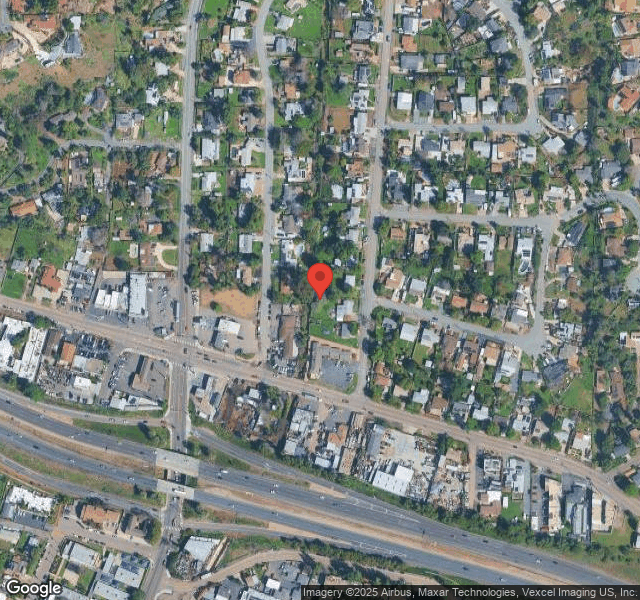
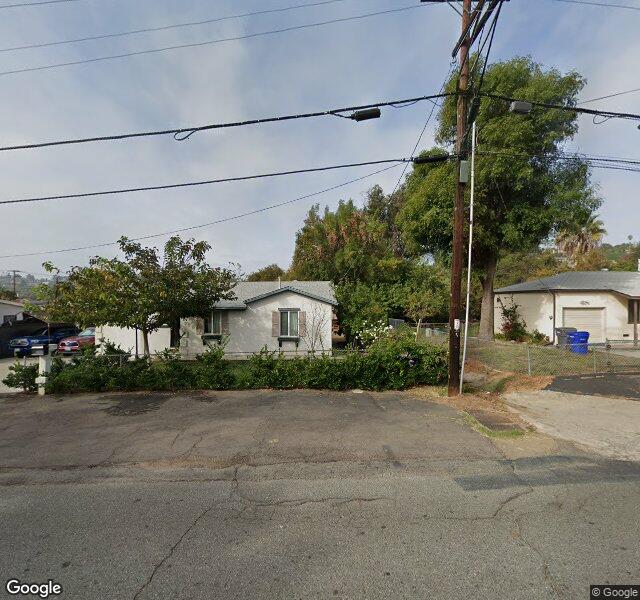
9009 CAMPO ROAD, SPRING VALLEY, CA 91977 (619) 460-2711
For profit - Limited Liability company 68 Beds PACIFIC HEALTHCARE HOLDINGS Data: November 2025
Trust Grade
70/100
#300 of 1155 in CA
Last Inspection: May 2025

Inspected within the last 6 months. Data reflects current conditions.

Overview

Brighton Place Spring Valley has a Trust Grade of B, indicating it is a good choice, scoring solidly above average. It ranks #300 out of 1,155 facilities in California, placing it in the top half, and #39 out of 81 in San Diego County, meaning there are only a few better local options. The facility is improving, with the number of issues found decreasing from 12 in 2024 to 10 in 2025. Staffing is a concern, as it has a below-average rating of 2 out of 5 stars and a turnover rate of 33%, which is better than the state average but still indicates room for improvement. There were no fines reported, which is a positive sign, and the RN coverage is average, which means residents may benefit from some oversight. However, recent inspections revealed specific issues, such as not providing written notices for resident discharges, which can lead to anxiety, and failing to monitor the use of psychotropic medications for some residents, risking unnecessary medication use. Overall, while there are strengths, such as a lack of fines and a solid trust grade, the facility needs to address its staffing and monitoring practices to ensure the best care for residents.

Trust Score
B
70/100
In California
#300/1155
Top 25%
Safety Record
Low Risk
No red flags
Inspections
Getting Better
12 → 10 violations
Staff Stability
○ Average
33% turnover. Near California's 48% average. Typical for the industry.
Penalties
✓ Good
No fines on record. Clean compliance history, better than most California facilities.
Skilled Nurses
⚠ Watch
Each resident gets only 23 minutes of Registered Nurse (RN) attention daily — below average for California. Fewer RN minutes means fewer trained eyes watching for problems.
Violations
⚠ Watch
35 deficiencies on record. Higher than average. Multiple issues found across inspections.
★★★★☆
4.0
Overall Rating
★★☆☆☆
2.0
Staff Levels
★★★★☆
4.0
Care Quality
★★★★☆
4.0
Inspection Score
Stable
2024: 12 issues
2025: 10 issues

The Good

  • 4-Star Quality Measures · Strong clinical quality outcomes
  • Full Sprinkler Coverage · Fire safety systems throughout facility
  • No fines on record
  • Staff turnover below average (33%)

    15 points below California average of 48%

Facility shows strength in quality measures, fire safety.

The Bad

Staff Turnover: 33%

13pts below California avg (46%)

Typical for the industry

Chain: PACIFIC HEALTHCARE HOLDINGS

Part of a multi-facility chain

Ask about local staffing decisions and management

The Ugly 35 deficiencies on record

Aug 2025 2 deficiencies
CONCERN (D) 📢 Someone Reported This

A family member, employee, or ombudsman was alarmed enough to file a formal complaint

Potential for Harm - no one hurt, but risky conditions existed

Comprehensive Care Plan (Tag F0656)

Could have caused harm · This affected 1 resident

**NOTE- TERMS IN BRACKETS HAVE BEEN EDITED TO PROTECT CONFIDENTIALITY** Based on interview and record review, the facility failed to develop and implement person-centered care plans related to residen...

Read full inspector narrative →
**NOTE- TERMS IN BRACKETS HAVE BEEN EDITED TO PROTECT CONFIDENTIALITY** Based on interview and record review, the facility failed to develop and implement person-centered care plans related to resident discharges for two of three residents, (Resident 1 and Resident 3), when reviewed for dischargesThis failure had the potential for staff to be uninformed of the residents' wishes for discharge, resulting in an uncoordinated effort for a planned and organized discharge. Findings:An unannounced visit was made to the facility on 8/14/25, in response to a complaint involving a discharge.1. Resident 1 was admitted to the facility on [DATE], with diagnoses which included chronic kidney disease stage 4, (severe kidney damage and significantly reduced kidney function), per the facility's admission Record.Resident 1 had a Responsible Party (RP-a person designated to make medical and financial decisions on the resident's behalf) listed on the admission RecordOn 8/14/25, Resident 1's clinical record was reviewed.According to the discharge Minimum Data Set, (MDS-a clinical assessment tool), dated 7/25/25, Resident 1 had a cognitive score of 12, indicating cognition was moderately impaired. According to the facility's nursing notes, titled Discharge summary, dated [DATE] at 12:26 P.M., Resident 1 was discharged to an assisted living facility, via medical transport.The discharge care plan was created by the Social Service Director (SSD) on the day of discharge, dated 7/25/25, listed interventions such as, Establish a pre-discharge plan and coordinate discharge.2. Resident 3 was admitted to the facility on [DATE], with diagnoses which included pneumonia (Infection in the lungs), per the facility's admission Record.On 8/24/25, Resident 3's clinical record was reviewed.According to Resident 3's discharge MDS, dated [DATE], A cognitive score of 14 was listed, indicating cognition was intact.The Facility's Discharge Planning Review Form, dated 7/18/25, indicated Resident 3 was being discharged to an Assisted Living Facility, for a lower level of care.There was no documented evidence that a discharge care plan had been developed or implemented.An interview and record review was conducted with the Director of Nursing on 8/14/25 at 10:28 A.M. The DON stated discharge care plans should be developed when the resident was admitted , so staff could collaborate with the residents. The DON reviewed Resident 1's care plan and stated it should never have been developed on the day of discharge, because it would be ineffective. The DON reviewed Resident 3's records and could not locate a discharge care plan. The DON stated since there was no discharge care plan, there was a possibility the discharge was not safe or organized.An interview was conducted with Licensed Nurse 1 (LN 1) on 8/14/25 at 11:20 A.M. LN 2 stated discharge care plans were important, so staff were aware of the discharge plans. LN 1 stated discharge care plans helped staff work towards the residents' goal of leaving the facility and to help prepare for leaving. LN 1 stated if discharge care plans were not developed, the discharge could be disorganized and rushed, without thorough preparations being made.An interview was conducted with the Social Service Director (SSD) on 8/19/25 at 1:58 P.M. The SSD stated she did recall Resident 1, his RP, and the discharge. The SSD stated she did develop the discharge care plan on the day of Resident 1's discharge, because she noticed he did not have one. The SSD stated the care plan was inadequate and not appropriate because it should have been developed shortly after admission. According to the facility's policy, titled Transfer and Discharge, dated October 2017, .I. Discharge Planning: A. Discharge planning will begin on the resident's admission to the Facility.H. Social, Services will document the discharge planning, preparation, and the president's post discharge needs.
CONCERN (E) 📢 Someone Reported This

A family member, employee, or ombudsman was alarmed enough to file a formal complaint

Potential for Harm - no one hurt, but risky conditions existed

Deficiency F0627 (Tag F0627)

Could have caused harm · This affected multiple residents

**NOTE- TERMS IN BRACKETS HAVE BEEN EDITED TO PROTECT CONFIDENTIALITY** Based on interview and record review, the facility failed to provide residents and their families with a written Notice of Trans...

Read full inspector narrative →
**NOTE- TERMS IN BRACKETS HAVE BEEN EDITED TO PROTECT CONFIDENTIALITY** Based on interview and record review, the facility failed to provide residents and their families with a written Notice of Transfer/Discharge for three of three residents (Resident 1, 2, and 3), when reviewed for discharge. These failures had the potential for residents to experience increased anxiety, when last-minute discharges were conducted, with no ability to appeal the discharge. Findings:An unannounced visit was made to the facility on 8/14/25, in response to a complaint involving a discharge.1. Resident 1 was admitted to the facility on [DATE], with diagnoses which included chronic kidney disease, stage 4, (severe kidney damage with significantly reduced kidney function), per the facility's admission Record.Resident 1 had a Responsible Party (RP-a person designated to make medical and financial decisions on the resident's behalf) listed on the admission RecordOn 8/14/25, Resident 1's clinical record was reviewed.According to the discharge Minimum Data Set, (MDS-a clinical assessment tool), dated 7/25/25, Resident 1 had a cognitive score of 12, indicating cognition was moderately impaired. According to the facility's nursing notes, titled Discharge summary, dated [DATE] at 12:26 P.M., Resident 1 was discharged to an assisted living facility, via medical transport.There was no documented evidence that a written Notice of Transfer/Discharge was provided to the resident or the RP, prior to discharge.2. Resident 2 was admitted to the facility on [DATE], with diagnoses which included cellulitis (an infection of the skin and subcutaneous tissue), per the facility's admission Record.On 8/14/25, Resident 2's clinical record was reviewed.According to Resident 2's discharge MDS, dated [DATE], a cognitive score of 13 was listed, indicating cognition was intact.The facility's Discharge Planning Review Form, dated 7/11/25, indicated Resident 2 was being discharged to an Independent Living Facility, for a lower level of care.There was no documented evidence that a written Notice of Transfer/Discharge was provided to the resident, prior to discharge.3. Resident 3 was admitted to the facility on [DATE], with diagnoses which included pneumonia (Infection in the lungs), per the facility's admission Record.On 8/14/25, Resident 3's clinical record was reviewed.According to Resident 3's discharge MDS, dated [DATE], a cognitive score of 14 was listed, indicating cognition was intact.The facility's Discharge Planning Review Form, dated 7/18/25, indicated Resident 3 was being discharged to an Assisted Living Facility, for a lower level of care.There was no documented evidence that a written Notice of Transfer/Discharge was provided to the resident, prior to discharge.An interview and record review was conducted with the Director of Nursing (DON) on 8/14/25 at 10:28 A.M. The DON stated Notices of Transfer/Discharge should be provided in writing to residents within 30 days of discharge. The DON stated that a copy of the signed Notice was placed in the medical record. The DON reviewed Resident 1,2, and 3's medical record and could not locate any documentation that a Notice of Transfer/Discharge was provided. The DON stated providing a Notice of Transfer/Discharge was important, so residents and their families knew what was occurring and that preparations were being made in advance. The DON stated the Notice also helped prepare the residents and decreases anxiety, incorporating them into the discharge planning process. The DON stated if a Transfer/Discharge Notice was not provided, it could contribute to a rushed, unsafe discharge. An interview was conducted with Licensed Nurse 1 (LN 1) on 8/14/25 at 1:58 P.M. LN 1 stated Notice of Transfer/Discharge's were usually provided by the Social Service Director (SSD), unless the resident was going to the hospital, then the LNs completed the Notices. LN 1 stated Notice for Transfer/Discharges were important, so residents were aware of what was coming next, and that staff were preparing for the transfer or discharge.An interview was conducted with the SSD on 8/19/25 at 1:58 P.M. The SSD stated she was aware a written Notice for Transfer/Discharge were required to be provided to residents and their RP, 30 days prior to discharge. The SSD stated she was not always able to provide a Notice prior to Discharge, because she, had been spread really thin during July and was not able to provide all residents being their discharged notices.According to the facility's policy, titled Discharge and Transfer of Residents, dated February 2025, .5. Prior to discharge, the Facility will provide the resident/resident representative with the Notice of Proposed Transfer and Discharge document. 6. A copy of the Notice of Proposed Transfer and Discharge will be placed in the Resident's medical record and a copy faxed to the Ombudsman.According to the facility's policy, titled Resident Rights, dated January 2012, .1, State and Federal laws guarantee basic rights to all residents of the Facility.A, Be informed about what rights and responsibility's he or she has; .
May 2025 8 deficiencies
CONCERN (D)

Potential for Harm - no one hurt, but risky conditions existed

Safe Environment (Tag F0584)

Could have caused harm · This affected 1 resident

Based on observation, interview, and record review, the facility failed to maintain resident room walls in a clean, homelike, and visually appealing manner for two of 24 residents (Resident 47 and Res...

Read full inspector narrative →
Based on observation, interview, and record review, the facility failed to maintain resident room walls in a clean, homelike, and visually appealing manner for two of 24 residents (Resident 47 and Resident 54), reviewed for homelike environment. This failure had the potential for residents to feel not valued or appreciated. Findings: 1. An observation was conducted during initial tour of Resident 54's room on 5/5/25 at 8:46 A.M. The lower left side of the wall, near the head of the bed, had a large area of discoloration and peeling paint. This area of the wall was closest to the room entrance and visible when standing near the foot of the bed. An observation and interview was conducted with Licensed Nurse 1 (LN 1) as she sat on the right side of Resident 54's bed, assisting the resident with breakfast on 5/6/25 at 8:09 A.M. LN 1 was asked to look at Resident 54's wall, near the head of the bed. LN 1 observed the left side of the wall, near the head of the bed and stated, Oh, that doesn't look good and should be fixed. An interview was conducted with Certified Nursing Assistant 1 (CNA 1) of Resident 54's room on 5/7/25 at 3:46 P.M. CNA 1 stated Resident 54's daughter visited the resident about once a week. CNA 1 stated the daughter usually sat next to the resident's bed when visiting, facing the head of the bed. CNA 1 stated if something needed to be fixed in the resident's room, staff were expected to document it in the maintenance log, kept at the nurse's station. CNA 1 stated maintenance staff checked the maintenance book several times a day and would sign off the book, when the repair was fixed. An observation and interview of Resident 54's bedroom wall was conducted with CNA 1, at 5/7/25 at 3:52 P.M. Resident 54's bed was empty and made. CNA 1 looked at the left side of the wall near the head of the bed and stated, Oh, that does not look good. The wall does not look presentable or homelike. 2. An observation was conducted during initial tour of Resident 47's room on 5/5/25 at 9:40 A.M. The lower right side of the wall, near the head of the bed had a large area of discoloration and peeling paint. The area of the wall was furthest from the front door entrance and had a cushioned chair next to it for visitation. An interview was conducted with CNA 1 on 5/7/25 at 3:46 P.M. CNA 1 stated Resident 47's son visited every afternoon with the resident inside the room. An observation and interview was conducted with CNA 1 of Resident 47's room on 5/7/25 at 3:50 P.M. CNA 1 stated the residents' wall did not look good and it should be painted and fixed. CNA 1 stated the wall did not appear homelike or welcoming. A review of the maintenance book, stored at the East nurse's station was reviewed on 5/7/25 at 3:54 P.M. The maintenance book was reviewed from 12/1/24 through 5/4/25, and no documentation was listed for Residents 54's or 47's walls to be repair. An interview was conducted with the Director of Maintenance (DM) on 5/7/25 at 4:08 P.M. The DM stated he routinely inspected resident rooms. The DM stated they made repairs to resident rooms on the west unit and were getting ready to do repairs on the east unit. The DM stated he had not documented the repairs needed on the east unit. An observation and interview of Resident 54's room was conducted with the DM on 5/7/25 at 4:12 P.M. The DM stated the resident's room wall looked bad and needed to be repaired. An observation and interview of Resident 47's room was conducted with the DM on 5/7/25 at 4:15 P.M. The DM stated, This room also did not look good and the walls were not homelike. An interview was conducted with the Director of Nursing (DON) on 5/8/25 at 8:57 A.M. The DON stated all resident rooms should be presentable and homelike. The DON stated she expected staff to document issues in the unit's maintenance book when repairs were identified. According to the facility's policy, titled Resident Room and Environment, dated January 2012, .The facility provides residents with a safe, clean, comfortable, and homelike environment 1. The Facility Staff aim to create a personalized, homelike atmosphere, paying close attention to the following: A. Cleanliness and order . According to the facility's policy, titled Maintenance-Work Orders, dated January 2012, .Maintenance work orders shall be completed in an effort to sustain maintenance services as a priority .III. Work order request are to be placed in a designated location at the nurses' station. A. Work orders are to be picked up daily by Maintenance Staff .
CONCERN (D)

Potential for Harm - no one hurt, but risky conditions existed

Comprehensive Care Plan (Tag F0656)

Could have caused harm · This affected 1 resident

**NOTE- TERMS IN BRACKETS HAVE BEEN EDITED TO PROTECT CONFIDENTIALITY** Based on observation, interview, and record review, the facility failed to develop a care plan related to hospice (end of life),...

Read full inspector narrative →
**NOTE- TERMS IN BRACKETS HAVE BEEN EDITED TO PROTECT CONFIDENTIALITY** Based on observation, interview, and record review, the facility failed to develop a care plan related to hospice (end of life), care for one of one resident (Resident 47), reviewed for hospice care. This failure had the potential for Resident 47 to receive inconsistent care by staff. Findings: Resident 47 was admitted to the facility on [DATE], with diagnoses which included dementia (progressive memory loss), per the facility's admission Record. Resident 47's clinical record was reviewed on 5/5/25: According to the physician's order, dated 4/29/25, .Admit to (name) hospice . There was no documented evidence a care plan for hospice care had been developed. An observation of Resident 47 was conducted on 5/5/25 at 3:26 P.M., as she laid in bed, covered with a personal blanket. Resident 47 was asleep with her hair combed and placed in a bun on top of her head. Many personal items were in the room, such as decorations and family photos. An interview and record review was conducted with Licensed Nurse 2 (LN 2) on 5/6/25 at 3:52 P.M. LN 2 stated care plans were important for staff communication and to guide consistent resident care. LN 2 reviewed Resident 47's clinical record and could find no documented evidence a hospice care plan had been developed or implemented when Resident 47 was admitted to hospice. LN 2 stated by not developing a care plan related to hospice, staff interventions were not being implemented consistently. An interview was conducted with LN 3 on 5/6/25 at 4:02 P.M. LN 3 stated care plans were important so resident needs could be identified. LN 3 stated when residents were admitted to hospice, the LN taking the order should immediately develop a hospice care plan. LN 3 stated if a care plan was not developed, then the residents' needs were not being met. An interview and record review was conducted with the Director of Nursing (DON) on 5/6/25 at 4:08 P.M. The DON stated when residents were admitted to hospice, the hospice agency developed a care plan, and the facility developed its own care plan, in order to have consistent, coordinated care among staff. The DON reviewed Resident 47's clinical record and stated a care plan for hospice had not been developed, and it should have been. The DON stated by not having a hospice care plan, staff would not be on the same page when providing care. According to the facility's policy, titled Comprehensive Person-Centered Care Planning, dated August 2023, .4. Comprehensive Care Plan .b. Additional changes or updates to the residents' comprehensive care plan will be made based on the assessed needs of the resident . According to the facility's policy, titled Hospice Care of Residents, dated January 2012, .III. If the resident and/or surrogate decision maker decides to utilize hospice care .B. The Hospice and Facility will collaborate on a Care Plan for the resident .
CONCERN (D)

Potential for Harm - no one hurt, but risky conditions existed

Deficiency F0694 (Tag F0694)

Could have caused harm · This affected 1 resident

**NOTE- TERMS IN BRACKETS HAVE BEEN EDITED TO PROTECT CONFIDENTIALITY** Based on observation, interview, and record review, the facility failed to change a peripheral intravenous catheter (PIV-a tube ...

Read full inspector narrative →
**NOTE- TERMS IN BRACKETS HAVE BEEN EDITED TO PROTECT CONFIDENTIALITY** Based on observation, interview, and record review, the facility failed to change a peripheral intravenous catheter (PIV-a tube inserted into a vein used to draw blood and administer medications) per physician's order. This failure had the potential to place Resident 36 at further risk for infection. According to the admission Record, Resident 36 was admitted on [DATE] with diagnoses which included severe sepsis (an illness in which the body had an extreme response to an infection), urinary tract infection, and bacteremia (an infection in the bloodstream). On 5/5/25 at 10:29 A.M., an observation was conducted inside Resident 36's room. Resident 36 had a PIV catheter inserted into his left arm. The PIV was covered with a transparent dressing and was dated 4/29/25. On 5/6/25 at 10:10 A.M., a concurrent observation and record review was conducted with Licensed Nurse (LN) 3. LN 3 stated 4/29/25 was the date the PIV was inserted. A review of Resident 36's physician's order dated 4/29/25 indicated, Change peripheral IV line and dressing on Left arm every 48 hours. The order indicated the IV line and dressing was scheduled to be rotated on 5/1/25, 5/3/25, and 5/5/25. LN 3 stated, It hasn't been changed since the 29th. It should have been changed last on 5/5/25. [The PIV site] is rotated to make sure the line isn't clogged and to prevent infection . On 5/7/25 at 2:50 P.M., a concurrent observation and interview was conducted with LN 9 in Resident 36's room. Resident 36 had the PIV on the left arm, which was still dated 4/29/25. LN 9 stated Resident 36's IV should have been changed on the scheduled days. LN 9 stated, .It should have been changed to prevent infection, and to double check that the IV line was still functional. It's important to have been changed because it was a doctor's order, and we need to meet the goal for [Resident 36]'s care . On 5/8/25 at 11:34 A.M., an interview was conducted with the Director of Nursing (DON). The DON stated the date of 4/29/25 on Resident 36's IV dressing indicated the IV was not changed per physician's orders. The DON stated, It should have been changed because the protocol here is to change it per the doctor's orders . The DON stated the resident was at risk for further infection because the IV line and dressing were not changed. During a review of the facility ' s undated policies and procedure (P&P) titled, Intravenous Therapy, indicated, all dressing changes will be labeled (time, date, and initials) and documented in medical record on IV medication record .the licensed nurse will check physician's order for the completeness .Complete orders include: 7. Site rotation .
CONCERN (D)

Potential for Harm - no one hurt, but risky conditions existed

Respiratory Care (Tag F0695)

Could have caused harm · This affected 1 resident

**NOTE- TERMS IN BRACKETS HAVE BEEN EDITED TO PROTECT CONFIDENTIALITY** Based on observation, interview and record review, the facility failed to document a rationale for the use of oxygen for one of ...

Read full inspector narrative →
**NOTE- TERMS IN BRACKETS HAVE BEEN EDITED TO PROTECT CONFIDENTIALITY** Based on observation, interview and record review, the facility failed to document a rationale for the use of oxygen for one of three residents (Resident 39) reviewed for oxygen therapy. This failure had the potential to place Resident 39 at risk for unnecessary treatments and services. Resident 39 was readmitted to the facility on [DATE] with diagnoses to include chronic obstructive pulmonary disease (COPD, a lung condition caused by damage to the lungs), per the facility's admission Record. An observation and interview with Resident 39 was conducted on 5/5/25 at 11:24 A.M. Resident 39 was in bed, with a clear plastic oxygen tube under his nose. Resident 39 stated he used the oxygen most of the time because he had COPD. Resident 39 stated he went out of the building three times a week for a medical appointment, and he did not use the oxygen tube for those trips. Resident 39 stated it would not be safe to go to the appointments with oxygen, and it was a short trip so he was fine not using the oxygen. A record review was conducted of Resident 39's electronic health record (EHR) on 5/6/25. Resident 39's Brief Interview for Mental Status (BIMS) score was 14, indicating intact cognition. Per a physician's order, dated 12/31/24, Resident 39 was to receive oxygen to keep oxygen saturation levels (the amount of oxygen in the blood, with a normal range of 95-100%) at or above 92%. The physician's order requested staff to specify a diagnosis or reason for oxygen use. Resident 39's oxygen saturation levels were reviewed on the Medication Administration Record (MAR). For April 2025, Resident 39's oxygen saturation levels were always above 92% when measured on oxygen, and when measured on room air (without oxygen). The MAR had no documentation as to the reason for oxygen use. On 5/6/25 at 10:20 A.M., and on 5/8/25 at 10 A.M., an observation of Resident 39 was conducted. Resident 39 was returning from a medical appointment and was being wheeled into the facility in a wheelchair. Resident 39 did not have the oxygen tube under his nose. On 5/8/25 at 10:23 A.M., a concurrent interview and record review was conducted with Licensed Nurse (LN) 11. LN 11 stated Resident 39 was on oxygen to treat his COPD. LN 11 stated every order for a medication or treatment required an indication for use, or a diagnosis. LN 11 reviewed the physician's order, and stated there was no indication or diagnosis for the use of oxygen. Per LN 11, without the indication for use, staff would not know what the oxygen was for. LN 11 stated since the physician had ordered the oxygen, it had to be on all the time, even during transportation to appointments. LN 11 stated, We made a mistake. It needs to be fixed. On 5/8/25 at 10:53 A.M., an interview was conducted with the Director of Nursing (DON). The DON stated all oxygen orders required a rationale for use. The DON stated if the physician wanted the resident to use oxygen at all times, the facility should send him to appointments with a portable oxygen tank. Per a facility policy, revised November 2017 and titled Oxygen Therapy, Purpose: To ensure the safe storage and administration of oxygen .Licensed Nursing staff will administer oxygen as prescribed .Administer oxygen per physician order .
CONCERN (D)

Potential for Harm - no one hurt, but risky conditions existed

Menu Adequacy (Tag F0803)

Could have caused harm · This affected 1 resident

**NOTE- TERMS IN BRACKETS HAVE BEEN EDITED TO PROTECT CONFIDENTIALITY** Based on observation, interview and record review, the facility failed to implement Registered Dietitian (RD 1) recommendations ...

Read full inspector narrative →
**NOTE- TERMS IN BRACKETS HAVE BEEN EDITED TO PROTECT CONFIDENTIALITY** Based on observation, interview and record review, the facility failed to implement Registered Dietitian (RD 1) recommendations for one of three residents reviewed for nutrition (Resident 43). This failure had the potential for Resident 43 to not receive foods and supplements he preferred with his meals and snacks. Findings: Resident 43 was admitted to the facility on [DATE] with diagnoses to include brain cancer, per the facility's admission Record. An observation and interview was conducted with Resident 43 on 5/5/25 at 3:15 P.M. Resident 43 was in bed, wearing jeans and a shirt. An end table was next to the bed, with a large bag of Cheetos and other chips on top. Resident 43 stated he had told people from the kitchen he did not like the foods he was getting. Resident 43 stated he received shakes with his meals, but the shakes were too sweet and he did not want them. Resident 43 stated he liked the frozen shakes he had tried, but he never got them. A record review was conducted on 5/8/25. Resident 43's Brief Interview for Mental Status (BIMS) score was 12 when assessed on 3/21/25, indicating moderately impaired cognition. Per a Dietary Profile note, authored by the Dietary Services Supervisor (DSS 1) and dated 3/17/25, Resident 43 had a fair appetite, and liked pudding, jello, milk and peanut butter and jelly sandwiches. Labs were drawn on 3/19/25. Albumin (a protein in the blood) level was 3 grams per deciliter (g/dL), indicated as low. Per a Nutrition Assessment, written by RD 1 and dated 3/23/25, Resident 43 had a so-so appetite, and RD 1 recommended allowing more foods on Resident 43's trays to encourage intake. RD 1 documented Resident 43 requested fried chicken and potato chips, as he loved crunchy foods. RD 1 documented those food items would not be allowed on Resident 43's current diet. RD 1 documented she had reviewed recent labs, and would add a protein powder to help increase Resident 43's low albumin level. Per an Interdisciplinary Team (IDT, a group of healthcare professionals) Progress Note, dated 3/25/25, Resident 43 had experienced weight loss. RD 1 and DSS 1 were present at the IDT. RD 1 documented the rationale for the weight loss was possibly due to inadequate intake at mealtimes. RD 1's documented plan to slow the weight loss was to add four ounce protein shakes with meals. Per an IDT Progress Note, dated 5/2/25, Resident 43 had continued weight loss. RD 1 and DSS 1 were present at the IDT. RD 1 documented the weight loss was likely due to poor appetite. RD 1 documented Resident 43 was sick of the protein shakes, but was willing to try a frozen supplement, Magic Cup. RD 1 documented her plan to discontinue the protein shakes, add Magic Cups twice daily, add peanut butter to all meals, and update Resident 43's snack at night to his preferred tuna sandwich. Per a Nursing & Dietary Supervisor Report, authored by RD 1 and dated 5/2/25, the dietary recommendations were to be implemented within three days. An observation and interview with Resident 43 was conducted on 5/7/25 at 8:45 A.M. Resident 43 was sitting at the bedside, with his breakfast tray in front of him. The tray contained partially consumed hot cereal, a scrambled egg, milk, juice, peaches, and a vanilla protein shake. The protein shake was unopened. Resident 43 stated he still had not received the frozen Magic Cup. A concurrent interview and record review was conducted with DSS 1 on 5/7/25 at 3:30 P.M. DSS 1 stated he attended the IDT meetings, and when RD 1 made changes to residents' supplements or food preferences, she emailed the recommendations to him, then he entered the changes into the dietary software. DSS 1 opened his email, and identified RD 1's Nursing & Dietary Supervisor report, discontinuing the protein shakes, adding the Magic Cups, and adding peanut butter with all meals. DSS 1 stated the report was written 5/2/25, and he had received it on 5/5/25, but was busy and had not entered the changes into the computer. DSS 1 stated, Best case scenario, I should have entered them (into the computer) Monday 5/5, and we could have provided the Magic Cups and peanut butter by lunch time. This delay could cause continued weight loss and poor intake, we don't want that. A concurrent observation and interview with Resident 43 was conducted on 5/8/25 at 9 A.M. Resident 43 was seated on the edge of his bed, finishing his breakfast. Resident 43 had eaten about half of the foods on his breakfast tray. The tray had a four ounce vanilla protein shake on it, but the protein shake had not been opened. Resident 43 stated, See? It's not the frozen one. These are too sweet. I already told them I don't want these. A container of peanut butter was on the tray, and Resident 43 had consumed about half. An interview was conducted with RD 1 on 5/8/25 at 9:30 A.M. RD 1 stated she had emailed her recommendations for Resident 43 on Friday 5/2/25 at the end of the day. RD 1 stated the changes should have been entered into the computer on Monday 5/5/25 so Resident 43 would get his preferred Magic Cup, as well as the peanut butter for added calories and protein. RD 1 stated the facility policy allowed 72 hours to place dietary preferences into the computer, but they had exceeded the 72 hours. RD 1 stated she did not know why the food preferences were not provided to Resident 43 in a timely manner. An interview was conducted with the Administrator (ADM) on 5/8/25 at 11:14 A.M. Per the ADM, the expectation was for dietary staff to implement RD 1's recommendations as soon as possible. A facility policy, dated 2023 and titled Nutritional Screening/Assessments/Resident Care Planning, indicated, .All recommendations will be noted on a Facility Registered Dietitian Report .The FNS Director will complete the dietary recommendations within three days of receiving the Facility Registered Dietitian Report . A facility policy, dated 2023 and titled Food Preferences, indicated, .Updating of food preferences will be done as the resident's needs change .
CONCERN (D)

Potential for Harm - no one hurt, but risky conditions existed

Deficiency F0883 (Tag F0883)

Could have caused harm · This affected 1 resident

**NOTE- TERMS IN BRACKETS HAVE BEEN EDITED TO PROTECT CONFIDENTIALITY** Based on interview and record review, the facility failed to offer one of five residents (Resident 5) influenza (flu-annual seas...

Read full inspector narrative →
**NOTE- TERMS IN BRACKETS HAVE BEEN EDITED TO PROTECT CONFIDENTIALITY** Based on interview and record review, the facility failed to offer one of five residents (Resident 5) influenza (flu-annual season October through March) and pneumococcal (protects against serious lung infection referred to as pneumonia) vaccines as recommended by the Centers for Disease Control (CDC-a Federal agency responsible for preventing and controlling diseases), when reviewed for Immunization. This failure put Resident 5, and all other residents at risk of contracting and/or transmitting influenza and pneumococcal. Findings: Resident 5 was admitted to the facility on [DATE], with diagnoses which include dementia (progressive memory loss) and schizoaffective disorder, (a mental health condition where a person experiences symptoms of both schizophrenia and mood disorder), per the facility's admission Record. Resident 5's had a Responsible Party (RP-a person legally assigned to make medical and financial decisions on the resident's behalf). The RP was a listed as the Public Conservator's office, (an entity appointed by the court system to act as a conservator for a person, who is unable to care for themselves due to mental illness). According to the copy of court documents in Resident 5's clinical record, conservatorship was established 3/18/24. On 5/7/25, Resident 5's clinical record was reviewed for verification of immunizations. There was no documented evidence Resident 5 or the RP had been offered the vaccine for influenza or pneumococcal, or that the risks and benefits had been explained verbally or in writing. An interview and record review was conducted with the Infection Control Nurse (ICN) on 5/7/25 at 3:01 P.M. The ICN stated all residents should be offered the influenza and pneumococcal vaccines upon admission. The ICP stated vaccinations were important because their residents were vulnerable and at risk of contracting the flu or pneumonia. The ICN stated all residents should be educated on the risk and benefits before accepting or declining the vaccines. The ICP stated they maintain consent forms in each residents' clinical record, indicating the vaccine was accepted or declined, and they had been informed of the risks and benefits. The ICN reviewed Resident 5's clinical record for immunizations. The ICN stated there was no evidence indicating Resident 5 was offered vaccinations. The ICN stated she recalled when Resident 5 was admitted , she was conserved by the County's Public Conservator's office. The ICN stated she asked the Social Services Director (SSD) to assist her with contacting the conservator's office to get permission for Resident 5's vaccinations. The ICN stated she never followed up with the SSD or Public Conservator's office, and the ball was dropped. The ICN stated since the conservatorship's office was never contacted for consent of vaccinations, Resident 5 was at risk for contracting influenza and pneumococcal. An interview was conducted with the Director of Nursing (DON) on 5/8/25 at 8:57 A.M. The DON stated she expected all residents to be offered the influenza and pneumococcal vaccines, with documentation of whether they had accepted or refused, along with the risk and benefits being explained to them. The DON stated by not offering the vaccines, all other residents' and staff were at risk of contracting infections from Resident 47, if infected. According to the facility's policy, titled Influenza Prevention and Control, dated September 2020, .The facility will follow infection control prevention and control policies and procedures to minimize the risk of Residents acquiring, transmitting or experiencing complications from influenza .B. Resident are offered an influenza immunization every year during flu season .C. The resident or resident's representative must give consent prior to receiving the vaccine. They can refuse the immunization-with such a refusal being noted in the Resident's medical record .D .i. The Resident or Resident representative was provided education regarding the risk and benefits and potential side effects . According to the facility's policy, titled Pneumococcal Disease Preventions, dated February 2021, .The facility will offer pneumococcal immunization to each Resident .A. Adults [AGE] years old or older .d. Before offering vaccine, each Resident (or Resident representative) must be given education regarding the benefits and potential side effects of the immunization .VI .v .Informed consent or refusal placed in the residents' medical record .
CONCERN (D)

Potential for Harm - no one hurt, but risky conditions existed

Deficiency F0887 (Tag F0887)

Could have caused harm · This affected 1 resident

**NOTE- TERMS IN BRACKETS HAVE BEEN EDITED TO PROTECT CONFIDENTIALITY** Based on interview and record review, the facility failed to offer one of five residents (Resident 5) a COVID-19 (a highly conta...

Read full inspector narrative →
**NOTE- TERMS IN BRACKETS HAVE BEEN EDITED TO PROTECT CONFIDENTIALITY** Based on interview and record review, the facility failed to offer one of five residents (Resident 5) a COVID-19 (a highly contagious virus caused by the SARS-CoV-2) vaccine recommended by the Centers for Disease Control (CDC-a Federal agency responsible for preventing and controlling diseases), when reviewed for Immunizations. This failure put Resident 5, and all other residents at risk of contracting and/or transmitting the COVID-19 virus. Findings: Resident 5 was admitted to the facility on [DATE], with diagnoses which include dementia (progressive memory loss) and schizoaffective disorder, (a mental health condition where a person experiences symptoms of both schizophrenia and mood disorder), per the facility's admission Record. Resident 5 had a Responsible Party (RP-a person legally assigned to make medical and financially decisions on the resident's behalf). The RP was the Public Conservator's office, (an entity appointed by the court system to act as conservator/RP for a person, who is unable to care for themselves due to mental illness). According to a copy of the Resident 5's court document, conservatorship was established on 3/18/24. On 5/7/25, Resident 5's clinical record was reviewed for verification of immunization. There was no documentation Resident 5 or the RP had been offered the vaccine for COVID-19, or that the risks and benefits had been explained verbally or in writing. An interview and record review was conducted with the Infection Control Nurse (ICN) on 5/7/25 at 3:01 P.M. The ICN stated all residents should be offered the COVID-19 vaccine upon admission. The ICN stated vaccines were important because their residents were vulnerable and at risk of contracting COVID, if not vaccinated. The ICN stated all residents should be educated on the risk and benefits before accepting or declining the vaccines. The ICP stated they maintained consent forms in each resident's clinical record, indicating the vaccine was offered, that they accepted or declined, and were informed of the risks and benefits. The ICN reviewed Resident 5's clinical record for immunizations. The ICN stated there was no indication Resident 5 was offered a COVID-19 vaccination. The ICN stated she recalled when Resident 5 was admitted , she was under conservatorship by the County's Public Conservator's office. The ICN recalled asking the Social Services Director (SSD) to assist her by contacting the conservator's office, to get permission for Resident 5's vaccinations. The ICN stated she never followed up with the SSD or Public Conservator's office, and the ball was dropped. The ICN stated since there was no documented evidence the conservatorship's office was ever contacted for consent of Resident 5's COVID-19 vaccination this put Resident 5 was at risk of possibly contracting COVID-19. An interview was conducted with the Director of Nursing (DON) on 5/8/25 at 8:57 A.M. The DON stated she expected all residents' to be offered the COVID-19 vaccine, with documentation whether they had accepted or refused, along with the risk and benefits being explained to them. The DON stated by not offering the vaccine, all other residents and staff were at risk of contracting COVID-19 from Resident 5, if infected. According to the facility's policy, titled COVID-19 Vaccination Program, dated March 2022, .The facility will offer SARS-CoV-2 vaccinations (including additional and booster doses) to all Residents. They will be encouraged but not required to be vaccinated or boosted . II. Preparation for a Vaccine Administration Clinic: .D. Send educational material provided by the vaccine provider to residents, their families, responsible parties, legal representative .E. Obtain general consent .
CONCERN (E)

Potential for Harm - no one hurt, but risky conditions existed

Deficiency F0757 (Tag F0757)

Could have caused harm · This affected multiple residents

**NOTE- TERMS IN BRACKETS HAVE BEEN EDITED TO PROTECT CONFIDENTIALITY** Based on observation, interview, and record review, the facility failed to list and monitor specific behaviors for the use of a ...

Read full inspector narrative →
**NOTE- TERMS IN BRACKETS HAVE BEEN EDITED TO PROTECT CONFIDENTIALITY** Based on observation, interview, and record review, the facility failed to list and monitor specific behaviors for the use of a psychotropic medication (a drug that affects mental processes, mood, behavior, or perception), to determine the necessity of the medication for two of five residents (Resident 9 and Resident 48), reviewed for unnecessary medication. These failures had the potential for Resident 9 and Resident 48 to receive unnecessary medications. Findings: 1. Resident 9 was admitted to the facility on [DATE], with diagnoses which included unspecified dementia (progressive memory loss) and suicidal ideations (when one thinks or plans to hurt themselves), per the facility's admission Record. An observation was conducted with Resident 9 on 5/5/25 at 9:09 A.M., as he wheeled himself back from the smoking patio. Resident 9 had several burn holes in the middle of his sweatshirt. Resident 9's clinical record was reviewed on 5/6/25: According to the admission Minimal Data Set (MDS-a clinical assessment tool), dated 4/2/25, Resident 9 had a cognitive score of 12, indicating moderately impaired cognition. The Mood Assessment score was 16, indicating mood symptoms were present nearly every day. According to the physician's order, dated 3/26/25, Sertraline HCL (used to treat depression) 50 milligrams (mg) one time a day for depression. No specific behavior was listed for monitoring such as: excessive crying, verbalization of wanting to hurt themselves, or self isolation. No behavior monitoring was listed for staff to document when specific behaviors occurred. No side effect monitoring was listed such as headache, nausea, dry mouth, feeling sleepy. The following physician's order were added on 4/4/25, .Trazadone HCL (used to treat depression and anxiety) 50 mg one tablet by mouth at bedtime for depression .Depakote ER (used to treat bipolar disorder), 250 mg one tablet by mouth one time a day for Mood Stabilizer . No specific behaviors were listed in the physician's order for monitoring such as: severe mood changes, excessive crying, verbalization of wanting to hurt themselves, or self isolation. No behavior monitoring was listed for staff to document when specific behaviors occur. No side effects monitoring was listed such as: headache, nausea, dry mouth, feeling sleepy. Resident 9's Medication Administration Record (MAR) was reviewed from 4/1/25 through 5/6/25. There was no documented evidence specific behaviors or side effects were being monitored by staff for Sertraline, Trazadone and Depakote. According to the care plan, titled Risk for adverse reaction related to polypharmacy and side effects, revised 3/28/25, .Antidepressant drugs; interventions included: Closely monitor for clinical worsening and for emergence of suicidal thoughts and behaviors. Request physician to review and evaluate medication. Review Pharmacy Consultant recommendations . According to the care plan, titled 4/3/25, interventions included: administer psychotropic medications as ordered and monitor. According to the facility's Informed Consent for Sertraline HCL 50 mg, dated 3/26/25, the physician listed no specific behaviors to monitor. According to the facility's Informed Consent for Trazadone 50 mg , dated 4/3/25, the physician listed, Diagnosis depression as exhibited by sleeplessness, statements of feeling sad, hopelessness and Depakote ER 250 mg, dated 4/3/25, with no specific behaviors listed for Depakote. An interview was conducted with Licensed Nurse 4 (LN 4) on 5/7/25 at 8:31 A.M. LN 4 stated monitoring behaviors and side effects should always be part of the physician's order when administering psychotropic medications. LN 4 stated each shift should monitor for the specific behaviors listed by the physician and document those behaviors or side effects on the MAR. LN 4 stated it was important to document the number of specific behaviors, so the physician could evaluate the frequency each month to determine if the medication was really needed. An interview and record review was conducted with LN 5 on 5/7/25 at 8:58 A.M. of Resident 9's MAR. LN 5 stated Resident 9 should have specific behaviors listed for each psychotropic medication ordered. LN 5 stated monitoring and documenting the specific behaviors in the MAR was important to determine if the medication was really needed. LN 5 stated there was no monitoring of behaviors or side effects listed in Resident 9's MAR, and there should be. An interview and record review was conducted with the Pharmacy Consultant (PC) on 5/7/25 at 2:25 P.M. of the April 2025 Medication Regimen Review (MRR- when a pharmacist conducts a thorough examination of a resident's medications to identify and address potential problems). The PC stated when he conducted his monthly MRR, he did look at physician's order and the MAR. The PC stated whenever a psychotropic medication was ordered, the physician should list a specific behavior for staff to monitor for. The PC stated staff monitoring of behaviors was important to determine if the medication was working, if it was really needed, or if the dose needed to be adjusted. The PC reviewed the April MRR for Resident 9 and stated, I missed it completely. The PC stated it was his responsibility to bring the omission of specific behavior monitoring to the facility's attention. The PC stated he missed it and the facility and physician relied on him to capture these mistakes, so they could be corrected. An interview was conducted with the Director of Nursing (DON) on 5/8/25 at 8:57 A.M. The DON stated specific behaviors needed to be listed for all residents on psychotropic medication for monitoring, along with possible side effects. The DON stated if staff were not monitoring behaviors, there was the potential for harm because the medication might be not even be needed. The DON stated this could then be considered an unnecessary medication, which could have damaging, long term side effects. According to the facility's policy titled Behavior/Psychoactive Drug Management, November 2018, .F. Any order for psychoactive medications must include; .v. Specific Behavior manifested .H. Parameters for using Anti-Psychotics: .ii. The residents behavior symptoms should meet at least one of the following criteria in order to justify the use of an anti-psychotropic medication: .b. the behavioral symptoms present a danger (documented) to the resident or others; .Monitoring for side effects: 1. Depending on the specific classification of psychoactive medication the resident should be observed and/or monitored for side effects and adverse consequences . 2. According to the facility's admission Record, Resident 48 was admitted to the facility on [DATE] and readmitted on [DATE] with diagnoses which included encephalopathy (a condition which causes a disturbance in the brain's functioning, affecting thinking skills and memory) and major depressive disorder (a mental illness causing feelings of sadness). During a record review on 5/6/25, Resident 48's physician's order, dated 1/17/25, indicated quetiapine (an antipsychotic medication) for schizophrenia. No specific behaviors were listed for staff monitoring. On 5/6/25 at 8:35 A.M., an interview was conducted with Certified Nursing Assistant (CNA) 6. CNA 6 stated he was familiar with Resident 48 and had provided care for him in the past. CNA 6 stated Resident 48 had behaviors of yelling out and calling out someone's name, .but that's it. I've never seen him aggressive or violent. He will just yell out names . CNA 6 stated he was not aware of Resident 48 having any episodes of delusions or hallucinations. On 5/7/25 at 8:14 A.M., a telephone interview was conducted with Family Member (FM) 1. FM 1 stated Resident 48 seemed confused, but she had not observed any violent behavior, delusions, or hallucinations. On 5/7/25 at 9:27 A.M., an interview was conducted with the Minimum Data Set (MDS-an assessment tool) Nurse (MDSN). The MDSN stated the criteria for psychotropic medication required documentation and monitoring of a specific behavior. On 5/8/25 at 8:08 A.M., a telephone interview was conducted with the Psychiatric Nurse Practitioner (PNP). The PNP stated staff told him that Resident 48 had delusions, hallucinations and violent behavior but he did not see the behaviors documented in Resident 48's chart. The PNP stated he did not observe the behaviors when he visited the resident and his assessment was based on verbal reports from staff. On 5/8/25 at 10:33 A.M., and interview was conducted with LN 5. LN 5 stated Resident 48 had episodes of restlessness, anxiety, and agitation but he had not observed behaviors such as delusions or hallucinations. LN 5 stated, I don't recall him ever hitting anybody or having violent behavior . On 5/8/25 at 11:25 A.M., a joint interview and record review was conducted with the DON. The DON stated there was no consistent documentation of resident having behaviors that would indicate schizophrenia. The DON stated, We should documented specific behaviors .make sure the physician has accurate data. We should have looked at [Resident 48's] behaviors and questioned whether this diagnosis is appropriate . The DON stated it was important to document specific behaviors, .so we don't give unnecessary drugs . On 5/8/25 at 1:27 P.M., a telephone interview was conducted with the Medical Director (MD). The MD stated his expectation was for Resident 48's behaviors to be documented, particularly because Resident 48 was taking antipsychotic medications. The MD stated it was important to document specific behaviors to ensure the medications were appropriate for the residents. A review of the facility's policy titled Psychotropic Medication Use, dated June 2021 indicated, .3. Psychotropic medications to treat behaviors will be used appropriately to address specific underlying medical or psychiatric causes of behavioral symptoms .
Oct 2024 1 deficiency
CONCERN (D) 📢 Someone Reported This

A family member, employee, or ombudsman was alarmed enough to file a formal complaint

Potential for Harm - no one hurt, but risky conditions existed

Pharmacy Services (Tag F0755)

Could have caused harm · This affected 1 resident

**NOTE- TERMS IN BRACKETS HAVE BEEN EDITED TO PROTECT CONFIDENTIALITY** Based on interview and record review, the facility failed to ensure the inhaler (handheld devices that deliver medicine through ...

Read full inspector narrative →
**NOTE- TERMS IN BRACKETS HAVE BEEN EDITED TO PROTECT CONFIDENTIALITY** Based on interview and record review, the facility failed to ensure the inhaler (handheld devices that deliver medicine through the mouth into the lungs) medication ordered by the physician was available for administration for one of three sampled residents (Resident 1). This failure had the potential for adverse health outcomes. Findings: Resident 1 was admitted to the facility on [DATE] with diagnoses that include Chronic Obstructive Pulmonary Disease (COPD- a lung disease that makes it hard to breathe) per the admission Record. A review of Resident 1's medical record was conducted. Per the Order Summary dated 6/28/24, Resident 1 was to receive the inhaler medication, one puff orally once a day for COPD. Per the Medication Administration Record from 6/28/24 through 7/8/24, Resident 1's medication was unavailable for eight days. On 10/2/24 at 1:10 P.M., a joint interview and record review was conducted with Licensed Nurse (LN) 1. LN 1 stated Resident 1 had an order to receive the inhaler medication daily, but the medication was unavailable. LN 1 further stated that she had called the pharmacy and was told that authorization (approval) was needed to deliver the medicine. On 10/2/24 at 1:22 P.M., a joint interview and record review was conducted with the Director of Nursing (DON). The DON stated she could not explain what happened to the authorization and needed to investigate. The DON stated Resident 1 did not receive the inhaler medication as the physician had ordered for eight days and should have. The facility could not provide a policy and procedure related to medication dispensing.
Aug 2024 1 deficiency
CONCERN (D) 📢 Someone Reported This

A family member, employee, or ombudsman was alarmed enough to file a formal complaint

Potential for Harm - no one hurt, but risky conditions existed

Deficiency F0688 (Tag F0688)

Could have caused harm · This affected 1 resident

**NOTE- TERMS IN BRACKETS HAVE BEEN EDITED TO PROTECT CONFIDENTIALITY** Based on observation, interview and record review, the facility failed to apply a splint to Resident 1 ' s right hand as ordered...

Read full inspector narrative →
**NOTE- TERMS IN BRACKETS HAVE BEEN EDITED TO PROTECT CONFIDENTIALITY** Based on observation, interview and record review, the facility failed to apply a splint to Resident 1 ' s right hand as ordered by a physician. This failure had the potential to worsen Resident 1 ' s wrist drop (a medical condition that prevents the wrist and fingers from extending fully). Findings: Resident 1 was admitted to the facility on [DATE] with diagnoses that included right wrist drop. On 8/14/24 at 2:40 P.M. an observation and interview were conducted with Resident 1 in her room. Resident 1 ' s right wrist was in a downward position and she was not wearing a splint (a device that positions a part of the body). Resident 1 stated, I don ' t have full use of my right hand. No one put my splint on me today, they often don ' t. On 8/14/24 at 3:30 P.M. an interview was conducted with the Director of Nursing (DON) who stated Resident 1 had a provider order for daily application of a splint to her right wrist except while exercising or showering. On 8/14/24 at 4:20 P.M. a concurrent observation was conducted with the DON of Resident 1 in her bed. Resident 1 was not wearing a splint on her right wrist, was not exercising or showering. The DON stated she would have to check the documentation of the Restorative Nursing Assistant (RNA, a staff member who helps restore and maintain a patient ' s highest level of function). On 8/19/24 at 3:33 P.M. a concurrent review with the DON via telephone of the RNA documentation was conducted. The document indicated range of motion exercises were provided 10 days of 26 possible days. The DON stated Resident 1 did not receive daily RNA interventions as ordered. On 8/20/24 at 3:25 P.M. an interview was conducted with the DON regarding documentation received dated 8/14/24, the date of the joint observation of Resident 1 without her splint on. The RNA document indicated, Wrist splint applied for RUE (right upper extremity) QD (every day) 7x/week (seven times per week), on at all times except during shower and exercise. The DON stated during the joint observation Resident 1 was not wearing a splint, and was not exercising or showering. A review of the facility policy entitled Restorative Nursing Program Guidelines revised September 19, 2019 indicated, Restorative nursing . includes nursing interventions that promote a patient ' s ability to attain, and maintain his/ her optimal functional potential.
May 2024 1 deficiency
CONCERN (D) 📢 Someone Reported This

A family member, employee, or ombudsman was alarmed enough to file a formal complaint

Potential for Harm - no one hurt, but risky conditions existed

Report Alleged Abuse (Tag F0609)

Could have caused harm · This affected 1 resident

**NOTE- TERMS IN BRACKETS HAVE BEEN EDITED TO PROTECT CONFIDENTIALITY** Based on interview and record review, the Facility failed to report allegations of abuse by staff members against one resident, ...

Read full inspector narrative →
**NOTE- TERMS IN BRACKETS HAVE BEEN EDITED TO PROTECT CONFIDENTIALITY** Based on interview and record review, the Facility failed to report allegations of abuse by staff members against one resident, Resident 1. Resident 1 reported feeling violated while in the Facility. Findings: Resident 1 was admitted to the facility on [DATE] with diagnoses that included acute osteomyelitis left ankle and foot (inflammation of bone), anxiety (a condition which creates excessive worry or nervousness about real or perceived threats), alcohol abuse and withdrawal (unhealthy consumption of alcohol accompanied by physical and psychological symptoms when alcohol consumption stops), and unspecified psychosis not due to a substance or known physiological condition (a severe mental condition in which thought and emotions are so affected that contact is lost with external reality) . On 5/2/24 at 12:36 P.M. a telephone interview was conducted with Resident 1 who was no longer residing in the Facility. Resident 1 stated, In the past week one of the nurses drug [sic] her finger up my inner thigh to wake me up during the night shift . I reported to the old and new social worker and to the Director of Nursing and administrator. I talked to the ombudsman with the administrator and social worker. The Director of Nursing herself sexually made advances on me. I am so hurt and violated. I thought the administrator was going to handle all of this. A review of an email dated 10/26/23 at 3:58 P.M. provided by Resident 1 was reviewed. The email was sent to the Facility Social Worker (SW), Administrator (ADM) and Director of Nursing (DON). The email indicated, To all: I (Resident 1) have put up with assaults, harassment, women entering my secured and safe 10 by 10 (WITH curtain DRAWN) and have asked to have an INCIDENT REPORT DONE. I ASKED (name of administrator) AND SOCIAL SERVICES FOR THE INCIDENT REPORTS. A review of an email dated 4/23/24 at 6:52 A.M. provided by Resident 1 was reviewed. The email was sent to the Facility Administrator (ADM), Director of Nursing (DON) and Social Worker (SW). The email indicated, This morning at 5:50 a.m. [sic] (name) doesn ' t knock comes in runs her fingers up from my ankle to my knees.I ' ve texted DON, (name of social worker) told (name) another med nurse and now I want to file a report as soon as anyone of authority comes to work. Once again ive [sic] got to deal with 100% PERVERT and illegal. Why is she touching me. No knock, nothing! Just touching and fondling. A review of an email dated 4/23/24 at 9:13 A.M. provided by Resident 1 was reviewed. The email was sent to the Facility ADM, SW and DON. The email indicated, Just straight to rubbing FINGERS from my ANKLE past my KNEE by your employee (name) MED NURSE at 5:50 a.m. [sic] I asked her 3 times to leave AFTER being CAUGHT TOUCHING ME. She THEN threatened me telling me she ' d hold my medications in the future. An interview and concurrent record review were conducted with the Administrator on 5/2/24 at 3:35 P.M. The ADM stated, I did an investigation regarding (name) about one week ago, I knew the allegation was false so I didn ' t report it. The facility policy entitled Abuse - Reporting and Investigations revised 12/21/23 indicated, The Administrator or designated representative will notify law enforcement by telephone immediately, or as soon as practicably possible, but no longer than (2) hours of initial report. The Administrator or designated representative will send a written SOC341 (a report of suspected or known abuse) report to the Ombudsman and Law Enforcement and CDPH Licensing and Certification within twenty-four (24) hours. The facility policy entitled Abuse - Prevention, Screening, & Training Program revised July 2018 indicated, The Facility provides and staff sign an acknowledgement of their responsibility to report alleged or suspected abuse, neglect, exploitation, misappropriation of resident property and/ or mistreatment.
May 2024 7 deficiencies
CONCERN (D)

Potential for Harm - no one hurt, but risky conditions existed

Assessment Accuracy (Tag F0641)

Could have caused harm · This affected 1 resident

Based on interview, record review, facility policy review, and the Centers for Medicare & Medicaid Services Long-Term Care Facility Resident Assessment Instrument (RAI) manual, the facility failed to ...

Read full inspector narrative →
Based on interview, record review, facility policy review, and the Centers for Medicare & Medicaid Services Long-Term Care Facility Resident Assessment Instrument (RAI) manual, the facility failed to ensure the annual Minimum Data Set (MDS) assessment was accurate for the preadmission screening and resident review (PASARR) Level II for 1 (Resident #15) of 4 residents reviewed for PASARR. Findings included: A facility policy titled, RAI Process, revised 10/04/2016, indicated the purpose was, To provide resident assessments that accurately depict and identify resident-specific issues and objectives as required, while meeting state and federal guidelines and data submission requirements. The facility will utilize the Resident Assessment Instrument (RAI) process as the basis for the accurate assessment of each resident's functional capacity and health status, as outlined in the CMS [Centers for Medicare and Medicaid Services] RAI MDS 3.0 Manual. A document titled, Centers for Medicare and Medicaid Services, Long-Term Care Facility Resident Assessment Instrument 3.0 User's Manual Version 1.18.11, revised 10/2023, indicated The RAI process has multiple regulatory requirements. Federal regulations at 42 CFR 483.20 (b)(1)(xviii), (g), and (h) require that (1) the assessment accurately reflects the resident's status. The RAI manual indicated, A1500: Preadmission Screening and Resident Review (PASRR) (cont.) -Code 1, yes: if PASRR Level II screening determined that the resident has a serious mental illness and/or ID/DD or related condition, and continue to A1510, Level II Preadmission Screening and Resident Review (PASRR) Conditions. An admission Record revealed the facility admitted Resident #15 on 05/06/2022. According to the admission Record, the resident had a medical history that included schizophrenia and schizoaffective disorder. An annual MDS, with an Assessment Reference Date (ARD) of 07/29/2023, revealed a Staff Assessment for Mental Status (SAMS) was conducted, which indicated the resident had severe impairment in cognitive skills for daily decision making. Section A1500 Preadmission Screening and Resident Review (PASRR) indicated Resident #15 was not currently considered by the state level II PASRR process to have serious mental illness and/or intellectual disability or related condition. A Department of Health Care Services letter dated 05/06/2022 revealed the Level I Screening for Resident #15 was positive for suspected mental illness and a Level II Mental Health Evaluation Referral was required. A Department of Health Care Services letter dated 08/09/2022 revealed a Level II evaluation had been completed on 06/08/2022 and the determination report was attached. The Preadmission Screening and Resident Review (PASRR) Individualized Determination Report, dated 08/09/2022, revealed specialized services were recommended for Resident #15. During an interview on 05/23/2024 at 11:04 AM, the MDS Coordinator stated that she had only been working at the facility for three months, so was not present for the MDS for Resident #15. She said if a resident had a Level II PASRR, then she would trigger it on the MDS. During an interview on 05/23/2024 at 12:06 PM, the Director of Nursing (DON) stated her expectation was that the MDS for residents be accurate. The DON indicated the MDS should have been marked for Level II because nothing had changed with Resident #15. During an interview on 05/23/2024 at 11:48 AM, the Administrator stated his expectation was the MDS for residents be accurate, timely, and true.
CONCERN (D)

Potential for Harm - no one hurt, but risky conditions existed

Comprehensive Care Plan (Tag F0656)

Could have caused harm · This affected 1 resident

Based on observation, interview, record review, and facility document and policy review, the facility failed to implement the comprehensive care plan for 1 (Resident #17) of 2 residents reviewed for a...

Read full inspector narrative →
Based on observation, interview, record review, and facility document and policy review, the facility failed to implement the comprehensive care plan for 1 (Resident #17) of 2 residents reviewed for accidents. Resident #17's care plan included interventions for smoking and elopement that were not implemented. Findings included: A facility policy titled, Comprehensive Person-Centered Care Planning, revised 11/2018, revealed, It is the policy of this Facility to provide person-centered, comprehensive and interdisciplinary care that reflects best practice standards for meeting health, safety, psychosocial, behavioral, and environmental needs of residents in order to obtain or maintain the highest physical, mental and psychosocial well-being. An admission Record revealed the facility admitted Resident#17 on 04/29/2024. According to the admission Record, the resident had a medical history to include a diagnosis of chronic obstructive pulmonary disease. An admission Minimum Data Set (MDS), with an Assessment Reference Date (ARD) of 05/04/2024, revealed Resident #17 had a Brief Interview for Mental Status (BIMS) score of 12, which indicated the resident had moderate cognitive impairment. The MDS revealed the resident used tobacco. Resident #17's care plan, initiated on 05/13/2024, revealed the resident was an elopement risk/wanderer related to a history of attempts to leave the facility unattended. Resident #17's care plan, initiated on 05/13/2024, revealed the resident was a smoker. Interventions revealed the resident required supervision while smoking. During an observation on 05/20/2024 at 11:37 AM, Resident #17 exited the side door of the facility in their wheelchair, while smoking a cigarette. The resident continued down the sidewalk to the end of the street and turned the corner until they could no longer be visualized. On 05/21/2024 at 2:35 PM, the surveyor observed Resident #17 outside smoking in a non-designated smoking area. A facility document titled, Resident Out on Pass Log, revealed Resident #17 signed themself out on 05/03/2024, 05/06/2024, 05/08/2024, and 05/17/2024. There was no evidence to indicate Resident #17 signed themself out of the facility on 05/20/2024. During an interview on 05/21/2024 at 10:09 AM, the Infection Preventionist stated Resident #17 was allowed to be outside alone, if the resident signed out. During an interview on 05/21/2024 at 9:32 AM, the Director of Nursing (DON) stated Resident #17 was independent, knew the rules, and forgot to sign out of the facility on 05/20/2024. During an interview on 05/23/2024 at 10:52 AM, the Administrator stated he expected the care plans for the resident to be correct. The Administrator stated that regarding Resident #17's care plan, he believed the staff were moving too fast and documented in error.
CONCERN (D)

Potential for Harm - no one hurt, but risky conditions existed

Accident Prevention (Tag F0689)

Could have caused harm · This affected 1 resident

**NOTE- TERMS IN BRACKETS HAVE BEEN EDITED TO PROTECT CONFIDENTIALITY** Based on observation, interview, record review, document review, and facility policy review, the facility failed to 1 (Resident ...

Read full inspector narrative →
**NOTE- TERMS IN BRACKETS HAVE BEEN EDITED TO PROTECT CONFIDENTIALITY** Based on observation, interview, record review, document review, and facility policy review, the facility failed to 1 (Resident #17) of 2 sampled residents reviewed for accidents, did not leave the facility without staff knowledge, and did not smoke in a non-designated smoking area. Findings included: A facility policy titled, Wandering and Elopement, with an effective date of 02/10/2023, revealed, Definition: Elopement - A behavior that may lead to the resident leaving the facility unsupervised and/or without permission. A facility policy titled Smoking Residents, with an effective date of 08/18/2023, revealed, Procedures: 2. Smoking by residents is allowed outside the facility in designated, marked smoking areas with the following safety measures readily available: a. Ashtrays made of noncombustible material and safe design; b. Metal containers with self-closing covers into which ashtrays can be emptied, c. Portable fire extinguisher; and d. Fire-retardant blanket (smoking blanket). An admission Record revealed the facility admitted Resident#17 on 04/29/2024. According to the admission Record, the resident had a medical history to include a diagnosis of chronic obstructive pulmonary disease. An admission Minimum Data Set (MDS), with an Assessment Reference Date (ARD) of 05/04/2024, revealed Resident #17 had a Brief Interview for Mental Status (BIMS) score of 12, which indicated the resident had moderate cognitive impairment. The MDS revealed the resident used tobacco. Resident #17's care plan, initiated on 05/13/2024, revealed the resident was an elopement risk/wanderer related to a history of attempts to leave the facility unattended. Resident #17's care plan, initiated on 05/13/2024, revealed the resident was a smoker. Interventions revealed the resident required supervision while smoking. During an observation on 05/20/2024 at 11:37 AM, Resident #17 exited the side door of the facility in their wheelchair, while smoking a cigarette. The resident continued down the sidewalk to the end of the street and turned the corner until they could no longer be visualized. On 05/21/2024 at 2:35 PM, the surveyor observed Resident #17 outside smoking in a non-designated smoking area. During an interview on 05/20/2024 at 2:09 PM, Resident #17 stated they went to the store and came back. Resident #17 acknowledged they did not sign themself out of the facility. According to Resident #17, they did not tell the nurse, but stated they knew where they went to the store. A facility document titled, Resident Out on Pass Log, revealed Resident #17 signed themself out on 05/03/2024, 05/06/2024, 05/08/2024, and 05/17/2024. There was no evidence to indicate Resident #17 signed themself out of the facility on 05/20/2024. During an interview on 05/21/2024 at 9:01 AM, Licensed Vocational Nurse (LVN) #8 stated she dd not know Resident #17 left the faciity on [DATE]. LVN #8 stated the resident was safe to be outside alone and had never left the facility alone before. Per LVN #8, the resident needed to sign the book (Resident Out on Pass Log). During an interview on 05/21/2024 at 9:32 AM, the Director of Nursing (DON) stated if staff did not know the resident left the facility, the resident would be identified as a missing person. The DON reported that Resident #17 was independent, knew the rules, and forgot to sign out of the facility on 05/20/2024. During an interview on 05/21/2024 at 10:09 AM, the Infection Preventionist stated Resident #17 was allowed to be outside alone, if the resident signed out. During an interview on 05/21/2024 at 2:57 PM, the Director of Staff Development (DSD) stated there were no residents in the facility who were allowed to smoke in a non-designed smoking area. The DSD stated she never saw Resident #17 smoke in a non-designated smoking area. During an interview on 05/21/2024 at 3:43 PM, the Administrator stated he was not aware of any incidents when Resident #17 smoked in a non-designated smoking area. According to the Administrator, the resident was allowed to go outside alone, but they were not allowed to go down the street.
CONCERN (D)

Potential for Harm - no one hurt, but risky conditions existed

Medication Errors (Tag F0758)

Could have caused harm · This affected 1 resident

Based on interview, record review, and facility policy review, the facility failed to ensure an as needed psychotropic medication had a stop date and was limited to 14 days for 2 (Resident #16 and Res...

Read full inspector narrative →
Based on interview, record review, and facility policy review, the facility failed to ensure an as needed psychotropic medication had a stop date and was limited to 14 days for 2 (Resident #16 and Resident #42) of 5 sampled residents reviewed for unnecessary medications. Findings included: A facility policy titled, Behavior/Psychoactive Drug Management, revised in 11/2018 revealed, Any Psychoactive Medication ordered on a prn [pro re nata, as needed] basis, must be ordered not to exceed 14 days. If the physician feels the medication needs to be continued, he/she must document the reason(s) for the continued usage, and write the order for the medication; not to exceed the 14-day time frame. 1. An admission Minimum Data Set (MDS), with an Assessment Reference Date (ARD) of 04/24/2024, revealed Resident #16 had a Brief Interview for Mental Status (BIMS) score of 11, which indicated the resident had moderate cognitive impairment. The MDS indicated the facility admitted Resident #16 on 04/17/2024. The MDS indicated the resident had active diagnoses that included anxiety disorder, depression, and schizophrenia. Resident #16's care plan, initiated on 04/19/2024, revealed the resident had a behavior problem related to anxiety, depression, and psychosis. Interventions directed staff to administer medications as ordered and monitor/document for side effects and effectiveness. Resident #16's Order Summary Report with active orders as of 05/22/2024, revealed an order dated 05/02/2024, for lorazepam (an antianxiety medication) 0.5 milligrams one tablet by mouth every eight hours as needed for anxiety. There was no end or stop date listed for the medication. 2. An admission Minimum Data Set (MDS), with an Assessment Reference Date (ARD) of 02/26/2024, revealed Resident #42 had a Brief Interview for Mental Status (BIMS) score of 12, which indicated the resident had moderate cognitive impairment. The MDS indicated the facility admitted Resident #42 on 02/19/2024. The MDS indicated the resident had active diagnoses that included anxiety disorder and depression. Resident #42's care plan, initiated on 02/19/2024, revealed the resident had a mood problem. Interventions directed staff to administer medications as ordered and to monitor/document for side effects and effectiveness. Resident #42's Order Summary Report with active orders as of 05/22/2024, revealed an order dated 05/07/2024, for alprazolam (an antianxiety medication) 0.25 milligrams, one tablet by mouth every eight hours as needed for restlessness and agitation. There was no end or stop date listed. During an interview on 05/22/2024 at 10:59 AM, Registered Nurse #1 stated as needed psychotropic medication was usually ordered for 14 days and the order should include a stop date. During an interview on 05/23/2024 at 8:15 AM, the Director of Nursing stated as needed psychotropic medication was usually ordered for 14 days and then the resident was re-evaluated by the physician to determine if the medication should extend past the 14 days. During an interview on 05/23/2024 at 10:44 AM, the Administrator stated his expectation was to minimize the use of psychotropic medications as much as possible.
CONCERN (D)

Potential for Harm - no one hurt, but risky conditions existed

Deficiency F0761 (Tag F0761)

Could have caused harm · This affected 1 resident

Based on observation, interview, record review, and facility policy review, the facility failed to ensure expired medications were discarded in 1 of 1 medication storage room and medications were prop...

Read full inspector narrative →
Based on observation, interview, record review, and facility policy review, the facility failed to ensure expired medications were discarded in 1 of 1 medication storage room and medications were properly stored for 3 (Residents #7, #12, and #116) of 18 sampled residents. Findings included: A facility policy titled, Medication Storage in the Facility, with an effective date of April 2008, revealed, Medications and biologicals are stored safely, securely, and properly, following manufacturer's recommendations or those of the supplier. The medication supply is accessible only to licensed nursing personnel, pharmacy personnel, or staff members lawfully authorized. The policy revealed, G. Medications labeled for individual residents are stored separately from floor stock medications when not in the medication cart. Per the policy, M. Outdated, contaminated, or deteriorated medications and those in containers that are cracked, soiled, or without secure closures are immediately removed from stock, disposed of according to procedures for medication disposal, and reordered from the pharmacy if a current order exists. 1. During a concurrent observation and interview on 05/22/2024 at 3:31 PM, Licensed Practical Nurse (LVN) #7 stated she did not know who the expired liquid medication belonged to. LVN #7 acknowledged the medication was lorazepam, it had an opened date of 02/19/2024, and it should have been discarded after 90 days, but still remained in the refrigerator. During a concurrent observation of the medication room and interview on 05/22/2024 at 3:34 PM, the Director of Nursing (DON) was shown a bottle of pantoprazole with an expiration date of 05/17/2024 and a bottle of lorazepam, with an opened date of 02/19/2024. The DON stated expired medication should not be in the refrigerator. During an interview on 05/23/2024 at 10:06 AM, the DON stated all medications should be checked for expiration dates. Per the DON, expired medications should be removed from storage. During an interview on 05/23/2024 at 11:22 AM, the Administrator stated expired medications should be disposed of in an appropriate manner. 2. An admission Record revealed the facility admitted Resident #7 on 05/31/2022. According to the admission Record, the resident had a medical history that included multiple sclerosis and pain. An quarterly Minimum Data Set (MDS), with an Assessment Review Date (ARD) of 03/01/2024, revealed the resident had a Brief Interview for Mental Status (BIMS) score of 13, which indicated the resident was cognitively intact. Resident #7's comprehensive care plan, with an admission date of 05/31/2022, revealed no evidence to indicate the resident was care planned to self-administer or store their medication(s). Resident #7's Order Summary Report, with active orders as of 05/20/2024, revealed there was no physician's order to indicate the resident was able to self-administer or store their medication(s). During an observation on 05/20/2024 at 1:28 PM, the surveyor noted Resident #7 had joint food (a dietary supplement), BenGay (a topical analgesic heat rub), and heal-n-soothe (a supplement for the relief of achy, inflamed joint) at their bedside. Resident #7 stated they took the joint food by themselves, but was not able to reach the BenGay as it was on their bedside table. During an observation on 05/21/2024 at 1:00 PM the surveyor noted the BenGay was still located on Resident #7's bedside. During an interview on 05/22/2024 at 11:22 AM, Registered Nurse (RN) #4 stated Resident #7 could not self-administer their medications. RN #4 stated medication should not be at a resident's bedside. Per RN #4, if staff fond a medication at a resident's bedside, they would talk with the resident, remove the medication, and notify the physician for further orders. Oon 05/22/2024 at 11:24 AM, RN #4 entered Resident #7's room and visualized the BenGay at the resident's bedside. RN #4 informed the resident they were not to have the medication. 3. An admission Record revealed the facility admitted Resident #12 on 11/21/2023. According to the admission Record, the resident had a medical history to include diagnoses of chronic obstructive pulmonary disease and dyspnea. An quarterly Minimum Data Set (MDS), with an Assessment Reference Date (ARD) of 02/28/2024, revealed Resident #12 had a Brief Interview for Mental Status (BIMS) score of 15, which indicated the resident was cognitively intact. Resident #12's comprehensive care plan, with an admission date of 11/21/2023, revealed no evidence to indicate the resident was care planned to self-administer or store their medication(s). Resident #12's Order Recap [recapitulation] Report, for the timeframe 11/21/2023 to 05/31/2024, revealed there was no physician's order to indicate the resident was able to self-administer or store their medication(s). Per the Order Recap Report, there was order dated 03/21/2024, for budesonide-formoterol fumarate inhalation aerosol two puffs inhale orally two times a day for COPD. During medication administration observation on 05/21/2024 at 9:46 AM, Resident #12's budesonide-formoterol fumarate inhalation aerosol was observed at the bedside of the resident. Licensed Practical Nurse (LVN) #2 stated the inhaler should not have been left at Resident #12's bedside. Resident #12 stated the medication nurse from the previous night shift left the inhaler at their bedside. During an interview on 05/22/2024 at 12:04 PM, Registered Nurse (RN) #4 acknowledged she administered the inhaler to Resident #12 and forgot and left the inhaler at the resident's bedside. RN #4 stated the inhaler should not have been left at the resident's bedside. 4. An admission Record revealed the facility admitted Resident #116 on 05/10/2024. According to the admission Record, the resident had a medical history to include diagnoses of cellulitis of the left lower leg. Resident #116's comprehensive care plan, with an admission date of 05/10/2024, revealed no evidence to indicate the resident was care planned to self-administer or store their medication(s). Resident #116's Order Summary Report, with active orders as of 05/20/2024, revealed there was no physician's order to indicate the resident was able to self-administer or store their medication(s). During a concurrent observation and interview on 05/20/2024 at 9:59 AM, the surveyor observed turmeric curcumin (a supplement) and Orajel (a topical numbing agent) at the bedside of Resident #116. Resident #116 stated they used the Orajel as they had dental pain from a cracked tooth. Resident #116 stated they were not aware they were not supposed to have medications at the bedside. During an interview on 05/23/2024 at 9:21 AM, Licensed Practical Nurse (LVN) #5 stated she was not aware Resident #116 had medications at their bedside. LVN #5 stated Resident #116 was not able to self-administer their medication(s). During an interview on 05/23/2024 at 11:22 AM, the Administrator stated no medications were to be left at a resident's bedside.
CONCERN (D)

Potential for Harm - no one hurt, but risky conditions existed

Deficiency F0940 (Tag F0940)

Could have caused harm · This affected 1 resident

Based on interview, facility policy review, and review of employee records, the facility failed to maintain an effective training program for 2 (Licensed Vocational Nurse [LVN] #3 and LVN #7) of 5 sta...

Read full inspector narrative →
Based on interview, facility policy review, and review of employee records, the facility failed to maintain an effective training program for 2 (Licensed Vocational Nurse [LVN] #3 and LVN #7) of 5 staff members reviewed for training and competencies. Findings included: A facility policy titled, Staff Competency Assessment, revised 03/17/2022, revealed, The purpose of completing competency assessments is to determine knowledge and/or performance of assigned responsibilities based on standard of practice, policy and procedure and regulatory requirement. The policy also indicated, Competency assessments will be performed upon hire during the employee's 90-day employment period, annually, or anytime new equipment or a procedure is introduced and as needed. The policy also indicated, II. All staff are required to have competency assessments by the Director of Staff Development or department manager based on their job description or assigned duties within the first 90 days of employment. The policy further indicated, IX. Competency assessments will be through written testing and/or observation, whichever is appropriate. X. The competency assessment will be retained in the employee file or a 3-ring binder, indefinitely for current employees and seven (7) years from the last date of employment for former employees. A document titled, Employee Information Sheet, for LVN #7 revealed a hire date of 09/16/2021. There was no competency documentation located in the employee file. During an interview on 05/22/2024 at 10:14 AM, the Director of Staff Development (DSD) stated she was unable to locate a completed orientation check off for LVN #7 and had no documentation for LVN #7 regarding skills training. During an interview on 05/22/2024 at 11:01 AM, LVN #7 stated she had not completed a competency checklist during orientation. LVN #7 said the last time that she had any hands-on training was in nursing school. During an interview on 05/22/2024 at 2:08 PM, the DSD stated newly hired staff were asked what tasks they could perform and were then required to shadow a staff member on the floor, but that training was not documented. 2. An untitled document for Licensed Vocational Nurse (LVN) #3 revealed a hire date of 09/03/2023. LVN #3's personnel file revealed a document titled In-Service Training for the facility's blood glucose monitoring system dated 02/13/2024. No additional competencies or skill checks were in the file. During an interview on 05/23/2024 at 9:12 AM, LVN #3 said she did not recall having received any training from the nursing facility. During an interview on 05/23/2024 at 12:45 PM, the Director of Staff Development (DSD) stated the nursing staff shadowed other nurses on the floor upon hire; however, she had no evidence of the shadowing. The DSD said there was no evidence LVN #3 had completed competency and skills training beyond what was in LVN #3's personnel file. During an interview on 05/23/2024 at 10:21 AM, the Director of Nursing (DON) stated that according to facility policy, newly hired staff should have a competency form completed within the first 90 days, and then have annual competencies. The DON said the facility was not in compliance with their policy regarding nursing competency. During an interview on 05/23/2024 at 10:44 AM, the Administrator stated his expectation was for competencies to be completed upon hire, annually, and as needed.
CONCERN (F)

Potential for Harm - no one hurt, but risky conditions existed

Infection Control (Tag F0880)

Could have caused harm · This affected most or all residents

2. A facility policy titled Catheter-Care of, with a revised date of 06/10/2021, revealed IV. Catheter Insertion A. Catheters are to be inserted using aseptic techniques and sterile equipment, includi...

Read full inspector narrative →
2. A facility policy titled Catheter-Care of, with a revised date of 06/10/2021, revealed IV. Catheter Insertion A. Catheters are to be inserted using aseptic techniques and sterile equipment, including gloves, drape, sponges, appropriate antiseptic solution for periurethral cleaning, and single-use packet of lubricant jelly for insertions. An admission Record, revealed the facility admitted Resident #60e resident on 04/10/2024 with diagnoses that included obstructive and reflux uropathy, benign prostatic hyperplasia without lower urinary tract symptoms. An admission Minimum Data Set (MDS), with an Assessment Reference Date (ARD) of 04/17/2024, revealed Resident #60 had a Brief Interview for Mental Status (BIMS) of 11, which indicated the resident had moderate cognitive impairment. The MDS revealed the resident had an indwelling catheter. Resident #60's care plan, initiated on 04/11/2024, revealed the resident had an indwelling catheter. Resident #60's Order Summary Report, with active orders as of 05/23/2024, revealed an order dated 04/10/2024 that directed staff to change the urinary catheter as needed. During an observation on 05/21/2024 at 3:47 PM, Licensed Vocational Nurse (LVN) #7 removed sterile gloves from the indwelling catheter package and laid them to the side, while she set up the indwelling catheter supplies with the non-sterile gloves she had on. After LVN #7 set up the supplies, she placed a drape over Resident #60's perineal area, then removed the non-sterile gloves, washed her hands, and put on a pair of sterile gloves. During an interview on 05/22/2024 at 11:01 AM, LVN #7 stated she thought this was first indwelling urinary catheter that she had inserted in a long time. LVN #7 stated she realized she messed up and acknowledged she needed more training. During an interview on 05/23/2024 at 10:14 AM, the Director of Nursing (DON) stated if sterile technique was broken, staff should stop and start over with all new supplies. The DON stated she expected if staff did not know how to complete a procedure, that they would review the policy first before they began or ask for assistance from another staff person. During an interview on 05/23/2024 at 11:37 AM, the Administrator stated there was a process in place the staff should follow, but he did not know the actual process. Based on observation, interview, record review, and facility policy review, the facility failed to ensure the water management program included a risk assessment to identify legionella and other waterborne pathogens that could grow in the facility water system. This deficient practice had the potential to affect all residents who currently resided in the facility. The facility also failed to ensure staff wore sterile gloves when they set up equipment to perform an indwelling catheter insertion for 1 (Resident #60) of 2 sampled residents reviewed for urinary catheters. Findings included: 1. A facility policy titled, Water Management, with a revision date of 05/25/2023, revealed, The facility will develop and utilize water management strategies, using the Core Elements of a Water Management Plan, to reduce the risk of growth and spread of Legionella and other opportunistic water-borne pathogens in facility water systems. During an interview on 05/22/2024 at 1:34 PM, the Maintenance Supervisor stated there has not been a completed risk assessment to identify risk areas that could have the potential for legionella. Per the Maintenance Supervisor, he did not know how the water flowed through the facility. The Maintenance Supervisor acknowledged he had not completed a risk assessment. During an interview on 05/22/2024 at 1:43 PM, the Infection Preventionist (IP) she had nothing to do a risk assessment regarding legionella. According to the IP, the Maintenance Supervisor was responsible for the completion of the risk assessment. During an interview on 05/22/2024 at 2:18 PM, the Administrator stated the facility had not identified the risk area regarding the potential for legionella. The Administrator stated the facility's water management plan had not been customized for the facility and a risk assessment had not been completed. During an interview on 05/23/2024 at 8:50 AM, stated the Maintenance Supervisor was responsible for completing the risk assessment to determine the potential for legionella.
Apr 2024 1 deficiency
CONCERN (E) 📢 Someone Reported This

A family member, employee, or ombudsman was alarmed enough to file a formal complaint

Potential for Harm - no one hurt, but risky conditions existed

Deficiency F0919 (Tag F0919)

Could have caused harm · This affected multiple residents

**NOTE- TERMS IN BRACKETS HAVE BEEN EDITED TO PROTECT CONFIDENTIALITY** Based on observation, interview and record review, the facility failed to ensure that five of five sampled residents call cords ...

Read full inspector narrative →
**NOTE- TERMS IN BRACKETS HAVE BEEN EDITED TO PROTECT CONFIDENTIALITY** Based on observation, interview and record review, the facility failed to ensure that five of five sampled residents call cords were within their reach. Additionally, one resident, Resident 1, did not have an accessible type of call system that was appropriate for his functional level. Additionally, Residents two through five call cords were not placed within their reach. This failure had the potential to prevent residents from obtaining needed assistance from staff. Findings: Resident 1 was admitted on [DATE] with diagnoses that included tremor (shaking or trembling movement in one or more parts of the body), encephalopathy (damage or disease that affects the brain, generalized weakness, and admitted to hospice care. On 4/3/24 at 12:10 P.M. an observation of all resident call cords was conducted. Resident 1 ' s call cord hung from the wall to the floor out of reach. Resident 2 was in a wheelchair with the call cord hanging from wall to floor. The call cord was not accessible from across the room where the resident ' s wheelchair was parked. Resident 3 ' s call cord hung from the wall to the floor out of reach. Resident 4 ' s call cord hung from the wall to the floor out of reach. Resident 5 ' s call cord hung from the wall to the floor out of reach. On 4/3/24 at 12:45 P.M. an interview and concurrent observation of Resident 1 ' s call cord which hung from the wall to the floor out of his reach was conducted with Licensed Nurse (LN) 1 who stated the call cord should be where (Resident 1) can reach it and Maybe he needs a different kind of call button. On 4/3/24 at 1:10 P.M. an interview was conducted with LN 2 who stated, The call cords should be where residents can use them. On 4/3/24 at 1:30 P.M. an interview was conducted with the Director of Nursing (DON) who stated the staff had been reminded to put the call cords within reach of the residents. The DON stated it was her expectation that residents are able to reach and use their call cords. A review of the facility policy entitled Communication – Call System revised January 1, 2012 indicated, Call cords will be placed within the resident ' s reach in the resident ' s room. When the resident is out of bed, the call cord will be clipped to the bedspread in such a way as to be available to a wheelchair bound resident.Adaptive call bell provided to resident per resident ' s needs. On 4/12/24 at 10:42 A.M., a telephone interview with the Administrator (ADM) was conducted. The ADM stated the current call cord system did not allow switching of the cord for an adaptive device such as a soft touch call button.
Apr 2024 1 deficiency
CONCERN (D) 📢 Someone Reported This

A family member, employee, or ombudsman was alarmed enough to file a formal complaint

Potential for Harm - no one hurt, but risky conditions existed

Respiratory Care (Tag F0695)

Could have caused harm · This affected 1 resident

**NOTE- TERMS IN BRACKETS HAVE BEEN EDITED TO PROTECT CONFIDENTIALITY** Based on interview and record review, the facility failed to ensure proper respiratory care and treatment for 2 of 3 sampled res...

Read full inspector narrative →
**NOTE- TERMS IN BRACKETS HAVE BEEN EDITED TO PROTECT CONFIDENTIALITY** Based on interview and record review, the facility failed to ensure proper respiratory care and treatment for 2 of 3 sampled residents (1 and 2) was provided consistent with professional standards of practice when: (1) the licensed nurses applied a bi-pap (a machine that delivers different levels of oxygen to help breathe) to Resident 1 without a proper setting order from the physician, and (2) Resident 2 received an oxygen treatment without documented evidence of a change of condition, and the physician was notified. These deficient practices had the potential for the residents to have complications related to improper treatment while receiving oxygen therapy. Findings: 1. Resident 1 was admitted to the facility on [DATE] with diagnoses that included obstructive sleep apnea (a disorder in which a person frequently stops breathing during sleep) per the admission Record. A review of Resident 1's medical record was conducted. Per the Order Summary Report, dated 2/22/24, there was an order for Bi-PAP: Pressure [blank]/[blank] cmH20. Per the Respiratory Treatment and Medication Administration, in February, the licensed nurses signed the bi-pap order was adminitered to Resident 1 without the amount of oxygen level to be delivered. On 4/8/24 at 1:45 P.M., a joint interview and record review was conducted with the Director of Nursing (DON). The DON stated Resident 1's bi-pap order was incomplete and should have been clarified to the physician. Per the facility's policy and procedure, dated 11/17, titled Oxygen Therapy, Oxygen is administered under safe and sanitary conditions to meet resident needs. Licensed Nursing staff will administer oxygen as prescribed . 2. Resident 2 was admitted to the facility on [DATE] with diagnoses that included a heart attack per the admission Record. A review of Resident 2's medical record was conducted. Per the Progress Notes, the following event happened: On 3/1/24 at 5:59 P.M., The licensed nurse documented that Resident 2's oxygen saturation was 97 % without using oxygen. The normal oxygen saturation (O2 sat) level was 95% to 100%. On 3/1/24 at 9:30 P.M., The licensed nurse documented Resident 2 had no shortness of breath. There was no documentation about Resident 2's health condition from 3/2/24 morning and afternoon shifts. On 3/2/24 at 11:32 P.M., LN 1 documented that at approximately 10 P.M., Certified Nursing Assistant (CNA) 2 asked her to check Resident 2 because the O2 sat remained at 87% despite LN 4 placing an oxygen on Resident 2. LN 1 further documented that Resident 2 had a blood pressure of 79/53, normal was 120/80, pulse rate of 116, normal was 60 to 100, respiratory rate of 24, normal was 12-18 breaths per minute, and O2 saturation of 88 % with an oxygen face mask. Resident 2 was transferred to the hospital. On 3/27/24 at 2 P.M., an interview was conducted with LN 1. LN 1 stated CNA 2 approached her and asked to check on Resident 2's condition. Resident 2 was receiving oxygen via a mask already, and the vital signs were abnormal. LN 1 called the physician and received an order to transfer Resident 2 to the hospital. LN 1 further stated she was unsure when Resident 2's change in condition started. LN 4 did not say anything. On 4/8/24 at 3 P.M., an interview was conducted with CNA 2. CNA 2 stated around 3:30 P.M., she took Resident 2's vital signs, the O2 sat was 84% room air, and Resident 2 was more tired than normal. LN 2 stated she reported Resident 2's condition to LN 4. CNA 2 further stated around 6 P.M., she observed Resident 2 was wearing an oxygen mask, and she constantly informed LN 4 of Resident 2's vital signs. CNA 2 stated Resident 2 had not improved, and when she saw the incoming LN, she reported it immediately. LN 4 was not available for an interview. On 4/8/24 at 3:30 P.M., an interview was conducted with the DON. The DON stated Resident 2 had a change of condition, the physician should have been notified, and the event should have been documented. Per the facility's policy and procedure, dated 4/1/15, titled Change of Condition, .The Licensed Nurse will assess the change of condition .notify the resident's Attending Physician and legal representative .A licensed Nurse will document .
Sept 2023 1 deficiency
CONCERN (D) 📢 Someone Reported This

A family member, employee, or ombudsman was alarmed enough to file a formal complaint

Potential for Harm - no one hurt, but risky conditions existed

Accident Prevention (Tag F0689)

Could have caused harm · This affected 1 resident

**NOTE- TERMS IN BRACKETS HAVE BEEN EDITED TO PROTECT CONFIDENTIALITY** Based on interview and record review, the facility failed to proved adequate supervision for one Resident (1). This failure led...

Read full inspector narrative →
**NOTE- TERMS IN BRACKETS HAVE BEEN EDITED TO PROTECT CONFIDENTIALITY** Based on interview and record review, the facility failed to proved adequate supervision for one Resident (1). This failure led to the elopement (leaving the facility unaccompanied and/or unplanned ) of Resident 1. Findings: Resident 1 was admitted to the facility on [DATE] with diagnoses that included acute osteomyelitis, right hand, (infection of the bone) per the facility's admission Record. In addition, Resident 1 had a Peripherally Inserted Central Catheter (PICC). There was no observation opportunity as Resident 1 was no longer in the facility. A review of the facility's Elopement Evaluation for Resident 1, dated 8/10/23 indicated that Resident 1 was a risk for elopement. An interview was conducted on 8/14/23 at 9:18 A.M. with the facility Admn. The Admn stated, Resident 1 has a history of leaving Against Medical Advice (AMA) from the hospital. The facility's elopement monitoring protocol for Resident 1 included the following as documented on his plan of care: Engage resident in purposeful activity, encourage resident to express feelings and concerns, and continue to explain risks and benefits of adhering to current plan of care. The facility did not develop specific goal oriented or measurable interventions to ensure effective monitoring to prevent an elopement risk or actual elopement. A review of Resident 1's medical records (progress notes) dated 8/13/23, Resident 1 was last seen in the facility on 8/13/23 at 10:15 A.M. by a Certified Nurse Assistant (CNA)1. At 10:45 P.M. on 8/13/23, licensed nurse (LN)1, attempted to administer medications for Resident 1, and Resident 1 was not in his room. A Code Pink (search) was initiated throughout the facility and the surrounding neighborhood. An interview was conducted with the director of nursing (DON) on 8/14/23 at 10:15 A.M. The DON stated,We were not able to call Resident 1 as he has no cell phone. Resident 1 was not located and law enforcement was notified. An interview was conducted with the Administrator (Admn) on 8/14/23 at 12 P.M. The Admn stated, The Resident left with the PICC line in place; this put Resident 1 at increased risk for infection. A review of the facility's policy, dated, 7/2017, titled, Wandering and Elopement, indicated, Purpose: to enhance the safety of residents in the facility .Policy .The facility will minimize any possible injury as result of elopement .
Apr 2023 1 deficiency
CONCERN (D) 📢 Someone Reported This

A family member, employee, or ombudsman was alarmed enough to file a formal complaint

Potential for Harm - no one hurt, but risky conditions existed

Deficiency F0660 (Tag F0660)

Could have caused harm · This affected 1 resident

**NOTE- TERMS IN BRACKETS HAVE BEEN EDITED TO PROTECT CONFIDENTIALITY** Based on interview and record review, the facility failed to discharge 1 of 2 sampled residents (1) safely when Resident 1 went ...

Read full inspector narrative →
**NOTE- TERMS IN BRACKETS HAVE BEEN EDITED TO PROTECT CONFIDENTIALITY** Based on interview and record review, the facility failed to discharge 1 of 2 sampled residents (1) safely when Resident 1 went home without confirmed acceptance from home health (a type of in-home service provided by a healthcare provider) services. As a result, Resident 1 was transferred to the hospital. Findings: Resident 1 was admitted to the facility on [DATE] with diagnoses which included dysphagia (difficulty swallowing food or liquid), per the facility's Face Sheet. A review of Resident 1's clinical record was conducted. Per the Physician's Order, dated 8/5/21, Resident 1 was to go home with Home Health with physical therapy, occupational therapy, and a registered nurse. Per the Progress Notes dated 8/5/21, Social Services (SSD) 1 documented that the home health agency (HHA) will notify the writer if the Home Health Agency (HHA) can accept Resident 1. There was no documented evidence that the HHA accepted Resident 1. Per the Nurse's Progress Notes, dated 8/7/21, the Licensed Nurse (LN) documented that Resident 1 was discharged home. On 8/19/21 at 8:39 A.M., an interview was conducted with SSD 1. SSD 1 stated the family member agreed that no nurse would see Resident 1 at home until 8/10/21. On 8/19/21 at 4:50 P.M., an interview was conducted with the Director of Home Health Services (DHHS). The DHHS stated on 8/6/21the agency received the referral from the facility, and some data needed to be completed before they could accept Resident 1.The DHHS further stated Resident 1 was discharged from the facility on 8/7/21 without home health services set up. On 8/9/21, she received a call from a family member reporting that Resident 1 was not eating, and she advised them to go to the hospital.SSD 1 was not able to interview. On 4/18/23 at 2:30 P.M., a joint interview and record review was conducted with SSD 2. SSD 2 stated the home health agency should accept the resident before discharge to the home. SSD 2 further stated there was no evidence that the HHA accepted Resident 1; therefore, Resident 1 should not have been discharged home.SSD 2 stated that the HHA must accept the resident before leaving the facility to ensure the resident's continuity of care and safety at home. Per the facility's policy and procedure, titled Discharge and Transfer of Resident, dated 2/18, .To ensure that discharge planning is complete and appropriate and that necessary information is communicated to the continuing care provider .
Apr 2023 2 deficiencies
CONCERN (D) 📢 Someone Reported This

A family member, employee, or ombudsman was alarmed enough to file a formal complaint

Potential for Harm - no one hurt, but risky conditions existed

Deficiency F0558 (Tag F0558)

Could have caused harm · This affected 1 resident

**NOTE- TERMS IN BRACKETS HAVE BEEN EDITED TO PROTECT CONFIDENTIALITY** Based on interviews, and record reviews, the facility failed to provide showers consistently for one of four sampled residents (...

Read full inspector narrative →
**NOTE- TERMS IN BRACKETS HAVE BEEN EDITED TO PROTECT CONFIDENTIALITY** Based on interviews, and record reviews, the facility failed to provide showers consistently for one of four sampled residents (Resident 3) reviewed for ADLs (activities related to personal care, like shower or bathing). As a result, Resident 3's preferences and choices were not honored and respected. Findings: On 4/3/23, the Department received a complaint related to quality of care. On 4/5/23, an unannounced visit to the facility was conducted. Resident 3 was admitted to the facility on [DATE] and was discharged to the acute care hospital on 3/19/23, per the facility's admission Record. A review of Resident 3's minimum data set (MDS - an assessment tool), dated 3/10/23, indicated Resident 3 had a brief interview for mental status (BIMS - an interview to determine the resident's mental status) score of 7/15 which meant Resident 3's cognition was severely impaired. A review of Resident 3's shower sheets indicated Resident 3 received two showers from 3/3/23 through 3/19/23. On 4/5/23 at 11:31 A.M., an interview was conducted with Certified Nursing Assistant (CNA) 1. CNA 1 stated Resident 3 was alert, oriented and required help with her ADLs. CNA 1 stated Resident 3 was scheduled for twice a week shower (Wednesday and Saturday). CNA 1 stated she gave Resident 3 shower on Wednesdays and did not know who provided Resident 3 her shower on Saturdays. On 4/5/23 at 11:49 A.M., a joint review of Resident 3's clinical record and an interview was conducted with Licensed Nurse (LN) 1. LN 1 stated Resident 3 had the capacity to understand and make decisions and was self- responsible. LN 1 stated there were only two shower sheets in Resident 3's record. LN 1 stated no one informed her of Resident 3's refusal of showers. LN 1 stated staff should have provided Resident 3 showers for hygiene and comfort. On 4/5/23 at 2:59 P.M., an interview was conducted with the Director of Nursing (DON). The DON stated Resident 3 should have received her showers on her scheduled days and as per Resident 3's preference. The DON stated it was important for hygiene and to prevent infection. A review of the facility's policy titled, Showering and Bathing, revised January 2012, indicated, A tub or shower bath is given to the residents to provide cleanliness, comfort and to prevent body odors .
CONCERN (D) 📢 Someone Reported This

A family member, employee, or ombudsman was alarmed enough to file a formal complaint

Potential for Harm - no one hurt, but risky conditions existed

Comprehensive Care Plan (Tag F0656)

Could have caused harm · This affected 1 resident

**NOTE- TERMS IN BRACKETS HAVE BEEN EDITED TO PROTECT CONFIDENTIALITY** Based on observation, interviews, and record reviews, the facility failed to develop a care plan (detailed plan with information...

Read full inspector narrative →
**NOTE- TERMS IN BRACKETS HAVE BEEN EDITED TO PROTECT CONFIDENTIALITY** Based on observation, interviews, and record reviews, the facility failed to develop a care plan (detailed plan with information about a patient's treatment, goal, and interventions) related to non- compliance of treatment of swollen legs for one of four sampled residents (Resident 3). This failure had the potential to not meet the goals of treatment and needs of Resident 3. Findings: On 4/3/23, the Department received a complaint related to quality of care. On 4/5/23, an unannounced visit to the facility was conducted. Resident 3 was admitted to the facility on [DATE] and was discharged to the acute care hospital on 3/19/23, per the facility's admission Record. A review of Resident 3's minimum data set (MDS - an assessment tool), dated 3/10/23, indicated Resident 3 had a brief interview for mental status (BIMS - an interview to determine the resident's mental status) score of 7/15 which meant Resident 3's cognition was severely impaired. On 4/5/23 at 11:31 A.M., an interview was conducted with Certified Nursing Assistant (CNA) 1. CNA 1 stated Resident 3 was alert and oriented. CNA 1 stated Resident 3 had swelling of her legs and walked barefoot around the facility. CNA 1 stated Resident 3 was non-compliant to wearing socks or shoes. On 4/5/23 at 12:16 P.M., a joint review of Resident 3's clinical record and an interview was conducted with Licensed Nurse (LN) 2. LN 2 stated Resident 3 was alert but with confusion. LN 2 stated Resident 3 had swollen bilateral legs and there was a physician's order of wrapping an ace bandage (purpose was to help reduce the swelling) around them. LN 2 stated Resident 3 refused to elevate her legs and allow the ace bandage wrapped to her legs. LN 2 stated Resident 3 had refused care several times. LN 2 stated she did not see a care plan was developed related to Resident 3's noncompliance to care. LN 2 stated the LNs should have developed a care plan to indicate education, risk, benefits, and other interventions were provided to Resident 3 to evaluate what will work for her. On 4/5/23 at 1:30 P.M., a joint review of Resident 3's clinical record and an interview was conducted with LN 3. LN 3 stated Resident 3 was non-compliant to elevating her legs. LN 3 stated she did not see a care plan related to Resident 3's noncompliance to care. LN 3 stated a care plan should have been developed related to Resident 3's noncompliance because it will guide the staff to monitor Resident 3's progress. On 4/5/23 at 2:59 P.M., an interview was conducted with the Director of Nursing (DON). The DON stated the LNs should have developed a care plan related to Resident 3's noncompliance and that risk and benefits were explained to Resident 3. A review of the facility's policy titled, Care Planning, revised March 2014, indicated, .It is the policy of this facility to provide person-centered, comprehensive, and interdisciplinary care that reflects best practice standards .1. A Licensed Nurse .will initiate a care plan for the resident .In addition, a care plan may be initiated upon identification of .any new needs .
May 2021 9 deficiencies
CONCERN (D)

Potential for Harm - no one hurt, but risky conditions existed

Resident Rights (Tag F0550)

Could have caused harm · This affected 1 resident

**NOTE- TERMS IN BRACKETS HAVE BEEN EDITED TO PROTECT CONFIDENTIALITY** Based on interview and record review, a CNA failed to treat one of 61 residents (Resident 12) with dignity when he ignored her r...

Read full inspector narrative →
**NOTE- TERMS IN BRACKETS HAVE BEEN EDITED TO PROTECT CONFIDENTIALITY** Based on interview and record review, a CNA failed to treat one of 61 residents (Resident 12) with dignity when he ignored her requests for assistance, and made a gesture and sound indicating she had a foul odor. As a result, Resident 12 stated, I felt humiliated. Findings: Resident 12 was admitted to the facility on [DATE] with diagnoses to include chronic obstructive pulmonary disease (COPD, a condition which causes discomfort in breathing). On 5/10/21 at 11:37 A.M., an interview was conducted with Resident 12. Resident 12 stated two days prior, on 5/8/21 she was left waiting on the toilet for 45 minutes during the evening shift, and the CNA assigned to her (CNA 1) did not answer her calls for help. Per Resident 12, when she came out of the bathroom, she had a clear view of the hallway where CNA 1 was waving his hand under his nose, as if something smelled bad, and was heard saying pee-yoo to someone in the hallway. Resident 12 stated she believed CNA 1 was referring to her, but could not be sure. Per Resident 12, I felt embarrassed, he didn't treat me very nicely. A record review was conducted. On 2/22/21, Resident 12s Brief Interview for Mental Status (BIMS, an indicator of a residents' mental function) was 15, indicating intact cognition. On 5/12/21 at 8 A.M., an interview and record review was conducted with the Admin. Per the Admin, CNA 1 quit and no longer worked at the facility. The Admin stated, prior to quitting his job, the facility had asked CNA 1 for a statement regarding Resident 12, and CNA 1 had written he was not assigned to Resident 12 on 5/8/21. On 5/13/21 at 8:15 A.M., an interview and record review was conducted with the DSD. The DSD stated her job included training and oversight of new CNAs. Using the staffing assignment from 5/8/21, the DSD identified CNA 1 was assigned to Resident 12 on 5/8/21. The DSD stated, New CNAs should know their job, .and ensure their attitude with residents and coworkers is professional and courteous . On 5/13/21 at 10:58 A.M., an interview was conducted with Resident 2. Resident 2 stated she disliked CNA 1. She stated she did not want him assigned to her. Per Resident 2, CNA 1 told her, I'm glad I am off tomorrow, I don't ever want to work with you again. Resident 2 stated, I was mad he would say that. A record review was conducted. On 4/15/21, Resident 2s BIMS was 15, indicating intact cognition. On 5/13/21 at 11:42 A.M., an interview was conducted with CNA 2. CNA 2 stated he was not assigned to Resident 12 on 5/8/21, but he answered her call light and assisted her. On 5/13/21 at 2:02 P.M., an interview was conducted with LN 17. Per LN 17, she was the charge nurse on 5/8/21. LN 17 stated, My role is making sure the CNA is doing their jobs. Per LN 17, Resident 12 told her CNA 1 didn't want to help her. LN 17 stated she responded to Resident 12s call light, because, We all are responsible for call lights. The DON was unavailable during survey for an interview. Per a facility policy, titled Abuse - Prevention, Screening, & Training Program, revised July 2018, .To address the .dignity, and respect of residents by preventing .neglect .The Facility does not condone any form of resident .neglect .
CONCERN (D)

Potential for Harm - no one hurt, but risky conditions existed

Abuse Prevention Policies (Tag F0607)

Could have caused harm · This affected 1 resident

**NOTE- TERMS IN BRACKETS HAVE BEEN EDITED TO PROTECT CONFIDENTIALITY** Based on interview and record review, the facility failed to follow their policy to obtain reference checks for one of one emplo...

Read full inspector narrative →
**NOTE- TERMS IN BRACKETS HAVE BEEN EDITED TO PROTECT CONFIDENTIALITY** Based on interview and record review, the facility failed to follow their policy to obtain reference checks for one of one employees reviewed (CNA 1) during an investigation of a facility reported incident. This failure had the potential to place residents at risk for abuse or neglect. Findings: On 5/10/21 at 11:37 A.M., an interview was conducted with Resident 12. Resident 12 stated two days prior, on 5/8/21 she was left waiting on the toilet for 45 minutes during the evening shift, and the CNA assigned to her (CNA 1) did not answer her calls for help. Per Resident 12, when she came out of the bathroom, she had a clear view of the hallway where CNA 1 was waving his hand under his nose, as if something smelled bad, and was heard saying pee-yoo to someone in the hallway. Resident 12 stated she believed CNA 1 was referring to her, but could not be sure. Per Resident 12, I felt embarrassed, he didn't treat me very nicely. A record review was conducted. Resident 12 was admitted to the facility on [DATE] with diagnoses to include chronic obstructive pulmonary disease (COPD, a condition which causes discomfort in breathing), per the facility's Face sheet. On 2/22/21, Resident 12s Brief Interview for Mental Status (BIMS, an indicator of a residents' mental function) was 15, indicating intact cognition. On 5/12/21 at 8 A.M., an interview and record review was conducted with the Admin. The Admin stated she had been informed by Resident 12 of this incident on 5/10/21 and an investigation was ongoing. Per the Admin, CNA 1 quit and no longer worked at the facility. The Admin stated the DSD and SSD were currently interviewing other staff and residents. A concurrent interview and record review was conducted with the DSD. CNA 1's human resources file was reviewed. The DSD identified a Background Screening Report was completed for CNA 1, but no reference checks were found in the file. The DSD stated she had no knowledge of how reference checks were completed. On 5/13/21 at 3 P.M., an interview was conducted with the Admin. The Admin stated several of the new employees did not have reference checks done, and the facility would need a new process for reference checks. Per a facility policy, titled Abuse - Prevention, Screening, & Training Program, revised July 2018, .I. Screening employees: .D. The Facility obtains at least two (2) reference checks from previous or current employers of applicants prior to hire.
CONCERN (D)

Potential for Harm - no one hurt, but risky conditions existed

Quality of Care (Tag F0684)

Could have caused harm · This affected 1 resident

**NOTE- TERMS IN BRACKETS HAVE BEEN EDITED TO PROTECT CONFIDENTIALITY** Based on observation, interview and record review, the facility failed to ensure staff performed a complete wound assessment for...

Read full inspector narrative →
**NOTE- TERMS IN BRACKETS HAVE BEEN EDITED TO PROTECT CONFIDENTIALITY** Based on observation, interview and record review, the facility failed to ensure staff performed a complete wound assessment for one of 61 residents screened (22). As a result, Resident 22's wound deteriorated. Findings: Resident 22 was re-admitted to the facility on [DATE] with diagnoses which included surgical aftercare following surgery on the skin per the facility's Facesheet. On 5/12/21, a review of Resident 22's records was conducted. The document, Discharge Summary from the hospital dated 4/17/21, indicated Resident 22 had removal of a mass on the left cheek, with skin flap reconstruction (skin repair) on 4/15/21. LN 8's Progress Notes dated 4/23/21 indicated Resident 22's skin flap on the left side of the face turned black. In addition, LN 8's Progress Notes dated 4/27/21, indicated Resident 22's skin flap became 100% eschar [dead tissue]. The TAR for April and May 2021 of the left cheek surgical wound was also reviewed. There was no documentation describing the left cheek wound, no measurements, and no monitoring for signs and symptoms of infection. On 5/13/21 at 11:28 A.M., a concurrent interview and record review with LN 9 was conducted. LN 9 stated there was no documentation on the TAR of Resident 22's wound progress or deterioration. On 5/13/21 at 2:13 P.M., an interview with LN 11 was conducted. LN 11 stated she would have documented the wound measurement, the percentage of eschar and if there were signs or symptoms of infection. On 5/13/21 at 3:17 P.M., an interview with the MDSC was conducted. The MDSC stated the staff did not conduct a complete assessment of the condition of Resident 22's wound. The MDSC also stated the expectation for the nurses was to do a complete assessment of the wound daily. Per the facility's policy titled Dressing-Application revised 1/1/12, .II .F. Observe skin and wound site for redness, heat, swelling, type and color of exudate, odor, eschar. G. Measure size and depth .III. Documentation Requirements .A .i. Document observations of drainage of wound following procedure .
CONCERN (D)

Potential for Harm - no one hurt, but risky conditions existed

Tube Feeding (Tag F0693)

Could have caused harm · This affected 1 resident

**NOTE- TERMS IN BRACKETS HAVE BEEN EDITED TO PROTECT CONFIDENTIALITY** Based on observation, interview and record review, the facility failed to ensure the LNs followed the facility policy for TF (a ...

Read full inspector narrative →
**NOTE- TERMS IN BRACKETS HAVE BEEN EDITED TO PROTECT CONFIDENTIALITY** Based on observation, interview and record review, the facility failed to ensure the LNs followed the facility policy for TF (a tube used to deliver nutrition to an individual who was unable to swallow food safely) for one of one resident reviewed for TF (Resident 17) when: 1. The LN administered a TF left over from the previous day, and 2. The LNs did not accurately document the TF administration on the MAR. As a result, there was a potential Resident 17 received contaminated TF, and an inaccurate volume of the physician-ordered TF. Findings: Resident 17 was admitted to the facility on [DATE] with diagnoses which included dysphagia (difficulty swallowing) per the facility's Facesheet. 1. On 5/10/21 at 5:18 P.M., a concurrent observation and interview with LN 10 was conducted. LN 10 was preparing the TF for Resident 17. LN 10 stated the TF was supposed to be started at 4 P.M. On 5/11/21, a review of Resident 17's records was conducted. The physician order dated 8/3/20 indicated the TF to be given at 90 milliliters/hour, on at 4 P.M. and off at 8 A.M. to run for 16 hours (or until feeding ordered is consumed). On 5/11/21 at 5:05 P.M., a concurrent observation and interview of Resident 17's TF was conducted with LN 16. The TF label indicated a start date of 5/10/21 and a start time of 5:15 P.M., approximately 24 hours earlier. LN 16 stated the TF had to be given at the right time and right dose because the resident relied on this source of nutrition. On 5/12/21 at 8:30 A.M. a concurrent observation, interview and record review of Resident 17's TF was conducted with LN 16. TF was labeled 5/11/21 with a start time of 10 PM. LN 16 stated the staff hung a new TF bottle at 10 P.M. after the TF from the previous day ran out. LN 16 stated,I'm new here but in my previous practice, I would hang a new bottle. On 5/13/21 at 8:11 A.M., an interview with the DSD was conducted. The DSD stated she had discussed this issue with the LNs and LN 17 had, on 5/11/21 at 4 P.M., had re-started the TF from 5/10/21. On 5/13/21 at 1:43 P.M., an interview with LN 17 was conducted. LN 17 stated she used the remaining TF from 5/10/21 on 5/11/21. She stated she did not administer using a new bottle or new tubing. On 5/13/21 at 3:33 P.M., an interview with the MDSC was conducted. The MDSC stated the tubing needed to be changed if used for more than 24 hours and it was not okay to use the same nutrition for the next TF administration. She stated, if the nurse changed the TF, the entire TF system needed to be changed, otherwise it could be contaminated and the best practice was to change it out. Per the facility's policy titled Enteral Feeding-Closed revised 1/1/12, .XI. Change feeding formula and tubing every 24-48 hours or as required by manufacturer guidelines . Per the manufacturer's guidelines titled Ready To Hang Suggested Setup Procedure dated 2015, .Change all ancillary feeding supplies .at least every 24 hours. IMPORTANT: Multi-use supplies can be sources of contamination . 2. On 5/12/21 at 4:14 P.M., an interview and record review of the TF MAR for 5/10/21 was conducted with LN 16. LN 16 stated there was no documentation the TF was administered at a specific time. She stated, the TF was just signed ON at 3-11 shift. However, the MAR showed a check mark on the OFF section at the 3-11 shift indicating it was OFF during that shift. On 5/13/21 at 1:43 P.M., an interview with LN 17 was conducted. LN 17 stated she could not explain why on the MAR, the staff would document the TF was OFF on the 3 P.M.-11 P.M. shift and ON on the 7 A.M.-3 P.M. shift when the doctors orders was for the TF to be on at 4 P.M. and off at 8 A.M. LN 17 stated there was no documentation of the actual start and stop time of the TF. LN 17 stated the MAR did not accurately reflect the TF administration. On 5/13/21 at 3:33 P.M., an interview with the MDSC was conducted. The MDSC stated the documentation on the MAR did not show if Resident 17 received or did not receive the TF. Per the facility's policy titled Enteral Feeding-Closed revised 1/1/12, .Document administration of enteral feeding in the resident's medical record.
CONCERN (D)

Potential for Harm - no one hurt, but risky conditions existed

Deficiency F0697 (Tag F0697)

Could have caused harm · This affected 1 resident

**NOTE- TERMS IN BRACKETS HAVE BEEN EDITED TO PROTECT CONFIDENTIALITY** Based on interview and record review, the facility failed to ensure the staff conducted pre and post pain assessment on three of...

Read full inspector narrative →
**NOTE- TERMS IN BRACKETS HAVE BEEN EDITED TO PROTECT CONFIDENTIALITY** Based on interview and record review, the facility failed to ensure the staff conducted pre and post pain assessment on three of four residents assessed for pain. (52, 9, 45) As a result, there was a potential the residents' pain was not relieved. Findings: 1. Resident 52 was admitted to the facility on [DATE] with diagnoses which included chronic pain per the facility's Facesheet. On 5/12/21 at 9:12 A.M., a concurrent interview and record review of Resident 52's medical records was conducted with LN 16. The MAR for April 2021 for Norco (a pain medication) indicated Resident 52 was administered this medication daily from 4/1/21 to 4/30/21. The Pain Assessment Flow Sheet was reviewed. Pain assessment, before and after pain medication administration was documented one of 30 days in April 2021. LN 16 stated there should be a pre and post pain assessment for Resident 52 when pain medication was administered. 2. On 5/12/21, a review of Resident 9's medical record was conducted. According to Resident 9's Controlled Drug Record (CDR) for Norco, a tablet of Norco was signed out on 4/27/21 at 7 A.M. and 4/29/21 at 8 P.M. There was no documented evidence in Resident 9's medical record the resident's pain was assessed prior to administering the pain medication and re-assessed after the medication was administered. On 5/13/21 at 4:30 P.M., a record review and concurrent interview was conducted with LN 12. LN 12 stated there was no documented pre and post pain assessments for Resident 9 for 4/27/21 at 7 A.M. and 4/29/21 at 8 P.M. 3. On 5/12/21, a review of Resident 45's medical record was conducted. According to Resident 45's CDR for Norco, a tablet of Norco was signed out on 5/4/21 at 4:06 P.M. There was no documented evidence the resident's pain was assessed prior to administering the pain medication and re-assessed after the medication was administered. On 5/13/21 at 4:30 P.M., a record review and concurrent interview was conducted with LN 12. LN 12 stated there was no documented pre and post pain assessments for Resident 45 on 5/4/21 at 4:06 P.M. Per the facility's policy titled Pain Management revised 11/16, .II. Pain Management .B. After medications/interventions are implemented, the licensed nurse will re-evaluate the resident's level of pain within one hour. C. Nurses will complete the Pain Flow Sheet for residents receiving PRN pain medication to evaluate the effectiveness of the medication regimen .
CONCERN (D)

Potential for Harm - no one hurt, but risky conditions existed

Pharmacy Services (Tag F0755)

Could have caused harm · This affected 1 resident

Based on interview and record review, the facility failed to follow their policy for two of two residents (9, 45) reviewed for controlled drugs (drugs at high risk for abuse). As a result, the facilit...

Read full inspector narrative →
Based on interview and record review, the facility failed to follow their policy for two of two residents (9, 45) reviewed for controlled drugs (drugs at high risk for abuse). As a result, the facility was at risk for controlled drug loss and theft. Findings: On 5/12/21, a record review was conducted on Resident 9's medical record. The Controlled Drug Record (CDR), the Medication Administration Record (MAR) and the Pain Assessment Flow Sheet were compared: 1. The CDR and Pain Assessment Flow Sheet indicated one tablet of Norco was removed on 4/21/21 at 9 A.M. and one tablet at 8:30 P.M. A review of Resident 9's MAR indicated one tablet of Norco was given on 4/21/21 (no time). 2. The CDR indicated one tablet of Norco was removed on 4/22/21 at 9 A.M. and one tablet at 9 P.M. A review of Resident 9's MAR indicated one tablet of Norco was given on 4/22/21 (no time). A review of Resident 9's Pain Assessment Flow Sheet indicated one tablet of Norco was given on 4/22/21 at 9 A.M. 3. The CDR indicated one tablet of Norco was removed on 4/25/21 at 9 A.M. and 8 P.M. A review of Resident 9's MAR and Pain Assessment Flow Sheet indicated no tablets of Norco were given on 4/25/21. 4. The CDR indicated one tablet of Norco was removed on 4/30/21 at 9 A.M and 8:30 P.M. A review of Resident 9's MAR indicated one tablet of Norco was given on 4/30/21 (no time). A review of Resident 9's Pain Assessment Flow Sheet indicated one tablet of Norco was given on 4/30/21 at 9 A.M. On 5/12/21, a record review was conducted on Resident 45's medical record. The Controlled Drug Record (CDR), the Medication Administration Record (MAR) and the Pain Assessment Flow Sheet were compared: 1. The CDR indicated one tablet of Norco was removed on 5/5/21 at 2:45 P.M. A review of Resident 45's MAR and Pain Assessment Flow Sheet indicated no tablets of Norco were given on 5/5/21. 2. The CDR indicated one tablet of Norco was removed on 5/9/21 at 9:30 A.M A review of Resident 45's MAR and Pain Assessment Flow Sheet indicated no tablets of Norco were given on 5/9/21. 3. The CDR indicated two tablets of Norco were removed on 5/11/21 at 4 P.M. and 8 P.M. A review of Resident 45's MAR and Pain Assessment Flow Sheet indicated no tablets of Norco were given on 5/11/21. On 5/13/21 at 4:30 P.M., a record review and concurrent interview was conducted with LN 12. LN 12 stated the CDR, the MAR and the Pain Assessment Flow Sheet did not consistently match for Resident 9 on 4/21/21, 4/22/21, 4/25/21 & 4/30/21. LN 12 stated the CDR, MAR and the Pain Assessment Flow Sheet did not consistently match for Resident 45 on 5/5/21, 5/9/21 and 5/11/21. LN 12 stated the discrepancies in the documentation could indicate drug diversion or a medication error if a resident received the wrong medication. A document review was conducted. Document titled XIV. Controlled Drugs, revised 10/2018 and presented by the facility's IP as the facility's controlled drug policy, indicated, .C .Each dose removed from the supply of controlled drugs shall be signed, dated, and timed out on the proof of count sheet on the line representing that particular dose prior to resident administration . A document review was conducted. Per a facility policy, titled, Medication - Administration, revised January 1, 2012, .IV .A. When a PRN medication is given, it will be charted on the Medication Administration Record . A document review was conducted. Per a facility policy, titled Pain Management revised 11/16, .II. Pain Management .C. Nurses will complete the Pain Flow Sheet for residents receiving PRN pain medication .
CONCERN (D)

Potential for Harm - no one hurt, but risky conditions existed

Unnecessary Medications (Tag F0759)

Could have caused harm · This affected 1 resident

Based on observation, interview, and record review, the facility failed to ensure three of 27 medications were administered per the physicians' order. The facility's medication error rate was 11.11%....

Read full inspector narrative →
Based on observation, interview, and record review, the facility failed to ensure three of 27 medications were administered per the physicians' order. The facility's medication error rate was 11.11%. As a result, the facility could not ensure medications were correctly administered to all residents. Findings: 1. On 5/12/21 at 8:57 A.M., an observation was conducted with LN 11 during medication administration for Resident 17. LN 11 administered Resident 17's medications via Resident 17's gastrointestinal tube (G-tube-A tube that is surgically placed in the stomach or intestine to administer nutrition and medications). LN 11 flushed the G-tube with 15 milliliters (ml) of water in between each administered medication, and flushed G-tube with 15 ml of water after the last medication was administered. On 5/12/21 at 9:25 A.M., an interview was conducted with LN 11. LN 11 stated she should have done a final flush of 30 ml of water after administering Resident 17's last medication and not 15 ml of water. LN 11 stated the physician's order for flushing after medication administration was 30 ml of water. On 5/12/21, a record review was conducted of Resident 17's electronic medical record. Resident 17's physician orders dated May 2021 indicated to flush the G-tube with 30-50 ml of water before and after medication administration. On 5/12/21 at 2:17 P.M., an interview was conducted with LN 11. LN 11 stated flushing Resident 17's G-Tube with 30 ml of tap water instead of 15 ml of tap water was to make sure that all of the medications goes through the G-Tube and that it also helps keep the G-tube patent so it will not occlude. A review of the facility's document, titled Feeding Tube-Administration of Medication, dated November 2018, .VII. Flush tube with 30-50 cc of water after administering the medication. 2. On 5/12/21 at 8:57 A.M., an observation was conducted with LN 11 during medication administration for Resident 17. LN 11 administered Resident 17's medications via Resident 17's G-tube. LN 11 brought the used medication cups and placed them on top of the medication cart for review. One of the cups that contained folic acid (a form of Vitamin B) was observed to have a large amount of white residue remaining on the bottom of the cup. LN 11 stated that not all the folic acid was administered to Resident 17, and Resident 17 had not received all of the medication ordered by the physician. 3. On 5/12/21 at 9:37 A.M., an observation was conducted with LN 11 during her medication administration for Resident 12. LN 11 opened a bottle of Vitamin D3 labeled 400 units per tab and placed one tablet in a medication cup. LN 11 administered Vitamin D3 400 units one tablet to Resident 12. On 5/12/21, a record review was conducted of Resident 12's electronic medical record. Resident 12's physician orders dated May 2021 indicated an order for Vitamin D3 1000 units daily. On 5/12/21 at 2:17 P.M., an interview was conducted with LN 11. LN 11 acknowledged she gave the wrong dose of Vitamin D3 to Resident 12 at 9:37 A.M. LN 11 stated Resident 12 should have received 1000 units not 400 units of Vitamin D3. A review of a facility's document, titled Medication- Administration, revised January 1, 2012, indicated .A., ii., Medications and treatments will be administered as prescribed .
CONCERN (D)

Potential for Harm - no one hurt, but risky conditions existed

Infection Control (Tag F0880)

Could have caused harm · This affected 1 resident

Based on observation, interview, and document review, the facility failed to implement the facility's infection control prevention plan when two staff members did not use the required personal protect...

Read full inspector narrative →
Based on observation, interview, and document review, the facility failed to implement the facility's infection control prevention plan when two staff members did not use the required personal protective equipment (PPE - N95 respirator, face shield, gown and gloves) when entering multiple resident rooms in the yellow zone (unit where residents were being monitored for COVID). As a result, there was the potential to spread infection(s) to other residents and staff members. Findings: On 5/13/21 at 8:20 A.M., an observation was conducted on the facility's yellow zone unit. Two CNAs were observed going in and out of multiple rooms without putting on and taking off gowns and gloves while passing meal trays. On 5/13/21 at 8:25 A.M., an interview was conducted with CNA 11. CNA 11 stated she was educated by the facility's previous DSD, they only needed to use a gown and gloves when entering a yellow zone room if they were going to provide direct resident care. On 5/13/21 at 8:28 A.M., an interview was conducted with CNA 12. CNA 12 stated she received education from the facility's DSD she did not need to wear gown and gloves when entering a yellow zone room if she was just passing meal trays because she was not doing direct resident care. On 5/13/21 at 8:40 A.M., an interview was conducted with the IP. The IP stated it was the expectation all staff who enter a yellow zone room need to wear the required PPE, which included N95, gown, gloves, and face shield. The IP stated the staff must do this .at all times . when entering a room of a resident in the yellow zone. The IP stated failure to wear the required PPE in resident rooms could spread infections to other residents. A review of the facility's COVID -19 Mitigation Plan dated April 20, 2021 was conducted. The facility's COVID -19 Mitigation Plan provided the following guidance for the facility's staff on what PPE should be used when entering a resident room in the yellow zone. Page 21, section PPE, indicated, .Health Care Personnel .wear recommended PPE for the care of all residents, in line with the most recent PPE guidance from CDPH (California Department of Public Health). A review of the California Department of Public Health document titled California Department of Public Health, Healthcare-Associated Infections Program COVID-19 PPE, Resident Placement/Movement, and Staffing Considerations by Resident Category, dated September 22, 2020 indicated, Newly admitted residents under observation (yellow-observation) recommendation; N-95, gown, gloves and eye protection.
CONCERN (E)

Potential for Harm - no one hurt, but risky conditions existed

Deficiency F0558 (Tag F0558)

Could have caused harm · This affected multiple residents

**NOTE- TERMS IN BRACKETS HAVE BEEN EDITED TO PROTECT CONFIDENTIALITY** Based on observation, interview and record review, the facility failed to ensure the call lights were within reach of four of 61...

Read full inspector narrative →
**NOTE- TERMS IN BRACKETS HAVE BEEN EDITED TO PROTECT CONFIDENTIALITY** Based on observation, interview and record review, the facility failed to ensure the call lights were within reach of four of 61 residents. (5, 158, 25, 30) As a result, there was a potential the residents' needs were not met in a timely manner. Findings: 1. Resident 5 was admitted to the facility on [DATE] with diagnoses which included multiple sclerosis (a disorder which causes nerve damage) per the facility's Facesheet. On 5/10/21 at 10:59 A.M., an observation and interview of Resident 5 was conducted. The call light was noted to be on the floor of the room and not within resident's reach. Resident 5 stated, the call light string was too long. 2. Resident 158 was admitted to the facility on [DATE] with diagnoses which included post-traumatic stress disorder per the facility's Facesheet. On 5/10/21 at 4 P.M., an observation and interview of Resident 158 was conducted. There was no call light within resident's reach. Resident 158 stated he knew he was supposed to have a call light but did not know where it was and he would call out to staff when he needed help. On 5/10/21 at 4:37 P.M., a joint observation of Resident 158 and interview with CNA 2 was conducted. CNA 2 stated sometimes Resident 158 would yell for help and it was the wife, who was also a resident at the facility who would use the call light for Resident 158. CNA 2 confirmed Resident 158 had no call light and stated there needed to be two call lights if there were two residents in the room. On 5/10/21 at 4:46 P.M., a joint observation and interview with LN 19 was conducted. LN 19 confirmed there was no call light for Resident 158. He also stated every resident needed a call light. 3. Resident 25 was admitted to the facility on [DATE] with diagnoses which included cerebral palsy (a disorder of muscle movement and tone) per the facility's Facesheet. On 5/10/21 at 4:56 P.M., an observation and interview of Resident 25 was conducted. The call light was not within Resident 25's reach. Resident 25 stated he did not know how to use the call light and just patiently waits for the staff to come. 4. Resident 30 was admitted to the facility on [DATE] with diagnoses which included psychosis (a type of mental disorder), per the facility's Facesheet. On 5/10/21 at 5:10 P.M., an observation and interview of Resident 30 was conducted. Resident 30's call light was on the floor next to Resident 5's side. Resident 30 demonstrated yelling out by placing both her hands on the side of her mouth when asked how she asked the staff for help when her call light was not within reach. Per the facility's policy titled Communication- Call System revised 1/1/12, .II. Call cords will be placed within the resident's reach in the resident's room .
Understanding Severity Codes (click to expand)
Life-Threatening (Immediate Jeopardy)
J - Isolated K - Pattern L - Widespread
Actual Harm
G - Isolated H - Pattern I - Widespread
Potential for Harm
D - Isolated E - Pattern F - Widespread
No Harm (Minor)
A - Isolated B - Pattern C - Widespread

Questions to Ask on Your Visit

  • "Can I speak with families of current residents?"
  • "What's your RN coverage like on weekends and overnight?"

Our Honest Assessment

Strengths
  • • No major safety red flags. No abuse findings, life-threatening violations, or SFF status.
  • • No fines on record. Clean compliance history, better than most California facilities.
  • • 33% turnover. Below California's 48% average. Good staff retention means consistent care.
Concerns
  • • 35 deficiencies on record. Higher than average. Multiple issues found across inspections.
Bottom line: Mixed indicators with Trust Score of 70/100. Visit in person and ask pointed questions.

About This Facility

What is Brighton Place Spring Valley's CMS Rating?

CMS assigns BRIGHTON PLACE SPRING VALLEY an overall rating of 4 out of 5 stars, which is considered above average nationally. Within California, this rating places the facility higher than 99% of the state's 100 nursing homes. This rating reflects solid performance across the metrics CMS uses to evaluate nursing home quality.

How is Brighton Place Spring Valley Staffed?

CMS rates BRIGHTON PLACE SPRING VALLEY's staffing level at 2 out of 5 stars, which is below average compared to other nursing homes. Staff turnover is 33%, compared to the California average of 46%. This relatively stable workforce can support continuity of care.

What Have Inspectors Found at Brighton Place Spring Valley?

State health inspectors documented 35 deficiencies at BRIGHTON PLACE SPRING VALLEY during 2021 to 2025. These included: 35 with potential for harm.

Who Owns and Operates Brighton Place Spring Valley?

BRIGHTON PLACE SPRING VALLEY is owned by a for-profit company. For-profit facilities operate as businesses with obligations to shareholders or private owners. The facility is operated by PACIFIC HEALTHCARE HOLDINGS, a chain that manages multiple nursing homes. With 68 certified beds and approximately 67 residents (about 99% occupancy), it is a smaller facility located in SPRING VALLEY, California.

How Does Brighton Place Spring Valley Compare to Other California Nursing Homes?

Compared to the 100 nursing homes in California, BRIGHTON PLACE SPRING VALLEY's overall rating (4 stars) is above the state average of 3.2, staff turnover (33%) is significantly lower than the state average of 46%, and health inspection rating (4 stars) is above the national benchmark.

What Should Families Ask When Visiting Brighton Place Spring Valley?

Based on this facility's data, families visiting should ask: "Can you walk me through typical staffing levels on day, evening, and night shifts?" "Can I visit during a mealtime to observe dining assistance and food quality?" "How do you handle medical emergencies, and what is your hospital transfer rate?" "Can I speak with family members of current residents about their experience?" These questions are particularly relevant given the below-average staffing rating.

Is Brighton Place Spring Valley Safe?

Based on CMS inspection data, BRIGHTON PLACE SPRING VALLEY has a clean safety record: no substantiated abuse findings (meaning no confirmed cases of resident harm), no Immediate Jeopardy citations (the most serious violation level indicating risk of serious injury or death), and is not on the Special Focus Facility watch list (a federal program monitoring the lowest-performing 1% of nursing homes). The facility has a 4-star overall rating and ranks #1 of 100 nursing homes in California. While no facility is perfect, families should still ask about staff-to-resident ratios and recent inspection results during their visit.

Do Nurses at Brighton Place Spring Valley Stick Around?

BRIGHTON PLACE SPRING VALLEY has a staff turnover rate of 33%, which is about average for California nursing homes (state average: 46%). Moderate turnover is common in nursing homes, but families should still ask about staff tenure and how the facility maintains care continuity when employees leave.

Was Brighton Place Spring Valley Ever Fined?

BRIGHTON PLACE SPRING VALLEY has no federal fines on record. CMS issues fines when nursing homes fail to meet care standards or don't correct problems found during inspections. The absence of fines suggests the facility has either maintained compliance or corrected any issues before penalties were assessed. This is a positive indicator, though families should still review recent inspection reports for the full picture.

Is Brighton Place Spring Valley on Any Federal Watch List?

BRIGHTON PLACE SPRING VALLEY is not on any federal watch list. The most significant is the Special Focus Facility (SFF) program, which identifies the bottom 1% of nursing homes nationally based on persistent, serious quality problems. Not being on this list means the facility has avoided the pattern of deficiencies that triggers enhanced federal oversight. This is a positive indicator, though families should still review the facility's inspection history directly.