MOUNT MIGUEL COVENANT VILLAGE
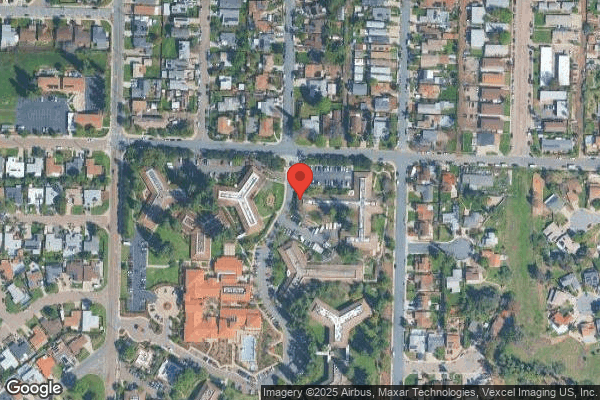

325 KEMPTON ST., SPRING VALLEY, CA 91977 (619) 479-4790
Non profit - Church related 90 Beds COVENANT LIVING Data: November 2025
Trust Grade
70/100
#415 of 1155 in CA
Last Inspection: August 2025

Inspected within the last 6 months. Data reflects current conditions.

Overview

Mount Miguel Covenant Village in Spring Valley, California, has a Trust Grade of B, indicating it is a good choice, solidly above average. It ranks #415 out of 1155 facilities in California, placing it in the top half, and #47 of 81 in San Diego County, meaning only a few local options are better. However, the facility is experiencing a worsening trend, with reported issues increasing from 7 in 2024 to 10 in 2025. Staffing appears to be a strong point, with a 4/5 star rating and a turnover rate of 36%, which is below the California average, indicating staff stability. There are no fines on record, which is a positive sign, and the facility has more RN coverage than 75% of California facilities, suggesting good oversight. On the downside, there have been several concerning incidents. For instance, the facility failed to provide necessary Range of Motion exercises for some residents, which could affect their mobility and independence. Additionally, safe food handling practices were not adhered to, as expired hot dogs were found in the kitchen and proper sanitation measures were neglected. Overall, while there are commendable strengths, families should be aware of the facility's recent issues and take them into account when making their decision.

Trust Score
B
70/100
In California
#415/1155
Top 35%
Safety Record
Low Risk
No red flags
Inspections
Getting Worse
7 → 10 violations
Staff Stability
○ Average
36% turnover. Near California's 48% average. Typical for the industry.
Penalties
✓ Good
No fines on record. Clean compliance history, better than most California facilities.
Skilled Nurses
○ Average
Each resident gets 38 minutes of Registered Nurse (RN) attention daily — about average for California. RNs are the most trained staff who monitor for health changes.
Violations
⚠ Watch
30 deficiencies on record. Higher than average. Multiple issues found across inspections.
★★★★☆
4.0
Overall Rating
★★★★☆
4.0
Staff Levels
★★★☆☆
3.0
Care Quality
★★★★☆
4.0
Inspection Score
Stable
2024: 7 issues
2025: 10 issues

The Good

  • 4-Star Staffing Rating · Above-average nurse staffing levels
  • Full Sprinkler Coverage · Fire safety systems throughout facility
  • No fines on record
  • Staff turnover below average (36%)

    12 points below California average of 48%

Facility shows strength in staffing levels, fire safety.

The Bad

Staff Turnover: 36%

10pts below California avg (46%)

Typical for the industry

Chain: COVENANT LIVING

Part of a multi-facility chain

Ask about local staffing decisions and management

The Ugly 30 deficiencies on record

Aug 2025 1 deficiency
CONCERN (D) 📢 Someone Reported This

A family member, employee, or ombudsman was alarmed enough to file a formal complaint

Potential for Harm - no one hurt, but risky conditions existed

Accident Prevention (Tag F0689)

Could have caused harm · This affected 1 resident

Based on interview and record review, the facility failed to prevent 1 of 3 sampled residents (Resident 1) from falling, when Resident 1 was not provided with adequate supervision and appropriate supp...

Read full inspector narrative →
Based on interview and record review, the facility failed to prevent 1 of 3 sampled residents (Resident 1) from falling, when Resident 1 was not provided with adequate supervision and appropriate support to prevent an accident. As a result, Resident 1 fell out of bed, sustaining a left finger fracture and subsequent infection. Findings: A review of Resident 1's undated Face Sheet indicated that the resident was admitted to the facility 3/28/25, with diagnoses that included encephalopathy (damage or disease that affects the brain) and dementia (decline in mental ability). An interview with the Director of Nursing (DON) was conducted on 7/17/25 at 10:33 A.M. The Director of Nursing (DON) stated Resident 1 had an unwitnessed fall on 7/8/25. According to the DON, while CNA 1 and a SNA were changing Resident 1, the wife of Resident 1's roommate informed CNA 1 that her husband was vomiting and needed help. The DON stated CNA 1 left Resident 1's room to get the nurse, leaving Resident 1 alone with the SNA. The DON stated when CNA 1 returned to Resident 1's room with the nurse, Resident 1 was on the floor by the bed. According to the DON, the SNA stated she had turned her back to get gloves when the resident fell on the floor. The DON stated Resident 1 was visibly bleeding, but awake and responsive. The DON stated Resident 1 was transported to the hospital, had a Computed Tomography (CT-a computerized x-ray) of the head and repair of a laceration (a cut to the skin) on the resident's left 4th finger. According to the DON, Resident 1's left finger was not x-rayed while at the hospital and the resident returned to the facility the same day (7/8/25). The DON stated that on 7/12/25, a nurse observed Resident 1's left 4th finger was red, swollen and warm to touch. According to the DON, the physician was notified and an x-ray of Resident 1's left hand was completed which showed a fracture (break) of the left 4th finger. The DON stated Resident 1 was sent to the hospital and was admitted with diagnoses of cellulitis (a deep skin infection caused by bacteria) and fracture of the left 4th distal phalanx (finger bone). According to the DON, Resident 1 had not returned to the facility. The DON further stated that CNAs need to ensure that a resident was safe before leaving the room and not to leave the student alone with a resident. A review of Resident 1's Minimum Data Set (MDS-a standardized assessment tool that measures health status in nursing home residents), dated 7/3/25, indicated that Resident 1 had severely impaired cognitive skills (a significant decline in mental abilities that profoundly impacts a person's daily life and ability to live independently). The MDS also indicated Resident 1 was non-ambulatory and dependent on staff for Activities of Daily Living (ADLs). A review of Resident 1's Interdisciplinary Team (IDT-a group of professionals from different disciplines that work together) note regarding the fall, dated 7/11/25, indicated, Resident was left unattended, possibly without appropriate support.Bed not in lowest position. The note further indicated, Remind staff not to leave resident unattended during brief changes. Ensure staff remains with the resident throughout the process of incontinence (lack of voluntary control of bladder or bowel function) care. Before leaving the patient make sure bed is on lowest position. A review of Resident 1's Clinical Notes documented by the Charge Nurse (CN), dated 7/8/25, indicated that the CN went to Resident 1's room to assess the resident after the unwitnessed fall. The CN documented that Resident 1 had hit the left side of his head and sustained a bleeding laceration. The CN also documented that Resident 1 was on blood thinner medications. The Clinical Note indicated that Resident 1's bed was raised and the bed rails were not in place. A review of Resident 1's Clinical Notes, dated 7/12/25, indicated that Resident 1's left 4th finger was very red, swollen, warm to touch. The Clinical Note indicated an x-ray of Resident 1's left hand was conducted at the facility which showed an acute comminuted fracture (where the bone breaks into three or more pieces) of the fourth distal phalanx, with associated soft tissue swelling. The Clinical Note indicated Resident 1 was sent to the hospital and was admitted with an infection of the left fourth finger and left upper extremity cellulitis (infection of left upper arm). An interview with CNA 1 was conducted on 8/12/25 at 10:14 A.M. CNA 1 stated that he and the SNA were changing Resident 1 when the roommate's wife yelled out that her husband was vomiting. CNA 1 stated he immediately went to get the nurse and when they returned, Resident 1 had fallen out of bed. CNA 1 stated Resident 1's bed was set in a high position because they were in the middle of changing him. CNA 1 acknowledged that the SNA should not be left alone with the resident, and stated In this event, I should've sent her out instead of myself to reach out for the nurse. On 8/12/25 at 4:06 P.M. the SNA stated during an interview that she and CNA 1 were changing Resident 1 when the roommate's wife yelled out to get a nurse because her husband was throwing up. CNA 1 then rushed out to get the nurse, but as soon as he left, the resident turned and fell to the ground. The SNA stated that Resident 1 tended to reach for the siderails, which were down at the time. The SNA further stated, It happened really fast.
Aug 2025 9 deficiencies
CONCERN (D)

Potential for Harm - no one hurt, but risky conditions existed

Resident Rights (Tag F0550)

Could have caused harm · This affected 1 resident

**NOTE- TERMS IN BRACKETS HAVE BEEN EDITED TO PROTECT CONFIDENTIALITY** Based on observation, interview, and record review, the facility failed to provide dignified and person-centered feeding assista...

Read full inspector narrative →
**NOTE- TERMS IN BRACKETS HAVE BEEN EDITED TO PROTECT CONFIDENTIALITY** Based on observation, interview, and record review, the facility failed to provide dignified and person-centered feeding assistance with certified nursing assistants (CNA) observed feeding residents while standing instead of sitting at eye level for two of eight reviewed residents (Resident 60 and 64) who required assistance.This deficient practice placed two residents (Resident 60 and 64) at risk for loss of dignity, reduced quality of mealtime experience, and potential difficulty or discomfort during mealtimes.Findings:1. A review of Resident 60's admission Record indicated Resident 60 was re-admitted to the facility on [DATE] with diagnoses which included a history of dementia (a progressive state of decline in mental abilities).A record review of Resident 60's minimum data set (MDS - a federally mandated resident assessment tool) dated 7/30/25 indicated, a Brief Interview for Mental Status (BIMS- developed by reviewing the resident's status during the prior seven-day period) score of three points out of 15 possible points which indicated Resident 60 had severe cognitive (pertaining to memory, judgement and reasoning ability) deficits. A review of a facility provided document titled, Best Practices For Compliance Related to Resident Dignity in Skilled Nursing Facilities by The American Health Care Association website: http://www.ahca.org indicated, .Areas of potential non-compliance related to the dining experience may include.Staff standing over residents as they are assisted with dining.On 8/5/2025 at 8:20 A.M., an observation was conducted in Resident 60's room. CNA 26 was seen standing over Resident 60 while assisting her with her breakfast tray.On 8/5/2025 at 8:25 A.M., an observation and interview was conducted with the Assistant Director of Nursing (ADON), in Resident 60's room. The ADON stated CNA 26 should not be standing because it was inappropriate while feeding Resident 60 and can be intimidating for Resident 60 because standing can be seen as an authoritative manner and does not promote a good mealtime experience. The ADON stated sitting at an eye level promotes dignity and respect for Resident 60.On 8/6/2025 at 3:57 P.M., an interview was conducted with the Director of Nursing (DON). The DON stated it was her expectation that CNA 26 to be at an eye level while feeding Resident 60 to promote a comfortable mealtime experience that was dignified and respectful. The DON further stated sitting at an eye-level while feeding a resident also promotes interaction and assures a quality eating experience without problems.2. A review of Resident 64's admission Record indicated Resident 64 was admitted to the facility on [DATE] with diagnoses which included a history of (a disease characterized by a progressive decline in mental abilities).A record review of Resident 64's MDS (Minimum data set: nursing facility assessment tool) dated 5/20/25 indicated that Resident 64 was rarely or never understood with severe cognitive (the mental processes that take place in the brain, including thinking, attention, language, learning, memory, and perception) deficits to understand and make decisions.A review of a facility provided document titled, Best Practices For Compliance Related to Resident Dignity In Skilled Nursing Facilities by The American Health Care Association website: http://www.ahca.org indicated, .Areas of potential non-compliance related to the dining experience may include.Staff standing over residents as they are assisted with dining.On 8/4/2025 at 12:23 P.M., an observation was conducted in the Valley View Dining room during mealtime. CNA 23 was seen feeding Resident 64 while standing to assist with feeding.On 8/4/2025 at 12:26 P.M., an interview was conducted with CNA 23, outside of the dining room hallway. CNA 23 stated she should have been sitting down while assisting Resident 64 but did not. CNA 23 stated that sitting down at an eye level would make Resident 64 feel more comfortable about her dinning experience and shows dignity and respect. CNA 23 stated standing while feeding Resident 64 would make her feel confused and a dignity issue as to why I would be standing up. CNA 23 stated sitting at an eye-level with a resident helps to initiate conversation and safety to monitor potential choking hazards.On 8/4/2025 at 12:35 P.M., an interview was conducted with CNA 21, in the Valley View Dining room. CNA 21stated that they (nursing staff) should be feeding residents (any facility residents who need feeding assistance) while sitting promotes respect and dignity.On 8/6/2025 at 3:49 P.M., an interview with the Director of Nursing (DON) stated her expectations was for nursing staff to promote dignity and respect while assisting residents (any facility residents who need feeding assistance) in a dignified manner by sitting at an eye-level to promote an interactive and quality eating experience.The facility did not provide a policy and procedure for Dignity.
CONCERN (D)

Potential for Harm - no one hurt, but risky conditions existed

Assessment Accuracy (Tag F0641)

Could have caused harm · This affected 1 resident

**NOTE- TERMS IN BRACKETS HAVE BEEN EDITED TO PROTECT CONFIDENTIALITY** Based on observation, interview and record review, the facility failed to accurately code a hospice resident's limitation in ran...

Read full inspector narrative →
**NOTE- TERMS IN BRACKETS HAVE BEEN EDITED TO PROTECT CONFIDENTIALITY** Based on observation, interview and record review, the facility failed to accurately code a hospice resident's limitation in range of motion (ROM) for the upper extremities on the Minimum Data Set (MDS- a federally mandated resident assessment tool) for one of four residents reviewed with hand contractures. As a result, inaccurate information was sent to the federal database and placed Resident 78 at risk for inaccurate care planning and avoidable decline in functional mobility.Cross Reference F688 Findings:Based on observation, interview and record review, the facility failed to accurately code a hospice resident's limitation in range of motion (ROM) for the upper extremities on the Minimum Data Set (MDS- a federally mandated resident assessment tool) for one of four residents reviewed with hand contractures. As a result, inaccurate information was sent to the federal database and placed Resident 78 at risk for inaccurate care planning and avoidable decline in functional mobility.Cross Reference F688Findings:A review of Resident 78's admission Record indicated Resident 78 was admitted to the facility on [DATE] with diagnoses which included a history of Rheumatoid Arthritis (a long-term condition that causes pain, swelling and stiffness in the joints).A record review of Resident 78's Minimum Data Set, dated [DATE] indicated, a Brief Interview for Mental Status (BIMS- developed by reviewing the resident's status during the prior seven-day period) score of 11 points out of 15 possible points which indicated Resident 78 had moderate cognitive (pertaining to memory, judgement and reasoning ability) deficits. On 8/5/2025 at 8:22 A.M., an observation was conducted in Resident 78's room. Resident 78 was being fed by Certified Nursing Assistant (CNA) 28 wearing a personal protective equipment (PPE) gown. CNA 28 stated Resident 78 needed help with feeding due to her hand contractures then left Resident 78 to go to the dining room. Resident 78's breakfast tray was untouched after CNA 28 left the room.On 8/5/2025 at 8:43 A.M., an observation was conducted in Resident 78's room. CNA 28 returned to Resident 78's room and placed a spoon on Resident 78's right hand then left.08/05/2025 9:01 AM an observation and interview was conducted with Resident 78, in Resident 78's room. Resident 78 stated she had pain in both her hands and left shoulder due to contractures. Resident 78 stated she required assistance with all her activities of daily living (ADL-dressing, eating, toileting, and transfers) because mobility was limited by the pain in both her hands and shoulders. Resident 78 stated she was unable to stretch both her arms and hands out fully without staff assistance. Resident 78 stated she does not do ROM exercises with staff for her upper extremities (UE- arms and shoulders) but would like to benefit from ROM exercises for mobility to help relieve pain in her hands and shoulders when performing ADLS.On 8/5/2025 at 1:32 P.M., an interview was conducted with CNA 27. CNA 27 stated Resident 78 had contractures on both hands and that they were not new contractures. CNA 27 stated that Restorative Nursing Assistants (RNA) do ROM exercises with facility residents and was not sure if Resident 78 was on an RNA program for her bilateral hand contractures.On 8/5/2025 at 1:42 P.M., an interview was conducted with RNA 1. RNA 1 stated Resident 78 used to be on an RNA program but was on hospice now as to why Resident 78's RNA program did not continue. RNA 1 stated Resident 78 had bilateral hand contractures that were not new. RNA 1 stated that Resident 78 does have limited ROM on her left shoulder and both of her hands that would limit her abilities to perform ADLS independently and needed assistance. RNA 1 stated with the lack of ROM exercises to be performed with Resident 78 could contribute to a decline in mobility. On 8/5/2025 at 1:44 P.M., an interview with CNA 22 was conducted. CNA 22 stated Resident 78 was on and off RNA program but then Resident 78 got sick. CNA 22 stated it was important for Resident 78 to receive regular ROM exercises for her arms and hands to prevent further stiffness and pain. CNA 22 stated without ROM, Resident 78's contractures could worsen, causing increased discomfort, limiting Resident 78's mobility and making it harder for her to perform daily activities such as eating, dressing, and personal care. CNA 22 further stated Resident 78 already experienced pain in her left shoulder and hand contractures which could increase if no interventions were provided.On 8/5/2025 2:00 P.M., an interview and record review was conducted with Physical Therapy (PT) 1. PT 1 stated Resident 78's last rehab evaluation was on 3/26/25 for her range of motion. The rehab evaluation indicated: .UE [upper extremities] ROM LUE [left upper extremities]= impaired, RUE [right upper extremities]= impaired.RUE ROM Shoulder = Impaired (severe ROM deficits with crepitus [crackling sound] throughout, unable to demo [demonstrate] full ROM via PROM [passive range of motion]); Elbow /Forearm = Impaired (severe ROM deficits with crepitus throughout); Wrist = Impaired (severe ROM deficits in hand/forearm/wrist with crepitus throughout) LUE ROM Shoulder = WFL; Elbow / Forearm = WFL; Wrist = Impaired (severe ROM deficits in hand/forearm/wrist with crepitus throughout) LUE Strength LUE Strength = DNT; Clinical Reason(s) = Presence of lines/tubes RUE Strength RUE Strength = DNT; Clinical Reason(s) = Severe pain.Pt [Patient] presents during OT [Occupational Therapy] evaluation with severe ROM deficits in BUE.deficits in strength and pt is primarily bedbound. Pt is at baseline and benefits from RNA program for BUE/BLE ROM to prevent further contractures.On 8/5/2025 at 2:07 P.M., an interview and record review was conducted with the Director of Rehab (DOR). The DOR stated Resident 78 was getting RNA for her BUE (bilateral upper extremities) for impaired ROM. The DOR stated Resident 78 transitioned to hospice services (4/3/25) and was removed from the RNA program because she was not doing good and family elected not to do hospice services at that time.On 8/5/2025 2:35 P.M., an interview was conducted with the DOR. The DOR stated she was unable to find documentation that the RNA program was discussed with the family refusing to continue the RNA program. The DOR that Resident 78 would benefit from participation in an RNA program to help reduce pain sensitivity, improve pain-free ROM, and prevent further injury. The DOR stated that regular exercise, when tailored to Resident 78's needs, is essential to maintaining function and enhancing quality of life.On 8/5/2025 at 2:29 P.M., an interview and record review was conducted with the MDS nurse (MDSN). The MDSN stated Resident 78 had an overall health decline due to weakness and was also put on hospice on 4/3/25. The MDSN stated she does not remember assessing Resident 78's hands or asked Resident 78 to demonstrate ROM during Resident 78's MDS dated [DATE] time-frame period. A record review of Resident 78's prior MDS indicated:- 2/21/25 Section GG0115 (ROM, UE) was coded as impairment to both sides.- 4/14/25 Section GG0115 (ROM, UE) was coded as no impairment.- 7/14/25 Section GG0115 (ROM, UE) was coded as no impairment.The MDSN stated she had coded inaccurately on Resident 78's MDS on 4/14/25 and 7/14/25. The MDSN stated accurate coding is essential to ensure Resident 78's functional limitations are correctly identified so that Resident 78's plan of care reflects appropriate interventions. The MDSN further stated inaccurate coding can lead to missed services, delayed interventions, and care plans that do not address Resident 78's true needs, placing Resident 78 at risk for avoidable decline and decreased quality of life. There was documentation on Resident 78's clinical chart relating to MDSN, RNA/CNA rounds or interviews that assessed Resident 78's ROM while performing ADLs during the MDS time-frame period on 7/14/25 and 4/14/25. A clinical chart review of Resident 78's active care plan indicated, .ADL Deficit related to deconditioning from recent illness, weakness, CHF [congestive heart disorder which causes the heart to not pump the blood efficiently, sometimes resulting in leg swelling] .under the care of [Name of Hospice].At risk for falls/ fall related injury related to impaired mobility, impaired balance .Self-feeding difficulty related to arthritis in hands as evidenced by residents fingers appearing deformed. Care plan interventions included:- .Eating set up- Oral hygiene partial assist- Toileting hygiene dependent- Showering dependent- Upper body dressing substantial [helper provides more than half of the effort] assist- Lower body dressing dependent- Putting on/off footwear dependent- BUE/BLE PROM [passive range of motion] 3x/wk [three times per week] x [times] 15min [minutes] Slow gentle ROM to tolerance- AAROM [active range of motion] of LUE 3x/wk as tolerated PROM of BUE and RUE as tolerated Please do gentle PROM to pt tolerance. If pt unable to tolerate, let OT [occupational therapy] know.8/6/2025 at 8:32 A.M., an interview was conducted with the Assistant Director of Nursing (ADON). The ADON stated the licensed nurses (LN) do not complete quarterly assessments. The ADON stated the MDSN is responsible for performing these assessments and representing the nursing side during interdisciplinary (IDT) meetings and providing recommendations for rehab screens when appropriate. The ADON stated an inaccurate MDS coding could result in needed services (RNA program) to be omitted from Resident 78's plan of care, placing the resident at risk for further functional decline in mobility with ADLs.08/06/2025 4:05 P.M., an interview was conducted with the Director of Nursing (DON). The DON stated her expectation was for Resident 78 to be properly screened regardless of Hospice status for RNA. The DON stated the MDSN should be physically assessing Resident 78 during a quarterly review, bring findings to the IDT meeting, and provide recommendations for care, including mobility concerns. The DON stated inaccurate MDS coding could result in the omission of these needed interventions (RNA program) from Resident 78's plan of care, placing Resident 78 at risk for further decline and injury.A review of Centers for Medicare and Medicaid Services (CMS, a federal agency) RAI Manual 3.0 October 2024, (Page GG-5) GG0115: Functional Limitation in Range of Motion .The intent of GG0115 is to determine whether functional limitation in range of motion (ROM) interferes with the resident's activities of daily living or places them at risk of injury
CONCERN (D)

Potential for Harm - no one hurt, but risky conditions existed

Quality of Care (Tag F0684)

Could have caused harm · This affected 1 resident

**NOTE- TERMS IN BRACKETS HAVE BEEN EDITED TO PROTECT CONFIDENTIALITY** Based on observation, interview and record review, the facility failed to assess and treat multiple skin abrasions and scabs for...

Read full inspector narrative →
**NOTE- TERMS IN BRACKETS HAVE BEEN EDITED TO PROTECT CONFIDENTIALITY** Based on observation, interview and record review, the facility failed to assess and treat multiple skin abrasions and scabs for one of one residents reviewed for skin conditions (Resident 35). This failure had the potential to result in delayed provision of care and treatment for Resident 36's skin condition.Findings:Resident 35 was admitted to the facility on [DATE] with diagnoses to include a history of falling, per the Face Sheet. A concurrent observation and interview was conducted with Resident 35 on 8/4/25 at 2:20 P.M. Resident 35 was in bed, with his arms exposed. A large reddened area, approximately two inches wide by six inches wide was visible on his left forearm. A large scab was on Resident 35's right hand, on the webbing between the thumb and index finger. Several more abrasions and bruises were observed along both arms. The skin on both of Resident 35's arms was dry and flaky. A single square dressing, approximately two inches by two inches was hanging loosely from the scab on the right hand. The dressing was loose, with one side adhering to skin and the other three sides unattached. The dressing had the date of 8/1 written on it in black marker, with no other information. Resident 35 stated he had fallen at home, and he had more abrasions on his legs. Resident 35 pulled back the sheet covering his legs, and two more square dressings were intact on his right lower leg, both with the date of 8/1 written on them. Resident 35 stated the nurses had not assessed or treated his skin conditions, and he had noticed the two dressings on his legs that morning. A record review was conducted on 8/5/25. A Nursing admission Evaluation, dated 7/24/25, indicated Resident 35 had 11 areas on his skin with bruising, scabs, or wounds. Each of the 11 areas was described with color and size. Underneath the skin assessment was the following instructions: NOTE: Following the completion of the admission evaluation, a Wound Evaluation.must be opened for each wound.The Treatment Administration Record (TAR) for July and August 2025 was reviewed. Six of the skin areas had treatments (cleansing, medication and specialty bandages) discontinued on 7/29/25 without explanation. Five skin areas remained with orders for treatment. Wounds on the sacrum (bone at the base of the spine), and upper back had treatments daily, and nursing staff signed off each as completed daily. The remaining three wounds had treatment orders as follows:1. Left elbow, cleanse and apply medications, cover with gauze every other day. This treatment was signed off as completed on 8/1/25 and 8/3/25.2. Right hand, cleanse, apply medication then cover with gauze every other day. This treatment was signed off as completed on 8/1/25 and 8/3/25.3. Right leg, cleanse, dry, apply medication then cover with a dressing every other day. This treatment was signed off as completed on 8/1/25 and 8/3/25. A concurrent interview and record review was conducted with the Assistant Director of Nursing (ADON) on 8/6/25 at 2:07 P.M. Per the ADON, a skin assessment was conducted when a resident was admitted . The ADON reviewed the Nursing admission Assessment and stated all 11 wounds should have been on the TAR. The ADON could not explain why treatment orders had been discontinued. The ADON stated the facility did not have a nurse specifically for wound care, and the nurse assigned to the resident daily had the responsibility for ensuring all treatments were completed according to the physician's order. An interview with the Director of Nursing (DON) was conducted on 8/7/25 at 11 A.M. Per the DON, nurses were responsible for providing wound treatments according to the physician's order. The DON stated the nurses should follow the physician's orders and complete the wound care, but not sign off the TAR as completed if the dressings had not been changed. The DON stated the risk to the resident was the wound could worsen, or lead to infection. Per a facility policy, revised October 2010 and titled Wound Care, .Verify that there is a physician's order for this procedure.Dress wound.Mark.with initials, time, and date and apply to dressing.
CONCERN (D)

Potential for Harm - no one hurt, but risky conditions existed

Accident Prevention (Tag F0689)

Could have caused harm · This affected 1 resident

**NOTE- TERMS IN BRACKETS HAVE BEEN EDITED TO PROTECT CONFIDENTIALITY** 1. Based on observation, interview and record review, the facility failed to assess, monitor and provide adequate supervision to...

Read full inspector narrative →
**NOTE- TERMS IN BRACKETS HAVE BEEN EDITED TO PROTECT CONFIDENTIALITY** 1. Based on observation, interview and record review, the facility failed to assess, monitor and provide adequate supervision to prevent accidents for three of four residents (Resident 15, 21 and 60) reviewed for falls when:1. Resident 15 was not reassessed for fall risk following a fall, 2. Resident 21 was not accurately reassessed for fall risk following a fall, and,3. Resident 60 was left unsupervised in the facility dining room.This deficient practice placed residents with fall risks for potential accidents with recurrent falls, injuries and further health decline.Findings:1. Resident 15 was admitted to the facility on [DATE] with diagnoses to include unsteadiness on feet and history of falling, per a facility Face Sheet.An observation of Resident 15 was conducted on 8/4/25 at 9:45 A.M. Resident 15 was in bed and did not respond to questions asked.A record review was conducted on 8/5/25.Resident 15's Staff Assessment for Mental Status (an assessment conducted when the resident cannot respond to interview questions) score was three, indicating severely impaired, or never/rarely made decisions.Resident 15's Minimum Data Set (an assessment tool) indicated Resident 15 needed some help with walking, and used a walker or wheelchair.A Morse Fall Scale assessment (a scale used to assess fall risk based on six factors, including history of falling, diagnosis, ability to walk, aides used when walking, use of specialty medications, and mental status), conducted on admission 6/17/25, indicated Resident 15 was at, low risk for falls.A Clinical Note, dated 7/18/25, indicated Resident 15 had fallen in the hallway while returning to his room. No Morse Fall Scale assessment was identified following the fall.An interview was conducted with Certified Nursing Assistant (CNA) 11 on 8/5/25 at 2:12 P.M. CNA 11 stated she was assigned to Resident 15 often. CNA 11 stated she was not aware Resident 15 had fallen. CNA 11 stated Resident 15 got confused, so staff needed to monitor him to keep him safe.An interview was conducted with Licensed Nurse (LN) 12 on 8/5/25 at 2:20 P.M. LN 12 reviewed the instructions for using the Morse Fall Scale assessment and stated, He (Resident 15) has many diagnosis, and he had a fall before being admitted to the facility. LN 12 stated, The scale is difficult to understand. I think we need more inservicing to learn to use it right.An interview was conducted with the Director of Nursing (DON) on 8/5/25 at 2:30 P.M. The DON stated the Morse Fall Scale was conducted on admission and completed by the admissions nurse. The DON stated a new Morse assessment should be completed after a fall to reassess the risk. Per the DON, a Morse assessment was not conducted after Resident 15 fell, but it should have been completed. The DON stated if a Morse Fall assessment was wrong, or missing, We miss the opportunity to render the care necessary to prevent another fall.Per a facility policy, revised March 2018 and titled Assessing Falls and Their Causes, The purposes of this procedure are to provide guidelines for assessing a resident after a fall.Residents must be assessed upon admission and regularly afterward.Documentation:.completion of a falls risk assessment. 2. Resident 21 was admitted to the facility on [DATE] with diagnoses to include dementia (a loss of memory, thinking or language abilities) and weakness, per the facility Face Sheet.An interview was conducted with Resident 21's family member (FM 11) on 8/4/25 at 10:03 A.M. Resident 21 did not respond to question asked. FM 11 stated Resident 21 had slipped from her bed and was found on the floor recently. FM 11 was not certain whether there had been other falls at the facility. FM 11 stated since Resident 21 had fallen, she probably needed to be watched carefully since she got confused and could not communicate well with staff.A record review was conducted on 8/7/25.Resident 21's Staff Assessment for Mental Status score was 3, indicating , indicating severely impaired, or never/rarely made decisions.A Morse Fall Scale assessment, dated 5/16/25 indicated a score of 40, or Low Risk for falls.A Clinical Note, dated 6/3/25, indicated Resident 21 was found on the floor inside of her room. No environmental reasons were listed as a rationale for the fall.A Morse Fall Scale assessment, dated 6/3/25, indicated a score of 40, which according to the Morse Fall Risk Level, was low risk. Item #1 asked if the resident had a, History of falling; immediate or within 3 months. and the nurses response was No. Directions for the question were listed under the scoring questions. Directions for Item #1 indicate, History of Falling: This is scored as 25 if the patient has fallen during the present hospital admission.Note: if a patient falls for the first time, then his or her score immediately increases by 25.An interview was conducted on 8/7/25 at 10:16 A.M. with CNA 12. CNA 12 stated she was not aware Resident 21 had fallen. CNA 12 stated if a fall had occurred, she would have gotten a report from the CNA who worked the shifts before her. CNA 12 stated Resident 21 tried to get out of bed occasionally, and is often seen with her legs extended beyond the bed. CNA 12 stated Resident 21 was probably at risk for falls because of her confusion, but she was not aware of an incident.An interview and record review was conducted with LN 11 on 8/7/25 at 10:34 A.M. LN 11 stated he was not aware Resident 21 had had a fall. LN 11 reviewed the Morse Fall Risk scores for Resident 21 and stated, The risk level could be too low, this might cause us to not implement the right interventions to prevent additional falls.On 8/7/25 at 11:30 A.M. an interview was conducted with the DON. The DON stated following a fall, she would expect a Morse Fall Risk Level to increase. The DON stated, We may need to do some training on the use of this assessment, or consider another tool.Per a facility policy, revised March 2018 and titled Falls and Fall Risk, Managing, Based on previous evaluations and current data, the staff will identify interventions related to the resident's specific risks and causes to try to prevent the resident from falling. 3. A review of Resident 60's admission Record indicated Resident 60 was re-admitted to the facility on [DATE] with diagnoses which included a history of dementia (a progressive state of decline in mental abilities).A record review of Resident 60's minimum data set (MDS - a federally mandated resident assessment tool) dated 7/30/25 indicated, a Brief Interview for Mental Status (BIMS- developed by reviewing the resident's status during the prior seven-day period) score of three points out of 15 possible points which indicated Resident 60 had severe cognitive (pertaining to memory, judgement and reasoning ability) deficits. On 8/4/2025 9:52 A.M., an observation was conducted in Resident 60's room. Resident 60 was found in at the Valley View dining room of the facility unsupervised sitting on her wheelchair with a blanket that covered her legs. On 8/04/2025 10:00 A.M., an interview and record review was conducted with the Assistant Director of Nursing (ADON). The ADON stated Resident 60 had two most recent (July 2025) histories of falling in the facility on 7/8/25 where she fell while on the wheelchair in the Valley View dining room due to wheeling self and leaning forward then climbing down andlanding on her bottom. The ADON stated her next fall happened on 7/23/25 while Resident 60 was in her room when Licensed Nurse (LN) 25 heard a noise and found her alone in her bathroom with her right leg folded on the knee on the floor and left leg folded at the knee facing up. The active fall care plans (undated) were reviewed that indicated: .At risk for falls/ fall related injury related to history of falls, impaired mobility, impaired balance/ gait [walking], psychotropic [psych medications]/ cardiovascular [heart] meds, sensory impairment, cognitive impairment, weakness, history of fall, FTT [failure to thrive], risk for malnutrition, HTN [hypertension: high blood pressure], COPD [chronic obstructive pulmonary disease-respiratory difficulty].6/6/24:Unwitnessed fall, 8/3/24: Unwitnessed, fall, 5/13/2025: Witnessed/Assisted fall, 7/8/25: Witnessed Fall, 7/23/25 [Resident 60's name] readmitted with diagnosis of R) [right].intertrochanter femur fx [fracture- a break in the upper part of the thigh bone]. Care plan interventions indicated, .Resident to be placed in observable area for close monitoring. Redirect as needed when attempting to get up unassisted.Supervise ambulation to prevent falls or other injuries if [Resident 60's name] is unsteady.On 8/4/2025 at 11:42 A.M., and observation was conducted at the Valley View dining room. Resident 60 was in the dining room in her wheelchair wheeling self while leaning forward with a blanket covering her legs without staff supervision.On 8/6/2025 at 7:57 A.M., an interview was conducted with Certified Nursing Assistant (CNA) 24. CNA 24 stated she was assigned to Resident 60 on 7/23/25 where she was found in the bathroom. CNA 24 stated the incident happened during the evening shift and heard Resident 60 scream from another resident's room. CNA 24 stated Resident 60 was in the dining room prior to the fall incident (7/23/25 in the bathroom) and was going to assist her back to her bed for a nap but Resident 60 refused and instead Resident 60 wheeled herself back to her room while CNA 24 supervised. CNA 24 stated Resident 60 needed supervision and required assistance with transfers due to unsteadiness with mobility. CNA 24 stated Resident 60 was a high fall risk and was ambulatory prior to the right leg fracture she sustained after the fall on 7/23/25. CNA 24 stated that the Valley View dining room had staff available during mealtimes and was used by residents (any facility residents) for activities to listen to music or watch television but there was not an assigned staff assigned after mealtimes.On 8/6/2025 at 10:51 A.M., an interview was conducted with LN 25. LN 25 stated she heard a noise from Resident 60's bathroom and found Resident 60 on the floor complaining of right leg pain and was unable to move the right leg. LN 25 stated Resident 60 told her that she (Resident 60) was trying to reach the trashcan. LN 25 stated Resident 60 can get confused and must have gone to the bathroom so quickly. LN 25 stated the Valley View dining room was for residents' (any facility residents) use after mealtimes and there was no staff assigned specifically to supervise residents (any facility residents) who chose to stay in the dining room after mealtimes. LN 25 stated there should be staff present if residents (any facility residents) including Resident 60 to be supervised to prevent accidents such as falls.On 8/6/2025 at 4 P.M., an interview was conducted with the Director of Nursing (DON). The DON stated that her expectations were for staff to not leave any facility residents out at the Valley View dining room and left unattended to prevent falls or injuries from happening. The DON stated Resident 60 should not be left unsupervised because she was a high fall risk.A review of the facility's policy and procedure titled FALL assessment dated 3/2018, indicated, .The staff and attending physician will collaborate to identify and address modifiable fall risk factors and interventions to try to minimize the consequences of risk factors that are not modifiable.
CONCERN (D)

Potential for Harm - no one hurt, but risky conditions existed

Unnecessary Medications (Tag F0759)

Could have caused harm · This affected 1 resident

**NOTE- TERMS IN BRACKETS HAVE BEEN EDITED TO PROTECT CONFIDENTIALITY** Based on observation, interview and record review, the facility failed to ensure the medication error rate was less than five pe...

Read full inspector narrative →
**NOTE- TERMS IN BRACKETS HAVE BEEN EDITED TO PROTECT CONFIDENTIALITY** Based on observation, interview and record review, the facility failed to ensure the medication error rate was less than five percent. The facility's medication error rate was 10.71%. Three medication errors were observed, a total of 28 opportunities during the medication administration process for one of three randomly observed residents (Residents 22, 75 and 76)As a result, the facility could not ensure medications were correctly administered to all residents.Findings:On 8/6/25 at 8:03 A.M., an observation of medication administration was conducted with Licensed Nurse (LN) 1. LN 1 prepared and administered medication to Resident 76. Eight pills or capsules were administered.A record review was conducted on 8/6/25. Resident 76 had a physician's order for the following medications:Artificial Tears 1%00.2%-0.2% eye drops, three times daily,Artificial Eye Lubricant 83%-15% ointment both eyes daily, andbudesonide 0.5 milligrams/2 milliliters suspension for nebulization inhalation (an inhaler for breathing problems) twice a [NAME] undated facility document, titled Medication Time, was reviewed. Medications ordered three times daily were to be administered at 9 A.M., 1 P.M. and 5 P.M.Medications ordered daily were to be administered at 9 A.M.Medications ordered twice a day were to administered at 9 A.M. and 5 P.M.On 8/7/25 at 9:30 A.M., an interview was conducted with LN 1. LN 1 stated she did not administer the eye drops, eye lubricant or inhaler during the medication administration. LN 1 stated it was important to administer all medications ordered by the physician at the correct time of day so the medication would be effective. On 8/7/25 at 11 A.M. an interview was conducted with the Director of Nursing (DON). The DON stated the expectation was for nurses to administer all medications at the same time so the medications were given according to the physician's order, and so the resident did not have nurses coming into the room with medications multiple times. Per a facility policy, revised April 2019 and titled Administering Medications, Medications are administered in a safe and timely manner, and as prescribed .Medications are administered in accordance with prescriber orders, including any required time frame .
CONCERN (D)

Potential for Harm - no one hurt, but risky conditions existed

Deficiency F0813 (Tag F0813)

Could have caused harm · This affected 1 resident

Based on observation, interview, and record review, the facility failed to ensure foods in a residents' personal food refrigerator (located in the resident dining room) were labeled and dated with the...

Read full inspector narrative →
Based on observation, interview, and record review, the facility failed to ensure foods in a residents' personal food refrigerator (located in the resident dining room) were labeled and dated with the discard date, per facility policy.This failure had the potential for residents to experience food borne illness. Findings:An observation and interview was conducted with Licensed Nurse 1 (LN 1) on 8/4/25 at 12:02 P.M., of the residents' personal food refrigerator located in a resident dining room. The refrigerator contained a large clear plastic zip-lock baggie, with two cupcakes inside. One cupcake was green with white frosting and the other cupcake was yellow with white frosting. The clear plastic bag had no label to indicate which resident the cupcakes belonged to, or the date the cupcakes were placed in the refrigerator. LN 1 stated, the food should be labeled and dated, because no one knows who it belongs to or how long it has been in the refrigerator. LN 1 stated the cupcakes might be old and someone could get sick if the food was not discarded within three days. An interview was conducted with the Dietary Staff Supervisor (DSS) on 8/4/25 at 12:10 P.M. The DSS stated licensed nurses were responsible for checking the resident food refrigerated daily to ensure all foods were labeled and dated. The DSS stated she expected all food to be labeled with the resident's name and include the date it was placed in the refrigerator. The DSS stated all food placed in the refrigerator needed to be discarded after 72 hours. The DSS stated she expected staff to remove any food that was not dated or labeled, to prevent residents from getting sick. An interview was conducted with the Registered Dietitian (RD) on 8/6/25 at 12:05 P.M. The RD stated she expected all food inside the resident refrigerator to be labeled and dated. The RD stated if not labeled and dated, residents could get sick, because no one knows who the food belonged to or how long it had been inside the refrigerator.An interview was conducted with the Director of Nursing (DON) on 8/7/25 at 10:49 A.M. The DON stated she expected the licensed nurses to inspect the resident refrigerator every day and to remove food not labeled and dated, to prevent food borne illness. According to the facility' policy, titled Foods Brought by Family/Visitors, dated July 2017, .7.Food brought in by family/visitor.b. Perishable foods must be stored in re-sealable containers.in a refrigerator. Containers will be labeled with the resident's name, room number, the item and the use by date. No more than 3 days for perishable foods.
CONCERN (D)

Potential for Harm - no one hurt, but risky conditions existed

Infection Control (Tag F0880)

Could have caused harm · This affected 1 resident

Based on observation, interview, and record review, the facility failed to follow infection control practices for one of eight residents (Resident 58) reviewed by not promptly removing a used meal tra...

Read full inspector narrative →
Based on observation, interview, and record review, the facility failed to follow infection control practices for one of eight residents (Resident 58) reviewed by not promptly removing a used meal tray that was left within reach of other residents in the dining room.This deficient practice placed all residents using the dining room at risk for exposure to germs that could cause illness, choking hazards, and potential allergic reactions from consuming food that was not theirs.Findings: On 8/4/2025 at 12:02 P.M., an observation for dining was conducted in the Valley View dining room. Resident 58 was observed sitting on a wheelchair wheeling self towards the hydration cart and grabbed a waffle from a used meal tray that was stored below the hydration cart and ate it.On 8/4/2025 at 12:10 P.M., an interview was conducted with Certified Nursing Assistant (CNA) 1, in the Valley View dining room. CNA 1 stated that they (nursing staff) should be checking the dining room and putting away used meal trays that are outside of the dining room. CNA 1 stated residents in the Valley View nursing station (such as Resident 58) have memory problems and could be at risk for food-related illness, allergic reactions, and choking hazards if consuming foods that do not belong to them.On 8/6/2025 at 8:54 A.M., an interview with the Assistant Director of Nursing (ADON) was conducted. The ADON stated Resident 58 has a history of dementia (a progressive state of decline in mental abilities) and stated the used meal tray should not have been stored in the hydration cart because the hydration cart was considered clean and used by other residents who wanted a drink while in the dining room. The ADON stated the used meal trays were considered dirty and should be removed promptly after a meal is consumed in the dining room and placed in the used meal tray carts outside of the dining room for infection prevention. The ADON stated Resident 58 could have gotten a food-borne illness, an allergic reaction or choke because she checked the tray and it was not Resident 58's meal tray.On 8/6/2025 at 3:41 P.M., an interview was conducted with the Director of Nursing (DON). The DON stated her expectations was for the used trays to be removed promptly and placed in the dirty tray carts. The DON stated that this was an infection control issue because of germs that could be exposed from dirty meal trays. The DON further stated that Resident 58 could have been exposed to germs, choked or had a food allergy from consuming somebody else's food. The facility did not provide a policy and procedure for infection control with dining.
CONCERN (E)

Potential for Harm - no one hurt, but risky conditions existed

Deficiency F0688 (Tag F0688)

Could have caused harm · This affected multiple residents

**NOTE- TERMS IN BRACKETS HAVE BEEN EDITED TO PROTECT CONFIDENTIALITY** Based on observation, interview, and record review, the facility failed to provide Range of Motion (ROM-the extent or limit to w...

Read full inspector narrative →
**NOTE- TERMS IN BRACKETS HAVE BEEN EDITED TO PROTECT CONFIDENTIALITY** Based on observation, interview, and record review, the facility failed to provide Range of Motion (ROM-the extent or limit to which a body part can be moved; the totality of movement a joint is capable of doing. ROM is gauged as passive PROM {needs assistance} or AROM {independent}, exercises for three of four residents .(7, 52, 78), reviewed for Mobility and Positioning. This failure had the potential for Residents 7, 52, and 78 to have a reduction in mobility and flexibility, causing them to become more dependent on staff for activities of daily living. (Cross Reference F641)Findings: 1. Resident 7 was admitted to the facility on [DATE], with diagnoses which included cerebral palsy (a brain disorder that affects movement, balance, and posture), per the facility's admission Record. An observation and interview was conducted with Resident 7 on 08/4/25 at 9:07 A.M., in her room. Resident 7 was sitting up in bed, eating breakfast with her left hand. Resident 7's right hand was contracted (a condition of shortening and stiffening of the muscles and tendons, leading to deformity and rigidity of the joints). Resident 7 stated she was getting physical therapy and then restorative nursing assistance (RNA- a specialized Certified Nursing Assistant (CNA) who focuses on helping patients regain or maintain their highest possible level of physical function by focusing on physical rehabilitation with body movements and strengthening by utilizing passive ROM), but they stopped about a year ago. Resident 7 stated she was told her insurance no longer covered the ROM/RNA services. Resident 7 stated she would like to have the ROM services again, because it helped with her contractures, and she believed her right hand has worsened since they stopped the service. Resident 7's medical record was reviewed on 8/5/25: According to the Minimum Data Set (MDS-a clinical assessment tool), dated 7/15/25, Resident 7 had a cognitive score of 13, indicating cognition was intact. The Functional Abilities section indicated impairment on one side of the body and complete impairment to the lower extremities with a wheelchair being required when out of bed. The Special Treatments, Procedures, and Programs section had no indication of physical therapy or ROM services being provided. According to the physician orders, dated 2/3/20, Resident 7 was to receive physical therapy, five times a week for two weeks. There were no additional orders for physical therapy or RNA services after the 2/3/20 order. According to the care plan, titled ADL (activities of daily living) deficit related to cerebral palsy, functional paraplegia, revised 11/7/24, list a goal of having Resident 7 maintain her independence of ADLs. Interventions listed included PT eval for increased weakness, PT to evaluate for electric wheelchair, allow resident to complete as much of her task as possible. According to the last quarterly care conference, dated 3/19/25, the physical therapy section was blank, with no mention of providing RNA services to prevent worsening contractures. An interview and record review was conducted with Restorative Nursing Assistant 1 (RNA 1 on 8/6/25 at 7:41 A.M. RNA 1 stated the facility had two RNAs daily. One RNA provided cycling, and the other RNA provided ROM to residents. RNA 1 stated they charted daily for the RNA services provided to residents, and they also had monthly meetings with the Director of Rehabilitation (DOR), to discuss the residents treatment plans. RNA 1 stated it was important for staff to identify a decline in residents ROM's, so early interventions could be implemented. The RNA stated if there was an identified decline, the DOR or physician would write an order for physical therapy or RNA services. RNA 1 stated the facility has an unwritten policy that if a resident declines RNA services three times in a row, then they would be dropped from the RNA program. RNA 1 continued, stating Resident 7 was receiving RNA services, but was dropped about a year ago, because she refused the service when she returned from the hospital. RNA 1 stated she was unaware if anyone had reapproached Resident 7 to see if she wanted to resume RNA services. RNA 1 stated RNA was important for Resident 7 because of her disease process. RNA 1 provided copies of Resident 7's daily RNA notes. The first RNA treatment started on 1/9/24. The last four handwritten entries read: 7/21/24-Resident refused not feeling well. 7/25/24-Resident refused. Not feeling well. 7/30/24-Resident refused, c/o of too much hip and knee pain. Charge nurse notified. 8/1/24-Residetn refused, c/o too much hip and knee. Charge nurse notified. There was no documented evidence that Resident 7 was reapproached to see if she was feeling better or wanted to resume RNA service. 2. Resident 52 was admitted to the facility on [DATE], with diagnoses which include polyneuropathy (a malfunction of many peripheral nerves throughout the body), per the facility's admission Record. An observation and interview was conducted with Resident 52 on 8/4/25 at 9:14 A.M., in her room. Resident 52 was sitting up in bed, working on an tablet with her left hand, which was severely contracted, with only the middle finger extended. A brace was on her right hand. Resident 52 stated she was getting physical therapy before, but it stopped because of her insurance. Resident 52 stated since the physical therapy stopped, she was getting RNA services, but that stopped too about two months ago, after her insurance ran out. Resident 52 stated she would like to have the RNA services back, because she felt it helped her a lot. Resident 52 stated she was supposed to wear a brace on her left hand, but then she would not be able to do anything independently, like to use her tablet, or to eat. Resident 52 stated she used to have a wound on her left leg, but it has since healed up. On 8/5/25, Resident 52's medical record was reviewed: According to the MDS, dated [DATE], Resident 52 had a cognitive score of 15, indicating cognition was intact. According to the Functional Abilities assessment, there were no changes in the ROM over the past 7 day look-back period. According to the physician orders, dated 8/4/25 at 3:48 P.M., an order for ROM exercises was added, “…three times a week for three sets x10 reps in all planes, as tolerated.” According to the care plan, ADL deficit related to lack of coordination, dated 9/30/21, listed a goal of Resident 52 achieving greater independence. Interventions included, Allow adequate time to eat and complete task, set-up and provide assistance, PT/OT evaluation, bilateral upper and lower extremities range of motion exercises, and apply hand splints as ordered According to the care conference dated 6/26/25, RNA was checked for receiving services three times a week. An interview and record review was conducted with RNA 1 on 8/6/25 at 7:41 A.M. RNA 1 stated Resident 52 used to receive RNA services, but she developed a wound on her leg and started to refuse because of the pain. RNA 1 stated she as not sure when Resident 52's RNA stopped, but it was probably about a month ago. RNA 1 stated the resident asked yesterday if she could start RNA again, so they approached her to discuss it. RNA 1 provided the daily RNA notes for Resident 52. The earliest RNA note started on 3/9/25. The last three handwritten entries read: 6/9/25-Resident refused. Complained of pain on the right leg. Encouraged x3 but still refused. Charge nurse aware. 6/13/25-Active Range of motion refused c/o of pain on right leg. Encouraged x 3, but still refused. 6/14/2-Resident refused. Complained of right knee pain. Encouraged x3 but still refused. Charge nurse aware. There was no documented evidence that Resident 7 was reapproached to see if she was feeling better or wanted to resume RNA service. An interview was conducted with Charge Licensed Nurse 1 (Chg LN 1) on 8/6/25 at 8:09 A.M. Chg LN 1 stated the goal was to have residents maintain or improve their range of motion, and to never have them decline. Chg LN 1 stated ROM maintains independence and prevents further illness or decreased movement. Chg LN 1 states he depends on certified nursing assistants (CNAs) to identify resident who were declining in ROM and to inform him. Chg LN 1 stated he also assessed residents during his weekly evaluations for declines. Chg LN 1 stated if a decline was identified, the DOR should be contacted to evaluate the resident and then communicate their assessment to the physician, to see what services should be implemented. Chg LN 1 stated if a resident repeatedly refused RNA it should be documented and then a care conference should be conducted, to determine the reason for the refusal, so modifications could be made, Chg LN 1 stated if a Resident repeatedly refused RNA, and was dropped from the RNA program, someone should be reapproaching them monthly, to see if they wanted to resume the services. Chg LN 1 stated he would expect to see documentation of the care conference, why refused, when reapproached, and what the response was, along with the risk and benefits being explained to the residents. A follow-up interview was conducted with Resident 52 on 8/6/25 at 8:31 A.M., in her room. Resident 52 stated after the previous days' interview, she had realized she really wanted to have RNA services again, so she asked staff and they said someone would come talk to her about it. Resident 52 stated they had not started the RNA back up yet An interview and record review was conducted with the DOR on 8/6/25 at 8:38 A.M. The DOR stated the purpose of RNA was for residents to maintain range of motion, strength, and activities of daily living. The DOR stated RNA staff wrote daily notes, and they discuss residents during their monthly team meetings. The DOR stated they also discussed resident issues during their daily stand-up meetings each morning. The DOR stated she did not attend care conference for custodial residents (long term residents with no plans to discharge) or residents placed on hospice. The DOR stated she set a policy that if RNA services were refused three consecutive times, then RNA services would be cancelled. The DOR stated she personally spoke with the residents who refused RNA services and she ensured that it was documented why they were refusing. The DOR stated RNA would never be discontinued because of insurance reasons. The DOR stated she accompanied the Minimum Data Set Nurse (MDSN) with conduct Grand Rounds every Friday. The DOR stated Grand Rounds were one to ones with residents, to ensure their conditions were not declining without staff intervention. The DOR stated the MDSN keeps notes on what residents said or if they refused offered services. The DOR stated Resident 7 finished her physical therapy on 4/9/25, but she still had a wound, so RNA services were refused and had not yet been reinstated. The DOR stated she just saw Resident 52 on 8/5/25, after she had learned the resident asked to re-start RNA. THE DOR stated if someone was dropped from RNA for refusing, then the hope was they could be offered it again during the Grand Rounds. An interview and record review was conducted with the MDSN on 8/6/25 at 9:05 A.M. The MDSN stated the purpose of Grand Rounds was if there were any changes in the resident's condition, early interventions could be implemented. The MDSN stated they do hallway sections every Friday and she documented any issues identified. The MDSN reviewed her notes for Grand Rounds, stating Resident 7 was last seen May 2025. The MDSN stated she did not have any notes for Resident 7 and she did not recall Resident 7 saying anything about RNA. The MDSN stated she knew the DOR asked that standard question for every visit about RNA and ROM. The MDSN stated she did not know what Resident 7's reply was, because there were no notes documented for that visit. The MDSN stated Resident 52's Grand Round was also in May 2025, and no notes were made for the room visit. The MDSN stated it should be documented each visit that RNA was offered, and the risk and benefits were explained. The MDSN stated by not asking and documenting the residents' response to RNA, there was a potential for decline in mobility, which could affect everyday function and independence. The MDSN stated it would be important for her to be told when the RNA services were discontinued, so she could follow up on that during the Grand Rounds. An interview was conducted with the Director of Nursing (DON on 8/7/25 at 10:49 A.M. The DON stated RNA services were important to prevent a decline or worsening of movement. mobility. The DON stated the facility needs to reassess the RNA system, so improvement could be made. According to the facility's policy titled, Resident Mobility and Range of Motion, dated July 2017, :…2. Resident with limited range of motion will receive treatment and services to increase and or prevent a further decrease in ROM…” 3. A review of Resident 78's admission Record indicated Resident 78 was admitted to the facility on [DATE] with diagnoses which included a history of Rheumatoid Arthritis (a long-term condition that causes pain, swelling and stiffness in the joints). A record review of Resident 78's minimum data set (MDS - a federally mandated resident assessment tool) dated 7/14/25 indicated, a Brief Interview for Mental Status (BIMS- developed by reviewing the resident's status during the prior seven-day period) score of 11 points out of 15 possible points which indicated Resident 78 had moderate cognitive (pertaining to memory, judgement and reasoning ability) deficits. On 8/5/2025 at 8:22 A.M., an observation was conducted in Resident 78's room. Resident 78 was being fed by Certified Nursing Assistant (CNA) 28 wearing a personal protective equipment (PPE) gown. CNA 28 stated Resident 78 needed help with feeding due to her hand contractures then left Resident 78 to go to the dining room. Resident 78's breakfast tray was untouched after CNA 28 left the room. On 8/5/2025 at 8:43 A.M., an observation was conducted in Resident 78's room. CNA 28 returned to Resident 78's room and placed a spoon on Resident 78's right hand then left. 08/05/2025 9:01 AM an observation and interview was conducted with Resident 78, in Resident 78's room. Resident 78 stated she had pain in both her hands and left shoulder due to contractures. Resident 78 stated she required assistance with all her activities of daily living (ADL-dressing, eating, toileting, and transfers) because mobility was limited by the pain in both her hands and shoulders. Resident 78 stated she was unable to stretch both her arms and hands out fully without staff assistance. Resident 78 stated she does not do ROM exercises with staff for her upper extremities (UE- arms and shoulders) but would like to benefit from ROM exercises for mobility to help relieve pain in her hands and shoulders when performing ADLS. On 8/5/2025 at 1:32 P.M., an interview was conducted with CNA 27. CNA 27 stated Resident 78 had contractures on both hands and that they were not new contractures. CNA 27 stated that Restorative Nursing Assistants (RNA) do ROM exercises with facility residents and was not sure if Resident 78 was on an RNA program for her bilateral hand contractures. On 8/5/2025 at 1:42 P.M., an interview was conducted with RNA 1. RNA 1 stated Resident 78 used to be on an RNA program but was on hospice now as to why Resident 78's RNA program did not continue. RNA 1 stated Resident 78 had bilateral hand contractures that were not new. RNA 1 stated that Resident 78 does have limited ROM on her left shoulder and both of her hands that would limit her abilities to perform ADLS independently and needed assistance. RNA 1 stated with the lack of ROM exercises to be performed with Resident 78 could contribute to a decline in mobility. On 8/5/2025 at 1:44 P.M., an interview with CNA 22 was conducted. CNA 22 stated Resident 78 was on and off RNA program but then Resident 78 got sick. CNA 22 stated it was important for Resident 78 to receive regular ROM exercises for her arms and hands to prevent further stiffness and pain. CNA 22 stated without ROM, Resident 78's contractures could worsen, causing increased discomfort, limiting Resident 78's mobility and making it harder for her to perform daily activities such as eating, dressing, and personal care. CNA 22 further stated Resident 78 already experienced pain in her left shoulder and hand contractures which could increase if no interventions were provided. On 8/5/2025 2:00 P.M., an interview and record review was conducted with Physical Therapy (PT) 1. PT 1 stated Resident 78's last rehab evaluation was on 3/26/25 for her range of motion. The rehab evaluation indicated: “…UE [upper extremities] ROM LUE [left upper extremities]= impaired, RUE [right upper extremities]= impaired…RUE ROM Shoulder = Impaired (severe ROM deficits with crepitus [crackling sound] throughout, unable to demo [demonstrate] full ROM via PROM [passive range of motion]); Elbow /Forearm = Impaired (severe ROM deficits with crepitus throughout); Wrist = Impaired (severe ROM deficits in hand/forearm/wrist with crepitus throughout) LUE ROM Shoulder = WFL; Elbow / Forearm = WFL; Wrist = Impaired (severe ROM deficits in hand/forearm/wrist with crepitus throughout) LUE Strength LUE Strength = DNT; Clinical Reason(s) = Presence of lines/tubes RUE Strength RUE Strength = DNT; Clinical Reason(s) = Severe pain…” “…Pt [Patient] presents during OT [Occupational Therapy] evaluation with severe ROM deficits in BUE…deficits in strength and pt is primarily bedbound. Pt is at baseline and benefits from RNA program for BUE/BLE ROM to prevent further contractures…” On 8/5/2025 at 2:07 P.M., an interview and record review was conducted with the Director of Rehab (DOR). The DOR stated Resident 78 was getting RNA for her BUE (bilateral upper extremities) for impaired ROM. The DOR stated Resident 78 transitioned to hospice services (4/3/25) and was removed from the RNA program because “she was not doing good and family elected not to do hospice services at that time.” On 8/5/2025 2:35 P.M., an interview was conducted with the DOR. The DOR stated she was unable to find documentation that the RNA program was discussed with the family refusing to continue the RNA program. The DOR that Resident 78 would benefit from participation in an RNA program to help reduce pain sensitivity, improve pain-free ROM, and prevent further injury. The DOR stated that regular exercise, when tailored to Resident 78's needs, is essential to maintaining function and enhancing quality of life. On 8/5/2025 at 2:29 P.M., an interview and record review was conducted with the MDS nurse (MDSN). The MDSN. The MDSN nurse stated rehab should be involved in the care of all residents, including those on hospice, to ensure they are assessed for and receive services that maintain or improve function. The MDSN stated this involvement with rehab could help increase independence, reduce pain, prevent injuries and support a more personalized plan of care for Resident 78's needs. A clinical chart review of Resident 78's active care plan indicated, “…ADL Deficit related to deconditioning from recent illness, weakness, CHF [congestive heart disorder which causes the heart to not pump the blood efficiently, sometimes resulting in leg swelling] .under the care of [Name of Hospice]…At risk for falls/ fall related injury related to impaired mobility, impaired balance .Self-feeding difficulty related to arthritis in hands as evidenced by residents fingers appearing deformed.” Care plan interventions included: - “…Eating set up - Oral hygiene partial assist - Toileting hygiene dependent - Showering dependent - Upper body dressing substantial [helper provides more than half of the effort] assist - Lower body dressing dependent - Putting on/off footwear dependent - BUE/BLE PROM [passive range of motion] 3x/wk [three times per week] x [times] 15min [minutes] Slow gentle ROM to tolerance - AAROM [active range of motion] of LUE 3x/wk as tolerated PROM of BUE and RUE as tolerated Please do gentle PROM to pt tolerance. If pt unable to tolerate, let OT know.…” 8/6/2025 at 8:32 A.M., an interview was conducted with the Assistant Director of Nursing (ADON). The ADON stated the licensed nurses (LN) do not complete quarterly assessments. The ADON stated the MDSN is responsible for performing these assessments and representing the nursing side during interdisciplinary (IDT) meetings and providing recommendations for rehab screens when appropriate. The ADON stated it would be beneficial for Resident 78 to participate with an RNA program to provide regular exercise, ROM interventions that would be essential to help Resident 78 maintain her ability to perform ADLs to prevent avoidable decline, reduce stiffness, alleviate pain and promote flexibility. The ADON further stated these interventions are necessary to maintain or improve function and enhance Resident 78's quality of life. 08/06/2025 4:05 P.M., an interview was conducted with the Director of Nursing (DON). The DON stated her expectation was for Resident 78 to be properly screened regardless of Hospice status for RNA. The DON stated the MDSN should be physically assessing Resident 78 during a quarterly review, bring findings to the IDT meeting, and provide recommendations for care, including mobility concerns. The DON stated participation with an RNA program would have been beneficial for Resident 78, especially given her contractures, to prevent avoidable decline in ADLs and injuries. The DON further stated regular ROM exercises help prevent worsening of contractures, maintain stability, reduce pain, and improve quality of life and should not be limited to residents (all facility residents) hospice status. A review of the facility's policy and procedure titled RESTORATIVE NURSING SERVICES revised July 2017, indicated, “…Residents may be started on a restorative nursing program upon admission, during the course or stay or when discharged from rehabilitative care…”
CONCERN (E)

Potential for Harm - no one hurt, but risky conditions existed

Food Safety (Tag F0812)

Could have caused harm · This affected multiple residents

Based on observation, interview, and record review, the facility failed to practice safe food handling practices in the kitchen when:1. Hot dogs were not discarded by the discard date,2. Bread pudding...

Read full inspector narrative →
Based on observation, interview, and record review, the facility failed to practice safe food handling practices in the kitchen when:1. Hot dogs were not discarded by the discard date,2. Bread pudding was not covered before placing in the refrigerator, and3. A hair net was not worn by the cook, and4. Hand washing and glove changes were not made after touching contaminated surfaces during tray line.These failures had the potential for residents to be exposed to food borne illness. Findings:1. During an initial tour of the kitchen, an observation was conducted on 8/4/25 at 8:04 A.M., of one kitchen freezer (labeled #4) with the Registered Dietitian (RD). On the left side of the freezer, on the second shelf was a clear sealed plastic bag containing eight hot dogs. The clear plastic bag was labeled with a discard date of 7/24/25. An interview was conducted with the RD on 8/4/25 at 8:06 A.M. The RD stated the hot dogs should have been thrown away on or before the discard date. The RD stated if the hot dogs were served, they could have caused food borne illness to whoever ate them.According to the facility's policy, titled Sanitation & Infection Control, Labeling & Dating; dated January 2016, .All foods are labeled, dated, .and use-by dates are monitored and followed.2. During an initial tour of the kitchen, an observation and interview was conducted on 8/4/25 at 8:09 A.M., for one of four refrigerators (labeled #2) with the RD. A large shallow tray was on the right side of the refrigerator, on the third shelf. The food product (bread pudding) was uncovered and exposed to elements within the refrigerator. The RD stated the tray contained, Bread pudding which was being served for lunch today. The RD stated the pudding should have been covered in plastic wrap to protect it. The RD stated the pudding could cause food borne illness to residents if not covered and protected.According to the facility's policy, titled Sanitation & Infection Control, Labeling & Dating; dated January 2016, .All foods are labeled, dated, and securely covered.3. During a follow-up visit to the kitchen on 8/6/25 at 10:17 A.M., an observation was conducted of [NAME] 3 (CK 3). CK 3 was observed putting large food pans in the food warmer. CK 3 was wearing a baseball cap with no hair net. CK 3 had dark black hair down to the collar and sideburns. An interview was conducted with CK 3 on 8/06/25 at 10:18 A.M. CK 3 stated when he entered the kitchen, he should have put on a hair net. CK 3 stated without a hairnet, food could fall into the food, and cause residents to get sick. An interview was conducted with the kitchen's Dietary Staff Supervisor (DSS) on 8/6/25 at 10:19 A.M. The DSS stated she thought if staff wore hats, it was acceptable. The DSS stated CK 3 had hair to his collar and stated the hair could fall out into resident food, which could cause illness to the residents.An interview was conducted with the RD on 8/06/25 at 12:05 P.M. The RD stated all kitchen staff needed to wear hair nets and wearing just a hat was not acceptable. The RD stated that without a hairnet, hair could fall onto food and kitchen surfaces, which could cause residents to become ill. According to the facility's policy, titled Food Safety Management System, dated May 2025, .Food employees must wear hair restraints.4. An observation was conducted on 8/6/25 at 11:59 A.M. during lunch tray line. CK 3 was observed wearing disposable gloves and serving food. CK 3 removed clear cellophane from a plate that contained a large slice of pizza. CK 3 grabbed a lower cabinet handle with his right-gloved hand and disposed of the cellophane wrap in a trashcan. CK then closed the cabinet door with his right-gloved hand. CK 3 did not remove his gloves or wash his hands and resumed serving food.An additional observation of CK 3 was conducted on 8/6/25 at 12:01 P.M. during lunch tray line. An unknown Licensed Nurse (LN) informed CK 3 that a resident wanted carrots instead of brussels sprouts. CK 3 was observed opening a lower cabinet drawer by the handle, with his right gloved hand and removed a serving spoon. CK 3 closed the cabinet drawer with his stomach and proceeded to serve carrots on a plate with the serving spoon. CK 3 did not remove his gloves or wash his hands before resuming food service.An additional observation of CK 3 was conducted on 8/6/25 at 12:02 P.M., during lunch tray line. CK 3 was observed removing toast from the toaster behind him, with his left hand. CK 3 then opened a lower cabinet drawer by the handle with his right hand and removed a plate. CK 3 placed the toast on the plate and closed the cabinet door with his right hand. CK 3 resumed tray line service without removing his gloves and washing his hands. CK 3 was never observed removing his original gloves or washing his hands throughout tray line service.An interview was conducted with the RD on 8/06/25 at 12:05 P.M. The RD stated she expected kitchen staff to remove their gloves and wash their hands after touching anything other than food, such as contaminated objects or surfaces. The RD stated all residents had the potential for food borne illness, when safe food practices were not being followed.An interview was conducted with the Director of Nursing (DON) on 8/7/2025 at 10:49 A.M. The DON stated she expected the kitchen to always be clean and sanitary, and to prevent food borne illness from occurring.According to the facility's policy, titled Guidelines for Safe Food Handling Practices, Dated July 2017, .Handwashing/Cross contamination: Thoroughly wash your hands.before and after handling food, touching your face or hair.Do not cross-contaminate.
Dec 2024 1 deficiency
CONCERN (D) 📢 Someone Reported This

A family member, employee, or ombudsman was alarmed enough to file a formal complaint

Potential for Harm - no one hurt, but risky conditions existed

Deficiency F0604 (Tag F0604)

Could have caused harm · This affected 1 resident

**NOTE- TERMS IN BRACKETS HAVE BEEN EDITED TO PROTECT CONFIDENTIALITY** Based on observation, interview and record review, the facility failed to ensure Resident 1 was free from physical restraint whe...

Read full inspector narrative →
**NOTE- TERMS IN BRACKETS HAVE BEEN EDITED TO PROTECT CONFIDENTIALITY** Based on observation, interview and record review, the facility failed to ensure Resident 1 was free from physical restraint when Licensed Nurse (LN) 1, placed a bed linen (flat sheet) from the Resident ' s shoulders to her waistline. In addition, both sides of the bed linen were tucked under the mattress. This bed linen was used to prevent Resident 1 from pulling her foley catheter (a flexible tube that drains urine from the bladder). This deficient practice had the potential for Resident 1 to not move freely and possible choking, serious injury or death. Findings: The Department received a facility reported incident (FRI) related to possible restraint being used to Resident 1 on 10/28/24. An unannounced visit to the facility was conducted on 11/12/24. A record review of the facility ' s admission Record indicated Resident 1 was admitted to the facility on [DATE] with diagnoses to include Pelvis Dementia (type of memory loss with pelvic injury) and Osteoarthritis (a progressive disorder of the joints, caused by a gradual loss of cartilage). An interview on 11/12/24 at 1 P.M., with the Certified Nursing Assistant ( CNA) CNA 1 was conducted. CNA 1 stated the incident happened in the evening shift on 10/28/24 between 8:30 P.M. and 9 P.M. while working with LN 1. CNA 1 stated Resident 1 had been pulling her foley catheter. LN 1 stated to CNA 1 that the flat sheet would prevent Resident 1 from pulling her foley catheter. CNA 1 stated the flat sheet was placed from the Resident ' s shoulders to waistline and tucked on both sides of the sheet under the mattress. CNA 1 stated she worked double shift from PM shift to NOC (night shift- 11 P.M - 7 A.M.), and Resident 1 was observed asleep throughout the night until her shift ended at 7A.M. on 10/29/24. A phone interview on 11/14/24 at 1:18 P.M., with LN 1 was conducted. LN 1 stated, Resident 1 was very confused and aggressive, and pulled out her foley catheter that evening so LN 1 placed a flat sheet below her chest, tucked both sides of the sheet under the mattress and placed the sheet across Resident 1 ' s chest to prevent from pulling her foley catheter again and hurting herself. LN 1 further stated he thought it was right to put a flat sheet over Resident 1 because it was only a flat (soft) sheet and not something like metallic or chain-like. A record review of Resident1 ' s Minimum data set (MDS- a federally mandated assessment tool) dated 8/28/24 indicated a BIMS ( brief interview for mental status) score of 0 out of 15 which meant Resident 1 ' s cognition was severely impaired. A record review of Resident 1 ' s History and Physical record dated 5/23/24 indicated Resident 1 does not have the capacity to understand and make her own decisions. A record review of Resident 1 ' s Physician ' s order sheet dated 11/24 did not have an order for any type of physical restraint. A review of Resident 1 ' s medical record did not indicate any consent from Resident 1 ' s family for a restraint use. A record review of Resident 1 ' s care plan did not indicate a physical restraint care plan. There was no documented evidence to indicate the physician was notified before applying the sheet across Resident 1. A phone interview on 11/15/24 at 3:42 P.M., with LN 2 was conducted. LN 2 stated CNA 2 called him and showed underneath Resident 1 ' s blanket. LN 2 stated a flat sheet wedge and rolled up (strap size) across Resident 1 ' s shoulders and chest area with both sides of the sheets wedged under the mattress were observed. LN 2 asked CNA 2 to call the Director of Nursing (DON). A phone interview on 11/15/24 at 3:42 P.M., with LN 2 was conducted. LN 2 stated CNA 2 called him and showed the flat sheet underneath Resident 1 ' s blanket. LN 2 stated a flat sheet wedge and rolled up (strap size) across Resident 1 ' s shoulders and chest area with both sides of the sheets wedged under the mattress were observed. LN 2 asked CNA 2 to call the Director of Nursing (DON). A phone interview on 11/15/24 at 4 P.M., with the DON was conducted. The DON stated on 10/29/24 at around 8:00 A.M., LN 2 called and notified her and asked her to assess Resident 1. The DON stated she took a picture of Resident 1 while she was in bed with a flat sheet over her chest area. The DON stated a restraint was applied to Resident 1. The DON stated it was not permitted in the facility to have any resident on restraints unless necessary. The DON stated a Physician ' s order and a consent from the responsible party was required before a restraint was applied to Resident 1. The DON stated Resident 1 did not have a physician order for restraint. The DON further stated it was important to not have any resident on any type of restraint chemical or physical to prevent injury or health decline. The DON stated she spoke to LN 1 who was working that evening and stated he intentionally applied the flat sheet to keep Resident 1 from pulling her foley catheter. A phone interview on 11/18/24 at 1:06 P.M., with CNA 2 was conducted. CNA 2 stated on 10/29/24 at 6:30 A.M. when she came in, she saw Resident 1 lying in bed covered with a blanket. CNA 2 stated an hour after (7:30 A.M.), CNA 2 went back to Resident 1 ' s room to provide care. CNA 2 stated she uncovered Resident 1 ' s blanket and saw the folded flat sheet tucked on both sides under Resident 1 ' s mattress. CNA 2 took off one side of the folded white sheet underneath the mattress, then called LN 2 and the DON. A phone interview on 11/22/24 at 9:36 A.M., with the DON was conducted. The DON stated, We have included the facility policy on Abuse Prevention that included misuse of restraints. A review of the Nursing Home Resident Rights indicated Your Right to be Free from Restraints As a resident in a nursing home, you have the right to be free from physical and chemical restraints . A review of the facility policy titled Abuse Prevention dated 10/22 .misuse of restraints- Chemical or physical control of a resident beyond the physician ' s orders or not in accordance with the resident ' s plan of care .includes any physical or mechanical device, material, or equipment attached or adjacent to the resident ' s body that the resident cannot remove easily that restricts freedom of movement or normal access to ones ' body .
Sept 2024 1 deficiency
CONCERN (D) 📢 Someone Reported This

A family member, employee, or ombudsman was alarmed enough to file a formal complaint

Potential for Harm - no one hurt, but risky conditions existed

Deficiency F0657 (Tag F0657)

Could have caused harm · This affected 1 resident

**NOTE- TERMS IN BRACKETS HAVE BEEN EDITED TO PROTECT CONFIDENTIALITY** Based on observation, interview, and record the review the facility failed to revise the comprehensive care plan for one of 3 re...

Read full inspector narrative →
**NOTE- TERMS IN BRACKETS HAVE BEEN EDITED TO PROTECT CONFIDENTIALITY** Based on observation, interview, and record the review the facility failed to revise the comprehensive care plan for one of 3 residents (Resident 1) reviewed for falls. This failure had the potential to result in Resident 1 ' s not attaining their highest practicable well-being. Findings: According to the admission Record, Resident 1 was admitted on [DATE] with diagnoses which included cerebral palsy (a disorder that affects body movement and muscle coordination) and generalized muscle weakness. During a review of Resident 1 ' s Minimum Data Set (MDS, an assessment tool), dated 6/1/24, the MDS indicated, The ability to transfer to and from a bed to a chair (or wheelchair) .Partial/moderate assistance- Helper does less than half the effort. Helper lifts, holds, or supports trunk or limbs, but provides less than half the effort . A review of Resident 1 ' s Clinical Notes, dated 4/28/24 at 10:57 P.M. indicated, Resident 1 had .an Assisted/Witnessed fall on 4/14/24 at 14:30 (2:30) pm . The Clinical Note further indicated, Care plan was updated: Remind staff to follow care plan and care guide kiosk: Use of hoyer lift (a machine used to transfer patients from one place to another) when transferring patient to prevent further fall incidents if patient is weak/sleepy/tired. Use hoyer lift (transfers) or Easy stand (using the toilet) for transfer if patient is weak/sleepy/tired. Remind staff to check care guide kiosk for resident to know her transfer capacity . A review of Resident 1 ' s Clinical Notes, dated 8/22/24 at 7:21 P.M. indicated, (Resident 1) had an Assisted/Witnessed fall on 8/19/24 at 9:30 PM . The note further indicated, (Resident 1) has similar incident [sic] in the past where .both legs/knees buckles/give out during transfers . (Resident 1) had previous history of falls . The DON stated Resident 1's care plan should have been updated with new interventions. There was no documented evidence Resident 1 ' s care plan for falls was revised or updated. On 9/5/24 at 12:24 P.M., a joint interview and record review was conducted with the Director of Nursing (DON). The DON stated there was no new care plan intervention implemented after Resident 1 ' s fall on 8/19/24. The DON stated There ' s nothing new written as far as interventions . The DON stated care plans were important because .if something happens (to a resident), that is your guide moving forward to prevent the incident from happening again .for safety . A review of the facility ' s policy titled Care Plans, Comprehensive Person-Centered, revised March 2022, indicated, .Assessments of residents are ongoing and care plans are revised as information about the residents and the residents ' conditions change .The interdisciplinary team reviews and updates the care plan: a. when there has been a significant change in the resident ' s condition; b. when the desired outcome is not met .
Jun 2024 4 deficiencies
CONCERN (D)

Potential for Harm - no one hurt, but risky conditions existed

Quality of Care (Tag F0684)

Could have caused harm · This affected 1 resident

**NOTE- TERMS IN BRACKETS HAVE BEEN EDITED TO PROTECT CONFIDENTIALITY** 2. Resident 71 was admitted to the facility on [DATE] with diagnoses which included sepsis (blood infection), per the Face Sheet...

Read full inspector narrative →
**NOTE- TERMS IN BRACKETS HAVE BEEN EDITED TO PROTECT CONFIDENTIALITY** 2. Resident 71 was admitted to the facility on [DATE] with diagnoses which included sepsis (blood infection), per the Face Sheet. On 6/17/24, a record review was conducted. Resident 71's History and Physical (H&P), dated 5/30/24, indicated Resident 71 had the mental capacity to make medical decisions. During an observation and an interview with Resident 71 on 6/17/24 at 9:57 A.M., Resident 71 was in bed with a dressing in his right neck. The dressing was approximately half peeled off, with a brown stain. Resident 71 stated the staff had not touched the site nor checked what it was since he was admitted to the facility. During an observation and an interview with Resident 71 in his room on 6/18/24 at 2:15 P.M., Resident 71 still had the half peeled off dressing in his right neck. Resident 71 stated the staff had not checked his neck and he had not had a dressing change. During a concurrent review of Resident 71's clinical record and an interview with LN 11 on 6/18/24 at 2:52 P.M., LN 11 stated they had not touched the dressing in Resident 71's right neck. LN 11 stated there was no hospital notes and progress notes related to the dressing in Resident 71's neck. LN 11 stated the admitting nurse was responsible to do the body assessment and if the resident came with a dressing, there should be a follow up assessment and treatment if needed. During a concurrent review of Resident 71's clinical record and an interview with LN 12 on 6/19/24 at 3:37 P.M., LN 12 stated he did not know what the dressing was in Resident 71's neck. LN 12 stated the dressing was not mentioned in Resident 71's hospital record, but nurses should have assessed the site. LN 12 stated there was no assessment of Resident 71's neck related to the dressing. LN 12 stated there was no excuse as to why the assessment was missed. During an interview with the DON on 6/20/24 at 2:40 P.M., the DON stated the LNs were expected to assess the resident's skin upon admission, to follow up, and to get an order from the resident's attending physician for any skin issues to prevent possible infection. Per the facility's policy titled Resident Examination and Assessment, revised February 2014, .The purpose of this procedure is to examine and assess the resident for any abnormalities .Physical Exam .8. Skin: a. intactness . Based on observation, interview and record review, the facility failed to ensure residents skin was assessed on admission and reevaluated for two of two residents reviewed for skin conditions when: 1. Resident 15 had leg discoloration and, 2. Resident 71 had a right neck dressing. These failures resulted in a delay of assessment and or treatment for Residents 15 and 71. Findings: 1. Resident 15 was admitted to the facility on [DATE] with diagnoses to include dementia (a loss of memory and other thinking abilities caused by brain damage), per the Face Sheet. On 6/17/24 at 2:33 P.M., Resident 15 was observed asleep on her bed, with her legs crossed at the ankles. Approximately six inches of her skin was exposed between the top of her shoe and the bottom of her pants leg. The visible skin was discolored in a mottled pattern of reddish to purple tones. On 6/17/24 at 3:40 P.M., an interview was conducted with Resident 15. Resident 15 was sitting in a chair in the hallway outside of her room. Resident 15 stated she did not have any pain, and she was not able to explain the discoloration of her skin. On 6/19/24 at 9:01 A.M., an interview was conducted with Certified Nursing Assistant (CNA) 2. CNA 2 stated she was assigned to Resident 15 often and was familiar with her care. CNA 2 stated she had noticed the discolored skin about a week ago, and she had reported the concern to the nurse. CNA 2 stated she believed the discoloration had been present for more than a week, but not the entire time Resident 15 had resided at the facility. On 6/19/24 at 10 A.M., an interview was conducted with Licensed Nurse (LN) 2. LN 2 stated she did not recall CNA 2 telling her about the skin discoloration for Resident 15 a week ago. LN 2 stated she was aware Resident 15 had some edema (swelling) of her legs, which was worsening. LN 2 stated the nurses conducted a weekly nursing assessment which included any skin conditions. Per LN 2, she did not recall any documentation regarding the discoloration of Resident 15's legs. On 6/19/24, a record review was conducted. Resident 15's Brief Interview for Mental Status (BIMS) score on 4/2/24 was three, indicating severely impaired cognition. Per the Nursing admission Evaluation, dated 1/6/22 (Resident 15's admission date), Resident 15's skin was normal in color, with no rash and no wound. There were no comments added under the skin assessment section of the evaluation. A Nursing Note, dated 1/6/22, indicated Resident 15 had scattered bruising to both arms and both legs. A Weekly Nursing Summary, dated 5/9/24, indicated Resident 15 had no skin problems or lesions, and no change to her skin color or skin temperature. A Nurses Progress Note, dated 6/6/24, indicated Resident 15 had edema on both legs, with a red area on the inner right foot. The LN documented photos were taken and physician was notified. No photos or physician communication were identified. A Weekly Nursing Summary, dated 6/13/24, indicated Resident 15 had no skin problems or lesions, and no change to her skin color or skin temperature. The Nursing Summary did not include the edema of both legs or the red area on the right foot. On 6/19/24 at 3:22 P.M., an interview was conducted with LN 2. LN 2 stated she had assessed the discoloration on Resident 15's legs. LN 2 stated the discoloration was from the ankle to the mid calf. LN 2 stated the skin condition should have been assessed weekly on the Nursing Summary, but since it was not documented, it had not been done. Per LN 2, Resident 15 could have venous insufficiency (blood flow problem) or an infection, which could result in further problems. On 6/20/24 at 2 P.M., an interview was conducted with the Director of Nursing (DON). The DON stated the skin discoloration may have been present on admission, but it was not documented. Per the DON, the admission assessment would have been Resident 15's baseline (beginning) skin condition, and then the nurses should have assessed for any changes. The DON stated, We don't have the baseline, so we don't know if she has a circulation issue, or other concern. We can't treat what we haven't identified . Per a facility policy, revised February 2014 and titled Resident Examination and Assessment, The purpose of this procedure is to examine and assess the resident for any abnormalities in health status .Review the resident's admission assessment .to assess for any special situations regarding the residents care .Physical Exam .8. Skin: a. intactness; b. moisture; c. color; d. texture; and e. presence of bruises, pressure sores, redness, edema, rashes .Documentation: the following information should be recorded in the resident's medical record: .All assessment data obtained during the procedure .Reporting .Notify the physician of any abnormalities such as .wounds or rashes on the resident's skin .
CONCERN (D)

Potential for Harm - no one hurt, but risky conditions existed

Deficiency F0741 (Tag F0741)

Could have caused harm · This affected 1 resident

**NOTE- TERMS IN BRACKETS HAVE BEEN EDITED TO PROTECT CONFIDENTIALITY** Based on observation, interview and record review, the facility failed to ensure non-pharmacological interventions (NPI, an appr...

Read full inspector narrative →
**NOTE- TERMS IN BRACKETS HAVE BEEN EDITED TO PROTECT CONFIDENTIALITY** Based on observation, interview and record review, the facility failed to ensure non-pharmacological interventions (NPI, an approach to healthcare that did not involve medications, such as relaxation or repositioning) were implemented for one of three residents reviewed for behaviors (Resident 19). This failure had the potential to place Resident 19 at risk for overuse of medication. Findings: Resident 19 was admitted to the facility on [DATE] with diagnoses to include unspecified mood disorder (a mental condition which adversely affects emotional state, such as depression), per the Face Sheet. On 6/17/24 at 2:52 P.M., a concurrent observation of Resident 19 and an interview with Certified Nursing Assistant (CNA) 1 was conducted. Resident 19 was in bed, yelling out unintelligible sounds. CNA 1 was at the bedside, attempting to remove Resident 19's hands from inside his brief. CNA 1 changed Resident 19's clothes, while repeatedly removing his hands from his brief. Resident 19 then placed his right thumb in his mouth. CNA 1 stated this was Resident 19's usual behavior, and he always wanted something in his mouth. On 6/18/24 at 2 P.M., an observation of Resident 19 was conducted. Resident 19 was in bed, sleeping. On 6/18/24 at 2:05 P.M., an interview was conducted with Licensed Nurse (LN) 1. LN 1 stated Resident 19 had continued to be agitated the previous night and all morning, anxious and yelling out. LN 1 stated she had given Ativan (a medication for anxiety) at about 12:30 P.M. to calm down the resident. LN 1 stated the medication was effective, and Resident 19 was now asleep. LN 1 stated she did not know if the CNA had attempted to feed Resident 19, or reposition him, or any other NPI. On 6/19/24, a record review was conducted. A physician's order, dated 6/6/24, indicated Resident 19 was to receive Ativan as needed every four hours. The order specified the indication for Ativan was anxiety as evidenced by yelling or restlessness. Ativan was administered on 6/17/24 at 3:01 A.M., 8:13 A.M., 1:22 P.M., 5:35 P.M., and 9:48 P.M. Ativan was administered on 6/18/24 at 4:55 A.M., 12:24 P.M., 4:44 P.M., and 9:38 P.M. No NPI's were documented prior to Ativan administration. On 6/19/24 at 8:24 A.M., a concurrent observation of Resident 19 and and an interview with CNA 1 was conducted. CNA 1 was seated at the bedside, feeding Resident 19 breakfast. Resident 19 did not respond to questions. CNA 1 stated Resident 19 was calm, and was eating well. CNA 1 stated eating was the only thing that calmed Resident 19 down, that the CNAs did not attempt to hold his hand since he usually put his hands in his brief, or in his mouth. CNA 1 stated she did not think Resident 19 liked the television on, or enjoyed going to activities. On 6/19/24 at 9:26 A.M an observation of Resident 19 was conducted. Resident 19 was in bed, with his eyes closed. Resident 19 had a portion of a cloth bed sheet in his mouth, and was vigorously chewing and sucking on the cloth. Resident 19 occasionally yelled out unintelligible noises. No staff were present in the room. On 6/19/24 at 9:45 A.M., an interview was conducted with the Assistant Director of Nursing (ADON). The ADON stated Resident 19 always wanted something in his mouth, and wanted to be fed constantly. The ADON stated Ativan was given when Resident 19 yelled continuously, and staff had not identified any other interventions or NPIs that were effective to prevent the behavior. On 6/20/24 at 11:22 A.M., a concurrent interview and record review was conducted with LN 2. LN 2 stated she was assigned to Resident 19, and was familiar with his care. LN 2 stated NPIs such as repositioning, or reducing stimulus in the room, should be attempted before giving a medication. LN 2 reviewed the Medication Administration Record (MAR), and was unable to locate NPIs attempted before Ativan was given. LN 2 stated, The NPI should be specific. I know he likes the lights turned off in his room, but that is not indicated here. The NPI is not individualized for him. On 6/20/24 at 2:40 P.M., an interview was conducted with the Director of Nursing (DON). The DON stated Resident 19's medications had been adjusted several times. The DON stated NPIs should be attempted before a medication was given, and the NPI should be specific and individualized to meet the needs of the resident. Per the DON, NPIs were not a part of the Ativan order, but should have been. Per a facility policy, revised July 2022 and titled Psychotropic Medication Use, .Non-pharmacological approaches are used to minimize the need for medications, permit the lowest possible dose, and allow for discontinuation of medications when possible .
CONCERN (E)

Potential for Harm - no one hurt, but risky conditions existed

Food Safety (Tag F0812)

Could have caused harm · This affected multiple residents

Based on observation, interview and record review, the facility failed to ensure food production and storage were implemented in a manner that lessened the risk for foodborne illness when: 1. The ice ...

Read full inspector narrative →
Based on observation, interview and record review, the facility failed to ensure food production and storage were implemented in a manner that lessened the risk for foodborne illness when: 1. The ice machine lid did not close tightly, 2. Leftover food temperatures were not documented on a cool-down log, 3. Refrigerator and freezer temperature logs, thermometer calibration logs, and sanitation logs were incomplete, and 4. Temperatures were not taken for all foods on the trayline prior to meal service. These failures had the potential to cause foodborne illness to a population of 71 residents who received food from the kitchen. Findings: On 6/17/24 at 8:23 A.M., a tour of the kitchen, document review and interview was conducted with the Registered Dietitian (RD). 1. An ice machine was located near a doorway. The lid covering the ice was closed, but did not securely touch the bin, leaving approximately a half-inch gap. The RD stated the ice machine lid should securely close, leaving no gap. The RD stated if the lid did not close tightly, there was a risk of cross-contamination from debris or bacteria, and the ice may lose temperature and melt. 2. A reach-in refrigerator contained two large, deep metal pans. One pan contained macaroni and cheese, labeled with a production date of 6/15/24, discard on 6/17/24. The second pan contained rice, labeled with a production date of 6/16/24, discard on 6/21/24. The RD stated she was unable to find a log of temperatures taken as the foods had been cooled. The RD stated the macaroni and cheese and rice should not have been refrigerated without cooling them down properly, with temperatures taken throughout the cool-down process. 3. Refrigerator and freezer temperature logs, thermometer calibration logs, and daily cleaning schedules were posted and reviewed. a) Per the Refrigerator and freezer log, Check all freezer and coolers twice a day (am & pm) . The refrigerator and freezer temperature log was missing documentation for 6/14/24, P.M. shift, 6/15/24 P.M. shift, and all day 6/16/24. b) Per the Thermometer Calibration Log, Check calibration of thermometers daily . The thermometer calibration log was missing documentation for 6/16/24. c) Per the Daily Cleaning Schedule, Please initial when job is completed . The Daily Cleaning Schedule had four of 21 assignments initialed as completed for the week of 6/7/24, and three of 21 assignments initialed as completed for the week of 6/14/24. Per the RD, all temperatures and thermometer calibrations should be documented daily as specified on the log. The RD stated taking temperatures and calibrating thermometers was important to ensure the food was safe to serve. On 6/19/24 at 11:25 A.M., an interview was conducted with the Dietary Operations Manager (DOM). The DOM stated he was responsible for overseeing food production for the facility. The DOM stated food safety was very important to prevent foodborne illness. Per the DOM, staff had not completed the temperature logs, thermometer calibration logs, or the daily cleaning schedule, which could lead to unsafe food temperatures and sanitation. 4. On 6/19/24 at 12 P.M., an observation of trayline and document review was conducted with the DOM in the dining room. Two temperature logs were being used: one for hot foods, and one for cold foods. The hot food temperature log had 12 hand-written foods listed on it, with temperatures documented. The DOM counted 22 hot items being served. 10 hot foods were being served without temperatures taken. The cold food temperature log had two items hand-written on it, with temperatures documented. The DOM counted 12 cold food items being served. 10 cold foods were being served without temperatures taken. On 6/19/24 at 12:30 P.M., an interview was conducted with the DOM. The DOM stated it was important to document all food temperatures prior to meal service in order to prevent foodborne illness, and they had not done this. On 6/20/24 at 3:35 P.M., an interview was conducted with the administrator (ADM). The ADM stated she was ultimately responsible for overall facility compliance with the regulations. Per a facility policy, dated January 2016 and titled Sanitation & Infection Control, Cleaning Schedules, Cleaning schedules are used to maintain high levels of sanitation .This sample form .is to be used as a record, with the responsible person initialing the item after cleaning has occurred . Per a facility policy, dated January 2016 and titled Meal Service, Taste & Temperature Control/Food Holding, .food is maintained at proper temperatures during service to .ensure that food safety principles are maintained to prevent foodborne illness .Prior to the start of each meal period, there is an evaluation of .temperature of food .Cold foods must be held at 40 degrees or below .food temperatures should be taken just prior to service to ensure that holding temperatures of 135 degrees are maintained .At the end of service, any hot leftover foods must be discarded or cooled properly based on cooling guidelines .
CONCERN (E)

Potential for Harm - no one hurt, but risky conditions existed

Infection Control (Tag F0880)

Could have caused harm · This affected multiple residents

**NOTE- TERMS IN BRACKETS HAVE BEEN EDITED TO PROTECT CONFIDENTIALITY** Based on observations, interview and record review, the facility failed to ensure safe infection control practices when: 1. A ur...

Read full inspector narrative →
**NOTE- TERMS IN BRACKETS HAVE BEEN EDITED TO PROTECT CONFIDENTIALITY** Based on observations, interview and record review, the facility failed to ensure safe infection control practices when: 1. A urinary catheter (a tube inserted into the bladder to aide in urine flow) bag was lying on the floor for two of two residents reviewed for urinary catheter care (Resident 41 and Resident 43), and, 2. The Licensed Nurse (LN) 11 did not perform hand hygiene in between glove changed during wound treatment for a sampled resident (Resident 22). These failures had the potential for cross contamination (spread of germs and bacteria) and infection. Findings: 1a. Resident 41 was admitted to the facility on [DATE] with a urinary catheter, per the Face Sheet. During an observation on 6/17/24 at 9:42 A.M., in Resident 41's room, Resident 41 was in bed with a urinary catheter visible next to the bed. Resident 41's catheter bag was on the floor. During an observation on 6/18/24 at 1:51 P.M., in Resident 41's room, Resident 41 was in bed with a urinary catheter and the catheter bag was on the floor. During a joint observation of Resident 41 and an interview with Certified Nursing Assistant (CNA) 11 on 6/18/24 at 1:53 P.M., CNA 11 stated Resident 41's urinary catheter bag was on the floor and should have always been elevated or off the floor for infection control purposes. During an interview with LN 11 on 6/18/24 at 2:48 P.M., LN 11 stated Resident 41's catheter bag should not have touched the floor. LN 11 stated the germs and bacteria might transfer from the floor to the bladder which could cause infection. During an interview with LN 12 on 6/19/24 at 3:35 P.M., LN 12 stated Resident 41's catheter bag should be off the floor to prevent infection. LN 12 stated if the bag came in contact with the floor due to the bedframe being low, staff should have a barrier such as a basin but they had not done that. During an interview with the Infection Prevention Nurse (IPN) on 6/20/24 at 2:23 P.M., the IPN stated urinary catheter bag should have been off the floor. The IPN stated it was important for urinary catheter bags not to touch the floor to prevent cross contamination. During an interview with the Director of Nursing (DON) on 6/20/24 at 2:40 P.M., the DON stated the urinary catheter bag should have not touched the floor in order to prevent an infection to the resident. Per the facility's policy titled Catheter Care, Urinary, revised August 2022, .Infection Control: 2.b. Be sure the catheter tubing and drainage bag are kept off the floor . 1b. Resident 43 was re-admitted to the facility on [DATE] with diagnoses which included history of urinary tract infections (UTI) and with a urinary catheter, per the Face Sheet. During an observation on 6/17/24 at 2:49 P.M., in Resident 43's room, Resident 43 was in bed with a urinary catheter visible next to the bed. Resident 43's catheter bag was on the floor. During an interview with CNA 11 on 6/19/24 at 10:28 A.M., CNA 11 stated Resident 43's urinary catheter bag should have been off the floor for infection control purposes. During a concurrent review of Resident 43's clinical record and an interview with LN 12 on 6/19/24 at 3:14 P.M., LN 12 stated Resident 43 had a previous UTI. LN 12 stated Resident 43 's catheter bag should be off the floor to prevent recurrence of infection. During an interview with the Infection Prevention Nurse (IPN) on 6/20/24 at 2:23 P.M., the IPN stated urinary catheter bag should have been off the floor. The IPN stated it was important for urinary catheter bags not to touch the floor to prevent cross contamination. During an interview with the DON on 6/20/24 at 2:40 P.M., the DON stated the urinary catheter bag should have not touched the floor in order to prevent an infection to the resident. Per the facility's policy titled Catheter Care, Urinary, revised August 2022, .Infection Control: 2.b. Be sure the catheter tubing and drainage bag are kept off the floor . 2. Resident 22 was admitted to the facility on [DATE] with diagnoses which included cellulitis (bacterial skin infection) of the right leg, per the Face Sheet. During an observation and an interview on 6/14/24 at 12:18 P.M., in Resident 22's room, Resident 22 was in bed, with an intravenous (IV) antibiotics (anti-infective) medication connected to Resident 22. Resident 22 stated he was getting the IV medication for the leg infection. An observation of LN 11 performing a dressing change to Resident 22's right leg was conducted on 6/19/24 at 2:53 P.M. With gloved hands, LN 11 removed Resident 22's old wound dressing. LN 11 did not perform hand hygiene or change gloves after removing the old dressing. LN 11 then cleansed the wound while still wearing the first pair of gloves. After cleansing the wound, LN 11 removed her gloves and put on a new pair of gloves without performing hand hygiene. During an interview with LN 11 on 6/19/24 at 3:04 P.M., LN 11 stated she had forgotten to perform hand hygiene between glove changes, and should have changed her gloves after removing the old dressing. LN 11 stated it was important for infection control. During an interview with the IPN on 6/20/24 at 2:23 P.M., the IPN stated glove use was not a substitute for hand hygiene. Hand hygiene was the most effective infection control. The IPN stated the staff should be performing hand hygiene after glove removal and after removing an old dressing. During an interview with the DON on 6/20/24 at 2:40 P.M., the DON stated staff should have performed hand hygiene between glove use and after contacting a soiled dressing as part of standard infection precautions. Per the facility's policy titled Handwashing/ Hand Hygiene, revised August 2019, Policy Statement, This facility considers hand hygiene the primary means to prevent the spread of infection .7. Use an alcohol- based hand rub .for the following situations .k. After handling used dressings .m. After removing gloves .
Feb 2024 1 deficiency
CONCERN (D) 📢 Someone Reported This

A family member, employee, or ombudsman was alarmed enough to file a formal complaint

Potential for Harm - no one hurt, but risky conditions existed

Accident Prevention (Tag F0689)

Could have caused harm · This affected 1 resident

**NOTE- TERMS IN BRACKETS HAVE BEEN EDITED TO PROTECT CONFIDENTIALITY** Based on observation, interview, and record review, the facility failed to train Certified Nursing Assistant (CNA) 1 to operate ...

Read full inspector narrative →
**NOTE- TERMS IN BRACKETS HAVE BEEN EDITED TO PROTECT CONFIDENTIALITY** Based on observation, interview, and record review, the facility failed to train Certified Nursing Assistant (CNA) 1 to operate a specialty electric wheelchair (powered wheelchair) per the facility's policy for one resident (Resident 1), when CNA 1 did not check the power prior to moving the wheelchair, and the wheelchair moved forward hitting the resident's left foot. As a result, Resident 1 was sent to the hospital due to complaints of pain and was diagnosed with a comminuted calcaneus (heel) fracture of left foot. This deficient practice had the potential risk of causing harm or injury to other residents, which could affect the safety and well-being of the residents. Findings: Resident 1 was admitted to the facility on [DATE], with diagnoses that included congenital malformation of spine and quadriplegia (a form of paralysis that affects all four limbs and torso), per the resident ' s Face Sheet. During an interview on 1/12/24 at 1:40 P.M., the Director of Nursing (DON) stated that Resident 1 was a quadriplegic and had been at the facility since 2022. The resident has a customized electric wheelchair that he brought from home which he maneuvers using a mouth joystick controller. The mouth joystick was on a wire halo that can be moved up or down to place in front of the resident to use. The DON stated, When he first came, we gave training [to the CNAs] about his electric wheelchair. According to the DON, on 1/6/24 CNA 1 was getting the resident ready for bed. When CNA 1 left the room, she had turned the wheelchair off. The resident later called to be put back to bed. CNA 1 went to move the halo down in front of the resident and bumped the mouth joystick, which caused the wheelchair to move forward and into the wall, hitting the resident ' s left foot. Resident 1 was complaining of pain when the charge nurse went in to do an assessment. At that time, Resident 1 was already on the phone talking to 911. The resident was sent to the hospital where x-rays showed a comminuted calcaneus (heel) fracture of the left foot. According to the DON, surgery was not required, and a splint was placed on the resident ' s left lower leg. The resident returned back to the facility on 1/7/24. The DON stated that the resident has been doing well since returning and the resident ' left foot should heal on its own. The resident will follow up with the orthopedic physician for splint removal. A joint interview and record review was conducted with the DON on 1/12/24 at 2 P.M. An in-service sign-in sheet, dated 7/26/22, indicated the Therapy Department conducted staff training on Resident 1 ' s electric wheelchair. The DON stated this was the last training conducted on the resident ' s wheelchair. There was no record that CNA 1 received training on operating Resident 1 ' s electric wheelchair. The DON acknowledged that the facility policy indicated that staff should be trained on a specialty device such as an electric wheelchair. The DON stated, They should check if the wheelchair is on or off before proceeding. According to a nursing progress notes, dated 1/7/24, The CNA related that she was putting the resident to bed when she bumped the joystick of the resident ' s wheelchair, and it moved forward into the wall. On 1/12/24 at 2:10 P.M. Resident 1 was interviewed. The resident stated he was doing ok and currently had no pain. He had a soft splint on his left lower leg. Resident 1 stated that his electric wheelchair has a joystick controller on a wire that fits on my neck to run it with my mouth. The resident further stated, We have a lot of trouble getting it to sit where it needs to sit. According to Resident 1, CNA 1 had turned off the wheelchair, but when she returned to help the resident back to bed, she thought the wheelchair was off, but it was turned on. The CNA went to move the halo down and touched the joystick which moved his wheelchair forward, hitting his left foot. The resident did not know how it got turned back on. CNA 1 was interviewed on 1/12/24 at 2:45 P.M. According to CNA 1, she was setting Resident 1 up for bed and turned the wheelchair off before she went on break. When she came back, the resident called to go back to bed. He was in his electric wheelchair next to the bed facing the wall. CNA 1 stated she was going to let the resident maneuver his chair, so she went to move the halo down to put the mouth joystick in front of him. CNA 1 stated, I barely touched it, and it went zoom. It was on but I don ' t know who turned it on. According to CNA 1, she had recently changed nursing stations and had been working with Resident 1 for about two weeks. CNA 1 stated, I had no training on his wheelchair. The other CNAs showed me; I knew to keep an eye on it to make sure to turn it off. I made sure to turn it off. CNA 1 further stated there are panels on the inside of each armrest of the wheelchair, the right side turns the wheelchair on, and the left side is to position/recline. CNA 1 stated, Maybe he accidentally hit it. According to the facility ' s policy and procedure, titled Assistive Devices and Equipment, dated January 2020, Staff and volunteers are trained and demonstrate competency on the use of devices and equipment prior to assisting or supervising residents.
Dec 2023 2 deficiencies
CONCERN (D) 📢 Someone Reported This

A family member, employee, or ombudsman was alarmed enough to file a formal complaint

Potential for Harm - no one hurt, but risky conditions existed

Resident Rights (Tag F0550)

Could have caused harm · This affected 1 resident

**NOTE- TERMS IN BRACKETS HAVE BEEN EDITED TO PROTECT CONFIDENTIALITY** Based on interview and record review the facility failed to protect the dignity of one resident (1). As a result, a Certified Nu...

Read full inspector narrative →
**NOTE- TERMS IN BRACKETS HAVE BEEN EDITED TO PROTECT CONFIDENTIALITY** Based on interview and record review the facility failed to protect the dignity of one resident (1). As a result, a Certified Nursing Assistant (CNA 1) took an unauthorized picture of Resident 1 sleeping, and shared it via text message group chat. Findings: On 12/12/23, the facility reported to the Department, former CNA had shared a picture of (Resident 1) as he was sleeping in their group chat . On 12/19/23 an unannounced visit of the facility was conducted. On 12/19/23 at 10:40 A.M., the Director of Nursing was interviewed. The DON stated CNA 1 sent a picture of Resident 1 sleeping to friends via a text message group chat. The DON stated in the picture Resident 1 ' s dentures were partially out of his mouth. The DON stated the facility did not allow staff to take pictures of residents. The DON stated Resident 1 was cognitively impaired and not aware of the picture being taken. The DON stated the family was notified and concerned about Resident 1 ' s dignity. CNA 1 was not available for interview. The DON stated the picture was taken July 2023, and CNA 1 resigned from the facility November of 2023. On 12/19/23, at 11:15 A.M., the Director of Social Services (DSS) was interviewed. The DSS stated no picture taking was allowed in the facility. The DSS stated Resident 1 was not alert/aware of the situation and support was offered to the family. On 12/19/23 at 11:25 A.M., the Director of Staff Development (DSD) was interviewed. The DSD stated part of abuse training included focus on privacy and dignity. On 12/20/23, the clinical record was reviewed. Resident 1 was admitted to the facility on [DATE], with diagnoses which included Parkinson ' s Disease (a progressive disorder of the nervous system) and Neurocognitive Disorder (dementia), according to the facility Face Sheet. The Brief Interview for Mental Status (BIMS) was 3 out of 15, which indicated severe cognitive impairment. The picture provided by the DON was of Resident 1 on his right side in bed. His eyes were closed, and mouth was open with dentures partially out of his mouth. The heading of the picture indicated, Bestie Chat and had comments about the picture from two different phone numbers. Per facility policy Dignity, reviewed 9/18/23, Residents are treated with dignity at all times. Per facility policy Resident Rights, Revised 2/21, .These rights include the resident ' s right to: .a dignified existence; .be treated with respect, kindness, and dignity . The unauthorized release, access, or disclosure of resident information is prohibited. Per facility policy Videotaping, Photographing, and Other Imaging of Residents, Revised 4/17, Staff may not take or release images or recordings of any resident without explicit written consent . Any image or recording taken that may be construed as humiliating or demeaning to a resident or residents is considered resident abuse .
CONCERN (D) 📢 Someone Reported This

A family member, employee, or ombudsman was alarmed enough to file a formal complaint

Potential for Harm - no one hurt, but risky conditions existed

Deficiency F0583 (Tag F0583)

Could have caused harm · This affected 1 resident

**NOTE- TERMS IN BRACKETS HAVE BEEN EDITED TO PROTECT CONFIDENTIALITY** Based on interview and record review the facility failed to protect the privacy of one resident (1). As a result, a Certified Nu...

Read full inspector narrative →
**NOTE- TERMS IN BRACKETS HAVE BEEN EDITED TO PROTECT CONFIDENTIALITY** Based on interview and record review the facility failed to protect the privacy of one resident (1). As a result, a Certified Nursing Assistant (CNA 1) shared an unauthorized picture of Resident 1 via text message group chat. Findings: On 12/12/23, the facility reported to the Department, former CNA had shared a picture of (Resident 1) as he was sleeping in their group chat . On 12/19/23 an unannounced visit of the facility was conducted. On 12/19/23 at 10:40 A.M., the Director of Nursing was interviewed. The DON stated on 12/11/23, it was reported CNA 1 had sent a picture of Resident 1 in a text message group chat back in July 2023. The DON stated the facility did not allow staff to take pictures of residents. CNA 1 was not available for interview. The DON stated CNA 1 resigned from the facility November of 2023. On 12/19/23, at 11:15 A.M., the Director of Social Services (DSS) was interviewed. The DSS stated no picture taking was allowed in the facility. On 12/19/23 at 11:25 A.M., the Director of Staff Development (DSD) was interviewed. The DSD stated part of abuse training included focus on privacy and dignity. On 12/20/23, the clinical record was reviewed. Resident 1 was admitted to the facility on [DATE], with diagnoses which included Parkinson ' s Disease (a progressive disorder of the nervous system) and Neurocognitive Disorder (dementia), according to the facility Face Sheet. The Brief Interview for Mental Status (BIMS) was 3 out of 15, which indicated severe cognitive impairment. The picture provided by the DON was of Resident 1 on his right side in bed. His eyes were closed, and mouth was open with dentures partially out of his mouth. The heading of the picture indicated, Bestie Chat and had comments about the picture from two different phone numbers. Per facility policy Videotaping, Photographing, and Other Imaging of Residents, Revised 4/17, Residents will be protected from invasion of privacy and/or abuse that might occur from photographs, videotapes, digital images, and recordings during resident care or other facility activities . Staff may not take or release images or recordings of any resident without explicit written consent .Transmitting unauthorized images of any resident through email, internet or social media is considered a violation of resident rights .
Oct 2023 1 deficiency
CONCERN (D)

Potential for Harm - no one hurt, but risky conditions existed

Infection Control (Tag F0880)

Could have caused harm · This affected 1 resident

Based on interview and record review, the facility failed to follow their policy on reporting communicable diseases and/or infections, when multiple residents tested positive for COVID-19. This failur...

Read full inspector narrative →
Based on interview and record review, the facility failed to follow their policy on reporting communicable diseases and/or infections, when multiple residents tested positive for COVID-19. This failure had the potential to result in the spread of COVID-19 infection to other residents, visitors, and staff. Findings: On 10/27/23, an unannounced visit was made to the facility. During an interview with the Minimum Data Set Coordinator Nurse (MDSCN) on 10/27/23 at 9 A.M., the MDSCN stated there were residents in the facility who recently tested positive for COVID-19. A joint interview was conducted with the assistant director of nursing (ADON) and the director of staff development (DSD) on 10/27/23 at 9:21 A.M. The ADON stated that one resident tested positive for COVID-19 on 10/20/23. The ADON further stated that six residents and four staff have since tested positive. The ADON and DSD stated that the COVID outbreak was not reported to the California Department of Public Health (CDPH; State agency) or other healthcare agencies. According to the facility policy titled, Reportable Diseases, dated September 2022, When a resident(s) presents with a suspected or confirmed infection, illness that is reportable, the administrator (or designee) notifies the local health department . During an interview with ADON on 10/27/23 at 11:00 A.M., the ADON acknowledged that the COVID outbreak should had been reported to CDPH or other health care agency but was not.
Sept 2023 1 deficiency
CONCERN (D) 📢 Someone Reported This

A family member, employee, or ombudsman was alarmed enough to file a formal complaint

Potential for Harm - no one hurt, but risky conditions existed

Pharmacy Services (Tag F0755)

Could have caused harm · This affected 1 resident

Based on the interview and record review, the facility failed to administer an anti-depressant medication (a medication that improve mood and emotion) as ordered by physician for two days for one of t...

Read full inspector narrative →
Based on the interview and record review, the facility failed to administer an anti-depressant medication (a medication that improve mood and emotion) as ordered by physician for two days for one of three residents (1). As a result, there was potential for Resident 1's treatment for depression to become less effective. Findings: Resident 1 was admitted to the facility with diagnoses which included depressive disorder (a mood disorder that causes a persistent feeling of sadness and loss of interest) per the facility's face sheet. On 8/24/23 at 10:05 AM, the Director of Nursing (DON) was interviewed. The DON stated Resident 1's Venlafaxine (medication to treat depression) was not given for two days, as the facility ran out of the medication. The DON stated the licensed nurse did not follow up when the medication refill did not arrive, and did not notify the DON. The DON stated the facility should have followed up with the pharmacy prior to the medication running out. On 8/24/23 at 10:20 A.M., Licensed Nurse (LN 1) was interviewed. LN 1 stated she ordered Resident 1's medication refill on 8/7/23, and was then off work for two days. LN 1 stated the other nurse covering did not follow up when the medication was not refilled. LN 1 stated the nurse should have followed up when the medication was not available to administer. The other license nurse was not available for interview. On 8/31/23, a record review was conducted. Per physician order dated 7/14/23, Venlafaxine Extended Release 37.25 mg capsule . One time daily . For depression . Per the Medication Administration Record (MAR), Resident 1's . dose was missed on 8/8/23 and 8/9/23. Per Resident 1's care plan, [Resident 1] . is receiving antidepressant drugs on a regular basis . Symptoms of depression will be controlled/managed .
Jun 2023 1 deficiency
CONCERN (D) 📢 Someone Reported This

A family member, employee, or ombudsman was alarmed enough to file a formal complaint

Potential for Harm - no one hurt, but risky conditions existed

Accident Prevention (Tag F0689)

Could have caused harm · This affected 1 resident

**NOTE- TERMS IN BRACKETS HAVE BEEN EDITED TO PROTECT CONFIDENTIALITY** Based on observation, interview and record review, the facility failed to ensure safety interventions were implemented related t...

Read full inspector narrative →
**NOTE- TERMS IN BRACKETS HAVE BEEN EDITED TO PROTECT CONFIDENTIALITY** Based on observation, interview and record review, the facility failed to ensure safety interventions were implemented related to the use of a seatbelt in an electric powered wheelchair, for one resident (1). As a result, Resident 1 fell out of his powered wheelchair and sustained injuries. Findings: Resident 1 was readmitted to the facility on [DATE], with diagnoses which included spastic quadriplegic cerebral palsy (movement disorder that affects both arms and legs and often the torso and face) per the facility's face sheet. A concurrent observation and interview were conducted on 5/30/23 at 1:30 P.M. with Resident 1. Resident 1 was lying in bed. A stylus pen and computer laptop were nearby. Resident 1 stated he used the stylus with his mouth, to navigate through his laptop and phone. An electric wheelchair was parked near the bed. Resident 1 stated he has not used his electric wheelchair for a few weeks since he had a fall. Resident 1 stated that he was going down a path that he used to always go on every day on my own. Resident 1 stated that his wheelchair began to lose power, so he maneuvered the power stick to make it keep running. The wheelchair slowly began to move faster on the declining sidewalk path, and he fell out of the wheelchair. Resident 1 stated he was not wearing a seatbelt. A review of Resident 1's record was conducted. A fall risk assessment dated [DATE] indicated that Resident 1 was assessed as a high risk for fall. This record included documentation that Resident 1 cannot walk or stand up . he is quadriplegic (loss of ability to move and/or sometimes to feel anything in both arms and legs). The record titled; Outdoor Power Wheelchair Safety Assessment dated 7/11/22 included documentation that Resident 1 declined to don/doff (put on/take off) seatbelt . A record titled, Risk/Consequences Notification dated 8/15/22 included, documentation that Resident 1 was aware of being at risk for injury of unfamiliar areas, falling out of wheelchair due to unseen obstacles at night in the dark . The consequences did not include Resident 1's refusal to wear a seatbelt while using his powered wheelchair. A care plan titled, At risk for fall/fall related injury dated 1/10/23 indicated Resident 1 was at risk for fall/injury related to impaired mobility, impaired balance. There was no indication that Resident 1 was at risk for fall/injury related to not wearing a seat belt while using his powered wheelchair. There was no care plan related to Resident 1's refusal to use a seat belt while in his powered wheelchair. A clinical note dated 5/19/23 included, documentation of the fall incident. Resident 1 was using his electric wheelchair, accompanied by a student certified nursing assistant (CNA). While .maneuvering his electric wheelchair, the wheelchair suddenly stopped .the resident fell out of his chair on to the ground . called 911 . transported to [name of hospital] for further evaluation. An interdisciplinary (IDT) fall review note dated 5/23/23 included documentation of Resident 1's 5/19/23 fall incident. Resident 1 sustained a head laceration that required emergency treatment. This record included the following safety interventions to help prevent future falls with injuries: .Check wheelchair if it can be adjusted to the lowest speed to prevent further injury. Remind resident when he is using electric wheelchair to run it at the lowest speed . Safety interventions did not include reminding the resident to use the wheelchair seatbelt. In an undated documented statement by the student CNA, prior to going outside, Resident 1 notified the licensed nurse and was granted permission prior to going outside. There was no evidence that Resident 1 was reminded to wear his seatbelt. Per the facility's policy titled, Assistive Devices and Equipment, revised January 2020, .the following factors are addressed . to decrease the risk of avoidable accidents associated with devices and equipment . staff . are required to demonstrate competency on the use of devices and equipment .to assist and supervise residents . An interview was conducted with the director of nursing (DON) on 5/31/23 at 3:03 P.M. The DON stated upon admission, Resident 1 was assessed on the safe use of his powered wheelchair. The DON stated Resident 1 refused to wear a seatbelt when he used his wheelchair. Per the DON, there was no documentation that Resident 1 was reminded to wear a seatbelt when he used his wheelchair, and she did not know if any staff had reminded him to wear the seatbelt when he used his powered wheelchair on 5/19/23. The DON stated Resident 1 was identified as a high fall risk and acknowledged that staff should have implemented appropriate safety interventions, including reminding Resident 1 to wear a seat belt when he used his powered wheelchair, but did not.
May 2023 7 deficiencies
CONCERN (D)

Potential for Harm - no one hurt, but risky conditions existed

Resident Rights (Tag F0550)

Could have caused harm · This affected 1 resident

**NOTE- TERMS IN BRACKETS HAVE BEEN EDITED TO PROTECT CONFIDENTIALITY** Based on observation, interview, and record review, the facility did not assure care for one out of eighteen residents, Resident...

Read full inspector narrative →
**NOTE- TERMS IN BRACKETS HAVE BEEN EDITED TO PROTECT CONFIDENTIALITY** Based on observation, interview, and record review, the facility did not assure care for one out of eighteen residents, Resident 41 reviewed for comunication in her primary language. This created the potential for Resident 41 to become upset and not understand the actions of the staff. Findings: Per the facility face sheet, Resident 41 was admitted on [DATE] and spoke in a non-English language. Resident 41's records were reviewed. Per the physician's orders for the month of May 2023, Resident 41 was to receive care that facilitated her wellbeing. Per Resident 41's plan of care, the staff were to communicate with the resident in a language she could understand. On 5/10/23 at 8:56 A.M., Resident 41 was observed in the dining room talking in a non-English language. On 5/10/23 at 10:15 A.M., an interview with CNA 3 was conducted. CNA 3 stated that Resident 41 like to yell but she was not sure why the resident was upset. The CNA 3 stated she gestured to Resident 41 to communicate with her. On 5/10/23 at 10:17 A.M., an interview with CNA 4 was conducted. CNA 4 stated that Resident 41 liked to yell but she was not sure why the resident was upset. CNA 4 stated she gestured to Resident 41 to communicate with her. CNA 4 could not understand why the resident became agitated and cried. CNA 4 stated they did not have a communication board for the resident but did have translation services that were not used very much. On 5/10/23 at 3:19 P.M., a phone interview was conducted with Resident 41's responsible party (Responsible Party, a person who makes health care decisions on behalf of the resident). The RP stated the resident spoke two non-English languages. The RP stated Resident 41 did not have a communication board in her room. On 5/10/23 at 4 P.M., an interview was conducted with LN 1. LN 1 stated there was a language barrier between the staff and Resident 41. LN 1 stated Resident 41 could get agitated when staff were interacting with her, but it was difficult to communicate with her because she spoke a non-English language. LN 1 went on to say that she did not know why Resident 41 became agitated and cried. On 5/11/23 at 8:26 A.M., an interview was conducted with CNA 5, who was assisting Resident 41 during her meal in the dining room. CNA 5 stated she communicated with Resident 41 by gesturing but did not use a communication device to speak to her in her native language. On 5/11/23 at 8:26 A.M., an observation of LN 2 performing a treatment and CNA 4 assisting with Resident 41 was observed. Resident 41's back was turned away from LN 2 and CNA 4. LN 2 conducted the treatment without informing Resident 41 about the procedure before starting. LN 2 stated it was important to speak to Resident 41 in a language she can understand and inform her of the care to be given. On 5/11/23 at 10:45 A.M., an interview was conducted with the DSD. The DSD stated when a resident is not informed of their care before it is given, it may distress them, and they become upset. The DSD stated the staff need to inform Resident 41 of her care in a language she can understand before the care is given. On 5/11/23 at 11:49 A.M., an interview was conducted with the DON. The DON stated the staff should inform Resident 41 of her care in a language she can understand before the care is given. The DON stated the staff should use family, communication boards, and or translators. Per the facility policy, revised March 2022, titled Accomadation of Needs, .assisting the residents in maintaining independence, dignity and well-being to the extent possible and in accordance with the residents' wishes. For example . promote communication, and maintain dignity .
CONCERN (D)

Potential for Harm - no one hurt, but risky conditions existed

Deficiency F0679 (Tag F0679)

Could have caused harm · This affected 1 resident

**NOTE- TERMS IN BRACKETS HAVE BEEN EDITED TO PROTECT CONFIDENTIALITY** Based on interview and record review, the facility failed to provide a preferred activity to one of two sampled residents (Resid...

Read full inspector narrative →
**NOTE- TERMS IN BRACKETS HAVE BEEN EDITED TO PROTECT CONFIDENTIALITY** Based on interview and record review, the facility failed to provide a preferred activity to one of two sampled residents (Resident 61). In addition, the facility failed to fully complete the activities assessment for Resident 61. This failure placed Resident 61 at increased risk for isolation and decreased physical activity. Findings: Resident 61 was admitted to the facility on [DATE] with diagnoses which included below the knee amputation (BKA, loss or surgical removal of a leg below the knee), and blindness. On 5/9/23 at 10:56 A.M., a concurrent observation and interview was conducted with Certified Nursing Assistant (CNA 1) and Resident 61 in the resident's room. Resident 61 was observed lying in bed with his back towards the door, facing the window. The television was on and Resident 61's eyes were closed. An monthly activities calendar was pinned to a bulletin board next to the bed. CNA 1 stated Resident 61 was blind and he was primarily Spanish speaking. CNA 1 stated Resident 61 sometimes listens to television or music but did not participate in most scheduled activities outside his room. Resident 61 stated he missed his family and just wanted to go home. On 5/10/23 at 9:48 A.M., an interview was conducted with CNA 2 and Resident 61 in the residents room. CNA 2 stated Resident 61 declined to participate in the day's activities. Resident 61 stated he does not like to go to the scheduled activities because he can't see and he does not understand English which makes it difficult to interact with others. Resident 61 stated no one had told him what the daily activities were. Resident 61 stated he would like to exercise more so he could get stronger and go home. Resident 61 stated the only exercise activity provided was his scheduled physical therapy (PT) a few times a week. Resident 61 stated he would participate in exercise every day if it was offered. On 5/10/23 at 12:56 P.M., an interview and record review was conducted with the Activities Coordinator (AC). The AC stated Resident 61 does not regularly participate in scheduled activities at the facility. The AC stated Resident 61's activity assessment had short stories, chatting and listening to television listed as activity preferences. Resident 61's Attendance Participation Form (a facility form to track resident participation and refusal of activities) was reviewed with the AC. The AC stated, the form indicated, Resident 61 was not offered and did not participate in physical exercise activities for the months of March 2023, April 2023, and May 2023. The AC stated Resident 61's activity preferences should be reassessed and reflected in the care plan. On 5/10/23 at 3:47 P.M., an interview was conducted with the Social Services Director (SSD). The SSD stated resident activity preferences should be assessed upon admission and reassessed and discussed at the resident's interdisciplinary care conference if a resident is observed not participating. The SSD stated if an adjustment to resident activity preferences should be made on admission, quarterly and as needed. A record review was conducted on 5/11/23. A review of Resident 61's Activity Assessment, dated 4/25/23, indicated the category of Exercise/Sports had not been assessed. A review of Resident 61's care plan, effective 3/27/23, indicated, the resident was at risk for depression due to self-isolation and decreased social contact. The record indicated, .Resident will express satisfaction and contentment with engagement in activities . Care plan interventions for this goal did not include physical activities or exercise. The record indicated Resident 61 was to engage in activities that improve strength, balance and posture. A review of the undated facility policy, titled Activity Assessment, indicated, .Policy: It is the policy of this care center to: Complete an assessment for each resident's preferences, activity interests, strengths, needs, and/or potential problems or concern .Complete for each Resident: Activity pursuit patterns .An assessment of Resident's past and current activity interests; and targeted outcome(s) of the resident's activity program.
CONCERN (D)

Potential for Harm - no one hurt, but risky conditions existed

Pharmacy Services (Tag F0755)

Could have caused harm · This affected 1 resident

**NOTE- TERMS IN BRACKETS HAVE BEEN EDITED TO PROTECT CONFIDENTIALITY** Based on observation, interview, and record review, the facility failed to ensure provision of pharmacy services met the needs o...

Read full inspector narrative →
**NOTE- TERMS IN BRACKETS HAVE BEEN EDITED TO PROTECT CONFIDENTIALITY** Based on observation, interview, and record review, the facility failed to ensure provision of pharmacy services met the needs of the residents when: 1. Discontinued medications and discharged residents' medications in the medication carts were stored along with other active medications for resident use. This had the potential for residents to receive wrong, ineffective medications; 2. There was a medication of foreign origin stored along with other active medications for resident use in the medication cart; 3. There was a physician order with missing frequency of administration for one resident's medication (Resident 35). This had the potential to be given to the resident more frequently then intended by the prescriber and recommended by the manufacturer; and 4. Two residents (Resident 35 and Resident 167) received medications to treat high blood pressure without periodic monitoring for residents' blood pressure and heart rate. This had the potential for serious complications such as fainting and falls. Findings: 1. On 5/09/23, at 1:30 p.m., during an inspection of the medication cart located in Nursing Station 1, there was one box of methylprednisolone (steroid medication used to reduce swelling and allergic reaction) 4 mg (milligram; unit of measurement) Dosepak for a resident. In a concurrent interview, Licensed Vocation Nurse (LVN) 50 stated she was not sure where that medication came from. LVN 50 stated there was no order for that medication for the resident after checking the resident's electronic medical record. On 5/09/23, 2:25 p.m., during an inspection of the treatment cart (a cart containing medications and supplies for topical treatment), the following medications were stored in the cart along with other active residents' topical medications: One topical tube containing miconazole (medication for fungal infection) 7 vaginal cream to be applied at bedtime for 7 days with the dispensed date of 4/10/23 for Resident 51; One 30-gram bottle containing nystatin (medication for fungal infection) 100000 units per gram powder for Resident 4; and one 50-ml (milliliter; unit of measurement) solution bottle containing clobetasol (topical steroid for itching and swelling) to be applied for 14 days with the dispensed date of 4/5/23 for a discharged resident. In a concurrent interview, the Assistant Director of Nursing (ADON) stated, medications for Resident 51 and 4 were no longer active and agreed they should have been removed from the cart. The facility's policy and procedure titled, Storage of Medication, dated, 2007, indicated: .Outdated, contaminated, discontinued or deteriorated medications .are immediately removed from stock, disposed of according to procedures for medication disposal . The facility's policy and procedure titled, Discontinued Medications, dated, 2007, indicated: .When medications are discontinued by prescriber order, a resident is transferred or discharged and does not take medications with him/her, or in the event of resident's death, the medications are marked as discontinued and destroyed or returned to the issuing pharmacy, if applicable .If a prescriber discontinues a medication, the medication container is removed from the medication cart . 2. On 5/9/23, during an inspection of the medication cart located in Nursing Station 1, there was one manufacturer box containing a topical medication tube with the name, Gelmicin, betamethasona/gentamicina/clotrimazol. It was also written on the box, Hecho en Mexico, which translated to, Made in Mexico. In a concurrent interview, LVN 50, was not sure whose it was and where it came from. The U.S. Food & Drug Administration (FDA) is a federal regulatory agency responsible for protecting the public health by ensuring the safety, efficacy, and security of human and veterinary drugs, biological products. According to the FDA website, .Federal law requires all new drugs in the U.S. be shown to be safe and effective for their intended use prior to marketing . Imported drug must meet FDA's standards for quality, safety and effectiveness. For example, medicines from outside the legitimate U.S. drug supply chain do not have the same assurance of safety, effectiveness and quality as drugs subject to FDA oversight . 3. On 5/10/23, Resident 35's medical record was reviewed, and it indicated the resident was admitted on [DATE] with diagnoses that included type 2 diabetes mellitus (late onset disease that makes it difficult for body to control blood sugar), neuropathy (nerve pain), obesity, chronic pain syndrome, high blood pressure, high cholesterol, heart disease, hypothyroidism (low thyroid level), depression, and insomnia (difficulty sleeping). There was a physician order on 3/17/23 for cetirizine (medication for allergy symptoms) 10 mg with the direction to give one half tablet as needed for itching. On 05/11/23, 02:53 p.m., in an interview, the Director of Nursing (DON) agreed the frequency for cetirizine order was missing. The facility's policy and procedure titled, Non-Controlled Medication Orders, dated, 2007, indicated: .Medications are administered only upon the receipt of a clear, complete and signed order by a person lawfully authorized to prescribe . Elements of the Medication Order .Time or frequency of administration .Any dose or order that appears inappropriate .is verified by nursing with the prescriber . 4. On 5/10/23, Resident 35's medical record was reviewed, and it indicated the resident was admitted on [DATE] with diagnoses that included type 2 diabetes mellitus (late onset disease that makes it difficult for body to control blood sugar), neuropathy (nerve pain), high blood pressure, high cholesterol, heart disease, and hypothyroidism (low thyroid level). There was a physician order on 3/17/23 for losartan (medication to lower blood pressure) 50 mg with the direction to give the resident one tablet daily for hypertension (high blood pressure). The electronic medication administration record (EMAR) for May 2023 did not have documentation blood pressure and heart rate were measured prior to administration of the medication. On 5/10/23, Resident 167's medical record was reviewed, and it indicated the resident was admitted to the facility on [DATE] with diagnoses that included acute kidney failure, congestive heart failure, high cholesterol, and hypertension. There was a physician order on 5/6/23 for metoprolol (medication to lower blood pressure) 75 mg with the direction to give the resident one tablet two times a day. the EMAR for May 2023 did not have documentation blood pressure and heart rate were measured prior to administration of the medication. In an interview on 5/10/23, at 2:40 p.m., the Director of Nursing (DON) acknowledged there was no the blood pressure and heart rate monitoring for the residents. The facility's policy and procedure titled, Hypertension - Clinical Protocol, last revised, November 2018, indicated: .The staff and physician will identify individuals with possibly undiagnosed hypertension and those with poorly controlled hypertension . It is desirable to monitor and to report trends or patterns in blood pressure over a period of time, instead of reporting or responding to isolated or intermittent readings . In addition, the nurse shall assess and document/report the following .Vital signs . The staff and physician will periodically monitor the individual's blood pressure control and cardiac function (including complications) and the physician will adjust treatment accordingly .This should generally be based on blood pressure measurements over time, not just on isolated readings or fluctuations .
CONCERN (D)

Potential for Harm - no one hurt, but risky conditions existed

Medication Errors (Tag F0758)

Could have caused harm · This affected 1 resident

**NOTE- TERMS IN BRACKETS HAVE BEEN EDITED TO PROTECT CONFIDENTIALITY** Based on interview and record review, the facility failed to ensure the residents were free from unnecessary medications when Re...

Read full inspector narrative →
**NOTE- TERMS IN BRACKETS HAVE BEEN EDITED TO PROTECT CONFIDENTIALITY** Based on interview and record review, the facility failed to ensure the residents were free from unnecessary medications when Resident 167, antipsychotic medication (medication to treat psychotic symptoms such as delusions and hallucinations) was used without monitoring for targeted behaviors for effectiveness and for potential adverse consequences. This had the potential for ineffective antipsychotic medication use and/or increased risk for adverse effects. Findings: Resident 167's medical record was reviewed on 5/10/23 and the following was noted: The resident was an [AGE] year-old who was admitted to the facility on [DATE] with diagnoses that included dementia and bipolar disorder. There was a physician order on 5/6/23 for olanzapine (an antipsychotic medication) 2.5 mg with the direction to give one half tablet at bedtime for bipolar disorder (mental illness that causes unusual shifts in a person's mood) as evidenced by increased restlessness/agitation/feeling depressed and hopeless. The resident's care plan for the resident who received an antipsychotic medication did not include monitoring of adverse consequences and/or interventions for the behaviors associated with the use of the antipsychotic medication for the resident; and the resident's treatment record for nursing staff to document targeted behaviors did not include daily monitoring of behaviors for which the antipsychotic medication was prescribed to the resident. In an interview on 5/10/23, at 2:40 P.M., the Director of Nursing (DON) reviewed the resident's medical record and stated the care plan and the treatment record did not include monitoring of the behavioral symptoms for nursing staff to document. The DON stated the monitoring was not done. The facility's policy and procedure titled, Medication management, dated, 2007, indicated: .Each resident's drug regimen is reviewed to ensure it is free from unnecessary drugs. This includes any drug .without adequate monitoring . Guidelines for Psychotropic Medication Monitoring After initiating or increasing the dose of a psychotropic medication, the behavioral symptoms must be reevaluated periodically to determine the effectiveness of the medication and the potential for reducing or discontinuing the dose . Monitoring of Psychotropic Medications: When monitoring a resident receiving psychotropic medications, the facility must evaluate the effectiveness of the medications as well as look for potential adverse consequences . The facility's policy and procedure titled, Antipsychotic Medication Use, last revised, July 2022, indicated: .The staff will observe, document, and report to the attending physician information regarding the effectiveness of any interventions, including antipsychotic medications . The facility's policy and procedure titled, Care Plans, Comprehensive Person-Centered, last revised, March 2022, indicated: .A comprehensive, person-centered care plan that includes measurable objectives and timetables to meet the resident's physical, psychosocial and functional needs is developed and implemented for each resident . The comprehensive, person-centered care plan .include measurable objectives and timeframes . includes and resident's stated goals upon admission and desired outcomes .
CONCERN (D)

Potential for Harm - no one hurt, but risky conditions existed

Deficiency F0761 (Tag F0761)

Could have caused harm · This affected 1 resident

**NOTE- TERMS IN BRACKETS HAVE BEEN EDITED TO PROTECT CONFIDENTIALITY** Based on observation, interview, and record review, the facility failed to ensure residents' medications were properly labeled a...

Read full inspector narrative →
**NOTE- TERMS IN BRACKETS HAVE BEEN EDITED TO PROTECT CONFIDENTIALITY** Based on observation, interview, and record review, the facility failed to ensure residents' medications were properly labeled as required in accordance with the facility's policy and procedure. This has the potential for residents receiving wrong, contaminated, expired, or ineffective medication therapy. Findings: On [DATE], at 2:25 p.m., during an inspection of the facility's treatment cart (a cart containing medications and supplies for topical treatment) with the Assistant Director of Nursing (ADON), the following prescription medications were stored in the cart without any medication labels: Three used tubes of diclofenac (topical pain medication) 1% cream; and four original manufacturer box containing unused permethrin (topical medication used to treat scabies) 5% cream and one used permethrin 5% cream. In a concurrent interview, the ADON agreed there was no prescription label for the medications. The facility's policy and procedure titled, House Supplied (Floor Stock) Medications, dated, 2007, .The nursing care center may maintain a supply of commonly used over-the-counter (OTC) medications considered as floor stock or house medications as allowed by state regulations . The facility's policy and procedure titled, Medications and Medication Labels, dated, 2007, indicated: .Medications are labeled in accordance with currently accepted professional principles including appropriate auxiliary and cautionary instructions to promote safe medication use following state and federal laws . Each prescription medication will be labeled to include .Resident's name .Specific directions for use, including route of administration .Medication name .Strength .Date medication is dispensed .Quantity .Expiration or end-of-use date . Improperly or inaccurately labeled medications are refused and returned to the dispensing pharmacy .
CONCERN (D)

Potential for Harm - no one hurt, but risky conditions existed

Deficiency F0882 (Tag F0882)

Could have caused harm · This affected 1 resident

Based on interview and record review, the facility failed to employ a full time Infection Preventionist (IP, the person(s) designated by the facility to be responsible for the infection prevention and...

Read full inspector narrative →
Based on interview and record review, the facility failed to employ a full time Infection Preventionist (IP, the person(s) designated by the facility to be responsible for the infection prevention and control program) with primary professional training, education and experience in nursing, medical technology, microbiology, epidemiology, or other qualified field. This failure had the potential to compromise the facility's ability to maintain a safe and effective infection prevention and control program (IPCP) for all residents residing in the facility. Findings: On 5/11/23 a review of the facilities Key Personnel list indicated the facility had two IPs on staff (IP 1 and IP 2) . On 5/11/23 at 1:45 P.M., an interview was conducted with IP 1 and IP 2. IP 1 stated she worked part-time, 10 hours a week, in the role of IP at the facility. IP 1 stated she was a licensed nurse (LN) and spent the remainder of her time working for the facility as the Assistant Director of Nursing (ADON). IP 2 stated she was hired in February 2022 to work 30 hours a week as the primary IP. IP 2 stated she had earned a high school diploma and worked in the facility as a Certified Nursing Assistant (CNA) prior to being hired in the IP role. IP 2 stated she did not have certificate/diploma, advanced degree, or license in nursing. On 5/11/23 a record review was conducted. The facility's Job Description, updated 2/24/22 and titled Infection Control Prevention Officer, 30 hrs/week, indicated, .Professional training in nursing, medical technology, microbiology, epidemiology, or other related field . On 5/11/23 at 2 P.M., an interview was conducted with IP 2. IP 2 stated she did not conduct duties related to infection and antibiotic use, those responsibilities were done by IP 1, who was a nurse. IP 2 stated she was not a nurse by training or education. On 5/11/23 at 4 P.M., an interview was conducted with the Administrator (Admin). The Admin stated the facility had allowed IP 2 to fill the role of IP in spite of being a CNA. The Admin stated IP 2 had always been very good at her job of CNA, so the facility felt it would be acceptable to put into the role. On 5/11/23, A review of the All Facilities letter (AFL 21-51), dated December 13, 2021, titled Assembly [NAME] (AB) 1585 - Expansion of SNF (skilled nursing facility) Infection Preventionist (IP) Minimum Qualifications, indicated, Effective January 1, 2022, AB 1585 expands existing eligibility and minimum qualifications for a SNF's IP. The IP must have primary professional training as a licensed nurse, medical technologist, microbiologist, epidemiologist, public health professional, or other health care related field
CONCERN (E)

Potential for Harm - no one hurt, but risky conditions existed

Infection Control (Tag F0880)

Could have caused harm · This affected multiple residents

Based on interview and record review, the facility failed to implement and maintain the infection prevention and control program (IPCP) when the infection preventionists (IP1 and IP2) did not collect ...

Read full inspector narrative →
Based on interview and record review, the facility failed to implement and maintain the infection prevention and control program (IPCP) when the infection preventionists (IP1 and IP2) did not collect and record all required data for infection monitoring and antibiotic use as indicated by facility policy. This failure had the potential for inadequate infection controls and interventions for all residents. Findings: On 5/11/23 at 11:59 A.M., an interview was conducted with the facility's two Infection Preventionists (IP 1 and IP 2). IP 1 stated both infection surveillance and antibiotic use for residents was tracked on the same facility form; the Infection Prevention and Control Surveillance Log (IPCSL). IP 1 stated the IPCSL form was used to monitor for trends in infection and antibiotic use at the end of the month and data was collected from the daily change of condition report and weekly interdisciplinary meetings. On 5/11/23 at 1:45 PM a concurrent interview and record review with IP 1 and IP 2 was conducted. The IPCSL, dated May 2023, indicated five residents were being tracked for infection and antibiotic use. The following information was found to be missing or incomplete for one or more of the five sampled residents from the IPCSL for May 2023: Location/source of infection: two of five residents were missing information Date of culture (a test to identify infection): five of five residents were missing information Pathogen (type of infection): five of five residents were missing information Start/stop date of antibiotic: five of five residents were missing information Outcome (was the antibiotic used effectively): five of five residents were missing information The facility's policy, revised September 2017 and titled Surveillance for Infections, indicated, Policy Statement: The infection preventionist will conduct ongoing surveillance . Data Collection and Recording: .d. Infection site .e. Pathogens .h. Treatment measures and precautions . The facility's policy, revised December 2016 and titled Antibiotic Stewardship - Review and Surveillance of Antibiotic Use and Outcomes, indicated, . Policy Interpretation and Implementation .4. All resident antibiotic regimens will be documented on the facility-approved antibiotic surveillance tracking form. The information gathered will include: .e. Start date of antibiotic; f. Pathogen identified .i. Site of infection; j. Date of culture; k. Stop date; .m. Outcome . A facility policy, dated 11/1/16 and titled Infection Control and Prevention, indicated, .an Infection Preventionist to monitor and collect/analyze data relevant to infection prevention .Implementation Guidelines: Infection Control: 1. Identify transmittable diseases and means of transmission .a. Track and trend occurrences of infection .2. Record and analyze occurrences related to infection .Infection Prevention .2. Antibiotic Stewardship: a. Monitor all antibiotic use and determine use of antibiotic related to resident condition. Per IP 1, the facility was not fully following their own policies on antibiotic surveillance and infection control. IP 1 stated this could result in an outbreak of infection and transmission to the residents, and inappropriate antibiotic usage. Per IP 1, We do not want to do that.
Feb 2023 1 deficiency
CONCERN (D) 📢 Someone Reported This

A family member, employee, or ombudsman was alarmed enough to file a formal complaint

Potential for Harm - no one hurt, but risky conditions existed

Deficiency F0658 (Tag F0658)

Could have caused harm · This affected 1 resident

**NOTE- TERMS IN BRACKETS HAVE BEEN EDITED TO PROTECT CONFIDENTIALITY** Based on observation, interview, and record review, the facility did not assure that professional standards of care were met whe...

Read full inspector narrative →
**NOTE- TERMS IN BRACKETS HAVE BEEN EDITED TO PROTECT CONFIDENTIALITY** Based on observation, interview, and record review, the facility did not assure that professional standards of care were met when Resident 1: 1. Did not receive scheduled wound care as ordered by the physician 2. The physician was not notified of a change in Resident 1 ' s wound. As a result, Resident 1 did not receive optimal wound treatment to prevent complications and promote healing. Findings: Per the facility ' s face sheet, Resident 1 was admitted to the facility on [DATE] for skilled care of his surgical wound, located on the left leg below the knee due to an amputation. 1. Resident 1 ' s records were reviewed for wound care ordered by the physician. Per Resident 1 ' s physician orders for the month of February 2023, the resident was to receive wound care treatment every other day. Per Resident 1 ' s treatment administration record (TAR), there was no scheduled treatment of the wound care ordered by the physician. During an interview and record review of Resident 1 ' s records with the DON and Medical Records Director (MRD) on 2/23/23 at 11:37 A.M., the DON and MRD stated the treatment had not been scheduled. The DON and MRD stated they could not prove the treatment had been completed according to the physician ' s orders. Per the facility policy, dated 10/2010, titled Wound Care, . verify the physician ' s order document that the treatment has been done and the individual performing the care . 2. Resident 1 ' s records were reviewed for wound status and assessment. Per Resident 1 ' s care plan for the wound, the surgical site was to be monitored for signs of infection that included increased pain, drainage from the site, redness, and warmth. If there were changes to the wound, the physician should be notified. Per Resident 1 ' s clinical record, the medical provider assessment, dated 2/13/23 stated that the surgical wound was without signs of infection. During an interview with LN 1 on 2/23/23 at 10:40 A.M., LN 1 stated Resident 1 ' s surgical wound below the left knee had signs of redness a couple days ago. LN 1 stated it was not documented or reported to the physician. During an observation of Resident 1 ' s surgical wound below the left knee with LN 1 on 2/23/23 at 11:10 A.M., the wound exhibited bright reddish pink along the entire width of the surgical wound. LN 1 felt the wound and stated, It is red and warm. LN 1 stated those are signs of infection. During an interview with the DON on 2/23/23 at 11:45 A.M., she stated it is the standard of care for wound care to prevent infection and promote healing. The DON stated it was the standard of care to provide treatment as ordered by the physician and assess the status of the wound with dressings changes. The DON stated any signs of infection should be promptly reported to the physician. Per the facility policy, dated 10/2010, titled Wound Care, . identify changes in the resident ' s condition and comply with the profession standards of practice . Per the facility policy, dated 02/2021, titled Change in a Resident ' s Condition or Status, the nurse will identify the changes, notify the physician within 24 hours, and notify the resident.
Understanding Severity Codes (click to expand)
Life-Threatening (Immediate Jeopardy)
J - Isolated K - Pattern L - Widespread
Actual Harm
G - Isolated H - Pattern I - Widespread
Potential for Harm
D - Isolated E - Pattern F - Widespread
No Harm (Minor)
A - Isolated B - Pattern C - Widespread

Questions to Ask on Your Visit

  • "Can I speak with families of current residents?"
  • "What's your RN coverage like on weekends and overnight?"

Our Honest Assessment

Strengths
  • • No major safety red flags. No abuse findings, life-threatening violations, or SFF status.
  • • No fines on record. Clean compliance history, better than most California facilities.
  • • 36% turnover. Below California's 48% average. Good staff retention means consistent care.
Concerns
  • • 30 deficiencies on record. Higher than average. Multiple issues found across inspections.
Bottom line: Mixed indicators with Trust Score of 70/100. Visit in person and ask pointed questions.

About This Facility

What is Mount Miguel Covenant Village's CMS Rating?

CMS assigns MOUNT MIGUEL COVENANT VILLAGE an overall rating of 4 out of 5 stars, which is considered above average nationally. Within California, this rating places the facility higher than 99% of the state's 100 nursing homes. This rating reflects solid performance across the metrics CMS uses to evaluate nursing home quality.
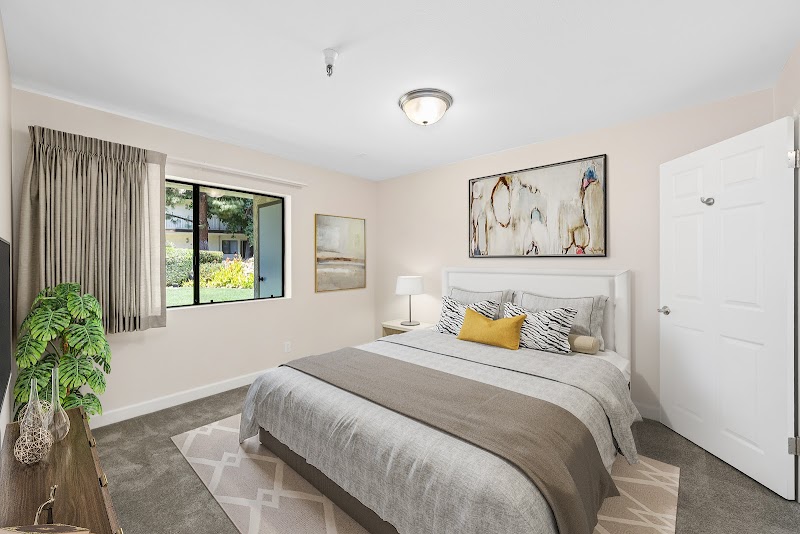
How is Mount Miguel Covenant Village Staffed?

CMS rates MOUNT MIGUEL COVENANT VILLAGE's staffing level at 4 out of 5 stars, which is above average compared to other nursing homes. Staff turnover is 36%, compared to the California average of 46%. This relatively stable workforce can support continuity of care.

What Have Inspectors Found at Mount Miguel Covenant Village?

State health inspectors documented 30 deficiencies at MOUNT MIGUEL COVENANT VILLAGE during 2023 to 2025. These included: 30 with potential for harm.

Who Owns and Operates Mount Miguel Covenant Village?

MOUNT MIGUEL COVENANT VILLAGE is owned by a non-profit organization. Non-profit facilities reinvest revenue into operations rather than distributing to shareholders. The facility is operated by COVENANT LIVING, a chain that manages multiple nursing homes. With 90 certified beds and approximately 73 residents (about 81% occupancy), it is a smaller facility located in SPRING VALLEY, California.
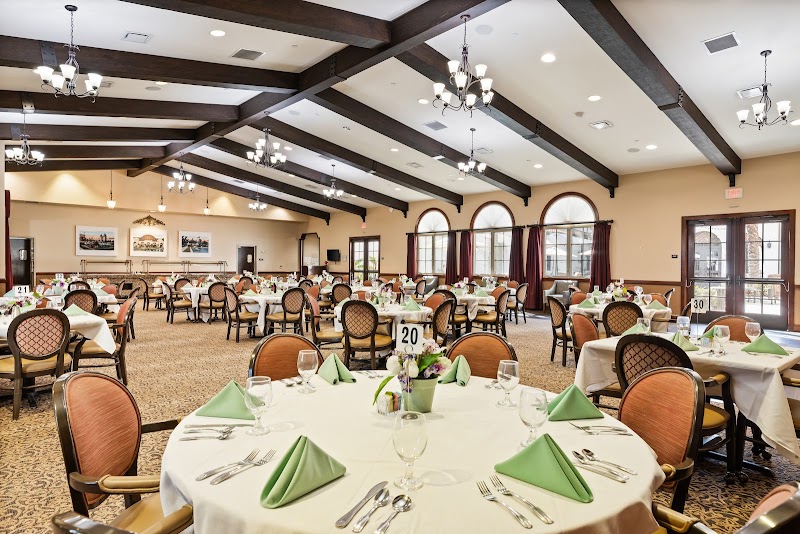
How Does Mount Miguel Covenant Village Compare to Other California Nursing Homes?

Compared to the 100 nursing homes in California, MOUNT MIGUEL COVENANT VILLAGE's overall rating (4 stars) is above the state average of 3.2, staff turnover (36%) is significantly lower than the state average of 46%, and health inspection rating (4 stars) is above the national benchmark.

What Should Families Ask When Visiting Mount Miguel Covenant Village?

Based on this facility's data, families visiting should ask: "Can I visit during a mealtime to observe dining assistance and food quality?" "How do you handle medical emergencies, and what is your hospital transfer rate?" "Can I speak with family members of current residents about their experience?"

Is Mount Miguel Covenant Village Safe?

Based on CMS inspection data, MOUNT MIGUEL COVENANT VILLAGE has a clean safety record: no substantiated abuse findings (meaning no confirmed cases of resident harm), no Immediate Jeopardy citations (the most serious violation level indicating risk of serious injury or death), and is not on the Special Focus Facility watch list (a federal program monitoring the lowest-performing 1% of nursing homes). The facility has a 4-star overall rating and ranks #1 of 100 nursing homes in California. While no facility is perfect, families should still ask about staff-to-resident ratios and recent inspection results during their visit.

Do Nurses at Mount Miguel Covenant Village Stick Around?

MOUNT MIGUEL COVENANT VILLAGE has a staff turnover rate of 36%, which is about average for California nursing homes (state average: 46%). Moderate turnover is common in nursing homes, but families should still ask about staff tenure and how the facility maintains care continuity when employees leave.

Was Mount Miguel Covenant Village Ever Fined?

MOUNT MIGUEL COVENANT VILLAGE has no federal fines on record. CMS issues fines when nursing homes fail to meet care standards or don't correct problems found during inspections. The absence of fines suggests the facility has either maintained compliance or corrected any issues before penalties were assessed. This is a positive indicator, though families should still review recent inspection reports for the full picture.

Is Mount Miguel Covenant Village on Any Federal Watch List?

MOUNT MIGUEL COVENANT VILLAGE is not on any federal watch list. The most significant is the Special Focus Facility (SFF) program, which identifies the bottom 1% of nursing homes nationally based on persistent, serious quality problems. Not being on this list means the facility has avoided the pattern of deficiencies that triggers enhanced federal oversight. This is a positive indicator, though families should still review the facility's inspection history directly.