BROOKSIDE CARE CENTER
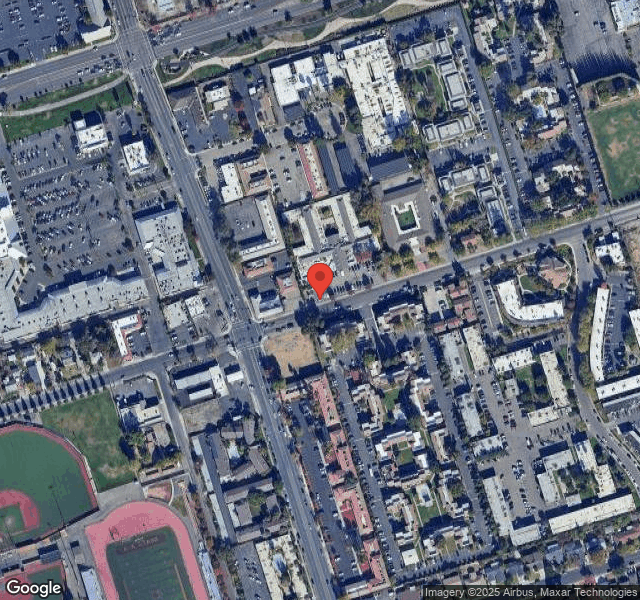
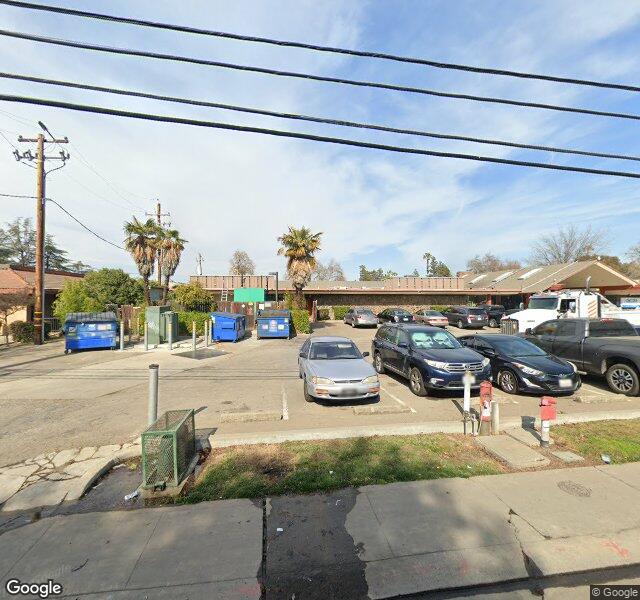
1221 ROSEMARIE LANE, STOCKTON, CA 95207 (209) 477-2664
For profit - Limited Liability company 99 Beds AJC HEALTHCARE Data: November 2025 1 Immediate Jeopardy citation
Trust Grade
28/100
#991 of 1155 in CA
Last Inspection: January 2025

Within standard 12-15 month inspection cycle. Federal law requires annual inspections.

Overview

Brookside Care Center in Stockton, California, has received a Trust Grade of F, indicating significant concerns about the quality of care provided. It ranks #991 out of 1155 facilities in California, placing it in the bottom half, and #20 out of 24 in San Joaquin County, meaning there are only a few local options that are better. The facility is worsening, with issues increasing from 29 in 2024 to 32 in 2025. While staffing is rated average with a turnover rate of 36%, which is slightly below the state average, it has less RN coverage than 75% of facilities, raising concerns about the quality of medical oversight. Notably, there were serious incidents, such as the failure to provide proper respiratory care for residents with tracheostomies, and issues in the kitchen that could lead to foodborne illnesses, including serving spoiled grapes and not maintaining sanitary conditions.

Trust Score
F
28/100
In California
#991/1155
Bottom 15%
Safety Record
High Risk
Review needed
Inspections
Getting Worse
29 → 32 violations
Staff Stability
○ Average
36% turnover. Near California's 48% average. Typical for the industry.
Penalties
✓ Good
No fines on record. Clean compliance history, better than most California facilities.
Skilled Nurses
⚠ Watch
Each resident gets only 19 minutes of Registered Nurse (RN) attention daily — below average for California. Fewer RN minutes means fewer trained eyes watching for problems.
Violations
⚠ Watch
86 deficiencies on record. Higher than average. Multiple issues found across inspections.
★☆☆☆☆
1.0
Overall Rating
★★★☆☆
3.0
Staff Levels
★★★★☆
4.0
Care Quality
★☆☆☆☆
1.0
Inspection Score
Stable
2024: 29 issues
2025: 32 issues

The Good

  • 4-Star Quality Measures · Strong clinical quality outcomes
  • Full Sprinkler Coverage · Fire safety systems throughout facility
  • No fines on record
  • Staff turnover below average (36%)

    12 points below California average of 48%

Facility shows strength in quality measures, fire safety.

The Bad

1-Star Overall Rating

Below California average (3.1)

Significant quality concerns identified by CMS

Staff Turnover: 36%

Near California avg (46%)

Typical for the industry

Chain: AJC HEALTHCARE

Part of a multi-facility chain

Ask about local staffing decisions and management

The Ugly 86 deficiencies on record

1 life-threatening
Aug 2025 6 deficiencies 1 IJ (1 affecting multiple)
CRITICAL (K) 📢 Someone Reported This

A family member, employee, or ombudsman was alarmed enough to file a formal complaint

Immediate Jeopardy (IJ) - the most serious Medicare violation

Respiratory Care (Tag F0695)

Someone could have died · This affected multiple residents

**NOTE- TERMS IN BRACKETS HAVE BEEN EDITED TO PROTECT CONFIDENTIALITY** Based on observation, interview, and record review, the facility failed to provide respiratory care (the diagnosis, treatment, a...

Read full inspector narrative →
**NOTE- TERMS IN BRACKETS HAVE BEEN EDITED TO PROTECT CONFIDENTIALITY** Based on observation, interview, and record review, the facility failed to provide respiratory care (the diagnosis, treatment, and management of residents with breathing or other cardiopulmonary (heart and lung) disorders) consistent with professional standards of practice for two of two sampled residents (Resident 1 and Resident 2) with a tracheostomy (an opening surgically created through the neck into the trachea (windpipe) to allow air to fill the lungs) when: 1. Registered Nurses (RNs) provided care for Resident 1 and Resident 2 without documented competencies (measurable patterns of knowledge that enabled individuals to perform a skill successfully) for tracheal suctioning (a procedure that cleared mucus (a sticky substance produced by the body) and secretions (liquid substance produced by the body) from the trachea (a tube-like structure that allowed air to travel to and from the lungs) through a tracheostomy tube (a removable tube inserted in tracheostomy)), and tracheostomy care (maintaining a clean tracheostomy tube, that included cleaning the inner cannula; a removable tube that fits inside the larger outer cannula of a tracheostomy tube), and changing dressings (specialized medical dressing used to cover and protect the opening created in the neck to help manage secretions and prevent infection); 2. Tracheostomy care and tracheal suctioning care plans (a document that outlined a resident's health needs, goals, and the specific actions (interventions) a nurse took to achieve those goals) were not created for Resident 1 and Resident 2; and 3. RNs were not always available in the facility 24 hours a day, seven days a week from 7/28/25 through 8/7/25, to carry out Resident 1's and Resident 2's physician order for as needed tracheostomy suctioning (a respiratory task that falls within the scope of practice for trained healthcare professionals, particularly registered nurses and respiratory therapists). These deficient practices placed Resident 1 and Resident 2 at increased risk for the development of infection such as Pneumonia (when harmful germs enter the lungs, multiply, and cause illness), desaturation (a decrease in blood oxygen levels), aspiration (inhaling or drawing something into the lungs other than air), and acute respiratory distress (a serious lung condition that prevented enough oxygen from getting into the blood). This created a likelihood serious physical harm (significant injury or damage that could have long-lasting or potentially life-threatening consequences), hospitalization, and/or death would occur, if not corrected immediately. The Immediate Jeopardy (IJ-a threat to resident health or safety which requires immediate corrective action due to the likelihood of serious injury or harm) began on 7/28/25, when the facility failed to provide competencies to nursing staff regarding tracheostomy suctioning, no care plans were in place related to tracheostomy care, and the facility did not ensure a RN was on duty for an entire 24 hour period to provide tracheostomy suctioning as needed to Resident 1 and Resident 2. The Administrator (ADM) and Director of Nursing (DON) were notified of the IJ on 8/7/25, at 5:43 PM. On August 7th, 2025, at 8:01 PM, a removal plan was provided by the facility. The State Agency verified the facility's implementation of the removal plan while onsite at the facility. On 8/7/25, at 8:35 PM, the ADM and DON were notified that the IJ immediacy was removed. There was no non-compliance identified at a lower level upon removal.Findings: 1a. During a review of Resident 1's clinical document titled, admission RECORD, the document indicated Resident 1 was admitted to the facility on [DATE], with a diagnosis which included respiratory failure (a serious condition that makes it difficult to breathe on your own), hypoxia (a condition where there was an inadequate supply of oxygen to the body's tissues), and the presence of a tracheostomy. A review of Resident 1's clinical document titled, Order Summary, dated 7/29/25, ordered by the Medical Director, (Med Dir - a physician who oversees resident care), the document indicated, .Perform suctioning via tracheostomy PRN [as needed] for audible secretions, visible mucus, increased work of breathing, or [oxygen saturation; the amount of oxygen you have circulating in your blood] < [less than] 92% [percent]. Use sterile technique [free from germs] with suction catheter [a sterile, flexible tube, used to remove secretions and other fluids from the airways of residents who cannot clear them on their own].pre oxygenate [the administration of oxygen to a resident before a procedure]. During a concurrent observation and interview on 8/7/25, at 9:15 AM, with Resident 1, in Resident 1's room, Resident 1 was observed to have a tracheostomy. Resident 1 stated she had asked the facility staff to please perform her tracheostomy care, stating the last time it was done was on 8/5/25, two days prior. Resident 1 stated the facility staff informed her that there was not anyone able to do her tracheostomy care. Resident 1 stated the last time she had tracheostomy care was on 8/5/25. During an interview on 8/7/25, at 12:47 PM, with Licensed Nurse (LN; a Licensed Vocational Nurse, LVN) 2, LN 2 stated she had asked Respiratory Therapist (RT) 2, on 8/5/25, if the RT staff would provide tracheostomy care for Resident 1. LN 2 stated RT 2 refused and stated she was leaving the facility and would no longer work for the facility. LN 2 stated she asked LN 4, a registered nurse on duty on 8/5/25, to provide tracheostomy care to Resident 1, but LN 4 told her that he did not know how to do tracheostomy care. LN 2 stated the RTs were only on duty on the day shift and RNs were not available when the residents with tracheostomy's were first admitted to the facility. 1b. During a review of Resident 2's clinical document titled, admission RECORD, the document indicated Resident 2 was admitted to the facility on [DATE], with diagnoses which included respiratory failure with hypoxia and the presence of a tracheostomy. A review of Resident 2's clinical document titled, Order Summary, dated 7/29/25, the document indicated, .Perform suctioning via tracheostomy PRN for audible secretions, visible mucus, increased work of breathing, or [oxygen saturation] < 92%. Use sterile technique with suction catheter.pre oxygenate. During an interview on 8/7/25, at 12:47 PM, with LN 2, LN 2 stated that the LVNs expressed concerns about caring for Resident 1 and Resident 2's tracheostomy needs because the facility had not provided the competencies needed to provide tracheostomy care. During an interview on 8/7/25, at 2:33 PM, with RT 1, RT 1 stated the RNs and RTs had not received any in-service (activities or training that take place while someone is employed, often to improve their skills or knowledge for their current role) training for tracheostomy care and tracheal suctioning. During a concurrent interview and record review on 8/7/25, at 2:47 PM, facility documents titled, Tracheostomy and T-Piece Care Competency Evaluation Form, dated 7/25, and the undated Suctioning In-Service Training, were reviewed with the Director of Nursing (DON). The DON confirmed both forms were blank (no names listed), which indicated there were no competencies completed for the RTs and LNs (both LVN's and RNs) for tracheostomy care and tracheal suctioning. The DON explained that the facility should have provided training for the RTs and LNs (both LVNs and RNs) to ensure the RTs and LNs had the competencies to provide safe tracheostomy and care and tracheal suctioning. During an interview on 8/7/25, at 2:54 PM, with RT 2, RT 2 stated she had not conducted or scheduled competencies with any of the licensed staff (additional RTs and/or RNs) to care for residents with tracheostomies (Resident 1 and Resident 2). RT 2 stated she did not work at the facility any longer. During an interview on 8/7/25, at 4:06 PM, with RT 1, RT 1 stated the RTs were not hired to do tracheostomy care and suctioning, they were hired to do incentive spirometer (a handheld medical device used to help residents breathe deeply and regularly, particularly after surgery or for those with lung conditions) and acapella (a handheld device that helped residents with respiratory conditions clear mucous; thick, slippery, and usually clear substance produced by the body to protect and lubricate various surfaces) from their lungs). RT 1 explained Resident 1 and Resident 2 were at risk for desaturation and pneumonia (infection in the lungs) when the facility did not have RNs who had the competencies to care for Resident 1 and Resident 2's tracheostomy care needs. During an interview on 8/8/25, 3:30 PM, with the Medical Director (Med Dir), the Med Dir stated the facility should have ensured they had staff that could care for, assess, and provide safe tracheostomy care and tracheal suctioning. The Med Dir stated that the facility should have ensured that staff received appropriate training and had the necessary competencies to care for residents with tracheostomies. The Med Dir further explained Resident 1 and Resident 2 were at risk of death because the staff did not have the appropriate training and competencies to manage tracheostomies. A review of the facility titled, Competency Evaluation, dated 2024, the document indicated, . Policy . It is the policy of this facility to evaluate each employee to assure they meet appropriate competencies and skill for performing their job . Competency . a measurable pattern of knowledge, skills, abilities, behaviors, and other characteristics that an individual need to perform work roles or occupational functions successfully . A review of the facility policy titled, Tracheostomy Care-Suctioning, dated 2024, the document indicated, . Tracheal suctioning is performed by a Competent Registered Nurse and Respiratory Therapist to clear the throat and upper respiratory tract of secretions that may block the airway . A review of the facility policy titled, Tracheostomy Care, dated 2024, the document indicated, . The facility will ensure staff responsible for providing tracheostomy care including suctioning are trained and competent according to professional standards of practice . 2. During a concurrent interview and record review on 8/7/25, at 4:55 PM, Resident 1's and Resident 2's electronic medical record was reviewed with the DON. The DON confirmed no care plans and/or baseline care plan (care plans developed during the first 48 hours of the residents stay at the facility) had been developed for Resident 1 and Resident 2 regarding tracheostomy care and tracheal suctioning. The DON explained the importance of the care plans was to direct the care of the residents. A review of a facility policy titled, Comprehensive Care Plans, dated 2025, the document indicated, . The comprehensive care plan will describe, at a minimum . services that are to be furnished to attain and maintain the resident's highest practicable physical, mental, and psychosocial well-being . A review of the facility policy titled, Tracheostomy Care, dated 2024, the document indicated, . Based on the resident assessment, attending physician's orders, and professional standards of practice, the facility in collaboration with the resident/resident's representative will develop a care plan that includes appropriate interventions for respiratory care . 3. During a concurrent interview and record review, on 8/7/25, at 4:40 PM, the facility staffing sheets (documents that outline the number and types of staff scheduled to work at a facility on a given shift and/or day) from 7/28/25 through 8/7/25 were reviewed with the DON. The DON confirmed the following shifts (AM shift was 6:30 AM to 3 PM, PM shift was 2:30 PM to 11 PM, NOC (night) shift was 11 PM to 7 AM) and/or portions of shifts were without a RN assigned to work on the floor: 7/28/25 NOC shift, 7/29/25 NOC shift from 11 PM to 1 PM, 7/30/25 AM shift and PM shift, 7/31/25 AM shift and NOC shift, 8/1/25 AM shift and PM shift, 8/4/25 PM shift, 8/5/25 PM shift, 8/6/25 AM shift, and 8/7/25 AM shift. During a concurrent interview and record review, on 8/8/25, at 3:10 PM, the Facility Assessment (a comprehensive evaluation of a facility's ability to provide skilled nursing care, rehabilitation services, and other related health services to residents), dated 8/8/24, was reviewed with the Administrator (ADM). The ADM stated the facility had not met the facility assessment staffing plan which indicated .Based on the facility's resident population and their needs for care and support, the facility's general approach to staffing is to ensure that it has sufficient staff members with the appropriate competencies and skill sets to meet the needs of the residents. The ADM explained his expectations were whenever there was a resident in the facility with a tracheostomy the facility would have an RN in the building 24 hours a day to provide tracheostomy care, and that the staff would have the required competencies. The ADM also explained the risk to the residents with tracheostomies could have been a negative clinical outcome (an undesirable or unfavorable result for a patient receiving medical care).
CONCERN (D) 📢 Someone Reported This

A family member, employee, or ombudsman was alarmed enough to file a formal complaint

Potential for Harm - no one hurt, but risky conditions existed

Pharmacy Services (Tag F0755)

Could have caused harm · This affected 1 resident

Based on observation, interview, and record review, the facility failed to ensure medications were administered within professional standards of practice, to one resident (Resident 4) in a sample of f...

Read full inspector narrative →
Based on observation, interview, and record review, the facility failed to ensure medications were administered within professional standards of practice, to one resident (Resident 4) in a sample of four, when Resident 4's medications were left at her bedside.This failure had the potential for Resident 4 not taking her medications and/or another resident taking Resident 4's medication, negatively impacting the resident's health and well-being.Findings:During a concurrent interview and observation, on 8/6/25, at 12:50 PM, Resident 4 was in her room and two liquid medications were observed to be on her bedside table. Resident 4 explained the medications were her protein and her lactulose.A review of Resident 4's clinical document titled, Medication Administration Record (MAR), dated 8/1/25 through 8/31/25, the document indicated, .Lactulose [promotes bowel movements] . and, .[brand name liquid protein] .During an interview with Licensed Nurse (LN) 1, on 8/6/25, at 1:05 PM, LN 1 confirmed he had left Resident 4's liquid protein and lactulose on her bedside table. LN 1 stated he should not have left the medications there. LN 1 explained he should have watched Resident 4 take her medications. LN 1 further explained there was a risk for another resident taking Resident 4's medication and there was a risk Resident 4 would not have taken her medication that was left on her bedside table.During an interview with the Assistant Director of Nursing (ADON), on 8/6/25, at 1:35 PM, the ADON stated the importance of not leaving medications at the residents bedside was another resident could take the medication, placing that resident at risk.A review of the facility policy titled, Medication Administration, dated 2025, the document indicated, .Medications are administered by licensed nurses . in accordance with professional standards of practice . Observe resident consumption of medication .
CONCERN (D) 📢 Someone Reported This

A family member, employee, or ombudsman was alarmed enough to file a formal complaint

Potential for Harm - no one hurt, but risky conditions existed

Deficiency F0804 (Tag F0804)

Could have caused harm · This affected 1 resident

Based on observation and interview, the facility failed to ensure one of four sampled residents (Resident 4) received food that was safe and at an appetizing temperature when Resident 4's lunch meal o...

Read full inspector narrative →
Based on observation and interview, the facility failed to ensure one of four sampled residents (Resident 4) received food that was safe and at an appetizing temperature when Resident 4's lunch meal on 8/7/25 was served cold and Resident 4's cold drink was served warm.This failure had the potential for Resident 4 to not obtain her nutritional requirements due to unpalatable food, negatively affecting Resident 4's health and well-being. Findings:During an interview with Resident 4, on 8/6/25, at 12:50 PM, Resident 4 stated the food was always cold and the drinks were always warm.During a concurrent observation and interview with Dietary Aide/Cook (DA/Cook) 1, on 8/6/25, at 12:56 PM, in Resident 4's room, the DA/Cook 1 took the temperatures of the food items on Resident 4's lunch tray that had been delivered at 12:52 PM. The temperatures were as follows: Taco Casserole 115 degrees Fahrenheit (F - a unit of measure); Mixed Vegetables 102 degrees F; Cranberry Juice 60 degrees F. During an interview with the Registered Dietitian (RD), on 8/12/25, at 1:59PM, the RD stated the above food items were in the danger zone for food safety with the danger zone (temperatures that allow for rapid bacteria growth) being 40 degrees F to 140 degrees F for hot foods and above 40 degrees F for cold drinks. The RD explained the safe holding temperature for food was > 140 degrees F. The RD further explained foods in the danger zone could cause foodborne illness when consumed. According to the Food Safety and Inspection Service U.S. Department of Agricultures website, .Danger Zone (40 F - 140 F) .Leaving food out too long at room temperature can cause bacteria (such as Staphylococcus aureus, Salmonella Enteritidis, Escherichia coli O157:H7, and Campylobacter) to grow to dangerous levels that can cause illness. Bacteria grow most rapidly in the range of temperatures between 40 F and 140 F, doubling in number in as little as 20 minutes. This range of temperatures is often called the Danger Zone . https://www.fsis.usda.gov/food-safety/safe-food-handling-and-preparation/food-safety-basics/danger-zone-40f-140f
CONCERN (E) 📢 Someone Reported This

A family member, employee, or ombudsman was alarmed enough to file a formal complaint

Potential for Harm - no one hurt, but risky conditions existed

Food Safety (Tag F0812)

Could have caused harm · This affected multiple residents

**NOTE- TERMS IN BRACKETS HAVE BEEN EDITED TO PROTECT CONFIDENTIALITY** Based on observation, interview, and record review, the facility failed to maintain a clean and sanitary kitchen environment whe...

Read full inspector narrative →
**NOTE- TERMS IN BRACKETS HAVE BEEN EDITED TO PROTECT CONFIDENTIALITY** Based on observation, interview, and record review, the facility failed to maintain a clean and sanitary kitchen environment when:1. Spoiled grapes were available for resident consumption; and,2. Water from a floor sink (a drain in the floor that dirty water flows into) overflowed into the walk-in refrigerator; and,3. The resident refrigerator/freezer was not clean, contained outdated items, contained staff lunch bags and undated food containers, and was not monitored for temperature. 1. During an interview with Resident 4, on 8/5/25, at 2:22 PM, Resident 4 stated when she had asked for fresh fruit, she had been given a bag of ‘rotten grapes'.During a concurrent observation and interview, on 8/6/25, at 11 AM, with the Dietary Manager (DM), in the walk-in refrigerator, three bags of grapes were observed to be in a box dated 7/14/25. The grapes were removed and were soft with blackened patches and white patches on the grapes, in a slimy liquid. The DM confirmed the appearance of the grapes. The DM stated when the grapes arrived they were good for 4-5 days, not 3 weeks.During an interview with the Registered Dietitian (RD), on 8/12/25, at 1:59 PM, the RD stated the grapes should have been thrown away and not available for resident consumption. The RD explained if there were signs of mold on the grapes it could potentially spread to other food in the refrigerator and could cause foodborne illness among residents receiving food from the kitchen.A review of the facility policy titled, Food Safety Requirements, dated 2025, indicated, .Food safety practice shall be followed throughout the facility's entire food handling process .Storage of food in a manner that helps prevent deterioration or contamination of the food, including growth of microorganisms (germs) .2. During a concurrent observation and interview with the Dietary Manager (DM), in the walk-in refrigerator, on 8/6/25, at 11 AM, a blanket was noted to be on the floor of the walk-in refrigerator. The DM stated there had been a leak in the walk-in refrigerator the day before. During an interview with the Maintenance Director (MNT Dir), on 8/6/25, at 11:35 AM, the MNT Dir stated the leak in walk-in refrigerator had not been a leak. The MNT Dir explained the floor sink on the other side of the wall overflowed due to a cap covering the drain, and the dirty water went through the wall into the walk-in refrigerator.During a follow up interview with the DM, on 8/6/25, at 11:45 AM, the DM stated the water from the floor sink had been mopped up yesterday and the blanket left on floor. The DM explained the refrigerator had been cleaned the day prior, however the DM also confirmed the moderate amount of debris still on the floor of the walk-in refrigerator consisting of one hair-net, 3 butter packets, 4x8 inch piece of box material and tape, an 8 1/2 x 11 sheet of stickers, and a stalk of celery with blackened edges.During an interview with the Registered Dietitian (RD), on 8/12/25, at 1:59 PM, the RD stated the water leaking into the refrigerator was concerning as it could mean the refrigerator may not be properly sealed. The RD explained the water provides a damp environment that could encourage mold and bacteria growth (germs), spoiling the food and rendering the food unsafe to eat. The RD further explained the risk to the residents was foodborne illness. 3. During a concurrent observation and interview with certified nursing assistant (CNA) 1, on 8/13/25, at 12:55 PM, in the East Wing room where the resident refrigerator was located, the contents of the refrigerator were as follows:two cups containing food items with a paper towel over the top, no date, no name, one cup contains a pinkish pudding like substance, the other one contains grapes;A tamale, dated 7-19-25, room [ROOM NUMBER]A; A thawed frozen food item in the refrigerator with no thaw date, has resident name, no received date.;Four containers of ‘chocolate blood (pork blood)' no name, no date on containers;One medium sized container with a green lid containing chicken and vegetables, no name no date on container;Two cartons of eggs, no name no received date, sell by date of 7/2/25;One open can of coconut water, no name no date;Three staff lunch bags one green, one red, one black;One medium container with a red lid containing cooked beans, no name no date;One medium sized container with a red lid containing vegetable looking items, pineapple chunk looking items, tapioca looking items and a pink pudding substance with a black plastic spoon in the container, undated and unlabeled;One bag, dated 8/8/24, room [ROOM NUMBER]A, with a container of rice and a cake with use by date of 8/12/24;One medium sized, opaque container, with a blue edging on the lid, containing food items, unlabeled and undated; One white container with an opaque lid containing food items, undated and unlabeled;One bag of grapes undated and unlabeled;One bag, containing lunch meat, undated for room [ROOM NUMBER]B;The top rack in refrigerator contained unidentifiable debris, a caked on red sticky red substance, and a moderate amount of clean liquid.The freezer contained loose debris, with stains and a brownish substance on the left side and bottom of the freezer. The food items in the freezer were as follows:One piece of cake between two paper plates undated and unlabeled; Ice cream bars undated and unlabeled;One bottle of brand named water undated and unlabeled;An opaque container with a blue lid containing food items undated and unlabeled;CNA 1 confirmed the above items and lack of cleanliness of the refrigerator and freezer.The red signage on refrigerator door, undated, indicated NOTIFICATION This is a Resident Only Refrigerator All food placed in the Refrigerator must have residents name and a date. Food has a shelf life of 72 hours and then the food must be removed from the Refrigerator and thrown away Before throwing the food away notify the Resident that the food had been stored for 72 hours and must be thrown away Refrigerator will be cleaned every Friday by EVS/housekeepingAn observation of the signage on the front of the refrigerator titled, Fridge/Freezer Temperature Log, dated 7/2025, indicated the refrigerator temperature was taken one time in July, on July 23rd, with a note stating no thermometer for freezer. An observation in the freezer revealed there was no thermometer in the freezer.During a concurrent observation and interview with the Director of Nursing (DON), on 8/13/25, at 1:14PM, the DON stated there was one resident refrigerator in the East Wing. The DON confirmed the contents and lack of cleanliness of the refrigerator and freezer. The DON stated the temperature log on the refrigerator was not sufficient as there was only one recorded temperature for the month of July, 2025. The DON explained the temperature should be taken daily to ensure the food in the refrigerator was safe to eat. The DON explained the importance of maintaining a clean refrigerator, ensuring items were not outdated, and only contained resident food was to ensure residents did not get sick from eating outdated, contaminated food. The DON stated staff items should not be kept in the resident refrigerator/freezer due to potential cross contamination that could cause foodborne illness to residents. The DON confirmed there was not a thermometer in the freezer and stated there should have beenA review of the facility policy titled, Use and Storage of Food Brought in by Family or Visitors, dated 2025, indicated, . It is the right of the residents of this facility to have food brought in by family or other visitors .food must be handled in a way to ensure the safety of the resident .Refrigerate labeled and dated prepared items .If not consumed within 3 days, food will be thrown away .
CONCERN (E) 📢 Someone Reported This

A family member, employee, or ombudsman was alarmed enough to file a formal complaint

Potential for Harm - no one hurt, but risky conditions existed

Garbage Disposal (Tag F0814)

Could have caused harm · This affected multiple residents

Based on observation and interview the facility failed to ensure outside garbage bins were kept covered.This failure could have been a contributing factor in the facility harboring pests (cockroaches,...

Read full inspector narrative →
Based on observation and interview the facility failed to ensure outside garbage bins were kept covered.This failure could have been a contributing factor in the facility harboring pests (cockroaches, flies, ants) with the potential to negatively impact the health and well-being of residents residing in the facility. Findings:During observations made on 8/6/25 at 10:38 AM, 8/7/25 at 11 AM, and 8/13/25 at 10 AM., the lids of the outside garbage bins were noted to be open. During a concurrent observation and interview on 8/13/25 at 10:11 AM, with the Director of Nursing (DON), the DON confirmed the presence of one cockroach on the wall in the conference room. During a concurrent observation and interview on 8/6/25 at 11:45 AM, with the Dietary Manager (DM), the DM confirmed the outside garbage bin lids were left open. The DM explained the outside garbage bin lids should have been kept closed so pests were not attracted to the kitchen. The DM stated the residents could become ill because pests carry germs (a very small virus or bacteria that can make a person ill).During an interview with the Registered Dietitian (RD), on 8/15/25, at 11:47 AM, the RD stated she and the DM were aware of the pests. The RD explained pests should not be in the kitchen. The RD further explained that cockroaches opened up the opportunity for food contamination and the residents would be at risk for foodborne illness (nausea, vomiting, and/or diarrhea caused by eating contaminated food).
CONCERN (E) 📢 Someone Reported This

A family member, employee, or ombudsman was alarmed enough to file a formal complaint

Potential for Harm - no one hurt, but risky conditions existed

Room Equipment (Tag F0908)

Could have caused harm · This affected multiple residents

Based on observation, interview, and record review, the facility failed to ensure that the kitchen oven was in good working order when the right oven door was hanging open and could not be closed.This...

Read full inspector narrative →
Based on observation, interview, and record review, the facility failed to ensure that the kitchen oven was in good working order when the right oven door was hanging open and could not be closed.This failure had the potential to delay meal service and have hot foods not maintained at a safe food temperature (Hot food should be kept at 140 degrees Fahrenheit ( F - unit of measurement) or above to avoid rapid bacteria (germs) growth, which could negatively affect the health of 87 residents who received food from the kitchen. During an observation on 8/6/25, at 11:40 AM, in the kitchen, the right-side door of a double oven was hanging open and the right-side door of the oven was not attached to the oven.During a concurrent observation and interview with Dietary Aide/Cook (DA/Cook) 1, on 8/6/25, at 11:45 AM, the DA/Cook 1 stated the right-hand oven door had been broken for three to four months. During an interview on 8/12/25, at 1:59 PM, with the Registered Dietitian (RD), the RD stated a kitchen audit was completed on 5/21/25. The RD stated that the Dietary Manager (DM) and herself were aware the right-hand oven door was broken and had informed the Administrator (ADM). The RD explained the oven was a crucial part of the kitchen and there were food safety concerns when it was broken. The RD further explained she was worried about foods cooked in the oven obtaining and maintaining food safe temperatures (temperatures where rapid bacteria growth is minimal).During an interview on 8/15/25, at 1:12 PM, with the Administrator (ADM), the ADM confirmed the right-hand oven door had been broken from at least 5/21/25 through 8/13/25. The ADM explained the oven should not be broken for three months. The ADM further explained the importance of keeping the oven in good working order was food safety.
Jul 2025 1 deficiency
CONCERN (D) 📢 Someone Reported This

A family member, employee, or ombudsman was alarmed enough to file a formal complaint

Potential for Harm - no one hurt, but risky conditions existed

Respiratory Care (Tag F0695)

Could have caused harm · This affected 1 resident

**NOTE- TERMS IN BRACKETS HAVE BEEN EDITED TO PROTECT CONFIDENTIALITY** Based on interview, and record review, the facility failed to ensure they had the capability to provide a specific respiratory c...

Read full inspector narrative →
**NOTE- TERMS IN BRACKETS HAVE BEEN EDITED TO PROTECT CONFIDENTIALITY** Based on interview, and record review, the facility failed to ensure they had the capability to provide a specific respiratory care need prior to admitting one of three sampled residents (Resident 1) with a tracheostomy (a surgical procedure that creates an opening in the trachea (windpipe) to allow air to enter the lungs) when, the facility was not able provide cool aerosol mist (provides humidity to the airway to prevent airway secretions from drying out because a tracheostomy bypasses the natural humidifying and warming functions of the nose and mouth, potentially leading to dry, thick secretions that can obstruct the airway) to Resident 1 upon admission and readmission to the facility. This failure resulted in Resident 1 being sent to the hospital on 7/1/25 (day of admission to the facility), with Resident 1 returning to the facility on 7/7/25 from the hospital, and Resident 1 being sent back to the hospital on 7/7/25. This failure also had the potential to result in transfer trauma (a condition characterized by a range of symptoms that can occur when someone is moved from one environment to another, particularly affecting older adults) to Resident 1 and a decreased physical and emotional well-being.Findings:A review of Resident 1's Transfer Record, indicated Resident 1 was admitted to the facility on [DATE] with diagnoses which included myotonic dystrophy (an inherited disorder characterized by progressive muscle wasting and weakness) and acute respiratory failure (a condition in which the blood does not have enough oxygen and/or too much carbon dioxide (byproduct of respiration) which can be a life-threatening emergency). A review of Resident 1's Progress Notes, dated 7/1/25, indicated Resident 1 was transferred from the facility to an acute care facility. Further review of the record indicated, .I got a call from the DON [Director of Nursing] to send the resident to the hospital.When the [ambulance] came, they were asking what reason is to send him out and I said this facility is not a sub-acute facility [provides a level of care that is more intensive than a typical nursing home but less intensive than a hospital's acute care unit] and resident is on trach [has a tracheostomy].A review of Resident 1's Progress Notes, dated 7/7/25, indicated Resident 1 was again transferred from the facility to an acute care facility. Further review of the record indicated, .Resident arrived at 1307 [1:07 PM] and was sent back to hospital as per DON [Director of Nursing] and administrator as we are not trained or equipped to meet the resident's needs.During an interview on 7/14/25, at 1:15 p.m., with the Pulmonary Program Coordinator (PPC), the PPC stated Resident 1 had a tracheostomy with a t-piece (corrugated tubing shaped like the letter T connected to the wall flow for oxygen delivery). The PPC further stated Resident 1 had a quick turnaround (was admitted then discharged ) because the facility did not have the oxygen wall air flow to accommodate his needs for cool aerosol mist. The PCC stated that the DON did not consult with her (PCC) regarding the equipment needed to care for Resident 1 prior to his admission to the facility.During a phone interview on 8/11/15, at 10:16 a.m., with the DON, the DON stated the facility did not have an admitting coordinator/nurse in July of 2025. The DON further stated that the facility Marketing Resource, The Administrator in Training, the Consultant, and the Administrator (ADM) collaborated to decide on whom to admit to the facility. The DON stated that none of the individuals who collaborated to admit residents to the facility were licensed nurses. The DON further stated that once the decision was made to admit a resident, the nursing department was notified within two to three hours of the resident's arrival. The DON stated that she was not sure if the decision to admit Resident 1 to the facility was a collaborative decision. The DON confirmed that Resident 1 was originally admitted to the facility on [DATE], transferred to the acute care facility (hospital) on 7/1/25, transferred back to the facility from the acute care facility on 7/7/25, then transferred back to acute care facility on 7/7/25. The DON stated that when Resident 1 returned to the facility on 7/7/25, the nursing staff did not know that he was coming back to the facility that day. A review of a facility document titled, Facility Assessment Tool, dated 8/1/24, indicated, .Diseases/conditions, physical and cognitive disabilities, and behavioral health needs [facility name] is equipped and has the capacity to care for the following various resident clinical conditions.Respiratory system.respiratory failure.Decisions regarding care for residents with conditions not listed above.Under certain circumstances the facility's Director of Nursing or Medical Director will review and decide if the facility has the clinical capacity to care for individuals who may have a clinical diagnosis not described in the table above. Recognizing that the facility staff must be trained and/or have the clinical expertise, the facility must have the proper equipment to render safe care prior to admission.2. Services and Care the Facility Offers Based on its Residents' Needs.Therapy.respiratory.Other special care needs.tracheostomy care.A review of an undated facility policy and procedure (P&P) titled, admission of a Resident, indicated, .The admission process is intended to obtain all possible information regarding the resident for the development of the comprehensive plan of care, and to assist the resident in becoming comfortable in the facility.Policy Explanations and Compliance Guidelines.1. Pre-admission Preparation.Information about the facility services should be provided.Once the resident/family has selected the facility, pre-admission information should be gathered. Preadmission information may include.history and physical, discharge summary, physician's orders, medication and/or treatment records.therapy evaluations/notes.A review of an undated facility P&P titled, Tracheostomy Care-Suctioning, indicated, .The facility will ensure that residents who need respiratory care.are provided such care consistent with professional standards of practice.
Jun 2025 5 deficiencies
CONCERN (D) 📢 Someone Reported This

A family member, employee, or ombudsman was alarmed enough to file a formal complaint

Potential for Harm - no one hurt, but risky conditions existed

Resident Rights (Tag F0550)

Could have caused harm · This affected 1 resident

Based on observation, interview, and record review, the facility failed to ensure residents' rights to be treated with dignity were honored for 1 of 3 sampled residents (Resident 1) when Resident 1 wa...

Read full inspector narrative →
Based on observation, interview, and record review, the facility failed to ensure residents' rights to be treated with dignity were honored for 1 of 3 sampled residents (Resident 1) when Resident 1 was not offered to wear her own clothing.This failure had the potential to negatively impact Resident 1's psychosocial well-being. Findings:During a concurrent observation and interview on 6/24/25, at 10:38 a.m., with Resident 1, Resident 1 was observed sitting in bed and wearing a hospital gown. Resident 1 stated the nursing staff had not offered her to be dressed up while having her own clothing here. Resident 1 further stated she would love to wear her own clothes. Resident 1 stated that always being in a hospital gown made her feel she was not being taken care of. Resident 1 further stated that during the care conference meeting (a meeting where the resident, family, and facility care team discuss the resident's care plan, goals and progress) which Ombudsman (an advocate for long term care residents in a skilled nursing facility) attended, she was in a hospital gown. Resident 1 explained that always wearing a hospital gown was a dignity issue affecting her emotions and causing her distress.During a concurrent observation and interview on 6/24/25, at 2:05 p.m., Certified Nurse Assistant (CNA) 1 stated Resident 1 had her own clothing. CNA 1 confirmed Resident 1 was wearing a hospital gown.During a concurrent observation and interview on 6/24/25, at 4:13 p.m., CNA 2 confirmed Resident 1 was wearing a hospital gown but had her own clothes in her closet. CNA 2 stated always being in a hospital gown could result in feeling down.During an interview on 6/25/25, at 8:16 a.m., CNA 3 stated after breakfast she was dressing up the residents in her group. CNA 3 further stated residents did not look presentable when always wearing a hospital gown and could lead a resident to feel disappointment, feeling ignored, and not being taken care of.During a concurrent observation and interview on 6/25/25, at 9:43 a.m., with Resident 1, Resident 1 was observed sitting in bed wearing a hospital gown. Resident 1 expressed her concern about having her own clothes in her closet then pointed to her gown, and stated she was still in a hospital gown and that made her feel discriminated against.During an interview on 6/25/25, at 9:58 a.m., CNA 4 stated she made rounds with her assigned residents from 8-9 in the morning. CNA 4 further stated she made rounds as per her routine and asked residents if they would like to be dressed up, or if they needed assistance to be dressed up. CNA 4 confirmed that she did not ask Resident 1 if she wanted to be dressed up. CNA 4 stated having clothing available, but being in gown always could possibly affect Resident 1 emotionally by feeling distressed.During a phone interview on 6/25/25, at 10:46 a.m., Ombudsman stated she attended a care conference meeting for Resident 1. Ombudsman further stated Resident 1 was in a hospital gown during a care conference meeting and she questioned the facility why resident presented wearing a hospital gown when she had her own clothing. Ombudsman stated, they don't follow through with her.During a concurrent interview, and record review, on 6/25/25, at 12:31 p.m., with the Assistant Director of Nursing (ADON), Resident 1's care plans, and the facility Policy and Procedure (P&P) titled, Activities of Daily Living (ADLs), dated August 2024, were reviewed. The ADON confirmed Resident 1 had her own clothes in the closet. The ADON stated her expectation from CNAs were to offer Resident 1 to be dressed up or assist her with dressing up. The ADON further confirmed that Resident 1's care plans did not indicate her refusal to be dressed up or preferred to wear a hospital gown. The ADON stated her expectation would be to see a care plan for preferences to wear a hospital gown or refusal to be dressed up. A review of the P&P for ADLs indicated, .Policy: The facility will, based on the resident's comprehensive assessment and consistent with the resident's needs and choices, ensure a resident's abilities in ADLs do not deteriorate unless deterioration is unavoidable. Care and services will be provided for the following activities of daily living: 1. Bathing, dressing, grooming and oral care . The ADON acknowledged the facility P&P was not followed. The ADON stated there was a dignity issue when Resident 1 had her own clothing but was wearing a hospital gown and added that it could affect her well-being.
CONCERN (D) 📢 Someone Reported This

A family member, employee, or ombudsman was alarmed enough to file a formal complaint

Potential for Harm - no one hurt, but risky conditions existed

Grievances (Tag F0585)

Could have caused harm · This affected 1 resident

Based on interview, and record review, the facility failed to document and investigate the grievances for one resident (Resident 1) with a facility census of 98, regarding her care concerns.This failu...

Read full inspector narrative →
Based on interview, and record review, the facility failed to document and investigate the grievances for one resident (Resident 1) with a facility census of 98, regarding her care concerns.This failure had the potential for Resident 1's care concerns to not be honored and addressed timely.Findings:A review of Resident 1's admission RECORD, indicated Resident 1 was admitted to the facility in 2025 with diagnoses which included polyneuropathy (a general term for peripheral nervous system disorders that impact nerve function in multiple areas of the body), multiple sclerosis (a disease in which the immune system eats away the protective covering the nerves, resulting nerve damage disrupts communication between the brain and the body), post-trauma TIC stress disorder (there is a connection between trauma, stress, and the development or worsening of tic-like movements as a manifestation of trauma related stress).During a concurrent interview and record review on 6/24/25, at 10:38 a.m., with Resident 1 in her room, Resident 1 stated she filed grievances at the facility and kept personal copies of the grievances that she filed. Resident 1 further stated she took the original grievance forms to the Social Services department. Resident 1 stated she felt that her grievances were not being addressed by the facility in a timely manner. Review of the record titled, GRIEVANCE FORM, dated 6/6/25, indicated Resident 1's concerns were voiced to the Administrator (ADM), the Director of Nursing (DON), and the Social Services Director (SSD). Resident 1 stated the ADM, the DON, and the SSD were notified about her multiple concerns, and no action was taken. Resident 1 further stated she was frustrated about not having all concerns being addressed.During a concurrent interview and record review on 6/25/25, at 11:28 a.m., with the SSD, the facility Grievances Binder and Resident 1's medical record was reviewed. The SSD stated regarding grievances that if a resident had a grievance, the facility had the resident complete a grievance form. Review of Resident 1's record titled, GRIEVANCE FORM, dated 6/6/25 was reviewed with the SSD. Further review of the record indicated Resident 1 had voiced her concerns about care and medications to the ADM, the DON, and the SSD on 6/6/25. The SSD confirmed that the section titled, Step Taken to Investigate the Grievance .Summary of the Pertinent Facts or Conclusions Regarding the Concern . was blank. The SSD further confirmed steps were not taken to investigate Resident 1's concern about the medications. The SSD stated each concern should have been investigated and the steps needed to be taken to address Resident 1's concern. Review of Resident 1's social services progress notes indicated Resident 1's concerns were not addressed. The SSD confirmed that there was no progress note regarding an investigation or the actions that were taken by facility to address Resident 1's concerns after receiving grievance on 6/6/26. The SSD stated all the sections of the grievance form dated 6/6/25 should have been completed and the concerns should have been addressed by the facility. The SSD further stated that the facility policy was not followed.During a concurrent interview and record review on 6/25/25, at 12:31 p.m., with the Assistant Director of Nursing (ADON), Resident 1's Grievance form dated 6/6/25 was reviewed. The ADON stated the SSD had been designated as the Grievance Official. The ADON confirmed that there was a Grievance submitted to the SSD on 6/6/25 which included Resident 1's concerns about her care. The ADON confirmed that the investigation and conclusions sections on Resident 1's Grievance form were left blank. The ADON stated all sections on the Grievance form should have been completed to address Resident 1's concerns. The ADON further stated there was a risk of not meeting Resident 1's needs. The ADON stated that the facility P&P was not followed.A review of the facility Policy and Procedure (P&P) titled, Resident and Family Grievances, revised on October 2022, indicated, .Policy: It is the policy of this facility to support each resident's and family member's right to voice grievances without discrimination, reprisal or fear of discrimination or reprisal . Policy Explanation and Compliance Guidelines: 1. Social Services Director has been designated as the Grievance Official .The Grievance Official is responsible for overseeing the grievance process; receiving and tracking grievances through to their conclusion; leading any necessary investigations by the facility; maintaining the confidentiality of all information associated with grievances; issuing written grievance decisions to the resident; and coordinating with state and federal agencies as necessary in light of specific allegations 10 Procedure .d. The Grievance Official will take steps to resolve the grievance, and record information about the grievance, and those actions, on the grievance form .1. Steps to resolve the grievance may involve forwarding the grievance to the appropriate department manager for follow up. 11. All staff involved in the grievance investigation or resolution should make prompt efforts to resolve the grievance and return the grievance form to the Grievance Official. Prompt efforts include acknowledgment of complaint/grievances and actively working toward a resolution of that complaint/grievance. iii. All staff involved in the grievance investigation or resolution will take steps to preserve the confidentiality of files and records relating to grievances, and will share them only with those who have a need to know .g. In accordance with the resident's right to obtain a written decision regarding his or her grievance, the Grievance Official will issue a written decision on the grievance to the resident or representative at the conclusion of the investigation. The written decision will include at a minimum: 1. The date the grievance was received. ii. The steps taken to investigate the grievance. m. A summary of the pertinent findings or conclusions regarding the resident's concern(s). 1v. A statement as to whether the grievance was confirmed or not confirmed. v. Any corrective action taken or to be taken by the facility as a result of the grievance. vi. The date the written decision was issued .
CONCERN (D) 📢 Someone Reported This

A family member, employee, or ombudsman was alarmed enough to file a formal complaint

Potential for Harm - no one hurt, but risky conditions existed

Quality of Care (Tag F0684)

Could have caused harm · This affected 1 resident

Based on interview, and record review, the facility failed to ensure one of three sampled residents (Resident 1) received treatment and care in accordance with professional standards of practice when:...

Read full inspector narrative →
Based on interview, and record review, the facility failed to ensure one of three sampled residents (Resident 1) received treatment and care in accordance with professional standards of practice when:1. There was no follow up for Resident 1's appointment with a neurology specialist (specialty doctor who specialized in diagnosing and treating diseases and disorders of brain, spinal cord, nerves, and muscles); and,2. A care plan was not initiated for Resident 1's diagnosis of polyneuropathy (a general term for peripheral nerves system disorders that impact nerve function in multiple areas of the body. Symptoms can include pain, a pins-and-needles sensation, numbness, and weakness).These failures had the potential to result in a worsening nerve condition and/or other serious medical complications including a delay in care without proper interventions.Findings:1. A review of Resident 1's admission RECORD, indicated Resident 1 was admitted to the facility in 2025 with diagnoses which included polyneuropathy, and multiple sclerosis (MS, a disease in which the immune system eats away at the protective covering of nerves, resulting nerve damage disrupts communication between the brain and the body).During an interview on 6/24/25, at 10:38 a.m., with Resident 1, Resident 1 stated she had a history of being on life support (the use of specialized equipment to maintain a person's essential body functions to stay alive) for a year and woke up with burning pain and pin- needle sensation, and was diagnosed with neuropathy during her hospital stay several months ago. Resident 1 further stated she also had a history of MS with nerve damage affecting the left side of her body. Resident 1 stated the Director of Nursing (DON), and the Social Services Director (SSD) were notified during the first week of May 2025 that she needed a neurology appointment and was still waiting to hear if the facility had followed up with the appointment.A review of Resident 1's Social Services Progress Note, dated 4/18/25, indicated, .Resident also requested to be seen by a neurologist. SSD to send a referral to Neuro as soon as order received .A review of Resident 1's clinical record titled, Order Summary Report, dated 5/7/25, indicated there was an active order from the physician to make a neurology appointment.A review of the facility's record titled, GRIEVANCE FORM, dated 6/6/25, indicated Resident 1 had a concern about not being seen by a neurologist till that date.A review of Resident 1's record titled, Progress Notes, dated 5/28/25, indicated a care conference was held per the resident's request and attended by the Ombudsman (advocate for residents in a long term care facility), the Director of Rehabilitation, the SSD, the Assistant Director of Nursing (ADON), and the DON. Further review of the record indicated Resident 1 verbalized her worries regarding the delay in a neurology referral. The care conference intervention included the SSD to follow up with the neurology referral.During a concurrent interview and record review on 6/25/25, at 11:28 a.m., Resident 1's medical record was reviewed with the SSD. The SSD confirmed that there was an active order for a neurology appointment for Resident 1 which was dated 5/7/25. The SSD further confirmed that one of Resident 1's concerns on the Grievance form dated 6/6/25 was that she had not been seen by a neurologist till that day (6/6/25). The SSD stated he sent a neurology referral on 5/7/25 and a second referral to another neurologist on 5/28/25 when Resident 1 voiced her concern about a delay with the neurology appointment. The SSD further stated he did not follow up with the neurology appointment since the referral was sent to the second neurologist. The SSD explained there was a delay with care that could possibly affect Resident 1's health, and he should have followed up with the second neurologist after he didn't hear from the neurologist.During a concurrent interview and record review on 6/25/25, at 12:31 p.m., with the ADON, Resident 1's care conference note, dated 5/28/25 was reviewed. The ADON confirmed that according to the care conference note on 5/28/25, the SSD was to follow up with the neurologist after the referral was sent on 5/28/25. The ADON stated the neurology appointment was important, especially with Resident 1's diagnosis of polyneuropathy. The ADON stated there was a delay in care that Resident 1's neuropathy could worsen, and a possibility for Resident 1 to end up being sent out to the hospital.2. A review of Resident 1's clinical record titled, Care Plan Report, indicated a care plan for polyneuropathy was not initiated since Resident 1 admitted to the facility.During a concurrent interview and record review on 6/25/25, at 12:31 p.m., with the ADON, Resident 1's medical record was reviewed. The ADON confirmed Resident 1 was admitted in 2025 with a primary diagnosis of polyneuropathy. The ADON further confirmed Resident 1's care plans did not include a care plan to address Resident 1's diagnosis of polyneuropathy. The ADON stated the care plan was an important tool and a communication method that would guide nursing staff how to provide resident centered care for residents. The ADON further stated her expectation from nursing staff was to initiate and implement interventions to meet Resident 1's needs, and make sure all diagnoses were care planned. The ADON stated missing the care plan for polyneuropathy had the potential to affect Resident 1's health and well-being. The ADON further stated her expectation was not met by nursing staff.
CONCERN (D) 📢 Someone Reported This

A family member, employee, or ombudsman was alarmed enough to file a formal complaint

Potential for Harm - no one hurt, but risky conditions existed

Pharmacy Services (Tag F0755)

Could have caused harm · This affected 1 resident

Based on observation, interview, and record review, the facility failed to ensure medications were available for administration for 1 of the 3 sampled residents (Resident 1), when anxiety medication w...

Read full inspector narrative →
Based on observation, interview, and record review, the facility failed to ensure medications were available for administration for 1 of the 3 sampled residents (Resident 1), when anxiety medication was not available for Resident 1.This failure had the potential to negatively impact Resident 1's health and well-being.Findings:A review of Resident 1's admission RECORD, indicated Resident 1 was admitted to the facility with diagnoses which included post-traumatic stress disorder (PTSD, a mental health condition that develops after experiencing a traumatic event) and anxiety (a mental health condition characterized by excessive worry, fear, and unease).During a concurrent observation and interview on 6/24/25, at 10:38 a.m., with Resident 1, Resident 1 stated she was okay until she ran out of Xanax (medicine to treat anxiety). Resident 1 further stated she requested anxiety medication and did not receive until it was delivered by the pharmacy on 6/21/25 at 3:30 p.m. Resident 1 stated the unavailability of the anxiety medication made her feel distressed and increased her anxiety level.A review of Resident 1's medical record titled, MEDICATION ADMINISTRATION RECORD (MAR), dated 6/20/25 through 6/21/25, indicated, .Alprazolam [anxiety medicine, generic name for Xanax] Oral Tablet 0.5 MG [milligrams, a unit of measure] .Give 1 tablet by mouth every 8 hours as needed for anxiety M/B [manifested by] verbalizing of uneasiness-Start Date 6/11/2025 . Further review of the record indicated the anxiety medicine was not available for administration on 6/21/25, and resident missed 2 doses.During a phone interview on 6/25/25, at 10:27 a.m., with the Pharmacist (PHARM), the PHARM stated the process for facilities to request a refill of a controlled substance (drug that has a high potential for abuse) was for the facility to print the request for refilling controlled substances for the physician to approve and sign. The PHARM further stated that once the physician approved it, the facility would fax the prescription to the pharmacy, and they would fill it. The PHARM explained Resident 1's Xanax order was for every 8 hours and PRN (as needed) for anxiety. The PHARM stated the facility was responsible to reach out to them to request the refill before running out of the medication. The PHARM further stated his expectation was not followed by the facility to ensure Resident 1 had her anxiety medication available.During a concurrent interview and record review on 6/25/25, at 7:58 a.m., with Licensed Nurse (LN) 1, Resident 1's record titled, MEDICATION ADMINISTRATION RECORD (MAR), dated 6/20/25 through 6/21/25 was reviewed. LN 1 stated nurses were responsible for printing out the order and placing it in the physician folder for the physician to approve and sign. LN 1 further stated that after the physician signed the order, the nurses would fax it to the pharmacy and the pharmacy would deliver the medication. LN 1 stated nurses needed to place the refill order when 2 to 3 days of the medicine were left and not wait until running out of the medication to place the order. LN 1 confirmed that Resident 1 missed 2 doses of her PRN Xanax when she requested to take medication on 6/21/25 at 3 am, and then again 8 hours later the same day. LN 1 stated not having the anxiety medicine available could affect Resident 1's health and well-being by causing agitation and the possibility to exhibit behavior such as screaming or acting different.During a concurrent interview and record review on 5/25/25, at 12:31 p.m., with the Assistant Director of Nursing (ADON), Resident 1's MEDICATION ADMINISTRATION RECORD, dated 6/1/25 to 6/30/25 was reviewed. The ADON confirmed Resident 1 was taking Xanax for anxiety and received the last dose of Xanax on 6/20/25 at 6:32 p.m., missed 2 doses of Xanax on 6/21/25, and then received the next dose on 6/21/25 at 3:19 p.m. The ADON stated for medication specifically such as Xanax it was necessary to place the refill order in advance to ensure medication was available. The ADON further stated missing 2 doses of PRN Xanax could possibly place Resident 1 at risk for increased anxiety that could lead to inability to relax, be restless, and behavior changes. The ADON stated there was a risk for emotional distress that could affect Resident 1's health in general. The ADON further stated she expected the nurses to order the Xanax in advance and her expectation was not met by the licensed nurses.A review of a facility provided record titled, Medication Ordering and Receiving From Pharmacy Provider, dated 2010, indicated, .If not utilizing cycle fill or anniversary fill system, all medications shall be reordered in advance .
CONCERN (D) 📢 Someone Reported This

A family member, employee, or ombudsman was alarmed enough to file a formal complaint

Potential for Harm - no one hurt, but risky conditions existed

Food Safety (Tag F0812)

Could have caused harm · This affected 1 resident

Based on observation, interview, and record review, the facility failed to distribute and serve food in accordance with professional standards for food safety for 1 of the 3 sampled residents (Residen...

Read full inspector narrative →
Based on observation, interview, and record review, the facility failed to distribute and serve food in accordance with professional standards for food safety for 1 of the 3 sampled residents (Resident 1) when:1. The lunch tray did not contain a dietary ticket/identifier; and,2. The drink on the tray did not match the tray ticket.These failures had the potential to place Resident 1 health at risk for consuming the wrong diet.Findings:1.Review of Resident 1's admission RECORD, indicated Resident 1 was admitted to the facility with multiple diagnoses including but not limited to multiple sclerosis (MS, a disease that causes breakdown of the protective covering of nerves resulting in numbness, weakness, trouble walking, vision change and other symptoms), dysphagia oropharyngeal phase (difficulty swallowing in the oropharyngeal phase, which involves the transfer of food from the mouth to the esophagus. Problems in this phase can lead to coughing, choking, and aspiration).A review of Resident 1's Order Summary Report, dated, 4/10/25, indicated, .Cardiac diet Regular texture, Thin consistency, Allergic to beef and dairy products .During a concurrent observation and interview on 6/24/25, at 2:05 p.m., with Certified Nurse Assistant (CNA) 1, Resident 1's lunch tray was reviewed. Resident 1's lunch tray was observed missing a tray ticket (printed document that accompanies a resident's meal tray, providing specific dietary information and instructions for meal service staff. These tickets ensure that each resident receives the correct food based on their individual needs, including diet orders, allergies, and personal preferences). CNA 1 was unable to identify the accuracy of the foods and drink on the tray stating that she knew that the tray was for Resident 1. CNA 1 stated dietary staff placed foods, drinks, desserts, and the tray ticket according to residents' diet orders on the trays prior to sending trays out to the floor then CNAs would pass the trays by reading and comparing the dietary ticket to the food and drinks on the trays to identify correct diet order was served to the correct resident. CNA 1 further stated there was a potential to place Resident 1's health at risk by delivering and serving the wrong diet.2. A review of Resident 1's tray ticket for lunch for 6/24/25 indicated, .8oz CRANBERRY JUICE .During a concurrent observation and interview on 6/24/25, at 2:11 pm, with CNA 1, Resident 1's lunch tray was compared with Resident 1's lunch tray ticket. CNA 1 confirmed that the orange juice drink noted on the tray was not matching with the tray ticket. CNA 1 stated tray tickets should match the trays, and it was important to have the same food and drinks. CNA 1 further stated it seemed like dietary placed orange juice instead of cranberry juice. CNA 1 stated she was not sure if the orange juice had the same nutritional value as the cranberry juice. CNA 1 further stated there was a potential not to meet Resident 1's needs.During a concurrent observation and interview on 6/24/25, at 2:14 p.m., Resident 1 stated she did not want to eat the food on the lunch tray and had ordered alternative foods. Resident 1 further stated the dietary staff did not pay attention to serve the correct drink for her either.During an interview on 6/25/25, at 8:47 a.m., with the Certified Dietary Manager (CDM), the CDM stated the dietary department was responsible for assembling and passing meal trays according to tray tickets. The CDM further stated tray tickets were important because they contained the type of diet, like/dislikes, allergies, resident's name and location. The CMD explained the tray tickets should match with the foods and drinks placed on the trays to ensure residents were receiving the correct meals according to their diet orders to meet nutritional needs and safety of the residents. The CDM stated after dietary staff checked the trays, the tray carts would then be delivered by dietary staff to the floor, and the CNAs were responsible for passing the trays to the residents. The CDM further stated that it was necessary to have tray tickets on the trays. The CDM stated there was a possibility for allergic reactions, or serving the wrong meal that could place Resident 1's health at risk. The CDM further stated that her expectation from dietary staff was to place the tray ticket on Resident 1's tray prior to sending the tray out and her expectations were not met.During a concurrent interview and record review on 6/25/25, at 12:31 p.m., with the Assistant Director of Nursing (ADON), the facility Policy and Procedure (P&P) titled, Tray Identification, revised date in April 2007 was reviewed. The review of the facility P&P indicated, .Appropriate identification/coding shall be used to identify various diets .1. To assist in setting up and serving the correct food trays/diets to residents, the food services department will use appropriate identification [e.g., .computer generated diet cards] to identify the various diets .3. Nursing staff shall check each food tray for the correct diet before serving the residents . The ADON confirmed that the facility P&P was not followed by dietary and nursing staff. The ADON stated tray tickets were sets of identification to identify the correct resident, diet and texture, allergies, and like, or dislikes. The ADON further stated there was a potential to place Resident 1's health at risk when the lunch tray was missing the tray ticket, and the drink on the lunch tray did not match the tray ticket. The ADON stated her expectation was to ensure the tray ticket was placed on the tray prior to sending the tray out to the floor, and for CNA 1 to take Resident 1's tray back to the kitchen when the tray was missing the tray ticket. The ADON further stated staff did not meet her expectations.
May 2025 1 deficiency
CONCERN (D) 📢 Someone Reported This

A family member, employee, or ombudsman was alarmed enough to file a formal complaint

Potential for Harm - no one hurt, but risky conditions existed

Accident Prevention (Tag F0689)

Could have caused harm · This affected 1 resident

**NOTE- TERMS IN BRACKETS HAVE BEEN EDITED TO PROTECT CONFIDENTIALITY** Based on observation, interview and record review, the facility failed to ensure one out of three residents (Resident 1) who wer...

Read full inspector narrative →
**NOTE- TERMS IN BRACKETS HAVE BEEN EDITED TO PROTECT CONFIDENTIALITY** Based on observation, interview and record review, the facility failed to ensure one out of three residents (Resident 1) who were at risk for wandering/elopement received adequate supervision to prevent an elopement (when a resident leaves the facility without supervision) from occurring, when Resident 1 eloped from the facility for the third time on 5/23/25 (Resident 1 had previously eloped from facility on 5/15/25 and 5/20/25). This failure led to Resident 1's elopement on 05/23/25 resulting in a four-day absence, and subsequent hospitalization. Findings: Review of Resident 1's admission RECORD, indicated, Resident 1 was admitted to the facility with diagnoses of toxic encephalopathy (brain dysfunction), brief psychotic disorder (sudden onset of at least one positive psychotic symptom [loss of touch with reality] for more than a day but less than a month), and psychosis (disconnection from reality). Review of Resident 1's Brief Interview for Mental Status (BIMS, an assessment tool), dated 5/22/25, indicated Resident 1 scored seven out of fifteen points total. A score of seven indicated that Resident 1 had severe cognitive impairment (when a person is likely to experience significant difficulties with mental tasks and may require substantial assistance with daily activities). Review of Resident 1's elopement care plan, initiated 5/16/25, indicated, .Focus .Resident is high risk for elopement r/t [related to] Encephalopathy .Goal .No more elopement/wandering outside facility premises .Interventions .Resident under close staff supervision . Also, .Focus .exit seeking behavior . Goal . No exit seeking behavior x72 hours . Interventions .1:1 [one to one] counseling as needed .Redirection as needed . Review of Resident 1's Progress Notes indicated Resident 1 was originally admitted on [DATE] around 3:00PM, he wanted to leave the facility but refused to sign AMA form (Against Medical Advice form). And then, at around 6:05 P.M., he was nowhere to be found, a non-emergency police report was filed by the facility. Resident 1 was found by police around 8:00PM and was sent to the hospital for welfare check. On 05/16/2025, Resident 1 was re-admitted at the facility, and was placed on Elopement Monitoring. Review of Resident 1's Progress Notes, written by LN3, indicated, on 5/20/25, a nearby nursing facility contacted Resident 1's home facility (where Resident currently resides) to report that Resident 1 had been found in their parking lot. Requested for resident to have 1 on 1 as the resident constantly wanders. Review of Resident 1's Progress Notes indicated, on 5/23/25, Resident 1 exhibited increased confusion but was still able to verbalize his needs. He was also noted to be aggressive toward staff. Additionally, staff noted that the back door adjacent to room [ROOM NUMBER] was open. Then, at around 7:20PM, Resident 1 could not be located. Staff searched the facility perimeter, and the Director of Nursing (DON), Stockton Police, and Medical Doctor (MD) were notified. Resident 1 was entered into the missing person database. Review of Resident 1's Progress Notes showed staff documented on 5/27/25, that they were able to locate the resident by calling a local hospital. According to the hospital nurse report, .patient Resident 1] was admitted on [DATE] he was found face down unconscious with abrasion (a wound where the skin is scraped or rubbed away) on the face [he] is currently receiving ABT (Antibiotics) for sepsis (a life threatening emergency that happens when your body's response to an infection damages vital organs and, often, causes death) secondary to pneumonia (an infection that inflames air sacs in one or both lungs,) . During a concurrent observation and interview on 5/28/25 at 1:40 p.m. with Maintenance Director (MD) 1, MD 1 stated, he believed Resident 1 went out through the main lobby door because it would be hard for Resident 1 to get out from the facility's side perimeter door. MD 1 pointed out that, in every exit door, the facility had two sets of alarms, 1) Fire Alarm (also called Red Alarm) and, 2) Wander Guard Alarm. Exceptions are the Main lobby door and the west-long exit door which only has the wander guard alarm system. Another exception was the Kitchen/Laundry Access Door, this exit has a double door that does not have any alarm system in place. During the same concurrent observation and interview with MD 1, he showed and checked every door in the facility and noted the following: 1. Main Exit door (also referred as the lobby main door or main lobby door)- This exit has double doors equipped with wander guard. According to MD 1, the facility turns the wander guard off from 8:00 a.m. until about 5:00 p.m MD 1 also stated the facility's wander guard system was designed where if anyone tries to open the door, the wander guard alarm will be triggered. It was observed that the left side of these double doors was wide open while the right side was closed. 2. West-Long Exit Door - This exit door located near room [ROOM NUMBER] was equipped with a wander guard system. It was noted that the code to unlock the wander guard was written on the side of the equipment. It was observed that this exit door was two doors down from Resident 1's room. According to MD 1, this door always remains closed, but then again, it was designed where anyone from inside the facility can open it at any time for fire hazard protection. 3. Kitchen/Laundry Access Door - This exit located opposite room [ROOM NUMBER] has double doors. It leads to the kitchen and laundry areas as well as the staff's main exit door that opens to the parking lot. It was noted that neither the kitchen/Laundry Access Door nor the staff main exit door was equipped with any alarm system. MD 1 stated that the Kitchen/Laundry Access Door was not always kept closed. 4. Side Perimeter Door - This perimeter door can be accessed by following the path along the perimeter wall from the activities area, west-long exit door and from Resident 3's bedroom sliding door. The side perimeter door was found broken and unlocked. It could be opened from inside and outside the facility, providing direct access to the facility's roll-off dumpster and main road. During an interview with Licensed Nurse (LN) 1 on 5/28/25 at 2:36PM in front of west nurse station, LN 1 stated that he was working on 5/23/25, PM shift when Resident 1 eloped. LN 1 recalled that one of the CNA's told him that Resident 1 was missing, and he along with other staff started searching around the facility and the vicinity but they failed to find Resident 1. LN 1 stated, he was the one who called their DON to report that Resident 1 eloped. LN1 also said that Resident 1 was not on 1:1 [monitoring] but rather was only on visual monitoring - meaning, a CNA will check the resident every 15 minutes because he was an elopement risk, he was confused, he likes to move around and walks fast . During an interview with LN2 on 5/28/25 at 2:45PM inside west nurse station, LN2 stated that she never worked with Resident 1, but she knows who he was because he walks up and down the hall. LN2 stated, she believed that, given Resident 1's behavior, he belonged to a locked unit and not in any facility like where Resident 1 currently resides. During a concurrent observation and interview on 5/28/25 at 2:57PM, Resident 3 stated that he feels safe in the facility only sometimes because the back door of the facility was broken for many months now, and sometimes, homeless people as well as animals went through that side door. Resident 3 showed the surveyor the facility's side door by following the facility's perimeter trail; it led to the one and the same broken side perimeter door noted during interview with MD 1. During an interview with both the DON and the Administrator on 5/28/25 at 4:18PM, the DON stated that, the first time Resident 1 left the faciity on 5/15/25, the facility did not consider the incident as an elopement because that was when Resident 1 was originally admitted . At that time, Resident 1 was AAOx3 (Awake, alert and oriented to time, place and person) and he expressed that he wanted to leave the facility immediately after admission but refused to sign the AMA (Against Medical Advice) form. The DON added, at that time, the facility only reported Resident 1 as a missing person because he was on a psych med (drugs used to treat mental health conditions) and they were fulfilling their due diligence. For both Resident 1's safety and the facility's best interest they requested that Resident 1 be evaluated at the hospital. According to the DON, Resident 1 was readmitted to the facility the following day - 5/16/25. According to the DON, the second elopement happened on 5/20/25. Resident 1 was seen in the vicinity of a neighboring facility, and he was re-directed back to the facility shortly after. The facility did not report this as an elopement incident because Resident 1 was only gone for just about 10-15minutes. From that second elopement, according to the DON, Resident 1 was noted to be aggressive as evidenced by pushing a CNA, and the facility could only do visual checks from a distance. The DON stated that Resident 1 was not technically placed on 1:1 observation but rather was monitored through routine Q (every) 15minutes visual checks. According to the DON, Resident 1's orientation was fluctuating between 1 to 3, although he can verbalize what he wants. The DON continued, there was a gray area wherein the facility cannot just let Resident 1 leave because he was on Seroquel (medicine used to help people with mental health conditions). Regarding Resident 1's third elopement on 5/23/25, the DON stated that her staff called her right away after they failed to find Resident 1 around the facility and vicinity for approximately 10mintues. According to the DON, she felt that the facility did their due diligence as they did not wait 24 hours to report the elopement incident on 5/23/25. The DON also stated that both her and the administrator were in close communication during the incident. The DON explained she went around the vicinity of the facility looking for Resident 1 until around 2:00AM, the facility also reached out to local hospitals to check if Resident 1 was in any of them and they did a missing person report. Both the DON and the Administrator believed that Resident 1 might have eloped either through the Main lobby exit door or through a sliding glass door in a patient room that leads to the backyard. The DON also stated that Resident 1 went missing on 5/23/24 and they were lucky to learn on 5/27/25 that he had been admitted to a local hospital on 5/24/25. When asked what actions were taken following Resident 1's first elopement, the DON stated that they have implemented Q15 minutes visual checks. When asked what actions were taken following Resident 1's second elopement, the DON stated that they have continued the Q15 minutes visual checks because it was effective during his first elopement. The DON explained that Q15 minutes visual checks meant all staff were expected to keep an eye on Resident 1, with a designated CNA assigned on a rotating schedule to check on Resident 1 every 15 minutes. Review of the facility's Q15 minutes check for safety logs dated 5/16/25, 5/18/25, 05/20/25, 05/21/25, 05/22/25 and 05/23/25 were received. The DON stated that the logs were incomplete. Breakdown of the Q15 minutes check for safety log are as follows: · 5/16/25 o The form was blank from the hours of 2030 through 2245. o There were no signatures/initials or names noted from the hours of 1800 through 0645 · 5/17/25 o The date on form was cut off, unclear if it was for 5/17/25. o The Form was incomplete from the hours of 2230 and 2245 o The form did not state Resident 1's name o There were no staff signatures/names or initials noted from the hours of 0700 through 0645 · 5/18/25 o There were no staff signatures/initials or names noted from the hours of 0700 through 2245 · 5/19/25 o There was No Q15 minutes safety check form provided by the facility. · 5/20/25 o The form was blank from the hours of 0700 through 1415 o The form was blank from the hours of 2115 through 2215 o The form was blank from the hours of 0630 through 0645 o There were no staff signatures/names or initials noted from the hours of 0045 through 0615 A review of the facility's Progress Notes dated 5/20/25 at 1501, staff documented that Resident 1 was last seen at the .nurse's station at around 1350 . and then, .at around 1410 . the neighboring facility called to inform that Resident 1 was found in their parking lot. Cross checking the above progress notes documentation versus the facility's Q15 minutes check for safety log dated 5/20/25, indicated that Resident 1's whereabouts were not logged from 0700 through 1415h. · 5/21/25 o The form was blank from the hours of 1115 through 1145 o The form was blank from the hours of 1430 through 1445 o The form was blank from the hours of 1715 through 1745 o The form was blank from the hours of 2015 through 2215 o The form was blank from the hours of 0630 through 0645 o There were no staff signatures/names or initials noted from the hours of 2230 through 2245 o There were no staff signatures/names or initials noted from the hours of 2300 through 0615 · 5/22/25 o The form was blank from the hours of 0700 through 0845 o The form was blank from the hours of 1115 through 1245 o The form was blank from the hours of 1600 through 1745 o The form was blank from the hours of 1900 through 0645 · 5/23/25 o The form was blank from the hours of 1:45 PM through 2:15 PM o There was no staff name printed under AM CNA and PM CNA During a concurrent observation and interview with the DON on 5/23/25 at 5:07PM, the DON went with surveyor to check the broken side perimeter door. The DON saw and acknowledged that the door was broken, and anyone can easily enter/exit the facility through there. The DON re-checked the west-long exit door's alarm as well and found the wander guard alarm code written on the side of the installed wander guard equipment. During this check, the DON noted that there was a four second lag when resetting the wander guard, meaning, after the alarm was triggered and upon closing of the door and entering the wander guard code, staff would have to wait for four seconds before re-opening the door to ensure the alarm would set off. Otherwise, anyone can leave the door open, and no alarm will be triggered. On 5/29/25, a concurrent video call interview and observation with the DON at 10:16 A.M., was conducted. During the video call, the DON re-tested West-Long Exit door by first entering the wander guard code and then pushing the door open. It was noted that using this method did not trigger the wander guard alarm. The DON also checked their main lobby double doors and found that the left side of the double door was fully open. According to DON, the facility locks all doors after their visiting hours. Visiting hours are from 8:00AM to 8:00PM. During a phone interview on 6/2/25 at 2:02 P.M., with CNA 3. CNA 3 stated he took care of Resident 1 on 5/23/25. CNA 3 stated that before 5/23/25, Resident 1 presented with sundowning like behavior - he was very confused. Staff continued providing Q15 minutes visual checks. On 5/23/25, CNA 3 said, Resident 1's behavior was at baseline; there was no increased confusion, and he was not violent toward anyone. CNA 3 also noted during his shift that, West-short exit door (the exit door near room [ROOM NUMBER]) was broken, he [CNA 3] physically tested the door himself and noted that the alarm was not triggered as he opened the door. CNA 3 thinks that, based on Resident 1's physical strength, it was unlikely he would have been able to open the broken side perimeter door. Therefore, CNA 3 believed that Resident 1 eloped through the kitchen/laundry Access Door. This door leads to the staff exit door, which is not equipped with a wander guard or alarm, and it opens directly into the parking lot. CNA 3 reported that Resident 1 was never on 1:1 with any CNA - he was only on visual check and watch. CNA 3 stated the facility was not set up for patients with mental health issues like that of Resident 1. During a concurrent video call interview and observation with the Assistant Director of Nursing (ADON) on 6/3/25 AT 10:41AM, the ADON showed and confirmed that the exit located opposite room [ROOM NUMBER] led to the kitchen/Laundry area Access Door. The ADON also showed and confirmed that the Kitchen/Laundry Access Door was not equipped with a wander guard alarm nor a red alarm system. During the same interview and observation, it was noted that the Kitchen/Laundry Access doors were open, allowing unrestricted passage. This same kitchen/laundry access door allows direct passage to the staff exit door that leads to the parking lot and was noted without any alarm system. A review of the facility's undated policy and procedure, titled Elopement and Wandering Residents indicated .facility ensures that residents who exhibit wandering behavior and/or at risk for elopement receive adequate supervision to prevent accidents, and receive care in accordance with their person-centered plan of care addressing the unique factors contributing to wandering or elopement risk . 3. The facility shall establish and utilize a systematic approach to monitoring and managing residents at risk for elopement or unsafe wandering, including identification and assessment of risk, evaluation and analysis of hazards and risks .monitoring for effectiveness and modifying interventions when necessary . 4f. the effectiveness of interventions will be evaluated, and changes will be made as needed .
Mar 2025 1 deficiency
CONCERN (D) 📢 Someone Reported This

A family member, employee, or ombudsman was alarmed enough to file a formal complaint

Potential for Harm - no one hurt, but risky conditions existed

Accident Prevention (Tag F0689)

Could have caused harm · This affected 1 resident

Based on observation, interview, and record review, the facility failed to provide a safe and hazard free environment when one of two resident lift devices (a resident lift device used by caregivers t...

Read full inspector narrative →
Based on observation, interview, and record review, the facility failed to provide a safe and hazard free environment when one of two resident lift devices (a resident lift device used by caregivers to safely transfer residents) wheels were not locked. This failure placed a resident census of 93 and staff at risk for injury. Findings: During a concurrent observation and record review on 3/6/25 at 3:10 PM with Certified Nursing Assistant (CNA) 1, CNA 1 confirmed the resident lift device located on the east wing wheels were not locked and secured in place. CNA 1 stated the resident lift device wheels should have been locked when not in use and it was a fall risk to staff and residents. During an interview on 3/6/25 at 3:25 PM with Licensed Nurse (LN) 1, LN 1 stated resident lift devices should be locked if left unsupervised in the hallway. LN 1 further stated any resident could move the resident lift device and the unlocked resident lift device could increase the risk of falls to residents. During an interview on 3/6/25 at 3:50 PM with the Administrator (ADM), the ADM stated it was his expectation the resident lift device wheels should be locked. The ADM further stated, if wheels were not locked there was a risk of the resident lift device rolling into someone. During an interview on 3/6/25 at 4:15 PM with the Assistant Director of Nursing (ADON), the ADON stated it was her expectation that the resident lift device should be always locked when not in use. The ADON further explained, if a resident lift device was not locked there was an increased risk for injury. During a review of a facility Policy and Procedure titled, Accidents and Supervision, dated 2024, indicated, .The resident environment will remain as free of accident hazards as is possible .[Hazards] refers to elements of the resident environment that have the potential to cause injury .
Feb 2025 2 deficiencies
CONCERN (D) 📢 Someone Reported This

A family member, employee, or ombudsman was alarmed enough to file a formal complaint

Potential for Harm - no one hurt, but risky conditions existed

Transfer Notice (Tag F0623)

Could have caused harm · This affected 1 resident

Based on interview, and record review, the facility failed to provide a copy of written Notice of Transfer/ Discharge to the appropriate parties for one of one sampled resident (Resident 1), when the ...

Read full inspector narrative →
Based on interview, and record review, the facility failed to provide a copy of written Notice of Transfer/ Discharge to the appropriate parties for one of one sampled resident (Resident 1), when the Long Term Care (LTC) Ombudsman (a patient rights advocate) was not notified in writing of Resident 1's transfer to the acute care hospital on 1/9/25. This failure resulted in the State LTC Ombudsman not being informed of Resident 1's transfer and removed the opportunity for the State LTC Ombudsman to advocate on Resident 1's behalf. Finding: Review of Resident 1's admission RECORD, indicated Resident 1 was admitted to the facility in 2018 with diagnoses which included paraplegia (a condition where there is a loss or impairment of motor and sensory function in the lower half of the body, typically affecting both legs). During a concurrent interview and record review on 2/4/25, at 3:23 p.m., with the Director of Nursing (DON), Resident 1's NOTICE OF TRANSFER/ DISCHARGE, dated 1/9/25 was reviewed. The DON stated Resident 1 was sent to the hospital from the facility on 1/9/25 for concern of abdominal pain. The DON confirmed the attached fax confirmation sheet indicated the fax did not go through. The DON further confirmed the Ombudsman did not receive a written copy of the NOTICE OF TRANSFER/ DISCHARGE form. The DON stated the fax confirmation sheet should have been checked to ensure the fax went through. The DON further stated the Transfer/Discharge notice was for the welfare of the residents. The DON explained the risk included the Ombudsman being unaware and could not follow up with the resident. The DON stated when the facility determined on 1/13/25 that they would be unable to readmit Resident 1 to the facility, a transfer/discharge notice was not provided to the Ombudsman. Review of an undated facility policy and procedure titled, Transfer and Discharge, indicated, .Policy Explanation and Compliance Guidelines .6. The notice must be provided to the resident, resident representative if appropriate, and LTC ombudsman as soon as practicable before transfer or discharge. 7. The facility will maintain evidence that the notice was sent to the Ombudsman .
CONCERN (D) 📢 Someone Reported This

A family member, employee, or ombudsman was alarmed enough to file a formal complaint

Potential for Harm - no one hurt, but risky conditions existed

Safe Transfer (Tag F0626)

Could have caused harm · This affected 1 resident

**NOTE- TERMS IN BRACKETS HAVE BEEN EDITED TO PROTECT CONFIDENTIALITY** Based on observation, interview, and record review, the facility failed to re-admit one of one sampled resident (Resident 1), wh...

Read full inspector narrative →
**NOTE- TERMS IN BRACKETS HAVE BEEN EDITED TO PROTECT CONFIDENTIALITY** Based on observation, interview, and record review, the facility failed to re-admit one of one sampled resident (Resident 1), when Resident 1 was transferred to an acute care hospital on 1/9/25 and was ready to return to the facility on 1/13/25. This failure resulted in a violation of Resident 1's right to return to the facility and had the potential to cause psychosocial harm due to not being able to return to the facility. Findings: Review of Resident 1's admission RECORD, indicated Resident 1 was admitted to the facility in 2018 with diagnoses which included paraplegia (a condition where there is a loss or impairment of motor and sensory function in the lower half of body, typically affecting both legs). During a phone interview on 2/4/25, at 9:33 a.m., with the Hospital Case Manager (HCM), the HCM stated Resident 1 was admitted to the hospital on [DATE] and was ready to be discharged on 1/13/25. The HCM further stated the hospital was calling the facility everyday since 1/13/25 for bed availability, but the facility said they had no beds available. The HCM explained Resident 1 was still in the hospital waiting for placement. During a concurrent observation and interview on 2/4/25, at 12:15 p.m., with License Nurse (LN) 1, resident rooms were observed on the [NAME] Nurses' station. LN 1 confirmed there were multiple unoccupied beds available at the [NAME] Nurses' station. LN 1 confirmed there was a total of 9 residents on isolation precautions. LN 1 stated the residents were either on contact isolation precautions (a type of infection control precaution used to prevent the spread of infection that are transmitted through direct contact with an infected person or their contaminated environment), or on enhanced barrier precautions (EBP- a set of infection control measures that use gowns and gloves to reduce the spread of multidrug-resistant organisms during high contact care activities with residents who are colonized or infected by organism, or used with residents who have wounds or indwelling medical devices). LN 1 further stated Resident 1 was on a bed hold (ensures that a resident can return to their room or a comparable space if they're temporary absent such as a hospitalization) and the expectation was to be returned to facility after being discharged from the hospital. During a concurrent observation and interview on 2/4/25, at 12:30 p.m., with LN 2, resident rooms were observed on the East Nurses' station. LN 2 confirmed there was 1 unoccupied bed available and 5 residents were on isolation precautions at the East Nurses' station. During a phone interview on 2/4/25, at 1:05 p.m., Resident 1 stated that he had been living at the facility for over 6 years. Resident 1 further stated he had been at the hospital for 3 weeks and he still wanted to come back to the facility. During a concurrent interview and record review on 2/4/25, at 1:30 p.m., with the admission Coordinator (AC), the facility daily census reports were reviewed. The AC confirmed there were 3 unoccupied beds in the facility on 1/13/25, 2 unoccupied beds on 1/29/25, and 7 unoccupied beds were available on 2/4/25. The AC stated Resident 1 tested positive for Carbapenem Resistant Enterobacteriaceae CRE (group of bacteria that are resistant to carbapenems, a class of powerful antibiotics) and the facility did not expect Resident 1 to return because there was no isolation room available at the facility. The AC further stated that the facility had capability of taking care of any resident, and residents with the same infection could share rooms. During an interview on 2/4/25, at 2:36 p.m., with the Infection Prevention Nurse (IP), the IP stated currently there were 3 residents on contact isolation precautions. The IP further stated Resident 1 tested positive for CRE and required contact isolation. The IP stated the facility had not followed up with the hospital regarding Resident 1's source of infection, if it was active or colonized (bacteria present without causing illness or symtoms), and/ or what kind of antibiotics Resident 1 was on. The IP further stated the facility did not accommodate CRE regardless of the source of infection. The IP confirmed there were no communications between her and the hospital related to concerns about Resident 1's CRE infection and Resident 1 being non-compliant with isolation precautions. The IP stated they could not accept Resident 1 back to the facility. The IP further stated the facility could not accept residents with CRE infections. During a concurrent interview and record review on 2/4/25, at 3:23 p.m., with the Director of Nursing (DON), Resident 1's electronic health record (EHR) and the facility census report for 2/4/25 and 1/13/25 were reviewed. The DON confirmed there were 3 residents in the facility on contact precautions as of 2/4/25. The DON further confirmed there was no documentation in Resident 1's EHR by facility staff discussing about Resident 1's CRE infection or the risk of spreading CRE due to Resident 1's history of noncompliance. The DON stated the facility had not attempted to cohort other residents to re-admit Resident 1. The DON further stated due to Resident 1's CRE infection, the facility could not accept him. The DON stated it was not about the resident; it was about the positive CRE infection. The DON further stated she had no communication with the hospital so she was unaware of Resident 1's CRE source of infection or if it was active. The DON explained it was the IP's responsibility to reach out to the local public health department for guidance on CRE. The DON stated Resident 1 had lived at the facility for almost 7 years and might feel sad for not returning to the facility. During a review of Resident 1's hospital record titled, Physician Note, dated 1/13/25, under the Assessment/ Plan section indicated, .Patient [Resident 1] medically cleared for discharge, awaiting care facility authorization for return pending isolation precautions . Further review of Resident 1's hospital record titled, Physician Note, dated 1/14/25, under the Subjective section indicated, .Patient [Resident 1] .Endorsed severe frustration at having to remain in the hospital .Endorses frustration with his SNF . Review of an online document by the California Department of Public Health (CDPH) titled, Recommendations for Infection Control for Residents with CRE in Long-Term Care Facilities, dated 1/21/16, indicated, .The CDC [Centers for Disease Control and Prevention] has developed guidance to help facilities and regions control spread of CRE .Recommendations: admission or readmission to a long-term care facility should not be denied based on known colonization or infection with any multidrug-resistant organism (MDRO), including CRE . https://www.cdph.ca.gov/Programs/CID/DCDC/CDPH%20Document%20Library/CareofCREinLongTermCareFacilities.pdf
Jan 2025 16 deficiencies
CONCERN (D)

Potential for Harm - no one hurt, but risky conditions existed

Safe Environment (Tag F0584)

Could have caused harm · This affected 1 resident

Based on observation, interview, and record review, the facility failed to ensure 2 of 27 sampled residents (Resident 66 and Resident 87) were provided a home-like environment when: 1. Resident 66's b...

Read full inspector narrative →
Based on observation, interview, and record review, the facility failed to ensure 2 of 27 sampled residents (Resident 66 and Resident 87) were provided a home-like environment when: 1. Resident 66's bed mattress had tears in the plastic barrier and the bed sloped to the left side; and, 2. Resident 87's bathroom had stool and urine on the toilet seat, toilet paper on the bathroom floor, and a non-operational soap dispenser in the bathroom. These failures led to an uncomfortable sleeping environment for Resident 66 and Resident 87's bathroom was not clean enough to utilize. Findings: 1. During a review of Resident 66's clinical record titled, admission RECORD, indicated Resident 66's diagnosis included pain in his left knee. During a concurrent observation and interview on 1/28/25, at 9:35 a.m., with Resident 66, Resident 66 stated he had been at the facility for approximately two and half months. Resident 66 stated he would like a new bed because it felt like there was a sinkhole in the middle of the bed and at night, he was afraid he would fall out of bed. Resident 66's bed was noted to be tilting to the left side. Resident 66 stated the bed was very uncomfortable. During a concurrent observation and interview on 1/28/25, at 9:40 a.m., with Licensed Nurse (LN) 1, LN 1 took all the bedding off Resident 66's bed mattress. The blue plastic barrier on the foam mattress was peeling off of 3/4 (unit of measurement) of the mattress. There were liquid stains on the exposed mattress foam. LN 1 stated the mattress could not be properly cleaned because of the large amount of missing plastic on top of the foam. LN 1 acknowledged the bed sloped to the left side. LN 1 stated the bed was not home-like and she would not want to sleep on Resident 66's bed mattress. During a concurrent observation and interview on 1/28/25, at 9:45 a.m., with the Maintenance Supervisor (MS), the MS stated he had not received a work order to replace Resident 66's bed mattress. The MS observed the condition of Resident 66's mattress and stated it needed to be replaced because there was not an effective way to clean the mattress, and the mattresses could have harbored bacteria. The MS stated the mattress was not home-like and he would not want to sleep on a mattress that looked like the one Resident 66 was sleeping on. During a concurrent observation and interview on 1/28/25, at 9:50 a.m., with Certified Nursing Assistant (CNA) 5, CNA 5 stated she had noticed Resident 66's mattress had broken down about a month ago. CNA 5 stated she informed the MS verbally. CNA 5 stated she should have put in an electronic work order that would have gone directly to the MS. CNA 5 stated the mattress had tears on the blue plastic barrier of the mattress which allowed fluid to seep into the foam mattress. CNA 5 stated the bed mattress did not provide a home-like environment. During an interview on 1/28/24, at 10 a.m., with the Housekeeping (HK), the HK acknowledged it was impossible to properly clean a mattress that had large rips and missing plastic on the mattress. The HK stated she should have reported the issue to a supervisor and had the mattress replaced. During an interview on 1/29/25, at 1:33 p.m., with the Infection Preventionist (IP), the IP stated Resident 66's mattress was not in good repair, did not provide a home-like environment, and should be replaced. A review of undated facility document titled, [FACILITY NAME] Housekeeper, indicated housekeeping staff's daily activity chart indicated housekeeping staff started deep cleaning at 9:30 a.m. (one per day) and cleaned all the rooms at 10:45 a.m., The document further indicated it was not a comprehensive inventory of duties and responsibilities. A review of the facility's document titled, Environmental Service Housekeeper Job Description, dated 2020, indicated, .Ensures the provision of a clean environment for our residents .providing high quality services and high standards of cleanliness, ensuring complaint with infection control procedures .ensures that daily and deep cleaning schedules are adhered to .adheres to infection control policies at all times . During a concurrent interview and record review on 1/30/25, at 4:04 p.m., with the Administrator (ADM) and the Director of Nursing (DON), the Policy and Procedure (P&P) titled, Resident Rights, dated 2024, was reviewed. The P&P indicated, .8. Safe Environment. The resident has a right to a safe, clean, comfortable and homelike environment . The ADM and the DON stated Resident 66's mattress should have been replaced and the condition of the mattress did not lend to a home-like environment. The ADM and the DON acknowledged the P&P was not followed. 2. During a review of Resident 87's clinical record titled, admission RECORD, indicated Resident 87's diagnosis included depression (a mood disorder that causes persistent feeling of sadness). A review of Resident 87's clinical record titled, Progress Notes, dated 1/28/25, at 12:21 p.m., by LN 1, indicated at approximately 8:15 a.m., Resident 87 came out of his room while he was still on isolation precautions (a set of practices that help prevent the spread of germs in healthcare and residential settings). LN 1 instructed Resident 87 to return to his room and use the bathroom in his room. Resident 87 stated his bathroom was dirty and told LN 1 she should use it because he was not going to use a dirty bathroom. Resident 87 used the (communal) bathroom by the showers. During an observation on 1/28/25, at 9:03 a.m., Resident 87 walked toward the bathroom by the shower room with a toilet paper roll in his hand. The Infection Preventionist (IP) instructed him to use the bathroom in his room because he was on droplet isolation precautions (a set of precautions used to prevent the spread of infections that are transmitted through respiratory droplets. These precautions are used when a patient is known or suspected to have an infection that could be spread through coughing, sneezing, or talking). Resident 87 refused to use the bathroom in his room because it was dirty. During a concurrent observation and interview on 1/28/25, at 10:05 a.m., with Resident 87, Resident 87's bathroom toilet was noted to have stool and urine on the toilet seat rim, toilet paper that had overflowed from the toilet on the floor, and there was a non-operational soap dispenser by the sink. Resident 87 stated he was on isolation precautions because the facility staff thought he had mumps (contagious viral infection). Resident 87 stated he had used the bathroom by the shower room because the toilet in his private room had overflowed yesterday and there was urine and stool on the toilet seat. Resident 87 stated and it had been in that condition for over a day. Resident 87 stated the bathroom in his room was, very dirty and gross. During a concurrent observation and interview on 1/28/25, at 10:08 a.m., with the Maintenance Supervisor (MS), the MS stated Resident 87's bathroom should have been cleaned to ensure that while Resident 87 was in isolation, he could have safely used his own bathroom. The MS acknowledged Resident 87's bathroom had urine and stool on the toilet, toilet paper on the floor, and a non-operational soap dispenser by the sink. During a concurrent observation and interview on 1/28/25, at 10:13 a.m., with LN 1, LN 1 stated Resident 87 had informed her on 1/28/25, at 8:50 a.m., that his bathroom was dirty. LN 1 stated she called housekeeping to clean the room. LN 1 acknowledged the bathroom was still dirty with urine and stool on the toilet seat rim, toilet paper on the floor, and a non-operational soap dispenser next to the bathroom sink. LN 1 stated the condition of the bathroom did not lend to a home-like environment. During a concurrent observation and interview on 1/28/25, at 10:15 a.m., with the housekeeper (HK), the HK acknowledged there was urine and stool on the toilet seat rim, toilet paper on the floor of the bathroom, and a non-operational soap dispenser. The HK stated Resident 87's toilet was clogged yesterday and overflowed. The HK stated Resident 87's bathroom was supposed to be cleaned once a day and as needed. The HK stated Resident 87's bathroom was not home-like. During an interview on 1/30/25, at 9:12 a.m., with the Housekeeping/Laundry Supervisor (HLS), the HLS stated she was aware Resident 87's toilet in his room was clogged on 1/27/25. The HLS stated she instructed housekeeping staff to clean the bathroom. The HLS stated the bathroom was not clean and was not up to acceptable standards. The HLS stated Resident 87 should not have had to leave his room to find a clean bathroom to use. The HLS acknowledged Resident 87's bathroom was not home-like. A review of an undated facility document titled, [FACILITY NAME] Housekeeper, indicated housekeeping staff's daily activity chart had housekeeping staff start deep cleaning at 9:30 a.m. (one per day) and cleaned all the rooms at 10:45 a.m. The document further indicated it was not a comprehensive inventory list of duties and responsibilities. A review of the facility's document titled, Environmental Service Housekeeper Job Description, dated 2020, indicated, .Ensures the provision of a clean environment for our residents .providing high quality services and high standards of cleanliness, ensuring complaint with infection control procedures .ensures that daily and deep cleaning schedules are adhered to .adheres to infection control policies at all times . During a concurrent interview and record review on 1/30/25, at 4:04 p.m., with the ADM and the DON, the P&P titled, Resident Rights, dated 2024, was reviewed. The P&P indicated, .8. Safe Environment. The resident has a right to a safe, clean, comfortable and homelike environment . The ADM and the DON stated Resident 87's bathroom should have been clean, and he should not have had to leave his room to find a clean bathroom. The ADM and the DON acknowledged the P&P was not followed.
CONCERN (D)

Potential for Harm - no one hurt, but risky conditions existed

Report Alleged Abuse (Tag F0609)

Could have caused harm · This affected 1 resident

Based on observation, interview, and record review, the facility failed to report an allegation of stolen property when Resident 40 reported his suspicion that 2 facility staff members had stolen his ...

Read full inspector narrative →
Based on observation, interview, and record review, the facility failed to report an allegation of stolen property when Resident 40 reported his suspicion that 2 facility staff members had stolen his money. These failures resulted in a delay of the state survey agency investigating the allegations of abuse, which had the potential to put residents' psychosocial and physical health and safety at risk. Findings: Review of Resident 40's electronic medical record titled, admission RECORD, indicated, Resident 40 was admitted into the facility with a diagnoses including but not limited to depression (affects how you feel, think and behave and can lead to a variety of emotional and physical problems) and anxiety (excessive fear or worry about a specific situation). Review of Resident 40's facility document titled, Property Loss Report, dated 8/9/24, indicated, Resident 40 reported to the facility staff that two CNAs (Certified Nurse Assistants) took his $2400 cash kept in his zip-lock bag on 8/9/24. The report also indicated that the facility decided not to reimburse the missing cash as Money that was Reported missing did not equal amount that was released to the Resident. Review of Resident 40's Social Services Progress Note, dated 8/29/24, written by the SSD 1, indicated, Resident approached SS [Social Services] in regards to the money that the resident claims have been missing. Facility launched an investigation getting statements from each party. After careful consideration and reviewing all facts, facility will not be reimbursing residentmoney [sic] due to the fact that the resident had signed off on retrieving money from BOM [business office manager] stating that he is responsible for the money which he had also signed for in front of witnesses (SSD, BOM [Business Office Manager], BOMA [Business Office Manager Assistant]). SS to follow up on any orders as needed . During a concurrent observation and interview on 1/28/25, at 10:47 a.m., Resident 40 stated he was missing approximately $2600. Resident 40 stated his money was taken by two CNAs which he identified by name (name redacted, CNA 6 and CNA 7). Resident 40 explained the money was contained in an envelope and wrapped in a towel and stated he kept it tucked into his bedding. Resident 40 stated after the incident he told his nurse his money was gone. Resident 40 stated it was all the money he had and stated it was the last of his savings which he had earned while working before coming to live at the facility. During a concurrent interview and record review on 1/31/25, 1:18 p.m., the Social Services Director (SSD) 1 stated Resident 40 had cash in his possession in the amount of $1088.00 prior to his allegation missing money in August (2024). SSD 1 provided and reviewed Resident 40's Theft and Loss Report dated 8/9/24, and stated at the time of the incident Resident 40 had called wanting to speak with him (SSD 1) and Resident 40 told him two CNAs took his money when they were changing his bed linens in his room. SSD 1 stated because Resident 40 signed a paper releasing Resident 40's money to him that the facility had held for him in the facility safe on 4/9/24, Resident 40 had assumed the risk and would not be reimbursed. During an interview and record review on 1/31/25, at 2:05 p.m., the ADM reviewed Resident 40's Theft Loss Report provided by SSD 1 and stated he was not aware Resident 40 had taken cash out of the safe earlier in the year. The ADM stated he did not think Resident 40 had any money in his possession and stated looking at the bigger picture he would have followed a different path knowing Resident 40 took out his money in April (2024). The ADM confirmed the incident should have been reported to the Department as abuse due to Resident 40's reporting of two specific CNA's taking his money. The ADM stated the facility was still supposed to help safeguard Resident 40's possessions and stated he would have done something sooner had he known Resident 40 had money in his possession. During a phone interview on 2/3/25, at 9:16 a.m., the Ombudsman (OMB, long term care ombudsman are advocates and can assist residents to obtain quality care) 2 stated she was familiar with Resident 40, and he came to the Resident Council Meeting (meeting held at long-term care centers for residents, as a group, to influence the quality of their care) held at the facility on 8/22/24. The OMB 2 stated Resident 40 brought up the issue with his money at the meeting and afterward she met with him privately. The OMB stated Resident 40 seemed very upset over the incident and spoke with the ADM regarding the issue. Review of a facility Policy and Procedure (P&P) titled, Compliance with Reporting Allegations of Abuse/Neglect/Exploitation, dated 2024, indicated, .It is the policy of this facility to report all allegations of abuse/neglect/exploitation or mistreatment, including injuries of unknown sources and misappropriation of resident property are reported immediately to the Administrator at the facility and to other appropriate agencies in accordance with current state and federal regulations with prescribed timeframe .The Administrator or designee will .Notify the appropriate agencies immediately: as soon as possible, but no later than 24 hours after discovery of the incident .
CONCERN (D)

Potential for Harm - no one hurt, but risky conditions existed

Assessment Accuracy (Tag F0641)

Could have caused harm · This affected 1 resident

Based on observation, interview, and record review, the facility failed to ensure 1 of 27 sampled residents' (Resident 48) assessment was completed accurately to identify her hearing and speech disabi...

Read full inspector narrative →
Based on observation, interview, and record review, the facility failed to ensure 1 of 27 sampled residents' (Resident 48) assessment was completed accurately to identify her hearing and speech disability. This failure could have resulted in Resident 48 not receiving the needed services and communication aids to effectively make her needs known and could have resulted in a decrease in quality of life. Findings: During a review of Resident 48's clinical record titled, admission RECORD, indicated Resident 48's diagnosis included hearing loss. During a concurrent observation and interview on 1/28/25, at 8:39 AM, with Licensed Nurse (LN) 8, Resident 48 was in her room and there was a whiteboard (writing board) on her nightstand approximately three feet (unit of measurement) from her bed and not within reaching distance. There was no whiteboard marker in the room. LN 8 stated Resident 8 was deaf (unable to hear) and mute (unable to speak); however, Resident 48 pointed and wrote her needs on the whiteboard. During a concurrent observation and interview on 1/30/25, at 12:11 p.m., with Certified Nursing Assistant (CNA) 10, Resident 48 was in her wheelchair, in the dining room, and was ready to eat lunch. CNA 10 stated Resident 48 did not have her whiteboard with her in the dining room and stated it had been left in Resident 48's room. CNA 10 stated Resident 48 communicated by pointing. During a concurrent observation and interview on 1/30/25, at 12:14 p.m., with CNA 11, CNA 11 went to retrieve Resident 48's whiteboard and then wrote, [Resident 48], do you want water [Resident 48]. Resident 48 was unable to write a response on the white board and stared at CNA 11. CNA 11 stated there should have been a better way to communicate with Resident 48 such as a communication board that integrated pictures of different actions and objects. A review of Resident 48's clinical record titled, Discharge Summary, dated 11/15/24, indicated, .unable to obtain history from the patient since patient is deaf and mute . A review of Resident 48's clinical record titled, Interfacility Transfer Report, dated 11/15/24, indicated Resident 48 had poor hearing and speech. A review of Resident 48's clinical record titled Progress Note, dated 1/3/25, by the Assistant Director of Nursing (ADON), indicated Resident 48 was deaf and mute but alert and responsive with the aid of a communication board tool. During a concurrent interview and record review on 1/30/25, at 11:51 a.m., with the MDS Nurse (MDSN, MDS- a standardized evaluation of a nursing home resident's health and functional capabilities), Resident 48's clinical record titled, Section B - Hearing, Speech, and Vision (a section of a comprehensive assessment), dated 11/22/24, by the MDSN, was reviewed. The record indicated, Resident 48 had adequate hearing and clear speech. The MDSN stated the MDS assessment was not completed correctly because Resident 48 was deaf and mute. The MDSN stated the importance of having the assessment done correctly was to ensure Resident 48 received the needed communication devices or services to communicate effectively with healthcare providers. The MDSN stated Resident 48 could have become very frustrated by not having the needed communication tools to accommodate her hearing and speech deficits. A review of Resident 48's clinical record titled, Care Plan (a document that indicated Resident 48's problems, goals, and interventions), indicated Resident 48 had a communication problem related to a hearing deficit. The interventions included an alternative communication tool. A review of an undated facility document titled, MDS Coordinator: Job Description, indicated, .The MDS Coordinator coordinates and assists with completion and submission of accurate and timely interdisciplinary MDS Assessments . A review of the facility's document titled, Non-Discrimination-Effective Communication and Modifications for Disabilities, dated 2024, indicated, .1. The facility will identify the disability needs of an individual during the pre-screening, admission process, and ongoing as needs arise .Definitions: 'Disability' means .a physical or mental impairment that substantially limits one or more major life activities . During a concurrent interview and record review on 1/30/25, at 4:14 p.m., with the Administrator (ADM) and the Director of Nursing (DON), the Policy and Procedure (P&P) titled, Conducting an Accurate Resident Assessment, dated 1/16/25, was reviewed. The P&P indicated, .The purpose of this policy is to assure that all residents receive an accurate assessment, reflective of the resident's status at the time of the assessment .3. The .qualified health professional will correctly document the resident's medical, functional, and psychosocial problems and identifies resident strengths to maintain or improve medical status, functional abilities and psychosocial status .5. Information provided by the initial comprehensive assessment establishes baseline data for the ongoing assessment of resident progress. 6. The .condition of the resident determines the appropriate level of involvement of physicians, nurses, rehabilitation therapists .and other professionals .Involvement of other disciplines is dependent upon individual resident status and needs . The ADM and the DON acknowledged Resident 48's MDS assessment was not coded correctly, and this error could have affected Resident 48's services she received. The DON and the ADM stated the P&P was not followed.
CONCERN (D)

Potential for Harm - no one hurt, but risky conditions existed

Deficiency F0658 (Tag F0658)

Could have caused harm · This affected 1 resident

Based on observation, interview, and record review, the facility failed to ensure safe cleaning and sanitization of shared glucometer (a device used to measure blood sugar) in-between resident care on...

Read full inspector narrative →
Based on observation, interview, and record review, the facility failed to ensure safe cleaning and sanitization of shared glucometer (a device used to measure blood sugar) in-between resident care on one out of six residents (Resident 30) observed for medication administration based on the facility's policy and manufacturer specifications. This failure had potential to spread infection among residents and compromise resident's well-being. Findings: During a medication administration observation with Licensed Nurse 9 (LN 9), at East Short hallway, on 1/28/25, at 9:28 AM, LN 9 with gloved hand took the glucometer and supplies inside a basket, into the Resident 30's room to measure the blood sugar. LN 9 then poked Resident 30's right middle finger with lancet (small, sharp needles used to obtain a small amount of blood from the finger for blood sugar testing) to get the blood and soaked the test strip (a plastic strip contains chemicals to help with blood sugar measurement) with blood to measure the blood sugar. LN 9 used one Sani-Cloth-Bleach wipe (brand name for a wipe with chemicals to disinfect and kill germs on the surfaces) and wrapped the glucometer with the wipe without wiping to clean and sanitize. LN 9 proceeded to put the wrapped glucometer inside the cart where it was stored. During a concurrent interview with LN 9, at East Nursing Station, and review of Sani-Cloth Bleach wipe labeling, on 1/28/25, at 3:30 PM, LN 9 stated her understanding was to wait 5 minutes after wrapping the glucometer before it could be used on the next resident. LN 9 acknowledged use of one wipe to wrap the glucometer and did not follow the two-step process of using one wipe to clean and the second wipe to sanitized with required 4 minutes time to keep the outer surface wet. During an interview with Infection prevention (IP) nurse, in her office, on 1/29/25, at 11:50 AM, the IP stated each medication cart stored two glucometer devices for the nurses to alternate use if needed. The IP stated the time to keep the glucometer wet was 4 minutes for Sani-Cloth Bleach wipe and 2 minutes for another wipe called purple top Sani-Cloth Wipe. The IP stated the nursing staff were instructed to use cups and wrap the glucometer by placing them in the cup. IP at the end of interview stated the staff should follow the two-step cleaning and sanitizing process. During an interview with Director of Nursing (DON), in her office, on 1/29/25, at 12:27 PM, the DON stated the nursing staff should follow the policy on cleaning and sanitizing shared glucometers. The DON stated the cleaning process was necessary to remove germs and other infectious materials not seen by eyes. During a review of the manufacturer of Assure Platinum glucometer (a brand name by ARKRAY, the manufacturer of glucometer used by the facility), titled ARKRAY Technical Brief: Cleaning and Disinfecting the Assure Platinum Blood Glucose Monitoring System , dated 9/2024, the documents under Cleaning and Disinfecting FAQ (Frequently Asked Questions) indicated Can cleaning and disinfecting be accomplished with one wipe? No, Each time the cleaning and disinfecting procedure is performed, two wipes are needed. One wipe to clean the meter and the second wipe to disinfect the meter. What will happen if a blood glucose meter is not clean and disinfected after use? . It is important that long term care facility establish a program for infection control . Program include addressing the cleaning and disinfecting of blood glucose meters along with other equipment and environmental surfaces . It is also important to provide education on infection control and the proper use of products. A review of the Center for Disease Control (A federal agency responsible for the health and safety of people) guideline titled, Considerations for Blood Glucose Monitoring and Insulin Administration, last accessed on 2/3/25 via https://www.cdc.gov/injection-safety/hcp/infection-control/index.html, the guideline indicated, Blood glucose meters can easily become contaminated during use. When used in healthcare or other group settings, germs and infections can spread if preventive measures are not in place. The guideline further indicated Dedicated meters should be cleaned and disinfected per the manufacturer's instructions and, at a minimum, anytime the device is reassigned to a different person . If blood glucose meters must be shared, the device should be cleaned and disinfected after every use, per the manufacturer's instructions, to prevent the spread of blood and infectious agents. If the manufacturer does not specify how the device should be cleaned and disinfected, it should not be shared. Review of the facility's policy titled, Glucometer Disinfection, dated 2023, indicated .This facility will ensure blood glucometers will be cleaned and disinfected after each use and according to manufacturer's instruction for multi resident use . The policy under the Procedure section indicated, .i. Retrieve 2 (two) disinfectant wipes from container. J. Using the first wipe, clean first to remove heavy soil, blood and/or other contaminants left on the surface of glucometer. k. After cleaning, used second wife to disinfect the glucometer thoroughly with the disinfectant wipe, following the manufacturer's instruction .
CONCERN (D)

Potential for Harm - no one hurt, but risky conditions existed

Quality of Care (Tag F0684)

Could have caused harm · This affected 1 resident

Based on observation, interview, and record review, the facility failed to provide quality care for 1 of 27 residents (Resident 56) when Resident 56's physician orders for cardiology (medical specialt...

Read full inspector narrative →
Based on observation, interview, and record review, the facility failed to provide quality care for 1 of 27 residents (Resident 56) when Resident 56's physician orders for cardiology (medical specialty that focuses on the heart), urology (medical specialty that focuses on urinary tract or organs that produce urine), psychiatry consults, and neurology (medical specialty that focuses on conditions of the brain, spine and nerves) referral were not addressed. These failures could contribute to health concerns not being addressed and could lead to adverse events for Resident 56. Findings: Review of Resident 56's electronic medical record titled admission RECORD, indicated, Resident 56 was admitted to the facility during February of 2022, with a diagnosis including but not limited to paraplegia (inability to voluntarily move the lower parts of the body), spina bifida (birth defect that occurs when the spinal cord and spine do not develop normally), post-traumatic stress disorder (PTSD, a mental health condition that is caused by an extremely stressful or terrifying event), anxiety disorder (excessive fear or worry about a specific situation), major depressive disorder (affects how you feel, think and behave and can lead to a variety of emotional and physical problems), and insomnia (inability to sleep). During a concurrent observation and interview on 1/28/25, at 11:33 a.m., with Resident 56, in his room, Resident 56 stated he was supposed to have medical appointments scheduled for a neurologist (brain doctor) and urologist (doctor that specializes on the urinary tract), and they had not scheduled them. Resident 56 stated they (facility) told him they could not find a doctor. Resident 56 stated he was born with spina bifida and had a shunt (a surgically placed tube that drains excess fluid from brain or spine and redirects it to another part of the body) and had seen his prior neurologist regularly. Resident 56 stated he wanted to see a urologist due to frequent infections, and he uses a straight catheter (a thin hollow tube that drains urine from the bladder) to empty his urine. Resident 56 stated he requested psychiatric (mental health provider) help and needed to see a mental health female doctor in person, and he did not approve of the telehealth mental health services through video calls he had received. Resident 56 stated he had spoken to his nurse, the Medical Doctor (MD) 1, and the Social Service Director (SSD) 1 regarding his requested consultations. Review of Resident 56's Order Details, dated 9/30/23, ordered by MD 2, indicated, .May refer to neurologist due to multiple syncopal [fainting] episodes . Review of Resident 56's Nurses Notes, dated 1/4/24, indicated, .Spoke with [name redacted, Hospital B] from neurology. Referral status denied. [Hospital B] has no availability . Review of Resident 56's Nurses Notes, dated 1/8/24, indicated, .Will endorse to MD [medical doctor] in regards to neuro [neurology] appointment . Request of Resident 56's Order Summary Report, to include all orders, including discontinued orders, were made on 1/31/25; discontinued orders for Resident 56 were not provided by the facility. Review of Resident 56's Order Summary Report, indicated active orders as of 1/31/25 were as follows: Psychiatry Consult .Order Date .1/13/2025 Urology Consult .Order Date .1/13/2025 Cardio [cardiac] Consult .Order Date .1/13/2025 During an interview on 1/30/25, 11:02 a.m., with Licensed Nurse (LN) 3, LN 3 stated Resident 56 uses a straight catheter through belly button to access his bladder and he likes to be independent in his care and performs the procedure himself. LN 3 stated Resident 56 has a shunt in his brain. LN 3 stated Resident takes medication for his anxiety. LN 3 stated she could not recall a mental health provider visiting with Resident 56 and she did not arrange the appointments for him and the SSD would arrange these. During a concurrent interview and record review on 1/31/25, 10:10 a.m., with the SSD (1), SSD 1 stated Resident 56 had a traumatic past and receives mental health services through a telehealth provider every month. SSD 1 stated he was responsible for scheduling appointments for residents regarding medical and psychiatric consults and was aware Resident 56 had a brain stent. SSD 1 stated he was aware of Resident 56's neurology, cardiac and psychiatry consults ordered on 1/13/25. SSD 1 stated he has attempted to schedule Resident 56's neurology appointment and was not successful. Through record review of Resident 56's clinical notes, SSD 1 confirmed he had not placed any notes regarding the scheduling of the urology, cardiac, and psychiatry consults. SSD 1 stated he was not aware of Resident 56's social service notes regarding scheduling of neurology appointments written on 1/4/24 and 1/8/24. SSD 1 stated it was important to follow-up on scheduling of consults due to clinical concerns for residents. During a concurrent interview and record review on 1/31/25, at 11:15 a.m., with the Director of Nurses (DON), the DON stated ancillary services provides psychiatric services for residents through telehealth consultations. The DON confirmed Resident 56 had orders for psychiatry, urology, cardiac consults. The DON stated the SSD was responsible for scheduling of consult appointments including medical consults. Through record review of Resident 56's clinical record, the DON confirmed there were no progress notes regarding appointment scheduling. The DON stated the time frame for scheduling a consult was within the week of receiving the order. The DON stated the reasons for consults was better assessment and to evaluate any medical needs. The DON stated the consults were important due to Resident 56's spina bifida diagnosis and to address the proper management, medical interventions, and routine care and healing. During an interview and record review on 1/31/25, at 12:50 p.m., with the SSD 1, SSD 1 reviewed Resident 56 clinical record and confirmed he had a neurology consult order which was never scheduled. SSD 1 stated in terms of referral if it was denied he would still go through process of calling for an appointment. SSD 1 stated this was important for residents' health and to follow medical orders. SSD 1 stated the timeline of scheduling was a few days to a week and it was important to get accomplished within short time frame. SSD 1 stated if consults were not scheduled timely there could be negative changes in a resident's condition. SSD 1 stated Resident 56, and his nurses had come to him requesting the appointments and when he attempted to call there was a 20-minute wait time and the appointments were not made. During a phone interview on 1/31/25, at 2:40 p.m., with the Medical Doctor (MD) 1, MD 1 stated he was familiar with Resident 56 and just recently became his patient. MD 1 stated his expectation was there was follow-up with staff on scheduling Resident 56's ordered consults. MD 1 stated consults should be scheduled within a week of the resident receiving the physician order. In regard to Resident 56's prior neurology consult, MD 1 stated his expectation was the appointment was made and the resident was seen. MD 1 stated clinical staff must work as a team for better outcomes for residents. Review of facility policy and procedure (P&P) titled Referrals, Social Service, revised 12/2008, indicated, .Social services shall coordinate most resident referrals. Exceptions might include emergency or specialized services that are arranged directly by a physician or the nursing staff .Referrals for medical services must be based on physician evaluation of resident need and a related physician order .Social Services will collaborate with the nursing staff or other pertinent disciplines to arrange for services that have been ordered by the physician .Social services will document the referral in the resident's medical record .Social services and administration will maintain a listing of referral agencies that may provide assistance or therapy to residents with special problems and/or needs .Social services will help arrange transportation to outside agencies, clinic appointments, ect., as appropriate . Review of a facility policy and procedure (P&P) titled, Behavioral Health Services, dated 2024, indicated, .It is the policy of this facility to ensure all residents receive necessary behavioral health services to assist them in reaching and maintaining their highest level of mental and psychological functioning .The Social Services Director shall serve as the facility's contact person for questions regarding behavioral services provided by the facility and outside sources such as physician, psychiatrist, or neurologists (brain doctor) .
CONCERN (D)

Potential for Harm - no one hurt, but risky conditions existed

Tube Feeding (Tag F0693)

Could have caused harm · This affected 1 resident

Based on observation, interview, and record review, the facility failed to ensure one of seven residents (Resident 76) was provided with appropriate care and services with enteral feeding (also referr...

Read full inspector narrative →
Based on observation, interview, and record review, the facility failed to ensure one of seven residents (Resident 76) was provided with appropriate care and services with enteral feeding (also referred to as G-Tube feeding-gastrostomy tube feeding, the delivery of food and nutrients through a feeding tube directly into the stomach or part of the intestines) when: 1. The enteral feeding formula container did not have a stop time and a re-start time labeled on the bottle; and, 2. The water flush bag was not labeled with Resident 76's name, room number, date, time started and stopped, the administration rate, and initials of the nurse. These failures had the potential for Resident 76 to not receive adequate enteral nutrition and proper hydration and to not receive the correct water flush bag. Findings: During a review of Resident 76's admission RECORD, indicated resident was admitted to the facility in the middle of 2024 with diagnoses which included dysphagia (inability to swallow). The Minimum Data Set (MDS, an assessment tool) dated 12/19/24, indicated Resident 76 was receiving nutrition through feeding tube while being a resident of this facility. A review of Resident 76's G-Tube Feeding Care Plan, dated 6/14/24, indicated, .The resident needs assistance with tube feeding and water flushes. See MD [Medical Doctor] orders for current feeding orders . 1. A review of Resident 76's Order Summary Report, dated 10/17/24, indicated, .one time a day [Brand name] enteral feed order @ 80ml/hr x 18hrs. This will provide 2160 kcal. per pump . (at 80 milliliters per hour for 18 hours-unit of measurement. This will provide 2160 kilocalories-unit of measurement). During an observation on 1/30/25, at 4:45 p.m., in Resident 76's room, the enteral feeding bottle was delivering the formula at 80 ml/hr via a feeding pump. The start time showed the feeding started at 6 a.m. However, the bottle was still full at this time it was noted. There was no indication the time the feeding was stopped nor the time the feeding was re-started. During an interview on 1/30/25, at 4:55 p.m. ,with Licensed Nurse (LN) 12, LN 12 stated she just re-started the enteral feeding bottle at 4 p.m. and did not write the start time. LN 12 confirmed there was no stop time when it was started at 6 a.m. and continued to use the same bottle because it was still full. LN 12 further stated the feeding bottle should have a stop time and a start time to know how long the bottle had been in use. During an interview on 1/31/25, at 8:36 a.m., with the Assistant Director of Nursing (ADON), the ADON stated the enteral feeding formula should have an end time and a start time to be able to calculate the correct amount of nutrients received or delivered. During an interview on 1/31/25, at 10:09 a.m., with the Director of Nursing (DON), the DON stated the date together with the start and end time were important information to know because enteral feedings were perishable food and had a high chance of getting spoiled once spiked (opened). A review of Resident 76's Order Details, dated 10/17/24, indicated, .All enteral feed schedules in this order use the same start date and end date . 2. A review of Resident 76's Order Summary Report, dated 10/17/24, indicated, .every shift Water flush 40ml per hour x 18 hrs per pump . During an observation on 1/30/25, at 4:44 p.m., in Resident 76's room, a water flush bag was hanging and did not have a label that indicated the resident's name, room, number, administration rate, the date and time the bag was hung and started or stopped, and the initials of the nurse. During an interview on 1/30/25, at 4:55 p.m., with LN 12, LN 12 confirmed the water flush bag did not have the label. LN 12 stated the water flush bag should have the label written on the bag to indicate who the bag belonged to and how long the bag was hanging. LN 12 further stated without the label she would not know if the water flush bag would still be good to use. During an interview on 1/31/25, at 8:36 a.m., with the ADON, the ADON stated the water flush bag should have been labeled appropriately. The ADON further stated labeling any bag hung was the proper nursing practice. During an interview on 1/31/25, at 10:09 a.m., with the DON, the DON stated the water flushing bag should have been labeled accordingly and expected the nursing staff to have followed proper labeling facility policy. During a review of the facility's undated policy and procedure titled, Care and Treatment of Feeding Tubes, indicated, .It is the policy of this facility to utilize feeding tubes in accordance with current clinical standards of practice, with interventions to prevent complications to the extent possible .Feeding tubes will be utilized according to physician orders .the kind of feeding and it's caloric value, volume, duration, mechanism of administration, and frequency of flush .Frequency of and volume used for flushing .Ensuring that the product has not exceeded the expiration date .
CONCERN (D)

Potential for Harm - no one hurt, but risky conditions existed

Pharmacy Services (Tag F0755)

Could have caused harm · This affected 1 resident

2b. Review of Resident 45's electronic medical record titled admission RECORD, indicated Resident 45 was admitted to the facility with a diagnoses including but not limited to major depressive disorde...

Read full inspector narrative →
2b. Review of Resident 45's electronic medical record titled admission RECORD, indicated Resident 45 was admitted to the facility with a diagnoses including but not limited to major depressive disorder (affects how you feel, think and behave and can lead to a variety of emotional and physical problems) and spinal stenosis (occurs when the space inside the backbone is too small and can cause back or neck pain). Review of Resident 45's electronic medical record titled Medication Administration Record (or MAR, where nurses document what and when ordered medications were administered), dated 1/2025, the record indicated the following orders for mind altering medication as follows: traZODone HCL Oral Tablet 150 MG (antidepressant, and used to treat depression and anxiety, MG is milligram, a unit of measure) by mouth at bedtime for Depression m/b [manifested by] inability to sleep .Start Date 9/14/23 . The record indicated the medication was not administered for the dates of 1/13/25, 1/14/25, and 1/15/25. Zolpidem Tartrate [brand name Ambien, a sedative and is used for the short-term treatment of insomnia by helping you fall asleep] Oral Tablet 10 MG (Zolpidem Tartrate) Give 1 tablet by mouth at bedtime related to INSOMNIA .M/B [manifested by] inability to sleep .Start Date .11/26/24 . The record indicated the medication was not administered on 1/23/25, 1/24/25, 1/25, 1/26/25, and 1/27/25. Gabapentin Oral Capsule 300 MG (an anti-seizure medication and used to treat nerve pain); Give 1 capsule by mouth two times a day for Neuropathic Pain .Start Date 1/5/2024 .End Date 1/29/25 . The record indicated the medication was not administered for the dates of 1/27/25 (5 p.m. dose,), 1/28/25 (9 a.m. dose), and 1/29/25 (9 a.m. dose). Gabapentin Oral Capsule 300 MG (an anti-seizure medication and used to treat nerve pain); Give 2 capsule by mouth at bedtime for Neuropathic Pain .Start Date 1/4/2024 . The record indicated the medication was not administered for the date of 1/27/25 and 1/28/25 (9:00 p.m. dose). This order was discontinued 1/29/25, after the missing doses was questioned by the Department. Gabapentin Oral Capsule 300 MG (an anti-seizure medication and used to treat nerve pain); Give 300 mg by mouth two times a day for Neuropathic pain related to SPINAL STENOSIS, LUMBAR [lower back] REGION WITH NEUROGENIC CLAUDICATION [condition characterized by pain, numbness, or weakness in the legs that occurs during physical activity or walking] .Start Date 1/30/2025 . The record indicated the medication was not administered for the date of 1/30 (9 a.m. dose). During a concurrent observation and interview on 1/28/25, at 12 a.m., Resident 45 was observed in his room, sitting in his wheelchair next to his bed, and stated two weeks ago the facility ran out of his medications over the weekend. Resident 45 stated due to a back surgery, he was in constant pain. Resident 45 stated his medications were often missing and there were delays in getting his pain related medications. Resident 45 stated as of right now the facility was out of his gabapentin and two other medications for the last three days. Resident 45 stated they (facility) should not be out of his medications. During an interview on 1/30/25, at 11:10 a.m., LN 3 stated sometimes the pharmacy was late in delivering Resident 45's medications. LN 3 stated Resident 45 had been getting upset when he was informed of delay in his medication availability. LN 3 stated she had been reordering the medication up to seven days out from the medication pack being empty. LN 3 stated it took the pharmacy two to three days to deliver the medication. LN 3 stated Resident 45's medication refills were not automatic and confirmed he was out of a few medications today, including his gabapentin, which was used for his nerve pain, and explained this was due to delay in reordering the medication. LN 3 stated Resident 45's pain could get worse if he missed his doses. LN 3 confirmed Resident 45 missed trazadone doses for three consecutive days. LN 3 stated Resident 45 missed trazadone doses could worsen his anxiety, depression, sleep issues, and contribute to his agitation. LN 3 stated she did not notify the medical doctor for Resident 45's missed doses of medications. Through record review, LN 3 confirmed Resident 45 did not receive his ordered zolpidem for five consecutive days on 1/23/25, 1/24/25, 1/25/25, 1/26/25, and 1/27/25. LN 3 stated Resident 45 needed the zolpidem to help him sleep every night. Further review of Resident 45's MAR with LN 3 confirmed he did not receive his scheduled daily gabapentin from 1/27/25 through 1/30/25 and stated they were currently out of the medication. During an interview on 1/30/25, 12:20 p.m., the Assistant Director of Nurses (ADON), the ADON confirmed Resident 45's missed doses of medications over three to four consecutive days. The ADON stated the missed doses could contribute to resident's pain level, quality of life, and could experience a rebound effect (symptoms can come back or worsen) for whatever the medication was treating. The ADON stated the nursing staff should have reordered the medications well in advance and notify management if not delivered to the facility. The ADON stated it was important for the LN to notify the MD so they were aware of the possible withdrawal symptoms the resident could experience and the MD can place new orders for the resident if needed. During a phone interview on 1/31/25, at 2:56 p.m., the MD 1 stated he had spoken to Resident 45 the day before and confirmed Resident 45 did not receive or had access to his trazadone for a few days recently. MD 1 stated Resident 45 used the trazadone for his anxiety and to help with his sleep. MD 1 stated it was his expectation for the nurses to refill a resident's medication timely. MD 1 stated all medications have risks if they are suddenly stopped and stated the patient could experience worsening of their anxiety and could experience side effects such as increase in seizures (uncontrolled brain activity leading to harmful body contractions). MD 1 stated the missed doses of sleep medications would put residents at risk of sudden withdrawal symptoms. A review of the facility's policy and procedure titled, Medication Administration General Guidelines, dated 09/18, indicated, .Medications are administered as prescribed in accordance with manufacturers' specifications, good nursing principles and practices .Medications are administered in accordance with written orders of the prescriber . A review of the facility's policy titled, Pharmacy Services Overview, revised 4/19, indicated, .Pharmaceutical services consists of .the process of receiving and interpreting prescriber's orders .Pharmacy services are available to residents 24 hours a day, seven days a week .residents have a sufficient supply of their prescribed medications and receive medications (routine, emergency or as needed) in a timely manner .Nursing staff communicate prescriber orders to the pharmacy and are responsible for contacting the pharmacy if a resident's medication is not available to administration . Based on observation, interview, and record review, the facility failed to ensure safe and timely medication acquisition, handling, use, and disposition (destruction of unused medications) with a resident census of 92 when: 1. Non-controlled prescription medication (medications prescribed by a doctor and not an opioid) destruction logs were either not signed or not co-signed by licensed nurses in the destruction medication binder in one of two nurse's stations (East nurse station); and, 2. Resident 45's and Resident 83's prescribed medications were not available and not refilled (process of obtaining additional medication) in a timely manner leading to missed doses. These failed practices led to the residents not receiving prescribed medications as a result of unavailability and delay in the refill process, and potential for medication diversion. Findings: 1. During a concurrent interview with Licensed Nurse (LN) 2 and record review of a binder of the facility's documents titled MEDICATION DISPOSITION SHEET on 01/28/25, at 4:50 PM, the medication destruction logs were missing either one signature of a witness or missing both required co-signatures as follows: 12/28/24 and 1/8/25 (on the same page) one signature listed; 12/22/24 one signature listed; 12/1/24 and 12/14/24 (on the same page) one signature listed; 11/16/24, 11/17/24, and 11/24/24 (on the same page) one signature listed; 11/2/24 and 11/9/24 (on the same page) one signature listed; Two undated pages with no signatures; and 3/17/24 no signature listed. LN 2 acknowledged the findings listed above. During an interview on 1/29/25, at 12:27 PM, with the Director of Nursing (DON), the DON was shown pictures of Medication Disposition Sheets that were either unsigned or without a co-signature and confirmed the staff should have signed and obtained a witness signature on each of the pages when destroying discontinued prescription medication per facility policy. The DON stated the risk of not following established facility policy increases the chance of drug diversion (prescription drugs taken for personal use). During a review of the facility's policy titled, Discarding and Destroying Medications, revised 11/2022, indicated, .Medications that cannot be returned to the dispensing pharmacy .are disposed of in accordance with federal, state and local regulations .Non-controlled and Schedule V (non-hazardous) controlled substances [something is not dangerous or harmful to people or the environment] .are disposed of in accordance with state regulations .Medication disposition records contain, as a minimum .signature of witnesses . 2a. During a medication administration observation on 1/28/25, at 9:10 AM, accompanied by LN 1 in the [NAME] Long Hall, LN 1 administered a total of seven medications to Resident 83 and stated she did not have a medication called Eliquis (also called apixaban, a medication that thins the blood). LN 1 stated Eliquis needed to be reordered. During a concurrent interview with LN 5 and review of Resident 83's electronic medical record on 1/28/25 at 4:10 PM, LN 5 stated Eliquis had not been reordered and was still not available in the medication cart. LN 5 then proceeded to reorder the medication via the computer. During a concurrent interview with LN 1 and a review of Resident 83's medical records on 1/31/25, at 11:58 AM, LN 1 stated the process for reordering medication was to use the computer or to call the provider pharmacy when a medication was at a low level and a few days before it would run out. LN 1 stated she did not know Resident 83 missed one full day of Eliquis and that the pills did not arrive until the following day. During an interview on 1/29/25, at 1:10 PM, with the DON in the DON's office, the DON stated the provider pharmacy delivered medication multiple times per day and the nurses could have made a phone call or informed the management to expedite the delivery of medication. The DON stated Eliquis was not contained in the facility's EKit (emergency medication kit). The DON stated the risk of not having prescribed blood thinners for residents would be increased chance of stroke and blood clot formation. A review of the facility's policy and procedure titled, Medication Administration General Guidelines, dated 09/18, indicated, .Medications are administered as prescribed in accordance with manufacturers' specifications, good nursing principles and practices .Medications are administered in accordance with written orders of the prescriber . A review of the facility's policy titled, Pharmacy Services Overview, revised 4/19, indicated, .Pharmaceutical services consists of .the process of receiving and interpreting prescriber's orders .Pharmacy services are available to residents 24 hours a day, seven days a week .residents have a sufficient supply of their prescribed medications and receive medications (routine, emergency or as needed) in a timely manner .Nursing staff communicate prescriber orders to the pharmacy and are responsible for contacting the pharmacy if a resident's medication is not available to administration .
CONCERN (D)

Potential for Harm - no one hurt, but risky conditions existed

Medication Errors (Tag F0758)

Could have caused harm · This affected 1 resident

3. Review of Resident 56's electronic medical record titled, admission RECORD, indicated, Resident 56 was admitted to the facility during February of 2022, with a diagnoses including but not limited t...

Read full inspector narrative →
3. Review of Resident 56's electronic medical record titled, admission RECORD, indicated, Resident 56 was admitted to the facility during February of 2022, with a diagnoses including but not limited to post-traumatic stress disorder (PTSD, when a person's past experience cause emotional problems on their daily life), anxiety disorder (excessive fear or worry about a specific situation), major depressive disorder (affects how you feel, think and behave and can lead to a variety of emotional and physical problems), and insomnia (inability to sleep) among others. During a concurrent observation and interview with Resident 56, in his room, on 1/28/25, at 11:33 a.m., Resident 56 stated he requested psychiatric (mental health provider) help and needed to see a mental health female doctor in person and he did not approve of the telehealth mental health services through video calls he had received. Review of Resident 56's electronic medical record, titled Medication Administration Record (or MAR, where nurses document what and when ordered medications were administered), dated 5/2024, indicated the following orders for mind altering medication as follows: Lorazepam Oral Tablet 0.5 MG (or Ativan, anti-anxiety medication, MG is milligram, a unit of measure) Give 0.5 mg by mouth every 12 hours as needed for anxious/restlessness; Start date 3/24/2024. Lexapro Tablet (a drug used to treat depression); Give 10 mg by mouth one time a day for Depression M/B [manifested by]; Start Date 11/04/2023 Review of Resident 56's name redacted, Psychiatric Visit Progress Report, dated 5/6/24, indicated the recommendations to reduce lorazepam dosage and increase Lexapro dosage. Review of the Resident 56's electronic medical records and notes did not reflect the recommendations were communicated with the medical doctor or the nurse. During a concurrent interview and record review with the Social Service Director (SSD), on 1/31/25, 10:10 a.m., the SSD stated Resident 56 had been receiving telehealth mental health services. The SSD confirmed Resident 56 received telehealth mental health services in May of 2024. The SSD stated the mental health consult records of service were emailed to him and he printed them out and gave them to medical record staff. The SSD stated he stopped printing and providing them to medical records in August of 2024 due to things piling on. The SSD reviewed his incoming emails for Resident 56 from the telehealth services and found clinical progress notes for: 5/6/24, 6/28/24, 7/26/24, 8/7/24, 10/1/24, and 11/22/24. The SSD stated he never emailed the mental health consult via telehealth notes to the Resident 56's medical care provider. The SSD stated he assumed somehow the medical doctor would receive them from someone else other then him. The SSD stated he did not provide the telehealth consult notes to the front-line nursing staff and he assumed the medical doctor would take care of it. Through further record review of Resident 56's telehealth consult and medication order recommendation dated on 5/6/24, the SSD confirmed the recommendation for lorazepam and Lexapro were not addressed by the medical doctor and the nursing staff. The SSD stated there a break in the communication and he was not sure of his role in the process of follow-up with the clinical team. During a concurrent interview and record review with the Director of Nurses (DON), on 1/31/25 at 11:15 a.m., the DON confirmed that she had been receiving telehealth consult notes via email for over thirty residents approximately once a month since July 2024. The DON stated she was not sure what the SSD receives via email from the telehealth company. The DON acknowledged there had been communication issues and there were challenges with medical records uploading documents into resident charts. The DON stated the process needed to be fixed and the attending doctor and nursing staff. The DON stated her expectation was all resident consult notes to be uploaded and available in the clinical record for nursing staff to review and provide care. The DON stated if the recommendations from mental health provider were not addressed in a timely manner it might affect the residents physical and mental well-being and continuity of care. During a phone interview with the Medical Doctor (MD) 1, 1/31/25, 2:40 p.m., MD 1 stated he was familiar with Resident 56 and was not yet sure of the communication process with the telehealth mental health services in the facility. MD 1 stated there should be a process for communication of consult notes, new medication orders, and recommendations from the mental health consults to the medical doctor and the process should not be delayed. MD 1 stated clinical staff must work as a team for better outcomes for residents. Review of facility policy and procedure (P&P) titled Use of Psychotropic Medications, dated 12/16/24, indicated, .The attending physician will assume leadership in medication management by developing, monitoring, and modifying the medication regimen in collaboration with residents, their families and/or representatives, other professionals, and the interdisciplinary team . Review of facility P&P titled Behavioral Health Services, dated 2024, indicated, .It is the policy of this facility to ensure all residents receive necessary behavioural health services to assist them in reaching and maintaining their highest level of mental and psychological functioning .The Social Services Director shall serve as the facility's contact person for questions regarding behavioral services provided by the facilty and outside sources such as physician, psychiatrist, or neurologists (brain doctor). Based on interview, and record review, the facility failed to ensure safe use of psychotropic medications (mind altering drugs used to control behavior or thought process) in 4 out of 27 sampled residents (Resident 11, Resident 43, Resident 23, and Resident 56) when: 1. Resident 11 and Resident 43's psychotropic PRN (as needed) medication use was not re-assessed for lorazepam (or Ativan, drug used to treat anxiety) continued use, 2. Resident 11 and Resident 23's documented diagnosis for psychotropic medications did not have a specific mental health diagnosis in the medical records and/or by medical doctor caring for the resident; and, 3. Resident 56's mental health consult notes and medication recommendations via telehealth care (use of technology, video, or phone to provide long distance mental health care) were not communicated to medical doctor (MD) 1 and the licensed nursing (LN) staff. These failed practices could contribute to unsafe medication use and adversely affect residents' mental health treatment. Findings: 1a. During review of Resident 11's electronic medical record titled, Medical Diagnosis, on 1/30/25, the record indicated Resident 11 was admitted to the facility in August of 2024 with diagnosis including, heart disease, breathing issues, depression, dementia (forgetfulness), and psychotic disorder (Psychotic disorders described as a group of mental disorders that cause abnormal thinking and perceptions). During review of Resident 11's electronic medical record titled, Medication Administration Record, dated 1/2025, the MAR record indicated Resident 11 was ordered a drug called lorazepam to help with agitation and shortness of breath as follows: Lorazepam Concentrate 2 MG/ML (MG/ML is milligram in each Milliliter, a measure of dose and strength): Give 0.5 ml by mouth every 4 hours as needed for agitation/sob (SOB is Shortness of Breath)-Start Date- 1/30/25 The PRN (as needed) lorazepam order did not have a duration of use. During a concurrent interview and record review of the Resident 11's electronic medical record, with the Assistant Director of Nursing (ADON), on 1/31/25, at 11:20 AM, the ADON confirmed the PRN (as needed) lorazepam did not have a duration of use. The ADON stated the order for routine and PRN lorazepam were combined and this perhaps resulted in not addressing the duration of use for PRN lorazepam order. During an interview with the Director of nursing (DON), in her office, on 1/31/25, at 2:40 PM, the DON stated she expected the staff to make sure the regulatory requirements were followed because the drug use needed to be re-assessed for effectiveness if used on as needed basis. 1b. During review of Resident 43's electronic medical record titled, Medical Diagnosis, on 1/30/25, the record indicated Resident 43 was admitted to the facility in June of 2024 with diagnosis including, high blood pressure, diabetes (blood sugar disease), and Schizoaffective disorder (a mental health condition that combines symptoms including delusion [false beliefs], hallucination [hearing or seeing unreal things] or depression). During review of Resident 43's electronic medical record titled, Medication Administration Record, dated 1/2025, the MAR record indicated Resident 43 was ordered lorazepam as follows: Lorazepam oral tablet 0.5 mg (or Ativan, mg is milligram, a unit of measure); Give 1 tablet by mouth every 4 hours as needed for anxiety; Start Date: 1/4/25 Lorazepam Injection Solution 2 MG/ML (Ativan); Inject 0.25 mL Intramuscularly (or IM, shot into the muscle) every 2 hours as needed for anxiety M/B (manifested By): Violence/aggression toward staff .Max (maximum) 2 doses per day. Give if unable to give po (orally)- Start date: 6/26/24. The PRN lorazepam orders did not have a duration and re-assessment period to address use and effectiveness. During a concurrent interview and record review of the Resident 43's electronic medical record, with the Assistant Director of Nursing (ADON) on 1/30/25, at 4:36 PM, the ADON confirmed the PRN (as needed) lorazepam did not have a duration of use. The ADON stated the order for PRN use of IM and PO (oral pill) lorazepam were combined and this perhaps resulted in not addressing the duration of use for PRN lorazepam order. The ADON stated it was not a safe practice not addressing the duration of use. The ADON stated the PRN use should have been reviewed by facility's team of doctors, nurses, pharmacists and social workers that monitor the resident. During an interview with the Director of Nursing (DON), in her office, on 1/31/25, at 2:40 PM, the DON stated she expected the staff to make sure the regulatory requirements were followed because the drug use needed to be re-assessed for effectiveness if used on as needed basis. 2a. During review of Resident 11's electronic medical record titled, Medical Diagnosis, on 1/30/25, the record indicated Resident 11 was admitted to the facility in August of 2024 with diagnosis including, heart disease, breathing issues, depression, dementia (forgetfulness), and psychotic disorder with delusion (delusion same as false beliefs, psychotic disorders described as a group of mental disorders that cause abnormal thinking and perceptions). During review of Resident 11's electronic medical record, titled Medication Administration Record, dated 1/2025, the MAR record indicated Resident 11 was ordered a drug called Seroquel (or quetiapine, a mind-altering drug used for mental health) and Depakote (drug used for mood swings or brain seizure[unusual activity in brain]) as follows: Seroquel Oral Tablet 50 MG (Quetiapine .); Give 3 tablet by mouth at bedtime related to PSYCHOTIC DISORDER WITH DELUSIONS [false beliefs] .M/B (manifested By): Yelling -Start Date- 11/26/24. Depakote Tablet Delayed Release (Divalproex Sodium); Give 500 mg by mouth two times a day for Mood disorder M/B yelling . -Start Date- 12/10/24. The documented diagnosis of psychotic disorder was not specific to the condition and behavior. Review of the facility's documented MDS (Minimum Data Set, a report sent to federal government by the facility and included resident diagnosis) for Resident 11, dated 11/27/24, the record under psychiatric/Mood disorder indicated diagnosis of depression and psychotic disorder (other than Schizophrenia- a mental health disease). During a concurrent interview and review of Resident 11's electronic medical record with the ADON, on 1/31/25, at 11:20 AM, the ADON confirmed the diagnosis listed in the medical records for use psychotropic medications. The ADON stated the facility copied what was recorded in the previous nursing home. The ADON stated there was no psychiatric consult (mental health doctor evaluation) found in the medical record. 2b. During review of Resident 23's electronic medical record, titled Medical Diagnosis, on 1/30/25, the record indicated Resident 23 was admitted to the facility in January of 2025 with diagnosis including, heart disease with heart Rhythm issues, breathing issues, depression, diabetes (blood sugar disease) and bone infections among other. The record did not indicate any diagnosis for anxiety. During review of Resident 23's electronic medical record titled, Medication Administration Record, dated 1/2025, the MAR record indicated Resident 23 was ordered a drug called Buspar (or buspirone, anti-anxiety drug) that was indicated for anxiety as follows: busPIRone (or Buspar) Oral Tablet 5 MG .Give 1 tablet by mouth two times a day for anxiety- Start Date: 1/10/25 Further review of the MAR indicated the facility was monitoring anxiety as manifested by inability to relax. During a concurrent interview and review of Resident 23's electronic medical record with the ADON, on 1/30/25, at 4:17 PM, the ADON confirmed there was no documented diagnosis in the medical record for anxiety and use of Buspar. The ADON could not find the electronic copy of the admission History and Physical (or H&P, a record that summarized residents past medical history and plan of medical care in the facility) from Medical Doctor 1 (MD 1) who cared for Resident 23. The ADON stated the H&P should have been done within 72 hours of admission. The ADON later brought a paper version of the H&P dated 1/24/25 that she received from the medical record department. The paper version of MD 1's H&P did not include anxiety as a diagnosis for use of Buspar. During an interview with the Director of nursing (DON), in her office, on 1/31/25, at 2:40 PM, the DON stated she expected the staff to make sure the regulatory requirements were followed because every drug use should have had a medically documented diagnosis. Review of the facility's policy, titled Use of psychotropic Medications, dated 2024, the policy indicated Residents are not given psychotropic drug unless the medication is necessary to treat specific condition, as diagnosed and documented in the clinical record, and the medication is beneficial to the resident as demonstrated by monitoring and documentation of the resident's response to medications. The policy on section 4 indicated The indication for use of any psychotropic drug will be documented in the medical record. The Policy on section 9 indicated PRN orders for all psychotropic drugs shall be used only when the medication is necessary to treat a diagnosed specific condition that is documented in the clinical record, and for a limited duration (i.e. 14 days). a. If the attending physician or prescribing practitioner believes that it is appropriate for the PRN order to be extended beyond 14 days, he or she shall document their rationale in the resident's medical record and indicate the duration of. PRN use .
CONCERN (D)

Potential for Harm - no one hurt, but risky conditions existed

Unnecessary Medications (Tag F0759)

Could have caused harm · This affected 1 resident

Based on observation, interview, and record review, the facility failed to ensure safe medication administration practices when the medication error rate was more than 5% (% or percentage- number or r...

Read full inspector narrative →
Based on observation, interview, and record review, the facility failed to ensure safe medication administration practices when the medication error rate was more than 5% (% or percentage- number or ratio that expressed as a fraction of 100) with a resident census of 92. Medication administration observations were conducted over multiple days, at varied times, in random locations throughout the facility. The facility had a total of five errors out of 35 opportunities which resulted in a facility wide medication error rate of 14.29% in 3 out of 6 residents (Resident 17, Resident 5, and Resident 76) were observed for medication administration. These failures may result in unsafe medications use affecting residents' health and well-being. Findings: 1a. During a medication administration observation, accompanied by Licensed Nurse 1 (LN 1), on 1/28/25, at 8:40 AM, in the [NAME] Long hallway, LN 1 administered a total of 10 medications to Resident 17. The medications included an inhaler called Breo Ellipta (an inhaled medication containing two medications in one; used to treat breathing issues) and a blood pressure medication called amlodipine as follows: Breo Ellipta Inhalation Aerosol . (Fluticasone/Vilanterol; names two medications in the inhaler); 1 puff inhale orally (by mouth) one time a day for shortness of breath; Rinse mouth with water and spit out after each use. Amlodipine . oral tablet .; give 1 tablet by mouth one time a day for HTN (hypertension, or high blood pressure) if SBP (Systolic Blood Pressure- pressure in arteries when heart beats, representing the top number in a blood pressure reading) below 100 and PR (Pulse Rate or heart rate) below 60- Start date- 11/6/24. The LN 1 did not offer or help Resident 17 to rinse his mouth after the Breo Ellipta use. LN 1 did not hold the blood pressure medicine when the Resident 17's heart rate was 59. During a concurrent interview with LN 1, and record review of Resident 17, at the [NAME] nursing station, on 1/31/25, at 11:59 AM, LN 1 stated she should have held the blood pressure medication, amlodipine. LN 1 stated Medication Administration Record (MAR) order for heart rate hold parameter should have been clarified with the doctor if it was indicated for this drug. LN 1 stated the resident drank water after Breo inhaler use and LN 1 agreed it was not same as rinsing mouth and spitting the rinse. LN 1 stated this practice was to prevent oral thrush (a type of fungal/yeast infection) infection caused by the drug remaining the mouth. In an interview with the Director of Nursing (DON) and the Assistant Director of Nursing (ADON), in their office, on 1/31/25, at 2:40 PM, the DON stated the staff should follow medication administration instruction. During a review of the facility's undated policy titled, Vital Signs, the policy indicated, .Vital signs will be obtained by the nurse .when administering certain medications .certain cardiac drugs [drugs that treat heart conditions, such as high blood pressure] are given only when a resident's pulse or blood pressure is within a certain range . 1b. During a medication pass observation, accompanied by LN 4, on 1/28/25, at 10:01 AM in the Long East Hall, LN 4 administered a total of five medications to Resident 5 and did not measure blood pressure or pulse prior to medication administration. LN 4 crushed four of the medications and mixed them with applesauce including two medications used to treat high blood pressure as follows: Losartan Potassium Tablet 25 MG [milligram, a unit of measurement of mass in the metric system commonly used in medication dosing; medication to treat high blood pressure], give 0.5 tablet by mouth one time a day .hold for SBP less than 100 . Metoprolol Succinate ER Extended-Release tablet [ER same as a long-acting tablet form of medication used to treat high bleed pressure] Give 1 tablet by mouth one time a day .hold if SBP < [less than] 100 and pulse < 60 . LN 4 crushed Metoprolol ER tablet and should not have. LN 4 did not measure blood pressure or pulse prior to administering the Losartan and Metoprolol medications. During a concurrent interview with LN 4 and review of Resident 5's medical records at the East nursing station on 1/28/25 at 3:01 PM, LN 4 stated you cannot crush ER medications. LN 4 confirmed she crushed Resident 5's Metoprolol Succinate ER tablet. LN 4 acknowledged crushing extended-release medication would result in the entire dose of the drug being given at once, potentially causing dangerous side effects (undesirable effect of a drug) instead of the intended slow-release formulation of the medication over time. During a concurrent interview with LN 4 and review of Resident 5's medical records at the East nursing station on 1/28/25, at 3:22 PM, LN 4 stated she measured Resident 5's blood pressure and pulse and recorded the results on a handwritten piece of paper that she could not locate. LN 4 presented an undated sheet of paper titled, Assignment Sheet/East Long Station, which did not have any vital sign (blood pressure and pulse) results documented next to Resident 5's name. LN 4 stated the vital signs documented for Resident 5 was written on different piece of notepad which she could not locate. LN 4 confirmed the blood pressure and pulse numbers in the MAR were the same numbers as another resident documented on the Assignment Sheet . and was entered in the MAR at 11:12 PM on 1/28/25 when the medication was administered at 10:27 AM. During an interview with the DON and the ADON, in their office, on 1/31/25, at 2:40 PM, the DON stated the staff should follow medication administration instructions. During a review of the facility's undated policy titled, Vital Signs, the policy indicated, .Vital signs will be obtained by the nurse .when administering certain medications .certain cardiac drugs [drugs that treat heart conditions, such as high blood pressure] are given only when a resident's pulse or blood pressure is within a certain range . During a review of the facility's policy and procedure titled, Medication Administration General Guidelines, dated 9/2018, the policy indicated, .Medications are administered as prescribed in accordance with manufacturer's specifications, good nursing principles and practices .Long acting, extended release or enteric-coated dosage forms should generally not be crushed . 1c. During a medication administration observation, with Licensed Nurse 5 (LN 5), in the [NAME] Long Hall, on 1/28/25, at 4:12 PM, LN 5 entered Resident 76's room with medications to be administered via Gastronomy Tube (GT- a surgically inserted tube that provides a direct route to the stomach for nutrition, fluids, and medication). LN 5 administered the first medication dose via a syringe and did not flush 30 mL of water prior to the first medication given. LN 5 proceeded to give the second medication via GT. During a concurrent interview and record review of Resident 76's MAR, on 1/28/25, at 04:35 PM, with LN 5, LN 5 read the MAR order which indicated, .Enteral Feed Order .water flush 30 mL before and after medication administration . LN 5 confirmed he did not flush the GT with 30 mL of water prior to the first medication given. LN 5 stated the reason to flush the line was to clean the line and check for patency (to remain open and free of blockages). During an interview with the DON and the ADON, in their office, on 1/31/25, at 2:40 PM, the DON stated the staff should follow medication administration instructions. During a review of the facility's policy and procedure titled, Medication Administration General Guidelines, dated 9/2018, the policy indicated, .Medications are administered in accordance with written orders of the prescriber . During a review of the facility's policy titled, Medication Administration Enteral Tubes, dated 1/2020, the policy indicated, .Enteral tubes are flushed with at least 15 mL of water before administering any medications and after all medications have been given .
CONCERN (D)

Potential for Harm - no one hurt, but risky conditions existed

Medical Records (Tag F0842)

Could have caused harm · This affected 1 resident

Based on interview, and record review, the facility failed to maintain accurate medical records for 2 of 27 sampled residents in accordance with accepted professional standards and practices when Prot...

Read full inspector narrative →
Based on interview, and record review, the facility failed to maintain accurate medical records for 2 of 27 sampled residents in accordance with accepted professional standards and practices when Protected Health Information (PHI - any information that can be used to identify a person and is related to their health including any information about a person's physical or mental health, treatment, and payment for healthcare) of another resident was found in Resident 40's and Resident 43's Electronic Medical Record. These failures had the potential to violate the safeguarding of residents' health information, privacy, and confidentiality. Findings: 1a. During a record review of Resident 40's electronic medical record, the document under the heading History and Physical (H&P) contained another resident's H&P information. During a concurrent interview with the Assistant Director of Nursing (ADON) and a record review of Resident 40's electronic medical record on 1/30/25, at 5:04 PM, the ADON confirmed the H&P in Resident 40's chart belonged to a different resident who had been discharged . The ADON stated the H&P document was scanned into Resident 40's medical record in error. During a concurrent interview with the Medical Record Lead (MRL) and a review of Resident 40's electronic medical record on 1/31/25, at 2:25 PM, the MRL confirmed the H&P of a different resident was scanned into Resident 40's electronic medical record and should not have been. The MRL stated the facility switched from paper charts to an electronic medical record system where many documents had to be scanned in a short period of time. The MRL acknowledged PHI of residents should have been protected and scanned into the correct electronic medical record. 1b. During a record review of Resident 43's electronic medical record the record under the heading Order Listing Report, (a report containing resident treatment and medication information) contained other resident names and their associated PHI. During a concurrent interview with the ADON and a record review of Resident 43's electronic medical record on 1/30/25, at 5:06 PM, the ADON confirmed an Order Listing Report was uploaded into Resident 43's electronic medical record and displayed the names and PHI of five other residents. The ADON stated the Order Listing Report, should have been redacted (to obscure or remove [text] from a document) before it was scanned into Resident 43's electronic medical record. During a concurrent interview with the Medical Record Lead (MRL) and a review of Resident 40's electronic medical record on 1/31/25, at 2:30 PM, the MRL confirmed an Order Listing Report was uploaded into Resident 43's electronic medical record and displayed the names and PHI of five other residents. The MRL stated the Order Listing Report showing names other than Resident 43 should not have been scanned into Resident 43's electronic medical record. A review of the facility's undated policy titled HIPPA Security Measures, indicated, .It is the facility's policy to implement reasonable and appropriate measures to protect and maintain the confidentiality, integrity, and availability of the residents identifiable information and/or records that are in electronic format .Facility leadership will ensure the implementation of policies and procedures to prevent, detect, contain, and correct any security violations .The facility will implement policies and procedures to address security incidents, including identification and response to suspected or known incidents .
CONCERN (E)

Potential for Harm - no one hurt, but risky conditions existed

Deficiency F0657 (Tag F0657)

Could have caused harm · This affected multiple residents

2. During a review of Resident 48's clinical record titled, admission RECORD, indicated Resident 48's diagnosis included hearing loss. During a concurrent observation and interview on 1/28/25, at 8:3...

Read full inspector narrative →
2. During a review of Resident 48's clinical record titled, admission RECORD, indicated Resident 48's diagnosis included hearing loss. During a concurrent observation and interview on 1/28/25, at 8:39 AM, with LN 8, Resident 48 was in her room and there was a whiteboard (writing board) on her nightstand approximately three feet from her bed and not within reaching distance. There was no whiteboard marker in the room. LN 8 stated Resident 48 was deaf (unable to hear) and mute (unable to speak); however, Resident 48 pointed at objects and wrote on her whiteboard in order to make her needs known. LN 8 stated he thought Resident 48 had a marker at her bedside and left the room and retrieved a whiteboard marker. Resident 48 wrote a sentence on the white board, but the handwriting was not discernable. During a concurrent observation and interview on 1/30/25, at 12:11 p.m., with the Certified Nursing Assistant (CNA) 10, Resident 48 was in her wheelchair, in the dining room, and was ready to eat lunch. CNA 10 stated Resident 48 did not have her whiteboard with her in the dining room and stated it had been left in Resident 48's room. CNA 10 stated Resident 48 communicated by pointing. During a concurrent observation and interview on 1/30/25, at 12:14 p.m., with CNA 11, CNA 11 went to retrieve Resident 48's white board and then wrote, [Resident 48], do you want water. Resident 48 was unable to write a response on the whiteboard and stared at CNA 11. CNA 11 stated there should have been a better way to communicate with Resident 48 such as a communication board that integrated pictures of different actions and objects. A review of Resident 48's clinical record titled, Discharge Summary, dated 11/15/24, indicated, .unable to obtain history from the patient since patient is deaf and mute . A review of Resident 48's clinical record titled, Interfacility Transfer Report, dated 11/15/24, indicated Resident 48 had poor hearing and speech. A review of Resident 48's clinical record titled, Section C - Cognitive Pattern, (a portion of a comprehensive assessment) indicated, Resident 48's Brief Interview form Mental Status (BIMS - an assessment of cognitive function), dated 11/22/24, indicated Resident 48's score was 13 (13-15: no impairment; 8-12: Moderate cognitive impairment; 0-7: Severe cognitive impairment). A review of Resident 48's clinical record titled, Progress Note, dated 1/3/25, by the Assistant Director of Nursing (ADON), indicated Resident 48 was deaf and mute but alert and responsive with the aid of a communication board tool. A review of Resident 48's clinical record titled, Care Plan, (a document that indicated Resident 48's problems, goals, and interventions) indicated Resident 48 had a communication problem related to a hearing deficit. The interventions included an alternative communication tool. During a concurrent interview and record review on 1/30/25, at 4:14 p.m., with the Administrator (ADM) and the DON, the Policy and Procedure (P&P) titled, Care Plans, Comprehensive Person-Centered, dated 3/22, was reviewed. The P&P indicated, A .person-centered care plan that includes measurable objectives and timetables to meet .functional needs is developed and implemented for each resident .7. The .care plan b. describes the services that are to be furnished to attain or maintain the resident's highest practicable physical, mental, and psychosocial well-being . The ADM and the DON stated the whiteboard, and marker should have been with Resident 48 at all times, however; the ADM and the DON stated a better communication tool should have been used to accommodate Resident 48's hearing loss and inability to speak. The ADM and DON acknowledged the P&P was not followed. 3. Review of Resident 40's electronic medical record titled, admission RECORD, indicated, Resident 40 was admitted into the facility with diagnoses including but not limited to depression (affects how you feel, think and behave and can lead to a variety of emotional and physical problems) and anxiety (excessive fear or worry about a specific situation). Review of Resident 40's Social Service Progress Note, dated 3/2/2023, written by Social Service Director (SSD) 2, indicated, .On 2/28/23, I, along with the administrator met with [name redacted, Resident 40] and confirmed with him that part of the cash he had in his possession upon admission is in fact missing. We agreed to reimburse [name redacted, Resident 40] in the amount of $1800.00 in the form of a check. The cash will be placed in a safe located in our facility and given to [name redacted, Resident 40] upon discharge . Review of Resident 40's Care Plan, dated 3/2/23 and last revision on 4/5/23, indicated, .Resident is at risk for emotional distress r/t [related to] personal items missing such as cash/jewelry .Interventions .Administration to f/u [follow up] for reimbursement or replacement .Encourage resident to express their feelings and concerns .Social services to offer psychosocial support to check on well-being . Review of Resident 40's facility document titled, Business Office Request, dated 4/9/24, indicated, .I [name redacted, Resident 40] received 1,088.00 [dollars] from the business office upon request. I understand that the money in my possession is solely my responsibility after receiving and signing agreement . The document indicated signatures of Resident 40, two witnesses' [including SSD 1's signature], and the administrator. Review of Resident 40's facility document titled, Property Loss Report, dated 8/9/24, indicated, .Person reporting loss [Resident 40] .Item(s) reported as lost/missing $2400.00 cash/ID CARD/Insurance Card .Description of item(s) $2400.00 in cash .IDENTIFICATION CARD .medi-cal [public health insurance program] Insurance card .Name of owner [Resident 40] .Estimated Value $2400.00 .When loss discovered 8/2/24 .Suspected date of loss .8/2/24 .Action taken by management .Result of Action Facility searched for missing items, nothing was found. Money that was Reported missing did not equal amount that was released to the Resident. Facility will not Reimburse missing items . Further review of the document indicated signature of the Administrator (ADM) and the SSD 1, the section titled Reviewed with Owner both the signature and date was blank. Review of the document titled, ACTION TAKEN BY MANAGEMENT, indicated, .Resident [40] noted that two CNA's [certified nursing assistant] left his zip-lock bag in the barrel of linen and walked off, with items that are listed above . During a concurrent observation and interview on 1/28/25, at 10:47 a.m., Resident 40 stated he was missing money, and when asked how much money, he stated it was approximately $2600. Resident 40 stated his money was taken by two CNA's which he identified by name (CNA 6 and CNA 7). Resident 40 explained the money was contained in an envelope and wrapped in a towel and stated he kept it tucked into his bedding. Resident 40 stated after the incident he told a nurse his money was gone. Resident 40 stated it was all the money he had and stated it was the last of his savings which he had earned while working prior to living at the facility. Resident 40 stated he now had no more money. During a concurrent observation and record review on 1/31/25, 1:18 p.m., the SSD 1 stated Resident 40 had cash in his possession in the amount of $1088.00 prior to his allegation in August (2024) of his money being taken by two CNAs. The SSD stated when he told Resident 40 the facility would not be refunding his money Resident 40 was not happy and did not agree with his money not being reimbursed. Through record review, the SSD confirmed he could not locate a care plan pertaining to Resident 40's theft allegation in August (2024). The SSD stated the care plan would have been important to give staff direction regarding the incident and to help Resident 40 clear confusion over the incident and stated there should have been a care plan created for him. During a concurrent interview and record review on 1/31/25, at 2:05 p.m., the ADM reviewed Resident 40's Theft Loss Report, provided by the SSD 1 and stated he was not aware Resident 40 had taken cash out of the safe earlier in the year. The ADM stated he did not think Resident 40 had any money in his possession and stated looking at the bigger picture he would have followed a different path knowing Resident 40 took out his money in April (2024). The ADM stated it would have been important to care plan the incident, to include progress notes, and better documentation. The ADM stated this would have helped give a more accurate picture of what was going on with Resident 40's missing money. During a concurrent interview and record review on 1/31/25, at 3:33 p.m., the Assistant Director of Nurses (ADON) stated if a resident makes accusations regarding staff taking their possession's including their money, it was important to create a care plan for the incident. Through record review of Resident 40's care plans the ADON confirmed he did not have a care plan regarding the incident that took place in August (2024). The ADON stated the care plan could help with emotion regulation for Resident 40. During a phone interview on 2/3/25, at 9:16 a.m., the Ombudsman (OMB, long term care ombudsman are advocates and can assist residents to obtain quality care) 2 stated she was familiar with Resident 40, and he came to the Resident Council Meeting (meeting held at long-term care centers for residents, as a group, to influence the quality of their care) held at the facility on 8/22/24. The OMB stated Resident 40 brought up his stolen money at the meeting and afterward she met with him privately. The OMB stated Resident 40 seemed very upset over the incident. A review of the facility's Policy and Procedure (P&P) titled, Accommodation of Needs, dated 8/24, indicated, .4. Based on individual needs ., the facility will assist the resident in maintaining and/or achieving independent functioning, dignity, and well-being to the extent possible . Based on observation, interview, and record review, the facility failed to develop or revise a comprehensive care plan for 3 of 27 sampled residents (Resident 7, Resident 48, and Resident 40) when: 1. Resident 7's care plan for contact isolation precaution (steps taken to stop the spread of germs by limiting contact with residents who have contagious illnesses) was not revised, 2. Resident 48's care plan was not implemented when communication aids were not readily available to accommodate her hearing and speech disability; and, 3. Resident 40 reported to the Social Service Director (SSD) in 8/2024 his suspicion that staff took his money, and the facility failed to revise his previous care plan related to his missing items dated 3/2/23. These deficient practices had the potential for not receiving necessary services which could impact quality of care and quality of life for Resident 7, Resident 48 and Resident 40. Findings: 1. A review of Resident 7's admission RECORD, indicated Resident 7 was admitted to the facility with multiple diagnoses including a stroke (medical condition that occurs when blood flow to the brain is interrupted)affecting the left side and major depressive disorder (a mood disorder that causes a persistent feeling of sadness and loss of interest). Review of Resident 7's physician order dated 1/8/25, indicated contact isolation precautions for possible scabies (a contagious skin infestation caused by mites). Review of Resident 7's care plan dated 1/8/25, indicated contact/isolation precautions related to possible scabies exposure. During an observation on 1/30/25, at 8:36 AM, outside Resident 7's room, there was no signage indicating that the resident was on contact isolation precautions. During a concurrent interview and record review on 1/30/25, at 8:55 AM, with Licensed Nurse (LN) 3, LN 3 stated Resident 7 was not currently on contact isolation precaution. LN 3 stated Resident 7 was on contact isolation precautions for scabies 3 weeks ago. LN 3 further stated Resident 7 received the treatment and the doctor cleared him. LN 3 stated care plan was updated/revised whenever there was a change in resident's condition and when a doctor updated an order. LN 3 verified that Resident 7's order and care plan for contact isolation precaution was not revised. LN 3 added Resident 7's order and care plan for contact isolation precaution should have been revised after Resident 7 was cleared by the doctor. During a concurrent interview and record review on 1/30/25, at 9:15 AM, with the Infection Preventionist (IP), the IP stated that Resident 7 was placed on contact isolation precaution due to scabies exposure. The IP stated Resident 7 completed the treatment and was cleared by the medical director. The IP confirmed that Resident 7's order and care plan was not revised. The IP further stated the LN should have discontinued Resident 7's care plan and order when Resident 7 was cleared by the doctor. During an interview on 1/31/25, at 2:11 PM, with the Director of Nursing (DON), the DON stated, .a resident's status and condition is ever changing therefore the care plans and orders should be modified basing on their conditions. The DON validated that Resident 7's contact isolation precaution order and care plan were not revised. Review of the facility policy titled, Care Plans, Comprehensive Person-Centered ., revised March 2022, indicated, A comprehensive, person-centered care plan that includes measurable objectives and timetables to meet the resident's physical, psychosocial and functional needs is developed and implemented for each resident .11. Assessments of residents are ongoing and care plans are revised as information about the residents and the residents' condition change .
CONCERN (E)

Potential for Harm - no one hurt, but risky conditions existed

Deficiency F0679 (Tag F0679)

Could have caused harm · This affected multiple residents

Based on observation, interview, and record review, the facility failed to provide an ongoing activity program that was resident centered for 2 of 27 sampled residents (Resident 23 and Resident 54) wh...

Read full inspector narrative →
Based on observation, interview, and record review, the facility failed to provide an ongoing activity program that was resident centered for 2 of 27 sampled residents (Resident 23 and Resident 54) when: 1. Person-centered activities were not provided for Resident 23 while on contact precautions (set of steps to prevent the spread of illnesses that can be transmitted by direct or indirect contact) isolation; and, 2. Person-centered activities were not provided for Resident 54 who preferred to remain in his room. These failures had the potential to negatively impact Resident 23's and Resident 54's physical, mental, and psychosocial well-being. Findings: 1. Review of Resident 23's admission RECORD, indicated Resident 23 was admitted to the facility in the beginning of 2025 with diagnoses which included osteomyelitis (bone infection), MRSA (Methicillin Resistant Staphylococcus Aureus) infection, and a pressure ulcer to right heel. During a review of Resident 23's Skin Care Plan, dated 1/10/25, the care plan indicated, .Resident will be compliant with contact/isolation (help prevent the spread of germs from one patient to others) precautions by remaining in the room . During an interview on 1/29/25, at 9:04 a.m., with Resident 23, Resident 23 stated he had been in his room and had been in bed most of the time. During an interview on 1/30/25, at 11:55 a.m., with the Activity Director (AD), the AD explained residents on isolation were given an activity packet, composition book, and were provided with a one-on-one room visit at least twice a week to do activities of choice. During a concurrent interview and record review on 1/30/25, at 11:58 a.m. with the AD, Resident 23's activity documentation was reviewed. The AD confirmed there was no documentation to reflect the one-on-one room visits. The AD stated she had not had any room visits activity done for at least twice a week while resident was on contact isolation. The AD further stated she should have scheduled room visits as required. 2. Review of Resident 54's admission RECORD, indicated Resident 54 was admitted to the facility with diagnoses including heart disease and cerebral infarction (a medical condition when blood flow to the brain is disrupted). During a review of Resident 54's Mobility Care Plan, dated 1/24/22, indicated, Resident 54 had difficulty walking and to anticipate and meet needs. During an interview on 1/29/25, at 9:15 a.m., with Resident 54, Resident 54 stated he had not been out from his room and had not attended any group activities. Resident 54 also stated he was not able to walk and mostly in bed. During a concurrent interview and record review on 1/30/25, at 12:16 p.m., with the AD, Resident 54's activity documentation was reviewed. The AD explained residents who preferred to remain in their rooms for activities were also provided with activity packets, puzzles, any choice of activities that met their interests, and provided one-on-one visits at least twice a week. The AD confirmed there was no documentation to reflect one-on-one room visits at least twice a week. The AD also confirmed the last Activities-Participation Review was done on 7/6/23. The AD stated room visits should had been completed as scheduled and the type of activity done during the room visits should had been documented. During an interview on 1/31/25, at 11:15 a.m. with the Administrator (ADM), the ADM stated he would have expected one-on-one room visits for residents on isolation and residents who preferred to stay in their rooms should have been provided as appropriate. The ADM also stated he would have expected services rendered to be documented to show more involvement during the room visits. Review of the facility's undated policy and procedure titled, Activities indicated, .Provide an on-going program to support residents in their choice of activities based on their comprehensive assessment, care plan, and preferences .activities will be designed to meet the interests of each resident .as well as support their physical, mental, and psychosocial well-being .Activities may be conducted in different ways: One-to-One Programs .Activities will include individual, small and large group activities as well as: In-Room Activities .
CONCERN (E)

Potential for Harm - no one hurt, but risky conditions existed

Accident Prevention (Tag F0689)

Could have caused harm · This affected multiple residents

Based on observation, interview, and record review, the facility failed to ensure residents were free from accidents and hazards when: 1. One of two sampled residents (Resident 43) who were at risk f...

Read full inspector narrative →
Based on observation, interview, and record review, the facility failed to ensure residents were free from accidents and hazards when: 1. One of two sampled residents (Resident 43) who were at risk for elopement (leave the facility or a safe area without the facility's knowledge and supervision), did not have an effective plan of care was in place to protect Resident 43 from elopement, 2. The facility did not ensure the lint traps were clean in 2 out of 2 dryers; and, 3. The facility did not ensure 1 of 27 sampled residents (Resident 45)'s sliding door was operational. These failures could have resulted in injury such as falls, burns, or inability to exit a room. Findings: 1. During a review of Resident 43's clinical record titled, admission RECORD, indicated Resident 43's diagnosis included schizoaffective disorder (a mental condition that includes seeing and hearing things that are not real). A review of Resident 43's clinical record titled, IDT - Interdisciplinary Post Event Note, dated 12/11/24, on 12/10/24, at 5:41 p.m., by the Assistant Director of Nursing (ADON), indicated Resident 43 wandered (to move around without purpose) out of the facility at around 7:55 p.m. A Certified Nursing Assistant (CNA-unnamed) thought she saw Resident 43 passing by the nurse's station while she was documenting. Nursing staff immediately looked for Resident 43 outside. At around 8:05 p.m., the licensed nurse received a call from 711 (convenient store) identifying Resident 43. The nursing staff was told Resident 43 was approximately 60 meters (unit of measurement) away from the facility. A bystander claimed Resident 43 fell twice and called 911 for assistance. The LN noticed Resident 43 was confused but without obvious injuries. The ambulance brought Resident 43 to [ACUTE CARE HOSPITAL NAME] for further evaluation. A review of Resident 43's clinical record titled, Nursing Notes, dated 12/11/24 at 5:56 a.m., by the Licensed Nurse (LN 10), indicated Resident 43 returned from [ACUTE CARE HOSPITAL NAME] on 12/11/24 at 5:30 a.m. A review of Resident 43's clinical record titled, Nursing-Elopement Evaluation, dated 6/25/24, indicated Resident 43 was a high risk for elopement. A review of Resident 43's clinical record titled, Care Plan, (a record of Resident 43's specific goals, problems, and interventions) dated 6/28/24, indicated Resident 43 had behavior of wandering. An intervention was Resident 43 had 1:1 monitoring (one nurse watched one resident). A review of Resident 43's clinical record titled, Monitor Resident Risk For Elopement Every 30 minutes Visual Check Whereabouts, dated 12/15/24 through 1/30/25, indicated the following monitoring times were not completed: -12/16/24 at 6:30 a.m., 3:00 p.m., 10 p.m., 10:30 p.m. -12/18/24 at 1:00 a.m., 6:30 a.m. -12/21/24 at 6:30 a.m. -12/22/24 at 2:30 p.m., 10:00 p.m., 10:30 p.m. -12/23/24 at 6:30 a.m., 3:00 p.m., 10:00 p.m., 10:30 p.m. -12/24/24 at 3:00 p.m., 10:00 p.m., 10:30 p.m. -12/25/24 at 2:30 p.m., 3:00 p.m., 6:30 p.m., 7:30 p.m., 9:30 p.m., 10:30 p.m. -12/26/24 at 11:00 a.m., 11:30 a.m., 10:30 p.m. -12/27/24 at 12:00 p.m. -12/28/24 at 6:30 a.m. -12/29/24 at 2:30 p.m., 4:30 p.m. -12/30/24 at 2:30 p.m., 15:00 p.m. -12/31/24 at 2:30 p.m., 3:00 p.m. -1/1/25 at 6:30 a.m. -1/3/25 at 6:30 am -1/4/25 at 3:00 p.m. -1/6/25 at 6:30 a.m. -1/9/25 at 6:30 a.m., 2:30 p.m. -1/10/25 at 6:30 a.m., 2:30 p.m., 3:00 p.m. -1/14/25 at 6:30 a.m. -1/16/25 at 3:00 p.m., 10:30 p.m. -1/18/25 at 6:30 a.m. -1/20/25 at 6:30 a.m., 9:30 pm, 11:30 p.m. -1/22/25 at 2:30 p.m. -1/25/25 at 6:30 a.m.10:00 p.m., 10:30 p.m. -1/26/25 at 6:30 a.m. -1/27/25 at 6:00 a.m., 6:30 a.m. -1/30/25 at 1:30 p.m., 2:00 p.m., 2:30 p.m. During a concurrent observation and interview on 1/30/25, at 2:46 p.m., with Resident 43, Resident 43 stated she did not recall leaving the facility on 12/10/24. Resident 43 was in her bed with no staff present in the room or directly outside the room. During an interview on 1/30/25, at 2:47 p.m., with Licensed Nurse (LN 11), LN 11 stated Resident 43 was an elopement risk and the interventions to keep her safe was to have a CNA with Resident 43 at all times as a (1:1) and have Resident 43's whereabouts monitored every 30 minutes. LN 11 acknowledged the CNA was not in Resident 43's room and the expectation was that there would be a nurse with Resident 43's at all times. LN 11 stated Resident 43 walked on her own, did not use assistive devices (walker or wheelchair), and was at risk for leaving the facility. During an interview on 1/30/25, at 2:59 p.m., with CNA 9, CNA 9 stated the CNAs rotated turns every hour and provided Resident 43 with 1:1 supervision. CNA 9 stated he had left Resident 43's room and went to the bathroom. CNA 9 stated he should have asked another nurse to watch Resident 43 while he used the bathroom. CNA 9 stated Resident 43 was on 1:1 supervision because she was at risk for elopement. During an interview on 1/30/25, at 3:11 p.m., with the Director of Nursing (DON), the DON stated there was not a physician's order for monitoring Resident 43's whereabouts every 30 minutes, but the monitoring was listed in Resident 43's care plan. During a joint interview and records review on 1/30/25, at 3:36 p.m., with the DON and the Administrator (ADM), the facility's document titled, Monitor Resident Risk For Elopement Every 30 minutes Visual Check Whereabouts, dated 12/15/24 through 1/30/25, and the Policy and Procedure (P&P) titled, Wandering and Elopements, dated 3/19, were reviewed. The P&P indicated, .The facility will identify residents who are at risk of unsafe wandering and strive to prevent harm while maintaining the least restrictive environment of residents .1. 1. If identified as at risk for wandering, elopement, or other safety issues, the resident's care plan will include strategies and interventions to maintain the resident's safety . The ADM and the DON acknowledged there were multiple missing monitoring times between 12/15/24 through 1/30/25 and the facility failed to follow the P&P. 2. During a concurrent observation and interview on 1/29/25, at 10:49 a.m., with the Housekeeping/Laundry Supervisor (HLS), the lint traps in two out of two dryers were full of lint and looked like blankets over the lint traps. The HLS stated the lint traps needed to be cleaned every two to three hours to prevent fires and ensure the dryers were running efficiently. The HLS stated the dryer lint traps were not cleaned to her expectations and that she was not happy to see the condition of the lint traps. The HLS acknowledged the lint traps had not been cleaned within two to three hours and posed a fire risk. During an interview on 1/29/25, at 10:54 a.m., with the Housekeeping Assistant (HKA), the HKA stated the dryer lint traps were supposed to be cleaned every two hours. The HKA stated he had last cleaned the dryer lint traps on 1/29/25, at 5 a.m. The HKA stated he had missed at least two lint cleaning times on 1/29/25. The HKA stated it was important to clean the lint traps to prevent a fire. During a joint interview on 1/29/25, at 11:49 a.m., with the HLS and the Maintenance Supervisor (MS), the HLS and the MS acknowledged the dryer lint traps had not been cleaned within the two-to-three-hour timeframe. During a review of an undated facility document titled, [FACILITY NAME] Laundry Aid 5:40 a.m. through 2:00 p.m., indicated the laundry lint traps were supposed to be cleaned at 5:30 a.m., 8:30 a.m., 11:30 a.m., 1:30 p.m. During a review of the facility's document titled, Direct Supply TELS, (work order) dated 12/12/24, by the MS, indicated, .Confirm that the lint is removed from the stack and inside the dryer. It is a fire hazard and a code violation if this is not maintained .Lint Catch/Screens - lint catchers should be cleaned AFTER EACH LOAD . A review of the facility's document titled, Environmental Service Laundry Worker Job Description, dated 2022, indicated, .Ensures the provision of the day-to-day activities of the Laundry Department .ensures that daily work/cleaning schedules are followed . During a concurrent interview and review of policies and procedures (P&Ps) on 1/30/25, at 4:06 p.m., with the Administrator (ADM) and the Director of Nursing (DON), the P&Ps titled, Accidents and Supervision, dated 2024, and Emergency Preparedness Plan, dated 2024, were reviewed. The P&P titled, Accidents and Supervision indicated, .'Hazards' refers to elements of the resident environment that have the potential to cause injury .'risk' refers to any external factor, facility characteristic (e.g physical environment) .that influences the likelihood of an accident . The P&P titled, Emergency Preparedness Plan, dated 2024, indicated, .3. The plan will consider particular hazards most likely to occur in the surrounding area including .ii. Equipment .failures . The ADM and the DON stated the lint traps were not cleaned to the standards held by the facility and posed a fire hazard risk. The ADM and the DON acknowledged the P&Ps were not followed. 3. Review of Resident 45's electronic medical record, titled admission RECORD, indicated Resident 45 was admitted to the facility during November of 2024, with a diagnosis including but not limited to major depressive disorder (affects how you feel, think and behave and can lead to a variety of emotional and physical problems) and spinal stenosis (space inside the backbone is too small and can cause back or neck pain). During a concurrent observation and interview on 1/28/25, at 12 a.m., Resident 45 was observed in his room, sitting in his wheelchair next to his bed, and behind him was a glass sliding door that led to an outside area. Resident 45 stated the sliding door in his room does not open. Resident 45 was observed making multiple attempts to open the sliding door not open and appeared to be stuck. Resident 45 stated he cannot get the sliding door to open and stated he had informed maintenance staff and the Director of Nurses (DON) of the issue. Resident 45 stated not being able to open the door to go outside made him feel stuck in his room and anxious. Resident 45 stated the fresh air helped to relieve some of his anxiety and stated he needed to be able to get fresh air and go outside. Resident 45 stated he physically could not open the door and stated he was concerned about his health and safety. During a concurrent observation and interview on 1/28/25, at 12:14 p.m., CNA 8 in Resident 45's room, was observed attempting to open the sliding glass door in the room. CNA 8 stated the sliding glass door was hard to open and stated it seemed like it was stuck. CNA 8 stated the other sliding doors in other resident's rooms were easier to open. CNA 8 stated it would be hard for Resident 45 to open due to his limited mobility and stated Resident 45's room sliding door should not be like this. During a concurrent observation and interview on 1/28/25, at 12:18 p.m., LN 4 stated residents could go outside through slider door in their room for fresh air and they could sit on the porch. LN 4 confirmed Resident 45's sliding door was not able to open. LN 4 explained if the sliding door was difficult to open this could limit Resident 45's mobility and he could end up falling and hurting himself. LN 4 explained the sliding door required to much force and she could open it. During a concurrent observation and interview on 1/28/25, at 12:24 p.m., in Resident 45's room, the MS confirmed there was no wheels on the track of the rooms sliding door. The MS stated the door should smoothly open with little force. The MS stated the sliding door was a safety hazard and could be used as a fire exit. The MS stated the opening of the door allowed for fresh air to enter the room. The MS stated he was informed yesterday that the sliding glass door was not working and stated he will order the wheels now. During an interview and record review on 1/31/25, at 2:10 p.m., the ADM stated regarding Resident 45's sliding glass door in his room, the ADM stated Resident 45 used his sliding door to go outside to the patio a lot. The ADM stated they (facility) did order the sliding glass door parts to fix the door. Review of a facility policy and procedure (P&P) titled, Accidents and Supervision, dated 2024, indicated, .The resident environment will remain as free of accident hazards as is possible. Each resident will receive adequate supervision and assistive to prevent accidents. This includes .Identifying hazard (s) and risk (s) .Evaluating and analyzing hazard (s) and risk (s) .Implementing interventions to reduce hazard (s) and risk (s) .Monitoring for effectiveness and modifying interventions when necessary .Hazards .refers to elements of the resident environment that have the potential to cause injury or illness .Identification of Hazards and Risks .the process through which the facility becomes aware of potential hazards in the resident environment and the risk of a resident having an avoidable accident .All staff (e.g. [for example], professional, administrative, maintenance, etc.) are to be involved in observing and identifying potential hazards in the environment, while taking into consideration the unique characteristics and abilities of each resident .the facility should make a reasonable effort to identify the hazards and risk factor for each resident. These sources include .environmental rounds . During a review of a facility P&P titled, Safe and Homelike Environment, dated 2024, indicated, .In accordance with the residents' rights, the facility will provide a safe, clean, comfortable and home like environment, allowing the resident to use his or her personal belongings to the extent possible. This includes ensuring that the resident can receive care and services safely and that the physical layout of the facility maximizes resident independence and does not pose a safety risk .Environment refers to any environment in the facility that is frequented by residents, including (but not limited to) the residents' rooms, bathrooms, hallways, dining areas, lobby, outdoor patios, therapy areas and activity areas . Housekeeping and maintenance services will be provided as necessary to maintain sanitary, orderly and comfortable environments .
CONCERN (E)

Potential for Harm - no one hurt, but risky conditions existed

Staffing Information (Tag F0732)

Could have caused harm · This affected multiple residents

Based on observation, interview, and record review, the facility failed to ensure direct care staffing information was posted as required for a census of 92. This failure prevented the residents and v...

Read full inspector narrative →
Based on observation, interview, and record review, the facility failed to ensure direct care staffing information was posted as required for a census of 92. This failure prevented the residents and visitors from viewing the hours and number of direct care staff providing care to the residents of the facility daily. Findings: During a concurrent interview and record review on 1/30/25, at 4:35 PM, with the Director of Staff Development (DSD), while reviewing a document titled, The PPD (Per Patient Day) Spreadsheet, The DSD stated, the spreadsheet was in his binder and the binder was used to calculate the PPD daily. The DSD further stated the PPD Spreadsheet was also used when admissions and discharges were expected. During a concurrent observation, interview, and record review, on 1/31/25 at 10:50 AM, with the Director of Nursing (DON), the DON stated when determining the daily schedule for staff they used the PPD that was current at the time and included consideration of the acuity of the residents. The DON stated when needed they would adjust the PPD. When asked where the PPD was located the DON stated, the PPD was in the DSD office and once it was calculated for that day it would be given to the Administrator (ADM). During an interview on 1/31/25 at 1:33 PM, with the DON, the DON stated, when she arrived at this facility the document that was previously being used as the nursing schedule was the same document that was being used during the observation. The DON stated the facility reviewed document titled, BROOKSIDE CARE .Nursing Daily Assignment contained the following information, the staff member names, titles, work location, lunch times, and room assignment. The DON confirmed the document was missing the facility's census and hours scheduled and actual hours worked by licensed and non-licensed staff that's responsible for the resident's care. The DON further stated the PPD and the census were just not posted. A review of a facility provided document titled, Posting Direct Care Daily Staffing Numbers, dated August 2022, indicated, Directly responsible for resident care means that individuals are responsible for residents' total care or some aspect of the residents' care including, but not limited to: assisting with activities of daily living (ADLs) .The information recorded on the form shall include the following: a. The name of the facility .c. The resident census at the beginning of the shift for which the information is posted .g. the actual time worked during that shift for each category and type of nursing staff .
CONCERN (E)

Potential for Harm - no one hurt, but risky conditions existed

Food Safety (Tag F0812)

Could have caused harm · This affected multiple residents

Based on observation, interview, and record review, the facility failed to ensure food was stored, prepared, and distributed in accordance with professional standards for food service safety for 85 ou...

Read full inspector narrative →
Based on observation, interview, and record review, the facility failed to ensure food was stored, prepared, and distributed in accordance with professional standards for food service safety for 85 out of a census of 92 residents who ate facility prepared meals when: 1. Several containers of spices had lids left open, 2. Expired food item was not removed from the dry storage area, 3. Kitchen staff did not wear gloves while preparing ready to eat food, 4. Kitchen staff did not perform hand hygiene when moving from dirty to clean surfaces, 5. Appropriate measuring utensil was not used during food distribution; and, 6. Chopping boards were not color-coded to indicate different food items for a specific color. These failures placed residents at risk for foodborne illnesses. Findings: 1. During the initial kitchen tour on 1/28/25, at 8:27 a.m., with the Certified Dietary Manager (CDM), there were several containers of used spices had their lids left open. These spices were located in an open shelf above the preparation food counter. The CDM confirmed the lids of the spice containers were left open. The CDM stated the spice containers should have the lids closed to prevent from pests entering the containers and to retain the freshness of the spices. A review of the facility's guidelines titled, DRY GOODS STORAGE GUIDELINES, dated 2018, indicated, .Spices, ground .Spices whole .These items are not refrigerated after opening. Keep them dry and tightly covered . 2. During the initial kitchen tour on 1/28/25, at 8:27 a.m., with the CDM in the dry goods storage area, a bag of tortilla with expired date was in the storage area that was available for resident consumption. The CDM stated this food item should have been removed from the dry storage area and should have been discarded. A review of the facility's policy and procedure titled, STORAGE OF FOOD AND SUPPLIES, dated 2020, indicated, .All food products will be used per the times specified .No food will be kept longer than the expiration date on the product . 3. During a lunch meal preparation observation on 1/29/25, at 11:05 a.m., with the Dietary [NAME] (DC) 1 in the kitchen by the stove and steam table area, DC 1 took out a pan of rice from the steamer and placed it on the steam table. DC 1 then took a pan of vegetables and poured it into the rice. DC 1 then took a ladle and started mixing the vegetables and the rice together without using food gloves. During an interview on 1/29/25, at 11:05 a.m., with DC 1, she confirmed she did not use gloves while mixing the rice and the vegetables together. DC 1 stated she should have not used her bare hands during food preparation. DC 1 further stated the importance of food safety and to prevent the risk for food contamination when ready to eat food would be touched with bare hands. During a review of the facility's policy and procedure titled, FOOD HANDLING, dated 2018, indicated, .Food will be prepared and served in a sanitary manner .Employees should never use bare hand contact with any foods, ready to eat or otherwise . 4. During a lunch meal preparation observation on 1/29/25, at 11:05 a.m. with DC 1 in the kitchen by the stove and steam table area, DC 1 picked up some pieces of rice that fell off from the pan on to the steam table. DC 1 then went to the trash bin and opened the lid of the trash container to throw away the rice she picked from the steam table. DC1 went back to handling ready to eat food that was on the steam table without washing her hands after touching the lid of the trash can. During an interview on 1/29/25, at 11:05 a.m., with DC 1, DC 1 confirmed she did not wash her hands before handling the ready to eat food and after touching the lid of the trash container. DC 1 stated she should have washed her hands before handling ready to eat food and after touching a dirty surface such as the lid of a trash bin. DC 1 stated she should have washed her hands after touching a dirty surface and before handling ready to eat foods. During a review of the facility's policy and procedure titled, FOOD HANDLING, dated 2018, indicated, .All food & Nutrition service personnel will wash their hands prior to handling all food .Hands should be washed before and after . A review of the FDA Food Code 2022 indicated, The hands are particularly important in transmitting foodborne pathogens .any activity which may contaminate the hands must be followed by thorough handwashing .The hands of employees can be contaminated by touching their nose or other body parts. (on page Chapter 2-19 in the 2022 FDA guide) 5. During a lunch trayline observation on 1/29/25, at 12:40 p.m., DC 1 prepared the food items on the steam table for distribution with gray colored handle scoops in each pan which is numbered #12 that corresponds to regular portion equivalent to one-third cup (1/3 c). There were no other scoops available for meals that called for large portions and small portions. DC 1 used the the same #12 scoops for both large and small portions instead of the #8 which was equivalent to one-half cup (1/2 c) for large portion or #16 which was equivalent to one-fourth cup (1/4 c) for small portion. DC 1 did not use appropriate measurement for a large or small meal. During an interview on 1/29/25, at 12:40 p.m., DC 1 confirmed she used one scoop for all meal portions and did not use the corresponding scoops for large or small meal. DC 1 stated she did not have the exact measurements and she should have used the different scoops for different meal portions. DC 1 further stated by not measuring portions accurately may have an effect on residents who were on weight management program. During an interview on 1/29/25, at 1:30 p.m., with the CDM, the CDM stated she expected the kitchen staff to use proper and accurate scoops for each meal portions and should have the different sizes in the tray and readily accessible when needed. During a review of the facility's policy and procedure titled, PORTION SIZES, dated 2018, indicated, .Various portion sizes of the food served will be available to better meet the needs of the residents .The food server is to give the 1/2 size portion of the regular diet for the food on the main plate .Regular portions will be given .unless otherwise stated by the Dietitian. An example would be, if the regulars are given a #8 scoop, then use a #16 scoop on the 1/2 size portion . 6. During a concurrent observation and interview on 1/29/25, at 4:30 p.m., with the CDM in the facility's kitchen, there were four white chopping boards and there were no other chopping boards of different colors. The CDM stated using one color coded chopping board and staying away from multiple color coded chopping board would avoid confusion. A review of the FDA Food Code 2022 indicated, .Develop and Implement Recipe/Process Instructions .Simple control measures integrated into recipes and processes can improve management control over foodborne illness risk factors. For example: Process instructions that specify using color-coded cutting boards for separating raw animal foods from ready-to-eat products are developed to control the potential for cross contamination . (on page Annex 5-31 in the 2022 FDA guide)
CONCERN (E)

Potential for Harm - no one hurt, but risky conditions existed

Infection Control (Tag F0880)

Could have caused harm · This affected multiple residents

Based on observation, interview, and record review, the facility failed to ensure safe and effective infection prevention practices with a resident census of 92 when: 1. The facility's policy on Enhan...

Read full inspector narrative →
Based on observation, interview, and record review, the facility failed to ensure safe and effective infection prevention practices with a resident census of 92 when: 1. The facility's policy on Enhanced Barriers Precaution (or EBT, an infection control measures used to prevent the spread of disease and required the caregivers wear gowns and gloves during high-contact care activities) and use of protective gown (Protective gear worn to reduce exposure of germs to resident and prevents the spread) was not followed in one out of six residents (Resident 76) observed for medication administration during a high contact ( involves significant physical contact) resident care activity when the Feeding Tube (or FT, also known as enteral nutrition, where a tube was inserted into the stomach to provide nourishment, fluids or medications to a patients unable to take by mouth) was accessed to administer medication and nutrition, 2 a. Resident 66's bed mattress had large areas of exposed, stained foam, 2 b. Resident 87's bathroom was dirty, 3. Resident 3 was placed on contact/isolation precautions (or transmission based precautions which are a set of steps to prevent the spread of infection and are used in addition to standard precautions which are used for all resident care) for exposure to scabies (an itchy skin rash caused by a tiny burrowing mite called) on 11/20/24, and Resident 3 completed the ordered prophylactic treatment (a drug or other treatment that is given prophylactically and is intended to help prevent a symptom or condition) on 11/21/24 and 11/25/24, and after 11/23/24, Resident 3 remained on contact/isolation precautions; and, 4. A used Gastronomy Tube dressing (A tube placed directly in the resident's stomach to provide nutrition) was found on Resident 16's beside floor. These failed practices could contribute to spread of infections in the facility and jeopardize resident's safety. Findings: 1. During a medication administration observation, with Licensed Nurse (LN) 5, in [NAME] Long hallway, on 1/28/25, at 4:15 PM, LN 5 without wearing a gown, entered Resident 76 room with medications to be administered after sanitizing the hands. LN 5 placed the individual cups of crushed medications and two cups of water on Resident 76's bedside table. LN 5 with gloved hand set up the feeding pump (a machine that delivered feeding nutrition). LN 5 accessed the tip of the Feeding Tube, located on the Resident 76's stomach area, and used a syringe to check for patency (the state of being open or unobstructed) of feeding tube then administered two medications sequentially. During an interview with LN 5, outside of Resident 76's room, on 1/28/25, at 4:30 PM, LN 5 was asked to read the posted sign on the wall next to the room marked as EBP. LN 5 stated he should have put on a gown as listed on the EBP sheet for high contact resident care including accessing Feeding Tube during medication administration. LN 5 stated the gown would have prevented the spread of germs from his outfit to Resident 76 and vice versa it would have prevented spread of germs to the next resident he cared for. During an interview with facility's Infection Preventionist (IP), in her office, on 1/29/25, at 11:41 AM, the IP stated the policy on EBP was clear and during the high contact care the nursing staff should use both gloves and a gown to prevent spread of infection. The IP stated the facility had provided education to nursing staff to follow the facility's policy. Review of the facility's policy titled, Enhanced Barrier Precautions dated 2024, the policy indicated Enhanced Barrier Precautions (EBP) refer to an infection control intervention designed to reduce transmission of multidrug-resistance organisms (bugs that are hard to treat with regular antibiotics) that employs targeted gown, and gloves use during high contact resident care activities. The Policy on section 4 indicated high-contact resident care activities include .Device care or use .Feeding tubes . 2 a. During a review of Resident 66's clinical record titled, admission RECORD, indicated Resident 66's diagnosis included kidney failure. During a concurrent observation and interview on 1/28/25, at 9:35 a.m., with Resident 66, Resident 66 stated he had been at the facility for approximately two and half months. Resident 66 stated he would have liked a new bed because it felt like there was a sink hole in the middle of the bed and at night, he was afraid he would fall out of bed. [STATE AGENCY] observed Resident 66's bed tilted to the left side. Resident 66 stated the bed was very uncomfortable. During a concurrent observation and interview with LN 1, LN 1 took all the bedding off Resident 66's bed mattress. The blue plastic barrier on the foam mattress was pealing off of 3/4 of the mattress. There was exposed mattress foam visualized with liquid stains on the foam. LN 1 stated the mattress could not be properly cleaned because of all large amount of missing plastic on top of the foam. LN 1 acknowledged the bed sloped to the left side. LN 1 stated she would not want to sleep on Resident 66's bed mattress. During a concurrent observation and interview on 1/28/25, at 9:45 a.m., with the Maintenance Supervisor (MS), the MS stated he had not received a work order to replace Resident 66's bed mattress. The MS observed the condition of Resident 66's mattress and stated it needed to be replaced because there was not an effective way to clean the mattress, and the mattress could have harbored bacteria. The MS stated he would not like to sleep on a mattress that looked like the one Resident 66 was sleeping on. During a concurrent observation and interview on 1/28/25, at 9:50 a.m., with the Certified Nursing Assistant (CNA) 5, CNA 5 stated she had noticed Resident 66's mattress was broken down about a month ago. CNA 5 stated she informed the MS verbally. CNA 5 stated she should have put in an electronic work order that would have gone directly to the MS. CNA 5 stated the mattress and tares on the blue plastic barrier of the mattress which allowed fluid to seep into the foam mattress. CNA 5 stated this was an infection control concern because the foam could harbor bacteria from urine or stool. During an interview on 1/28/24, at 9:50 a.m., at 10 a.m., with the Housekeeping (HK), the HK acknowledged it was impossible to properly clean Resident 66's mattress which had large rips and missing plastic on the mattress. The HK stated she should have reported the issue to a supervisor and had the mattress replaced. During an interview on 1/29/25, at 1:33 p.m., with the IP, the IP stated Resident 66's mattress was not in proper repair and posed an infection control concern due to the exposed foam on the mattress harboring microorganisms from stool, urine, and/or wound fluids. During a concurrent observation and interview on 1/30/25, at 9:09 a.m., with the Housekeeping/Laundry Supervisor (HLS), the HLS was shown a photo of Resident 66's mattress. The HLS acknowledged Resident 66's mattress was ripped in multiple areas and was missing the protective plastic barrier. The HLS stated there was no way the housekeeping staff was effectively able to clean the mattress, and this was an infection control concern because bodily fluids could seep through the mattress foam. The HLS stated the mattress needed to be replaced. A review of the facility's document tiled, Environmental Service Housekeeper Job Description, dated 2020, indicated .Ensures the provision of a clean environment for our residents .providing high quality services and high standards of cleanliness, ensuring complaint with infection control procedures .ensures that daily and deep cleaning schedules are adhered to .adheres to infection control policies at all times . During a concurrent interview and Policy and Procedure (P&P) review on 1/30/25, at 4:04 p.m., with the Administrator (ADM) and the Director of Nursing (DON), the Policy and Procedure (P&P) titled, Infection Prevention and Control Program, dated 2024, was reviewed. The P&P indicated, .This facility has established and maintains an infection prevention and control program designed to provide a safe, sanitary, and comfortable environment and to help prevent the development and transmission of communicable diseases and infections as per accepted national standards and guidelines 2. All staff are responsible for following all policies and procedures related to the program . The ADM and the DON stated Resident's 66's mattress should have been replaced and it posed an infection control risk to the resident. The ADM and DON acknowledged the P&P was not followed. 2 b. During a review of Resident 87's clinical record titled, admission Record, indicated Resident 87's diagnosis included sepsis (a serious infection that affected the function of multiple organs in the body). During a review of Resident 87's clinical record titled, Orders, dated 1/26/25, at 9:07 a.m., by LN 2, indicated Resident 87 was placed on isolation precautions (a set of precautions used to prevent the spread of infections) while mumps (a contagious viral infection that can be serious) was ruled out. The order to discontinue isolation precautions was on 9/28/25 at 9:12 a.m. A review of Resident 87's clinical record titled, Progress Notes, dated 1/28/25, at 12:21 p.m., by LN 1, indicated at approximately 8:15 a.m., Resident 87 came out of his room while he was still on isolation precautions. LN 1 instructed Resident 87 to return to his room and use the bathroom in his room. Resident 87 stated his bathroom was dirty and told LN 1 she should use it because he would not use a dirty bathroom. Resident 87 used the (communal) bathroom by the showers. During an observation on 1/28/25, at 9:03 a.m., Resident 87 walked toward the bathroom by the shower room with a toilet paper roll in his hand. The IP instructed him to use the bathroom in his room because he was on droplet isolation precautions (a set of precautions used to prevent the spread of infections that are transmitted through respiratory droplets. These precautions are used when a patient is known or suspected to have an infection that could be spread through coughing, sneezing, or talking). Resident 87 refused to use the bathroom in his room because it was dirty. A review of Resident 87's clinical record titled, Progress Notes, dated 1/28/24, at 9:08 a.m., by the Assistant Director of Nursing (ADON), indicated Resident 87 was on droplet isolation precautions and left his room because he wanted to take a shower. During a concurrent interview with Resident 87 and observation of his bathroom, on 1/28/25, at 10:05 a.m., Resident 87 stated he was on isolation precautions because the facility thought he had mumps. Resident 87 stated he had used the bathroom by the shower room because the toilet in his private room had overflowed the day before and there was urine and stool on the toilet seat. Resident 87 stated and it had been in that condition for over a day. Resident 87 stated he did not use the bathroom in his room because it was, very dirty and gross. Resident 87's bathroom toilet was noted to have stool and urine on the toilet seat rim, toilet paper that had overflowed from the toilet on the floor, and a non-operational soap dispenser by the sink. During a concurrent observation and interview on 1/28/25, at 10:08 a.m., with the Maintenance Supervisor (MS), the MS stated Resident 87's bathroom should have been cleaned to ensure that while Resident 87 was in isolation, he could safely use his own bathroom. The MS acknowledged Resident 87's bathroom had urine and stool on the toilet, toilet paper on the floor, and a non-operational soap dispenser by the sink. During a concurrent observation and interview on 1/28/25, at 10:13 a.m., with the Licensed Nurse (LN 1), LN 1 stated Resident 87 had informed her on 1/28/25, at 8:50 a.m., that his bathroom was dirty. LN 1 stated she called housekeeping to clean the room. LN 1 acknowledged the bathroom was still dirty with urine and stool on the toilet seat rim, toilet paper on the floor, and a non-operational soap dispenser next to the bathroom sink. LN 1 stated the bathroom was an infection control concern because Resident 87 would not use it and left his isolation room to use other clean bathrooms. During a concurrent interview and observation on 1/28/25, at 10:15 a.m., with the housekeeper (HK), the HK stated resident 87's toilet was clogged on 1/27/25 and overflowed. The HK stated Resident 87's bathroom was supposed to be cleaned once a day and as needed. The HK acknowledged there was urine and stool on the toilet seat rim, toilet paper on the floor of the bathroom, and a non-operational soap dispenser. The HK stated Resident 87 was on isolation precautions and was supposed to use the bathroom in his room. During an interview n 1/28/25, at 12:30 p.m., with the IP, the IP stated Resident 87 was still on droplet isolation precautions when he exited his room and used a common use bathroom by the shower room. The IP stated when Resident 87 broke isolation precautions, this action put other residents in the facility at possible risk of contracting mumps. During an interview with the Housekeeping/Laundry Supervisor (HLS), on 1/30/25, at 9:12 a.m., the HLS stated she was aware Resident 87's toilet in his room was clogged on 1/27/25. The HLS stated she instructed housekeeping staff to clean the bathroom. The HLS stated the bathroom was not clean and was not up to the acceptable standards. The HLS stated Resident 87 should not have had to leave his isolation room to find a clean bathroom to use. A review of an undated facility document titled, [FACILITY NAME] Housekeeper, indicated housekeeping staff's daily activity chart had housekeeping staff started deep cleaning at 9:30 a.m. (one room per day) and cleaned all the rooms at 10:45 a.m., The document further indicated it was not a comprehensive inventory list of duties and responsibilities. A review of the facility's document titled, Environmental Service Housekeeper Job Description, dated 2020, indicated, .Ensures the provision of a clean environment for our residents .providing high quality services and high standards of cleanliness, ensuring complaint with infection control procedures .ensures that daily and deep cleaning schedules are adhered to .adheres to infection control policies at all times . During a joint interview and policy and procedure (P&P) review on 1/30/25, at 4:18 p.m., with the ADM and the Director of Nursing (DON), the P&P titled, Transmission-Based (Isolation) Precautions, dated 5/23, was reviewed. The P&P indicated, .It is our policy to take appropriate precautions to prevent transmission of pathogens .11. Droplet precautions - a. intended to prevent transmission of pathogens spread through .coughing, sneezing, or talking .B. A private room is preferential, but if not available, the resident can be cohorted with a resident with the same infectious agent .Recommendations for Personal Protective Equipment (PPE) . Droplet - gloves, gowns, mask - don a mask upon entry into the patient room .Recommendation for Selected Infections and Conditions .Mumps .until 5 days after the onset of swelling . The ADM and the DON stated Resident 87's bathroom should have been cleaned so Resident 87 would not have sought out a clean bathroom outside of his isolation room. ADM and DON stated Resident 87 was on isolation precautions while mumps was ruled out. ADM and DON stated when Resident 87 left his room, it put other residents at risk for possibly contracting mumps. ADM and DON acknowledged the P&P was not followed. 3. Review of Resident 3's admission RECORD, indicated Resident 3 was originally admitted to the facility in late 2018, with a diagnosis including but not limited to dementia (general term for loss of memory, language, problem-solving and other thinking abilities that are severe enough to interfere with daily life), major depressive disorder (affects how you feel, think and behave and can lead to a variety of emotional and physical problems), dysphagia (difficulty swallowing), and need for assistance with personal care. During review of Resident 3's electronic medical record, titled Medication Administration Record, (or MAR, a document listed medications and treatments to be given to resident based on doctor's order) dated 11/2024, the record indicated Resident 3 received the following scabies treatments: Permethrin Cream 5% for one application on 11/25/24, Ivermectin for a one time dose on 11/20/24, and monitoring for skin rash for five days including: 11/21, 11/22, 11/23, 11/24, 11/24, and 11/25/24. Further review of the record did not indicate further scabies treatment. Review of Resident 3's Nurses Note, dated 11/20/24, indicated .Resident on monitoring for Scabies mites, did not complain of itching or discomfort, refuse all medications including Ivermectin 3 mg, explain purpose of medications, resident stated she won't take it, endorse to upcoming shift, Isolation/Contact precautions in place, all needs met by staff, call light within reach . Review of Resident 3's Nurses Note, dated 11/22/24, indicated, .Resident was on monitoring for scabies exposure, completed the the [sic] prophylaxis with no s/s/ [sign or symptoms] of scabies, continue on monitoring, continue POC [plan of care] . During an observation and interview on 1/28/25, at 12:32 p.m., outside of Resident 3's room, LN 2 stated Resident 3 was on contact/isolation precautions due to suspected scabies. LN 2 stated two weeks ago Resident 3 was transferred from a room on the other side of the facility due to a suspected scabies and she was currently being treated. During a concurrent interview and record review on 1/31/25, at 8:35 a.m., the IP stated back in 11/2024, Resident 3's roommate (Resident 57) was suspected of having scabies due to the roommate (Resident 57) having an itchy, scattered, pinpoint rash. The IP stated the MD orders permethrin and a skin scrape test for residents with symptoms of scabies and the resident remains on isolation until completion of the scabies treatment and the skin scraping shows a negative result. The IP stated this process usually takes a week and when the resident receives a negative scabies test result, they will notify the MD and remove the isolation. Through record review of Resident 3's former roommates medical record, the IP stated the roommate was placed on contact precautions on 11/15/24 and after receiving scabies treatment had a negative skin scrape test on 12/3/24. Through record review of Resident 3's medical record, the IP confirmed Resident 3 remained in the shared room with her roommate, who had signs and symptoms of scabies, and received her ordered prophylactic treatment on 11/23/24 due to potential exposure to scabies from her roommate. The IP stated once Resident 3's prophylactic treatment was completed the expectation was to contact the MD and get an order to discontinue the contact/isolation precautions. The IP stated Resident 3 should have been transferred from her room on 11/23/24 after her treatment was completed but was not. Regarding why Resident 3 was left on contact/isolation precautions and not transferred out of her shared room with a scabies positive roommate, the IP stated she was on leave from facility during this time and through the middle of January (2025) and an interim IP was covering for her. Through record review of Resident 57's clinical record, the IP confirmed Resident 57 had active contact/isolation orders. The IP confirmed even after Resident 3 was treated prophylactically and her roommate (Resident 57) had a negative skin scraping on 12/3/24, neither resident was taken off isolation but should have been. During a concurrent interview and record review on 1/31/25, 3:12 p.m., the ADON stated Resident 3 had an initial scabies exposure in 11/2024 after her roommate had signs and symptoms of scabies. The ADON stated after Resident 3 received the ordered scabies prophylactic treatment and skin checks the expectation was, she changes rooms and her order for contact precautions be discontinued. The ADON explained this was to prevent Resident 3's continued scabies exposure from her roommate who was at the time still being treated for signs and symptoms of scabies. The ADON stated a room change was important to prevent Resident 3's exposure and contraction of scabies. The ADON stated the risks for Resident 3 not being removed from contact precautions was continuous isolation which could cause psychosocial harm. Through record review of Resident 3's physician's orders, the ADON confirmed Resident 3's contact isolation orders were placed on 11/20/24 and were still in place currently. During a phone interview on 1/31/25, at 3:01 p.m., the Medial Doctor (MD) 1 stated he was familiar with Resident 3 and acknowledged her contact precautions should have been removed when she had completed her prophylactic scabies treatment back in November of 2024. MD 1 stated if a resident was not showing any signs of scabies such as an acute rash, then the expectation was to wash her clothing and after two or three days of monitoring to move the (symptom free) resident to another room. MD 1 further explained after the resident was moved to a separate room, after another two to three days (of being free of rash), the resident can be mingled with other residents. MD 1 stated the risk of leaving a resident who did not show signs and symptoms of scabies in the same room with a scabies positive resident was the symptom free resident can in fact get scabies. Review of a facility P&P titled, Scabies Identification, Treatment and Environmental Cleaning, dated 2016, indicated, .The purpose of this procedure is to treat residents infected and sensitized to Sarcoptes scabiei [mite or small bug that causes scabies] and to prevent the spread of scabies to other residents and staff .Preparation . Obtain or verify the existence of a physician's order for this procedure .General Guidelines .Affected residents should remain on contact precautions until twenty-four (24) hours after treatment .Environmental Control: Typical Scabies .Place residents with typical scabies on contact precautions during the treatment period: 24 hours after application of 5% permethrin cream or 24 hours after last application of scabicides requiring more than one application . Review of a facility P&P titled, Transmission Based Precautions, dated 2024, indicated, .It is our policy to take appropriate precautions to prevent transmission of pathogens, based on the pathogens' modes of transmission .Contact precautions refer to measures that are intended to prevent transmission of infectious agents which are spread by direct or indirect contact with the resident or the resident's environment .Transmission-based precautions (aka [also known as] Isolation Precautions) refer to the actions (precautions) implemented in addition to standard precautions that are based upon the means of transmission (airborne contact and droplet) in order to prevent or control infections .Scabies .Precaution .Contact .Duration .Until 24 hours after initiation of treatment . Review of a facility P&P titled, Infection Prevention and Control Program, dated 2024, indicated, .This facility has established and maintains an infection prevention and control program designed to provide a safe, sanitary, and comfortable environment and to help prevent the development and transmission of communicable diseases and infections as per accepted national standards and guidelines .The designated Infection Preventionist is responsible for oversight of the program and serves as a consultant to our staff on infectious diseases, resident room placement, implementing isolation precautions, staff and resident exposures, surveillance, and epidemiological [study of cause, occurrence, and distribution of health and disease in populations] investigations of exposures of infectious diseases .All staff are responsible for following all policies and procedures related to the program .Isolation Protocol (Transmission-Based Precautions): A resident with an infection or communicable disease shall be placed on transmission-based precautions as recommended by current CDC [Center for Disease Control, government agency] guidelines. Residents on transmission-based precautions should be placed into a private/single room if available/ appropriate or cohorted with residents with the same pathogen, or share a room with a roommate with limited risk factors, in accordance with national standards .Residents will be placed on the least restrictive transmission-based precaution for the shortest duration possible under the circumstances . 4. During a concurrent observation and interview with LN 9, on 1/28/25 at 1 PM, a square soiled gauze dressing with a written date of 1/27/25 was found on Resident 16's beside floor. LN 9 stated the dressing was used for Resident 16's Gastronomy Tube dressing change. LN 9 also stated Resident 16 was unable to move his hands this error was on behalf of the facility and the dressing should've been thrown in the trash. LN 9 stated, the dressing posed an infection control risk. During a concurrent observation and interview with the IP on 1/30/25 at 5:17 PM, when shown the image of the dressing on the floor the IP stated, that type of practice did not follow the facility's protocol and did not meet her expectations. The IP stated, the used dressings should be placed in the trash after removal. The IP stated this placed staff, residents, and visitors at risk for cross contamination. During a concurrent observation and interview with the DON on 1/31/25 at 1:37 PM, the DON explained the facility's expectations after removal of a soiled gastronomy tube was to place the dressing in a red biohazard bag and dispose of it properly. The DON stated the dressing on the floor did not meet the facility's expectations, was a violation of the principles of infection control, and policy and procedures. A review of an undated facility provided document titled, Infection Prevention and Control Program, indicated, The facility has established and maintains an infection prevention and control program designed to provide a safe, sanitary, and comfortable environment and to help prevent development and transmission of communicable diseases and infections .a. All staff shall assume that all residents are potentially infected or colonized with an organism that could be transmitted during the course of providing resident care services . A review of an undated facility provided document titled, Care and Treatment of Feeding Tubes, indicated, .It is a policy of this facility to utilize feeding tube in accordance with current clinical standards of practice .7. Direction for staff on how to provide the following care will be provided .Use of infection control precautions and related techniques to minimize the risk of contamination .
Oct 2024 2 deficiencies
CONCERN (D) 📢 Someone Reported This

A family member, employee, or ombudsman was alarmed enough to file a formal complaint

Potential for Harm - no one hurt, but risky conditions existed

Deficiency F0567 (Tag F0567)

Could have caused harm · This affected 1 resident

Based on interview, and record review, the facility failed to ensure one of three sampled residents' (Resident 2) personal funds were protected when the facility filled out documentation to receive Re...

Read full inspector narrative →
Based on interview, and record review, the facility failed to ensure one of three sampled residents' (Resident 2) personal funds were protected when the facility filled out documentation to receive Resident 2's Social Security without Resident 2's knowledge and consent. This failure had the risk of financial insecurity and psychosocial harm to Resident 2. Findings: A review of Resident 2's admission RECORD, indicated Resident 2 was admitted to the facility with diagnoses which included depression (mood disorder with a persistent feeling of sadness) and multiple sclerosis (condition with symptoms including weakness, numbness, loss of coordination, visual disturbances, and problems with speech and bladder control). Further review of the record indicated Resident 2 was his own responsible party. During an interview on 10/9/24, at 11:08 AM, with the Ombudsman (OMB- long term care advocate for resident rights), the OMB stated the facility filled out an application to Social Security to have a payee (someone who receives the money) assigned to Resident 2 without informing Resident 2. The OMB further stated when Resident 2 did not receive his Social Security payment in September 2024; he called to find out where his money was but was not able to get a hold of anyone. The OMB stated she called and found out Resident 2's Social Security payment went to the facility with $100 for Resident 2. The OMB further stated the facility applied Resident 2's Social Security payment to his arrearages (outstanding payments) without Resident 2's knowledge. During an interview on 10/9/24, at 1:06 PM, with the Rep Pay Representative (RPR), the RPR stated to the best of her knowledge Resident 2's application was filled out correctly. The RPR further stated she received the application from the BOM. During an interview 10/11/24, at 3:19 PM, with Resident 2, Resident 2 stated, They took my money! A payee. Resident 2 further stated he was still not receiving his money. Resident 2 explained he did not sign anything, referring to the application for his social security to have a rep payee assigned. Resident 2 stated he had been previously receiving his social security before it got diverted. During an interview on 10/11/24, at 3:45 PM, with the Business Office Manager (BOM), the BOM stated Resident 2 did not approve or have knowledge of the application for Resident 2's social security to have a rep payee assigned. The BOM further stated no one from the facility discussed it with Resident 2 and there was no documentation that anyone spoke to Resident 2 regarding having a rep payee assigned. The BOM explained Resident 2 did not give his permission to have his personal health information (PHI) sent with the application. The BOM stated she was informed by the previous facility administrator and the administrator in training to send the application and Resident 2's PHI to the rep payee. During an interview on 10/11/24, at 4:15 PM, with the Administrator (ADM), the ADM stated PHI should not be sent without the resident's permission, only to other healthcare facilities. The ADM further stated regarding the application for the rep payee, it should have just been the financial information, not PHI. During a interview on 10/15/24, at 4 PM, with the BOM, the BOM stated Resident 2 did not give his permission for the rep payee application for his social security money to be completed. The BOM further stated when she filled out the application, she knew she should have spoken with Resident 2 but did not. The BOM explained she was pressured into filling out the application by a Biller for the facility to receive payment. A review of an undated document from the Social Security Administration website titled, Guide for Organizational Representative Payees, indicated, .Who Needs a Payee? We always pay benefits through a payee for an adult judged legally incompetent by a State court. We usually pay benefits through a payee for a minor child. Otherwise, we usually pay benefits directly to legally competent, adult beneficiaries. However, there are some exceptions . If we determine a legally competent adult is unable to manage or direct the management of their own benefits, we appoint a representative payee. When selecting a payee, we usually first consider the beneficiary's family and friends. For some beneficiaries, however, the traditional networks of support do not exist and for these we rely on state, local, or other community sources to fill the need . https://www.ssa.gov/payee/NewGuide/toc.htm#Needs_payee
CONCERN (D) 📢 Someone Reported This

A family member, employee, or ombudsman was alarmed enough to file a formal complaint

Potential for Harm - no one hurt, but risky conditions existed

Safe Environment (Tag F0584)

Could have caused harm · This affected 1 resident

Based on interview, and record review, the facility failed to safeguard and take reasonable care of one discharged resident's (Resident 1) personal property when Resident 1's personal property was giv...

Read full inspector narrative →
Based on interview, and record review, the facility failed to safeguard and take reasonable care of one discharged resident's (Resident 1) personal property when Resident 1's personal property was given to Family Member (FM) 1 without Resident 1's knowledge, and without requiring FM 1 to sign for the property on Resident 1's inventory sheet (a list used to track what personal items come in and out of the facility). This failure resulted in Resident 1 in not receiving his personal property and the risk for negatively impacting Resident 1's psychosocial well-being. Findings: A review of Resident 1's admission RECORD, indicated Resident 1 was admitted to the facility with diagnoses which included depression (mood disorder with prolonged episodes of sadness). A review of Resident 1's Progress Notes, dated 9/1/24, indicated, .Resident left AMA [Against Medical Advice] . During an interview on 10/10/24, at 12:29 PM, with Resident 1, Resident 1 stated he had not received his personal property from the facility. Resident 1 further stated the facility informed him they would send him his personal property and they never did. Resident 1 explained he was not aware his family member (FM 1) had picked up his items as he was not on speaking terms with FM 1 and had not been in contact with FM 1. A review of Resident 1's clinical document titled, Inventory Sheet, did not indicate anyone had signed for his personal items. During an interview on 10/11/24, at 2:45 PM, FM 1 stated she had picked up some of Resident 1's belongings from the facility. FM 1 further stated the facility only gave her one shirt and sweatpants, two pairs of shoes, and a guitar. FM 1 explained there were a lot of items missing. FM 1 stated the facility did not have her sign for the items she picked up. During an interview on 10/15/24, at 5:34 PM, with the Administrator (ADM), the ADM stated it was not their process for staff to give personal belongings to family members without the family member signing for the items. The ADM explained originally Resident 1's personal items were to be mailed to him, but that changed when FM 1 picked up Resident 1's items. During a review of a facility policy titled, Resident Personal Belongings, dated 2024, indicated, .The facility wil ensure that personal belongings and/or possessions are rightfully returned to the resident, or to the resident's representative, in the event of the resident's death or discharge from the facility .Recipients of such personal items at the time of discharge or death shall sign off with their legal signature, acknowleding receipt of all personal belongings presented .
Oct 2024 3 deficiencies
CONCERN (D) 📢 Someone Reported This

A family member, employee, or ombudsman was alarmed enough to file a formal complaint

Potential for Harm - no one hurt, but risky conditions existed

Resident Rights (Tag F0550)

Could have caused harm · This affected 1 resident

Based on observation, interview, and record review, the facility failed to ensure the privacy of one of ten sampled residents (Resident 8) during wound care. This failure resulted in Resident 8 being ...

Read full inspector narrative →
Based on observation, interview, and record review, the facility failed to ensure the privacy of one of ten sampled residents (Resident 8) during wound care. This failure resulted in Resident 8 being exposed during wound care to anyone walking by his room, denying Resident 8's right to privacy and dignity. Findings: A review of Resident 8's admission RECORD, indicated Resident 8 was admitted to the facility with diagnoses which included pressure ulcers (wounds to the skin and muscle of varying depths) and a suprapubic catheter (a flexible tube that drains urine from the bladder through a small incision in the lower abdomen). During a wound care observation with licensed nurse (LN) 1, on 10/11/24, at 10:48 AM, LN 1 did not draw the privacy curtain around Resident 8's bed and LN 1 did not close the door to Resident 8's room at any time during wound care. During an interview with LN 1, on 10/11/24, at 11:32 AM, LN 1 acknowledged she did not draw the privacy curtain while performing wound care for Resident 8. LN 1 explained providing privacy to Resident 8 was important because a lot of people walk by, and they could see Resident 8. During an interview with the Director of Nursing (DON) and the Infection Preventionist (IP), on 10/11/24, at 1:30 PM, the DON and IP explained the importance of drawing the privacy curtain was to maintain the dignity of the resident. A review of the facility policy titled, Resident Rights, dated 2023, indicated, .Privacy and Confidentiality. The resident has a right to personal privacy .Personal privacy includes .medical treatment .personal care .
CONCERN (D) 📢 Someone Reported This

A family member, employee, or ombudsman was alarmed enough to file a formal complaint

Potential for Harm - no one hurt, but risky conditions existed

Infection Control (Tag F0880)

Could have caused harm · This affected 1 resident

Based on observation, interview, and record review, the facility failed to maintain its infection prevention control program when infection control practices, including Enhanced Barrier Precautions (E...

Read full inspector narrative →
Based on observation, interview, and record review, the facility failed to maintain its infection prevention control program when infection control practices, including Enhanced Barrier Precautions (EBP-a set of measures used to prevent the spread of infection) were not maintained during wound care for one of ten sampled residents (Resident 8). This failure had the potential for cross-contamination (the transfer of harmful bacteria, parasites, or viruses from one person, object, or place to another) to Resident 8 and to residents residing in the facility, negatively impacting their health and well-being. Findings: A review of Resident 8's admission RECORD, indicated Resident 8 was admitted to the facility with diagnoses which included pressure ulcers (wounds to the skin and muscle of varying depths) and a suprapubic catheter (a flexible tube that drains urine from the bladder through a small incision in the lower abdomen). During a wound care observation with licensed nurse (LN) 1, on 10/11/24, at 10:48 AM, LN 1 gathered supplies for Resident 8's wound care, a gauze roll, normal saline (fluid used to cleanse wounds), xeroform (a non-adherent gauze dressing), and a dry dressing. LN 1 did not don (put on) a gown, brought the supplies into Resident 8's room, placed the clean supplies on Resident 8's bedside table which had a towel covering it, and Resident 8's breakfast tray was on it. LN 1 performed hand hygiene, donned gloves, and removed the dressing from Resident 8's suprapubic catheter. LN 1 cleansed the area with normal saline, and patted the area dry. LN 1did not perform hand hygiene and applied new dressing, and then doffed (took off) the gloves and performed hand hygiene. LN 1 prepared to do the dressing change to Resident 8's right hip. LN 1 performed hand hygiene and donned gloves. LN 1 did not don a gown. LN 1 removed the old dressing, cleansed the area, and patted the area dry, wearing the same gloves. LN 1 applied xeroform to the wound bed. LN 1 requested a staff memebr to bring her a gauze dressing. While waiting, LN 1 doffed gloves, performed hand hygiene, and donned a new pair of gloves. LN 1 removed the catheter tubing securement device from Residnet 8's leg and placed it on Resident 8's wheelchair. LN 1 did not perform hand hygiene, went to the wound treatment cart, opened the wound treatment cart with contaminated gloves, entered drawers 1, 3, and 4, removed a pair of scissors from the cart, opened a large absorbent dressing, cut it in half, put the other half back in the treatment cart, and returned the scissors to the treatment cart without cleaning and sanitizing the scissors. LN 1, still wearing the same gloves, resecured the tubing o Resident 8's leg, and then applied the dry dressing over the xeroform on Resident 8's right hip. During an interview with LN 1, on 10/11/24, at 11:32 AM, LN 1 acknowledged she placed the clean dressings on Resident 8's dirty bedside table. LN 1 explained there was a risk of infection to Resident 8 from the dirty bedside table. LN 1 acknowledged she did not don a gown for the wound care for Resident 8. LN 1 acknowledged she did not perform hand hygiene during the suprapubic catheter care, the right hip wound, before opening and entering the wound treatment cart, removing and applying the dressing to the suprapubic catheter drainage tube, and applying the dry dressing to the right hip wound. LN 1 explained by not donning the gown for wound care there was a risk for spread of infection. LN 1 further explained by not doing hand hygiene during wound care there was a risk of contamination to Resident 8 and Resident 8 could get an infection. LN 1 acknowledged she was wearing contaminated gloves when she opened and entered drawers 1, 3, and 4 of the wound treatment cart. LN 1 further acknowledged she used the scissors from the cart and cut the dry dressing in half, returning both the scissors and half of the dry dressing to the wound care cart, stating she did not clean and sanitize the scissors. During an interview with the Director of Nursing (DON) and the Infection Preventionist (IP), on 10/11/24, at 1:30 PM, the DON stated her expectations for wound care would be to ensure the area where supplies were placed was clean, to perform hand hygiene, remove the old dressing, remove her gloves, perform hand hygiene and cleanse the wound and apply new dressing. The IP explained by not following EBP there is a risk for cross-contamination. The IP further explained placing contaminated items in the wound treatment cart and accessing the cart with contaminated gloves places residents receiving wound care at risk for cross-contamination. A review of the facility policy titled, Infection Prevention and Control Program, dated 2023, indicated, .All staff shall assume that all residents are potentially infected or colonized with an organism that could be transmitted during the course of providing resident care services .Hand hygiene shall be performed in accordance with our facility's established hand hygiene procedures . A review of the facility policy titled, Clean Dressing Change, dated 2022, indicated, .It is the policy of this facility to provide wound care in a manner to decrease potential for infection and/or cross-contamination .each wound will be treated individually .When multiple wounds are being dressed, the dressings will be changed in order of least contaminated to most contaminated .Set up a clean field on the overbed table with needed supplies for wound cleansing and dressing application .If the table is soiled, wipe clean .Place a disposable cloth or linen saver on the overbed table .Establish area for soiled products to be placed .Wash hands and put on clean gloves .remove the existing dressing .Remove gloves .Wash hands and put on clean gloves .Cleanse the wound as ordered .Pat dry with gauze .remove gloves .Wash hands and put on clean gloves .Apply topical ointments or creams and dress the wound as ordered . A review of the facility policy titled, Enhanced Barrier Precautions (EBP), dated 2023, indicated, .Enhanced Barrier Precautions .refer to the used of gown and gloves for use during high-contact resident care activities for residents known to be colonized or infected with a MDRO [multi-drug resistant organism] as well as those at increased risk of MDRO acquisition (e.g., residents with wounds or indwelling medical devices .
CONCERN (E) 📢 Someone Reported This

A family member, employee, or ombudsman was alarmed enough to file a formal complaint

Potential for Harm - no one hurt, but risky conditions existed

Safe Environment (Tag F0584)

Could have caused harm · This affected multiple residents

**NOTE- TERMS IN BRACKETS HAVE BEEN EDITED TO PROTECT CONFIDENTIALITY** Based on observation and interview, the facility failed to maintain a homelike environment when seven Resident rooms were dirty ...

Read full inspector narrative →
**NOTE- TERMS IN BRACKETS HAVE BEEN EDITED TO PROTECT CONFIDENTIALITY** Based on observation and interview, the facility failed to maintain a homelike environment when seven Resident rooms were dirty and unkept. These failures had the potential to negatively impact the residents' feelings of self-worth and self-esteem. Findings: During a tour of the facility on 10/11/24, between 10:26 AM and 10:45 AM, the following was observed: -room [ROOM NUMBER] had stains on the floor, the curtain was not hanging correctly with five hooks off the track, and there were tears on the inner lining. The privacy curtain dividing bed A from bed B was dirty with five dime size brown, grey spots and a grey, brown stain going up the seam for the length of the curtain. -room [ROOM NUMBER] had dirty floors with multiple black, grey areas. The curtain's six hooks were hanging off the rails with the lining torn, and the privacy curtain was dirty with multiple black stains and three moderate sized grey stains. -room [ROOM NUMBER] had dirty floors with a small number of black stains and debris. The curtains had one hook hanging off the rails with the inner lining torn. -room [ROOM NUMBER] had dirty floors with a moderate amount of small to medium size brown debris, and the privacy curtains were dirty with one moderate size brown [NAME] colored stain. -room [ROOM NUMBER] had dirty floors with 6 nickel size spots, 19 dime size spots, and 6 quarter size spots and one silver dollar size spot, all grey brown in color running the length of the room. The privacy curtains were dirty with four large (hand size) grey stains. -In room [ROOM NUMBER] the end of the curtain was hanging off the rail with 3 hooks off the rail. -room [ROOM NUMBER] had an overbed table with ashes and two cigarette butts on it. The table's edges were lifting and the table was in disrepair. During a concurrent observation and interview with licensed nurse (LN) 1, on 10/11/24, at 11:23 AM, LN 1 confirmed the issues in the above listed rooms. LN 1 explained the floors and privacy curtains should be clean and they were not. LN 1 further explained the curtains should hang correctly and not be hanging off the rails. LN 1 stated the overbed table in room [ROOM NUMBER] should not look like that and should not have cigarette butts and ashes. During an interview with the Director of Nursing (DON) and Infection Preventionist (IP), on 10/11/24, at 1:30 PM, the DON explained the dirty floors in the above rooms were an issue with infection control. The DON explained the curtains needed to be able to be closed to keep the room temperature and for the room to be a homelike environment. A review of the facility policy titled, Resident Rights, dated 2023, indicated, .The resident has the right to a dignified existence .The resident has a right to a safe, clean, comfortable and homelike environment, including but not limited to receiving treatment and supports for daily living safely .
Sept 2024 1 deficiency
CONCERN (D) 📢 Someone Reported This

A family member, employee, or ombudsman was alarmed enough to file a formal complaint

Potential for Harm - no one hurt, but risky conditions existed

Transfer Requirements (Tag F0622)

Could have caused harm · This affected 1 resident

**NOTE- TERMS IN BRACKETS HAVE BEEN EDITED TO PROTECT CONFIDENTIALITY** Based on interview and record review, the facility failed to ensure Resident 2 ' s rights were protected when, a. Resident 2 lef...

Read full inspector narrative →
**NOTE- TERMS IN BRACKETS HAVE BEEN EDITED TO PROTECT CONFIDENTIALITY** Based on interview and record review, the facility failed to ensure Resident 2 ' s rights were protected when, a. Resident 2 left the facility in the morning of 9/1/24, and upon his return in the afternoon, he was not allowed to enter the facility; b. The facility told Resident 2 he left AMA (choosing to leave against medical advice), but did not provide Resident 2 an explanation, a copy of the AMA form, or notify Adult Protective Services (APS, provides emergency intervention for vulnerable dependent adults and seniors) per their policy; and, c. Resident 2 was hospitalized on [DATE], and the hospital attempted to transfer him back to the facility on 9/2/24, but the facility refused to allow him to return. This failure resulted in Resident 2 waiting in the hospital for two days for placement in another facility out of the area and had the potential for Resident 2 to experience emotional distress due to leaving a familiar area. Findings: A review of Resident 2 ' s admission Record indicated Resident 2 was admitted to the facility in the fall of 2023 with diagnoses including, but were not limited to, lower back pain, cirrhosis of the liver (permanent scarring that damages the liver and interferes with its functioning), depression (a persistent feeling of sadness and loss of interest that interferes with activities of daily living), and schizophrenia (a serious mental disorder in which a person interprets reality abnormally). A review of Resident 2 ' s Minimum Data Set [MDS, a federally mandated resident assessment tool] Section GG-Functional Abilities and Goals – Discharge, dated 9/1/24, indicated Resident 2 needed set up or clean up assistance with activities including eating, dressing, oral and personal hygiene. Further, the MDS indicated Resident 2 used a manual wheelchair for mobility and needed assistance to get into and/or out of the wheelchair. Review of a facility document, Against Medical Advice (AMA) Form, dated 9/1/24, and signed by the Director of Nursing (DON) and witnessed by a Licensed Nurse, indicated, .[Resident 2 ' s name] .I am leaving on my own insistence and against the advice of my attending physician .I have been informed of the dangers/risks to my health .I fully understand the information that has been discussed and have been given the opportunity to ask questions . There was no signature by Resident 2. Review of Resident 2 ' s hospital record, Consultation dated 9/2/24, indicated, .Pt [patient] is reportedly not welcome to return to [facility name] pt needs continued nursing care, Social work will need to assist with placement . Review of Resident 2 ' s hospital record, Social Work Note dated 9/2/24, indicated, .received call from [facility staff name] .administrator stated pt can not return . During an interview with the San [NAME] County Long Term Care Ombudsman (Omb- advocate for residents in long term care facilities) on 9/19/24 at 2:25 p.m., the Omb stated Resident 2 borrowed an electric wheelchair from a resident (Resident 4) at the facility. The Omb stated the process for residents leaving the facility on a pass was for residents to sign out in the facility logbook and they could leave for four hours. The Omb stated Resident 2 signed out when he left the facility, and when Resident 2 returned, he was not allowed to re-enter the facility. The Omb stated Resident 2 called an ambulance when the facility wouldn ' t let him back in and called the Omb to appeal. During an interview with the DON on 9/19/24 at 2:45 p.m., the DON stated residents going out of the facility on a pass needed an order from their physician. The DON stated the pass was for four hours and if residents needed more than four hours, they needed an order from the physician. During an interview with Resident 4 on 9/19/24 at 3:00 p.m. outside in the facility courtyard, Resident 4 stated he loaned his electric wheelchair to Resident 2 two to three weeks ago. Resident 4 stated Resident 2 needed to go to the mall to get a new cellphone. Resident 4 stated it was difficult to travel to the mall with a manual wheelchair. Resident 4 stated Resident 2 knew how to operate his electric wheelchair and he only loaned his electric wheelchair to people he trusted. Resident 4 stated the DON returned his wheelchair to him later that day and told him Resident 2 was not returning to the facility. During an interview by phone on 9/19/24 at 3:24 p.m. Resident 2 stated he signed out in the facility logbook for going out on pass when he left the facility in the electric wheelchair which he borrowed on 9/1/24. Resident 2 stated he was not allowed to re-enter the facility when he returned that same day. Resident 2 stated facility staff did not explain, and he did not know what AMA meant. Resident 2 stated he did not sign an AMA form. Resident 2 stated he called an ambulance when he was not allowed to re-enter the facility. Resident 2 stated the ambulance took him to the acute care hospital emergency department, and he was there for about four days. Resident 2 stated that after four days the emergency department sent him to a care home in a different city. During an interview and concurrent record review on 9/19/24 at 3:35 p.m. with the facility administrator (ADM), DON, and the Assistant Director of Nursing (ADON) in the DON ' s office, the ADM stated Social Services was responsible for discharge orders. The ADM stated the AMA process was to talk to the resident first to avoid an AMA, if possible, then ask the resident where they were going, so APS could follow up. They would then notify the resident ' s physician (MD) regarding AMA and provide an opportunity for the MD to convince a resident to stay. The AMA form should be filled out and signed by the resident, and the facility sends the Omb a notice of AMA. The DON confirmed Resident 2 did not sign the AMA form or receive a copy, and APS was not notified of Resident 2 ' s AMA discharge. The DON confirmed Resident 2 did not know his rights regarding the AMA discharge. The DON stated Resident 2 ' s MD was notified of Resident 2 ' s AMA discharge, but confirmed there was no MD progress note regarding the event. The DON confirmed Resident 2 was not allowed to re-enter the facility when he returned that same day. The DON acknowledged that the AMA discharge was unsafe for Resident 2. The DON confirmed there was no transfer notice or discharge notice in Resident 2 ' s medical record, and Resident 2 did not receive a copy of a transfer notice or discharge notice. During an interview with Certified Nursing Assistant 1 (CNA) 1 on 9/19/24 at 4:21 p.m., CNA 1 stated she saw Resident 2 outside when she arrived at work on 9/1/24 and Resident 2 tried to get back into the facility. CNA 1 stated Resident 2 was told he needed a MD note to be out of the facility for more than four hours, and needed a MD note to get back into the facility. CNA 1 stated that Resident 2 just stayed outside. During an interview with the Social Services Director (SSD) and the ADM on 9/20/24 at 12:35 p.m., the SSD stated that on 9/1/24 Resident 2 left in a motorized wheelchair and went AMA. The ADM stated leaving AMA was a discharge. The ADM stated when residents left the facility AMA, the facility was no longer responsible for their care, and as a result, Resident 2 was not allowed to re-enter the facility. The ADM stated Resident 2 was upset when he returned, so the police were called. The ADM and SSD agreed that Resident 2 did not receive a medication reconciliation list or discharge instructions, since he left AMA. The ADM stated that nursing needed to be consulted on whether Resident 2 ' s MD condoned the AMA discharge. ADM stated AMA discharges were not typically safe; that ' s why it was an AMA. During an interview with CNA 2 on 9/20/24 at 1:50 p.m., CNA 2 stated she was at the facility when Resident 2 left the facility in the electric wheelchair on 9/1/24. CNA 2 stated her assigned resident (Resident 4) loaned Resident 2 his electric wheelchair. CNA 2 stated that at 2:20 p.m. the DON and Licensed Nurse (LN) 2 were outside waiting for Resident 2. CNA 2 stated Resident 2 came up and the DON and LN 2 didn ' t let him in. Resident 2 told the DON and LN 2 he didn ' t know he couldn ' t leave with someone else ' s wheelchair. CNA 2 reported the DON told Resident 2 he didn ' t have a pass and didn ' t sign out. A review of a facility document titled, Resident Sign Out Binder, undated, indicated Resident 2 signed out of the facility on pass on 9/1/24 at 10:20 a.m. During an interview with Resident 6 on 9/20/24 at 2:15 p.m. in his room, Resident 6 stated he signed out in the facility logbook whenever he left the facility. Resident 6 stated that he could leave on his own if he came back in 4 hours. Resident 6 stated if he didn ' t come back in four hours, the facility would call the police, in case of an accident. Resident 6 stated he didn ' t need a MD order to leave; he just signed the logbook. A review of a facility policy and procedure (P&P), undated, titled, Resident Out on Pass Procedure, undated, the P&P indicated, .Residents sign out binder to be kept at the nurse ' s station. LTC residents needing to go out on pass must sign out .may not exceed a duration greater than the allotted four hours .Residents must sign back in upon returning to the facility .Residents must be in the facility prior to sundown . A review of a facility P&P titled, Transfer and Discharge (including AMA), the P&P indicated, .3. When a resident exercises his or her right to appeal a transfer or discharge, the facility will not transfer or discharge the resident while the appeal is pending .13. Discharge Against Medical Advice (AMA) .a .Under no circumstances will the facility force, pressure, or intimidate a resident into leaving AMA .b. The physician should be notified of the intended AMA discharge and be encouraged to speak with the resident to encourage them to stay at the facility .d. Notify Adult Protection Services, or other entity as appropriate .
Sept 2024 3 deficiencies
CONCERN (D) 📢 Someone Reported This

A family member, employee, or ombudsman was alarmed enough to file a formal complaint

Potential for Harm - no one hurt, but risky conditions existed

Notification of Changes (Tag F0580)

Could have caused harm · This affected 1 resident

Based on interview, and record review, the facility failed to report a change of condition (COC- a change in the resident's normal physical, mental, or behavioral state) for one of two sampled residen...

Read full inspector narrative →
Based on interview, and record review, the facility failed to report a change of condition (COC- a change in the resident's normal physical, mental, or behavioral state) for one of two sampled residents (Resident 1) to the physician when Resident 1 had a weight loss of 6 lbs. (pound- a unit for measuring weight) on 8/6/24. This failure had the potential for a delay in staff intervention and care and to cause a decline in function in Resident 1. Findings: A review of Resident 1's admission Record indicated Resident 1 was admitted to the facility in 2020 with diagnoses which included palliative care (specialized medical care that focuses on providing relief from pain and other symptoms of a serious illness). During an interview on 9/3/24, at 5:28 p.m., Licensed Nurse (LN) 1 stated the physician would be notified if a resident experienced weight loss because it would be a change of condition. During a concurrent interview and record review on 9/3/24, at 6:08 p.m., with the Assistant Director of Nursing (ADON), Resident 1's electronic health record (EHR) was reviewed. The ADON confirmed Resident 1 had a documented weight loss of 6 lbs on 8/6/24. The ADON further confirmed Resident 1's weight loss was not reported to the physician or to hospice (program that provides care and support for people who are terminally ill and nearing the end of their lives). The ADON stated Resident 1's weight loss was a COC that needed to be reported by the nurse to the physician and the hospice nurse. The ADON explained the risk would be further weight loss for Resident 1. During a phone interview on 9/6/24, at 5:21 p.m., with the Hospice Nurse (HN), the HN stated a resident's weight loss was considered a decline. The HN further stated the facility should have reported Resident 1's weight loss to the hospice agency because it was a standard of practice to address anything drastic or new in relation to the resident. Review of a facility policy titled, Change in a Resident's Condition or Status, dated February 2011, indicated, The nurse will notify the resident's attending physician or physician on call when there has been a(an) .significant change in the resident's physical/emotional/mental condition .A significant change of condition is a major decline or improvement in the resident's status that .will not normally resolve itself without intervention by staff or by implementing standard disease- related clinical interventions
CONCERN (D) 📢 Someone Reported This

A family member, employee, or ombudsman was alarmed enough to file a formal complaint

Potential for Harm - no one hurt, but risky conditions existed

ADL Care (Tag F0677)

Could have caused harm · This affected 1 resident

Based on observation, interview, and record review, the facility failed to ensure activities of daily living (ADL- essential self-care tasks related to personal care such as dressing, eating, bathing,...

Read full inspector narrative →
Based on observation, interview, and record review, the facility failed to ensure activities of daily living (ADL- essential self-care tasks related to personal care such as dressing, eating, bathing, grooming, and toileting) were provided to maintain good hygiene for one of two sampled residents (Resident 1) when: 1) Resident 1's shirt was dirty with multiple stains; and, 2) Resident 1's hair was tangled and not brushed. This failure resulted in Resident 1 not being well groomed, and had the potential to cause psychosocial distress. Findings: A review of Resident 1's admission Record indicated Resident 1 was admitted to the facility in 2020. A review of Resident 1's Minimum Data Set (MDS- an assessment tool) dated 6/7/24, under Section GG, indicated Resident 1 required substantial/ maximal assistance from staff for her upper body dressing and personal hygiene. A review of Resident 1's Care Plan revised on 2/26/22, indicated, [Resident 1] has an ADL self-care performance deficit. The resident will maintain current level of function. DRESSING: The resident REQUIRES extensive assistance with one person physical assist on dressing .PERSONAL HYGIENE: The resident requires extensive assistance with one person physical assist with personal hygiene and oral care. During a concurrent observation and interview on 9/3/24, at 5:10 p.m., with Certified Nursing Assistant (CNA) 1 in Resident 1's room, Resident 1 was observed lying in bed and wearing a purple shirt. CNA 1 confirmed Resident 1's shirt was dirty with multiple stains noted to the front. CNA 1 stated she did not notice the stains on the shirt before and did not know how long Resident 1 had been wearing it. CNA 1 further stated Resident 1 wearing a dirty shirt was not good and it should have been changed. CNA 1 stated Resident 1 would not feel good wearing a dirty shirt. During a subsequent observation and interview on 9/3/24, at 5:11 p.m., with CNA 1 in Resident 1's room, Resident 1 was observed being turned by CNA 1 to her left side while lying in bed. CNA 1 confirmed Resident 1's hair in the back of her head was tangled and matted. CNA 1 stated Resident 1's hair looked like it had not been brushed. CNA 1 further stated it was not right and Resident 1's hair should have been brushed by staff. During an interview on 9/3/24, at 5:16 p.m., with Resident 1's roommate (Resident 2), Resident 2 stated she saw Resident 1 up in her wheelchair the previous day and believed Resident 1 was wearing the same purple shirt. During a concurrent interview and record review on 9/3/24, at 5:32 p.m., with Licensed Nurse (LN) 1, pictures of Resident 1's shirt and hair were reviewed. LN 1 acknowledged the findings and stated Resident 1 would be uncomfortable in her current state. LN 1 stated Resident 1 was totally dependent on staff to complete her ADLs. LN 1 further stated completing ADLs were the responsibility of the CNAs and should be done in the morning. LN 1 explained it was a dignity issue and Resident 1's ADLs should have been completed. During a concurrent interview and record review on 9/3/24, at 6:25 p.m., with the Assistant Director of Nursing (ADON), pictures of Resident 1's shirt and hair were reviewed. The ADON acknowledged Resident 1's dirty shirt and unbrushed hair. The ADON stated it was the CNA's responsibility to make sure a resident's ADLs were completed. The ADON further stated it was inappropriate and Resident 1's ADLs should have been done. The ADON explained it was a dignity issue and could be upsetting for Resident 1's family. Review of a facility policy titled, Activities of Daily Living (ADLs), dated 2023, indicated, Care and services will be provided .A resident who is unable to carry out activities of daily living will receive the necessary services to maintain good nutrition, grooming, and personal and oral hygiene. Review of a facility policy titled, Promoting/Maintaining Resident Dignity, dated 2023, indicated, Groom and dress residents according to resident preference.
CONCERN (D) 📢 Someone Reported This

A family member, employee, or ombudsman was alarmed enough to file a formal complaint

Potential for Harm - no one hurt, but risky conditions existed

Respiratory Care (Tag F0695)

Could have caused harm · This affected 1 resident

Based on observation, interview, and record review, the facility failed to ensure one of two sampled residents (Resident 1) received respiratory care according to professional standards when Resident ...

Read full inspector narrative →
Based on observation, interview, and record review, the facility failed to ensure one of two sampled residents (Resident 1) received respiratory care according to professional standards when Resident 1's oxygen order was not followed. This failure placed Resident 1 at risk for respiratory distress and inadequate medical treatment. Findings: A review of Resident 1's admission Record indicated Resident 1 was admitted to the facility in 2020 with diagnoses which included heart failure. During a concurrent interview and record review on 9/3/24, at 5:38 p.m., with Licensed Nurse (LN) 1, Resident 1's electronic health record (EHR) was reviewed. LN 1 confirmed Resident 1 had a physician order for receiving continuous oxygen with a flow rate of 2 liters per minute (LPM- a unit of measurement for oxygen delivery). During a concurrent observation and interview on 9/3/24, at 5:40 p.m., with LN 1 in Resident 1's room, Resident 1 was observed lying in bed. LN 1 confirmed Resident 1 was using oxygen, and the oxygen concentrator (a machine that provides supplemental oxygen) was on and running at 3 LPM via nasal cannula (NC- a small flexible tube that contains two open prongs intended to sit just inside the nostrils). LN 1 stated the flow rate needed to be 2 LPM. LN 1 further stated it was the responsibility of all the nurses to check if the oxygen flow rate matched the oxygen order. LN 1 explained Resident 1 was at risk for receiving too much oxygen. During an interview on 9/3/24, at 6:20 p.m., the Assistant Director of Nursing (ADON) acknowledged Resident 1's oxygen order was not followed. The ADON stated it was the charge nurse's responsibility to make sure the oxygen concentrator setting matched the physician's oxygen order. The ADON further stated there was a risk for the resident to receive too much oxygen and result in hospitalization. Review of a facility policy titled, Oxygen Administration, dated 2024, indicated, Oxygen is administered under orders of a physician. Review of a facility policy titled, Oxygen Concentrator, dated 2023, indicated, The nurse shall verify physician's orders for the rate of flow.
Jan 2024 14 deficiencies
CONCERN (D)

Potential for Harm - no one hurt, but risky conditions existed

Resident Rights (Tag F0550)

Could have caused harm · This affected 1 resident

Based on observation, interview, and record review, the facility failed to promote dignity and respect for 1 of 23 sampled residents (Resident 295) when Resident 295's indwelling urinary catheter (a t...

Read full inspector narrative →
Based on observation, interview, and record review, the facility failed to promote dignity and respect for 1 of 23 sampled residents (Resident 295) when Resident 295's indwelling urinary catheter (a tube inserted into the bladder to drain or collect urine) bag was not covered with a privacy bag. This failure had the potential to cause Resident 295 to feel demeaned and disrespected. Findings: A review of Resident 295's admission Record indicated Resident 295 was admitted to the facility in 2021. During an observation on 1/9/24, at 12:14 p.m., in Resident 295's room, Resident 295 was observed lying in his bed with a visitor seated at his bedside. Resident 295's indwelling urinary catheter bag was observed to be full and not covered with a privacy bag. During a concurrent observation and interview on 1/9/24, at 12:18 p.m., with Certified Nursing Assistant (CNA) 1 in Resident 295's room, CNA 1 confirmed Resident 295's indwelling urinary catheter bag was not covered with a privacy bag and stated it should be covered. During a concurrent observation and interview on 1/9/24 at 12:21 p.m., with Licensed Nurse (LN) 6, LN 6 acknowledged Resident 295's indwelling urinary catheter bag was not covered with a privacy bag. LN 6 stated the urinary catheter bag should have been covered. During an interview on 1/10/24, at 9:45 a.m., with Resident 295, Resident 295 stated he felt very embarrassed when his indwelling urinary catheter bag was visible to his visitors. During an interview on 1/16/24, at 4:08 p.m., with the Assistant Director of Nursing (ADON), the ADON stated the purpose for covering an indwelling urinary catheter bag was to provide privacy. The ADON further stated the indwelling urinary catheter bag should be covered with a privacy bag. The ADON explained that Resident 295 having an uncovered indwelling urinary catheter bag was a dignity issue. During a review of an undated facility policy titled, Catheter Care, indicated, .It is the policy of this facility to ensure that residents with indwelling catheters .maintain their dignity and privacy when indwelling catheters are in use .Privacy bags will be available and catheter drainage bags will be covered at all times while in use .
CONCERN (D)

Potential for Harm - no one hurt, but risky conditions existed

Safe Environment (Tag F0584)

Could have caused harm · This affected 1 resident

Based on observation, interview, and record review, the facility failed to provide a homelike environment for 1 of 23 sampled residents (Resident 55) when Resident 55's room light did not work. This f...

Read full inspector narrative →
Based on observation, interview, and record review, the facility failed to provide a homelike environment for 1 of 23 sampled residents (Resident 55) when Resident 55's room light did not work. This failure violated Resident 55's right to a homelike environment and had potential to negatively impact Resident 55's psychosocial well-being. Findings: During a concurrent observation and interview on 1/9/24, at 9:46 a.m., with Resident 55 in Resident 55's room, Resident 55's room light was noted to be not working. Resident 55 stated her room light had not been working for several months and the facility staff were aware. Resident 55 further stated she was upset that she had to buy her own table lamp to provide lighting in the room. During an interview on 1/9/24, at 9:52 a.m., with Certified Nursing Assistant (CNA) 5, CNA 5 confirmed Resident 55's room light was not working. CNA 5 stated maintenance was aware. CNA 5 further stated missing parts for the room light had been ordered. During an interview on 1/11/24, at 4:17 p.m., with the Maintenance Director (MD), the MD stated he was aware that Resident 55's room light was not working. The MD further stated that missing parts had been ordered. When asked about documentation for the purchase of parts ordered for Resident 55's room light, the MD was not able to provide any. During an interview on 1/16/24, at 3:59 p.m., with the Administrator (ADM), the ADM confirmed she was aware Resident 55's room light was not working. The ADM stated the MD had ordered the missing parts. When asked about the proof of purchase of parts ordered for Resident 55's room light, the ADM was not able to provide any. During a review of an undated facility policy titled, Preventative Maintenance Program, indicated, .Maintenance program shall be developed and implemented to ensure the provision of a safe, functional .and comfortable environment for residents .The Maintenance Director is responsible for developing and maintaining a schedule of maintenance services to ensure .equipment are maintained in a safe and operable manner .Documentation shall be completed for all tasks and kept in Maintenance Director's office for at least three years .
CONCERN (D)

Potential for Harm - no one hurt, but risky conditions existed

Deficiency F0658 (Tag F0658)

Could have caused harm · This affected 1 resident

Based on observation, interview, and record review, the facility failed to ensure one of the twenty-three sampled residents (Resident 57) received care which met professional standards when Resident 5...

Read full inspector narrative →
Based on observation, interview, and record review, the facility failed to ensure one of the twenty-three sampled residents (Resident 57) received care which met professional standards when Resident 57 received her morning medications without staff identifying and explaining what those medications were for. This failure had the potential for Resident 57 of not knowing what medications she took and its indication for use. Findings: During a review of Resident 57's admission RECORD, indicated Resident 57 was admitted to the facility in 2022 with diagnoses which included depression (a mood disorder with constant feelings of sadness), diabetes (high blood sugar), anemia (lack of red blood cells in the body), and osteoporosis (bones become weak and brittle). During an interview on 1/9/24, at 9:52 a.m., with Resident 57, Resident 57 stated she did not know what medications the nurses were giving her. Resident 57 further stated the nurses did not explain what the medications were for. During a concurrent observation and interview on 1/11/24, at 8:56 a.m., with Licensed Nurse (LN) 4 at the East Nurses' Station, LN 4 was preparing medications for Resident 57. LN 4 confirmed he would be administering Resident 57's medications. LN 4 continued preparing and took out medications from the medication cart and placed into a medicine cup the following medications: vitamin C (supplement), aspirin (medicine to relieve fever and pain), fluoxetine (medication for depression), ferrous sulfate (medication for anemia), Jardiance (medication for diabetes), and oyster shell (supplement for osteoporosis). LN 4 then took the medicine cup to Resident 57. LN 4 assisted Resident 57 at the edge of her bed and handed the medicine cup. Resident 57 took all the medications in the medicine cup. LN 4 confirmed he did not identify the medications and did not explain what those medications were for. LN 4 stated he should have identified and explained prior to handing the medications to Resident 57. LN 4 further stated Resident 57 would not know what those medications were for and would not know the side-effects of each of the medications she took. During an interview on 1/11/24, at 4:50 p.m., with the Assistant Director of Nursing (ADON), the ADON stated the nurses should explain what medications the residents were taking so the residents would have an understanding of what the medications were indicated for. During a review of an undated facility policy and procedure titled, Medication Administration, indicated, .Medications are administered by licensed nurses .in accordance with professional standards of practice .Review MAR [Medication Administration Record] to identify medication to be administered .
CONCERN (D)

Potential for Harm - no one hurt, but risky conditions existed

Deficiency F0676 (Tag F0676)

Could have caused harm · This affected 1 resident

Based on observation, interview, and record review, the facility failed to provide appropriate services necessary to ensure 3 of 23 sampled residents' (Resident 9, Resident 89, and Resident 67) commun...

Read full inspector narrative →
Based on observation, interview, and record review, the facility failed to provide appropriate services necessary to ensure 3 of 23 sampled residents' (Resident 9, Resident 89, and Resident 67) communication abilities including language did not diminish when there was no interpretation services available in the facility for non-English speaking residents. This failure allowed for a lack of communication between the residents and staff which could lead to unmet needs of the residents. Findings: During a concurrent observation and interview on 1/9/24, at 9:40 a.m., with Certified Nursing Assistant (CNA) 2 in Resident 9's room, Resident 9 was observed speaking in a non-English language. When CNA 2 who was providing care for the resident, was asked what language the resident spoke, CNA 2 stated he did not know. During a concurrent observation and interview on 1/9/24, at 10:20 a.m., with Licensed Nurse (LN) 1 in Resident 89's room, Resident 89 was observed speaking in a non-English language. When LN 1 who was providing care for the resident, was asked if she understood the resident, she stated she did not. LN 1 stated there was one CNA who could speak the resident's language however at the time that staff member was not available. During a concurrent observation and interview on 1/9/24, at 10:40 a.m., with CNA 1 in Resident 67's room, Resident 67 was observed speaking in a non-English language. CNA 1 stated no one in the facility spoke the resident's language. During an interview on 1/9/24, at 11 a.m., with the Administrator (ADM), the ADM stated the facility did not have interpretation services for residents. During a review of the facility policy and procedure titled, Communication with Persons with Limited English Proficiency, dated 6/23/23, indicated, Language assistance will be provided through use of competent bilingual staff, staff interpreters, contractor or formal arrangements with local organizations providing interpretation or translation services, or technology and telephonic interpretation services.
CONCERN (D)

Potential for Harm - no one hurt, but risky conditions existed

Deficiency F0679 (Tag F0679)

Could have caused harm · This affected 1 resident

Based on observation, interview, and record review, the facility failed to meet the interests and support the physical, mental, and psychosocial needs for one of twenty-three sampled residents (Reside...

Read full inspector narrative →
Based on observation, interview, and record review, the facility failed to meet the interests and support the physical, mental, and psychosocial needs for one of twenty-three sampled residents (Resident 37) when in-room activities were not provided for Resident 37 who preferred to remain in her room. This failure had the potential to affect the psychosocial needs and wellbeing of Resident 37. Findings: During a review of Resident 37's admission RECORD, indicated Resident 37 was admitted to the facility in 2023 with diagnoses which included chronic pain syndrome and depression (mood disorder with constant feelings of sadness). During a concurrent observation and interview on 1/9/24, at 10:54 a.m., with Resident 37 in the resident's room, Resident 37 was noted to be in bed. Resident 37 stated she had not attended activities in the activity room, and no one did room visits to do activities with her. Resident 37 further stated she preferred to do activities in her room, and she would like someone to talk to her. During an observation on 1/9/24, at 1:20 p.m., Resident 37 was in bed in her room and no activity staff was with her. During an observation on 1/10/24, at 10:21 a.m., Resident 37 was in bed in her room and there was no activity staff with her. During an observation on 1/11/24, at 9:22 a.m., Resident was in bed in her room and there was no activity staff with her. During an interview on 1/12/24, at 12:14 p.m., with the Activity Director (AD), the AD stated she would go over to the residents and invite them for group activities and encourage the residents to join. The AD also stated she would ask the nurses to bring the residents to the activity room for group activities. The AD explained she would do room visits at least two to three times in a week for residents who preferred to remain in their rooms for activities. The AD also explained during her room visits she would play music, she would talk about residents' interests, and would find out what the residents like or enjoy doing. When asked to provide Resident 37's activity documentation, the AD stated she could not provide documentation because she had not had a chance to do an activity with Resident 37 since she was promoted to this position in late November 2023. The AD stated room visits for residents who preferred to remain in their rooms were important because it would make residents feel important, would not feel lonely, would feel cared for, would not harm self, and would have a social life. During an interview on 1/12/24, at 5:11 p.m., with the Administrator (ADM), the ADM confirmed a schedule for room visits for residents who preferred to stay in their rooms or not participate in group activities should have been done. The ADM stated room visits needed to be done and should be individualized per residents' plan of care. During a review of Resident 37's Activity Care Plan, dated 2/5/20, indicated, .I don't have a lot of hobbies or interests I have a hard time finding things to fill my time .I will agree to let you come in for a brief visit a few times a week .Bring me things that I like to do .Encourage me to try new things you think I might like .Activities [staff] will engage resident in a variety of activities . During a review of the facility's undated policy and procedure titled, Activities indicated, .It is the policy .to provide an ongoing program to support residents in their choice of activities based on their comprehensive assessment, care plan, and preferences .Activities will include individual, small and large group activities as well as .In-Room Activities .
CONCERN (D)

Potential for Harm - no one hurt, but risky conditions existed

Deficiency F0685 (Tag F0685)

Could have caused harm · This affected 1 resident

Based on observation, interview, and record review, the facility failed to ensure residents received the proper assistive device to maintain vision function for 1 of 23 sampled residents (Resident 59)...

Read full inspector narrative →
Based on observation, interview, and record review, the facility failed to ensure residents received the proper assistive device to maintain vision function for 1 of 23 sampled residents (Resident 59) when Resident 59 did not receive an ophthalmologist (a physician specializing in medical and surgical diagnosis and treatment of eye disorders) referral consultation to obtain a pair of eye glasses. This failure resulted in a delay of services for Resident 59 and placed Resident 59 at risk for impaired psychosocial well-being. Findings: A review of Resident 59's admission Record indicated, Resident 59 was admitted to the facility in late 2021 with diagnoses including Diabetes Mellitus (or DM- a chronic condition that affects the way the body processes blood sugar). A review of Resident 59's Minimum Data Set (MDS- a resident assessment tool) dated 4/26/22, indicated, a brief interview for mental status (BIMS) score of 15. A BIMS score of 13-15 indicated intact memory. During an interview on 1/9/24, at 11 a.m., with Resident 59, Resident 59 stated his vision was impaired and his prescription eye glasses broke more than a year ago. Resident 59 further stated he had no prescription eye glasses, and had informed multiple facility staff members that he wanted to be seen by an ophthalmologist for over a year now. Resident 59 explained he would love to read but did not have a pair of prescription eye glasses to do so. Resident 59 stated he felt frustrated and neglected because no one helped him get a consultation with an ophthalmologist for a pair of prescription eye glasses. During an interview on 1/11/24, at 5:05 p.m., with the Social Services Director (SSD), the SSD confirmed Resident 59 had no prescription eye glasses. The SSD stated Resident 59 was not scheduled for an ophthalmologist consultation. During a review of Resident 59's physician orders, dated 8/1/23, indicated, .May see .ophthalmologist . During an interview on 1/11/24, at 12:30 p.m., with the Assistant Director of Nursing (ADON), the ADON stated the SSD should have followed up with Resident 59's referral for an ophthalmologist to obtain a pair of eye glasses. The ADON was unable to provide evidence the facility had attempted to assist with Resident 59's ophthalmologist referral. Review of the facility's policy and procedure titled, Visually Impaired Resident, Care of, revised March 2021, indicated, .Residents who have lost or damaged their devices will be assisted in obtaining services to replace the devices .
CONCERN (D)

Potential for Harm - no one hurt, but risky conditions existed

Deficiency F0687 (Tag F0687)

Could have caused harm · This affected 1 resident

Based on observation, interview, and record review, the facility failed to ensure residents received proper foot care when 1 of 23 sampled residents (Resident 59) did not receive podiatry (the medical...

Read full inspector narrative →
Based on observation, interview, and record review, the facility failed to ensure residents received proper foot care when 1 of 23 sampled residents (Resident 59) did not receive podiatry (the medical care and treatment of the human foot) services. This failure had the potential to affect Resident 59's foot health contributing to injury and/or infection. Findings: A review of Resident 59's admission Record indicated, Resident 59 was admitted to the facility in late 2021 with diagnoses including Diabetes Mellitus (a chronic condition that affects the way the body processes blood sugar). A review of Resident 59's Minimum Data Set (MDS- a resident assessment tool) dated 4/26/22, indicated, a brief interview for mental status (BIMS) score of 15. A BIMS score of 13-15 indicated intact memory. During a concurrent observation and interview on 1/9/24, at 11 a.m., with Resident 59, Resident 59's toenails were observed to be long and thick with calluses (buildup of hard, thick areas of skin usually seen on feet) on both feet. Resident 59's right big toe was noted to be dirty and had black particles underneath the toenail. Resident 59 stated he had not seen a podiatrist (specialist for medical care and treatment of the human foot) for two years. During a concurrent observation and interview on 1/10/24, at 10:57 a.m., with licensed nurse (LN) 6, LN 6 confirmed Resident 59 had long and dirty toenails. LN 6 stated Resident 59 was a diabetic and licensed nurses were not allowed to trim his toenails. LN 6 further stated Resident 59 needed to be seen by podiatry to get his toenails trimmed. LN 6 explained the risks of residents who had long and dirty toenails were infection and injury. LN 6 stated the resident may feel embarrassed and it could be a dignity issue. During an interview on 1/11/24, at 5:22 p.m., with the Social Services Director (SSD), the SSD confirmed there was no request for Resident 59 to be seen by a podiatrist. The SSD stated she did not have any record that Resident 59 was seen by podiatry and Resident 59 should have been seen by a podiatrist. During an interview on 1/11/24, at 5:39 p.m., with the Assistant Director of Nursing (ADON), the ADON stated Resident 59's toenails should have been trimmed by a podiatrist. The ADON further stated the risk for having long toenails was infection and injury. Review of Resident 59's physician order dated 8/1/23, indicated, .May see .podiatry . Review of Resident 59's care plan initiated on 1/24/22, indicated, .Interventions .Refer to podiatrist/foot care nurse to monitor /document foot care needs and to cut long nails . Review of the facility's policy and procedure titled, Foot Care'' revised October 2022, indicated, .Residents receive care and treatment in order to maintain mobility and foot health .Residents with foot disorders or medical conditions associated .are referred to qualified professionals .
CONCERN (D)

Potential for Harm - no one hurt, but risky conditions existed

Deficiency F0761 (Tag F0761)

Could have caused harm · This affected 1 resident

Based on observation, interview, and record review, the facility failed to ensure safe medication storage practices for one out of two medication rooms (a locked room for storage of prescription, non-...

Read full inspector narrative →
Based on observation, interview, and record review, the facility failed to ensure safe medication storage practices for one out of two medication rooms (a locked room for storage of prescription, non-prescription and controlled medications) and two out of four medication carts (mobile cart that stored resident's medication and supplies) with a census of 97 when expired (outdated) medications were stored in medication carts, and hazardous (drugs that pose short-or long-term harm upon exposure to human via skin or inhalation) medications were not safely stored and labeled as hazardous. These unsafe medication storage practices could contribute to medication error and unsafe medication use. Findings: 1a. During a concurrent interview and inspection of the facility's [NAME] station medication cart on 1/11/24, at 9:14 a.m., with LN 3, the following were acknowledged by LN 3: i. One opened bottle of Pancrelipase Creon (drug used to help improve food digestion) had no open date labeled on the box or bottle. LN 3 confirmed there was no open date on the box. LN 3 stated the opened bottle of Pancrelipase should have an open date. LN 3 further stated the opened bottle of Pancrelipase with no open date should not be in there. ii. An opened bottle of glucometer (a device for measuring blood sugar) test strips (supply used to test the blood for blood sugar) was not dated with an open date and a used by date in the [NAME] station medication cart. The manufacturer's label on the bottle indicated, Use within 90 days (3 months) of first opening. LN 3 stated the opened bottle of glucometer test strips should be dated. LN 3 further stated a blood sugar test result would not be accurate if expired test strips were used. iii. One opened bottle of Morphine (medication to provide pain relief) oral solution had no open date on the box or bottle. LN 3 confirmed there was no open date on the bottle and the box. iv. One opened bottle of Valproic acid (or Depakote- a medicine to control seizures) liquid was not labeled as a hazardous drug and was not stored in a zip lock bag. 1b. During a concurrent interview and inspection of the 1 East long medication cart, on 1/11/24, at 11:25 a.m., the following were acknowledged by LN 5: i. An undated and unopened insulin Lantus (insulin- medication to treat diabetes or blood sugar) pen was not refrigerated. LN 4 confirmed it should have been in the refrigerator for long term storage, not in the medication cart. ii. Depakote pills in bubble package (a type of packaging in which pills are sealed in plastic often with a carboard backing) had yellow colored hazardous label and was not in a zip lock bag. iii. Paroxetine (a drug used to treat depression) pills in bubble package was labeled as hazardous drug was not stored in a zip lock bag. iv. A box of inhalation medication called Ipratropium and albuterol (or Proair- a combination of two drugs in one used to treat breathing difficulty) were not dated when the foil wrap was opened. The manufacturer's label on the package indicated to use within 2 weeks of removing from foil pouch. v. One opened bottle of Valproic acid liquid was not labeled as hazardous drug and was not stored in a zip lock bag. 1c. During a concurrent interview and inspection of the East station med storage room on 1/11/24 at 10:50 am with LN 5, LN 5 confirmed, one opened bottle of Calcium Carbonate antacid (medicine used to treat acidity in the stomach) pills had no open dated on the bottle. LN 5 stated the opened bottle of antacid pills should not be there. During an interview on 1/16/24 at 4:30 p.m. with Assistant Director of Nursing (ADON) in her office, the ADON stated the hazardous drugs should be labeled as hazardous. The ADON further stated all hazardous drugs should be in a zip lock bag. The ADON mentioned if hazardous drugs were not stored in a zip lock bag, it would be a safety issue. The ADON stated all expired drugs should be discarded right away. The ADON further stated expired drugs were not effective and the staff could give expired drugs to residents. During a review of the facility's P&P titled, Medication Storage, undated, indicated, .All Medication rooms are routinely inspected by the consultant pharmacist for .outdated .medications or missing labels . No policy for hazardous drugs was provided by the facility.
CONCERN (D)

Potential for Harm - no one hurt, but risky conditions existed

Deficiency F0883 (Tag F0883)

Could have caused harm · This affected 1 resident

Based on interview, and record review, the facility failed to ensure pneumococcal vaccination (infection caused by a bacteria immunization status) was obtained, offered, and/or facility provided vacci...

Read full inspector narrative →
Based on interview, and record review, the facility failed to ensure pneumococcal vaccination (infection caused by a bacteria immunization status) was obtained, offered, and/or facility provided vaccination education for one of five sampled residents (Resident 65) when Resident 65 had no record of a pneumococcal vaccination on file. This failure increased the risk of Resident 65 to acquire, transmit, or experience complications from pneumococcal disease. Findings: Review of Resident 65's admission Record indicated Resident 65 was admitted to the facility in 2022. Review of Resident 65's clinical records indicated no documentation that pneumococcal vaccination was obtained, offered, and/or Resident 6 was educated about the vaccination. During a concurrent interview and record review on 1/11/24, at 11:16 a.m., with the Minimum Data Set Coordinator (MDSC), Resident 65's electronic and paper clinical records were reviewed. The MDSC confirmed Resident 65 had no documentation of pneumococcal vaccination in the electronic and/or paper clinical records. The MDSC stated the charge nurse or the Infection Preventionist (IP) obtained consent or refusal for pneumococcal vaccination upon admission. The MDSC further stated the IP tracked immunizations for the residents. During a concurrent interview and record review on 1/11/24, at 3:54 p.m., with the IP, the facility's document titled, PNA [Pneumonia, inflammation of the lungs, usually due to infection with bacteria, viruses, or other pathogens] Vaccine, was reviewed. The IP stated she kept track of residents' pneumococcal vaccination status on the PNA Vaccine document. The IP further stated the PNA Vaccine document indicated Resident 65 had a letter D as his status on the list. The IP mentioned the letter D meant the resident declined the pneumococcal vaccination. The IP stated she should have Resident 65's declination but was unable to provide any documentation the pneumococcal vaccination was obtained, offered, screened, and/or facility provided any education. During a review of the facility's policy titled, Pneumococcal Vaccine (Series), dated 2022, the policy indicated, .It is our policy to offer our residents .immunization against pneumococcal disease .Each resident will be assessed for pneumococcal immunization upon admission .Any additional efforts to obtain information shall be documented, including efforts to determine date of immunization or type of vaccine received .Each resident will be offered a pneumococcal immunization .each resident or the resident's representative will receive education regarding the benefits and potential side effects of the immunization .
CONCERN (E)

Potential for Harm - no one hurt, but risky conditions existed

Deficiency F0558 (Tag F0558)

Could have caused harm · This affected multiple residents

During a concurrent observation and interview on 1/9/24, at 9:57 a.m., with Resident 65 in Resident 65's room, Resident 65 was observed lying in bed and the call light was noted on the floor not withi...

Read full inspector narrative →
During a concurrent observation and interview on 1/9/24, at 9:57 a.m., with Resident 65 in Resident 65's room, Resident 65 was observed lying in bed and the call light was noted on the floor not within reach of the resident. Resident 65 stated he used the call light to ask for help. During a concurrent observation and interview on 1/9/24, at 10:06 a.m., with LN 2 in Resident 65's room, LN 2 stated Resident 65 could use the call light to call for help. LN 2 confirmed Resident 65's call light was on the floor, not within reach and should have been. LN 2 stated the risk of not having Resident 65's call light within reach was Resident 65 may try to get up and could fall. During a review of Resident 65's Care Plan titled, [Resident 65] is at risk for falls . initiated on 6/17/22, indicated interventions which included, Anticipate and meet The resident's needs .Be sure The resident's call light is within reach .The resident needs prompt response to all request for assistance . During an interview on 1/16/24, at 3:13 p.m., with the Assistant Director of Nursing (ADON), the ADON stated she expected call lights to be within reach for the residents. The ADON stated the risk for call lights to be not within reach for residents were injury, falls, and resident safety. During a review of the facility's policy and procedure (P&P) titled, Call Lights: Accessibility and Timely Response, revised date 6/1/23, indicated, .Staff will ensure the call light is within reach of resident and secured, as needed .The call system will be accessible to residents while in their bed or other sleeping accommodations within the resident's room. Based on observation, interview, and record review, the facility failed to ensure 6 of 23 sampled residents (Resident 143, Resident 9, Resident 89, Resident 67, Resident 81, Resident 65) and one unsampled resident (Resident 61) had their call lights within reach per facility policy. This failure had the potential to allow for unmet needs of the residents. Findings: During a concurrent observation and interview on 1/9/24, at 8:45 a.m., in Resident 143's room, the call light for Resident 143 was observed on the floor. Resident 87 stated the call light for his roommate Resident 143 had never worked. Resident 87 stated there should be a manual bell for Resident 143. During a concurrent observation and interview on 1/9/24, at 9 a.m., with the Infection Preventionist (IP) in Resident 143's room, the IP confirmed there was no manual call light located for Resident 143. The IP stated Resident 143 should have a manual call bell since the electronic call light near his bed was not working. During a concurrent observation and interview on 1/9/24, at 9:36 a.m., with Certified Nursing Assistant (CNA) 2 in Residents 61's room, the call light was located under Resident 61's bed and was noted to be out of the resident's reach who was in bed. CNA 2 stated he could see the call light under the bed. During a concurrent observation and interview on 1/9/24, at 9:40 a.m., with CNA 2 in Residents 9's room, the call light was located behind Resident 9's bed and was noted to be out of the resident's reach who was in bed. CNA 2 stated he could see Resident 9's call light behind the bed. During a concurrent observation and interview on 1/9/24, at 10:20 a.m., with Licensed Nurse (LN) 1 in Resident 89's room, the call light was located under Resident 89's bed and was noted to be out of the resident's reach who was in bed. LN 1 stated the call light should be within the resident's reach. During a concurrent observation and interview on 1/9/24, at 10:45 a.m., with Resident 67 in Residents 67's room, the call light was located on the resident's lap. Resident 67 stated she was not able to move her arms and needed the call light by her head.
CONCERN (E)

Potential for Harm - no one hurt, but risky conditions existed

Comprehensive Care Plan (Tag F0656)

Could have caused harm · This affected multiple residents

Based on observation, interview, and record review, the facility failed to develop and implement a resident specific care plan (provides direction on the type of nursing care the resident may need bas...

Read full inspector narrative →
Based on observation, interview, and record review, the facility failed to develop and implement a resident specific care plan (provides direction on the type of nursing care the resident may need based on their health, medication, mental, and or psychosocial needs) for 4 of 23 sampled residents (Resident 9, Resident 63, Resident 67, and Resident 89) when: 1. Resident 63 had no smoking care plan, 2. Resident 9 and Resident 89 had no communication care plan; and, 3. Resident 67's communication care plan intervention of a communication board was not implemented. These failures placed the residents at risk to not have appropriate, consistent, and individualized care to meet their needs and provide for their safety. Findings: 1. A review of Resident 63's admission RECORD, indicated Resident 63 was admitted to the facility in 2022. During an interview on 1/10/24, at 8:59 AM, with Resident 63, Resident 63 stated he was a smoker. During an observation on 1/10/24, at 11 AM, Resident 63 was observed sitting in a wheelchair in the facility's patio designated smoking area, wearing an apron, and smoking a cigarette. During a concurrent interview and record review on 1/16/24, at 1:29 PM, with Licensed Nurse (LN) 1, Resident 63's care plans were reviewed. LN 1 stated Resident 63 was a smoker and confirmed Resident 63 did not have a smoking care plan. LN 1 further stated the purpose of a care plan was to meet the needs of the residents and Resident 63 should have a smoking care plan. During an interview on 1/16/24, at 3:13 PM, with the Assistant Director of Nursing (ADON), the ADON stated licensed nurses were expected to create a smoking care plan for a resident upon on admission, or as needed if the resident decided to become a smoker. The ADON further stated the purpose of a care plan was to meet the needs of the residents. The ADON explained the risk of not having a smoking care plan for a resident included safety of others, resident safety, risk for injuries, and not meeting the needs of the resident. During a review of the facility's policy and procedure (P&P) titled, Smoking Policy-Residents, revised July 2017, indicated, .Any smoking-related privileges, restrictions, and concerns (for example, need for close monitoring) shall be noted on the care plan .2. During a concurrent observation and interview on 1/9/24, at 9:40 a.m., with Certified Nursing Assistant (CNA) 2 in Resident 9's room, Resident 9 was observed speaking in a non-English language. When CNA 2 who was providing care for the resident, was asked what language the resident spoke, CNA 2 stated he did not know. During a record review of Resident 9's care plans on 1/11/24, at 11:30 a.m., there was no care plan for communication found for the resident who did not speak English. During a concurrent observation and interview on 1/9/24, at 10:20 a.m., with LN 1 in Resident 89's room, Resident 89 was observed speaking in a non-English language. When LN 1 who was providing care for the resident was asked if she understood the resident, she stated she did not. LN 1 stated there was one CNA who could speak the resident's language however at the time that staff was not available. During a record review of Resident 89's care plans, on 1/11/24, at 11:33 a.m., there was no care plan for communication found for the resident who did not speak English. During a concurrent interview and record review on 1/11/24, at 2 p.m., Residents 9's and Resident 89's communication care plan's were reviewed with the ADON. The ADON confirmed the communication care plans were not in place for Residents 9 and Resident 89 until after the record reviews were completed. 3. During a concurrent observation and interview on 1/9/24, at 10:40 a.m., with CNA 1 in Resident 67's room, Resident 67 was observed speaking in a non-English language. CNA 1 stated no one in the facility spoke the resident's language. During an observation on 1/9/24, at 10:40 a.m., in Resident 67's room, no communication board was located to assist the resident who does not speak English to communicate with the staff. During a concurrent interview and record review on 1/11/24, at 2 p.m., with the ADON, Residents 67's communication care plan was reviewed with the ADON. The ADON confirmed the communication board was not implemented for Resident 67.
CONCERN (E)

Potential for Harm - no one hurt, but risky conditions existed

ADL Care (Tag F0677)

Could have caused harm · This affected multiple residents

Based on observation, interview, and record review, the facility failed to ensure 3 of 23 sampled residents (Resident 63, Resident 294, and Resident 22) were assisted with their Activities of Daily Li...

Read full inspector narrative →
Based on observation, interview, and record review, the facility failed to ensure 3 of 23 sampled residents (Resident 63, Resident 294, and Resident 22) were assisted with their Activities of Daily Living (ADLs- normal daily functions required to meet basic needs) when: 1.) Resident 63 and Resident 294 had long fingernails with dirty substances underneath the fingernails; and, 2.) Resident 294 did not receive showers since admission, and Resident 22 did not receive showers for 2 weeks. These failures had the potential to result in Resident 63, Resident 294, and Resident 22's poor personal hygiene, low self-esteem, psychosocial decline, and risk for infection. Findings: 1a. During a concurrent observation and interview on 1/10/24, at 8:59 a.m., with Resident 63, Resident 63's fingernails were observed to be untrimmed, unclean, long, and had dirty substances underneath the fingernails. Resident 63 stated he wanted to cut his fingernails. Resident 63 further stated it had been one week since telling multiple staff members that he wanted a nail cutter to cut his fingernails, but no one followed up. During a concurrent observation and interview on 1/16/24, at 1 p.m., with Resident 63 and the Activities Director (AD) in the activity room, the AD stated Resident 63's fingernails were long, dirty, and had particles underneath the fingernails. The AD further stated Resident 63's fingernails should be short, clean, and trimmed. During an interview on 1/16/24, at 1:29 p.m., with Licensed Nurse (LN) 7, LN 7 stated residents with long fingernails who were not diabetic (chronic condition with high blood sugar levels) had Certified Nurse Assistants (CNA) trim their fingernails. LN 7 further stated diabetic residents with long fingernails were trimmed by the licensed nurses. During a concurrent observation and interview on 1/16/24, at 1:49 p.m., with Resident 63 and LN 7 in the East Hallway, LN 7 confirmed Resident 63's fingernails were long, dirty, and unclean. LN 7 stated Resident 63's fingernails should be short and trimmed. Review of Resident 63's Care Plan titled, The resident has potential impairment to skin integrity, initiated on 10/5/22, indicated interventions included, Avoid scratching and keep hands and body parts from excessive moisture. Keep fingernails short . During an interview on 1/16/24, at 3:13 p.m., with the Assistant Director of Nursing (ADON), the ADON stated residents' fingernails should be trimmed, and cleaned. The ADON expected a CNA to trim the resident's fingernails if they were non-diabetic and the licensed nurses were to trim the fingernails of diabetic residents. The ADON stated residents could scratch themselves and get an infection if they were dirty. During a review of the facility's policy and procedure (P&P) titled, Nail Care, dated 2023, the P&P indicated, .Routine cleaning and inspection of nails will be provided during DL care on an ongoing basis .Routine nail care, to include trimming and filing, will be provided on a regular schedule (such as weekly on Wednesday 3-11 shift). Nail care will be provided between scheduled occasions as the need arises . 1b. Review of Resident 294's admission Record indicated, Resident 294 was admitted to the facility in 2023 with diagnoses including Diabetes Mellitus (or DM- a chronic condition that affects the way the body processes blood sugar). During an observation on 1/9/24, at 11:41 a.m., in Resident 294's room, Resident 294's fingernails were observed to be long, untrimmed, and dirty. Resident 294's fingernails had black particles underneath the fingernails and the nail beds had a black discoloration. During a concurrent observation and interview on 1/10/24, at 11:54 a.m., with LN 3, LN 3 confirmed Resident 294 had long and dirty fingernails. LN 3 stated podiatry had to trim Resident 294's nails because Resident 294 was diabetic. LN 3 also stated Resident 294 could get an infection if the fingernails were long and dirty. During an interview on 1/11/24, at 5:36 p.m., with the ADON, the ADON stated LNs would trim long fingernails for diabetic residents. The ADON further stated residents' long nails should be trimmed after a shower and should be documented on the weekly summary body shower checklist. During an interview on 1/16/24, at 3:13 p.m., with the ADON, the ADON stated residents' fingernails should be cut, trimmed, and cleaned. The ADON further stated residents could scratch themselves and get an infection if they were dirty. 2a. During a concurrent observation and interview on 1/9/24, at 11:41 a.m., with Resident 294, Resident 294 was observed wearing dirty clothes and had a strong foul odor. Resident 294 stated he did not get a shower since he was admitted to the facility. During a concurrent interview and record review on 1/16/24, at 1:58 p.m., with the ADON, Resident 294's task: Shower/Bathe Self (a document where CNAs document showers) from 12/30/23 to 1/12/24 indicated Resident 294 was dependent and got a shower on 1/5/24, 1/6/24 and 1/11/24 and not applicable was checked for the rest of the days. The ADON was unable to explain what not applicable meant on Resident 294's task sheet. The ADON stated all residents should be showered two to three times in a week. When requested for Resident 294's Weekly Summary Body Shower Checklist, the ADON was unable to provide documents. During a concurrent interview and record review on 1/16/24, at 2:17 p.m., with CNA 4, Resident 294's task: Shower/ Bathe Self was reviewed. When asked, CNA 4 was unable to explain the term not applicable meant on Resident 294's task sheet. CNA 4 stated when residents got a shower, it should be documented on the residents' task shower sheet electronically and the residents' Weekly Summary Body Shower checklist sheet should also have been filled out. 2b. Review of Resident 22's admission Record indicated, Resident 22 was admitted to the facility in 2017 with diagnoses including Diabetes Mellitus and depression. During an interview on 1/9/24, at 9:10 a.m., with Resident 22, Resident 22 stated it had been two weeks since her last shower or bed bath. Resident 22 further stated she did not feel good and felt sad when she did not get a shower or bed bath. During a concurrent interview and record review on 1/16/24, at 1:52 p.m., with the ADON, Resident 22's task: Shower from 1/3/24 to 1/15/24 indicated Resident 22 got a shower on 1/3/24, 1/6/24 and 1/13/24 and not applicable was checked for all other days. The ADON was unable to explain what not applicable meant on the task sheet. The ADON stated all residents should be showered two to three times in a week. When requested for Resident 22's Weekly Summary Body Shower Checklist, the ADON was unable to provide documents. During a concurrent interview and record review on 1/16/24, at 2:19 p.m., with CNA 4, Resident 22's task: Shower was reviewed. When asked about not applicable meant on Resident 22's task sheet, CNA 4 was unable to explain. CNA stated when residents got a shower, it should have been documented on the task shower sheet in electronic and weekly summary body shower sheet should have been filled out also. Review of an undated facility's policy titled, Activities of Daily Living (ADLs), indicated, .Care and services will be provided for the following activities of daily living .Bathing, dressing, grooming .A resident who is unable to carry out activities of daily living will receive the necessary services to maintain .grooming and personal and oral hygiene .
CONCERN (E)

Potential for Harm - no one hurt, but risky conditions existed

Accident Prevention (Tag F0689)

Could have caused harm · This affected multiple residents

Based on observation, interview, and record review, the facility failed to ensure an environment was free of hazards for a census of 91 when the Maintenance Director (MD) did not use a dial stem therm...

Read full inspector narrative →
Based on observation, interview, and record review, the facility failed to ensure an environment was free of hazards for a census of 91 when the Maintenance Director (MD) did not use a dial stem thermometer (a metal pointer on a circular scale to indicate temperature measurements) to measure and check the temperature of the hot water in residents' rooms. This failure had the potential to affect all residents' safety and to cause skin burns. Findings: During an interview on 1/11/24, at 4:24 p.m., with the MD, the MD stated he checked the temperature in the resident's bathroom sink whenever he got the chance to do it. The MD further stated he did it maybe once a week to maybe not even once a week. During a concurrent observation and interview on 1/11/24, at 5:30 p.m., with the MD in a resident's bathroom, the MD turned on the hot water sink faucet and placed his hand under the running hot water to check the hot water temperature. The MD stated he would let the hot water run for 30 seconds before he placed his hands under the running hot water. The MD stated he was unsure if the water was too hot, but it seemed ok. The MD further stated he did not use a dial stem thermometer to measure the running hot water and should use it as hot water could cause skin burns for residents. During a telephone interview on 1/16/24, at 3:45 p.m., with the Environmental Resource (ER), the ER stated the MD should be doing daily check on water temperature in the resident's rooms and use a dial stem thermometer. The ER further stated the MD should run the hot water in the resident's bathroom up to 5 minutes then put the dial stem thermometer under the hot water to get the temperature reading for an accurate reading. The ER mentioned the temperature should not pass 118 degrees Fahrenheit (scale of temperature). The ER also mentioned the risk of not doing an accurate reading temperature on the hot water could be hazardous to the residents with possible burns, and resident safety. Review of the facility's document titled, TELS MASTERS, indicated, .The facility must ensure that the resident environment remains free of accident hazards as is possible .The purpose of recording .water temperatures is to assure .facility is remaining as free from accidental burns and scalds as possible .note .residents may be more susceptible to burns than other individuals due to .decreased skin sensitivity, communication abilities, and the inability to react quickly when exposed to hot water .Task Instructions .The dial thermometer .Let the hot water run from the faucet for 3 to 5 min .Insert the stem in to the stream of running water, so that the sensor is fully immersed . Review of the facility's policy titled, Safe Water Temperatures, dated 6/23/23, indicated, .to maintain appropriate water temperatures in resident care areas .Water temperatures will be set to a temperature of no more than 115 ° [degree] F [Fahrenheit] .Maintenance staff will check water heater temperature controls and the temperatures of tap water in all hot water circuits weekly and as needed .
CONCERN (F)

Potential for Harm - no one hurt, but risky conditions existed

Food Safety (Tag F0812)

Could have caused harm · This affected most or all residents

Based on observation, interview, and record review, the facility failed to meet food storage and food service practices that met professional standards for food service safety when: 1) Kitchen staff ...

Read full inspector narrative →
Based on observation, interview, and record review, the facility failed to meet food storage and food service practices that met professional standards for food service safety when: 1) Kitchen staff did not consistently use a beard guard while in the kitchen, 2) Food not consistently labeled appropriately, 3) Expired foods were not discarded, 4) Refrigerated and frozen food was not consistently covered, 5) Ice build-up was found around the freezer door and fans, 6) Grime and debris was found on kitchen equipment, 7) Kitchen had multiple walls with large areas of chipped paint showing dry wall, rusted equipment, and corroded metal surfaces, 8) Dishwasher gauge was not consistently showing wash temperature; and, 9) Resident refrigerator with food items was not consistently labeled. These had the potential for leading to food borne illness for 89 out of 91 residents eating facility prepared foods. Findings: 1) During the initial kitchen tour on 1/9/24, at 8:32 a.m., the Dietary Manager (DM) entered the kitchen. The DM was wearing a surgical mask below his nose and mustache. During a return visit to the kitchen on 1/9/24 at 1:44 p.m., the DM was preparing the dinner meal. He again was wearing a surgical mask on the face that rest under his mouth, not covering his nose or mustache. During a return to the kitchen on 1/10/24 8:22 a.m., the DM had on a surgical mask that covered only his chin. Review of a facility provided policy titled, Dress Code for Women and Men, (RDs for Healthcare, Inc. 2018) indicated, under bullet 8 for men: Beards and mustaches (any facial hair) must wear beard restraint. Review of the US Food and Drug Administration (FDA) 2022 Food Code section 2-402.11 (A) indicated, . FOOD EMPLOYEES shall wear hair restraints such as hats, hair coverings or nets, beard restraints, and clothing that covers body hair, that are designed and worn to effectively keep their hair from contacting exposed FOOD; clean EQUIPMENT, UTENSILS, and LINENS; and unwrapped SINGLE-SERVICE and SINGLE-USE ARTICLES. 2) During the initial kitchen tour on 1/9/24, at 8:40 a.m., in the walk-in refrigerator, an opened container of thickened pomegranate water was found without an open date. During a subsequent interview with the DM on 1/9/24, at 8:43 a.m., the DM stated that thickened water needed to be used within 7 days of opening to maintain safety. Review of facility provided policy titled, Date Marking for Food Safety, (The Compliance Store, revised 6/23/23) indicated, The marking system shall consist of a .day/date of opening, and the day/date the item must be consumed or discarded. In bullet 6, The Head Cook, or designee, shall be responsible for checking the refrigerator daily for food items that are expiring, and shall discard accordingly. During the initial kitchen tour on 1/9/24, at 8:43 a.m., in the refrigerator were an open carton of cottage cheese dated 1/3 and an open bag of Monterey [NAME] cheese which had the date of 12/22. Neither label included a year. The DM was unable to clarify the date and proceeded to discard due to safety concerns. During the initial tour on 1/9/24, at 10:18 a.m., in the dry storage area, a package of spiral pasta had an open date of 12/14, lacking the year. Facility provided policy titled, Storage of Food and Supplies (RDs for Healthcare, Inc. 2020) indicated that Food and supplies will be stored properly and in a safe manner. Bullet 9 Dry food items which have been opened, such as pudding, gelatin, biscuit mix, pancake mix, dry cereal, spices, coffee, noodles, etc., will be tightly closed, labeled and dated. During the initial tour on 1/9/24, at 9:52 a.m., by the stove (above a food preparation counter) were rows of open spices. Amongst these spices were a packet of brown gravy mix and a packet of hollandaise mix marked with an open date, but no use by date. During the initial tour on 1/9/24, at 10:25 a.m., in the dry storage area foods, an open package of corn chips and an open biscuit mix were observed lacking use by dates. A package of spaghetti was labeled with an open date of 12/27/23 but lacked a use by date. A package of brownie mix had an opened date of 12/8/23 but lacked a use by date. Review of facility provided policy titled, Labeling and Dating of Foods, (RDs for Healthcare, Inc. 2020) bullets 1&2 indicated, Food delivered to facility needs to be marked with a received date .Newly opened food items will need to be closed and labeled with an open date and used by date that follows guidelines . 3) During the initial kitchen tour on 1/9/24, at 8:37 a.m., in the walk-in refrigerator, a head of lettuce was observed uncovered and wilted. The DM removed the lettuce and discarded. Review of facility provided policy titled, Storing Produce, (RDs for Healthcare, Inc. 2018) bullet 8 indicated that When storing vegetables that should remain crisp, such as lettuce and other leafy greens .they will stay fresh longer if you place them in a sealed bag or container. Review of facility provided policy titled, Procedure for Refrigerated Storage, (RDs for HEALTHCARE, Inc. 2019) bullet 5, indicated, Food should be covered and stored loosely to permit circulation of air. During the initial kitchen tour on 1/9/24, at 8:39 a.m., in the walk-in refrigerator, a large metal bowl of green salad were observed was limp and watery, with a date of 1/6/24. A Chef's salad was observed with a date of 1/7/24. During a concurrent interview with the DM, he stated that salad is good for 24 hours. During the initial kitchen tour on 1/9/24, at 8:42 a.m., in the walk-in refrigerator, a sealed container of apple slices was found with a prepared date of 12/25/23, and a use by date of 1/1/24. Review of facility provided policy titled, Date Marking for Food Safety, (The Compliance Store, revised 6/23/23) indicated, The marking system shall consist of a .day/date of opening, and the day/date the item must be consumed or discarded. In bullet 6, The Head Cook, or designee, shall be responsible for checking the refrigerator daily for food items that are expiring, and shall discard accordingly. 4) During the initial kitchen tour and concurrent interview on 1/9/24, at 9:48 a.m., in the freezer, a bag of hamburgers patties and a bag of vegetable burgers were found open and not re-sealed or tightly closed. The DM confirmed the open food items and stated that they are at risk for cross contamination, such as ice particles falling into the package, which would damage the quality and safety of the food. Review of facility provided policy titled, Procedure for Freezer Storage, (RDs for Healthcare, Inc. 2018) indicated, in bullet 5 to Store frozen foods in an airtight moisture-resistant wrapper such as a plastic bag or freezer paper to prevent freezer burn. 5) During the initial tour on 1/9/24, at 9:51 a.m., in the freezer, ice buildup was found around the freezer door from the bottom threshold to the ceiling (of up to 4 inches (unit of length) in depth around the top of the door), as well as around the fans on the ceiling. The freezer door had a misshapen gasket that was not fitted to the top of door. In a concurrent interview with the DM, he stated that ice buildup could indicate temperature fluctuations which could affect the food quality and safety. During an interview with the Maintenance Director (MD) on 1/11/24, at 9:09 a.m., the freezer was observed. The MD stated he wasn't aware of the issue. He stated that air is somehow getting into the freezer. Review of facility provided policy titled, Sanitation, (RDs for Healthcare, Inc. 2018) indicated, All equipment shall be maintained as necessary and kept in working order. Bullet 5 indicated that The FNS (Food and Nutrition Services) Director (and/or cook in his absence) will report any equipment needing repair to the maintenance man. In bullet 6 The maintenance department will assist Food & Nutrition Services on maintaining equipment . 6) During the initial kitchen tour on 1/9/24, at 9:32 a.m., small, dark particles were observed in the utensil containers (stored outside of the door of DM office). During the initial kitchen tour on 1/9/24, at 10:04 a.m., stove knobs were observed covered in a dark, sticky substance. Fan blades were noted to have a fuzzy, gray build up, as well as the vent cover of the air conditioner. During an interview with the DM on 1/11/24, at 3:26 p.m., the DM stated that debris, dust, and grime could lead to cross contamination of food products. During a review of the facility provide policy titled, Sanitation, (RDs for Healthcare, Inc. 2018), bullet 2 indicated that . Each employee shall know how to operate and clean all equipment in his specific work area. Review of the FDA 2022 Food Code section 4-601.11 Equipment, Food-Contact Surfaces, Nonfood-Contact Surfaces, and Utensils indicated (A) EQUIPMENT FOOD-CONTACT SURFACES and UTENSILS shall be clean to sight and touch. (B) The FOOD-CONTACT SURFACES of cooking EQUIPMENT and pans shall be kept free of encrusted grease deposits and other soil accumulations. (C) NonFOOD-CONTACT SURFACES of EQUIPMENT shall be kept free of an accumulation of dust, dirt, FOOD residue, and other debris. 7) During the initial kitchen tour on 1/9/24, at 8:24 a.m., a fluorescent light was observed in the center of the kitchen consistently flashing. During a concurrent interview with [NAME] (Ck), she stated it has been going out for the past two days and the constant flashing has me experiencing vertigo. During the initial tour on 1/9/24, at 9:45 a.m., the freezer racks holding food appear with areas of orange and rust colored metal. During the initial kitchen tour on 1/9/24, at 10:02 a.m., a metal cart (next to the steam table) was observed with white and gray discoloration covering surface the surface. During the initial kitchen tour on 1/9/24, at 10:04 a.m., the cook's sink wall is observed lacking paint in a 5 (inch) by 7 rectangle, showing drywall in spots. Under the cook's sink the paint is chipped and has multiple dents in the drywall. The wall by the walk-in refrigerator was noted to have multiple dents and chips. During an interview with the MD on 1/11/24 at 9:09 a.m., he confirmed these kitchen observations. MD stated he was aware of the light issue but had worked at the facility for a month and had not been trained on the computer tracking system. Review of facility provided policy titled, Sanitation, (RDs for Healthcare, Inc. 2018) indicated, All equipment shall be maintained as necessary and kept in working order. Bullet 9 indicated that All utensils, counters, shelves and equipment shall be clean, maintained in good repair and shall be free from breaks, corrosions, open seam, cracks and chipped areas. Review of the FDA 2022 Food Code section 4-202.11 indicated, The purpose of the requirements for multiuse food-contact surfaces is to ensure that such surfaces are capable of being easily cleaned and accessible for cleaning. Food contact surfaces that do not meet these requirements provide a potential harbor for foodborne pathogenic organisms. Surfaces which have imperfections such as cracks, chips, or pits allow microorganisms to attach and form biofilms. Once established, these biofilms can release pathogens to food. Section 4-202.16 further indicated that Nonfood-Contact Surfaces shall be free of unnecessary ledges, projections, and crevices, and designed and constructed to allow easy cleaning and to facilitate maintenance. During the initial kitchen tour on 1/9/24, at 9:55 a.m., the fruit and vegetable sink was observed without an air gap. The DM confirmed this finding. Review of the FDA Food Code section 5-202.13 on Backflow Prevention (Air Gap) explained that During periods of extraordinary demand, drinking water systems may develop negative pressure in portions of the system. If a connection exists between the system and a source of contaminated water during times of negative pressure, contaminated water may be drawn into and foul the entire system. Providing an air gap between the water supply outlet and the flood level rim of a plumbing fixture or equipment prevents contamination that may be caused by backflow. 8) During a visit to the kitchen on 1/9/24, at 1:44 p.m., the dish wash machine was observed with wash gauge not indicating temperature of wash cycle (though rinse cycle meets required temperature). Dietary aide (DA) 1 stated they have had issues in past with this. During a return visit to kitchen on 1/10/24, at 8:22 a.m., DA 2 showed how to run the dish machine. During the observation the gauge works for rinse cycle, but the wash gauge does not move. During a subsequent interview with the DM on 1/10/24, at 8:34 a.m., the DM stated that it will work when you first start up the machine, but later stops reading the temperature. Review of facility provided policy titled, Dish Washing, (RDs for Healthcare, Inc. 2018) indicated, All dishes will be properly sanitized through the dishwasher. Under the High-temperature machine section it indicated to use the machine at a temperature of 150-165 degrees or higher for the wash .If you do not achieve the proper temperature, resort to the manual method of dish washing. Review of the FDA 2022 Food Code section 4-204.113 on Warewashing (dishwashing) Machine, Data Plate Operating Specifications indicated that The data plate provides the operator with the fundamental information needed to ensure that the machine is effectively washing, rinsing, and sanitizing equipment and utensils .the information on the data plate represents the parameters that ensure effective operation and sanitization and that need to be monitored. 9) During a visit to the resident refrigerator on 1/9/24, at 1:18 p.m., Restorative Nursing Assistant (RNA) 1 discussed the process for residents receiving food from outside of the facility. RNA 1 opened the resident refrigerator in the East wing. The refrigerator contained a lunch bag without a label (containing three sodas and a slice of cake) and two unopened cartons of health shakes that were unlabeled. RNA 1 stated that food would typically be labeled with the resident name and date received. The freezer compartment contained two frozen, single serving unopened burritos that were labeled with a room number and date, but no resident name. RNA 1 was unable to state how these food products would get to the correct resident without a name on the label as residents may change room numbers. During an interview on 1/9/24, at 1:30 p.m., with Licensed Nurse (LN) 3 , she stated food brought in by family members are checked against the resident diet and should be labeled with the resident's name and the date the food was brought in. Review of facility provided policy titled, Use and Storage of Food Brought in by Family or Visitors, (The Compliance Store, 2023) indicated, It is the right of the residents of this facility to have food brought in by family or other visitors, however, the food must be handled in a way as to ensure the safety of the resident. Review of facility provided policy titled, Procedure for Refrigerated Storage, (RDs for Healthcare, Inc. 2020) indicated in bullet 14 that Supplemental shakes which are taken from the frozen state and thawed in the refrigerator must be dated as soon as they are placed in the refrigerator. Follow the manufacturer's recommendations (specifications) for shelf life.
Jan 2024 6 deficiencies
CONCERN (D) 📢 Someone Reported This

A family member, employee, or ombudsman was alarmed enough to file a formal complaint

Potential for Harm - no one hurt, but risky conditions existed

Deficiency F0685 (Tag F0685)

Could have caused harm · This affected 1 resident

Based on interview and record review, the facility failed to ensure 1 of 12 sampled residents (Resident 4) received vision services in a timely manner when Resident 4's referral to an ophthalmologist ...

Read full inspector narrative →
Based on interview and record review, the facility failed to ensure 1 of 12 sampled residents (Resident 4) received vision services in a timely manner when Resident 4's referral to an ophthalmologist (a doctor who specializes in vision care) was not made. This failure resulted in Resident 4 not receiving services to address her sight loss and resulted in Resident 4 feeling anxious about her vision. Findings: A review of Resident 4's admission Record indicated Resident 4 was admitted to the facility with diagnoses which included high blood pressure and depression. During an interview with Resident 4, in Resident 4's room, on 12/1/23, at 9:45 AM, Resident 4 stated she lost sight in her left eye in September. Resident 4 further stated she saw an optometrist about 5 weeks prior. A review of Resident 4's clinical document titled, [Name of Optometry Group], dated 9/28/23, indicated, .Optic atrophy (damage to the optic nerve, which carries impulses from the eye to the brain) .RECOMMENDATIONS: Ophthalmology referral . During an interview with the Social Services Director (SSD), on 12/5/23, at 12:50 PM, the SSD confirmed she had not made the ophthalmology appointment for Resident 4 because she did not see it in September and only noticed it when it was brought to her attention on 12/1/23. The SSD stated she should have known about the referral and made the appointment. During an interview with the optometrist on 12/7/23, at 12:44 PM, the optometrist stated Resident 4 could not see out of her left eye and she had a pupillary defect in her left eye as well. The optometrist explained the loss of vision in Resident 4's left eye could have been caused by a stroke. The optometrist further explained she referred Resident 4 to an ophthalmologist for further examination. During an interview with the facility physician (MD) 1, on 12/8/23, at 12:56 PM, MD 1 stated if the facility had alerted him to the vision loss in Resident 4's left eye he would have acted upon it right away. MD 1 stated when he made his regular visit last week, Resident 4 informed him of the vision loss. Review of the facility policy titled, Hearing and Vision Services, dated 2023, indicated, .It is the policy of this facility to ensure that all residents have access to hearing and vision services and receive adaptive equipment as indicated .Employees should refer any identified need for hearing or vision services/appliances to the social worker/social service designee .The social worker/social service designee is responsible for assisting residents .in locating and utilizing any available resources .for the provision of the vision and hearing services the resident needs .Once vision or hearing services have been identified the social worker/social service designee will assist the resident by making appointments and arranging for transportation .
CONCERN (D) 📢 Someone Reported This

A family member, employee, or ombudsman was alarmed enough to file a formal complaint

Potential for Harm - no one hurt, but risky conditions existed

Respiratory Care (Tag F0695)

Could have caused harm · This affected 1 resident

Based on observation, interview, and record review, the facility failed to provide oxygen therapy consistent with professional standards of practice when: Resident 2 did not receive oxygen per physici...

Read full inspector narrative →
Based on observation, interview, and record review, the facility failed to provide oxygen therapy consistent with professional standards of practice when: Resident 2 did not receive oxygen per physician orders. This failure resulted in Resident 2's oxygen requirements not being met and had the potential to negatively affect his health and well-being. Findings: A review of Resident 2's admission Record indicated Resident 2 was admitted to the facility with diagnoses which included heart failure and chronic respiratory failure with hypoxia (not enough oxygen in the blood). During a concurrent observation and interview with Resident 2, on 12/1/23, at 9:15 AM, Resident 2 was sitting on the side of his bed leaning over and was not wearing a delivery device, such as a nasal cannula, for oxygen. Resident 2 stated the staff had not been able to get him oxygen. Resident 2 stated he was discharged from a local acute care hospital the night before at about 10 PM, and stated he had COPD (chronic obstructive pulmonary disease - problems with oxygenation). During an interview with licensed nurse (LN) 1, on 12/1/23, at 9:26 AM, LN 1 stated a certified nursing assistant (CNA) just informed her Resident 2 requested oxygen. LN 1 explained she just checked his orders and was going to set up his oxygen. LN 1 further explained Resident 2's oxygen saturation (blood level of oxygen) could drop without his physician ordered oxygen. A review of Resident 2's discharge orders, dated 11/30/23, from the local acute care hospital indicated, .Physician orders to be carried out in new facility .O2 [oxygen] 2 L (liters-a unit of measure) NC (nasal cannula) continuous . During an interview with the Director of Nursing (DON), on 12/8/23, at 2:23 PM, the DON stated admissions orders needed to be carried out. The DON further stated if it was an order for oxygen, the order needed to be carried out as soon as the resident arrived at the facility. The DON explained the importance of carrying out the order was to prevent negative effects in the resident such as shortness of breath. A review of the facility policy titled, Oxygen Concentrator, dated 2023, indicated, .Oxygen is administered under orders of the attending physician .The nurse shall verify physician's orders for the rate of flow and route of administration .
CONCERN (D) 📢 Someone Reported This

A family member, employee, or ombudsman was alarmed enough to file a formal complaint

Potential for Harm - no one hurt, but risky conditions existed

Deficiency F0918 (Tag F0918)

Could have caused harm · This affected 1 resident

Based on observation, interview, and record review, the facility failed to provide 1 of 12 sampled residents (Resident 4) a room equipped with a bathroom, or quick access to bathroom facilities, when ...

Read full inspector narrative →
Based on observation, interview, and record review, the facility failed to provide 1 of 12 sampled residents (Resident 4) a room equipped with a bathroom, or quick access to bathroom facilities, when Resident 4 ' s toilet was out of order for 10 days. This failure increased the risk of urinary tract infection or constipation for Resident 4. During a concurrent observation and interview with Resident 4, in Resident 4's room, on 12/1/23, at 9:45 AM, Resident 4's bathroom was noted to have a handwritten sign on the door which indicated, This Bathroom is Out of Order Pls [please] Do not open. Resident 4 stated she placed the sign on the door herself. When the door was opened there was a strong smell of feces in the bathroom. When the toilet lid was opened the smell became overpowering. The toilet was filled with feces. Resident 4 stated she had been using staff bathrooms which were quite a distance away from her room and she has had to train herself to only use the restroom once a day. A review of the facility document titled, Work Order #674, dated 11/21/23, indicated, .Room/Area [Resident 4's room number] .Notes RESIDENT IN ROOM [Resident 4's room number] CAME AND COMPLAINED THAT EVERYTIME SHE USED THE TOILET IS ALWAYS BROKEN .Location WEST STATION .Priority Medium . During an interview with Director of Nursing (DON), on 12/1/23, at 11:35 AM, the DON stated, There could be consequences like bladder infection or get constipated for someone not using the restroom when they need to. During an interview with the Infection Preventionist (IP), on 12/1/23, at 1:30 PM, the IP stated the toilet should be functioning in the resident's bathroom. The IP explained the toilet could cause illness and attract pests. During an interview with the Administrator (ADM), on 12/7/23, at 10:19 AM, the ADM stated it created an inconvenience for Resident 4, and this was a basic service. During an interview with an outside Plumbing Company Representative (PCR), on 12/7/23, at 2:35 PM, the PCR stated the first time the facility called to address the toilet issue in Resident 4's bathroom was on 12/1/23 around 12:55 PM.
CONCERN (D) 📢 Someone Reported This

A family member, employee, or ombudsman was alarmed enough to file a formal complaint

Potential for Harm - no one hurt, but risky conditions existed

Safe Environment (Tag F0921)

Could have caused harm · This affected 1 resident

Based on observation, interview, and record review, the facility failed to ensure a safe and functional environment for 1 of 12 sampled residents (Resident 12) when Resident 12's television was taped ...

Read full inspector narrative →
Based on observation, interview, and record review, the facility failed to ensure a safe and functional environment for 1 of 12 sampled residents (Resident 12) when Resident 12's television was taped to small entertainment center for stability. This failure had the potential to result in injury to residents, staff, and visitors entering Resident 12's room. Findings: During an observation in Resident 12's room, on 12/1/23, at 8:35 AM, Resident's 12 ' s television was taped to a small bookcase with two-inch-wide brown tape. During an interview with the with the Administrator (ADM), on 12/7/23, at 10:02 AM, the ADM stated if the stand was not stable, the television could fall. During an interview with certified nursing assistant (CNA) 2, on 12/7/23 at 10:56 AM, CNA 2 stated she was not sure why the television was taped to the bookcase, and stated it was probably too wobbly and they did not want the television to get knocked over. A review of the facility policy titled, Resident Environmental Quality, dated 2023, the policy indicated, .The facility must provide each resident with .Functional furniture appropriate to the resident's needs .All facility personnel are responsible for reporting broken, defective or malfunctioning equipment or furnishings .
CONCERN (E) 📢 Someone Reported This

A family member, employee, or ombudsman was alarmed enough to file a formal complaint

Potential for Harm - no one hurt, but risky conditions existed

Safe Environment (Tag F0584)

Could have caused harm · This affected multiple residents

**NOTE- TERMS IN BRACKETS HAVE BEEN EDITED TO PROTECT CONFIDENTIALITY** Based on observation, interview, and record review, the facility failed to ensure a clean and comfortable environment for a cens...

Read full inspector narrative →
**NOTE- TERMS IN BRACKETS HAVE BEEN EDITED TO PROTECT CONFIDENTIALITY** Based on observation, interview, and record review, the facility failed to ensure a clean and comfortable environment for a census of 90 residents living in the facility, when: 1. Resident 1 had a bed without a mattress stored in her room, 18 inches from her bed; 2. room [ROOM NUMBER] had gouges on the wall and black colored substance on the floor and the wall, and extended a quarter of the way up the wall; 3. Resident 4's room had a non-functioning toilet in the bathroom that was filled with feces and had a strong odor; 4. room [ROOM NUMBER] had an overbed table that was dirty with white debris and other miscellaneous debris; 5. The east long shower had dirty floors, black substances in the corners and along where the walls met, and a pink substance which extended up approximately 4 inches from floors; and, 6. The facility carpets were stained. These failures resulted in an environment that was not clean, comfortable, and homelike for residents residing in the facility, potentially negatively impacting residents' self-esteem and feelings of self-worth. Findings: 1. During a concurrent observation and interview in Resident 1's room, on 12/1/23, at 8:57 AM, Resident 1 was noted to be in bed. There was another bedframe without a mattress approximately 18 inches away from her bed. Resident 1 stated the bed had been stored next to her bed for many many days. The room was a two bed room, and this frame was a third bed. During an interview with certified nursing assistant (CNA) 2, on 12/7/23, at 10:56 AM, CNA 2 stated she was told by administration to keep the beds out of the hallway. CNA 2 explained the extra bed in Resident 1's room had been there for a couple of months. During an interview with licensed nurse (LN) 4, on 12/7/23, at 11:11 AM, LN 4 confirmed the bed without a mattress was stored next to Resident 1's bed and was too close. LN 4 further explained furniture should not be stored in resident rooms. 2. During an observation in room [ROOM NUMBER], at 12/1/23, at 8:36 AM, the floors were noted to be dirty with miscellaneous debris, and there was an unknown black substance on the floor and far wall which went a quarter of the way up the wall. During an interview with the Administrator (ADM), on 12/1/23, at 1:42 PM, the ADM confirmed there was a black substance on the wall. The ADM explained the wall should not look like that, stating it was not a homelike environment. 3. During a concurrent observation and interview with Resident 4, in Resident 4's room, on 12/1/23, at 9:45 AM, Resident 4's bathroom was noted to have a handwritten sign on the door which indicated, This Bathroom is Out of Order Pls [please] Do not open. Resident 4 stated she placed the sign on the door herself. When the door was opened there was a strong smell of feces in the bathroom. When the toilet lid was opened the smell became overpowering. The toilet was filled with feces. Resident 4 stated she had been using staff bathrooms which were quite a way from her room and that she has had to train herself to only use the restroom once a day. Resident 4 further stated staff did not seem to care and she felt unseen. A review of the facility document titled, Work Order #674, dated 11/21/23, indicated, .Room/Area [Resident 4's room number] .Notes RESIDENT IN ROOM [Resident 4's room number] CAME AND COMPLAINED THAT EVERYTIME SHE USED THE TOILET IS ALWAYS BROKEN .Location WEST STATION .Priority Medium . During an interview with Director of Nursing (DON), on 12/1/23, at 11:35 AM, the DON stated, There could be consequences like bladder infection or get constipated for someone not using the restroom when they need to. During an interview with the Infection Preventionist (IP), on 12/1/23, at 1:30 PM, the IP stated the toilet should be functioning in the resident's bathroom. The IP explained the toilet could cause illness and attract pests. During an interview with the Administrator (ADM), on 12/7/23, at 10:19 AM, the ADM stated it created an inconvenience for Resident 4, and this was a basic service. During an interview with an outside Plumbing Company Representative (PCR), on 12/7/23, at 2:35 PM, the PCR stated the first time the facility called to address the toilet issue in Resident 4's bathroom was on 12/1/23 around 12:55 PM. 4. During an observation in room [ROOM NUMBER] on 12/1/23, at 8:51 AM, the floor in the room was noted to have debris and the overbed table for bed B had six liquid ring stains, five whitish smudge stains approximately 1/2 inch in length, and miscellaneous debris. During an interview with the Infection Preventionist (IP), on 12/1/23, at 1:30 PM, the IP confirmed the overbed table contained multiple stains and debris. The IP stated the overbed tables should be cleaned regularly. 5. During an observation in the East long shower room on 12/1/23, at 11 AM, there was a black mold like substance in the corners of the shower area. A pink substance extended up about 4 inches on all walls in the shower area. The shower room floors, and the shower area floors were noted to be dirty with multiple stains. A large pump bottle of shampoo and body wash was noted to be on the floor in the shower area. During a concurrent observation and interview with the Administrator (ADM) on 12/1/23, at 1:42 PM, the ADM confirmed the east long shower had dirty floors and mildew like substance. The ADM explained, .It all went back to cleanliness . The ADM stated this affected a homelike environment and could result in infections. 6. During an observation on 12/1/23, at 8:28 AM, the carpets in the facility halls were dirty, stained, and looked worn. During an interview with Resident 4 on 12/5/23, at 1:30 PM, Resident 4 stated the facility environment was dirty. Resident 4 stated she did not like to leave her room. During an interview with Resident 11 on 12/5/23, at 2 PM, Resident 11 stated there were stains on the carpet and stated it was embarrassing and not home like. During an interview with Resident 12 on 12/5/23, at 2:02 PM, Resident 12 stated being in the facility felt like a foul sentence. Resident 12 further stated he had been at the facility for 2 years and everything was broken. During an interview with certified nursing assistant (CNA) 1 on 12/5/23, at 2:04 PM, CNA 1 stated the facility environment was dirty. During an interview with the Director of Nursing (DON), on 12/8/23, at 2:23 PM, the DON stated a clean environment was important for the well-being of the residents and it prevented infection. A review of the facility policy titled, Resident Environmental Quality, dated 2023, indicated, .It is the policy of this facility to be designed, constructed, equipped, and maintained to provide a safe, functional, sanitary and comfortable environment for residents, staff and the public .Toilet facilities containing a lavatory or toilet in or near the resident's room . A review of the facility policy titled, Safe and Homelike Environment, dated 2023, indicated, .In accordance with residents' rights, the facility will provide a safe, clean, comfortable and homelike environment .This includes ensuring that the resident can receive care and services safely and that the physical layout of the facility maximizes resident independence and does not pose a safety risk .'Environment' refers to any environment in the facility that is frequented by residents, including (but not limited to) the residents' rooms, bathrooms .The facility will create and maintain .a homelike environment .Housekeeping and maintenance services will be provided as necessary to maintain a sanitary, orderly and comfortable environment .
CONCERN (E) 📢 Someone Reported This

A family member, employee, or ombudsman was alarmed enough to file a formal complaint

Potential for Harm - no one hurt, but risky conditions existed

Garbage Disposal (Tag F0814)

Could have caused harm · This affected multiple residents

Based on observation, interview, and record review, the facility failed to ensure garbage and refuse was disposed of properly when three large garbage bins were left open, and two garbage bags were br...

Read full inspector narrative →
Based on observation, interview, and record review, the facility failed to ensure garbage and refuse was disposed of properly when three large garbage bins were left open, and two garbage bags were broken open on the ground with garbage and refuse in the surrounding area, for a census of 90 residents. These failures had the potential to attract rodents and pests to the garbage bins and facility. Findings: During a concurrent observation and interview with the Certified Dietary Manager (CDM), on 12/1/23, at 8:10 AM, three large trash bins were opened, two trash bags were broken open with debris, used personal care items, and empty food containers were on ground behind one of three open trash bins. The CDM confirmed the three large trash bins were open and confirmed the debris on the ground. The CDM explained the bins should be closed and there should not be trash bags and debris on the ground. The CDM further explained it was important to keep the bins closed and the area clean, so rodents and pests were not attracted to the area. During an observation on 1/3/24, at 11:08 AM, three large trash bins were open. Behind the trash bins there were four trash bags on the ground, opened with loose trash on the ground. During an interview with the Administrator (ADM) on 1/3/24, at 11:11 AM, the ADM confirmed the trash bins should be closed. The ADM further stated there should not be trash outside the bins. The ADM explained it was important for sanitation and cleanliness. A review of the Food and Drug Administration (FDA) Food Code 2022, section 5-501.15, titled, .Outside receptacles must be constructed with tight-fitting lids or covers to prevent the scattering of the garbage or refuse by birds, the breeding of flies, or the entry of rodents. Proper equipment and supplies must be made available to accomplish thorough and proper cleaning of garbage storage areas and receptacles so that unsanitary conditions can be eliminated .
Jul 2023 1 deficiency
CONCERN (D) 📢 Someone Reported This

A family member, employee, or ombudsman was alarmed enough to file a formal complaint

Potential for Harm - no one hurt, but risky conditions existed

Garbage Disposal (Tag F0814)

Could have caused harm · This affected 1 resident

Based on observation and interview, the facility failed to dispose of trash in a sanitary manner for a census of 95 when facility dumpsters were overfilled, uncovered and bags of trash were piled on t...

Read full inspector narrative →
Based on observation and interview, the facility failed to dispose of trash in a sanitary manner for a census of 95 when facility dumpsters were overfilled, uncovered and bags of trash were piled on the ground next to the dumpsters. This failure had the potential to attract vermin and lead to an infestation. Findings: In a concurrent observation and interview, on 7/31/23 at 10:32 a.m., the Assistant Director of Nursing (ADON) confirmed the facility ' s dumpsters were overfilled, the lids should have been closed and there were many bags of trash on the ground. The ADON stated this could attract pests. In an interview, on 7/31/23 at 10:39 a.m., the Administrator (ADM) stated she expected the lids on the dumpsters to be closed and trash not to be placed on the ground. In an interview, on 7/31/23 at 1:37 p.m., the ADM stated ensuring the trash area was maintained in a sanitary manner was part of the maintenance rounds and was supposed to have been checked daily. The ADM stated she was unable to provide a facility policy regarding trash disposal upon request.
Apr 2023 2 deficiencies
CONCERN (D) 📢 Someone Reported This

A family member, employee, or ombudsman was alarmed enough to file a formal complaint

Potential for Harm - no one hurt, but risky conditions existed

Comprehensive Care Plan (Tag F0656)

Could have caused harm · This affected 1 resident

**NOTE- TERMS IN BRACKETS HAVE BEEN EDITED TO PROTECT CONFIDENTIALITY** Based on observation, interview, and record review, the facility failed to develop and implement a comprehensive person-centered...

Read full inspector narrative →
**NOTE- TERMS IN BRACKETS HAVE BEEN EDITED TO PROTECT CONFIDENTIALITY** Based on observation, interview, and record review, the facility failed to develop and implement a comprehensive person-centered care plan for one of two sampled residents (Resident 1) when; 1. A complete comprehensive care plan was not created for Resident 1 within twenty-one days of admission, and 2. A fall risk intervention of a reacher (used to grab things not within reach) was not provided to Resident 1 in a timely manner. These failures had the potential to result in a fall for Resident 1 and the potential for Resident 1 not to meet his highest practicable physical well-being. Findings: 1. Review of Resident 1's admission RECORD indicated Resident 1 was admitted to the facility on [DATE] with diagnoses which included diabetes, amputation of the left lower leg, and difficulty in walking. During a concurrent observation and interview on 4/6/23, at 9:44 a.m., in Resident 1's room, a lighter was noted on top of Resident 1's nightstand. Resident 1 stated that he smoked while here at the facility and was allowed to keep his cigarettes and lighter on him for use. Resident 1 explained that he had the amputation of his leg because of his diabetes. During a concurrent interview and record review on 4/6/23, at 10:49 a.m., Resident 1's medical record was reviewed with the Assistant Director of Nursing (ADON). The ADON stated baseline care plans were due upon admission and a comprehensive care plan was completed after that. The ADON stated the purpose of the care plans was to determine a goal for the resident to reach. The ADON explained, interventions were created to help the resident reach that goal. The ADON stated care plans were created based off things such as resident diagnosis, medications the resident was taking, and the admission assessment. The ADON confirmed Resident 1's admission assessment was not completed/finished by the nursing staff. The ADON confirmed the following from Resident 1's medical record: 1. No smoking assessment was completed for Resident 1 and there was no smoking care plan. 2. Resident 1 had a diagnosis of diabetes, and a diabetes care plan was not created until 3/31/23. 3. Resident 1 was at risk for constipation related to the oxycodone medication (used for pain) he was taking and there was no constipation care plan. 4. There was no discharge care plan for Resident 1. Review of Resident 1's MDS (Minimum Data Set, an assessment tool), dated 3/8/23, indicated the assessment completed was a comprehensive assessment. Review of a facility policy titled Comprehensive Care Plans, dated 2022, indicated, .It is the policy of this facility to develop and implement a comprehensive person-centered care plan for each resident, consistent with resident rights, that includes measurable objectives and timeframes to meet a resident's medical, nursing, and mental and psychosocial needs that are identified in the resident's comprehensive assessment .The comprehensive care plan will be developed within 7 days after the completion of the comprehensive MDS [minimum data set] assessment .The comprehensive care plan will describe, at a minimum, the following .The services that are to be furnished to attain or maintain the resident's highest practicable physical, mental, and psychosocial well-being .The resident's goals for admission, desired outcomes, and preferences for future discharge .Discharge plans, as appropriate . 2. During an interview on 4/6/23, at 9:44 a.m., Resident 1 stated he fell when he attempted to reach for his shoes that were located at his bedside. Resident 1 stated the rehab department provided him with a reacher and some other items today. During an interview on 4/6/23. at 10:35 a.m., COTA (Certified Occupational Therapy Assistant) 1 stated she worked with Resident 1 to assist with upper body strengthening and safe transfers. COTA 1 stated, last week on Thursday Resident 1 mentioned that he had fell transferring himself to the wheelchair. COTA 1 stated therapy staff were the ones that would provide items such as a reacher to residents when indicated. COTA 1 stated that she provided a reacher to Resident 1 this morning. COTA 1 believed that the reacher was a good device for Resident 1 to have since he fell trying to reach for his shoes. COTA 1 stated without the reacher, there could be a risk for Resident 1 to fall again trying to reach for something. During an interview on 4/6/23, at 10:49 a.m., the Assistant Director of Nursing (ADON) stated the IDT (interdisciplinary team) meets after a resident fall occurs and interventions are added and implemented to the fall risk care plan as indicated. The ADON stated the fall risk interventions should be applied right away. The ADON stated a reacher would be provided by the rehab department if that was one of the recommended interventions. The ADON stated the expectation would be for the resident to receive the reacher right away. The ADON stated there was a risk for Resident 1 to fall again when the intervention was not implemented and a risk for injury with a fall. Review of Resident 1's IDT Notes, dated 4/3/23, indicated, .Had fall last 3/29/23, slid from wheelchair to floor, attempted transfer without calling for assistance. Resident stated he was trying to get his shoes from under the bed. Pelvic x-ray [pictures of the hip area done with a special machine] was done with results of upper coccygeal fx [fracture; a break in the tailbone] Additional intervention: Therapy to provide a Reacher . Review of a facility policy titled Fall Prevention Program, dated 2022, indicated, .Each resident will be assessed for fall risk and will receive care and services in accordance with their individualized level of risk to minimize the likelihood of falls .The nurse will .initiate interventions on the resident's baseline care plan .
CONCERN (D) 📢 Someone Reported This

A family member, employee, or ombudsman was alarmed enough to file a formal complaint

Potential for Harm - no one hurt, but risky conditions existed

Accident Prevention (Tag F0689)

Could have caused harm · This affected 1 resident

Based on observation, interview, and record review, the facility failed to identify a potential hazard for one of two sampled residents (Resident 1) when, a smoking assessment was not completed, and a...

Read full inspector narrative →
Based on observation, interview, and record review, the facility failed to identify a potential hazard for one of two sampled residents (Resident 1) when, a smoking assessment was not completed, and a smoking care plan was not created for Resident 1 who smoked. This failure had the potential to result in a smoking accident for Resident 1. Findings: During a concurrent observation and interview on 4/5/23, at 9:44 a.m., in Resident 1's room, a lighter was noted on top of Resident 1's nightstand. Resident 1 stated that he smoked while here at the facility and was allowed to keep his cigarettes and lighter on him for use. During an interview on 4/5/23, at 10:30 a.m., Licensed Nurse (LN) 1 stated that Resident 1 smoked. LN 1 stated when a resident smoked the nurse would complete a smoking assessment to determine if the resident was safe to smoke alone or if they needed supervision. LN 1 explained, if a resident smoked then a smoking care plan would be created. During a concurrent interview and record review on 4/5/23, at 10:49 a.m., Resident 1's medical record was reviewed with the Assistant Director of Nursing (ADON). The ADON confirmed there was no smoking assessment completed for Resident 1 and Resident 1 did not have a smoking care plan. The ADON explained, residents were asked during the admission assessment if they smoked to determine if a smoking assessment needed to be completed. The ADON confirmed Resident 1 had an incomplete admission assessment. The ADON stated a smoking assessment was completed to determine if the resident was safe when smoking, if a smoking apron was needed, if they needed supervision when smoking, and was the resident able to hold a cigarette. Review of a facility policy titled Smoking Policy - Residents, revised 8/2022, indicated, .This facility has established and maintains safe resident smoking practices .Resident smoking status is evaluated upon admission. If a smoker, the evaluation includes .ability to smoke safely with or without supervision (per a completed Safe Smoking Evaluation) .Any smoking-related privileges, restrictions, and concerns .are noted on the care plan, and all personnel caring for the resident shall be alerted to these issues .
Mar 2023 1 deficiency
CONCERN (D) 📢 Someone Reported This

A family member, employee, or ombudsman was alarmed enough to file a formal complaint

Potential for Harm - no one hurt, but risky conditions existed

Accident Prevention (Tag F0689)

Could have caused harm · This affected 1 resident

Based on interview, and record review, the facility failed to provide a safe environment for one of six sampled residents (Resident 1) when he fell from his wheelchair while being transported in the f...

Read full inspector narrative →
Based on interview, and record review, the facility failed to provide a safe environment for one of six sampled residents (Resident 1) when he fell from his wheelchair while being transported in the facility vehicle by an untrained staff member. This failure resulted in Resident 1 sustaining multiple abrasions to his face and body. Findings: A review of Resident 1's admission Record indicated, Resident 1 was admitted to the facility in 2021 with diagnoses which included muscle weakness and multiple sclerosis (a disease that affects the brain and spinal cord). A review of Resident 1's progress note, dated 2/23/23, at 12:08 p.m., indicated, .At 0924 [9:24 a.m.] facility driver called informing an unwitnessed fall of the resident inside the facility van while being transported for follow- up appointment with ortho [orthopedic, doctor for treating bone and joint problems] .Resident was assisted back to his wheelchair by EMTs [emergency medical technician, a medical professional trained to provide emergency medical services] per facility driver 911 was called .[Resident 1] sustained multiple superficial abrasions on his face, forehead, left elbow, left knee, left shin and right 2nd [second] toe . During an interview on 3/10/23, at 12:26 p.m., transportation driver (TD) 1 confirmed she was driving the facility's transport vehicle when Resident 1 fell out of his wheelchair. TD 1 stated a car had suddenly come in front of the vehicle which caused her to press on the brakes. TD 1 further stated she heard Resident 1 scream as she moved the vehicle out of the street. TD 1 explained she found Resident 1 laying on his stomach and called 911. TD 1 stated she did not know how Resident 1 fell. TD 1 further stated she was trained by a staff member how to secure a resident while transporting. TD 1 explained she had no other emergency training for transporting residents. During an interview on 3/10/23, at 12:57 p.m., Resident 1 stated he flipped out of the wheelchair and was injured in multiple areas. Resident 1 further stated TD 1 was a new driver and he had never driven with her before. During an interview on 3/10/23, at 2:21 p.m., occupational therapist (OT) 1 stated the expectation was for new drivers to be trained on how to transport residents they were unfamiliar with. OT 1 further stated she was not sure if the therapy department had trained TD 1. During an interview on 3/10/23, at 2:31 p.m., the Director of Staff Development (DSD) stated she was not sure what training was provided to TD 1 when she was hired on 12/6/22. During an interview on 3/10/23, at 4:28 p.m., the Administrator (ADM) stated the facility did not have a policy in place for transporting residents. The ADM further stated the transport team should be competent and be able to safely transport residents to and from the facility. The ADM explained he was not sure if TD 1 received any emergency training or defensive driver training. The ADM stated he expected a transportation driver to have some type of emergency training. During a concurrent interview and record review on 3/10/23, at 4:32 p.m., the DSD confirmed the facility's in-service provided to TD 1 was provided after the 2/24/23 incident with Resident 1.
Apr 2022 21 deficiencies
CONCERN (D)

Potential for Harm - no one hurt, but risky conditions existed

Deficiency F0552 (Tag F0552)

Could have caused harm · This affected 1 resident

Based on interview and record review, the facility failed to provide resources for alternative placement for one of 24 sampled residents (Resident 26). This failure resulted in Resident 26 not knowin...

Read full inspector narrative →
Based on interview and record review, the facility failed to provide resources for alternative placement for one of 24 sampled residents (Resident 26). This failure resulted in Resident 26 not knowing her options and not being able to make decisions regarding other placement. Findings: Review of Resident 26's admission record indicated Resident 26 was admitted to the facility early 2022 with complete loss of muscle function to both legs and lower body. During an initial interview with Resident 26 on 4/5/22, at 10:28 a.m., she stated the social service person did not provide options for placement she preferred. She further stated since she could not go back to her prior residence, she wanted to know what resources were available, so she could make a decision regarding an alternate place to live. During an interview with the social services director (SSD) on 4/7/22, at 10:16 a.m., she confirmed Resident 26 asked to go back to the facility where she came from, and stated Resident 26 was unable to go back to the prior facility. She further stated it was her responsibility to look for another placement and she indicated she had not spoken with Resident 26 about different options. Review of Resident 26's baseline care plan, effective date 1/12/22, indicated, .Here for short term therapy once complete will return to prior living arrangement . There was no documented evidence by the SSD regarding options for discharge. During an interview with the interim director of nursing (DON) on 4/8/22, at 11:03 a.m., she confirmed the SSD should have addressed Resident 26's concerns. Review of the facility policy titled, Resident Rights, date revised August 2020, indicated, .D. Be fully informed and participate in his/her treatment including .being fully informed of his/her health status .
CONCERN (D)

Potential for Harm - no one hurt, but risky conditions existed

Deficiency F0553 (Tag F0553)

Could have caused harm · This affected 1 resident

Based on interview and record review, the facility failed to provide one of 24 sampled residents (Resident 249) the opportunity to participate in the development of a person-centered plan of care, whe...

Read full inspector narrative →
Based on interview and record review, the facility failed to provide one of 24 sampled residents (Resident 249) the opportunity to participate in the development of a person-centered plan of care, when Resident 249 was not offered an initial care conference and he had been in the facility for more than 10 days. This failure had the potential Resident 249's care needs, preferences, and risks for safety concerns would not be addressed. Findings: Review of Resident 249's admission record indicated, Resident 249 was admitted to the facility in early part of 2022 with traumatic brain injury and multiple falls. During an initial interview with Resident 249 on 4/6/22, at 1:37 p.m., he stated no one had talked to him about his plan of care. During a concurrent interview with the interim Director of Nursing (DON) and review of Resident 249's progress notes on 4/7/22, at 9:10 a.m., she stated the social services director (SSD) would schedule an initial care conference for newly admitted residents. She confirmed there was no documentation by the SSD an initial care conference was conducted. She stated an initial care conference should have been done. During an interview with the SSD on 4/7/22, at 10:04 a.m., she explained initial care conferences for newly admitted residents were held on a Tuesday or Thursday. If a resident was admitted on a Monday, the care conference would be the next day. If admitted on a Wednesday, it would be the next day. If a resident was admitted on a Friday morning, the care conference would be that same day. If admitted Friday afternoon, the care conference would be the following Monday. She further explained, initial care conferences should be conducted within 48 hours of admission. The SSD confirmed an initial care conference for Resident 249 was not conducted, and went on to say, .should have one . Review of the facility's policy and procedure titled, Care Planning, date revised June 2020, indicated, .Ensure that a comprehensive person-centered Care Plan is developed for each resident based on their individual assessed needs .The facility will invite the resident .and their family to care planning meetings and use its best efforts to schedule care planning meetings . Review of the facility policy titled, Resident Rights, dated, 8/2020, indicated, .The facility will ensure that the resident can exercise his or her rights .These rights include, but are not limited to, a resident's right to .participate in decisions and care planning .Be fully informed and participate in his/her treatment .Include information gathered about the resident's preferences in the care planning process .
CONCERN (D)

Potential for Harm - no one hurt, but risky conditions existed

Deficiency F0578 (Tag F0578)

Could have caused harm · This affected 1 resident

Based on interview and record review, the facility failed to ensure advance directives (written statement of a person's wishes regarding medical treatment should the person be unable to communicate th...

Read full inspector narrative →
Based on interview and record review, the facility failed to ensure advance directives (written statement of a person's wishes regarding medical treatment should the person be unable to communicate them to a doctor and also allow residents to appoint a health care agent who will have legal authority to make health care decisions in the event that the resident is incapacitated) were discussed with the residents and/or responsible parties for two (2) of 24 sampled residents (Residents 69 and 49). This deficient practice violated the residents' and/or the representatives' right to be fully informed of the option to formulate their advance directives. Findings: 1. Review of Resident 69's admission Record indicated Resident 69 was admitted to the facility in March 2018, and was readmitted in January 2020 with diagnoses including heart disease, encephalopathy (brain disease that alters brain function or structure), dependence on renal dialysis (treatment to remove excess water, solutes, and toxins from the blood in people whose kidneys can no longer perform these functions naturally), schizophrenia (a serious mental disorder), and chronic obstructive pulmonary disease (COPD, a group of lung disease that block airflow and make it difficult to breathe). Resident 69's admission Record also indicated she had another person as her responsible party. A review of Resident 69's Physician Orders for Life-Sustaining Treatment (POLST-a written medical order from a physician specifying the types of medical treatment they want to receive during serious illness) prepared on October 27, 2020 indicated advanced directives were not discussed with the resident or resident's responsible party as it was left blank on the form. A subsequent review of Resident 69's progress notes indicated no documentation about advance directives being discussed with the resident or resident's responsible party. 2. A review of Resident 49's admission Record indicated Resident 49 was originally admitted to the facility in June 2018, and was readmitted in early May 2021, with diagnoses of, but not limited to, congestive heart failure ( a serious condition in which the heart doesn't pump blood as efficiently as it should), COPD, major depressive disorder ( a mood disorder that causes a persistent feeling of sadness, loss of interest and significant impairment in daily life), difficulty in walking, generalized muscle weakness, and a need for assistance with personal care. A review of Resident 49's Minimum Data Set (MDS- a standardized assessment and screening tool) dated 2/27/2022, indicated Resident 49 had intact cognition and needed extensive assistance with bed mobility, dressing, toilet use and personal hygiene. A review of Resident 49's POLST prepared on 11/20/2020, did not indicate that advance directives were discussed with the resident. Review of Resident 49's records indicated there was no documentation that the formulation of advance directives was offered. During an interview on 4/6/ 2022 at 2:00 p.m., the Social Services Director (SSD) stated she did not discuss advance directives with the residents or inform them of their right to formulate advance directives. She stated she did not do that and did not know who was responsible for doing it. During an interview on 4/6/2022, at 2:18 p.m., the Administrator stated licensed nurses discussed advance directives with residents and obtained copies if a resident already had advance directives upon admission. She added if a resident did not have advance directives upon admission to the facility, then advance directives were offered and SSD assisted residents to formulate advance directives per resident request. During an interview on 4/6/2022 at 3:00 p.m., Licensed Nurse (LN) 1 stated they were to ask residents about advance directives upon admission and obtain copies for the facility record. LN 1 added if a resident had no advance directives upon admission, then they offered them assistance to formulate advance directives and if residents wanted to pursue this, then they notified SSD to help residents formulate the advance directives. LN 1 further stated they should discuss advance directives with residents when completing the POLST, and document this on the POLST in the advance directives section D. During a subsequent review of Resident 49 and Resident 69's POLST, LN 1 verified advance directives were not discussed with Resident 49 and Resident 69 as section D on their POLST was blank. LN 1 stated advance directives should have been discussed with Resident 49 and Resident 69. During a concurrent interview and record review on 4/8/22 at 9:51 a.m., the interim Director of Nursing (DON) stated advance directives should be discussed with residents and documented on the POLST. She stated if it was not documented on the POLST then that indicated advance directives were not discussed. The interim DON verified advance directives were not discussed with Resident 49 and Resident 69. She stated advance directives should have been discussed with Resident 49 and Resident 69. A review of the facility policy titled, Advance Directives revised on 8/2020, indicated, . provide residents with the opportunity to make decisions regarding their health care .At the time of admission, admission Staff or designee will inquire about the existence of an Advance Directive .The facility will honor resident's Advance Directives and will provide the resident with information related to Advance Directives upon admission .If no Advance Directives exists, the Facility provides the resident with an opportunity to complete the Advance Directive Form upon resident request .Assistance is provided as necessary to execute an Advance Directive .Upon admission, admission Staff or designee will inform the resident of their right to execute an Advance Directive Form, if one does not already exist .If the resident has an Advance Directive, admission staff or designee will place a copy of the Advance Directive in the resident's medical record .The Social Services will validate the advance directive .The choice not to complete the Advance Directive Form is recorded in the resident's medical record . Inquiries concerning Advance Directives are referred to the Director of Social Services .
CONCERN (D)

Potential for Harm - no one hurt, but risky conditions existed

Deficiency F0645 (Tag F0645)

Could have caused harm · This affected 1 resident

Based on interview and record review, the facility failed to correctly complete the PASRR (Preadmission Screening and Resident Review: a tool to evaluate all residents for serious mental illness and/o...

Read full inspector narrative →
Based on interview and record review, the facility failed to correctly complete the PASRR (Preadmission Screening and Resident Review: a tool to evaluate all residents for serious mental illness and/or intellectual disability and ensure the most appropriate setting and/or services needed) for one of 24 sampled residents (Resident 4), when Resident 4's mental illness was not coded on the PASRR. This failure had the potential for Resident 4 to not receive the care and necessary services in the most appropriate setting. Findings: Review of Resident 4's admission record indicated Resident 4 was admitted to the facility in early December 2021 with a primary diagnosis of schizoaffective disorder (a mental health disorder including combination of symptoms of schizophrenia and mood disorder, such as depression or bipolar disorder) and major depressive disorder. Review of Resident 4's physician orders indicated Resident 4 was taking psychotropic medications (drugs that affect behavior, mood, thoughts, or perception) olanzapine and lithium carbonate for schizoaffective disorder. Review of Resident 4's care plan dated 1/8/22, indicated,The resident uses psychotropic medications (Lithium, Zyprexia[brand name of Olanzapine]) r/t[related to] Behavior management . A review of Resident 4's PASRR dated 12/7/2021 indicated the following: Question number 10 stated, Does the individual have a diagnosed mental disorder such as Depression, Anxiety, Panic, Schizophrenia/Schizoaffective Disorder, Psychotic, Delusional, and/or Mood Disorder? The box was coded No. Question number 11 stated, After . reviewing their records, do you believe the individual may be experiencing serious depression .? The box was coded No. Question number 12 stated, The individual has been prescribed psychotropic medications for mental illness. The box was coded No. During a concurrent interview and record review on 4/7/22 at 12:29 p.m., Licensed Nurse Supervisor (LN Sup) verified Resident 4 had a primary diagnosis of schizoaffective disorder, major depressive disorder, and was taking psychotropic medications. LN Sup stated Resident 4's PASRR was not completed correctly. She stated residents with mental diagnosis and/or on psychotropic medications required Level II screening for which they were referred to the California Department of Health Care Services (DHCS). She added DHCS then comes to assess the resident for special services they may need. LN Sup stated Resident 4 was not assessed for the need of special services for his mental illness and may have missed special services that he needed. A review of the facility policy titled, Pre-admission Screening Resident Review (PASRR) revised on 6/2020, indicated, .ensure that all Facility applicants are screened for mental illness and/or intellectual disability prior to admission and to ensure this assessment effort is coordinated with the appropriate state agencies if indicated .A positive Level 1 screen necessitates an in-depth evaluation of the individual by the state-designated authority, known as PASARR Level II .If the Level I screening results indicate that the applicant should receive the Level II screening, the Facility shall contact the appropriate state agency for additional screening .The facility must notify the state-designated mental health or intellectual disability authority promptly .
CONCERN (D)

Potential for Harm - no one hurt, but risky conditions existed

ADL Care (Tag F0677)

Could have caused harm · This affected 1 resident

Based on observation, interview and record review, the facility failed to provide necessary care and services in accordance with the residents's plan of care for one of 24 sampled residents (Resident ...

Read full inspector narrative →
Based on observation, interview and record review, the facility failed to provide necessary care and services in accordance with the residents's plan of care for one of 24 sampled residents (Resident 252) when: 1. A communication board was not provided to assist Resident 252 in communicating to non-Spanish speaking staff; 2. Resident 252 was eating breakfast without her dentures; and, 3. Resident 252's dentures were not cleaned and stored properly. These failures had the potential Resident 252 would not be able to communicate her needs and and for not maintaining and/or improving Resident 252's activities of daily living (ADLs - hygiene, dining, and communication). Findings: Review of Resident 252's admission record indicated she was admitted to the facility in early 2022 with acute pain due to a surgical repair of the left hip and need for assistance with personal care. 1. During an interview with Resident 252's family member (FM) 1 on 4/6/22, at 2:42 p.m., she stated she was concerned Resident 252 could not communicate her needs to the facility staff because she could only speak Spanish. FM 1 also stated she was concerned no one was available to interpret for her. During a concurrent observation in Resident 252's room, and interview with certified nurse assistant (CNA) 2 on 4/7/22, at 8:07 a.m., Resident 252 was speaking Spanish. When asked if she understood what Resident 252 was saying, CNA 2 stated she could understand very few words. When asked if she would know if Resident 252 was complaining of pain, CNA 2 stated she did not speak Spanish and would not know if Resident 252 was saying she was in pain. CNA 2 confirmed there was no communication board in the room for Resident 252. During an interview with the activity director (AD) on 4/7/22, at 9:46 a.m., she stated she would provide a communication board for non-English speaking residents to point at the pictures to communicate their needs to the staff. She further stated the communication board was not in Resident 252's room because she forgot to put it in the room. Review of Resident 252's Activity Participation Review dated 4/6/22, under section Activity Adaptations such as equipment, techniques, and cautions, revealed a check mark next to .none needed . There was no documented evidence a communication board was needed for Resident 252. Review of the facility's policy and procedure titled, Resident Rights, revised August 2020, indicated, .To ensure non English speaking residents an opportunity to convey their needs and preferences . 2. During an interview with FM 1 on 4/6/22, at 2:42 p.m., she stated Resident 252's dentures were missing and she needed her dentures for eating. The family member further stated, facility staff were aware of Resident 252's missing dentures. During a concurrent observation and interview with CNA 2 on 4/7/22, at 8:07 a.m., Resident 252 had her breakfast tray on the bedside table in front of her. She was not wearing dentures. She had a bowl of hot cereal, 2 pieces of fried bacon, 2 pieces of sausage, 2 half slices of bread, a glass of juice, and 2 glasses of water. When asked where her dentures were, CNA 2 stated she did not know. When asked how Resident 252 would eat her breakfast without dentures, CNA 2 stated she was assisting her to eat her bowl of hot cereal. CNA 2 then threw away the rest of the food which was on the plate. During an interview with the interim Director of Nursing (DON) and the licensed nurse supervisor (LN Sup) on 4/7/22, at 9:31 a.m., both stated Resident 252 should have her dentures on during meals. They also stated, Resident 252 would have the potential risk for choking, injury to her gums, and particles of food going into her lungs. Review of Resident 252's care plan dated 4/5/22, indicated, .The resident is totally dependent on staff for personal hygiene and oral care . Review of Resident 252's special instructions dated 4/4/22, indicated, .PROVIDE DENTURES TO RESIDENT WHEN EATING . 3. During a concurrent observation and interview with CNA 2 on 4/7/22, at 8:07 a.m., Resident 252 had her breakfast tray on the bedside table in front of her. Resident 252 was not wearing dentures. When asked where her dentures were, CNA 2 stated she did not know. A green denture box was on the bedside table next to the breakfast tray. When asked what was in the green box, CNA 2 stated it was Resident 252's upper and lower dentures. CNA 2 opened the denture container. When asked to describe the dentures, CNA 2 stated the dentures were dirty with food particles on the surfaces, dry, and not soaked in water. She further explained the dentures should be cleaned and soaked in water so that the dentures .will not be destroyed and will not have stains . During an interview with the interim DON and LN Sup on 4/7/22, at 9:31 a.m., both stated, they expected proper denture care should have been done. Resident 252's dentures should have been cleaned and soaked in water. Review of Resident 252's special instructions dated 4/4/22, indicated, .PROVIDE AFTER CARE LIKE CLEANING OF DENTURES . Review of the facility's procedure on Dentures, Cleaning and Storing, revised March 2018, indicated, .Provide denture care before breakfast and at bedtime .When dentures are left out of the mouth for several days, the bone structure to the mouth changes and the gums will shrink causing the dentures to fit improperly .Loose and poor fitting dentures can cause gum sores and prevent the resident from chewing his or her food properly .Clean the dentures by brushing them with a denture cleaner or toothpaste .Fill the denture cup one-half (1/2) full with fresh water and one-half (1/2) full of mouthwash. Place dentures into the denture cup .
CONCERN (D)

Potential for Harm - no one hurt, but risky conditions existed

Deficiency F0679 (Tag F0679)

Could have caused harm · This affected 1 resident

Based on observation, interview, and record review the facility failed to ensure two of 24 sampled residents (Resident 35 and Resident 44) received activities that met their interests and needs. This...

Read full inspector narrative →
Based on observation, interview, and record review the facility failed to ensure two of 24 sampled residents (Resident 35 and Resident 44) received activities that met their interests and needs. This failure had the potential to affect Resident 35 and Resident 44's mental and psychosocial well-being. Findings: 1. Review of Resident 35's admission Record indicated, Resident 35 was admitted to the facility in February 2013, and was readmitted in July 2016 with diagnoses including compression of the brain, post traumatic seizures (sudden uncontrollable movements result from injury to the brain), respiratory failure, gastrostomy (a surgical operation for making an opening in the stomach), dysphagia (difficulty swallowing), cognitive communication deficit, and need for assistance with personal care. A record review of Resident 35's Minimum Data Set (MDS-a comprehensive assessment and care screening tool) dated 1/12/22, indicated the resident had severely impaired daily decision-making skills. A subsequent record review of Resident 35's care plan, revise dated 2/13/13, indicated in the interventions/tasks, .Call my name or gently touch my arm or hand to help me maintain awareness of the activity going on around me .Life simple pleasures includes: Watching sports tv, spending time with my family, listening to oldies, and christian music .Please help me participate in my favorite activities at my highest level . Provide me with 1:1 room visits for reading. I am a big sports fan .Provide me with 1:1 soothing activities, or soothing music .Use sensory materials during 1:1 visits with me . During a telephone interview on 4/6/22, at 8:05 a.m., the family member (FM) 2 stated when family visited they provided him with activities he liked. FM 2 further stated she did not understand why the staff could not put Resident 35 in a wheelchair and wheel Resident 35 to the activity room to listen to music. During an interview on 4/8/22, at 10:28 a.m., the Certified Nurse Assistant (CNA) 1 stated she had not seen Resident 35 with any 1:1 activity since taking care of him for 7-8 months. During a concurrent interview and record review on 4/8/22, at 12:05 p.m., the Activities Director (AD) stated some of the activities for the residents were cards, church services, word search, adult coloring, bingo, jeopardy, and music. The AD further stated she did 1:1 activity for residents. The AD was unable to show any documentation of doing 1:1 for Resident 35. The AD reviewed the facility document titled Recreation Participation Record. There were no entries for the months of January 2022 and February 2022 for Resident 35. The record for March 2022 was missing. The AD stated even though family provided Resident 35 with activities, the facility should provide Resident 35 with activities as well. The AD indicated not providing activities to residents resulted in residents' choices and needs not being met. During a concurrent interview and record review on 4/8/22, at 3:11 p.m., the interim Director of Nursing (DON) stated activities should be provided for residents and for residents who need 1:1. The interim DON further stated she expected the AD to do a visit at least once a week or more for Residents who need 1:1 and the risk of activities not being done for residents were self-isolation and depression. The interim DON verified the facility documentation titled Recreation Participation Record for Resident 35 was blank for the months of January 2022 and February 2022. 2. Review of Resident 44's admission record indicated she was admitted to the facility in the early part of 2022 with history of falls and depressive disorder. During an observation of Resident 44 on 4/5/22, at 10:28 a.m., and 4/7/22, at 12:10 p.m., she was in her room and in bed. During an interview with the AD on 4/7/22, at 12:10 p.m., she explained she would provide one on one room visits to residents who would prefer to stay in their room or to residents unable to attend group activities. She further expained she would provide room activities at least 3 times in a week. She stated she would mostly converse and sit with Resident 44 and listen to what she had to say. During a concurrent interview with the AD and record review of Resident 44's progress notes on 4/7/22, at 12:10 p.m., when asked where she would document her room visits with Resident 44, she responded she would document in Resident 44's progress notes. When asked to show the documentation in Resident 44's progress notes, she stated she could not find any of her documentation and she went on to say, if .not documented it did not happen . During an interview with Resident 44 on 4/8/22, at 10:40 a.m., she stated she preferred to stay in her room most of the time. She also stated the AD visited her yesterday and she did not recall a visit from the AD in the previous days that she was in the facility. During an interview with the interim DON on 4/8/22, at 3:11 p.m., she expected one on one room visits at least once a week or more should have been provided to residents who were unable to attend group activities or to residents who would prefer to stay in their rooms. She further stated, residents who were not provided in room visits had the potential risk for self-isolation, depression, and activity needs not met. Review of Resident 44's physician's order dated 2/11/22, indicated, .Activities as tolerated .May participate in activities per individual POC [plan of care] . Review of Resident 44's care plan dated 2/14/22, indicated .The resident needs 1:1 bedside/in-room visits and activities if unable to attend out of room events . Review of facility's policy and procedure titled, Activities Program, date revised June 2020, indicated, .The facility provides an Activity Program designed to meet the needs, interests, and preferences of the resident .The resident is given an opportunity to choose .activities and social events .If the resident prefers not to attend organized group progams, room visits will be provided based on the assessed interests of the resident .
CONCERN (D)

Potential for Harm - no one hurt, but risky conditions existed

Deficiency F0688 (Tag F0688)

Could have caused harm · This affected 1 resident

**NOTE- TERMS IN BRACKETS HAVE BEEN EDITED TO PROTECT CONFIDENTIALITY** Based on observation, interview and record review, the facility failed to provide services to maintain and/or improve a resident...

Read full inspector narrative →
**NOTE- TERMS IN BRACKETS HAVE BEEN EDITED TO PROTECT CONFIDENTIALITY** Based on observation, interview and record review, the facility failed to provide services to maintain and/or improve a resident's mobility, when one of 22 sampled residents (Resident 78) was not provided bed side rails for mobility as per physician order. This failure had the potential to result in decline of Resident 78's mobility and ability to reposition. Findings: Review of the admission Record indicated Resident 78 was admitted to the facility in early February 2021 with diagnoses including multiple sclerosis (a disease that can affect brain and spinal cord, and can cause problems with vision, balance, muscle control). A review of Resident 78's Minimum Data Set (MDS- a standardized assessment and screening tool) dated 2/12/2022, indicated Resident 78 had intact cognition, needed extensive assistance with bed mobility, and had no functional limitation in range of motion of upper extremities. During a concurrent observation and interview on 4/5/22 at 9:05 a.m., Resident 78 stated she would like to have her bed side rails back to help her with mobility and repositioning. Resident 78's bed had no side rails. Resident 78 stated she needed bed side rails to change her position in bed, to sit up in bed, and to hold onto when staff changed her. Resident 78 stated the facility took her bed side rails off when she got a new mattress a few months ago. Resident 78 further stated when she asked for bed side rails, the facility staff told her they needed to ask her physician. Review of Resident 78's physician order dated 1/11/22, indicated, BOTH 1/2 SIDERAILS UP ON BED FOR POSITIONING AND BED MOBILITY. Review of Resident 78's bed rail assessment dated [DATE], indicated, Bed Rails are recommended at all times when resident is in bed to enhance mobility .SIDE RAILS USE AS AN ENABLER . Review of Resident 78's care plan dated 5/24/21, indicated Resident utilizes bilateral 1/3 side rails for Positioning Review of Resident 78's care plan revised on 1/11/22, indicated, Safety Risk r/t [related to] side rail use 2 x1/2 use as an Enabler and mobility .Explain the benefits of side rails use like positioning and comfort .provide partial or full independence with bed mobility . During a concurrent observation, interview, and record review on 4/7/22 at 11:56 a.m., Licensed Nurse (LN) 6 stated Resident 78 was able to use her upper extremities for repositioning and bed mobility. LN 6 verified Resident 78 had no side-rails on her bed. LN 6 verified Resident 78 had an order to have both 1/2 side-rails for mobility, and assessment indicated bed side rails were recommended for Resident 78 at all times to enhance mobility. LN 6 stated Resident 78 used to have bed side rails. LN 6 added Resident 78 got a new bed around January or February. LN 6 stated side rails should have been installed to Resident 78's bed as ordered to enhance her bed mobility and independence. LN 6 stated not having bed side rails as ordered had potential risk of decline in Resident 78's bed mobility and independent repositioning which could lead to pressure ulcers. During a concurrent interview and record review on 4/8/22 at 9:39 a.m., the interim Director of Nursing (DON) stated during the 1st week of January 2022, the facility bought some new beds for residents. She added the new beds had no side rails. The Interim DON verified Resident 78 had a physician order and assessment indicating Resident 78 needed bed side rails. She added Resident 78 requested the bed side rails. She further stated Resident 78 had bed side rails in December 2021 and got a new bed in January 2022. The interim DON stated bed side rails should have been installed to Resident 78's new bed as ordered. She stated not having bed side rails was affecting Resident 78 by limiting her mobility and also placed Resident 78 at risk of fall and injury as bed side rails were not available for support with positioning and mobility. Review of the facility policy titled, Bed Rails revised in 6/2020, indicated, .determine the appropriateness of bed rail use for individual residents .If bed rails are to be used .the Facility must .Ensure the .installing and maintaining bed rails .After installation of bed rails .Maintenance/Designee will assess the bed dimensions no less than quarterly .Maintenance will also check bed rails regularly to ensure they are still installed correctly .
CONCERN (D)

Potential for Harm - no one hurt, but risky conditions existed

Accident Prevention (Tag F0689)

Could have caused harm · This affected 1 resident

Based on observation, interview, and record review the facility failed to provide a safe environment for 1 of 24 sampled residents (Resident 91) when: Resident 91 was not wearing her wander guard alar...

Read full inspector narrative →
Based on observation, interview, and record review the facility failed to provide a safe environment for 1 of 24 sampled residents (Resident 91) when: Resident 91 was not wearing her wander guard alarm (an alarm that alerts the facility when a wandering resident tries to leave the facility unattended) per physician orders. This failure had the potential to cause serious harm and injury to Resident 91. Findings: A review of Resident 91's admission Record indicated Resident 91 was admitted to the facility in the fall of 2020 with diagnoses which included Alzheimer's disease (a progressive disease that destroys memory and other important mental functions). According to the Minimum Data Set (MDS - an assessment tool) dated 2/14/22, Resident 91 scored 11 out of 15 in a Brief Interview for Mental Status (BIMS) which indicated she had moderate cognitive impairment (reasoning, understanding and memory are mildly affected). A review of Resident 91's Risk for Elopement [an act or instance when a cognitively impaired person leaves a safe area or premises unsupervised], dated 5/21/21, indicated Resident 91 had a score of 14 and was considered an elopement risk. During a concurrent observation and interview on 4/8/22, at 9:30 a.m., licensed nurse (LN) 6 confirmed Resident 91 was not wearing her wander guard alarm. LN 6 stated that he could not locate Resident 91's wander guard alarm in her room. During a concurrent interview and record review on 4/8/22, at 9:33 a.m., LN 6 confirmed Resident 91 had a current order for checking the function and placement of the wander guard alarm. LN 6 stated Resident 91 should have been wearing the wander guard alarm. LN 6 further stated he was unable to determine if Resident 91's wander guard was working since he was not able to locate it. During an interview on 4/8/22, at 10:18 a.m., the Interim Director of Nursing (Interim DON) stated she expected the assigned licensed nurse to check the placement and function of a resident's wander guard alarm and document it in the resident's medication administration record (MAR). The Interim DON further stated if a resident was not wearing their wander guard alarm then there was a risk of the resident wandering out of the facility unattended. During a concurrent interview and record review on 4/8/22, at 11:03 a.m., the Interim DON confirmed Resident 91's MAR indicated the resident was not wearing the wander guard alarm for a total of 13 days. The Interim DON stated she expected the licensed nurses to report to the nursing supervisor if Resident 91's wander guard alarm could not be found. The Interim DON further stated the wander guard alarm should have been on Resident 91. Review of the facility policy titled, Wandering & Elopement, dated 8/2020, indicated, .The Facility will identify residents at risk for elopement and minimize any possible injury as a result of the elopement .The Licensed Nurse .will assess residents .The resident's risk for elopement and preventative measures will be documented in the resident's medical record, and will be reviewed and re-evaluated .
CONCERN (D)

Potential for Harm - no one hurt, but risky conditions existed

Respiratory Care (Tag F0695)

Could have caused harm · This affected 1 resident

Based on observation, interview and record review, the facility failed to ensure that a resident received continuous oxygen as ordered by the physician for one of 24 sampled residents (Resident 49), w...

Read full inspector narrative →
Based on observation, interview and record review, the facility failed to ensure that a resident received continuous oxygen as ordered by the physician for one of 24 sampled residents (Resident 49), when Resident 49 had conflicting physician orders for oxygen. This placed Resident 49 at risk of not receiving adequate amount of oxygen as required and had the potential to cause further respiratory issues for Resident 49. Findings: Review of the admission Record indicated Resident 49 was admitted to the facility in early May 2021 with diagnoses including chronic obstructive pulmonary disease (COPD: a group of lung diseases that block airflow and make it difficult to breathe), respiratory failure (a health condition in which the respiratory system fails in one or both of its gas exchange functions: oxygenation and carbon dioxide elimination), emphysema (a lung condition that causes shortness of breath), congestive heart failure (a serious condition in which the heart doesn't pump blood as efficiently as it should). A review of Resident 49's Minimum Data Set (MDS: a standardized assessment and screening tool) dated 2/27/2022, indicated Resident 49 had intact cognition. During a concurrent observation and interview on 4/5/2022, at 1:25 p.m., Resident 49 was receiving oxygen at a flow rate of 3 L/min (liters per minute) via NC (Nasal Cannula: a small, flexible tube that contains two open prongs intended to sit just inside the nostrils). Resident 49 stated she was receiving oxygen at a flow rate of 4L/min. During another observation on 4/6/2022 at 8:33 a.m., Resident 49 had the oxygen at a flow rate of 2.5 L/min. During an observation on 4/6/22 at 9:10 a.m., Licensed Nurse (LN) 1 checked on Resident 49 and gave her morning medications, but failed to assess Resident 49's oxygen settings. During a concurrent observation and interview on 4/6/22 at 9:16 a.m., LN 1 confirmed Resident 49 was receiving oxygen at a flow rate of 2.5 L/min. LN 1 stated Resident 49 should receive oxygen at 2L/min as per the physician order. LN 1 stated excessive oxygen can cause oxygen toxicity in a COPD resident. Review of Resident 49's physician orders indicated Resident 49 had two conflicting active orders of continuous oxygen. A physician order created on 9/22/21 and revised on 11/30/2021 indicated, O2 [oxygen] 4 liter in each nostril every shift for Shortness of Breath. Physician order dated 11/19/2020 indicated, Oxygen at 2 liters/minute via Nasal Cannula every shift related to CHRONIC OBSTRUCTIVE PULMONARY DISEASE, UNSPECIFIED . Review of Resident 49's March 2022 and April 2022 Medication Administration Record (MAR) indicated Resident 49 was receiving continuous oxygen at a flow rate of 2L/min and 4L/min every shift. Review of Resident 49's care plan revised on 4/6/22 indicated resident At risk for ineffective breathing pattern r/t [related to] SOB [shortness of breath] .[d/t: due to] Dx of COPD and CHF .Interventions .O2 continuously per MD orders . During concurrent interview and record review on 4/6/22 at 1:18 p.m., LN 1 verified Resident 49 had two conflicting active continuous oxygen orders with different flow rate of 2L/min and 4L/min. LN 1 stated Resident 49's oxygen order should have been clarified with the physician. LN 1 added Resident 49 should have only one order for continuous oxygen flow rate. LN 1 stated Resident 49 was at risk of not getting an adequate amount of oxygen due to two conflicting orders and could have caused respiratory issues. LN 1 further stated the physician increased Resident 49's oxygen order to a flow rate of 4L/min in September 2021, when she had shortness of breath issues. LN 1 added Resident 49 should have received oxygen at a flow rate of 4L/min as per the most recent order. She stated Resident 49's oxygen order needed to be clarified. During a concurrent interview and record review on 4/8/22 at 9:28 a.m., the interim Director of Nursing (DON) stated residents should receive oxygen as per physician orders. She stated Resident 49's oxygen orders were not consistent and should have been clarified. She added staff should have clarified Resident 49's oxygen order when they received new oxygen order of 4L/min in September 2021. She stated Resident 49 had COPD and if more than the required oxygen was given it could inflate the alveoli (tiny branches of air tubes in the lungs), gas exchange would not happen and could cause respiratory failure. She added if less than required oxygen was given then it would not meet the resident's oxygen need, would cause mental alteration, and more shortness of breath. Review of the facility policy titled, Oxygen Administration revised in 6/2020, indicated, .Initiation of Oxygen .A physician's order is required .The order shall include .Oxygen flow rate .A physician is to be contacted as soon as possible .for verification and . for oxygen therapy consultation, and further orders .Turn on the oxygen at the prescribed rate .Document in patient's record .Oxygen flow rate and device being used . Review of the facility policy titled, Physician Orders revised in 6/2020, indicated, .The Medical Records Department will verify that physician orders are complete, accurate and clarified .Orders will include a description complete enough to ensure clarity of the physician's plan of care .
CONCERN (D)

Potential for Harm - no one hurt, but risky conditions existed

Deficiency F0745 (Tag F0745)

Could have caused harm · This affected 1 resident

Based on interview and record review, the facility failed to provide medically related social services to a resident's request for psychiatric services for 1 of 24 sampled residents (Resident 13). Thi...

Read full inspector narrative →
Based on interview and record review, the facility failed to provide medically related social services to a resident's request for psychiatric services for 1 of 24 sampled residents (Resident 13). This failure had the potential to negatively affect Resident 13's emotional and physical health. Findings: A review of Resident 13's admission Record indicated Resident 13 was admitted to the facility in late fall of 2021 with diagnoses which included major depressive disorder (persistently depressed mood or loss of interest in activities, causing significant impairment in daily life). According to the Minimum Data Set (MDS - an assessment tool) dated 2/28/22, Resident 13 scored 14 out of 15 in a Brief Interview for Mental Status (BIMS) which indicated he had intact cognition (normal reasoning, understanding and memory). During an interview with Resident 13 on 4/6/22, at 1:46 p.m., Resident 13 stated he had requested from the facility to speak to a psychologist or psychiatrist, but never heard a response. Resident 13 further stated his experience of losing his son made the holidays hard for him and felt he could benefit from any mental health services. During an interview with the Social Services Director (SSD) on 4/8/22, at 9:58 a.m., the SSD confirmed Resident 13 had expressed to her that he was feeling depressed a few weeks ago. The SSD further confirmed she did not document her conversation with the resident in his medical record and did not request a psychiatric evaluation (psych eval). The SSD stated a resident having a behavior issue or expressing they are depressed would prompt her to request a psych eval. The SSD further stated she should have requested a psych eval for Resident 13 and the risk for not requesting one would impact the resident's health. During an interview with the Interim Director of Nursing (Interim DON) on 4/8/22, at 10:15 a.m., the Interim DON acknowledged a psych eval should have been ordered for Resident 13. The Interim DON stated it was the responsibility of the SSD to request a psych eval for a resident. Review of the facility policy titled, Behavior - Management, dated, 06/2020, indicated, .The facility is responsible for providing behavioral health care and services that create an environment that promotes emotional and psychosocial well-being meet each resident's needs .consider psychiatric consultation if appropriate .
CONCERN (D)

Potential for Harm - no one hurt, but risky conditions existed

Pharmacy Services (Tag F0755)

Could have caused harm · This affected 1 resident

Based on interview and record review the facility failed to ensure timely availability of a seizure (seizure is a harmful burst of brain activity when not controlled) medication for one resident (Resi...

Read full inspector narrative →
Based on interview and record review the facility failed to ensure timely availability of a seizure (seizure is a harmful burst of brain activity when not controlled) medication for one resident (Resident 82) out of 24 sampled residents. This failure had potential for increased risk for seizure. Findings: During review of Resident 82's medical record titled Order Summary Report (the list of doctor orders), dated 4/6/22, the report indicated Resident 82 was prescribed four different medications to control his seizure disorder. The doctor's order included a seizure medication called phenytoin or Dilantin (medication used to prevent seizure attack) as follows: Phenytoin Sodium Extended Capsule 100 mg (mg is unit of measure); Give 1 capsule by mouth two times a day .SEIZURES, start date 1/4/22 and, Phenytoin Sodium Extended Capsule 100mg; Give 2 capsule by mouth at bedtime . SEIZURE, start date of 1/3/22 During review of Resident 82's medical record, titled Medical Administration Record (or MAR used to document medications taken by each resident), with date range of 3/1/2022 to 3/31/2022, the MAR indicated the seizure medication, phenytoin, was not available for administration between 3/24/22 to 3/30/22. During review of the Resident 82's medical record titled Nursing Notes, dated 3/21/22, at 9:47 PM, the note written by Licensed Nurse 3 (LN 3) indicated Awaiting for Pharmacy delivery for phenytoin bed time dose. During review of the Resident 82's medical record titled Nursing Notes, dated 3/24/22, at 8:24 PM, the note written by Licensed Nurse- 2 (LN 2) indicated phenytoin capsule for bedtime dose was ordered. During review of the Resident 82's medical record titled Nursing Notes, dated 3/25/22, at 5:43 PM, the note written by Licensed Nurse 3 (LN 3) indicated Awaiting for Pharmacy delivery for phenytoin afternoon dose. During review of the Resident 82's medical record titled Nursing Notes, dated 3/25/22, at 9:35 PM, the note written by Licensed Nurse 3 (LN 3) indicated Awaiting for Pharmacy delivery for phenytoin bedtime dose. During review of the Resident 82's medical record titled Nursing Notes, dated 3/26/22, at 9:24 PM, the note written by Licensed Nurse 3 (LN 3) indicated Awaiting for Pharmacy delivery for phenytoin bedtime dose. During review of the Resident 82's medical record titled Nursing Notes, dated 3/26/22, at 10:55 PM, the note written by Licensed Nurse 3 (LN 3) indicated Awaiting for delivery for phenytoin bedtime dose. The note further, indicated Spoke to [Pharmacy staff] from [Provider pharmacy] at approx. 1450 (2:50 PM) to f/u (follow up) resident medication phenytoin 100 mg, and this writer stated that resident is out of supply of the medication. She said resident last fill is on 03/31/22, and DON (Director of Nursing) needs to sign the approval for them to fax the medication to the facility. During review of the Resident 82's medical record titled Nursing Notes, dated 3/27/22, at 9:07 AM, the note written by Licensed Nurse 1 (LN 1) indicated Awaiting delivery for phenytoin morning dose. During review of the Resident 82's medical record titled Nursing Notes, dated 3/27/22, at 5:31 PM, the note written by Licensed Nurse 3 (LN 3) indicated Awaiting delivery for phenytoin afternoon dose. During review of the Resident 82's medical record titled Nursing Notes, dated 3/27/22, at 9:14 PM, the note written by Licensed Nurse 3 (LN 3) indicated Awaiting for pharmacy delivery for phenytoin bedtime dose. During review of the Resident 82's medical record titled Nursing Notes, dated 3/30/22, at 4:43 PM, the note written by Licensed Nurse- 2 (LN 2) indicated phenytoin capsule for morning dose was ordered and still unavailable for administration. During review of the Resident 82's medical record titled Nursing Notes, dated 3/30/22, at 8:20 PM, the note written by Licensed Nurse- 2 (LN 2) indicated phenytoin capsule for bedtime dose was ordered and still unavailable for administration. In an interview with Licensed Nurse 1 (LN 1) on 4/6/22, at 11:08 AM in the East Nursing station, LN 1 could recall the problem with phenytoin availability and the refill was declined by the pharmacy. LN 1 stated if the dose was missed the nurse should notify the doctor. In an interview with the interim Director of Nursing (DON) on 4/6/22, at 10:11 AM, in her office, the DON stated nursing should not allow a resident to run out of a seizure medication. The DON stated when medication supply was getting low, the nurse should have ordered the medication in the computer and faxed it to the provider pharmacy with a confirmation. If there was an insurance issue with refill process, the pharmacy should have asked for the DON signature approval. Review of the facility's document titled Pharmacy Order Entry for Resident 82, dated 3/26/22, at 2:49 PM, the record indicated the phenytoin refill required DON Approval. The document was faxed back to provider pharmacy on 3/26/22 at 10:47 PM. Review of the facility's policy last revised on 12/2012, titled Administering Medications, the policy did not address medication availability. The policy further indicated The Director of Nursing Services will supervise and direct all nursing personnel who administer medications and/or have related functions.
CONCERN (D)

Potential for Harm - no one hurt, but risky conditions existed

Unnecessary Medications (Tag F0759)

Could have caused harm · This affected 1 resident

Based on observation, interview, and record review, the facility failed to ensure the medication error rate was less than 5% (% or percentage is a fraction of a number out of 100) during medication ad...

Read full inspector narrative →
Based on observation, interview, and record review, the facility failed to ensure the medication error rate was less than 5% (% or percentage is a fraction of a number out of 100) during medication administration. The facility had a total of three errors out of 28 opportunities which resulted in a facility wide medication error rate of 10.7%. Medication observations were conducted over multiple days, at varied times, in random locations throughout the facility. The three medication errors were identified in two residents (Resident 55, and Resident 4) out of seven residents observed for medication administration observations as follows: 1. Resident 55's medications were crushed with no doctor's order and the medications were not crushable based on manufacturer information. 2. Resident 4's seizure medication was measured in a cup for a small 5 mL (mL' is unit of measuring volume) quantity. These failures placed Resident 55 and Resident 4 at risk for unsafe medication use. Findings: 1. During a concurrent medication pass observation and interview on 4/5/22, at 8:40 AM, accompanied by Licensed Nurse 1 (LN 1), in the facility's East unit, LN 1 prepared the morning medications for Resident 55 by crushing the medications and then mixed them with apple sauce for administration. LN 1 stated Resident 55 had a dysphagia diet (diet included only pureed and smooth food with very little chewing) and could not swallow pills or take liquids. LN 1 crushed the following mediations for administration: I. Bisacodyl Tablet Delayed Release 5 mg (a laxative with a slow-release formulation; mg is unit of measure); Give 2 tablets by mouth two times a day . order date 3/20/22. II. Finasteride Tablet 5 mg (brand name is Proscar, a medication for prostate health); Give 1 tablet by mouth one time a day for .Women who are pregnant or may get pregnant must not handle broken or crushed Finasteride (Proscar) tablets . order date 3/23/22. Review of Resident 55 medical record titled Order Summary Report (a summary of doctor's orders for medications and nursing care), dated 4/6/22, at 17:27 PM, indicated a dietary order for Dysphagia Level 1 Puree Texture, Nectar thick liquid consistency . dated 3/21/22. Further review of the report did not show any doctor's order to crush medications for Resident 55. In an interview with the interim Director of Nursing (DON), on 4/6/22, at 10:55 AM, in her office, the DON stated a doctor's order was needed to crush any medication. The DON could not recall if there was a Do Not Crush medications list for commonly used medications in the facility. During an interview with LN 1, on 4/6/22, at 11:02 a.m., in the East unit nursing station, LN 1 stated she crushed Resident 4's medications because he was on a pureed diet. She stated that a physician's order is needed to crush the medications. LN 1 stated, I did not check for the order to crush medications. LN 1 acknowledged that bisacodyl was Delayed Release medication and should not have been crushed. LN 1 stated she was not aware that finasteride was a hazardous drug (means had potential to cause harm in certain women if not handled carefully) and should not be crushed by women of childbearing age who may become pregnant. 2. During a concurrent medication pass observation and interview on 4/5/22, at 8:59 AM, with Licensed Nurse 1 (LN 1), in the facility's East unit, LN 1 prepared Resident 4's morning medications as ordered by the doctor as follows: Valporate Sodium Solution 250 mg/mL (liquid form of medications to prevent seizure; mg/mL is unit of measure); Give 5 mL by mouth two times a day related to OTHER SEIZURES . Order date 12/7/21. LN 1 was observed pouring Valporate Sodium liquid into a medicine cup and measured an approximate 5 mL volume for administration. LN 1 did not use the attached oral syringe (a device with plunger and markings for accurate measurement) to the medication bottle for accurate measurement. LN 1 stated she was unable to use the syringe because it was too short to go inside the amber color bottle and draw up the medication. Review of the facility's policy titled Administering Medications, last revised on 12/2012, the policy indicated Medications shall be administered in a safe and timely manner, and as prescribed. The policy further indicated Medications must be administered in accordance with the orders .
CONCERN (D)

Potential for Harm - no one hurt, but risky conditions existed

Deficiency F0825 (Tag F0825)

Could have caused harm · This affected 1 resident

Based on interview and record review, the facility failed to provide restorative nurse assistant (RNA) services (ensures maintenance of resident's optimum level of function) to one of 24 sampled resid...

Read full inspector narrative →
Based on interview and record review, the facility failed to provide restorative nurse assistant (RNA) services (ensures maintenance of resident's optimum level of function) to one of 24 sampled residents (Resident 34). This failure had the potential for Resident 34 not to attain, maintain or restore her highest practicable level of physical function and well-being. Findings: A review of Resident 34's admission Record indicated Resident 34 was admitted to the facility in mid-December of 2021 with diagnoses which included cerebral infarction (brain injury, stroke) with left sided weakness, and generalized muscle weakness. According to the Minimum Data Set (MDS - an assessment tool) dated 12/21/21, Resident 34 scored 14 out of 15 in a Brief Interview for Mental Status (BIMS) which indicated she had intact cognition (normal reasoning, understanding and memory). During an interview with Resident 34 on 4/6/22, at 11:19 a.m., Resident 34 stated she did not receive any therapy. Resident 34 further stated she needed therapy for her current medical condition. A review of Resident 34's Post Fall IDT [interdisciplinary] Analysis, dated 3/16/22, indicated Resident 34 fell on 3/15/22 with no injuries. During an interview with the Director of Rehabilitation (DOR) on 4/8/22, at 10:26 a.m., the DOR confirmed she attended the resident's post fall IDT analysis on 3/16/22. The DOR stated the IDT recommended Resident 34 to receive RNA services. The DOR further stated Resident 34 was currently receiving RNA services. During a concurrent interview and record review with the DOR on 4/8/22, at 10:34 a.m., the DOR confirmed she could not find a current order for Resident 34's RNA services. The DOR stated a resident without a current RNA order would not receive RNA services in the facility. The DOR further stated the RNA services for Resident 34 should have been ordered. During an interview with RNA 1 on 4/8/22, at 10:50 a.m., RNA 1 confirmed Resident 34 was currently not receiving any RNA services. During an interview with the Interim Director of Nursing (Interim DON) on 4/8/22, at 11:01 a.m., the Interim DON acknowledged Resident 34 did not receive RNA services. The Interim DON stated it was the responsibility of the Director of Nursing (DON) and the DOR to make sure RNA services was ordered for the resident. The Interim DON further stated all residents could benefit from an RNA program especially if they had weakness and a history of falls. Review of the facility policy titled, Range of Motion Exercise Guidelines, dated, 06/2020, indicated, .To maintain/increase Range of Motion (ROM) of a joint .to maintain/increase muscle strength .and/or to increase the functional use of the extremity .The Facility will provide ROM exercises per an order from the Attending Physician or Physical and/or Occupational therapist .in a Restorative Nursing Program .
CONCERN (D)

Potential for Harm - no one hurt, but risky conditions existed

Medical Records (Tag F0842)

Could have caused harm · This affected 1 resident

Based on interview and record review, the facility failed to ensure the resident's code status in the medical record was consistent with the POLST (a written medical order from a physician specifying ...

Read full inspector narrative →
Based on interview and record review, the facility failed to ensure the resident's code status in the medical record was consistent with the POLST (a written medical order from a physician specifying the types of medical treatment chosen to receive during serious illness) for one of 24 sampled residents (Resident 93), when Resident 93's physician order for code status did not match the POLST form. This failure had the potential that Resident 93's treatment choices would not be honored. Findings: A record review of Resident 93's admission Record, indicated she was initially admitted to the facility in August 2017 and then readmitted in December 2021. A record review of Resident 93's POLST, signed on 8/26/17, indicated the following: Do Not Attempt Resuscitation/DNR [instructs healthcare providers to not perform measures such as mouth-to-mouth breathing, breathing tubes, or medications] and Comfort-Focused Treatment [treatment focused on symptom control, pain relief, and quality of care]. A review of Resident 93's electronic health record, Order Summary Report [summary of doctor's orders for medications and nursing care], as of 4/8/22, indicated an order for Full Code [resuscitation procedures will be provided to keep them alive], dated 12/27/21. A record review of Resident 93's SNF/NF to Hospital Transfer Form, [Skilled Nursing Facility/Nursing Facility], dated 3/1/22, indicated Resident 93 was transferred to the hospital due to abnormal vital signs. A record review of Resident 93's Emergency Department Patient Discharge Instructions, dated 3/1/22, indicated, I spoke with County appointed guardian who shares that patient is still a DNR [Do Not Resuscitate] and comfort measures only. Based on this, patient is okay to be discharged back to the facility . During an interview with the Licensed Nurse Supervisor (LN Sup) on 4/8/22, at 11:45 a.m., LN Sup acknowledged Resident 93's POLST, signed on 8/26/17, indicated Resident 93 had selected Do Not Attempt Resuscitation/DNR which did not match the Physician's Order for Full Code, dated 12/27/21. Further review with the LN Sup of the Emergency Department Patient Discharge Instructions, dated 3/1/22, reflected Resident 93's Responsible Party (RP-person responsible for healthcare decisions) had indicated Resident 93 still had a DNR code status. The LN Sup stated she was not familiar with Resident 93, but acknowledged that the POLST and the Physician's Order did not match. She stated that the code status order should have been changed when Resident 93 returned from the Emergency Department on 3/1/22 to reflect the resident's current choices. The LN Sup stated the orders were inconsistent with the POLST and should have been clarified. The LN Sup stated that the nurse may have followed the most recent Physician Order and the resident's choices would not have been honored. A review of a facility policy titled Physician Orders, last revised on 6/20, indicated Purpose-This will ensure that all physician orders are complete and accurate .The Medical Records Department will verify that physician orders are complete, accurate and clarified .
CONCERN (D)

Potential for Harm - no one hurt, but risky conditions existed

Deficiency F0919 (Tag F0919)

Could have caused harm · This affected 1 resident

**NOTE- TERMS IN BRACKETS HAVE BEEN EDITED TO PROTECT CONFIDENTIALITY** Based on observation, interview and record review, the facility failed to ensure a functioning call light (device used by reside...

Read full inspector narrative →
**NOTE- TERMS IN BRACKETS HAVE BEEN EDITED TO PROTECT CONFIDENTIALITY** Based on observation, interview and record review, the facility failed to ensure a functioning call light (device used by residents to call for assistance) system was in place for 2 of 24 sampled residents (Resident 26 and Resident 44). This failure had the potential to result in Resident 26 and Resident 44 being unable to call staff for help when needed. Findings: a. Review of Resident 26's admission record indicated Resident 26 was admitted to the facility early 2022 with complete loss of muscle function to both legs and lower body. During an initial interview with Resident 26 on [DATE], at 10:28 a.m., she reported her room did not have a functioning call light for almost two weeks now. She and her roommate did not have other means to call staff for assistance except for her cell phone to call the receptionist or the nurses at the nurses' station. She also reported her calls were not usually answered in a timely manner. Resident 26 further reported her roommate fell last night and she had to use her cell phone to call for help. During a concurrent interview and observation of Resident 26's call light system on [DATE], at 10:28 a.m., the call light panel that was on the wall had two short wires coming out. There were no cords with call buttons attached to the wires. There were no call bells found in the room as an alternative to the non functioning call light. Resident 26 confirmed she was not provided with a call bell to call for help. Review of Resident 26's fall care plan dated [DATE], indicated, .Encouraged [sic] use of call light for assistance . Review of Resident 26's musculoskeletal status care plan dated [DATE], indicated, .Be sure call light is within reach and respond promptly to all requests for assistance . b. Review of Resident 44's admission record indicated she was admitted to the facility early part of 2022 with history of falls and depressive disorder. During an initial observation and interview with Resident 44 on [DATE], at 10:28 a.m., she stated, she would be able to use the call light if she had one. She confirmed she did not have a call light and she did not have a call bell to alert staff if she needed help. Review of Resident 44's fall care plan dated [DATE] and [DATE], indicated, .Call light within easy reach . and .Ensure call light is within reach and encourage the resident to use it for assistance as needed . During an interview with the certified nurse assistant (CNA) 3 on [DATE], at 4:51 p.m., she stated she was aware Resident 26 and Resident 44's call light were not working. She confirmed Resident 26 used her cell phone to call for help. During an interview with CNA 4 on [DATE], at 4:59 p.m., he stated, he would write in the maintenance log for any issues that needed immediate attention such as a non-functioning call light. He also stated he was aware the call light was not working for Resident 26 and Resident 44. Review of the facility's maintenance work order form revealed on [DATE], a request for repair needed for Resident 26 and Resident 44's call light. The form also revealed there was no completion date and no initials of who repaired it. It was not indicated whether the call light was repaired. During an interview with the maintenance supervisor (MS) on [DATE], at 5:44 p.m., he confirmed Resident 26 and Resident 44's call light system was not functioning. He stated he did not have the call cords that worked with the system. During an interview with the interim director of nursing (DON) and licensed nurse supervisor (LN Sup) on [DATE], at 5:08 p.m., both confirmed Resident 26 and Resident 44's call lights were not working and call bells were not provided. When asked the potential risk for not having a call light or call bell, both stated staff would be unable to respond to emergency calls immediately when needed. Review of the facility's policy and procedure titled, Maintenance-Work Order, date revised [DATE], indicated, .To protect the health and safety of residents .Maintenance work orders shall be completed . Review of the facility's undated policy titled, Call Lights: Accessibility and Timely Response, indicated, .To assure facility is adequately equipped with a call light at each residents' bedside .to allow residents to call for assistance. Call lights will directly relay to a staff member or centralized location to ensure appropriate response .Staff will report problems with a call light or call system immediately .and will provide immediate or alternative solutions until the problem can be remedied. (Examples include: replace call light, provide a bell or whistle .
CONCERN (E)

Potential for Harm - no one hurt, but risky conditions existed

Deficiency F0657 (Tag F0657)

Could have caused harm · This affected multiple residents

**NOTE- TERMS IN BRACKETS HAVE BEEN EDITED TO PROTECT CONFIDENTIALITY** Based on interview and record review, the facility failed to complete a quarterly Interdisciplinary Team (IDT, a team of profess...

Read full inspector narrative →
**NOTE- TERMS IN BRACKETS HAVE BEEN EDITED TO PROTECT CONFIDENTIALITY** Based on interview and record review, the facility failed to complete a quarterly Interdisciplinary Team (IDT, a team of professional staff or a care team consisting of different disciplines) care plan conference (a meeting which provides opportunities for the resident's and/or their representative, and each professional discipline to revise the residents' care plans) for 2 of 24 sampled residents (Resident 13 and Resident 34). These failures had the potential for unmet care needs for Resident 13 and Resident 34. Findings: a. A review of Resident 13's admission Record indicated Resident 13 was admitted to the facility in late fall of 2021 with diagnoses which included major depressive disorder (persistently depressed mood or loss of interest in activities, causing significant impairment in daily life). According to the Minimum Data Set (MDS - an assessment tool) dated 2/28/22, Resident 13 scored 14 out of 15 in a Brief Interview for Mental Status (BIMS) which indicated he had intact cognition (normal reasoning, understanding and memory). During an interview with Resident 13 on 4/6/22, at 1:49 p.m., Resident 13 stated he was unaware of his care plan, and no one followed up to discuss what the plan for him was while staying in the facility. Resident 13 further stated he felt frustrated not being involved in his care planning. During a concurrent interview and record review with the Social Services Director (SSD) on 4/8/22, at 9:58 a.m., the SSD confirmed Resident 13's quarterly care plan conference was not done. The SSD stated the quarterly care conference was due in February of this year and it should have been done. The SSD further stated a care plan conference allowed a resident to be aware of their care. During an interview with the Interim Director of Nursing (Interim DON) on 4/8/22, at 10:15 a.m., the Interim DON acknowledged Resident 13's quarterly care plan conference was not done. The Interim DON stated the quarterly care plan conference should have been done. b. A review of Resident 34's admission Record indicated Resident 34 was admitted to the facility in mid-December of 2021 with diagnoses which included cerebral infarction (brain injury, stroke) with left sided weakness, and generalized muscle weakness. According to the MDS dated [DATE], Resident 34 scored 14 out of 15 on her BIMS which indicated she had intact cognition (normal reasoning, understanding and memory). During an interview with Resident 34 on 4/6/22, at 11:10 a.m., Resident 34 stated she was not involved in reviewing and planning her care. During a concurrent interview and record review with the SSD on 4/8/22, at 9:48 a.m., the SSD confirmed Resident 34's quarterly care plan conference was not done, and it should have been done. The SSD stated it was her responsibility to schedule the care plan conferences. During an interview with the Interim DON on 4/8/22, at 10:17 a.m., the Interim DON acknowledged Resident 34's quarterly care plan conference was not done, and it should have been done. Review of the facility policy titled, Resident Rights, dated, 8/2020, indicated, .The facility will ensure that the resident can exercise his or her rights .These rights include, but are not limited to, a resident's right to .participate in decisions and care planning .Be fully informed and participate in his/her treatment .Include information gathered about the resident's preferences in the care planning process .
CONCERN (E)

Potential for Harm - no one hurt, but risky conditions existed

Deficiency F0711 (Tag F0711)

Could have caused harm · This affected multiple residents

**NOTE- TERMS IN BRACKETS HAVE BEEN EDITED TO PROTECT CONFIDENTIALITY** Based on interview, and record review, the facility failed to ensure the provider's timely assessment, progress notes (doctor's ...

Read full inspector narrative →
**NOTE- TERMS IN BRACKETS HAVE BEEN EDITED TO PROTECT CONFIDENTIALITY** Based on interview, and record review, the facility failed to ensure the provider's timely assessment, progress notes (doctor's note and review of resident's medical status) documentation and/or History and Physical (or H&P-an overall review of health of a resident) documentation for six (Resident 82, Resident 6, Resident 22, Resident 49, Resident 69, and Resident 42) out of 24 sampled residents when: 1. Resident 82's Medical Doctor 2 (MD 2) did not have a documented progress note for three months and no annual H&P for 2021 and 2020. 2. Resident 6's Medical Doctor 3 (MD 3) did not have a documented progress note from 11/2021 to 3/2022 and no annual or readmission H&P in medical record. 3. Resident 22's Medical Doctor 3 (MD 3) did not have documented progress note for three months and no annual or readmission H&P in medical record. 4. Resident 49's Medical Doctor 3 (MD 3) did not have documented progress note for three months and no annual or readmission H&P in the medical record. 5. Resident 69's Medical Doctor 2 (MD 2) did not have documented progress notes for three months and no updated annual H&P in the medical record. 6. Resident 42's Medical Doctor 3 (MD 3) did not have an updated annual H&P in the medical record. These failures had the potential for unsafe medical care and oversight. Findings: 1. During an interview with Resident 82, in the facility's East station hallway, on [DATE], at 8:20 AM, Resident 82 stated he had not seen any doctor for a long time. During a review of the Resident 82's paper-based and Electronic Medical Record (EMR, computer records of resident's medical information with doctor's notes and orders), under Physician Progress Notes section (doctor's notes section) on [DATE], the record indicated the last visit and note by MD 2 was documented on [DATE]. The record did not show annual History and Physical (H&P) for the last two years (2021 and 2020). The facility's Administrator (ADM) and the interim Director of Nursing (DON), on [DATE], provided a signed copy of the MD 2's progress note, and a one-page H&P dated and signed on [DATE]. 2. Review of Resident 6's medical record titled admission Record dated [DATE], the record indicated Resident 6 was originally admitted on [DATE] and the most recent re-admission from the hospital was on [DATE]. The facility's administrator (ADM) and DON could not provide copies of the Medical Doctor 3's (MD 3) progress note for the past 5 months or any recent H&P or re-admission H&P to the facility. 3. Review of Resident 22's medical record titled admission Record dated [DATE], the record indicated Resident 22 was originally admitted to the facility on [DATE] and readmitted on [DATE] after hospitalization. Review of Resident 22's paper-based and/or electronic medical chart under Physician Progress Notes section (doctor's notes section) on [DATE], the chart did not have copies of Medical Doctor 3's (MD 3) progress notes for the past 3 months and the most recent H&P for re-admission and annual H&P for 2021 or 2020. The facility's administrator (ADM) and DON provided a copy of H&P which was dated [DATE]. 4. Review of Resident 49's medical record titled admission Record dated [DATE], the record indicated Resident 49 was originally admitted to the facility on [DATE] and readmitted on [DATE] after hospitalization. Review of Resident 49's paper-based and/or electronic medical chart on [DATE], the chart did not have copies of Medical Doctor 3's (MD 3) progress notes for the past 3 months or the most recent H&P for re-admission and annual H&P. The facility's administrator (ADM) and DON provided a copy of an H&P which was dated [DATE]. The ADM and DON additionally, provided faxed copies of MD 3's progress notes for [DATE], [DATE], [DATE], [DATE], and [DATE] that were signed electronically on [DATE] at 10:42 AM. Review of contents of the MD 3's progress notes were the same with no new information about Resident 49's health status at a given dates. 5. Review of Resident 69's medical record titled admission Record dated [DATE], indicated Resident 69 was originally admitted to the facility on [DATE] and readmitted on [DATE] after hospitalization. Review of the Resident 69's paper-based and/or electronic medical chart on [DATE], the chart did not have copies of the Medical Doctor 2's (MD 2) progress notes for the past 3 months or the most recent annual H&P. The facility's administrator (ADM) and DON provided a copy of H&P which was dated [DATE]. 6. Review of Resident 42's medical record titled admission Record dated [DATE], the record indicated Resident 42 was admitted to the facility on [DATE]. Further review of the Resident 42's medical chart, the chart did not have copies of Medical Doctor 3's (MD 3) most recent annual H&P. The facility's administrator (ADM) and DON provided a copy of H&P which was dated [DATE]. In an interview with Nurse Consultant (RNC), on [DATE], at 1:45 PM, the RNC stated the medical doctor or the providers were responsible for documenting a signed progress note and annual H&P in the medical records. The RNC additionally stated if a resident was discharged or expired, there should have been a Discharge Summary (it's a summary of resident's medical status) dictated by the medical provider. In a telephone interview with the facility's Medical Director 1 (MD 1) on [DATE], at 12:04 PM, the MD 1 stated he expected the medical doctors to make monthly rounds in the facility, see their residents, and documents their notes and assessments. MD 1 stated, the H&P should be dictated and provided to the facility within 3 days of admission and updated annually. MD 1 was not aware of any audit if the medical providers were visiting their residents and/or documenting their notes in the medical record. Review of the facility's policy titled Physicians Services and Visits, last revised on 8/2020, the policy indicated The Attending Physician must: i. Evaluate the resident as needed and at least every 30 days for the first 90 days after admissions, and at least once every 60 days thereafter unless there is an alternate schedule or state specific requirement. The Attending Physician will document the visits in the resident's health record. Physician visits, frequency of visits, emergency care of residents, etc., are provided in accordance with current . regulations and Facility policy. ii. Alternative schedules are documented in the resident ' s health record with a medical justification by the Attending Physician
CONCERN (E)

Potential for Harm - no one hurt, but risky conditions existed

Deficiency F0761 (Tag F0761)

Could have caused harm · This affected multiple residents

Based on interview, observation, and record review the facility failed to ensure safe medication storage in the active storage areas in 3 out of 7 storage areas in the facility when: 1. Expired medic...

Read full inspector narrative →
Based on interview, observation, and record review the facility failed to ensure safe medication storage in the active storage areas in 3 out of 7 storage areas in the facility when: 1. Expired medications and medical supplies were stored in active storage areas in the East and the [NAME] side medication rooms (locked room where medications stored), medication carts (mobile medication container on wheel), and central supply storage ( a room where non-prescription medications were stored). 2. Medications and supplies belong to discharged residents were kept in the active storage areas in the East and the [NAME] medication rooms and medication carts. 3. Refrigerators storing medications in the East and the [NAME] medication rooms were not defrosted and food item stored in the freezer section of the medication refrigerator and temperatures were not consistently monitored on a daily basis. 4. Emergency kit (or eKit is a box containing medications for urgent use) medication removal was not accurately documented with the medication name and/or the authorization for narcotic opioid (controlled medications with abuse potential) removal. 5. Unlabeled prescription medications were stored in the treatment cart (a mobile cart used to store topical medications and supplies for skin or wound care). These failures could contribute to unsafe medication use in the facility. Findings: 1a. During a concurrent observation and interview in the facility's East side Medication Room ( locked room where prescription and non-prescription medications stored) and medication cart with Licensed Nurse 4 (LN 4), on 4/5/22, at 10:16 AM, the following expired medications and supplies (medications or supplies that are no longer safe to use) were stored in the active storage areas: I. Tuberculin Purified Protein Derivative (Mantoux) (A product used to test for Tuberculosis, a contagious lung disease) vial in the medication refrigerator was not dated when first opened. Product label on the box indicated Discard opened product after 30 days. II. Timolol bottle (an eye drop) had expired on 4/1/22. III. Insulin Humalog (injectable medication to treat blood sugar) was labeled to be discarded by 4/3/22. IV. Albuterol (medication used by inhalation to treat shortness of breath) was expired on 10/29/21. V. Niacin (vitamin supplement) was expired on 8/2021. VI. Gas relief-simethicone (gas relief medication) 80 mg was expired on 3/2021. VII. Vitamin B12 (a type of vitamin supplement) 100 mcg ('mcg is unit of measure) was expired 10/2021. VIII. Omeprazole (stomach ulcer medication) 20 mg was expired on 11/2021. IX. Assure Platinum control solutions (special liquid to test the accuracy of blood sugar device) was marked as opened on 12/5/21 and expired on 3/5/22 (was good for 90 days after opening per label on the product box). X. Assure Platinum Test strips (test strip used to measure blood sugar) was not dated when first opened as manufacture label noted it was good for 90 days after opening. These findings were acknowledged by LN 4 and the interim Director of Nursing (DON). 1b. During a concurrent observation and interview in the facility's Central Supply room (storage room for extra medical supplies and non-prescription medications) accompanied by Licensed Nurse Supervisor (LN-SUP), on 4/5/22, at 11:10 AM, the following expired medication (medications that are no longer safe to use) was stored in active storage shelf: Fluticasone nasal Spray (nose spray for allergies) with an expiration date of 10/2021. LN-SUP acknowledged the finding and removed the medication from the active storage. 2. During a concurrent observation and interview in the facility's East side medication room accompanied by LN 4, on 4/5/22, at 10:16 AM, the following medications for discharged residents were stored in active storage areas: I. Resident 999: Mekinist (medication for cancer treatment) 0.5mg (mg unit of measure) dated 9/7/21, three bottles. II. Resident 999: Mekinist 0.5mg filled on 9/9/21, one bottle. III. Resident 888: Acetaminophen Suppository (Tylenol pain medication, means suppository for rectal use) 650mg, one box, dated 12/21 IV. Resident 777: Omeprazole 2mg/mL (medication for stomach ulcer; mg/ml was unit of measure) compounding kit, one bottle, dated 1/22; Procrit 4000units (A shot for helping anemia & low energy; units was the unit of measure) two vials, dated 2/22; Cath-Flo (a shot medication helped clear the clogging in the veins) 2mg, one vial, dated 2/22. V. Resident 666; discontinued supplies, dated 12/23/19, used for IV (into the vein) administrations. VI. Resident 555: discontinued supplies, dated 6/17/20, used for IV administrations. VII. Resident 444: discontinued supplies and antibiotic medications called Vancomycin, dated 1/22, used for IV administrations. The findings were acknowledged by LN 4 and interim DON. 3a. During a concurrent observation and interview on 4/5/22, at 10:47 AM, accompanied by Licensed Nurse 4 (LN 4), in the East side Medication room, the refrigerator for medication storage had three different manual thermometers with different temperature readings. Further observation noted a build up of frosted ice in the top freezer section. LN 4 acknowledged the findings. 3b. During a concurrent observation and interview on 4/5/22, at 11:38 AM, accompanied by Licensed Nurse 5 (LN 5), in the [NAME] side Medication room, the refrigerator for medication storage was noted to have a significant build up of frosted ice in the top freezer section. Further observation indicated the freezer stored an ice cream bar. LN 5 acknowledged the finding. 3c. During a concurrent observation and interview on 4/5/22, at 10:55 AM, accompanied by Licensed Nurse 4 (LN 4), in the East side Medication room, the refrigerator temperature log and room temperature were documented twice daily. The log for the month of April 2022 was missing documentation for April 1st all day and April 2nd and 3rd for the afternoon documentations. Further review of the refrigerator log for the months of January and February 2022, indicated the following afternoon dates had no temperature documentations: 1/2/22, 1/7/22, 1/8/22, 1/9/22, 1/13/22, 1/21/22, 1/23/22, 1/23/22, 1/29/22, 1/30/22 and 2/2/22, 2/8/22, 2/9/22, 2/18/22 through 2/24/22. LN 4 acknowledged the findings. 3d. During a concurrent observation and interview on 4/5/22, at 11:45 AM, accompanied by Licensed Nurse 5 (LN 5), in the [NAME] side Medication room, the refrigerator temperature log and room temperature were documented twice daily. Further review of the temperature log for the months of January, February, and March 2022, indicated the following afternoon dates had no temperature documentations: 1/2/22, 1/5/22, 1/6/22, 1/11/22 through 1/21/22, 1/27/22 and 2/1/22, 2/2/22, 2/11/22 through 2/13/22, 2/17/22, and 3/13/22, 3/20/22, 3/21/22, 3/25/22, 3/26/22, 3/27/22 and 3/31/22. LN 5 acknowledged the findings. 4.During a concurrent observation and interview on 4/5/22, at 11:45 AM, in the [NAME] side medication room, accompanied by LN 5, the emergency kit (eKit) documentation binder contained unorganized paper slips indicating medication removal from the kit. The following eKit paper slips titled Emergency Drug Kit Usage Report did not have the name of drugs removed or authorization for removal of a narcotic (a controlled prescription) medications from the eKit: Date: 7/15, Time: 2100, Resident name: [Resident 92], Medication/Strength: 500mg, Quantity: 2, Physician: [ MD 2], . Date: 2/24/22, Time: 1820, Resident name: [Resident 46], Medication/Strength: 5mg, Quantity: 2, Physician: [ MD 1], . Date: 8/21, Time: 1820, Resident name: [Resident 333], Medication/Strength: Norco 10/325mg (Norco, a brand name for narcotic pain medication), Quantity: 1, Physician: [ MD 2], . LN 5 acknowledged the findings. 5. During a concurrent observation and interview on 4/5/22, at 2:20 PM, in the [NAME] side nursing station, accompanied by LN 4, the treatment cart contained unlabeled prescription medications and opened topical products with no date open or expiration dates as follow: I. Diclofenac topical gel 1% (topical pain medication) with a marking of Rx Only (means a prescription medication) and no label to indicate who it belonged to. II. EMLA cream (topical anesthetic medication) with a marking of Rx Only and no label on the product to indicate who it belonged to. III. Normal Saline 250mL bottle Sterile- Non-Pyrogenic (sterile salt solution for cleaning the wound) was half full and there was no marking on when it was opened. IV. Opened bottles of topical cleaning solutions with no markings on how long it has been opened: Povidone (topical antiseptic) bottle with orange spill on the outside of the bottle, Dakin (diluted form of bleach as antiseptic) solution, Hibiclens (antimicrobial skin cleaner) solution. LN 4 acknowledged the findings and stated the sterile products should be discarded after opening and were no longer safe to use. LN 4 did not know how long the topical products were kept after opening. In an interview with the facility's Consultant Pharmacist (CP) on 4/8/22, at 11:47 AM, the CP stated he believed, a nurse consultant had been doing medication pass education and observation along with proper medication storage handling. CP stated on monthly visits, he checked the medication storage rooms and carts. Review of facility's policy titled Storage of Medication, last revised 4/2007, the policy indicated The nursing staff shall be responsible for maintain medication storage AND preparation areas in a clean, safe, and sanitary manner. The policy further indicated The facility shall not use discontinued, outdated, or deteriorated drugs or biologicals. All such drugs shall be returned to the dispensing pharmacy or destroyed. The policy on section 9, indicated .Medications must be stored separately from food and must be labeled accordingly.
CONCERN (E)

Potential for Harm - no one hurt, but risky conditions existed

Deficiency F0801 (Tag F0801)

Could have caused harm · This affected multiple residents

Based on interview and record review the facility failed to have a Registered Dietician (RD, a food and nutrition expert who can translate the science of nutrition into practical solutions for healthy...

Read full inspector narrative →
Based on interview and record review the facility failed to have a Registered Dietician (RD, a food and nutrition expert who can translate the science of nutrition into practical solutions for healthy living) complete a nutritional assessment (to obtain, verify, and interpret data needed to identify nutrition-related problems, their causes, and significance) for 26 out of 26 residents admitted over a period of 3 months January, February, and March of 2022. This failure had the potential to place residents at risk for nutritional deficiencies and further compromising their medical status. Findings: A record review of the facility's new admits indicated no nutritional assessment was done for the month of January 2022 for Resident 26, Resident 31, Resident 27, Resident 32, Resident 33, Resident 28, and Resident 39. No nutritional assessments were done for new admits during the month of February 2022 for Resident 44, Resident 45, Resident 46, and Resident 394. No nutritional assessment was done for new admits for the month of March 2022 for Resident 79, Resident 80, Resident 84, Resident 85, Resident 90, Resident 89, Resident 393, Resident 1, Resident 244, Resident 247, Resident 249, Resident 250, Resident 243, Resident 246, and Resident 245. During an interview with the Dietary Service Supervisor (DSS) on 4/6/22, at 10:43 a.m., the DSS stated he had not seen the previous RD in the past 2 months. During an interview with the DSS on 4/7/22, at 10:15 a.m., the DSS stated the calculation of nutritional needs for residents needed to be done by the RD as it is out of his scope of practice. The DSS also mentioned nutritional assessment is when total calories, protein, and intake are calculated for the resident by the RD. The DSS further stated nutritional assessments should have been done for new admissions and there was risk such as malnutrition if a resident had skin issues and risk of not getting enough nutrients. When asked how long the RD has to do the nutritional assessment, the DSS stated the RD had 14 days to do the assessment for a new admit. During an interview with the interim Director of Nursing (DON) on 4/7/22, at 6:26 p.m., the DON stated she did not know about the documentation for nutritional assessments from the RD. During an interview with the Resource Nurse Consultant (RNC) on 4/7/22, at 6:27 p.m., the RNC confirmed no nutritional assessment was done for the past 3 months of January, February, and March 2022 for new admits. The RNC stated it should have been done. During an interview with the ADM on 4/7/22, at 6:35 p.m., the ADM confirmed the facility currently did not have a RD and the previous RD last worked on 1/3/22. The ADM stated it was the responsibility of the RD to complete the nutritional assessments. The ADM acknowledged the new admits for the month of January, February, and March 2022 nutritional assessments were not done by the RD. The ADM also stated the RD had 7-14 days to complete the nutritional assessment for new admissions. During a telephone interview with the previous RD on 4/8/22, at 11:21 a.m., the RD stated the last date worked was 1/17/22 and was only working temporarily for the facility. The RD mentioned nutritional assessments should be done only by the RD when there is a new admission, reassessment of resident's needs, there are changes in residents such as pressure sores, and/or when significant weight loss occurred. The RD also stated standard practice is no more than 14 days after an admission to complete the nutritional assessment. The RD further mentioned the risk of the nutritional assessment not being done depended on the resident's conditions, but the potential of malnourishment for residents who have pressure sores and are not eating well was great. A review of the facility policy titled, Nutritional Assessment revised on 12/2020, indicated, To ensure that residents are properly assessed for Nutrition needs .The Dietitian will complete a nutritional assessment initiated by the Nutrition Services Manager upon admission for residents. Nutritional assessments will also be completed upon readmissions, annually, and upon change of condition by the Facility's Registered Dietitian .If the resident is receiving enteral feeding, the Registered Dietician will initiate a Nutritional Assessment .The Dietitian will provide a narrative of recommendations in the Assessment section and identify any weight loss or dehydration risk factors .The Dietitian will complete the Nutritional Assessment within fourteen (14) days of admission .The Nutritional Assessment must be signed and dated by the Dietitian on the day of completion . A review of the facility policy titled, Quarterly Nutritional Assessment and Progress Notes revised on 12/2020, indicated, To ensure that residents are properly assessed for nutrition needs on an ongoing basis .Residents assessed to require further review will be forwarded to the Dietitian. Conditions requiring further review by the Dietitian may include: A. Tube feeding B. Dialysis C. Weight change not previously addressed by the Dietitian D. Change in percentage of meal intake E. Skin condition not previously addressed by the Dietitian F. Abnormal laboratory data not previously addressed by the Dietitian .If the resident is referred to the Dietitian for further review, the Dietitian will document findings and recommendations on Nutritional Progress Notes .
CONCERN (E)

Potential for Harm - no one hurt, but risky conditions existed

Food Safety (Tag F0812)

Could have caused harm · This affected multiple residents

Based on observation, interview, and record review the facility failed to ensure safe food production when: 1. Open food packages (2 bags of pasta, a package of lemon gelatin, 2 packages of hamburger ...

Read full inspector narrative →
Based on observation, interview, and record review the facility failed to ensure safe food production when: 1. Open food packages (2 bags of pasta, a package of lemon gelatin, 2 packages of hamburger buns, a bottle of vinegar, a container of freeze-dried chives, a bottle of imitation vanilla, a package of Italian sausage, a frozen box of beef patties, and a package of frozen bread sticks,) were not labeled with an open date; and, 2. Expired food products (a bag of green onions, a container of spaghetti meat sauce, a container of frozen split pea with ham, and cans of emergency food) were not removed. These failures had the potential to expose 90 residents of a census of 92 to food borne illnesses (refers to illness caused by the ingestion of contaminated food or beverages). Findings: On 4/5/22, at 8:25 a.m., during an initial tour of the kitchen accompanied by the Dietary Services Supervisor (DSS), the following findings were observed: 1. a. During a concurrent observation and interview with the DSS on 4/5/22, at 8:34 a.m., the DSS confirmed an opened 5 pound (a unit of measurement) pasta bag and an opened bag of bow tie pasta were not labeled with an open date. The DSS stated the pasta should have an open date on it. b. During a concurrent observation and interview with the DSS on 4/5/22, at 8:41 a.m., the DSS confirmed an opened 24 ounce of lemon gelatin was not labeled with an open date. The DSS stated it should have an open date. c. During a concurrent observation and interview with the DSS on 4/5/22, at 8:42 a.m., the DSS confirmed an opened package of 8 hamburger buns, and another opened package of 5 hamburger buns were not labeled with an open date. The DSS stated both packages of hamburger buns should have been labeled with an open date. The DSS was unable to determine when the open date was and if the bread was still good. d. During a concurrent observation and interview with the DSS on 4/5/22, at 8:46 a.m., the DSS confirmed an opened 32 ounce bottle of vinegar was not labeled with an open date. The DSS stated the bottle of vinegar should have been labeled once opened by the staff. e. During a concurrent observation and interview with the DSS on 4/5/22, at 8:48 a.m., the DSS confirmed an opened 1.35 ounce bottle of freeze dried chives and an opened 16 ounce bottle of imitation vanilla flavor were not labeled with an open date. The DSS stated both should be labeled with an open date on the containers. f. During a concurrent observation and interview with the DSS on 4/5/22, at 8:54 a.m., the DSS confirmed an opened 5 pound package of cooked Italian sausage was not labeled. The DSS stated it should have an open date labeled. g. During a concurrent observation and interview with the DSS on 4/5/22, at 9:07 a.m., the DSS confirmed 1 opened box containing 30 frozen beef patties was not labeled with an opened date. The DSS stated it should have an open date. h. During a concurrent observation and interview with the DSS on 4/5/22, at 9:10 a.m., the DSS confirmed an opened package with 30 frozen bread sticks was not labeled with an open date. The DSS stated it should have an open date. 2. a. During a concurrent observation and interview with the DSS on 4/5/22, at 8:59 a.m., the DSS confirmed 1 clear bag of discolored green onions. The DSS stated the bag of discolored green onions got pushed back, should be in the trash, and did not belong there. b. During a concurrent observation and interview with the DSS on 4/5/22, at 9:03 a.m., the DSS confirmed 1 large container of frozen orange red sauce labeled, spaghetti meat sauce 8/15/21 was expired. The DSS stated the spaghetti meat sauce should not be there. c. During a concurrent observation and interview with the DSS on 4/5/22, at 9:04 a.m., the DSS confirmed a 4 pound container of frozen split pea with ham soup was not labeled with a received date. The DSS stated it should have a received date and did not know how old the food product was. d. During a concurrent observation and interview with the DSS on 4/5/22, at 9:11 a.m., the DSS confirmed 24, 50 ounce cans of corn hash were labeled with a manufacturer use by date of 1/13/22, and were considered expired. The DSS stated he did not have a 3 day emergency food supply due to the expired cans. A review of the facility policy titled, Food Storage revised on 12/2020, indicated, .Food items will be stored, thawed, and prepared in accordance with good sanitary practice .Frozen Meat/Poultry and Food Guidelines .Label and date all food items .Date meat when taken out of freezer .Fresh Vegetable Storage Guidelines .Fresh vegetables should be checked and sorted for ripeness .Rotate so that oldest produce is used first .Canned Vegetable Storage Guidelines .Recommended use is within 12 months .Dry Storage Guidelines .Label and date storage products . A review of the facility policy titled, Disaster Planning revised on 12/2020, indicated, .The Nutrition services manager will be responsible for maintaining a minimum of 3 days supply of food in the Disaster Food Supply. The Disaster Food Supply shall be: A. Labeled as such; B. Rotated a minimum of every six months to assure continued quality food items .
CONCERN (E)

Potential for Harm - no one hurt, but risky conditions existed

Infection Control (Tag F0880)

Could have caused harm · This affected multiple residents

Based on observation, interview, and record review, the facility failed to ensure safe infection control practices to prevent the spread of infection and adverse health outcomes when: 1. The glucomet...

Read full inspector narrative →
Based on observation, interview, and record review, the facility failed to ensure safe infection control practices to prevent the spread of infection and adverse health outcomes when: 1. The glucometer (device used to measure the blood sugar level) was not sanitized per manufacturer specifications in-between resident use for one of 24 sampled residents (Resident 22) and one unsampled resident (Resident 56). 2. The pill cutter and pill crusher device were stored in an active storage cart with white residue and stains in two out of four medication carts (a mobile cart used to store and administer medications); and, 3. The facility staff did not follow proper use of personal protective equipment (PPE - barriers worn to help stop the spread of infections from one person to another) when entering a yellow zone (designated for residents who might be exposed to COVID-19) room. These failed practices may pose health and infection risk to facility's residents. Findings: 1. During a medication administration observation on 4/6/22, at 11:34 a.m., with Licensed Nurse (LN) 4, in the East Hall unit, LN 4 used a glucometer from the medication cart drawer and checked Resident 22's blood sugar. LN 4 then wiped the glucometer with one antimicrobial wipe for approximately 30 seconds and placed it back in the medication cart drawer. During a medication administration observation on 4/6/22, at 11:42 a.m., with Licensed Nurse (LN) 4, in the East Hall unit, LN 4 took a glucometer from the drawer in the medication cart and checked Resident 56's blood sugar. LN 4 then wiped the glucometer with an antimicrobial wipe for approximately 20 to 30 seconds and placed it back in the medication cart drawer. During an interview with LN 4, on 4/6/22, at 2:35 p.m., LN 4 stated there were two glucometers in the medication cart. LN 4 stated he cleaned one after use and placed it in the medication cart drawer to dry out and then used the second one for the next resident. LN 4 added, this practice allowed the glucometer to dry before the next use. LN 4 acknowledged that he wiped the glucometer for 10-20 seconds with one wipe before placing it in the drawer. During an interview with the Director of Staff Development (DSD), on 4/7/22, a 2:13 p.m., the DSD stated staff received skill training upon hire and annually. Skill training included cleaning and disinfecting of equipment and supplies. The DSD stated that glucometers are to be cleaned after use for each resident and at the end of the shift. The DSD stated the glucometers should be wiped down and allowed to dry. The DSD stated she did not know the contact time (the time the disinfectant needs to stay wet on the surface to ensure effectiveness). The DSD acknowledged the antimicrobial wipe used in the facility had the contact time of 2 to 3 minutes for removing most microbes according to the container. 2. During an observation on 4/5/22, at 10:20 a.m., with LN 4, he acknowledged the powdery residue encrusted on the pill crusher (a device used to grind pills to a powder to mix with food or beverages) on the medication cart in the East Hall. During a concurrent observation and interview on 4/5/22, at 10:47 a.m., with the Licensed Nurse Supervisor (LN Sup), she confirmed the powdery residue on the pill crusher and on the pill cutter (a device to split pills or tablets) on the medication cart in the East Hall. The LN Sup acknowledged the pill crusher and pill cutter should be cleaned. It is the nurse's responsibility to clean the medication cart including the pill cutter and pill crusher. Review of the facility's undated document, titled Glucometer Cleaning Instruction, the document indicated Use . Germicidal (killing germs) Disposable Wipes to wipe down Glucometer, then allow 2 minutes wet time. The document further indicated If blood glucose meters must be shared, the device should be cleaned and disinfected after every use, per manufacturer instruction, to prevent carry-over of blood and infectious agents. Review of the facility's undated document titled Fingerstick Blood Sugar Skill Competency (a form used to assess nursing staff's competency on handling blood sugar device and measurement), provided by DSD, the document did not address how the shared glucometer should have been sanitized in-between resident care. 3. During an observation on 4/7/22, at 8:07 a.m., certified nurse assistant (CNA 2) entered Resident 252's room without wearing an isolation gown and gloves. Resident 252's room was labeled yellow, and contact and droplet precaution signs (to alert those entering the room regarding an infection and what type of PPE was required to help stop the spread of germs from one person to another) were posted on the wall outside her room. During an interview with CNA 2 on 4/7/22, at 8:07 a.m., she stated she should be wearing PPE when entering a yellow room. She confirmed she was not wearing an isolation gown and gloves when she entered Resident 252's room. During an interview with the interim Director of Nursing (DON) and the Licensed Nurse Supervisor (LN Sup), on 4/7/22, at 9:31 a.m., both confirmed an inservice was provided to staff on proper use of PPE when entering a yellow zone and they went on to say staff should be wearing an isolation gown and gloves prior to entering Resident 252's room. Review of the facility Infection Control Program guideline, review date 5/23/17, indicated, .Uses Personal Protective Equipment (PPE) when indicated . Review of the facility policy and procedure titled, Personal Protective Equipment, date revised June 2020, indicated, .Facility staff wear a gown whenever performing a task(s) that are likely to soil the staff's clothing .Facility staff wear gloves whenever there is touching .body fluids .and/or non-intact skin .
Understanding Severity Codes (click to expand)
Life-Threatening (Immediate Jeopardy)
J - Isolated K - Pattern L - Widespread
Actual Harm
G - Isolated H - Pattern I - Widespread
Potential for Harm
D - Isolated E - Pattern F - Widespread
No Harm (Minor)
A - Isolated B - Pattern C - Widespread

Questions to Ask on Your Visit

  • "What changes have you made since the serious inspection findings?"
  • "Can I speak with families of current residents?"
  • "What's your RN coverage like on weekends and overnight?"

Our Honest Assessment

Strengths
  • • No fines on record. Clean compliance history, better than most California facilities.
  • • 36% turnover. Below California's 48% average. Good staff retention means consistent care.
Concerns
  • • Multiple safety concerns identified: 1 life-threatening violation(s). Review inspection reports carefully.
  • • 86 deficiencies on record, including 1 critical (life-threatening) violation. These warrant careful review before choosing this facility.
  • • Grade F (28/100). Below average facility with significant concerns.
Bottom line: Trust Score of 28/100 indicates significant concerns. Thoroughly evaluate alternatives.

About This Facility

What is Brookside's CMS Rating?

CMS assigns BROOKSIDE CARE CENTER an overall rating of 1 out of 5 stars, which is considered much below average nationally. Within California, this rating places the facility higher than 0% of the state's 100 nursing homes. A rating at this level reflects concerns identified through health inspections, staffing assessments, or quality measures that families should carefully consider.

How is Brookside Staffed?

CMS rates BROOKSIDE CARE CENTER's staffing level at 3 out of 5 stars, which is average compared to other nursing homes. Staff turnover is 36%, compared to the California average of 46%. This relatively stable workforce can support continuity of care.

What Have Inspectors Found at Brookside?

State health inspectors documented 86 deficiencies at BROOKSIDE CARE CENTER during 2022 to 2025. These included: 1 Immediate Jeopardy (the most serious level, indicating potential for serious harm or death) and 85 with potential for harm. Immediate Jeopardy findings are rare and represent the most serious regulatory concerns. They require immediate corrective action.

Who Owns and Operates Brookside?

BROOKSIDE CARE CENTER is owned by a for-profit company. For-profit facilities operate as businesses with obligations to shareholders or private owners. The facility is operated by AJC HEALTHCARE, a chain that manages multiple nursing homes. With 99 certified beds and approximately 94 residents (about 95% occupancy), it is a smaller facility located in STOCKTON, California.

How Does Brookside Compare to Other California Nursing Homes?

Compared to the 100 nursing homes in California, BROOKSIDE CARE CENTER's overall rating (1 stars) is below the state average of 3.1, staff turnover (36%) is near the state average of 46%, and health inspection rating (1 stars) is much below the national benchmark.

What Should Families Ask When Visiting Brookside?

Based on this facility's data, families visiting should ask: "What changes have been made since the serious inspection findings, and how are you preventing similar issues?" "Can I visit during a mealtime to observe dining assistance and food quality?" "How do you handle medical emergencies, and what is your hospital transfer rate?" "Can I speak with family members of current residents about their experience?" These questions are particularly relevant given the facility's Immediate Jeopardy citations.

Is Brookside Safe?

Based on CMS inspection data, BROOKSIDE CARE CENTER has documented safety concerns. Inspectors have issued 1 Immediate Jeopardy citation (the most serious violation level indicating risk of serious injury or death). The facility has a 1-star overall rating and ranks #100 of 100 nursing homes in California. Families considering this facility should ask detailed questions about what corrective actions have been taken since these incidents.

Do Nurses at Brookside Stick Around?

BROOKSIDE CARE CENTER has a staff turnover rate of 36%, which is about average for California nursing homes (state average: 46%). Moderate turnover is common in nursing homes, but families should still ask about staff tenure and how the facility maintains care continuity when employees leave.

Was Brookside Ever Fined?

BROOKSIDE CARE CENTER has no federal fines on record. CMS issues fines when nursing homes fail to meet care standards or don't correct problems found during inspections. The absence of fines suggests the facility has either maintained compliance or corrected any issues before penalties were assessed. This is a positive indicator, though families should still review recent inspection reports for the full picture.

Is Brookside on Any Federal Watch List?

BROOKSIDE CARE CENTER is not on any federal watch list. The most significant is the Special Focus Facility (SFF) program, which identifies the bottom 1% of nursing homes nationally based on persistent, serious quality problems. Not being on this list means the facility has avoided the pattern of deficiencies that triggers enhanced federal oversight. This is a positive indicator, though families should still review the facility's inspection history directly.