CLEARWATER HEALTHCARE CENTER
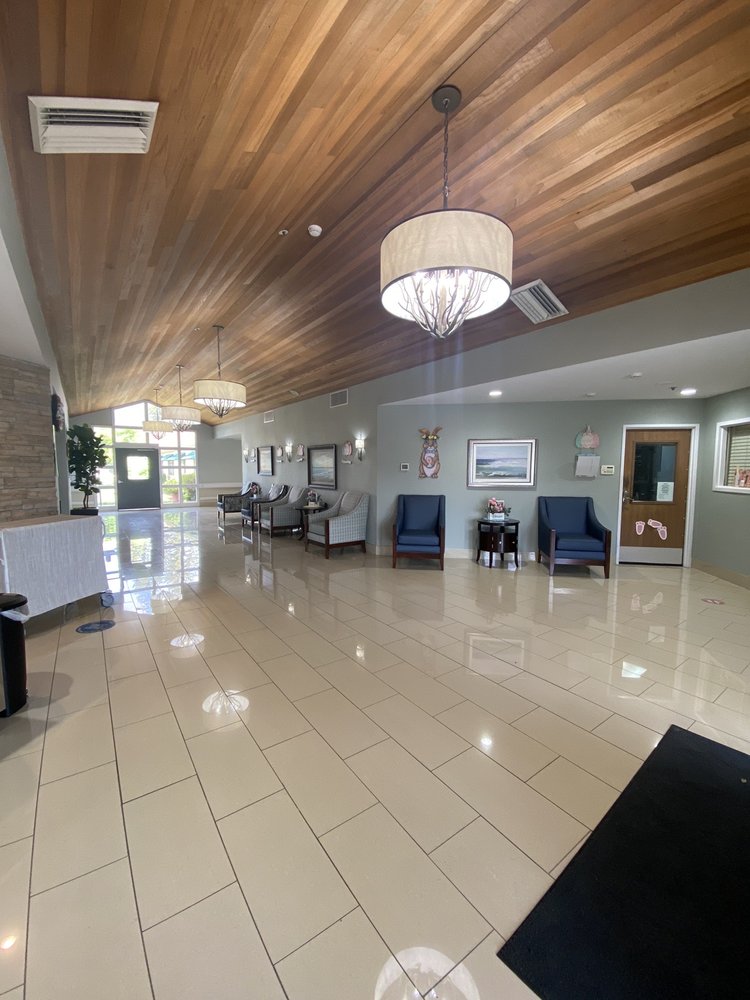
1517 EAST KNICKERBOCKER DRIVE, STOCKTON, CA 95210 (209) 957-4539
For profit - Individual 120 Beds LINKS HEALTHCARE GROUP Data: November 2025
Trust Grade
43/100
#771 of 1155 in CA
Last Inspection: March 2025

Within standard 12-15 month inspection cycle. Federal law requires annual inspections.

Overview

Clearwater Healthcare Center has received a Trust Grade of D, which indicates below-average performance and raises some concerns about the quality of care. In California, it ranks #771 out of 1155 facilities, placing it in the bottom half, and #17 out of 24 in San Joaquin County, meaning only a few local options are better. The facility is worsening, with issues increasing from 9 in 2024 to 21 in 2025, indicating a decline in quality. Staffing is rated 2 out of 5 stars, with a turnover rate of 47%, which is average but suggests that staff may not be as stable as desired. Notably, there have been serious incidents, including a medication error that led to a resident's death due to improper blood thinner management, and concerns about pest control and medication administration practices, highlighting significant weaknesses in safety and care protocols.

Trust Score
D
43/100
In California
#771/1155
Bottom 34%
Safety Record
Moderate
Needs review
Inspections
Getting Worse
9 → 21 violations
Staff Stability
⚠ Watch
47% turnover. Above average. Higher turnover means staff may not know residents' routines.
Penalties
○ Average
$3,450 in fines. Higher than 69% of California facilities. Some compliance issues.
Skilled Nurses
○ Average
Each resident gets 35 minutes of Registered Nurse (RN) attention daily — about average for California. RNs are the most trained staff who monitor for health changes.
Violations
⚠ Watch
61 deficiencies on record. Higher than average. Multiple issues found across inspections.
★★☆☆☆
2.0
Overall Rating
★★☆☆☆
2.0
Staff Levels
★★★★☆
4.0
Care Quality
★★☆☆☆
2.0
Inspection Score
Stable
2024: 9 issues
2025: 21 issues

The Good

  • 4-Star Quality Measures · Strong clinical quality outcomes
  • Full Sprinkler Coverage · Fire safety systems throughout facility
  • No fines on record

Facility shows strength in quality measures, fire safety.

The Bad

2-Star Overall Rating

Below California average (3.1)

Below average - review inspection findings carefully

Staff Turnover: 47%

Near California avg (46%)

Higher turnover may affect care consistency

Federal Fines: $3,450

Below median ($33,413)

Minor penalties assessed

Chain: LINKS HEALTHCARE GROUP

Part of a multi-facility chain

Ask about local staffing decisions and management

The Ugly 61 deficiencies on record

1 actual harm
Sept 2025 1 deficiency
CONCERN (D) 📢 Someone Reported This

A family member, employee, or ombudsman was alarmed enough to file a formal complaint

Potential for Harm - no one hurt, but risky conditions existed

Pharmacy Services (Tag F0755)

Could have caused harm · This affected 1 resident

Based on interview, and record review, the facility failed to ensure medications were administered according to physician orders for one of three residents (Resident 2) when Resident 2 missed a dosage...

Read full inspector narrative →
Based on interview, and record review, the facility failed to ensure medications were administered according to physician orders for one of three residents (Resident 2) when Resident 2 missed a dosage of three medications on 8/20/25.This failure had the potential to negatively affect the health and well-being of Resident 2, and the efficacy of the medications being administered.Findings: A review of Resident 2's admission RECORD, indicated that Resident 2 was admitted to the facility in 2025 with diagnoses which included displaced intertrochanteric fracture of right femur (a break in the upper part of the hip in which the bones are out of place), and hypertension (a condition in which the force of the blood pushing against the blood vessel walls is consistently too high. This causes the heart to work harder to pump blood). A review of Resident 2's Physician Order Summary, indicated, .AmLODIPine Beselyte [medication to treat hypertension] Tablet 10MG [milligram, a unit of measure] Give 1 tablet by mouth one time a day for HTN [hypertension].Order Date.08/19/2025.Start Date.08/20/2025.A review of Resident 2's Physician Order Summary, indicated, .Famotidine Oral Tablet [medication to decrease the amount of acid produced in the stomach] 40 MG Give 1 tablet by mouth in the morning for GERD [Gastroesophageal Reflux Disease, a condition where stomach acid flows back up into the esophagus and causes heartburn].Order Date.08/19/2025.Start Date.08/20/2025.A review of Resident 2's Physician Order Summary, indicated, .Linzess Oral Capsule [medication used to treat chronic constipation] 145 MCG [microgram, a unit of measure].Give 1 capsule by mouth one time a day for Irritable Bowel Syndrome [IBS, a condition that causes abdominal bloating, cramping, constipation, and diarrhea].Order Date.08/19/2025.Start Date.08/20/2025.A review of Resident 2's Care Plan Report, indicated, .Focus.[Resident 2] has altered cardiovascular status r/t [related to] HTN, history of CVA [cerebrovascular accident, a result of disrupted blood flow of the brain due to problems with blood vessels that supply it, also known as a stroke].Goal.[Resident 2] will be free from s/sx (signs/symptoms) of complications.Date Initiated.08/20/2025.Interventions/Tasks.Administer medications as ordered.A review of Resident 2's Care Plan Report, indicated, .Focus.Resident 2] has GERD r/t hyperacidity [increased acid in the stomach].Goal.[Resident 2] will remain free from discomfort, complications, or s/sx related to dx [diagnosis] of GERD.Date Initiated.08/20/2025.Interventions/Tasks.Administer medications as ordered.A review of Resident 2's Care Plan Report, indicated, .Focus.[Resident 2] has an alteration in Gastro-Intestinal status r/t IBS [irritable bowel syndrome, a long term condition affecting the large intestine with symptoms of abdominal pain, bloating cramping, gas, and constipation].Goal.[Resident 2] will remain free from discomfort, complications or s/sx.Date Initiated.08/20/2025.Interventions/Tasks.Administer medications as ordered.A review of Resident 2's Medication Administration Record (MAR, a document listing medications and monitoring parameters), dated August 2025, indicated a 13 was documented for the 9 a.m. dose of Amlodipine on 8/20/25. The chart code on the August 2025 MAR indicated that 13 indicated Drug not available.A review of Resident 2's MAR, dated August 2025, indicated a 13 was documented for the 9 a.m. dose of Linzess on 8/20/25.A review of Resident 2's MAR, dated August 2025, indicated a 7 was documented for the 6 a.m. dose of Famotidine on 8/20/25. The chart code on the August 2025 MAR indicated that 7 indicated Sleeping.During an interview on 9/4/25, at 10:07 a.m., with LN 2, LN 2 stated that if a resident's medication was not available to administer during medication administration time, she would check to see if the medication was in the e-kit in the medication storage room. LN 2 stated that there was a list of medications and dosages available in the e-kit, so if the medication was in the e-kit, she would take the medication out of the e-kit and fill out the form indicating which medication she took and fax the form to the pharmacy so that the pharmacy could replace the e-kit. LN 2 stated that if the medication was not in the e-kit, she would call the resident's physician to let the physician know that the medication was not available in the medication cart or the e-kit. LN 2 stated that the physician sometimes gave a one-time order to give the medication when it arrived late, then the regular medication times resumed. LN 2 stated that she would document that the medication was not available and what steps she took to resolve it in the resident's progress notes. During a concurrent interview and record review on 9/4/25, at 12:10 p.m., with the Nurse Supervisor (SUP), Resident 2's electronic medical record (EMR) was reviewed. The SUP confirmed that on Resident 2's MAR on 8/20/25, at 9 a.m., a 13 was entered for the dose of Amlodipine and the dose of Linzess; where the LN would document that the medications were given. The SUP further confirmed the 13 was a code that indicated Drug not available. The SUP confirmed that on 8/20/25, at 6 a.m., a 7 was entered for the dose of Famotidine; where the LN would document that the medication was given. The SUP further confirmed the 7 was a code that indicated Sleeping. The SUP further confirmed that there was no progress notes documented in Resident 2's EMR on 8/20/25 that indicated why the medications were not given or that the physician or pharmacist was notified. The SUP stated that her expectation was that if a resident's medications were not available to give during the medication administration time, the LN called the pharmacy for follow up and notified the resident's physician. The SUP stated the LN needed to document in the resident's progress notes that the medication was not given and what was done about it. The SUP further stated that, if necessary, the LN needed to endorse a follow up to the oncoming shift LN. The SUP acknowledged that the facility policy was not followed. The SUP stated the risk was that Resident 2's medications were not given as ordered. The SUP further stated that Resident 2's blood pressure could elevate if Resident 2 did not receive the Amlodipine, Resident 2 could become constipated if Resident 2 did not receive Linzess, and Resident 2 could have indigestion if Resident 2 did not receive Famotidine. The SUP stated that the facility had a medication dispensing machine and was in the process of educating the staff on how to use the machine.During a phone interview on 9/4/25, at 1:29 p.m., with the Pharmacy Consultant (PHARM), the PHARM stated that there was a new medication dispensing machine at the facility and the medications needed for the residents were all in the machine. The PHARM further stated that if there was a medication that the staff needed that was not available in the machine, then the staff could get the medication from the e-kit. The PHARM stated that accessing the medications from the medication dispensing machine was the first priority at the facility, but if a LN did not have access to the medication dispensing machine the LN could get the medication from the e-kit. The PHARM further stated that using the medication dispensing machine was faster than using pharmacy delivery for medications. The PHARM stated that the LNs still needed to communicate with the physician and the pharmacy when medication doses were not available.A review of a facility policy and procedure (P&P) titled, Administering Medications, revised April 2019, indicated, .Policy Statement.Medications are administered in a safe and timely manner, and as prescribed.Policy Interpretation and Implementation.4. Medications are administered in accordance with prescriber orders, including any required time frame.7. Medications are administered within one (1) hour of their prescribed time.
Jul 2025 2 deficiencies
CONCERN (D) 📢 Someone Reported This

A family member, employee, or ombudsman was alarmed enough to file a formal complaint

Potential for Harm - no one hurt, but risky conditions existed

Deficiency F0558 (Tag F0558)

Could have caused harm · This affected 1 resident

Based on observation, interview, and record review, the facility failed to ensure that accommodation of needs was met when call lights (system/device used by residents to call staff for assistance) we...

Read full inspector narrative →
Based on observation, interview, and record review, the facility failed to ensure that accommodation of needs was met when call lights (system/device used by residents to call staff for assistance) were not answered in a timely manner for 2 of the 4 sampled residents (Resident 1, and Resident 3). This failure had the potential for residents' needs to be neglected and to negatively affect their psychosocial well-being for a census of 119. Findings: During a concurrent observation and interview on 7/2/25 at 10:51 AM, Resident 1 stated he waited too long for his incontinent brief (a type of absorbent undergarment) to get changed and the staff does not come on time when he uses the call light. Resident 1 stated even in the morning or evening time they still take longer to come when he presses the call light. At 10:58 AM Resident 1's call light was pressed because Resident 1 needed assistance to move from the bed and by 11:18 AM, there was still no response from staff. A review of Resident 1's Care Plan titled, ADL [Activities of Daily Living] Self Care Performance deficit r/t [related to] weakness, impaired mobility, stroke with right sided weakness [damage to the brain from interruption of its blood supply]. Resident 1's interventions included, Encourage the resident to use call light to call for assistance. TOILETING: Resident requires substantial/maximal assistance. During an interview on 7/2/25 at 11:38 AM, Resident 2 stated it took a little while for the staff to answer the call light, sometimes the waiting times were around 30-40 minutes. During an observation on 7/2/25 at 11:19 AM, in the hallway, Resident 3's call light was turned on. At 11:28 AM the call light was answered by the medical records director who then asked the nursing staff to assist Resident 3. During an interview on 7/2/25 at 11:47 AM, Resident 3 stated he used the call light to ask for assistance and sometimes it took 30 minutes for the staff to respond. Resident 3 stated for a BM (bowel movement), he used the bedpan and sometimes he went to the toilet with assistance. Resident 3 stated he also used an incontinent brief and needed help from staff. During an observation on 7/2/25 at 1:39 PM, Resident 3's room was observed to have the call light turned on and staff responded to the call-light at 1:51 PM. A review of Resident 3's admission RECORD, indicated Resident 3 had a diagnosis of generalized muscle weakness, and other abnormalities of gait and mobility. During an interview on 7/2/25 at 12:10 PM, Resident 4 stated she used an incontinent brief during the daytime, and she went to the toilet with assistance. Resident 4 stated the staff today is taking too slow to answer the call light. Resident 4 stated the longest time she had to wait was 20 minutes. Resident 4 stated, during the evening shift the wait times for the call light response is longer. During an interview on 7/2/25 at 3 PM, the Assistant Director of Nursing (ADON) stated her expectations were for staff to answer the call lights within 1-2 minutes or at least less than 5 minutes. The ADON stated 15 minutes or more was too long. The ADON stated if the residents' incontinent brief was not changed on time or if they were not being toileted, there would be a risk for a UTI (urinary tract infection - an infection that can make it painful and uncomfortable to urinate), skin breakdown, and the residents could get up by themselves and they could fall. The ADON stated that the resident's dignity could also be affected if a continent (ability to voluntarily retain and release urine and feces) resident that needs assistance in going to the bathroom was not toileted on time, and they will have no choice but to urinate on the bed. A review of an undated facility document titled, Call Lights, indicated, .To assure residents receive prompt assistance. All staff shall know how to place the call light for a resident and how to use the call light system.Nursing and Care Duties.3. Monitoring the lights and making sure that lights are answered promptly, regardless of who is assigned to each resident.
CONCERN (D) 📢 Someone Reported This

A family member, employee, or ombudsman was alarmed enough to file a formal complaint

Potential for Harm - no one hurt, but risky conditions existed

Deficiency F0778 (Tag F0778)

Could have caused harm · This affected 1 resident

Based on interview and record review, the facility failed to ensure transportation was provided for two out of four sampled residents (Resident 1 and Resident 4), when Resident 1 missed a scheduled ph...

Read full inspector narrative →
Based on interview and record review, the facility failed to ensure transportation was provided for two out of four sampled residents (Resident 1 and Resident 4), when Resident 1 missed a scheduled physician's appointment on 6/26/2025 at 11 AM and Resident 4 arrived late to a scheduled appointment on 6/20/25 and was not able to be seen. This failure resulted in Resident 1 and Resident 4 missing a scheduled physician's appointment. Findings:1. A review of Resident 1's admission RECORD (a document that contains the resident's demographic information) indicated Resident 1 had a diagnosis of hemiplegia and hemiparesis following cerebral infarction affecting right dominant side (one side of the body becomes very weak or completely unable to move or paralyzed) and generalized muscle weakness. During an interview on 7/2/25 at 10:54 AM, Family Member (FM) 1 stated Resident 1 had an appointment with his primary care provider on June 26 at 11 AM, but the appointment was rescheduled because Resident 1 missed the appointment due to transportation issues. During an interview on 7/2/25 at 2 PM, the Receptionist stated she was not notified until the day of Resident 1's appointment on 6/26/25. The receptionist stated she arranged the transportation on 6/26/25 and when the transport came, Resident 1 was not ready to go yet, and that was why Resident 1 missed his appointment. During an interview on 7/2/25 at 2:24 PM, the Social Service Director (SSD) stated Resident 1 missed his appointment on 6/26/25. The SSD stated the charge nurse that was assigned to Resident 1 that day was not aware that Resident 1 had an appointment scheduled. The SSD stated Resident 1 used the facility owned transportation for medical appointments. A review of Resident 1's physician's orders, dated 6/4/25, indicated, .Appointment with [primary care physician] on 6/26/25 @ [at] 11 AM . A review of Resident 1's Progress Note dated 6/26/25, indicated, .Received call from Pt's [patient's family member]. [Family member] inquired why Pt was unable to make appointment this AM. Notified that d/t [due to] transport servicing another resident, this appointment would have to be rescheduled. 2. A review of Resident 4's admission RECORD, indicated Resident 4 had a diagnosis of fracture of the upper end of the left tibia (broken left shinbone, near the knee), sprain of the left foot, generalized muscle weakness, and other abnormalities of gait and mobility. During an interview on 7/2/25 at 12:10 PM, Resident 4 stated she missed her appointment with the orthopedic doctor (doctors who focus on caring for the bones, joints, ligaments, nerves, and tendons [the tissue that connects bones and joints]) on 6/20/25, and it was rescheduled to 6/24/25. Resident 4 stated she was picked up late by transportation and when she got to her appointment, she was told she had missed her appointment time by half an hour, and the doctor could no longer see her on that day. Resident 4 stated the transportation used for her appointments was owned by the facility. Resident 4 stated she feels like she was not important when the transportation did not prioritize her scheduled pick up. A review of Resident 4's medical record, indicated in the physician's order list, .RESCHEDULED Appointment with [orthopedic doctor] on 6-24-25 at [time], [address]. Facility TRANSPORTATION . During an interview on 7/2/25 at 1:23 PM, License Nurse (LN) 1 stated it was the nurse's responsibility to check if any of their assigned residents had an appointment for the day. During an interview on 7/2/25 at 3:30 PM, the Assistant Director of Nursing (ADON) stated that there was miscommunication among the staff regarding appointments. The ADON stated both the LN's and Certified Nursing Assistants were responsible for checking the residents' appointments. The ADON stated if a resident missed their appointment, there would be an interruption in the residents' care. A review of undated facility document titled, Transportation, Social Services, indicated, Policy Statement Our facility shall help arrange transportation for residents as needed.Except in emergencies, the resident or his or her representative (sponsor) shall be expected to arrange for transportation (e.g., to outside physician or clinic appointments or for a planned transfer or discharge from the facility) .
Jun 2025 2 deficiencies
CONCERN (D) 📢 Someone Reported This

A family member, employee, or ombudsman was alarmed enough to file a formal complaint

Potential for Harm - no one hurt, but risky conditions existed

Deficiency F0627 (Tag F0627)

Could have caused harm · This affected 1 resident

Based on interview and record review, the facility failed to ensure Resident 1 who resided at the facility and was transferred to General Acute Care Hospital (GACH) was readmitted to the facility afte...

Read full inspector narrative →
Based on interview and record review, the facility failed to ensure Resident 1 who resided at the facility and was transferred to General Acute Care Hospital (GACH) was readmitted to the facility after Resident 1 was cleared by the GACH to return to the facility on 6/15/2025. This deficient practice resulted in Resident 1 remaining at the GACH after Resident 1 was deemed appropriate for discharge back to the facility but was denied readmission by the facility. Resident 1 did not return to the facility resulting in Resident 1's temporary loss of residence and had negative psychosocial outcome, as evidenced by vocalizations of emotional distress. Findings: A review of Resident 1's admission RECORD, indicated Resident 1 was admitted to the facility with diagnoses which included generalized muscle weakness and paraplegia. Resident 1 was discharged from the facility on 6/14/2025. During an interview on 6/17/25 at 12:52 PM, License Nurse (LN) 1 stated Resident 1 went out of the facility without notifying a staff member and returned to the facility the same day on 6/14/25 at approximately 5:45 PM. LN 1 stated Resident 1 was sent to the hospital on 6/14/2025 after returning to the facility due to alcohol intoxication. During an interview on 6/17/25 at 1:37 PM, the Director of admission (DOA) stated when the facility sends the resident out for observation and the resident did not have a significant change, they can let them back in the facility, but if there is a significant change, it is up to the Director of Nursing (DON) and Administrator (ADM) if they can be readmitted to the facility. The DOA stated Resident 1 came back with an altered mental status (a change in a person's level of awareness, thinking, or behavior) and was not allowed to come back to the facility. The DOA stated they do not accept residents to be readmitted after signing the AMA (Against Medical Advice - leaving a healthcare facility against medical advice means a patient chooses to discontinue their treatment or leave the healthcare facility before their doctor recommends discharge) form but sometimes it is also a case-by-case basis. During an interview on 6/17/25 at 3 PM, the Director of Nursing (DON) stated when an alert and oriented resident goes out and does not come back before 12 midnight that is considered AMA. The DON stated he considers Resident 1 as AMA although he came back on the same day when he left. The DON stated if the resident wants to go home or leave the facility, the resident needs to sign the AMA form. The DON confirmed Resident 1 did not sign the AMA form. During an interview on 6/17/25 at 4:19 PM, the ADM stated AMA is for alert and oriented residents voluntarily leaving the facility against medical advice. The ADM stated if the resident refuse to sign the AMA form, they get two witnesses signatures. The ADM stated Resident 1 was not allowed to come back because he was AMA. The ADM stated Resident 1 did not sign the AMA. The ADM stated Resident 1 left the facility without staff ' s knowledge and they considered it AMA, but Resident 1 returned to the facility intoxicated and they sent him to the hospital for evaluation. The ADM stated Resident 1 was too intoxicated to make the decision to go to the hospital, the facility initiated sending Resident 1 to the emergency room, making it a facility-initiated discharge. During an interview on 6/19/25 at 12:31 PM, Resident 1 stated the facility kicked him out and he is still at the emergency room of the hospital. Resident 1 stated he left the facility about 1:30 PM on 6/14/25. Resident 1 stated all the nurses saw him leaving by the nursing station and when he came back, the next shift staff did not know that he left, and the facility sent him to the hospital. Resident 1 stated he has nowhere to go, and his family could not help him. Resident 1 stated the incident caused him a lot of emotional distress. A review of Resident 1's physician orders dated 6/14/25, indicated Resident 1 had an order Send out to [name of hospital] ER [emergency room] for further evaluation. A review of Resident 1's medical record titled, SBAR & INITIAL COC [change of condition]/ALERT CHARTING & SKILLED DOCUMENTATION, the record indicated .Patient was out of facility during AM shift and arrived back to facility PM shift at approx. [approximately] 1745 [5:45 PM]. Was accompanied by friend. Observed resident to be flushed in face, slurred speech, and exhibits slow movements. Speaking nonsense. Seen to be drinking from a cup covered by a paper bag. Refused VS [vital signs] to be taken. DON notified and said to send to ER for intoxication. Sent to [name of hospital] Hospital via [name of ambulance company]. MD [medical doctor] notified 6/14/2025 .Patient is own RP [responsible party] . A review of Resident 1 ' s medical records from the hospital, Nurses Notes, dated 5/15/25, indicated .Pt [patient] transferred to WC [wheelchair] per [emergency medical services], pt still refused to be seen in the ER. Pt states he wants to go back to his facility .Nursing Facility administrator called back regarding plan of care, per administrator, pt broke the rules by being drunk. Pt is apparently not welcome back to the facility at this time . A review of the facility ' s policy and procedure (P & P) titled, Transfer or Discharge, Facility-Initiated, dated 10/22, the P & P indicated .Residents who are sent emergently to an acute care setting, such as hospital, are permitted to return to the facility . If discharge is initiated by the facility after an emergency transfer to the hospital, the reason for discharge is based on the resident ' s status at the time the resident seeks return to the facility (not at the time the resident was transferred to acute care) .
CONCERN (D) 📢 Someone Reported This

A family member, employee, or ombudsman was alarmed enough to file a formal complaint

Potential for Harm - no one hurt, but risky conditions existed

Deficiency F0628 (Tag F0628)

Could have caused harm · This affected 1 resident

Based on interview and record review, the facility failed to ensure Resident 1 who resided at the facility and was transferred to a General Acute Care Hospital (GACH) was provided a notice of transfer...

Read full inspector narrative →
Based on interview and record review, the facility failed to ensure Resident 1 who resided at the facility and was transferred to a General Acute Care Hospital (GACH) was provided a notice of transfer or discharge and a notice of a bed hold during transfer to a GACH when: 1. The facility did not provide a written notice of bed hold (holding or reserving a resident ' s bed while the resident is absent from the facility for therapeutic leave or hospitalization) to Resident 1 at the time of transfer to acute care hospital; 2. Resident 1 was not notified of the discharge in writing and in a manner he/she understood; and, 3. The facility did not notify or send Resident 1's Notice of Transfer or Discharge form to the Ombudsman's office (a government appointed person who actively supports the rights of residents). These failures resulted in Resident 1 not being fully informed of their right to request a bed hold and to return to the facility after hospitalization, Resident 1 not having the opportunity to have had an advocate to inform him of his right to appeal a facility-initiated discharge, and Resident 1 ' s prolonged stay at the GACH emergency room and a temporary loss of residence resulting in emotional distress. Findings: 1. During a concurrent interview and record review on 6/17/25 at 1 PM, Resident 1 ' s medical record was reviewed with the Director of Nursing (DON). The DON stated Resident 1 did not have a bed hold and did not sign a bed hold prior to the hospital transfer on 6/14/25. The DON stated Resident 1 had chosen the option not to put a bed hold during admission and signed the Notice of Bed Hold Policy dated 8/16/23. The DON stated the Notice of Bed-hold is only signed one time during admission. The DON stated the resident was considered AMA (Against Medical Advice - leaving a healthcare facility against medical advice means a patient chooses to discontinue their treatment or leave the healthcare facility before their doctor recommends discharge) and that was why Resident 1 did not have a bed-hold. The DON confirmed Resident 1 did not sign the AMA form. During a concurrent interview and record review on 6/17/25 at 4:19 PM, Resident 1 ' s medical record was reviewed with the Administrator (ADM). The ADM stated they elected not to hold Resident 1 ' s bed because he signed do not hold my bed during admission. The ADM stated Resident 1 ' s Notice of Bed Hold Policy form was signed during his admission and was dated 8/16/23. The ADM stated residents signed the bed-hold notice form during admission or if they need to readmit a resident. A review of the facility ' s policy and procedure (P&P) titled, Bed-Holds and Returns, dated 10/22, the P&P indicated .Residents and/or representatives are informed (in writing) of the facility and stated (if applicable) bed-hold policies .1. All residents/representatives are provided written information regarding the facility and state bed-hold policies, which address holding or reserving a resident ' s bed during periods of absence (hospitalization or therapeutic leave). Residents, regardless of payer source, are provided written notice about these policies at least twice: 1. notice 1: well advance of any transfer (e.g., in the admission packet); and b. notice 2: at the time of transfer (or, if the transfer was an emergency, within 24 hours) . Review of an online article published by the California Advocates for Nursing Home Reform (CANHR) titled, Nursing home residents have the right to a 7-day bed hold when hospitalized , dated 10/17, indicated, .In addition to including information about bed-hold policies in the admissions agreement, the facility must give a written bed-hold notice to the resident and/or the resident ' s family upon being transferred to the hospital, as is required by both federal law and state regulations . (https://canhr.org/nursing-home-residents-have-the-right-to-a7-day-bed-hold-when-hospitalized /) 2. During an interview on 6/17/25 at 3 PM, the DON stated they have not sent the notice of transfer and discharge because the resident was not in their building. During an interview on 6/17/25 at 4:19 PM the ADM stated resident left the facility without staff ' s knowledge and they considered it AMA, but the resident returned to the facility intoxicated and they sent him to the hospital for evaluation. The ADM stated Resident 1 was too intoxicated to make the decision to go to the hospital, so the facility initiated it for him making it a facility-initiated discharge. The ADM stated Resident 1 was not issued a notice of transfer or discharge when he was transferred to the hospital. 3. During a concurrent interview and record review on 6/17/25 at 1 PM, the DON stated they have not sent the notice of discharge/transfer to the ombudsman ' s office. A review of the facility ' s P&P titled, Transfer or Discharge, Facility-Initiated, dated 10/22, the P&P indicated, .Notice of Transfer or Discharge (Emergent or Therapeutic Leave) .4. Residents who are sent emergently to an acute care setting, such as hospital, are permitted to return to the facility .5. Under the following circumstances, the notice is given as soon as it is practicable .c. An immediate transfer or discharge is required by the resident ' s urgent medical needs .Notice of Discharge after Transfer 1. If discharge is initiated by the facility after an emergency transfer to the hospital, the reason for discharge is based on the resident ' s status at the time the resident seeks return to the facility (not at the time the resident was transferred to acute care). 2. If the facility does not permit a resident ' s return to the facility (i.e., initiates a discharge) based on inability to meet the resident ' s needs, the facility will notify the resident, and/or his or her representative in writing of the discharge, including notification of appeal rights. 3. The facility will send a copy of the discharge notice to a representative of the Office of the State LTC Ombudsman. 4. Notice to the Office of the State LTC Ombudsman will occur at the same time the notice of discharge is provided to the resident and resident representative . Review of an online article published by the California Advocates for Nursing Home Reform (CANHR) titled TRANSFER AND DISCHARGE RIGHTS, updated 9/4/24, the article indicated, .Written Notice Before transferring or discharging a resident, the facility must provide written notice to the resident and the resident ' s representative in a language and manner they understand . The facility must send a copy of the notice to the long-term care ombudsman program. Except when specified below, the notice must be given at least 30 days before the resident is transferred or discharged . Exceptions to 30-Day Notice .there are a few exceptions to the 30-day notice requirement. Federal regulations permit notice to be made as soon as practicable before transfer or discharge when: the health or safety of individuals in the facility would be endangered; the resident ' s urgent medical needs require a more immediate transfer; the resident ' s health has improved sufficiently to allow a more immediate transfer or discharge; or the resident has resided in the facility less than 30 days . Even if an exception to the 30-day notice requirement is satisfied, the facility must nevertheless provide written notice in advance of a proposed transfer or discharge and an opportunity to appeal .California law requires nursing homes to give reasonable advance notice in writing in all cases of transfer or discharge . (https://canhr.org/transfer-and-discharge-rights/)
Jun 2025 1 deficiency
CONCERN (D) 📢 Someone Reported This

A family member, employee, or ombudsman was alarmed enough to file a formal complaint

Potential for Harm - no one hurt, but risky conditions existed

Deficiency F0628 (Tag F0628)

Could have caused harm · This affected 1 resident

**NOTE- TERMS IN BRACKETS HAVE BEEN EDITED TO PROTECT CONFIDENTIALITY** Based on interview and record review, the facility failed to provide a discharge notice (also known as a 30-day notice) for one ...

Read full inspector narrative →
**NOTE- TERMS IN BRACKETS HAVE BEEN EDITED TO PROTECT CONFIDENTIALITY** Based on interview and record review, the facility failed to provide a discharge notice (also known as a 30-day notice) for one of three sampled residents (Resident 2) when, Resident 2, Resident 2's representative (FM; family member), and the Office of the Long-Term Ombudsman (OMB, a person who assists residents with resolving conflicts or concerns at the facility) did not receive written notification of Resident 2's impending discharge within 30 days or as soon as practicable when an impending discharge date had been determined by the facility. This failure violated Resident 2's right to be informed in writing of a pending discharge and how to appeal the decision of a facility-initiated discharge. This failure also resulted in Resident 2's representative and the State Long-Term Care Ombudsman from being uninformed of the discharge decision in writing and removed the opportunity for Resident 2's representative and/or the State Long-Term Care Ombudsman to advocate on Resident 2's behalf in a timely manner. Findings: A review of Resident 2's admission RECORD, indicated Resident 2 was admitted to the facility with diagnoses which included cerebral infarction (also known as a stroke, damage to tissues in the brain due to a loss of oxygen to the area), muscle weakness, abnormalities of gait and mobility (when a person is unable to walk in the usual way), dysphagia (difficulty swallowing foods or liquids), major depressive disorder (a mental health disorder characterized by persistently depressed mood or loss of interest in activities, causing significant impairment in daily life), and anxiety disorder (intense, excessive, and persistent worry and fear about everyday situations). A review of Resident 2's Physician Order Summary, dated 4/29/25, the record indicated .discharge to home with support on 5/1/25 following cessation [stopping] of skilled services [medical and therapeutic services that can only be safely and effectively performed by or under the supervision of licensed professionals, such as nurses or therapists] . A review of Resident 2's Social Services Progress Notes, dated 4/30/25, the record indicated, .Discharge disposition was discussed with daughter .Daughter was advised to continue to coordinate .even if resident return home .Referral was also made for meals .to see if she will qualify for services .referral for supplemental caregiver support also emailed . A review of Resident 2's Social Services Progress Notes, dated 5/1/25, the record indicated, .Per daughter .resident will be moved to .as disposition. Discharge will be coordinated once the process is approved . During an interview by phone on 5/29/25 at 4:13 p.m., with the Long-Term Ombudsman Representative (OMB) 1, OMB 1 stated that he had not heard anything about Resident 2's impending discharge from the facility. During an interview on 5/30/25 at 10:05 a.m., with the facility Social Services Director (SSD), the SSD stated that residents received discharge notices from Social Services. The SSD stated that the notice might be given to the resident one day or one week ahead of time. The SSD stated that a discharge notice was given to a resident with a copy placed in their electronic medical record (EMR) and a copy was sent to the OMB afterwards. The SSD confirmed that Resident 2 did not receive a notice of discharge. The SSD stated that it was because the discharge was still pending, so she was not able to give a notice of transfer or discharge to Resident 2. During an interview on 5/30/25 at 11 a.m., Resident 2 stated that the facility staff came to her room one week before the discharge date and told her that she would be discharged on 5/1/25. Resident 2 stated that her FM (daughter) appealed the discharge. During an interview by phone with Resident 2's FM on 5/30/25 at 11:08 a.m., the FM stated that the facility notified her that Resident 2 was to be discharged one week before the discharge date of 5/1/25. The FM stated that she filed an appeal of the discharge. The FM confirmed that neither she nor Resident 2 received a formal discharge notice from the facility. The FM stated that the SSD told her that Resident 2 was to be discharged , and that she could appeal the discharge. The FM stated that she felt that the discharge was not safe. The FM stated that the facility staff told Resident 2 that she would be discharged [DATE]. The FM stated that she called the OMB's office on 4/30/25, and OMB 2 helped her file to appeal the discharge from the facility. The FM stated that OMB 2 came to the facility and spoke with the SSD and told the SSD that the FM filed an appeal, and that Resident 2 was not to be discharged from the facility pending the appeal. The FM stated that a licensed nurse (LN) came to Resident 2's room while OMB 2 was there and began to pack her things for discharge on [DATE], so she told the LN that the discharge appeal was pending. The FM stated that after OMB 2 left the facility, another LN came to Resident 2's room with her medications and discharge papers a short time later, and she refused to sign them and told the LN that the discharge appeal was pending. The FM stated that Resident 2 was anxious and thought that the facility was going to put her out on the street. The FM stated that she notified OMB 2, and OMB 2 made calls to the facility, and the discharge was put on hold. The FM stated that the appeal of the discharge was later granted. During an interview by phone with OMB 2 on 5/30/25 at 2:36 p.m., OMB 2 confirmed that the OMB's office did not receive a notice of discharge for Resident 2. OMB 2 stated that Resident 2 was anxious because the staff approached her about the discharge, but her FM was making the discharge arrangements, and the staff did not include the FM in the discharge conversations. OMB 2 stated that she came to the facility on 5/1/25 and talked with the SSD. OMB 2 stated that the SSD stated that Resident 2 could make her own decisions. OMB 2 stated that the SSD stated that Resident 2 had a safe place to be discharged to. OMB 2 stated to the SSD that Resident 2's FM stated that the place that the facility attempted to discharge Resident 2 to was not safe. OMB 2 stated that the SSD stated that the facility was not attempting to discharge Resident 2 since the discharge appeal was pending. OMB 2 stated that after she left the facility, she received a call from Resident 2's FM stating that the facility staff was attempting to discharge Resident 2. OMB 2 stated that she called the SSD, and the discharge attempt was stopped. A review of a facility policy and procedure (P&P) titled, Transfer or Discharge Documentation, revised 12/16, the P&P indicated, .Policy Statement .When a resident is transferred or discharged , details of the transfer or discharge will be documented in the medical record and appropriate information will be communicated to the receiving health care facility or provider .2. If a resident exercises his or her right to appeal a transfer or discharge notice he or she will not be transferred or discharged while the appeal is pending . A review of a facility P&P titled, Transfer or Discharge, Preparing a Resident for, revised 12/16, the P&P indicated, .Residents will be prepared in advance for discharge .2. A post-discharge plan is developed for each resident prior to his or her transfer or discharge. This plan will be reviewed with the resident, and/or his or her family . Review of an online article published by the California Advocates for Nursing Home Reform (CANHR) titled TRANSFER AND DISCHARGE RIGHTS, updated 9/4/24, the article indicated, .Written Notice Before transferring or discharging a resident, the facility must provide written notice to the resident and the resident's representative in a language and manner they understand . The facility must send a copy of the notice to the long-term care ombudsman program. Except when specified below, the notice must be given at least 30 days before the resident is transferred or discharged . Exceptions to 30-Day Notice .there are a few exceptions to the 30-day notice requirement. Federal regulations permit notice to be made as soon as practicable before transfer or discharge when: the health or safety of individuals in the facility would be endangered; the resident's urgent medical needs require a more immediate transfer; the resident's health has improved sufficiently to allow a more immediate transfer or discharge; or the resident has resided in the facility less than 30 days . Even if an exception to the 30-day notice requirement is satisfied, the facility must nevertheless provide written notice in advance of a proposed transfer or discharge and an opportunity to appeal. A nursing home cannot transfer or discharge a resident while an appeal is pending, unless delay would endanger the health or safety of the resident or other individuals in the facility . California law requires nursing homes to give reasonable advance notice in writing in all cases of transfer or discharge . (https://canhr.org/transfer-and-discharge-rights/)
Apr 2025 2 deficiencies
CONCERN (D) 📢 Someone Reported This

A family member, employee, or ombudsman was alarmed enough to file a formal complaint

Potential for Harm - no one hurt, but risky conditions existed

Free from Abuse/Neglect (Tag F0600)

Could have caused harm · This affected 1 resident

Based on observation, interview, and record review, the facility failed to implement individualized and effective interventions to protect one of four sampled residents, Resident 6, with known yelling...

Read full inspector narrative →
Based on observation, interview, and record review, the facility failed to implement individualized and effective interventions to protect one of four sampled residents, Resident 6, with known yelling behavior, from verbal threats of violence by her roommate (Resident 5), on 4/18/25. This failure resulted in Resident 6 screaming fearfully with a frightened look on her face, causing potential psychosocial distress. Findings: During an observation on 4/22/23 at 3:04 PM, in Resident 6's room, Resident 6 was heard calling out incoherently (words that are difficult to understand). Resident 6 stopped calling out when asked questions but did not answer any questions verbally or by gesture, including when asked her name. Resident 6 stared with a blank expression when asked questions and did not respond. Resident 6 was observed inside the room quiet and called out incoherent words when observed from outside the room. During an interview on 4/22/25 at 3:08 PM, Resident 7 stated that Resident 6 calls out a lot when she needs something. Resident 7 stated Resident 6 did not really talk. During an observation on 4/22/25 at 3:12 PM, in the hallway near Resident 6's room, Resident 6 could be heard calling out from her room. Nurses observed at the nurse ' s station did not respond to Resident 6 calling out. During an observation on 4/22/25 at 3:16 PM, Certified Nursing Assistant (CNA) 2, was observed going into Resident 6's room. CNA 2 was heard talking to Resident 6 in a language other than English, Resident 6 still did not respond to CNA 2 talking to her and continued to make incoherent sounds. During an interview on 4/22/25 at 5:07 PM, in the hallway outside of Resident 6's room, CNA 2 confirmed he went into Resident 6's room because she was calling out. CNA 2 stated Resident 6 called out all the time for assistance since Resident 6 did not understand how to use the call light. CNA 2 stated Resident 6 was mostly non-verbal (does not talk) but she used to say some words in English and another language. CNA 2 stated since Resident 6 could not express her needs, they tried to anticipate her needs, by making sure she was not soiled, and offered food/drinks. During an interview on 4/22/25 at 5:15 PM, Licensed Nurse (LN) 3 stated she was familiar with Resident 6. LN 3 further stated, it was normal for Resident 6 to call out and stated it was Resident 6's baseline (normal behavior). LN 3 further explained Resident 6 was lonely and called out to have someone around her. LN 3 further stated calling out was Resident 6's way of talking because Resident 6 did not speak or get out of bed. During a telephone interview on 4/23/25 at 2:11 PM, CNA 3 stated on the evening shift of 4/18/25 at approximately 6:35 PM she was taking a dinner cart back to the cafeteria and on her way back she heard Resident 6 screaming. CNA 3 explained she was familiar with Resident 6, and stated the screaming was a frightened scream, very loud, and different from how she normally called out. CNA 3 further explained she quickly went into Resident 6's room and observed Resident 5 standing over Resident 6 on the side of Resident 6's bed. CNA 3 continued to explain Resident 5 had one of her fists up to Resident 6's face, and her other hand, holding Resident 6 down by the shoulder. CNA 3 stated she heard Resident 5 threaten Resident 6, .shut up, shut up, or else I'm going to give you this . to Resident 6. CNA 3 further stated Resident 5 was threatening to hit Resident 5 with her fist. CNA 3 explained Resident 6 looked surprised when CNA 3 entered the room and stopped screaming soon after. CNA 3 further explained she told Resident 5 to step away from Resident 6, and Resident 5 stated, shut up to CNA 3, but backed away from Resident 6, walked to her bed and laid down. CNA 3 stated Resident 5 was upset, agitated, and stated she was upset because she was tired from all the yelling and could not rest. Resident 5 further stated to CNA 3, she was there for hospice (end of life care) and could not have peace in a room with a resident who was loud. CNA 3 stated she acknowledged Resident 5's feelings and told her they would get another room for her. CNA 3 further stated she checked Resident 6 for physical injuries, there were none. CNA 3 stated Resident 6 still had a surprised look on her face and was quiet, she did not speak or answer questions but stated that was normal for her. CNA 3 stated she had another staff member stay with the residents so she could notify the supervisor of the incident. During an interview on 4/22/25 at 5:29 PM, LN 4 confirmed she was working on 4/18/25 during the evening shift. LN 4 stated she was notified of the incident and went into Resident 5 and Resident 6's room to investigate further. LN 4 further stated upon entering the room, Resident 5 was still very agitated. LN 4 explained Resident 5, and Resident 6 were separated but still in the same room, which was occupied by both residents. LN 4 stated Resident 6 had a frightened and fearful look on her face and laid in bed quietly, she did not answer any questions or say anything. LN 4 further explained Resident 5 was now calm and quiet. LN 4 stated Resident 5 had been known to previously get agitated at times, but had not had any incidents involving other residents that she could recall. LN 4 stated she was familiar with Resident 6 yelling out when someone passed her room, or when she needed something. LN 4 further stated calling out was Resident 6's way of communicating her needs. LN 4 stated after the incident, a room change was initiated for Resident 5. During a concurrent interview and record review on 4/22/25 at 5:38 PM, Resident 5's Plan of Care Note (a written record of events related to resident care) dated 4/19/25, was reviewed with LN 4. LN 4 confirmed she wrote the note which indicated, .Informed by CNA that patient [Resident 5] pushed down her roommate [Resident 6] by her shoulder with her fist up while the roommate [Resident 6] was lying in the bed in her room .and [Resident 5] said to stop or else I am going to hit you and when CNA tried to stop the patient [Resident 5] said to the CNA shut up .patient [Resident 5] appears a little aggressive and stated that she will hit the roommate [Resident 6] if she does not stop. During a concurrent observation and interview on 4/22/25 at 6:45 PM in Resident 5's room, Resident 5 was observed sitting on the edge of her bed. When asked if Resident 5 could recall her previous roommate and the incident on 4/18/25, Resident 5 stated she moved to a new room because her old roommate .yelled and yelled and yelled all the time Resident 5 further stated, .I was so mad at her I was going to punch her. I did punch her . Resident 5 further explained she was on hospice (a form of end-of-life care that provides comfort, support, and medical assistance to people) and deserved to have peace and quiet. Resident 5 could not recall if Resident 6 said or did anything but stated .it sure did make her shut up . During a concurrent interview and record review on 4/23/25 at 2:57 PM, the Director of Nursing (DON) stated he was informed about the incident between Resident 5 and Resident 6 by the ADM on 4/18/25 after it occurred. The DON reviewed Resident 6's, Care Plan, (a detailed individualized resident document outlining specific needs, goals and interventions to meet the goals), date initiated 5/13/21, which indicated, .Recurring behaviors: spitting on the floor, constant yelling out for staff throughout the day/night .Interventions/Tasks: Explain all procedures to resident before starting .If reasonable, discuss the residents, behavior. Explain/reinforce why behavior is inappropriate and/or unacceptable to resident When asked if the interventions were individualized to meet Resident 6's needs of calling out, the DON stated, yes, they were. The DON further explained if the facility talked to Resident 6 in another language, she would respond. When explained to the DON, staff were observed trying to talk to Resident 6 in another language she still did not respond. The DON then stated it would be beneficial to create new behavior monitoring with interventions that they were already doing and update Resident 6's care plan and monitoring to meet Resident 6's needs. The DON explained the importance of care plan interventions was to ensure the resident's care plan was followed, to see what was working for the resident, and what interventions needed to be revised to better fit their individualized needs. During a concurrent interview and record review on 4/23/25 at 2:57 PM, with the DON, the DON stated Resident 5 had never had any previous incidents of yelling or hurting other residents or staff. The DON reviewed Resident 5's orders and confirmed an order (a directive from a healthcare provider, such as a doctor, specifying instructions for patient care and treatment) dated 12/2/24, which indicated, .Behavior Monitoring for use of [medication name]; as m/b [manifested by] 1. Yelling out. Document Number of Episodes per shift . The DON reviewed Resident 5's Medication Administration Record, MAR - record used to document medications, treatments, or behaviors of a resident) dated 4/2025 and confirmed there were zero documented behaviors for 4/18/25. The DON could not explain an order to monitor a behavior of yelling out, but stated due to being on a behavioral medication something must have happened previously with Resident 5's behavior. The DON further stated the behaviors should have been documented on Resident 5's MAR on 4/18/25. The DON explained the importance of documentation was so the care team can monitor the behaviors of the residents to see if their medications were effective. The DON reviewed the room changes over the last 3 months for Resident 5 and confirmed Resident 5 had switched rooms for various reasons 6 times since January 2025. The DON stated Resident 5 was placed in the room with Resident 6 on 4/11/2025. During a telephone interview on 4/29/25 at 4:16 PM, the Social Services Director (SSD) confirmed Resident 5 had changed rooms 6 times on the following dates: 1/9/25 -for .Room consolidation 2/9/25 -for .Room consolidation 3/7/25 -for .unknown type of roommate issue . 4/11/25 -for .a private room possibly due to a cough . 4/14/25 -for .Room consolidation . 4/18/25 .Due to incident with roommate . The SSD further stated room consolidation could be for several reasons including needing the room for a different gender. The SSD stated the room change for a roommate issue could be anything and was unable to find documentation of what occurred on 3/7/25. During an interview on 4/23/25 at 5:00 PM, the ADM stated he was alerted about the Resident-Resident incident on 4/18/25 shortly after it occurred. The ADM stated on 4/21/25 he checked in with Resident 6, who did not respond to him or answer questions. The ADM further stated he checked on Resident 5 and she confirmed to him that she just wanted Resident 6 to be quiet since she yelled so much. The ADM confirmed Resident 5 was on hospice care and room placement would be looked at moving forward, for hospice residents to help prevent future incidents. The ADM further stated creating specific interventions and monitoring for Resident 6 ' s behaviors of calling out should be addressed and documented. A review of Resident 5's clinical record titled, Order Details, dated 11/29/25, indicated, .Admit [Resident 5] to National Hospice . A review of Resident 5's clinical record titled, Order Details, dated, 12/2/24, indicated, .Behavior Monitoring for use of [medication]; as m/b [manifested by] 1. Yelling out. Document number of episodes . A review of Resident 5's clinical record titled, Order Details, initiated 5/13/21, indicated, .Behavior Monitoring for use of [medication]; as m/b 1. Yelling out 2. Physical aggression 3. Threathening [sic] behavior . A review of Resident 5's clinical record titled, Care Plan Report, dated 4/22/25, indicated, . [Resident 5] demonstrate physical aggression and threatening behavior towards roommate r/t [related to] Alzheimer ' s disease (a progressive disease that destroys memory and other important mental functions) . A review of Resident 6's clinical record titled, Care Plan Report, revised 2/14/22 under the section Focus, indicated, . [Resident 6] Recurring behaviors: spitting on floor, constant yelling out for staff throughout the day/night .Interventions/Tasks: Explain all procedures to resident before starting and allowing [Resident 6] to adjust to changes .If reasonable, discuss the resident ' s behavior. Explain/reinforce why behavior is inappropriate and/or unactable to [Resident 6] . A review of the facility policy and procedure (P&P) titled, Care Plans, Comprehensive Person-Centered, revised 3/2022, indicated, .A comprehensive, person-centered care plan that includes measurable objectives and timetables to meet the resident ' s physical, psychosocial and functional needs is developed and implemented for each resident .reflects currently recognized standards of practice for problem areas and conditions .Care plan interventions are chosen only after data gathering .careful consideration of the relationship between the residents problem areas and their causes .interventions address the underlying source(s) of the problem area(s), not just symptoms . A review of the facility P&P titled, Abuse, Neglect, Exploitation and Misappropriation Prevention Program, revised 4/2021, indicated, .Residents have the right to be free from abuse, neglect .This includes but is not limited to freedom from corporal punishment, involuntary seclusion, verbal, mental, sexual or physical abuse .Protect residents from abuse .by anyone including .other residents .Establish and maintain a culture of compassion and caring for all resident and particularly those with behavioral, cognitive or emotional problems .
CONCERN (E) 📢 Someone Reported This

A family member, employee, or ombudsman was alarmed enough to file a formal complaint

Potential for Harm - no one hurt, but risky conditions existed

Pressure Ulcer Prevention (Tag F0686)

Could have caused harm · This affected multiple residents

Based on observation, interview, and record review, the facility failed to implement the repositioning (turning) intervention to prevent pressure ulcer/injury (PU - areas of damaged skin typically cau...

Read full inspector narrative →
Based on observation, interview, and record review, the facility failed to implement the repositioning (turning) intervention to prevent pressure ulcer/injury (PU - areas of damaged skin typically caused by staying in one position for too long), for 4 of 5 sampled residents (Resident 1, Resident 2, Resident 3, and Resident 4) who were assessed at risk for PU development. This failure had the potential for pressure ulcers to develop for Resident 1, Resident 2, Resident 3, and Resident 4. Findings: 1. Review of Resident 1 ' s clinical record titled, admission RECORD, indicated, Resident 1 was admitted with a diagnosis including, but not limited to, .HEMIPLEGIA AND HEMIPARESIS .AFFECTING RIGHT DOMINANT SIDE [weakness or total loss of movement on one side of the body] . During a concurrent observation and interview on 4/23/25 at 1:24 PM, in Resident 1 ' s room, Certified Nursing Assistant (CNA) 1, confirmed Resident 1 was dependent on staff for turning and repositioning in bed since Resident 1 was unable to move. CNA 1 further stated when the residents were turned and repositioned, they chart in the electronic health record (EHR -a digital collection of medication information that is stored and accessed electronically) to document the task was completed. Review of Resident 1 ' s clinical record titled Care Plan Report, initiated on 3/23/25, in the section Focus, indicated, . [Resident 1] is at risk for pressure injury development and skin breakdown r/t [related to] bony prominences [areas where bones are close to the skin ' s surface and have less cushioning from muscle and fat], weakness, impaired mobility, assistance from staff for bed mobility . The section Interventions/Tasks, initiated 3/25/25, indicated, .Turn and reposition q2h [every 2 hours] and PRN [as needed] . [Resident 1] is at risk for fall related to: weakness and being bed bound .ASSESSED FOR NEEDS: TOILETING, REPOSITIONING .Q2H [every two hours] . 2. Review of Resident 2 ' s clinical record titled, admission RECORD, indicated Resident 2 was admitted with a diagnosis including, but not limited to, .ANOXIC BRAIN DAMAGE [a brain injury from a complete lack of oxygen supply leading to brain cell death and potential impairment or disability] . During an interview on 4/23/25 at 2:05 PM, at Station 2, Licensed Nurse (LN) 1, Resident 2 was bed bound, non-verbal, and dependent on staff for all care including turning and repositioning every two hours. LN 1 explained the importance of a care plan was when something happens, for example, redness on the skin, they needed to care plan it. LN 1 stated the care plan was the plans for the residents care. LN 1 further stated the importance of doing the interventions on the care plans was to prevent a problem from occurring or reoccurring. LN 1 further explained the risk to the resident for not turning or repositioning a resident every two hours was: pressure ulcers, skin tears, moisture associated skin damage (MASD - a condition where the skin becomes inflamed and eroded due to prolonged exposure to various types of moisture, such as urine, feces, wound drainage, or sweating) and infection. Review of Resident 2 ' s clinical record titled, Care Plan Report, undated, in the section Focus, indicated, . [Resident 2] is at high risk for pressure injury development and skin breakdown r/t [related to] weakness, impaired mobility, assistance from staff for bed mobility .Interventions/Tasks .Reposition and turn Q2H [every two hours] and PRN [as needed] . 3. Review of Resident 3 ' s clinical record titled, admission RECORD, indicated Resident 3 was admitted with a diagnosis including, but not limited to, .PARAPLEGIA (inability to move the legs or lower part of the body) . During an interview on 4/23/25 at 2:40 PM, at Station 1, LN 2 confirmed Resident 3 was dependent on staff for turning/repositioning in bed, bathing, and dressing. Review of Resident 3 ' s clinical record titled, Care Plan Report, revised 2/25/25 indicated, .[Resident 3] admitted with pressure injury and is at risk for worsening of pressure injury due to compromised tissue damage r/t [related to] history of ulcers, decreased mobility, incontinence of bowel, muscle weakness, paraplegia [sic -paraplegia], Hx [history] of MVA [motor vehicle accident] .Interventions/tasks .Reposition and turn Q2H [every two hours] and PRN [as needed] . Review of Resident 3 ' s clinical record titled, SBAR [Situation, Background, Assessment, and Recommendation; a communication tool used to structure conversations] and INITIAL COC/ALERT [change of condition] CHARTING AND SKILLED DOCUMENTATION, dated 4/12/25, indicated, .During wound care, blanching redness [a temporary loss of color when pressure is applied to a red area, typically due to reduced blood flow to the area] to left hip noted . Review of Resident 3 ' s clinical record titled, SKIN ASSESSMENT (PRESSURE INJURY) dated 4/12/25, indicated, .Left trochanter (hip) Blanching Redness .Skin intact, blanching redness noted. Surrounded with small blisters . 4. Review of Resident 4 ' s facility provided, admission RECORD, indicated Resident 4 was admitted with diagnosis including, but not limited to, .OTHER ABNORMALITIES OF GAIT [walking] AND MOBILITY . During an interview on 4/23/25 at 2:40 PM, at Station 1, LN 2 confirmed Resident 4 was dependent on staff for all activities including turning/repositioning in bed, bathing, and dressing. LN 2 further stated Resident 4 required a two-person mechanical lift (a device used to assist with the movement and transfer of individuals who need help with mobility). Review of Resident 4 ' s clinical record titled, Care Plan Report, in the section Focus, revised 11/19/21, indicated, [Resident 4] .potential for impairment to skin integrity r/t [related to] decreased mobility, assist needed with bed mobility, Ischemic CVA [Cerebrovascular Accident - stroke, loss of blood flow to a part of the brain] with left sided weakness and left upper extremity contractures [loss of joint movement in the arm, wrist, or hand due to changes in non-bony tissues] .Blindness [the complete or severely reduced ability to see] .Always incontinent [lack of voluntary control over urination or defecation] of B [bladder] and B [bowel] .Intervention/Tasks .TURNING [and] REPOSITIONING EVERY 2 HOURS [and] PRN [as needed] . Review of Resident 4 ' s clinical record titled, Care Plan Report, in the section Focus, revised 10/03/23, indicated, Resident 4 is at risk for fall related injury r/t hx [history] of falls, impaired balance, readmitted with Dx [diagnosis]: L AKA [left above the knee amputation -a surgical procedure where a leg is removed above the knee] .Hx of ischemic stroke [when a blood vessel supplying blood to the brain is blocked, reducing or stopping blood flow] with left sided weakness .Poor trunk control .Interventions/tasks .Assess for needs: Toileting, repositioning .q2hours [every two hours] . During a concurrent interview and record review on 4/23/25 at 2:57 PM, the Director of Nursing (DON) reviewed the care plans for Resident 1, Resident 2, Resident 3, and Resident 4. The DON confirmed each resident had a care plan with an Intervention/Task of Turning and repositioning q2h. The DON reviewed the document titled, POC [point of care] Response History, for the date 4/15/25, which indicated, Task: TURNING [and] REPOSITIONING EVERY 2 HOURS [and] PRN. The times documented and reviewed with the DON for turning and repositioning Resident 1 on 4/15/25 were: 13:18 [1:18 PM], 20:11 [8:11 PM], and 22:00 [10 PM]. The DON confirmed there was no documented evidence that Resident 1 was turned and repositioned every two hours per Resident 1 ' s care plan. The times documented and reviewed with the DON for turning and repositioning Resident 2 on 4/15/25 were: 00:59 [12:59 AM], 01:02 AM, 03:28 AM, 05:13 AM, 13:39 [1:39 PM], 20:25 [8:25 PM], and 21:33 [9:33 PM]. The DON confirmed there was no documented evidence that Resident 2 was turned and repositioned every two hours per Resident 2 ' s care plan. The times documented and reviewed with the DON for turning and repositioning Resident 3 on 4/15/25 were: 02:10 AM, 06:24 AM, 19:09 [7:09 PM], 19:11 [7:11 PM], and 22:47 [10:47 PM]. The DON confirmed there was no documented evidence that Resident 3 was turned and repositioned every two hours per Resident 3 ' s care plan. The times documented and reviewed with the DON for turning and repositioning Resident 4 on 4/15/25 were: 02:11 AM, 6:24 AM, 19:11 [7:11 PM], 19:12 [7:12 PM], and 22:50 [10:50 PM]. The DON confirmed there was no documented evidence that Resident 4 was turned and repositioned every two hours per Resident 4 ' s care plan. The DON explained the documentation of the interventions was important because it gave an overview of what was happening with the residents during that time. The DON further stated care planned interventions were important because they ensured the residents problem area or concerns were being addressed to prevent worsening of conditions and not creating new problems. The DON confirmed the residents not being turned and repositioned every two hours per the care plan did not meet his expectations. Review of the facility policy and procedure (P&P) titled, Prevention of Pressure Ulcers/Injuries, revised 7/2017, indicated, .The purpose of this procedure is to provide information regarding identification of pressure ulcer/injury risk factors and interventions for specific risk factors .Review the residents care plan and identify the risk factors as well as the interventions designed to reduce or eliminate those considered modifiable .Choose a frequency for repositioning based on the resident ' s mobility .skin condition and tolerance .At least every hour, reposition residents who are chair-bound or bed-bound .At least every two hours, reposition residents who are reclining and dependent on staff for repositioning .Reposition more frequently as needed . Review of the facility P&P titled, Care Plans, Comprehensive Person-Centered, revised 3/2022, indicated, .A comprehensive, person-centered care plan that includes measurable objectives and timetables to meet the resident ' s physical, psychosocial and functional needs is developed and implemented for each resident .reflects currently recognized standards of practice for problem areas and conditions .Care plan interventions are chosen only after data gathering .careful consideration of the relationship between the residents problem areas and their causes .interventions address the underlying source(s) of the problem area(s), not just symptoms .
Mar 2025 12 deficiencies
CONCERN (D)

Potential for Harm - no one hurt, but risky conditions existed

Resident Rights (Tag F0550)

Could have caused harm · This affected 1 resident

Based on observation, interview, and record review, the facility failed to ensure 2 of 14 residents (Resident 15 and Resident 57) with urinary catheters (flexible tube used to empty the bladder) were ...

Read full inspector narrative →
Based on observation, interview, and record review, the facility failed to ensure 2 of 14 residents (Resident 15 and Resident 57) with urinary catheters (flexible tube used to empty the bladder) were treated with dignity and their privacy was protected, when Resident 15 and resident 57's urinary catheter bag (a drainage bag attached to a catheter (tube) that is inside the bladder to collect urine) was exposed and was not placed in a dignity bag (a bag used to the cover and hold the catheter drainage/collection bag so it is not visible). This failure had the potential to cause psychosocial harm to Resident 15 and Resident 57. Findings: 1. A review of Resident 57's admission RECORD, indicated Resident 57 was admitted to the facility with multiple diagnoses including paraplegia (paralysis that occurs in the lower half of the body) and neuromuscular dysfunction of bladder, unspecified (condition where the nerves and muscles controlling bladder function does not work properly, leading to difficulty emptying or controlling the bladder). During an observation on 3/24/25, at 11:05 AM, Resident 57 was lying in the bed. Resident 57's urinary catheter bag was observed without any cover. Resident 57 stated that he would prefer his catheter bag to be covered. During a concurrent observation and interview on 3/24/25, at 11:09 AM, with Licensed Nurse (LN) 1, LN 1 confirmed Resident 57's urinary catheter bag did not have a cover. LN 1 stated that the catheter bag should be covered. LN 1 further stated having a dignity bag at all times would protect the resident's privacy and dignity. 2. A review of Resident 15's admission RECORD, indicated Resident 15 was admitted to the facility with multiple diagnoses including benign prostatic hyperplasia without lower urinary tract symptoms (a non-cancerous condition where the prostate gland grows larger, potentially causing urinary problems, but not necessarily resulting in lower urinary tract symptoms) and chronic kidney disease, unspecified (a condition where the kidneys are damaged and can not filter blood effectively leading to a buildup of waste in the body) . During an observation on 3/24/25, at 1:56 PM, Resident 15 was watching TV and lying in bed. Resident 15's urinary catheter bag was observed without any cover. During a concurrent observation and interview on 3/24/25, at 2:35 PM, with LN 1, LN 1 confirmed Resident 15's urinary catheter bag did not have a cover. LN 1 stated that the catheter bag should be covered. LN 1 added when Resident 15's catheter bag was not covered, it put Resident 15 at the risk of emotional distress and violated his privacy. During a concurrent interview and record review on 3/24/25, at 11:52 AM, with the Director of Nursing (DON), the DON stated the catheter bags should be off the floor and with a dignity bag cover at all times. The DON added it was to protect the residents' right to privacy. The DON further stated that if a resident's catheter was left uncovered, then it would put the resident at risk to feel embarrassed. Review of the facilities P&P titled, Dignity, revised February 2021, indicated .Staff promote, maintain, and protect resident privacy . Staff are expected to promote dignity and assist residents; for example: a. helping the resident to keep urinary catheter bags covered .
CONCERN (D)

Potential for Harm - no one hurt, but risky conditions existed

Deficiency F0552 (Tag F0552)

Could have caused harm · This affected 1 resident

Based on interview, and record review, the facility failed to ensure one out of twenty-eight (28) sampled residents (Resident 102) received follow-up appointment care when, Resident 102 was not inform...

Read full inspector narrative →
Based on interview, and record review, the facility failed to ensure one out of twenty-eight (28) sampled residents (Resident 102) received follow-up appointment care when, Resident 102 was not informed about his post-surgery appointment in advance. This failure resulted in Resident 102 missing his follow-up doctor's appointment which had the potential to result in readmission to the hospital when post follow-up care from a provider was not completed. Findings: Review of Resident 102's admission RECORD indicated, Resident 102 was admitted to the facility with diagnosis including surgical aftercare following surgery on the circulatory system (a system of organs that includes the heart, blood vessels, and blood which is circulated throughout the body). The record indicated Resident 102 was his own responsible party (can make decisions for himself). During an interview on 03/24/25 at 3:43 PM, Resident 102 stated that he missed his appointment on 3/21/25 with the cardiothoracic surgeon (a medical doctor specializing in surgical procedures of the heart, lungs, esophagus, and other organs within the chest) because nobody had told him about it. Review of Resident 102's hospital discharge summary titled Discharge Summary, dated 3/7/25, included instructions for a follow up visit with the cardiothoracic surgeon, scheduled for 3/21/25. During an interview on 3/26/25, at 12:52 PM, the Medical Operations Receptionist (MOR; from an outside facility) confirmed Resident 102 was a no-show for his follow-up appointment with the cardiothoracic surgeon on 3/21/25 and Resident 102's appointment was re-scheduled for 3/28/25. During an interview on 03/26/2025 at 1:24 PM with the Appointments, Scheduling and Transportation Coordinator (ASTC), he confirmed that the appointment with cardiothoracic surgeon on 3/21/25 for Resident 102 was written in the discharge orders from the hospital at the time of admission in the facility. Appointments are important because it ensures the resident is well and does not need to be re-admitted (to hospital) again and, for Resident 102 to miss his important after open-heart surgery was unacceptable. During an interview on 3/26/2025 at 3:19 PM with the Director of Nursing (DON), he stated that, ASTC was the one ultimately responsible for ensuring appointments were followed through, the orders were in place in the chart. The facility also have a calendar to ensure the appointments are followed. The DON attributed Resident 102's missed appointment to a possible transportation issue although he was not sure. According to the DON, the risk of missing an important follow up doctor's visit was the potential for delayed specialty care. Resident 102 missing an appointment did not meet his (DON) expectations. During interview with ASTC on 03/26/2025 at 3:54 PM, he stated that he found out that Resident 102 was not informed regarding the appointment at all and therefore, refused to leave the facility. ASTC stated moving forward, he planned to give residents a notice to ensure nothing was missed. A review of the facility's policy and procedure Taking Residents to Appointments, revised in December 2016, indicated .residents should be consulted regarding the appointment .review with the resident the appointments if they agree to go to the appointments .the responsible party will be notified of the date and time (of the appointment) .notify the supervisor if the resident refuses to go to the appointment .
CONCERN (D)

Potential for Harm - no one hurt, but risky conditions existed

Deficiency F0582 (Tag F0582)

Could have caused harm · This affected 1 resident

Based on interview, record review and the facility policy review, the facility failed to ensure that Notice of Medicare Non-Coverage (NOMNC - a form required by the Centers for Medicare & Medicaid Ser...

Read full inspector narrative →
Based on interview, record review and the facility policy review, the facility failed to ensure that Notice of Medicare Non-Coverage (NOMNC - a form required by the Centers for Medicare & Medicaid Services that providers must deliver to patients receiving certain Medicare services such as skilled nursing or rehabilitation services before those services are terminated, informing them of the end of coverage and their appeal rights) was received by the representative of one out of three sampled residents (Resident 26). As a result, Resident 26 and her representative did not have knowledge neither choice to appeal changes in cost of Skilled Nursing Services. Findings: Review of admission RECORD indicated Resident 26 was her own responsible party. Review of Resident 26's Notice of Medicare Non-Coverage form, indicated .Service Start/admission Date: 11/15/24 .Services Will End: 12/16/24 . The form did not have Resident 26's signature. During an interview with Case Manager (CM1) on 03/26/2025 at 9:57a.m., CM 1 stated Resident 26 opted for her representative to review and sign the NOMNC form. CM 1 stated she mailed the NOMNC form on 12/13/2024 to Resident 26's representative using standard/regular mail instead of certified mail with return receipt request to verify delivery. CM 1 explained that she did not make any follow up regarding the form. CM 1 stated a follow up call should have been made but she did not do it. CM 1 stated NOMNC form was important for the resident/representative to receive because it informed resident/representative of their rights and option to appeal. CM 1 confirmed that it had been three months and she had not done any follow up about Resident 26's NOMNC form. During a phone interview on 3/26/2025 at 10:18a.m., Resident 26's representative stated that she never received any phone call from the facility discussing anything about Medicare Form. Resident 26's representative stated she never received any NOMNC form from the facility. Resident 26's representative stated the mailing address in the facility's Medicare Attestation Form (a form used only when a member refuses to sign) was incorrect. Review of the facility's policy titled, Medicare Advance Beneficiary and Medicare Non-coverage Notices dated September 2022 indicated, .Residents are informed in advance when changes will occur to their bills .If a resident's Medicare covered Part A stay or when all of Part B therapies are ending, a Notice of Medicare Non-Coverage is issued to the resident at least two calendar days before benefits end. Review of CMS Form Instructions for the Notice of Medicare Non-Coverage indicated, Medicare providers are responsible for the delivery of the NOMNC. Providers may formally delegate the delivery of the notices to a designated agent such as a courier service; however, all of the requirements of valid notice delivery apply to designated agents. The provider must ensure that the beneficiary or representative signs and dates the NOMNC to demonstrate that the beneficiary or representative received the notice and understands that the termination decision can be disputed. Use of assistive devices may be used to obtain a signature .If the provider chooses to communicate the information in writing, a hard copy of the NOMNC must be sent to the representative by certified mail, return receipt requested, or any other delivery method that can provide signed verification of delivery (e.g. FedEx, UPS) The burden is on the provider to demonstrate that timely contact was attempted with the representative and that the notice was delivered.
CONCERN (D)

Potential for Harm - no one hurt, but risky conditions existed

Deficiency F0645 (Tag F0645)

Could have caused harm · This affected 1 resident

Based on interview, and record review, the facility failed to complete the Pre-admission Screening and Resident Review (PASRR - a required assessment for individuals with mental illness, intellectual ...

Read full inspector narrative →
Based on interview, and record review, the facility failed to complete the Pre-admission Screening and Resident Review (PASRR - a required assessment for individuals with mental illness, intellectual or developmental disabilities, or related conditions, so that a determination of need, appropriate setting, and a set of recommendations for services to be included in the individual's plan of care is provided) Level II evaluation for one of twenty-eight sampled residents (Resident 90) when, Resident 90's PASRR Level II evaluation was not completed after having a positive result with the Level I screening. This failure had the potential for Resident 90 to not receive the necessary services to meet their mental and psychosocial (the link between social factors and individual thought and behavior) needs. Findings: A review of Resident 90's admission RECORD, indicated Resident 90 was admitted to the facility in late 2024 with diagnoses which included dementia (a progressive state of decline in mental abilities), psychosis (a severe mental condition in which thought, and emotions are so affected that contact is lost with reality) and anxiety disorder (a condition in which a person has excessive worry and feelings of fear, dread, and uneasiness). A review of Resident 90's letter from the California Department of Health Care Services (DHCS), dated 1/27/25, indicated .SUBJECT: NOTICE OF PASSR LEVEL I SCREENING RESULTS .Re: A SERIOUS MENTAL ILLNESS (SMI) LEVEL II MENTAL HEALTH EVALUATION IS REQUIRED .Your Level I Screening indicates that a SMI Level II Mental Health Evaluation is required and an ID [intellectual disability]/DD [developmental disability]/RC [related conditions] Level II Mental Health Evaluation is not required .Result: Positive for SMI; Negative for ID/DD/RC .Level II Mental Health Evaluation Referral: Required for SMI; Not Required for ID/DD/RC .Your facility will be contacted within two to four days to set up an appointment for an evaluator to conduct a Level II Mental Health Evaluation . A review of Resident 90's letter from the California Department of Health Care Services (DHCS), dated 1/27/25, indicated .SUBJECT: NOTICE OF ATTEMPTED EVALUATION .Re: UNABLE TO COMPLETE LEVEL II EVALUATION FOR SERIOUS MENTAL ILLNESS (SMI) .Facility staff were unresponsive to two or more separate attempts of communication within 48 hours of the Level I Screening . During a concurrent interview and record review on 3/26/25, at 6:24 p.m., with the Social Services Director (SSD), the SSD confirmed Resident 90 had a PASRR level I screening done on 1/27/25 which indicated Level II evaluation was required. The SSD verified Resident 90's PASRR level II evaluation was not scheduled and stated she has never done this process herself because it was part of the admission's process. The SSD stated that it was expected for Resident 90's PASSR level II evaluation to have been completed and it was part of the facility's process for new admissions. The SSD confirmed Resident 90's PASRR level II evaluation should have been scheduled by either Admissions or Social Services. The SSD stated it was important to have the PASRR level II evaluation to have been completed because it would have helped with Resident 90's care plan. The SSD further stated that if Resident 90's PASRR level II was not completed, his mental health diagnoses needed to be determined to address his needs and to manage his care. During a concurrent interview and record review on 3/27/25, at 9:14 a.m., with the admission Coordinator (AC), the AC stated the admissions staff looked into the PASRR level I screening during the admission process. The AC checked the PASRR online portal and confirmed that the copy of Resident 90's PASRR level II letter dated 1/27/25, stated unable to complete PASRR level II evaluation. During an interview on 3/27/25, at 9:22 a.m., with the Business Office Manager (BOM), the BOM stated if a resident required PASRR Level II, it will be triggered with the Minimum Data Set (MDS - a federally mandated resident assessment tool). When asked what would trigger a PASRR level II, the BOM stated if there was a change in resident's condition then they would qualify for PASRR level II. The BOM further stated that the admissions staff was responsible for obtaining the PASRR level I screening and the PASRR Level II evaluation was the MDS Coordinator's (MDSC) responsibility. During a concurrent interview and record review on 3/27/25, at 9:28 a.m., with the MDSC, the MDSC stated he usually received a call from PASRR for level II screenings and did not recall receiving a call for Resident 90's PASSR level II screening. The MDSC reviewed Resident 90's chart and confirmed a PASRR Level II should have been done based on his medical diagnoses list and medications he was taking. The MDSC stated the expectation was that after the PASRR level I screening was completed and determined positive then a PASRR level II should have been scheduled. The MDSC further stated it was important to complete PASRR level II evaluation because it would affect Resident 90's level of care through proper diagnosis and to determine the appropriate treatment. During a concurrent interview and record review on 3/27/25, at 9:42 a.m., with the Assistant Director of Nursing (ADON), the ADON confirmed Resident 90 had diagnoses of dementia, anxiety and psychosis and was suitable for PASRR screening. The ADON reviewed Resident 90's PASRR letter dated 1/27/25 and confirmed that the PASRR level II evaluation was required and was not completed. The ADON stated it was her expectation for Resident 90's PASRR level II evaluation to have been done. The ADON stated that PASRR II evaluations were important to determine resident's proper diagnosis and appropriate interventions needed. A review of the facility's document titled, admission Criteria, revised 03/2019, indicated .Policy Statement .Our facility admits only residents whose medical and nursing care needs can be met .Policy Interpretation and Implementation .9. All new admissions and readmissions are screened for mental disorders (MD), intellectual disabilities (ID) or related disorders (RD) per the Medicaid Pre-admission Screening and Resident Review (PASARR) process .b. If the level I screen indicates that the individual may meet the criteria for a MD, ID, or RD, he or she is referred to the stat PASARR representative for the Level II (evaluation and determination) screening process .(1) The admitting nurse notifies the social services department when a resident is identified as having a possible (or evident) MD, ID, or RD .(2) The social worker is responsible for making referrals to the appropriate state-designated authority .
CONCERN (D)

Potential for Harm - no one hurt, but risky conditions existed

ADL Care (Tag F0677)

Could have caused harm · This affected 1 resident

Based on interview and record review, the facility failed to provide necessary services to maintain personal hygiene for 2 of 28 sampled residents (Resident 357 and Resident 11) when, showers were not...

Read full inspector narrative →
Based on interview and record review, the facility failed to provide necessary services to maintain personal hygiene for 2 of 28 sampled residents (Resident 357 and Resident 11) when, showers were not provided to Resident 357 and Resident 11 at least two times a week as scheduled. This failure had the potential for poor hygiene, infection, and emotional distress for Resident 357 and Resident 11. Findings: 1. A review of Resident 357's admission RECORD indicated Resident 357 was admitted to the facility with diagnoses including fracture of shaft of humerus left arm (broken bone of the left upper arm), fracture of lower end of left radius (broken bone on the left lower arm), fracture of shaft of left tibia (broken left lower leg), generalized muscle weakness, and abnormalities of gait and mobility. During an interview on 3/24/25, at 11:09 AM, Resident 357 stated she had not received a shower since she was admitted to the facility. A review of the facility's undated shower schedule indicated Resident 357 was scheduled to receive a shower on Monday and Thursday on the evening shift. As per shower schedule, Resident 357 was due for a shower on 3/17/25 and 3/20/25. Review of Resident 357's shower record indicated Resident 357 did not receive a shower on 3/17/25 and 3/20/25 as scheduled. During a concurrent interview and record review on 3/25/25, at 04:35 PM, Licensed Nurse (LN) 9 stated residents received a shower twice a week as per the shower schedule and as needed or requested. LN 9 confirmed Resident 357 did not receive a shower on 3/17/25 (Monday) and 3/20/25 (Thursday) as scheduled. During a concurrent interview and record review on 3/27/25, at 10:22 AM, the Assistant Director of Nursing (ADON) stated CNAs (Certified Nursing Assistant) were expected to provide a shower or bed bath to the residents twice a week as per shower schedule and resident preference. The ADON confirmed that Resident 357 had no record of shower since admission. The ADON stated if residents did not receive a shower as scheduled then residents would smell bad and would be placed at risk of skin breakdown, poor hygiene, and infection especially if the residents were not able to take care of themselves. 2. A review of Resident 11's admission RECORD indicated Resident 11 was admitted to the facility with diagnoses including hemiplegia affecting the left nondominant side (a condition characterized by paralysis or weakness on one side of the body), transient cerebral ischemic attack (mini-stroke), generalized muscle weakness, and abnormalities of gait and mobility. During an interview on 3/25/25, at 11:51 AM, Resident 11 stated she only had a shower once since she was admitted to the facility. Resident 11 stated the only time she had a shower was a week after she was admitted . Resident 11 stated she did not know her shower schedule. A review of the facility's undated shower schedule indicated Resident 11 was scheduled to receive a shower on Tuesday and Friday on the morning shift. A review of Resident 11's Care Plan Report, dated 3/12/25 indicated .has an ADL Self Care Performance Deficit r/t [related to] weakness, impaired mobility, left sided weakness .Functional Abilities-BATHING: Resident requires substantial/maximal assistance . During a concurrent interview and record review on 3/27/25, at 10:22 AM, the Director of Staff Development (DSD) stated CNAs provided showers to resident as per the shower schedule twice a week and upon request. Resident 11's March 2025 shower record was reviewed with the DSD. The DSD confirmed Resident 11 did not receive a shower on 3/7/25 (Friday) as scheduled. The DSD stated Resident 11 was placed at risk of infection, and her wounds would have gotten worse when a shower was not provided as scheduled. The DSD stated showers should be done as scheduled as it would affect a resident's hygiene and dignity when not done. A review of the facility's undated policy and procedure titled Bath, Shower/Tub, indicated .The purposes of this procedure are to promote cleanliness, provide comfort to the resident and to observe the condition of the resident's skin .Documentation 1. The date and time the shower/tub bath was performed .3. All assessment data (e.g., any reddened areas, sores, etc., on the resident's skin) obtained during the shower/tub bath .
CONCERN (D)

Potential for Harm - no one hurt, but risky conditions existed

Deficiency F0697 (Tag F0697)

Could have caused harm · This affected 1 resident

Based on observation, interview, and record review, the facility failed to ensure effective pain management was provided for one of twenty-eight sampled residents (Resident 463), when Resident 463 com...

Read full inspector narrative →
Based on observation, interview, and record review, the facility failed to ensure effective pain management was provided for one of twenty-eight sampled residents (Resident 463), when Resident 463 complained of pain and was not assessed or given pain medication for approximately 2 hours. This failure resulted in Resident 463 waiting for an extended period of time for pain medication and had the potential to experience emotional distress from inadequate pain relief. Findings: Review of Resident 463's admission RECORD, indicated Resident 463 was admitted to the facility with diagnosis of periprosthetic fracture around the internal prosthetic right knee joint (a break or crack in a bone, surrounding the knee replacement implant). Review of Resident 463's undated pain care plan titled Clinical Care Plan Detail, indicated, .risk for PAIN, has acute/chronic pain .decreased mobility .hx [history] of right periprosthetic knee fx [fracture] following assault s/p [state after intervention] ORIF [Open Reduction and Internal Fixation; a surgical procedure used to repair severely broken bones and stabilizing them with hardware like screws, metal plates] . In the section titled New Intervention, indicated, .Address resident's choices to managing his/her pain .Administer Medication as ordered .Anticipate the resident's need for pain relief and respond immediately to any complaint of pain . assess for location, severity and characteristic of pain . Review of Resident 463's electronic medical record indicated a physician order was written on 3/25/25 for .Norco Tablet 5-325mg 1tablet by mouth every 6hours as needed for moderate pain [4-6 (pain scale)] . During a concurrent observation and interview on 3/26/25 at 4:25 PM, inside Resident 463's room, Resident 463 was complaining of 10/10 pain level (pain scale 1-10; 1=mild and 10=severe) on her right leg with noted facial grimacing. Resident 463 stated she had been asking for her pain medication since 3:00PM. Resident 463 pressed her call light again. CNA 1 responded to Resident 463's call light at 4:37PM. Resident 463 asked for her pain medication and CNA 1 stated, I will tell [LN 1] again and then left. During an interview with CNA 1 on 3/26/25 at 4:57 PM by the hallway near Resident 463's room, CNA 1 confirmed that Resident 463 had been asking for her pain medication since 3:00PM. CNA 1 added she had notified LN 1 three times already. CNA 1 stated it was not good for the resident if pain medication administration was delayed, because it could make them hyper and that their blood pressure might go high. During an interview with LN 1 on 3/26/25 at 5:02PM by the hallway near Resident 463's room, LN 1 confirmed CNA 1 informed her of Resident 463 being in pain and requesting pain medication. LN1 stated that the doctor changed Resident 463's pain medication to Norco (a medication used to relieve moderate to sever pain) and that their pharmacy had not delivered the medication yet. LN1 stated she did not have time to assess Resident 463 and had not assessed Resident 463 since start of her shift at 3:00PM. During a concurrent interview and record review with the ADON on 3/26/25 at 5:09PM at the ADON's office, the ADON confirmed that Norco was ordered for Resident 463 on 3/25/25. The ADON confirmed Resident 463's MEDICATION ADMINISTRATION RECORD indicated Norco had not been given to Resident 463 yet since 3/25/25. The ADON explained if Norco was not delivered by their pharmacy yet, LN 1 could have used their e-kit (emergency kit) and administered the Norco as ordered. The ADON expressed that her expectation was for Resident 463 to have been assessed at the start of the shift since Resident 463 was complaining of pain. The ADON continued to state that it was unacceptable to leave the resident in pain. The ADON further stated LN 1 should have prioritized Resident 463 and have readily acted on it. A review of the facility policy titled, Administering Medications, revised April 2019, indicated, .Medication are administered in a safe and timely manner, and as prescribed . Medication administration are determined by resident need and benefit, not staff convenience. Factors that are considered include .c. honoring resident choices and preferences, consistent with his or her care plan .
CONCERN (D)

Potential for Harm - no one hurt, but risky conditions existed

Pharmacy Services (Tag F0755)

Could have caused harm · This affected 1 resident

Based on observation, interview, and record review, the facility failed to ensure medications were administered according to the physician orders for one of twenty-eight sampled residents (Resident 43...

Read full inspector narrative →
Based on observation, interview, and record review, the facility failed to ensure medications were administered according to the physician orders for one of twenty-eight sampled residents (Resident 43) when, Resident 43's medications were not administered in a timely manner and some medications were missed on 3/24/25. This failure had the potential to result in causing Resident 43 to experience preventable medication-related adverse events (undesirable medical occurrence experienced by a resident) of a serious nature related to high blood pressure (a condition in which the force of the blood pushing against the blood vessel walls is consistently too high), breathing difficulties, and pain. Findings: During an interview on 3/24/25, at 12:05 PM, Resident 43 stated she normally received her medication at 7:30 AM, but she still had not received her AM medications. Resident 43 stated she had used the call light to ask for her medications at least 10 times today. During an interview on 3/24/25, at 12:07 PM, Certified Nursing Assistant (CNA) 2 stated she answered Resident 43's call light at least five time today and Resident 43 was asking for her medications each time. During an interview on 3/24/25, at 12:09 PM, Licensed Nurse (LN) 4 stated Resident 43's medications were due at 8 AM and 9 AM and there were thirteen AM medications to administer to Resident 43 in total. LN 4 stated the risk to the resident when the medications were given late would depend on the medication. LN 4 stated late pain medications would result in pain, blood pressure medications could cause high blood pressure and COPD (Chronic obstructive pulmonary disease: a group of diseases that cause airflow blockage and breathing related problems and is a long-term lung disease) and asthma medications (medications the help reduce swelling and mucus production inside the airways and lungs) could cause respiratory distress (a condition where breathing becomes difficult making one work harder to breathe and may result in not enough oxygen in the body). During a concurrent observation and interview on 3/24/25, at 12:30 PM, LN 4 removed thirteen medications from the medication cart in preparation to administer the medications to Resident 43. LN 4 stated there were 12 PM medications due to be given to Resident 43 but they could not be administered because they would be given too close together because since the AM medications were just administered. During a concurrent interview and record review, on 3/27/25, at 11:06 AM, Resident 43's Medication Administration Record (MAR), dated 3/25, was reviewed with the Director of Nursing (DON). Review of Resident 43's MAR indicated the following medications were scheduled to be given in the morning between 8 AM and 9 AM on 3/24/25, but were documented as given after 12 PM: amlodipine (medication used to treat high blood pressure), ferrous sulfate (medication to treat and prevent iron deficiency), fluoxetine (medication used to treat depression), Furosemide (a medication used to treat high blood pressure and edema-fluid retention in the body), artificial tears solution (a liquid for the eyes designed to relieve dry eye discomfort), fluticasone propionate (medication used to treat inflammation in the airways and nose), ipratropium bromide (medication that helps to relax the muscles in the airways, making it easier to breathe), hydrocodone-acetaminophen (medication used to treat pain), saline nasal solution (a mixture of salt and water used to moisturize and cleanse nasal passages), Wixela-fluticasone-salmeterol (a inhaled medication used to treat asthma and COPD), potassium chloride (a medication used to treat low potassium levels in the body), gabapentin (a medication used to treat nerve pain), and Spiriva Respimat (medication that relaxes muscles in the airways and increases air flow to the lungs). Resident 43's MAR indicated gabapentin was to be administered at 8 AM and 12PM. The DON confirmed Resident 43's medications scheduled for the AM were administered around noon and was administered late. The DON stated because the AM medications were given at noon, some of the noon scheduled medication could not be given as scheduled. The DON stated the risk to the resident when medications were administered late was the potential for the resident to not get the correct dose on time and would contradict what the orders were. The DON stated the administration of the AM medications at noon was outside of the facility policy and procedure on medication administration. Review of a facility policy and procedure titled, Medication Administration General Guidelines, dated 1/25, indicated, .Medications are administered as prescribed .Medications are administered within 60 minutes of scheduled time .routine medications are administered according to the established medication administration schedule .
CONCERN (D)

Potential for Harm - no one hurt, but risky conditions existed

Deficiency F0761 (Tag F0761)

Could have caused harm · This affected 1 resident

Based on interview, observation, and record review, the facility failed to ensure safe medication storage practices in two out of five medication carts (a mobile cart stored medication and supplies fo...

Read full inspector narrative →
Based on interview, observation, and record review, the facility failed to ensure safe medication storage practices in two out of five medication carts (a mobile cart stored medication and supplies for immediate use) when: 1. There was opened medication stored in the medication carts that were not labeled with an opened-on date (a date the medication was first opened); 2. An over-the-counter medication (OTC-medication that does not require a prescription) was stored in the medication cart that should have been refrigerated; 3. A Hazardous medication (medications that are known to cause harm if handled incorrectly) was not in the appropriate protective plastic bag (a specially engineered plastic bag/container designed to safely contain and transport hazardous medications, ensuring they are handled in accordance with regulations and best practice); and 4. A resident's rings were in a plastic bag labeled with a room number and placed in a drawer in the medication cart. These failures had the potential for residents in the facility to not get the full benefits of their prescribed medications caused by improper storage and for the staff to potentially experience known harm from hazardous medication handling. Findings: 1. During a concurrent interview and observation on 3/26/25, at 9:50 AM, with Licensed Nurse (LN) 6, at Station 2 Medication Cart 2, a bottle of antacid medication (works to reduce stomach acid to relieve symptoms like heartburn and indigestion) was opened and did not have an opened-on date. LN 6 stated the stock (medication kept on hand until needed) antacid medication should have had an open on date on the container. During a concurrent observation and interview on 3/27/25, at 12 PM, with LN 5, at Station 1 Medication Cart 2, LN 5 confirmed the following OTC medications located in the medication cart were not dated with an open date and should have been: one-daily multivitamins (a medication containing all or most of the vitamins that may not be readily available in the diet), iron tablets (a mineral essential for the body), probiotic (live bacteria that have beneficial effects on your body), nephro vitamins (a multivitamin used to treat or prevent vitamin deficiency due to poor diet and certain illnesses), and folic acid (helps the body make healthy red blood cells-cells that transport oxygen from the to the body's tissues). During an interview on 3/27/25, at 4:05 PM, the Director of Nursing (DON) stated OTC medications in medication cart drawers should have been labeled with opened-on dates. During a review of the facility's policy and procedure (P&P) titled, Administering Medications, revised 4/19, indicated, .Medications are administered in a safe and timely manner .When opening a multi-dose container, the date opened is recorded on the container . 2. During a concurrent observation and interview on 3/27/25, at 12 PM, with LN 5, at Station 1 Medication Cart 2, LN 5 confirmed the acidophilus (a bacteria naturally found in the digestive system, urinary tract and other parts of the body and used as a probiotic - a microorganism that when consumed as a dietary supplement maintains or restores beneficial bacteria in the body) OTC medication bottle was opened and located inside the medication cart drawer. LN 5 read the storage details on the bottle of the acidophilus and confirmed the medication should have been refrigerated after opening. During an interview on 3/27/25, at 4:05 PM, the DON confirmed the acidophilus OTC medication bottle that was located in the medication cart should have been stored in the refrigerator after it was opened. The DON confirmed acidophilus medication was not stored according to manufacturer guidelines as indicated on the bottle's label. The DON stated the risk to residents was reduced effectiveness and reduced potency of the medication. During a review of the facility's policy and procedure titled, Medication Storage, dated 1/25, indicated, .Medications and biologicals are stored properly, following manufacturers or provider pharmacy recommendations, to keep their integrity and to support safe, effective drug administration . Review of the facility's P&P titled, Storage of medications, revised 4/19, indicated, .Medications requiring refrigeration are stored in a refrigerator located in the drug room at the nurses' station or other secured location . 3. During a concurrent interview and observation on 3/26/25, at 9:50 AM, with LN 6, at Station 2 Medication Cart 2, a bubble pill pack (a card that packages doses of medication within small, clear, light-resistant amber-colored plastic bubbles) of risperidone (medicine that helps with symptoms of some mental health conditions) was marked with a hazardous label located on the top left corner of the package and was not in a plastic bag. LN 6 stated hazardous medication in bubble packs should be stored in a plastic bag to prevent staff exposure to known hazardous medications. During an interview on 3/26/25, at 3:45 p.m., the DON stated that it was his expectation that hazardous medication bubble packs were to be stored in a (protective) plastic bag. The DON stated when handling hazardous medications, LNs wore gloves and took the necessary precautions to protect themselves from exposure. The DON stated the facility policy was not followed. 4. During a concurrent interview and observation on 3/26/25, at 9:50 AM, at Station 2 Medication Cart 2, LN 6 confirmed there was a plastic bag containing a resident's rings labeled with only a room number and were in a locked drawer in the medication cart. LN 6 stated that the resident belongings had been in the cart for a couple of days. LN 6 stated that resident belongings should have been given to Social Services and not stored in the medication cart. During an interview on 3/26/25, at 3:45 p.m., the DON stated that it is his expectation resident's belongings were not to be kept in the medication carts. The DON stated that resident's belongings should go to Social Services. The DON stated that the risk of having resident's jewelry in the medication cart was (it could be) expensive and could get lost. Review of the facility's P&P titled, Resident Rights, revised 2/21, indicated, .Federal and State laws guarantee certain basic rights to all residents .be free from .misappropriation of property .
CONCERN (D)

Potential for Harm - no one hurt, but risky conditions existed

Menu Adequacy (Tag F0803)

Could have caused harm · This affected 1 resident

Based on observation, interview, and record review the facility failed to follow the menu's prescribed portion sizes for mashed sweet potatoes (yams), and vegetables during lunch service on 3/26/25, a...

Read full inspector narrative →
Based on observation, interview, and record review the facility failed to follow the menu's prescribed portion sizes for mashed sweet potatoes (yams), and vegetables during lunch service on 3/26/25, and the roast beef entrée was served with blackened edges during lunch service on 3/26/25 for a total of 107 residents who received facility prepared meals. These failures had the potential to result in an unprescribed increase or decrease in meal intake based on resident diet ordered, and a potential for the residents' preferences not being met. Findings: During the lunch service tray line observation on 3/26/25 at 11:35 a.m., the [NAME] used a gray scoop to plate the yams and vegetables for all lunches served. The [NAME] removed a second tray of the roast beef entrée from the stove, then removed the foil cover from the tray. The roast beef in the second tray had black edges. The cook plated the roast beef with the black edges without removing the black edges from the roast beef during the lunch meal service and covered the roast beef with barbecue sauce. During an interview on 3/26/25 at 4:25 p.m. with the facility Food Services Director (FD) in the kitchen, the FD stated that her expectation was that the overcooked roast beef would be cooked better next time. The FD stated that the risk of serving overcooked roast beef was that the roast beef would not be palatable. During a review of the facility's Spring Cycle Menus Week 4, indicated that the lunch menu portion sizes for yams were one-quarter cup for the regular diet small portions and the controlled carbohydrate (CCHO, a diet that helps people with diabetes[a chronic condition that affects the way the body processes blood sugar] keep carbohydrate [sugars, starches, and fiber that can be broken down to provide the body with energy] consumption at a steady level) diet small portions to be plated using the number 16 blue scoop (one-quarter sized scoop); one-half cup for the regular diet regular portion and regular CCHO regular portion to be plated using the number eight gray scoop (one-half cup sized scoop); and three-quarter cup for the regular diet large portions and the CCHO diet large portions. No portion sizes were indicated for the mechanical soft diet (foods that are soft and easy to chew), pureed diet (foods that have a soft pudding-like consistency), dysphagia mechanical soft diet (foods that are blended, chopped, ground, or mashed so that they are easy to chew and swallow), and the two-gram sodium diet (2GmNa, limits foods high in sodium [a mineral needed by the body to keep fluids in balance] and restricts use of table salt). During a review of the facility's Spring Cycle Menus Week 4, indicated that the lunch menu portion sizes for the vegetables (zucchini and carrots) were one-half cup for the regular small portions, regular portions, and large portions diets; one-half cup for the small CCHO, regular CCHO, and large CCHO diets; one-third cup for the pureed diet, and one-half inch chopped, mashed zucchini only for the dysphagia mechanical diet. During an interview by phone with the facility Registered Dietitian (RD) on 3/27/25 at 9:48 a.m., the RD stated that she worked as a consultant for the facility from 2018 to 2021, then in 2021 became full time until 2023, then became part time and worked at the facility 25 to 30 hours per week. The RD stated that the FD did in-services with the dietary staff. The RD stated that she observed tray line in the kitchen two to three times a month. The RD stated that she was onsite every week at least three to four times a week. The RD stated that she also spoke with the FD by phone for questions or concerns. The RD stated that there were different portion sizes to be used for the yams and vegetables depending on the residents' prescribed diet. The RD confirmed that the cook's spreadsheet and the Spring Cycle Menus had the scoop size numbers for the amounts of vegetables and yams to be plated for the residents' prescribed diets during a meal. The RD confirmed that the correct portion sizes were not being followed. During an interview and record review with the FD in the kitchen on 3/27/25 at 11:10 a.m., the FD stated that in-services for the kitchen staff were done monthly and as needed. The FD stated that the cooks needed to follow the menus for portion sizes for all diet types, but it was difficult. The FD confirmed that the chart for the scoop sizes by color was posted on the wall near the stove in the kitchen. The FD acknowledged that the facility policy for portion sizes was not followed during lunch meal service on 3/26/25. A review of a facility policy and procedure (P&P) titled, Food Preparation, dated 2023, the P&P indicated, .Policy .Food shall be prepared by methods that conserve nutritive value, flavor, and appearance .Procedure: 1. The facility will use approved recipes, standardized to meet the resident census .2. Recipes are specific as to portion yield .4. Poorly prepared food will not be served - such food is either to be improved, prepared again, or replaced with an appropriate substitution .
CONCERN (E)

Potential for Harm - no one hurt, but risky conditions existed

Food Safety (Tag F0812)

Could have caused harm · This affected multiple residents

Based on observation, interview, and record review the facility failed to provide safe food storage and preparation as well as maintain kitchen equipment and food contact surfaces in accordance with p...

Read full inspector narrative →
Based on observation, interview, and record review the facility failed to provide safe food storage and preparation as well as maintain kitchen equipment and food contact surfaces in accordance with professional standards for food safety for the 107 residents who received facility prepared meals when: 1. Unlabeled open boxes of frozen chicken patties, frozen whole kernel corn, frozen green peas, and frozen green leaf spinach were stored in the walk-in freezer, 2. An expired container of spice was stored in the dry storage room in the kitchen, 3. A thick brownish gummy substance was on the bottom and sides of a large pot used for cooking resident food on the stove, 4. A flat pan with thick brownish gummy substance on the inside edges was on the shelf next to the stove with clean pots and pans, 5. A frying pan with a brownish flaky substance on the inside cooking edges was on the shelf next to the stove with the clean pots and pans, 6. The toaster oven next to the stove had a brownish substance on the shelves, and, 7. The stove top had a grayish discoloration on the grates of the stove. These failures had the potential for the 107 residents who ate facility prepared meals to be at risk for foodborne illnesses. Findings: 1. During the initial kitchen survey observation and interview with the facility Food Services Director (FD) on 3/24/25 at 8:13 a.m., the FD stated that she had been working at the facility since 2010. The FD stated that she was full time. During an observation and concurrent interview in the walk-in freezer with the FD, undated and opened boxes of frozen chicken patties, frozen whole kernel corn, frozen green peas, and frozen green leaf spinach were seen in the freezer. The FD confirmed that the risk of using undated food items in the freezer was food safety. 2. During the initial kitchen survey observation and interview with the facility FD on 3/24/25 at 8:13 a.m., an opened container of spice (seasoning salt) with an expiration date of 10/16/24, was on the shelf in the dry storage area ready to use for food prep. The FD grabbed the spice container and stated that she thought it was an opened date, not an expiration date. The FD confirmed that the date on the opened spice container was an expiration date. The FD stated that the spice container had been mislabeled. The FD acknowledged that she wasn't sure if it was an expiration date or an opened date on the spice container. The FD stated that the risk of using expired spices was food safety. 3. During an observation and interview with the FD in the kitchen on 3/25/25 at 11:00 a.m., a pot on the stove that had a thick, brownish gummy substance on the bottom and sides was being used to prepare lunch for the facility residents. The FD stated that the risk of using the pot with the thick brownish gummy substance on the bottom and sides of the pot was food safety. 4. During an observation and interview in the kitchen with the FD on 3/25/25 at 11:00 a.m., a flat pan with a brownish substance caked on the inner edges of the pan was on the shelf next to the stove with the clean pots and pans. The FD stated that the risk of using the flat pan with the brownish substance caked on the inner edges was food safety. 5. During an observation and interview with the FD in the kitchen on 3/25/25 at 11:00 a.m., a frying pan with dried brownish flaky substance on the inside was located on a shelf with the clean pots and pans next to the stove. The FD confirmed the frying pan had a dried brownish flaky substance in it and stated that the risk was food safety. 6. During an observation and interview with the FD in the kitchen on 3/25/25 at 11:00 a.m., the toaster oven next to the stove had a brownish substance on the shelves. The FD stated that the risk of using the toaster oven with the brownish substance dried on the shelves was food safety. 7. During an observation and interview in the kitchen with the FD on 3/25/25 at 11:00 a.m., a grayish discoloration was seen on the grates of the stove. The FD stated that the stove was cleaned monthly. The FD stated that the risk was food safety. A review of a facility policy and procedure (P&P) titled, Procedure for Freezer Storage, dated 2023, the P&P indicated, .6. All frozen foods should be labeled and dated . A review of a P&P titled, Procedure for Refrigerated Storage, dated 2023, the P&P indicated, .13. Individual packages of refrigerated or frozen food taken from the original packing box need to be labeled and dated. Freezer burn may occur before that and reduce the maximum shelf life . A review of a P&P titled, Storage of Food and Supplies, dated 2023, the P&P indicated, .Policy: Food and supplies will be stored properly and in a safe manner .6. Dry bulk foods (flour, sugar, dry beans, food thickener, spices, etc.) .Bins/containers are to be labeled, covered, and dated .9. Dry food items which have been opened, such as .spices .will be tightly closed, labeled and dated . A review of a facility P&P titled, Labeling And Dating of Foods, dated 2023, the P&P indicated .Policy: all food items in the storeroom, refrigerator, and freezer need to be labeled and dated .Procedure: Food delivered to facility needs to be marked with a received date .Newly opened food items will need to be closed and labeled with an open date and used by date . A review of a facility P&P titled, Sanitation, dated 2023, the P&P indicated, .Procedure: 1. The Food and Nutrition Services (FNS) Director is responsible for instructing employees in the fundamentals of sanitation in food service .4. The FNS Director is responsible for instructing Food & Nutrition Services personnel in the use of equipment. Each employee shall know how to operate and clean all equipment in his specific work area .8. The Maintenance Department will assist Food & Nutrition Services as necessary in maintaining equipment and in doing janitorial duties which the Food & Nutrition Services employees cannot do and maintain maintenance records on all equipment .9. The FNS Director will write the cleaning schedule in which he designates by job title and/or employee who is to do the cleaning task .11. All utensils, counters, shelves, and equipment shall be kept clean . A review of a facility P&P titled, Ranges and Ovens, dated 2023, the P&P indicated .Ranges .Cleaning Procedure .1. Open top gas range and grill. When top grids are completely cool, remove grills from the range. Immerse grills in a solution of water and grease solvent to soak. Remove encrusted material with a blunt scraper .2. Boil grates and burners in salt/soda or other grease solvent/water solution .Ovens .Cleaning Procedure: 1. Allow sufficient time for ovens to cool before cleaning. 2. Weekly, and as often as necessary, racks and shelves should be removed and cleaned in a warm detergent solution following manufacturer's instructions . A review of the United States (US) Food and Drug Administration (FDA) 2022 Food Code, section 4-601.11, titled, Equipment, Food-Contact Surfaces, Nonfood-Contact Surfaces, and Utensils, 1/18/23 version, indicated, .(C) NonFOOD-CONTACT SURFACES of EQUIPMENT shall be kept free of an accumulation of dust, dirt, FOOD residue, and other debris. A review of the US FDA 2022 Food Code, section 3-305.13, titled, Vended Time/Temperature Control for Safety Food, Original Container., 1/18/23 version, indicated, .The possibility of product contamination increases whenever food is exposed .Once the original seal is broken, the food is vulnerable to contamination .
CONCERN (E)

Potential for Harm - no one hurt, but risky conditions existed

Infection Control (Tag F0880)

Could have caused harm · This affected multiple residents

**NOTE- TERMS IN BRACKETS HAVE BEEN EDITED TO PROTECT CONFIDENTIALITY** 3. During an observation on Station 1 during lunch tray pass on 3/26/25 at 1:15 p.m., the Assistant Director of Nursing (ADON) ...

Read full inspector narrative →
**NOTE- TERMS IN BRACKETS HAVE BEEN EDITED TO PROTECT CONFIDENTIALITY** 3. During an observation on Station 1 during lunch tray pass on 3/26/25 at 1:15 p.m., the Assistant Director of Nursing (ADON) took a food tray to a resident, but did not offer the resident hand sanitizer or an opportunity to wash hands before eating the meal. The ADON went back to the food cart and picked up another tray to deliver to another resident without washing her hands or using hand sanitizer between passing trays. During an interview with the ADON at the tray cart, the ADON stated that she did not know what to offer to the residents to clean their hands prior to eating. The ADON asked a Certified Nursing Assistant, who stated that he gave the residents a washcloth or hand sanitizer to use before eating. The ADON confirmed that she did not use hand sanitizer while passing lunch trays to residents and that she did not offer residents a hand washing opportunity or hand sanitizer before serving them their meals. The ADON stated that the risk for not performing hand hygiene was infection (the presence and growth of germs in or on the body) by cross contamination (the process by which germs are unintentionally moved from one person or object to another). The ADON went and got hand sanitizer to offer residents to use to clean their hands. During an interview on 3/26/25 at 3:45 p.m. with the facility Director of Nursing (DON), the DON stated that his expectation was that staff would wash their hands and/or use hand sanitizer during tray pass at lunchtime. The DON stated that his expectation was that staff offered residents the opportunity to wash their hands before lunch. The DON stated that the risk was that infection could spread by cross contamination. The DON confirmed that facility policy was not followed. A review of an undated facility policy and procedure (P&P) titled, Handwashing/Hand Hygiene Policy Statement, indicated, .This facility considers hand hygiene the primary means to prevent the spread of infections .Policy Interpretation and Implementation .1. All personnel shall be trained and regularly in-serviced on the importance of hand hygiene in preventing the transmission of healthcare-associated infections (an infection that develops while a person is in a healthcare facility). 2. All personnel shall follow the handwashing/hand hygiene procedures to help prevent the spread of infections to other personnel, residents, and visitors .7. Use an alcohol-based hand rub containing at least 62% alcohol; or, alternatively, soap (antimicrobial [a substance that kills germs] or non-antimicrobial) and water for the following situations .o. Before and after eating or handling food; p. Before and after assisting a resident with meals . Based on observation, interview, and record review, the facility failed to practice appropriate infection prevention and control measures for a census of 115, when: 1. Two unvaccinated (who did not receive an influenza(flu) vaccine) staff members, the assistant director of staff development (ADSD) and the receptionist (R1) did not wear a mask on 3/25/25 inside the facility; 2. Resident 307's door was left open while on airborne precaution; 3. A staff member was observed not providing hand hygiene (cleansing of hands with soap and water or an alcohol-based hand sanitizer) to residents before lunch during tray pass on 3/26/25, and the same staff member was observed not washing hands/using hand hygiene during lunch tray pass on 3/26/25. These failures in infection prevention and control measures had the potential to spread the infection to staff and other residents in the facility. Findings: 1. Review of facility's staff influenza vaccine record for 2024/2025 flu season indicated the ADSD and R1 declined flu vaccine. During a concurrent observation and interview on 3/25/25, at 5:16 PM, the ADSD and R1 were walking in the hallway by the nursing station and were not wearing a mask. Two residents in a wheelchair were sitting next to the nursing station with three other nursing staff. The ADSD and R1 stated they did not receive the flu vaccine this season. The ADSD and R1 stated they were supposed to wear masks until the end of the season (March 31, 2025). During an interview on 3/25/25, at 5:21 PM, the IP confirmed that unvaccinated staff were mandated to wear the mask until the end of the flu season (March 31, 2025). The IP added if unvaccinated staff did not wear mask, it would put the residents and other staff at risk for acquiring the flu. During an interview on 3/26/25, at 5:02 PM, with the Director of Nursing (DON), the DON stated that his expectation for staff who refused the flu vaccine was to wear the mask. The DON added it was mandated. The DON further stated when unvaccinated staff did not wear a mask, it put the residents and staff at risk of being a carrier of the virus and spreading infection to the facility. Review of facility document titled Messages for [NAME] Healthcare Center dated 11/5/24, indicated, . Mask are required unless you have received the flu vaccine . Review of a facility P&P titled, Infection Prevention and Control Program, revised 10/2018, indicated, .11. Prevention of Infection . 8. Following established general and disease-specific guidelines such as those of the Centers for Disease Control (CDC) . According to the Center for Disease Control - Public Health Law Influenza Vaccination Laws for State Long-Term Care Facilities updated May 16, 2024, indicated, . Surgical mask requirements: The healthcare worker must wear a surgical mask during the influenza (flu) season if he or she has been exempted from or declined flu vaccination . https://www.cdc.gov/phlp/php/publications/flu-vaccination-laws-state-ltc-facilities.html 2. A review of Resident 307's medical record titled, admission RECORD, indicated Resident 307 was admitted to the facility in early 2025 with diagnoses which included Covid-19 (an infectious disease caused by the SARS-CoV-2 virus). A review of Resident 307's medical record order summary, order dated 3/25/25, indicated .COVID 19 Ten (10) Days total Novel Respiratory Isolation: New admission, admitted COVID positive. Keep the room door closed every shift until 3/31/25 . During a concurrent observation and interview on 3/26/25, at 5:25 p.m., with Certified Nurse Assistant (CNA) 3, Resident 307's room with an airborne isolation sign posted outside the room door and the door was opened. CNA 3 confirmed that Resident 307 was on airborne isolation precaution. CNA 3 stated gown, gloves and mask were needed to be worn by staff who would enter Resident 307's room. CNA 3 confirmed that Resident 307's door should be closed but Resident 307 yelled that she did not want the door closed, so the staff left the door open. During an observation of Resident 307's room on 3/26/25, at 5:32 p.m., an airborne precaution sign was posted and PPE (personal protective equipment) bin was outside the door, with the door left open. Resident 307 was observed to be inside the room laying on the bed. During a concurrent observation and interview on 3/26/25, at 5:35 p.m., with CNA 3, CNA 3 was observed performing hand hygiene with the use of hand sanitizer and then donned N95 mask (a respiratory protective device designed to achieve a very close facial fit and very efficient filtration of airborne particles), gown, and gloves prior to entering Resident 307's room to deliver the meal tray. CNA 3 stated Resident 307's room door had been open because she was screaming and did not want the door closed. The CNA further stated the staff normally closed Resident 307's room door but since Resident 307 was screaming, the staff left it open. During a concurrent observation and interview on 3/26/25, at 5:36 p.m, with CNA 1, CNA 1 confirmed there was an airborne precaution sign posted outside Resident 307's room door. CNA 1 stated usually the door was closed for residents with Covid-19 diagnosis, but Resident 307's door was left open because she was screaming. CNA1 stated that Resident 307's room door should be closed and usually the facility would have a plastic sheet to cover the door way as an alternative. CNA 1 stated the risk of having the room door open for an airborne isolation room was to spread the Covid-19 virus and infecting other residents or staff in the facility. During a concurrent observation and interview on 3/26/25, at 5:44 p.m., with LN 8, LN 8 confirmed Resident 307's room had an airborne precaution sign posted and PPE bin outside the room. LN 8 confirmed the airborne precaution sign posted indicated door to room must remain closed. LN 8 stated usually there was a curtain to cover the room if the room door could not be closed. LN 8 stated that the risk of having the door open was the potential of spreading the virus and risking other residents and staff of getting sick. During a concurrent observation and interview on 3/26/25, at 5:51 p.m., with the Infection Preventionist (IP), the IP stated Resident 307 had a lot of anxiety when the room door was closed. The IP confirmed during the interview that Resident 307's room door was opened. The IP stated it was her expectation for Resident 307's room door to be closed if airborne precaution was in place. The IP stated the risk of having the door open was to spread infection for both residents and staff. During an interview on 3/26/25, at 6:02 p.m., with the Assistant Director of Nursing (ADON), the ADON stated if a resident had Covid-19 diagnosis, airborne precaution should be in place along with the use of PPE like N95 face masks, gown and gloves by staff. The ADON stated the resident should be in a private room and if another resident had Covid-19 then they could cohort and be placed in the same room. The ADON stated Resident 307's room door should be kept closed. The ADON confirmed that Resident 307 was opened and the CNA staff told her it was because Resident 307 was screaming. The ADON stated it was her expectation for Resident 307's room door to be kept closed. The ADON stated the risk of having the door open was the potential of Covid-19 to spread. During a concurrent observation and interview on 3/26/25, at 6:07 p.m., with CNA 3, CNA 3 confirmed Resident 307's room door was opened again because Resident 307 started screaming again. A review of Resident 307's care plans, initiated on 3/25/25, indicated .Focus .Resident has a DIAGNOSIS OF COVID-19 and is at risk of experiencing respiratory complications including impaired oxygen exchange .Goal .Other residents and staff will not develop s/sx of Covid-19 x 30 days .Interventions .Close windows and door. No visitors allowed . A review of the facility's document titled, Isolation - Categories of Transmission-Based Precautions, revised 9/2022, indicated .Policy Statement .Transmission-based precautions are initiated when a resident develops signs and symptoms of a transmissible infection; arrives for admission with symptoms of an infection; or has a laboratory confirmed infection; and is at risk of transmitting the infection to other residents .Airborne Precautions .1. Airborne precautions are indicated when an individual is infected with a pathogen that is very small (5 microns or smaller in size) and can be transmitted long distances through the air .2. Preventing the spread of airborne pathogens requires a room with special air handling and ventilation called an airborne infection isolation room (AIIR) . A review of the Centers for Disease Control (CDC) website, Transmission Based Precautions, dated 4/3/24, indicated .Transmission-Based Precautions are the second tier of basic infection control and are to be used in addition to Standard Precautions for patients who may be infected or colonized with certain infectious agents for which additional precautions are needed to prevent infection transmission .Recommendation details .Use Airborne Precautions for patients known or suspected to be infected with pathogens transmitted by the airborne route .Ensure appropriate patient placement in airborne infection isolation room (AIIR) constructed according to the Guideline for Isolation Precautions. In settings where Airborne Precautions cannot be implemented due to limited engineering resources, masking the patient and placing the patient in a private room with the door closed will reduce the likelihood of airborne transmission until the patient is either transferred to a facility with an AIRR or returned home . (https://www.cdc.gov/infection-control/hcp/basics/transmission-based-precautions.html#:~:text=In%20settings%20where%20Airborne%20Precautions,an%20AIIR%20or%20returned%20home.)
CONCERN (F)

Potential for Harm - no one hurt, but risky conditions existed

Deficiency F0925 (Tag F0925)

Could have caused harm · This affected most or all residents

Based on observation, interview, and record review, the facility failed to ensure it maintained effective pest control services for a census of 115 where 107 residents received facility prepared meals...

Read full inspector narrative →
Based on observation, interview, and record review, the facility failed to ensure it maintained effective pest control services for a census of 115 where 107 residents received facility prepared meals when a live baby cockroach was crawling on a clean colander on the shelf next to the stove in the kitchen. This failure had the potential to spread a variety of diseases and bacteria throughout the facility to its residents, staff, and visitors. Findings: During a concurrent observation and interview on 3/25/25, at 11 a.m., with the Food Services Director (FD) in the kitchen, the following findings were observed and confirmed by the FD: a. A pot on the stove that had a thick, brownish gummy substance on the bottom and sides was being used to prepare lunch for the facility residents. b. A flat pan with a brownish substance caked on the inner edges of the pan was on the shelf next to the stove with the clean pots and pans. c. A frying pan with dried brownish flaky substance on the inside was located on a shelf with the clean pots and pans next to the stove. d. The toaster oven next to the stove had a brownish substance on the shelves. During a concurrent observation and interview on 3/26/25, at 8:25 a.m., with the FD in the kitchen, a baby cockroach was crawling on a colander on the shelf near the stove. The FD acknowledged that there was a baby cockroach on the colander near the stove. The FD stated their process was to report the pest sighting to Maintenance. The FD further stated that the risk was food safety. During a phone interview on 3/27/25, at 9:48 a.m., with the facility Registered Dietitian (RD), the RD stated the facility was working to eliminate the cockroach issue. The RD further stated that two companies provided services for pest control. During a concurrent interview and record review on 3/27/25, at 10:55 a.m., with the Maintenance Director (Main Dr), the Main Dr confirmed that there were two companies that provided pest control services at the facility. The Main Dr stated that one of the companies provided services to the facility monthly, and the other company provided services every two weeks at the facility. A review of a facility policy and procedure (P&P) titled, Storage of Food and Supplies, dated 2023, the P&P indicated, .5. Routine cleaning and pest control procedures should be developed and followed . A review of a facility P&P titled, Sanitation, dated 2023, the P&P indicated, .10. On a monthly basis, a pest control company will inspect and service the Food & Nutrition Services Department. If at any time additional servicing is needed, the pest control company will be notified .
Jan 2025 1 deficiency 1 Harm
SERIOUS (G) 📢 Someone Reported This

A family member, employee, or ombudsman was alarmed enough to file a formal complaint

Actual Harm - a resident was hurt due to facility failures

Deficiency F0760 (Tag F0760)

A resident was harmed · This affected 1 resident

**NOTE- TERMS IN BRACKETS HAVE BEEN EDITED TO PROTECT CONFIDENTIALITY** Based on interview, and record review, the facility failed to ensure safe medication use and practices when one of the three sam...

Read full inspector narrative →
**NOTE- TERMS IN BRACKETS HAVE BEEN EDITED TO PROTECT CONFIDENTIALITY** Based on interview, and record review, the facility failed to ensure safe medication use and practices when one of the three sampled residents (Resident 1) received duplicate blood thinner medications concurrently (drugs with potential to cause significant internal bleeding) for 3.5 days after admission to the facility, and failed to seek clarification before continuing with the blood thinning therapy after identified the error on [DATE]. These failures resulted in Resident 1 having a critically high Prothrombin Time/International Normalized Ratio (PT/INR: blood tests used to measure bleeding and clotting times- high levels indicate blood takes longer to clot) and Resident 1 was transferred to the Emergency Department (ED) at Hospital B on [DATE], suffered complications that included dropped hemoglobin, two episodes of melena (black tarry stool caused by internal bleeding), cardiogenic shock (severe heart dysfunction), which led to Resident 1's death on [DATE]. Findings: Review of facility clinical record admission RECORD, with a printed date of [DATE], indicated Resident 1 was admitted to the facility on [DATE]. During a review of Resident 1's electronic medical record (from Hospital A) titled, History and Physical, dated [DATE], the record indicated Resident 1 was transferred to the facility after gallbladder rupture and subsequent surgical complications including infection, blood clot in the lung, abnormal heart rhythm, kidney failure and breathing issues. During a review of Resident 1's electronic medical record titled, Discharge Summary from Hospital A, dated [DATE], the record indicated the following blood thinner drugs to be given in the facility: (Start) Rivaroxaban . [Brand name Xarelto, a blood thinner drug] 2.5 mg (milligram, a unit of measure); Take 6 tablets by mouth 2 times a day with meals for 20 days, and Dabigatran .150 mg [Brand name Pradaxa; a blood thinner drug;] Start taking on [DATE]; Take 1 capsule by mouth 2 times a day . During a review of Resident 1's facility electronic medical record titled, Medication Administration Record, (or MAR- this document lists medication given by the nursing staff) dated [DATE], the record indicated the same start date for the two blood thinners, and they were given concurrently as follows: a. Rivaroxaban .Tablet 2.5 mg .Give 6 tablet by mouth two times a day .for 20 Days -Start Date-[DATE] 0900 [9 AM]. Rivaroxaban was administered to Resident 1 twice daily [DATE]-[DATE]. b. Dabigatran .Capsule 150 mg .Give 1 capsule by mouth two times a day .Start Date-[DATE] 1700 [5 PM] -D/C Date- [DATE] 1614 [4:14 PM] . Dabigatran was administered to Resident 1 twice daily, on [DATE]-[DATE] and at 9 AM on [DATE]. During a review of Resident 1's electronic medical record titled, Progress Notes, with a date range of [DATE] to [DATE], the record did not indicate any communication with the medical doctor for the concurrent use of the two blood thinners. Review of Resident 1's electronic medical record titled, Change of Condition (COC) Alert, dated [DATE], at 4:15 PM, indicated laboratory test results were critically high, .Resident's PT [prothrombin time: a blood test that measures how long it takes for blood to clot] greater than 100 [normal is 12-13] and INR [International Normalized Ratio: a blood test that measures how long it takes for blood to clot] greater than 8 [therapeutic, or the level which is used to treat disorders, is 2.0-3.5] . The COC record under, Immediate & New Interventions indicated, .Called doctor [MD 1] office immediately and informed of lab results [laboratory blood test]. MD 1 requested resident be sent to ER [Emergency Room]. Review of Resident 1's medical record from Hospital B titled, History and Physical, dated [DATE], indicated, .Anticoagulation [use of blood thinning medication to prevent clotting] was started during a recent hospitalization at [Hospital A] .such that Xarelto was to be given for 20 days, after which Pradaxa was to be substituted for Xarelto. Today, the nursing staff noted a prolonged anticoagulation profile after the nursing staff had inadvertently administered both Xarelto and Pradaxa during the past 3 days .The patient will be given 2 units of PRBC [packed red blood cells-a blood transfusion] . Review of Resident 1's medical record from Hospital B titled, Consultation, dated [DATE], indicated, .Initially No signs of bleeding .Patient subsequently had 2 episodes of [NAME] . Review of Resident 1's medical record from Hospital B titled, Discharge Summary, dated [DATE], indicated once in the ED on [DATE], Resident 1 had a very low blood pressure, irregular heartbeat, lower hemoglobin level of 7.1 gm/dL (or Hgb, A normal hemoglobin level for adult is between 12 and 16 grams per deciliter gm/dL; a protein in red blood cells that carries oxygen throughout the body) than a week earlier on [DATE] when the hemoglobin level was 7.3 gm/dL. The record further indicated, The patient was managed in the Intensive Care Unit from [DATE] to [DATE]. The patient expired on [DATE] from complications of cardiogenic shock [when the heart is unable to pump enough blood to meet the body's needs, resulting in severely low blood pressure and inadequate oxygen delivery to vital organs], acute hypoxemic respiratory failure [unable to breath when the body is not getting enough oxygen in the blood due to a sudden impairment in lung function], Atrial Fibrillation with rapid ventricular response [or A-Fib, rapid and irregular heart beat], acute kidney injury Superimposed on chronic kidney disease [sudden worsening of kidney function], and supratherapeutic anticoagulation [when a drug is given at levels greater than would normally be used to treat a medical condition and results in too much anticoagulation which increases the risk of bleeding] . During an interview with Licensed Nurse (LN) 1, at Nursing Station 1, on [DATE], at 5:06 PM, LN 1 described the admission process and stated the information packet from the hospital for new resident admission were processed by the admission nurse. The admission nurse entered the signed hospital orders in the electronic health record. The orders, including medication orders, were double checked by the nursing supervisor, and activated in the computer system for the nurse to see the orders in the MAR. LN 1 stated the Order Summary Report then printed out for the facility's doctor to sign. During an interview with the Assistant Director of Nursing (ADON), in her office, on [DATE], at 10:37 AM, the ADON stated Resident 1's medication orders from the hospital were sent to the provider pharmacy for timely medication delivery. The ADON stated the Order Summary Report was reviewed and signed by MD 1. The ADON stated Resident 1's orders were additionally reviewed for nursing care plan, monitoring needs, and other required documentation after admission. The ADON stated when the indication for Resident 1's blood thinner was updated to include a blood clot diagnosis, the computer system reset the order's start date and that was how the dabigatran (Pradaxa) start date was changed from [DATE] to [DATE]. The ADON stated this error was not realized until [DATE] after morning doses were administered. During a telephone interview with MD 1, on [DATE], at 2:43 PM, MD 1 stated his office received a fax communication (electronically transmitting scanned printed documents) from the facility's ADON at the end of day on [DATE] and he saw the fax note late the next day on [DATE] when he ordered to hold both blood thinners. MD 1 stated for urgent issues the facility should have made a phone call rather than sending a fax note. During a concurrent phone interview with the ADON on [DATE] at 12:10 PM, and review of the Provider Pharmacy's (Pharmacy A) medication dispensing record for Resident 1 (an email communication provided by Pharmacy A on [DATE]), the record indicated Pharmacy A delivered rivaroxaban (Xarelto) to the facility on [DATE] and sent dabigatran (Pradaxa) to the facility on [DATE] (the day the duplication error was discovered). The ADON stated she did not know if the nursing staff used another resident's dabigatran to give to Resident 1. During an interview with LN 2, on [DATE], at 12:46 PM, LN 2 stated her workflow on medication administration followed their computer system prompts for giving the medications when it was due. LN 2 stated she marked the medication administration when she verified accuracy of the MAR and medications to be given. LN 2 could not recall Resident 1, for whom she documented giving two blood thinners at the same time. LN 2 stated she looked at the medication or duplication alerts if the computer alerted her. LN 2 stated she found the medications either in a bubble pack format (a card that individually packaged pills) or in a bottle from the top drawer of the medication cart. During a concurrent inspection of the medication cart and interview with LN 3, on [DATE], at 1 PM, LN 3 stated she could not recall Resident 1, for whom she documented giving two blood thinners at the same time. LN 3 stated she followed doctor's orders in the computer and tried to give the medications on time. LN 3 stated the medications for each resident were placed in the cart based on the room number and some were on the top drawer in a bottle. During a concurrent interview with the facility's Director of Nursing (DON) and Administrator (Admin), on [DATE], at 2:17 PM, the DON stated the duplicate use of blood thinner was a result of a clerical error in the system and the computer's response to an order clarification. The Admin stated there was a delay in contacting the MD 1 for addressing the clinical aspect of the error and they had to call the Medical Director (MD 2) to get orders to transfer Resident 1 to the hospital ED. During a telephone interview with MD 2, on [DATE], at 3:39 PM, MD 2 stated he recalled Resident 1 was over-anticoagulated (too much blood thinner medications given) and was sent to the hospital. MD 2 stated he recalled Resident 1 did not have any obvious bleeding while in the facility. MD 2 stated once the error was recognized, both medications should have been stopped until full assessment was completed by medical providers. Review of the facility policy titled, Administering Medications, dated 4/2019, indicated, Medications are administered in a safe and timely manner and as prescribed. The policy on Section 4 indicated, Medications administered in accordance with prescriber's order, including any required time frame. The policy on Section 10 indicated, The individual administering the medication checks the label three times to verify the right resident, right medication, right dosage, right time, and right method or route of administration before giving the medication. The policy on Section 26 indicated, Medications ordered for a particular resident may not be administered to another resident . Review of the facility's policy titled, Medical Director, dated 7/2016, indicated, .Medical director function also includes, but are not limited to .acting as a liaison between administration and attending physicians .Acting as a consultant to the Director of Nursing Services in matters relating to resident care services .Assuring that physician services comply with current rules, regulation, and guidelines concerning long term care .
Nov 2024 3 deficiencies
CONCERN (D) 📢 Someone Reported This

A family member, employee, or ombudsman was alarmed enough to file a formal complaint

Potential for Harm - no one hurt, but risky conditions existed

Deficiency F0583 (Tag F0583)

Could have caused harm · This affected 1 resident

**NOTE- TERMS IN BRACKETS HAVE BEEN EDITED TO PROTECT CONFIDENTIALITY** Based on interview and record review the facility failed to ensure privacy and confidentiality were maintained for one of four s...

Read full inspector narrative →
**NOTE- TERMS IN BRACKETS HAVE BEEN EDITED TO PROTECT CONFIDENTIALITY** Based on interview and record review the facility failed to ensure privacy and confidentiality were maintained for one of four sampled Residents ( Resident 4) when Resident 4's medication was sent home with Resident 1. This failure resulted in unauthorized access of Resident 4's health and personal information. Findings: A review of Resident 4's admission RECORD, indicated, she was admitted to the facility in mid-2024 with diagnoses which included essential hypertension ( high blood pressure with no identified medical cause). A review of Resident 4's Order Summary Report, indicated, .clonidine .Oral Tablet 0.1 MG .Give 3 tablet by mouth as needed for Systolic [first number of blood pressure reading, the pressure when your heart contracts and pumps blood ] BP > 170 TID [ blood pressure greater than 170 three times per day]. A review of the facility pharmacy's Electronic Shipping Manifest (list of medications delivered to the facility), dated 10/2/24, indicated, 135 tablets of clonidine were delivered to the facility for Resident 4. A review of Resident 1's admission RECORD, indicated, he was admitted to the facility in late 2024 and discharged home on [DATE]. During a telephone interview on 11/21/24, at 3:09 PM, Family Member (FM) 1 stated when Resident 1 arrived home, medications for another resident were found mixed in with his medications. FM 1 further stated they received 4 blister packs with Resident 4's name listed on the top of each, which contained a total of 105 clonidine tablets. During a telephone interview on 11/26/24, at 3:44 PM, the Director of Nurses (DON) stated that Resident 4's clonidine had been discontinued the same day it was ordered. The DON further stated when medications were discontinued, they were left in the medication storage room until they were disposed of per facility policy. The DON stated when a nurse discharged a resident, they were expected to review all the medications to ensure they were sending the correct medications home with the resident. The DON further stated when Resident 4's medications were sent home with Resident 1, there was a risk to Resident 1 of accidently using the wrong medication. The DON further stated there was a HIPAA ( Health Insurance Portability and Accountability Act, a federal law that protects health information from being disclosed without a patient's consent) compliance risk for Resident 4. A review of an undated, facility job description titled, Licensed Vocational Nurse, indicated, .As a licensed Vocational Nurse, you are delegated the responsibility and accountability necessary for carrying out your assigned duties . The Licensed Vocational Nurse (LVN) in a skilled nursing facility is responsible for delivering high quality nursing care to the residents . Residents Rights .maintain the confidentiality of all resident care information .
CONCERN (D) 📢 Someone Reported This

A family member, employee, or ombudsman was alarmed enough to file a formal complaint

Potential for Harm - no one hurt, but risky conditions existed

Deficiency F0660 (Tag F0660)

Could have caused harm · This affected 1 resident

**NOTE- TERMS IN BRACKETS HAVE BEEN EDITED TO PROTECT CONFIDENTIALITY** Based on interview and record review the facility failed to ensure a safe and effective transition of care after discharge from ...

Read full inspector narrative →
**NOTE- TERMS IN BRACKETS HAVE BEEN EDITED TO PROTECT CONFIDENTIALITY** Based on interview and record review the facility failed to ensure a safe and effective transition of care after discharge from the facility for Resident 3, when Resident 3 was unable to care for herself, therapy did not prepare her to maneuver the steps in her home and was transferred home alone. This failure created undue stress for Resident 3 and her family and resulted in Resident 3 ' s readmission to a hospital. Findings: A review of Resident 3 ' s admission RECORD, indicated she was admitted to the facility on [DATE] and discharged on 9/27/24 with diagnoses which included chronic respiratory failure (condition that prevents proper oxygen exchange, may cause shortness of breath, and extreme tiredness), muscle weakness, abnormalities of gait (walking) and mobility and morbid obesity (being 80- 100 pounds over ideal body weight). A review of Resident 3 ' s clinical record, Physical Therapy [a health profession that uses activities and exercises to help restore or improve movement and physical function] PT Evaluation & Plan of Treatment, dated 9/12/24, indicated, Prior Living resided in private residence Mobilizes at home with cane, lives alone Stairs=DNT [did not test] (3 steps in landing to front door). A review of Resident 3 ' s clinical record, SOCIAL SERVICES PROGRESS NOTES, dated 9/13/24 indicated, Per resident, she lives alone plan is to return home upon completion of therapy. A review of Resident 3 ' s Minimum Data Set (MDS, a federally mandated resident assessment and screening tool which identifies care needs) Section GG - Functional Abilities, dated 9/27/24, indicated the code 02 was marked, Substantial/maximal assistance- Helper does MORE THAN HALF the effort for the following care areas: Toileting hygiene: The ability to maintain perineal hygiene [wiping or cleaning after urination or a bowel movement], adjust clothes before or after voiding or having bowel movements. Shower/bathe self: The ability to bathe self, including washing, rinsing, and drying self. Lower body dressing: The ability to dress and undress below the waist, including fasteners. Putting on/taking off footwear: The ability to put on and take off socks and shoes or other footwear that is appropriate for safe mobility. The MDS further indicated, the code 09, .Not applicable . for the care area of: Tub/shower transfer: The ability to get in and out of a tub/shower. A review of Resident 3 ' s PHYSICIAN ORDERS, dated, 9/25/24, indicated, Discharge Disposition Home with family. A review of Resident 3 ' s Occupational Therapist (OT, therapy focused on activities of daily care) Progress Notes, dated, 9/26/24, indicated, .Transport coordinator came to ask this writer how to transport patient home. Patient is going AMA [against medical advice] due to not having recommended caregiver support. Let patient know that transport via WC [wheelchair] to home and that family needs to be there to help patient as she has 3 stairs, which PT [physical therapy] has not done with patient as it is deemed unsafe at this time. A review of Resident 3 ' s clinical record, Physical Therapy PT Discharge Summary, dated 9/27/24, indicated, .D/C [discharge] Destination: Home Against Medical Advice Prior Living Description: Mobilizes at home with cane, lives alone Stairs = N/A- Not Applicable at this time Mobility W/C [wheelchair] . A review of Resident 3 ' s NOTICE OF TRANSFER / DISCHARGE, dated 9/27/24, indicated, Home with family The transfer/ discharge is appropriate because your health has improved sufficiently so that you no longer require services provided by this facility. During an interview on 11/22/24, at 11:31 AM, the Social Services Director (SSD) stated Resident 3 had completed her anticipated days of stay per her insurance provider. The SSD further stated if caregiving hours could not be established for residents with Resident 3 ' s insurance, then the insurance ' s case manager and the SSD made the determination for those residents to leave Against Medical Advice (AMA). The SSD stated Resident 3 could not establish a caregiver at home and did not want to consider other options. The SSD stated Resident 3 signed an AMA form prior to discharge but the SSD could not produce the form. A review of an email, received on 11/26/24, at 2:37 PM, the Medical Records Director indicated, there was no AMA form in Resident 3 ' s health record because she did not leave AMA, her discharge was planned. During a telephone interview on 11/26/24, at 3:16 PM, Family Member (FM) 2 stated she had repeatedly told the SSD that Resident 3 weighed over 300 pounds and could not walk. FM 2 further stated she could not help due to a disability, and she was begging for help. FM 2 stated the facility provided only pamphlets to expensive places that Resident 3 could not afford. FM 2 further stated the facility was threatening that they would discharge Resident 3 to the street. FM 2 stated she was concerned about the insurance not paying if the discharge was considered AMA and the facility informed her it was not actually an AMA discharge. FM 2 stated, They said she could stand and walk, but she couldn ' t. We had to call the Fire Department to get her back to the hospital. They said she could get around in a wheelchair, but her wheelchair was too big for a regular house. FM 2 stated Resident 3 was hospitalized two days and was currently in a different skilled nursing facility. During a telephone interview on 11/26/24, at 3:40 PM, the Administrator (ADM) stated, the AMA policy was different for residents with Resident 3 ' s insurance. The ADM further stated for anyone else AMA was when a resident left before they were supposed to. The ADM stated with Resident 3 ' s insurance when residents anticipated days were up, they were expected to be discharged with no extension of days, and if the discharge was not safe, they were considered to be leaving AMA. During an interview on 12/10/24, at 10:47 AM, Adult Protective Services (APS) staff stated the facility sent Resident 3 home when they knew she was not safe. The APS stated the facility called APS a day or two before they discharged Resident 3, by the time APS was able to make contact Resident 3 had already been discharged . The APS further stated the facility sent the Ombudsman (an advocate for the health, safety, welfare, and rights of residents in long term care facilities) notice that Resident 3 was safe to transfer home when she was not. The APS stated she was told the facility did not help Resident 3 with safe discharge planning or completing Medi-Cal (public health insurance) applications. A review of a facility policy titled, Discharging a Resident without a Physician ' s Approval, revised October, 2012, indicated, A physician ' s order should be obtained for all discharges, unless a resident or representative is discharging himself or herself against medical advice. If the resident or representative (sponsor) insists upon being discharged without the approval of the Attending Physician, the resident and/or representative must sign a Release of Responsibility form. A review of an undated, facility job description titled Social Services Lead Assistant, indicated, The primary purpose of your job position is to assist in planning, developing, organizing , implementing, evaluating, and directing social service programs to assure that the medically related emotional and social needs of the resident are met/maintained on an individual basis .Assist in providing solutions for social and practical environmental problems including seeking financial assistance, discharge planning (including collaboration with community agencies), and referrals to community agencies when specialized assistance is required.
CONCERN (E) 📢 Someone Reported This

A family member, employee, or ombudsman was alarmed enough to file a formal complaint

Potential for Harm - no one hurt, but risky conditions existed

Deficiency F0658 (Tag F0658)

Could have caused harm · This affected multiple residents

**NOTE- TERMS IN BRACKETS HAVE BEEN EDITED TO PROTECT CONFIDENTIALITY** Based on interview and record review, the facility failed to ensure professional standards of care were met for 3 out 3 sampled ...

Read full inspector narrative →
**NOTE- TERMS IN BRACKETS HAVE BEEN EDITED TO PROTECT CONFIDENTIALITY** Based on interview and record review, the facility failed to ensure professional standards of care were met for 3 out 3 sampled residents, (Resident 1, Resident 2, and Resident 3) when: 1. Resident 1, Resident 2, and Resident 3 ' s scheduled medications were not administered in a timely manner, 2. Resident 1 did not receive timely interventions for constipation, and 3. The photo on Resident 1 ' s clinical documents, used for identification, was of another resident. These failures had the potential for: 1. Reduced therapeutic benefits of the medications prescribed to Resident 1, Resident 2, and Resident 3; 2. Discomfort from constipation for Resident 1; and, 3. Inaccurate identification of Resident 1, with a risk for incorrect treatment. Findings: 1a. A review of Resident 1 ' s admission RECORD, indicated, he was admitted to the facility in late 2024 with diagnoses which included Parkinsonism (a progressive disease of the nervous system marked by tremor, muscle rigidity and slow imprecise movement). During a telephone interview on 11/21/24, at 3:09 PM, Family Member (FM) 1 stated Resident 1 ' s Parkinson ' s medications were given incorrectly during his stay at the facility. FM 1 further stated not receiving the mediations correctly caused Resident 1 to have increased tremors and caused him to be worried and afraid. A review of Resident 1 ' s Medication Admin Audit Report, (report of the actual time medications were administered) for 10/6/24 indicated Resident 1 ' s Parkinson ' s medications, Entacapone 200 MG [milligrams] 1 tablet by mouth three times a day was scheduled to be given 5 PM and was administered at 8:59 PM. A review of Resident 1 ' s Medication Admin Audit Report, for 10/8/24 indicated, Resident 1 ' s Parkinson ' s medications, Entacapone 200 MG 1 tablet by mouth three times a day and Carbidopa- Levodopa 25-100 MG Give 2 tablet by mouth three times a day were scheduled to be given at 9 AM and were administered at 10:21 AM. A review of Resident 1 ' s Medication Admin Audit Report, for 10/9/24 indicated, Resident 1 ' s Parkinson ' s medications, Entacapone 200 MG 1 tablet by mouth three times a day and Carbidopa- Levodopa 25-100 MG Give 2 tablet by mouth three times a day were scheduled to be given at 1 PM and were administered at 2:53 PM. Carbidopa- Levodopa 25-100 MG Give 2 tablet by mouth three times a day was scheduled to be given at 9 AM and was administered at 10:43 AM. A review of Resident 1 ' s Medication Admin Audit Report, for 10/10/24 indicated, Resident 1 ' s Parkinson ' s medications, Entacapone 200 MG [milligrams] 1 tablet by mouth three times a day and Carbidopa- Levodopa 25-100 MG Give 2 tablet by mouth three times a day were scheduled to be given at 5 PM and were administered at 9:58 PM with his bedtime dose of two Carbidopa- Levodopa 25-100 MG extended release tablets. A review of Resident 1 ' s Medication Admin Audit Report, for 10/12/24 indicated, Resident 1 ' s Parkinson ' s medications Entacapone 200 MG [milligrams] 1 tablet by mouth three times a day and Carbidopa- Levodopa 25-100 MG Give 2 tablet by mouth three times a day were scheduled to be given at 9 AM and were administered at 11:08 AM. 1b. A review of Resident 2 ' s admission RECORD, indicated she was admitted to the facility in mid-2020 with diagnoses which included heart failure and type 2 diabetes (a chronic disease in which the body has a shortage of insulin, a decreased ability to use insulin, or both which affects blood sugar levels). A review of Resident 2 ' s Medication Admin Audit Report, for 11/21/24, indicated, her diabetes medications, glipiZIDE 2.5 MG. and metFORMIN 500 MG give with meal and blood pressure medication Carvedilol 25 mg every 12 hours were scheduled to be given at 8 AM and were administered at 9:55 AM. A review of Resident 2 ' s Medication Admin Audit Report, for 11/22/24, indicated her diabetes medication metFORMIN 500 MG give with meal and blood pressure medication Carvedilol 25 mg every 12 hours were scheduled to be given at 8 AM and were administered at 10:29 AM. During a concurrent interview and record review on 11/22/24, at 1:17 PM, licensed nurse (LN) 1 stated medications should be administered within one hour before or after they are due. LN 1 stated he administered medications to Resident 2 in the AM. LN 1 stated he clicked off the medications on the electronic MAR as soon as he administered the medications. LN 1 confirmed the medication admin audit indicated the medications were not administered on time. 1 c. A review of Resident 3 ' s admission RECORD, indicated, she was admitted to the facility in mid-2024 with diagnoses which included hypertensive heart disease (heart problems that occur due to long term high blood pressure). A review of Resident 3 ' s Medication Admin Audit Report, for 9/16/24 indicated, Carvedilol 6.25 MG Give 1 tablet by mouth every 12 hours for htn [hypertension, high blood pressure] and metFORMIN 1000 MG give 1 tablet by mouth two times a day for DIABETES WITH BREAKFAST & DINNER were scheduled to be given at 8 AM and were administered at 11:15 AM. During a concurrent interview and record review on 11/22/24, at 10:40 AM the Director of Medical Records confirmed the Medication Admin Audit Reports indicated, Resident 1, Resident 2, and Resident 3 ' s medications were not administered within the expected time frame. During a telephone interview on 11/26/24, at 3:44 PM, the Director of Nurses (DON) stated it was his expectation that medications would be administered one hour before or one hour after their scheduled time. The DON further stated medications should be documented as soon as they were administered to prevent errors. The DON stated Parkinson ' s medications affect the nerve pathways to lessen tremors and movements and needed to be given in a timely manner due to their short-term efficacy. The DON further stated it was important to give diabetes medications on time for them to be effective and to prevent fluctuations in blood glucose levels. The DON stated when medications were scheduled every twelve hours, such as blood pressure medication, it was important to administer them on time to maintain consistent blood levels. 2. A review of Resident 1 ' s admission RECORD, indicated, he was admitted to the facility on [DATE] with diagnoses which included Parkinsonism (a progressive disease of the nervous system marked by tremor, muscle rigidity and slow imprecise movement). During a telephone interview on 11/21/24, at 3:09 PM, FM 1 stated Resident 1 required medications to have bowel movements due to Parkinson ' s Disease. FM 1 further stated when Resident 1 was admitted to the facility she informed the admitting staff that Resident 1 ' s last bowel movement was on 10/3/24 and he needed something done so he could move his bowels. FM 1 stated the facility did not attempt any interventions until 10/12/24. A review of Resident 1 ' s Medication Administration Record (MAR) for the month of October indicated, Dulcolax suppository 10 mg as needed for constipation was administered on 10/11/24 and 10/12/24, and Senna-Plus Oral Tablet as needed for constipation and Fleet enema as needed for constipation were administered on 10/12/24. The facility was unable to provide documentation of Resident 1 having had a bowel movement during his stay from 10/5/24-10/12/24. During an interview on 12/6/24, at 12:13 PM, the DON stated the facility ' s bowel care protocol was to provide laxatives (medications used to stimulate bowel movements) to residents if they had not had a bowel movement for 3 days. The DON further stated, not having routine bowel movements created the risk of complications such as nausea and vomiting, decreased appetite, not feeling well, and fever. 3. A review of Resident 1 ' s admission RECORD, indicated he was admitted to the facility in late 2024 with diagnoses which included Parkinsonism (a progressive disease of the nervous system marked by tremor, muscle rigidity and slow imprecise movement). During a telephone interview on 11/27/24, at 12:33 PM, FM 1 stated she had received a copy of Resident 1 ' s medical records from the facility. FM 1 stated the photo on Resident 1 ' s MAR and the admission record were not of him. FM 1 further stated Resident 1 was not wearing an identification band during his stay at the facility and she wondered how staff identified him. During an interview on 12/6/24, at 12:13 PM, the DON stated that on admission resident ' s photos were taken and attached to their electronic health record and an identification (ID) band was placed on their wrist, or their bed rail, or wheelchair if they were confused. The DON further stated resident photos and ID bands were used to identify residents during care. The DON stated if the wrong resident was pictured on the MAR there was the potential for them to receive the wrong medication. A review of a facility policy titled, Administering Medications, Revised April 2019, indicated, Medications are administered in a safe and timely manner, and as prescribed. Medications are administered in accordance with prescriber orders, including any required time frame. Medication administration times are determined by resident need and benefit, not staff convenience. Factors that are considered include. Enhancing optimal therapeutic effect of the medication. Preventing potential medication or food interactions. Medications are administered within one (1) hour of their prescribed time. The individual administering medications verifies the resident ' s identity before giving the resident his/her medications. Methods of identifying the resident include. Checking identification band. Checking photograph attached to the medical record.
Jul 2024 1 deficiency
CONCERN (D) 📢 Someone Reported This

A family member, employee, or ombudsman was alarmed enough to file a formal complaint

Potential for Harm - no one hurt, but risky conditions existed

Free from Abuse/Neglect (Tag F0600)

Could have caused harm · This affected 1 resident

**NOTE- TERMS IN BRACKETS HAVE BEEN EDITED TO PROTECT CONFIDENTIALITY** Based on interview and record review, the facility failed to protect two of three sampled residents' (Resident 1 and Resident 3)...

Read full inspector narrative →
**NOTE- TERMS IN BRACKETS HAVE BEEN EDITED TO PROTECT CONFIDENTIALITY** Based on interview and record review, the facility failed to protect two of three sampled residents' (Resident 1 and Resident 3) right to be free from sexual abuse by another resident, when Resident 2, who had a history of inappropriate behaviors, touched Resident 1 ' s thigh and Resident 3 ' s abdomen and groin without consent. This failure had the potential to negatively affect Resident 1 and Resident 3's psychosocial well- being. Findings: a. A review of Resident 1 ' s BIMS [brief Interview for Mental Status] TEMPORARY WORKSHEET, dated 6/4/24, indicated a BIMS score of 15 which suggested his memory was intact. During an interview on 7/11/24, at 1:09 PM, Resident 1 pointed to his thigh and stated Resident 2 entered his room on 6/8/24 and touched him on his leg. Resident 1 further stated Resident 2 .kept doing it. By the fourth time I had enough. He would come in my room at night. I did not want to hit him because I would get in trouble . Resident 1 stated it scared him and he finally had to leave, .It took me four days to get over it . A review of Resident 1 ' s SBAR [Situation, Background, Assessment, Request] & INITIAL COC [Change of Condition] / ALERT CHARTING & SKILLED DOCUMENTATION, dated 6/8/24, at 7:48 PM, indicated, .SITUATION .accusing other resident of sexual/physical abuse .6/8/2024 19:00 [7PM] . Initial COC Alert Charting Notes .patient wife came to the charge nurse that she wanted her husband to be discharged now .Wife signed the AMA [against medical advice] form and patient and wife left the facility . A review of Resident 1 ' s admission RECORD, indicated he was re-admitted to the facility on [DATE]. b. A review of Resident 2 ' s admission RECORD, indicated he was admitted to the facility in May of 2024. A review of Resident 2 ' s BIMS TEMPORARY WORKSHEET, dated 5/3/24, indicated a BIMS score of 15 which suggested his memory was intact. A review of Resident 2 ' s clinical document titled, SBAR & INITIAL COC/ ALERT CHARTING & SKILLED DOCUMENTATION, dated, 6/8/24, at 11 PM, indicated, SITUATION .Inappropriate behavior with another resident .06/08/2024 22:00 [10PM] .Initial COC Alert Charting Notes .writer, was notified that Pt [patient] was rubbing another Pt ' s leg in an inappropriate manner. The other resident went AMA because this incident [sic] .Pt was then moved to room [ROOM NUMBER] and kept under close observation . A review of Resident 2 ' s care plan initiated 6/8/24, indicated, [Resident 2] was noted to have made sexually inappropriate comments to another male resident .will not be inappropriate with other Residents .Moved Pt to a private room. Monitoring behavior closely . A review of Resident 2 ' s ALERT CHARTING, dated 6/9/24, indicated, .level of consciousness .alert .Oriented to Person? Yes .Oriented to Place? Yes .Oriented to Time? Yes .Oriented to Situation? Yes . On alert charting for episode of inappropriate touching of another resident. Resident monitored whereabouts and activity every 30 minutes . A review of Resident 2 ' s SOCIAL SERVICES PROGRESS NOTES, dated 6/13/24, at 1:32 PM, indicated, .Res seen sitting in another resident ' s room [ROOM NUMBER]/12/24. Other (male) resident informed staff that it was unwelcomed. SSD informed resident prior to this that he should not be entering other resident ' s rooms . During an interview on 7/11/24, at 2:03 PM, the Social Services Director (SSD) stated Resident 2 had agreed to stay out of other resident ' s rooms after the incident with Resident 1 but did not. The SSD confirmed Resident 2 had been found in another resident ' s room on 6/12/24. c. A review of Resident 3 ' s admission RECORD, indicated he was admitted to the facility in May of 2024. A review of Resident 3 ' s BIMS TEMPORARY WORKSHEET, dated 5/19/24, indicated a BIMS score of 15 which suggested his memory was intact. A review of Resident 3 ' s SBAR & INITIAL COC/ ALERT CHARTING & SKILLED DOCUMENTATION, dated 6/16/24, at 3:31 PM, indicated, .SITUATION . physical assault victim .06/16/2024 10:00 .Initial COC Alert Charting Notes .Resident noted to have been sleeping when [Resident 2] went into his room .Pt remarked that he was sleeping when he briefly woke up to [Resident 2] touching him in the ABD [abdomen] and groin . A review of Resident 2 ' s SBAR & INITIAL COC/ ALERT CHARTING & SKILLED DOCUMENTATION, dated 6/16/24, at 4:25 PM, indicated, .SITUATION .Inappropriate behavior with another resident/AMA transfer .6/16/2024 10:10 .Pt [Resident 2] noted to have been found in the room of [Resident 3]. [Resident 3] was resting with his eyes closed in bed with head at incline and arms at side .Per CNA ' s [certified nurse ' s assistant] it appeared that Pt was rubbing the abdomen of [Resident 3] and attempting to move lower to the groin .Upon informing Pt of the allegations against him, Pt noted to c/o general malaise accompanied by feeling of nausea .Pt called 911 to transfer himself to hospital . During an interview on 7/11/24, at 1:42 PM, CNA 3 stated Resident 2 and Resident 3 ' s room were across the hall from each other. CNA 3 further stated on 6/16/24, she observed Resident 2 in the doorway of Resident 3 ' s room and asked him to return to his room. CNA 3 stated when she passed out lunch trays, she observed Resident 2 in Resident 3 ' s room by his bed. CNA 3 stated she observed Resident 2 ' s hand by Resident 3 ' s lower abdomen. CNA 3 further stated staff were performing 30-minute checks on Resident 2 but towards the end it was not working. CNA 3 stated there was a lot going on in the mornings, staff checked up on him, but .who knows what happened in between . During an interview on 7/11/24, at 4:16 PM, CNA 5 stated Resident 3 was not able to move. He was in bed when Resident 2 entered his room. CNA 5 further stated she saw Resident 2 touch Resident 3 ' s abdomen, so she went to get the nurse while another CNA tried to remove Resident 2 from the room. CNA 5 stated Resident 2 wanted to stay in Resident 3 ' s room to keep him company. CNA 5 stated Resident 2 tried many times to enter Resident 3 ' s room. CNA 5 further stated Resident 2 would stay in the hall and wait until no one was watching him and then enter the other residents ' rooms. CNA 5 stated Resident 2 knew when no one was watching, and knew what he was doing. During a concurrent interview and record review on 7/11/24, at 4:25 PM, the Administrator (ADM) provided copies of the 30-minute monitoring forms as described below: The first form was dated June 9, 2024, timed 7 AM to 4 PM in 30-minute increments. Resident 2 ' s name was written on the form, his whereabouts were listed, and the form was initialed for each time slot. The second page was dated June 13, 2024, in typeface. The 13 was crossed off and the 10th was handwritten in. No resident name was listed. The form was timed 7 AM- 7PM and initialed for each time slot. The third form was dated June 14th, 2024. On the side of the form was written 6-11, the form was timed 7:30 PM- 8 AM, no resident name was listed, and no initials were documented. The fourth form was dated June 17, 2024. The date was crossed off and June 15, 2024, was written above it. On the bottom left of the form the date 6/13 was written. The form was timed 2:30 PM -2:30 AM. No resident name was listed. The form contained no initials. The fifth form was dated June 15th, 2024, timed 8:30 AM- 8:30 PM. No resident name was listed, and no initials were documented. The sixth form was dated June 16, 2024, the date was crossed off, and June 14, 2024, was written above it. The date 6/15/2024 was written on the side of the form. The form was timed from 9 PM – 1:30 AM and 7 AM- 2PM.There was no resident name. There were no initials for the times from 9 PM – 1:30 AM. The seventh form was dated June 18th, 2024, in typeface. The date 6/16 was written above it. The resident's room number was listed. The form was timed 3 AM- 3PM. No signatures were noted. The eighth form was dated June 19th, 2024. It was timed 3:30 PM – 4:30 PM. There was no resident name listed. The ADM confirmed the 30-minute monitoring forms had several gaps in the documentation, including the dates and the initials. The ADM stated they could not confirm Resident 2 ' s whereabouts were monitored with the documentation provided. The ADM further stated Resident 2 ' s behaviors were predatory and posed a risk of potential abuse to the other residents in the facility. A review of a facility Policy titled Abuse, Neglect, Exploitation and Misappropriation Prevention Program, revised April 2021, indicated, .Residents have the right to be free from abuse .This includes but is not limited to .verbal, mental, sexual or physical abuse .Protect residents from abuse .by anyone including .other residents .Develop and implement policies and protocols to prevent and identify abuse or mistreatment of residents .
Mar 2024 3 deficiencies
CONCERN (D) 📢 Someone Reported This

A family member, employee, or ombudsman was alarmed enough to file a formal complaint

Potential for Harm - no one hurt, but risky conditions existed

Grievances (Tag F0585)

Could have caused harm · This affected 1 resident

Based on interview and record review, the facility failed to follow up on a grievance (cause for complaint) for one of four sampled residents (Resident 3) when Resident 3's grievance of two missing sl...

Read full inspector narrative →
Based on interview and record review, the facility failed to follow up on a grievance (cause for complaint) for one of four sampled residents (Resident 3) when Resident 3's grievance of two missing slings (part of a mechanical lift used to transfer residents between surfaces) was not followed up on appropriately or timely. This failure resulted in Resident 3's grievance to go unresolved. Findings: During an interview on 3/4/24 at 12:59 p.m., Resident 3 stated he purchased two of his own slings in 2022. Resident 3 stated the facility put his slings in the laundry, the facility started using the slings for other residents, and he never saw his slings again. Resident 3 stated he informed the facility when his slings went missing. Resident 3 stated the Administrator (ADM) told him last year that they would replace his slings and for him to send them his purchase receipt. Resident 3 stated he still has not gotten the replacement slings. Resident 3 showed the purchase history of the slings on his tablet to the Department which indicated Resident 3 purchased 2 slings on 6/1/2022, for a total cost of $130.76. During an interview on 3/4/24, at 4:01 p.m., the Social Services Director (SSD) stated when a resident filed a grievance with the facility, the grievance was discussed in a department head meeting (facility management staff) to determine who should follow up. The SSD stated the facility would search for the missing item and if the item was not found, then the ADM had to repurchase or reimburse the resident for the item. The SSD stated if a missing item was not listed on a resident's inventory list, then it was up to the ADM to either replace or reimburse the resident for the missing item. The SSD stated she was aware of the grievance filed by Resident 3 about the missing slings, but she could not recall what the resolution was since she was not the one who followed up on it. The SSD stated staff from the activities department followed up on Resident 3's grievance for the missing slings. During a concurrent interview and record review on 3/4/24, at 4:19 p.m., the Activities Assistant (AA) stated Resident 3 filed a grievance that his 2 slings went missing. Resident 3's grievance report was reviewed with the AA. The AA verified Resident 3 filed the grievance on 11/8/23. The AA confirmed the grievance report indicated on 12/5/23, one of Resident 3's slings were found which he gave to his roommate. The AA stated she thought staff found his second sling as well. The AA verified there was no record indicating Resident 3's second sling was found, or any further follow up was done on finding the second sling. The AA stated both slings were found but then recently both slings were lost again. The AA stated they were in the process of looking for both slings again. The AA stated if they could not find the slings then they would let Resident 3 know and have staff from the central supply department order new ones. The AA stated she did not know how long the facility looked for a resident's missing item before they decided to replace it. During a concurrent interview and record review on 3/4/24, at 4:47 p.m., the Administrator in Training (AIT) stated after a grievance of a lost item was filed, the facility looked for the missing item for up to 14 days. If the item was not found then the facility would choose reimbursement or replacement of the item, or accommodate accordingly. Resident 3's grievance was reviewed with the AIT. The AIT verified the grievance was filed on 11/8/23, and one of the two slings was found on 12/5/23. The AIT verified it took 30 days to find one sling and did not know about the second sling, it was still missing. The AIT stated the facility staff needed to discuss it. The AIT stated follow up should have been done the very next day after the grievance was filed. The AIT stated he did not know why there was a delay. The AIT stated it was important to follow up and resolve resident's grievances as it was a resident's right, and to reimburse for the missing property. Review of facility policy titled Grievances/Complaints, Filing revised April 2017, indicated, .Residents and their representatives have the right to file grievances, either orally or in writing, to the facility staff .The Administrator and staff will make prompt efforts to resolve grievances to the satisfaction of the resident and/or representative .Upon receipt of a grievance and/or complaint, the Grievance Officer will review and investigate the allegations and submit a written report of such findings to the Administrator within five (5) working days of receiving the grievance and/or complaint .The Grievance Officer, Administrator and Staff will take immediate action to prevent further potential violations of resident rights while the alleged violation is being investigated .The Administrator will review the findings with Grievance Officer to determine what corrective actions, if any, need to be taken .
CONCERN (E) 📢 Someone Reported This

A family member, employee, or ombudsman was alarmed enough to file a formal complaint

Potential for Harm - no one hurt, but risky conditions existed

ADL Care (Tag F0677)

Could have caused harm · This affected multiple residents

**NOTE- TERMS IN BRACKETS HAVE BEEN EDITED TO PROTECT CONFIDENTIALITY** Based on interview and record review, the facility failed to ensure necessary care and services were provided for two of four sa...

Read full inspector narrative →
**NOTE- TERMS IN BRACKETS HAVE BEEN EDITED TO PROTECT CONFIDENTIALITY** Based on interview and record review, the facility failed to ensure necessary care and services were provided for two of four sampled residents (Resident 1 and Resident 2), when 1a. Resident 1 did not get a shower on 2/20/24, due to a sling (part of a mechanical lift used to transfer residents between surfaces) not being available, 1b. Resident 1 received bed baths (sponge baths) instead of showers on 1/2/24, 1/19/24, 1/26/24, 1/30/24, 2/9/24, and 2/27/24, and there was no documentation which indicated Resident 1 had refused the 6 showers, and, 2a. Resident 2 received bed baths instead of showers on 1/31/24, 2/4/24, 2/21/24, and 3/2/24, and there was no documentation which indicated Resident 2 had refused the 4 showers, and, 2b. There was no record of a shower or bed bath being given to Resident 2 on 1/10/24, 1/13/24, 2/7/24, 2/10/24, and 2/28/24. These failures resulted in Resident 1 and Resident 2 not receiving showers, Resident 1 to feel unclean, and had the potential of poor hygiene and poor skin integrity for Resident 1 and Resident 2. Findings: 1. Review of Resident 1's admission Record indicated Resident 1 was admitted to the facility in 2022 with multiple diagnoses including muscle weakness, absence of the left leg above the knee, peripheral vascular disease (a disorder that causes leg pain due to poor blood flow particularly when walking), and broken right leg bones. Review of Resident 1's Minimum Data Set (MDS, a standardized assessment tool that measures health status in nursing home residents) dated 12/18/23, indicated Resident 1 had intact cognition and was dependent on staff for shower and bathing activities. During an interview on 3/4/24, at 12:35 p.m., Resident 1 stated he had only seven showers this year. Resident 1 stated he was disabled and was supposed to be getting showers twice a week on Tuesdays and Fridays. Resident 1 stated his roommate got more showers than him because his roommate could walk. Resident 1 stated he had right sided weakness and had his left leg amputated (removed surgically). Resident 1 stated staff would tell him that he could not get a shower because they did not have the right equipment available. Resident 1 stated he needed something to sit on to transfer from the bed to the wheelchair. Resident 1 stated he received sponge baths instead of showers. Resident 1 added, For me a sponge bath is not a bath, I would always take a shower over a sponge bath. Resident 1 stated he felt dirty and did not feel clean when his showers were missed. During an interview on 3/4/24, at 12:59 p.m., Resident 3 stated his roommate (Resident 1) was getting bed baths instead of showers. Resident 3 stated he heard staff tell Resident 1 that they did not have a sling available to get him out of bed for his shower. During a concurrent interview and record review on 3/4/24, at 2:25 p.m., Certified Nursing Assistant (CNA) 1 stated residents received showers twice a week as per their shower schedule. CNA 1 stated the facility did not have enough slings for the residents who needed them. CNA 1 stated many times staff were not able to give showers to the residents because there were not enough slings and would have to give the resident a bed bath instead. CNA 1 added that was all she could do. CNA 1 stated it was an ongoing issue. CNA 1 stated at least once a week slings were not available. CNA 1 further stated staff raced to get the slings. CNA 1 stated Resident 1 missed showers because a sling was not available. CNA 1 stated Resident 2 missed showers as well due to a sling being unavailable. Resident 1's shower record was reviewed with CNA 1. CNA 1 verified the shower sheet dated 2/20/24, indicated Resident 1 received a bed bath instead of a shower because a sling was unavailable. During a concurrent interview and record review on 3/4/24, at 3:06 p.m., Licensed Nurse (LN) 1 stated residents received showers twice a week. LN 1 stated there had been times when slings were not available because they were being washed and staff gave the residents bed baths instead. LN 1 stated she did not think Resident 1 ever refused to take a shower. LN 1 further stated Resident 1 liked to take showers during her shift. LN 1 stated if a resident refused a shower, then staff would document by checking the refused box on the shower sheet and would check the bed bath box as given instead. Resident 1's shower record was reviewed with LN 1. LN 1 stated Resident 1's shower days were Tuesdays and Fridays. LN 1 confirmed Resident 1 was given a bed bath on 1/2/24, 1/19/24, 1/26/24, 1/30/24, 2/9/24, and 2/27/24. LN 1 verified there was no record that indicated Resident 1 refused a shower on those days. LN 1 stated Resident 1 loved to take a shower unless he really did not feel good. LN 1 stated residents should receive a shower on his/her shower days unless the resident refused, then they would be given a bed bath. LN 1 stated showers were important to prevent skin issues and for hygiene. LN 1 stated if a resident did not get a shower then the resident would Feel filthy. 2a. Review of Resident 2's admission Record indicated Resident 2 was admitted to the facility in 2022 with multiple diagnoses including weakness on one side of the body, and muscle weakness. Review of Resident 2's MDS assessment dated [DATE], indicated Resident 2 had moderately impaired cognition and was dependent on staff for shower and bathing activities. Review of Resident 2's shower schedule indicated Resident 2 was scheduled to receive showers in the morning on Wednesdays and Saturdays. During a concurrent interview and record review on 3/4/24, at 3:06 p.m., Resident 2's shower record was reviewed with LN 1. LN 1 confirmed Resident 2 was given a bed bath on 1/31/24, 2/4/24, 2/21/24, and 3/2/24. LN 1 confirmed there was no record that indicated Resident 2 refused a shower on those days. LN 1 stated staff should record that a resident refused a shower and a bed bath was given if the resident refused to shower. LN 2 confirmed there was no record of a shower or bed bath being given to Resident 2 on 1/10/24, 1/13/24, 2/7/24, 2/10/24, and 2/28/24, his scheduled shower days. LN 2 stated a resident should receive their shower as per their shower schedule to prevent skin issues and for hygiene. During a concurrent interview and record review on 3/4/24, the Director of Nursing (DON) verified Resident 1 did not receive a shower on 2/20/24 due to a sling being unavailable. The DON stated that was not acceptable. The DON verified a shower was not recorded for Resident 2 on 1/10/24, 1/13/24, 2/7/24, 2/10/24, and 2/28/24. The DON stated Resident 2 did not really refuse anything. The DON stated residents should receive a shower as per their shower schedule, or on any day they wanted a shower. The DON stated showers should be given to residents so they would feel clean, showers were a good way to look at the residents skin, moisten the skin, and prevent skin issues. The DON stated residents would feel dirty and/or neglected if a shower was not given. Review of a facility policy titled Activities of Daily Living (ADL), Supporting revised March 2018, indicated, .Residents who are unable to carry out activities of daily living independently will receive the services necessary to maintain good nutrition, grooming, and personal and oral hygiene .Appropriate care and services will be provided for residents who are unable to carry out ADLs independently, with the consent of the resident and in accordance with the plan of care, including appropriate support and assistance with .Hygiene (bathing, dressing, grooming, and oral care) . Review of a facility policy titled Shower/Tub Bath revised October 2010, indicated, .The purposes of this procedure are to promote cleanliness, provide comfort to the resident and to observe the condition of the resident's skin .The following information should be recorded on the resident's ADL record and/or in the resident's medical record .The date and time the shower/tub bath was performed .The name and title of the individual(s) who assisted the resident with the shower/tub bath .All assessment data (e.g., any reddened areas, sores, etc., on the resident's skin) obtained during the shower/tub bath .If the resident refused the shower/tub bath, the reason(s) why and the intervention taken .The signature and title of the person recording the data .Notify the supervisor if the resident refuses the shower/tub bath .
CONCERN (E) 📢 Someone Reported This

A family member, employee, or ombudsman was alarmed enough to file a formal complaint

Potential for Harm - no one hurt, but risky conditions existed

Deficiency F0907 (Tag F0907)

Could have caused harm · This affected multiple residents

Based on observation, interview, and record review, the facility failed to ensure a sufficient number of slings (part of a mechanical lift used to transfer a resident between surfaces) were available ...

Read full inspector narrative →
Based on observation, interview, and record review, the facility failed to ensure a sufficient number of slings (part of a mechanical lift used to transfer a resident between surfaces) were available for 45 of 45 residents who used a mechanical lift for transfers, when the facility did not have enough slings for all 45 residents and did not have a system to evaluate the amount of slings needed for residents. As a result, Resident 1 did not receive a shower on 2/20/24 due to a lack of slings and placed other residents who required mechanical lift transfers at risk of not receiving quality care and needed services. Findings: During an interview on 3/4/24, at 12:35 p.m., Resident 1 stated he had only seven showers this year. Resident 1 stated he was disabled and was supposed to be getting showers twice a week on Tuesdays and Fridays. Resident 1 stated his roommate got more showers than him because his roommate could walk. Resident 1 stated he had right sided weakness and had his left leg amputated (removed surgically). Resident 1 stated staff would tell him that he could not get a shower because they did not have the right equipment available. Resident 1 stated he needed something to sit on to transfer from the bed to the wheelchair. Resident 1 stated he received sponge baths (bed bath) instead of showers. Resident 1 added, For me a sponge bath is not a bath, I would always take a shower over a sponge bath. Resident 1 stated he felt dirty and did not feel clean when his showers were missed. During an interview on 3/4/24, at 12:59 p.m., Resident 3 stated his roommate (Resident 1) was getting bed baths instead of showers. Resident 3 stated he heard staff tell Resident 1 that they did not have a sling available for him to receive a shower. Resident 3 stated he had purchased two of his own slings. Resident 3 stated the facility put his slings in the laundry, started using them for other residents, and he never saw his slings again. During an interview on 3/4/24, at 1:20 p.m., Certified Nursing Assistant (CNA) 2 stated they had about 5 mechanical lifts and had 15 or more slings. CNA 2 stated sometimes CNA's would keep the slings instead of returning them to the laundry department after they used them. CNA 2 stated slings were kept in the laundry department. During a concurrent observation, interview, and record review on 3/4/24, at 1:31 p.m., with CNA 2 and the Housekeeping Manager (HM) in the laundry room, The HM and CNA 2 verified there were no slings available in the laundry room for the mechanical lifts. The HM stated all slings were out on the floor or may be in the washing machine. The HM stated staff should sign out in a binder when they took the slings for use. Residents slings log checkout binder was reviewed with CNA 2. CNA 2 verified only one staff signed out one sling this morning. During a concurrent interview and record review on 3/4/24, at 2:25 p.m., CNA 1 stated residents received showers twice a week as per their shower schedule. CNA 1 stated they did not have enough slings. CNA 1 stated many times they were not able to give showers to residents because there were not enough slings, and the resident received a bed bath instead. CNA 1 added that was all she could do. CNA 1 stated it was an ongoing issue. CNA 1 stated at least once a week slings were not available. CNA 1 further stated staff raced to get the slings. CNA 1 stated Resident 1 missed showers when a sling was unavailable. CNA 1 stated Resident 2 missed showers as well due to slings being unavailable. Resident 1's shower record was reviewed with CNA 1. CNA 1 verified Resident 1's shower sheet dated 2/20/24, indicated Resident 1 received a bed bath instead of a shower because a sling was unavailable. During a concurrent interview and record review on 3/4/24, at 3:06 p.m., Licensed Nurse (LN) 1 stated Licensed Nurse (LN) 1 stated residents received showers twice a week. LN 1 stated there had been times when slings were not available because they were being washed and staff gave the residents bed baths instead. LN 1 stated she did not think Resident 1 ever refused to take a shower. LN 1 further stated Resident 1 liked to take showers during her shift. LN 1 stated if a resident refused a shower, then staff would document by checking the refused box on the shower sheet and would check the bed bath box as given instead. Resident 1's shower record was reviewed with LN 1. LN 1 stated Resident 1's shower days were Tuesdays and Fridays. LN 1 confirmed Resident 1 was given a bed bath on 1/2/24, 1/19/24, 1/26/24, 1/30/24, 2/9/24, and 2/27/24. LN 1 verified there was no record that indicated Resident 1 refused a shower on those days. LN 1 stated Resident 1 loved to take a shower unless he really did not feel good. During an interview on 3/4/24, at 5:42 p.m., Central Supply Staff (CSS) stated a lack of slings had always been an issue. CSS stated staff should sign out the slings in the binder in the laundry department and return the sling to the laundry after use to be washed. The CSS stated she constantly bought slings and there should be enough slings for each resident. The CSS stated there should be two slings for each resident, one to get them up in a wheelchair and one for a shower. The CSS stated they had 20 slings including shower slings for residents who required mechanical lift transfers. The CSS stated she did not know exactly, but thought they had about 8-10 residents who required mechanical lift transfers. The CSS confirmed she did not know how many residents needed the mechanical lifts. The CSS added the Director of Nursing (DON) or Assistant Director of Nursing (ADON) would tell her when to buy more slings. During a concurrent interview with the Administrator in Training (AIT) and the DON on 3/4/24, at 5:32 p.m., the AIT and the DON stated they did not know how many slings they had. The AIT stated there should be a sufficient amount for each resident. The DON stated they had 45 residents in the facility who were using the mechanical lifts for transfers. The DON stated 20 slings were insufficient. The DON added that was less than half. The DON stated a sufficient amount of slings would be at least 45, if there was an emergency and all 45 residents needed to be transferred, there should be enough slings for each one of them. The DON stated they should have the same amount of both types of slings (slings for the shower/slings for transfers), 45 each of both types. During a concurrent interview with the AIT and the DON on 3/4/24, at 5:51 p.m., the AIT stated they should have at least one sling per resident who required the use of a mechanical lift. The AIT stated they should also have one shower sling per resident as well. The AIT and the DON stated they did not have a system/process to evaluate how many residents needed slings, how many they had in use, and how many more were needed. The AIT stated there should be sufficient slings in case of an emergency and the residents needed to be relocated. The AIT stated a lack of slings could prohibit the care residents needed such as showers, relocating in an emergency, and getting up out of bed daily. Review of a facility policy titled Assistive Devices and Equipment revised January 2020, indicated, .Our facility maintains and supervises the use of assistive devices and equipment for residents .Certain devices and equipment that assist with resident mobility, safety and independence are provided for residents .
Jan 2024 2 deficiencies
CONCERN (D) 📢 Someone Reported This

A family member, employee, or ombudsman was alarmed enough to file a formal complaint

Potential for Harm - no one hurt, but risky conditions existed

Comprehensive Care Plan (Tag F0656)

Could have caused harm · This affected 1 resident

Based on interview, and record review, the facility failed to develop and implement a comprehensive person-centered care plan for one of five sampled residents (Resident 3) when: 1. Resident 3's care ...

Read full inspector narrative →
Based on interview, and record review, the facility failed to develop and implement a comprehensive person-centered care plan for one of five sampled residents (Resident 3) when: 1. Resident 3's care plan for an allegation of bending another resident's right pointer finger on 1/1/24 was not developed; and, 2. Resident 3's care plan for inappropriate behavior had no interventions in place. These failures decreased the potential for the facility to provide person-centered care and ensure safety for residents. Findings: 1. A review of Resident 3's clinical record indicated Resident 3 was originally admitted August of 2023 and had diagnoses that included nontraumatic intracerebral hemorrhage (a condition where a pool of blood is formed within the brain abnormalities in the brain, spinal cord, or other nerves) and dementia (a general term for the impaired ability to remember, think, or make decisions that interferes with everyday activities). A review of Resident 3's Minimum Data Set (MDS- an assessment tool used to guide care) Cognitive Patterns, dated 11/21/23, indicated Resident 3 was rarely/never understood. A review of Resident 3's MDS Mood Status, dated 11/21/23, indicated Resident 3 has trouble concentrating on things nearly every day. A review of Resident 3's assessment documentation titled, SBAR [Situation, Background, Assessment, and Recommendation- an structured communication framework that help teams share information about the condition of a patient or about an issue the team needs to address] & INITIAL COC [change of condition]/ ALERT CHARTING & SKILLED DOCUMENTATION ., dated 1/1/24, indicated, Resident [Resident 3] was the aggressor in a physical altercation with another resident. Patient was sitting next to another patient in activities when he became angry that he couldn't eat nachos and pulled the other resident's RT [right] index finger bending it back . During an interview on 1/12/24, at 1:45 p.m., with Licensed Nurse (LN) 1, LN 1 stated, .per our policy, it [allegation] should be care planned . [If the allegation is not care planned] It posed an issue for both staff and resident safety .No actual communication for what exactly happened, what was done for that allegation, and we [staff] will not know the interventions placed for the residents . During a concurrent interview and record review on 1/12/24, at 3:55 p.m., with LN 3, LN 3 confirmed that Resident 3's care plan for an allegation of bending another resident's right pointer finger on 1/1/24 was not developed. LN 3 stated she was the nurse of Resident 3 the day the incident happened, and she expected that all allegations should be care planned. LN 3 further stated, I think I forgot to do the care plan that day .The risk [if allegation is not care planned] is we [staff] can ' t monitor the behavior and no information of what happened. During a concurrent interview and record review on 1/12/24, at 3:58 p.m., with the Assistant Director of Nursing (ADON), the ADON confirmed that Resident 3's care plan for an allegation of bending another resident's right pointer finger on 1/1/24 was not developed. The ADON stated, .you know I was not here to check if it was care planned, and nobody followed up. It ' s an ongoing problem with our staff .The risk [if allegation is not care planned] is we [staff] can ' t do anything .Nothings gonna be done with the problem. We won ' t know what to do and he might have altercations with other residents again . During an interview on 1/12/24 at 4:10 p.m. with the Administrator-in-training (ADMT), the ADMT stated, .care plans for both residents need to be developed .Staff may not know how to support them with regards to the allegation . A review of the facility's Policy and Procedure (P&P) titled, Care Planning- Interdisciplinary Team, revised 9/2013, indicated, .8. The comprehensive, person-centered care plan will: .b. Describe the services that are to be furnished to attain or maintain the resident's highest practicable physical, mental, and psychosocial well-being; .g. Incorporate identified problem areas; .o. Reflect currently recognized standard of practice for problem areas and conditions . 2. A review of Resident 3's care plan, initiated 1/1/24, indicated, Resident has inappropriate behavior. Hitting, kicking, biting, verbally resisting care. Pulling medically necessary tubes/lines . A review of Resident 3's care plan goal, initiated 1/2/24, indicated, Resident's behavior will be reduced to ___ [blank] episodes/week for the next 90 days. No interventions were documented under the care plan. During a concurrent interview and record review on 1/12/24, at 3:58 p.m., with the ADON, the ADON confirmed that Resident 3's care plan for inappropriate behavior had no interventions in placed. The ADON stated, .we [facility] normally do [have interventions in place], we [staff] monitor them [residents' behavior] so we have some baseline data about them [residents]. The risk [of having no interventions for inappropriate behavior] is we [staff] don't know if it's [behavior] getting worse or getting better. It's also a risk for another altercation with other residents because of his [Resident 3's] behavior. During an interview on 1/12/24, at 4:10 p.m., with the ADMT, the ADMT stated, .Interventions should be in place so staff would know what to do when the behavior happens . A review of the facility's Policy and Procedure (P&P) titled, Care Area Assessments, revised 11/2019, indicated, .e. Document interventions on the care plan: (1) Include specific interventions, including those that addresses common causes of multiple issues; and (2) Include recommendations for monitoring and follow-up timeframes .
CONCERN (D) 📢 Someone Reported This

A family member, employee, or ombudsman was alarmed enough to file a formal complaint

Potential for Harm - no one hurt, but risky conditions existed

Deficiency F0839 (Tag F0839)

Could have caused harm · This affected 1 resident

Based on interview, and record review, the facility failed to only employ licensed professional staff when one out of three sampled Licensed Nurses (LN) 4 was hired as a full time Licensed Vocational ...

Read full inspector narrative →
Based on interview, and record review, the facility failed to only employ licensed professional staff when one out of three sampled Licensed Nurses (LN) 4 was hired as a full time Licensed Vocational Nurse (LVN- nurse that is trained in basic nursing skills, such as taking vital signs, administering medications, and assisting with basic patient care) from 6/30/23 to 11/5/23 without an active California vocational nurse license. This failure had the potential to negatively impact the care and safety of the facility's residents. Findings: A review of a facility document titled, NEW HIRE CHECKLIST, dated 6/30/23, indicated, Employee's Name: [Name of LN 4], Date of Hire: 6/30/23, Department: NRSG [Nursing], Title: LVN . The document was signed by LN 4 on 6/30/23. A review of an undated facility document titled, New Employee/Employee Status Change Form, indicated LN 4 was hired as a full-time employee who would work 30 hours or more in the facility in a week. The document was signed by LN 4 on 6/30/23. A review of an undated facility document titled, BOARD OF VOCATIONAL NURSING AND PSYCHIATRIC TECHNICIANS LICENSING DETAILS FOR: 737870, indicated, NAME: [Name of LN 4], LICENSE TYPE: VOCATIONAL NURSE .ISSUANCE DATE: NOVEMBER 6, 2023 .CURRENT DATE/ TIME: NOVEMBER 9, 2023, 2:49:29 PM During an interview on 1/12/24, at 1:16 p.m., with LN 2, LN 2 stated, .You cannot work without a license. Your LVN license is supposed to be active when you start working .It [hiring an unlicensed nurse] has safety risk for the residents .That [unlicensed] staff might not be properly trained to care for the residents. During a concurrent interview and record review on 1/12/24, at 2:19 p.m., with the Human Resource/ Payroll (HRP), the HRP confirmed that LN 4 was hired by the facility as a full time LVN from 6/30/23 to 11/8/23 without an active California Vocational Nurse License. The HRP stated, .I was under the assumption that he [LN 4] was cleared [license was verified] that time. We [staff] found out that he was not licensed by the end of October. So, he [LN 4] was terminated. The HRP also stated, In my honest opinion, I don't think he was verified that time. I'm not sure what occurred with those steps, but I think what happened is, he [LN 4] passed the LVN exam but he never registered his license that time. He just provided the letter on how to apply for his license .when it's [employee documents] passed on to me, he [LN 4] should be cleared with those [License verification]. The HRP further stated, I wouldn't do it [hiring an unlicensed nurse] .I wouldn't allow that. It's a resident safety issue. We [staff] won't know if the person has the proper license and training to care for residents . During an interview on 1/12/24, at 3:58 p.m., with the Assistant Director of Nursing (ADON), the ADON stated she expected that all nurses that employed in the facility have an active California license before they were hired. The ADON further stated, They [unlicensed nurses] should not be hired if without active license .The risk [of hiring unlicensed nurse] is for resident safety .we [staff] don't know if the nurse is qualified for the job and if the nurse is trained to provide the required patient care. During an interview on 1/12/24 at 4:10 p.m. with the Administrator-in-training (ADMT), the ADMT stated, .I expect nurses to have proper qualifications and active California licenses because we want to provide quality care to our residents. We [the facility] make sure whoever comes in is able to provide quality care for them [residents]. A review of an undated facility document titled, Job Description: Licensed Vocation Nurse, indicated, .Qualifications for the Position .Current and valid LPN [Licensed Practical Nurse- Same position as LVN] license in the state practice . A review of the facility's employee handbook titled, [Facility Name] EMPLOYEEE HANDBOOK, dated 12/2022, indicated, .License Verification. If your position requires that you be licensed or certified, you must furnish evidence of licensure or certification upon hire. It is your responsibility to maintain this licensure/certification in good standing with the issuing authority .
Nov 2023 1 deficiency
CONCERN (D) 📢 Someone Reported This

A family member, employee, or ombudsman was alarmed enough to file a formal complaint

Potential for Harm - no one hurt, but risky conditions existed

Quality of Care (Tag F0684)

Could have caused harm · This affected 1 resident

Based on interview and record review, the facility failed to ensure a safe environment for one of six sampled residents (Resident 1) when Resident 1 reported a male resident (Resident 2), with a known...

Read full inspector narrative →
Based on interview and record review, the facility failed to ensure a safe environment for one of six sampled residents (Resident 1) when Resident 1 reported a male resident (Resident 2), with a known history of wandering and aggressive behavior, came into her room on 10/26/23 and attempted to remove her bedding. This failure resulted in Resident 1 leaving the facility against medical advice due to a fear of being molested. Findings: a. Resident 1 was admitted to the facility in April of 2023 with diagnoses which included Urinary tract infection (infection of the kidneys and/or bladder) and muscle weakness. A review of Resident 1 ' s, Minimum Data Set, (MDS, a resident assessment and screening tool), dated September 21, 2023, indicated Resident 1 had a Brief Interview for Mental Status (BIMS) score of 9 out of 15 which suggested a moderate cognitive impairment. A review of Resident 1 ' s care plan, revised 9/21/23, indicated . [Resident 1] has an ADL [activities of daily living, activities related to personal care] Performance deficit r/t [related to] weakness, impaired mobility .requires supervision with eating, requires extensive assistance with bed mobility, transfers, locomotion, dressing, toileting, hygiene and bathing, Non ambulatory [unable to walk] . A review of Resident 1 ' s Progress Note, dated 4/27/23, at 2:10 PM, indicated .[Resident 1] .with husband who has dementia. [Resident 1] will need caregiver support upon d/c [discharge] . A review of Resident 1 ' s care plan, initiated 9/19/23, indicated, .Discharge plan uncertain .Unable to return home due to domestic violence . Interventions included, .Monitor progress and coordinate discharge plan with resident, grandson .provide caregiver and placement resources . A review of Resident 1 ' s care plan, initiated 10/12/23, indicated, .Husband not permitted visitation unless supervised and requested by resident due to open APS [adult protective services, county agency that investigates reports of abuse of elders and dependent adults] Case and resident ongoing statements of fear of spouse . interventions included, .Arrange for supervised visits when determined appropriate and accepted by the resident . A review of Resident 1 ' s Progress Notes, dated 10/26/23, at 2:12 PM, indicated, .Allegation of abuse reported by patient .Resident stated that an elderly man was standing over her and trying to pull off her covers to get into bed with her .Resident is alert and verbalizing she wants to go home to her husband, she said she knows she is taking a chance she just wants to go home . A review of Resident 1 ' s Progress Notes, dated 10/26/23, at 2:16 PM, indicated, .Investigation for Allegation: SSA [social services assistant] visited with patient at bedside .Resident reported that a man came in her room last night while she was sleeping and attempted to pull off her covers. Resident stated the man was unable to pull off all her blankets because she had too many blankets. Resident reported the man left and came back later but did not do anything because [Resident 1] was wide awake at the time .SSA asked resident if she was happy here and she stated she wants to go home. Resident very adamant about wanting to discharge and stated, I want to go home to get out of this place. Resident stated I ' ll go home with whoever picks me up, I don ' t care who it is . A review of Resident 1 ' s Progress Notes, dated 10/26/23, at 3:01 PM, indicated, .Informed Dr. [doctor] OO that patient wants to go home that she is not safe here, she stated she knows that she is taking a chance but she just wants to go home . During an interview on 11/3/23 at 11:03 AM, certified nurse assistant (CNA) 2 stated she responded to Resident 1 ' s call light at approximately 5:10 AM on 10/26/23. CNA 2 further stated Resident 1 reported a man had been in her room attempting to pull her sheet off and she was scared. CNA 2 stated she had observed a male resident (Resident 2) walking back and forth in the hallway but not in Resident 1 ' s room. CNA 2 stated the man was gone by the time she responded to Resident 1 ' s call light. CNA 2 further stated she had not reported the incident to the nurse. During an interview on 11/3/23, at 9:25 AM, the assistant director of nurses (ADON) stated Resident 1 did not want to see her husband when she was here, but she wanted to go home, she wanted to take a chance. The ADON stated it was a sudden unplanned discharge. b. Resident 2 was admitted to the facility in March of 2023 with a diagnosis of unspecified dementia (loss of the ability to think, remember, and reason). A review of Resident 2 ' s care plan, revised 7/1/2023 indicated, .Resident became physically aggressive when directing back to his room, d/t [due to] resident going into other resident ' s rooms . interventions included, .Approach calmly by staff .will be able to redirect back to his room without verbal or aggressive behavior . A review of Resident 2 ' s care plan, revision 7/17/2023, indicated, .at risk for elopement due to wandering .Physically aggressive behavior . interventions included, .check on resident regularly .redirect back to his room when wandering out of the station . During an interview on 11/3/23, at 11:22 AM, CNA 3 stated Resident 2 walks around and he goes into resident rooms. CNA 3 further stated .we all stop him and take him back to his room During an interview on 11/3/23 at 11:41 AM, CNA 2 stated Resident 2 walks around every day but he usually did not go into rooms. During a telephone interview on 11/3/23, at 2:08 PM, Resident 1 stated she was in bed sound asleep at 6 AM on 10/26/23 when she heard a noise in her room. Resident 1 further stated a man had been wandering in her room, .I am incapacitated, I can ' t move. He tried to pull the blankets off my leg. It was very scary . It was not good for me to go home it is very sad, but it was better than thinking I was going to be raped . During an interview on 11/30/23 at 11:41 AM, the ADON stated the facility utilized stop sign banners across resident bedroom doors to deter residents who wandered from entering rooms. The ADON stated if a resident wandered into a bedroom the occupant would yell out to alert staff to remove them. The ADON confirmed a stop sign had not been placed on Resident 1 ' s door. A review a facility policy and procedure (P&P) titled, Quality of Life -Dignity, revised August 2009, indicated, .Each resident shall be cared for in a manner that promotes and enhances quality of life, dignity, respect and individuality .resident will be assisted in maintaining their self -esteem and self-worth .Staff shall promote, maintain and protect resident privacy . A review of a facility P&P titled, Wandering and Elopements, revised March 2019, indicated, .the facility will identify residents who are at risk of unsafe wandering and strive to prevent harm while maintaining least restrictive environments for residents . A review of a facility P&P titled, Behavioral Assessment, Intervention and Monitoring, revised March 2019, indicated, .Safety strategies will be implemented immediately if necessary to protect the resident and others from harm . A review of a facility P&P titled, Behavioral Health Services, revised February 2019, indicated, Staff must promote dignity, autonomy, privacy, socialization and safety as appropriate for each resident and are trained in ways to support residents in distress .Staff are scheduled in sufficient numbers to manage resident needs throughout the day, evening and night .
Oct 2023 4 deficiencies
CONCERN (D) 📢 Someone Reported This

A family member, employee, or ombudsman was alarmed enough to file a formal complaint

Potential for Harm - no one hurt, but risky conditions existed

Deficiency F0761 (Tag F0761)

Could have caused harm · This affected 1 resident

Based on observation, interview, and record review, the facility failed to ensure prescribed treatment medications and treatment supplies were secured, when a treatment cart located at Nursing Station...

Read full inspector narrative →
Based on observation, interview, and record review, the facility failed to ensure prescribed treatment medications and treatment supplies were secured, when a treatment cart located at Nursing Station 2 was found to be unlocked in the center hall. This failure had the potential to result in access to prescription ointments and treatments, which could result in illness and/or injury from unauthorized use by residents or visitors. Findings: During a concurrent observation and interview with licensed nurse (LN) 4 on, 10/10/23, at 12:10 PM, a treatment cart at Nursing Station 2 was observed to be unlocked. LN 4 confirmed the treatment cart at Nursing Station 2 was unlocked. LN 4 stated the treatment cart at Nursing Station 2 should have been locked and it was not. LN 4 confirmed the treatment cart at Nursing Station 2 contained prescribed treatment medications for various residents in the facility, and treatment supplies. LN 4 explained it was important for the treatment cart to be locked so patients did not have access to it because there were prescribed treatments for specific residents in the cart. During a telephone interview with the Director of Nursing (DON), on 10/25/23, at 1:28 PM, the DON stated the importance of ensuring the treatment cart was locked was to ensure safety and because confused patients could go into the treatment cart and there were scissors in the treatment carts. A review of the facility policy titled, Administering Medications, undated, indicated, .the medication cart is kept closed and locked .
CONCERN (E) 📢 Someone Reported This

A family member, employee, or ombudsman was alarmed enough to file a formal complaint

Potential for Harm - no one hurt, but risky conditions existed

Medical Records (Tag F0842)

Could have caused harm · This affected multiple residents

Based on observation, interview, and record review, the facility failed to ensure licensed nurses (LN) documented accurately when over an eight day period, over three shifts, licensed nurses documente...

Read full inspector narrative →
Based on observation, interview, and record review, the facility failed to ensure licensed nurses (LN) documented accurately when over an eight day period, over three shifts, licensed nurses documented, in three areas on the Medication Administration Record (MAR) and two areas on the Treatment Administration Record (TAR), urinary catheter (a tube inserted into the bladder to allow drainage of urine) care had been performed for Resident 1, who did not have a catheter at any time during the eight days. This failure resulted in inaccurate documentation in Resident 1's medical record for eight consecutive days, with LNs signing off assessments and care they did not perform, and had the potential for resident assessments not to be done. Findings: A review of Resident 1's admission Record (contains clinical and demographic data) indicated Resident 1 was admitted to the facility with diagnoses which included sepsis (serious blood infection) and muscle weakness. During an observation in Resident 1's room, on 10/10/23, at 9:20 AM, Resident 1 did not have a urinary catheter (tube inserted into the urethra, where urine exits the body, that collects urine into a catheter bag). A review of Resident 1's MAR dated 10/1/23 through 10/31/23, indicated, .If no urinary output noted in the drainage bag in 4 hours from the start of the shift, notify MD (physician). every shift IF NO OUTPUT-ANSWER N IF WITH OUTPUT-ANSWER Y . The record indicated in 21 out of 25 instances, LN's marked Y for urine being in the drainage bag. In the other 4 instances the space is left blank. A review of Resident 1's MAR, dated 10/1/23 through 10/31/23, indicated, Observe for s/s [signs and symptoms] of infxn. [infection] & complic. [complication] of use of FC [foley catheter] .every shift FOR EARLY DETECTION OF POSSIBLE INFECTION FOR USE OF INDWELLING CATHETER . All shifts marked 0 for observing for s/s of infection and complications, 0 meaning there were no complications with the urinary catheter. A review of Resident 1's MAR, dated 10/1/23 through 10/31/23, indicated, Secure indwelling catheter tubing using anchoring device/leg strap to prevent movement .Check placement Q [every] shift. The record indicated in 24 out of 24 instances LNs signed off that they checked all items in the above order. A review of Resident 1's TAR, dated 10/1/23 through 10/31/23, indicated, Indwelling urinary (Foley) catheter is in privacy bag. check for placement Q shift . The record indicated in 22 out of 25 instances, LNs signed off that they checked all the above items. A review of Resident 1's TAR, dated 10/1/23 through 10/31/23, indicated, Cleanse indwelling catheter site with water and soap, rinse then pat dry QS [every shift] . The record indicated in 22 out of 25 instances, LNs signed off that they completed the above procedure. During an interview with LN 1, on 10/10/23, at 11:07 AM, LN 1 stated Resident 1 had never had a urinary catheter, he had refused placement of one. During an interview with LN 6, on 10/10/23, at 3:03 PM, LN 6 stated she had cleaned the area around Resident 1's catheter yesterday. When LN 6 was informed Resident 1 has never had a catheter, LN 6 stated maybe she just clicked it on the TAR by mistake. LN 6 explained she was clicking off all the TARs at one time. During an interview with the Director of Nursing (DON), on 10/10/23, at 1:31 PM, the DON stated the LNs were just clicking off and not assessing the resident for a catheter. The DON explained it was considered falsifying at this point or just bad practice. The DON further explained LN's can miss something that may be wrong with the resident or not meet the needs of the resident by not doing the assessments.
CONCERN (E) 📢 Someone Reported This

A family member, employee, or ombudsman was alarmed enough to file a formal complaint

Potential for Harm - no one hurt, but risky conditions existed

Infection Control (Tag F0880)

Could have caused harm · This affected multiple residents

Based on observation, interview, and record review, the facility failed to maintain its infection control program when licensed nurse (LN) 1 did not consistently perform hand hygiene during wound care...

Read full inspector narrative →
Based on observation, interview, and record review, the facility failed to maintain its infection control program when licensed nurse (LN) 1 did not consistently perform hand hygiene during wound care for two of ten residents (Resident 1 and Resident 2) receiving wound care in the facility. This failure had the potential to result in cross contamination (the physical movement or transfer of harmful bacteria, germs, from one person, object, or place to another) resulting in infection, affecting the health and wellbeing of residents receiving wound care services at the facility. Findings: A review of Resident 1's admission Record indicated Resident 1 was admitted to the facility with diagnoses which included sepsis (blood infection) and muscle weakness. During an observation of wound care for Resident 1 with LN 1, in Resident 1's room, on 10/10/23, at 9:20 AM, LN 1 removed a wound dressing from Resident 1's right ankle, performed hand hygiene, donned (put on) a new pair of gloves, cleansed the area with normal saline (a liquid used to clean wounds) and gauze, doffed (took off) gloves. LN 1 did not perform hand hygiene and donned a glove to her right hand. Using her right-hand, LN 1 applied Resident 1's prescribed treatment to the wound bed. LN 1 doffed her right-hand glove and did not perform hand hygiene. LN 1 then donned a new pair of gloves, applied skin prep (product used to help wound dressing stick) and then applied the wound dressing. LN 1 cleansed wounds on Resident 1's left foot with normal saline and gauze. LN 1 doffed her gloves, performed hand hygiene, and applied the prescribed treatment to Resident 1's left foot. LN 1 doffed her gloves and did not perform hand hygiene. LN 1 donned gloves wrapped the left foot with a rolled gauze bandage and cleansed the toes with normal saline and gauze. LN 1 then doffed her gloves, and without performing hand hygiene went to get supplies from the treatment cart. During an observation of wound care for Resident 1's right buttock area, in Resident 1's room, with LN 1, on 10/10/23, at 9:44 AM, LN 1 performed hand hygiene, donned gloves, and cleansed the wound bed with normal saline. Resident 1 was noted to have a bowel movement. LN 1 removed the gloves, performed hand hygiene, donned two sets of gloves, and pulled out the soiled attends (adult incontinence brief). LN 1 doffed the outer set of gloves, applied normal saline to gauze, applied another set of gloves over the original pair gloves, cleaned up the bowel movement, removed the outer gloves, and cleansed the wound bed with normal saline and gauze. LN 1 doffed gloves donned a new set of gloves without performing hand hygiene and applied the prescribed treatment to Resident 1's right buttock wound. A review of Resident 2's admission Record indicated Resident 2 was admitted to the facility with diagnoses which included, PRESSURE ULCER [open wound] OF RIGHT BUTTOCK, STAGE 4 [Full thickness tissue loss with exposed bone, tendon, or muscle]. During an observation of wound care for Resident 2's left heel, in Resident 2's room, with LN 1, on 10/10/23, at 10:20 AM, LN 1 performed hand hygiene, donned gloves, assisted certified nursing assistant (CNA) in removing Resident 2's attend and removing bilateral heel protectors. LN 1 proceeded to cleanse Resident 1's left heel with normal saline and doffed the original gloves. LN 1 did not perform hand hygiene and donned new gloves. LN 1 applied the wound dressing to Resident 2's left heel, put a new attend under Resident 2, and donned another pair of gloves over the gloves she had been wearing. LN 1 then sprayed wound cleanser to the buttock wound site, wiped the area with gauze, and doffed the outer gloves. LN 1 applied wound treatment to the right buttock wound. LN 1 doffed the outer gloves, applied a wound covering, and doffed gloves. LN 1 did not perform hand hygiene before moving on to the next wound site on Resident 2's coccyx (tailbone area) and left buttock. During an observation of wound care for Resident 2's coccyx and left buttock using a wound vacuum (a type of therapy to help wounds heal) in Resident 2's room, with LN 1, on 10/10/23, at 10:40 AM, LN 1 donned new gloves and removed the container with wound drainage from the wound vacuum and applied a new container. LN 1 doffed her gloves and without performing hand hygiene, donned two pairs of gloves. LN 1 removed the sponge dressing and then doffed her outer gloves. LN 1 donned an additional pair of gloves, cleansed the coccyx wound with wound cleaner, and cleansed the perineum (the area between the anus and the scrotum) stating Resident 2 had a bowel movement. LN 1 then doffed the outer gloves and sprayed the coccyx with wound cleanser. LN 1 then applied an oil emulsion to the foam dressing (used to prevent the foam from sticking to the wound bed). LN 1 doffed the outer gloves and donned new gloves over the inner pair of gloves. LN1 applied the foam dressing to the wound bed, applied a clear barrier over the foam, and attached the wound vacuum. During an observation of wound care for Resident 2's right thigh, in Resident 2's room, with LN 1, on 10/10/23, at 10:55 AM, LN 1 donned gloves over the gloves from the previous wound care. LN 1 removed the old dressing from Resident 1's thigh and cleansed the wound with wound cleanser. LN 1 doffed her right-hand outer glove, opened wound treatment, and applied the wound treatment to the thigh wound. LN 1 completed wound care, doffed gloves, and then performed hand hygiene. During an interview with LN 1, on 10/10/23, at 11:07 AM, LN 1 stated she should have done hand hygiene between donning and doffing gloves and confirmed she was not consistent in doing hand hygiene. LN 1 explained hand hygiene was important, to avoid cross contamination wound infection. During an interview with the Director of Nursing (DON) on 10/10/23, at 1:31 PM, the DON stated his expectations for LN performing wound care was to perform hand hygiene before and after performing wound care and before donning gloves and after doffing gloves. The DON explained the importance of hand hygiene was to break the chain of infections. The DON further explained if hand hygiene was not performed there could be cross contamination possibly giving an infection to the resident. A review of the facility policy titled, Wound Care, undated, indicated, .The purpose of this procedure is to provide guidelines for the care of wounds to promote healing .Steps in the Procedure .Wash and dry your hands thoroughly .put on exam gloves. Loosen tape and remove dressing. Pull glove over dressing and discard .Wash and dry your hands thoroughly. Put on gloves .remove disposable gloves . A review of the facility policy titled, Handwashing/Hand Hygiene, undated, indicated, .This facility considers hand hygiene the primary means to prevent the spread of infections .All personnel shall follow the handwashing/hand hygiene procedures to help prevent the spread of infections to other personnel, residents, and visitors .Use an alcohol-based hand rub containing at least 62% alcohol; or, alternatively, soap (antimicrobial or non-antimicrobial) and water for the following situations: .Before handling clean or soiled or soiled dressings, gauze pads, etc.; Before moving from a contaminated body site to a clean body site during resident care; After handling used dressing, contaminated equipment, etc.; After removing gloves .The use of gloves does not replace hand washing/hand hygiene .Single-use disposable should be used: before aseptic procedures; When anticipating contact with blood or body fluids .
CONCERN (F) 📢 Someone Reported This

A family member, employee, or ombudsman was alarmed enough to file a formal complaint

Potential for Harm - no one hurt, but risky conditions existed

Pharmacy Services (Tag F0755)

Could have caused harm · This affected most or all residents

Based on observation, interview and record review, the facility failed to follow facility policy and standards of practice for medication administration for five of five residents, (Resident 1, Reside...

Read full inspector narrative →
Based on observation, interview and record review, the facility failed to follow facility policy and standards of practice for medication administration for five of five residents, (Resident 1, Resident 2, Resident 3, Resident 4, and Resident 5) when four of four licensed nurses (LN), LN 2, LN 3, LN 4, and LN 5, failed to sign off medications at the time of administration. This failure had the potential to result in medication errors for all residents receiving medications in the facility. Findings: a. During a concurrent observation, interview, and record review with LN 2, on 10/10/23, at 11:49 AM, LN 2 was passing medications and the Electronic Health Record (EHR) displayed the residents' names in a box. The boxes were highlighted in red. LN 2 stated the boxes were red because she had not signed off her 9 AM medications before beginning the noon medication administration. LN 2 confirmed she had not signed off any of the medications for the 9 AM medication pass. LN 2 further explained it was important to sign off medications when given, so a nurse relieving her for breaks would know the medications were given. During a record review of Resident 1's Medication Audit Report, the Medication Audit Report indicated the following medications for Resident 1: 1. Nicotine Transdermal Patch (topical patch to stop smoking) 24 Hour 14 MG (milligram a unit of measure); due on 10/10/23, at 7:59 AM, signed off on 10/10/23, at 12:49 PM, by LN 2. 2. DSS Oral Capsule (medication to soften bowel movement) 100 MG; due on 10/10/23, at 8:00 AM, signed off on 10/10/23, at 12:48 PM, by LN 2. 3. Furosemide (medication for water retention) Tablet 40 MG; due on 10/10/23, at 9 AM, signed off on 10/10/23, at 12:48 PM, by LN 2. 4. dilTIAZem HCl (hydrochloride) ER (extended release) (medication for high blood pressure); due on 10/10/23, at 9 AM, signed off on 10/10/23, at 12:48 PM, by LN 2 5. Aspirin (administered for stroke prevention) Oral Tablet Chewable 81 MG; due on 10/10/23, at 9 AM, signed off on 10/10/23, at 12:48 PM, by LN 2 6. Metoprolol Succinate ER (medication for high blood pressure); due on 10/10/23, 9 AM, signed off on 10/10/23, at 12:48 PM, by LN 2. 7. Apixaban (a blood thinner) 5 MG; due on 10/10/23, at 9 AM, signed off on 10/10/23 at 12:48 PM, by LN 2. 8. Lactobacillus Oral Tablet (supplement); due on 10/10/23, at 9 AM, signed off on 10/10/23, at 12:48 PM, by LN 2. 9. Multi-Vitamin/Minerals Tablet (supplement); due on 10/10/23, at 9 AM, signed off on 10/10/23, at 12:48 PM, by LN 2. 10. Ascorbic Acid (supplement) Oral Tablet 500 MG; due on 10/10/23, at 9 AM, signed off on 10/10/23, at 12:48 PM, by LN 2. 11. Thiamine HCl Oral (supplement) Tablet 100 MG; due on 10/10/23, at 9 AM, signed off on 10/10/23, at 12:48 PM, by LN 2. During a record review of Resident 2's Medication Audit Report, the Medication Audit Report indicated the following medications for Resident 2: 1. Admelog Injection Solution (Insulin for blood sugar control); due on 10/10/23, at 7:30 AM, signed off on 10/10/23, at 9:03 AM, by LN 2. 2. Nepro two times a day for supplement; due on 10/10/23, at 8 AM, signed off on 10/10/23, at 9:03 AM by LN 2. 3. Metoprolol Succinate ER due on 10/10/23, at 9 AM, signed off on 10/10/23, at 12:42 PM, by LN 2. 4. NIFEdipine ER (medication for blood pressure) Oral Tablet; due on 10/10/23 9 AM, signed off on 10/10/23, at 12:42 PM, by LN 2. 5. Amiodarone HCl (medication for heart rhythm) Oral Tablet 200 MG; due on 10/10/23, 9 AM, signed off on 10/10/23, at 12:42 PM, by LN 2. 6. Admelog Injection Solution; due on 10/10/23, at 11:30 AM, signed off on 10/10/23, at 12:43 PM, by LN 2. b. During a concurrent observation, interview, and record review with LN 3, on 10/10/23, at 12:02 PM, the EHR displayed resident names in red. LN 3 stated she usually signed off her 9 AM medications after she passed her 11 AM medications around noon. LN 3 explained she did it this way due to the difficult assignment. LN 3 further explained she knew it was not good to sign of the medications that way. During a record review of Resident 3's Medication Audit Report, the Medication Audit Report indicated the following medications for Resident 3: 1. Lactulose Oral Solution (a medication to promote bowel movements) 10 GM (grams a unit of measure)/15ML (milliliters a unit of volume) due 10/10/23, at 9 AM, signed off on 10/10/23, at 12:34 PM, by LN 3. 2. Docusate Sodium Capsule (a medication to soften bowel movements) 250 MG due on 10/10/23 at 9 AM, signed off on 10/10/23, at 12:34 PM, by LN 3. 3. Ascorbic Acid (Vitamin C) Oral Tablet 500 MG, due on 10/10/23, at 9 AM, signed off on 10/10/23, at 12:34 PM, by LN 3. 4. Ferrous Sulfate (Iron) Tablet 325 MG, due on 10/10/23, at 9 AM, signed off on 10/10/23, at 12:34 PM, by LN 3. 5. Gabapentin (medication for nerve pain) Oral Capsule 300 MG, due on 10/10/23, at 9 AM, signed off on 10/10/23, at 12:34 PM, by LN 3. 6. Polyethylene Glycol (a medication to promote bowel movements) 17 grams, due on 10/10/23 at, 9 AM, signed off on 10/10/23, at 12:34 PM, by LN 3. 7. Midodrine HCl (hydrochloride) (a blood pressure medication) Tablet 5 MG, due on 10/10/23, at 9 AM, signed off on 10/10/23, at 12:34 PM, by LN 3. 8. Midodrine HCl Tablet 5 MG, due on 10/10/23, at 1 PM, signed off on 10/10/23, at 2:37 PM, by LN 3. 9. Gabapentin Oral Capsule 300 MG, due on 10/10/23, at 1 PM, signed off on 10/10/23, 2:37 PM, by LN 3. c. During an interview with LN 4, on 10/10/23, at 12:22 PM, LN 4 stated she signed off her medications after she passed her medications for all her residents; signing off the medications between 9:45 am and 10:30 AM. LN 4 acknowledged she should sign the medications off as she administered them. LN 4 explained the importance of signing off the medications as they were given was to ensure documentation was correct and to ensure all the medications had been administered. During a record review of Resident 5's Medication Audit Report, the Medication Audit Report indicated the following medications for Resident 5: 1. Ascorbic Acid (supplement) Oral Tablet Give 500 mg; due on 10/10/23, at 8 AM, signed off on 10/10/2023, at 10:09 AM, by LN 4. 2. Ferrous Sulfate (supplement) Tablet 325 MG; due on 10/10/23, at 8 AM, signed off on 10/10/23, at 10:09 AM, by LN 4. 3. Verapamil HCl (medication for high blood pressure) ER Oral Tablet 240 MG; due on 10/10/23, at 8 AM, signed off on 10/10/23, at 10:10 AM, by LN 4. 4.Vitamin B Complex (supplement) Oral Tablet; due on 10/10/23, at 9 AM, signed off on 10/10/23, at 10:09 AM, by LN 4. 5. Cyanocobalamin (supplement) Oral Tablet 1000 MCG ( microgram-a unit of measure); due on 10/10/23, at 9 AM, signed off on 10/10/23, at 10:09 AM, by LN 4. 6. MiraLax Powder (medication for bowel movement) 17 grams; due on 10/10/23, at 9 AM, signed off on 10/10/23, at 10:10 AM, by LN 4. 7. Senna (medication for bowel movement) Tablet 8.6 MG; due on 10/10/23, at 9 AM, signed off on 10/10/23, at 10:10 AM, by LN 4. 8. Norco (medication for pain) Tablet 5-325 MG; due on 10/10/23, at 9 AM, signed off on 10/10/23, at 10:11 AM, by LN 4. d. During an interview with LN 5, on 10/10/23, at 4:03 PM, LN 5 stated sometimes she signed the medications off as she gave them and other times she waited. LN 5 further stated there was not enough time in the shift to get all the work done. During a record review of Resident 4's Medication Audit Report, the Medication Audit Report indicated the following medications for Resident 4: 1. Insulin Lispro Solution 100 UNIT/ML; due on 10/10/23, at 7:30 AM, signed off on 10/10/23, at 12:04 PM, by LN 5. 2. Paxil (medication for depression) Tablet 20 MG; due on 10/10/23, at 9 AM, signed off on 10/10/23, at 12:04 PM, by LN 5. 3. Breo Ellipta (inhaled medication for asthma) Aerosol Powder Breath Activated 100-25 MCG (microgram a unit of measure)/INH (inhalation) due on 10/10/23, at 9 AM, signed off on 10/10/23, at12:04 PM, by LN 5. 4. amLODIPine Besylate (medication for high blood pressure) Oral Tablet 10 MG; due on 10/10/23 at 9 AM, signed off on 10/10/23, at 12:04 PM, by LN 5. 5. Oxybutynin Chloride (medication for overactive bladder) Oral Tablet 5 MG; due on 10/10/23, at 9 AM, signed off on 10/10/23, at 12:04 PM, by LN 5. 6. Reglan (medication for nausea/vomiting) Oral Tablet 5 MG; due on 10/10/23, at 9 AM, signed off on 10/10/23, at 12:04 PM, by LN 5. 7. Folic Acid (supplement) Tablet 1 MG; due on 10/10/23, at 9 AM, signed off on 10/10/23, at 12:04 PM, by LN 5. 8. Aspirin 81 mg(medication to prevent blood clots) Tablet; due on 10/10/23, at 9 AM, signed off on 10/10/23, at 12:04 PM, by LN 5. 9. Loratadine (medication for allergies) Tablet 10 MG; due on 10/10/23, at 9 AM, signed off on 10/10/23, at 12:04 PM, by LN 5. 10. Plavix (medication to prevent blood clots) Tablet 75 MG; due on 10/10/23, at 9 AM, signed off on 10/10/23, at 12:04 PM, by LN 5. 11. Ferrous Sulfate (supplement) Tablet 325 MG; due on 10/10/23, at 9 AM, signed off on 10/10/23, at 12:04 PM, by LN 5. During a concurrent interview and record review with the Director of Nursing (DON), on 10/10/23, at 1:31 PM, the facility document titled, Medication Audit Report, dated 10/10/23, indicated the 7 AM, 8 AM, and 9 AM medications were not signed off as given until 1 hour and 3 minutes to 4 hours and 48 minutes after administration for residents receiving medication in the facility on 10/10/23. The DON confirmed the finding. The DON explained not documenting the medications as they are administered can lead to the LN forgetting a medication was given and giving an extra dose of the medication. The DON further explained that time sensitive medications, such as antibiotics, could be given at an incorrect times because medications given at 9 AM and signed off at 12 PM could be 3 hours off, ruining the timing of the antibiotics if the next nurse was not aware of the actual administration time. The DON stated signing off the medications late could lead to medication errors. The DON stated the practice of signing off the medications after all medications had been passed had been occurring for at least the last week. A review of the facility policy titled, Administering Medications, undated, indicated, .The individual administering the medication initials the resident's MAR [Medication Administration Record] on the appropriate line after giving each medication and before administering the next one .As required or indicated for a medication, the individual administering the medications records in the resident's medical record: The date and time the medication was administered .
Jul 2023 1 deficiency
CONCERN (D) 📢 Someone Reported This

A family member, employee, or ombudsman was alarmed enough to file a formal complaint

Potential for Harm - no one hurt, but risky conditions existed

Free from Abuse/Neglect (Tag F0600)

Could have caused harm · This affected 1 resident

Based on interview and record review, the facility failed to protect one of four sampled residents (Resident 1) from abuse when CNA 1 (Certified Nursing Assistant 1) cursed and threatened him with phy...

Read full inspector narrative →
Based on interview and record review, the facility failed to protect one of four sampled residents (Resident 1) from abuse when CNA 1 (Certified Nursing Assistant 1) cursed and threatened him with physical violence. This failure had the potential to negatively impact Resident 1's psychosocial well-being. Findings: A review of Resident 1's admission record indicated he was admitted in May 2022 with diagnoses including ulcerative colitis (a chronic inflammatory bowel disease) and heart failure. A review of Resident 1's Minimum Data Set (an assessment tool), dated 4/19/23, indicated he was cognitively intact. A review of Resident 1's clinical record included the following documents: An SBAR (Situation, Background, Assessment and Recommendation), dated 7/14/23, indicated Resident 1 had been involved in a verbal altercation with CNA 1 that morning. During an interview with Resident 1 on 7/26/23 at 9:45 a.m., he stated CNA 1 was threatening to kick my ass .she was using plenty of cuss words.Resident 1 stated she yelled at him for about 10 minutes, closed his laptop which he was watching and knocked his urinal off the table. Resident 1 stated there were witnesses to the incident and he wasn't happy over the incident. In an interview with the Housekeeping Supervisor (HSK) on 7/26/23 at 10:07 a.m., she stated she was outside of Resident 1's room putting things away in the facility's storage pod when she heard someone yelling from Resident 1's room. The HSK stated she walked over and looked through Resident 1's open window and realized it was CNA 1 yelling at Resident 1. The HSK stated she heard CNA 1 using profane language directed at Resident 1 in a demeaning manner and confirmed the incident was verbal abuse saying, You don ' t talk to people like that. During an interview with the Administrator (Adm) on 7/26/23 at 11a.m., he confirmed Resident 1 had been verbally abused by CNA 1. A review of the facility's policy titled, Abuse Prevention Program, dated 12/16, stipulated, Residents have the right to be free from abuse .including, but not limited to freedom of verbal abuse .and the administration will protect our residents from abuse by anyone.
Mar 2023 1 deficiency
CONCERN (D) 📢 Someone Reported This

A family member, employee, or ombudsman was alarmed enough to file a formal complaint

Potential for Harm - no one hurt, but risky conditions existed

Deficiency F0558 (Tag F0558)

Could have caused harm · This affected 1 resident

Based on observation, interview, and record review, the facility failed to accommodate the needs of two of four sampled residents (Resident 1 and Resident 2) when Resident 1 and Resident 2's call ligh...

Read full inspector narrative →
Based on observation, interview, and record review, the facility failed to accommodate the needs of two of four sampled residents (Resident 1 and Resident 2) when Resident 1 and Resident 2's call lights (a device used to notify the nurses that the resident needs assistance) were not answered in a timely manner. This failure resulted in a delay in Resident 1 and Resident 2's needs being met and had the potential to cause physical and/or psychosocial harm. Findings: During an observation on 3/23/23, at 10:49 a.m., upon entering Station 2 (a unit in the facility), there were 2 rooms (Resident 1 and Resident 2) with the light above the doors lit and there were no staff in sight in the hallway. Certified Nurse Assistant (CNA) 1 came out of a room in Station 2 and picked up a linen from the linen cart, then went back to the same room and continued making a bed without responding to Resident 1 and Resident 2's call lights. Another staff from the nursing management passed by without responding to Resident 1 and Resident 2's call lights. Personnel from the laundry and the maintenance department were both in the area of Resident 2's room and neither one responded to Resident 2's call light. Review of Resident 1's admission Record revealed Resident 1 was admitted to the facility in 2021 with heart failure and kidney disease. Review of Resident 2's admission Record revealed Resident 2 was admitted to the facility in 2023 with dependence on renal dialysis (treatment for people whose kidneys are failing). During a concurrent observation and interview with CNA 1 on 3/23/23, at 10:59 am, CNA 1 responded to Resident 1's call for assistance. CNA 1 stated Resident 1 needed her phone close to her because she could not reach her bedside table. CNA 1 further stated the two other CNAs on duty were on their lunch break and she was the only one covering Station 2. During an observation at Station 2 on 3/23/23, at 11:02 a.m., Resident 2's light above his door was still lit and no staff had responded to his call for assistance. Resident 2 was sitting at the edge of his bed and his commode (a chair with a hole in the seat and a pot underneath that is used as a toilet) was at the foot of his bed next to him. During a concurrent observation and interview with CNA 2 on 3/23/23, at 11:06 a.m., CNA 2 responded to Resident 2's call for assistance after 17 minutes of waiting. CNA 2 stated she assisted Resident 2 to his commode. During an interview with Resident 1 on 3/23/23, at 11:28 a.m., Resident 1 stated at times she waited for 15 minutes for staff to respond to her calls for assistance and at times longer, like about an hour. Resident 1 further stated, .sometimes makes me mad . During an interview with CNA 1 on 3/23/23, at 12 p.m., CNA 1 stated Residents' call lights should be answered immediately or within five minutes and not longer than that. CNA 1 further stated the licensed nurses (LN) could also answer residents' call light so residents would not wait for a long time in case the call was an emergency. During an interview with LN 1 on 3/23/23, at 1:14 p.m., LN 1 stated he would answer call lights whether he was at station 2 or sitting at the nurses' station. LN 1 further stated he would listen to the sound of the call light and would look at the board at the nurses' station to see which room was calling for help. He also stated CNAs should let him and their peers know when they left for their lunch break so that call lights would be acknowledged as soon as identified to meet residents' needs. During an interview with CNA 3 and CNA 4 on 3/23/23, at 1:29 p.m., CNA 3 stated she would answer residents' call for assistance immediately when identified. CNA 3 further stated residents' call light should be answered within three to five minutes and if she could not get to the residents immediately, the nurses were able to answer the residents' call light. CNA 3 also stated a board at the nurses' station would light up to alert the nurses at the nursing station. CNA 4 added, anyone passing by the hallway should answer the call lights. During an interview with the Assistant Administrator (AADM) on 3/23/23, at 4:28 p.m., the AADM explained, .immediately means as soon as possible .when you see a light, answer the light . The AADM further explained, .anybody can answer the call light . Review of the facility's undated procedure titled, Answering the Call Light, indicated, .The purpose of this procedure is to ensure timely responses to the resident's requests and needs .Answer the resident call system immediately .
Mar 2023 1 deficiency
CONCERN (E) 📢 Someone Reported This

A family member, employee, or ombudsman was alarmed enough to file a formal complaint

Potential for Harm - no one hurt, but risky conditions existed

Infection Control (Tag F0880)

Could have caused harm · This affected multiple residents

**NOTE- TERMS IN BRACKETS HAVE BEEN EDITED TO PROTECT CONFIDENTIALITY** Based on observation, interview and record review, the facility failed to ensure adequate infection prevention and control measu...

Read full inspector narrative →
**NOTE- TERMS IN BRACKETS HAVE BEEN EDITED TO PROTECT CONFIDENTIALITY** Based on observation, interview and record review, the facility failed to ensure adequate infection prevention and control measures were practiced for a census of 113, when, 1. Staff did not change an N95 (type of mask that offers the highest level of respiratory protection) and goggles for eye protection between the care of residents in COVID rooms (in which COVID positive residents reside for isolation) and non-COVID rooms; 2. The PPE (Personal protective equipment: equipment worn to minimize the spread of germs/infection in healthcare facilities) cart was placed inside a COVID room and N95s were not available outside COVID rooms; and, 3. COVID room doors were kept open. These failures had the potential to spread COVID-19 infection among residents, staff, and visitors that could cause serious illness and/or even death. Findings: 1. During an interview on 3/20/23, at 11:28 a.m., the Infection Preventionist (IP) stated they had COVID-19 positive residents in the facility. The IP stated room [ROOM NUMBER], room [ROOM NUMBER], room [ROOM NUMBER], room [ROOM NUMBER], room [ROOM NUMBER], room [ROOM NUMBER], and room [ROOM NUMBER] were COVID rooms. During an observation on 3/20/23, at 12:05 p.m., room [ROOM NUMBER] had a sign posted at the room door indicating COVID precautions were required. During an observation on 3/20/23, at 12:11 p.m., Certified Nursing Assistant (CNA) 1 had an N95 and goggles on. CNA 1 put on a gown and gloves before entering room [ROOM NUMBER]. During an interview on 3/20/23, at 12:26 p.m., Certified Nursing Assistant (CNA) 1 stated she was assigned to care for COVID-19 positive and COVID-19 negative residents. When asked what isolation precautions were used in between the care of residents in COVID and non-COVID rooms, CNA 1 replied she wore an N95, eye protection, gown and gloves before entering a COVID room and removed the gown and gloves before leaving COVID room. CNA 1 stated she did not change the N95 or eye protection in between the care of residents in COVID rooms and non-COVID rooms. CNA 1 stated she assisted COVID-19 positive resident in room [ROOM NUMBER] earlier and then provide care to a non-COVID resident in room [ROOM NUMBER] without changing her N95 and goggles. CNA 1 stated she did not disinfect her goggles either. CNA 1 stated she wore the same N95 and goggles for her entire shift. CNA 1 stated she did not know if she was supposed to change her N95 and goggles in between the care of residents in COVID rooms and non-COVID rooms. During an observation on 3/20/23, at 1:43 p.m., Certified Occupational Therapy Assistant (COTA) 1 was inside COVID room [ROOM NUMBER] and had an N-95, goggles, gown, and gloves. COTA 1 removed the gown and gloves before leaving room [ROOM NUMBER]. COTA 1 did not change her N95. During a continued observation at 1:51 p.m., COTA 1 entered non-COVID room [ROOM NUMBER] with the same N95 on. During an interview on 3/20/23, at 1:53 p.m., COTA 1 stated she wore gown and gloves when providing care to the residents in COVID rooms and kept the same N95 on during the entire shift. COTA 1 further stated she disinfected goggles after providing treatment to residents in COVID rooms. COTA 1 verified she did not change her N95 after providing treatment to a resident in COVID room [ROOM NUMBER] and before entering non-COVID room [ROOM NUMBER] to provide treatment to a non-COVID resident. COTA 1 stated therapy treatment sessions were 45 minutes long. COTA 1 stated she had not been educated to change her N95 mask between the care of residents in COVID rooms and non-COVID rooms. COTA 1 stated they used to provide treatment to COVID residents at the end of the day but recently had been told that they could provide care to COVID residents in between non-COVID residents just like other isolation residents. COTA 1 stated she put on an N95 in the beginning of the shift and kept the same N95 on all day until the end of the shift. 2. During a concurrent observation and interview on 3/20/23, at 2:08 p.m., CNA 2 verified the PPE cart was inside COVID room [ROOM NUMBER]. CNA 2 stated the PPE cart should be outside the room because staff should don (put on) PPE before entering a COVID room. CNA 2 added PPE became infected once inside the COVID room. CNA 2 verified N95s or facemasks were not available in the PPE cart outside COVID room [ROOM NUMBER]. CNA 2 stated anyone who entered a COVID room was required to wear an N-95, eye protection, gown, and gloves before entering a COVID room. During a concurrent observation and interview on 3/20/23, at 2:18 p.m., Licensed Nurse (LN) 1 stated all PPE should be available in the PPE carts outside the COVID rooms. LN 1 verified N95s were not available in PPE carts outside COVID rooms [ROOM NUMBERS]. LN 2 stated staff was required to wear an N95 before going into a COVID room and to change the N95 when going from a COVID room to a non-COVID room and N95s should be available outside the COVID rooms. 3. During a concurrent observation and interview on 3/20/23, at 1:12 p.m., CNA 3 verified doors of COVID rooms: room [ROOM NUMBER], room [ROOM NUMBER], room [ROOM NUMBER], and room [ROOM NUMBER] were kept open. During a concurrent observation and interview on 3/20/23, at 2:18 p.m., LN 2 verified doors of COVID rooms: room [ROOM NUMBER] and room [ROOM NUMBER] were kept open. LN 2 stated COVID room doors should be kept closed at all times to prevent the spread of COVID-19 to other residents and staff in the facility. LN 2 verified there were residents present without a facemask in the hallway near COVID rooms [ROOM NUMBERS]. During an interview on 3/20/23, at 4:10 p.m., the IP stated staff were required to wear N95, faceshield/goggles, gown, and gloves before entering a COVID room, to remove the gown and gloves before leaving the COVID room, and to change the N95 right outside the COVID room. The IP added staff was expected to sanitize the faceshield/goggles after exiting the COVID room. The IP stated PPE including N95s should be available outside the COVID rooms for staff to don a new N95 when leaving a COVID room. The IP stated the PPE cart should be outside the COVID room so staff can don PPE before entering the COVID room. The IP stated PPE cart would be contaminated once it was placed inside the isolation room. The IP stated all COVID room doors were kept open as a standard practice for residents' safety. The IP stated none of the COVID positive residents were identified for a particular safety risk. The IP stated when COVID room doors were kept open then non-COVID residents in next rooms, same unit or hallway were placed at risk to be exposed to COVID infection. The IP stated COVID room doors should be closed, and staff should change all PPE including N95 in between the care of residents in COVID and non-COVID rooms to prevent cross contamination, to limit the risk of exposing non-COVID residents to COVID, to prevent infection/illness, and to keep residents safe. Review of the facility policy titled, Coronavirus Disease 2019 (COVID-19) Plan for Skilled Nursing Facilities dated January 2023, indicated, .Staff have been trained on selecting, donning and doffing appropriate PPE and demonstrate competency of such skills during resident care .Signs are posted immediately outside of resident rooms indicating appropriate infection control and prevention precautions and required PPE in accordance with the CDC[Centers for Disease Control and Prevention]/CDPH[California Department of Public Health]/LHD[Local Health department] guidance .Necessary PPE is immediately available outside of the resident room . Review of the document provided by the facility titled, California Department of Public Health (CDPH) Centers for Health Care Quality Skilled Nursing Facilities Infection Prevention Call Frequently Asked Questions revised 1/25/23, indicated, .Dedicated Staffing and/or sequencing care might be preferable from a practical standpoint when there are large numbers of residents in the COVID-19 isolation area (i.e., to facilitate extended use of N95s) .The facility's full-time infection preventionist should assist with adherence monitoring of hand hygiene and PPE donning/doffing between all residents .CDC's guidance for all healthcare settings is that doors must remain closed, except when entering or leaving the room, when COVID-19 transmission-based precautions are required . According to CDC Interim Infection Prevention and Control Recommendations for Healthcare Personnel During the Coronavirus Disease 2019 (COVID-19) Pandemic, updated 9/27/22, .Place a patient with suspected or confirmed SARS-CoV-2 infection in a single-person room. The door should be kept closed .
Dec 2022 1 deficiency
CONCERN (D) 📢 Someone Reported This

A family member, employee, or ombudsman was alarmed enough to file a formal complaint

Potential for Harm - no one hurt, but risky conditions existed

Comprehensive Care Plan (Tag F0656)

Could have caused harm · This affected 1 resident

**NOTE- TERMS IN BRACKETS HAVE BEEN EDITED TO PROTECT CONFIDENTIALITY** Based on observation, interview, and record review, the facility failed to ensure a person centered care plan was initiated for ...

Read full inspector narrative →
**NOTE- TERMS IN BRACKETS HAVE BEEN EDITED TO PROTECT CONFIDENTIALITY** Based on observation, interview, and record review, the facility failed to ensure a person centered care plan was initiated for one of three sampled residents (Resident 1) when Resident 1 did not have a care plan to address his right foot wound for 15 days. This failure had the potential for further decline of Resident 1's right foot wound. Findings: Review of Resident 1's admission Record indicated Resident 1 was admitted to the facility in the fall of 2021 with diagnoses of skin cancer, diabetes (a condition that result in too much sugar in the blood), and absence of right and left big toes. Review of Resident 1's clinical record titled, INITIAL WOUND EVALUATION & MANAGEMENT SUMMARY, dated 2/23/22, indicated, .Patient presents with a wound on his right, plantar foot . During an observation on 11/18/22, at 10:35 a.m., in Resident 1's room, Resident 1 was in bed, awake, and verbally responsive. Resident 1 had a wound on the sole of his right foot. The wound was blackish in color, circular, and approximately 1 inch wide. There was thickened skin built up around the wound. During a concurrent observation and interview with certified nurse assistant (CNA) 1 on 11/18/22, at 10:44 a.m., CNA 1 confirmed an open wound to Resident 1's right foot. CNA 1 stated, .There is usually a dressing on his foot . During an interview with licensed nurse (LN) 2 on 11/18/22, at 10:53 a.m., LN 2 confirmed Resident 1 had a right foot wound. LN 2 stated Resident 1 was transferred to the acute hospital on [DATE], and had the open wound upon returning to the facility on [DATE]. LN 2 stated a care plan needed to be completed when a resident experienced a change of condition. During a concurrent interview and record review of Resident 1's progress notes with LN 5 on 11/18/22, at 1 p.m., LN 5 confirmed Resident 1 was re-admitted on [DATE] with an order for a treatment to the right foot wound. LN 5 stated Resident 1 had a surgical incision (a cut made through the skin and soft tissue) to the right foot while in the acute hospital. Review of Resident 1's clinical record revealed there was no documented evidence the care plan for Resident 1's wound was updated upon re-admission on [DATE]. Resident 1's care plan was last revised on 8/11/22. During a concurrent interview and record review of Resident 1's care plan with the Case Manager (CM) on 11/18/22, at 3:19 p.m., the CM confirmed a care plan for Resident 1's right foot wound was not initiated at the time of his re-admission on [DATE]. The CM confirmed the right foot wound care plan was initiated on 11/18/22 at the time of the Department's visit. During an interview with the Director of Nursing (DON) on 11/18/22, at 2:26 p.m., the DON stated he expected the nurses to complete a care plan when a resident's condition changed.
Jul 2021 10 deficiencies
CONCERN (D)

Potential for Harm - no one hurt, but risky conditions existed

Deficiency F0558 (Tag F0558)

Could have caused harm · This affected 1 resident

Based on observation, interview, and record review, the facility failed to provide an accommodation of needs for one of 32 sampled residents (Resident 44) when Resident 44's request that the facility ...

Read full inspector narrative →
Based on observation, interview, and record review, the facility failed to provide an accommodation of needs for one of 32 sampled residents (Resident 44) when Resident 44's request that the facility wash personal laundry with an alternative soap, due to a skin reaction, was not accommodated. This failure resulted in Resident 44 not receiving laundry services from the facility for personal clothing items. Findings: During a concurrent observation and interview, on 7/12/21, at 3:16 p.m., Resident 44 stated, she requested the facility wash her personal clothing with the laundry soap she had purchased, and was told the facility could only use their own soap. Resident 44 explained, she was going to have her boyfriend wash her clothes, but he was very busy. Resident 44 pointed to her stomach and stated the facility's laundry soap caused a rash. Resident 44 stated her back and stomach itched from the facility's laundry soap. There where multiple bumps on Resident 44's stomach, red in color, the size of a pencil tip, and scattered throughout the stomach area with the appearance as if they had been scratched due to the scabs located on top of each bump. Resident 44 had a green bottle of laundry soap located to the left of her bed. During an interview on 7/14/21, at 9:12 a.m., the Laundry Supervisor (LS) stated, Resident 44 informed her that she had an allergy to the facility laundry soap and that she had purchased her own laundry soap to be used. The LS explained, the little washer had been out of service at the time Resident 44 reported the allergy to her, but had been hooked back up for use on 6/10/21. The LS stated, if a resident complained of the facility's laundry soap causing a skin reaction she would inform the nursing assistants to bag the residents' clothing separate and the facility would use the laundry soap the resident purchased. The LS stated, she did not recall following up with any facility staff after Resident 44 reported the rash to her, nor did she speak to Resident 44 again once the small washer was back in use. During an interview of 7/14/21, at 9:35 a.m., the Administrator (ADM) stated, the facility can accommodate special requests related to laundry services. The ADM explained, for instance, if a resident complained that the big washing machine had ruined their clothing, the facility would wash their clothes in the small washer. Review of a facility Policy and Procedure titled, Quality of Life - Accommodation of Needs, dated 8/09, indicated, Our facility's environment and staff behaviors are directed toward assisting the resident in maintaining and/or achieving independent functioning, dignity and well-being .The resident's individual needs and preferences shall be accommodated to the extent possible .
CONCERN (D)

Potential for Harm - no one hurt, but risky conditions existed

Deficiency F0658 (Tag F0658)

Could have caused harm · This affected 1 resident

Based on observation, interview, and record review, the facility failed to provide services which meet professional standards of quality for one of three residents (Resident 78), when Resident 78's PI...

Read full inspector narrative →
Based on observation, interview, and record review, the facility failed to provide services which meet professional standards of quality for one of three residents (Resident 78), when Resident 78's PICC line (a long, thin tube inserted into a large vein in the upper arm to administer medications) dressing was not changed weekly. This failure had the potential to cause infection. Findings: Review of Resident 78's admission record indicated Resident 78 was admitted to the facility in late June 2021 with the cellulitis (skin infection) of the left upper arm. During a concurrent observation, and interview on 7/12/21 at 12:01 p.m., Resident 78 had a PICC line at his right upper arm. The PICC line site had a transparent dressing that was loose, and was coming off at the edges. The PICC line dressing was dated 6/30/21. Resident 78 stated he came to the facility to receive antibiotics for his infection. Resident 78 stated his PICC line dressing needed to be changed and staff had not changed it. During an interview with Licensed Nurse (LN) 6 on 7/15/21 at 9:55 a.m., LN 6 stated PICC line dressings were changed every 7 days. She stated she changed Resident 78's PICC line dressing on 7/12/21. She stated Resident 78's old PICC line dressing was falling off and was dated 6/30/21. LN 6 stated she changed Resident 78's PICC line dressing on 6/30/21 and then on 7/12/21. LN 6 stated Resident 78's PICC line dressing should also have been changed on 7/7/21. LN 6 stated it was not changed on 7/7/21. During an interview with the Director of Nursing (DON) on 7/15/21 at 10:16 a.m., the DON stated PICC line dressings should be changed weekly. The DON stated the date on the PICC line dressing and weekly documentation in the residents' Medication Administration Record (MAR) indicated the date the dressing was changed. During a concurrent interview and record review on 7/15/21 at 11:25 a.m., the DON verified Resident 78 had no physician order to change his PICC line dressing weekly and there was no record of weekly PICC line dressing changes in Resident 78's MAR. The DON stated without a physician order the PICC line dressing would not be changed weekly. He further stated if the PICC line dressing was not changed weekly it was a high risk for infection. A review of facility policy titled, Central Venous Catheter [includes PICC line] Dressing Changes revised April 2016, indicated, .The purpose of this procedure is to prevent catheter-related infections that are associated with contaminated, loosened, soiled, or wet dressings .Apply and maintain sterile dressing on intravenous access devices. Dressings must stay clean, dry, and intact .Change transparent .dressings at least every 5-7 days and PRN [as needed] (when wet, soiled, or not intact) .The following information should be recorded in the resident's medical record: a. Date and time dressing was changed. b. Location and objective description of insertion site .
CONCERN (D)

Potential for Harm - no one hurt, but risky conditions existed

Deficiency F0688 (Tag F0688)

Could have caused harm · This affected 1 resident

Based on interview and record review, the facility failed to provide treatment and services for one of 34 sampled residents (Resident 61) to increase range of motion (ROM) and/or prevent further decli...

Read full inspector narrative →
Based on interview and record review, the facility failed to provide treatment and services for one of 34 sampled residents (Resident 61) to increase range of motion (ROM) and/or prevent further decline in ROM, when Resident 61 was not assisted to get out of bed and into the wheelchair to recieve restorative nurse aide (RNA) services (to provide restorative and rehabilitation care for residents to maintain or regain physical, mental and emotional well-being). This failure had the potential to decrease Resident 61's ROM. Findings: Review of Resident 61's admission record indicated, Resident 61 was admitted to the facility early 2021 with paraplegia (inability to move the legs and lower body, typically caused by spinal injury or disease). During an interview on 7/12/21, at 12:44 p.m., Resident 61 stated, in the past three weeks he received RNA services one time each week and was scheduled to receive RNA services three times a week. Resident 61 explained, he was supposed to get up in the wheelchair too, but staff had not assisted him to do so. During an interview on 7/15/21, at 9:43 a.m., RNA 1 explained, approximately three to four weeks ago, therapy had gave the direction to get Resident 61 out of bed. RNA 1 stated the certified nurse assistants (CNA) were responsible for getting Resident 61 out of bed, and if they needed assistance a RNA would help them. RNA 1 stated, the RNA's and CNA's needed to coordinate to get Resident 61 in the wheelchair, but that had not happened yet. During an interview on 7/15/21, at 10:23 a.m., Licensed Nurse (LN) 5 stated, Resident 61 was alert and oriented, able to communicate his needs, and had not refused care. When asked if Resident 61 was assisted up to his wheelchair, LN 5 stated, No, I don't know why he doesn't get up to the chair. During an interview on 7/15/21, at 10:37 a.m., Resident 61 explained, a RNA told him they were waiting to coordinate with the CNA's to get him up in the wheelchair. Resident 61 stated, I want to get up out of the bed and sit in the chair. During an interview on 7/15/21, at 11:31 a.m., Occupational Therapist (OT) 1 stated, the LN's, CNA's, and the RNA's were educated to get Resident 61 up to the wheelchair via the hoyer lift (an assistive device used to transfer residents between a bed and a chair). OT 1 explained, Resident 61 had a lot of pain, he did not refuse care, but was sometimes unable to participate due to pain. OT 1 explained, by the end of OT services (6/23/21) Resident 61 was able to tolerate sitting up in the wheelchair. OT 1 stated, it was recommended for Resident 61 to get up in the wheelchair at least three times a week, with RNA services three times a week, so he could receive RNA services while he was sitting up in the wheelchair. OT 1 explained, it had never been intended for Resident 61 to just receive RNA services in bed. Review of Resident 61's Task: TRANSFERRING (LINKS) look back period of 30 days, dated 6/16/21 to 7/15/21, indicated, .TRANSFER: SELF PERFORMANCE - How resident moves between surfaces including to or from: bed, chair, wheelchair, standing position (excludes to/from bath/toilet) . Resident 61's transferring task indicated, between the dates of 6/24/21 and 7/14/21 (total of 21 days), the transferring task was marked Not Applicable at a minimum of two times a day (maximum of three times) for a total of 20 days, with one time at 11:37 [a.m.] on 6/28/21 marked as Resident Not Available. During an interview on 7/15/21, at 4:16 p.m., CNA 1 stated, after a transfer was done or not done it would be documented on the transferring task. CNA 1 explained, if a resident refused they would document on the transfer task as resident refused. CNA 1 stated, when not applicable was marked on the transfer task it meant the resident had not been in the facility or the resident was bed bound. Review of Resident 61's care plan, initiated on 6/9/21, in the section Focus, indicated, Resident was observed to have limited functional ROM. Location: Bilateral [both] lower extremities at the hip and knee joint . In the section Interventions/Tasks, indicated, .ROM exercises per RNA schedule . Review of Resident 61's care plan, initiated on 6/9/21, in the section Focus, indicated, [Resident 61] an ADL [activities of daily living] Self Care Performance r/t [related to] Activity Intolerance, Impaired balance, Limited Mobility . In the section Interventions/Tasks, indicated, .TRANSFER: [Resident 61] requires staff participation with transfers . Review of Resident 61's Occupational Therapy (OT) record titled, OT Evaluation & Plan of Treatment, dated 6/3/21 to 7/2/21, indicated, .Patient Goals: I want to be able to transfer to the w/c [wheelchair] and sit up on a w/c . Review of Resident 61's OT notes titled Occupational Therapy Treatment Encounter Note(s), dated 6/23/21, indicated, .Pt [patient] education regarding last day of therapy services .Encouraged pt to attmept [sic] w/c sitting with either hoyer lift or slide board .CNA present to observe transfer technique and assist as needed. Pt tolerated w/c sitting for approx 1 hour . Review of Resident 61's Restorative Nursing Referral,' dated 6/3/21, indicated, .Effective Date: 06/3/21 .BLE [bilateral lower extremities] gentle PROM [passive range of motion] exs [exercises] [with] gentle stretching as tolerated .BLE [with] painful hip/knee flexion contractures .Frequency 3 X per week . Review of Resident 61's Restorative Nursing Referral,' dated 6/24/21, indicated, .Effective Date: 06/25/21 .3-lb [pound] dumbbells x 3 sets of 15 for triceps & biceps [muscles located in the arms] or restorator x 15 min [minutes] .Pt has contractures and pain .Frequency 3 X per week . Review of a facility Policy and Procedure titled Resident Mobility and Range of Motion, dated 7/17, indicated, .Residents with limited range of motion will receive treatment and services to increase and/or prevent a further decrease in ROM .Resident with limited mobility will receive appropriate services, equipment and assistance to maintain or improve mobility .
CONCERN (D)

Potential for Harm - no one hurt, but risky conditions existed

Deficiency F0697 (Tag F0697)

Could have caused harm · This affected 1 resident

Based on observation, interview, and record review, the facility failed to ensure professional standards of practice and person-centered care were maintained for one of 32 sampled residents (Resident ...

Read full inspector narrative →
Based on observation, interview, and record review, the facility failed to ensure professional standards of practice and person-centered care were maintained for one of 32 sampled residents (Resident 201) when adequate pain management was not provided. This failure had the potential to negatively impact Resident 201's physical and emotional well-being and resulted in ineffective pain management. Findings: During a concurrent observation and interview in the hallway near nurse's station one on 7/13/21, at 9:18 a.m., Resident 201 was seated in his wheelchair rocking back and forth and stated he had severe pain to his lower back and no one listened to him. Two nurses were observed near Resident 201 in the hallway. During an interview with licensed nurse (LN) 2 on 7/13/21, at 9:30 a.m., LN 2 stated Resident 201 was taking Norco (a narcotic pain medication) 10 mg (a unit of measure) every eight hours around the clock. When asked if any non-medication interventions were in place to help alleviate his pain, LN 2 stated he was working with physical therapy. A review of Resident 201's medication administration record (MAR), dated 7/2021, revealed a physician's order for Norco 10 mg every eight hours as needed, and Nabumetone (a medication used to reduce swelling) 500 mg every 12 hours as needed for chronic low back pain, both ordered on 7/9/21. The physician's order for Norco indicated one tablet should be given for moderate (4-6) or severe pain (7-10) using a 0-10 pain scale (a pain assessment tool). The order also included non-medication interventions to try before giving the medication which included, repositioning, distraction, breathing techniques, gentle massage, relaxation technique, music, and Other. Further review of the MAR indicated Resident 201 reported moderate to severe pain daily and non-medication interventions documented as being attempted by nursing included repositioning and distraction. No other interventions were recorded. During a concurrent observation and interview with Resident 201 on 07/14/21, at 3:07 p.m., Resident 201 stated he had back surgery, Because my brain didn't know where my feet were. Resident 201 went on to say he was fine for awhile, then had a couple of falls which caused the severe back pain. I've had pain for more than five years but, this is the worst it's been for a long time. When asked how he relieved his pain at home, Resident 201 stated he took Oxycodone (a narcotic pain medication) but was unsure of the dose, every six hours. Resident 201 stated he had asked nursing and therapy staff for hot packs to place on his back and then stated, But they don't like doing it. Resident 201 confirmed he did not feel the facility was managing his pain and yelled, I'm in so much pain! as he laid his head on the end of his bed. During an interview with a certified occupational therapy assistant (COTA) on 07/14/21, at 3:29 p.m., the COTA explained she was the director of rehabilitation and confirmed Resident 201, Came in with an extreme amount of back pain. When asked what type of treatment was offered for Resident 201 to help with his back pain, the COTA stated her team was strengthening his body with low impact exercise and used biofreeze (a topical pain medication used for sore muscles) and manual massage to alleviate his pain. Review of the physical therapy and occupational therapy notes for July, 2021, indicated between 7/10/21 and 7/14/21 no documentation of administration of manual massage, one administration of a hot pack and two administrations of biofreeze during a total of seven (7) therapy visits. A review of the facility's policy and procedure (P&P) titled, Pain-Clinical Protocol, revised 6/2013, indicated, .Staff will provide the elements of a comforting environment and appropriate physical and complementary interventions; for example, local heat or ice, repositioning, massage, and the opportunity to talk about chronic pain .
CONCERN (D)

Potential for Harm - no one hurt, but risky conditions existed

Pharmacy Services (Tag F0755)

Could have caused harm · This affected 1 resident

**NOTE- TERMS IN BRACKETS HAVE BEEN EDITED TO PROTECT CONFIDENTIALITY** 2. Review of Resident 5's admission Record indicated, Resident 5 was admitted to the facility on [DATE]. During a concurrent ob...

Read full inspector narrative →
**NOTE- TERMS IN BRACKETS HAVE BEEN EDITED TO PROTECT CONFIDENTIALITY** 2. Review of Resident 5's admission Record indicated, Resident 5 was admitted to the facility on [DATE]. During a concurrent observation, interview, and record review on 7/14/21, at 3:20 p.m., on Station 1, with Licensed Nurse (LN) 1, a controlled drug reconciliation (to ensure all controlled substances/ medications are accounted for) was completed for Medication Cart 1. LN 1 confirmed, the locked narcotic medication drawer contained a bottle from an outside pharmacy which contained the medication hydrocodone/acetaminophen (a controlled medication used for pain) for Resident 5. LN 1 confirmed, the undated CONTROLLED DRUG RECORD for Resident 5's hydrocodone/acetaminophen, located in the controlled substances binder, indicated .Quantity 24 .From Home .Do Not Use . LN 1 confirmed the CONTROLLED DRUG RECORD for Resident 5 contained no other medication count entries. LN 1 explained, an end of the shift controlled drug reconciliation had not occurred for this medication because the facility had not been using it. During a concurrent interview and record review, on 7/14/21, at 3:46 p.m., the Director of Nursing (DON) stated, controlled drugs/medications brought in from home were kept in the medication cart, in the locked narcotic drawer if there was no family to pick up the medication. The DON confirmed, the undated CONTROLLED DRUG RECORD for Resident 5's hydrocodone/acetaminophen indicated the licensed nurses only checked Resident 5's hydrocodone/acetaminophen one time, which occurred most likely when Resident 5 was admitted to the facility on [DATE]. When asked, how does the facility ensure the medication is accounted for when an end of shift count was not completed, the DON stated, That was an oversight on my part. Review of a facility Policy and Procedure titled Controlled Substances, dated 12/12, indicated, .Nursing staff must count controlled medications at the end of each shift. The nurse coming on duty and the nurse going off duty must make the count together. They must document and report any discrepancies to the Director of Nursing Services . Based on observation, interview, and record review, the facility failed to ensure; 1. A physician's order was followed for two of 32 sampled residents when a used nicotine patch was not removed prior to the application of a new patch for Resident 203 and oxygen was administered at a higher flow rate than prescribed for Resident 50. 2. A controlled medication (medications/drugs that are tightly controlled by the government because they may be abused or cause addiction) was not reconciled by licensed nurses after the initial receipt of acceptance for one of 108 residents (Resident 5). These failures had the potential to cause adverse health events for Resident 203 including an irregular heart beat, trouble sleeping, and increased blood pressure, lung damage caused by oxygen poisoning for Resident 50, and had the potential to result in drug diversion. Findings: 1. During an observation at Resident 203's bedside on 7/12/21, at 8:50 a.m., Resident 203 was seated at the edge of his bed without a shirt on and with two nicotine patches on his left upper arm dated 7/9/21, and 7/11/21. During a concurrent observation and interview with licensed nurse (LN) 2 at Resident 203's bedside on 7/12/21, at 9:00 a.m., LN 2 confirmed Resident 203 had two nicotine patches applied to his upper left arm. LN 2 stated when a new nicotine patch was applied, the old patch should be removed. A review of Resident 203's medication administration record (MAR) revealed a physician's order, dated 6/30/21, for a 21 mg (a unit of measure) nicotine patch to be applied one time a day for 28 days, and to remove the old patch prior to the application of the new patch. According to Lexicomp (an online medication database) a nicotine patch, .May be worn for 16 or 24 hours .Do not wear more than 1 patch at a time; do not leave patch on for more than 24 hours .Nicotine can increase heart rate and blood pressure .sleep disturbances .irregular heart beat . https://online.[NAME].com/lco/action/doc/retrieve/docid/patch_f/7365?cesid=0xv2pQ7jR3c&searchUrl=%2Flco%2Faction%2Fsearch%3Fq%3Dnicotine%252520patch%26t%3Dname%26va%3Dnicotine%252520patch#spg During an observation at Resident 50's bedside on 7/13/21, at 8:52 a.m., Resident 50 was receiving three liters (a unit of measure) of oxygen through a two pronged tube in his nose. During a concurrent observation and interview at Resident 50's bedside with licensed nurse (LN) 4 on 7/14/21, at 4:30 p.m., LN 4 confirmed Resident 50 was receiving three liters of oxygen through a two pronged tube in his nose. A review of Resident 50's physician's order for oxygen, dated 3/6/21, indicated Resident 50 was to receive two liters of oxygen. A review of an article published by the University of California San Diego Health, dated 1/1/20, .Oxygen toxicity is lung damage that happens from breathing in too much extra oxygen. It ' s also called oxygen poisoning. It can cause coughing and trouble breathing. In severe cases it can even cause death . https://myhealth.ucsd.edu/RelatedItems/3,90904 According to the facility's policy and procedure (P&P) titled, Medication Administration General Guidelines, dated 5/2016, the P&P indicated, .Medications are administered as prescribed in accordance with manufacturers' specifications .with written orders of the prescriber . A review of the the facility's policy and procedure (P&P) titled, Oxygen Administration, revised 10/2010, indicated, .Verify that there is a physician's order for this procedure .adjust the oxygen delivery device so that .the proper flow of oxygen is being administered .
CONCERN (D)

Potential for Harm - no one hurt, but risky conditions existed

Deficiency F0761 (Tag F0761)

Could have caused harm · This affected 1 resident

**NOTE- TERMS IN BRACKETS HAVE BEEN EDITED TO PROTECT CONFIDENTIALITY** Based on observation, interview, and record review, the facility failed to ensure the safe storage of controlled substances (med...

Read full inspector narrative →
**NOTE- TERMS IN BRACKETS HAVE BEEN EDITED TO PROTECT CONFIDENTIALITY** Based on observation, interview, and record review, the facility failed to ensure the safe storage of controlled substances (medications/drugs that are tightly controlled by the government because they may be abused or cause addiction) for a census of 108 when the key to open a locked refrigerator which contained a controlled substance, was accessible to unauthorized staff. These failures had the potential to result in drug diversion. Findings: During a concurrent observation and interview, on 7/14/21, at 1:09 p.m., in Medication Storage room [ROOM NUMBER], the Director of Nursing (DON) confirmed, refrigerator 2 contained an emergency drug kit which contained the medication lorazepam (used to treat anxiety), a controlled substance. The DON confirmed, the key to open refrigerator 2 was located on a hook inside Medication Storage room [ROOM NUMBER]. The DON stated, the key to the refrigerator 2 was to be kept by the supervisor on duty and should not have been located inside the medication storage room. Review of a facility Policy and Procedure titled Controlled Substances, dated 12/12, indicated, .The Charge Nurse on duty will maintain the keys to controlled substance containers .
CONCERN (D)

Potential for Harm - no one hurt, but risky conditions existed

Medical Records (Tag F0842)

Could have caused harm · This affected 1 resident

Based on observation, interview and record review, the facility failed to maintain complete medical records for one of three residents (Resident 78), when Resident 78's clinical record had no physicia...

Read full inspector narrative →
Based on observation, interview and record review, the facility failed to maintain complete medical records for one of three residents (Resident 78), when Resident 78's clinical record had no physician order and documentation of PICC line ( a long, thin tube inserted into a large vein in upper arm to administer medications) dressing change. As a result, Resident 78's clinical record did not accurately reflect whether or when his PICC line dressing was changed. Resident 78's PICC line dressing change procedure was missed which placed him at risk of catheter related infection. Findings: Review of Resident 78's admission record indicated Resident 78 was admitted to the facility in late June 2021 with the cellulitis (skin infection) of left upper arm. During a concurrent observation and interview on 7/12/21 at 12:01 p.m., Resident 78 had a PICC line in his right upper arm. The PICC line site had a transparent dressing that was loose, and was coming off at the edges. The PICC line dressing was dated 6/30/21. Resident 78 stated he came to the facility to receive antibiotics for his infection. Resident 78 stated his PICC line dressing needed to be changed and staff had not changed it. During a concurrent observation and interview on 7/13/21 at 11:45 a.m., Resident 78 had clean, intact PICC line dressing dated 7/12/21. Resident 78 stated he asked facility staff to change his PICC line dressing yesterday because it was coming off. During a record review of Resident 78's physician orders, Medication Administration Records (MAR), Treatment Administration Record (TAR) and nurses progress notes indicated no order for the dressing change and no documentation of Resident 78's PICC line dressing change. During an interview on 7/15/21 at 9:45 a.m., Licensed Nurse (LN) 7 stated the PICC line dressings were changed every 7 days and as needed if soiled. LN 7 stated they documentd PICC line dressing changes on a facility paper log that indicated the date the dressing was changed and the next due date of the dressing change. LN 7 stated there should also be an order in the residents' clinical record to change the PICC line dressing every 7 days and it should also be documented in the MAR. During a subsequent review of a facility document titled, MID LINE / PICC LINE LOG, dated July 2021, LN 7 verified it indicated Resident 78's PICC line dressing was changed on 7/7/21 and 7/12/21. LN 7 stated according to the log Resident 78's PICC line dressing was changed by LN 6 on 7/7/21 and 7/12/21. During an interview and concurrent record review on 7/15/21 at 9:55 a.m., LN 6 stated the PICC line dressings were changed every 7 days. She stated she changed Resident 78's PICC line dressing on 7/12/21. She stated Resident 78's old PICC line dressing was falling off and was dated 6/30/21. LN 6 stated she changed Resident 78's PICC line dressing on 6/30/21 and then on 7/12/21. LN 6 stated Resident 78's PICC line dressing should have been changed on 7/7/21 but she did not change it on 7/7/21. LN 6 verified she documented on the facility document MID LINE / PICC LINE LOG indicating she changed Resident 78's PICC line dressing on 7/7/21 but actually she did not change it on 7/7/21. When asked why she documented it was changed when actually did not do it, LN 6 responded she should not have signed the log since she did not change it. During an interview with the Director of Nursing (DON) on 7/15/21 at 10:16 a.m., the DON stated there should be documentation in the MAR of weekly PICC line dressing changes. He further stated there should be a physician order to change the PICC line dressing weekly. During a concurrent interview and record review on 7/15/21 at 11:25 a.m., the DON verified Resident 78 had no physician order to change his PICC line dressing weekly and had no record of weekly PICC line dressing changes in Resident 78's MAR. The DON stated without a physician order the PICC line dressing would not be changed weekly. He further stated if the PICC line dressing was not changed weekly it was a high risk for infection. A review of the facility policy titled, Central Venous Catheter [includes PICC line] Dressing Changes revised April 2016, indicated, .The purpose of this procedure is to prevent catheter-related infections that are associated with contaminated, loosened, soiled, or wet dressings .Change transparent .dressings at least every 5-7 days and PRN [as needed] (when wet, soiled, or not intact) .The following information should be recorded in the resident's medical record: a. Date and time dressing was changed. b. Location and objective description of insertion site. c. Any complications, interventions that were done. d. Condition of sutures (if present). e. Any questions, education given to resident, resident's statement regarding IV therapy and response to procedure. f. Signature and title of the person recording the data . A review of the facility policy titled, Charting and Documentation, revised July 2017 indicated, .All services provided to the resident, progress toward the care .shall be documented in the resident's medical record .The following information is to be documented in the resident medical record .Treatments or services performed .Documentation in the medical record will be objective .complete, and accurate .Documentation of procedures and treatments will include care-specific details, including: a. the date and time the procedure/treatment was provided; b. The name and title of the individual(s) who provided the care; c. The assessment data and/or any unusual findings obtained during the procedure/treatment; d. How the resident tolerated the procedure/treatment .The signature and title of the individual documenting .
CONCERN (D)

Potential for Harm - no one hurt, but risky conditions existed

Infection Control (Tag F0880)

Could have caused harm · This affected 1 resident

**NOTE- TERMS IN BRACKETS HAVE BEEN EDITED TO PROTECT CONFIDENTIALITY** Based on observations, interviews, and record review, the facility failed to follow infection control practices when: 1. An isol...

Read full inspector narrative →
**NOTE- TERMS IN BRACKETS HAVE BEEN EDITED TO PROTECT CONFIDENTIALITY** Based on observations, interviews, and record review, the facility failed to follow infection control practices when: 1. An isolation precaution (to create barriers between people and germs) sign was not located on or near the doorway of Resident 38's and Resident 86's room to indicate the personal protective equipment (PPE; protective clothing, goggles, facemask, or other garments used to prevent the spread of germs) staff should put on prior to entering their room; 2. Facility staff did not remove her isolation gown (barrier used to prevent the spread of infection) properly and prior to leaving room [ROOM NUMBER] that was designated as an isolation room. These failures had the potential to transmit and spread Carbapenem-resistant Acinetobacter baumannii (CRAB - a type of bacteria which can cause human infections of the blood, urinary tract, lungs, wounds, and other body sites. The bacteria are multidrug-resistant, making infections very difficult to treat) among patients and staff. Findings: 1. Durring a concurrent observation and interview, on 7/12/21, at 10:39 a.m., the Infection Preventionist (IP) stated, Resident 38 and Resident 86 were confirmed positive cases of CRAB. The IP confirmed, there was not an isolation precaution sign located on or near the doorway of Resident 38's and Resident 86's room. The IP stated, a contact precaution sign (indicates the use of an isolation gown and gloves to prevent the spread of germs from one person to another) should had been at the doorway to indicate what PPE staff would put on prior to entering the room. Review of Resident 38's orders indicated, Order Date: 7/12/2021 [8:55 a.m.] .On Transmission Based Precaution - Contact . Review of Resident 86's orders indicated, Order Date: 7/12/2021 [8:56 a.m.] .On Transmission Based Precaution - Contact . A document used by the facility to educate staff and residents on CRAB from the Minnesota Department of Public Health titled CRAB Information for Health Professionals: Required Reporting and Infection Prevention Guidance, (undated), in the section Infection Prevention and Control, indicated, Patients colonized or infected with CRAB can spread the bacteria to other patients via the contaminated hands of healthcare workers, through contaminated medical equipment, or a contaminated health care environment. Implementing infection prevention and control measures is critical to preventing CRAB transmission in health care facilities. Place patients with CRAB infection or colonization in a private room using Contact Precautions . (https://www.health.state.mn.us/diseases/crab/hcp/index.html#ipc) 2. During an observation on 7/15/21, at 9:17 a.m., the facility housekeeper (HK 1) removed her isolation gown in the hallway of the CRAB unit. She was shaking and waving her isolation gown while in the process of removing it. During another observation on 7/15/21, at 9:23 a.m., HK 1 came out from room [ROOM NUMBER] and removed her isolation gown in the hallway outside of room [ROOM NUMBER]. She then went back to room [ROOM NUMBER]. At 9:26 a.m., she came out from room [ROOM NUMBER] still with her isolation gown on and removed it in the hallway outside of room [ROOM NUMBER]. She did not remove her isolation gown prior to leaving room [ROOM NUMBER]. During an interview with HK 1 on 7/15/21, at 9:29 a.m., she explained, she did not want to remove her isolation gown before leaving the room because she did not want to spread the bacteria. She also confirmed, it was proper to remove the isolation gown outside the room and in the hallway. She was not able to explain the correct method of doffing (to remove) an isolation gown. During an interview with the IP on 7/15/21, at 12:10 p.m., she stated, isolation gowns used in residents' rooms with transmission-based precautions must be removed prior to leaving the rooms and the gown must be rolled inside out. Review of the facility's in-service (training) on Donning (to put on) and Doffing of PPE (Personal Protective Equipment-barriers used to prevent the spread of infection) dated 1/15/21, the training material from CDC (Center for disease Control and Prevention) used by the facility indicated, .Remove all PPE before exiting the patient room .Pull gown away from neck and shoulders, touching inside of gown only .Turn gown inside-out .Fold or roll into a bundle and discard . Another training material from CDC used by the facility indicated, .While removing the gown, fold or roll the gown inside-out into a bundle . Review of the facility's policy titled, Personal Protective Equipment-Gowns, Aprons, Lab Coats, revised July 2009, indicated, .Soiled gowns .must be removed prior to leaving the work area and discarded into appropriate receptacle located in the work area .Employees must receive training relative to use of gown .prior to being assigned tasks that involve potential exposure .
CONCERN (D)

Potential for Harm - no one hurt, but risky conditions existed

Room Equipment (Tag F0908)

Could have caused harm · This affected 1 resident

Based on observation, interview, and record review, the facility failed to maintain kitchen equipment in a clean and safe manner, when a convection oven (an oven that heats food by the circulation of ...

Read full inspector narrative →
Based on observation, interview, and record review, the facility failed to maintain kitchen equipment in a clean and safe manner, when a convection oven (an oven that heats food by the circulation of hot air) had baked-on food and grease. This failure had the potential to cause a fire. Findings: During the initial kitchen tour with the Food and Nutrition Services Director (FNSD) and the Registered Dietitian (RD) on 7/12/21 at 8:40 a.m., a convection oven had baked-on dark brown food and grease on the racks, oven door and on the bottom of the oven. The FNSD stated, That's grease needs to be deep cleaned. She stated they clean the oven at least once a month. The FNSD stated the convection oven was last cleaned in June. She stated it should be cleaned for safety. The RD stated, It does need cleaning. During an interview with the RD on 7/15/21 1:31 p.m., the RD stated the oven should be cleaned weekly as per the facility policy, and if the oven was not clean there was a risk for fire. Review of the facility document titled, Nutrition Services Cleaning Schedule dated June 2021, indicated, the convection oven was cleaned on 6/11/21 and on 6/25/21. Review of the facility document titled, Nutrition Services Cleaning Schedule dated July 2021, indicated, the convection oven was not cleaned in July 2021. Review of the facility policy titled, RANGES AND OVENS dated 2018, indicated, .OVENS CLEANING PROCEDURES .Weekly, and as often as necessary .
CONCERN (E)

Potential for Harm - no one hurt, but risky conditions existed

Food Safety (Tag F0812)

Could have caused harm · This affected multiple residents

Based on observation, interview, and the facility policy review, the facility failed to properly store, label, and prepare food in accordance with the professional standards for food service safety fo...

Read full inspector narrative →
Based on observation, interview, and the facility policy review, the facility failed to properly store, label, and prepare food in accordance with the professional standards for food service safety for 106 of 108 residents who received food from the facility kitchen, when: 1. One jug of pineapple juice in the refrigerator, two bags of hot dog buns with 6 buns in each bag, and one open bag of cereal in dry storage were available for use after the labeled use by date, 2. One bag of 12 burger buns, one open box of cereal, and 10 open 8 ounce boxes of spices were not labeled with an open and use by date, and 3. Chicken was not submerged in the water during thawing process. These failures placed residents at risk of food borne infections (illness caused by consuming contaminated foods or beverages). Findings: 1. During the initial kitchen tour with the Food and Nutrition Services Director (FNSD) on 7/12/21 at 8:40 a.m., one clear plastic jug with pineapple juice stored in the refrigerator was labeled prepared on 7/8/21 and use by 7/11/21. Two bags of hot dog buns with six buns in each bag in the dry storage area were labeled with use by dates of 7/8/21. One open bag of cereal in the dry storage area was labeled with a use by date 7/3/21. The FNSD confirmed the above food items had passed the use by dates and were available to use. She stated those food items should not be there to use after the use by date. During an interview with the Registered Dietitian (RD) on 7/15/21 at 1:31 p.m., the RD stated food should be used by the labeled use by date or the expiration date. The RD stated food should be thrown away after the use by date. She further stated food available to use after the use by date placed residents at risk of food borne infections. Review of the facility policy titled, STORAGE OF FOOD AND SUPPLIES dated 2020, indicated, .No food will be kept longer than the expiration date .Dry food items which have been opened, such as .dry cereal .These items are to be used per times specified .Liquid foods .Use within the time specified . 2. During the initial kitchen tour with the FNSD on 7/12/21 at 8:40 a.m., one bag of 12 defrosted burger buns in the dry storage area was not labeled with a use by date. One 16.4 ounce open box of cereal in the dry storage was not labeled with an open and use by date. Ten open 8 ounce boxes of spices on the kitchen shelf were not labeled with an open and use by date. The FNSD confirmed the bag of burger buns was not labeled with the use by date. She stated they pulled it from the freezer and should have labeled it with use by date at that time. The FNSD confirmed the open box of cereal was not labeled with the open and use by dates. She stated cereals can be used for two months from the open date and she did not know when it was opened. She stated the cereal box should be dated when opened. The FNSD confirmed 10 open boxes of spices on the shelf were not labeled with an open date and use by date. She stated the use by date for spices was one year from the received date. The FNSD verified one open box of spice was not labeled with the received date and the received date on several open spice boxes was worn out and was not easily readable. During an interview with the RD on 7/15/21 at 1:31 p.m., the RD stated food should be covered, labeled, and dated. She stated if food was not labeled then they cannot determine when food was opened, and when it would expire. Review of the facility policy titled, LABELING AND DATING OF FOODS dated 2020, indicated, .All food items in the storeroom, refrigerator, and freezer need to be labeled and dated .Newly opened food items will need to be closed and labeled with an open date and use by the date . Review of the facility policy titled, STORAGE OF FOOD AND SUPPLIES dated 2020, indicated, .Dry food items which have been opened, such as .spices .will be tightly closed, labeled and dated . 3. During a concurrent observation, and interview on 7/14/21 at 9:45 a.m., the FNSD confirmed thawing chicken was in a colander (container with holes used to strain foods) and was not submerged in the water. The FNSD stated thawing meat should be completely submerged in water and under running water. During an interview on 7/14/21 at 10:35 a.m., [NAME] 1 stated her practice was to place thawing meat in the colander under running cold water in the sink. During an interview with the RD on 7/15/21 at 1:31 p.m., the RD stated food should be completely submerged when thawing. She stated if food was not completely submerged for thawing, there was opportunity for bacteria to develop on the food. Review of the facility policy titled FOOD PREPARATION dated 2018, indicated, .THAWING OF MEATS .Submerge under running water .
Apr 2019 12 deficiencies
CONCERN (D)

Potential for Harm - no one hurt, but risky conditions existed

Deficiency F0578 (Tag F0578)

Could have caused harm · This affected 1 resident

**NOTE- TERMS IN BRACKETS HAVE BEEN EDITED TO PROTECT CONFIDENTIALITY** Based on interview and record review, the facility failed to provide information to one of 41 sampled residents (Resident 23) ab...

Read full inspector narrative →
**NOTE- TERMS IN BRACKETS HAVE BEEN EDITED TO PROTECT CONFIDENTIALITY** Based on interview and record review, the facility failed to provide information to one of 41 sampled residents (Resident 23) about the purpose of an advanced health care directive (AHCD-a form that allows an individual to name who would make health care decisions for them if they were unable to make that decision) and how to complete one. This failure placed Resident 23 at potential risk for not having a decision maker of choice in the event of a change in mental status, and that specific wishes would not be known and followed. Resident 23 was admitted to the facility with diagnoses including Parkinson's disease (a progressive nervous system disorder) and cerebral infarction (lack of blood flow to brain tissue). A review of Resident 23's Minimum Data Set (MDS-an assessment and care screening tool) dated 1/9/19, indicated a Brief Interview for Mental Status (BIMS) score of 15, which indicated intact cognitive status. The MDS dated [DATE] further indicated that Resident 23 was able to express ideas and wants and was able to understand verbal content. A review of Resident 23's Physician Orders for Life-Sustaining Treatment (POLST) indicated that resident 23 had capacity. Section D on the form contained no information regarding whether Resident 23 had an AHCD or not. During an interview with the social services assistant (SSA) on 4/3/19 at 2:15 p.m., the SSA stated, If a resident asks to complete an AHCD we call the Ombudsman to assist them. The SSA stated she was not aware of when the resident is informed of the right to complete one, offered information about how to complete one, or asked if they have one. The SSA further stated, If a resident does not have an AHCD, and they no longer have capacity, then the family has to go to court if they want to be the decision maker. The court process is not easy. The nurse initiates the POLST as soon as they [residents] get here. The POLST should be marked whether a resident has an AHCD or not. We review the POLST during care conferences. During an interview with the admissions director (AD) on 4/3/19 at 2:40 p.m., the AD stated, I don't think we have that [AHCD information-whether a resident has one or needs more information] in our packet. During an interview with Resident 23 on 4/3/19 at 3:15 p.m., Resident 23 stated, I have no idea what an advanced directive is. I don't think anyone has ever brought it up. During an interview with the minimum data set coordinator (MDSC) on 4/3/19 at 4:25 p.m., the MDSC stated, Everybody has to have a POLST. I think it's the last question in the POLST, whether they have an AHCD or not. In the MDS under section S, we would mark no AHCD, incomplete, or yes [for AHCD]. We go according to the POLST. The nurses fill it out on admission. We don't interview the resident about it. Sometimes we have a good admission nurse and they ask the resident. During an interview with Licensed Nurse (LN) 6 on 4/5/19 at 1:55 p.m., LN 6 stated, When a resident is admitted to the facility, the section on the POLST is filled out to document whether a resident has or does not have an AHCD. I leave the section blank if they have one but a copy is not available yet. There is no tracking method to follow up whether a copy was provided. LN 6 further stated that she was unsure of how to offer a resident the opportunity to complete one, and that she had not been trained on AHCD's. LN 6 suggested that the admissions office may be giving this information to the resident. During an interview with the director of nurses (DON) on 4/5/19 at 2:47 p.m., the DON stated, We encourage them to have an AHCD but we don't help them. They [residents] need to go to a lawyer or notary. A lot of them are poor and can't afford a lawyer. If they state they want one [AHCD] the ombudsman could help. During care conference we review the POLST quarterly and ask if this is still what they want. The nurses are trained to go with the POLST because it's the emergency treatment. If they [residents] end up with no capacity then they will be Epple [a law which allows the facility to make decisions for a resident without any other decision makers]. We discuss the POLST during care conference. Each resident who is alert should be included in the care conference. A review of Resident 23's clinical record titled, Care Plan Participation Record dated 11/21/18, indicated that the meeting was attended by three staff members. There was no documentation that the resident was present. The Care Plan Participation Record dated 2/28/19, indicated that Resident 23 was not present and that the family was invited but elected not to attend. A review of the facility policy titled Advanced Directives, revised December 2016, directed, If the resident indicates he or she has not established advanced directives, the facility staff will offer assistance in establishing advanced directives .Nursing staff will document .the offer to assist .The Staff Development Coordinator will be responsible for scheduling advance directive training classes . to ensure that our staff remains informed about the residents' rights to formulate advance directives .
CONCERN (D)

Potential for Harm - no one hurt, but risky conditions existed

Deficiency F0658 (Tag F0658)

Could have caused harm · This affected 1 resident

Based on observation, interview, clinical record and facility document review, a licensed nurse did not document one of 41 sampled resident's (Resident 83's) fingerstick blood sugar in the electronic ...

Read full inspector narrative →
Based on observation, interview, clinical record and facility document review, a licensed nurse did not document one of 41 sampled resident's (Resident 83's) fingerstick blood sugar in the electronic MAR (medication administration record) after the assessment was completed in accordance with facility policy. This failure placed Resident 83 at potential risk for administration of an inaccurate dosage of insulin. Findings: The Institute for Safe Medication Practices (ISMP), a nationally recognized standard of practice, included insulin among its list of drugs which had a heightened risk of causing significant patient harm when used in error. On 4/2/19 at approximately 11:25 a.m., licensed nurse (LN) 4 was observed to perform Resident 83's pre-lunch fingerstick blood sugar and handwrite the value, 153 mg/dL (milligrams per deciliter, a unit of measure) on a small piece of white paper on the medication cart adjacent to Resident 83's room number; the paper contained several other resident's fingerstick blood sugar values adjacent to room numbers. During an interview on 4/2/19 at 12:44 p.m., LN 4 stated LN 1 had administered Resident 83's noon dose of insulin. Review of Resident 83's clinical record indicated a Physician's Order, dated 3/12/19, for NovoLOG Penfill Solution Cartridge 100 UNIT/ML [milliliters, a unit of measure] inject as per sliding scale .If [fingerstick blood sugar] .150 - 200 = 2 units .subcutaneously [underneath the skin] three times a day for DM [diabetes mellitus]. NovoLOG was a rapid-acting injectable insulin used to lower blood sugar in diabetics. Review of the facility policy, Obtaining a Fingerstick Glucose Level, revised October 2011, indicated under Documentation: The person performing this procedure should record the following information in the resident's medical record: 1. The date and time the procedure was performed. During an interview on 4/2/19 at 1:39 p.m. LN 1 confirmed she had administered Resident 83's pre-lunch NovoLOG insulin based on LN 4's verbal report of the 11:25 a.m. assessed blood sugar. Review of Resident 83's April 2019 MAR indicated LN 1 had recorded administering 2 units of NovoLOG insulin at 12 noon; review of the specific fingerstick blood sugar documentation time indicated the assessment was documented in Resident 83's clinical record at 12:19 p.m. During an interview on 4/5/19 at 11:54 a.m. LN 1 confirmed documenting Resident 83's fingerstick blood sugar assessment (that had been performed by LN 4) on the MAR at the same time she documented administration of Resident 83's NovoLOG insulin 2 units on 4/2/19 at 12:19 p.m.
CONCERN (D)

Potential for Harm - no one hurt, but risky conditions existed

ADL Care (Tag F0677)

Could have caused harm · This affected 1 resident

**NOTE- TERMS IN BRACKETS HAVE BEEN EDITED TO PROTECT CONFIDENTIALITY** Based on observation, interview and record review, the facility failed to provide hygiene care for one of 41 sampled residents (...

Read full inspector narrative →
**NOTE- TERMS IN BRACKETS HAVE BEEN EDITED TO PROTECT CONFIDENTIALITY** Based on observation, interview and record review, the facility failed to provide hygiene care for one of 41 sampled residents (Resident 50) when Resident 50 did not have his hands washed and teeth brushed regularly. This failure placed Resident 50 at potential risk of oral health problems and infection. Resident 50 was admitted to the facility with diagnoses including a stroke (blood supply to part of the brain is interrupted) with left sided weakness. A review of Resident 50's Minimum Data Set (MDS-an assessment and care screening tool) dated 2/4/19, indicated that Resident 50 required extensive assistance with activities of daily living (ADLs) in the area of personal hygiene. The MDS specified that personal hygiene included brushing teeth and washing hands. A review of the MDS dated [DATE] further revealed that Resident 50 did not reject care, including ADL assistance. A review of Resident 50's nursing care plan, last revised 3/19/19, indicated that staff must assist with Resident 50's ADL's due to a self care deficit which was a result of the stroke. During a concurrent observation and interview with Resident 50 on 4/3/19 at 11:43 a.m., Resident 50 stated that hands are washed on bath or shower days twice a week. Resident 50 further stated, The CNA [certified nurse assistant] gives me a washcloth in the mornings to wash my face. I never get soap and water except on bath day. I'm never given any help to wash my hands before meals. I don't have control of my left side. Resident 50's left hand was observed with fingers curled into the palm. Resident 50's left palm had a brownish substance in the palm of the hand and fingernails were dirty. Resident 50 added, My teeth are not brushed. I have lower teeth only. They did for a while. I can't remember the last time other than the dentist recently. I'm having tooth pain. Resident 50 was missing the upper teeth. The lower teeth were observed to be coated with a yellowish substance. During a concurrent observation and interview with Certified Nurse Assistant (CNA) 5, CNA 6, and Resident 50 on 4/5/19 at 11:37 a.m., CNA 5 was not able to find a toothbrush or a basin used for oral care in Resident 50's room or bathroom. Resident 50 stated that he did not have a toothbrush. CNA 6 uncurled the fingers of Resident 50's left hand. CNA 5 and CNA 6 confirmed that the left hand and fingernails were dirty and that there was a brownish substance dried to the skin as well as build up of dry skin on the palm of Resident 50's left hand. A review of Resident 50's dental note, dated 6/17/18, indicated average oral hygiene. Resident 50's dental note dated 11/14/18 indicated poor oral hygiene. Resident 50's dental note dated 2/28/19 did not describe the oral hygiene. During an interview with licensed nurse (LN) 3 on 4/5/19 at 1:41 p.m., LN 3 stated, The CNA's should wash the residents' hands and do oral care every day. They are so busy, but I do remind them. During an interview with the Director of Nurses (DON) on 4/5/19 at 2:47 p.m., the DON stated that oral care was part of the ADL's and should be done at least daily. He expected that handwashing should be done before meals and after using the bathroom.
CONCERN (D)

Potential for Harm - no one hurt, but risky conditions existed

Deficiency F0692 (Tag F0692)

Could have caused harm · This affected 1 resident

Based on observation and interview, the facility failed to provide sufficient fluids to maintain proper hydration for one out of 3 (Resident 353) sampled residents, when water pitchers at the bedside ...

Read full inspector narrative →
Based on observation and interview, the facility failed to provide sufficient fluids to maintain proper hydration for one out of 3 (Resident 353) sampled residents, when water pitchers at the bedside were not filled. This failure had the potential for Resident 353 to become dehydrated. Findings: Resident 353 was admitted to the facility with diagnoses which included nondisplaced fracture of the medial malleolus of the left tibia (break of the inner bone of the ankle) and stress fracture to the right foot (small crack or severe bruise). Resident 354 was admitted to the facility with a diagnoses which included dislocation of right hip (thigh bone is knocked out of the hip joint socket). In an interview on 4/2/19, at 1:58 p.m., with Resident 353 she stated My water pitcher is empty and no water is offered; I had my son buy water for me. In a concurrent observation and interview on 4/2/19, at 2:00 p.m., with Certified Nurse Assistant (CNA) 1 she was observed picking up Resident 353's water pitcher and stating, It's empty. When CNA 1 was asked when she checks the resident's water pitcher she stated, I check the water pitcher in the morning and in the afternoon, I did not check the water pitcher today. In an interview on 4/3/19, at 8:24 a.m., with Resident 354 she complained that, My water pitcher is always empty and the staff never fills my water pitcher; my roommate brought in water for me. In an interview on 4/3/19, at 1:45 p.m., with CNA 2 she stated, Water pitchers are replenished by 10 a.m. [morning] by the day shift CNA and they replace water as needed, p.m. [afternoon] shift CNA replaces water when they come on shift. Review of facility policy titled Resident Hydration and Prevention of Dehydration, revised October 2011 stipulated, This facility will endeavor to provide adequate hydration and to prevent and treat dehydration .7. Nurses' Aides will provide and encourage intake of bedside, snack and meal fluids, on a daily and routine basis as part of daily care. Intake will be documented in the medical records. Aides will report intake of less than 1200ml/day to nursing staff .
CONCERN (D)

Potential for Harm - no one hurt, but risky conditions existed

Tube Feeding (Tag F0693)

Could have caused harm · This affected 1 resident

Based on observation, staff interview, and record review the facility failed to ensure the enteral tube feeding (nutrition administered through a tube inserted through the abdomen) bottle for 1 of 41 ...

Read full inspector narrative →
Based on observation, staff interview, and record review the facility failed to ensure the enteral tube feeding (nutrition administered through a tube inserted through the abdomen) bottle for 1 of 41 sampled residents (Resident 40) was labeled with the resident's name, date, time, and nurse's initials as specified in the physician's order. This failure had the potential for Resident 40 to receive the wrong formula and/or develop complications from being administered spoiled and/or contaminated tube feeding formula. Findings: Resident 40 was admitted to the facility with diagnoses which included dysphagia (difficulty swallowing) and required extensive assistance from staff for most activities of daily living. Resident 40 received enteral tube feeding (TF) by enteral pump (equipment used to administer tube feeding) and was dependent on staff to administer her tube feeding. In a review of Resident 40's current physician's orders, a physician's order originally dated 3/26/17, indicated, Enteral Nutrition via pump: Glucerna 1.2 (name of TF formula) at 50 milliliters (ml, units of measure) per hour for 20 hours. Start infusion at 2 p.m. A physician's order originally dated 5/13/14 indicated, Every night shift label the formula container, syringe, and administration set with resident's name, date, time, and nurse's initials. On 4/2/19, at 9:08 a.m., Resident 40 was observed in bed, with a bottle of Glucerna 1.2 infusing at 50 ml per hour by enteral pump. The TF bottle had approximately 300 ml of formula in it and was not labeled with the resident's name, date, time, and nurse's initials. The TF administration set, which included the tubing and water flush bag, attached to the TF bottle, was dated 4/1/19 at 2 p.m. The TF bottle had a manufacturer's label on it which indicated, Precautions .Hang product up to 48 hours after initial connection when clean technique and only one new feeding set are used. Otherwise, hang no longer than 24 hours . In an interview with the Director of Staff Development (DSD) on 4/2/19, at 9:13 a.m., he examined the TF bottle being infused to Resident 40 and stated he was Not sure when it [the tube feeding] was hung. The DSD said the TF bottle was supposed to be labeled with the resident's name and dated. The DSD added, Nurse probably just forgot. The facility policy and procedure titled Enteral Tube Feeding via Continuous Pump dated March 2015 indicated, .Verify that there is a physician's order for this procedure .On the formula label document initials, date and time the formula was hung/administered, and initial that the label was checked against the order .
CONCERN (D)

Potential for Harm - no one hurt, but risky conditions existed

Pharmacy Services (Tag F0755)

Could have caused harm · This affected 1 resident

**NOTE- TERMS IN BRACKETS HAVE BEEN EDITED TO PROTECT CONFIDENTIALITY** Based on observation, interview and record review, the facility did not implement pharmacy services policies and procedures for ...

Read full inspector narrative →
**NOTE- TERMS IN BRACKETS HAVE BEEN EDITED TO PROTECT CONFIDENTIALITY** Based on observation, interview and record review, the facility did not implement pharmacy services policies and procedures for two of 41 sampled residents (Residents 36 and 351) when: 1. A licensed nurse did not follow manufacturer specifications to accurately measure a dose of diclofenac sodium 1% transdermal (an anti-inflammatory medication applied to the skin for joint pain) gel for Resident 351; as a result, the resident received an excessive dose of the medication. 2. Resident 36's expired supply of Advair 250-50 inhaler (medication used to open lung airways and decrease inflammation in chronic lung disease) was present in the medication cart and in use; as a result, the resident received expired medication that was potentially sub-therapeutic. Findings: During an inspection of the Station 1 medication cart 2 on [DATE] at 11:19 a.m.,Resident 351's supply of diclofenac sodium 1% gel was observed in the cart drawer; the manufacturer-supplied dosing administration guide was taped inside the manufacturer's cardboard box and did not appear to have been utilized to measure a dose. According to the manufacturer's guidelines, the dosing card should have been used to accurately measure a dose each time the diclofenac sodium 1% gel was applied to the skin. The dosing card indicated how much gel should be squeezed out of the tube for 2 gram (a unit of weight; 2.25 inches) or 4 gram (4.5 inches) dosages. Review of Resident 351's clinical record indicated a Physician's Order, dated [DATE], for Diclofenac Sodium Gel 1%, Apply 2 grams transdermally four times a day for pain management. During an interview on [DATE] at 11:19 a.m. LN (licensed nurse) 1 stated she had used a one ounce plastic oral medication dosing cup to measure Resident 351's diclofenac sodium 1% gel the prior evening, and had measured 4 drams (a unit of weight) because she thought 4 drams was equivalent to 4 grams. According to currently accepted standards of practice, 1 dram was equivalent to 1.77 grams. (http://extraconversion.com/weight/drams/drams-to-grams.html) According to the facility policy, Medication Administration 7.1 General Guidelines, dated [DATE], indicated under Medication Administration, item 1: Medications are administered in accordance with the written orders of the prescriber. During an interview on [DATE] at 5:41 p.m. the Director of Nursing (DON) confirmed the expectation that licensed nurses are expected to check the resident's supply of medication and compare it with the doctor's order. 2. During an inspection of the Station 2 medication cart 2 on [DATE] at 10:07 a.m., Resident 36's supply of Advair 250-50 Diskus® oral inhaler, stored outside the manufacturer's foil pouch, was observed to have a handwritten date of first use indicating [DATE] (sic); no expiration date was documented on the inhaler. During a concurrent interview, LN 5 confirmed the observation and indicated the inhaler was still in use. Review of Resident 36's clinical record indicated a Physician's Order (dated [DATE]) for Advair Diskus Aerosol Powder Breath Activated 250-50 mcg [micrograms, a unit of measure]/dose (Fluticasone-Salmeterol) 1 puff inhale orally two times a day. According to the manufacturer's guidelines, the Advair Diskus® inhaler should have been discarded one month after initial removal from the foil pouch or after all 60 doses had been administered, whichever occurred first. During a continued interview on [DATE] at 10:07 a.m., LN 5 confirmed Resident 36's expired supply of Advair Diskus 250-50® should have been discarded after [DATE] (three days prior to the inspection). Review of the facility policy Medication Administration 7.1 General Guidelines, dated [DATE], indicated under Medication Administration, item 8: No expired medication will be administered to a resident.
CONCERN (D)

Potential for Harm - no one hurt, but risky conditions existed

Drug Regimen Review (Tag F0756)

Could have caused harm · This affected 1 resident

**NOTE- TERMS IN BRACKETS HAVE BEEN EDITED TO PROTECT CONFIDENTIALITY** Based on interview, record review and facility document review, the CP (Consultant Pharmacist) did not identify a Medication Reg...

Read full inspector narrative →
**NOTE- TERMS IN BRACKETS HAVE BEEN EDITED TO PROTECT CONFIDENTIALITY** Based on interview, record review and facility document review, the CP (Consultant Pharmacist) did not identify a Medication Regimen Review (MRR) irregularities for one of 41 sampled residents (Resident 96) when Resident 96 was receiving quetiapine (antipsychotic medication indicated for psychosis-disordered thought processes) for an inadequate indication, with the potential for antipsychotic adverse effects such as sedation, falls and abnormal involuntary movements. Findings: Clinical record review indicated Resident 96 was an [AGE] year-old admitted to the facility from the acute care hospital in mid-March 2019. Resident 96's admission diagnoses included an abdominal surgical wound infection and abdominal and back pain. Review of Resident 96's clinical record acute hospital transfer documents indicated Resident 96 had no documented history of mental illness or psychosis. The documents further indicated quetiapine 25 mg at bedtime had been initiated for an unspecified indication while Resident 96 was hospitalized . A hospital physician's progress note, dated 3/1/19, indicated: Psychiatric: I would say somewhat anxious, but consolable. Further clinical record review indicated an Initial Physician Comprehensive Assessment, dated 3/14/19 and completed by Resident 96's physician, indicating Resident 96 was alert and oriented to person, place and time. Review of Resident 96's PASRR (pre-admission assessment and resident review) Level 1 screening, completed on the day of admission, which in part evaluates nursing home residents for mental illness, indicated Resident 96 did not have a diagnosed mental disorder such as Psychotic/Psychosis. Resident 96's admission Minimum Data Set, (MDS-an assessment tool), completed 14 days after her admission, indicated a BIMS (Brief Interview of Mental Status) of 15, meaning Resident 96 was cognitively intact. The assessment (Section E) further indicated Resident 96 exhibited no indicators of psychosis, such as hallucinations (sensory experience of something not present; delusions-an impression or belief not based on reality); verbal or physical behavioral symptoms directed toward others. Resident 96's documented medical diagnoses (Section I) included Psychotic disorder other than schizophrenia. Resident 96's admission Physician Orders included an order for quetiapine (Seroquel®) 25 mg (milligrams, a unit of measure) daily at bedtime for unspecified psychosis manifested by yelling. During an interview on 4/4/19 at 9:38 a.m., the MDSCA (Minimum Data Set Coordinator Assistant), who confirmed completion of Resident 96's admission MDS, including Sections E and I, indicated she had obtained Resident 96's quetiapine indication from the facility admission orders and licensed nursing staff. The MDSCA reviewed acute hospital transfer documents and confirmed none of the hospital transfer documents indicated Resident 96 had a diagnosis of psychosis. The MDSCA stated the IDT (interdisciplinary team) reviewed residents receiving antipsychotics within the 14 day MDS completion date to ensure indication appropriateness in accordance with facility policy. The MDSCA confirmed an IDT clinical record note from the SSD (Social Services Director), dated 3/20/19, indicating Resident 96 was receiving quetiapine for unspecified psychosis manifested by yelling. Resident 96's clinical record included a Psychosocial Evaluation, dated 3/20/19 and completed by the SSD, indicated, under item L1. Coping: How does the individual deal/cope with stress [e.g. wants to be alone, needs attention, wants to talk, etc.]? The SSD had documented, Antipsychotic in place for unspecified psychosis m/b [manifested by] yelling. During an interview on 4/4/19 at approximately 10 a.m., the SSD confirmed Resident 96's clinical record findings and stated she did not directly interview Resident 96 or her family regarding the quetiapine indication of unspecified psychosis manifested by yelling. The SSD confirmed no psychosis or yelling was observed by her or documented by nursing staff on the March or April 2019 MARs (Medication Administration Records). The SSD further confirmed the IDT had reviewed Resident 96's quetiapine order on 3/20/19 and recommended no changes at this time. Review of the facility policy, Medication Monitoring 8.4 Medication Management, dated November 2017, indicated under Procedures, item 7: All of the following conditions are satisfied prior to initiation and/or continuation of therapy: a. Possible reversible causes for the resident's condition have been ruled out. The policy further indicated under Antipsychotic Medications: Indication for use must be thoroughly documented in the medical record .the IDT must first identify and address any medical, physical, psychological causes and/or social/environmental triggers .Diagnoses alone do not necessarily warrant the use of an antipsychotic medication. Antipsychotic medications may be indicated if: behavioral symptoms present a danger to the resident or others; expressions or indications of distress that are significant distress to the resident .Under Guidelines for Psychotropic Medication Monitoring, New Admissions, the policy indicated: The attending physician in collaboration with the consultant pharmacist must re-evaluate the use of the psychotropic medication and consider whether or not the medication can be reduced or discontinued upon admission or soon after admission. Review of the consultant pharmacist's Resident's Reviewed Report, for the date range 1/1/19 to 4/4/19, indicated the pharmacist reviewed Resident 96's clinical record but did not identify any MRR irregularities related to Resident 96's quetiapine indication. During a telephone interview on 4/5/19 at 1:35 p.m., the PharmD (the provider pharmacy's Manager of Clinical Operations), confirmed the consultant pharmacist reviewed Resident 96's clinical record on 4/4/19 and did not identify any irregularities with regard to Resident 96's quetiapine indication of unspecified psychosis manifested by yelling. The PharmD acknowledged Resident 96's quetiapine indication would have been considered a potential irregularity.
CONCERN (D)

Potential for Harm - no one hurt, but risky conditions existed

Medication Errors (Tag F0758)

Could have caused harm · This affected 1 resident

**NOTE- TERMS IN BRACKETS HAVE BEEN EDITED TO PROTECT CONFIDENTIALITY** Based on interview, record review and facility document review, one of 41 sampled residents (Resident 96) failed to be free of u...

Read full inspector narrative →
**NOTE- TERMS IN BRACKETS HAVE BEEN EDITED TO PROTECT CONFIDENTIALITY** Based on interview, record review and facility document review, one of 41 sampled residents (Resident 96) failed to be free of unnecessary psychotropic (drug prescribed to affect the mind, emotions or behavior) medications when Resident 96 was receiving quetiapine (antipsychotic, a type of psychotropic medication indicated for psychosis) for an inadequate indication, with the potential for antipsychotic adverse effects such as sedation, falls and abnormal involuntary movements. Findings: Clinical record review indicated Resident 96 was an [AGE] year-old admitted to the facility from the acute care hospital in mid-March 2019. Resident 96's admission diagnoses included abdominal wound infection (after gall bladder removal); abdominal and back pain. Review of Resident 96's clinical record acute hospital transfer documents indicated Resident 96 had no documented history of mental illness or psychosis. The documents further indicated quetiapine 25 mg (milligrams-unit of weight) at bedtime had been initiated for an unspecified indication while Resident 96 was hospitalized . A hospital physician's progress note, dated 3/1/19, indicated: Psychiatric: I would say somewhat anxious, but consolable. Further clinical record review indicated an Initial Physician Comprehensive Assessment, dated 3/14/19 and completed by Resident 96's physician, indicating Resident 96 was alert and oriented to person, place and time. The assessment did not indicate Resident 96 had a diagnosis of psychotic disorder. Review of Resident 96's PASRR (pre-assessment and resident review) Level 1 screening, completed on the day of admission, which in part evaluated nursing home residents for mental illness, indicated Resident 96 did not have a diagnosed mental disorder such as Psychotic/Psychosis. Resident 96's admission Minimum Data Set (MDS-an assessment tool), completed 14 days after her admission, indicated a BIMS (Brief Interview of Mental Status) of 15, meaning Resident 96 was cognitively intact. The assessment (Section E) further indicated Resident 96 exhibited no indicators of psychosis, such as hallucinations (sensory experience of something not present); delusions (an impression or belief not based on reality); or verbal or physical behavioral symptoms directed toward others. Resident 96's documented medical diagnoses (Section I) included Psychotic disorder other than schizophrenia. Resident 96's admission Physician Orders included an order for quetiapine (Seroquel®) 25 mg daily at bedtime for unspecified psychosis manifested by yelling. During an interview on 4/4/19 at 9:38 a.m., with the Minimum Data Set Coordinator Assistant (MDSCA) who confirmed completion of Resident 96's admission MDS, including Sections E and I, indicated she had obtained Resident 96's quetiapine indication from the facility admission orders and licensed nursing staff. The MDSCA reviewed acute hospital transfer documents and confirmed none of the hospital transfer documents indicated Resident 96 had a diagnosis of psychosis. The MDSCA stated the IDT (interdisciplinary team) reviewed residents receiving antipsychotics within the 14 day MDS completion date to ensure appropriateness in accordance with facility policy. The MDSCA confirmed an IDT clinical record note from the SSD (Social Services Director), dated 3/20/19, indicating Resident 96 was receiving quetiapine for unspecified psychosis manifested by yelling. Resident 96's clinical record included a Psychosocial Evaluation, dated 3/20/19 and completed by the Social Services Designee (SSD), indicated, under item L1. Coping: How does the individual deal/cope with stress [e.g. wants to be alone, needs attention, wants to talk, etc.]? The SSD had documented, Antipsychotic in place for unspecified psychosis m/b [manifested by] yelling. During an interview on 4/4/19 at approximately 10 a.m., the SSD confirmed Resident 96's clinical record findings and stated she did not directly interview Resident 96 or her family regarding the quetiapine indication of unspecified psychosis manifested by yelling. The SSD confirmed no psychosis or yelling was observed by her or documented by nursing staff on the March or April 2019 MARs (Medication Administration Records). The SSD further confirmed the IDT had reviewed Resident 96's quetiapine order on 3/20/19 and recommended no changes at this time. During an interview on 4/4/19 at 11:47 a.m. the Director of Nursing (DON) stated the facility had attempted to obtain the acute hospital diagnosis for quetiapine prior to Resident 96's facility admission. The DON confirmed the IDT decided not to recommend any changes in Resident 96's quetiapine for unspecified psychosis manifested by yelling because the resident was short-stay. Review of the facility policy, Medication Monitoring 8.4 Medication Management, dated November 2017, indicated under Procedures, item 7: All of the following conditions are satisfied prior to initiation and/or continuation of therapy: a. Possible reversible causes for the resident's condition have been ruled out. The policy further indicated under Antipsychotic Medications: Indication for use must be thoroughly documented in the medical record .the IDT must first identify and address any medical, physical, psychological causes and/or social/environmental triggers .Diagnoses alone do not necessarily warrant the use of an antipsychotic medication. Antipsychotic medications may be indicated if: behavioral symptoms present a danger to the resident or others; expressions or indications of distress that are significant distress to the resident .
CONCERN (E)

Potential for Harm - no one hurt, but risky conditions existed

Unnecessary Medications (Tag F0759)

Could have caused harm · This affected multiple residents

Based on observation, interview and record review, the facility failed to ensure the medication error rate did not exceed 5% for three of 41 sampled residents (Residents 14, 94 and 352) when: 1. For R...

Read full inspector narrative →
Based on observation, interview and record review, the facility failed to ensure the medication error rate did not exceed 5% for three of 41 sampled residents (Residents 14, 94 and 352) when: 1. For Resident 14, a licensed nurse administered undiluted oral KCl 10% (potassium chloride, a bitter tasting medication indicated for low blood potassium), not in accordance with manufacturer specifications; and a multivitamin with minerals supplement, not plain multiple vitamin, in accordance with the Physician's Orders, with the potential for gastric upset. 2. For Resident 352, a licensed nurse administered 250 mg (milligrams, a unit of measure) of oral Vancomycin HCl (antibiotic medication indicated for infection) liquid, instead of 125 mg as ordered by the physician, with the potential for adverse medication effects. 3. For Resident 94, a licensed nurse did not gently shake the bottle of fluticasone propionate suspension (anti-inflammatory medication indicated for seasonal allergies) prior to administering the dose intranasally (into each nostril), in accordance with manufacturer specifications, with the potential for administration of an inaccurate dose. As a result of these errors, four errors were identified out of a total of 26 opportunities for error during the observation of medication administration; the facility's medication error rate was 15.38%. Findings: 1. During an observation of medication administration on 4/2/19 at 8:50 a.m., Licensed Nurse (LN) 2 was observed to prepare and administer Resident 14's seven morning oral medications, which included a tablet of multivitamins and minerals and 15 mL (milliliters, a unit of measure) KCl 10% liquid. On 4/2/19 at 8:55 a.m., LN 2 was observed to administer Resident 14's six crushed oral tablet medications, which included the multivitamins and minerals tablet, in applesauce; LN 2 administered the undiluted potassium chloride oral liquid to Resident 14 following the medication-applesauce mixture. Resident 14 was observed to exhibit facial grimacing during administration of the oral KCl 10% liquid dose. Reconciliation of the observation of medication administration with Resident 14's current Physician Orders indicated orders for one tablet of Tab-A-Vite (multiple vitamin), dated 3/21/17; and potassium chloride (KCl) 10% solution 20 mEq (milliequivalents, a unit of measure) per 15 mL (milliliters, a unit of measure), 20 mEq by mouth one time daily, dated 4/25/17. The physician's order for KCl 10% did not provide any instructions related to diluting the medication prior to administration. Review of Resident 14's April 2019 medication administration record (MAR) did not provide any instructions related to diluting KCl 10% liquid prior to administration. According to DailyMed, a nationally recognized medication reference resource on manufacturer specifications, potassium chloride oral solution should be diluted with at least 4 ounces of cold water prior to administration. During an interview on 4/3/19 at 11:02 a.m., LN 2 confirmed she administered a multivitamin and mineral tablet to Resident 14 in error on 4/2/19 at 8:55 a.m., as plain multivitamin was ordered. LN 2 further confirmed she did not dilute the KCl 10% liquid prior to administering the 15 mL dose to Resident 14; and stated she was unaware the medication should be diluted. 2. During an observation of medication administration on 4/2/19 at 12:33 p.m., LN 4 was observed to prepare 5 mL of Vancomycin HCl 250 mg/5 mL solution from Resident 352's supply and administer the dose orally to Resident 352 at 12:40 p.m. The pharmacy label on Resident 352's Vancomycin supply indicated a dose of 2.5 mL should have been administered. Reconciliation of the observation of medication administration with Resident 352's current Physician Orders indicated an order, dated 3/31/19, for Vancomycin HCl solution 25 mg/ml, give 5 mL [125 mg] by mouth every 6 hours. During an interview on 4/3/19 at 11:25 a.m. LN 4 confirmed she had administered Vancomycin 250 mg to Resident 352 during the observation of medication administration on 4/2/19 at 12:33 p.m. LN 4 acknowledged she had administered twice the dose ordered by the physician. 3. During an observation of medication administration on 4/2/19 at approximately 9:25 a.m., LN 3 was observed to prepare Resident 94's morning medications for administration, which included intranasal fluticasone propionate suspension, 50 mcg (micrograms, a unit of measure) per spray. LN 3 was observed to remove the fluticasone propionate bottle from the manufacturer's cardboard box and carry it into Resident 94's room with her other prepared morning medications; LN 3 was not observed to shake the bottle. At approximately 9:35 a.m., LN 3 administered one spray of fluticasone propionate into Resident 94's right and left nostrils. Reconciliation of the observation of medication administration with Resident 94's current Physician Orders indicated an order, dated 3/13/19, for fluticasone propionate suspension 50 MCG/ACT [activation], one spray in both nostrils one time a day. Inspection of the manufacturer's label for Resident 94's supply of fluticasone propionate suspension indicated: Shake gently before each use. According to DailyMed, intranasal fluticasone propionate suspension should be shaken gently prior to administration. Review of the facility policy, 7.15 Nasal Administration, dated September 2010, indicated under item 4: Refer to medication package insert, medication label or other appropriate reference to determine correct technique required for the administration of drops, sprays, pumps .etc. During an interview on 4/3/19 at 10:34 a.m. LN 3 acknowledged not shaking Resident 94's bottle of fluticasone propionate suspension prior to administering the intranasal doses on 4/2/19 at approximately 9:35 a.m.
CONCERN (E)

Potential for Harm - no one hurt, but risky conditions existed

Deficiency F0761 (Tag F0761)

Could have caused harm · This affected multiple residents

**NOTE- TERMS IN BRACKETS HAVE BEEN EDITED TO PROTECT CONFIDENTIALITY** Based on observation, interview, clinical record and facility document review, the facility did not implement their medication s...

Read full inspector narrative →
**NOTE- TERMS IN BRACKETS HAVE BEEN EDITED TO PROTECT CONFIDENTIALITY** Based on observation, interview, clinical record and facility document review, the facility did not implement their medication storage and labeling policies and procedures for a facility census of 106 when: 1. One of two medication refrigerators (Refrigerator #2) in the Station 1 medication room containing 74 doses of influenza vaccine and an emergency supply of Humulin R® (short acting insulin indicated for lowering blood sugar in diabetes) was observed to be below the manufacturer-recommended and facility policy storage threshold temperature of 36 degrees Fahrenheit when the thermometer indicated 22 degrees Fahrenheit; and the facility did not implement their policy of twice daily temperature monitoring in refrigerators storing vaccines. This failure had the potential for freezing the medications within and rendering them sub-potent or ineffective. 2. For Resident 24, licensed nursing staff did not document the date of first use of a Breo Ellipta® 100-25 oral inhaler (medication used for chronic lung disease); or document 6 week use by date in accordance with manufacturer specifications. This failure had potential for administration of an expired medication. 3. A partially used container of preservative-free sterile water for irrigation stored in the treatment cart was not dated after first use and discarded within 24 hours in accordance with facility policy. This failure had the potential for the sterile water to have microbial contamination. Findings: 1. During an inspection of the Station 1 medication room on [DATE], beginning at approximately 11:32 a.m., one of two tabletop medication refrigerators (labeled #2) was observed to have a thermometer inside indicating an interior temperature of 22 degrees Fahrenheit (10 degrees below freezing temperature of 32 degrees Fahrenheit). Small ice crystals were observed on the back wall of the refrigerator compartment. During a concurrent interview, the Director of Nursing (DON) confirmed the refrigerator #2 thermometer reading and confirmed it was below range. The refrigerator #2 contents included 74 doses of influenza vaccine in manufacturer cardboard boxes; the vaccine doses inside the boxes were packaged in unit of use prefilled syringes. According to DailyMed, a nationally recognized medication reference resource of manufacturer specifications, influenza vaccine should be refrigerated at a temperature range between 36 and 46 degrees Fahrenheit. The resource further indicated, DO NOT FREEZE. According to the Center for Disease Control's (CDC's) Vaccine Storage and Handling Toolkit, dated [DATE], Vaccines exposed to storage temperatures outside the recommended ranges may have reduced potency, creating limited protection and resulting in the revaccination of patients . The refrigerator #2 contents also included an emergency medication supply (dispensed by the contract provider pharmacy) containing an unopened 3 mL (milliliters, a unit of measure) vial of Humulin-R®. According to DailyMed, unopened vials of Humulin-R® should be refrigerated at a temperature range between 36 and 46 degrees Fahrenheit. The resource further indicated, Do not freeze. Do not use if it has been frozen. Inspection of the refrigerator temperature log posted adjacent to refrigerator #2 indicated on [DATE] at 3 p.m., a licensed nurse had documented a refrigerator temperature of 35 degrees Fahrenheit (below range) and on [DATE] at 7 a.m., another licensed nurse had recorded an observed temperature of 36 degrees Fahrenheit (within range). During a concurrent interview, the DON explained day shift licensed nursing staff documented medication refrigerator temperatures daily. Further inspection of the temperature log document confirmed the allowable refrigerator temperature range was 35 to 46 degrees Fahrenheit. Review of the facility policy, Medication Storage 4.1 Storage of Medications, dated [DATE], indicated under item 11: Medications requiring 'refrigeration' or 'temperatures between .(36º F) [Fahrenheit-a unit of measure] and .(46º F) .are kept in a refrigerator with a thermometer to allow temperature monitoring .The temperature of any refrigerator that stores vaccines should be monitored and recorded twice daily. 2. During an inspection of the Station 2 medication cart 2 on [DATE] at 10:49 a.m., Resident 24's labeled supply of Breo Ellipta® 100-25 inhaler, stored outside of the manufacturer's foil tray, was observed to not have a date of first use or expiration date documented on the device. During a concurrent interview, licensed nurse (LN) 3 confirmed the observation. LN 3 stated she was unable to determine if Resident 24's inhaler was expired. Review of Resident 24's clinical record indicated a Physician's Order (dated [DATE]) for Breo Ellipta® 100-25 mcg [a unit of measure], one inhalation orally daily. According to DailyMed, after removing a Breo Ellipta® inhaler from the manufacturer's foil tray, the Tray opened and Discard dates should have been written on the inhaler label; the Discard date was 6 weeks from the date the tray was opened. 3. During an inspection of the Station 1 treatment cart on [DATE] at 11:11 a.m., indicated the contents of drawer #2 included a 100 mL partially used container of sterile water for irrigation; approximately 2/3 of the fluid was remaining. No date or time of first use was documented on the bottle. The manufacturer's labeling indicated: No antimicrobial or other substance has been added. During a concurrent interview, the DON (Director of Nursing) confirmed the observation and stated the product was considered single use only. Review of the facility policy Medication Administration 7.24 Irrigation Solutions, dated [DATE], indicated under item 2: Irrigation solutions are labeled with the date and time immediately upon opening. Item 5 indicated: Solutions (e.g., water and saline for irrigation) in the original manufacturer's container, are disposed of within 24 hours after opening.
CONCERN (E)

Potential for Harm - no one hurt, but risky conditions existed

Food Safety (Tag F0812)

Could have caused harm · This affected multiple residents

Based on observation, interview, and facility policy review, the facility failed to discard food in the kitchen refrigerator by the use by date for a facility census of 106. This failure had the poten...

Read full inspector narrative →
Based on observation, interview, and facility policy review, the facility failed to discard food in the kitchen refrigerator by the use by date for a facility census of 106. This failure had the potential to cause food borne illness to the residents of the facility. Findings: During the initial tour of the kitchen on 4/2/19, at 8:25 a.m., two tubs of chocolate pudding were observed in a refrigerator labeled with a use by date of 4/1/19. At that time, the director of dietary services (DDS), took the tubs of pudding out of the refrigerator and stated, Food is supposed to be discarded by 12 a.m. the following day. PM shift usually gets rid of them. During an interview with the DDS on 4/4/19, at 1:37 p.m., the DDS stated she usually checks the refrigerator in the morning to make sure there is not any outdated food, but it had not been done yet on 4/2/19 when the pudding was found. In a policy dated 2018, titled, STORAGE OF FOOD AND SUPPLIES, indicated, .No food will be kept longer than the expiration date on the product .
CONCERN (E)

Potential for Harm - no one hurt, but risky conditions existed

Infection Control (Tag F0880)

Could have caused harm · This affected multiple residents

**NOTE- TERMS IN BRACKETS HAVE BEEN EDITED TO PROTECT CONFIDENTIALITY** Based on observation, staff interviews, and record review, the facility failed to implement its infection control program for 49...

Read full inspector narrative →
**NOTE- TERMS IN BRACKETS HAVE BEEN EDITED TO PROTECT CONFIDENTIALITY** Based on observation, staff interviews, and record review, the facility failed to implement its infection control program for 49 residents (residents whose meal trays were in dining carts 3, 4, and 5) out of a census of 106 when: 1. Certified Nurse Assistant (CNA) 3 did not perform hand hygiene after repositioning a resident in a wheelchair, before opening dining cart 3 with multiple residents' tray in it, and before handling the coffee pot used to serve residents in rooms 201 to 214; 2. CNA 4 did not perform hand hygiene after touching the privacy curtains in room [ROOM NUMBER], before opening dining cart 4 which had lunch trays for residents in rooms 1 to 11, and in rooms 215 to 222 in it, and before serving Resident 13's tray; 3. Licensed Nurse (LN) 1 did not perform hand hygiene after handling items in the immediate vicinity of a resident and before handling the coffee pot with dining cart 5, used to serve residents in rooms 115 through 133. This failure had the potential to spread infection to residents whose trays were served from dining carts 3, 4, and 5. Findings: 1. In an observation on 4/2/19, at 12:23 p.m., CNA 3 repositioned Resident 32 in the wheelchair and did not perform hand hygiene afterwards. CNA 3 then opened the meal cart, took Resident 28's lunch tray, set it in front of Resident 28, and removed the plate cover. CNA 3 then opened dining cart 3, and took Resident 32's tray out, set it in front of Resident 32, and removed the lids on the bowls. CNA 3 then poured two cups of coffee and served them to Resident 32 and Resident 28 who were sitting right next to each other in the hall in front of room [ROOM NUMBER]. CNA 4 and CNA 5 were observed touching dining cart 3 and the coffee pot which CNA 3 touched, as they continued to serve lunch and coffee to the residents in rooms 201 to 214. In a subsequent interview with CNA 3 on 4/2/19 at 12:30 p.m., she explained staff were supposed to use hand sanitizer after direct contact with residents and then wash their hands after providing care to a resident. When asked if she was supposed to wash her hands after repositioning Resident 32, CNA 3 said, I forgot to use hand sanitizer. 2. In an observation on 4/2/19, at 12:34 p.m., CNA 4 pulled the privacy curtain as requested by Resident 88 in room [ROOM NUMBER] and did not perform hand hygiene afterwards. CNA 4 opened dining cart 4, picked up Resident 13's tray, placed it in front of Resident 13, and removed the plate cover. Staff were observed touching dining cart 4 as they continued to serve lunch and coffee to the residents in rooms 1 to 11, and in rooms 215 to 222. In a subsequent interview with CNA 4 on 4/2/19, at 12:38 p.m., she said she forgot to wash her hands after she pulled the curtain for Resident 88. 3. In an observation on 4/4/19, at 1:03 p.m., LN 1 placed Resident 151's lunch tray on top of the overbed table inside room [ROOM NUMBER]. LN 1 picked up a drink carton with a straw on top of the overbed table and threw it in the trash. LN 1 moved a tissue box and the water pitcher to the side of the overbed table and placed the tray in the middle. She then moved the overbed table in front of Resident 151 who was sitting up in bed. LN 1 went outside room [ROOM NUMBER] without performing hand hygiene. She picked up the coffee pot used to serve residents in rooms 115 through 133, and poured coffee in a cup for Resident 151. In an interview with LN 1 on 4/4/19, at 1:06 p.m., she was asked if she was supposed to wash her hands after handling items in Resident 151's room. LN 1 said, I forgot. I'm supposed to wash hands. In an interview with the Director of Staff Development (DSD) on 4/4/19, at 3:12 p.m., he stated staff were expected to follow the facility policy for hand hygiene. The DSD said he provided staff inservice on hand hygiene practices. The facility policy and procedure titled Handwashing/Hand Hygiene dated August 2015, indicated, .Use an alcohol-based hand rub containing at least 62% alcohol; or alternatively, soap (antimicrobial or non-antimicrobial) and water for the following situations .Before and after direct contact with residents .After contact with objects (e.g., medical equipment) in the immediate vicinity of the resident .
Understanding Severity Codes (click to expand)
Life-Threatening (Immediate Jeopardy)
J - Isolated K - Pattern L - Widespread
Actual Harm
G - Isolated H - Pattern I - Widespread
Potential for Harm
D - Isolated E - Pattern F - Widespread
No Harm (Minor)
A - Isolated B - Pattern C - Widespread

Questions to Ask on Your Visit

  • "Can I speak with families of current residents?"
  • "What's your RN coverage like on weekends and overnight?"

Our Honest Assessment

Strengths
  • • $3,450 in fines. Lower than most California facilities. Relatively clean record.
Concerns
  • • 61 deficiencies on record, including 1 serious (caused harm) violation. Ask about corrective actions taken.
  • • Grade D (43/100). Below average facility with significant concerns.
Bottom line: Trust Score of 43/100 indicates significant concerns. Thoroughly evaluate alternatives.

About This Facility

What is Clearwater Healthcare Center's CMS Rating?

CMS assigns CLEARWATER HEALTHCARE CENTER an overall rating of 2 out of 5 stars, which is considered below average nationally. Within California, this rating places the facility higher than 0% of the state's 100 nursing homes. A rating at this level reflects concerns identified through health inspections, staffing assessments, or quality measures that families should carefully consider.
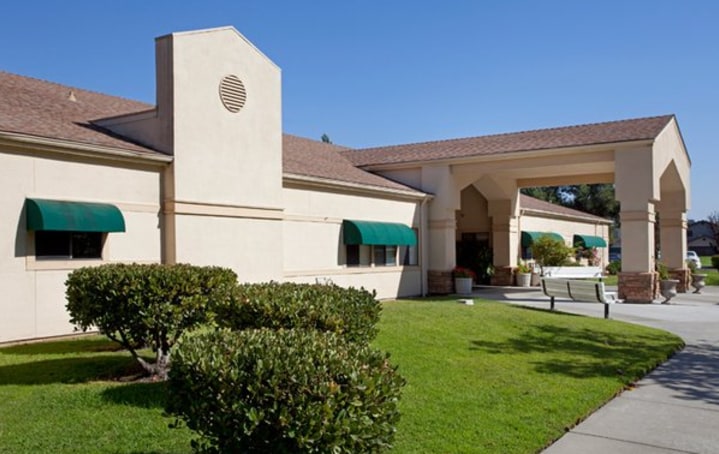
How is Clearwater Healthcare Center Staffed?

CMS rates CLEARWATER HEALTHCARE CENTER's staffing level at 2 out of 5 stars, which is below average compared to other nursing homes. Staff turnover is 47%, compared to the California average of 46%. RN turnover specifically is 70%, which is notably high. RNs provide skilled clinical oversight, so turnover in this role can affect medical care quality.

What Have Inspectors Found at Clearwater Healthcare Center?

State health inspectors documented 61 deficiencies at CLEARWATER HEALTHCARE CENTER during 2019 to 2025. These included: 1 that caused actual resident harm and 60 with potential for harm. Deficiencies causing actual harm indicate documented cases where residents experienced negative health consequences.
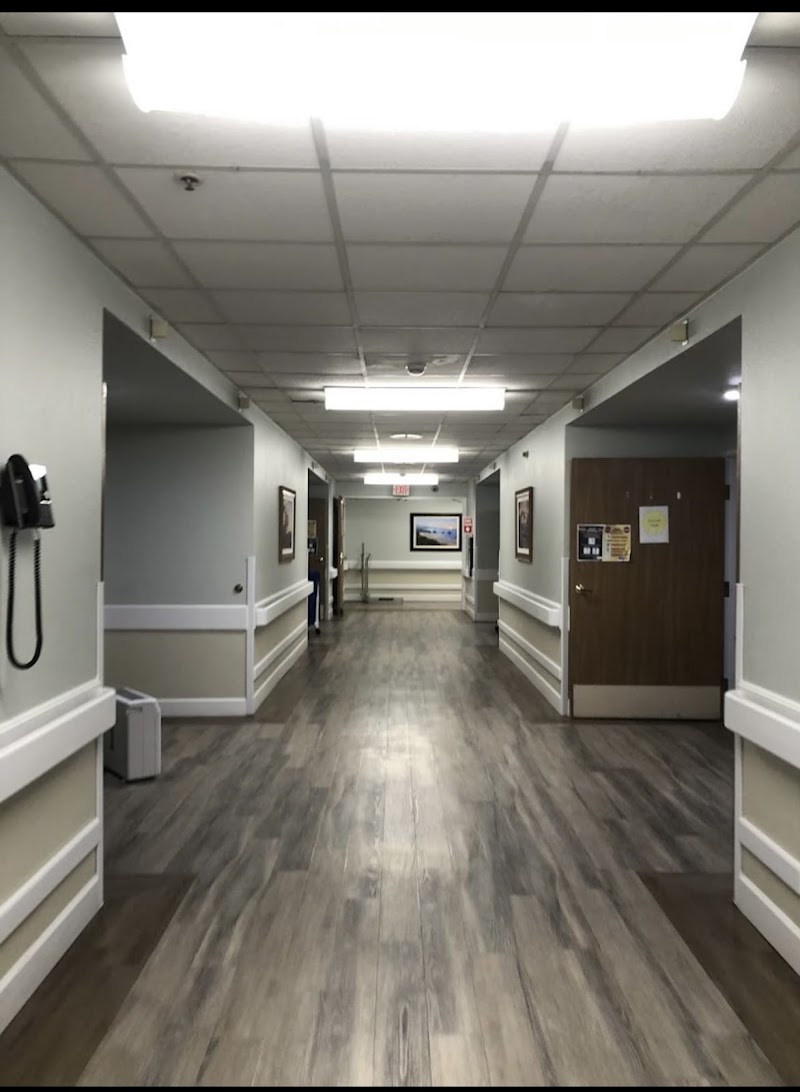
Who Owns and Operates Clearwater Healthcare Center?

CLEARWATER HEALTHCARE CENTER is owned by a for-profit company. For-profit facilities operate as businesses with obligations to shareholders or private owners. The facility is operated by LINKS HEALTHCARE GROUP, a chain that manages multiple nursing homes. With 120 certified beds and approximately 114 residents (about 95% occupancy), it is a mid-sized facility located in STOCKTON, California.
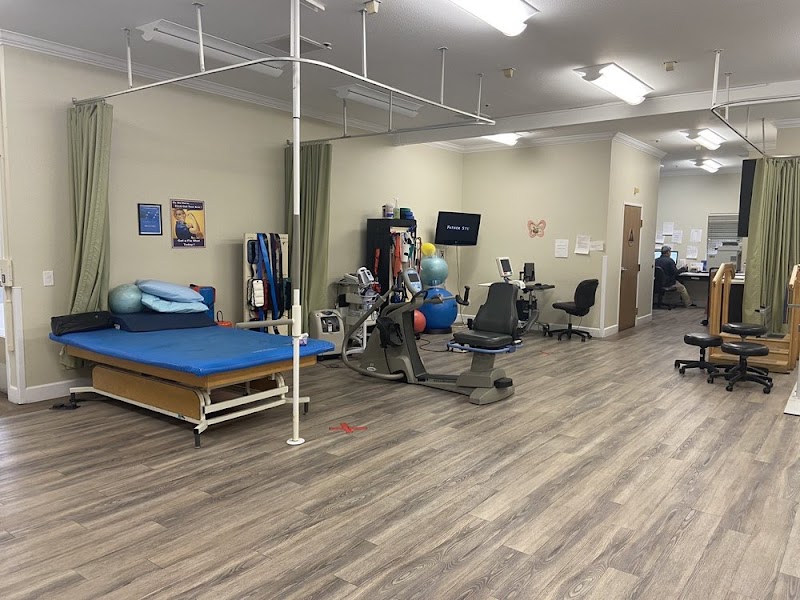
How Does Clearwater Healthcare Center Compare to Other California Nursing Homes?

Compared to the 100 nursing homes in California, CLEARWATER HEALTHCARE CENTER's overall rating (2 stars) is below the state average of 3.1, staff turnover (47%) is near the state average of 46%, and health inspection rating (2 stars) is below the national benchmark.

What Should Families Ask When Visiting Clearwater Healthcare Center?

Based on this facility's data, families visiting should ask: "Can you walk me through typical staffing levels on day, evening, and night shifts?" "Can I visit during a mealtime to observe dining assistance and food quality?" "How do you handle medical emergencies, and what is your hospital transfer rate?" "Can I speak with family members of current residents about their experience?" These questions are particularly relevant given the below-average staffing rating.

Is Clearwater Healthcare Center Safe?

Based on CMS inspection data, CLEARWATER HEALTHCARE CENTER has a clean safety record: no substantiated abuse findings (meaning no confirmed cases of resident harm), no Immediate Jeopardy citations (the most serious violation level indicating risk of serious injury or death), and is not on the Special Focus Facility watch list (a federal program monitoring the lowest-performing 1% of nursing homes). The facility has a 2-star overall rating and ranks #100 of 100 nursing homes in California. While no facility is perfect, families should still ask about staff-to-resident ratios and recent inspection results during their visit.

Do Nurses at Clearwater Healthcare Center Stick Around?

CLEARWATER HEALTHCARE CENTER has a staff turnover rate of 47%, which is about average for California nursing homes (state average: 46%). Moderate turnover is common in nursing homes, but families should still ask about staff tenure and how the facility maintains care continuity when employees leave.

Was Clearwater Healthcare Center Ever Fined?

CLEARWATER HEALTHCARE CENTER has been fined $3,450 across 1 penalty action. This is below the California average of $33,113. While any fine indicates a compliance issue, fines under $50,000 are relatively common and typically reflect isolated problems that were subsequently corrected. Families should ask what specific issues led to these fines and confirm they've been resolved.

Is Clearwater Healthcare Center on Any Federal Watch List?

CLEARWATER HEALTHCARE CENTER is not on any federal watch list. The most significant is the Special Focus Facility (SFF) program, which identifies the bottom 1% of nursing homes nationally based on persistent, serious quality problems. Not being on this list means the facility has avoided the pattern of deficiencies that triggers enhanced federal oversight. This is a positive indicator, though families should still review the facility's inspection history directly.