DELTA OAKS POST ACUTE
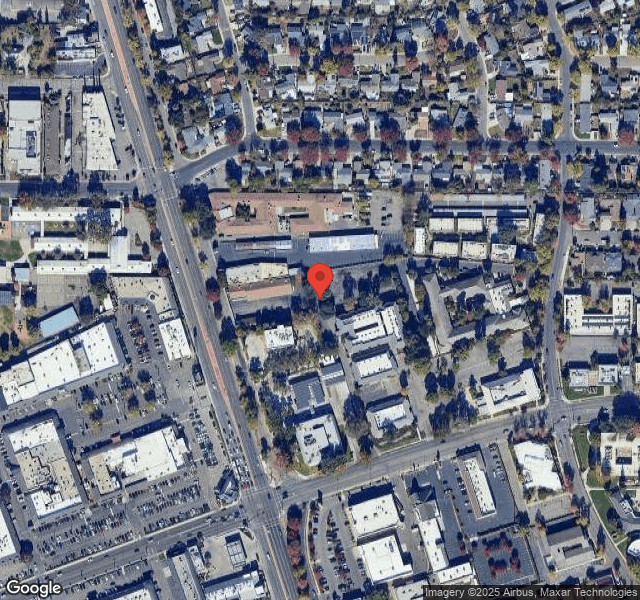
6940 PACIFIC AVENUE, STOCKTON, CA 95207 (209) 477-4817
For profit - Corporation 128 Beds WINDSOR Data: November 2025
Trust Grade
30/100
#1011 of 1155 in CA
Last Inspection: August 2024

Within standard 12-15 month inspection cycle. Federal law requires annual inspections.

Overview

Delta Oaks Post Acute in Stockton, California, has received a Trust Grade of F, indicating significant concerns about the quality of care provided. It ranks #1011 out of 1155 facilities in California, placing it in the bottom half, and #21 out of 24 in San Joaquin County, meaning there are very few local options that perform better. While the facility is trending towards improvement, with the number of issues decreasing from 47 in 2024 to 12 in 2025, it still faced 106 deficiencies, including serious incidents where a resident was harmed due to inadequate supervision and another suffered severe skin issues from improper care. Staffing is a weakness, with a 49% turnover rate, which is concerning, and the facility has average RN coverage, meaning they may not catch all potential problems. However, it is noteworthy that there have been no fines reported, which suggests some compliance with regulations.

Trust Score
F
30/100
In California
#1011/1155
Bottom 13%
Safety Record
Moderate
Needs review
Inspections
Getting Better
47 → 12 violations
Staff Stability
⚠ Watch
49% turnover. Above average. Higher turnover means staff may not know residents' routines.
Penalties
✓ Good
No fines on record. Clean compliance history, better than most California facilities.
Skilled Nurses
⚠ Watch
Each resident gets only 28 minutes of Registered Nurse (RN) attention daily — below average for California. Fewer RN minutes means fewer trained eyes watching for problems.
Violations
⚠ Watch
106 deficiencies on record. Higher than average. Multiple issues found across inspections.
★☆☆☆☆
1.0
Overall Rating
★★☆☆☆
2.0
Staff Levels
★★☆☆☆
2.0
Care Quality
★☆☆☆☆
1.0
Inspection Score
Stable
2024: 47 issues
2025: 12 issues

The Good

  • Full Sprinkler Coverage · Fire safety systems throughout facility
  • No fines on record

Facility shows strength in fire safety.

The Bad

1-Star Overall Rating

Below California average (3.1)

Significant quality concerns identified by CMS

Staff Turnover: 49%

Near California avg (46%)

Higher turnover may affect care consistency

Chain: WINDSOR

Part of a multi-facility chain

Ask about local staffing decisions and management

The Ugly 106 deficiencies on record

2 actual harm
Sept 2025 3 deficiencies
CONCERN (D) 📢 Someone Reported This

A family member, employee, or ombudsman was alarmed enough to file a formal complaint

Potential for Harm - no one hurt, but risky conditions existed

Comprehensive Care Plan (Tag F0656)

Could have caused harm · This affected 1 resident

**NOTE- TERMS IN BRACKETS HAVE BEEN EDITED TO PROTECT CONFIDENTIALITY** Based on interview and record review, the facility failed to ensure interventions (actions, treatments, procedures, or activitie...

Read full inspector narrative →
**NOTE- TERMS IN BRACKETS HAVE BEEN EDITED TO PROTECT CONFIDENTIALITY** Based on interview and record review, the facility failed to ensure interventions (actions, treatments, procedures, or activities designed to meet a residents goals) listed on a resident centered comprehensive care plan (a list of resident specific problems, goals, and interventions) were specific to the care and services that would be implemented for two of three sampled residents (Resident 1 and Resident 3) when, Resident 1 and Resident 3's gastrostomy tube (G-tube; a thin tube surgically inserted into the stomach area to provide a direct route for delivering nutrition, medications, and fluids) care plan intervention indicated to provide dressing to the g-tube site as ordered, however there was no physician order for Resident 1 or Resident 3 in regards to g-tube skin care and dressing instructions and/or frequency.These failures had the potential for Resident 1 and Resident 3 to experience skin breakdown and infection from the G-tube site.Findings: 1. Review of Resident 1's clinical record titled, admission RECORD, indicated Resident 1 was admitted to the facility with diagnosis including but not limited to .ENCOUNTER FOR ATTENTION TO GASTROSTOMY [this diagnosis applies to routine tasks like cleansing, dressing changes, and managing the g-tube].During a concurrent interview and record review on 9/24/25, at 3:43 p.m., with Licensed Nurse (LN) 1, Resident 1's Order Summary Report, printed on 10/24/25, was reviewed. LN 1 confirmed there was no treatment order for Resident 1's G-tube site. LN 1 stated the order should have been there, and it was part of the facility policy to provide treatment to Resident 1's G-tube site every day. LN 1 further stated if the G-tube site does not receive treatment there was a risk of infection and skin breakdown at the site.During a concurrent interview and record review on 9/24/25, at 4:05 p.m., with the Director of Sub-Acute Services (DSAS; provides more intensive medical services and therapy than a traditional nursing home but is less intensive than acute (hospital) care) Resident 1's enteral feeding tube (also known as tube feeding, is a way of sending nutrition right to the stomach or small intestine) care plan, dated 10/24/24, was reviewed. The DSAS verified Resident 1's care plan indicated to monitor the skin around the g-tube site, provide skin care, and dressing changes as ordered. The DSAS further stated it was her expectation for Resident 1 to have a physician treatment order that included g-tube treatment instructions.2. Review of Resident 3's clinical record titled, admission RECORD, indicated Resident 3 was admitted to the facility with diagnosis including but not limited to .ENCOUNTER FOR ATTENTION TO GASTROSTOMY.During a concurrent interview and record review on 9/25/25, at 3:07 p.m., with Licensed Nurse (LN) 2, Resident 1's, Order Summary Report, with a printed date of 10/25/25, was reviewed. LN 2 verified Resident 3 was readmitted to the facility on [DATE] and Resident 3 had no order for treatment for Resident 3's G-tube site until today, 9/25/25. LN 2 stated that without a treatment order for the g-tube, Resident 3 was at risk for skin breakdown and infection of the G-tube site.During a concurrent interview and record review on 9/25/25, at 4 p.m., with the DSAS, Resident 3's enteral feeding care plan, dated 3/4/23, and Order Summary Report, with a printed date of 10/25/25, was reviewed. The DSAS verified Resident 3's enteral feeding care plan indicated interventions to change Resident 3's dressing at the stoma site (an artificial opening created through surgery on the stomach) per doctor's orders and to clean the stoma site as ordered/per facility protocol. The DSAS also verified Resident 3 did not have an order to change the dressing at the G-tube site or an order to clean the site. The DSAS stated care plans provide interventions to situations that were resident specific. The DSAS further stated it was important to follow the care plan to prevent infection.During an interview on 9/25/25, at 5:05 p.m., with the Administrator (ADM), the ADM stated it was her expectation that care plans would be followed. The ADM further stated it was important to follow the care plan to stay consistent with resident care.During a review of the facility's policy and procedure (P&P) titled, CARE PLAN COMPREHENSIVE, dated 8/25/21, the P&P indicated, .Each resident's comprehensive care plan is designed to. incorporate identified problem areas.aid in preventing or reducing declines in the resident's functional status and/or functional levels.reflect currently recognized professional standards of practice for problem areas and conditions .
CONCERN (D) 📢 Someone Reported This

A family member, employee, or ombudsman was alarmed enough to file a formal complaint

Potential for Harm - no one hurt, but risky conditions existed

Deficiency F0688 (Tag F0688)

Could have caused harm · This affected 1 resident

Based on interview and record review, the facility failed to ensure appropriate treatment and services were provided to prevent potential further decline in range of motion (ROM; the extent to which a...

Read full inspector narrative →
Based on interview and record review, the facility failed to ensure appropriate treatment and services were provided to prevent potential further decline in range of motion (ROM; the extent to which a joint can move through its entire range of motion without pain or restrictions) for one of three sampled residents (Resident 1), when Resident 1's ordered Restorative Nursing Program (program to help ensure that residents retain the skills gained in physical therapy and prevent declines that can impact the quality of a resident's life) to provide passive range of motion (PROM; when another person or a machine moves a patient's limb or joint through its full range of motion without the patient's active muscle contraction or effort) to Resident 1's bilateral lower extremities (BLE; both legs) was discontinued on 2/5/25 without an updated referral from the therapy department. This failure had the potential to result in decreased ROM for Resident 1 and for Resident 1's contractures (a body part that gets stuck in a bent or shortened position because of permanent tightening of muscles, tendons, ligaments, or skin that prevents a body part, most often a joint, from moving freely) to worsen.Findings:Review of Resident 1's functional mobility (a person's capacity to move safely and independently to perform activities of daily living (ADLs) such as walking, standing, sitting, and transfers between surfaces) care plan, initiated 4/21/25, in the section titled Focus, indicated .[Resident 1] exhibits or is at risk for alterations in functional mobility related to contracture deformity [a fixed tightening of muscle, tendons, ligaments, or skin that prevents normal movement of the associated body part]: Prevent and Treatment: B [bilateral; both sides] UE/LE [upper extremity (arm)/lower extremity (leg)] contractors. In the section titled Goals, indicated, .[Resident 1] will not have a decrease in ROM times 90 days.[Resident 1] will have no increase in contractures X [times] 90 day [sic].A review of Resident 1's Minimum Data Set (MDS, an assessment tool), in the section titled, Section GG - Functional Abilities, dated 8/3/25, indicated Resident 1 was dependent on staff for all care needs including eating, toileting, bathing, personal hygiene, and dressing.During a concurrent interview and record review on 9/24/25, at 11:28 a.m., with Restorative Nurse Assistant (RNA) 1, Resident 1's document titled, RNA Orders & Referral Form, dated 12/6/24, was reviewed. Review of Resident 1's RNA order, signed by the Director of Rehab (DOR), indicated to provide .Passive ROM. [checked box] RNA for PROM to BUE & BLE.Non verbal [unable to speak], increase risk of contracture related to immobility [unable to move on own], ROM. RNA 1 verified that this was Resident 1's most recent referral for RNA services and stated Resident 1 was currently only receiving PROM therapy for bilateral upper extremities three times a week. RNA 1 further stated that Resident 1 used to receive PROM for BUE and PROM for BLE but stopped receiving BLE PROM between February and March of this year (2025). During a concurrent interview and record review on 9/25/25, at 1:15 p.m., with the Director of Nursing (DON), Resident 1's physician orders were reviewed. The DON verified Resident 1's physician order for BLE PROM three times a week was discontinued on 2/5/25. The DON stated the facility should have continued both BUE and BLE PROM therapy and Resident 1's order for BLE PROM should not have been discontinued without a new referral from therapy. The DON further stated that without receiving the BLE PROM Resident 1 was at risk of experiencing worsening contractures and potentially pain associated with the joints and immobility.During an interview on 9/25/25, at 2:05 p.m., with Physical Therapy Assistant (PTA) 1, PTA 1 stated Resident 1 would not be able to maintain range of motion or mobility without BLE PROM. PTA 1 noted that Resident 1 was at risk for worsening contractures and potential discomfort.During a review of Resident 1's document titled, Documentation Survey Report V2 for the months of 12/24 to 8/25 indicated Resident 1 last received BLE PROM on 2/13/25.During a review of the facility's policy and procedure (P&P) titled, Restorative Nursing Services, dated 7/17, the P&P indicated, .Residents will receive restorative nursing care as needed to help promote optimal safety and independence.
CONCERN (D) 📢 Someone Reported This

A family member, employee, or ombudsman was alarmed enough to file a formal complaint

Potential for Harm - no one hurt, but risky conditions existed

Tube Feeding (Tag F0693)

Could have caused harm · This affected 1 resident

Based on interview and record review, the facility failed to ensure a physician order was in place to indicate the appropriate care of a gastrostomy tube feeding (G-tube; a thin tube surgically insert...

Read full inspector narrative →
Based on interview and record review, the facility failed to ensure a physician order was in place to indicate the appropriate care of a gastrostomy tube feeding (G-tube; a thin tube surgically inserted into the stomach area to provide a direct route for delivering nutrition, medications, and fluids) for 2 of the 3 sampled residents (Resident 1 and Resident 3) to prevent potential complications of the feeding tube when, Resident 1 and Resident 2 did not have a physician treatment order to indicate the care needed for the G-tube site.This failure had the potential for Resident 1 and Resident 3 to experience skin breakdown and infection at the G-tube site.Findings:1. Review of Resident 1's clinical record titled, admission RECORD, indicated Resident 1 was admitted to the facility with diagnosis including but not limited to .ENCOUNTER FOR ATTENTION TO GASTROSTOMY [this diagnosis applies to routine tasks like cleansing, dressing changes, and managing the g-tube].During a concurrent interview and record review on 9/24/25, at 3:43 p.m., with Licensed Nurse (LN) 1, Resident 1's Order Summary Report, printed on 10/24/25, was reviewed. LN 1 confirmed there was no treatment order for Resident 1's G-tube site. LN 1 stated the order should have been there, and it was part of the facility policy to provide treatment to Resident 1's G-tube site every day. LN 1 further stated if the G-tube site does not receive treatment there was a risk of infection and skin breakdown at the site.During an interview on 9/24/25, at 4:05 p.m., with the Director of Sub-Acute Services (DSAS; provides more intensive medical services and therapy than a traditional nursing home but is less intensive than acute (hospital) care), the DSAS stated it was her expectation for Resident 1 to have a physician treatment order that included g-tube treatment instructions.A review of Resident 1's, Treatment Administration Record, dated 8/24, indicated there was no documented evidence that Resident 1 received treatment to the G-tube site upon readmission to the facility on 8/9/24.2. Review of Resident 3's clinical record titled, admission RECORD, indicated Resident 3 was admitted to the facility with diagnosis including but not limited to .ENCOUNTER FOR ATTENTION TO GASTROSTOMY.During a concurrent interview and record review on 9/25/25, at 3:07 p.m., with Licensed Nurse (LN) 2, Resident 1's, Order Summary Report, with a printed date of 10/25/25, was reviewed. LN 2 verified Resident 3 had no active order for treatment for Resident 3's G-tube site from 8/20/25, until today, 9/25/25. LN 2 stated that without a treatment order for the g-tube, Resident 3 was at risk for skin breakdown and infection of the G-tube site.During a concurrent interview and record review on 9/25/25, at 4 p.m., with the DSAS, Resident 3's Order Summary Report, with a printed date of 10/25/25, was reviewed. The DSAS verified Resident 3 did not have an order to change the dressing at the G-tube site or an order to clean the site. The DSAS stated if Resident 3's G-tube site did not have a treatment order Resident 3 was at risk for infection and skin breakdown at the G-tube site.During a review of the facility's policy and procedure (P&P) titled, Enteral Feedings [a method of providing nutrition directly into the gastrointestinal (GI; includes stomach and intestines) tract through a tube] - Safety Precautions, dated 11/18, the P&P indicated, .The facility will remain current in and follow accepted best practices in enteral nutrition.Keep the skin around exit site clean, dry and lubricated.
Aug 2025 1 deficiency
CONCERN (D) 📢 Someone Reported This

A family member, employee, or ombudsman was alarmed enough to file a formal complaint

Potential for Harm - no one hurt, but risky conditions existed

Infection Control (Tag F0880)

Could have caused harm · This affected 1 resident

Based on observation, interview, and record review, the facility failed to properly prevent the spread of COVID-19 when one direct care staff member, (Certified Nursing Assistant [CNA] 1) did not wear...

Read full inspector narrative →
Based on observation, interview, and record review, the facility failed to properly prevent the spread of COVID-19 when one direct care staff member, (Certified Nursing Assistant [CNA] 1) did not wear the required personal protective equipment (PPE, includes gowns, gloves, eye protection, face masks, or respirators worn to prevent the spread of germs and infection) prior to entering the room of residents who were COVID-19 positive (Resident 1 and Resident 2). This failure had the potential for CNA 1 to become infected with COVID-19 and to spread COVID-19 to other facility residents, staff, and visitors. A review of Resident 1's admission RECORD, indicated that Resident 1 was admitted to the facility in 2024 with diagnoses which included cerebral infarction (a result of disrupted blood flow of the brain due to problems with blood vessels that supply it, also known as a stroke), malignant neoplasm of left kidney (kidney cancer; occurs when healthy cells in the kidney grow out of control and form a lump), and anxiety disorder (a nervous disorder characterized by a state of excessive uneasiness and apprehension, typically with compulsive behavior or panic attacks, that interferes with daily living).A review of Resident 1's Progress Note, dated 8/22/25, at 10:25 a.m., indicated that Resident 1 tested positive for COVID-19.A review of Resident 2's admission RECORD, indicated that Resident 2 was admitted to the facility in 2022 with diagnoses which included osteoarthritis of left and right hip (a degenerative joint disease where the cartilage in the hip joint wears down causing pain and stiffness), and anemia (a condition in which the body doesn't have enough red blood cells and hemoglobin to carry sufficient oxygen to the body tissues).A review of Resident 2's Change in Condition SBAR (situation, background, assessment, and recommendation) and Progress Note Form, dated 8/20/25, at 2 p.m. indicated that Resident 2 tested positive for COVID-19.During a concurrent observation and interview on 8/22/25, at 3:12 p.m., CNA 1 was observed in a COVID-19 isolation room with Resident 1 and Resident 2 wearing a surgical mask (a single-use, non-sterile mask that filters out large droplets, splashes and the wearer's own respiratory droplets. Fit-tested N-95 masks provide better protection against COVID-19 infection). A sign posted near the room door indicated that hand hygiene (cleaning hands with either soap and water or approved hand sanitizer) was required prior to room entry. The sign near the room door further indicated that a gown, N-95 mask, face shield, and gloves were required to be worn on room entry. With CNA 1 outside the residents' room, CNA 1 stated that there was PPE available for use near the room door. CNA 1 confirmed that the isolation sign outside the room door indicated the PPE required to be worn when entering the room. CNA 1 further confirmed that both residents in the room had tested positive for COVD-19. CNA 1 stated that she didn't know why she entered the room without the proper PPE. CNA 1 further stated that she should have had the proper PPE on while in the room with the residents. CNA 1 stated that she knew the risk of not wearing the proper PPE in the room with residents who tested positive for COVID-19.During an interview on 8/22/25, at 3:15 p.m. with the Infection Preventionist (IP), the IP stated that her expectation was that staff washed and/or sanitized their hands between residents, and that staff wore the PPE required when entering an isolation room of a resident that was positive for COVID-19. The IP further stated that the risk was the spread of COVID-19 to others. The IP acknowledged that the facility policy was not followed.During a review of a facility policy and procedure (P&P) titled, COVID-19 Management, effective January 2025, the P&P indicated, .Policy Statement.To provide a safe environment and to prevent the development and transmission of COVID-19.2. Infection Prevention and Control.II. Staff.ii. When COVID-19 hospitalization levels are high or when in an outbreak, all staff should wear.(N-95 respirator) for source control when providing resident care, Working [sp] with a resident in-person.b. Transmission Based Precautions and Personal Protective Equipment.II. COVID-19 transmission based [sp] precautions will use the following PPE.i. N 95 respirator, gloves, gown, and eye protection.During a review of a facility P&P titled, Isolation - Categories of Transmission-Based Precautions, revised September 2022, the P&P indicated, .Policy Statement.Transmission-based precautions are initiated when a resident develops signs and symptoms of a transmissible infection; arrives for admission with symptoms of an infection; or has a laboratory confirmed infection; and is at risk of transmitting the infection to other residents.Policy Interpretation and Implementation.5. When a resident is placed on transmission-based precautions, appropriate notification is placed on the room entrance door.so that personnel and visitors are aware of the need for and the type of precaution.a. The signage informs the staff of the type of CDC (Centers for Disease Control and Prevention) precaution(s), instructions for use of PPE, and/or instructions to see a nurse before entering the room.
Aug 2025 1 deficiency
CONCERN (D) 📢 Someone Reported This

A family member, employee, or ombudsman was alarmed enough to file a formal complaint

Potential for Harm - no one hurt, but risky conditions existed

Accident Prevention (Tag F0689)

Could have caused harm · This affected 1 resident

Based on interview and record review, the facility failed to ensure adequate supervision and monitoring were maintained for one of six sampled residents (Resident 1) when staff did not verify Resident...

Read full inspector narrative →
Based on interview and record review, the facility failed to ensure adequate supervision and monitoring were maintained for one of six sampled residents (Resident 1) when staff did not verify Resident 1's Wanderguard (a monitoring device that alerts staff when a resident approaches a restricted area and attempts to exit a designated zone) placement every shift. This failure potentially contributed to Resident 1 leaving the facility on 4/7/25 without staffs' knowledge and placed Resident 1 at risk for injury.Findings:During a review of Resident 1's clinical record titled, admission RECORD, the record indicated Resident 1 was admitted to the facility with multiple diagnoses including cerebral infarction (long -term effect or complications following a stroke (blood supply to parts of the brain is blocked or reduced) and type 2 diabetes mellitus (high levels of sugar in the blood).A review of Resident 1's clinical record titled, Interdisciplinary Care Conference, (a meeting of a group of healthcare professionals for the purpose of discussing, identifying, addressing, implementing, and reviewing plans to meet the needs regarding a resident's care) dated 4/8/25, indicated that Resident 1's mother called the facility on 4/7/25 at 3:43 p.m. to report that Resident 1 had contacted her stating that he had left the facility and was standing outside of the bank. The facility activated an elopement (a resident leaving a healthcare facility without authorization or staffs' knowledge) code and began searching for Resident 1 without success. On 4/7/25 at 4:23 p.m., Resident 1's mother returned him to the facility.During a concurrent interview and record review on 8/7/25, at 3:46 p.m., with the Sub-acute Director (SUD), Resident 1's medical records were reviewed. The SUD verified that staff had not followed the doctor's order verifying and documenting the placement and working order of Resident 1's Wanderguard (when battery was low; it would show a red light on the strap that indicated the battery needed to be replaced) every shift. The SUD verified that staff did not follow the facility's policy and procedures for the Wanderguard system.During a concurrent interview and record review on 8/7/25, at 4:16 p.m. with Licensed Nurse (LN) 1, Resident 1's Physician orders were reviewed. LN 1 stated that for residents who are using the Wanderguard system, staff are required to verify that it was placed on the resident every shift. LN 1 confirmed that Resident 1's medical records contained a physician's order directing staff to check the placement each shift; however, there was no documentation showing the checks were completed by the staff. LN 1 stated that Resident 1 was placed at risk for injury if he were to leave the facility undetected.Review of Resident 1's physician order, documented in the electronic medical record titled, Order Summary, dated 4/7/25, at 6:05 p.m., indicated the physician ordered staff to check Resident 1's Wanderguard placement every shift.During a concurrent interview and record review on 8/8/25, at 9:13 a.m. with the Administrator (ADM), the ADM stated that her expectation was for staff to verify placement of the Wanderguard each shift. The ADM confirmed that staff were not documenting these placement checks as required by policy and as ordered by the doctor. The ADM further stated that failure to follow this policy places Resident 1 at risk for elopement.During a concurrent interview and record review on 8/8/24, at 10:41 a.m. with the Director of Nursing (DON), Resident 1's medical record was reviewed. The DON reviewed Resident 1's medical record and validated that staff had not checked Resident 1's Wanderguard placement each shift. The DON stated this placed Resident 1 at risk for elopement again without staff's knowledge.Review of a facility policy titled, Tab Alarms, Bed Alarms, Wanderguard System revision date 12/12/24, indicated, .The Wanderguard would be used for residents at risk for elopement. 7. The Wanderguard bracelets are checked daily.
Jun 2025 1 deficiency
CONCERN (D) 📢 Someone Reported This

A family member, employee, or ombudsman was alarmed enough to file a formal complaint

Potential for Harm - no one hurt, but risky conditions existed

Investigate Abuse (Tag F0610)

Could have caused harm · This affected 1 resident

Based on interview and record review, the facility failed to submit the investigation report of an allegation of abuse involving two of three sampled residents (Resident 1 and Resident 2) to the Depar...

Read full inspector narrative →
Based on interview and record review, the facility failed to submit the investigation report of an allegation of abuse involving two of three sampled residents (Resident 1 and Resident 2) to the Department, within 5 days of the incident.This failure had the potential to result in the inability to protect Resident 1 and Resident 2 from further abuse.Findings:Review of Resident 1's admission RECORD indicated Resident 1 was admitted to the facility with diagnosis which included, but were not limited to, dementia (a group of conditions that affect the brain, causing a decline in a person's mental abilities, like memory, thinking, and reasoning skills).Review of Resident 2's admission RECORD indicated Resident 1 was admitted to the facility with diagnosis which included, but were not limited to, dementia.During a concurrent interview and record review on 6/25/25, at 1:54 p.m., with the Administrator (ADM) the undated facility document titled, 5 Day Summary was reviewed. The, Five Day Summary indicated an allegation of abuse was investigated between Resident 1 and Resident 2 and was reported to the Department. The ADM stated the report was never sent to the Department but it should have been. During a review of the facility's policy and procedure titled, Abuse Investigation and Reporting, dated 7/17, indicated, .The Administrator, or his/her designee, will provide the appropriate agencies or individuals listed above with a written report of the findings of the investigation within five (5) working days of the occurrence of the incident .
Jun 2025 1 deficiency
CONCERN (E) 📢 Someone Reported This

A family member, employee, or ombudsman was alarmed enough to file a formal complaint

Potential for Harm - no one hurt, but risky conditions existed

Accident Prevention (Tag F0689)

Could have caused harm · This affected multiple residents

Based on observation, interview, and record review, the facility failed to ensure adequate supervision was provided for a census of 103 when several nursing staff were on their personal cellphones dur...

Read full inspector narrative →
Based on observation, interview, and record review, the facility failed to ensure adequate supervision was provided for a census of 103 when several nursing staff were on their personal cellphones during work hours. This failure had the potential to cause psychosocial harm and/or potential injury to all residents.Findings: During a concurrent observation and interview on 6/13/25, at 3:15 p.m., Certified Nursing Assistant (CNA) 1 confirmed she was on her cellphone while working on the floor monitoring residents in the dining room across the Nurses' Station 3 and 4. CNA 1 stated being on the cellphone could affect the residents and lead to delay in the response times. CNA 1 further stated as per facility policy staff should not use their cellphones while working on the floor. During a concurrent observation and interview on 6/13/25, at 3:22 p.m., Licensed Nurse (LN) confirmed she was on her cellphone while working on documentation. LN stated being on the cellphone while working had the potential to not to meet residents' needs and provide proper care. During a concurrent observation and interview on 6/13/25, at 3:29 p.m., at the Sub Acute Nurses' Station, Restorative Nursing Assistant (RNA) 1, and CNA 2 confirmed they were on their cellphones. RNA 1 stated as per facility policy use of cellphone was not allowed on the floor. RNA 1 further stated there was a potential to be distracted, and accidents could happen. CNA 2 stated being on the cellphone while on the floor had the potential to not to meet residents' needs. During an interview on 6/17/25, at 9:52 a.m., Resident 1 stated that he had seen nursing staff talking and/ or chatting on their cellphones when they were in the hallway passing by his room. Resident 1 further stated he felt there could be a risk for not paying their full attention to the residents that might need help. During a phone interview on 6/17/25, at 2:30 p.m., the Director of Staff Development (DSD) stated according to the facility employee handbook, staff should not use their personal cellphone during work hours, and cellphones should be on silent mode while on the floor. The DSD further stated her expectation was not met by staff. During an interview on 6/18/25, at 11:05 a.m., Resident 2 stated she observed the nursing staff talking on their personal cellphones in the facility hallways on multiple occasions. Resident 2 further stated it was not professional for the nurses to be on their personal cellphones during work hours. Resident 2 expressed her concern about other residents at the facility who could have been at risk for neglect due to the staffs' preoccupation with their cellphones. During a concurrent interview and record review on 6/18/25, at 11:34 a.m., with the Director of Nursing (DON), the facility document titled, EMPLOYEE HANDBOOK, dated 11/01/23, and an undated facility policy titled, Telephones, Employee Use of, were reviewed. A review of the EMPLOYEE HANDBOOK, indicated, .PERSONAL ELECTRONIC DEVICES.Employees should conduct personal business during meal breaks and other rest periods. This includes the use of personal communication devices (including cell phones) for personal business (including personal phone conversations and text messages.employees must refrain from the use of any form of personal electronic communication devices during normal work hours. Further review of the facility policy titled, Telephones, Employee Use of, indicated, .All persons must exercise thoughtfulness and courtesy in using telephones.2. Cellular phones may be used for personal calls and text messaging during meal and break periods. Employee cell phones should remain off and/or silent during all other work hours. The DON confirmed the facility policy and employee handbook were not followed. The DON stated it was not professional to use cellphones, and she did not expect staff to use cellphones during work hours in the nurses' stations, hallways, during shift endorsement, residents' rooms, and other common areas. The DON further stated there was a potential for a delay in providing care and placing residents' health at risk.
Jun 2025 1 deficiency
CONCERN (D) 📢 Someone Reported This

A family member, employee, or ombudsman was alarmed enough to file a formal complaint

Potential for Harm - no one hurt, but risky conditions existed

ADL Care (Tag F0677)

Could have caused harm · This affected 1 resident

Based on interview and record review, the facility failed to ensure one of three sampled residents (Resident 1) who was dependent on staff for activities of daily living (ADLs-routine tasks/activities...

Read full inspector narrative →
Based on interview and record review, the facility failed to ensure one of three sampled residents (Resident 1) who was dependent on staff for activities of daily living (ADLs-routine tasks/activities such as bathing, dressing, grooming a person performs daily to care for himself or herself) received services to maintain personal hygiene when Resident 1 was not provided showers as scheduled from 1/9/25 through 3/11/25. This failure had the potential to cause discomfort, skin impairment, infection, and a decline in emotional and psychological well-being. Findings: During a review of Resident 1's clinical record titled, admission RECORD , undated, the record indicated Resident 1's diagnoses included acute respiratory failure with hypoxia (not enough oxygen in the body) and multiple injuries from motor-vehicle accident. A review of Resident 1's clinical record titled, Minimum Data Set , (MDS-an assessment tool) under section GG-Functional Abilities, dated 2/8/25, the record indicated Resident 1 was dependent on staff for showers and baths. A review of Resident 1's clinical record titled, ADL Care Plan, dated 6/4/24, the care plan indicated Resident 1 required extensive to total assist with ADLs. A review of facility's document titled, DAILY SHOWER SCHEDULES MORNING SHIFT, dated 4/21/25, the shower schedule indicated Resident 1 received showers every Wednesdays and Saturdays during the morning shift. During an interview on 5/13/25, at 4:10 p.m., with Certified Nurse Assistant (CNA) 1, CNA 1 stated Resident 1 was supposed to receive showers at least twice a week. CNA 1 stated when Resident 1 refused a shower, Resident 1 should have been offered a shower two additional times. CNA 1 stated when Resident 1 continued to refuse showers, the charge nurse should have been informed of the refusals. A review of Resident 1's clinical record titled, Documentation Survey Report, dated January, February, and March of 2025, indicated there were multiple days in which Resident 1 received bed baths instead of showers. There was no documented evidence for the months of January, February, and March 2025 that Resident 1 refused showers nor that showers were provided. The document indicated as follows, -1/9/25 through 1/15/25, an entry of 97 was documented (coded that a shower was not applicable) -1/15/25, an entry of B was documented (coded as a bed bath). There was only one bed bath provided during this week. There was no documented evidence that a shower was provided, nor that Resident 1 refused showers. -1/16/25 through 1/22/25, an entry of 97 was documented (coded that a shower was not applicable) except on 1/20/25, which indicated a B entry (coded as a bed bath). There was only one bed bath provided during this week. There was no documented evidence a shower was provided nor that Resident 1 refused showers. -1/23/25 through 1/29/25, an entry of 97 was documented (coded that a shower was not applicable) except on 1/23/25 and 1/27/25 which indicated a B (coded as a bed bath) entry. There was no documented evidence that a shower was provided, nor that Resident 1 refused showers. -1/30/25 through 2/5/25, an entry of the 97 was documented (coded that a shower was not applicable). There was no documented evidence a bed bath or a shower was provided nor that Resident 1 refused showers. -2/13/25 through 2/19/25, an entry of 97 was documented (coded that a shower was not applicable) except on 2/17/25 and 2/18/25 which indicated a B entry (coded as a bed bath). There was no documented evidence that a shower was provided, nor that Resident 1 refused showers. - 2/20/25 through 2/26/25, an entry of 97 was documented (coded that a shower was not applicable) except on 2/20/25 and 2/24/25 which indicated a B entry (coded as a bed bath). There was no documented evidence that a shower was provided, nor that Resident 1 refused showers. -2/27/25 through 3/6/25, an entry of 97 was documented (coded that a shower was not applicable) except on 3/3/25 and 3/6/25 which indicated a B entry (coded as a bed bath). There was no documented evidence that a shower was provided, nor that Resident 1 refused showers. -3/7/25 through 3/11/25, an entry of 97 was documented (coded that a shower was not applicable) except on 3/10/25 which indicated a B entry (coded as a bed bath). There was no documented evidence that a shower was provided, nor that Resident 1 refused showers. During an interview on 6/5/25, at 3:32 p.m., with the Director of Nursing (DON), the DON verified there were no showers provided for Resident 1 on the above dates. The DON also confirmed there were weeks in January where only one bed bath was provided for Resident 1. The DON further explained a 97-entry code did not reflect if Resident 1 had refused showers. The DON could not provide documented evidence that a shower was offered first before giving a bed bath. The DON further explained Resident 1 was at risk for impaired skin integrity, increased damage to the skin, and poor hygiene due to lack of showers which could have affected Resident 1's over all well-being. During a review of the facility's policy and procedure titled, Activities of Daily Living (ADLs), Supporting, revised March 2018, indicated, .Residents who are unable to carry out activities of daily living independently will receive the services necessary to maintain good .grooming and personal .hygiene .Appropriate care and services will be provided for residents who are unable to carry out ADLs independently, with the consent of the resident and in accordance with the plan of care, including appropriate support and assistance with: Hygiene (bathing, dressing, grooming, and oral care) .If a resident resists or refuses care, staff will attempt to identify the underlying cause of the behavior and consider approaching the resident in a different way or at a different time, or having another staff member speak with the resident .
May 2025 1 deficiency
CONCERN (D) 📢 Someone Reported This

A family member, employee, or ombudsman was alarmed enough to file a formal complaint

Potential for Harm - no one hurt, but risky conditions existed

Free from Abuse/Neglect (Tag F0600)

Could have caused harm · This affected 1 resident

Based on interview and record review the facility failed to ensure one of three sampled residents (Resident 1) was free from physical abuse when Resident 2 was alleged to have hit Resident 1 on the ch...

Read full inspector narrative →
Based on interview and record review the facility failed to ensure one of three sampled residents (Resident 1) was free from physical abuse when Resident 2 was alleged to have hit Resident 1 on the chin and stomach on 3/16/25 and was witnessed hitting Resident 1 on the face on 4/1/25. This failure caused Resident 1 to suffer emotional distress and had the potential to negatively affect her physical and psychosocial wellbeing. Findings: A review of Resident 1 ' s admission RECORD, indicated, she was admitted to the facility with diagnoses that included dementia (condition characterized by memory disorders, personality changes, and impaired reasoning). A review of Resident 1 ' s Brief Interview for Mental Status [BIMS], (a tool used to screen for cognitive impairment that uses a points system with ranges from 0 to 15 points: 0 to 7 points suggests severe cognitive impairment, 8 to 12 points suggests moderate cognitive impairment, 13 to 15 points suggests that cognition is intact) dated 2/21/25, indicated a score of 1. A review of Resident 1 ' s care plan revised 10/18/21, indicated, The resident has a psychosocial well-being problem r/t [related to] Family discord. Pt has been in abusive relationship for over 60 years with spouse . A review of Resident 1 ' s progress notes dated 3/17/25, at 2:38 AM, indicated, Change in Condition Progress Note At approximately 2300 [11 PM on 3/16/25] CNA came to writer and reported that resident in [Resident 3 bed number] reported that he heard his roommate, [Resident 2], have a physical altercation with resident [Resident 1]. [Resident 3] reported that he heard [Resident 1] tell [Resident 2] to stop hitting her. [Resident 3] also reported thathe [sic] heard his roommate [Resident 2] push [Resident 1] around. CNA immediately took [Resident 1] out of [Resident 3's] room. When writer asked [Resident 1] what happened and resident said that [Resident 2] hit her on the chin and stomach. A review of Resident 1 ' s progress notes dated 3/18/25, at 11:11 AM, indicated, Interdisciplinary Care Conference IDT [interdisciplinary team; group of healthcare professionals who assess and coordinate care] team met with resident to discuss the incident of alleged physical altercation staff will monitor both residents to prevent further escalation between both of them. A review of Resident 1 ' s care plan, initiated 3/17/25, indicated, Focus Resident is the victim of a resident to resident alleged physical altercation. The areas titled, Goal and Intervention/Tasks were blank. A review of Resident 1 ' s progress notes dated 4/1/25, at 11:30 PM, indicated, Change in Condition Progress Note At approximately 2010 [8:10PM] station 2 nurse informed writer that resident was on station 1 and 2 ' s phone talking to the police because resident in [Resident 2 bed number] hit her on the right side of her face and head resident was noted on the phone crying while talking to the police holding the right side of her face. Writer asked resident what happened, and resident stated, [Resident 2] hit me on my face. Resident was visibly distressed. Resident in [Resident 4 bed number] was sitting next to resident and state [sic], Yes, I saw him hit her. During an interview on 5/27/25, at 12:38 PM, Licensed Nurse (LN) 2 stated she was at the nurse ' s station on 4/1/25, when Resident 1 and Resident 4 passed her on their way to the lobby. LN 2 further stated Resident 2 came to the nurse ' s station looking for Resident 1. LN 2 stated resident 2 went to the lobby and a few minutes later Resident 1 and Resident 4 hurriedly returned to the nurse ' s station. LN 2 further stated Resident 1 had a large red mark on her face and reported that Resident 2 had hit her. LN 2 stated Resident 1 called the police. During a concurrent interview and record review on 5/27/25, at 2:05 PM, the Social Services Assistant (SSA) stated she was unaware of Resident 1 ' s history of domestic abuse until after the first altercation occurred on 3/16/25. The SSA stated she was unaware of Client 1 ' s active care plan revised 10/18/21, that indicated a history of an abusive spousal relationship. The SSA further stated Resident 1 was placed on one to one observation after the altercation on 4/1/25. During a concurrent interview and record review on 5/27/25, at 3:39 PM, the ADON confirmed Resident 2 ' s electronic health record did not contain documentation after 3/17/25 to indicate he was being monitored by nursing staff due to the alleged altercation. The ADON stated the documentation was important to show that Resident 2 was monitored to prevent another altercation from happening. During a concurrent interview and record review on 5/27/25, at 4:13 PM , the Director of Nurses (DON) stated IDT meetings were held as soon as possible after an incident occurred to determine the residents needs and update the plan of care. The DON confirmed Resident 1 ' s care plan, dated 3/17/25, did not include interventions of monitoring, as indicated in the IDT note, to prevent further altercations. A review of a facility policy titled, Abuse Prevention Program, revised 2016, indicated, Our residents have the right to be free from abuse, neglect, misappropriation of property and exploitation. As part of the resident abuse prevention, the administration will. Protect our residents from abuse by anyone including other residents family members. A review of a facility policy and procedure titled, Abuse Prohibition Policy and Procedure, dated 2/23/21, indicated, Staff will identify events-such as suspicious bruising of patients, occurrences, patterns, and trends that may constitute abuse. The center will provide adequate supervision when the risk of resident-resident altercation is suspected. The Center is responsible for identifying residents who have a history of disruptive or intrusive interactions or who exhibit other behaviors that make them more likely to be involved in an altercation. At Quality Assurance and Performance Improvement (QAPI) meetings, review allegations of abuse. Analyze occurrences to determine what changes are needed, if any, to prevent further occurrence. Identify situations which have a potential for risk. Determine what preventative measures will be implemented by staff.
May 2025 1 deficiency
CONCERN (E) 📢 Someone Reported This

A family member, employee, or ombudsman was alarmed enough to file a formal complaint

Potential for Harm - no one hurt, but risky conditions existed

Deficiency F0628 (Tag F0628)

Could have caused harm · This affected multiple residents

**NOTE- TERMS IN BRACKETS HAVE BEEN EDITED TO PROTECT CONFIDENTIALITY** Based on interview, and record review, the facility failed to provide the proper notice for discharge for 2 of 2 sampled residen...

Read full inspector narrative →
**NOTE- TERMS IN BRACKETS HAVE BEEN EDITED TO PROTECT CONFIDENTIALITY** Based on interview, and record review, the facility failed to provide the proper notice for discharge for 2 of 2 sampled residents (Resident 1, and Resident 2) when a written notice of discharge for Resident 1 and Resident 2 was not sent to the State Long-Term Care Ombudsman's office (a government appointed person who actively supports the rights of the long term care residents). These failures violated Resident 1 and Resident 2's rights from the Ombudsman being informed of the discharge decisions and removed the opportunity for the Ombudsman to advocate on behalf of Resident 1 and Resident 2 with the potential of having an inappropriate discharge. Findings: a. Review of Resident 1's admission RECORD, indicated Resident 1 was admitted to the facility in 2024 with diagnoses which included, but not limited to necrotizing fasciitis (a serious bacterial infection that destroys tissue under the skin), and acquired absence of left leg below knee (a condition where the leg is removed below the knee joint due to injury, disease or medical necessity). During a concurrent observation and interview on 5/14/25, at 11:10 a.m., Resident 1 confirmed he received a Notice of Discharge (a document given by the facility to the resident indicating an upcoming discharge from the current facility to another location) with an effective date of discharge on [DATE]. b. Review of Resident 2's admission RECORD, indicated Resident 2 admitted to the facility in 2022 with diagnoses which included but not limited to type 2 diabetes mellitus (a chronic condition with elevated blood sugar levels) with diabetic neuropathy (nerve damage caused by diabetes), cellulitis of left lower limb (a bacterial infection of skin and the tissue beneath skin). During a concurrent observation and interview on 5/14/25, at 3:01 p.m., Resident 2 confirmed she received a Notice of Discharge from the facility with an effective date of discharge on [DATE]. During an interview on 5/14/25, at 3:32 p.m., with the Business Office Manager (BOM), the BOM stated she was unaware if the facility provided written notification to the Ombudsman's office for Resident 1 and Resident 2's discharge notices. During a phone interview on 5/15/25, at 9:37 a.m., with the Ombudsman (OMB), the OMB confirmed the Ombudsman's office did not receive a written notification for Resident 1 and Resident 2's discharge notices. During a concurrent interview and record review on 5/15/25, at 1:32 p.m., with the Director of Nursing (DON), Resident 1 and Resident 2's REVISED Notice of Discharge, both dated 3/31/2025, and the facility policy and procedure (P&P) titled, Transfer or Discharge, Facility-Initiated, dated October 2022 were reviewed. The DON confirmed the facility did not provide a written copy of Resident 1 and Resident 2's discharge notice to the Ombudsman. The DON stated it was necessary to send a copy of the notification to the Ombudsman on the same day. The DON further stated the role of the Ombudsman was supporting and defending residents' rights and well-being to ensure residents were receiving proper care, feeling safe, and for their needs to be met in the facility. Review of the P&P indicated, .Once admitted to the facility, residents have the right to remain in the facility. Facility-initiated transfers and discharges, when necessary, must meet specific criteria and require resident/representative notification and orientation, and documentation as specified in this policy .Notice of Transfer or Discharge (Planned) .3. A copy of the notice is sent to the Office of the State Long-Term Care Ombudsman at the same time the notice of transfer or discharge is provided to the resident and representative . The DON confirmed the facility P&P was not followed. During a phone interview on 5/15/25, at 2 p.m., with the Administrator (ADM), the ADM confirmed the facility did not send a copy of Resident 1 and Resident 2's discharge notices to the Ombudsman's office. The ADM further stated the Ombudsman was a voice for the residents, and their role included dealing with conflict situations to protect the residents' rights.
Apr 2025 1 deficiency 1 Harm
SERIOUS (G) 📢 Someone Reported This

A family member, employee, or ombudsman was alarmed enough to file a formal complaint

Actual Harm - a resident was hurt due to facility failures

Accident Prevention (Tag F0689)

A resident was harmed · This affected 1 resident

Based on interview, and record review, the facility failed to provide adequate supervision for one of five sampled residents (Resident 1) when Resident 1's physician order to monitor every 15 minutes ...

Read full inspector narrative →
Based on interview, and record review, the facility failed to provide adequate supervision for one of five sampled residents (Resident 1) when Resident 1's physician order to monitor every 15 minutes for suicidal ideation (thinking about, considering, or being preoccupied with the idea of death and suicide) was not followed. This failure resulted in Resident 1 causing harm to himself by cutting his arms and legs multiple times with a razor blade on 8/8/24 and being admitted to an acute care hospital for treatment. Findings: A review of Resident 1's admission RECORD, indicated, he was admitted to the facility in May of 2024, with diagnoses which included, suicidal ideations, depression (mood disorder that causes a persistent feeling of sadness, low mood, and lack of interest in previously enjoyed activities) and psychoactive substance abuse (misuse or excessive use of substances that affect mental processes and behavior). A review of Resident 1's Minimum Data Set (MDS, a federally mandated resident assessment and screening tool which identifies care needs) Section D-Mood, dated 5/27/24, indicated, .Over the last 2 weeks, have you been bothered by any of the following problems .Feeling down, depressed or hopeless .Symptom Presence 1 [Yes] .Symptom Frequency 3 [12-14 days (nearly every day)] .Feeling bad about yourself-or that you are a failure or have let yourself or your family down .Symptom Presence 1 [Yes] .Symptom Frequency 1 [2-6 days (several days)] . A review of Resident 1's clinical document titled, Progress Notes, dated 8/7/24, at 11:30 AM, indicated, .After resident was assisted back to bed from falling this writer left room to go get residents medications. Another LN [licensed nurse] was in the room with resident and reported that resident took a pair of scissors and held them to his neck and stated, I should just end it all right now. Per LN resident started laughing after. Scissors were taken from resident. Room was checked for any other objects resident could hurt himself with .Resident was placed on q15 min [every 15 minute] checks, and the kitchen was notified to give plastic utensils . A review of Resident 1's clinical document titled, Order Summary Report, order date 8/7/24, indicated, .Change meal utensil to plastic utensil before meals for suicidal ideation .Monitor for suicidal ideation Q 15 every shift . A review of Resident 1's clinical document titled, Care Plan Report, initiated 8/7/24, indicated, .Focus .Resident/Patient is at risk for suicidal impulses/ideations of self-harm related to - 8/7/24- resident held scissors to his neck and stated I should just end it all right now .Goal .Resident/Patient will remain safe from self-harm .Interventions .q 15 min checks x 24 hours .plastic utensils during meals . A review of Resident 1's clinical document titled, Progress Notes, dated 8/8/24, at 4:50 PM, indicated, .11:30am [on 8/8/24] nurse notified by activity staff that resident was actively cutting himself. Nurse quickly went to resident room and when entering room, nurse seen resident attempting to continuously cut left forearm. Nurse then asks resident, can you tell me what's going on? Resident then responding saying, I'm trying to kill myself what does it look like .Nurse asked resident if he would allow staff to dress wounds as he was losing a lot of blood .resident continued to self-harm, resident would ask where is the artery [blood vessel that carries blood away from the heart]?, as he was cutting left arm and behind left leg . A review of Resident 1's clinical document titled, Progress Notes, dated 8/8/24, at 5:03 PM, indicated, .Interdisciplinary [group of healthcare professionals who assess and coordinate care] Progress Notes .On 8/7/24 .resident was noted with a pair of scissors in his hand and was holding the scissors to his neck stating, I should just end it all right now! .Resident was placed on Q15min checks and kitchen was notified for plastic utensils to be given .On 8/8/24, resident was still on Q15 monitoring for suicide watch, resident interacted with staff on 10 occasions from beginning of shift until 11:30, time of incident .Paramedics were called for 5150 [involuntary psychiatric hold for someone who is a danger to self or others] .resident taken to [Hospital Name] for further treatment and evaluation . A review of Resident 1's clinical document titled, ED [emergency department] Note- Physician, with a visit date on 8/8/24, indicated, .History Of Present Illness .Per EMS [Emergency Medical Services] report, patient cut himself multiple times with a razor blade just prior to arrival and had an estimated 500cc [cubic centimeters, a unit of measure, 500cc = approximately 2 cups] of blood loss on scene .Medical Decision Making .[Resident 1] is tearful, states that he is depressed and wanting to end his life. Placed on a 1799 hold [ a short-term, 24 hour psychiatric detention used in California hospitals] for danger to self . A review of Resident 1's clinical document titled, Physician Progress Notes, with a visit date on 8/8/24, indicated, .[Hospital Name] TRAUMA TERTIARY [specialized medical care] SURVEY NOTE .INJURIES FROM admission .Multiple 3-8 inch lacerations [cuts in the skin] along the L [left] anterior [ the front] forearm and the L popliteal fossa [shallow depression at the back of the knee joint] .PHYSICAL EXAM .Upper Extremities [arms]: Several lacerations to the L forearm .with three deep lacerations repaired with .sutures [thread used to close a wound] .Lower Extremities [legs]: Several lacerations to the L popliteal fossa and calf [lower leg], some are sutured .and some remain unsutured with no active bleeding . During an interview on 4/8/25, at 1:25 PM, Activity Assistant (AA) 1 stated on 8/8/24, she walked into Resident 1's room and asked him how he was. AA 1 further stated Resident 1 replied that he was saying goodbye to himself. AA 1 stated Resident 1 had a razor blade and multiple cuts on his arm. AA 1 further stated Resident 1 showed her his arm and sliced it in front of her. During an interview on 4/8/25, at 3:06 PM, LN 2 stated on 8/8/24, he was called into Resident 1's room by AA 1. LN 2 further stated he was not sure how many times Resident 1 had cut himself. LN 2 stated Resident 1 talked about his family and wanting to die. LN 2 further stated he tried talking to Resident 1 to stop the situation from getting worse. LN 2 stated he was not sure how Resident 1 obtained a razor, but it could have been from another resident. LN 2 further stated Resident 1's q 15 minute checks were supposed to be documented by the Certified Nurse Assistants (CNA). During an interview on 4/8/25, at 3:10 PM, LN 3 stated on 8/8/24, she was called into Resident 1's room by AA 1. LN 3 stated when she entered his room Resident 1 laughed, made an odd statement, and cut himself. LN 3 further stated Resident 1 was very mobile and could have obtained razors from another resident. During an interview on 4/8/25, at 4:14 PM, CNA 3 stated she was surprised by Resident 1's behavior on 8/8/24. CNA 3 stated she was not aware Resident 1 could behave like that. CNA 3 further stated Resident 1 was friends with everyone and could have obtained a razor from another resident. A review of a facility provided form, used by staff to document Resdient 1's activities every 15 minutes, titled, [facility name] AM [morning] Shift, dated 8/8/24, indicated, time periods from 7:15 AM - 2:45 PM in 15 minute increments. Further review of the record indicated there was no documentation on the form to indicate the 15 minute checks had been completed. During an interview on 4/9/25, at 3:13 PM, the Administrator (ADM) confirmed the 15 minute check form dated 8/8/24, had no documentation from 7:15 AM -until Resident 1 was sent to the hospital on 8/8/24, to indicate Resident 1 was monitored by staff. The ADM stated staff may have stopped monitoring Resident 1 because he had no further behavioral episodes. The ADM could not state who decided to stop the 15 minute observations. The ADM stated the 15 minute observations were initiated due to Resident 1 acting differently. The ADM was unable to provide documentation to indicate the 15 minute checks were discontinued or that the 15 minute checks were completed on 8/8/24. During an interview on 4/10/25, at 8:20 AM, the Assistant Director of Nurses (ADON) stated on 8/8/25, at approximately 11 AM, as she was leaving the building, she observed Resident 1 headed out the front door. The ADON further stated Resident 1 indicated he wanted to go home. The ADON stated she encouraged Resident 1 to talk with a social worker and directed him back into the building. The ADON further stated when a resident was on 15 minute checks the CNA or LN would check on the resident and document their activity in the allotted time frame on the monitoring form. The ADON stated the purpose for Resident 1's q 15 minute checks was to prevent Resident 1 from having suicidal behaviors. The ADON further stated if the q 15 minute checks were not documented the facility could not show that Resident 1 was monitored during that time. The ADON further stated it was her expectation that the 15 minute documentation would have been completed. During an interview on 4/10/25, at 8:47 AM, Resident 1's Primary Medical Doctor (PMD) stated she had ordered every 15 minute suicidal ideation monitoring on 8/7/24 after Resident 1 threatened himself with scissors. The PMD further stated she was not aware that the monitoring had not continued. The PMD stated the facility staff should have continued to monitor Resident 1 to have prevented the incident from occurring. A review of a facility policy titled, Suicide Threats, revised 2007, indicated, .Resident suicide threats shall be taken seriously and addressed appropriately .If the resident remains in the facility, staff will monitor the resident's mood and behavior and update care plans accordingly, until a physician has determined that a risk of suicide does not appear to be present . A review of a facility job description titled, Licensed Practical (Vocational) Nurse (LPN)/( LVN), revised 2022, indicated, .Duties and Responsibilities .Maintain documentation of all nursing care and services provided to the residents; use nurse's notes, flow sheets and electronic medical records according to facility policy .Safety .Functions .Ensure each resident receives adequate supervision .to prevent accidents .
Feb 2025 1 deficiency
CONCERN (D) 📢 Someone Reported This

A family member, employee, or ombudsman was alarmed enough to file a formal complaint

Potential for Harm - no one hurt, but risky conditions existed

Quality of Care (Tag F0684)

Could have caused harm · This affected 1 resident

Based on interview and record review, the facility failed to ensure care provided to one of three sampled residents (Resident 1) met professional standards when, Resident 1's medication ordered upon d...

Read full inspector narrative →
Based on interview and record review, the facility failed to ensure care provided to one of three sampled residents (Resident 1) met professional standards when, Resident 1's medication ordered upon discharge from the hospital, insulin lispro (fast acting insulin to control the levels of sugar in the blood), was not continued at the skilled nursing facility upon admission. This failure had the potential for Resident 1 to have complications related to high blood sugar (normal fasting blood sugar range is 70 to 100). Findings: A review of Resident 1's admission documents indicated, Resident 1 was admitted to the facility with a diagnosis of dementia (a general term for loss of memory, language, problem-solving and other thinking abilities that are severe enough to interfere with daily life). During a concurrent interview and record on 2/6/25 at 9:04 AM, Resident 1's untitled discharge documents from the hospital, dated 1/29/25, and Resident 1's clinical record was reviewed with Licensed Nurse (LN) 1. LN 1 confirmed Resident 1's discharge paperwork from the hospital indicated the following, .Take these medications .CONTINUE [insulin lispro] Mix 50/50 .CONTINUE [insulin lispro] Mix 75/20 .30 unit(s) 3 times a day .NEW [insulin lispro] Mix 75/25 .40 unit(s) .2 times a day .C/w [consistent with] home dose insulin . LN 1 confirmed Resident 1's Medication Administration Record (MAR), dated 1/2025, did not include orders for Resident 1's insulin lispro 50/50 and insulin lispro 75/25. LN 1 reviewed multiple areas in Resident 1's clinical record to assess if the orders were misplaced in which LN 1 had no success. LN 1 stated she was unable to find any documentation to support administration of Resident 1's insulin. LN 1 stated the insulin medication for Resident 1 should have been ordered and on the MAR. During a concurrent interview and record review with LN 1 on 2/6/25 at 9:34 AM, LN 1 stated the admitting nurse should have checked all the orders with the MD and made sure all the orders were inputted into the computer. LN 1 stated it was important for residents to receive their ordered medication and missing the insulin order placed Resident 1 at risk for a stroke (damage to the brain from interruption of its blood supply, a medical emergency), elevated blood sugar, and they could lose consciousness. During a concurrent interview and record review with the Director of Nursing (DON) on 2/6/25, at 10:10 AM, the DON reviewed Resident 1's clinical record and confirmed that the facility did not transcribe the orders from the discharging hospital correctly and left out the insulin lispro mix 50/50 and insulin lispro mix 75/25 orders. The DON stated the practice did not meet her expectations and was not the facility's practice. The DON stated she expected all orders that were to be continued from the hospital to have been carried over and continued at the facility. During an interview with Resident 1's Medical Doctor (MD) on 1/6/25, at 12:54 PM, the MD stated she did not authorize Resident 1's insulin lispro 50/50 and insulin lispro 75/25 insulin to be discontinued. The MD stated Resident 1 was supposed to continue the ordered insulin when discharged from the hospital to the skilled nursing facility. A review of facility policy and procedure titled, Physicians Orders, dated 3/22/22, indicated, .This will ensure all physicians orders are complete and accurate .The Medical Records Department will verify that all physicians' orders are complete, accurate, and clarified as necessary .
Nov 2024 3 deficiencies
CONCERN (D) 📢 Someone Reported This

A family member, employee, or ombudsman was alarmed enough to file a formal complaint

Potential for Harm - no one hurt, but risky conditions existed

Accident Prevention (Tag F0689)

Could have caused harm · This affected 1 resident

Based on observation, interview, and record review, the facility failed to ensure safe use of a resident lifting machine for one of three sampled residents (Resident 2) when Certified Nursing Assistan...

Read full inspector narrative →
Based on observation, interview, and record review, the facility failed to ensure safe use of a resident lifting machine for one of three sampled residents (Resident 2) when Certified Nursing Assistant (CNA) 1, used the lifting machine for Resident 2 without another CNA present to assist. This failure placed Resident 2 at risk for injury. Findings: A review of Resident 2's admission RECORD, indicated Resident 2 was admitted to the facility at the beginning of October 2024, with diagnoses which included diabetes (a disease affecting how the body uses blood sugar) and heart failure (when the heart muscle doesn't pump blood effectively). During an observation on 10/29/24, at 2:40 p.m., there was a resident lifting machine in Resident 2's room. CNA 1 was the only staff member in the room with Resident 2 in her wheelchair. During an interview with CNA 1, on 10/29/24, at 2:45 p.m., CNA 1 confirmed she was the only CNA in the room using the resident lifting machine and she placed Resident 2 in the wheelchair by herself. CNA 1 explained there should have been two CNA's using the resident lifting machine, as it was important for resident safety. During an interview with the Infection Preventionist, (IP), on 10/29/24, at 4:33 p.m., the IP stated two people were required to use the resident lifting machine. The IP explained it was important to prevent injuries to oneself or the resident. The IP further explained the resident lifting machine should never be used by one person. A review of the facility policy titled, Lifting Machine, Using a Mechanical, revised July 2017, indicated, .general principles for safe lifting using a mechanical lifting device .At least two (2) nursing assistants are needed to safely move a resident with a mechanical lift .
CONCERN (D) 📢 Someone Reported This

A family member, employee, or ombudsman was alarmed enough to file a formal complaint

Potential for Harm - no one hurt, but risky conditions existed

Pharmacy Services (Tag F0755)

Could have caused harm · This affected 1 resident

Based on observation, interview, and record review, the facility failed to provide medications which met the needs of one of three residents (Resident 2) when the following medications due at 9 a.m. w...

Read full inspector narrative →
Based on observation, interview, and record review, the facility failed to provide medications which met the needs of one of three residents (Resident 2) when the following medications due at 9 a.m. were not administered and left at the bedside: Aldactone (used to treat heart failure), Digoxin (used to treat heart failure), Flagyl (an antibiotic used to treat infection), Furosemide (used to treat excess fluid in the body), and Tradjenta (used to treat diabetes - issues with blood sugar control) This failure had the potential for Resident 2 to experience elevated blood pressure, increased work of the heart, fluid retention, elevated blood sugar, and a worsening of her infection. Findings: A review of Resident 2's admission RECORD, indicated Resident 2 was admitted to the facility in the fall of 2024, with diagnoses which included diabetes and heart failure. During an observation on 10/29/24, at 2:50 p.m., outside of Resident 2's room, a small cup with medications was observed on Resident 2's bedside table. During a concurrent observation and interview with Licensed Nurse (LN) 1, on 10/29/24, at 3 p.m., LN 1 entered the room and retrieved the medication cup with the medications. LN 1 stated they were from Resident 2's morning medication pass. During a follow up interview with LN 1, on 10/29/24 3:14 p.m., LN 1 identified the medications by comparing them to the bubble packs (bubble pack card contains prescribed medications). LN 1 stated the medications were as follows: Aldactone 50 mg (mg - a unit of measure) Digoxin 125 mcg (microgram - a unit of measure) Flagyl 500 mg Furosemide 40 mg Tradjenta 5 mg LN 1 explained he left them at the bedside because Resident 2 liked to take her time taking the medications. LN 1 confirmed he did not stay to observe Resident 2 taking the medications. LN 1 stated he should have stayed or taken the medications away until Resident 2 was ready to take them. LN 1 explained leaving the medications at the bedside was also a risk to other residents who could have taken the medications. A review of Resident 2's Physician Orders, as of 10/29/24, indicated: Aldactone Oral Tablet 50 MG . Give 1 tablet by mouth two times a day . Digoxin Oral Tablet 125 MCG .Give 1 tablet by mouth one time a day . Flagyl Oral Tablet 500 MG . Give 500 mg by mouth three times a day for c.diff (contagious illness causing diarrhea) for 10 days .Start date 10/23/24 Furosemide Oral Tablet 40 MG . Give 2 tablets by mouth one time . Tradjenta Oral Tablet 5 MG . Give 1 tablet by mouth one time a day. During an interview with the Infection Preventionist (IP), on 10/29/24, at 4:33 pm, the IP explained leaving medications at the bedside unsupervised, raised a risk of someone else taking them and causing harm to that person. The IP further explained the Flagyl was prescribed to clear up an infection and if a dose was missed there could be a delay in clearing up the infection. The IP further explained not taking the Furosemide could result in worsening heart failure symptoms and missing her diabetes medication could cause blood sugar problems. A review of the facility policy titled, Administering Medications, revised April 2019, indicated, .Medications are to be administered in a safe and timely manner, and as prescribed .Medications are administered in accordance with prescribers orders, including any required time frame .Medications are administered within one (1) hour of their prescribed time .
CONCERN (D) 📢 Someone Reported This

A family member, employee, or ombudsman was alarmed enough to file a formal complaint

Potential for Harm - no one hurt, but risky conditions existed

Infection Control (Tag F0880)

Could have caused harm · This affected 1 resident

Based on observation, interview, and record review, the facility failed to maintain its infection prevention control program for one of three sampled residents (Resident 2), when Certified Nursing Ass...

Read full inspector narrative →
Based on observation, interview, and record review, the facility failed to maintain its infection prevention control program for one of three sampled residents (Resident 2), when Certified Nursing Assistant (CNA) 1: a. Did not use personal protective equipment (PPE) during care of Resident 2 who required contact precautions (protective measures taken for infections which spread by means of contact with the resident or their environment); b. Transported Resident 2 to the physical therapy room; and, c. Did not clean and sanitize the equipment used to lift Resident 2, which was shared with other residents. This failure had the potential to expose other residents and staff to Clostridium difficile (C. diff. is a communicable illness that can cause diarrhea and colitis, an inflammation of the colon, and can be life threatening) infection. Findings: During an observation on 10/29/24, at 2:40 p.m., CNA 1 was observed in Resident 2 ' s room. Signage indicated Resident 2 was on contact precautions. CNA 1 was not wearing any personal protective equipment (PPE) and stated she had transferred Resident 2 to her wheelchair using a resident lifting machine and was taking her to physical therapy. CNA 1 moved the lifting machine into the hall where it was stored next to another machine. CNA 1 did not clean the lifting machine. During an interview with Licensed Nurse (LN) 1, on 10/29/24, at 2:42 p.m., LN 1 stated Resident 2 was on contact precautions for C. diff. and should not have gone to physical therapy because Resident 2 still had several days of treatment left. LN 1 went to inform CNA 1 that Resident 2 needed to be returned to her room. During a concurrent observation and interview with CNA 1, on 10/29/24, at 2:45 p.m., CNA 1 was observed coming back from physical therapy with Resident 2. CNA 1 was not wearing any PPE, and confirmed she was not wearing PPE while transferring Resident 2 into her wheelchair. CNA 1 stated she was not aware that she was supposed to. During an interview with the Infection Preventionist (IP), on 10/29/24, at 4:33 p.m., the IP stated there was a potential for other residents to be exposed to C. diff. by not wearing the appropriate PPE, doing handwashing, and cleaning equipment. The IP explained the lifting machine should have been disinfected because there was a potential for exposing other residents to C. diff. A review of the facility policy titled, Isolation - Categories of Transmission-Based Precautions, revised September 2022, indicated, .Contact precautions are implemented for residents known or suspected to be infected with microorganisms (bacteria and viruses) that can be transmitted by direct contact with the resident or indirect contact with environmental surfaces or resident-care items in the resident's environment .The individual on contact precautions is placed in a private room if possible .Staff and visitors wear gloves (clean, non-sterile) when entering the room Staff and visitors wear a disposable gown upon entering the room and remove before leaving the room .When transporting individuals .contact precautions are taken during resident transport to minimize the risk of transmission .
Oct 2024 4 deficiencies
CONCERN (D) 📢 Someone Reported This

A family member, employee, or ombudsman was alarmed enough to file a formal complaint

Potential for Harm - no one hurt, but risky conditions existed

Deficiency F0558 (Tag F0558)

Could have caused harm · This affected 1 resident

Based on observation, interview, and record review, the facility failed to provide reasonable accommodation of needs for 1 of 9 sampled residents (Resident 1) when Resident 1's call light (a device us...

Read full inspector narrative →
Based on observation, interview, and record review, the facility failed to provide reasonable accommodation of needs for 1 of 9 sampled residents (Resident 1) when Resident 1's call light (a device used to call for assistance) was not within reach. This failure had the potential to result in Resident 1 being unable to ask for needed assistance and placed Resident 1's safety at risk. Findings: A review of Resident 1's admission Record indicated Resident 1 was admitted to the facility with multiple diagnoses which included Encephalopathy (a disease in which the functioning of the brain is affected) and Hemiplegia (total paralysis of the arm, leg, and trunk on the same side of the body). During an observation on 10/18/24, at 11:22 a.m., in Resident 1's room, Resident 1 was observed laying in his bed with no call light visible. Resident 1 was screaming for help. During a concurrent observation and interview on 10/18/24, at 11:30 a.m., with Licensed Nurse (LN) 1 in Resident 1's room, LN 1 confirmed Resident 1's call light was on the floor and out of reach. LN 1 stated when Resident 1's call light was not within reach, Resident 1 would not be able to call for assistance. LN 1 also stated Resident 1 could fall while trying to reach out to staff. During an observation on 10/22/24, at 11:30 a.m., in Resident 1's room, Resident 1 was observed laying in his bed and screaming for help. Resident 1's call light was hanging on the tube feeding pump pole and was not within reach. During a concurrent observation and interview on 10/22/24, at 11:37 a.m., with LN 2 in Resident 1's room, LN 2 confirmed Resident 1's call light was hanging on a pole and was out of reach. LN 2 stated when Resident 1's call light was not within reach, Resident 1 would not be able to call for assistance and facility staff would not be able to meet Resident 1's needs. LN 2 also stated Resident 1 could fall. During an interview on 10/18/24 at 4:20 p.m. with the Assistant Administrator (AADM), the AADM stated, residents should have access to their call light. The AADM also stated if the call light was not within reach of Resident 1, he would not be able to call for help. A review of Resident 1's Care plan initiated on 5/8/24, indicated, . [Resident 1] had an unwitnessed fall .Interventions .Remind resident to use call light for assistance . A review of the facility's policy and procedure (P&P) titled, Answering the Call Light, undated, indicated, .The purpose .is to ensure timely responses to the resident's requests and needs .Ensure that the call light is accessible to the resident when in bed .
CONCERN (D) 📢 Someone Reported This

A family member, employee, or ombudsman was alarmed enough to file a formal complaint

Potential for Harm - no one hurt, but risky conditions existed

ADL Care (Tag F0677)

Could have caused harm · This affected 1 resident

**NOTE- TERMS IN BRACKETS HAVE BEEN EDITED TO PROTECT CONFIDENTIALITY** Based on observation, interview, and record review, the facility failed to provide one of nine sampled residents (Resident 1) wi...

Read full inspector narrative →
**NOTE- TERMS IN BRACKETS HAVE BEEN EDITED TO PROTECT CONFIDENTIALITY** Based on observation, interview, and record review, the facility failed to provide one of nine sampled residents (Resident 1) with twice weekly scheduled bathing. This failure had the potential to negatively impact Resident 1's personal hygiene and psychosocial well-being as well as promote infection. Findings: A review of Resident 1's admission Record indicated, Resident 1 was admitted to the facility with multiple diagnoses which included Encephalopathy (a disease in which the functioning of the brain is affected) and Hemiplegia (total paralysis of the arm, leg, and trunk on the same side of the body. A review of Resident 1's Minimum Data Set (MDS, an assessment and care screening tool) the functional status section of MDS dated [DATE], indicated Resident 1 was dependent on facility staff for his personal hygiene and showers/bathing. During a concurrent observation and interview on 10/18/24 at 11:22 a.m. with Resident 1, Resident 1 was observed lying in bed on his back. Resident 1 stated, he had not been getting his scheduled showers. Resident 1 stated he had been itching all over his body and he had rashes on his body. During an interview on 10/18/24, at 11:22 a.m., Resident 1 stated, his scheduled shower days were Tuesday and Friday in the evening. Resident 1 stated, he was supposed to get a shower Tuesday (10/15/24) but was not provided one. Resident 1 also stated, staff did not inform him that he would not receive a shower. Resident 1 explained that he had not gotten a shower twice a week for more than two months. Resident 1 stated, over a four-week period, he did not receive a shower, but he received bed baths approximately three times out of eight scheduled shower days. Resident 1 stated, when a shower was not provided, he started to feel uncomfortable. Resident 1 also stated he had been sweating and had rashes on his body. During an interview on 10/22/24, at 4:48 p.m., Certified Nursing Assistant (CNA) 5 stated, Resident 1 had not refused personal care. CNA 5 checked the shower sheet schedule and confirmed Resident 1's shower was scheduled for Tuesday and Friday evenings. CNA 5 stated, she used the printed shower schedule sheet located at the nurses' station to confirm who was scheduled for a shower on which day. CNA 5 explained staff always documented on scheduled shower days that the resident either received a shower, bed bath, or refused. During an interview on 10/23/24, at 1:43 p.m., CNA 7 stated, Resident 1 had not refused personal care. CNA 7 stated, she did not provide a shower to Resident 1 because she needed three to four CNAs to take Resident 1 to the shower room. CNA 7 also stated she did not offer Resident 1 a shower. CNA 7 explained staff always document on shower sheets, either a shower or bath occurred or was refused. CNA 7 further explained not applicable was documented when a resident was unavailable, either not in their room or at an appointment. During an interview on 10/23/24, at 3:10 p.m., CNA 8 stated Resident 1 did not refuse personal care and he liked to take a shower. When asked if Resident 1 preferred a shower or bed bath, CNA 8 stated, Resident 1 preferred a shower. CNA 8 stated staff always document on scheduled shower days, either a shower or bath occurred or was refused. CNA 8 also stated she gave Resident 1 a bed bath on 10/1/24 but documented shower by mistake. Review of Resident 1's [Resident 1] Task: Bathing, from 9/23/24 to 10/23/24, indicated, Resident 1 received a bed bath/sponge bath on 9/24/24 (Tuesday), 10/4/24 (Friday), 10/7/24 (Monday),10/9/24 (Tuesday), and 10/18/24 (Friday). Not applicable was documented on 9/27/24 (shower day), 10/11/24 (shower day), 10/15/24 (shower day), and 10/23/24 (not a scheduled shower day). No other documentation occurred for the month of October 2024. During an interview on 10/24/24, at 3:10 p.m., CNA 8 explained, not applicable was documented when it was not a resident's scheduled shower day. During a concurrent interview and record review on 10/18/24, at 3:02 p.m. with the Medical Record Director (MRD), Resident 1's shower sheets (completed by the certified nurse assistants) for the months of September and October were reviewed with the MRD. The MRD provided three shower sheets for the month of September (9/6/24, 9/7/24 and 9/24/24) and four shower sheets for the month of October (10/1/24, 10/4/24, 10/7/24 and 10/15/24). The MRD confirmed there were no other shower sheets available. During an interview on 10/18/24 at 4:20 p.m. with the Assistant Administrator (AADM), the AADM stated residents should receive showers or bed baths at least two times a week, preferably a shower or at least a bed bath if the resident refused a shower. A review of Resident 1's ADL care plan, dated 1/31/24, indicated, Resident [Resident 1] is dependent for ADL [Activities of Daily Living] care in bathing, grooming, personal hygiene .Requires assistance with .bathing/shower . A review of a facility policy titled Bath, Shower/ Tub, revised February 2018, indicated, .The purposes for this procedure are to promote cleanliness, provide comfort to the resident and to observe the condition of the resident's skin . A review of the facility policy titled Activities of Daily Living (ADLs), Supporting revised March 2018, indicated, .Residents who are unable to carry out activities of daily living independently will receive the services necessary to maintain .grooming and personal and oral hygiene .Appropriate care and services will be provided for residents who are unable to carry out ADLs independently .including appropriate support and assistance with .Hygiene (bathing, dressing, grooming, and oral care) .
CONCERN (D) 📢 Someone Reported This

A family member, employee, or ombudsman was alarmed enough to file a formal complaint

Potential for Harm - no one hurt, but risky conditions existed

Deficiency F0757 (Tag F0757)

Could have caused harm · This affected 1 resident

Based on observation, interview, and record review, the facility failed to provide services that meet professional standards of quality for one of nine sampled residents (Resident 1) when Certified Nu...

Read full inspector narrative →
Based on observation, interview, and record review, the facility failed to provide services that meet professional standards of quality for one of nine sampled residents (Resident 1) when Certified Nursing Assistant (CNA) 3 applied a discontinued, prescription (ordered by a physician) cream on Resident 1. These failures decreased the potential to provide safe, effective care and services to Resident 1. Findings: A review of Resident 1's admission Record indicated, Resident 1 was admitted to the facility with multiple diagnoses which included Encephalopathy (a disease in which the functioning of the brain is affected) and Hemiplegia (total paralysis of the arm, leg, and trunk on the same side of the body. 1.During a concurrent observation and interview on 10/18/24 at 11:30 a.m. with CNA 3, CNA 3 was observed holding a medication cup with white cream in it. CNA 3 stated the cream was given to him by Licensed Nurse (LN) 1 and he was instructed to apply the cream on Resident 1's back, arms, and legs. During an interview on 10/18/24 at 11:39 a.m., CNA 3 confirmed he put the cream on Resident 1's shoulders, upper back, arms, and legs. During an interview on 10/18/24 at 11:53 a.m. with LN 1, LN 1 confirmed she gave the cream to CNA 3 to apply to Resident 1. When asked which cream she gave to CNA 3, LN 1 took the cream out of the treatment cart and stated the cream was Clotrimazole and Betamethasone (a medication applied to the skin that works by killing fungus and reducing redness, swelling, itching). A review of Resident 1's Treatment Administration Record (TAR) for 9/2024 and 10/2024, indicated there was no order for Clotrimazole and Betamethasone cream. A review of Resident 1's Order Summary Report indicated the Clotrimazole and Betamethasone cream was ordered on 6/21/24 and was to be applied twice a day for 30 days with a discontinued date of 7/22/24. During a concurrent interview and record review on 10/18/24, at 12:14 p.m., with the Treatment Nurse (TN), Resident 1's physician orders were reviewed. The TN confirmed there was no active order for Clotrimazole and Betamethasone cream. The TN stated the nurse should not have used the discontinued cream for Resident 1. The TN explained the licensed nurses were responsible for applying prescription ointment on residents, not CNAs. During an interview on 10/18/24 at 4:20 p.m. with the Assistant Administrator (AADM), the AADM stated nurses should look at the orders before administering a medication. The AADM explained the discontinued medications should have been taken out of the treatment cart. The AADM stated all medications including topicals (medications applied on the surface of the body) should be administered by licensed personnel to prevent potential harm to residents. A review of a Facility document titled, Certified Nursing Assistant Job description for Long-Term Care Facilities, did not indicate that applying prescription cream on residents was in a CNAs' job description. During a review of facility's policy titled, Administering Medications, revised April 2019, indicated, . Medications are administered in a safe and timely manner, and as prescribed .Only persons licensed or permitted by this state to .administer .medication .Medications are administered in accordance with prescriber orders .the individual administering the medication checks the label THREE (3) times to verify the right resident, right medication, right dosage, right time and right method ( route) of administration before giving the medication .Topical medications .are recorded on the resident's treatment record ( TAR) .
CONCERN (D) 📢 Someone Reported This

A family member, employee, or ombudsman was alarmed enough to file a formal complaint

Potential for Harm - no one hurt, but risky conditions existed

Infection Control (Tag F0880)

Could have caused harm · This affected 1 resident

Based on observation, interview, and record review, the facility failed to ensure safe infection prevention and control practices were implemented for one of 9 sampled residents (Resident 7) when thre...

Read full inspector narrative →
Based on observation, interview, and record review, the facility failed to ensure safe infection prevention and control practices were implemented for one of 9 sampled residents (Resident 7) when three bedpans (a container used to collect urine or feces, and it is shaped to fit under a person lying or sitting in bed) in Resident 7's shared bathroom, were soiled and unlabeled with a resident name and were left on the floor in a plastic storage basket. These deficient practices could contribute to the spread of infection. Findings: 1. During an observation on 10/17/24 at 2:47 p.m., in Resident 7's shared bathroom (shared with Resident 3), two grey colored and one pink used and soiled bedpans with no resident name were observed in a black storage basket on the floor. During a concurrent observation and interview on 10/17/24 at 10:30 a.m., with Certified Nursing Assistant (CNA) 1, CNA 1 confirmed the bedpans in Resident 7's shared bathroom were used, soiled, and did not have a name or other resident identifier placed on the bedpans. CNA 1 stated all soiled bedpans should have been cleaned after use and should have a resident identifier placed on the bedpans. CNA 1 stated staff were responsible to clean all bedpans. CNA 1 also stated that the risk of leaving soiled bedpans without a name in a shared bathroom was the spread of infection. CNA 1 further stated the bedpans could have been used for a resident that they did not initially belong to. During an interview on 10/18/24 at 3:14 p.m., with Resident 7, Resident 7 stated that she bought those three bedpans because the facility only had small bedpans. Resident 7 also stated CNAs placed the bedpans in the bathroom after she used them. During an interview on 10/18/24 at 4:20 p.m., with the Assistant Administrator (AADM), the AADM stated his expectation was that the bedpans should have been cleaned once used and labeled with a resident's name or room number. AADM also stated staff were responsible for cleaning used and soiled bedpans. The AADM stated this practice could be a source of infection. During an interview on 10/22/24 at 12:45 p.m. with the Infection Preventionist (IP), the IP stated the bedpans should be cleaned after use and should be labeled with a room number to prevent the spread of infection. A review of the facility's policy and procedure (P&P) titled, Bedpan/Urinal, Offering/Removing, revised February 2018, indicated, .Clean the bedpan or urinal. Wipe dry with a clean paper towel .Do not leave it in the bathroom or on the floor .
Oct 2024 2 deficiencies
CONCERN (D) 📢 Someone Reported This

A family member, employee, or ombudsman was alarmed enough to file a formal complaint

Potential for Harm - no one hurt, but risky conditions existed

Safe Environment (Tag F0584)

Could have caused harm · This affected 1 resident

Based on observation, interview, and record review, the facility failed to maintain a safe, clean, and comfortable living environment for one of seven sampled residents (Resident 1), when Resident 1 d...

Read full inspector narrative →
Based on observation, interview, and record review, the facility failed to maintain a safe, clean, and comfortable living environment for one of seven sampled residents (Resident 1), when Resident 1 did not have a trash can in his room to dispose his trash. This failure had the potential to negatively impact Resident 1's homelike environment. Findings: A review of Resident 1's clinical record titled, admission Record, indicated Resident 1 was admitted to the facility in the spring of 2024. During a concurrent observation and interview on 9/24/24, at 11:25 AM, Central Supply (CS) confirmed that Resident 1 did not have a trash can located in his section of the room. During an interview on 9/24/24, at 11:51 AM, with Resident 1, Resident 1 stated he had been at the facility for a long time. Resident 1 further stated he did not have a trash can to use and he had to use his bedside table to place his trash on. During an interview on 9/25/24, at 11:27 AM, with the Director of Staff Development (DSD), the DSD stated that it could be an infection control risk if a resident had to place his trash on a bedside table. The DSD further stated that it did not create a homelike environment for a resident who wanted a trash can but did not have one. During an interview on 9/25/24, at 12:10 PM, with the Infection Preventionist (IP), the IP stated that putting trash on the bedside table could pose an infection control risk. The IP further stated a resident should have a trash can if he wanted one in his room. During an interview on 9/25/24, at 1:29 PM, with the Director of Nursing (DON), the DON stated that a resident who wanted a trash can in their room should be able to have one. The DON further stated that the facility was their home, and they should be able to have a homelike environment. During a review of a facility policy titled, Homelike Environment, revised 1/2021, indicated, .The facility staff and management maximize, to the extent possible, the characteristics of the facility that reflect a personalized, homelike setting. These characteristics include: a clean, sanitary, and orderly environment .d. personalized furniture and room arrangements . During a review of a facility policy titled, Resident Rights, revised 12/2021, indicated, .e. self-determination .h. be supported by the facility in exercising his or her rights .
CONCERN (E) 📢 Someone Reported This

A family member, employee, or ombudsman was alarmed enough to file a formal complaint

Potential for Harm - no one hurt, but risky conditions existed

Infection Control (Tag F0880)

Could have caused harm · This affected multiple residents

Based on observation, interview, and record review, the facility failed to practice appropriate infection prevention and control measures for a census of 104, when: 1. Multiple staff members did not w...

Read full inspector narrative →
Based on observation, interview, and record review, the facility failed to practice appropriate infection prevention and control measures for a census of 104, when: 1. Multiple staff members did not wear the appropriate Personal Protective Equipment ([PPE] clothing and equipment that is worn or used in order to provide protection against hazardous substances or environments) while giving patient care, 2. Staff did not dispose of used PPE in an appropriate manner for Resident 2 and Resident 3; and, 3. Four resident rooms had trash cans that had garbage inside of them without liners being placed in the trash cans. These failures had the potential to spread infections to residents residing in the facility, negatively impacting their health and well-being. Findings: 1. During an interview on 9/24/24, at 10:59 AM, with the Central Supply (CS), the CS stated the facility did not have any disposable gowns on Monday morning (9/23/24). The CS further stated that the disposable gowns were out on both the sub-acute (a level of care needed by a patient who does not require hospital acute care but who requires more intensive licensed skilled nursing care than is provided to the majority of patients in a skilled nursing facility) and the long-term care (a variety of services which help meet both the medical and non-medical needs of people with a chronic illness or disability who cannot care for themselves for long periods) side. The CS stated that they may have run out at the end of the night shift on Sunday (9/22/24) or at beginning of the morning shift on Monday (9/23/24). During an interview on 9/24/24, at 12:50 PM, with Certified Nurse Assistant (CNA) 1, CNA 1 stated staff did not have any disposable gowns on her shift Monday (9/23/24). CNA 1 further stated that she had to wear a kitchen apron while giving a shower to a resident. CNA 1 stated the unit did not get any disposable gowns until around 9:30 AM or 10 AM. During an interview on 9/24/24, at 12:54 PM, with Licensed Nurse (LN) 1, LN 1 stated there were no disposable gowns on the start of his shift Monday (9/23/24) morning. LN 1 further stated he had to wear kitchen aprons and trash bags during his shift as PPE. LN 1 stated he had to wear the kitchen aprons and trash bags for about five hours until the disposable gowns were delivered to the unit. During an interview on 9/24/24, at 1:03 PM, with LN 2, LN 2 stated it was a rough start to her shift on Monday (9/23/24) morning. LN 2 further stated that the unit did not have enough PPE to do their jobs effectively. LN 2 stated she had to wear kitchen aprons and trash bags as PPE while she did direct patient care during her shift. LN 2 further stated she had to go resident rooms with her makeshift PPE on. LN 2 stated she thought the disposable gowns were delivered to the unit around 11:45 AM. LN 2 further stated that wearing improper PPE could lead to a spread of infection for residents, staff, and family members. During an interview on 9/24/24, at 2:37 PM, with the Sub-Acute Director (SAD), the SAD stated she worked the unit on Monday (9/23/24) morning and had to wear a kitchen apron. The SAD further stated she was not sure why the unit ran out of disposable gowns over the weekend. The SAD stated that it was an infection control risk with the gowns running out. During an interview on 9/25/24, at 11:27 AM, with the Director of Staff Development (DSD), the DSD stated that she did not want the nurses or CNAs to wear kitchen aprons and trash bags as PPE. The DSD further stated she was not sure why the facility ran out of disposable gowns. The DSD stated that it was an infection control risk by not having the proper PPE in place. During an interview on 9/25/24, at 12:10 PM, with the Infection Preventionist (IP), the IP stated that she did not want the nurses or CNAs to wear kitchen aprons and trash bags as PPE. The IP further stated kitchen aprons and trash bags would not provide the proper coverage needed to care for the residents. The IP explained these actions represented an infection control risk. During an interview on 9/25/24, at 1:29 PM, with the Director of Nursing (DON), the DON stated she did not want the staff to wear kitchen aprons or trash bags as PPE. The DON further stated that these actions could lead to contamination and exposure risks for the residents and staff. The DON explained that wearing PPE improperly was not an effective infection control practice. During an interview on 10/10/24, at 10:30 AM, with the IP, the IP stated that the facility did not have enough emergency supplies of PPE on 9/23/24 to care for the residents. During an interview on 10/10/24, at 10:53 AM, with the CS, the CS stated that the facility did not have enough emergency supplies of PPE to effectively care for the residents. During a review of the facility policy titled, Emergency Medical Supplies and Equipment, revised 6/2008, indicated, .A variety of medical supplies and equipment is available at all times. Additional supplies and/or equipment shall be obtained as necessary . During a review of an undated facility policy titled, Enhanced Standard/Barrier Precautions, indicated, .Make gowns and gloves available .Wear gowns and gloves while performing the following tasks associated with the greatest risk for MDRO contamination of HCP hands, clothes, and the environment: Morning care and evening care .Any care activity where close contact with the resident is expected to occur such as bathing, peri-care, providing assistance with personal hygiene, assisting with toileting, changing incontinence briefs, respiratory care, wound care . During a review of an undated facility policy titled, Personal Protective Equipment, indicated, .Personnel who perform tasks that may involve exposure to blood/body fluids are provided appropriate personal protective equipment (PPE) at no charge .Personal protective equipment provided to our personnel includes but is not necessarily limited to: Gowns . Review of an online article published by the Centers for Disease Control and Prevention (CDC) titled, Consideration for Use of Enhanced Barrier Precautions in Skilled Nursing Facilities, dated 6/2021, indicated, .Neither extended use nor reuse of gowns and gloves is recommended for mitigating shortages in the context of EBP. To optimize PPE supply, facilities can consider substituting disposable gowns with washable cloth isolation gowns that have long sleeves with cuffs . (https://www.cdc.gov/hicpac/media/pdfs/EnhancedBarrierPrecautions-508.pdf) 2a. During a review of Resident 2's clinical record titled, admission Record, indicated Resident 2 was admitted to the facility in the spring of 2024. The admission Record indicated Resident 2 was placed on Enhanced Barrier Precautions ([EBP] an approach to the use of personal protective equipment (PPE) to reduce transmission of Multidrug-Resistant Organisms [MDROs are bacteria that are resistant to three or more classes of antimicrobial drugs] between residents in skilled nursing facilities) due to having a trach (a 2-inch- to 3-inch-long curved metal or plastic tube placed in a surgically created opening [tracheostomy] in the windpipe to keep it open) and being on an enteral feed (nutrition taken through the mouth or through a tube that goes directly to the stomach or small intestine). During a concurrent observation and interview on 9/24/24, at 11:25 AM, with the Central Supply (CS), the CS confirmed that a trash can situated in Resident 2's room was overflowing with PPE in it. The trash can was observed to not have a lid over the top of it. 2b. During a review of Resident 3's clinical record titled, admission Record, indicated Resident 3 was admitted to the facility in the summer of 2015. The admission Record indicated Resident 3 was placed on EBP due to wounds located throughout various body parts. During an interview on 9/24/24, at 2:05 PM, with LN 3, LN 3 stated that rooms with EBP signs placed outside the door should have covered trash cans for each resident. LN 3 further stated the trash cans should not be overflowing with PPE and that PPE should be placed in trash cans with covered lids on them. LN 3 explained that leaving PPE exposed was not a good practice and was an infection control risk. During an interview on 9/24/24, at 2:26 PM, with LN 4, LN 4 stated that PPE should be going into covered trash receptacles and should have covered lids on them. LN 4 further stated that PPE should not be overflowing and left exposed. LN 4 explained that it would be an infection control risk if PPE was left exposed without being covered. During an interview on 9/25/24, at 11:27 AM, with the DSD, the DSD stated that trash cans should have lids on them. The DSD further stated that PPE should not be placed into open trash cans. The DSD explained that these actions would create an infection control risk. During an interview on 9/25/24, at 12:10 PM, with the IP, the IP stated she did not want staff to dispose PPE in trash cans that did not have lids on them. The IP further stated that she did not want PPE to be overflowing in the trash cans. The IP explained there could be a contamination risk for anything that was hanging outside the trash can. The IP stated she wanted all EBP rooms to have covered trash cans in them. During a review of the facility policy titled, Infection Prevention and Control, revised 12/2023, indicated, .maintain a safe, sanitary, and comfortable environment for personnel, residents, visitors, and the general public . During a review of an undated facility policy titled, Enhanced Standard/Barrier Precautions, indicated, .Position a trash can inside the resident room and near the exit for discarding PPE after removal, prior to exit of the room or before providing care for another resident in the same room . Review of an online document published by the Centers for Disease Control and Prevention (CDC) titled, Enhanced Barrier Precautions (EBP) Implementation-Observations Tool, indicated, .Use trash receptacles lined with plastic bags that can be securely tied shut. Trash bags should not be overfilled. Place trash in an area separated from the living spaces, preferably in trash bins. Have waste pick-ups scheduled frequently-daily, if possible . (https://www.cdc.gov/long-term-care-facilities/media/pdfs/Observations-Tool-for-Enhanced-Barrier-Precautions-Implementation-508.pdf) 3. During a concurrent observation and interview on 9/24/24, at 11:25 AM, with the Central Supply (CS), the CS confirmed that resident rooms 18, 19, 34, and 35 had trash cans without liners in them. The CS further confirmed that there were various garbage items located in all four trash cans. During an interview on 9/24/24, at 2:05 PM, with LN 3, LN 3 stated the trash receptacles should have linings in them and should be covered with a lid. During an interview on 9/25/24, at 12:10 PM, with the IP, the IP stated that trash cans should have liners in them. The IP further stated that by not having liners in the trash cans with garbage in them would create an infection control risk. During a review of the facility policy titled, Infection Prevention and Control, revised 12/2023, indicated, .maintain a safe, sanitary, and comfortable environment for personnel, residents, visitors, and the general public . Review of an online document published by the CDC titled, Enhanced Barrier Precautions (EBP) Implementation-Observations Tool, indicated, .Use trash receptacles lined with plastic bags that can be securely tied shut. Trash bags should not be overfilled. Place trash in an area separated from the living spaces, preferably in trash bins. Have waste pick-ups scheduled frequently-daily, if possible . (https://www.cdc.gov/long-term-care-facilities/media/pdfs/Observations-Tool-for-Enhanced-Barrier-Precautions-Implementation-508.pdf)
Sept 2024 1 deficiency
CONCERN (E) 📢 Someone Reported This

A family member, employee, or ombudsman was alarmed enough to file a formal complaint

Potential for Harm - no one hurt, but risky conditions existed

Quality of Care (Tag F0684)

Could have caused harm · This affected multiple residents

Based on observation, interview, and record review, the facility failed to ensure professional standards of quality care were met for three of three sampled residents (Resident 1, Resident 2, and Resi...

Read full inspector narrative →
Based on observation, interview, and record review, the facility failed to ensure professional standards of quality care were met for three of three sampled residents (Resident 1, Resident 2, and Resident 3) when, Resident 1 and Resident 3 ' s blood sugars (finger prick blood test to check blood sugar level) were not monitored before meals; and Resident 1, Resident 2, and Resident 3 ' s scheduled medications were not administered in a timely manner. These failures had the potential to negatively affect the therapeutic benefits of the medications prescribed to Resident 1, Resident 2, and Resident 3; and for Resident 1 and Resident 3 to receive unnecessary insulin (injectable medication used to manage blood sugar) doses. Findings: a. A review of Resident 1 ' s admission RECORD, indicated he was admitted to the facility in early 2024 with diagnoses which included, Type 2 diabetes mellitus ( long term condition in which body has trouble controlling blood sugar and using it for energy), atrial fibrillation ( irregular, often rapid heart rhythm that can cause poor blood flow), essential hypertension (high blood pressure not due to another medical condition) and heart failure ( chronic condition in which the heart does not pump blood as well as it should). During a telephone interview on 8/28/24, at 11:42 AM, Resident 1 stated his medications were administered late over the weekend and he had to ask for his insulin. Resident 1 stated it made him afraid when staff did not check his blood sugar or give his insulin on time. Resident 1 further stated his brother died from low blood sugar. Resident 1 became weepy during the interview. A review of Resident 1 ' s Medication Administration Record, (MAR) for 8/24/24, indicated, the following medications were scheduled to be administered at 9 AM: Amiodarone [medication used to maintain normal heart rhythm] give two times per day related to ATRIAL FIBRILLATION HEART FAILURE HYPERTENSION scheduled for 9 AM and 5 PM. Apixaban [anticoagulant- medication to thin blood, prevent blood clots] give every 12 hours related to ATRIAL FIBRILLATION scheduled for 9 AM and 9 PM. Lasix [medication used to reduce swelling] give two times a day for edema [swelling] scheduled for 9 AM and 5 PM. A review of Resident 1 ' s Medication Admin Audit Report, (report that indicated the actual time of medication administration) dated 8/24/24, indicated, Amiodarone was administered at 10:56 AM, Apixaban was administered at 10:51 AM, and Lasix was administered at 10:54 AM. A review of resident 1 ' s MAR for 8/15/24, indicated, Admelog Injection Solution [short acting insulin] 100 UNIT/ML [dosage in units per milliliter] Inject as per sliding scale [insulin dose is based on blood sugar result]: if 0-65 = 0 if BS [blood sugar] is less than 65 follow hypoglycemic [low blood sugar] protocol and notify MD [medical doctor]; 66-150 = 0; 151-200 = 4; 201-250=6, 251 – 300 = 8; 301-350 = 10; 351-400 = 12 if BS greater than 401 notify MD, subcutaneously [under the skin] before meals for diabetes administration times 6 AM, 11 AM, and 4 PM. The MAR indicated, Resident 1 ' s 4 PM blood sugar was 187 and resident 1 received 4 units of Admelog. A review of Resident 1 ' s Medication Admin Audit Report, for 8/15/24, indicated, the 4 PM scheduled dose of Admelog Injection Solution was administered at 6:14 PM. A review of Resident 1 ' s care plan dated 4/19/24, indicated, [Resident 1] has a diagnosis of diabetes: Insulin Dependent will be free of all signs and symptoms of hypo/hyperglycemia [ low/high blood sugar] such as sweating, trembling, thirst, fatigue, weakness, blurred vision Administer hypoglycemic medications as ordered. A review of Resident 1 ' s care plan dated 4/19/24, indicated Resident is at risk for injury or complication related to the use of anticoagulation therapy medication .Resident will not exhibit signs/symptoms of bleeding . Anticoagulant to be given as ordered . During an interview on 8/29/24, at 2:14 PM, LN 1 stated it was important to give insulin before a meal. LN 1 stated if insulin was administered after a meal, it was not as effective at controlling the blood sugar. b. A review of Resident 2 ' s admission RECORD, indicated, she was admitted to the facility in early 2023 with diagnoses which included essential hypertension, systemic lupus erythematosus (a disease in which the immune system of the body mistakenly attacks healthy tissue), and arthritis (inflammation in joints that can cause swelling and pain). A review of Resident 2 ' s MAR for 8/24/24 and 8/25/24 indicated, the following medications were scheduled to be administered at 9 AM: Carvedilol two times a day for HTN [hypertension] give with food scheduled for 9 AM and 5 PM. Gabapentin .three times a day for bilateral lower leg pain . scheduled for 9AM, 1 PM, and 5 PM. Hydroxychloroquine Sulfate two times per day related to SYSTEMIC LUPUS ERYTHEMATOSUS administer with food. scheduled for 9 AM and 5 PM. A review of Resident 2 ' s Medication Admin Audit Report, dated 8/24/24-8/25/24 indicated, Resident 2 ' s 9 AM doses of Carvedilol, Gabapentin, and hydroxychloroquine sulfate were administered at 3:33 PM on 8/24/24 and at 12:11 PM on 8/25/24. A review of Resident 2 ' s care plan dated 1/16/23, indicated, The resident has Hypertension Give antihypertensive medications as ordered. During an interview on 9/3/24, at 11:36 AM, LN 3 stated she was scheduled to work at 9 AM on 8/24/24. LN 3 stated she was unaware she was expected to pass medications. LN 3 further stated the LN ' s usually start at 7 AM if they are passing medications. LN 3 stated she needed to get report and count the narcotics before she could pass medications. LN 3 further stated she was held up with phone calls and patient needs prior to administering medications. LN 3 stated she was passing morning medications until 3 PM on 8/24/24. During an interview on 8/29/24, at 2:27 PM, LN 2 stated he was called in to work on Sunday 8/25/24 and arrived around 9 AM. LN 2 stated he administered the medications as best he could. LN 2 stated he was not sure how to document if medications were administered later than the prescribed times. LN 2 stated it was important to give medications like insulin and blood pressure medications at the times they were ordered. LN 2 stated insulin should be given on time, before meals, to make sure residents did not become hypoglycemic or hyperglycemic. LN 2 stated in an extreme situation a resident could become diaphoretic (excessive sweating due to abnormal blood sugar levels) or go into a diabetic coma (life threatening complication of diabetes) LN 2 further stated a resident may need to receive insulin or glucose (sugar) depending on the blood sugar level. 2. A review of Resident 3 ' s admission RECORD, indicated he was admitted to the facility in mid-2021, with diagnoses which included type 2 diabetes. A review of Resident 3 ' s MAR for August 2024 indicated, HumaLOG solution [short acting insulin] inject as per sliding scale 0-150 = 0 Call MD if blood glucose is less than 70; 151-200 = 2 units; 201-250 = 4 units; 251 – 300 = 6 units; 301-350 = 8 units; 351+ = 10 units call MD immediately for further instruction if blood glucose greater than 400, Subcutaneously before meals. Resident 3 ' s MAR indicated, the blood sugar check result scheduled on 8/27/24, at 11:30 AM, was 157 and 2 units of insulin were administered, Resident 3 ' s MAR indicated, the blood sugar scheduled on 8/28/24, at 11:30 AM, was 147 and no insulin was given, Resident 3 ' s MAR indicated, the blood sugar scheduled on 8/29/24, at 11:30 AM, was 167 and 2 units of insulin were administered, A review of Resident 3 ' s Medication Admin Audit Report, indicated, Resident 3 ' s 11 AM blood sugar and insulin were administered at 2:07 PM on 8/27/24, at 1:25 PM on 8/28/24, and at 1:28 PM on 8/29/24. A review of Resident 3 ' s care plan dated 6/13/21, indicated, At risk for hypo/hyper glycemia. The resident will be free from any s/sx [signs and symptoms] of hyperglycemia. Diabetes medication as ordered by doctor. Monitor /document side effects and effectiveness. During an interview on 8/29/24, at 2:39 PM, LN 4 who cared for Resident 3 on 8/27/24, 8/28/24, and 8/29/24, stated the reason Resident 3 ' s blood sugars and insulin were completed after 11:30 AM was due to Resident 3 wheeling around in his wheelchair and LN 4 being unable to find him. LN 4 further stated she did not usually have time to find him, and she had to clock out for lunch break before the fifth hour of work (12 PM). LN 4 stated Resident 3 could be negatively affected if his insulin was administered after his meal. During an interview on 8/29/24, at 3:30 PM, the Medical Director (MDir) stated insulin should be given timely, especially short acting insulin. The MDir further stated it was her expectation that medications would be administered as ordered. During an interview on 8/29/24, at 4:51 PM, the Director of Nurses (DON) stated it was her expectation that blood sugars would be performed before meals to ensure an accurate reading. The DON further stated it was her expectation that blood sugars and medications would be administered within the appropriate time frames. The DON stated if medications were not administered as ordered the MD should be informed. During an interview on 8/30/24, at 2:18 PM, the DON confirmed there was no documentation to indicate why Resident 1, Resident 2, and Resident 3 ' s medications were administered late. The DON stated it was her expectation when a medication was administered late there would be documentation to indicate why. The DON further stated if a blood sugar reading was obtained after a resident consumed their meal there was the potential for residents to receive an unnecessary dose of insulin due to a high reading. A review of a facility policy titled, Administering Medications, revised April 2019, indicated, Medications are administered in a safe and timely manner, and as prescribed. Medications are administered in accordance with prescriber orders, including any required time frame. Medication administration times are determined by resident need and benefit, not staff convenience. Factors that are considered include. Enhancing optimal therapeutic effect of the medication. Preventing potential medication or food interactions. A review of a facility job description titled, Licensed Practical (Vocational) Nurse (LPN) (LVN), revised May 2022, indicated, Provide nursing services to resident ' s in accordance with scope of practice, facility policies and professional standards of care .Administer medications within the scope of practice and according to practitioner orders
Aug 2024 1 deficiency
CONCERN (D) 📢 Someone Reported This

A family member, employee, or ombudsman was alarmed enough to file a formal complaint

Potential for Harm - no one hurt, but risky conditions existed

Infection Control (Tag F0880)

Could have caused harm · This affected 1 resident

Based on observation, interview, and record review, the facility failed to follow their infection control policies and procedures for 1 of 30 subacute (require special medical equipment, supplies, and...

Read full inspector narrative →
Based on observation, interview, and record review, the facility failed to follow their infection control policies and procedures for 1 of 30 subacute (require special medical equipment, supplies, and treatments) residents (Resident 1) when licensed nurse (LN) 6 was observed suctioning (a procedure that removes excess secretions from a patient's respiratory tract when they are unable to do on their own to clear the airway and improve breathing) Resident 1 on Enhanced Standard Precautions (EBP- set of infection control measures to reduce the transmission of resistant germs through gown and glove use during high-contact resident care activities) without the required personal protective equipment (PPE- gowns, gloves, eye protection, facemasks or respirators used to prevent the spread of germs). This failure could have resulted in the spread of multi- drug resistant organisms (MDROs- infections that are resistant to three or more drugs that kill infection) and the need for additional medical interventions (medications and/or treatments) for the subacute residents, visitors, and staff. Findings: During a review of Resident 1's admission Record indicated Resident 1 was admitted to the facility in early 2024 with diagnoses that included sepsis (a life-threatening complication of an infection), respiratory failure (disease that can cause shortness of breath, anxiety, and confusion), dependence on a ventilator (a machine used to help a patient breathe), tracheostomy (a surgical procedure where an incision is made in the windpipe to relieve an obstruction to breathing), and pneumonia (a lung infection). A review of Resident 1's electronic health record (EHR) titled, Laboratory Result, dated 8/1/24, indicated, .Source: URINE .Culture status: FINAL .Culture Report: 08/01/2024 .klebsiella pneumoniae [a germ] .enterococcus faecalis [a germ] .carbapenem resistant [indicated germs were resistant to antibiotic carbapenem] .ampicillin resistant [indicated germs were resistant to antibiotic ampicillin] .cefazolin resistant [indicated germs were resistant to antibiotic cefazolin] .ceftazidime resistant [indicated germs were resistant to antibiotic ceftazidime] .ceftriaxone resistant [indicated germs are resistant to antibiotic ceftriaxone] .multidrug resistant [indicated germs were resistant to multiple antibiotic drugs used to treat infection] . During a concurrent observation and interview on 8/22/24, at 9:23 a.m., in the facility subacute unit, Resident 1's room was noted to be on isolation for EBP. LN 6 was further observed not wearing a gown while suctioning Resident 1 in the resident's room. After exiting Resident 1's room, LN 6 stated a gown, mask and gloves were required for suctioning a resident. LN 6 confirmed that she did not wear a gown while she suctioned Resident 1. LN 6 stated the risk for not wearing the required PPE while suctioning a resident was infection for herself and other residents. During an interview on 8/22/24, at 10:16 a.m., with the Infection Preventionist (IP), the IP stated the expectation was for staff to wear the appropriate PPE during resident care. The IP further stated staff needed to wear a mask, gown, and gloves as indicated on the signage posted for residents on EBP. The IP explained the risk for not wearing appropriate PPE was infecting other residents and staff with MDROs. The IP stated residents in the subacute unit were considered vulnerable. The IP confirmed Resident 1 had MDROs. During an interview on 8/22/24, at 10:20 a.m., with the Director of Nursing (DON), the DON stated the expectation was for staff to wear the required PPE when care was provided to residents in the subacute unit. The DON further stated she expected staff to wear a mask, gown, and gloves when suctioning was provided to residents' tracheostomy tubes in the subacute unit. The DON stated the risk for staff not wearing the required PPE during tracheostomy care was the spread of infection to other residents, staff, and visitors in the facility. A review of a facility policy and procedure (P&P) titled, Infection Prevention and Control, revised December 2023, indicated, .The facility adopted infection prevention and control policies and procedures are intended to help maintain a safe, sanitary, and comfortable environment and to help prevent and manage transmission of diseases and infections .5. All personnel are trained on infection prevention and control policies and procedures upon hire and periodically thereafter, including where and how to find and use pertinent procedures and equipment related to infection control . A review of an undated facility P&P titled, Enhanced Standard/Barrier Precautions, indicated, .It is the policy of this facility to implement enhanced standard/barrier precautions for the prevention of transmission of multidrug-resistant organisms .'Enhanced Standard/Barrier Precautions' refer to the use of gown and gloves for use during high-contact resident care activities for residents known to be colonized or infected with a MDRO as well as those at increased risk of MDRO acquisition (e.g., residents with wounds or indwelling medical devices [catheters, tubes, drains]) .1. Prompt recognition of need: a. all staff receive training or enhanced barrier precautions upon hire and at least annually and are expected to comply with all designated precautions. 2. Clear signage will be posted on the door or wall outside of the resident room indicating the type of precautions, required personal protective equipment (PPE), and the high-contact resident care activities that require the use of gown and gloves .2.c. Characteristics of Residents at High Risk for MDRO colonization and Transmission Functional Disability [residents at high risk to be infected with MDROs and who are at risk to spread MDROs]: i. Presence of indwelling devices .tracheostomy tube .ventilator-dependence .3. Implementation of Enhanced Barrier Precautions: a. Make gowns and gloves available .c. Wear gowns and gloves while performing the following tasks associated with the greatest risk for MDRO contamination [soiled, stained, covered with germs] of HCP [health care provider] hands, clothes, and the environment .ii. Device care .tracheostomy .ventilator tubes .6. Enhanced barrier precautions should be used for the duration of the affected resident's stay in the facility or until the wound heals or the indwelling medical device is removed .
Aug 2024 20 deficiencies
CONCERN (D)

Potential for Harm - no one hurt, but risky conditions existed

Resident Rights (Tag F0550)

Could have caused harm · This affected 1 resident

**NOTE- TERMS IN BRACKETS HAVE BEEN EDITED TO PROTECT CONFIDENTIALITY** 2. Resident 100 was admitted to the facility in early 2024 with diagnoses including quadriplegia (the loss of the ability to use...

Read full inspector narrative →
**NOTE- TERMS IN BRACKETS HAVE BEEN EDITED TO PROTECT CONFIDENTIALITY** 2. Resident 100 was admitted to the facility in early 2024 with diagnoses including quadriplegia (the loss of the ability to use ones arms and legs), and fracture of the sixth cervical vertebra (a broken bone in the neck). During an observation in room [ROOM NUMBER] A on 7/31/24 at 7:37 a.m., Certified Nursing Assistant (CNA) 4 assisted Resident 100 with breakfast. CNA 4 was observed to be standing over Resident 100 assisting him with his meal while Resident 100 was in bed. During an interview on 7/31/24 at 9:35 a.m. with CNA 4, CNA 4 was asked how he fed Resident 100. CNA 4 stated that he elevated Resident 100's head of bed and stood next to his bed and fed him. During an interview on 7/31/24 at 9:36 a.m. with LN 3, LN 3 was asked if staff stood or sat while they assisted residents with meals. LN 3 stated that staff sat in chairs. LN 3 stated that if CNAs stood while they assisted residents with meals, it gave the impression the CNA was rushed. During an interview on 7/31/24 at 10:34 a.m. with the DON, the DON stated that the expectation was the resident and the staff assisting the resident were at eye level. The DON stated staff sat at the bedside to assist residents with meals. When asked what the risk was if staff stood while they assisted residents with meals, the DON stated the risks were choking, aspiration (food in the windpipe which can cause choking), discomfort for the resident, and a loss of dignity. During a review of a facility policy and procedure (P&P), revised December 2021, titled, Resident Rights, the P&P indicated, .Employees shall treat all residents with kindness, respect, and dignity . Based on observation, interview, and record review, the facility failed to ensure 2 of 37 sampled residents (Resident 71 and Resident 100) were treated with dignity when, 1. Dentures were not provided in a timely manner for Resident 71, and; 2. Certified Nursing Assistant (CNA) 4 stood over Resident 100 while assisting him with his meal. These failures resulted in Resident 71 having feelings of sadness, and not wanting to smile due to not having dentures and Resident 100 not receiving his meal with dignity. Findings: 1. A review of Resident 71's clinical record titled, admission RECORD (a document that contains the resident's demographic information), indicated Resident 71's diagnoses included mild protein - calorie malnutrition and major depressive disorder. During a concurrent observation and interview on 7/29/24, at 2:10 p.m., with Resident 71, Resident 71 was noted to not have teeth. Resident 71 stated she had dentures, and they broke three times. Resident 71 stated someone assessed her dental status approximately 6 months ago and discussed getting dentures, but she had not received an update. Resident 71 stated it had been hard to express herself because she did not want to laugh and show her missing teeth. Resident 71 stated she had wanted dentures, and she was sad that she had not received them. A review of Resident 71's clinical record titled, Progress Notes, dated 9/6/23, at 12:26 p.m., by the Social Services Department, indicated, SS [Social Service] was informed by resident to make a referral for dentures . A review of Resident 71's clinical record titled, Oral Health Care, dated 9/22/23, by the Dentist (DMD), indicated Resident 71 did not have teeth and a Treatment Assessment Referral (TAR - approval from the insurance company to proceed with the recommended treatment plan) was written for full upper and lower dentures. A review of Resident 71's clinical record titled, Oral Health, dated 5/22/24, by DMD, indicated Resident 71 had an approved TAR for full upper and lower dentures. During an interview on 7/30/24, at 4:45 p.m., with Social Services Director (SSD) 1, SSD 1 stated she was unsure if Resident 71 came to the facility with dentures because it was not listed on the inventory list. SSD 1 stated Resident 71 had the referral for dentures approximately ten months ago and acknowledged ten months was too long to wait for dentures. SSD 1 stated not having teeth or dentures was a dignity issue because Resident 71 did not want to smile. During an interview on 7/31/24, at 12:09 PM, with SSD 2, SSD 2 stated when it was noted Resident 71 wanted dentures, she should have been fitted for dentures as soon as possible. SSD 2 stated when Resident 71's TAR was approved, dentures should have been ordered. During an interview on 7/31/24, at 12:35 p.m., with the Licensed Nurse (LN) 5, LN 5 stated she had noticed that Resident 71 had not liked to smile and acknowledged not having teeth negatively affected Resident 71's dignity. LN 5 stated Resident 71 has had to wait too long for dentures. During an interview on 7/31/24, at 12:44 p.m. with SSD 2, SSD 2 acknowledged Resident 71 requested dentures in September 2023. SSD 2 stated Resident 71 was not treated with dignity when she was not provided dentures in a timely manner. SSD 2 stated she should have followed up on the TAR. During a concurrent interview and record review on 7/31/24, at 12:51 p.m., with the Director of Nursing (DON) and Administrator (ADM), the facility's policy and procedure (P&P) titled, Quality of Life - Dignity, dated 2/2020, indicated, . Residents are treated with dignity and respect at all times . The DON and ADM stated there was a dignity concern for Resident 71 when it came to the delay in the fitting and purchasing of dentures. The DON and ADM stated the P&P was not followed.
CONCERN (D)

Potential for Harm - no one hurt, but risky conditions existed

Safe Environment (Tag F0584)

Could have caused harm · This affected 1 resident

Based on observation, interview, and record review, the facility failed to provide a homelike environment for 1 of 37 sampled residents (Resident 43), when the facility did not ensure Resident 43's pe...

Read full inspector narrative →
Based on observation, interview, and record review, the facility failed to provide a homelike environment for 1 of 37 sampled residents (Resident 43), when the facility did not ensure Resident 43's personal belongings were stored per the resident's preference. This failure placed Resident 43 at an increased risk for falls/accidents and potentially psychosocial distress. Findings: A review of Resident 43's admission Record indicated, Resident 43 was admitted in 2020, with diagnoses including Multiple Sclerosis (a disorder marked by weakness, numbness, a loss of muscle coordination, and problems with vision, speech, and bladder control) and repeated falls. A review of Resident 43's Minimum Data Set (MDS, an assessment and care screening tool) dated 6/2/24, indicated Resident 43 had the ability to understand and be understood by others with an intact memory and a Brief Interview for Mental Status (BIMS) score of 15 (The BIMS assessment uses a points system that ranges from 0 to 15 points: 0 to 7 points suggests severe cognitive impairment. 8 to 12 points suggests moderate cognitive impairment. 13 to 15 points suggests that cognition is intact). The functional status section of Resident 43's MDS also indicated Resident 43 required the use of a wheelchair for mobility. During a concurrent observation and interview on 7/29/24 at 10:28 a.m. with Resident 43 in her room, the following items were observed lying on the floor: Resident 43's clothes, four boxes of snacks, a box of water bottles, a box of soft drinks, an opened bag of incontinent pads, two empty cardboard boxes, and other miscellaneous personal items. Resident 43 stated she asked the Activity Director to help her put her belongings into the dresser drawer and closet. Resident 43 stated facility staff informed her they were too busy to assist with her request. During a concurrent observation and interview on 7/29/24, at 10:30 a.m., with Certified Nursing Assistant (CNA) 5 in Resident 43's room, CNA 5 confirmed Resident 43's room was overly cluttered. CNA 5 stated the room being cluttered put Resident 43 at an increased risk for falls. During an interview on 8/1/24 at 9:27 a.m., with the Activity Director (AD), the AD confirmed she was aware Resident 43's room needed to be organized. The AD stated it was a team effort to arrange residents' rooms. The AD further stated, the risk of a cluttered room could be pests, infection control issues, and a fire and safety hazard. During an interview on 8/1/24 at 2 p.m., with the Director of Nursing (DON), the DON stated it was her expectation that residents' rooms should be clutter free to prevent it from being a safety hazard. The DON also stated residents' rooms should provide a home-like environment. A review of a facility policy and procedure titled, Homelike Environment, undated, indicated, .Residents are provided with a safe, clean, comfortable and homelike environment and encouraged to use their personal belongings .The facility staff and management maximizes, to the extent possible .clean, sanitary and orderly environment .
CONCERN (D) 📢 Someone Reported This

A family member, employee, or ombudsman was alarmed enough to file a formal complaint

Potential for Harm - no one hurt, but risky conditions existed

Free from Abuse/Neglect (Tag F0600)

Could have caused harm · This affected 1 resident

Based on interview and record review, the facility failed to ensure that 1 of 37 sampled residents (Resident 30) was free from verbal abuse by facility staff when Certified Nursing Assistant (CNA) 7 c...

Read full inspector narrative →
Based on interview and record review, the facility failed to ensure that 1 of 37 sampled residents (Resident 30) was free from verbal abuse by facility staff when Certified Nursing Assistant (CNA) 7 called Resident 30 derogatory names. This failure caused an unsafe environment for Resident 30 in the facility, made her feel uncomfortable, and resulted in psychosocial distress. Findings: Review of a facility reported incident received on 7/18/24, indicated, .RESIDENTS . [Resident 30] .Alleged Perpetrator . [CNA 7] . Date of Alleged Event: 07/13/2024 .Resident reported to social services that CNA was harassing her verbally . A review of Resident 30's admission Record indicated Resident 30 was admitted in early 2024 and had diagnoses that included diabetes mellitus (inadequate control of blood sugar levels in the body), anxiety, and depression. A review of Resident 30's Minimum Data Set (MDS, an assessment and care screening tool) dated 7/2/24, indicated Resident 30 had the ability to understand and be understood by others with an intact memory and a Brief Interview for Mental Status (BIMS) score of 15 (The BIMS assessment uses a points system that ranges from 0 to 15 points. 13 to 15 points suggests that memory is intact). During an interview on 7/29/24, at 3:24 p.m., with Resident 30, Resident 30 stated on 7/11/24 her blood sugar was low, and she was very hungry. Resident 30 explained her assigned nurse was going to bring a sandwich for her but after waiting for a long time, Resident 30 called the front desk for help. Staff at the front desk paged overhead for someone to assist Resident 30. Resident 30 further explained CNA 7 came up to her bed and was upset because CNA 7 was on break and had to bring a sandwich for her. Resident 30 stated CNA 7 threw the sandwich on her table. During a concurrent observation and interview on 7/31/24 at 4:27 p.m. with Resident 30, Resident 30 stated on 7/13/24, CNA 8 was pushing her in her wheelchair to the activity room and CNA 7 was in the hallway outside the activity room. Resident 30 stated CNA 7 called her a [derogatory name]. Resident 30 explained later in the day on 7/13/24, CNA 7 was in her shared bathroom (the bathroom shared with the room next door) with the bathroom doors open and was talking to the residents in the other room and said, those two [derogatory term] are liars. Resident 30 stated CNA 7 made the comment towards her and her roommate and she was very upset about the comment made by CNA 7. Resident 30 was observed to be crying during the interview. Resident 30 stated she did not feel safe in the facility. During an interview on 8/1/24 at 2:12 p.m. with Resident 77 (Resident 30's roommate), Resident 77 confirmed CNA 7 said those two [derogatory term] are liars on 7/13/24. Resident 77 stated CNA 7 made the comment toward her and her roommate, Resident 30. Resident 77 also stated she was upset and sad but she did not report the incident to management at that time. Resident 77 further stated she told the Social Services Director (SSD) about the incident later when the SSD came to interview her on, or around, 7/17/24. During an interview on 7/31/24 at 8:59 a.m., CNA 8 confirmed CNA 7 called Resident 30 a [derogatory term]. CNA 8 stated when CNA 7 made the comment she was pushing Resident 30's wheelchair to the activity room and confirmed CNA 7 was in the hallway outside the activity room. During an interview with the Administrator (ADM) on 7/31/24, at 7:57 a.m., the ADM stated the Director of Nursing (DON) called her on Saturday and told her about the comment CNA 7 made towards Resident 30 and was confirmed by CNA 8. A review of Resident 30's Activities note dated 7/17/24, indicated, .Staff to resident verbal abuse allegation. Day one: A.D. [Activity Director] spoke with [Resident 30] regarding staff to resident verbal abuse allegation. [Resident 30] was very upset and expressed feeling harassed and unsafe. A.D. informed [Resident 30] that the employee was not in the building and reassured her that she is safe in the facility .Activities to continue to visit [Resident 30] to make sure she feels safe and supported emotionally . A review of Resident 30's Social Services note dated 7/17/24, indicated, .Psychosocial well-being f/u [follow up] day #1: SS (Social Services) met with pt [Patient- Resident 30] to f/u on alleged verbal abuse incident . Patient mentioned that she does not feel safe when that certain staff member [CNA 7] is around . A review of Resident 30's care plan initiated on 7/17/24, indicated, .Resident [Resident 30] with potential/risk to exhibit Psycho-social distress related to abuse allegation. Resident reported alleged verbal harassment from staff member that occurred on 7/13/24 . During an interview on 8/1/24 at 1:19 p.m. with the DON, the DON stated facility staff should treat all residents with respect and dignity. The DON also stated all residents should be free from verbal and physical abuse. The DON further stated all the residents should feel safe in the facility. During a review of the facility's policy and procedure titled Abuse Prohibition Policy and Procedure dated 2/23/21, indicated, .Healthcare Centers prohibit abuse, mistreatment, neglect, misappropriation of resident property, and exploitation for all residents .Verbal Abuse is any use of oral, written, or gestured language that willfully includes disparaging and derogatory terms to patients or their families, or within their hearing distance, regardless of their age, ability to comprehend, or disability .The Center Executive Director, or designee, is responsible for operationalizing policies and procedures that prohibit abuse . During a review of the facility's policy and procedure titled, Resident Rights revised December 2021, indicated, .Employees shall treat all residents with kindness, respect and dignity .Federal and state laws guarantee certain basic rights to all residents of this facility. These rights include the resident's right to .be free from abuse .
CONCERN (D) 📢 Someone Reported This

A family member, employee, or ombudsman was alarmed enough to file a formal complaint

Potential for Harm - no one hurt, but risky conditions existed

Investigate Abuse (Tag F0610)

Could have caused harm · This affected 1 resident

Based on interview and record review, the facility failed to implement its abuse policy for one resident (Resident 30) who alleged verbal abuse by a staff member, in a sample of 37, when the facility ...

Read full inspector narrative →
Based on interview and record review, the facility failed to implement its abuse policy for one resident (Resident 30) who alleged verbal abuse by a staff member, in a sample of 37, when the facility did not initiate a timely investigation of the alleged verbal abuse incident which occured on 7/13/24, and did not send the results of the investigation to the Department within five working days of the incident. This failure placed Resident 30 and other residents in the facility at risk for unidentified abuse and hindered protection from potential ongoing abuse. Findings: Review of a facility reported incident received on 7/18/24, indicated, .RESIDENTS . [Resident 30] .Alleged Perpetrator . [Certified Nursing Assistant-CNA 7] . Date of Alleged Event: 07/13/2024 .Resident reported to social services that CNA was harassing her verbally . The Department had not received an investigative summary from the facility by the time an on-site visit was made on 7/29/24, 16 days after the alleged incident on 7/13/24. A review of Resident 30's admission Record indicated Resident 30 was admitted in early 2024, with diagnoses including depression and anxiety. A review of Resident 30's Minimum Data Set (MDS, an assessment and care screening tool) dated 7/2/24, indicated Resident 30 had the ability to understand and be understood by others with an intact memory and a Brief Interview for Mental Status (BIMS) score of 15 (The BIMS assessment uses a points system that ranges from 0 to 15 points. 13 to 15 points suggests that cognition is intact). During an interview on 8/1/24 at 3:03 p.m. with the Administrator (ADM), the ADM could not locate the 5-day follow-up investigation into the alleged abuse incident. The ADM confirmed the facility had not reported the results of its investigation into the allegation of Resident 30's abuse within 5 working days to the Department. A review of the facility's policy and procedure titled Abuse Prohibition Policy and Procedure dated 2/23/21, indicated, .The Center Executive Director, or designee, is responsible for operationalizing policies and procedures that prohibit abuse . initiate an investigation within 2 hours of an allegation of abuse .the investigation will be thoroughly documented .Report findings of all completed investigation within five (5) working days to the Licensing District Office [the Department].
CONCERN (D)

Potential for Harm - no one hurt, but risky conditions existed

Deficiency F0645 (Tag F0645)

Could have caused harm · This affected 1 resident

Based on interview and record review, the facility failed to ensure the Preadmission Screening and Resident Review (PASRR- to ensure that individuals with mental illness receive specialized services) ...

Read full inspector narrative →
Based on interview and record review, the facility failed to ensure the Preadmission Screening and Resident Review (PASRR- to ensure that individuals with mental illness receive specialized services) Level ll (2) was completed for 1 of 37 sampled residents (Resident 89). This failure had the potential for Resident 89 to not receive adequate services to prevent mental health decline. Findings: A review of Resident 89's admission RECORD indicated Resident 89 was admitted in early 2024 with diagnoses including schizoaffective bipolar disorder (a mood disorder that affects your thoughts, mood, and behavior including hearing and seeing things that are not there), and schizophrenia (a serious mental health condition that affects the way people think and behave). A review of Resident 89's Preadmission Screening and Resident Review (PASRR) Level l Screening, dated 2/1/24 indicated, Result of level l screening .Positive . Hx [history] Schizophrenia . The individual has been prescribed psychotropic medication [A psychotropic describes any drug that affects behavior, mood, thoughts, or perception] for mental illness . A review of Resident 89's clinical record revealed a letter from a state agency regarding the PASRR Evaluation ll dated 6/19/24 which read, UNABLE TO COMPLETE LEVEL ll EVALUATION FOR SERIOUS MENTAL ILLNESS (SMI) . Facility staff were unresponsive to two or more separate attempts of communication within 48 hours of the Level l Screening. During concurrent interview and record review of Resident 89's clinical record on 8/1/24 at 12:41 p.m., with the Director of Nursing (DON) and the Social Services Director (SSD) the SSD confirmed the document from the state agency indicated the facility was unable to be contacted for initiation of a PASRR Evaluation ll. The SSD stated that she was unaware of how this occurred and stated, it's possible we just missed it. The SSD stated the delay in Resident 89's PASRR Evaluation ll placed Resident 89 at risk for not receiving the services needed to meet her mental health needs while in the facility. The DON stated her expectations were for Resident 89 to be adequately evaluated and receive the services needed to best support Resident 89. A review of the facility policy, PASRR Completion Policy .Policy Statement .The center will make sure that all admissions have the appropriate Patient Assessment and Resident Review (PASRR) completed . PRACTICE GUIDELINES: Center Administrator will designate either the Admissions Director or Social Worker to make sure that the PASRR and/or Level of Care (LOC) is done on all potential residents . Administrator will also designate a backup in case the designated person is not available .
CONCERN (D)

Potential for Harm - no one hurt, but risky conditions existed

Comprehensive Care Plan (Tag F0656)

Could have caused harm · This affected 1 resident

Based on observation, interview, and record review, the facility failed to develop and implement a comprehensive person-centered care plan (a document describing agreed goals of care, and outlining pl...

Read full inspector narrative →
Based on observation, interview, and record review, the facility failed to develop and implement a comprehensive person-centered care plan (a document describing agreed goals of care, and outlining planned medical, nursing and health activities for a resident) for 1 of 37 sampled residents (Resident 95) when Resident 95's mobility care plan interventions did not include items to assist Resident 95 to reach the care plan goal of using bedrails for mobility, and there were no bedrails present on Resident 95's bed. This failure placed Resident 95 at risk for loss of independence, falls and injury. Findings: A review of Resident 95's admission RECORD indicated Resident 95 was admitted to the facility in early 2024 with diagnoses of Acquired Absence of Right Leg Below Knee (surgical removal of right leg below the knee), abnormalities of gait and mobility (unstable when standing), and muscle weakness. During a concurrent observation and interview on 7/29/24, at 11:28 a.m., Resident 95 was observed sitting in her wheelchair next to her bed. Resident 95 mentioned she has requested to staff to have bed rails placed on her bed multiple times since April of this year to help her move around and get out of bed. Resident 95 stated that she expressed her fear of falling and difficulty getting out of her bed with staff. Resident 95 stated she recently had her leg below her knee removed. Review of Resident 95's care plan initiated on 1/4/24 indicated, Focus .Resident/patient requires assistance/is dependent for mobility related to: ACQUIRED ABSENCE OF RIGHT LEG BELOW KNEE .Goal .Resident will utilize ¼ x [times] 2 bed rail (s); with assistance for turning and repositioning while in bed; transferring to/from bed . In the section titled Interventions, only one intervention was listed which indicated, .Head of bed elevated as a mobility enabler . Resident 95's care plan was last revised on 1/17/24. During a concurrent observation, interview, record review on 7/31/24 at 10:44 a.m., with the Treatment Nurse (TN) and Resident 95, the TN confirmed Resident 95 did not have bed rails on her bed. The TN explained that the bed rails were used to maintain or enhance Resident 95's mobility such as to help the resident sit up on the side of the bed, transfer to the wheelchair, and get back to bed. During the interview with the TN, Resident 95 addressed the TN and stated that she had asked all staff members for bed rails and was told No. Resident 95 stated that she needed them and should have had them on her bed. The TN reviewed Resident 95's mobility care plan, dated 1/4/24, and confirmed that the facility was not in compliance with the care plan. The TN also stated the care plan was not customized to Resident 95's needs and medical diagnoses. During a concurrent interview and record review on 8/1/24 at 12:12 a.m., with the DON, the DON reviewed Resident 95's mobility care, dated 1/4/24. The DON stated the care plan was not up to facility standards and did not meet her expectations. The DON explained that the care plan was missing important information in the interventions. The DON stated that more interventions needed to be added. The DON confirmed that the facility was not in compliance with this care plan due to Resident 95's bed not having side rails. The DON confirmed that noncompliance with the care plan placed the resident at risk for injury and harm. Review of a facility policy titled CARE PLAN COMPREHENSIVE, dated 8/25/21, indicated, PURPOSE .An individualized comprehensive care plan that includes measurable objectives and timetables to meet the resident's medical, physical, mental and psychosocial needs shall be developed for each resident. The following section titled POLICY indicated, The facilities Interdisciplinary Team, in coordination with the resident and/or his/her family or representative, must develop and implement a comprehensive person-centered care plan for each resident, that includes measurable objectives and timeframe's to meet a residents medical, physical and mental and psychosocial needs that are identified in the comprehensive assessment . PROCEDURE .Each resident's comprehensive care plan is designed to: Build the residents individualized needs, strengths, preferences. Build on the resident's individualized needs, strengths, preferences, Reflect the resident's expressed wishes regarding care and treatment goals . Identify the professional services that are responsible for each element of care .Enhance the optimal functioning of the resident by focusing on a rehabilitative program .
CONCERN (D)

Potential for Harm - no one hurt, but risky conditions existed

ADL Care (Tag F0677)

Could have caused harm · This affected 1 resident

Based on observation, interview, and record review, the facility failed to ensure activities of daily living (ADL) were provided to maintain good hygiene for one of thirty-seven sampled residents (Res...

Read full inspector narrative →
Based on observation, interview, and record review, the facility failed to ensure activities of daily living (ADL) were provided to maintain good hygiene for one of thirty-seven sampled residents (Resident 40) when Resident 40's fingernails were long with sharp edges and contained a black substance under the fingernails. This failure resulted in Resident 40's nails not being well groomed, and the potential for injury due to sharp edges, and infection due to harboring microorganisms (bacteria, virus, or fungus). Findings: A review of Resident 40's admission Record indicated Resident 40 was admitted in 2021 and had diagnoses that included hemi-plegia (inability to move one side of the body). A review of Resident 40's Minimum Data Set (MDS, an assessment and care screening tool) dated 6/19/24, indicated Resident 40 had the ability to understand and be understood by others, with an intact memory and a Brief Interview for Mental Status (BIMS) score of 15 (The BIMS assessment uses a points system that ranges from 0 to 15 points. 13 to 15 points suggests that memory is intact). A review of Resident 40's MDS Functional Status, dated 6/19/24, indicated Resident 40 needed maximum assistance for personal hygiene. During a concurrent observation and interview on 7/29/24, at 3:14 p.m., with Resident 40 in the activity room, Resident 40 sat in his wheelchair playing bingo. Resident 40 was observed to have long fingernails with sharp edges and a blackish substance underneath the fingernails of the right hand. Resident 40 stated he wanted to have his fingernails trimmed and the underneath of his fingernails cleaned. Resident 40 stated he was waiting for staff to cut and trim his nails. During an observation on 7/31/24 at 1:02 p.m., in Resident 40's room, Resident 40 was sitting at the edge of his bed. Resident 40 was observed to now have a blackish substance underneath the fingernails of both hands. During a concurrent observation and interview on 7/31/24, at 1:08 p.m., with the Director of Staff Development (DSD), the DSD confirmed Resident 40 had long fingernails with sharp edges on the right hand, and a blackish substance underneath the fingernails of both hands. The DSD stated Resident 40's long and dirty fingernails were not acceptable and should be trimmed. The DSD also stated during their shower, residents' fingernails and toenails should be checked and trimmed if needed. During an interview on 7/31/24 at 3:16 p.m., with the Director of Nursing (DON), the DON stated residents' fingernails, toenails, and any skin abnormalities should be checked during their shower. The DON also stated the risk to Resident 40 if his nails were not clean and trimmed would be infection. A Review of Resident 40's Care Plan indicated, [Name of Resident 40] has an ADL Self Care Performance Deficit . Resident [Resident 40] requires total assistance with personal hygiene care . A Review of Resident 40's shower sheet (a communication form filled out by facility staff after a resident receives a shower that lists any issues found during bathing), dated 7/29/24, indicated Resident 40 needed his fingernails and toenails cut. Both a Certified Nursing Assistant and a Licensed Nurse signed the sheet on 7/29/24. During a review of the facility's policy and procedure titled, Activities of Daily Living (ADLs), Supporting revised March 2018, indicated, .Residents who are unable to carry out activities of daily living independently will receive the services necessary to maintain .grooming and personal .hygiene .
CONCERN (D)

Potential for Harm - no one hurt, but risky conditions existed

Accident Prevention (Tag F0689)

Could have caused harm · This affected 1 resident

2. A review of Resident 95's admission RECORD indicated Resident 95 was admitted to the facility in early 2024 with diagnoses which included Right Leg Below Knee Amputation (surgical removal of right ...

Read full inspector narrative →
2. A review of Resident 95's admission RECORD indicated Resident 95 was admitted to the facility in early 2024 with diagnoses which included Right Leg Below Knee Amputation (surgical removal of right leg below the knee), Abnormalities of Gait (unstable when walking), and muscle weakness. During a concurrent interview and observation on 7/29/24, at 11:28 a.m., Resident 95 was sitting in her wheelchair next to her bed. Resident 95 stated she requested to have side rails on her bed multiple time over the past few months and was denied. Resident 95 stated she recently had her leg removed below the knee and still had the sensation her leg was there. Resident 95 stated she almost fell out of bed when she forgot and tried to get up. Resident 95 stated she had a hard time getting in and out of bed without something to hold on to. She used her walker at her bedside to grab, but the brakes were broken so it would slide away. During a review of Resident 95's medical record, her care plan initiated on 1/4/24, indicated, Focus .Resident/patient requires assistance/is dependent for mobility related to: AQUIRED ABSENCE OF RIGHT LEG BELOW KNEE .Goal .Resident will utilize ¼ x2 bed rail (s) [a quarter bed rail is approximately 1/4 the length of the bed. x2 refers to two rails] for turning and repositioning while in bed; transferring to/from bed . Interventions . Head of bed elevated as a mobility enabler . The care plan was last revised on 1/17/24. During a concurrent observation, interview and record review on 7/31/24, at 10:44 a.m., with Resident 95 and the Treatment Nurse (TN), the TN stated Resident 95 did not have siderails. The TN explained side rails were used for mobility and to help a resident sit up on the side of the bed. Resident 95 stated she had asked all staff members for siderails and was told no. Resident 95 stated she needed them and should have them on her bed. The TN reviewed Resident 95's care plan and confirmed the facility was not in compliance with the care plan. During a concurrent interview and record review on 8/1/24, at 12:12 p.m., with the Director of Nursing (DON), the DON reviewed the Resident 95's care plan, AQUIRED ABSENCE OF RIGHT LEG. The DON stated the care plan was missing important information in the interventions, including educating Resident 95 on the proper use of side rails and having therapy assess Resident 95. The DON confirmed Resident 95 should have been provided with the siderails and this placed Resident 95 at risk for injury. Review of the facility's General Policy Guidelines Titled, CARE PLAN COMPREHENSIVE, dated 8/25/21, indicated, .The facility's Interdisciplinary Team, in coordination with the resident and/or his/her family or representative, must develop and implement a comprehensive person-centered care plan for each resident, that includes measurable objectives and timeframes to meet a residents medical, physical and mental and psychosocial needs that are identified in the comprehensive assessment . PROCDURE .Each resident's comprehensive care plan is designed to .Build on the resident's individualized needs, strengths, preferences . Based on observation, interview, and record review, the facility failed to ensure a living environment free from the potential of accidents and hazards for 2 of 37 sampled residents (Resident 95 and Resident 96), when: 1. Resident 96's room was full of clutter; and 2. Resident 95 was not provided a bed rail to assist with transfers and enhance mobility. These failures placed Resident 95 and Resident 96 at an increased risk for falls and possible injury. Findings: 1. During a review of Resident 96's clinical record titled, admission RECORD (a document that contained the resident's demographic information), indicated Resident 96's diagnoses included a history of a stroke (blood supply to part of the brain is blocked and the brain becomes damaged, resulting in a disability) and weakness on the left side of the body. During an observation on 7/29/24, at 10:01 a.m., Resident 96's room had eight large cardboard boxes, five large grey storage bins, one large black trash bag, seven grocery bags, and clothes and trash on top of the boxes lying on the floor. The items blocked the bathroom and spilled over into the roommate's area of the room. During an interview on 7/30/24, at 1:43 p.m., with Certified Nursing Assistant (CNA) 9, CNA 9 stated Resident 96 had refused to sort through her belongings in her room. CNA 9 stated all the items on the floor belonged to Resident 96 and not her roommate. CNA 9 stated she did not know the content of the boxes, bins, or trash bags. CNA 9 stated if Resident 96 had a medical emergency, it would be difficult to provide care to her in the cluttered room. During an interview on 7/30/24, at 1:49 p.m., with Resident 96, Resident 96 told the [STATE AGENCY] to get out of her room because Resident 96 did not want to talk. During an interview on 7/30/24, at 2:00 p.m., with Licensed Nurse (LN) 5, LN 5 stated Resident 96 did not allow staff to move her items to clean the room. LN 5 stated Resident 96 had a lot of food in her room and will not throw the food away. LN 5 stated if Resident 96 had a medical emergency, it would be difficult to provide care due to the amount of clutter in the room. During an interview on 7/30/24, at 3:08 p.m., with the Infection Preventionist (IP), the IP stated Resident 96 had difficulty accessing the bathroom due to the clutter in the room. The IP stated Resident 96's belongings spilled over into her roommate's space. During an interview on 7/31/24, at 9:27 a.m., with the Director of Nursing (DON), the DON acknowelged Resident 96 had a lot of clutter in her room. The DON acknowelged the clutter posed a risk for falls. A review of Resident 96's clinical record titled, Care Plan, dated, 7/29/24, indicated Resident 96's behavior included hoarding (collection of an excessive number of items and storing them in a chaotic manner) her belongings and putting them on the floor. A review of Resident 96's clinical record titled, Care Plan, dated 3/14/24, indicated, Resident is at risk for falls . maintain a clutter-free environment in the resident's room . During a concurrent interview and record review on 7/31/24, at 9:53 a.m., with the Administrator, (ADM), the facility's Policy and Procedures (P&P) titled, Assessing Falls and Their Causes, dated 3/2028 and Homelike Environment, dated 2/22 were reviewed. Assessing Falls and Their Causes indicated, . Identifying Fall Risk . environmental risk factors . objects in the way . Homelike Environment indicated, .The facility staff and management maximizes . clean, sanitary and orderly environment . The ADM stated Resident 96 had hoarding behavior and her room, was a mess. The ADM acknowelged Resident 96's room posed a risk for falls due to the clutter. The ADM stated the P&Ps were not followed.
CONCERN (D)

Potential for Harm - no one hurt, but risky conditions existed

Deficiency F0692 (Tag F0692)

Could have caused harm · This affected 1 resident

Based on observation, interview, and record review, the facility failed to maintain acceptable parameters of nutritional status when care planned interventions and food preferences were not provided f...

Read full inspector narrative →
Based on observation, interview, and record review, the facility failed to maintain acceptable parameters of nutritional status when care planned interventions and food preferences were not provided for one of four sampled residents (Resident 37) who had a history of unplanned weight loss. This failure had the potential for Resident 37 to have further weight loss, skin breakdown, and malnutrition. Findings: A review of Resident 37's admission record indicated the resident was admitted to the facility in early 2024, with diagnosis of, but not limited to, mild protein-calorie malnutrition, dysphagia (difficulty swallowing) following cerebral infarction (occurs as a result of disrupted blood flow to the brain due to problems with the blood vessels that supply it). During a review of Resident 37's clinical record, Weights and Vitals Summary report dated 7/31/24, the Weights and Vitals Summary report indicated Resident 37 lost 18.2 pounds (10.9% of his body weight) between the dates of 1/4/24 and 7/31/24 which was a severe weight loss. The Weights and Vitals Summary report indicated as follows: 7/31/24 - 148.4 Lbs (pounds) 7/1/24 - 150.0 Lbs 6/1/24 - 153.2 Lbs 5/1/24 - 153.6 Lbs 4/7/24 - 152.8 Lbs 4/1/24 - 154.4 Lbs 3/1/24 - 162.0 Lbs 2/1/24 - 163.4 Lbs 2/1/24 - 163.4 Lbs 1/21/24 - 164.2 Lbs 1/14/24 - 166.6 Lbs 1/7/24 - 167.0 Lbs 1/4/24 - 166.6 Lbs During a review of Resident 37's Interdisciplinary Team (IDT) Weight report, dated 4/1/24, the IDT (Interdisciplinary Team) Weight report indicated Resident 37 had, Difficult(y) seeing. Needs some help. Members of the IDT team included the Registered Dietitian (RD) and the Social Services Director (SSD). During a review of Resident 37's Progress Note, dated 7/1/24, the Progress Note indicated, Resident is noted with 10.2% weight loss in 180 days. During a review of Resident 37's clinical record, Dietary/Nutritional Progress Note, dated 7/5/24, the Dietary /Nutritional Progress Note indicated Resident 37's food preferences were updated and he would like to receive a banana or alternative fruit at breakfast and dinner. Also, Resident 37 would be receiving a peanut butter and jelly sandwich once daily. During an observation on 7/30/24 at 1:43 p.m. with Resident 37, Resident 37 was in his room eating lunch. Resident 37 was observed feeding himself his dessert (apple crisp) which had approximately 50% left. Food crumbs were noted on his gown and he stated he was unable to see into his dessert bowl that was placed on the overbed table. Upon tilting the bowl to better align with his sight line, Resident 37 was able to use his spoon to eat the dessert without difficulty. During a breakfast observation and interview on 7/31/24 at 8:49 a.m. with Resident 37, Resident 37 stated he had a hard time seeing, which made it hard for him to feed himself. Resident 37 stated he needed a pair of reading glasses to help him see his meals. Resident 37 further stated he would like a snack of a peanut butter and jelly sandwich in between breakfast and lunch mealtimes. During an interview on 7/31/24 at 9:35 a.m. with the SSD, the SSD stated that she was not aware of the need for glasses for Resident 37. During an interview on 7/31/24 at 9:58 a.m. with the Dietary Service Assistant (DSA), the DSA stated Resident 37 could not have a peanut butter and jelly sandwich because of his easy to chew diet. Review of IDDSI.org, the easy to chew diet is defined as, Normal, everyday foods of soft/tender texture . Included in the examples was soft bread, which was, .suitable for individuals who may have some difficulty with chewing hard/firm textures but do not have .problems with swallowing. During an interview on 7/31/24 at 11:45 a.m. with the RD, the RD stated the DSA may have been confused about the diet order restrictions. The RD also stated there should not be restrictions for a peanut butter and jelly sandwich for Resident 37. The RD further stated the facility should be able to meet Resident 37's food preferences and assist with his vision needs.
CONCERN (D)

Potential for Harm - no one hurt, but risky conditions existed

Deficiency F0694 (Tag F0694)

Could have caused harm · This affected 1 resident

**NOTE- TERMS IN BRACKETS HAVE BEEN EDITED TO PROTECT CONFIDENTIALITY** Based on observation, interview, and record review, the facility failed to provide treatment and care in accordance with profess...

Read full inspector narrative →
**NOTE- TERMS IN BRACKETS HAVE BEEN EDITED TO PROTECT CONFIDENTIALITY** Based on observation, interview, and record review, the facility failed to provide treatment and care in accordance with professional standards of practice for one of two sampled residents (Resident 375) with a peripherally inserted central catheter (PICC, a type of long catheter that is inserted through a peripheral vein, often in the arm, passed through to larger veins near the heart and used to give fluids, nutrition, drugs, or other treatments), when Resident 375's PICC line dressing was not changed for 12 days. This failure increased the risk of Resident 375 developing infection (the invasion and growth of germs in the body) and/or sepsis (a serious condition that happens when the body's immune system has an extreme response to an infection). Findings: A review of Resident 375's admission Record indicated Resident 375 was admitted in 2024 with diagnoses including infection and inflammatory reaction (when tissues are injured by bacteria, injury, or any other cause). During a concurrent observation and interview on 7/29/24, at 9:18 a.m., Resident 375 stated she was receiving antibiotics through a PICC line. Resident 375 showed the Department her PICC line located on her right upper arm. The PICC line insertion site was noted to be covered with a clear dressing which was loosened. During a concurrent observation and interview on 7/29/24, at 9:22 a.m., with the Assistant Director of Nursing (ADON), the ADON indicated the date written on Resident 375's PICC line dressing was 7/16/24, which indicated when the dressing was last changed. The ADON stated Resident 375's PICC line dressing was to be changed every week. The ADON confirmed Resident 375's PICC line dressing was not changed for more than a week. A review of Resident 375's Order Summary Report indicated, . RIGHT UPPER ARM PICC Line: Dressing change Q7 [every 7] days & PRN [as needed]. Remove old dressing using sterile technique . During a review of Resident 375's clinical record, Progress Notes dated 7/17/24, the note indicated Resident 375 was readmitted on [DATE] and had a PICC line to her right forearm. A review of Resident 375's clinical record, Progress Notes dated 7/29/24, indicated, .The Change in condition/s reported .Noted right upper arm PICC line dressing last changed was on 7/16, over a week .Primary Care Provider responded with the following feedback .Change right upper arm PICC line site dressing today and change as scheduled . During an interview on 8/1/24, at 1:26 p.m., with the Director of Nursing (DON), the DON stated Resident 375's PICC line dressing was to be changed once a week and as needed. The DON also stated there was a risk of infection if the PICC line dressing was not changed at least weekly. A review of the facility's policy and procedure titled, Central Venous Catheter Care Dressing Changes, revised April 2016, indicated, .The purpose .is to prevent catheter-related infections that are associated with contaminated, loosened, soiled . Change transparent . dressings at least every 5-7 days and PRN . Review of an undated online document from the Agency of Healthcare Research and Quality (AHRQ) titled, INSTRUCTIONS Selected Best Practices and Suggestions for Improvement, in the section titled, Recommended Practice: Daily Monitoring and Assessment, indicated, .For nontunneled catheters [for short term use, a PICC line is a nontunneled catheter], change the transparent dressing and perform site care .every 5 to 7 days or more frequently if the dressing is soiled, loose, or damp . (https://www.ahrq.gov/sites/default/files/wysiwyg/professionals/systems/hospital/qitoolkit/d4a-crbsi-bestpractices.pdf)
CONCERN (D)

Potential for Harm - no one hurt, but risky conditions existed

Deficiency F0697 (Tag F0697)

Could have caused harm · This affected 1 resident

Based on interview and record review, the facility failed to ensure 1 of 37 sampled residents (Resident 178) was administered PRN (as needed) pain medication when Resident 178 requested the medication...

Read full inspector narrative →
Based on interview and record review, the facility failed to ensure 1 of 37 sampled residents (Resident 178) was administered PRN (as needed) pain medication when Resident 178 requested the medication. This failure resulted in Resident 178's pain being unrelieved, negatively impacting Resident 178's health and well-being. Findings: A review of Resident 178's clinical document titled, admission Record, indicated Resident 178 was admitted to the facility with diagnoses which included testicular and abdominal pain. During an interview with Resident 178 on 7/29/24, at 12:47 PM, Resident 178 stated he had asked for his pain medications around 10 AM. Resident 178 explained licensed nurse (LN) 4 stated he would get his pain medication for him and never did. Resident 178 stated his pain level was 7-8, on a pain scale of 10, with 10 being the highest level of pain. A review of Resident 178's clinical document titled, Order Summary Report, containing physician prescribed medications, indicated, Percocet [narcotic pain-relieving medication] Oral Tablet 10-325 MG [MG - Milligrams a unit of measure] .Give 1 tablet by mouth every 8 hours as needed for pain Mild 1-3, moderate 4-6, severe 7-10 . A review of Resident 178's clinical document titled, Medication Administration Record, dated 7/1/24 to 7/31/24, indicated Resident 178's last dose of the above ordered pain medication was given on 7/29/24, at 2:06 AM. During an interview with LN 4, on 7/29/24, at 12:55 PM, LN 4 verified Resident 178 had asked him for his pain medications. LN 4 stated Resident 178 did not have any pain medications in the cart, and he would need to call the pharmacy to get it out of the e-kit (emergency medication kit). LN 4 explained he had not called the pharmacy yet, approximately 3 hours after Resident 178 asked for his pain medication. LN 4 further explained he should have called the pharmacy right away in order to prevent Resident 178's pain from worsening. During an interview with the Director of Nurses (DON), on 8/1/24, at 10:10 AM, the DON explained her expectations were when Resident 178 stated he had pain, the LN should have assessed the resident for pain and reviewed the physician's orders to see what pain medications were available. The DON stated a resident should not wait three hours for the LN to assess and address their pain. A review of the facility policy titled, Pain Management, effective date 8/25/21, indicated, Purpose: To maintain the highest possible level of comfort for Residents by providing a system to identify, assess, treat, and evaluate pain .Residents will be evaluated as part of the nursing assessment process for the presence of pain .Pain management that is consistent with professional standards of practice .Facility staff will report any observation or communication of pain to the nurse responsible for that Resident .Residents receiving interventions will be monitored for the effectiveness .in providing pain relief .
CONCERN (D)

Potential for Harm - no one hurt, but risky conditions existed

Deficiency F0761 (Tag F0761)

Could have caused harm · This affected 1 resident

Based on observation, interview, and record review, the facility failed to ensure a respiratory therapy treatment cart and a medication cart, in the facility's sub-acute area (offers more intensive ca...

Read full inspector narrative →
Based on observation, interview, and record review, the facility failed to ensure a respiratory therapy treatment cart and a medication cart, in the facility's sub-acute area (offers more intensive care than what is provided in a skilled nursing facility) were locked and secured, for a census of 118, when: 1. A respiratory therapy treatment cart was left unlocked and unattended; and a medication cart was left unlocked and unattended in the sub-acute area of the facility. 2. The medication refrigerator for Station's 3/4 contained a basin with medications that were submerged or partially submerged in a clear liquid substance. These failures had the potential residents or unauthorized persons could access respiratory treatment supplies and medications they were not prescribed, with the potential for harmful effects; and had the potential for submerged medications to become contaminated and cause illness. Findings: 1. During an observation on 8/1/24, at 7:27 AM, in the sub-acute area of the facility, a respiratory therapy treatment cart, across the hall from the nursing station, was observed to be unattended and unlocked. During an interview with Respiratory Therapist (RT) 1, on 8/1/24, at 7:30 AM, RT 1 confirmed she had left her respiratory therapy treatment cart unlocked. RT 1 explained the cart contained resident medications, scissors, and dressing supplies. RT 1 further explained the medications and supplies should not be available to anyone walking by, including residents and staff. RT 1 stated anyone could steal the medications in the cart. During an observation on 8/1/24, at 7:27 AM, in the sub-acute area of the facility, a medication cart, across the hall from the nursing station and down about eight feet, was observed to be unattended and unlocked. During an interview with licensed nurse (LN) 8, on 8/1/24, at 7:31 AM, LN 8 confirmed the medication cart was unlocked. LN 8 stated the medication cart contained resident medications, including narcotic medications. LN 8 explained residents could get into the cart and take the medications. During an interview with the Director of Nurses (DON), on 8/1/24, at 9:53 AM, the DON explained her expectations were for the respiratory therapy treatment cart and the medication cart to be locked when left unattended. The DON further explained leaving the respiratory therapy treatment cart and the medication cart unlocked and unattended was a safety issue for the residents as the medications could be taken by residents and cause harm to residents. A review of the facility policy titled, Security of Medication Cart, revised April 2007, indicated, .The medication cart shall be secured during medication passes .The nurse must secure the medication cart during the medication pass to prevent unauthorized entry .Medication carts must be securely locked at all times when out of the nurses view . 2. During an observation, with the Infection Preventionist (IP), on 7/30/24, at 1:40 PM, in the Station 3/4 medication room, the medication refrigerator contained a basin with medications, including insulin (an injectable medication to control blood sugar), insulin pens, tuberculin solution (used to test for tuberculosis), and Ozempic (an injectable medication to control blood sugar and/or promote weight loss), which were submerged or partially submerged in a clear liquid substance. The insulin pens were in plastic bags, one bag containing an insulin pen, had a hole in it and the clear liquid substance was in contact with the insulin pen. The tuberculin solutions box was deteriorated on the bottom and the vial had been in contact with the clear liquid substance. The IP confirmed the finding. During an interview with the Director of Nurses (DON), on 7/30/24, at 1:45 PM, the DON confirmed there was a clear liquid substance covering the bottom of the basin and confirmed the medications and their packaging were in contact with the clear liquid substance. The DON explained this could be an infection control issue. During an interview with the IP on 7/30/24, at 1:55 PM, the IP stated she would be concerned about the clear liquid substance being unsafe. A review of the facility policy titled, Medication Storage In The Facility, effective April, 2008, indicated, Medications are stored safely, securely, and properly .Refrigerated medications are kept in closed and labeled containers, with internal and external medications separated and separate from fruit juices, applesauce, and other foods used in administering medications .Outdated, contaminated, or deteriorated medications and those in containers that are cracked, soiled, or without secure closures are immediately removed from stock, disposed of according to procedures for medication disposal .Medication storage areas are kept clean .
CONCERN (D)

Potential for Harm - no one hurt, but risky conditions existed

Dental Services (Tag F0791)

Could have caused harm · This affected 1 resident

Based on observation, interview, and record review, the facility failed to ensure 1 of 37 sampled residents (Resident 71) was provided dental services to meet her needs when Resident 71 was not fitted...

Read full inspector narrative →
Based on observation, interview, and record review, the facility failed to ensure 1 of 37 sampled residents (Resident 71) was provided dental services to meet her needs when Resident 71 was not fitted for dentures in a timely manner. This failure resulted in Resident 71 not having dentures, and had the potential to impact Resident 71's quality of life and self esteem. Findings: During a review of Resident 71's clinical record titled, admission RECORD (a document that contains the resident's demographic information), the record indicated Resident 71's diagnoses included mild protein - calorie malnutrition and major depressive disorder. During a concurrent observation and interview on 7/29/24, at 2:10 p.m., with Resident 71, Resident 71 was noted to not have any teeth. Resident 71 stated she had dentures, and they broke three times. Resident 71 stated someone assessed her dental status approximately 6 months ago and discussed getting dentures, but she had not received an update. Resident 71 stated she wanted dentures, and she was sad that she had not received them. A review of Resident 71's clinical record titled, Progress Notes, dated 9/6/23, at 12:26 p.m., by the Social Services Department, indicated, SS [Social Service] was informed by resident to make a referral for dentures . A review of Resident 71's clinical record titled, Oral Health Care, dated 9/22/23, by the Dentist (DMD), indicated Resident 71 did not have teeth and a Treatment Assessment Referral (TAR - approval from the insurance company to proceed with the recommended treatment plan) was written for full upper and lower dentures. A review of Resident 71's clinical record titled, Oral Health, dated 5/22/24, by the DMD, indicated Resident 71 had an approved TAR for full upper and lower dentures. During an interview on 7/30/24, at 4:45 p.m., with the Social Services Director (SSD) 1, SSD 1 stated she was unsure if Resident 71 came to the facility with dentures because the inventory list was blank. SSD 1 stated Resident 71 had waited too long for dentures. SSD 1 acknowledged she had not followed up on the TAR for dentures. During an interview on 7/31/24, at 12:09 PM, SSD 2 stated the social services department should have reassessed Resident 71's denture needs and made the needed appointments. SSD 2 stated when Resident 71's TAR was approved, dentures should have been ordered. During an interview on 7/31/24, at 12:35 p.m., with Licensed Nurse (LN) 5, LN 5 stated she noticed Resident 71 had not liked to smile and acknowledged not having teeth negatively affected Resident 71's mood. LN 5 stated Resident 71 had waited too long for dentures. During a concurrent interview and record review on 8/1/24, at 2:06 p.m., with the Director of Nursing (DON) and the Administrator (ADM), the Policy and Procedure (P&P) titled, Dental Services, dated 12/16, was reviewed. The P&P indicated, . Routine and 24-hour emergency dental services are provided to our residents through .a contract agreement with a licensed dentist that comes to the facility monthly . Social services representatives will assist residents with appointments . lost or damaged dentures will be replaced . The ADM stated the process of denture delivery was a dentist came for an initial visit, then a TAR was submitted to the insurance company. Once the TAR was approved, the dentist should have come back to fit Resident 71 for dentures. The ADM acknowledged it should not have taken this long for follow up on the dentures. The ADM stated the facility failed to follow up on the request for dentures. The ADM and the DON stated the P&P was not followed.
CONCERN (E)

Potential for Harm - no one hurt, but risky conditions existed

Deficiency F0558 (Tag F0558)

Could have caused harm · This affected multiple residents

4. A review of Resident 16's clinical record titled admission RECORD, indicated Resident 16's admitting diagnoses included, dementia, respiratory failure, heart failure, chronic pain syndrome (pain th...

Read full inspector narrative →
4. A review of Resident 16's clinical record titled admission RECORD, indicated Resident 16's admitting diagnoses included, dementia, respiratory failure, heart failure, chronic pain syndrome (pain that lasts over six months), and cerebral infarction (decreased or no blood flow to the brain). During an observation on 7/29/24 at 3:12 PM, Resident 16 was observed yelling Help, Help, Help from her bed in her room. During a concurrent observation and interview on 7/29/24 at 3:14 PM with LN 7, LN 7 confirmed Resident 16's call light was tied to the back of her siderail near the headboard and out of Resident 16's reach. LN 7 released the siderail and tilted the bed frame at the head of the bed to allow Resident 16 full access to the call light. LN 7 stated Resident 16 not having access to her call light placed Resident 16 at risk for falls, and access to immediate care if needed such as difficulty breathing. LN 7 stated that call lights should always be in reach of the resident. During a concurrent interview and record review on 8/1/24 at 11:49 AM with the DON, the DON stated the facility's expectation was for residents to always have their call light in reach. The DON stated the risk of not having their call light in reach included a risk for falling out of bed, not receiving emergency support when needed, and not getting their needs met when there's a need to notify staff. Review of the facilities policy and procedure titled, Answering the Call Light, revised 9/22, indicated, .The purpose of the procedure is to ensure timely response to the resident requests and needs .Ensure that the call light is accessible to the resident when in bed, from the toilet, from the shower or bathing facility and from the floor . 3. A review of Resident 62's admission Record, indicated Resident 62 was admitted to the facility in mid-2024 with diagnoses which included, metabolic encephalopathy (a problem in the brain caused by a chemical imbalance due to an illness or organs that are not working as well as they should) and dementia (loss of memory). A review of Resident 62's Minimum Data Set (MDS, an assessment and care screening tool) dated 5/11/24, indicated Resident 62 had the ability to understand and be understood by others with an intact memory and a Brief Interview for Mental Status (BIMS) score of 14 (The BIMS assessment uses a points system that ranges from 0 to 15 points. 13 to 15 points suggests that memory is intact). During an observation on 7/29/24 at 9:39 a.m., in Resident 62's room, Resident 62 was observed lying in bed with no call light visible. During a concurrent observation and interview, on 7/29/24 at 9:46 a.m., with the Treatment Nurse (TN) in Resident 62's room, the TN confirmed the call light was on the floor and out of Resident 62's reach. The TN stated call lights were to always be within reach of the resident. The TN also stated Resident 62 would not have been able to call for assistance when needed without the call light. The TN further stated Resident 62 was at risk for falls without the call light being within reach to ask for assistance. During an interview on 7/31/24, at 3:12 p.m., with the DON, the DON stated residents should have access to their call light. The DON also stated when the call light was not within reach of the resident, facility staff would not be able to meet the resident's needs. The DON further stated when the call light was not within reach, facility staff may not be able to prevent falls.Based on observation, interview, and record review, the facility failed to ensure four of 37 sampled residents had accommodations in place to have their needs met when: 1. Resident 11's call light was not within reach, and 2. Resident 37's side rails were not in the correct position for self-adjustment in bed, and 3. Resident 62's call light was not within reach, and 4. Resident 16's call light was not within reach. These failures could have resulted in injury, loss of physical function, and residents' needs not being met. Findings: 1. A review of Resident 11's clinical record titled, admission RECORD, (a document that contained the resident's demographic information), indicated Resident 11's diagnoses included respiratory failure (difficulty breathing on your own), heart failure, and muscle weakness. During a concurrent observation and interview on 7/29/24, at 10:08 a.m., with Resident 11, Resident 11 was in her bed with the call light above her head on the right side of the pillow. Resident 11 attempted to reach her call light and her arm was unable to reach above her head. Resident 11 stated she wished the staff would have placed the call light where she could reach it because she did not have full range of motion in her right arm. A review of Resident 11's clinical record titled Section GG - Functional Abilities and Goals (a portion of a comprehensive assessment that indicated Resident 11's functioning of everyday activities), dated, 5/8/24, indicated Resident 11 required moderate to maximum assistance with Activities of Daily Living (ADL - dressing, toileting, eating, standing, walking, and transferring). During a concurrent observation and interview on 7/29/24, at 10:12 a.m., with Certified Nursing Assistant (CNA) 1, CNA 1 verified Resident 11 was unable to reach her call light. CNA 1 stated Resident 11 was unable to contact staff in the event of a medical emergency, pain management needs, or any other concerns without her call light. CNA 1 stated the call light should have been within reach of Resident 11. During a follow up interview on 7/29/24, at 10:14 a.m., with Resident 11, Resident 11 stated it made her feel helpless when she could not reach the call light when she needed help to use the bathroom. During an interview on 7/29/24, at 10:15 a.m., with Licensed Nurse (LN) 1, LN 1 verified Resident 11 was unable to reach her call light with it above her head. LN 1 stated Resident 11 was at risk for her needs not being met because Resident 11 was dependent on staff to help her perform her ADLs. A review of Resident 11's clinical record titled, Care Plan (a document that identified goals, problems and interventions), dated 3/5/22, indicated, . Be sure the resident's call light is within reach and encourage the resident to use it for assistance as needed. The resident needs prompt response to all requests for assistance . Encourage the resident to use bell to call for assistance . During an interview on 7/31/24, at 9:44 a.m., with the Director of Nursing (DON), the DON stated she expected that all residents had their call lights within reach while in the bed. The DON stated Resident 11's inability to reach the call light was a safety concern because Resident 11 could not reach staff when help was needed. 2. A review of Resident 37's clinical record titled, admission RECORD indicated Resident 37's diagnoses included muscle weakness, reduced ability to move, abnormalities with walking, and a history of a stroke (lack of oxygen to the brain that resulted in brain damage and a loss of physical function). A review of Resident 37's clinical record titled, Orders, dated 5/30/24, indicated Resident 37's bed was supposed to have both 1/4 (one fourth) upper bed ride rails (bars attached to the upper side of the bed that allows the resident to grab on to for repositioning while in bed) in an accessible position to aid with turning and repositioning while in bed. During an observation on 7/29/24, at 2:35 p.m., Resident 37's 1/4 side rails were incorrectly positioned (per physician's order) in the back position (above the head of the bed and not within reach). During a concurrent observation and interview on 7/29/24, at 2:42 p.m., with the Director of Nursing (DON), the DON confirmed Resident 37's side rails were incorrectly positioned and were not in an accessible position for Resident 37. The DON confirmed the 1/4 upper side rails were supposed to be accessible to enable Resident 37 to assist with repositioning himself in bed to build strength in his arms. During an interview on 7/30/24, at 1:44 p.m., with CNA 6, CNA 6 stated the purpose of the 1/4 side rails was for Resident 37 to be able to grab the bar and adjust himself in bed. During an interview on 7/31/24, at 1:56 p.m., with LN 5, LN 5 stated Resident 37 needed the 1/4 upper side rails in position in order to grab onto during repositioning to maintain his level of functioning and not to regress in his function. During an interview on 7/31/24, at 2:04 p.m., with Restorative Nursing Assistant (RNA) 1, RNA 1 stated the 1/4 upper side rails were important for Resident 37 to have access to because it allowed him to participate in his own care by helping the nursing staff with dressing and turning. RNA 1 stated the nursing staff was supposed to follow the physician's order and have the upper 1/4 side rails within reach. A review of Resident 37's clinical record titled, Braden Scale for Pressure Sore Risk Original (an assessment tool used to determine a resident' risk for developing skin sores), dated 7/9/24, at 7:55 a.m., indicated Resident 37 was at high risk for developing pressure sores partly related to mobility limitations. A review of Resident' 37's clinical record titled, Section GG (a portion of an assessment that identified functional abilities and goals), dated 7/9/24, indicated Resident 37 needed assistance when turning to the left and right. A review of Resident 37's clinical record titled, Care Plan, dated 7/17/24, indicated, . provide the positioning bar/rail(s) enabler to bed: Upper bilateral quarter - ¼ Rail. Positioning. Rail(s) is needed or desired for increased mobility and transfers to promote resident independence . During a concurrent interview and record review on 7/31/24, at 2:09 p.m., with the Administrator (ADM), the facility's document titled, Side Rails, dated 12/28/23, was reviewed. The Policy and Procedure (P&P) indicated, . Purpose - to ensure the safe use of side rails as an assistive device, to aid mobility, or to treat medical symptoms . The ADM stated Resident 37 did not have access to his 1/4 upper side rails which limited his ability to assist with repositioning himself. The ADM stated without the use of the 1/4 upper side rails, there were concerns that Resident 37 could have lost the ability he currently had to participate in his care. The ADM stated Resident 37 could have had a loss of dignity without having the ability to participate in his day-to-day care. The ADM stated the facility did not follow the P&P.
CONCERN (E)

Potential for Harm - no one hurt, but risky conditions existed

Respiratory Care (Tag F0695)

Could have caused harm · This affected multiple residents

2. During a review of Resident 53's Order Summary Report, dated 5/17/24, the report indicated, .Oxygen .as needed for shortness of breath . During a concurrent observation and interview on 7/29/24, at...

Read full inspector narrative →
2. During a review of Resident 53's Order Summary Report, dated 5/17/24, the report indicated, .Oxygen .as needed for shortness of breath . During a concurrent observation and interview on 7/29/24, at 9:07 a.m., in Resident 53's room, Resident 53 stated he used oxygen when he felt dizzy. There was no oxygen in use safety sign on the door of Resident 53's room to alert oxygen was in use. During a concurrent observation and interview on 7/29/24, at 9:52 a.m., with the Assistant Director of Nursing (ADON) and the Director of Staff Development (DSD), the ADON and DSD stated if oxygen was in use, the room needed a sign on the door to indicate this. The ADON and the DSD confirmed there was no sign on the door indicating oxygen was in use in Resident 53's room. The ADON and the DSD stated people wouldn't know the resident was on oxygen. During an interview on 7/30/24, at 12:40 p.m., with the Director of Nursing (DON) at Station 1 Nurses' station, the DON stated she expected that the oxygen in use sign was on the resident's room doorframe. During a review of a facility policy and procedure (P&P) titled, Ensuring Oxygen Safety, undated, the P&P indicated, .Procedure Guidelines .Safety Guidelines .Oxygen in Use Signage: Place an 'oxygen in use' sign in the patient's room and on the door to inform personnel and visitors . Based on observation, interview, and record review, the facility failed to ensure respiratory care practices were consistent with professional standards of practices for five residents using oxygen in a sample of 37 when, 1. Resident 47's oxygen tubing was not changed and dated per facility standards of practice; 2. Resident 53's doorframe did not contain signage that indicated oxygen was in use; and, 3. Resident 84 and Resident 106's oxygen concentrator [a machine which converts room air to oxygen] filters contained a large amount of dust and debris; and Resident 64's oxygen concentrator had no filter, and the air intake contained a large amount of dust and debris. These failures put vulnerable residents ar risk for infection, and placed Resident 53 at risk for injury related to use of a flammable gas. Findings: 1. During a review of Resident 47's clinical record titled, admission RECORD (a document that contains the resident's demographic information), indicated Resident 47's diagnoses included sepsis (overwhelming infection), respiratory failure, history of Methicillin Resistant Staphylococcus Aureus (MRSA - infection that is resistant to many antibiotics), and dependence on a ventilator (machine that breathes for the resident). During an observation on 7/29/24, at 11:02 a.m., Resident 47's oxygen tubing was dated with a piece of tape that indicated the tubing had last been changed on 7/8/24. During a concurrent observation and interview on 7/29/24, at 11:13 a.m., with Licensed Nurse (LN) 6, LN 6 verified Resident 47's oxygen tubing was last changed on 7/8/24. LN 6 stated the oxygen tubing should have been changed weekly. LN 6 stated the delay in changing the oxygen tubing placed Resident 47 at risk for infection. During a concurrent observation and interview on 7/29/24, at 11:26 a.m., with the Director of the Subacute Unit (DSU), the DSU verified Resident 47's oxygen tubing was labeled as changed on 7/8/24. DSU stated the tubing should have been changed once a week to ward off respiratory infection. A review of Resident 47's Care Plan (problems, goals, and interventions identified), dated 8/25/23, indicated Resident 47 was on oxygen therapy related to respiratory failure. A review of Resident 47's clinical record titled, Orders, dated 7/21/24, indicated Resident 47 was on a continuous ventilator. During a concurrent interview and record review on 7/30/24, at 4:23 p.m., with the respiratory therapist (RT), the facility document titled, Physicians Respiratory Orders, not dated, was reviewed. The document indicated, . Oxygen via O2 [oxygen] Concentrator [machine that produces supplemental oxygen at a desired flow rate] . check, clean or replace O2 filters and change O2 tubing . (Dayshift Sunday) . The RT stated Resident 47's oxygen tubing should have been changed once a week. The RT stated the oxygen tubing was dirty and placed Resident 47 at risk for infection, especially because Resident 47 was on a ventilator. The RT stated there should have been a physician's order in the computer to change the oxygen tubing weekly. The RT verified the facility's standard of practice for changing the oxygen tubing was not followed. During a concurrent interview and record review on 7/31/24, at 9:36 a.m., with the Director of Nursing (DON) and the Administrator (ADM), the facility document titled, Physicians Respiratory Orders, not dated, was reviewed. The document indicated, . Oxygen via O2 [oxygen] Concentrator . check, clean or replace O2 filters and change O2 tubing . (Dayshift Sunday) . The DON and ADM verified Resident 47 was a at increased risk for infection due to being on a ventilator and the facility's standard of practice for changing the oxygen tubing was not followed. 3a. A review of Resident 84's admission Record, indicated Resident 84 was admitted to the facility with diagnoses which included dependence on a ventilator (machine that helps you breath) and dependence on supplemental oxygen. During an observaton in Resident 84's room, on 7/29/24, at 10:28 AM, Resident 84's oxygen concentrator filter contained a large amount of dust and debris. During a concurrent observation and interview with licensed nurse (LN) 7, on 7/29/24, at 10:38 AM, LN 7 stated she saw a lot of dust and debris on Resident 84's oxygen concentrator. LN 7 explained that the dust and debris could be introduced to the residents system and placed them at risk for pneumonia. During an interview with the Director of Nursing (DON), on 7/31/24, at 10:46 AM, the DON stated the oxygen concentrators should have oxygen filters that are clean. The DON stated Resident 84's oxygen concentrator filter had lint and a large amount of dust and debris. The DON explained it was an infection control issue and could lead to respiratory distress. 3b. A review of Resident 106's admission Record, indicated Resident 106 was admitted to the facility with diagnoses which included dependence on a ventilator (machine that helps you breath) and a tracheostomy (an opening in the windpipe to help someone breathe). Resident 106's oxygen concentrator filter contained a moderate amount of dust and debris. During an interview with LN 7, on 7/29/24, at 10:40 AM, LN 7 confirmed there was a moderate amount of dust and debris on Resident 106's oxygen concentrator filter. During a concurrent observation and interview with the DON, on 7/31/24, at 10:46 AM, the DON observed Resident 106's concentrator filter and stated, . it looks like lint it. The O2 [oxygen] filter shouldnt look like that. It should be clean. 3c. A review of Resident 64's admission Record, indicated Resident 64 was admitted to the facility with diagnoses which included acute respiratory failure (disease that affects breathing) and a tracheostomy. During an observation in Resident 64's room, on 7/29/24, at 11:32 AM, Resident 64's oxygen concentrator filter did not contain an oxygen filter, and there was a large amount of dust and debris in and around the air intake where the filter should have been. During a concurrent observation and interview with LN 7, on 7/29/24, at 11:43 AM, LN 7 stated there should be a filter on Resident 64's oxygen concentrator and there was not. LN 7 confirmed there was a large amount of dust and debris where the filter should have been. During an interview with the DON, on 7/31/24, at 10:46 AM, the DON stated there should have been a filter on Resident 64's oxygen concentrator. The DON explained without a filter Resident 64 was at risk for respiratory distress and other respiratory conditions related to particles Resident 64 could breathe in.
CONCERN (E)

Potential for Harm - no one hurt, but risky conditions existed

Pharmacy Services (Tag F0755)

Could have caused harm · This affected multiple residents

Based on observation, interview, and record review, the facility failed to provide medication to meet the needs of 2 of 37 sampled residents (Resident 50 and Resident 67), when: 1. Resident 50's medic...

Read full inspector narrative →
Based on observation, interview, and record review, the facility failed to provide medication to meet the needs of 2 of 37 sampled residents (Resident 50 and Resident 67), when: 1. Resident 50's medications were signed off as given prior to administering to Resident 50, and were administered late; and, 2. Resident 67's medication to keep blood pressure from being too low was not administered per physician orders. These failures had the potential to result in Resident 50 experiencing increased pain and a drop in her blood pressure, and Resident 67 not receiving the therapeutic effect of her medication with a potential for abnormal blood pressure Findings: A review of Resident 50's clinical record, MEDICATION ADMINISTRATION RECORD (MAR) with a date range 7/1/24 -7/31/24 indicated as follows: Midodrine HCL [a medication used to increase blood pressure] Give oral Tablet 10 MG [mg- a unit of measure] . 1 tablet by mouth three times a day for hypotension [low blood pressure] . The MAR indicated the Midodrine HCL was scheduled for 9 a.m., 1 p.m., and 5 p.m. Gabapentin [a medication used to treat nerve pain] Capsule 100 MG Give 2 capsule by mouth three times a day for peripheral neuropathy [nerve pain away from the center of your body] . The MAR indicated the gabapentin was scheduled for 9 a.m., 1 p.m., and 5 p.m. During a review of Resident 50's clinical record, the (MAR) indicated the ordered Gabapentin and Midodrine HCL which were ordered to be administered at 1 p.m., were signed as given at 2:33 p.m. During a concurrent observation and interview on 7/29/24 at 2:47 p.m. Resident 50 was yelling from her room Medicine, Medicine, I need my second medicine. Resident 50 stated she had not received her pills yet and her medication was late. Licensed Nurse (LN) 4 entered Resident 50's Room and asked what she wanted. Resident 50 stated she wanted her medication and her cream. During a concurrent observation and interview on 7/29/24 at 2:52 p.m. with LN 4, LN 4 was carrying a small clear cup with three medications in it. LN 4 stated he was administering Resident 50's two 100mg tablets of Gabapentin, and one tablet of Midodrine. During a concurrent interview and record review on 7/29/24 at 2:54 p.m., LN 4 confirmed he administered Resident 50's 1 p.m. medication at 2:52 p.m., and documented in Resident 50's MAR that the medications were given at 2:33 p.m. LN 4 stated the medication administration should be documented accurately. LN 4 stated the resident may refuse the medication and the documentation would indicate that the medications were already given. During a concurrent interview and record review on 8/1/24 at 11:31a.m. with the Director of Nursing (DON), after reviewing Resident 50's MAR, the DON explained her expectations of the staff when administering medication. The DON stated signing medication prior to administration and late medication administration was not the facility's normal process with medication administration and did not meet the facility's expectations of the Licensed Nurses. The DON stated the medication should be administered either an hour before or an hour after the scheduled time. The DON stated she expected the licensed nurses to administer all medications as ordered and not sign medications off before given. Review of the facilities policy titled PREPARATION AND GENERAL GUIDELINES 11A2: MEDICATION ADMINISTRATION-GENERAL GUIDELINES dated 10/2017 indicated, Medications are administered as prescribed in accordance with good nursing principles and practice . Medications are administered in accordance with written orders of the attending physician .Medications are administered within 60 minutes of scheduled time (1hour before and 1 hour after) . Unless otherwise specified by the prescriber, routine medications are administered according to the established medication administration schedule for the facility .The individual who administers the medication dose records the administration on the resident's MAR directly after the medication is given. At the end of each medication pass . 2. A review of Resident 67's admission Record, indicated Resident 67 was admitted to the facility with diagnoses which included respiratory failure with hypoxia (a condition where you don't have enough oxygen in the tissues in your body) and ventilator (machine that helps you breath) dependent. A review of Resident 67's Medication Administration Record (MAR), dated 5/1/24 to 5/31/24, indicated, Midodrine [medication for low blood pressure] HCI Oral Tablet 10 MG [MG milligrams a unit of measure] .Give 10 mg .three times a day .Hold if SBP [Systolic blood pressure is the first number. It measures the pressure your blood is pushing against your artery walls when the heart beats] is over 120 .Start Date 12/15/23 . The MAR indicated on the following days in May 2024, the medication was not administered and should have been: 5/7/24 at 1700 (5 PM) for a blood pressure (BP) of 118/69; 5/9/24 at 1700 for a BP of 117/70; 5/10/24 at 1700 for a BP of 117/68; 5/17/24 at 1700 for a BP of 117/68; 5/19/24 at 1700 for a BP of 116/64; 5/20/24 at 1700 for a BP of 112/62; 5/22/24 at 1700 for a BP of 113/70; and, 5/31/24 at 1700 for a BP of 112/68. A review of Resident 67's Medication Administration Record (MAR), dated 6/1/24 to 6/30/24, indicated, Midodrine HCI Oral Tablet 10 MG .Give 10 mg .three times a day .Hold if SBP is over 120 .Start Date 12/15/23 . The MAR indicated on the following days in June 2024, the medication was not administered and should have been, and one time administered when it should not have been: Held on the following days: 6/13/24 at 1700 for a BP of 111/57; 6/18/24 at 1700 for a BP of 116/89; and, 6/25/24 at 1700 for a BP of 117/60. Administered on the following day: 6/7/24 at 0100 (1 AM) for a BP of 126/86. A review of Resident 67's Medication Administration Record (MAR), dated 7/1/24 to 7/31/24, indicated, Midodrine HCI Oral Tablet 10 MG .Give 10 mg .three times a day .Hold if SBP is over 120 .Start Date 12/15/23 . The MAR indicated on the following days in July 2024, the medication was administered when it should not have been: 7/7/24 at 0900 (9 AM) for a BP of 121/86; 7/7/24 at 1700 for a BP of 124/75; 7/9/24 at 1700 for a BP of 125/60; 7/10/24 at 0900 for a BP of 123/73; 7/13/24 at 0100 for a BP of 148/68; 7/18/24 at 0100 for a BP of 128/76; and, 7/18/24 at 1700 for a BP of 124/69. During an interview with the Assistant Director of Nursing (ADON), on 8/1/24, at 9:20 AM, the ADON stated Midodrine was administered to residents who have low blood pressure. The ADON explained it was to increase their blood pressure. The ADON further explained she would follow the parameters for administration. The ADON stated the resident could have a hypotensive (low blood pressure) crisis or a Hypertensive (high blood pressure) crisis if you administered or held the medication outside of the physician ordered parameters. During a concurrent interview and record review with the Director of Nursing (DON), on 8/1/24, at 10:13 AM, the DON stated staff should check the BP before administering the Midodrine and follow the physician ordered parameters. The DON explained if the BP exceeded the parameters, she would expect staff to hold the medication. The DON further explained if staff administered the medication, it could cause an adverse event to the resident. The DON stated if the resident's BP was within parameters she would administer the midodrine. The DON further stated if staff held the midodrine there was a potential for the BP dropping and could cause adverse events to the resident. The DON confirmed the Midodrine was missed and/or administered to Resident 67 outside of physician ordered parameters for the months reviewed, May 2024, June 2024, and July 2024. A review of the facility policy titled, Medication Administration-General Guidelines, effective date 10/2017, indicated, Medications are administered as prescribed in accordance with good nursing principles and practices .Personnel authorized to administer medications do so only after they have familiarized themselves with the medication .Prior to administration, the medication and dosage schedule on the resident administration record (MAR) is compared with the medication label .Medications are administered in accordance with written orders of the attending physician .
CONCERN (E)

Potential for Harm - no one hurt, but risky conditions existed

Deficiency F0760 (Tag F0760)

Could have caused harm · This affected multiple residents

**NOTE- TERMS IN BRACKETS HAVE BEEN EDITED TO PROTECT CONFIDENTIALITY** Based on observation, interview, and record review, the facility failed to protect residents from significant medication errors ...

Read full inspector narrative →
**NOTE- TERMS IN BRACKETS HAVE BEEN EDITED TO PROTECT CONFIDENTIALITY** Based on observation, interview, and record review, the facility failed to protect residents from significant medication errors when: 1. Resident 53 was given medication that was not ordered by the physician; and, 2. Resident 114's medications, including controlled substances, were left at Resident 114's bedside. These deficient practices had the potential for Resident 53 to suffer serious effects from a narcotic overdose, and had the potential for Resident 114 to miss or take her medications late, or for another resident to take them with the risk of serious effects. Findings: 1. Resident 53 was admitted to the facility in early 2024. Resident 53's admitting diagnoses included diabetes mellitus (a chronic condition that affects the way the body processes blood sugar), malaise (a general feeling of discomfort, illness, or uneasiness whose exact cause is difficult to identify), and iron deficiency anemia (a condition where the body doesn't have enough healthy red blood cells due to low levels of iron in the body). During a review of Resident 53's clinical record, Progress Note, dated 5/19/24, the Progress Note indicated, .5/19/24 8:07 [a.m] .Change in condition reported .Nursing observations .At approx. 0730 AM, a medication error incident .administration of Methadone HCl [an opioid medication used to help people reduce or quit their use of heroin or other opioid medications and can be used for the control of severe pain] oral 10 mg [unit of measure] medication. The error identified by Nurse during a routine check of Res [resident] MAR [Medication Administration Record]. Nurse immediately informed the MD [physician]. Resident stated, 'I feel drowsy and hungry.' Resident was under continuous monitoring for any adverse [harmful] effect due to medication error . A review of Resident 53's Progress Note, dated 5/19/24, indicated, .5/19/24 15:01 [3:01 p.m.] Naloxone [medication used to reverse effects of overdosage of an opioid medication] 0.4mg IM [intramuscular, administered as an injection into the muscle] injection given in the upper arm. Please continue to monitor of any adverse effect. Endorsed to oncoming nurse .5/19/24 15:16 [3:16 p.m.] Monitoring r/t [related to] medication error .Methadone 10mg @0730 . contacted MD/RP [Physician and Responsible Party]. MD ordered 72 hr [hour] monitoring .Pt [patient, resident] continues to be lethargic [drowsy, sluggish[ and stable [not deteriorating in health]. Continue frequent visual checks/VS [vital signs] assessments . A review of Resident 53's Progress Note, dated 5/19/24, indicated, .5/19/24 22:30 LATE ENTRY .Resident is on monitoring for medication error, five [5] tablets of Methadone 10 milligrams administered during AM [Day] shift. At approx.1613 [4:13 p.m.] writer went to assess resident's VS: BP [blood pressure] 104/56, P [pulse, heart rate] 77, RR [respiratory rate, number of breaths per minute] 12, O2 (oxygen) @ 96% via NC [nasal cannula a tube with prongs through which oxygen is delivered into the nose], afebrile [no elevated temperature]. Noted resident sleeping comfortable in bed without respiratory distress noted .At approx.1800 [6 p.m.], noted resident was lethargic/drowsy but easily aroused. 2 L's [amount of oxygen] . reassessed .VS: BP 95/68, P82, O2 at 94% via NC and noted RR was 7 breaths per minute. MD notified .Administered Naloxone HCl Nasal Liquid (nasal spray) 4 MG/0.1ML via nostril [one side of nose] and was effective .Resident VS: BP 132/68, P 80, RR 18, O2 @ 96% via nasal cannula .alert and oriented .consumed 75% of his dinner meal . During an interview on 7/30/24 at 12:45 p.m. with Resident 53 in room [ROOM NUMBER] B, Resident 53 was asked if he remembered the incident on 5/19/24 when the wrong medication was given to him. Resident 53 stated that he did not remember why the medication was given to him in error but stated that he remembered the nasal spray. Resident 53 stated that he was not told about the medication error. A review of Resident 53's Interdisciplinary Team (IDT) Progress Note, dated 5/22/24, indicated, .Met to discuss that he received methadone on 5/19/24 and needing Narcan [Naloxone] for respiration of 7 .He had his O2 tubing in his hand, reapplied nasal cannula, O2 sat was 93% .respiration even and unlabored, respiration rate 18 .regular heart rate at 70 BPM [beats per minute], BP 120/70 .Resident denies any pain or discomfort . During an interview on 7/30/24 at 1:10 p.m. with the DON in the DON's office, the DON was asked about the medication error for Resident 53 on 5/19/24. The DON stated she was not sure of the details of the medication error. A review of Resident 53's MAR, dated 5/19/24, indicated, .Naloxone HCl Injection Solution [Naloxone HCl] inject 0.4 ml intramuscularly one time only for symptoms of OD [overdose] .administered 5/19/24 at 1100 [11 a.m.] .Naloxone HCl Nasal Liquid 4mg/0.1ML 4mg in nostril one time only for opioid overdose for one day .administered 5/19/24 1820 [6:20 p.m.] .Oxygen at 3LM/min [3 liters per minute] via nasal cannula continuously for SOB [shortness of breath]/DOB [difficulty of breathing] . A review of Resident 53's Care Plan, dated 5/19/24, indicated, .Respiratory Distress r/t medication error .Goal .Resident will not have episode of respiratory distress .Notify MD if signs of respiratory distress observed .Oxygen as ordered .Naloxone HCl Nasal liquid 4mg/0.1ML one time only . During a review of a facility policy and procedure (P&P) titled, Medication Administration - General Guidelines, dated October 2017, the P&P indicated, . Prior to administration, the medication and dosage schedule on the resident's medication administration record (MAR) is compared with the medication label. If the label and the MAR are different and the container is not flagged indicating a change in directions or if there is any other reason to question the dosage or directions, the physician's orders are checked for the correct dosage schedule . Residents are identified before medication is administered. Methods of identification include: a. Checking identification band b. Checking photograph attached to medical record c. If necessary, verifying resident identification with other facility personnel .12. Medications supplied for one resident are never administered to another resident . Review of an online document published by the National Library of Medicine, National Institutes of Health, titled, Methadone - StatPearls, last reviewed dated 1/11/24, indicated, . Management of overdose .In cases of Methadone overdose, patients should be closely monitored for oxygenation [the process of supplying oxygen to the body's cells] and ventilation [movement of air in and out of the lungs]. Naloxone should be administered if an overdose is suspected .in overdose situations, naloxone should be administered to prevent fatalities [death] . 2. During a medication observation pass with licensed nurse (LN) 4, on 7/31/24, at 7:53 AM, LN 4 was observed preparing insulin (an injectable medication to manage blood sugar) for administration to Resident 114. While in Resident 114's room, LN 4 administered Resident 114's insulin and there was a medication cup, approximately 1/2 full with medications observed on Resident 114's bedside table. During an interview with LN 4, on 7/31/24, at 8 AM, LN 4 stated he gave Resident 114 the following oral medications: Adderall XR 30 mg (milligrams a unit of measure) for attention deficit disorder (a controlled substance) Alprazolam 0.5 mg for anxiety (a controlled substance) Ascorbic acid 500mg Vitamin C a dietary supplement Aspirin chewable 81 mg helps prevent heart attack or stroke Budesonide ER 9mg a steroid medication Vilazodone hcl 40 mg for depression Gabapentin 300 mg for nerve pain doxycycline 100 mg an antibiotic ferrous sulfate 325mg Iron a dietary supplement MVT multivitamin a dietary supplement morphine sulfate ER 15mg (a narcotic pain medication, a controlled substance) Protonix 40 mg used to treat heart burn NACL1gm (gram a unit of measures) an electrolyte replenisher During a follow-up interview with LN 4, on 7/31/24, at 8:01 AM, LN 4 stated he had not watched Resident 114 take her medications, he left them at the bedside and walked away because Resident 114 was still sleeping, and he did not want to wake her up. During an observation and interview with the Infection Preventionist (IP), on 7/31/24, at 8:02 AM, the IP confirmed medications were left at the bedside for Resident 114. The IP confirmed there were 13 pills in the medication cup. The IP explained medications should not be left at the resident's bedside. The IP further explained there was a risk of someone else taking the medications, stating Resident 114's roommate was very alert. The IP stated if the roommate took the medications, she could be allergic to them, she could overdose, or the medications could cause an adverse reaction in Resident 114's roommate. During an interview with the Director of Nursing (DON), on 8/1/24, at 10:08 AM, the DON stated the LN's have to wait until the resident, takes the medication safely, to make sure the resident takes the medications. The DON explained other residents could potentially take the medication, stating there could have been an adverse effect to the resident and potentially cause harm to the other resident. A review of the facility policy titled, Medication Administration, effective date 10/2017, indicated, .Medications are administered as prescribed in accordance with good nursing principles and practices .Personnel authorize to administer medications do so only after they have familiarized themselves with medications .Medications are administered at the time they are prepared .Medications are administered without unnecessary interruptions .The person who prepares the dose for administration is the person who administers the dose .The resident is always observed after administration to ensure that the dose was completely ingested .
CONCERN (E)

Potential for Harm - no one hurt, but risky conditions existed

Deficiency F0813 (Tag F0813)

Could have caused harm · This affected multiple residents

Based on interview and record review, the facility failed to ensure implementation of their policy regarding personal food storage when there was not a microwave or refrigeration unit for the resident...

Read full inspector narrative →
Based on interview and record review, the facility failed to ensure implementation of their policy regarding personal food storage when there was not a microwave or refrigeration unit for the residents of the facility. This failure had the potential to limit resident rights and enjoyment of food brought by family and visitors as well as decrease the safety of food from both inside and outside the facility when proper storage and reheating was not available. Findings: During a review of the facility's policy and procedure titled, Personal Food Storage dated 4/17, in the section, Policy, indicated, . Food or beverage brought in from outside sources for storage in facility, refrigeration units, or personal refrigeration units will be monitored by the designated facility staff for food safety. During an interview on 7/29/24 at 2:55 p.m. with Licensed Nurse (LN) 4, LN 4 stated that refrigerators and resident microwaves have been gone for a while. During an interview on 7/29/24 at 2:58 p.m. with the Director of the Sub-Acute Unit (DSU), the DSU stated that there was not a microwave or refrigerator unit at the sub-acute station. During an interview on 7/29/24 at 3:01 p.m. with the Certified Dietary Manger (CDM), the CDM stated the facility did have two refrigeration units and two microwaves when she first started. The CDM also stated that one of the resident refrigerators stopped working and she believed the administration took out the other refrigerator at that time. The CDM further stated that the kitchen was given one of the microwaves and that she was unsure what happened to the other microwave. During an interview on 7/30/24 at 3:02 pm. with the Director of Maintenance (DOM), the DOM stated that the microwave and refrigerator were taken out by the previous administration due to safety concerns. The DOM further stated residents would go into the break room to use the microwave by themselves which they feared would lead to injury.
CONCERN (E)

Potential for Harm - no one hurt, but risky conditions existed

Infection Control (Tag F0880)

Could have caused harm · This affected multiple residents

**NOTE- TERMS IN BRACKETS HAVE BEEN EDITED TO PROTECT CONFIDENTIALITY** Based on observation, interview, and record review the facility failed to ensure safe infection prevention practices were used f...

Read full inspector narrative →
**NOTE- TERMS IN BRACKETS HAVE BEEN EDITED TO PROTECT CONFIDENTIALITY** Based on observation, interview, and record review the facility failed to ensure safe infection prevention practices were used for a census of 118 when: 1. A bedpan (a container used to collect urine or feces, and it is shaped to fit under a person lying or sitting in bed) in Resident 43's shared bathroom was unlabeled with a resident name and was left on the floor, and 2. Resident 96's room contained clutter, unknown items, and trash. These failed practices could contribute to the spread of infection by cross-contamination in the facility. Findings: 1. During an observation on 7/29/24 at 10:28 a.m. in Resident 43's shared bathroom (shared with room [ROOM NUMBER]), a used bedpan with no resident name was observed on the floor. During a concurrent observation and interview on 7/29/24 at 10:30 a.m., with Certified Nursing Assistant (CNA) 5, CNA 5 confirmed the bedpan in Resident 43's shared bathroom was on the floor and did not have a name or other identifier placed on the bedpan. CNA 5 stated that the risk of leaving a used bedpan without a name in a shared bathroom on the floor was infection. CNA 5 stated the bedpan could have been used for a resident that it did not initially belong to. During an interview on 8/1/24 at 1:15 p.m. with the Director of Nursing (DON), the DON stated her expectation was that the bedpan should have been labeled with a resident's name and room number and should not have been placed on the floor. The DON stated this practice could spread infection among other residents in the facility. 2. A review of Resident 96's clinical record titled, admission RECORD (a document that contained the resident's demographic information), indicated Resident 96's diagnosis included a history of a stroke (something blocks blood supply to part of the brain and the brain become damaged, resulting in a disability), and weakness on the left side of the body. During an observation on 7/29/24, at 10:01 a.m., Resident 96's room had eight large card board boxes, five large gray storage bins, one large black trash bag, seven grocery bags, and clothes and trash on top of the boxes lying on the floor. During an interview on 7/30/24, at 1:43 p.m., with CNA 9, CNA 9 stated she did not know the contents of the boxes, bins, or trash bags. During an interview on 7/30/24, at 1:49 p.m., with Resident 96, Resident 96 told the [Department] to get out of her room because Resident 96 did not want to talk. During an interview on 7/30/24, at 2:00 p.m., with Licensed Nurse (LN) 5, LN 5 stated Resident 96 did not allow staff to clean the room. LN 5 stated Resident 96's room has an odd smell in the air. LN 5 stated Resident 96 has a lot of food in her room and will not throw the food away. LN 5 stated Resident 96's room posed an infection control risk. A review of Resident 96's clinical record titled, Care Plan, dated, 7/29/24, indicated Resident 96's behavior included hoarding her belongings and putting them on the floor. During a review of the facility's documents titled, Homelike Environment, dated 2/22, indicated, . The facility staff and management maximizes . clean, sanitary and orderly environment . During a concurrent interview and record review on 7/31/24, at 9:53 a.m., with the Administrator, (ADM), the facility's Policy and Procedure (P&P) titled, Policies and Procedures - Infection Prevention and Control, dated 12/23, indicated, . The objectives of the infection prevention and control policies and procedures are to: a. monitor, prevent, detect, investigate, and control infections in the facility, b. maintaining a safe, sanitary, and comfortable environment for personnel, residents, visitors, and the . public . The ADM stated Resident 96 had hoarding behaviors and had a lot of food and other items in boxes. The ADM stated the room was a mess and acknowledged the P&P was not followed.
CONCERN (F)

Potential for Harm - no one hurt, but risky conditions existed

Food Safety (Tag F0812)

Could have caused harm · This affected most or all residents

Based on observation, interview, and record review, the facility failed to store, prepare, distribute and serve food in accordance with professional standards for food service safety when: 1. A dented...

Read full inspector narrative →
Based on observation, interview, and record review, the facility failed to store, prepare, distribute and serve food in accordance with professional standards for food service safety when: 1. A dented can was found in canned foods storage, 2. Expired foods were not discarded and available to be served to residents, 3. Cereal in dry storage was not covered, 4. Food preparation and service items were found dirty, 5. Food items were mislabeled, 6. Rental coffee machine had not been recently serviced and filter was more than three years old, 7. Nursing staff did not protect resident food and beverage during meal service, 8. Adequate utensils were not available during meal service, 9. Custard did not undergo the cool down process, 10. Staff unable to state manual dish washing process, and, 11. Hot food was not kept out of the temperature danger zone when cooked food had to be rotated off and on burners during meal production. This had the potential of leading to food borne illnesses in the 94 residents eating facility prepared meals. Findings: 1. During an observation on 7/29/24 at 8:30 a.m. in the dry storage area of the kitchen, there was a dented can of red sweet bell peppers. During an interview on 7/31/24 at 11:55 a.m. with the Registered Dietician (RD), the RD stated that the risk of a dented can is that it can possibly lead to botulism (food poisoning caused by a bacteria growing on improperly sterilized canned meats and other preserved foods). The RD further stated that the food product will go bad in dented cans and should not be used. During a review of the facility's undated policy and procedure titled, Food Receiving and Storage, in the section, Dry Food Storage, indicated, . 3. Dry foods and goods are handled and stored in a manner that maintains the integrity of the packaging until they are ready to use . Review of the Food and Drug Administration 2022 Food Code indicated, .A primary line of defense in ensuring that food meets the requirements of § 3-101.11 is to obtain food from approved sources, the implications of which are discussed below. However, it is also critical to monitor food products to ensure that, after harvesting and processing, they do not fall victim to conditions that endanger their safety, make them adulterated, or compromise their honest presentation. The regulatory community, industry, and consumers should exercise vigilance in controlling the conditions to which foods are subjected and be alert to signs of abuse. The Food and Drug Administration (FDA) considers food in hermetically sealed containers that are swelled or leaking to be adulterated and actionable under the Federal Food, Drug, and Cosmetic Act. Depending on the circumstances, rusted and pitted or dented cans may also present a serious potential hazard . 2. During an observation on 7/29/24 at 8:30 a.m. in the dry storage area of the kitchen, a bag of graham cracker crumbs was found expired. The graham cracker crumbs package had an open date of 6/22/24 and a use by date of 7/22/24. During an observation on 7/29/24 at 9:08 a.m. in the walk-in refrigerator of the kitchen, three sandwich bags that contained cheese sandwiches had a prepared date of 7/26/24 and an expiration date of 7/28/24. During an observation on 7/29/24 at 9:29 a.m. in the reach-in refrigerator of the kitchen, two expired broth concentrates were noted. A roasted garlic flavor base concentrate had an open date of 6/10/24 and a use by date of 7/10/24. A turkey base concentrate had an open date of 6/12/24 and a use by date of 7/12/24. During an observation on 7/29/24 at 9:37 a.m. in the reach-in freezer of the kitchen, frozen bread dinner rolls were noted with an open date of 7/9/24 and a use by date of 7/14/24. During an observation on 7/30/24 at 9:32 a.m. in the walk-in refrigerator of the kitchen, three sandwich bags containing tuna sandwiches had a prepared date of 7/25/24 and an expiration date of 7/29/24. During an interview on 7/30/24 at 9:35 a.m. with Dietary Aide (DA) 1, DA 1 stated that the tuna sandwiches were expired and that sandwiches should have a three day use by date, not four days that were written on the label. During an interview on 7/30/24 at 9:37 a.m. with the Certified Dietary Manager (CDM), the CDM stated that the new trainees kept making these mistakes. The CDM further confirmed the expiration of the tuna sandwiches and proceeded to toss them away in the garbage. During an interview on 7/31/24 at 11:55 a.m. with the RD, the RD stated that food-borne illnesses can occur with expired foods. The RD further stated she did not want that to happen. During an interview on 7/31/24 at 12:39 p.m. with the CDM, the CDM stated that the immune system of residents could be impaired (making them more susceptible to illness). She further stated the quality of canned or dried foods would diminish as they are expired. During a review of the facility's undated policy and procedure titled, Food Receiving and Storage, in the section, Dry Food Storage, indicated, . 3. Dry foods and goods are handled and stored in a manner that maintains the integrity of the packaging until they are ready to use . During a review of the facility's undated policy and procedure titled, Food Receiving and Storage, in the section, Refrigerated/Frozen Storage, indicated, . 7. Refrigerated foods are labeled, dated and monitored so they are used by their use-by date 3. During an observation on 7/29/24 at 8:39 a.m. in the dry storage area of the kitchen, a bin containing raisin bran cereal was left uncovered when the lid was not placed securely. During an interview on 7/29/24 at 8:56 a.m. with the CDM, the CDM stated that critters could get into the bin if left uncovered. The CDM further stated that the cereal can get dry and stale. During a review of the facility's undated policy and procedure titled, Food Receiving and Storage, in the section, Dry Food Storage, indicated, . 3. Dry foods and goods are handled and stored in a manner that maintains the integrity of the packaging until they are ready to use . 4. During an observation on 7/29/24 at 9:15 a.m. in the kitchen, a can opener was noted with metal wearing off the tip of the blade. Review of US FDA 2022 Food Code section 4-501.11 Good Repair and Proper Adjustment. indicated that (C) Cutting or piercing parts of can openers shall be kept sharp to minimize the creation of metal fragments that can contaminate FOOD when the container is opened. During an observation on 7/29/24 at 8:58 a.m. in the kitchen, a meat slicer was noted with food residue build-up on the side of the base. During an observation on 7/29/24 at 9:22 a.m. in the kitchen, the floor sink was noted to be dirty with dark grayish and rust stains as well as debris. The CDM confirmed that the floor sink was dirty. During an observation on 7/29/24 at 9:29 a.m. in the kitchen, three bowls were found to be dirty and three coated pans were found with over half of the surface showing metal with the coating flaking off. During an interview on 7/29/24 at 9:33 a.m. with the CDM, the CDM stated that those nonstick pans needed to be replaced. During an observation on 7/31/24 at 10:01 a.m., the grill was found to have black film around the grill top surface edges. The grease receptacle was full of food products and the cooking surface was covered in black grease. During an interview on 7/31/24 at 10:33 a.m. with the RD, the RD stated that the kitchen should be clean. The RD stated she expected the equipment to be free of debris. During an interview on 7/31/24 at 12:39 p.m. with the CDM, the CDM stated that when equipment is not cleaned, it can potentially cause a fire. The CDM also stated that if not cleaned, the kitchen could attract rodents and flies, especially since pests can come through the floor sink if left dirty. During a review of the facility's policy and procedure titled, Equipment dated 9/2017, in the section, Procedures indicated, . 3. All food contact equipment will be cleaned and sanitized after every use . A review of the US FDA 2022 Food Code, section 4-601.11, titled, Equipment, Food-Contact Surfaces, Nonfood-Contact Surfaces, and Utensils, 1/18/23 version, indicated, .(C) Non-Food Contact Surfaces of Equipment shall be kept free of an accumulation of dust, dirt, food residue, and other debris . 5. During an observation on 7/29/24 at 8:59 a.m. in the dry storage area of the kitchen, a corn starch container had an open date of 7/10 and a use by date of 7/15. There were no years listed. During an observation on 7/29/24 at 9:08 a.m. in the walk-in refrigerator of the kitchen, seven turkey and cheese sandwiches, nine ham and cheese sandwiches, and eight turkey sandwiches were left unlabeled without any prepared dates or use by dates listed on the packaging. During an observation on 7/29/24 at 9:20 a.m. in the walk-in refrigerator of the kitchen, a container of orange juice was labeled with an open date of 7/24/24 and a use by date of 7/27/24. During an interview on 7/29/24 at 9:25 a.m. with DA 1, DA 1 stated that the orange juice has a shelf life of five days. DA 1 also stated that it contained the wrong use-by date of a three-day shelf life instead of a five-day shelf life. During an interview on 7/31/24 at 11:55 a.m. with the RD, the RD stated that foods should be labeled. The RD also stated that the kitchen staff would not know when food items go bad if it is not labeled correctly. The RD further stated that best practice would be to place a year on the labels. During an interview on 7/31/24 at 12:39 p.m. with the CDM, the CDM stated that mislabeling food items would be an issue since staff would not know how long items have been stored if there was no date or year listed. The CDM further stated that food items can get mixed up if they are not properly labeled and cause issues for residents with allergies. During a review of the facility's undated policy and procedure titled, Food Receiving and Storage, in the section, Refrigerated/Frozen Storage, indicated, . 1. All foods stored in the refrigerator or freezer are covered, labeled and dated . During a review of the facility's undated policy and procedure titled, Food Receiving and Storage, in the section, Dry Food Storage, indicated, . 4. Dry foods that are stored in bins and removed from original packaging, must be labeled and dated . A review of the US FDA Food Code 2022, section 3-501.17 (A)(B)(C)(D), indicated, Time/Temperature Control for Safety Food prepared and held in a food establishment for more than 24 hours shall be clearly marked to indicate the date or day by which the food shall be consumed ., sold, or discarded . The day of preparation shall be counted as Day 1. 6. During an observation on 7/30/24 at 11:50 a.m. in the kitchen area, a water filter for the coffee machine was dated as of 6/27/21. DA 2 was observed pouring water into a pitcher using the coffee machine. During an interview on 7/31/24 at 12:39 p.m. with the CDM, the CDM stated that an outside company serviced the machine and that they no longer had the contract. The CDM agreed that three years was a long time for a filter to not be changed. 7. During an observation on 7/29/24 at 12:19 p.m. in the main dining hall, Certified Nurse Assistant (CNA) 10 was noted handing two cups of ice and one cup of ice water to Resident 73. CNA 10 carried the cups with his bare hand covering the top (drinking surface) of the cups, and ice was overflowing from the top of the cups likely in contact with his bare hand. During an interview on 7/31/24 at 10:33 a.m. with the RD, the RD stated that staff should not carry food items or beverages with their bare hands over the top of the cups, as a transfer of bacteria from hands to the food items may occur. The RD further stated staff should use lids to protect the food and beverage items. During an interview on 7/31/24 at 12:39 p.m. with the CDM, the CDM stated there could be cross contamination issues if cups are carried with bare hands touching the food items. The CDM further stated it would not be visually appetizing for a resident to see that. During an interview on 8/1/24 at 9:33 a.m. with the Director of Staff Development (DSD), the DSD stated that is not okay for the staff to be carrying food items with their bare hands over the top of the food item. During a review of the facility's policy and procedure titled, Meal Distribution dated 9/2017, in the section, Procedures indicated, . 3. All foods that are transported to dining areas that are not adjacent to the kitchen will be covered . During a review of the facility's policy and procedure titled, Food Preparation and Service dated 11/2022, in the section, Food Distribution and Service indicated, . 7. Bare hand contact with food is prohibited. Gloves are worn when handling food directly and changed between tasks . 14. Staff does not handle ice with bare hands . 8. During an observation of the lunch meal plating on 7/30/24 at 1:13 p.m., the plating was held for approximately 10 minutes during the last cart. The CDM was noted at the dish machine looking for spoons to wash as staff had run out of spoons for the resident lunch meal. After several minutes of attempting to wash additional spoons, she returned and told staff to use plastic spoons on the remaining trays. During an interview at the Resident council meeting on 7/30/24 at 3:28 p.m., residents reported not getting proper utensils with the meals, often getting only two of the three items of silverware. A conversation ensued with residents discussing how they have had to use the handle of a fork or spoon to butter bread due to not having a knife available. During an interview on 7/31/24 at 12:39 p.m. with the CDM, the CDM stated that she had not been made aware of the lack of utensils. 9. During the initial kitchen tour on 7/29/24 at 8:18 a.m., three trays of custard cups (custard in muffin wells) were observed in the walk-in refrigerator. The CDM stated that they had been prepared the previous day for dessert that evening. A review of the cool-down log on 7/29/24 at 9:20 a.m. did not include the custard cups on the log. The CDM confirmed that they had not been added to the log. During an interview on 7/31/24 at 12:39 p.m., the CDM stated that most any food item can go bad and spoil which can lead to food borne illness, especially foods with a high protein content. Review of a facility provided Baked Custard Cup recipe (HPSI Menu Service 2002-2024 MGA, Inc.), indicated that the recipe for 50 servings included liquid eggs (1 quart plus 3/8 cup) and skim milk (1 gallon plus 1 quart). Review of facility provided policy titled Food Preparation and Service (Med-Pass, Inc., Revised 2022) in the section on Rapid Cooling indicated: 1. Potential hazardous foods are cooled rapidly. This is defined as cooling from 135 degrees F (Fahrenheit) to 70 degrees F within two hours and then to a temperature of 41 degrees F or below within the next 4 hours. Review of the US FDA 2022 Food Code indicated in section 3-501.14 on cooling that Safe cooling requires removing heat from food quickly enough to prevent microbial growth. Excessive time for cooling of time/temperature control for safety foods has been consistently identified as one of the leading contributing factors to foodborne illness.If the food is not cooled in accordance with this Code requirement, pathogens (disease producing organisms) may grow to sufficient numbers to cause foodborne illness. 10. During the initial kitchen tour on 7/29/24 at 9:38 a.m., Dietary Aide (DA) 2 was interviewed about the manual (3 compartment sink) dish washing process. The CDM appeared and prompted DA 2 on how to set up the 3 compartments. DA 2 was unable to give specifics of water temperature or sanitation time. During a return visit to the kitchen on 7/30/24 at 8:50 a.m., DA 3 was interviewed regarding the manual dishwashing process. DA 3 was unclear about how long to keep items in the sanitizer stating 10 seconds versus the 1 minute that was indicated on the directions above the sink. Review of the US FDA 2022 Food Code section 4-703.11 on Hot Water and Chemical sanitation indicated that After being cleaned, equipment food-contact surfaces and utensils shall be sanitized in: .(C) Chemical manual or mechanical operations, including the application of SANITIZING chemicals by immersion . Contact times shall be consistent with those on EPA [environmental protection agency] registered label use instructions . It further indicated that In order to effectively clean and sanitize food contact surfaces .the surface must be first cleaned properly to remove organic material. In most cases this requires use of detergents or other cleaners such as described in Section 4-603.14 of the Food Code. After the surface is clean to sight and touch, a sanitizing solution of adequate temperature with the correct chemical concentration should then be applied to the surface. The sanitizing solution must stay on the surface for a specific contact time as specified in this Code and in accordance with the manufacturer's EPA-registered label, as applicable. 11. During a kitchen observation on 7/30/24 at 8:50 a.m., [NAME] 1 started her lunch meal preparation by opening 4 bags of the California mix vegetables and emptied them into a steam table pan. [NAME] 1 put a medium steam table pan of water on to boil (which covered two of the six burners), after the water came to boil, she placed the pan of vegetables in the water bath to heat. During this kitchen observation on 7/30/24 at 9:13 a.m. [NAME] 1 poured 2 boxes of lasagna noodles into a medium steam table pan and covered with hot water. [NAME] 1 put the pan on the stove over two more of the six burners to bring to a boil. As [NAME] 1 continued with lunch preparation she made a cream sauce, country style gravy, and pureed bread on the remaining two stove burners (all items included milk and/or cheese). As items were heated, other items were removed from the heat and placed to the side of the stove with no temperature control occurring. Review of facility provided policy titled Food Preparation and Service (Med-Pass, Inc., Revised 2022) in the section on Food Preparation, Cooking and Holding Time/Temperatures indicated that: 1. 'Danger Zone' for food temperatures is above 41 degrees F (Fahrenheit, a unit of measurement) and below 135 degrees F. This temperature range promotes the rapid growth of pathogenic microorganisms (small living organisms) that can cause foodborne illness. 2. Potentially Hazardous Food (which requires time/temperature control for safety to limit the growth of pathogens] .includes egg, milk, yogurt, and cottage cheese. In the same policy under General Guidelines it further indicated the importance of Identification of potential hazards in the food preparation process and adhering to critical control points can reduce the risk of food contamination and thereby minimize the risk of foodborne illness. Review of the US FDA 2022 Food Code indicated that A full and adequate cook during the final cooking step is of critical importance to ensure destruction of any pathogens that may have survived and proliferated (to increase in numbers) during any initial heating and cooling stages of the non-continuous cooking process. Section 3-401.14 requires that an establishment using non-continuous cooking processes also establish procedures for identifying foods that have only been partially cooked and cooled. This is necessary to ensure these foods are not mistaken by food workers for foods that have been fully cooked . During an interview of the CDM on 7/30/24 at 11:12 a.m., the CDM stated that they previously had a steamer that was dedicated to heating vegetables and starches. It broke down a while ago, and a replacement was sent but it was not the correct model, so they have had to do without. The CDM further stated that it had been a challenge to cook vegetables to the correct texture without a steamer. During an interview on 7/31/24 at 2:31 p.m., Resident 71 complained that vegetables have been too hard for her to chew. She further stated that she had lacked teeth for many years and could eat most everything but has not been able to eat the vegetables here over 95% of the time. During an interview on 7/31/24 at 2:37 p.m., Resident 34 stated that she was unable to eat the vegetables here most days due to the texture.
Jul 2024 4 deficiencies 1 Harm
SERIOUS (G) 📢 Someone Reported This

A family member, employee, or ombudsman was alarmed enough to file a formal complaint

Actual Harm - a resident was hurt due to facility failures

Quality of Care (Tag F0684)

A resident was harmed · This affected 1 resident

Based on interview, and record review, the facility failed to ensure one of five sampled residents (Resident 1), received quality of care (health services for individuals and populations increase the ...

Read full inspector narrative →
Based on interview, and record review, the facility failed to ensure one of five sampled residents (Resident 1), received quality of care (health services for individuals and populations increase the likelihood of desired health outcomes) according to professional standards of practice (a set of principles, goals, and expectations that describe the rights and responsibilities of professionals in a specific practice) when a tourniquet (a band of rubber wrapped tightly around the arm for a short period of time to more easily visualize the veins for blood removal needed for testing) was left around Resident 1's right arm for approximately three days and the nursing staff did not perform a detailed skin assessment of Resident 1's skin. This failure resulted in severe swelling (collection of fluid under the skin) and an open wound (sore) on the right arm and the lack of identification of a pressure injury to the buttocks during two skin assessments that could have resulted in further deterioration of the injury. Findings: During a review of Resident 1's clinical record titled, admission Record, indicated Resident 1's diagnosis included quadriplegia (inability to move or have feeling in the arms and legs). A review of Resident 1's clinical record titled, Lab [Laboratory - department in medicine that examined blood and other test results] Results, indicated the [LABORATORY NAME AGENCY] drew blood from Resident 1 on 6/6/24, at 3:52 p.m. A review of Resident 1's clinical record titled, Progress Notes, dated 6/9/24, at 11:08 a.m., by Licensed Nurse (LN) 4, indicated, Noted with open wound in the Right Upper arm with + [over] edema [buildup of fluid under the skin - edema was rated 1 through 4, with 4 the most severe form of edema]. Res [Resident] stated the Phlebotomist [a healthcare professional who collected blood samples from the resident for testing] forgot to remove the tourniquet in my arm last Thursday [6/6/24] . A review of Resident 1's clinical record titled, Situation Background Assessment Recommendation [SBAR] Communication Form, [a form used to communicate the resident's important information with other care givers] dated 6/9/24, at 12 a.m., by LN 1, indicated, .noted with open wound in the Right Upper arm with + 4 edema .Primary Care Clinician Notified .Recommendations of Primary Clinician .new orders .Cleanse [clean] with NS [normal saline] pat dry, apply Leptospermum honey [cream used to promote wound healing], and cover with boarder dressing [water resistant band-aid used to help protect the wound from dirt or germs] . A review of Resident 1's clinical record titled, Wound Evaluation & [and] Management Summary, dated 6/11/24, at 12:31 p.m., by the Wound Medical Doctor (WMD), indicated Resident 1 had a full thickness (damage extended below the epidermis (outermost layer of skin) and dermis (layer of skin found beneath the epidermis) wound of the right arm that was related to trauma (physical injury of sudden onset and severity which required immediate medical attention). The measurement of the wound was 3.0 centimeters (cm - unit of measurement) in length (L), 25 cm wide (W), and 0.1 cm deep (D). The surface area (SA - size of the wound on the surface) was 75.0 cm. There was 100 percent (% - unit of measurement) granulation tissue (the development of new skin during the healing process) and light serous drainage (clear yellow fluid that leaked from the wound). A review of Resident 1's clinical record titled, Braden Scale For Predicting Pressure Sore Risk Original, (an assessment tool used to predict a resident's risk for pressure ulcers (an injury that breaks down the skin when an area of the body was placed under pressure), dated 3/16/24, indicated Resident 1's risk score was 12 (high risk for pressure ulcers) related to complete immobility, often moist, and confined to a bed. A review of Resident 1's clinical record titled, Section GG, (section of an assessment that determined the resident's usual abilities) dated 6/21/24, at 7:31 p.m., indicated Resident 1 needed maximum assistance with eating, oral hygiene (brushed teeth), toileting hygiene (clean up after voiding (urine) or having a bowel movement (stool), shower or bath, upper and lower body dressing, and put on or take off footwear. The record further indicated Resident 1 was dependent on staff to roll him to the left and right while in bed. A review of Resident 1's clinical record titled, Care Plan, dated 3/15/24, indicated Resident 1 was dependent on the nursing staff for bathing, personal hygiene (body kept clean every day), dressing, eating, bed mobility (movement in bed), transfer (move from one location to another), and toileting related to paralysis (inability to move or feel areas of the body) of all extremities (arms and legs). An intervention included monitoring for complications of immobility, such as pressure ulcers). A review of Resident 1's clinical record titled, Wound Evaluation & Management Summary, dated 6/4/24, indicated Resident 1 had a pressure wound on his buttocks that measured 4.0 cm long, 4.5 cm wide and 0.7 cm deep. A review of Resident 1's clinical record titled, Daily Skin Inspection and Shower Check, dated 7/1/24, signed by a Certified Nursing Assistant (CNA) and Licensed Nurse (LN), indicated Resident 1's skin was intact with no discoloration, skin tears, ulcers (sores) or reddened areas. The diagram of a human body did not have any areas circled on the front or back of the body indicating skin breakdown. A review of Resident 1's clinical record titled, Daily Skin Inspection and Shower Check, dated 7/11/24, signed by a CNA and LN, indicated Resident 1's skin was intact with no discoloration, skin tears, ulcers or reddened areas. The diagram of a human body did not have any areas circled on the front or back of the body indicating skin breakdown. The record did not indicate if a shower, tub or bed bath was given. During an interview on 7/16/24 at 12:35 p.m., with CNA 1, CNA 1 stated Resident 1's skin should have been assessed every time the nurse provided care (repositioning, toileting, brushing teeth, etc.), which was every two hours. During an interview on 7/16/24, at 3:20 p.m., with Resident 1, Resident 1 stated the phlebotomist had left the tourniquet on his right arm for three days. Resident 1 stated his diagnosis included quadriplegia, and he was unable to feel the tourniquet cutting off blood flow to his arm. Resident 1 stated, The nurses missed it when providing care. During an interview on 7/16/24, at 3:25 p.m., with the WMD, WMD stated the tourniquet was on Resident 1's right arm for three days and restricted the blood flow to the arm. WMD further stated if Resident 1 would have been an older man, he could have needed the arm amputated (surgical removal of the dead arm). WMD stated Resident 1 was not able to feel the tourniquet around his arm due to his diagnosis of quadriplegia. WMD further stated Resident 1 was dependent on the staff to meet all his physical and medical needs. During an interview on 7/16/24, at 3:30 p.m., with the Wound Nurse (WN), WN stated it was reported to her that Resident 1 had two open wounds above his right elbow and a brown circular wound around the circumference (closing of a circle) of his right arm where the tourniquet had been left in place for approximately three days. WN further stated all nursing staff should have assessed Resident 1's skin while providing care (changing a soiled diaper or repositioning the resident). WN stated, it's crazy that a tourniquet was left on for three days. WN further stated Resident 1 could have had a very serious injury to his right arm due to the decreased circulation (blood flow). WN stated it was the facility's responsibility to ensure Resident 1 received quality care from all health care professionals. During a phone interview on 7/16/24, at 3:40 p.m., with the Medical Director (MD), MD stated the facility was responsible for the care Resident 1 received from the phlebotomist. MD further stated the nurses were responsible for daily assessments of Resident 1. MD stated the facility should have noticed that the tourniquet was still in place after the blood draw was completed and there was no excuse for the discovery to take nearly three days. MD further stated the tourniquet on Resident 1's right arm was discovered on 6/9/24 after the staff had turned Resident 1 in bed. During a phone interview on 7/16/24, at 4:20 p.m., with [LABORATORY NAME DIRECTOR - LD], LD stated it was their lab technician that left the tourniquet on Resident 1's arm after completing the blood draw. LD stated this resulted in decreased blood flow and skin damage to Resident 1's right arm. During an interview on 7/16/24, at 4:27 p.m., with the Director of Nursing (DON), DON stated the staff should have assessed Resident 1's skin every two hours while providing care and they should have noticed the tourniquet was left on the right arm. The DON verified the tourniquet remained on Resident 1's right arm for approximately three days before it was discovered. During an interview on 7/16/24, at 4:50 p.m., with LN 2, LN 2 stated he was alerted by a CNA that Resident 1's arm did not look good. LN 2 further stated Resident 1's arm had 4+ swelling and looked like a balloon. LN 2 stated there was a skin tear (open sore) above Resident 1's right elbow and yellow liquid coming out of the intravenous (IV - inside the vein) site near the inside of the elbow. LN 2 further stated the area behind Resident 1's elbow was yellow from a rubber burn. LN 2 stated, Everyone missed it, including me. LN 2 stated he took a photo of the wound and sent it to the doctor, but the photo had since been deleted. During an interview on 7/16/24, at 4:55 p.m., with CNA 2, CNA 2 stated Resident 1's skin should have been assessed every two hours when providing care to the resident. CNA 2 further stated when she went into the room, she asked Resident 1 if there were any problems, and he denied any problems. CNA 2 stated she should have looked to see if Resident 1 had any problems with his skin and not just asked him if he was ok. CNA 2 acknowledged Resident 1 could not feel or move his arms and legs and was dependent on staff to meet his needs. During a phone interview on 7/17/24, at 9 a.m., with LN 3, LN 3 stated Resident 1 was a very vulnerable (a person in need of special care, support, or protection because of disability) resident due to his inability to feel his body from the neck down and was dependent on staff to care for all his needs. LN 3 stated skin checks should have been done every time the nurse provided care to the resident. LN 3 stated Resident 1's hospital gown should have been changed every day, and if the gown would have been changed, the staff would have seen the tourniquet around Resident 1's arm. LN 3 stated Resident 1 would have benefited from more frequent skin checks due to his immobility (unable to move independently). During a phone interview on 7/17/24, at 12:08 p.m., with Resident 1's family member (FM), FM stated a tourniquet was left on Resident 1's arm for three days. FM stated she was very upset when she saw the condition of Resident 1's arm and was afraid for his health and safety while at the facility. FM stated the facility was not taking good care of Resident 1. During a phone interview on 7/17/24 at 1:30 p.m., with LN 4, LN 4 stated Resident 1 was supposed to be repositioned every two hours. LN 4 stated Resident 1's arms and the legs were supposed to be floated (lifted on pillows or foam wedge) to have the pressure relieved off the bony areas of the body (heels, elbows, backbone). LN 4 stated he was not sure how the tourniquet got missed by the nurses if Resident 1 was repositioned every two hours. LN 4 stated he was surprised Resident 1's right arm did not get amputated due to the lack of blood flow through the veins. During a joint phone interview on 7/19/24, at 8:10 a.m., with the Administrator (ADM) and DON, ADM stated she became aware of the incident in which a tourniquet was left on Resident 1's right arm when the [DEPARTMENT] arrived at the facility for a complaint investigation on 7/16/24. DON stated she was unsure why the ADM was not made aware of the situation sooner but stated it had been a busy month. ADM stated she should have been informed of the incident prior to the [DEPARTMENT]'s complaint investigation. DON and ADM acknowledged Resident 1's skin injury related to the tourniquet left around his right arm was a preventable injury and the nursing staff should have assessed the skin more thoroughly. DON and ADM acknowledged Resident 1 was at high risk for skin breakdown related to the inability to feel anything from the neck down. ADM stated the facility had the ultimate responsibility to ensure Resident 1 received safe quality care from the contracted staff (health care providers hired by the facility). DON stated the process for skin assessments was that the LN completed a full body skin assessment once a week and both the CNAs and LNs observed residents daily for any sores or discoloration on the skin when a resident got dressed, cleaned, or repositioned in bed. DON and ADM stated Resident 1 was at risk for a right arm amputation due to the lack of blood flow to the arm while the tourniquet remained tied around the right arm. During a phone interview on 7/22/24, at 12:48 PM, with the facility's [NAME] President of Operations (VPO), VPO stated the nursing staff should have noticed the phlebotomist forgot to remove the tourniquet when the nurses provided care to Resident 1. VPO further stated there was no excuse for them to miss the tourniquet on Resident 1's right arm. VPO stated Resident 1's diagnosis included quadriplegia and he should have received additional skin checks due to the high risk of skin breakdown (sores). VPO further stated it was absolutely not acceptable that the tourniquet was missed by the facility staff. During a joint concurrent interview and record review on 7/17/24, at 4 p.m., with the ADM and the DON, the undated facility Policy and Procedure (P&P) titled, Repositioning, was reviewed. The P&P indicated, .Repositioning is a common, effective intervention for preventing skin breakdowns, promoting circulation, and providing pressure relief .Evaluation of a resident's skin integrity after pressure has been reduced .Repositioning is critical for a resident who is immobile or dependent upon staff for repositioning . ADM stated the investigation of the tourniquet that was left on Resident 1's right arm was still ongoing. ADM further stated she could not answer why the investigation had not been completed a month after the incident. ADM and DON would not verify if the P&P was not followed. During a joint concurrent interview and record review, on 7/17/24 at 4:05 p.m., with the ADM and DON, the facility P&P titled, Skin Integrity Management, dated 5/26/21, was reviewed. The P&P indicated, .The implementation of an individual patient's skin integrity management occurs within the care delivery process. Staff continually observe and monitor patients for changes .Nursing staff will observe for any signs of potential or active pressure injury daily while providing care .The ADM and DON stated the expectation was that Resident 1's hospital gown would have been changed daily and during the changing process, the tourniquet would have been discovered. The DON acknowledged it was the facility's responsibility to ensure Resident 1 received safe care from all health care providers, including the laboratory technician (worker). ADM and DON acknowledged it was not safe to have the tourniquet left around Resident 1's arm after the blood draw was completed. ADM and DON would not verify if the P&P was not followed. A review of a facility document titled, Registered Nurse (RN), dated 5/2022, indicated, .Provide oversight of Certified Nursing Assistants (CNA) and licensed nurses .Resident Care Functions .Monitor the skin health of the resident; provide preventative skin care . A review of a facility document titled, Licensed Practical (Vocational) Nurse (LPN)/LVN), dated 5/22, indicated, Work with and oversee Certified Nursing Assistants (CNAs) as directed .Help bed-bound .residents reposition and turn as scheduled. Monitor the skin health of the resident; provide preventative skin care . A review of a facility document titled, Certified Nursing Assistant, dated 10/20, indicated, .Assist residents in accordance to their needs ranging from minimal assistance to total dependent care of activities of daily living [ADL - eating, brushing teeth, toileting] .
CONCERN (D) 📢 Someone Reported This

A family member, employee, or ombudsman was alarmed enough to file a formal complaint

Potential for Harm - no one hurt, but risky conditions existed

Notification of Changes (Tag F0580)

Could have caused harm · This affected 1 resident

**NOTE- TERMS IN BRACKETS HAVE BEEN EDITED TO PROTECT CONFIDENTIALITY** Based on interview, and record review, the facility failed to notify the physician when a change of condition occurred after one...

Read full inspector narrative →
**NOTE- TERMS IN BRACKETS HAVE BEEN EDITED TO PROTECT CONFIDENTIALITY** Based on interview, and record review, the facility failed to notify the physician when a change of condition occurred after one of five sampled residents (Resident 2) complained of chest pain. This failure resulted in Resident 2 not receiving medical tests or a higher level of care and could have resulted in serious injury (heart attack - heart stops beating). Findings: During a review of Resident 2's clinical record titled, admission Record, indicated Resident 2's diagnosis included respiratory failure (a condition that causes breathing problems), atrial fibrillation (irregular heart beat), heart failure, chest pain, and heart attack. A review of Resident 2's clinical record titled, Progress Notes, dated [DATE], at 8:35 p.m., by Licensed Nurse 3 (LN 3), indicated, Resident 2 called 911 [request for immediate attention from the paramedics] and the state [Department] to complain about his call light being on for 15 minutes. He said he was having chest pain. Vital signs [measurement of breathing, temperature, pulse, and blood pressure] were taken at 1950 [8:50 p.m.] and were as follows: BP [blood pressure] 156/64 [elevated], p [pulse] 90 [normal range] and 98 percent [% unit of measurement - oxygen saturation in the blood - normal range] on 4 l [liters - unit of measurement - supplemental oxygen] via nasal cannula [plastic tube by the nostrils that deliver additional oxygen]. A review of Resident 2's clinical record titled, Weights and Vitals Summary,dated [DATE], indicated Resident 2's vital signs were as follows: -8:24 a.m. blood pressure 142/66 (elevated), 97 % oxygen saturation via supplemental oxygen (normal range), pulse 87 (normal range). -7:45 p.m. - blood pressure 142/68 (elevated), pulse 87 (normal range) A review of Resident 2's clinical record titled, Order Summary Report, indicated Resident 2 was prescribed Amiodarone (medication used to control heart rhythm) and Apixaban (blood thinning medication to treat atrial fibrillation). During a concurrent interview and record review on [DATE], at 10:13 a.m., with the Director of Nursing (DON), DON stated Resident 2 called 911 on [DATE] for chest pain. DON further stated the usual process was for the licensed nurse to ensure the physician was updated and complete a Change Of Condition (COC) form. DON verified there was not a COC form or documentation the physician was notified of Resident 2's chest pain in the Electronic Health Record (EHR). DON stated the licensed nurse should have completed a COC form and notified the physician. During an interview on [DATE], at 10:40 a.m., with Certified Nursing Assistant (CNA) 4, CNA 4 stated when a resident complained about chest pain, she immediately notified the licensed nurse because the resident could have been having a heart attack and could have died. During a concurrent interview and record review on [DATE], at 10:50 a.m., with LN 2, Resident 2's EHR was reviewed. LN 2 stated the chest pain protocol was to take Resident 2's vital signs and notify the physician for new orders. In the past, the physician would order an Echocardiogram (EKG - test to indicate how the heart is beating) or transfer the resident to an acute care hospital for a higher level of care. LN 2 stated Resident 2's diagnosis of heart failure and atrial fibrillation made it even more important to notify the physician of Resident 2's chest pain. LN 2 verified there was not a COC assessment completed on [DATE] related to Resident 2's chest pain. During a phone interview on [DATE] at 12:07 p.m., with the Medical Director (MD), MD stated he was not aware Resident 2 had called 911 on [DATE] or had complained of chest pain. MD stated it was his expectation that the nursing staff would have called him when Resident 2 had a COC. MD stated if he would have been aware of Resident 2's chest pain, he would have ordered an EKG and possibly transferred him to a higher level of care for further testing. During an interview on [DATE], at 12:56 p.m., with Resident 2, Resident 2 stated he had a history of a heart attack in 2/24. Resident 2 stated on [DATE] he was having chest pain and called for nursing assistance. Resident 2 stated after 15 minutes of the nursing staff not responding to his call light, he called 911 for help. Resident 2 stated it made him fearful when staff did not immediately come to his aid. During a phone interview on [DATE], at 9 a.m., with LN 3, LN 3 stated on [DATE], Resident 2 complained of chest pain and called 911. LN 3 stated she did not complete a COC form and forgot to call the physician. LN 3 stated it was a busy night and she had gotten distracted. LN 3 stated if the physician would have been notified, he might have sent Resident 2 out to the hospital for further testing due to his history of a heart attack. A review of Resident 2's clinical record titled, Care Plan, dated [DATE], indicated Resident 2 got upset when he perceived staff did not attend to his needs. An intervention included notify the physician of any changes in the Resident ' s condition. A review of Resident 2's clinical record titled, Care Plan, dated [DATE], indicated Resident 2 had complained about chest pain. An intervention included to make the physician aware of the chest pain. A further review of Resident 2's clinical record titled, Care Plan, dated [DATE], indicated Resident 2 was at risk for cardiovascular (heart) symptoms related to a diagnosis that included atrial fibrillation, heart failure, high blood pressure, and a history of a heart attack. Interventions included observe for any change of condition and notify the physician. A review of Resident 2's clinical record titled, electrocardiogram, dated, [DATE], at 10:40 a.m., indicated Resident 1 had a first-degree block (an abnormal EKG reading). During a joint concurrent interview and record review on [DATE], at 11:20 a.m., with the Administrator (ADM) and DON, Resident 2's EHR and the Policy and Procedure titled, Change in Condition: Notification of, dated [DATE], were reviewed. The P&P indicated, .Purpose: To ensure .physicians are informed of changes in the resident's condition .Policy .A Facility must immediately inform .the Resident's physician .where there is .A significant change in the Resident's physical status .in either life-threatening conditions or clinical complications .A need to alter treatment .A decision to transfer .the Resident from the Center .When making notification of above, the Facility must ensure that all pertinent information is available and provided upon request to the physician . The ADM stated Resident 2's change of condition should have been documented on a COC form and the physician should have been notified of Resident 2's chest pain. ADM and DON stated neither were completed. The ADM and DON acknowledged the P&P was not followed.
CONCERN (D) 📢 Someone Reported This

A family member, employee, or ombudsman was alarmed enough to file a formal complaint

Potential for Harm - no one hurt, but risky conditions existed

Laboratory Services (Tag F0770)

Could have caused harm · This affected 1 resident

Based on interview, and record review, the facility failed to meet the needs of its residents in regards to the quality of laboratory services provided by failing to ensure the contracted (an agency h...

Read full inspector narrative →
Based on interview, and record review, the facility failed to meet the needs of its residents in regards to the quality of laboratory services provided by failing to ensure the contracted (an agency hired by the facility to provide a service) laboratory technician provided quality of care (the degree to which health services for individuals and populations increase the likelihood of desired health outcomes) to one of five sampled residents (Resident 1), when a tourniquet (a band of rubber wrapped tightly around the arm for a short period of time for easier visualization of the veins during blood removal for testing) was not removed after the blood draw (removal of blood from the resident's vein to be tested for abnormalities) was completed. This failure resulted in the tourniquet remaining around Resident 1's arm for approximately three days and led to a skin injury. Findings: During a review of Resident 1's clinical record titled, admission Record, indicated Resident 1's diagnosis included quadriplegia (inability to move or have feeling in the arms and legs). A review of Resident 1's clinical record titled, Lab [Laboratory - department in medicine that examined blood and other test results] Results, indicated the [LABORATORY NAME AGENCY] drew blood from Resident 1 on 6/6/24, at 3:52 p.m. A review of Resident 1's clinical record titled, Progress Notes, dated 6/9/24, at 11:08 a.m., by Licensed Nurse (LN) 4, indicated, Noted with open wound (sore) in the Right Upper arm with + [over] edema [buildup of fluid under the skin - edema was rated 1 through 4, with 4 the most severe form of edema]. Res [Resident] stated the Phlebotomist [a healthcare professional who collected blood samples from the resident for testing] forgot to remove the tourniquet in my arm last Thursday [6/6/24] . A review of Resident 1's clinical record titled, Situation Background Assessment Recommendation [SBAR] Communication Form, (a form used to communicate the resident's important information with other care givers) dated, 6/9/24, at 12 a.m., by LN 1, indicated, .noted with open wound in the Right Upper arm with + 4 edema .Primary Care Clinician Notified . Recommendations of Primary Clinician .new orders .Cleanse [clean] with NS [normal saline], pat dry, apply Leptospermum honey [cream used to promote wound healing], and cover with boarder dressing [water resistant band-aid used to help protect the wound from dirt or germs] . A review of Resident 1's clinical record titled, Wound Evaluation & [and] Management Summary, dated 6/11/24, at 12:31 p.m., by the Wound Medical Doctor (WMD), indicated Resident 1 had a full thickness (damage extended below the epidermis (outermost layer of skin) and dermis (layer of skin found beneath the epidermis) wound of the right arm related to trauma (physical injury of sudden onset and severity which required immediate medical attention). The measurement of the wound was 3.0 centimeters (cm - unit of measurement) in Length (L), 25 cm Wide (W), and 0.1 cm Deep (D). The surface area (SA - size of the wound on the surface) was 75.0 cm. There was 100 percent (% - unit of measurement) granulation tissue (the development of new skin during the healing process) and light serous drainage (clear yellow fluid that leaked from the wound). During an interview on 7/16/24, at 3:20 p.m., with Resident 1, Resident 1 stated the phlebotomist had left the tourniquet on his right arm for three days. Resident 1 stated his diagnosis included quadriplegia, and he was unable to feel the tourniquet cutting off blood flow to his arm. Resident 1 stated, the nurses missed it when providing care. During an interview on 7/16/24, at 3:25 p.m., with the WMD, WMD stated the tourniquet was on Resident 1's right arm for three days and restricted the blood flow to the arm. WMD stated if Resident 1 would have been an older man, he could have needed the arm amputated (surgical removal of the dead arm). WMD stated Resident 1 was not able to feel the tourniquet around his arm due to his diagnosis of quadriplegia. WMD stated Resident 1 was dependent on the staff to meet all his physical and medical needs. During an interview on 7/16/24, at 3:30 p.m., with the Wound Nurse (WN), WN stated it was reported to her that Resident 1 had two open wounds above his right elbow and a brown circular wound around the circumference (closing of a circle) of his right arm where the tourniquet had been left in place for approximately three days. WN stated, it's crazy that a tourniquet was left on for three days. WN stated Resident 1 could have had a very serious injury to his right arm due to the decreased circulation (blood flow). WN stated it was the facility's responsibility to ensure Resident 1 received quality care from all health care professionals. During a phone interview on 7/16/24, at 3:40 p.m., with the Medical Director (MD), MD stated the facility was responsible for the care Resident 1 received from the phlebotomist. MD stated the nurses were responsible for daily assessments of Resident 1. MD stated the facility should have noticed that the tourniquet was still in place after the blood draw was completed. MD verified the tourniquet had been left on Resident 1's right arm for approximately three days after the blood draw. MD stated the tourniquet on Resident 1's right arm was discovered on 6/9/24 after the staff had turned Resident 1 in bed. During an interview on 7/16/24, at 4:27 p.m., with the Director of Nursing (DON), DON verified the tourniquet remained on Resident 1's right arm for approximately three days before it was discovered. During an interview on 7/16/24, at 4:50 p.m., with LN 2, LN 2 stated he was alerted by a CNA that Resident 1's arm did not look good. LN 2 stated Resident 1's arm had 4+ swelling and looked like a balloon. LN 2 stated there was a skin tear (open sore) above Resident 1's right elbow and yellow liquid coming out of the intravenous (IV - inside the vein) site near the inside of the elbow. LN 2 stated the area behind Resident 1's elbow was yellow from a rubber burn. LN 2 stated Everyone missed it, including me. LN 3 stated he took a photo of the wound and sent it to the doctor, but the photo had since been deleted. During a phone interview on 7/17/24, at 9 a.m., with LN 3, LN 3 stated Resident 1 was a very vulnerable (a person in need of special care, support, or protection because of disability) resident due to his inability to feel his body from the neck down and was dependent on staff to care for all his needs. During a phone interview on 7/17/24, at 12:08 p.m., with Resident 1's family member (FM), FM stated a torniquet was left on Resident 1's arm for three days. FM stated she was very upset when she saw the condition of Resident 1's arm and was afraid for his health and safety while at the facility. FM stated the facility was not taking good care of Resident 1. During a phone interview on 7/17/24 at 1:30 p.m., with LN 4, LN 4 stated he was surprised Resident 1's right arm did not get amputated due to lack of blood flow through the veins. During a joint phone interview on 7/19/24, at 8:10 a.m., with the Administrator (ADM) and DON, the DON and ADM acknowledged Resident 1's skin injury related to the tourniquet left around his right arm was a preventable injury. ADM stated the facility had the ultimate responsibility to ensure Resident 1 received safe quality care from the contracted staff (health care providers hired by the facility). DON and ADM stated Resident 1 was at risk for a right arm amputation due to the lack of blood flow to the arm while the tourniquet remained tied around the right arm. During a phone interview on 7/22/24 at 12:48 PM, with the facility's [NAME] President of Operations (VPO), stated the nursing staff should have noticed the phlebotomist forgot to remove the tourniquet when the nurses provided care to Resident 1. VPO stated there was no excuse for the lab technician and nurses to miss the tourniquet on Resident 1's right arm. During a review of the facility's document titled, [LABORATORY NAME] .SERVICE AGREEMENT, dated 3/9/20, indicated, .THIS CLINICAL LABORATORY .SERVICES AGREEMENT .between [LABORATORY NAME] and [FACILITY NAME] .the parties hereto agree as follows .The function of the [LABORATORY NAME] is to supply portable Laboratory .services pursuant to a valid physician's order and other conditions as applicable .
CONCERN (D) 📢 Someone Reported This

A family member, employee, or ombudsman was alarmed enough to file a formal complaint

Potential for Harm - no one hurt, but risky conditions existed

QAPI Program (Tag F0867)

Could have caused harm · This affected 1 resident

Based on interview, and record review, the facility failed to take timely action aimed at performance improvement after one of five sampled residents (Resident 1), received substandard (falling short ...

Read full inspector narrative →
Based on interview, and record review, the facility failed to take timely action aimed at performance improvement after one of five sampled residents (Resident 1), received substandard (falling short from the norm) quality of care (the degree to which health services for individuals and populations increase the likelihood of desired health outcomes) according to professional standards of practice when a tourniquet (a band of rubber wrapped tightly around the arm for a short period of time for easier visualization of the veins during blood removal for testing) was left around Resident 1's right arm for approximately three days. This failure resulted in a delay in the identification of systemic failures and the implementation (putting a plan into effect) of new safety measures following laboratory blood draws (removal of blood from the vein for testing of abnormalities). Findings: During a review of Resident 1's clinical record titled, admission Record, indicated Resident 1's diagnosis included quadriplegia (inability to move or have feeling in the arms and legs). A review of Resident 1's clinical record titled, Lab [Laboratory - department in medicine that examined blood and other test results] Results, indicated the [LABORATORY NAME AGENCY] drew blood from Resident 1 on 6/6/24, at 3:52 p.m. A review of Resident 1's clinical record titled, Progress Notes, dated 6/9/24, at 11:08 a.m., by Licensed Nurse (LN) 4, indicated, Noted with open wound (sore) in the Right Upper arm with + [over] edema [buildup of fluid under the skin - edema was rated 1 through 4, with 4 the most severe form of edema]. Res [Resident] stated the Phlebotomist [a healthcare professional who collected blood samples from the resident for testing] forgot to remove the tourniquet in my arm last Thursday [6/6/24] . A review of Resident 1's clinical record titled, Situation Background Assessment Recommendation [SBAR] Communication Form (a form used to communicate the resident's important information with other care givers], dated, 6/9/24, at 12 a.m., by LN 1, indicated, .noted with open wound in the Right Upper arm with + 4 edema .Primary Care Clinician Notified .Recommendations of Primary Clinician .new orders .Cleanse [clean] with NS [normal saline], pat dry, apply Leptospermum honey [cream used to promote wound healing], and cover with boarder dressing [water resistant band-aid used to help protect the wound from dirt or germs] . A review of Resident 1's clinical record titled, Wound Evaluation & [and] Management Summary, dated 6/11/24, at 12:31 p.m., by the Wound Medical Doctor (WMD), indicated Resident 1 had a full thickness (damage extended below the epidermis (outermost layer of skin) and dermis (layer of skin found beneath the epidermis) wound of the right arm related to trauma (physical injury of sudden onset and severity which required immediate medical attention). The measurement of the wound was 3.0 centimeters (cm - unit of measurement) in Length (L), 25 cm Wide (W), and 0.1 cm Deep (D). The surface area (SA - size of the wound on the surface) was 75.0 cm. There was 100 percent (% - unit of measurement) granulation tissue (the development of new skin during the healing process) and light serous drainage (clear yellow fluid that leaked from the wound). A review of Resident 1's clinical record titled, Braden Scale For Predicting Pressure Sore Risk Original, (an assessment tool used to predict a resident's risk for skin sores) dated 3/16/24, indicated Resident 1's risk score was 12 (high risk for skin sores) related to complete immobility, often moist, and confined to a bed. During an interview on 7/16/24 at 12:35 p.m., with Certified Nursing Assistant (CNA) 1, CNA 1 stated Resident 1's skin should have been assessed every time the nurse provided care (repositioning, toileting, brushing teeth, etc.), which was every two hours. During an interview on 7/16/24, at 3:20 p.m., with Resident 1, Resident 1 stated the phlebotomist had left the tourniquet on his right arm for three days. Resident 1 stated his diagnosis included quadriplegia, and he was unable to feel the tourniquet cutting off blood flow to his arm. Resident 1 stated, the nurses missed it when providing care. During an interview on 7/16/24, at 3:25 p.m., with the WMD, WMD stated the tourniquet was on Resident 1's right arm for three days and restricted the blood flow to the arm. WMD stated if Resident 1 would have been an older man, he could have needed the arm amputated (surgical removal of the dead arm). WMD stated Resident 1 was not able to feel the tourniquet around his arm due to his diagnosis of quadriplegia. WMD stated Resident 1 was dependent on the staff to meet all his physical and medical needs. During an interview on 7/16/24, at 3:30 p.m., with the Wound Nurse (WN), WN stated it was reported to her that Resident 1 had two open wounds above his right elbow and a brown circular wound around the circumference (closing of a circle) of his right arm where the tourniquet had been left in place for approximately three days. WN stated all nursing staff should have assessed Resident 1's skin while providing care (changing a soiled diaper or repositioning the resident). WN stated, it's crazy that a tourniquet was left on for three days. WN stated Resident 1 could have had a very serious injury to his right arm due to the decreased circulation (blood flow). WN stated it was the facility's responsibility to ensure Resident 1 received quality care from all health care professionals. During a phone interview on 7/16/24, at 3:40 p.m., with the Medical Director (MD), MD stated the facility was responsible for the care Resident 1 received from the phlebotomist. MD stated the nurses were responsible for daily assessments of Resident 1. MD stated the facility should have noticed that the torniquet was still in place after the blood draw was completed. MD verified the tourniquet had been left on Resident 1's right arm for approximately three days after the blood draw. MD stated the tourniquet on Resident 1's right arm was discovered on 6/9/24 after the staff had turned Resident 1 in bed. During an interview on 7/16/24, at 4:27 p.m., with the Director of Nursing (DON), the DON stated the staff should have assessed Resident 1's skin every two hours while providing care and they would have noticed the torniquet was left on the right arm. The DON verified the tourniquet remained on Resident 1's right arm for approximately three days before it was discovered. During an interview on 7/16/24, at 4:50 p.m., with LN 2, LN 2 stated he was alerted by a CNA that Resident 1's arm did not look good. LN 2 stated Resident 1's arm had 4+ swelling and looked like a balloon. LN 2 stated there was a skin tear (open sore) above Resident 1's right elbow and yellow liquid coming out of the intravenous (IV - inside the vein) site near the inside of the elbow. LN 2 stated the area behind Resident 1's elbow was yellow from a rubber burn. LN 2 stated Everyone missed it, including me. LN 3 stated he took a photo of the wound and sent it to the doctor, but the photo had since been deleted. During an interview on 7/16/24, at 4:55 p.m., with CNA 2, CNA 2 stated Resident 1's skin should have been assessed every two hours when providing care to the resident. CNA 2 stated when she went into the room, she asked Resident 1 if there were any problems, and he denied any problems. CNA 2 stated she should have looked to see if Resident 1 had any problems with his skin and not just asked him if he was ok. CNA 2 acknowledged Resident 1 could not feel or move his arms and legs and was dependent on staff to meet his needs. During a phone interview on 7/17/24, at 9:00 a.m., with LN 3, LN 3 stated Resident 1 was a very vulnerable (a person in need of special care, support, or protection because of disability) resident due to his inability to feel his body from the neck down and was dependent on staff to care for all his needs. LN 3 stated skin checks should have been done every time the nurse provided care to the resident. LN 3 stated Resident 1's hospital gown should have been changed every day, and if the gown would have been changed, the staff would have seen the torniquet around Resident 1's arm. LN 3 stated Resident 1 would have benefited from more frequent skin checks due to his immobility (unable to move independently). During a phone interview on 7/17/24, at 12:08 p.m., with Resident 1's family member (FM), FM stated a tourniquet was left on Resident 1's arm for three days. FM stated she was very upset when she saw the condition of Resident 1's arm and was afraid for his health and safety while at the facility. FM stated the facility was not taking good care of Resident 1. During a phone interview on 7/17/24 at 1:30 p.m., with LN 4, LN 4 stated Resident 1 was supposed to be repositioned every two hours. LN 4 stated Resident 1's arms and the legs were supposed to be floated (lifted on pillows or foam wedge) to have the pressure relieved off the bony areas of the body (heels, elbows, backbone). LN 4 stated he was not sure how the torniquet got missed by the nurses if Resident 1 was repositioned every two hours. LN 4 stated he was surprised Resident 1's right arm did not get amputated due to lack of blood flow through the veins. During a joint phone interview on 7/19/24, at 8:10 a.m., with the Administrator (ADM) and DON, ADM stated she became aware of the incident in which a tourniquet was left on Resident 1's right arm when the [Department] arrived at the facility for a complaint investigation on 7/16/24. DON stated she was unsure why the ADM was not made aware of the situation sooner but stated it had been a busy month. ADM stated she should have been informed of the incident prior to the [Department]'s complaint investigation. The DON and ADM acknowledged Resident 1's skin injury related to the tourniquet left around his right arm was a preventable injury and the nursing staff should have assessed the skin more thoroughly. DON and ADM acknowledged Resident 1 was at high risk for skin breakdown related to the inability to feel anything from the neck down. ADM stated the facility had the ultimate responsibility to ensure Resident 1 received safe quality care from the contracted staff (health care providers hired by the facility). DON stated the process from skin assessments was the LN completed a full body skin assessment once a week and the CNAs and LNs observed for any sores or discoloration on the skin when the resident got dressed, cleaned, or repositioned in bed. DON and ADM stated Resident 1 was at risk for a right arm amputation due to the lack of blood flow to the arm while the tourniquet remained tied around the right arm. ADM stated the Quality Assurance Improvement Program (QAPI - data driven and proactive approach to quality improvement) was led by the Administrator. ADM stated quality of care concerns should have been addressed the same day or the next day after the issue had been identified. ADM stated the facility did not have a QAPI meeting in 6/24 to address Resident 1's injury to his arm. ADM and DON stated an inservice (specific topical education) had been provided to the nursing staff on 7/18/24 (five weeks after the incident was identified). During a phone interview on 7/22/24 at 12:48 PM, with the facility's [NAME] President of Operations (VPO), VPO stated the nursing staff should have noticed the phlebotomist forgot to remove the tourniquet when the nurses provided care to Resident 1. VPO stated there was no excuse for them to miss the tourniquet on Resident 1's right arm. VPO stated Resident 1's diagnosis included quadriplegia and he should have received additional skin checks due to the high risk of skin breakdown (sores). VPO stated it was absolutely not acceptable that the tourniquet was missed by the facility staff. During a concurrent phone interview and record review on 7/24/24, at 10 a.m., with the ADM, the Policy and Procedure (P&P) titled, Quality Assurance and Performance Improvement (QAPI) Program, dated 2/20, was reviewed. The P&P indicated, .The objectives of the QAPI Program are to: 1. Provide a means to measure current and potential indicators for outcomes of care and quality of life. 2. Provide a means to establish and implement performance improvement projects to correct identified negative or problematic indicators . 4. Establish systems through which to monitor and evaluate corrective actions .3. The Administrator is responsible for assuring that this facility's QAPI Program complies with federal, state, and local regulatory agency requirements . ADM stated QAPI should have met in June after the event with the tourniquet was identified. ADM stated there should have been measures in place to identify if the event affected any other residents and a plan to monitor the success of new interventions. ADM stated an action plan was started the week of 7/15/24 and should have been started immediately after the identification of the tourniquet left on Resident 1's right arm. ADM stated the P&P was not followed.
Jul 2024 1 deficiency
CONCERN (D) 📢 Someone Reported This

A family member, employee, or ombudsman was alarmed enough to file a formal complaint

Potential for Harm - no one hurt, but risky conditions existed

Deficiency F0573 (Tag F0573)

Could have caused harm · This affected 1 resident

Based on interview, and record review, the facility failed to allow one of three sampled residents (Resident 1) to obtain a copy of his medical records in a timely manner. This failure violated Resid...

Read full inspector narrative →
Based on interview, and record review, the facility failed to allow one of three sampled residents (Resident 1) to obtain a copy of his medical records in a timely manner. This failure violated Resident 1's right to access his personal and medical records. This failure also could have resulted in a delay of care for Resident 1 regarding the removal of his Gastrostomy Tube (G-Tube- a tube inserted through the wall of the abdomen directly into the stomach which allows for the administration of drugs, medications, and liquid food) to be given to the patient). Findings: During a review of Resident 1's clinical record titled, admission Record, indicated Resident 1's diagnosis included colon cancer and colostomy status (surgery to create an opening for the colon (large intestine) through the abdomen). During an interview on 7/3/24, at 10:32 a.m., with the Director of Staff Development (DSD), DSD stated the process for Resident 1 obtaining his medical records was for him to sign a waiver release form and then the medical records department would request the documents from the appropriate facility. During an interview on 7/3/24, at 10:45 a.m., with the Medical Records Director (MRD), MRD stated that in the past when residents requested a copy of their medical records, the process was for the resident to sign a form (a release of information), and then the medical records department obtained the records requested by the resident. MRD further stated Resident 1's nurse last week informed her that Resident 1 requested his medical records from Hospital A. MRD stated she was going to call Hospital A and request the records and the release form, but she had not done that yet. MRD further stated, I have not followed up - I will just be honest. MRD stated she spoke to the facility's consultant, and they informed her that MRD had 72 hours to get the records to Resident 1. MRD acknowledged she had surpassed 72 hours for Resident 1's record request. MRD explained her job description entailed obtaining requested medical records for the residents within the timeframe according to the facility's Policy and Procedure (P&P). MRD stated she was unsure what the P&P indicated. During an interview on 7/3/24, at 11:03 a.m., with licensed Nurse (LN) 1, LN 1 stated Resident 1 made the request for his medical records on June 24 through June 27 and was unsure of the exact day. LN 1 stated after the request was made, she called MRD and left a voice mail with Resident 1's request. LN 1 explained later that day, Resident 1 called MRD and LN 1 into his room and stated he wanted a copy of his records from when his G-Tube was placed because he wanted the G-Tube removed. LN 1 stated Resident 1 had a right to have a copy of his own medical records. During an interview on 7/3/24, at 11:35 a.m., with LN 2, LN 2 stated Resident 1 was requesting his medical records for details regarding his G-Tube placement, because he wanted the G-Tube removed. LN 2 stated she left a voice mail with MRD on 6/26/24 with the information that Resident 1 was requesting copies of his records. LN 2 further stated Resident 1 had a right to know all the details of his health. During an interview on 7/3/24, at 11:57 a.m., with Resident 1, Resident 1 stated the facility told him he could get his medical records himself. Resident 1 further stated he called Hospital A, and Hospital A stated it would have been easier for the facility to fax a request to Hospital A, and then they would have started the process of gathering the requested documents. Resident 1 stated the facility never asked him to sign a release of medical records form. During a phone interview on 7/3/24, at 12:36 p.m., with LN 3, LN 3 stated she had spoken to MRD about Resident 1's request for copies of his medical records, and she thought it had been resolved. During a follow up interview on 7/3/24, at 1 p.m., with MRD, MRD stated she never had Resident 1 sign a release of medical records form. MRD further stated she was not sure why she did not ask him to sign the form. MRD stated she did not fax a request for Resident 1's medical records to Hospital A. A review of the Job Description (JD), titled, Medial Records/Health Information Coordinator Director, dated 10/2020, indicated, .The primary purpose of this position is to oversee and maintain resident medical records .fulfill authorized medical records release as directed by facility policies . During a concurrent interview and record review on 7/3/24, at 12:45 p.m., with the Director of Nursing (DON), the Policy and Procedure (P&P) titled, Authorization for release of information, dated 8/19/23, was reviewed. The P&P indicated, .Provide copies of records to patient/resident/legal representative .within two (2) working day of a request . The DON stated Resident 1 did not sign a form for release of information. The DON acknowledged it had been at least four days since Resident 1 made the request for copies of the medical records, and that four days was too long of a time period to wait. The DON stated she thought the P&P regarding the two-day time frame only applied to providing copies of Resident 1's records that were housed in the facility, not other hospital records. During a concurrent follow up interview and record review on 7/3/24, at 1:03 p.m., with the DON, the P&P titled, Resident Rights, dated 12/2021, was reviewed. The P&P indicated, .Resident Rights Policy Statement .Federal and state laws guarantee certain basic rights to all resident of this facility .access personal and medical records pertaining to him or herself . The DON stated there was a problem that the record request was not sent to Hospital A to ensure Resident 1 received copies of the requested records. The DON acknowledged the P&P was not followed.
Jun 2024 2 deficiencies
CONCERN (D) 📢 Someone Reported This

A family member, employee, or ombudsman was alarmed enough to file a formal complaint

Potential for Harm - no one hurt, but risky conditions existed

Accident Prevention (Tag F0689)

Could have caused harm · This affected 1 resident

Based on interview, and record review, the facility failed to ensure two of two residents (Resident 2 and Resident 3) were assessed for risk of falls after a fall occurred and regularly (with a consta...

Read full inspector narrative →
Based on interview, and record review, the facility failed to ensure two of two residents (Resident 2 and Resident 3) were assessed for risk of falls after a fall occurred and regularly (with a constant or definite pattern, especially with the same space between individual items) per the facility policy and procedure, when a fall risk assessment had not been documented as completed for Resident 2 and Resident 3 after a fall occurred, nor on a regular basis. This failure had the potential for a census of 117 residents in the facility to not be identified as a risk for falls and/or had fall risks measures and/or interventions be put in place, changed and/or modified based off of identified fall risk assessment factors. Findings: During an interview on 6/4/24, at 1:39 p.m., Licensed Nurse (LN) 1 reviewed Resident 3's medical record and confirmed Resident 3 fell twice on 4/17/24. LN 1 stated residents at risk for falls had a bracelet that identified the residents as fall risks. LN 1 stated Resident 3 did not have a fall risk bracelet. LN 1 stated he did not conduct a fall risk assessment after Resident 3 fell. LN 1 explained it was the Director of Staff Development (DSD) that assigned the residents as a fall risk. During an interview on 6/4/24, at 2:47 p.m., LN 2 stated a fall risk assessment was completed for residents on admission and after a fall occurred. During an interview on 6/4/24, at 3:05 p.m., the DSD stated a fall risk assessment was completed on admission, quarterly, and after a fall occurred. The DSD stated a fall risk assessment was conducted to determine if fall risk precautions needed to be taken. The DSD stated a fall risk assessment could prevent the resident from having further falls with injuries and a fall risk assessment would assist on implementing a plan of care related to falls for the resident. The DSD reviewed Resident 3's medical record and confirmed Resident 3's last documented fall risk assessment occurred on 10/27/23 with a score of five which indicated Resident 3 was at low risk for falls. The DSD stated the next quarterly assessment for falls should have occurred in January of 2024 for Resident 3. The DSD reviewed Resident 2's medical record and confirmed Resident 2's last documented fall risk assessment occurred on 9/4/23. The DSD stated Resident 2 had a fall and a fall risk assessment was not documented as completed after Resident 2 had a fall on 5/16/24. The DSD stated Resident 2 was missing two quarterly fall risk assessments. Upon further review of the medical record, the DSD stated the fall risk assessment had been removed from the medical record and was unsure why it was taken away. The DSD stated the electronic medical record was updated in December of 2023 and was when the fall risk assessment was removed. During a concurrent interview and record review on 6/10/24, at 2:23 p.m., two undated facility policy and procedures (P&P) titled Assessing Falls and Their Causes, and Fall Risk Assessment, were reviewed with the Director of Nursing (DON). The P&P titled Assessing Falls and Their Causes indicated, .Falling may be related to underlying clinical or medical conditions, overall functional decline, medication side effects, and/or environmental risk factors .Residents must be assessed upon admission and regularly afterward for potential risk of falls. Relevant risk factors must be addressed promptly . The DON stated she was unsure of what regularly meant in the P&P, however the DON stated that fall assessments were conducted within the weekly nursing documentation for each resident. The DON reviewed a weekly resident assessment and confirmed that a medication review or review of diagnoses was not a part of the weekly nursing documentation. The DON stated that nurses should update the care plan if an item in the weekly assessment indicated a resident was at increased risk for falls. When asked if staff was aware of this the DON stated she was unaware if staff had been in serviced on this. The P&P titled Fall Risk Assessment, indicated, .seek to identify and document resident risk factors for falls and establish a resident-centered falls prevention plan based on relevant assessment information .the nursing staff, attending physician, and consultant pharmacist will review for medications or medication combinations that could relate to falls or fall risk, such as those that have side effects of dizziness, ataxia [impaired balance], or hypotension [low blood pressure] . The DON confirmed that some items related to a fall risk assessment per the Fall Risk Assessment P&P were contained within the fall IDT note (Interdisciplinary Team meeting that occurs after a fall), but a medication review was optional. The DON confirmed the Assessing Falls and Their Causes P&P indicated, .When a resident falls, the following information should be recorded in the resident's medical record .Completion of a fall risk assessment . During an interview on 6/10/24, at 2:44 p.m., the DSD stated nursing staff would write a progress note in the resident's medical record after a resident had a fall. The DSD confirmed Resident 2's and Resident 3's progress note written after they fell did not include a fall risk assessment. The DSD stated if a nurse assessed all the factors that would make a resident at risk for falling there should be a progress note stating that. The DSD stated medications which could put a resident at risk for falls included: medications that lower the blood pressure, pain medications, medications for behaviors, and diuretics (increases urine production). The DSD stated she was informed that the fall risk assessment was required annually but was unsure of where this would be documented. Review of an undated facility P&P titled, Falls - Clinical Protocol, indicated, Assessment and Recognition .the nurse shall assess and document/report the following .all current medications, especially those associated with dizziness or lethargy; and .all active diagnosis .The staff and practitioner will review each resident's risk factors for falling and document in the medical record . Based on interview and record review, the facility failed to ensure two of two residents (Resident 2 and Resident 3) were assessed for risk of falls after a fall occurred and regularly (with a constant or definite pattern, especially with the same space between individual items) per the facility policy and procedure, when a fall risk assessment had not been documented as completed for Resident 2 and Resident 3 after a fall occurred, nor on a regular basis. This failure had the potential for a census of 117 residents in the facility to not be identified as a risk for falls and/or had fall risks measures and/or interventions be put in place, changed and/or modified based off of identified fall risk assessment factors. Findings: During an interview on 6/4/24 at 1:39 p.m., Licensed Nurse (LN) 1 reviewed Resident 3's medical record and confirmed Resident 3 fell twice on 4/17/24. LN 1 stated residents at risk for falls had a bracelet that identified the residents as fall risks. LN 1 stated Resident 3 did not have a fall risk bracelet. LN 1 stated he did not conduct a fall risk assessment after Resident 3 fell. LN 1 explained it was the Director of Staff Development (DSD) that assigned the residents as a fall risk. During an interview on 6/4/24 at 2:47 p.m., LN 2 stated a fall risk assessment was completed for residents on admission and after a fall occurred. During an interview on 6/4/24 at 3:05 p.m. the DSD stated a fall risk assessment was completed on admission, quarterly, and after a fall occurred. The DSD stated a fall risk assessment was conducted to determine if fall risk precautions needed to be taken. The DSD stated a fall risk assessment could prevent the resident from having further falls with injuries and a fall risk assessment would assist on implementing a plan of care related to falls for the resident. The DSD reviewed Resident 3's medical record and confirmed Resident 3's last documented fall risk assessment occurred on 10/27/23 with a score of five which indicated Resident 3 was at low risk for falls. The DSD stated the next quarterly assessment for falls should have occurred in January of 2024 for Resident 3. The DSD reviewed Resident 2's medical record and confirmed Resident 2's last documented fall risk assessment occurred on 9/4/2023. The DSD stated Resident 2 had a fall and a fall risk assessment was not documented as completed after Resident 2 had a fall on 5/16/24. The DSD stated Resident 2 was missing two quarterly fall risk assessments. Upon further review of the medical record, the DSD stated the fall risk assessment had been removed from the medical record and was unsure why it was taken away. The DSD stated the electronic medical record was updated in December of 2023 and was when the fall risk assessment was removed. During a concurrent interview and record review on 6/10/24, at 2:23 p.m., two undated facility policy and procedures (P&P) titled Assessing Falls and Their Causes, and Fall Risk Assessment, were reviewed with the Director of Nursing (DON). The P&P titled Assessing Falls and Their Causes indicated, .Falling may be related to underlying clinical or medical conditions, overall functional decline, medication side effects, and/or environmental risk factors .Residents must be assessed upon admission and regularly afterward for potential risk of falls. Relevant risk factors must be addressed promptly . The DON stated she was unsure of what regularly meant in the P&P, however the DON stated that fall assessments were conducted within the weekly nursing documentation for each resident. The DON reviewed a weekly resident assessment and confirmed that a medication review or review of diagnoses was not a part of the weekly nursing documentation. The DON stated that nurses should update the care plan if an item in the weekly assessment indicated a resident was at increased risk for falls. When asked if staff was aware of this the DON stated she was unaware if staff had been in serviced on this. The P&P titled Fall Risk Assessment, indicated, .seek to identify and document resident risk factors for falls and establish a resident-centered falls prevention plan based on relevant assessment information .the nursing staff, attending physician, and consultant pharmacist will review for medications or medication combinations that could relate to falls or fall risk, such as those that have side effects of dizziness, ataxia [impaired balance], or hypotension [low blood pressure] . The DON confirmed that some items related to a fall risk assessment per the Fall Risk Assessment P&P were contained within the fall IDT note (Interdisciplinary Team meeting that occurs after a fall), but a medication review was optional. The DON confirmed the Assessing Falls and Their Causes P&P indicated, .When a resident falls, the following information should be recorded in the resident's medical record .Completion of a fall risk assessment . During an interview on 6/10/24, at 2:44 p.m., the DSD stated nursing staff would write a progress note in the resident's medical record after a resident had a fall. The DSD confirmed Resident 2's and Resident 3's progress note written after they fell did not include a fall risk assessment. The DSD stated if a nurse assessed all the factors that would make a resident at risk for falling there should be a progress note stating that. The DSD stated medications which could put a resident at risk for falls included: medications that lower the blood pressure, pain medications, medications for behaviors, and diuretics (increases urine production). The DSD stated she was informed that the fall risk assessment was required annually but was unsure of where this would be documented. Review of an undated facility P&P titled, Falls – Clinical Protocol, indicated, Assessment and Recognition .the nurse shall assess and document/report the following .all current medications, especially those associated with dizziness or lethargy; and .all active diagnosis .The staff and practitioner will review each resident's risk factors for falling and document in the medical record .
CONCERN (D) 📢 Someone Reported This

A family member, employee, or ombudsman was alarmed enough to file a formal complaint

Potential for Harm - no one hurt, but risky conditions existed

Infection Control (Tag F0880)

Could have caused harm · This affected 1 resident

Based on observation, interview, and record review, the facility failed to ensure infection control practices were in place for one of twenty-eight residents on enhanced barrier precautions (infection...

Read full inspector narrative →
Based on observation, interview, and record review, the facility failed to ensure infection control practices were in place for one of twenty-eight residents on enhanced barrier precautions (infection control interventions to help stop the spread of germs resistant to medication treatment) when, there was no signage placed outside of Resident 1's room to indicate the type of personal protective equipment (PPE; such as gloves and gowns) for staff to put on prior to specific high contact resident care activities (such as but not limited to bathing, toileting, and wound care). This failure had the potential to spread MDRO's (Multidrug-Resistant Organisms; bacteria that have become resistant to certain antibiotics (medication to treat infections), and these antibiotics can no longer be used to control or kill the bacteria) to Resident 1 and to other residents residing within the facility. Findings: Review of Resident 1's admission RECORD, indicated Resident 1 was admitted with a diagnosis of gastrostomy (artificial opening to stomach, tube inserted to provide nutritional support and/or medications). During a concurrent observation and interview on 6/4/24, at 11:24 a.m., Licensed Nurse (LN) 1 confirmed there was an isolation cart outside of Resident 1's room, but no signage at the doorway to indicate the type of isolation (PPE required to use) Resident 1 was on. LN 1 stated there should be signage at the doorway. LN 1 stated he was covering for the nurse assigned to the room but did not know what type of PPE needed to be put on to go into Resident 1's room. LN 1 reviewed Resident 1's medical record and stated Resident 1's medical record did not indicate the reason for isolation precautions. During a concurrent observation and interview on 6/4/24, at 11:29 a.m., the Director of Nursing (DON) confirmed there was no sign outside of Resident 1's doorway to inform staff what PPE to put on prior to going in the room. The DON stated Resident 1 was on enhanced barrier precautions due to his medical device (gastrostomy tube). The DON stated the risk of not having signage at the doorway could be staff not wearing the proper PPE for the care of Resident 1 and passing the bugs between residents. Review of an undated facility policy and procedure titled, Enhanced Standard/Barrier Precautions, indicated, .Clear signage will be posted on the door or wall outside of the resident room indicating the type of precautions, required personal protective equipment (PPE), and the high-contact resident care activities that require the use of gown and gloves . Review of the Centers for Disease Control and Prevention online article titled Implementation of Personal Protective Equipment (PPE) Use in Nursing Homes to Prevent Spread of Multidrug-resistant Organisms (MDROs), dated 4/2/24, indicated, .Expand the use of PPE and refer to the use of gown and gloves during high-contact resident care activities that provide opportunities for transfer of MDROs to staff hands and clothing .MDROs may be indirectly transferred from resident-to-resident during these high-contact care activities. Nursing home residents with wounds and indwelling medical devices are at especially high risk of both acquisition of and colonization with MDROs .When implementing .Enhanced Barrier Precautions, it is critical to ensure that staff have awareness of the facility's expectations about hand hygiene and gown/glove use, initial and refresher training, and access to appropriate supplies. To accomplish this: Post clear signage on the door or wall outside of the resident room indicating the type of Precautions and required PPE (e.g., gown and gloves) .For Enhanced Barrier Precautions, signage should also clearly indicate the high-contact resident care activities that require the use of gown and gloves . (https://www.cdc.gov/long-term-care-facilities/hcp/prevent-mdro/PPE.html#:~:text=Contact%20Precautions%20are%20intended%20to,entry%20into%20a%20resident's%20room.) Based on observation, interview, and record review, the facility failed to ensure infection control practices were in place for one of twenty-eight residents on enhanced barrier precautions (infection control interventions to help stop the spread of germs resistant to medication treatment) when, there was no signage placed outside of Resident 1's room to indicate the type of personal protective equipment (PPE; such as gloves and gowns) for staff to put on prior to specific high contact resident care activities (such as but not limited to bathing, toileting, and wound care). This failure had the potential to spread MDRO's (Multidrug-Resistant Organisms; bacteria that have become resistant to certain antibiotics (medication to treat infections), and these antibiotics can no longer be used to control or kill the bacteria) to Resident 1 and to other residents residing within the facility. Findings: Review of Resident 1's admission RECORD, indicated Resident 1 was admitted with a diagnosis of gastrostomy (artificial opening to stomach, tube inserted to provide nutritional support and/or medications). During a concurrent observation and interview on 6/4/24, at 11:24 a.m., Licensed Nurse (LN) 1 confirmed there was an isolation cart outside of Resident 1's room, but no signage at the doorway to indicate the type of isolation (PPE required to use) Resident 1 was on. LN 1 stated there should be signage at the doorway. LN 1 stated he was covering for the nurse assigned to the room but did not know what type of PPE needed to be put on to go into Resident 1's room. LN 1 reviewed Resident 1's medical record and stated Resident 1's medical record did not indicate the reason for isolation precautions. During a concurrent observation and interview on 6/4/24, at 11:29 a.m., the Director of Nursing (DON) confirmed there was no sign outside of Resident 1's doorway to inform staff what PPE to put on prior to going in the room. The DON stated Resident 1 was on enhanced barrier precautions due to his medical device (gastrostomy tube). The DON stated the risk of not having signage at the doorway could be staff not wearing the proper PPE for the care of Resident 1 and passing the bugs between residents. Review of an undated facility policy and procedure titled, Enhanced Standard/Barrier Precautions, indicated, .Clear signage will be posted on the door or wall outside of the resident room indicating the type of precautions, required personal protective equipment (PPE), and the high-contact resident care activities that require the use of gown and gloves . Review of the Centers for Disease Control and Prevention online article titled Implementation of Personal Protective Equipment (PPE) Use in Nursing Homes to Prevent Spread of Multidrug-resistant Organisms (MDROs), dated 4/2/24, indicated, .Expand the use of PPE and refer to the use of gown and gloves during high-contact resident care activities that provide opportunities for transfer of MDROs to staff hands and clothing .MDROs may be indirectly transferred from resident-to-resident during these high-contact care activities. Nursing home residents with wounds and indwelling medical devices are at especially high risk of both acquisition of and colonization with MDROs .When implementing .Enhanced Barrier Precautions, it is critical to ensure that staff have awareness of the facility's expectations about hand hygiene and gown/glove use, initial and refresher training, and access to appropriate supplies. To accomplish this: Post clear signage on the door or wall outside of the resident room indicating the type of Precautions and required PPE (e.g., gown and gloves) .For Enhanced Barrier Precautions, signage should also clearly indicate the high-contact resident care activities that require the use of gown and gloves . (https://www.cdc.gov/long-term-care-facilities/hcp/prevent-mdro/PPE.html#:~:text=Contact%20Precautions%20are%20intended%20to,entry%20into%20a%20resident's%20room.)
Jun 2024 1 deficiency
CONCERN (D) 📢 Someone Reported This

A family member, employee, or ombudsman was alarmed enough to file a formal complaint

Potential for Harm - no one hurt, but risky conditions existed

Accident Prevention (Tag F0689)

Could have caused harm · This affected 1 resident

**NOTE- TERMS IN BRACKETS HAVE BEEN EDITED TO PROTECT CONFIDENTIALITY** Based on interview and record review, the facility failed to ensure supervision to prevent accidents for one of seven sampled re...

Read full inspector narrative →
**NOTE- TERMS IN BRACKETS HAVE BEEN EDITED TO PROTECT CONFIDENTIALITY** Based on interview and record review, the facility failed to ensure supervision to prevent accidents for one of seven sampled residents (Resident 4), when Resident 4 eloped (when a resident leaves without the facility ' s knowledge or supervision) and a wander management bracelet (WMB- a wearable device which alerts staff if a resident leaves the building) was placed on 3/22/24, but was not monitored for placement or functionality until 4/27/24. This failure increased the risk Resident 4 could leave the facility without staff knowledge and sustain injury or harm. Findings: A review of an admission record indicated Resident 4 was admitted to the facility on [DATE] with diagnoses which included dementia (a loss of memory and problem-solving abilities which interfere with daily life), Alzheimer's disease (progressive disease that destroys memory and other important mental functions which interfere with activities of daily living), muscles weakness, and abnormalities of gait and mobility. A review of Resident 4 ' s elopement evaluation dated 3/21/24 at 4:35 p.m. indicated, Patient is able to ambulate .independently? .Yes .Patient has a diagnosis of .dementia .Patient has a medical condition .that is causing increased confusion? .Yes .Patient exhibits one or more emotional state or behavior that may result in exit-seeking behavior .Seeking Companionship (e.g. Looking for a loved one). A review of Resident 4's progress note dated 3/22/24 at 4:08 p.m. indicated, Monitoring for new admission, room change and risk for elopement. resident alert to self and situation with confusion. able to verbalize needs, able to follow simple commands and able to answer yes or no questions. [at 1:30 p.m.] resident was found walking on slowsteady [sic] gait across the street from the facility. Staff member escorted resident back to nursing station. Resident stated 'I want to leave' . Resident .has Dx [diagnosis] of Dementia .Resident was placed on q [every] 1 hour monitoring for location x [for] 24 hours. Room changed . [Wander Management Bracelet (WMB)] applied to left lower extremity . A review of Resident 4's care plan regarding a risk for elopement, initiated on 3/22/24, indicated nurses were to implement the following interventions, .[WMB] applied to left lower extremity .will check every shift that [WMB] is in place and operational . A review of Resident 4's care plan regarding an episode of elopement, initiated on 3/22/24, indicated nurses were to implement the following interventions, .Utilize and monitor [WMB] and monitor [WMB]/ security bracelet per protocol . A review of Resident 4's Interdisciplinary Team (IDT, a group of healthcare workers from different aspects of care who work together to ensure a person's care needs are met) note dated 3/25/24 at 1:03 p.m. indicated, Resident was found across the street and brought back to facility .[WMB] was placed . A review of Resident 4's Minimum Data Set (MDS, an assessment tool) dated 3/26/24 indicated Resident 4 had a severe memory problem. A review of Resident 4 ' s Medication Administration Record (MAR) dated March 2024 indicated no evidence staff verified the placement and functioning of Resident 4 ' s WMB. A review of Resident 4 ' s care plan regarding the risk for complications of use of the WMB, initiated 4/1/24, indicated nurses were to, Ensure [WMB] is functional and in place . A review of Resident 4 ' s MAR dated April 2024 indicated, [WMB] for safety. Every shift-Start date-04/27/2024 The first entry in which a nurse verified the WMB was made on 4/27/24. A review of Resident 4's order summary report (a list of physician's orders) printed on 6/17/24 indicated Resident 4's first order for a placement of a WMB was ordered and started on 4/27/24. In a concurrent interview and record review on 6/10/24 at 5:25 p.m. with the Administrator (ADM) and the Director of Nursing (DON), the DON stated Resident 4 eloped on 3/22/24 and was found by a staff member across the street from the facility. The ADM stated Resident 4 was not supposed to be outside of the facility without supervision. The DON also confirmed Resident 4's MAR dated March 2024 did not indicate licensed staff had checked and ensured the placement of a WMB. Lastly, the DON verified Resident 4's order summary report indicated the first order for the placement of a WMB was on 4/27/24, and the MAR for April 2024 indicated monitoring of the WMB began on 4/27/24. A review of the facility's policy and procedure titled Elopement of Resident revised on 7/12/23 indicated, Elopement occurs when a patient leaves the premises without authorization (i.e., an order for discharge or leave of absence (LOA) and/or necessary supervision to do so. Based on interview and record review, the facility failed to ensure supervision to prevent accidents for one of seven sampled residents (Resident 4), when Resident 4 eloped (when a resident leaves without the facility's knowledge or supervision) from the facility. This failure increased the risk Resident 4 could leave the facility without staff knowledge and sustain injury or harm. Findings: A review of an admission record indicated Resident 4 was admitted to the facility on [DATE] with diagnoses which included dementia (a loss of memory and problem-solving abilities which interfere with daily life), Alzheimer's disease (progressive disease that destroys memory and other important mental functions which interfere with activities of daily living), muscles weakness, and abnormalities of gait and mobility. A review of Resident 4's elopement evaluation dated 3/21/24 at 4:35 p.m. indicated, Patient is able to ambulate .independently? .Yes .Patient has a diagnosis of .dementia .Patient has a medical condition .that is causing increased confusion? .Yes .Patient exhibits one or more emotional state or behavior that may result in exit-seeking behavior .Seeking Companionship (e.g. Looking for a loved one). A review of Resident 4's progress note dated 3/22/24 at 4:08 p.m. indicated, Monitoring for new admission, room change and risk for elopement. resident alert to self and situation with confusion. able to verbalize needs, able to follow simple commands and able to answer yes or no questions. [at 1:30 p.m.] resident was found walking on slowsteady [sic] gait across the street from the facility. Staff member escorted resident back to nursing station. Resident stated 'I want to leave' . Resident .has Dx [diagnosis] of Dementia .Resident was placed on q [every] 1 hour monitoring for location x [for] 24 hours. Room changed . [Wander Management Bracelet (WMB)] applied to left lower extremity . A review of Resident 4's Interdisciplinary Team (IDT, a group of healthcare workers from different aspects of care who work together to ensure a person's care needs are met) note dated 3/25/24 at 1:03 p.m. indicated, Resident was found across the street and brought back to facility .[WMB] was placed . A review of Resident 4's Minimum Data Set (MDS, an assessment tool) dated 3/26/24 indicated Resident 4 had a severe memory problem. In an interview on 6/10/24 at 5:25 p.m. with the Director of Nursing (DON), the DON stated Resident 4 eloped on 3/22/24 and was found by a staff member across the street from the facility. A review of the facility's policy and procedure titled Elopement of Resident revised on 7/12/23 indicated, Elopement occurs when a patient leaves the premises without authorization (i.e., an order for discharge or leave of absence (LOA) and/or necessary supervision to do so.
May 2024 2 deficiencies
CONCERN (D) 📢 Someone Reported This

A family member, employee, or ombudsman was alarmed enough to file a formal complaint

Potential for Harm - no one hurt, but risky conditions existed

Report Alleged Abuse (Tag F0609)

Could have caused harm · This affected 1 resident

Based on interview, and record review, the facility failed to ensure an allegation of physical abuse was reported for one of five sampled residents (Resident 1) when the facility failed to report Resi...

Read full inspector narrative →
Based on interview, and record review, the facility failed to ensure an allegation of physical abuse was reported for one of five sampled residents (Resident 1) when the facility failed to report Resident 1's allegation of physical abuse. This failure resulted in a delay in the abuse investigation process and had the potential to affect Resident 1's physical and psychosocial well- being. Findings: During an interview on 5/29/24, at 2:35 p.m., with Resident 1, Resident 1 stated she felt scared when Certified Nurse Assistant (CNA) 3 was in the room. Resident 1 stated CNA 3 would put soap and hot water in her eyes while she was receiving a shower. Resident 1 further stated that she would feel safer if CNA 3 was not allowed in her room. During an interview on 5/30/24, at 3 p.m., with the Human Resources Director (HRD), the HRD stated that family member (FM) 1 expressed Resident 1's concerns that CNA 3 intentionally put soap and hot water into her eyes. The HRD explained she met with FM 1 on 5/19/24 and was told about the concerns Resident 1 had. The HRD stated that she sent an email after her meeting with FM 1 on 5/19/24 to the Administrator (ADM), the Director of Staff Development (DSD), the Social Services Director (SSD), the Sub-Acute (a level of care needed by a patient who does not require hospital acute care but who requires more intensive licensed skilled nursing care than is provided to the majority of patients in a skilled nursing facility) Director, and the Corporate Human Resources contact expressing the concerns Resident 1 had shared with FM 1. The HRD further stated that leadership members of the facility talked about Resident 1's issues in a meeting on 5/20/24. During a review of an untitled facility email communication document, dated 5/19/24, the document indicated it was sent to the ADM, the DSD, the SSD and other facility team disciplines. Further review of the document indicated, .[FM 1] came to speak to me about issues concerning [CNA 3], she said that [Resident 1] told her, [CNA 3] takes her baths with hot water and puts soap in her eyes, the patient cannot speak very well but said that she has made uncomfortable facial expressions to get [CNA 3] to adjust the water and rince [sic] her face but [CNA 3] just laughed about it .She also said [Resident 1] does not want [CNA 3] as her CNA . During an interview on 5/30/24, at 3:10 p.m., with the SSD, the SSD stated that she and the HRD told the ADM it may not be in the best interest to have CNA 3 work with Resident 1. The SSD stated that she had talked to FM 1 about a few weeks ago. The SSD stated FM 1 told her about an incident that occurred between Resident 1 and CNA 3, where Resident 1 complained of eye irritation due to soap and hot water getting into her eyes. The SSD stated that she told the ADM to maybe have the staff scheduler take Resident 1 off from CNA 3's assignment. During an interview on 5/30/24, at 4:35 p.m., with the ADM, the ADM stated he received an email on 5/28/24 from the HRD that questioned the conduct of one of the CNA's that was giving care to Resident 1. The ADM further stated that he had not had any direct contact with FM 1. The ADM explained he should have called FM 1 and talked to Resident 1's family to see what their concerns were. The ADM stated that any allegation of abuse should be reported to the Department automatically. The ADM acknowledged that CNA 3 continued to work with Resident 1 on the dates of 5/19/24, 5/20/24, 5/25/24, and 5/26/24. The ADM further acknowledged that Resident 1 could be affected emotionally and psychosocially from receiving care by CNA 3. Review of the facility's policy and procedure titled, Abuse Prohibition Policy and Procedure, dated 2/23/21, in the section, PROCESS, indicated, .Report allegations involving abuse (physical, verbal, sexual, mental) not later than two (2) hours after the allegation is made .
CONCERN (E) 📢 Someone Reported This

A family member, employee, or ombudsman was alarmed enough to file a formal complaint

Potential for Harm - no one hurt, but risky conditions existed

Deficiency F0943 (Tag F0943)

Could have caused harm · This affected multiple residents

Based on interview, and record review, the facility failed to ensure that mandatory abuse training was provided to all facility staff when 62 out of 186 staff members did not complete their mandatory ...

Read full inspector narrative →
Based on interview, and record review, the facility failed to ensure that mandatory abuse training was provided to all facility staff when 62 out of 186 staff members did not complete their mandatory abuse training. This failure had the potential to result in an increased risk of failing to recognize and properly handle instances of abuse or neglect towards all the residents in the facility. Findings: During a concurrent interview and record review on 5/29/24, at 4:10 p.m., with the Director of Staff Development (DSD), Your Legal Duty SNF Clinic Report was reviewed. The SNF Clinic Report indicated, that 62 out of 186 staff members from various departments throughout the facility including nursing, admissions, dietary, maintenance, and activities did not complete the required abuse training. The DSD acknowledged the yearly mandatory abuse training had a deadline for completion by 5/8/24. The DSD stated that the risks for not completing the training would be that the staff would not know how to potentially report abuse. During an interview on 5/30/24, at 2:53 p.m., with the Assistant Director of Nursing (ADON), the ADON stated she would have liked all the staff to have completed their abuse training by the required deadline. The ADON further stated her expectations would be for staff to complete the training. The ADON stated the risks included the staff may not know what to do if something were to happen to the residents. During an interview on 5/30/24, at 4:35 p.m., with the Administrator (ADM), the ADM stated abuse training was needed because it taught how to handle and report abuse. The ADM further stated his expectations were for everyone to complete the training as assigned within the required timeframe. The ADM explained that compliance was necessary and acknowledged that the mandatory abuse training was not completed by a number of staff. During a review of the facility's policy and procedure titled, Abuse Prohibition Policy and Procedure, dated 2/23/21, indicated, .The Center will implement an abuse prohibition program through the following .Training of employees (both new and ongoing training for all employees) .
May 2024 2 deficiencies
CONCERN (E) 📢 Someone Reported This

A family member, employee, or ombudsman was alarmed enough to file a formal complaint

Potential for Harm - no one hurt, but risky conditions existed

Deficiency F0558 (Tag F0558)

Could have caused harm · This affected multiple residents

Based on observation, interview, and record review, the facility failed to ensure the needs of four of six sampled residents (Resident 2, Resident 3, Resident 4, Resident 5) were accommodated when cal...

Read full inspector narrative →
Based on observation, interview, and record review, the facility failed to ensure the needs of four of six sampled residents (Resident 2, Resident 3, Resident 4, Resident 5) were accommodated when call lights (a device used by residents to call for assistance) were not within reach for Resident 2, Resident 3, and Resident 4. These failures had the potential to result in Resident 2, Resident 3, and Resident 4 being unable to ask for needed assistance and to negatively impact their physical and psychosocial well-being. Findings: During a concurrent observation and interview, on 5/23/24, at 11:41 a.m., Resident 2 was observed to be lying in bed and her call light was hanging on the wall out of reach. Licensed Nurse (LN) 1 confirmed the call light was out of Resident 2's reach and stated call lights were to always be within reach of the resident. LN 1 also stated Resident 2 would not have been able to call for assistance when needed if her call light was out of reach. LN 1 also stated Resident 2 could fall if her call light was not within reach. During a concurrent observation and interview, on 5/23/24, at 11:54 a.m., Resident 3 was observed to be lying in bed and his call light was on the floor at the head of his bed. Resident 3 stated he did not know where his call light was. LN 1 confirmed the call light was out of Resident 3's reach. During a concurrent observation and interview, on 5/23/24, at 1:05 p.m., Resident 4 was observed to be lying in bed and his call light was not visible. Certified Nursing Assistant (CNA) 1 confirmed the call light was out of Resident 4's reach and found it under his bed. CNA 1 stated Resident 4 would not have been able to call for assistance if needed if his call light was out of reach. Review of Resident 2's care plan, dated 5/24/24, in the section Focus, indicated, Actual unwitnessed fall 5/23/24 . In the section, Interventions/Tasks, indicated, Be sure the resident's call light within reach and encourage the resident to use it for assistance as needed .The resident needs a safe environment with a working and reachable call light .personal items within reach, call light within reach . Review of Resident 3's care plan, dated 3/28/24, in the section Focus, indicated .at risk for falls .lack of safety awareness . In the section, Interventions/Tasks, indicated, .Check call light for placement and proper functioning .Place call light within reach while in bed or close proximity to the bed . Review of Resident 4's care plan, dated 5/16/24, in the section Focus, indicated Resident is at risk for falls . In the section, Interventions/Tasks, indicated, Place call light within reach while in bed or close proximity to the bed .Remind resident to use call light when attempting to ambulate or transfer . During an interview on 5/28/24, at 5:10 p.m., the Nurse Consultant (NC) stated call lights were to be accessible to residents and if not, they would be unable to request assistance if needed. The NC also stated staff would not be able to meet residents' needs if call lights were not accessible to residents. A review of the facility's policy titled, Answering the Call Light, revised September 2022, indicated, .to ensure timely responses to the resident's requests and needs .Ensure that the call light is accessible to the resident .
CONCERN (E) 📢 Someone Reported This

A family member, employee, or ombudsman was alarmed enough to file a formal complaint

Potential for Harm - no one hurt, but risky conditions existed

Deficiency F0807 (Tag F0807)

Could have caused harm · This affected multiple residents

Based on observation, interview, and record review, the facility failed to ensure the needs of three of six sampled residents (Resident 2, Resident 3, Resident 5) were accommodated when water pitchers...

Read full inspector narrative →
Based on observation, interview, and record review, the facility failed to ensure the needs of three of six sampled residents (Resident 2, Resident 3, Resident 5) were accommodated when water pitchers were not available at the bedside. These failures had the potential to result in potential health problems related to dehydration for Resident 2, Resident 3 and Resident 5. Findings: During a concurrent observation and interview, on 5/23/24, at 11:41 a.m., Resident 2 was observed to be lying in bed without a water pitcher at her bedside. LN 1 confirmed Resident 2 did not have a water pitcher at her bedside and stated if water was not available, Resident 2 could get dehydrated. During a concurrent observation and interview on 5/23/24, at 11:54 a.m., Resident 3 was observed to be lying in bed without a water pitcher at his bedside. LN 2 confirmed Resident 3 did not have a water pitcher and stated if water was not available, Resident 3 could get dehydrated. During a concurrent observation and interview, on 5/23/24, at 1:15 p.m., Resident 5 was observed to have a water pitcher on his bedside table. Resident 5 explained he was not able to drink the water because he did not have a cup, and he did not like drinking water from the pitcher itself. Resident 5 stated he had only been drinking water when his nurse gave him his medicine and lemonade with his meals when it came on his tray. Resident 5 stated he was thirsty. CNA 2 confirmed there was no cup available for Resident 5 to drink his water. CNA 2 also confirmed he had not filled the water pitcher with fresh water for Resident 5 during his shift and he did not know when it was last filled with fresh water. During an interview on 5/29/24, at 3:56 p.m., the Registered Dietitian (RD) stated residents should have water at their bedside to prevent dehydration and to assist with proper bowel movements. A review of the facility's policy titled, Resident Hydration and Prevention or Dehydration, revised October 2017, indicated, .provide adequate hydration to prevent and treat hydration .Nurses' aides will provide and encourage .fluids, on a daily and routine basis as part of daily care .
Mar 2024 1 deficiency
CONCERN (D) 📢 Someone Reported This

A family member, employee, or ombudsman was alarmed enough to file a formal complaint

Potential for Harm - no one hurt, but risky conditions existed

Deficiency F0557 (Tag F0557)

Could have caused harm · This affected 1 resident

**NOTE- TERMS IN BRACKETS HAVE BEEN EDITED TO PROTECT CONFIDENTIALITY** Based on interview and record review, the facility failed to ensure dignity and respect was maintained for one of 3 sampled resi...

Read full inspector narrative →
**NOTE- TERMS IN BRACKETS HAVE BEEN EDITED TO PROTECT CONFIDENTIALITY** Based on interview and record review, the facility failed to ensure dignity and respect was maintained for one of 3 sampled resident (Resident 1) when the facility failed to notify her family to collect her personal belongings after she was hospitalized and later died. This failure had the potential to prolong the grieving process for Resident 1 ' s family when their loved one's belongings were disposed of without being notified. Findings: A review of ' Intake Information ' reported received by the Department on [DATE] indicated Resident ' s family had gone to collect her belongings from the facility after she died and they were informed the possessions were thrown away. Resident 1 had lived at the facility for 5-6 years. According to the report, the family was not called to pick up her belongings and the resident had a ' purse in the facility ' and the family ' wanted to retrieve that , along with her clothing . According to the ' admission Record ' the facility admitted Resident 1 originally in 2018. Her daughter and son-in-law were documented on the record including their contact telephone numbers and an email address. A review of Resident 1 ' s two undated ' Inventory of Personal Effects ' two wallet/purses were documented for a value of $50. During an interview and concurrent record review with the Social Services Director (SSD) on [DATE] at 11:42 a.m., she stated Resident 1 ' s family had reached out to the facility to retrieve her personal belongings. The SSD stated she was not able to find the belongings in a storage closet located near her office. The SSD stated she spoke to a Certified Nursing Assistant (CNA 1) who confirmed she had boxed Resident 1 ' s personal possessions and placed them in the SSD ' s closet. The SSD stated Resident 1 ' s roommate confirmed to her that Resident 1 had clothing, a wheelchair and 2 small purses. The SSD confirmed two purses were documented on Resident 1 ' s undated inventory. The SSD stated she tried to reach out to the former social services staff without success. The SSD stated the facility ' s policy was to dispose of the residents ' personal belongings if they were not picked up in 30 days after transfer or discharge. The SSD validated there was no documented evidence Resident 1 ' s family was notified to pick up the belongings after transfer to the hospital and after she died. The SSD confirmed there was no documentation when the belongings were boxed up and no documentation if they were disposed of. The SSD stated she would have expected the social services staff to call the family and document the call in the clinical record prior to disposing off her belongings. During an interview with Resident 2 on [DATE] at 12:18 p.m., the resident stated she had shared a room with Resident 1 for about 1.5 years. Resident 2 reported Resident 1 had personal clothing, a wheelchair and 2 cosmetic bags. An interview conducted on [DATE] at 12:30 p.m., with a Licensed Nurse (LN 1), she stated Resident 1 had personal belongings which including a wheelchair, pants, sweaters, shirts and 2 small purses that she kept at her bedside. LN 1 stated the resident went to dialysis 3 times a week and was dressed in her own clothes. LN 1 stated the resident ' s belongings should have been documented on her inventory sheet on admission and updated if had new personal item/s. During an interview with CNA 1 on [DATE] at 5:02 p.m., CNA 1 stated Resident 1 had personal belongings which included 2 purses that the resident always kept at her bedside. CNA 1 stated she boxed up Resident 1 ' s belongings which included clothing and 2 purses and stored them in a closet near the social services office. CNA 1 stated she informed the social services at the time that she had put the resident ' s 2 purses in the box as she was aware they meant a lot to the resident. An interview conducted with the Director of Nursing (DON) on [DATE] at 4:09 p.m., the DON stated she would have expected the social services staff to call Resident 1 ' s family to come and pick up her personal belongings and documented it in the resident ' s medical records. A review of the facility ' s policy titled ' Release of a Resident ' s Personal Belongings ' revised 3/2017 indicated, The personal belongings of a resident transferred or discharged from our facility will be released to the resident or authorized resident representative . Personal belongings of a resident who is temporarily transferred or discharged from the facility will be inventoried and stored by the facility until the resident has returned or such items have been picked up by the resident ' s representative . Disposition of the resident ' s personal belongings will be filed in the resident ' s medical record.
Mar 2024 2 deficiencies
CONCERN (E) 📢 Someone Reported This

A family member, employee, or ombudsman was alarmed enough to file a formal complaint

Potential for Harm - no one hurt, but risky conditions existed

Deficiency F0558 (Tag F0558)

Could have caused harm · This affected multiple residents

Based on observation and interview the facility failed to ensure the needs of three of three sampled residents (Resident 1, Resident 2, and Resident 3) were met, when the facility failed to provide th...

Read full inspector narrative →
Based on observation and interview the facility failed to ensure the needs of three of three sampled residents (Resident 1, Resident 2, and Resident 3) were met, when the facility failed to provide the appropriate size of incontinence briefs. This failure resulted in Resident 1, Resident 2, and Resident 3 wearing ill-fitting and uncomfortable briefs. Findings: a. A review of Resident 1 ' s admission RECORD, indicated she was admitted to the facility early 2024 with diagnoses which included morbid obesity. A review of Resident 1 ' s Minimum Data Set (MDS, a resident assessment and screening tool) Section C, Brief Interview for Mental Status (BIMS) dated 3/4/24, indicated a score of 8 which suggested a moderate cognitive impairment. b. A review of Resident 2 ' s admission RECORD, indicated she was admitted to the facility in 2022. A review of Resident 2 ' s MDS Section C, BIMS dated 12/15/2023, indicated a score of 15 which suggested intact cognition. c. A review of Resident 3 ' s admission RECORD, indicated she was admitted to the facility in 2016. A review of Resident 3 ' s MDS, Section C, BIMS dated 12/14/2023 indicated a score of 12 which suggested a moderate cognitive impairment. During a concurrent observation and interview on 3/15/24, at 10:27 AM, Certified Nurse Assistant (CNA) 4, confirmed the station 4 supply closet did not contain large white briefs. CNA 4 stated the large white briefs were not always available. During an interview on 3/15/24, at 10:35 AM, Resident 1 stated she wore large white briefs, and the facility could not get them. Resident 1 further stated the staff provided her with brown briefs and they did not fit. During an interview on 3/15/24, at 10:51 AM, CNA 2 stated the subacute hall had not had large white briefs since 6 AM. CNA 2 further stated most of her residents needed them. During an interview on 3/15/24, at 11:31 AM, Resident 2 stated the facility had been out of large white briefs for the past three weekends and still did not have them. Resident 2 further stated the white briefs fit her and the green briefs that she was provided with were too uncomfortable. Resident 2 stated she wore the green briefs only because she had to. During an interview on 3/15/24, at 11:38 AM, Resident 3 stated she needed the white briefs, and the facility did not have any. During an interview on 3/15/24, at 12:06 AM, CNA 3, stated she never had white briefs available. CNA 3 further stated she had 10 residents on her hall who required the use of them. During a concurrent observation and interview on 3/15/24, at 11:42 AM, in the central supply storage area, the Central Supply (CS) staff stated the delivery received today contained 4 packages of 12 large white briefs. The CS further stated the delivery would need to last until next Tuesday. The CS confirmed there were not enough white briefs to accommodate the number of residents who needed them. During a concurrent interview and record review on 3/15/24, at 2:04 PM, the Director of Nurses (DON) stated it was her expectation that there would be enough supplies available to provide for all residents basic care needs. The DON further stated not having enough supplies available created dignity and safety concerns for the residents. A review of a facility policy and procedure (P&P) titled Dignity, revised February 2021, indicated, .Each resident shall be cared for in a manner that promotes and enhances his or her sense of well-being .the facility culture supports dignity and respect for residents by honoring .choices, preferences .
CONCERN (E) 📢 Someone Reported This

A family member, employee, or ombudsman was alarmed enough to file a formal complaint

Potential for Harm - no one hurt, but risky conditions existed

Deficiency F0726 (Tag F0726)

Could have caused harm · This affected multiple residents

Based on interview and record review, the facility failed to ensure continuing education was provided to certified and licensed staff on the sub-acute unit (a level of care that is defined as a level ...

Read full inspector narrative →
Based on interview and record review, the facility failed to ensure continuing education was provided to certified and licensed staff on the sub-acute unit (a level of care that is defined as a level of care needed by a patient who does not require hospital acute care but who requires more intensive licensed skilled nursing care than is provided to most patients in a skilled nursing facility). This deficient practice had the potential for harm for twenty-six residents on the sub-acute unit when; 1. Four out of eleven Certified Nursing Assistants (CNA), ten out of twenty Licensed Nurses (LN), and seven out of seven Registered Respiratory Therapists (RRT) did not attend the OXYGEN DELIVERY in-service which was offered from 1/29/24 to 2/3/24. 2. Seven out of eleven CNA's and five out of twenty LNs did not document the date they attended the OXYGEN DELIVERY in-service which was offered from 1/29/24 to 2/3/24. 3. Three out of twenty LNs attended the in-service after the required attendance period for the OXYGEN DELIVERY in-service which was offered from 1/29/24 to 2/3/24. 4. Four out of twenty-five LNs and three out of seven RRT's did not attend the SUCTIONING (a procedure that is done to help keep a patient's airway open and free of mucous) in-service which was offered from 1/8/24 to 1/13/24. 5. Eight out of twenty-five LN's and three out of seven RRT's did not document the date they attended the SUCTIONING in-service which was offered from 1/8/24 to 1/13/24. 6. Three out of twenty-five LNs attended the in-service after the required attendance period for the SUCTIONING in-service which was offered from 1/8/24 to 1/13/24. 7. Six out of eleven CNA's and one out of nine RRT's did not attend the UNDERSTANDING RESPIRATORY TUBINGS, CIRCUITS, CONNECTION, & PATENCY in-service which was offered from 11/20/23 TO 11/25/23. 8. Three out of eleven CNA's, eight out of nine RRT's, and twelve out of thirteen LNs did not document the date they attended the UNDERSTANDING RESPIRATORY TUBINGS, CIRCUITS, CONNECTION, & PATENCY in-service which was offered from 11/20/23 TO 11/25/23. This failure had the potential to place twenty-six residents in the sub-acute unit at risk of not receiving safe and appropriate care. Findings: 1. A review of the facility in-service sheet titled, OXYGEN DELIVERY, offered between 1/29/24 to 2/3/24, indicated CNA 3, CNA 7, CNA 9, CNA 10, LN 5, LN 6, LN 7, LN 8, LN 10, LN 13, LN 15, LN 18, LN 19, LN 20, RRT 1, RRT 2, RRT 3, RRT 4, RRT 5, RRT-Lead, and RRT 7 did not attend the required in-service. 2. A review of the facility in-service sheet titled, OXYGEN DELIVERY, offered between 1/29/24 to 2/3/24, indicated CNA 1, CNA 2, CNA 4, CNA 5, CNA 6, CNA 8, CNA 11, LN 2, LN 3, LN 11, LN 12, LN 17 did not document the date they attended the in-service. 3. A review of the facility in-service sheet titled, OXYGEN DELIVERY, offered between 1/29/24 to 2/3/24, indicated LN 9, LN 14, and LN 16 all attended the in-service training on 2/19/24, which was after the expected timeframe. 4. A review of the facility in-service sheet titled, SUCTIONING, offered between 1/8/24 to 1/13/24, indicated LN 4, LN 6, LN 10, LN 15, the Minimum Data Set (MDS-a standardized assessment tool that measures health status in nursing home residents) Coordinator, RRT 1, RRT 2, and RRT 7 did not attend the required in-service. 5. A review of the facility in-service sheet titled, SUCTIONING, offered between 1/8/24 to 1/13/24, indicated LN 2, LN 3, LN 7, LN 12, LN 14, LN 19, LN 21, LN 22, RRT 3, RRT 5, and the RRT-Lead did not document the date they attended the in-service. 6. A review of the facility in-service sheet titled, SUCTIONING, offered between 1/8/24 to 1/13/24, indicated LN 9 and LN 16 attended the in-service on 2/19/24, which was after the expected timeframe. LN 11 attended the in-service on 2/13/24, which was after the expected timeframe. 7. A review of the facility in-service sheet titled, UNDERSTANDING RESPIRATORY TUBINGS, CIRCUITS, CONNECTION, & PATENCY, offered between 11/20/23 TO 11/25/23, indicated CNA 4, CNA 5, CNA 7, CNA 8, CNA 10, CNA 11, and RRT 8 did not attend the required in-service. 8. A review of the facility in-service sheet titled, UNDERSTANDING RESPIRATORY TUBINGS, CIRCUITS, CONNECTION, & PATENCY, offered between 11/20/23 TO 11/25/23, indicated CNA 3, CNA 6, CNA 9, RRT 9, RRT 1, RRT 2, RRT 3, RRT 4, RRT 5, the RRT-Lead, RRT 7, LN 21, LN 14, LN 15, LN 16, LN 17, LN 18, LN 19, LN 20, LN 23, LN 22, the MDS Coordinator, and LN 12 did not document the date they attended the in-service. During a concurrent interview and record review on 3/15/24 at 12:55 PM, with the Director of Staff Development (DSD), the in-service sheets titled, OXYGEN DELIVERY, dated between 1/29/24 to 2/3/24, and SUCTIONING, dated between 1/8/24 to 1/13/24 were reviewed. The DSD confirmed the in-service sheets titled, OXYGEN DELIVERY and SUCTIONING, indicated the missing signatures for staff who did not attend the in-services, missing dates, and completion dates which occurred after the required timeframe. The DSD stated that the risk for people not attending the in-services was that the staff would not be able to provide the proper care to the residents. The DSD stated, The residents' could get infections, have ineffective airway clearance, not get properly suctioned, and they could go to the hospital and potentially death. The DSD's expectations were that all staff attended the in-services. During a concurrent interview and record review on 3/15/24 at 1:15 PM with the Director of Nurses (DON), the in-service sheets titled, OXYGEN DELIVERY, dated between 1/29/24 to 2/3/24, and SUCTIONING, dated between 1/8/24 to 1/13/24 were reviewed. The DON confirmed the in-service sheets titled, OXYGEN DELIVERY and SUCTIONING, indicated the missing signatures for staff who did not attend the in-services, missing dates, and completion dates after the required timeframe. The DON stated she expected the staff to have 100 percent attendance rate within the expected timeframes of the in-service being provided. The DON explained the staff not attending placed the safety of the residents at risk, and the staff would not be able to provide their best care. During a phone interview on 3/15/24 at 2:30 PM with the RRT-Lead, the RRT-Lead acknowledged that staff attendance could be better, at attending monthly in-service meetings. A review of a facility policy and procedure titled In-Service Training, All Staff, dated 8/2022, in the section Policy Interpretation and Implementation, indicated, . All staff are required to participate in regular in-service education . The primary objective of the in-service training is to ensure that staff can interpret in a manner that enhances the resident's quality of life and quality of care and can demonstrate competency in the topic areas of the training .
Jan 2024 1 deficiency
CONCERN (F) 📢 Someone Reported This

A family member, employee, or ombudsman was alarmed enough to file a formal complaint

Potential for Harm - no one hurt, but risky conditions existed

Deficiency F0725 (Tag F0725)

Could have caused harm · This affected most or all residents

Based on interview and record review the facility failed to provide sufficient nursing staff to meet residents' needs when a Registered Nurse (RN) was not scheduled to work on 12/25/23 during the nigh...

Read full inspector narrative →
Based on interview and record review the facility failed to provide sufficient nursing staff to meet residents' needs when a Registered Nurse (RN) was not scheduled to work on 12/25/23 during the night shift (12 AM- 7:30 AM) or the day shift (7 AM – 3 PM) for a census of 109. This failure had the potential to put the health and safety of clinically compromised residents at risk. Findings: A review of a facility document titled, SUB-ACUTE UNIT SIGN IN AND LABOR TRACKING SHEET, dated 12/25/23, indicated, .MIDNIGHT TO 7:30am .NO RN/RT [respiratory therapist] . and listed three Licensed Vocational Nurses (LVN's), three Certified Nurse Assistants (CNA's), and one RT on duty. The document further indicated, .7AM TO 3:30 PM .NO RN . and listed four LVN's, six CNA's, and one RT on duty. A review of a facility document titled, SKILLED UNIT SIGN IN AND LABOR TRACKING SHEET, dated 12/25/23, indicated, from .MIDNIGHT TO 7:30am . the document listed two LVN's and six CNA's on duty. In the section titled, .7AM TO 3:30 PM . the document listed six LVN's, two restorative nurse assistants (RNA's), and eleven CNA's on duty. In the section titled, .3PM to 11:30 PM . listed four LVN's and eight CNA's on duty. During an interview on 1/3/24, at 10:41 AM, licensed nurse (LN) 2 confirmed working the am shift on 12/25/23 and there was no RN scheduled on the shift. LN 2 stated RN's were necessary to provide care for residents on ventilators (machine that helps someone breathe or breathes for them), when there were residents who required intravenous (IV, in the vein) medications, and to assess residents who had a change of condition. During an interview on 1/3/24, at 10:57 AM, LN 4 confirmed working the am shift on 12/25/23 and there was no RN scheduled on the shift. LN 4 stated an RN was necessary in the sub-acute unit. LN 4 further stated they did not feel comfortable or that the residents were safe without an RN available. LN 4 stated they were afraid a resident with a tracheostomy (a tube inserted into the windpipe to help a person breathe) may decannulate (accidental dislodgement of a tracheostomy tube) and there would be nothing they could do about it. During an interview on 1/4/24, at 8:13 AM, LN 7 confirmed working that night shift on 12/25/23 and there was no RN scheduled on the shift. LN 7 stated there had to be an RN on the sub-acute unit due to the acuity of the residents. LN 7 further stated it was necessary to have an RN available to assess residents in case of an emergency. During an interview and record review on 1/3/24, at 1:08 PM, the Staffing Coordinator (SC) confirmed the labor tracking sheets indicated no RN was scheduled for the am or night shift on 12/25/23. The SC stated an RN should be scheduled on every shift on the sub-acute unit. During an interview on 1/3/24, at 1:23 PM, the Sub-acute Unit Director (SUD), stated an RN should be scheduled every day on every shift per the regulations. The SUD further stated RNs are necessary due to the high acuity (complex patient needs) of the residents. A review of a facility policy and procedure (P&P) titled, Staffing, Sufficient and Competent Nursing, revised August 2022, indicated, .Staffing numbers and the skill requirements of direct care staff are determined by the needs of the residents .Factors considered in determining appropriate staffing ratios and skills include an evaluation of the diseases, conditions, physical or cognitive limitations of the resident population, and acuity .Minimum staffing requirements imposed by the state .are adhered to when determining staff ratios . A review of a facility P&P titled, Staffing Policy, revised July 2015, indicated, .Our facility provides sufficient numbers of nursing staff with the appropriate skills and competency necessary to provide nursing and related care and services for all residents .Each sub-acute unit must have a minimum of one RN assigned to the sub-acute unit per shift .
Dec 2023 1 deficiency
CONCERN (E) 📢 Someone Reported This

A family member, employee, or ombudsman was alarmed enough to file a formal complaint

Potential for Harm - no one hurt, but risky conditions existed

Infection Control (Tag F0880)

Could have caused harm · This affected multiple residents

**NOTE- TERMS IN BRACKETS HAVE BEEN EDITED TO PROTECT CONFIDENTIALITY** Based on observation, interview, and record review, the facility failed to follow and maintain an effective infection prevention...

Read full inspector narrative →
**NOTE- TERMS IN BRACKETS HAVE BEEN EDITED TO PROTECT CONFIDENTIALITY** Based on observation, interview, and record review, the facility failed to follow and maintain an effective infection prevention and control program for a census of 111 residents when: 1. A facility staff entered a room requiring use of gown, N95 mask respirator (a type of mask that filters up to 95% of particles in the air), eye protection, and gloves wearing only an N95 mask on top of a surgical mask (a type of mask that protects the mouth and nose from splashes, sprays, and large droplets that may include microorganisms). 2. Three out of three sampled facility staff did not have a current N95 mask fit test (a test protocol conducted to verify that the specific type and model of N95 mask is both comfortable and provides the wearer with the expected protection) done. This failure resulted in increased risk for cross-contamination (movement or transfer of harmful bacteria from one person, object, or place to another), potential for exposure of germs and may cause infection among residents, staff, and visitors. Findings: 1. During an interview on 12/14/23 at 11:53 a.m. with Licensed Nurse (LN) 1, LN 1 stated the resident in room [ROOM NUMBER], bed A, tested positive for COVID-19. During an observation on 12/14/23 at 3:36 p.m., room [ROOM NUMBER] had a red STOP sign posted below the room number sign which indicated, ISOLATION. DROPLET/CONTACT PRECAUTIONS. In addition to Standard Precautions [the infection prevention practice of avoiding contact with patients' bodily fluids, by means of the wearing articles such as medical gloves, goggles, and face shields] Staff and Providers MUST: Clean hands: when entering & exiting, Gown- Change between each resident, N95 Respirator ., Eye protection (goggles or face shield, Gloves- Change between each resident . Next to the red STOP sign was also a signage which indicated, .DONNING [putting on] YOUR PPE [personal protective equipment], #1 HAND HYGIENE, #2 GOWN, #3 RESPIRATORY PROTECTION, #4 EYE PROTECTION, #5 GLOVES. DOFFING [taking off] YOUR PPE, #1 GLOVES, #2 EYE PROTECTION, #3 GOWN, #4 RESPIRATORY PROTECTION, #5 HAND HYGIENE. Certified Nurse Assistant (CNA) 4 was observed entering room [ROOM NUMBER] wearing an N95 mask on top of a surgical mask. During a concurrent observation and interview on 12/14/23 at 3:37 p.m. with CNA 4 in front of room [ROOM NUMBER], CNA 4 confirmed that she entered room [ROOM NUMBER] while wearing only an N95 mask on top of a surgical mask. CNA 4 stated she went inside of room [ROOM NUMBER] and attended the needs of the resident on bed A and turned off her call light. CNA 4 also stated she was aware that the resident in room [ROOM NUMBER] bed A was tested positive for COVID-19, and she knows about the sign posted by the door. CNA 4 further stated, I should have worn the complete PPE when I entered the room .The risk [of not wearing the required PPE before entering the room] is I could get covid and spread covid to the residents . During an interview on 12/14/23 at 4:14 p.m. with LN 3, LN 3 stated she would expect everyone entering the room with an isolation sign to follow the signage posted and to wear the proper PPE required before entering the room. LN 3 further stated, .The risk [if the isolation signage is not followed] is cross contamination and spread of infection to other residents. During an interview on 12/14/23 at 4:33 p.m. with the Assistant Director of Nursing (ADON), the ADON stated the facility follows the guidelines sent by the county's public health regarding precautions for caring residents with COVID-19. The ADON explained that when a resident tested positive for COVID-19, they would put the room under droplet precaution (used for patients known or suspected to be infected with pathogens transmitted through air droplets by coughing, sneezing, talking, and close contact with an infected patient's breathing) and post signage by the door to alert staff. The ADON also stated she would expect the staff to be aware and be sure to follow the guidelines for proper infection control. The ADON then stated staff should always wear the required PPE when entering a room, before attending to the needs of either of the residents in the room. The ADON further stated, .We [staff] should always follow the signs posted in front of the room .The risk [if staff are not wearing required PPE] is they [staff] could spread infection, cross-contamination, and exposing other staff or residents [to COVID-19]. A review of the facility document titled, Recommendations for Prevention and Control of COVID-19, Influenza, and Other Respiratory Viral Infections In California Skilled Nursing Facilities-2023-24, dated 12/2023, Table 1 indicated, Recommended Transmission-Based Precautions for Healthcare Personnel Caring for Residents with Respiratory Viral Infections .Virus: SARS-CoV-2 [the virus causing COVID-19 infection] .Mask or Respirator*: N95 or higher-level respirator .Eye Protection: Yes .Gown: Yes .Gloves: Yes . A review of the facility's policy and procedure titled, Isolation- Categories of Transmission-Based Precaution, revised 9/2022, indicated, Droplet Precautions .3. Masks are worn when entering the room. 4. Gloves, gown and goggles are worn if the there is risk of spraying respiratory secretions . 2. During a concurrent observation and interview on 12/14/23 at 12:19 p.m. with CNA 1, CNA 1 was observed wearing a white H910 Plus N95 mask. CNA 1 stated she started working in the facility 10/2023 and was not required to have an N95 fit test done prior to her start date. CNA 1 further stated she was not fit tested with the N95 she was wearing, and it was the only type of N95 mask supplied to staff in the facility. During a concurrent observation and interview on 12/14/23 at 12:55 p.m. with LN 2, LN 2 was observed wearing a white H910 Plus N95 mask. LN 2 stated she has been working in the facility for about three years and they were getting fit-tested for N95 mask annually before but not this year. LN 2 further stated, staff would just receive a box of N95 masks and that is what the staff would wear when caring for residents which were positive for COVID-19. During a concurrent observation and interview on 12/14/23 at 3:37 p.m. with CNA 4, CNA 4 was observed wearing a white H910 Plus N95 mask on top of a surgical mask coming out from a room with a COVID-19 positive resident. CNA 4 stated she has been working in the facility for about three months and was not required to have an N95 fit test done prior to her start date. CNA 4 further stated she was not fit tested with the N95 she was wearing. During an interview on 12/14/23 at 4:33 p.m. with the ADON, the ADON stated, .the IP (Infection Preventionist) should initiate fit testing, yearly and upon hire .The risk (if N95 mask fit test is not done) is staff will wear a not properly fitted mask, they [staff] won't be protected properly and risk for getting exposed with COVID-19. Results of current N95 fit test done for CNA 1, LN 2, and CNA 4 was requested. As stated in an email on 12/18/23 at 4:10 p.m. sent by the Director of Staff Development (DSD), the DSD stated, .Unfortunately, we are unable to provide proof of fit testing to you regarding the staff [CNA 1, LN 2, and CNA 4] you requested. Earlier this year, around April, when the County no longer required us [facility] to use mask, our consultant then, notified the facility that we no longer need to do N95 fit testing . During a phone interview on 12/26/23 at 11:05 a.m. with the IP, the IP stated, .To my knowledge, we [staff] all should be fit tested [for N95 mask] upon hire and annually .The risk [if N95 mask fit test is not done] would be obviously we [staff] will get exposed to COVID-19, and possible spread of covid to the staff or residents in the facility. A review of the facility's policy and procedure (P&P) titled, Section: Infection Control N95 Fit Testing, effective date 1/1/21, indicated, .To provide healthcare workers with the appropriate respirator to provide them with respirator protection when caring for residents .3. Fit testing will be performed initially and then to be performed annually . During a phone interview on 12/27/23 at 2:24 p.m. with the IP, the IP state she expected that the P&P for N95 fit testing should have been followed and they should have done an initial N95 fit testing for the new hired staff and annually consistently. A review of Centers for Disease Control and Prevention document titled, The Respiratory Protection Information Trusted Source, dated 9/3/21, indicated, Are fit tests required? Yes. The Occupational Safety and Health Administration (OSHA) (29 CFR 1910.134) requires respirator users to be fit tested to confirm the fit of any respirator that forms a tight seal on your face before using it in the workplace. Fit testing is important to ensure the expected level of protection is provided by minimizing the total amount of contaminant leakage into the facepiece through the face seal . https://www.cdc.gov/niosh/npptl/topics/respirators/disp_part/respsource3fittest.html
Nov 2023 1 deficiency
CONCERN (D) 📢 Someone Reported This

A family member, employee, or ombudsman was alarmed enough to file a formal complaint

Potential for Harm - no one hurt, but risky conditions existed

ADL Care (Tag F0677)

Could have caused harm · This affected 1 resident

Based on observation, interview and record review, the facility failed to promote personal hygiene for 1 of 6 sampled residents when Resident 1's showers were scheduled on a day when she went out for ...

Read full inspector narrative →
Based on observation, interview and record review, the facility failed to promote personal hygiene for 1 of 6 sampled residents when Resident 1's showers were scheduled on a day when she went out for dialysis (a treatment for removing wastes products and excess fluids from the blood when the kidneys have failed) treatment. This failure resulted in Resident 1 not being given an opportunity to have a shower for 16 days in the 123 days reviewed. Findings: According to Resident 1's 'admission Record,' the facility admitted Resident 1 originally over 4 years ago with multiple diagnoses which included a stroke with right sided weakness, diabetes, and kidney disease. Resident 1 scored 13 out of 15 in a Brief Interview for Mental Status (BIMS, a cognitive assessment) contained in her quarterly Minimum Data Set (MDS, an assessment tool). This indicated she was cognitively intact. An 'Intake Information' report received by the Department on 10/23/23, indicated in part, Patient's hair was not cleaned or brushed. A review of Resident 1's 'ADLs' [activities of daily living including showers/bathing and personal hygiene], dated 10/22/19, indicated she required staff participation with bathing and personal hygiene. During a concurrent observation and interview with Resident 1 on 10/30/23, at 12:41 p.m., the resident was observed sitting up in her wheelchair near the foot of her bed. Resident 1 was able to carry out a meaningful conversation. Resident 1 indicated she could not recall when she last had a shower and further reported she went to the dialysis treatment center 3 times a week on Tuesday, Thursday, and Saturday. Resident 1 indicated sometimes she refused the showers because they were offered too early in the morning, or she was not feeling well. Resident 1 stated she went to dialysis early in the morning and returned in the afternoon. Resident 1 reported she needed help from staff to get out of bed using a mechanical lift and to the shower chair or wheelchair. Resident 1 reported she was supposed to have showers twice a week and could not recall the days they were scheduled. When Resident 1 was asked how she felt not having regular showers, she became emotional and teary. Resident 1 reported she brushed her hair using her left hand. An interview conducted with a Certified Nursing Assistant (CNA 6) on 10/30/23, at 1:08 p.m., she stated Resident 1 was incontinent of bowels and bladder and used briefs. CNA 1 stated the resident required 2 staff assistance to transfer from bed to her wheelchair or shower chair and one staff to give her a shower. CNA 6 stated she offered the resident a shower last week and she refused and stated she was tired. CNA 6 stated she could not recall the actual day or date she offered her the shower. During an interview with Licensed Nurse (LN 6) on 10/30/23, at 1:18 p.m., she stated Resident 1 was alert and able to communicate her needs to staff. LN 6 stated Resident 1 went to dialysis on Tuesday, Thursday, and Saturday at 8:30 a.m. and returned in the afternoon. LN 6 stated the resident refused showers at times and will tell the CNA it was too early, or she was tired. An interview conducted with the Director of Staff Development (DSD) on 10/30/23, at 1:27 p.m., she stated Resident 1's showers were scheduled on Wednesday and Saturday in the morning. The DSD stated the facility's shower schedules were planned by room number and each resident received 2 showers a week. The DSD stated she was not aware the resident was scheduled to have a shower on a Saturday morning when she had dialysis treatments. During a follow up interview and concurrent review of a shower reconciliation document with the DSD on 11/1/23 at 12:27 p.m., she stated Resident 1 missed the opportunity to get a shower for 16 days that were scheduled on Saturday (dialysis day) for the month 7/1/23 through 10/31/23. The DSD stated the resident refused showers 9 times and received 11 showers in 4 months, a total of 123 days. The DSD stated the shower reconciliation document was based on what was documented by the CNAs. A review of the facility's policy and procedure titled, 'Shower/Tub Bath, Giving,' revised 11/2012, indicated after a shower or bath was given, the CNA was to observe the resident's skin for any issues and document on the shower sheet. The policy further directed the CNA to give the shower sheet to the licensed nurse and report any abnormal skin observations to the nurse. A review of the facility's policy and procedure titled, 'Accommodation of Needs,' dated 1/2020 indicated in part, The resident's individual needs and preferences will be accommodated to the extent possible, except when the health and safety of the individual or other residents would be endangered. On 10/30/23, at 4:25 p.m., the Director of Nursing (DON) was interviewed, and he indicated Resident 1 had behaviors of refusing showers. The DON stated the facility will try to change her Saturday shower to a day that she was not scheduled for dialysis. Based on observation, interview and record review, the facility failed to promote personal hygiene for 1 of 6 sampled residents when her showers were scheduled on a day when she went out for dialysis (a treatment for removing wastes products and excess fluids from the blood when the kidneys have failed) treatment. This failure resulted in Resident 1 not being given an opportunity to have a shower for 16 days in the 123 days reviewed. Findings: According to Resident 1's ' admission Record,' the facility admitted her originally over 4 years ago with multiple diagnoses which included a stroke with right sided weakness, diabetes, and kidney disease. Resident 1 scored 13 out of 15 in a Brief Interview for Mental Status (BIMS) contained in her quarterly Minimum Data Set (MDS, an assessment tool). This indicated she was cognitively intact. An 'Intake Information' report received by the Department on 10/23/23 indicated in part, Patient's hair was not cleaned or brushed. A review of Resident 1's ' ADL [activities of daily living including showers/bathing and personal hygiene]' dated 10/22/19 indicated she required staff participation with bathing and personal hygiene. During a concurrent observation and interview with Resident 1 on 10/30/23, at 12:41 p.m., the resident was observed sitting up in her wheelchair near the foot of her bed. Resident 1 was able to carry out a meaningful conversation. Resident 1 indicated she could not recall when she last had a shower and further reported she went to the dialysis treatment center 3 times a week on Tuesday, Thursday, and Saturday. Resident 1 indicated sometimes she refused the showers because they were offered too early in the morning, or she was not feeling well. Resident 1 stated she went to dialysis early in the morning and returned in the afternoon. Resident 1 reported she needed help from staff to get out of bed using a mechanical lift and to the shower chair or wheelchair. Resident 1 reported she was supposed to have showers twice a week and could not recall the days they were scheduled. When Resident 1 was asked how she felt not having regular showers, she became emotional and teary. Resident 1 reported she brushed her hair using her left hand. An interview conducted with a Certified Nursing Assistant (CNA 6) on 10/30/23, at 1:08 p.m., she stated Resident 1 was incontinent of bowels and bladder and used briefs. CNA 1 stated the resident required 2 staff assistance to transfer from bed to her wheelchair or shower chair and one staff to give her a shower. CNA 6 stated she offered the resident a shower last week and she refused and stated she was tired. CNA 6 stated she could not recall the actual day or date she offered her the shower. During an interview with Licensed Nurse (LN 6) on 10/30/23, at 1:18 p.m., she stated Resident 1 was alert and able to communicate her needs to staff. LN 6 stated Resident 1 went to dialysis on Tuesday, Thursday, and Saturday at 8:30 a.m. and returned in the afternoon. LN 6 stated the resident refused showers at times and will tell the CNA it was too early, or she was tired. An interview conducted with the Director of Staff Development (DSD) on 10/30/23, at 1:27 p.m., she stated Resident 1's showers were scheduled on Wednesday and Saturday in the morning. The DSD stated the facility's shower schedules were planned by room number and each resident received 2 showers a week. The DSD stated she was not aware the resident was scheduled to have a shower on a Saturday morning when she had dialysis treatments. During a follow up interview and concurrent review of a shower reconciliation document with the DSD on 11/1/23 at 12:27 p.m., she stated Resident 1 missed the opportunity to get a shower for 16 days that were scheduled on Saturday (dialysis day) for the month 7/1/23 through 10/31/23. The DSD stated the resident refused showers 9 times and received 11 showers in 4 months, a total of 123 days. The DSD stated the shower reconciliation document was based on what was documented by the CNAs. A review of the facility's policy and procedure titled, ' Shower/Tub Bath, Giving' revised 11/2012, indicated after a shower or bath was given, the CNA was to observe the resident's skin for any issues and document on the shower sheet. The policy further directed the CNA to give the shower sheet to the licensed nurse and report any abnormal skin observations to the nurse. A review of the facility's policy and procedure titled, ' Accommodation of Needs' dated 1/2020 indicated in part, The resident's individual needs and preferences will be accommodated to the extent possible, except when the health and safety of the individual or other residents would be endangered. On 10/30/23, at 4:25 p.m., the Director of Nursing (DON) was interviewed, and he indicated Resident 1 had behaviors of refusing showers. The DON stated the facility will try to change her Saturday shower to a day that she was not scheduled for dialysis.
Oct 2023 1 deficiency
CONCERN (E) 📢 Someone Reported This

A family member, employee, or ombudsman was alarmed enough to file a formal complaint

Potential for Harm - no one hurt, but risky conditions existed

Resident Rights (Tag F0550)

Could have caused harm · This affected multiple residents

Based on observation, interview and record review, the facility failed to provide care in a manner that promoted dignity and respect for 3 of 4 sampled residents (Resident 1, Resident 2, and Resident ...

Read full inspector narrative →
Based on observation, interview and record review, the facility failed to provide care in a manner that promoted dignity and respect for 3 of 4 sampled residents (Resident 1, Resident 2, and Resident 3) in the subacute unit when residents who were incontinent of bowels and/or urine were double briefed for staff convenience. This failure had the potential risk to minimize the resident's self-esteem and negatively impact their skin integrity. Findings: According to an 'Intake Information' report received by the Department on 10/17/23, the Certified Nursing Assistants (CNAs) were double briefing residents who were incontinent of bowel and/or urine on a regular basis. According to Resident 1's 'admission Record,' she was admitted to the facility over 3 years ago with multiple diagnoses which included brain injury and bleeding related to trauma. Resident 1's quarterly Minimum Data Set (MDS, an assessment tool), indicated he was always incontinent of bowel and bladder and was totally dependent on staff for his toileting needs. The MDS indicated the resident had long-term and short-term memory problems. Resident 1s 'Activities of Daily Living-ADL Care Plan,' dated as revised 10/11/23, indicated she had ADL self-care deficit related to traumatic brain injury and hemorrhage (bleeding) and the goal was that the resident was to maintain the current level of function. The care plan under interventions indicated she was totally dependent on staff for toilet use among other needs. During an observation on 10/23/23 at 11:45 a.m., Resident 1 was observed in bed with her eyes closed. A review of Resident 2's 'admission Record,' indicated the facility admitted him originally over 10 years ago with multiple diagnoses which included quadriplegia (paralysis from neck down- in 2019) and stroke (2020). According to the resident's quarterly MDS, he was always incontinent of bowel and bladder and had severe cognitive impairment. The MDS indicated the resident was totally dependent on staff for his toileting needs. Resident 2's 'ADL Care Plan,' revised on 12/27/22, was reviewed and indicated he had self-care deficit in toileting among other needs and the goal was he was to be kept clean and to maintain his dignity and self-esteem every day. During an observation on 10/23/23 at 11:26 a.m., Resident 2 was observed in bed with is eyes closed. A review of Resident 3's 'admission Record' indicated the facility admitted him over 2 years ago with multiple diagnoses which included acute respiratory failure and encephalopathy (a type of brain disease). According to the resident's quarterly MDS, he was always incontinent of bowel and bladder, required total assistance from staff for his toileting needs and had both short-term and long-term memory problems. Resident 3's 'ADL Care Plan,' revised on 6/16/23, was reviewed and indicated he had ADL self-care deficits related to encephalopathy disease process and the goal was to be kept clean, dry, and free of odors. During an observation on 10/23/23, at 11:50 a.m., Resident 3 was observed in bed and was unable to respond to verbal prompts. During an interview with CNA 1 on 10/23/23, at 12:08 p.m., she stated she placed 2 briefs on Resident 2 to prevent urine from spilling over to the left side of his bed. CNA 1 stated she placed 2 briefs on Resident 1 to contain the urine because she urinated many times during the shift. CNA 1 further reported she placed an incontinent pad together with a brief on Resident 3 to contain the urine so that she would not have to change him so many times. CNA 1 stated the pads were brought in by his family. An interview conducted with CNA 2 on 10/23/23, at 12:28 p.m., she stated she placed a second brief on Resident 2's left side because he urinated many times and to prevent the urine from spilling to the left side of his body. During an interview with CNA 3 ON 10/23/23, at 12:45 p.m., she stated she worked on day shift and had observed residents in her section with double incontinent briefs placed by the night shift staff. CNA 3 stated she had not reported the observation to the nurse or the staff developer, but it happened regularly. An interview was conducted with Licensed Nurse (LN 1) on 10/23/23, at 1:03 p.m., he stated the CNAs should not place 2 briefs on residents who were incontinent of bowel and bladder. LN 1 stated doing so was for staff convenience and was not an acceptable practice. LN 1 stated he had re-educated a night shift CNA during summer, and he thought this practice had stopped. During an interview with the Assistant Director of Nursing (ADON) on 10/24/23, at 1:44 p.m., the ADON stated it was inappropriate for the CNAs to use 2 briefs for any resident. The ADON stated the CNAs should check on residents who are incontinent more frequently. A review of the facility's policy and procedure titled, 'Privacy/ Dignity,' dated as revised on 10/24/17 indicated, All employees shall treat residents' . with . respect and dignity. A policy on care of residents with incontinent problems was requested on 10/23/23, but was not provided.
Sept 2023 1 deficiency
CONCERN (D) 📢 Someone Reported This

A family member, employee, or ombudsman was alarmed enough to file a formal complaint

Potential for Harm - no one hurt, but risky conditions existed

Respiratory Care (Tag F0695)

Could have caused harm · This affected 1 resident

**NOTE- TERMS IN BRACKETS HAVE BEEN EDITED TO PROTECT CONFIDENTIALITY** Based on interview and record review, the facility failed to provide the necessary respiratory care and services in accordance w...

Read full inspector narrative →
**NOTE- TERMS IN BRACKETS HAVE BEEN EDITED TO PROTECT CONFIDENTIALITY** Based on interview and record review, the facility failed to provide the necessary respiratory care and services in accordance with professional standards of practice, when: 1. Ventilators (machines that act as bellows to move air in and out of your lungs) for Resident 1 and Resident 2 were not checked according to the facility policy; and, 2. Two of seven sampled Licensed Nurses (LN 2 and LN 3) competencies were not current. These failures increased the risk of respiratory distress and unsafe practices. Findings: 1. Resident 1 was admitted to the facility in [DATE] with a diagnosis of acute respiratory failure with hypoxia (low oxygen level). A review of Resident 1's Minimum Data Set (MDS, an assessment tool), dated [DATE], indicated her cognition was intact. A review of Resident 1's Care Plan titled, The resident is Ventilator dependent r/t [related to] Respiratory Failure, dated [DATE], indicated interventions that included monitor and document respiratory rate, depth and document as ordered. A review of Resident 1's PHYSICIANS RESPIRATORY ORDERS, dated [DATE], indicated, mechanical ventilation orders which included ventilator check. The orders indicated for staff to document on the vent flow sheet and check all vent alarms at 8 a.m., 2 p.m., 8 p.m., 2 a.m. A review of a facility document titled, [Facility name] SUBACUTE VENTILATOR FLOW SHEET, undated, indicated the ventilator should be checked for the following: ventilator setting, ventilator alarms, lung sounds and suctioning of mucus. The flowsheet for Resident 1's ventilator was not checked on the following dates and times: - [DATE] at 2 a.m. - [DATE] at 8 a.m. - [DATE] at 2 p.m. - [DATE] at 8 a.m. - [DATE] at 2 p.m. - [DATE] at 8 p.m. - [DATE] at 2 a.m. - [DATE] at 8 p.m. - [DATE] at 2 a.m. - [DATE] at 8 p.m. - [DATE] at 8 p.m. - [DATE] at 2 a.m. - [DATE] at 8 p.m. - [DATE] at 2 a.m. - [DATE] at 8 p.m. - [DATE] at 8 p.m. - [DATE] at 2 a.m. - [DATE] at 8 p.m. - [DATE] at 2 a.m. - [DATE] at 8 p.m. - [DATE] at 2 a.m. Resident 2 was admitted to the facility in [DATE] with diagnoses which included acute and chronic respiratory failure with hypoxia (a condition that occurs when the lungs cannot get enough oxygen into the blood) and chronic obstructive pulmonary disease (COPD, a condition involving constriction of the airways and difficulty or discomfort in breathing). A review of Resident 2's MDS, dated [DATE], indicated Resident 2 had some cognitive difficulties in new situations and her memory was ok. A review of Resident 2's Care Plan, titled Vent Type, intiated on [DATE], indicated interventions/tasks of Monitor Ventilator, ausculate breath sounds and document Q [every] 6 hours. A review of Resident 2's PHYSICIANS RESPIRATORY ORDERS, dated [DATE], indicated, mechanical ventilation orders which included ventilator check. The orders indicated document on the vent flow sheet and check all vent alarms at 8 a.m., 2 p.m., 8 p.m., 2 a.m. A review of a facility document titled, [Facility name] SUBACUTE VENTILATOR FLOW SHEET undated, indicated the ventilator should be checked for the following: ventilator setting, ventilator alarms, lung sounds and suctioning of mucus. The flowsheet for Resident 2's ventilator was not checked on the following dates and times: - [DATE] at 8 p.m. - [DATE] at 8 p.m. - [DATE] at 2 a.m. - [DATE] at 8 p.m. - [DATE] at 2 a.m. - [DATE] at 8 p.m. - [DATE] at 2 a.m. - [DATE] at 2 p.m. - [DATE] at 8 p.m. - [DATE] at 2 a.m. - [DATE] at 8 p.m. - [DATE] at 2 a.m. - [DATE] at 8 p.m. - [DATE] at 2 a.m. An interview on [DATE] at 3:47 p.m. with Licensed nurse (LN 1), LN 1 stated, ventilator settings are not checked during the night shift since there are some nights RTs are not on duty. An interview on [DATE] at 4:48 p.m. with LN 2, LN 2 stated he only does visual checks of the ventilator, and it is the responsibility of the RT to fill out the ventilator flow sheet. LN 2 further stated he does not check the ventilator settings. During a concurrent interview and record review with Director of Sub-Acute (DSA) on [DATE] at 4:36 p.m., a facility document titled, [Facility Name] SUBACUTE VENTILATOR FLOW SHEET was reviewed. DSA stated if there was no respiratory therapist on shift, he expected for the Registered Nurse on shift to check the ventilator every six hours. DSA confirmed the ventilator was not checked for Resident 2 after 2:10 p.m. on [DATE]. DSA confirmed there was no breath sounds documented, alarms were not checked and the ventilator setting was not documented on the sheet. DSA further stated this documentation did not meet his expectations for nursing staff or respiratory therapists (RT's). During an interview on [DATE] at 5:10 p.m., RT 1 stated the ventilator is checked every six hours to ensure the residents oxygenation status and ventilator settings. RT 1 further stated if the ventilator is not checked every six hours it could potentially be fatal to the residents and lead to respiratory failure. During an interview on [DATE] at 8:29 a.m. with Director of Nursing (DON), DON stated during episodes of respiratory distress, he would expect for the resident to be removed from the ventilator and manually bagged. DON confirmed he expected the RN's to bridge the gap from the RT and check the ventilators every six hours. DON confirmed if the ventilator flow sheet was not signed off it was not completed by staff. Review of the facility policy and procedure titled, Mechanical Ventilation, revised [DATE], indicated, A registered nurse, or LVN [licensed Vocational Nurse] upon completion of instruction and competency sign off . performs this . Check the ventilator alarms to be sure they are properly set . every vent check (q6h [every 6 hours]). 2. During an interview on [DATE] at 4:48 p.m. with LN 2, LN 2 stated he did not review any inservices or trainings on ventilators recently. LN 2 stated he could not remember his last inservice or ventilator training from the facility. During a concurrent interview and record review on [DATE] at 6:26 p.m., facility document titled, LN/RT COMPETENCY CHECK OFF LIST, revised [DATE], was reviewed with DSA. DSA stated competencies are completed yearly and on hire. DSA confirmed LN 2's date of competency was [DATE] and LN 3's date of competency was [DATE]. DSA stated there was no proof showing the two LNs were current with their compliance for education. DSA further stated there was a in service with a consultant, but he was not sure if LN 2 and LN 3 attended. A facility document titled CONTINUING EDUCATION COURSE ATTENDANCE RECORD, dated [DATE], was also reviewed with DSA. DSA confirmed LN 2 and LN 3 were not listed on the record. DSA stated expired competencies doesn't meet his expectations to provide safe ventilator care to residents.
Jul 2023 17 deficiencies
CONCERN (D)

Potential for Harm - no one hurt, but risky conditions existed

Deficiency F0558 (Tag F0558)

Could have caused harm · This affected 1 resident

Based on observation, interview and record review, the facility failed to ensure the needs of residents were accommodated for three of 30 sampled residents (Resident 14, Resident 45, and Resident 106)...

Read full inspector narrative →
Based on observation, interview and record review, the facility failed to ensure the needs of residents were accommodated for three of 30 sampled residents (Resident 14, Resident 45, and Resident 106) when call lights were not within reach for Resident 14, Resident 45 and Resident 106. These failures had the potential to result in residents being unable to ask for needed assistance and to negatively impact their physical and psychosocial well-being. Findings: In a concurrent observation and interview, on 7/17/23 at 8:24 a.m., Resident 45 was lying in bed and her call light was hanging on the wall behind her bed. Certified Nursing Assistant 2 (CNA 2) confirmed the call light was out of the resident's reach and stated call lights were to always be within reach of the resident. In a concurrent observation and interview, on 7/17/23 at 10:15 a.m., Resident 106 was lying in bed and his call light was hanging on the wall behind his bed. CNA 3 confirmed the call light was not within the resident's reach. In a concurrent observation and interview, on 7/18/23 at 8:19 a.m., Resident 14 was sitting up in bed eating her breakfast and her call light was hanging on the wall behind her bed. CNA 2 confirmed the call light was out of the resident's reach and stated she would not have been able to call for assistance if needed. In an interview, on 7/20/23 at 10:55 a.m., the Director of Nursing (DON) stated call lights were to be accessible to residents while in bed and if not, they would be unable to request assistance if needed. A review of the facility's policy titled, Call Light, Answering, revised 4/1/19, stipulated, Place the call light within reach of the resident.
CONCERN (D)

Potential for Harm - no one hurt, but risky conditions existed

Deficiency F0561 (Tag F0561)

Could have caused harm · This affected 1 resident

Based on observation, interview, and record review the facility failed to accommodate one of 30 sampled residents (Resident 31) choice for a shower time based on the resident's preference. This failur...

Read full inspector narrative →
Based on observation, interview, and record review the facility failed to accommodate one of 30 sampled residents (Resident 31) choice for a shower time based on the resident's preference. This failure resulted in Resident 31's preferences and choices not being honored and respected. Findings: A review of Resident 31's face sheet indicated Resident 31 was admitted to the facility in the latter part of 2021 with diagnoses including morbid obesity (more than 100 lbs. over your ideal body weight) and chronic obstructive pulmonary disease (COPD, breathing-related problem). A review of the Minimum Data Set (MDS, standardized assessment and care screening tool), dated 6/6/23, indicated Resident 31 had a BIMS (Brief Interview of Mental Status, an assessment tool) score of 15 indicating her cognition was intact. Resident 31 required total assistance with transfers and bathing. During an interview on 7/18/23, at 12:49 p.m., with Resident 31, Resident 31 indicated it had been a long time since she had a nice shower. She was scheduled to have showers two times a week at night but preferred to have it in the afternoons any day of the week. Resident 31 further indicated her shower schedule was still at the same time even though she had already requested the staff to change it. During an interview on 7/20/23, at 1 p.m. with the Director of Staff Development (DSD), the DSD indicated all residents were scheduled to have showers two times a week. Shower schedules were done based on the resident's room number. Certified Nurse Assistants (CNAs) should check the shower schedule daily, shower sheets should be filled out whether a bath was done or not. The DSD also added residents who refused showers or requested to take it on a different day or time should be reported to the supervisor. The DSD also stated, Even if showers were scheduled by rooms, residents still have the right to choose the time of their showers. During an interview on 7/20/23, at 2 p.m., with LN 9, LN 9 confirmed Resident 31's requests to change the time of her shower from NOC shift (night shift) to afternoons. Oh yes, she asks for her shower time be changed all the time. LN 9 indicated he told his supervisor of Resident 31's request. A review of the SAU's (Sub-Acute Unit) daily shower schedule revised 4/13/2023, indicated Resident 31 was scheduled for showers Tuesdays and Fridays on the NOC Shift. During a review of the Shower Sheet Binder and Resident 31's nurses' progress notes, there were no shower sheets filled out for Resident 31 on her shower days and no progress notes were done by nurses to indicate Resident 31's refusals to have a shower. During a concurrent interview and record review on 7/20/23, at 2:20 p.m. with the SAU Director of Nursing (SAU-DON), the SAU-DON verified Resident 31's shower schedule was Tuesdays and Fridays on the NOC shift, from 11 p.m. to 7 a.m., the next day. No shower sheets were done, no progress notes were written to indicate if Resident 31 refused her showers. The SAU-DON did not remember if Resident 31 requested her shower time changed but was familiar with Resident 31's refusals of care. The SAU-DON confirmed if a resident wants their shower days or times to be changed the staff can always change it for them to accommodate their request. The SAU-DON also stated, It is one their rights as a resident here at the facility. During a review of the facility's Policy and Procedure (P&P) titled Resident Care, Routine, revised 2012, the P&P indicated, It is the policy of this facility that basic nursing care tasks will be provided for each resident based on resident needs. Theses tasks are associated with the resident's personal cleanliness, routine activities of daily living, nutrition, elimination, comfort, activity, rest and sleep. All of these nursing activities may be modified to suit each resident's preferences and individual needs. During a review of the facility's P&P titled Resident Rights dated 11/2017, the P&P indicated, The facility shall provide each resident the right to a dignified existence, self-determination, and communication with and access to persons and services inside and outside the facility. This facility shall promote the exercise of rights for all residents .
CONCERN (D)

Potential for Harm - no one hurt, but risky conditions existed

Deficiency F0657 (Tag F0657)

Could have caused harm · This affected 1 resident

**NOTE- TERMS IN BRACKETS HAVE BEEN EDITED TO PROTECT CONFIDENTIALITY** Based on interview and record review, the facility failed to revise a care plan for one of 30 sampled residents (Resident 70) wh...

Read full inspector narrative →
**NOTE- TERMS IN BRACKETS HAVE BEEN EDITED TO PROTECT CONFIDENTIALITY** Based on interview and record review, the facility failed to revise a care plan for one of 30 sampled residents (Resident 70) when the resident had a g-tube (gastrostomy tube, a tube inserted through the belly that brings nutrition directly to the stomach) inserted and was NPO (nothing by mouth). This failure had the potential to result in unmet nursing needs. Findings: A review of Resident 70's admission record indicated he was last admitted in the Spring of 2023 with diagnoses including dysphagia (difficulty swallowing). A review of Resident 70's clinical record included the following documents: A GACH (General Acute Care Hospital) Social Work Note, dated 5/26/23, indicated Resident 70 had been admitted on [DATE] for aspiration pneumonia (occurs when food or liquid is breathed into the airways or lungs, instead of being swallowed), and had a g-tube placed on 5/25/23 while at the facility. A Physician's order, dated 5/31/23, indicated Resident 70 was on an NPO diet. A risk for altered nutrition/hydration status care plan, revised 6/12/23, included interventions to offer the resident preferred foods, offer meal alternatives as needed, assist with meals as needed and to offer the resident snacks daily. In an interview, on 7/19/23 at 12:26 p.m., Licensed Nurse 3 (LN 3) stated Resident 70 had returned from the hospital on 5/31/23 with a g-tube placed due to dysphagia. LN 3 confirmed the care plan was not accurate and needed to be revised. In an interview, on 7/19/23 at 1:53 p.m., the Assistant Director of Nursing 1 (ADON 1) stated residents' care plans were updated as needed and whenever there was a change in condition. ADON 1 confirmed Resident 70's nutrition care plan should have been revised on readmission to reflect his NPO status and g-tube placement. In an interview, on 7/20/23 at 10:55 a.m., the Director of Nursing (DON) stated he expected care plans to match the care being provided to the resident. The DON stated Resident 70 should have had a care plan for the g-tube placement and without it nursing would not know what care to provide. A review of the facility's policy titled, Care Plan, Baseline and Comprehensive, revised 11/17, indicated the comprehensive care plan described the services that are to be provided to attain or maintain the resident's highest practicable physical, mental and psychosocial well-being.
CONCERN (D)

Potential for Harm - no one hurt, but risky conditions existed

Tube Feeding (Tag F0693)

Could have caused harm · This affected 1 resident

Based on observation, interview, and record review, the facility failed to ensure three of 30 sampled residents' (Resident 25, Resident 84, and Resident 73) tube feedings (TF, nutrition delivered dire...

Read full inspector narrative →
Based on observation, interview, and record review, the facility failed to ensure three of 30 sampled residents' (Resident 25, Resident 84, and Resident 73) tube feedings (TF, nutrition delivered directly to the stomach using a tube) were not set to the administer the correct volume of formula. This failure increased the residents' potential for not receiving the appropriate amount of nutrition to meet their dietary needs and goals. Findings: A review of Resident 25's admission record indicated Resident 25 was admitted early in 2021 with diagnoses including cerebral palsy (neurological disorder that permanently affects body movement and muscle coordination) and on TF status for nutrition. A review of Resident 25's Order Summary Report (OSR), dated 6/23, indicated an order for enteral (tube) feed, two times a day at 60 ml/hr (milliliter/hour, units of measurement) for 20 hrs a day to provide 1200 ml, 1440 Calories (Calories, unit of measurement) and 66 g (grams, unit of measurement) protein. Start at 12 p.m., off at 8 a.m., or when dose is completed. In an observation, on 7/17/23 at 9:52 a.m., Resident 25 was lying in bed, her TF pump was on, infusing at 60 ml/hr and was initialed that the feeding had been started on 7/16/23 at 11 p.m. During a concurrent observation and interview, on 7/17/23 at 11 a.m., with Licensed Nurse 10 (LN 10), Resident 25's TF was observed to be still infusing. LN 10 stated she had hung a new bottle of formula the night before around 11 p.m. LN 10 stated she did not set the pump to account for the volume that was already infused. LN 10 further stated the TF should have been done at 8 a.m. if the pump had been properly programmed to infuse the remaining formula. A review of Resident 84's clinical record indicated Resident 84 was admitted to the facility in 7/22 with diagnoses including intracerebral hemorrhage (ICH, bleeding into the brain tissue), and on TF for nutrition. A review of Resident 84's OSR, dated 7/23, indicated an enteral feed order two times a day at 55 ml/hr for 20 hours to provide 1100 ml, 1320 Calories and 59 g of protein. The feeding was to be started at 12 p.m., and off at 8 a.m. During an observation on 7/17/23 at 11 a.m., in Resident 84's room, Resident 84's TF was still infusing. LN 10 stated, she had changed the resident's feeding with a new bottle on 7/16/23 at around 11 p.m., but did not calculate and set the TF pump with the right amount of formula remaining. A review of an admission record indicated, Resident 73 was admitted in early 2022 with diagnoses including respiratory failure and was on TF. A review of Resident 73's OSR, dated 7/23, indicated an enteral feed order, 70 ml/hr for 20 hours to provide 1400 ml, 1680 Calories and 84 g protein. The feeding was to start at 12 p.m. and continue until completed. During a concurrent observation and interview on 7/18/23, at 10:56 a.m. with LN 11, LN 11 checked Resident 73's TF because the pump was beeping, and stated the water flush bag was empty, but the feeding was not completed, and 240 ml remained to complete the feeding. LN 11 confirmed the feeding was started late. During an observation on 7/18/23, at 11:40 a.m. in Resident 73's room, the TF pump remained off, the empty water flush bag and the same bottle of unused formula were still hanging. During a concurrent interview and record review on 7/19/23, at 11 a.m. with SAU-DON (Sub-Acute Unit Director of Nursing), SAU-DON stated all LNs were responsible for making sure residents' feedings were started at 12 noon, should run for 20 hours, with four hours break in between feedings, and be completed before 9 a.m. SAU-DON further stated, LNs were responsible to check and monitor the feeding pumps for the accuracy of the actual amount of formula delivered to the resident per doctor's order, and feedings that were still infusing beyond 9 a.m. will be considered late.
CONCERN (D)

Potential for Harm - no one hurt, but risky conditions existed

Medication Errors (Tag F0758)

Could have caused harm · This affected 1 resident

Based on interview and record review, the facility failed to ensure one of 30 sampled residents (Resident 14) was free of unnecessary medications when the resident was prescribed a psychotropic medica...

Read full inspector narrative →
Based on interview and record review, the facility failed to ensure one of 30 sampled residents (Resident 14) was free of unnecessary medications when the resident was prescribed a psychotropic medication (any drug that affects behavior, mood, thoughts or perception) without adequate indication. This failure had the potential to result in the use of an unnecessary psychotropic medication that could cause adverse consequences. Findings: A review of Resident 14's admission record indicated she was admitted in 6/23 with diagnoses including cerebral infarction (stroke) and acute respiratory failure. A review of Resident 14's MDS (Minimum Data Set, an assessment tool), dated 6/25/23, indicated she had no mood issues including feeling down or depressed and trouble falling or staying asleep. A review of her active diagnoses indicated she did not have a diagnosis of depression. A review of Resident 14's clinical record included the following documents: A physician's order, dated 6/19/23, for trazadone (an antidepressant) tablet, 50 mg (milligram, a unit of measurement), give 25 mg at bedtime for depression m/b (manifested by) the inability to sleep. In an interview, on 7/19/23 at 3:38 p.m., the Assistant Director of Nursing 1 (ADON 1) confirmed there was no diagnosis of depression in Resident 14's medical record. In an interview, on 7/20/23 at 10:55 a.m., the Director of Nursing (DON) stated he expected residents had a related diagnosis when prescribed a psychotropic medication. A review of the facility's policy titled, Psychotropic Medication Management, revised 10/24/17, stipulated, When psychoactive medications are prescribed for a specific condition or targeted behavior, the clinical record will be reflective of the diagnosis .
CONCERN (E)

Potential for Harm - no one hurt, but risky conditions existed

Deficiency F0658 (Tag F0658)

Could have caused harm · This affected multiple residents

**NOTE- TERMS IN BRACKETS HAVE BEEN EDITED TO PROTECT CONFIDENTIALITY** 3. During a medication pass observation on 7/17/23 at 9:05 a.m., with Licensed Nurse 3 (LN 3), LN 3 was observed preparing medic...

Read full inspector narrative →
**NOTE- TERMS IN BRACKETS HAVE BEEN EDITED TO PROTECT CONFIDENTIALITY** 3. During a medication pass observation on 7/17/23 at 9:05 a.m., with Licensed Nurse 3 (LN 3), LN 3 was observed preparing medications for Resident 2, which included amlodipine (a medication used to treat high blood pressure) 2.5 milligrams (mg, a unit of measurement). LN 3 stated the resident was out of her supply of amlodipine and the refill had been requested from the pharmacy on 7/7/23. She looked at the resident's medical record and stated, It looks like she's been out since the 13th. A review of Resident 2's July 2023 MAR indicated the amlodipine was not administered on 7/11/23, 7/12/23, and 7/13/23; however, the MAR indicated the amlodipine was administered on 7/14/23 and 7/15/23 by LN 4. During an interview on 7/17/23 at 3:29 p.m., LN 4 stated she borrowed the medication from another resident's supply for administration to Resident 2. She stated she did not recall which resident she borrowed it from but was told if a resident was out of medication, it was acceptable to borrow from another resident's supply. During an interview on 7/18/23 at 9:24 a.m., the DON confirmed it was not an acceptable practice to borrow medication from one resident's supply for administration to another. During a review of the facility's policy and procedure (P&P) titled, Medication Ordering and Receiving from Pharmacy, dated 8/2014, the P&P indicated, D. Medications are not borrowed from other residents. The ordered medication is obtained either from the emergency supply or from the provider pharmacy. During a review of the facility's P&P titled, Preparation and General Guidelines, dated 10/2017, the P&P indicated, Medications supplied for one resident are never administered to another resident. 4. Resident 39 had a physician's order, dated 6/14/23 and discontinued on 6/29/23, for alprazolam (a medication to treat anxiety) 0.5 mg (miligram, a unit of measure), 1 tablet every 12 hours as needed for anxiety manifested by shortness of breath. The Controlled Drug Record (CDR, an inventory sheet that keeps record of the usage of controlled medications) indicated alprazolam was administered to Resident 39 without an active physician's order on 6/30/23, 7/4/23, 7/5/23, and 7/6/23. During an interview on 7/18/23 at 9:35 a.m. with the DON, DON confirmed it was never acceptable to administer medications to a resident without a physician's order. During a review of the facility's P&P titled, Preparation and General Guidelines, dated 10/2017, the P&P indicated, Medications are administered as prescribed in accordance with good nursing principles and practices .B. Administration .2. Medications are administered in accordance with written orders of the attending physician. Based on interview and record review the facility failed to meet professional standards of quality when: 1. A physician's order to monitor resident's (Resident 71) fluid intake was not followed; 2. A physician's order was not obtained when Resident 63 was administered oxygen; 3. Facility staff borrowed medication from another resident's supply to give to Resident 2; and, 4. Resident 39 was given Alprazolam (medication used to treat anxiety and panic disorders) without a physician's order. These failures had the potential for residents to receive inaccurate and inadequate care for a census of 108. Findings: 1. Resident 71 was admitted with diagnoses including End Stage Renal Disease (the kidneys are no longer able to work at a level needed for day-to-day life), dependence on renal dialysis (procedure to remove waste products and excess fluid from the blood when the kidneys stop working properly). During a record review of Resident 71's medical records, a physician's order, dated 8/24/22 indicated, .Monitor I/O [Intake and Output] every shift. A physician's order dated on 11/3/22 indicated, HD [hemodialysis] fluid restriction of 1200 cc (cubic centimeter measure of volume in the metric system) /24 hrs (hours). Dietary Breakfast: 120 cc's; Lunch 120 cc's; Dinner 120 cc's Total 360 cc's. Nursing 11- 7 (shift) 90 cc's; 7-3 (shift) 390 cc's; 3-11 (shift) 360 cc's Total 840 cc's including supplements every shift. A record review of Resident 71's June 2023 Medication Administration Record (MAR) indicated there was no fluid intake entry on the following dates: 6/10/23 (3-11 shift), 6/13/23 (7-3 shift), 6/18/23 (3-11 shift), 6/21/23 (3-11 shift), 6/24/21 (3-11 shift), 6/29/23 (3-11 shift), and 6/30/23 (3-11 shift). During an interview with the Medical Records Director (MRD) on 7/18/23, the MRD was asked if there was any other documentation present in Resident 71's medical records where the I/O were recorded. The MRD confirmed there were no other documentation in the medical record. Resident 71's fluid intake records were incomplete. 2. Resident 63 was admitted on [DATE] with Diagnoses of Acute and Chronic Respiratory Failure with Hypercapnea (a condition when you have high levels of carbon dioxide in your blood). On 7/17/23, during an initial tour of the facility Resident 63 was observed in bed. She was receiving oxygen via nasal cannula at 4 liters per minute (u unit of measure; amount of oxygen being delivered via a tube into the nose) via a bedside oxygen concentrator (a machine that takes air from your surroundings, extract oxygen and filters it into purified oxygen for you to breathe). Resident 63 stated she has shortness of breath and required oxygen to breathe. During a review of Resident 63's medical records on 7/18/23, the Order Summary report (OCS) record of the Physician's orders for the months of 6/23 and 7/23 indicated there were no physician's order to begin and administer oxygen to Resident 63. In an interview with the Licensed Nurse 1 (LN 1) on 7/18/23 at 4:30 p.m., the LN 1 was asked to confirm the amount of oxygen being administered to Resident 63. The LN 1 confirmed Resident 63 was receiving oxygen at 4 liters per minute. The LN 1 indicated she was familiar with Resident 63 and indicated Resident 63 received oxygen via nasal cannula since admission into the facility. Further interview with the LN 1, she was asked to verify Resident 63's physician's orders via the computer. The LN 1 indicated she did not find any orders to give Resident 63 oxygen. The LN 1 further confirmed that an order was needed to begin oxygen therapy, the physician should had been informed and an order obtained to begin oxygen. She will call the physician now to obtain the order. The LN 1 confirmed oxygen is considered a medication and requires a physician's order to administer. In an interview with the Director of Nursing (DON) on 7/19/23 at 9 a.m., the DON confirmed Resident 63 must have an order from the physician to received oxygen therapy. A review of policy Medication Administration- General Guidelines, effective October 2017, indicated, .Policy .administered Medications are administered as prescribed in accordance with good nursing principles .B. Administration .2. Medications are administered in accordance with written orders of the attending physician.
CONCERN (E)

Potential for Harm - no one hurt, but risky conditions existed

ADL Care (Tag F0677)

Could have caused harm · This affected multiple residents

**NOTE- TERMS IN BRACKETS HAVE BEEN EDITED TO PROTECT CONFIDENTIALITY** 2. A review of Resident 39's admission record indicated she was last admitted in Spring of 2020 with diagnoses including respira...

Read full inspector narrative →
**NOTE- TERMS IN BRACKETS HAVE BEEN EDITED TO PROTECT CONFIDENTIALITY** 2. A review of Resident 39's admission record indicated she was last admitted in Spring of 2020 with diagnoses including respiratory failure (a serious condition that makes it difficult for a person to breathe on their own), tracheostomy status (an opening surgically created through the neck into the windpipe to allow air to fill the lungs), and diabetes (a chronic condition that affects the way the body processes blood sugar). A review of Resident 39's skin assessment, dated 6/14/23, indicated Resident 39 had scratches and redness on arms and legs. A review of Resident 39's ADL (Activities of Daily Living) care plan, revised on 6/27/23, indicated, The resident is totally dependent on staff to provide a bath or shower . The resident requires 2 staff participation with bathing .A review of Resident 39's MDS, dated [DATE], indicated Resident 39 was cognitively intact and totally dependent on assistance for bathing. In an interview on 7/17/23 at 4:28 p.m., Resident 39 stated she was getting showers once a week at best and not receiving scheduled showers during the last Saturday [7/15/23] due to lack of linens and the same reason was given by staff on the following day (Sunday). Resident 39 stated she is still waiting to receive her shower and the last shower she received was on Sunday a week ago. Resident 39 also stated, It's usually no staff or no linens, and we don't get showers . A review of facility's shower schedule posted at the nurse's station, indicated, Resident 39 had a scheduled shower day on Wednesdays and Saturdays. During a concurrent interview and record review on 7/19/23 at 1:13 p.m. with Licensed Nurse 2 (LN 2), Resident 39's shower sheets were reviewed. LN 2 confirmed that there was no other place to keep current month's shower documentation than the provided binder. LN 2 confirmed available shower sheet documentation for offered or provided showers to Resident 39 was on 7/5/23 and 7/9/23 (last documented shower provided 10 days ago). During a concurrent observation and interview on 7/19/23, at 2:43 p.m. with Resident 39, in the resident's room, Resident 39 was observed in her bed scratching dry flaky skin on her arms. Resident 39 stated she was still waiting on her shower that she didn't receive on her scheduled day (Saturday, 7/15/23). She also stated that she has fungus and rash under her breasts and in the groin. In an interview on 7/19/23 at 2:57 p.m., CNA 11 stated Resident 39 had, rash all over .It's been getting worse. CNA 11 was not able to confirm last time Resident 39 had a shower. In an interview on 7/20/23 at 12:18 p.m., DON acknowledged expecting resident showers to be provided twice a week as scheduled, shower sheets to be properly filled by staff. DON also acknowledged that lack of timely showers may lead to residents not feeling fresh and increase chances for infections. A review of the facility's policy titled, Resident Care, Routine, revised 11/2012, indicated, Bathe each resident daily, to include a partial sponge and/or partial bed bath as needed or desired, and a full tub bath, bed bath or shower at least twice weekly. Based on observation, interview and record review, the facility failed to ensure timely provision of assistance with activities of daily living (ADLs, which includes nail care and showers) for two of 30 sampled residents (Resident 39 and Resident 70) when: 1. Resident 70's nails were dirty and long; and, 2. Resident 39's skin was flaky and itchy, and she complained of not receiving her showers as scheduled. These failures had the potential to negatively impact the psychosocial well-being of Resident 70 and Resident 39 as well as promote infection. Findings: 1. A review of Resident 70's admission record indicated he was last admitted in the Spring of 2023 with diagnoses including dementia (a group of thinking and social symptoms that interferes with daily functioning). A review of Resident 70's MDS (Minimum Data Set, an assessment tool), dated 6/15/23, indicated Resident 70 required the extensive assistance of two persons for personal hygiene. In a concurrent observation and interview, on 7/18/23 at 10:38 a.m., Resident 70's bilateral fingernails were long and several had brown debris underneath them. Resident 70 stated he would have liked to have had them trimmed but that no one had offered to trim them. In an interview, on 7/18/23 at 10:53 a.m., Certified Nursing Assistant 2 (CNA 2) confirmed Resident 70's nails were long, dirty and in need of trimming. In an interview, on 7/20/23 at 10:55 a.m., the Director of Nursing (DON) stated he expected staff to assist residents with their ADLs. A review of the facility's policy titled, Resident Care, Routine, revised 11/12, indicated, Monitor cleanliness of fingernails of all residents daily, and trim nails for residents .
CONCERN (E)

Potential for Harm - no one hurt, but risky conditions existed

Deficiency F0688 (Tag F0688)

Could have caused harm · This affected multiple residents

**NOTE- TERMS IN BRACKETS HAVE BEEN EDITED TO PROTECT CONFIDENTIALITY** 2. A review of an admission record indicated Resident 10's latest admission in May of 2021 with diagnoses including hemiplegia a...

Read full inspector narrative →
**NOTE- TERMS IN BRACKETS HAVE BEEN EDITED TO PROTECT CONFIDENTIALITY** 2. A review of an admission record indicated Resident 10's latest admission in May of 2021 with diagnoses including hemiplegia and hemiparesis (mild-to-severe or complete loss of strength or paralysis on one side of the body), reduced mobility, and generalized muscle weakness. A review of Resident 10's MDS, dated [DATE], indicated Resident 10 had severely impaired cognition and required two-person assistance with bed mobility, and he did not receive restorative nursing services. A review of Resident 10's care plan, revised 6/15/23, did not indicate RNA services or a plan to maintain or improve Resident 10's strength and ROM. In an interview on 7/17/23 at 10:02 a.m., Resident 10 stated that he wanted to get some exercises to get stronger, but he was not receiving any. During a concurrent interview and record review on 7/18/23 at 4:25 p.m. with the DOR, Resident 10's therapy notes were reviewed. The DOR stated, when the therapy department discharges residents they submit an RNA referral and if residents were not compliant with the therapy they don't get a referral because they are not willing to participate. DOR confirmed that he and an MDS nurse were overseeing the RNA program. The DOR provided Resident 10's physical therapy (PT) Discharge summary, dated [DATE], which indicated discharge gait ability of five feet and a referral for RNA. The DOR was not able to find any evidence that an RNA referral was processed and if Resident 10 received any RNA services. During a concurrent observation and interview on 7/18/23 at 4:51 p.m., Resident 10 was observed in his bed demonstrating his ability to move his arms and legs. Resident 10 stated he was able to walk after his recovery, but now his feet muscles get tighter, and he gets no exercises. Resident 10 stated, I don't want to rot here. In an interview on 7/18/23 at 5:06 p.m., LN 8 stated Resident 10 mostly lays down in the bed and sometimes sits on the edge of the bed. During a concurrent interview and record review on 7/18/23 at 5:23 p.m. with the DOR, Resident 10's OT Discharge summary, dated [DATE], was reviewed. The discharge summary indicated discharge plans to Acute Hospital. the DOR explained that Resident 10 was likely sent to the hospital at the time of RNA referral and that is why RNA was not initiated. During a concurrent observation and interview on 7/19/23 at 9:27 a.m., with the DOR, near therapy gym, Resident 10 was observed performing exercises at the gym. DOR stated, Resident 10 was started on PT/OT and he will be recommended for RNA after therapy discharge. During a concurrent interview and record review on 7/19/23 at 9:31 a.m., with Medical Records Director (MRD), Resident 10's census summary was reviewed. Census summary did not indicate any activity in April of 2022. MRD confirmed Resident 10 stayed at the facility during April of 2022 and was not hospitalized . In an interview on 7/20/23 at 12:18 p.m., the DON stated expectation if therapy referral for RNA is made it should be processed and RNA services should be provided. DON acknowledged, if indicated RNA services are not provided, resident may lose [physical] function. A review of the facility's undated policy titled, Rehabilitation and Restorative Nursing Program, indicated, .Restorative nursing is indicated when the resident displays potential for functional decline following the end of therapy . Each resident enrolled in a rehabilitation/restorative program has measurable objectives and interventions documented in their care plan . Based on observation, interview, and record review, the facility failed to provide rehabilitative care and services for two residents (Resident 10 and Resident 48) of 30 sampled residents, when: 1. Resident 48 was not quarterly re-assessed for splint (device that maintains in position a displaced or movable part) use and Restorative Nursing Assistant (RNA) program as indicated in the care plan and progress notes; and, 2. Physical Therapy did not follow-up on Resident 10's RNA referral. These failures decreased the facility's potential to maintain or improve the residents' range of motion (ROM) and prevent contractures (shortening and hardening of muscles, tendons, or tissues). Findings: 1. A review of an admission record indicated Resident 48 was admitted to the facility on [DATE] with diagnoses including cerebral palsy (abnormal brain development that affects a person's ability to control muscles), polyarthritis (five or more joints affected with pain and inflammation), and nerve injury at shoulder and upper arm level. A review of Resident 48's Minimum Data Set (MDS; an assessment tool), dated 5/3/23, indicated BIMS (Brief Interview of Mental Status, a cognitive assessment tool) score was 15 with good memory, had functional limitation in ROM on one upper extremity, and occupational therapy (OT) end date was 8/5/19. During a concurrent observation and interview on 7/17/23 at 1:13 p.m. with Resident 48 in his room, Resident 48 was lying in bed with limited ROM in his left upper extremity and tight flexion (bending) of left-hand fingers making a fist. Resident 48 stated, he did not receive rehab exercises and he told staff that he had impaired mobility. A review of Resident 48's care plan, dated 8/17/19, indicated Resident 48 had cerebral palsy and interventions were to maintain good body alignment to prevent contractures and use braces and splints as ordered. A review of Resident 48's care plan, dated 8/23/21, indicated Resident 48 had chronic pain with limited mobility and contracture of the left hand. A review of Resident 48's interdisciplinary team (IDT) progress notes, dated 10/31/19, indicated Resident 48 had been continuously refusing all RNA program offered to him and was waiting for a splint for his left hand. The notes further indicated the therapy department .will follow up the splint and will re-assess . Resident 48 for continuous refusal and will .continue to offer the RNA program and encourage health staff to discuss benefits. A review of Resident 48's quarterly review rehabilitation screening, dated 8/2/20, indicated Resident 48 had decline in mobility, increased left upper extremity contracture, and decreased self-care skills that required extensive assistance and skilled rehabilitation. During an interview on 7/19/23 at 10:40 a.m. with the RNA, the RNA stated she had been in her position since 2019 and Resident 48 was not referred to RNA from rehab therapy.The RNA further stated, she heard the Director of Rehabilitation (DOR) recently ordering splints, saw a box of splints arrived, and was told by the DOR that Resident 48 might return back to the RNA program. During an interview on 7/19/23 at 10:50 a.m. with the DOR, the DOR stated, he did not recall ordering a splint for Resident 48 as indicated in the IDT progress note, dated 10/31/19, and was unaware of Resident 48's need for a splint. He just got a box of splints, he will ask OT to assess Resident 48 today to evaluate if he was a good candidate for splint use, and two weeks ago he started looking at the list of residents with contractures. The DOR further stated, the rehabilitation staff were not allowed to see residents within a certain time frame once discharged from RNA program and they would not do follow-ups unless there was a decline in functional status. A review of Resident 48's physician's progress notes, dated 5/28/23, indicated Resident 48 could not move his left arm and contractures were present. A review of Resident 48's care plan, dated 7/19/23, indicated Resident 48 required OT related to decreased balance and coordination, decreased strength and endurance, impaired activities of daily living skills, impaired functional mobility, and limitation in joint mobility. During a concurrent interview and record review on 7/19/23 at 12:32 p.m. with the DOR and the Director of Nursing (DON), Resident 48's quarterly review rehabilitation screenings dated 11/2/19, 2/2/20, 5/2/20, 8/2/20, 11/2/20, 2/2/21, 5/2/21, 2/2/22, 5/2/22, 8/2/22, 11/2/22, 2/3/23, and 5/4/23 were reviewed. The DOR and DON confirmed there was no documentation within the screenings for Resident 48's compliance with rehabilitation services nor a follow-up on splint use as indicated in Resident 48's care plan and IDT progress note. The DOR further stated, he knew the splint was important for Resident 48's contracture and limited ROM and his expectations were to document Resident 48's re-assessment for splint use and his refusals for rehabilitation services. The DON stated, he expected staff to re-assess Resident 48 and since there was no documentation for rehabilitation staff's trials to educate Resident 48 on using a splint or re-joining RNA program, then there was no evidence it happened. A review of the facility's undated policy titled, Therapy Screenings, indicated .to determine if a therapy evaluation is warranted .Residents identified as having significant change .will be screened by therapy and recommended for skilled or restorative intervention .Therapist will utilize interdisciplinary data .to observe the resident and document findings .A chart review should be conducted prior to screening .Residents who have areas of deficit identified via the screen will be recommended for .OT .After screen is completed, if therapy is recommended, orders will be requested from facility .
CONCERN (E)

Potential for Harm - no one hurt, but risky conditions existed

Deficiency F0730 (Tag F0730)

Could have caused harm · This affected multiple residents

Based on interview and record review, the facility failed to complete the annual performance reviews for five of six sampled certified nursing assistants (CNAs; CNA 4, CNA 5, CNA 6, CNA 7, and CNA 8)....

Read full inspector narrative →
Based on interview and record review, the facility failed to complete the annual performance reviews for five of six sampled certified nursing assistants (CNAs; CNA 4, CNA 5, CNA 6, CNA 7, and CNA 8). This failure increased the residents' potential to receive poor quality of care from CNAs. Findings: A review of an undated report indicated CNA 4's date of hire (DOH) was 12/99, CNA 5's DOH was 6/16, CNA 6's DOH was 7/19, CNA 7's DOH was 8/87, and CNA 8's DOH was 5/09. A review of CNA 4's Employee Performance Review, indicated CNA 4's last performance evaluation (PE) was completed on 12/18/17. A review of CNA 5's Performance Excellence Evaluation, indicated CNA 5's last PE was completed on 3/25/22. A review of CNA 6's Performance Excellence Evaluation, indicated CNA 6's last PE was completed on 3/24/22. A review of CNA 7's Performance Excellence Evaluation, indicated CNA 7's last PE was completed on 5/13/21. A review of CNA 8's Performance Excellence Evaluation, indicated CNA 8's last PE was completed on 3/10/21. During an interview on 7/20/23 at 10:38 a.m. with the Director of Staff Development (DSD), the DSD stated, the CNAs' PEs were to be completed annually by the Director of Nursing (DON). The DSD further stated, PEs were important for residents' safety because they were used as a tool to assess CNAs' training needs and weaknesses to improve the quality of care provided to residents. During an interview on 7/20/23 at 12:26 p.m. with the Payroll Coordinator (PC), the PC stated corporate used to send the PEs to the management annually, but she knew they were not done. PC further stated, if the DSD did not find the PEs in the employees' files then that meant the PEs were not done. During an interview on 7/20/23 at 1:55 p.m. with DON, DON stated PEs should have been done annually to improve the CNAs' weaknesses and identify their training needs to improve the quality of care provided to residents. A review of the facility's Employee Handbook, dated 7/19, indicated PEs .will generally be conducted annually .[PEs] will include factors such as the quality and quantity of the work performed, knowledge of the job .[PEs] are designed to help .[employee] become aware of progress, areas for improvement and objectives or goals for future work performance .
CONCERN (E)

Potential for Harm - no one hurt, but risky conditions existed

Pharmacy Services (Tag F0755)

Could have caused harm · This affected multiple residents

Based on observation, interview, and record review, the facility failed to: 1. Ensure accurate accountability and effective storage of controlled medications (those with high potential for abuse or ad...

Read full inspector narrative →
Based on observation, interview, and record review, the facility failed to: 1. Ensure accurate accountability and effective storage of controlled medications (those with high potential for abuse or addiction) when random controlled medication audits for one out of four residents (Resident 39) did not reconcile. The medications were signed out of the Controlled Drug Record (CDR, an inventory sheet that keeps record of the usage of controlled medications) but were not documented accurately on the Medication Administration Record (MAR) to indicate they were given to the residents. 2. Have an efficient system in place to accurately document and secure emergency medications (E-Kit) for a census of 108. 3. Ensure the availability of routine medications for two of 30 sampled residents (Residents 2 and 65) These failures resulted in the facility not having accurate accountability of controlled medications and potential for abuse or misuse of these medications, the potential for emergency medications to be unavailable when needed, and the potential for not meeting the residents' therapeutic needs or worsening of their medical conditions. Findings: 1. Resident 39 had a physician's order, dated 6/14/23, for acetaminophen/codeine (a medication to treat pain) 300/30 milligram (mg, a unit of measure), 1 tablet every 6 hours as needed for moderate to severe pain. The CDR indicated 1 tablet was signed out on 6/15/23, 6/16/23, 6/21/23, 6/22/23, 6/23/23, 6/27/23, 6/28/23, 6/29/23, 6/30/23, 7/5/23, 7/6/23, 7/10/23, 7/11/23 at 8:45 p.m., and 7/12/23. The MAR did not indicate acetaminophen/codeine was administered to Resident 39 on these dates or times. Resident 39 had a physician's order, dated 6/14/23, for alprazolam (a medication to treat anxiety) 0.5 mg, 1 tablet every 12 hours as needed for anxiety manifested by shortness of breath. The CDR indicated 1 tablet was signed out on 6/27/23, 6/28/23, 6/29/23, 6/30/23, 7/4/23, 7/5/23, and 7/6/23. The MAR did not indicate alprazolam was administered to Resident 39 on these dates or times. During a medication pass observation on 7/17/23 at 8:36 a.m. with Licensed Nurse 3 (LN 3), LN 3 was observed preparing medication for Resident 47 including two alprazolam (a controlled medication to treat anxiety) 0.5 mg tablets. LN 3 removed the medication from the bubble pack (a unit dose medication packaging system) and administered the medication to Resident 47 without documenting the dose on the CDR. During a concurrent interview and record review on 7/17/23 at 10:37 a.m. with LN 3, Resident 47's alprazolam 0.5 mg count sheet was reviewed. LN 3 confirmed she had not signed out the tablets she administered. She confirmed the doses were to be signed out on the CDR as soon as they were removed from the bubble pack. During a concurrent interview and record review on 7/18/23 at 9:35 a.m. with Director of Nursing (DON), DON confirmed the CDRs and MARs for Resident 39's acetaminophen/codeine and alprazolam were not accurate. DON stated nursing staff were expected to document in both the CDR and MAR any time a controlled medication was removed from the cart and administered. He stated it was important to document in both records because they it was important to keep accurate account of controlled medication and it also helped nursing staff know a dose was last administered. During a review of the facility's policy and procedure (P&P) titled, Preparations and General Guidelines, dated 8/2014, the P&P indicated, C. When a controlled medication is administered, the licensed nurse administering the medication immediately enters the following information on the accountability record and the medication administration record (MAR): 1. Date and time of administration 2. Amount administered 3. Signature of the nurse administering the dose on the accountability record at the time the medication is removed from the supply 4. Initials of the nurse administering the dose on the MAR after the medication is administered. 2. During an inspection of the Medication Storage Room at Nursing Station 4 on 7/17/23 at 12:33 p.m. with Assistant Director of Nursing 2 (ADON 2), the E-Kit containing intravenous (IV, administered into the vein) supplies and medications was observed with a yellow tag (indicating that the E-Kit had been opened by the facility). The E-Kit log which was inside the kit did not have any documentation to indicate it had been opened and if any supplies had been removed. During an inspection of the E-Kit with ADON 2, three clindamycin (an antibiotic used to treat infection) 600 mg/4 milliliter (ml, a unit of measurement) vials and one 1000 ml 0.9% normal saline (a solution used for fluid replacement) were missing from the E-Kit inventory. ADON 2 confirmed the identified items were not in the E-Kit. During an interview on 7/17/23 at 12:12 p.m. with ADON 2, ADON 2 stated nursing staff were expected to fill out the E-Kit log any time medication or supplies were removed from an E-Kit. During an interview on 7/18/23 at 9:25 a.m. with DON, DON stated nursing staff were expected to document on the E-Kit log in completeness anytime medication was removed. He stated staff were then to notify the pharmacy who would then provide a replacement E-Kit within 72 hours. During an interview on 7/18/23 at 10:04 a.m. with Consultant Pharmacist (CP), CP stated inside each E-Kit was a log nursing staff were to complete when removing supplies. He stated once the document was filled out, it was to be sent to the pharmacy with a request for the E-Kit to be replaced. During a review of the facility's P&P titled, Medication Ordering and Receiving from Pharmacy, dated 8/2014, the P&P indicated, H. When an emergency or stat [immediate] dose of medication is needed, the nurse unlocks the container and removes the required medication. After removing the medication, complete the emergency E-Kit slip and re-seal the emergency supply. An entry is made in the emergency logbook containing all required information . J. A record of the name, dose of the drug administered, name of the patient, date, time of administration, and the signature of the person administering the dose shall be recorded in the emergency logbook . N . the used sealed kits are replaced with the new sealed kits within 72 hours of opening. 3a. During a medication pass observation on 7/17/23 at 8:25 a.m. with LN 3, LN 3 was observed preparing two medications for Resident 65. A review of Resident 65's medical record indicated a physician's order, dated 10/15/21, for Farxiga (a medication to treat diabetes) 10 mg, 1 tablet by mouth one time a day for diabetes. During a concurrent interview and record review on 7/17/23 at 2:39 p.m. with LN 3, Resident 65's July MAR was reviewed. LN 3 confirmed Resident 65 did not receive Farxiga on 7/16/23 and 7/17/23. LN 3 confirmed she did not administer Farxiga to Resident 65 during the medication pass because it was not available in the medication cart. LN 3 stated medications were supposed to be reordered six days before the resident ran out to avoid lapses in treatment and confirmed Farxiga had not. LN 3 confirmed if a medication was unavailable for administration, the physician was to be notified. LN 3 stated the physician had not been notified for any of Resident 65's missed doses. During an interview on 7/18/23 at 8:49 a.m. with LN 3, LN 3 stated Resident 65's Farxiga had been delivered and signed for earlier that month, but it was, nowhere to be found. 3b. During a medication pass observation on 7/17/23 at 9:05 a.m. with LN 3, LN 3 was observed preparing medications for Resident 2, which included amlodipine (a medication used to treat high blood pressure). LN 3 stated the resident was out of the medication and confirmed in the computer that it had be reordered from the pharmacy on 7/7/23. She stated the pharmacy requested a new order from the facility, however there was no documentation the facility replied to the request and stated, It looks like she's been out since the 13th. During an interview on 7/18/23 at 9:15 a.m. with DON, DON stated nursing staff were to request a refill of routine medications before the resident was all out to ensure there were no lapses in treatment. He stated if a resident was out of medication, nursing staff were expected to call the pharmacy and if warranted, get authorization from them to retrieve the medication from the Cubex (a machine used to supply medications in an emergency). When asked who had access to the Cubex he stated, In theory, everyone, and that they were still working on getting all nursing staff access. During a telephone interview on 7/18/23 at 9:55 a.m. with CP, CP stated the DON or administration were to provide the pharmacy with a list off staff members authorized to have access to the Cubex and, It takes a day at most [to grant access]. During a telephone interview on 7/18/23 at 11:16 a.m. with Pharmacy Manager (PM), PM stated nursing staff were to contact the pharmacy three to five days in advance for refills to prevent lapses in resident medication supplies. During the survey, a policy ensuring the availability of resident medications and notification of physician when medications were not available was requested from the DON. On 7/18/22 at 2:22 p.m., the DON stated he was unable to provide a policy addressing either process.
CONCERN (E)

Potential for Harm - no one hurt, but risky conditions existed

Unnecessary Medications (Tag F0759)

Could have caused harm · This affected multiple residents

Based on observation, interview, and record review, the facility had a 12% error rate when three medication errors out of 25 opportunities were observed during a medication pass for three of seven res...

Read full inspector narrative →
Based on observation, interview, and record review, the facility had a 12% error rate when three medication errors out of 25 opportunities were observed during a medication pass for three of seven residents (Residents 2, 3 and 65). These failures resulted in medications not given in accordance with the prescriber's orders which resulted in residents not receiving the full therapeutic effect of the medications or worsening of their medical conditions. Findings: During a medication pass observation on 7/17/23 at 8:25 a.m. with Licensed Nurse 3 (LN 3), LN 3 was observed preparing two medications for Resident 65. A review of Resident 65's medical record indicated a physician's order, dated 10/15/21, for Farxiga (a medication to treat diabetes) 10 milligrams (mg, a unit of measurement), 1 tablet by mouth one time a day for diabetes. During a concurrent interview and record review on 7/17/23 at 2:39 p.m. with LN 3, Resident 65's July 2023 Medication Administration Record (MAR) was reviewed. LN 3 confirmed Resident 65 did not receive Farxiga on 7/16/23 and 7/17/23. LN 3 confirmed she did not administer Farxiga to Resident 65 during the medication pass because it was not available in the medication cart and the physician had not been notified of the missed doses. When asked if the physician should have been notified, LN 3 stated yes. During a medication pass observation on 7/17/23 at approximately 8:45 a.m. with LN 3, LN 3 was observed preparing medications for Resident 3, which included a vitamin D 10 microgram (mcg, a unit of measurement) tablet. A review of Resident 3's medical record indicated a physician's order, dated 6/12/23, for cholecalciferol (vitamin D) 50 mcg capsule, give 1 capsule by mouth one time a day for supplement. During an interview on 7/17/23 at 2:46 p.m. with LN 3, LN 3 pulled out vitamin D 10 mcg from the medication cart when asked to confirm which vitamin D she had administered to Resident 3. She reviewed Resident 3's order and confirmed she had given the wrong dose and stated, It would be giving 5 of those. During a medication pass observation on 7/17/23 at 9:05 a.m. with LN 3, LN 3 was observed preparing medications for Resident 2, which included amlodipine (a medication used to treat high blood pressure). LN 3 obtained a 5 mg tablet from the Cubex (a machine used to supply emergency medication) and cut it in half. She discarded one half of the tablet and administered the other half to Resident 2 for a 2.5 mg total dose. A review of Resident 2's medical record indicated a physician's order, dated 7/27/22, for amlodipine 2.5 mg, give 3 tablets (a total of 7.5 mg) via G-tube (a tube inserted through the belly that brings nutrition directly to the stomach) one time a day. During a concurrent interview and record review on 7/17/23 at 3:18 p.m. with LN 3, Resident 2's physician's order for amlodipine was reviewed. LN 3 confirmed she administered the wrong dose and stated, It [the order] is 7.5 mg. During an interview on 7/18/23 at 9:15 a.m. with Director of Nursing (DON), DON stated nursing staff were expected to notify the physician if medications were not available to administer to a resident. He confirmed medications were to be administered as ordered by the physician and if they were not, the physician was to be notified. During a review of the facility's policy and procedure (P&P) titled, IIA2: Medication Administration- General Guidelines, dated 10/2017, the P&P indicated, Policy: Medications are administered as prescribed in accordance with good nursing principles and practices . B. Administration . 2. Medications are administered in accordance with written orders of the attending physician.
CONCERN (E)

Potential for Harm - no one hurt, but risky conditions existed

Deficiency F0760 (Tag F0760)

Could have caused harm · This affected multiple residents

**NOTE- TERMS IN BRACKETS HAVE BEEN EDITED TO PROTECT CONFIDENTIALITY** Based on observation, interview, and record review, the facility failed to ensure one of seven sampled residents (Resident 2) wa...

Read full inspector narrative →
**NOTE- TERMS IN BRACKETS HAVE BEEN EDITED TO PROTECT CONFIDENTIALITY** Based on observation, interview, and record review, the facility failed to ensure one of seven sampled residents (Resident 2) was free of a significant medication error when she was not administered multiple doses of amlodipine (a medication to treat high blood pressure), then was administered medication from another resident's supply for two doses and was administered an incorrect dose of the same medication. These deficient practices had the potential for causing headaches, nausea, nervousness, increased heart rate from not receiving scheduled doses, potential for receiving incorrect medication that was not prescribed for her and worsening of her medical condition due to not receiving the correct dose. Findings: A review of Resident 2's medical record indicated she was admitted to the facility on [DATE], with diagnoses which included hypertension (high blood pressure), myocardial infarction (heart attack), atrial fibrillation (irregular, often rapid heart rate), and cerebral infarction (stroke). During a medication pass observation on 7/17/23 at 9:05 a.m. with Licensed Nurse 3 (LN 3), LN 3 was observed preparing medications for Resident 2, which included amlodipine 2.5 milligrams (mg, a unit of measurement). LN 3 stated the resident was out of her supply of amlodipine and the refill had been requested from the pharmacy on 7/7/23. She looked at the resident's medical record and stated, It looks like she's been out since the 13th. LN 3 obtained a 5 mg tablet from the Cubex (a machine used to supply emergency medication) and cut it in half. She discarded one half of the tablet and administered the other half to Resident 2 for a 2.5 mg dose. A review of Resident 2's medical record indicated a physician's order, dated 7/27/22, for amlodipine 2.5 mg, give 3 tablets (a total of 7.5 mg) via G-tube (a tube inserted through the belly that brings nutrition directly to the stomach) one time a day. During a concurrent interview and record review on 7/17/23 at 3:18 p.m. with LN 3, Resident 2's physician's order for amlodipine was reviewed. LN 3 confirmed she administered the wrong dose and stated, It [the order] is 7.5 mg. A review of Resident 2's July 2023 Medication Administration Record (MAR) indicated the amlodipine was not administered for three doses: 7/11/23, 7/12/23, and 7/13/23. According to an online article from MedicalNewsToday.com, it indicated, Amlodipine oral tablet is used for long-term treatment. It comes with serious risks if you don't take it as prescribed . If you don't take amlodipine or stop taking it, your blood pressure or chest pain may get worse. This could lead to serious problems, such as a stroke or heart attack. (https://www.medicalnewstoday.com/articles/amlodipine-oral-tablet#:~:text=If%20you%20don't%20take,chest%20pain%20may%20get%20worse; accessed 7/25/23) According to the AmericanHeartAssociation.com (a nationally recognized association for heart health), it indicated, Even if you're feeling fine, NEVER cut back or quit taking the prescribed medication. Never stop taking prescribed drugs, including medications that lower blood pressure, without consulting your doctor. (https://www.heart.org/en/health-topics/high-blood-pressure/changes-you-can-make-to-manage-high-blood-pressure/managing-high-blood-pressure-medications; accessed 7/25/23) During an interview on 7/18/23 at 9:15 a.m. with Director of Nursing (DON), DON stated nursing staff were expected to notify the physician if medications were not available to administer to a resident. He confirmed medications were to be administered as ordered by the physician and if they were not, the physician was to be notified. During an interview on 7/18/23 at 9:24 a.m. with DON, DON confirmed it was not an acceptable practice to borrow medication from one resident's supply for administration to another. During a review of the facility's policy and procedure (P&P) titled, Preparation and General Guidelines, dated 10/2017, the P&P indicated, Medications are administered as prescribed in accordance with good nursing principles and practices . B. Administration . 2. Medications are administered in accordance with written orders of the attending physician. During a review of the facility's policy and procedure (P&P) titled, Medication Ordering and Receiving from Pharmacy, dated 8/2014, the P&P indicated, D. Medications are not borrowed from other residents. The ordered medication is obtained either from the emergency supply or from the provider pharmacy.
CONCERN (E)

Potential for Harm - no one hurt, but risky conditions existed

Deficiency F0761 (Tag F0761)

Could have caused harm · This affected multiple residents

**NOTE- TERMS IN BRACKETS HAVE BEEN EDITED TO PROTECT CONFIDENTIALITY** Based on observation, interview, and record review, the facility failed to ensure medications were stored and labeled appropriat...

Read full inspector narrative →
**NOTE- TERMS IN BRACKETS HAVE BEEN EDITED TO PROTECT CONFIDENTIALITY** Based on observation, interview, and record review, the facility failed to ensure medications were stored and labeled appropriately when: 1. Medications did not have an open date, or did not have a patient-specific label; and, 2. Medication Storage Room temperatures exceeded acceptable limits for extended periods of time. These failures had the potential for medication errors and/or medications being used past its effective date, and potential for loss of medications and loss of drug potency due to high temperatures. Findings: 1. On [DATE] at 11:48 a.m., an inspection of the Station 4 Medication Cart alongside Licensed Nurse 2 (LN 2) identified three loose tablets, a Stiolto Respimat (a medication used to treat lung disease) 2.5/2.5 microgram (mcg, a unit of measurement) inhaler, and a QVAR RediHaler (a medication used to treat asthma) 40 mcg inhaler. LN 2 looked at the Stiolto inhaler and confirmed the manufacturer indicated on the packaging that it expired three months after first use. She confirmed the inhaler was filled by the pharmacy on [DATE] and stated, [It] probably needs to be refilled. LN 2 stated loose tablets were to be removed from the medication cart and disposed of. On [DATE] at 12:53 p.m., an inspection of Station 3 Medication Cart alongside Assistant Director of Nursing 2 (ADON 2) identified 12 loose tablets inside the cart. ADON 2 stated the loose tablets should not be in the cart and should have been disposed of in a drug buster (a drug disposal system). On [DATE] at 1:11 p.m., an inspection of the Sub Acute Medication Storage Room alongside ADON 2 identified one dextrose (a medication used to restore normal blood sugar) 10% 1000 milliliter (ml, a unit of measurement) intravenous (IV, administered through the vein) bag without the protective outer packaging and seals over the ports (the area of the IV bag that must be kept sterile). ADON 2 confirmed the manufacturer specified on the outside of the IV bag to, Store in moisture barrier overwrap . until ready to use. She stated the IV ports should have also been kept sterile and were not, so it was not acceptable for it to have been in the facility's supplies. On [DATE] at 3:49 p.m., an inspection of Station 1 Medication Cart alongside LN 1 identified two naloxone (a medication used to treat opioid overdose) 4 mg/0.1 ml nasal sprays and one Ozempic (a medication used to treat diabetes) 0.25 mg/dose injectable pen without patient specific labels, and one Asmanex Twisthaler (inhaled medication for the treatment and prevention of asthma, inflammation of the airways), without a first use date. LN 1 confirmed all medications needed patient labels to identify which resident they were for. She confirmed the manufacturer indicated on the packaging to discard 45 days after first use or when there were no doses left, whichever came first. She was not able to find a date on the inhaler indicating when it was first used. During an interview on [DATE] at 9:32 a.m. with DON, DON stated medications delivered from the pharmacy should have patient specific labels to ensure they were used for the correct resident. During a review of the facility's policy and procedure (P&P) titled, Specific Medication Administration Procedures, dated 4/2008, the P&P indicated, E . When opening a multi-dose container, place the date on the container. F. Read the medication label before administering . N. Once removed from the package or container, unused doses should be disposed of . During a review of the facility's P&P titled, Medication Storage in the Facility, dated 4/2008, the P&P indicated, M. Outdated, contaminated, or deteriorated medications and those in containers that are cracked, soiled or without secure closures are immediately removed from stock, disposed of . 2. During a concurrent record review and interview on [DATE] at 12:02 p.m. with ADON 1, the Medication Storage Room and Refrigerator Temperature Logs for Nursing Station 4, dated [DATE] to [DATE], were reviewed. The document indicated, .Maintain a desired temperature of 59-77 F, with excursions up to 86 F, for not more than 24 hours . Review of the room temperature, with ADON 1, indicated temperatures exceeded the acceptable range 27 days in May, 23 days in June, and 16 days in July. The document indicated there was no action taken to address the temperature excursions. ADON 1 stated the expectation was to notify the DON or maintenance if there were excursions so they could be addressed. Review of the Comments column with ADON 1 indicated no action was taken by staff on the days the medication storage room was at unacceptable temperatures. During a concurrent record review and interview on [DATE] at 1:33 p.m. with ADON 1, the Medication Storage Room and Refrigerator Temperature Logs for Nursing Stations 1 and 2, dated [DATE] to [DATE] were reviewed. The document indicated the room temperature exceeded the acceptable range four days in June and eight days in July. ADON 1 confirmed the document indicated no corrective action was taken on those days and stated it was important to keep the room at the correct temperature so the medications would not be destroyed. During an interview on [DATE] at 9:27 a.m. with DON, DON stated if the Medication Storage Room temperature exceeded the acceptable range, nursing staff were expected to turn down the temperature or notify maintenance. He stated whatever action was taken to fix the problem should then have been documented on the temperature log. During a review of the facility's P&P titled, Medication Storage in the Facility, dated 4/2018, the P&P indicated, N. Medication storage areas are kept clean, well-lit, and free of clutter and extreme temperatures. O. Medication storage conditions are monitored on a routine basis and corrective action taken if problems are identified.
CONCERN (E)

Potential for Harm - no one hurt, but risky conditions existed

Food Safety (Tag F0812)

Could have caused harm · This affected multiple residents

Based on observation, interview and record review, the facility failed to maintain the cleanliness of the coffee percolator in the kitchen when it was observed to to have a build up of greyish dust ad...

Read full inspector narrative →
Based on observation, interview and record review, the facility failed to maintain the cleanliness of the coffee percolator in the kitchen when it was observed to to have a build up of greyish dust adhering to the the coffee machine. This failure increased the potential for spreading food-borne illnesses by dust contamination of the food preparation area of the residents. The facility census was 108 residents. Findings: During a concurent observation and interview on 7/19/23 at 10:30 a.m. with the Dietary Manager (DM) in the kitchen, the coffee machine's back was observed to have a thick covering of blackish grayish colored dust covering the tubing and filter. There was a brush hanging by the water filter covered with dust. Food preparation were performed near the coffee percolator's location and the dust build up. The DM confirmed dust covered areas on the backside of the machine and stated dust should not be there. The DM confirmed the coffee percolator with the dusty buildup was within the food preparation area of the kitchen. Review of the facility's policy and procedure titled, Food handling Practices, revised 1/13 indicated, . Procedure .Clean and sanitize all utensils and food contact surfaces according to facility policy and per chemical manufacturer's direction .2. Tasks will be designated to be the responsibility of specific positions in the department .3. All tasks will be addressed as to to the frequency of cleaning policy indicated: Sanitation of Dietary Department . policy statement: The Dietary staff will maintain the sanitation of the Food Service department through compliance with a written, comprehensive cleaning schedule . A cleaning schedule will be posted weekly for all cleaning tasks, and employees will initial tasks as completed.
CONCERN (E)

Potential for Harm - no one hurt, but risky conditions existed

Medical Records (Tag F0842)

Could have caused harm · This affected multiple residents

**NOTE- TERMS IN BRACKETS HAVE BEEN EDITED TO PROTECT CONFIDENTIALITY** 2. A review of Resident 7's admission record indicated he was last admitted in Summer of 2022 with diagnoses including aphasia (...

Read full inspector narrative →
**NOTE- TERMS IN BRACKETS HAVE BEEN EDITED TO PROTECT CONFIDENTIALITY** 2. A review of Resident 7's admission record indicated he was last admitted in Summer of 2022 with diagnoses including aphasia (a language disorder that affects a person's ability to communicate), depression (a persistently depressed mood or loss of interest in activities, causing significant impairment in daily life), and anxiety (a feeling of fear, dread, and uneasiness). A review of Resident 7's Activities of Daily Living (ADL) care plan, revised 6/15/22, indicated, BATHING: The resident is totally dependent on staff to provide a bath (3x a week) and as necessary .The resident requires (1) staff participation with bathing. A review of Resident 7's MDS, dated [DATE], indicated Resident 7 was cognitively intact and totally dependent on assistance for bathing. In an interview on 7/17/23 at 11:57 a.m., Resident 7 communicated via writing using paper and pen and stated concerns about regularity of his showers. He stated that showers are periodically skipped on him and staff chart as if it was refused, but he never refuses showers and he received 2 showers last week. During a concurrent interview and record review on 7/19/23 at 1:13 p.m. with Licensed Nurse 2 (LN 2), the July's shower sheet binder was reviewed. LN 2 confirmed that there was no other place to keep current month's shower documentation than the provided binder. LN 2 confirmed having no shower sheets for Resident 7 for the entire month of July of 2023 and she suggested checking if medical records office if they had any documentation. During a concurrent interview and record review on 7/19/23 at 1:22 p.m., at the Medical Records Office, the Medical Records Assistant (MRA) reviewed shower sheets binder and confirmed having no shower sheets for Resident 7. Medical Records Director (MRD) reviewed electronic medical record for Resident 7 and confirmed that electronic task charting indicated the need for assistance in bathing, but it did not provide sufficient data to determine when showers were provided to the resident in July of 2023. In an interview on 7/20/23 at 12:18 p.m., DON acknowledged expecting resident showers to be provided twice a week as scheduled, shower sheets to be properly filled by staff. DON also acknowledged that lack of timely showers may lead to residents not feeling fresh and increase chances for infections. A review of the facility's policy titled, Resident Care, Routine, revised 11/2012, indicated, Bathe each resident daily, to include a partial sponge and/or partial bed bath as needed or desired, and a full tub bath, bed bath or shower at least twice weekly. Based on observation, interview and record review, the facility failed to properly maintain medical records when: 1. The residents' dietary meal tickets were disposed together with the food scraps in the regular garbage; and 2. Resident 7's shower documentation for more than two weeks were missing. This failure had the potential for the residents' personal health information to be accessible by non-facility persons and for inaccurate showers record with increased potential for missed opportunities for timely bathing/shower care. Findings: During a follow up tour of the kitchen on 7/19/23 at 2:10 p.m., the Dish Washer Personnel (DWP) was observed cleaning the dirty dishes from the lunch meal served. The DWP was observed scraping away food scraps and observed residents meal tickets were thrown in together with the regular trash. In a concurrent interview with the DWP, the DWP confirmed she scraped away all the food items from the trays and included the residents meal tickets which were thrown together in the regular garbage. The DWP confirmed the meal tickets had the resident's name, room number, type of diet, food allergies and food dislikes. The DWP stated she was trained to throw all of these together in the regular trash. In an interview with the Dietary Manager (DM) on 7/19/23 at 2:15 p.m. the DM confirmed the DWP in preparation for cleaning the dishes scraped the food away together with the Resident's meal tray ticket into the regular trash. The DM stated the meal tickets contained the residents' name, room number, food likes and dislikes, allergies, and diet. The DM stated these were patient information and should not be thrown away in the regular trash. The DM stated we always threw them (residents meal ticket) away together with the regular trash and she confirmed she realized now the meal tickets must be thrown away in the confidential box to be shredded as it contained the residents' health information. Review of undated facility policy and procedures, titled, Confidentiality of Information and Personal Privacy, indicated, .1. The facility will safeguard the personal privacy and confidentiality of all resident personal and medical records .2. The facility will strive to protect the resident's privacy regarding his or her: a. accommodations b. medical treatment c. written and telephone communications d. personal care .
CONCERN (E)

Potential for Harm - no one hurt, but risky conditions existed

Deficiency F0868 (Tag F0868)

Could have caused harm · This affected multiple residents

Based on interview and record review, the facility failed to ensure the QAPI (Quality Assurance Performance Improvement) Committee met at least quarterly when documentation of quarterly meetings could...

Read full inspector narrative →
Based on interview and record review, the facility failed to ensure the QAPI (Quality Assurance Performance Improvement) Committee met at least quarterly when documentation of quarterly meetings could not be provided. This failure had the potential to negatively impact the quality of resident care. Findings: In an interview, on 7/20/23 at 2:09 p.m., the Administrator (ADM) stated the QAPI Committee met on 6/14/23 and prior to her arrival in 3/23 the last meeting was held in 8/22. The ADM confirmed there had not been at least quarterly QAPI meetings over the last year. A review of the facility's document titled, QAPI Plan, revised 9/23/22, indicated the QAPI Committee would meet on at least a quarterly basis.
CONCERN (E)

Potential for Harm - no one hurt, but risky conditions existed

Infection Control (Tag F0880)

Could have caused harm · This affected multiple residents

Based on observation, interview, and record review, the facility failed to ensure infection control practices were implemented when: 1. Resident 39's suction equipment was left at the bedside undated ...

Read full inspector narrative →
Based on observation, interview, and record review, the facility failed to ensure infection control practices were implemented when: 1. Resident 39's suction equipment was left at the bedside undated with a full suction canister and covered in dust; 2. Sharps containers on medication carts were filled above the fill line; and, 3. Licensed Nurse (LN 3) did not sanitize and disinfect a blood pressure cuff between resident use. These failures had the potential to expose residents and staff to infectious agents. Findings: 1. A review of Resident 39's admission record indicated she was last admitted in Spring of 2020 with diagnoses including respiratory failure (a serious condition that makes it difficult for a person to breathe on their own), tracheostomy (an opening surgically created through the neck into the windpipe to allow air to fill the lungs), and diabetes (a chronic condition that affects the way the body processes blood sugar). A review of Resident 39's minimum data set (MDS, an assessment tool), dated 7/4/2023, indicated Resident 39 was cognitively intact and required tracheostomy care. A review of Resident 39's care plan, revised on 6/27/23, indicated Resident 39 had a tracheostomy and required suctioning periodically. A review of Resident 39's orders, indicated active order dated 6/14/23, Suction PRN [as needed] to keep airway open. There were no orders indicating periodic changes of suctioning equipment found. During a concurrent observation and interview on 7/17/23 at 4:28 p.m. with Resident 39, in the resident's room, Resident 39 was in her bed with suction equipment to the right of the bed on the nightstand. Equipment was observed covered in dust, the suction canister was observed to be full (with brown-pink fluid with sediment) and suction tubing was slightly yellowed. No dates were found on the suction canister or on the tubing connected to the canister. Resident 39 stated, staff change suction catheter [a part that attaches at the working tip of the suction equipment] every time they suction her, but she hasn't seen them changing canister or tubing. I think it was six months ago [last canister and tubing change]. During a concurrent observation and interview on 7/17/23 at 5:13 p.m. with Respiratory Therapist 1 (RT 1) at Resident 39's bedside, Resident's suctioning equipment was observe. RT 1 acknowledged the canister was full, the equipment was covered in dust and was not dated. RT 1 stated that the canister and tubing were supposed to be changed weekly, and she agreed that Resident 39's canister and tubing did not look like they were changed weekly. RT 1 acknowledged the canister may have some growth in it and may present an infection risk if not changed timely. In an interview on 7/20/23 at 12:18 p.m., the Director of Nursing (DON) stated that he expects canisters to be changed and cleaned according to the facility policy. A review of the facility's policy titled, Infection Control- Disposable Respiratory Equipment, revised 11/2012, indicated, .Disposable equipment must be labeled with the resident's name and date .The following equipment shall be changed every week on a scheduled basis or sooner if soiled or malfunctioning .Suction Canisters, Suction Filter, Tubing and Yankauer oral suction device .All equipment changed shall be dated with the date of change. 3. During an observation on 7/17/23 at 8:25 a.m. with the LN 3,the LN 3 used a blood pressure cuff to measure a resident's blood pressure. After the resident's blood pressure was taken, LN 3 removed the blood pressure cuff and placed it on the top of the medication cart without sanitizing and disinfecting it.The LN 3 was observed taking the blood pressure of four more residents, all without sanitizing or disinfecting in-between uses: at 8:36 a.m., 8:45 a.m., 9:05 a.m., and 9:50 a.m. During an interview on 7/17/23 at 9:52 a.m. with the LN 3, the LN 3 stated the blood pressure cuff was to be sanitized and disinfected between resident use and confirmed she had not. During an interview on 7/18/23 at 9:14 a.m. with DON, DON stated the expectation of nursing staff was to sanitize and disinfect equipment used for multiple residents between each use. During an interview on 7/18/23 at 3:45 p.m. with Infection Preventionist (IP), IP stated blood pressure cuffs should be sanitized and disinfected between each use. During a review of the facility's policy titled, Equipment Cleaning and Disinfecting, revised 1/10/19, the policy indicated, Shared patient care equipment will be cleaned and disinfected according to current infection prevention guidelines. 2. In a concurrent observation and interview, on 7/17/23 at 10:57 a.m., the sharps container on Treatment Cart 2 was filled above the fill line. Licensed Nurse 5 (LN 5) confirmed the container was above the fill line and needed to be emptied. In a concurrent observation and interview, on 7/17/23 at 12:19 p.m., the sharps container on Medication Cart 13 was above the fill line. LN 4 confirmed the container was above the fill line and needed to be emptied. In an interview, on 7/20/23 at 10:55 a.m., the DON stated sharps containers were to be emptied when they reached the fill line and if not, it could increase the risk for a needlestick injury to staff. A review of the facility's policy titled, Sharps Disposal, undated, stipulated, Designated individuals will be responsible for .replacing containers when they are 75% to 80% full to protect employees from punctures and/or needlesticks when attempting to push sharps into the container.
May 2023 1 deficiency
CONCERN (D) 📢 Someone Reported This

A family member, employee, or ombudsman was alarmed enough to file a formal complaint

Potential for Harm - no one hurt, but risky conditions existed

Comprehensive Care Plan (Tag F0656)

Could have caused harm · This affected 1 resident

Based on observation, interview, and record review, the facility failed to customize a comprehensive care plan for one of four sampled residents (Resident 1) after Resident 1 developed a shearing woun...

Read full inspector narrative →
Based on observation, interview, and record review, the facility failed to customize a comprehensive care plan for one of four sampled residents (Resident 1) after Resident 1 developed a shearing wound (skin injury caused by the movement and pressure of an object over a localized area of skin) on his coccyx (tailbone). This failure potentially contributed to Resident 1 developing skin breakdown. Findings: Review of Resident 1's care plan, initiated on 5/3/23, indicated Has higher risk/potential for pressure ulcer development r/t [related to] ., with no descriptors after r/t. Care plan interventions (tasks) for wound prevention indicated . Avoid positioning the resident on my (specify location) . and . The resident requires (specify: pressure relieving/reducing device) on (specify: bed/chair) . The areas in parenthesis were not specified on the care plan. Review of Resident 1's care plan, initiated on 5/3/23, indicated Preventative: Resident has high risk or at risk for pressure ulcer development or skin impairment r/t . The r/t was left blank. Review of Resident 1's care plan, initiated on 5/4/23, indicated The resident has a shear wound to the coccyx . Care plan interventions for wound prevention indicated . The resident needs (specify: pressure relieving/reducing mattress, pillows, sheepskin, padding etc.) to protect skin . The areas in parenthesis were not specified on the care plan. During a concurrent interview and record review with Licensed Nurse (LN) 2 on 5/23/23, at 1:44 PM, Resident 1's care plan was reviewed. LN 2 stated facility residents have care plans that are developed from templates. LN 2 stated it did not appear that Resident 1's care plan was edited after being admitted to the facility, because there were too many interventions and repeated tasks. LN 2 also stated Resident 1 should have had 4 to 5 interventions listed for wound prevention and reiterated that Resident 1's care plan was from a template that was not edited. LN 2 stated the risk to the resident was a new or worsening pressure ulcer (skin wound caused by pressure to a localized area). During a concurrent interview and record review with the Assistant Director of Nursing (ADON), on 5/23/23, Resident 1's care plan was reviewed. The ADON stated the expectation was that each resident would have a customized care plan, because it was important to know if a wound was present on admission or acquired in the facility. The ADON stated resident care plans are developed from a template, and that Resident 1's care plan did not appear to be customized. The ADON stated that whoever created the care plans should edit the goals and interventions. Review of policy titled 'Pressure Injury Wound Guidelines' , dated June 2018, indicated . The plan of care will be updated and implemented, based on individual needs .
Mar 2023 1 deficiency
CONCERN (D) 📢 Someone Reported This

A family member, employee, or ombudsman was alarmed enough to file a formal complaint

Potential for Harm - no one hurt, but risky conditions existed

Abuse Prevention Policies (Tag F0607)

Could have caused harm · This affected 1 resident

Based on interview and record review, the facility failed to implement their policy when a newly hired employee began work at the facility prior to having a background check completed. This failure ha...

Read full inspector narrative →
Based on interview and record review, the facility failed to implement their policy when a newly hired employee began work at the facility prior to having a background check completed. This failure had the potential to result in physical harm to facility residents by allowing an employee to start work before it could be established that they were clear of any abuse or criminal history. Findings: During an interview on 3/27/23, at 11:09 AM, Staff 1 stated once an applicant was hired, Human Resources (HR) worked with the applicant to obtain consent for a background check. Staff 1 stated an applicant could not start working at the facility until the background check process was completed. Staff 1 stated that the corporate office made an exception recently and gave permission for an employee to start work before the background check process was completed. Staff 1 stated that Staff 2, who was a recent hire, started work on 03/06/23. Staff 1 stated the background check for Staff 2 was started on 03/9/23 and completed on 03/15/23. During concurrent interview and record review on 3/27/23, at 11:22 AM, an administrative document titled, Confidential Background Check Report, indicated Staff 2's background check submission date was 3/9/23 and indicated the completion date was 3/15/23. Staff 1 stated the date an employee started working at the facility was located on a form titled, Notice to Employee. This form was reviewed with Staff 1 and indicated Staff 2's start date was 3/6/23. Staff 1 stated it was a high-level corporate decision to make the exception for Staff 2 to start work at facility before the background check was clear. During concurrent record review and interview on 3/27/2,3 at 11:40 AM, facility policy titled 'SAFETY POLICIES,' located in Section 5, page 48 of the 'Windsor Employee Handbook' indicated The Company requires a criminal background check for all employees once a conditional offer of employment has been extended . Employment is conditional upon successful completion of a background check and verification of required credentials . Staff 1 stated this was the only policy the facility had which discussed background checks.
Mar 2023 2 deficiencies
CONCERN (D) 📢 Someone Reported This

A family member, employee, or ombudsman was alarmed enough to file a formal complaint

Potential for Harm - no one hurt, but risky conditions existed

Deficiency F0925 (Tag F0925)

Could have caused harm · This affected 1 resident

Based on observation and interview, the facility failed to ensure it maintained effective pest control services when many live cockroaches were observed in employee's break room behind the refrigerato...

Read full inspector narrative →
Based on observation and interview, the facility failed to ensure it maintained effective pest control services when many live cockroaches were observed in employee's break room behind the refrigerator and microwave. This failure had the potential to expose the facility's residents to an environment that was not free of pests. Findings: During a concurrent interview and observation on 2/1/23 at 1:10 p.m., the Director of Nursing acknowledged there were many live cockroaches in the employee break room behind the refrigerator and microwave. She also stated she was unaware of the presence of cockroaches in the facility. During an Interview on 2/1/23 at 1:50 p.m., the facility Administrator (ADM) stated she was aware of presence of cockroaches in the employee break room. The ADM also stated cockroaches were breeding in the equipment per pest control. During an interview on 2/1/23 at 3:50 p.m., the facility's Infection Prevention Nurse (IPN) stated cockroaches could be carriers of disease and spread illnesses to the residents. A review of facility's policy titled, Pest Control, undated, indicated, If pests are sighted, staff should communicate with the maintenance supervisor detailing the location pests were viewed, type of pests and quantity of the pests presently observed. Maintenance Supervisor is to relay information to pest control technician (s) and schedule service to mitigate the problem The purpose of the treatment should be intended to maintain a pest free environment or mitigate the presence of any pest (s) from the facility.
CONCERN (E) 📢 Someone Reported This

A family member, employee, or ombudsman was alarmed enough to file a formal complaint

Potential for Harm - no one hurt, but risky conditions existed

Respiratory Care (Tag F0695)

Could have caused harm · This affected multiple residents

**NOTE- TERMS IN BRACKETS HAVE BEEN EDITED TO PROTECT CONFIDENTIALITY** Based on observation, interview, and record review, the facility failed to provide and maintain supplies for ventilators (machin...

Read full inspector narrative →
**NOTE- TERMS IN BRACKETS HAVE BEEN EDITED TO PROTECT CONFIDENTIALITY** Based on observation, interview, and record review, the facility failed to provide and maintain supplies for ventilators (machines that mechanically moves air in and out of the lungs) for dependent residents in a sub-acute unit (a unit supporting medically fragile residents who requires specialized services and care) when the facility did not provide HME devices (heat and moisture exchange devices that conserve a portion of patient's exhaled heat and moisture to reduce the transmission of microbes in the breathing system and provide moisture through the ventilator to the trach [tracheostomy, an air passage surgically created to bypass the normal means of inhalation and exhalation through the mouth or nose]) for 10 out of 10 sampled residents (Resident1, Resident 2, Resident 3, Resident 4, Resident 5, Resident 6, Resident 7, Resident 8, Resident 9, Resident 10). This failure had the potential to result in complications and invasion of bacteria to the Resident's endotracheal tube (tube placed inside the trachea to provide oxygen to the lungs). Findings: According to Resident 1's Face Sheet, Resident 1 was admitted to the facility in mid-2022 with diagnoses including acute respiratory failure (serious condition that makes it difficult to breathe on your own) with hypoxia (an absence of enough oxygen in the tissues to sustain bodily functions) and tracheostomy status. A review of Resident 1's clinical record included the following documents: A Minimum Data Set (MDS, an assessment tool), dated 12/14/22, indicated Resident 1 was cognitively severely impaired. A review of, order details, dated 7/12/22, for Resident 1, indicated, Humification [increasing the moisture content of the air] via HME change daily . According to Resident 2's Face Sheet, Resident 2 was admitted to the facility in late-2022 with diagnoses including acute and chronic respiratory failure with hypercapnia (build-up of carbon dioxide in the blood stream) and tracheostomy status. A review of Resident 2's clinical record included the following documents: A MDS, dated [DATE], indicated Resident 2 was cognitively intact. A review of, order details, dated 1/20/23, for Resident 2, indicated, Humification via HME change daily . According to Resident 3's Face Sheet, Resident 3 was admitted to the facility in mid-2022 with diagnoses including acute and chronic respiratory failure with hypercapnia, tracheostomy, and dependence on Respirator (Ventilator). A review of Resident 3's clinical record included the following documents: A MDS, dated [DATE], indicated Resident 3 was severely impaired. A review of, order details, dated 8/13/22, for Resident 3, indicated, Humification via HME change daily . According to Resident 4's Face Sheet, Resident 4 was admitted to the facility in early-2023 with diagnoses including respiratory failure with hypoxia, dependance on respirator, and tracheostomy status. A review of Resident 4's clinical record included the following documents: A MDS, dated [DATE], indicated Resident 4 was severely cognitively impaired. A review of, order details, dated 1/13/23, for Resident 4, indicated, Humification via HME change daily . According to Resident 5's Face Sheet, Resident 5 was admitted to the facility in late -2022 with diagnoses including chronic respiratory failure with hypercapnia, tracheostomy, and dependence on respirator. A review of Resident 5's clinical record included the following documents: A MDS, dated [DATE], indicated Resident 5 was cognitively intact. A review of, order details, dated 10/26/22, indicated, Humification via HME change daily . A review of, order details, dated 10/26/22, indicated Resident 5 was on a continuous ventilator. According to Resident 6's Face Sheet, Resident 6 was admitted to the facility in early-2022 with diagnoses including chronic respiratory failure unspecified whether with hypoxia or hypercapnia, tracheostomy, and dependence on respirator. A review of Resident 6's clinical record included the following documents: A MDS, dated [DATE], indicated Resident 6 was cognitively impaired. A review of, order details, dated 4/19/22, for Resident 6, indicated, Humification via HME change daily . According to Resident 7's Face Sheet, Resident 7 was admitted to the facility in late-2022 with diagnoses including acute and chronic respiratory failure with hypoxia, and dependence on respirator. A review of Resident 7's clinical record included the following documents: A MDS, dated [DATE], indicated Resident 5 was cognitively impaired. A review of, order details, dated 12/16/22, indicated, Humification via HME change daily . According to Resident 8's Face Sheet, Resident 8 was admitted to the facility in late-2022 with diagnoses including acute and chronic respiratory failure with hypoxia, and dependence on respirator. A review of Resident 8's clinical record included the following documents: A MDS, dated [DATE], indicated Resident 8 was cognitively intact. A review of, order details, dated 12/16/22, for Resident 8, indicated, Humification via HME change daily . According to Resident 9's Face Sheet, Resident 9 was admitted to the facility in late-2022 with diagnoses including acute respiratory failure with hypoxia. A review of Resident 9's clinical record included the following documents: A MDS, dated [DATE], indicated Resident 9 was severely cognitively impaired A review of, order details, dated 1/6/22, for Resident 9, indicated, Humification via HME change daily . According to Resident 10's Face Sheet, Resident 10 was admitted to the facility in Mid-2022 with diagnoses including Chronic Respiratory Failure with hypoxia, tracheostomy, and dependence on respirator. A review of Resident 10's clinical record included the following documents: A MDS, dated [DATE], indicated Resident 10 was severely impaired A review of, order details, dated 9/8/22, for Resident 10, indicated, Humification via HME change daily . During an interview on 2/1/23 at 2:30 p.m., RT 1 (Respiratory Therapist 1) stated she did not have any HME in stock for 10 out of 10 Ventilator dependent residents. RT 1 also stated a ventilator without HME could cause thickening of the mucosal secretions which could cause blockage of the airway and respiratory distress to the residents. During an interview on 2/1/23 at 3:50 p.m., the Director of Staff Development stated she was aware the HME were out of stock since 1/27/23. She also stated she emailed corporate office for supplies but hadn't received them yet. During a concurrent interview and record review on 2/1/23 at 4:10 p.m., the Director of Nursing stated the facility had not had a supply of HME since 1/27/23. She also stated she was never informed that the facility ran out of HME supplies. She further acknowledged a failure to not have HME for ventilator dependent residents could have resulted in thickening of tracheal mucosa and resulted in respiratory distress to the residents. A review of the facility's policy titled, Tracheostomy care, dated 11/2012, indicated, Tracheostomy care will be performed per physician's order, in a safe and effective manner .to maintain a patent airway and promote resident comfort . Licensed Nurses will ensure that .orders will be recorded and implemented .
Mar 2023 2 deficiencies
CONCERN (D) 📢 Someone Reported This

A family member, employee, or ombudsman was alarmed enough to file a formal complaint

Potential for Harm - no one hurt, but risky conditions existed

Deficiency F0658 (Tag F0658)

Could have caused harm · This affected 1 resident

Based on interview and record review, the facility failed to provide services which meet professional standards of quality for one of six sampled residents (Resident 1) when Resident 1's lab tests wer...

Read full inspector narrative →
Based on interview and record review, the facility failed to provide services which meet professional standards of quality for one of six sampled residents (Resident 1) when Resident 1's lab tests were not done on 12/5/22 as ordered by the physician. This failure had the potential to result in delay of care and treatment. Findings: Review of the admission Record indicated Resident 1 was admitted to the facility in September 2022 with multiple diagnoses including atrial fibrillation (an irregular and often very rapid heart rhythm that can lead to blood clots in the heart), iron deficiency anemia (low blood level due to iron deficiency), retention of urine, hematuria (blood in urine), hyperlipidemia (high cholesterol level). Review of Resident 1's physician order dated 12/2/22, indicated, CBC [Complete Blood Count: used to look at overall health and find a wide range of conditions, including anemia, infection],TSH [Thyroid Stimulating Hormone: done to find out if the thyroid gland is working the way it should], CMP [comprehensive metabolic panel: a blood test that gives doctors information about the body's fluid balance, levels of electrolytes like sodium and potassium, and how well the kidneys and liver are working], HGA1c [hemoglobin A1c that shows the average blood sugar level over the past 2 to 3 months] and LIPID PANEL [measures the amount of cholesterol and other fats in the blood, and is used to monitor the risk of heart disease] (December and June) starting 12/5/2022. During a concurrent interview and record review on 1/18/23, at 3:21 p.m., Licensed Nurse (LN) 1 stated the CBC, CMP, TSH, Lipid panel, HgbA1c lab tests were ordered to be done on 12/5/22 for Resident 1. LN 1 stated Resident 1's lab tests were not drawn. LN 1 stated there was no record indicating Resident 1 refused the lab test. LN 1 stated Resident 1's lab tests should have been drawn. LN 1 further stated labs were ordered to evaluate Resident 1's health condition, including thyroid level, blood sugar, infection, kidney function, electrolyte levels, dehydration, and anemia. LN 1 stated, .when labs not done, could have missed potential issue. During an interview on 1/18/23, at 4:40 p.m., the Administrator (ADM) stated if a physician ordered lab tests for a resident, then staff should carry out the orders and ensure lab tests were drawn as ordered. Staff should contact the lab technician to come and take the specimen. The ADM stated it was important to have lab tests done as ordered, because that was how the doctor followed the resident's health and diagnoses. During a concurrent interview and record review on 3/1/23, at 2:54 p.m., the Medical Record staff (MR) stated there were no lab results available for lab tests ordered on 12/5/22. The MR verified the lab service log for 12/5/22 had Resident 1's name listed along with lab orders to be drawn and the collection time and location of draw sections were blank. The MR stated usually there were individual lab requisition forms for each resident for lab draws, and she did not find one for Resident 1. The MR stated the lab technician would make a note that resident refused or was unavailable if that was the case. The MR further stated, Unfortunately, I don't see one for him. Technically, it's not done. Review of the facility policy titled LABORATORY AND RADIOLOGY REPORTS dated 11/2016, indicated, . The facility shall obtain laboratory, radiology, or other diagnostic service to meet the needs of the residents as prescribed by the physician Contact the laboratory and/or radiology service in accordance with the physician's order .The technician is to initial next to the work ordered indicating the specimen was obtained, or to document the specimen was not obtained and the reason. This is to be reported to the charge nurse Notify the attending physician if the laboratory specimen cannot be obtained from the resident or if the resident refuses .
CONCERN (D) 📢 Someone Reported This

A family member, employee, or ombudsman was alarmed enough to file a formal complaint

Potential for Harm - no one hurt, but risky conditions existed

Incontinence Care (Tag F0690)

Could have caused harm · This affected 1 resident

Based on interview and record review, the facility failed to ensure appropriate care and services were provided for one of six sampled residents (Resident 1), when Resident 1 pulled his urinary cathet...

Read full inspector narrative →
Based on interview and record review, the facility failed to ensure appropriate care and services were provided for one of six sampled residents (Resident 1), when Resident 1 pulled his urinary catheter (indwelling/foley catheter: a flexible tube used to empty the bladder and collect urine in a drainage bag) out on 10/18/22, refused replacement of a catheter, and Resident 1's physician was not notified until 10/28/22. This failure had the potential to result in a delay in care and placed Resident 1 at risk for adverse medical outcomes. Findings: Review of the admission Record indicated Resident 1 was admitted to the facility in September 2022 with multiple diagnoses including retention of urine, hematuria (blood in urine), neuromuscular dysfunction of bladder (when a person lacks bladder control due to brain, spinal cord, or nerve problems). Review of the MDS (Minimum Data Set: a standardized assessment tool that measures health status in nursing home residents) dated 12/5/22 indicated Resident 1 had severely impaired cognition. Review of Resident 1's medical record, Progress Note dated 10/18/22, indicated, Indwelling catheter: Indwelling catheter care every shift resident pulled out catheter, refused x 3 endorsed to oncoming shift . Review of Resident 1's medical record, Progress Note dated 10/21/22, indicated, Received resident without foley catheter. Will endorsed to next shift. Review of Resident 1's medical record, Progress Note dated 10/26/22, indicated, Indwelling catheter: Indwelling catheter care every shift pt [patient] does not have a cath [catheter] . Further review of Resident 1's records failed to show Resident 1's urinary catheter was re-inserted or the physician was notified that Resident 1 pulled his urinary catheter out on 10/18/22 and refused to have it replaced. Review of Resident 1's physician order dated 9/26/22, indicated, Indwelling catheter: Insert/change indwelling catheter .Change if Blockage/Leakage/Removal/Dislodged every 24 hours as needed related to NEUROMUSCULAR DYSFUNCTION OF BLADDER ., discontinued 10/28/22. During a concurrent interview and record review on 1/18/23, at 3:21 p.m., Licensed Nurse (LN) 1 stated Resident 1 pulled his urinary catheter out on 10/18/22 and refused to have it replaced. LN 1 stated she did not see a record indicating Resident 1's physician was notified and an order was obtained to discontinue urinary catheter. on 10/18/22. LN 1 further stated Resident 1's physician should have been notified he pulled his urinary catheter and refused to have it replaced, and it should have been documented. LN 1 added, He could have urinary retention which could have led to infection. He was on catheter for a reason. LN 1 verified Resident 1's urinary catheter order was discontinued 10 days later on 10/28/22. LN 1 stated Resident 1's physician should have been notified sooner, not 10 days later. During an interview on 1/18/23, at 4:40 p.m., the Administrator stated she expected staff to contact the physician immediately if a resident pulled his/her urinary catheter out in order to obtain further care/treatment orders such as replacement of the urinary catheter, stopping use, or to send the resident out to be evaluated for possible injury. The ADM added documentation was required in order to verify care or treatment was provided and was followed up on. Review of the facility policy and procedure titled CATHETERS, URINARY revised 11/2012, indicated, .All types of urinary catheters will be used or discontinued based on medical need, physician's orders and with appropriate care provided to reduce catheter-related infections or trauma . Removal of an indwelling urinary catheter will be done by a licensed nurse, per physician's order. Removal may also be done based on resident's discomfort caused by the catheter, or malfunction of the catheter, at which time the resident's physician will be notified .
Feb 2023 1 deficiency
CONCERN (D) 📢 Someone Reported This

A family member, employee, or ombudsman was alarmed enough to file a formal complaint

Potential for Harm - no one hurt, but risky conditions existed

Deficiency F0573 (Tag F0573)

Could have caused harm · This affected 1 resident

**NOTE- TERMS IN BRACKETS HAVE BEEN EDITED TO PROTECT CONFIDENTIALITY** Based on interview and record review, the facility failed to ensure access to the medical record was provided for one of three s...

Read full inspector narrative →
**NOTE- TERMS IN BRACKETS HAVE BEEN EDITED TO PROTECT CONFIDENTIALITY** Based on interview and record review, the facility failed to ensure access to the medical record was provided for one of three sampled residents (Resident 1) when, requests made by her family were not responded to in a timely manner. This failure denied the resident's family timely access to the medical record. Findings: According to the Resident Face Sheet, Resident 1 was admitted in early 2023 with diagnoses including heart failure and morbid obesity. A nursing progress note, dated [DATE], indicated Resident 1 had expired that day. In a concurrent interview and record review, on [DATE] at 9:54 a.m., the Medical Records Supervisor (MRS) stated she had received 3 written requests for copies of Resident 1's medical record on 2/6, 2/7 and [DATE]. The MRS stated it was her procedure to forward the requests to her corporate consultant, who forwarded them to the legal department for review and approval of release of the medical record. The MRS stated she had done that right away but had not received any response until late last week. The MRS stated she was told to go ahead and release the records but confirmed she had not yet done so. In an interview, on [DATE] at 1:13 p.m., the Director of Nursing (DON) confirmed the facility policy was to provide the resident's representative a copy of the medical record within 24 to 72 hours and confirmed the facility had not replied to the medical record requests in a timely manner. A review of the facility's policy titled, Third Party Disclosures of Protected Health Information, last revised [DATE], stipulated, The facility may disclose PHI to any individual known to the facility as a family member, close personal friend of the family or any other person identified, who was involved in the resident's care .prior to their death. A review of the facility's policy titled, Determining Validity of Authorizations for Release of PHI (Personal Health Information), last revised [DATE], indicated third party requests for PHI would be reviewed for validity and then the disclosure could be made. It also stipulated, Once the facility receives a valid authorization for the disclosure of PHI, the facility will comply with the request and will release .information.
Jan 2023 1 deficiency
CONCERN (D) 📢 Someone Reported This

A family member, employee, or ombudsman was alarmed enough to file a formal complaint

Potential for Harm - no one hurt, but risky conditions existed

Deficiency F0558 (Tag F0558)

Could have caused harm · This affected 1 resident

Based on observation, interview, and record review, the facility failed to ensure one of three sampled residents' (Resident 1) needs were accommodated promptly, when Resident 1's call light was not wi...

Read full inspector narrative →
Based on observation, interview, and record review, the facility failed to ensure one of three sampled residents' (Resident 1) needs were accommodated promptly, when Resident 1's call light was not within reach. This failure had the potential to cause psychosocial and/or physical harm for Resident 1 when unable to contact staff for her needs, and resulted in Resident 1 not being changed in a timely manner. Findings: Review of Resident 1's admission Record indicated she was readmitted to the facility in January 2023 with multiple diagnoses including multiple sclerosis (a chronic disease that causes nerve damage and can cause many symptoms including vision loss, pain, fatigue, muscle weakness, paralysis), neuromuscular dysfunction of the bladder (when a person lacks bladder control due to brain, spinal cord or nerve problems). Review of the MDS (Minimum Data Set: a standardized assessment tool that measures health status in nursing home residents) dated 12/18/22, indicated Resident 1 had intact cognition and was totally dependent on staff for bed mobility and toileting. During a concurrent observation and interview on 1/17/23, at 11:26 a.m., Resident 1 stated her brief (disposable underwear for adults that provides incontinence protection) was wet with urine and bowel movement. Resident 1 stated she needed to be changed and had not been changed since about 10 p.m. last night. Resident 1 added staff usually changed her around 9 a.m. but no one had come in yet to change her today. Resident 1 stated she did not have a call light to call for help. Resident 1 stated she called the staff for help when saw them pass by her room. Resident 1's call light cord was under her bed and the call button was not visible. During an observation on 1/17/23, at 11:50 a.m., Certified Nursing Assistant (CNA) 1 was inside Resident 1's room and the room door was closed. During an interview on 1/17/23, at 12:03 p.m., CNA 1 stated she changed residents' brief when they were wet or dirty. CNA 1 stated she checked each resident every 3-4 hours. CNA 1 stated she was about to change Resident 1 and was waiting for the nurse to assist her. CNA 1 stated she had not changed or repositioned Resident 1 since her shift started at 7 a.m. CNA 1 stated she did not know when the last time Resident 1 was changed or repositioned. CNA 1 added maybe it was last night. CNA 1 stated residents should be changed and repositioned every 2 hours so that they did not get sores on their back. During a concurrent observation and interview on 1/17/23, at 12:16 p.m., Resident 1 was sitting up in her bed with the head of the bed elevated to about 60 degrees. CNA 1 verified Resident 1's call light was not within her reach and was hanging over her bedside drawer and behind the head of bed. CNA 1 placed the call light within Resident 1's reach. CNA 1 stated Resident 1 was sometimes confused and did not use the call light. When asked, Resident 1 stated the call light was to call the nurse for help and this was the first time she ever got it. CNA 1 verified Resident 1 was able to use the call light and knew its purpose. CNA 1 stated she elevated Resident 1's head of bed earlier and did not ensure her call light was within reach. CNA 1 stated the call light should be within a resident's reach at all times. During an observation on 1/17/23, at 12:30 p.m., Licensed Nurse (LN) 1 and CNA 1 entered Resident 1's room. During an interview on 1/17/23, at 12:35 p.m., LN 1 stated he just finished assisting CNA 1 with Resident 1's care. LN 1 stated they changed Resident 1's brief, and it was wet and soiled with a bowel movement. LN 1 stated he checked Resident 1 around 8 a.m. and her brief was dry. LN 1 stated he did not check her again until just now at 12:30 p.m. LN 1 stated residents should be checked and changed every 2 hours so that they did not get pressure sores (injury to skin and underlying tissue resulting from prolonged pressure on the skin). During a concurrent interview and record review on 1/17/23, at 2:28 p.m., the Sub-acute Director (SD) stated Resident 1 used to have a pressure ulcer which had healed. The SD stated Resident 1 was at high risk to develop a pressure ulcer and the preventative interventions were to reposition her every 2 hours and to check and change her every 1-2 hours. The SD stated resident call lights should be within a resident's reach at all times to make their needs known. The SD stated resident's needs may not be met if the call light was not within reach. Review of Resident 1's care plan dated 10/31/22 indicated, Has higher risk/potential for pressure ulcer development r/t Immobility .The resident needs . to turn/reposition at least every 2 hours, more often as needed or requested . Review of Resident 1's care plan dated 11/3/22 indicated, The resident has Bowel Incontinence r/t[related to]: Functional Mobility impairment .Check resident every 2 hours and assist with toileting as needed .Provide pericare [cleaning and care of skin following urination and/or bowel movement] after each incontinent episode . Review of Resident 1's care plan revised 12/4/22, indicated, [Resident 1] has a stage 3 pressure ulcer [deeper skin damage involving all layers of skin and the fat tissue] to the coccyx[tailbone] .Assist in turning and repositioning while in bed every 2 hr . Review of Resident 1's care plan revised 1/11/23, indicated, [Resident 1] has MASD [Moisture-associated skin damage]/Shear wound to the R buttock noted on 11.27. 22 keep . body parts from excessive moisture .Keep skin clean and dry .Reposition every 2 hours or as determined turning/repositioning plan when in bed/chair . Review of the facility policy titled, Call Light, Answering revised 4/1/19, indicated, .It is the policy of [facility] that each resident call light will be answered in a reasonable and timely manner to meet the needs of the residents .Make sure call cords are placed within the resident's reach at all times .Place the call light within reach of the resident . Review of the facility's undated policy titled Resident Care, Routine indicated, It is the policy of this facility that basic nursing care tasks will be provided for each resident based on resident needs. These tasks are associated with the resident's personal cleanliness, routine activities of daily living .elimination, comfort .Assist residents requiring help with toileting. Intervals shall be set per the resident's Care Plan or routine facility scheduled, if applicable and as needed. Provide incontinent care to each resident after each incontinent episode .
Nov 2022 1 deficiency
CONCERN (D) 📢 Someone Reported This

A family member, employee, or ombudsman was alarmed enough to file a formal complaint

Potential for Harm - no one hurt, but risky conditions existed

Deficiency F0658 (Tag F0658)

Could have caused harm · This affected 1 resident

Based on interview, record review, and facility policy and procedure review, the facility failed to ensure one resident, Resident 1, received necessary care and services, when the facility did not imp...

Read full inspector narrative →
Based on interview, record review, and facility policy and procedure review, the facility failed to ensure one resident, Resident 1, received necessary care and services, when the facility did not implement her transfer orders for BiPap (a type of ventilator-a device that helps with breathing). This failure resulted in Resident 1 not having her BiPap machine available to use while sleeping for her first three days of admission, with the potential to result in Carbon dioxide (CO2) narcosis (a condition that develops when excessive CO2 is present in the bloodstream, leading to a depressed level of consciousness). Findings: A review of Resident 1's admission Record indicated Resident 1 was admitted to the facility in the Fall of 2022, with diagnoses which included obstructive sleep apnea (a sleep disorder characterized by repeated obstruction to the airway during sleep) and chronic obstructive pulmonary disease (COPD-A group of lung diseases which block airflow and make it difficult to breathe). A review of Resident 1's medical record, Discharge Summary, dated 9/13/22, indicated Resident 1 was to be discharged from the hospital to the facility on 9/13/22 with an order to, .Continue BiPAP nightly . A review of Resident 1's medical record indicated a medical supply company delivered the BiPap for Resident 1 on 9/13/22, at 3:01 p.m. The company's Delivery Ticket, dated 9/13/22, indicated, [Resident 1] .RENT BIPAP .Setting 22/7 . A review of Resident 1's medical record, Admit/Readmit Assessment ., dated 9/13/22 at 10:28 p.m., indicated, .admission Progress Note .Discharge diagnosis of .COPD .obstructive sleep apnea on BiPAP . Special Treatments/Procedures .Bipap Focus: Alteration in Breathing Patterns R/T [related to] Obstructive Apnea Sleep Apnea .Goal: Work of breathing will be decreased as evidenced by: Verbalized ease of breathing. Increased hours of sleep. Increased breath sounds. SPO2 (a measure of the amount of oxygen-carrying hemoglobin in the blood)>92% .Interventions: Maintain settings as ordered . A review of Resident 1's medical record, Medication Administration Record, (MAR), dated 9/1/22 through 9/30/22, indicated, BiPap Orders .to maintain appropriate ventilation at night and upon sleeping. every night shift -Start Date-9/16/22 2300 [11 p.m.] three days after Resident 1's admission. During an interview on 10/5/22, at 1:19 p.m., with the Assistant Administrator (Asst Admin), when asked what the process was to ensure residents' orders and durable medical equipment will be ready for them when they arrive at the facility, the Asst Admin stated, When we review and realize what they need, if it is like a BiPap, we get the settings for the BiPap and usually our Respiratory Therapists [(RT)] will order it for them from the company and they send the settings off to the company .Ok, it says she's [Resident 1]on it .it says it was delivered on the 13th [9/13/22] . During an interview on 10/5/22, at 3:15 p.m., with Resident 1, when asked about her BiPap, Resident 1 stated she didn't have her BiPap for three days because the facility said they were missing a part . During an interview on 10/5/22, at 3:45 p.m., with licensed nurse (LN) 1, Resident 1's admitting nurse, when asked about the issues with Resident 1's BiPap, LN 1 stated, I know that before she got here .respiratory was setting up her BiPap. They let me know a piece was missing .I think it was the tubing, so she didn't wear it [the BiPap] the first night. When asked if the physician was informed about the missing tubing, LN 1 stated, It was probably my responsibility, it was my first admission with a BiPap .I did not tell the physician about the BiPap .I assumed it would be respiratory that handled it. During an interview on 10/5/22, at 4:10 p.m., with LN 2, when asked about the process for setting up BiPap for a resident, LN 2 stated, .The nurse that admits them sets that up before the patient gets here. If they have difficulty with it, they go to the RT. The order comes in the admission packet .the admitting nurse follows up with the physician. During an interview on 11/22/22, at 1:50 p.m., with the Assistant Director of Nursing (ADON) when asked whose responsibility it was to notify the physician if a piece was missing from the BiPap machine, the ADON stated, It is whoever the admitting nurse is. During an interview on 11/22/22, at 4:50 p.m., with RT 1, when asked what the importance was for a resident on BiPap to wear the BiPap as ordered, It's crucial, it's important especially if the order states daily or nightly. Potentially it can cause the CO2 to get too high; with Bipap we are talking about ventilation. We want them to blow off that CO2, and we want to make sure they are alert and oriented, and that their CO2 levels don't get too high. A review of the facility policy and procedure (P&P) titled, admission OF RESIDENTS, revised 11/2012, the P&P indicated, Policy: It is the policy of [facility name] to admit residents using a safe and orderly process, which minimizes stress and obtains baseline data for initial care planning and medical management. Procedure .2. Receiving the Resident on the Unit: A. Licensed Nurse Procedure for Admissions: .2. Immediate care needs of the resident will be met .5. Review resident records, verify, complete, note and implement physician orders .Notify other departments of physician's orders pertaining to them .
Jun 2019 17 deficiencies
CONCERN (D)

Potential for Harm - no one hurt, but risky conditions existed

Notification of Changes (Tag F0580)

Could have caused harm · This affected 1 resident

Based on interview and record review, the facility failed to notify the physician and resident representative of a change of condition (COC) for two of two sampled residents (Resident 8 and Resident 5...

Read full inspector narrative →
Based on interview and record review, the facility failed to notify the physician and resident representative of a change of condition (COC) for two of two sampled residents (Resident 8 and Resident 50) when: 1. There was no documented evidence that the physician and resident representative were informed of a significant weight loss for Resident 8; and 2. There was no documented evidence that the physician and resident representative were informed of a significant weight gain for Resident 50. These failures placed Resident 8 and Resident 50 at risk of delayed treatment by the physician as well as denied the resident's representative of involvement with healthcare decision making. Findings: 1. Resident 8 was admitted to the facility in early 2019 with a diagnosis of anoxic brain damage (damage to the brain from interruption of oxygen supply). Review of weight records revealed, Resident 8 weighed 145 pounds on 10/2/18 and 132.4 pounds on 11/11/18. Resident 8 had a significant weight loss of 12.6 pounds in over a month. Review of Resident 8's care plan, dated 6/4/18, indicated, notify physician of significant weight loss or weight gain of 5 pounds per month. Review of Resident 8's clinical records showed, no evidence that the physician and resident representative were notified of the COC. 2. Resident 50 was admitted to the facility in mid 2016 with diagnoses that included pneumonia and acute respiratory failure. Review of weight records revealed, Resident 50 weighed 183 pounds on 11/11/18 and 208.8 pounds on 12/23/18. Resident 50 had a significant weight gain of 25.8 pounds in over a month. Review of Resident 50's care plan, dated 9/13/18, indicated, notify physician of significant weight loss or weight gain of 5 pounds per month. Review of Resident 50's clinical records showed no evidence that the physician and resident representative were notified of the COC. In a concurrent interview and record review on 6/19/19, at 5:50 p.m., licensed nurse (LN) 6 verified the physicians and resident representatives were not notified of the significant weight changes. LN 6 added, Resident 8 and Resident 50's weight changes were considered a COC. When asked about the COC, LN 6 stated, it was the facility's practice to notify the physician and resident representative when a resident had a weight loss or weight gain of 5 pounds or more in a month. In an interview on 6/19/19, at 6:10 p.m., the director of nursing (DON) explained when there was a significant weight loss or weight gain in a month, the nurses were expected to notify the physician and resident representative. Review of the facility policy titled, Change of Condition, Resident with a revision date of 11/2017, indicated, It is the policy of this facility to identify, inform the physician and resident or resident representative, and intervene to provide medical or nursing care for a resident experiencing an acute medical change of condition in a timely and effective manner. Procedure 1. Upon noting or receiving report of a change in a resident's physical .status, the licensed nurse will evaluate the resident's condition. 2 .Notify the resident's physician of the clinical findings .4. Keep the resident notified (if cognitively able to understand), and notify the resident representative of the change of condition .
CONCERN (D)

Potential for Harm - no one hurt, but risky conditions existed

Deficiency F0582 (Tag F0582)

Could have caused harm · This affected 1 resident

Based on staff interview and document review, the facility did not provide two of three sampled residents (Resident 86 and Resident 52) a Skilled Nursing Facility Advance Beneficiary Notice of Non-Cov...

Read full inspector narrative →
Based on staff interview and document review, the facility did not provide two of three sampled residents (Resident 86 and Resident 52) a Skilled Nursing Facility Advance Beneficiary Notice of Non-Coverage (SNF ABN). This failure placed Resident 86 and Resident 52 at risk of not being informed of their responsibility to pay for any services received after their Medicare Part A (hospital insurance) coverage ended. Findings: During a concurrent interview and record review with the social services director (SSD) on 6/20/19, at 9:18 a.m., she verified Resident 86 and Resident 52 were not provided a SNF ABN after they were discharged from their Medicare Part A coverage, while they still had Medicare Part A days remaining. The SSD stated, she thought a SNF ABN notice only needed to be issued if the resident was staying and not wanting to continue skilled services. However, if the resident was going to appeal or want to pay out of pocket, then she would issue the SNF ABN notice.
CONCERN (D)

Potential for Harm - no one hurt, but risky conditions existed

Deficiency F0583 (Tag F0583)

Could have caused harm · This affected 1 resident

Based on observation, staff interview, and facility policy review, the facility failed to ensure the privacy for one of 44 sampled residents (Resident 31) when the window blinds were not closed during...

Read full inspector narrative →
Based on observation, staff interview, and facility policy review, the facility failed to ensure the privacy for one of 44 sampled residents (Resident 31) when the window blinds were not closed during transfer from bed to the shower chair. This failure placed Resident 31 at potential risk of loss of feelings of self-worth and self-esteem. Findings: Resident 31 was admitted to the facility with a diagnosis of respiratory failure (condition in which air movement through the body is limited due to damage to the airways that carry air to the lungs). Resident 31 was on mechanical ventilation (machine that helps a person breathe when he or she cannot breathe on his or her own) and was dependent on staff for activities of daily living (ADLs). In an observation on 6/18/19, at 8:56 a.m., certified nurse assistant (CNA) 1 and licensed nurse (LN) 7 used a mechanical lift to get Resident 31 out of bed and into a reclining shower chair. There was not enough room to maneuver the mechanical lift, so the shower chair was placed by the foot of Resident 31's bed and in front of the bathroom door. The shower chair was directly in view of the window which looked out onto a public parking lot. CNA 1 closed the bedroom door and pulled the privacy curtain around Resident 31's bed, but did not close the window blinds. The privacy curtain was not wide enough to cover Resident 31 from public view during provision of care. In an interview with CNA 1 and LN 7 on 6/18/19, at 9 a.m., LN 7 said, We didn't even think about it. We should have closed the blinds. The facility policy and procedure titled Privacy/Dignity dated 10/24/17, indicated, .Always ensure privacy and/or dignity of resident is respected during care .Examples .closing privacy curtains during care .
CONCERN (D)

Potential for Harm - no one hurt, but risky conditions existed

Assessment Accuracy (Tag F0641)

Could have caused harm · This affected 1 resident

**NOTE- TERMS IN BRACKETS HAVE BEEN EDITED TO PROTECT CONFIDENTIALITY** Based on observation, staff interview, and record review, the facility failed to ensure the Minimum Data Set (MDS, an assessment...

Read full inspector narrative →
**NOTE- TERMS IN BRACKETS HAVE BEEN EDITED TO PROTECT CONFIDENTIALITY** Based on observation, staff interview, and record review, the facility failed to ensure the Minimum Data Set (MDS, an assessment tool) for one of 44 sampled residents (Resident 40) was accurately coded for range of motion (ROM, how far a joint can move in different directions) exercises. This failure had the potential for Resident 40 to receive inaccurate care. Findings: Resident 40 was admitted to the facility with a diagnosis of respiratory failure (condition in which air movement through the body is limited due to damage to the airways that carry air to the lungs). Resident 40 was on mechanical ventilation (machine that helps a person breathe when he or she cannot breathe on his or her own) and was dependent on staff for activities of daily living (ADLs). In an observation on 6/18/19, at 9:25 a.m., Resident 40 was unable to move any of her extremities on her own. In a review of Resident 40's clinical record, the MDS dated [DATE], indicated Resident 40 had impaired functional ROM on all her extremities. The MDS also indicated staff performed active (resident moving on her own) range of motion (AROM) exercises for Resident 40 for at least 15 minutes a day for five days in the last seven days. The certified nurse assistants documented PROM (passive ROM), and not AROM, was provided to the resident; how long PROM was provided for was not documented. In an interview with the minimum data set coordinator (MDSC) and the director of staff development (DSD) on 6/20/19, at 2:41 p.m., they reviewed the clinical record for Resident 40 and were unable to find documentation of how long CNAs performed PROM exercises for the resident. The MDSC stated ROM should not have been coded as done because it did not specify how long ROM exercises were performed. The MDS also coded AROM, instead of PROM, when resident was unable to perform active range of motion exercises on her own.
CONCERN (D)

Potential for Harm - no one hurt, but risky conditions existed

Deficiency F0657 (Tag F0657)

Could have caused harm · This affected 1 resident

Based on interview, record review, and facility policy review, the facility failed to review and revise the care plan for two of 44 sampled residents (Resident 39 and Resident 46) when: 1. Resident 39...

Read full inspector narrative →
Based on interview, record review, and facility policy review, the facility failed to review and revise the care plan for two of 44 sampled residents (Resident 39 and Resident 46) when: 1. Resident 39's care plan did not include the use of hospice services (care for the terminally ill), and 2. Resident 46's care plan included a psychotropic medication (medication for behavior problems) that was discontinued. These failures placed Resident 39 and Resident 46 at risk to receive inaccurate treatment or care. Findings: 1. Resident 39 was re-admitted to the facility with a diagnoses of palliative care (comfort care). In a concurrent interview and record review, on 6/19/19, at 11:25 a.m., licensed nurse (LN) 9 confirmed Resident 39's clinical record indicated he was re-admitted with an order for hospice care. Upon further review of the care plan, LN 9 stated the care plan was not revised and reviewed to indicate Resident 39 was receiving hospice care. 2. Resident 46 was admitted to the facility with a diagnosis of major depressive disorder (disorder affecting mood and behavior). In a concurrent interview and record review, on 6/20/19, at 5:30 p.m., LN 11 confirmed there was no documentation in Resident 49's clinical record that she was receiving trazadone ( a medication to treat behavior disorder). A review of the physician's progress notes dated 6/13/19, trazadone was not listed as one of the current medications Resident 49 was receiving. LN 11 stated, Trazadone was discontinued. A subsequent record review of Resident 46's care plan, on 6/20/19, indicated, Black Box Warning [the label of a prescription medication to alert consumers and healthcare providers about safety concerns] for Use of Trazadone. Trazadone was still documented in the care plan. The care plan was not reviewed and revised. In an interview with the director of nursing (DON), on 6/20/19, at 7 p.m., she expected care plans to have been initiated, reviewed, revised and updated. In a facility policy review titled, PAIN MANAGEMENT dated 11/28/17, indicated, .11. A plan of care is developed for patients, documented and updated as needed . In a facility policy review titled, CARE PLANNING and CARE PLAN GOALS AND OBJECTIVES dated 11/2012, indicated, It is the policy .that on admission, an initial care plan will be implemented . and .Care plans .are reviewed and revised .
CONCERN (D)

Potential for Harm - no one hurt, but risky conditions existed

Accident Prevention (Tag F0689)

Could have caused harm · This affected 1 resident

Based on observation, interview, and facility policy review, the facility failed to implement an intervention to reduce the risk of a fall for one of 44 sampled residents (Resident 43) when the call l...

Read full inspector narrative →
Based on observation, interview, and facility policy review, the facility failed to implement an intervention to reduce the risk of a fall for one of 44 sampled residents (Resident 43) when the call light was not within Resident 43's reach. This failure placed Resident 43 at potential risk of a fall. Findings: Resident 43 was admitted to the facility with a diagnosis of Parkinson's Disease (disease affecting movement). During a concurrent observation and interview with Resident 43, on 6/19/19, at 7:17 a.m., Resident 43 was heard calling out for help. Resident 43 was yelling, Help me get up. Upon entering Resident 43's room, her bed was in the lowest position and her call light was on the floor (left side of the bed) next to the bedside night stand. When asked where her call light was, Resident 43 replied, I do not have it. She also stated she would use the call light if it was with her. Following the observation and interview with Resident 43, certified nurse assistant (CNA) 2, who was the assigned CNA for Resident 43, stated Resident 43 would use her call light. She added, I did not notice the call light was on the floor. In an interview with CNA 3, on 6/20/19, at 10:22 a.m., CNA 3 described things he would do to prevent falls which included placing the call light within the resident's reach. In an interview with the licensed nurse (LN) 8, on 6/20/19, at 12:52 p.m., LN 8 stated she would pin the call light on the resident's clothing or bed sheet so the call light was always close to the resident. In an interview with the director of nursing (DON), on 6/20/19, at 7 p.m., DON expected staff would keep items within reach including the call light. A review of the facility policy titled, Call Light, Answering dated 4/1/19, indicated, .2. Make sure call cords are placed within resident's reach at all times .10. Place the call light within reach of the resident .
CONCERN (D)

Potential for Harm - no one hurt, but risky conditions existed

Tube Feeding (Tag F0693)

Could have caused harm · This affected 1 resident

Based on observation, staff interview, and record review, the facility failed to ensure safe provision of enteral nutrition (a way to provide food through a tube placed in the nose, the stomach, or th...

Read full inspector narrative →
Based on observation, staff interview, and record review, the facility failed to ensure safe provision of enteral nutrition (a way to provide food through a tube placed in the nose, the stomach, or the small intestine) for one of 44 sampled residents (Resident 110) when no documented evidence of physician notification regarding Resident 110's clogged gastric tube (G-tube, tube inserted through the abdomen that delivers nutrition directly to the stomach) was found in the clinical record. This failure had the potential for Resident 110 to not receive necessary care to prevent complications from a clogged G-tube. Findings: Resident 110 was admitted to the facility with a G-tube and required extensive assistance from staff for activities of daily living (ADLs). Resident 110 received nutrition and medication through his G-tube. In an observation on 6/18/19, at 8:50 a.m., licensed nurse (LN) 8 tried to administer medications through Resident 110's G-tube but it was clogged. The assistant director of nurses (ADON) and LN 9 came in the room to assist LN 8 to unclog Resident 110's G-tube. LN 8 asked the ADON if they needed an order from the physician to use a declogger on a G-tube, and the ADON nodded her head up and down which indicated yes. LN 8 used the declogger to unclog Resident 110's G-tube and then administered his medications. In a review of Resident 110's clinical record, there was no documented evidence the physician was notified the resident's G-tube was clogged. In a concurrent record review and interview with the director of nurses (DON) on 6/20/19, at 9 p.m., she reviewed the clinical record and was unable to find documentation the physician was made aware about Resident 110's clogged G-tube. The facility policy and procedure titled Enteral Nutrition, Flushing dated 11/2012, indicated, .If a tube becomes clogged and does not clear with flushing, Notify MD [Medical Doctor] and follow MD orders .
CONCERN (D)

Potential for Harm - no one hurt, but risky conditions existed

Deficiency F0694 (Tag F0694)

Could have caused harm · This affected 1 resident

Based on observation and policy review, the facility failed to implement its policy on intravenous (IV, administered into a vein) fluid administration for one of 44 sampled residents (Resident 18) whe...

Read full inspector narrative →
Based on observation and policy review, the facility failed to implement its policy on intravenous (IV, administered into a vein) fluid administration for one of 44 sampled residents (Resident 18) when licensed nurse (LN) 14 did not flush Resident 18's IV access device prior to attaching the IV administration set. This failure had the potential for Resident 18's IV access device to become occluded and for Resident 18 to develop phlebitis (inflammation of a vein) from an occluded IV access device. Findings: In an observation on 6/20/19, at 1:24 p.m., LN 14 spiked (penetrating) a bag of IV fluid with an IV administration set, and primed the IV administration set. LN 14 used an alcohol wipe to clean the needleless access port on Resident 18's IV access device and set the alcohol wipe down on Resident 18's bed. LN 14 removed the cap from the tip of the IV administration set, picked the alcohol wipe up from Resident 18's bed, used the same alcohol wipe to clean the needleless access port again, and attached the IV administration set to the needleless access port without flushing the IV access device. LN 14 opened the clamp on the IV administration set but the solution did not infuse. LN 14 removed her gloves, used hand sanitizer, and went outside the room to get a solution to flush the IV access device. LN 14 came back into the room with a 10 milliliter (ml, a unit of measure) syringe containing an IV solution, used hand sanitizer, donned gloves, used an alcohol wipe to clean the needleless access port, and flushed Resident 18's IV access device. LN 14 then removed her gloves, removed a pack of alcohol wipes from her pocket, donned gloves without performing hand hygiene, used an alcohol wipe to clean the port, and attached the IV administration set. The facility policy and procedure titled Continuous Infusion of Medications and Solutions dated June 2018, indicated, .N. Vigorously cleanse needleless access device with alcohol. Allow to dry. O. Flush with prescribed flushing agent. Remove syringe. P. Cleanse needleless access device again with alcohol and attach administration set to needleless access device .
CONCERN (D)

Potential for Harm - no one hurt, but risky conditions existed

Respiratory Care (Tag F0695)

Could have caused harm · This affected 1 resident

Based on observation, staff interview, and record review, the facility failed to ensure three of 44 sampled residents (Resident 18, Resident 31, and Resident 91) received respiratory care according to...

Read full inspector narrative →
Based on observation, staff interview, and record review, the facility failed to ensure three of 44 sampled residents (Resident 18, Resident 31, and Resident 91) received respiratory care according to the physician's orders. This failure had the potential for Resident 18, Resident 31, and Resident 91 to not receive adequate oxygen and develop complications from inadequate oxygen levels. Findings: Resident 18, Resident 31, and Resident 91 were admitted to the facility with a diagnosis of respiratory failure (condition in which air movement through the body is limited due to damage to the airways that carry air to the lungs). Resident 18, Resident 31, and Resident 91 were on mechanical ventilation (machine that helps a person breathe when he or she cannot breathe on his or her own) and were dependent on staff for activities of daily living (ADLs). In an observation on 6/20/19, at 1:05 p.m. and at 1:07 p.m., the pressure control (PC, mode of ventilation) on Resident 31's and Resident 91's mechanical ventilator was set at 25 centimeters (a unit of measure) of water. In a review of Resident 31's and Resident 91's clinical record, the physician's orders indicated for the PC on the mechanical ventilator to be set at 20 cmH20 (water). In an observation on 6/20/19, at 1:14 p.m., the PC on Resident 18's mechanical ventilator was set at 25 cmH20. In a review of Resident 18's clinical record, the physician's order indicated for the PC on the mechanical ventilator to be set at 30 cmH20. In an interview with the respiratory therapist (RT) on 6/20/19, at 1:52 p.m., she verified the PC on Resident 18's, Resident 31's, and Resident 91's mechanical ventilator were different from the physician's orders. The RT reviewed the clinical record for Resident 18, Resident 31, and Resident 91 and was unable to find a physician's order to adjust the mechanical ventilator settings as needed. In an interview with the director of subacute (DSA) unit on 6/20/19, at 4:05 p.m., he stated respiratory therapists can only titrate (adjust the balance) mechanical ventilator settings according to physician's orders. The facility policy and procedure titled Mechanical Ventilation revised January 2014, indicated, .Ventilator changes are to be made only with a written physician order and by a Respiratory Care Provider or a trained Licensed Nurse with competencies completed and signed off .
CONCERN (D)

Potential for Harm - no one hurt, but risky conditions existed

Deficiency F0773 (Tag F0773)

Could have caused harm · This affected 1 resident

Based on observation, interview, record review, and facility policy review, the facility failed to verify and follow up that a physician received abnormal laboratory (lab) results for one of 44 sample...

Read full inspector narrative →
Based on observation, interview, record review, and facility policy review, the facility failed to verify and follow up that a physician received abnormal laboratory (lab) results for one of 44 sampled residents (Resident 101) when abnormal lab results were not acknowledged by the resident's physician for six days. This failure placed Resident 101 at risk for delaying further laboratory tests and the potential to delay a course of treatment by the physician. Findings: Resident 101 was admitted to the facility with a diagnosis of a history of urinary tract infections (UTI-bladder infection). In a concurrent observation and interview, on 6/17/19, at 10:29 a.m., Resident 101 had an indwelling foley catheter (device inserted into the bladder to allow the flow of urine to a collection bag) and draining a red-tinged urine. Resident 101 stated he received antibiotic shots (medication to treat an infection) for 5 to 6 days but continued to have blood in his urine. He stated the nurses were aware of this current condition and another urine test was performed. He further stated, No results yet. In an subsequent interview with Resident 101, on 6/18/19, at 10:08 a.m., he stated no one talked to him about the lab results. A record review of the Resident 101's laboratory results, dated 6/13/19, revealed abnormal lab values. In a concurrent interview and record review of Resident 101's progress notes, on 6/19/19, at 2:26 p.m., licensed nurse (LN) 8, confirmed the progress notes, dated 6/13/19, at 14:39 indicated, Received new lab results and MD [medical doctor] made aware. Awaiting for new orders. LN 8 stated blood in urine can indicate a UTI. She stated, Should have followed up with MD. She further added 6 days was too long to wait for a resident with an indwelling catheter and with history of a UTI. In an interview on 6/19/19, at 3:17 p.m., the assistant director of nursing (ADON) acknowledged Resident 43 had blood in his urine. The ADON stated, Resident 43 said no one from the nursing staff talked to him about the results of the urine test. The ADON stated, I will call MD. In an interview with the director of nursing (DON), on 6/20/19, at 7 p.m., she stated she expected the nurses to follow up abnormal lab results with the physician within the hour or two, or within the shift. A review of the facility policy titled, LAB WORK, ORDERING & REPORTING dated 11/2012, indicated, .8. A licensed nurse will phone or fax the lab results to the physician and document the notification .If the physician does not acknowledge receipt of the lab by the end of the shift, the licensed nurse will phone the results to the physician .
CONCERN (D)

Potential for Harm - no one hurt, but risky conditions existed

Deficiency F0804 (Tag F0804)

Could have caused harm · This affected 1 resident

Based on observation, staff interview, and facility policy review, the facility failed to follow the recipe for pureed foods for 10 residents with a pureed diet when the cook added hot water to the pu...

Read full inspector narrative →
Based on observation, staff interview, and facility policy review, the facility failed to follow the recipe for pureed foods for 10 residents with a pureed diet when the cook added hot water to the pureed foods to achieve the desired pureed consistency. This failure compromised the nutritive value of pureed foods. Findings: During pureed food preparation, on 6/18/19, at 11 a.m., the cook poured cooked meatballs and a sauce into the food blender. She checked the consistency and then poured hot water until the desired consistency was achieved. She emptied the pureed meatballs into a serving steam table pan and washed the blender container. She poured cooked spaghetti noodles into the food blender to make pureed noodles. She checked the consistency and then poured in hot water, from the sink, until the desired consistency was achieved. The cook stated she used hot water to liquefy the pureed meatballs and spaghetti noodles. She added she already cooked the meatballs and spaghetti noodles with all the spices to retain the taste and flavor of the pureed food. In a concurrent interview and record review with the director of dietary services (DDS) on 6/19/19, at 8:47 a.m., the recipe for pureed meatballs with sauce indicated, Add broth or gravy if product needs thinning. The recipe for pureed noodles spaghetti indicated, Add water from noodles if product needs thinning. The DDS stated the recipes should have been followed. The facility policy titled, Food Preparation, undated, indicated, 1. The facility will use approved recipes .2. Recipes are specific as to portion yield, methods of preparation, amounts of ingredients .and temperature guides.
CONCERN (D)

Potential for Harm - no one hurt, but risky conditions existed

Food Safety (Tag F0812)

Could have caused harm · This affected 1 resident

**NOTE- TERMS IN BRACKETS HAVE BEEN EDITED TO PROTECT CONFIDENTIALITY** Based on observation, staff interview, and facility policy review, the facility failed to maintain safe food handling practices ...

Read full inspector narrative →
**NOTE- TERMS IN BRACKETS HAVE BEEN EDITED TO PROTECT CONFIDENTIALITY** Based on observation, staff interview, and facility policy review, the facility failed to maintain safe food handling practices for 73 residents who get their food from the kitchen when a cook touched the ready to eat food with her bare hands. This failure placed the facility residents at a potential risk for foodborne illness. Findings: During a meal preparation observation, on 6/18/19, at 11:28 a.m., the cook touched the cooked, ready to eat meatballs with her bare hands to keep the meatballs from rolling off the flat [NAME] spoon as she was transferring the cooked meatballs from the baking sheet pan to a serving steam table pan. In an interview with the cook, on 6/18/19, at 11:33 a.m., the cook acknowledged that she did not have gloves and touched the meatballs with her bare hands. She stated, Yes. Sorry. In an interview with the director of dietary services (DDS,) on 6/18/19, at 11:50 a.m., the DDS stated the cooks should always wear gloves when preparing food. The DDS stated, My cook told me she did not use gloves. The facility policy titled, Food Handling Practices, undated, indicated, 4. Use gloves .when handling . cooked foods .prior to serving. The 2017 Food and Drug Administration (FDA) Food Code, Section 3-301.11 titled, Preventing Contamination From Hands indicated, The three interdependent critical factors in reducing foodborne illness . include exclusion/restriction of ill food workers; proper handwashing; and no bare hand contact with ready-to-eat foods.
CONCERN (D)

Potential for Harm - no one hurt, but risky conditions existed

Infection Control (Tag F0880)

Could have caused harm · This affected 1 resident

**NOTE- TERMS IN BRACKETS HAVE BEEN EDITED TO PROTECT CONFIDENTIALITY** Based on observations, staff interview, and policy review, the facility failed to implement their infection prevention program f...

Read full inspector narrative →
**NOTE- TERMS IN BRACKETS HAVE BEEN EDITED TO PROTECT CONFIDENTIALITY** Based on observations, staff interview, and policy review, the facility failed to implement their infection prevention program for a census of 115 when: 1. Licensed nurse (LN) 9 and LN 13 did not remove their soiled gloves and did not perform hand hygiene after direct contact with Resident 110 and before touching the medication cart; 2. LN 8 used a set of keys to open the valve for Resident 110's gastric tube (G-tube, tube inserted through the abdomen that delivers nutrition directly to the stomach); 3. LN 14 did not observe appropriate infection control practice during intravenous (IV, administered into a vein) fluid administration for Resident 18; 4. Expired medical supplies were available for use; and 5. A scoop was found inside the can of a powdered thickener. These failures had the potential to spread infection. Findings: 1. In an observation, on [DATE], at 9:43 a.m., LN 9 and LN 13 assisted LN 8 to unclog Resident 110's G-tube. After direct contact with Resident 110, LN 9 and LN 13 obtained a spoon from the medication cart without removing their soiled gloves and without performing hand hygiene. In an interview with LN 9 and LN 13, on [DATE], at 9:50 a.m., they acknowledged they were supposed to remove their gloves and perform hand hygiene after direct contact with a resident. The facility policy and procedure titled, Hand Hygiene P&P dated [DATE], indicated, .Employees are required to wash their hands thoroughly .After touching objects that may be soiled and after removing gloves . 2. During an observation, on [DATE], at 8:50 a.m., LN 8 tried to administer medications through Resident 110's G-tube but it was clogged. LN 8 had a hard time opeing the G tube valve. LN 8 removed a set of keys from her pocket and used one of the keys to open the G-tube valve. In an interview with LN 8, on [DATE], at 9:50 a.m., she acknowledged she shouldn't have used a key to open the G-tube valve. In an interview with the director of staff development (DSD), who was also the infection control nurse (ICN), on [DATE], at 5:50 p.m., she stated keys were dirty and should not be used on G-tube valves. She said licensed nurses were supposed to use hand sanitizer after handling the medication room keys. 3. During an observation, on [DATE], at 1:24 p.m., LN 14 removed a set of keys from her pocket and handed them to another licensed nurse. LN 14 donned gloves without performing hand hygiene, spiked (penetrating) a bag of IV fluid with an IV administration set, and primed the IV administration set. LN 14 used an alcohol wipe to clean the needleless access port on Resident 18's IV access device and set the alcohol wipe down on Resident 18's bed. LN 14 removed the cap from the tip of the IV administration set, picked the alcohol wipe up from Resident 18's bed, used the same alcohol wipe to clean the needleless access port again, and attached the IV administration set to the needleless access port without flushing the IV access device. LN 14 removed her gloves, removed a pack of alcohol wipes from her pocket, donned gloves without performing hand hygiene, used an alcohol wipe to clean the port, and attached the IV administration set. In an interview with the DSD/ICN, on [DATE], at 5:50 p.m., she said licensed nurses were supposed to use hand sanitizer after handling the medication room keys and after removing items from their pockets. She stated a new pack of alcohol wipes should be used when cleaning a resident's IV access device. The facility policy and procedure titled Hand Hygiene P&P dated [DATE], indicated, .Employees are required to wash their hands thoroughly .Between patients .Between procedures on the same patient .After touching objects that may be soiled and after removing gloves . 4a. During an observation of the medication room in the sub acute unit, on [DATE], at 12:50 p.m., there were more than 40 insulin syringes and more than 25 culture swabs which had expired on 11/2017 and [DATE], respectively. During an interview with the sub acute director (SD), on [DATE], at 12:50 p.m., the SD verified the syringes and swabs had expired. 4b. During an observation of medication Cart 1 in Nurses Station 1, on [DATE], at 1:26 p.m., two insulin syringes had expiration dates of 8/2018. In an interview with licensed nurse 4 (LN 4).,on [DATE], at 1:26 p.m., LN 4 verified the syringes had expired. 4c. During an observation of the medication room in nurses Station 1,on [DATE] at 1:53 p.m., a box of nearly 100 insulin syringes had expired on 8/2018. In an interview with LN 4, on17/19, at 1:53 p.m., she verified the syringes were expired. 5. During an observation of medication Cart 4 in Nrses Station 3-4 on [DATE], at 10:30 a.m., a container of powered thickener was observed to be nearly empty. Inside was a scoop. During an interview with LN 5, on [DATE], at 10:30 a.m. she verified the scoop was stored in the container of thickener powder. During an interview with the director of nursing (DON),on [DATE], at 11:30 a.m., the DON indicated scoops should not be stored inside containers of powder as they posed an infection risk.
CONCERN (D)

Potential for Harm - no one hurt, but risky conditions existed

Deficiency F0907 (Tag F0907)

Could have caused harm · This affected 1 resident

Based on observation, interview, and record review, the facility failed to provide a sufficient number of slings (equipment used to transfer residents) for the mechanical lift (a device used for trans...

Read full inspector narrative →
Based on observation, interview, and record review, the facility failed to provide a sufficient number of slings (equipment used to transfer residents) for the mechanical lift (a device used for transfer between a bed and a chair) for three of three sampled residents (Resident 42, Resident 92, and Resident 62). This failure had the potential to place Resident 42, Resident 92, and Resident 62 at risk of not receiving quality care and services needed. Findings: During a resident council meeting, on 6/18/19, at 10:35 a.m., Resident 42, Resident 92, and Resident 62 stated the facility did not have sufficient slings for the mechanical lift. Resident 42, Resident 92, and Resident 62 further stated, certified nurses assistants (CNAs) had to look for a sling frequently, and often found none, as all slings were being used by other residents. In an interview, on 6/20/19, at 4:06 p.m., CNA 4 and CNA 5 stated, there were several residents needing a sling in the facility, especially in the sub-acute unit (serves patients needing complex care or rehabilitation). CNA 4 and CNA 5 added, there were times when they could not transfer the residents due to all the slings being used by other residents, and if there was one available, they were not able to use it right away, as the sling needed to be washed. In an interview on 6/20/19, at 4:45 p.m., the central supply manager (CSM) stated he was not aware of the number of slings in the facility. The CSM further stated, he was only responsible for ordering supplies, but not tracking the number of slings. The CSM added, the laundry department had a log for the number of slings in the facility. In a concurrent interview and record review, on 6/20/19, 5:06 p.m., the laundry manager (LM) explained she had no knowledge of the number of slings in the facility. The LM validated, they did not have a log for the number of slings and stated, We only check the integrity [sling]. We don't count them [sling]. In an interview on 6/20/19, at 8:24 p.m., the administrator (ADM) acknowledged they had several residents' needing slings, and did not have a sufficient number of slings in the facility.
CONCERN (E)

Potential for Harm - no one hurt, but risky conditions existed

Deficiency F0578 (Tag F0578)

Could have caused harm · This affected multiple residents

Based on interview and record review, the facility failed to provide information to five of eight sampled residents or the resident's representative (Resident 88, Resident 42, Resident 59, Resident 52...

Read full inspector narrative →
Based on interview and record review, the facility failed to provide information to five of eight sampled residents or the resident's representative (Resident 88, Resident 42, Resident 59, Resident 52, and Resident 45) about the purpose of an advance health care directive (AHCD-a form that allows an individual to name who would make health care decisions for them if they were unable to make that decision) and how to complete one. This failure placed Resident 88, Resident 42, Resident 59, Resident 52, and Resident 45 at potential risk for not having a decision maker of choice in the event of a change in mental status, and that specific wishes would not be known and followed. Findings: Resident 88 was admitted with diagnoses which included chronic obstructive pulmonary disease with acute exacerbation (a lung condition which causes breathing problems) and atrial fibrillation (a heart condition which causes irregular beats). Resident 42 was admitted with diagnoses that included chronic respiratory failure (trouble breathing) and atrial fibrillation. Resident 59 was admitted with diagnoses which included acute and chronic respiratory failure and atrial fibrillation. Resident 52 was admitted with diagnoses which included acute and chronic respiratory failure and chronic obstructive pulmonary disease with acute exacerbation. Resident 45 was admitted with diagnoses which included dementia (a decline in memory or other thinking skills) and hypertension (high blood pressure). A review of Resident 88's Minimum Data Set (MDS-an assessment and care screening tool) dated 5/19/19, indicated a Brief Interview for Mental Status (BIMS) score of 14, which indicated intact cognitive status. A review of Resident 42's BIMS dated 4/12/19, showed a score of 15, which indicated intact cognitive status. A review of Resident 59's BIMS dated 4/30/19, showed a score of 15, which indicated intact cognitive status. A review of Resident 52's BIMS dated 4/23/19, showed a score of 15, which indicated intact cognitive status. A review of Resident 45's BIMS dated 4/18/19, showed a score of 3, which indicated severely impaired cognitive status. A review of Resident 88's, Resident 42's, Resident 59's, and Resident 45's Physician Orders for Life-Sustaining Treatment (POLST), showed Section D on the form contained no information regarding whether the residents had an AHCD or not. In an interview with the social services director (SSD) on 6/19/19, at 1:50 p.m., she stated she was unaware of who was supposed to be in charge of the advance directives. In a follow up interview with the SSD on 6/20/19, at 9:18 a.m., she stated the director of staff development (DSD) told her nursing was responsible for obtaining the advance directives. In a concurrent interview with the assistant director of nursing (ADON) and the medical records supervisor (MRS) on 6/20/19, at 9:28 a.m., the ADON stated nursing was responsible to fill out sections A, B, and C on the POLST, not section D. The MRS stated she checks the chart within 72 hours of admission, and if nothing was filled out on section D of the POLST, she asks the SSD to follow up with the resident or resident representative during the initial care conference regarding the advance directive. In an interview with the DSD on 6/20/19, at 9:43 a.m., she stated upon admission, nursing will ask the resident or resident representative if they want to fill out the POLST and will fill in sections A, B, and C. She then stated it was the doctor's responsibility to follow up with the advance directives and fill in section D. In a subsequent interview on 6/201/9, with the ADON, the ADON stated the doctor does not fill in section D or ask about advance directives, and that the doctor simply signs the POLST after the resident or resident representative has signed. A review of the facility policy and procedure titled, ADVANCE DIRECTIVES / DNR [do not resuscitate]/ WITHHOLDING TREATMENT, revised November 2012, directed, On admission, the resident or substitute decision-maker will be notified of Residents Rights under State law to accept or refuse treatment and to formulate an Advance Directive .Each resident is asked at time of admission if he/she has executed an Advance Directive .Residents who are competent at the time of admission and who have not previously executed an Advance Directive are asked if they would like one prepared. Social Services may provide information on preparing Advance Directives. Social Services will ensure that a copy of the Advance Directive is obtained for the resident's Clinical Record .In the absence of an Advance Directive, incapacitated residents have treatment decisions made by appropriate surrogate decision-makers .When applicable, include documentation relevant to the appointment of the surrogate decision-maker in the resident's Clinical Record. After reviewing the advance directive policy with the SSD on 6/20/19, at 9:57 a.m., the DSD was asked about documentation or lack thereof regarding advance directives. The DSD stated, We provide the information if they want one. Since I've been here, I haven't had one referred to me. The SSD continued stating, Nursing should ask them if they would like one and refer it to me when filling out the POLST. The only thing we get asked is about power of attorney for medical decision since I've been here. The SSD was unable to provide any records or evidence that Resident 88, Resident 42, Resident 59, or Resident 52, nor Resident 45's representative decision maker was ever asked about or offered any information on an advance directive by anyone at the facility as of 6/20/19, at 6:30 p.m.
CONCERN (E)

Potential for Harm - no one hurt, but risky conditions existed

Comprehensive Care Plan (Tag F0656)

Could have caused harm · This affected multiple residents

4. Resident 101 was admitted to the facility with a diagnoses of malignant neoplasm of prostate (cancer of the prostate that had spread). A record review of Resident 101's physician's orders, dated 2/...

Read full inspector narrative →
4. Resident 101 was admitted to the facility with a diagnoses of malignant neoplasm of prostate (cancer of the prostate that had spread). A record review of Resident 101's physician's orders, dated 2/13/19, indicated hydromorphone (medication for pain) tablet 2 mg (unit of measurement), give 0.5 tablet by mouth every 6 hours for pain management and morphine sulfate (medication for pain) tablet 15 mg, give 3 tablets by mouth every 12 hours for pain management. Hold for respiratory rate less than 12. In an interview on 6/18/19, at 10:15 a.m., Resident 101 stated he had chronic pain in the spine due to cancer. He stated, I take morphine and hydromorphone. In a concurrent interview and record review of Resident 101's care plan, on 6/20/19, at 11:41 a.m., the care plan did not address the use of pain medications. The assistant director of nursing stated, There is no pain care plan. She also stated she looked for the initial care plan and there was no initial care plan. In an interview with the director of nursing (DON), on 6/20/19, at 7 p.m., she expected care plans to be initiated, reviewed, revised and updated. In a facility policy review titled, PAIN MANAGEMENT dated 11/28/17, indicated, .11. A plan of care is developed for patients, documented and updated as needed . In a facility policy review titled, CARE PLANNING and CARE PLAN GOALS AND OBJECTIVES dated 11/2012, indicated, It is the policy .that on admission, an initial care plan will be implemented . and .Care plans .are reviewed and revised . Based on observation, staff interview, and record review, the facility failed to develop and implement a person-centered care plan which accurately described the care and services to be provided for four of 44 sampled residents (Resident 40, Resident 59, Resident 91, and Resident 101) when: 1. Resident 40, who was on mechanical ventilation (machine that helps a person breathe when he or she cannot breathe on his or her own), did not have mechanical ventilation listed as an intervention in her care plan; 2. Resident 59, who was on mechanical ventilation, did not have mechanical ventilation listed as an intervention in her care plan; 3. Resident 91's care plan included an intervention for monitoring an orthopedic device (a device to correct deformities of bones or muscles) when the resident did not have an orthopedic device; and his indwelling catheter (drains urine from the bladder into a bag outside of the body) was not included in his care plan; and 4. Resident 101, who was on a pain medication regimen, did not have pain medication listed as an intervention in his care plan. These failures had the potential for Resident 40, Resident 59, Resident 91, and Resident 101 to not receive the care and treatment they needed. Findings: 1. Resident 40 was admitted to the facility with a diagnosis of respiratory failure (condition in which air movement through the body is limited due to damage to the airways that carry air to the lungs). Resident 40 was dependent on staff for activities of daily living (ADLs). In an observation on 6/17/19, at 10 a.m., Resident 40 was in bed and was on mechanical ventilation. During a review of the clinical record for Resident 40, the care plan did not include mechanical ventilator settings, how to maintain the mechanical ventilator, and how to care for the resident while on mechanical ventilation. In an interview with the minimum data set (MDS, an assessment tool) coordinator on 6/20/19, at 2:41 p.m., she stated Resident 40's care plan should include interventions on how to care for the resident while on mechanical ventilation and how to maintain the mechanical ventilator. 2. Resident 59 was admitted to the facility with a diagnosis of respiratory failure (condition in which air movement through the body is limited due to damage to the airways that carry air to the lungs) and required extensive assistance from staff for activities of daily living (ADLs). In an observation on 6/17/19, at 9:45 a.m., Resident 59 was in bed and was on mechanical ventilation. During a review of the clinical record for Resident 59, the care plan did not include mechanical ventilator settings, how to maintain the mechanical ventilator, and how to care for the resident while on mechanical ventilation. In an interview with the minimum data set coordinator (MDSC) on 6/20/19, at 2:41 p.m., she stated Resident 59's care plan should include interventions on how to care for the resident while on mechanical ventilation and how to maintain the mechanical ventilator. 3. Resident 91 was admitted to the facility with a diagnosis of respiratory failure (condition in which air movement through the body is limited due to damage to the airways that carry air to the lungs) and was dependent on staff for activities of daily living (ADLs). In an observation on 6/17/19, at 9:05 a.m., Resident 91 was seen in bed with an indwelling catheter and did not have a cast or an orthopedic device. A review of the clinical record for Resident 91 revealed the following: a) A care plan for a right lateral foot deep tissue injury dated 6/16/19, indicated, .For unstageable skin condition due to presence of non-removable cast or other orthopedic device . There was no documented evidence Resident 91 had a cast or an orthopedic device. b) A physician's order dated 6/8/19, at 5:21 p.m., indicated to insert or change the resident's indwelling catheter as needed if blocked, leaking, or dislodged. c) The care plan indicated Resident 91 did not have an indwelling catheter and was incontinent of urine (no control over urination). The care plan did not include how to care for a resident with an indwelling catheter and how to maintain an indwelling catheter. In an interview with licensed nurse (LN) 12 on 6/20/19, at 2:16 p.m., she stated Resident 91 did not have a cast or other orthopedic device on, but used foam heel protectors. LN 12 explained Resident 91 was not incontinent of bladder because he had an indwelling catheter.
CONCERN (E)

Potential for Harm - no one hurt, but risky conditions existed

Deficiency F0761 (Tag F0761)

Could have caused harm · This affected multiple residents

4a. During a medication administration observation on 6/18/19, at 8:50 a.m., licensed nurse (LN) 8 left Resident 110's medications on top of the bedside table and went inside the bathroom to wash her ...

Read full inspector narrative →
4a. During a medication administration observation on 6/18/19, at 8:50 a.m., licensed nurse (LN) 8 left Resident 110's medications on top of the bedside table and went inside the bathroom to wash her hands. The medications were not within LN 8's line of sight while she was in the bathroom. In an interview with LN 8 on 6/18/19, at 9:50 a.m., she acknowledged she was not supposed to leave medications unattended. 4b. During a medication administration observation on 6/18/19, at 10:04 a.m., LN 3 left Resident 164's medications on top of the bedside table and went inside the bathroom to wash her hands. The medications were not within LN 3's line of sight while she was in the bathroom. In an interview with LN 3 on 6/18/19, at 10:20 a.m., she acknowledged she was not supposed to leave medications unattended. In an interview with the director of staff development (DSD) on 6/20/19, at 2:41 p.m., she said medications should not be left unsupervised. The facility policy and procedure titled Medication Storage in the Facility dated April 2008, indicated, .Only licensed nurses, pharmacy personnel, and those lawfully authorized are allowed access to medications . Based on observation, interview, and record review, the facility failed to ensure: 1. All controlled drugs (drugs subject to abuse) were separately locked and inaccessible to unauthorized individuals, for a census of 115, when 39 packages of controlled drugs were stored in an unlocked file drawer, in the unlocked director of nursing's (DON) office; 2. Expired biologicals (vaccines) were stored in a medication storage refrigerator at a temperature below freezing, which rendered them unusable; 3. Expired drugs were stored in two medication rooms and four medication carts, available to be administered to residents, for a census of 115; and 4. Medications were left unsupervised for Resident 110 and Resident 164. These failures increased the potential for diversion of controlled drugs, residents to receive expired medications, and unauthorized and unintended individuals to have access to medications. Findings: 1. During an observation on 6/17/19, at 11:15 a.m., in the director of nursing's (DON) office a 4-drawer file cabinet had an external lock on the top drawer. The second drawer was able to be opened without a key, and it contained a large clear plastic bag full of medication bottles and bubble packs containing controlled drugs, as follows: Hydrocodone and acetaminophen (a synthetic morphine, combined with an over the counter drug, used for pain relief) 5/325, indicating 5 mg (milligrams, a dose measurement) of hydrocodone and 325 mg of acetaminophen. There were 16 tablets in the container; Morphine (a narcotic pain medicine) liquid, 20 mg/ml (milliliters, a liquid unit of measurement) in a bottle, which contained 29.75 ml; Lorazepam (an addictive medication for anxiety) liquid in a bottle contained 28.75 ml; Lorazepam 0.5 mg tablets, 7 remained in the bubble pack; Morphine liquid in a bottle contained 29.75 ml; Cheratussin (a narcotic cough suppressant) in a bottle contained 24 ml; Lorazepam 0.5 mg with 20 tablets remaining in a bubble pack; Oxycodone (treat moderate to severe pain) liquid in a bottle with 5 ml remaining; Lorazepam 0.5 mg in a bubble pack with 30 tablets remaining; Oxycodone bubble pack with 30 tablets. Lorazepam 0.5 mg bubble pack with 10 tablets; Lorazepam 0.5 mg bubble pack with 30 tablets; Alprazolam (an anxiety medication) 0.5 mg bubble pack with 1 tablet; Acetaminophen with codeine #3 (relieves mild to moderate pain), containing 300 mg of acetaminophen and 30 mg of codeine, bubble pack with 12 tablets; Tramadol (a pain medication) 50 mg bubble pack, with 23 tablets; Tramadol 50 mg bubble pack, with 30 tablets; Lorazepam 0.5 mg bubble pack, with 30 tablets; Morphine liquid 100 mg per ml in a bottle with 24.5 ml; Methadone (a pain medication) 5 mg bubble pack, with 30 tablets; Hydrocodone with acetaminophen 5/325 bubble pack, with 28 tablets; Hydrocodone with acetaminophen 5/325 bubble pack, with 57 tablets; Lorazepam 0.5 mg bubble pack, with 11 tablets; Lorazepam 0.5 mg bubble pack, with 30 tablets; Methadone 5 mg bubble pack, with 2 tablets; Methadone 5 mg bubble pack, with 28 tablets; Methylphenidate (a nervous system stimulant) 5 mg bubble pack, with 11 tablets; Oxycodone 5 mg bubble pack, with 44 tablets; Tramadol 100 mg bubble pack, with 1 tablet; Acetaminophen with codeine 30 mg bubble pack, with 60 tablets; Belladonna (an opium medication) bubble pack, with 6 tablets; Hydrocodone with acetaminophen 5/325 bubble pack, with 24 tablets; Hydrocodone with acetaminophen 10/325 bubble pack, with 26 tablets; Lorazepam 0.5 mg bubble pack, with 9 tablets; Hydrocodone with acetaminophen 5/325 bubble pack, with 8 tablets; Hydrocodone with acetaminophen 5/325 bubble pack, with 30 tablets; Methadone liquid 5 mg per 5 ml in a bottle, with 20 ml; Morphine liquid in a bottle, with 13.25 ml; and Morphine 100 mg/5 ml in a bottle, with 15 ml. During an interview with the nurse consultant (NC) on 6/17/19, at 11:30 a.m., the NC verified the drugs listed above had been stored in an unsecured file cabinet drawer. Review of facility policy titled, Ordering and Receiving Controlled Medications, dated April 2008 directed, The director of nursing and the consultant pharmacist maintain the facility's compliance with federal and state laws and regulations in the handling of controlled medications. Only authorized, licensed nursing and pharmacy personnel have access to controlled medications .Medications listed in Schedule II, III, IV and V (controlled medication levels as determined by the drug enforcement agency) are stored under double lock. 2. During an observation of the medication room for the sub acute unit (serves patients needing complex care or rehabilitation) on 6/17/19, at 12:50 p.m., the medication refrigerator was observed with an internal temperature of 26 degrees Fahrenheit (F, temperature scale). The refrigerator contained 17 boxes of influenza (flu) vaccine. Each box contained 10 doses, or 170 doses of flu vaccine. All 10 boxes had expired on 5/31/19. Review of the medication refrigerator daily temperature record for June 2019 revealed, Maintain a desired refrigerator temperature of 36-46 F. A temperature of 30-31 degrees F had been recorded by the night shift on 15 of 17 days in June. In an interview with the director of subacute (DSA) on 6/17/19, at 12:50 p.m. the DSA verified the refrigerator temperature was too cold for the flu vaccines, and they had expired on 5/31/19. According to Center for Disease Control (CDC) guidance at https://www.cdc.gov/h1n1flu/vaccination/storage_handling_qa.htm, accessed on 6/24/19, Vaccines must be stored and transported within the recommended temperature range of 2°C (Celsius [unit of measure]) to 8°C (35°F to 46°F). These fragile biological substances can be rendered unusable if they are exposed to freezing conditions . Review of facility policy titled, Storage of Medications, dated April 2008, directed, Medications requiring 'refrigeration' or 'temperatures between 36 F and 46 F' are kept in a refrigerator with a thermometer to allow temperature monitoring .Medication storage conditions are monitored on a routine basis and corrective action taken if problems are identified. 3a. During an inspection of medication cart 2 on the sub acute unit, on 6/17/19, at 10:30 a.m., the following items were observed: Two bisacodyl (a laxative) rectal suppositories 10 mg were not labeled with an expiration date; A multidose vial of lidocaine 1% (a numbing agent) which had been opened and contained approximately 5 ml, was not labeled with the date it was opened; A bottle of liquid Vitamin C had expired on 5/2019; A bottle of chlorhexidine gluconate 0.12% (oral rinse for gum disease) had expired 2/23/19; Hydrocodone and acetaminophen bubble packs containing 96 tablets had expired on 6/14/19; and Lorazepam 0.5 mg, with 24 tablets in the bubble pack, had expired on 6/14/19. In an interview with licensed nurse (LN) 1 on 6/17/19, at 11 a.m., LN 1 verified the medications listed above were expired and the lidocaine was not properly labeled with an open date. Review of facility policy titled, Storage of Medications, dated April 2008 directed: Outdated .medications .are immediately removed from stock, disposed of according to procedures for medication disposal . 3b. During an inspection of medication Cart 1 on the sub acute unit on 6/17/19, at 12:25 p.m., the following expired medications were observed: Atropine sulfate drops (reduces oral secretions) had expired on 5/19; [Brand name] (a medication for heartburn) contained 16 tablets, had expired on 5/30/19; and Lorazepam 0.5 mg, 11 tablets had expired on 5/31/19. During an interview with LN 2 on 6/17/19, at 12:25 p.m. LN 2 verified the medications listed above were expired. 3c. During an inspection of the medication room on the sub acute unit on 6/17/19, at 12:50 p.m., the following medications were observed to be expired: Vitamin B1, a full bottle, had expired on 3/2019; and Heparin (a blood thinning medication) in a 5 ml syringe had expired on 5/31/19. In an interview with the DSA on 6/17/19, at 12:50 p.m., the DSA verified the medications were expired. 3d. During an inspection of medication Cart 2, from Nurses Station 1 on 6/17/19, at 1:20 p.m., the following expired medication were observed: hydrocodone and acetaminophen, 5/325 with 13 tablets, had expired on 1/13/19. In an interview with LN 3 on 6/17/1,9 at 1:20 p.m. LN 3 verified the hydrocodone and acetaminophen were expired. 3e. During an inspection of the medication room in Nurses Station 1 on 6/17/19, at 1:53 p.m. an opened multi-dose vial of [Brand name] tuberculin PPD (purified protein derivative, used for administering tuberculosis tests) was not labeled with the date it was opened. During an interview with LN 4 on 6/17/19, at 1:53 p.m., LN 4 verified the [Brand name] tuberculin PPD was not labeled with the date it was first used, and she stated the facility could only keep it for 30 days after it was opened. 3f. During an inspection of medication Cart 4 in nursing station 3-4 on 6/18/19, at 10:30 a.m., the following expired medications and/or unlabeled medications were observed: Propanalol (a heart and blood pressure medication) 180 tablets had expired on 5/31/19; One bisacodyl suppository, had expired on 5/2019; Omeprazole (a heartburn medication) 20 mg, 2 capsules without an expiration date; Two bottles of artificial tears were opened in labeled boxes, however the bottles did not contain the name of the residents for whom they were to be used; and Two tubes of oral pain relief gel were not labeled with the date they were opened, nor with the name of the resident for whom they were to be used. In an interview with LN 5 on 6/18/19, at 10:30 a.m., LN 5 verified the above medications were expired and unlabeled.
Understanding Severity Codes (click to expand)
Life-Threatening (Immediate Jeopardy)
J - Isolated K - Pattern L - Widespread
Actual Harm
G - Isolated H - Pattern I - Widespread
Potential for Harm
D - Isolated E - Pattern F - Widespread
No Harm (Minor)
A - Isolated B - Pattern C - Widespread

Questions to Ask on Your Visit

  • "Can I speak with families of current residents?"
  • "What's your RN coverage like on weekends and overnight?"

Our Honest Assessment

Strengths
  • • No fines on record. Clean compliance history, better than most California facilities.
Concerns
  • • 106 deficiencies on record, including 2 serious (caused harm) violations. Ask about corrective actions taken.
  • • Grade F (30/100). Below average facility with significant concerns.
Bottom line: Trust Score of 30/100 indicates significant concerns. Thoroughly evaluate alternatives.

About This Facility

What is Delta Oaks Post Acute's CMS Rating?

CMS assigns DELTA OAKS POST ACUTE an overall rating of 1 out of 5 stars, which is considered much below average nationally. Within California, this rating places the facility higher than 0% of the state's 100 nursing homes. A rating at this level reflects concerns identified through health inspections, staffing assessments, or quality measures that families should carefully consider.

How is Delta Oaks Post Acute Staffed?

CMS rates DELTA OAKS POST ACUTE's staffing level at 2 out of 5 stars, which is below average compared to other nursing homes. Staff turnover is 49%, compared to the California average of 46%. RN turnover specifically is 71%, which is notably high. RNs provide skilled clinical oversight, so turnover in this role can affect medical care quality.

What Have Inspectors Found at Delta Oaks Post Acute?

State health inspectors documented 106 deficiencies at DELTA OAKS POST ACUTE during 2019 to 2025. These included: 2 that caused actual resident harm and 104 with potential for harm. Deficiencies causing actual harm indicate documented cases where residents experienced negative health consequences.

Who Owns and Operates Delta Oaks Post Acute?

DELTA OAKS POST ACUTE is owned by a for-profit company. For-profit facilities operate as businesses with obligations to shareholders or private owners. The facility is operated by WINDSOR, a chain that manages multiple nursing homes. With 128 certified beds and approximately 98 residents (about 77% occupancy), it is a mid-sized facility located in STOCKTON, California.

How Does Delta Oaks Post Acute Compare to Other California Nursing Homes?

Compared to the 100 nursing homes in California, DELTA OAKS POST ACUTE's overall rating (1 stars) is below the state average of 3.1, staff turnover (49%) is near the state average of 46%, and health inspection rating (1 stars) is much below the national benchmark.

What Should Families Ask When Visiting Delta Oaks Post Acute?

Based on this facility's data, families visiting should ask: "Can you walk me through typical staffing levels on day, evening, and night shifts?" "Can I visit during a mealtime to observe dining assistance and food quality?" "How do you handle medical emergencies, and what is your hospital transfer rate?" "Can I speak with family members of current residents about their experience?" These questions are particularly relevant given the below-average staffing rating.

Is Delta Oaks Post Acute Safe?

Based on CMS inspection data, DELTA OAKS POST ACUTE has a clean safety record: no substantiated abuse findings (meaning no confirmed cases of resident harm), no Immediate Jeopardy citations (the most serious violation level indicating risk of serious injury or death), and is not on the Special Focus Facility watch list (a federal program monitoring the lowest-performing 1% of nursing homes). The facility has a 1-star overall rating and ranks #100 of 100 nursing homes in California. While no facility is perfect, families should still ask about staff-to-resident ratios and recent inspection results during their visit.

Do Nurses at Delta Oaks Post Acute Stick Around?

DELTA OAKS POST ACUTE has a staff turnover rate of 49%, which is about average for California nursing homes (state average: 46%). Moderate turnover is common in nursing homes, but families should still ask about staff tenure and how the facility maintains care continuity when employees leave.

Was Delta Oaks Post Acute Ever Fined?

DELTA OAKS POST ACUTE has no federal fines on record. CMS issues fines when nursing homes fail to meet care standards or don't correct problems found during inspections. The absence of fines suggests the facility has either maintained compliance or corrected any issues before penalties were assessed. This is a positive indicator, though families should still review recent inspection reports for the full picture.

Is Delta Oaks Post Acute on Any Federal Watch List?

DELTA OAKS POST ACUTE is not on any federal watch list. The most significant is the Special Focus Facility (SFF) program, which identifies the bottom 1% of nursing homes nationally based on persistent, serious quality problems. Not being on this list means the facility has avoided the pattern of deficiencies that triggers enhanced federal oversight. This is a positive indicator, though families should still review the facility's inspection history directly.